BEDFORD CARE CENTER OF MARION
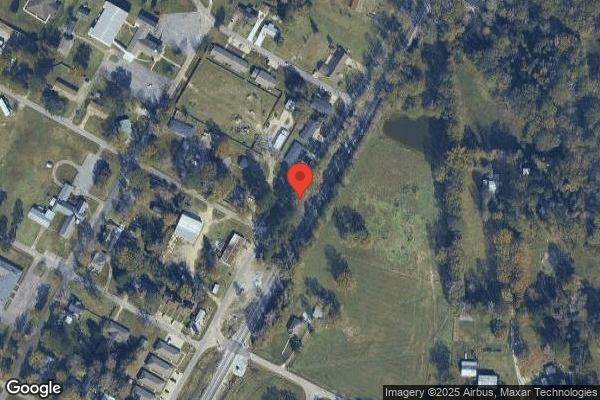
6434 A DALE DR, MARION, MS 39342 (601) 294-3515
For profit - Corporation 120 Beds BEDFORD CARE CENTERS Data: November 2025 2 Immediate Jeopardy citations
Trust Grade
0/100
#146 of 200 in MS
Last Inspection: July 2024

Within standard 12-15 month inspection cycle. Federal law requires annual inspections.

Overview

Bedford Care Center of Marion has received a Trust Grade of F, indicating poor performance with significant concerns regarding resident care. Ranking #146 out of 200 facilities in Mississippi places it in the bottom half, and #8 out of 9 in Lauderdale County suggests there is only one other local facility that performs worse. The situation is worsening, with the number of identified issues increasing from 4 in 2023 to 10 in 2024. While staffing received an average rating of 3 out of 5 stars, the turnover rate is concerning at 71%, significantly higher than the state average of 47%. The facility has incurred $268,624 in fines, which is higher than 99% of other Mississippi facilities, raising questions about compliance. Specific incidents include a critical failure to conduct accurate body audits, leading to a resident's foot amputation, and another incident where a resident fell and fractured their arm due to improper transfer procedures. These findings highlight serious safety concerns, despite some staffing stability. Overall, families should weigh these serious weaknesses against the average staffing rating when considering this facility for their loved ones.

Trust Score
F
0/100
In Mississippi
#146/200
Bottom 27%
Safety Record
High Risk
Review needed
Inspections
Getting Worse
4 → 10 violations
Staff Stability
⚠ Watch
71% turnover. Very high, 23 points above average. Constant new faces learning your loved one's needs.
Penalties
⚠ Watch
$268,624 in fines. Higher than 81% of Mississippi facilities, suggesting repeated compliance issues.
Skilled Nurses
○ Average
Each resident gets 37 minutes of Registered Nurse (RN) attention daily — about average for Mississippi. RNs are the most trained staff who monitor for health changes.
Violations
⚠ Watch
25 deficiencies on record. Higher than average. Multiple issues found across inspections.
★☆☆☆☆
1.0
Overall Rating
★★★☆☆
3.0
Staff Levels
★☆☆☆☆
1.0
Care Quality
★☆☆☆☆
1.0
Inspection Score
Stable
2023: 4 issues
2024: 10 issues

The Good

  • Full Sprinkler Coverage · Fire safety systems throughout facility
  • No fines on record

Facility shows strength in fire safety.

The Bad

1-Star Overall Rating

Below Mississippi average (2.6)

Significant quality concerns identified by CMS

Staff Turnover: 71%

25pts above Mississippi avg (46%)

Frequent staff changes - ask about care continuity

Federal Fines: $268,624

Well above median ($33,413)

Significant penalties indicating serious issues

Chain: BEDFORD CARE CENTERS

Part of a multi-facility chain

Ask about local staffing decisions and management

Staff turnover is very high (71%)

23 points above Mississippi average of 48%

The Ugly 25 deficiencies on record

2 life-threatening 6 actual harm
Nov 2024 2 deficiencies 2 Harm
SERIOUS (G) 📢 Someone Reported This

A family member, employee, or ombudsman was alarmed enough to file a formal complaint

Actual Harm - a resident was hurt due to facility failures

Comprehensive Care Plan (Tag F0656)

A resident was harmed · This affected 1 resident

**NOTE- TERMS IN BRACKETS HAVE BEEN EDITED TO PROTECT CONFIDENTIALITY** Based on observation, staff interview, record review, facility investigation review, and facility policy review, the facility fa...

Read full inspector narrative →
**NOTE- TERMS IN BRACKETS HAVE BEEN EDITED TO PROTECT CONFIDENTIALITY** Based on observation, staff interview, record review, facility investigation review, and facility policy review, the facility failed to implement comprehensive care plan interventions related to resident transfers when a Certified Nurse Aide (CNA) transferred a resident without assistance, using the incorrect sling size, which resulted in the resident falling during the transfer, receiving a fracture and head laceration for one (1) of four (4) care plans reviewed. Resident #1 Findings include: A record review of the facility's policy Using the are Plan with revised date of 8/2/22 revealed, Policy Statement The care plan shall be used in developing the resident's daily care routines and will be available to staff personnel who have responsibility for providing care or services to the resident . Policy Interpretation and Implementation . 2. uses the care plan to direct care provided by the CNAs and nurses daily . A record review of Resident #1's Comprehensive Care Plan revealed a care plan Focus: The resident has an ADL (Activities of Daily Living) self-care performance deficit .Interventions/Task .Transferring [NAME] total lift x 2, large sling, NON weight bearing. Care plan was initiated on 10/20/22 and revised on 10/25/24 to include non-weight bearing. A record review of Resident #1's Investigative Summary-Final Report, dated 10/21/2024, revealed (Proper name of CNA #1) operated lift alone without verifying resident sling size. She used a small sling which contributed to (Proper name of Resident #1) incident . A record review of written statement from Licensed Practical Nurse (LPN)#1 on 10/20/24, revealed, . CNA was standing in the doorway of room, called out for a nurse, when I entered the room, I saw (proper name) lift with lift pad on it up in the air, resident was lying on her right side face down with blood coming from the right side of her head . CNA stated, I put her on the (proper name) lift by myself, I had no one to help me! . A record review of CNA #1's written statement, dated 10/25/2024, revealed that CNA #1 admitted to transferring Resident #1 without assistance. She stated she used the sling already attached to the lift and did not check the [NAME] for the required sling size. She also acknowledged asking another staff member for help, but no one came to help. The witness statement further revealed I (CNA #1) operated the lift and (Proper name of Resident #1) fell-hit her head. A record review of the admission Record revealed the facility admitted Resident #1 on 10/20/2022 with diagnoses including Hemiplegia and Hemiparesis Following Cerebral Infarction Affecting the Left Non-Dominant Side. During an observation on 11/25/2024 at 8:15 AM, Resident #1, she recalled only one person was present during the transfer. She stated she kept telling CNA #1, Something's not right. She became emotional while recalling the incident, describing severe pain and a subsequent hospital stay. Resident #1 stated she wanted to stay up in her wheelchair until after lunch and would be assisted back to bed at that time. There was a mechanical lift sling underneath her that had a red trim. On 11/25/24 at 10:30 AM, during an interview with the Licensed Practical Nurse (LPN) #2, she verified Resident #1 required a full body lift prior to after the fall. It is the policy and procedures for the facility, that when a lift is used two staff members must be present at all times. She explained Resident #1's care plan for needing assistance with transfers did not change after the fall. The purpose of the care plan is a guide to go by for residents' care to provide quality care for each resident. She stated she expects all staff to follow the residents' care plans at all times to have the knowledge of how to care for the individual residents. At 12:55 PM on 11/25/24, during an interview with the Administrator, he confirmed Resident #1 was care planned for two-person assistance with transferring with lift. He stated he expects all staff to follow the facility's policies and procedures and residents individual care plans to provide quality care for all the residents at all times. During an observation on 11/25/2024 at 1:25 PM, Resident #1 was transferred by the facility staff via mechanical lift from her wheelchair to the bed. Three (3) CNAs entered the room to assist with the transfer. It was noted that the resident was sitting in a wheelchair with a red lift pad under her, indicating a medium sling, which was not the correct size. CNA #2 confirmed the sling needed to be replaced with a blue (large) sling. The CNAs were able to remove the medium sling and place the large sling while the resident was in the wheelchair and then transferred her using the correct large sling size. During an interview on 11/25/2024 at 1:45 PM, CNA #2 confirmed the wrong size of lift pad was under the resident, indicating that the incorrect lift pad was used earlier that morning during a transfer from bed to wheelchair. He stated he did not assist with the resident's transfer that morning because the transfer occurred on the previous shift. On 11/25/2024 at 3:00 PM, during an interview with the Administrator, he stated he was unaware that Resident #1 had been transferred this morning with the wrong size lift pad. He explained that all staff had been educated on proper lift pad identification and the need to check the [NAME] before using the lift. He reiterated that sufficient lift pads were available and expected staff to follow policies. He stated that CNA #4 had been assigned to Resident #1 this morning. During an interview, on 11/25/2024 at 3:40 PM, CNA #4 admitted she was assigned to care for Resident #1 during the night shift last night. She reported transferring Resident #1 using a mechanical lift and a red-trimmed/medium size sling pad. She stated she did not check the [NAME] that morning, assuming the resident required a large sling. She also noted that only medium sling pads were available at the time. During a post survey interview on 11/26/2024 at 9:30 AM, CNA #1 stated that on the morning of 10/21/24, she had asked the nurse for assistance with the mechanical lift transfer of Resident #1, but no one came to help. She admitted not checking the [NAME] for the correct sling size and using the sling already attached to the lift.
SERIOUS (G) 📢 Someone Reported This

A family member, employee, or ombudsman was alarmed enough to file a formal complaint

Actual Harm - a resident was hurt due to facility failures

Accident Prevention (Tag F0689)

A resident was harmed · This affected 1 resident

**NOTE- TERMS IN BRACKETS HAVE BEEN EDITED TO PROTECT CONFIDENTIALITY** Based on observation, interviews, record review, facility investigation review, and facility policy reviews the facility failed ...

Read full inspector narrative →
**NOTE- TERMS IN BRACKETS HAVE BEEN EDITED TO PROTECT CONFIDENTIALITY** Based on observation, interviews, record review, facility investigation review, and facility policy reviews the facility failed to ensure a resident was transferred safely while using a mechanical lift when a Certified Nurse Aide (CNA) performed the transfer without assistance and used the incorrect sling size, which caused the resident to fall, resulting in a fracture and head laceration for one (1) of four (4) sampled residents. (Resident #1) Findings include: A review of the facility's policy, Safe Transfer and Lifting of Residents, revised 08/02/2022, revealed, .In order to protect the safety and well-being of staff and residents, and to promote quality care, this facility uses appropriate techniques and devices to lift and move residents . General Guidelines .6. Enough slings in sizes required by residents should be available at all times . VI. Procedure for transferring resident with full body lift .c. Ensures proper transfer is followed per care plan .e. Ensures resident is within weight requirements of lift f. Ensures a 2nd person is assisting . A record review of Resident #1's Progress Notes, dated 10/21/2024 at 7:10 AM, revealed the resident was found crying loudly on the floor with a large laceration on the right side of her forehead and a hematoma on her right forearm. CNA #1 stated the resident slid out of the sling during a transfer using a mechanical lift. A record review of Resident #1's [NAME] revealed the resident required a total lift with two (2) staff and a large sling. The record indicated the resident was non-weight-bearing. A record review of Resident #1's Investigative Summary-Final Report, dated 10/21/2024, revealed (Proper name of the CNA) operated lift alone without verifying resident sling size. She used a small sling which contributed to (Proper name of Resident #1) incident . A record review of CNA #1's written statement, dated 10/25/2024, revealed that CNA #1 admitted to transferring Resident #1 without assistance. She stated she used the sling already attached to the lift and did not check the [NAME] for the required sling size. She also acknowledged asking another staff member for help, but no one came to help. The witness statement further revealed I (CNA #1) operated the lift and (Proper name of Resident #1) fell-hit her head. A record review of the Fall During Assist report, dated 10/21/2024, revealed that CNA #1 attempted to transfer Resident #1 using a mechanical lift without the assistance of a second staff member. The report noted that CNA #1 used a medium sling instead of the required large sling, which resulted in the resident sliding out of the sling and falling to the floor. The report documented that the resident sustained a laceration to the right side of the forehead and a hematoma on the right arm and was sent to the emergency room for further evaluation. A record review of Resident #1's Emergency Department History and Physical, dated 10/21/2024, revealed the resident sustained a displaced femur fracture and a laceration requiring sutures. She also complained of left hip and knee pain. A record review of the X-ray Femur, dated 10/21/2024, revealed Resident #1 had an acute displaced, obliquely oriented fracture through the distal femoral shaft. A record review of the Discharge Summary, dated 10/25/2024, revealed Resident #1 underwent Open Reduction and Internal Fixation (ORIF) surgery for the femur fracture and was discharged back to the facility with a non-weight-bearing status. A record review of the admission Record revealed the facility admitted Resident #1 on 10/20/2022 with diagnoses including Hemiplegia and Hemiparesis Following Cerebral Infarction Affecting the Left Non-Dominant Side. A record review of the Comprehensive Minimum Data Set (MDS) with an Assessment Reference Date (ARD) of 11/01/2024 revealed Resident #1 had a Brief Interview for Mental Status (BIMS) score of eight (8), which indicated the resident's cognition was moderately impaired. On 11/25/2024 at 8:15 AM, during an observation and interview with Resident #1, she recalled only one person was present during the transfer. She stated she kept telling CNA #1, Something's not right. She became emotional while recalling the incident, describing she had some pain and a subsequent hospital stay. Resident #1 stated she wanted to stay up in her wheelchair until after lunch and would be assisted back to bed at that time. There was a mechanical lift sling underneath her that had a red trim. On 11/25/2024 at 10:55 AM, during an interview, the Administrator confirmed CNA #1 admitted to transferring the resident alone using the sling already attached to the lift without verifying its size. The fall occurred at the end of the shift as the staff were assisting residents up for the day. On 11/25/2024 at 11:20 AM, during an interview with Resident #1's family member, she explained that the nurse informed her that her sister fell out of the lift and sustained a gash on her forehead, which would not stop bleeding, necessitating emergency medical care. She stated that Resident #1 required four (4) stitches to her forehead and added that hospital tests revealed her sister had a fractured femur requiring surgery, and a plate was subsequently inserted. On 11/25/2024 at 1:20 PM, during an observation and interview with CNA #2, he confirmed the resident required a large sling for transfers and stated two staff members are always required when using a lift. He reviewed the resident's [NAME] and identified the correct sling size for the resident was a large. On 11/25/2024 at 1:25 PM, during an observation of Resident #1 being transferred by facility staff via the mechanical lift from her wheelchair to the bed, three (3) CNAs entered the room to assist with the transfer. It was noted that the resident was sitting in a wheelchair with a red lift pad under her, indicating a medium sling, which was not the correct size. CNA #2 confirmed the sling needed to be replaced with a blue (large) sling. The CNAs were able to remove the medium sling and place the large sling while the resident was in the wheelchair and then transferred her using the correct large sling size. On 11/25/2024 at 1:45 PM, during an interview with CNA #2, he confirmed the wrong size of lift pad was under the resident, indicating that the incorrect lift pad was used earlier that morning during a transfer from bed to wheelchair. He stated he did not assist with the resident's transfer that morning because the transfer occurred on the previous shift. On 11/25/24 at 2:00 PM, during an interview, CNA #3 confirmed Resident #1 had a medium lift pad underneath her while in the wheelchair and stated Resident #1 was already up in her chair when she arrived to work. CNA #3 confirmed a medium sling was incorrect according to the residents [NAME]. During an interview on 11/25/2024 at 3:00 PM, the Administrator stated he was unaware that Resident #1 had been transferred this morning with the wrong size lift pad. He explained that all staff had been educated on proper lift pad identification and the need to check the [NAME] before using the lift. He reiterated that sufficient lift pads were available and expected staff to follow policies. He stated that CNA #4 had been assigned to Resident #1 this morning. On 11/25/2024 at 3:40 PM, during an interview with CNA #4, she admitted she was assigned to care for Resident #1 during the night shift last night. She reported transferring Resident #1 using a mechanical lift and a red-trimmed/medium size sling pad. She stated she did not check the [NAME] that morning, assuming the resident required a large sling. She also noted that only medium sling pads were available at the time. On 11/26/2024 at 9:30 AM, during a post survey interview, CNA #1 stated that on the morning of 10/21/24, she had asked the nurse for assistance with the mechanical lift transfer of Resident #1, but no one came to help. She admitted not checking the [NAME] for the correct sling size and using the sling already attached to the lift.
Jul 2024 7 deficiencies
CONCERN (D)

Potential for Harm - no one hurt, but risky conditions existed

Assessment Accuracy (Tag F0641)

Could have caused harm · This affected 1 resident

Based on staff interview, record review, and facility policy review, the facility failed to accurately complete the Minimum Data Set (MDS) assessments for residents who were discharged from the facili...

Read full inspector narrative →
Based on staff interview, record review, and facility policy review, the facility failed to accurately complete the Minimum Data Set (MDS) assessments for residents who were discharged from the facility for two (2) of 18 residents reviewed. (Resident #77 and Resident #79) Findings include: A review of the facility's policy Conducting an Accurate Resident Assessment, dated 11/6/23 revealed, . The purpose of this policy is to assure that all residents receive an accurate assessment, reflective of the resident's status at the time of the assessment, by staff qualified to assess relevant care areas . Definition: Accuracy of assessment means that the appropriate, qualified health professionals correctly document .using the appropriate Resident Assessment Instrument (RAI) . Resident #77 A record review of the admission Record revealed the facility admitted Resident #77 on 3/13/24 with current diagnoses including Hemiplegia and Hemiparesis. A record review of the Discharge MDS with an Assessment Reference Date (ARD) of 4/10/24 revealed Resident #77 was discharged from the facility to a nursing home (long-term care facility). A record review of a Progress Note, dated 4/10/24, revealed Resident #77 was transferred to an acute care hospital and not a long-term care facility. Resident #79 A record review of the admission Record revealed the facility admitted Resident #79 on 3/20/24 with current diagnoses including Type 2 Diabetes Mellitus. A record review of the Discharge MDS with an ARD of 4/22/24 revealed Resident #79 was discharged from the facility to a short-term general hospital. A record review of the Discharge Summary and Instructions, dated 4/22/24, revealed Resident #79 was discharging to a nursing home (long-term care) facility per the family's request. A record review of the Progress Notes, dated 4/22/24 at 11:20 AM, revealed Resident #79 was discharged to a long-term care facility and not a short-term general hospital. At 3:40 PM on 7/9/24, during an interview with Licensed Practical Nurse (LPN) #2/MDS Nurse, she explained Resident #79 went to a long-term care facility when he was discharged . She also explained Resident #77 was discharged to an acute hospital when he left the facility. LPN #2 reviewed Resident #77's and #79's Discharge MDS and confirmed the MDS assessments were not accurate and explained she was unsure how the error had occurred. At 11:50 AM on 7/11/24, during an interview with the Director of Nursing (DON), she explained she was made aware of the inaccuracy of the MDS assessments, and the facility was working on making corrections regarding Resident #77 and Resident #79. She stated she expected all residents to have accurate MDS assessments.
CONCERN (D)

Potential for Harm - no one hurt, but risky conditions existed

Deficiency F0685 (Tag F0685)

Could have caused harm · This affected 1 resident

Based on observation, interviews, record review, and facility policy review, the facility failed to ensure vision services were provided for a resident who was visually impaired for one (1) of 15 samp...

Read full inspector narrative →
Based on observation, interviews, record review, and facility policy review, the facility failed to ensure vision services were provided for a resident who was visually impaired for one (1) of 15 sampled residents. Resident #4 Findings include: A review of the facility's policy, Social Services Policy revised 6/1/23 revealed, Policy: The facility .will provide medically-related social services to each resident, to attain or maintain the resident's highest practicable physical, mental, and psychosocial well-being .Policy Explanation and Compliance Guidelines .4. The social worker .will pursue the provision of any identified need for medically-related social services of the resident .Services to meet the resident's needs may include .d. Making arrangement for obtaining items, such as adaptive equipment, clothing, and personal items .g. Making referrals and obtaining needed services from outside entities . On 7/8/24 at 2:47 PM, during an interview and observation, Resident #4 reported she had lost her prescription glasses and the facility had provided her with a pair of reading glasses from a local retail store. She was unsure when she had lost the glasses and was unsure if she had reported it to the facility. She explained she enjoyed reading but was unable to use the glasses provided by the facility because she could not see through them, and it was difficult to read. The resident was not wearing glasses. On 07/10/24 at 9:18 AM, an interview with Social Services Director (SSD) revealed Resident #4 had reported to her that she could not afford the prescription glasses that had been prescribed to her in April. The resident advised the SSD that she could not see well, so the SSD went to a local retail store and purchased a pair of over the counter reading glasses for the resident. The SSD reported she did not seek assistance for the resident in attaining new prescription glasses through any alternative community support agencies and she did not consult with the Administrator regarding the resident's inability to pay for the new prescription glasses. On 7/10/24 at 10:00 AM, in an interview with the Director of Nursing (DON), she acknowledged Resident #4 had a new prescription in her medical record for glasses that she received when she had an eye exam on 4/8/24. The DON reported the prescription was not filled because the resident did not have the money in her account to pay for them. The DON confirmed the facility did not secure other means to assist the resident in having her new prescription filled and the Administrator was not informed that the resident was unable to afford the new glasses. On 07/10/24 at 10:15 AM, an interview with the Administrator revealed he had not been informed Resident #4 was unable to pay for new prescription glasses. The Administrator reported that the facility had occasion to purchase glasses and dentures for residents who were not able to afford them. The Administrator stated, although it was not the policy of the facility to broadly purchase glasses for all residents, if there was a need, the facility would assess the resident's ability to pay for services and would assist accordingly. The Administrator reported his expectation going forward was to get the residents what they needed to provide a better quality of life for them. A record review of the Transfer/Discharge Report revealed the facility admitted Resident #4 on 8/18/2023 with diagnoses including Hypothyroidism. A record review of the Quarterly Minimum Data Set (MDS) with an Assessment Reference Date (ARD) of 4/29/24 revealed in Section B that Resident #4 had corrective lenses and in Section C the resident had a Brief Interview for Mental Status (BIMS) score of 15, which indicated she was cognitively intact. A record review of the admission MDS with an ARD of 8/24/23 revealed it was very important for Resident #4 to have books, newspapers, and magazines to read. Record review of an eyeglass prescription, dated 4/8/24, revealed Resident #4 had visual impairment in both eyes that required corrective lenses.
CONCERN (D)

Potential for Harm - no one hurt, but risky conditions existed

Food Safety (Tag F0812)

Could have caused harm · This affected 1 resident

Based on observation, staff interview, and facility policy review, the facility failed to ensure the chemical sanitizer for a low-temperature dishwasher had a concentration of at least 50 parts per mi...

Read full inspector narrative →
Based on observation, staff interview, and facility policy review, the facility failed to ensure the chemical sanitizer for a low-temperature dishwasher had a concentration of at least 50 parts per million (ppm) for one (1) of two (2) dishwasher observations. Findings Include: Review of the facility's policy, Sanitization with a revision date 10/04/22, revealed, The food service area will be maintained in a clean and sanitary manner. Policy Interpretation and Implementation .3. All equipment, food contact surfaces and utensils will be washed to remove or completely loosen soils by using the manual or mechanical means necessary and sanitized using hot water and or chemical sanitizing solutions .6. Dishwashing machines must be operated using the following specifications .Low-Temperature Dishwasher (Chemical Sanitization) .b. Final rinse with 50 parts per million (ppm) hypochlorite (chlorine) for at least 10 seconds . On 7/9/24 at 11:08 AM, during an observation and interview of the tray line, Dietary #2/Cook was preparing trays for the residents in the dining room. Dietary #2 frequently stopped the line and placed dishes to the side. He stated that upon inspection, the dishes were not clean. There were 12 small bowls, five (5) plates, three (3) large serving bowls, and one (1) platter set aside. Some of the dishes had large amounts of dried food on them and some of them had small specks of food residue on them. On 7/9/24 at 1:48 PM, in a follow-up interview with Dietary #2, he stated he thought the dishwasher was not cleaning the dishes properly and explained that he never used soiled dishes when preparing meal trays for the residents. On 7/9/24 at 1:59 PM, in an interview with Dietary #1/Assistant Dietary Manager, she confirmed the facility had problems with the dishwasher and it had been rebuilt approximately two (2) months ago. She explained they had minor problems with the dishwasher which required a repairman to come to the facility to repair it. She reported it was the responsibility of the dietary aides to check the dishes before the dishes were stored to make sure they were clean. On 7/9/24 at 2:10 PM, in an observation with Dietary #1 and Dietary #3, there were four (4) dirty plates. Dietary #3 sprayed the dishes and placed them in the low temperature dishwasher. After the dishwasher cycle ended, she removed the plates, and they had specks of food residue on them. The dishwasher temperature reached 130 degrees Fahrenheit (F), which was within the required temperature range and the chlorine measured 10 ppm on the dish surface, which was less than 50 ppm. Dietary #1 confirmed the plates were not clean and the sanitation was less than the required amount. On 7/9/24 at 2:25 PM, in an interview with the Corporate Dietary Consultant, she stated the sanitation had been changed earlier today and was not coming through the tubing properly because the tubing had not been primed. She stated that after priming the tubing, the sanitation reading was 50 ppm. On 7/11/24 at 1:00 PM, in an interview with the Administrator, he stated he was made aware the dietary staff had not primed the sanitation tubing after installing a new container of sanitation in the dishwasher and explained that education and training had begun immediately for the dietary staff as soon as the issue was observed.
CONCERN (D)

Potential for Harm - no one hurt, but risky conditions existed

Deficiency F0883 (Tag F0883)

Could have caused harm · This affected 1 resident

Based on record review, staff interview, and facility policy review, the facility failed to provide evidence that residents refused the Influenza and/or Pneumococcal vaccine for two (2) of five (5) re...

Read full inspector narrative →
Based on record review, staff interview, and facility policy review, the facility failed to provide evidence that residents refused the Influenza and/or Pneumococcal vaccine for two (2) of five (5) residents reviewed for immunizations. Resident #22 and Resident #37 Findings include: A review of the facility's policy, Vaccination of Residents, dated 8/2/22, revealed, .All residents will be offered vaccines .Policy Interpretation and Implementation 1. Prior to receiving vaccinations, the resident or legal representative will be provided information and education regarding the benefits and potential side effects of the vaccinations .2. Provision of such education shall be documented in the resident's medical record .5. If vaccines are refused, the refusal shall be documented in the resident's medical record . Resident #22 A record review of the facility's Transfer/Discharge Report revealed the facility admitted Resident #22 on 11/22/23 with diagnoses including Hemiplegia and Hemiparesis. A review of the medical record revealed there was no documentation that indicated Resident #22 had received or refused an influenza and pneumococcal vaccination. Resident # 37 A record review of the facility's Transfer/Discharge Report revealed the facility admitted Resident #37 on 09/22/23 with diagnoses including Chronic Atrial Fibrillation. A review of the medical record revealed there was no documentation that indicated Resident #22 had received or refused an influenza and pneumococcal vaccination. On 7/10/24 at 10:15 AM, in an interview with the Director of Nursing (DON), she stated Resident #22 and Resident #37 had refused the influenza and pneumococcal vaccines. She confirmed the facility did not have a signed copy of the declination or refusal forms for Resident #22 and Resident #37 in their medical records. The DON explained the Resident Care Coordinator (RCC) was responsible for ensuring immunization records were available in the resident's medical record. On 7/11/24 at 11:00 AM, in an interview with the Administrator, he acknowledged he was aware the facility was unable to provide evidence Resident #22 and Resident #37 had refused influenza and pneumococcal immunizations. The Administrator stated the RCC was responsible for maintaining immunization documents in the medical records and expected the RCC to have documentation available as required. On 07/11/24 at 11:37 AM, in an interview with the RCC, she confirmed she was unable to provide declination forms or documentation of refusal for Resident #22 and Resident #37 regarding the influenza and pneumococcal immunizations. The RCC confirmed she was responsible for maintaining the immunization records and she planned to begin scanning the documents herself to ensure they are properly added to the medical record.
CONCERN (D)

Potential for Harm - no one hurt, but risky conditions existed

Deficiency F0887 (Tag F0887)

Could have caused harm · This affected 1 resident

Based on record review, staff interview, and facility policy review, the facility failed to provide evidence that residents refused the COVID-19 vaccine for two (2) of five (5) residents reviewed for ...

Read full inspector narrative →
Based on record review, staff interview, and facility policy review, the facility failed to provide evidence that residents refused the COVID-19 vaccine for two (2) of five (5) residents reviewed for immunizations. Resident #22 and Resident #37 Findings include: A review of the facility's policy, Vaccination of Residents, dated 8/2/22, revealed, .All residents will be offered vaccines .Policy Interpretation and Implementation 1. Prior to receiving vaccinations, the resident or legal representative will be provided information and education regarding the benefits and potential side effects of the vaccinations .2. Provision of such education shall be documented in the resident's medical record .5. If vaccines are refused, the refusal shall be documented in the resident's medical record . Resident #22 A record review of the facility's Transfer/Discharge Report revealed the facility admitted Resident #22 on 11/22/23 with diagnoses including Hemiplegia and Hemiparesis. A review of the medical record revealed there was no documentation that indicated Resident #22 had received or refused a COVID-19 vaccination. Resident # 37 A record review of the facility's Transfer/Discharge Report revealed the facility admitted Resident #37 on 09/22/23 with diagnoses including Chronic Atrial Fibrillation. A review of the medical record revealed there was no documentation that indicated Resident #22 had received or refused a COVID-19 vaccination. During an interview on 7/10/24 at 10:15 AM, the Director of Nursing (DON), she stated Resident #22 and Resident #37 had refused COVID-19 vaccines. She confirmed the facility did not have a signed copy of the declination or refusal forms for Resident #22 and Resident #37 in their medical records. The DON explained the Resident Care Coordinator (RCC) was responsible for ensuring immunization records were available in the resident's medical record. During an interview on 7/11/24 at 11:00 AM, with the Administrator, he stated he was aware the facility was unable to provide evidence Resident #22 and Resident #37 had refused COVID-19 vaccines. The Administrator stated the RCC was responsible for maintaining immunization documents in the medical records and expected the RCC to have documentation available as required. In an interview on 07/11/24 at 11:37 AM, with the RCC, she confirmed she was unable to provide declination forms or documentation of refusal for Resident #22 and Resident #37 regarding COVID-19 vaccines. The RCC confirmed she was responsible for maintaining the immunization records and she planned to begin scanning the documents herself to ensure they were properly added to the medical record.
CONCERN (E)

Potential for Harm - no one hurt, but risky conditions existed

Deficiency F0565 (Tag F0565)

Could have caused harm · This affected multiple residents

Based on interviews, record review, and facility policy review the facility failed to ensure resident council members' complaints regarding food that was served cold were recorded and resolved in a ti...

Read full inspector narrative →
Based on interviews, record review, and facility policy review the facility failed to ensure resident council members' complaints regarding food that was served cold were recorded and resolved in a timely manner for nine (9) of 11 Resident council members. (Resident #4, #18, #20, #27, #42, #49, #52, #62, and #68) Findings include: Review of the facility's policy, Resident and Family Grievances revised 6/1/23 revealed, . It is the policy of this facility to support each resident's and family member's right to voice grievances without discrimination, reprisal or fear of discrimination or reprisal .Policy Explanation and Compliance Guidelines .8. Grievances may be voiced in the following forums .d. Verbal complaint during resident or family council meetings .10. Procedure .d. The Grievance Official will take steps to resolve the grievance .e. The Grievance Official, or designee, will keep the resident appropriately apprised of progress towards resolution of the grievances .12. The facility will make prompt efforts to resolve grievances . Review of the Resident Council Minutes dated 6/27/24 revealed the resident council members complained the nurses take too long to come to the dining room during lunch and dinner and the residents complained the food was cold because of the wait. The Recommendations/Solutions dated 7/1/24 revealed an in-service was conducted on dining room times with staff and the dining room schedule was posted on each unit and with the receptionist. Review of January through June 2024 of resident council meeting minutes revealed the June 2024 minutes was the only month in which complaints regarding food being served cold were recorded. During the Resident Council Meeting on 7/8/24 at 2:00 PM, the members revealed they had complained for several months, not just June 2024, that the food was served cold for all meals. They explained they originally thought the problem was with the nurses coming to the dining room timely and therefore causing the food to be served cold, however, the problem had not been resolved since the nurses had been coming to the dining room timely. The members said they expected the Social Services Assistant (SSA) to record all their complaints every month and share them with the Dietary Manager (DM) and the Administrator. During an interview on 7/11/24 at 10:21 AM, the SSA explained she was responsible for writing the resident council meeting minutes and confirmed the residents had complained for several months that the meals were served cold. She said she was unsure why the residents' complaints were not included in the April 2024 and May 2024 minutes and determined she may have forgotten to record them. The SSA reported that she had placed the residents' complaints in the DM's box and did not provide a copy for the Administrator. The SSA explained the residents' complaints regarding cold food had been discussed several times during daily stand-up meetings with the interdisciplinary team. During an interview on 7/11/24 at 10:45 AM, with the Director of Nursing (DON), she confirmed she was aware the residents had complained food was served to them cold and was told it was because the nurses were late coming to the dining room. She explained she then began posting nursing assignments indicating which nurses were to serve in the dining room and she had been observing to ensure the nurses were not late getting to the dining room. She confirmed the resident's complaints regarding cold food had been discussed during stand-up meetings. In an interview on 7/11/24 at 11:13 AM, with the Assistant Dietary Manager, she stated she was unaware the residents were complaining the food served was cold and she had not received any complaints from the resident council for the month of June. She explained the Dietary Manager was not at the facility this week and had not advised her there were complaints regarding cold meals served to the residents. She stated she had recently been attending stand up meetings and was not aware there was any discussion during those meetings that the residents were complaining the food was served to them cold. During an interview on 7/11/24 at 11:18 AM, the Administrator confirmed the residents had previously complained the food was cold and he had instructed Dietary services to serve the dining room first and then serve the residents who complained of cold food on the halls. He had thought the complaints were resolved and was unaware the residents in resident council continued to complain the food was served cold. He stated he had not been given a copy of the resident council meetings for June 2024. Resident #4 A record review of the admission Record revealed the facility admitted Resident #4 on 8/18/23. A record review of the Quarterly Minimum Data Set (MDS) with an Assessment Reference Date (ARD) of 4/29/24 revealed Resident #4 had a Brief Interview for Mental Status (BIMS score of 15, which indicated she was cognitively intact. Resident #18 A record review of the admission Record revealed the facility admitted Resident #18 on 4/17/23. A record review of the Quarterly MDS with an ARD of 6/13/24 revealed Resident #18 had a BIMS score of 14, which indicated she was cognitively intact. Resident #20 A record review of the admission Record revealed the facility admitted Resident #20 on 11/9/22. A record review of the Quarterly MDS with an ARD of 6/27/24 revealed Resident #20 had a BIMS score of 10, which indicated his cognition was moderately impaired. Resident #27 A record review of the admission Record revealed the facility admitted Resident #27 on 3/9/22. A record review of the Quarterly MDS with an ARD of 6/19/24 revealed Resident #27 had a BIMS score of 15, which indicated he was cognitively intact. Resident #42 A record review of the admission Record revealed the facility admitted Resident #42 on 3/7/18. A record review of the Quarterly MDS with an ARD of 5/9/24 revealed Resident #42 had a BIMS score of 15, which indicated she was cognitively intact. Resident #49 A record review of the admission Record revealed the facility admitted Resident #49 on 1/8/24. A record review of the Quarterly MDS with an ARD of 5/2/24 revealed Resident #49 had a BIMS score of 15, which indicated she was cognitively intact. Resident #52 A record review of the admission Record revealed the facility admitted Resident #52 on 7/5/23. A record review of the Annual MDS with an ARD of 6/12/24 revealed Resident #52 had a BIMS score of 15, which indicated he was cognitively intact. Resident #62 A record review of the admission Record revealed the facility admitted Resident #62 on 12/28/22. A record review of the Quarterly MDS with an ARD of 5/23/24 revealed Resident #62 had a BIMS score of 11, which indicated her cognition was moderately impaired. Resident #68 A record review of the admission Record revealed the facility admitted Resident #68 on 1/19/24. A record review of the Quarterly MDS with an ARD of 4/18/24 revealed Resident #68 had a BIMS score of 15, which indicated she was cognitively intact.
CONCERN (E)

Potential for Harm - no one hurt, but risky conditions existed

Deficiency F0804 (Tag F0804)

Could have caused harm · This affected multiple residents

Based on observation, interviews, record review, and facility's policy review the facility failed to ensure resident's food was served at an appetizing temperature for one (1) of 15 sampled residents....

Read full inspector narrative →
Based on observation, interviews, record review, and facility's policy review the facility failed to ensure resident's food was served at an appetizing temperature for one (1) of 15 sampled residents. This had the potential to affect 74 residents receiving food from the kitchen. (Resident # 38) Findings include: A review of the facility's policy Food Preparation Guidelines dated 10/5/22 revealed, . The facility will prepare foods in a manner to preserve or enhance a resident's nutrition and hydration status . Definitions .Proper (safe and appetizing) temperature means both appetizing to the resident and minimizing the risk for scalding and burns . Policy Interpretation and Implementation .3. Food and drinks will be palatable, attractive, and at a safe and appetizing temperature. Strategies to ensure resident satisfaction include: . c. Serving hot foods/drinks hot and cold foods/drinks cold . This tag is cross referenced to the tag F565: 1. Based on observation, interviews, record review, and facility policy review the facility failed to ensure resident council members' complaints regarding food that was served cold were recorded and resolved in a timely manner for nine (9) of 11 Resident council members. (Resident #4, #18, #20, #27, #42, #49, #52, #62, and #68) On 7/8/24 at 12:30 PM, during an observation of two (2) lunch meal trays, the meal consisted of fried pork chop, pinto beans, turnip greens, corn bread, fruited gelatin, tea and water. The Administrator brought the two trays directly from the kitchen and the food was cold to taste and touch. On 7/8/24 at 2:18 PM, during an interview with Resident#38, she complained she is currently upset at the facility because she had issues with staff not wanting to reheat her food. She complained her breakfast was always cold and she was tired of it because it had been going on for a while. At 11:15 AM on 7/9/24, during an interview with Resident #38, she explained her breakfast was cold again this morning and she had to get someone to reheat the food. On 7/9/24 at 11:28 AM, during an observation and interview with Dietary #2/Cook, he prepared the meal trays to be served to residents in the dining room. He stated he cannot prepare meal trays for the residents on the hall until all residents in the dining room were served. At 11:42 AM, the cook began preparing the meal trays for the halls. At 11:57 AM, one of the dietary aides began placing meal trays onto the cart but stopped because she had to prepare more silverware for the trays. At 12:00 PM, Dietary #2 had to stop preparing hall trays to make more mechanical soft meat loaf for the residents, and Dietary #1 continued preparing the trays for the residents on the hall. On 7/9/24 at 12:11 PM, during an observation, the last tray cart was sent to the last hall with two (2) test trays on the cart. The tray cart was an open metal tray cart that was not insulated. There were three (3) insulated carts pushed to the side and one (1) insulated tray cart that did not have a door. The open tray cart was pushed to the hall by a Dietary Aide and Dietary #1 and explained the Certified Nurse Aides (CNAs) on the hall would pass out the trays to the residents. After four (4) minutes a CNA started to pull trays and pass them out to the residents. At 12:23 PM on 7/9/24, during an interview and observation, Dietary #1 tested the temperature of the last tray on the last cart. The temperatures were the following: country meatloaf 80 degrees Fahrenheit (F); garlic mashed potatoes 100 F; buttered green peas 84 F; pork cutlet 80 F; stewed tomatoes 90 F and steamed rice 84 F. The temperatures of the individual food items had dropped from country meatloaf 170 F; garlic mashed potatoes 170 F; buttered green peas 164 F; pork cutlet 160 F, stewed tomatoes 135 F; and steamed rice 170 F. The food on the two test trays were tasted by the State Agency (SA) and Dietary #1 and was cold and not at an appetizing temperature. Dietary #1 explained the food was at room temperature, but confirmed it was cold. She explained if she was served the food at a restaurant, she would send it back because the food was not hot enough for her to eat. At 1:10 PM on 7/9/24, during an interview with CNA #1, she explained Resident #38 had complained that her food was cold, and it had been reported to the kitchen staff several times. During an interview on 7/11/24 at 11:18 AM, with the Administrator, he confirmed the residents had complained the food was cold. He had dietary to started serving the dining room first and then serve the residents on the hall that were complaining first. He thought the complaints were resolved, and he did not know the resident's council continued to complain in June. He expected all residents to be served food at an appetizing temperature. Resident #38 A record review of the admission Record revealed the facility admitted Resident #38 on 11/19/18 with diagnoses including Bipolar Disorder and Anxiety Disorder. A record review of the Order Summary Report with active orders as of 7/9/24, revealed Resident #38 had a Physician's Order, dated 5/3/24, for a Regular diet, Regular texture, and Regular consistency with chopped ham and turkey. A record review of the Annual Minimum Data Set (MDS) with an Assessment Reference Date (ARD) of 5/9/24, revealed Resident #38 had a Brief Interview for Mental Status (BIMS) summary score of 15, which indicated she was cognitively intact.
Jan 2024 1 deficiency
CONCERN (D) 📢 Someone Reported This

A family member, employee, or ombudsman was alarmed enough to file a formal complaint

Potential for Harm - no one hurt, but risky conditions existed

Notification of Changes (Tag F0580)

Could have caused harm · This affected 1 resident

Based on the interview, record review, and facility policy review, the facility failed to notify the Resident Representative (RR) when a resident required a change in the level of care and required on...

Read full inspector narrative →
Based on the interview, record review, and facility policy review, the facility failed to notify the Resident Representative (RR) when a resident required a change in the level of care and required one-on-one (1:1) supervision due to confusion for one (1) of four (4) residents reviewed. Resident #1. Findings Include: A review of the facility's policy, Notification of Change in a Resident's Condition or Status, revised 8/2/22, revealed .Policy Statement: Our facility shall promptly notify the resident, his or her Attending Physician, and representative (sponsor) of changes in the resident's medical/mental condition and/or status (e.g., changes in level of care) .Policy Interpretation and Implementation .5. Except in medical emergencies, notifications will be made within twenty-four (24) hours of a change occurring in the resident's medical/mental condition or status . A record review of the facility's document (Proper Name of Resident #1) Investigation, dated 1/20/24, revealed that on 1/18/24, Resident #1 had gotten out of the building for approximately 36 seconds. She was assisted back into the building by a therapy staff member. Resident #1 was assessed, interviewed, and placed on 1:1 supervision and offered activities due to her confusion. Review of the medical record revealed there was no documentation that the RR was notified that Resident #1 required 1:1 supervision due to her confusion and that she had walked out of the facility. On 1/29/24 at 12:00 PM, during an interview with the RR, he confirmed that the facility did not notify him that Resident #1 had walked out of the facility and that she required 1:1 supervision. On 1/30/24 at 12:10 PM, an interview with the Interim Director of Nursing (I-DON), she confirmed there was no documentation that Resident #1's RR had been notified of the event on 1/18/24. She stated the facility phoned the RR but did not leave a message. The I-DON confirmed she did not call the RR back later in the shift to inform him of the incident and stated that the RR should have been notified and it should have been documented. She explained it was the facility's policy to notify the RR of any changes with the residents and she expected the nursing staff to follow the facility's policy. On 1/30/24 at 12:51 PM, in an interview with the Administrator, he explained that Resident #1 did not have any injuries and her vital signs were normal, so he felt the facility did not have to notify the RR. He stated that when he was made aware of the incident, he returned to the facility to investigate and review the video footage. He contended that it was not necessary for the facility to notify the RR of the investigation, the outcome of the investigation, or that Resident #1 required 1:1 supervision due to confusion. Record review of the admission Record revealed the facility admitted Resident #1 on 7/21/22 with current medical diagnoses including Alzheimer's Disease and Dementia. Record review of the Quarterly Minimum Data Set (MDS) with an Assessment Reference Date (ARD) of 12/7/23, revealed Resident #1 had a Brief Interview for Mental Status (BIMS) score of 3, which indicated her cognition was severely impaired.
Nov 2023 2 deficiencies 2 IJ
CRITICAL (J) 📢 Someone Reported This

A family member, employee, or ombudsman was alarmed enough to file a formal complaint

Immediate Jeopardy (IJ) - the most serious Medicare violation

Free from Abuse/Neglect (Tag F0600)

Someone could have died · This affected 1 resident

Based on staff and Resident Representative interviews, record review, and facility policy review, the facility failed to protect the resident's right to be free from neglect when staff provided inaccu...

Read full inspector narrative →
Based on staff and Resident Representative interviews, record review, and facility policy review, the facility failed to protect the resident's right to be free from neglect when staff provided inaccurate body audits and services for one (1) of four (4) sampled residents. Resident #1 The facility's failure to ensure that body audits were completed accurately resulted in Resident #1 sustaining an amputation of the fifth digit of her right foot and placed other residents in a situation that was likely to cause serious injury, serious harm, serious impairment, or death. The situation was determined to be an Immediate Jeopardy (IJ) and Substandard Quality of Care (SQC) that began on 10/18/23 when facility staff completed an inaccurate weekly body audit. The facility Administrator was notified of the IJ and SQC on 11/15/23 at 12:12 PM and was presented with the IJ Template. The facility provided an acceptable Removal Plan on 11/15/23, in which they alleged all corrective actions to remove the IJ were completed on 11/15/23, and the IJ removed on 11/16/23. The State Agency (SA) validated the Removal Plan on 11/16/23 and determined that the IJ was removed on 11/16/23, prior to exit. Therefore, the scope and severity for CFR 483.12 Freedom from Abuse, Neglect, and Exploitation- F600 was lowered from a J to a D while the facility develops a plan of correction to monitor the effectiveness of the systemic changes to ensure the facility sustains compliance with regulatory requirements. Findings include: Review of the facility's policy, Abuse Prevention Program, undated, revealed, .Our residents have the right to be free from .neglect . Review of the facility's policy, Skin Assessment, revised 11/1/22, revealed, .It is our policy to perform a full body skin assessment as part of our systematic approach to pressure injury prevention and management. This policy includes the following procedural guidelines in performing the full body skin assessment. Policy Explanation and Compliance Guidelines: 1. A full body, or head to toe, skin assessment will be conducted by a licensed or registered nurse upon admission/ re-admission and weekly thereafter . Record review of the facility's Resident Incident, Complaint or Information Report, dated 11/13/2023, revealed, .On 11/7/23, Resident was noted to have a discolored right fifth toe. The nurse assessed resident's foot, noting discoloration and a small bandage on the toe. Resident sent out to hospital for evaluation. Course of treatment in hospital was amputation related to infection of the toe . A record review of the hospital Discharge Summary, dated 11/9/23, revealed .ADM (admission) Date: 11/07/23 .Discharge Diagnoses: Infection right fifth toe .Underwent amputation right fifth toe on 11/08/2023 **ADDENDUM** .On exam, the toe appears ischemic .Unfortunately, she seems to be developing some infection within the ischemic toe. I have recommended amputation today .Assessment and Plan .(1) Gangrene of toe Status: Acute Right fifth toe malodorus .Exam: .Extremities right fifth toe malodorus and necrotic at the distal end with erythema progressing more proximally . During an interview with the Administrator on 11/13/23 at 12:10 PM, he stated that Resident #1 was treated by the Podiatrist Nurse Practitioner (NP) on 10/18/23. He stated the Podiatrist NP performed nail care and wrapped the resident's fifth right toe (small toe) with a pink cohesive bandage. The Administrator agreed the facility staff did not perform skin or body audit correctly for Resident #1 on 10/18/23, 10/25/23, and 11/1/23 and this caused Resident #1 to undergo an amputation of her toe. On 11/13/23 at 12:54 PM, an interview with the facility's Nurse Practitioner (NP), confirmed that on 11/7/23, she was requested to go to Resident #1's room by Registered Nurse (RN) #1 and the Resident Care Coordinator (RCC) to evaluate the resident's right fifth toe. She stated that upon her evaluation, the resident's toenail area was approximately 50 % necrotic (dead tissue) and had black discoloration. Also, towards the resident's foot, the toenail area had a red and purple discoloration. The NP notified the Medical Director, Administrator, the Director of Nurses (DON), the Resident Representative (RR), and emergency services after her evaluation. The NP stated that the Occupational Therapist (OT) reported that Resident #1 had complained of pain in her right foot/toe area and the OT observed the pink bandage around the resident's toe. The OT then notified RN #1 who had removed the bandage, which was reportedly very tight. On 11/13/23 at 1:15 PM, during an phone interview with the Podiatry NP, she revealed that on 10/18/23, she treated Resident #1 for dystrophic (deformed, thickened, or discolored) nails. The podiatry NP stated she remembered that the resident had some bleeding on her fifth right digit area, but it subsided with pressure. She denied putting a bandage on the resident's toe but confirmed that she used pink Coban bandages when treating residents. She reported that her visit on 10/18/23 was her first time to be in the facility and verified that she did not report to facility staff following her treatment of the residents. She stated that she thought the facility nurses, or the facility NP, would read her documentation and follow up as needed. She confirmed she did not write or recommend any treatment for Resident #1. She also stated that her documentation was for her left fifth digit, but she was unable to remember if it was for the left or right. A record review of Health Services Progress Note, with an encounter date of 10/18/23, completed by the Podiatry NP, revealed .Performed debridement of nine nails (all except left fifth nail) for reduction of thickness and length. Left fifth toenail came off spontaneously as I cleaned it gently with adult skin wipe before debridement began. Nail bed oozed a small amount of blood. Bleeding stopped after I applied pressure with clean gauze . In a phone interview on 11/13/23 at 1:40 PM, with the Resident Representative (RR), she stated that on 11/7/23, she received a phone call from the facility NP, who reported that her mother (Resident #1) was noted to have a pink dressing on her toe and was being transferred to the local emergency department for an evaluation. On 11/13/23 at 2:34 PM, during an interview with Certified Nurse Assistant (CNA) #1, she confirmed that during Resident #1's baths, she had observed a bright pink bandage around the resident small right toe. CNA #1 stated that the resident did not complain of any pain during any of her baths. During the interview with CNA #1 confirmed that she normally was assigned to Resident #1. On 11/13/23 at 3:00 PM, during an interview with RN #1 confirmed the OT requested she come to Resident #1 room to evaluate her foot. RN #1 stated upon seeing the pink dressing on the toe, she immediately attempted to remove it with her surgical scissors but it was so tight around her toe. She used a pair of suture scissors to remove the bandage and the toe bed area was black with purple and redness discoloration proceeding down the toe area. Record review of the .Skin Only Evaluation, dated 10/25/23, revealed License Practical Nurse (LPN) #1 documented that Resident #1 did not have current skin issues. During a phone interview on 11/14/23 at 2:00 PM, LPN #1 stated that she performed the skin/body audit on Resident #1 on 10/25/23. LPN #1 confirmed she failed to remove the resident's socks to assess her feet and toes. She explained she was unaware that Resident #1 had a bandage on her right toe. Record review of the .Skin Only Evaluation, dated 10/18/23 and 11/1/23, revealed LPN #2 documented that Resident #1 did not have current skin issues. On 11/14/23 at 2:30 PM, a phone interview with LPN #2 confirmed that she documented the skin/body audits on Resident #1 on 10/18/23 and 11/1/23. LPN #2 stated that she did not actually perform the body audits but had asked a CNA on 10/18/23 and 11/1/23 to ascertain if the resident had any marks or sores on her body and was told the resident had none. LPN #2 confirmed that she failed to perform the body audits herself. She explained she did not know there was a bandage on Resident #1's right foot. On 11/14/24 at 2:42 PM, during an interview with the OT, she confirmed that on 11/7/23, she was assisting Resident #1. The resident requested her socks to be changed to match her outfit and when she removed her socks, she observed a pink bandage on her right foot, fifth digit. The resident jumped while removing the sock on her right foot and complained of pain in her foot area. The OT notified RN #1, who came to her room and removed the dressing. During the removal of the pink dressing the OT confirmed that the dressing was tight and difficult for the nurse to remove. Following the removal of the dressing, the residents toe looked black in color. During an interview with the Administrator on 11/14/23 at 3:00 PM, he stated that he expected the nursing staff to do a complete head-to-toe skin assessment to prevent further damage to a compromised resident. During an interview on 11/14/23 at 3:56 PM, with the DON, she confirmed the staff failed to perform accurate head-to-toe body audits on Resident #1, and she was unaware that was not being performed correctly. The DON also confirmed that she was unaware the resident had a Coban dressing on her right fifth toe for 20 days, which was not assessed by staff which caused the resident to have an amputation. The DON stated the facility had been performing and continuing to perform in-services to nursing staff on head-to-toe body audits. Record review of the admission Record revealed the facility admitted Resident #1 on 9/9/22 with diagnoses including Psychotic Disturbance, Mood Disturbance, Anxiety, Hypertension, and Autonomic Neuropathy. Record review of the Annual Minimum Data Set (MDS) with an Assessment Reference Date (ARD) of 8/17/23 revealed Resident #1 had a Brief Interview for Mental Status (BIMS) score of 7, which indicated she was severely impaired. The facility submitted the following acceptable Removal Plan on 11/15/23: On 11/15/23 at 12:12pm, the State Survey Agency notified the Administrator that the facility 1. ) neglected to provide accurate body audits and services to Resident #1 from 10/18/23 until 11/7/23, as evidenced by staff admission of incomplete body audits, resulted in Resident #1 sustaining an amputation of the fifth digit of her right foot. 2.) failed to implement care plan interventions for Resident #1 when the facility failed to provide complete and accurate weekly body audits from 10/18/23 through 11/7/23. The Immediate Jeopardy Templates for F600 and F656 were provided to the Administrator on 11/15/23, at 12:12pm. At Approximately 12:00pm on 11/7/23, Occupational Therapist (OT) notified Registered Nurse #1 that Resident was experiencing discomfort of a toe on her right foot. RN #1 and Resident Care Coordinator/Infection Preventionist (RCC/Infection Preventionist) removed a pink bandage from the toe and requested that Nurse Practitioner evaluate Resident. Nurse Practitioner noted the right fifth toe to be necrotic at the nail bed, with plantar surface to have red and purple discoloration proceeding down the toe. Nurse Practitioner sent the Resident to the hospital for further evaluation and treatment. Resident was admitted to hospital 11/7/23, underwent surgery for toe amputation related to infection on 11/8/23, and discharged from the facility per family request on 11/9/23. On 11/7/23, the facility initiated an investigation. The type of pink dressing found on Resident's foot is not a type purchased or used by the facility. Podiatry Nurse Practitioner saw Resident on 10/18/23. Interview revealed Podiatry Nurse Practitioner did use this type of pink dressing and stated to facility staff that she did use this type dressing on Resident. Her visit documentation did not indicate a dressing was applied. Body audits conducted on 10/18/23 and 11/1/23 by LPN #1 did not indicate dressing present. Body audits conducted on 10/25/23 by LPN #2 (Agency) did not indicate dressing present. Due to inaccurate assessments, employment of LPN #1 was ended on 11/7/23 and the agency notified on 11/7/23 that LPN#2 (Agency) would not be allowed to work in the facility again. On 11/7/23, Staff Development Nurse initiated training of nursing staff to include reporting skin issues, reporting undated dressings, correct process to conduct a body audit, and accurate documentation. No nursing staff members were allowed to work until trained. On 11/7/23, Director of Nursing (DON) and RCC/Infection Preventionist conducted 15 verification audits of documented body audits to ensure accuracy. No errors in accuracy of documentation were found. On 11/10/23, potential for skin problem care plans were reviewed on 76 residents with no changes made. Reviews conducted by MDS Nurse #1 and MDS Nurse #2. On 11/7/23 DON and RCC/Infection Preventionist conducted a visual evaluation of the feet of all residents who received podiatry services on 10/18/23 with no skin problems noted. These were conducted due to interview with Podiatry Nurse Practitioner in which she stated she was uncertain of which residents she may have left bandages on. Quality Assurance Committee (QAC) recommendation of 11/7/23 implemented that all future Podiatry in-facility visits will be accompanied by a nurse for a minimum of two (2) months. Additional requirement made that Podiatry staff exit with DON, RCC/Infection Preventionist or RN Supervisor prior to leaving the facility at the end of each visit. QAC meetings conducted on 11/7, 11/9 and 11/10/23 to review investigative steps and corrective actions taken. On 11/11/23 and 11/12/23, body audits were conducted by the DON accompanied by the Administrator on seventy-five (75) residents. Body audits on all residents were completed by 11/14/23. On 11/13/23 LPN #1 and LPN #2 were reported to the Mississippi (MS) Board of Nursing. On 11/15/23 training conducted at 2:30pm on reporting skin issues, reporting undated dressings, correct process to conduct a body audit, and accurate documentation presented by an Outside Facility Director of Nursing. No nursing staff will be allowed to work until they have been trained. Emergency Quality Assurance committee meeting was conducted 11/15/23 at 1:45pm. Attending the meeting were Administrator, DON, RCC/Infection Preventionist, Medical Director (via phone), Social Services, OT, MDS Nurse #1 and MDS Nurse #2. Discussed in the meeting were: Recap of incident and investigation involving Resident #1, which had been reviewed in QAC meetings on 11/7, 11/9, and 11/10, Corrective actions taken, and Review of policies related to neglect, skin audits and care plans. The facility implemented all corrective measure on 11/15/23 and alleges the immediate jeopardy was removed 11/16/23. The SA validated the removal plan on 11/16/23 and immediacy removed on 11/16/23 prior to exit. The State Agency (SA) validated the facility's removal plan on 11/16/23. The SA validated through interview and record review that at approximately 12:00pm on 11/7/23, Occupational Therapist (OT) notified Registered Nurse #1 that Resident was experiencing discomfort of a toe on her right foot. RN #1 and Resident Care Coordinator/Infection Preventionist (RCC/Infection Preventionist) removed a pink bandage from the toe and requested that Nurse Practitioner evaluate Resident. Nurse Practitioner noted the right fifth toe to be necrotic at the nail bed, with plantar surface to have red and purple discoloration proceeding down the toe. Nurse Practitioner sent the Resident to the hospital for further evaluation and treatment. Resident was admitted to hospital 11/7/23, underwent surgery for toe amputation related to infection on 11/8/23, and discharged from the facility per family request on 11/9/23. The SA validated through interview and record review that on 11/7/23, the facility initiated an investigation. The type of pink dressing found on Resident's foot is not a type purchased or used by the facility. Podiatry Nurse Practitioner saw Resident on 10/18/23. Interview revealed Podiatry Nurse Practitioner did use this type of pink dressing and stated to facility staff that she did use this type dressing on Resident. Her visit documentation did not indicate a dressing was applied. The SA validated through interview and record review that body audits were conducted on 10/18/23 and 11/1/23 by LPN #1 did not indicate dressing present. Body audits conducted on 10/25/23 by LPN #2 (Agency) did not indicate dressing present. Due to inaccurate assessments, employment of LPN #1 was ended on 11/7/23 and the agency notified on 11/7/23 that LPN#2 (Agency) would not be allowed to work in the facility again. The SA validated through interview and record review on 11/7/23, Staff Development Nurse initiated training of nursing staff to included reporting skin issues, reporting undated dressings, correct process to conduct a body audit, and accurate documentation. No nursing staff members were allowed to work until trained. The SA validated through interview and record review on 11/7/23, Director of Nursing (DON) and RCC/Infection Preventionist conducted 15 verification audits of documented body audits to ensure accuracy. No errors in accuracy of documentation were found. The SA validated through interview and record review on 11/10/23 potential for skin problem care plans were reviewed on 76 residents with no changes made. Reviews conducted by MDS Nurse #1 and MDS Nurse #2. The SA validated through interview and record review on 11/7/23 DON and RCC/Infection Preventionist conducted a visual evaluation of the feet of all residents who received podiatry services on 10/18/23 with no skin problems noted. The SA validated through interview and record review the Quality Assurance Committee (QAC) recommendation of 11/7/23 implemented that all future Podiatry in-facility visits will be accompanied by a nurse for a minimum of two (2) months. Additional requirement made that Podiatry staff exit with DON, RCC/Infection Preventionist or RN Supervisor prior to leaving the facility at the end of each visit. The SA validated through interview and record review QAC meetings conducted on 11/7, 11/9 and 11/10/23 to review investigative steps and corrective actions taken. The SA validated through interview and record review on 11/11/23 and 11/12/23, body audits were conducted by the DON accompanied by the Administrator on seventy-five (75) residents. Body audits on all residents were completed by 11/14/23. The SA validated through interview and record review on 11/13/23 LPN #1 and LPN #2 were reported to the MS Board of Nursing. The SA validated through interview and record review on 11/15/23 training conducted at 2:30pm on reporting skin issues, reporting undated dressings, correct process to conduct a body audit, and accurate documentation presented by an Outside Facility Director of Nursing. No nursing staff will be allowed to work until they have been trained. The SA validated through interview and record review that an Emergency Quality Assurance committee meeting was conducted on 11/15/23 at 1:45 pm. Attending the meeting were the Administrator, DON, RCC/Infection Preventionist, Medical Director (via phone), Social Services, OT, MDS Nurse #1, and MDS Nurse #2.
CRITICAL (J) 📢 Someone Reported This

A family member, employee, or ombudsman was alarmed enough to file a formal complaint

Immediate Jeopardy (IJ) - the most serious Medicare violation

Comprehensive Care Plan (Tag F0656)

Someone could have died · This affected 1 resident

Based on interviews, record reviews, and facility policy reviews, the facility failed to implement comprehensive care plan interventions related to skin assessments for one (1) of four (4) sampled res...

Read full inspector narrative →
Based on interviews, record reviews, and facility policy reviews, the facility failed to implement comprehensive care plan interventions related to skin assessments for one (1) of four (4) sampled residents. Resident #1 The facility's failure to implement a care plan for weekly body audits and ensure the body audits were completed accurately resulted in Resident #1 sustaining an amputation of the fifth digit of her right foot and placed other residents in a situation that was likely to cause serious injury, serious harm, serious impairment, or death. The situation was determined to be an Immediate Jeopardy (IJ) that began on 10/18/23 when facility staff completed an inaccurate weekly body audit. The facility Administrator was notified of the IJ on 11/15/23 at 12:12 PM and was presented with the IJ Template. The facility provided an acceptable Removal Plan on 11/15/23, in which they alleged all corrective actions to remove the IJ were completed on 11/15/23, and the IJ removed on 11/16/23. The State Agency (SA) validated the Removal Plan on 11/16/23 and determined that the IJ was removed on 11/16/23, prior to exit. Therefore, the scope and severity for F656- Care Plans- was lowered from a J to a D while the facility develops a plan of correction to monitor the effectiveness of the systemic changes to ensure the facility sustains compliance with regulatory requirements. Findings Include: Review of the facility's policy, Comprehensive Care Plans, revised 8/24/22, revealed, .It is the policy of this facility to .implement a comprehensive person-centered care plan for each resident .to meet a resident's medical, nursing, and mental and psychosocial needs .Policy explanation and Compliance Guidelines .8. Qualified staff responsible for carrying out interventions specified in the care plan will be notified of their roles and responsibilities for carrying out the interventions . Record review of the Comprehensive Care Plan with an initiation date of 9/13/22, revealed Focus: The resident has potential impairment to skin integrity r/t (related to) chronic illness, dementia, and edema .Interventions : Weekly skin evaluation and nursing summary every Wednesday, Revision on 9/15/2022 . Record review of the admission Record revealed the facility admitted Resident #1 on 9/9/22 with diagnoses including Psychotic Disturbance, Mood Disturbance, Anxiety, Hypertension, and Autonomic Neuropathy. Record review of the .Skin Only Evaluation, dated 10/25/23, revealed License Practical Nurse (LPN) #1 documented that Resident #1 did not have current skin issues. In a phone interview on 11/14/23 at 2:00 PM, LPN #1 stated she incorrectly performed the skin/body audit on Resident #1 on 10/25/23. LPN #1 also confirmed she failed to follow the care plan for Resident #1, performing her body audit incorrectly. Record review of the .Skin Only Evaluation, dated 10/18/23 and 11/1/23, revealed LPN #2 documented that Resident #1 did not have current skin issues. During a phone interview on 11/14/23 at 2:30 PM, LPN #2 confirmed that she performed the skin/body audits on Resident #1 on 10/18/23 and 11/1/23 incorrectly by not performing them herself. LPN #2 also stated that she did not implement the care plan correctly on Resident #1 by not performing the skin audits correctly. On 11/14/23 at 3:56 PM with the Director of Nurses (DON), she confirmed the facility staff failed to follow the care plan by not assessing or accurately performing head-to-toe body audits on Resident #1. On 11/15/23 at 10:16 AM, an interview with Minimum Data Set (MDS) Nurse #2 confirmed that staff should follow the care plans for residents' dignity, integrity, and safety. She reported that care plans were developed individualized to ensure consistency in the nursing care of the resident, which helps improve services. She added that she expects all nursing staff in the facility to follow care plans for the residents. The facility submitted the following acceptable Removal Plan on 11/15/23: On 11/15/23 at 12:12pm, the State Survey Agency notified the Administrator that the facility 1.) neglected to provide accurate body audits and services to Resident #1 from 10/18/23 until 11/7/23, as evidenced by staff admission of incomplete body audits, resulted in Resident #1 sustaining an amputation of the fifth digit of her right foot. 2.) failed to implement care plan interventions for Resident #1 when the facility failed to provide complete and accurate weekly body audits from 10/18/23 through 11/7/23. The Immediate Jeopardy Templates for F600 and F656 were provided to the Administrator on 11/15/23, at 12:12pm. At approximately 12:00pm on 11/7/23, Occupational Therapist (OT) notified Registered Nurse #1 that Resident was experiencing discomfort of a toe on her right foot. RN #1 and Resident Care Coordinator/Infection Preventionist (RCC/Infection Preventionist) removed a pink bandage from the toe and requested that Nurse Practitioner evaluate Resident. Nurse Practitioner noted the right fifth toe to be necrotic at the nail bed, with plantar surface to have red and purple discoloration proceeding down the toe. Nurse Practitioner sent the Resident to the hospital for further evaluation and treatment. Resident was admitted to hospital 11/7/23, underwent surgery for toe amputation related to infection on 11/8/23, and discharged from the facility per family request on 11/9/23. On 11/7/23, the facility initiated an investigation. The type of pink dressing found on Resident's foot is not a type purchased or used by the facility. Podiatry Nurse Practitioner saw Resident on 10/18/23. Interview revealed Podiatry Nurse Practitioner did use this type of pink dressing and stated to facility staff that she did use this type dressing on Resident. Her visit documentation did not indicate a dressing was applied. Body audits conducted on 10/18/23 and 11/1/23 by LPN #1 did not indicate dressing present. Body audits conducted on 10/25/23 by LPN #2 (Agency) did not indicate dressing present. Due to inaccurate assessments, employment of LPN #1 was ended on 11/7/23 and the agency notified on 11/7/23 that LPN#2 (Agency) would not be allowed to work in the facility again. On 11/7/23, Staff Development Nurse initiated training of nursing staff to include reporting skin issues, reporting undated dressings, correct process to conduct a body audit, and accurate documentation. No nursing staff members were allowed to work until trained. On 11/7/23, Director of Nursing (DON) and RCC/Infection Preventionist conducted 15 verification audits of documented body audits to ensure accuracy. No errors in accuracy of documentation were found. On 11/10/23, potential for skin problem care plans were reviewed on 76 residents with no changes made. Reviews conducted by MDS Nurse #1 and MDS Nurse #2. On 11/7/23 DON and RCC/Infection Preventionist conducted a visual evaluation of the feet of all residents who received podiatry services on 10/18/23 with no skin problems noted. These were conducted due to interview with Podiatry Nurse Practitioner in which she stated she was uncertain of which residents she may have left bandages on. Quality Assurance Committee (QAC) recommendation of 11/7/23 implemented that all future Podiatry in-facility visits will be accompanied by a nurse for a minimum of two (2) months. Additional requirement made that Podiatry staff exit with DON, RCC/Infection Preventionist or RN Supervisor prior to leaving the facility at the end of each visit. QAC meetings conducted on 11/7, 11/9 and 11/10/23 to review investigative steps and corrective actions taken. On 11/11/23 and 11/12/23, body audits were conducted by the DON accompanied by the Administrator on seventy-five (75) residents. Body audits on all residents were completed by 11/14/23. On 11/13/23 LPN #1 and LPN #2 were reported to the Mississippi (MS) Board of Nursing. On 11/15/23 training conducted at 2:30pm on reporting skin issues, reporting undated dressings, correct process to conduct a body audit, and accurate documentation presented by an Outside Facility Director of Nursing. No nursing staff will be allowed to work until they have been trained. Emergency Quality Assurance committee meeting was conducted 11/15/23 at 1:45pm. Attending the meeting were Administrator, DON, RCC/Infection Preventionist, Medical Director (via phone), Social Services, OT, MDS Nurse #1 and MDS Nurse #2. Discussed in the meeting were: Recap of incident and investigation involving Resident #1, which had been reviewed in QAC meetings on 11/7, 11/9, and 11/10, Corrective actions taken, and Review of policies related to neglect, skin audits and care plans. The facility implemented all corrective measure on 11/15/23 and alleges the immediate jeopardy was removed 11/16/23. The SA validated the removal plan on 11/16/23 and immediacy removed on 11/16/23 prior to exit. The State Agency (SA) validated the facility's removal plan on 11/16/23. The SA validated through interview and record review that at approximately 12:00pm on 11/7/23, Occupational Therapist (OT) notified Registered Nurse #1 that Resident was experiencing discomfort of a toe on her right foot. RN #1 and Resident Care Coordinator/Infection Preventionist (RCC/Infection Preventionist) removed a pink bandage from the toe and requested that Nurse Practitioner evaluate Resident. Nurse Practitioner noted the right fifth toe to be necrotic at the nail bed, with plantar surface to have red and purple discoloration proceeding down the toe. Nurse Practitioner sent the Resident to the hospital for further evaluation and treatment. Resident was admitted to hospital 11/7/23, underwent surgery for toe amputation related to infection on 11/8/23, and discharged from the facility per family request on 11/9/23. The SA validated through interview and record review that on 11/7/23, the facility initiated an investigation. The type of pink dressing found on Resident's foot is not a type purchased or used by the facility. Podiatry Nurse Practitioner saw Resident on 10/18/23. Interview revealed Podiatry Nurse Practitioner did use this type of pink dressing and stated to facility staff that she did use this type dressing on Resident. Her visit documentation did not indicate a dressing was applied. The SA validated through interview and record review that body audits were conducted on 10/18/23 and 11/1/23 by LPN #1 did not indicate dressing present. Body audits conducted on 10/25/23 by LPN #2 (Agency) did not indicate dressing present. Due to inaccurate assessments, employment of LPN #1 was ended on 11/7/23 and the agency notified on 11/7/23 that LPN#2 (Agency) would not be allowed to work in the facility again. The SA validated through interview and record review on 11/7/23, Staff Development Nurse initiated training of nursing staff to included reporting skin issues, reporting undated dressings, correct process to conduct a body audit, and accurate documentation. No nursing staff members were allowed to work until trained. The SA validated through interview and record review on 11/7/23, Director of Nursing (DON) and RCC/Infection Preventionist conducted 15 verification audits of documented body audits to ensure accuracy. No errors in accuracy of documentation were found. The SA validated through interview and record review on 11/10/23 potential for skin problem care plans were reviewed on 76 residents with no changes made. Reviews conducted by MDS Nurse #1 and MDS Nurse #2. The SA validated through interview and record review on 11/7/23 DON and RCC/Infection Preventionist conducted a visual evaluation of the feet of all residents who received podiatry services on 10/18/23 with no skin problems noted. The SA validated through interview and record review the Quality Assurance Committee (QAC) recommendation of 11/7/23 implemented that all future Podiatry in-facility visits will be accompanied by a nurse for a minimum of two (2) months. Additional requirement made that Podiatry staff exit with DON, RCC/Infection Preventionist or RN Supervisor prior to leaving the facility at the end of each visit. The SA validated through interview and record review QAC meetings conducted on 11/7, 11/9 and 11/10/23 to review investigative steps and corrective actions taken. The SA validated through interview and record review on 11/11/23 and 11/12/23, body audits were conducted by the DON accompanied by the Administrator on seventy-five (75) residents. Body audits on all residents were completed by 11/14/23. The SA validated through interview and record review on 11/13/23 LPN #1 and LPN #2 were reported to the Mississippi (MS) Board of Nursing. The SA validated through interview and record review on 11/15/23 training conducted at 2:30pm on reporting skin issues, reporting undated dressings, correct process to conduct a body audit, and accurate documentation presented by an Outside Facility Director of Nursing. No nursing staff will be allowed to work until they have been trained. The SA validated through interview and record review that an Emergency Quality Assurance committee meeting was conducted on 11/15/23 at 1:45 pm. Attending the meeting were the Administrator, DON, RCC/Infection Preventionist, Medical Director (via phone), Social Services, OT, MDS Nurse #1, and MDS Nurse #2.
Oct 2023 2 deficiencies 2 Harm
SERIOUS (G) 📢 Someone Reported This

A family member, employee, or ombudsman was alarmed enough to file a formal complaint

Actual Harm - a resident was hurt due to facility failures

Free from Abuse/Neglect (Tag F0600)

A resident was harmed · This affected 1 resident

Based on interviews, record review, and facility policy review, the facility failed to identify and provide treatment to an open scalp wound for one (1) of four (4) sampled residents. Resident #1 Find...

Read full inspector narrative →
Based on interviews, record review, and facility policy review, the facility failed to identify and provide treatment to an open scalp wound for one (1) of four (4) sampled residents. Resident #1 Findings Include: Review of the facility's policy, Abuse Prevention Program, undated, revealed, .Our residents have the right to be free from .neglect . Review of the facility's policy, Skin Assessment revised 11/1/2022, revealed .It is our policy to perform a full body skin assessment as part of our systemic approach to pressure injury prevention and management. This policy includes the following procedural guidelines in performing the full body skin assessment .Policy Explanation and Compliance Guidelines: 1. A full body, or head to toe, skin assessment will be conducted by a licensed or registered nurse upon admission/ re-admission and weekly thereafter . In a phone interview on 10/5/23 at 10:15 AM, with the Resident Representative (RR) and his wife, they stated they visited Resident #1 at the facility on 9/18/23 and the resident was wearing a bonnet. The wife stated that when she removed the bonnet, there was a bandage on her head that was discolored a brown color, and had no date written on the bandage to indicate when the bandage was applied. She said the area had drainage and was crusted around the edges, so she notified the nurse. The Nurse Practitioner (NP) assessed the resident and ordered the resident to be transferred to the hospital. The family revealed that when the resident arrived at the hospital, the hospital staff noted the bandages were unchanged. The family said the facility neglected to provide treatments to her scalp and failed to provide care to prevent a wound infection. Record review of the Progress Note, dated 9/18/23, created by the facility's NP, revealed the Chief Complaint/Nature of Presenting Problem was Wound infection of Scalp. The History of Present Illness was Patient seen today per facility request for evaluation of wound infection for scalp .Patient's family member is at bedside and reports concern for recurrent wound infection to her scalp. Patient currently has recurrent squamous cell carcinoma (a type of skin cancer) of her scalp and is currently receiving chemotherapy .Patient previously treated .in May. Scalp does have increased drainage and crusting with no foul odor noted .Family request patient be sent to (Proper Name of Local Hospital) for further evaluation and treatment. Record review of a Discontinue Order, dated 6/12/23, for Resident #1, revealed a Physician's Order for .Cleanse scalp with wound cleanser pat dry Apply Mupirocin Ointment every day shift was discontinued on 6/12/23 and the reason for discontinue was Wound healed per (Proper Name of Physician). This was the last Physician's Order related to treatments for Resident #1's scalp in the medical record. Record review of the of the Discharge Summary Note, dated 9/25/23, from a local acute hospital revealed Resident #1 was admitted through the Emergency Department on 9/18/23 and was discharged from the hospital on 9/25/23, which was seven (7) days later. The Hospital Course of the summary note revealed, .At presentation, she had unchanged dressings on her wounds. Family was concerned of adult neglect at the facility .Squamous cell carcinoma of scalp .Known to dermatology .and oncology . Record review of the .Skin Only Evaluation, dated 8/6/23, revealed Licensed Practical Nurse (LPN) #2 documented that Resident #1 did not have current skin issues. During a phone interview on 10/5/23 at 12:45 PM, with LPN #2, she confirmed she completed a skin evaluation, or body audit, for Resident #1 on 8/6/23. LPN #2 explained that she failed to remove the resident's bonnet to assess her scalp during the skin evaluation. She stated she was not aware the resident had a bandage on her scalp and that she did not apply the bandage. Record review of the .Skin Only Evaluation, dated 8/13/23, revealed Licensed Practical Nurse (LPN) #3 documented that Resident #1 did not have current skin issues. During a phone interview on 10/5/23 at 1:00 PM, with LPN #3, she confirmed she completed a skin evaluation/body audit for Resident #1 on 8/13/23. LPN #3 also confirmed she failed to remove the residents bonnet to assess her scalp. She explained she did not know there was a bandage on her scalp because she did not apply any bandages to the resident's head. Review of the medical record revealed there were no skin evaluations for 8/20/23 or 8/27/23. Record review of the .Skin Only Evaluation, dated 9/6/23, revealed Licensed Practical Nurse (LPN) #1 documented that Resident #1 did not have current skin issues. During a phone interview on 10/5/23 at 12:30 PM, with LPN #1, she confirmed she completed a body audit for Resident #1 on 9/6/23. LPN #1 also confirmed she failed to remove the residents bonnet to assess her scalp area. She stated she did not apply any bandages to the resident's scalp and was not aware she had a bandage on her head. Record review of the .Skin Only Evaluation, dated 9/10/23, revealed Registered Nurse (RN) #1 documented that Resident #1 did not have current skin issues. During a phone interview on 10/5/23 at 12:15 PM, RN #1 confirmed she failed to do a complete head-to-toe skin assessment on 9/10/23 for Resident #1. RN #1 explained she assessed the resident's skin, but she did not remove the bonnet to assess her head. RN #1 said she was not aware that Resident #1 had a bandage to her scalp, and she did not apply a bandage to that area. During an interview on 10/5/23 at 1:12 PM, with Certified Nursing Aide (CNA) #1, she stated that she provides care to the Resident #1. She explained that she removed the bonnet and saw a bandage on the resident's head and only cleaned around he bandage when she gave the resident a shower. During an interview on 10/5/23 at 1:20 PM, with CNA #2, she explained she provided care for Resident #1 prior to her hospitalization. CNA #2 stated Resident #1 had a bandage on her head, and she washed around the bandage. She stated that she thought the nurses knew about the drainage on the wound and was taking care of it. During an interview on 10/5/23 at 1:30 PM, with the facility's NP, she confirmed she assessed Resident #1 because the family had concerns with her scalp. The NP said the resident had been wearing a bonnet, and upon assessment she noted an area on the scalp that had increased drainage, that was dry and crusted around the wound edges. The NP said she agreed with the family and sent the resident to the Emergency Department (ED) for evaluation because the resident had signs of infection to the scalp. The NP said she did not culture the wound because the resident is immunocompromised, due to chemotherapy. The NP explained that residents who receive chemotherapy should be assessed frequently and closely monitored for infections. The NP said that the nurses should have completed head-to-toe skin assessments on the resident for early detection and to prevent infection. During an interview on 10/5/23 at 1:45 PM, with the Director of Nursing (DON), she confirmed the staff failed to do a head-to-toe skin assessment on Resident #1 and she did not realize this was not being done. The DON said she expected the staff to assess the resident head-to-toe when completing body audits. The DON revealed she did not know the residents wound had re-opened until the family came to visit and had concerns. The DON said she started in-services with the staff on appropriate body audits and the importance of reporting changes on the resident's body. During an interview on 10/5/23 at 2:00 PM, with the Administrator, stated he expected staff to do a complete head-to-toe skin assessment to prevent further damage to a compromised resident. Record review of the admission Record revealed the facility admitted Resident #1 on 1/04/23 with diagnoses including Diabetes Mellitus and Carcinoma of the skin of scalp. Review of the Quarterly Minimum Data Set (MDS) with an Assessment Reference Date (ARD) of 9/18/23 revealed Resident #1 required a staff interview to assess cognition and her cognition was moderately impaired. Further review revealed she was totally dependent upon staff for Activities of Daily Living (ADL's).
SERIOUS (G) 📢 Someone Reported This

A family member, employee, or ombudsman was alarmed enough to file a formal complaint

Actual Harm - a resident was hurt due to facility failures

Comprehensive Care Plan (Tag F0656)

A resident was harmed · This affected 1 resident

Based on interview, record review and facility policy review, the facility failed to implement comprehensive care plan interventions related to skin assessments for one (1) of four (4) sampled residen...

Read full inspector narrative →
Based on interview, record review and facility policy review, the facility failed to implement comprehensive care plan interventions related to skin assessments for one (1) of four (4) sampled residents. Resident #1 Findings Include: Review of the facility's policy, Comprehensive Care Plans, revised 8/24/22, revealed, .It is the policy of this facility to .implement a comprehensive person-centered care plan for each resident .to meet a resident's medical, nursing, and mental and psychosocial needs .Policy Explanation and Compliance Guidelines .8. Qualified staff responsible for carrying out interventions specified in the care plan will be notified of their roles and responsibilities for carrying out the interventions . Record review of the Comprehensive Care Plan revealed a Focus of Resident has a dx (diagnosis) of carcinoma .of skin of scalp ., with a revision date of 7/11/2023. A review of the Interventions revealed, Assess for s/s (signs and symptoms) of infection. Report to NP (Nurse Practitioner). Record review of the admission Record revealed the facility admitted Resident #1 on 1/04/23 with diagnoses including Diabetes Mellitus and Carcinoma of the skin of scalp. Record review of the .Skin Only Evaluation, dated 8/6/23, revealed Licensed Practical Nurse (LPN) #2 documented that Resident #1 did not have current skin issues. On 10/5/23 at 12:45 PM, in an interview with LPN #2, she confirmed she did not remove the resident's bonnet to assess her scalp during the skin evaluation she conducted on 8/6/23. Record review of the .Skin Only Evaluation, dated 8/13/23, revealed Licensed Practical Nurse (LPN) #3 documented that Resident #1 did not have current skin issues. On 10/5/23 at 1:00 PM, during a phone interview with LPN #3, she confirmed she failed to remove the residents bonnet to assess her scalp when she completed the body audit on 8/13/23. Review of the medical record revealed there were no skin evaluations for 8/20/23 or 8/27/23. Record review of the .Skin Only Evaluation, dated 9/6/23, revealed Licensed Practical Nurse (LPN) #1 documented that Resident #1 did not have current skin issues. On 10/5/23 at 12:30 PM, in an phone interview with LPN #1, she confirmed she failed to remove the residents bonnet to assess her scalp area on 9/6/23. Record review of the .Skin Only Evaluation, dated 9/10/23, revealed Registered Nurse (RN) #1 documented that Resident #1 did not have current skin issues. On 10/5/23 at 12:15 PM, in an interview with RN #1, she confirmed she failed to do a complete head-to-toe skin assessment on 9/10/23 for Resident #1. In an interview on 10/5/23 at 1:45 PM, with the Director of Nursing (DON), she confirmed the facility staff failed to follow the care plan by not assessing the resident's scalp for signs and symptoms of infection. In an interview at 2:10 PM on 10/5/23, with RN #2, she confirmed the facility failed to follow the care plan by not assessing the resident for signs and symptoms of infection. RN # 2 said she expected the staff to follow the care plan when taking care of the residents.
Aug 2022 4 deficiencies
CONCERN (D)

Potential for Harm - no one hurt, but risky conditions existed

Safe Environment (Tag F0584)

Could have caused harm · This affected 1 resident

Based on observations, record review, interviews, and facility policy review, the facility failed to ensure privacy curtains in resident rooms were clean for four (4) of 24 sampled residents. Resident...

Read full inspector narrative →
Based on observations, record review, interviews, and facility policy review, the facility failed to ensure privacy curtains in resident rooms were clean for four (4) of 24 sampled residents. Resident #1, Resident #61, Resident # 62, and Resident #64. Findings Include: A review of the facility's policy Routine Cleaning and Disinfection (undated) revealed Policy: It is the policy of this facility to ensure the provision of routine cleaning and disinfection in order to provide a safe, sanitary environment and to prevent the development and transmission of infections to the extent possible .Policy Explanation and Compliance Guideline .13. Privacy curtains in resident rooms will be changed when visibly dirty by laundering or cleaning with per manufacturer's instructions . Resident #1 On 08/22/22 at 02:20 PM, the State Survey Agency (SSA) observed two (2) privacy curtains tied up in Resident #1's room. During an interview with Resident's #1's Resident Representative (RR) who was visiting the resident, she explained she hates having the curtains down because they are so nasty, and I wish I could cut them off with scissors. She reported she has told staff, including Certified Nurse Aides (CNAs) and housekeeping, that the curtains needed to be cleaned, but nothing has been done. On 08/25/22 at 10:00 AM, during an observation and interview with Resident #1's RR who was at the resident's bedside, both privacy curtains were dirty. The curtain between the A side and B side had four (4) large brown streaks noted from the bottom of the curtain to midway up the curtain. The privacy curtain for the B side had circular brown spots the size of a half dollar scattered midway throughout the curtain. The RR stated that she is afraid to touch the curtain and that is why she ties them up. At 1:30 PM on 08/25/22, Maintenance Director Housekeeper (MDH) #2 confirmed through observation and interview with RR and SSA present, that the privacy curtains were dirty. He stated he would have the curtains changed as soon as possible Resident #61 On 08/24/22 at 03:55 PM, during an observation of the resident's room, there were multiple red stains in the middle of the privacy curtain and multiple gray and black discolored areas at the middle and bottom of the curtain. The stains and discolored areas were observed from both sides of the resident beds. Resident #62 On 08/22/22 at 1:15 PM, during a phone interview with Resident #62's RR, she verbalized concern related to the privacy curtain in the resident's room. She stated it had been dirty for months and appeared to have dried feces on it. She had notified staff, including housekeeping and nursing staff, but the curtain had never been cleaned or changed. On 08/22/22 at 4:13 PM, during an observation of the privacy curtain between the A and B side, there were numerous brown discolored areas that varied in size from a dime to a half dollar. There were three (3) discolored streaks that was approximately three-fourths (3/4) the length of the curtain. In the center of the curtain, there were many brown circular discolorations that were visible on both sides of the curtain. The privacy curtain had a brown substance noted from the entire base that proceeded up the curtain approximately one-half (1/2) of an inch. Resident #64 On 08/22/22 at 4:10 PM, during an observation, the privacy curtain between the A side and B side had numerous splattered spots that were a dark brown discoloration. The privacy curtain had dark brown dirt from the base that proceeded up the curtain approximately 1/2 of an inch. On 08/23/22 at 1:40 PM, during an interview with Housekeeper #1, she explained she does nothing with the privacy curtains because the maintenance supervisor takes care of the curtains. At 2:10 PM on 08/23/22, during an interview with MDH #2, he explained he expects the nursing staff and housekeepers to look at the privacy curtains daily and report to him if there are any problems and if the curtains need to be changed. The nursing staff and housekeepers are in the residents' rooms daily and should be able to see if the privacy curtains need changing. He stated that he has not received any reports lately of dirty privacy curtains and he was unable to recall when the curtains were last changed. MDH #2 observed the privacy curtains for Resident #62 and Resident #64 and confirmed the curtains were extremely dirty and needed to be changed. On 08/24/22 at 10:05 AM, during an interview with CNA #1, she explained that if there were any problems in the resident's room with dirty items, including the privacy curtains, she would report the finding to the housekeeper or to maintenance. On 08/24/22 at 10:10 AM, during an interview with CNA #2, she explained if she saw any concerns with the residents' rooms, she would tell maintenance. On 08/24/22 at 10:30 AM, during an interview with Housekeeper #3, she explained if she noticed that privacy curtains are dirty, she would report it to MDH #2. The curtains are only changed when necessary, and she has not reported any curtains that needed to be changed. On 08/24/22 at 10:45 AM, during an interview with Licensed Practical Nurse (LPN) #1, she stated she had not looked at or noticed any dirty privacy curtains in resident rooms. At 10:50 AM on 08/24/22, during an interview with MDH #2, he explained the facility used Repair Requisition slips for staff to complete and submit to the maintenance department as needed for any issues. He had not received many Repair Requisition slips because staff usually tells the maintenance team the problem and concerns, and then those concerns are addressed right away. On 08/24/22 at 2:15 PM, during an interview with the Administrator, he reported he expects the housekeeping staff and nursing staff to notify maintenance of any dirty or soiled privacy curtains. He expected that privacy curtains are clean at all times. A record review of the facility's completed Repair Requisition slips for the past three (3) three months revealed there were no repairs or cleaning needed for privacy curtains.
CONCERN (D)

Potential for Harm - no one hurt, but risky conditions existed

Deficiency F0760 (Tag F0760)

Could have caused harm · This affected 1 resident

Based on interviews, record review, and facility policy review, the facility failed to prevent a significant medication error by not reordering a prescribed medication for one (1) of 24 sampled reside...

Read full inspector narrative →
Based on interviews, record review, and facility policy review, the facility failed to prevent a significant medication error by not reordering a prescribed medication for one (1) of 24 sampled residents. Resident #68 Findings Include: Record review of the facility's policy, Medication Orders and Receipt Record, undated, revealed, .Policy Interpretation and Implementation .4. Medications should be ordered in advance, based on the dispensing pharmacy's required lead time. Five days for reorder medications and seven days for medication that requires special processing . On 08/22/22 at 12:15 PM, in an interview with Resident # 68, he stated he did not receive his anxiety medication (Xanax) this past weekend (08/20/22 and 08/21/22) and the nurses told him that the Nurse Practitioner (NP) did not write a prescription for the medication. He had to deal with anxiety all weekend. Record review of the Order Summary Report for Resident #68 revealed a Physician's Order dated 08/10/22 for ALPRAZolam (Generic name for Xanax) 1 MG (Milligram) Give 1 tablet by mouth two times a day for anxiety. Record review of the Electronic Medication Administration Record (EMAR) for August 2022 revealed Resident #68 was not administered the 8:30 AM and 8:30 PM doses of Alprazolam 1 MG on 08/21/22 and 08/22/22. The MAR indicated Resident #68 was administered the 8:30 AM dose on 08/20/21 of Alprazolam, but not the 8:30 PM dose. On 08/23/22 at 2:50 PM, in an interview with Licensed Practical Nurse (LPN) #1, she stated that when they run out of a controlled medication, they contact the physician or NP for a prescription and retrieve the medication from the Cubex (automated medication dispensing system). On 08/24/22 at 3:10 PM, in an interview Resident #68, he stated he was told by a nurse that his Xanax ran out Friday (08/19/22) and they needed another prescription to have it refilled. The NP was going to fax the prescription on Monday night and the medication was administered when the medication was received on Tuesday, 08/23/22. He did not receive any doses of Xanax on Saturday (08/20/22), Sunday (08/21/22), or Monday (08/22/22). He had been taking Xanax for his anxiety since 2011 and had never missed a dose. On 08/24/22 at 4:00 PM, in an interview with LPN #2, she stated that she reorders medications from pharmacy when the medication has 8 to 10 doses left. If there are no medications available, the nurse should call the NP, notify the nurse supervisor, and contact the backup pharmacy, which is a local pharmacy that the facility uses. On 08/25/22 at 8:55 AM, in an interview with LPN #3, she stated she contacted the NP on 8/19/22 (Friday) and was told by the NP that she would come by the facility to write a prescription on Saturday, and if not, she would do it on Monday. She confirmed that she did not administer the Xanax on 08/20/22 at 8:30 AM as was documented on the MAR. She was unsure of why she documented it and she guessed she charted too fast. She confirmed the prescription for the Xanax should have been requested and obtained from the NP before his supply got too low. She usually contacts the NP when a resident's controlled medications is down to seven doses. She stated she takes full responsibility for the medication not being administered to the resident. On 08/25/22 at 9:25 AM, during a phone interview with LPN #4, she stated she retrieved Xanax from the Cubex on 08/19/22 for his evening dose. She commented that she should have contacted the NP that morning (08/19/22) to advise that Resident #68 needed a written prescription, but she forgot. On 08/25/22 at 10:38 AM, in an interview with Registered Nurse (RN) #1 who is the supervisor, she stated she could not recall being told Resident #68 was out of Xanax. She stated nurses should order narcotics 5 days in advance before the resident's medication runs out. The cart nurse is responsible for ordering medications and the supervisor should be notified if a resident does not have medication available. The nurses should print out a prescription for controlled medications and have the NP to sign it. If a resident is completely out of a controlled medication, the nurse should notify the NP and receive a written prescription to be sent to the backup pharmacy. On 08/25/22 at 11:03 AM, in an interview with the NP, she stated she was notified on Sunday (08/21/22) by LPN #3 that Resident #68 was out of Xanax. She stated she told LPN #3 that she may come by Sunday to sign the prescription, but LPN #3 did not tell her Resident #68 was completely out of Xanax. The nurse should have contacted her when the resident had seven days of medication left, but lately they have been waiting until the residents are out of their medication to contact her. She expects the nurses to follow the physician orders and there is no excuse for a resident not to get medications as ordered. She stated Resident #68 could have had anxiety and withdrawal signs from not receiving the Xanax. On 08/25/22 at 11:13 AM, in an interview with the Director of Nursing (DON), she stated she worked the night shift on Sunday night (08/21/22). Resident #68 made her aware that he was out of Xanax. She stated the cart nurse is responsible for ordering medications and should have contacted the NP ten (10) days before the medication runs out. She did not notice any changes in the resident mood Sunday night. She expected the nurses to give medications as ordered. Record review of the Narcotic-Controlled Drug form for Alprazolam Tablet one (1) for Resident #68 revealed the last dose from the medication card was signed out at 9:10 AM on 08/19/2022. Record review of the Packing Slip Proof of Delivery document revealed the facility received 26 doses of Alprazolam 1 mg tablets on 08/23/22 at 3:48 AM for Resident #68. Record review of the admission Record revealed the facility admitted Resident #68 on 07/29/22 with diagnoses including Major Depressive Disorder and Generalized Anxiety Disorder. Record review of the Minimum Data Set (MDS) with an Assessment Reference Date (ARD) of 08/4/22 revealed Resident #68 had a Brief Interview of Mental Status (BIMS) score of 15, which indicated he is cognitively intact.
CONCERN (E)

Potential for Harm - no one hurt, but risky conditions existed

Assessment Accuracy (Tag F0641)

Could have caused harm · This affected multiple residents

Based on interviews, record review, and facility policy review, the facility failed to accurately code a Minimum Data Set (MDS) assessment for a resident with a restraint for one (1) of 24 MDS assessm...

Read full inspector narrative →
Based on interviews, record review, and facility policy review, the facility failed to accurately code a Minimum Data Set (MDS) assessment for a resident with a restraint for one (1) of 24 MDS assessments reviewed. Resident #16 Findings Include: The facility's policy Resident Assessment Instrument (undated), revealed .Any flags for this MDS section will be reviewed and resolved prior to submission of the MDS to ensure accuracy of MDS .All persons who have completed any portion of the MDS Resident Assessment Form MUST sign such document attesting to the accuracy of such information . A record review of the Order Summary Report with Active Orders As Of 08/25/2022 revealed a Physician's Orders with a start date of 02/04/21 for Seat belt to be on when PT (Patient) in Motorized w/c (wheelchair) to enable resident to be up and about facility and for positioning R/T (Related To) Spastic Movements Secondary to DX: (Diagnosis) Cerebral Palsy, Release Q (Every) 2 HRS (Hours) for skin checks and changing of brief and check resident Q 30 mins (minutes). Every shift. A record review of the Quarterly MDS with an Assessment Reference Date (ARD) of 08/18/22, revealed Section P0100 for Physical Restraints specified that Resident #16 used a Trunk restraint daily that was Used in Bed. The MDS also indicated no restraints were Used in Chair or Out of Bed. A Brief Interview of Mental Status (BIMS) was not conducted because the resident is rarely/never understood, however a staff assessment for mental status indicated that she is independent in making decisions regarding tasks of daily life. On 08/22/22 at 01:44 PM, the State Agency (SA) observed Resident #16 lying in her bed on a concave mattress, with a wedge underneath her back. There was no trunk restraint observed while she was in the bed. On 08/23/22 at 11:42 AM, an observation of Resident #16 revealed she was up in a motorized wheelchair in the hallway near her room, and she was wearing a seat belt strap around her waist. On 08/23/22 at 04:23 PM, during an interview with Licensed Practical Nurse (LPN) #6, who is the MDS Nurse, she confirmed the MDS for Resident #16 was coded incorrectly because the trunk restraint is used while Resident #16 is up in her chair as an enabler, and there is no trunk restraint used while she is in bed. She stated that the MDS is important because it gives insight on the patient's care. On 08/24/22 at 08:34 AM, during an interview with the Director of Nursing (DON), she confirmed the MDS was inaccurate because Resident #16 did not use the belt in the bed, she used it when she was in her chair. She stated that they go over things every morning about the MDS and Care plan and that both are important and should be accurate. Record review of Resident #16's admission Record revealed the facility admitted her on 06/24/09 with diagnoses including Cerebral Palsy, History of Falling, and Aphasia.
CONCERN (E)

Potential for Harm - no one hurt, but risky conditions existed

Comprehensive Care Plan (Tag F0656)

Could have caused harm · This affected multiple residents

**NOTE- TERMS IN BRACKETS HAVE BEEN EDITED TO PROTECT CONFIDENTIALITY** Based on interviews, record review, and facility policy review, the facility failed to follow a resident's comprehensive care pl...

Read full inspector narrative →
**NOTE- TERMS IN BRACKETS HAVE BEEN EDITED TO PROTECT CONFIDENTIALITY** Based on interviews, record review, and facility policy review, the facility failed to follow a resident's comprehensive care plan for one (1) of 24 care plans reviewed for implementation of identified interventions. Resident #68. Findings Include: Record review of the facility's policy, Comprehensive Care Plan, undated, revealed It is the policy of the facility to develop and implement a comprehensive person-centered care plan for each resident .to meet a resident's medical, nursing, and mental and psychosocial needs . Record review of the admission Record revealed Resident #68 was admitted to the facility on [DATE] with a diagnosis of Major Depressive Disorder and Generalized Anxiety Disorder. Record review of the Comprehensive Care Plan revealed Resident #68 uses anti-anxiety medications related to Anxiety. Interventions identified for this focus were to administer anti-anxiety medications as ordered by the physician. Record review of the Order Summary Report for Resident #68 revealed a Physician's Order dated 08/10/22 for ALPRAZolam (Generic name for Xanax) 1 MG (Milligram) Give 1 tablet by mouth two times a day for anxiety. In an interview with Resident #68 on 08/22/22 at 12:15 PM, he stated he did not receive his anxiety medication (Xanax) this past weekend (08/20/22 and 08/21/22). Record review of the Electronic Medication Administration Record (EMAR) for August 2022 revealed Resident #68 was not administered the 8:30 AM and 8:30 PM doses of Alprazolam 1 MG on 08/21/22 and 08/22/22. The MAR indicated Resident #68 was administered the 8:30 AM dose on 08/20/21 of Alprazolam, but not the 8:30 PM dose. In an interview with Resident #68 on 08/24/22 at 3:10 PM, he stated he was told by a nurse that his Xanax ran out Friday (08/19/22) and they needed another prescription to have it refilled. He did not receive any doses of Xanax on Saturday (08/20/22), Sunday (08/21/22), or Monday (08/22/22). On 08/25/22 at 2:05 PM, an interview with Registered Nurse (RN) #2/Care Plan Nurse, revealed the Care Plan is a guide for staff to use to provide better care to residents. She stated the Care Plan is written specific to the needs of individual residents and should be followed. Record review of the Minimum Data Set (MDS) with an Assessment Reference Date (ARD) of 8/4/22 revealed a Brief Interview of Mental Status (BIMS) score of 15, which indicates Resident #68 is Cognitively Intact.
Jun 2019 7 deficiencies 2 Harm
SERIOUS (G)

Actual Harm - a resident was hurt due to facility failures

Comprehensive Care Plan (Tag F0656)

A resident was harmed · This affected 1 resident

**NOTE- TERMS IN BRACKETS HAVE BEEN EDITED TO PROTECT CONFIDENTIALITY** Based on observation, staff interview, record review, and facility policy review, the facility failed to develop and implement t...

Read full inspector narrative →
**NOTE- TERMS IN BRACKETS HAVE BEEN EDITED TO PROTECT CONFIDENTIALITY** Based on observation, staff interview, record review, and facility policy review, the facility failed to develop and implement the care plan for weekly skin assessments related to risk of pressure ulcers; and, the resident removing devices for prevention, for one (1) of three (3) wound care care plans reviewed, Resident #87. The resident was identified with an acquired unstageable pressure ulcer on 3/24/19. Findings include: A review of a facility policy titled Care Plans-Comprehensive, revised March 2017, revealed an individualized person centered care plan that includes measurable objectives and timetables to meet the resident's needs is developed for each resident. The care plan team develops and maintains a comprehensive care plan for each resident that identifies the highest level of functioning the resident may be expected to attain. The care plan aides in preventing or reducing declines in the resident's functional status and/or functional levels. A review of a facility policy titled Prevention of Pressure Ulcers, revised October 2010, revealed to assess the resident's skin, according to facility protocol and review the care plan to assess for any special needs of the resident. During an interview on 6/20/19 at 10:20 AM, The DON said the care plan should address the Care Area Assessment's and Braden score to determine the resident's risk for pressure ulcers. The DON said the facility policy was to complete weekly skin checks. Review of a care plan, dated 3/6/19, revealed Resident #87 had a risk for skin breakdown related to the increased need for mobility. The care plan was revised on 3/6/19 for positioning and cleaning related to a recent hip fracture. There were no interventions for weekly skin audits. A review of Resident #87's Event Tracking Report dated 3/6/19, revealed a care plan problem At risk for skin breakdown related to increased need for mobility positioning and right hip fracture. A review of the Resident #87's care plan, dated 3/25/19, revealed an unstageable pressure injury to right heel-progression of wound to Stage 3 pressure injury 4/30/19. The care plan had interventions with wound care and off loading boot to right lower extremities every shift to keep heel floated at all times. Resident #87's care plan did not list any concerns of the resident removing her off loading boot and staff having to replace it often during the day. The care plan also did not include weekly skin evaluations. A review of the Resident #87's Braden scale dated 2/26/19, completed by RN #2, with a score of 16, indicated a moderate risk for skin breakdowns. Review of skin audits revealed no documentation related to the right heel on the skin audit that was completed on 2/26/19, upon hospital return. There was no further documentation of a skin assessment until 3/19/19, and the audit revealed no skin problems. A review of Resident #87's Care Area Assessments (CAA's) section, on the MDS, dated [DATE], indicated the care area Pressure ulcer was triggered and the decision to care plan was marked to proceed related to Resident #87's declined mobility and continent status . Review of nurses notes dated 3/21/19, revealed Resident #87 became agitated and aggressive when staff attempted to perform daily care. Review of nurses notes dated 3/24/19 at 5:07 PM, revealed Licensed Practical Nurse (LPN) #5 was called to Resident #87's room and noted a pressure ulcer to the resident's right heel with some blackness noted around the area and the charge nurse then assessed Resident #87. A review of the weekly wound assessment, dated 3/25/19, revealed a new pressure ulcer, unstageable with slough/eschar, that measured 2.8 centimeters (cm) in length, by 5.3 cm width, by 0 cm depth, identified on 3/24/19, and signed by RN #3. A review of Resident # 87's Minimum Data Set (MDS) with an Assessment Reference Date (ARD) of 3/26/19, revealed Section M0210, was documented 1 and Section M0300, F, was documented 1 indicating one (1) unstageable wound with slough and or eschar. A review of Resident #87's physician's orders revealed an order, dated 4/30/19, to clean the right heel with wound cleanser, pat dry, apply Santyl ointment, cover with gauze and apply Allevyn heel to heel, and secure with Kerlix daily related to progression of wound to Stage 3 pressure injury. An interview on 06/19/19 at 10:21 AM with Registered Nurse (RN) #3, Treatment Nurse, confirmed Resident #87 had a pressure ulcer on her right heel and said the ulcer was facility acquired in March 2019. An interview on 06/19/19 at 11:16 AM, with RN #2, confirmed Resident #87's weekly skin audit was completed on 3/19/19, and the documentation revealed no skin problems. RN #2 stated the documentation indicated eschar on the wound care assessment completed on 3/25/19, by RN #3. She also confirmed the previous skin assessment was completed on 2/26/19, on the form Nursing admission History and Physical Assessment on hospital return and said skin conditions would only be documented if there was a problem. RN #2 confirmed there was no documentation related to the right heel. An observation of Resident #87's wound care, provided by RN #3, on 06/19/19 at 1:32 PM, revealed the resident had a right heel ulcer. An interview on 06/19/19 at 1:36 PM, with RN #3, revealed Resident #87 did remove her boot, and she had to put the boot back on very often during the day. An interview on 06/20/19 at 10:21 AM with RN #3, Treatment Nurse, revealed the prevention measures would include a weekly body audit that was done by the licensed practical nurses (LPN's). RN #3 considered Resident #87 would be at risk for skin breakdown related to the recent right hip fracture. RN #3 confirmed the wound was eschar with a blister when she evaluated the wound on Monday 3/25/19, which was first identified on the previous day, 3/24/19. An interview on 6/20/19 at 10:20 AM, with Director of Nursing (DON), revealed she would expect Resident #87 to be at risk for pressure ulcers after the right hip surgery related to her limited range of motion. The DON said the care plan should address the CAA's and Braden score to determine the resident's at risk. The DON said the facility policy was to complete weekly skin checks by the LPN's, but the nurses had only completed a weekly skin check on 3/19/19, since Resident #87's 2/26/19 hospital return. An interview on 06/20/19 at 11:03 AM, with Resident #87's Medical Doctor (MD) revealed the facility had policies for preventive measures for wounds but would have to review Resident #87's chart and call back. The MD never returned the call. An interview on 06/20/19 at 11:09 AM, with LPN #4, MDS Nurse, revealed residents were evaluated for at risk of skin breakdowns by the Braden scale and the Care Area Assessments (CAA's) would trigger the care plan to be completed. An interview on 06/20/19 at 1:09 PM, with the DON revealed the 16 on the Braden scale indicated Resident #87 was at risk for skin breakdowns. An interview on 06/20/19 at 1:41 PM, with DON, revealed the care plans for prevention of pressure ulcers were completed for Resident #87 that focused on immobility and incontinence. The DON said once the care plan was completed, the expectation was the staff to follow the interventions. She said the care plan for Resident #87 was updated on 5/29/19, and the computer system removed the at risk for breakdown when the care plan was updated to an actual pressure ulcer.
SERIOUS (G)

Actual Harm - a resident was hurt due to facility failures

Pressure Ulcer Prevention (Tag F0686)

A resident was harmed · This affected 1 resident

**NOTE- TERMS IN BRACKETS HAVE BEEN EDITED TO PROTECT CONFIDENTIALITY** Based on observation, staff interview, record review, and facility policy review, the facility failed to prevent a resident from...

Read full inspector narrative →
**NOTE- TERMS IN BRACKETS HAVE BEEN EDITED TO PROTECT CONFIDENTIALITY** Based on observation, staff interview, record review, and facility policy review, the facility failed to prevent a resident from developing a heel pressure ulcer, as evidenced by failure to perform weekly assessments, and failure to ensure interventions were provided to prevent the pressure ulcer, for Resident #87, a resident who was at risk of a pressure ulcer, related to immobility and recent surgery. This affected one (1) of three (3) residents observed with pressure sores, resulting in actual harm for Resident #87. Findings include: A review of a facility policy titled, Prevention of Pressure Ulcers, revised October 2010, revealed to assess the resident's skin, according to facility protocol. Interview with the Director of Nursing (DON) on 6/20/19 at 10:20 AM, revealed the policy was to perform skin assessments weekly. An observation on 6/17/19 at 4:57 PM, revealed Resident #87 was up in wheelchair with a padded boot on the right foot. Review of an assessment, upon return from the hospital on 2/26/19, on the form Nursing admission History and Physical Assessment, revealed skin conditions would only be documented if there was a problem. There was no documentation of skin issues to Resident #87's right heel. The assessment revealed documentation of dry skin/island dressing intact to right hip and bruise to left foot, right hand and wrist, bilateral arms. The lower extremities were documented not applicable.There were no weekly skin assessments documented from 2/26/19 until 3/19/19, and again no issues were identified on the assessment. A review of the Resident #87's Braden scale dated 2/26/19, completed by RN #2, revealed a score of 16, which indicated a moderate risk for skin breakdowns. A review of Resident #87's Care Area Assessments (CAA's) section on the Minimum Data Set (MDS), dated [DATE], indicated the care area Pressure Ulcer was triggered, and the decision to care plan was marked to proceed, related to Resident #87's declined mobility and continent status . A review of Resident #87's Even Tracking Report dated 3/6/19 revealed a care plan problem at risk for skin breakdown related to increased need for mobility positioning and right hip fracture. There were no interventions for skin assessments and/or interventions for prevention of heel breakdown. Review of Nurse's Notes, dated 3/21/19, revealed Resident #87 became agitated and aggressive when staff attempted to perform daily care. Review of Nurse's Notes, dated 3/24/19 at 5:07 PM, revealed Licensed Practical Nurse (LPN) #5 was called to Resident #87's room and noted a pressure ulcer to the resident's right heel with some blackness noted around the area and the Charge Nurse then assessed Resident #87. A review of Resident #87's Incident Case Report, dated 3/24/19 at 4:47 PM, revealed a noted pressure ulcer to the right heel with some blackness noted. The documentation on the incident report revealed the Nurse Practitioner was notified, footwear was on; the resident used a wheelchair and required assistance. A review of the Resident #87's care plan with a problem, dated 3/25/19, revealed an unstageable pressure injury to right heel-progression of wound to stage 3 pressure injury 4/30/19. The care plan had interventions with wound care, and off loading boot to right lower extremities every shift to keep heel floated at all times. A review of Resident #87's Initial Wound Assessment, dated 3/24/29, revealed the wound was new and located on the right heel. The wound assessment also listed the etiology was other, unstageable with slough/eschar that measured 3 centimeters (cm) length by 4.6 cm width. A review of the Resident #87's Weekly Wound Assessment dated 3/25/19, revealed a new pressure ulcer with unstageable with slough/eschar that measured 2.8 cm length by 5.3 cm width by 0 cm depth, identified on 3/24/19, and signed by RN #3. Review of the Treatment Administration Record (TAR) for June 2019, revealed Off Loading Boot to right lower extremity every shift to keep heel floated at all times, initiated 3/25/19. An interview on 06/19/19 at 1:36 PM, with RN #3, revealed Resident #87 did remove her boot, and she had to put the boot back on very often during the day. A review of Resident #87's Minimum Data Set (MDS) with an Assessment Reference Date (ARD) of 3/26/19, revealed Section M0210 was documented 1 and Section M0300, F, was documented 1 indicating one (1) unstageable wound with slough and/or eschar. A review of Resident #87's physician's orders revealed an order, with a date of 4/30/19, clean right heel with wound cleanser, pat dry, apply Santyl ointment, cover with gauze and apply Allevyn heel to heel, and secure with Kerlix daily related to progression of wound to Stage 3 pressure injury. Review of a Procedure Note, dated 5/9/19, by the Wound Doctor, revealed the pre-operation diagnosis was right heel ulcer and the procedure performed was selective debridement of right heel ulcer including non-viable slough and exudate with 2.4 x 1.5 cm debrided. A review of a facility statement dated 6/19/19, signed by the DON, revealed the facility believed that Resident #87's right heel wound was clinically unavoidable related to impaired mobility due to fracture, lab levels, weight loss, and refusal of care, however there were no documented interventions for the refusal of care by Resident #87. An interview on 06/19/19 at 10:21 AM, with Registered Nurse (RN) #3/Treatment Nurse, confirmed Resident #87 had a pressure ulcer on her right heel and said the ulcer was facility acquired in March 2019. She said it was found on a weekly skin check over a weekend. RN #3 said Resident #87's ulcer started as a blister and quickly developed into a Stage 3. She stated the resident was able to move extremities freely but not able to walk. RN #3 said Resident #87 used her feet to scoot herself in the wheelchair. RN #3 also said the resident had not been going to the wound clinic, but the Wound Doctor had seen and debrided the wound. An interview on 06/19/19 at 11:16 AM, with RN #2, confirmed Resident #87's weekly skin audit was completed on 3/19/19, and the documentation revealed no skin problems. RN #2 stated the documentation indicated it was eschar on the wound care assessment completed on 3/25/19, by RN #3. She also confirmed the last prior skin assessment was completed on 2/26/19, on the form Nursing admission History and Physical Assessment upon hospital return, which documented skin conditions would only be documented if there was a problem. RN #2 confirmed there was no documentation related to the right heel on the assessment. RN #2 confirmed there were no documented weekly assessments from 2/26/19 until 3/19/19. During an interview on 06/19/19 at 1:26 PM, Certified Nursing Assistant (CNA) #2 said she did not remember seeing a skin problem with Resident #87 before they found the ulcer on her heel. She said the resident wore tennis shoes and sandals before she went out to the hospital. She said when Resident #87 would walk, it was on the side of her foot. CNA #2 said the resident's sandals did not cover her heel. CNA #2 also said Resident #87 moved her own legs and positioned them independently. An observation of Resident #87's wound care on 06/19/19 at 1:32 PM, provided by Registered Nurse (RN) #3, revealed the resident had a right heel ulcer, which measured 1.2 cm length by 1.3 cm width by 1.4 cm depth. The wound was located above the back of the heel about 0.5 inch from the bottom of the foot. The wound was round with distinct edges, pink and no discharge. An interview on 06/20/19 at 9:50 AM, with CNA #3, Bath Aide, revealed Resident #87 had always had a covering on her heel since she started bathing her. CNA #3 stated Resident #87 would complain of pain, but it was related to the right hip fracture. CNA #3 said the policy was to do a complete body check during the bath and to notify her nurse if any problems were noted. On 06/20/19 at 10:21 AM, an interview and observation with the DON and RN #3/Treatment Nurse, revealed one (1) pair of Resident #87's tennis shoes was a pink, size 7.5 with a stiff back that was indented halfway down the heel and had shoe laces. The DON placed the tennis shoe on Resident #87 and confirmed it would hit the area of the breakdown if she was wearing the shoes prior to the breakdown. RN #3, said the prevention measures should included a weekly body audit that was done by the LPN's, and Resident #87 would be at risk for breakdown from the recent hip fracture. RN #3 said once the wound was found, the boot was applied, weekly checks were performed by the RN Wound Care Nurse, and an air mattress was applied to the bed. RN #3 said the resident did not wear any shoes on the right foot since the wound was found. RN #3 confirmed it was eschar with a blister when she evaluated Resident #87's heel wound on Monday 3/25/19, which was originally found on 3/24/19. The DON said she would expect Resident #87 to be at risk for pressure ulcers after the surgery, related to her limited range of motion (ROM), and the care plan should address the CAA's and Braden score to determine if the resident's at risk. The DON said the facility policy was to complete weekly skin checks by the LPN's, but the nurses had only completed a weekly skin check on 3/19/19, since Resident #87's 2/26/19 hospital return. The DON then stated an investigation was completed by her on 6/19/19, with the review of the Resident #87's medical record. The DON did not have a reason as to why the investigation was done at this time, and did not provide a policy for the investigation. An interview on 06/20/19 at 11:03 AM, with Resident #87's Medical Doctor (MD) revealed the facility had policies for preventive measures for wounds, but would have to review Resident #87's chart and call back. MD never returned the call. An interview on 06/20/19 at 11:09 AM, with Licensed Practical Nurse (LPN) #4/MDS Nurse, revealed residents were evaluated for risk of skin breakdowns by the Braden scale, and the Care Area Assessments (CAA's) would trigger the care plan to be completed, with interventions to prevent breakdown. On 06/20/19 at 11:31 AM, an interview with LPN #5 confirmed she was working the day the pressure ulcer was found on Resident #87's right heel. LPN #5 said she had been here about five (5) months and was one (1) of the nurses that took care of Resident #87. LPN #5 said CNA #4 called her to the resident's room, during the 3-11 shift, because Resident #87's sock was soiled. LPN #5 said the drainage was brown tinted. She said Resident #87 would previously walk on the outside of her heels because her sandals were too small and had to get new shoes prior to the wound being found. LPN #5 said Resident #87 never complained of pain with right ankle/foot. LPN #5 said she notified the Charge Nurse and completed the incident report. An interview on 06/20/19 at 2:30 PM, with CNA #4, revealed she had been working in the facility since February of 2019. CNA #4 stated she was working the day the ulcer was found on Resident #87's right heel. CNA #4 said the resident had on the gray tennis shoes when she put her to bed that afternoon on 3/24/19. CNA #4 stated she took off Resident #87's shoes and the inside of the right shoe was wet and the sock was wet around the heel with a brown discharge stain. CNA #4 said she then notified LPN #5. CNA #4 said the facility policy was to check the skin every time you assist a resident and report to the supervisor any abnormal findings. An interview on 06/20/19 at 1:09 PM, with the DON, revealed the 16 on the Braden scale indicated the resident was at risk for skin breakdowns. The DON also said with the CAA's and the Braden scale, Resident #87 should have a care plan related to the risk of skin breakdown, with interventions in place. On 06/20/19 at 1:16 PM, an attempt was made to interview the Wound Doctor, but he was out of town and not available at his office.
CONCERN (D)

Potential for Harm - no one hurt, but risky conditions existed

Assessment Accuracy (Tag F0641)

Could have caused harm · This affected 1 resident

Resident #87 Review of the Resident #87's Minimum Data Set (MDS) with the Assessment Reference Date (ARD) of 5/29/19, revealed Section M0210 was documented with a zero (0) indicating the resident did ...

Read full inspector narrative →
Resident #87 Review of the Resident #87's Minimum Data Set (MDS) with the Assessment Reference Date (ARD) of 5/29/19, revealed Section M0210 was documented with a zero (0) indicating the resident did not have one (1) or more unhealed pressure ulcers/injuries. Review of Resident #87's physician orders, dated 4/30/19, revealed an order to clean the right heel with wound cleanser, pat dry, apply Santyl ointment, cover with gauze, and apply Allevyn heel to heel and secure with Kerlix daily related to progression of wound to Stage 3 pressure injury. Review of Resident #87's care plan, dated 3/25/19, revealed an unstageable pressure injury to the right heel-progression of wound to a Stage 3 pressure injury. 4/30/19 had interventions with wound care and off loading boot to the right lower extremity every shift to keep heel floated at all times. Review of a document titled Procedure Note, dated 5/9/19, revealed a diagnosis of a right heel ulcer. An interview on 06/19/19 at 10:21 AM, with Registered Nurse (RN) #3, Treatment Nurse, confirmed Resident #87 had a pressure ulcer on her right heel and said the ulcer was facility acquired in March 2019. On 06/19/19 at 3:17 PM, interview with Licensed Practical Nurse (LPN) #3, MDS Nurse, confirmed the MDS with an ARD date of 5/29/19, was incorrectly charted for no pressure ulcers, and the facility needed to file a corrected MDS. Based on observation, record review, staff interview, and facility policy review, the facility failed to accurately document current resident status on the Minimum Data Sets (MDS's) for two ( 2) of 26 residents reviewed, Resident #103 and Resident #87. Findings include: Resident #103 During a record review of the admission MDS for Resident #103, with the Assessment Reference Date (ARD) of 12/14/18, noted under section 16000 a diagnosis of Schizophrenia. This MDS also noted on Section A1500 a Level II Pre-admission Screening and Resident Review (PASARR) was not indicated. In an interview with Licensed Practical Nurse (LPN) #3 on 6/18/19 at 4:09 PM, she was asked if Section A1500 had a zero (0), would you expect the resident to have a serious mental illness? She responded, No, and stated if they had a serious mental illness that there should be a number 1. She confirmed the admission MDS with the ARD of 12/14/18, under section A1500, noted Resident #103 did not currently have a serious mental illness and/or intellectual disability or a related condition. The admission Minimum Data Set (MDS) with the Assessment Reference Date (ARD) of 12/14/18, noted under section 16000, Resident #103 had a diagnosis of Schizophrenia.
CONCERN (D)

Potential for Harm - no one hurt, but risky conditions existed

Deficiency F0645 (Tag F0645)

Could have caused harm · This affected 1 resident

**NOTE- TERMS IN BRACKETS HAVE BEEN EDITED TO PROTECT CONFIDENTIALITY** Resident #46 A review of Resident #46's Pre-admission Screening (PAS) dated 9/26/16, revealed the facility documented No for maj...

Read full inspector narrative →
**NOTE- TERMS IN BRACKETS HAVE BEEN EDITED TO PROTECT CONFIDENTIALITY** Resident #46 A review of Resident #46's Pre-admission Screening (PAS) dated 9/26/16, revealed the facility documented No for major mental illness and history of taking psychotropic mediations. A review of a Resident # 46's progress note, dated 9/21/16, provided by the facility, revealed a diagnosis of Schizophrenia. Resident #46 was taking the medications Imipramine (an antidepressant), and Perphenazine (an antipsychotic). A review of the MDS dated [DATE], revealed Section A1500's PASARR review was documented 0 which indicated No, and Section A1510 was blank for the questions of serious mental illness. An interview on 06/18/19 at 3:09 PM, with Admission/Marketing Personnel, revealed she did not do a Level II referral on Resident #46, because she was admitted in 2016, prior to the regulation changes in 2017. She confirmed the PAS was filled out incorrectly concerning the serious mental illness and Resident #46 should have been referred on admission for a Level II. The Admission/Marketing Personnel said the Level II's were all kept in a binder in her office when they were sent back from Ascend. The Admission/Marketing Personnel also said she did not show the Minimum Data Set (MDS) nurses the results of the Level II. An interview on 6/18/19 at 3:12 PM with the Administrator revealed Resident #46 did not have a Level II done because the facility thought it was not required, because Resident #46 was admitted in 2016, prior to the regulation changes in 2017. An interview on 06/18/19 at 3:55 PM with Licensed Practical Nurse (LPN) #3, revealed she had been doing MDS's for 3.5 years. LPN #3 said she looked on the chart for the Level II and if it wasn't there, she would ask the Coordinator. LPN #3 said she did not know the Level II's would be in a binder in the admission office. Based on observation, record review, staff interview, and facility policy review, the facility failed to submit a level II PASARR (Preadmission Screening and Resident Review) for residents with a diagnosis of major mental illness for two (2) of six (6) residents reviewed for PASARR, Resident #103 and Resident #46. Findings include: A review of the facility policy titled admission Criteria, revised March 2019, revealed all new admissions and readmissions are screened for mental disorders, intellectual disabilities or related disorders per the Medicaid Pre-admission Screening and Resident Review process. The facility conducts a Level 1 PASSR screen for all potential admissions to determine if the individual meets the criteria for a mental disorder, intellectual disorder or related disorders. If the screen indicates the individual may meet the criteria, he/she would be referred for a Level II. Resident #103 Record review of the Level 1 PASARR, with the assessment date of 2/8/19, indicated a Level II screening was not indicated for Resident #103, even though Resident #103 had a diagnosis which included Schizophrenia. Review of the admission Minimum Data Set (MDS) with the Assessment Reference Date (ARD) of 12/14/18, noted under section 16000, a diagnosis of Schizophrenia. Interview with the Admissions Personnel, on 6/18/19 at 3:07 PM, confirmed Resident #103 required a Level II screening because she was admitted with a diagnosis of Schizophrenia and was later completed on 2/13/19. The Admissions Personnel confirmed the Level I screen on 2/8/19, noted a Level II is not indicated for Resident #103. She confirmed the admission Minimum Data Set (MDS) with the Assessment Reference Date (ARD) of 12/14/18, under section A1500, noted Resident #103 did not currently have a serious mental illness and/or intellectual disability or a related condition. When asked if Section A1500 had a zero (0), would you expect the resident to have a serious mental illness? She responded, No. Stated if they had a serious mental illness that there should be a number 1.
CONCERN (D)

Potential for Harm - no one hurt, but risky conditions existed

Medication Errors (Tag F0758)

Could have caused harm · This affected 1 resident

**NOTE- TERMS IN BRACKETS HAVE BEEN EDITED TO PROTECT CONFIDENTIALITY** Based on observation, staff interview, and record review, the facility failed to ensure Resident #47 was free from unnecessary p...

Read full inspector narrative →
**NOTE- TERMS IN BRACKETS HAVE BEEN EDITED TO PROTECT CONFIDENTIALITY** Based on observation, staff interview, and record review, the facility failed to ensure Resident #47 was free from unnecessary pychotropic medications, and without dose reduction, for one (1) of five (5) residents reviewed for unnecessary medications. Findings include: Review of a physician order, dated 1/26/19, revealed Resident #47 was ordered Risperidone 0.5 milligram (mg) one (1) by mouth at bedtime for Dementia with Behaviors. During an interview on 06/17/19 at 2:29 PM, Resident #47's wife stated he always sleeps now, but staff told her his medication had not changed since February. She stated it all started after he came into the room with her, about a month ago. Resident #47 was observed asleep in bed. Resident was admitted on [DATE], and Observation on 06/18/19 at 4:33 PM, revealed Resident #47 is in bed asleep. His wife stated he sleeps about 20 of 24 hours of every day. Record review revealed no changes had been made to the dose of the Risperidone 0.5 mg since the order date. In an interview on 06/18/19 at 5:11 PM, RN #5 stated initially Resident #47 came into the facility and he slept a lot, but later had some behaviors that staff was unable to redirect him, and he was placed on Risperidone. RN #5 stated the resident had not had any further problems but he does sleep a lot. When asked if the resident slept that much, would you expect to see a dose reduction? She responded, Yes. She stated that the resident should have already had a dose reduction. During an interview on 06/18/19 at 5:22 PM, RN #2 stated Resident #47 was admitted on Risperidone 0.25 mg one (1) by mouth twice daily. RN #2 was unable to stated what behaviors the resident had for the medication. During an interview on 06/18/19 at 5:25 PM, RN #4 stated Resident #47 had not had any behaviors to indicate continuing Risperidone. RN #4 confirmed a dose reduction had not been attempted, just changed from 0.25 mg twice daily to 0.5 mg at bedtime. RN #4 confirmed Resident #47 slept a lot. RN #4 was unable to say what behaviors the resident exhibited. On 06/18/19 at 5:42 PM, an attempt was made to call the Nurse Practitioner (NP) for Geri-Psyche, who was responsible for ordering and continuing Resident #47's Risperidone. There was no answer at this time.
CONCERN (D)

Potential for Harm - no one hurt, but risky conditions existed

Infection Control (Tag F0880)

Could have caused harm · This affected 1 resident

Record Review of the Fire Safety and Prevention Policy revealed all personnel must learn methods of fire prevention and must report conditions that could result in a potential fire hazard. Clean filte...

Read full inspector narrative →
Record Review of the Fire Safety and Prevention Policy revealed all personnel must learn methods of fire prevention and must report conditions that could result in a potential fire hazard. Clean filters on heating systems, dryers, etc., on a regular basis. During a tour on 06/19/2019 at 3:12 PM, of the laundry room with the Maintenance Director, revealed a large amount of lint hanging from the lint tray on both dryers. During an interview on 06/18/19 at 3:18 PM, with Housekeeper #1, revealed she had changed the filters at 1:00 PM. Housekeeper #1 was asked for the dryer cleaning logs. Housekeeper #1 stated it was not updated. Record Review of the Dryer Cleaning Schedule Log revealed all dryer lent traps will be cleaned every two (2) hours or every two (2) loads to prevent lint build up; once done sign in appropriate box. Record Review of the Dryer Cleaning schedule revealed the last time the log was documented was dated 12/8/2018. Record Review of the in-service training, dated 10/4/2018, revealed Housekeeper #1 (Laundry worker) was trained to clean dryer lint screens according to the schedule and log in book. During an interview on 06/19/19 at 1:21 PM, the maintenance Director confirmed the lint tray had a large amount of lint hanging from the tray. The Maintenance Director said the tray could not have been dumped at 1:00 PM. The Maintenance Director said it was too much lint in the trays. The Maintenance Director said Housekeeper #1 had worked at the facility for approximately a year. The Maintenance Director stated that staff was in-serviced once a year on how to handle laundry equipment. The Maintenance Director also confirmed the dryer cleaning logs were not updated. Based on observation, record review, facility policy review, and staff interview, the facility failed to ensure the possible spread of infection for one (1) of (6) six medication administration observations; and the facility failed to follow the manufacturer's instruction for the facility's dryer for one (1) of two (2) laundry room observations. Findings include: Review of the facility's policy titled, Administering Medications, dated 12/2017, revealed that it is the policy of this facility that medications shall be administered in a safe and timely manner, and as prescribed. The policy states that the facility's staff shall follow established facility infection control procedures (handwashing, antiseptic technique, gloves, isolation precautions) when these apply to the administration of medications. During an observation, on 06/20/2019 at 9:16 AM, of a medication administration, by Licensed Practical Nurse (LPN) #1, it was observed that LPN #1 dispensed the medication from the bubble packaging into her ungloved right palm, and then placed the medication into the medication cup. LPN #1 administered the medication from the medication cup to the resident. During an interview, on 6/20/2019 at 9:20 AM, with Licensed Practical Nurse (LPN) #1, it was confirmed that she had dispensed a medication into her bare hand and then placed it into the medication cup. LPN #1 stated that she should have held the medication card over the cup and popped it directly into the medication cup. LPN #1 stated that putting the medication into her bare hand to dispense the medication was an infection control concern. During an interview, on 6/20/2019 at 9:29 AM, with Registered Nurse (RN) #1/Unit Manager, it was revealed that when administering medications to residents, if you place the medications into your bare hands it is an infection control concern. During an interview, on 6/20/2019 at 9:55 AM, the Director of Nursing (DON) confirmed that it is an infection control issue, if you put a medication into your bare hand, and then administer the medication to a resident.
CONCERN (E)

Potential for Harm - no one hurt, but risky conditions existed

Transfer Notice (Tag F0623)

Could have caused harm · This affected multiple residents

Resident #88 Review of Resident #88's medical record revealed no transfer notice for hospital transfers on 5/6/19 and 5/18/19. Record Review of the facility hospital discharge summary and nurse's note...

Read full inspector narrative →
Resident #88 Review of Resident #88's medical record revealed no transfer notice for hospital transfers on 5/6/19 and 5/18/19. Record Review of the facility hospital discharge summary and nurse's notes revealed Resident #88 was sent to the hospital on 5/6/2019-5/15/2019 and then from 5/18/2019-5/21/2019. During an interview on 06/18/19 at 9:41 AM, the Administrator confirmed the facility had failed to notify the family in writing of resident transfers to the hospital. The Administrator said the facility sends bedhold letters and letters to the Ombudsman monthly. During an interview on 06/18/19 at 5:45 PM, RN #2 revealed Resident #88 was placed on hospice after the last hospital stay for advanced Alzhiemers. Resident #107 Review of Resident #107's medical record revealed no documentation of a transfer notice for the resident on 4/26/19. Review of Resident #107's medical record titled, Interdisciplinary Progress Notes, dated 4/26/2019, revealed that Resident #107 was transferred to the emergency room (ER) for evaluation due to Resident #107 complaining of chest pain. Review of Resident #107's medical record titled, Interdisciplinary Progress Notes, dated 4/29/2019, revealed that Resident #107 was received back from the acute care hospital. Resident #107 returned to the facility with a diagnosis of chest pain, peripheral edema, Atrial fibrillation (A-fib), chronic renal failure, history of Cerebrovascular Accident (CVA), Congestive Heart Failure (CHF), Hypertension (HTN), hypothyroidism, Parkinson Disease, Deep Vein Thrombosis (DVT) prophylaxis. During an interview, on 6/18/2019 at 9:50 AM, the Administrator stated that the facility has not been issuing a written notice of transfer to an Acute Care Hospital to the residents and/or resident representatives. Based on record review and staff review, the facility failed to provided written notification of transfer to an acute care hospital for four (4) of five (5) residents reviewed for transfer/hospitalizations, Resident #88, Resident #87, Resident #107, and Resident #73. Findings include: Resident #73 A review of the Written Notice Requirement for Resident #73, dated 2/25/19, documented a transfer on 2/22/19, without any documentation for the reason of the transfer. The document revealed the purpose of the notice was to make the resident and the resident representatives aware of the facility's bed hold and reserve bed payment policies at the time of the transfer. A review of the physician orders for Resident #73, dated 2/22/19, revealed an order to transfer to another facility. An interview on 06/18/19 at 9:50 AM, with the Administrator (ADM), revealed the only written notification provided to Resident #73 was the Written Notice Requirement dated 2/25/19. The ADM said the form would not include the reason for the transfer. The ADM also said the bedhold and notifying the Ombudsmen were the only written reports the facility completed. An interview on 06/19/19 at 2:52 PM, with Registered Nurse (RN) #2, confirmed Resident #73 was sent to the behavioral unit on 2/22/19, related to behaviors and refusing care. RN #2 said the letters were about the bedhold. Resident #87 A review of the Written Notice Requirement for Resident #87, dated 2/25/19, revealed the reason for the transfer on 2/23/19, was not included in the documentation. The form revealed the purpose of the document was to make the resident and the resident representatives aware of the facility's bed hold and reserve bed payment policies at the time of the transfer. A review of Resident #87's physician orders, dated 2/23/19, revealed an order for transfer to the emergency room related to a fall. An interview on 06/19/19 at 09:50 AM, with the ADM confirmed the written notification for Resident #87 was not specific to the reason of the transfer and was just related to the bed hold.
Understanding Severity Codes (click to expand)
Life-Threatening (Immediate Jeopardy)
J - Isolated K - Pattern L - Widespread
Actual Harm
G - Isolated H - Pattern I - Widespread
Potential for Harm
D - Isolated E - Pattern F - Widespread
No Harm (Minor)
A - Isolated B - Pattern C - Widespread

Questions to Ask on Your Visit

  • "What changes have you made since the serious inspection findings?"
  • "Why is there high staff turnover? How do you retain staff?"
  • "Can I speak with families of current residents?"
  • "What's your RN coverage like on weekends and overnight?"

Our Honest Assessment

Strengths
  • • Licensed and certified facility. Meets minimum state requirements.
Concerns
  • • Multiple safety concerns identified: 2 life-threatening violation(s), 6 harm violation(s), $268,624 in fines, Payment denial on record. Review inspection reports carefully.
  • • 25 deficiencies on record, including 2 critical (life-threatening) violations. These warrant careful review before choosing this facility.
  • • $268,624 in fines. Extremely high, among the most fined facilities in Mississippi. Major compliance failures.
  • • Grade F (0/100). Below average facility with significant concerns.
Bottom line: Trust Score of 0/100 indicates significant concerns. Thoroughly evaluate alternatives.

About This Facility

What is Bedford Of Marion's CMS Rating?

CMS assigns BEDFORD CARE CENTER OF MARION an overall rating of 1 out of 5 stars, which is considered much below average nationally. Within Mississippi, this rating places the facility higher than 0% of the state's 100 nursing homes. A rating at this level reflects concerns identified through health inspections, staffing assessments, or quality measures that families should carefully consider.

How is Bedford Of Marion Staffed?

CMS rates BEDFORD CARE CENTER OF MARION's staffing level at 3 out of 5 stars, which is average compared to other nursing homes. Staff turnover is 71%, which is 25 percentage points above the Mississippi average of 46%. High turnover can affect care consistency as new staff learn residents' individual needs. RN turnover specifically is 83%, which is notably high. RNs provide skilled clinical oversight, so turnover in this role can affect medical care quality.

What Have Inspectors Found at Bedford Of Marion?

State health inspectors documented 25 deficiencies at BEDFORD CARE CENTER OF MARION during 2019 to 2024. These included: 2 Immediate Jeopardy (the most serious level, indicating potential for serious harm or death), 6 that caused actual resident harm, and 17 with potential for harm. Immediate Jeopardy findings are rare and represent the most serious regulatory concerns. They require immediate corrective action.
Who Owns and Operates Bedford Of Marion?

BEDFORD CARE CENTER OF MARION is owned by a for-profit company. For-profit facilities operate as businesses with obligations to shareholders or private owners. The facility is operated by BEDFORD CARE CENTERS, a chain that manages multiple nursing homes. With 120 certified beds and approximately 72 residents (about 60% occupancy), it is a mid-sized facility located in MARION, Mississippi.

How Does Bedford Of Marion Compare to Other Mississippi Nursing Homes?

Compared to the 100 nursing homes in Mississippi, BEDFORD CARE CENTER OF MARION's overall rating (1 stars) is below the state average of 2.6, staff turnover (71%) is significantly higher than the state average of 46%, and health inspection rating (1 stars) is much below the national benchmark.

What Should Families Ask When Visiting Bedford Of Marion?

Based on this facility's data, families visiting should ask: "What changes have been made since the serious inspection findings, and how are you preventing similar issues?" "How do you ensure continuity of care given staff turnover, and what is your staff retention strategy?" "Can I visit during a mealtime to observe dining assistance and food quality?" "How do you handle medical emergencies, and what is your hospital transfer rate?" These questions are particularly relevant given the facility's Immediate Jeopardy citations and the facility's high staff turnover rate.

Is Bedford Of Marion Safe?

Based on CMS inspection data, BEDFORD CARE CENTER OF MARION has documented safety concerns. Inspectors have issued 2 Immediate Jeopardy citations (the most serious violation level indicating risk of serious injury or death). The facility has a 1-star overall rating and ranks #100 of 100 nursing homes in Mississippi. Families considering this facility should ask detailed questions about what corrective actions have been taken since these incidents.

Do Nurses at Bedford Of Marion Stick Around?

Staff turnover at BEDFORD CARE CENTER OF MARION is high. At 71%, the facility is 25 percentage points above the Mississippi average of 46%. Registered Nurse turnover is particularly concerning at 83%. RNs handle complex medical decisions and coordinate care — frequent RN changes can directly impact care quality. High turnover means new staff may not know residents' individual needs, medications, or preferences. It can also be disorienting for residents, especially those with dementia who rely on familiar faces. Families should ask: What is causing the turnover? What retention programs are in place? How do you ensure care continuity during staff transitions?

Was Bedford Of Marion Ever Fined?

BEDFORD CARE CENTER OF MARION has been fined $268,624 across 6 penalty actions. This is 7.5x the Mississippi average of $35,765. Fines at this level are uncommon and typically indicate a pattern of serious deficiencies, repeated violations, or failure to correct problems promptly. CMS reserves penalties of this magnitude for facilities that pose significant, documented risk to resident health or safety. Families should request specific documentation of what issues led to these fines and what systemic changes have been implemented.

Is Bedford Of Marion on Any Federal Watch List?

BEDFORD CARE CENTER OF MARION is not on any federal watch list. The most significant is the Special Focus Facility (SFF) program, which identifies the bottom 1% of nursing homes nationally based on persistent, serious quality problems. Not being on this list means the facility has avoided the pattern of deficiencies that triggers enhanced federal oversight. This is a positive indicator, though families should still review the facility's inspection history directly.