POPLAR SPRINGS NURSING CTR, LLC
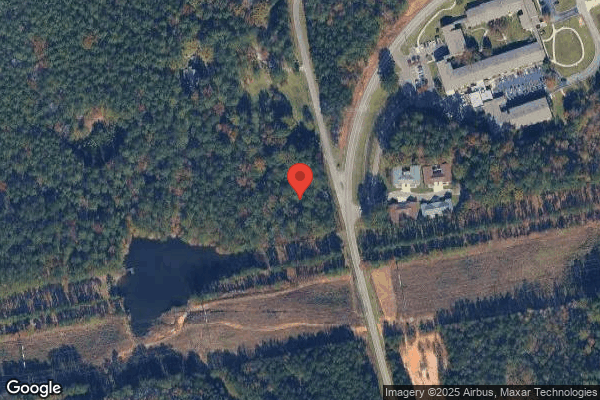
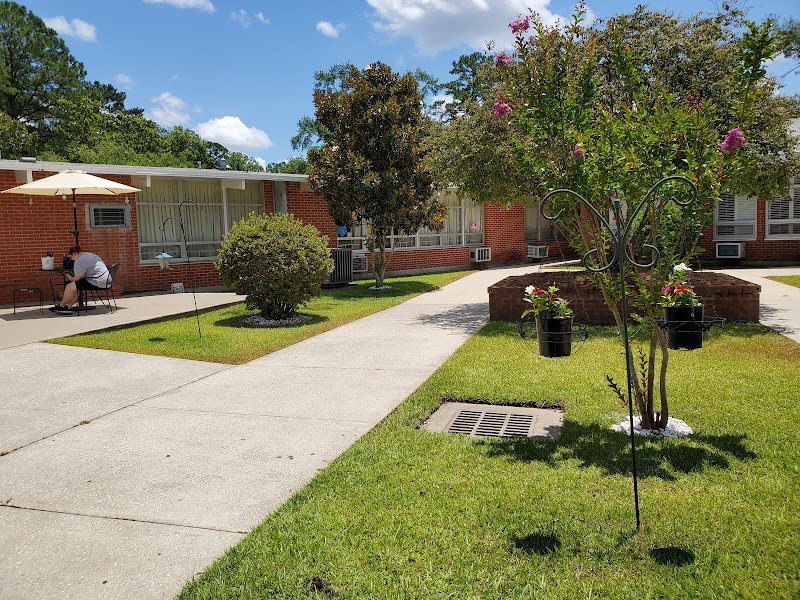
6615 POPLAR SPRINGS DR, MERIDIAN, MS 39305 (601) 483-5256
For profit - Limited Liability company 89 Beds TREND CONSULTANTS Data: November 2025
Trust Grade
45/100
#136 of 200 in MS
Last Inspection: July 2025

Inspected within the last 6 months. Data reflects current conditions.

Overview

Poplar Springs Nursing Center, located in Meridian, Mississippi, has a Trust Grade of D, indicating below-average performance with several concerns. Ranked #136 out of 200 in the state and #7 out of 9 in Lauderdale County, it falls in the bottom half of local facilities. Unfortunately, the facility is worsening, with issues increasing from 8 in 2024 to 9 in 2025. While staffing is a strength with a 4 out of 5-star rating and a turnover rate of 55%, which is average for Mississippi, there are significant weaknesses. For example, staff failed to change oxygen tubing as required, did not properly clean hands before providing care, and did not ensure privacy for residents with catheter drainage bags, raising concerns about the quality of care.

Trust Score
D
45/100
In Mississippi
#136/200
Bottom 32%
Safety Record
Low Risk
No red flags
Inspections
Getting Worse
8 → 9 violations
Staff Stability
⚠ Watch
55% turnover. Above average. Higher turnover means staff may not know residents' routines.
Penalties
✓ Good
No fines on record. Clean compliance history, better than most Mississippi facilities.
Skilled Nurses
○ Average
Each resident gets 34 minutes of Registered Nurse (RN) attention daily — about average for Mississippi. RNs are the most trained staff who monitor for health changes.
Violations
⚠ Watch
21 deficiencies on record. Higher than average. Multiple issues found across inspections.
★★☆☆☆
2.0
Overall Rating
★★★★☆
4.0
Staff Levels
★☆☆☆☆
1.0
Care Quality
★★★☆☆
3.0
Inspection Score
Stable
2024: 8 issues
2025: 9 issues

The Good

  • 4-Star Staffing Rating · Above-average nurse staffing levels
  • Full Sprinkler Coverage · Fire safety systems throughout facility
  • No fines on record

Facility shows strength in staffing levels, fire safety.

The Bad

2-Star Overall Rating

Below Mississippi average (2.6)

Below average - review inspection findings carefully

Staff Turnover: 55%

Near Mississippi avg (46%)

Frequent staff changes - ask about care continuity

Chain: TREND CONSULTANTS

Part of a multi-facility chain

Ask about local staffing decisions and management

Staff turnover is elevated (55%)

7 points above Mississippi average of 48%

The Ugly 21 deficiencies on record

Jul 2025 7 deficiencies
CONCERN (D)

Potential for Harm - no one hurt, but risky conditions existed

Deficiency F0583 (Tag F0583)

Could have caused harm · This affected 1 resident

Based on observation, interview, and record review, the facility failed to respect the resident's right to dignity and privacy by posting personal care instructions on the exterior of a resident's doo...

Read full inspector narrative →
Based on observation, interview, and record review, the facility failed to respect the resident's right to dignity and privacy by posting personal care instructions on the exterior of a resident's door for one (1) of 21 sampled residents, Resident #54.Findings include:A review of the facility's policy, Resident Rights, dated 4/2012, revealed, Employees shall treat all residents with kindness, respect, and dignity. Policy Interpretation and Implementation 1. Federal and state laws guarantee certain basic rights to all residents of this facility. These rights include the residents' right to .d. Privacy and confidentiality . On 7/21/25 at 12:09 PM, during an observation of Resident #54's room, a sign was observed on the exterior of the resident's door and on the wall next to her bed that read, Please get the Resident up three times per week: Monday Wednesday and Friday, prior to her bath please!! per resident and family request. Thank you, Social Services and Unit Manager. On 7/22/25 at 1:14 PM, during an interview with Licensed Practical Nurse (LPN) #1, she acknowledged the sign posted on the exterior of Resident #54's door and stated it was a privacy concern. She reported that the Unit Manager or the Social Services Director placed the sign. On 7/22/25 at 1:33 PM, during an interview with the Social Services Director, she confirmed that she created the sign for Certified Nurse Aides (CNAs) to post. She acknowledged that the sign was a violation of the resident's privacy and stated she had not noticed it before this interview. On 7/22/25 at 1:45 PM, during an interview with the Director of Nursing (DON), she acknowledged the sign posted on the exterior of the resident's door and confirmed it was a violation of the resident's privacy. On 7/24/25 at 11:40 AM, during an interview with the Administrator, he confirmed that he was aware of the sign and acknowledged that it was a privacy issue. A record review of the admission Record revealed the facility admitted Resident #54 on 2/9/22 with current diagnoses including Spastic Quadriplegic Cerebral Palsy. A record review of the Minimum Data Set with an Assessment Reference Date (ARD) of 7/1/25 revealed Resident #15 had a Brief Interview for Mental Status (BIMS) score of 15 which indicated his cognition was intact. Further review revealed he had bilateral upper and lower extremity impairment.
CONCERN (D)

Potential for Harm - no one hurt, but risky conditions existed

Assessment Accuracy (Tag F0641)

Could have caused harm · This affected 1 resident

Based on observation, interview, record review, and facility policy review, the facility failed to ensure the Minimum Data Set (MDS) assessment accurately reflected a resident's vision status for one ...

Read full inspector narrative →
Based on observation, interview, record review, and facility policy review, the facility failed to ensure the Minimum Data Set (MDS) assessment accurately reflected a resident's vision status for one (1) of 21 sampled residents. Resident #8.Findings include:A review of the facility's policy, MDS Assessments, dated 5/2006, revealed, . It is the policy of this facility to follow the RAI (Resident Assessment Instrument) process as set forth by CMS (Centers for Medicare and Medicaid Services) protocol . The facility will follow directions per federal and state guidelines for resident assessment protocol and will refer to the MDS RAI manual.During an observation and interview on 7/21/25 at 12:37 PM, Resident #8's roommate stated that Resident #8 was blind. Resident #8 was leaving the room and asked for assistance to get out the door. Resident #8 bumped into the wall while attempting to leave the room. The roommate provided verbal directions to assist Resident #8 with exiting the room.During an interview on 7/22/25 at 11:20 AM, the Director of Nursing (DON) confirmed that Resident #8 was blind.During an interview on 7/23/25 at 2:13 PM, Licensed Practical Nurse (LPN) #1 confirmed that Resident #8 was blind. LPN #1 stated she had witnessed him bump into objects frequently and had placed him on the handrail to help guide him. She stated she had seen him bump into things numerous times.During an interview on 7/23/25 at 4:20 PM, Registered Nurse (RN)/MDS Coordinator #4 confirmed she was aware Resident #8 was blind. She stated his vision status should be reflected on both the MDS and the care plan.During a follow up interview with the DON on 7/23/25 at 4:25 PM, she stated the MDS should be coded correctly for vision for Resident #8. A record review of the admission Record revealed the facility admitted Resident #8 on 11/25/09 and he had current diagnoses including Parkinson's Disease and Schizophrenia.A record review of the Quarterly MDS with an Assessment Reference Date (ARD) of 7/14/25 revealed Resident #8 had a Brief Interview for Mental Status (BIMS) score of 15, which indicated he was cognitively intact. A review of Section B indicated his vision was adequate. A record review of a Fall Assessment, dated 4/21/25, revealed Resident #8 had an Inadequate vision pattern.
CONCERN (D)

Potential for Harm - no one hurt, but risky conditions existed

Comprehensive Care Plan (Tag F0656)

Could have caused harm · This affected 1 resident

Based on observation, interview, record review, and facility policy review, the facility failed to develop a comprehensive care plan that addressed a resident's visual impairment for one (1) of 21 sam...

Read full inspector narrative →
Based on observation, interview, record review, and facility policy review, the facility failed to develop a comprehensive care plan that addressed a resident's visual impairment for one (1) of 21 sampled residents. Resident #8.Findings include:A review of the facility's policy, Care Plans-Comprehensive, dated 10/2016, revealed, . An individualized (person-centered) comprehensive care plan that includes measurable objectives and timetables to meet the resident's medical, nursing, mental, and psychological needs is developed for each resident . Policy Interpretation and Implementation .2. The comprehensive care plan is based on a thorough assessment that includes, but is not limited to, the MDS (Minimum Data Set). 3. Each resident's comprehensive care plan is designed to: a. Incorporate identified problem areas; b. Incorporate risk factors associated with identified problems .On 7/21/25 at 12:37 PM, during an observation, Resident #8 was leaving his room and asking for assistance to get out the door. Resident #8 bumped into the wall while attempting to leave the room and his roommate provided verbal directions to assist him with exiting the room.On 7/22/25 at 11:20 AM, during an interview with the Director of Nursing (DON), she confirmed Resident #8 was blind.On 7/23/25 at 2:13 PM, during an interview with Licensed Practical Nurse (LPN) #1, she stated she had witnessed Resident #8 bump into objects frequently and assists with placing his hand on the handrail to help guide him in the hallway. She stated she had seen him bump into things numerous times and confirmed that he was blind.On 7/23/25 at 4:05 PM, during an interview with Registered Nurse (RN)/MDS Coordinator #3, she stated she was not aware Resident #8 was blind. She confirmed that the resident's vision status should be included in the care plan and that all staff use the care plan to provide care.On 7/23/25 at 4:20 PM, during an interview with RN/MDS Coordinator #4, she confirmed she was aware Resident #8 was blind. She stated his vision status should be reflected on the care plan, as the care plan is used by all staff to guide care.On 7/23/25 at 4:25 PM, during a follow up interview with the DON, she stated the resident's vision status should be reflected in the care plan.A record review of the admission Record revealed the facility admitted Resident #8 on 11/25/09 and had current diagnoses including Parkinson's Disease and Schizophrenia.A record review of Resident #8's Comprehensive Care Plan revealed no focus area or interventions addressing blindness or visual impairment.A record review of the Quarterly MDS with an Assessment Reference Date (ARD) of 7/14/25 revealed Resident #8 had a Brief Interview for Mental Status score of 15, which indicated he was cognitively intact. Review of Section B revealed his vision was Adequate.
CONCERN (D)

Potential for Harm - no one hurt, but risky conditions existed

Deficiency F0658 (Tag F0658)

Could have caused harm · This affected 1 resident

Based on observation, interview, record review, and facility policy review, the facility failed to ensure a resident received the necessary care and services by not identifying, assessing, or addressi...

Read full inspector narrative →
Based on observation, interview, record review, and facility policy review, the facility failed to ensure a resident received the necessary care and services by not identifying, assessing, or addressing his visual impairment for one (1) of 21 sampled residents, Resident #8.Findings include:A record review of the facility's policy, Hearing and Vision Services, 10/24, revealed, . It is the policy of this facility to ensure that all residents have access to hearing and vision services and receive adaptive equipment as indicated .Policy Explanation and Compliance Guidelines: 1. The facility will utilize the comprehensive assessment process for identifying and assessing a resident's vision and hearing abilities in order to provide person-centered care. The process includes .b. MDS (Minimum Data Set) and care area assessments; c. Ongoing monitoring of sensory problems; d. Care plan development .e. Evaluation .On 7/21/25 at 12:37 PM, during an observation and interview with Resident #8's roommate, he stated Resident #8 was blind. An observation revealed Resident #8 leaving his room and asking for assistance to get out the door. Resident #8 bumped into the wall while attempting to leave the room. The roommate provided verbal directions to assist Resident #8 with exiting the room.On 7/22/25 at 11:20 AM, during an interview with the Director of Nursing (DON), she advised that Resident #8 was blind, and the staff provided provide verbal cues regarding what food was on his meal tray and where the food was located on the plate.On 7/23/25 at 2:07 PM, during an interview with Certified Nursing Assistant (CNA) #2, she confirmed Resident #8 was blind.On 7/23/25 at 2:13 PM, during an interview with Licensed Practical Nurse (LPN) #1, she confirmed that Resident #8 was blind. LPN #1 stated she had witnessed him bump into objects frequently and had placed his hands on the handrail to help guide him when walking in the hallway. She stated she had seen him bump into things numerous times.On 7/23/25 at 2:19 PM, during an observation, CNA #1 was seen leading Resident #8 to a chair by holding his hand.On 7/23/25 at 2:30 PM, during an interview with CNA #1, she confirmed Resident #8 was blind and stated she had seen him walk into walls.On 7/23/25 at 4:25 PM, during a follow up interview with the DON, she stated Resident #8's vision status should have been accurately identified and assessed. The DON stated they had contracted with a company that would come into the facility to address residents' vision, but Resident #8 had refused to be seen. The facility had also offered to set him up and transport him to an outside appointment, but he had refused that as well. A record review of the admission Record revealed the facility admitted Resident #8 on 11/25/09 and he had current diagnoses including Parkinson's Disease and Schizophrenia.A record review of the Quarterly MDS with an Assessment Reference Date of 7/14/25 revealed Resident #8 had a Brief Interview for Mental Status (BIMS) score of 15, which indicated he was cognitively intact. A review of Section B revealed his vision was Adequate.A record review of a Fall Assessment, dated 4/21/25, revealed Resident #8 had an Inadequate vision pattern.A record review of a Progress Notes revealed Resident #8 had a Nurses Note dated 11/1/24 which indicated, .Resident ambulates outside .with guidance .resident has diff (difficulty) seeing when ambulating around facility running into walls .A record review of the medical record for Resident #8 revealed there was no records indicating his visual impairment was identified, assessed, or addressed by the facility.
CONCERN (D)

Potential for Harm - no one hurt, but risky conditions existed

Deficiency F0760 (Tag F0760)

Could have caused harm · This affected 1 resident

Based on record review and staff interview, the facility failed to ensure a resident was free from a significant medication error when a nurse incorrectly transcribed and administered Lasix (a diureti...

Read full inspector narrative →
Based on record review and staff interview, the facility failed to ensure a resident was free from a significant medication error when a nurse incorrectly transcribed and administered Lasix (a diuretic) at a higher dose than prescribed for one (1) of 21 sampled residents, Resident #2.Findings included: A record review of the admission Record revealed the facility admitted Resident #2 on 10/25/24 with diagnoses including Atherosclerotic Heart Disease. A record review of the Quarterly Minimum Data Set (MDS) with an Assessment Reference Date (ARD) of 7/10/25 revealed Resident #2 had had a Brief Interview for Mental Status (BIMS) score of 6, which indicated severe cognitive impairment.A record review of the Adult-Gerontology Nurse Practitioner (AGNP) Subjective, Objective, Assessment, Plan (SOAP) note for Resident #2, dated 11/5/24 revealed Increase Lasix to 40 mg (milligrams) by mouth daily.A record review of the encrypted text message exchange revealed Registered Nurse (RN) #2 received a text message with orders for Resident #2 to Increase lasix to 40 mg PO (by mouth) daily .A record review of the Order Details document revealed Resident #2 had a Physician's order, dated 11/7/24 with the Order Summary to give Lasix 40 mg twice a day, which was not consistent with the nurse practitioner's SOAP note plan. The order was created by RN #2.On 7/23/25 at 3:18 PM, during an interview, the AGNP explained that on 11/5/24, she signed an order to increase Resident #2's Lasix to 40 mg daily and sent the order via encrypted text to RN #2 Charge Nurse. She confirmed that the RN incorrectly entered the order as Lasix 40 mg twice a day. The NP stated she stopped the twice-daily dosage on 7/23/25 when she became aware of the error and confirmed the resident did not require the higher dose.On 7/23/25 at 5:04 PM, during an interview with the Director of Nursing (DON), she acknowledged that the Lasix order was incorrectly entered as twice daily instead of daily. She explained that the facility's current system involves the NP sending encrypted texts to the Charge Nurse, who then inputs the orders, and she does not have oversight of these communications. She stated her expectation is for all medication orders to be entered correctly.On 7/24/25 at 11:21 AM, during an interview with the Administrator, he confirmed that the Lasix order was not transcribed correctly and stated that the facility needs a better system for verifying and communicating orders, which will be addressed in team meetings.
CONCERN (D)

Potential for Harm - no one hurt, but risky conditions existed

Food Safety (Tag F0812)

Could have caused harm · This affected 1 resident

Based on observation and staff interview, the facility failed to store food and maintain food quality in accordance with professional standards for food safety related to overly ripe produce and expos...

Read full inspector narrative →
Based on observation and staff interview, the facility failed to store food and maintain food quality in accordance with professional standards for food safety related to overly ripe produce and exposed spice products for one (1) of two (2) kitchen observations.On July 21, 2025, at 10:15 AM, an initial observation and interview with the Kitchen Supervisor revealed refrigerator #1 contained 11 tomatoes exhibiting white biological growth. The spice rack in the food preparation area revealed three bottles of dry seasonings with their lids open, leaving the seasonings exposed. The Kitchen Supervisor acknowledged the presence of overly ripe produce and the opened spice bottles. The Kitchen Supervisor stated that she is responsible for maintaining safety and quality standards in the kitchen and that the staff receive regular in-service training on food safety.On July 24, 2025, at 11:31 AM, during an interview with the Administrator acknowledged the issues with overly ripe foods and the opened spice bottles. He stated that the Kitchen Supervisor is responsible for maintaining food quality and standards and that he expects the Kitchen Supervisor to perform regular checks on the food in the kitchen.
CONCERN (D)

Potential for Harm - no one hurt, but risky conditions existed

Infection Control (Tag F0880)

Could have caused harm · This affected 1 resident

Based on observation, staff interview, record review, and facility policy review, the facility failed to prevent the possibility of the spread of infection by not properly covering clean linens during...

Read full inspector narrative →
Based on observation, staff interview, record review, and facility policy review, the facility failed to prevent the possibility of the spread of infection by not properly covering clean linens during transport and by placing clean linens against worn clothing for one (1) of two (2) laundry observations.A review of the facility's policy, Infection Prevention and Control Program, dated 8/2017, revealed, .It is a policy of this facility to establish and maintain an infection prevention and control program designed to provide a safe, sanitary, and comfortable environment and to prevent the development and transmission of communicable diseases and infections. Policy Explanation and Compliance Guidelines.10. Linens: a. Laundry and direct care staff shall handle, store, process, and transport linens to prevent the spread of infection. b. Clean linen shall be delivered to resident care units on covered linen carts with the covers down.A review of the facility's policy, Laundry Handling & Processing Policy, dated 2/1/25, revealed, .(Proper Name of Contract Company) is committed to providing a safe, clean, and hygienic environment for residents, staff, and visitors in accordance with regulatory guidance and industry best practices.Policy.All soiled linens must be covered during transportation and when stored on units.Delivery.Employees should never carry clean linen against their bodies.On 7/23/25 at 7:30 AM, during an observation and interview, Laundry #1 was observed transporting a laundry cart with clean linen down A Hall with the plastic covering flipped over the cart, leaving the clothes and linens exposed. An empty disposable beverage cup was sitting on top of the cart near the linen. Laundry #1 stated he was not aware that the laundry was supposed to be covered.On 7/23/25 at 10:57 AM, during an observation and interview, Laundry #1 was transporting clean linen from one linen cart to another cart on the hall. The laundry worker picked up a blanket, rested it on his upper body, refolded the blanket, and placed it on the clean linen cart. The laundry worker stated he had just started working at this facility and did not know that placing clean linen against his worn clothes could spread infection.On 7/23/25 at 11:32 AM, during an interview with the District Manager of Housekeeping, she acknowledged the linen cart should not be uncovered during transport and confirmed that linen should not be placed against his clothing while refolding. She stated her expectation is that staff maintain infection control standards and that the laundry worker would be retrained on the infection prevention program.On 7/24/25 at 10:42 AM, during an interview with the Infection Preventionist (IP) nurse, she confirmed the laundry worker failed to prevent the possible spread of infection by placing a dirty cup on the clean linen cart, transporting clean laundry uncovered in the hallway, and placing a clean blanket against his clothing.On 7/24/25 at 11:03 AM, during an interview with the Director of Nursing (DON), she confirmed the laundry worker should not place dirty cups on the clean linen cart, transport clean linens uncovered in the hallway, and allow clean linens to come in contact with his clothes. The DON stated she expects all staff to follow the infection control policy.On 7/24/25 at 11:19 AM, during an interview the Administrator, he stated he expects all staff to follow the infection control policy.A record review of Onboarding Documents revealed Laundry #1 received training on Infection Control Overview.
Apr 2025 2 deficiencies
CONCERN (D) 📢 Someone Reported This

A family member, employee, or ombudsman was alarmed enough to file a formal complaint

Potential for Harm - no one hurt, but risky conditions existed

Resident Rights (Tag F0550)

Could have caused harm · This affected 1 resident

Based on interview and record review, the facility failed to ensure a resident's right to be treated with respect and dignity for one (1) of three (3) residents reviewed for resident rights, Resident ...

Read full inspector narrative →
Based on interview and record review, the facility failed to ensure a resident's right to be treated with respect and dignity for one (1) of three (3) residents reviewed for resident rights, Resident #1, when a Certified Nursing Assistant (CNA) used an inappropriate tone and language when responding to the resident's request for care and failed to provide timely assistance, resulting in the resident feeling dismissed and disrespected. Findings included: A review of the facility's document Vulnerable Adult Act, dated 3/21/2022, revealed, .A 'Vulnerable Adult' is any adult person unable to care for his or herself due to a physical or mental decline . Any nursing home resident is considered to be a vulnerable adult . Not respecting the resident's rights or confidentiality . A record review of the facility's investigation, dated 3/17/2025, revealed that on 3/14/2025 at 2:00 PM, the Activities Director found Resident #1 in her room crying. Resident #1 stated that earlier she had returned to her room around 12:30 PM and pressed her call light for assistance transferring to her recliner. CNA #1 entered the room, turned off the call light, and said okay but did not provide assistance. After another 30 minutes, the resident pressed her call light again. According to the resident, it took about two (2) hours for her to receive assistance. When CNA #1 returned, she was rude and stated, Look, we have other things to do, we're short staffed, and I haven't had my break. The Activities Director notified Administration of the resident's allegation. LPN #1 instructed CNA #1 to clock out and report back on 3/17/2025. CNA #1 never returned to provide a written statement. The facility self-reported the incident, suspended CNA #1 pending investigation, and ultimately terminated. The facility then provided in-services to all staff on verbal abuse, neglect, reporting, and the Vulnerable Adult Act. A record review of a witness statement from CNA #2 revealed that she assisted CNA #1 in transferring Resident #1 and observed the resident to be upset, though she did not know why. She confirmed that CNA #1 complained about being short staffed in front of the resident, but she was behind in her workload and left the room to take care of her residents. A record review of the admission Record revealed the facility admitted Resident #1 on 7/12/2019 with diagnoses including Atrial Fibrillation and Anxiety Disorder. A record review of the Quarterly Minimum Data Set (MDS) with an Assessment Reference Date (ARD) of 2/12/2025 revealed Resident #1 had a Brief Interview for Mental Status (BIMS) score of 15, which indicated she was cognitively intact. On 4/9/2025 at 1:45 PM, during an interview with the Administrator, he confirmed that on 3/14/2025 at 2:00 PM, Resident #1 alleged verbal abuse and neglect by CNA #1 after being left without assistance and told, We have other stuff to do. CNA #1 was asked to clock out and was later terminated per facility policy. On 4/9/2025 at 3:00 PM, during an interview with Resident #1, she stated that on 3/14/25, CNA #1 turned off her call light and told her she wasn't the only one who needed help, that she hadn't had a break, and would come back when someone could assist her. The resident stated this made her very upset and she cried. On 4/9/2025 at 3:15 PM, during an interview with the Activities Director, she stated that on 3/14/25, she found Resident #1 crying in her room and was told that CNA #1 had spoken rudely and left her waiting for an extended time. She reported the concern to Administration. On 4/9/2025 at 3:30 PM, during an interview with LPN #1, she confirmed that on 3/14/25, she told CNA #1 to clock out after being informed of the incident and instructed her to return on Monday to speak with the DON and Administrator. On 4/9/2025 at 3:45 PM, during an interview with the Business Office Manager, she confirmed that CNA #1 was hired in October 2024 and terminated in March 2025. CNA #1 had completed training on abuse, neglect, and the Vulnerable Adult Act. On 4/9/2025 at 4:00 PM, during an interview with RN #1/Unit Manager, she confirmed that staffing was sufficient on 3/14/225. She observed Resident #1 to be crying and upset following the incident. On 4/10/2025 at 9:00 AM, during an interview with the Director of Nursing (DON), she stated that the facility provides regular in-services on abuse, neglect, and burnout, including one on 1/14/2025. She confirmed that the Social Worker evaluated Resident #1, and the Nurse Practitioner (NP) assessed her on 3/17/2025, and neither found any signs of psychological harm. On 4/10/2025 at 9:20 AM, during an interview with CNA #1, she stated that Resident #1 had asked for help on 3/14/25, and she told the resident she would return with assistance. CNA #1 claimed Resident #1 understood and even told her to help others first. She denied being disrespectful and said she was unaware the resident was upset until later. She stated that she was told to return Monday to speak with the Administrator and DON but was instead terminated. She was never asked to make a statement or give an explanation regarding the event. On 4/10/2025 at 9:45 AM, during an interview with the Administrator, he confirmed that surveillance showed on 3/14/25, Resident #1's call light was on at 12:40 PM, turned off by CNA #1, then again at 1:04 PM, and the lift used at 1:42 PM. On 4/10/2025 at 10:00 AM, during an interview with the DON, she stated that the facility had sufficient staffing on 3/14/25 per the facility assessment. She felt CNA #1 was not experiencing burnout and should have had the capacity to perform her duties without delay or rudeness. On 4/10/2025 at 10:30 AM, during an interview with the Social Services Director, she stated that following her evaluation, Resident #1 did not display signs of psychosocial harm. On 4/10/2025 at 10:45 AM, during an interview with the Nurse Practitioner, she confirmed that she assessed Resident #1 on 3/17/2025 and found no signs of distress. She stated the resident was relieved to hear CNA #1 had been terminated.
CONCERN (D) 📢 Someone Reported This

A family member, employee, or ombudsman was alarmed enough to file a formal complaint

Potential for Harm - no one hurt, but risky conditions existed

Investigate Abuse (Tag F0610)

Could have caused harm · This affected 1 resident

Based on interviews, record review, and facility policy review, the facility failed to thoroughly investigate an allegation of abuse for one (1) of three (3) residents reviewed for abuse (Resident #1)...

Read full inspector narrative →
Based on interviews, record review, and facility policy review, the facility failed to thoroughly investigate an allegation of abuse for one (1) of three (3) residents reviewed for abuse (Resident #1). Specifically, the facility failed to interview other cognitively intact residents who received care from the alleged perpetrator (CNA #1) to determine whether a pattern of verbal abuse or neglect existed. Findings include: A review of the facility's Abuse Policy and Procedure, dated 3/21/2022, revealed, .Abuse Investigation Process .The investigation will include the following .e. Resident's statements regarding the incident, if appropriate . A record review of the facility's investigation revealed that on 3/14/2025 at 2:00 PM, the Activities Director found Resident #1 in her room crying. Resident #1 alleged verbal abuse and neglect by CNA #1. She stated she had returned to her room at approximately 12:30 PM, pressed her call light for assistance, and CNA #1 turned off the call light but did not assist. The resident alleged CNA #1 returned two (2) hours later and said, We have other things to do, we're short staffed, and I haven't had my break. There were no interviews in the written investigation to determine or identify if other residents were affected by CNA #1's behavior. On 4/10/2025 at 9:45 AM, during an interview with the Administrator, he confirmed that during the investigation, he did not review the surveillance video. He reviewed the video after the State Agency (SA) entrance on 4/9/25, which revealed Resident #1's call light was activated at 12:40 PM and again at 1:04 PM, and the mechanical lift was used at 1:42 PM. He stated the facility conducted a detailed investigation but acknowledged that the facility failed to interview other residents assigned to CNA #1 during the shift. Specifically, those with a Brief Interview for Mental Status (BIMS) score of 13 or higher, who may have provided additional insight into the CNA's behavior. On 4/10/2025 at 10:00 AM, during an interview with the Director of Nursing (DON), she stated that the facility performed a thorough investigation, but they failed to interview other residents with a BIMS score greater than 13, to ascertain if they felt they were abused or neglected by CNA #1. On 4/10/2025 at 10:30 AM, during an interview with the Social Services Director, she stated that following the event with Resident #1, she failed to interview other residents that were assigned to CNA #1 with a BIMS score greater than 13, to determine if others had any issues with the CNA. A record review of the admission Record revealed the facility admitted Resident #1 on 7/12/2019 with diagnoses including Atrial Fibrillation and Anxiety Disorder. A record review of the Quarterly Minimum Data Set (MDS) with an Assessment Reference Date (ARD) of 2/12/2025 revealed a Brief Interview for Mental Status (BIMS) score of 15, which indicated the resident was cognitively intact.
Aug 2024 6 deficiencies
CONCERN (D)

Potential for Harm - no one hurt, but risky conditions existed

Safe Environment (Tag F0584)

Could have caused harm · This affected 1 resident

Based on observation, staff interview, and facility policy review, the facility failed to ensure the resident's rights for a safe and homelike environment as evidenced by broken floor tiles in two are...

Read full inspector narrative →
Based on observation, staff interview, and facility policy review, the facility failed to ensure the resident's rights for a safe and homelike environment as evidenced by broken floor tiles in two areas of the hallway for one (1) of eight (8) hallways observed. (Therapy room hallway). Findings Include: A review of the facility policy titled Safe and Homelike Environment, undated, revealed, .In accordance with resident's rights, the facility will provide a safe, clean, comfortable, and homelike environment . This includes ensuring that the resident can receive care and services safely, and that the physical layout of the facility maximizes resident independence and does not pose a safety risk . On 8/27/24 at 9:07 AM, during an observation, there were several broken floor tiles in the hallway in front of an exit door. There was also an area in which the floor tiles were missing in a straight line across the hallway, causing an indention in the hallway which was approximately six inches wide. This hallway led to the Therapy Room. On 8/27/24 at 11:01 AM, during an interview with the Rehabilitation Technician, she stated that she was aware of the broken and missing floor tiles outside of the therapy gym door. She was not aware of any residents who had fallen as a result of the broken and missing floor tiles, but acknowledged it was a hazard and someone could trip if the floors were not repaired. During an interview with the Administrator on 8/27/24 at 10:35 AM, he revealed that the facility had an area near the physical therapy gym, across the hall, with broken tile and cracks in the cement. He acknowledged that the crack was long and deep enough to potentially be a tripping hazard for both residents and staff. On 8/27/24 at 1:58 PM, during an interview with the Maintenance Director, he confirmed that the back hall near the therapy gym had a crack across the hallway in both the cement and tile that could potentially be a tripping hazard for residents going to the therapy gym.
CONCERN (D)

Potential for Harm - no one hurt, but risky conditions existed

Comprehensive Care Plan (Tag F0656)

Could have caused harm · This affected 1 resident

**NOTE- TERMS IN BRACKETS HAVE BEEN EDITED TO PROTECT CONFIDENTIALITY** Based on staff interview, record review, and facility policy review, the facility failed to develop care plan interventions rela...

Read full inspector narrative →
**NOTE- TERMS IN BRACKETS HAVE BEEN EDITED TO PROTECT CONFIDENTIALITY** Based on staff interview, record review, and facility policy review, the facility failed to develop care plan interventions related to a resident's behaviors for one (1) of 18 care plans reviewed. (Resident #75) Findings included: A review of the facility's policy, Care Plans-Comprehensive, dated 10/2016, revealed, An individualized (person centered) comprehensive care plan that includes measurable objectives and timetables to meet the resident's medical, nursing, mental and psychological needs is developed for each resident. Policy Interpretation and Implementation 1. Our facility's Care Planning/Interdisciplinary Team .develops and maintains comprehensive care plan for each resident .2. The comprehensive care plan is based on a thorough assessment that includes .the MDS (Minimum Data Set). 3. Each resident's comprehensive care plan is designed to a. Incorporate identified problem areas; b. Incorporate risk factors associated with identified problems .5. Care plan interventions are designed after careful consideration of the relationship between the resident's problem areas and their causes . A record review of the comprehensive care plan for Resident #75 revealed Focus .potential for behaviors R/T (related to) Mood Disorder . revised on 8/7/2024 . Interventions Administer medications as ordered .Monitor for s/s (signs/symptoms) of behavior changes initiated on 5/3/2022. There were no interventions documented to assist staff in managing Resident #75's behaviors including sexually inappropriate behaviors, verbal aggression, and refusal of care and medications. A record review of the admission Record revealed the facility admitted Resident #75 on 5/4/22 and he had current diagnoses including Persistent Mood Disorder and Dementia with other Behavioral Disturbance. A record review of the Psych Progress Note, dated 5/30/24, revealed Resident #75 had symptoms including Agitation, Requires frequent redirection, can be difficult to redirect, refuses care refusing meds (medications) at times, and yelling out, refuses care, yelling out, verbally aggressive at times. Current Risk Factors included Aggression: Verbal, episodes of yelling out, verbally aggressive. Case Conceptualization revealed .Staff report resident continues to have episodes of verbally aggressive behaviors, sexually inappropriate speech and behavior at times. Resident refuses care at times . A record review of the Psych Progress Note, dated 6/18/24, revealed Resident #75 had symptoms including Requires frequent redirection, can be difficult to redirect, refuses care refusing meds (medications) at times, and yelling out, verbally aggressive at times. Current Risk Factors included Aggression: Verbal, episodes of yelling out, verbally aggressive. Case Conceptualization revealed .Staff report resident continues to have episodes of verbally aggressive behaviors, sexually inappropriate speech and behavior at times, episodes of agitation, difficult to redirect at times. Resident refuses care at times, refusing to take medications at times . A record review of the Psych Progress Note, dated 7/30/24, revealed Resident #75 had symptoms including Requires frequent redirection, can be difficult to redirect, refuses care refusing meds (medications) at times, and yelling out, verbally aggressive at times. Current Risk Factors included Aggression: Verbal, episodes of yelling out, verbally aggressive. Case Conceptualization revealed .Staff report resident continues to be verbally aggressive, agitated at times, difficult to redirect. Record review of the Discharge Summary from a local geriatric psychiatric facility, dated 5/24/2024, revealed, .(Proper Name of Resident #75) was admitted on [DATE] from a nursing home after making sexual comments to staff. He touched a staff member inappropriately. He also refused care and was combative with staff. He threatened staff and would not allow them to come into his room. During the hospital stay, Patient yelled out obscene and inappropriate comments and made inappropriate advances . A record review of the Comprehensive Minimum Data Set (MDS) with an Assessment Reference Date (ARD) of 6/7/2024 revealed Resident #75 had a Brief Interview for Mental Status (BIMS) score of 3, which indicated his cognition was severely impaired. Further review revealed that Resident #75 had verbal behavioral symptoms directed toward others, other behavioral symptoms that were not directed toward others that significantly interfered with the resident's care. The MDS indicated Resident #75 had behaviors that including rejecting care that was necessary to achieve the resident's goals for health and well-being for four (4) to six (6) days of the lookback period. During an interview with Licensed Practical Nurse (LPN) #2 on 08/27/24 at 11:10 AM, she explained she works on the Alzheimer's Unit and is assigned to care for Resident #75. She stated that Resident #75 refused medication and care, and he had inappropriately touched and had swung at her. She confirmed Resident #75 was transferred to a geriatric psychiatric unit in May (2024), but there were no real changes in his behaviors as he continued to refuse care and medications and continued to be verbally aggressive and sexually inappropriate. LPN #2 said there had been no special additions or interventions related to his care and if he had any changes in behavior, she reported it to the provider and to Nursing Services. During an interview with the Director of Nursing (DON) on 08/28/2024 at 12:00 PM, she revealed Resident #75 had shown signs of aggression and sexual inappropriateness and had been transferred to a geriatric psychiatric facility for treatment and evaluation. She confirmed the resident has had encounters with nursing staff with sexual inappropriateness and no special consideration or interventions had been developed. On 08/28/2024 at 12:15 PM, during an interview with the Psychiatric Nurse Practitioner (NP), he stated that Resident #75 was on caseload to manage his medications. The NP confirmed Resident #75 had a history of sexual inappropriateness and aggressive conversation which medication management was currently ineffective. The NP stated he was aware Resident #75 continued to refuse care and medications but deferred to nursing services for behavioral monitoring and documentation related to moods and behaviors exhibited by the resident.
CONCERN (D)

Potential for Harm - no one hurt, but risky conditions existed

Incontinence Care (Tag F0690)

Could have caused harm · This affected 1 resident

Based on observation, staff interview, record review, and facility policy review, the facility failed to ensure perineal care was provided in a manner to prevent complications for one (1) of two (2) r...

Read full inspector narrative →
Based on observation, staff interview, record review, and facility policy review, the facility failed to ensure perineal care was provided in a manner to prevent complications for one (1) of two (2) residents reviewed for care catheter/bowel and bladder care. (Resident #83) Findings Include: A review of the facility's Perineal Care Policy, revised 1/2010, revealed: .It is the policy of this facility to provide perineal cleanliness and comfort to the resident, to prevent infections and skin irritation, and observe the resident's skin condition .Procedure .For a male resident .b. Wash perineal area starting with urethra and working outward .(3) Continue to wash the perineal area including the penis, scrotum, and inner thighs . On 08/28/24 at 10:05 AM, during an observation of catheter and perineal care, Certified Nursing Assistant (CNA) #1, with the assistance of CNA #2, used pre-moistened disposable wipes to clean Resident #83's penis, catheter tubing, and buttocks. After stating that perineal care was completed, CNA #1 prepared to apply a clean brief to the resident. When asked by the State Agency (SA) to check below the resident's anus for feces, CNA #1 wiped the area a total of nine (9) additional times, each time revealing a moderate amount of feces. The resident was turned over, and when the SA asked CNA #1 to check underneath his scrotum, it was found that feces were present in that area as well. An additional six (6) wipes were used to clean the scrotal area, again revealing a moderate amount of feces. On 08/28/24 at 10:37 AM, during an interview, CNA #1 stated that she should have ensured the resident was completely clean before applying a clean brief. She admitted , I thought he was clean. I did not think to check under his scrotum. She acknowledged that improper cleaning could lead to skin breakdown and infection. On 08/28/24 at 4:04 PM, in an interview, the Director of Nursing (DON) stated that CNA #1 should have ensured the resident was completely clean and emphasized that the CNA's actions could result in infection and cause skin breakdown. A record review of admission Record revealed that the facility admitted Resident #83 on 2/3/23 with current diagnoses including Pressure Ulcer in the sacral region. A record review of the Minimum Data Set (MDS) with an Assessment Reference Date (ARD) of 7/17/24 revealed Resident #83 had a Brief Interview for Mental Status (BIMS) score of nine (9), indicating that the resident was moderately impaired. Section GG indicated that the resident was dependent on staff for toileting care.
CONCERN (D)

Potential for Harm - no one hurt, but risky conditions existed

Unnecessary Medications (Tag F0759)

Could have caused harm · This affected 1 resident

Based on observation, staff interview, record review, and facility policy review, the facility failed to ensure the medication error rate was less than five percent (5%) as evidenced by four (4) error...

Read full inspector narrative →
Based on observation, staff interview, record review, and facility policy review, the facility failed to ensure the medication error rate was less than five percent (5%) as evidenced by four (4) errors were observed out of 39 medication administration opportunities. This affected one (1) of three (3) residents observed during medication pass, resulting in a medication error rate of 10.26%. (Resident #27) Findings Include: A review of the facility's policy, Medication Administration, dated 09/01/2022, revealed: Medications are administered .in accordance with professional standards of practice .Policy Explanation and Compliance Guidelines .11 .c. Crush medications as ordered. Do not crush medications with do not crush instructions .Example Guidelines for Medication Administration .Do Not Crush Medications: Slow release, enteric coated . A record review of the admission Record revealed the facility admitted Resident #27 on 1/25/2023 with current diagnoses including Unspecified Atrial Fibrillation, Acute Systolic Congestive Heart Failure, Bradycardia, and Hypertensive Heart Disease with Heart Failure. A record review of the Order Summary Reportwith active orders as of 8/29/24 revealed Resident #27 had a Physician's Order for Diltiazem Hydrochloride Extended-Release (ER) 24-hour 120 milligram (mg) capsule (Order date: 1/25/2023), Metoprolol Succinate ER 24-hour Sprinkle 100 mg capsule (Order date: 1/25/23), Pantoprazole Sodium Delayed-Release 40 mg tablet (Order date 1/25/23), and Potassium Chloride ER 20 milliequivalent (mEq) tablet (Order date 2/14/23). There were no instructions that indicated the medications should be crushed. On 08/27/24 at 08:42 AM, during an observation and interview, Licensed Practical Nurse (LPN) #2 prepared Resident #27's medications by crushing them together, including Metoprolol ER 24-hour Sprinkle 100 mg, Pantoprazole Delayed-Release 40 mg, Potassium Chloride ER 20 mEq, and Diltiazem Hydrochloride ER 24-hour 120 mg. LPN #2 administered the crushed medications to Resident #27. During an interview, LPN #3 stated that she crushed the medications because she thought Resident #27 had difficulty swallowing. She acknowledged that extended-release and delayed-release medications should not be crushed unless there were specific instructions by a physician indicating the medications could be crushed. There were no instructions on the physician's orders for the ER medications to be crushed before administering to the resident. During an interview with the Director of Nursing (DON) on 08/27/24 at 10:00 AM, she confirmed that extended-release and delayed-release medications should never be crushed unless specified by a physician. She explained that crushing these medications changes the way they are meant to be delivered, potentially compromising the medication's effectiveness.
CONCERN (E)

Potential for Harm - no one hurt, but risky conditions existed

Respiratory Care (Tag F0695)

Could have caused harm · This affected multiple residents

Based on observation, staff interview, record review, and facility policy review, the facility failed to provide respiratory care in a manner to prevent the possibility of complications as evidenced b...

Read full inspector narrative →
Based on observation, staff interview, record review, and facility policy review, the facility failed to provide respiratory care in a manner to prevent the possibility of complications as evidenced by oxygen tubing that was not dated to indicate weekly oxygen tubing/nasal cannula changes for one (1) of one (1) resident reviewed for respiratory care. Resident #18. Findings Include: A review of the facility's Nebulizer and Oxygen Tubing Storage Policy, dated 4/2007, revealed, .It is the policy of the facility to reduce the risk of potential and/or direct exposure to infectious diseases, air contaminants, and bacterial exposure. We will provide our residents with the proper storage and cleaning of respirator equipment. Procedure .The facility will replace all respiratory tubings weekly. These tubings will be dated .Documentation will be placed on the residents treatment record (TAR) of the weekly changing of tubing A record review of the admission Record revealed that the facility admitted Resident #18 on 2/7/24 with current diagnoses including Chronic Obstructive Pulmonary Disease (COPD). A record review of the Order Summary Report revealed Resident #18 had a Physician's Order, dated 7/11/2024, for oxygen therapy at 2 liters per minute (LPM) per nasal cannula as needed. On 08/26/24 at 10:30 AM, during an observation, Resident #18 was in the day room and was wearing a nasal cannula connected to oxygen. The oxygen tubing was not dated to indicate when the nasal cannula and tubing was last changed. On 08/27/24 at 11:10 AM, during an observation, Resident #18 was wearing oxygen per a nasal cannula while in the day room. The tubing of the nasal cannula was not dated to indicate the last tubing change. On 08/27/24 at 11:10 AM, during an interview, Licensed Practical Nurse (LPN) #2, who was responsible for Resident #18's care, confirmed the oxygen tubing was not dated. LPN #2 stated that she was unaware that the oxygen tubing needed to be dated but assured that she would label it moving forward. LPN #2 acknowledged that the facility's policy indicated that oxygen tubing should be dated. On 08/28/24 at 09:10 AM, during an interview with the Director of Nursing (DON), she confirmed that the facility's policy required replacing oxygen tubing weekly and dating the tubing to indicate the date it was last changed. She explained the oxygen tubing is usually changed on Sunday night by the night shift. She stated that the policy was reviewed with all staff during orientation, and she emphasized the importance of adhering to the policy to reduce the risk of infectious diseases and bacterial exposure.
CONCERN (E)

Potential for Harm - no one hurt, but risky conditions existed

Infection Control (Tag F0880)

Could have caused harm · This affected multiple residents

Based on observation, staff interview, record review, and policy review, the facility failed to ensure hands were cleaned with soap or hand sanitizer before, during, and after providing perineal care ...

Read full inspector narrative →
Based on observation, staff interview, record review, and policy review, the facility failed to ensure hands were cleaned with soap or hand sanitizer before, during, and after providing perineal care for one (1) of two (2) residents observed for catheter/perineal care. (Resident #69) Findings Include: A review of the facility's Hand Sanitizing Procedure, revised 4/2015, revealed: .It is the policy of this facility to use hand sanitizer .between handwashing when hands are not visibly soiled or dirty. Procedure .use an alcohol-based hand rub .for all the following situations: 1. Before and after direct contact with residents .10. After removing gloves. A review of the facility's Procedure for Handwashing, revised 4/2015, revealed, .2. Apply one squirt of soap . On 08/28/24 at 10:45 AM, during an observation of perineal care, Certified Nursing Assistant (CNA) #3, assisted by CNA #4, was observed preparing to provide perineal care for Resident #69. CNA #3 turned on the water and attempted to use the soap dispenser but found it empty. CNA #4 suggested using a bottle of soap from the resident's counter, but CNA #3 declined, stating, I cannot use resident soap. CNA #3 and CNA #4 proceeded to wash their hands without soap before starting perineal care. CNA #4 left the room to get Licensed Practical Nurse (LPN) #2 to pause the feeding pump, but did not perform hand hygiene after removing gloves or before applying new gloves. LPN #2 entered the room wearing gloves, paused the feeding pump, and exited the room wearing the same gloves. During perineal care, CNA #3 removed and reapplied her right glove multiple times due to contamination with feces but failed to remove both gloves and perform hand hygiene between glove changes. CNA #3 stated, I should have brought my own hand sanitizer to use. Both CNAs removed their gloves at the end of care and washed their hands without soap. On 08/28/24 at 2:25 PM, during an interview, CNA #4 confirmed that there was no soap in the room and acknowledged that they should not have used the resident's liquid soap. She admitted that not using soap during handwashing could allow bacteria to remain on their hands and pose a risk of infection to the resident. On 08/28/24 at 2:35 PM, CNA #3 admitted that she should have used soap during handwashing, noting that washing hands without soap would not remove germs. She acknowledged that she should have sanitized her hands between glove changes to prevent exposing the resident to bacteria. On 08/28/24 at 2:43 PM, LPN #2 admitted that she should have washed her hands and should have removed her gloves before exiting the room. She stated that failing to do so could spread infection and pose a risk to the resident. On 08/28/24 at 3:07 PM, during an interview, the Infection Preventionist (LPN #1) confirmed that LPN #2 should not have entered the room wearing gloves and should have performed hand hygiene upon entering and exiting the room. She stated that improper hand hygiene and glove changes could increase the resident's risk of infection. On 08/28/24 at 3:32 PM, the Assistant Director of Nursing (ADON) confirmed that LPN #2 should not have entered the room wearing gloves and should have performed hand hygiene. The ADON emphasized that CNA #3 should have removed both gloves, washed her hands, and applied new gloves, as improper glove handling could lead to contamination and infection. On 08/28/24 at 4:15 PM, the Director of Nursing (DON) acknowledged that LPN #2 and CNA #3 failed to follow infection control protocols. She confirmed that their actions could lead to cross-contamination, posing risks of infection and skin breakdown. A record review of the admission Record revealed the facility admitted Resident #69 on 07/11/24 with current diagnoses including Hemiplegia and Unspecified Hemiparesis following a cerebral infarction. A record review of the Comprehensive Minimum Data Set (MDS) with an Assessment Reference Date (ARD) of 07/17/24 revealed Resident #69 was severely cognitively impaired, and she was dependent on staff for toileting hygiene.
Jul 2024 1 deficiency
CONCERN (D) 📢 Someone Reported This

A family member, employee, or ombudsman was alarmed enough to file a formal complaint

Potential for Harm - no one hurt, but risky conditions existed

Deficiency F0658 (Tag F0658)

Could have caused harm · This affected 1 resident

Based on record review and staff interviews, the facility failed to provide services in an acceptable standard of practice as evidenced by, a resident who went out on therapeutic leave was not provide...

Read full inspector narrative →
Based on record review and staff interviews, the facility failed to provide services in an acceptable standard of practice as evidenced by, a resident who went out on therapeutic leave was not provided with all physician prescribed medications for one (1) of four (4) residents sampled. Resident #1. Findings Include: On 7/16/2024 at 9:35 AM, in an interview with Resident #1's daughter, she stated her mother was sent home on therapeutic leave without medications that were needed for the continuation of care. She confirmed the medications the facility failed to send with her mother while she was on leave included Aspirin, Basaglar Kwik Pen (insulin), Fiasp Injection insulin, Miralax Powder, Protonix, Silvadene Cream, and Zyrtec Allergy. Resident #1's daughter stated the therapeutic leave had been planned well in advance and she was taking her mother out of the state for a week. The facility was aware the resident was going with her and should have made sure she had all her medications sent with her. On 7/16/2024 at 9:50 AM, in an interview with the Director of Nursing (DON), she revealed Resident #1 went out with family members on 6/23/24. She confirmed Resident #1 and her daughter were not provided some of the resident's medications when she signed out for therapeutic leave. Those medications included Aspirin, Basaglar Kwik Pen, Fiasp Injection insulin, Miralax Powder, Protonix, Silvadene Cream, and Zyrtec Allergy. The DON stated the procedure for residents who sign out for therapeutic leave is that all active medications should be verified with the provider and sent out with the resident to provide a continuation of care while on leave. On 7/16/2024 at 10:35 AM, interview with Licensed Practical Nurse (LPN) #1, stated she was the nurse who put together medications for Resident #1's leave. She revealed the practice was to send the resident out with all active medications that are on the Medication Administration Record (MAR) after verifying with the provider. She revealed Resident #1's family came on 6/23/24 at night and she had given the resident and her daughter the resident's medications. She confirmed the absence of some active medications that the resident was on at the time of leave, included Aspirin, Basaglar Kwik Pen, Fiasp insulin, Miralax Powder, Protonix, Silvadene Cream, and Zyrtec Allergy. She revealed it was an oversight on her part and it was not intentional. She revealed that this oversight could have caused adverse outcomes if the resident was unable to get her medications. A record review of the Order summary Report with active orders as of 5/31/24 revealed physician's orders for Aspirin dated 9/19/23, Protonix dated 1/31/24, Miralax Powder dated 6/8/22, Basaglar Kwik Pen dated 2/12/24, .Fiasp Injection Solution dated 3/21/24 . Record review of the Order Summary Report with active orders as of 6/30/24 revealed orders for Silvadene External Cream 1% dated 6/4/24 and Zyrtec Allergy dated 6/5/22. A record review of Resident #1's MAR for May 2024 revealed Resident #1 required sliding scale (Flasp Injection insulin) coverage for 72 of 124 accucheck results. A record review of the Transfer/Discharge Report revealed the facility admitted Resident #1 on 5/31/22 and she had diagnoses including Diabetes Mellitus and Atrial Fibrillation.
Jun 2024 1 deficiency
CONCERN (D) 📢 Someone Reported This

A family member, employee, or ombudsman was alarmed enough to file a formal complaint

Potential for Harm - no one hurt, but risky conditions existed

Deficiency F0602 (Tag F0602)

Could have caused harm · This affected 1 resident

**NOTE- TERMS IN BRACKETS HAVE BEEN EDITED TO PROTECT CONFIDENTIALITY** Based on interviews, record review, and facility policy review, the facility failed to protect a resident from misappropriation ...

Read full inspector narrative →
**NOTE- TERMS IN BRACKETS HAVE BEEN EDITED TO PROTECT CONFIDENTIALITY** Based on interviews, record review, and facility policy review, the facility failed to protect a resident from misappropriation of a controlled medication for one (1) of three (3) sampled residents. Findings Include: A review of the facility's policy titled, 7 Types of Abuse, dated 10/2016 revealed, . 7. 'Misappropriation of resident property' means the deliberate misplacement, exploitation, or wrongful, temporary or permanent use of a resident's belongings or money without the resident's consent .Taking Their Medications . Record review of the facility investigation Allegations of Abuse/Misappropriation of Pain Medication dated 3/25/24, revealed Resident #1 had been receiving Norco 10-325 milligrams (MG) between two to three times on most days. After the Nurse Practitioner (NP) received a request for Resident #1's Norco to be refilled, the NP requested a urine drug screen to be performed on Resident #1. The drug screen for Resident #1 was negative for opioids. The Director of Nurses (DON) began her investigation and observed the narcotic administration log, in which the Norco had been signed out 21 times between 3/14/24 through 3/25/24. Licensed Practical Nurse (LPN) 1 had signed the medication out 19 times. Both LPN #1 and LPN #2 performed a urine drug screen, in which LPN #1 was positive for opioids and morphine and LPN #2 had a negative urine drug screen. The DON questioned LPN #1 and she revealed she did not have a prescription for her medications, that she had seen pain management in the past, and that she purchased the medication from a friend. LPN #1 was terminated on 3/25/24, for a failed drug test and escorted out of the facility. The Administrator reported the incident to the State Agency (SA), Attorney General Office (AGO), State Board of Nursing, and Board of Pharmacy. On 6/4/24 at 11:00 AM, during an interview with the NP, she confirmed she had taken care of Resident #1 in the past, and he required very little pain medication. The NP explained that when staff requested a refill on for Resident #1's prescription for Norco, she became suspicious and requested a drug urine on the resident. On 6/4/24 at 12:15 PM, during a phone interview with the DON, confirmed that on 3/22/24, the NP received a call from staff requesting Resident #1's Norco be refilled. The NP treated the resident in the past, and he required little to no pain medication, which caused suspicion. The NP ordered a urine drug screen on Resident #1. The results of the urine drug test were received on 3/25/24, and it was negative for opioids for Resident #1. The DON then pulled the narcotic sign-out log on that medication and began testing all nurses who administered the medication. LPN #1 tested positive for opioids and morphine. LPN #1 did not have a prescription for either medication. LPN #1 was then terminated and escorted out of the facility. On 6/4/24 at 12:30 PM, during a phone interview the Administrator confirmed Resident #1 tested negative for opioids, and LPN #1 tested positive for opioids. LPN #1 did not have a prescription for the medication and was unable to produce a prescription. She was terminated, and the facility conducted an investigation, which was reported to SA, AGO, the State Board of Nursing, and the Board of Pharmacy. On 6/4/24 at 1:08 PM, during a phone interview with the Pharmacy Consultant, she confirmed that the facility informed her that Resident #1 was not receiving his prescribed Norco, which was being signed out by LPN #1. LPN #1 tested positive for opioids and morphine, and she was unable to produce a prescription for the medications. On 6/4/24 at 1:30 PM, during an interview with Resident #1, he confirmed that he received only a few pain pills, and they were white. Resident #1 stated that he doesn't usually have pain and does not require pain medications. Record review of the admission Record revealed Resident #1 was admitted to the facility on [DATE], with diagnoses that included Parkinson's Disease. Record review of the admission Minimum Data Set (MDS) with an Assessment Reference Date (ARD) of 2/7/24 revealed a Brief Interview for Mental Status (BIMS) score was 14, indicating Resident #1 was cognitively intact. Record review of the Order Summary Report with active orders as of 3/22/24 revealed an order dated 2/1/24 Norco Oral Tablet 10-325 MG (milligrams) Give 1 tablet by mouth every 6 hours as needed for pain . Record review of the Controlled Drug Record revealed Hydrocodone-APAP 10-325 MG (milligrams) (substituted for Norco 10-325 MG), to be given one (1) tablet by mouth every six (6) hours as needed. LPN #1 signed out the medication 19 times, and LPN #2 signed out the medication two (2) times, for a total of 21 times for medication from 3/14/24 to 3/25/24. Record review of the Test Results Record revealed that on 3/25/24, LPN #1 was positive for oxycodone and morphine. On 3/22/24, Resident #1 was negative for opiates in his urine. On 3/25/24, LPN #2 was negative for opiates in the urine. Record review of LPN #1's written statement, undated, revealed, I have been taking pain medication at home that I don't have current prespription (prescription) for. On 6/4/24, the SA validated through interviews, record reviews, facility policy review, and observation with staff, that the facility had begun an immediate investigation when the suspicion of misappropriation of the resident's medication had occurred. The facility completed 100% audit of all medication carts to include a narcotic count verification and review of all controlled substances proof of use forms and narcotic cards records on 3/25/26. The facility had a QAPI (Quality Assurance and Performance Improvement) meeting on 3/26/24, with all required disciplines present. The facility completed in-services and training on controlled drugs and misappropriation. The SA validated that the facility had taken all necessary measures to be at past noncompliance by 3/26/24, with the deficient practice that occurred on 3/22/24.
Mar 2023 3 deficiencies
CONCERN (D)

Potential for Harm - no one hurt, but risky conditions existed

Respiratory Care (Tag F0695)

Could have caused harm · This affected 1 resident

Based on observation, staff, resident and resident representative interview, record review and facility policy review the facility failed to provide storage bags for oxygen cannulas and nebulizer mask...

Read full inspector narrative →
Based on observation, staff, resident and resident representative interview, record review and facility policy review the facility failed to provide storage bags for oxygen cannulas and nebulizer masks for three (3) of 23 residents receiving respiratory treatment. Resident's #11, #61 and #74 Findings include: Review of the facility's policy, Nebulizer and Oxygen Tubing Storage Policy, dated April 2007, revealed, .It is the policy of this facility to decrease the risk of potential and/or direct exposure to infectious diseases, air contaminants, and bacterial exposure. We will provide our residents with the proper storage and cleaning of respiratory equipment . The facility will replace all respiratory tubing's weekly. These tubings will be dated and stored in a dated plastic bag when not in use . Resident #11 On 03/13/23 at 04:12 PM, during an observation, Resident #11 had an Oxygen (O2) nasal cannula (NC) hanging on the bed's side rail and a nebulizer mask lying on the foot of the bed. The NC and the nebulizer mask were not stored in a storage bag. An interview on 03 /13/ 23 at 4:30 PM with Resident #11 revealed that the staff sometimes in the past had bags for oxygen and nebulizers, but they have not had them in a very long time. Record review of the Order Summary Report for Resident #11 revealed a Physician's Order, dated 12/21/2022, to Change neb (nebulizer) tubing weekly Wednesday .new storage bag when changed . Record review of the admission Record revealed the facility admitted Resident #11 on 7/28/2021 with diagnoses including Chronic Obstructive Pulmonary Disease and Type 2 Diabetes Mellitus. Record review of the Quarterly Minimum Data Set (MDS) with an Assessment Reference Date (ARD) of 1/30/23 revealed Resident #11 had a Brief Interview for Mental Status (BIMS) score of 13 which indicated she was cognitively intact. Resident #61 An observation on 03/13/23 at 11:01 AM, revealed Resident #61's oxygen NC and nebulizer mask were not stored in a storage bag. The oxygen NC was draped on the concentrator and the nebulizer mask was laying on top of the nebulizer machine on the bedside table. An observation on 3/14/23 at 2:45 PM, revealed Resident #61 was wearing oxygen, but there was no bag in the room for storage. The Resident Representative (RR) stated that when the resident removes her oxygen, she just puts it on the bed. Resident #61's nebulizer mask was lying on top of the nebulizer machine, not in a storage bag. The RR was in the room and stated that normally there is not a bag in the room, but there was this morning. Record review of the Order Summary Report for Resident #61 revealed a Physician's Order, dated 7/10/20, to Change Neb/O2 tubing weekly on Wednesday .new storage bag when changed . Record review of the admission Record revealed the facility admitted Resident #61 on 10/04/22 with diagnoses that included Heart Failure and Chronic Obstructive Pulmonary Disease. Record review of the Quarterly MDS with an ARD of 12/26/2022 revealed Resident #61 had a BIMS score of 13 which indicated she was cognitively intact. Resident #74 An observation on 03/13/23 at 10:15 AM, revealed Resident #74's nebulizer mask was lying on top of a nebulizer machine on a bedside table. The nebulizer mask was not stored in a storage bag. Record review of the Order Summary Report for Resident #74 revealed a Physician's Order, dated 3/08/23, to Change Neb/O2 tubing weekly on Wednesday new storage bag when changed . Record review of the admission Record revealed the facility admitted Resident #74 on 12/01/22 with diagnoses that included Chronic Obstructive Pulmonary Disease, Unspecified Asthma, and Generalized Anxiety Disorder. Record review of the admission MDS with an ARD of 12/8/2022 revealed Resident #74 had a BIMS score of 07 which indicated she had moderate cognitive impairment. In an interview on 03/14/23 at 3:01 PM, with Licensed Practical Nurse (LPN) #3, she stated that the oxygen cannulas and nebulizer masks should be stored in a zip lock bag, dated, and labeled to prevent them from getting contaminated. An interview on 3/14/23 at 3:10 PM, with Registered Nurse (RN) #2, she confirmed the oxygen cannulas and nebulizer masks were not stored in a zip lock bag yesterday, but they should have been. She stated they put them in bags this morning. She explained that the charge nurse and the cart nurse are responsible for making sure the cannulas and masks are stored properly. The cannulas and masks should be stored in bags because something could get spilled on them, they could get dropped on the floor, or touched by people that could cause contamination. An interview on 3/14/23 at 3:15 PM, with the Director of Nursing (DON), revealed the oxygen cannulas and nebulizer mask should be bagged when not in use due to bacteria and contamination. An interview on 03/16/23 at 09:39 AM, with the Administrator (ADM), confirmed the staff was not following the facility policy if they were not storing oxygen equipment in a plastic bag. An interview on 03/16/23 10:25 AM, with RN #1/Infection Preventionist, revealed the respiratory equipment not being in a bag is an infection control issue and storing it in a bags cuts down on the possibility of bacteria getting on them.
CONCERN (D)

Potential for Harm - no one hurt, but risky conditions existed

Infection Control (Tag F0880)

Could have caused harm · This affected 1 resident

Based on observations, staff interviews, record review and facility policy review the facility failed to prevent the possible spread of infection as evidenced by staff not properly wearing face masks,...

Read full inspector narrative →
Based on observations, staff interviews, record review and facility policy review the facility failed to prevent the possible spread of infection as evidenced by staff not properly wearing face masks, covering the nose and mouth and not performing hand hygiene between each meal tray passed and tray set up for one (1) of four (4) days of survey. Findings Include: Review of the facility's policy, Hand Sanitizing Procedure, revised 06/2018, revealed, .It is the policy of this facility to use hand sanitizer .as a substitute between hand washing when hands are not visibly soiled or dirty. Hand sanitizer will be used between each meal tray passed and tray set up . Review of the facility's policy, Interim COVID-19 Visitation Policy, revised 09/22, revealed, .Policy Explanation and Guidelines .4. The core principles of COVID-19 infection prevention will be adhered to as follows . f. A face covering or mask (covering the mouth and nose) in accordance with Centers for Disease Control (CDC) guidance .i. Staff will adhere to the appropriate use of personal protective equipment (PPE) . An observation and interview on 3/13/23 at 10:05 AM, revealed Licensed Practical Nurse (LPN) #1 was standing at her medication cart in the hallway with her face mask pulled down below her chin, not covering her mouth or nose. During an interview at this time with LPN #1, she revealed she should have had her mask pulled up over her nose and that it was the facility's policy that the staff wear masks properly to prevent the spread of infection. An observation and interview on 3/13/23 at 10:08 AM, revealed Housekeeping Staff #1 in the hallway delivering clean clothes to resident rooms. Her face mask was below her chin and did not cover her mouth and nose. On interview, Housekeeping Staff #1 confirmed that it was the policy of the facility that the staff wear mask appropriately to prevent the spread of infection. She stated, I had a coughing spell and pulled it down. An observation and interview on 3/13/23 at 11:40 AM, revealed Certified Nurse Assistant (CNA) #1 delivered lunch trays to resident rooms and did not perform hand hygiene between each meal tray passed. Her face mask was pulled below her nose and did not cover her mouth and nose. This observation then revealed that CNA #1 entered the dining room on the B hall, set up three residents lunch trays and then sat down and started feeding an Unsampled Resident without performing hand hygiene and her face mask was not covering her nose. An interview at this time with CNA #1 confirmed that she should have her mask pulled up over her nose. She stated, It keeps slipping down. She confirmed that she did not perform hand hygiene before delivering meal trays to residents rooms or before feeding the resident. She revealed it is the policy of the facility that she is to perform hand hygiene before and after delivering meal trays and before feeding a resident. She confirmed it is the policy of the facility that staff are to wear mask. She stated, I'll go wash my hands now. She explained the purpose of wearing the face mask was to prevent the spread of COVID-19 and the purpose of handwashing was to prevent the spread of germs for the residents. In an interview on 3/14/23 at 11:03 AM, with Registered Nurse (RN) #1/Infection Preventionist, she confirmed that all staff and visitors are supposed to wear a face mask over their nose and mouth to prevent the spread of all kinds of things such as COVID-19 and the flu. In an interview on 3/14/23 at 11:15 AM, with RN #3/Staff Development, she confirmed that it is the policy of the facility that staff are to wear their mask and perform hand hygiene when feeding a resident. She confirmed that in-services had been conducted by the facility on handwashing and wearing face masks. In an interview on 3/15/23 at 3:15 PM, with the Director of Nurses (DON), she confirmed that it is the policy of the facility that staff are to wear a face mask over their nose and mouth and hand hygiene should be performed before feeding a resident. She revealed that the purpose of wearing face masks is to prevent the spread of droplets, germs, and bacteria that contain COVID-19, flu, and other things. In an interview on 3/16/23 at 8:30 AM, with the Administrator and the DON, revealed that in-services, such as handwashing and wearing face masks, are mandatory for all staff. The DON stated that some of their staff work at their sister facilities, and they sometimes attend the mandatory in-service at one of those facilities. Record review of the facility's In-Service Training revealed on 7/14/22, the facility provided training on Hand Hygiene, on 8/4/22 the facility provided training on Hand washing and mask, on 11/14/22 the facility provided training on Hand hygiene, on 12/7/22 the facility provided training on Hand Hygiene, and on 1/23/23 the facility provided training on Donning and Doffing PPE and Handwashing.
CONCERN (E)

Potential for Harm - no one hurt, but risky conditions existed

Resident Rights (Tag F0550)

Could have caused harm · This affected multiple residents

**NOTE- TERMS IN BRACKETS HAVE BEEN EDITED TO PROTECT CONFIDENTIALITY** Based on observations, staff interviews, record review, and facility policy review, the facility failed to provide a privacy cov...

Read full inspector narrative →
**NOTE- TERMS IN BRACKETS HAVE BEEN EDITED TO PROTECT CONFIDENTIALITY** Based on observations, staff interviews, record review, and facility policy review, the facility failed to provide a privacy cover for a urinary catheter drainage bag for (1) of 20 sampled residents. Resident #80. Findings include: Review of the facility's policy titled, Maintaining Privacy and Dignity for Residents with Foley Catheter Drainage Bags with a revision date of 02/16 revealed, .Procedure .The Drainage bag will be maintained in a storage pouch to hide the contents and prevent embarrassment to the resident . An observation on 3/14/23 at 3:05 PM, revealed Resident #80 lying in bed, with a catheter drainage bag on the side of the bed facing the resident's room door. There was no privacy cover for the urinary catheter drainage bag. During an observation and interview on 3/14/23 at 3:15 PM, with Registered Nurse (RN) #1-Infection Preventionist, she confirmed that Resident #80's catheter drainage bag did not have a privacy cover. She explained that the resident's catheter bag needed to be covered for privacy and dignity. An interview on 3/15//23 at 11:25 AM, with the Director of Nursing (DON), she confirmed that a resident's urine catheter bag would need to be covered for the privacy and dignity of the resident. Record review of the admission Record revealed Resident #80 was admitted to the facility on [DATE] with medical diagnoses that included Benign Prostatic Hyperplasia with Lower Urinary Tract Symptoms. Record review of the admission Minimum Data Set (MDS) with an Assessment Reference Date (ARD) of 02/01/23 revealed Resident #80 had a Brief Interview for Mental Status (BIMS) score of 08, which indicated his cognition was moderately impaired. Record review of the Order Summary Report revealed Resident #80 had a Physician's Order, dated 2/22/23, for a Foley (Indwelling) catheter.
Nov 2022 1 deficiency
CONCERN (D) 📢 Someone Reported This

A family member, employee, or ombudsman was alarmed enough to file a formal complaint

Potential for Harm - no one hurt, but risky conditions existed

Free from Abuse/Neglect (Tag F0600)

Could have caused harm · This affected 1 resident

Based on observation, interview, record review, and facility policy review, the facility failed to ensure residents were protected from staff physical abuse for one (1) of three (3) residents reviewed...

Read full inspector narrative →
Based on observation, interview, record review, and facility policy review, the facility failed to ensure residents were protected from staff physical abuse for one (1) of three (3) residents reviewed for abuse. Resident #1 Finding include: Record review of the facility policy titled Abuse Policy and Procedure, dated 10/2016, revealed, Each resident of this facility has the right to be from verbal, sexual, physical, and mental abuse, involuntary seclusion, corporal punishment, neglect and/or misappropriation of resident property. Abuse is defined as the willful infliction of injury, unreasonable confinement, intimidation, or punishment with resulting physical harm, pain, or mental anguish . Physical abuse includes hitting, slapping, pinching, and kicking. It also includes controlling behavior through corporal punishment Record review of the facility's Investigation revealed, on 2/17/22, the Administrator notified the Director of Nursing (DON) of an incident reported to him in which Resident #1 had possibly been physically abused by Licensed Practical Nurse (LPN) #1 on 2/13/22. Upon review of the video recorded during that timeframe, Administration was able to determine that at approximately 3:31 PM on 2/13/21, following what appeared to be a verbal altercation, LPN #1 very aggressively got behind the resident and placed his arms under the resident's axilla (arm pits) of both arms and aggressively dragged the resident approximately 21 feet to a nearby dining room chair while the resident still had his walker in his left hand. At that time, the nurse was observed aggressively placing the resident in the chair and pulling him up into a sitting position. The nurse was observed walking away and then walking back over to the resident and grabbed his walker and threw it toward the sink located in the B hall dining area. LPN #1 was then seen on video walking away again from the resident and texting on his phone. After the incident, the resident was observed using his rolling walker and walking down B hall toward his room. A family member of another resident was observed on video witnessing Resident #1 being roughly placed in a chair. In the investigation, the family member had stated that he heard raised voices and stepped out of the room and witnessed Resident #1 being very roughly placed in the chair. During the entire incident, Certified Nurse Aide (CNA) #1 was seen in the video witnessing the verbal, as well as physical exchange between Resident #1 and LPN #1. The investigation reveals that upon notification of the incident on 2/17/22, at approximately 5:00 PM, the Administrator began investigating the allegation of abuse and notified the DON. The notes reveal at 6:25 PM, the facility began reporting the incident to the local police department, the Medicaid Fraud Control Unit (MFCF) of the Attorney General's Office via web, the Resident's Representative (RR), and the Department of Health. The DON wrote in the investigative notes that Resident #1 had been transferred on 2/15/22, to a Geriatric Psychiatric facility in which he had recently been treated for further evaluation. The resident reportedly acquired no physical injuries from the 2/13/22 incident. The investigation confirms that both employees were terminated from the facility. LPN #1 was terminated for his actions and CNA #1 was terminated for not reporting the incident that she witnessed. On 11/1/22 at 3:45 PM, in an interview the Administrator confirmed, the information as written in the Investigation was obtained through interview and observation of the incident recorded on the facility's video camera. The Administrator explained that the facility determined that the physical abuse occurred and took corrective actions. He stated that the appropriate authorities were notified, and both the LPN and CNA were terminated from employment. On 11/02/22 at 11:59 AM, during an interview with LPN #2, she confirmed that on 2/17/22, while working at the facility, she heard that Resident #1 had been physically abused by LPN #1 and she immediately reported the information to the Administrator. On 11/2/22 at 1:00 PM, the State Agency (SA) observed the video recording of the 2/13/22 incident. The video confirmed that the information, as written in the facility's Investigation, accurately depicted the physical abuse of Resident #1 by LPN #1. CNA #1 was also seen in the video at the nurses' station of B hall during the time of the incident. Record review of the admission Record of Resident #1 revealed, the resident was admitted by the facility on 6/30/21, and currently has diagnoses including Dementia with Behavioral Disturbance, Generalized Anxiety Disorder, and Cognitive Communication Deficit. Record review of the Minimum Data Set (MDS) with an Assessment Reference Date (ARD) of 02/8/22, revealed at the time of the incident, Resident #1 had a Brief Interview for Mental Status (BIMS) score of nine (9), indicating the resident had moderate cognitive impairment.
Understanding Severity Codes (click to expand)
Life-Threatening (Immediate Jeopardy)
J - Isolated K - Pattern L - Widespread
Actual Harm
G - Isolated H - Pattern I - Widespread
Potential for Harm
D - Isolated E - Pattern F - Widespread
No Harm (Minor)
A - Isolated B - Pattern C - Widespread

Questions to Ask on Your Visit

  • "Why is there high staff turnover? How do you retain staff?"
  • "Can I speak with families of current residents?"
  • "What's your RN coverage like on weekends and overnight?"

Our Honest Assessment

Strengths
  • • No major safety red flags. No abuse findings, life-threatening violations, or SFF status.
  • • No fines on record. Clean compliance history, better than most Mississippi facilities.
Concerns
  • • 21 deficiencies on record. Higher than average. Multiple issues found across inspections.
  • • Grade D (45/100). Below average facility with significant concerns.
  • • 55% turnover. Above average. Higher turnover means staff may not know residents' routines.
Bottom line: Trust Score of 45/100 indicates significant concerns. Thoroughly evaluate alternatives.

About This Facility

What is Poplar Springs Nursing Ctr, Llc's CMS Rating?

CMS assigns POPLAR SPRINGS NURSING CTR, LLC an overall rating of 2 out of 5 stars, which is considered below average nationally. Within Mississippi, this rating places the facility higher than 0% of the state's 100 nursing homes. A rating at this level reflects concerns identified through health inspections, staffing assessments, or quality measures that families should carefully consider.
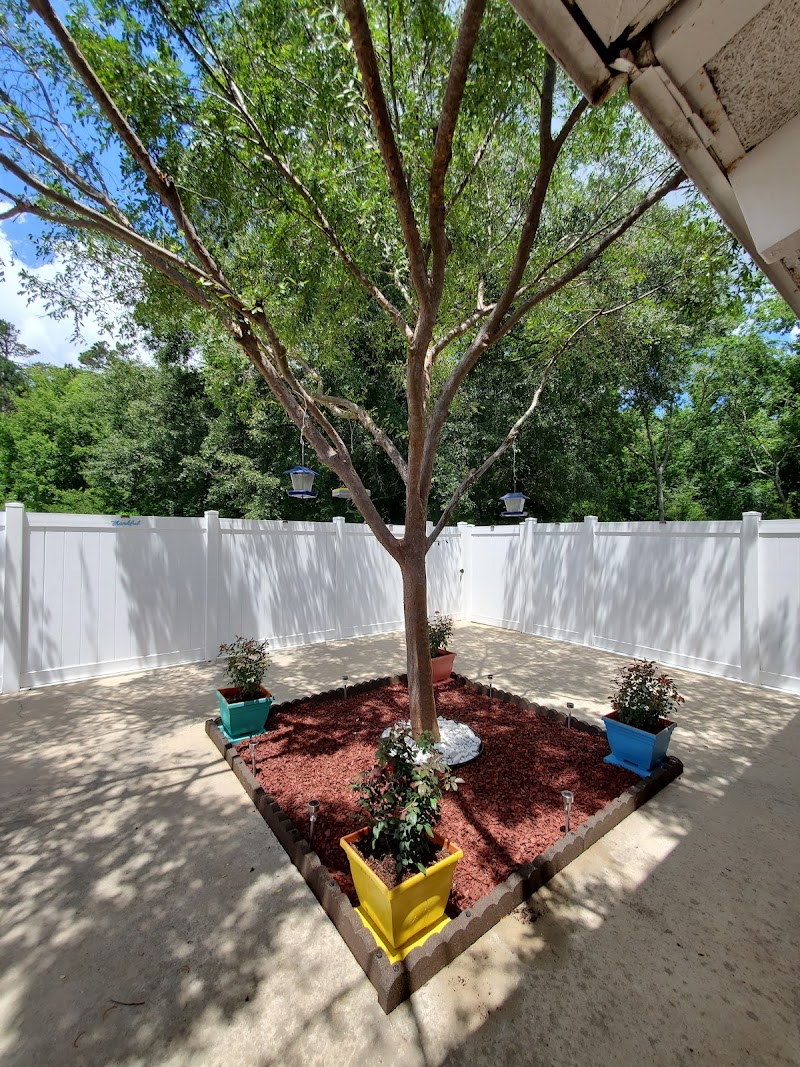
How is Poplar Springs Nursing Ctr, Llc Staffed?

CMS rates POPLAR SPRINGS NURSING CTR, LLC's staffing level at 4 out of 5 stars, which is above average compared to other nursing homes. Staff turnover is 55%, which is 9 percentage points above the Mississippi average of 46%. High turnover can affect care consistency as new staff learn residents' individual needs. RN turnover specifically is 73%, which is notably high. RNs provide skilled clinical oversight, so turnover in this role can affect medical care quality.

What Have Inspectors Found at Poplar Springs Nursing Ctr, Llc?

State health inspectors documented 21 deficiencies at POPLAR SPRINGS NURSING CTR, LLC during 2022 to 2025. These included: 21 with potential for harm.
Who Owns and Operates Poplar Springs Nursing Ctr, Llc?

POPLAR SPRINGS NURSING CTR, LLC is owned by a for-profit company. For-profit facilities operate as businesses with obligations to shareholders or private owners. The facility is operated by TREND CONSULTANTS, a chain that manages multiple nursing homes. With 89 certified beds and approximately 82 residents (about 92% occupancy), it is a smaller facility located in MERIDIAN, Mississippi.

How Does Poplar Springs Nursing Ctr, Llc Compare to Other Mississippi Nursing Homes?

Compared to the 100 nursing homes in Mississippi, POPLAR SPRINGS NURSING CTR, LLC's overall rating (2 stars) is below the state average of 2.6, staff turnover (55%) is near the state average of 46%, and health inspection rating (3 stars) is at the national benchmark.

What Should Families Ask When Visiting Poplar Springs Nursing Ctr, Llc?

Based on this facility's data, families visiting should ask: "How do you ensure continuity of care given staff turnover, and what is your staff retention strategy?" "Can I visit during a mealtime to observe dining assistance and food quality?" "How do you handle medical emergencies, and what is your hospital transfer rate?" "Can I speak with family members of current residents about their experience?" These questions are particularly relevant given the facility's high staff turnover rate.

Is Poplar Springs Nursing Ctr, Llc Safe?

Based on CMS inspection data, POPLAR SPRINGS NURSING CTR, LLC has a clean safety record: no substantiated abuse findings (meaning no confirmed cases of resident harm), no Immediate Jeopardy citations (the most serious violation level indicating risk of serious injury or death), and is not on the Special Focus Facility watch list (a federal program monitoring the lowest-performing 1% of nursing homes). The facility has a 2-star overall rating and ranks #100 of 100 nursing homes in Mississippi. While no facility is perfect, families should still ask about staff-to-resident ratios and recent inspection results during their visit.

Do Nurses at Poplar Springs Nursing Ctr, Llc Stick Around?

Staff turnover at POPLAR SPRINGS NURSING CTR, LLC is high. At 55%, the facility is 9 percentage points above the Mississippi average of 46%. Registered Nurse turnover is particularly concerning at 73%. RNs handle complex medical decisions and coordinate care — frequent RN changes can directly impact care quality. High turnover means new staff may not know residents' individual needs, medications, or preferences. It can also be disorienting for residents, especially those with dementia who rely on familiar faces. Families should ask: What is causing the turnover? What retention programs are in place? How do you ensure care continuity during staff transitions?

Was Poplar Springs Nursing Ctr, Llc Ever Fined?

POPLAR SPRINGS NURSING CTR, LLC has no federal fines on record. CMS issues fines when nursing homes fail to meet care standards or don't correct problems found during inspections. The absence of fines suggests the facility has either maintained compliance or corrected any issues before penalties were assessed. This is a positive indicator, though families should still review recent inspection reports for the full picture.

Is Poplar Springs Nursing Ctr, Llc on Any Federal Watch List?

POPLAR SPRINGS NURSING CTR, LLC is not on any federal watch list. The most significant is the Special Focus Facility (SFF) program, which identifies the bottom 1% of nursing homes nationally based on persistent, serious quality problems. Not being on this list means the facility has avoided the pattern of deficiencies that triggers enhanced federal oversight. This is a positive indicator, though families should still review the facility's inspection history directly.