QUEEN CITY NURSING CENTER
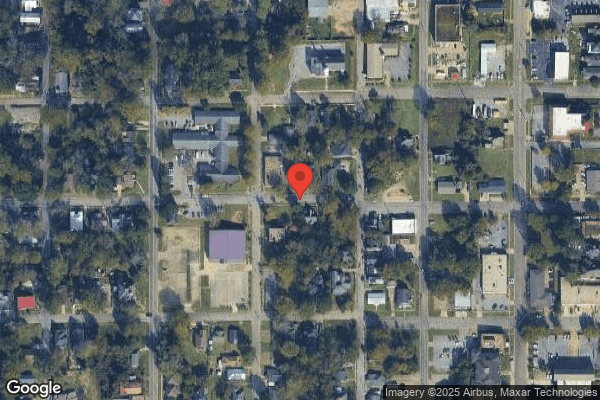

1201 28TH AVENUE, MERIDIAN, MS 39301 (601) 483-1467
For profit - Corporation 84 Beds Independent Data: November 2025
Trust Grade
70/100
#82 of 200 in MS
Last Inspection: April 2025

Within standard 12-15 month inspection cycle. Federal law requires annual inspections.

Overview

Queen City Nursing Center in Meridian, Mississippi has a Trust Grade of B, indicating it is a good choice for families, though not without some concerns. It ranks #82 out of 200 facilities in the state, placing it in the top half of Mississippi nursing homes, and #4 out of 9 in Lauderdale County, meaning only three local options are better. The facility's trend appears stable, with 12 identified issues remaining consistent from 2023 to 2025, but staffing is a mixed bag; while it has a decent 4/5-star rating for staffing overall, the 52% turnover rate is about average for the state. Notably, there have been no fines reported, which is a positive sign, but the RN coverage is concerning as it is less than 80% of Mississippi facilities, potentially impacting the quality of care. Specific incidents of concern include a failure to implement care plan interventions for a resident and not submitting required assessments on time, which could affect the level of care provided. Overall, while there are strengths in staffing and no fines, families should be aware of the care plan issues and the need for better RN coverage.

Trust Score
B
70/100
In Mississippi
#82/200
Top 41%
Safety Record
Low Risk
No red flags
Inspections
Holding Steady
5 → 5 violations
Staff Stability
⚠ Watch
52% turnover. Above average. Higher turnover means staff may not know residents' routines.
Penalties
✓ Good
No fines on record. Clean compliance history, better than most Mississippi facilities.
Skilled Nurses
○ Average
Each resident gets 35 minutes of Registered Nurse (RN) attention daily — about average for Mississippi. RNs are the most trained staff who monitor for health changes.
Violations
⚠ Watch
12 deficiencies on record. Higher than average. Multiple issues found across inspections.
★★★☆☆
3.0
Overall Rating
★★★★☆
4.0
Staff Levels
★☆☆☆☆
1.0
Care Quality
★★★★☆
4.0
Inspection Score
Stable
2023: 5 issues
2025: 5 issues

The Good

  • 4-Star Staffing Rating · Above-average nurse staffing levels
  • Full Sprinkler Coverage · Fire safety systems throughout facility
  • No fines on record

Facility shows strength in staffing levels, fire safety.

The Bad

3-Star Overall Rating

Near Mississippi average (2.6)

Meets federal standards, typical of most facilities

Staff Turnover: 52%

Near Mississippi avg (46%)

Higher turnover may affect care consistency

The Ugly 12 deficiencies on record

Apr 2025 5 deficiencies
CONCERN (D)

Potential for Harm - no one hurt, but risky conditions existed

Deficiency F0583 (Tag F0583)

Could have caused harm · This affected 1 resident

Resident #15 A record review of the admission Record revealed the facility admitted Resident #15 on 1/12/21 with diagnoses including Chronic Respiratory Failure. A record review of the Quarterly MDS ...

Read full inspector narrative →
Resident #15 A record review of the admission Record revealed the facility admitted Resident #15 on 1/12/21 with diagnoses including Chronic Respiratory Failure. A record review of the Quarterly MDS with an ARD of 1/31/25 revealed Resident #15 had a BIMS score of 15, which indicated she was cognitively intact. On 4/14/25 at 10:57 AM, during an observation and interview, RN #1 observed signs on Resident #15's wall, including a clock with turn schedule and a sign instructing staff to check water in both oxygen concentrators and BiPAP (Bilevel Positive Airway Pressure) each shift, Do not turn the concentrator off, and Do not put H20 (water) bottle on BiPAP with H20. Bottle of water should only be placed on 02 (Oxygen) concentrator for nasal cannula. RN #1 asked the resident if her husband had placed the sign on the wall, and the resident stated he had not. On 4/17/25 at 8:28 AM, during an interview with the Director of Nursing (DON), she confirmed she did not know who placed the signs on the residents' walls. She explained the turn schedule was placed to remind staff to turn residents but acknowledged that such information could be placed on the care plan instead. She confirmed the signs included personal information that did not need to be posted and was visible to visitors. Based on observation, interviews, record review, and facility policy review, the facility failed to ensure residents' rights regarding privacy and confidentiality were maintained related to posting of signage on resident walls that included personal health information for two (2) of four (4) residents reviewed for resident rights. Resident #52 and Resident #15. Findings included: A review of the facility's policy, Resident's Rights, dated 2003, revealed, Each and every resident in this facility has the right to . 12. Be treated at all times courteously, fairly, and with the fullest measure of dignity . 17. Be treated with consideration and respect for their personal privacy . Resident #52 A record review of the admission Record revealed the facility admitted Resident #52 on 7/15/24 with diagnoses including Dementia. A record review of the Quarterly Minimum Data Set (MDS) with an Assessment Reference Date (ARD) of 2/12/25 revealed Resident #52 had a Brief Interview for Mental Status (BIMS) score of 4, which indicated his cognition was severely impaired. On 4/14/25 at 12:07 PM, during an observation, Resident #52 was not in his room. Signage was on the wall above the head of the bed, highlighted in green, indicating, Allergy to Standing Order See Nurse and another sign underneath it for a turn schedule indicating times the resident should be repositioned. On 4/15/25 at 8:30 AM, during a phone interview with Resident #52's sister, she reported she was not aware of the signs and did not know what the green-highlighted sign meant. On 4/16/25 at 9:40 AM, in an observation, the signage was still present above the bed, including information related to an allergy and the turn schedule. On 4/16/25 at 2:00 PM, during an interview with Registered Nurse (RN) #1, she explained that the allergy signs were used to alert nurses not to give standing order medications that residents were allergic to. She confirmed the allergy and turn schedule information was listed in the resident's medical record and care plan, and that signage was not necessary. She stated Resident #52 was able to reposition independently and did not need assistance with turning. On 4/16/25 at 2:10 PM, during an interview and observation with Licensed Practical Nurse (LPN) #1, she confirmed the presence of both signs on Resident #52's wall. She stated the allergy sign was placed due to the resident's allergy to Nitroglycerin. She confirmed that the information was documented in the medical record and that signage was not necessary. She also acknowledged the turn schedule was from a previous resident and Resident #52 had been in the room for over six (6) months. On 4/16/25 at 2:50 PM, during an interview with the Administrator, she stated she was unaware of the signage present in residents' rooms. She explained that some residents and families had requested signage for care needs but acknowledged that some of the signage was placed in rooms of residents with low BIMS scores, who may not have been aware of the signs. She confirmed all signs would be removed the same day and that she expected all staff to always honor resident rights.
CONCERN (D)

Potential for Harm - no one hurt, but risky conditions existed

MDS Data Transmission (Tag F0640)

Could have caused harm · This affected 1 resident

Based on interview, record review, and facility policy review, the facility failed to submit the comprehensive Minimum Data Set (MDS) assessment within the required timeframe for one (1) of seventeen ...

Read full inspector narrative →
Based on interview, record review, and facility policy review, the facility failed to submit the comprehensive Minimum Data Set (MDS) assessment within the required timeframe for one (1) of seventeen (17) sampled residents. Resident #46. Findings included: A review of the facility's policy, MDS 3.0 Completion, undated, revealed, .Residents are assessed, using a comprehensive assessment process, in order to identify care needs and develop an interdisciplinary are plan .Policy Explanation and Compliance Guidelines .2. Types of OBRA (Omnibus Budget Reconciliation Act) assessments .c. Annual Assessment - a comprehensive assessment completed using an ARD no > (greater) 366 days from the most recent prior comprehensive assessment and no >92 days from the most recent quarterly assessment . A record review of the admission Record revealed the facility admitted Resident #46 on 3/7/22 with diagnoses including Peripheral Vascular Disease. A record review of the most recent MDS submitted for Resident #46 revealed a Quarterly MDS with an Assessment Reference Date (ARD) of 12/10/2024, which is more than 92 days past due. On 4/16/25 at 8:30 AM, during an interview with Registered Nurse (RN) #2, MDS Nurse, she acknowledged the resident's Annual MDS with an ARD of 3/10/25 had not been submitted, causing the MDS to be over 120 days overdue. She confirmed she was responsible for submitting the MDS to CMS. She explained she had become very busy with other duties at the facility which caused her to fall behind on submitting the MDS. She noted that the importance of keeping the MDS record current is to document the care the resident needs and is receiving and to ensure the facility can bill for care. She stated her goal is to ensure submissions are timely in the future. On 4/16/25 at 8:47 AM, during an interview with the Director of Nursing (DON), she affirmed the facility failed to submit the resident's Annual MDS with an ARD of 3/10/25, which was over 120 days overdue. She confirmed the MDS nurse is responsible for submitting the MDS on schedule and noted the MDS nurse was relatively new to the role. She emphasized that timely submission ensures residents receive appropriate care and stated she would continue to educate the MDS nurse. On 4/17/25 at 1:03 PM, during an interview with the Administrator, she acknowledged the late submission for the comprehensive MDS with an ARD of 3/10/25. She confirmed the MDS nurse was responsible for submitting the MDS and stated she would implement additional training to support the MDS nurse's development. She stated her expectation was for MDS submissions to be timely.
CONCERN (D)

Potential for Harm - no one hurt, but risky conditions existed

Comprehensive Care Plan (Tag F0656)

Could have caused harm · This affected 1 resident

Based on observation, interview, record review, and facility policy review, the facility failed to implement care plan interventions related to Enhanced Barrier Precautions (EBP) for one (1) of 17 car...

Read full inspector narrative →
Based on observation, interview, record review, and facility policy review, the facility failed to implement care plan interventions related to Enhanced Barrier Precautions (EBP) for one (1) of 17 care plans reviewed. Resident #53 Findings include: A record review of the facility's policy Comprehensive Care Plans, revised 02/06/25, revealed . It is the policy of this facility to .implement a comprehensive person-centered care plan for each resident, consistent with resident rights, that includes measurable objectives and timeframes to meet a resident's medical, nursing, and mental and psychosocial needs that are identified in the resident's comprehensive assessment .Policy Explanation and Compliance Guidelines .3. The comprehensive care plan will describe, at a minimum, the following: a. The services that are to be furnished to attain or maintain the resident's highest practicable physical, mental, and psychosocial well-being . A record review of the Care Plan Report for Resident #52 revealed a Focus of Resident is on enhanced barrier precautions r/t (related to) foley. (type of indwelling catheter) Interventions included staff will wear gown, gloves for direct care, foley care. On 04/15/25 at 02:20 PM, during an observation, Certified Nurse Aide (CNA) #1, completed catheter care for Resident #53 and did not don a gown to provide the care. During an interview with CNA #1 on 04/15/25 at 02:50 PM, she confirmed that EBP required the staff to wear a gown and gloves, and she did not wear a gown while providing catheter care for Resident #53. She explained she has access to all resident's care plans on the Kiosk and confirmed, Resident #53 has a care plan intervention indicating enhanced barrier precautions on his plan of care. On 04/16/25 at 04:55 PM, during an interview with Registered Nurse (RN)#3/Care Plan Nurse, she explained the purpose of the care plan is to inform the staff how to provide care for residents. She confirmed Resident #53 had a care plan for EBP. She confirmed that she expected all staff to implement care plan interventions. During an interview with the Director of Nursing (DON) on 04/17/25 at 11:50 AM, she explained she was aware that CNA #1 did not wear a gown while providing catheter care and she expected staff to follow the care plan when providing resident care. A record review of the Order Summary Report revealed Resident #53 had a Physician's Order, dated 4/4/25, for Enhanced Barrier Precautions related to Foley. A record review of the admission Record revealed the facility admitted Resident #53 on 12/2/2024 and he had current diagnoses including Neuromuscular Dysfunction of Bladder. A record review of the Comprehensive Minimum Data Set (MDS) with an Assessment Reference Date (ARD) of 3/11/25 revealed a Brief Interview for Mental Status (BIMS) score of 13, which indicated the resident was cognitively intact. Further review revealed the resident had an indwelling catheter.
CONCERN (D)

Potential for Harm - no one hurt, but risky conditions existed

Deficiency F0760 (Tag F0760)

Could have caused harm · This affected 1 resident

Based on observation, interview, record review, and facility policy review, the facility failed to ensure a significant medication error did not occur when a nurse administered a routine dose of insul...

Read full inspector narrative →
Based on observation, interview, record review, and facility policy review, the facility failed to ensure a significant medication error did not occur when a nurse administered a routine dose of insulin three (3) hours past the prescribed time without notifying the physician for one (1) of six (6) residents reviewed for medication administration, Resident #32. Findings included: A review of the facility's policy, Medication Administration, dated 9/20/2019, revealed, .Policy Explanation and Compliance Guidelines .11. Compare medication source with MAR (Medication Administration Record) .b. Administer within 60 minutes prior to or after scheduled time unless otherwise ordered by physician . On 4/14/25 at 11:30 AM, during an observation of medication administration, Licensed Practical Nurse (LPN) #3 administered thirty (30) units of Basaglar (a type of insulin) to Resident #32 in the left upper abdomen. On 4/17/25 at 12:12 PM, during an interview with LPN #3, she confirmed she administered thirty (30) units of Basaglar at 11:30 AM on 4/14/25. LPN #3 explained she was behind in giving medications because she was a contract nurse, and this was her first day at the facility. She stated she was aware the medication was due at 8:00 AM and acknowledged this could result in elevated blood glucose levels. On 4/17/25 at 12:25 PM, during an interview with the Director of Nursing (DON), she confirmed the nurse failed to follow the facility's medication administration policy. The DON explained the policy requires medications to be administered within one (1) hour before or after the scheduled time. She stated the nurse should have requested assistance if she was falling behind and should have notified the physician that the routine dose of Basaglar was given late at 11:30 AM. On 4/17/25 at 12:33 PM, during an interview with the Medical Doctor (MD), she stated she expected staff to administer medications as ordered. She explained that if medications cannot be administered as ordered, staff should notify the DON, who would notify her. She further stated late administration of insulin could cause elevated blood glucose levels. On 4/17/25 at 1:29 PM, during an interview with the Administrator, she stated she expected staff to follow the physician's orders and the facility's medication administration policy. A record review of the admission Record revealed the facility admitted Resident #32 on 8/2/24 with diagnoses including Diabetes Mellitus. A record review of the resident's Quarterly Minimum Data Set (MDS) with an Assessment Reference Date (ARD) of 2/6/25 revealed a Brief Interview for Mental Status (BIMS) score of 4, which indicated the resident's cognition was severely impaired. A record review of the Order Summary Report revealed a physician's order dated 3/21/25 for Basaglar KwikPen subcutaneous solution: Inject 30 units subcutaneously in the morning related to Type 2 Diabetes Mellitus . A record review of the April 2025 Medication Administration Record (MAR) revealed LPN #3 documented that thirty (30) units of Basaglar were administered at 8:00 AM on 4/14/25.
CONCERN (D)

Potential for Harm - no one hurt, but risky conditions existed

Infection Control (Tag F0880)

Could have caused harm · This affected 1 resident

Resident #15 On 4/15/25 at 9:13 AM, during an observation in Resident #15's room with the Administrator, a personal pillow labeled with the resident's name and a mechanical lift pad were observed stor...

Read full inspector narrative →
Resident #15 On 4/15/25 at 9:13 AM, during an observation in Resident #15's room with the Administrator, a personal pillow labeled with the resident's name and a mechanical lift pad were observed stored on the floor behind the Geri chair. The Administrator confirmed the pillow, and pad should not have been stored on the floor. On 4/17/25 at 8:10 AM, during an interview with CNA #2, she stated she must have overlooked the pillow and lift pads being stored on the floor. She normally stored those items in the closet. On 4/17/25 at 8:17 AM, during an interview with the DON, she confirmed that the personal pillow and mechanical lift pad should not have been stored on the floor. She explained items on the floor could become contaminated and lead to infection. She stated staff were expected to follow infection control policies. On 4/17/25 at 11:43 AM, during an interview with LPN #2, she stated clean linens should be stored in the resident's closet in a plastic bag and not on the floor, as this could cause infection. On 4/17/25 at 8:22 AM, during an interview with the Administrator, she explained that she expected staff to follow the facility's infection control policy and ensure that personal items and linens were stored appropriately. A record review of the admission Record revealed the facility admitted Resident #15 on 1/12/21 with diagnoses including Chronic Respiratory Failure. A record review of the Quarterly MDS with an ARD of 1/31/25 revealed Resident #15 had a BIMS score of 15, which indicated she was cognitively intact. Based on observation, interviews, record review, and facility policy review, the facility failed to implement its infection prevention and control program to prevent the potential spread of infection for two (2) of seventeen (17) sampled residents, as evidenced by staff failed to follow Enhanced Barrier Precautions (EBP) when providing catheter care by not donning a gown (Resident #53) and failed to ensure personal items and clean linen were stored appropriately to avoid contamination (Resident #15). Findings included: A review of the facility's policy titled, Addendum to infection control policies and procedures, undated, revealed, . (Proper Name of Facility) must . maintain an infection prevention and control program designed to provide a safe, sanitary and comfortable home like environment to help prevent the development and transmission of communicable disease and infections . Staff member must know when and to what to use while providing direct care . 2. Gown and gloves for care for cath (catheter) or tubes that are inside body . 4. when in doubt use Enhanced Precautions . Indwelling medical devices that EBP (Enhanced Barrier Precautions) are used for . 2. Urinary catheters . Resident #53 On 4/14/25 at 11:00 AM, during an observation and interview, signage was observed on the door of Resident #53 indicating Enhanced Barrier Precautions (EBP) and Personal Protective Equipment (PPE) was visible on the door. During an interview, Registered Nurse (RN) #1 explained that Resident #53 had a urinary catheter and required Enhanced Barrier Precautions. On 4/15/25 at 2:20 PM, during an observation and interview with Certified Nurse Aide (CNA) #1, she explained catheter care was completed daily, typically before the resident got out of bed for his daily bath. She stated she understood EBP that PPE, including gown and gloves, was required for protection. CNA #1 then provided catheter care to Resident #53 without wearing a gown. On 4/15/25 at 2:50 PM, during an interview with CNA #1, she confirmed she did not wear a gown and acknowledged EBP required a gown and gloves. She stated she should have worn a gown during the care. On 4/16/25 at 3:55 PM, during an interview with Licensed Practical Nurse (LPN) #2, she stated she was informed that CNA #1 did not wear a gown during catheter care. She explained that all staff had been educated and in-serviced on EBP and were expected to wear appropriate PPE when providing care. On 4/17/25 at 12:00 PM, during an interview with the Director of Nursing (DON), she confirmed all staff had been educated on EBP and were expected to follow precautions to prevent infection. A record review of the admission Record revealed the facility admitted Resident #53 on 12/2/2024 and he had current diagnoses including Neuromuscular Dysfunction of Bladder. A record review of the Order Summary Report revealed Resident #53 had a Physician's Order, dated 4/4/25, for Enhanced Barrier Precautions related to Foley (type of indwelling catheter). A record review of the Comprehensive Minimum Data Set (MDS) with an Assessment Reference Date (ARD) of 3/11/25 revealed a Brief Interview for Mental Status (BIMS) score of 13, which indicated the resident was cognitively intact. Further review revealed the resident had an indwelling catheter.
Dec 2023 4 deficiencies
CONCERN (D)

Potential for Harm - no one hurt, but risky conditions existed

Transfer Notice (Tag F0623)

Could have caused harm · This affected 1 resident

Based on staff interview, record review, and facility policy review, the facility failed to provide written notification of transfer to a resident or the Resident Representative (RR) for one (1) of tw...

Read full inspector narrative →
Based on staff interview, record review, and facility policy review, the facility failed to provide written notification of transfer to a resident or the Resident Representative (RR) for one (1) of two (2) residents reviewed for hospitalization. (Resident #28) Findings Include: Review of the facility's, Bed Hold Policy and Procedure, revised 12/23, revealed, Policy: Before a resident transfers to the hospital or goes on a therapeutic leave, the facility will provide the resident and their representative written Explanation of the .hospitalization policy. This notice will specify the .reason for transfer/hospitalization and the facility policy regarding .hospitalization .Procedure .4. The provision of this form to the resident upon hospital transfer .will be documented in the electronic medical record by the nursing staff. 5. An additional copy of the form will be mailed within 24 hours or on the next business day to the resident's representative by the Social Worker. This will be documented in the medical record . A record review of the Face Sheet revealed the facility admitted Resident #28 on 4/14/23 and he had a diagnosis of Acute Respiratory Failure. A record review of the Discharge Minimum Data (MDS) Set with an Assessment Reference Date (ARD) of 4/25/23 revealed Resident #28 was discharged on 4/25/23. A record review of the Departmental Notes revealed a Nursing Progress Note, dated 4/25/23 at 7:29 PM, for Resident #28, .Ambulance notified of need to transfer to (Proper Name of Local Hospital) ER (Emergency Room) .Notified .Resident's Son . Review of the medical record revealed there was no written notification of transfer documentation provided to the resident or the RR for the transfer to the hospital that occurred on 4/25/23. During an interview on 12/7/23 at 10:10 AM, with the Social Worker, she confirmed she did not send a transfer notification to the resident or the RR when Resident #28 resident was transferred to an acute hospital on 4/25/23. The Social Worker said she did not know it was her responsibility to send out the notifications. In an interview on 12/7/23 at 11:31 AM, with the Director of Nursing (DON), she stated that she was not responsible for providing written notification of transfers to the resident or the RR when a resident is transferred out of the facility. She explained that the nurses call the families and notify them verbally when a resident is sent to the ER and the Social Worker was responsible for providing the written notification. During an interview on 12/7/23 at 11:47 AM, with the Administrator, she confirmed that a written notification of hospital transfer had not been provided to Resident #28 or the RR because the Social Worker was unaware that written notification was required.
CONCERN (D)

Potential for Harm - no one hurt, but risky conditions existed

Deficiency F0625 (Tag F0625)

Could have caused harm · This affected 1 resident

Based on staff interview, record review, and facility policy review, the facility failed to provide written notification of bed hold to a resident or the Resident Representative (RR) for one (1) of tw...

Read full inspector narrative →
Based on staff interview, record review, and facility policy review, the facility failed to provide written notification of bed hold to a resident or the Resident Representative (RR) for one (1) of two (2) residents reviewed for hospitalization. Resident #28 Findings Include: Review of the facility's, Bed Hold Policy and Procedure, revised 12/23, revealed, .Before a resident transfers to the hospital or goes on a therapeutic leave, the facility will provide the resident and their representative written Explanation of the Bed-Hold policy .This notice will specify the duration of the bed hold .and the facility policy regarding bed-hold periods .Procedure .4. The provision of this form to the resident upon hospital transfer .will be documented in the electronic medical record by the nursing staff. 5. An additional copy of the form will be mailed within 24 hours or on the next business day to the resident's representative by the Social Worker. This will be documented in the medical record . A record review of the Face Sheet revealed the facility admitted Resident #28 on 4/14/23 and he had a diagnosis of Acute Respiratory Failure. A record review of the Discharge Minimum Data (MDS) Set with an Assessment Reference Date (ARD) of 4/25/23 revealed Resident #28 was discharged on 4/25/23. A record review of the Departmental Notes revealed a Nursing Progress Note, dated 4/25/23 at 7:29 PM, for Resident #28, .Ambulance notified of need to transfer to (Proper Name of Local Hospital) ER (Emergency Room) .Notified .Resident's Son . Review of the medical record revealed there was no written notification of the Bed Hold Policy provided to the resident or the RR for the transfer to the hospital that occurred on 4/25/23. On 12/7/23 at 10:10 AM, in an interview with the Social Worker, she confirmed that she did not send a written notification of the bed hold policy to the resident or the RR when Resident #28 was transferred to the hospital on 4/25/23. The Social Worker said she did not know it was her responsibility to send out the bed hold notifications. On 12/7/23 at 11:31 AM, in an interview with the Director of Nursing (DON), she stated that she was not responsible for providing written notification of the Bed Hold policy to the residents or the RRs. She explained that the Social Worker was responsible for sending the written notifications. On 12/7/23 at 11:47 AM, in an interview with the Administrator, she confirmed that a written notification regarding the Bed Hold policy had not been provided to Resident #28 or the RR because the Social Worker was unaware that written notification was required.
CONCERN (D)

Potential for Harm - no one hurt, but risky conditions existed

Deficiency F0638 (Tag F0638)

Could have caused harm · This affected 1 resident

Based on interview, record review, and facility policy review, the facility failed to complete Quarterly Minimum Data Set (MDS) assessments for four (4) of 15 residents sampled. Resident #3, Resident ...

Read full inspector narrative →
Based on interview, record review, and facility policy review, the facility failed to complete Quarterly Minimum Data Set (MDS) assessments for four (4) of 15 residents sampled. Resident #3, Resident #21, Resident #27, Resident #51 Findings Include: A review of the facility's policy, MDS, RAPS (Resident Assessment Protocols), And Care Plan Documentation revised 02/01/10, revealed, .It is the policy of (Proper Name of Facility) to provide documentation in the medical record for MDS . A review of the Centers for Medicare and Medicaid (CMS) Long-Term Care Facility Resident Assessment Instrument (RAI) 3.0 User's Manual, dated October 2019, revealed, .The Quarterly assessment is an OBRA (Omnibus Budget Reconciliation Act) non-comprehensive assessment for a resident that must be completed at least every 92 days following the previous OBRA assessment of any type. It is used to track a resident's status between comprehensive assessments to ensure critical indicators of gradual change in a resident's status are monitored . Resident #3 A record review of the Face Sheet revealed the facility admitted Resident #3 on 07/01/21 with a diagnosis of Muscle Wasting and Atrophy. A record review of the last completed MDS for Resident #3 revealed a Quarterly Assessment with an Assessment Reference Date (ARD) of 6/15/23, which was more than 92 days. Resident #21 A record review of the Face Sheet revealed the facility admitted Resident #21 on 07/05/23 with a diagnosis of Acute Embolism and Thrombosis. A record review of the last MDS for Resident #21 revealed a 5-Day admission Assessment with an ARD of 7/12/23, which was more than 92 days. Resident #27 A record review of the Face Sheet revealed the facility admitted Resident #27 on 06/06/23 with a diagnosis of Chronic Obstructive Pulmonary Disease. A record review of the last MDS for Resident #27 revealed a 5-Day admission Assessment with an ARD of 6/13/23, which was more than 92 days. Resident #51 A record review of the Face Sheet revealed the facility admitted Resident #51 on 06/12/23 with a diagnosis of Primary Pulmonary Hypertension. A record review of the last MDS for Resident #51 revealed a 5-Day admission Assessment with an ARD of 6/19/23, which was more than 92 days. On 12/06/2023 at 9:13 AM, during an interview with Registered Nurse (RN) #3, she acknowledged that she did not complete a Quarterly MDS Assessment for Resident #3 because she had missed it. RN #3 explained that she had completed End of Therapy MDS assessments for Resident #21, #27, and #51 and thought that the Quarterly assessments would start over or reset from the End of Therapy Assessment date. She did not realize that Quarterly MDS assessments needed to be completed in addition to the End of Therapy assessments for those residents. She stated it was her mistake and explained that the Quarterly MDS assessments are important because they are used to monitor changes and develop the comprehensive care plan for residents. On 12/06/23 at 9:32 AM, during an interview with the Director of Nursing (DON), she acknowledged the facility failed to complete Quarterly MDS assessments for Resident #3, #21, #27, and #51. The DON stated she expected the facility to put measures in place to ensure MDS assessments are completed and submitted on time. On 12/06/23 at 9:40 AM, in an interview with the Administrator, she acknowledged the facility failed to complete Quarterly MDS assessments for Resident #3, #21, #27, and #51. The Administrator stated she expected the MDS assessments to be completed on time.
CONCERN (D)

Potential for Harm - no one hurt, but risky conditions existed

Deficiency F0658 (Tag F0658)

Could have caused harm · This affected 1 resident

Based on observation, interview, and facility policy review, the facility failed to ensure an enteral feeding pump was operated by licensed staff one for (1) of two (2) residents observed with Percuta...

Read full inspector narrative →
Based on observation, interview, and facility policy review, the facility failed to ensure an enteral feeding pump was operated by licensed staff one for (1) of two (2) residents observed with Percutaneous Endoscopic Gastrostomy (PEG) tube feedings, Resident #15. Findings Include: Review of the facility's Enteral Feeding Record Policy, undated, revealed, It is the policy of this facility that enteral feedings will be done as follows .Feedings are to be delivered by a licensed nurse, Charge Nurse, Medication Nurse, Treatment Nurse . During an observation, on 12/05/23 at 10:36 AM, Certified Nurse Assistant (CNA) #1, entered Resident #15's room to provide incontinent care. CNA #2 placed the resident's enteral feeding pump on hold. On 12/04/23 at 10:55 AM, during an interview with CNA #1, she stated that she had put Resident #15's feeding pump on hold because she thought it was okay to do so. CNA #2 stated she believed CNAs could put the feeding pumps on hold, and turn them back on, but could not turn the feeding pumps off. During an interview, on 12/04/23 at 11:10 AM, the Director of Nursing (DON stated CNAs cannot do anything with the feeding pumps, as in, turning them off, putting them on hold, or not even turning a feeding pump on that has been turned off. During an interview, on 12/07/2020 at 10:03 AM, Licensed Practical Nurse (LPN) #1, stated CNAs are educated and in-serviced regarding the feeding pump. LPN #1 stated the CNAs are told that a nurse is the only person who can operate the feeding pump, and to always call the nurse if they need assistance. A review of the Face Sheet revealed, the facility admitted Resident #15 on 12/22/2021 with a diagnosis of Chronic Kidney Disease.
Oct 2023 1 deficiency
CONCERN (D) 📢 Someone Reported This

A family member, employee, or ombudsman was alarmed enough to file a formal complaint

Potential for Harm - no one hurt, but risky conditions existed

Free from Abuse/Neglect (Tag F0600)

Could have caused harm · This affected 1 resident

Based on interview, record review, and facility policy review, the facility failed to ensure residents were free from verbal abuse and intimidation for one (1) of four (4) residents reviewed for abuse...

Read full inspector narrative →
Based on interview, record review, and facility policy review, the facility failed to ensure residents were free from verbal abuse and intimidation for one (1) of four (4) residents reviewed for abuse. Resident #1 Findings Include: Review of a current facility's policy, Abuse/Neglect, undated, revealed, Purpose: To prohibit mistreatment, neglect, and abuse of residents .Definitions: Abuse is the willful infliction of . intimidation .Identification of incidents which need to be investigated A. Physical/Mental Abuse .5. Verbal . Record review of the Facility Reported Incident (FRI) revealed that the incident occurred on 9/26/23 at approximately 2:02 PM in the hallway. Licensed Practical Nurse (LPN) #1 responded upon hearing Nurse Aide (NA)/Orderly saying, take your ass on down the hall to Resident #1. LPN #1 indicated that the NA was confronting Resident #1 in the middle of the hallway. LPN #1 separated Resident #1 and the NA. The NA was suspended and sent home during the investigation. Resident #1 denied injury but thought the NA hit his left arm. Video evidence was reviewed, and the NA was terminated. Notifications were made to the local police department and the State Agency (SA). Video evidence did not show that the NA hit Resident #1's arm, but the video evidence indicated that the NA walked toward Resident #1 in a stance of confrontation to the resident. The physician and the family were notified of the incident. Record review of the Face Sheet revealed the facility admitted Resident #1 on 11/16/21 and he had diagnoses including Hemiplegia and Chronic Atrial Fibrillation. Record review of the Minimum Data Set (MDS) with an Assessment Reference Date (ARD) of 7/6/23 revealed Resident #1 had Brief Interview for Mental Status (BIMS) score of 15, which indicated he was cognitively intact. Record review of Departmental Notes on 9/26/23 at 3:15 PM, revealed documentation for .Employee noted to be fussing with resident . Record review of the Employee Termination Report revealed NA #1 was Terminated for cause by the facility on 9/26/23. The explanation was that Employee committed verbal abuse and improper conduct toward a resident who is vulnerable able of a nursing home . On 10/12/23 at 9:30 AM, in an interview with LPN # 2, she stated on 9/26/2023 at approximate 2:00 PM, LPN #1 reported to her that the NA had hit Resident #1. There was a camera in the hallway, and she reviewed the video footage. The video indicated that Resident #1 moved in the hallway and the NA wrapped his arms around the resident. The NA was escorted from the facility and the local police department was called and an officer came to the facility and reviewed the incident. On 10/12/23 at 9:50 AM, in an interview with Social Services, she stated that LPN #2 reported to her that at approximately 2:00 PM, NA #1 was fussing with Resident #1 in hallway. She observed the video footage and saw Resident #1 move in the hallway and the NA wrapped his arms around the resident. The NA was escorted from the facility. On 10/12/2023 at 10:45 AM, in an interview with LPN # 1, she stated that she had reported to the Director of Nurses (DON) that the NA had told Resident #1 to take your ass on. She stated that Resident #1 came to her and stated that the NA would not change him after he had requested to be changed. LPN #1 revealed she had instructed the NA to change the resident and the NA advised that he would and had told Resident #1 that he would. LPN #1 explained that Resident # 1 was verbally aggressive toward the NA. The NA did stop and assist the resident with changing in his room. After a few moments, Resident #1 came back on the hallway, still being verbally aggressive to the NA while the NA was charting in the hallway on the kiosk. The resident approached the NA while cursing at him and the NA told Resident #1 to take his ass on. On 10/12/2023 at 10:55 AM, in an interview with the Administrator, she stated that she was notified of the incident with the NA and Resident #1 on 9/26/23 at approximately 2:30 PM. She confirmed that the resident was safe and secure, and the NA had been removed from the facility. The investigation was initiated by the DON and Quality Assurance (QA) staff. She stated that emergency staff training was employed, and the family and physician were notified. The resident was checked for both physical and emotional injuries. The DON performed a root cause analysis to determine the root cause of the incident. The DON, QA, and Social Services talked with residents about any concerns. 0n 10/12/2023 at 11:00 AM, in a phone interview with the NA, he revealed he was terminated from the facility after the verbal altercation with Resident # 1. He stated that Resident #1 had approached him while he was charting to let him know he needed to be changed. He explained that Resident #1 was verbally aggressive and told him to do his job. He said he told Resident #1 he would get to him as soon as he finished the chart, and that there was one other resident he needed to see before he could get to him. Resident #1 walked away and went to the nurse and advised her that the NA would not change him, and the nurse directed the NA to assist the resident. He assisted the resident to the room while the resident continued to berate him. He completed the care and went back to charting, but Resident #1 continued in the hallway and cursed and approached him and took a swing at him, and he turned to the resident and told him to take his ass on. The NA said that he did make a defensive posture toward the resident, but he would never hit him. He stated he wrapped his arms around the resident to prevent the resident from harming him or himself. 0n 10/12/2023 at 1:00 PM, in an interview with Resident #1, he stated that he had been in a verbal altercation with the NA. He stated that he had asked the NA to change him because he was soiled. He explained that that he felt the NA dismissed his needs when he told him to wait until he finished charting. He said that he advised the nurse on the floor of the incident, and she directed the NA to help him. He stated that although the NA did assist him in his room, he felt as if the NA did not want to help him, and he told him about it. When the NA went back to the computer, he felt like the NA was still dismissive of him. He stated that he never approached the NA, but he thought the NA may have touched him. Record review of the NA employee file Employee Signature Page, signed on 8/29/23 by the NA, revealed, .Explanation of the Vulnerable Adults Act, related to Abuse .This was explained to me by my supervisor .I understand that it is my responsibility to re-read and become familiar with this law . On 10/12/23, the SA validated through interviews, record review, and facility policy review, the facility had begun an immediate investigation when the incident between the NA and Resident #1 occurred. The facility held a Quality Assurance Performance Improvement (QAPI) meeting on 9/30/2023 with all required disciplines present. Interviews and statements were gathered and a body audit was completed on Resident #1. Interviews were obtained from other residents under the care of the NA. The incident was reported to all appropriate agencies on 9/26/23 and the NA involved was terminated by the facility on 9/26/23. The facility also completed in-service training regarding Abuse on 9/26/23 for staff. The SA validated that the facility had taken all necessary measures to be at past noncompliance by 9/30/23 with the deficient practice that occurred on 9/26/23.
Mar 2021 2 deficiencies
CONCERN (D)

Potential for Harm - no one hurt, but risky conditions existed

Pharmacy Services (Tag F0755)

Could have caused harm · This affected 1 resident

**NOTE- TERMS IN BRACKETS HAVE BEEN EDITED TO PROTECT CONFIDENTIALITY** Based on observation, staff interviews, record reviews, and facility medication disposal memo, the facility failed to remove exp...

Read full inspector narrative →
**NOTE- TERMS IN BRACKETS HAVE BEEN EDITED TO PROTECT CONFIDENTIALITY** Based on observation, staff interviews, record reviews, and facility medication disposal memo, the facility failed to remove expired medications from the medication cart and medications storage room for one (1) of three (3) medication carts and one (1) medication storage room observed. Findings include: A review of the facility's statement in lieu of facility policy, signed by the Director of Nursing (DON) dated, 8/12/2019, to the 11:00 PM until 7:00 AM shift revealed nurses must dispose of the non-narcotics in the drawer in the nursing station. Medication Storage and Labeling Observation of medication cart #1 on 03/10/21 at 9:15 AM, with Licensed Practical Nurse (LPN) #2, revealed a bottle of Prenatal Vitamins Plus, 500 tablets, with an expiration date of 01/21. Interview on 03/10/21 at 9:20 AM, with LPN #2 revealed the Prenatal Vitamins Plus should have been pulled and removed from the medication cart. She stated giving an expired medication would be ineffective for the resident. She stated it could possibly be a problem for the resident. She stated she missed pulling it when she checked her cart. Observation and check of the medication storage room on 03/10/2021 at 9:40 AM, with LPN #2 revealed two (2) bottles of Geri Care Vitamin E Dietary supplement 400 international units (IU), 100 tablets with an expiration date of 11/20 were stored on [NAME] shelf in the medication cabinet. One (1) bottle of Zinc Sulfate 220 milligrams (mg) 100 tablets had an expiration date of 10/20. Interview, on 03/10/2021 at 9:50 AM, with LPN #2, revealed all expired medication should have been pulled. She stated it is the nurse's responsibility to pull the expired medications. She stated that giving a resident an expired vitamin would not be effective. Interview, on 03/10/2021 at 2:50 PM, with Director of Nursing (DON) revealed we have agency nurses that work on the weekends and they do not know where to put the expired medications. The expired medications should have been pulled and put in the expired drawer. The DON stated that the expired medications are supposed to be pulled nightly. She stated the agency nurses work Friday, Saturday, and Sunday. She stated she went in the medication room and pulled all the expired medication after the State Agency left the medication room. She stated that the nurses know to check the dates. She stated the nurses on the medication carts are supposed to check their cart daily for expired medications. She stated the night the nurses are supposed to pull the expired medications and put them in the expired medication drawer. Interview, on 03/10/2021 at 3:50 PM, revealed LPN #3 stated that she disposes of the expired medications on the 11:00 PM through 7:00 AM shift. She stated she pulls them from the drawer and writes them in a book. She stated she did not check the shelves in the medication room. She stated she pulled the medications out of the expired drawer. She stated the nurses are supposed to put the expired medication in the drawer. Interview, on 03/11/2021 at 4:45 PM, with the DON revealed the DON stated we had a policy on expired medication. She stated she could not find the policy. She wrote a statement on facility letter head and signed it. Interview on 03/12/21 at 12:00 PM with the DON, revealed pharmacy has not been in the building due to COVID-19. She stated the pharmacist does telehealth with her. The DON stated she turned the responsibility over to the nurses, since the pharmacist could not come in to remove expired drugs.
CONCERN (D)

Potential for Harm - no one hurt, but risky conditions existed

Infection Control (Tag F0880)

Could have caused harm · This affected 1 resident

Based on observation, interviews, record reviews, and facility policy review, the facility failed to prevent the possible spread of infection as evidenced by the nurse entering an isolation room witho...

Read full inspector narrative →
Based on observation, interviews, record reviews, and facility policy review, the facility failed to prevent the possible spread of infection as evidenced by the nurse entering an isolation room without donning Personal Protective Equipment ( PPE) for one (1) of three (3) medication observations, Resident #17. Findings include: Review of the facility's policy, Infection Prevention and Control Program, dated 7/27/2018, revealed, It is a policy of this facility to establish and maintain an infection prevention and control program designed to provide a safe, sanitary and comfortable environment and to help prevent the development and transmission of communicable diseases and infection. Medication Administration Observation of medication administration on 03/10/2021 at 8:37 AM, revealed Licensed Practical Nurse (LPN) #1 prepared medication for Resident # 17. Observation revealed Resident #17 had a droplet precaution sign on the door. LPN #1 entered the resident's room without wearing full PPE to administer medication to Resident #17. Interview with LPN #1 on 03/10/21 at 8:55 AM, revealed Resident #17 was under reverse isolation. She stated that means she does not have to put on full PPE. She stated when a resident was under reverse isolation it is done to protect the resident. The staff must put on a mask and gloves before entering the resident room. Interview with Registered Nurse #1 (RN)/Infection Control Nurse on 03/10/2021 at 1:45 PM, revealed dialysis residents are placed on observation because they leave the facility three (3) times a week. She stated that staff should wear full PPE when entering all observation residents' rooms. She stated that staff can spread infection by not wearing full PPE. She stated full PPE is mask, gown, and gloves. Interview with LPN #1 on 03/10/2021 at 2:35 PM, revealed reverse isolation is when we try to keep residents from getting anything. We wear mask and gloves before entering the rooms. She stated they do not wear full PPE in reverse isolation rooms. She stated Resident #17 is not complaint. She stated he is allowed to come in the hallway as long as wears a mask. She stated that Resident #17 is not under observation only reverse isolation. Interview with the Director of Nursing (DON) on 03/10/2021 at 2:58 PM, revealed reverse isolation is used when a resident has a white blood count below 3000. We do not have any residents on reverse isolation at this time. She stated new admits and residents that are on dialysis are monitored for 14 days. She stated the dialysis residents are put on observation because they are out in the community three (3) days a week. She stated that nurse LPN #1 does not understand even when residents are non-complaint, staff must always be complaint. She stated that LPN #1 should have put on mask, gloves and gown before entering Resident #17's room. She stated that if the resident had active COVID-19, she could have gotten it on her uniform and spread it to others and took it home to her child. She stated after she found out about LPN #1 entering resident #17's room she had a staff meeting . She stated LPN #1 breached the infection control policy and had a potential to spread infection. Interview with RN #1/Infection Control Nurse on 03/10/21 at 3:20 PM, revealed we use reverse isolation when the residents white blood count is low. We do that to protect the residents from anything we might bring them. We do not have any resident s under reverse isolation at this time. Interview with RN #2 /Staff Development Nurse on 03/10/21 at 4:18 PM, stated the last in-service on Infection Control and PPE was done January or February 2021. She stated she in-serviced all new hires when they start. She stated that LPN #1 had been in-serviced on PPE and Infection Control. She stated that LPN #1 was not a new hire. Review of Resident #17's physician's orders revealed an order, dated 3/10/21, for dialysis on Tuesday, Thursday, and Saturday. Review of LPN #1's PPE Validation Competency which included Standard and Transmission Based Precautions, revealed she passed it on 12/14/20.
Understanding Severity Codes (click to expand)
Life-Threatening (Immediate Jeopardy)
J - Isolated K - Pattern L - Widespread
Actual Harm
G - Isolated H - Pattern I - Widespread
Potential for Harm
D - Isolated E - Pattern F - Widespread
No Harm (Minor)
A - Isolated B - Pattern C - Widespread

Questions to Ask on Your Visit

  • "Can I speak with families of current residents?"
  • "What's your RN coverage like on weekends and overnight?"

Our Honest Assessment

Strengths
  • • No major safety red flags. No abuse findings, life-threatening violations, or SFF status.
  • • No fines on record. Clean compliance history, better than most Mississippi facilities.
Concerns
  • • 12 deficiencies on record. Higher than average. Multiple issues found across inspections.
Bottom line: Mixed indicators with Trust Score of 70/100. Visit in person and ask pointed questions.

About This Facility

What is Queen City Nursing Center's CMS Rating?

CMS assigns QUEEN CITY NURSING CENTER an overall rating of 3 out of 5 stars, which is considered average nationally. Within Mississippi, this rating places the facility higher than 99% of the state's 100 nursing homes. This mid-range rating indicates the facility meets federal standards but may have areas for improvement.

How is Queen City Nursing Center Staffed?

CMS rates QUEEN CITY NURSING CENTER's staffing level at 4 out of 5 stars, which is above average compared to other nursing homes. Staff turnover is 52%, compared to the Mississippi average of 46%.

What Have Inspectors Found at Queen City Nursing Center?

State health inspectors documented 12 deficiencies at QUEEN CITY NURSING CENTER during 2021 to 2025. These included: 12 with potential for harm.

Who Owns and Operates Queen City Nursing Center?

QUEEN CITY NURSING CENTER is owned by a for-profit company. For-profit facilities operate as businesses with obligations to shareholders or private owners. The facility operates independently rather than as part of a larger chain. With 84 certified beds and approximately 56 residents (about 67% occupancy), it is a smaller facility located in MERIDIAN, Mississippi.

How Does Queen City Nursing Center Compare to Other Mississippi Nursing Homes?

Compared to the 100 nursing homes in Mississippi, QUEEN CITY NURSING CENTER's overall rating (3 stars) is above the state average of 2.6, staff turnover (52%) is near the state average of 46%, and health inspection rating (4 stars) is above the national benchmark.

What Should Families Ask When Visiting Queen City Nursing Center?

Based on this facility's data, families visiting should ask: "Can I visit during a mealtime to observe dining assistance and food quality?" "How do you handle medical emergencies, and what is your hospital transfer rate?" "Can I speak with family members of current residents about their experience?"

Is Queen City Nursing Center Safe?

Based on CMS inspection data, QUEEN CITY NURSING CENTER has a clean safety record: no substantiated abuse findings (meaning no confirmed cases of resident harm), no Immediate Jeopardy citations (the most serious violation level indicating risk of serious injury or death), and is not on the Special Focus Facility watch list (a federal program monitoring the lowest-performing 1% of nursing homes). The facility has a 3-star overall rating and ranks #1 of 100 nursing homes in Mississippi. While no facility is perfect, families should still ask about staff-to-resident ratios and recent inspection results during their visit.

Do Nurses at Queen City Nursing Center Stick Around?

QUEEN CITY NURSING CENTER has a staff turnover rate of 52%, which is 6 percentage points above the Mississippi average of 46%. Moderate turnover is common in nursing homes, but families should still ask about staff tenure and how the facility maintains care continuity when employees leave.

Was Queen City Nursing Center Ever Fined?

QUEEN CITY NURSING CENTER has no federal fines on record. CMS issues fines when nursing homes fail to meet care standards or don't correct problems found during inspections. The absence of fines suggests the facility has either maintained compliance or corrected any issues before penalties were assessed. This is a positive indicator, though families should still review recent inspection reports for the full picture.

Is Queen City Nursing Center on Any Federal Watch List?

QUEEN CITY NURSING CENTER is not on any federal watch list. The most significant is the Special Focus Facility (SFF) program, which identifies the bottom 1% of nursing homes nationally based on persistent, serious quality problems. Not being on this list means the facility has avoided the pattern of deficiencies that triggers enhanced federal oversight. This is a positive indicator, though families should still review the facility's inspection history directly.