UNION CO HEALTH AND REHAB CENTER, INC
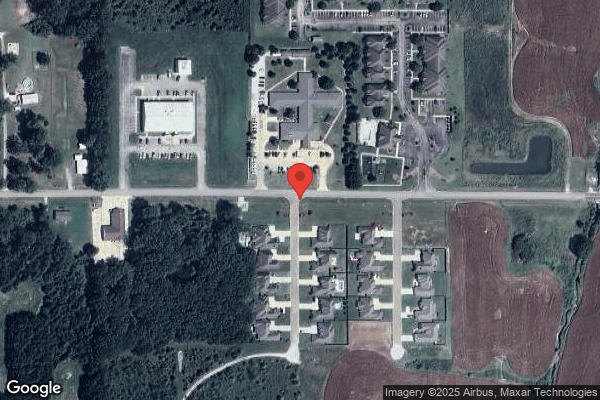

1111 BRATTON ROAD, NEW ALBANY, MS 38652 (662) 539-0502
For profit - Corporation 60 Beds THE BEEBE FAMILY Data: November 2025
Trust Grade
90/100
#25 of 200 in MS
Last Inspection: August 2025

Inspected within the last 6 months. Data reflects current conditions.

Overview

Union County Health and Rehab Center in New Albany, Mississippi has received a Trust Grade of A, indicating it is excellent and highly recommended. It ranks #25 out of 200 facilities in Mississippi, placing it in the top half, and is the best option among two facilities in Union County. The facility is improving, having reduced issues from four in 2024 to just one in 2025. Staffing is a strength, rated 4 out of 5 stars with a 41% turnover rate, which is lower than the state average, indicating that staff tend to stay longer and know the residents well. However, there are concerns as the inspectors noted issues like dirty wheelchairs for multiple residents and a lack of privacy for a resident with a urinary catheter, which raises questions about the facility's attention to cleanliness and dignity. On a positive note, there have been no fines reported, which is a good sign of compliance. Overall, while there are some weaknesses, the facility shows strong staffing and a solid trust grade.

Trust Score
A
90/100
In Mississippi
#25/200
Top 12%
Safety Record
Low Risk
No red flags
Inspections
Getting Better
4 → 1 violations
Staff Stability
○ Average
41% turnover. Near Mississippi's 48% average. Typical for the industry.
Penalties
✓ Good
No fines on record. Clean compliance history, better than most Mississippi facilities.
Skilled Nurses
○ Average
Each resident gets 37 minutes of Registered Nurse (RN) attention daily — about average for Mississippi. RNs are the most trained staff who monitor for health changes.
Violations
○ Average
9 deficiencies on record. Average for a facility this size. Mostly minor or procedural issues.
★★★★★
5.0
Overall Rating
★★★★☆
4.0
Staff Levels
★★☆☆☆
2.0
Care Quality
★★★★★
5.0
Inspection Score
Stable
2024: 4 issues
2025: 1 issues

The Good

  • 4-Star Staffing Rating · Above-average nurse staffing levels
  • Full Sprinkler Coverage · Fire safety systems throughout facility
  • No fines on record
  • Staff turnover below average (41%)

    7 points below Mississippi average of 48%

Facility shows strength in staffing levels, fire safety.

The Bad

Staff Turnover: 41%

Near Mississippi avg (46%)

Typical for the industry

Chain: THE BEEBE FAMILY

Part of a multi-facility chain

Ask about local staffing decisions and management

The Ugly 9 deficiencies on record

Aug 2025 1 deficiency
CONCERN (D)

Potential for Harm - no one hurt, but risky conditions existed

Safe Environment (Tag F0584)

Could have caused harm · This affected 1 resident

**NOTE- TERMS IN BRACKETS HAVE BEEN EDITED TO PROTECT CONFIDENTIALITY** Based on observation, resident and staff interviews, record review and facility policy review, the facility failed to ensure a c...

Read full inspector narrative →
**NOTE- TERMS IN BRACKETS HAVE BEEN EDITED TO PROTECT CONFIDENTIALITY** Based on observation, resident and staff interviews, record review and facility policy review, the facility failed to ensure a clean home-like environment as evidenced by dirty wheelchairs for two (2) of fifty-five residents utilizing wheelchairs. Resident #43 and Resident #53 Findings Include Review of the facility policy titled, “Homelike Environment,” undated, revealed, “Residents are provided with a safe, clean, comfortable, and homelike environment.” An observation and interview on 8/12/2025 at 10:25 AM revealed Resident #43 sitting in a wheelchair with a thick grayish substance and food-like particles on the base of the wheelchair. Resident #43 revealed, I guess they don’t clean it very often, but it sure is dirty. An observation and interview on 8/12/2025 at 10:30 AM revealed Resident #53 sitting in her wheelchair; the spokes and base of the wheelchair have a thick grayish dried substance on it. Resident #53 stated that her wheelchair is dirty, and she didn't know when they last cleaned it. During an interview and observation on 8/13/2025 at 2:00 PM, Certified Nurse Aide (CNA) #1 revealed that the night shift CNAs are responsible for cleaning the wheelchairs. She confirmed that Resident #43 and Resident #53’s wheelchairs were dirty and needed cleaning. An interview on 8/13/2025 at 2:20 PM, Licensed Practical Nurse (LPN) #1 confirmed that the night shift CNAs were responsible for cleaning the residents' wheelchairs. She revealed there was a list that was kept in the nurses' unit that listed which wheelchairs they were responsible for cleaning each night, but she was unsure if the list was still there. During an observation and interview on 8/13/2025 at 2:57 PM, the Director of Nurses (DON) confirmed that Residents #43 and 53’s wheelchairs had thick gray substances and food particles on them and needed cleaning. The DON stated, We talked a while back about cleaning all the wheelchairs. Record review of Resident #43’s “admission Record” revealed the resident was admitted to the facility on [DATE] with medical diagnoses that included Retroperitoneal Fibrosis and Anxiety Disorder. Record review of the Minimum Data Set (MDS) with an Assessment Reference Date (ARD) of April 22, 2025, revealed a Brief Interview for Mental Status (BIMS) score of 13, indicating Resident #43 is cognitively intact. Record review of Resident #53’s “admission Record” revealed the resident was admitted to the facility on [DATE] with medical diagnoses that included Heart Failure, and Type 2 Diabetes Mellitus. Record review of the MDS with an ARD of July 17, 2025, revealed a BIMS score of 13, indicating Resident #53 is cognitively intact.
Aug 2024 4 deficiencies
CONCERN (D)

Potential for Harm - no one hurt, but risky conditions existed

Resident Rights (Tag F0550)

Could have caused harm · This affected 1 resident

Based on observation, staff interview, record review, and facility policy review, the facility failed to promote the dignity of a resident who was observed with a urinary catheter with no privacy bag ...

Read full inspector narrative →
Based on observation, staff interview, record review, and facility policy review, the facility failed to promote the dignity of a resident who was observed with a urinary catheter with no privacy bag for (1) one of (5) five residents with catheters. (Resident #26) Findings include: A review of the facility policy titled, Dignity, dated February 2021, revealed Policy Statement: Each resident shall be cared for in a manner that promotes and enhances his or her sense of well-being, level of satisfaction, with life, and feeling of self-worth and self-esteem Policy Interpretation and Implementation .12. a. Helping the resident to keep urinary catheter bags covered. An observation of Resident #26 from the open doorway of her room on 8/5/24 at 10:10 AM, revealed the resident to have a urinary catheter with no privacy bag hanging on the side of the bed facing the doorway. An observation of Resident #26 on 8/05/24 at 12:00 PM, revealed the door to the room to be open, a catheter bag and catheter drainage tube were observed to contain light yellow colored liquid with no privacy bag in use. An observation of Resident #26 on 8/05/24 at 12:02 PM, with Certified Nurse Assistant (CNA) #2 she confirmed the urine in the catheter bag was visible from the resident's doorway and that there was no privacy bag in use for the catheter. She revealed that it was a dignity issue because the bag with urine was visible from the doorway and stated anyone walking by could see it. Review of the Order Summary Report with active orders as of 8/6/24, revealed an order dated 8/2/24 Urinary Catheter .related to Obstructive and Reflux Uropathy In an interview with Licensed Practical Nurse (LPN) #2 on 8/06/24 at 9:27 AM, she revealed all residents with catheters should have a privacy bag in place to keep others from seeing the urine for the resident's dignity. In an interview with the Infection Preventionist on 8/06/24 at 9:33 AM, she confirmed that Resident #26 should have had a privacy bag covering her catheter bag to promote dignity. Review of the admission Record revealed Resident #26 was admitted by the facility on 7/17/20 with diagnoses that included Obstructive and Reflux Uropathy.
CONCERN (D)

Potential for Harm - no one hurt, but risky conditions existed

Notification of Changes (Tag F0580)

Could have caused harm · This affected 1 resident

Based on staff interview, record review, and facility policy review, the facility failed to notify the physician before holding a resident's long-acting insulin for (1) one of 14 residents reviewed. (...

Read full inspector narrative →
Based on staff interview, record review, and facility policy review, the facility failed to notify the physician before holding a resident's long-acting insulin for (1) one of 14 residents reviewed. (Resident #30) Findings include: Review of the facility policy titled, Change in a Resident's Condition or Status, revised February 2021 revealed Policy Statement: Our facility promptly notifies the attending physician . of changes in the resident's medical/mental condition and/or status Review of the August 2024 Medication Administration Record for Resident #30 revealed Insulin Glargine Solution Pen-Injector 100 unit/milliliters (ml)-Inject 40 units subcutaneously two times a day related to Type 2 Diabetes was not administered on 8/1/24-8/4/24 at 2100 hours (9:00 PM) and 8/5/24 at 0600 hour (6:00 AM). An interview with the Director of Nursing (DON) on 8/07/24 at 9:09 AM, revealed that she spoke with Licensed Practical Nurse (LPN) #4, and she stated that she had held the scheduled insulin Glargine on those days because Resident #30's blood sugars were low and stated she had notified the charge nurse of the blood sugars but did not notify the physician. The DON confirmed that LPN # 4 should not have held the long-acting insulin Glargine without notifying the physician. LPN #4 was not available for an interview during the survey. In an interview with LPN #3 on 8/7/24 at 9:45 AM, she revealed she would notify the physician before holding a scheduled long-acting insulin and stated that the physician would be notified of any changes in the resident's condition. A phone interview with the Nurse Practitioner on 8/7/24 at 10:14 AM, confirmed she was made aware that Resident #30 had recent episodes of low blood sugars at night but confirmed she was not notified that the staff were not giving her long-acting insulin Glargine because of low blood sugars. She revealed the long-acting insulin Glargine would not have affected the low blood sugars, and she should have been notified before holding the insulin because she would have instructed staff not to hold the insulin. Review of the admission Record revealed Resident #30 was admitted by the facility on 3/29/23 with diagnoses that included Type 2 Diabetes Mellitus. Record review of Resident #30's of the Quarterly Minimum Data Set (MDS) with an Assessment Reference Date (ARD) of 7/2/24, Section C revealed a Brief Interview for Mental Status (BIMS) score of 3, indicating the resident was severely cognitively impaired. Section N0350 Insulin Injections : coded received seven injections during the last 7 days.
CONCERN (D)

Potential for Harm - no one hurt, but risky conditions existed

Safe Environment (Tag F0584)

Could have caused harm · This affected 1 resident

**NOTE- TERMS IN BRACKETS HAVE BEEN EDITED TO PROTECT CONFIDENTIALITY** Based on observation, resident, and staff interviews and facility policy review, the facility failed to maintain the building in...

Read full inspector narrative →
**NOTE- TERMS IN BRACKETS HAVE BEEN EDITED TO PROTECT CONFIDENTIALITY** Based on observation, resident, and staff interviews and facility policy review, the facility failed to maintain the building in a safe manner for one (1) of 47 resident rooms observed. (Resident #41). Findings include: Record review of the facility policy titled, Maintenance Service undated, revealed .Policy Interpretation and Implementation 1. The Maintenance Department is responsible for maintaining the buildings, grounds, and equipment in a safe and operable manner at all times . An observation on 8/5/24 at 10:30 AM, of Resident #41's room revealed a 22 inch by 10 inch panel surrounded with a one (1) and one-half (1/2) inch metal frame on the wall that was one (1) inch above the headboard of the resident's bed. A three (3) inch section of the bottom part of the metal frame was noted to be bent and protruding outward from the wall. During an interview on 8/5/24 at 10:32 AM, with Resident #41 stated that the metal frame of the panel had been bent for quite some time, but she could not recall how long. In an interview on 8/5/24 at 10:40 AM, with the Maintenance, he stated that the panel was the door to the sprinkler system controls and that he was not aware that the metal frame was bent. He agreed that the metal frame protruding from the wall was dangerous and could cause an injury to the resident. On 8/5/24 at 11:00 AM, during an interview with Certified Nursing Assistant (CNA) #1, she stated that she did notice that the metal frame of the sprinkler panel was bent, protruding outward from the wall this morning, and she should have notified the Charge Nurse, but she did not. She stated that the bed did have a metal bar to keep the headboard from hitting the wall, but it is only used if the resident has a trapeze bar or equipment that may damage the wall. She denied knowing that the metal bar needed to be down on Resident #41's bed to prevent it from bending the sprinkler panel frame. In an interview on 8/6/24 at 8:45 AM, with the Housekeeper, she stated that she usually cleans Resident 41's room and that she had never noticed the sprinkler panel frame being bent. The Housekeeper also stated that she was not aware of the metal bar on the bottom of the bed that would keep the headboard from hitting the bed, and that no one ever informed her that it needed to be down to prevent Resident 41's headboard from hitting the sprinkler panel frame. During an interview on 8/6/24 at 9:23 AM, the Director of Nursing (DON) stated she was not aware that there was a sprinkler panel located in Resident 41's room or that the metal frame around the panel was bent. She stated she was not aware that the metal bar on the frame of the bed should have been down to prevent the headboard from hitting and bending the sprinkler panel frame. The DON agreed that there was nothing in place to prevent the headboard from bending the metal frame on the sprinkler panel and that it was dangerous and could cause an injury to the resident. Record review of the admission Record revealed Resident #41 was admitted to the facility on [DATE] with diagnoses that included Cerebral Infarct. Record review of the Quarterly Minimum Data Set Assessment (MDS) with an Assessment Reference Date (ARD) of 6/26/24 revealed, Resident 41's Brief Interview for Mental Status (BIMS) score was 12, indicating that she had moderate cognitive impairment.
CONCERN (D)

Potential for Harm - no one hurt, but risky conditions existed

Infection Control (Tag F0880)

Could have caused harm · This affected 1 resident

Based on observation, staff interview, record review, and facility policy review the facility failed to prevent the possibility of the spread of infection as evidenced by a urinary catheter bag and dr...

Read full inspector narrative →
Based on observation, staff interview, record review, and facility policy review the facility failed to prevent the possibility of the spread of infection as evidenced by a urinary catheter bag and drainage tubing laying on the floor for (Resident #26) and failure to perform hand hygiene after handling a urinary catheter bag during wound care for (Resident #38) for (2) two of (7) seven care area observations. Findings include: A review of the facility policy titled, Urinary Tract Infections (Catheter-Associated). Guidelines for Preventing, revised September 2017, revealed Purpose: The purpose of this procedure is to guide guidelines for the prevention of catheter-associated urinary tract infections .Steps in the Procedure . 4. Always practice vigilant hand hygiene and standard precautions when handling catheter systems .6. c. Do not place the drainage bag on the floor . A review of the facility policy titled, Changing a Dressing, undated, revealed Procedure Guideline for Changing a Dressing: 1. Perform hand hygiene .14. Dispose of the gloves and soiled dressing . Perform hand hygiene . Apply clean gloves .16. Dispose of gloves and perform hand hygiene . Resident #26 In an observation of Resident #26 on 8/5/34 at 10:10 AM, the resident was observed to have a urinary catheter hanging on the right side of the bed, with the bottom of the catheter bag and drainage tubing observed sitting on the floor beside the bed. An observation of Resident #26 on 8/05/24 at 12:00 PM revealed a catheter bag and catheter drainage tube to be sitting on the floor. An observation of Resident #26 on 8/05/24 12:02 PM with Certified Nurse Assistant (CNA) #2 confirmed the bag should not be hanging down touching the floor because it was an infection control concern. In an interview with Licensed Practical Nurse (LPN) #2 on 8/06/24 at 9:27 AM revealed that catheters should not be touching the floor because it increases the risk of the transmission of infection. In an interview with the Infection Preventionist on 8/06/24 at 9:33 AM, she confirmed that Resident #26 catheter bag should never be touching the floor because of what might be on the floor and increases the risk of transmission of infection. Review of the admission Record revealed Resident #26 was admitted by the facility on 7/17/20 with diagnoses that included Cerebral Infarction. Resident #38 An observation of wound care for Resident #38 on 8/7/24 at 10:15 AM, with LPN #1 revealed she entered the room, sanitized her hands and applied gloves, she then picked up the resident's catheter bag and sat in on the side of the resident's bed. She then continued setting up the wound supplies on the bedside table on a clean barrier after handling the catheter bag that was laying on the floor. LPN #1 then cleansed Resident #38's wound bed to his sacrum and applied the clean dressing supplies with the same gloves that were placed on her hands when she initially entered the room. In an interview with LPN #1 on 8/7/24 at 10:30 AM, she confirmed she did not perform hand hygiene after handling the catheter bag and cleaning the sacral wound bed. She also confirmed she did not perform hand hygiene before applying the clean dressing to the sacral wound bed. She then revealed by failing to perform hand hygiene, she placed the resident at risk for the transfer of bacteria to the wound and increased the risk for a wound infection. In an interview with the Director of Nursing (DON) on 8/07/24 at 10:32 AM, she confirmed that hand hygiene should have been performed after handling the catheter bag and during wound care. She revealed by not performing proper hand hygiene that it placed the resident at increased risk for infection. Review of the admission Record revealed Resident #38 was admitted by the facility on 9/29/23 with diagnoses of Pressure ulcer of unspecified buttock, unspecified stage and Neuromuscular dysfunction of bladder. Record review of Resident #38's the Minimum Data Set (MDS) with an Assessment Reference Date of 5/07/24, Section C , revealed a Brief Interview for Mental Status (BIMS) score of 15, indicating the resident was severely cognitively impaired Section H0300: was coded Resident #38 had a catheter for last seven days Section M0300 : was coded Resident #38 had one Stage 3 pressure ulcer.
Aug 2023 1 deficiency
CONCERN (D) 📢 Someone Reported This

A family member, employee, or ombudsman was alarmed enough to file a formal complaint

Potential for Harm - no one hurt, but risky conditions existed

Medical Records (Tag F0842)

Could have caused harm · This affected 1 resident

**NOTE- TERMS IN BRACKETS HAVE BEEN EDITED TO PROTECT CONFIDENTIALITY** Based on staff interviews, record review, and facility policy review, the facility failed to maintain accurately documented medi...

Read full inspector narrative →
**NOTE- TERMS IN BRACKETS HAVE BEEN EDITED TO PROTECT CONFIDENTIALITY** Based on staff interviews, record review, and facility policy review, the facility failed to maintain accurately documented medical records on pressure ulcers for one (1) of five (5) residents reviewed. Resident #1. Findings Include: Record review of facility policy titled Charting and Documentation with revision date of July 2017 under Policy Interpretation and Implementation was documented, . 3. Documentation in the medical record will be objective (not opinionated or speculative), complete, and accurate. Record review of Resident #1's Wound Assessment Report for her left heel and right heel with Date of Assessment and Date wound identified documented as 05/22/23. Record review of Wound Assessment Report dated for 05/22/23 and for 06/13/22 also revealed under Wound Type as a Fluid filled blister with bruising. Record review of Resident #1's Wound Assessment Report for left heel and right heel with Date of Assessment and Date wound identified documented as 06/20/23. Record review also revealed under Wound Type as Pressure Ulcer, Unstageable due to suspected deep tissue injury. Record review of Resident #1's Matrix for Providers, provided to this State Agency (SA) on 08/08/23 revealed under Pressure Ulcer(s) that Resident #1 had a Pressure Ulcer that was Present on admission (POA) from the hospital on [DATE]. On 08/09/23 at 9:00 AM, an interview with Registered Nurse (RN) #1, who was also the charge nurse, confirmed that the fluid filled blisters were on Resident #1's bilateral heels when she left for the hospital. She also revealed that they had been providing wound care to these areas prior to her leaving the facility. She also stated, It is my understanding if someone had a fluid filled blister with bruising and you couldn't see anything underneath, it should have been staged as a suspected deep tissue injury to start with. RN #1 confirmed that Resident #1's fluid filled blisters had not opened and they had not been staged prior to leaving for the hospital. On 08/09/23 at 10:30 AM, an interview Registered Nurse (RN) #2, who was the Wound Care Supervisor, confirmed that the wounds were documented as Present on Admission from the hospital because they had worsened while resident was there in the hospital and not in the facility. On 08/09/23 at 3:00 PM, an interview with Director of Nursing (DON), revealed that Resident #1 was being treated for fluid filled blisters on her bilateral heels. She revealed that RN #2, Wound Care Supervisor, typically staged the wounds and she (DON) went by what she said because RN #2 had the training. DON revealed that resident had been sent out to the hospital earlier in the day for other issues besides the wound and that there was no documentation noted where the wounds had been assessed on this date prior to departure to the hospital. DON revealed that the blisters opened while in the hospital and when resident came back, the wounds looked a lot worse. DON confirmed that she knew about the blisters but was not aware of the bruising. She confirmed that this resident had these wounds prior to this hospital stay and confirmed that this should not have been documented to look like they were hospital acquired and that they did not accurately document this information on the medical record. On 08/10/23 at 4:00 PM, an interview with Administrator (ADM), confirmed that they had messed up, that there was a problem with accuracy of the wound documentation. He revealed that they had staff in place who were trained in these areas, and he would make sure they fixed it. Record review of Resident #1's Face Sheet revealed that resident was admitted on [DATE] and readmitted on [DATE] with the following diagnoses to include: Pneumonia, Hypertensive Heart Disease without heart failure, Type 2 Diabetes Mellitus, Alzheimer's Disease, Pain, Age-related physical debility, Pressure-induced Deep Tissue Damage of Right Heel, and Pressure-induced deep tissue Damage of Left Heel. Record review of Resident #1's Electronic Medical Records (EMR) documented that her most recent readmit date was 06/20/23 and documentation reflected that bilateral heels were Pressure-induced Deep Tissue Damage. Record review of Resident #1's Minimum Data Set (MDS) with Assessment Reference Date of 06/26/2023 documented under Section C that resident had Brief Interview for Mental Status (BIMS) Score of 99 which indicated that resident was unable to participate in the interview.
May 2023 3 deficiencies
CONCERN (D)

Potential for Harm - no one hurt, but risky conditions existed

Deficiency F0583 (Tag F0583)

Could have caused harm · This affected 1 resident

Based on observation, staff and resident interview, and facility policy review, the facility failed to provide privacy to a resident during incontinent care as evidenced by failure to close the window...

Read full inspector narrative →
Based on observation, staff and resident interview, and facility policy review, the facility failed to provide privacy to a resident during incontinent care as evidenced by failure to close the window blinds for one (1) of three (3) residents observed for incontinent care. Resident #31 Findings include: Record review of the facility Procedural Guideline for Performing Perineal Care for a Female Patient, revealed, .#4 Provide privacy . An observation on 05/02/23 at 1:13 PM, revealed Certified Nursing Assistant (CNA) #1 provided incontinent care to Resident #31 and failed to close the window blinds on the large window in the resident's room to provide privacy to the resident. The observation revealed a large open area outside of the resident's window with a walkway and a busy parking lot present outside of the window. An interview on 05/02/23 at 1:25 PM. with CNA #1 revealed that she pulled the privacy curtain to provide privacy from the door but forgot to close the window blinds for privacy at the window and stated, I was in a hurry and just didn't do it. An interview on 5/3/23 at 8:35 AM, with Resident #31 revealed that she did not know the window blind was open when they did her care, but it should have been closed where nobody would see her that might be walking by outside. An interview on 5/3/23 at 11:20 AM, with the Director of Nursing (DON) revealed the blinds should have been closed to provide privacy in case anyone was outside. Record review of the in-service forms revealed CNA #1 attended an in-service/check off on perineal care and catheter care on 4/26/23, which included providing privacy. Review of the facility Face Sheet for Resident #31 revealed an admission date of 5/27/22 with diagnoses that included Epilepsy, Heart Failure, and Anemia. Review of Section C of the significant change Minimum Data Set (MDS) with an Assessment Reference Date (ARD) of 2/27/23 revealed a Brief Interview for Mental Status (BIMS) score of seven (7) which indicated Resident #31 had severely impaired cognition.
CONCERN (D)

Potential for Harm - no one hurt, but risky conditions existed

Comprehensive Care Plan (Tag F0656)

Could have caused harm · This affected 1 resident

Based on observation, staff interview, record review and facility policy review the facility failed to implement the care plan related to the proper handling of a catheter bag for one (1) of thirteen ...

Read full inspector narrative →
Based on observation, staff interview, record review and facility policy review the facility failed to implement the care plan related to the proper handling of a catheter bag for one (1) of thirteen (13) care plans reviewed. Resident #15 Findings include: Review of the facility policy titled, Using the Care Plan, revealed the care plan shall be used in developing the resident's daily care routines and will be available to staff personnel who have responsibility for providing care or services to the resident. Record review of the Care Plan with a problem onset date of 2/2/23 revealed, Problem/Need: Potential for urinary tract infection related to presence of indwelling catheter . Approaches: . Position catheter tubing and urine collection bag below level of bladder . On 05/02/23 at 3:20 PM, an observation of catheter and incontinent care for Resident #15 revealed the resident up in her wheelchair and was transferred to the bed by Certified Nursing Assistants (CNA) #2 and CNA #3 with a sit to stand lift. The observation revealed that CNA #3 removed the resident's catheter bag from the privacy cover and handed it to CNA #2 who held the urinary catheter bag at chest level to the resident during the transfer, then moved the urinary catheter bag to the arm/hand support area of the lift before finally placing the catheter bag on the lower bed rail after the resident was in bed. An interview on 05/02/23 at 3:40 PM, with CNA #2 revealed they should always hang the catheter bag on the bed and keep it below the bladder and stated that holding the bag too high can cause a urinary tract infection. CNA #2 confirmed that she had attended an in-service on incontinent care within the past year. An interview on 05/03/2023 at 11:15 AM. with the DON revealed the CNAs know they are supposed to keep the catheter bag below the bladder to prevent backflow and stated that this could cause a urinary tract infection. She confirmed that it is the only catheter they have in the building and these two CNAs don't normally take care of this resident, but all CNA's should know to keep the catheter bag below the bladder. An interview on 5/04/23 at 10:00 AM, with the Director of Nurses (DON) confirmed the care plan had not been followed if the resident's catheter bag had been held above the level of the bladder. Review of the facility Face Sheet for Resident #15 revealed a readmission date of 2/02/23 with diagnoses that included Obstructive Uropathy, and Hypertensive Heart Disease without Heart Failure. Review of Section C of the Minimum Data Set (MDS) with an Assessment Reference Date (ARD) of 2/9/23 revealed a Brief Interview for Mental Status score of 15 which indicated Resident #15 was cognitively intact.
CONCERN (D)

Potential for Harm - no one hurt, but risky conditions existed

Infection Control (Tag F0880)

Could have caused harm · This affected 1 resident

Based on observation, staff interview, record review and facility policy review the facility failed to prevent the possibility of the spread of infection by failure to perform hand hygiene during inco...

Read full inspector narrative →
Based on observation, staff interview, record review and facility policy review the facility failed to prevent the possibility of the spread of infection by failure to perform hand hygiene during incontinent care for one (1) of three (3) residents observed for incontinent care. Resident #15 Findings include: Review of the in-service education titled, Procedural Guidelines for Providing Catheter Care, revealed under #1. Perform hand hygiene and under #19. Dispose of all contaminated supplies in the appropriate receptacles. remove your gloves and perform hand hygiene. On 05/02/23 at 3:20 PM, an observation of catheter care and incontinent care for Resident #15 revealed Certified Nursing Assistant (CNA) #3 proceeded to perform catheter care and incontinent care and did not change her gloves during the procedure. After placing a clean brief on the resident, CNA #3 removed her gloves, adjusted the resident's shirt, and bed linens, placed a wedge under the resident's legs, adjusted her own glasses, and then handled the bed control and call light before washing her hands. An interview on 05/02/23 at 3:45 PM with CNA #3 confirmed she should have washed her hands when she took her gloves off because it could spread germs. Record review revealed CNA #3 had attended a check off/ in-service on perineal care and catheter care on 4/25/23. Review of the facility Face Sheet for Resident #15 revealed a readmission date of 2/02/23 with diagnoses that include Displaced bimalleolar fracture left lower leg, Obstructive Uropathy, and Hypertensive Heart Disease without Heart Failure.
Understanding Severity Codes (click to expand)
Life-Threatening (Immediate Jeopardy)
J - Isolated K - Pattern L - Widespread
Actual Harm
G - Isolated H - Pattern I - Widespread
Potential for Harm
D - Isolated E - Pattern F - Widespread
No Harm (Minor)
A - Isolated B - Pattern C - Widespread

Questions to Ask on Your Visit

  • "Can I speak with families of current residents?"
  • "What's your RN coverage like on weekends and overnight?"

Our Honest Assessment

Strengths
  • • Grade A (90/100). Above average facility, better than most options in Mississippi.
  • • No major safety red flags. No abuse findings, life-threatening violations, or SFF status.
  • • No fines on record. Clean compliance history, better than most Mississippi facilities.
  • • 41% turnover. Below Mississippi's 48% average. Good staff retention means consistent care.
Concerns
  • • No significant concerns identified. This facility shows no red flags across CMS ratings, staff turnover, or federal penalties.
Bottom line: Generally positive indicators. Standard due diligence and a personal visit recommended.

About This Facility

What is Union Co Health And Rehab Center, Inc's CMS Rating?

CMS assigns UNION CO HEALTH AND REHAB CENTER, INC an overall rating of 5 out of 5 stars, which is considered much above average nationally. Within Mississippi, this rating places the facility higher than 99% of the state's 100 nursing homes. This rating reflects solid performance across the metrics CMS uses to evaluate nursing home quality.

How is Union Co Health And Rehab Center, Inc Staffed?

CMS rates UNION CO HEALTH AND REHAB CENTER, INC's staffing level at 4 out of 5 stars, which is above average compared to other nursing homes. Staff turnover is 41%, compared to the Mississippi average of 46%. This relatively stable workforce can support continuity of care.

What Have Inspectors Found at Union Co Health And Rehab Center, Inc?

State health inspectors documented 9 deficiencies at UNION CO HEALTH AND REHAB CENTER, INC during 2023 to 2025. These included: 9 with potential for harm.

Who Owns and Operates Union Co Health And Rehab Center, Inc?

UNION CO HEALTH AND REHAB CENTER, INC is owned by a for-profit company. For-profit facilities operate as businesses with obligations to shareholders or private owners. The facility is operated by THE BEEBE FAMILY, a chain that manages multiple nursing homes. With 60 certified beds and approximately 51 residents (about 85% occupancy), it is a smaller facility located in NEW ALBANY, Mississippi.

How Does Union Co Health And Rehab Center, Inc Compare to Other Mississippi Nursing Homes?

Compared to the 100 nursing homes in Mississippi, UNION CO HEALTH AND REHAB CENTER, INC's overall rating (5 stars) is above the state average of 2.6, staff turnover (41%) is near the state average of 46%, and health inspection rating (5 stars) is much above the national benchmark.

What Should Families Ask When Visiting Union Co Health And Rehab Center, Inc?

Based on this facility's data, families visiting should ask: "Can I visit during a mealtime to observe dining assistance and food quality?" "How do you handle medical emergencies, and what is your hospital transfer rate?" "Can I speak with family members of current residents about their experience?"

Is Union Co Health And Rehab Center, Inc Safe?

Based on CMS inspection data, UNION CO HEALTH AND REHAB CENTER, INC has a clean safety record: no substantiated abuse findings (meaning no confirmed cases of resident harm), no Immediate Jeopardy citations (the most serious violation level indicating risk of serious injury or death), and is not on the Special Focus Facility watch list (a federal program monitoring the lowest-performing 1% of nursing homes). The facility has a 5-star overall rating and ranks #1 of 100 nursing homes in Mississippi. While no facility is perfect, families should still ask about staff-to-resident ratios and recent inspection results during their visit.

Do Nurses at Union Co Health And Rehab Center, Inc Stick Around?

UNION CO HEALTH AND REHAB CENTER, INC has a staff turnover rate of 41%, which is about average for Mississippi nursing homes (state average: 46%). Moderate turnover is common in nursing homes, but families should still ask about staff tenure and how the facility maintains care continuity when employees leave.

Was Union Co Health And Rehab Center, Inc Ever Fined?

UNION CO HEALTH AND REHAB CENTER, INC has no federal fines on record. CMS issues fines when nursing homes fail to meet care standards or don't correct problems found during inspections. The absence of fines suggests the facility has either maintained compliance or corrected any issues before penalties were assessed. This is a positive indicator, though families should still review recent inspection reports for the full picture.

Is Union Co Health And Rehab Center, Inc on Any Federal Watch List?

UNION CO HEALTH AND REHAB CENTER, INC is not on any federal watch list. The most significant is the Special Focus Facility (SFF) program, which identifies the bottom 1% of nursing homes nationally based on persistent, serious quality problems. Not being on this list means the facility has avoided the pattern of deficiencies that triggers enhanced federal oversight. This is a positive indicator, though families should still review the facility's inspection history directly.