PLAZA COMMUNITY LIVING CENTER
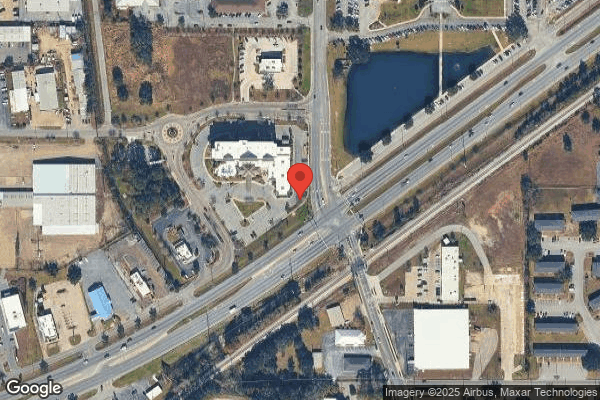
4403 HOSPITAL ROAD, PASCAGOULA, MS 39581 (228) 762-8960
For profit - Corporation 100 Beds COMMUNITY ELDERCARE SERVICES Data: November 2025
Trust Grade
5/100
#180 of 200 in MS
Last Inspection: January 2025

Within standard 12-15 month inspection cycle. Federal law requires annual inspections.

Overview

Plaza Community Living Center has received a Trust Grade of F, indicating significant concerns about the facility’s quality of care. They rank #180 out of 200 nursing homes in Mississippi, placing them in the bottom half of facilities in the state, and #4 out of 6 in Jackson County, meaning only two local options are worse. Although the facility is showing some improvement, with a decrease in reported issues from 11 in 2023 to 7 in 2025, there are still serious staffing concerns. The facility has a staffing rating of 3 out of 5, which is average, but a turnover rate of 57% suggests instability among staff. They have incurred fines totaling $79,580, which is concerning and indicates potential compliance problems. Additionally, while they have good RN coverage above 84% of state facilities, there have been serious incidents, including failure to provide adequate staffing for the needs of residents and not implementing individualized care plans for some residents. In one case, a resident reported not receiving timely incontinence care, which is a critical aspect of their well-being. Overall, while there are some strengths, the weaknesses and concerning incidents warrant careful consideration for families researching this facility.

Trust Score
F
5/100
In Mississippi
#180/200
Bottom 10%
Safety Record
High Risk
Review needed
Inspections
Getting Better
11 → 7 violations
Staff Stability
⚠ Watch
57% turnover. Above average. Higher turnover means staff may not know residents' routines.
Penalties
✓ Good
$79,580 in fines. Lower than most Mississippi facilities. Relatively clean record.
Skilled Nurses
○ Average
Each resident gets 41 minutes of Registered Nurse (RN) attention daily — about average for Mississippi. RNs are the most trained staff who monitor for health changes.
Violations
⚠ Watch
22 deficiencies on record. Higher than average. Multiple issues found across inspections.
★☆☆☆☆
1.0
Overall Rating
★★★☆☆
3.0
Staff Levels
★☆☆☆☆
1.0
Care Quality
★★☆☆☆
2.0
Inspection Score
Stable
2023: 11 issues
2025: 7 issues

The Good

  • Full Sprinkler Coverage · Fire safety systems throughout facility
  • No fines on record

Facility shows strength in fire safety.

The Bad

1-Star Overall Rating

Below Mississippi average (2.6)

Significant quality concerns identified by CMS

Staff Turnover: 57%

11pts above Mississippi avg (46%)

Frequent staff changes - ask about care continuity

Federal Fines: $79,580

Well above median ($33,413)

Moderate penalties - review what triggered them

Chain: COMMUNITY ELDERCARE SERVICES

Part of a multi-facility chain

Ask about local staffing decisions and management

Staff turnover is elevated (57%)

9 points above Mississippi average of 48%

The Ugly 22 deficiencies on record

4 actual harm
Jan 2025 7 deficiencies
CONCERN (D) 📢 Someone Reported This

A family member, employee, or ombudsman was alarmed enough to file a formal complaint

Potential for Harm - no one hurt, but risky conditions existed

Abuse Prevention Policies (Tag F0607)

Could have caused harm · This affected 1 resident

Based on interviews, record review, and facility policy review the facility failed to implement their policy related to abuse, as evidenced by not reporting an allegation of abuse by Resident #54 in a...

Read full inspector narrative →
Based on interviews, record review, and facility policy review the facility failed to implement their policy related to abuse, as evidenced by not reporting an allegation of abuse by Resident #54 in a timely manner and allowing an accused staff member to work during the investigation process and not completing a thorough investigation regarding an altercation between Resident#48 and Resident #62 for three (3) of 20 sampled residents. Findings include: A record review of the facility's policy Abuse, Neglect, Exploitation or Misappropriation- Reporting and Investigation with reviewed date 10/2022 revealed, . All reports of resident abuse (including injuries of unknown origin), neglect, exploitation, or theft/misappropriation of resident property are reported to local, state, and federal agencies (as required by current regulations) and thoroughly investigated by facility management. Findings of all investigations are documented and reported . Reporting Allegations to the Administrator and Authorities . 3. Immediately is defined as: a. within two hours of an allegation involving abuse or result in serious bodily injury; or b. within 24 hours of an allegation that does not involve abuse or result in serious bodily injury . Investigating Allegations 1. All allegations are thoroughly investigated. The administrator initiates investigations . 6. Any employee who has been accused of resident abuse is placed on leave with no resident contact until the investigation is complete. 7. The individual conducting the investigation as a minimum: c. observed the alleged victim, including his or her interaction with staff and other residents; . e. interviews any witnesses to the incident; . h. interviews staff members (on all shifts) who have had contact with the resident during the period of the alleged incident; . j. interviews other residents to whom the accused employee provides care or services, k. reviews all events leading up to the alleged incident, and l. documents the investigation completely and thoroughly. 8. The following guidelines are used when conducting interviews: . d. Witness statements are obtained in writing, signed, and dated. The witness may write his/her statement, or the investigator may obtain a statement . Follow -Up Report 1. Within five (5) business days of the incident, the administrator will provide a follow-up investigation report. 2. The follow-up investigation report will provide sufficient information to describe the results of the investigation, and indicate any corrective actions taken if the allegations were verified . Corrective Actions . 3. Any allegations of abuse are filed in the accused employee's personnel record along with any statement by the employee disputing the allegation, if the employee chooses to make one . Resident #48 and Resident #62 Altercation Record review of the facility's investigation dated 11/2/24 revealed Resident #62 and Resident #48 were involved in an altercation in the dining room. Resident #62, who was assisting with handing out clothing protectors, was punched by Resident #48 when he attempted to place a clothing protector on him. In response, Resident #62 hit Resident #48 back, and both residents fell to the floor. A dietary aide witnessed the incident, reported it to the nurse's station, and both residents were separated. Resident #62 sustained scratches to his face and neck, while Resident #48 had no noted injuries. The physician, Director of Nursing (DON), and Administrator were notified. Interventions included instructing staff to prevent Resident #62 from distributing clothing protectors in the dining room and referring Resident #48 to the in-house psychiatric Nurse Practitioner. On 01/07/25 at 02:00 PM, during an interview with the Administrator when she presented the final report of the Facility Reported Incident (FRI), she explained that is the final report that she submitted to the Attorney General Office (AGO) and to the State Agency (SA). She confirmed the report consisted of her final typed report and the two (2) statements obtained regarding the incident. She confirmed there were no other statements or interviews obtained from any other witnesses, to include who separated the residents and any other residents who may have witnessed the altercation. She confirmed body audits and incident reports were completed for both residents via the residents' nurses. She confirmed no other staff or residents were interviewed regarding the altercation except the ones mentioned in the report, that included Resident #26, Dietary Aide #4, and RN #4. She stated that she felt she completed the investigation. A record review of the admission Record revealed Resident #48 was admitted by the facility on 05/07/20 with the diagnoses including Hemiplegia and Hemiparesis Following Cerebral Infarction. A record review of the Quarterly Minimum Data Set (MDS) with an Assessment Reference Date (ARD) of 10/09/24 revealed Resident #48 had a Brief Interview for Mental Status (BIMS) score of 15, which indicated he was cognitively intact. A record review of the admission Record revealed Resident #62 was admitted by the facility 1/26/22 with diagnoses including Unspecified Dementia. A record review of the Quarterly MDS with an ARD of 12/11/24 revealed Resident #62 had a BIMS score of 7 which indicated severely cognitively impaired. Resident #54 Allegation of Abuse On 01/06/25 at 02:20 PM, during an interview with Resident #54, she reported on Friday around 2 PM she had a Certified Nurse Aide (CNA) tell her that she wasn't going to put her back to bed and she would have to wait on the next shift to put her back to bed. She went to the nurse's station and complained about wanting to go to bed. The CNA did come back and put her to bed but while doing so the CNA whirled her around fast and made her cry. She stated she had not reported this to the Director of Nursing (DON) or the Administrator yet. She was so upset on Friday she could not tell anyone. The resident's roommate (unsampled resident #1) reported she heard the CNA on Friday tell Resident #54 she had to wait for the next shift. On 01/06/25 at 02:53 PM, during an interview in Resident #54's room with the DON and Administrator, she explained to both the incident that occurred on Friday in which the CNA told her that she was not going to put her back to bed and she would have to wait on next shift and about her quickly turning her around in her wheelchair. Both the DON and Administrator confirmed that they did not know anything about the issue and assured the resident to report any concerns to them right away. The DON and Administrator reported they will start their investigation regarding Resident #54's complaint. On 01/07/25 at 02:05 PM, during an interview with the Administrator, she stated she did not report the allegation to anyone because she did not feel it was abuse or neglect due to the CNA did put resident to bed before she left work on Friday and there were no problems. She reported she was not aware of the requirements to report any allegations of abuse if it was just allegations. She thought it had to be reported if the abuse was substantiated, and the abuse was not substantiated at this time, but the investigation continues. On 01/07/25 at 03:00 PM, during an interview with the DON, she confirmed she obtained the statements from both CNAs and the CNAs denied the allegations. She reported since Resident #54 was put to bed on Friday and changed, there was no need to suspend the CNA from working. A review of the facility's policy Abuse-Investigation was reviewed with the DON, she confirmed the policy indicates that allegations of abuse should be reported within two hours of an allegation involving abuse and that any employee who has been accused of resident abuse is placed on leave with no resident contact until the investigation is complete. The DON reported she is still doing more interviews and investigations regarding the allegations and the final report is not completed. On 01/08/25 at 10:30 AM, during an interview with CNA #4, she denied any abuse toward the resident, but confirmed she has been working this current week since 1/6/2025 at the facility on day shift. On 01/09/25 at 04:00 PM, during an interview with the Administrator and the DON, they both confirmed the investigation regarding Resident #54 is almost complete and the facility has five (5) days to send the final report. A review of the facility's policy with the Administrator and the DON, they both confirmed the facility policy explained any witnesses of the allegations should be interviewed and/or a statement given. The policy revealed the accused worker should be suspended while the investigation continues and should not have any resident care. Both confirmed the CNA continued to work and the allegation of abuse was not reported within two (2) hours. The Administrator reported she thought since the CNAs denied the allegations, there was no need to suspend or to report within two (2) hours because there was no abuse. A record review of the facility's assignment logs for days 01/03/25, 01/06/25, 01/07/25, and 01/08/25 confirmed CNA #4 worked and had resident assignments. A record review of the admission Record revealed Resident #54 was admitted by the facility on 8/03/24 with current diagnoses including Cerebral Palsy. A record review of the Quarterly MDS with an ARD of 11/13/24 revealed Resident #54 had a BIMS score of 14, which indicted she was cognitively intact.
CONCERN (D)

Potential for Harm - no one hurt, but risky conditions existed

Food Safety (Tag F0812)

Could have caused harm · This affected 1 resident

Based on observation, staff interview, record review, and facility policy review, the facility failed to discard expired food items from the refrigerator, remove opened, exposed, and unlabeled food it...

Read full inspector narrative →
Based on observation, staff interview, record review, and facility policy review, the facility failed to discard expired food items from the refrigerator, remove opened, exposed, and unlabeled food items from freezer, and ensure dietary staff wore a hair restraint while plating food for two (2) of three (3) observations. Findings included: A review of the facility's policy, Personal Hygiene, revised 1/18/2019, revealed, Objective: Participants will learn what guidelines for personal hygiene are needed to promote a safe and sanitary Food and Nutrition Services department .3. Head Covering Worn .Hair must be appropriately restrained or completely covered. Beards, mustaches, or any body hair that may be exposed .must be covered . A review of the facility's policy, Labeling and Dating for Safe Storage of Food, revised 3/6/2020, revealed, .All products should be dated upon receipt . All products should be dated when opened . Use Use-By dates on all food once opened and stored under refrigeration . Expiration dates supersede storage guide . On 1/6/2025 at 10:43 AM, during an observation and interview with the Dietary Manager (DM), there was one (1) container of mayonnaise with a manufacturer's use-by date of November 2024 and (1) bag of shredded lettuce with a use-by date of 12/24/2024 in Refrigerator #1. In Freezer #2, there was (1) opened, exposed, and uncovered pie shell undated, (1) opened exposed, and unlabeled bag of corn on the cob, (1) opened, exposed, and unlabeled bag of biscuits, and (1) opened, exposed, and unlabeled bag of cinnamon rolls. The DM confirmed the mayonnaise and shredded lettuce were expired and there were opened and exposed food items in the freezer. She expressed that she had reminded the kitchen staff to date and label opened food items in the freezer. On 1/8/2025 at 10:46 AM, during an interview, the Registered Dietitian (RD) revealed that kitchen staff receive monthly in-services, with the last one held in December 2024. Topics covered during monthly in-services included pest control, resident rights, sanitation, gloves, cleaning, and labeling and dating food in refrigerators. The RD stated the expectation for kitchen staff is to work as a team, prepare food per guidelines, maintain sanitation, and follow instructions. On 1/8/2025 at 11:34 AM, during an observation, Dietary #2 (Kitchen Aide) was plating food and preparing trays and was not wearing a hair restraint on his beard. On 1/8/2025 at 1:03 PM, during an interview, the DM stated that in-services for kitchen staff are held every other month and as needed. The DM noted the last in-service, held in December 2024, covered topics such as equipment upkeep and gloves. An in-service in October 2024 included topics on hair nets and beard guards. The DM emphasized that staff are expected to follow guidelines, rules, and apply the information from in-services. On 1/8/2025 at 2:27 PM, during a follow-up interview, the DM confirmed Dietary #2 had prepared resident's plates at the steam table for lunch and was not wearing a hair restraint for his beard as required. She commented that she has had to remind dietary staff to wear hair restraints. On 1/9/2025 at 4:20 PM, during a phone interview, Dietary #2 confirmed he had received in-service training on hair restraints but could not recall the dates. He stated he typically washes dishes but plated food on 1/8/2025 because another worker called in. The dishwasher acknowledged the importance of wearing hairnets and beard guards to prevent hair from getting into residents' food. On 1/9/2025 at 4:30 PM, during an interview, the Administrator acknowledged she was aware of the findings in the dietary department. The Administrator stated her expectations included following guidelines to prepare foods in a manner that prevents illness and ensures food is appealing to residents. A record review of dietary in-service records dated 7/24/2024 and 12/18/24 revealed the dietary staff received training regarding covering labeling, dating, and wearing hair restraints.
CONCERN (D)

Potential for Harm - no one hurt, but risky conditions existed

Infection Control (Tag F0880)

Could have caused harm · This affected 1 resident

Based on observation, interview, and facility policy review, the facility failed to prevent the possible spread of infection when a Certified Nurse Aide (CNA) placed soiled linens on the floor of a re...

Read full inspector narrative →
Based on observation, interview, and facility policy review, the facility failed to prevent the possible spread of infection when a Certified Nurse Aide (CNA) placed soiled linens on the floor of a resident's room and against her clothes for one (1) of four (4) days. Findings included: A review of the facility's policy titled Laundry and Bedding-Soiled, dated October 22, 2008, revealed, .Soiled laundry/bedding shall be handled in a manner that prevents gross microbial contamination of the air and persons handling the linen . On 1/7/2025 at 3:45 PM, during an interview and observation, there was a strong urine odor at the South Front Hall. While walking past Room S7, soiled linen was observed placed on the floor beside the bed. CNA #1 was in the room and explained the soiled linen should not have been placed there and stated that she knew better. CNA #1 picked up the soiled linens from the floor, placing them directly against her clothing on her body, before putting them on the bare mattress of the resident's bed. She further explained that she should have placed the soiled linens in a bag because they should not be on the floor. CNA #1 retrieved a plastic bag, placed the soiled linen in the bag, and took it to the soiled linen room. On 1/8/2025 at 9:45 AM, during an interview, Registered Nurse (RN) #1/Infection Preventionist, stated she expected staff to use a bag to place soiled linen in and to avoid placing linen on the floor or against their body. On 1/9/2025 at 10:05 AM, during an interview, the Director of Nursing (DON) explained her expectations for staff to follow infection control guidelines and policies to prevent infections. She stated staff are educated to bring clean linen into rooms using trash bags and use the same bags to collect and transport dirty linen immediately to the soiled linen room. She emphasized that no dirty linen or trash bags should be placed directly on the floor or against staff's bodies to prevent the spread of infection.
CONCERN (E)

Potential for Harm - no one hurt, but risky conditions existed

Safe Environment (Tag F0584)

Could have caused harm · This affected multiple residents

Based on observation, staff and resident interviews, record review, and facility policy review, the facility failed to ensure residents' rights for a clean, sanitary, and home-like environment as evid...

Read full inspector narrative →
Based on observation, staff and resident interviews, record review, and facility policy review, the facility failed to ensure residents' rights for a clean, sanitary, and home-like environment as evidenced by resident rooms with holes in the walls and leaks in the ceilings in the dining room and hallways for one (1) of four (4) days of survey. Findings included: A review of the facility's policy titled Resident Rights, dated 11/23/2016, revealed, It is the policy of this facility to promote the rights of residents residing in this facility .Procedure .3. The facility will make every effort to provide residents a homelike environment . On 1/6/2025 at 10:30 AM, during an observation, water was dripping from the roof in the main dining room. A large puddle of water was observed on the floor with a wet floor sign placed over it. On 1/6/2025 at 10:40 AM, during an observation in Room South-8, a hole the size of a large ball was noted in the sheetrock, filled with pieces of cardboard. Resident #11 On 1/6/2025 at 10:45 AM, during an interview, Resident #11 confirmed the water was dripping from the roof and stated it had rained the day before. The resident noted that leaks typically occurred in the hallway near the nurses' station on both the north and south wings. The resident added that staff usually placed barrels in these areas to catch the water. Record review of the Minimum Data Set (MDS) with an Assessment Reference Date (ARD) of 10/16/24 revealed Resident #11 had a Brief Interview for Mental Status (BIMS) score of 15 indicating the resident was cognitively intact. Resident #26 On 1/6/2025 at 10:50 AM, during an interview, Resident #26, who was sitting in the main dining room, confirmed that leaks occurred in various parts of the facility when it rained. The resident stated that repair work had been done in the past, but the leaks persisted, with new areas leaking unpredictably. Record review of the MDS with an ARD of 11/6/24 revealed Resident #26 had a BIMS score of 15 indicating the resident was cognitively intact. Resident #35 On 1/6/2025 at 10:50 AM, during an interview, Resident #35 confirmed the ceiling was leaking in the dining room. The resident said the ceiling leaked in multiple areas when it rained, and staff typically placed wet floor signs and barrels to address the issue. Record review of the MDS with an ARD of 1/23/24 revealed Resident #35 had a BIMS score of 14 indicating the resident was cognitively intact. On 1/6/2025 at 11:00 AM, during an interview, Housekeeper #1 stated he was instructed to document environmental problems in the maintenance log at the nurses' station. He mopped up water on the dining room floor and noted that while the dining room rarely leaked, the north and south hallways leaked frequently during rain. Resident #67 On 1/6/2025 at 11:30 AM, during an interview, Resident #67 confirmed the roof leaked near the nurses' station on the north and south halls. The resident stated that repairmen had patched the roof multiple times, but the leaks shifted to other areas. The resident expressed frustration, saying the entire roof needed to be fixed. On 1/6/2025 at 11:31 AM, during an observation in Room North-1, a large open area was noted around the wall-mounted air conditioning unit, allowing visibility to the outside. Record review of the MDS with an ARD of 11/27/24 revealed Resident #67 had a BIMS score of 15 indicating the resident was cognitively intact. Resident #43 On 1/6/2025 at 12:05 PM, during an interview, Resident #43 expressed concern that animals, such as snakes, could enter the room through the gap. Record review of the MDS with an ARD of 12/13/24 revealed Resident #43 had a BIMS score of 12 indicating the resident had moderate cognitive impairment. On 1/9/2025 at 1:00 PM, during an interview, the Maintenance Director confirmed roof leaks in the north and south halls and acknowledged being unaware of the dining room leak. He noted that patches and silicone coatings had been applied to the roof, but the flat design caused water to shift to other areas. The Maintenance Director also confirmed awareness of paint chips and holes in the walls but had not received maintenance slips for the affected rooms. On 1/9/2025 at 3:45 PM, during an interview, the Administrator confirmed awareness of roof leaks in the north and south halls but stated she was unaware of the dining room leak. The Administrator explained that corporate consultants communicated with the roofing company, and repairs were limited to specific areas based on budget constraints.
CONCERN (E) 📢 Someone Reported This

A family member, employee, or ombudsman was alarmed enough to file a formal complaint

Potential for Harm - no one hurt, but risky conditions existed

Free from Abuse/Neglect (Tag F0600)

Could have caused harm · This affected multiple residents

Based on observation, interview, record review, and facility policy review, the facility failed to protect residents' right to be free from physical abuse when Resident #62 received scratches to his n...

Read full inspector narrative →
Based on observation, interview, record review, and facility policy review, the facility failed to protect residents' right to be free from physical abuse when Resident #62 received scratches to his neck and face in an altercation with Resident #48 and Resident #41 received a hematoma to her head during an altercation with Resident #78 for four (4) of 20 sampled residents. Findings included: A review of the facility's Abuse, Neglect, Exploitation, and Misappropriation Prevention Program, updated October 2022, revealed, Residents have the right to be free from abuse, neglect, misappropriation of property, and exploitation. This includes but is not limited to freedom from corporal punishment, involuntary seclusion, verbal, mental, sexual or physical abuse, and physical or chemical restraint not required to treat the resident's symptoms. Resident #48 and Resident #62 Altercation Record review of the facility's investigation dated 11/2/24 revealed Resident #62 and Resident #48 were involved in an altercation in the dining room. Resident #62, who was assisting with handing out clothing protectors, was punched by Resident #48 when he attempted to place a clothing protector on him. In response, Resident #62 hit Resident #48 back, and both residents fell to the floor. A dietary aide witnessed the incident, reported it to Registered Nurse (RN) #4 and both residents were separated. Resident #62 sustained scratches to his face and neck, while Resident #48 had no noted injuries. The physician, Director of Nursing (DON), and Administrator were notified. Interventions included instructing staff to prevent Resident #62 from distributing clothing protectors in the dining room and referring Resident #48 to the in-house psychiatric Nurse Practitioner. During an observation on 1/6/2025 at 10:50 AM, Resident #48 was noted sitting in his wheelchair in his room. Resident #48, who has expressive aphasia, communicated with head nods. During an interview on 01/06/2025 at 11:00 AM, Registered Nurse (RN) #3 explained that Resident #48 can talk but may not want to communicate because he cannot speak clearly. RN #3 reported she did not recall many details about the night Resident #48 and Resident #62 were involved in an altercation in the dining room. She noted both residents have a history of other altercations, which usually occurred due to Resident #62 wandering into rooms. RN #3 added that Resident #48 had hit Resident #62 previously when Resident #62 wandered into his room. During an observation and interview on 01/08/2025 at 09:30 AM, Resident #48 was observed sitting in his wheelchair in his room. When asked if he could answer yes or no questions, the resident nodded yes. When asked if he remembered the altercation in the dining room with Resident #62, the resident nodded yes. When asked if he and Resident #62 had previous issues, he nodded yes. When asked if he was upset about the clothing protector, he nodded no. When asked if he became upset when he saw it was Resident #62, he nodded yes. When asked if he landed on the floor during the incident, he nodded yes. When asked if he was hurt, he nodded no. When asked if he had punched Resident #62 before, he nodded yes. When asked if this occurred when Resident #62 came into his room, he nodded yes. When asked if he had any further altercations with Resident #62 since the dining room incident, he nodded no. When asked if everything was better now, he nodded yes and smiled. During an interview on 01/08/2025 at 12:15 PM, Dietary Aide #4 confirmed she provided a witness statement for the incident between Resident #48 and Resident #62. She stated the incident occurred around 5:20 PM as the dining room trays are typically distributed starting at 5:25 PM. She was at the kitchen window and saw Resident #62 walking around placing clothing protectors on other residents. Resident #48 was seated at the back table. When Resident #62 attempted to place a clothing protector on Resident #48, Resident #48 punched Resident #62, who punched him back, leading to a tussle. Dietary Aide #4 stated she told other kitchen staff the residents were fighting and then saw Resident #48 fall from his wheelchair to the floor. She immediately sought help from a nurse and Certified Nursing Assistant (CNA). She stated that residents were temporarily prohibited from being in the dining room without staff for about a week after the incident, but that policy was not maintained because residents would often gather unsupervised in the hallways instead. During a phone interview on 01/08/2025 at 05:40 PM, RN #5 stated she did not witness the incident between Resident #48 and Resident #62. She explained that Dietary Aide #4 informed her about the altercation. While walking down the hall, she encountered RN #4, who was with Resident #62. RN #4 informed her that Resident #62 had been fighting with another resident. RN #5 then escorted Resident #62 to his room and completed a body audit. She observed scratches on Resident #62's neck and face, noting that the scratches were superficial and required only first aid. RN #5 stated she completed the incident report for Resident #62, while RN #3 completed the incident report for Resident #48. She also confirmed she notified the Administrator and Director of Nursing (DON) about the incident. During a interview on 01/09/2025 at 03:50 PM, the Administrator stated that on the night of the incident, she was notified, and the Registered Nurses (RNs) completed the incident reports. She used the incident reports and statements from RN #4 and Dietary Aide #4 to complete her final report. She explained that she does not know if any other residents were present in the dining room at the time of the incident, except for Resident #26, whose interview was included in one of the incident reports. She acknowledged there were no staff in the dining room at the time of the altercation, as they were busy assisting other residents to the dining room. She confirmed interventions implemented included informing Resident #62 that he could no longer distribute clothing protectors and instructing staff not to allow him to pass out the clothing protectors. A record review of progress notes dated 6/3/2024 at 5:45 PM revealed that Resident #48 and Resident #62 had a prior altercation. The progress notes stated, This writer was walking the hallway and noticed a wheelchair flipped up in the room. Upon entering the room, the resident was noted sitting in his wheelchair, and another male resident was on the floor underneath Resident #48's wheelchair. Both residents were exchanging punches and holding each other's shirts. When asked how the altercation occurred, Resident #48 stated, He came in my room, and I asked him to get out and he wouldn't and got smart with me. When asked, Who struck who first? Resident #48 admitted to striking the other resident first. Both residents were separated by this writer and two other staff members and assessed for injuries. Upon assessment, Resident #48 was noted to have two small scratches on his left cheek. The areas were cleaned and left open to air. The family, physician, Director of Nursing (DON), and Administrator were notified of the incident. A record review of the admission Record revealed the facility admitted Resident #48 on 05/07/20 with the diagnoses including Hemiplegia And Hemiparesis Following Cerebral Infarction. A record review of the Quarterly MDS with an ARD of 10/09/24 revealed Resident #48 had a Brief Interview for Mental Status (BIMS) score of 15, which indicated he was cognitively intact. A record review of Resident's Physical Aggression Initiated report dated 11/02/24 prepared by RN #3 revealed . I did not witness event. I was told by resident 48 and resident #62, that Resident #62 put on the clothing protector. Resident #62 put it on Resident #48 took it off then resident #48 hit Resident #62 in the gut, Resident #62 returned hit to Resident #48 in the torso . Nursing supervisor notified by RN #5. Residents were separated . no injuries observed at time of incident . No statements found . A record review of the admission Record revealed the facility admitted Resident #62 on 01/26/22 with the diagnoses including Unspecified Dementia. A record review of the Quarterly MDS with an ARD of 12/11/24 revealed Resident #62 had a BIMS score of 7 which indicated he was severely cognitively impaired. A record review of Resident's Physical Aggression Initiated report dated 11/02/24 prepared by RN #3 revealed . I did not witness event. I was told by resident #48 and Resident #26, that Resident #62 put bib on Resident #48 took it off then Resident #48 hit Resident #62 in the gut, Resident #62 returned hit to Resident #48 torso . Nursing supervisor notified by RN #5, residents were separated . no injuries observed at time of incident . No statements found . Resident #41 and Resident #78 Altercation On 1/7/2025 at 5:15 PM, during an observation, several residents were standing in the hallway near the main dining room without staff supervision. Residents were overheard using profanity, and Resident #78 was observed hitting Resident #41 with her walker, knocking her to the floor. Staff intervened and separated the residents. A record review of the facility's incident reports dated 1/7/2025 revealed Resident #41 sustained a hematoma to the back of her head and was sent to the emergency room for evaluation. Resident #78 denied hitting Resident #41 with her walker and reported no injuries. A record review of the admission Record revealed the facility admitted Resident #41 on 3/21/2023 with diagnoses including Chronic Obstructive Pulmonary Disease. A record review of the Quarterly Minimum Data Set (MDS) with an assessment Reference Date (ARD) of 11/20/2024 revealed Resident #41 had a Brief Interview for Mental Status (BIMS) score of three (3), indicating severe cognitive impairment. A record review of the admission Record revealed the facility admitted Resident #78 on 3/22/2023 with diagnoses including Dementia. A record review of the Quarterly MDS with an ARD of 10/24/2024 revealed Resident #78 had a BIMS score of seven (7), indicating severe cognitive impairment.
CONCERN (E) 📢 Someone Reported This

A family member, employee, or ombudsman was alarmed enough to file a formal complaint

Potential for Harm - no one hurt, but risky conditions existed

Accident Prevention (Tag F0689)

Could have caused harm · This affected multiple residents

**NOTE- TERMS IN BRACKETS HAVE BEEN EDITED TO PROTECT CONFIDENTIALITY** Based on observation, interviews, record review, and the facility policy review the facility failed to provide adequate supervis...

Read full inspector narrative →
**NOTE- TERMS IN BRACKETS HAVE BEEN EDITED TO PROTECT CONFIDENTIALITY** Based on observation, interviews, record review, and the facility policy review the facility failed to provide adequate supervision to prevent resident-on-resident altercations between Resident #62 and Resident #48 and between Resident #41 and Resident #78 for four (4) of 22 sampled residents. Findings included: Resident #48 and Resident #62 Record review of the facility's investigation dated 11/2/24 revealed Resident #62 and Resident #48 were involved in an altercation in the dining room. Resident #62, who was assisting with handing out clothing protectors, was punched by Resident #48 when he attempted to place a clothing protector on him. In response, Resident #62 hit Resident #48 back, and both residents fell to the floor. A dietary aide witnessed the incident, reported it to Registered Nurse (RN) #4 and both residents were separated. Resident #62 sustained scratches to his face and neck, while Resident #48 had no noted injuries. The physician, Director of Nursing (DON), and Administrator were notified. Interventions included instructing staff to prevent Resident #62 from distributing clothing protectors in the dining room and referring Resident #48 to the in-house psychiatric Nurse Practitioner. On 01/06/2025 at 11:51 AM, during an observation in the dining room, Resident #26 was placing clothing protectors on other residents without staff present. On 01/07/2025 at 02:20 PM, during an interview, Resident #26 confirmed he witnessed the altercation between Residents #62 and #48. He stated that no staff were present in the dining room at the time and that it was common for the dining room to be unsupervised. On 01/08/2025 at 12:15 PM, during an interview, Dietary Aide #4 stated she observed the altercation between Residents #62 and #48 on 11/2/24 from the kitchen window and sought help from a nurse and Certified Nursing Assistant (CNA). She confirmed there were no staff in the dining room at the time. Dietary Aide #4 added that after the incident, residents were temporarily prohibited from being in the dining room without staff, but this restriction was not maintained. A record review of the admission Record revealed Resident #62 was admitted by the facility on 01/26/2022 with diagnoses including Unspecified Dementia and Psychotic Disorder. A record review of the Minimum Data Set (MDS), with an Assessment Reference Date (ARD) of 12/11/2024 revealed Resident #62 had a Brief Interview for Mental Status (BIMS) score of seven (7), indicating severe cognitive impairment. A record review of the admission Record revealed Resident #48 was admitted by the facility on 05/07/2020 with diagnoses including Hemiplegia and Aphasia. A record review of the MDS with an ARD of 10/09/2024 revealed a BIMS score of 15, indicating the resident was cognitively intact. Resident #41 and Resident #78 On 01/07/2025 at 03:00 PM, during an observation there was an altercation between Resident #78 and Resident #41 near the exit door for smoking, which is near the dining room. No staff were present at the time of the incident. Record review of the facility's, Incident Report, dated 01/07/25 revealed Resident #41 was walking in the hallway next to the kitchen when another resident called this resident a (expletive) this resident then called the other resident a (expletive) and then proceeded to slap the other resident in the face. Both residents began pushing each other when the Resident #78 pushed Resident #41 with her wheelchair, knocking Resident #41 to the floor where she hit the back of her head. The staff immediately intervened and assessed the resident for injury. Resident #41 noted to have quarter sized hematoma to the back of her head. Charge nurse took Resident #41's vital signs, and the Medical Director and family was notified the resident was sent to the local emergency room for an evaluation. A record review of Resident #41's admission Record revealed the resident was admitted on [DATE] with diagnoses including Chronic Obstructive Pulmonary Disease and Major Depressive Disorder. A record review of Resident #41's MDS dated [DATE] revealed a BIMS score of (3), indicating severe cognitive impairment. A record review of Resident #78's admission Record revealed the resident was admitted on [DATE] with a diagnosis of Unspecified Dementia. A record review of Resident #78's MDS dated [DATE] revealed a BIMS score of seven (7), indicating severe cognitive impairment.
MINOR (C)

Minor Issue - procedural, no safety impact

Assessment Accuracy (Tag F0641)

Minor procedural issue · This affected most or all residents

Based on observation, staff interview, and record review, the facility failed to accurately code Minimum Data Set (MDS) assessments when bedrails that were used as an enabler were coded as physical re...

Read full inspector narrative →
Based on observation, staff interview, and record review, the facility failed to accurately code Minimum Data Set (MDS) assessments when bedrails that were used as an enabler were coded as physical restraints on the MDS for three (3) of 20 sampled residents. (Residents #14, #73, and #43). Findings included: The facility did not provide a policy addressing MDS discrepancies. Resident #14 On 1/6/2025 at 10:40 AM, during an observation, Resident #14 was noted to have 1/2 bedrails at the top of the bed, but they were not raised at the time of observation. A record review of the admission Record revealed the facility admitted Resident #14 on 9/14/2022 with diagnoses including Epilepsy and Hemiplegia. A record review of the Quarterly MDS with an Assessment Reference Date (ARD) of 11/6/2024 revealed in Section P of the MDS that Resident #14 had a bedrail used as a physical restraint. A record review of the Side Rail Evaluation, dated 10/17/24, revealed Resident #14 had expressed a desire to have bed rails raised while in bed for safety and comfort and to help turn in bed. Further review revealed that the resident used the bed rails for positioning or support and to help the resident rise from a supine position to a sitting/standing position. The evaluation indicated in the Summary of Findings that bilateral rails were used due to the residents' request and served as an enabler to promote independence. Resident #73 On 1/7/2025 at 10:22 AM, during an observation, Resident #73's bed was noted to have 1/4 bed positioning enablers at the head of the bed on both sides. A record review of the admission Record revealed the facility admitted Resident #73 on 6/25/2024 with diagnoses including Acquired Absence of Right and Left Leg Above Knee. A record review of the MDS with an ARD of 12/25/2024 revealed Resident #73 had a Brief Interview for Mental Status (BIMS) score of 15, which indicated the resident was cognitively intact. The MDS indicated in Section P the resident had a bedrail used as a physical restraint. A record review of the Side Rail Evaluation, dated 10/17/24, revealed Resident #73 had expressed a desire for use of bed rails. The evaluation indicated in the Summary of Findings that bilateral rails were used due to the residents' request and served as an enabler to promote independence. Resident #43 On 1/7/2025 at 10:25 AM, during an observation, Resident #43's bed was noted to have 1/4 bed positioning enablers at the head of the bed on both sides. A record review of the admission Record revealed the facility admitted Resident #43 on 8/30/2024 with diagnoses including Metabolic Encephalopathy. A record review of the Quarterly MDS with an ARD of 12/6/2024 revealed Resident #43 had a BIMS score of 12, which indicated moderate cognitive impairment. The MDS noted in Section P that bedrail usage was less than daily. A record review of the Side Rail Evaluation, dated 10/17/24, for Resident #43 indicated in the Summary of Findings that bilateral rails were used due to the residents' request and served as an enabler to promote independence. On 1/9/2025 at 1:42 PM, during an interview, Licensed Practical Nurse (LPN) #2 acknowledged the residents were miscoded for having a physical restraint because the residents used the rails as enablers. LPN #2 stated she was responsible for ensuring the accuracy of the MDS prior to submission. She explained the purpose of the MDS is to document services provided for insurance purposes and stated she would learn from this mistake and improve. On 1/9/2025 at 1:47 PM, during an interview, the Director of Nursing (DON) acknowledged the residents' MDS assessments were miscoded for having physical restraints related to bedrails. The DON stated it was the responsibility of the MDS nurse to ensure the MDS is coded correctly prior to submission. She explained that the purpose of correct MDS coding is for accurate billing and data representation. The DON stated she expected the MDS nurse to gather data and verify accuracy. On 1/9/2025 at 1:52 PM, during an interview, the Administrator acknowledged there was an MDS discrepancy related to bed rails being coded as a physical restraint. The Administrator stated the purpose of the MDS was to ensure the facility accurately reflects what is being done for the resident. She stated her expectation is that the MDS nurse carefully verifies information before submission and seeks clarification when necessary.
May 2023 11 deficiencies 4 Harm
SERIOUS (G)

Actual Harm - a resident was hurt due to facility failures

Comprehensive Care Plan (Tag F0656)

A resident was harmed · This affected 1 resident

**NOTE- TERMS IN BRACKETS HAVE BEEN EDITED TO PROTECT CONFIDENTIALITY** Based on interviews, record review and facility policy review the facility failed to develop and/or implement an individualized ...

Read full inspector narrative →
**NOTE- TERMS IN BRACKETS HAVE BEEN EDITED TO PROTECT CONFIDENTIALITY** Based on interviews, record review and facility policy review the facility failed to develop and/or implement an individualized person-centered care plan for two (2) of 22 care plans reviewed. Resident's #7 and #25 Findings include: A record review of the facility's policy Using the Care Plan with no date revealed, . It is the policy of this facility that the care plan be used in developing the resident's daily care routines . 3. Changes in the resident's condition should be reported to the MDS (Minimum Data Set) assessment coordinator and or nurse supervisor so that a review of the resident's assessment and care plan can be made. 4. Daily care and documentation should be consistent with the resident's care plan. A record review of the facility's policy Care Plan-Comprehensive with no date revealed, . It is the policy of this facility to develop comprehensive care plan for each resident that includes measurable objectives and timetables to meet the resident's medical, nursing, and psychological needs. Procedure . 4. Care plans are revised as changes in the resident's condition dictates . Resident #7 A record review of Resident #7's admission Record revealed an admission date of 08/10/18 and a readmission date of 12/13/22, with diagnosis of Functional Quadriplegia, Type 2 Diabetes Mellitus, and Expressive Language Disorder. On 05/21/23 at 12:45 PM, in an interview and observation with the spouse/Resident Representative (RR) of Resident #7, she revealed when she arrived at the facility today, the resident was double briefed and saturated in urine. The RR had just completed the resident's care and was able to reveal the saturated briefs that had been removed. The spouse explained that during her visits, she had often noted that the resident had been wearing double briefs that were saturated in urine and she was concerned that this could possibly cause the resident to develop another urinary tract infection (UTI). The spouse explained Resident #7 had been hospitalized several times due being septic related to a UTI, with the last UTI being diagnosed and treated in May. Record review of the Care Plan revealed that the resident is incontinent of bowel and bladder and the resident's risk for septicemia will be minimized/prevented by recognition and treatment of symptoms of UTI. Review of the interventions revealed an intervention to check for incontinence and provide peri care as needed. On 05/23/23 at 03:10 PM, during an interview with the Director of Nursing (DON), she explained she expects staff to assist residents when residents request and to provide care every two (2) hours and to follow the resident's plan of care. Resident #25 A record review of Resident #25's admission Record revealed the facility admitted Resident #25 initially on 09/16/16 and readmitted on [DATE] with the diagnoses of Hemiplegia and Hemiparesis Following Cerebral Infarction Affecting Left Non-Dominant Side, Type 2 Diabetes Mellitus with Diabetic Neuropathy, Unspecified, and Tobacco Use. A record review of Resident #25's Quarterly Minimum Data Set (MDS) with an Assessment Reference Date (ARD) of 4/13/23 revealed a Brief Interview for Mental Status (BIMS) Score of 15, which indicated cognitively intact. Further review of the MDS revealed Resident #25 is frequently incontinent of urine and always incontinent of bowel and requires two (2) person assist for personal hygiene. On 05/21/23 at 12:07 PM, Resident #25 observed lying in bed with head of bed elevated, resident's lunch tray on tray table and resident not eating very much. Resident #25 reported at 10:00 AM, she informed the CNA that she needed assistance with being changed to a clean brief due to having a bowel movement (BM), but the CNA did not come back, and she had not been changed at the time of this interview. Resident's lunch tray was on the table. Resident confirmed that she was served her lunch tray and had to eat her lunch while sitting in bowel. A strong foul odor was present while talking to the resident. Resident #25 reported somedays it may take hours before she gets changed. On 05/21/23 at 12:40 PM, observed incontinent care of Resident #25 provided by CNA #1 and CNA #3. Prior to care, observed large loose watery diarrhea leaking through Resident #25's brief and on the incontinent pad. Observed the loose diarrhea from top of Resident #25's pubic hair, in-between thighs, and entire buttocks with moderate excoriated redness noted to entire buttocks, sacrum, thighs. Resident #25 was crying during entire incontinent care and saying it hurts so bad. A record review of Resident #25's Comprehensive Care Plan revealed care plans for bladder and bowel incontinence with target dates of 02/19/23 with goals . I will remain free from skin breakdown due to incontinence and brief use through the review date . and . I will have less than two episodes of incontinence per day through the review date . with interventions . Clean peri-area with each incontinence episode . incontinent: check Q (every) shift and as required for incontinence . check resident every two hours and assist with toileting . On 05/23/23 at 03:00 PM, during an interview with the Director of Nursing (DON), she explained it is not acceptable for a resident to have to lay in a soiled dirty brief with BM while eating lunch or any other time for a long period of time. She explained she expects staff to assist residents when residents request and to provide care every two (2) hours and follow the resident's care plan.
SERIOUS (G)

Actual Harm - a resident was hurt due to facility failures

ADL Care (Tag F0677)

A resident was harmed · This affected 1 resident

Based on observation, interviews, record review, and facility policy review, the facility failed to ensure a resident who was dependent on staff for incontinence care received those services for one (...

Read full inspector narrative →
Based on observation, interviews, record review, and facility policy review, the facility failed to ensure a resident who was dependent on staff for incontinence care received those services for one (1) of five (5) residents reviewed for incontinence care. Resident #25. Findings Include: A review of the facility's policy Routine Resident Checks, dated 6/1/2000, revealed, .It is the policy of this facility to make routine resident checks to assure that the resident's safety and wellbeing are maintained. Procedure 1. To ensure the safety and well-being of our residents, a resident check will be made every two (2) hours by nursing service personnel . On 05/21/23 at 12:07 PM, in an interview and observation with Resident #25, she reported that at 10:00 AM this morning, she informed a Certified Nurse Aide (CNA) that she needed to be changed because she had a bowel movement. She stated the CNA did not come back, and she still had not been changed and she had to eat her lunch meal while sitting in a soiled brief. There was a strong, foul odor in the resident's room. During an observation and interview on 05/21/23 at 12:20 PM, CNA #1 entered the resident's room and explained she arrived to work today around 10:00 AM and was assigned Resident #25. CNA #1 said that she answered Resident #25's call light around 10:00 AM, but the resident had only asked who her aide was, and did not mention that she had a bowel movement or that she needed to be changed. She said that she explained to the resident that she was starting her rounds at the beginning of the hall and working her way back to her. Resident #25 insisted that she did tell someone that she needed to be changed and that she could have told another CNA. On 05/21/23 at 12:40 PM, during an observation of incontinence care with CNA #1 and CNA #3, Resident #25 was wearing a brief that was saturated with loose feces that had leaked through the brief and onto the incontinence pad. Her buttocks, thighs, and sacrum were red and excoriated and she was crying and stated that she was hurting. On 05/22/23 at 02:15 PM, during an interview with Registered Nurse (RN) #2, she explained Resident #25 did tell her at 9:00 AM on 5/21/23 that she needed to see an aide and she told Resident #25 that she would get someone, but she did not see any CNAs and she went on to pass out breakfast trays. She said the resident did not express why she needed assistance and she did not ask the resident what she needed. She confirmed that she told Resident #25 to be patient and the CNAs would be on the way and that Resident #25 asked again to see an aide and she told her to use the call light and give it 15 minutes to see if they arrive. On 05/22/23 at 02:22 PM, during an interview with CNA #1, she reported that she answered the call light for Resident #25 when she first arrived at 10:00 AM, but Resident #25 only asked her who her aide was, and she did not specify what she needed, and she (CNA #1) did not ask the resident what she needed. She stated that she did not provide any care for Resident #25 on 05/21/23 until 12:20 PM. On 05/22/23 at 02:45 PM, during an interview with CNA #2, she stated that she was unaware that Resident #25 needed to be changed. CNA #2 confirmed that she did not complete rounds or provide care to Resident #25 while she was at the facility on 5/21/23. On 05/22/23 at 03:00 PM, during an interview CNA #3, she confirmed she was working on 05/21/23 day shift and she never assisted or provided care for Resident #25 until she assisted CNA #1 with incontinence care around 12:30 PM. On 05/23/23 at 09:10 AM, in an observation and interview with CNA #1, Resident #25 had an opened, excoriated area to her left buttock and left abdominal fold. CNA#1 reported that the areas are new. Resident #25 said the new open areas appeared after being left in a soiled brief on 05/21/23 and she had a new Physician's Order for cream to those areas. On 05/23/23 at 09:25 AM, during an interview with RN #3, she confirmed Resident #25 had new opened areas to her buttocks and abdominal fold and the nurse practitioner had written new orders for cream for moisture-associated areas on 05/22/23. On 05/23/23 at 03:00 PM, during an interview with the Medical Director, he explained he was aware of the concerns with resident care, and he expected all residents to be provided with care and assistance as needed. On 05/23/23 at 03:10 PM, during an interview with the Director of Nursing (DON), she explained that she expected staff to assist residents and to provide care every two (2) hours. On 05/23/23 at 3:30 PM, during an interview with the Administrator, she explained she expected staff to complete care every two (2) hours. A record review of the admission Record revealed the facility admitted Resident #25 on 8/24/17 and she had diagnoses including Hemiplegia and Hemiparesis Following Cerebral Infarction Affecting Left Non-Dominant Side and Type 2 Diabetes Mellitus. A record review of the Quarterly Minimum Data Set (MDS) with an Assessment Reference Date (ARD) of 4/13/23 revealed Resident #25 had a Brief Interview for Mental Status (BIMS) score of 15, which indicated she was cognitively intact. Further review revealed she required extensive assistance with toilet use and was always incontinent of bowel. A record review of the Order Summary Report with Active Orders As Of: 05/25/23, revealed Resident #25 had a Physician's Order, dated 05/22/23, to Cleanse MASD (moisture associated skin damage) to bilateral buttocks with mild soap and water, pat dry, apply barrier cream with zinc .two times a day for MASD wound care. A record review of the facility's document Task . Schedule for May 2023 ., revealed on 05/21/23, there was no documentation that Resident #25 received any care during the day shift hours of 7:00 AM through 3:00 PM.
SERIOUS (G)

Actual Harm - a resident was hurt due to facility failures

Quality of Care (Tag F0684)

A resident was harmed · This affected 1 resident

**NOTE- TERMS IN BRACKETS HAVE BEEN EDITED TO PROTECT CONFIDENTIALITY** Based on observation, interviews, record reviews and facility's policy review the facility failed to administer intravenous (IV)...

Read full inspector narrative →
**NOTE- TERMS IN BRACKETS HAVE BEEN EDITED TO PROTECT CONFIDENTIALITY** Based on observation, interviews, record reviews and facility's policy review the facility failed to administer intravenous (IV) antibiotics per Physician's Orders for one (1) of two (2) Residents reviewed for hospitalization. Resident #35. Findings Include: A record review of the facility's policy admission Criteria with a review date of 4/25/23 revealed .Our facility admits only residents whose medical and nursing care needs can be met. Policy Interpretation and Implementation 1. The objectives of our admission criteria policy are to: . b. admit residents who can be cared for adequately by the facility . 7. Some examples of nursing/medical needs that can be met adequately include a. medication management . A record review of the facility's policy Physician's Orders, dated 4/13/2021, revealed, .Physician's orders are carried out unless the nurse or other licensed personnel believe the order to be in accurate, efficacious, or contraindicated . On 05/23/23 at 04:00 PM, during a phone interview with the Resident Representative (RR) for Resident #35, she explained that she was the resident's wife and that the resident had been transferred to the hospital the other night due to behaviors. She stated he was admitted to the hospital because he had another infection. A record review of the Order Recap Report, revealed Resident #35 had a Physician's Order, dated 5/2/23, for Vancomycin HCl Intravenous (IV) Solution .one time a day for Infection for 3 Days. The Order status was Completed with an End Date of 5/6/23. There was a Physician's Order, dated 5/8/23, for Telephone call to (Proper Name of Physician). Informed him that resident missed his last dose of Vancomycin 1500 milligrams (mg), IV due to IV not functioning. Order to not restart IV but observe resident and be attentive to any labs. Resident #35 also had a Physician's Order, dated 5/21/23, to Send to ER (Emergency Room) for eval (evaluation) and tx (treatment) r/t (related to) combative and delusional behavior. A record review of Resident #35's Medication Administration Record (MAR) for 05/01/23 through 05/31/23 revealed Vancomycin HCL Intravenous Solution 1500 mg intravenously one time a day for infection for 3 days with a start date of 5/3/23. The MAR revealed that on 5/3/23 and 5/5/23 there was an entry coded as 9 which indicated the medication was not administered. On 5/4/23 there was a checkmark recorded which indicated the medication was administered. A record review of the Progress Notes for Resident #35 revealed a Health Status Note, dated 5/3/23, Resident returned from the hospital .DX (Diagnoses) acute encephalopathy, sepsis, hypothermia .Will be receiving IV Vanc (Vancomycin) QD (every day) x (times) 3 more days . A review of the Medication Administration Note, dated 5/4/2023 at 0127 (1:27 AM) revealed, .Vancomycin HCl Intravenous Solution .Med n order. A review of a Medication Administration note, dated 5/5/23, revealed .IV not given .IV will not infuse. A review of a Health Status Note, dated 5/21/23, revealed .Resident became physically combative .Received order to send to .ER . On 05/24/23 at 07:00 AM, during a phone interview with Licensed Practical Nurse (LPN) #6, she explained that when a MAR entry is coded as 9, it meant the medication was not administered and the nurse had to enter a reason and it would automatically record a medication administration note in the (electronic) chart. She stated she did not administer the medication on 5/3/23 and had entered med n order for the reason because that is what she was told to do by management if a medication was not available. LPN #6 said that on 05/04/23, she documented that the Vancomycin was administered on the MAR, but that was an error, and she did not administer it because an RN must administer IV medications. She confirmed that Resident #35 did not receive IV Vancomycin on 05/03/23 or 05/04/23 and that all three (3) doses were in the medication room on 05/05/23 when she left the facility after her shift at 07:00 AM. On 05/24/23 at 02:30 PM, during an interview with LPN #4, she explained she was working on 05/05/23, which was the last day that Resident #35 was scheduled to receive IV antibiotic medications. She stated that she informed the Assistant Director of Nursing (ADON) that Resident #35 had received not one dose of the IV medications. She reported the ADON went to administer the antibiotic, but she could not get the medication to infuse, and she thought the ADON was going to call the physician about the issue. LPN #4 said that on 5/21/23, Resident #35 had behaviors and had to be sent to the emergency department. She commented that He was probably still septic due to not receiving the antibiotics as ordered. On 05/24/23 at 03:25 PM, during an interview with the ADON, she explained that she could not get the IV to work and she thought RN #1 had phoned the physician about Resident #35 missing his last dose of antibiotics. The ADON was unable to explain why there was no documentation related to notifying the physician of the IV medication not being administered until 5/8/23, which was three (3) days after she became aware on 5/5/23 that the IV was not functioning. The ADON reported she was new at her job and denied that she had been told by LPN #4 that Resident #35 had missed all three doses of his IV antibiotics. On 05/24/23 at 03:40 PM, during an interview with RN #1, she explained that on 5/5/23, which was the last day Resident #35 was scheduled to receive IV antibiotics, the ADON asked her to assess the IV line. She stated that she tried to flush the line and it would not flush, so she returned to her medication cart because she had to take care of her assigned residents. She said that she did not chart anything about the IV and did not notify the physician that the IV was not functioning. RN #1 confirmed that she did not administer any IV medications to Resident #35. On 05/25/23 at 2:00 PM, during an interview with the Director of Nursing (DON), she explained she was not aware Resident #35 had missed all three doses of IV antibiotics after he had returned to the facility from the hospital. She explained that she expected the ADON to notify the physician as soon as she was aware the resident had missed the medication. She explained with Resident #35 missing all three doses of the antibiotic, he would still have an infection and could become septic, which could cause behavioral issues and confusion. On 05/25/23 at 2:30 PM, during an interview with the Administrator, she explained she would expect the ADON to notify the DON, the physician, and the family member when a resident missed a medication. 05/25/23 at 03:00 PM, during an interview with the Medical Director, he explained he was not aware that Resident #35 was readmitted to the hospital on [DATE] and confirmed that the missing three (3) doses of IV antibiotic medications could have caused sepsis and behavioral issues. A record review of the admission Record revealed the facility admitted Resident #35 on 5/02/23 and he had diagnoses including Pneumonia and Dementia. Record review of the Packing Slip, dated 05/02/23, revealed RX (Prescription) number 81824434 for Vancomycin Inj (Injection) was received by the facility for Resident #35. A record review of the ED (Emergency Department) Provider Notes, dated 5/21/23 revealed, .complaints of altered mental status aggressive behavior and hallucinations .I see that he is been admitted in the recent past for similar and he was with apparent sepsis .Diagnoses . Acute UTI (urinary tract infection) and Acute encephalopathy .
SERIOUS (H) 📢 Someone Reported This

A family member, employee, or ombudsman was alarmed enough to file a formal complaint

Actual Harm - a resident was hurt due to facility failures

Deficiency F0725 (Tag F0725)

A resident was harmed · This affected multiple residents

Based on observation, interviews, record reviews, and facility policy review, the facility failed to ensure there were sufficient staff to meet the needs of residents for one (1) of two (2) Units in t...

Read full inspector narrative →
Based on observation, interviews, record reviews, and facility policy review, the facility failed to ensure there were sufficient staff to meet the needs of residents for one (1) of two (2) Units in the facility, the South Wing. This deficient practice had the potential to affect 55 residents who reside on the South Wing. Findings include: Review of the facility's policy, Staffing, revised October 2017, revealed, .Our facility provides sufficient numbers of staff with the skills and competency necessary to provide care and services for all residents in accordance with resident care plans and the facility assessment. Policy Interpretation and Implementation .2. Staffing numbers .of direct care staff are determined by the needs of the residents based on each resident's plan of care .Direct care staffing information per day .is submitted to the CMS (Centers for Medicare and Medicaid Services) payroll-based journal (PBJ) .no less than once a quarter A record review of the PBJ Staffing Data Report for October 1 through December 31, 2022, revealed Excessively Low Weekend Staffing was triggered which meant the data submitted by the facility indicated that weekend staffing data was excessively low. A record review of the facility's floor plan revealed the South Wing consists of resident rooms 1-34. During an interview on 5/21/23 at 11:15 AM, with CNA #2, she said she started her shift at 7:00 AM and had to leave at 11:30 AM. CNA #2 said she was assigned to the South Wing, Rooms 1-8. She confirmed she did not provide care to rooms 24-34 because there were only two (2) CNAs assigned to the South Wing, and she could not get to those residents. She said that CNA #1 had come in at 10:00 AM to care for the residents in rooms 24-34 on the South Wing. On 05/21/23 at 12:20 PM, during an observation and interview with Resident #25, there was a strong, foul odor in the room. Resident #25 explained that she had a bowel movement around 10:00 AM, but no one had come to change her. She said that she had told a Certified Nurse Aide (CNA) that she needed assistance, but the CNA did not come back to clean her up. Resident #25 said she had to eat lunch while sitting in her dirty brief. Resident #25 also commented that the staff do not like for her to use her call light because they say they are short of staff and don't have time to answer the light. On 5/21/23 at 12:30 PM, in an interview with Certified Nurse Aide (CNA) #3, she stated that there were two (2) CNAs working on South Wing. On 5/21/23 at 12:35 PM, in an interview with CNA #1, she explained she was called in around 10:00 AM and was assigned to the South Wing. CNA #1 said she answered Resident #25's call light when she came in at 10:00 AM and told the resident that she was starting her rounds at the beginning of the hall and would work her way back to her. On 05/21/23 at 12:40 PM, during an observation with CNA #1 and CNA #3 revealed Resident #25 had a large, loose bowel movement that had saturated and leaked through her brief onto the incontinence pad on the bed. The resident's buttocks, sacrum, and thighs had red discoloration and excoriation. The resident was crying and complaining of pain during care. A record review of the admission Record revealed the facility admitted Resident #25 on 8/24/17 and she had diagnoses including Hemiplegia and Hemiparesis Following Cerebral Infarction Affecting Left Non-Dominant Side and Type 2 Diabetes Mellitus. A record review of the Quarterly Minimum Data Set (MDS) with an Assessment Reference Date (ARD) of 4/13/23 revealed Resident #25 had a Brief Interview for Mental Status (BIMS) score of 15, which indicated she was cognitively intact. Further review revealed she required extensive assistance with toilet use and was always incontinent of bowel. During an interview on 5/23/23 at 10:00 AM with the Activity Director, she confirmed that she usually worked a double shift as a CNA twice a week due to low staffing. During an interview on 5/24/23 at 3:30 PM, with Staff Development Registered Nurse (RN) #1, she stated that the facility had been short of staff for a while. RN #1 said that 35 of the 55 residents on the South Wing required extensive assistance and would require five (5) or six (6) CNAs to meet those residents' needs adequately. RN #1 also said she was aware that the facility only had three (3) CNAs scheduled for Sunday 5/21/23 on day shift on the South Wing. RN #1 said she tried to ask people to work extra or work a double shift and was unsuccessful. RN #1 confirmed that it would be impossible for two (2) CNAs to meet the needs of 55 residents. During an interview on 5/24/23 at 4:00 PM, with the Director of Nursing (DON) and the Administrator, they confirmed the facility was short of staff. The Administrator said that the facility is unionized, and the union dictates the pay and the amount of time that staff can work. The Administrator commented that new employees go to work down the street to make more money. The Administrator stated that she had talked with the corporate office to make them aware of the staffing concerns and the facility had discussed bonus pay for new hires. She said the facility currently hired contract workers through the facility and not through outside contract workers. The Administrator said she did not know that only three (3) CNAs were scheduled to work the South Wing on 5/21/23 and that staffing shortages were discussed during daily stand-up meetings. The DON confirmed that she was aware there were three (3) CNAs scheduled for Sunday, but she thought some of the staff might stay over to assist, and she thought RN #1 would call and let her know if the facility was short-staffed. She said she would have called in the admission nurse, office staff, or would have come in herself to cover staffing if she had known. The DON confirmed she has had to pull the office staff to work as CNAs to provide care. During an interview on 5/25/23 at 3:00 PM with the Medical Director (MD), he said he was aware the facility was short of staff, however, he was not aware that the facility was extremely short of staff until today (5/25/23) and he had talked to the Administrator about it. Record Review of the Facility Assessment Tool, undated, revealed there was no information completed for Part 1: Our Resident Profile to include information regarding resident census, diseases/conditions, physical and cognitive disabilities, and resident acuity. There was also no information completed for Part 3: Facility Resources Needed to Provide Competent Support and Care for our Resident Population Every Day and During Emergencies to include a Staffing plan to ensure a sufficient number of qualified staff are available to meet each resident's needs and there was no description of how the facility determines and reviews individual staff assignments for coordination and continuity of care for residents.
CONCERN (D)

Potential for Harm - no one hurt, but risky conditions existed

Resident Rights (Tag F0550)

Could have caused harm · This affected 1 resident

Based on observation, interviews, record review, and facility policy review, the facility failed to maintain the dignity of a resident during mealtime for one (1) of 22 sampled residents. Resident #25...

Read full inspector narrative →
Based on observation, interviews, record review, and facility policy review, the facility failed to maintain the dignity of a resident during mealtime for one (1) of 22 sampled residents. Resident #25 Findings include: A record review of the facility's policy Dignity and Respect, undated, revealed . It is the policy of this facility to treat each resident with respect and dignity and care for each resident in a manner and environment that promotes maintenance or enhancement of his or her quality of life. Procedure 1. The staff shall display respect for residents . as constant affirmation of their individuality and dignity as human beings .Definition: Dignity means that in their interactions with residents, staff carries out activities that assist the resident to maintain their self-esteem . Examples .10. Honoring requests to be toileted during meals . On 05/21/23 at 12:20 PM, during an observation and interview with Resident #25, she was lying in bed with her lunch meal tray on the bedside table, and there was a strong foul odor in the room. Resident #25 stated she was not sure how long the meal tray had been sitting there because she was unable to eat. She explained that she had a bowel movement around 10:00 AM, but no one had come to change her. She said that she had told a Certified Nurse Aide (CNA) that she needed assistance, but the CNA did not come back to clean her up. Resident #25 said she had to eat lunch while sitting in her dirty brief and it made her feel disgusted. She further explained that she was embarrassed because her roommate had to smell the odor from her bowel movement during the lunch meal. On 05/21/23 at 12:40 PM, in an observation of incontinence care with CNA #1 and CNA #3, Resident #25 had a large, loose bowel movement that had saturated and leaked through her brief onto the incontinence pad on the bed. On 05/23/23 at 3:00 PM, during an interview with the Director of Nursing (DON), she explained that it was not acceptable for a resident to have to wear a soiled, dirty brief while eating lunch or for any long period of time. On 05/23/23 at 3:30 PM, during an interview with the Administrator, she explained she expected all staff to treat residents with dignity and respect and not allow a resident to wear a soiled brief during meals. A record review of the admission Record revealed the facility admitted Resident #25 on 8/24/17 and she had diagnoses including Hemiplegia and Hemiparesis Following Cerebral Infarction Affecting Left Non-Dominant Side and Type 2 Diabetes Mellitus. A record review of the Quarterly Minimum Data Set (MDS) with an Assessment Reference Date (ARD) of 4/13/23 revealed Resident #25 had a Brief Interview for Mental Status (BIMS) score of 15, which indicated she was cognitively intact. Further review revealed she required extensive assistance with toilet use and was always incontinent of bowel.
CONCERN (D)

Potential for Harm - no one hurt, but risky conditions existed

Safe Environment (Tag F0584)

Could have caused harm · This affected 1 resident

Based on observation, interviews, record review, and facility policy review, the facility failed to ensure the residents had a safe, clean, homelike environment in the main dining room for one (1) of ...

Read full inspector narrative →
Based on observation, interviews, record review, and facility policy review, the facility failed to ensure the residents had a safe, clean, homelike environment in the main dining room for one (1) of four (4) communal areas observed. Findings include: A record review of the facility's policy, Resident Rights, with a revision date of 11/28/2016 revealed, .The resident has a right to a safe, clean, comfortable and homelike environment . On 05/21/23 at 02:23 PM, in an interview with Resident #78, he revealed it has been raining in the main dining room for the past 13 months. He stated the facility painted the ceiling white about a month ago after it rained, because of the green spots on the ceiling. He stated they put pans down to catch the water when it rains. On 05/21/23 at 02:35 PM, an observation of the main dining room revealed brown stains in the light fixtures and orange stains on the ceiling near the light fixtures. On 05/22/23 at 09:20 AM, in an interview with Licensed Practical Nurse (LPN) #2, she confirmed when it rains, the ceiling leaks in the main dining room. On 05/22/23 at 3:00 PM, an observation of the main dining room revealed water on the floor near entry below the light fixtures, with brown water in the light fixtures. On 05/25/23 at 09:45 AM, in an interview with the Maintenance Director, he confirmed it leaks in the main dining room when it rains. The Director stated he was hired in April 2019, and since his employment, he had observed issues with the building leaking off and on when it rains. The Maintenance Director also revealed that when it rains in the main dining room, he has even observed smoke coming from the lights, as the water evaporates. The Director explained that prior to the roof being replaced in January of this year, he had patched the roof several times in various places, trying to stop the roof from leaking. However, despite the roof being replaced in January, they have continued to have problems with leaking in the main dining room and have been unable to identify where the water is coming from. The Maintenance Director denied seeing mold or mildew in the building. On 05/25/23 at 10:30 AM, in an interview with the Administrator, she revealed that she started working at the facility in February of this year. She confirmed that the dining room leaks when it rains, and from what she has been told by the Maintenance Director, the problems with the roof leaking have been an ongoing problem. The Administrator noted that her concern is that the leaking has the potential to cause problems related to resident health and safety. On 05/25/23 at 11:20 AM, an observation in the main dining room revealed four small puddles of water on the floor near the entry, under the light fixtures. On 05/25/23 at 01:09 PM, in an interview with the Maintenance Director, he confirmed the puddles of water that had been observed earlier that day on the floor in the main dining room came from rain.
CONCERN (D)

Potential for Harm - no one hurt, but risky conditions existed

PASARR Coordination (Tag F0644)

Could have caused harm · This affected 1 resident

Based on record review, staff interview, and facility policy review, the facility failed to complete a Level I Pre-admission Screening and Resident Review (PASARR) evaluation for one (1) of three (3) ...

Read full inspector narrative →
Based on record review, staff interview, and facility policy review, the facility failed to complete a Level I Pre-admission Screening and Resident Review (PASARR) evaluation for one (1) of three (3) residents reviewed for Pre-admission Screens (PAS). A Level II screening was not performed for this resident because the Level I PAS was not completed. Resident #11 Findings include: Record review of the facility's policy, admission Criteria, reviewed 4/25/23, revealed, .All new admission and readmissions are screened for mental disorders (MD) .per the Medicaid Pre-admission Screening and Resident Review (PASARR) process. a. The facility conducts a Level I PASARR screen for all potential admissions .to determine if the individual meets the criteria for a MD. b. If the level I screen indicates that the individual may meet the criteria for a MD .he or she is referred to the state PASARR representative for the Level II (evaluation and determination) screening process . Record review of the facility's policy Physician Certification for Nursing Facility and MI/MR Screening, revised 9/15/2014, revealed, .The admission Coordinator or designee will obtain a current .PAS (MS), and PASRR if required on all Medicare Part A admissions . A review of the medical record revealed there was no copy of a Level I or Level II PASSAR document located in the resident's chart. Record review of the admission Record revealed the facility admitted Resident #11 on 1/5/2021 and he had an original admission date of 3/7/2006. He had a diagnosis of Bipolar Disorder with an Onset Date of 3/7/2006. During an interview on 05/23/23 at 11:00 AM, with the Administrator, she stated the facility was unable to locate a copy of the Level 1 PASARR that should have been completed for Resident #11 when he was admitted to the facility in 2006.
CONCERN (D)

Potential for Harm - no one hurt, but risky conditions existed

Deficiency F0645 (Tag F0645)

Could have caused harm · This affected 1 resident

Based on record review, staff interview, and facility policy review, the facility failed to accurately complete the Pre-admission Screening (PAS) to indicate residents who had a diagnosis of a major m...

Read full inspector narrative →
Based on record review, staff interview, and facility policy review, the facility failed to accurately complete the Pre-admission Screening (PAS) to indicate residents who had a diagnosis of a major mental illness for two (2) of three (3) residents reviewed. Level II screenings were not completed for these residents because of the inaccurate PAS. Resident #23 and Resident #40 Findings include: Record review of the facility's policy, admission Criteria, reviewed 4/25/23, revealed, .All new admission and readmissions are screened for mental disorders (MD) .per the Medicaid Pre-admission Screening and Resident Review (PASARR) process. a. The facility conducts a Level I PASARR screen for all potential admissions .to determine if the individual meets the criteria for a MD. b. If the level I screen indicates that the individual may meet the criteria for a MD .he or she is referred to the state PASARR representative for the Level II (evaluation and determination) screening process . Record review of the facility's policy Physician Certification for Nursing Facility and MI/MR Screening, revised 9/15/2014, revealed, .The admission Coordinator or designee will obtain a current .PAS (MS), and PASRR if required on all Medicare Part A admissions . Resident #23 Record review of the PAS Summary and Physician Certification, dated 3/4/2020 revealed, .Part B - Level II Referral Criteria .Person has a diagnosis of a major mental illness? the facility indicated No. Record review of the admission Record revealed the facility admitted Resident #23 on 2/24/20 with a diagnosis Onset Date of 2/24/20 for Paranoid Schizophrenia, which is classified as a major mental illness. Resident #40 Record review of the Pre-admission Screening (PAS) Application for Long Term Care, dated 10/12/20, revealed, .B. Level II Referral .Person has a diagnosis of a major mental illness? the facility indicated No. Record review of the admission Record revealed the facility admitted Resident #40 on 9/2/2020 with a diagnosis of Schizophrenia Onset Date of 9/2/2020. On 05/22/23 at 11:20 AM, during an interview with admission Nurse/License Practical Nurse (LPN) #5, she stated she did not know the purpose of the PASSAR. LPN #5 confirmed Resident #23 was marked as not having a mental illness on the PAS, but she had a diagnosis of Schizophrenia upon admission. LPN #5 also confirmed that the admission PAS reflected that Resident #40 had no mental illness diagnosis, but she also had a Schizophrenia diagnosis upon admission. An interview on 5/24/23 at 1:00 PM, with the Director of Nursing (DON) confirmed that Resident #23 and Resident #40 had diagnoses of Schizophrenia upon admission. She commented that if the residents needed a PASARR Level 2 screening, then the resident should have had it completed so they could receive any recommended services based on the results of the Level II evaluation. An interview on 5/24/23 at 1:30 PM, with the Administrator, revealed the purpose of the PAS is to determine if the residents are appropriate for nursing home placement. She revealed that a PASARR Level 2 is used to determine if there are any special services that the resident might need based on their diagnosis. She said that if the Resident had a diagnosis of Schizophrenia and was not evaluated for a PASARR Level 2, the resident might have missed some needed services.
CONCERN (D)

Potential for Harm - no one hurt, but risky conditions existed

Incontinence Care (Tag F0690)

Could have caused harm · This affected 1 resident

Based on observation, interviews, record review, and facility policy review, the facility failed to ensure that a resident received treatment and care in accordance with professional standards of prac...

Read full inspector narrative →
Based on observation, interviews, record review, and facility policy review, the facility failed to ensure that a resident received treatment and care in accordance with professional standards of practice, to prevent the possibility of a urinary tract infection for one (1) of five (5) residents reviewed for incontinent care. Resident #7 Findings include: On 05/21/23 at 12:45 PM, in an interview and observation with the Spouse/Resident Representative (RR) of Resident #7, she revealed Resident #7 has been hospitalized several times with sepsis related to a urinary tract infection (UTI). The RR stated that the resident's most recent hospitalization was in May. The RR explained that during her visits, she had noted that several times, including today, the resident was double briefed with briefs that were saturated with urine. The spouse was concerned that this could contribute to the possibility of developing another UTI. An observation with the RR revealed that Resident # 7 was double briefed. On 05/24/23 at 2:21 PM, in an interview with Licensed Practical Nurse (LPN) #4, she confirmed Resident #7 that she was aware that there are times in which the resident is double briefed. LPN #4 stated that she recalls the resident being double briefed and saturated with urine when the RR and SA observed the double briefing on 5/21/23. LPN #4 commented that no resident should be double briefed at any time, as being double briefed and saturated in urine increases a resident's chance of getting a UTI. On 05/24/23 at 3:26 PM, an interview Director of Nurses (DON) confirmed that residents should not be double briefed, as this could increase the possibility of a resident developing a UTI, especially when saturated with urine, as was noted the other day on May 21, 2023. A record review of Resident #7 admission Record revealed an admission date of 08/10/18 and a readmission date of 12/13/22, with diagnosis of Functional Quadriplegia, Type 2 Diabetes Mellitus, and Expressive Language Disorder.
CONCERN (D)

Potential for Harm - no one hurt, but risky conditions existed

Deficiency F0761 (Tag F0761)

Could have caused harm · This affected 1 resident

Based on observations, staff interviews, record review and facility policy review, the facility failed to remove expired insulin from medication cart for one (1) of two (2) medication carts reviewed. ...

Read full inspector narrative →
Based on observations, staff interviews, record review and facility policy review, the facility failed to remove expired insulin from medication cart for one (1) of two (2) medication carts reviewed. Findings include: A record review of the facility's policy, Specific Procedure for All Medications, dated 11/1/2008, revealed, To administer medications in a safe and effective manner . Check expiration date on package/container. When opening a multi-dose container, place the date on the container . On 5/22/23 at 2:40 PM, an observation of the North Hall medication cart with Licensed Practical Nurse (LPN) #1 revealed a vial of Novolog Injection Solution (Insulin Aspart) with an open date of 4/3/23, and Levemir Subcutaneous Solution 100 unit/ml with an open date of 4/16/23. On 5/22/23 at 2:55 PM, in an interview with LPN #1, she revealed an open vial of insulin should not be used after 28 days, as it has expired. The LPN confirmed that expired insulin should be removed from the cart on the expiration date, as it is considered ineffective. On 5/22/23 at 04:58 PM, in an interview with the Director of Nursing (DON), she confirmed that insulin should be dated when opened, and removed from the medication cart upon the 28-day expiration date. The DON explained that expired insulin would not be effective, and she expects her staff to pull expired medications from the cart on the day they expire.
MINOR (C)

Minor Issue - procedural, no safety impact

Staffing Information (Tag F0732)

Minor procedural issue · This affected most or all residents

Based on observation and staff interview, the facility failed to post the direct care daily staffing numbers in a location accessible to residents and visitors for four (4) of five (5) days of survey....

Read full inspector narrative →
Based on observation and staff interview, the facility failed to post the direct care daily staffing numbers in a location accessible to residents and visitors for four (4) of five (5) days of survey. This affected all residents in the facility. Findings Include: Observations of the facility from 05/21/23 through 05/24/23, revealed there was no posting of the direct care daily staffing numbers. On 05/24/22 at 3:32 PM, in an interview with Staff Development Registered Nurse (RN) # 1, she confirmed the facility had not posted the direct care daily staffing numbers in an area where the residents and visitors could access the information. RN #1 said she had worked the floor as a staff nurse and had not posted the information. During an interview on 05/24/23 at 3:45 PM, with the Director of Nursing (DON), she revealed she did not know the direct care daily staffing numbers had not been posted all week. The DON said RN #1 was responsible for posting the staffing every night. During an interview on 05/24/23 at 4:07 PM, with the Administrator, she confirmed the direct care daily staffing numbers were not on the clip board outside of her office which is where the numbers are usually posted. She said she did not realize it was not posted.
Feb 2021 4 deficiencies
CONCERN (D)

Potential for Harm - no one hurt, but risky conditions existed

Resident Rights (Tag F0550)

Could have caused harm · This affected 1 resident

Based observation, interviews, record review and facility policy review, the facility failed to interact with a resident during meal observation one (1) of ten (10) meal observations of residents fed ...

Read full inspector narrative →
Based observation, interviews, record review and facility policy review, the facility failed to interact with a resident during meal observation one (1) of ten (10) meal observations of residents fed by staff, Resident #19. Record review of the facility's, Residents Rights, revised November 28, 2016, revealed the resident has a right to dignified existence, self-determination, and communication with and access to persons and services inside and outside the facility. The facility must treat each resident with respect, dignity and care for each resident in a manner and in environment that promotes maintenance or enhancement of his or her quality of life, recognizing each resident's individuality. The facility must protect and promote the rights of the residents. Record review of the facility policy titled Respect and Dignity, no date, revealed the facility promotes independence and dignity in dining by avoidance of staff standing over residents while assisting them to eat and staff interacting or conversing only with each other rather than the resident. Record review of the facility's, Serving Food Policy, dated August 18, 2011, revealed residents who are unable to feed themselves shall be fed with attention to safety, comfort, and dignity. Resident #19 On 2/23/21, at 12:00 PM, State Agency (SA) observed lunch meal in the North Hall dining room. Certified Nurse Assistants (CNA) #5 spoonfed Resident #19 while talking with CNA #6. They talked to each other throughout the meal. CNA #5 and CNA #6 did not address or talk to the residents during the meal. CNA #5 stood beside the resident being fed. On 2/23/21 SA attempt to interview Resident #19 was less than successful due to resident's inability to communicate verbally. On 2/23/21, at 11:00 AM, interview with CNA #5 revealed training in procedures for feeding dependent residents were taught in the CNA program in which CNA #5 graduated from. When asked correct procedure for feeding dependent residents, CNA #5 stated she remembered being taught to sit next to or close to resident and giving the resident attention during meals. CNA #5 stated she was aware and remembered that she had not positioned herself appropriately nor had she been engaged with the resident during meal. CNA #5 stated I really can't even believe I did that because even though she don't talk back I talk to her all the time. On 2/23/21, at 12:45 PM, interview with Director of Nursing (DON) revealed the facility provided in-service on Supervision of Resident Nutrition to all CNAs. The DON stated she had not observed any CNA feeding residents while standing or failing to interact with residents during meals while spoon feeding. The DON also stated she had received no complaints from residents or families regarding CNA's spoon feeding residents. On 2/26/21 the SA attempted to contact CNA # 6 for a telephone interview because she had not been on the schedule for work on 2/25/21 or 2/26/21. The SA was unable to contact CNA #6.
CONCERN (D)

Potential for Harm - no one hurt, but risky conditions existed

Deficiency F0692 (Tag F0692)

Could have caused harm · This affected 1 resident

**NOTE- TERMS IN BRACKETS HAVE BEEN EDITED TO PROTECT CONFIDENTIALITY** Based on observation, interviews, record reviews and facility policy review it was determined the facility failed to provide die...

Read full inspector narrative →
**NOTE- TERMS IN BRACKETS HAVE BEEN EDITED TO PROTECT CONFIDENTIALITY** Based on observation, interviews, record reviews and facility policy review it was determined the facility failed to provide dietary supplements as ordered by the physician for one (1) of six (6) residents for nutrition. Resident #33 Resident #33 The facility's, Weight Loss Prevention policy, dated 12/27/17, revealed the facility had a system in place to prevent weight loss if avoidable and if unplanned. Record review of Weights and Vitals Summary for Resident # 33 weighed 167 lbs. on 08/19/2020. On 02/13/2021, the resident weighed 140 pounds which is a -16.17% loss in 6 months. During meal observation on 02/23/21, at 11:45 AM, revealed staff fed Resident #33 and she ate 100%. The resident was not served her Boost Breeze as per the doctor's order. The resident was served her ice cream and then asked for a second serving of ice cream. During a meal observation on 02/24/21, at 12:24 PM, Certified Nurses Assistance (CNA) #1 was observed feeding Resident #33 lunch. Resident #33 ate 100%. There was no Boost Breeze on the tray. Interview with CNA #1 confirmed there was no Boost Breeze on the tray. Asked CNA #1 when Resident #33 gets Boost Breeze and she stated she doesn't know anything about her getting Boost Breeze. Review of the lunch meal slip revealed Resident #33 should get Boost Breeze with her meal. During a meal observation on 2/25/21, at 8:05 AM, CNA #1 fed Resident #33. Review of Resident # 33's meal ticket revealed she should get Boost Breeze on her tray. CNA #33 confirmed on 2/25/21, at 8:10 AM, there was no Boost Breeze on her tray. SA asked the CNA when she gets Boost Breeze, and she stated she did not know anything about her getting Boost Breeze. Record review of the admission Record revealed Resident #33 has diagnoses to include: Atrial Fibrillation, Muscle Weakness, Dementia with Behavioral Disturbance and Heart Failure. Review of the Doctor's order for Resident #33 dated 7/30/20, revealed, Boost with meals Boost Plus tid (three times a day) with meals patient preference. Review of the Registered Dieticians notes dated 9/25/20, revealed resident has weight loss 6.9% times 30 days which is significant supplement Boost Breeze at meals. On 12/15/20 Registered Dietician, note dated 2/18/21, Boost breeze, ice cream, Bid megace, pro-stat 45 ml daily. In an interview on 02/25/21 08:20 AM Dietary staff #1 revealed I am the only one doing tray line right now. I know what to put on the trays because of what it is on the meal ticket. I put what is on the meal ticket like Boost is put on the tray prior to the trays being sent out. At that time State Agency SA observed a large supply of boost in the kitchen. On 02/25/21 11:34 AM in an interview with the Nurse Practitioner it was revealed Resident #33 is supposed to have Boost Breeze on her tray meal trays. Then the Nurse Practitioner stated the nurse stated the nurse told her Resident # 33 is still losing weight and I am going to have to adjust some things. Interview with the Registered Dietician on 2/25/21 at 2:12 PM revealed residents can get supplements either with their tray or in between meals depending on what is ordered. If the resident is supposed to get ice cream or a supplement with the meal it should be on the tray when it comes from the kitchen. If it is ordered in between meals the nurses provide the supplement. SA asked what happens if the resident doesn't get the supplement that is ordered? It could make a slight difference but not much. On 2/25/21 at 2:25 PM interview with License Practical Nurse (LPN) # 1 when asked who is responsible to give the Boost to the residents, she stated if it ordered with meals then it should come on the lunch tray. If I don't see it on the tray, I will tell the CNA to grab one for the resident. A lot of the time the boost that is supposed to come with meals does not come with the meals. Then she stated the nurses then document the boost on the Medication Administration [NAME] (MAR). On 2/25/21 at 2:30 PM in an interview with Registered Nurse (RN) #2 and RN #1 revealed if the order for supplement states between meals then the nurses give the supplement. If the order says supplements with meals, then the supplement is supposed to come on the resident's meal tray. Review of Resident #33's MAR for February 2021 revealed an X for 2/23/21 and 2/24/21 at 12 noon and an X for 2/23/21 at 8 AM, indicating the resident did not receive the Boost supplement .
CONCERN (D)

Potential for Harm - no one hurt, but risky conditions existed

Respiratory Care (Tag F0695)

Could have caused harm · This affected 1 resident

Based on observation, staff interview, record review and facility policy review, the facility failed to follow the physician order of oxygen administration for one (1) of three (3) residents' oxygen o...

Read full inspector narrative →
Based on observation, staff interview, record review and facility policy review, the facility failed to follow the physician order of oxygen administration for one (1) of three (3) residents' oxygen observations. (Resident # 89). Findings Include: The facility's, Physician's Orders, revised November 2016, revealed the policy of this facility that resident medication and treatment are ordered by a licensed physician or other licensed health care professional as permitted by state law. Physician's orders are carried out unless the nurse or other licensed personnel believe the order to be in accurate, non efficacious, or contraindicated. The facility's, Medication Administration-General Guidelines, revised November 2008, revealed the policy is to provide medications are administered as prescribed in accordance with good nursing principles and practices, with written orders of the attending physician, and only by persons legally authorized to do so. Resident #89 On 02/25/21 four (4) observations of Resident #89, between hours of 09:30 AM till 11:00 AM, Resident #89 observed not to have oxygen on per nasal cannula nor had tubing connected to oxygen concentrator. The oxygen concentrator was in the room next to Resident #89's bedside. On 02/25/21 at 2:00 PM, interviewed Registered Nurse (RN) #2 stated if the physician ordered oxygen on a Resident it should be on the Resident, it is a medication order. On 02/25/21 at 03:00 PM, Resident # 89 observed not to have oxygen on per nasal cannula. On 02/25/21 at 3:15 PM, RN #2 and State Agency (SA) observed Resident #89 not having the physician ordered oxygen on via nasal cannula. RN #2 confirmed Resident #89 does not have her oxygen tubing in the room, nor oxygen on, and should have checked earlier in the day if the Resident had her oxygen on or off. RN #2 revealed she been very nervous with SA in the facility and will place oxygen on Resident #89 now. On 02/25/21, at 3:30 PM, an interview with the Director of Nurses (DON) revealed oxygen is a physician order and the facility follows physician orders. Record review of the admission Record revealed the facility admitted Resident #89 on 01/28/21, with the diagnoses of Acute Respiratory Failure with Hypoxia, Pneumonia, Bronchitis, and Acute Pulmonary Edema. A review of the Physician Orders for Resident #89, dated 02/16/21, Oxygen at four (4) Liters via Nasal Cannula (LNC) continuous every shift. A review of the Comprehensive Minimum Data Set (MDS) for Resident #89, with an Assessment Reference Date (ARD) of 02/04/21, revealed the MDS was coded in Section O-Special Treatments, Procedures, and Programs, C-Oxygen coded-yes. A review of the Care Plan for Resident #89 noted the resident has Oxygen Therapy with an intervention of Oxygen at 4 liters per minute continuously.
CONCERN (E)

Potential for Harm - no one hurt, but risky conditions existed

Infection Control (Tag F0880)

Could have caused harm · This affected multiple residents

**NOTE- TERMS IN BRACKETS HAVE BEEN EDITED TO PROTECT CONFIDENTIALITY** Resident #37 Record review of the facility's Infection Control policy, updated 12/10/20, revealed the facility had a system in ...

Read full inspector narrative →
**NOTE- TERMS IN BRACKETS HAVE BEEN EDITED TO PROTECT CONFIDENTIALITY** Resident #37 Record review of the facility's Infection Control policy, updated 12/10/20, revealed the facility had a system in place to monitor new and re-admissions to the facility to place patient in respiratory precautions. Record review of the Progress Note revealed Resident #37 was re-admitted to the facility from the hospital on 2/22/21. Resident #37 had diagnoses to include Chronic Kidney Disease and Chronic Obstructive Pulmonary Disease. During tour on 2/23/21, at 9:30 AM, Resident #37 had a sign on the door to stop and see the nurse. At 9:44 AM, the admission Coordinator went to the room and put a black and white Droplets Precautions sign and black and white copy sign of how to put on precautions on the door for Resident #37. Then they filled the empty drawer next to the door with PPE. At 11:04 AM, the Hospice Nurse entered the resident room without putting on a gown, gloves and face shield and examined Resident #37. In an interview on 2/23/21, at 11:15 PM, the Hospice Nurse revealed she was assessing Resident # 37 for hospice and did not know if Resident # 37 was on droplet precautions. On 2/25/21, at 12:16 PM, CNA # 3 took Resident #37's lunch tray into the room without putting on a gown, gloves, and face shield. CNA #3 was interviewed when she left the room and was asked if Resident #37 was on droplet precautions. CNA #3 went back to the door, checked and stated, I did not know that was on the door and I should have dressed out. I am going to wash my hands. During an interview on 2/25/21, at 2:25 PM with Licensed Practical Nurse (LPN) #2, she stated that the Infection Preventionist resigned a week ago. LPN #2 stated that the Infection Preventionist had been responsible for posting the Transmission-Based Precautions, but since her resignation the nurses are responsible. She stated that the nurses are responsible for monitoring their residents and should know when they should be on precautions and when precautions are no longer necessary. She further stated that all staff have been trained in infection control guidelines and are responsible for following infection control guidelines. Record review of the facility's policy Standard Precautions, dated 6/6/2013, revealed respiratory hygiene should be in use by all healthcare workers to reduce the spread of respiratory illnesses. On 02/23/21, at 12:12 PM, an observation revealed CNA #4 was sitting on Resident #54's bed feeding the resident lunch with her mask below her nose and mouth. On 2/26/21, at 11:03 AM, in an interview with CNA #4, she stated she was not thinking when she pulled her mask down and sat on Resident #54's bed. She stated she should have not pulled her mask down or sat on Resident #54's bed. CNA #4 stated it can cause infection to spread from her to the resident. She stated that her actions could cause the resident to get sick. She stated she had training on infection control. On 2/26/21, at 3:58 PM, in an interview with the Director of Nursing (DON), stated CNA #4 should have kept her mask covering her nose and mouth at all times. DON stated CNA #4 should sit in a chair to feed Resident #54. She stated the CNA #4's behavior put the resident and herself at risk for developing a respiratory illness. The DON stated that they are going to do a Town Hall meeting in small groups to educate the staff on infection control. She stated all new hires have an in-service on infection control upon hire. On 2/26/21, at 4:05 PM, in an interview with the Administrator, she stated I honestly think we have had in-service about wearing a mask. We have told staff if they have to pull the face mask down to go outside to do it. The staff has been educated about what they should be doing. She stated the last inservice was on COVID-19. We discussed Infection Control. The staff know what they should be doing. We have inservices monthly. A record review of Resident #54's Face Sheet revealed the resident was admitted on [DATE], with diagnoses of Dementia with Lewy Bodies and Lack of Coordination. A record review of CNA #4's new hire training packet revealed her initials and signature for infection control training on 12/28/20. Resident #60 Record review of the facility's policy,Standard Precautions, dated 6/6/2013, revealed it is the intent of the facility that Standard Precautions shall be used for all residents. On 02/25/21, at 10:37 AM, during an incontinent care observation of Resident # 60, Certified Nursing Assistant (CNA) #1 was observed to have dropped a clear plastic bag on the floor, picked it up and placed it on Resident # 60's bed. On 2/26/21, at 10:55 AM, in an interview with CNA #1, she stated that by picking the clear bag up off the floor and placing it on Resident #60's bed could cause cross contamination. CNA#1 stated she should have not picked the bag up off the floor and placed it on Resident #60's bed. She stated that could cause an infection issue. On 02/26/21, at 11:10 AM, in an interview with Director of Nursing (DON), she stated that CNA #1 shouldn't have picked the bag off the floor and placed it on Resident #60's the bed. The DON stated it is against the Standard Precautions. She stated that CNA #1's actions could have caused infection to spread to Resident # 60. The DON stated that CNA #1 had prior training on Infection Control. The DON revealed all new hire staff are trained on the Quality, Safety, and Education Portal (QSEP) training on infection control upon hire. A record review of Resident #60's Face Sheet, revealed the resident was admitted on [DATE], with a diagnosis of a Need for Assistance with Personal Care. A record review of CNA #1 new hire training packet revealed CNA #1's initials and signature for infection control training, dated 1/5/21. Record review of the facility policy titled, Medication Administration-General Guidelines , revised 11/1/2008, revealed medications are administered as prescribed in accordance with good nursing principles and practices and only by persons legally authorized to do so. Hand hygiene is performed, and gloves are used in accordance with standard precautions for medication administration. Resident #89 During an observation and interview on 02/25/21, at 10:02 AM, Registered Nurse (RN) #2 was observed to remove Resident #89's oral medication out of the medication cards, into bare hands, with no gloves on. The State Agency (SA) did not observe RN #2 performing hand hygiene prior to medication pass. RN #2 stated he should not have punched medication in his bare hand with no gloves and that he should have performed hand hygiene. RN #2 revealed placing medication in his bare hand with no gloves and not performing hand hygiene could cause contamination of medication. RN #2 revealed the medication should have been placed in a medication cup, not in my hands even with hand hygiene or gloves. RN#2 stated, That is not the way I was taught to give medications. I was nervous. On 02/26/21 at 11:26 AM, interviewed the Director of Nurses (DON) revealed prior to medication administration, hand hygiene should be completed. The DON stated the staff have undergone infection control in-services and the standards of nursing, no medication should be placed into a bare hand, it could cause contamination of medication. The DON revealed this would be an infection control issue. In a review of an in-service on Infection Control, date 12/20, revealed facility in-serviced all staff on Infection Control. Based on observation, interviews, record reviews and policy review the facility failed to prevent the possible spread of infection by failure to sanitize hands during medication administration for Resident #89 for one (1) of six (6) medication administration observations, failed to don Personal Protective Equipment (PPE) when providing care for Resident #37 for one (1) of six (6) care observations, Certified Nursing Assistant (CNA) #4 sat on the side of the bed and failed to cover her nose and mouth with a face mask when spoon feeding Resident #54 for one (1) of six (6) in room dining observations, and placed a soiled linen bag from the floor onto Resident #60's bed for one (1) of six (6) incontinent care observations. Findings include: The facility's Infection Prevention and Control Program Policy, updated 12/10/20, revealed the purpose of the policy is to address detection, prevention, and control of infections among residents and personnel. The plan includes surveillance of infections, outbreak investigations, staff education, and other factors relating to prevention of infections. The administrator is ultimately responsible for the infection prevention and control program and delegates the Infection Preventionist the responsibility to carry out the daily functions of the infection prevention and control program. Observation on 2/23/21, at 11:35 AM, of Certified Nursing Assistant (CNA) #7 exiting a room on the North Hall while distributing ice to the residents on that hall, revealed her mask was below her nose. CNA #7 stated that she's a CNA, but that she's working at this time as a Hospitality Aide. When questioned regarding training regarding PPE, CNA #7 stated that she knows that she is supposed to wear her mask over her nose and reached up and adjusted her mask to cover her nose.
Understanding Severity Codes (click to expand)
Life-Threatening (Immediate Jeopardy)
J - Isolated K - Pattern L - Widespread
Actual Harm
G - Isolated H - Pattern I - Widespread
Potential for Harm
D - Isolated E - Pattern F - Widespread
No Harm (Minor)
A - Isolated B - Pattern C - Widespread

Questions to Ask on Your Visit

  • "Why is there high staff turnover? How do you retain staff?"
  • "Can I speak with families of current residents?"
  • "What's your RN coverage like on weekends and overnight?"

Our Honest Assessment

Strengths
  • • Licensed and certified facility. Meets minimum state requirements.
Concerns
  • • Multiple safety concerns identified: 4 harm violation(s), $79,580 in fines. Review inspection reports carefully.
  • • 22 deficiencies on record, including 4 serious (caused harm) violations. Ask about corrective actions taken.
  • • $79,580 in fines. Extremely high, among the most fined facilities in Mississippi. Major compliance failures.
  • • Grade F (5/100). Below average facility with significant concerns.
Bottom line: Trust Score of 5/100 indicates significant concerns. Thoroughly evaluate alternatives.

About This Facility

What is Plaza Community Living Center's CMS Rating?

CMS assigns PLAZA COMMUNITY LIVING CENTER an overall rating of 1 out of 5 stars, which is considered much below average nationally. Within Mississippi, this rating places the facility higher than 0% of the state's 100 nursing homes. A rating at this level reflects concerns identified through health inspections, staffing assessments, or quality measures that families should carefully consider.

How is Plaza Community Living Center Staffed?

CMS rates PLAZA COMMUNITY LIVING CENTER's staffing level at 3 out of 5 stars, which is average compared to other nursing homes. Staff turnover is 57%, which is 11 percentage points above the Mississippi average of 46%. High turnover can affect care consistency as new staff learn residents' individual needs. RN turnover specifically is 67%, which is notably high. RNs provide skilled clinical oversight, so turnover in this role can affect medical care quality.

What Have Inspectors Found at Plaza Community Living Center?

State health inspectors documented 22 deficiencies at PLAZA COMMUNITY LIVING CENTER during 2021 to 2025. These included: 4 that caused actual resident harm, 16 with potential for harm, and 2 minor or isolated issues. Deficiencies causing actual harm indicate documented cases where residents experienced negative health consequences.

Who Owns and Operates Plaza Community Living Center?

PLAZA COMMUNITY LIVING CENTER is owned by a for-profit company. For-profit facilities operate as businesses with obligations to shareholders or private owners. The facility is operated by COMMUNITY ELDERCARE SERVICES, a chain that manages multiple nursing homes. With 100 certified beds and approximately 89 residents (about 89% occupancy), it is a mid-sized facility located in PASCAGOULA, Mississippi.

How Does Plaza Community Living Center Compare to Other Mississippi Nursing Homes?

Compared to the 100 nursing homes in Mississippi, PLAZA COMMUNITY LIVING CENTER's overall rating (1 stars) is below the state average of 2.6, staff turnover (57%) is significantly higher than the state average of 46%, and health inspection rating (2 stars) is below the national benchmark.

What Should Families Ask When Visiting Plaza Community Living Center?

Based on this facility's data, families visiting should ask: "How do you ensure continuity of care given staff turnover, and what is your staff retention strategy?" "Can I visit during a mealtime to observe dining assistance and food quality?" "How do you handle medical emergencies, and what is your hospital transfer rate?" "Can I speak with family members of current residents about their experience?" These questions are particularly relevant given the facility's high staff turnover rate.

Is Plaza Community Living Center Safe?

Based on CMS inspection data, PLAZA COMMUNITY LIVING CENTER has a clean safety record: no substantiated abuse findings (meaning no confirmed cases of resident harm), no Immediate Jeopardy citations (the most serious violation level indicating risk of serious injury or death), and is not on the Special Focus Facility watch list (a federal program monitoring the lowest-performing 1% of nursing homes). The facility has a 1-star overall rating and ranks #100 of 100 nursing homes in Mississippi. While no facility is perfect, families should still ask about staff-to-resident ratios and recent inspection results during their visit.

Do Nurses at Plaza Community Living Center Stick Around?

Staff turnover at PLAZA COMMUNITY LIVING CENTER is high. At 57%, the facility is 11 percentage points above the Mississippi average of 46%. Registered Nurse turnover is particularly concerning at 67%. RNs handle complex medical decisions and coordinate care — frequent RN changes can directly impact care quality. High turnover means new staff may not know residents' individual needs, medications, or preferences. It can also be disorienting for residents, especially those with dementia who rely on familiar faces. Families should ask: What is causing the turnover? What retention programs are in place? How do you ensure care continuity during staff transitions?

Was Plaza Community Living Center Ever Fined?

PLAZA COMMUNITY LIVING CENTER has been fined $79,580 across 1 penalty action. This is above the Mississippi average of $33,875. Fines in this range indicate compliance issues significant enough for CMS to impose meaningful financial consequences. Common causes include delayed correction of deficiencies, repeat violations, or care failures affecting resident safety. Families should ask facility leadership what changes have been made since these penalties.

Is Plaza Community Living Center on Any Federal Watch List?

PLAZA COMMUNITY LIVING CENTER is not on any federal watch list. The most significant is the Special Focus Facility (SFF) program, which identifies the bottom 1% of nursing homes nationally based on persistent, serious quality problems. Not being on this list means the facility has avoided the pattern of deficiencies that triggers enhanced federal oversight. This is a positive indicator, though families should still review the facility's inspection history directly.