BEDFORD CARE CENTER OF PETAL
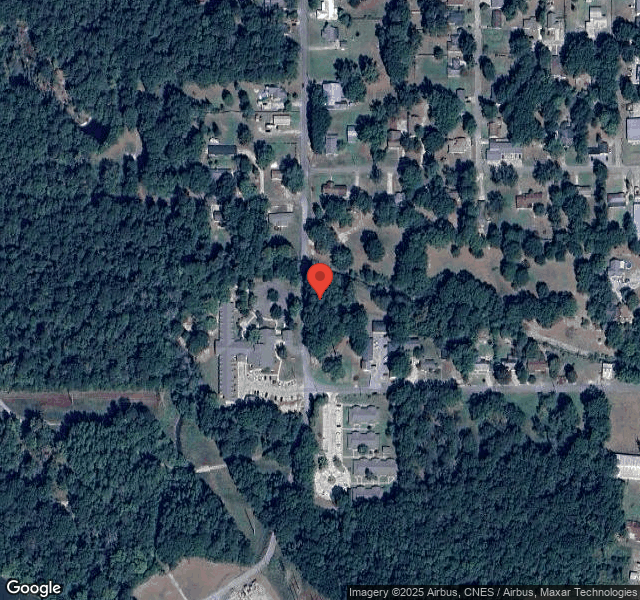

908 S GEORGE STREET, PETAL, MS 39465 (601) 544-7441
For profit - Limited Liability company 60 Beds BEDFORD CARE CENTERS Data: November 2025
Trust Grade
83/100
#3 of 200 in MS
Last Inspection: March 2025

Within standard 12-15 month inspection cycle. Federal law requires annual inspections.

Overview

Bedford Care Center of Petal has a Trust Grade of B+, which means it is above average and recommended for families considering options for their loved ones. The facility ranks #3 out of 200 in Mississippi, placing it in the top half of nursing homes in the state, and it is the best option among 8 facilities in Forrest County. The overall trend is improving, with a decrease in issues from 3 in 2023 to just 1 in 2025, although it still has concerning factors like $22,198 in fines, which is higher than 84% of facilities in Mississippi. Staffing is rated at 4 out of 5 stars, indicating good conditions, but the turnover rate of 57% is average, which means some staff may not stay long-term. Specific incidents noted by inspectors include failures to store food properly, which can lead to safety concerns, and not providing disposable tableware for residents on isolation precautions, increasing the risk of infection. Additionally, there were issues with hand hygiene protocols during wound care, which could potentially spread infections. While there are strengths in staffing and overall ratings, these weaknesses highlight areas that need improvement.

Trust Score
B+
83/100
In Mississippi
#3/200
Top 1%
Safety Record
Low Risk
No red flags
Inspections
Getting Better
3 → 1 violations
Staff Stability
⚠ Watch
57% turnover. Above average. Higher turnover means staff may not know residents' routines.
Penalties
✓ Good
$22,198 in fines. Lower than most Mississippi facilities. Relatively clean record.
Skilled Nurses
○ Average
Each resident gets 35 minutes of Registered Nurse (RN) attention daily — about average for Mississippi. RNs are the most trained staff who monitor for health changes.
Violations
○ Average
6 deficiencies on record. Average for a facility this size. Mostly minor or procedural issues.
★★★★★
5.0
Overall Rating
★★★★☆
4.0
Staff Levels
★★☆☆☆
2.0
Care Quality
★★★★★
5.0
Inspection Score
Stable
2023: 3 issues
2025: 1 issues

The Good

  • 4-Star Staffing Rating · Above-average nurse staffing levels
  • Full Sprinkler Coverage · Fire safety systems throughout facility
  • No fines on record

Facility shows strength in staffing levels, fire safety.

The Bad

Staff Turnover: 57%

11pts above Mississippi avg (46%)

Frequent staff changes - ask about care continuity

Federal Fines: $22,198

Below median ($33,413)

Minor penalties assessed

Chain: BEDFORD CARE CENTERS

Part of a multi-facility chain

Ask about local staffing decisions and management

Staff turnover is elevated (57%)

9 points above Mississippi average of 48%

The Ugly 6 deficiencies on record

Mar 2025 1 deficiency
CONCERN (D)

Potential for Harm - no one hurt, but risky conditions existed

Respiratory Care (Tag F0695)

Could have caused harm · This affected 1 resident

**NOTE- TERMS IN BRACKETS HAVE BEEN EDITED TO PROTECT CONFIDENTIALITY** Based on observation, interview, and record review, the facility failed to ensure residents receiving oxygen (O2) therapy receiv...

Read full inspector narrative →
**NOTE- TERMS IN BRACKETS HAVE BEEN EDITED TO PROTECT CONFIDENTIALITY** Based on observation, interview, and record review, the facility failed to ensure residents receiving oxygen (O2) therapy received care according to professional standards, as evidenced by, O2 tubing was undated for three (3) of four (4) days of survey. Resident #150 Findings include: On 03/17/25 at 11:06 PM, an observation of Resident #150 revealed was receiving oxygen via nasal cannula at 3 liters per minute (LPM) for shortness of breath (SOB) every 24 hours as needed. The oxygen tubing was not labeled. On 03/18/25 at 1:16 PM, during a second observation of Resident #150 revealed the resident sitting up in a chair, receiving oxygen via nasal cannula at 3 LPM. The oxygen tubing was not labeled. On 03/19/25 at 2:19 PM, during a third observation and interview with Licensed Practical Nurse (LPN)#1 revealed Resident #150 was sitting up in a chair, receiving oxygen via nasal cannula at 3 LPM. The oxygen tubing was not labeled. LPN #1 reported the oxygen tubing and humidifier are changed every Sunday night and labeled with the date of change. However, she confirmed that the tubing in use at the time of this visit was not dated. During an interview on 03/19/25 at 2:30 PM, the Director of Nursing (DON) confirmed that facility practice requires oxygen tubing and humidifiers to be changed on Sunday nights and labeled with the date of change. She stated that this practice is in place to ensure compliance with protocols. A review of the admission Record revealed the resident was admitted on [DATE] with diagnoses including Obstructive Sleep Apnea (Adult) (Pediatric) and Essential (Primary) Hypertension. A review of Order Audit Record revealed a physician order dated 3/18/25 O2 at 3L (liters) for SOB (shortness of breath). Record review of the admission Minimum Data Set (MDS) with an Assessment Reference Date (ARD) of 3/20/25 revealed a Brief Interview for Mental Status (BIMS) score of 13 indicating the resident was cognitively intact.
Oct 2023 3 deficiencies
CONCERN (D)

Potential for Harm - no one hurt, but risky conditions existed

Assessment Accuracy (Tag F0641)

Could have caused harm · This affected 1 resident

Based on record review, staff interview, and facility policy review, the facility failed to accurately code the Minimum Data Set (MDS) for one (1) of 21 sampled residents. Resident #26 Findings inclu...

Read full inspector narrative →
Based on record review, staff interview, and facility policy review, the facility failed to accurately code the Minimum Data Set (MDS) for one (1) of 21 sampled residents. Resident #26 Findings include: Review of the facility's policy Resident Assessment Instrument, revised 06/17/22, revealed . A comprehensive assessment of a resident's needs shall be made upon the resident's admission and periodically .Policy Interpretation and Implementation .9. The purpose of the assessment is to .identify significant impairments in functional capacity. 10. Information derived from the comprehensive assessment enables the staff to plan care that allows the resident to reach his/her highest practicable level of functioning . Record review of the admission Record revealed the facility admitted Resident #26 on 1/26/22 and she had diagnoses including Chronic Kidney Disease and Paraplegia. Record review of the Quarterly Minimum Data Set (MDS), with an Assessment Reference Date (ARD) of 8/22/23, indicated Resident #26 did not have one or more unhealed pressure ulcers. Record review of the Order Listing Report revealed Resident #26 had a Physician's Order with a start date of 8/16/23, for Stage 2 Pressure Injury to Coccyx, which indicated Resident #26 had an unhealed pressure ulcer. During an interview on 10/03/23 at 3:41 PM, the MDS Coordinator confirmed Resident #26 had a Stage 2 pressure ulcer during the MDS lookback period and she had incorrectly coded the MDS to indicate the resident did not have a pressure wound. During an interview 10/05/23 at 3:55 PM, with the Director of Nursing (DON), she stated she expected the MDS to be coded correctly.
CONCERN (E)

Potential for Harm - no one hurt, but risky conditions existed

Food Safety (Tag F0812)

Could have caused harm · This affected multiple residents

Based on observation, staff interviews, record review, and facility policy review, the facility failed to store food in accordance with professional standards for food service safety related to food i...

Read full inspector narrative →
Based on observation, staff interviews, record review, and facility policy review, the facility failed to store food in accordance with professional standards for food service safety related to food items not dated with a use-by-date, food items without an identifying label, and food items not discarded prior to or by the use-by date for one (1) of two (2) kitchen observations. Findings Include: A review of the facility's policy Food Safety Requirements, revised 11/21/22, revealed, .Food will be stored .in accordance with professional standards for food service safety .Policy Interpretation and Implementation .3. Facility staff will .ensure timely and proper storage .c. Refrigerated storage .iv. Labeling, dating, and monitoring refrigerated food, including, but not limited to leftovers, so it is used by its use-by-date, or frozen (where applicable)/discarded . On 10/02/23 at 11:00 AM, an observation of the kitchen and interview with the Dietary Manager (DM), revealed the following: 1. In Freezer #1, there were seven (7) unopened packages of bologna, with a use-by date of June 12, 2023. There was one (1) unopened bag of a food item with no identifying label and no use-by date. The DM identified the food item as beef tips. There was one (1) shrink-wrapped package of a food item with no identifying label and no use-by date. The food item was identified as pork ribs by the DM. The DM reported the pork ribs had been in the freezer since she started working at the facility, which was two (2) months ago, and the pork ribs were not on the four-week menu rotation. There was one (1) half-pint carton of 2 percent (%) milk with a use by date of 09/30/23. There was one (1) bag of an opened food item with no identifying label and no use-by date. The DM identified the food item as tater tots. 2. In Freezer #2, there was one (1) opened box and (1) unopened box of a food item with no identifying labels. The DM identified the boxes as cobblers. 3. In Refrigerator #1, there was one (1) plastic storage container of a food item, with no use-by date and no identifying label. The DM identified the food item as cut apples. There was one container of a food item, with no use use-by date and no identifying label. The DM identified the food item as buttermilk pie. There were six (6) egg cartons containing two and a half (2 ½) dozen eggs, with no use-by date. The DM stated that she was unaware of the outdated foods and that any food items in the freezers and refrigerators required an identifying label and use-by date. On 10/03/23 at 11:57 AM, an interview with the Registered Dietician (RD), she confirmed the facility had no written policy related to the use or disposal of food that is near or past the use-by date. The RD reported the facility used the first-in, first-out method for refrigerated and frozen foods and the facility purchased only frozen meat, rather than fresh, so it is used by the date on the package. On 10/05/2023 at 07:30 AM, an interview with the facility Administrator confirmed she was aware of the potential hazards of foods that are undated, have no identifying label, and are not discarded per the use-by or expiration date. She stated that she expected the dietary staff to follow professional standards related to food storage. Record review of a training document dated 6/27/23, 6/29/23, and 6/30/23, revealed the facility provided training on Food Safety.
CONCERN (E)

Potential for Harm - no one hurt, but risky conditions existed

Infection Control (Tag F0880)

Could have caused harm · This affected multiple residents

Based on observation, staff interview, record review, and the facility policy review, the facility failed to ensure residents on contact isolation precautions received disposable tableware and silverw...

Read full inspector narrative →
Based on observation, staff interview, record review, and the facility policy review, the facility failed to ensure residents on contact isolation precautions received disposable tableware and silverware to prevent the possible spread of infection for two (2) of two (2) residents on contact isolation precautions. Resident #48 and Resident #110 Findings include: A record review of the facility's policy, Transmission Based (Isolation) Precautions), revised 5/22/23, revealed . It is our policy to take appropriate precautions to prevent transmission of pathogens, based on the pathogens' modes of transmission . Contact precautions refer to measures that are intended to prevent transmission of infectious agents which are spread by direct or indirect contact with the resident or the resident's environment. Policy Explanation and Compliance Guidelines .8. Initiation of Transmission- Based Precautions (Isolation Precautions)- . g. Use disposable or dedicated noncritical resident-care equipment . Resident #48 On 10/02/23 at 11:06 AM, during an observation, Resident #48 had contact isolation signage and Personal Protective Equipment (PPE) on the door of his room. On 10/02/23 at 11:35 AM, during an observation, Certified Nurse Aide (CNA) #2 entered the room of Resident #48 with a meal tray. The meal tray had washable dinnerware and silverware. When the resident completed her meal, CNA #2 removed the same tray from the resident's room and placed it on the collection cart located on the hallway. The dirty tray, dinnerware, and silverware had no special identification and was placed with the other dirty meal trays collected from other residents. A record review of the admission Record revealed the facility admitted Resident #48 on 7/28/2023 with a diagnosis of Atrial Fibrillation. A record review of the Order Listing Report for Resident #48 revealed a Physician Order, with a start date of 9/29/23, for Contact Isolation precautions r/t (related to) c-diff (Clostridium difficile, a type of bacteria). Resident #110 On 10/02/23 at 11:00 AM, during an observation, Resident #110 had PPE and isolation signage on her door. On 10/02/23 at 12:00 PM, during an observation, CNA #1 delivered Resident #110's lunch tray with dinnerware and silverware that were not disposable. On 10/02/23 at 12:25 PM, during an interview with CNA #1, she confirmed that Resident #110 had regular, washable dinnerware and silverware. She stated the resident's meal tray should consist of disposable items since she was on contact isolation. She said that she had been told that Resident #110 was on contact isolation because she had Shingles (a viral infection). A record review of the admission Record revealed the facility admitted Resident #110 on 09/28/23 with a diagnosis of Zoster (Shingles). A record review of the Order Summary Report, with active orders as of 10/05/23, revealed Resident #110 had a Physician Order, dated 9/28/2023, for Contact precautions for shingles. On 10/04/23 at 01:20 PM, during an interview with the Director of Nursing (DON), she confirmed that residents on isolation precautions should receive disposable meal items and that any items taken into their rooms should be discarded prior to leaving the room. She explained the communication process for residents on isolation was that a dietary slip was completed and given to the kitchen staff, but there was no paper trail of the slip. The slips were not used to communicate the resident's diet, but indicated any special treatments for the resident, such as isolation. She confirmed she was made aware that the residents were not served meals with disposable items, and that they should have been to prevent the possible spread of infection to other residents. On 10/05/23 at 11:00 AM, during an interview with the Administrator, she explained she expected all staff to be aware that if a meal was delivered on a regular tray for a resident on isolation precaution, to notify the kitchen and have it corrected to disposable items before it was delivered to the resident. In an interview with the Dietary Manager (DM) on 10/05/2023, at 3:00 PM, she confirmed that residents with isolation precautions should not receive regular trays, including dinnerware and silverware. She explained that the meals should have been served on disposable items and should have been discarded in the resident's room. She stated she was unaware that the non-disposable meal trays were delivered to the residents and commented that most of her staff were new employees.
Nov 2022 1 deficiency
CONCERN (D) 📢 Someone Reported This

A family member, employee, or ombudsman was alarmed enough to file a formal complaint

Potential for Harm - no one hurt, but risky conditions existed

Deficiency F0557 (Tag F0557)

Could have caused harm · This affected 1 resident

Based on interviews, record review, and facility policy review, the facility failed to ensure that a resident was treated with dignity and respect for one (1) of three (3) sampled residents. Resident ...

Read full inspector narrative →
Based on interviews, record review, and facility policy review, the facility failed to ensure that a resident was treated with dignity and respect for one (1) of three (3) sampled residents. Resident #1. Findings include: Record review of the facility's policy, Promoting Maintaining Resident Dignity - Resident Rights, dated 10/2/2022, revealed, Policy: It is the practice of this facility to protect and promote resident rights and treat each resident with respect and dignity .Compliance Guidelines .10. Speak respectfully to residents Record review of the facility's Investigation revealed that on 10/9/22 at approximately 11:30 AM, Certified Nursing Aide (CNA) #1 was assisting with feeding Resident #2, when Resident #1 walked over to the air conditioner and watching CNA #1's interaction with the roommate (Resident #2). CNA #1 asked Resident #2, You don't want your food? CNA #1 then attempted to give Resident #2 her container of Ensure and the resident turned her head. CNA #1 then repeated the same question (to Resident #2), You don't want your food? Resident #1 then told CNA #1 that she can't tell her (Resident #2) not to eat, that is why she is not eating. CNA #1 responded to Resident #1, explaining that she was not making a statement, but she was asking a question. CNA #1 asked Resident #1 to go back to her side of the room so she may assist with feeding Resident #2. Resident #1 became agitated and stated that CNA #1 cannot tell her where to go. Resident #1 admitted refusing to leave the area and pointing her finger at CNA #1's face. CNA #1 used profanity directed at the resident (Resident #1) and immediately left the room and went to the Director of Nursing (DON). Resident #1 followed CNA #1. CNA #1 was very agitated when entering the DON's office. CNA #1 stated to the DON that she needs to get the resident away from her, while using more profanity. The DON then told CNA #1 to stay in her office and immediately walked Resident #1 back to her room. Once the resident was interviewed and found to be safe, the DON sent CNA #1 to the Administrator's office where she explained the situation and was requested to give a written statement. CNA #1 was very upset, crying, and apologizing throughout the statement. After recording her information, CNA #1 was immediately sent home pending investigation. An investigation was started, and the event was reported to the appropriate agencies. After conducting interviews with the DON, CNA #1, and Resident #1, Social Services and the DON conducted a separate interview with Resident #1 to determine if there was a negative psycho-social impact on the resident from the incident. During this process social services stated that Resident #1 found the incident comical, laughing throughout conversation. All the statements collected matched each other with a consistent picture being painted. It was found that this was an isolated scenario of the misconduct of an employee that had no negative impact on the resident. It was determined that the situation did not rise to the level of abuse. However, CNA #1 was terminated from the facility and all staff was educated on zero tolerance of profanity in the workplace. Record review of the admission Record revealed the facility admitted Resident #1 on 4/26/22 with a diagnosis of Hemiplegia and Hemiparesis following Cerebral Infarction. Record review of the Quarterly Minimum Data Set (MDS) with an Assessment Reference Date (ARD) of 10/27/22, revealed Resident #1 had a Brief Interview for Mental Status (BIMS) score of 15, which indicated she is cognitively intact. On 11/15/22 at 10:40 AM, during an interview with the Administrator, he confirmed that the information as written in the Investigation was obtained through interviews. He explained that the facility determined that CNA #1 admitted to using foul language toward Resident #1. The facility has a policy of no foul language used in the workplace, and CNA #1 was terminated for that behavior. Following the incident, the facility monitored Resident #1 for emotional distress, in which she stated she had none and demonstrated none. On 11/16/22 at 10:00 AM, during an interview with Resident #1, she stated that she remembered the incident in which CNA #1 used profanity to her, but she had no issues or felt unsafe following the incident. On 11/16/22 at 11:00 AM, during an interview with the DON, she confirmed that the facility reported the incident to the SA when CNA #1 used foul language to a resident. It was determined that CNA #1 acted against the policy with profanity and was terminated immediately. The DON revealed that the facility's expectation is that the staff are not allowed to speak with profanity toward residents.
Feb 2021 1 deficiency
CONCERN (E)

Potential for Harm - no one hurt, but risky conditions existed

Infection Control (Tag F0880)

Could have caused harm · This affected multiple residents

**NOTE- TERMS IN BRACKETS HAVE BEEN EDITED TO PROTECT CONFIDENTIALITY** Based on observation, interview, record review, and facility policy review, the facility failed to prevent the possible spread o...

Read full inspector narrative →
**NOTE- TERMS IN BRACKETS HAVE BEEN EDITED TO PROTECT CONFIDENTIALITY** Based on observation, interview, record review, and facility policy review, the facility failed to prevent the possible spread of infection related to cross contamination during wound cleansing, failure to remove soiled gloves and perform hand hygiene prior to starting wound care for Resident #7, and applying ointments directly to open wounds with a gloved hand for Resident #7 and Resident #9 for two (2) of three (3) pressure wound care observations Resident #7 and Resident #9. Findings Include: The facility's, Wound Care procedure, dated February 2016, revealed staff should put on exam gloves, loosen the tape, remove the old dressing, pull the gloves over dressing and discard into appropriate receptacle. This policy noted staff should then wash and dry hands thoroughly. The facility's, Standard Precautions policy, revised October 2018, revealed the staff should conduct hand hygiene after contact with items in the resident's room. This policy noted gloves are changed as necessary during the care of a resident to prevent cross-contamination from one body site to another. Gloves should be changed as necessary during the care of a resident. Resident #7 An observation on 02/01/21, at 12:10PM, revealed Resident #7 sitting in a wheelchair. Resident #7 stated she has a wound on her buttocks, but the wound is healing. On 2/3/2021 at 11:10 AM, observed Registered Nurse (RN) #2 perform wound care to a Stage 2 Pressure Ulcer on Resident #7's sacrum. RN #2 used a clean right gloved hand to pull the curtain for privacy, then used the same gloved hand to remove the soiled dressing. RN #2 then used the same right gloved hand to touch Resident #7's sacral wound during an assessment of the wound. RN #2 changed gloves and conducted proper hand hygiene then cleaned the wound with a back and forward motion, with the gauze soaked with wound cleanser, across the wound eight (8) times. RN #2 applied zinc cream to her gloved index finger and applied it to the wound area directly with her gloved hand. RN #2 then picked up the new border dressing with the same soiled gloved hand and applied it directly to the wound. On 2/4/20, at 10:51 AM, in an interview with RN #2/Staff Development/Infection Control Nurse, she stated she should have changed her gloves when she used her right gloved hand to close the privacy curtain. RN #2 stated she should have washed her hands and changed her gloves after cleaning the wound because it can cause contamination of the wound. RN #2 stated she should clean the wound in one direction and not in a back and forth motion. RN #2 stated cleaning the wound back and forward can cause cross contamination and skin damage. She stated she should have used an applicator to apply zinc to wound and confirmed it was the facility's policy to use an applicator. RN #2 stated the most harmful thing she did when providing wound care to Resident #7, was cleaning the wound back and forth and applying the zinc with a gloved finger. On 2/4/21 at 11:14 AM in an interview with RN #1 Director of Nursing (DON) , she stated the facility's policy is to clean a wound by wiping in one direction and dispose of the 4x4 and then use another 4 x4 to repeat the process. The DON stated when RN #2 did not follow the facility's policy for wound care, it could cause infection to the resident's wound. The DON stated RN #2 should have applied the zinc ointment directly on the gauze and should have not used her finger to apply the zinc ointment to the wound area. The DON stated the most serious thing that RN #2 did when cleaning the wound for Resident #7 was to improperly clean the wound. Record review of Resident #7's Face Sheet revealed the resident was admitted to the facility on [DATE], with diagnoses of Major Depressive Disorder and Paraplegia. A record review of the Physician Orders for Resident #7, dated 1/15/21, revealed an order to cleanse the sacral ulcer with cleanser, pat dry, apply zinc cream to site and cover with border dressing every day shift and as needed. A record review of the Comprehensive Minimum Data Set (MDS) for Resident #7, with an Assessment Reference Date (ARD) of 11/2/20, revealed the MDS was coded for pressure ulcer. Resident #9 On 02/01/21, 11:35 AM, an observation revealed Resident #9 lying in bed, with a boot on the right foot. On 2/3/2021, at 11:25 AM, observed RN #2/ Infection Control Nurse perform wound care on Resident #9's right lateral ankle Stage 2 Pressure Ulcer. RN #2 used hand sanitizer and applied gloves prior to removing Resident #9's protective boot and sock. RN #2 then used the same gloved hands and removed Resident #9's soiled wound dressing and examined the wound without changing gloves. She then changed the soiled gloves and used hand sanitizer and applied clean gloves. RN #2 then picked up the saturated gauze, that had been saturated with wound cleaner, and used a back and forth motion ten (10) times to clean the wound and then used her index gloved finger to apply the Santyl ointment. RN #2 then applied the dressing to the wound without sanitizing her hands and changing her gloves. On 2/4/21, at 11:02 AM, in an interview with RN #2/Staff Development Nurse/Infection Control Nurse, stated that by cleaning the wound in a back and forward motion it can cause cross contamination of the wound. RN #2 stated she should have not applied the Santyl to the wound with her finger and should have used an applicator. RN #2 stated by using her finger, it can get on other skin that surrounds the wound and can cause skin problem. On 2/4/21, at 11:19 AM, in an interview with DON, she stated that RN #2 should never have clean wound in a back and forward motion and stated that it can cause cross contamination of the wound. The DON stated RN #2 should have used an applicator instead of using a finger. The DON stated the Santyl could get on more than wound area. The DON stated that Santyl is a debridement agent and can eat your healthy tissue causing damage. A record review of Residents #9's Physician Order, dated 1/20/21, revealed an order for wound care to the Stage II area on the right lateral ankle. The Physician's order noted to cleanse the wound with wound cleaner, pat dry, apply Santyl ointment to the site and cover with a foam border dressing every day shift. A record review of the Comprehensive MDS with the ARD date of 11/6/20, revealed in Section M, Resident #9 was coded for pressure wounds. Record review of Resident #9's Face Sheet revealed the resident was admitted to the facility on [DATE] with a diagnosis of Chronic Diastolic (Congestive) Heart Failure. A record review of RN #2's Treatment/Skin Care Skills Checklist, dated 06/24/2020 and 12/3/2020, revealed she passed both the skill tests that included care of the Pressure Ulcer. A record review of an in-service on Infection Control, dated 11/23/20 revealed RN #2's signature on the sign in sheet.
Understanding Severity Codes (click to expand)
Life-Threatening (Immediate Jeopardy)
J - Isolated K - Pattern L - Widespread
Actual Harm
G - Isolated H - Pattern I - Widespread
Potential for Harm
D - Isolated E - Pattern F - Widespread
No Harm (Minor)
A - Isolated B - Pattern C - Widespread

Questions to Ask on Your Visit

  • "Why is there high staff turnover? How do you retain staff?"
  • "Can I speak with families of current residents?"
  • "What's your RN coverage like on weekends and overnight?"

Our Honest Assessment

Strengths
  • • Grade B+ (83/100). Above average facility, better than most options in Mississippi.
Concerns
  • • $22,198 in fines. Higher than 94% of Mississippi facilities, suggesting repeated compliance issues.
  • • 57% turnover. Above average. Higher turnover means staff may not know residents' routines.
Bottom line: Generally positive indicators. Standard due diligence and a personal visit recommended.

About This Facility

What is Bedford Of Petal's CMS Rating?

CMS assigns BEDFORD CARE CENTER OF PETAL an overall rating of 5 out of 5 stars, which is considered much above average nationally. Within Mississippi, this rating places the facility higher than 99% of the state's 100 nursing homes. This rating reflects solid performance across the metrics CMS uses to evaluate nursing home quality.

How is Bedford Of Petal Staffed?

CMS rates BEDFORD CARE CENTER OF PETAL's staffing level at 4 out of 5 stars, which is above average compared to other nursing homes. Staff turnover is 57%, which is 11 percentage points above the Mississippi average of 46%. High turnover can affect care consistency as new staff learn residents' individual needs.

What Have Inspectors Found at Bedford Of Petal?

State health inspectors documented 6 deficiencies at BEDFORD CARE CENTER OF PETAL during 2021 to 2025. These included: 6 with potential for harm.

Who Owns and Operates Bedford Of Petal?

BEDFORD CARE CENTER OF PETAL is owned by a for-profit company. For-profit facilities operate as businesses with obligations to shareholders or private owners. The facility is operated by BEDFORD CARE CENTERS, a chain that manages multiple nursing homes. With 60 certified beds and approximately 52 residents (about 87% occupancy), it is a smaller facility located in PETAL, Mississippi.

How Does Bedford Of Petal Compare to Other Mississippi Nursing Homes?

Compared to the 100 nursing homes in Mississippi, BEDFORD CARE CENTER OF PETAL's overall rating (5 stars) is above the state average of 2.6, staff turnover (57%) is significantly higher than the state average of 46%, and health inspection rating (5 stars) is much above the national benchmark.

What Should Families Ask When Visiting Bedford Of Petal?

Based on this facility's data, families visiting should ask: "How do you ensure continuity of care given staff turnover, and what is your staff retention strategy?" "Can I visit during a mealtime to observe dining assistance and food quality?" "How do you handle medical emergencies, and what is your hospital transfer rate?" "Can I speak with family members of current residents about their experience?" These questions are particularly relevant given the facility's high staff turnover rate.

Is Bedford Of Petal Safe?

Based on CMS inspection data, BEDFORD CARE CENTER OF PETAL has a clean safety record: no substantiated abuse findings (meaning no confirmed cases of resident harm), no Immediate Jeopardy citations (the most serious violation level indicating risk of serious injury or death), and is not on the Special Focus Facility watch list (a federal program monitoring the lowest-performing 1% of nursing homes). The facility has a 5-star overall rating and ranks #1 of 100 nursing homes in Mississippi. While no facility is perfect, families should still ask about staff-to-resident ratios and recent inspection results during their visit.

Do Nurses at Bedford Of Petal Stick Around?

Staff turnover at BEDFORD CARE CENTER OF PETAL is high. At 57%, the facility is 11 percentage points above the Mississippi average of 46%. High turnover means new staff may not know residents' individual needs, medications, or preferences. It can also be disorienting for residents, especially those with dementia who rely on familiar faces. Families should ask: What is causing the turnover? What retention programs are in place? How do you ensure care continuity during staff transitions?

Was Bedford Of Petal Ever Fined?

BEDFORD CARE CENTER OF PETAL has been fined $22,198 across 1 penalty action. This is below the Mississippi average of $33,301. While any fine indicates a compliance issue, fines under $50,000 are relatively common and typically reflect isolated problems that were subsequently corrected. Families should ask what specific issues led to these fines and confirm they've been resolved.

Is Bedford Of Petal on Any Federal Watch List?

BEDFORD CARE CENTER OF PETAL is not on any federal watch list. The most significant is the Special Focus Facility (SFF) program, which identifies the bottom 1% of nursing homes nationally based on persistent, serious quality problems. Not being on this list means the facility has avoided the pattern of deficiencies that triggers enhanced federal oversight. This is a positive indicator, though families should still review the facility's inspection history directly.