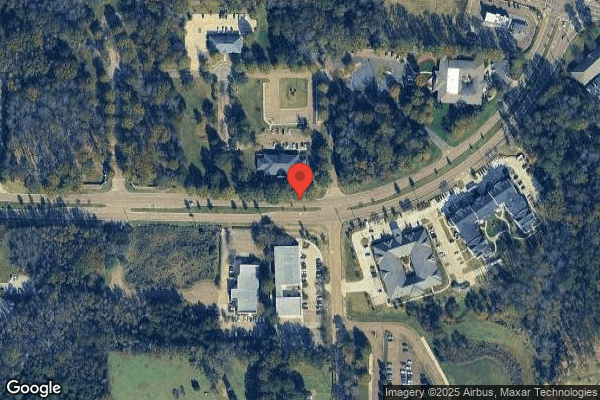
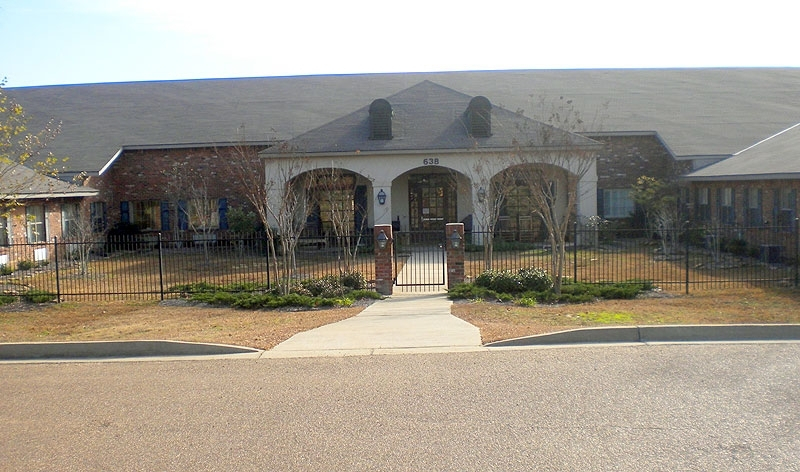
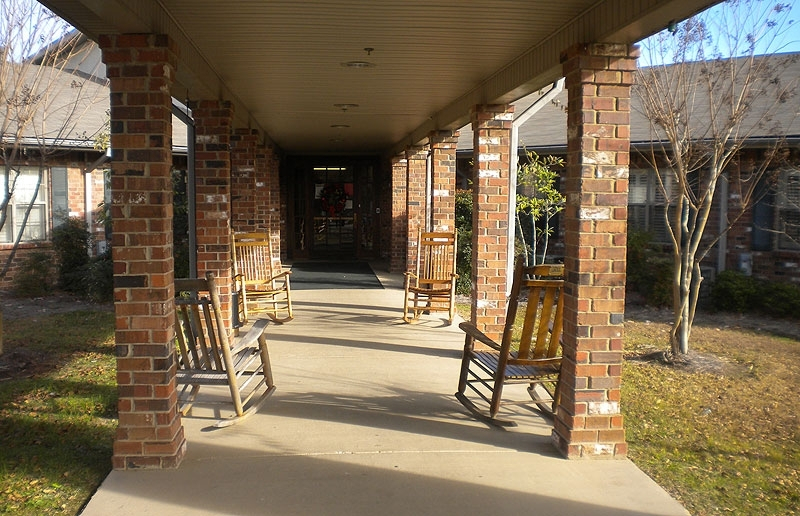
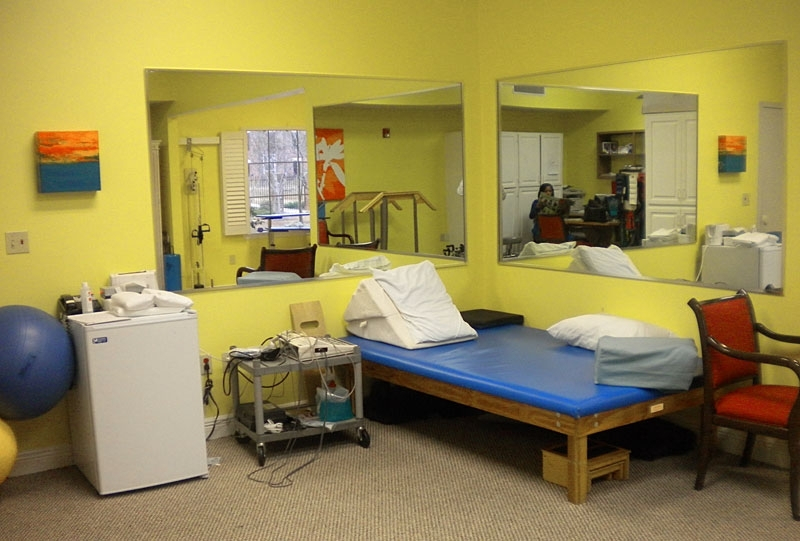

HIGHLAND HOME

638 HIGHLAND COLONY PARKWAY, RIDGELAND, MS 39157 (601) 853-0415
For profit - Corporation 120 Beds THE BEEBE FAMILY Data: November 2025
Trust Grade
38/100
#115 of 200 in MS
Last Inspection: June 2024

Within standard 12-15 month inspection cycle. Federal law requires annual inspections.

Overview

Highland Home in Ridgeland, Mississippi has received a Trust Grade of F, indicating significant concerns about the quality of care provided. Ranking #115 out of 200 facilities in Mississippi places it in the bottom half, and #3 out of 5 in Madison County means there are only two local options that are better. Fortunately, the facility is showing an improving trend, with issues decreasing from 11 in 2023 to 7 in 2024, but it still has serious deficiencies. Staffing is rated average at 3/5 stars, but the 57% turnover rate is concerning, and there is less RN coverage than 93% of state facilities, which can affect the quality of care. Specific incidents include failures to implement care plans for resident activities and pain management, and delays in completing assessments for residents, which highlight ongoing challenges despite some areas of improvement.

Trust Score
F
38/100
In Mississippi
#115/200
Bottom 43%
Safety Record
Moderate
Needs review
Inspections
Getting Better
11 → 7 violations
Staff Stability
⚠ Watch
57% turnover. Above average. Higher turnover means staff may not know residents' routines.
Penalties
○ Average
$15,630 in fines. Higher than 56% of Mississippi facilities. Some compliance issues.
Skilled Nurses
⚠ Watch
Each resident gets only 18 minutes of Registered Nurse (RN) attention daily — below average for Mississippi. Fewer RN minutes means fewer trained eyes watching for problems.
Violations
⚠ Watch
20 deficiencies on record. Higher than average. Multiple issues found across inspections.
★★☆☆☆
2.0
Overall Rating
★★★☆☆
3.0
Staff Levels
★★★☆☆
3.0
Care Quality
★★☆☆☆
2.0
Inspection Score
Stable
2023: 11 issues
2024: 7 issues

The Good

  • Full Sprinkler Coverage · Fire safety systems throughout facility
  • No fines on record

Facility shows strength in fire safety.

The Bad

2-Star Overall Rating

Below Mississippi average (2.6)

Below average - review inspection findings carefully

Staff Turnover: 57%

11pts above Mississippi avg (46%)

Frequent staff changes - ask about care continuity

Federal Fines: $15,630

Below median ($33,413)

Minor penalties assessed

Chain: THE BEEBE FAMILY

Part of a multi-facility chain

Ask about local staffing decisions and management

Staff turnover is elevated (57%)

9 points above Mississippi average of 48%

The Ugly 20 deficiencies on record

2 actual harm
Jun 2024 7 deficiencies 2 Harm
SERIOUS (G)

Actual Harm - a resident was hurt due to facility failures

Comprehensive Care Plan (Tag F0656)

A resident was harmed · This affected 1 resident

**NOTE- TERMS IN BRACKETS HAVE BEEN EDITED TO PROTECT CONFIDENTIALITY** Based on observation, staff and resident interview, record review, and facility policy review the facility failed to implement c...

Read full inspector narrative →
**NOTE- TERMS IN BRACKETS HAVE BEEN EDITED TO PROTECT CONFIDENTIALITY** Based on observation, staff and resident interview, record review, and facility policy review the facility failed to implement care plans for a resident's Activities of Daily Living (ADL) care and a resident's pain medication management for two (2) of 18 resident care plans reviewed. Resident #14 and Resident #53 Findings include: Record review of facility policy titled, Care Plan Process, dated 8/17, revealed, Regulations require facilities to complete, at a minimum and at regular intervals, a comprehensive, standardized assessment of each resident's functional capacity and needs, in relation to a number of specified areas. The results of the assessment, which must accurately reflect the resident's status and needs, are to be used to develop, review, and revise each resident's comprehensive person-centered plan of care. The care plan is driven not only by identified resident issues and/or conditions but also by a resident's unique characteristics, strengths, and needs. A care plan that is based on a thorough assessment, effective clinical decision making, and is compatible with current standards of clinical practice can provide a strong basis for optimal approaches to quality of care and quality of life needs of individual residents. The policy also revealed, The Physician Orders, Medication Administration Record, and Treatment Administration Record are part of the Comprehensive Care Plan. Resident #14 A record review of Resident #14's comprehensive care plan revealed the resident needs assistance with ADL's. Approaches: Assist with ADLs as needed. On 6/17/24 at 12:59 PM, observation and interview with Resident #14 revealed facial hair approximately one-half (1/2) inch to the sides of his cheeks, above his lip, and on his chin and neck. Resident #14's fingernails on bilateral hands were approximately ½ inch long and jagged with a brown substance under his nails. The resident stated it's been a long time since he was shaved, and he would like to be shaved and have his nails cut. An interview on 6/18/24 at 3:05 PM, the Assistant Director of Nurses (ADON) confirmed that male residents should be shaven, and all residents' nails cleaned and trimmed. The ADON confirmed Resident #14 care plan was not being followed regarding his ADL care. During an interview on 6/19/24 at 10:25 AM the Minimum Data Set (MDS) nurse revealed she and the MDS Assessment nurses are responsible for developing the resident's care plans and they are developed so the staff will know the resident's needs and how they are to be taken care of. She revealed personal hygiene includes shaving and nail care and it is a standard practice and the Certified Nursing Assistants (CNA) know that. She confirmed if Resident #14 was not shaved, and his nails were not taken care of then the plan of care for his ADL's was not followed. Record review of Resident #14's Face Sheet revealed the resident was admitted to the facility on [DATE] with medical diagnoses that included Shortness of breath and Muscle Weakness. Resident #53 Record review of Resident #53's Care Plan revealed a problem/need dated 5/1/24 Resident is at risk for pain. The goal listed for this problem was Resident will have a decrease in pain through next review. Intervention listed as Administer meds as ordered. During an interview on 6/17/24 at 11:55 AM, Resident #53 revealed he had back and joint pain and took prescription pain medication two times a day for comfort and pain relief. He revealed a few weeks ago, the facility was out of his pain medications and he was given an over the counter pain medication which did not help relieve pain as well as the prescribed pain medication. During an interview on 6/19/24 at 9:10 AM, the Director of Nursing (DON) confirmed care plans are developed to guide the staff of the needed care for each resident. She confirmed Resident #53's pain care plan was not followed since the prescription medication for pain relief was not available to be given as ordered. She confirmed there was a documented pain level of ten (10) on the vital sign record dated 5/29/24 at 7:29 AM, and no interventions were documented as given. She confirmed that by the facility not having ordered pain medication, it was not readily available for this resident. She stated the facility failed to follow his developed comprehensive care plan concerning pain management. During an interview on 6/19/24 at 10:19 AM, the MDS Nurse confirmed the facility failed to follow Resident #53's comprehensive care plan for pain management. Record review of Resident #53's Face Sheet revealed he was admitted to the facility on [DATE] with diagnoses including Pain. Record review of MDS with Assessment Reference Date (ARD) of 4/30/24, revealed Resident #53 had a Brief Interview for Mental Status (BIMS) score of 15 which indicated the resident was cognitively intact.
SERIOUS (G)

Actual Harm - a resident was hurt due to facility failures

Deficiency F0697 (Tag F0697)

A resident was harmed · This affected 1 resident

**NOTE- TERMS IN BRACKETS HAVE BEEN EDITED TO PROTECT CONFIDENTIALITY** Based on staff and resident interview, record review, and facility policy review, the facility failed to ensure a resident was f...

Read full inspector narrative →
**NOTE- TERMS IN BRACKETS HAVE BEEN EDITED TO PROTECT CONFIDENTIALITY** Based on staff and resident interview, record review, and facility policy review, the facility failed to ensure a resident was free of pain for one (1) of three (3) residents reviewed for pain. Resident #53 Findings include: Record review of facility policy titled, Pain Screen and Management, dated 12/23 revealed, All residents have the right to treatment for pain. Resident preferences are respected when deciding on methods to be used for pain management. Family members are involved when appropriate. The resident's statements are the most valid measurement of pain. Record review of facility policy titled, Medication Ordering, Reordering and Receiving Procedures, dated 12/19, revealed, Reordering Medications . On the established medication check day, the 11-7 (10-6) nurse will check all medications, not just punch cards, and reorder any medications that need to be re-filled. At the end of the shift, after all medications have been checked, the reorder will be faxed to the appropriate pharmacy. A form will be retained in the medication order/reorder binder with the fax confirmation. Checking in Medication Received from the pharmacy via courier. 1. Using the Medication Order/Re-Order Form for re-orders and New Medication Reconciliation form for new orders, compare each medication received to what was ordered, ensuring the resident name, medication, dose, route and frequency are correct. As each medication is checked, nurse places initials and amount received in the column to verify the reconciliation. The pharmacy is to be notified for discrepancies. During interviews with Resident #53 on 6/17/24 at 11:55 AM, and 6/18/24 at 3:30 PM, he stated he had back and joint pain and received prescription pain medication each morning and night to control his pain. He stated several weeks ago the facility did not have his prescription pain medication available, so he was given over the counter medication for his pain control, but that did not completely ease his pain. During an interview on 6/18/24 at 9:45 AM, the Director of Nursing (DON) confirmed the facility ran out of Resident #53's prescription pain medication. She stated the facility's procedure when the resident was running low on pain medication, was to place the reorder sticker from the medication card to the pharmacy form and it would be scanned to the pharmacy. At that point, the pharmacy would review the information and decide if a prescription was needed, and notify the facility or the provider to obtain a prescription. She stated for Resident #53's pain medication, there was a failure in this process and the scanned request was not followed up on by the facility. She stated the resident was given over the counter pain medication and it was documented that it was effective for his pain control. She stated for situations like this, the nurse should notify the on call provider for a now dose order, and obtain the medication from the facility's emergency kit to administer to the resident for pain relief and this was not done. She stated if notified, the provider would send a prescription to the pharmacy and pharmacy would have delivered the medication day or night, but this was also not done. She stated the resident was out of his medication from the evening of 5/27/24 until evening of 5/30/24, when she returned to work and identified the concern. The Nurse Practitioner was notified, a prescription was obtained, and the medication was delivered right away. An interview on 6/18/24 at 1:30 PM, with the Nurse Practitioner (NP) revealed he was notified on 5/29/24 of Resident #53's complaints of pain and withdrawal type symptoms from not receiving his pain medication. When he assessed the resident, he stated his pain was well controlled and clinically, the resident did not exhibit any signs or symptoms of withdrawal. The NP stated that Resident #53 had received Tylenol and it was documented that the medication was effective, and the resident did not verbalize otherwise. He confirmed by his oversight, he failed to provide a prescription to obtain an ordered medication needed for the resident's pain control. During a phone interview on 6/18/24 at 2:15 PM, Licensed Practical Nurse (LPN) #3 revealed the resident's pain medication had been requested but was not delivered to the facility from the pharmacy so he did not have this medication available when needed. She stated she was uncertain of the date but she worked that night and the resident slept well and that next morning he complained of pain and requested his pain medication. She revealed the resident had an order for a prescription pain medication that he could take every eight hours if needed for pain and he would always take one in the morning and one in the evening for his pain management. Since that was unavailable she gave him an over the counter medication to help with his pain but he was not very happy that he did not receive his prescription medication. She stated the resident was concerned about withdrawals and she assessed the resident and he did not have a tremor, vomiting, or any other symptoms of withdrawal. She stated this occurred during the morning shift change and she notified the oncoming nurse to get his meds from the pharmacy when they opened so he would have them available when needed. She stated she did not notify the provider. During a phone interview on 6/18/24 at 4:40 PM, the Registered Pharmacist stated the pharmacy received the faxed medication request from the facility on 5/23/24. This was somehow overlooked, so the pharmacy staff did not follow-up with the provider or the facility. She confirmed it was the responsibility of both the pharmacy and facility to ensure the requests are addressed and since the provider was in the facility almost daily, the prescription should have been obtained from the facility and faxed to the pharmacy. She stated the facility did not notify the pharmacy until 5/30/24 when the prescription was received by the pharmacy and was filled that day and sent out for delivery that evening. She confirmed the oversight led to a delay in resident receiving his medication. An interview with the DON on 6/19/24 at 9:10 AM, revealed the facility failed to have an ordered as-needed (PRN) pain medication available for a resident that experienced frequent pain. She confirmed there was a documented pain level of nine (9) on the vital signs record dated 5/28/24 at 7:38 AM and Acetaminophen was given and documented as effective. She confirmed there was a documented pain level of ten (10) on the vital sign record dated 5/29/24 at 7:29 AM, and no interventions were documented as given. She confirmed the facility failed to administer medication or additional interventions to assist this resident with his pain management. She confirmed the facility failed to ensure his ordered medications were available. She confirmed the facility failed to provided adequate pain management care to a resident with frequent complaints of pain. Record review of Physician Orders revealed orders dated 4/24/24 for Hydrocodone 5 mg (milligrams) - Acetaminophen 325 mg tablet: Give one tablet orally every 8 hours as needed and Acetaminophen 325 mg tablet: Give 2 tablets orally (650 mg total dose) every 6 hours as needed. Record review of Resident #53's Electronic Medication Administration Record (EMAR) revealed on 5/28/24 at 7:39 AM Acetaminophen 325 mg (milligram) tablet - 2 tablets were given for a pain level of 9. The EMAR follow up note for Acetaminophen dated 5/28/24 at 9:20 AM, revealed, Medication was effective. Record review of the Vital Signs Grid for resident revealed on 5/28/24 at 7:38 AM Resident #53 was noted to have a verbal pain scale of 9. Review revealed on 5/29/24 at 7:29 AM, the verbal pain scale was listed as 10. Record review of Medication Reorders form dated 5/23/24, revealed Resident #53's reorder for prescription pain medication was sent to the pharmacy. Record review of a prescription for the pain medication Hydrocodone-APAP 5-325 mg tablet for Resident #53 was faxed to the pharmacy on 5/30/24. Record review of Progress Note dated 5/29/24 at 7:33 AM by LPN #3 revealed, Resident is out of Norco which he requests twice a day for joint pain since 5/27/24 at bedtime. He told CNA that he needed saltine crackers to counter act withdrawal. Record review of Resident #53's Face Sheet revealed he was admitted to the facility on [DATE] with diagnoses including Pain. Record review of the Minimum Data Set (MDS) with Assessment Reference Date (ARD) of 4/30/24, revealed the resident had a Brief Interview for Mental Status (BIMS) score of 15 which indicated the resident was cognitively intact.
CONCERN (D)

Potential for Harm - no one hurt, but risky conditions existed

MDS Data Transmission (Tag F0640)

Could have caused harm · This affected 1 resident

**NOTE- TERMS IN BRACKETS HAVE BEEN EDITED TO PROTECT CONFIDENTIALITY** Based on staff interview, record review and facility policy review, the facility failed to transmit a discharge Minimum Data Set...

Read full inspector narrative →
**NOTE- TERMS IN BRACKETS HAVE BEEN EDITED TO PROTECT CONFIDENTIALITY** Based on staff interview, record review and facility policy review, the facility failed to transmit a discharge Minimum Data Set (MDS) Assessment for one (1) of three (3) residents reviewed for discharge MDS assessments. Resident #90 Findings include: Review of the facility policy titled, MDS Process with a revision date of 12/20 revealed, The Assessment Nurse/Nurse Case Manager will set the Assessment Reference Date (ARD) on an allowable date with input from the interdisciplinary team and communicate scheduled assessments to the interdisciplinary team. The RAI (Resident Assessment Instrument) manual is the source document to be used for further MDS coding guidelines, time schedules and requirements. Record review of Resident #90's Face Sheet revealed an admission date of 1/18/24 and a discharge date of 1/31/24 with a return not anticipated. During an interview on 6/19/24 at 10:05 AM, the MDS Nurse confirmed Resident #90 was admitted to the facility on [DATE] and discharged on 1/31/24. She confirmed his discharge MDS was not completed and submitted and is now over 120 days late. She revealed this was omitted in error and has not been completed.
CONCERN (D)

Potential for Harm - no one hurt, but risky conditions existed

ADL Care (Tag F0677)

Could have caused harm · This affected 1 resident

**NOTE- TERMS IN BRACKETS HAVE BEEN EDITED TO PROTECT CONFIDENTIALITY** Based on observations, staff and resident interviews, record review, and facility policy review, the facility failed to ensure a...

Read full inspector narrative →
**NOTE- TERMS IN BRACKETS HAVE BEEN EDITED TO PROTECT CONFIDENTIALITY** Based on observations, staff and resident interviews, record review, and facility policy review, the facility failed to ensure a resident who required assistance with Activities of Daily Living (ADLs) was assisted with personal hygiene as evidenced by long, jagged nails with brown substance underneath nails and unshaven facial hair for one (1) of three (3) residents reviewed for ADLs. Resident #14 Findings include: Record review of the facility policy titled, Shaving with a revision date of 01/24 revealed Purpose: To provide hygiene in accordance with the resident's preferences and preferred self-image. To provide for the resident's comfort. Record review of the facility policy titled, Nail Care with the latest review date of 01/24, revealed Purpose: To promote cleanliness, safety and a neat appearance. An observation and interview on 6/17/24 at 12:59 PM revealed Resident #14 sitting in his wheelchair, facial hair approximately one-half (1/2) inch to the sides of his cheeks, above his lip, and on his chin and neck. Resident #14's fingernails on bilateral hands were approximately ½ inch long and jagged with a brown substance under his nails. The resident revealed it's been a long time since he was shaved, and he would like to be shaved and his nails cut. An observation on 6/18/24 at 8:56 AM, and again at 1:00 PM, revealed Resident #14's appearance remained unchanged from the previous day. During an interview on 6/18/24 at 2:10 PM, Certified Nurse Aide (CNA) #1 revealed she is assigned to Resident #14 today and usually works the hall that he is on. She confirmed the resident gets his showers on Monday, Wednesday, and Fridays and gets a bed bath the other days. She revealed the showers and bed baths include shaving and nail care if the resident is not a diabetic. CNA #1 stated, To be honest with you, I don't know if the resident is diabetic. I have never shaved him or done his nailcare. An interview and observation on 6/18/24 at 2:35 PM, Licensed Practical Nurse (LPN) #1 revealed Resident #14 is not a diabetic and the CNAs are responsible for shaving him and doing his nail care. She confirmed the resident needed to be shaved and his nails were long and jagged. She confirmed with his long fingernails that he could scratch his skin and cause a skin tear. In an interview on 6/18/24 at 3:05 PM, the Assistant Director of Nurses (ADON) confirmed the male residents should be shaved and all residents' nails cleaned and trimmed. Record review of Resident #14's Face Sheet revealed the resident was admitted to the facility on [DATE] with medical diagnoses that included Shortness of breath and Muscle Weakness.
CONCERN (D)

Potential for Harm - no one hurt, but risky conditions existed

Respiratory Care (Tag F0695)

Could have caused harm · This affected 1 resident

Based on observation, resident and staff interview, record review, and facility policy review, the facility failed to label and store an aerosol nebulizer mask in a manner that prevented possible cont...

Read full inspector narrative →
Based on observation, resident and staff interview, record review, and facility policy review, the facility failed to label and store an aerosol nebulizer mask in a manner that prevented possible contamination of the device for one (1) of 27 nebulizers in the facility. Resident #98 Findings Include: Record review of the facility policy titled Infection Control Oxygen Equipment Cleaning with a revision date of 8/2021 revealed when not in use, store the mask/cannula in a plastic bag clearly labeled with the resident's name and date. An observation and interview with Resident #98 on 6/17/2024 at 12:39 PM, revealed a nebulizer machine was sitting on the bedside dresser, with an unbagged and undated nebulizer mask and tubing lying on top of the machine. The resident revealed she did use the mask, but she was unsure how often. An observation on 6/18/2024 at 2:08 PM, of Resident #98's room, revealed a nebulizer machine sitting on the bedside dresser with an unbagged and undated nebulizer mask and tubing draped over the machine. Record review of Resident #98's June 2024 Medication Administration Record (MAR) revealed an order dated 2/1/2024, Ipratropium 0.5 mg (milligram)-albuterol 3 mg (milligrams) (2.5 mg [milligram] base)/3 ml (milliliter) nebulization soln (solution): Give 3 milliliter(s) using nebulizer four times daily. An interview with Licensed Practical Nurse (LPN) #2 on 6/18/2024 at 2:16 PM, revealed Resident #98 did use the nebulizer machine daily. She revealed the nebulizer tubing and mask usually have a date on it. She confirmed she was responsible for ensuring the nebulizer mask was placed back in a bag and that the tubing was dated. An interview with the Director of Nursing (DON) on 6/18/2024 10:55 AM, confirmed the nebulizer mask should be dated. She stated they change out the mask and tubing every week on Tuesday and a date should be placed on the mask and tubing at that time. Record review of the Face Sheet revealed the facility admitted Resident #98 on 2/1/2024 with medical diagnoses which included Aftercare following joint replacement surgery and Unspecified Dementia.
CONCERN (D)

Potential for Harm - no one hurt, but risky conditions existed

Deficiency F0761 (Tag F0761)

Could have caused harm · This affected 1 resident

**NOTE- TERMS IN BRACKETS HAVE BEEN EDITED TO PROTECT CONFIDENTIALITY** Based on observation, staff interview, and facility policy review, the facility failed to store controlled substances in a perma...

Read full inspector narrative →
**NOTE- TERMS IN BRACKETS HAVE BEEN EDITED TO PROTECT CONFIDENTIALITY** Based on observation, staff interview, and facility policy review, the facility failed to store controlled substances in a permanently affixed locked compartment inside the refrigerator for one (1) of two (2) medication storage rooms observed. Findings Include: Review of the facility policy titled Controlled Drug Emergency Safe Protocol with a revision date of 6/17 revealed, Protocol: . Refrigerated controlled substances will be kept in a refrigerator lock box with the key stored in the Controlled Drug Emergency Safe. An observation of medication storage room [ROOM NUMBER], on 6/19/2024 at 8:16 AM, revealed a small black refrigerator that contained a large tan lock box with four (4) boxes of liquid lorazepam concentrate. The refrigerator also held a small clear box that contained three (3) injectable vials of lorazepam, which was secured with a yellow sealed tab. Both boxes were not permanently affixed and could be picked up and removed from the refrigerator. An interview on 6/19/2024 at 8:19 AM, with Licensed Practical Nurse (LPN) #1, revealed the tan and clear lock boxes were for the storage of controlled drugs that must be refrigerated. She confirmed the boxes contained lorazepam and were not permanently affixed, which could result in someone removing the boxes. An interview with the Director of Nursing (DON) on 6/19/2024 at 9:20 AM, confirmed the lock boxes were not permanently affixed and acknowledged that it should be to ensure the safety of the controlled drugs.
CONCERN (D)

Potential for Harm - no one hurt, but risky conditions existed

Medical Records (Tag F0842)

Could have caused harm · This affected 1 resident

**NOTE- TERMS IN BRACKETS HAVE BEEN EDITED TO PROTECT CONFIDENTIALITY** Based on staff interview, record review, and facility policy review, the facility failed to accurately document the administrati...

Read full inspector narrative →
**NOTE- TERMS IN BRACKETS HAVE BEEN EDITED TO PROTECT CONFIDENTIALITY** Based on staff interview, record review, and facility policy review, the facility failed to accurately document the administration of the prn (as needed) pain medication in the electronic medication system for one (1) of three (3) residents reviewed for pain. Resident #53 Findings include: Record review of facility policy titled, Drug Administration and Documentation, dated 12/23, revealed, The complete act of administration entails removing an individual dose from a previously dispensed, properly labeled container (including a unit dose container), verifying it with the physician's orders, giving the individual dose to the proper resident, and promptly recording the time and dose given. The policy also revealed, Chart each resident's medications on the MAR (Medication Administration Record) immediately after it is administered, as well as any administration special requirements as they are obtained, and any refused or withheld medication. PRN (as needed) medications will be documented on the MAR and the reason for giving as well as the result/response for each dose given will be noted in the clinical record. Record review of facility policy titled, Pain Screen and Management, dated 12/23, revealed, When the resident is medicated with prescribed medication or treated as ordered, documentation of medication or treatment is done on the electronic Medication Administration Record (eMAR) or the electronic Treatment Administration Record (eTAR). The policy also revealed, The eMar will reflect resident usage of medication as a treatment modality and screening is completed on admission/readmission and in the observation period of each MDS. Documentation requirements for chronic pain management focus on the following: eMAR documentation, use of as needed (PRN) medication, review and revision of care plan as appropriate. Record review of Resident #53's Individual Resident Narcotic Record from 4/25/24 - 6/18/24 revealed 98 doses of his prescription pain medications were used from his medication supply cards received from pharmacy. Record review and comparison of the eMAR and the Individual Resident Narcotic Record for Resident #53 revealed 47 of these 98 doses were not documented in his eMAR. During an interview with the Director of Nursing (DON) and the Administrator on 6/19/24 at 9:10 AM, the DON revealed the Electronic Medication Administration Record (eMAR) did not accurately reflect the medications Resident #53 received according to the Individual Resident Narcotic Record. She confirmed the narcotic record revealed the resident received his narcotic pain medication two times a day, but the EMAR did not reflect this. The Administrator confirmed that it was unacceptable that out of approximately 98 doses of narcotic medication given to Resident #53 that was signed out on the narcotic sheet, 47 of these doses were not documented on the eMAR. The DON confirmed the eMAR should provide accurate information of the medications the resident had taken for appropriate treatment and management of the resident's care, and the inaccurate documentation on this resident's eMAR did not meet that standard. She stated the eMAR revealed the resident often went days without pain medications, when in reality, he received it two times a day. The DON confirmed the facility failed to accurately document the administration of the resident's pain medication into the eMAR system and that could lead to medication errors and inaccurate treatment plans. Record review of Physician Orders revealed orders dated 4/24/24 for Hydrocodone 5 mg (milligrams) - Acetaminophen 325 mg tablet: Give one tablet orally every 8 hours as needed and Acetaminophen 325 mg tablet: Give 2 tablets orally (650 mg total dose) every 6 hours as needed. Record review of Resident #53's Face Sheet revealed he was admitted to the facility on [DATE] with diagnoses including Pain. Record review of Minimum Data Set (MDS) with Assessment Reference Date (ARD) of 4/30/24, revealed the resident had a Brief Interview for Mental Status (BIMS) score of 15 which indicated the resident was cognitively intact.
Mar 2023 8 deficiencies
CONCERN (D)

Potential for Harm - no one hurt, but risky conditions existed

Transfer Notice (Tag F0623)

Could have caused harm · This affected 1 resident

**NOTE- TERMS IN BRACKETS HAVE BEEN EDITED TO PROTECT CONFIDENTIALITY** Based on staff interview, record review , and facility policy review, the facility failed to send a written notice of resident t...

Read full inspector narrative →
**NOTE- TERMS IN BRACKETS HAVE BEEN EDITED TO PROTECT CONFIDENTIALITY** Based on staff interview, record review , and facility policy review, the facility failed to send a written notice of resident transfer, including the reason for transfer, to the hospital, to the resident or resident representative (RR) for two (2) of five (5) residents reviewed for transfer. Resident #25 and #73. Findings include: Review of the facility policy titled, Notice Of Hospital Transfer/Therapeutic Leave with a review date of 08/21 revealed, .#2. When a resident is transferred to the hospital, or goes out on therapeutic leave, a copy of the completed form (notice) is provided to the resident, specifying the duration of the bed-hold according to the state plan, and the facility's policy regarding bed-hold periods. In case of emergency transfer, notice at the time of transfer means that the family or resident representative are provided with written notification within 24 hours of the transfer. The requirement is met if the resident's copy of the notice is sent with other papers accompanying the resident to the hospital. The staff member completing the transfer paperwork should complete the location, time, and date section of the form. A copy of the completed form should also be forwarded to the Accounts Manager. The Accounts Manager will contact the Resident Representative and complete the Verification of telephone notice within 24 hours. The Accounts Manager will also mail a copy of the Notice of Hospital Transfer/Therapeutic Leave form for signature by the Resident Representative if the Representative is not available to sign on the day they are contacted. A copy of the completed form should be retained in the resident's Administrative folder . Resident #25 Review of Resident #25's record revealed she was transferred to the hospital on 1/16/23 due to facial drooping and inability to follow commands and returned to the facility on 1/23/23. Record review did not indicate a written transfer notification form was sent to the RR. On 3/8/23 at 10:00 AM, an interview with Licensed Practical Nurse (LPN) #1 revealed the floor nurses are responsible for the completion of the transfer/discharge form and a copy is always sent with the resident to the hospital. She stated she is not sure who is responsible for mailing a copy to the RR. On 03/08/23 at 10:30 AM, an interview with the Accounts Manager revealed that a notification of transfer/discharge form was not mailed to the RR of Resident #25. She stated the nurse on the floor would have prepared the transfer form and sent a copy with the resident to the hospital and she would have called the RR the following day and sent an e-mail notification to the Ombudsman. On 3/08/23 at 11:05 AM, an interview with the Administrator revealed the facility does not mail out written notification of transfer/discharge. She stated that the nurses complete the form, and the form is always sent with the resident. She stated that the family is called and notified at the time of transfer and that the Accounts Office calls the RR the following day. On 3/8/23 at 12:05 PM, an interview with the Administrator revealed that after speaking with the Business Office they have been mailing out written notifications of the transfer/discharge forms. She stated that they send them out first class mail not certified, therefore, they have no evidence that the form was mailed as a copy was not retained for the resident's administrative folder. The Administrator provided an incomplete form with no title that she stated was retained by the Business Office that listed Resident #25's name, the date, and the name of the hospital that the resident was transported to. The Administrator confirmed that this document was insufficient and lacking all the details the facility should have provided to the RR. She also confirmed that the form should have explained the reason for the transfer as well as listing the date it was mailed and the facility should have retained a copy for the resident's folder. Record review of Resident #25's Face Sheet revealed she was admitted to the facility on [DATE] with the medical diagnoses that included displaced Intertrochanteric fracture of left femur, subsequent encounter for closed fracture with routine healing, Anxiety unspecified, and Frequent falls. Record review of Resident #25's Minimum Data Set (MDS) with an Assessment Reference Date (ARD) of 1/30/23 revealed a Brief Interview for Mental Status (BIMS) score of one (1) which indicated the resident is severely cognitively impaired. Resident #73 Record review of the nurses notes dated 12/29/22 revealed Resident #73 was transferred to the hospital on [DATE] and returned to facility on 1/2/23. Record review of the notice of hospital/therapeutic leave form related to the hospitalization transfer revealed the form was not completed. An interview, on 03/08/23 at 10:20 AM, with the Accounts Manager revealed they do mail the forms to the RR and call the family the next day. The nurses are responsible for filling out the forms and they are sent out with the resident to the hospital. The Accounts Manager confirmed that she had no proof that she had mailed the form to the RR. She stated that the nurses are supposed to fill out the form and get it to her, but she does not always get them. She stated that the form she mails out addresses transfers. An interview on 03/08/23 at 10:30 AM, with the Nurse Manager confirmed the nurses are responsible for filling out the notice of hospital transfer form. She stated they should be filled out and given to the business office. She confirmed that Resident #73's transfer form was not filled out. During an interview and record review, on 03/08/23 at 11:50 AM, the Administrator confirmed the notice of hospital transfer/leave form for Resident #73 was not filled out. An interview on 03/09/23 at 09:14 AM, with the Administrator confirmed they have an issue with the transfer forms and are addressing the forms. Record review of the facility Face Sheet for Resident #73 revealed an admission date of 3/24/21 with diagnoses including Acute Post Hemorrhagic Anemia, Cerebral Infarction with right dominant side Hemiplegia, Unspecified Dementia, Cognitive Communication Deficit. Record review of the MDS with an ARD of 12/12/2022 revealed a BIMS score of 5 which indicated Resident #73's cognitive status was severely impaired.
CONCERN (D)

Potential for Harm - no one hurt, but risky conditions existed

Deficiency F0625 (Tag F0625)

Could have caused harm · This affected 1 resident

**NOTE- TERMS IN BRACKETS HAVE BEEN EDITED TO PROTECT CONFIDENTIALITY** Based on staff interview, record review , and facility policy review the facility failed to notify the resident or resident repr...

Read full inspector narrative →
**NOTE- TERMS IN BRACKETS HAVE BEEN EDITED TO PROTECT CONFIDENTIALITY** Based on staff interview, record review , and facility policy review the facility failed to notify the resident or resident representative (RR) in writing of the bed hold for a resident transferred to an acute care facility for one (1) of five (5) residents reviewed for bed hold. Resident #73. Findings include: Review of the facility policy titled, Notice of Hospital Transfer/Therapeutic Leave, with a latest review date of 08/21 revealed when a resident is transferred to the hospital, or goes out on therapeutic leave, a copy of the completed form (notice) is provided to the resident, specifying the duration of the bed hold according to the state plan, and the facilities policy regarding bed-hold periods. In case of an emergency transfer, notice at the time of transfer means that the family or resident representative are provided with written notification within 24 hours of the transfer. The requirement is met if the resident's copy of the notice is sent with other papers accompanying the resident to the hospital. The staff member completing the transfer paperwork should complete the location, time, and date section of the form. A copy of the completed form should also be forwarded to the Accounts Manager. The Accounts Manager will contact the Resident Representative and complete the Verification of phone notice within 24 hours. The Account Manager will also mail a copy of the Notice of Hospital Transfer/Therapeutic Leave form for signature by the Resident Representative if the Resident Representative is not available to sign on the day they are contacted. A copy of the completed form should be retained in the residents Administrative folder. Findings include: Record review review of the nurses notes dated 12/29/22 revealed Resident #73 was transferred to the hospital on [DATE]. Record review of the NOTICE OF HOSPITAL TRANSFER/THERAPEUTIC LEAVE form related to the hospitalization transfer of Resident #73 revealed the form was not completed. The form contained only the name of the resident and the resident representative at the top of the page and an undated signature of the resident representative near the bottom of the page following a statement, I do not agree to pay for uncovered days. An interview on 03/08/23 at 10:20 AM, with the Accounts Manager revealed they do mail the forms to the responsible party and call the family the next day. The nurses are responsible for filling out the forms and they are sent out with the resident to the hospital. The Accounts Manager confirmed that she had no proof that she had mailed the form. She stated that the nurses are supposed to fill out the form and get it to her but she does not always get them. She stated that the form she mails out addresses transfer. An interview on 03/08/23 at 10:30 AM with the nurse manager confirmed the nurses are responsible for filling out the notice of hospital transfer form. She stated they should be filled out and given to the business office. She confirmed that Resident #73's transfer form was not filled out. During an interview and record review, on 03/08/23 at 11:50 AM, the administrator confirmed the notice of hospital transfer form for Resident #73 was not filled out. An interview on 03/09/23 at 9:00 AM, with the Accounts Manager confirmed she did not know what the bed hold rate was or that the family was to be informed the of amount and informed if there was a change. During an interview on 03/09/23 at 09:14 AM, the Administrator stated that they have an issue with the transfer forms and are addressing the forms. Record review of the facility Face Sheet for Resident #73 revealed an admission date of 3/24/21 with diagnoses including Acute Post Hemorrhagic Anemia, and Cerebral Infarction with right dominant side Hemiplegia. Review of the quarterly Minimum Data Set (MDS) with an Assessment Reference Date (ARD) of 12/12/2022 revealed a Brief Interview for Mental Status (BIMS) score of 5 which indicated Resident #73's cognitive status was severely impaired.
CONCERN (D)

Potential for Harm - no one hurt, but risky conditions existed

Comprehensive Care Plan (Tag F0656)

Could have caused harm · This affected 1 resident

**NOTE- TERMS IN BRACKETS HAVE BEEN EDITED TO PROTECT CONFIDENTIALITY** Based on resident and staff interview, record review and facility policy review the facility failed to develop a person centered...

Read full inspector narrative →
**NOTE- TERMS IN BRACKETS HAVE BEEN EDITED TO PROTECT CONFIDENTIALITY** Based on resident and staff interview, record review and facility policy review the facility failed to develop a person centered comprehensive care plan for residents with a language deficit and respiratory care for three (3) of 34 resident care plans reviewed. Residents #7, #24, and #98. Findings include: A record review of the facility's policy titled Care Plan Process, revised 08/17, Step# 9: The facility must develop a comprehensive care plan for each resident that includes measurable objectives and timetables to meet a resident's medical, nursing, and mental and psychosocial needs, including culturally-competent and trauma-informed as well as, these items or services that would be required but are not due to the exercise of resident rights (refusal). Resident #7 An observation on 3/06/23 at 10:12 AM, revealed a nebulizer machine with mask and tubing laying on bedside table not in storage bag. A record review of the comprehensive care plans for Resident # 7, revealed there was no care plan addressing nebulizer therapy needs. A record review of Resident #7's physician's orders revealed an order dated 11/30/22, IPRATALBUTEROL 0.5-3(2.5) MG (milligrams) ML (milliliter) INHALATION VIA NEBULIZER DAILY IN THE MORNING AND AT BEDTIME SOB (shortness of breath)/WHEEZING and an order dated 10/14/22 IPRAT-ALBUTEROL 0.5-3(2.5) MG ML INHALATION VIA NEBULIZER EVERY 6 HOURS AS NEEDED SOB/WHEEZING. A record review of the March 2023 Electronic Medication Record (E-MAR), revealed Resident # 7 received scheduled IPRAT-ALBUTEROL 0.5-3(2.5)MG ml Inhalation Nebulizer daily in the morning and at bedtime for SOB/Wheezing from the 1st through the 7th of March. An interview with Minimum Data Set (MDS) RN Assessment Nurse on 03/08/23 at 01:41 PM, revealed Resident #7 should have a care plan addressing any respiratory therapy and she is unsure why it was not care planned. Record review of Resident #7's Face Sheet revealed he was admitted on [DATE] with diagnoses of Cerebral Infarction, Heart Failure, and Chronic Obstructive Pulmonary Disease. Record review of the MDS Section C with an Assessment Reference Date (ARD) of 3/08/23 revealed Resident # 7 had a Brief Interview for Mental Status (BIMS) score of 15, indicating she was cognitively intact. Resident #24 An observation and interview on 3/6/23 at 12:00 PM, revealed that Resident #24 was sitting up in a wheelchair in her room watching TV. On interview the resident answered with a single repetitive word, used inflection in her voice, hand gestures and nodding of her head to answer simple yes and no questions. Record review of Resident #24's care plans revealed the resident did not have language deficit care plan. An interview on 3/7/23 at 2:30 PM, with Certified Nurse Assistant (CNA) #1 and CNA #2 revealed that until you get use to Resident #24 it is sometimes difficult to understand her, but she makes her wants and needs known by pointing. An interview on 3/8/23 at 2:00 PM with the Director of Nurses (DON) revealed that Resident #24 has a diagnosis of a language deficit She confirmed the resident is hard to communicate with, but if you give her time, you can usually understand her. She revealed that the resident should have a communication care plan but did not. She revealed the purpose of the care plan would be to provide education to the staff on how to care for the resident since she has the communication deficit. She revealed that MDS is responsible for putting in the care plans. An interview on 3/9/23 at 10:32 AM, with the MDS Coordinator confirmed that Resident #24 has a language deficit diagnosis but does not have a language deficit care plan. She confirmed that the resident should have a language deficit care plan and that MDS would have been responsible for putting that care plan in. She confirmed that the purpose of the care plan was for the staff to know how to communicate with the resident and with the care plan not being completed then the staff may not know how to communicate with her. Record review of Resident #24's Face Sheet revealed the resident was admitted to the facility on [DATE] with medical diagnoses that included Other Speech/Language Deficit following Unspecified Cerebral Vascular Disease. Record review of Resident #24's MDS with an ARD of 01/20/23 revealed in Section B that the resident had speech that was unclear and was sometimes understood, with ability being limited to making concrete request and in Section C a BIMS score of 14, which indicates the resident is cognitively intact. Resident #98 An observation on 03/07/23 at 8:19 AM, revealed a nebulizer mask lying inside the opening of the nebulizer machine. A record review of the comprehensive care plans for Resident #98, revealed no care plan addressing nebulizer therapy needs. A record review of the physician's orders, revealed an order dated 10/14/22 IPRAT ALBUTEROL 0.5-3(2.5) MG ML INHALATION VIA NEBULIZER EVERY 4 HOURS AS NEEDED SOB/WHEEZING. An interview with MDS Registered Nurse/Assessment Nurse on 03/08/23 at 01:41 PM, revealed Resident #7 should have a care plan addressing any respiratory therapy and she is unsure as to why it was not care planned. An interview with the DON on 03/08/23 11:50 AM, she revealed she was unable to find a care plan for respiratory treatments. Record review of Resident # 98's Face Sheet revealed he was admitted on [DATE] with diagnoses of Cerebral Infarction, Hyperlipidemia, and Hypertensive Crisis. Record review of the MDS Section C with an ARD of 1/8/23 revealed Resident # 98 had a BIMS score of 6, indicating he was severely cognitively impaired. An interview with the MDS Coordinator on 03/08/23 at 1:48 PM, revealed the purpose of the comprehensive care plan was to form care specific to each resident's needs, and confirmed that possible concerns from not developing a care plan is lack of appropriate resident centered care and not meeting the resident's needs. An interview with the Corporate Quality Improvement Nurse on 03/08/23 at 02:13 PM, revealed the purpose of the care plan is to direct staff of the person centered care and needs of the resident and concerns of not developing the care plan is residents may not receive the specific individualized care necessary they need to meet their needs.
CONCERN (D)

Potential for Harm - no one hurt, but risky conditions existed

Respiratory Care (Tag F0695)

Could have caused harm · This affected 1 resident

**NOTE- TERMS IN BRACKETS HAVE BEEN EDITED TO PROTECT CONFIDENTIALITY** Based on observation, resident and staff interview, record review and facility policy review the facility failed to properly sto...

Read full inspector narrative →
**NOTE- TERMS IN BRACKETS HAVE BEEN EDITED TO PROTECT CONFIDENTIALITY** Based on observation, resident and staff interview, record review and facility policy review the facility failed to properly store nebulizer mask and tubing in a storage bag for two (2) of nine (9) residents reviewed for respiratory care. Residents # 7 and #98. Findings include: A record review of the facility's policy titled Nebulizer, revised 10/17, Revealed Purpose: 1.) To administer bronchial medications and humidifying agents into the lungs. 2.) To assist in loosening secretions .Cleaning Equipment: 4.) Store in a clean plastic bag . Resident #7 An observation on 3/06/23 at 10:12 AM, revealed nebulizer mask and tubing laying on the bedside table and was not in a storage bag. An observation and interview with Resident #7 on 3/7/23 at 11:00 AM, revealed the nebulizer mask was sitting on a box on bedside table. Resident #7 revealed she had her nebulizer in a bag before but not in a good while. An observation with Licensed Practical Nurse (LPN) #2 on 3/7/23 at 1:10 PM, she confirmed Resident #7's nebulizer mask was lying on the nebulizer machine and confirmed it should be in a storage bag when not in use. LPN #2 removed the nebulizer mask from the room. LPN # 2 also revealed possible complications of improper storage is respiratory infections. A record review of Resident#7's Physician Orders dated 11/30/22, revealed IPRAT-ALBUTEROL 0.5-3(2.5)MG ML INHALATION VIA NEBULIZER DAILY IN THE MORNING AND AT BEDTIME SOB/WHEEZING and an order dated 10/14/22 IPRAT-ALBUTEROL 0.5-3(2.5)MG ML INHALATION VIA NEBULIZER EVERY 6 HOURS AS NEEDED SOB/WHEEZING. A record review of the March 2023 Electronic Medication Record(E-MAR), revealed Resident # 7 received scheduled IPRAT-ALBUTEROL 0.5-3(2.5)MG ml Inhalation Nebulizer daily in the morning and at bedtime for SOB/Wheezing from the 1st through the 7th of March 2023. Record review of Resident #7's Face Sheet revealed he was admitted on [DATE] with diagnoses of Cerebral Infarction, Heart Failure, and Chronic obstructive pulmonary disease. Record review of the Minimum Data Set (MDS) Section C with an Assessment Reference Date (ARD) of 3/08/23 revealed Resident # 7 had a Brief Interview for Mental Status (BIMS) score of 15, indicating she was cognitively intact. Resident #98 An observation on 03/06/23 at 10:30 AM, revealed a nebulizer mask was laying on the bedside table and not in a storage bag. An observation on 03/07/23 at 8:19 AM, revealed the nebulizer mask was laying inside the opening of the nebulizer machine and was not in a storage bag. An observation with LPN #2 on 03/07/23 at 1:00 PM, confirmed Resident # 98's nebulizer mask was laying on the nebulizer machine and it should be in a storage bag when not in use. LPN #2 removed the nebulizer mask from the room. LPN # 2 also revealed possible complications of improper storage is respiratory infections. A record review of the Physician Orders, revealed an order dated 10/14/22 IPRAT-ALBUTEROL 0.5-3(2.5) MG ML INHALATION VIA NEBULIZER EVERY 4 HOURS AS NEEDED SOB/WHEEZING. A record review of the March 2023 E-MAR revealed Resident # 98 receives did not receive any nebulizer treatments from the 1st through the 7th of March 2023. An interview with the Director of Nursing (DON) on 3/7/23 at 1:30 PM, revealed that oxygen and nebulizer masks and tubing should be stored in a storage bag when not in use for infection control concerns and confirmed possible complications of improper storage is Respiratory infection. An interview with the Corporate Quality Improvement Nurse on 03/07/23 at 1:35 PM, revealed oxygen and nebulizer tubing and masks should be stored in a storage bag and a possible complication of improper storage is infections and accidents. An interview with LPN #1 on 03/08/23 at 11:00 AM, revealed the oxygen and nebulizer tubing should be changed out weekly, labeled and dated and stored in a storage bag. An interview with the Administrator on 03/08/23 11:55 AM, she revealed she is not medical, but a possible concern of improper nebulizer storage and tubing change is infections. An interview with the Infection Control Nurse (ICN) on 03/09/23 08:10 AM, revealed nebulizer tubing and masks should be stored in a bag when not in use and if it was not stored in a bag staff are not following the policy. The ICN confirmed possible concerns from not storing the nebulizers appropriately is bacterial infections. Record review of Resident #98's Face Sheet revealed he was admitted on [DATE] with diagnoses of Cerebral Infarction, Hyperlipidemia, and Hypertensive Crisis. Record review of the Minimum Data Set (MDS) Section C with an Assessment Reference Date (ARD) of 1/8/23 revealed Resident # 98 had a Brief Interview for Mental Status (BIMS) score of 6, indicating he was severely cognitively impaired.
CONCERN (D)

Potential for Harm - no one hurt, but risky conditions existed

Medication Errors (Tag F0758)

Could have caused harm · This affected 1 resident

**NOTE- TERMS IN BRACKETS HAVE BEEN EDITED TO PROTECT CONFIDENTIALITY** Based on observations, staff interviews, record review and facility policy review the facility failed to provide documentation o...

Read full inspector narrative →
**NOTE- TERMS IN BRACKETS HAVE BEEN EDITED TO PROTECT CONFIDENTIALITY** Based on observations, staff interviews, record review and facility policy review the facility failed to provide documentation or a diagnosis supporting the use of an anti-psychotic medication for one (1) of three (3) residents reviewed for unnecessary psychotropic medications. Resident #42 Findings include: Record review of the facility policy Psychotropic Medications with a revision date of 10/22, revealed, A psychotropic drug is any drug that affects brain activities associated with mental processes and behavior .Residents who have not used psychotropic drugs are not given these drugs unless the medication is necessary to treat a specific condition as diagnosed and documented in the clinical record . An observation on 3/6/23 at 12:20 PM, revealed Resident #42 sitting in her wheelchair in her room with her daughter present, no behaviors noted. An observation on 3/7/23 at 9:15 AM, revealed Resident #42 sitting in her room with her daughter present, no behaviors noted. An interview on 3/7/23 at 2:15 PM, with Certified Nurse Assistant (CNA) #1 revealed she has not known Resident #42 to have any behaviors. She revealed she is usually a pleasant lady and is up out of her room a lot. She revealed the resident allows her to provide care without any issues. An interview on 3/8/23 at 11:45 AM, with Social Services #1 revealed she has never known Resident #42 to have any sort of behaviors. An interview on 3/8/23 at 2:40 PM, with the Director of Nurses (DON) confirmed that Resident #42 does not have behaviors. She revealed the resident gets aggravated with her family when they come and stay too long, but besides that she has no real behaviors. She confirmed that Resident #42 had an order for Seroquel due to the family requesting that she be put on Seroquel. She revealed the family asked the Nurse Practitioner (NP) in 01/2023 to increase the Seroquel from 25 milligrams (mg) to 50 mg because they said the resident was getting more agitated. She revealed that there was no progress note indicating that was the reason for the increase in Seroquel in 01/2023. She confirmed the resident did not have a diagnosis of psychosis and her dementia diagnosis was with no behaviors. She also confirmed that on the residents most recent Minimum Data Set (MDS) Section D and E revealed the resident had no mood or behavior issues. She revealed that the resident receiving an anti-psychotic without having a diagnosis or behavior needs could cause the resident to be lethargic. An interview on 3/8/23 at 3:00 PM, with the NP confirmed she wrote the order to increase Resident #42's Seroquel from 25 mg to 50 mg in 01/23 because the family informed her on her rounds that the resident had increased agitation with the staff and was refusing care such as having her vital signs taken. She revealed that no staff member informed her that the resident was having behaviors or was agitated and she never addressed it with them. She revealed the resident did not have psychotic behaviors. She confirmed that she had not written a progress note when she increased the resident's Seroquel at the family's request in 01/2023. When the State Agent (SA) asked if there would have been a different medication she could have tried instead of Seroquel, she stated possibly. She revealed that if the resident received Seroquel and did not need it then she could be overly sedated and it could lower her blood pressure and change her vital signs. Record review of Resident #42's Physician Orders with an order date of 2/3/2023 revealedSeroquel 50 mg 1 tablet by mouth twice daily psychosis, monitor for target behaviors, psychotic episodes. Record review of Resident #42's Electronic Medication Administration Record for 02/2023 and 03/2023 revealed the resident was receiving Seroquel 50 mg 1 tablet by mouth twice daily/psychosis at 9:00 AM and 7:00 PM. Record review of the facilities Interdisciplinary Team Psychotropic Dashboard for December 2022, January 2023 and February 2023 indicated the resident needed a diagnosis code for Seroquel. Record review of Resident #42's Face Sheet revealed the resident was admitted to the facility on [DATE] with medical diagnosis that included Unspecified dementia, unspecified severity without behaviors/psychosis/mood/anxiety. The current diagnosis list did not include a diagnosis of Psychosis. Record review of Resident #42's Minimum Data Set with an Assessment Reference Date of 12/09/22 revealed in Section D that the resident had no mood issues, in Section E that the resident had no behaviors and in Section C a Brief Interview for Mental Status score of 4, which indicates that the resident has severe cognitive impairment.
CONCERN (E)

Potential for Harm - no one hurt, but risky conditions existed

Comprehensive Assessments (Tag F0636)

Could have caused harm · This affected multiple residents

**NOTE- TERMS IN BRACKETS HAVE BEEN EDITED TO PROTECT CONFIDENTIALITY** Based on staff interview, record review and facility policy review the facility failed to complete the residents Minimum Data Se...

Read full inspector narrative →
**NOTE- TERMS IN BRACKETS HAVE BEEN EDITED TO PROTECT CONFIDENTIALITY** Based on staff interview, record review and facility policy review the facility failed to complete the residents Minimum Data Set assessments timely according to the Resident Assessment Instrument (RAI) guidelines for six (6) of 16 residents reviewed for annual assessment. Resident's #15, #32, #79, #88, #92, and #104. Findings include: A record review of the facility's policy titled Resident Assessment, revealed, An assessment will be completed on each resident utilizing the MDS .The reason for the assessment, schedule and timeframe's will be according to the guidance of the Resident Instrument RAI Manual RESIDENT # 15 Record review of Resident #15's Annual Minimum Data Set Assessment (MDS) with an Assessment Reference Date (ARD) of 01/27/23 revealed the assessment closure was 03/07/23, which indicated the assessment closure date was late. Record review of Resident #15's Face Sheet revealed the resident was admitted to the facility on [DATE]. RESIDENT# 32 Record review of Resident #32's Annual MDS with an ARD of 01/20/23 revealed the assessment was closed on 02/27/23, which indicated the assessment closure was late. Record review of Resident #32's Face Sheet revealed the resident was admitted to the facility on [DATE]. RESIDENT# 79 Record review of Resident #79's Annual Minimum Data Set (MDS) with an Assessment Reference Date (ARD) of 01/24/23, revealed the assessment was closed on 3/8/23, which indicated the assessment was more than 14 days after the ARD. Record review of Resident #79's Face Sheet revealed an admit date of 2/20/20. RESIDENT # 88 Record review of Resident 88's Annual MDS with an ARD of 01/25/23, revealed the assessment was closed on 02/23/23 , which indicated the assessment completion date was more than 14 days after the ARD. Record review of Resident # 88's Face Sheet revealed an admit date of 2/01/22. RESIDENT #92 Record review of Resident #92's Annual MDS with an ARD of 01/20/23 revealed the assessment was closed on 02/22/23 and transmitted on 03/03/23, which indicated that the assessment closure was late. Record review of Resident #92's Face Sheet revealed the resident was admitted to the facility on [DATE]. RESIDENT #104 Record review of Resident #104's Annual MDS with an ARD of 01/24/23 revealed the assessment was closed on 3/7/23 which indicated the assessment closure was late. Record review of Resident #104's Face Sheet revealed the resident was admitted to the facility on [DATE]. On 3/9/23 at 11:15 AM, during an interview with the MDS Coordinator, MDS Assessment Nurse #1 and MDS Nurse #2 confirmed they were behind on their MDS assessments. The MDS coordinator reviewed the MDS validation reports with State Agents (SA) present and confirmed that according to the dates of the assessment completion they were late. The MDS Coordinator revealed that at one point they had five staff members, went down to four staff members and about two months ago one of their staff members went out on medical leave which left them with three staff members. The MDS Coordinator revealed that they have 6 or 7 admissions a day and have to do those assessments along with completing Medicare charting on all skilled residents daily with the facility currently having 40. The MDS Coordinator revealed that she had not told anyone that they were behind on their MDS assessments but should have. She revealed that the purpose of the MDS assessment was to capture all of the information on the resident's that help indicate what care is needed for the residents and payment for the facility. She revealed that if the MDS was not completed timely then the resident might not get proper care. MDS Nurse #2 revealed that she had a conversation on Monday 3/6/23 with the Director of Nurse (DON) regarding getting some overtime so she can come in and get caught up on some work. MDS Nurse #2 revealed that the DON ask what they could do to help and that they would need to be looking for someone to help them get caught up. On 3/9/23 at 11:45 AM, during an interview with the DON and the Administrator revealed that the DON denied having a conversation with MDS Nurse #2 regarding the MDS department being behind and needing help. The DON revealed no one had ever mentioned being late with their assessments. The DON revealed that she had conversations in passing with MDS Nurse #2 regarding MDS being busy but had no idea they were that bad behind and if she had known she would have gotten them some help. The DON confirmed that the MDS nurses also do daily Medicare charting on all skilled residents, which is time consuming. The Administrator revealed that the MDS coordinator attends the morning stand up meetings and had never mentioned that they were behind. The Administrator stated, I can't deny they are short staffed in the MDS department. The Administrator confirmed they had four (4) staff members in MDS until about two months ago, but stated, I've never done MDS and Medicare charting, so I do not know how long it would take to get it done. The DON stated, I am no MDS guru. She confirmed they were short staffed in the MDS department.
CONCERN (E)

Potential for Harm - no one hurt, but risky conditions existed

Deficiency F0638 (Tag F0638)

Could have caused harm · This affected multiple residents

**NOTE- TERMS IN BRACKETS HAVE BEEN EDITED TO PROTECT CONFIDENTIALITY** Based on staff interview, record review and facility policy review the facility failed to complete the residents Minimum Data S...

Read full inspector narrative →
**NOTE- TERMS IN BRACKETS HAVE BEEN EDITED TO PROTECT CONFIDENTIALITY** Based on staff interview, record review and facility policy review the facility failed to complete the residents Minimum Data Set (MDS) assessments timely according to the Resident Assessment Instrument (RAI) guidelines for nine (9) of 16 residents reviewed for quarterly assessment. Resident's #6, 20, 31, 36, 39, 49, 58, 60, and 93. Findings include: A record review of the facility's policy titled Resident Assessment revealed an assessment will be completed on each resident utilizing the MDS .The reason for the assessment, schedule and timeframe's will be according to the guidance of the Resident Instrument RAI Manual. Resident # 6 Record review of Resident # 6's Quarterly Minimum Data Set (MDS) with an Assessment Reference Date (ARD) of 01/24/23, revealed the assessment was closed on 2/22/23 , which indicated the assessment completion date was more than 14 days after the ARD. Review of Resident #6's Face Sheet revealed an admit date of 8/5/21. Resident #20 Record review of Resident #20's Quarterly MDS with an ARD of 01/20/23 revealed the assessment was closed on 02/22/23, which indicated the assessment closure was late. Record review of Resident #20's Face Sheet revealed the resident was admitted to the facility on [DATE]. Resident #31 Record review of Resident 31's Quarterly MDS with an ARD of 01/24/23, revealed the assessment was closed on 03/06/23, which indicated the assessment completion date was more than 14 days after the ARD. Review of Resident #31's Face Sheet reveled an admit date of 5/21/20. Resident # 36 Record review of Resident #36's Quarterly MDS with an ARD of 01/23/23 revealed the assessment was closed on 03/02/23 which indicated the assessment closure was late. Record review of Resident #36's Face Sheet revealed the resident was admitted to the facility on [DATE]. Resident #39 Record review of Resident #39's Quarterly MDS with an ARD of 01/25/23, revealed the assessment was closed on 2/22/23, which indicated the assessment completion date was more than 14 days after the ARD. Record review of Resident #39's Face Sheet revealed an admit date of 11/16/17. Resident # 49 Record review of Resident # 49's Quarterly MDS with an ARD of 01/24/23, revealed the assessment was closed on 3/01/23, which indicated the assessment completion date was more than 14 days after the ARD. Record review of Resident # 49's face sheet revealed an admit date of 11/3/20. Resident #58 Record review of Resident #58's Quarterly MDS with an ARD of 01/18/23 revealed the assessment was closed on 02/22/23, which indicated the assessment closure was late. Record review of Resident #58's Face Sheet revealed the resident was admitted to the facility on [DATE]. Resident #60 Record review of Resident # 60 's Quarterly MDS with an ARD of 01/25/23, revealed the assessment was closed on 2/22/23, which indicated the assessment completion date was more than 14 days after the ARD. Review of Resident # 60's Face Sheet revealed an admit date of 12/02/19. Resident #93 Record review of Resident #93's Quarterly MDS with an ARD of 01/27/23 revealed the assessment was closed on 03/01/23, which indicated the assessment closure was late. Record review of Resident #93's Face Sheet revealed the resident was admitted to the facility on [DATE]. During an interview on 3/9/23 at 11:15 AM, with the MDS Coordinator, MDS Assessment Nurse #1 and MDS Nurse #2 confirmed they were behind on their MDS assessments. The MDS coordinator reviewed the MDS validation reports with State Agents (SA) present and confirmed that according to the dates of the assessment completion and transmission that they were late. The MDS Coordinator stated that at one point they had five staff members, went down to four staff members and about two months ago one of their staff members went out on medical leave which left them with three staff members. The MDS Coordinator stated that they have six or seven admissions a day and have to do those assessments along with completing Medicare charting on all skilled residents daily with the facility currently having 40. The MDS Coordinator revealed that she had not told anyone that they were behind on their MDS assessments but should have. She stated that the purpose of the MDS assessment was to capture all of the information on the resident's that help indicate what care is needed for the residents and payment for the facility. She revealed that if the MDS was not completed timely then the resident might not get proper care. MDS Nurse #2 revealed that she had a conversation on Monday 3/6/23 with the Director of Nurse (DON) regarding getting some overtime so she can come in and get caught up on some work. MDS Nurse #2 stated that the DON asked what they could do to help and that they would need to be looking for someone to help them get caught up. During an interview on 3/9/23 at 11:45 AM with the DON and the Administrator revealed that the DON denied having a conversation with MDS Nurse #2 regarding the MDS department being behind and needing help. The DON stated no one had ever mentioned being late with their assessments. The DON revealed that she had conversations in passing with MDS Nurse #2 regarding MDS being busy but had no idea they were that far behind and if she had known she would have got them some help. The DON confirmed that the MDS nurses also do daily Medicare charting on all skilled residents, which is time consuming. The Administrator revealed that the MDS coordinator attends the morning stand up meetings and had never mentioned that they were behind. The Administrator stated, I can't deny they are short staffed in the MDS department. The Administrator confirmed they had 4 staff members in MDS until about 2 months ago, but stated, I've never done MDS and Medicare charting so I do not know how long it would take to get it done. The DON stated, I am no MDS guru and confirmed they were short staffed in the MDS department. The DON revealed that MDS assessments are how the facility gets reimbursed.
CONCERN (E)

Potential for Harm - no one hurt, but risky conditions existed

MDS Data Transmission (Tag F0640)

Could have caused harm · This affected multiple residents

**NOTE- TERMS IN BRACKETS HAVE BEEN EDITED TO PROTECT CONFIDENTIALITY** Based on staff interview, record review and facility policy review the facility failed to transmit the residents Minimum Data Se...

Read full inspector narrative →
**NOTE- TERMS IN BRACKETS HAVE BEEN EDITED TO PROTECT CONFIDENTIALITY** Based on staff interview, record review and facility policy review the facility failed to transmit the residents Minimum Data Set assessments timely according to the Resident Assessment Instrument (RAI) guidelines for 16 of 16 residents reviewed for assessment. Resident's 6, 15, 20, 24, 31, 32, 36, 39, 49, 58, 60, 79, 88, 92, 93, and 104. Findings include: A record review of the facility's policy titled, Resident Assessment revealed an assessment will be completed on each resident utilizing the MDS .The reason for the assessment ,schedule and timeframes will be according to the guidance of the Resident Instrument RAI Manual. Resident #6 Record review of Resident # 6's Quarterly MDS with an Assessment Reference Date (ARD) of 01/24/23, revealed the assessment was transmitted on 3/03/23, which indicated the assessment transmission date was more than 14 days after the ARD. Reviw of Resident # 6's Face Sheet revealed an admission date of 8/5/21. Resident # 15 Record review of Resident #15's MDS with an Assessment Reference Date (ARD) of 01/27/23 revealed that the assessment closure was 03/07/23 and transmitted on 03/08/23, which indicated the assessment closure date and transmission date were late. Record review of Resident #15's Face Sheet revealed the resident was admitted to the facility on [DATE] with medical diagnoses that included Major Depressive Disorder. Resident #20 Record review of Resident #20's MDS with an ARD of 01/20/23 revealed the assessment was closed on 02/22/23 and transmitted on 03/03/23, which indicated the assessment closure and the transmission were late. Record review of Resident #20 ' s Face Sheet revealed the resident was admitted to the facility on [DATE] with medical diagnoses that included Old Myocardial Infarction and Anxiety Disorder. Resident #24 Record review of Resident #24's MDS with an ARD of 01/20/23 revealed the assessment was closed on 02/27/23 and transmitted on 03/03/23, which indicated the assessment closure and the transmission were late. Record review of Resident #24's Face Sheet revealed the resident was admitted to the facility on [DATE]. Resident #31 Record review of Resident 31's Quarterly MDS with an ARD of 01/24/23, revealed the assessment was transmitted on 3/8/23, which indicated the assessment transmission date was more than 14 days after the ARD. Review of Resident # 31's Face Sheet with an admission date of 5/21/20. Resident # 32 Record review of Resident #32's MDS with an ARD of 01/20/23 revealed the assessment was closed on 02/27/23 and transmitted on 03/03/23, which indicated the assessment closure and the transmission were late. Record review of Resident #32's Face Sheet revealed the resident was admitted to the facility on [DATE]. Resident # 36 Record review of Resident #36's MDS with an ARD of 01/23/23 revealed the assessment was closed on 03/02/23 and transmitted on 03/03/23, which indicated the assessment closure and the transmission were late. Record review of Resident #36's Face Sheet revealed the resident was admitted to the facility on [DATE]. Resident #39 Record review of Resident #39's Quarterly MDS with an ARD of 01/25/23, revealed the assessment was transmitted on 3/03/23, which indicated the assessment transmission date was than 14 days after the ARD. Review of Resident # 39's Face Sheet revealed an admission date of 11/16/17. Resident # 49 Record review of Resident # 49's Quarterly MDS with an ARD of 01/24/23, revealed the assessment was transmitted on 3/03/23, which indicated the assessment completion date was more than 14 days after the ARD. Review of Resident # 49's Face Sheet revealed an admission date of 11/3/20. Resident #58 Record review of Resident #58's MDS with an ARD of 01/18/23 revealed the assessment was closed on 02/22/23 and transmitted on 3/3/23, which indicated the assessment closure and transmission were late. Record review of Resident #58's Face Sheet revealed the resident was admitted to the facility on [DATE]. Resident #60 Record review of Resident # 60 's Quarterly Minimum Data Set with an ARD of 01/25/23, revealed the assessment was transmitted on 3/03/23 , which indicated the assessment completion date was more than 14 days after the ARD. Review of Resident # 60's Face Sheet revealed an admit date of 12/02/19. Resident #79 Record review of Resident #79's Annual MDS with an ARD of 01/24/23 and as of 3/08/23 had not been transmitted, which indicated the assessment assessment was more than 14 days after the ARD. Review of Resident # 79's Face Sheet revealed an admission date of 2/20/20. Resident #88 Record review of Resident 88's Annual MDS with an ARD of 01/25/23, revealed the assessment was transmitted on 3/3/23, which indicated the assessment transmission date was more than 14 days after the ARD. Review of Resident # 88's Face Sheet revealed an admission date of 2/01/22. Resident #92 Record review of Resident #92's MDS with an ARD of 01/20/23 revealed the assessment was closed on 02/22/23 and transmitted on 03/03/23, which indicated that the assessment closure and transmission were late. Record review of Resident #92's Face Sheet revealed the resident was admitted to the facility on [DATE]. Resident #93 Record review of Resident #93's MDS with an ARD of 01/27/23 revealed the assessment was closed on 03/01/23 and transmitted on 3/3/23, which indicated the assessment closure and transmission were late. Record review of Resident #93's Face Sheet revealed the resident was admitted to the facility on [DATE]. Resident #104 Record review of Resident #104's MDS with an ARD of 01/24/23 revealed the assessment was closed on 3/7/23 and transmitted on 03/08/23, which indicated the assessment closure and the transmission were late. Record review of Resident #104's Face Sheet revealed the resident was admitted to the facility on [DATE]. An interview on 3/9/23 at 11:15 AM with the Minimum Data Set (MDS) Coordinator, MDS Assessment Nurse #1 and MDS Nurse #2 confirmed they were behind on their MDS assessments and transmissions. The MDS coordinator reviewed the MDS validation reports with State Agents (SA) present and confirmed that according to the dates of the assessment completion and transmission that they were late. The MDS Coordinator revealed that at one point they had five staff members, went down to four staff members and about two months ago one of their staff members went out on medical leave which left them with three staff members. The MDS Coordinator revealed that they have 6 or 7 admissions a day and have to do those assessments along with completing Medicare charting on all skilled residents daily with the facility currently having 40 The MDS Coordinator revealed that she had not told anyone that they were behind on their MDS assessments or transmissions but should have. She revealed that the purpose of the MDS assessment was to capture all of the information on the resident's that help indicate what care is needed for the residents and payment for the facility. She revealed that if the MDS was not completed timely then the resident might not get proper care. MDS Nurse #2 revealed that she had a conversation on Monday 3/6/23 with the Director of Nurse (DON) regarding getting some overtime so she can come in and get caught up on some work. MDS Nurse #2 revealed that the DON ask what they could do to help and that they would need to be looking for someone to help them get caught up. An interview on 3/9/23 at 11:45 AM with the DON and the Administrator revealed that the DON denied having a conversation with MDS Nurse #2 regarding the MDS department being behind and needing help. The DON revealed no one had ever mentioned being late with their assessments. The DON revealed that she had conversations in passing with MDS Nurse #2 regarding MDS being busy but had no idea they were that bad behind and if she had known she would have got them some help. The DON confirmed that the MDS nurses also do daily Medicare charting on all skilled residents, which is time consuming. The Administrator revealed that the MDS coordinator attends the morning stand up meetings and had never mentioned that they were behind. The Administrator stated, I can't deny they are short staffed in the MDS department. The Administrator confirmed they had 4 staff members in MDS until about 2 months ago, but stated, I've never done MDS and Medicare charting so I do not know how long it would take to get it done. The DON stated, I am no MDS guru and confirmed they were short staffed in the MDS department. The DON revealed that MDS assessments are how the facility gets reimbursed.
Jan 2023 3 deficiencies
CONCERN (D) 📢 Someone Reported This

A family member, employee, or ombudsman was alarmed enough to file a formal complaint

Potential for Harm - no one hurt, but risky conditions existed

Deficiency F0561 (Tag F0561)

Could have caused harm · This affected 1 resident

Based on observation, interview, and record review, the facility failed to ensure Resident #3 was given choices concerning feeding schedules that are important to the resident and Responsible Party (R...

Read full inspector narrative →
Based on observation, interview, and record review, the facility failed to ensure Resident #3 was given choices concerning feeding schedules that are important to the resident and Responsible Party (RP), such as feeding times of his percutaneous gastrostomy tube (PEG) feedings for one (1) of two (2) residents reviewed with PEG feedings. Findings include: On 01/03/23 at 1400 an interview with Resident #3's RP revealed the family has not been pleased with the care resident is receiving. The RP stated the facility failed to administer PEG feedings in a timely manner. The RP explained she had waited for the 12 PM feeding for approximately 30 minutes before going to the nurses' station and requesting that the feeding be administered. Resident's RP stated Resident #3 was supposed to get bolus feedings at 0500, 0800, 1200, 1700, and 2000. PR stated she had tried to discuss this with the facility staff but they just looked at her. She stated she was afraid that Resident #3 would begin to lose weight if his feeding were not given on time. She stated she wished she could just take him home. Observation at this time revealed an open case of Isosource 1.5 cal 250 milliliter (ml) in Resident #3's room. An interview on 01/03/23 at 1505 with Licensed Practical Nurse (LPN) #1 revealed she worked the 700 hall medication cart and provided necessary nutritional needs including tube feedings to the residents on the 700 hall including Resident #3. LPN #1 stated she administers both continuous peg feedings and bolus peg feeding. LPN #1 stated she had a 1 hour window, 30 minutes before and 30 minutes after, in which to administer feedings and medications. On 01/03/23 at 1520 an observation with LPN #1 of the supply room for the nurses' station revealed a sufficient supply of continuous feeding bags and piston syringes. When examining the cartons of bolus feeding cases, the observation revealed 6 cases and 5 individual cartons of Isosource 1.5 cal feedings. Interview with LPN #1 revealed that depending on the nurse working, a nurse may pull a carton of feeding from the supply room or use a carton of feeding in a resident's room supply. She explained it was the preference of the nurse on duty. Observation on 01/04/23 at 0910 on 700 hall revealed staff performing tube feedings and med administration. Nurse administering meds was LPN #1. When asked if Resident #3 had received his 0800 medications and 0800 tube feeding, LPN #1 stated, No, I haven't gotten to him yet. LPN #1 confirmed resident was awaiting feeding, then stated resident does not get any meds at this time. LPN stated that residents who receive their meals by mouth (PO) receive their meals from 7:30-8:30 AM. LPN stated Resident #3 was in physical therapy, but did not receive his PEG meal prior to going. Observation of the 700 hall at this time also revealed the smell of breakfast foods and residents finishing their meals. Interview on 01/04/23 0920 with Resident #2 revealed she had no concerns and that she had eaten breakfast already. At 0934 on 01/04/23, observation revealed Resident #3 was returned by staff to his room and left alone in wheelchair. Resident #3 interviewed and responded appropriately. When asked if he had received therapy for swallowing issues, he said yes and they (therapy) did a good job. He stated he had to make sounds and yawns for the therapist. He stated he was hungry and thirsty and began talking about foods that he planned to eat when he was discharged home. Observation on 01/04/23 at 1000 revealed LPN #1 arrived in room to give meds and 0800 PEG feeding. This was 2 hours after order to give at 0800. Resident #3 received one carton of Isosource 1.5 and 200 cc of water via tube. LPN #1 explained she was just now giving Resident #1 he's 0800 PEG feeding due to him going to physical therapy before she could get to him. Record review of Resident #3's physician orders revealed an order for Isosource 1.5 cal bolus feeding- one carton (250 ml) per peg tube 5 X Day. Order start date 12/31/22. Record review of the resident's eMAR revealed times of administration were listed as 5 AM, 8 AM, 12 PM, 4 PM, 8 PM. Interview on 01/03/23 at 1455 with Dietary Manager (DM) revealed the facility nurses obtain orders for the tube feedings based off of physician's orders. The DM stated the Registered Dietician (RD) consults with the facility and visits the facility weekly. DM stated that RD calculates calories needed for each resident and would consult the physician for changes if needed.
CONCERN (D) 📢 Someone Reported This

A family member, employee, or ombudsman was alarmed enough to file a formal complaint

Potential for Harm - no one hurt, but risky conditions existed

Deficiency F0655 (Tag F0655)

Could have caused harm · This affected 1 resident

Based on observation, interview, policy review, and record review, the facility failed to develop a baseline care plan that contained dietary orders feeding amount or times to administer Percutaneous ...

Read full inspector narrative →
Based on observation, interview, policy review, and record review, the facility failed to develop a baseline care plan that contained dietary orders feeding amount or times to administer Percutaneous Gastrostomy (PEG) feedings for one (1) of three (3) resident care plans reviewed, Resident #3. Findings Include: Review of the facilities policy on baseline care plans revealed a policy titled, Care Plan Process revised 08/17, that read The facility shall develop and implement a Baseline Care plan and Summary for each resident that includes instructions needed to provide effective and person-centered care . The baseline care plan shall: . include the minimum healthcare information necessary to properly care for a resident immediately upon their admission, which address resident-specific health and safety concerns including . Physician orders and Dietary orders. Record review of Baseline Care Plan for Resident #3 revealed under Nutritional Status/Diet, Goal: Maintain stable weight, NPO/Peg tube, Diet as ordered, Fluid Consistency, monitor meal %'s, Report problems to Charge Nurse, Malnutrition/Risk for malnutrition, Isosource 1.5 Bolus. Review revealed the care plan failed to address the amount of Isosource bolus or the times it should be administered. An interview with Resident #3's Representative (RP) on 01/03/23 at 1400 revealed the family has not been pleased with the care resident is receiving and the failure to administer PEG (Percutaneous Tube) feedings in a timely manner. The RP stated it was her understanding that Resident #3 was supposed to get bolus feedings at 0500, 0800, 1200, 1700, and 2000. Record review of Resident #3's orders revealed a physician order for Isosource 1.5 cal bolus feeding- one carton (250 ml) per peg tube 5 X Day. Order start date 12/31/22. Record review of the resident's eMAR revealed times of administration were listed as 5 AM, 8 AM, 12 PM, 4 PM, 8 PM.
CONCERN (D) 📢 Someone Reported This

A family member, employee, or ombudsman was alarmed enough to file a formal complaint

Potential for Harm - no one hurt, but risky conditions existed

Deficiency F0726 (Tag F0726)

Could have caused harm · This affected 1 resident

**NOTE- TERMS IN BRACKETS HAVE BEEN EDITED TO PROTECT CONFIDENTIALITY** Based on observation, interview, policy review, and record review, the facility failed to administer an extended release medicat...

Read full inspector narrative →
**NOTE- TERMS IN BRACKETS HAVE BEEN EDITED TO PROTECT CONFIDENTIALITY** Based on observation, interview, policy review, and record review, the facility failed to administer an extended release medication per professional standards as evidenced by crushing the extended release medication to administer per gastrostomy tube for one (1) of three (3) resident's reviewed, Resident #3. Findings include: Review of the facility policy titled, Crushing Medications, revised 10/17, revealed, 1. Some medications such as capsules or enteric-coated tablets are not to be crushed or chewed. Review of Mucinex Drug Facts under Directions revealed Do not crush, chew, or break tablet. On 01/04/23 at 100, Licensed Practical Nurse (LPN) #1 stated Resident #3 received a baby aspirin and a Mucinex. LPN #1 checked placement of PEG tube with no concerns noted. LPN pulled ASA (Aspirin) 81 milligram (mg) and crushed then pulled Mucinex ER 600 mg and crushed it. The medications were administered separately with 30 cubic centimeters (cc) flush between each med. The Resident then received 200 cc of water via tube. An interview on 01/04/23 at 1020 with LPN #1 revealed when questioned about crushing the extended release Mucinex, the LPN stated, He's NPO (nothing by mouth), so I had to crush it to get the medication down the tube. 01/04/23 at 1025 with Registered Nurse (RN) Charge Nurse revealed the facility received an order for Mucinex for Resident #3 on 01/02/23 for congestion. The RN Charge Nurse stated the facility did not have any liquid Mucinex for administering via PEG tube. Record review of Resident #3 revealed a physician order for Mucinex ER 600 milligram (mg) tablet one per peg twice a day X 7 days/congestion. The order start date was 01/02/23. Record review of the resident's eMAR revealed time of administration was listed as 8:00 AM. Interview at 01/04/23 at 11:00 AM revealed Resident #3's physician stated he did not foresee any consequences from the one time dose of Mucinex. He also stated that the facility had request an order for Tussin DM from his Nurse Practitioner within the past hour. Interview 01/04/23 at 12:00 PM with Director of Nurses (DON) revealed there was policies for administering medications and confirmed an extended-release medication should not have been crushed. Resident #3 was admitted to the facility on [DATE].
Oct 2019 2 deficiencies
CONCERN (D)

Potential for Harm - no one hurt, but risky conditions existed

Assessment Accuracy (Tag F0641)

Could have caused harm · This affected 1 resident

Resident #30 Review of Resident #30's Quarterly MDS, with an ARD of 9/5/19, revealed Hospice was not marked. On 10/30/19 at 1:05 PM, during an interview, Licensed Practical Nurse (LPN) #3/Minimum Dat...

Read full inspector narrative →
Resident #30 Review of Resident #30's Quarterly MDS, with an ARD of 9/5/19, revealed Hospice was not marked. On 10/30/19 at 1:05 PM, during an interview, Licensed Practical Nurse (LPN) #3/Minimum Data Set (MDS) Nurse confirmed she completed the MDS, with an ARD of 9/5/2019. LPN #3 confirmed she did not code the MDS to reflect Resident #30 was receiving treatment by Hospice. LPN #3 stated I just missed it. She stated Hospice should have been marked. Review of the current physician's orders revealed an order noted on 6/5/19, to admit Resident #30 to Hospice with a diagnosis of Hypertensive Heart Disease with Heart Failure. Based on record review, staff interview, and facility policy review, the facility failed to accurately code the Minimum Data Set (MDS) for Hospice, for two (2) of 21 residents reviewed, Resident #30 and Resident #44. Findings include: Record review of the facility's Resident MDS Assessment policy, dated 9/19, revealed The Registered Nurse is responsible for verifying the completion of the assessment. The completed assessment guide the staff in identifying key information about the resident and serves as a a basis for identifying resident specific issues and objectives in order to develop a care plan. The assessment will describe the resident's physical and mental deficits, strengths and the requirements of assistance to meet their needs. The assessment will also identify risk factors associated with possible functional decline and describe the resident's objectives for maintaining or improving their functional abilities. Resident #44 Review of Resident #44's Significant Change MDS, with an Assessment Reference Date (ARD) of 6/11/19, revealed Hospice was not marked. Record review of the Quarterly MDS with an ARD of 9/6/19, revealed Dialysis was not marked. On 10/29/19 at 4:10 PM, during an interview, Licensed Practical Nurse (LPN) #1/MDS Nurse confirmed Resident # 44 had an order to be admitted to Hospice on 6/5/19. The MDS Nurse stated the significant change MDS on 6/11/19, and the quarterly MDS on 9/6/19, did not have Hospice coded. LPN #1 stated Hospice should have been coded and they will have to do a modification. On 10/29/19 at 4:20 PM an interview with LPN #2 confirmed she completed the MDS with an Assessment Reference Date (ARD) of 6/11/19 and 9/6/19. LPN # 2 confirmed that she did not code Resident #44 was receiving treatment by Hospice. LPN #2 revealed she did the significant change MDS on 6/11/19, because Resident #44 was admitted to Hospice, but did not mark Hospice in section O. LPN #2 revealed she gets her information for the MDS from the resident's chart and reviewing the orders, and must have just missed that section. Review of the current physician's orders, for Resident #44, revealed an order noted on 6/5/19, to admit to Hospice with a diagnosis of Heart Disease.
CONCERN (D)

Potential for Harm - no one hurt, but risky conditions existed

Infection Control (Tag F0880)

Could have caused harm · This affected 1 resident

Based on observation, staff interview, and facility policy review, the facility failed to properly store the oxygen (O2) tubing for one (1) of 34 residents utilizing oxygen, Resident #186. Findings in...

Read full inspector narrative →
Based on observation, staff interview, and facility policy review, the facility failed to properly store the oxygen (O2) tubing for one (1) of 34 residents utilizing oxygen, Resident #186. Findings include: Review of the facility's Infection Control Oxygen Equipment Cleaning, policy, latest revision 03/18, revealed, .10. When not in use, store the mask/cannula in a plastic bag clearly labeled with the resident's name and date. Review of the facility's General Infection Prevention and Control Nursing Policies, dated 06/14, revealed, It is the policy of this facility that all nursing activities will be performed in a manner to minimize the potential for infection in residents, staff, and visitors. On 10/29/19 at 2:30 PM, observation of Resident #186, revealed the O2 tubing was hanging across the top of the concentrator and onto the floor behind the concentrator. 10/29/19 at 2:35 PM, during an interview and observation, Registered Nurse (RN) #1 confirmed the O2 tubing for Resident #186 was on the floor. RN #1 disconnected the tubing from the concentrator and stated she was going to get a new tubing, because it was on the floor and was an infection control issue. On 10/30/19, at 2:42 PM, during an interview, the Director of Nursing (DON) stated with the oxygen tubing being found on the floor, anything could have gone up the tubing and gotten into the resident's airway. She stated the facility policy for Oxygen Therapy and infection control was not followed.
Understanding Severity Codes (click to expand)
Life-Threatening (Immediate Jeopardy)
J - Isolated K - Pattern L - Widespread
Actual Harm
G - Isolated H - Pattern I - Widespread
Potential for Harm
D - Isolated E - Pattern F - Widespread
No Harm (Minor)
A - Isolated B - Pattern C - Widespread

Questions to Ask on Your Visit

  • "Why is there high staff turnover? How do you retain staff?"
  • "Can I speak with families of current residents?"
  • "What's your RN coverage like on weekends and overnight?"

Our Honest Assessment

Strengths
  • • Licensed and certified facility. Meets minimum state requirements.
Concerns
  • • 20 deficiencies on record, including 2 serious (caused harm) violations. Ask about corrective actions taken.
  • • $15,630 in fines. Above average for Mississippi. Some compliance problems on record.
  • • Grade F (38/100). Below average facility with significant concerns.
  • • 57% turnover. Above average. Higher turnover means staff may not know residents' routines.
Bottom line: Trust Score of 38/100 indicates significant concerns. Thoroughly evaluate alternatives.

About This Facility

What is Highland Home's CMS Rating?

CMS assigns HIGHLAND HOME an overall rating of 2 out of 5 stars, which is considered below average nationally. Within Mississippi, this rating places the facility higher than 0% of the state's 100 nursing homes. A rating at this level reflects concerns identified through health inspections, staffing assessments, or quality measures that families should carefully consider.

How is Highland Home Staffed?

CMS rates HIGHLAND HOME's staffing level at 3 out of 5 stars, which is average compared to other nursing homes. Staff turnover is 57%, which is 11 percentage points above the Mississippi average of 46%. High turnover can affect care consistency as new staff learn residents' individual needs.

What Have Inspectors Found at Highland Home?

State health inspectors documented 20 deficiencies at HIGHLAND HOME during 2019 to 2024. These included: 2 that caused actual resident harm and 18 with potential for harm. Deficiencies causing actual harm indicate documented cases where residents experienced negative health consequences.

Who Owns and Operates Highland Home?

HIGHLAND HOME is owned by a for-profit company. For-profit facilities operate as businesses with obligations to shareholders or private owners. The facility is operated by THE BEEBE FAMILY, a chain that manages multiple nursing homes. With 120 certified beds and approximately 106 residents (about 88% occupancy), it is a mid-sized facility located in RIDGELAND, Mississippi.

How Does Highland Home Compare to Other Mississippi Nursing Homes?

Compared to the 100 nursing homes in Mississippi, HIGHLAND HOME's overall rating (2 stars) is below the state average of 2.6, staff turnover (57%) is significantly higher than the state average of 46%, and health inspection rating (2 stars) is below the national benchmark.

What Should Families Ask When Visiting Highland Home?

Based on this facility's data, families visiting should ask: "How do you ensure continuity of care given staff turnover, and what is your staff retention strategy?" "Can I visit during a mealtime to observe dining assistance and food quality?" "How do you handle medical emergencies, and what is your hospital transfer rate?" "Can I speak with family members of current residents about their experience?" These questions are particularly relevant given the facility's high staff turnover rate.

Is Highland Home Safe?

Based on CMS inspection data, HIGHLAND HOME has a clean safety record: no substantiated abuse findings (meaning no confirmed cases of resident harm), no Immediate Jeopardy citations (the most serious violation level indicating risk of serious injury or death), and is not on the Special Focus Facility watch list (a federal program monitoring the lowest-performing 1% of nursing homes). The facility has a 2-star overall rating and ranks #100 of 100 nursing homes in Mississippi. While no facility is perfect, families should still ask about staff-to-resident ratios and recent inspection results during their visit.

Do Nurses at Highland Home Stick Around?

Staff turnover at HIGHLAND HOME is high. At 57%, the facility is 11 percentage points above the Mississippi average of 46%. High turnover means new staff may not know residents' individual needs, medications, or preferences. It can also be disorienting for residents, especially those with dementia who rely on familiar faces. Families should ask: What is causing the turnover? What retention programs are in place? How do you ensure care continuity during staff transitions?

Was Highland Home Ever Fined?

HIGHLAND HOME has been fined $15,630 across 2 penalty actions. This is below the Mississippi average of $33,235. While any fine indicates a compliance issue, fines under $50,000 are relatively common and typically reflect isolated problems that were subsequently corrected. Families should ask what specific issues led to these fines and confirm they've been resolved.

Is Highland Home on Any Federal Watch List?

HIGHLAND HOME is not on any federal watch list. The most significant is the Special Focus Facility (SFF) program, which identifies the bottom 1% of nursing homes nationally based on persistent, serious quality problems. Not being on this list means the facility has avoided the pattern of deficiencies that triggers enhanced federal oversight. This is a positive indicator, though families should still review the facility's inspection history directly.