ASH GROVE HEALTHCARE FACILITY
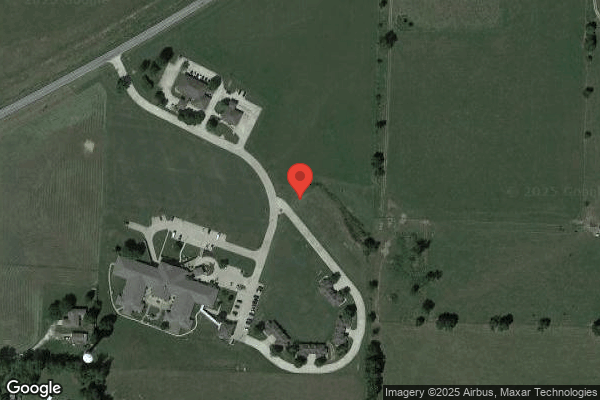
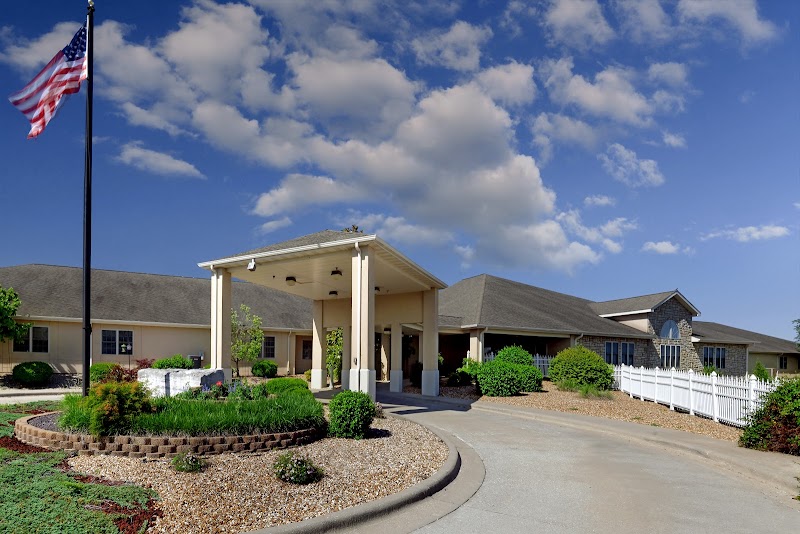
401 NORTH MEDICAL DRIVE, ASH GROVE, MO 65604 (417) 751-2575
Non profit - Corporation 82 Beds CITIZENS MEMORIAL HEALTH CARE Data: November 2025
Trust Grade
70/100
#49 of 479 in MO
Last Inspection: January 2025

Within standard 12-15 month inspection cycle. Federal law requires annual inspections.

Overview

Ash Grove Healthcare Facility has a Trust Grade of B, indicating it is a good choice among nursing homes. It ranks #49 out of 479 facilities in Missouri, placing it in the top half, and #3 out of 21 in Greene County, meaning only two local options are better. The facility shows an improving trend, reducing issues from five in 2024 to one in 2025. Staffing is rated average with a 3 out of 5 stars and a turnover rate of 63%, which is close to the state average of 57%. Notably, the facility has no fines on record, which is a positive sign. However, there are some concerns, including failures to properly label and date food in refrigeration, which could affect residents' safety, and risk of contamination from improper ice machine drainage. Despite these weaknesses, the facility has good RN coverage, exceeding 85% of state facilities, which helps ensure residents receive proper care.

Trust Score
B
70/100
In Missouri
#49/479
Top 10%
Safety Record
Low Risk
No red flags
Inspections
Getting Better
5 → 1 violations
Staff Stability
⚠ Watch
63% turnover. Above average. Higher turnover means staff may not know residents' routines.
Penalties
✓ Good
No fines on record. Clean compliance history, better than most Missouri facilities.
Skilled Nurses
○ Average
Each resident gets 36 minutes of Registered Nurse (RN) attention daily — about average for Missouri. RNs are the most trained staff who monitor for health changes.
Violations
⚠ Watch
15 deficiencies on record. Higher than average. Multiple issues found across inspections.
★★★★☆
4.0
Overall Rating
★★★☆☆
3.0
Staff Levels
★★★☆☆
3.0
Care Quality
★★★★☆
4.0
Inspection Score
Stable
2024: 5 issues
2025: 1 issues

The Good

  • Full Sprinkler Coverage · Fire safety systems throughout facility
  • No fines on record

Facility shows strength in fire safety.

The Bad

Staff Turnover: 63%

17pts above Missouri avg (46%)

Frequent staff changes - ask about care continuity

Chain: CITIZENS MEMORIAL HEALTH CARE

Part of a multi-facility chain

Ask about local staffing decisions and management

Staff turnover is elevated (63%)

15 points above Missouri average of 48%

The Ugly 15 deficiencies on record

Jan 2025 1 deficiency
CONCERN (D)

Potential for Harm - no one hurt, but risky conditions existed

Quality of Care (Tag F0684)

Could have caused harm · This affected 1 resident

Based on observation, interview, and record review, the facility failed to ensure all residents received care per the residents' care plans and standards of practice when staff failed to obtain blood ...

Read full inspector narrative →
Based on observation, interview, and record review, the facility failed to ensure all residents received care per the residents' care plans and standards of practice when staff failed to obtain blood sugar parameters for administration of as needed insulin for one resident (Resident #23) and when staff failed to document placement of a physician ordered compression glove or document notification of refusals for one resident (Resident #62). The facility census was 75. Review of the facility policy titled, Physician Orders, last revised November 2024, showed, the following: -If an order is received that is unclear, incomplete, or illegible, clarify the order with the attending physician and document clarification of the order in the medical record; -If the licensed/certified personnel question the appropriateness of an order, the following steps will be taken: Contact the physician for clarification. If unresolved: In long term care: Notify the charge nurse, Director of Nursing (DON), or Administrator. The nurse of DON will contact the physician to discuss the matter. If the matter is not resolved, proceed to the next step. Contact the facility medical director for the final decision. 1. Review of the facility policy titled, Blood Glucose Monitoring, last revised April 2023, showed the following: -A blood glucose level above 400 milligrams (mg)/deciliters (dL) or below 70 mg/dL should be reported to the resident's provider, unless otherwise instructed by the provider; -Notification should be documented in the medical record as well as follow up orders for action; -Out of range blood glucose should be reported to the charge nurses and/or Director of Nursing (DON); -Residents with sliding scale insulin will have notification parameters built into their scale Review of Resident #23's face sheet showed an admission date of 12/27/21. Review of the resident's quarterly Minimum Data Set (MDS - a federally mandated assessment tool completed by facility staff), dated 11/18/24, showed the following: -Exhibited moderate cognitive impairment; -Diagnoses included spinal stenosis (narrowing of the spaces inside the backbone can lead to weakness/tingling/pain) and diabetes mellitus; -Staff administered insulin seven out of seven days. Review of the resident's care plan, dated 01/06/22 and reviewed on 01/13/25, showed the following: -Resident had a diagnosis of diabetes mellitus, type II and was insulin dependent; -Staff to monitor for signs/symptoms of altered glucose metabolism as needed; -Staff to assess for increase thirst, increased urination, gradual muscle weakness, weight gain/loss, anorexia, abdominal cramping/pain, nausea, vomiting, blurred vision, lethargy, changed in mental status, pallor (pale skin), and diaphoresis (sweating); -Staff to complete accu-checks (finger stick to obtain blood sugar) as ordered and administer medication as ordered. Review of the resident's nurse note dated 12/09/24, untimed, showed the following: -Morning blood glucose = 359 mg/dL, treated with script of 4 units of Admelog (lispro - a fast-acting insulin) with meals; -Noon blood glucose = 419 mg/dL, treated with 4 units of Admelog; -Staff sent message to physician and staff awaiting orders. Review of a message about the resident sent from the nurse to the nurse practitioner (NP) dated 12/09/24, at 12:24 P.M., showed the following: -Morning blood glucose = 359 mg/dL, treated with script of 4 units of Admelog with meals; -Noon blood glucose = 419, treated with script of 4 units of Admelog; -Resident does not have a sliding scale; -How should we proceed? Review of the NP response dated 12/09/24, at 1:17 P.M., showed continue current care. Anytime they try to adjust his/her meds he/she drops and has issues with hypoglycemia (low blood glucose). Review of a message about the resident sent from the nurse to the NP dated 12/09/24, at 4:08 P.M., showed just an FYI (for your information), 4:00 P.M. blood sugar = 419 mg/dL, 3 units of insulin given. Previous communication noted to continue current plan of care. Review of a message about the resident sent from the nurse to the NP dated 12/09/24, at 9:21 P.M., showed resident's blood glucose at bedtime was 429 mg/dL. The resident is asymptomatic. Review of the NP response dated 12/10/24, at 7:19 A.M., showed will follow blood sugars over the next few days and adjust as needed. He/she is likely having some dietary indiscretions. Review of a message about the resident sent from the nurse to the NP dated 12/11/24, at 5:25 P.M., showed resident's blood glucose at first check was 459 mg/dL and repeat was 491 mg/dL. Staff gave the resident Admelog 4 units. Please advise. Review of the NP response dated 12/12/24, at 7:17 A.M., showed NP said adjusted his/her insulin. Review of the resident's nurse's note dated 12/12/24, untimed, showed the following: -First Accu-check = 406 mg/dL and repeat = 386 mg/dL; -NP notified; -New order for Admelog (fast-acting insulin) 5 units as needed (PRN). Review of the resident's December 2024 Medication Administration Record (MAR) showed the following: -An order, dated 12/12/24, for staff to administer Admelog Solostar (a fast-acting insulin) 5 units subcutaneous (SQ - into fatty tissue under the skin) injection as needed (PRN) at 6:30 A.M., 11:30 A.M., and at 4:30 P.M. (The order did not provide blood glucose level parameters regarding when to administer the PRN insulin.) Review of the resident's insulin administration record for Lispro (Admelog) pen 5 units PRN SQ at 6:30 A.M., 11:30 A.M., 4:30 P.M. and review of the resident's glucometer blood sugar (BS) results showed the following: -On 12/12/24, at 6:39 A.M., glucometer (an instrument used measure how much sugar is in a person's blood) result = 409 mg/dL; -On 12/12/24, at 6:41 A.M., glucometer result = 386 mg/dL and at 7:43 A.M. staff administered 5 units of PRN insulin; -On 12/12/24, at 11:05 A.M., glucometer result = 418 mg/dL; -On 12/12/24, at 11:07 A.M., glucometer result = 499 mg/dL and at 11:33 A.M. staff administered 5 units of PRN insulin; -On 12/12/24, at 3:32 P.M., glucometer result = 455 mg/dL; -On 12/12/24, at 3:34 P.M., glucometer result = 389 mg/dL and at 4:38 P .M. staff administered 5 units of PRN insulin; -On 12/12/24, at 6:21 P.M., glucometer result = 317 mg/dL. Staff did not document administration of PRN insulin; -On 12/13/24, at 6:32 A.M. glucometer result =220 mg/dL. Staff did not document administration of PRN insulin; -On 12/13/24, at 11:17 A.M., glucometer result = 219 mg/dL and at 11:24 A.M. Staff administered 5 units of PRN insulin; -On 12/13/24, at 4:04 P.M., glucometer result = 309 mg/dL and at 4:36 P.M. staff administered 5 units of PRN insulin; -On 12/13/24, at 7:04 P.M., glucometer result = 209 mg/dL. Staff did not document administration of PRN insulin; -On 12/14/24, at 6:32 A.M., glucometer result = 208 mg/dL and at 6:38 A.M. staff administered 5 units of PRN insulin; -On 12/14/24, at 11:14 A.M., glucometer result = 246 mg/dL. Staff did not document administration of PRN insulin; -On 12/14/24, at 4:01 P.M., glucometer result = 249 mg/dL. Staff did not document administration of PRN insulin; -On 12/14/24, at 6:16 P.M., glucometer result = 248 mg/dL. Staff did not document administration of PRN insulin; -On 12/15/24, at 6:31 A.M., glucometer result = 86 mg/dL and at 6:47 A.M. staff administered 5 units of PRN insulin; -On 12/15/24, at 11:12 A.M., glucometer result = 97 mg/dL. Staff did not document administration of PRN insulin; -On 12/15/24, at 4:06 P.M., glucometer result = 132 mg/dL. Staff did not document administration of PRN insulin; -On 12/15/24, at 6:41 P.M., glucometer result = 250 mg/dL. Staff did not document administration of PRN insulin; -On 12/16/24, at 6:29 A.M., glucometer result = 224 mg/dL and at 6:30 A.M. staff administered 5 units of PRN insulin; -On 12/16/24, at 11:18 A.M., glucometer result = 346 mg/dL and at 11:16 A.M. staff administered 5 units of PRN insulin; -On 12/16/24, at 3:40 P.M., glucometer result = 358 mg/dL and at 3:41 P.M. staff administered 5 units of PRN insulin; -On 12/16/24, at 8:13 P.M glucometer result = 186 mg/dL. Staff did not document administration of PRN insulin; -On 12//17/24, at 6:45 A.M., glucometer result = 133 mg/dL and at 6:49 A.M. staff administered 5 units of PRN insulin; -On 12/17/24, at 3:53 P.M., glucometer result = 296 mg/dL and at 3:55 P.M. staff administered 5 units of PRN insulin; -On 12/17/24, at 6:42 P.M., glucometer result = 194 mg/dL. Staff did not document administration of PRN insulin; -On 12/18/24, at 6:21 A.M., glucometer result = 163 mg/dL. Staff did not document administration of PRN insulin; -On 12/18/24, at 11:08 A.M. glucometer result = 298 mg/dL and at 11:10 A.M. staff administered 5 units of PRN insulin; -On 12/18/24, at 4:22 P.M., glucometer result = 260 mg/dL and at 4:28 P.M. staff administered 5 units of PRN insulin; -On 12/18/24, at 6:29 P.M., glucometer result = 181 mg/dL. Staff did not document administration of PRN insulin; -On 12/19/24, at 7:08 A.M., glucometer result = 116 mg/dL. Staff did not document administration of PRN insulin; -On 12/19/24, at 11:25 A.M., glucometer result = 131 mg/dL and at 11:27 A.M. staff administered 5 units of PRN insulin; -On 12/19/24, at 4:03 P.M., glucometer result = 126 mg/dL. Staff did not document administration of PRN insulin; -On 12/19/24, at 6:31 P.M., glucometer result = 178 mg/dL. Staff did not document administration of PRN insulin; -On 12/20/24, at 6:46 A.M., glucometer result = 114 mg/dL. Staff did not document administration of PRN insulin; -On 12/20/24, at 11:35 A.M., glucometer result = 159 mg/dL. Staff did not document administration of PRN insulin; -On 12/20/24, at 4:47 P.M., glucometer result = 202 mg/dL and at 4:50 P .M. staff administered 5 units of PRN insulin; -On 12/20/24, at 6:01 P.M., glucometer result = 267 mg/dL. Staff did not document administration of PRN insulin; -On 12/21/24, at 6:54 A.M., glucometer result = 73 mg/dL. Staff did not document administration of PRN insulin; -On 12/21/24, at 11:00 A.M., glucometer result = 160 mg/dL. Staff did not document administration of PRN insulin; -On 12/21/24, at 4:24 P.M., glucometer result = 259 mg/dL and at 4:25 P.M. staff administered 5 units of PRN insulin; -On 12/21/24, at 6:15 P.M., glucometer result = 214 mg/dL. Staff did not document administration of PRN insulin; -On 12/22/24, at 6:42 A.M., glucometer result = 70 mg/dL. Staff did not document administration of PRN insulin; -On 12/22/24, at 10:59 A.M., glucometer result = 201 mg/dL. Staff did not document administration of PRN insulin; -On 12/22/24, at 3:59 P.M., glucometer result = 259 mg/dL and at 4:01 P.M. staff administered 5 units of PRN insulin; -On 12/22/24, at 6:12 P.M., glucometer result = 117 mg/dL. Staff did not document administration of PRN insulin; -On 12/23/24, at 7:08 A.M., glucometer result = 72 mg/dL and at 7:10 A.M., staff administered 5 units of PRN insulin; -On 12/23/24, at 11:14 A.M., glucometer result = 151 mg/dL. Staff did not document administration of PRN insulin; -On 12/23/24, at 4:36 P.M., glucometer result = 220 mg/dL and at 4:38 P.M. staff administered 5 units of PRN insulin; -On 12/23/24, at 7:33 P.M., glucometer result = 159 mg/dL. Staff did not document administration of PRN insulin; -On 12/24/24, at 6:36 A.M., glucometer result = 120 mg/dL. Staff did not document administration of PRN insulin; -On 12/24/24, at 11:07 A.M., glucometer result = 198 mg/dL and at 11:10 A.M. staff administered 5 units of PRN insulin; -On 12/24/24, at 4:16 P.M., glucometer result = 183 mg/dL. Staff did not document administration of PRN insulin; -On 12/24/24, at 7:47 P.M., glucometer result = 199 mg/dL. Staff did not document administration of PRN insulin; -On 12/25/24, at 6:47 A.M., glucometer result = 152 mg/dL. Staff did not document administration of PRN insulin; -On 12/25/24, at 11:21 A .M. glucometer result = 363 mg/dL and at 11:22 A.M. staff administered 5 units of PRN insulin; -On 12/25/24, at 3:48 P.M., glucometer result = 270 mg/dL and a 3:51 P.M. staff administered 5 units of PRN insulin; -On 12/25/24, at 6:14 P.M., glucometer result = 187 mg/dL. Staff did not document administration of PRN insulin; -On 12/26/24, at 6:54 A.M., glucometer result = 288 mg/dL and at 6:58 A.M. staff administered 5 units of PRN insulin; -On 12/26/24, at 11:16 A.M., glucometer result = 367 mg/dL and at 11:20 A.M. staff administered 5 units of PRN insulin; -On 12/26/24, at 3:45 P.M., glucometer result = 271 mg/dL and at 3:55 P.M. staff administered 5 units of PRN insulin; -On 12/26/24, at 7:02 P.M., glucometer result = 144 mg/dL. Staff did not document administration of PRN insulin; -On 12/27/24, at 6:42 A.M., glucometer result = 189 mg/dL and at 6:45 A.M. staff administered 5 units of PRN insulin; -On 12/27/24 at 11:14 A.M., glucometer result =236 mg/dL and at 11:28 A.M. staff administered 5 units insulin; -On 12/27/24, at 3:52 P.M., glucometer result = 262 mg/dL and at 3:54 P.M. staff administered 5 units of PRN insulin; -On 12/27/24, at 5:49 P.M. glucometer result = 289 mg/dL. Staff did not document administration of PRN insulin; -On 12/28/24, at 6:46 A.M., glucometer result = 255 mg/dL and at 6:43 A .M. staff administered 5 units of PRN insulin; -On 12/28/24, at 11:25 A.M., glucometer result = 180 mg/dL. Staff did not document administration of PRN insulin; -On 12/28/24, at 4:15 P.M., glucometer result = 244 mg/dL and at 4:19 P.M. staff administered 5 units of PRN insulin; -On 12/28/24, at 5:44 P.M., glucometer result = 257 mg/dL. Staff did not document administration of PRN insulin; -On 12/29/24, at 6:57 A.M., glucometer result = 59 mg/dL. Staff did not document administration of PRN insulin; -On 12/29/24, at 6:58 A.M., glucometer result = 52 mg/dL. Staff did not document administration of PRN insulin; -On 12/29/24, at 9:03 A.M., glucometer result = 146 mg/dL. Staff did not document administration of PRN insulin. Review of the resident's nurse's note dated 12/29/24, untimed, showed the following: -Resident's A.M. blood glucose was 57 mg/dL and 52 mg/dL; -Took the resident to breakfast and rechecked the blood glucose with the following result of 146 mg/dL; -Provider notified via message. Review of a message about the resident sent from the nurse to the NP dated 12/29/24, at 9:16 A.M., showed resident's A.M. blood glucoses were 57 mg/dL and 52 mg/dL. Took resident to breakfast and rechecked following with a result of 146 mg/dL. Review of the NP response dated 12/30/24, at 7:21 A.M., showed staff to monitor today if lows continue will need to adjust the insulin. Review of the resident's insulin administration record for Lispro (Admelog) pen 5 units as needed (PRN) SQ at 6:30 A.M., 11:30 A.M., 4:30 P.M. and review of the resident's glucometer blood sugar (BS) results showed the following: -On 12/29/24, at 11:13 A.M., glucometer result = 238 mg/dL and at 11:14 A.M., staff administered 5 units of PRN insulin; -On 12/29/24, at 3:54 P.M., glucometer result = 118 and at 4:14 P.M. staff administered 5 units of PRN insulin; -On 12/29/24, at 6:31 P.M., glucometer result = 113 mg/dL. Staff did not document administration of PRN insulin; -On 12/30/24 at 1:46 A.M. glucometer result = 55 mg/dL Staff did not document administration of PRN insulin; -On 12/30/24 at 2:09 A.M. glucometer result = 54 mg/dL. Staff did not document administration of PRN insulin; -On 12/30/24 at 2:36 A.M. glucometer result = 104 mg/dL. Staff did not document administration of PRN insulin. Review of a message about the resident sent from the nurse to the NP dated 12/30/24, at 2:46 A.M., showed: -Resident came to the nurses' station at 1:45 A.M., stating he/she felt he/she needed a snack due to low blood sugar. First check was 55 mg/dL, gave the resident a cookie and juice. Rechecked the resident's blood sugar at 2:09 A.M. was 54 mg/dL. Gave the resident crackers and more juice. Rechecked the resident's blood sugar at 2:36 A.M., and the result was 104 mg/dL. Resident felt comfortable going back to bed. Staff will continue to monitor. Review of the NP response, dated 12/30/24, at 3:02 P.M., showed Noted. Review of the resident's insulin administration record for Lispro (Admelog) pen 5 units as needed (PRN) SQ at 6:30 A.M., 11:30 A.M., 4:30 P.M. and review of the resident's glucometer blood sugar (BS) results showed the following: -On 12/30/24, at 6:33 A.M. glucometer result = 186 mg/dL and at 6:36 A.M. staff administered 5 units of PRN insulin; -On 12/30/24, at 11:09 A.M., glucometer result = 138 mg/dL. Staff did not document administration of PRN insulin; -On 12/30/24 at 3:52 P.M. glucometer result = 218 mg/dL and at 3:55 P.M. staff administered 5 units of PRN insulin; -On 12/30/24, at 7:02 P.M., glucometer result = 160 mg/dL. Staff did not document administration of PRN insulin; -On 12/31/24, at 6:46 A.M., glucometer result = 129 mg/dL. Staff did not document administration of PRN insulin; -On 12/31/24, at 10:59 A.M., glucometer result = 195 mg/dL and at 11:02 A.M. staff administered 5 units of PRN insulin; -On 12/31/24, at 4:49 P.M., glucometer result = 265 mg/dL and at 5:09 P.M. staff administered 5 units of PRN insulin; -On 12/31/24, at 7:25 P.M., glucometer result = 212 mg/dL. Staff did not document administration of PRN insulin; -On 01/01/25, at 7:38 A.M., glucometer result =144 mg/dL. Staff did not document administration of PRN insulin; -On 01/01/25, at 11:31 A.M., glucometer result = 275 mg/dL and at 11:33 A.M. staff administered 5 units of PRN insulin; -On 01/01/25, at 3:50 P.M., glucometer result = 260 mg/dL and at 3:52 P.M. staff administered 5 units of PRN insulin; -On 01/01/25, at 6:47 P.M., glucometer result = 307 mg/dL. Staff did not document administration of PRN insulin; -On 01/02/25, at 11:01 A.M., glucometer result = 195 mg/dL and at 11:04 A.M. staff administered 5 units of PRN insulin; -On 01/02/25, at 4:23 P.M., glucometer result = 232 mg/dL and at 4:28 P.M. staff administered 5 units of PRN insulin; -On 01/02/25, at 7:00 P.M., glucometer result = 205 mg/dL and at 7:01 P.M. staff administered 5 units of PRN insulin; -On 01/03/25, at 7:10 A.M., glucometer result = 93 mg/dL. Staff did not document administration of PRN insulin; -On 01/03/25, at 11:36 A.M., glucometer result = 256 mg/dL and at 11:40 A.M. staff administered 5 units of PRN insulin; -On 01/03/25, at 4:53 P.M., glucometer result = 218 mg/dL and at 4:57 P.M. staff administered 5 units of PRN insulin; -On 01/03/25, at 6:14 P.M., glucometer result = 246 mg/dL. Staff did not document administration of PRN insulin; -On 01/04/25, at 7:00 A.M., glucometer result = 65 mg/dL. Staff did not document administration of PRN insulin; -On 01/04/25, at 7:02 A .M., glucometer result = 66 mg/dL. Staff did not document administration of PRN insulin; -On 01/04/25, at 8:09 A.M., glucometer result = 102 mg/dL. Staff did not document administration of PRN insulin. Review of the resident's nurse's note dated 01/04/25, untimed, showed the following: -Notified the resident's physician of blood glucose of 65 mg/dL, repeat check 66 mg/dL; -The nurse took the resident to the dining room and got the resident his/her breakfast and a glass of orange juice; -No symptoms of low blood glucose; -After breakfast, blood glucose 102 mg/dL. Review of the resident's insulin administration record for Lispro (Admelog) pen 5 units as needed (PRN) SQ at 6:30 A.M., 11:30 A.M., 4:30 P.M. and review of the resident's glucometer blood sugar (BS) results showed the following: -On 01/04/25, at 11:35 A.M., glucometer result = 239 mg/dL and at 11:39 A.M. staff administered 5 units of PRN insulin; -On 01/04/25, at 4:19 P.M., glucometer result = 202 mg/dL and at 4:21 P.M.,staff administered 4 units of PRN insulin. (Staff did not have an order to administer 4 units.); -On 01/04/25, at 5:51 P.M., glucometer result = 266 mg/dL. Staff did not document administration of PRN insulin; -On 01/05/25, at 7:19 A.M., glucometer result = 68 mg/dL. Staff did not document administration of PRN insulin; -On 01/05/25, at 7:21 A.M., glucometer result = 67 mg/dL. Staff did not document administration of PRN insulin; -On 01/05/25, at 7:46 A.M., glucometer result = 88 mg/dL. Staff did not document administration of PRN insulin; -On 01/05/25, at 10:58 A.M., glucometer result = 226 mg/dL. Staff did not document administration of PRN insulin; -On 01/05/25, at 3:59 P.M., glucometer result = 253 mg/dL and at 4:00 P.M. staff administered 5 units of PRN insulin; -On 01/05/25, at 7:03 P.M., glucometer result =197 mg/dL. Staff did not document administration of PRN insulin; -On 01/06/25, at 7:05 A.M., glucometer result = 49 mg/dL. Staff did not document administration of PRN insulin; -On 01/06/25, at 8:50 A.M., glucometer result = 104 mg/dL. Staff did not document administration of PRN insulin. Review of a message sent from the nurse to the NP dated 01/06/25, at 8:57 A.M., showed: -Resident's initial blood glucose this A.M. = 47 mg/dL. Resident taken to breakfast immediately and allowed to eat. Follow-up blood glucose = 104 mg/dL. Will monitor throughout shift. Anything further? Review of the NP's response dated 01/06/25, at 9:08 A.M., showed continue to monitor. Provider decreased the resident's long-acting insulin. Review of the resident's insulin administration record for Lispro (Admelog) pen 5 units as needed (PRN) SQ at 6:30 A.M., 11:30 A.M., 4:30 P.M. and review of the resident's glucometer blood sugar (BS) results showed: -On 01/06/25, at 11:42 A.M. glucometer result = 197 mg/dL. Staff did not document administration of PRN insulin; -On 01/06/25, at 4:35 P.M., glucometer result = 282 mg/dL. Staff did not document administration of PRN insulin; -On 01/06/25, at 8:54 P.M., glucometer result = 292 mg/dL. Staff did not document administration of PRN insulin; -On 01/07/25, at 6:30 A.M., glucometer result = 222 mg/dL and at 6:36 A.M. staff administered 5 units of PRN insulin; -On 01/07/25, at 11:26 A.M., glucometer result = 204 mg/dL. Staff did not document administration of PRN insulin; -On 01/07/25, at 8:40 P.M., glucometer result = 317 mg/dL. Staff did not document administration of PRN insulin; -On 01/08/25, at 6:49 A.M., glucometer result = 264 mg/dL and at 7:27 A.M. staff administered 5 units of PRN insulin; -On 01/08/25, at 11:31 A.M., glucometer result = 256 mg/dL and at 11 34 A.M. staff administered 5 units of PRN insulin; -On 01/08/25, at 5:16 P.M., glucometer result = 248 mg/dL and at 5:18 .M. staff administered 4 units of PRN insulin. (Staff did not have an order to administer 4 units); -On 01/08/25, at 7:11 P.M., glucometer result = 286 mg/dL. Staff did not document administration of PRN insulin; -On 01/09/25, at 6:42 A.M., glucometer result = 178 mg/dL and at 7:14 A.M. staff administered 4 units of PRN insulin. (Staff did not have an order to administer 4 units); -On 01/09/25, at 11:15 A.M., glucometer result = 246 mg/dL and at 11:19 A.M. staff administered 5 units of PRN insulin; -On 01/09/25, at 4:33 P.M., glucometer result = 227 mg/dL and at 4:35 P.M. staff administered 4 units of PRN insulin. (Staff did not have an order to administer 4 units.); -On 01/09/25, at 7:19 P.M., glucometer result = 235 mg/dL. Staff did not document administration of PRN insulin; -On 01/10/25, at 7:22 A.M., glucometer result = 214 mg/dL and at 7:38 A.M. staff administered 5 units of PRN insulin; -On 01/10/25, at 10:52 A.M., glucometer result = 245 mg/dL and at 11:27 A.M. staff administered 5 units of PRN insulin; -On 01/10/25, at 3:55 P.M., glucometer result = 249 mg/dL and at 4:01 P.M. staff administered 5 units of PRN insulin; -On 01/10/25, at 6:05 A.M., glucometer result = 132 mg/dL. Staff did not document administration of PRN insulin; -On 01/11/25, at 6:30 A.M., glucometer result = 102 mg/dL. Staff did not document administration of PRN insulin; -On 01/11/25, at 11:06 A.M., glucometer result = 279 mg/dL and at 11:10 P.M. staff administered 5 units of PRN insulin; -On 01/11/25, at 3:42 P.M., glucometer result = 172 mg/dL and at 3:45 P.M. staff administered 5 units of PRN insulin; -On 01/11/25, at 5:35 P.M., glucometer result = 114 mg/dL. Staff did not document administration of PRN insulin; -On 01/12/25, at 6:38 A.M., glucometer result = 168 mg/dL. Staff did not document administration of PRN insulin; -On 01/12/25, at 11:09 A.M., glucometer result = 322 mg/dL and at 11:12. A.M. staff administered 5 units of PRN insulin; -On 01/12/25, at 3:39 P.M., glucometer result = 292 mg/dL and at 3:41. P.M. staff administered 5 units of PRN insulin; -On 01/12/25, at 6:50 P.M., glucometer result = 226 mg/dL. Staff did not document administration of PRN insulin; -On 01/13/25, at 7:23 A.M., glucometer result = 123 mg/dL and at 7:32 A.M. staff administered 4 units of PRN insulin (Staff did not have an order to administer 4 units); -On 01/13/25, at 10:57 A.M., glucometer result = 123 mg/dL. Staff did not document administration of PRN insulin; -On 01/13/25, at 3:55 P.M., glucometer result = 283 mg/dL and at 4:06 P.M. staff administered 4 units of PRN insulin (Staff did not have an order to administer 4 units); -On 01/13/25, at 7:43 P.M., glucometer result = 327 mg/dL. Staff did not document administration of PRN insulin; -On 01/14/25, at 6:34 A.M., glucometer result = 268 mg/dL and at 6:37 A.M. staff administered 4 units of PRN insulin. (Staff did not have an order to administer 4 units.); -On 01/14/25, at 10:57 A.M., glucometer result =255 mg/dL and at 11:25 A.M. staff administered 5 units of PRN insulin; -On 01/14/25, at 3:59 P.M., glucometer result = 236 mg/dL and at 4:26 P.M. staff administered 5 units of PRN insulin; -On 01/14/25, at 7:46 P.M., glucometer result = 196 mg/dL. Staff did not document administration of PRN insulin; -On 01/15/25, at 6:25 A.M., glucometer result = 165 mg/dL. Staff did not document administration of PRN insulin; -On 01/15/25, at 11:10 A.M., glucometer result = 338 mg/dL and at 11:11 A. M. staff administered 5 units of PRN insulin; -On 01/15/25, at 5:42 P.M., glucometer result = 241 mg/dL and at 5:43 P.M. staff administered 5 units of PRN insulin; -On 01/15/25, at 7:08 P.M., glucometer result = 299 mg/dL. Staff did not document administration of PRN insulin; -On 01/16/25, at 6:35 A.M., glucometer result = 194 mg/dL and at 6:37 A.M. staff administered 5 units of PRN insulin; -On 01/16/25, at 10:59 A.M., glucometer result = 183 mg/dL. Staff did not document administration of PRN insulin; -On 01/16/25, at 3:52 P.M., glucometer result = 364 mg/dL and at 3:56 P.M. staff administered 5 units of PRN insulin; -On 01/16/25, at 6:43 P.M., glucometer result = 418 mg/dL. Staff did not document administration of PRN insulin; -On 01/16/25, at 9:12 P.M., glucometer result = 356 mg/dL. Staff did not document administration of PRN insulin; -On 01/17/25, at 7:01 A.M., glucometer result = 179 mg/dL. Staff did not document administration of PRN insulin; -On 01/17/25, at 11:11 A.M., glucometer result = 291 mg/dL. Staff did not document administration of PRN insulin; -On 01/17/25, at 4:55 P.M., glucometer result = 211 mg/dL and at 5:10 P.M., staff administered 5 units of PRN insulin; -On 01/17/25, at 5:47 P.M., glucometer result = 190 mg/dL; -On 01/18/25, at 6:42 A.M., glucometer result = 103 mg/dL; -On 01/18/25, at 11:07 A.M., glucometer result = 270 mg/dL and at 11:27 A.M. staff administered 5 units of PRN insulin; -On 01/18/25, at 4:32 P.M., glucometer result = 364 mg/dL and at 4:54 P.M. staff administered 5 units of PRN insulin; -On 01/18/25, at 5:42 P.M., glucometer result = 432 mg/dL. Staff did not document administration of PRN insulin; -On 01/18/25, at 5:45 P.M., glucometer result = 390 mg/dL. Staff did not document administration of PRN insulin; -On 01/19/25, at 6:57 A.M., glucometer result = 169 mg/dL and at 7:04 A.M. staff administered 5 units of PRN insulin; -On 01/19/25, at 11:04 A.M., glucometer result = 117 mg/dL. Staff did not document administration of PRN insulin; -On 01/19/25, at 3:42. P.M., glucometer result = 336 mg/dL and at 4:24 P.M. staff administered 5 units of PRN insulin; -On 01/19/25, at 6:50 P.M., glucometer result = 340 mg/dL. Staff did not document administration of PRN insulin; -On 01/20/25, at 6:52 A.M., glucometer result = 199 mg/dL and at 6:56 A.M. staff administered 5 units of PRN insulin; -On 01/20/25, at 11:02 A.M., glucometer result = 199 mg/dL and at 11:06 A.M. staff administered 5 units of PRN insulin; -On 01/20/25, at 4:02 P.M., glucometer result = 301 mg/dL and at 4:04 P.M., staff administered 5 units of PRN insulin; -On 01/20/25, at 7:05 P.M., glucometer result = 216 mg/dL. Staff did not document administration of PRN insulin; -On 01/21/25, at 6:26 A.M., glucometer result = 116 mg/dL. Staff did not document administration of PRN insulin; -On 01/21/25, at 10:55. A.M., glucometer result = 241 mg/dL. Staff did not document administration of PRN insulin; -On 01/21/25, at 4:11 P.M., glucometer result = 303 mg/dL and at 4:12 P.M. staff administered 5 units of PRN insulin; -On 01/21/25, at 7:01 P.M. glucometer result =171 mg/dL. Staff did not document administration of PRN insulin; -On 01/22/25, at 7:01 A.M., glucometer result = 146 mg/dL and at 7:06 A.M., staff administered 5 units insulin; -On 01/22/25 at 11:23 A.M. glucometer result = 275 mg/dL and at 12:06 P.M., staff administered 5 units of PRN insulin; -On 01/22/25, at 3:59 P.M., glucometer result = 305 mg/dL and at 3:57 P.M. staff administered 5 units of PRN insulin; -On 01/22/25, at 9:20 P.M., glucometer result = 379 mg/dL. Staff did not document administration of PRN insulin; -On 01/23/25, at 7:00 A.M., glucometer result = 178 mg/dL and at 7:04 A.M. staff administered 5 units of PRN insulin. Observation on 01/23/25, at 11:10 A.M of Licensed Practical Nurse (LPN) A showed the following: -He/she checked the resident's blood sugar as per the physician's order with a glucometer, and the glucometer showed a result of 197 mg/dL; -The nurse administered 5 units of PRN Admelog Solostar insulin via SQ injection. During an interview on 01/23/25, at 11:10 A.M., LPN A said the following: -The NP changed the resident's Admelog Solostar insulin order to as needed before meals due to the resident being a brittle diabetic (diabetes that is difficult to manage and causes extreme fluctuations in blood sugar levels); -The NP did not give parameters for administration versus holding of the resident's insulin; -The nurse said he/she questioned the NP about the lack of parameters for administration of the insulin and the NP told the nurse to decide whether to administer or not; -The nurse said he/she typically held (did not administer) the resident's Admelog Solostar insulin if his/her blood sugar result was 120 mg/dL or lower. During an interview on 01/24/25, at 9:37 A.M., Registered Nurse (RN) B said the following: -The physician or nurse practitioner gave an order for nursing to administer the resident's Admelog (lispro) insulin 3 times per day PRN; -RN B said if he/she would have obtained the physician's order, he/she would have asked the physician or NP for blood sugar parameters to know when to give the medication or he/she would have asked the physician or NP, if the order was meant to be routinely scheduled instead of PRN. During an interview on 01/24/25, at 10:20 A.M., LPN A said the following: -The physician or NP generally give orders to administer insulin on a routine basis or the orders have parameters, such us as a scale of how much insulin to give based on the blood sugar results; -He/she would prefer the physician or NP to order a resident's insulin as scheduled routinely; -He/she generally administered the 5 units of Admelog if
Oct 2024 1 deficiency
CONCERN (E) 📢 Someone Reported This

A family member, employee, or ombudsman was alarmed enough to file a formal complaint

Potential for Harm - no one hurt, but risky conditions existed

Deficiency F0568 (Tag F0568)

Could have caused harm · This affected multiple residents

Deficiency Text Not Available

Read full inspector narrative →
Deficiency Text Not Available
Aug 2024 3 deficiencies
CONCERN (D) 📢 Someone Reported This

A family member, employee, or ombudsman was alarmed enough to file a formal complaint

Potential for Harm - no one hurt, but risky conditions existed

Resident Rights (Tag F0550)

Could have caused harm · This affected 1 resident

Based on record review and interview, the facility failed to ensure all residents were treated with respect and dignity when one staff (Certified Nurse Aide (CNA) A) proceeded to give one resident (Re...

Read full inspector narrative →
Based on record review and interview, the facility failed to ensure all residents were treated with respect and dignity when one staff (Certified Nurse Aide (CNA) A) proceeded to give one resident (Resident #1) a shower when the resident resisted and called out and the CNA did not attempt alternate interventions to calm the resident. The facility census is 74. Review of the facility's policy on Resident Rights, updated 10/01/21, showed the following: -Residents have the right to be treated with dignity and respect; -Residents can make their own schedule and participate in activities of their choice; -Residents have the right to reasonable accommodation of needs and preferences. 1. Review of Resident #'1's face sheet showed the following: -admission date of 06/06/22; -Diagnoses included chronic Alzheimer's disease (loss of memory) with late onset. Review of the resident's care plan, begin date of 06/09/22, showed the following information: -Resident needed substantial/dependent assistance with bathing. The resident's family prefers a female only provide the resident showers; -Required substantial assistance with upper body dressing and dependent on lower body dressing; -Required partial assistance with hygiene; -He/she will be involved in the decision-making process for his/her activities of daily living; -He/she wanted to be treated with the same dignity that he/she would be treated in his/her home; -Please respect his/her choices for care and routine; -The resident is at risk for pain related to fibromyalgia (widespread muscle pain, accompanied by tiredness, memory and mood issues), aging and decreased mobility; -Resident had diagnoses that included depression (feelings of sadness) and anxiety (feelings of fear, dreads and uneasiness); -Staff to explain to resident what they are doing prior to starting and have patience with resident when providing cares; -If the resident is agitated and it is safe to do so, leave and reapproach the resident later; -Staff to use a calm reassuring approach; -Staff to assess for trigger situations such as pain, personal loss, relocation, conflict, or prior history. (Staff did not indicate the resident was combative during showers or refuses showers on the resident's care plan.) Review of the resident's quarterly Minimum Data Set (MDS - a federally mandated assessment instrument completed by facility staff), dated 08/10/24, showed the following: -Severally impaired cognition; -Rejection of care behavior not exhibited; -Required partial assistance with oral and personal hygiene; -Required substantial assistance with dressing the upper body; -Dependent on staff for toileting hygiene, shower, and lower body dressing. Review of the resident's August 2024 bathing assessments showed the following: -On 08/05/24, the resident did not refuse bathing, required partial/moderate assistance; -On 08/08/24, the resident did not refuse bathing, required substantial/maximal assistance; -On 08/12/24, the resident did not refuse bathing, required substantial/maximal assistance; -On 08/15/24, the resident did not refuse bathing, required partial/moderate assistance; -On 08/19/24, the resident did not refuse bathing. Resident was extremely combative to staff and self, causing harm to self. Resident dependent upon staff. Review of the resident's shower sheets, for 08/15/24 to 08/19/24, showed the following: -On 08/15/24, no time listed, CNA A gave the resident a shower and no skin issues noted; -On 08/19/24, no time listed, CNA A gave the resident a shower and noted bruising on both of the resident's hands on the tops and bruising on the underneath of both wrists. Review of the Resident's skin assessments, dated 08/19/24, showed the following: -On 08/19/24, at 9:55 A.M., resident skin intact with no bruising noted (before shower); -On 08/19/24, at 10:30 A.M., small pink area on left shoulder, bruise to left lower forearm that was purple in color and bruises to right lower forearm that were purple in color (after shower). Observations of the facility camera footage, dated 08/19/24, showed the following: -On 08/19/24, at 10:02 A.M., CNA A took the resident by the hand and walked towards the shower room; -About halfway to the shower room, the resident pulled his/her hand away from CNA A; -CNA A took the resident by the arm, put the resident's arm under his/hers, and the resident proceeded to go with CNA A, at 10:03 A.M., -At 10:16 A.M., CNA B stood at the shower door, peeked his/her head in, and then closed the door; -At 10:17 A.M., the Activity Assistant came down the hall and went into the shower room. (CNA A was in the shower room with the resident a total of 14 minutes.) Observation on 08/20/24, at 1:30 P.M., of the resident showed the resident was wearing a long-sleeved shirt and sitting at the table in the dining room. The resident was confused. The resident pulled up his/her sleeve on his/her right arm. His/her arm had two purple bruises present. Observation on 08/22/24, at 9:48 A.M., showed the following: -The resident sat in the dining room of the memory care unit; -The resident had a half dollar size deep purple bruise on his/her left arm with a smaller bruise (size of pencil tip) on the underside; -The resident's right arm had four bruises that were dark purple. Two were on the inner arm were half dollar size and the other two were pencil tip. -The resident also had two additional bruises on his/her left arm. One that was purple/red and about 3 inches across and 1 inch wide and another approximately 1 1/2 inches by 2 inches. During an interview on 08/20/24, at 2:30 P.M., CNA A said the following: -He/she has never had exceptional interactions with the resident; -He/she believed the resident's dementia and trauma got triggered during the incident; -He/she said there was a lot of yelling no matter how he/she did it; -He/she assisted the resident by putting his/her arm under the resident's arm. The resident did not refuse to go to the shower room. He/she did not tell the resident he/she was going to take him/her for a shower. He/she told the resident they were going to get cleaned up; -Once the resident was in the shower he/she proceeded to remove the resident's shirt. After removing the shirt, he/she went to remove the resident's undergarment and that's when the resident began grabbing and scratching the CNA and him/herself; -He/she removed the resident's undergarment and pants; -He/she got the resident into the shower and the resident began to yell for his/her mom; -The resident screamed and called names. The CNA described it as at a preschool level. He/she said this continued throughout the shower; -The resident resisted throughout the shower; -The resident was very unhappy while getting his/her hair washed; -CNA A turned the chair around towards the wall, so the resident faced the wall, so he/she could stand behind the resident and wash the resident. The resident was still combative, so he/she washed as quickly as possible; -He/she rinsed the resident off and attempted to dry him/her, which was unsuccessful; -The resident grabbed at everything. The CNA held the resident's hands down so he/she wouldn't hurt him/herself. He/she took the resident's hands in his/her hands and said the resident's name to try and get to the resident to stop grabbing and scratching; -He/she proceeded to dry the resident and place a brief and pants on the resident to the knees. He/she had the resident stand to pull everything up and it all went sideways; -He/she went to pull the undergarment over the resident's head and the resident was no cooperative and the undergarment elastic was up against the front of the resident's neck; -He/she tried to get the undergarment back off as the resident as the resident was screaming; -The Activity Assistant knocked on the door; -He/she did not think to get another staff until towards the end; -The resident had been combative during showers in the past, but this was the worst time; -The resident had history of resisting cares; -It would not be appropriate to force a resident to take a shower. During an interview on 08/20/24, at 2:00 P.M., Activity Assistance said the following: -He/she was going back to the memory care unit; -He/she got into the unit and could hear hollering from the shower room; -He/she went into the shower room. CNA A was trying to put the resident's undergarment on him/her and the resident was refusing; -The resident was very upset; -He/she had CNA A step away from the resident and he/she took over. The resident calmed down; -The resident had bruising on his/her right forearm. This bruising was not there when he/she worked on Sunday; -CNA B said CNA A jerked the resident into the shower; -He/she and CNA B went to the Administrator immediately; -When a resident refuses a shower, he/she reapproaches throughout the day and if by the end of the day the resident still refuses, he/she let the nurse know; -It would not be appropriate to take by the arm when resident is refusing and force them to the shower. During interviews on 08/20/24, at 1:21 P.M., and on 08/22/24, at 9:10 A.M., CNA B said the following: -When residents with dementia refuse care, he/she stepped away to give the resident some time, then reapproached. If that doesn't work, he/she will get another staff to assist; -On 08/19/24, CNA A took the resident into the shower; -The resident was refusing to go, but CNA A kept pulling the resident to the shower room; -Once the resident was in the shower, he/she heard the resident screaming through the door shortly after going into the shower room; -He/she opened the door and peeked in and asked CNA A if everything was okay. CNA A said he/she just started the water and that was why the resident was upset; -The screaming and yelling intensified three to four times during the time the resident was in the shower and continued the entire time until Activity Assistant went into the shower room; -When the resident came out of the shower the resident had bruises on both arms and the bruises were not there prior to the resident being taken into the shower; -He/she told the charge nurse and the Administrator about the incident immediately; -The resident does refuse cares and showers at times; -He/she had given the resident several showers and never had the resident scream like the resident screamed during the shower on the 08/19/24; -He/she tells the resident about the care. If the resident is refusing a shower, he/she tried to get the shower completed as quickly as possible; -If the resident was upset, distressed and yelling, or scratching, he/she would stop and reapproach the resident later. If that didn't work, he/she would someone else to help the resident; -If the resident is refusing and staff continue, it would disrespectful and a dignity issue. During interviews on 08/20/24, at 1:20 P.M., and on 08/22/24, at 9:43 A.M., CNA C said the following: -If a resident refused a shower, the staff should step back and give the resident time to calm down and reapproach; -If staff continue to give a resident a shower and the resident is refusing, it would be disrespectful and possibly abusive; -If staff grab a resident's arms/hands and held them, it would not be appropriate. During an interview on 08/20/24, at 1:35 P.M., CNA D said the following: -When a resident refused a shower, he/she would come back later or send another staff; -Staff should not pull on a resident or force them to take a shower; -It would never be appropriate to force a resident to take a shower. During an interview on 08/22/24, at 10:00 A.M., CNA I said the following: -When residents refuse showers, he/she will leave them alone and then talk to them again later; -He/she asked about three times before getting someone else; -If the resident was already in the shower and refused, he/she would try to complete the shower as quickly as possible; -If a resident is yelling, crying, and in distress, he/she would have someone else come in to give them a shower; -He/she has given the resident a shower, the resident does yell, but he/she tries to give him/her a shower as quickly as possible; -If the resident continues to be upset, he/she stepped back and gave the resident a break; -It would be inappropriate and a dignity/respect issue to force a resident to have a shower. During an interview on 08/22/24, at 10:07 A.M., CNA J said the following: -When a resident refused a shower, if they're undressed, he/she would use soft tone and try to proceed with the shower; -If the resident began to get upset more, flailing hands and yelling, he/she would another staff to deescalate; -Residents have the right to refuse. If staff force them, it could be abuse and definitely a dignity and respect issue. During an interview on 08/20/24, at 1:48 P.M., Certified Medication Technician (CMT) E said the following: -When a resident refused a shower, he/she would make the nurse aware; -He/she would leave the resident alone, reassess, and try again; -It is not appropriate to force a resident to take a shower. During an interview on 08/20/24, at 2:13 P.M., Licensed Practical Nurse (LPN) E said the following: -When residents refuse a shower, staff should back off, take some time, and come back later; -If that doesn't work, allow someone else to give the shower; -It is not appropriate to grab a resident and force a resident to take a shower; -He/she was made aware of the incident with the resident by CNA B and the Activity Assistant. They notified him/her right after the incident; -He/she went to the Administrator. During an interview on 08/22/24, at 9:25 A.M., LPN H said the following: -Staff are trained on dementia care; -If a resident refused showers, he/she would talk to the resident and get another staff to take the resident to the shower; -If the resident is being given a shower and they refuse, he/she would expect the staff to stop giving the shower and allow the resident to calm down; -He/she completes the resident's skin assessment weekly and the resident had always been pleasant; -If a staff continue giving a shower to a resident when they're yelling, upset, and refusing, it would be disrespectful and a dignity concern. During an interview on 08/22/24, at 10:59 A.M., Registered Nurse (RN) K said the following -If residents refuse showers, he/she expected staff to reapproach; -The resident can be combative and refuses at times; -The resident was good with him/her, it can depend on the day; -If a resident was screaming or yelling during a shower, he/she would expect the staff to let him/her know. There is a call light in the shower room to call for help, or the staff could yell out; -It would be disrespectful and a dignity issue to force a resident to shower. During an interview on 08/22/24. at 12:19 P.M., RN G (MDS Coordinator) said the following: -If a resident is flailing their arms and yelling, staff should get someone else in there to assist; -Staff should stop giving the shower, let the resident calm down and if the behaviors continue, step back; -If staff did not stop giving a resident a shower when a resident was refusing, it would be against the resident's right and a dignity and respect issue; -Staff could use the call light in the shower room to reach out for help; -On 08/19/24, when CNA A was giving the resident shower and the resident was refusing, he/she would have expected CNA A to step back and get another staff; -RN G did a skin assessment on the resident after the shower and there were two bruises on the right arm, some redness on the right shoulder, and one bruise on the left arm. The bruises were purple and appeared fresh. During an interview on 08/20/24, at 3:42 P.M., the Assistant Director of Nursing (ADON) said the following: -On 08/19/24, he/she was in the hallway when CNA B came to him/her and said CNA A had pulled the resident into the shower; -The resident was upset and crying; -CNA B said the resident was upset and the Activity Assistant went into help; -He/she went into speak with the Administrator; -The resident had a history of being combative during showers; -If the resident was being combative, or refusing a shower, the staff should not do the shower, and reapproach later; -If the resident was in the shower and scratching and yelling, the staff should stop the shower and get another staff; -CNA A should have stopped when the resident was refusing the shower and got another staff; -It's not appropriate to hold a resident's hands down. During an interview on 08/22/24, at 12:25 P.M., the Director of Nursing (DON) and ADON said the following: -If a resident was refusing a shower, they would expect the staff to tap out and stop the shower; -If the resident resisted before the shower began, they would expect the staff to not take the resident into the shower; -If the resident resisted once in the shower, the staff should get another staff, deescalate, and document; -It's the resident's right to refuse. Staff should tell the nurse and it's care planned; -They would have expected CNA A to step back when the resident was being combative and call for another staff. During interviews on 08/20/24, at 400 P.M. and 5:00 P.M., and on 08/22/24, at 1:45 P.M., Administrator said the following: -If a resident is yelling, screaming during a shower, he/she would expect the staff to step back and stop, explain to the resident what he/she is doing and allow the resident to realign with reality; -Staff can then continue with shower and if resident is still refusing, resident safety, use call light; -If the resident is still distressed after stepping back, they should get another staff for assistance; -If the resident is refusing, yelling out, scratching, and a staff continues this would be against the residents rights and a dignity respect issue; -He/she would've expected CNA A to handle things differently. He should have used the call light or cell phone to get assistance; -The resident had bruises on both arms; -He/she spoke to CNA A on what happened; -CNA A the resident was trying to hurt his/herself, pulling hair, scratching, and inflicting pain on self; -The bruising on the resident's arms were probably accidental when CNA A was trying to stop the resident from hurting him/herself. MO00240663
CONCERN (D) 📢 Someone Reported This

A family member, employee, or ombudsman was alarmed enough to file a formal complaint

Potential for Harm - no one hurt, but risky conditions existed

Quality of Care (Tag F0684)

Could have caused harm · This affected 1 resident

**NOTE- TERMS IN BRACKETS HAVE BEEN EDITED TO PROTECT CONFIDENTIALITY** Based on record review and interview, the facility failed to provide care per standards of practice when staff failed to complet...

Read full inspector narrative →
**NOTE- TERMS IN BRACKETS HAVE BEEN EDITED TO PROTECT CONFIDENTIALITY** Based on record review and interview, the facility failed to provide care per standards of practice when staff failed to complete timely follow-up, assessment, documentation, and monitoring of a bruise discovered on one resident (Resident #2) who took medication to prevent blood clots. The facility census is 74. Review showed the facility did not provide a policy regarding monitoring and documentation of bruises. Review of Drugs.com guidance on Plavix (a medication used to prevent platelets in the blood from sticking together to form an unwanted blood clot that could block an artery), dated 04/22/24, showed the following: -Plavix keeps blood from clotting to prevent unwanted blood clots that can occur with certain heart or blood vessel conditions; -Because of this drug action, Plavix can make it easier for a person to bleed, even from a minor injury;. -Plavix increases your a person's risk of bleeding, which can be severe or life-threatening. 1. Review of Resident #'2's face sheet showed the following: -admission date of 10/18/22; -Diagnoses included stroke (artery inside the skull becomes blocked by plaque or disease). Review of the resident's care plan, begin date of 04/06/23, showed the following information: -Resident required extensive assistance with dressing; -Resident required partial assistance with toileting and transfers; -Resident at risk for skin breakdown related to decreased mobility and incontinence. (Staff did not care plan in relation to skin monitoring/bruising.) Review of the resident's quarterly Minimum Data Set (MDS - a federally mandated assessment instrument completed by facility staff), dated 08/10/24, showed the following: -Cognitively intact; -Resident required partial assistance with toileting hygiene, shower, and upper body dressing; -Resident required substantial assistance with dressing the lower body; -Resident dependent on staff for toileting hygiene, shower and lower body dressing. Review of the resident's Physician Order Sheet, dated August 2024, showed an order, dated 11/11/23, for Plavix, 75 milligrams (mg) one time per day. Review of the resident's Bathing Assessment, dated 08/10/24, showed staff noted no skin concerns. Review of the resident's Skin Monitoring Shower Sheet, dated 08/14/24, showed staff noted per resident, bruising to the upper left leg in the front and in the bend of the leg. Review of the resident's Bathing Assessment, dated 08/14/24, showed staff noted no skin concerns. Review of the resident's Skin Monitoring Shower Sheet, dated 08/17/24, showed staff noted no bruising. Review of the resident's Bathing Assessments showed the following: -On 08/17/24, staff noted no skin concerns; -On 08/20/24, staff noted no skin concerns. Review of the resident's medical record, dated 08/14/24 to 08/19/24, showed staff did not document an assessment, description, or investigation of the cause of the reported bruise on 08/14/24. Review of the resident's skin assessment dated [DATE], at 11:07 A.M., showed a small quarter size bruise, blue/purple in color, to inner left thigh, several inches below groin area (six days after the original report of the bruise). Observation on 08/22/24, at 9:33 A.M., of the resident showed he/she had a bruise on his/her mid thigh front that was purple and approximately a quarter in size. During an interview on 08/22/24, at 9:25 A.M., Licensed Practical Nurse (LPN) H said the following; -When he/she found a bruise on a resident, he/she asked the resident what happened; -He/she will look at the records to see if the bruise was documented the prior shift; -He/she just took the resident off from the bedpan. The resident did have a bruise on his/her inner left leg, about the size of a quarter, that looks fresh, purple; -When he/she finds a bruise, he/she documents on a skin assessment the location, size and color; -They monitor bruises, especially when residents are on blood thinners and have medical issues. During an interview on 08/20/24, at 12:38 P.M., LPN M said he/she was not aware of any bruising on the resident. During an interview on 08/20/24, at 2:13 P.M., LPN F said when he/she finds a new skin area, he/she notifies the Director of Nursing (DON) and followed his/her direction. During an interview on 08/22/24, at 10:59 A.M., Registered Nurse (RN) K said the following: -If he/she or the staff find bruises, they would ask the resident, if they're cognitively intact, what happened; -When find bruising, a skin assessment is completed and that's documented in the computer; -Bruising is documented on the skin assessments or nurse's notes. Staff document the size, location, and color; -Staff follow up each week to monitor. During an interview on 08/22/24, at 12:19 P.M., RN G (MDS Coordinator) said the following: -When bruises are found on residents, staff should ensure the charge nurse knows about the bruise; -Some residents bruise easily; -Staff are to determine what caused the bruising and visit with the resident; -Bruises should be documented on the skin assessments and/or the nurses' notes; -Staff should document size, color, and location; -Bruising and skin issues are monitored weekly on the skin assessments; -If the bruising is found by the shower aide, the aide should document, but also tell the nurse so the nurse could look at the bruise. During an interview on 08/22/24, at 12:25 P.M., the Director of Nursing (DON) and Assistant Director of Nursing (ADON) said the following: -Staff complete a shower sheet for each resident and they should be documenting all skin issues; -When aides find bruises, they should be notifying the charge nurse; -Then staff will try to find the root cause of the bruise and will interview the resident; -Skin issues are tracked by the skin assessments. They're to document the location, size and color. During an interview on 08/20/24, at 10:22 A.M., 10:40 A.M., and 10:59 A.M., the DON said the following: -When there is a new skin issue found by aides, or documented on a shower sheet, staff should document any new concerns and this is turned into the nurse; -Nurses should look at the skin and see if there needs to be new orders implemented; -The resident has a quarter size bruise on the inner left, front leg that's few inches below the belly. During an interview on 08/20/24, at 10:33 A.M., the Administrator said he/she was not aware of the resident having any bruising. During an interview on 08/22/24, at 1:45 P.M., the Administrator said the following: -He/she would expect staff to report any new bruising to the charge nurse; -Staff are to document any skin concerns on shower sheets and let the nurse know; -The shower sheets go to the nurses to be signed off and they document on the bottom any comments and if it needed treatment; -He/she tried to find the origin of the bruise or reasonable cause if resident couldn't' tell staff; -Weekly skin assessments are completed and any issues brought to RN G, the wound nurse; -If nurses find the bruise they should be documenting the bruise on the skin assessment or progress notes; -He would expect staff to look into the bruise and document; -If staff can't ascertain where the bruise came from, they should let DON and nurse manager know. MO00240663
CONCERN (E) 📢 Someone Reported This

A family member, employee, or ombudsman was alarmed enough to file a formal complaint

Potential for Harm - no one hurt, but risky conditions existed

Deficiency F0568 (Tag F0568)

Could have caused harm · This affected multiple residents

**NOTE- TERMS IN BRACKETS HAVE BEEN EDITED TO PROTECT CONFIDENTIALITY** Based on interview and record review, the facility failed to maintain a full accounting and record system of resident trust fund...

Read full inspector narrative →
**NOTE- TERMS IN BRACKETS HAVE BEEN EDITED TO PROTECT CONFIDENTIALITY** Based on interview and record review, the facility failed to maintain a full accounting and record system of resident trust funds when the facility failed to provide a written statement of each resident's trust fund balance and activity to the the resident and/or his/her responsible party quarterly for three residents (Resident #1, Resident #2 and Resident #3). The facility census was 74. Review of the facility policy titled, Pre-Admissions, dated 2024, showed the following: -The business office will manage the resident trust account (RTA); -A quarterly RTA statement will be provided to the resident or responsible party. 1. Review of Resident #'1's face sheet showed the following: -admission date of 08/15/17; -Diagnoses included Alzheimer's disease (gradual decline in mental and physical functions); -Resident had a family member listed as guarantor. Review of the resident's Durable Power of Attorney (DPOA), dated 09/03/93, showed the following: -Resident completed a Directive and DPOA on 09/03/93 and appointed a family member after two physician's deem the resident incapacitated; -On 08/04/17, Physician A recommended the Power of Attorney (POA) be invoked; -On 08/08/17, Physician B recommended the Durable Power of Attorney (DPOA) be invoked. Review of the resident's RTA activity, dated 08/06/24 to 10/10/24, showed the following: -The resident's name listed as the receiver, but a location other than the facility; -On 08/06/24, the resident had a balance of $325.00; -On 09/06/24, the resident had a balance of $514.82; -On 10/05/24, the resident had a balance of $325.04. Review showed the facility did not provide a copy of the quarterly account statements provided to the resident or resident representative. During an interview on 10/10/24, at 9:03 A.M., the resident said the following: -When COVID hit, there was a freeze on things so money accrued and he/she was able to pay for a burial policy; -After paying for the policy, the facility said the resident owed back rent on two different occasions, totaling $1300; -Coming up with that money was a hardship and he/she, nor his/her family, wanted to do this again so they want statements of the account; -He/she hasn't gotten any statements. They are supposed to be sent to his/her family member; -He/she would also like to receive a printed statement; -He/she said his/her family member had not received one in awhile; -He/she knows the facility is supposed to provide a quarterly statement. During an interview on 10/21/24, at 10:25 A.M., the resident's family member said the following: -He/she was supposed to be receiving the resident's statements quarterly; -He/she has received a statement in May 2024 that was for April 2024's account information; -He/she received another statement this month and it was the exact same information received in May 2024; -He/she received a cut off for the resident's insurance in September 2024, and had to call the facility. If he/she received statements, it would help him/her to know what's being paid; -He/she said the resident liked to spend money, and he/she doesn't know what's in the account and how much the resident has to spend since he/she didn't receive statements regularly. During an interview on 10/10/24, at 12:00 P.M., the Business Office Manager (BOM) said the resident has a RTA. The resident and his/her representative both should get quarterly statements. He/she doesn't know when they last received a statement as he/she doesn't have a tracking system of when they're to be mailed, or have been mailed. 2. Review of Resident #2's face sheet showed the following: -admission date of 05/05/21; -Diagnoses included sepsis due to escherichia coli (type of bacteria that can cause blood poisoning when it enters the bloodstream); -Resident has a family member listed as guarantor. Review of the resident's quarterly Minimum Data Set (MDS - a federally mandated assessment instrument completed by facility staff), dated 07/25/24, showed the resident's cognition in tact. Review of the resident's record showed no power of attorney on file. Review of the resident's RTA, dated 08/06/24 to 10/10/24, showed the following: -The resident's name listed as the receiver: -On 08/06/24, the resident had a balance of $390.80; -On 09/06/24, the resident had a balance of $607.83; -On 10/05/24, the resident had a balance of $272.60. Review showed the facility did not provide a copy of the quarterly account statements provided to the resident or a resident representative. During an interview on 10/10/24, at 9:24 A.M., the resident said the following: -He/she has not received a RTA statement for a while; -He/she used to receive a paper copy of how much was in his/her account. It's been over a year since he/she receive a paper copy; -He/she would like a paper statement of what's in his/her account at least quarterly. During an interview on 10/10/24, at 12:00 P.M., the BOM said the resident has an RTA account and does receive statements, but he/she doesn't know when the resident last received a statement due to not keeping track. 3. Review of Resident #3's face sheet showed the following: -admission date of 10/01/18; -Diagnoses included chronic obstructive pulmonary disease (lung disease that makes it difficult to breath); -Resident is listed as the guarantor. Review of the resident's quarterly MDS, dated [DATE], showed the resident's cognition in tact. Review of the resident's Durable Financial Power of Attorney, dated 11/02/18, showed the appointment of a family member upon completion of the DPOA. Review of the resident's RTA activity, dated 08/06/24 to 10/10/24, showed the following: -The resident's family member's address listed as the receiver; -On 08/06/24, the resident had a balance of $2436.54; -On 09/06/24, the resident had a balance of $2685.45; -On 10/10/24, the resident had a balance of $2466.40. Review showed the facility did not provide a copy of the quarterly account statements provided to the resident or a resident representative. During an interview on 10/10/24, at 9:35 A.M., the resident said the following: -Statements used to be sent to his/her family member, but his/her family member has not been getting them; -He/she would like to receive the statements him/herself at least quarterly. During an interview on 10/10/24, at 12:00 P.M., the BOM said the resident had an RTA account and does receive statements, but he/she doesn't know when the resident last received a statement. 4. During an interview on 10/10/24, at 12:00 P.M., the BOM said the following: -He/she was in charge of the RTAs for each resident that has an RTA; -He/she reconciles the resident accounts monthly to ensure they match; -Statements are supposed to be sent out quarterly, or every 90 days, to the resident or the resident's representative if the resident has a Power of Attorney (POA); -He/she doesn't keep track of when the statements have been sent out and he/she can't say when the last statements have been provided to the resident or representatives. 5. During an interview on 10/10/24, at 12:19 P.M., the Director of Nursing (DON) said the following: -The BOM keeps track of the RTAs; -Either the resident or their representative are supposed to receive statements either monthly or at least quarterly; -He/she doesn't know if residents or they're representatives are receiving quarterly statements. 6. During interviews on 10/10/24, at 12:43 P.M. and 1:21 P.M., the Administrator said the following: -The BOM is responsible for the RTAs; -The BOM deposits reconciles the resident accounts and logs receipts; -The residents know how much money is in their accounts by the statements that go out every quarter; -He/she would expect the BOM to send quarterly statements on each RTA account to the resident and/or their representative; -He/she knows the process, but didn't know if the residents received the statement quarterly but have gotten them in the last year. MO00241896
Mar 2024 1 deficiency
CONCERN (D) 📢 Someone Reported This

A family member, employee, or ombudsman was alarmed enough to file a formal complaint

Potential for Harm - no one hurt, but risky conditions existed

Free from Abuse/Neglect (Tag F0600)

Could have caused harm · This affected 1 resident

**NOTE- TERMS IN BRACKETS HAVE BEEN EDITED TO PROTECT CONFIDENTIALITY** Based on record review and interview, the facility failed to protect one resident's (Resident #1) right to be free from verbal/e...

Read full inspector narrative →
**NOTE- TERMS IN BRACKETS HAVE BEEN EDITED TO PROTECT CONFIDENTIALITY** Based on record review and interview, the facility failed to protect one resident's (Resident #1) right to be free from verbal/emotional abuse by staff when one staff (Certified Nurse Aide (CNA) A) yelled and cursed at the resident. The facility census was 80. The Administrator and Director of Nursing (DON) were notified on the evening of 03/02/24 of the Past Non-Compliance which occurred earlier on 03/02/24. On 03/02/24, The CNA left for the night and the staff monitored the residents. On 03/03/24, in-services of all staff was started. Staff began the full investigation on 03/04/24 and completed resident interviews on 03/05/24. The facility implemented monitoring including weekly interviews with residents. The noncompliance was corrected on 03/05/24. Review of the facility policy titled, Abuse Appendices, SS0S-09, revised 05/2021, showed the following: -Abuse is willful infliction of injury, unreasonable confinement, intimidation, or punishment with resulting physical harm, pain, or mental anguish, including deprivation by an individual, including a caretaker, of goods or services that are necessary to attain or maintain physician, mental and psychosocial well-being. This presumes that instances of abuse of all residents, even those in a coma, cause physical harm, pain or mental anguish; -Verbal abuse is defined as the use of oral, written, or gestured language that willfully includes disparaging and derogatory terms to residents, patients, and/or their families, or within their hearing distance, regardless of their age, ability to comprehend, or disability; -Examples of verbal abuse include, but are not limited to, threat of harm, saying things to frighten the person, threats of involuntary seclusion and harsh criticism. Review of the facility policy, titled Patient Abuse/Neglect, Elder Abuse and Persons with Disability Abuse, revised 08/2021, showed the following: -The purpose is to guide staff and any mandated reporters within the system in identifying victims of abuse and provide a reporting mechanism in accordance with all local, state, federal laws. To provide safe and efficient care for the residents, To keep residents free from abuse mistreatment and neglect. 1. Review of Resident #1's face sheet (a snapshot of resident information) showed the following: -admission date of 12/01/22; -Diagnoses included sepsis (a serious condition in which the body responds improperly to an infection), other chronic pain, difficulty in walking, Type 2 diabetes (is a condition that happens because of a problem in the way the body regulates and uses sugar), need for assistance with personal care, and metabolic encephalopathy (a group of conditions that cause brain dysfunction). Review of the resident's care plan, dated 01/09/23, showed the following: -The resident made the facility their permanent home and is adjusting to the new environment; -The resident wants to live at the facility with pride, dignity, and independence to their fullest potential; -The resident wants to be treated with the same dignity that they would be treated in their own home; -The resident has some cognitive decline and may need extra help at times. Review of the resident's quarterly Minimum Data Set (MDS - a federally mandated assessment instrument completed by facility staff), dated 02/20/2024, showed the following: -Resident has moderate cognitive impairment; -Resident had exhibited no behaviors in the assessment period; -Resident requires maximal/substantial assistance for sit to stand transfers. Review of the resident's nurses' note dated 03/02/24, at 7:49 P.M., showed the following: -Licensed Practical Nurse (LPN) E said CNA A came out the resident's room crying and said he/she was not going to be treated that way by a resident just for trying to help them. CNA A said the resident called him/her a bitch. He/she told CNA A to take a break and a breather. LPN E went in to talk to the resident who said that he/she did not call him/her a bitch and he/she is tired of being treated bad. The resident said CNA A was saying they know he/she can walk and do things on his/her own, but that changes from day to day that some days he/she just cannot do as much and he/she is not happy about it. The resident and LPN E came to an understanding that if he/she has a problem with a CNA he/she will ask for the charge nurse. During an interview on 03/07/24, at 11:00 A.M., the resident said the following: -He/she reported what happened to the nurse; -CNA A yelled at him that he/she, wished he/she was dead while pointing a finger in his/her face; -He/she believed it happened on the night of 03/02/24; -He/she felt like CNA A was having temper tantrum. He/she did not like it and wished it had not happened; -He/she thought about it all night; -He/she's roommate was in the room at the time and he/she thought here was another staff in the room. 2. Review of the facility's investigation, undated, showed the following: -On 03/02/24, at approximately 8:14 P.M., CNA A came to LPN E, threw his/her badge down, and said, I quit. CNA A said Resident #1 called him/her a f'***** b**** and that he/she was too emotional and needed to leave. LPN E told him/her to take a break, walk away, and assured him/her that he/she could switch halls for the night. CNA A chose to leave instead; -At 9:33 P.M., CNA B reported to the Director of Nursing (DON) and charge nurse that CNA A also allegedly yelled back at the resident; -The Administrator was notified immediately and asked LPN E to interview the resident to ensure the resident felt safe. -The resident was interviewed and did express feeling safe knowing CNA A was out of the building for the night; -Department of Senior Services (DHSS) Online Report submitted between 10:00 P.M. and 10:30 P.M. on 03/02/24 by the Administrator. The Administrator followed up with DHSS the next morning. 3. Review of the Resident #2's quarterly MDS, dated [DATE], showed the following: -admission date of 12/08/23; -Resident has severe cognitive impairment; -Diagnoses included cancer, hypertension (high blood pressure), anxiety disorder, and depression. During an interview on 03/07/24, at 11:17 A.M., the resident said the following: -There was an incident in his/her room that he/she shares with Resident #1 about a week ago; -He/she could not remember exactly what was said, but a staff member yelled at Resident #1; -He/she only heard the last part of the argument, but it was loud and CNA A was not being nice; -He/she did not think it was an appropriate interaction. 4. Record review of the Resident #3's quarterly MDS, dated [DATE], showed the following: -admission date of 05/08/23; -Resident has moderate cognitive impairment; -Diagnoses included hemiplegia/hemiparesis (paralysis or semi-paralysis of one side of the body), aphasia (is a disorder that affects how you communicate), and cerebral vascular accident (stroke). During an interview on 03/07/24, at 11:12 A.M., the resident said the following: -He/she heard loud talking and yelling coming from Resident #1's room on the night shift around bedtime, around a week ago; -He/she heard a voice that he/she assumed was a staff member yell, I hope you fucking die. He/she sounded, pissed off; -He/she was laying in bed and could not see who came out of Resident #1's room; -He/she asked CNA B what had happened and he/she said CNA A had lost his/her temper when Resident #1 told CNA A he/she needed to go back to school. 5. Review of the Resident #4's quarterly MDS, dated [DATE], showed the following: -admission date of 09/14/21; -Resident had moderate cognitive impairment; -Diagnoses included cellulitis (skin infection caused by bacteria) of right lower leg, heart failure, manic depression (a mental illness that causes unusual shifts in a person's mood, energy, activity levels, and concentration), and post traumatic stress disorder (PTSD- Symptoms caused by trauma). During an interview on 03/07/24, at 2:50 P.M., the resident said the following: -CNA A said some things to a resident that he/she should not have said, the other night; -He/she heard CNA yell the word fuck and he/she wished that Resident #1 would die; -He/she does not like to hear cursing. 6. During an interview on 03/11/24, at 4:11 P.M., CNA B said the following: -He/she was working with CNA A on the overnight shift a little over a week ago; -They went to Resident #1's room to assist him/her getting into bed. CNA B got mad at Resident #1 and said, You can walk. Resident #1 said, Some days are better than others. CNA said he/she would have to use the lift. Resident #1 replied, okay, that's your cop out., -CNA was moving the lift around the resident's bed and the wheel got stuck because the bed was too low. Resident #1 got upset and began arguing back and forth with CNA A. They eventually got the bed raised up and got him/her to the bed. CNA was moving Resident #1's legs and he/she said CNA A was trying to make him/her fall; -He/she could see CNA A was visibly getting upset. He/she told CNA A to leave the room and take a break but he/she refused to leave; -CNA A then called the resident a, lazy mother fucker, and yelled, I hope you die. -CNA A then walked out of the room; -He/she continued getting the resident comfortable and as he/she was walking out of the room Resident #2 asked if he/she had done something wrong. He/she reassured Resident #2 that everything was okay and he/she then went and told LPN E what CNA A had said to Resident #1; -He/she felt like what she witnessed was verbal abuse towards Resident #1. 7. During an interview on 03/07/24, at 12:43 P.M., CNA A said the following: -On 03/02/24. on the overnight shift, he/she noticed Resident #1 was in a bad mood. Resident #1 wanted to be assisted to bed but wanted him/her and CNA B to pull him/her up by his/her pants. They told him/her that was not safe and they needed to use the sit to stand lift. Resident #1 did not like that and got pissed but agreed. He/she got the lift and the one of the wheels got stuck on the side of the bed. Resident #1 yelled at him /her something like god dammit and just put me in bed. When he/she was putting Resident #1 in the bed he/she called him/her, a fucking bitch; -Resident #1 was yelling at him/her and he/she did yell back at him. He/she could not remember what he/she said to him/her, but he/she may have cursed at Resident #1; -He/she knows that yelling at Resident #1 was not appropriate and should not have happened. 8. During an interview on 03/07/24, at 1:49 P.M., LPN E said the following: -On 03/02/24, around 8:00 P.M., CNA A came out of a resident's room crying and trying to hand his/her badge to him/her. CNA A said Resident #1 called him/her a bitch; -CNA left the building. He/she went to check on Resident #1. Resident #1 initially said CNA had fussed at him saying that he was being lazy and he/she knew he/she could do more; -CNA B later said he/she heard CNA A tell Resident #1 that he/she was a lazy son of a bitch and he/she wished he/she would die; -He/she went to talk to Resident #1 again and this time and he/she said the same thing as CNA B; -He/she felt that it could be considered verbal abuse. The resident did not like it. He/she reported the allegation to the DON. 9. During an interview on 03/07/24, at 12:14 P.M., Certified Medication Tech (CMT) D said the following: -He/she has received training by the facility regarding abuse; -It is not appropriate to yell or curse at residents. It could be considered abuse. 10. During an interview on 03/07/24, at 11:40 A.M., RN C said the following: -The facility staff are educated about abuse including verbal abuse; -He/she would consider any staff yelling or cursing at residents to be verbal abuse. He/she would also consider telling a resident to die to be abuse and he/she would report it immediately to the DON or Administrator. 11. During an interview on 03/07/24, at 11:53 A.M., the DON said the following: -On 03/02/24. at around 8:14 A.M., LPN E reported to her that CNA A had provided poor customer service to Resident #1. Resident #1 had called him/her a bitch. CNA immediately left the facility after speaking with LPN E. An hour later CNA B let him/her know that it was a two way interaction and CNA A used inappropriate language when talking to Resident #1. -He/she could not remember exactly what the staff reported was said by CNA A; -CNA B told CNA A to leave the resident's room; -It is not appropriate for a staff to yell or curse at residents. If staff suspect abuse has occurred they should report to their immediate supervisor immediately. 12. During an interview on 03/07/24, at 3:13 P.M., the Administrator said the following: -The facility staff receive abuse training regularly and received it again following the incident; -He/she would consider a staff member saying to a resident, I wish you would fucking die to be abuse; -It is not appropriate for staff to yell at residents; -Staff should immediately report allegations of abuse to their supervisor. MO00232634
Sept 2023 1 deficiency
CONCERN (D) 📢 Someone Reported This

A family member, employee, or ombudsman was alarmed enough to file a formal complaint

Potential for Harm - no one hurt, but risky conditions existed

Report Alleged Abuse (Tag F0609)

Could have caused harm · This affected 1 resident

Based on interview and record review, the facility failed to report allegations of abuse involving one resident (Resident #1) and one staff (Certified Nurses Assistant (CNA) A) to the State Survey Age...

Read full inspector narrative →
Based on interview and record review, the facility failed to report allegations of abuse involving one resident (Resident #1) and one staff (Certified Nurses Assistant (CNA) A) to the State Survey Agency (Department of Health and Senior Services- DHSS) within two hours of receiving the allegation. The facility census was 78. Review of the facility's policy titled, Patient Abuse/Neglect, Elder Abuse, and Persons with Disability Abuse, ADM03-03, revised August 2021, showed the following: -Staff are to report or assist the person with direct knowledge of concerns to report immediately, within two hours of the allegation for mental, physical, verbal, or sexual abuse, or if there has been bodily injury related to abuse; -Any concern, complaint, or allegation of resident abuse by another patient, resident, employee, vendor, or visitor shall be verbally reported immediately to the department director or facility administrator; -All complaints will be reviewed by the department director or administrator to determine the need for investigation; -The investigating party will determine the protocol for presenting the results of individual investigations to DHSS and may recommend changes to preclude recurrence of non-compliant activity. 1. Review of Resident #1's face sheet (a brief resident profile sheet) showed the following: -admission date of 05/01/18; -A diagnoses included dementia without behavioral disturbance. Review of the resident's Minimum Data Sheet (MDS - a federally mandated assessment tool completed by facility staff) dated 07/07/23, showed the resident was severely cognitively impaired. Review of the resident's care plan, last reviewed 08/25/23, showed the resident required extensive staff assistance for cares. Review of a facility investigation summary, not dated, showed the following: -On 08/29/23, time not noted, the Administrator received a call from the Director of Nursing (DON) who reported that CNA B reported CNA A slapped the resident (date and time not noted); -The DON completed an assessment of the resident. The resident had no injuries and did not report any concerns; -Additional resident interviews were completed with no concerns noted; -On 08/30/23, time not noted, CNA B's agency called and reported to the facility CNA B reported he/she did see CNA A slap the resident; -On 08/30/23, time not noted, the Administrator spoke with CNA B who reported he/she observed CNA A slap the resident on the arm; -On 08/30/23, time not noted, the Administrator notified the DON and Assistant Director of Nursing (ADON) that CNA A was suspended pending investigation. (Staff did not document notification to DHSS of the allegation of abuse.) Review of DHSS records showed staff did not contact DHSS to self-report the allegation of abuse. During an interview on 09/08/23, at 9:47 A.M., CNA C said the following: -CNA B gave him/her a ride home at 6:15 A.M., following shift report; -While being driven home CNA B told him/her that he/she observed CNA A slap the resident; -He/She immediately called the DON and reported what CNA B told him/her (time not known); -Allegations of abuse are to be reported immediately to their immediate supervisor; -Allegations of abuse are to be reported to DHSS within two hours; -Administrative staff are responsible for reporting allegations of abuse to DHSS. During an interview on 09/08/23, at 12:52 P.M., CNA B said the following: -He/She did not recall what day the incident occurred; -Between 7:30 P.M. and 8:00 P.M., he/she saw CNA A slap the resident on the right shoulder/arm area and say, hey, you hurt me to the resident while assisting the resident in his/her room; -He/She took CNA C home after their shift (CNA A left at the same time) around 6:30 A.M.; -He/She told CNA C about the CNA A slapping the resident while driving him/her home after their shift; -He/She did not know the reporting guidelines for abuse; -He/She did not report the incident immediately because he/she did not want CNA A to get in trouble; -He/She was unsure regarding timeline for reporting allegations of abuse to DHSS. During an interview on 09/08/23, at 10:16 A.M., Registered Nurse (RN) D said the following: -All allegations of abuse are to be reported immediately to the staff member's immediate supervisor; -Allegations of abuse are to be reported to DHSS within two hours. All staff can report to DHSS an allegation of abuse. During an interview on 09/08/23, at 11:32 A.M., Certified Medication Technician (CMT) E said the following: -Allegations of abuse are to be immediately reported to their charge nurse or administration; -Allegations of abuse are to be reported to DHSS within two hours; -Administration is responsible for reporting to DHSS. During an interview on 09/08/23, at 12:26 P.M., RN F said the following: -Allegations of abuse are to be immediately reported to their charge nurse or administration; -Allegations of abuse are to be reported to DHSS within two hours; -Administration is responsible for reporting to DHSS. During an interview on 09/08/23, at 10:22 A.M., the ADON said the following: -All allegations of abuse are to be reported immediately to the charge nurse; -Allegations of abuse are to be reported to DHSS within two hours; -The Administrator or designated staff are responsible for reporting to DHSS. During an interview on 09/08/23, at 12:40 P.M., the DON said the following: -CNA C reported to her at 7:15 A.M., (day unknown) that while CNA B was giving him/her a ride home from work (time not known) CNA B told him/her that he/she saw CNA A slap the resident during their shift (unknown where the resident was slapped); -The DON immediately called the Administrator and reported the allegation; -The DON assessed the resident who had no injuries and denied any concerns or incidents occurred; -CNA A had already left for the day by the time the allegation was reported; -Any allegation of abuse should be reported to a supervisor immediately; -Allegations of abuse should be reported to DHSS within two hours. During an interview on 09/08/23, at 2:22 P.M., the RN/Quality Specialist said the following: -All allegations of abuse are to be reported immediately to the immediate supervisor for appropriate action; -Allegations of staff to resident abuse are to be reported to DHSS within two hours; -He/She believes there was a misinterpretation of reporting guidelines causing the incident to not be reported as it should have. During an interview on 09/08/23, at 10:53 A.M., the Administrator said the following: -On 08/29/23, at 8:05 A.M., the DON called him and reported CNA C had called him/her and reported CNA B said CNA A slapped the resident (date and time not known); -The DON assessed the resident immediately and no injuries were noted and the resident did not report any concerns; -The allegation was not reported to DHSS; -Allegations of abuse are to be reported immediately to him so an investigation can be conducted to determine reporting to DHSS within two hours. MO00223897
Aug 2023 1 deficiency
CONCERN (E) 📢 Someone Reported This

A family member, employee, or ombudsman was alarmed enough to file a formal complaint

Potential for Harm - no one hurt, but risky conditions existed

Pharmacy Services (Tag F0755)

Could have caused harm · This affected multiple residents

**NOTE- TERMS IN BRACKETS HAVE BEEN EDITED TO PROTECT CONFIDENTIALITY** Based on interview and record review, the facility failed to provide pharmaceutical services that included accurate administerin...

Read full inspector narrative →
**NOTE- TERMS IN BRACKETS HAVE BEEN EDITED TO PROTECT CONFIDENTIALITY** Based on interview and record review, the facility failed to provide pharmaceutical services that included accurate administering of all medications when facility staff failed to administer all ordered medications for three residents (Resident #1, #2, and #3) on 07/22/23. The facility census was 75. Review of a facility policy titled, Medication Administration and Documentation, revised June 2023, showed the following information: -Time-critical scheduled medications must be administered within 30 minutes prior or 30 minutes after the scheduled time for a total window of one hour; -Time-critical scheduled medications include antibiotics, insulin, reversal agents, thromboytics (a group of medications used to manage and treat dissolving intravascular clots), titrateable medications, and medications prescribed more frequently than every four hours; -Non-time critical scheduled medications prescribed with daily, weekly, or monthly administration may be administered within two hours before or after their scheduled time for a total window that does not exceed four hours; -Non-time critical scheduled medications prescribed more frequently than daily, but no more frequently than every four hours may be administered within one hour before or after their scheduled administration time for a total window that does not exceed two hours; -Long Term Care oral medication administration can be given three hours before and after scheduled administration times (referred to as a 'liberalized' medication pass); -IV (a way to give fluids, medicine, nutrition, or blood directly into the blood stream through a vein) medications and insulin are to be administered according to the specified administration schedule; -Oral agents with a narrow therapeutic index should not be liberalized if ordered at a specific time on the medication administration record (MAR); -Medication administration variance on time critical items and IVs are monitored separately to identify safety concerns; -If a scheduled dose is missed for reasons such as patient availability or refusal, the provider will be consulted for directions concerning the missed dose. Nursing policy will by followed for documentation requirements for all missed doses. 1. Review of Resident #1's face sheet (basic resident information sheet) showed the following: -admission date of 06/29/20; -Diagnoses included of Parkinson's disease (a disorder of the central nervous system that affects movement, often including tremors). Review of the resident's Minimum Data Sheet (MDS- a federally mandated assessment tool completed by facility staff), dated 06/19/23, showed the following: -Moderate cognitive impairment; -Required assistance with cares. Review of the resident's current physician's orders showed the following: -An order, dated 11/18/21, for carbidopa-levodopa (medication used to treat Parkinson's disease) 20/100 milligrams (mg), take three tablets four times daily at 5:00 A.M., 10:00 A.M., 4:00 P.M., and 10:00 P.M. Review of the resident's July 2023 Medication Administration Record (MAR) showed the following: -On 07/22/23, staff did not document administration of carbidopa-levodopa 20/100 mg dose scheduled at 10:00 A.M. 2. Review of Resident #2's face sheet showed the following: -admission date of 10/02/17; -Diagnoses included diabetes mellitus (a group of diseases that result in too much sugar in the blood (high blood glucose)), anxiety (intense, excessive, and persistent worry and fear about everyday situations. Fast heart rate, rapid breathing, sweating, and feeling tired may occur), and pain. Review of the resident's MDS, dated [DATE], showed the following: -Moderate cognitive impairment -Required supervision and limited assistance with care. Review of the resident's current physician's orders showed the following: -An order, dated 05/16/23, for hydrocodone/acetaminophen (pain medication) 5/325 mg, one tablet to be given twice daily; -An order, dated 05/23/23, for sertraline (a selective serotonin reuptake inhibitor (SSRI) used to treat multiple disorders including anxiety) 50 mg, one tablet daily; -An order, dated 05/23/23, for Novolog (rapid acting insulin) six units to be administered subcutaeously (administered under the skin) three times daily with meals; -An order, dated 07/18/23, for Metformin (diabetic medication) 1000 mg one tablet to be given twice daily. Review of the resident's July 2023 MAR showed the following: -On 07/22/23, staff did not document administration of the morning dose of metformin ER 1000 mg. Staff documented administration of the PM dose at 5:07 P.M.; -On 07/22/23, staff did not document administration of the morning dose of hydrocodone/acetaminophen 5/325 mg. Staff documented administration of the PM dose at 5:07 P.M.; -On 07/22/23, staff documented no insulin given at 11:32 A. M for Novolog; -On 07/22/23, staff did not document administration of sertraline 50 mg to be given once daily. 3. Review of Resident #3's face sheet showed the following: -admission date of 05/04/19; -Diagnoses including diabetes mellitus, Review of the resident's MDS, dated [DATE], showed the following: -Cognitively intact; -Required supervision with care. Review of the resident's current physician's orders showed the following: -An order, dated 02/16/23, for duloxetine DR (antidepressant and nerve pain medication) 60 mg, one tablet to be taken once daily; -An order, dated 02/17/23, for oxcarbazepine (anticonvulsant medication used to treat seizures) 300 mg, one tablet to be given at 8:00 A.M. and 8:00 P.M.; -An order, dated 05/02/23, for empagliflozin (an antidiabetic medication) 25 mg, one tablet to be taken once daily; -An order, dated 07/13/23, for metformin 1000 mg, one tablet to be given at 8:00 A.M., and 5:00 P.M Review of the resident's July 2023 MAR showed the following: -On 07/22/23, staff did not document administration of the empagliflozin 25 mg; -On 07/22/23, staff did not document administration of duloxetine DR 60 mg; -On 07/22/23 staff did not document administration of the 8:00 A.M. dose of metformin 1000 mg. Staff documented administration of the evening dose of the medication at 3:54 P.M.; -On 07/22/23, staff did not document administration of the 8:00 A.M. dose of oxcarbazepine 300 mg. Staff documented administration of the evening dose of the medication at 9:36 P.M. 4. During an interview on 08/17/23, at 12:08 P.M., Registered Nurse (RN) A said the following: -He/She worked from 2:00 P.M. to 2:00 A.M. on 07/22/23; -When he/she arrived to work on 07/22/23 around 2:00 P.M., several residents complained of not receiving their medications on the 100 hall; 5. During interviews on 08/17/23, at 3:30 P.M., and on 08/18/23, at 9:21 A.M., LPN C said the following: -He/She worked on 07/22/23; -On 07/22/23, at 7:00 A.M., LPN B arrived to work; -LPN B was assigned to pass medications on 100 hall to assist Certified Medication Technician (CMT) D; -During 8:00 A.M., medication pass (unable to specify time) he/she noticed several residents on 100 halls medications turning red' on the electronic MAR indicating the medications were late and had not been administered; -He/She and CMT D asked LPN B several times to assist and if LPN B needed assistance passing medications; -LPN B declined assistance and refused to allow other staff to assist with passing medications; -Around 11:00 A.M., LPN B left for a break with the medication cart keys for 100 hall; -LPN B returned from break around 1:00 P.M. to 1:30 P.M., and reported he/she passed medications, but did not document them; -LPN C said he/she was afraid of passing medication to the residents because of the fear of giving the residents a double dose; -The Director of Nursing (DON) was contacted (he/she did not know what time) regarding the medications not being administered; -Medications are administered based on a liberalized medication pass that allows administration to occur from three hours before to three hours after (6 hour window); -Medications with specific times designated are to be given between one hour prior to one hour after the designated time (two hour window); -Medications are to be administered per physician's orders; -The DON is to be contacted following a missed medication; -The physician and family are also contacted. 6. During an interview on 08/18/23, at 9:29 A.M., CMT E said the following: -Medications are to be administered per the physician's orders; -Some medications have a three hour window; -Any medications observed to be late or missed are to be reported to the charge nurse immediately for follow up; -Staff are responsible for their assigned medication cart. 7. During an interview on 08/18/23, at 9:42 A.M., the Assistant Director of Nursing (ADON) said the following: -Medications are to be given per physician's orders; -Scheduled medications are to be given one hour prior to one hour after the designated time; -If a medication is late the electronic MAR turns the specific medication red indicating it is late/overdue; -If a medication is late the physician is to be contacted for guidance as to how to proceed; -No residents had any reported outcome to missed medications on 07/22/23. 8. During interviews on 08/17/23, at 1:10 P.M., and on 08/18/23, at 10:06 A.M., the DON said the following: -LPN B worked on 07/22/23 from 7:00 A.M., to 2:15 P.M.; -She sent LPN B home at 2:15 P.M.; -An audit of medications was completed and multiple morning medications were found to have not been administered; -An audit of the medication cart was completed and no medications were missing; -Medications not administered were immediately reported to the physician; -No residents had outcomes related to missing morning medications; -Medications are to be administered per physician's orders; -Scheduled medications are to be given one hour prior to one hour after the designated time; -The majority of morning medications are typically expected to be administered by 9:00 A.M.; -Assigned staff are responsible for administering medications for their assigned cart. 9. During an interview on 08/17/23, at 4:49 P.M., the Administrator said the following: -He was unaware of the medications not being administered on 07/22/23 at the time of the incident with LPN B; -Looking back at the incident of the medication administration concerns staff should have been educated following the incident; -An audit is to be conducted following any missed medication administration as to why the medication was not given; -The physician is to be notified of missed medication administrations for guidance as to proceed with medication administration; -Medications that are scheduled with specific times are to be given between one hour prior to one hour after the designated time (two hour window); -Twice daily medications can be given at varied times based on the order; -Medications are to be given in a timely manner and documented. MO00221961
Jun 2023 5 deficiencies
CONCERN (D)

Potential for Harm - no one hurt, but risky conditions existed

Assessment Accuracy (Tag F0641)

Could have caused harm · This affected 1 resident

**NOTE- TERMS IN BRACKETS HAVE BEEN EDITED TO PROTECT CONFIDENTIALITY** Based on interview and record review, the facility failed to ensure the accuracy of the Minimum Data Set (MDS) assessments for t...

Read full inspector narrative →
**NOTE- TERMS IN BRACKETS HAVE BEEN EDITED TO PROTECT CONFIDENTIALITY** Based on interview and record review, the facility failed to ensure the accuracy of the Minimum Data Set (MDS) assessments for three in a total sample of 24 residents (Residents (R62, R2, and R73) whose assessments were reviewed. The facility failed to accurately assess bowel and bladder continence for R62, a prognosis of six or less months for R2, and discharge home for R73. These failures placed the residents at risk of having unmet care needs and services. Findings include: Review of the RAI Manual 3.0, dated 10/19 revealed, .If an MDS assessment is found to have errors that incorrectly reflect the resident's status, then that assessment must be corrected . 1. Review of the admission Record found on the Home page of the electronic medical record (EMR) revealed R62 was admitted to the facility on [DATE] with a diagnosis of early onset Alzheimer's dementia. Review of the quarterly MDS assessment located in the Regulatory tab of the EMR with an Assessment Reference Date (ARD) of 04/09/23 revealed, R62 had a Brief Interview of Mental Status (BIMS) of three out of 15 which indicated she was severely impaired in cognition for daily decision-making, required extensive assistance of two staff for toileting, and was totally continent of bowel and bladder. During an interview on 06/02/23 at 8:24 AM, the MDS Coordinator (MDSC) reviewed the Activities of Daily Living (ADL) sheets for bowel and bladder, located in the Tasks tab of the EMR. The MDSC was asked if R62 was totally continent of bowel and bladder according to the ADL sheet. She stated, No, she was not always continent. There were times in which she was toileted by staff, she would be continent, but other times she was incontinent. The MDSC stated she referred to the residents care plan and ADL sheet for bowel and bladder, but had coded the MDS inaccurately. 2. Review of the admission Record located on the Home page of the EMR revealed R2 was admitted to the facility on [DATE] with a diagnosis of chronic obstructive pulmonary disease and heart failure. Review of the annual MDS assessment, located in the Regulatory tab of the EMR, with an ARD of 05/09/23 revealed, R2 had a BIMS score of 15 out of 15 which indicated she was cognitively intact for daily decision-making, and was receiving hospice care. The MDS assessment did not show that a prognosis of six months or less was coded. On 05/31/23 at 3:20 PM, the MDSC stated, I don't know why it wasn't coded, but yes, that was an error. 3. Review of the admission Record located in the Home tab of the EMR, R73 was admitted to the facility on [DATE]. Review of the discharge MDS assessment, located in the Regulatory tab of the EMR revealed R73 had a BIMS score of 10 out of 15 which indicated he was moderately impaired in cognition for daily decision-making, and was coded at having been discharged with return not anticipated, to an acute care hospital. Review of the Notes tab located in the Notes tab of the EMR, revealed on 03/10/23, R73 was discharged to home with his wife, on hospice services. On 06/02/23 at 8:35 AM, the MDSC stated the MDS was inaccurate as he went home and not to the hospital. On 06/02/23 at 11:35 AM, the Administrator was made aware of the inaccuracies in MDS coding and stated that the MDSC was new to MDS and was still currently in training.
CONCERN (E)

Potential for Harm - no one hurt, but risky conditions existed

Deficiency F0567 (Tag F0567)

Could have caused harm · This affected multiple residents

Based on interview, review of facility managed resident fund accounts, and review of the facility's admission Agreement, the facility failed to provide four of four residents (Resident (R) 3, R4, R22 ...

Read full inspector narrative →
Based on interview, review of facility managed resident fund accounts, and review of the facility's admission Agreement, the facility failed to provide four of four residents (Resident (R) 3, R4, R22 and R42), who had personal funds deposited in the facility, access to petty cash on an ongoing basis. Residents' funds were unavailable to them on weekdays after 4:30 PM and on weekends. Findings include: Review of the facility's admission Agreement, with a revision date of 08/15/18, specified, Resident's Personal Funds. b. Resident may (but shall not be required to) authorize the facility to manage his or her personal funds. Such written authorization may be made in the form of Exhibit A or in any other written form. Resident may deliver any amount of his or her personal funds to the Facility pursuant to such an authorization. The Facility agrees to hold any of Resident's personal funds which it may receive for safekeeping and management . The Facility shall permit Resident to make cash withdrawals of available funds at least one time each month. 1. Review of R3's quarterly Minimum Data Set (MDS) with an Assessment Reference Date (ARD) of 05/12/23, provided by the facility, revealed a Brief Interview for Mental Status (BIMS) score of 14 of 15 which indicated the resident was cognitively intact. During an interview on 05/31/23 at 8:30AM, R3 voiced a concern that she was not always able to withdraw money from her facility managed account because the business office was closed on weekends. The resident specified there were also times on weekdays when she was unable to withdraw money from her account because the business office staff had not gone to the bank yet. 2. A resident group interview was conducted on 05/31/23 at 2:00 PM with nine residents whom the facility identified as reliable historians. During the meeting, four (R3, R4, R22 and R42) of the nine residents voiced concerns regarding not being able to withdraw money they deposited with the facility. The four residents stated they were unable to withdraw personal funds from their facility managed account on the weekends because the business office was closed. 3. During an interview on 06/02/23 at 11:35 AM, the Business Office Manager (BOM) confirmed R3, R4, R22 and R42 each had a facility managed account with money available for withdraw. The BOM stated residents could withdraw money from their account during normal business hours which were Monday to Friday from 8:00 AM to 4:30 PM. The BOM stated residents were unable to withdraw money from their account after 4:30 PM on weekdays and on weekends because no staff worked in the business office after 4:30 PM during the week or on Saturday and Sunday. During an interview on 06/02/23 at 1:40 PM, the Administrator confirmed residents were not able to withdraw money from their facility managed account after 4:30 PM during the week or on the weekends because the business office was closed.
CONCERN (E)

Potential for Harm - no one hurt, but risky conditions existed

Deficiency F0804 (Tag F0804)

Could have caused harm · This affected multiple residents

Based on observation, interview, test tray observation, record review, review of Resident Council meeting minutes, and facility policy review, the facility failed to serve food that was palatable and ...

Read full inspector narrative →
Based on observation, interview, test tray observation, record review, review of Resident Council meeting minutes, and facility policy review, the facility failed to serve food that was palatable and hot to ten of ten residents (Resident (R) 3, R127, R4, R17, R22, R23, R42, R48, R59, and R77) reviewed for food palatability. This failure had the potential to affect all 76 residents who consumed food prepared from the facility's kitchen. Findings include: Review of the facility's policy titled, In-Room Dining for Infection Control, dated 2020, specified, Meals served in room may be periodically checked at point of service for palatable food temperatures. Food temperatures of hot foods on room trays at point of service are preferred to be at 120 (degrees) F (Fahrenheit) or greater to promote palatability of the meal, for the resident. If there is a concern about the temperature or palatability of the meal a new meal should be ordered from dining services. 1. Review of R3's quarterly Minimum Data Set (MDS) with an Assessment Reference Date (ARD) of 05/12/23, provided by the facility revealed a Brief Interview for Mental Status (BIMS) score of 14 of 15 which indicated the resident was cognitively intact. During an interview on 05/31/23 at 8:30AM, R3 stated the food served at meals was not hot. R3 specified she recently was served a baked potato that was cold and would not melt the butter she placed on it. R3 also stated the food tastes flat because of a lack of seasoning. 2. Review of R127's admission MDS with an ARD of 05/10/23, provided by the facility, revealed a BIMS score of 15 of 15 which indicated the resident was cognitively intact. During an interview on 05/30/23 at 10:45 AM, R127 stated the food served at meals did not taste good and was not always hot. 3. Review of Resident Council meeting minutes dated 04/26/23, provided by the facility, revealed resident concerns were noted as the eggs ae cold, The meat is limited, everything is served cold, baked potato cold, and Pot roast too tough to chew and also extremely cold. 4. A group resident interview was conducted on 05/31/23 at 2:00 PM with nine residents whom the facility identified as reliable historians. During the meeting, nine of the nine residents (R3, R4, R17, R22, R23, R42, R48, R59, and R77) voiced complaints about the facility's food. The residents stated the food served at meals did not always taste good and was not always hot. 6. In response to resident complaints about food, a test tray was requested to be sent to the facility's 200 hallway during the breakfast meal on 06/01/23. Observation revealed the tray cart, which contained the test tray, left the kitchen at 8:25 AM. The meal trays were placed on an open tray cart with no heating element and were delivered to the 200 hallway at 8:26 AM. The last resident breakfast meal was served on the 200 hallway on 06/01/23 at 8:37AM. At this time, internal temperatures of the food on the test tray were monitored and the food was tasted in the presence of the facility's Dietary Manager (DM). Temperature monitoring and tasting of the food on the test tray revealed the following: a. The French toast served on the test tray had an internal temperature of 96.1 degrees F. and was barely warm when tasted. The DM also tasted the French toast and confirmed it was barely warm. b. The sausage patty served on the test tray had an internal temperature of 93.6 degrees F. and was barely warm when tasted. The DM also tasted the sausage and confirmed it was barely warm. c. The biscuit served on the test tray had an internal temperature of 102.3 degrees F. and was barley warm when tasted. The DM also tasted the biscuit and confirmed it was barely warm. During an interview on 06/01/23 at 8:45 AM, the DM stated food should be hot when served to residents.
CONCERN (E)

Potential for Harm - no one hurt, but risky conditions existed

Infection Control (Tag F0880)

Could have caused harm · This affected multiple residents

Based on observation and interview, including facility policy, the facility failed to transport linens in accordance with accepted national standards to prevent the spread of infection. This failure p...

Read full inspector narrative →
Based on observation and interview, including facility policy, the facility failed to transport linens in accordance with accepted national standards to prevent the spread of infection. This failure placed all 76 residents at risk of the spread of infectious agents. Findings included: The facility provided linens policy, dated 2013, did not address covering linens for transport. During an observation on 05/30/23 at 12:24 PM, the laundry cart, which contained linens and resident personal clothing, was observed on the Special Care Unit (SCU) with Laundry Aide (LA) 1. The cart was uncovered. During an observation on 05/30/23 at 12:28 PM, the laundry cart, which contained linen and residents personal clothing was observed to have been uncovered while being transported to the 100 Hall by LA1. During an interview on 05/30/23 at 12:30 PM, LA1 was if he was aware that laundry was to be transported covered, when delivering linens to the floor. LA1 stated he was not aware that the laundry carts needed to be covered during transport. During an observation and interview on 05/30/23 at 12:51 PM, an uncovered linen cart with linens inside the cart was observed being transported to the 300 Hall by the Environmental Supervisor. She was asked how long she had been working at the facility. She stated, 21 years. The Environmental Supervisor was asked if she was aware that linens needed to be covered during transport, for infection control. She stated, I have never had to do that. On 06/02/23 at 11:23 AM, the Administrator was asked if he had been aware of the uncovered linen carts and had the facility identified this as an issue prior to survey. He stated, No, he was not aware of this.
CONCERN (F)

Potential for Harm - no one hurt, but risky conditions existed

Food Safety (Tag F0812)

Could have caused harm · This affected most or all residents

Based on observation, interview, facility policy review, and review of the dishwasher sanitation log, the facility failed to label, date, and cover food stored in refrigeration storage. The facility a...

Read full inspector narrative →
Based on observation, interview, facility policy review, and review of the dishwasher sanitation log, the facility failed to label, date, and cover food stored in refrigeration storage. The facility also failed to discard food in refrigeration storage with expired use by dates and ensure the kitchen's dish machine dispensed sufficient chlorine to sanitize items washed in the machine. This had the potential to affect 76 residents who consumed food prepared in the facility's kitchen. Findings include: Review of the facility's policy titled, Refrigerated Storage of Perishable Foods, revised on 03/2022, specified, . Potentially hazardous foods should be stored for no more than 7 days between 35 (degrees) to 41 (degrees) Fahrenheit. Foods are to be covered, if removed from original packaging clearly labeled with common name of the food, and dated prior to storage. 'Use by' labels are to be placed on covered foods with the 'use by' date clearly marked and kept no more than three days. 1. Observation on 05/30/23 at 8:25 AM of food stored in a reach in refrigerator in the facility's pantry kitchen, located next to the main dining room, revealed two hard boiled eggs stored in a plastic bag dated 04/10, one five-pound container of ham salad with an expired use by date of 4/30/23, one package of ham slices with an expired use by date of 05/22/23, an undated package of lunch meat that was not completely closed, an opened and undated five-pound container of pimento cheese spread, one opened and undated eight pound container of macaroni salad, and one five-pound bag of shredded cheese that was not closed. During an interview on 05/30/23 at 8:45 AM, the Dietary Manager (DM) confirmed the expired, undated, unlabeled, and uncovered food stored in the pantry kitchen's reach in refrigerator. The DM stated food should be dated, labeled, and closed when stored. Foods with expired expiration dates or use by dates should be discarded by kitchen staff. 2. Observation during the initial kitchen inspection on 05/30/23 from 9:07 AM to 9:35 AM, with the Dietary Manager (DM) present, revealed the following foods stored in the kitchen's walk-in refrigerator: a container of chicken salad with an expired use by date of 05/12/23, a large package of peperoni slices with an expired use by date of 05/22/23, a container of left over pork gravy with an expired use by date of 05/27/23, a four quart container of left over broccoli and cheese soup with an expired use by date of 05/27/23, an eight quart container of left over mashed potatoes with an expired use by date of 05/28/23, a five pound cottage cheese container with three bean salad stored inside that was undated, a seven pound container of coleslaw that was not completely closed. During an interview on 05/30/23 at 9:25 AM, the DM confirmed the expired, undated, unlabeled, and uncovered food stored in the kitchen's walk-in in refrigerator. The DM stated food should be dated, labeled, and closed when stored. Foods with expired expiration dates or use by dates should be discarded by kitchen staff. 3. Observation on 05/30/23 at 9:25 AM, with the DM present, revealed dietary staff were washing dishes in kitchen's dish machine. Review of the dish machine's operating specifications, located on the front of the machine, revealed fifty parts per million (ppm) of chorine was required for the machine to sanitize items washed in the machine. The DM was observed to utilize a test strip to check the amount of chlorine being dispensed by the machine and obtained a reading of 12.5 ppm on the test strip. During an interview on 05/30/23 at 9:25 AM, the DM confirmed the dish machine was not dispensing sufficient chlorine and added more chlorine sanitizing agent to the machine. The DM stated she thought the machine only required 25 ppm of chorine to effectively sanitize items washed in the machine. Review of the May 2023 Dishwasher Sanitation Log revealed staff consistently recorded the dish machine was dispensing 25 ppm of sanitizing agent. 4. Observation on 05/31/23 at 4:26 PM of foods stored in the two small resident refrigerators, located at the 100 and 200 hall nurse's station revealed an unopened pint carton of milk with an expired expiration date of 05/25/23, an undated container with four hard boiled eggs stored inside and an undated plastic bag which contained pieces of cut watermelon. During an interview on 06/01/23 at 2:15 PM, the DM stated she was unsure which department was responsible for checking the foods stored in the resident refrigerators on the hallways, but food stored in these refrigerators should be labeled, and dated, and discarded if their expiration date was expired.
Dec 2022 1 deficiency
CONCERN (D) 📢 Someone Reported This

A family member, employee, or ombudsman was alarmed enough to file a formal complaint

Potential for Harm - no one hurt, but risky conditions existed

Pressure Ulcer Prevention (Tag F0686)

Could have caused harm · This affected 1 resident

Based on record review and interview, the facility staff failed to ensure all residents with pressure ulcers received necessary treatment in a timely manner when staff failed to provide timely notific...

Read full inspector narrative →
Based on record review and interview, the facility staff failed to ensure all residents with pressure ulcers received necessary treatment in a timely manner when staff failed to provide timely notification to the physician of the abnormal lab results for one resident (Resident #1) who had a wound culture (a test that finds germs such as bacteria, fungi, or viruses in a wound) performed in a stage 3 (a wound that is past the top layers of skin but not to the muscles and bone) pressure ulcer. The facility census was 72. Record review of the facility's policy titled Critical Test Results, dated 2022, showed the following: -The lab will notify the licensed nursing staff within 30 minutes of result availability; -The licensed nurse has 30 minutes to notify the ordering physician. 1. Record review of Resident #1's face sheet (a brief resident profile sheet) showed the following: -admission date of 2/26/2016; -Diagnoses included Alzheimer's disease (a progressive disease that destroys memory and other important mental functions) and arthritis. Record review of the resident's significant change Minimum Data Set (MDS - a federally mandated assessment tool completed by facility staff), dated 10/21/2022, showed the following: -Severely cognitively impaired; -Stage 2 wound (a wound that looks like a shallow, crater like wound) that was being treated. Record review of the resident's care plan, dated 10/6/2022, showed the following: -Continue with remedy to buttock for skin protection; -Treatments as ordered; -Turn every two hours while in bed; -Cushion in wheelchair; Record review of the resident physician orders dated 11/7/2022, at 2:33 P.M., showed the following: -An order for a culture of the resident's right hip wound. Record review of the resident's nursing notes dated 11/8/2022, at 11:30 A.M., showed the following: -Staff obtained culture of right hip wound as ordered. Record review of the resident's hospice notes dated 11/9/2022, at 1:50 P.M., showed the following: -Hospice staff documented a foul odor was noted from the wound. The wound culture was pending. Record review of the resident's Clinical Laboratory Report dated 11/11/2022, at 1:40 P.M., showed the following: -The resident's final wound culture showed Proteus Mirabilis (a bacteria that frequently causes infections) and was sensitive to several antibiotics (the antibiotics should be effective against the bacteria). Record review of the physician notification messages, dated 11/14/2022, showed the following: -At 5:52 A.M., staff sent a message to the physician stating the final culture and sensitivity (which antibiotics would be effective against the bacteria) for the resident's right hip was ready; -At 11:14 A.M., the physician responded and ordered Augmentin (an antibiotic), 875 milligrams, by mouth, twice daily for 10 days. (This occurred three days after the culture results were received.) During an interview on 12/8/2022, at 12:00 P.M., Licensed Practical Nurse (LPN B) said lab results and culture results are sent to the physician when they come in. He/she usually sends a message to the physician, and if he/she does not get a response in an hour or two, he/she will call the physician. If the result comes on a weekend or after hours, the on-call physician is notified. It is not acceptable for a culture result to sit from Friday until Monday before the physician is notified. During an interview on 12/8/2022, at 12:40 P.M., Registered Nurse (RN) C said as soon as lab results or cultures come back from the lab, the physician should be notified. If a result comes back on the weekend, the weekend staff should let the physician know. RN C said he/she was the nurse who obtained the culture from the resident's wound and made sure it was sent off on 11/8/2022. He/she passed on in report that it had been sent to the lab. It would be the nurse working when the result returned who was responsible for notifying the physician of the results. It would not be acceptable for a result to wait from Friday until Monday before the physician was notified. During an interview on 12/8/2022, at 1:05 P.M., the Director of Nursing (DON) and Administrator said they expect staff to report critical lab results and culture results to the physician immediately. If the physician does not respond to messages within one to two hours, they expect staff to call the provider. During an interview on 12/8/2022, at 12:55 P.M., Corporate Representative A said any culture that came back with growth would be considered a critical lab result. MO00210610
Mar 2020 1 deficiency
CONCERN (F)

Potential for Harm - no one hurt, but risky conditions existed

Food Safety (Tag F0812)

Could have caused harm · This affected most or all residents

Based on observation, interview, and record review, the facility failed to protect food from possible contamination when staff failed to ensure the required air gap for two facility ice machines had a...

Read full inspector narrative →
Based on observation, interview, and record review, the facility failed to protect food from possible contamination when staff failed to ensure the required air gap for two facility ice machines had a two inch gap between the drain in the floor and the tubing from the ice machine that would prevent the backflow of wastewater. This facility practice could lead to contamination of ice and possible food-borne illness, potentially affecting all residents at the facility. The facility had a census of 75. According to the Missouri Food Code, adopted by the Missouri Department of Health and Senior Services (DHSS) June 3, 2013, in order to prevent backflow, a direct connection may not exist between the sewage system and a drain originating from equipment in which food is placed. A backflow prevention device or an air gap must be in place to prevent wastewater back-siphonage. 1. Observations on 03/02/2020, at 9:45 A.M., showed the main dining room ice machine with a small PVC pipe running from drain into the wall, then into a locked room in the facility. Observation and interview on 03/04/2020, at 9:31 A.M., showed the following: -The basement staff lunch room ice machine drain with PVC pipe going from the ice machine, along the wall and under the sink, and draining into the same drain as the sink; -The Director of Nutritional Services said they clean the ice machine exteriors parts with vinegar every day. He/She did not know where the ice machine drained; -Maintenance would know more about the drain. During an interview on 03/05/20, at 10:30 A.M., the Maintenance Director said the ice machines are cleaned and staff put a cleaner tablet into the drains. The drains go into the regular sewer drain. He/she was not aware of the air gap requirements.
Understanding Severity Codes (click to expand)
Life-Threatening (Immediate Jeopardy)
J - Isolated K - Pattern L - Widespread
Actual Harm
G - Isolated H - Pattern I - Widespread
Potential for Harm
D - Isolated E - Pattern F - Widespread
No Harm (Minor)
A - Isolated B - Pattern C - Widespread

Questions to Ask on Your Visit

  • "Why is there high staff turnover? How do you retain staff?"
  • "Can I speak with families of current residents?"
  • "What's your RN coverage like on weekends and overnight?"

Our Honest Assessment

Strengths
  • • No major safety red flags. No abuse findings, life-threatening violations, or SFF status.
  • • No fines on record. Clean compliance history, better than most Missouri facilities.
Concerns
  • • 15 deficiencies on record. Higher than average. Multiple issues found across inspections.
  • • 63% turnover. Above average. Higher turnover means staff may not know residents' routines.
Bottom line: Mixed indicators with Trust Score of 70/100. Visit in person and ask pointed questions.

About This Facility

What is Ash Grove Healthcare Facility's CMS Rating?

CMS assigns ASH GROVE HEALTHCARE FACILITY an overall rating of 4 out of 5 stars, which is considered above average nationally. Within Missouri, this rating places the facility higher than 99% of the state's 100 nursing homes. This rating reflects solid performance across the metrics CMS uses to evaluate nursing home quality.
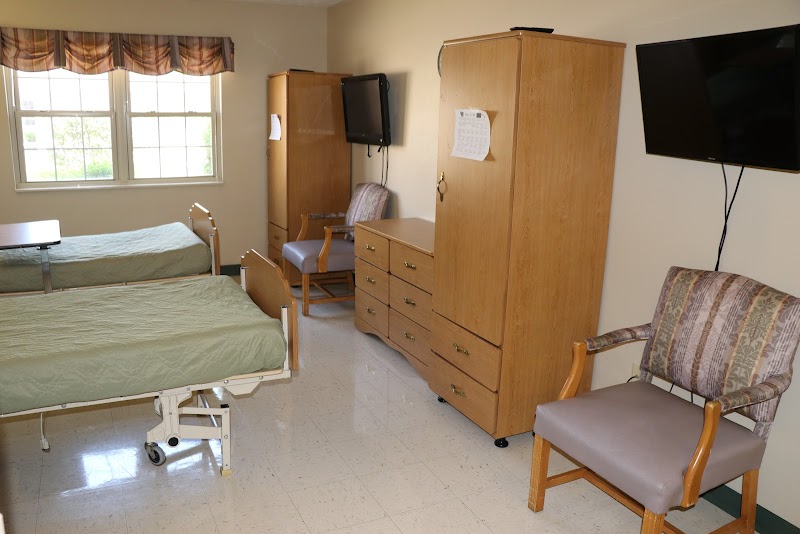
How is Ash Grove Healthcare Facility Staffed?

CMS rates ASH GROVE HEALTHCARE FACILITY's staffing level at 3 out of 5 stars, which is average compared to other nursing homes. Staff turnover is 63%, which is 17 percentage points above the Missouri average of 46%. High turnover can affect care consistency as new staff learn residents' individual needs.

What Have Inspectors Found at Ash Grove Healthcare Facility?

State health inspectors documented 15 deficiencies at ASH GROVE HEALTHCARE FACILITY during 2020 to 2025. These included: 15 with potential for harm.
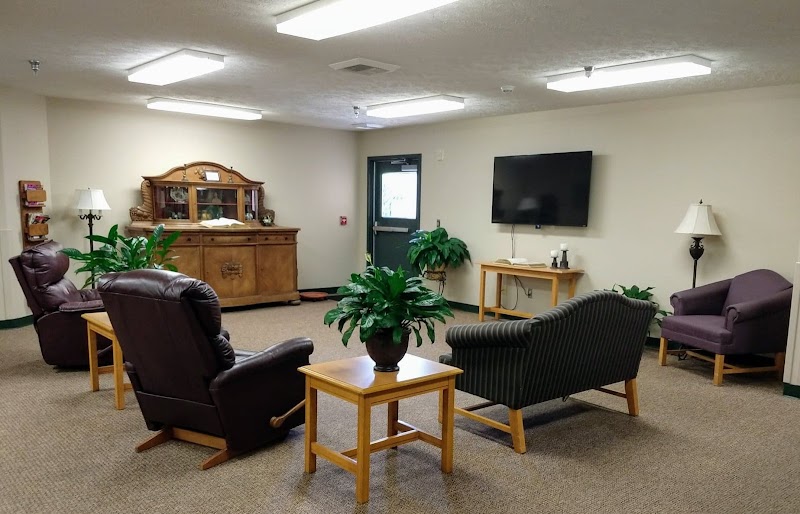
Who Owns and Operates Ash Grove Healthcare Facility?

ASH GROVE HEALTHCARE FACILITY is owned by a non-profit organization. Non-profit facilities reinvest revenue into operations rather than distributing to shareholders. The facility is operated by CITIZENS MEMORIAL HEALTH CARE, a chain that manages multiple nursing homes. With 82 certified beds and approximately 71 residents (about 87% occupancy), it is a smaller facility located in ASH GROVE, Missouri.
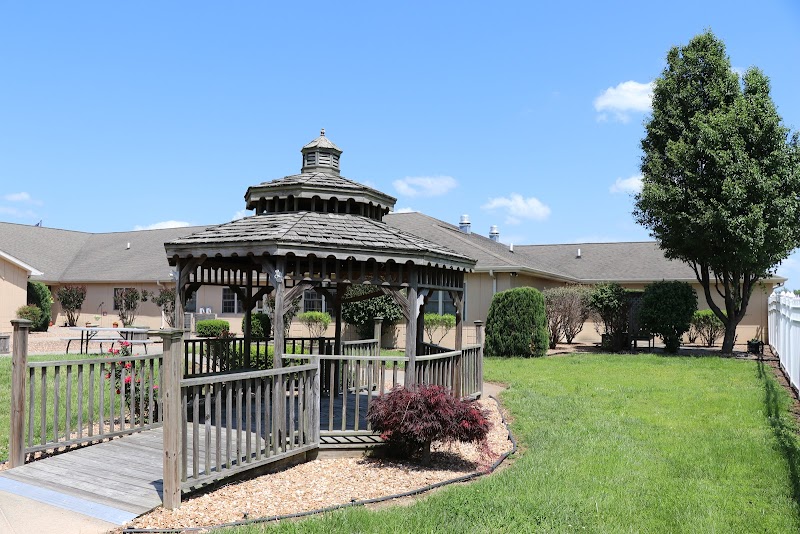
How Does Ash Grove Healthcare Facility Compare to Other Missouri Nursing Homes?

Compared to the 100 nursing homes in Missouri, ASH GROVE HEALTHCARE FACILITY's overall rating (4 stars) is above the state average of 2.5, staff turnover (63%) is significantly higher than the state average of 46%, and health inspection rating (4 stars) is above the national benchmark.

What Should Families Ask When Visiting Ash Grove Healthcare Facility?

Based on this facility's data, families visiting should ask: "How do you ensure continuity of care given staff turnover, and what is your staff retention strategy?" "Can I visit during a mealtime to observe dining assistance and food quality?" "How do you handle medical emergencies, and what is your hospital transfer rate?" "Can I speak with family members of current residents about their experience?" These questions are particularly relevant given the facility's high staff turnover rate.

Is Ash Grove Healthcare Facility Safe?

Based on CMS inspection data, ASH GROVE HEALTHCARE FACILITY has a clean safety record: no substantiated abuse findings (meaning no confirmed cases of resident harm), no Immediate Jeopardy citations (the most serious violation level indicating risk of serious injury or death), and is not on the Special Focus Facility watch list (a federal program monitoring the lowest-performing 1% of nursing homes). The facility has a 4-star overall rating and ranks #1 of 100 nursing homes in Missouri. While no facility is perfect, families should still ask about staff-to-resident ratios and recent inspection results during their visit.

Do Nurses at Ash Grove Healthcare Facility Stick Around?

Staff turnover at ASH GROVE HEALTHCARE FACILITY is high. At 63%, the facility is 17 percentage points above the Missouri average of 46%. High turnover means new staff may not know residents' individual needs, medications, or preferences. It can also be disorienting for residents, especially those with dementia who rely on familiar faces. Families should ask: What is causing the turnover? What retention programs are in place? How do you ensure care continuity during staff transitions?

Was Ash Grove Healthcare Facility Ever Fined?

ASH GROVE HEALTHCARE FACILITY has no federal fines on record. CMS issues fines when nursing homes fail to meet care standards or don't correct problems found during inspections. The absence of fines suggests the facility has either maintained compliance or corrected any issues before penalties were assessed. This is a positive indicator, though families should still review recent inspection reports for the full picture.

Is Ash Grove Healthcare Facility on Any Federal Watch List?

ASH GROVE HEALTHCARE FACILITY is not on any federal watch list. The most significant is the Special Focus Facility (SFF) program, which identifies the bottom 1% of nursing homes nationally based on persistent, serious quality problems. Not being on this list means the facility has avoided the pattern of deficiencies that triggers enhanced federal oversight. This is a positive indicator, though families should still review the facility's inspection history directly.