WINCHESTER NURSING CENTER, INC
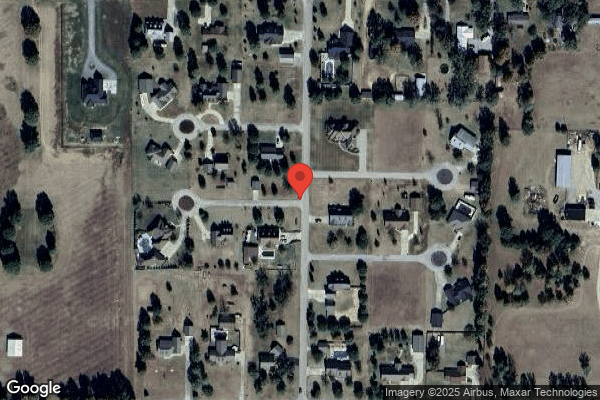
400 WINCHESTER DR, BERNIE, MO 63822 (573) 293-6702
For profit - Corporation 60 Beds PARADIGM SENIOR MANAGEMENT Data: November 2025
Trust Grade
75/100
#129 of 479 in MO
Last Inspection: July 2025

Inspected within the last 6 months. Data reflects current conditions.

Overview

Winchester Nursing Center, located in Bernie, Missouri, has a Trust Grade of B, indicating it is a good choice for families considering care options. It ranks #129 out of 479 nursing homes in Missouri, placing it in the top half of facilities statewide, and #2 out of 7 in Stoddard County, suggesting only one nearby option is better. The facility is improving, reducing its issues from six in 2024 to just one in 2025, but it faces challenges with staffing, earning a poor rating of 1 out of 5 stars and a high turnover rate of 68%. Notably, there have been no fines, which is a positive sign, and the center boasts more RN coverage than 78% of Missouri facilities, enhancing care quality. However, recent inspections revealed that staff did not notify residents or their representatives about hospital transfers, and there were concerns about maintaining a clean, comfortable environment, highlighting areas that need attention.

Trust Score
B
75/100
In Missouri
#129/479
Top 26%
Safety Record
Low Risk
No red flags
Inspections
Getting Better
6 → 1 violations
Staff Stability
⚠ Watch
68% turnover. Above average. Higher turnover means staff may not know residents' routines.
Penalties
✓ Good
No fines on record. Clean compliance history, better than most Missouri facilities.
Skilled Nurses
○ Average
Each resident gets 32 minutes of Registered Nurse (RN) attention daily — about average for Missouri. RNs are the most trained staff who monitor for health changes.
Violations
○ Average
7 deficiencies on record. Average for a facility this size. Mostly minor or procedural issues.
★★★★☆
4.0
Overall Rating
★☆☆☆☆
1.0
Staff Levels
★★★☆☆
3.0
Care Quality
★★★★★
5.0
Inspection Score
Stable
2024: 6 issues
2025: 1 issues

The Good

  • Full Sprinkler Coverage · Fire safety systems throughout facility
  • No fines on record

Facility shows strength in fire safety.

The Bad

Staff Turnover: 68%

22pts above Missouri avg (46%)

Frequent staff changes - ask about care continuity

Chain: PARADIGM SENIOR MANAGEMENT

Part of a multi-facility chain

Ask about local staffing decisions and management

Staff turnover is elevated (68%)

20 points above Missouri average of 48%

The Ugly 7 deficiencies on record

Jul 2025 1 deficiency
CONCERN (D)

Potential for Harm - no one hurt, but risky conditions existed

Deficiency F0628 (Tag F0628)

Could have caused harm · This affected 1 resident

**NOTE- TERMS IN BRACKETS HAVE BEEN EDITED TO PROTECT CONFIDENTIALITY** Based on interview and record review, the facility failed to notify the resident and/or the resident's representative in writing...

Read full inspector narrative →
**NOTE- TERMS IN BRACKETS HAVE BEEN EDITED TO PROTECT CONFIDENTIALITY** Based on interview and record review, the facility failed to notify the resident and/or the resident's representative in writing of a transfer to a hospital which included the reason for the transfer for two residents (Residents #30 and #52) out of nine sampled residents. The facility census was 52. Review of the facility policy titled, Transfer or Discharge Notices, revised March 2025, showed:- When a resident is sent emergently to an acute care setting, this is considered a transfer, not discharge, because the resident's return is generally expected;- Notice of Transfer is provided to the resident and representative as soon as practicable before the transfer and to the long- term care (LTC) ombudsman (an advocate for residents of nursing homes) when practicable;- Notices are provided in a form and manner the resident can understand, taking into account the resident's educational level, language, communication barriers, and physical or mental impairments.1.Review of Resident #30's medical record showed:- Transferred to the hospital on [DATE], and readmitted to the facility on [DATE];- Transferred to the hospital on [DATE], and readmitted to the facility on [DATE];- No documentation the resident and/or the resident representative was informed in writing of the transfer to a hospital at the time of the transfers on 06/11/25 and 06/21/25.2.Review of Resident #52's medical record showed:-Transferred to the hospital on [DATE], and readmitted to the facility on [DATE];- No documentation the resident and/or the resident representative was informed in writing of the transfer to a hospital at the time of the transfer.During an interview on 07/25/25 at 8:48 A.M., Licensed Practical Nurse (LPN) A said the nurses talked to the resident about the transfer and bed hold policy and the Social Service Designee (SSD) filled out the forms. The forms were then given to the resident for when they left the facility.During an interview on 07/25/25 at 9:35 A.M., the SSD said he/she filled out the forms that were then given to the resident before they left the facility. If he/she was not working at the time, then the nurse was responsible for the whole process. The transfer and bed hold process should be done with every transfer.During an interview on 07/25/25 at 10:50 A.M., the Administrator said when the resident was being sent out for any reason, the resident sometimes did not want the family or responsible party to be notified and the facility would do what the resident wished.
May 2024 6 deficiencies
CONCERN (D)

Potential for Harm - no one hurt, but risky conditions existed

Safe Environment (Tag F0584)

Could have caused harm · This affected 1 resident

**NOTE- TERMS IN BRACKETS HAVE BEEN EDITED TO PROTECT CONFIDENTIALITY** Based on observation, interview, and record review, the facility failed to provide a safe, clean and comfortable homelike enviro...

Read full inspector narrative →
**NOTE- TERMS IN BRACKETS HAVE BEEN EDITED TO PROTECT CONFIDENTIALITY** Based on observation, interview, and record review, the facility failed to provide a safe, clean and comfortable homelike environment. This deficient practice had the potential to affect all residents in the facility. The facility census was 44. Review of the facility's policy titled, Homelike Environment, revised 2021, showed: - Residents are provided with a safe, clean, comfortable and homelike environment and encouraged to use their personal belongings to the extent possible; - Staff provides person-centered care that emphasizes the residents' comfort, independence and personal needs and preferences; - The facility staff and management maximizes, to the extent possible, the characteristics of the facility that reflect a personalized, homelike setting which include a clean, sanitary and orderly environment. Observations made on 05/06/24 at 10:07 A.M., 05/07/24 at 3:13 P.M. and 05/08/24 at 12:17 P.M. , of the 100 Hall, showed: - A large stained area on the privacy curtain located next to bed 2 near the window in room [ROOM NUMBER]; - Several stained areas and markings on the privacy curtain located next to bed 1 near the door in room [ROOM NUMBER]. Observations made on 05/06/24 at 10:14 A.M., 05/07/24 at 3:42 P.M. and 05/08/24 at 12:25 P.M. , of the 200 Hall, showed: - A stained area and a thick liquid substance on the privacy curtain with areas of a thick liquid mucus substance on the wall located next to bed 1 near the door in room [ROOM NUMBER]; - Several stained areas on the privacy curtain located next to bed 2 near the window in room [ROOM NUMBER]; - Two large stained areas on the privacy curtain located next to bed 2 near the window in room [ROOM NUMBER]. During an interview on 05/06/24 at 10:22 A.M., Resident #1 said the privacy curtains have had stains for awhile. He/She did not remember when the last time his/her privacy curtain had been taken down and cleaned. During an interview on 05/08/24 at 12:26 P.M., Resident #34 said he/she had noticed his/her privacy curtain had stains. He/She did not remember the last time his/her privacy curtain had been taken down and cleaned. During an interview on 05/09/24 9:15 A.M., Housekeeper A said resident rooms are cleaned daily, but wasn't aware of a daily checklist. He/She notifies the nurse if a privacy curtain needs cleaned. He/She has not seen any privacy curtains that needed to be cleaned recently. During an interview on 05/09/24 9:22 A.M., Housekeeper B said there is a checklist posted on the housekeeping cart he/she follows when cleaning resident rooms. He/She notifies maintenance when privacy curtains need to be taken down and cleaned. He/She has not noticed any privacy curtains that needed cleaned, but has reported a couple in the past to maintenance. Review of the housekeeping cleaning schedule and the daily checklist posted on the cleaning cart showed privacy curtains not addressed. During an interview on 05/09/24 at 9:15 A.M., the maintenance supervisor said he/she would expect housekeeping to notify him/her of any privacy curtain that needed to be taken down and cleaned. During an interview on 05/09/24 9:39 A.M., the Administrator said she would expect housekeeping to check privacy curtains daily to ensure they are free of stains. She would expect housekeeping to notify maintenance if a privacy curtain needed to be taken down and cleaned as needed.
CONCERN (D)

Potential for Harm - no one hurt, but risky conditions existed

Deficiency F0658 (Tag F0658)

Could have caused harm · This affected 1 resident

Based on interview and record review the facility failed to follow physician's orders for daily weights for one resident (Resident #40) out of 12 sampled residents. The facility census was 44. The fac...

Read full inspector narrative →
Based on interview and record review the facility failed to follow physician's orders for daily weights for one resident (Resident #40) out of 12 sampled residents. The facility census was 44. The facility did not provide a policy. 1. Review of Resident #40's Physician Order Sheet, dated May 2024, showed: - An order to obtain daily weight, one time a day, dated 03/21/24; - Diagnosis of congestive heart failure (when the heart does not pump like it should and fluid can build up around the heart). Review of the resident's medical chart showed: - March 21, 2024 through March 31, 2024 three missed out of 11 opportunities; - April 2024 12 missed out of 30 opportunities; - May 1, 2024 through May 8, 2024 five missed out of eight opportunities. During an interview on 05/29/24 at 1:55 P.M., Licensed Practical Nurse (LPN) D said if a resident has a weight ordered then it should be done and documented on the Treatment Administration Record (TAR). During an interview on 05/29/24 at 2:07 P.M., the Director of Nursing (DON) said if the resident has an order for daily weights, vitals or anything else it should be documented in the computer on the vital tab. He/She said if the residents refuse then it should also be documented in the progress note.
CONCERN (D)

Potential for Harm - no one hurt, but risky conditions existed

Incontinence Care (Tag F0690)

Could have caused harm · This affected 1 resident

Based on observation, interview and record review, the facility failed to follow standards of practice to have a physician's order for an indwelling catheter (a tube inserted into the urinary bladder ...

Read full inspector narrative →
Based on observation, interview and record review, the facility failed to follow standards of practice to have a physician's order for an indwelling catheter (a tube inserted into the urinary bladder to drain urine), failed to obtain orders to change catheter every 30 days and failed to ensure documentation of the catheter changes were maintained for one resident (Resident #6) out of three sampled residents. The facility census was 44. The facility did not provide a policy. Record review of Resident #6's Physician Order Sheet (POS), dated May 2024, showed: - An admission date of 04/01/19; - No order for Foley catheter. Observation made on 05/06/24 at 9:23 A.M., showed the resident resting in bed and catheter bag visible from doorway. Observation made on 05/07/24 at 8:44 A.M., showed the resident resting in bed and catheter bag visible from doorway. During an interview on 05/09/24 at 11:15 A.M., Registered Nurse (RN) E, said he/she would expect an order to change catheter (every 30 days or when needed) and an order with what size of catheter to use. He/She said hospice and the facility are responsible for providing catheter care for the resident. During an interview on 05/09/24 at 11:28 A.M., the Hospice Facility Case Manager said hospice will come to facility to change catheter if there is a problem with the catheter. There is no order for catheter change monthly or with what size to change it to, if the facility ever needs to change it at the facility.
CONCERN (D)

Potential for Harm - no one hurt, but risky conditions existed

Deficiency F0698 (Tag F0698)

Could have caused harm · This affected 1 resident

Based on interview and record review, the facility failed to provide documentation of ongoing assessments, monitoring, and communication between the facility and the dialysis (a process for removing w...

Read full inspector narrative →
Based on interview and record review, the facility failed to provide documentation of ongoing assessments, monitoring, and communication between the facility and the dialysis (a process for removing waste and excess water from the blood) center for two residents (Residents #40 and #42) out of two sampled residents. The facility census was 44. Review of the facility's policy titled, Hemodialysis Catheters-Access and Care Of, dated February 2023, showed: - Check patency (open/unobstructed) of the site at regular intervals. Palpate (examine by touch) the site to feel the thrill (a vibrating sensation) or use a stethoscope to hear the bruit (the sound of blood flowing through a narrowed blood vessel) through the dialysis access site; - The dressing change is done in the dialysis center after treatment; - The nurse should document in the resident's medical record every shift information such as: the location of the catheter (a flexible tube used for dialysis); the condition of the dressing; if dialysis was done during the shift, any part of report from the dialysis nurse about after dialysis care being given, and observations of after dialysis. 1. Review of Resident #40's Physician's Order Sheet (POS), dated May 2024, showed: - admission date of 01/23/24; - No order for dialysis with the specific days for dialysis; - An order to obtain weights on dialysis days, dated 01/25/24; - An order to obtain vital signs before and after dialysis; - An order to check the bruit and the thrill every shift, dated 01/25/24. Review of the resident's medical record showed: - Diagnoses of end stage renal disease (ESRD - when the kidneys are no longer able to work at a level needed for day-to-day life), high blood pressure, heart failure (when the heart does not pump blood as well as it should), and peripheral vascular disease (PVD - a circulatory condition in which narrowed blood vessels reduce blood flow to the limbs); - March 2024 weights with four out of 13 opportunities missed; - April 2024 weights with three out of 13 opportunities missed; - Dialysis Communication logs, dated 02/01/24 through 05/07/24, with 17 out of 39 opportunities missed; - March 2024 vital signs with four out of 13 opportunities missed; - April 2024 vital signs with four out of 13 opportunities missed; - March 2024 bruit and thrill checked with seven out of 93 opportunities missed; - April 2024 bruit and thrill checked with five out of 90 opportunities missed; - May 1, 2024 through May 7, 2024, bruit and thrill checked with three out of 21 opportunities missed; -The facility failed to provide and obtain consistent pre-and post-dialysis communication with the dialysis center; - The facility failed to obtain weights, vital signs, and check bruit and thrill as ordered. Review of the resident's care plan, reviewed on 05/01/24, showed: - The resident needed dialysis related to hypertensive chronic kidney disease (high blood pressure causes damage to the kidneys); - The resident was at risk for complications related to renal failure (the kidneys lose the ability to remove waste and balance fluids); - Auscultate (examine by listening with a stethoscope) and palpate the fistula as ordered for a pulse and a bruit; - Dialysis communication form be completed on dialysis days; - Resident received dialysis every Tuesday, Thursday and Saturday. 2. Review of Resident #42's POS, dated May 2024, showed: - admission date of 03/08/24; - No order for dialysis with the specific days for dialysis; - An order for weights on dialysis days, dated 03/11/24; - An order to obtain vital signs before and after dialysis, dated 03/11/24; - An order to check the bruit and thrill every shift, dated 03/03/24; - An order to remove the dialysis dressing four hours after dialysis, dated 03/11/24. Review of the resident's medical record showed: - Diagnoses of ESRD, high blood pressure, heart failure, PVD and diabetes mellitus (DM - a disease that occurs when your blood sugar is too high); - March 2024 weights with five out of nine opportunities missed; - April 2024 weights with eight out of 13 opportunities missed; - May 2024 weights with three out of four opportunities missed; - Dialysis Communication logs, dated 03/11/24 through 05/07/24, with 17 out of 26 opportunities missed; - March 2024 vital signs with nine out of 18 opportunities missed; - April 2024 vital signs with seven out of 26 opportunities missed; - March 2024 bruit and thrill checked with eleven out of 28 opportunities missed; - April 2024 bruit and thrill checked with five out of 39 opportunities missed; -The facility failed to provide and obtain consistent pre-and post-dialysis communication with the dialysis center; - The facility failed to obtain weights, vital signs, and check bruit and thrill as ordered. Review of the resident's care plan, reviewed on 03/29/24, showed: - The resident needed dialysis related to renal failure; - The resident was at risk for complications related to renal failure; - Auscultate and palpate the fistula as ordered for a pulse and bruit; - Obtain weight on dialysis days; - Dialysis communication form to be completed on dialysis days; - Resident received dialysis every Monday, Wednesday and Friday. During an interview on 05/29/24 at 1:54 P.M., Licensed Practical Nurse (LPN) D said if a resident had a weight ordered, then it should be done and documented on the Treatment Administration Record (TAR). Staff should be checking the resident's fistula for a thrill and bruit. If the weights were not obtained before the resident left the facility for dialysis, then the dialysis center did pre- and post- dialysis weights and they could use those weights and document it on the TAR. During an interview on 05/09/24 at 2:06 P.M., the Director of Nursing (DON) said if the resident had an order for weights, vitals signs, or anything else, it should be documented. If the resident had refused, then it should also be documented in the progress notes She expected staff to check the bruit and thrill, assess the dressing as ordered, get weights on dialysis days, and get vital signs before and after dialysis, and all of it should be documented.
CONCERN (D)

Potential for Harm - no one hurt, but risky conditions existed

Unnecessary Medications (Tag F0759)

Could have caused harm · This affected 1 resident

Based on observation, interview and record review, the facility failed to maintain a medication error rate of less than five percent (%). There were 25 opportunities with three errors made, resulting ...

Read full inspector narrative →
Based on observation, interview and record review, the facility failed to maintain a medication error rate of less than five percent (%). There were 25 opportunities with three errors made, resulting in an error rate of 12% for five residents (Residents #9, #25, #28, #34 and #42) out of five sampled residents. The facility's census was 44. Review of the facility's policy titled, Administering Medications, dated April 2019, showed: - Medications are administered in accordance with prescriber orders, including any required time frame; - The policy did not address insulin pen administration technique. Review of the Humalog/lispro (a rapid insulin injected just below the skin that helps lower mealtime blood sugar spikes) Kwik Pen (Insulin in a pen-type device) instructions, revised, July 2023, showed: - Pull the Kwik Pen cap straight off; - Wipe the rubber seal with an alcohol swab; - Check the liquid in the Pen which should be clear and colorless; - Place the new capped needle straight onto the Pen and twist the needle on until it is tight; - Pull off the outer needle shield. Do not throw away; - Pull off the inner needle shield and throw it away; - Prime the pen by turning the dose knob to two units; - Hold the pen with the needle pointing up; - Tap the cartridge holder gently to collect air bubbles at the top; - Push the dose knob in until it stops, and 0 is seen in the dose window, count to five slowly, insulin will be visible at the tip of the needle; - Select the dose; - Give the injection after selecting the area and cleaning the site with an alcohol swab. Review of the Novolog/aspart (fast-acting insulin injected just below the skin that helps lower mealtime blood sugar spikes) Flex Pen administration instructions, dated September 2021, showed: - Check label to make sure that the FlexPen contains the correct type of insulin; - Pull off the pen cap; - Remove paper tab from cap needle; attach needle to pen so that it is straight and secure; - Pull off outer needle cap, pull off inner needle cap and discard; - Turn the dose selector to two units; - Keep the needle upwards and press the push-button until the dose selector reads 0; - Turn the dose selector to select the number of prescribed units; - Push the needle into the skin, then press the dose button until dose selector indicates 0; - Keep the push-button fully pushed in after injection; - Leave the needle under the skin for 6 seconds and then remove it. 1. Review of Resident #9's POS, dated May 2024, showed: - An order for lispro insulin pen 100 units per milliliter (ml) subcutaneous (an injection just below the skin) with meals per a sliding scale of blood sugar of if 151 - 200 = 2 Units, 201 - 300 = 4 Units, 301-400 = 6 Units, 401 - 500 = 8 Units, if blood sugar is greater than 500, call MD (medical doctor), dated 12/14/23. Observation of Resident #9's medication administration on 05/08/24 at 11:00 A.M., showed: - Licensed Practical Nurse (LPN) D administered 2 units of lispro subcutaneously per order of the sliding scale for a blood sugar of 177 with the resident's lispro Kwik Pen; - LPN D failed to prime the lispro Kwik Pen per the manufacturer's instructions prior to the administration to the resident. 2. Review of Resident #25's POS, dated May 2024, showed: - An order for Novolog insulin pen 100 units per ml subcutaneous with meals per a sliding scale of blood sugar of if 0-100= 0 Units, 101-150=4 Units, 151 - 200 = 5 Units, 201 - 250 = 6 Units, 251 - 300 = 7 Units, 301 - 350 = 8 Units, 351 - 400 = 9 Units, dated 2/26/24. Observation of Resident #25's medication administration on 05/08/24 at 11:21 A.M., showed: - LPN D administered 6 units of Novolog subcutaneously per order of the sliding scale for a blood sugar of 248 with the resident's Novolog Flex Pen; - LPN D failed to prime the Novolog Flex Pen per the manufacturer's instructions prior to the administration to the resident. 3. Review of Resident #28's POS, dated May 2024, showed: - An order for Novolog insulin pen 100 units per ml subcutaneous with meals per a sliding scale of blood sugar of if 0-149=0 Units, 150 - 200 = 3 Units, 201 - 250 = 5 Units, 251 - 300 = 7 Units, 301 - 450 = 10 Units, 451 or greater call MD, dated 10/20/22. Observation of Resident #28's medication administration on 05/07/24 at 12:09 P.M., showed: - LPN G administered 3 units of Novolog subcutaneously per order of the sliding scale for a blood sugar of 156 with the resident's Novolog Flex Pen; - LPN G failed to prime the Novolog Flex Pen per the manufacturer's instructions prior to the administration to the resident. 4. Review of Resident #34's POS, dated May 2024, showed: - An order for lispro insulin pen 100 units per ml subcutaneous with meals per a sliding scale of blood sugar of if 131-180=4 Units, 181-240= 6 Units, 241-300=10 Units, 301-350=12 Units, 351-400=14 Units, 401-600=16 Units, If blood sugar is over 400 give 16 Units and call MD, dated 11/08/23. Observation of Resident #34 medication administration on 05/08/24 at 11:15 A.M., showed: - LPN D administered 6 units of lispro subcutaneously per order of the sliding scale for a blood sugar of 234 with the resident's lispro Kwik Pen; - LPN D failed to prime the lispro Kwik Pen per the manufacturer's instructions prior to the administration to the resident. 5. Review of Resident #42's POS, dated May 2024, showed: - An order for lispro insulin pen 100 units per ml subcutaneous with meals per a sliding scale of blood sugar of if 151 - 200 = 2 Units, 201 - 250 = 4 Units, 251 - 300 = 6 Units, 301 - 350 = 8 Units, 351 - 400 = 10 Units, 401 - 999 = 12 Units, dated 03/08/24. Observation of Resident #42 medication administration on 05/07/24 at 12:14 P.M., showed: - LPN G administered 12 units of lispro subcutaneously per order of the sliding scale for a blood sugar of 404 with the resident's lispro Kwik Pen; - LPN G failed to prime the lispro Kwik Pen per the manufacturer's instructions prior to the administration to the resident. During an interview on 05/08/24 at 04:09 P.M., LPN C said when administering insulin, he/she would dial up 1-2 units to prime needle of the insulin pen a, clean injection site with alcohol swab and administer insulin. During an interview on 05/09/24 at 10:00 A.M., LPN G, said the only time he/she primes the insulin pen when it is new, once used the pens do not need to be primed. He/she said the purpose is to prime the pen, not the needle. LPN G said when administering insulin, the pen should be held to the skin from a few seconds, if a safety needle is used, he/she would hold for longer. During an interview on 05/09/24 at 11:58 A.M., the Administrator said the expectation is to dial up 2 units of insulin to prime the pen needle, then dial the prescribed dose and administer. She would expect staff to hold the insulin pen for 3-5 seconds. During an interview on 05/09/24 at 2:18 P.M., Director of Nursing (DON) said he/she would expect staff to prime the pen needle with 1 unit of insulin prior to administering the prescribed dose. He/she would expect staff to hold the insulin pen for a few seconds after administering the insulin.
CONCERN (D)

Potential for Harm - no one hurt, but risky conditions existed

Infection Control (Tag F0880)

Could have caused harm · This affected 1 resident

Based on observation, interview, and record review, the facility failed to provide a safe and sanitary environment by failing to perform hand hygiene during medication administration for five resident...

Read full inspector narrative →
Based on observation, interview, and record review, the facility failed to provide a safe and sanitary environment by failing to perform hand hygiene during medication administration for five residents (Resident #9, #25, #28, #34, and #42) and to disinfect the glucometer (a device used to measure blood sugar) per the manufacturer's instructions for three residents (Resident #9, #25, and #34) out of five sampled residents. The facility's census was 44. Review of the facility's policy titled, Blood Sampling-Capillary (fine-branching blood vessels) (Finger Sticks), revised 09/2014, showed: - Always ensure blood glucose meters intended for reuse are cleaned and disinfected between resident uses; - The steps in the this procedure include: wash hands; put on gloves; follow the manufacturer's instructions to clean and disinfect the reusable equipment, parts and/or devices after each use; wash hands; and replace blood glucose monitoring device in the storage area after cleaning. Review of the facility's policy titled, Infection Control-Policies and Practices, revised 10/2018, showed the policy did not address glucometer disinfecting techniques or recommendations. Review of the Blood Glucose Monitoring System (glucometer) user instruction manual showed: - The glucometer should be cleaned and disinfected between each resident; - To disinfect the glucometer, clean the meter surface with one of the approved disinfecting wipes; - Allow the surface of the meter to remain wet at room temperature for the contact time listed on the wipe's directions for use; - Wipe all external areas of the meter including both front and back surfaces until visibly wet; - Avoid wetting the meter test strip port; - Wipe dry or allow to air dry. Review of the Super Sani-Cloth Germicidal Disposable wipes label showed to allow the treated surfaces to remain visibly wet for two minutes. 1. Observation of Resident #9 on 05/08/24 at 11:00 A.M., showed: - Licensed Practical Nurse (LPN) D obtained the glucometer from the medication cart drawer; - LPN D failed to perform hand hygiene, put on gloves, performed the resident's blood glucose testing, removed the gloves, and failed to perform hand hygiene; - LPN D lay the glucometer on the medication cart and failed to sanitize the glucometer after the resident use; - LPN D failed to perform hand hygiene and put on gloves; - LPN D administered the insulin injection to the resident; - LPN D removed the gloves and failed to perform hand hygiene. 2. Observation of Resident #25 on 05/08/24 at 11:21 A.M., showed: - LPN D failed to sanitize the glucometer prior to use; - LPN D failed to perform hand hygiene, put on gloves, performed the resident's blood glucose testing, removed the gloves, and failed to perform hand hygiene; - LPN D lay the glucometer on the medication cart and failed to sanitize the glucometer after the resident use; - LPN D failed to perform hand hygiene and put on gloves; - LPN D administered the insulin injection to the resident; - LPN D removed the gloves and failed to perform hand hygiene. 3. Observation of Resident #28 on 05/07/24 at 12:09 P.M., showed: - LPN G obtained the glucometer from the medication cart drawer; - LPN G failed to perform hand hygiene, put on gloves, performed the resident's blood glucose testing, removed the gloves, and failed to perform hand hygiene; - LPN G put on gloves; - LPN G administered the insulin injection to the resident; - LPN G removed the gloves and failed to perform hand hygiene. 4. Observation of Resident #34 on 05/08/24 at 11:15 A.M., showed: - LPN D failed to perform hand hygiene, put on gloves, performed the resident's blood glucose testing, removed the gloves, and failed to perform hand hygiene; - LPN D lay the glucometer on the medication cart and failed to sanitize the glucometer after the resident use; - LPN D failed to perform hand hygiene and put on gloves; - LPN D administered the insulin injection to the resident; - LPN D removed the gloves and failed to perform hand hygiene. 5. Observation of Resident #42 on 05/07/24 at 12:21 P.M., showed: - LPN G failed to perform hand hygiene, put on gloves, performed the resident's blood glucose testing, removed the gloves, and failed to perform hand hygiene; - LPN G put on gloves and administered the insulin injection to the resident; - LPN G removed the gloves and failed to perform hand hygiene. During an interview on 05/08/24 at 04:09 P.M., LPN C said when taking a resident's blood sugar, he/she would perform hand hygiene, put on gloves, collect the resident's blood sample, remove the gloves, perform hand hygiene, wipe the glucometer and wrap the it in a disinfectant wipe. When administering insulin, he/she would perform hand hygiene, put on gloves, administer the insulin, remove the gloves, and perform hand hygiene before moving to the next resident. During an interview on 05/09/24 at 10:05 A.M., the Assistant Director of Nursing (ADON) said he/she would expect hand hygiene to be done between the glucometer use and moving to the next resident. During an interview on 05/09/24 at 11:58 A.M., the Administrator said she would expect staff to perform hand hygiene, whether that be soap and water or hand sanitizer, anytime gloves were changed or between tasks with residents. She said the expectation was for staff to disinfect the glucometers between residents by wrapping the it in a Sani-Cloth wipe and left wrapped for two minutes. During an interview on 05/09/24 at 2:18 P.M., the Director of Nursing (DON) said she would expect staff to change gloves and perform hand hygiene after having obtained a blood sugar and disinfect the glucometer by wrapping it in a Sani-Cloth and left visibly wet for two minutes.
Understanding Severity Codes (click to expand)
Life-Threatening (Immediate Jeopardy)
J - Isolated K - Pattern L - Widespread
Actual Harm
G - Isolated H - Pattern I - Widespread
Potential for Harm
D - Isolated E - Pattern F - Widespread
No Harm (Minor)
A - Isolated B - Pattern C - Widespread

Questions to Ask on Your Visit

  • "Why is there high staff turnover? How do you retain staff?"
  • "Can I speak with families of current residents?"
  • "What's your RN coverage like on weekends and overnight?"

Our Honest Assessment

Strengths
  • • No major safety red flags. No abuse findings, life-threatening violations, or SFF status.
  • • No fines on record. Clean compliance history, better than most Missouri facilities.
Concerns
  • • 68% turnover. Above average. Higher turnover means staff may not know residents' routines.
Bottom line: Generally positive indicators. Standard due diligence and a personal visit recommended.

About This Facility

What is Winchester Nursing Center, Inc's CMS Rating?

CMS assigns WINCHESTER NURSING CENTER, INC an overall rating of 4 out of 5 stars, which is considered above average nationally. Within Missouri, this rating places the facility higher than 99% of the state's 100 nursing homes. This rating reflects solid performance across the metrics CMS uses to evaluate nursing home quality.

How is Winchester Nursing Center, Inc Staffed?

CMS rates WINCHESTER NURSING CENTER, INC's staffing level at 1 out of 5 stars, which is much below average compared to other nursing homes. Staff turnover is 68%, which is 22 percentage points above the Missouri average of 46%. High turnover can affect care consistency as new staff learn residents' individual needs. RN turnover specifically is 58%, which is notably high. RNs provide skilled clinical oversight, so turnover in this role can affect medical care quality.

What Have Inspectors Found at Winchester Nursing Center, Inc?

State health inspectors documented 7 deficiencies at WINCHESTER NURSING CENTER, INC during 2024 to 2025. These included: 7 with potential for harm.

Who Owns and Operates Winchester Nursing Center, Inc?

WINCHESTER NURSING CENTER, INC is owned by a for-profit company. For-profit facilities operate as businesses with obligations to shareholders or private owners. The facility is operated by PARADIGM SENIOR MANAGEMENT, a chain that manages multiple nursing homes. With 60 certified beds and approximately 49 residents (about 82% occupancy), it is a smaller facility located in BERNIE, Missouri.

How Does Winchester Nursing Center, Inc Compare to Other Missouri Nursing Homes?

Compared to the 100 nursing homes in Missouri, WINCHESTER NURSING CENTER, INC's overall rating (4 stars) is above the state average of 2.5, staff turnover (68%) is significantly higher than the state average of 46%, and health inspection rating (5 stars) is much above the national benchmark.

What Should Families Ask When Visiting Winchester Nursing Center, Inc?

Based on this facility's data, families visiting should ask: "How do you ensure continuity of care given staff turnover, and what is your staff retention strategy?" "Can you walk me through typical staffing levels on day, evening, and night shifts?" "Can I visit during a mealtime to observe dining assistance and food quality?" "How do you handle medical emergencies, and what is your hospital transfer rate?" These questions are particularly relevant given the facility's high staff turnover rate and the below-average staffing rating.

Is Winchester Nursing Center, Inc Safe?

Based on CMS inspection data, WINCHESTER NURSING CENTER, INC has a clean safety record: no substantiated abuse findings (meaning no confirmed cases of resident harm), no Immediate Jeopardy citations (the most serious violation level indicating risk of serious injury or death), and is not on the Special Focus Facility watch list (a federal program monitoring the lowest-performing 1% of nursing homes). The facility has a 4-star overall rating and ranks #1 of 100 nursing homes in Missouri. While no facility is perfect, families should still ask about staff-to-resident ratios and recent inspection results during their visit.

Do Nurses at Winchester Nursing Center, Inc Stick Around?

Staff turnover at WINCHESTER NURSING CENTER, INC is high. At 68%, the facility is 22 percentage points above the Missouri average of 46%. Registered Nurse turnover is particularly concerning at 58%. RNs handle complex medical decisions and coordinate care — frequent RN changes can directly impact care quality. High turnover means new staff may not know residents' individual needs, medications, or preferences. It can also be disorienting for residents, especially those with dementia who rely on familiar faces. Families should ask: What is causing the turnover? What retention programs are in place? How do you ensure care continuity during staff transitions?

Was Winchester Nursing Center, Inc Ever Fined?

WINCHESTER NURSING CENTER, INC has no federal fines on record. CMS issues fines when nursing homes fail to meet care standards or don't correct problems found during inspections. The absence of fines suggests the facility has either maintained compliance or corrected any issues before penalties were assessed. This is a positive indicator, though families should still review recent inspection reports for the full picture.

Is Winchester Nursing Center, Inc on Any Federal Watch List?

WINCHESTER NURSING CENTER, INC is not on any federal watch list. The most significant is the Special Focus Facility (SFF) program, which identifies the bottom 1% of nursing homes nationally based on persistent, serious quality problems. Not being on this list means the facility has avoided the pattern of deficiencies that triggers enhanced federal oversight. This is a positive indicator, though families should still review the facility's inspection history directly.