CROWLEY RIDGE CARE CENTER
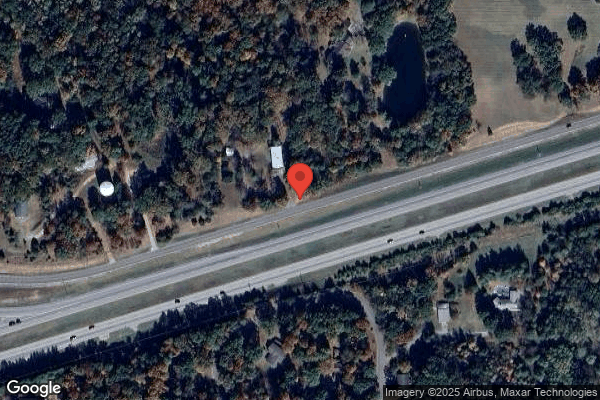
1204 NORTH OUTER ROAD, DEXTER, MO 63841 (573) 624-5557
For profit - Individual 90 Beds JAMES & JUDY LINCOLN Data: November 2025
Trust Grade
90/100
#13 of 479 in MO
Last Inspection: March 2025

Within standard 12-15 month inspection cycle. Federal law requires annual inspections.

Overview

Crowley Ridge Care Center in Dexter, Missouri, received a Trust Grade of A, indicating it is an excellent facility highly recommended for care. It ranks #13 out of 479 nursing homes in Missouri, placing it in the top half of state facilities, and #1 out of 7 in Stoddard County, showing it as the best local option. However, the overall trend is worsening, with reported issues increasing from 4 in 2024 to 5 in 2025. Staffing is mixed; while the turnover rate is relatively good at 55%, below the state average, the facility has less RN coverage than 95% of Missouri facilities, which could impact the quality of care. Some concerning incidents were found during inspections, such as improper food storage increasing the risk of food-borne illness, and the misuse of a resident's banking information by a staff member, leading to an investigation and termination. Overall, while the facility has strengths like a high trust grade and good turnover rates, the recent incidents highlight areas needing improvement.

Trust Score
A
90/100
In Missouri
#13/479
Top 2%
Safety Record
Low Risk
No red flags
Inspections
Getting Worse
4 → 5 violations
Staff Stability
⚠ Watch
55% turnover. Above average. Higher turnover means staff may not know residents' routines.
Penalties
✓ Good
No fines on record. Clean compliance history, better than most Missouri facilities.
Skilled Nurses
⚠ Watch
Each resident gets only 11 minutes of Registered Nurse (RN) attention daily — below average for Missouri. Fewer RN minutes means fewer trained eyes watching for problems.
Violations
⚠ Watch
11 deficiencies on record. Higher than average. Multiple issues found across inspections.
★★★★★
5.0
Overall Rating
★★★☆☆
3.0
Staff Levels
★★☆☆☆
2.0
Care Quality
★★★★★
5.0
Inspection Score
Stable
2024: 4 issues
2025: 5 issues

The Good

  • Full Sprinkler Coverage · Fire safety systems throughout facility
  • No fines on record

Facility shows strength in fire safety.

The Bad

Staff Turnover: 55%

Near Missouri avg (46%)

Higher turnover may affect care consistency

Chain: JAMES & JUDY LINCOLN

Part of a multi-facility chain

Ask about local staffing decisions and management

The Ugly 11 deficiencies on record

Jun 2025 1 deficiency
CONCERN (D) 📢 Someone Reported This

A family member, employee, or ombudsman was alarmed enough to file a formal complaint

Potential for Harm - no one hurt, but risky conditions existed

Deficiency F0602 (Tag F0602)

Could have caused harm · This affected 1 resident

**NOTE- TERMS IN BRACKETS HAVE BEEN EDITED TO PROTECT CONFIDENTIALITY** Based on interview and record review, the facility failed to ensure one resident (Resident #1) out of four sampled residents was...

Read full inspector narrative →
**NOTE- TERMS IN BRACKETS HAVE BEEN EDITED TO PROTECT CONFIDENTIALITY** Based on interview and record review, the facility failed to ensure one resident (Resident #1) out of four sampled residents was free of misappropriation of his/her property when Social Services Director (SSD) utilized the resident's banking information for his/her own personal use. The facility census was 50. The administration was notified on 06/10/25 of the Past Non-Compliance which occurred between 06/03/25 through 06/09/25. On 06/03/25, upon notification, the facility administration started an investigation, notified the police department and the Department of Health and Senior Services of the misappropriation. The non-compliance was corrected on 06/09/25, as the facility terminated employment of SSD, in-serviced all staff on the facility's policy and procedures on misappropriation and Resident #1 is to be refunded for the amount misappropriated. Review of the facility's policy titled, Abuse Prohibition Protocol Manual, dated May 2006, showed: -Misappropriation of resident property defined as deliberate hiding, using or taking anything that belongs to a resident; -Employees are educated on the Abuse Prevention Program upon hire and annually. Review of the police report, dated 06/12/2025, showed: -During an interview on 06/11/25, SSD said Resident #1 came to his/her office for assistance with their insurance cards and Resident #1 also had his/her debit card that he/she laid on the SSD's desk. SSD wrote the debit card numbers down to use the information at a later date; -On 06/03/25, SSD transferred $500 in two separate transactions from Resident #1's account into SSD's Cash App; -SSD in an attempt to make it appear he/she was not involved in the misappropriation of Resident #1's funds made a claim to Cash App reporting fraud on his/her account. 1. Review of Resident #1's face sheet showed: - admitted on [DATE]; - Diagnoses of chronic obstructive pulmonary disease (lung disease that blocks air flow and makes breathing difficult), history of transient ischemic attack with cerebral infarction (stroke), depression, anxiety disorder, atrial fibrillation (irregular often rapid heart rate), hypertension (high blood pressure) and type 2 diabetes mellitus (uncontrolled blood sugar). Review of the resident's significant change Minimum Data Set (MDS - a federally mandated assessment instrument completed by the staff), dated 03/27/25, showed the resident's cognition to be severely impaired. Review of the facility's investigation dated, 06/09/25, showed: -On 06/03/25, Resident #1's family member notified the facility he/she believed SSD stole money from the resident's bank account and put it on her Cash App with two separate $500 transactions. Resident #1's family along with Resident #1 went to the bank to withdraw funds from the resident's checking account and the money was not in the account. Bank investigation showed the check was deposited and then transferred into SSD's Cash App account. Resident #1's family immediately notified the facility and an investigation was started. SSD was suspended pending investigation and claimed her Cash App had been hacked and he/she would provide verification of that. The facility notified the police department to assist in the investigation. On 06/09/25, SSD admitted to the Police Department she added Resident #1's information to his/her Cash App. SSD filed a dispute of the funds taken with Cash App and Cash App will mail a check for $1000 to the SSD. The SSD will return the $1000 it to Resident #1 at the police department on Friday, 06/13/25. SSD's employment with the facility was terminated. If the SSD does not return the money as scheduled on Friday, the facility will reimburse Resident #1 for the misappropriated funds. Review of the information obtained from the resident's bank statement dated, 05/02/25-06/03/25, showed: -On 05/07/25, a transfer of $10 to an account belonging to SSD; -On 05/07/25, a transfer of $25 to an account belonging to SSD; -On 06/03/25, a two separate transfers of $500 each to an account belonging to SSD. Review of SSD's personnel file showed signed attendance for in-service regarding Abuse and Neglect on 02/28/2025. During an interview on 06/10/25 at 11:22 A.M., Law Enforcement said he/she spoke with SSD on 06/09/25 and SSD admitted to writing Resident #1's debit card information down and adding it to his/her Cash App. Family of Resident #1 agreed to not press charges against SSD if he/she would return the funds. During an interview on 06/10/25 at 11:25 A.M., SSD said he/she never took any money from Resident #1. SSD said his/her Cash App account was hacked. SSD denied admitting to the police detective she added Resident #1's banking information to his/her Cash App account and took funds from Resident #1's account. SSD said she does not know how Resident #1's information could have gotten on his/her Cash App. SSD said she disputed the two transactions through Cash App for $500 each and those funds will be returned to Resident #1. During an interview on 06/10/25 at 11:47 A.M., Resident #1 said he/she never gave SSD access or permission to use his/her bank card to transfer funds to SSD's account. During an interview on 06/10/25 at 12:17 P.M., the Administrator said he/she would expect facility staff to follow the Abuse Prevention Program policy, which they are trained on upon hire and annually. Administrator said facility staff should not add resident bank card information to their own accounts. Complaint #MO2255231
Mar 2025 3 deficiencies
CONCERN (D)

Potential for Harm - no one hurt, but risky conditions existed

Deficiency F0637 (Tag F0637)

Could have caused harm · This affected 1 resident

Based on interview and record review, the facility failed to complete a significant change Minimum Data Set (MDS - a federally mandated assessment instrument required to be completed by facility staff...

Read full inspector narrative →
Based on interview and record review, the facility failed to complete a significant change Minimum Data Set (MDS - a federally mandated assessment instrument required to be completed by facility staff) assessment within 14 days of admission of hospice services for one resident (Resident #50) out of three sampled residents. The facility census was 48. The facility did not provide a policy regarding the completion of significant change MDS assessments. 1. Review of Resident #50's medical record showed: - admitted to hospice services on 02/26/25; - No significant change MDS dated on or after 02/26/25; - The facility failed to complete a significant change MDS within 14 days of the resident's admission to hospice. During an interview on 03/20/25 at 10:00 A.M., the MDS Coordinator said he/she would expect a significant change MDS to be completed if a resident was admitted to hospice. He/She would expect the MDS to reflect the resident's current condition. During an interview on 03/20/25 at 12:00 P.M., the Administrator said she would expect the MDS to reflect the resident's current condition.
CONCERN (D)

Potential for Harm - no one hurt, but risky conditions existed

Deficiency F0699 (Tag F0699)

Could have caused harm · This affected 1 resident

Based on observation, interview, and record review, the facility failed to identify, assess, and provide supportive interventions for one resident (Resident #47) with a diagnosis of post traumatic str...

Read full inspector narrative →
Based on observation, interview, and record review, the facility failed to identify, assess, and provide supportive interventions for one resident (Resident #47) with a diagnosis of post traumatic stress disorder (PTSD - a mental health condition triggered by a terrifying event - either experiencing it or witnessing it; symptoms may include flashbacks, nightmares and severe anxiety, as well as uncontrollable thoughts about the event) out of one sampled residents The facility's census was 48. The facility did not provide a policy regarding trauma informed care. 1. Review of Resident #47's medical record showed: - admission date of 11/01/24; - Diagnoses of PTSD, major depressive disorder (a mental health disorder characterized by persistently depressed mood or loss of interest in activities, causing significant impairment in daily life), panic disorder (a long-term anxiety disorder that involved repeated and unexpected panic attacks), generalized anxiety disorder (persistent feeling of worry), unspecified dementia (a condition characterized by progressive or persistent loss of intellectual functioning, especially with impairment of memory and abstract thinking), and delusional disorder (a serious mental illness that causes people to have unshakable false beliefs for at least a month). Review of the resident's Physician Order Sheet (POS), dated March 2025, showed: - An order for Invega Sustenna (an antipsychotic (medication used to manage psychosis (a mental health condition characterized by a severe loss of touch with reality) medication) 0.75 milliliters (ml) intramuscular (injected into the muscle) injection once a day on the 28th of each month for delusional disorder, dated 02/28/25; - An order for Seroquel (an antipsychotic medication) 200 milligrams (mg) by mouth at bedtime for panic disorder, dated 02/25/25; - An order for Xanax (an antianxiety medication) 1 mg by mouth three times a day for generalized anxiety disorder, dated 03/07/25. Review of the resident's Preadmission Screening and Resident Review (PASARR - a federal program to prevent inappropriate admission and retention of people with mental disabilities in nursing facilities), dated 11/07/24, showed: - Resident with psychotic disorder, major depressive disorder, anxiety disorder, personality disorder, delusional disorder and PTSD; - The following behavior was documented: adaptation to change; - Experienced one psychiatric treatment episode that was more intensive than routine follow-up care, had attended partial care/hospitalization, or had received Program of Assertive Community Treatment or Integrated Case Management Services. Review of the resident's Care Plan, revised 02/05/25, showed: - Did not identify PTSD as a problem; - Did not address personalized triggers or interventions associated to the resident or triggers. During an interview on 03/20/25 at 9:33 A.M., Resident #47 said he/she didn't like loud noises. Lots of noise agitated him/her and made him/her anxious. He/She kept a fan on in the room with the door closed to help block out the noise from the facility. During an interview on 03/20/25 at 10:00 A.M., the Minimum Data Set (MDS - a federally mandated assessment instrument required to be completed by facility staff) Coordinator said he/she would expect a resident's care plan to include a diagnosis of PTSD with triggers and the care plan should reflect the resident's current condition. During an interview on 03/20/25 at 12:00 P.M., the Administrator said she would expect the care plan to reflect the resident's current condition.
CONCERN (D)

Potential for Harm - no one hurt, but risky conditions existed

Unnecessary Medications (Tag F0759)

Could have caused harm · This affected 1 resident

Based on observation, interview, and record review, the facility failed to maintain an error rate of less than five percent (%) during medication administration. There were 38 opportunities with three...

Read full inspector narrative →
Based on observation, interview, and record review, the facility failed to maintain an error rate of less than five percent (%) during medication administration. There were 38 opportunities with three errors made, for an error rate of 7.89%, which affected three residents (Residents #37, #38, and #39) out of seven sampled residents. The facility census was 48. The facility did not have a policy for insulin administration. Review of the insulin aspart (medication to lower blood sugar), Novolog (medication to lower blood sugar) insulin, and insulin lispro (medication to lower blood sugar) Pen's Manufacture Guidelines for Priming Before Each Injection and Administration, revised 02/2023, showed: - Turn the dose selector to select two units; - Hold the pen with the needle pointing up; - Tap the cartridge gently with your finger a few times to make any air bubbles collect at the top of the cartridge; - Keep the needle pointing upwards, press the push-button all the way in; - The dose selector returns to zero; - A drop of insulin should appear at the needle tip. If not, change the needle and repeat the procedure no more than six times; - Select your dose you want to give. 1. Review of Resident #37's Physician Order Sheet (POS), dated March 2025, showed an order for insulin lispro per sliding scale subcutaneous (an injection under the skin) at 7:00 A.M., 12:00 P.M., and 5:00 P.M., with meals every day for a blood sugar (BS) 70 - 130 = zero units; BS 131 - 180 = one unit; BS 181 - 240 = two units; BS 241 - 300 = three units; BS 301 - 350 = four units; BS 351 - 400 = five units; BS greater than 400, call physician, dated 06/03/24. Observation on 03/18/25 at 11:11 A.M., of the resident's insulin lispro administration showed: - Licensed Practical Nurse (LPN) A did not prime the insulin lispro pen; - LPN A administered two units of insulin lispro per the resident's pen for a blood sugar 229. 2. Review of Resident #38's POS, dated March 2025, showed: - An order for Novolog FlexPen three units subcutaneous at 7:00 A.M., 12:00 P.M., and 5:00 P.M., with meals every day, dated 09/28/24; - An order for Novolog FlexPen per sliding scale subcutaneous three times a day at 7:00 A.M., 12:00 P.M., and 5:00 P.M., for a BS 70 - 130 = zero units; BS 131 - 180 = two units; BS 181 - 240 = four units; BS 241 - 300 = six units; BS 301 - 350 = eight units; BS 351 - 400 = 10 units; if BS greater than 400 = 12 units and call the physician, dated 09/28/24. Observation on 03/18/25 at 11:05 A.M., of the resident's insulin administration showed: - Licensed Practical Nurse (LPN) A did not prime the insulin Novolog pen; - LPN A administered the nine units of insulin Novolog per the resident's pen for a blood sugar 254. 3. Review of Resident #39's POS, dated March 2025, showed: - An order for insulin aspart pen give five units subcutaneous once a day at 12:00 P.M., dated 03/04/25; - An order for insulin aspart pen per sliding scale subcutaneous with meals and at bedtime at 5:00 A.M., 11:00 A.M., 4:00 P.M., and at 8:00 P.M. If BS less than 60, call the physician, BS 150 - 200 = two units, BS 201 - 250 = three units, BS 251 - 300 = six units, BS 301 - 350 = nine units, BS 351 - 400, 12 units, BS 401 - 450 = 18 units, if BS greater than 450, call the physician, dated 03/04/25. Observation on 03/18/25 at 11:21 A.M., of the resident's administration showed: - Licensed Practical Nurse (LPN) A did not prime the insulin aspart pen; - LPN A administered the 11 units of insulin aspart per the resident's pen for a blood sugar 279. During an interview on 03/18/25 at 4:15 P.M., LPN A said he/she primed the insulin pens when they were first opened and used. During an interview on 03/20/25 at 12:10 P.M., the Director of Nursing (DON) and the Administrator said they would expect staff to administer medications according to the manufacturer's guidelines.
Feb 2025 1 deficiency
CONCERN (D) 📢 Someone Reported This

A family member, employee, or ombudsman was alarmed enough to file a formal complaint

Potential for Harm - no one hurt, but risky conditions existed

Deficiency F0602 (Tag F0602)

Could have caused harm · This affected 1 resident

**NOTE- TERMS IN BRACKETS HAVE BEEN EDITED TO PROTECT CONFIDENTIALITY** Based on interview and record review, the facility failed to prevent the misappropriation of four resident's (Residents #1, #2, ...

Read full inspector narrative →
**NOTE- TERMS IN BRACKETS HAVE BEEN EDITED TO PROTECT CONFIDENTIALITY** Based on interview and record review, the facility failed to prevent the misappropriation of four resident's (Residents #1, #2, #3, and #4) narcotic medication. The facility census was 46. The administrator was notified on 02/03/25 of the Past Non-Compliance which occurred on 01/28/25. On 01/28/25, facility staff started an investigation, completed disciplinary action and began in-servicing all involved licensed nurses on the narcotic count and documentation policies and procedures. Facility staff also notified Department of Health and Senior Services on 01/28/25 and local law enforcement on 01/28/25. The noncompliance was corrected 01/31/25. Review of the facility's Medication Administration Guidelines, undated, showed: - Residents receive their medications on a timely basis and in accordance with established policies; - Drug administration shall be defined as an act in which an authorized person, in accordance with all laws and regulations governing such acts, gives a single dose of a prescribed drug or biological to a resident; - The complete act of administration entails removing an individual dose from a previously dispensed properly labeled container, verifying with the physicians orders, giving the individual dose to the proper resident and promptly recording the information. Review of the facility Abuse and Neglect Reporting manual dated 11/28/2016, showed: - Misappropriation of resident property as defined the deliberate misplacement, exploitation, or wrongful, temporary, or permanent use of a residents belongings or money without the residents' consent; - The resident has the right to be free from abuse, neglect, misappropriation of resident property, and exploitation; - The facility must take the following actions in response to an alleged violation of abuse, neglect, exploitation, or mistreatment. Thoroughly investigate the alleged violation, prevent further abuse, neglect, exploitation, and mistreatment from occurring while the investigation is in progress and take appropriate corrective actions as a results of the investigation finding. 1. Review of Resident #1's medical record showed: - admission to the facility on [DATE] with diagnoses of dementia (general term for loss of memory, language, problem-solving and other thinking abilities that are severe enough to interfere with daily life), pain of left ankle and left joints of left foot, pain in joints of right hand, long term use of opiate analgesics (pain medication); - Cognition severely impaired. Review of the Physician's Order Sheet (POS), dated January 2025, showed an order dated 10/12/2023, for hydrocodone-acetaminophen (APAP) (an opioid used to treat pain) 5- 325 milligrams (mg) every six hours as needed (prn) for pain. Review of the Medication Administration Record (MAR) dated January 2025, showed on 01/28/2025 there was no record of the opioid medication being administered by Certified Medication Technician (CMT) A. Review of Resident #1's Controlled Drug Receipt/Record/Disposition form (the form the facility uses to log the receipt and administration of controlled drugs), showed a quantity of 30 Hydrocodone/APAP 5/325 mg tablets were received on 01/16/25, with the most recent being administered on the morning of 01/28/2025 by CMT A, leaving 11 tablets remaining. 2. Review of Resident #2's medical record showed: - admission to the facility on [DATE] with diagnoses of dementia, low back pain, pain in right knee, pain in right shoulder and other chronic pain; - Cognition severely impaired. Review of the POS, dated January 2025, showed an order dated 02/03/25, for hydrocodone/APAP 5/325 mg every six hours prn for pain. Review of the MAR dated January 2025 showed on 01/28/25 no record of the hydrocodone/APAP 5/325 mg being administered by CMT A. Review of Resident #2's Controlled Drug Receipt/Record/Disposition form, showed a quantity of 30 Hydrocodone/APAP 5/325 mg tablets were received on 01/20/25, with the most recent being administered on the morning of 01/28/25 by CMT A, leaving 20 tablets remaining. 3. Review of Resident #3's medical record showed: - admission to the facility on [DATE] with diagnoses of dementia, chronic pain, low back pain, pain right shoulder and knee; - Cognition severely impaired. Review of the POS dated January 2025 showed: - An order dated 10/27/2023 admit to Hospice care; - An order dated 03/26/24 for oxycodone (an opioid used to treat pain) 5 mg every six hours prn for pain. Review of the MAR dated, January 2025, showed on 01/28/25 no record of oxycodone medication being administered by CMT A. Review of Resident #3's Controlled Drug Receipt/Record/Disposition form, showed a quantity of 30 oxycodone 5 mg tablets were received on 01/21/25, with the most recent being administered on the morning of 01/28/25 by CMT A, leaving 23 tablets remaining. 4. Review of Resident #4's medical record showed: - admission to the facility on [DATE] with diagnoses of dementia and pain to the left shoulder; - Cognition impaired; Review of the POS dated January 2025 showed an order dated 10/12/23, for hydrocodone-APAP 10- 325 mg one tablet three times a day prn for pain. Review of the MAR dated January 2025 showed on 01/28/25 no record of the medication being administered by CMT A. Review of Resident #4's Controlled Drug Receipt/Record/Disposition form, showed a quantity of 30 hydrocodone-APAP 10-325 mg tablets were received on 01/21/25, with the most recent being administered on the morning of 01/28/25 by CMT A, leaving 22 tablets remaining. 5. Review of the facility's investigation, dated 01/28/25, showed CMT B reported to the Director of Nursing (DON) concerns regarding CMT A's narcotic record keeping and destruction of narcotics. On 01/28/25 at approximately 10:30 A.M., the DON and the Assistant Director of Nursing (ADON) conducted an audit of the medication cart CMT A had been assigned. During the audit of the narcotic box it was identified that four residents, Residents #1, #2, #3, and #4 were all missing one tablet of narcotic medications. The DON and ADON gathered the following information: - Resident #1's Controlled Drug Receipt/Record/Disposition form for Hydrocodone/APAP showed 11 tablets available, the card of Hydrocodone/APAP contained 10 tablets, one tablet could not be accounted for; - Resident #2's Controlled Drug Receipt/Record/Disposition form for Hydrocodone/APAP showed 20 tablets available, the card of Hydrocodone/APAP contained 19 tablets, one tablet could not be accounted for; - Resident #3's Controlled Drug Receipt/Record/Disposition form for Oxycodone showed 23 tablets available, the card of Oxycodone contained 22 tablet, one tablet could not be accounted for; - Resident #4's Controlled Drug Receipt/Record/Disposition form for Hydrocodone/APAP showed 22 tablets available, the card of Hydrocodone/APAP contained 21 tablets, one tablet could not be accounted for. During an interview on 02/10/25 at 12:00 P.M., CMT B said about three weeks ago he/she noticed CMT A had documented he/she (CMT A) had documented dropping pills and destroying them. CMT B said there should always be a witness to destruction of medications. CMT B said he/she had worked with CMT A for several years and knew of his/her history with drug addiction. CMT B said that was when he/she reported the information to the DON. During an interview on 02/10/25 at 1:15 P.M., the DON said on 01/28/25 CMT B reported to her that something seemed off with CMT A and he/she was not destroying narcotics with a witness. The DON said she decided to audit and reconcile all of the controlled medications and the logs. There were no discrepancies with the shift change narcotic counts but when auditing CMT A's medication cart there were narcotics missing from 4 residents. CMT A could not say what happened or where the pills were. Later that same morning, CMT A recanted her story and said he/she had taken the pills but refused to state if she actually ingested the tablets or where they were at the time. The medication cart and keys were taken from CMT A and he/she was written up and signed the termination paper showing she had misappropriated the medication and was terminated. Complaint #MO 248707
Apr 2024 4 deficiencies
CONCERN (D)

Potential for Harm - no one hurt, but risky conditions existed

Deficiency F0645 (Tag F0645)

Could have caused harm · This affected 1 resident

**NOTE- TERMS IN BRACKETS HAVE BEEN EDITED TO PROTECT CONFIDENTIALITY** Based on interview and record review, the facility failed to ensure two residents (Resident #8, and #16) received a Level II Pre...

Read full inspector narrative →
**NOTE- TERMS IN BRACKETS HAVE BEEN EDITED TO PROTECT CONFIDENTIALITY** Based on interview and record review, the facility failed to ensure two residents (Resident #8, and #16) received a Level II Preadmission Screening and Record Review (a comprehensive evaluation required as a result of a positive Level I screening and to determine whether placement or continued stay in a nursing facility to be appropriate) (PASARR) out of four sampled residents. The facility census was 43. The facility did not provide a policy. 1. Record review of Resident #8's significant change Minimum Data Set (MDS) (a federally mandated assessment to be completed by the facility staff), dated 01/22/24, showed: - admitted to the facility on [DATE]; - Diagnoses of neurogenic bladder (lack of bladder control due to brain, spinal cord or nerve problems), cerebral vascular accident (CVA, an interruption in the flow of blood to the brain), paraplegia (paralysis of the legs and lower body), anxiety disorder (disorder characterized by feelings of worry, anxiety, or fear that are strong enough to interfere with one's daily activities), depression (a mood disorder that causes a persistent feeling of sadness and loss of interest), and schizophrenia (a chronic and severe mental disorder which affects how a person thinks, feels and behaves); - Level I PASARR completed on 11/05/12 indicated the need for a level II PASARR to be completed; - No documentation of a Level II PASARR. During an interview on 04/04/24 at 10:30 A.M., the Social Services Director (SSD) said Resident #8 was transferred from another facility and did not have a level II PASARR completed upon admission to this facility. 2. Review of Resident # 16's medical record showed: - admitted to the facility on [DATE]; - Diagnosis of Huntington's disease (an inherited disorder that causes nerve cells in part of the brain to gradually break down and die), major depressive disorder (a mood disorder that causes a persistent feeling of sadness and loss of interest), bipolar disorder( a mental health condition that causes extreme mood swings that include emotional highs and lows) , with psychotic features, anxiety disorder (a mental health disorder characterized by feelings of worry,anxiety, or fear, that are strong enough to interfere with one's daily activities); - Level I PASARR completed on 10/20/12 indicated the need for a level II PASARR to be completed. - No documentation of a Level II PASARR. During an interview on 04/02/24 at 3:30 P.M., the Social Services Director (SSD) said that resident #16 was transferred from another facility and did not have a level II PASARR completed upon admission to this facility. During an interview on 04/05/24 at 2:00 P.M., the Administrator said that she would expect a resident who triggers a Level II PASARR to have that screening completed.
CONCERN (D)

Potential for Harm - no one hurt, but risky conditions existed

Infection Control (Tag F0880)

Could have caused harm · This affected 1 resident

Based on observation, interview, and record review the facility failed to follow standard precautions to prevent the spread of infection. This had the potential to affect all residents. The facility c...

Read full inspector narrative →
Based on observation, interview, and record review the facility failed to follow standard precautions to prevent the spread of infection. This had the potential to affect all residents. The facility census was 43. Review of facility policy titled, Medications, Storage of from the Nursing Guidelines Manual states: - Drugs must be stored in an orderly manner in cabinets, drawers, or carts. - Each resident must have a space assigned to them that prevents the possibility of a drug for one resident being administered to another. Review of facility policy titles, Infection Prevention and Control Program dated 10/13/22 states: - Medical staff supports the infection prevention/control program by adhering to all policies and procedures related to infection prevention. - Employees support resident safety by adhering to all guidelines related to infection prevention. Observation on 04/05/24 at 9:00 A.M., showed Certified Medication Technician (CMT) A's personal travel cup with clear lid and straw full of cream-colored liquid sitting in drawer of the medication cart along with stock medications being administered to residents. Observation on 04/05/24 at 9:00 A.M., showed CMT A pulled Polyethylene Glycol 3350 (used to treat constipation) from the same drawer of CMT A's cup to administer to Resident #37. During an interview on 04/05/24 at 9:00 A.M., CMT A stated he/she forgot to put his/her cup in the breakroom. Observation on 04/05/24 at 10:16 A.M., showed LPN B took Resident #37's Humalog Kwik Pen (an insulin injection used to lower blood sugar) opened on 04/02/24 from basket with three other residents' insulin pens. During an interview on 04/05/24 at 10:16 A.M., Licensed Practical Nurse (LPN) B stated opened insulin pens are kept in the same basket in the medication cart. During an interview on 04/05/24 at 2:00 P.M., the Administrator said he/she would expect insulin pens to be separated by resident to prevent cross contamination.
CONCERN (D)

Potential for Harm - no one hurt, but risky conditions existed

Deficiency F0947 (Tag F0947)

Could have caused harm · This affected 1 resident

Based on interview and record review, the facility failed to provide the required annual competencies of Abuse Prevention and Dementia Care for two out of two nurse aides sampled. The facility census ...

Read full inspector narrative →
Based on interview and record review, the facility failed to provide the required annual competencies of Abuse Prevention and Dementia Care for two out of two nurse aides sampled. The facility census was 43. The facility did not provide a policy regarding Abuse Prevention and Dementia Care training. 1. Review of the facility's April 2023 through March 2024 in-service records showed: - Certified Nursing Assistant (CNA) C with a hire date of 04/26/14; - CNA C attended a total of 16.5 hours of in-services; - CNA C did not attend an annual competency in-service on Abuse Prevention; - CNA C did not attend an annual competency in-service on Dementia Care. 2. Review of the facility's April 2023 through March 2024 in-service records showed: - CNA D with a hire date of 01/20/22; - CNA D attended a total of 12 hours of in-services; - CNA D did not attend an annual competency in-service on Abuse Prevention; - CNA D did not attend an annual competency in-service on Dementia Care. During an interview on 04/05/24 at 2:00 P.M., the Administrator said that annual nurse aide training should include Abuse Prevention and Dementia Care.
CONCERN (F)

Potential for Harm - no one hurt, but risky conditions existed

Food Safety (Tag F0812)

Could have caused harm · This affected most or all residents

Based on observation, record review and interview, the facility failed to store and distribute food under sanitary conditions, increasing the risk of cross-contamination and food-borne illness. This h...

Read full inspector narrative →
Based on observation, record review and interview, the facility failed to store and distribute food under sanitary conditions, increasing the risk of cross-contamination and food-borne illness. This has the potential to affect all residents. The facility census was 43. Review of the facility's policy titled, Storage of Dry Food and Supplies, dated April 2011, showed: - The Dietary Department will store dry food and supplies according to facility guidelines and state regulations; - The storeroom must be neat and orderly; - Open boxes are to be effectively resealed. Bulk crackers, cereal, cookies, pasta, are to be stored and properly labeled in sealed containers; - Severely dented, rusted, leaking, and bulging cans must be placed in a separate, labeled holding area for return to the distributor. Observation on 04/03/24 at 10:34 A.M., of the dry food storage room showed: - Three 12 quart (qt.) plastic containers containing dry cereals without an item label or date; - One 12 qt. plastic container containing salt without a date; - One 5 gallon plastic container containing sugar without a date; - One 6 pound (lb.) 5 ounce (oz.) dented can of sliced apples, one 6 lb. 8 oz. dented can of sauerkraut, and one 6 lb. 8 oz. dented can of great northern beans on the canned food storage rack; - A 30 milliliter (ml) plastic medication cup containing a white cream substance on a food storage shelf; - A sweatshirt wadded up on a food storage shelf. During an interview on 04/03/24 at 10:50 A.M., the Dietary Manager said dented cans should be separated or returned to the distributor, the medication cup contained Silvadene (a topical antibiotic used to treat burns) for a burn on one of the cooks, containers should be labeled with the item and date, and personal items had to be kept in the food storage room because there was no other place to put them. During an interview on 04/04/24 at 10:12 A.M., the Administrator said she expects staff to not use dkeep dented food cans with the other food items and to return them to the vendor, label containers with the item name and date, and personal items should probably not be kept in the food storage room.
Nov 2022 2 deficiencies
CONCERN (D)

Potential for Harm - no one hurt, but risky conditions existed

Respiratory Care (Tag F0695)

Could have caused harm · This affected 1 resident

Based on observation, interview and record review, the facility failed to obtain a physician's order for oxygen (O2) use for one resident (Resident #138 ) out of 12 sampled residents. The facility cen...

Read full inspector narrative →
Based on observation, interview and record review, the facility failed to obtain a physician's order for oxygen (O2) use for one resident (Resident #138 ) out of 12 sampled residents. The facility census was 41. Record review of the facility's Physician's Orders policy, dated April 2006, showed: - Oxygen orders must specify the rate of flow, route and rationale. 1. Record review of Resident #138's medical record showed: - An admission date of 10/28/22; - Diagnoses of chronic obstructive pulmonary disease (COPD), (a group of diseases that cause airflow blockage and breathing related problems), major depressive disorder (MDD) (a mental health disorder characterized by persistently depressed mood or loss of interest in activities, causing significant impairment in daily life), and anxiety disorder (a disorder characterized by feelings of worry, anxiety or fear that is strong enough to interfere with one's daily activities). Record review of the resident's November 2022 Physician's Order Sheet (POS) showed: - No order for oxygen use. Observations of the resident showed: - On 11/1/22 at 12:31 P.M., the resident sat in a recliner in his/her room with oxygen on at 3 Liters (L) per nasal cannula (NC) (a device used to deliver supplemental oxygen to an individual in need of respiratory help); - On 11/2/22 at 9:01 A.M., the resident sat in a recliner in his/her room with oxygen on at 3 L per NC. During an interview on 11/2/22 at 9:01 A.M., the resident said he/she used the oxygen and setting should be at 3 L. During an interview on 6/10/22 at 10:40 A.M., the Director of Nursing (DON) said there should have been an order for the oxygen on the POS for the resident. During an interview on 11/02/22 at 12:19 P.M., Licensed Practical Nurse (LPN) A said the resident should be on O2 at 3 L per NC. At this time, LPN A reviewed the physician's orders and said the order is not there, I guess it never got written. During an interview on 11/03/22 at 12:23 P.M., the Administrator said she would expect an order to be in place for a resident with oxygen.
CONCERN (F)

Potential for Harm - no one hurt, but risky conditions existed

Deficiency F0882 (Tag F0882)

Could have caused harm · This affected most or all residents

Based on interview and record review, the facility failed to ensure at least one person had completed specialized training in infection prevention and control for the Infection Preventionist (IP), a p...

Read full inspector narrative →
Based on interview and record review, the facility failed to ensure at least one person had completed specialized training in infection prevention and control for the Infection Preventionist (IP), a professional who assures healthcare workers and residents are doing everything possible to prevent infection, position. This had the potential to affect all residents in the facility. The facility census was 41. The facility did not provide records indicating any staff member had been enrolled in the specialized training for the IP position. During an interview at 11/03/22 at 1:21 P.M., the Director of Nursing (DON) said she had been keeping track of the antibiotic stewardship and would be signing up for the IP class that day. During an interview on 11/04/22 at 12:52 P.M., the Administrator said the DON and Registered Nurse (RN) D both shared the responsibility of the IP. They were both in the process of signing up for the training and she would expect the IP(s) to have had the training required. Record review of the facility's policy for the Infection Prevention and Control Program, updated 10/13/2022, showed: - The IP is qualified to conduct infection prevention and control activities as a result of education, training and experience (he/she will complete the Center for Disease Control (CDC) Long Term Care Infection Preventionist module).
Understanding Severity Codes (click to expand)
Life-Threatening (Immediate Jeopardy)
J - Isolated K - Pattern L - Widespread
Actual Harm
G - Isolated H - Pattern I - Widespread
Potential for Harm
D - Isolated E - Pattern F - Widespread
No Harm (Minor)
A - Isolated B - Pattern C - Widespread

Questions to Ask on Your Visit

  • "Can I speak with families of current residents?"
  • "What's your RN coverage like on weekends and overnight?"

Our Honest Assessment

Strengths
  • • Grade A (90/100). Above average facility, better than most options in Missouri.
  • • No major safety red flags. No abuse findings, life-threatening violations, or SFF status.
  • • No fines on record. Clean compliance history, better than most Missouri facilities.
Concerns
  • • 11 deficiencies on record. Higher than average. Multiple issues found across inspections.
Bottom line: Generally positive indicators. Standard due diligence and a personal visit recommended.

About This Facility

What is Crowley Ridge's CMS Rating?

CMS assigns CROWLEY RIDGE CARE CENTER an overall rating of 5 out of 5 stars, which is considered much above average nationally. Within Missouri, this rating places the facility higher than 99% of the state's 100 nursing homes. This rating reflects solid performance across the metrics CMS uses to evaluate nursing home quality.

How is Crowley Ridge Staffed?

CMS rates CROWLEY RIDGE CARE CENTER's staffing level at 3 out of 5 stars, which is average compared to other nursing homes. Staff turnover is 55%, compared to the Missouri average of 46%.

What Have Inspectors Found at Crowley Ridge?

State health inspectors documented 11 deficiencies at CROWLEY RIDGE CARE CENTER during 2022 to 2025. These included: 11 with potential for harm.

Who Owns and Operates Crowley Ridge?

CROWLEY RIDGE CARE CENTER is owned by a for-profit company. For-profit facilities operate as businesses with obligations to shareholders or private owners. The facility is operated by JAMES & JUDY LINCOLN, a chain that manages multiple nursing homes. With 90 certified beds and approximately 50 residents (about 56% occupancy), it is a smaller facility located in DEXTER, Missouri.

How Does Crowley Ridge Compare to Other Missouri Nursing Homes?

Compared to the 100 nursing homes in Missouri, CROWLEY RIDGE CARE CENTER's overall rating (5 stars) is above the state average of 2.5, staff turnover (55%) is near the state average of 46%, and health inspection rating (5 stars) is much above the national benchmark.

What Should Families Ask When Visiting Crowley Ridge?

Based on this facility's data, families visiting should ask: "Can I visit during a mealtime to observe dining assistance and food quality?" "How do you handle medical emergencies, and what is your hospital transfer rate?" "Can I speak with family members of current residents about their experience?"

Is Crowley Ridge Safe?

Based on CMS inspection data, CROWLEY RIDGE CARE CENTER has a clean safety record: no substantiated abuse findings (meaning no confirmed cases of resident harm), no Immediate Jeopardy citations (the most serious violation level indicating risk of serious injury or death), and is not on the Special Focus Facility watch list (a federal program monitoring the lowest-performing 1% of nursing homes). The facility has a 5-star overall rating and ranks #1 of 100 nursing homes in Missouri. While no facility is perfect, families should still ask about staff-to-resident ratios and recent inspection results during their visit.

Do Nurses at Crowley Ridge Stick Around?

CROWLEY RIDGE CARE CENTER has a staff turnover rate of 55%, which is 9 percentage points above the Missouri average of 46%. Moderate turnover is common in nursing homes, but families should still ask about staff tenure and how the facility maintains care continuity when employees leave.

Was Crowley Ridge Ever Fined?

CROWLEY RIDGE CARE CENTER has no federal fines on record. CMS issues fines when nursing homes fail to meet care standards or don't correct problems found during inspections. The absence of fines suggests the facility has either maintained compliance or corrected any issues before penalties were assessed. This is a positive indicator, though families should still review recent inspection reports for the full picture.

Is Crowley Ridge on Any Federal Watch List?

CROWLEY RIDGE CARE CENTER is not on any federal watch list. The most significant is the Special Focus Facility (SFF) program, which identifies the bottom 1% of nursing homes nationally based on persistent, serious quality problems. Not being on this list means the facility has avoided the pattern of deficiencies that triggers enhanced federal oversight. This is a positive indicator, though families should still review the facility's inspection history directly.