CITIZENS MEMORIAL HEALTHCARE FACILITY
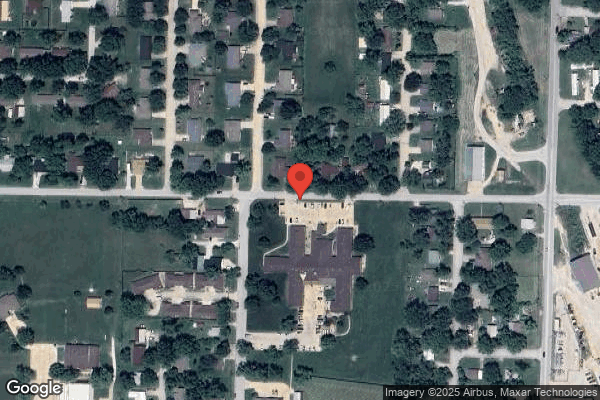
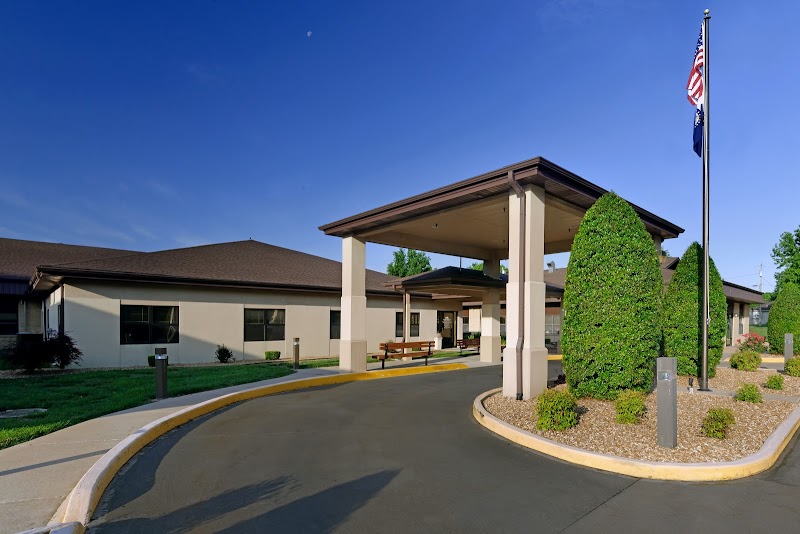
1218 WEST LOCUST, BOLIVAR, MO 65613 (417) 326-7648
Non profit - Corporation 111 Beds CITIZENS MEMORIAL HEALTH CARE Data: November 2025
Trust Grade
70/100
#57 of 479 in MO
Last Inspection: December 2023

Within standard 12-15 month inspection cycle. Federal law requires annual inspections.

Overview

Citizens Memorial Healthcare Facility in Bolivar, Missouri, has a Trust Grade of B, indicating it is a solid choice for care, as it falls in the good range of 70-79. It ranks #57 out of 479 facilities in Missouri, placing it in the top half, and is the best option among four local facilities in Polk County. However, the facility is experiencing a worsening trend, with issues increasing from one in 2024 to two in 2025. Staffing is a mixed bag, rated at 3 out of 5 stars, with a turnover rate of 48%, which is better than the Missouri average but still indicates some instability. The facility has no fines on record, which is a positive sign, and it offers more RN coverage than 84% of state facilities, helping to ensure that residents receive appropriate care. However, there have been some concerning incidents, including failures to accurately monitor and document weights for three residents, which can affect their health management. Additionally, there were lapses in infection control practices during a COVID-19 outbreak, with staff not consistently following guidelines, and concerns raised by residents in council meetings were not adequately addressed. Overall, while there are strengths in staffing and RN coverage, families should weigh these against the noted concerns.

Trust Score
B
70/100
In Missouri
#57/479
Top 11%
Safety Record
Low Risk
No red flags
Inspections
Getting Worse
1 → 2 violations
Staff Stability
⚠ Watch
48% turnover. Above average. Higher turnover means staff may not know residents' routines.
Penalties
✓ Good
No fines on record. Clean compliance history, better than most Missouri facilities.
Skilled Nurses
○ Average
Each resident gets 33 minutes of Registered Nurse (RN) attention daily — about average for Missouri. RNs are the most trained staff who monitor for health changes.
Violations
⚠ Watch
23 deficiencies on record. Higher than average. Multiple issues found across inspections.
★★★★☆
4.0
Overall Rating
★★★☆☆
3.0
Staff Levels
★★☆☆☆
2.0
Care Quality
★★★★☆
4.0
Inspection Score
Stable
2024: 1 issues
2025: 2 issues

The Good

  • Full Sprinkler Coverage · Fire safety systems throughout facility
  • No fines on record

Facility shows strength in fire safety.

The Bad

Staff Turnover: 48%

Near Missouri avg (46%)

Higher turnover may affect care consistency

Chain: CITIZENS MEMORIAL HEALTH CARE

Part of a multi-facility chain

Ask about local staffing decisions and management

The Ugly 23 deficiencies on record

Jul 2025 2 deficiencies
CONCERN (D) 📢 Someone Reported This

A family member, employee, or ombudsman was alarmed enough to file a formal complaint

Potential for Harm - no one hurt, but risky conditions existed

Pressure Ulcer Prevention (Tag F0686)

Could have caused harm · This affected 1 resident

**NOTE- TERMS IN BRACKETS HAVE BEEN EDITED TO PROTECT CONFIDENTIALITY** Based on observation, interview, and record review, the facility failed to provide care for pressure ulcers per standards of pra...

Read full inspector narrative →
**NOTE- TERMS IN BRACKETS HAVE BEEN EDITED TO PROTECT CONFIDENTIALITY** Based on observation, interview, and record review, the facility failed to provide care for pressure ulcers per standards of practice when staff failed to follow-up regarding an intervention of an appropriately sized bed and when staff failed to follow-up with the physician in a timely manner regarding a wound culture for one resident (Resident #1) and when facility staff failed to utilize appropriate hand hygiene prior to and during pressure ulcer wound care for one resident (Resident #2). The facility census was 83. 1. Review of the facility policy titled, “Pressure Ulcer/Wound Assessment and Treatment”, revised June 2025, showed: -Nursing personnel will continually strive to maintain the skin integrity, tone, turgor, and circulation to prevent skin breakdown, injury, and infection; -Purpose to provide a consistent effective method or treatment for pressure ulcers/wounds; -Initiate the appropriate prevention intervention; -Positioning techniques: Use positioning devices (pillows, heel protectors, overlay air mattress) to raise a pressure off the support surface. Avoid utilizing donut-type devices; Establish a repositioning plan according to individual resident needs, care goals, tissue tolerance, and response to treatment. Avoid positioning on pressure ulcer/wound, when possible, to facilitate protection of uninvolved areas. Avoid positioning immobile individuals directly on their trochanters, bony prominences, or existing wounds. Use positioning devices to prevent direct contact between bony prominences. Maintain head of bed the lowest degree of elevation tolerated by the resident’s condition and limit the amount of time the head of bed is elevated more than 30 degrees. -Patient support systems: Protective padding, alternating pressure mattress, gel pads, low air loss therapy, air mattress overlay. Review of Resident #1’s face sheet showed the following: -admission date of 01/10/24; -Primary diagnosis of lumbar spine epidural abscess (a collection of pus that formed in the space between the spinal cord and the bones of the spine.) Review of the resident’s current care plan showed the following: -Resident had a history of peripheral vascular disease (PVD-a condition where the arteries and veins become narrowed or blocked resulting in reduced blood flow to and from the legs) and diabetes; -Resident has a history of skin break down; -Resident has had a right metatarsal great toe amputation due to a wound, resulting in greater high risk for skin integrity; -Interventions for pressure ulcer, start 01/18/24, Braden scale as needed, dietitian to evaluate resident nutrition as needed, keep nails trimmed and filed, encourage not to scratch as needed, keep skin clean and dry, use lotion on dry skin as needed, offer supplemental nutrition, if indicated, pressure relieving devices to bed (air mattress), provide peri-care after each incontinent episode, use caution during transfers and bed mobility to prevent shearing, and weekly and as needed skin monitoring; -Skin risk assessment scale every 90 days, starting on 01/10/24; -Skin assessment every 7 days, starting on 01/28/24; -Protective skin barrier at bedside, starting 05/30/24; -Resident has had a right metatarsal (mid foot bone) great toe amputation due to a wound resulting in a greater high risk for skin integrity. Review of the resident’s wound assessment dated [DATE], showed: -Wound location: Right great toe; -Present on Admit or Acquired: Acquired; -Wound type: Pressure injury; -Wound Staging: Stage 2; -Wound length: 0.4 centimeter (cm); -Wound width: 0.3 cm; -Wound appearance: Beefy red, pink, and shiny; -Wound surrounding tissue appearance: Bright red; -Surrounding tissue appearance: Cool; -Wound drainage description: Sanguineous (containing blood); -Wound drainage amount: Scant; -Wound drainage odor: No odor; -Wound details/comments: Resident acquired this pressure ulcer due to continuously sliding down in bed and his/her right great toe had contracture (stiffening and shortening of the muscles, tendons, ligaments) noted and pressed against the foot board. Sanguineous drainage was noted on the gauze, scant amount. Interventions and prevention measures have taken place as in a foam wedge placed between the mattress and foot board and heel/foot protectors are in place. Review of the resident’s nurse note dated 03/12/25, at 11:33 A.M., showed the wound nurse documented the following: -Right great toe wound open; -The resident states when he/she was getting up with assistance, he/she bumped his/her toe, and it started to bleed. The resident’s right great toe is open superficially. Review of the resident’s quarterly Minimum Data Sheet (MDS - a federally mandated comprehensive assessment tool completed by facility staff), dated 4/04/25, showed the following: -Moderate cognitive impairment; -Did not reject care; -Required substantial/maximal assistance with upper body dressing, rolling left and right; -Dependent on staff for assistance with toileting hygiene, lower body dressing, putting on and taking off footwear, and transfers; -Functional limitation in range of motion to bilateral lower extremities; -Diagnoses of type 2 diabetes mellitus with polyneuropathy (impacts nerve function in multiple areas of the body, often characterized by numbness, pain, and muscle weakness, primarily in the distal arms and legs); -Mobility device manual wheelchair; -Presence of one stage 2 pressure ulcer (partial-thickness loss of skin with exposed dermis, presenting as a shallow open ulcer); -Pressure reducing device for chair and bed; -Application of dressings to feet. Review of the resident’s wound assessment dated [DATE], at 10:05 A.M., showed: -Wound location: Right great toe; -Present on Admit or Acquired: Acquired; -Wound type: Pressure injury; -Wound Staging: Stage 3 (full-thickness loss of skin); -Wound length: 0.9 centimeter (cm); -Wound width: 1.1 cm; -Wound Depth: 0.1 cm; -Presence of pain: No; -Wound appearance: Bleeding and reddened; -Wound surrounding tissue appearance: Granulated Pink; -Surrounding tissue appearance: Cool; -Wound drainage description: Sanguineous; -Wound drainage amount: Moderate; -Wound drainage odor: No odor; -Wound details/comments: Wound update and change from a stage 2 to a stage 3 pressure injury. Impeded wound healing with transfers. Review of the communication between the nurse and nurse practitioner (NP) showed the following: -On 04/09/25, at 12:51 P.M., the nurse wrote recommendation to get a wound culture on the resident’s right great toe wound related to stalled wound healing. Wound is slightly larger in size, there is edema (fluid retention/swelling) and erythema (redness of the skin) to the right great toe surrounding the wound. -On 04/09/25, at 1:54 P.M., the NP wrote please culture the drainage, if possible. Review of the communication between the nurse and nurse practitioner showed the following: -On 04/10/25, at 1:57 P.M., the nurse wrote resident was a sit to stand transfer (a mechanical transfer device that assists staff in lifting the resident to a standing position for transfers) and because of the location of the wound on the right great toe, the wound is being impeded. Recommendation for wound healing to use a Hoyer (a mechanical sling lift used to raise/transfer residents) to transfer the resident as he/she has in the past; -On 04/10/25, at 2:07 P.M., the NP wrote okay to use the Hoyer lift for skin protection, wound healing at this point. Review of the resident's Braden Scale (tool for predicting pressure ulcer risk completed by facility staff), dated 04/10/25, showed the following: -Sensory perception = Slightly limited; -Skin = Constantly moist; -Activity = Chairfast; -Mobility = Very limited; -Nutrition = Adequate; -Friction and shear = Potential problem; -Skin Risk = High risk. Review of the resident’s nurse note dated 04/10/25, at 10:54 A.M., showed the wound nurse documented the following: -Right great toe update: Wound to right great toe has worsened with size and moderate amount of serosanguineous drainage noted. The great toe is swollen and red. Recommendation to get a wound culture to rule out infection relating to the worsen appearance, size, swelling, and erythema noted. The physician noted to get a culture via messages. Obtained the culture on 4/10/25 at 10:48 A.M. and sent over to the laboratory. Review of the resident’s nurse note dated 04/10/25, at 1:43 P.M., showed the wound nurse documented the following: -Skin Team review; -Reason for review: Pressure ulcer; -Location: right great toe; -Measurements: See wound assessment; -Preventative measures: Continue all preventative measures set in place; -Current treatment: Silver alginate; -Progress: Wound has declined in healing with an increase in drainage and swelling to the toe; -Rehab: OT lymph massage; -Notes: Wound culture obtained today and pending results; -Team recommendations: To use Hoyer for transfers to assist in wound healing. Review of the resident’s nurse note dated 04/10/25, at 4:42 P.M., showed a nurse documented the following: -Resident complaining that he/she was “freezing to death.” The resident’s vital signs were stable and no fever at this time. -The resident was actively shivering, blankets applied. Staff notified the NP and the infection/sepsis tool completed. A urinalysis was ordered per the NP. Staff will continue to monitor. Review of the resident’s nurse note dated 04/10/25, at 9:31 P.M., showed a nurse documented UA obtained and taken to lab. Review of the resident’s laboratory report for wound culture of right great toe, showed the following: -Collected on 04/10/25 at 10:49 A.M.; -Received on 04/10/25 at 10:59 A.M.; -Preliminary results: 04/11/25 at 11:29 A.M., showed coagulase positive staphylococcus, sensitivity to follow. Record review of the resident’s nurse note, dated 4/11/25 at 5:34 A.M., showed a nurse documented the resident continued with chills. Review of the communication with the nurse and NP showed the following: -On 04/11/25, at 1:57 P.M., the nurse wrote: Please see wound culture results; -The NP did not reply. Review showed nurses did not document any further nurse notes between 04/11/25, at 1:57 P.M., and on 04/12/25, at 12:47 P.M., regarding the wound culture or follow-up with the NP. Review of the communication with the nurse and NP showed the following: -On 04/12/25, at 12:47 P.M., the nurse wrote: Notified of this day. -The NP did not reply. Review of the resident’s laboratory report for wound culture of right great toe showed the following: -Final results: 04/12/25 at 2:02 P.M., showed Methicillin Resistant Staph Aureus (MRSA - a bacteria that is resistant to several antibiotics). Review of the resident’s physician order showed an order dated 04/12/25, at 2:07 P.M., for ceftriaxone (a broad spectrum anti-infective medication) 1000 milligrams (mg) mixed with 1% lidocaine (used to treat pain) 2.1 ml, give intramuscular injection one time daily for diagnosis of MRSA infection of wound. Review of the resident’s pharmacy consultation note dated 04/12/25, at 7:00 P.M., showed the following: -Nursing infection screening completed on 04/10/25 at 4:38 P.M.; -Reason: Lumbar spine epidural abscess; -Overall symptoms: Mental status change not/applicable (N/A), functional decline N/A, vital signs N/A, and general illness N/A; -UTI Symptoms: Infection screening, new or marked increase in frequency, urinary pain/frequency; -Overall criteria met: Yes -Origin of infection: Infection acquired while at the facility? Yes; -Urinary tract infection: Appropriate empiric therapy ordered: Yes -Antibiotic medications ordered. Antibiotic ordered: Ceftriaxone; -Lab ordered: Urinalysis, urine culture. -On 04/10/25 UA showed: Clear, yellow urine with no protein, glucose, ketones, or nitrites, trace of blood, no bacteria, few white blood cells. Comment culture not indicated. -On 04/10/25, at 10:48 A.M. right great toe culture final showed MRSA. Review of the resident’s intervention documentation report showed staff did not document completion of a daily dressing change to the resident’s right great toe on 04/12/25. Review of the resident’s physician order dated 04/13/25, at 8:33 A.M., showed an order for doxycycline (an antiinfective medication) 1000 mg every 12 hours for diagnosis of MRSA infection of wound. Review of a communication form showed: -On 04/13/25, at 1:14 P.M., the nurse wrote: Orders were placed for Vibramycin (antibiotic) that started today. Upon inspecting his/her wound, it is exceptionally worse. The entire foot is now red, swollen and continues to enlarge. The wound is actively pouring blood of it. On call physician was contacted and gave approval to send the resident to the emergency room (ER) for further evaluation. Review of the resident’s nurse note, dated 04/13/25 at 1:17 P.M., showed a nurse documented upon inspection of the resident’s great toe wound, it was noted that the entire foot was now inflamed, red, and had excessive amount of blood coming from the wound. The nurse contacted the on-call physician who gave orders to send the resident to the emergency room. Family notified. Called report to the emergency room nurse and called the ambulance for transport. Review of the resident’s nurse note, dated 04/13/25 at 1:53 P.M., showed a nurse documented the following: -This nurse went in to do the resident’s wound care on his/her right toe. This nurse was alarmed when observing the blood-soaked bandage. Bandage removed and wound cleansed. Wound had a large amount of blood discharge. Cleansed again and pressure applied. Bleeding subsided and wound cleansed again. This nurse went to get a second opinion from the nurse manager. Both in agreement that the on-call needed to be contacted to send the resident to the emergency room for evaluation. Resident’s toe had considerable swelling, redness, and warmth that extended down into his/her foot. Resident’s family contacted and in agreement with the resident’s plan of care. Vital signs were stable at the time of transfer. During an interview on 07/01/25, at 3:00 P.M., Certified Nurse Assistant (CNA) A said the following: -The wound nurse told staff the resident’s right great toe pressure ulcer was caused from the resident being transferred using a sit to stand lift and due to the resident’s bed foot board; -The resident slid down in the bed; -The resident needed a longer bed; -He/she and other aides told the wound nurse, the charge nurses, and maintenance several times about the resident’s need for a longer bed; -Maintenance said the facility did not have any longer beds, because the resident was on a bariatric air mattress; -The resident required assistance to moved up in the bed and reposition; -The CNA said the resident slid down in the bed for approximately 2 months prior to going out to the hospital for a toe amputation. During an interview on 07/01/25, at 3:14 P.M., CNA B said the following: -He/she kept a pillow at the foot of the resident’s bed; -The resident developed a sore on his/her toe due to not wearing proper footwear while in the sit to stand and the resident slid down in bed; -The resident was not able to pull him/herself up in bed; staff needed to assist the resident in moving up in the bed; -He/she did not ask nursing for a longer bed for the resident, he/she was not aware the resident wanted a longer bed. Observation and interview of the resident on 07/01/25, at 10:50 A.M., showed the following: -The resident currently had a bariatric air mattress with no foot board; -The resident said he/she was too tall for his/her last bed, and he/she would slide down in the bed, and his/her toes would push against the foot board; -The resident said he/she told nursing staff, the wound nurse on multiple occasions that he/she needed a different bed, but they kept saying they did not have a different bed; -The resident said as a result of his/her toes pushing against the foot board, he/she developed a sore on the top of his/her right great toe, which became infected; -He/she talked to maintenance about his/her bed and maintenance said the facility did not have a longer bed at that time; -The facility tried to place pressure relieving boots on him/her, but they would slide sideways, and his/her feet would once again be pressing on the foot board. During an interview on 07/01/25, at 11:38 A.M., CNA C said the following: -The resident asked for a bed extender or padding for his/her toe; -The CNA said the resident thought his/her toe against the foot of the bed caused his/her toe ulcer, but the aide did not know for sure what caused the ulcer. During an interview on 07/01/25, at 12:30 P.M., CNA E said the following: -The resident’s bed was too short for him/her; -Staff tried to place pillows at the foot of his/her bed; -Staff tried to use pressure relief boots on the resident, but the Velcro straps would get caught on his/her bedding and the boots would twist, exposing the resident’s feet; -Staff tried different interventions, but these interventions did not matter, the resident always ended up with his/her feet against the foot board of the bed; -He/she was not aware foot boards would come off some of the beds; -He/she addressed with the nurses that the resident’s feet touched the foot board; -It took approximately two months for the resident to get a different bed; -The staff switched the resident’s bed with another resident’s bed. During an interview on 07/01/25, at 2:30 P.M., Occupational Therapist (OT) F said the following: -The resident was very tall and would slide down in his/her bed; -The resident needed a bed extender (to make the bed longer); -Staff tried a wedge at the foot of the bed and maintenance found a foam pad that they anchored to the foot board; -Maintenance said they did not think the resident’s bed would accommodate a bed extender; -After the resident had his/her toe amputated, the facility placed the resident in a different bed; -The Director of Nursing (DON) and Assistant Director of Nursing (ADON) were aware the resident needed a longer bed; -The resident was on an air mattress and had a history of shoulder injury and both arms were impaired; -The resident was not able to pull him/herself up in the bed; -The resident has plantar flexion of both feet (feet point down) and his/her toes curl under, exposing the top of his/her toes to the foot board; -When staff placed boots on the resident, these boots would roll into the wrong position; -The resident had an issue with sliding down in the bed for months. Review of the resident’s medical record and care plan showed staff did not document regarding attempts address the resident’s need for a longer bed. During an interview on 07/01/25 at 3:36 P.M., the Maintenance Director said the following: -Nursing reported the resident was tall and his/her feet were hitting the bed when they raised the head of his/her bed; -Initially we got with therapy and placed a cushion at the foot of the resident’s bed, but the resident still slid down in the bed; -The facility ended up using a different resident’s bed for the resident with no foot board, and then the Administrator ordered a new bed; -Maintenance switched the resident’s bed within one week of being told the resident had an issue with sliding down in the bed. During an interview on 07/02/25, at 11:00 A.M., Registered Nurse (RN) G said the following: -The resident had a bed with a foot board; -He/she did the resident’s toe ulcer treatment at times on the weekend and the wound nurse did the treatment during the weekdays; -He/she observed one day in April (unsure which day) that the resident’s foot was reddened and edematous and had some drainage (he/she could not recall the appearance of the drainage) but the wound had no odor; -He/she notified the wound nurse of the change to the wound, but the wound nurse said he/she was aware of the changes and had changed the resident’s treatment order. During an interview on 07/02/25, at 12:33 P.M., Nurse Practitioner (NP) H said the following: -He/she did not recall seeing the resident’s toe ulcer; -He/she thought a wound care company was seeing the resident’s toe pressure ulcer; -He/she was not aware of an issue with the resident’s bed/foot board. During an interview on 07/02/25, at 3:50 P.M., the Wound Nurse said the following: -He/she completes weekly skin assessments on all residents, does weekly wound assessments on all residents with open wounds, and completes wound treatments on the days he/she worked; -The resident developed a pressure ulcer to the top of his/her right great toe; -The wound nurse said he/she thought the wound was caused from staff transferring the resident with a sit to stand lift; -The resident’s toes were contracted and therefore curled under, creating pressure to the top of the resident’s toes during transfers; -The resident developed the open area to his/her right great toe in January 2025, and the wound nurse began wound assessment on the area; -The resident’s feet were hitting the foot board on his/her bed; -The resident had an issue with sliding down in bed and he/she was a tall person; -The wound nurse showed the resident how to elevate his/her legs before raising the head of the bed, so he/she would not slide down; -The resident was able to move him/herself up in bed, but would continue to slide down; -Facility staff tried a wedge at the foot of the resident’s bed, as well as heel protectors; -The resident’s heel protectors did not cover the resident’s toes; -The resident continued to slide down in bed, despite the staff’s best efforts; -He/she talked with the Administrator, the DON and OT about the issue; -The resident’s foot board wound not come off and the bed was the longest bed we could get; -Initially he/she did not realize the resident’s foot board was causing the pressure ulcer, but eventually it was obvious the foot board was putting pressure on the top of the resident’s toes because the resident’s feet were against the foot of the bed; -In March 2025, the wound showed signs of healing; -On 04/10/25, the wound worsened with increased redness and swelling; -He/she asked for and received from the NP, orders for a wound culture of the resident’s right great toe ulcer; -He/she obtained the wound culture on 04/10/25; -On 04/11/25, the wound culture showed staph infection; -On 04/12/25, the final wound culture showed MRSA infection; -The nurse should contact the physician as soon as they received the wound culture results; -The wound treatment was not initialed as completed on 04/11/25, and he/she was unsure if the nurse completed the treatment that day or not; -The wound nurse did not see the resident’s wound again after 04/10/25. During interviews on 07/02/25, at 4:45 P.M., and on 07/07/25, at 10:15 A.M., the DON said the following; -The resident had a tendency to slide down in the bed and was prone to pressure ulcers; -The resident was on an air mattress because he/she was unable to reposition him/herself; -The resident required the help of staff with repositioning in bed; -Prior to the resident’s right great toe amputation, the DON and the wound nurse both talked with maintenance about the resident's need for a bed modification, such as an extender for the bed or a longer bed; -Maintenance said the resident was already in the biggest bed that the facility could obtain; -On 04/10/25, the resident was shivering, the nurse notified the NP, and the NP gave orders for a urinalysis; -On 04/11/25, the nurse received the initial wound culture results and should have called the physician or on-call physician immediately to notify of the results instead of sending a message through the message portal; -On 04/12/25, the NP asked for a pharmacy consult and the pharmacist recommended antibiotic; -The facility began administration of ceftriaxone (Rocephin) IM 1000mg to the resident daily on 04/12/25 and began administration of doxycycline on 04/13/25; -The DON was unsure if the nurses completed the treatment on 04/12/25 or not, but they did not document completion of the treatment, and the nurse should sign when completed; -The facility sent the resident to the hospital 04/13/25 and the resident returned to the facility on [DATE] after amputation of his/her right great toe. 2. Review of the facility policy titled, “Standard Precautions, IP0-05”, revised October 2024, showed: -Standard Precautions include a group of infection prevention practices that apply to all patients, regardless of suspected or confirmed infection status, in any setting in which healthcare is delivered; -Standard Precautions are based on the principle that all blood, body fluids, secretions, excretions except sweat, nonintact skin, and mucous membranes may contain transmissible infectious agents; -Hand hygiene is the single most important practice to reduce the transmission of infectious agents in healthcare settings; -Hand hygiene includes both hand washing with soap and water and use of alcohol-based products that do not require the use of water; -During delivery of healthcare, avoid unnecessary touching of surfaces in close proximity to the patient to prevent both contamination of clean hands from environmental surfaces and transmission of pathogens from contaminated hands to surfaces; -Indications for hand hygiene from Centers of Disease Control and Prevention (CDC) include prior to entering a patient’s room or care area; when exiting a patient’s room or care area; before direct contact with patients; before inserting invasive devices that do not require a surgical procedure; after contact with a patient’s intact skin; after contact with body fluids or excretions, mucous membranes, non-intact skin, and wound dressings; after contact with inanimate objects (including medical equipment) in the immediate vicinity of the patient; before putting on gloves; and after removing gloves; -Gloves are used to prevent contamination of hands when anticipating direct contact with blood or body fluids, mucous membranes, non-intact skin and other potentially infectious material, or handling, or touching visibly or potentially contaminated patient care equipment and environmental surfaces; -During patient care, transmission of infectious organisms can be reduced by adhering to the principles of working from “clean” to “dirty,” and confining or limiting contamination to surfaces that are directly needed for patient care; -It may be necessary to change gloves during care of a single patient to prevent cross contamination; -It will be necessary to change gloves if during the interaction you touch nonsterile objects such as computer keyboards, trash can, etc.; -Gloves are to be discarded immediately after removal and not reused. Review of the facility policy titled, “Hand Hygiene, IP02-07,” revised April 2025, showed: -Hand hygiene is the single-most effective method of reducing the transmission of microorganisms in a healthcare setting; -The term “hand hygiene” replaces “hand washing” to reflect the acceptance of waterless hand cleaning agents such as alcohol-based hand rubs (ABHR); -Gloves are not a substitute for hand hygiene; -Remove gloves prior to performing hand hygiene. Do not perform hand hygiene on gloves; -Remove gloves after caring for a patient. Do not wear the same pair of gloves for the care of more than one patient, and do not wash gloves between uses with different patients; -Change gloves during patient care if moving from a contaminated body site to a different body site of the same patient; -Perform hand hygiene between glove changes; -Perform hand hygiene and change gloves if you suspect your gloves have been contaminated. Review of Resident #2’s face sheet showed: -admission date of 11/04/21; -Diagnoses included osteomyelitis (infection in a bone) of vertebra (back bones of the spine), sacral (bone at the bottom of the spine), and sacrococcygeal (bones at the bottom of the spine) region, chronic (long-term) decubitus ulcers (damage to the skin caused by constant pressure. Review of the resident’s MDS, dated [DATE], showed the following: -Cognitively intact; -Dependent on staff for toileting hygiene, shower/bathing, upper and lower body dressing, putting on/taking off footwear, personal hygiene, rolling left and right, moving from sit to lying; -Always incontinent of bowel; -Had an indwelling urinary catheter; -At risk of developing pressure ulcers; -Had one stage four pressure ulcer (full-thickness skin and tissue loss with exposed or directly palpable fascia, muscle, tendon, ligament, cartilage or bone in the ulcer) that was present upon admission/reentry. Review of the resident’s physician order, dated 05/23/25, showed an order to cleanse the wound bed with wound cleanser, pat dry, apply skin prep to the wound edges and surrounding intact skin, dampen Drawtex (dressing for a wound bed) and apply Drawtex to wound bed only, then cover and apply sacral mepilex (absorbent foam dressing) to secure. Change dressing daily. Review of the resident’s wound assessment documentation, dated 06/11/25 at 1:00 P.M. showed: -Wound location number one: Left buttocks; -Present on Admit or Acquired: Admit; -Wound type: Pressure injury; -Wound Staging: Deep tissue injury; -Wound length: 2 centimeter (cm); -Wound width: 1.6 cm; -Wound Depth: 0.1 cm; -Wound appearance: Granulation, pink, and reddened; -Wound surrounding tissue appearance: Pink; -Surrounding tissue temperature: Cool; -Wound drainage description: Serous; -Wound drainage amount: Scant; -Wound drainage odor: No odor. -Wound location number two: Left sacrum; -Present on Admit or Acquired: Acquired; -Wound type: Pressure injury; -Wound Staging: Stage four; -Wound length: 2.3 centimeter (cm); -Wound width: 3.2 cm; -Wound Depth: 0.2 cm; -Presence of pain: No; -Wound appearance: Bleeding, granulation, pink, and reddened; -Wound surrounding tissue appearance: Pink; -Surrounding tissue temperature: Cool; -Wound drainage description: Sanguineous; -Wound drainage amount: Small; -Wound drainage odor: No odor. -Wound details/comments: Hypergranulated tissue has decreased, silver nitrate was ordered within the past week as daily for two days. Review of the resident’s care plan, last reviewed on 06/27/25, showed the following: -Resident has a risk for skin breakdown with a long history of skin problems due to his/her mobility status and disease process; -He/she has a diagnosis and history of diabetes mellitus, cellulitis, and stage four decubitus ulcers on his/her sacrum and c
CONCERN (D) 📢 Someone Reported This

A family member, employee, or ombudsman was alarmed enough to file a formal complaint

Potential for Harm - no one hurt, but risky conditions existed

Incontinence Care (Tag F0690)

Could have caused harm · This affected 1 resident

**NOTE- TERMS IN BRACKETS HAVE BEEN EDITED TO PROTECT CONFIDENTIALITY** Based on observation, interview, and record review, the facility failed to provide care to all residents with a urinary catheter...

Read full inspector narrative →
**NOTE- TERMS IN BRACKETS HAVE BEEN EDITED TO PROTECT CONFIDENTIALITY** Based on observation, interview, and record review, the facility failed to provide care to all residents with a urinary catheter (a sterile tube inserted into the bladder to drain urine) in a manner that prevented possible infection when staff failed to follow proper infection controls practices, including proper handwashing, during wound and catheter care for one resident (Resident #2) with a history of urinary tract infections (UTIs). The facility census was 83.Review of the facility policy titled, Standard Precautions, IP0-05, revised October 2024, showed the following:-Standard Precautions include a group of infection prevention practices that apply to all patients, regardless of suspected or confirmed infection status, in any setting in which healthcare is delivered;-Hand hygiene is the single most important practice to reduce the transmission of infectious agents in healthcare settings;-Hand hygiene includes both hand washing with soap and water and use of alcohol-based products that do not require the use of water;-During delivery of healthcare, avoid unnecessary touching of surfaces in close proximity to the patient to prevent both contamination of clean hands from environmental surfaces and transmission of pathogens from contaminated hands to surfaces;-Indications for hand hygiene from Centers for Disease Control and Prevention (CDC) include prior to entering a patient's room or care area; when exiting a patient's room or care area; before direct contact with patients; before inserting invasive devices that do not require a surgical procedure; after contact with a patient's intact skin; after contact with body fluids or excretions, mucous membranes, non-intact skin, and wound dressings; after contact with inanimate objects (including medical equipment) in the immediate vicinity of the patient; before putting on gloves; and after removing gloves;-Gloves are used to prevent contamination of hands when anticipating direct contact with blood or body fluids, mucous membranes, non-intact skin and other potentially infectious material, or handling, or touching visibly or potentially contaminated patient care equipment and environmental surfaces;-It may be necessary to change gloves during care of a single patient to prevent cross contamination;-It will be necessary to change gloves if during the interaction you touch nonsterile objects such as computer keyboards, trash can, etc. Review of the facility policy titled, Urinary Catheterization, NUR08-13,. revised March 2024, showed the following:-The policy is to provide guidance for the placement of urinary catheters, maintenance techniques, and to assist in the prevention of catheter-associated urinary tract infections (CAUTI);-For maintenance, standard precautions should be used. Use gloves when manipulating the catheter site and drainage system and practice hand hygiene before and after;-A sterile, continuously closed drainage system should be maintained for indwelling and suprapubic catheter systems;-If there are breaks in aseptic technique, disconnection of tubing, or leakage from the bag, or if the catheter becomes contaminated, the catheter should be replaced;-Meatal care (hygiene practices for the urethral opening) is performed twice per day and includes cleansing of the peri area with soap and water or with organization approved chlorhexidine gluconate (CHG) wipes;-Cleansing the meatal surface during daily bathing is appropriate and can be included as part of the twice per day requirement and CHG wipes should be used daily for patients with an indwelling device;-Hand hygiene should be performed immediately before and after manipulation of the catheter site or collection bag. Review of the facility policy titled, Hand Hygiene, IP02-07, revised April 2025, showed the following:-Hand hygiene is the single-most effective method of reducing the transmission of microorganisms in a healthcare setting;-Perform hand hygiene before crossing the threshold/entering the patient's room, before donning sterile or non-sterile gloves, before donning any PPE (i.e. gown, mask, gloves), before inserting or handling invasive devices, before moving from a contaminated body site to a different body site during the care of the same patient, after contact with patient's skin, body fluids, excretions, mucous membranes or dressings, after contact with objects in the immediate vicinity of patients, after doffing of sterile or non-sterile gloves, after doffing of any PPE, and upon crossing the threshold when exiting the patient's room;-Gloves are not a substitute for hand hygiene;-Wear gloves when contact with blood or other potentially infectious materials, mucous membranes and non-intact skin is anticipated;-Remove gloves after caring for a patient. Do not wear the same pair of gloves for the care of more than one patient, and do not wash gloves between uses with different patients;-Change gloves during patient care if moving from a contaminated body site to a different body site of the same patient;-Perform hand hygiene between glove changes;-Perform hand hygiene and change gloves if you suspect your gloves have been contaminated. 1. Review of Resident #2's face sheet showed:-admission date of 11/04/21;-Diagnoses included acute (short-term) urinary tract infections (UTI's), chronic neurogenic urinary bladder disorder (a condition in people who lack bladder control due to brain, spinal cord, or nerve problems), renal insufficiency (poor function of the kidneys), and sepsis (the body's extreme reaction to an infection). Review of the resident's Minimum Data Sheet (MDS - a federally mandated comprehensive assessment tool completed by facility staff), dated 05/02/2025, showed the following:-Cognitively intact;-Dependent on staff for toileting hygiene, shower/bathing, upper and lower body dressing, putting on/taking off footwear, personal hygiene, rolling left and right, and moving from sit to lying;-Had an indwelling urinary catheter. Review of the resident's physician order, dated 01/20/25, showed direction for staff to insert a urinary catheter every 30 days and continue catheter care at 6:00 A.M. and 6:00 P.M. daily. Review of the resident's clinical laboratory report, dated 06/03/25, showed a urine culture positive for Pseudomonas aeruginosa (bacterial infection that typically occurs in a healthcare setting). Review of the resident's nurse's note dated 06/24/25, at 2:06 P.M., showed a nurse documented the resident was transferred to the emergency room (ER) due to marked decrease in response, diaphoretic (excessive sweating), and temperature of 102 degrees Fahrenheit (F). Review of the resident's care plan, reviewed on 06/27/25, showed the following:-Keeping skin clean and dry, providing peri-care after each incontinent episode;-Resident has a catheter due to his/her diagnosis of neurogenic urinary bladder disorder;-Required extensive assistance;-Would like the catheter bag emptied every shift and have a dignity bag over the catheter bag;-Is dependent with peri care;-The resident is at risk for infections due to residing in a nursing home, his/her age, and underlying health conditions;-He/she takes prophylactic medication to prevent infections;-His/her goal is to show no signs and symptoms of infection through the next review date;-Interventions include monitoring for signs and symptoms of infection, utilizing infection/sepsis screening tool, providing adequate hygiene practices, utilizing standard precautions, infection screenings, as indicated, per policy, and notifying the provider and responsible party of changes or abnormal screenings. Record review of the resident's hospital Discharge summary, dated [DATE], showed the following:-Resident admitted on [DATE];-Primary discharge diagnosis of sepsis;-Other active medical issues addressed during the hospital admission included urinary tract infection with hematuria (presence of blood in the urine)) and acute cystitis (inflammation of the bladder) with hematuria;-Noted to have sepsis from urinary tract infection (UTI);-Maxipime (cefepime - antibiotic) 2,000 milligrams (mg) intravenous (IV) injection every 8 hours for 14 days;-Hiprix (methenamine Hippurate, prescription antibacterial medication primarily used to prevent and control recurring UTIs) 1 gram by mouth two times per day. Review of the resident's nurse's note dated 07/01/25, at 4:59 A.M., showed a nurse documented the following:-The resident returned to the facility at 4:25 A.M. via ambulance;-Pharmacy notified of resident's arrival and stated no changes made to medications, except cefepime 2,000 (mg) IV every eight hours for 14 days;-The resident's indwelling catheter was removed at the hospital per the resident's request and an external catheter was used in the hospital instead;-It was explained to the resident that the facility did not use the external catheter;-The resident stated he/she did not want an indwelling catheter back in at this time. Review of the resident's nurse note dated 07/01/25, at 7:33 P.M., showed a nurse documented the following:-The resident stated after a large incontinence, that he/she still felt the need to void;-The nurse spoke to the nurse practitioner and received an order to reinsert a #16- 10 cc (size) catheter;-The nurse was unable to insert a normal 16-gauge catheter, so he/she inserted a #16- 10cc coude catheter (specifically designed to maneuver around obstructions or blockages in the urethra) with minimal difficulty;-The catheter drained well to gravity drainage. Observation on 07/01/25, at 10:52 A.M., showed the following:-The Wound Nurse and Certified Nurse Aide (CAN) I prepared to provide the resident's pressure ulcer care;-The Wound Nurse and CNA I did not perform hand hygiene prior to donning gloves and a gown;-The incontinence pad under the resident was saturated with a large amount of yellow urine and a large amount of stool;-Stool was present on the resident's buttocks and buttock wound dressing;-The Wound Nurse and CNA I cleaned the resident and the bedding up from the urine and stool;-The Wound Nurse completed wound care treatment for the resident;-With the same gloves and gown on, the Wound Nurse and CNA I placed new bedding on the bed and placed the soiled bedding in a trash bag;-The resident requested that CNA I adjust the room temperature in the room by using the thermostat beside the resident's bed;-CNA I did not complete hand washing, hand hygiene, or change his/her gloves prior to adjusting the thermostat;-After adjusting the thermostat, CNA I removed his/her gown and gloves, but did not use hand hygiene or wash his/her hands;-CNA I donned a new gown and gloves and proceeded to provide catheter care to the resident;-CNA I used one peri wipe to briefly clean the catheter tubing in a circular motion and one peri wipe to briefly clean the resident's perineal area;-The urinary meatus was not cleaned;-The Wound Nurse and CNA I doffed their gowns and gloves and completed handwashing in the resident room prior to exiting the room. During interviews on 07/01/25, at 10:35 A.M., and on 07/07/25, at 11:01 A.M., the resident said the following:-He/she returned from the hospital around 4:00 A.M. today after being admitted for a UTI;-He/she requested that his/her indwelling catheter be removed at the hospital, but the facility nurse had to put the catheter back in due to him/her feeling like he/she still needed to urinate;-He/she gets frequent UTI's;-The hospital staff said the facility staff should be cleaning his/her catheter two times per day and should clean it better than they have been,-Facility staff usually only complete catheter care on him/her one time per day. During an interview on 07/01/25, at 11:26 A.M., the Wound Nurse said the following:-He/she should wash his/her hands or use hand hygiene when he/she enters a resident's room;-If his/her hands are physically soiled, he/she should wash his/her hands and put on new gloves;-He/she should wash his/her hands any time he/she goes from a dirty environment to a clean environment;-If his/her hands are not visibly soiled, he/she would use hand sanitizer rather than wash his/her hands with soap and water;-He/she would physically wash his/her hands when the resident's care is all finished. During an interview on 07/02/25, at 10:25 A.M., CNA J said the following:-He/she normally provides catheter care two times per day during his/her 12-hour shift;-He/she documents catheter care under the work list/care item under the bowel and bladder diary;-The documentation process in the resident chart only allows him/her to enter the time the catheter care was completed, not the process or supplies used for catheter care;-If he/she has concerns with a resident's catheter, he/she tells the nurse, and the nurse would be responsible for documenting the concerns. During an interview on 07/02/25, at 11:35 A.M., CNA K said the following:-The aides provide catheter care when they empty the catheter bag and at least one time per shift;-He/she wears a gown and gloves for catheter care;-He/she empties the catheter bag prior to completing catheter care;-CNA K would wash his/her hands after catheter care is completed;-He/she would change gloves only if the gloves were visibly soiled or if the resident requested some kind of care non-related to the catheter care;-He/she charts catheter care in the resident's bowel and bladder diary located in the electronic health record;-CNA K would notify the nurse immediately if he/she had concerns regarding a resident's catheter. During an interview on 07/02/25, at 11:43 A.M., Registered Nurse (RN) D said the following:-The CNA's complete catheter care and document it in the resident's electronic health under the bowel and bladder diary;-Catheter care should be completed at least every 12 hours;-The CNA's are expected to let him/her know if they find anything abnormal regarding a resident's catheter;-Catheter care should be completed from top to bottom, around the opening, and then on down;-Gloves and a gown should be worn during catheter care;-If a resident was soiled with stool and staff had to clean the resident up and change their soiled bedding, staff would be expected to change their gown and gloves and complete hand hygiene prior to providing catheter care;-RN D said there would be a potential increased risk of infection of the catheter if staff clean a resident up from incontinent stool, change the resident's bedding that was soiled with stool, and then did not change their gown or gloves or use hand hygiene or wash their hands prior to providing catheter care. During an interview on 07/02/25, at 12:30 P.M., Licensed Practical (LPN) L said the following:-The CNA's and nurses provide catheter and peri care;-Staff are expected to use a foam soap with a wet rag for catheter care and clean in a downward motion, then rinse with a wet cloth and pat it dry;-Staff should clean around the catheter last;-Staff should use hand sanitizer or wash their hands before they enter the resident's room and don gloves and a gown for catheter care;-If gloves become soiled, staff should use hand sanitizer and apply new gloves;-If his/her gloves and gown are not soiled after he/she cleans a resident up after a bowel movement, he/she does not change his/her gown or gloves;-Sometimes he/she double gloves and removes the outer layer of gloves if they become soiled;-If he/she only has one pair of gloves on and they become soiled, he/she would remove the gloves and probably use hand sanitizer;-He/she would assume that there would be an increased risk for a UTI if staff did not change their gloves and wash their hands or use hand sanitizer after cleaning a resident up from a bowel movement, or after changing sheets that were soiled with stool prior to providing catheter care;-After cleaning a resident up after a bowel movement, he/she should don a new gown and gloves before starting catheter care;-Catheter care should be completed every shift and after every soiling;-The CNA's chart in the electronic health records every time they complete catheter care. During an interview on 07/02/25, at 2:37 P.M., the Assistant Director of Nursing (ADON) said the following:-He/she tracks antibiotics and has an infection screening tool that the nurses use;-He/she has noticed a trend in infections, specifically in residents with UTI's, but the facility has more indwelling catheters now;-He/she recently sent a huddle binder to all staff with instructions on how to take care of indwelling catheters;-The underlying cause of the increased UTI rate in the facility has not been determined;- He/she expected staff to empty catheter bags during rounding checks every two hours;-He/she expected staff to provide good peri care for resident's that have an indwelling catheter, which would include cleaning the crusting discharge from the catheter tubing itself;-Staff were expected to use hand hygiene prior to providing catheter care and wear a gown and gloves while providing catheter care;-He/she would expect staff to change soiled gloves;-He/she would expect staff to use hand hygiene or wash their hands and change their gloves before they enter a resident room or touch a resident, immediately after they complete resident care, and when they move from a dirty procedure to a clean procedure;-If staff clean up stool from a resident or their bedding, they are expected to wash their hands with soap and water and change their gloves and gown prior to providing catheter care;-Handwashing/hand hygiene and gloving up are important to help prevent the spread of infections between residents;-If staff are not properly washing their hands, using hand hygiene, or are not changing their gloves and gowns properly, it could place the residents at risk for UTI's and other infections;-Staff should be cleaning body parts from inside outward, front to back, and down rather than up;-If staff assist a resident with incontinent care, they are expected to wash their hands with soap and water and don new gloves and a gown prior to completing catheter care;-If the staff's hands are not soiled, it is acceptable for them to use an alcohol-based hand sanitizer prior to applying new gloves. During an interview on 07/02/25, at 4:29 P.M., the Wound Nurse said the following:-Staff should wash their hands or use hand sanitizer when they enter the resident's room;-When transitioning for cleaning a resident up from urine or stool, staff should take off their gloves, wash their hands and put on new gloves prior to starting wound care;-When providing peri care and catheter care, staff should wash their hands, put on gloves and a gown;-Staff should perform one swipe with a peri wipe, then throw the wipe away and get a new wipe to continue cleaning the peri area and catheter;-Staff should use an inner to outer process to clean the catheter;-Staff can use either peri wipes, foam and a washcloth, or soap and water for catheter care;-After completing catheter care, staff should wash their hands with soap and water prior to leaving the resident's room. During an interview on 07/07/25, at 10:20 A.M., the Director of Nursing (DON) said the following:-The resident has had multiple UTI's;-The ADON provides infection prevention training for staff by sending out daily education and offering daily huddles for staff;-The CNA's provide catheter care during peri care;-CNA's empty the catheter bags;-Catheter care is completed as many times as needed throughout the day, and for sure two times per day;-Catheter care is completed with incontinence care and every shift at a minimum;-If staff clean a resident up from stool, he/she would expect staff to use hand hygiene or hand washing if their hands are soiled and apply new gloves and a gown prior to starting another procedure process, such as catheter care, with the same resident;-Anytime staff go from a dirty process or procedure to a clean process or procedure, they are expected to use hand hygiene or wash their hands prior to putting on new gloves;-Staff should be using the soap in and soap out process or using hand hygiene when they enter and exit a resident's room;-It is not acceptable for staff to not use hand hygiene or wash their hands after cleaning a resident up from stool and prior to moving on to complete catheter care;-During wound care, when going from a dirty process to a clean process, staff should remove their gloves, complete hand hygiene, and put new gloves on;-Staff should not wipe towards the catheter insertion site in order to keep dirty content away from the catheter insertion site;-He/she would expect the catheter to be cleaned last in the catheter care process to avoid spreading dirty content to the catheter insertion site.Complaint #1775421, #1775424
Oct 2024 1 deficiency
CONCERN (D) 📢 Someone Reported This

A family member, employee, or ombudsman was alarmed enough to file a formal complaint

Potential for Harm - no one hurt, but risky conditions existed

Pharmacy Services (Tag F0755)

Could have caused harm · This affected 1 resident

**NOTE- TERMS IN BRACKETS HAVE BEEN EDITED TO PROTECT CONFIDENTIALITY** Based on interview and record review, the facility failed to ensure establish an accurate system of administration of narcotic p...

Read full inspector narrative →
**NOTE- TERMS IN BRACKETS HAVE BEEN EDITED TO PROTECT CONFIDENTIALITY** Based on interview and record review, the facility failed to ensure establish an accurate system of administration of narcotic pain medications when staff failed to accurately document administration of narcotic pain medications and administer them within the parameters of physicians' orders for two residents (Resident #1 and Resident #2). Ten residents were sampled out of a facility census of 100. Review of the facility's policy titled Medication Administration and Documentation, revised 06/2024, showed the following: -The facility maintains a standard procedure for admission of drugs by licensed personnel with a physician's order; -Purpose of the policy was to outline correct procedure for documentation of bedside medication administration utilizing the Medication Administration Record (MAR) in the Patient Care System (PCS). To provide a medication administration system that enhances patient safety by providing a means for the verification of the 5 Rights. To provide a framework for timing of medication administration based on the nature of the medication and its clinical application to ensure safe and timely administration; -Non-time critical scheduled medications are those for which a longer or shorter interval of time since the previous dose does not significantly alter the therapeutic effect or otherwise cause harm; -Medications not eligible for scheduled dosing times will have a time specified by the provider in the initial order such as stat doses (to be administered immediately or within 15 minutes); first doses or loading doses timed to bring plasma or tissue concentrations to an effective concentration quickly such as vancomycin (an antibiotic), digoxin (a medication used to treat heart failure and heart rhythm problems) and amiodarone bolus dose (a medication use to treat heart rhythm problems); one time doses such as those specifically timed for a procedure; doses timed for obtaining serum drug levels; and medications prescribed on an as-needed basis; -The medication should be administered as soon as possible after the dose has been prepared, particularly a medication prepared for parenteral administration (drugs given by injection or infusion). The medication dosage will not be removed from its packaging or labeling until immediately before administration of the drug; -For the safety of the patient, the provider will observe the following factors: right patient-ask patient/resident to verify name and date of birth , compare name bracelet and/or resident photo identification and MAR; right time-check MAR for proper time medication is to be given; right medication- compare medication packet to medication name on MAR and doctor's order sheet if indicated; right route-check MAR for correct route and site for injections; and right dose-compare dosage on medication packet to dosage on MAR; -As needed medications shall be charted in the MAR. Laboratory data and any subsequent re-assessment after the administration is to be completed through an assessment or nursing intervention in PCS. The patient's report of his/her experience of the medications effects must also be documented. Nursing may incorporate patient preference and administer a less potent or non-opioid product if ordered for a lesser pain scale. Documentation of patient choice must be included in the pain assessment. A more potent narcotic cannot be given without a provider's order regardless of patient preference. 1. Review of Resident #1's face sheet (a document that gives a patient's information at a quick glance) showed an admission date of 02/22/24. Review of the resident's current diagnosis sheet showed the resident had diagnoses that included chronic pain syndrome and other chronic pain. Review of the resident's quarterly Minimum Data Set (MDS - a federally mandated comprehensive assessment instrument completed by facility staff), dated 08/20/24, showed the following: -The resident was cognitively intact; -The resident received scheduled and as needed (PRN) pain medications and non-medication intervention for pain; -The resident frequently had pain; -Pain occasionally effected sleep, interfered with therapy activities, and day to day activities; -The resident's pain intensity was 7 on a pain scale of 0 to 10 and the resident described it as moderate; Review of the resident's care plan, reviewed 10/02/24, showed the following: -The resident was at risk for pain due to paraplegia (loss of muscle function and sensation in the lower half of the body, including legs, feet and toes), lumbar spondylosis (degenerative disease of the lower back), chronic kidney disease and spinal compression fracture. -Consider pain assessment and develop pain management program with the resident. The resident had pain medication that he/she wished to ask for when in pain. He/she did not wish to be woken up during the night. Review of the resident's October 2024 Physician's Order Sheet (POS) showed an order, dated 07/23/24, for oxycodone (a pain medication), 5 milligrams (mg) PO (by mouth) every 4 hours PRN. Review of the resident's October 2024 Medication Administration Record (MAR) showed on 10/16/24, at 1:40 A.M., Licensed Practical Nurse (LPN) A administered PRN oxycodone 5 mg tablet to the resident. Review of the resident's Controlled Drug Record showed on 10/16/24, at 2:00 A.M. and 10:20 P.M., LPN A administered oxycodone 5 mg tablet to the resident. Review of the resident's October 2024 MAR showed on 10/17/24, at 2:18 A.M., LPN A administered PRN oxycodone 5 mg tablet to the resident. Review of the resident's Controlled Drug Record showed on 10/17/24, at 2:20 A.M., LPN A administered oxycodone 5 mg tablet to the resident. During an interview on 10/22/24, at 11:17 A.M., the resident said the following: -He/she took pain medications; -He/she took pain medications during the night once in a while when he/she needed one; -He/she normally fell asleep around 10:30 P.M. and slept until 5:00 A.M.; -He/she had not requested pain medications in the middle of the night for over a month; -When LPN A worked, the LPN documented the resident took pain medications in the middle of the night, but other nurses did not. He/she believed it was odd; -He/she did not take pain medications in the middle of the night on 10/16/24 or 10/17/24. He/she knew this because he/she would have to wake up and drink water when taking the medication. During an interview on 10/22/24, at 1:09 P.M., Certified Medication Technician (CMT) A said the following: -He/she noticed starting a couple months ago that twice nightly at the same or similar times, the resident received PRN oxycodone; -He/she asked the resident if the resident took this in the middle of the night and the resident said they did not ask for the medication in the middle of the night; -He/she told the Director of Nursing (DON) and a few days later, the DON said the medication pass was normal; -Approximately a week ago, he/she noticed the same trend start again with the resident; -He/she asked the resident and the resident said they did not take the oxycodone at night. During an interview on 10/23/24, at 1:23 P.M., LPN A said the following: -The resident sometimes asked for PRN oxycodone and when the resident asked for the medication he/she gave the medication; -He/she did not know if he/she gave the PRN oxycodone on 10/16/24, at 1:40 A.M., or 10/17/24, at 2:18 A.M.; -He/she did not know where the resident's medication went and he/she could have laid the medication down in another resident's room or thrown them in the trash with another cup. During an interview on 10/24/24, at 2:08 P.M., Registered Nurse (RN) E said the following: -The resident did not complain of a lot of pain to the RN; -The resident was cognitively intact and would know if he/she received pain medication during the night; -Unless the resident woke up and complained of pain, he/she would not wake the resident up to give a PRN pain medication. During an interview on 10/24/24, at 1:37 P.M., the DON said the resident said he/she did not receive pain medication during the night that was signed out by LPN A. 2. Review of Resident #2's face sheet showed an admission date of 11/19/21. Review of the resident's diagnosis sheet showed the resident had diagnoses that included low back pain and other chronic pain. Review of the resident's quarterly MDS, dated [DATE], showed the following: -The resident had moderate cognitive impairment; -The resident received scheduled and PRN pain medications; -At the time of the assessment the resident did not have pain. Review of the resident's current care plan showed he/she had pain related to his/her disease process, chronic psychosocial or physical disability, and musculoskeletal pain. He/she would have his/her pain relief maintained to a satisfactory level. Review of the resident's September 2024 POS showed an order, dated 06/06/22, for hydrocodone (a narcotic pain medication) 7.5/325 mg., one tablet by mouth every four hours PRN. Review of the resident's September 2024 MAR showed on 09/19/24, at 1:00 A.M. and 3:45 A.M., LPN A administered one PRN hydrocodone 7.5/325 mg tablet to the resident; Review of the resident's Controlled Drug Record showed on 09/19/24, at 1:00 A.M. and 5:00 A.M., LPN A administered one PRN hydrocodone 7.5/325 mg tablet to the resident. Review of the resident's September 2024 MAR showed on 09/24/24, at 12:15 A.M., 1:28 A.M., and 4:45 A.M., LPN A administered one PRN hydrocodone 7.5/325 mg. tablet to the resident. Review of the resident's Controlled Drug Record showed on 09/24/24, at 12:00 A.M. and 4:00 A.M., LPN A administered one PRN hydrocodone 7.5/325 mg tablet to the resident. Review of the resident's October 2024 POS showed an order, dated 06/06/22, for hydrocodone 7.5/325 mg., one tablet by mouth every four hours PRN. Review of the resident's October 2024 MAR showed on 10/05/24, at 1:40 A.M., 3:43 A.M., 7:47 P.M. and 7:55 P.M., LPN A administered one PRN hydrocodone 7.5/325 mg. tablet to the resident. Review of the resident's Controlled Drug Record showed on 10/05/24, at 12:00 A.M. and 4:00 A.M., LPN A administered one PRN hydrocodone 7.5/325 mg tablet to the resident. Review of the resident's October 2024 MAR showed on 10/07/24, at 1:45 A.M., LPN A administered one PRN hydrocodone 7.5/325 mg. tablet to the resident. Another staff member administered one PRN hydrocodone 7.5/325 mg. tablet to the resident at 2:54 A.M. Review of the resident's Controlled Drug Record showed on 10/07/24, at 2:55 A.M., a staff member administered one PRN hydrocodone 7.5/325 mg tablet to the resident. LPN A did not document the administration of one tablet that was signed out in the MAR at 1:45 A.M. Review of the resident's October 2024 MAR showed on 10/08/24, at 1:30 A.M. and 4:25 A.M., LPN A administered one PRN hydrocodone 7.5/325 mg. tablet to the resident. Review of the resident's Controlled Drug Record showed on 10/08/24, at 1:50 A.M. and 5:50 A.M., LPN A administered one PRN hydrocodone 7.5/325 mg tablet to the resident. Review of the resident's October 2024 MAR showed on 10/10/24, at 1:20 A.M. and 3:56 A.M., LPN A administered one PRN hydrocodone 7.5/325 mg. tablet to the resident. Review of the resident's Controlled Drug Record showed on 10/10/24, at 1:20 A.M. and 5:01 A.M., LPN A administered one PRN hydrocodone 7.5/325 mg tablet to the resident. During an interview on 10/22/24, at 1:28 P.M., CMT B said he/she noticed the resident received more PRN pain medication during the night when LPN A worked and reported this to the DON. During an interview on 10/22/24, at 2:49 P.M., the resident said he received pain medications sometimes in the middle of the night. During an interview on 10/23/24, at 1:23 P.M., LPN A said the following: -The resident always asked for pain medication when the resident woke up; -He/she told the resident to tell the other nurses when the resident was hurting; -He/she popped the residents medications and scanned them, but did not administer the medications at that time; -He/she sometimes forgot to go back and change the time he/she did administer the medications. During an interview on 10/24/24, at 1:37 P.M., the DON said the following: -The resident had an order for PRN hydrocodone 7.5/325 mg. every four hours; -The doses given to the resident by LPN A on 09/19/24 at 1:00 A.M. and 3:48 A.M. were not given as prescribed; -The doses given to the resident by LPN A on 09/24/24 at 12:15 A.M., 1:28 A.M. and 4:45 A.M. were not given as prescribed; -The doses given to the resident by LPN A on 10/05/24 at 1:40 A.M. and 3:43 A.M. were not given as prescribed; -The doses given to the resident by LPN A on 10/07/24 at 1:45 A.M. and 2:54 A.M. were not given as prescribed; -The doses given to the resident by LPN A on 10/08/24 at 1:30 A.M. and 4:25 A.M. were not given as prescribed; -The doses given to the resident by LPN A on 10/10/24 at 1:20 A.M. and 3:56 A.M. were not given as prescribed. During an interview on 10/24/24, at 2:08 P.M., RN E said the resident did not complain of pain throughout the day, but received PRN pain medications during the night. During an interview on 10/24/24, at 2:37 P.M., the Administrator said the doses given to the resident by LPN A on 09/19/24, 09/24/24, 10/05/24, 10/07/24, 10/08/24 and 10/10/24 were not administered as prescribed. 3. During interviews on 10/22/24, at 1:09 P.M., and on 10/24/24, at 11:36 A.M., CMT B said the following: -When he/she passed medications, he/she ensured the right medication, order, time, dose and resident; -He/she could administer PRN pain medications with an order for every four hours as needed if 3.5 hours passed since the last dose; -He/she did not prepare the medication until the medication was administered even for the residents who frequently asked for their medication. Staff should not assume a resident would need the medication and prepare it earlier than the order said; -He/she knew when he/she gave medications and watched the residents take the medication. 4. During an interview on 10/22/24, at 1:28 P.M., CMT C said when he/she passed medications, he/she ensured the right medication, order, time, dose and resident. 5. During interviews on 10/23/24, at 1:23 P.M., and on 10/24/24, at 12:33 P.M., LPN A said the following: -He/she should not prepare a resident's medication until he/she was ready to administer the medication to a resident; -When he/she administered medications, he/she checked right resident, dose, medication, frequency, time and route, but he/she did not always follow this; -If a resident had an order for PRN pain medication to be given every four hours, he/she could give every four hours or could give up to one hour early. He/she could not give that medication 2 to 2.5 hours early. 6. During an interview on 10/24/24, at 11:56 A.M., LPN E said the following: -When he/she administered medication he checked for right resident, time, medication and route; -He/she required a physician's order before he/she administered a medication; -He/she gave medications per the physician's order; -If a resident had an order for a PRN narcotic, he/she gave the medication when the resident requested and within the timeframe specified on the physician's order; -If a resident had an order for a PRN narcotic every four hours and four hours had not passed since the last dose, he/she contacted the physician to see if he/she could administer the medication early; -He/she did not remove medications from the cart unless he/she administered the medications. 7. During an interview on 10/24/24, at 2:08 P.M., RN E said the following: -He/she required a physician's order before giving a resident a medication; -He/she ensured the right resident, medication, route, dose and time prior to administration of a medication; -If a resident had a PRN pain medication ordered for every four hours, he/she administered when the resident complained of pain but not before 3.5 to 4 hours had passed since the last PRN dose; -Staff should not remove medication from the cart early because they know the resident would ask for the medication. The removed the medication when the resident complained of pain and the appropriate time passed. 8. During an interview on 10/28/24, at 1:46 P.M., the Director of Pharmacy Services said the following: -He/she did not believe the PRN pain medication orders could be liberalized; -He/she did not think it was appropriate for PRN oxycodone orders to be liberalized; -If the physician wrote an order for PRN hydrocodone every four hours then the physician meant the medication to be given no more than every four hours. 9. During an interview on 10/24/24, at 1:37 P.M., the DON said the following: -Staff informed her there were possible documentation errors with pain medications in the past, but LPN A worked six nights a week so she could not see a trend and the resident who received the medication made sense; -She expected staff to follow the right dose, time, resident and route when they administered medication; -PRN pain medication was given when the resident requested, or an appropriate assessment was made for a resident who could not ask for the medication; -Staff should not assume a resident would need medication and prepare the medication early. 10. During an interview on 10/24/24, at 2:37 P.M., the Administrator said the following: -Staff should not prepare medication early. They should remove them from the cart when the medication was due, or the resident requested medication; -Staff should administer medication as prescribed, but they could give medication one hour early or one hour late; -Nurses should know if they signed the medication out that they gave the medication. MO00243564
Dec 2023 5 deficiencies
CONCERN (D)

Potential for Harm - no one hurt, but risky conditions existed

Deficiency F0558 (Tag F0558)

Could have caused harm · This affected 1 resident

Based on observation, interview, and record review, the facility failed to provide and accurately care plan one resident's reasonable accommodation of need for one resident (Resident # 48) who was una...

Read full inspector narrative →
Based on observation, interview, and record review, the facility failed to provide and accurately care plan one resident's reasonable accommodation of need for one resident (Resident # 48) who was unable to access the call light system. The facility census was 103. Review of the facility policy, titled General Physical Environment, dated June 2019, showed the following: -The facility considers the purpose of an equipped and functional environment to ensure adequate care and safety of residents, employees, and visitors; -The nurses' call system registers calls to the nurses' station from each resident's bed, toilet room, bathtub, and shower. Review of the facility policy, titled Nursing Safety, dated March 2021, showed the following: -The facility considered the purpose of nursing safety to ensure safety for the residents, employees, and visitors; -The nurse call light should be within reach of the resident; -Residents will be instructed on call light use. 1. Review of Resident #48's face sheet (a brief resident profile sheet) showed the following information: -admission date of 10/06/23; -Diagnoses included quadriplegia (a form of paralysis that affects all four limbs, plus the torso), urinary tract infection, hypertension (high blood pressure), and diabetes (high blood sugar). Review of the resident's admission Minimum Date Set (MDS - a federally mandated assessment instrument completed by facility staff), dated 10/12/23, showed the following information: -Cognitively intact; -Required two-person assistance for bed mobility and transfer; -Required assistance with all activities of daily living (ADL's) including dressing, toilet use, and personal hygiene; -Impairment of upper and lower extremity impairment on both sides. Review of the resident's care plan, revised 12/07/23, showed the following information: -Resident is currently unable to lift arms, but can use his/her hands to squeeze the call light; -Ensure call light is under his/her chin or under right hand so that he/she is able to utilize when needed; -Resident requires maximal assistance with all activities of daily living (ADL's). Observation on 12/06/23, at 10:43 A.M., showed the resident resting in bed with his/her eyes closed. His/her call light was clipped the resident's sock and laying on the air mattress next to his/her ankle. Observation on 12/07/23, at 3:30 P.M., showed the resident resting in bed with his/her eyes closed. His/her call light was clipped the resident's sock and laying on the air mattress next to his/her ankle. Observation on 12/08/23, at 10:41 A.M., showed the resident resting in bed with his/her eyes closed. His/her call light was laying on the air mattress next to his/her ankle on the bed. During an interview on 12/04/23, at 10:30 A.M., the resident said that he/she is not able to use his/her call light. He/she is not able to move his/her arms or hands and is therefore unable to press the call light. The staff have tried to put the flat round touch call pad under his/her chin, shoulder, and under his/her head, but that did not work. When he/she was first admitted to the facility he/she was able to use the call pad by touching with his/her foot, however, after the facility changed his/her bed to an air mattress he/she is now unable to press down on the touch pad because the pad goes down into the air mattress when he/she attempts to use. The staff are putting the touch call pad near her foot even though he/she is unable to use it. The resident said that he/she will ask his/her roommate to call for help, but said he/she tries not to be a nuisance. During an interview on 12/04/23, at 10:35 A.M., the resident's roommate said that he/she puts on his/her own call light when the resident needs assistance because the resident is unable to press his/her call light. During an interview on 12/05/23, at 1:15 P.M., the resident's spouse said that he/she is concerned that the resident is not able to use the call light and call for help when needed. The spouse said that the resident must rely on his/her roommate or just yell out for help if the roommate is asleep or not in the room. During an interview on 12/06/23, at 10:31 A.M., Registered Nurse (RN) J said that the resident is sometimes able to press his/her call light, but not always, and has been known to yell out for help. The staff check on him/her more often because of that. During an interview on 12/06/23, at 10:58 A.M., Certified Nursing Assistant (CNA) H said the resident is not always able to press his/her call light, but is able to yell out when he/she needs help. The staff check on him/her more often because they are aware he/she can not use his/her call light. During an interview on 12/07/23, at 2:27 P.M., CNA G said the resident had a hard time using the call light. He/she has tried clipping the call light to various areas of the resident's body, but because the resident can not use his/her hands or arms he/she is unable to press the button. CNA G said the facility got him/her the little flat pad and staff keep it close to his/her foot so that he/she can lift his/her foot and tap the call light. The resident does not have a lot of movement of his/her legs so sometimes he/she is not able to use it. He/she will also yell out for help. CNA G said that the resident can be heard yelling out for help only if staff are on the resident's hall. You cannot hear the resident yelling at the nurses' station. During an interview on 12/08/23, at 8:10 A.M., Certified Medication Technician (CMT) E said that the resident does not normally use his/her call light because he/she cannot move his/her arms. CMT E has heard the resident yelling out for help at different times. During an interview on 12/08/23, at 8:57 A.M., RN I said that the resident can sometimes put on his/her call light with his/her foot and if he/she cannot get the call light on the resident can yell out for help. RN I said that he/she was able to hear the resident yelling from the nurses' station and that the CNA's check on the resident more frequently because of this. During an interview on 12/08/23, at 1:47 P.M., with the Administrator and the Director of Nursing (DON), the Administrator said that upon admission it was realized that the resident was not able to use the call light, so they got the resident the round flat touch pad call light. The Administrator said that he/she would expect staff to notify him/her if the resident's condition changed so that they could readdress the resident's needs.
CONCERN (D)

Potential for Harm - no one hurt, but risky conditions existed

Incontinence Care (Tag F0690)

Could have caused harm · This affected 1 resident

Based on observation, interview, and record review, the facility failed to ensure a catheter (a flexible tube inserted through a narrow opening into a body cavity, particularly the bladder, for removi...

Read full inspector narrative →
Based on observation, interview, and record review, the facility failed to ensure a catheter (a flexible tube inserted through a narrow opening into a body cavity, particularly the bladder, for removing fluid) was only inserted when needed and with physician orders for catheter insertion and management when staff place a catheter for one resident (Resident #56) without physician orders. The facility census was 103. Review of the facility's policy titled, Catheter Care, dated August 2022, showed the following information: -Urinary catheterization is to facilitate urinary drainage when medically necessary; -Urinary catheters should be placed only under the direction of a physician order; -Indwelling catheters should be removed as early as possible to help prevent catheter-associated urinary tract infections; -Obtain physician order for removal. Review of the facility's policy titled, Physicians Orders, dated September 2023, showed the following information: -Physician orders will be completed in a safe, effective, and timely manner; -Physician orders may be active and effective for up to one year. After one year a new order should be documented in the electronic medical record. Review of the facility's policy titled, Documentation, dated December 2020, showed the following: -Consistent patient data will be maintained in the patient's medical record by authorized personnel; -Purpose to develop, implement, and evaluate the plan of care and response of treatment through communication to the health care team and to provide consistent data with the electronic medical record by personnel; -Entries will be made as close as possible to the time of occurrence of the event being documented; -Licensed personnel of a designated shift should do a 24-hour chart check. These personnel will review orders of the past 24-hour period. 1. Review of Resident #56's face sheet (brief information sheet about the resident) showed the following information: -admission date of 11/03/23 and readmission date of 12/02/23; -Diagnoses included chronic kidney disease (CKD - kidneys are damaged and can't filter blood the way they should) stage 4 (severely damaged), type 2 diabetes mellitus (chronic condition that affects the way the body processes blood sugar (glucose)), and congestive heart failure (CHF -a condition in which the heart can't pump enough blood to the body's other organs). Review of the resident's progress notes dated 11/03/23, at 3:37 P.M., showed the resident arrived at the facility at approximately 3:15 P.M. The resident had a catheter due to urine retention. Review of the resident's admission Minimum Data Set (MDS - a federally mandated comprehensive assessment instrument completed by facility staff), dated 11/09/23, showed the following information: -Cognitively intact; -Required extensive assistance for bed mobility and transfers; -Indwelling catheter; -Used electric wheelchair for mobility. Review of the resident's progress notes dated 11/11/23, at 7:46 A.M., showed the resident's catheter was clamped for the previous 24 hours per physician and removed at 7:40 A.M. this morning. No complaints from resident of pain. Staff will monitor for retention. Review of the resident's progress notes, dated 11/12/23 to 12/03/23, showed staff did not document regarding the resident's catheter. Review of the resident's current care plan, dated 12/04/23, showed the following information: -Resident had an indwelling Foley catheter, size 16 French, due to benign prostatic hypertrophy (BPH - enlarged prostate) and obstruction; -Resident goal is to have optimal urinary elimination and be free of infections; -Staff should monitor for complications of catheter and report to charge nurse; -Staff should change catheter per orders; -Staff should monitor for evidence of catheter blockage or leakage. Observations of the resident showed the following: -On 12/04/23, at 1:49 P.M., the resident seated in his/her room with an indwelling urinary catheter, with yellow urine in the tubing, and the catheter bag under the wheelchair was in a dignity bag; -On 12/05/23, at 12:35 P.M., the resident was in a wheelchair in the hallway returning to his/her room after lunch. A catheter was present under the wheelchair in a dignity bag, clear yellow urine was visible in the tubing. Review of the resident's physician's orders sheet, current as of 12/08/23, showed on active order for a catheter or catheter management. During an interview on 12/08/23, at 10:25 A.M., Registered Nurse (RN) I said that the nurses and aides have a daily to do list and work list that is on their computer program. The list will include residents with catheter cares and or changes to be completed. The list is populated from the physician orders. During an interview on 12/08/23, at 10:45 A.M., RN L said there should be physician orders for residents with catheters that should include when to change, the size of catheter, when to clean, and diagnosis for the catheter. During an interview on 12/08/23, at 1:18 P.M., with the Administrator and Director of Nursing (DON), the DON said there should be a physician order for residents to have a catheter and the order would include specific information about the catheter.
CONCERN (D)

Potential for Harm - no one hurt, but risky conditions existed

Deficiency F0698 (Tag F0698)

Could have caused harm · This affected 1 resident

**NOTE- TERMS IN BRACKETS HAVE BEEN EDITED TO PROTECT CONFIDENTIALITY** Based on interview and record review, the facility failed to ensure all residents received dialysis services per professional st...

Read full inspector narrative →
**NOTE- TERMS IN BRACKETS HAVE BEEN EDITED TO PROTECT CONFIDENTIALITY** Based on interview and record review, the facility failed to ensure all residents received dialysis services per professional standards, when staff failed to have written physicians' orders related receiving dialysis (a procedure to remove waste products and excess fluid from the blood when the kidneys stop working properly), failed to document monitoring the resident as care planned, and the failed to mark dialysis on the Minimum Data Set (MDS - a federally mandated comprehensive assessment completed by facility) for one resident (Resident #62). The facility census was 103. Review of the facility's policy titled, Patient Weights, dated April 2022, showed the following: -In long-term care setting, weights will be done on admission, monthly, and as needed or ordered; -Upon admission to long-term care facility, an initial weight will be obtained. Record review of the facility's policy titled, Documentation, dated December 2020, showed the following: -Consistent patient data will be maintained in the patient's medical record by authorized personnel; -Entries will be made as close as possible to the time of occurrence of the event being documented; -Licensed personnel of a designated shift should do a 24-hour chart check. These personnel will review orders of the past 24-hour period. Review of the facility's policy titled, Physicians Orders, dated September 2023, showed the following information: -Physician orders will be completed in a safe, effective, and timely manner; -Physician orders may be active and effective for up to one year. After one year a new order should be documented in the electronic medical record. 1. Review of Resident #62's face sheet (brief information sheet about the resident) showed the following: -admission date of 07/13/23; -Diagnoses included acute respiratory failure (the inability of the respiratory system to meet the oxygenation needs of the body) with hypoxia (not enough oxygen in the tissues), obstructive uropathy (disorder of the urinary tract that occurs due to obstructed urinary flow), and end stage renal disease (final, permanent stage of chronic kidney disease, where kidney function has declined to the point that the kidneys can no longer function on their own). Review of the resident's annual MDS, dated [DATE], showe showed staff did not mark dialysis as a special treatment on admission or while a resident. Review of the resident's care plan, dated 02/24/23, showed the following information: -The resident had stage 5 End Stage Renal Failure and went to dialysis three times per week; -The resident needed weighed before each dialysis; -The resident was at risk for infection due to dialysis treatment; -Staff should monitor AV shunt site (arteriovenous shunt (AV) is the most commonly used access for patients receiving regular dialysis) for signs and symptoms of infection and/or bleeding; -Staff should monitor and document an abnormalities and notify dialysis staff; -Resident was at high risk for fluid overload. Review of the resident's quarterly MDS, dated [DATE], showed staff did not mark dialysis as a special treatment on admission or while a resident. Review of the resident's weight record showed the following: -On 05/31/23, staff documented the resident weighed 198 pounds; -On 06/01/23, staff documented the resident weighed 200 pounds and 10 ounces; -On 07/06/23, staff documented the resident weighed 202 pounds and 14 ounces; -On 07/14/23, staff documented the resident weighed 203 pounds; -On 07/17/23, staff documented the resident weighed 204 pounds and 14 ounces; -On 08/04/23, staff documented the resident weighed 204 pounds and 12 ounces; -On 08/07/23, staff documented the resident weighed 204 pounds; -On 10/09/23, staff documented the resident weighed 167 pounds. Review of the resident's quarterly MDS, dated [DATE], showed staff did not mark dialysis as a special treatment on admission or while a resident. Review of the resident's weight record showed on 11/15/23, staff documented the resident weighed 194 pounds and 3.6 ounces. Review of the resident's medical record from 05/31/23 to 12/08/23, showed staff did not document any additional weights for the residents and did not document any resident refusals to be weighed. Review of the resident's physician orders sheet, current as of 12/08/23, showed no orders related related to dialysis treatment or monitoring. During an interview on 12/08/23, at 10:30 A.M., Registered Nurse (RN)L said that the resident should have his/her weight taken every Monday, Wednesday, and Friday morning before dialysis. The staff should monitor the dialysis site and monitor the resident for any changes. There should be a physician order with dialysis instructions and should be marked on the resident's MDS sheet. During an interview on 12/08/23, at 1:18 P.M., with the Administrator and the Director of Nursing (DON), the DON said residents that are on dialysis should have their weight monitored with each dialysis date and this should be documented under the weight notes in the electronic medical record . Staff should document if the resident refused to be weighed. The resident often refused to be weighed, but the staff should document that information. The Administrator said all treatments, including dialysis, should have a physician's order and that staff should make notations related to residents' cares accurately, including on the MDS.
CONCERN (D)

Potential for Harm - no one hurt, but risky conditions existed

Infection Control (Tag F0880)

Could have caused harm · This affected 1 resident

Based on observation, interviews, and record review, the facility failed to ensure staff followed acceptable standards of practice for infection control at all times when staff failed to perform hand ...

Read full inspector narrative →
Based on observation, interviews, and record review, the facility failed to ensure staff followed acceptable standards of practice for infection control at all times when staff failed to perform hand hygiene during a medication pass and failed to dispose of potentially contaminated medication for one resident (Resident #16) of two residents observed during medication pass. The facility census was 103. Review of a facility policy entitled Hand Hygiene, reviewed 07/21, showed the following: -Hand hygiene is the single-most effective method of reducing the transmission of microorganisms in a healthcare setting. The term hand hygiene replaced hand washing to reflect the acceptance of waterless hand cleaning agents such as alcohol based hand rubs (ABHR). Hand hygiene education is provided during orientation and annually; -Perform hand hygiene on ungloved hands with approved ABHR or soap and water before touching a patient; before a clean or aseptic procedure; -after touching a patient; and after touching a patient's surroundings. Review showed the facility did not provide a policy regarding infection control or hand hygiene specific to medication administration. 1. Review of Resident #16's face sheet (gives basic profile information) showed the following: -admission date of 10/24/19; -Diagnoses included chronic obstructive pulmonary disease (COPD - breathing disorder), anxiety, diabetes mellitus, high blood pressure, depressive disorder, chronic pain, acid reflux, and allergies. Observation on 12/07/23, at 9:00 A.M. showed the following: -Certified Medication Tech (CMT) A exited a resident's room, approached the medication cart, and pushed the cart down the hall to position it close to the nurses' desk; -Without performing hand hygiene or sanitizing the top of the medication cart, the CMT punched pills from bubble packed cards into a medication cup (cup #1). The CMT picked up a pen from the cart, opened the controlled record logbook, and signed the administration of the narcotic; -CMT A dispensed medications from bubble pack cards into another medication cup (cup #2), then picked up and opened the capsules (potentially contaminating the capsule) to release the contents into medication cup #1 with the other pills; -CMT A retrieved stock bottles (used for any resident with orders for that medication or supplement) and dispensed medications into medication cup #1; -CMT A dispensed one medication into cup #2; -The CMT poured all pills from cup #1 into a plastic sleeve and used a pill crusher to crush the contents, pouring the crushed mixture back into the medication cup; -While setting down medication cup #1, CMT A accidentally bumped and tipped over medication cup #2. A medication fell from the cup onto the top of the medication cart (a contaminated surface). The CMT used the cup to scoop up the pill against the lip of the cart top, and poured it into medication cup #1 with the crushed medications; -CMT A dispensed one fish oil capsule from a stock bottle into medication cup #2. The CMT then picked up the capsule with his/her left hand (potentially contaminating the capsule) and picked up a push pin (a contaminated surface) from the top of the medication cart. The CMT pierced the capsule with the push pin and the CMT squeezed the liquid content into medication cup #1 with the other medications. -After mixing in applesauce, the CMT walked into the activity area and fed the combined medications to the resident, who sat in his/her wheelchair at a table with other residents; -The resident became anxious and tearful while taking the medications. The CMT handed tissues to the resident and then wheeled him/her to his/her room; -CMT A returned to the medication cart, did not perform hand hygiene, and dispensed one medication into a medication cup and mixed it with applesauce. CMT A poured some water from a pitcher on the cart into a small plastic drinking cup, then returned to the resident's room to administer the medication and sips of water to the resident; -Without performing hand hygiene, CMT A donned gloves and administered eye drops into the resident's lower eyelids. During an interview on 12/08/23, at 12:45 P.M., CMT B said the following: -During a medication pass, staff should wash their hands prior to starting, and they should use gloves to administer eye drops, inhalers, etc.; -Staff should not touch any of the pills, except when opening a capsule (then they should wear gloves in case it got on their skin); -Staff should wash hands or use sanitizer gel in between residents and wash hands if they are visibly soiled or if they touched the resident or their items; -If a dispensed pill lands outside of the med cup (floor, top of med cart, etc), staff should discard the pill and get a new one; -Capsules can be opened into a medication cup for residents who can't swallow them; -CMT B said it would be okay to pierce a gel capsule; staff could just use a tack or something - there is usually one in the cart. The staff should clean it off afterward with an alcohol swab. During an interview on 12/08/23, at 12:50 P.M., Licensed Practical Nurse (LPN) C said the following: -During a medication pass, staff should wash their hands in between every resident and should wash with soap/water if their hands are visibly soiled or splashed. Staff keep hand sanitizer on the carts; -Staff should never touch the pills to be given. Staff should discard a dropped pill and get a new pill; -The capsules may be opened into a medication cup, but staff should wear gloves to open capsules; -For a gel capsule, staff should use a sterile syringe needle to puncture. A thumbtack could be contaminated. During an interview on 12/08/23, at 12:55 P.M., CMT D said the following: -Staff should sanitize or wash their hands in between residents during a medication pass; -Staff should keep the top of the cart clean, but if a pill lands on the cart they should still discard it and retrieve a new pill to administer; -Staff can open capsules wearing gloves; -Staff can pierce a gel capsule with a tack and sanitize it before putting it back in the cart drawer. During an interview on 12/08/23, at 1:18 P.M., with the Administrator and the Director of Nursing (DON), the DON said staff should not touch the medications during administration, except to open capsules wearing gloves. If a pill is dropped onto the medication cart or floor, staff should discard the pill and retrieve a new one to administer. The DON said a gel capsule may be pierced using a sterile lancet; education had been given regarding not to use a thumbtack stored in the medication cart.
CONCERN (E)

Potential for Harm - no one hurt, but risky conditions existed

Deficiency F0658 (Tag F0658)

Could have caused harm · This affected multiple residents

**NOTE- TERMS IN BRACKETS HAVE BEEN EDITED TO PROTECT CONFIDENTIALITY** Based on interview and record review, the facility failed to provide care per standards of practice when staff failed to accurat...

Read full inspector narrative →
**NOTE- TERMS IN BRACKETS HAVE BEEN EDITED TO PROTECT CONFIDENTIALITY** Based on interview and record review, the facility failed to provide care per standards of practice when staff failed to accurately and consistently monitor and document weights for three residents (Resident #37, #73, and #56). The facility census was 103. Record review of the facility's policy titled, Patient Weights. dated April 2022, showed the following: -In long-term care setting, weights will be done on admission, monthly, and as needed or ordered; -Upon admission to long-term care facility, an initial weight will be obtained; -Wheelchair weights: balance scales, patient may be rolled upon platform by placing scale side flaps down, receive weight, weight empty wheelchair, and subtract weight of chair from total weight of resident; -Document the weight in the electronic medical record. Review of the facility's policy titled, Documentation, dated December 2020, showed the following: -Consistent patient data will be maintained in the patient's medical record by authorized personnel; -Purpose to develop, implement, and evaluate the plan of care and response of treatment through communication to the health care team. To provide consistent data with the electronic medical record by personnel; -Entries will be made as close as possible to the time of occurrence of the event being documented; -Licensed personnel of a designated shift should do a 24-hour chart check. These personnel will review orders of the past 24-hour period. 1. Review of Resident #37's face sheet (brief information sheet about the resident) showed the following information: -admission date of 05/04/18 with a readmission date of 11/24/23; -Diagnosis included anoxic brain injury (brain injury occurs when the brain is deprived of oxygen) and obesity (state or condition of being very overweight). Review of the resident's Annual Minimum Data Set (MDS - a federally mandated comprehensive assessment completed by facility), dated 10/13/23, showed the following information: -Cognitively intact; -Use of wheelchair for locomotion; -Weight 366 of pounds. Review of the resident's documented weights showed the following: -On 06/01/23, the resident weighed 323 pounds and 4 ounces. -On 07/07/23, the resident weighed 334 pounds and 2 ounces; -On 08/04/23, the resident weighed 366 pounds and 6 ounces; -On 10/31/23, the resident weighed 323 pounds and 9.6 ounces; -On 12/07/23, the resident weighted 308 pounds and 9.6 ounces. Review of the resident's progress notes showed the following: -On 11/28/23, showed staff documented a nutrition note that said readmission assessment was completed. Recommendations include obtain current weight, monitor and evaluate intake, weight and lab value trends; -Staff did not document related to weight variations from 06/2023 to 12/2023. During an interview on 12/08/23, at 12:40 P.M., the Director of Nursing (DON) said the resident had some desired weight loss and was emotional about his/her weight. The resident will order pizza and then be very emotional if anyone talked about his/her weight. 2. Review of Resident #73's face sheet showed the following information: -admission date of 07/29/22; Diagnoses included anemia (problem of not having enough healthy red blood cells or hemoglobin to carry oxygen to the body's tissues), Alzheimer's (progressive disease that destroys memory and other important mental functions), and cardiovascular accident (CVA - stroke). Review of the resident's quarterly MDS, dated [DATE], showed the following: -Severe cognitive impairment; -Use of wheelchair for locomotion; -Weight of 236 pounds. Review of the resident's documented weights showed the following: -On 08/15/22, the resident weighed 468 pounds; -On 08/19/22, the resident weighed 423 pounds; -On 08/22/22, the resident weighed 225 pounds and 6 ounces; -On 09/09/22, the resident weighed 207 pounds and 0.2 ounces; -On 09/26/22, the resident weighed 229 pounds and 4 ounces; -On 10/10/22, the resident weighed 217 pounds and 0.2 ounces; -On 10/14/22, the resident weighed 229 pounds and 4 ounces; -On 12/12/22, the resident weighed 237 pounds and 6.4 ounces; -On 01/30/23, the resident weighed 249 pounds and 9.6 ounces; -On 02/10/23, the resident weighed 238 pounds; -On 04/03/23, the resident weighed 194 pounds and 6 ounces; -On 04/28/23, the resident weighed 236 pounds; -On 05/05/23, the resident weighed 215 pounds and 4 ounces; -On 06/09/23, the resident weighed 231 pounds and 14 ounces; -On 07/17/23, the resident weighed 220 pounds and 15 ounces; -On 08/04/23, the resident weighed 218 pounds and 2 ounces; -On 10/24/23, the resident weighed 235 pounds and 8 ounces; -On 11/02/23, the resident weighed 202 pounds. Review of the resident's care plan, dated 11/07/23, showed the following: -Resident intake usually 100% of meals. Encouraged to select meal options with staff. Resident had no chewing/swallowing problems noted. Resident eats meals at an assist table. Resident prefers finger foods. Resident had a stroke that affects right side. Resident had difficulty feeding self and required help. Review of the resident's progress notes showed the following information: -On 11/07/23, staff documented the resident's weight change nutritional review was completed. The resident was assisted with meals. The resident's nutritional needs are being addressed. Encourage staff to continue assist with meals to promote adequate intake. Staff should offer extra fluids in between meal to promote adequate hydration; -Staff did not document related to weight variations from 08/2022 to 11/2023. 3. Review of Resident #56's face sheet showed the following information: -admitted on [DATE]; -Diagnosis included chronic kidney disease (CKD - kidneys are damaged and can't filter blood the way they should) stage 4 (severely damaged), type 2 diabetes mellitus (chronic condition that affects the way the body processes blood sugar (glucose)), and congestive heart failure (CHF -a condition in which the heart can't pump enough blood to the body's other organs). Review of the resident's admission MDS, dated [DATE], showed the following: -Cognitively intact; -Weight of 297 pounds; -Use of wheelchair for locomotion. Review of the resident's care plan, dated 11/09/23, showed the following: -Resident on regular diet with no added salt for CHF diagnosis; -Staff should monitor weight as ordered. Review of the resident's documented weights showed the following: -On 11/07/23, at 9:29 A.M., with weight charted as 297 pounds; -On 11/15/23, at 9:37 A.M., with weight charted as 265 pounds and 6.4 ounces; -Staff did not document related to weight variations in 11/2023. 4. During an interview on 12/08/23, at 10:25 A.M., Registered Nurse (RN) I said that aides and nurses have a daily to do list and work list that shows the work to be done included getting residents weights. The staff should accurately document resident weight as scheduled. If the weight is significantly different from the last weight the resident should be re-weighed. 5. During an interview on 12/08/23, at 10:40 A.M., Certified Nurse Aide (CNA) K said that the nurses provide the aides with daily vitals sheet that include residents that need weighed. He/she said staff should accurately weigh the resident and provide the information to the nurses. 6. During an interview on 12/08/23, at 11:00 A.M., RN L said that the CNAs are able to chart resident weight into the electronic medical record. The RN said the charge nurse, nurse manager, and dietary manager should monitor residents for weight loss. If a resident's weight is way off, the nurse will have staff re-weigh the resident, and if still off staff should start the monitoring for weight loss process. The nutritionist is in the building on Tuesdays and the risk meetings is held on Thursdays. Residents should be re-weighed if there is an obvious discrepancy. Staff should make a nurse note about changes or discrepancies. Staff should document if a resident refuses to be weighed. 7. During an interview on 12/08/23, at 12:40 P.M., the Director of Nursing (DON) said the two restorative aides generally take the residents' weights. The staff document resident weights in two locations. They should document the total weight and the wheelchair weight. The DON said that staff should document resident refusals to be weighed and weight discrepancies. Staff should accurately document resident weights and ensure documentation related to variations of weights. 8. During an interview on 12/08/23, at 1:18 P.M., with the Administrator and DON, the DON said that ensuring staff are obtaining resident weights as ordered is something the staff are working on. The Administrator said that the documentation should be accurate, and staff should check if weighed accurately when there are large fluctuations.
Sept 2023 2 deficiencies
CONCERN (D) 📢 Someone Reported This

A family member, employee, or ombudsman was alarmed enough to file a formal complaint

Potential for Harm - no one hurt, but risky conditions existed

Notification of Changes (Tag F0580)

Could have caused harm · This affected 1 resident

Based on interview and record review, the facility failed to notify all residents' families of changes in condition or an event that would require a change in plan of care when staff did not notify on...

Read full inspector narrative →
Based on interview and record review, the facility failed to notify all residents' families of changes in condition or an event that would require a change in plan of care when staff did not notify one resident's (Resident #1) family when the resident left the building out of an alarmed exit door in the early morning hours while it dark outside without staff knowing. The facility census was 93. Review of the facility's policy Changes in Resident Condition Notification Guidelines, dated 12/2022, showed the following: -Physicians, residents, hospice when applicable, and families will be notified in a timely manner of changes in clinical conditions and environmental changes affecting the resident; -Purpose to provide timely communication of condition and environmental changes to care providers, residents, and families; -When resident changes are noted, facility staff will notify the resident's physician, resident, legal representative (if resident is incompetent) and/or interested family member; -If multiple family members wish to be informed, they will designate a member to receive calls; -When a resident is a hospice patient, the hospice nurse should be notified first; -The hospice nurse will advise the long term care staff regarding whether hospice or long-term care will be responsible for notification of physician and family members; -Notification will occur as soon as possible when there is deterioration in health, mental, and/or psychosocial status in either life-threatening conditions or clinical complications. (The policy did not address elopements.) 1. Review of Resident #1's face sheet (admission information) showed the resident's admission date was 03/28/17. Review of the resident's care plan, reviewed 09/01/23, showed the following: -Cognitive impairment related to dementia (set of related symptoms which usually surface when the brain is damaged by injury or disease) and Alzheimer's disease (progressive disease that destroys memory and other important mental functions); -admission to hospice (end of life) care on 01/24/23 with diagnoses of Alzheimer's disease; -History of osteoarthritis of knee and gait abnormality and dementia; -Uses a wheelchair and a geri (geriatric) chair (a large padded chair that is designed to help seniors with limited mobility) when unable to safely walk. Use a wheelchair and was unable to move self around; -A high elopement risk (when a resident with a known history of altered mental status or intermittent mental status changes, leaves the facility, is missing, and could be at risk for serious harm when not adequately supervised). Review of the resident's quarterly Minimum Data Set (MDS - a federally mandated comprehensive assessment instrument completed by facility staff), dated 9/10/23, showed the following: -Severely impaired cognition; -The resident used a wheelchair; -Had no alarms or electronic monitoring devices. Review of the resident's nurse's note on 9/23/23, at 5:48 A,M., showed staff observed the resident outside in the parking lot in his/her wheelchair. Staff assisted the resident back into the building. (The nurse did not document he/she tried to notify the resident's family of the elopement). During interview on 09/26/23, at 10:32 A.M., Registered Nurse (RN) A said that staff were to call family for changes. If it was not an emergency and the resident was not hurt or in imminent danger, staff could leave a message for family. The family contact/attempt should be documented by staff. Licensed Practical Nurse (LPN) B tried to call the family and there was no answer. During interview on 09/25/23, at 2:45 P.M., LPN B, night nurse, said he/she worked from 6:00 P.M. to 6:00 A.M. on the night of 09/23/23 to the morning of 09/24/23. Another staff person coming in to work around 5:30 A.M., reported to him/her that a resident was outside the building. He/she and LPN D went outside, found the resident in his/her wheelchair sitting in the parking lot. LPN B told the resident to come on back inside and they wheeled the resident back inside the facility. He/she did try to call the family at 5:30 A.M. and could not reach them. He/she was unable to leave a message. He/she did pass this on in report to the day shift charge nurse that the resident got outside the building. The staff should have contact the family and documented the attempts. During interview on 09/25/23, at 3:24 P.M., LPN D said he/she worked on the east hall over the weekend when the resident got outside to the parking lot. He/she had gone outside with LPN B to bring the resident back inside. If one of his/her residents eloped he/she would do a head-to-toe assessment on the resident, notify the supervisor nurse on-call and look at the book at the nurse's desk for elopement protocols and procedures. He/she would notify the family and would document the contact. During interviews on 09/25/23, at 3:55 P.M. and on 09/26/23, at 11:24 A.M., LPN E said he/she worked the day shift (6:00 A.M.-6:00 P.M.) on Saturday, 09/23/23. He/she got the report from LPN B, night nurse that the resident got outside. The charge nurse, LPN B, said the resident was in the parking lot. LPN B did not say anything about calling the family, but did say he/she called the on-call nurse supervisor to report this. They were to notify the family when a resident had a change in condition of anything like if they have to send the resident to the hospital, or they had a fall, or put on an antibiotic, and when they get out of the building like the resident. It would have been appropriate to notify the family. LPN B said in report that morning, on 9/23/23, that he/she tried to call the family and there was no answer. LPN E was unsure if LPN B left a message. During interview on 09/25/23, at 5:15 P.M., the Associate Director of Nursing (ADON) said he/she was the on-call nurse supervisor last weekend on 09/23/23 to 09/24/23. He/she did not receive a call from the night or day charge nurse regarding the resident getting out of the building and found in the parking lot. She would have expected the staff to report this to him/her. Staff should have notified the resident's family and document the notification in the resident's record. During interviews on 09/25/23, at 9:55 A.M. and 2:21 P.M., and on 09/26/23, at 11:25 A.M., the Director of Nursing (DON) said he/she had just received a report from the hospice nurse. This was the first he/she had heard this about the resident going out of the building without staff knowledge, and found in the parking lot. Staff would need to call the family and/or power of attorney (POA) if it was a true elopement. Staff were to notify the family if the resident had a fall, a change in their condition, a medication change, and an incident like an altercation between residents, and if a resident eloped from the property. She did not notify the family about the resident getting out of the building. During an interview on 09/26/23, at 11:40 A.M., the Administrator said he/she would have expected staff to notify the family when there was a significant change in their condition, an injury, and it is case by case such as any other situations based on the family's preferences. It was important to have family dialogue to ask these questions and when (such as time) they should notify them. The family's preferences should be on the care plan. In this situation, staff should have notified the resident's family of him/her getting outside the building in the parking lot. Staff should document family notification. MO00224938
CONCERN (D) 📢 Someone Reported This

A family member, employee, or ombudsman was alarmed enough to file a formal complaint

Potential for Harm - no one hurt, but risky conditions existed

Accident Prevention (Tag F0689)

Could have caused harm · This affected 1 resident

**NOTE- TERMS IN BRACKETS HAVE BEEN EDITED TO PROTECT CONFIDENTIALITY** Based on observation, interview, and record review, the facility failed to provide adequate supervision to prevent possible acci...

Read full inspector narrative →
**NOTE- TERMS IN BRACKETS HAVE BEEN EDITED TO PROTECT CONFIDENTIALITY** Based on observation, interview, and record review, the facility failed to provide adequate supervision to prevent possible accidents when staff failed to monitor the whereabouts a resident and respond to a door alarm timely when one resident (Resident #1), assessed as a high elopement risk, exited the building without staff's awareness. Staff found the resident in a wheelchair, outside at the west entrance of the front parking lot, approximately 65 feet from the C hall's alarmed exit door. The facility census was 93. Review of the facility policy Elopement Risk Assessment of Long Term Care Resident, dated 05/2022, showed the following: -The facility will evaluate and document elopement risk of residents and initiate safety interventions as needed and as appropriate; -Staff to complete and document the Elopement Risk Assessment at time of admission to a long-term care facility, quarterly, and when at risk behaviors or comments are noted; -The Elopement Risk Assessment will be done on admit by nurse/designee to identify and initiate interventions promote and maintain a safe environment. Review of the facility policy Exit Door Locks and Alarms in Long Term Care Facilities, dated 01/2022, showed the following: -The facility exterior exit doors are equipped with approved locking mechanisms and an alarm system that activates upon the door opening; -The purpose is to increase safety and protection of residents, visitors, and employees by providing limited building access and an indicator that an exterior door has been opened; -Exterior doors are equipped with approved locking mechanisms in compliance with the Life Safety Codes and shall remain locked with the exceptions as noted below; -The main entrance door will be unlocked between the hours of 6:00 A.M. and 9:00 P.M. daily. A signaling device is available at the main entrance to request access in the event of an emergency after hours. 1. Review of Resident #1's face sheet (admission information) showed the resident's admission date was 03/28/17. Review of the resident's elopement risk assessment dated [DATE], showed staff assessed the resident as a high risk for elopement. Review of the resident's care plan, reviewed 09/01/23, showed the following: -Cognitive impairment related to dementia (set of related symptoms which usually surface when the brain is damaged by injury or disease) and Alzheimer's disease (progressive disease that destroys memory and other important mental functions); -admission to hospice (end of life) care on 01/24/23 with diagnoses of Alzheimer's disease; -History of osteoarthritis of knee and gait abnormality and dementia; -Uses a wheelchair and a geri (geriatric ) chair (a large padded chair that is designed to help seniors with limited mobility) when unable to safely walk; -Use a wheelchair and was unable to move self around; -A high elopement risk (when a patient with a known history of altered mental status or intermittent mental status changes, leaves the facility, is missing, and could be at risk for serious harm when not adequately supervised). Review of the resident's quarterly Minimum Data Set (MDS - a federally mandated comprehensive assessment instrument completed by facility staff), dated 09/10/23, showed the following: -Severely impaired cognition; -Wandering not exhibited; -Had no alarms or electronic monitoring devices. Review of the resident's medical record showed on 09/04/23, at 8:04 P.M., staff documented the resident was verbalizing desire to leave, looking for doors, and was up at the nurses' station. Staff documented interventions were effective. Review of the resident's Behavior Monitoring Record showed on 09/04/23, at 10:30 P.M., on 09/05/23 at 2:18 P.M., on 09/06/23, at 6:30 A.M., and on 09/06/23, at 2:30 P.M., staff documented attempt at exit seeking. Review of the resident's nurse's note dated 09/23/23, at 5:48 A,M., showed staff observed the resident outside in the parking lot in his/her wheelchair. Staff assisted the resident back into the building. Observation on 09/26/23, at 10:23 A.M., of the outside of the facility showed the resident had wheeled him/herself approximately 65 feet from the C hall exit door to the driveway where staff found the resident. During an interview on 09/26/23, at 8:50 A.M., Registered Nurse (RN) H said the following: -He/she and the Administrator reviewed the cameras and found the resident had gone out the C hall exit door and was outside the building approximately 12 minutes from 4:59 A.M. to 5:09 P.M. from the video; -Through their investigation, the resident sat in the geri chair until about 4:25 A.M. to 4:30 A.M. and then staff transferred the resident to the wheelchair and resident was up by the nurses' station; -They observed the resident push the C hall exit door (no alarm heard) and then pushed it and went out the front in his/her wheelchair. During an interview on 09/26/23, at 9:37 A.M., the Maintenance Director said the C hall exit door would alarm if opened and someone would have to silence the alarm. The nurses were required to check the exit door and make sure it was clear on C hall since there was no key pad to silence the alarm at the exit door. Staff can only silence the alarm at the nurses' desk and staff were to do an All Clear by the person who will silence the alarm. All staff know the keypad at the nurses' desk would say the C hall exit door was ajar or whatever exit door it was. He checks the exit doors every month and was surprised the alarm did not scare the resident. Observation on 09/26/23, at 10:20 A.M., showed when the Maintenance Director opened the C hall exit door, there was no audible alarm at the exit door. The C hall exit door did sound at the nurses' desk, but it was not very loud. It could be heard at the nurse's desk but not down the hall. During an interview on 09/26/23, at 8:50 A.M., Laundry Staff C said he/she came to work last Saturday morning (09/23/23) at approximately 5:08 A.M. (when he/she clocked in). When he/she drove by the front of the building, it was dark outside and his/her vehicle lights shone on a silver reflection which looked like someone in a wheelchair in the parking lot near the entrance to the parking lot. He/she drove around back, clocked in, and went to the nurses' desk and asked about a resident in the parking lot. The nurse got up and they went out to the parking lot where the resident was sitting in the wheelchair. During an interview on 09/26/23, at 10:40 A.M., Certified Nurse Assistant (CNA) F who worked the night of the elopement on C hall on the west side, said the following: -He/she did not hear an exit door alarm and was unaware the resident had gotten out of the building and was in the parking lot, until Licensed Practical Nurse (LPN) A came and told him/her. CNA F said he/she worked the C hall on the west side and the resident was on the B hall; -He/she said the resident gets active sometimes and they usually have the resident sit in the recliner, but the resident kept getting up or attempted to get up and CNA D put the resident in his/her wheelchair because they couldn't keep watching the resident; -CNA D put the resident in the wheelchair at the 4:00 A.M. nursing rounds so they could help change incontinent residents and assist people to get up for breakfast; -Staff have to truck it between 4:00 A.M. and 6:00 A.M. to answer call lights, toilet residents, and assist with cares for them to go to breakfast; -The resident will wheel him/herself up and down the halls; -When staff brought the resident back inside, he/she was told to keep an eye on him/her and he/she took the resident to the dining room where another resident was drinking tea and this resident talked to the resident; -If staff hear an exit door alarm, staff were to go look out the closest exit door to check or go run up to the desk and ask which door had signaled and run down to see if someone accidentally pushed the door ajar or did go outside. During an interview on 09/26/23, at 10:55 A.M., CNA G said the following: -He/she was a float on the C hall to help CNA F with the mechanical lift (Hoyer - a mobility tool used to help lift one out of bed without assistance of another person) transfers on this hall; -He/she can hear exit door alarms, but if he/she was in a room with the door shut, he/she would not be able to hear it; -He/she did not remember any exit door alarm sound unless it was the back entrance door or the front entrance door; -About 4:30 A.M., there were a lot of call lights for residents to get up at that time. One resident gets up about 5:00 A.M., and a mechanical lift and he/she and CNA F may have been in this resident's room; -CNA G did not know the resident had gotten out of the building until after it happened; -They had kept an eye on the resident all night. The resident was restless, rambunctious, and roaming all night up in the wheelchair; -The resident came down the C hall one time about midnight to 1:00 A.M., and he/she brought the resident back up to the nurses' desk; -If they hear an alarm, they were to come out into the hall and check to see where the alarm was coming from, check the exit door to see if a resident went outside; -He/she might have thought an employee was coming in to work, unless the door the resident went out of sounded like the back entrance door alarm. During an interview on 09/25/23, at 2:45 P.M., Licensed Practical Nurse (LPN) B, night nurse, said the following: -He/she worked from 6:00 P.M. to 6:00 A.M. on the night of 09/23/23 to 09/24/23. Another staff person coming in to work around 5:30 A.M., reported to him/her that a resident was outside the building. He/she and LPN D went outside, found the resident in his/her wheelchair sitting in the parking lot. LPN B told the resident to come on back inside and they wheeled the resident back inside the facility; -The resident usually sat in the geri (geriatric) chair and the CNAs had put him/her in the wheelchair and the resident began moving around in the wheelchair. They did try to redirect him/her; -LPN B was passing several thyroid medications during that time and someone on all three halls got medication; -No staff saw the resident leave; -There were usually lots of call lights going off and sounding at this time in the morning. He/she can hear the door alarm sound and will look at the alarm pad which will tell where the door alarm went off; -Staff were coming in the laundry door at that time; -If there was an exit door alarm, he/she will look at the key pad at the nurses' desk and it says what door. He/she will check the monitor and see who went in or out and then will silence this. If it wasn't an unusual door and he/she didn't see someone go in or out of the door, he/she wouldn't go physically check the door; -Someone must have silenced the alarm since laundry comes in that entrance door and the alarm sounds; -After he/she administered all the thyroid medications, he/she was at the nurses' desk to monitor the door; -The resident picked the perfect time to get outside the building; -He/she did report that the resident got outside the building to the day shift charge nurse, LPN E. During interviews on 09/25/23, at 3:24 P.M., and on 09/26/23, at 6:20 P.M., LPN D, night nurse, said the following: -He/she worked the other side of the building on the night shift 09/23/23 to 09/24/24; -LPN D did not remember the time, but staff were coming into the building at this time. He/she walked down the hall and passed LPN B and a nurses' aide, either a day shift aide or kitchen staff, who said someone was outside and he/she followed LPN B outside in the parking lot. During an interview on 09/26/23, at 10:21 A.M., CNA I (working on the C hall) said they could barely hear the alarm down the C hall, but it did alarm at the nurse's desk. During an interview on 09/25/23, at 9:40 A.M. and 5:35 P.M., Registered Nurse (RN) A said the following: -The favorite door for wandering residents is the B hall exit door since it is in the west and it faces the setting sun; -The alarms on the wall at the nurse's station do alarm. During interviews on 09/25/23, at 9:55 A.M. and 2:21 P.M., and on 09/26/23, at 11:30 A.M., the Director of Nursing (DON) said the following: -He/she had received a report from the hospice nurse who reported the resident who was in a wheelchair had went out the front door and sat out front until staff brought him/her back inside. The resident has dementia and has good and not so good days. The resident had tried to get out before, but did not get off the property; -The hospice nurse reported the resident went out at 5:30 A.M. when nurses were busy and CNAs were getting residents up for the day and for breakfast. The resident gets up early and demands to get up; -The resident got out of the building on 09/23/23 and made it out on the sidewalk in front of the building. Staff brought him/her back inside; -If the exit door was locked, they can push the door and hold it and it will open; -A staff member brought the resident back inside the facility; -LPN B was the night charge nurse the night 09/22/23 to 09/23/23 and did not notify RN C, the on call nurse, about the resident going out of the building without staff knowledge. The resident had gotten out of the building before; -She was unaware that staff could not hear the exit door alarm on the C hall and could only hear the alarm at the nurses' desk; -She would expect staff to read where the alarm is, check and see where it was, and around the area, and why the alarm was sounding; -Staff were to silence the alarm at the nurses' station. Any staff can silence the alarm. During an interview on 09/26/23, at 11:40 A.M., the Administrator said staff were to listen for an alarm if going off, check the location since the key pad does say what door. Staff were to announce overhead for both sides of the building. He/she wouldn't announce this overhead at night. If there was an exit door alarm on the other side of the building, staff need to call and notify that side if hear alarm or see on the keypad and if need to assist staff on that side of the building. Staff were to see where the alarm was, go check that location and acknowledge first before they silence the alarm at the nurse's desk. MO0224888 MO0224938
Jun 2023 2 deficiencies
CONCERN (D) 📢 Someone Reported This

A family member, employee, or ombudsman was alarmed enough to file a formal complaint

Potential for Harm - no one hurt, but risky conditions existed

Deficiency F0806 (Tag F0806)

Could have caused harm · This affected 1 resident

Based on observation, interview, and record review, the facility failed to provide all residents food that accommodated each residents allergies, intolerences, and preferences, when staff served one r...

Read full inspector narrative →
Based on observation, interview, and record review, the facility failed to provide all residents food that accommodated each residents allergies, intolerences, and preferences, when staff served one resident (Resident #1) food items containing an ingredient identified as an allergen in the resident's medial record. The facility census was 105. Review of the facility policy titled Nutritional Screening and Assessment, revised 09/2020, showed the following: -Registered dietician/nutritionist will complete the nutritional assessment; -Nutrition risk screening will be completed by the admitting nurse; -The content of the nutritional assessment may include one or more of the following: nutritional history from resident and/or responsible designee indicating food allergies and religious, cultural, ethnic or personal food preferences; -Procedure for nutritional services staff: diet order sheets are reviewed by diet aides before meals for identification of patients and their prescribed diets. 1. Review of Resident #1's face sheet (a brief resident profile sheet) showed the following: -admission date of 11/13/00; -Allergies included onion. Review of the resident's long term care History and Physical, dated 05/13/21, showed allergies included onion. Review of the resident's long term care History and Physical, dated 07/14/22, showed allergies included onion. Review of the resident's inpatient medication list showed on 12/29/22 staff entered allergies included onion. Review of the resident's quarterly MDS (MDS - a federally mandated assessment tool completed by facility staff), dated 04/30/23, showed the resident cognitively intact and required set-up and supervision with eating. Review of the facility's list of residents with food allergies, printed on 06/14/23, showed the resident was not listed as having any food allergies. Review of the resident's current care plan showed the following: -Required set up and clean up with eating; -Chooses meal options; -Regular diet; -Resident has food allergies that include onion. During an interview on 06/14/23, at 9:58 A.M., the resident said the following: -He/she is allergic to onions; -The facility often serves him/her food containing onions; -Approximately three months ago, the facility served the resident pork gravy containing onion powder; -Approximately one month ago, the facility served the resident some type of soup with onions in it. Observations on 06/14/23, at 12:55 P.M., showed the following: -Dietary Manager (DM) carry a bowl of plain mashed potatoes in the resident's room; -DM carried out an untouched plate of mashed potatoes with brown gravy and corn. During an interview on 06/14/23, at 12:55 P.M., the resident said the following: -He/she did not eat the mashed potatoes with gravy because it had onions in it; -He/she ordered a sausage sandwich with mashed potatoes without gravy. During an interview on 06/14/23, at 12:55 P.M., the DM said he/she did not know if the gravy had onions in it. Review of the ingredients of the brown gravy mix used by the facility showed onion powder listed as an ingredient. During an interview on 06/14/23, at 1:22 P.M., the DM said the following: -The gravy mix contains onions; -Staff should list known allergies on all residents' meal cards; -Staff did not list any allergies, including onions, on the resident's meal card; -The facility has served the resident onions. During interviews on 06/14/23, at 1:56 P.M., and on 06/15/23, at 10:35 A.M., Dietary Aide/Cook F said the following: -Staff should list food allergies on all residents' meal cards; -Information for meal cards is pulled from from the system; -Staff had not previously listed any food allergies on the resident's meal card; -Residents complete menus to their liking and the menu is attached with the residents' meal cards containing food allergies and preference and placed on the trays for serve out; -Staff complete serve out according to the completed menus and meal cards; -He/she has been in charge of the lunch and dinner serve out for the past eight to nine months; -Dietary orders are printed out in the dietary manager's office; -He/she was aware of three residents who have known food allergies, not including the resident; -He/she was not aware of the resident's food allergies. During an interview on 06/15/23, at 10:49 A.M., the DM said the following: -He/she does not know who enters dietary orders; -Dietary orders come through the printer in his/her office; -Staff should list food allergies on all residents' meal cards; -Staff do not list food preferences on meal cards; -There are three residents with food allergies and their meal cards reflect the information; -The meal card is placed with the menu during serve out so the cook is aware of resident allergies; -The menus give residents the opportunity to voice preferences; -He/she had been previously informed the resident had an intolerance to onions, not an allergy; -He/she did not know the resident did not want brown gravy served to him/her; -When the resident says he/she does not want an item served, staff do not serve the item; -Residents should not be served food they are allergic to or prefer not to eat. During an interview on 06/15/23, at 3:42 P.M., the Director of Nursing (DON) said the following: -Resident food allergies are listed on a referral prior to admission to the facility; -Food allergies are entered under diagnoses in the medical record, and she does not know who enters them; -Dietary staff should have menus with meal cards listing food allergies while serving out meals; -Residents should not be served food which could cause physical reactions; -She tries to enter any food preferences in the comment section of the dietary orders; -She does not know if preferences are listed on resident meal cards; -The resident has onions listed in his/her medical record as allergy; -Staff should list food allergies from the care plan or the medical record on the meal card; -Staff should not serve residents food to which they are allergic, During an interview on 06/16/23, at 1:23 P.M., the Registered Dietician said the following: -She completes a nutritional assessment with residents upon admission, which includes information on food allergies and intolerances; -The DM should list food allergies and preferences on residents' meal cards; -Staff should not serve residents food they are allergic to or prefer not to eat; -The dietary manager would typically have conversations with the residents regarding food preferences. During an interview on 06/16/23, at 3:40 P.M., the Administrator said the following: -The facility tries to accommodate all food preferences; -He/she was aware that the resident had preferences to not eat onion and he/she was never served raw onions; -If the resident questions the ingredients in something the staff will check to see what the ingredients are; -The resident's allergies and preferences should be on the resident's meal card. It is also on the care plan on the closet door and in a binder in the kitchen; -The person doing serve out should be aware of a resident's allergies/preferences due to it being on the meal card; -He/she knows resident had onions listed on his/her meal card at one point, but the cards have to be replaced periodically. MO00218824 MO00218905
CONCERN (E) 📢 Someone Reported This

A family member, employee, or ombudsman was alarmed enough to file a formal complaint

Potential for Harm - no one hurt, but risky conditions existed

Infection Control (Tag F0880)

Could have caused harm · This affected multiple residents

**NOTE- TERMS IN BRACKETS HAVE BEEN EDITED TO PROTECT CONFIDENTIALITY** Based on observation, interview, and record review, the facility failed to ensure infection control practices were performed as ...

Read full inspector narrative →
**NOTE- TERMS IN BRACKETS HAVE BEEN EDITED TO PROTECT CONFIDENTIALITY** Based on observation, interview, and record review, the facility failed to ensure infection control practices were performed as recommended by Centers for Disease Control (CDC) and facility policy in order to prevent cross contamination and spread of infection by not documenting contact tracing of staff and residents after two residents (Resident #2 and Resident #3) tested positive for Coronavirus Disease 2019 (COVID-19 - an infectious disease caused by severe acute respiratory syndrome) and when one staff was observed not wearing an N95 mask while in one resident's (Resident #5's), who had tested positive for COVID-19, room. The facility census was 105. Review of the CDC's website titled, Interim Infection Prevention and Control Recommendations for Healthcare Personnel During the Coronavirus Disease 2019 (COVID-19) Pandemic, dated 05/08/23, showed the following: -Anyone with even mild symptoms of COVID-19, regardless of vaccination status, should receive a viral test for SARS-CoV-2 as soon as possible; -Asymptomatic patients with close contact with someone with SARS-CoV-2 infection should have a series of three viral tests for SARS-CoV-2 infection. Testing is recommended immediately (but not earlier than 24 hours after the exposure) and, if negative, again 48 hours after the first negative test and, if negative, again 48 hours after the second negative test. This will typically be at day one (where day of exposure is day zero), day three, and day five; -Due to challenges in interpreting the result, testing is generally not recommended for asymptomatic people who have recovered from SARS-CoV-2 infection in the prior 30 days. Testing should be considered for those who have recovered in the prior 31-90 days; however, an antigen test instead of a nucleic acid amplification test (NAAT) is recommended. -Healthcare facilities should have a plan for how SARS-CoV-2 exposures in a healthcare facility will be investigated and managed and how contact tracing will be performed; -If healthcare-associated transmission is suspected or identified, facilities might consider expanded testing of HCP and patients as determined by the distribution and number of cases throughout the facility and ability to identify close contacts. Depending on testing resources available or the likelihood of healthcare-associated transmission, facilities may elect to initially expand testing only to HCP and patients on the affected units or departments, or a particular treatment schedule or shift, as opposed to the entire facility. If an expanded testing approach is taken and testing identifies additional infections, testing should be expanded more broadly. If possible, testing should be repeated every 3-7 days until no new cases are identified for at least 14 days; -HCP who enter the room of a patient with suspected or confirmed SARS-CoV-2 infection should adhere to Standard Precautions and use a NIOSH Approved particulate respirator with N95 filters or higher , gown, gloves, and eye protection (i.e., goggles or a face shield that covers the front and sides of the face). Review of the facility's policy titled, COVID-19 Infection Control Strategies in Long Term Care, dated 05/2023, showed the following: -The facility will follow guidelines and core principles to manage COVID-19 pandemic to the extent possible as published and communicated by the CDC, Centers for Medicare and Medicaid Services (CMS), and Department of Health and Senior Services (DHSS). Management of COVID-19 will be monitored by facility designated infection prevention nurse, Director of Nursing (DON), and the Administrator; -Close contact, refers to someone who has been within six feet of a COVID-19 positive person for a cumulative total of 15 minutes or more over a 24 hour period; -Resident and staff testing conducted as required and outlined in COVID-19 Testing in Long Term Care; -Staff or Resident Test Positive for COVID-19: Outbreak COVID-19 testing will be accomplished see policy COVID-19 Testing in Long Term Care; -Determine Facility or specific wing/unit outbreak following investigation; -Investigate to determine if close contacts of the COVID-19 positive individual can be identified for two days before symptoms onset, if close contacts can be identified and are limited to a specific wing/unit outbreak monitoring will be implemented, if close contacts cannot be identified the outbreak monitoring procedures for the facility will be implemented, Recommended residents will be strongly encouraged to wear source control for 10 days; -Appropriate Personal Protective Equipment (PPE) will be worn by staff when they are interacting with positive or suspected residents, to the extent PPE is available. Review of the facility's policy titled, COVID-19 Testing in Long Term Care, dated 5/2023, showed the following: -Higher-risk exposure refers to exposure of an individual's eyes, nose, or mouth to material potentially containing SARS-COV-2. Higher-risk exposures are considered when health care personnel (HCP) have prolonged (total of 15 minutes or greater), close contact with a patient, visitor, staff, or other with confirmed positive test and a respirator was not in use (or both parties were not masked), HCP was not wearing eye protection if the positive person was not wearing a facemask, or if HCP was not wearing all recommended PPE (gown, gloves, eye protection and respirator) while present in the room for an aerosol- generating procedure; -Source control refers to use of respirators (N-95) or well -fitting facemasks to cover a person's mouth and nose to prevent spread of respiratory secretions when they are breathing, talking, sneezing, or coughing; -The testing will be accomplished per provider order; -For individuals who test positive for COVID-19, repeat testing is not recommended. Staff and residents who have recovered from COVID-19 and are asymptomatic do not need to be retested for COVID-19 within 30 days after the date of symptom onset. However, if they become symptomatic antigen testing is recommended; -Symptomatic testing: Test staff or residents who have signs or symptoms of COVID-19 or with known or suspected exposure due to close contact to COVID-19 positive person, regardless of vaccination status, as soon as possible (but not earlier than 24 hours after exposure, if known); -The facility will conduct outbreak investigation and test according to testing trigger, symptomatic staff member should be tested immediately and follow the policy; -Symptomatic resident will be tested immediately and placed in transmission based precautions until test results are received regardless of vaccination status. Provider will be notified of possible exposure; -Staff with higher-risk exposure will be tested, as necessary. Higher risk refers to exposure of individual's eyes, nose or mouth to material potentially containing SARS-COV-2 particularly if present in the room for an aerosol-generating procedure; -A symptomatic staff or resident with signs and symptoms, regardless of vaccination, will be tested; -Close contact with someone with COVID-19 staff and residents will be tested regardless of vaccination status, as soon as possible, but not earlier than 24 hours after the exposure, if known; -Newly identified COVID-19 positive staff or resident in a facility that can identify close contacts. Test all staff, regardless of vaccination status, that had a higher-risk exposure with COVID-19 positive individual, regardless of vaccination status, as soon as possible (but not earlier than 24 hours after the exposure, if known. Test all residents, regardless of vaccination status, that had close contact with a COVID-19 positive individual; -Newly identified COVID-19 positive staff or resident in a facility that is unable to identify close contacts. Test all staff, regardless of vaccination status, facility -wide or at a group level if staff are assigned to a specific location where the new case occurred (unit, floor, or other specific area of the facility. Regardless of vaccination status as soon as possible (but not earlier than 24 hours after exposure, if known). Test all residents, regardless of vaccination status, facility-wide or at group level; -Outbreak testing- Testing of staff and residents in response to an outbreak (defined any new single new infection in staff or any nursing home onset infection in a resident). Contact tracing or broad based testing at a facility wide or group level utilized; -Employees wear N95 mask and PPE when caring for positive residents (COVID-19). Full PPE as appropriate including face and eye protection. 1. Review of Resident #2's face sheet (a brief resident profile sheet) showed an admission date of 05/04/23. Review of the resident's care plan, last revised 05/16/23, showed the following: -The resident used a wheelchair and is not able to safely walk; -The resident required extensive assist with bed mobility. Review of the resident's hospital record, dated 05/28/23, showed a PCR test (a type of nucleic acid amplification test (NAAT), which are more likely to detect the virus) showing positive for COVID-19. Review of the resident's progress notes showed the following: -On 05/28/23, at 11:15 P.M., the emergency room (ER) nurse informed him/her that the resident was being admitted and was positive for COVID-19; -On 6/2/23, at 4:39 P.M., the resident returned from the hospital. Review of the resident's physician progress note, dated 06/02/23, showed diagnoses included congestive heart failure (CHF - a long-term condition in which your heart can't pump blood well enough to meet your body's needs), COVID-19 Infection, and hypertension (high blood pressure). Review of the resident's discharge MDS (MDS - a federally mandated assessment tool completed by facility staff), dated 06/06/23, showed the resident required extensive assistance with transfers, bed mobility, and self-care. During an interview on 06/15/23, at 1:50 P.M., Licensed Practical Nurse (LPN) E said the resident went to the dining room to eat sometimes, but did not leave his room much. He/she did require assistance with self-care and transfers. During interviews on 06/15/23, at 2:20 P.M., and on 06/16/23, at 1:19 P.M., the Infection Preventionist said the following: -He/she was informed of the resident's positive COVID-19 test on 05/28/23 and no outbreak testing was completed by the facility; -The resident's roommate was in the hospital when the resident became positive with COVID-19 and therefore was tested at the hospital and was negative; -The resident did not leave his room much and did not believe he/she left it just prior to being positive with COVID-19. The staff would care for him in his/her room, but he/she could not pinpoint any close contact for 24 hours prior. -The resident was asymptomatic. During an interview on 6/15/23, at 3:18 P.M., the Director of Nursing (DON) said the resident tested positive the same day he/she went to the hospital. He/she did not leave his/her room much. He/she was not sure if the resident would require more than 15 minutes of care from staff but maybe over an entire shift. During an interview on 6/16/23, at 3:40 P.M., the Administrator said he/she was on vacation when the resident tested positive for COVID-19 and is not sure about that was done in regards to tracking or testing for that resident. Review of facility's records showed staff did not document contact tracing and decision to test or not test related the this resident's positive COVID test. 2. Review of Resident #3's face sheet showed the following: -admission date of 03/14/23; -Diagnoses included pneumonia. Review of the resident's lab results showed the following: -On 05/30/23, at 12:00 P.M., a rapid (tests that usually produce results in 15 to 30 minutes however, the tests are less likely to detect the virus than PCR tests) COVID-19 test was negative; -On 05/30/23, at 2:41 P.M., PCR COVID-19 test was positive. Review of the resident's hospital record, dated 05/30/23, showed the resident tested positive for COVID-19 and had a CHF exacerbation. Review of the resident's lab results showed on 05/31/23, at 7:34 A.M., a rapid COVID-19 test was negative. Review of the resident's quarterly MDS, dated [DATE], showed the resident required extensive assistance with transfers, bed mobility and self-care. Review of the resident's care plan, last revised 06/14/23, showed the following: -Used a wheelchair and is not able to safely walk; -Required extensive assist with bed mobility and dressing and toileting. Review of the resident's physician progress note, dated 06/14/23, showed the resident appropriate for the special care unit, related to the need for increased assistance from facility staff with activities of daily living, as well as need for routine supervision related to self-awareness deficits. Review of the resident's Nurse Practioner's (NP) note, addendum dated 06/19/23, showed the following: -Resident tested positive for COVID-19 during recent hospitalization. Resident has been tested three times since readmission to the long-term care facility, all showing negative results. Resident has no COVID-related symptoms at this time. Resident is placed in quarantine, isolation per facility protocol; -Prior to hospitalization on 05/30/23, resident displayed generalized weakness and fatigue relating to acute on chronic exacerbation of congestive heart failure, patient was functionally bedbound for the days leading up to being transferred to the hospital for further evaluation and treatment options, patient was too weak to get out of bed, self-propel his/her wheelchair throughout the halls, etc, in the days preceding patient being transferred. Elopement monitoring showed no elopement attempts in the previous 48 hours prior, and the resident was too sick to attend a facility lead activities, during this period. During an interview on 06/15/23, at 1:50 P.M., LPN E said the resident does wander throughout the facility in his wheelchair. During an interview on 6/15/23, at 3:18 P.M., the DON said when the resident tested positive at the hospital the staff started all wearing surgical masks. He/she is not sure who should have been tested because the resident did not stay in one place for very long. During interviews on 06/15/23, at 2:20 P.M., and 06/16/23, at 1:19 P.M., the Infection Preventionist said the following: -The resident had a rapid test at the facility prior to going to the hospital on [DATE] that was negative, but then had a PCR test at the hospital that was positive. The hospital then tested him/her again with a rapid test and it was negative. The hospital put him/her on isolation because the PCR is the deciding test. The facility did not complete outbreak testing; -The resident was asymptomatic. During an interview on 6/16/23, at 3:40 P.M., the Administrator said he/she is not aware of any COVID-19 testing of staff or residents when the resident became positive. The staff and roommate all tested negative. Review of facility records showed staff did not document contact tracing of possible staff exposure. 3. During interviews on 06/15/23, at 2:20 P.M., and on 06/16/23, at 1:19 P.M., the Infection Preventionist said the facility completes contact tracing by seeing what staff/residents would have been in contact with the resident for at least 15 minutes. The staff/residents are then tested no sooner than 24 hours after resident is found to be positive. 4. During an interview on 6/15/23, at 3:18 P.M., the DON said the Infection Preventionist is in charge of contact tracing of the COVID- 19 residents and staff and he/she has not had to be very hands on. The staff or resident's that get tested depends on the resident and their involvement. 5. During an interview on 6/16/23, at 3:40 P.M., the Administrator said the facility does contact tracing to determine what residents/staff are tested. They check to see who was in close contact with the resident for the last 24 hours. 6. Review of Resident #5's face sheet showed the following: -admission date of 05/16/23; -Diagnoses included pneumonia. Review of the resident's quarterly MDS, dated [DATE], showed the resident required extensive assistance from staff with transfers, bed mobility, and total assistance for toileting and hygiene. Review of the resident's physician progress note, dated 06/02/23, showed diagnoses included CHF, COVID-19 infection, and hypertension. Review of the resident's nurses' note, dated 06/06/23, showed a work order was placed for reverse air flow due to resident testing positive for COVID-19. Review of the resident's lab records, dated 06/06/23, showed a positive rapid COVID-19 test. Observations on 06/14/23, at 8:35 A.M., showed the following: -PPE, including N95 and surgical masks, gloves, eye protection, gowns and booties was located in a plastic over the door storage of a COVID-19 isolation room; -CNA A entered the resident's room (a COVID isolation room) wearing a surgical mask, gloves, gown and hairnet to deliver a meal tray; -CNA A exited the isolation room removed his/her PPE and placed in designated trash receptacle outside of the room. During an interview on 06/14/23, at 12:55 P.M., CNA A said the following: -He/she did not know if staff was required to wear N95 masks in COVID-19 isolation rooms; -He/she did not know if staff is required to wear eye protection in COVID-19 isolation rooms. During an interview on 6/15/23, at 1:50 P.M., LPN E said the following: -The staff had been educated about what PPE they are to wear in COVID-19 rooms; -The staff are to wear a well-fitting COVID-19 mask, eye protection, a gown and gloves if they enter a resident's room that is COVID-19 positive. During an interview on 06/15/23, at 1:55 P.M., CNA C said the following: -Staff should wash hands and put on gloves, N95 mask, gown, booties and goggles before entering a Covid isolation room; -Staff should remove PPE upon leaving the COVID isolation room and place in a specific hazard trash receptacle, and sanitize hands then wash hands. During an interview on 06/15/23, at 2:14 P.M., the MDS Coordinator said the following: -Staff should wear surgical masks in patient care areas; -Staff should wear gowns, gloves, eye protection, and N95 masks. During an interview on 06/16/2023 at 12:52 P.M., CNA G said the following: -He/she wears a N95 mask over a surgical mask when going into COVID-19 positive rooms with a gown, gloves and face shield. He/she was not taught to do that but feels it is easier to just put the N95 mask over the surgical mask versus taking the surgical mask off. During an interview on 06/15/2023 at 3:18 P.M., the DON said the following: -The facility staff are to wear an N95 mask, gloves, gown and face shield/goggles if they are entering a COVID-19 positive room. The PPE is located on the outside of the room; -The staff has been trained about PPE. During an interview on 06/16/23, at 1:19 P.M., the Infection Preventionist said the following: -Facility staff are to wear an N95 mask, gloves, gown and face shield/goggles if they are entering a COVID-19 positive room. The N95 mask should be well fitted to their face; -The staff has been trained numerous times. During an interview on 06/16/2023 at 3:40 P.M., the Administrator said the staff are to wear their fit tested N95 mask, face shield, gown and gloves when entering a resident's room that is COVID-19 positive.
Nov 2022 1 deficiency
CONCERN (D) 📢 Someone Reported This

A family member, employee, or ombudsman was alarmed enough to file a formal complaint

Potential for Harm - no one hurt, but risky conditions existed

Accident Prevention (Tag F0689)

Could have caused harm · This affected 1 resident

Based on interview and record review, the facility failed to ensure all residents received adequate supervision at all times when staff failed to follow their policies, procedures, and resident care p...

Read full inspector narrative →
Based on interview and record review, the facility failed to ensure all residents received adequate supervision at all times when staff failed to follow their policies, procedures, and resident care plan and allowed one resident (Resident #1) to leave the facility with a family member without the guardian's consent. The facility census was 105. Record review of the facility's policy titled admission Agreement, revised 8/15/2018, showed the following: -If the resident's health allows and the doctor agrees, the resident can spend time away from the facility visiting family or friends during the day or overnight, called a leave of absence. The resident should talk to nursing home staff a few days ahead of time so the staff has time to prepare medications and write instructions. Caution: If your nursing home care is covered by certain health insurance, the resident may not be able to leave for visits without losing their coverage; -If a family member or friend is a resident's representative, he or she has the right to look at all medical records about the resident and make important decisions on the resident's behalf. 1. Record review of Resident #1's face sheet (a document that gives a resident's information at a quick glance) showed the following: -admission date of 1/14/2022; -The resident had an appointed guardian. Record review of the resident's Letters of Guardianship of an Incapacitated Person, dated 2/18/22, showed the following: -On 2/18/22, the guardian was appointed and qualified as a guardian of the resident, an incapacitated person; -The guardian is authorized and empowered to perform the duties as provided by the law under the supervision of the court having care and custody of the resident; -The document was signed by the circuit clerk on 3/1/22. Record review of the resident's quarterly Minimum Data Set (MDS - a federally mandated comprehensive assessment instrument completed by facility staff), dated 7/23/22, showed the following information: -Severe cognitive impairment; -Active diagnoses included non-traumatic brain dysfunction. Record review of the resident's care plan, dated 1/14/22, showed the following: -The resident had severe cognitive impairment related to intellectual disability; -The resident had a guardian that is very involved in his/her care. The resident has to have permission to be taken out of the facility by anyone; -He/she cannot make decisions for his/herself and is not able to communicate his/her needs. Record review of the Resident's Release of Responsibility for Leave of Absence form showed the following: -On 10/22/22, at 9:33 A.M., Family Member H signed the resident out. There was no sign back in time; -There was a note hand written in the corner of the page that said Do not let the resident leave without calling the resident's guardian. Record review of the facility's Investigation Summary, dated 10/22/22, showed the following: -The resident had a diagnosis of intellectual delay and severe cognitive impairment; -On 10/22/22, the Director of Nursing (DON) was alerted by the COVID tech that the resident had gone out with Family Member H for a visit and he/she felt odd that Family Member H, who had taken the resident out, called and said the resident would be staying overnight with Family Member H; -The COVID Tech called the resident's guardian, to inform him/her and make sure that he/she had in fact given consent for the resident to go with Family Member H. The guardian informed him/her that he/she had not given consent and Family Member H had lied in order to take the resident out of the building; -The COVID Tech called Family Member H and asked him/her to bring the resident back immediately. The resident was returned to the facility; -The guardian requested that the resident be sent to the emergency room for a rape kit to be performed, but later changed his/her mind; -The family member had also changed his/her clothes and taken them back with him/her when he/she dropped the resident off. Record review of the resident's nurses' notes showed the following: -On 10/22/22, at 2:53 P.M., the Administrator said the Office Manager said on 10/21/22 Family Member G made him/her aware that the resident's guardian gave permission for another family member to take the resident out of the facility on 10/22/22 for a baby shower; -On 10/22/22, at 3:00 P.M., the Adminstrator said, he/she spoke with the resident's guardian who was frustrated because he/she did not give permission for the resident to leave the facility under the care of the Family Member H. The guardian was made aware that the resident was back in the facility; -On 10/22/22, at 3:24 P.M., Licensed Practical Nurse (LPN) B said Family Member G picked her up at approximately 9:23 A.M., saying, he/she was taking him/her out for the day for something to eat. Then Family Member H was signing the resident out. He/she said to staff at the front desk, he/she had permission to take the resident out per his/her guardian and he/she had gotten permission from the nurses at the desk; -Family Member H did not ask the nursing staff for permission; -Family Member H took the resident out of the facility. Shortly after leaving the facility Family Member H called the facility and said the resident was supposed to spend the night. The staff was unsure about this and the DON was notified; -The DON instructed staff contact the Social Services Director (SSD). SSD told staff to call the resident's guardian. Facility staff contacted the guardian who said he/she was upset and would call the facility back. -The guardian called back and said he/she wanted to talk to a supervisor. The guardian was called back by the DON, Administrator, and the SSD and told that he/she wanted the resident evaluated at the hospital; -The resident was returned to the facility at 2:21 P.M., by the family member. EMS arrived within five minutes and was leaving the facility when the guardian called back and said they did not want the resident to be taken to the hospital at this time. The resident showed no signs of distress or abnormal behaviors when returning to the facility. During an interview on 11/1/22, at 12:02 P.M., the SSD said the following: -The resident has an intellectual delay and cannot make decisions for his/herself; -The resident has a guardian and in the past he/she would allow the resident to leave the facility with certain family members. The facility has to call to get permission prior to the resident leaving the facility; -On 10/22/22, the COVID tech signed the resident out with Family Member H . The COVID tech thought it was okay because Family Member H said he/she had permission from the resident's guardian. The family member later called and said the resident was staying the night; -The guardian was contacted and did not give permission for the resident leave the facility with Family Member H; -There were notes on the sign out sheet in the resident's chart that said the resident cannot leave without permission from the guardian; -The guardian is usually okay with people taking the resident out of the facility, but he/she has to be notified and give permission due to being concerned the resident will run out of days that he/she is allowed to be out of the facility and it will cause an issue with her insurance status. During an interview on 11/1/22, at 12:50 P.M., COVID Tech A said the following: -On 10/22/22, around 9:30 A.M., Family Member H came to the facility to get and sign out the resident; -There was a note in the chart that said the guardian had to give approval for the resident to leave with anyone. He/she asked Family Member H if he/she had cleared the resident leaving with the resident's guardian. The family member said he/she had; -He/she did not think Family Member H would lie and he/she let Family Member H sign the resident out; -Later, Family Member H called back and said the resident was staying overnight. He/she thought that was odd and called the DON. The DON said to call the SSD and the resident's guardian; -The resident's guardian said Family Member H did not have permission to take the resident out of the facility; -Family Member H was contacted and asked to bring the resident back. The resident was returned to the facility at 2:21 P.M.; -He/she realizes now that he/she could have checked with the resident's guardian first before letting the resident leave, but he/she did not know how to access the guardian's information in the resident's chart. During an interview on 11/1/22, at 1:15 P.M., the resident's guardian said the following: -The resident is not able to make decisions for him/herself; -He/she required the facility to call him/her prior to allowing the resident leave the facility with anyone. He/she is worried about the resident being out of the facility too many days and it interfering with his/her payor source; -He/she was not contacted by facility staff prior to the family member taking the resident out of the facility on 10/22/22. Family Member H did not have his/her permission to take the resident and he/she did not want the family member to take the resident out of the facility. During an interview on 11/1/22, at 2:16 P.M., the DON said the following: -On 10/22/22, the resident had been out of the facility for a few hours. COVID Tech A called and said he/she was concerned because Family Member H wanted to keep the resident overnight. COVID Tech A was instructed to call the guardian. The guardian had not given permission for the resident to leave the facility; -COVID Tech A called Family Member H to have her bring the resident back to the facility; -The resident should not have been taken out of the facility by anyone without permission from the guardian; -He/she is not sure why the COVID Tech did not check first with the guardian. During an interview on 11/1/22, at 3:30 P.M., Registered Nurse (RN) F said the following: -If a resident has a guardian or an invoked DPOA (Durable Power of Attorney - legal authorization that gives a designated person the power to act for someone else) they should be contacted prior to a resident being allowed to leave the facility. During an interview on 11/1/22, at 3:35 P.M., Certified Medication Tech (CMT) D said the following: -He/She was recently educated about not allowing residents with a guardian or invoked DPOA to leave the facility without getting consent. He/she was already aware of this prior to the education. The wishes of the resident's guardian should be followed and they should be contacted if there are questions about it. During an interview on 11/1/22, at 3:38 P.M., Certified Nursing Aide (CNA) E said the following: -He/She was recently educated about getting prior approval from resident guardians if the resident is going to leave the facility. The residents should not be permitted to the leave the facility if they cannot get approval from the guardian. During an interview on 11/1/22, at 4:39 P.M., the Administrator said the following: -He/she expects that the facility staff will follow the guardian's wishes and the care plan; -A resident should not be allowed to leave the facility without the permission of the guardian or DPOA if they have one; -The resident's guardian had told the facility that they had to call him/her to get permission prior to the resident leaving. The resident should not have been permitted to leave with the family member on 10/22/22 without the guardian's approval. MO00208973
Apr 2021 4 deficiencies
CONCERN (D)

Potential for Harm - no one hurt, but risky conditions existed

Accident Prevention (Tag F0689)

Could have caused harm · This affected 1 resident

Based on observation, interview, and record review, the facility failed to prevent potential accidents by not assuring a call light was in reach at all times for one visually impaired resident (Reside...

Read full inspector narrative →
Based on observation, interview, and record review, the facility failed to prevent potential accidents by not assuring a call light was in reach at all times for one visually impaired resident (Resident #41) with a history of falling and on fall precautions. The facility census was 89. Record review of the facility's policy titled Fall Program, review date July 2020, showed direction for staff to complete the following: -Identify residents fall risk factors; -Implement fall prevention/management interventions; -Provide resident fall prevention education. Record review of the facility's policy titled Falling Leaf Guidelines, review date April 2020, showed the following: -The program identifies residents at high risk for falls and require increased observation and intervention; -Residents in the program will be visually identified by a Falling Leaf tag on their doorway. 1. Record review of Resident #41's face sheet (a document that gives a resident's information at a quick glance) showed the following: -admission dated 11/12/19; -Diagnoses included a stroke with left sided weakness, blindness in the left eye, and a history of falling. Record review of the resident's quarterly Minimum Data Set (MDS - a federally mandated assessment instrument completed by facility staff), dated 2/7/21, showed the following: -Moderately impaired cognition; -Visually impaired; -Extensive assistance of one required for transfers and toileting; -Occasionally incontinent of bladder. Record review of the resident's care plan, review date 3/17/21, showed it directed the staff to do the following: -Keep the resident's call light in his/her reach; -Encourage the resident to request assistance; -Place a falling leaf on the resident's doorway; -An increase of monitoring is required; -A sit-to-stand lift for all transfers; -Assist for all toileting needs for safety. Record review of the resident's nursing progress notes showed the following: -On 3/20/21, at 2:00 P.M., the resident fell in the bathroom; -On 3/26/21, at 2:30 A.M., the resident fell next to his/her bed; -On 3/29/21, at 8:15 A.M., the resident fell next to his/her bed which resulted in a head injury; -On 4/2/21, at 2:07 P.M., the resident fell in the bathroom attempting to toilet him/her self, which resulted in a head injury. Observations on 4/12/21, at 2:00 P.M., showed the resident sat in a wheelchair in his/her room near the sink. The call light laid approximately 12 foot from the resident on the floor near the head of the resident's bed. Record review of the resident's nursing progress note dated 4/13/21, at 10:00 P.M., showed staff documented the resident fell next to his/her bed, which resulted in a head injury. Observations and interview on 4/13/21, at 1:50 P.M., showed the resident sat in a wheelchair in his/her room. The call light was draped behind the resident's bedside stand, out of the resident's reach. The resident said the staff do not routinely assist her. He/she recently has had five falls. He/She did not know where his/her call light is. During an interview on 4/14/21, at 10:03 A.M., Certified Nurse Assistant (CNA) B said the following: -Residents who are at risk for falls should be monitored closely; -The resident's care plan interventions should be followed; -Residents should have access to their call light at all times; -Staff should let the residents know where the call light is located; -Resident #41 has had multiple falls attempting to transfer his/her self. Observations and interview on 4/14/21 showed the following: -At 10:55 A.M., the resident sat in his/her room in a wheelchair with his/her eyes closed. The call light laid on the floor behind the privacy curtain on the resident's roommate's side of the room; -At 11:25 A.M., the resident sat in his/her wheelchair. The call light laid on the floor out of the resident's reach; -At 2:40 P.M., the resident's wheelchair sat empty near the resident's bathroom door; -At 2:55 P.M., the resident self-propelled his/her wheelchair away from the bathroom door. His/Her call light laid on the floor. The resident said he/she took him/her self to the toilet because he/she was tired of waiting for help. He/She could not hold it anymore and was afraid he/she would wet his/her self. He/She did not use the call light for help, he/she could not find the call light. During an interview 4/16/21, at 8:03 A.M., Registered Nurse (RN) A said the following: -All residents at risk for falls should have a falling leaf sign on their door; -Staff are trained when a resident is at risk for falls to follow the resident's care plan interventions to prevent further falls; -It is important for Resident #41 to have his/her call light within his/her reach at all times. During an interview on 4/16/21, at 9:35 A.M., the Director of Nursing (DON) said the following: -Residents at risk for falls are placed in the Falling Leaf Program; -The fall team meets weekly and reviews the interventions put in place; -She expects staff to follow interventions to prevent falls; -Resident #41 has a history of frequent falls and is at high risk for additional falls; -She expects staff to provide frequent monitoring for Resident #41 and staff should assure the resident has access to his/her call light at all times.
CONCERN (E)

Potential for Harm - no one hurt, but risky conditions existed

Deficiency F0565 (Tag F0565)

Could have caused harm · This affected multiple residents

Based on interview and record review, the facility failed to address and provide feedback regarding concerns expressed by multiple residents attending the monthly resident council meetings. The facili...

Read full inspector narrative →
Based on interview and record review, the facility failed to address and provide feedback regarding concerns expressed by multiple residents attending the monthly resident council meetings. The facility census was 89. Record review of the Facility's Resident Council Policy, dated January 2019, showed the following: -A Residents Council meeting may be held on a monthly basis to include the residents, activity director, and supervisory staff; -Purpose to promote the residents' right to organize; -The Activity Director (AD) or designee shall assist in scheduling and organizing a monthly Resident Council Meeting; -The AD shall assist in notifying department supervisors in advance of the meetings; -The AD will follow up with the department supervisors concerning problems expressed by the residents during the meeting; -The follow-up will be documented in subsequent meeting minutes until issues are resolved. 1. During the Resident Council interview on 4/14/21, at 9:00 A.M., ten residents attended the meeting and shared the following concerns: -During resident council meetings, the AD took notes of the residents' concerns. The AD did not review the concerns from the previous month or tell the residents how each department addressed their concerns; -Staff did not resolve issues brought up in resident council and staff did not provided a rationale for not responding to requests. The residents complained for months about food concerns and when they had the next council meeting, there was no resolution of how facility staff addressed their concerns, especially food concerns; -All ten residents said their food was cold, mushy, or hard, the french-fries were raw, hamburgers buns were still frozen, hamburger was raw in the middle, soup was scorched, cream soups were watered down, and the food served on the hall and in the dining room were cold. Other concerns included call lights and staffing; -The residents said staff were not organized, would forget to bring them food listed on their menu card and they would forget condiments; -Staff did not follow-up with the resident council members, which was why the residents consistently, for the last several meetings, had food and staffing complaints. Record review of the Resident Council Meeting Minutes, dated 1/5/21, showed the following: -Ten residents attended; -Staff did not document follow-up regarding, or resolution of, the residents' concerns from the previous month; -Nursing: The AD distributed the previous month's minutes and asked residents if they had any unfinished business that needed discussed. The residents said staff had been running a little cart up and down the hall laughing and carrying on after they went to bed; -Dietary: The AD distributed the previous month's minutes and asked residents if there was any unfinished business that needed discussed. Residents said they would like more spinach, beets, [NAME] dishes, potato soup, sliced cucumbers, and tomatoes. The food did not taste good. Staff served meals later and later, the food was not hot, portions decreased, and selections went downhill. Residents would like onion rings like they used to have; now they only get four onion rings in their portion, meals were cold when served in the dining room and in their rooms; -Maintenance: The AD distributed the previous month's minutes and asked residents if there was any unfinished business that needed discussed. Residents said the shower rooms were cold. Record review of the Resident Council Meeting Minutes, dated 2/2/21, showed the following: -Nine residents attended; -Staff did not document follow-up regarding, or resolution of, the residents' concerns from the previous month; -Dietary: The AD distributed the previous month's minutes and asked residents if there was any unfinished business that needed discussed. The residents said meals were served cold, one resident said he/she was always served last, meal portions, and the quality of the food; -Environmental services/Housekeeping/Laundry: The AD distributed the previous month's minutes and asked residents if there was any unfinished business that needed discussed. The residents said staff were not hanging their clothes in the closet, but on the closet door. Record review of the Resident Council Meeting Minutes, dated 3/2021, showed the following: -29 residents attended; -Staff did not document follow-up regarding, or resolution of, the residents' concerns from the previous month; -Nursing: The AD distributed the previous month's minutes and asked residents if there was any unfinished business that needed discussed. The residents said new aides were not trained to do everything. At night, each hall needed two aides because it took too long for staff to answer the call lights. Staff took their breaks at the same time and left no staff to answer call lights. The weekend staff were never around when they needed them; -Dietary: The AD distributed the previous month's minutes and asked residents if there was any unfinished business that needed discussed. The residents said they would like more healthy food choices for weight control. They would like something different than what was on the menu. Staff told the residents there were no boiled eggs available, the oatmeal was hard and gummy, french fries were hard and burned, portion sizes were not consistent, noodles were gummy, food was dry-the residents wanted more sauce or juice on the food, and they were not getting all their silverware. Record review of the Resident Council Meeting Minutes, dated 4/2021, showed the following: -29 residents attended; -Staff did not document follow-up regarding, or resolution of, the residents' concerns from the previous month; -Dietary: The AD distributed the previous month's minutes and asked residents if there was any unfinished business that needed discussed. The residents said the dining room process was not going well. One resident said staff always served him/her last for breakfast and lunch; a side salad he/she ordered had three pieces of lettuce and was very small, a fruit salad he/she ordered was small with only three grapes and two pieces of hard inedible cantaloupe; the kitchen staff did not read the menu and he/she was missing his/her cake and applesauce; -The AD explained to the residents that the management team, aides and dietary staff were working on a new process that would begin in the next two to three weeks, which included changing the seating arrangements to help with the flow of serving; -The AD asked residents to let the staff know as soon something happened so they could correct it on the spot and push the call light if menu items are missing from their meal. During interviews on 4/14/21, at 12:20 P.M., and on 4/16/21, at 9:05 A.M., the AD said the following: -Residents attend council meetings every month; -She (the AD) led the council meeting and her assistant documented notes of the items discussed during the meeting, including residents' concerns. At the beginning of each meeting, the residents approved the meeting notes from the previous month; -After the meeting, she emailed a copy of the council notes to each department. Each department supervisor should follow-up with some type of resolution; -Staff discussed residents' concerns from the resident council meeting, during the facility's daily huddles (a daily, brief meeting to discuss concerns); -Department supervisors did not attend resident council meetings to address any of the concerns voiced by residents; -She did not document any follow-up of the residents' concerns from the previous month or document how a specific departments corrected the concerns. She did not follow-up with the supervisors; -For the last few months, the residents voiced food concerns. She did not talk with the DM. During an interview on 4/16/21, at 9:15 A.M., the DM said the following: -She worked as the DM since January 2021; -If residents complained about food temperature, she addressed the concerns with her staff and made sure they measured the food temperatures; -The steam table had not worked since before she worked there. It would not hold water; -She had been trying to get the steam table fixed or get a new steam table; -She received emails from the AD regarding food complaints originating from the resident council meeting; -She attended the February 2021 resident council meeting and the residents voiced their complaints; -In February 2021, she conducted an in-service with the dietary staff about food temperatures, but did not document the in-service; -She did not follow-up with the resident council to update them on how she and the kitchen staff were working on resolving the residents' concerns. During an interview on 4/16/21, at 11:20 A.M., the administrator said the following: -The residents attended resident council meeting monthly. The AD took notes and emailed the concerns to the appropriate department supervisors; -Staff should address and correct the concerns the residents brought up in the resident council meetings; -The department supervisors should follow-up with the resident council regarding resolution of their concerns; -The AD should follow-up with each department head and document what each department head did to rectify the complaints of the resident council; -The AD should ask the resident council if staff addressed their concerns, from the previous month, and document their response.
CONCERN (E)

Potential for Harm - no one hurt, but risky conditions existed

Deficiency F0804 (Tag F0804)

Could have caused harm · This affected multiple residents

Based on observation,interview, and record review, the facility failed to ensure food was served at an appetizing temperature to all residents. The census was 89. Record review of the facility's polic...

Read full inspector narrative →
Based on observation,interview, and record review, the facility failed to ensure food was served at an appetizing temperature to all residents. The census was 89. Record review of the facility's policy titled, Temperatures and Reheating Foods, dated 07/2010 and approved 07/2020, showed the following: -Fresh, frozen or canned fruits and vegetables should be cooked and have a holding temperatures of 140 degrees F; -Cooked meat should have a holding temperatures of 140 degrees F or higher. 1. Record review of the Resident Council Meeting Minutes showed the following: -In January 2021, ten residents attended the meeting. The residents said the food was not hot, the meals were cold when served in the dining room and in their rooms; -In February 2021, nine residents attended the meeting. The residents said their meals were cold when served. During a group interview on 4/14/21, at beginning at 9:30 A.M., with ten residents identified by the facility as alert and oriented, the residents said the following: -The food staff served, during meals, was cold; -The food was cold when served in the dining room and when served in residents' rooms. Observations and interviews on 4/15/21 showed the following: -Beginning at 10:20 A.M., staff prepared the lunch meal and placed the food in pans on the steam table. The steam table had two sides: a hot side and a cold side. The bottom of the pans located on the hot side were approximately 1/2 inch from the bottom of the steam table. Staff did not add water to the steam table. The Dietary Manager (DM) said the bottom of the steam table still provided heat which helped with the food temperatures; -At 11:00 A.M., Dietary Aide (DA) E measured, using the facility's digital thermometer, the pork cutlets held in pans on the steam table. The pork cutlets measured 174 degree F; -At 11:35 A.M., DA E measured, using the facility's digital thermometer, food held in the pans on the steam table. The pork cutlets measured 92 degrees F. The french fries were soggy and measured 96 degrees F; -At 11:40 A.M., DA E said the steam table had not worked for several months. Staff no longer used water in the steam table. The valve to the steam table was broken and staff could not turn off the water after filling the steam table. During an interview on 4/15/21, at 11:45 A.M., the DM said the following: -She worked as the DM for three months and the steam table did not work when she started; -She reported the broken steam table to the administrator; -A new steam table was on the list of items needing replaced; -Staff measured food temperatures before they served the food. They brought the food to the steam table and measured it within 10 minutes. The food pans were covered until served. Staff did not measure food temperatures during the middle of the food serve out. An observation on 4/15/21, at 1:18 P.M., showed the DM and other staff members served meal trays to residents eating in their rooms. The surveyor received a test tray to sample (the last off the heating cart which remained in the heating cart for approximately one hour and forty minutes). The DM measured the food temperatures in the heated cart. The french fries measured 94 degrees F. The chicken strips measured 120 degree F. The food was soggy. During an interview on 4/15/21, at 12:10 P.M., DA F said he/she worked at the facility for two years and during that time, the steam table never worked. The valve to the steam table was broken and staff could not turn off the water after filling the steam table. He/she reported the broken steam table to the previous DM. During an interview on 4/16/21, at approximately 11:45 A.M., the administrator said he knew about the issue with the steam table. The steam table was on the repair list for replacement. The administrator did not know how long the steam table was broken, but it had been broken a long time. During the COVID-19 outbreak, staff did not use the heating carts and had some complaints about cold food. The facility started using the heating carts again and thought the carts were working.
CONCERN (E)

Potential for Harm - no one hurt, but risky conditions existed

Food Safety (Tag F0812)

Could have caused harm · This affected multiple residents

Based on observation, interview, and record review, the facility failed to ensure proper hand hygiene practices were utilized during food service, and failed to handle tableware, food, and ice in a ma...

Read full inspector narrative →
Based on observation, interview, and record review, the facility failed to ensure proper hand hygiene practices were utilized during food service, and failed to handle tableware, food, and ice in a manner to prevent possible cross contamination. The facility census was 89. Record review of the facility's policy, titled Safe Food Handling and Preparation, review dated July 2020, showed direction to staff for the following: -Prevent cross contamination and avoid conditions which might cause food borne illness; -Keep hands clean. Dirty hands spread infections; -Keep fingers and hands out of food; -Grasp glasses and bowls by the bottoms and grasp cups by handles. 1. Observations on 4/12/21, starting at 11:35 A.M., of meal service showed the following: -Dietary Aide (DA) D held a resident's used cup containing a pink liquid over the clean ice bin and scooped ice into the cup. The pink liquid from the cup splashed into the clean ice. The DA gave the filled cup to the resident. The DA did not wash his/her hands, then filled a cup using the potentially contaminated ice from the bin, for another resident; -DA D stroked a resident's hair. The DA rubbed the side of his/her own face, adjusted his/her face mask, and rubbed another resident on the back. The DA did not wash his/her hands and picked up a bowl of dessert, touched his/her thumb into the food inside of the bowl, and served the bowl of dessert to a resident. DA D wiped his/her hands on his/her pants and did not wash his/her hands. 2. Observations on 4/13/21, starting at 11:27 A.M., of meal service showed the following: -DA D held his/her hand over his/her face mask and coughed into his/her hand. The DA did not wash his/her hands. The DA picked up a bowl of dessert and a glass of liquid and served them to a resident; -DA D scratched the back of his/her neck. The DA did not wash his/her hands and picked up two cups by the rim, filled the cups with liquid, and served them to two residents; -The DA did not wash his/her hands, held a Styrofoam cup against his/her shirt, filled the cup with soda and served the filled cup to a resident. The DA's shirt showed multiple areas of a white crusty substance; -DA D picked up a bag of chips and a banana then placed them under his/her arm and carried them under her arm to a resident. The DA carried a Styrofoam cup under his/her arm pit to the liquid cart, filled the cup with ice and soda then served the cup to a resident. 3. During an interview on 4/15/21, at 10:55 A.M., the Infection Control Preventionist said she provided education and skills checks to staff members regarding infection control techniques, including hand hygiene. She focused the education with the Nursing department and plans to include the other departments soon. 4. During an interview on 4/16/21, at 9:10 A.M., the Dietary Manager said the following: -The dietary staff have been trained on the proper technique for handling dishes and cups to prevent cross contamination; -Plates, bowls, and glasses should be carried by the bottom and cups should be carried by the handle; -If staff members' fingers come in contact with food in a dish or cup, it should be discarded; -Staff should wash their hands any time their hands become contaminated; -Contaminated ice should be discarded immediately; -Food and tableware should not be carried under a staff member's arm; -Tableware should not come in contact with the staff members clothing; -Staff should follow the facility's Infection Control policy at all times. 5. During an interview on 4/16/21, at 9:35 A.M., the Director of Nursing said she expected all staff to follow the Infections Control guidelines. Handling tableware inappropriately has the potential to spread disease. Staff members should discard contaminated food or ice. Serving contaminated foods and ice put the residents at risk for food borne illness.
Feb 2019 6 deficiencies
CONCERN (D)

Potential for Harm - no one hurt, but risky conditions existed

Report Alleged Abuse (Tag F0609)

Could have caused harm · This affected 1 resident

2. Record review of Resident #27's face sheet (admission information) showed the following information: -admission date 7/1/18; -Diagnoses included Alzheimer's dementia, rheumatoid arthritis (RA - aut...

Read full inspector narrative →
2. Record review of Resident #27's face sheet (admission information) showed the following information: -admission date 7/1/18; -Diagnoses included Alzheimer's dementia, rheumatoid arthritis (RA - autoimmune arthritis which attacks the joints), osteoporosis (disease in which density and quality of bone are reduced), and hypertension (HTN - high blood pressure). Record review of the resident's quarterly, dated 12/7/18, showed the following information: -Severely cognitively impaired; -Supervision for bed mobility and transfers; -Limited assistance with locomotion on and off unit, dressing, and toilet use; -Extensive assistance with personal hygiene; -No skin conditions; -No anticoagulant medications received in last seven (7) days. Record review of the resident's skin assessment, dated 2/5/19, showed the resident's skin did not have any bruising and was warm, dry, pink, and intact. Record review of the resident's bath sheet dated 2/19/19, at 12:42 P.M., showed the resident had no new symptoms from the bath aide skin assessment. Record review of the resident's nurses' notes, dated 2/1/19 through 2/21/19, showed no record of any falls or skin issues. Observation on 2/22/19, at 1:36 P.M., showed the following information: -Resident sitting on his/her bed and rocking back and forth and rubbing his/her left upper thigh with his/her left hand; -Resident pulled up his/her left pant leg and showed the bruise; -Bruise extended from approximately 2 inches above the left knee to approximately 1 inch below the groin; -Bruise was approximately the size of a hand from wrist to fingertip; -Bruise started on the top of the left thigh and covered the inner left thigh; -Bruise was deep purple in color in the middle, radiating out to red and light pink in color around the edges. During an interview on 2/22/19, at 1:36 P.M., the resident's family member said the following: -The resident has a large bruise on his/her inner left thigh; -Not certain what would have caused the bruise; -The resident has not had any recent falls; -The resident keeps rubbing his/her thigh. During an interview on 2/22/19, at 1:37 P.M., the resident said the following: -Had no recent falls; -Not sure what caused the bruising; -The bruise does hurt and he/she noticed the bruise yesterday. During an interview on 2/22/19, at 1:39 P.M., Licensed Practical Nurse (LPN) E said the following: -He/she unaware of any bruising or other injuries to the resident; -He/she would have to review the nurses' notes to see if anything was mentioned there about the bruising. Observation on 2/22/19, at 1:40 P.M., showed the following: -LPN E entered the resident's room and asked the resident to pull up his/her pant leg and show the bruise; -LPN E observed the bruise and left the room. During an interview on 2/22/19, at 1:46 P.M., the administrator said the bruising was reported at stand-up on 2/19/19. During an interview on 2/22/19, at 1:58 P.M., Bath Aide (BA) A said the following: -The bruise located on the resident's left inner thigh during his/her bath on Tuesday, 2/19/19; -The bruise was large and covered most of his/her left inner thigh; -He/she reported the injury to the charge nurse, LPN F, between 6:00 A.M. and 7:00 A.M. on 2/19/19; -He/she did not record the information on the bathing sheet. Observation on 2/22/19, at 2:23 P.M., showed the resident seated in dining room in a chair rubbing his/her left thigh. During an interview on 2/22/19, at 3:15 P.M., the administrator said the following: -He/she had planned to investigate the injury of unknown origin; -He/she had marked it as investigate on the stand-up meeting report; -LPN F told him/her night shift had reported the injury on 2/19/19; -LPN F reported the injury at stand-up on 2/19/19; -The facility should have reported the injury. Record review of the resident's nurses' notes dated 2/22/19, at 3:30 P.M., showed the following information: -On 2/19/19, when receiving report resident had a bruise to inner aspect of left medial thigh; -At approximately 7:30 A.M., when the resident was in the shower, area was noted to be light bruising approximately 5x7 centimeters (cm); -No complaint of pain or discomfort; -No inflammation or heat different from other thigh; -Continue to monitor. Record review of the resident's nurses' notes dated 2/22/19, at 4:03 P.M., showed the following information: -Charge nurse was notified by power of attorney (POA) that the resident had a bruise; -Upon assessing resident had a large bruise to his/her inner left thigh with fresh scratch marks at the top of the thigh; -Resident takes blood thinners and was educated on scratching his/her inner thigh; -Interventions were added to monitor skin every shift until bruising clears; -Vital signs within normal limits, no bleeding noticed. Record review of the resident's nurses' notes dated 2/22/19, at 4:18 P.M., showed the following information: -At approximately 3:15 P.M., on 2/22/19, the charge nurse asked Staff K to examine a bruise on the resident; -The bruise is on the upper left thigh; -Resident denies any pain or tenderness at the site; -No heat noted at the site; -The area was approximately six inches in length and three 1/2 to four inches in width or approximately the size of a hand; -At the upper edge of the bruise are fresh nail scratches; -The area is discolored bluish purple with some redness scattered throughout the bruise; -The resident is on both aspirin 81 milligrams (mg) and Methotrexate (used to treat rheumatoid arthritis) which can increase bleeding. Record review of DHSS records showed the facility staff did not notify DHSS of the injury of unknown origin. Based on interview and record review, the facility failed to report an injury of unknown origin for one resident (Resident #27) and an allegation of misappropriation of one resident's (Resident #82) property to the Department of Senior Services (DHSS) within 24 hour required time frame. The facility census was 102. 1. Record review of Resident #82's face sheet (admission data) showed an admission date of 09/18/14. Record review of the resident's quarterly Minimum Data Set (MDS - a federally mandated assessment tool required to be completed by facility's staff), dated 01/25/19, showed the resident as cognitively intact. Record review of the facility's Report of Concern/ Complaint form, dated 10/03/18, showed the following: -The resident reported to Social Services Director (SSD) approximately one month ago that the resident had two bottles of perfume stolen from his/her room. The resident said he/she had a third bottle of perfume, but it was broken around the same time by Certified Nursing Assistant (CNA) J while care was performed; -The resident also said recently he/she had an x-ray done and a picture frame was broken by the person performing the X-ray; -The facility's written response documented on the report said discussed with CNAs on hall staff said unaware of missing items. Per contract in admission packet, not responsible for lost, stolen or damage items. (No investigation was done by facility at that time.) -Additional information completed by the facility on 02/25/19, regarding the of missing perfume, showed no additional findings. During an interview on 2/25/19, at 11:15 A.M., the resident said he/she had four bottles of perfume he/she. One bottle was broken by a staff member and three bottles were stolen. The resident said management staff told him/her there was nothing they could do because they are not responsible for lost, misplaced, stolen or damage property. During an interview on 2/25/19, at 11:45 A.M., the administrator said the facility would be responsible for items damaged or stolen. During an interview on 2/25/19, at approximately 12:00 A.M., the administrator said the facility did not investigate or report the allegation of misappropriation of resident's property.
CONCERN (D)

Potential for Harm - no one hurt, but risky conditions existed

Pressure Ulcer Prevention (Tag F0686)

Could have caused harm · This affected 1 resident

Based on observation, interview and record review, the facility failed to consistently monitor and document two unstageable pressure ulcers (full thickness tissue loss in which the base of the ulcer i...

Read full inspector narrative →
Based on observation, interview and record review, the facility failed to consistently monitor and document two unstageable pressure ulcers (full thickness tissue loss in which the base of the ulcer is covered by slough (dead tissue)), failed to obtain a pressure ulcer treatment for three days, failed to change pressure ulcer treatment when the wound did not improve, and failed to identify, develop and implement pressure ulcer interventions for one resident (Resident # 252) out of a sample of 22. The facility census was 102. Record review of the U.S. Department of Health and Human Services Clinical Practice Guidelines, Number 15, Treatment of Pressure Ulcers, showed the following information: -Assess the pressure ulcer initially for location, stage, size, tracts, exudate (any fluid that has been forced out of the tissues or its capillaries because of inflammation or injury), necrotic tissue (death of tissue in response to disease or injury), and presence or absence of granulation tissue (formation of new tissue, usually pink to red in color) and epithelialization (healing by the growth of epithelium over a denuded surface); -To monitor progress or deterioration, the examiner must accurately measure the length, width, and depth of the ulcer; -Reassess pressure ulcers at least weekly; -Indicators of a deteriorating pressure ulcer include increases in exudate and wound edema (swelling or puffiness from fluid), loss of granulation tissue, and a purulent (containing pus) discharge; -A clean pressure ulcer should show evidence of some healing within 2 to 4 weeks. If no progress can be demonstrated, reevaluate the adequacy of the overall treatment plan as well as adherence to this plan, making modifications as necessary. 1. Record review of the resident's initial admission note dated 12/29/19, at 4:10 P.M., showed the nurse documented the resident had an abrasion type area to his/her midback on the spine, covered with optifoam (foam wound dressing). Record review of the resident's nurse's note dated 12/29/18, at 4:24 P.M., showed the nurse documented the following: -The resident had a feeding tube to his/her upper mid abdomen; -An abrasion-type wound on his/her mid back spine area that measured approximately 5 centimeter (cm) x 3 cm with a small amount of serous (thin/watery pale yellow) drainage. The skin surrounding the wound was slightly red. Record review of the resident's Skin Assessment, dated 12/29/19, showed the following: -Medial (middle) back pressure ulcer; -Skin pink, warm, and dry; -Turgor (the degree of elasticity of skin used clinically to determine the extent of fluid loss in the body): Elastic; -Texture: Fragile. Record review of the resident's December 2018 physician's order sheet (POS) showed no orders for wound treatment. Record review of the resident's January 2019 POS showed an order, dated 1/1/19, (3 days after admission) to clean the wound with wound cleaner and pat dry. Staff to apply Aquacel AG (a gel containing silver to promote wound healing) and cover with a dry dressing after showers on Sunday, Tuesday and Friday. Record review of the resident's Wound/Pressure Ulcer Assessment, dated 1/1/19, showed a nurse documented the following: -Medial back:Unstageable pressure ulcer that measured 4.0 cm x 2.2 cm with scant drainage. Wound appearance: 100% slough (dead tissue yellow or cream color) with well defined wound margins. Surrounding tissue and temperature was pink and warm; -Lower medial back (not identified on admission): Unstageable pressure ulcer that measured 0.8 cm x 0.6 cm with scant drainage. Wound appearance: 100% slough with well defined wound margins. Surrounding tissue and temperature, pink and warm. Record review of the resident's admission Minimum Data Set (MDS), a federally mandated assessment instrument completed by facility staff, dated 1/5/19, showed the following information: -Original admission date 12/29/18; -Severe cognitive impairment; -Required extensive assistance for bed mobility; -Dependent upon staff for transfers, toileting, eating, personal hygiene and dressing; -Diagnoses included history of a stroke and hemiplegia (unable to move one side of the body); -Two unstageable pressure ulcers. Record review of the resident's Skin Assessment, dated 1/5/19, showed the following: -Medial back pressure ulcer; -Skin pink, warm, and dry; -Turgor: Elastic -Texture: Fragile. Record review of the resident's Wound/Pressure Ulcer Assessment, dated 1/9/19, showed the following: -Medial back:Unstageable pressure ulcer that measured 4.6 cm x 2.7 cm with scant drainage. Wound appearance: 100% slough with well defined wound margins. Surrounding tissue and temperature, pink and warm. Wound comments: Wound bed covered in thick yellow slough. Aquacel AG and dry dressing three times a week. -Lower medial back (not identified on admission): Unstageable pressure ulcer that measured 1.0 cm x 0.6 cm with scant drainage. Wound appearance: 100% slough with well defined wound margins. Surrounding tissue and temperature, pink and warm. Wound comments: Wound bed covered in thick yellow slough. Aquacel AG and dry dressing three times a week. Record review of an internal facility Decub Report, dated 1/11/19, showed the following: -Medial spine unstageable pressure ulcer that measured 4.6 cm x 2.7 cm; -Medial spine (just below other wound) unstageable pressure ulcer that measured 1 cm x 0.6 cm; -Wound beds covered with thick yellow slough. Aquacel AG and dry dressing 3 times a week. Record review of the resident's Skin Assessment, dated 1/12/19, showed the following: -Medial back pressure ulcer; -Skin pink, warm, and dry; -Turgor: Elastic -Texture: Fragile. Review of the resident's medical record showed no Wound/Pressure Ulcer Assessment for the week of 1/13/19 to 1/19/19. Record review of the resident's Skin Assessment, dated 1/19/19, showed the following: -Medial back pressure ulcer; -Skin pink, warm, and dry; -Turgor: Elastic -Texture: Fragile. Record review of an internal facility Decub Report, dated 1/25/19, showed the following: -Medial spine unstageable pressure ulcer that measured 4.6 cm x 2.7 cm; -Medial spine (just below other wound) unstageable pressure ulcer that measured 1 cm x 0.6 cm; -Wound beds covered in thick yellow slough. Aquacel AG and dry dressing three times a week. Record review of the resident's medical record showed no Wound/Pressure Ulcer Assessment for the week of 1/20/19-1/26/19. Record review of the resident's Skin Assessment, dated 1/26/19, showed the following: -Medial back pressure ulcer; -Skin pink, warm, and dry; -Turgor: Elastic -Texture: Fragile. Record review of the nurses' notes, dated 1/12/19 to 1/25/19, showed staff did not document any information related to the resident's pressure ulcers. Record review of the resident's Wound/Pressure Ulcer Assessment, dated 1/30/19, showed the following: -Medial back:Unstageable pressure ulcer that measured 8.5 cm x 3.6 cm with scant drainage and a slight odor. Wound appearance: 100% yellow slough with well defined wound margins. Surrounding tissue and temperature, bright red and warm. -Wound comments: The two pressure ulcers (medial back and lower medial back) have merged together into one wound. Wound bed covered in thick yellow slough. Aquacel AG and a dry dressing 3 times a week. (Staff did not document physician notification of the wound deterioration.); Record review of the resident's nurse's note dated 1/30/19, at 3:12 P.M., showed a nurse documented the resident's two wounds merged into one wound. Continued treatment of Aquacel AG three times a week. (Staff did not indicate physician notification of the wound deterioration.) Record review of the resident's January 2019 Skin Treatment record showed the following: -On 1/4/19, 1/6/19, 1/8/19, 1/11/19, 1/13/19 and 1/15/19, a nurse documented: Treatment to the resident's medial back completed as ordered, no change in wound appearance. Comment: Aquacel AG and dry dressing; -Staff did not document completing the ordered treatment 1/16/19 to 1/24/19 (missing 3 out of 3 scheduled dressing changes). -On 1/25/19, 1/27/19, and 1/29/19 a nurse documented: Treatment to the resident's medial back completed as ordered, no change in wound appearance. Comment: Aquacel AG and dry dressing. Record review of the resident's nurses' notes, dated 1/31/19 and 2/1/19, showed staff did not document any information regarding the resident's pressure ulcer. Record review of the resident's Skin Assessment, dated 2/2/19, showed the following: -Medial back pressure ulcer; -Skin pink, warm, and dry; -Turgor: Elastic -Texture: Fragile. Record review of the resident's nurses' notes, dated 2/3/19 to 2/6/19, showed staff did not document any information regarding the resident's pressure ulcer. Record review of the resident's Wound/Pressure Ulcer Assessment, dated 2/6/19, showed the following: -Medial back:Unstageable pressure ulcer that measured 8.4 cm x 4.0 cm with scant drainage and a slight odor. Wound appearance: 100% yellow slough with well defined wound margins. Surrounding tissue and temperature, bright red and warm. -Wound comments: The two pressure ulcers have merged together into one wound. Wound bed covered in thick yellow slough. Aquacel AG and dry dressing three times a week. (Staff did not indicate physician notification or a change in the treatment order for 36 days.) Record review of the resident's nurse's note, dated 2/7/19, showed a nurse documented the wound on the resident's back showed very little improvement with Aquacel AG; treatment changed. Record review of a physician's order, dated 2/7/19, showed an order to clean the wound with wound cleaner, apply santyl (an enzymatic ointment that helps break up and remove dead skin and tissue), and cover with a dry dressing three times a week and as needed. Record review of the physician order, dated 2/8/19, showed an order to clean the resident's wound with wound cleaner, apply medihoney (wound healing ointment), Drawtex (a dressing to aide in wound healing), and dry dressing. Staff to change three times a week and as needed. Record review of the resident's Skin Assessment, dated 2/9/19, showed the following: -Medial back pressure ulcer; -Skin pink, warm, and dry; -Turgor: Elastic -Texture: Fragile. Record review of the resident's February 2019 Skin Treatment record showed the following: -On 2/1/19, 2/3/19, 2/5/19 and 2/7/19, a nurse documented: Treatment to the resident's medial back completed as ordered, no change in wound appearance. Comment: Aquacel AG and dry dressing. -On 2/8/19, a nurse documented: Treatment to the resident's medial back completed as ordered, no change in wound appearance. Comment: Medihoney, Drawtex and dry dressing. Record review of the resident's care plan, reviewed 2/19/19, showed staff did not identify or develop any interventions related to the resident's pressure ulcers. During an interview on 2/13/19, at 4:10 P.M., Licensed Practical Nurse (LPN) I said the following: -She worked as the wound nurse; -She completed residents' treatments Monday through Friday; -Monday through Wednesday she assessed and measured wounds; -She documented the wound assessments on Wednesdays; -The nurses should let her know of any changes in a resident's wound; -The nurses should send an e-mail or discuss the change in wound status in the stand-up meeting each morning; -Charge nurses complete weekly skin assessments on all residents. They should document, on the skin assessment, the wound's location, the condition of the wound and any change in condition. Observation and interview with LPN I on 2/21/19, at 10:12 A.M., showed the following: -The LPN reviewed the physician's orders for wound treatment, gathered supplies and entered the resident's room. -A CNA placed the resident on his/her left side and exposed the wound on the resident's back. -The wound was approximately 9 cm x 5 cm x 2 cm with gray and yellow slough at the top of the wound. Areas of pink tissue with white stripes were across the width of the wound. The edges of the wound were white with a dark pink area of 1 cm around the wound; -The LPN said the tunneling (open tunnels extending from the wound into tissue) was about 3 cm, on last measurement, at 12 o'clock and 7 o'clock and about 1 cm to the left and right sides of the wound; -The LPN performed the treatment, washed his/her hands and exited the resident's room. During an interview on 2/22/19, at 9:55 A.M., LPN H said the following: -The CNAs report any changes in a resident to the charge nurse as soon as possible and complete a stop and watch form (an internal facility message system to inform of areas of concern); -If a CNA reported a new wound, the LPN would assess the resident and notify the wound nurse. At that time, he/she would clean and cover the area to protect it and call the physician for further orders; -On admission, the admitting nurse should assess the resident's skin and document his/her findings on the skin assessment. During an interview on 2/25/19, at 11:40 A.M., the Director of Nursing (DON) said the following: -She expected the wound nurse to assess, measure, and document residents' pressure ulcers weekly. The wound nurse was usually LPN I; -If the wound nurse was not at the facility, the charge nurses should complete any skin treatment as ordered; -The CNAs should report any changes to the charge nurse and complete a stop and watch form; -On admission, the admitting nurse should conduct a full resident skin assessment and document any pressure ulcers on the wound assessment; -She expected the nurses to obtain and/or verify treatment orders on admission; -The charge nurses should notify the wound nurse and the DON of any new areas; -The facility conducts a skin team meeting once a week to discuss residents' pressure ulcers and wounds; -The nurses should document all treatments in the treatment record; -Changes in the wound should be noted in the nurses notes or a wound treatment note by the nurse on that day. MO00152765
CONCERN (E)

Potential for Harm - no one hurt, but risky conditions existed

Deficiency F0583 (Tag F0583)

Could have caused harm · This affected multiple residents

Based on interview and record review, the facility failed to provide prompt (within 24 hours) mail delivery when staff failed to deliver mail to residents on Saturdays. A sample of 23 residents was se...

Read full inspector narrative →
Based on interview and record review, the facility failed to provide prompt (within 24 hours) mail delivery when staff failed to deliver mail to residents on Saturdays. A sample of 23 residents was selected in a home with a census of 102. 1. During the group interview on 2/20/19, at 1:20 P.M., Residents #13, #17, #18, #19, #21, #33, #36, #51, #56, #71, #77, #82 and #92 said the following: -They do not receive mail on Saturdays; -The mail they would receive on Saturdays is given to them on Mondays; -There are no staff who deliver the mail scheduled to work on Saturdays; -They would like to receive mail on Saturdays. During an interview on 2/22/19, at 1:24 P.M., the activities director said the following: -The mail is delivered to a central post office box downtown where it is picked up by corporate; -The mail is sorted at the corporate office and then sent out via courier to the various facilities; -The mail is delivered to the facility in the morning, Monday through Friday; -After the 10:00 A.M. activity is completed, the activities' staff delivers the mail to the residents; -The mail is not delivered to the residents on Saturday because the facility does not receive mail from the corporate office on Saturday; -The corporate staff only works Monday through Friday and no one at the facility has a key to the post office box. During an interview on 2/25/19, at 10:05 A.M., the administrator said: -The mail is delivered to corporate where it sorted and then sent to each facility; -The mail is delivered to residents Monday through Friday; -Mail is not delivered to the residents on Saturdays; -The mail from Saturdays is given to the residents on Mondays; -The activity staff deliver the residents mail and they do not work on Saturdays; -She did not know that mail was to be delivered to the residents on Saturday. She thought it was ok to deliver it on Monday.
CONCERN (E)

Potential for Harm - no one hurt, but risky conditions existed

Investigate Abuse (Tag F0610)

Could have caused harm · This affected multiple residents

**NOTE- TERMS IN BRACKETS HAVE BEEN EDITED TO PROTECT CONFIDENTIALITY** 2. Record review of Resident #27's face sheet (admission information) showed the following information: -admission date 7/1/18 -...

Read full inspector narrative →
**NOTE- TERMS IN BRACKETS HAVE BEEN EDITED TO PROTECT CONFIDENTIALITY** 2. Record review of Resident #27's face sheet (admission information) showed the following information: -admission date 7/1/18 -Diagnoses included Alzheimer's dementia, rheumatoid arthritis (RA - autoimmune arthritis which attacks the joints), osteoporosis (disease in which density and quality of bone are reduced), and hypertension (HTN - high blood pressure). Record review of the resident's quarterly MDS, dated [DATE], showed the following information: -Severely cognitively impaired; -Supervision for bed mobility and transfers; -Limited assistance with locomotion on and off unit, dressing, and toilet use; -Extensive assistance with personal hygiene; -No skin conditions; -No anticoagulant medications received in last seven (7) days. Observation on 2/22/19, at 1:36 P.M., showed the following information: -Resident sitting on his/her bed and rocking back and forth and rubbing his/her left upper thigh with his/her left hand; -Pulled up his/her left pant leg and showed the bruise; -Bruise extends from approximately 2 inches above the left knee to approximately 1 inch below the groin; -Bruise was approximately the size of a hand from wrist to fingertip, starts on the top of the left thigh and covers the inner left thigh; -Bruise was deep purple in color in the middle, radiating out to red and light pink in color around the edge. During an interview on 2/22/19, at 1:36 P.M., the resident's family member said the following: -The resident has a large bruise on his/her inner left thigh; -Not certain what would have caused the bruise; -The resident has not had any recent falls; -The resident keeps rubbing his/her thigh. During an interview on 2/22/19, at 1:37 P.M., the resident said the following: -Had no recent falls; -Not sure what caused the bruising; -The bruise does hurt and he/she noticed the bruise yesterday. During an interview on 2/22/19, at 1:39 P.M., Licensed Practical Nurse (LPN) E said the following: -He/she unaware of any bruising or other injuries to the resident; -He/she would have to review the nurses' notes to see if anything was mentioned there about the bruising. Observation on 2/22/19, at 1:40 P.M., showed the following: -LPN E entered the resident's room and asked the resident to pull up his/her pant leg and show the bruise; -LPN E observed the bruise and left the room. During an interview on 2/22/19, at 1:46 P.M., the administrator said the bruising was reported at stand-up on 2/19/19. During an interview on 2/22/19, at 1:58 P.M., Bath Aide (BA) A said the following: -The bruise located on the resident's left inner thigh during his/her bath on Tuesday, 2/19/19; -The bruise was large and covered most of his/her left inner thigh; -He/she reported the injury to the charge nurse, LPN F, between 6:00 A.M. and 7:00 A.M. on 2/19/19; -He/she did not record the information on the bathing sheet. During an interview on 2/22/19, at 3:15 P.M., the administrator said the following: -He/she had planned to investigate the injury of unknown origin; -He/she had marked it as investigate on the stand-up meeting report; -LPN F told him/her night shift had reported the injury on 2/19/19; -LPN F reported the injury at stand-up on 2/19/19; -The facility should have reported the injury. Record review of the facility's records showed staff did not document an beginning a timely investigation into the injury of unknown origin. Based on interview and record review, the facility failed to document beginning a timely investigation into an injury of unknown origin for one resident (Resident #27) and failed to investigate an allegation of misappropriation of resident's property involving one resident (Resident #82). The facility census was 102. 1. Record review of Resident #82's face sheet (admission data) showed the facility admitted the resident on 09/18/14. Record review of the resident's quarterly Minimum Data Set (MDS- a federally mandated assessment tool required to be completed by facility's staff), dated 01/25/19, showed the resident as cognitively intact. Record review of the facility's Report of Concern/ Complaint form, dated 10/03/18, showed the following: -The resident reported to Social Services Director (SSD) approximately one month ago, the resident had two bottles of perfume stolen from his/her room. -The resident said he/she had a third bottle of perfume, but it was broken around the same time by Certified Nursing Assistant (CNA) J while care was performed. The resident also said recently he/she had an x-ray done and a picture frame was broken by the person performing the X-ray. -The facility's written response documented on the report said discussed with CNAs on hall staff said unaware of missing items. Per contract in admission packet, not responsible for lost, stolen or damage items. (Staff did not complete an investigation.) -Additional information completed by the facility on 02/25/19, regarding the perfume showed with no additional findings. During an interview on 2/25/19, at 11:15 A.M., the resident said he/she had four bottles perfume. One bottle was broken by a staff member and three bottles were stolen. The resident said management staff told him/her there was nothing they could do because they are not responsible for lost, misplaced, stolen or damage property. During an interview on 02/25/19, at 11:45 A.M., the administrator said the facility would be responsible for items damaged or stolen. During an interview on 02/25/19, at approximately 12:00 A.M., the administrator said the facility did not investigate or report the allegation of misappropriation of resident's property.
CONCERN (E)

Potential for Harm - no one hurt, but risky conditions existed

Accident Prevention (Tag F0689)

Could have caused harm · This affected multiple residents

**NOTE- TERMS IN BRACKETS HAVE BEEN EDITED TO PROTECT CONFIDENTIALITY** Based on observation, interview, and record review, the facility failed to provide supervision and assistance to prevent potenti...

Read full inspector narrative →
**NOTE- TERMS IN BRACKETS HAVE BEEN EDITED TO PROTECT CONFIDENTIALITY** Based on observation, interview, and record review, the facility failed to provide supervision and assistance to prevent potential accidents when staff left one non-verbal, dependent resident (Resident #1), who had required the use of a sit to stand (mechanical lift), alone in the shower room for an extended period of time while toileting. The facility failed to document steps takes taken to monitor and protect two residents (Resident #2 and #3) after the residents made comments of thoughts of self-harm. The facility's census was 99. 1. Record review of the facility's Functional Annexes General Emergency Instructions, revised 6/2017, showed the following information: -Missing Resident-All Personnel: When a resident is believed to be missing from the nursing unit or facility, staff should immediately notify the charge nurse; -Organize a quick search of the facility or unit; -Using the overhead paging system announce Missing adult, resident's name, missing adult. Repeat announcement three times; -Upon the announcement of Missing Adult, available personnel should report to the nurses' station to assist in a search of the facility; -Notify the Director of Nursing (DON) and administrator; -Assure all door alarms are activated and monitor door alarm panel; -Begin completion of the missing resident worksheet; -Notify the attending physician, guardian, and 911; -Once security personnel arrive, organize another search of the facility. Coordination of the search will be turned over to the appropriate authorities with the facility personnel assisting as appropriate; -Upon the return of the resident, assess their condition, including the threat of harm to self or others. Document the return of the resident and condition in the medical record. Overhead announce an all clear for the missing adult. Record review of Resident #1's quarterly Minimum Data Set (MDS - a federally mandated assessment instrument completed by facility staff), dated 1/20/19 , showed the following information: -Original admission date 7/27/98; -Diagnosis includes high blood pressure, diabetes, Alzheimer's, anxiety, and depression; -Required extensive assistance for bed mobility, transfers, toileting, dressing, bathing and personal hygiene; -Did not walk; -Severely mentally impaired; -No behaviors indicated; -Frequently incontinent of bladder and bowel. Record review of the resident's care plan, initiated on 2/12/19, showed the following information: -Uses a wheelchair, unable to ambulate, but can turn a pivot with the assist of two staff; -Can self propel the wheelchair; -Needs extensive assist of one staff with all toileting needs; -Assist of one for transfer needs; -Total assist with all bathing needs. During an interview on 4/15/19, at 2:50 P.M., Certified Nurse Aide (CNA) B said the following: -He/she arrived at 2:00 P.M., on 4/14/19, and received report. The CNA said they did not make walking rounds and day shift reported Resident #1 was in activities; -The routine is to pass ice and water then start getting residents up about 3:00 P.M. to 3:30 P.M. for dinner and start taking residents to the dining room. The CNA said by 4:00 P.M. most residents are in the dining room; -The resident self propels his/her wheelchair and comes to the dining room on his/her own or activities will bring him/her down after the activity. He/she did not see the resident in the dining room after activities. At that time he/she checked the resident's room, TV area, and the activity room that is across the building. He/she rechecked the dining room, TV area, and the resident's room. Once he/she realized the resident was not in the places he/she was supposed to be, the CNA notified the charge nurse. CNA B said Registered Nurse (RN) A instructed the aides to do a room to room search of A, B and C halls. A missing resident overhead alert was not issued. The staff of D and E halls were notified and also helped to look for the resident. One of the staff members from the other hall opened the shower room door at around 4:00 P.M. and found the resident. The shower room had been marked as open. The resident remained on the toilet still hooked up to the sit to stand (a machine lift that helps to transfer residents); -The resident would not have been able to reach the call light. The resident is severely mentally impaired and could not have used the call light even if she/he could have reached it. He/she does not normally use the sit to stand with the resident. He/she toilets the resident in the resident's bathroom. The resident is able to stand, pivot and turn with one assist if the resident knows you; -He/she did not put the resident on the toilet in the shower room and said the resident had at least been there since shift change at 2:00 P.M.; -The resident should not be left alone while toileting. The resident still had red marks on his/her buttocks after dinner. During an interview on 4/15/19, at 3:15 P.M., RN A said the following: -He/She arrived at 1:45 P.M. on 4/14/19 and hit the ground running. His/her shift started at 2:00 P.M., but it was a very busy day; -The resident self propels in a wheelchair and is in the activity room often. The resident usually comes to the dining room on her own or staff bring him/her to the dining room after the activity is over between 3:00 P.M. to 3:30 P.M.; -He/she had been getting off the phone with the Assistant Director of Nursing (ADON) when the aide notified her of the resident missing about 3:15 P.M. The nurse instructed the aide to do a room to room search with the other aides from A, B, and C halls. The nurse said after searching she called to notify the ADON of the situation. At that point she called the other nurse on the other side of the building to notify them and have other staff to assist looking like in a missing resident situation. The nurse said they did not announce overhead; -He/she thinks at about 4:00 P.M. (45 minutes after being notified) someone opened the door to the shower room and found the resident still hooked to the sit to stand on the toilet. He/she had been told the resident was in activities, but now thinks the resident had been on the toilet since before shift change. They did not do walking rounds due to the activity of the floor and he/she did not document the incident. During an interview on 4/15/19, at 4:25 P.M., the Director of Nursing (DON) said the following: -On 4/14/19, CNA F called to tell her RN A had notified her of the incident with Resident #1 and to ask him/her if he/she had placed the resident on the toilet; -She had not been on-call, but the ADON called her while she was on the phone with CNA F. CNA F said he/she thought he/she had taken the resident off the toilet. She would review the camera's in an attempt the see who took the resident into the shower room; -The DON said she came to the facility after the call. Record review of the resident's chart on 4/15/19, at 4:40 P.M., showed no documentation of the resident being left in the shower room for an extended period of time on 4/14/19. Record review of the resident's progress note dated 4/15/19, at 9:42 P.M., showed RN A documented a late entry for 4/14/19 at 6:00 P.M. RN A documented the resident was alert and oriented to self only. The resident makes sounds, but no verbal communication and does not make eye contact. Most of the time the resident is cooperative with cares. The resident has red irritated areas under breasts and abdominal folds. An area to the lower buttocks and upper thighs noted to be red but blanchable (a reddened area that turns white when pressure is applied). The resident showed no signs or symptoms of discomfort. Record review of an undated statement by CNA F attached to a facility report of concern, initiated 4/16/19 at 10:33 A.M., showed the CNA had last seen the resident while toileting him/her in the shower room at 1:40 P.M. The CNA said another resident needed his/her assistance as soon as possible and he/she went to assist CNA G with that resident. The statement said I had honestly forgotten about Resident #1 being on the toilet because I thought I had taken him/her off the toilet. During an interview on 4/16/19, at 11:50 A.M., CNA C and CNA D said staff are encouraged to toilet the residents in their own bathrooms. Residents are to be checked on every two hours. The aides said residents should not be left alone unless they ask, are mentally intact and able to use the call light. The aides said Resident #1 is not mentally capable of using the call light. During an interview on 4/16/19, at 12:22 P.M., Licensed Practical Nurse (LPN) E said he/she expects the staff to assist/transfer dependent residents to the bathroom, wait for them to finish and transfer them back. The LPN said he/she would not leave a dependent resident alone. He/she said Resident #1 is non-verbal, dependent, and feels the resident would not know how to use the call light. During an interview and observation of 4/16/19, at 12:50 P.M., CNA G and CNA H toileted Resident #1 using the sit to stand in the shower room. CNA G said he/she stays with the resident while toileting. CNA H said she/she has left the resident before if he/she had been called away urgently then returned quickly to the resident. CNA H said he/she worked day shift on 4/14/19 and said the day was very busy. CNA H said he/she was at the other end of the hall at 1:40 P.M. to 1:45 P.M. and did not know the resident was in the shower room. CNA H said CNA F later said he/she thought he/she had taken the resident off the toilet. During an interview on 4/16/19, at 1:20 P.M., the ADON said she received a phone call from RN A at about 3:15 P.M. on 4/14/19, that they couldn't find Resident #1. She asked when was the last time someone saw the resident and was told by the nurse that he/she had not seen the resident. The ADON said the staff, both aides and nurses, are to make walking rounds to lay eyes on each resident. The ADON said walking rounds were not done by the aides or the nurses on 4/14/19. The ADON said she expected staff to call a code silver overhead after they had spoken to her and they did not. The ADON said the resident was not left on the toilet intentionally, but they neglected the resident for over two hours. The ADON said she called the DON on her way to the facility. The resident had been found prior to her arrival about 4:00 P.M. or a little before. During an interview on 4/16/19, at 2:38 P.M., the DON said the staff are to do walking rounds at each shift change. The DON said the staff did not do walking rounds that day and if they had it might have triggered a thought about the resident. The DON said Resident #1 is not in his/her room [ROOM NUMBER]% of the time. The DON said the staff should have followed policy and called a code alert and said the resident's name overhead. The DON said the resident had been found prior to her arrival at about 4:00 P.M. During a phone interview on 4/17/19, at 2:22 P.M., CNA F said he/she agrees with the statement that was written. The CNA said he/she had left Resident #1 in the shower room, on the toilet, to assist with another resident. The CNA said he/she had forgotten about the resident and thought he/she had taken the resident off the toilet. 2. Record review of the facility's Suicidal Precautions policy, revised 3/2018, showed the following information: -In the event a patient verbalizes suicidal thoughts or plans, staff will make every reasonable attempt to obtain appropriate assistance including but not limited to: staff should stay with the patient at all times until appropriately evaluated; -Staff should notify their lead nurse/supervisor, administrator, physician and social services; -Nursing staff should document interactions and actions; -Provide emergency care and active 911 if needed; -Remove from direct care area items that potentially could be used to inflict harm; -Suicide risk assessment to be completed at the time of recognition of the risk; -Social services and physician to be notified; -Initiate and add interventions to the care plan such as move resident closer to the nursing desk, increase frequency of direct observation, educate staff and family, serve meals on non breakable plates and plastic utensils. 3. Record review of the Resident #2's admission/14 day MDS, dated [DATE], showed the following information: -Original admission date 1/18/19; -Diagnosis includes high blood pressure, insulin dependent diabetes, chronic respiratory disease, anxiety, and depression; -Required limited assistance for bed mobility, toileting, dressing, bathing and personal hygiene; -Uses a wheelchair for mobility; -Cognitively intact; -No behaviors indicated. Record review of the resident's care plan, initiated on 1/18/19, showed behavior monitoring every eight hours. Staff did not note any other interventions in place for behaviors. Record review of the resident's progress notes showed the following information: -On 4/1/19, at 3:28 P.M.,the social worker documented the resident had requested a transfer to another facility. That facility was notified and the resident has been placed on the wait list. The resident was notified and content to wait for a room to become available; -On 4/2/19, at 11:26 A.M., a nurse documented the resident requested to transfer to the other facility today or he/she will leave AMA (against medical advice). The nurse documented the physician will be contacted for orders. -On 4/2/19, at 3:26 P.M., a nurse documented an emergency medical services (EMS) transfer report sheet containing resident vital signs, medications, and listed the Reason for ER (emergency room) visit as suicidal ideation. (Staff did not document what the suicidal ideations were, when they occurred, or what interventions staff put in place to protect the resident.) Record review of the resident's physician/nurse practitioner (NP) progress note dated 4/2/19, at 4:30 P.M., showed the following: -The NP documented he/she was informed the resident had been making suicidal verbalizations and he/she stated he/she has a plan. The plan is to not take his medications. The resident refused all medications today and has been verbally aggressive to the nurses; -Not the first time the resident has verbalized feelings of hopelessness and suicidal ideation to the NP. Referred to psych and declined counseling after the first encounter. The resident has become verbally aggressive to the nursing staff, more argumentative and stating a desire to die more often; -The resident is at risk for elopement and harm to himself. The social services affidavit is signed and notarized. The NP called to place the resident in a geri psych unit but no beds are available at this time. Will send to ER for evaluation. Record review of a social service note dated 4/2/19, at 4:37 P.M., showed the resident had came to the social service office at 3:00 P.M. The social service staff documented the resident was angry and stating he/she was going to leave the facility immediately. He/she stated he/she was not going to eat or take medications. I hope it kills me. Social services completed the suicidal screening on the resident and he/she scored high risk. The DON and the NP were notified and the resident will be sent to ER for evaluation. (Staff did not document what interventions staff put in place to protect the resident while waiting to be sent to the ER.) Record review of the resident's progress notes showed the following information: -On 4/2/19, at 7:41 P.M., a nurse documented the resident was sent to ER per the order from the NP. EMS picked up the resident at 6:30 P.M. (Staff did not document any additional monitoring or document implementing new interventions related to the resident's statement. Resident was taken to the ER three hours and 30 minutes after the first documented of statements of self harm.) ; -On 4/3/19, at 3:10 A.M., a nurse documented the resident had returned to the facility at 2:15 A.M. by transport. (Staff did not document any additional information related to the resident's suicidal statement or document implementing any new interventions related to the resident's statement.); -On 4/3/19, at 4:47 P.M., the DON documented she and the NP met with the resident during the day. They discussed his mental status and recent verbalizations of suicide and no longer wanting to live. The DON documented there had been a history of the statement of not wanting to live and life being worthless. The NP encouraged the resident to be transferred to a mental wellness facility and there was a bed open. The resident said he/she would think about it. (Staff did not document any additional information related to the resident's suicidal statement or document implementing any new interventions related to the resident's statement.); -On 4/3/19, at 5:00 P.M., a nurse documented an EMS transfer report sheet containing resident vital signs, medications, and listed as transferring to wellness with suicidal ideation; -On 4/3/19, at 5:34 P.M., a nurse documented the resident was transferred as a direct admit to a different facility per orders for suicidal ideations. During an interview on 4/17/19, at 1:52 P.M., CNA M said he/she worked on 4/2/19 on the 2:00 P.M.- 10:00 P.M. shift. The CNA said if a resident makes a self harm statement they are placed on 15 minute checks. The nurse starts them with an assessment and then the resident is checked every 15 minutes by staff. The CNA said he/she was not asked to do 15 minute checks on any residents. During an interview on 4/17/19, at 2:00 P.M., the Social Service Director (SSD) said Resident #2 is his/her own person. The SSD said she interviewed Resident #2 in his/her room on 4/2/19 at about 3:00 P.M. and from her understanding the resident transferred to ER at 6:00 to 6:30 P.M. During a phone interview on 4/17/19, at 2:20 P.M., RN A said there is a protocol to follow. He/she notified the nurse on call on 4/2/19 about Resident #2. The RN said it was not the first self harm remark of the day. The RN said Resident #2 was supposed to have been on 15 minute checks but said she does not know where to chart it. The RN said CNA M was on the hall. During a phone interview on 4/17/19, at 2:25 P.M., CNA F said he/she was working the day Resident #2 made the statements of self harm. The CNA said the resident had refused dinner and his medication. The CNA said no one told him/her to do 15 minute checks on Resident #2. 4. Record review of the Resident #3's admission/14 day MDS, dated [DATE], showed the following information: -Original admission date 3/7/19; -Diagnosis includes high blood pressure, heart failure, Alzheimer's disease (progressive brain disorder), chronic respiratory disease and depression; -Required limited assistance for dressing, bathing and personal hygiene; -Uses a wheelchair or a walker for mobility; -Mild cognitive impairment; -No behaviors indicated. Record review of the resident's care plan, initiated on 3/10/19, showed staff did not note any interventions or monitoring in place for behaviors or depression. Record review of the resident's progress notes dated on 4/14/19, at 11:51 A.M., showed the SSD documented she was notified at 11:00 A.M. that the resident was having suicidal thoughts. Upon her arrival she met with the resident. The resident stated he/she felt like a burden to my family and ready to die. The SSD asked if the resident had a plan and the resident stated if he/she had a gun he/she would just shoot him/herself. The SSD documented she informed the nurse of the statements and instructed to do 15 minute checks on the resident. The SSD documented she notified the DON and contacted the resident's family. The SSD documented the family asked that the resident be transferred to the ER for evaluation. (Staff did not document any additional information related to the resident's suicidal statement, any additional monitoring, or 15 minute checks completed.) Record review of the resident's physician's long term care call note dated 4/14/19, at 12:18 P.M., showed the physician received a call from the nurse at the facility concerning Resident #3. The physician documented the facility reported the resident had made suicidal statements to multiple parties, multiple times that if he/she had a gun he/she would shoot his/herself. The physician documented the family reports the the resident has had these types of suicidal ideations and threats before and they had to take away all of the guns from the home. The family agreed to sending the resident to the ER for a possible admission to a geriatric wellness psych unit and a verbal order issued to send the resident to ER. Record review of the resident's progress notes dated 4/14/19, at 12:44 P.M., showed a nurse documented the Speech Therapist (ST) came to this nurse and informed the nurse that the resident had told her if I had a gun I would kill myself. The ST told the nurse the resident later said it again. The nurse documented he/she notified the DON and the SSD. The SSD came in, assessed the resident and completed a suicidal assessment. The resident made statements of wanting to end his/her life to the SSD also. The nurse documented the physician was contacted and orders were given to transfer the resident to the ER. EMS arrived shortly. (Staff did not document any additional information related to the resident's suicidal statement, document any additional monitoring, or 15 minute checks.) During an interview on 4/17/19, at 10:10 A.M., CNA K said he/she worked on 4/14/19, the day Resident #3 made the suicidal statements. The CNA said he/she did not know of the situation until EMS came into the building after lunch about 12:30 P.M. During an interview on 4/17/19, at 11:55 A.M., the ST said she had been working with Resident #3 on 4/14/19 at about 10:00 A.M. in his/her room. The resident told the ST he/she wanted to die. The ST said the resident said that statement twice during the session. The resident also said if he/she had a gun he/she would kill self. The session ended at about 10:45 A.M. and she told the charge nurse for that hall. That charge nurse said he/she did not know what to do and to ask the other nurse. The ST then spoke to LPN L who told the ST to tell the other nurse to call the DON or nurse on call and gave a general outline of a call tree of who to call and what to do. During an interview on 4/17/19, at 2:00 P.M., the SSD said Resident #3 is his/her own person. She interviewed Resident #3 in his/her room on 4/14/19 at about 11:15 to 11:20 A.M. The SSD said no family or staff were in Resident #3's room. During a phone interview on 4/17/19, at 3:15 P.M., Resident #3's family member said they arrived at the facility at about 11:45 A.M. The family member said no one was in the room with the resident at that time. 5. During an interview on 4/17/19, at 10:15 P.M., LPN E said if a self harm or threatening statement is made by a resident to any staff, they should report it to the nurse as soon as possible. The LPN said the nurse should assess the resident, start 15 minute checks to keep an eye on them, and notify the physician. The nurse said he/she is not aware if the 15 minute paperwork is in the computer or in paper form. 6. During an interview on 4/17/19, at 11:30 A.M., LPN L said if a resident made a statement of self harm to the staff he/she would expect the staff to notify him/her immediately. LPN L said he/she would notify the DON, administrator, and the physician. The resident would automatically be on 15 minute checks until sent out. 7. During an interview on 4/17/19, at 11:35 A.M., the facility's physician said he would expect the staff to notify him immediately if a resident had thoughts or threats of self harm. The physician said he would expect staff to have eyes on the resident at all times or at the very least to put them on 15 minute checks until they are sent out of the facility to ER. 8. During an interview on 4/17/19, at 11:45 A.M., the DON said if a resident made statements of self harm to staff she would expect the staff member to report the statements to the charge nurse immediately. The charge nurse should notify the DON and social services. Social services has a check list they perform for their assessment. The nurse should also assess the resident and remove anything that could be harmful from the area. The DON said the nurse should contact the physician and the resident is typically sent to ER. The resident should be on 15 minute checks depending on who it is. The DON said any staff can do the 15 minute checks. The DON said she does not know if the facility has a paper form for the 15 minute checks, but a flow sheet is built into the computer system. The DON reviewed both Resident #2 and Resident #3's chart and did not find 15 minute checks had been initiated. MO00154580, MO00154950
CONCERN (E)

Potential for Harm - no one hurt, but risky conditions existed

Food Safety (Tag F0812)

Could have caused harm · This affected multiple residents

Based on observation, interview, and record review, the facility failed to protect food from possible contamination when staff staff stacked dishes wet; failed to perform proper hand hygiene; and cart...

Read full inspector narrative →
Based on observation, interview, and record review, the facility failed to protect food from possible contamination when staff staff stacked dishes wet; failed to perform proper hand hygiene; and carts in a manner to protect dishes from possible contamination of dishes. The facility had a census of 102 residents. 1. Record review of the facility's sanitation chart showed there was not a cleaning list completed for February 2019. Observation of the kitchen on 2/19/19, at 9:50 A.M., showed a three-shelf metal cart placed in front of the steam table and used to hold plastic and glass dinner plates was covered in dust and cobwebs (which could potentially contaminate the dishware stored on it). Observation of the kitchen on 2/21/19, beginning at 11:25 A.M., showed the following: -A three-shelf metal cart placed behind the steam table with plastic and glass dinner plate was covered in dust and cobwebs; -Staff used the plates located on the three-shelf metal cart behind the steam table to serve the residents' lunch meal. Observation of the kitchen on 2/22/19, at 10:30 A.M., showed staff placed plates onto dust and cobweb covered three-shelf metal cart. During an interview on 2/25/19, at 11:21 A.M., the dietary manager said the three-shelf metal cart and all other carts should be cleaned weekly. 2. Record review of the 2013 Food Code, issued by the Food and Drug Administration, showed obtaining food from approved sources, practicing no bare hand contact with ready-to-eat food as well as proper handwashing, and implementing an employee health policy to restrict or exclude ill employees are important control measures for viruses. Record review of the facility's policy titled Standard Precautions, dated June 2017, showed the following information: -Indications for hand hygiene are: after removing gloves, when hands are soiled, before preparing food items, after touching raw meat, and before and after serving meals or assisting with dining. Observation of the Dietary Aide (C) on 2/21/19, beginning at 11:25 A.M., showed the following: -He/she opened a cough drop and placed it in his/her mouth with his/her fingers touching the lips; -He/she picked up a mixing bowl and opened a cake mix (the DA did not wash hands and did not put on gloves after placing the cough drop in his/her mouth and before opening the cake mix); -He/she put on gloves without washing his/her hands (potentially contaminating the gloves); -He/she added the remaining ingredients, mixed the cake, and poured cake into pans and placed it in the oven to cook. Observation of DA C on 2/22/19, at 10:30 A.M., showed the following: -He/she made 14 grilled ham and cheese sandwiches without gloves on; -He/she pulled half of the loaf of white bread out of the bread bag with bare hands; -He/she picked up a piece of bread, buttered it, and placed it butter side down on the grill with bare hands; -He/she picked up three 1-ounce slices of deli ham and laid them on top of the piece of buttered bread on the grill with bare hands; -He/she picked up a slice of American cheese and placed it on top of the deli ham slices with bare hands; -He/she picked up another slice of bread, buttered it, and placed it on top of the sandwich on the grill with bare hands. During an interview on 2/22/19, at 12:47 P.M., DA C said the following: -Hands should be washed every time you think about it; -Hands should be washed after touching your face and always before putting on gloves; -Staff should wear gloves before touching food or preparing any food; -He/she felt the grill would de-contaminate the grilled ham and cheese sandwiches since they were being warmed up; -He/she should have worn gloves when making the sandwiches and should have washed his/her hands after putting a cough drop into his/her mouth and touching his/her lips. During an interview on 2/25/19, at 11:19 A.M., DA B said the following: -Hands should be washed upon entering the kitchen, every time you do something different, prior to touching food, and after cooking; -Gloves should be worn or utensils used to touch food. During an interview on 2/25/19, at 11:21 A.M., the dietary manager said the following: -All dietary staff should wash hands frequently, always before touching food, and they should wear gloves at all times unless they are serving out with utensils. 3. Record review of the 2013 Food Code, issued by the Food and Drug Administration, showed the following: -After cleaning and sanitizing, equipment and utensils shall be air-dried or used after adequate draining before contact with food. -Items must be allowed to drain and to air-dry before being stacked or stored. Stacking wet items such as pans prevents them from drying and may allow an environment where microorganisms can begin to grow. Record review of the facility's policy titled Washing Dishes, dated January 2011, showed the following information: -After rinsing each item, place it in the dish drainer if one is provided; -Dry each item with a clean cloth and put away. Observation of the kitchen on 2/21/19, at 9:00 A.M., showed the following: -On a cart adjacent to the dishwashing station, staff had turned 135 8-ounce plastic cups upside down onto plastic serving trays wet (each tray held 15 cups) and had turned 24 4-ounce plastic cups upside down onto plastic serving trays wet (each tray held 12 cups); -On a three-shelf metal cart placed in front of the steam table, staff had stacked 6 plastic dinner plates wet; -On a cart with three silverware caddies at the end of the steam table, staff had placed forks, knives, and spoons into the caddies wet; -On four plastic serving trays located on a counter outside the kitchen door, staff turned 72 coffee mugs upside down on the trays wet (each tray held 18 coffee mugs); -On a metal shelf near the steam table, staff stacked 20 dessert cups upright wet; -Staff placed dinner plates, coffee mugs, 8-ounce plastic cups, and silverware on the tables in the dining room wet. Observation of the kitchen on 2/21/19, at 2:56 P.M., showed the following: -Staffed placed 4 plastic serving trays of 17 8-ounce cups per tray upside wet; -Staff placed 8-ounce plastic cups, dinner plates, and silverware on the tables wet. Observation of the kitchen on 2/22/19, at 10:30 A.M., showed the following: -Staff placed five plastic serving trays of 17 8-ounce plastic cups upside down on the trays wet; -Staff placed silverware into the silverware caddies wet; -Staff placed the 8-ounce cups, plates, and silverware onto the tables in the dining room wet. During an interview on 2/22/19, at 12:47 P.M., DA C said dishes should be completely dry before putting them away. Observation of the kitchen on 2/25/19, at 11:12 A.M., showed the following information: -DA D washed dishes, extracted them from the dishwasher, and immediately put away the silverware, 8-ounce plastic cups, and coffee mugs wet. During an interview on 2/25/19, at 11:18 A.M., DA D said dishes should be pretty much dry before being put away. During an interview on 2/25/19, at 11:19 A.M., DA B said the following: -Dishes should be all the way dry before being put away; -Wet dishes should not be placed on the tables in the dining room for the residents to use. During an interview on 2/25/19, at 11:21 A.M., the dietary manager said the following: -Dishes and utensils should be completely dry before being put away; -The dishes and utensils should not be put on the tables in the dining room wet.
Understanding Severity Codes (click to expand)
Life-Threatening (Immediate Jeopardy)
J - Isolated K - Pattern L - Widespread
Actual Harm
G - Isolated H - Pattern I - Widespread
Potential for Harm
D - Isolated E - Pattern F - Widespread
No Harm (Minor)
A - Isolated B - Pattern C - Widespread

Questions to Ask on Your Visit

  • "Can I speak with families of current residents?"
  • "What's your RN coverage like on weekends and overnight?"

Our Honest Assessment

Strengths
  • • No major safety red flags. No abuse findings, life-threatening violations, or SFF status.
  • • No fines on record. Clean compliance history, better than most Missouri facilities.
Concerns
  • • 23 deficiencies on record. Higher than average. Multiple issues found across inspections.
Bottom line: Mixed indicators with Trust Score of 70/100. Visit in person and ask pointed questions.

About This Facility

What is Citizens Memorial Healthcare Facility's CMS Rating?

CMS assigns CITIZENS MEMORIAL HEALTHCARE FACILITY an overall rating of 4 out of 5 stars, which is considered above average nationally. Within Missouri, this rating places the facility higher than 99% of the state's 100 nursing homes. This rating reflects solid performance across the metrics CMS uses to evaluate nursing home quality.
How is Citizens Memorial Healthcare Facility Staffed?

CMS rates CITIZENS MEMORIAL HEALTHCARE FACILITY's staffing level at 3 out of 5 stars, which is average compared to other nursing homes. Staff turnover is 48%, compared to the Missouri average of 46%.

What Have Inspectors Found at Citizens Memorial Healthcare Facility?

State health inspectors documented 23 deficiencies at CITIZENS MEMORIAL HEALTHCARE FACILITY during 2019 to 2025. These included: 23 with potential for harm.
Who Owns and Operates Citizens Memorial Healthcare Facility?

CITIZENS MEMORIAL HEALTHCARE FACILITY is owned by a non-profit organization. Non-profit facilities reinvest revenue into operations rather than distributing to shareholders. The facility is operated by CITIZENS MEMORIAL HEALTH CARE, a chain that manages multiple nursing homes. With 111 certified beds and approximately 87 residents (about 78% occupancy), it is a mid-sized facility located in BOLIVAR, Missouri.
How Does Citizens Memorial Healthcare Facility Compare to Other Missouri Nursing Homes?

Compared to the 100 nursing homes in Missouri, CITIZENS MEMORIAL HEALTHCARE FACILITY's overall rating (4 stars) is above the state average of 2.5, staff turnover (48%) is near the state average of 46%, and health inspection rating (4 stars) is above the national benchmark.

What Should Families Ask When Visiting Citizens Memorial Healthcare Facility?

Based on this facility's data, families visiting should ask: "Can I visit during a mealtime to observe dining assistance and food quality?" "How do you handle medical emergencies, and what is your hospital transfer rate?" "Can I speak with family members of current residents about their experience?"

Is Citizens Memorial Healthcare Facility Safe?

Based on CMS inspection data, CITIZENS MEMORIAL HEALTHCARE FACILITY has a clean safety record: no substantiated abuse findings (meaning no confirmed cases of resident harm), no Immediate Jeopardy citations (the most serious violation level indicating risk of serious injury or death), and is not on the Special Focus Facility watch list (a federal program monitoring the lowest-performing 1% of nursing homes). The facility has a 4-star overall rating and ranks #1 of 100 nursing homes in Missouri. While no facility is perfect, families should still ask about staff-to-resident ratios and recent inspection results during their visit.

Do Nurses at Citizens Memorial Healthcare Facility Stick Around?

CITIZENS MEMORIAL HEALTHCARE FACILITY has a staff turnover rate of 48%, which is about average for Missouri nursing homes (state average: 46%). Moderate turnover is common in nursing homes, but families should still ask about staff tenure and how the facility maintains care continuity when employees leave.

Was Citizens Memorial Healthcare Facility Ever Fined?

CITIZENS MEMORIAL HEALTHCARE FACILITY has no federal fines on record. CMS issues fines when nursing homes fail to meet care standards or don't correct problems found during inspections. The absence of fines suggests the facility has either maintained compliance or corrected any issues before penalties were assessed. This is a positive indicator, though families should still review recent inspection reports for the full picture.

Is Citizens Memorial Healthcare Facility on Any Federal Watch List?

CITIZENS MEMORIAL HEALTHCARE FACILITY is not on any federal watch list. The most significant is the Special Focus Facility (SFF) program, which identifies the bottom 1% of nursing homes nationally based on persistent, serious quality problems. Not being on this list means the facility has avoided the pattern of deficiencies that triggers enhanced federal oversight. This is a positive indicator, though families should still review the facility's inspection history directly.