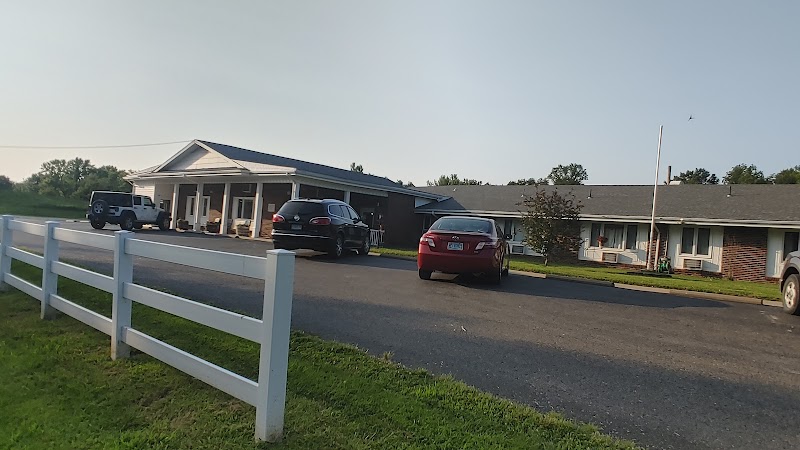
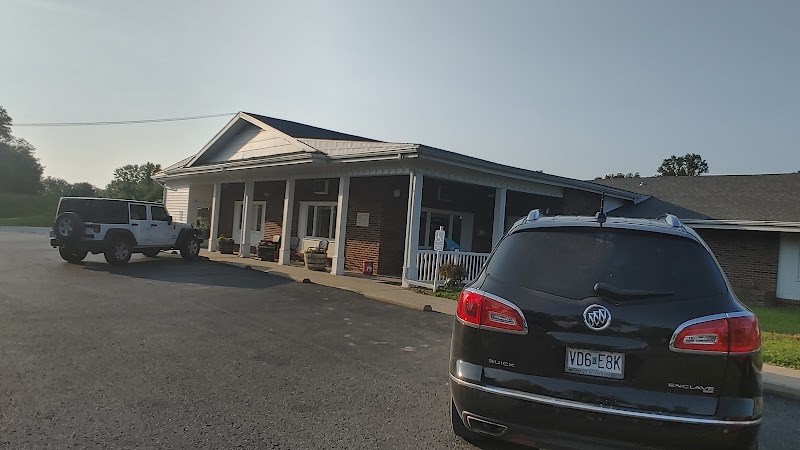
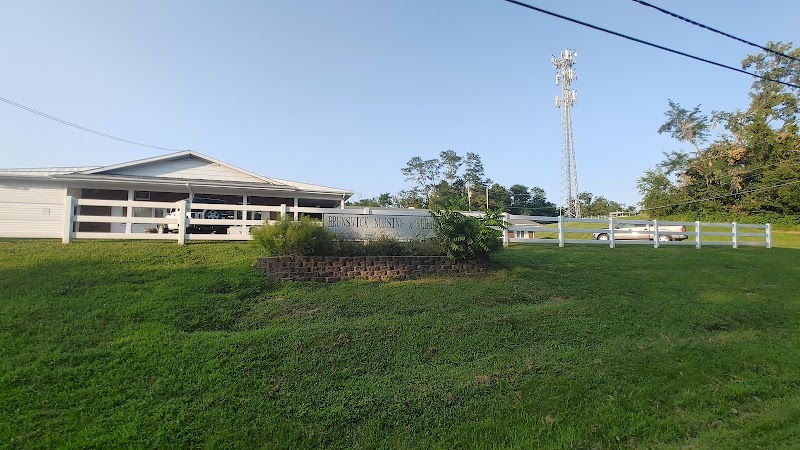
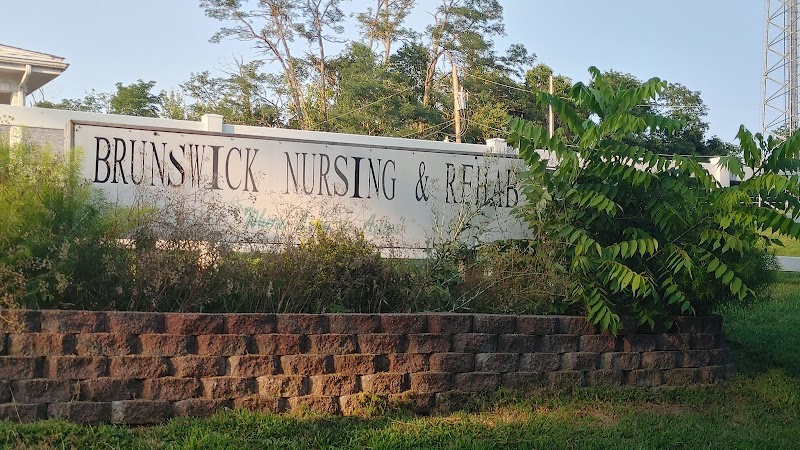
BRUNSWICK HEALTH CARE CENTER

721 WEST HARRISON ST, BRUNSWICK, MO 65236 (660) 548-3182
For profit - Limited Liability company 60 Beds RELIANT CARE MANAGEMENT Data: November 2025 1 Immediate Jeopardy citation
Trust Grade
0/100
#353 of 479 in MO
Last Inspection: April 2024

Within standard 12-15 month inspection cycle. Federal law requires annual inspections.

Overview

Brunswick Health Care Center has received a Trust Grade of F, indicating serious concerns about the facility's quality and care. Ranking #353 out of 479 nursing homes in Missouri places it in the bottom half, and #2 of 3 in Chariton County means that only one local option is better. The facility is showing signs of improvement, with the number of issues decreasing from 34 in 2024 to just 4 in 2025, but it still has a long way to go. Staffing is a relative strength, with a turnover rate of 0%, which is significantly lower than the state average; however, the overall staffing rating remains poor. The facility has incurred $22,925 in fines, which is concerning and suggests ongoing compliance problems. Specific incidents highlight serious weaknesses: one resident was sexually abused by another resident, and the facility failed to adequately immunize many residents against pneumonia, resulting in several cases of pneumonia. Additionally, pest control measures were ineffective, leading to infestations that affected residents' comfort and health. While there are some improvements in the facility, families should weigh these serious issues when considering care for their loved ones.

Trust Score
F
0/100
In Missouri
#353/479
Bottom 27%
Safety Record
High Risk
Review needed
Inspections
Getting Better
34 → 4 violations
Staff Stability
○ Average
Turnover data not reported for this facility.
Penalties
○ Average
$22,925 in fines. Higher than 53% of Missouri facilities. Some compliance issues.
Skilled Nurses
⚠ Watch
Each resident gets only 27 minutes of Registered Nurse (RN) attention daily — below average for Missouri. Fewer RN minutes means fewer trained eyes watching for problems.
Violations
⚠ Watch
54 deficiencies on record. Higher than average. Multiple issues found across inspections.
★☆☆☆☆
1.0
Overall Rating
★☆☆☆☆
1.0
Staff Levels
★☆☆☆☆
1.0
Care Quality
★☆☆☆☆
1.0
Inspection Score
Stable
2024: 34 issues
2025: 4 issues

The Good

  • Full Sprinkler Coverage · Fire safety systems throughout facility
  • No fines on record

Facility shows strength in fire safety.

The Bad

1-Star Overall Rating

Below Missouri average (2.5)

Significant quality concerns identified by CMS

Federal Fines: $22,925

Below median ($33,413)

Minor penalties assessed

Chain: RELIANT CARE MANAGEMENT

Part of a multi-facility chain

Ask about local staffing decisions and management

The Ugly 54 deficiencies on record

1 life-threatening 3 actual harm
Jul 2025 1 deficiency
CONCERN (F) 📢 Someone Reported This

A family member, employee, or ombudsman was alarmed enough to file a formal complaint

Potential for Harm - no one hurt, but risky conditions existed

Deficiency F0727 (Tag F0727)

Could have caused harm · This affected most or all residents

Based on interview and record review, the facility failed to provide a Registered Nurse (RN) eight consecutive hours a day, seven days a week and did not have a full-time director of nursing. The faci...

Read full inspector narrative →
Based on interview and record review, the facility failed to provide a Registered Nurse (RN) eight consecutive hours a day, seven days a week and did not have a full-time director of nursing. The facility census was 36. Review of the facility's Registered Nurse (RN) Policy, revised on 4/30/24, showed the following:- Full time is defined as working 40 or more hours a week;-The facility will utilize the services of a registered nurse for at least eight consecutive hours per day, seven days per week;-The facility will designate a registered nurse to serve as the director of nursing on a full time basis. 1. Review of the nursing staff schedule, dated 7/1/25 through 7/5/25, showed no documentation of RN coverage on 7/1/25, 7/4/25, and 7/5/25. Review of the nursing staff schedule, dated 7/6/25 through 7/12/25, showed no documentation of RN coverage on 7/6/25, 7/7/25, 7/8/25, 7/9/25, 7/10/25, 7/11/25 or 7/12/25. Review of the nursing staff schedule, dated 7/13/25 through 7/19/25, showed no documentation of RN coverage on 7/13/25, 7/14/25, 7/15/25, 7/16/25, 7/17/25, 7/18/25 and 7/19/25. Review of the nursing staff schedule, dated 7/20/25 through 7/26/25, showed no documentation of RN coverage on 7/20/25, 7/21/25, 7/22/25, 7/23/25, 7/24/25, 7/25/25 and 7/26/25. Review of the nursing staff schedule, dated 7/27/25 through 7/31/25, showed no documentation of RN coverage on 7/27/25, 7/28/25, 7/29/25, 7/30/25 and 7/31/25. 2. Review of the nursing staff schedule, showed no documentation of hours for the Director of Nursing for 7/1/25 through 7/31/25. 3. During an interview on 7/31/25 at 2:44 P.M., the administrator said the following:-The interim DON was a corporate nurse, who had to share time with another facility that did not have a DON;-The interim DON was onsite two days a week; -She did not think the interim DON kept a record of the days she worked at the facility;-When the interim DON was onsite, she monitored medication orders, medication administration, medication and supply availability, presence of documentation, and documentation accuracy;-The facility was able to borrow a Licensed Practical Nurse (LPN) from another facility for coverage, but had not been able to borrow a registered nurse. During an interview on 7/31/25 at 3:00 P.M., the DON said the following:-She was a corporate regional nurse that started coverage for the facility on 6/28/25;-She was aware the facility was out of compliance, but they were working on finding replacements;-She had two facilities she was covering as director of nursing;-She was onsite at the facility twice a week, but last week she only made it in one day;-The days she was onsite, she checked medication orders, checked the administrations were recorded, checked documentation, and discuss the status and orders on the residents with wounds to make sure the wounds were healing and give instructions to the nurses to implement for wound care;-The facility did not have any other registered nurses to meet the eight hour per day coverage. Complaint 1761706
Apr 2025 3 deficiencies 1 IJ
CRITICAL (J) 📢 Someone Reported This

A family member, employee, or ombudsman was alarmed enough to file a formal complaint

Immediate Jeopardy (IJ) - the most serious Medicare violation

Free from Abuse/Neglect (Tag F0600)

Someone could have died · This affected 1 resident

**NOTE- TERMS IN BRACKETS HAVE BEEN EDITED TO PROTECT CONFIDENTIALITY** Based on interview and record review, the facility failed to ensure one resident (Resident #1), of 11 sampled residents, remaine...

Read full inspector narrative →
**NOTE- TERMS IN BRACKETS HAVE BEEN EDITED TO PROTECT CONFIDENTIALITY** Based on interview and record review, the facility failed to ensure one resident (Resident #1), of 11 sampled residents, remained free from sexual abuse, when another resident with inappropriate sexual behaviors (Resident #2), sexually abused the resident in Resident #1's room. The facility census was 21. On 4/15/25 at 5:05 P.M., the administrator was notified of the immediate jeopardy (IJ) past non-compliance that occurred on 3/29/25. Corrective measures and an investigation began immediately. Resident #1's family and physician were notified of the allegation of abuse and the resident was placed one on one for safety until emergency medical services arrived to transport the resident to the hospital for assessment and evaluation. Resident #2 was placed on one on one supervision until local law enforcement arrived. Education on Sexual Harassment and Sexual Abuse policies was provided to all staff. The IJ was corrected on 3/31/25. Review of the facility's policy, Abuse and Neglect, revised on 6/12/24, showed the following: -It is the policy of this facility to report allegations of abuse/neglect/exploitation, or mistreatment, including injuries of unknown sources and misappropriation of property are reported immediately to the Administrator of the facility and to other appropriate agencies in accordance with current state and federal regulations with prescribed time frames; -Sexual abuse is non-consensual contact of any type with a resident. Sexual abuse includes, but is not limited to the following: -Unwanted intimate touching of any kind especially of breasts or perineal area; -All types of sexual assault or battery, such as rape, sodomy and coerced nudity; -This also includes failure to intervene or attempt to stop or prevent non-consensual sexual activity or performance between residents. 1. Review of Resident #1's Face Sheet, undated, showed the following: -The resident's original admission date was 8/7/24; -The resident was his/her own responsible party. Review of the resident's annual Minimum Data Set (MDS), a federally mandated assessment instrument, completed by facility staff, dated 2/15/25 showed the following: -Cognitively intact; -Disorganized thinking continuously present and does not fluctuate; -No behavioral symptoms directed towards others exhibited (including hitting, kicking, pushing, grabbing or abusing others sexually); -Other behavioral symptoms not directed towards others (including public sexual acts) not exhibited; -The resident required substantial assistance with positioning in bed; -The resident was dependent on staff with transfers from bed to chair; -The resident had a urinary catheter; -Diagnoses included Alzheimer's disease (a progressive neurodegenerative disorder that primarily affects memory, thinking, and behavior), cerebral palsy (a disorder that affects movement, balance and posture), epilepsy, Parkinson's disease (a brain disorder that causes movement problems, like shaking, stiffness and difficulty with standing), anxiety disorder and depression. Review of the resident's Grievance Report, dated 3/13/25, showed the following: -Date complaint/grievance occurred: 3/8/25 to 3/13/25; -Resident #2 was always touching Resident #1 on the shoulder. Resident #2 asked Resident #1 to go on a date with him/her and Resident #1 did not want to; -Resident #1 had to ask Resident #2 to stay out of his/her room. Resident #2 made him/her feel scared; -Form completed by Registered Nurse (RN) B; -Grievance follow up: Tried talking to Resident #2. He/She apologized and walked away. Review of the resident's Progress Note, dated 3/29/25 at 6:01 P.M., showed the following: -The resident just reported to an aide that Resident #2 came into his/her room earlier today. The charge nurse on the off going shift, Licensed Practical Nurse (LPN) A, and the oncoming shift nurse, LPN F, talked to the resident. The resident reported at 3:00 P.M., Resident #2 came into his/her room and put his/her fingers inside the resident's genitalia. Resident #1 told Resident #2, No, but the resident continued and said he/she (Resident #2) had permission to be in Resident #1's room, which the resident did not; -Resident #1 complained of pain in the genital area after the incident. The Assistant Director of Nursing (ADON) was notified to report the incident. LPN F made an emergency call to 911 and Emergency Medical Services (EMS). Review of the resident's Care Plan, revised on 3/31/25, showed the following: -The resident had a potential behavior problem related to inappropriate sexual comments. Anticipate and meet the resident's needs (date initiated 7/8/24); -Intervene as necessary to protect the rights and safety of others. Approach/speak in a calm manner divert attention and remove from situation and take to alternate location as needed; -The resident required assistance of two staff to turn and reposition him/her in bed every two hours and as necessary; -The resident was totally dependent on two staff for dressing; -On 3/29/25, the resident reported another resident came into his/her room earlier that day. The incident happened around 3:00 P.M., and the other resident put his/her fingers inside the resident's genitalia. Resident #1 told him/her, no but the resident continued and said he/she had permission to be in the resident's room; -The resident complained of pain between his/her legs, initiate post-incident psychosocial assessment. Completing every shift for three days and then daily for seven days; -Notified the physician, ADON, the Director of Nursing (DON), Administration, reported to the state agency and law enforcement; -Order received to send the resident to the emergency room for evaluation and treatment; -The resident was immediately placed one on one for oversight and kept away from the other resident. Review of the resident's Police Report, Sodomy or Attempted Sodomy/ Supplemental Narrative Report, dated 4/5/25 at 10:24 A.M., showed the following: -On 4/5/25 the resident was asked what happened last Saturday, 3/29/25; -Resident #1 said Resident #2 came in to his/her room at 3:00 A.M. while he/she was sleeping and kissed Resident #1 on the lips and lifted up his/her gown; -Resident #2 put his/her fingers inside the resident's genitalia and pushed deeper and deeper inside. Resident #1 said he/she told Resident #2 no, and to stop several times before he/she stopped; -Resident #1 was questioned about his/her relationship with Resident #2 and Resident #1 said Resident #2 just hooked onto him/her, they were not friends, and he/she didn't know him/her; -Resident #1 said Resident #2 had asked if he/she wanted to date and Resident #1 told him/her, no; -Resident #1 said the hospital did an exam of him/her and there was tearing and bleeding between his/her legs; -The resident was asked if he/she wanted to press charges and he/she said, yes. During an interview on 4/3/25 at 11:05 A.M. and 4/7/25 at 12:15 P.M., Resident #1 said the following: -At first, he/she enjoyed spending time with Resident #2. Resident #2 acted like he/she cared for him/her; -Resident #2 would touch him/her on the arm or shoulder, it made him/her feel good and Resident #2 sat with him/her during meals; -He/She and Resident #2 had watched movies in the facility sunroom. Resident #2 had kissed him/her and Resident #1 was fine with that; -On Saturday, in the night, around 3:00 A.M., he/she (Resident #1) was asleep in bed, and was awakened by Resident #2 kissing him/her on the lips; -Resident #2 pulled up his/her gown and put his/her fingers inside the resident's genitalia. Resident #1 was scared and stunned it happened so fast, he/she yelled for Resident #2 to stop, stop, stop, but he/she wouldn't; -Resident #2 was rough, and it hurt. He/She was afraid of Resident #2 now. 2. Review of Resident #2's Face Sheet, undated, showed the following: -admission date of 2/21/25; -The resident was his/her own responsible party. Review of the resident's admission MDS, dated [DATE], showed the following: -Moderate cognitive impairment; -No behavioral symptoms exhibited including physical behaviors (e.g., hitting, kicking, scratching or abusing others sexually), verbal behaviors or behaviors not directed towards others (physical symptoms such as hitting, scratching, pacing rummaging or sexual acts in public); -No wandering exhibited; -Independent with mobility; -No mobility device utilized. Review of the resident's Progress Note, dated 3/9/25 at 3:58 P.M., showed the following: -Resident #2 was at a table playing a game with Certified Nurse Assistant (CNA) E and another resident (Resident #1); -Resident #2 asked if he/she could take people out on dates and how he/she could go about it, the resident was directed to ask social services, but that it would have to be agreed upon; -Resident #2 asked a question about bringing someone into his/her room and told the staff member he/she was hot and attractive, and his/her body looked sculpted; -The staff member educated the resident and told him/her it was not appropriate to talk about staff members that way. Review of the resident's Progress Note, dated 3/18/25 at 6:30 P.M., showed Dietary Aide D said the resident came into the kitchen doorway and told him/her that he/she had a banging body and he/she wanted to kidnap him/her. Review of a Grievance Form, dated 3/18/25, untimed, completed by Dietary Aide D, showed the following: -Resident #2 said he/she had a banging body along with he/she would fuck him/her and that he/she looked at his/her ass; -Resident #2 also made a comment about kidnapping Dietary Aide D. Review of the resident's Medication Review report dated 3/30/25 showed the following: -Diagnoses included homeless, bipolar disorder, current episode depressed, mild (a mental health condition characterized by both periods of elevated mood, mania or hypomania) and periods of depression, with the current episode being a mild form of depression), adjustment disorder (an excessive emotional or behavioral reaction to a stressful life event or change) and anxiety; -Progesterone (can be used to reduce inappropriate sexual behaviors) for sexual disinhibition (loss of normal restraints or controls on sexual thoughts, impulses or behaviors) 100 milligrams (mg) one capsule at bedtime for sexual disinhibition (order date 3/11/25). Review of recorded facility camera footage, dated 3/29/25, showed the following: -At 3:03 P.M., Resident #2 walked down the hall and entered Resident #1's room and shut the door. No staff members were observed in the area at the time; -At 3:33 P.M., Resident #2 exited Resident #1's room. Review of the local law enforcement report, dated 3/29/25 at 6:24 P.M., showed the following: -On 3/29/24 at about 6:24 P.M., a report came into dispatch about a sexual assault that occurred at the facility. Staff at the facility advised to stay with the victim (Resident #1) and keep him/her separated from the suspect (Resident #2); -Arrived on scene at 7:53 P.M., was advised the victim had been transported to the hospital for a sexual assault exam. Questioned staff about Resident #1's mental status and was told he/she was alert and oriented to person, place, and time with occasional confusion; -Resident #1 gave a verbal statement that was written by Licensed Practical Nurse (LPN) A which included that around 3:00 P.M., Resident #2 went into Resident #1's room when he/she was asleep. He/She (Resident #2) gave the resident a kiss and put his/her fingers inside the resident's genitalia, it was hard, and Resident #1 told Resident #2 to stop, and he/she didn't. -Resident #1 told Resident #2 to stop again. Resident #2 kept going on and on. Resident #1 finally yelled stop, and Resident #2 finally stopped; Resident #2 wouldn't leave. Review of the resident's Care Plan, revised 3/31/25, showed the following: -The resident told a staff member that he/she was hot, attractive, and his/her body looked sculpted (date initiated 3/10/25); -The resident was educated on appropriate conversations that occur with staff and started on progesterone; -The resident had a problem with being verbally sexually inappropriate (date initiated 3/10/25); -Intervene as necessary to protect the rights and safety of other residents, divert attention. Remove from situation and take to alternate location as needed; -The resident was independent with activities of daily living (ADL); -The resident was a wanderer and significantly intruded on the privacy and activities of other residents (dated initiated 3/24/25); -Advised the resident he/she couldn't go down other hallways where he/she didn't live, the resident didn't verbalize an understanding and stated he/she would walk all the hallways, and he/she wasn't going into other rooms; -If wandering occurs attempt to offer favorite snacks; -Another resident (Resident #1) reported that the resident had entered his/her room and touched him/her (Resident #1) inappropriately (date initiated 3/30/25); -Local county law enforcement agency was called and notified to come to the facility; -The resident was placed on one-on-one supervision to ensure he/she was not found around the other resident (Resident #1); -The resident was taken with law enforcement for questioning over the incident. During an interview on 4/7/25 at 9:25 A.M. CNA E said the following: -Recently he/she was playing a game at a table in the dining room with Resident #1 and Resident #2; -Resident #2 made a comment about him/her (CNA E) being pretty and his/her body being sculpted. Resident #2 asked how residents could go about going on dates, CNA E wasn't sure if Resident #2 meant with residents or staff, he/she redirected Resident #2 and reported the incident to Registered Nurse (RN) B; -Resident #1 and Resident #2 sat together during meals, Resident #2 would pat Resident #1's shoulder or leg. Resident #1 didn't act like he/she liked it or didn't like it; -The week before the incident, Resident #1 asked to sit at another table, instead of sitting with Resident #2; -A few days later he/she asked to sit with Resident #2 again during meals; -He/She questioned Resident #1 about the seating arrangement and Resident #1 said he/she liked to sit with Resident #2. During an interview on 4/4/25 at 8:50 A.M. and 4/8/25 at 11:45 A.M. the Social Service Designee (SSD) said the following: -Resident #2 sat with Resident #1 at meals and would put his/her (Resident #1's) clothing protector on; -Resident #1 made a grievance against Resident #2 entering his/her room uninvited. SSD thought maybe Resident #2 wanted to visit, as many residents do in the facility, or because Resident #1 was aware Resident #2 had taken items from other residents, and Resident #1 didn't want him/her in his/her room; -He/She explained to Resident #1, Resident #2 could not enter his/her room uninvited, and he/she had to give him/her permission to do so; -He/She instructed Resident #1 to call for help or let staff know if there was an issue otherwise staff wouldn't know there was a problem; -He/She didn't ask Resident #1 why Resident #2 made him/her feel scared, as he/she (Resident #1) indicated on the grievance submitted to the SSD; -Resident #2 made inappropriate sexual comments towards staff regarding their appearance; -He/She had several grievances against Resident #2 for stealing other residents' items or going in their rooms; -He/She educated Resident #2 on not going in other resident's rooms or taking items that didn't belong to him/her. During an interview on 4/4/25 at 9:15 A.M. RN B said the following : -Resident #2 made a sexually inappropriate comment towards Dietary Aide D, the physician was notified and received an order for progesterone; -The physician followed up on medication effectiveness and RN B told the physician it was helping as he/she didn't notice any inappropriate sexual behaviors after being on the medication. During an interview on 4/7/25 at 11:45 A.M. and 4/8/25 at 2:04 P.M., the Director of Nursing (DON) said the following: -The facility did not know a lot about Resident #2 when he/she admitted to the facility; -Resident #2 was started on progesterone for inappropriate sexual comments made towards staff; -Resident #1 and Resident #2 sat together during meals and spent time together in the common area; -When Resident #1 told Resident #2 to stop and he/she didn't, that was considered sexual abuse/sexual assault. During an interview on 4/8/25 at 2:30 P.M. the Administrator said the following: -Resident #2 made inappropriate sexual comments towards staff and he/she was educated on this behavior not being appropriate; -The physician was notified and Resident #2 was started on progesterone; -She didn't have concerns with Resident #2 being sexually inappropriate with residents, it seemed directed towards the staff; -Resident #1 and Resident #2 sat together during meals and spent time together in the common area; -On 3/29/25, Resident #1 reported Resident #2 sexually assaulted him/her in his/her room; -She considered what Resident #2 did to Resident #1 was sexual assault and sexual abuse. MO251962 MO251922
CONCERN (D) 📢 Someone Reported This

A family member, employee, or ombudsman was alarmed enough to file a formal complaint

Potential for Harm - no one hurt, but risky conditions existed

Deficiency F0742 (Tag F0742)

Could have caused harm · This affected 1 resident

**NOTE- TERMS IN BRACKETS HAVE BEEN EDITED TO PROTECT CONFIDENTIALITY** Based on observation, interview and record review, the facility failed to ensure two residents (Resident #2 and #3), of 11 sampl...

Read full inspector narrative →
**NOTE- TERMS IN BRACKETS HAVE BEEN EDITED TO PROTECT CONFIDENTIALITY** Based on observation, interview and record review, the facility failed to ensure two residents (Resident #2 and #3), of 11 sampled residents with mental disorders, received individualized treatment and services to meet their needs. Residents displayed verbal, manipulative and aggressive behaviors on multiple occasions. The facility failed to adequately develop and implement meaningful interventions, including non-pharmacological interventions, alternate strategies, or to ensure the residents received timely and appropriate treatment or services to address the residents' psychosocial well-being. The facility census was 21. Review of the facility's Behavioral Health Services Policy, revised 10/31/24, showed the following: -Affected Personnel: All facility employees; -Purpose: It is the policy of this facility to ensure all residents receive necessary behavioral health services to assist them in reaching and maintaining their highest level of mental and psychosocial functioning; -All facility staff, including contracted staff and volunteers, shall receive education to ensure appropriate competencies and skill sets for meeting the behavioral health needs of residents. Education shall be based on the role of the staff member and resident needs identified through the facility assessment; -Mental Disorder is a syndrome characterized by a clinically significant disturbance in an individual's cognition, emotion regulation, or behavior that reflects a dysfunction in the psychological, or developmental processes underlying mental functioning. Mental disorders are usually associated with significant distress or disability in social, occupational or other important activities; -Background: Behavioral health encompasses a resident's whole emotional and mental well-being, which includes, but is not limited to, the prevention and treatment of mental and substance use disorders, psychosocial adjustment difficulty, and trauma or post-traumatic stress disorders; -The facility will consider the acuity of the resident population. This includes residents with mental disorders, psychosocial disorders, or substance use disorders (SUDs), and those with a history of trauma and/or post traumatic stress disorder (PTSD, a disorder in which a person has difficulty recovering after experiencing or witnessing a terrifying event), as reflected in the facility assessment; -A facility must ensure behavioral health services are provided: The facility will ensure necessary behavioral health services are person centered and reflect the resident's goals for care, while maximizing the resident's dignity, autonomy, privacy, socialization, independence, choice, and safety; -Behavioral Health care and services shall be provided in an environment that is conducive to mental and psychosocial well-being; -The facility utilizes the comprehensive assessment process for identifying and assessing a resident's mental and psychosocial status and providing person centered-care; -The assessment and care plan will include goals that are person-centered and individualized to reflect and maximize the resident's dignity, autonomy, privacy, socialization, independence, choice and safety; -Complete PASARR (Pre-admission screening for serious mental disorders or intellectual disabilities and related conditions ), screening, obtain history from records; -Obtain history from medical records, the resident, and as appropriate resident's family and friends, regarding mental, psychosocial, and emotional health; -Assess and develop a person-centered care plan for concerns identified in the resident's assessment; -Share concerns with the interdisciplinary team (IDT) to determine underlying causes of mood and behavior changes, including differential diagnosis; -Accurately document the changes, including the frequency of occurrence and potential triggers in the resident's record; -Ensure appropriate follow-up assessment, if needed; -Discuss potential modifications to the care plan; -Evaluate resident and care plan routinely to ensure the approaches are meeting the needs of the resident; -The care plan shall have interventions that are person centered, evidence based, culturally competent, trauma-informed, and in accordance with professional standards of practice, reflect the resident's goals for care; -Use pharmacological interventions only when nonpharmacological interventions are ineffective or when clinically indicated; -Address any other individualized needs the resident may have related to the mental disorder or the substance abuse disorder; -The resident's care plan shall be reviewed and revised as needed, such as when interventions are not effective or when the resident experiences a change in condition. 1. Review of Resident #2's Face Sheet, undated, showed the following: -admission date was 2/21/25; -The resident was his/her own responsible party. Review of the resident's Progress Note, dated 2/23/25 at 9:38 A.M., showed the following: -The nurse went to administer morning medication to the resident in his/her room. The resident had cigarettes that had been used in a cup of water. The resident's room didn't smell like smoke, and there wasn't smoke in the room at the time; -The nurse asked the resident if he/she had been smoking in his/her room as residents couldn't smoke in the facility and the resident said go fuck with someone else and to leave him/her the fuck alone; -The nurse explained it was his/her job to keep him/her and other residents safe in the facility. The resident wasn't receptive to the information. Review of the resident's PASARR Level I Screening, dated 2/24/25, showed the following: -Previous address was homeless/shelter; -The resident didn't show any symptoms of a major mental illness, suspected or history of a major mental illness or an impairment due to a serious mental illness; -Within the last two years the resident had not experienced one psychiatric treatment episode that was more intensive than routine follow-up care or due to mental illness, experienced at least one episode of significant disruption to the normal living situation requiring supportive services to maintain functioning while living in the community or intervention by housing or law enforcement officials; -The resident did not have a substance related disorder; -No behavioral symptoms. Review of the resident's Progress Note, dated 2/24/25 at 5:10 P.M., showed the following: -Staff alerted the nurse the resident had smoke coming from his/her mouth and tracheostomy (a surgical procedure, where an opening was created in the trachea, when a person has difficulty breathing through the mouth for some reason) when he/she entered the room and there was a cigarette smoke smell in the hallway; -The resident was informed the facility was a non-smoking facility, and residents could not smoke cigarettes or vapes inside the facility; -The resident shook his/her head up and down as a response. Review of the resident's Progress Note, dated 2/25/25 at 12:40 A.M., showed the following: -The resident got upset with the nurse when he/she told the resident that he/she could not have an ice-cream shake with peanut butter. The resident demanded he/she wanted one; -The nurse said the resident could have a snack that was already prepared. The resident became angry and said that staff could make him/her a shake, but that staff didn't want to. Staff gave the resident a bowl of ice-cream and a spoonful of peanut butter. The resident said if staff could do that, they could make him/her a shake; -The resident came out of his/her room and said he/she wanted to buy a pack of cigarettes. Explained to the resident the nurse didn't smoke and he/she didn't have a pack of cigarettes; -The resident went outside and looked through the can of cigarette butts and went back to his/her room. Review of the resident's Progress Note, dated 2/25/25 at 8:39 A.M. showed the following: -It was passed on in report this morning from the night charge nurse the resident had been in other resident rooms looking for cigarettes and things to take. When the resident was redirected, the resident said to the nurse, lose your fucking attitude; -The resident was pleasant this morning but taking cigarettes from outside and bringing them inside and putting them on a tray in the dining room. When the resident was informed by the kitchen staff that this was not allowed, the resident rolled his/her eyes. The resident was not easily directed at this time. Review of the resident's Progress Note dated 2/25/25 at 8:48 A.M. showed a cigarette butt was found on the resident's tray in the dining room. Explained to the resident that cigarette butts weren't to be left on food trays. The resident rolled his/her eyes and walked away. Review of the resident's Progress Note, dated 2/25/25 at 9:30 A.M., showed the Social Service Designee (SSD), Director of Nursing (DON) and Unit Manager educated the resident on not smoking in his/her room, and the resident wasn't to enter other resident rooms unless asked to come in. The resident was also educated that he/she wasn't to take cigarettes etc. from any resident, if the resident needed something to ask staff. Review of the resident's Progress Note, dated 2/26/25 at 2:05 A.M., showed the resident picked up anything left on tables or in the kitchen. Review of the resident's Progress Note, dated 2/26/25 at 11:00 A.M,. showed the DON and Dietary Manager educated the resident that he/she could not empty his/her colostomy bag on the tray his/her food was delivered on and everything would need to be thrown away that stool was emptied on. Review of the resident's Behavior Note, dated 2/26/25 at 11:40 A.M. showed the resident had emptied his/her colostomy bag on dinner tray on multiple occasions. Education was provided to empty bag using a graduate container and to empty contents into the stool. Review of the resident's admission Minimum Data Set (MDS, a federally mandated assessment instrument required to be completed by facility staff). dated 2/27/25, showed the following: -Moderate cognitive impairment; -No behavioral symptoms exhibited including physical behaviors (e.g., hitting, kicking, scratching or abusing others sexually), verbal behaviors or behaviors not directed towards others (physical symptoms such as hitting, scratching, pacing rummaging or sexual acts in public); -There was no evidence of an acute change in mental status from the resident's baseline; -Signs and symptoms of delirium, for example, being distractible or having difficulty keeping on track of what was said and disorganized thinking (rambling or irrelevant conversation, unclear or illogical flow of ideas, or unpredictable switching from subject to subject) was present and this showed inattention, behavior fluctuated (comes and goes and changes in severity); -No wandering exhibited; -Independent with mobility; -No mobility device utilized. Review of the resident's Progress Note, dated 3/1/25 at 3:02 P.M., showed the resident requested the sign out book so he/she could leave and walk to the convenience store. Explained to the resident the nurse needed to call the Administrator and DON for approval. Instructed the resident to sign against medical advice (AMA) papers in case the resident didn't return. The resident became aggravated, explained to the resident if something happened to him/her it would protect the facility. The resident agreed to sign the paperwork and left the facility. The resident is his/her own responsible party per the face sheet. Review of the resident's Progress Note, dated 3/1/25 at 3:18 P.M., showed the resident had walked to an employee's home when out of the facility. The resident was brought back to the facility by the employee and the employees family member after the resident was told he/she could not be at an employee's home. Review of the resident's Behavior Note, dated 3/2/25 at 8:45 A.M., showed the resident came to nurse's station and said he/she was calling 911 and was going to have Emergency Medical Services (EMS) take him/her to the hospital for ostomy supplies. The nurse asked the resident what supplies the resident needed and if he/she could look for the supplies the resident needed. The resident agreed if he/she could have breakfast in his/her room, a cup of coffee, and ice cream right now. Staff accommodated the resident's wishes. The resident said receiving his/her pain pill every eight hours was way to long and it needed shortened. Staff said they would reach out to the physician. Review of the resident's Progress Note, dated 3/3/25 at 6:35 A.M., showed over the weekend maintenance had to come to the facility and spend six hours due to flooding in the resident's room as well as sink repairs. The float and a connecting arm were completely removed from the toilet tank. This allowed water to continuously flow onto the floor in the resident's room. Maintenance removed 80 gallons of water from the resident's floor, hallway and two adjoining rooms. Maintenance reported there was no way for the float from the back of the toilet tank to be missing unless removed. Also, cigarette butts were in the bowl of the toilet. Review of the resident's Progress Note, dated 3/9/25 at 3:58 P.M., showed the following: -Resident #2 was at a table playing a game with Certified Nurse Assistant (CNA) E and another resident (Resident #1); -Resident #2 asked if he/she could take people out on dates and how he/she could go about it, the resident was directed to ask social services, but that it would have to be agreed upon; -Resident #2 asked a question about bringing someone into his/her room and told the staff member he/she was hot and attractive, and his/her body looked sculpted; -The staff member educated the resident and told him/her it was not appropriate to talk about staff members that way. Review of the Grievance Report, made by Resident #1 regarding Resident #2, dated 3/13/25, showed the following: -Date complaint/grievance occurred: 3/8/25 to 3/13/25; -Resident #2 was always touching Resident #1 on the shoulder. Resident #2 asked Resident #1 to go on a date with him/her and Resident #1 did not want to; -Resident #1 had to ask Resident #2 to stay out of his/her room. Resident #2 made him/her feel scared; -Form completed by Registered Nurse (RN) B; -Grievance follow up: Tried talking to Resident #2. He/She apologized and walked away. Review of the resident's Social Service Progress Note, dated 3/14/25 at 9:09 A.M., showed the following: -Received several grievances from residents regarding Resident #2's behavior. The resident continued to act out if things didn't go his/her way. The resident continued to curse at staff and could be threatening; -Tried several times to talk to the resident about his/her behavior and the resident would apologize and continue to repeat the behavior. Will continue to monitor the resident. Review of the resident's Progress Note, dated 3/18/25 at 6:30 P.M., Dietary Staff D said the resident came into the kitchen doorway and told him/her that he/she had a banging body and he/she wanted to kidnap him/her. Grievance form filled out. Review of a Grievance Form, dated 3/18/25, untimed, completed by Dietary Aide D, showed the following: -Resident #2 said he/she had a banging body along with he/she would fuck him/her and that he/she looked at his/her ass; -Resident #2 also made a comment about kidnapping Dietary Aide D; -Follow-up: Talked to the resident about making inappropriate remarks to staff. Resident #2 said he/she would leave the staff member alone; -Date resolved was 3/19/25, dietary staff were educated to keep the kitchen door locked, so the resident could not enter the kitchen. Review of the resident's Medication Review Report, dated 3/30/25, showed the following: -Diagnoses included homeless, bipolar disorder (current episode depressed, mild (a mental health condition characterized by both periods of elevated mood, mania or hypomania) and periods of depression, with the current episode being a mild form of depression), adjustment disorder (an excessive emotional or behavioral reaction to a stressful life event or change) and anxiety; -Progesterone (can be used to reduce inappropriate sexual behaviors) for sexual disinhibition (loss of normal restraints or controls on sexual thoughts, impulses or behaviors) 100 milligrams (mg) one capsule at bedtime for sexual disinhibition (order date 3/11/25). Review of the resident's PASARR Level One Screening, dated 3/30/25, showed the following: -The resident showed signs and symptoms of a major mental illness. Signs/symptoms included sexually inappropriate, verbally aggressive and stealing; -Diagnoses included bipolar disorder, major depressive disorder, anxiety disorder, adjustment disorder and personal history of mental behavioral disorder; -Adaption to change: The individual had serious difficulty adapting to typical changes in circumstances associated with work, school, family or social interactions, agitation, exacerbated signs and symptoms associated with the illness or withdrawal from situations, self-injurious, self-mutilation, suicidal (ideation, gestures, threats, or attempts) physical violence or threats, appetite disturbance, delusions, hallucinations, serious loss of interest, tearfulness, irritability, or requires intervention by health health or judicial system; -Due to mental illness, experienced at least one episode of significant disruption to the normal living situation requiring supportive services to maintain functioning while living in the community or interventions by housing or law enforcement officials; -The resident had a substance related disorder. The most recent substance abuse was unknown; -Upon review of cyber access, the resident had psychiatric diagnoses that had not been documented; -Being withdrawn/depressed: minimal symptoms noted; -Suspicious/paranoid/ aggressive (physical/verbal) behaviors: moderate symptoms noted; -Wandering, abnormal thought process and sexually inappropriate behaviors: maximal symptoms noted; -The resident had not been at the facility long enough to see a psychiatric provider. No psychiatric evaluation available; -Unstable mental condition monitored by a physician or mental health professional at least monthly or behavior symptoms are currently exhibited, or psychiatric conditions are recently exhibited; -Level of supervision: Every two-hour check; -No issues with cognition. During an interview on 4/3/25 at 1:30 P.M., Resident #11 said the following: -Resident #2 was his/her roommate for awhile; -Resident #2 stole his/her soda, popcorn and other items. Resident #2 was constantly making a mess with feces all over the room; -Resident #2 would always rub other resident's shoulders and heads, he/she thought it was inappropriate. Resident #2 touched the residents when staff weren't around; -He/She complained about Resident #2 and they moved him/her (Resident #2) to another room. During an interview on 4/3/25 at 11:05 A.M. and 4/7/25 at 12:15 P.M., Resident #1 said the following: -At first, he/she enjoyed spending time with Resident #2. Resident #2 acted like he/she cared for him/her; -Resident #2 would touch him/her on the arm or shoulder, it made him/her feel good and Resident #2 sat with him/her during meals; -He/She and Resident #2 had watched movies in the facility sunroom. Resident #2 had kissed him/her and Resident #1 was fine with that; -On Saturday, in the night, around 3:00 A.M., he/she (Resident #1) was asleep in bed, and he/she awakened by Resident #2 kissing him/her on the lips; -Resident #2 pulled up his/her gown and put his/her fingers inside the resident's genitalia. Resident #1 was scared and stunned it happened so fast, he/she yelled for Resident #2 to stop, stop, stop, but he/she wouldn't; -Resident #2 was rough, and it hurt. He/She was afraid of Resident #2 now; -Resident #2 told staff and he/she was sent out to the hospital. Review of the resident's Care Plan, revised 3/31/25, showed the following: -Staff alerted the charge nurse that the resident had smoke coming from mouth and trach. The resident was educated the facility was non smoking facility (date initiated 2/24/25); -Removal of connecting arm from float in toilet tank causing 80 gallons of water to be removed from the resident's floor as well as two adjoining room. Education was provided to the resident that if there was a problem with the toilet to alert staff so maintenance could be notified (date initiated 2/28/25); -The resident walked to an employees' residence. The resident was told by employees' family member to leave (date initiated 3/1/25); -Smoking a vape in the dining room. Reeducation on smoking policy (date initiated 3/9/25); -The resident told a staff member that he/she was hot, attractive, and his/her body looked sculpted. Staff member told the resident it was not appropriate to talk about staff members that way. Resident said, I am just saying and walked away. The resident was educated on appropriate conversations that occur with staff and started on Progesterone (date initiated 3/10/25); -The resident was a wanderer related to it's his/her right and significantly intruded on the privacy and activities of other residents. Educated not to go into therapy room without therapy personal related to safety, the resident verbalized understanding. (date initiated 3/24/25); -The resident doesn't verbalize understanding, the resident stated he/she was going to walk all the halls, he/she was not going into rooms (date initiated 3/28/25); -Another resident (Resident #1) reported the resident had entered his/her room and touched him/her (Resident #1) inappropriately. Local county law enforcement agency was called and notified to come to the facility. The resident was placed on one-on-one supervision to ensure he/she was not found around the other resident (Resident #1). The resident was taken with law enforcement for questioning over the incident (date initiated 3/30/25); -Advised the resident he/she couldn't go down other hallways where he/she didn't live; -The resident didn't verbalize an understanding and stated he/she would walk all the hallways, and he/she wasn't going into other rooms (revised 3/28/25); -If wandering occurs attempt to offer favorite snacks (dated initiated 3/31/25); -The resident had a problem with contraband in his/her possession, being verbally aggressive, being verbally sexually inappropriate, taking items that didn't belong to him/her related to diagnoses of bipolar and adjustment disorder (initiated 3/10/25 and revised on 3/31/25); -Administer medications as ordered, monitor/document for side effects and effectiveness. Anticipate and meet the resident's needs. Assist the resident with developing appropriate methods of coping and interacting to include setting boundaries, redirection, and encouraging the resident to express feelings appropriately. Intervene as necessary to protect the rights and safety of other residents, divert attention. Remove from situation and take to alternate location as needed (date initiated 3/30/25). Review of the resident's medical record showed no evidence the resident was receiving psychiatric services and no additional monitoring was put in place. During an interview 4/3/25 at 3:07 P.M. and 4/7/25 at 3:50 P.M. the Social Service Designee (SSD) said the following: -She became the SSD in December 2024; -She had not received any formal mental health training; -The facility had admitted several residents with mental health conditions and she was not sure if she was doing the right thing to help residents with mental health issues; -Resident #2 was recently admitted to the facility. The resident was homeless and was basically dropped off by a ride-sharing service; -The facility knew very little about the resident and was unaware of his/her mental health conditions; -Resident #2 would steal and go in other rooms without permission, corporate told us to just educate him/her; -Staff attempted to educate Resident #2 and he/she would just walk away or ignore staff; -When staff tried to redirect Resident #2 he/she would retaliate by making a mess in another room or emptying his/her colostomy bag (bag that collects stool after a surgical procedure called a colostomy) in the sink or disconnecting the toilet; -The facility did not put any increased supervision of Resident #2 in place after his/her behaviors. The facility was not familiar with residents or situations like this; -There needed to be a better screening process before admitting residents to the facility; -She wasn't sure if the facility had psychiatric services available for the residents at the facility. 2. Review of Resident #3's PASARR Level II Evaluation, dated 1/31/25, showed the following: -Psychiatric evaluation 1/24/25, paranoid type delusional disorder (a mental illness characterized by the persistent belief that someone is being persecuted, harassed, or followed by others, even when there is no evidence to support these beliefs); rule out bipolar illness, mixed, with psychotic features (both manic and depressive symptoms are present and involves hallucinations (sensory experiences that appear real but are not actually present) or delusions (a false belief that persists despite evidence to the contrary) alongside the typical mood swings of bipolar disorder); -Psychiatric records, 2014: substance induced mood disorder, depression, Opioid dependency; -Historical symptoms or behaviors indicating a psychiatric disorder and time of onset: the resident was incarcerated which occurred in 2023. The resident was uncooperative, oppositional, disorganized in thought/behavior throughout his/her time in jail. The resident was agitated, yelling, and cursing at other inmates and jail staff. The resident was involved in physical altercations with others who were incarcerated on the mental health unit. The resident was unable to understand the charges due to his/her acute psychosis. He/She was committed to Department of Mental Health (DMH) for competency evaluation. The resident remained in jail from 9/11/23 to 1/23/25; -On 1/23/25 the resident received court ordered psychiatric treatment. Guardianship ad litem (a court appointed individual who represents the best interest of a incapacitated adult's well-being) was granted by the court on 1/31/25. Since admission the resident remained verbally abusive, cursing, yelling/screaming at staff for short periods of time, then will stop until the next staff member presents information the resident doesn't wish to hear; -Current psychiatric support/services included inpatient psychiatric treatment, medication administration/management/monitoring, secured behavioral unit, close observation/check every 15 minutes and group therapy/counseling; -The resident has memory impairment, difficulty with daily activities due to cognitive confusion/disorientation, however his/her delusional thought content and medication non-compliance issues are the primary issues in treatment currently; -Reason for nursing facility application or continued stay included assistance with activities of daily living (ADLs), medical treatment and/or monitoring, behavioral difficulties and/or mental illness symptoms requiring 24-hour monitoring or management, inadequate community/family support and required 24 nursing care and supervision; -Overt behaviors: refuses medications, frequent continuous yelling, intrusive, impatient/demanding, wandering, verbally abusive, verbally threatening, uncooperative with medical/nursing care or treatments, cursing/swearing, and being suspicious of others; -The individual's needs could be met in a nursing facility at this time; -The resident will require further stabilization on medications to address delusional and disorganized thinking. After found stable to transition from inpatient psychiatric setting, will require 24 hour a day nursing supervision and oversight to assure he/she and others are safe, to assure basic needs are met, and to ensure he/she had consistent access to ongoing psychiatric and medical follow-up and psychotropic medications. He/She required ongoing psychiatric and mental health follow up to promote maximum stability. The resident required a facility in which there are electronic or structural boundaries that prevent elopement. The resident will benefit from a safe, structured, skilled and supportive environment in which he/she can engage in social interaction with others his/her own age; -The individual needs specific services to address the individual's mental health and behavioral needs, monitoring of behavioral symptoms and trauma informed services, tools of choice or other positive behavioral support services; -Active psychosis and elopement attempts to be addressed in the nursing facility plan of care; -Crisis interventions include elopement precautions. Review of the resident's elopement evaluation, dated 2/18/25, showed he/she was an elopement risk. Review of the resident's Smoking and Safety Evaluation, dated 2/8/25, showed the following: -Supervision, designated smoking location, and smoking times are determined by the facility policy. This evaluation will be utilized for the resident's smoking care plan on admission and as indicated; -The resident used tobacco; -The resident followed the facility's policy on location and time of smoking; -Care Planning: the resident will adhere to the tobacco/smoking policies of the facility, conduct smoking safety evaluation on admission and as needed (PRN); -No clinical suggestions (using a smoking apron, staff to extinguish cigarette, resident deemed unsafe to smoke etc.) were indicated. Review of the resident's admission MDS, dated [DATE], showed the following: -Moderate cognitive impairment; -Psychosis not exhibited; -Signs or symptoms of delirium, inattention, disorganized thinking and or altered level of consciousness were not present; -Behavioral symptoms were not present; -No rejection of care; -Wandering not exhibited; -Supervision or touching assistance required with walking; -Wander/elopement alarm not used; -No psychological therapy (by any licensed mental health professional) administered to the resident in the last seven days. Review of the resident's Behavior Note, dated 3/8/25 at 10:57 P.M., showed the following: -The resident came to the nurses' station and asked for a cigarette. The resident came back in just a few minutes and gave the nurse back half of the cigarette and the lighter. In ten minutes, the resident came back and asked again for a cigarette. The resident was given the half of cigarette and lighter. Returned the lighter and came back in ten minutes and wanted another cigarette. Staff advised the resident that he/she was passing medication and the resident would have to wait as everyone was busy and the resident had smoked twice; -The resident started yelling and cursing at the nurse and stated that the nurse was sleeping with the resident's spouse, and they weren't divorced yet. The resident kept yelling and cursing. A Certified Nurse Assistant (CNA) assisted the resident back to his/her room. The resident laid down and had not came back out of his/her room. Review of the resident's Progress Note, dated 3/12/25 at 10:47 P.M., showed the following: -The resident was wandering about the facility, rocks back and forth while standing still and wants to smoke every 10-15 minutes. The nurse advised the resident that he/she couldn't smoke every 10 minutes. The resident was ok with that; -The resident was telling the kitchen staff they had stolen his/her spouse. The nurse tried to redirect the resident. Ativan (medication used for anxiety) given as ordered with results. The resident was resting in bed. Review of the resident's Behavioral Note, dated 3/20/25, at 6:49 P.M., showed the resident was pacing in the hall. The resident was hallucinating, speaking to imaginary people, the resident
CONCERN (E) 📢 Someone Reported This

A family member, employee, or ombudsman was alarmed enough to file a formal complaint

Potential for Harm - no one hurt, but risky conditions existed

Deficiency F0741 (Tag F0741)

Could have caused harm · This affected multiple residents

**NOTE- TERMS IN BRACKETS HAVE BEEN EDITED TO PROTECT CONFIDENTIALITY** Based on interview and record review, the facility failed to ensure staff were employed with the appropriate competencies and sk...

Read full inspector narrative →
**NOTE- TERMS IN BRACKETS HAVE BEEN EDITED TO PROTECT CONFIDENTIALITY** Based on interview and record review, the facility failed to ensure staff were employed with the appropriate competencies and skill sets to provide nursing care and related services to assure resident safety and attain the highest practicable mental and psychosocial well-being for their resident population when the facility accepted residents for admission with behavioral health needs that staff were not trained to care for. The facility census was 21. Review of the facility's Behavioral Health Services Policy, revised 10/31/24, showed the following: -Affected Personnel: All facility employees; -It is the policy of this facility to ensure all residents receive necessary behavioral health services to assist them in reaching and maintaining their highest level of mental and psychosocial functioning; -All facility staff, including contracted staff and volunteers, shall receive education to ensure appropriate competencies and skill sets for meeting the behavioral health needs of residents. Education shall be based on the role of the staff member and resident needs identified through the facility assessment. Review of the facility's policy, Resident Referral Review Process, dated 12/1/22, showed the following: -When the facility receives a resident referral for admission, the admission Coordinator will convene an admission Team meeting immediately. This meeting will convene within 15 minutes of receiving the referral; -The members of the team must stop what they are doing and immediately attend the admission team meeting to review the referral; -The admissions coordinator will contact the referral sources and inform them of admission Team's (Admissions Coordinator, Social Service Designee, Business Office Manager, Director of Nursing (DON) and Administrator) decision as rather to admit or not to admit the potential resident; -Referral decisions for medical referrals should be made in 15 minutes of the meeting; -Referrals for behavioral referrals should be made in two hours of receiving the referral, unless additional information was needed to make the decision; no longer than 24 hours after; -If the admissions team feels they cannot meet the resident's needs or the facility had no available bed for the referral, the admission coordinator will contact the referral source and inform them of the admissions team's decision to not admit; -The final decision as to whether to admit or not to admit the referral will be made by the Administrator. Review of the Facility's Assessment, dated 1/1/24 through 4/16/24, showed the following: -Average daily census was 31; -Diagnoses included psychiatric/mood disorders: alcohol abuse, alcohol dependence, anorexia, anxiety, bipolar disorder (a mental health condition characterized by both periods of elevated mood, mania or hypomania), hallucinations, insomnia, major depressive disorder, mood disorder (a mental health disorder affecting one's mental state), panic disorder, paranoid schizophrenia (mental health condition that can affect how a person thinks, feels and behaves), post-traumatic stress disorder (a mental health condition that develops after a traumatic event), psychiatric disorder with delusions (false beliefs); -When the facility received a referral for the care of a resident that staff are less familiar or when a resident develops a new diagnosis, condition or symptom that staff have not previously exposed to, the Interdisciplinary Team will immediately inform the DON, notify the Medical Director, review the company clinical library for related policy and procedures, utilize the regional nurse, utilize evidence based resources, utilize medical director for training, utilize vendors for training as needed, educate all involved staff and perform required competency related to new condition or procedure and consult company executive clinical leadership team as needed; -Average number of residents with special treatments/ acuity showed behavioral health needs was one; -Average number of residents with active or current substance use disorders was none; -Services and care offered based on our residents' needs included mental health and behavior, manage the medical conditions and medication related issues causing psychiatric symptoms and behavior, identify and implement interventions to help support individuals with issues dealing with anxiety, care of someone with cognitive impairment, care of individuals with depression, other psychiatric diagnoses, psychology and psychiatry by third party, psychosocial support by Social Worker (SW); -Staff training/education and competencies included providing a yearly calendar of educational experiences that cover pertinent and mandatory topics for the support and care needed for the resident population; -Nursing department required competency included person centered care and behavior management. Review of the list of residents admitted in the last 60 days with mental health diagnoses, provided by the facility, dated 4/8/25, showed the following: -Resident #3 admitted to the facility on [DATE]. Diagnoses included paranoid schizophrenia and paranoid personality disorder (a mental health disorder characterized by persistent pattern of mistrust and suspicion of others); -Resident #2 admitted the facility on 2/21/25. Diagnoses included bipolar disorder and adjustment disorder; -Resident #4 admitted to the facility on [DATE]. Diagnoses included bipolar disorder and anxiety disorder; -Resident #11 admitted to the facility on [DATE]. Diagnoses included unspecified psychosis not due to a substance or known physiological condition (a state where person's ability to distinguish between real and unreal experiences is impaired, leading to hallucinations (seeing or hearing things that aren't there) and delusions; -Resident #9 admitted to the facility on [DATE]. Diagnoses included delirium due to known psychological condition (a person's mental state, typically marked by confusion and disorientation, is caused by a preexisting mental health issue); -Resident #8 admitted to the facility on [DATE]. Diagnoses included undifferentiated schizophrenia (a diagnosis used when a person experiences of schizophrenia but don't fit into a clear specific subtype), other specified depressive disorders, social exclusion and rejection, major depressive disorder, bipolar disorder, current episode manic without psychosis features and delusional disorders (a state where an individual experiences a manic episode, characterized by elevated mood, energy and activity but doesn't experience delusions or hallucinations); -Resident #10 admitted to the facility on [DATE]. Diagnoses included paranoid schizophrenia, personal history of traumatic brain injury (brain dysfunction caused by an outside force, usually a violent blow to the head), paranoid personality disorder, major depressive disorder, delusional disorder (a mental illness characterized by persistent, false beliefs, called delusions, that last for at least a month) and anxiety disorder. During an interview on 4/8/25 at 1:00 P.M. Certified Nurse Assistant (CNA) F said he/she had no formal training on caring for residents with mental health conditions. During an interview on 4/4/25 at 10:15 A.M. Licensed Practical Nurse (LPN) A said the following: -The facility was a basic long-term care facility, and recently they had admitted several residents with mental health conditions; -LPN A had not received formal training on caring for residents with mental health issues; -If the facility continued to admit residents with mental health issues, staff should have additional training, resources and education to care for those residents. During an interview on 4/8/25 at 1:00 P.M., the Activity Director said he/she had not received any formal training to care for mental health residents. During an interview 4/3/25 at 3:07 P.M. and 4/7/25 at 3:50 P.M. the Social Service Director (SSD) said the following: -She became the SSD in December 2024; -She had not received any formal mental health training; -The facility had admitted several residents with mental health conditions and she was not sure if she was doing the right thing to help residents with mental health issues; -Resident #2 was recently admitted to the facility. The resident was homeless and was basically dropped off at the facility by a ride-sharing service; -The facility knew very little about the resident and was unaware of his/her mental health conditions; -Resident #2 would steal and go in other rooms without permission, corporate staff told facility staff to educate the resident; -Staff attempted to educate Resident #2 and he/she would just walk away or ignore staff; -When staff tried to redirect Resident #2 he/she would retaliate by making a mess in another room or emptying his/her colostomy bag (bag that collects feces after a surgical procedure called a colostomy) in the sink or disconnecting the toilet; -There needed to be a better screening process before admitting residents to the facility. During an interview on 4/7/25 at 11:05 A.M., the Assistant Director of Nursing (ADON)/admission Coordinator said the following: -He/She had not received any formal training on mental health; -The facility had admitted several residents with mental health diagnoses; -When he/she reviewed Resident #2's referral paperwork he/she missed the resident's mental health diagnoses, he/she basically reviewed the high points of the paperwork; -If he/she would have been aware of the resident's mental health diagnoses and that no medications were prescribed for symptom management, he/she would have questioned the resident's admission to the facility; -Corporate staff expected admission referrals be reviewed in 15 minutes and a prompt response on whether the facility would admit the resident; -Resident #3 continually made comments about wanting or needing to leave the facility. During an interview on 4/7/25 at 10:45 A.M. and 11:45 A.M. the Director of Nursing (DON) said the following: -She started working at the facility in December of 2024; -She had been a nurse for less than a year; -She had not received any formal training at the facility regarding mental health conditions; -She had concerns with the recent admission of residents with mental health conditions and the facility's ability to care for some of those residents due to the lack of training; -Corporate staff sent new admission referrals to the facility and the facility's administrative staff were to review the information and respond in 15 minutes whether they would accept the resident as an admission; -Resident #2's mental health diagnoses were missed when reviewing the information. The resident was not on any medications to manage his/her bipolar disorder. If that had been known, the facility would have questioned symptom management prior to accepting the resident; -Resident #2 had stolen clothing from other residents, stolen food from his/her roommate, used profanity towards staff when they tried to redirect him/her and was very manipulative; -She reached out to corporate staff and was adamant the resident needed to be transferred and was told to educate the resident on appropriate behavior and come up with interventions; -Resident #3's Level II screening (a process used to determine if an individual has a mental illness or intellectual disability and if a nursing facility is the most appropriate placement for them) indicated the resident needed a secured/behavioral unit, which the facility did not have. During an interview on 4/7/25 at 10:30 A.M. and 4/8/25 at 10:10 A.M. and 2:30 P.M., the Administrator said the following: -She had not received any formal mental health training; -The facility had admitted several residents recently with mental health conditions; -Facility staff had not received any formal mental health training; -Corporate staff sent all new admission referrals to the facility. The expectation was for referrals to be reviewed in 15 minutes and a decision made whether the facility would accept the resident as an admission; -Resident #2's mental health diagnoses got missed due to the rushed process of reviewing the referral information. The facility had limited information on him/her; -When she spoke with corporate staff about the resident's behaviors and what should be done to address those behaviors, she was told to educate the resident and document it.
Nov 2024 2 deficiencies
CONCERN (E) 📢 Someone Reported This

A family member, employee, or ombudsman was alarmed enough to file a formal complaint

Potential for Harm - no one hurt, but risky conditions existed

Deficiency F0678 (Tag F0678)

Could have caused harm · This affected multiple residents

**NOTE- TERMS IN BRACKETS HAVE BEEN EDITED TO PROTECT CONFIDENTIALITY** Based on interview and record review, the facility failed to ensure Cardiopulmonary Resuscitation (CPR, an emergency lifesaving ...

Read full inspector narrative →
**NOTE- TERMS IN BRACKETS HAVE BEEN EDITED TO PROTECT CONFIDENTIALITY** Based on interview and record review, the facility failed to ensure Cardiopulmonary Resuscitation (CPR, an emergency lifesaving procedure performed when the heart stops beating, consisting of chest compressions and artificial respirations) certified staff were scheduled 24 hours a day seven days a week, failed to develop and implement a policy addressing CPR requirements for staff and failed to maintain documentation of CPR certifications for staff members. The facility had seven residents with full code status (residents requested to have full resuscitation efforts/CPR in the event of cardiac arrest). The facility census was 17. Review of the facility's CPR policy, dated February 2023, showed the following: -It is the policy of this facility to adhere to resident's rights to formulate advance directives. In accordance to these rights, this facility will implement guidelines regarding CPR; -CPR certified staff will be available within the facility at all times. 1. Review of the facility's code status report, dated [DATE], showed seven residents were designated as full code status. The facility provided a list of facility employees and agency staff employees' CPR certification cards that had worked since [DATE]. The staffing sheets were compared with the employees that had valid CPR certifications. Review of the facility's staffing sheets dated [DATE], compared to the list of CPR certified staff provided by the facility, showed the following shifts without a staff member who was CPR certified: -On [DATE], evening shift; -On [DATE], evening shift; -On [DATE], evening shift; -On [DATE], evening shift; -On [DATE], evening shift. Review of the facility's staffing sheets dated [DATE], compared to the list of CPR certified staff provided by the facility, showed the following shifts without a staff member CPR certified: -On [DATE], day shift; -On [DATE], day shift; -On [DATE], evening shift. During an interview on [DATE] at 10:25 AM the Assistant Director of Nursing (ADON) said the following: -She made out the schedule for each shift; -In the past she tried to schedule CPR certified staff each shift. She didn't know which staff members had a current CPR certification or an expired certification. New staff members did not have current certification; -A CPR certified staff member should be scheduled on each shift. During an interview on [DATE] at 9:20 A.M. and [DATE] at 4:05 P.M. the Administrator said the following: -She would expect each staff member to have an up to date CPR certification; -She would expect each shift to have at least one CPR certified staff member working per the regulation; -She was unaware many of the CPR certifications were expired or that the facility didn't have a copy of each staff members' current CPR certification; -She would have to compile a list of staff members to determine who was CPR certified. The list she had was incomplete or did not include all working staff at the facility. MO244247
CONCERN (E) 📢 Someone Reported This

A family member, employee, or ombudsman was alarmed enough to file a formal complaint

Potential for Harm - no one hurt, but risky conditions existed

Deficiency F0727 (Tag F0727)

Could have caused harm · This affected multiple residents

Based on interview and record review, the facility failed to provide the services of a Registered Nurse (RN) for at least eight consecutive hours a day, seven days a week, and failed to ensure the fac...

Read full inspector narrative →
Based on interview and record review, the facility failed to provide the services of a Registered Nurse (RN) for at least eight consecutive hours a day, seven days a week, and failed to ensure the facility had an RN designated as the Director of Nursing (DON) on a full time basis. The facility census was 17. Review of the facility's policy titled Staffing, Sufficient and Competent Nursing, dated August 2022, showed the following: -Our Facility provides sufficient numbers of nursing staff with the appropriate skills and competency necessary to provide nursing and related care and services with resident care plans and the facility assessment; -A registered nurse provides at least eight consecutive hours every 24 hours, seven days a week. Review of the Facility's Assessment, last updated/reviewed in April 2024, showed the facility did not have an active DON. Review of the facility's staffing schedule, dated November 2024, showed no RN and no DON coverage on 11/1/24, 11/2/24, 11/3/24, 11/4/24, 11/5/24 and 11/6/24. During an interview on 11/6/24 at 10:25 A.M. the facility's Licensed Practical Nurse (LPN)/Assistant Director of Nursing (ADON) said the following: -The facility did not have a full time DON. The facility did have an interim DON, but he/she quit on 10/31/24; -The facility did not have any RN coverage as required. During an interview on 11/5/24 at 9:20 A.M. and 11/6/24 at 4:05 P.M. the Administrator said the following: -The facility did not currently have a full time DON; -The interim DON quit on 10/31/24; -The facility did not have any RN coverage since the interim DON's last day at the facility on 10/31/24; -She would expect the facility to have a full time DON and RN coverage as required.
Sept 2024 1 deficiency
CONCERN (E) 📢 Someone Reported This

A family member, employee, or ombudsman was alarmed enough to file a formal complaint

Potential for Harm - no one hurt, but risky conditions existed

Deficiency F0727 (Tag F0727)

Could have caused harm · This affected multiple residents

Based on interview and record review, the facility failed to provide the services of a Registered Nurse (RN) for at least eight consecutive hours a day, seven days a week and failed to ensure the faci...

Read full inspector narrative →
Based on interview and record review, the facility failed to provide the services of a Registered Nurse (RN) for at least eight consecutive hours a day, seven days a week and failed to ensure the facility had an RN designated as the Director of Nursing (DON) on a full time basis. The facility census was 22. 1. During an interview on 09/10/24 at 11:15 A.M., the Administrator said the facility did not have a policy for RN coverage. The facility followed the regulatory guidance. Review of the facility's staffing schedule, dated July 2024, showed no RN and no DON coverage on 7/01/24 through 7/07/24, 7/25/24, 7/26/24, and 7/29/24 through 7/31/24. Review of the facility's staffing schedule, dated August 2024, showed the following: -No RN coverage on 8/1/24 through 8/3/24, 8/7/24 through 8/9/24, 8/15/24 through 8/17/24, 8/23/24, and 8/28/24 through 8/31/24; -No DON coverage on 8/1/24 through 8/31/24. Review of the Facility's Assessment last updated/reviewed in August 2024 showed the following: -The facility did not have an active DON; -The DON position had been vacant for two months; -Prior to the two months, the facility had two licensed practical nurses (LPN) who served as nurse managers to help with the nursing department, but quit after a few months; -Currently, the Assistant Director of Nursing (ADON) was the interim DON. During an interview on 08/26/24 at 2:00 P.M., the Assistant Director of Nursing (ADON) said the following: -The facility did not have a full time DON; -She was an LPN acting as the DON until the facility hired a full time DON; -The facility did not have enough RNs to schedule per regulation, and there were days when no RN was scheduled. During an interview on 08/27/24 at 3:00 P.M., the Administrator said the following: -The facility did not currently have a full time DON; -He was unaware of how long the facility did not have a DON, but not for the three weeks he was the administrator; -The facility utilized a staffing agency for RN coverage; -He requested either RNs or LPNs from the staffing agencies,and took what the agencies sent as the facility needed to have a licensed nurse whether it was a RN or an LPN. MO241461
Jun 2024 1 deficiency 1 Harm
SERIOUS (G) 📢 Someone Reported This

A family member, employee, or ombudsman was alarmed enough to file a formal complaint

Actual Harm - a resident was hurt due to facility failures

Deficiency F0925 (Tag F0925)

A resident was harmed · This affected 1 resident

Refer to event id 5XTS12 Based on observation, interview, and record review, the facility failed to implement effective pest control measures to eliminate pests, including flies from areas throughout ...

Read full inspector narrative →
Refer to event id 5XTS12 Based on observation, interview, and record review, the facility failed to implement effective pest control measures to eliminate pests, including flies from areas throughout the facility and in resident rooms. This effected multiple residents of the facility, including Resident #31, who had an open cancerous wound, that required medication to treat for infestation of maggots, Resident #5 who could not sleep due to flies and other residents during their meal service to the extent that they had to use fly swatters to deter the flies during their meal. The facility census was 35. Review of the facility policy, Pest Control Program, dated 11/1/23, showed the following: -It is the policy of the facility to maintain an effective pest control program that eradicates and contains common household pests and rodents; -Effective pest control program is defined as measures to eradicate and contain common household pests (e.g. bed bugs, lice, roaches, ants, mosquitos, flies, mice and rats); -The facility will maintain a written documentation of monthly pest control observation and spraying; -The facility will ensure that appropriate chemicals are used to control pests but can be used safely inside the building without compromising resident health; -The facility will utilize a variety of methods in controlling certain seasonal pests, i.e. flies. These will involve indoor and outdoor methods that are deemed appropriate. Review of the facility pest control log, dated June 2024, showed on 6/10/24, the maintenance director changed the glue traps in the kitchen and other rooms and changed the glue boards for flying insects. 1. Review of Resident #31's quarterly Minimum Data Set (MDS), a federally assessment instrument to be completed by the facility, dated 4/12/24, showed the following: -Moderately impaired cognition; -Bed mobility-partial to moderate assist; -Occasionally incontinent of bladder; -Frequently incontinent of bowel; -No application of non-surgical dressing other than feet; -No other ulcers, wounds or skin issues. Review of the resident's progress notes, dated 4/28/24, showed staff documented when changing resident's dressing to left side of head per physician orders, writer noted maggots to top of wound site and back of wound site. Spoke with family nurse practitioner and hospice. Order to start albendazole (dewormer) 200 milligrams (mg) two times daily for two weeks and doxycycline (antibiotic)100 mg two times daily for ten days. Review of the resident's care plan, dated 4/30/24, showed the following: -Limited physical mobility: Provide supportive care, assistance with mobility as needed; -Presence of flies in the resident's room poses a risk to the resident's health and comfort: Control and minimize the presence of flies in the resident's room to ensure a clean and safe environment for the resident. Place the fly trap in a strategic location in the resident's room, educate staff on the purpose of the fly trap, regularly assess the resident's room for any factors that may attract flies and address them accordingly; no date for this intervention could be viewed; -Bladder/bowel incontinence: Used a urinal as needed (PRN). Review of the resident's progress notes, dated 5/3/24, showed staff documented the resident's wound to his/her left temporal cancer area measured 5.0 inches (in) x 5.0 in. x 3.5 centimeters (cm) in protrusion. Area red, beefy, with foul smell, moderate amount of bloody drainage and maggots noted. Currently on antibiotic therapy and Albendazole. Review of the resident's Physician Order Sheet (POS), dated June 2024, showed the following: -Diagnoses included (without dates of initiation): wound myiasis (parasitic skin infection caused by fly larvae or maggots, infesting open wounds), basal cell carcinoma (skin cancer) of skin/face, and legal blindness; -Apply Telfa (non-adherent pad) with Abdominal Pad (ABD-non-woven, thick, absorbent dressing) to left temporal mass daily and PRN (11/13/18). Review of the resident's progress notes, dated 6/17/24, showed the resident had a left temporal cancer wound. Area measures 14.0 cm by 16.0 cm by 3.5 cm inprotrusionn. Area red and beefy with copious amounts of bloody drainage. Foul smell. Many maggots noted. Observation on 6/20/24 at 9:55 A.M., showed the resident lay on his/her back in bed. The resident had an ABD dressing on his/her forehead. Three to five flies were on different parts of his/her body. The resident said, These flies are driving me crazy. The resident's top sheet had spots of blood. Ten flies were noted on the ceiling and privacy curtain. Fly strips hung from the ceiling on the left side of the resident's head and at the foot of the bed on the right side. Another strip hung from the ceiling corner near the first bed (nearest to the door). The strip near the resident's head was completely filled with flies and the other two were at least half full. The resident continually swatted at the flies with his/her hands. Observation on 6/20/24 at 12:22 P.M. showed the resident lay in his/her bed and picked at the wound dressing on his/her forehead. His/Her fingernails were tinged with blood from the wound. Bloody spots remained on the sheet. A strip of the wound was exposed as the dressing did not cover this portion. There were four to five flies on the resident and six flies on the ceiling and the privacy curtain. The same fly strips remained in the resident's room. Observation on 6/21/24 at 5:33 A.M. showed the resident lay on his/her back in bed with his/her eyes closed. Five flies were on the resident's body with two more on the wound dressing on the resident's head. Five flies were on the ceiling and on the privacy curtain. The resident swatted periodically (with his/her hand) at flies which swarmed around his/her head and landed on his/her body. His/Her eyes remained closed. Observation on 6/21/24 at 5:40 A.M., showed ten flies on the resident, privacy curtain and on the resident's overbed table. The top third of the resident's sheet had blood stains as the resident picked at back of head with his/her hands. Certified Nurse Assistant (CNA) C and CNA A entered the room. CNA C emptied dark urine from a graduate which sat uncovered on the resident's bedside table. CNA A removed the blood stained top sheet and placed it in a plastic bag. Observation on 6/21/24 at 11:28 A.M., showed the resident lay in his/her bed with his/her eyes closed. Flies sat on his/her left leg, right leg and right arm and one on the wound dressing where part of the wound was exposed. Three to five flies were on the ceiling and three more were on the privacy curtain and overbed table. During an interview on 6/20/24 at 10:59 A.M., Visitor A said the following: -He/She recently visited the facility and there were flies everywhere in the building; -There were so many flies in the resident's room; -The sticky fly traps in the resident's room were filled with flies; -The resident complained to him/her about the amount of flies in his/her room. During an interview on 7/12/24 at 8:11 A.M., the resident's nurse practitioner said the following: -He was notified many times of the presence of maggots in/on the resident's wound; -He would not expect to see maggots in/on a wound; -The facility should have implemented additional measures to eliminate the flies. 2. Observations on 6/20/24 in the dining room, before and during meal time, showed the following: -At 12:07 P.M., two flies flew around a dining table, near the conference where two residents sat; -At 12:08 P.M., two residents sat at a dining table near the nurse's desk where a fly sat on the table and another flew around the residents. A staff member waved his/her hand several times at the flies; -At 12:09 P.M., a fly landed on the nurse's desk; -At 12:15 P.M., two flies landed on a table (near the bird aquarium) where a resident sat in a G-chair; -At 12:16 P.M., three flies sat on the white columns in the dining room. During an interview on 6/20/24 at 11:25 A.M., CNA E said there was a problem with flies. The facility gave residents fly swatters and had hung some fly strips. Observation on 6/21/24 at 1:55 P.M. showed there were six flies on the white columns in the dining area. Observation on 6/20/24 at 11:58 A.M. in the dining room showed the following: -Resident #3 sat in his/her wheelchair at the dining room table; -Four flies crawled on and swarmed around his/her table; -Resident #3 had a fly swatter and attempted to swat (unsuccessfully) at the flies. Observation on 6/21/24 at 12:04 P.M. showed Resident #33 sat in his/her wheelchair in the dining room eating lunch and he/she attempted to swat at two flies that swarmed around his/her food. During an interview on 6/20/24 at 9:35 A.M., Resident #22 said the following: -He/She ate his/her meals in the dining room and there were flies in the dining room; -There were so many flies in the dining room, he/she called them pets. 3. Observation on 6/20/24 at 9:40 A.M. showed a fly landed on Resident #5 as he/she lay in bed. During an interview on 6/20/24 at 9:40 A.M., the resident said he/she saw a lot of flies in the facility and the flies bothered him/her constantly and could not sleep for the flies. The flies were even in the dining room were the residents ate. The facility should be spraying to get rid of the flies. 4. During an interview on 6/21/24 at 4:00 P.M., the maintenance director said the following: -He had installed fly strips after they were care planned for Resident #31; -They had turned on the fan outside of the back door to keep flies out; -Staff also used fly swatters to kill the flies; -The facility was installing another fan outside the front door next week which would help keep the flies out; -He installed a glue board in outlets throughout the facility and he had just added new fly strips in Resident #31's room. During an interview on 6/21/24 at 4:22 P.M., the Director Of Nursing said the following: -She was not aware of the number of flies in Resident # 31's room; -They had hung fly traps and used ultraviolet plug lights; -It would be the maintenance director's job to change the fly traps when needed during rounds; -The fly fly traps (ribbons) to be changed out as needed; -The facility had a lot of residents who smoked and went in and out of the front door; -She would not want the residents uncomfortable. MO237842
Apr 2024 30 deficiencies 1 Harm
SERIOUS (G) 📢 Someone Reported This

A family member, employee, or ombudsman was alarmed enough to file a formal complaint

Actual Harm - a resident was hurt due to facility failures

Deficiency F0925 (Tag F0925)

A resident was harmed · This affected 1 resident

Based on observation, interview, and record review, the facility failed to implement effective pest control measures to eliminate pests, including flies from areas throughout the facility and in resid...

Read full inspector narrative →
Based on observation, interview, and record review, the facility failed to implement effective pest control measures to eliminate pests, including flies from areas throughout the facility and in resident rooms. This effected multiple residents of the facility, including Resident #31, who had an open cancerous wound, that required medication to treat for infestation of maggots, Resident #5 who could not sleep due to flies and other residents during their meal service to the extent that they had to use fly swatters to deter the flies during their meal. The facility census was 35. Review of the facility policy, Pest Control Program, dated 11/1/23, showed the following: -It is the policy of the facility to maintain an effective pest control program that eradicates and contains common household pests and rodents; -Effective pest control program is defined as measures to eradicate and contain common household pests (e.g. bed bugs, lice, roaches, ants, mosquitos, flies, mice and rats); -The facility will maintain a written documentation of monthly pest control observation and spraying; -The facility will ensure that appropriate chemicals are used to control pests but can be used safely inside the building without compromising resident health; -The facility will utilize a variety of methods in controlling certain seasonal pests, i.e. flies. These will involve indoor and outdoor methods that are deemed appropriate. Review of the facility pest control log, dated June 2024, showed on 6/10/24, the maintenance director changed the glue traps in the kitchen and other rooms and changed the glue boards for flying insects. 1. Review of Resident #31's quarterly Minimum Data Set (MDS), a federally assessment instrument to be completed by the facility, dated 4/12/24, showed the following: -Moderately impaired cognition; -Bed mobility-partial to moderate assist; -Occasionally incontinent of bladder; -Frequently incontinent of bowel; -No application of non-surgical dressing other than feet; -No other ulcers, wounds or skin issues. Review of the resident's progress notes, dated 4/28/24, showed staff documented when changing resident's dressing to left side of head per physician orders, writer noted maggots to top of wound site and back of wound site. Spoke with family nurse practitioner and hospice. Order to start albendazole (dewormer) 200 milligrams (mg) two times daily for two weeks and doxycycline (antibiotic)100 mg two times daily for ten days. Review of the resident's care plan, dated 4/30/24, showed the following: -Limited physical mobility: Provide supportive care, assistance with mobility as needed; -Presence of flies in the resident's room poses a risk to the resident's health and comfort: Control and minimize the presence of flies in the resident's room to ensure a clean and safe environment for the resident. Place the fly trap in a strategic location in the resident's room, educate staff on the purpose of the fly trap, regularly assess the resident's room for any factors that may attract flies and address them accordingly; no date for this intervention could be viewed; -Bladder/bowel incontinence: Used a urinal as needed (PRN). Review of the resident's progress notes, dated 5/3/24, showed staff documented the resident's wound to his/her left temporal cancer area measured 5.0 inches (in) x 5.0 in. x 3.5 centimeters (cm) in protrusion. Area red, beefy, with foul smell, moderate amount of bloody drainage and maggots noted. Currently on antibiotic therapy and Albendazole. Review of the resident's Physician Order Sheet (POS), dated June 2024, showed the following: -Diagnoses included (without dates of initiation): wound myiasis (parasitic skin infection caused by fly larvae or maggots, infesting open wounds), basal cell carcinoma (skin cancer) of skin/face, and legal blindness; -Apply Telfa (non-adherent pad) with Abdominal Pad (ABD-non-woven, thick, absorbent dressing) to left temporal mass daily and PRN (11/13/18). Review of the resident's progress notes, dated 6/17/24, showed the resident had a left temporal cancer wound. Area measures 14.0 cm by 16.0 cm by 3.5 cm inprotrusionn. Area red and beefy with copious amounts of bloody drainage. Foul smell. Many maggots noted. Observation on 6/20/24 at 9:55 A.M., showed the resident lay on his/her back in bed. The resident had an ABD dressing on his/her forehead. Three to five flies were on different parts of his/her body. The resident said, These flies are driving me crazy. The resident's top sheet had spots of blood. Ten flies were noted on the ceiling and privacy curtain. Fly strips hung from the ceiling on the left side of the resident's head and at the foot of the bed on the right side. Another strip hung from the ceiling corner near the first bed (nearest to the door). The strip near the resident's head was completely filled with flies and the other two were at least half full. The resident continually swatted at the flies with his/her hands. Observation on 6/20/24 at 12:22 P.M. showed the resident lay in his/her bed and picked at the wound dressing on his/her forehead. His/Her fingernails were tinged with blood from the wound. Bloody spots remained on the sheet. A strip of the wound was exposed as the dressing did not cover this portion. There were four to five flies on the resident and six flies on the ceiling and the privacy curtain. The same fly strips remained in the resident's room. Observation on 6/21/24 at 5:33 A.M. showed the resident lay on his/her back in bed with his/her eyes closed. Five flies were on the resident's body with two more on the wound dressing on the resident's head. Five flies were on the ceiling and on the privacy curtain. The resident swatted periodically (with his/her hand) at flies which swarmed around his/her head and landed on his/her body. His/Her eyes remained closed. Observation on 6/21/24 at 5:40 A.M., showed ten flies on the resident, privacy curtain and on the resident's overbed table. The top third of the resident's sheet had blood stains as the resident picked at back of head with his/her hands. Certified Nurse Assistant (CNA) C and CNA A entered the room. CNA C emptied dark urine from a graduate which sat uncovered on the resident's bedside table. CNA A removed the blood stained top sheet and placed it in a plastic bag. Observation on 6/21/24 at 11:28 A.M., showed the resident lay in his/her bed with his/her eyes closed. Flies sat on his/her left leg, right leg and right arm and one on the wound dressing where part of the wound was exposed. Three to five flies were on the ceiling and three more were on the privacy curtain and overbed table. During an interview on 6/20/24 at 10:59 A.M., Visitor A said the following: -He/She recently visited the facility and there were flies everywhere in the building; -There were so many flies in the resident's room; -The sticky fly traps in the resident's room were filled with flies; -The resident complained to him/her about the amount of flies in his/her room. During an interview on 7/12/24 at 8:11 A.M., the resident's nurse practitioner said the following: -He was notified many times of the presence of maggots in/on the resident's wound; -He would not expect to see maggots in/on a wound; -The facility should have implemented additional measures to eliminate the flies. 2. Observations on 6/20/24 in the dining room, before and during meal time, showed the following: -At 12:07 P.M., two flies flew around a dining table, near the conference where two residents sat; -At 12:08 P.M., two residents sat at a dining table near the nurse's desk where a fly sat on the table and another flew around the residents. A staff member waved his/her hand several times at the flies; -At 12:09 P.M., a fly landed on the nurse's desk; -At 12:15 P.M., two flies landed on a table (near the bird aquarium) where a resident sat in a G-chair; -At 12:16 P.M., three flies sat on the white columns in the dining room. During an interview on 6/20/24 at 11:25 A.M., CNA E said there was a problem with flies. The facility gave residents fly swatters and had hung some fly strips. Observation on 6/21/24 at 1:55 P.M. showed there were six flies on the white columns in the dining area. Observation on 6/20/24 at 11:58 A.M. in the dining room showed the following: -Resident #3 sat in his/her wheelchair at the dining room table; -Four flies crawled on and swarmed around his/her table; -Resident #3 had a fly swatter and attempted to swat (unsuccessfully) at the flies. Observation on 6/21/24 at 12:04 P.M. showed Resident #33 sat in his/her wheelchair in the dining room eating lunch and he/she attempted to swat at two flies that swarmed around his/her food. During an interview on 6/20/24 at 9:35 A.M., Resident #22 said the following: -He/She ate his/her meals in the dining room and there were flies in the dining room; -There were so many flies in the dining room, he/she called them pets. 3. Observation on 6/20/24 at 9:40 A.M. showed a fly landed on Resident #5 as he/she lay in bed. During an interview on 6/20/24 at 9:40 A.M., the resident said he/she saw a lot of flies in the facility and the flies bothered him/her constantly and could not sleep for the flies. The flies were even in the dining room were the residents ate. The facility should be spraying to get rid of the flies. 4. During an interview on 6/21/24 at 4:00 P.M., the maintenance director said the following: -He had installed fly strips after they were care planned for Resident #31; -They had turned on the fan outside of the back door to keep flies out; -Staff also used fly swatters to kill the flies; -The facility was installing another fan outside the front door next week which would help keep the flies out; -He installed a glue board in outlets throughout the facility and he had just added new fly strips in Resident #31's room. During an interview on 6/21/24 at 4:22 P.M., the Director Of Nursing said the following: -She was not aware of the number of flies in Resident # 31's room; -They had hung fly traps and used ultraviolet plug lights; -It would be the maintenance director's job to change the fly traps when needed during rounds; -The fly fly traps (ribbons) to be changed out as needed; -The facility had a lot of residents who smoked and went in and out of the front door; -She would not want the residents uncomfortable. MO237842
CONCERN (D)

Potential for Harm - no one hurt, but risky conditions existed

Resident Rights (Tag F0550)

Could have caused harm · This affected 1 resident

Based on interview and record review, the facility failed to ensure one (Residents #5), in a review of 15 sampled residents, were treated with dignity and respect. The facility census was 31. Review ...

Read full inspector narrative →
Based on interview and record review, the facility failed to ensure one (Residents #5), in a review of 15 sampled residents, were treated with dignity and respect. The facility census was 31. Review of the facility's policy, Resident Rights, dated 07/2023, showed the following: -Employees shall treat all residents with kindness, respect, and dignity; -Federal and state laws guarantee certain basic rights to all residents of this facility. These rights include the resident's right to: a. Exercise his or her rights; b. Be informed about what rights and responsibilities he or she has; f. Voice grievances and have the facility respond to those grievances; I. Retain and use personal possessions to the maximum extent that space and safety permit; -Residents are entitled to exercise their rights and privileges to the fullest extent possible; -Our facility will make every effort to assist each resident in exercising his/her rights; -To assure that the resident is always treated with respect, kindness, arid dignity; -Orientation and in-service training programs are conducted periodically to assist our employees in understanding our residents' rights. 1. Review of Resident #5's significant change in status Minimum Data Set (MDS) assessment, a federally mandated assessment, dated 2/6/24, showed the following: -Moderate cognitive impairment; -No signs of delirium, hallucinations, delusions, or behaviors. Review of a grievance form, dated 2/19/24, showed a staff member reported to a nurse manager that he/she overheard Nurse Assistant (NA) F being impatient and rude to Resident #5 during a toileting transfer. NA F told the resident to do it yourself and you're making it harder on yourself and seemed to rush. Staff documented on the form education was completed with NA F on 2/22/24. The follow up on the grievance showed the Assistant Director of Nursing (ADON) spoke with NA F about being more patient, slowing down, and explaining what he/she is doing before doing it. Also instructed NA F to bring two staff members in while doing cares on the resident. Review of a grievance form, dated 3/4/24, showed the resident said NA F was not being nice to him/her. NA F doesn't say nice things to her and would not lay him/her down when requested. He/She feels NA F does not like him/her and the resident does not want NA F in his/her room. The follow up on the grievance showed the Social Service Director asked NA F not to go into the resident's room and if he/she has to, bring another staff member with him/her. During an interview on 4/18/24, at 10:35 A.M., the resident said the following: -NA F was not always nice to him/her; -NA F tells him/her to do it yourself, and was rude about helping him/her all the time; -He/She thought the staff were supposed to be there to help the residents; -It makes him/her feel bad, like a burden or not good enough; -The resident teared up and tears fell down his/her cheeks. During an interview on 5/6/24, at 4:15 P.M., NA F said the following: -The resident was upset with him/her because sometimes he/she will want to lay down 10 minutes before a meal and he/she takes the resident to the dining room instead; -The resident will pull the emergency light in his/her bathroom because staff do not come right away when we are working with other residents, and he/she has asked the resident multiple times not to use the emergency light unless it is an emergency; -The resident does have to sit on that hard toilet longer than he/she wants, so he/she probably is upset, but staff do the best they can; -He/She has had multiple heart to hearts with the resident trying to explain he/she is not the only resident and it doesn't seem to help. During an interview on 4/24/24, at 1:05 P.M., the Director of Nursing (DON) said residents should be spoken to and treated respectfully, like they (staff) are a guest in the residents' home. She was aware of complaints against NA F on 2/19/24 and 3/4/24.
CONCERN (D)

Potential for Harm - no one hurt, but risky conditions existed

Notification of Changes (Tag F0580)

Could have caused harm · This affected 1 resident

Based on interview and record review, the facility failed to notify the physician and/or responsible party when one resident (Resident #11), in a review of 15 sampled residents, had a fall with minor ...

Read full inspector narrative →
Based on interview and record review, the facility failed to notify the physician and/or responsible party when one resident (Resident #11), in a review of 15 sampled residents, had a fall with minor injury. The facility census was 31. During an email communication on 04/30/24 at 2:09 P.M., the administrator said the facility did not have a specific policy on reporting resident condition changes or falls. 1. Review of Resident #11's summary sheet showed the following: -The resident has a responsible party to help with decision-making; -Diagnoses included dementia without behavioral disturbance. Review of the resident's significant change Minimum Data Set (MDS), a federally mandated assessment instrument, dated 01/12/24, showed the following: -Severe cognitive impairment; -Fall with major injury. Review of the resident's care plan, revised 01/23/24, showed the following: -Focus area of cognitive loss/dementia with an intervention to cue, reorient and supervise as needed; -Focus area of at risk for falls related to impaired mobility and dementia. Review of the resident's nursing progress notes, dated 03/31/24, showed the resident had an unwitnessed fall and received a small laceration to his/her right upper cheek from his/her glasses hitting his/her face when he/she fell. There was no documentation staff notified the resident's physician or next of kin/responsible party regarding the unwitnessed fall with injury. During an interview on 04/15/24, at 3:27 P.M., the resident's responsible party said the following: -The facility did not call him/her when the resident fell out of his/her wheelchair and received an injury to his/her face; -Staff told the responsible party he/she did not receive a call about the fall because someone new was working and did not know to call him/her; -There was always new staff and there was a severe lack of communication. During an interview on 04/30/24, at 3:57 P.M., Registered Nurse (RN) T said the following: -He/She was on duty the night the resident had an unwitnessed fall with minor injury; -He/She was also sending a critical resident to the hospital at the same time as the resident's fall; -Family and physician should be notified of a fall with injury, but at 4:00 A.M., if the injury was not major sometimes he/she would call at the end of the shift or have day shift call; -He/She thought the day shift would call all necessary parties to inform them of the fall; -He/She did not recall asking the day shift nurse to notify the necessary parties. During an interview on 04/18/24, at 7:30 P.M., the Director of Nursing said she expected staff to notify family and physician with any condition change or fall with injury. During an interview on 04/18/24, at 12:35 P.M., the Medical Director said he would expect staff to notify the resident's physician when a resident fell.
CONCERN (D)

Potential for Harm - no one hurt, but risky conditions existed

Report Alleged Abuse (Tag F0609)

Could have caused harm · This affected 1 resident

Based on interview and record review, the facility failed to report a resident-to-resident abuse allegation involving two residents (Resident #11 and #19), to the state agency (SA) within two hours of...

Read full inspector narrative →
Based on interview and record review, the facility failed to report a resident-to-resident abuse allegation involving two residents (Resident #11 and #19), to the state agency (SA) within two hours of the incident when Resident #19 hit Resident #11 with a fly swatter. The facility census was 31. Review of the facility's undated policy, Resident-to-Resident Altercations, showed the following: -Notify family, the attending physician, the Administrator and/or the registered nurse on-call, in the absence of the Administrator, of incident; -The Administrator and/or the on-call registered nurse shall continue the investigation; -This designated staff member will hotline the incident to the state agency within 24 hours, unless there is a serious bodily injury, then the hotline is to be made within two hours of the altercation. Review of the facility's undated policy, Reporting of Abuse Allegations, showed the following: -Should a suspected violation or a reasonable suspicion or substantiated incident of mistreatment, neglect, injuries of an unknown source, or abuse (including resident to resident abuse), be reported, the facility Administrator, or his/her designee in the absence, will promptly notify the following persons or agencies (verbally and written) of such incident: a. The State licensing/certification agency responsible for surveying/licensing the facility; -The initial report, due at either two hours or 24 hours, should include sufficient information to describe the alleged violation and indicate how residents are being protected. Provide as much information as possible, to the best of what is known at the time; -Verbal/written notices to agencies will be made per state guidelines. 1. Review of Resident #19's quarterly Minimum Data Set (MDS), a federally mandated assessment instrument required to be completed by facility staff, dated 2/8/24, showed the following: -The resident had moderately impaired cognition; -No behaviors. Review of the resident's nurse note, dated 4/13/24, showed the resident hit another resident (Resident #11) on the hand for getting too close to his/her table and yelled at the other resident to get away. During an interview on 4/16/24 at 8:48 A.M., Licensed Practical Nurse (LPN) C said the following: -He/She did not witness the resident-to-resident altercation: -The staff reported Resident #11 propelled himself/herself via wheelchair too close to Resident #19's table; -Resident #19 hit Resident #11 on the hand with a fly swatter; -The staff separated both residents and LPN C assessed both residents finding no injuries on either resident; -LPN C sent a text message on his/her personal phone to the Nurse Manager and Administrator notifying them of the incident, but neither one responded. During an interview on 4/18/24 at 7:55 P.M., Certified Medication Technician (CMT) S said the following: -Resident #11 took some items out of the basket on Resident #19's table; -Resident #19 yelled at Resident #11 to stop, hit the table a couple times with the fly swatter, then hit him/her on the hand. During an interview on 4/18/24 at 7:30 P.M., the Director of Nursing said the following: -A resident-to-resident altercation should be reported to state agency within two hours of the incident; -She was not notified of the resident-to-resident altercation on 4/13/24; -The charge nurse during the incident was an as needed (PRN) nurse, who notified the Administrator by the messaging application but she expected to be notified by a phone call. During an interview on 4/18/24 at 8:00 P.M., the administrator said the following: -The staff did not notify her when the incident occurred; -LPN A mentioned it in conversation and then staff reported it to her; -No report was sent to the state agency because LPN C did not call anyone the day the incident happened and she did not become aware of the incident until two days later.
CONCERN (D)

Potential for Harm - no one hurt, but risky conditions existed

Deficiency F0637 (Tag F0637)

Could have caused harm · This affected 1 resident

**NOTE- TERMS IN BRACKETS HAVE BEEN EDITED TO PROTECT CONFIDENTIALITY** Based on interview and record review, the facility failed to complete a significant change status assessment (SCSA) Minimum Data...

Read full inspector narrative →
**NOTE- TERMS IN BRACKETS HAVE BEEN EDITED TO PROTECT CONFIDENTIALITY** Based on interview and record review, the facility failed to complete a significant change status assessment (SCSA) Minimum Data Set (MDS), a federally mandated assessment, required to be completed by facility staff, for two residents (Residents #30 and #36), in a review of 15 sampled residents. This assessment should have been completed within 14 days after the facility determined, or should have determined, there had been a significant change (major decline or improvement in the resident's status) in the resident's physical or mental condition which had an impact on more than one area of the resident's health status and required interdisciplinary review and/or revision of the care plan. The facility census was 31. Review of the Long Term Care Facility RAI User's Manual, version 3.0 showed a significant change is a decline or improvement in a resident's status that: -Will not normally resolve itself without intervention by staff or by implementing standard disease-related clinical interventions, is not self-limiting; -Impacts more than one area of the resident's health status; -Requires interdisciplinary review and/or revision the care plan. -Significant Change in Status Assessment (SCSA) was appropriate if there was a consistent pattern of changes, with either two or more areas of decline, or two or more areas of improvement. This may include two changes within a particular domain (e.g., two areas of Activity of daily living (ADL) decline or improvement). -An SCSA is required to be performed when a terminally ill resident enrolls in a hospice program (Medicare-certified or State-licensed hospice provider) or changes hospice providers and remains a resident at the nursing home. The ARD must be within 14 days from the effective date of the hospice election (which can be the same or later than the date of the hospice election statement, but not earlier than). An SCSA must be performed regardless of whether an assessment was recently conducted on the resident. This is to ensure a coordinated plan of care between the hospice and nursing home is in place. A Medicare-certified hospice must conduct an assessment at the initiation of its services. This is an appropriate time for the nursing home to evaluate the MDS information to determine if it reflects the current condition of the resident, since the nursing home remains responsible for providing necessary care and services to assist the resident in achieving their highest practicable well-being at whatever stage of the disease process the resident is experiencing. 1. Review of Resident #30's annual Minimum Data Set (MDS), a federally mandated assessment completed by staff, dated 12/14/23, showed the following: -Requires supervision from staff with eating and oral hygiene; -Requires substantial/maximal assistance from staff for dressing, footwear, bed mobility, and transfers; -Requires partial/moderate assistance from staff with personal hygiene. Review of the resident's Physician Orders, dated 1/1/24, showed an order Buspar (antianxiety medication) 7.5 milligrams. Review of the resident's Physician Orders, dated 2/12/24, showed an order for mechanical soft diet. Review of the resident's quarterly MDS, dated [DATE], showed the following: -Requires partial/moderate assistance from staff with eating and oral hygiene; -Dependent on staff with dressing, putting on and taking off footwear, personal hygiene, sit to lying, lying to sitting on side of bed, and transfers; -New mechanically altered diet; -New antianxiety medication. Observation on 4/16/24, at 12:25 P.M., showed staff fed the resident his/her lunch. The resident did not make any attempt to feed himself/herself. Observation on 4/17/24, at 6:15 A.M., showed the following: -The resident lay in his/her bed; -Nurse Aide (NA) K and NA L rolled the resident back in forth in bed to provide perineal care, dress the resident, and place the sling for the mechanical lift; -The staff transferred the resident to his/her wheelchair with a mechanical lift. The resident did not assist with the transfer. The resident's medical record did not contain evidence that staff completed a SCSA after the resident had a decline in multiple ADLs, started on new antianxiety medication and a new mechanically altered diet. 2. Review of Resident #36's admission MDS, dated [DATE], showed the following: -Intrudes on others privacy; -Requires supervision for eating, toileting hygiene, and dressing -Requires partial/moderate assistance from staff to bathe, bed mobility, and ambulating up to 150 feet; -Requires maximum assistance from staff for locomotion if in a wheelchair. -Weight 114 pounds (lbs). Review of the resident's quarterly MDS, dated [DATE], showed the following: -Independent with eating, bed mobility, and ambulating 50 feet; -Supervision/cues from staff for ambulating 51-150 feet; -Partial/moderate assistance from staff with toileting hygiene and lower body dressing; -Substantial/maximal assistance from staff with a shower/bathe; -Significant weight gain 127 lbs., not on a weight gain plan. The resident's medical record did not include a SCSA MDS after the resident had improvements with eating, bed mobility, or ambulation; had a decline in toilet hygiene, lower body dressing, and shower/bathing; and had a new significant weight gain. 3. During an interview on 4/15/24, at 11:55 A.M., Minimum Data Set Coordinator (MDSC) 1 said she was the liaison to MDSC 2 who completes the residents' MDS assessments offsite. MDSC 1 completes all of the interviews and corresponds with MDSC 2 via email. MDSC 1 does not review MDSC 2's assessments because she has limited knowledge and is not trained. She has not had formal training regarding MDS assessments. During an interview on 4/16/24 at 11:39 A.M., MDSC 2 said MDSC 1 does all of the required interviews with the residents and the cognitive section. MDSC 2 took over in December 2023, prior to that another third party company was doing the facility's MDS assessments. The facility was to notify him/her if there is a significant change since she works remote from the facility. During an interview on 4/18/24, at 7:30 P.M., the Director of Nursing said she expects the MDS to be coded according to the RAI manual.
CONCERN (D)

Potential for Harm - no one hurt, but risky conditions existed

Deficiency F0645 (Tag F0645)

Could have caused harm · This affected 1 resident

**NOTE- TERMS IN BRACKETS HAVE BEEN EDITED TO PROTECT CONFIDENTIALITY** Based on interview and record review, the facility failed to ensure two residents (Resident #13 and #23), in a review of 15 samp...

Read full inspector narrative →
**NOTE- TERMS IN BRACKETS HAVE BEEN EDITED TO PROTECT CONFIDENTIALITY** Based on interview and record review, the facility failed to ensure two residents (Resident #13 and #23), in a review of 15 sampled residents, had a preadmission screening for individuals with a mental disorder and individuals with an intellectual disability (Pre-admission Screening and Resident Review -PASRR) completed prior to admission. The facility census was 31. During interview on 04/18/24, at 1:15 P.M., the administrator said the facility did not have a specific policy for PASRR screenings but followed the state guidelines related to PASRR requirements. 1. Review of Resident #13's undated summary sheet showed the following: -admission date of 07/06/16; -Diagnosis of schizophrenia (a disorder that affects a person's ability to think, feel, and behave clearly). Review of the resident's quarterly Minimum Data Set (MDS, a federally required assessment instrument required to be completed by facility staff), dated 3/16/24, showed the following: -Cognitively intact; -PASRR - left blank; -Level II PASRR left blank; -Diagnosis of schizophrenia. Review of the resident's medical record showed no documentation a Level I or Level II PASRR was completed. 2. Review of Resident #23's undated summary sheet showed the following: -The resident's spouse was his/her responsible party for decision making; -Diagnoses included dementia with behavioral disturbance (a group of thinking and social symptoms that interferes with daily functioning with presence of behaviors such as physical aggression, agitation, or depression), depression (a mental health disorder that involves a depressed mood or loss of pleasure or interest in activities for a long period of time) and post-traumatic stress disorder (PTSD, a disorder in which a person has difficulty recovering after experiencing or witnessing a terrifying event). Review of the resident's quarterly MDS, dated [DATE], showed the following: -Severe cognitive impairment; -PASRR left blank; -Level II PASRR left blank; -Diagnoses include dementia, depression and PTSD. Review of the resident's medical record showed no documentation a Level I or Level II PASRR was completed. 3. During an interview on 04/17/24, at 08:46 P.M., the administrator said the following: -She received an email from the state agency on 04/19/24, at 4:37 P.M., that showed no Level I PASRR screening was found for Resident #23; -She was aware that all residents needed to have at a minimum a Level I PASRR screening prior to admission; -She would be responsible to ensure all residents had the Level I PASRR prior to admission.
CONCERN (D)

Potential for Harm - no one hurt, but risky conditions existed

Deficiency F0661 (Tag F0661)

Could have caused harm · This affected 1 resident

**NOTE- TERMS IN BRACKETS HAVE BEEN EDITED TO PROTECT CONFIDENTIALITY** Based on interview and record review, the facility failed to provide one resident (Resident #39), who was discharged to his/her ...

Read full inspector narrative →
**NOTE- TERMS IN BRACKETS HAVE BEEN EDITED TO PROTECT CONFIDENTIALITY** Based on interview and record review, the facility failed to provide one resident (Resident #39), who was discharged to his/her home, with a discharge summary that contained a recapitulation of the resident's nursing home stay. The facility census was 31. Review of an email correspondence from the administrator, dated 4/16/24, showed the facility did not have a policy regarding discharge recapitulation. 1. Review of Resident #39's summary page, undated, showed the following: -The resident was admitted on [DATE]; -The resident was his/her own responsible party. Review of the resident's admission Minimum Data Set (MDS), a federally mandated assessment instrument required to be completed by facility staff, dated 3/18/24, showed the following: -The resident was cognitively intact; -He/She had limited functional range of motion in bilateral lower extremities; -He/She used a wheelchair independently; -He/She required setup assistance with eating, oral hygiene, personal hygiene, and sitting to lying in bed; -He/She required supervision with rolling left and right in bed, lying to sitting on the side of the bed, and chair/bed-to-chair transfer; -He/She required moderate assistance with bathing and upper body dressing; -He/She required maximal assistance with lower body dressing; -He/She had an indwelling urinary catheter and occasional incontinence of bowel; -Diagnoses included sepsis (serious condition in which the body responds improperly to an infection), high blood pressure, obstructive uropathy (disorder of the urinary tract that occurs due to obstructed urinary flow and can be either structural or functional), nicotine dependence, polyneuropathy (multiple peripheral nerves become damaged), Stage 4 sacral region pressure ulcer, and right below knee amputation. Review of the resident's care plan, last updated 3/20/24, showed the following: -The resident had activities of daily living (ADL) self-care performance deficit related to limited mobility; -He/She required assistance of staff with transfers and used a slide board; -He/She was dependent on staff to provide a bath as necessary; -Therapy (Occupational and Physical) evaluation and treatment per physician orders; -He/She was independent with eating; -He/She had an indwelling urinary catheter related to neurogenic bladder (lack bladder control due to a brain, spinal cord or nerve problem); -He/She had potential for a psychosocial well-being problem related to illness/disease process; -The staff increased communication between resident/family/caregivers about care and living environment, explained all procedures and treatments, medications, results of labs/tests, conditions, all changes, rules, options; -The resident had a nutritional problem or potential nutritional problem related to anorexia; -He/She had a pressure ulcer on his/her coccyx related to immobility. Review of the resident's Director of Nursing (DON) care note, dated 3/29/24, showed the following: -The DON faxed the resident's face sheet and wound orders to two different home health companies; -Both companies denied the resident for services due to compliance and refusal of care. Review of the resident's nurse's note, dated 4/1/24, showed the following: -The resident was discharged to home; -The Social Services Director and transporter took the resident to his/her home with the resident's belongings; -The Social Services Director notified the resident of upcoming appointments. Review of the resident's discharge instructions showed he/she was discharged to home on 4/1/24 . Review of the resident's medical record showed no documentation of a recapitulation summary. During an interview on 4/24/24 at 1:05 P.M., the Director of Nursing said the following: -A recapitulation summary on discharged residents should be completed with all departments addressing the resident's stay in the facility; -The charge nurse was to complete the discharge instructions showing medications to take at home, upcoming appointments, and home services, and would review with the resident/representative.
CONCERN (D)

Potential for Harm - no one hurt, but risky conditions existed

Deficiency F0811 (Tag F0811)

Could have caused harm · This affected 1 resident

**NOTE- TERMS IN BRACKETS HAVE BEEN EDITED TO PROTECT CONFIDENTIALITY** Based on observation, interview and record review, the facility failed to ensure two residents with complicated feeding problem...

Read full inspector narrative →
**NOTE- TERMS IN BRACKETS HAVE BEEN EDITED TO PROTECT CONFIDENTIALITY** Based on observation, interview and record review, the facility failed to ensure two residents with complicated feeding problems, (Resident #30 and #37), of eight residents sampled, were assisted with feeding by qualified staff. Hospitality Aide (HA) M (a paid feeding assistant and not a certified nurse aid) fed the residents without the supervision of a Registered Nurse (RN) or Licensed Practical Nurse (LPN). The facility census was 31. Review of the 2003 Federal Registry Notice Requirements for Paid Feeding Assistants in Long Term Care Facilities, dated September 26, 2003 (Volume 68, Number 187), showed the following: -Dining Assistant (DA) Programs in Nursing Homes: Guidelines for Implementation Manual: -Federal and State Requirements for a Dining Assistant Program: -Nursing homes must ensure their DA Program meets the following requirements: DAs feed only residents who have no complicated feeding problems such as difficulty swallowing, recurrent lung aspirations, and tube or parenteral (IV feedings.) Review of the list of residents eligible for assistance from feeding assistants provided by the facility included Resident #30, and #37. Review of the list of resident's provided by the facility with aspiration risk/complicated feeding issues included: -Resident #30, mechanical soft diet add gravy; -Resident #37 mechanical soft diet add gravy. 1. Review of HA M's employee file on 04/17/24 showed he/she was not a certified nurse assistant and had completed feeding assistant training on 1/21/22. 2. Review of Resident #30 annual MDS, dated [DATE], showed the following: -Severe cognitive impairment; -Diagnosis of Alzheimer's disease; -Requires supervision with eating. Review of the resident's Physician Orders, dated 2/14/24, showed the resident started on a mechanical soft diet. The resident had been on a regular diet with regular texture. Review of the resident's quarterly MDS, dated [DATE], showed the following: -Requires partial/moderate eating assistance; -New mechanically altered diet. Observation on 04/16/24 at 12:00 P.M., of the dining room, showed HA M fed Resident # 30 mechanically ground meat with a spoon. No licensed staff was in the dining room at this time. HA M was not being supervised by a registered nurse (RN) or licensed practical nurse (LPN) and was feeding a resident with a complicated feeding problem. 3. Review of Resident #37's admission MDS, dated [DATE], showed the following: -Severe cognitive impairment; -Independent with eating; -Mechanically altered diet; -Coughing or choking during meals or when swallowing medication. Review of the resident's quarterly MDS, dated [DATE], showed the following: -Mechanically altered diet; -Requires supervision or touching assistance with eating; -Swallowing section was not completed. Observation on 4/17/24, at 7:52 A.M., showed the following: -The resident sat at the dining room table with his/her tray that included mechanically ground sausage, eggs and oatmeal, a cup of coffee, and water; -HA M assisted the resident with eating; -HA M gave the resident a bite of sausage with his/her spoon; No licensed staff was in the dining room at this time. HA M was not being supervised by an RN or LPN and was feeding a resident with a complicated feeding problem. During an interview on 04/17/24 at 12:26 P.M., HM A said he/she was unaware he/she was not to assist residents with complicated eating problems. During an interview on 4/18/24, at 7:30 P.M., the Director of Nursing said she was unfamiliar with a paid feeding aide. During an interview on 4/15/24 at 9:26 A.M., the Administrator said the facility has one paid feeding assistant, HA M.
CONCERN (E)

Potential for Harm - no one hurt, but risky conditions existed

Deficiency F0561 (Tag F0561)

Could have caused harm · This affected multiple residents

**NOTE- TERMS IN BRACKETS HAVE BEEN EDITED TO PROTECT CONFIDENTIALITY** Based on observation, interview, and record review, the facility failed to create an environment respectful of the rights of eac...

Read full inspector narrative →
**NOTE- TERMS IN BRACKETS HAVE BEEN EDITED TO PROTECT CONFIDENTIALITY** Based on observation, interview, and record review, the facility failed to create an environment respectful of the rights of each resident to make choices about significant aspects of their lives for four residents (Residents #15, #27, #30 and #36), in a review of 15 sampled residents, who all had diagnosis of dementia, were cognitively impaired, and dependent on staff for assistance with activities of daily living. Staff woke and dressed the residents early in the morning without consideration of the resident's preferences for waking and for staff convenience. The facility census was 31. Review of the facility policy, Quality of Life, dated June 2023, showed the following: -The community environment and staff behaviors are directed toward assisting the resident in maintaining and/or achieving independent functioning, dignity and well-being; -Residents whom are unable to carry out activities of daily living receive the necessary care and services to maintain good nutrition, grooming and personal and oral hygiene; -Residents are provided with appropriate care and services including: a. Hygiene; b. Mobility; c. Elimination, and d. Dining, including meals and snacks, e. Communication. Review of the facility policy, Resident Rights, dated July 2023, showed the following: -Employees shall treat all residents with kindness, respect, and dignity. -Our facility will make every effort, to assist each resident in exercising his/her rights to assure that the resident is always treated with respect, kindness, and dignity. 1. Review of Resident #15's annual Minimum Data Set (MDS), a federally mandated assesment completed by staff, dated 10/18/23, showed the following: -Cognition not assessed, cannot do interview because resident is rarely understood; -Diagnosis include hemiplegia (paralysis one side of body) affecting right dominant side; cerebral vascular accident (stroke) Parkinson's (disorder of the central nervous system that affects movement, often including tremors), back pain related to cervical disc issue; -Dependent on staff with hygiene, transfers, toilet use, and bathing. Review of the resident's care plan, dated 10/18/23, showed the resident has a history of cognitive impairment. The resident can make simple needs known. The resident is dependent on staff for toileting, transfers, hygiene, and requires partial to moderate assistance with dressing. The care plan did not address the resident's preference on when to get up in the mornings. Review of the resident's quarterly MDS, dated [DATE], showed the following: -Severe cognitive impairment; -No behaviors; -Presence of pain left blank. Observation on 4/17/24, at 5:30 A.M., showed the following: -Resident in his/her bed with eyes closed; -Nurse Assistant (NA) K and NA L entered the resident's room and turned the light on; -NA L woke the resident; -The resident said it doesn't feel like its time; -NA L told NA K the resident said he/she would get up but it doesn't feel like the right time; -The NA's got the resident dressed and used the mechanical lift to get him/her out of bed; -The NA's did not give the resident a choice about getting up; -Staff propelled the resident out to the dining room (breakfast was not to be served until 7:30 A.M.). 2. Review of Resident #36's admission MDS, dated [DATE], showed the following: -Severe cognitive impairment; -Diagnosis of dementia; -Usually understood and usually understands. Review of the resident's care plan, dated 4/26/23, showed the following: -The resident's memory isn't good; -Offer simple choices; -Explain what is happing to the resident. The care plan did not address the resident's preference on when to get up in the mornings. Review of the residents quarterly MDS, dated [DATE], showed the following: -Supervision/cues from staff for upper body dressing, toilet transfer, ambulate 51-150 feet; -Partial/moderate assistance from staff with toileting hygiene, lower body dressing and footwear; -Substantial/maximal assistance from staff with shower/bathe. Observation on 4/17/24, at 6:00 A.M., showed the following: -Resident in bed with his/her eyes closed; -NA L went into the resident's room, turned the light on and asked him/her if he/she is ready to get up; -The resident said no, but I guess I will; -The NA assisted the resident to the bathroom and to get dressed; -The resident said I want to lay back down; -The NA told the resident once he/she was dressed and ready for the day he/she could lay down for a while; -After the resident was dressed in clothes and shoes, staff assisted the resident back to bed. During an interview on 4/17/24, at 6:04 A.M., NA L said the resident doesn't like to get out of bed. The resident can be feisty when you try to get him/her up so you have to watch out. 3. Review of Resident #30's annual MDS, dated [DATE], showed the following: -Severe cognitive impairment; -Diagnosis of Alzheimers; -No behaviors or rejection of care; -Dependent with toileting, transfers, hygiene, and shower/bathe; -Requires substantial/maximal dressing, footwear, and bed mobility; Review of the resident's care plan, dated 12/14/23, showed the following: -The resident once was very sociable, now quiet and will give short answers to questions; -Respect the resident's wishes; -Requires help with dressing, grooming, toileting, and transfers. The care plan did not address the resident's preference on when to get up in the mornings. Review of the resident's quarterly MDS, dated [DATE], showed the resident is dependent with toilet hygiene, shower/bathe, dressing, footwear, personal hygiene, sit to lying, lying to sitting on side of bed, and transfers. Observation on 4/17/24, at 6:15 A.M., showed the following: -The resident in his/her bed with eyes closed; -NA K and NA L entered the resident's room, turned the light on and said it's time to get up; -The resident replied no; -NA K and NA L dressed the resident anyway; -NA K and NA L transferred the resident using the mechanical lift; -After cares were completed and the resident dressed for the day, staff took the resident to the dining room (breakfast was not to be served until 7:30 A.M.). 4. Review of Resident #27's face sheet showed the resident's had a durable power of attorney. Review of the resident's care plan, dated 10/18/23, showed the resident required partial/moderate to dependent assistance with dressing. The resident had limited physical mobility related to Alzheimer's disease and cognitive impairment. The care plan did not address the resident's preference on when to get up in the mornings. Review of the resident's quarterly MDS, dated [DATE], showed the following: -Severe cognitive impairment; -Dependent with bathing, transfers and personal hygiene. 5. Review of a resident roster showed Resident #15, #27, #30 and #36 all resided on Cardinal Lane. During an interview on 4/17/24, at 5:44 A.M., NA L said the following: -There was no list of residents to get up or a list of what time residents want to get up; -On night shift, the NA/certified nurse aides (CNA's) are expected to get up all the residents on this hall (referring to Cardinal Lane); -The night shift was not allowed to leave until the residents were are all up; -The night shift was supposed to end at 6:00 A.M.; -Some resident's fight staff, especially Resident #27 and Resident #36; -Resident #36 will usually lay back down after they get him/her up; -Resident #15 and Resident #30 do not like to get up, but they will, they just complain about it; -He/She tried to get Resident #27 up this morning but he/she tried to hit him/her (NA L) so he/she told the charge nurse that day shift would have to try to get him/her up later. During an interview on 4/17/24, at 6:15 A.M., Registered Nurse (RN) T said the following: -The aides on night shift get the residents up on Cardinal hall; -They are expected to get them all up unless there is an issue, otherwise day shift will not have time to get everyone out for breakfast. During an interview on 4/17/24, at 1:30 P.M., the Director of Nursing said she is not sure if there is a get up list or how the aides know who to get up in the morning. If a resident didn't want to get up, staff should try later. During an interview on 4/17/24, at 3:09 P.M., the Administrator said he/she did not know the night shift aides were supposed to get up everyone on Cardinal hall before they leave. If a resident does not want to get up, he/she would expect staff to try later.
CONCERN (E)

Potential for Harm - no one hurt, but risky conditions existed

Safe Environment (Tag F0584)

Could have caused harm · This affected multiple residents

**NOTE- TERMS IN BRACKETS HAVE BEEN EDITED TO PROTECT CONFIDENTIALITY** Based on observation and interview, the facility failed to provide a clean, comfortable environment by failing to ensure the sho...

Read full inspector narrative →
**NOTE- TERMS IN BRACKETS HAVE BEEN EDITED TO PROTECT CONFIDENTIALITY** Based on observation and interview, the facility failed to provide a clean, comfortable environment by failing to ensure the shower room and ceiling vents were clean and in good repair. The facility census was 31. 1. Observation on 4/15/24 at 1:10 P.M. and on 4/17/24 at 7:45 A.M., in the shower room on Cardinal hall, showed black marks on the floor near the shower stall. The shower basin had a large crack between the wall and the floor, the seam in the corner appeared black, and the tiles above the basin showed the grout was black for three of the tiles. The floor in the shower basin had brown stains by the drain. During an interview on 4/24/24 at 1:05 P.M., the Director of Nursing (DON) showed the following: -Staff were to notify maintenance if repairs were needed. -Nursing was to clean the shower room if they or the resident left a mess in the shower room. -Staff could contact housekeeping to provide extra cleaning. 2. Observations on 4/15/24 between 9:18 A.M. and 3:23 P.M., showed the following: -In the west hall shower room, the 8-inch by 8-inch ceiling vent, located by the door, had a heavy accumulation of lint and debris. The 6-inch by 6-inch ceiling vent with attached light had a moderate accumulation of lint and debris; -In occupied resident room [ROOM NUMBER], the bathroom ceiling vent had a moderate accumulation of dust and debris; -In occupied resident room [ROOM NUMBER], the bathroom ceiling vent had a moderate accumulation of dust and debris; -In occupied resident room [ROOM NUMBER], the bathroom ceiling vent had a moderate accumulation of dust and debris; -In occupied resident room [ROOM NUMBER], the bathroom ceiling vent had a moderate accumulation of dust and debris. During an interview on 4/15/24 at 9:18 A.M. and on 4/16/24 at 3:15 P.M., the maintenance director said maintenance staff was responsible for cleaning the ceiling vents. He cleaned the vents about every 45 days or when staff or residents told him they were dirty. He had overlooked cleaning the ceiling vents in the west hall shower room.
CONCERN (E)

Potential for Harm - no one hurt, but risky conditions existed

Abuse Prevention Policies (Tag F0607)

Could have caused harm · This affected multiple residents

Based on interview and record review, the facility failed to complete required pre-employment screenings for five of eight sampled employees hired since the previous survey. The facility failed to req...

Read full inspector narrative →
Based on interview and record review, the facility failed to complete required pre-employment screenings for five of eight sampled employees hired since the previous survey. The facility failed to request a criminal background check for four employees, complete an Employee Disqualification List (EDL) check for four employees, and complete a Nurse Aide (NA) registry check for two employees, prior to hire. The facility census was 31. 1. Review of Activity Aide N's employee file showed the following: -Date of hire 01/03/24; -Criminal background check requested on 03/09/24 (66 days after hire date); -EDL check completed on 02/08/24 (36 days after hire date). 2. Review of the Director of Nursing's (DON) employee file showed the following: -Date of hire 02/12/24; -Criminal background check requested on 03/08/24 (25 days after hire date); -EDL check completed on 03/08/24 (25 days after hire date). 3. Review of Speech Therapist O's employee file showed the following: -Date of hire 12/17/23; -No criminal background check request on file; -No EDL check on file; -NA registry check completed, but no date provided for when it was completed. 4. Review of the Administrator's employee file showed the following: -Date of hire 08/01/23; -Criminal background check completed on 08/03/23 (two days after hire date); -Criminal background check received on 08/04/23 (three days after hire date); -EDL check completed on 08/03/23 (two days after hire date); -NA registry check completed on 08/03/23 (two days after hire date). 5. Review of Licensed Practical Nurse (LPN) P's employee file showed the following: -Date of hire 11/10/22; -Criminal background check requested on 11/07/22; -No record of criminal background check received. 6. During interviews on 04/16/24 at 4:24 P.M. and 04/18/24 at 1:15 P.M., the Administrator said the following: -There was no corporate policy regarding completing criminal background checks, EDL checks, or NA registry checks; -The corporation follows the state guidelines related to each area; -The employee's hire date was the same as the start date; -She was responsible for completing the criminal background checks, EDL, and NA registry checks; -The criminal background check, EDL, and NA registry checks should be completed at least two days prior to the employees' start date.
CONCERN (E)

Potential for Harm - no one hurt, but risky conditions existed

Comprehensive Care Plan (Tag F0656)

Could have caused harm · This affected multiple residents

**NOTE- TERMS IN BRACKETS HAVE BEEN EDITED TO PROTECT CONFIDENTIALITY** Based on observation, interview, and record review, the facility failed to develop a person-centered comprehensive care plan, sp...

Read full inspector narrative →
**NOTE- TERMS IN BRACKETS HAVE BEEN EDITED TO PROTECT CONFIDENTIALITY** Based on observation, interview, and record review, the facility failed to develop a person-centered comprehensive care plan, specific to the resident, for four residents (Resident #2, #12, #15 and #16), in a review of 15 residents and one additional resident (Resident #37). The facility was 31. A request for a facility policy for comprehensive care plans and revisions of care plans was requested and none provided. 1. Review of Resident #2's summary page, undated, showed the following: -The resident was admitted on [DATE]; -He/She was his/her own responsible party; -Diagnoses included high blood pressure, heart failure, peripheral vascular disease (a slow and progressive circulation disorder caused by narrowing, blockage or spasms in a blood vessel), chronic obstructive pulmonary disease (COPD, chronic inflammatory lung disease that causes obstructed airflow from the lungs), and asthma (disease in which the airways clog and narrow, making it hard to breathe), erythema intertrigo (common inflammatory skin condition that is caused by skin-to-skin rubbing that is intensified by heat and moisture), pyogenic arthritis (infection in the joint fluid and joint tissues), convulsions, morbid (severe) obesity (overweight), Parkinson's disease (progressive disorder that affects the nervous system and the parts of the body controlled by the nerves), Alzheimer's disease (type of dementia that affects memory, thinking and behavior), obstructive sleep apnea (occurs when the throat muscles relax and block the airway), cerebral palsy (group of movement disorders that can cause problems with posture, manner of walking, muscle tone, and coordination), and edema (swelling caused by too much fluid trapped in the body's tissues). Review of the resident's admission Minimum Data Set (MDS), a federally mandated assessment instrument required to be completed by facility staff, dated 3/1/24, showed the following: -The resident was cognitively intact; -He/She was dependent on staff for upper body dressing, and lower body dressing; -He/She had scheduled pain medication for pain; -He/She received a diuretic, opioid, and hypoglycemic medications. Review of the resident's nurse's note, dated 3/14/24, showed the resident used a bed pan, oxygen at two liters/minute via nasal cannula, and had a large bed. Review of the resident's care plan, started on 3/20/24, showed the following: -The resident had limited physical mobility; -He/She had a pressure ulcer or potential for pressure ulcer development related to immobility; -Weekly head to toe skin assessment; -Turn and reposition every two hours; -The care plan did not include the resident had a bariatric bed, used a bed pan, had supplemental oxygen therapy, experienced pain, pressure ulcer prevention devices, skin wounds, had Alzheimer's disease, type II diabetes mellitus (long-term medical condition in which your body doesn't use insulin properly, resulting in unusual blood sugar levels), or Parkinson's disease. Review of the care plan, last updated on 4/1/24, showed the following: -The resident had a skin infection; -He/She would show improvement with signs and symptoms within 48 hours of starting antibiotic; -Ensure adequate nutrition to support immune function and promote tissue repair and wound healing; -Conduct a thorough assessment of the affected skin area, noting characteristics such as redness, warmth, swelling, pain, and presence of drainage or pus; -The care plan did not include the resident had a bariatric bed, used a bed pan, had supplemental oxygen therapy, experienced pain, pressure ulcer prevention devices, skin wounds, had Alzheimer's disease, type II diabetes mellitus (long-term medical condition in which your body doesn't use insulin properly, resulting in unusual blood sugar levels), or Parkinson's disease. Review of the resident's nurse's note, dated 4/8/24, showed the resident requested pain medication for right shoulder pain rated at 7/10. Review of the resident's nurse's note, dated 4/9/24, showed the following: -The resident had an episode of not responding when spoken to that lasted for a few seconds; -The resident's oxygen saturation was 84% on room air (normal range 92-100%); -The nurse put oxygen at three liters per minute per nasal cannula; -The staff put the resident in bed with head of bed elevated. Review of the resident's nurse note, dated 4/11/24, showed the following: -The resident continued with wounds to buttocks/gluteal, self-inflicted wound from the resident scratching, healing stage varies based on the resident's behavior; -He/She was on weekly weight monitoring; -He/She had a wheelchair cushion in place and a low air loss mattress. Review of the resident's weekly skin note, dated 4/12/24, showed the following: -Right gluteal fold noted with 4.0 centimeters (cm) x 10 cm open area, red excoriated skin with maceration noted throughout; -Left gluteal fold measuring 7 cm x 10 cm, red excoriated skin; -Both buttocks were bright red and missing top layer of skin; -Areas were self-inflicted from the resident scratching at self; -Triple butt cream applied to areas. Observation in the resident's room on 4/15/24 at 9:55 A.M., showed the following: -The resident laid in a bariatric bed; -He/She had dark areas surrounded by redness on the left lower leg; -He/She had an oxygen concentrator with oxygen cannula/tubing. Review of the resident's physician orders, dated April 2024, showed the following: -Brivaracetam (anticonvulsant) 150 mg give one tablet orally twice a day (started on 3/13/24); -Clonazepam (benzodiazepine) 0.5 mg give one tablet orally twice a day (started on 3/13/24); -Depakote DR (anticonvulsant) 250 mg give two tablets orally three times a day (started on 3/13/24); -Donepezil HCL (treat dementia related to Alzheimer's disease) 5 mg give two tablets orally at bedtime (3/13/24); -Gabapentin (anticonvulsant) 300 mg give one capsule twice a day (started on 3/13/24); -Mirapex ER (antiparkinsonism agents) 0.75 mg give one tablet orally twice a day (started on 3/13/24); -Spironolactone (potassium-sparing diuretic) 50 mg give one tablet orally daily (started on 3/13/24); -Symbicort inhalation aerosol (bronchodilator) 80-4.5 micrograms/actuation inhale two puffs twice a day (started on 3/13/24); -Tramadol (opioid) 50 mg give one tablet orally every six hours as needed for pain (started on 3/13/24); -Tramadol 50 mg give half a tablet orally twice a day (started on 3/13/24); -Tylenol #3 (opioid) give one tablet orally every six hours as needed for pain (started on 4/10/24); -CPAP on at bedtimes with current settings as needed per resident's request (started on 3/13/24); -May have oxygen at 3 liters per minute per nasal cannula to keep oxygen saturation above 92% (started on 3/13/24); -Voltaren gel (nonsteroidal anti-inflammatory) 1% apply to bilateral shoulders topically three times a day (started on 3/13/24). Review of the resident's medical record, showed the care plan did not include the resident had a bariatric bed, used a bed pan, had supplemental oxygen therapy, experienced pain, air mattress on the bed, skin wounds, had Alzheimer's disease, type II diabetes mellitus (long-term medical condition in which your body doesn't use insulin properly, resulting in unusual blood sugar levels), or Parkinson's disease. 2. Review of Resident #12's care plan, dated 10/04/23, showed the following: -The resident was at risk for psychosocial impairment due to disease process; -The resident was at risk for mood problem related to disease process; -No focus area related to activities. Review of the resident's annual MDS, dated [DATE], showed the following: -Cognitively intact; -Able to understand and be understood by others; -Activity preferences that were important to the resident: snacks between meals, choose his/her own bedtime, have family/friends involved in decisions about care, having books/newspapers/magazines to read, be around animals such as pets, keeping up with the news and going outside when weather permits; -Activity preferences that are somewhat important to the resident: choose what to wear, choose between a tub bath/shower/bed bath, and listening to music; -Activity preferences were answered by the resident; -Review of the Care Area Assessment (CAA's) of the MDS showed activities triggered as an area and should be addressed on the care plan. Review of an additional care plan provided by the facility, dated 04/03/24, showed no focus area related to activities. Observation on 04/15/24, at 10:39 A.M., showed the resident lay awake in his/her bed watching television. During an interview on 04/15/24 at 10:39 A.M., the resident said he/she did not participate in activities by his/her choice and spent the majority of his/her time in his/her room. 3. Review of Resident #16's summary page, undated, showed the following: -The resident was admitted on [DATE]; -High risk for falls: -He/She was his/her own responsible party; -Diagnoses included alcohol abuse, nicotine dependence, and atherosclerotic heart disease (common condition that develops when a sticky substance called plaque builds up inside your arteries). Review of the resident's admission MDS, dated [DATE], showed the following: -The resident was cognitively intact; -He/She had a history of falls one month and two to six months prior to admission; -He/She received anticoagulant and antibiotic medications. Review of the resident's nurse's note, dated 3/29/24, showed the resident recently stopped drinking alcohol, no signs or symptoms of delirium tremens (severe, life-threatening form of alcohol withdrawal). Review of the resident's nurse's note, dated 3/30/24, showed the following: -The resident's lung sounds were diminished with occasional rubs; -He/She received an antibiotic for pneumonia; -He/She received Eliquis (anticoagulant) for deep vein thrombosis (occurs when a blood clot forms in one or more of the deep veins in the body, usually in the legs) ; -He/She smoked and had a history of alcohol use. Review of the resident's nurse's note, dated 4/5/24, showed the nurse practitioner ordered Ativan (anti anxiety medication) 1 milligram (mg) orally daily for five days related to alcohol withdraw. Review of the resident's nurse's note, dated 4/8/24, showed the following: -The staff found the resident on his/her knees between the recliner and bed in his/her room; -He/She wore grippy socks and had just toileted; -He/She said there was a slick spot on the floor in front of the bed that caused him/her to slip and fall forward to his/her knees, the resident was able to catch himself/herself with the recliner and edge of bed. Review of the resident's fall huddle interdisciplinary team note, dated 4/8/24, showed the intervention was to make sure the floors were cleaned daily, updated housekeeping. Review of the resident's baseline care plan, last updated 4/10/24, showed the following: -The resident had nutritional problem related to alcohol abuse, high blood pressure, atherosclerotic heart disease, chronic obstructive pulmonary disease, and gastroesophageal reflux disease; under normal body mass index; on high protein diet-supplement received; -The care plan did not include the resident's fall of 4/8/24 with intervention, he/she was prescribed an antibiotic twice for pneumonia, he/she smoked, or to monitor for bleeding related to anticoagulant use. Review of the resident's physician orders, undated, showed the following: -Doxycycline hyclate (antibiotic) 100 mg give one tablet orally twice a day for ten days for pneumonia (started on 4/15/24); -Eliquis (anticoagulant) 5 mg give one tablet orally twice a day for atherosclerotic heart disease (started on 4/5/24); During an interview on 4/16/24 at 8:59 A.M., the resident said the following: -He/She could go smoke when he/she wanted; -He/She could take himself/herself out, light his/her own cigarette, and come back without assistance. Review of the resident's medical record, showed the comprehensive care plan did not include the following: -The resident was high risk for falls, assessed on 3/29/24; -He/She had a fall on 4/8/24 with intervention; -He/She was prescribed an antibiotic twice for pneumonia; -He/She smoked cigarettes in the designated resident smoking area; -The staff need to monitor the resident for bleeding related to anticoagulant medication. 4. Review of Resident #15's annual MDS, dated [DATE], showed the following: -Cognition not assessed, cannot do interview because resident was rarely understood; -Diagnoses included hemiplegia (paralysis one side of body) affecting right dominant side, CVA (stroke), back pain, cervical disc degeneration (degeneration of the spine in the neck region), -Long and short term memory was a problem; -Slurs or mumbles words; -Usually understands, may miss intent of conversation; -Behaviors not directed towards others daily; -Rejection of care one to three days out of the last seven days; -No scheduled, PRN (as needed) pain medication, or non homological interventions for pain; -Had the following indicators of pain or possible pain in the last five days: non-verbal sounds, vocal complaints of pain, facial expressions, and protective body movements; -Limited range of motion in one upper extremity; -Dependent on staff with hygiene, transfers, toilet use, bathing; -Substantial/maximum assistance rolling left and right; -Two or more non-injury falls since last assessment -On Section V the resident triggered for pain and staff marked they would proceed to care plan for pain. Review of the resident's care plan, dated 10/18/23, showed it did not include pain or any interventions to address pain control. Review of the resident's quarterly MDS, dated [DATE], showed staff did not answer the pain section of the MDS. Observation on 4/17/23, at 5:30 A.M., showed the following: -The resident lay in his/her bed; -Nurse Assistant (NA) L and NA K rolled the resident from side to side in bed to perform perineal care and dress the resident; -The resident's right arm was contractured and the resident kept his/her elbow bent and his/her hand clenched; -The resident's legs were stiff and when the NA's moved the resident's legs he/she would grimace in pain and moan. Review of the resident's quarterly MDS, dated [DATE], showed staff did not answer the pain section of the MDS. Staff identified the resident had a diagnosis of pain and signs of pain. Pain was not addressed in the resident's plan of care. 5. Review of Resident #37's admission MDS, dated [DATE], showed the following: -Severely impaired cognition; -Bilateral lower extremity limitations; -Wheelchair was used for mobility; -Dependent on staff for sitting to lying position change, lying to sitting on the side of the bed position changes and chair/bed-to-chair transfers. Review of the resident's care plan, dated 01/15/24, showed the following: -Falls: the resident was at risk for falls due to cognitive impairment; -Staff would anticipate and meet resident needs; -No indication on the care plan of lower extremity limitation, mobility status, transfer status or assistance needed for transfers. Review of a second care plan for the resident and provided by the facility dated 04/17/24, showed the resident was at risk for falls with no identification of why the resident was at risk, and with no goals or interventions noted. Observation on 04/17/24, at 7:23 A.M., showed the following: -The resident lay awake and dressed in bed; -Certified Nursing Assistant (CNA) E and NA) G assisted the resident to a sitting position with manual assistance and the use of a gait belt; -CNA E and NA G assisted the resident to a standing position with manual assistance and the use a a gait belt and the resident's walker; -CNA E and NA G assisted the resident to pivot transfer to his/her wheelchair; -NA G pushed the resident to the dining room for breakfast. During an interview on 04/17/24, at 7:35 A.M., CNA E said the resident could not transfer himself/herself and required staff assistance for the transfer and to be pushed to and from any place he/she needed to go. During an interview on 4/15/24, at 11:55 A.M., MDS Coordinator (MDSC) 1 said she was the liaison to MDSC 2 who completed the residents' MDS assessments offsite. MDSC 1 completed all of the interviews and corresponded with MDSC 2 via email. MDSC 1 did not review MDSC 2's assessments because she had limited knowledge and was not trained. MDSC 1 also completed all of the residents' care plans except the Infection Preventionist/Assistant Director of Nursing completed the wound information and if they have any infection, activities completed the activity care plan and dietary completed the nutrition care plan. She had not had formal training for MDS assessments and care plans. During an interview on 4/16/24 at 11:39 A.M., MDSC 2 said MDSC 1 completed all of the required interviews with the residents, and the BIM (cognitive section). Therapy does all of section GG. MDSC 2 took over in December 2023, prior to that another 3rd party company completed the facility's MDS assessments. During an interview on 04/18/24, at 7:30 P.M., the Director of Nursing (DON) said she would expect care plans to be up-to-date and complete.
CONCERN (E)

Potential for Harm - no one hurt, but risky conditions existed

Deficiency F0657 (Tag F0657)

Could have caused harm · This affected multiple residents

**NOTE- TERMS IN BRACKETS HAVE BEEN EDITED TO PROTECT CONFIDENTIALITY** Based on observation, interview, and record review, the facility failed to update interventions in the resident's care plan to r...

Read full inspector narrative →
**NOTE- TERMS IN BRACKETS HAVE BEEN EDITED TO PROTECT CONFIDENTIALITY** Based on observation, interview, and record review, the facility failed to update interventions in the resident's care plan to reflect current safety and care needs for three residents (Resident #1, #16, and #19), in a review of 15 sampled residents. The facility census was 31. Review of the facility's Care Plan Revision Upon Status Change policy, undated, showed the following: -The comprehensive care plan will be reviewed, and revised as necessary, when a resident experiences a status change; -Procedure for reviewing and revising the care plan when a resident experiences a status change: a. Upon identification of a change in status, the nurse will notify the Minimum Data Set (MDS, a federally mandated assessment instrument required to be completed by facility staff) Coordinator, the physician, and the resident representative, if applicable; b. The care plan will be updated with the new or modified interventions; c. Staff involved in the care of the resident will report resident response to new or modified interventions; d. Care plans will be modified as needed by the MDS Coordinator or other designated staff member; e. The Unit Manager or other designated staff member will conduct an audit on all residents experiencing a change in status, at the time the change in status is identified, to ensure care plans have been updated to reflect current resident needs. 1. Review of Resident #1's quarterly MDS, dated [DATE], showed the following: -The resident had severe cognitive impairment; -He/She experienced inattention, disorganized thinking, and altered level of consciousness; -He/She had verbal and other behavioral symptoms not directed toward others; -He/She wandered; -He/She was independent with eating; -He/She needed setup assistance for toileting hygiene; -He/She needed supervision with personal hygiene. Review of the resident's physician orders, dated January 2024, showed the following: -Metformin HCL (antidiabetic agent) 500 milligrams (mg) give one tablet orally twice a day related to pancreatic cancer; -Vemlidy (antiviral medication) 25 mg give one tablet orally daily related to viral hepatitis B. Review of the resident's care plan, updated 1/2/24, showed the following: -The resident continued to have falls when going to the restroom and then trying to find the bed again, after toileting; -Bells on the restroom door, room door, bed, and call light; -The staff educated the resident to bells and that the bells help him/her to find where he/she is in the room. Review of the resident's nurse note, dated 1/6/24 at 5:52 A.M., showed the following: -The staff found the resident on the floor between his/her bed and the restroom door; -The resident had an abrasion on his/her back; -The resident said he/she was trying to go to the restroom and fell back; -The staff put non-slip socks on the resident's feet and administered Tylenol (pain reliever) for headache. Review of the resident's care plan, dated 1/6/24, showed the resident continued to have falls in his/her room after toileting. No new interventions were added to the care plan to address the resident's fall on 1/6/24. Review of the resident's nurse note, dated 1/26/24, showed the following: -The staff provided all meals on a red plate with an inside edge to prevent food spillage and increase intake; -The staff encouraged the resident to try all foods on the plate and if he/she did not like a food, the staff would offer the resident an alternative; -Continue to monitor weight weekly. Review of the resident's care plan, last updated 1/26/24, showed the following: -The resident walked without aids, however when out of his/her room, the resident did better when someone held his/her hand, guiding the resident where to go; -The care plan did not include the resident was prescribed an antiviral medication for viral hepatitis B infection or a hypoglycemic; -The care plan did not include the resident required setup assistance with toileting hygiene. Review of the resident's weekly Medicare meeting note, dated 1/30/24, showed the following: -The resident received physical therapy and occupational therapy services three times a week; -Occupational therapy goals were self-feeding, toileting, and bed mobility with tactile/auditory cues for locating bathroom/bed/toilet; -Physical therapy goals were to improve the resident's bilateral lower extremity strength and activity tolerance to improve gait and balance to decrease risk of fall. Review of the resident's physician orders, dated February 2024, showed consistent carbohydrate, finger food diet. Review of the resident's nurse's note, dated 2/2/24, showed the resident had five episodes of hollering out and wandering. Review of the resident's nurse note, dated 2/5/24 at 4:07 P.M., showed the following: -The staff found the resident on the floor in his/her bathroom; -The resident sustained an injury above the left eyebrow that was 5 centimeters (cm) long; -The nurse practitioner applied ten sutures to the injury. Review of the resident's nurse's note, dated 2/7/24, showed the nurse received an order to transport the resident to a psychiatric unit for further evaluation due to increased behaviors. Review of the resident's psychiatric hospital safety plan, dated 2/21/24, showed the following: -When to seek help: 1. Sudden loud noises; 2. Interrupting the resident during a conversation; 3. Yelling and cursing. -Coping strategies: 1. Talking about trivia; 2. Talking about the resident's military service; 3. Music from the 70's. -Making the resident's environment safe; 1. Take medications as prescribed; 2. Approach and communicate appropriately due to the resident being blind and deaf. Review of the resident's summary page, undated, showed the following: -The resident was readmitted on [DATE]; -He/She had a medical power of attorney; -Diagnoses: viral hepatitis B (viral infection that attacks the liver and can cause both acute and chronic disease), malignant neoplasm (cancer) of head of pancreas, legal blindness, left ear hearing loss, major depressive disorder (common and serious medical illness that negatively affects how you feel, the way you think and how you act), and traumatic hemorrhage of cerebrum (bleeding on a section of the brain caused by trauma). Review of the resident's nurse note, dated 2/21/24 at 7:25 P.M., showed the staff found the resident on the floor between the bed and the air conditioner. Review of the resident's interdisciplinary fall huddle note, dated 2/23/24, showed the following: -Bells are in place; -The staff toileted the resident every two hours and had the resident dressed and out for meals; -The administration educated the staff that the resident needed to be first in the dining room and last out to be monitored more closely. Review of the resident's care plan, updated 2/23/24, showed the following: -The resident was at risk for falls; -The staff anticipated and met the resident's needs; -The staff maintained a clear pathway, free of obstacles; -The staff avoided rearranging furniture; -The care plan did not include staff were to toilet the resident every two hours, staff were to dress the resident and take him/her to the dining room first and take him/her out of the dining room last in order to monitor him/her more closely; -The fall from 2/5/24 had not been addressed on the care plan. Review of the resident's care plan, updated on 3/5/24, showed the following: -Maintain a clear pathway, free of obstacles; -Avoid rearranging furniture; -The fall from 2/21/24 and the recommendations from the resident's psychiatric stay had not been addressed on the care plan. Review of the resident's annual MDS, dated [DATE], showed the following: -The resident had severely impaired cognition; -He/She had verbal and other behavioral symptoms not directed towards others one to three days of the assessment; -He/She rejected care one to three days in the assessment; -He/She wandered one to three days in the assessment that intrudes on others; -He/She required setup assistance with eating; -He/She required supervision with toileting hygiene; -He/She required moderate assistance with personal hygiene. Review of the resident's care plan, last updated 3/11/24, showed the following: -At risk for impaired cognitive function/dementia or impaired thought process related to disease process; -Bells to identify call light, restroom door, and door out into hallway; -Administer medications as ordered, monitor/document for side effects and effectiveness; -Because of traumatic brain injury, it was hard for the resident to process information; -The care plan did not include the resident's coping strategies of talking about trivia, talking about military service, or music from the 70's; -The care plan was not updated to show a change in the MDS to include wandering, required supervision with toileting hygiene, or moderate assistance with personal hygiene. -The care plan did not include consistent carbohydrate finger food with regular consistency from the physician orders; -The care plan did not include falls on 2/21/24, 2/5/24, or 1/31/24. Review of the resident's nurse note, dated 3/21/24 at 3:57 A.M., showed the staff found the resident on the floor next to his/her bed with the emergency call light ripped from the wall and in the resident's hand. Review of the resident's nurse note, dated 3/21/24, showed the following: -A resident across the hall screamed and the facility staff found the resident naked and wandering in the other resident's room; -The resident said, I am going to the kitchen to get some chocolate. Review of the resident's nurse fall charting, dated 3/30/24, 1:19 P.M., showed the staff witnessed the resident lose balance and slide into another resident, then slid to the floor. Review of the resident's nurse note, dated 4/1/24, showed the following: -The resident was unsteady on his/her feet; -He/She had a wheelchair that he/she got around in the facility. Review of the resident's care plan, last updated 3/11/24, showed no documentation to include the resident occasionally used a wheelchair to go from his/her room to the dining room for meals, the facility implemented a toileting schedule for the resident, or the staff were supposed to check on the resident at a minimum of every two hours if not every hour. Review of the resident's weekly Medicare note, dated 4/2/24, showed Occupational Therapy recommended a bed/chair alarm for safety and a functional maintenance program for nursing. staff to continue. Review of the resident's fall huddle interdisciplinary team note, dated 4/8/24, showed the staff was re-educated on the importance of the toileting schedule and to check on the resident at a minimum of every two hours if not every hour. Review of the resident's care plan meeting note, dated 4/8/24, showed the following: -The resident had a functional maintenance program in place; -An easy touch call light was purchased for the resident making it easier to summon help and the therapy staff reported the resident was educated in the use and seemed to understand the concept; -The falls from 3/21/24 and 3/30/24 had not been addressed on the care plan. Review of the resident's nurse note, dated 4/13/24 at 5:20 AM., showed the following: -The resident fell on 4/12/24; -The resident's gait was very unsteady; -He/She did not stay in bed and continued to wander around and continued to be a major fall risk; -The staff put the resident in his/her wheelchair and brought the resident up to the dining room to be watched. Review of the resident's fall nurse note, dated 4/13/24 at 2:00 P.M., showed the following: -The staff found the resident on the floor; -The nurse administered Tylenol (non-steroidal anti-inflammatory) for possible pain due to agitation from the resident; -The staff changed the resident's brief due to being damp and a night gown was put on the resident. Observation in the dining room on 4/15/24 at 11:52 A.M., showed Licensed Practical Nurse (LPN) A fed the resident, told him/her what was on the spoon before putting it up to his mouth, and the food was on a red plate. Observation in the dining room on 4/16/24 at 6:00 A.M., showed Nurse Aid (NA) K walked with the resident with him/her holding onto NA K's arm, then Certified Nurse Aid (CNA) E brought a wheelchair up behind the resident, the resident was instructed to sit down, then CNA E took the resident to the dining room table via wheelchair. During an interview on 4/16/24 at 9:10 A.M., Certified Medication Technician (CMT) D said the following: -Some days the staff took the resident to the dining room via wheelchair and some days the staff walked with the resident to the dining room with the resident holding onto the staff member's arm. Observation in the dining room on 4/17/24 at 6:55 A.M., showed the following: -LPN A cued the resident to eat and used a spoon to feed the resident; -LPN A took the resident to his/her room via wheelchair. During an interview on 4/17/24 at 6:55 A.M., LPN A said, the resident did not stay seated in the wheelchair and was too unsteady to be left alone. 2. Review of Resident #19's summary page, undated, showed the following: -The resident was admitted on [DATE]; -He/She had a durable power of attorney; -Diagnoses included high blood pressure and chronic obstructive pulmonary disease (COPD, a condition involving constriction of the airways and difficulty or discomfort in breathing). Review of the resident's nurse's note, dated 3/3/23, showed the resident fell from transferring self from wheelchair to bed without locking the breaks on his/her wheelchair. Review of the resident's nurse's note, dated 3/6/23, showed the following: -The resident used a light for assist with transfers to use the bathroom; -He/She attempted to transfer from wheelchair to the toilet without locking brakes; -The staff reminded the resident to lock wheelchair brakes; -The resident voiced concern of the wheelchair no longer being left by his/her bed and had to use the call light for assist with transfers. Review of the resident's nurse's note, dated 8/3/23, showed the following: -A staff member found the resident on the floor by his/her bed; -The resident said, she did not know how he/she fell, and the wheelchair just moved out from underneath him/her; -He/She only locked the wheelchair brakes prior to transferring; -He/She took himself/herself to the bathroom, only locked one brake on the wheelchair, so the staff member reminded the resident to lock both brakes prior to transferring Review of the resident's annual MDS, dated [DATE], showed the following: -The resident had moderately impaired cognition; -He/She required supervision with oral hygiene, toileting hygiene, upper body dressing, sitting to lying in bed, lying to sitting on bed, sitting to standing in bed, and toilet transfer; -He/She required setup with rolling left and right in bed; -He/She required moderate assistance to put on/take off footwear and propel self in wheelchair 50 feet with two turns. Review of the resident's care plan, last updated 12/6/23, showed the following: -The resident was able to toilet self; -He/She was independent with upper body dressing; -He/She told the staff when he/she needed assistance with toileting; -He/She did not have any recent falls; -The care plan did not include the resident required supervision with oral hygiene, toileting hygiene, upper body dressing, sitting to lying in bed, lying to sitting on bed, sitting to standing in bed, toilet transfer; -The care plan did not include the resident required setup assistance with rolling left and right in bed or required moderate assistance to propel self in wheelchair 50 feet with two turns; -The care plan did not include the resident's fall risk or the falls of 3/3/23 or 8/3/23, or keep the wheelchair away from the resident's bed while he/she was in bed. Review of the resident's nurse's note, dated 1/24/24, showed the resident had a fall on 1/18/24 and the resident's roommate picked him/her up and helped the resident get back into the wheelchair. Review of the resident's quarterly MDS, dated [DATE], showed the following: -The resident had moderately impaired cognition; -He/She was independent with oral hygiene, toileting hygiene, personal hygiene, sitting to lying in bed, sit to stand, chair/bed-to-chair transfer, toilet transfer, and propelling self in wheelchair; -He/She required supervision with upper body dressing, lower body dressing, put on/take off footwear, and rolling left and right in bed; -He/She received occupational and physical therapy. Review of the resident's nurse note, dated 3/31/24, showed the following: -Staff found the resident sitting on the floor between the bed and window; -The resident said, I was trying to get some candy. Review of the resident's care plan meeting note, dated 4/4/24, showed the following: -Staff used a dry erase board to communicate with the resident due to hearing loss; -Social Services had concerns with the resident's behavior towards others; -The family member explained to the resident that he/she was not to curse at others and try to work on his/her tone of voice. Review of the resident's nurse note, dated 4/4/24, showed the resident yelled at another resident over the window blinds being raised and staff talked with the resident about the incident. Review of the resident's care plan, last updated 4/15/24, showed the following: -The resident was able to toilet himself/herself; -He/She was independent with upper body dressing; -He/She told the staff when he/she needed assistance with toileting; -He/She did not have any recent falls; -The care plan did not include supervision with upper body dressing, lower body dressing, put on/take off footwear, rolling left and right in bed, or occupational and physical therapy; -The care plan did not include resident falls on 1/18/24 or 3/31/24, use of a dry erase board to communicate with the resident due to hearing loss or increase of verbal behaviors. 3. Review of Resident #16's summary page, undated, showed the following: -The resident was admitted on [DATE]; -Diagnoses included alcohol abuse, high blood pressure, atherosclerotic heart disease (type of thickening or hardening of the arteries caused by a buildup of plaque in the inner lining of an artery), chronic obstructive pulmonary disease, and dorsalgia (back pain); -Doxycycline (antibiotic) 100 milligrams give one tablet orally twice a day for 10 days related to pneumonia (started 4/15/24). Review of the resident's admission MDS, dated [DATE], showed the following: -The resident was cognitively intact; -He/She fell within the last month and within the last two to six months prior to admission. Review of the resident's nurse notes, dated 3/30/24, showed the following: -The resident was admitted status post hospitalization for pneumonia; -He/She continued on an antibiotic for pneumonia. Review of the resident's nurse's note, dated 4/5/24, showed the nurse received a new order for Ativan (anti anxiety medication) 1 mg orally daily for five days related to alcohol withdrawal. Review of the resident's fall nursing note, dated 4/8/24, showed the following: -A staff member found the resident on his/her knees between the recliner and the resident's bed, grippy socks on, and the resident had just toileted; -The resident said there was a slick spot on the floor in front of the bed that caused him/her to slip and fall forward onto his/her knees, and the resident caught himself/herself with the recliner and edge of bed. Review of the resident's fall huddle, dated 4/8/24, showed the staff were to make sure the floors were cleaned daily, updated housekeeping, and resident was already wearing grippy socks. Review of the resident's care plan, last updated on 4/10/24, showed the care plan did not include the resident's fall on 4/8/24 with interventions, alcohol withdrawal monitoring with signs and symptoms, or treatment for pneumonia. During an interview on 4/18/24 at 11:25 A.M., LPN A said the following: -The MDS Coordinator #1/Medical Records (MDSC 1/MR) and the Assistant Director of Nursing/Infection Preventionist (ADON/IP) staff members were responsible for updating all resident care plans; -Falls, change in diet, change in ADL performance, bedrails, high-low bed implementation were items that needed to be updated on the care plan; -If there were psychiatric recommendations, then LPN A provided a copy to MDSC 1/MR; -Interventions to prevent falls for Resident #1 included a flat call light that was easier for the resident to find and use, tuck bed sheets under the foot of the bed to prevent falls from tripping hazard, non-skid socks, toilet the resident every two hours, and the staff encouraged the resident to eat in the dining room because he/she triggered for weight loss and staff could encourage the resident to eat; -Interventions the staff used when the resident had negative behaviors included the staff took the resident back to his/her room, encouraged the resident to listen to staff, and allow him/her to lay in bed; -The administrative staff decided to install automatic locking breaks on Resident #19's wheelchair that locked when the resident stood up; -He/She gave changes and/or updates to the MDSC 1/MR and didn't know why the care plan was not updated. During an interview on 4/15/24, at 11:55 A.M., Minimum Data Set Coordinator (MDSC) 1 said she completed all of the care plans except the Infection Preventionist/Assistant Director of Nursing completed the wound information and if the resident had any infection. Activity staff completed the activity care plan and dietary staff completed the nutrition care plan. She had not had formal training for care plans. During an interview on 4/18/24 at 7:30 P.M., the Director of Nursing said the expectation was she would update care plans with each fall, and she would implement new interventions every time a fall occurred after discussion during the IDT meeting.
CONCERN (E)

Potential for Harm - no one hurt, but risky conditions existed

ADL Care (Tag F0677)

Could have caused harm · This affected multiple residents

**NOTE- TERMS IN BRACKETS HAVE BEEN EDITED TO PROTECT CONFIDENTIALITY** Based on observation, interview and record review, the facility failed to provide four residents (Resident #15, #25, #27 and #30...

Read full inspector narrative →
**NOTE- TERMS IN BRACKETS HAVE BEEN EDITED TO PROTECT CONFIDENTIALITY** Based on observation, interview and record review, the facility failed to provide four residents (Resident #15, #25, #27 and #30), of eight sampled residents, with the assistance of activities of daily living (ADL) care that the residents required. Resident #15 and #30 were not provided appropriate perineal care, Resident #27 and #30 were not offered bathing as scheduled and Resident #25 was not provided with feeding assistance when needed. The facility census was 31. Review of the facility policy, Quality of Life, dated June 2023, showed the following: -The community environment and staff behaviors are directed toward assisting the resident in maintaining and/or achieving independent functioning, dignity and well-being; -Residents whom are unable to carry out activities of daily living receive the necessary care and services to maintain good nutrition, grooming, and personal and oral hygiene; -Residents are provided with appropriate care and services including: a. Hygiene; b. Mobility; c. Elimination; d. Dining, including meals and snacks, e. Communication; -The resident or representative refuse care and treatment to restore or maintain functional abilities after efforts are given to educate about such or offer alternatives; -If a resident or representative refuses care and treatment which may contribute to a decline, then complete the following: a. Inform and/or educate the resident or responsible party of the benefits and risks of not accepting such interventions; b. Document such in the record, including the interventions identified in the care plan and in place to minimize functional loss that were refused; c. Document substitute interventions that were tried with consent or refused, and; d. Attempt to find the underlying cause of the refusal if related to depression, behavioral or dementia care; -Utilize ADL reports, paper or electronic to assess ADL decline over time. Update care plan appropriately and interventions as needed. 1. Review of Resident #15's annual Minimum Data Set (MDS), a federally mandated assessment instrument required to be completed by facility staff, dated 10/18/23, showed the following: -Cognition not assessed, cannot do interview because resident is rarely understood; -Diagnosis include hemiplegia (paralysis one side of body) affecting right dominant side; cerebral vascular accident (stroke), parkinson's, back pain related to cervical disc issue; -Always incontinent; -Range of motion (ROM) impairment of one upper extremity; -Dependent on staff with hygiene, toilet use, and bathing; Review of the resident's quarterly MDS, dated [DATE], showed the following: -Severe cognitive impairment; -No behaviors. Observation on 4/17/24, at 5:30 A.M., showed the following: -The resident lay in bed; -Nurse Assistant (NA) K and NA L entered the resident's room; -The resident's right hand was contracted, the resident did not fully extend his/her legs and they were bent at the knee and hip; -The resident's pad on the bed was wet from incontinence of urine; -NA K provided peri-care and cleaned the area between the resident's leg and groin with a disposable cloth but did not cleanse the resident's genital area. During an interview on 4/17/24 at 6:05 A.M. NA K said staff are expected to cleanse every area where urine or feces touches the resident's skin when providing perineal care. 2. Review of Resident #27's face sheet showed the resident's family member was the resident's durable power of attorney. Review of the resident's care plan, dated 10/18/23, showed the resident refused bathing. The plan did not list any interventions staff was to try/do in the event the resident refused. Review of the resident's quarterly MDS, dated [DATE], showed the following: -Severe cognitive impairment; -Dependent with bathing and personal hygiene; -Occasionally incontinent. Review of the facility's bath schedule showed the resident's bath days were Mondays and Thursdays on the day shift (twice a week). Review of the resident's bath record, in the resident's electronic medical record (EMR), dated 2/1/24-2/29/24, showed the resident had a bath on 2/1/24. Review of the resident's daily bath sheets, (paper sheets) dated 2/1/24-2/29/24, showed the following: -No documentation the resident received, was offered or refused a bath on 2/5/24; -No documentation the resident received, was offered or refused a bath on 2/8/24; -No documentation the resident received, was offered or refused a bath on 2/12/24; -On 2/15/24, staff documented the resident refused a bath; -On 2/19/24, the resident received a bath (18 days since last documented bath); -On 2/22/24, staff documented the resident refused a bath; -On 2/26/24, staff documented the resident refused a bath; -No documentation the resident received, was offered or refused a bath on 2/29/24. The resident received one bath out of eight scheduled baths in February. Review of the resident's bath record in the resident's EMR, dated 3/1/24-3/31/24, showed staff did not document any baths for the resident. Staff documented the bathing activity did not occur. Review of the resident's daily bath sheets, dated 3/1/24-3/31/24, showed the following: -On 3/4/24, staff documented the resident refused a bath; -On 3/5/24, the resident received a bath (15 days since last documented bath); -On 3/7/24, staff documented the resident refused a bath; -On 3/11/24, the resident received a bath (six days since last documented bath); -No documentation the resident received, was offered or refused a bath on 3/14/24; -No documentation the resident received, was offered or refused a bath on 3/18/24; -On 3/21/24, staff documented the resident refused a bath; -On 3/25/24, staff documented the resident refused a bath; -No documentation the resident received, was offered or refused a bath on 3/28/24. The resident received two baths out of eight scheduled baths in March. Review of the resident's bath record in the resident's EMR, dated 4/1/24-4/18/24, showed staff did not document any baths for the resident. Staff documented the bathing activity did not occur. Review of the resident's daily bath sheets, dated 4/1/24-4/18/24, showed the following: -No documentation the resident received, was offered or refused a bath on 4/1/24; -On 4/4/24, the resident received a bath (24 days since his/her last documented bath on 3/11/24); -On 4/7/24 and 4/8/24, the resident received a bath; -No documentation the resident received, was offered or refused a bath on 4/11/24; -No documentation the resident received, was offered or refused a bath on 4/15/24; -On 4/17/24, staff documented the resident refused a bath. The resident received three baths out of five scheduled baths thus far (up to the 17th) in April. Observation on 4/15/24 at 12:45 P.M., showed the resident at the dining room table with an unkempt appearance. The resident's fingernails were long with brown debris under his/her fingernails. The resident had a urine smell and dry flaky skin. During an interview on 4/15/24 at 3:37 P.M., the resident's family member said the following: -He/She has come to the facility several times and found the resident saturated in urine or with dried feces on him/her; -Often he/she finds the resident with feces under his/her fingernails; -He/She does not want the resident to lay in urine for extended periods; -The resident has gone weeks without a shower. Staff say the resident refuses, but he/she feels staff ask the resident in a way to get a no answer because they don't have time to give the resident a shower; -In March, the resident went over two weeks without any kind of bath. Observation on 4/16/24 at 10:16 A.M., showed the resident in his/her bed with an unkempt appearance. The resident's fingernails were long with brown debris under his/her fingernails. The resident had a urine smell and dry flaky skin. Review of the resident's medical record showed no documentaion in the record, including the interventions staff was to do in the event of refusals, no documentation of substitute interventions that were tried with consent or refusal, and no documentation to show staff attempted to find the underlying cause of the refusals. 2. Review of Resident #30's annual MDS, dated [DATE], showed the following: -Severe cognitive impairment; -Diagnosis of Alzheimer's disease; -No behaviors or rejection of care; -Dependent with toileting hygiene and shower/bathe; -Requires substantial/maximal assistance with dressing and bed mobility; -Requires partial/moderate assistance with personal hygiene; -Always to frequent incontinent of bowel and bladder. Review of the resident's quarterly MDS, dated [DATE], showed the following: -Diagnoses included urinary tract infection in the last 30 days. -Dependent on staff for toilet hygiene, shower/bathe, dressing, personal hygiene, sit to lying, lying to sitting on side of bed and transfers. Review of the facility's bath schedule showed the resident's bath days were Sundays and Thursdays on the evening shift (twice a week). Review of the resident's bath record in the resident's EMR, dated 3/1/24-3/31/24, showed the following: -Resident received a bath on 3/3/24; -No documentation the resident received, was offered or refused bathing on 3/7/24; -Resident received a bath on 3/10/24 (seven days later); -No documentation the resident received, was offered or refused bathing on 3/14/24; -No documentation the resident received, was offered or refused bathing on 3/17/24; -No documentation the resident received, was offered or refused bathing on 3/21/24; -No documentation the resident received, was offered or refused bathing on 3/24/24; -Resident received a bath on 3/28/24 (18 days later); -Resident received a bath on 3/31/24. Review of the resident's daily bath sheets, dated 3/1/24-3/31/24, showed no documentation the resident received or refused a bath from 3/1/24 through 3/31/24. The resident received four baths out of nine scheduled baths in March. Review of the resident's bath record in the resident's EMR, dated 4/1/24-4/18/24, showed the following: -No documentation the resident received, was offered or refused bathing on 4/4/24; -No documentation the resident received, was offered or refused bathing on 4/7/24; -Resident received a bath on 4/11/24; -No documentation the resident received, was offered or refused bathing on 4/14/24; -No documentation the resident received, was offered or refused bathing on 4/18/24. Review of the resident's daily bath sheets, dated 4/1/24-4/18/24, showed on 4/7/24 the resident received a bath. The resident received two baths out of five scheduled baths thus far (up to the 18th) in April. Observation on 4/16/24 at 11:45 A.M., showed the resident in the dining room at his/her table with an unkempt appearance. The resident smelled of urine and had dry flaky skin. Observation on 4/17/24, at 6:15 A.M., showed the following: -The resident lay in his/her bed; -NA K and NA L entered the resident's room; -The resident had a strong smell of urine and his/her pad on the bed was visibly saturated with urine up past the resident's hips; -The resident had long toenails extending past the resident's toes and long fingernails; -The resident had dry flaky skin; -NA K and NA L turned the resident to his/her side and cleaned the left buttock that was against the wet pad but did not clean the right buttock; -The NAs proceeded to remove the soiled linens and dress the resident; -NA K and NA L did not perform perineal care to the resident's front perineal area; -NA K and NA L did not clean all areas of the resident's skin that was in contact with urine. Review of the resident's medical record showed no documentation in the record, including the interventions staff was to do in the event of refusals, no documentation of substitute interventions that were tried with consent or refusal, and no documentation to show staff attempted to find the underlying cause of the refusal. During an interview on 04/18/24 at 1:56 P.M., NA G said due to call-ins in the past two days, all of the residents scheduled to receive a bath did not get one. NA G and CNA E were the only two aides scheduled for the past two days due to call-ins. During an interview on 5/6/24, at 4:15 P.M., NA F said the following: -The facility often only had two aides and it was impossible to get to everyone quickly; -The facility was short staffed. During an interview on 04/18/24 at 1:50 P.M., Certified Nursing Assistant (CNA) E said the following: -Residents were scheduled to receive showers/bed baths two times a week; -If staff called in (did not come to work as scheduled), there was not enough staff to get all of the cares done and to give the residents showers/baths; -Staff call-in frequently. 4. Review of Resident #25's face sheet showed the resident had diagnoses that included unspecified protein-calorie malnutrition, dementia. Review of the resident's medical record showed his/her weight on 1/18/24 was 125 pounds (lb). Review of the resident's quarterly MDS, dated [DATE], showed the following: -Cognitively intact; -Diagnoses of dementia; -Upper extremity impairment on both sides; -Required partial/moderate assistance with eating. Review of the resident's medical record showed his/her weight on 3/1/24 was 122.5 lbs. Review of the resident's care plan, dated 3/1/24, showed the resident needed help to eat and drink. Record review of the resident's medical record showed the following: -Weight on 4/1/24 was 118.5 lbs. -The resident had a six pound weight loss in 75 days. Observation of the dining room on 04/15/24 at 12:00 P.M. showed the following: -Resident #25 sat in a wheelchair at a table with two other residents (#27 and #30); -CNA E assisted Residents #27 and #30 with their noon meal; -Resident #25's plate was untouched with no food items eaten. No one assisted Resident #25 with her meal. During an interview on 04/15/24 at 12:45 P.M., CNA E said CNA I was to assist the resident with eating, but CNA I was on his/her break. Observation on 04/15/24 at 12:45 P.M. thru 1:05 P.M., showed the resident sat in the dining room without feeding assistance. The resident had contracted hands (a condition that causes one or more fingers to bend toward the palm of the hand). The resident fed him/herself 1/3 of his/her glass of tea, 2/3 of his/her nutritional shake, and all of his/her pudding . The resident's plate including all of his/her meat, all of his/her vegetables and all of his/her macaroni, was untouched. During an interview on 04/16/24 at 09:50 A.M., the resident said he/she needed help to eat. Staff helped him/her when someone was around. If no one was around, he/she did not get help to eat. During an interview on 04/17/24 at 12:26 P.M., Hospitality Aide (HA) M, (family member of the resident), said the resident needed help eating. He/She usually fed resident. He/She was not at the lunch meal on 4/15/24. He/She expected staff to help the resident whenever he/she needed help and when he/she was not there. During an interview on 04/16/24 at 09:35 A.M., CNA I said he/she assisted the resident yesterday (4/15/24) at lunch. CNA I said the resident took one bite of everything then refused the rest of the meal (during the continuous observation by the state agency (SA) of the noon meal on 4/15/24, no observation was made of CNA I attempting to assist the resident or the resident refusing assistance). During an interview on 04/16/24 at 09:30 A.M. Licensed Practical Nurse (LPN) A said the resident needed help to eat and/or encouragement to eat. During an interview on 04/18/24, at 7:30 P.M., the Director of Nursing (DON) said the following: -She expected staff to give showers as scheduled; -She would expect nail care and shaves to be performed during a shower/bath; -If there were no call-ins, there was enough staff scheduled to provide all cares; -It would be difficult to complete showers, shaving, nail care, and provide all cares needed with just two CNAs working the floor; -The past two days, there were only two CNAs working the floor; -Showers did not get completed the past two days due to call-ins.
CONCERN (E)

Potential for Harm - no one hurt, but risky conditions existed

Accident Prevention (Tag F0689)

Could have caused harm · This affected multiple residents

**NOTE- TERMS IN BRACKETS HAVE BEEN EDITED TO PROTECT CONFIDENTIALITY** Based on observation, interview, and record review, the facility failed to consistently evaluate the root cause for falls and im...

Read full inspector narrative →
**NOTE- TERMS IN BRACKETS HAVE BEEN EDITED TO PROTECT CONFIDENTIALITY** Based on observation, interview, and record review, the facility failed to consistently evaluate the root cause for falls and implement and modify interventions as necessary following falls for one resident (Resident #1), in a review of 15 sampled residents. The facility failed to use or properly use a gait belt (a canvas belt placed around the resident's waist to assist with ambulation and transfers) during transfers and/or assistance with walking for two additional residents (Residents #33 and #37). The facility census was 31. A request for a facility Fall policy was made with none provided. Review of the undated facility policy, Gait Belt Policy & Procedure showed the following: Purpose: Gait belts are used to aid in safe ambulation and transfers of resident Procedure: 2. Explain what you are going to do; 4. Lower the resident's bed to the lowest level, and lock the wheels. Assist the patient in sitting, and then moving legs so that they hang over the edge of the bed; 5. Apply the transfer belt around the resident's waist. Help the person to stand by first standing in front of the patient. Have the resident's place his/her hands on the bed and place feet on the floor. Grasp the transfer belt with an underhand grip. Place your feet alongside the resident's feet, and flex knees slightly. Assist the patient to a standing position by gently lifting and steadying the person; 6. Once resident is steady, provide a cane or walker if needed. Assist the person to walk by standing slightly behind the patient on their weaker side and holding the transfer belt using an underhanded grip; -Use the same procedure for standing from a chair as you did when helping them get up from bed. 1. Review of Resident #1's care plan, updated on 11/20/23, showed the following: -Remove extra things in the resident's room to prevent him/her from bumping into furniture; -Provide a calm environment, decreased noise; -Ensure the floor is clean and the resident wears dry, non-slip footwear; -Provide purposeful hourly rounding; -Ensure the call light is within reach when the resident is in bed. Review of the resident's quarterly Minimum Data Set (MDS), a federally mandated assessment instrument, dated 12/7/23, showed the following: -The resident had severe cognitive impairment; -He/She experience fluctuating behaviors of inattention, disorganized thinking, and altered level of consciousness; -He/She had a behavior of wandering; -He/She was independent with bed mobility and transfers; -Ambulation did not occur; -He/She was occasionally incontinent of bladder and frequently incontinent of bowel; -He/She received antipsychotic and antidepressant medications; -No falls since last review. Review of the resident's nurse note, dated 12/12/23 at 3:58 A.M., showed the following: -Staff found the resident sitting on the floor in another resident's room; -Assist the resident to the restroom after meals and stay with the resident until complete; -The resident refused the intervention and said he/she didn't need to use the restroom. Review of the resident's care plan, updated 12/12/23, showed the resident was found on the floor in another resident's room. (Review showed no documentation staff updated the care plan with the intervention identified after the fall on 12/12/23.) Review of the resident's care plan, updated 1/2/24, showed the following: -The resident continued to have falls when going to the restroom and then trying to find the bed again after toileting; -Bells on the restroom door, room door, bed and call light; -Staff educated the resident to bells and that the bells help him/her to find where he/she was in the room. Review of the resident's nurse note, dated 1/6/24 at 5:52 A.M., showed the following: -Staff found the resident on the floor between his/her bed and the restroom door; -The resident had an abrasion on his/her back; -The resident said he/she was trying to go to the restroom and fell back; -Staff put non-slip socks on the resident's feet and administered Tylenol (pain reliever) for headache. Review of the resident's care plan, dated 1/6/24, showed the resident continued to have falls in his/her room after toileting. (Review of the resident's medical record showed no documentation the facility re-evaluated current interventions or implemented new interventions to prevent future falls.) Review of the resident's fall note, dated 1/23/24 at 2:37 A.M., showed the staff found the resident on the floor in his/her room with blankets wrapped around the resident's feet. Review of the resident's care plan, dated 1/23/24, showed staff to make sure the bed linens were tucked under the resident's mattress. Review of the resident's nurse note, dated 2/5/24 at 4:07 P.M., showed the following: -Staff found the resident on the floor in his/her bathroom; -The resident sustained an injury above the left eyebrow that was 5 centimeters (cm) long; -The nurse practitioner applied ten sutures to the injury. Review of the resident's medical record showed no documentation staff attempted to identify the root cause of the resident's fall on 2/5/24, and no documentation staff re-evaluated or implemented new interventions to prevent future falls. Review of the resident's nurse note, dated 2/21/24 at 7:25 P.M., showed the staff found the resident on the floor between the bed and the air conditioner. Review of the resident's interdisciplinary fall huddle note, dated 2/23/24, showed the following: -Bells are in place; -The staff toileted the resident every two hours and had the resident dressed and out for meals; -The administration educated staff the resident needed to be first in the dining room and last out to be monitored more closely. Review of the resident's care plan, updated 2/23/24, showed the following: -The resident was at risk for falls; -Anticipate and meet the resident's needs; -Maintain a clear pathway, free of obstacles; -Avoid rearranging furniture; (The care plan did not include staff were to toilet the resident every two hours, staff were to dress the resident and take him/her to the dining room first and take him/her out of the dining room last in order to monitor him/her more closely.) Review of the resident's annual MDS, dated [DATE], showed the following: -The resident had severe cognitive impairment; -He/She had a behavior of wandering that intruded on others; -He/She was independent with bed mobility and transfers; -He/She required supervision with walking; -He/She was occasionally incontinent of bladder and frequently incontinent of bowels; -He/She received antipsychotic and antidepressant medications; -No falls since last review. Review of the resident's nurse note, dated 3/21/24 at 3:57 A.M., showed staff found the resident on the floor next to his/her bed with the emergency call light ripped from the wall and in the resident's hand. Review of the resident's medical record showed no documentation staff attempted to determine the root cause of the resident's fall or evaluated current interventions or implemented new interventions after the resident fell on 3/21/24. Review of the resident's nurse fall charting, dated 3/30/24 at 1:19 P.M., showed staff witnessed the resident lose balance and slide into another resident, then slide to the floor. Review of the resident's medical record showed no documentation staff attempted to determine the root cause of the resident's fall or evaluated current interventions or implemented new interventions after the resident fell on 3/23/24. Review of the resident's nurse note, dated 4/1/24, showed the following: -The resident was unsteady on his/her feet; -He/She had a wheelchair that he/she got around in the facility. Review of the resident's weekly Medicare note, dated 4/2/24, showed Occupational Therapy recommended a bed/chair alarm for safety and a functional maintenance program for nursing staff to continue. Review of the resident's nurse note, dated 4/7/24 at 1:19 P.M., showed the staff found the resident on the floor near his/her room. Review of the resident's fall huddle interdisciplinary team note, dated 4/8/24, showed to re-educate staff on the importance of the toileting schedule and for staff to check on the resident at a minimum of every two hours if not every hour. Review of the resident's nurse note, dated 4/13/24 at 5:20 A.M., showed the following: -The resident fell on 4/12/24; -The resident's gait was very unsteady; -He/She did not stay in bed and continued to wander around and continued to be a major fall risk; -Staff put the resident in his/her wheelchair and brought the resident up to the dining room to be watched. Review of the resident's medical record showed no documentation staff attempted to determine the root cause of the resident's fall or evaluated current interventions or implemented new interventions after the resident fell on 4/12/24. Review of the resident's fall nurse note, dated 4/13/24 at 2:00 P.M., showed the following: -Staff found the resident on the floor; -The nurse administered Tylenol (non-steroidal anti-inflammatory) for possible pain due to agitation from the resident; -Staff changed the resident's brief due to being damp and a put a night gown on the resident. Review of the resident's medical record showed no documentation staff attempted to determine the root cause of the resident's fall or evaluated current interventions or implemented new interventions after the resident fell on 4/13/24. Observation on 4/15/24 at 10:00 A.M., showed the resident lay in bed that was in the low position. A touch call light was located on the left side of the resident's pillow with a bell attached. The resident did not have a bed/chair alarm. Observation on 4/17/24 at 5:16 A.M., showed the following: -Licensed Practical Nurse (LPN) T told the resident to sit down several times, but the resident continued to stand up from the bed; -The resident sat on the foot of the bed on the footboard, then laid back in bed; -When Registered Nurse (RN) T left the resident's room, the resident's shoulders and head hung off the side of the bed; -The resident was in this position for 15 minutes before RN T asked Nurse Aid (NA) K to stay close to the resident; -The resident did not have a bed/chair alarm; -Bells were present on the resident's call light and the bathroom door. During an interview on 4/18/24 at 11:25 A.M., LPN A said the following: -The facility provided the resident with a flat call light that was easier to find and for the resident to use; -Staff tucked the bed sheets under the foot of the resident's bed to prevent him/her from falling on the floor causing a tripping hazard; -Staff were supposed to ensure the resident wore non-skid shoes; -Staff toileted the resident every two hours; -If the shift was not too busy, he/she checked with staff to ensure the interventions were being completed; -If he/she found the interventions of tucking the sheets under the foot of the resident's bed or the call light within reach were not being implemented, then he/she would address it with the staff immediately; -When a staff member did not come in for a shift, then the staff did not check on the resident as often as every two hours but as soon as possible. During an interview on 4/18/24 at 11:58 A.M., Certified Medication Technician (CMT) D said the following: -To prevent falls, the staff put non-slip socks on the resident; -Staff checked on the resident immediately when he/she yelled out. During an interview on 4/24/24 at 1:05 P.M., the Director of Nursing said the following: -The charge nurse was expected to check on the staff/residents to ensure care planned interventions were being used; -He/She did not remember why Resident #1 did not have a bed/chair alarm; -The staff were expected to check and toilet Resident #1 every two hours unless he/she was sleeping well at night. 2. Review of Resident #33's quarterly MDS, dated [DATE], showed the following: -The resident had severe cognitive impairment; -He/She had functional limitations in range of motion to the bilateral lower extremities; -The resident's ability to walk was not assessed; -He/She required moderate assistance from staff for chair/bed-to-chair transfers and bed mobility; -He/She had one fall with minor injury since last assessment. Review of the resident's care plan, last updated 3/29/24, showed the following: -The resident was at risk for falls. He/She fell on 2/15/24 related to deconditioning and gait/balance problems; -He/She had limited physical mobility related to weakness and recent hospitalization; -He/She required substantial assistance with bed mobility and transfers; -Ambulation was documented as not applicable. Observation in the resident's room on 4/17/24 at 6:34 A.M., showed the following: -NA G did not put a gait belt on the resident. He/She wrapped his/her arms around the resident's chest, told the resident to stand on three, and on three NA G lifted while the resident to a standing position; -NA G walked beside the resident with his/her hand on the resident's back while the resident walked to the bathroom with a wheeled walker. NA G did not put a gait belt on the resident; -NA G assisted the resident from the toilet to the wheelchair. He/She wrapped his/her arms around the resident's chest, instructed the resident to stand up on three, then lifted up while the resident stood. NA G did not use a gait belt. During an interview on 4/17/24 at 6:34 A.M., NA G said the following: -Staff were supposed to use a gait belt when assisting a resident with a transfer or with walking; -He/She did not use a gait belt when assisting the resident with standing up or ambulating in the room; -He/She should have used a gait belt but forgot to get one. 3. Review of Resident #37's admission MDS, dated [DATE], showed the following: -Severely impaired cognition; -Bilateral lower extremities range of motion limitations; -Dependent on staff for transfer from a sitting to lying position, lying to sitting on the side of the bed, chair/bed-to-chair transfer. Review of the resident's care plan, dated 01/15/24, showed the following: -He/She is at risk for falls due to cognitive impairment; -Interventions included staff will maintain bed in lowest position, ensure call light is within reach and keep all needed items in resident's reach; -No indication of transfer status or need of staff for assistance with transfers. Observation on 4/17/24, at 7:23 A.M., showed the following: -Certified Nurse Assistant (CNA) E assisted the resident from a lying to sitting position in bed by placing his/her hand on the resident's right shoulder and on the back of the resident's neck. CNA E lifted the resident by his/her shoulder and the back of his/her neck to a sitting position; -During the change in position the resident called out Oh and had a facial grimace; -The resident complained of discomfort, but did not identify the specific area of his/her pain; -CNA E and NA G placed a gait belt around the resident's waist; -The resident was again resistant to the transfer, so NA G got the resident's walker to assist to a standing position; -CNA E lifted the resident by the gait belt and under the resident's left shoulder to a standing position; -NA G lifted the resident by the gait belt and the resident's right forearm. During an interview on 4/18/24, at 1:50 P.M., CNA E said the following: -The resident needed manual assistance with transfers; -He/She assisted the resident to a sitting on the side of the bed position and did not realize he/she lifted the resident behind the neck; -A resident should not be lifted to a sitting position by lifting behind his/her neck; -He/She assisted the resident to a standing position and did not realize he/she lifted the resident under his/her left shoulder; -He/She should not assist a resident to a standing position by lifting under his/her shoulder. During an interview on 4/18/24, at 1:56 P.M., NA G said the following: -He/She assisted the resident to a standing position by lift on the gait belt and with his/her right forearm; -He/She should not have listed the resident by his/her forearm as it could cause an injury. 4. During an interview on 04/18/24, at 7:30 P.M., the Director of Nursing (DON) said the following: -She expected staff to use a gait belt if a resident was unsteady with a manual transfer or during ambulation; -She expected staff to use a gait belt appropriately during a transfer; -She would not expect staff to lift a resident by the forearm or under their shoulder during a transfer as an injury could occur; -She implemented new interventions every time a fall occurred after discussion during the interdisciplinary team meeting; -She was responsible for updating the care plan with each fall.
CONCERN (E)

Potential for Harm - no one hurt, but risky conditions existed

Deficiency F0700 (Tag F0700)

Could have caused harm · This affected multiple residents

**NOTE- TERMS IN BRACKETS HAVE BEEN EDITED TO PROTECT CONFIDENTIALITY** Based on observation, interview, and record review, the facility failed to assess residents for the use of bed rails/assist bars...

Read full inspector narrative →
**NOTE- TERMS IN BRACKETS HAVE BEEN EDITED TO PROTECT CONFIDENTIALITY** Based on observation, interview, and record review, the facility failed to assess residents for the use of bed rails/assist bars prior to installation, to have a system in place to obtain informed consent and educate residents and their responsible parties about the risks of bed rail use prior to use, assess residents for entrapment risk, and failed to assess for continued safe use of bed rails for six residents (Residents #2, #12, #15, #23, #30 and #31), in a review of 15 sampled residents. The facility census was 31. Review of the facility's undated policy, Restraints: Side Rail Utilization Assessment, showed staff was to complete this form as they went through the decision-making process of determining whether a side rail was appropriate for a particular resident. Review of the Food and Drug Administration (FDA) Guide of Bed Safety, Bed Rails in Hospitals, Nursing Homes and Home Health Care: The Facts, revised April 2010, showed the following: -Patients who have problems with memory, sleeping, incontinence, pain, uncontrolled body movement, or who get out of bed and walk unsafely without assistance, must be carefully assessed for the best ways to keep them from harm, such as falling; -Assessment by the patient's health care team will help to determine how best to keep the patient safe; -Potential risks of bed rails may include strangling, suffocating, bodily injury or death when patients or part of their body are caught between rails or between the bed rails and mattress, more serious injuries from falls when patients climb over rails, skin bruising, cuts, and scrapes, feeling isolated or unnecessarily restricted, and preventing patients, who are able to get out of bed, from performing routine activities such as going to the bathroom or retrieving something from a closet; -When bed rails are used, perform an on-going assessment of the patient's physical and mental status and closely monitor high-risk patients; -Use a proper size mattress or mattress with raised foam edges to prevent patients from being trapped between the mattress and rail; -Reduce the gaps between the mattress and side rails; -A process that requires ongoing patient evaluation and monitoring will result in optimizing bed safety; -Reassess the need for using bed rails on a frequent, regular basis. 1. Review of Resident #12's summary sheet showed the following: -The resident was his/her own responsible party; -Diagnoses included hemiplegia (paralysis of one side of the body) and hemiparesis (another term for hemiplegia) following a cerebral infarction (stroke) affecting the left side. Review of the resident's care plan, revised 04/03/24, showed the following: -The resident has limited physical mobility related to stroke with residual hemiparesis; -Required extensive assistance with bed mobility; -No indication of side rails used. Review of the resident's annual Minimum Data Set (MDS), a federally required assessment instrument required to be completed by facility staff, dated 04/05/24, showed the following: -Cognitively intact; -Substantial/maximum assist required for rolling left and right in bed; -Dependent on staff for chair/bed-to-chair transfer. Observation on 04/15/24, at 10:47 A.M., showed the resident had ½ side rails in the raised position on both sides of the resident's bed. Review of the resident's medical record on 4/15/24 showed no side rail assessments, no physician order for side rails, no documentation of interventions attempted prior to installation of bed rails, no bed rail entrapment assessment or informed consent from the resident for bed rail use. Observation on 04/16/24, at 11:00 A.M., showed the resident lay awake in his/her bed. The resident had ½ side rails in the raised position on both sides of the resident's bed. Review of the resident's April 2024 physician order sheet (POS) showed an order the resident may have bilateral ¼ side rail for bed mobility with an order start date of 04/17/24. Observation on 04/17/24, at 7:39 A.M., showed the following: -The resident lay awake in bed watching television with bilateral upper ½ side rails in the raised position; -Staff entered the room to get the resident up for the day; -The resident used bilateral side rails to assist in turning from side to side. Review of the resident's bed rail assessment form, dated 04/18/24, showed the following: -Full bed rail, left and right side, is being used; -Symptoms/Functional deficits that require a rail: helps him/her roll and toilet; -Did the resident show you how they safely use the rails - yes; -How does the device benefit the resident - positioning; -The rails are secure - yes; -Critical entrapment zones 1-4: pass (no specific measurements listed on each zone); -Completed by the Director of Nursing (DON). 2. Review of the Resident #23's summary sheet showed the following: -The resident's spouse was his/her responsible party for decision making; -Diagnoses include: dementia with behavioral disturbance (a group of thinking and social symptoms that interferes with daily functioning with presence of behaviors such as physical aggression, agitation, or depression) and obesity. Review of the resident's care plan, updated 12/1/23, showed the following: -He/She has cane rails on either side of his/her bed; -He/She is at risk for falls because of medication taken daily; -Goals of no injury because of a fall and he/she wants to be as independent as possible. Review of the resident's quarterly MDS, dated [DATE], showed the following: -Severe cognitive impairment; -Partial/Moderate assist by staff for rolling left and right in bed; -Supervision/touch assist by staff for transfers sit to lying, lying to sitting, sit to stand, chair/bed-to-chair and toilet. Observation on 04/15/24, at 10:32 A.M., showed the following: -The resident lay awake in bed watching television; -Upper ½ side rails were in the raised position on both sides of the resident's head of the bed; -The resident used the left side rail to change position, pull self up to a sitting position and transferred self to the wheelchair. Review of the resident's medical record on 4/15/24 showed no side rail assessments, no physician order for side rails, no documentation of interventions attempted prior to installation of bed rails, no bed rail entrapment assessment or informed consent from the resident for bed rail use. Observation on 04/16/24, at 11:15 A.M., showed the resident lay in bed asleep and had ½ side rails in the raised position on both sides of the resident's head of the bed. Observation on 04/17/24, at 6:46 A.M., showed the resident lay awake in bed watching television and had ½ side rails in the raised position on both sides of the resident's head of the bed. Review of the resident's April 2024 POS showed an order the resident may have bilateral ¼ side rail for bed mobility with an order start date of 04/17/24. Review of the bed rail assessment form, dated 04/18/24, showed the following: -Full bed rail, left and right side, is being used; -Symptoms/Functional deficits that require a rail: helps him/her roll and get up; -Did the resident show you how they safely use the rails - yes; -How does the device benefit the resident - assist with mobility and positioning; -The rails are secure - yes; -Critical entrapment zones 1-4: pass (no specific measurements listed on each zone); -Completed by the DON. 3. Review of Resident #15's summary sheet showed family is responsible to make decisions for the resident. Review of the resident's annual MDS, dated [DATE], showed the following: -Cognition not assessed, cannot do interview because resident is rarely understood; -Diagnosis include hemiplegia affecting right dominant side, stroke, Parkinson's disease (a disorder of the central nervous system that affects movement, often including tremors) and seizures; -Moderate impaired vision; -Limited range of motion (ROM) in one upper extremity; -Uses wheelchair; -Dependent on staff with hygiene, transfers, toilet use, bathing; -Substantial/maximum assistance rolling left and right; -Two or more non-injury falls since last assessment. Review of the resident's care plan, dated 10/18/23, showed the following: -Resident has limited physical mobility related to Parkinson's and cognitive impairment; -Dependent on staff with bed mobility and transfers, staff uses a hoyer (mechanical) lift for transfers; -The resident is incontinent; -At risk for falls; -No documentation regarding bed rail use or entrapment risk. Review of the resident's quarterly MDS, dated [DATE], showed the following: -Severe cognitive impairment; -One non injury fall. Observation on 4/16/24 at 10:33 A.M., showed the resident in his/her bed with a cover over his/her head. The residents bed had 1/4 rail in the raised position on the resident's right side of his/her bed. Review of the resident's medical record on 4/16/24 showed no documentation of the interventions attempted prior to installation of the bed rails, a bed rail entrapment assessment, informed consent for bed rail use or an order for bed/side rail use. Observation on 4/17/24, at 5:30 A.M., showed the following: -The resident in his/her bed with a 1/4 rail in the raised position; -Nurse Assistant (NA) K and NA L raised the resident's bed and lowered the resident's bed rail; -The NA's rolled the resident back in forth in bed to provide perineal care, dress the resident, and place the sling for the mechanical lift; -Staff transferred the resident to his/her wheelchair with a mechanical lift. -The resident did not utilize his/her bed rail. During an interview on 4/17/24, at 5:40 A.M., NA L said he/she did not know if the resident was at risk for entrapment. He/She was not sure what entrapment risk meant. Facility staff provided a resident document titled Bed Rail Assessment Form on 4/18/24, dated 4/18/24, that showed the following: -Assist grab bar on left and right side of the bed; -To assist the resident to roll/toilet; -The resident showed how they safely use the rail for positioning; -The rails are secure; -Critical entrapment zones 1-4: pass (no specific measurements listed on each zone). -Completed by the Director of Nursing. 4. Review of Resident #30's summary sheet showed family is responsible to make decisions for the resident. Review of Resident #30's annual MDS, dated [DATE], showed the following: -Severe cognitive impairment; -Diagnosis of Alzheimers (type of dementia that affects memory, thinking and behavior); -Sometimes understands; -Limited ROM both lower extremities; -Requires substantial/maximal dressing, bed mobility, transfers. The resident's care plan, dated 12/14/23, did not identify if the resident was at risk for entrapment or that the resident had bed rails. Review of the resident's quarterly MDS, dated [DATE], showed the resident was dependent on staff for toileting, personal hygiene, sit to lying, lying to sitting on side of bed, transfers, and locomotion. Observation on 4/15/24, at 10:23 A.M., showed the resident in bed. The resident's bed has half metal bed rails raised on both sides of the bed while the resident was in bed awake. Review of the resident's medical record on 4/15/24 showed no documentation of the interventions attempted prior to installation of the bed rails, a bed rail entrapment assessment, informed consent for bed rail use or a physician order for bed/side rail use. Observation on 4/17/24, at 6:15 A.M., showed the following: -The resident in his/her bed with both 1/2 metal bed rails in the raised position; -The NA K and NA L rolled the resident back in forth in bed to provide perineal care, dress the resident, and place the sling for the mechanical lift; -When the staff rolled the resident the resident grabbed the rail and pushed against being turned; -NA K said the resident was fearful when he/she rolled and pushed against the rail; -Staff transferred the resident to his/her wheelchair with a mechanical lift; -The resident did not utilize his/her bed rail to assist with care. Facility staff provided a resident document titled Bed Rail Assessment Form on 4/18/24, dated 4/18/24, that showed the following: -Full bed rail to left and right side of the bed; -To assist the resident to roll; -The resident showed how they safely use the rail for positioning; -The rails are secure; -Critical entrapment zones 1-4: pass (no specific measurements listed on each zone). -Completed by the Director of Nursing. Review of the resident's medical record on 4/17/24 showed no documentation of the interventions attempted prior to installation of the bed rails, a bed rail entrapment assessment or informed consent for bed rail use. 5. Review of Resident #2's summary page, undated, showed the following: -The resident was his/her own responsible party; -He/She required a mechanical lift; -Diagnoses included morbid (severe) obesity (overweight), Parkinson's disease, Alzheimer's disease, cerebral palsy (group of movement disorders that can cause problems with posture, manner of walking, muscle tone, and coordination), encephalopathy (any disturbance of the brain's functioning), and convulsions (condition in which muscles contract and relax quickly and cause uncontrolled shaking of the body). Review of the resident's admission MDS, dated [DATE], showed the following: -The resident was cognitively intact; -He/She required maximal assistance with rolling left and right in bed; -He/She was dependent on staff for lying to sitting on the side of the bed and chair/bed-to-chair transfer. Review of the resident's care plan, last updated 4/1/24, showed the following: -The resident had limited physical mobility; -He/She required a mechanical lift with two staff members for transfers; -He/She required two staff members for bed mobility; -No indication bed rails were used. Observation in the resident's room on 4/15/24 at 9:55 A.M., showed the resident lay in bed with assist bars on both sides of the bed. Review of the resident's medical record on 4/15/24 showed no documentation of the following: -A side rail assessment; -Any documentation of the interventions attempted prior to installation of the bed rails; -A bed rail entrapment assessment; -Informed consent for bed rail use; -Physician order for bedrails. Observation in the resident's room on 4/17/24 at 11:10 A.M., showed the resident lay in bed with assist bars on both sides of the bed. Review of the resident's bed rail assessment form, dated 4/18/24, showed the following: -The resident had an assist/grab bar on the left and right side of the bed; -The functional deficit was to help the resident turn/roll over-toileting; -He/She showed staff how to safely use the rails; -He/She benefited by positioning; -Completed by the Director of Nursing. 6. Review of Resident #31's care plan, last updated on 12/6/23, showed the following: -He/She required substantial assistance from staff for bed mobility; -He/She was dependent on staff and a mechanical lift for transfers. -No indication bed rails were used. Review of the resident's quarterly MDS, dated [DATE], showed the following: -The resident had moderately impaired cognition; -He/She had a power of attorney; -He/She required moderate assistance from staff for rolling left and right in bed, sitting to lying in bed, lying to sitting on side of bed, sit to stand, and chair/bed-to-chair transfer. Observation in the resident's room on 4/15/24 at 9:47 A.M., showed the resident lay in bed with assist bars on both sides of the bed. Review of the resident's medical record on 4/15/24 showed no documentation of the following: -A side rail assessment; -Any documentation of the interventions attempted prior to installation of the bed rails; -A bed rail entrapment assessment; -Informed consent for bed rail use; -Physician order for bedrails. Observation in the resident's room on 4/16/24 at 8:57 A.M., showed the resident lay in bed with assist bars on both sides of the bed. Observation in the resident's room on 4/18/24 at 11:10 A.M., showed the resident lay in bed with assist aides on both sides of the bed. Review of the resident's bed rail assessment, dated 4/18/24, showed the following: -The resident had an assist/grab bar on the left and right side of the bed; -The functional deficit was bed bound-helped to turn himself/herself-roll; -He/She showed staff how to safely use the rails; -He/She benefited by positioning; -Completed by the Director of Nursing. During an interview on 04/18/24, at 7:30 P.M., the DON said the following: -She would expect quarterly side rail assessments to be done on any resident using side rails; -She would expect the side rail assessments to be completed by the nurse managers; -To her knowledge no side rail assessments had been completed prior to the annual survey beginning (4/15/24).
CONCERN (E) 📢 Someone Reported This

A family member, employee, or ombudsman was alarmed enough to file a formal complaint

Potential for Harm - no one hurt, but risky conditions existed

Deficiency F0725 (Tag F0725)

Could have caused harm · This affected multiple residents

**NOTE- TERMS IN BRACKETS HAVE BEEN EDITED TO PROTECT CONFIDENTIALITY** Based on observation, interview and record review, the facility failed to provide sufficient nursing staff to meet the needs of ...

Read full inspector narrative →
**NOTE- TERMS IN BRACKETS HAVE BEEN EDITED TO PROTECT CONFIDENTIALITY** Based on observation, interview and record review, the facility failed to provide sufficient nursing staff to meet the needs of two residents, (Resident #12 and #27) in a review of 15 sampled residents, when the facility failed to provide regular baths or showers. The facility also failed to respond to resident call lights in a timely manner for three residents (Resident #2, #5 and #19 ) resulting in resident's voicing frustration/concerns over wait time. The facility census was 31. Review of the undated facility policy titled, Staffing, showed the following: -Facilities will have sufficient and competent staff to meet the needs of the residents; Policy Interpretation and Implementation: 1. Recruit and train staff according to the needs of the residents residing in the facility; 2. Facilities will identify staffing needs and educational opportunities based on the Facility Assessment; 3. Facilities will meet or exceed any state specific staffing requirements. 1. Review of the facility's Facility Assessment, dated 1/1/24-4/16/24, showed the following: Nurse Staffing Ration for Census 32-37: -Days 1:10, 1 charge nurse, 1 Certified Medication Technician (CMT), 3 Certified Nurse Assistant (CNA)/Nurse Assistant (NA); -Evenings 1:15 1 charge nurse, 1 CMT for 6 hours, 2 CNA/NA; -Nights 1:20 1 charge nurse, 2 CNA/NA. 2. Review of the daily staffing sheets for 4/1/24-4/15/24, showed staffing for the following dates: -4 /1/24, census 35, day shift: 1 Licensed Practical Nurse (LPN), 1 CMT, 1 CNA, and 1 NA; evening shift: 1 LPN, 1 CMT, 1 CNA and 1 NA; night shift: blank, the facility had 1 less aide on day shift than needed according to identified staffing need in the facility assessment and night shift was left blank; -4/2/24, census 35, day shift: 1 LPN, 1 CMT, 2 CNA, and 2 NA; evening shift: 1 LPN, 1 CMT, 1 CNA and 1 NA; night shift: 1 Registered Nurse (RN), 1 CNA and 1 NA; -4/3/24, census blank, day shift: 1 RN, 1 LPN, 1 CMT, and 1 CNA; evening shift: 1 LPN, 1 CMT, 2 CNA and 1 NA; night shift: 1 RN, 1 CNA and 1 NA, the facility had 2 less aides on day shift than needed according to identified staffing need in the facility assessment ; -4/4/24, census 35, day shift: 1 LPN, 1 CMT, 1 CNA, and 2 NA; evening shift: 1 LPN, 1 CMT, 2 CNA and 1 NA; night shift: 1 RN, 1 CNA and 1 NA, ; -4/5/24, census 34, day shift: blank; evening shift: 1 LPN, 1 CMT, 2 CNA and 2 NA; night shift: blank; -4/6/24, census 34, day shift: 1 RN, 1 CMT, and 2 CNA; evening shift: 1 RN, 1 CMT, 1 CNA and 2 NA; night shift: 1 RN, 1 CNA and 1 NA, the facility had 1 less aide on day shift than needed according to identified staffing need in the facility assessment; -4/7/24, census 33, day shift: 1 LPN, 1 CMT, and 2 CNA; evening shift: 1 LPN, 1 CMT, 2 CNA and 1 NA; night shift: 1 RN, 1 CNA and 1 NA, the facility had 1 less aide on day shift than needed according to identified staffing need in the facility assessment ; -4/8/24, census 33, day shift: 1 LPN, 1 CMT, and 2 CNA; evening shift: 2 LPN, 1 CMT, 2 CNA and 1 NA; night shift: 1 RN, 1 CNA and 1 NA, the facility had 1 less aide on day shift than needed according to identified staffing need in the facility assessment; -4/9/24, census 33, day shift: 1 LPN, 1 CMT, 1 CNA, and 2 NA; evening shift: 1 LPN, 1 CMT, and 2 CNA; night shift: blank; -4/10/24, census 33, day shift: 1 LPN, 1 CMT, and 2 NA; evening shift: 1 LPN, 1 CMT, 3 CNA and 1 NA; night shift: 1 RN, and 2 NA, the facility had 1 less aide on day shift than needed according to identified staffing need in the facility assessment ; -4/11/24, census 31, day shift: 1 LPN, 1 CMT, 2 CNA, and 1 NA; evening shift: 2 LPN, 1 CMT, and 3 CNA; night shift: 1 RN, and 2 NA; -4/12/24, census 31, day shift: 1 LPN, 1 CMT, 1 CNA, and 1 NA; evening shift: 1 RN, 1 LPN, 1 CMT, and 2 CNA; night shift: 1 RN, 1 CNA and 1 NA; -4/13/24, census 31, day shift: 2 LPN, and 2 NA; evening shift: 1 LPN, 1 CMT, and 2 NA; night shift: blank, the facility had 1 less aide on day shift than needed according to identified staffing need in the facility assessment; -4/14/24, census 31, day shift: 1 LPN, 1 CMT, 1 CNA, and 1 NA; evening shift: 1 LPN, 1 CMT, and 2 CNA; night shift: 1 LPN, 1 CNA and 1 NA, the facility had 1 less aide on day shift than needed according to identified staffing need in the facility assessment . 1. Review of Resident #12's summary sheet showed the following: -The resident is his own responsible party; -Diagnoses include: diabetes mellitus (too much sugar in the bloodstream), essential hypertension (high blood pressure), chronic atria fibrillation (an irregular heart beat), heart failure (a chronic condition in which the heart does not pump blood as well as it should) and hemiplegia and hemiparesis following a cerebral infarction affecting the left side (left side weakness/paralysis after a stroke). Review of the resident's care plan, revised 04/03/24, showed the following: -Activities of daily living focus - he/she has limited physical mobility related to stroke with residual hemiparesis; -Dressing: set up - uppers, substantial - lowers, dependent for footwear; -Toileting substantial assistance; -Personal hygiene: set up; -Bathing: partial/moderate assistance. Review of the resident's annual Minimum Data Set (MDS), a federally mandated assessment completed by staff, dated 04/05/24, showed the following: -Cognitively intact; -Bilateral lower extremity mobility limitations; -Toileting hygiene assistance was answered only with a dash; -Dependent on staff for bathing, upper and lower body dressing, putting on/taking off footwear, personal hygiene and tub/shower transfers. Review of the facility provided shower schedule showed the resident's bath schedule was on Monday and Thursday during the day shift. Review of the resident's daily bathing records from 02/15/24 through 04/18/24 showed staff did not provide or offer the resident six showers or bed baths of the 19 times one was to be given/offered. There was no documentation the resident had refused the offering of these six showers. During an interview on 04/15/24, 10:39 A.M., the resident said the following: -He/She takes a bath about every two weeks because their was not enough staff to give him/her showers or bed bath; -He/She just got out of the shower and it had been at least a week or more since his/her last one; -He/She prefers to get his/her shower or bed bath as schedule. 2. Review of Resident #27's face sheet shows the resident's family member is the residents durable power of attorney. Review of the resident's care plan, dated 10/18/23, says the resident refuses bathing. Review of the resident's quarterly MDS, dated [DATE], showed the following: -Severe cognitive impairment; -Wandering one to three days; -Dependent with bathing transfers and personal hygiene. Review of the facility's bath schedule the resident's bath days are Mondays and Thursdays on day shift (twice a week). Review of the resident's daily bathing records from 02/15/24 through 04/18/24 showed staff did not provide or offer the resident eight showers or bed baths of the 19 times one was to be given/offered. There was no documentation the resident had refused the offering of these eight showers. During an interview on 4/15/24, at 3:37 P.M., the resident's family member said the following: -He/She has had several conversations with the management of the facility; -The resident is often incontinent; -He/She has come in several times and the resident is saturated, or has dried feces on him/her; -Often he/she finds the resident with feces under his/her fingernails; -He/She does not want the resident to just lay for extended periods in urine; -The resident has had a couple of urinary tract infections; -The facility has had issues with keeping help; -He/She feels like the facility doesn't have enough staff; -The resident wanders and there aren't enough staff to notice him/her wandering; -Last week they found the resident down the other hall going to the bathroom, and they have found the resident in the front offices by the front door going to the bathroom; -The resident has gone weeks without a shower, they will say the resident refuses but to him/her they ask the resident in a way to get a no answer because they don't have time to give him/her a shower; -He/She knows in March the resident went over two weeks without any kind of bath. -He/She feels like if he/she doesn't stay on top of the staff they wouldn't do much for the resident at all. 3. Review of Resident #2's admission MDS, dated [DATE], showed the following: -The resident was cognitively intact; -He/She was dependent on staff for upper and lower body dressing, personal hygiene, sit to lying in bed, lying to sitting on the side of bed, chair/bed-to-chair transfer, and locomotion via wheelchair; -He/She required maximal assistance from staff for rolling left and right in bed; -He/She was frequently incontinent of bladder and bowel. Review of the resident's care plan, last updated on 4/1/24, showed the following: -The resident had limited physical mobility; -He/She required assistance of two staff and Hoyer lift (mechanical resident lift equipment) for transfers; -He/She required assistance of two staff for bed mobility; -He/She was dependent on staff for locomotion via wheelchair; -He/She had bowel/bladder incontinence related to impaired mobility; -He/She used incontinence briefs the staff changed every two hours and as needed. During an interview on 4/15/24 at 9:55 A.M., the resident said the following: -He/She was frustrated some days because the staff were too busy to get him/her out of bed when he/she wanted to get up; -He/She was also frustrated because some days there was not enough staff, so he/she had to wait longer than he/she wanted to wait. Review of the call light log printed on 4/18/24 showed the following: -On 4/1/24, the resident activated his/her call light at 6:15 A.M. and it was answered at 6:42 A.M. (26 minutes); -On 4/1/24, the resident activated his/her call light at 8:06 P.M. and it was answered at 8:27 P.M. (20 minutes); -On 4/2/24, the resident activated his/her call light at 1:34 A.M. and it was answered at 1:56 A.M. (21 minutes); -On 4/2/24, the resident activated his/her call light at 8:17 P.M. and it was answered at 8:39 P.M. (21 minutes); -On 4/3/24, the resident activated his/her call light at 6:45 A.M. and it was answered at 7:10 A.M. (25 minutes); -On 4/3/24, the resident activated his/her call light at 11:49 A.M. and it was answered at 12:07 P.M. (18 minutes); -On 4/4/24, the resident activated his/her call light at 5:47 A.M. and it was answered at 6:77 A.M. (30 minutes); -On 4/5/24, the resident activated his/her call light at 5:35 A.M. and it was answered at 5:52 A.M. (17 minutes); -On 4/5/24, the resident activated his/her call light at 1:06 P.M. and it was answered at 1:35 P.M. (29 minutes); -On 4/18/24, the resident activated his/her call light at 9:03 A.M. and it was answered at 9:32 A.M. (29 minutes). 4. Review of Resident #19's quarterly MDS, dated [DATE], showed the following: -The resident had moderately impaired cognition; -He/She required staff supervision with upper and lower body dressing and rolling left to right in bed. Review of the resident's care plan meeting note, dated 4/4/24, showed the resident had concerns with staff answering the call light in a timely manner. Review of the resident's care plan, last updated 4/15/24, showed the following: -The resident required minimal assistance with transfers to his/her wheelchair; -He/She required minimal assistance with lower body dressing but was independent with upper body dressing. During an interview on 4/15/24 at 10:05 A.M., the resident said the following: -Sometimes the staff take a long time to answer his/her call light; -He/She felt like it took half an hour for staff to respond. Review of the call light log printed on 4/18/24 showed the following: -On 4/1/24, the resident activated his/her call light at 6:05 A.M. and it was answered at 6:36 A.M. (30 minutes); -On 4/2/24, the resident activated his/her call light at 6:34 A.M. and it was answered at 7:07 A.M. (32 minutes); -On 4/3/24, the resident activated his/her call light at 6:10 A.M. and it was answered at 6:40 A.M. (29 minutes); -On 4/4/24, the resident activated his/her call light at 5:28 A.M. and it was answered at 5:45 A.M. (17 minutes); -On 4/4/24, the resident activated his/her call light at 6:05 A.M. and it was answered at 6:31 A.M. (25 minutes); -On 4/11/24, the resident activated his/her call light at 5:56 A.M. and it was answered at 6:17 A.M. (20 minutes); 5. Review of Resident #5's significant change MDS, dated [DATE], showed the following: -Moderate cognitive impairment; -No signs of delirium, hallucinations, delusions, or behaviors. During an interview on 4/18/24, at 10:35 A.M., the resident said the following: -Sometimes it took forever for staff to answer his/her call light; -It made him/her feel bad, like a burden or not good enough; -Sometimes he/she is incontinent because it took too long, and he/she did not like that. Review of the call light log printed on 4/18/24 for, dates 4/1/24-4/18/24, showed the following: -On 4/1/24, the resident activated his/her call light at 8:29 P.M. and it was answered at 8:45 P.M. (15 minutes), the resident pushed his/her call light six times during that time; -On 4/2/24, the resident activated his/her call light at 8:34 A.M. and it was answered at 8:47 A.M. (13 minutes), the resident pushed his/her call light five times during that time; -On 4/3/24, the resident activated his/her call light at 7:28 A.M. and it was answered at 8:08 A.M. (40 minutes), the resident pushed his/her call light 14 times during that time; -On 4/4/24, the resident activated his/her call light at 8:18 A.M. and it was answered at 8:39 A.M. (20 minutes), the resident pushed his/her call light seven times during that time; -On 4/5/24, the resident activated his/her call light at 8:08 A.M. and it was answered at 8:33 A.M. (25 minutes), the resident pushed his/her call light nine times during that time; -On 4/5/24, the resident activated his/her call light at 9:48 A.M. and it was answered at 10:09 A.M. (20 minutes), the resident pushed his/her call light seven times during that time; -On 4/5/24, the resident activated his/her call light at 1:59 P.M. and it was answered at 2:16 P.M. (17 minutes), the resident pushed his/her call light six times during that time; -On 4/6/24, the resident activated his/her call light at 8:59 A.M. and it was answered at 9:17 A.M. (17 minutes), the resident pushed his/her call light six times during that time; -On 4/7/24, the resident activated his/her call light at 8:44 A.M. and it was answered at 9:18 A.M. (33 minutes), the resident pushed his/her call light twelve times during that time; -On 4/7/24, the resident activated his/her call light at 10:49 A.M. and it was answered at 11:09 A.M. (20 minutes), the resident pushed his/her call light seven times during that time; -On 4/7/24, the resident activated his/her call light at 1:42 P.M. and it was answered at 2:02 P.M. (20 minutes), the resident pushed his/her call light seven times during that time; -On 4/7/24, the resident activated his/her call light at 3:51 P.M. and it was answered at 4:09 A.M. (17 minutes), the resident pushed his/her call light six times during that time; -On 4/7/24, the resident activated his/her call light at 5:25 P.M. and it was answered at 5:37 P.M. (12 minutes), the resident pushed his/her call light five times during that time; -On 4/8/24, the resident activated his/her call light at 8:18 A.M. and it was answered at 8:34 A.M. (16 minutes), the resident pushed his/her call light six times during that time; -On 4/9/24, the resident activated his/her call light at 8:25 A.M. and it was answered at 8:43 A.M. (18 minutes)the resident pushed his/her call light six times during that time; -On 4/9/24, the resident activated his/her call light at 10:00 A.M. and it was answered at 10:29 A.M. (28 minutes)the resident pushed his/her call light ten times during that time; -On 4/10/24, the resident activated his/her call light at 6:45 P.M. and it was answered at 7:02 P.M. (17 minutes), the resident pushed his/her call light six times during that time; -On 4/13/24, the resident activated his/her call light at 9:19 A.M. and it was answered at 9:36 A.M. (16 minutes), the resident pushed his/her call light six times during that time; -On 4/13/24, the resident activated his/her call light at 3:44 P.M. and it was answered at 3:57 P.M. (13 minutes), the resident pushed his/her call light five times during that time; -On 4/14/24, the resident activated his/her call light at 9:57 P.M. and it was answered at 10:11 P.M. (14 minutes), the resident pushed his/her call light six times during that time; -On 4/16/24, the resident activated his/her call light at 7:21 A.M. and it was answered at 7:36 A.M. (15 minutes), the resident pushed his/her call light five times during that time; -On 4/18/24, the resident activated his/her call light at 8:14 A.M. and it was answered at 8:29 A.M. (15 minutes), the resident pushed his/her call light six times during that time; -On 4/18/24, the resident activated his/her call light at 9:47 A.M. and it was answered at 10:06 A.M. (19 minutes), the resident pushed his/her call light seven times during that time; -On 4/18/24, the resident activated his/her call light at 10:15 A.M. and it was answered at 10:30 A.M. (14 minutes), the resident pushed his/her call light five times during that time. During an interview on 04/18/24 at 1:50 P.M., Certified Nursing Assistant (CNA) E said the following: -Residents were scheduled to receive showers/bed baths two times a week; -If staff called in (did not come to work as scheduled), there was not enough staff to get all of the cares done and to give the residents showers/baths; -Staff called in frequently. During an interview on 04/18/24 at 1:56 P.M., Nursing Assistant (NA) G said due to call-ins in the past two days, all of the residents scheduled to receive a bath did not get one. NA G and CNA E were the only two aides scheduled for the past two days due to call-ins. During an interview on 5/6/24, at 4:15 P.M., NA F said the following: -Staff are not able to answer call lights right away when we are working with other residents; -The facility often only has two aides and it was impossible to get to everyone quickly; -The facility was short staffed; -Some residents have to wait longer that they would like; -With more staff they could get to residents quicker and there would not be near as many issues. During an interview on 04/18/24, at 7:30 P.M., the Director of Nursing (DON) said the following: -She expected staff to give showers as scheduled; -If there are not call-ins, there was enough staff scheduled to provide all cares; -It would be difficult to complete showers, shaving, nail care, answer call lights and provide all cares needed with just two CNAs working the floor; -The past two days, there were only two CNAs working the floor; -Showers did not get completed the past two days due to call-ins. -Call ins occurred more than she would like; -The corporation will not let them use agency for CNA's, only licensed staff. During an interview on 4/18/24 at 11:15 A.M., the Administrator said staff are to answer call lights within three minutes. If a call light is over 10 minutes, that would be too long. Reviewing the report, there were some call light times that would not be acceptable, and a lot of them seem to be during meals. MO232587
CONCERN (E)

Potential for Harm - no one hurt, but risky conditions existed

Deficiency F0728 (Tag F0728)

Could have caused harm · This affected multiple residents

**NOTE- TERMS IN BRACKETS HAVE BEEN EDITED TO PROTECT CONFIDENTIALITY** Based on interview and record review, the facility failed to ensure four nurse aides (NA) (NA J, NA L NA K and NA F) completed a...

Read full inspector narrative →
**NOTE- TERMS IN BRACKETS HAVE BEEN EDITED TO PROTECT CONFIDENTIALITY** Based on interview and record review, the facility failed to ensure four nurse aides (NA) (NA J, NA L NA K and NA F) completed a nurse aide training program within four months of their employment as an NA in the facility. The facility census was 31. During an interview on [DATE], at 1:15 P.M., the Administrator said the facility did not have a policy regarding certification of nurse assistants. The facility followed the regulatory guidance. 1. Review of NA J's employee files showed his/her employment as an NA started on [DATE] (approximately seven months and three weeks prior). 2. Review of NA L's employee files showed his/her employment as an NA started on [DATE] (one year prior); 3. Review of NA K's employee files showed his/her employment an an NA started on [DATE] (two years, eight months, and approximately one week prior); 4. Review of NA F's employee files showed his/her employment as an NA started on [DATE] (approximately eight months prior). 5. During an interview on [DATE], at 12:43 P.M., the ADON said the following: -She confirmed all of the NAs' start dates; -All of the NAs had been in classes but some of them had not passed successfully, so they were not certified; -She did not know the waiver expired for NA certification; -The NAs were not certified within four months. During an interview on [DATE], at 10:21 A.M., the Director of Nursing said the following: -If an NA was not certified within four months, they should be terminated; -The Assistant Director of Nursing (ADON) oversees the certification process. During an interview on [DATE], at 1:28 P.M., the Administrator said she was told there was a waiver for NA certification and the NAs did not need to be certified within four months. She did not know the waiver had expired.
CONCERN (E)

Potential for Harm - no one hurt, but risky conditions existed

Medication Errors (Tag F0758)

Could have caused harm · This affected multiple residents

**NOTE- TERMS IN BRACKETS HAVE BEEN EDITED TO PROTECT CONFIDENTIALITY** Based on observation, interview, and record review, the facility failed to ensure gradual dose reductions (GDRs; the stepwise ta...

Read full inspector narrative →
**NOTE- TERMS IN BRACKETS HAVE BEEN EDITED TO PROTECT CONFIDENTIALITY** Based on observation, interview, and record review, the facility failed to ensure gradual dose reductions (GDRs; the stepwise tapering of a medication to determine if symptoms, conditions, or risks can be managed by a lower dose or if the dose of medication can be discontinued) were attempted, or the physician documented the rationale for not attempting a GDR, on psychotropic medications (affects how the brain works and causes changes in mood, awareness, thoughts, feelings, or behavior) for three residents (Resident #1, #13, and #22), in a review of 15 sampled residents. The facility census was 31. Review of the facility's Unnecessary Drugs F757 and F758 policy, dated June 2023, showed the following: -Residents will only receive antipsychotic and psychotropic medications when necessary to treat specific conditions for which they are indicated and effective and will not be used for discipline or convenience of the staff; -Review the medication regimen and apply appropriate clinical indications, monitoring, and documentation. 1. Review of Resident #1 Summary Page, undated, showed the following: -The resident had a medical power of attorney (POA); -Diagnoses included major depressive disorder (common and serious medical illness that negatively affects how you feel, the way you think and how you act) and traumatic hemorrhage of cerebrum (bleeding on a section of the brain caused by trauma). Review of the resident's physician orders, dated February 2023, showed the following: -Sertraline (antidepressant) 100 mg give orally daily for depression (started on 4/29/22); -Mirtazapine (antidepressant) 30 mg give orally daily at bedtime (started on 4/29/22). Review of the resident's pharmacist recommendations, dated 11/3/23, showed no recommendation for a GDR for sertraline or mirtazapine. Review of the resident's pharmacist recommendations, dated 12/13/23, showed no recommendation for a GDR for sertraline or mirtazapine. Review of the resident's pharmacist recommendations, dated 1/11/24, showed no recommendation for a GDR for sertraline or mirtazapine. Review of the resident's annual Minimum Data Set (MDS), a federally mandated assessment instrument required to be completed by facility staff, dated 3/8/24, showed the following: -The resident had severe cognitive impairment; -He/She had verbal and other behavioral symptoms directed towards others; -He/She rejected care; -He/She received an antipsychotic and antidepressant; -No GDR or documentation a GDR was declined. Review of the resident's care plan, last updated 3/11/24, showed the following: -Psychotropic medication use related to behavior management; -Administer medications as ordered, monitor/document for side effects and effectiveness; -Educate resident and family/caregiver about risks, benefits, and the side effects of medication drugs being given; -Discuss with physician and family the ongoing need for use of medication; -The resident had a diagnosis of depression and took three antidepressants (Remeron, Zoloft, and Trazadone) and an antipsychotic (Seroquel) every day; -The pharmacist will look over my medications monthly. Review of the resident's pharmacist recommendations, dated 3/12/24, showed no recommendation for a GDR for sertraline or mirtazapine. Review of the resident's pharmacist recommendations, dated 4/9/24, showed no recommendation for a GDR for sertraline or mirtazapine. Review of the resident's physician order, dated April 2024, showed the following: -Sertraline 100 mg give one tablet orally daily for major depressive disorder (started on 2/21/24); -Mirtazapine 30 mg give one tablet orally at bedtime for major depressive disorder (started on 2/21/24). During an interview on 4/24/24 at 9:31 A.M., the consultant pharmacist said he/she did not recommend a GDR for sertraline or mirtazapine because the resident was having behaviors. 2. Review Resident #13's undated summary sheet showed the following: -Diagnosis of schizophrenia (a disorder that affects a person's ability to think, feel, and behave clearly); -He/She had a guardian. Review of the resident's pharmacist review progress note, dated 03/09/23, showed the following: -Within the first year of which a resident is admitted on a psychotropic medication, a gradual dose reduction (GDR) must be attempted in two separate occasions, at least a month apart, unless clinically contraindicated; -After the first year, a GDR should be attempted annually unless clinically contraindicated; -Resident has an order for Florentine (antidepressant) 40 mg daily since 2/2/22 for depression. Consider a GDR to Florentine 20 mg daily; -Resident is also on Invega (medication used to treat schizophrenia) 117 mg every four weeks with a start date of 10/17/22. Review of the resident's psychiatry progress note, dated 10/23/23, showed continue psychiatric medications as ordered. Review of the resident's pharmacist review, dated 12/13/23, showed the following: -Resident has an order Florentine 40 mg daily since 2/2/22. Consider a GDR to Florentine 20 mg daily (as previously recommended on 3/9/23); -Resident is also on Invega (paliperidone palmitate) 117 mg every four weeks; -A handwritten note attached to the communication please send this with the resident to his/her psychiatry appointment; -There was no documentation the pharmacist recommendation had been addressed. Review of the resident's care plan, dated 12/14/23, showed the following: -He/She usually had understandable speech, but sometimes may need to repeat himself/herself because of unusual mouth movements that were a side effect of the antipsychotics that he/she took regularly; -His/Her physician said he/she had a diagnosis of catatonic schizophrenia (a rare, severe, mental disorder characterized by striking motor behavior, typically involving either significant reductions in voluntary movement or hyperactivity and agitation) what would not go away; -He/She received an injection of Invega every four weeks and took Florentine daily. Review of the resident's psychiatry progress note, dated 3/11/24, showed the following: -No changes; -No indication that pharmacist review recommendations from 3/9/23 and 12/13/23 were addressed. Review of the resident's quarterly minimum data set (MDS, a federally mandated assessment instrument required to be completed by facility staff), dated 3/16/24, showed the following: -Diagnosis of schizophrenia; -Daily antidepressant; -Antipsychotic received on a routine basis; -No gradual dose reduction (GDR) attempted; -GDR has not been documented by a physician as clinically contraindicated; -Drug regimen review was left blank. Review of the resident's April 2024 physician order sheet showed the following: -Invega extended-release 117 mg intramuscularly (given in the muscle) every four weeks on the third (original order dated 10/17/22); -Florentine 40 mg every day (original order dated 02/02/22). During an interview on 04/18/24, at 5:15 P.M. the social services director said she took the resident to his/her last psychiatry appointment and the pharmacy recommendation from 12/12/23 was not included in the paperwork to take to the appointment. 3. Review of Resident #22's undated summary sheet showed diagnoses included vascular dementia with agitation (a condition characterized by problems with reasoning, planning, judgment, memory or other though processes caused by brain damage from impaired blood flow to the brain that can include agitation) and major depressive disorder (a common mental health disorder that involves a depressed mood or loss of pleasure or interest in daily activities). Review of the resident's annual MDS, dated [DATE], showed the following: -Moderate cognitive impairment; -No behaviors or rejection of cares; -Severity score of mild depression; -Diagnoses of dementia and depression; -Antianxiety and antidepressant received on a routine basis; -GDR attempted section was left unanswered/blank; -Drug regimen review section was left unanswered/blank. Review of the resident's pharmacist review progress note, dated 03/12/24, showed the following: -Within the first year of which a resident was admitted on a psychotropic medication, gradual dose reduction (GDR) must be attempted in two separate occasions, at least a month apart, unless clinically contraindicated; -After the first year, a GDR should be attempted annually unless clinically contraindicated; -Resident has an order Escitalopram (antidepressant medication) 20 mg everyday since 07/31/23, consider a GDR to 10 mg every day; -Physician addressed with simply a disagree with no rationale given. Review of the resident's care plan, revised 02/05/24, showed the following: -He/She was at risk for impaired cognitive function/dementia or impaired thought process and would maintain current level of decision making ability and be able to communicate basic needs on a daily basis; -He/She took antidepressant medication and would be free from discomfort or adverse reactions related to antidepressant medication therapy. Review of the resident's April 2024 physician order sheet showed an order for escitalopram 20 mg daily at 8:00 A.M. (original order dated 07/31/23). During an interview on 4/18/24 at 7:30 P.M. and 4/24/24 at 1:05 P.M., the Director of Nursing said the following: -She expected GDRs to be addressed in a timely manner; -The MDS Coordinator #1/Medical Records staff member was responsible for ensuring psychotropic medication GDRs were addressed (communicated to the DON and then the physician) and that the medications had appropriate diagnoses. However, this was now the responsibility of the Director of Nursing. During an interview on 4/18/24 at 12:35 P.M., the Medical Director said he expected the GDRs to be addressed in a timely manner.
CONCERN (E)

Potential for Harm - no one hurt, but risky conditions existed

Deficiency F0761 (Tag F0761)

Could have caused harm · This affected multiple residents

**NOTE- TERMS IN BRACKETS HAVE BEEN EDITED TO PROTECT CONFIDENTIALITY** Based on observation and interview, the facility failed to ensure a medication cart was secured when unattended. The facility ce...

Read full inspector narrative →
**NOTE- TERMS IN BRACKETS HAVE BEEN EDITED TO PROTECT CONFIDENTIALITY** Based on observation and interview, the facility failed to ensure a medication cart was secured when unattended. The facility census was 31. Review of the facility's undated policy, Medication Storage in the Facility, showed the following: -Medications and biologicals are stored, safely, securely, and properly, following manufacturer's recommendations or those of the supplier; -The medication supply is accessible only to licensed nursing personnel, pharmacy personnel, or staff members lawfully authorized to administer medication; -Medication rooms, carts, and medication supplies are locked when not attended by persons with authorized access. 1. Observation on 04/17/24, from 5:23 A.M. to 6:01 A.M., showed the following: -Registered Nurse (RN) T passed morning medication on the west hall; -At 5:23 A.M., RN T walked away from the medication cart with cart unlocked to provide resident care; -RN T entered a resident's room and turned his/her back on the medication cart with the resident's room door open. RN T could not visualize the cart; -The medication cart was unsecured and unattended for approximately four minutes. No residents were in the hallway while the medication cart was unsecured and unattended; -At 5:28 A.M., RN T walked away from the medication cart with the cart unlocked to provide resident care; -RN T entered another resident's room and took the resident to the bathroom. The medication cart was not in RN T's line of sight as RN T had his/her back to the cart; -The medication cart was unsecured and unattended for approximately three minutes. No residents were in the hallway while the medication care was unsecured and unattended; -At 5:32 A.M. RN T walked away from the cart to get ice for a resident and turned his/her back on the medication cart leaving the medication cart unattended and out of his/her line of sight; -The medication cart was left unsecured and unattended with the top drawer left ajar and open for approximately three minutes. A resident walked past the medication cart while it was unattended; -At 5:52 A.M., RN T walked away from the medication cart down the hallway to get staff to help with another resident. RN T had his/her back to the medication cart; -The medication cart was left unsecured and unattended with the top drawer left ajar and open for approximately three minutes; -No residents were in the hallway while the medication cart was unsecured and unattended; -At 5:59 A.M., RN T walked away from a resident's room to get water for the resident. RN T left [NAME] Thyroid 180 milligrams (a medication used to treat low thyroid levels) on the counter in the resident's room, the medication cart was unlocked and the drawer was left ajar; -RN T walked down the hallway with his/her back to the medication cart and out of the resident's room, leaving the medication sitting on the counter in the resident's room out of sight and unsupervised as well as the medication cart out of sight and unsupervised; -The medication cart was left unsecured and unattended with the top drawer left ajar and open for approximately three minutes; -No residents were in the hallway while the medication cart was unsecured and unattended. During an interview on 04/17/24, at 6:14 A.M., RN T said the following: -The medication cart should always be locked and secured when unattended; -He/She felt like he/she locked the cart when he/she walked away to provide resident care; -Medications should not be left in a resident room unsupervised; -He/She does not usually leave the medication cart unattended and unlocked or medications unsupervised; -The medication cart should be locked and medications secured for resident safety. During an interview on 04/18/24, at 8:45 P.M., the Director of Nursing said she would expect the medication carts to be securely locked any time a staff member is not in direct line of sight and medication should not be left at a resident's bedside at any time.
CONCERN (E)

Potential for Harm - no one hurt, but risky conditions existed

Deficiency F0804 (Tag F0804)

Could have caused harm · This affected multiple residents

Based on observation, interview, and record review, the facility failed to provide food items at a safe and appetizing temperature. The facility census was 31. Review of the facility Food Storage Guid...

Read full inspector narrative →
Based on observation, interview, and record review, the facility failed to provide food items at a safe and appetizing temperature. The facility census was 31. Review of the facility Food Storage Guideline and Procedure Manual, 2016 Edition, showed to keep potentially hazardous foods out of the temperature danger zone (41 degrees Fahrenheit to 135 degrees Fahrenheit). 1. During an interview on 4/17/24, at 6:22 A.M., Resident #3 said his/her food isn't hot. He/She wants his/her food to be hot. During an interview on 04/18/24, at 3:14 P.M., Resident #12 said yesterday morning when he/she went to the dining room, his/her tray was sitting on the table with a cover on it. His/Her breakfast was not warm. Breakfast today was part warm and part not. 2. Review of the Diet Spreadsheet Menu for the lunch meal on 4/15/24 showed the following: -Salisbury steak/gravy; -Cheesy noodles; -Stewed tomatoes; -Banana pudding. Review of the Salisbury steak/gravy recipe showed to maintain the temperature of the food at 135 degrees Fahrenheit or above. Review of the cheesy noodle's recipe showed to maintain the temperature of the food at 135 degrees Fahrenheit or above. Review of the stewed tomatoes recipe showed, maintain the temperature of the food at 135 degrees Fahrenheit or above. Review of the banana pudding recipe showed to maintain holding temperature of 41 degrees Fahrenheit or below. Review of the final cooking temperature log (food temperatures taken prior to the meal service) for the lunch meal on 4/15/24, showed the following: -Salisbury steak with gravy was 165 degrees Fahrenheit; -Cheesy noodles were 165 degrees Fahrenheit; -Stewed tomatoes were 170 degrees Fahrenheit; -Banana pudding was 40 degrees Fahrenheit. Observation on 4/15/24 showed the following: -At 11:30 A.M., staff began preparing the hall trays from pots on the stovetop and on the griddle. Both the stovetop and the griddle were turned off; -Staff served gravy from a pot on the stovetop, served cheesy noodles from a pot on the stovetop, served Salisbury steak from a pan on the stovetop, and served stewed tomatoes from a pot on the griddle; -The banana pudding was in small individual bowls that sat on the surface of preparation table in front of the stovetop/oven and griddle; -Staff placed a small bowl of banana pudding from the preparation table onto the residents' meal trays; -At 11:37 P.M., staff began preparing the trays for residents who ate in the main dining room; -Staff continued to prepare the residents' plates from the pots and pans on the stovetop and griddle. The stovetop and griddle were turned off; -Staff continued to serve the individual bowls of banana pudding located on the preparation counter onto each resident's meal tray. Observation of the food temperatures for the test tray (last tray served to residents in the dining room) on 4/15/24 at 12:05 P.M., taken with a digital metal stem type thermometer, showed the following: -Salisbury steak with gravy was 110.6 degrees Fahrenheit; -Cheesy noodles were 108.3 degrees Fahrenheit; -Stewed tomatoes were 90.5 degrees Fahrenheit; -Banana pudding was 64.3.0 degrees Fahrenheit (The banana pudding dish had not been kept in a tray of ice prior to service). During an interview on 4/16/24 at 1:30 P.M., the dietary manager said the following: -She expected staff to serve hot foods at or above 120 degrees Fahrenheit; -She expected staff to serve cold foods at or below 41 degrees Fahrenheit; -Staff checked and recorded the temperature of the food just before serving the meal; -Sometimes staff will check the temperature of the items being served during the meal, but staff does not record these temperatures; -She and the cooks served each meal off of the stovetop and griddle; -The stovetop and griddle were turned off during the service because staff got hot while serving the trays; -She has not had any recent complaints from residents regarding cool/cold food. During an interview on 4/18/24 at 11:26 A.M., the registered dietician said she expected hot foods to be served hot and cold foods to be served cold. During an interview on 4/16/24 at 5:05 P.M., the administrator said she expected staff to serve hot foods hot and cold foods cold.
CONCERN (E)

Potential for Harm - no one hurt, but risky conditions existed

Antibiotic Stewardship (Tag F0881)

Could have caused harm · This affected multiple residents

Based on interview and record review, the facility failed to follow an antibiotic stewardship program as part of their infection prevention and control program that included antibiotic use protocols a...

Read full inspector narrative →
Based on interview and record review, the facility failed to follow an antibiotic stewardship program as part of their infection prevention and control program that included antibiotic use protocols and a system to monitor antibiotic use. The facility census was 31. Review of the facility's undated policy, Infection Control Program - Antibiotic Stewardship F881, showed the following: -This community has established an infection prevention and control program that includes protocols to establish a system for the use and monitoring of adverse effects of antibiotics; -Residents who need an antibiotic are prescribed an antibiotic; -Antibiotic Stewardship: a set of commitments and actions designed to optimize this treatment of infections while reducing the adverse effects associated with antibiotic use; -Loeb Criteria: minimum criteria for the initiation of antibiotics; -McGeer Criteria: surveillance criteria -The basic tenants of an antibiotic stewardship program include: a. Appropriate prescribing; b. Appropriate administration; c. Management practices to reduce inappropriate use to ensure that residents receive the right antibiotic for the right indication, right dose and right duration; -Potential side effects to monitor for with use of antibiotics: a. Increased adverse drug events and drug interactions; b. Serious diarrheal infections for C. Difficile; c. Disruption of normal flora; and/or d. Colonization and/or infection with antibiotic resistant organisms; -Core elements on an antibiotic stewardship program: a. Facility leadership commitment to safe and appropriate antibiotic use; b. Appropriate staff accountable for promoting and overseeing antibiotic stewardship; c. Access pharmacist and others with experience or training in antibiotic stewardship; d. Implement policies or practice to improve antibiotic use; e. Track measures of antibiotic use on the facility, one process and one outcome measure; f. Regular reporting on antibiotic use and resistance to relevant staff such as prescribing clinicians and nursing staff; g. Education of the staff and residents about antibiotic stewardship; -The program is a portion of the overall Infection Prevention and Control Program; -The Antibiotic Stewardship Program will be reviewed annually; -Measure the following indicators: a. Number of days of antibiotic use per 1000/days of care, and; b. Outcome surveillance data, ex. incidence of C difficile, MRSA and CRE in residents whom received at least one antibiotic; -Monitoring of Antibiotic Use: a. Monitoring is initiated with any order written at any time for an antibiotic; b. Use is compared to the Loeb minimum criteria for the initiation of antibiotics; feedback is provided to the practitioner if outside the norm; note signs and symptoms in the electronic health record; c. Obtaining Antibiogram from contracted laboratory as a summary of antibiotic susceptibility over past 12-24 months; d. Compile a report on antibiotic utilization (from sources such as the pharmacy and the EHR itself) and provide feedback at least quarterly to each practitioner. Include in the report: 1. Resistance data; 2. Antibiotic prescribing practices; e. Medical record reviews to identify signs and symptoms for the use of the antibiotic; f. Noted signs and symptoms and relate back to the criteria for need of a foley; g. Lab results; h. Documentation of indications; i. Dosage and duration (including use of stop dates); j. Notes in the record from the practitioner if applicable. k. Comparisons to McGeer post order surveillance criteria; -Educate staff and practitioners on the principles and protocol. -Recommended Protocol: a. Prior to obtaining order for antibiotic, using information available: 1. Inform the physician of 1. Clinical signs and symptoms, and complaints, 2. Vital signs, pulse oximetry, 3. Localizing pain or appropriate Loeb (minimal use) criteria; 4. Previous recent antibiotic exposure; 5. Previous recent culture and susceptibility results; 6. Current medication; and 7. Medication allergy history. b. Order to contain: 1. Dose (including route); 2. Duration (including start date, end date and planned days of therapy); 3. Indication; and 4. Treatment site; c. Administer ordered medication, complete progress note; d. After order has been received, the Infection Control Coordinator or designee should complete the surveillance document, utilizing the McGeer criteria, noting evidence for the infection. If the antibiotic does not fit the criteria, the physician will be contacted. Review of the facility's undated policy, Antibiotic Monitoring, showed the following: -Purpose: to guide nursing staff to closely monitor all residents who are placed on antibiotic therapy for the possibility of adverse reactions; -When an antibiotic is initiated for whatever purpose, the charge nurse shall initiate antibiotic monitoring nurse's notes; -The charge nurse shall conduct a brief assessment on the resident every shift through the duration of the short-term antibiotic therapy. 1. Record review of facility antibiotic tracking system, provided by the Infection Preventionist (IP), showed the following: -Review of the last 12 months of antibiotic use showed for the months of February, March and April 2024 included only a list of residents taking the antibiotic and what the antibiotic was prescribed for; -For UTI's, no indication of culture and sensitivity or organism being treated was noted; -For wound infections, no indication of type of infection or signs and symptoms of infection was noted; -Trending and tracking of infections per wing was completed; -No tracking of post antibiotic use was completed; -No indication of antibiotic assessment tool, like McGreer's tracking; -There was no evidence of any current residents with infections included in the tracking. During an interview on 04/18/24, at 7:17 P.M., the IP said the following: -She had not been keeping up to date on antibiotic tracking because she thought she was doing too much and she thought the Director of Nursing (DON) was helping on the antibiotic tracking for antibiotic stewardship; -She was not aware that more was required other than a listing of antibiotic being used, what it was treating, and a surveillance of where infections were occurring. During an interview on 04/18/24, at 7:30 P.M., the DON said the IP did the tracking of antibiotic use for the antibiotic stewardship program.
CONCERN (E)

Potential for Harm - no one hurt, but risky conditions existed

Deficiency F0883 (Tag F0883)

Could have caused harm · This affected multiple residents

**NOTE- TERMS IN BRACKETS HAVE BEEN EDITED TO PROTECT CONFIDENTIALITY** Based on interview and record review, the facility failed to provide the pneumococcal vaccine (a vaccine that can protect again...

Read full inspector narrative →
**NOTE- TERMS IN BRACKETS HAVE BEEN EDITED TO PROTECT CONFIDENTIALITY** Based on interview and record review, the facility failed to provide the pneumococcal vaccine (a vaccine that can protect against pneumococcal disease) as indicated by the current Centers for Disease Control and Prevention (CDC) guidelines for five residents (Residents #2, #11, #22, #23 and #30), in a review of 15 sampled residents. The facility census was 31. Review of the facility's policy, Vaccination of Residents, Including Influenza, dated 06/2023, showed the following: -Residents will be offered pneumovax vaccinations per Centers for Disease Control and Prevention (CDC) and Centers for Medicare and Medicaid Services (CMS) guidelines, and when vaccines are made available to the community; -Prior to receiving vaccinations, the resident or legal representative will be provided information and education regarding the benefits and potential side effects of the vaccinations; -Residents have the right to refuse, be free of interference, coercion, discrimination, and reprisal for the community staff for refusing to take any vaccines; -Certain vaccines (e.g., influenza, pneumococcal vaccines, COVID-19) may be administered per the physician-approved facility protocol (standing orders). Review of the CDC Pneumococcal Vaccination: Summary of Who and When to Vaccinate, reviewed 9/22/23, showed the following: -Adults 19 through [AGE] years old with any of these conditions or risk factors: 1. Alcoholism or cigarette smoking; 2. Cerebrospinal fluid leak; 3. Chronic heart disease, including congestive heart failure and cardiomyopathies, excluding hypertension; 4. Chronic liver disease; 5. Chronic lung disease, including chronic obstructive pulmonary disease, emphysema, and asthma; 6. Cochlear implant; 7. Diabetes mellitus 8. Decreased immune function from disease or drugs (i.e., immunocompromising conditions); 9. Immunocompromising conditions include: a. Chronic renal failure or nephrotic syndrome; b. Congenital or acquired asplenia, or splenic dysfunction; c. Congenital or acquired immunodeficiency; d. Diseases or conditions treated with immunosuppressive drugs or radiation therapy; e. HIV infection; f. Sickle cell disease or other hemoglobinopathies; -Adults 19 through [AGE] years old who never received any Pneumococcal Vaccine, regardless of risk condition: 1. Give 1 dose of PCV15 or PCV20; 2. When PCV15 is used, it should be followed by a dose of PPSV23 at least one year later. The minimum interval (8 weeks) can be considered in adults with an immunocompromising condition, cochlear implant, or cerebrospinal fluid leak. Their vaccines will then be complete; 3. When PCV20 is used, it does not need to be followed by a dose of PPSV23. Their vaccines are then complete; -Adults 19 through [AGE] years old who only Received PPSV23, regardless of risk condition: 1. Give 1 dose of PCV15 or PCV20 at least 1 year after the most recent PPSV23 vaccination; 2. Regardless of vaccine given, an additional dose of PPSV23 is not recommended since they already received it. Their vaccines are then complete. -Adults 19 through [AGE] years old who only received PCV13, who have a risk condition (see above) other than an immunocompromising condition: 1. Give 1 dose of PCV20 or PPSV23; 2. The PCV20 dose should be given at least 1 year after PCV13. When PCV20 is used, their vaccines are then complete; 3. The PPSV23 dose should be given at least 8 weeks after PCV13 for those with a cochlear implant or cerebrospinal fluid leak. The PPSV23 dose should be given at least 1 year after PCV13 for any of the other chronic health conditions. When PPSV23 is used, no additional pneumococcal vaccines are recommended until at least age [AGE] years; -Adults 19 through [AGE] years old who have an immunocompromising condition: 1. Give 1 dose of PCV20 or PPSV23; 2. The PCV20 dose should be given at least 1 year after PCV13. When PCV20 is used, their vaccines are then complete; 3. The PPSV23 dose should be given at least 8 weeks after PCV13. When PPSV23 is used, they need another pneumococcal vaccine at least 5 years later. At that time, give either 1 dose of PCV20 or a second dose of PPSV23. When PCV20 is used, their vaccines will then be complete. When a second PPSV23 dose is used, no additional pneumococcal vaccines are recommended until at least age [AGE] years; -Adults 19 through [AGE] years old who have received PCV13 and 1 Dose of PPSV23 and who have an immunocompromising condition: 1. Give 1 dose of PCV20 or a second PPSV23 dose; 2. The PCV20 dose should be given at least 5 years after the last pneumococcal vaccine. Their vaccines are then complete; 3. The second dose of PPSV23 should be given at least 8 weeks after PCV13 and 5 years after PPSV23. No additional pneumococcal vaccines are recommended until at least age [AGE] years; -Adults 65 years or older who don't have an immunocompromising condition, cochlear implant, or cerebrospinal fluid leak: 1. Give 1 dose of PCV15 or PCV20; 2. When PCV15 is used, it should be followed by a dose of PPSV23 at least one year later. Their vaccines will then be complete; 3. When PCV20 is used, it does not need to be followed by a dose of PPSV23. The vaccines are then complete; Adults 65 years or older who have an immunocompromising condition, cochlear implant, or cerebrospinal fluid leak: 1. Give 1 dose of PCV15 or PCV20; 2. When PCV15 is used, it should be followed by a dose of PPSV23 at least 8 weeks later. Their vaccines will then be complete; 3. When PCV20 is used, it does not need to be followed by a dose of PPSV23. Their vaccines are then complete. 1. Review of Resident #2's summary page, undated, showed the following: -The resident was his/her responsible party; -Diagnoses included type II diabetes mellitus (long-term medical condition in which your body doesn't use insulin properly, resulting in unusual blood sugar levels), heart failure (lifelong condition in which the heart muscle can't pump enough blood to meet the body's needs for blood and oxygen), chronic obstructive pulmonary disease (group of diseases that cause airflow blockage and breathing-related problems), and asthma (airways narrow and swell and may produce extra mucus); -Physician's order for pneumococcal and influenza vaccines per facility policy and if not contraindicated start on 3/13/24. Review of the resident's admission Minimum Data Set (MDS), a federally mandated assessment instrument completed by facility staff, dated 3/17/24, showed the following: -The resident was cognitively intact; -The resident's pneumococcal vaccine was up to date. Review of an undated facility provided immunization record showed the following: -The resident was less than [AGE] years old; -PPV23 administered on 10/6/09. (The resident was not up-to-date per CDC recommendations.) During an interview on 4/18/23 at 6:30 P.M., the resident said that if he/she was due to have a pneumococcal vaccination, he/she would want to receive it. 2. Review of Resident #11's summary sheet showed the following: -The resident had a responsible party to help with decision making; -Diagnoses included congestive heart failure; -Physician order for pneumococcal vaccine per facility policy and if not contraindicated with an order start date of 01/08/24. Review of the resident's significant change MDS, dated [DATE], showed the following: -Severe cognitive impairment; -Pneumococcal vaccination status was left blank. Review of the undated facility provided immunization record showed the following: -The resident greater than [AGE] years of age; -PPV (no indication of what type of PPV was administered) administered on 9/28/15; -PCV (no indication of what type of PCV was administered) administered on 11/28/17; (The resident was not up-to-date per CDC recommendations.) During an interview on 04/18/24, at 6:40 P.M., the resident's responsible party said he/she would like the resident to be up-to-date on all vaccinations including the pneumococcal vaccination. 3. Review of Resident #22's summary sheet showed the following: -The resident had a guardian; -Diagnoses included diabetes mellitus, atherosclerotic heart disease (damage or disease in the heart's major blood vessels) and congestive heart failure (a chronic condition in which the heart does not pump blood as well as it should); -Physician order for immunizations per facility standing orders with a start date of 07/31/23. Review of the resident's annual MDS, dated [DATE], showed the following: -Moderate cognitive impairment; -Pneumococcal vaccination status was left blank. Review of an undated facility provided immunization record showed the following: -The resident was greater than [AGE] years of age; -PCV 13 administered on 04/20/16; -Pneumovax administered on 06/14/17; (The resident was not up-to-date per the CDC's recommendations.) During an interview on 04/18/24, at 7:45 P.M., the resident said if he/she was due for an pneumococcal vaccination, he/she would take it and would like to be up-to-date. During an interview on 04/30/24, at 2:20 P.M., the resident's responsible party said he/she wanted the resident to be up-to-date on all vaccinations. 4. Review of the Resident #23's summary sheet showed the following: -The resident's family member was his/her responsible party for decision making; -Diagnoses include malignant neoplasm of the bladder (bladder cancer) and congestive heart failure; -A physician standing order for pneumococcal vaccines per facility policy and if not contraindicated with a start date of 11/14/23. Review of the resident's quarterly MDS, dated [DATE], showed the following: -Severe cognitive impairment; -Up-to-date on pneumococcal vaccines. Review of an undated facility provided immunization record showed the following: -The resident was greater than [AGE] years of age; -Vaccine administered 08/14/14 (no indication of what type of vaccine was administered); -PCV 13 administered on 09/03/15; (The resident was not up-to-date per CDC recommendations.) During an interview on 04/18/24, at 3:30 P.M., the resident's responsible party said he/she wanted the resident to be up-to-date on pneumococcal vaccinations. 5. Review of the Resident #30's summary sheet showed the following: -The resident's family member was his/her responsible party for decision making; -Diagnoses included heart failure. Review of the resident's quarterly MDS, dated [DATE], showed the following: -Severe cognitive impairment; -Pneumococcal not up to date. Review of an undated facility provided immunization record showed the following: -The resident was greater than [AGE] years of age; -PPSV23 administered on 07/27/16; -PCV13 administered on 06/17/15; (The resident was not up-to-date per CDC recommendations.) The resident's medical record did not include a consent or decline for the pneumococcal vaccination. 6. During an interview on 04/18/24, at 7:17 P.M., the infection preventionist (IP) said the following: -She followed the CDC guidelines for pneumococcal vaccinations; -She typed in the resident's vaccines into the CDC pneumovax application to determine what was needed; -She would not be surprised to know some of the residents were behind on their pneumococcal vaccinations; -She was responsible for ensuring the residents were up-to-date on all vaccinations; -She needed to do a full review of all residents' vaccinations; -She had not had time to do a full review due to many other responsibilities. During an interview on 04/18/24 at 12:35 P.M., the facility's Medical Director the following: -He expected the facility to follow the CDC guidelines for pneumococcal vaccinations; -He expected the residents' vaccines to be up-to-date and to be administered if the resident/resident responsible party wanted the vaccine; -He expected the facility to provide education to the resident/resident responsible party if a resident refused any vaccination.
CONCERN (E)

Potential for Harm - no one hurt, but risky conditions existed

Deficiency F0909 (Tag F0909)

Could have caused harm · This affected multiple residents

**NOTE- TERMS IN BRACKETS HAVE BEEN EDITED TO PROTECT CONFIDENTIALITY** Based on observation, interview, and record review, the facility failed to complete inspections of bed frames, mattresses, and b...

Read full inspector narrative →
**NOTE- TERMS IN BRACKETS HAVE BEEN EDITED TO PROTECT CONFIDENTIALITY** Based on observation, interview, and record review, the facility failed to complete inspections of bed frames, mattresses, and bed rails as part of regular maintenance program to identify areas of possible entrapment for six residents (Resident #2, #12, #15, #23, #30, and #31), in a review of 15 sampled resident who used bed rails/assist bars. The facility census was 31. Review of the facility's Potential Zone of Entrapment, undated, showed the following: -The guidance described seven zones in the hospital bed system where there is a potential for patient entrapment; -Zone 1 is any open space within the perimeter of the rail; -Zone 2 is the gap under the rail between a mattress compressed by the weight of a patient ' s head and the bottom edge of the rail at a location between the rail supports, or next to a single rail support; a. Factors to consider are the mattress compressibility which may change over time due to wear, the lateral shift of the mattress or rail, and any degree of play from loosened rails or rail supports. -Zone 3 is the space between the inside surface of the rail and the mattress compressed by weight of a patient's head; -Zone 4 is the gap that forms between the mattress compressed by the patient, and the lowermost portion of the rail, at the end of the rail; -Although seven potential zones of entrapment have been identified, Federal Drug Administration (FDA) is recommending dimensional limits for zones 1-4 because these zones were most frequently reported as having entrapments; -Zone 5 occurs when panel length head and foot side rails (split rails) are used on the same side of the bed; a. The space between the split rails may present a risk of either neck entrapment or chest entrapment between the rails if a patient attempts to, or accidentally, exits the bed at this location; b. Any V-shaped opening between the rails may present a risk of entrapment due to wedging; -Zone 6 is the space between the end of the rail and the side edge of the headboard or footboard; -Zone 7 is the space between the inside surface of the headboard or footboard and the end of the mattress. Review of the facility's Restraints: Bed Rail Safety Check policy, showed the following: -Regularly inspect each of these seven areas on each bed with restraints; -Take into consideration the following: a. The bars within the bed rails should be closely spaced to prevent a resident's head from passing through the openings and becoming entrapped; b. The mattress to bed rail interface should prevent an individual from falling between the mattress and bed rails and possibly smothering. c. Mattresses may slumping over time or after cleaning causing space between the rails and the mattress; d. Check for compression of the mattress's outside perimeter. Easily compressed perimeters can increase the gaps between the mattress and the bed rail; e. Ensure that the mattress is appropriately sized for the bed frame. Not all beds and mattresses are interchangeable; f. The space between the bed rails and the mattress and the headboard and the mattress should be filled by the mattress or by an added firm inlay. This creates an interface with the bed rail that prevents an individual from falling between the mattress and bed rails; g. Latches securing bed rails should be stable so that the bed rails will not fall when shaken; h. Older bed rails with tapered or winged ends should not be used for residents at risk of entrapment; i. Maintenance and monitoring of the bed, mattress, and accessories (such resident/caregiver assist items). 1. Review of Resident #2's admission Minimum Data Set (MDS), a federally mandated assessment instrument required to be completed by facility staff, dated 3/17/24, showed the following: -The resident was cognitively intact; -He/She required maximal assistance with rolling left and right in bed; -He/She was dependent on staff for sitting to lying in bed, lying to sitting on the side of the bed, and chair/bed-to-chair transfer. Review of the resident's care plan, last updated on 4/1/24, showed the following: -The resident had limited physical mobility; -He/She required a mechanical lift with two staff members for transfers; -He/She required two staff members for bed mobility. Observation in the resident's room on 4/15/24 at 9:55 A.M., showed the resident lay in a bariatric bed with an assist bar on the left side of the bed. Observation in the resident's room on 4/17/24 at 11:10 A.M., showed the resident lay in a bariatric bed with an assist bar on the left side of the bed. Review of the resident's medical record showed no evidence staff conducted an inspection of the resident's bed frame, mattress, or assist bars to identify areas of possible entrapment. 2. Review of Resident #31's care plan, last updated 1/4/24, showed the following: -The resident had impaired activities of daily living (ADL) functioning; -He/She needed substantial assistance with bed mobility; -He/She was dependent on staff and a mechanical lift for transfers. Review of the resident's quarterly MDS, dated [DATE], showed the following: -The resident was independent with daily decisions; -He/She required maximal assistance with rolling left and right in bed. (transfer ability was not completed) Observation in the resident's room on 4/15/24 at 9:47 A.M., showed the resident in bed with assist bars on bilateral sides of the bed. Observation in the resident's room on 04/16/24 at 08:57 A.M., showed the resident in bed with assist bars on bilateral sides of the bed. Observation in the resident's room on 4/18/24 at 11:10 A.M., showed the resident in bed with assist bars on bilateral sides of the bed. Review of the resident's medical record showed no evidence staff conducted an inspection of the resident's bed frame, mattress, or assist bars to identify areas of possible entrapment. 3. Review of Resident #12's undated summary sheet showed the following: -The resident was his/her own responsible party; -Diagnoses included hemiplegia and hemiparesis following a stroke affecting the left side (left side weakness/paralysis after a stroke); -Physician order for bilateral ½ side rail for bed mobility, with an order start date of 04/17/24. Review of the resident's care plan, revised 04/03/24, showed the following: -Activities of daily living focus - he/she has limited physical mobility related to stroke with residual hemiparesis; -Bed mobility extensive assistance; -No indication of side rails being used. Review of the resident's annual MDS, dated [DATE], showed the following: -Cognitively intact; -Substantial/maximum assist by staff for rolling left and right in bed; -No use of bed rails. Review of the resident's medical record showed no entrapment zone assessment or entrapment zone measurement or physician order for side rails prior to the first day of the annual survey (4/15/24). Observation on 04/15/24, at 10:47 A.M., showed the resident sat up in his/her wheelchair with bilateral ½ side rails in the raised position. Observation on 04/16/24, at 11:00 A.M., showed the resident lay awake in his/her bed with bilateral upper ½ side rails in the raised position. Observation on 04/17/24, at 7:39 A.M., showed the following: -The resident lay awake in bed watching television with bilateral upper ½ side rails in the raised position; -Staff entered the room to get the resident up for the day; -The resident used bilateral side rails to assist in turning from side to side. Review of the bed rail assessment form, dated 04/18/24, showed the following: -Full bed rail, left and right side, are being used; -Symptoms/Functional deficits that require a rail: helps him/her roll and toilet; -Did the resident show you how they safely use the rails - yes; -How does the device benefit the resident - positioning; -The rails are secure - yes; -Critical entrapment zones 1-4: pass (no specific measurements listed on each zone). 4. Review of Resident #23's care plan, updated 12/1/23, showed the following: -He/She has cane rails on either side of his/her bed; -He/She was at risk for falls because of medication taken daily; -Goals of no injury because of a fall and he/she wants to be as independent as possible. Review of the resident's quarterly MDS dated [DATE], showed the following: -Severe cognitive impairment; -Partial/Moderate assist by staff for rolling left and right in bed; -Supervision/touch assist by staff for transfers sit to lying, lying to sitting, sit to stand, chair/bed-to-chair and toilet; -No use of bed rails. Review of the resident's medical record showed no zone assessment, entrapment zone measurement or physician order for side rails prior to 4/15/24 (first day of the survey). Review of the resident's undated summary sheet showed the following: -The resident's spouse is his/her responsible party for decision making; -Diagnoses include dementia with behavioral disturbance (a group of thinking and social symptoms that interferes with daily functioning with presence of behaviors such as physical aggression, agitation, or depression) and obesity; -Physician order for bilateral ¼ side rail for bed mobility with an order start date of 04/17/24. Observation on 04/15/24, at 10:32 A.M., showed the following: -The resident lay in bed awake watching television; -Bilateral upper ½ side rails in the raised position; -The resident used the left side rail to change position, rise from a lying to a sitting position and transferred to his/her wheelchair. Observation on 04/16/24, at 11:15 A.M., showed the resident in bed asleep with bilateral upper ½ side rails in the raised position. Observation on 04/17/24, at 6:46 A.M., showed the resident lay awake in bed watching television with bilateral upper ½ side rails in the raised position. Review of the resident's bed rail assessment form, dated 04/18/24, showed the following: -Full bed rail, left and right side, being used; -Symptoms/Functional deficits that require a rail: helps him/her roll and get up; -Did the resident show you how they safely use the rails - yes; -How does the device benefit the resident - assist with mobility and positioning; -The rails are secure - yes; -Critical entrapment zones 1-4: pass (no specific measurements listed on each zone). 5. Review of Resident #15's annual MDS, dated [DATE], showed the following: -Cognition not assessed, cannot do interview because resident is rarely understood; -Diagnosis include hemiplegia (paralysis one side of body) affecting right dominant side, stroke), Parkinson's disease (a disorder of the central nervous system that affects movement, often including tremors) and seizures; -Memory long and short term is a problem; -Dependent on staff with hygiene, transfers, toilet use, bathing; -Substantial/maximum assistance rolling left and right; -Two or more non-injury falls since last assessment. Review of the resident's care plan, dated 10/18/23, showed the following: Resident has limited physical mobility related to Parkinson's and cognitive impairment; -Dependent on staff with bed mobility and transfers, used a mechanical lift for transfers; -At risk for falls. Review of the resident's quarterly MDS, dated [DATE], showed the following: -Severe cognitive impairment; -One non injury fall. Review of the resident's medical record showed no documentation staff completed an inspection of the resident's bed frame, mattress, and assist rails to identify areas of possible entrapment prior to 4/15/24. Observation on 4/16/24 at 10:33 A.M., showed the resident in his/her bed with a cover over his/her head. The resident's bed had 1/4 rail in the raised position on the resident's right side of his/her bed. Observation on 4/17/24, at 5:30 A.M., showed the resident in his/her bed with a 1/4 rail in the raised position. Facility staff provided a resident document titled Bed Rail Assessment Form on 4/18/24, dated 4/18/24, that showed the following: -The rails are secure; -Critical entrapment zones 1-4: pass (no specific measurements listed on each zone). -Completed by the Director of Nursing. 6. Review of Resident #30's annual MDS dated [DATE], showed the following: -Severe cognitive impairment; -Diagnosis of Alzheimers; -Sometimes understands; -Limited range of motion both lower extremities. Review of the resident's quarterly MDS, dated [DATE], showed the resident was dependent on staff for toileting, personal hygiene, sit to lying, lying to sitting on side of bed, transfers, and locomotion. Review of the resident's medical record showed no documentation staff completed an inspection of the resident's bed frame, mattress, and assist rails to identify areas of possible entrapment prior to 4/15/24. Observation on 4/15/24, at 10:23 A.M., showed the resident in bed with his/her eyes open. The resident's bed had half metal bed rails raised on both sides of the bed while resident in bed awake. Observation on 4/17/24, at 6:15 A.M., showed the following: -The resident in his/her bed with both 1/2 metal bed rails in the raised position; -Nurse Aide (NA) K and NA L rolled the resident back and forth in bed to provide perineal care, dressed the resident, and placed a under the resident sling for the mechanical lift; -When the staff rolled the resident the resident grabbed the side rail and pushed against staff turning him/her; -NA K said the resident was fearful of rolling so he/she pushed against them with the rail; -The staff transferred the resident to his/her wheelchair with a mechanical lift; -The resident did not utilized his/her bed rail to assist with care. Facility staff provided a resident document titled Bed Rail Assessment Form on 4/18/24, dated 4/18/24, that showed the following: -The rails are secure; -Critical entrapment zones 1-4: pass (no specific measurements listed on each zone). -Completed by the Director of Nursing. 7. During an interview on 4/18/24 at 7:30 P.M., the Director of Nursing said the following: -She was not aware of any other form other than the ones the facility completed that indicated the entrapment zones on 4/17/24, after the survey began; -To her knowledge no entrapment zone assessments or measurements had been completed prior to the annual survey.
CONCERN (F) 📢 Someone Reported This

A family member, employee, or ombudsman was alarmed enough to file a formal complaint

Potential for Harm - no one hurt, but risky conditions existed

Deficiency F0727 (Tag F0727)

Could have caused harm · This affected most or all residents

Based on interview and record review, the facility failed to provide the services of a Registered Nurse (RN) for at least eight consecutive hours a day, seven days a week. This had the potential to af...

Read full inspector narrative →
Based on interview and record review, the facility failed to provide the services of a Registered Nurse (RN) for at least eight consecutive hours a day, seven days a week. This had the potential to affect all residents.The facility census was 31. During an interview on 4/18/24, at 1:15 P.M., the Administrator said the facility did not have a policy for RN coverage. The facility followed the regulatory guidance. Review of the Payroll Based Journal (PBJ) report (the facility is mandated to report staffing hours to the Centers for Medicare and Medicaid Services (CMS) and those hours are reviewed and calculated into a report) dated 10/1/23-12/31/23, showed the following dates when the facility did not have any documented RN hours: -11/6/23; -11/7/23; -11/8/23; -11/12/23; -11/14/23; -11/15/23; -12/15/23; -12/18/23; -12/24/23; -12/28/23; -12/29/23; -12/31/23. Review of the facility's payroll and agency staffing, dated 2/15/24-4/15/24, showed the following: -2/17/24 no RN hours; -2/18/24 no RN hours; -2/24/24 no RN hours; -2/25/24 no RN hours; -3/3/24 no RN hours; -3/5/24 6.12 RN hours; -3/10/24 no RN hours; -3/16/24 no RN hours; -3/17/24 no RN hours; -3/18/24 no RN hours; -3/23/24 no RN hours; -3/28/24 5.73 RN hours; -3/30/24 no RN hours; -3/31/24 no RN hours; -4/5/24 RN hours started at 10:25 P.M. to 12:00 A.M. (1 hour and 35 minutes); -4/7/24 RN hours started at 10:31 P.M. to 12:00 A.M. (1 hour and 29 minutes); -4/9/24 3.73 RN hours; -4/12/24 RN hours started at 8:20 P.M. to 12:00 A.M. (3 hours and 40 minutes); -4/13/24 RN hours 12:00 A.M. to 7:21 A.M. (7 hours 21 minutes); -4/14/24 no RN hours. During an interview on 4/16/24, at 10:21 A.M., the Director of Nursing said the facility did not have full RN coverage. The facility did not have RN coverage everyday. During an interview on 4/15/24, at 1:28 P.M., the Administrator said the facility has had days with no RN coverage. MO232587
CONCERN (F)

Potential for Harm - no one hurt, but risky conditions existed

Food Safety (Tag F0812)

Could have caused harm · This affected most or all residents

Based on observation, interview, and record review, the facility failed to ensure dietary equipment was free of an accumulation of grease, oil, dust, and debris; failed to ensure food items were seale...

Read full inspector narrative →
Based on observation, interview, and record review, the facility failed to ensure dietary equipment was free of an accumulation of grease, oil, dust, and debris; failed to ensure food items were sealed in the freezer and dry storage room; and failed to ensure the facility's ice machine drain contained a proper air gap. The facility census was 31. Review of the facility's dietary cleaning schedule showed, by-weekly deep clean stove/hood/grill/oven/filters. 1. Observations on 4/15/24 from 9:20 A.M. to 3:34 P.M., in the kitchen, showed the following: -In the white up-right freezer, a cardboard box contained an unsealed plastic bag of frozen biscuits; -In the dry storage room, a 5-pound unsealed plastic bag of natural cocoa powder; -Above the refrigerator unit next to the service hall kitchen door, an approximate 2-foot by 3-foot ceiling vent with a moderate buildup of dust and debris; -On east kitchen wall, a white rotary fan, located between a countertop with the microwave/mixer/blender and the three-compartment sink, had a moderate buildup of dust and debris; -A four bulb fluorescent light fixture inside the main kitchen door had a moderate buildup of dust and debris; -A four bulb fluorescent light fixture in front of the dishwasher and above the clean dish rack had a moderate buildup of dust and debris; -A four bulb fluorescent light fixture between the three-compartment sink and the food preparation table had a moderate buildup of dust and debris; -A four bulb fluorescent light fixture between the stovetop/oven/griddle and the food preparation table had a moderate buildup of dust and debris; -Four suppression nozzles and piping manifold inside the kitchen hood had a buildup of oily residue, dust and debris; -The vertical ductwork inside the kitchen hood above the stovetop/oven/griddle had an internal buildup of dust and debris. During an interview on 4/16/24 at 10:00 A.M., the dietary manager said the following: -Kitchen staff currently were to clean the identified areas monthly; -She expected these areas to be clean and free of oil, dust and debris; -She expected the kitchen hood suppression nozzles and piping manifold to be free of oil, dust, and debris; -She expected the vertical kitchen hood ductwork to be free of dust and debris; -She expected items in the freezers and in the dry food storage to be sealed. During an interview on 4/16/24 at 5:05 P.M., the administrator said the following: -She expected the kitchen/dietary equipment to be clean and free of oily buildup, dust, and debris; -She expected items stored in freezers and dry storage to be sealed. During an interview on 4/18/24 at 11:26 A.M., the registered dietician said the following: -She expected the kitchen/dietary equipment and area to be kept clean and free of dust, debris, and oily buildup; -She expected items in dry storage and freezers to be sealed. 2. Observation on 4/15/24 at 3:34 P.M., of the ice machine located in the kitchen, showed the following: -An approximately 1-inch plastic drain pipe exited the ice machine and ran along, down and through the kitchen floor into the basement mechanical room; -The ice machine drain pipe in mechanical room ran down and along the south wall and into the sump pump floor well, approximately 4-inches; -There was an air gap above the sump pump floor well. During an interview on 4/16/24 at 2:05 P.M., the Maintenance Director said he was unaware the end of the ice machine drain pipe was to be above the top edge of the sump pump well. During an interview on 4/18/24 at 11:26 A.M., the registered dietician said she expected the ice machine drain to have an air gap at the drain.
CONCERN (F)

Potential for Harm - no one hurt, but risky conditions existed

Infection Control (Tag F0880)

Could have caused harm · This affected most or all residents

**NOTE- TERMS IN BRACKETS HAVE BEEN EDITED TO PROTECT CONFIDENTIALITY** Based on observation, interview, and record review, the facility failed to use appropriate infection control procedures for hand...

Read full inspector narrative →
**NOTE- TERMS IN BRACKETS HAVE BEEN EDITED TO PROTECT CONFIDENTIALITY** Based on observation, interview, and record review, the facility failed to use appropriate infection control procedures for hand hygiene and changing gloves, to prevent the spread of bacteria or other infectious causing contaminates, and when indicated by professional standards of practice during personal care for four residents (Resident #3, #12, #15 and #30), in a review of 15 sampled residents. The facility failed to develop and implement a Legionella Prevention Program. The facility failed to ensure respiratory equipment remained free of contaminates for one sampled resident (Resident #19). The facility census was 31. Review of the facility's undated policy, Hand Hygiene, showed the following: -All staff will perform proper hand hygiene procedures to prevent the spread of infection to other personnel, residents, and visitors. This applies to all staff working in all locations within the facility; -Hand hygiene is a general term for cleaning your hands by handwashing with soap and water or the use of an antiseptic hand rub, also known as alcohol-based hand rub (ABHR); -Staff will perform hand hygiene when indicated, using proper technique consistent with accepted standards of practice; -Alcohol-based hand rub with 60 to 95% alcohol is the preferred method for cleaning hands in most clinical situations. Wash hands with soap and water whenever they are visibly dirty, before eating, and after using the restroom; -Use soap and water when hands are visibly dirty, hands are visibly soiled with blood or other body fluids, after caring for a resident with infectious diarrhea; -Use either soap and water or ABHR (ABHR is preferred) when coming on duty, between resident contacts (unless caring for a resident with infectious diarrhea - then hand washing with soap and water is required), before applying and after removing personal protective equipment including gloves, before and after handling clean or soiled dressings/linens/etc., before performing resident care procedures, when - during resident care - moving from a contaminated body site to a clean body site, after assistance with personal body functions like elimination/hair grooming/smoking, after sneezing/coughing/blowing or wiping nose, when in doubt. -The use of gloves does not replace hand hygiene. If your task requires gloves, perform hand hygiene prior to donning gloves, and immediately after removing gloves; 1. Review of Resident #30's quarterly Minimum Data Set (MDS), a federally mandated assessment instrument, dated 3/16/24, showed the resident was dependent with toilet hygiene, dressing, personal hygiene, sit to lying, lying to sitting on side of bed and transfers. Observation on 4/17/24, at 6:15 A.M., showed the following: -The resident lay in his/her bed; -Nurse Aide (NA) K and NA L entered the resident's room, did not wash their hands, and put on gloves; -The resident had a strong smell of urine and the bed pad under the resident was saturated with urine past the resident's hips; -NA K and NA L turned the resident to his/her side; -NA K touched the resident's urine saturated pad and linen with his/her gloves and cleaned the resident's left buttock; -NA K and NA L removed the soiled linens from under the resident, and without changing their gloves, dressed the resident in clean clothing; -NA K touched the sling for the mechanical lift, the resident's clean bed linens, and the mechanical lift with soiled gloves; -NA K and NA L transferred the resident using the mechanical lift; -Wearing the same gloves he/she wore to provide perineal care, NA K brushed the resident's hair and put the resident's dentures in the resident's mouth. During an interview on 4/17/24, at 5:44 A.M., NA L said the following: -Staff were to clean their hands and put on gloves prior to providing care to residents; -Staff were to change their gloves if they touched something considered dirty before they touched clean items. 2. Review of Resident #19's quarterly MDS, dated [DATE], showed the following: -The resident had moderate cognitive impairment; -He/She received oxygen therapy. Review of the resident's physician orders, dated April 2024, showed an order for oxygen therapy at two liters per minute per nasal cannula continuously. Observation on 4/17/24 showed the following: -At 6:41 A.M., Certified Nurse Assistant (CNA) E brought the resident's concentrator to the dining room. The nasal cannula tubing dragged on the floor behind CNA E. The nasal prongs on the cannula slid across the dining room floor. CNA E picked up the nasal cannula tubing off the floor and placed it on the resident's table. (The resident wasn't in the dining room at this time.) CNA E plugged in the concentrator and left the nasal cannula tubing on the table. CNA E turned the oxygen concentrator on and left the table. -At 7:05 A.M., the resident put the nasal cannula that had been on the floor into his/her nose. 3. Review of Resident #12's care plan, revised 04/03/24, showed the following: -Activities of daily living focus - he/she has limited physical mobility related to stroke with residual hemiparesis; -Substantial assistance with toileting; -Extensive assistance with bed mobility. Review of the resident's annual MDS, dated [DATE], showed the following: -Dependent on staff to provide personal hygiene; -Substantial/maximum assist by staff for rolling left and right in bed; -Dependent on staff for chair/bed-to-chair transfer. Observation on 04/17/24, at 7:39 A.M., showed the following: -The resident lay in bed. A urinal sat containing urine sat on his/her bedside table; -CNA E and NA G entered the resident's room to get him/her up for the morning; -While wearing gloves, NA G took the urinal to the resident's bathroom and emptied the urinal in the toilet; -NA G returned to the resident's room, ran water in the urinal from the resident's sink, took the urinal back to the bathroom and emptied the urinal into the toilet; -NA G returned to the resident's room and placed the empty urinal on the resident's bedrail; -Without changing his/her gloves, NA G picked up the resident's clean pants from the back of the resident's wheelchair, picked up the resident's left foot and applied the pants to the resident's left leg; -CNA E performed front perineal care for the resident; -Wearing the same gloves, NA G performed front perineal care for the resident; -Without changing gloves, NA G assisted the resident to turn on his/her right side by touching the resident's left hip; -NA G then performed perineal care to the resident's buttocks. NA G ran out of peri-care wipes and went to the resident's drawers, opened the drawer with his/her gloves, got a new pack of wipes out of the drawer, closed the drawer, opened the new wipes and continued performing perineal care; -Without changing gloves, NA G touched and moved the mechanical lift pad from the back of the resident's wheelchair and started to place the lift pad under the resident; -Wearing the same gloves he/she wore to provide perineal care, CNA E assisted the resident to roll on his/her left side, attached the clean incontinent brief, and pulled up the resident's pants. During an interview on 4/18/24, at 1:50 P.M., CNA E said the following: -He/She should wash his/her hands before he/she performed cares, after he/she touched dirty linen, before he/she put on clean gloves, and before he/she left a resident's room; -He/She should change his/her gloves if they were soiled and after he/she provided care. During an interview on 4/18/24, at 1:56 P.M., NA G said the following: -He/She should wash his/her hands before and after he/she provided care and sometimes during care; -He/She should change his/her gloves each time they became dirty; -He/She did not realize he/she did not change his/her gloves when providing care for the resident; -His/Her gloves were soiled after dumping the urinal. He/She should have changed his/her gloves; -His/Her gloves were soiled after providing perineal care. He/She should have changed his/her gloves prior to touching the dresser and getting new wipes; 4. Review of Resident #15's annual MDS, dated [DATE], showed the following: -Always incontinent; -Dependent on staff with hygiene, transfers, toilet use, and bathing. Observation on 4/17/24, at 5:30 A.M., showed the following: -The resident lay in his/her bed; -NA K entered the resident's room, and without washing his/her hands, put on gloves; -The bed pad under the resident was wet and smelled like urine; -NA K cleaned the resident's perineal area between the resident's leg and the groin; -Without removing his/her gloves, he/she rolled the resident to his/her side, touching the resident; -NA K cleaned the resident's buttocks and touched the urine saturated pad with his/her gloves; -Without removing his/her gloves, NA K touched the resident's clean clothing, the sling for the mechanical lift, and the resident's clean incontinence brief. 5. Review of Resident #3's annual MDS, dated [DATE], showed the following: -Requires partial/moderate assistance from staff for toilet hygiene, going from sitting to standing, bed to chair and toilet transfers; -Dependent on staff for personal hygiene; -Frequently incontinent. Observation on 4/17/24, at 05:46 A.M., showed the following: -The resident lay in his/her bed; -The bed pad under the resident was visibly wet and smelled like urine; -NA L did not clean the resident's skin that was against the urine soaked pad and transferred the resident into his/her wheelchair; -The resident's bare buttocks sat directly on the wheelchair cushion; -NA L transferred the resident to the toilet, and assisted the resident to dress. NA L did not cleanse the resident's skin that had been against the urine soaked pad in the bed, or clean the cushion the resident sat on in the wheelchair; -NA L assisted the resident to transfer back into the wheelchair and to sit on the soiled wheelchair cushion. 6. Review of the facility's policy, Water Management Program, implemented 11/1/23, showed the following: -It is the policy to establish water management plans for reducing the risk of Legionella and other opportunistic pathogens (e.g. Pseudomonas, Acinetobacter, Burkholderia, Stenotrophomonas, nontuberculous mycobacteria, and fungi) in the facility's water systems; -Water management plans refer to the documents that contain all the information pertaining to the development and implementation of the facility's water management activities for reducing risk of Legionella and other opportunistic pathogens; -Control measures are things done in the building water systems to limit growth and spread of Legionella, such as heating, adding disinfectant, or cleaning; -Control Limits are the maximum value, minimum value, or range of values that are acceptable for the control measures being monitoring to reduce the risk for Legionella growth and spread; -Control points are locations in the water systems where a control measure can be applied; -Definite healthcare-associated Legionnaires' disease refers to a case of Legionnaires' disease in a resident who spent the entire 10 days prior to onset of illness in the facility; -Possible healthcare-associated Legionnaires' disease refers to a case of Legionnaires' disease in a resident who spent only part of the 10 days before symptoms began in the facility; -A water management team has been established to develop and implement the facility's water management program, including facility leadership, the Infection Preventionist, maintenance employees, safety officers, risk and quality management staff, and Director of Nursing; a. Team members have been educated on the principles of an effective water management program, including how Legionella and other water-borne pathogens grow and spread. Education is consistent with each team member's role; b. The water management team has access to water treatment professionals, environmental health specialists, and state/local health officials; -The Maintenance Director maintains documentation that describes the facility's water system; -A risk assessment will be conducted by the water management team annually to identify where Legionella and other opportunistic waterborne pathogens could grow and spread in the facility's water systems. The risk assessment will consider the following elements: a. Premise plumbing: This includes water system components as described in the documentation of the facility's water system; b. Clinical equipment: This includes medical devices and other equipment utilized in the facility that can spread Legionella through aerosols or aspiration; c. At-risk population - This facility's entire population is at risk. High risk areas shall be identified through the risk assessment process; -Data to be used for completing the risk assessment may include, but are not limited to: a. Water system schematic/description; b. Legionella environmental assessment; c. Resident infection control surveillance data (i.e. culture results); d. Environmental culture results; e. Rounding observation data; f. Water temperature logs; g. Water quality reports from drinking water provider (i.e. municipality, water company); h. Community infection control surveillance data (i.e. health department data); -Based on the risk assessment, control points will be identified; -Control measures will be applied to address potential hazards at each control point. A variety of measures may be used, including physical controls, temperature management, disinfectant level control, visual inspections, or environmental testing for pathogens; -Testing protocols and control limits will be established for each control measure; a. Individuals responsible for testing or visual inspections will document findings; b. When control limits are not maintained, corrective actions will be taken and documented accordingly; c. Protocols and corrective actions will reflect current industry guidelines (i.e. ASHRAE, OSHA, CDC); -The water management team shall regularly verify that the water management program is being implemented as designed. Auditing assignments will reflect that individuals will verify the program activity for which they are responsible; -The effectiveness of the water management program shall be evaluated no less than annually. Routine infection control surveillance data, water quality data, and rounding data shall be utilized to validate the effectiveness; - All cases of Legionella shall be reported to local/state health officials, followed by an investigation; a. The Infection Preventionist will investigate all cases of definite healthcare-associated Legionnaires' disease for the source of Legionella; b. The infection Preventionist will also investigate for the source of Legionella when two or more possible healthcare-associated Legionnaires' disease are identified; c. Elements of an investigation may include: Reviewing medical and microbiology records, actively identifying all new and recent residents with healthcare-associated pneumonia and testing them for Legionella using both culture of lower respiratory secretions and the Legionella urinary antigen test. Developing a line list of cases. Evaluating potential environmental exposures. Performing an environmental assessment. Performing environmental sampling, as indicated by the environmental assessment. Subtyping and comparing clinical and environmental isolates. Decontaminating environmental source(s). Working with local and/or state health department staff to determine how long heightened disease surveillance and environmental sampling should continue to ensure an outbreak is over. Reviewing and possibly revising the water management program, with input from local and/or state health department staff; -The facility will conduct an annual review of the water management program as part of the annual review of the infection prevention and control program, and as needed, such as when any of the following events occur: a. Data review shows control measures are persistently outside of control limits, b. A major maintenance or water service change occurs (including replacing tanks, pumps, heat exchangers, distribution piping, or water service disruption from the supplier to the building), c. One or more cases of disease are thought to be associated with the facility's systems, or; d. Changes occur in applicable laws, regulations, standards, or guidelines; -In the event of an update to the water management program, the water management team shall: a. Update the water system schematic/description, associated control points, control limits, and any pre-determined corrective actions; b. Train those responsible for implementing and monitoring the updated program; -Documentation of all the activities related to the water management program shall be maintained with the water management program binder for a minimum of three years; -The water management team shall report relevant information to the QAPI Committee. The facility did not provide any documentation to show the water management team conducted a risk assessment annually, and did not provide any documentation of any water management team meeting notes. During an interview on 4/16/24 at 1:05 P.M., the Infection Preventionist (IP) said she was not on a water management team and had never attended a water management team meeting . She had no knowledge of monitoring for Legionella exposure or Legionnaire's disease, and had not been educated as the policy said she would be as part of the team. She did not look at health acquired pneumonia cases screening for the Legionella antigen with sputum or urine test. During an interview on 4/16/24 at 4:34 P.M., the Maintenance Director said he monitored the water temperatures weekly to make sure the temperature was not over 120 degrees F in residents' rooms and under 165 degrees in the kitchen. He did not test the cold water. The facility did not have a water management team. He had never inspected water sources or vessels for sediment or biofilm. The facility did not check chlorine levels. He did not know what Legionella was or what to watch for. He had never reviewed ASHRAE guidelines. He didn't flush unused faucets or faucets in empty rooms. 7. During interviews on 4/17/24 at 10 :30 A.M. and 4/18/24 at 7:30 P.M., the Director of Nursing said the following: -Staff should wash their hands any time their hands were visibly soiled, after they provided cares, and when they changed their gloves; -S should change gloves if they were visibly soiled and any time they touch a different body part, such as when providing perineal care from front to back; -Staff should remove soiled gloves after pericare and before touching clean items; -She did not have training on Legionella and was not on the water management team.
MINOR (B)

Minor Issue - procedural, no safety impact

Deficiency F0582 (Tag F0582)

Minor procedural issue · This affected multiple residents

**NOTE- TERMS IN BRACKETS HAVE BEEN EDITED TO PROTECT CONFIDENTIALITY** Based on interview and record review, the facility failed to give appropriate Centers for Medicare and Medicaid Services (CMS) S...

Read full inspector narrative →
**NOTE- TERMS IN BRACKETS HAVE BEEN EDITED TO PROTECT CONFIDENTIALITY** Based on interview and record review, the facility failed to give appropriate Centers for Medicare and Medicaid Services (CMS) Skilled Nursing Facility (SNF) Advance Beneficiary Notice (ABN) (CMS-10055) and the CMS Notice of Medicare Non-Coverage (NOMNC) (CMS-10123) in writing to three residents (Residents #1, #91, and #33) reviewed, when the facility initiated discharge from Medicare Part A Services when benefit days were not exhausted. The facility census was 31. During an interview on 4/18/24 at 1:15 P.M., the Administrator said the facility did not have a policy in regards to ABN and NOMNC notices. The facility followed the regulatory guidelines related to these areas. 1. Review of Resident #1's face sheet showed the resident had a durable power of attorney (DPOA) for health care. Review of the resident's discharge Minimum Data Set (MDS), a federally mandated assessment completed by staff, dated 2/7/24, showed the resident was transferred to the hospital. Review of the resident's entry MDS, dated [DATE], showed the resident began a Medicare Part A stay. Review of the resident's NOMNC, dated 3/29/24, showed the resident's Part A services would end 4/2/24. The notice showed Call your QIO (Quality Improvement Organization) at: [insert QIO name and toll-free number of QIO] to appeal. The staff documented on the end of the NOMNC: Resident is blind but acknowledges NOMNC, and representative informed via phone call and is dated 3/29/24. (Review showed no documentation staff mailed a copy of the notice to the resident's DPOA.) The facility did not provide a written NOMNC or include the name and phone number to appeal the discharge from Medicare part A services to the resident/resident's representative. The resident had days remaining and continued to reside in the facility. The facility did not complete an ABN for the resident or provide the resident/resident's representative with a written ABN. 2. Review of Resident #33's face sheet showed the resident had a durable power of attorney for health care. Review of the resident's discharge MDS, dated [DATE], showed the resident was transferred to the hospital. Review of the resident's entry MDS, dated [DATE], showed the resident began a Medicare part A stay. Review of the resident's NOMNC, dated 10/9/23, showed the resident's Part A services will end 10/12/23. The notice did not include how to contact the QIO. The staff documented on the NOMNC: Informed family over the phone. (Review showed no documentation staff mailed a copy of the notice to the resident's DPOA.) The facility did not provide a written NOMNC or include the name and phone number to appeal the discharge from Medicare part A services to the resident/resident's representative. The resident had days remaining and continued to reside in the facility. The facility did not complete an ABN for the resident or provide the resident/resident's representative with a written ABN. 3. Review of Resident #91's face sheet showed the resident made his/her own decisions. Review of the resident's entry MDS, dated [DATE], showed the resident began a Medicare part A stay. Review of the resident's NOMNC, dated 12/18/23, showed the resident's Part A services will end 12/21/23. The notice did not include the name or phone number of the QIO or how to contact the QIO. 4. During an interview on 4/16/24, at 02:40 P.M., the Administrator said the following: -She was responsible to give the resident or resident representatives the ABN and/or NOMNC; -She didn't know about how the notices were to be given until the first of the year; -She didn't realize the QIO contact information was missing from the NOMNC; -She did not know the ABN and the NOMNC has to be given to residents who will remain in the facility and have Medicare part A days remaining: -She did not know a written notice was to be given to the resident or resident representative.
MINOR (B)

Minor Issue - procedural, no safety impact

Assessment Accuracy (Tag F0641)

Minor procedural issue · This affected multiple residents

**NOTE- TERMS IN BRACKETS HAVE BEEN EDITED TO PROTECT CONFIDENTIALITY** Based on interview and record review, the facility failed to accurately code the Minimum Data Set (MDS), a federally mandated as...

Read full inspector narrative →
**NOTE- TERMS IN BRACKETS HAVE BEEN EDITED TO PROTECT CONFIDENTIALITY** Based on interview and record review, the facility failed to accurately code the Minimum Data Set (MDS), a federally mandated assessment completed by staff, according to the Resident Assessment Instrument (RAI) manual for one sampled residents (Resident #15), in a review of 15 sampled residents, and for two closed records (Residents #6 and #17). The facility census was 31. Review of the Resident Assessment Instrument (RAI) Manual, dated October 2023, showed the following: -Medicare and Medicaid participating long-term care facilities are required to conduct comprehensive, accurate, standardized and reproducible assessments of each resident's functional capacity and health status. -The RAI process has multiple regulatory requirements. Federal regulations require that (1) the assessment accurately reflects the resident's status (2) a registered nurse conducts or coordinates each assessment with the appropriate participation of health professionals (3) the assessment process includes direct observation, as well as communication with the resident and direct care staff on all shifts; -It is important to note here that information obtained should cover the same observation period as specified by the MDS items on the assessment, and should be validated for accuracy (what the resident's actual status was during that observation period) by the IDT completing the assessment. As such, nursing homes are responsible for ensuring that all participants in the assessment process have the requisite knowledge to complete an accurate assessment. 1. Item B0100: Definition of comatose (coma) A pathological state in which neither arousal (wakefulness, alertness) nor awareness exists. The person is unresponsive and cannot be aroused; they do not open their eyes, do not speak and do not move their extremities on command or in response to noxious stimuli (e.g., pain). Residents who are in a coma or persistent vegetative state are at risk for the complications of immobility, including skin breakdown and joint contractures. -Steps for Assessment 1. Review the medical record to determine if a neurological diagnosis of comatose or persistent vegetative state has been documented by a physician, or nurse practitioner, physician assistant, or clinical nurse specialist if allowable under state licensure laws. -Coding Instructions--Code 0, no: if a diagnosis of coma or persistent vegetative state is not present during the 7-day look-back period. -Code 1, yes: if the record indicates that a physician, nurse practitioner or clinical nurse specialist has documented a diagnosis of coma or persistent vegetative state that is applicable during the 7-day look-back period. 2. Item O0110K1, Hospice care Code residents identified as being in a hospice program for terminally ill persons where an array of services is provided for the palliation and management of terminal illness and related conditions. The hospice must be licensed by the state as a hospice provider and/or certified under the Medicare program as a hospice provider. 1. Review of Resident #6's admission MDS, dated [DATE], showed the following: -Comatose; -Diagnosis: Coronary artery disease, heart failure, high blood pressure, peripheral vascular disease, diabetes mellitus (inability to control blood glucose), schizophrenia. -Independent with eating, bed mobility transfers, and walks 10 feet; -Supervision/cues with all hygiene, dressing and footwear; -Partial/moderate staff assistance for shower/bathe; -Always continent; -The resident interview sections were not completed and were skipped when comatose was coded. Review of the resident's medical record did not contain a diagnosis for comatose. Review of the resident's care plan, dated 12/9/23, showed cognition was not addressed. The care plan said the resident requested bed rails because he/she was used to a bigger bed at home, the resident was a fall risk and able to feed himself/herself. Review of the resident's medical record showed the resident was at the facility for 12 days and discharged to his/her home. 2. Review of Resident #17's medical record showed the resident began hospice services 9/13/23. Review of the resident's significant change in condition MDS, dated [DATE], showed the resident's life expectancy was six months or less. (Staff did not document the resident received hospice services in the last 14 days while a resident.) Review of the resident's quarterly MDS, dated [DATE], showed the following: -The resident did not have a life expectancy of six months or less; -The resident had not received hospice services in the last 14 days while a resident. Review of the resident's quarterly MDS, dated [DATE], showed the following: -The resident did not have a life expectancy of six months or less; -The resident had not received hospice services in the last 14 days while a resident. Review of the resident's nurses notes, dated 4/6/23, showed the resident expired and hospice was notified. During an interview on 4/17/23, at 11:20 A.M., the Social Services Director (SSD) said the resident was on hospice when he/she expired. The resident started on hospice 9/13/23 and remained on hospice services until he/she expired. 3. Review of Resident #15's Dysphagia (difficulty swallowing) Directive, dated 10/30/22, showed the following: -I understand the possible effects or risks of dysphagia, malnutrition, aspiration (when something you swallow enters the airway or lungs), dehydration which can lead to serious or fatal medical complications; -I understand the safe swallowing strategies and the use of appropriate food and liquid consistencies; -I understand that my diet will be advanced at my request against the advice of the physician; -With informed consent, as explained above, and in respect to my/my family member's quality of life and choice, I choose to continue with food/liquid by mouth; -Mechanical soft food and thin hot liquids; -If giving medications becomes a problem with thickened water, use thin liquids. Review of the resident's care plan, dated 10/18/23, showed the following: -The resident is at risk for impaired nutritional status related to Parkinson's disease, hemiplegia and cognitive impairment; -Monitor for chewing and swallowing difficulties; -May have hot thin liquids per dysphagia directive signed 11/15/22. Review of the resident's annual MDS, dated [DATE], showed the following: -Cognition not assessed, cannot do interview because resident is rarely understood; -Diagnosis include hemiplegia (paralysis one side of body) affecting right dominant side, cerebral vascular accident (stroke), Parkinson's disease and seizures; -Long and short-term memory problems; -Moderate impaired vision; -Slurs or mumbles words; -Usually understands, may miss intent of conversation; -Range of motion (ROM) impairment one upper extremity; -Requires supervision with eating; -Edentulous (no teeth or dentures). Review of the resident's quarterly MDS, dated [DATE], showed the resident had severe cognitive impairment. The swallowing disorder section K on the MDS was not completed. Review of the resident's quarterly MDS, dated [DATE], showed the swallowing disorder section K on the MDS was not completed. 4. During an interview on 4/15/24, at 11:55 A.M., Minimum Data Set Coordinator (MDSC) 1 said he/she was the liaison to MDSC 2 who completed the residents' MDS assessments offsite. He/She completed all of the interviews and corresponds with MDSC 2 via email. He/She did not review MDSC 2's assessments because he/she had limited knowledge and was not trained. He/She had no formal training for MDS assessments. During an interview on 4/16/24 at 11:39 A.M., MDSC 2 said MDSC 1 completed all of the required interviews with the residents and the BIM (cognitive section). MDSC 2 took over in December 2023, prior to that, a third party company was doing the resident MDS assessments. She counts on the facility staff to complete their sections of the MDS accurately. During an interview on 4/18/24, at 7:30 P.M., the Director of Nursing said she expects the MDS to be coded according to the RAI manual.
MINOR (C)

Minor Issue - procedural, no safety impact

Staffing Information (Tag F0732)

Minor procedural issue · This affected most or all residents

Based on observation, interview, and record review, the facility failed to post required nurse staffing information, which included the total actual hours worked by both licensed and unlicensed nursin...

Read full inspector narrative →
Based on observation, interview, and record review, the facility failed to post required nurse staffing information, which included the total actual hours worked by both licensed and unlicensed nursing staff directly responsible for resident care, per shift on a daily basis. The facility census was 31. Review of the facility's staffing sheet, dated 4/5/24 showed the days shift did not include staff working or total hours worked for the Nurse (RN), Licensed Practical Nurse (LPN), Certified Medication Technician (CMT), Certified Nurse Assistant (CNA) or Nurse Assistant (NA)'s. Night shift did not include staff working, the census, or the total hours worked for RN, LPN, CMT, CNA or NA's. Review of the facility's staffing sheet, dated 4/9/24 showed the night shift did not include staff working, the census, or the total hours worked for RN, LPN, CMT, CNA or NA's. Review of the facility's staffing sheet, dated 4/12/24 showed the night shift did not include staff working, the census, or the total hours worked for RN, LPN, CMT, CNA or NA's. Review of the facility's staffing sheet, dated 4/13/24 showed the day shift did not included total hours for RN, LPN, CMT, CNA or NA's. Observation on 4/15/24, at 1:00 P.M., showed the staff posting did not include the total hours for RN, LPN, CMT, CNA or NA's for the day shift. Observation on 4/16/24, at 10:28 A.M., showed the staff posting did not include total hours for the day shift staff. Observation on 4/17/24, at 5:21 A.M., showed the staff posting was still up for 4/16/24. The day shift for 4/16/24 did not include total hours for RN, LPN, CMT, CNA or NA's. The night shift did not contain any information (blank) for the night shift starting 4/16/24 that was currently ending in 40 minutes. During an interview on 4/17/24 at 2:00 P.M., Licensed Practical Nurse (LPN) B said the charge nurse on the day shift posts the staffing sheet at the beginning of their shift and each charge nurse was expected to update it. All of the areas were to be completed. During an interview on 4/16/24 at 10:21 A.M., the Director of Nursing said the charge nurses were responsible to post the staff and adjust the staffing each shift if there were changes.
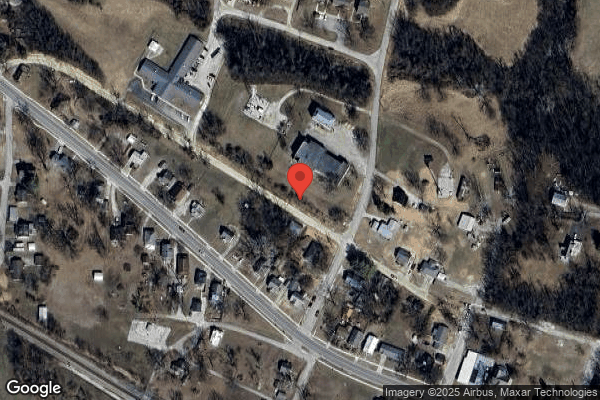
Nov 2023 1 deficiency
CONCERN (D) 📢 Someone Reported This

A family member, employee, or ombudsman was alarmed enough to file a formal complaint

Potential for Harm - no one hurt, but risky conditions existed

Investigate Abuse (Tag F0610)

Could have caused harm · This affected 1 resident

**NOTE- TERMS IN BRACKETS HAVE BEEN EDITED TO PROTECT CONFIDENTIALITY** Based on observation, interview, and record review, the facility failed to follow their policies and procedures to immediately r...

Read full inspector narrative →
**NOTE- TERMS IN BRACKETS HAVE BEEN EDITED TO PROTECT CONFIDENTIALITY** Based on observation, interview, and record review, the facility failed to follow their policies and procedures to immediately report to the administrator or on call registered nurse (RN) an injury of unknown origin for one resident (Resident #1) of three sampled residents and initiate an investigation. On 10/30/23, Licensed Practical Nurse (LPN) A identified three dark purple bruises on the resident's right hip/thigh area when staff assisted the resident to the bathroom. LPN A did not report the bruises of unknown origin to the Registered Nurse (RN) on call or the administrator until 11/3/23. The facility failed to notify the Department of Health and Senior Services (DHSS) until 11/3/23, four days after identifying the bruise. The facility census was 36. Review of the facility's policy, Abuse and Neglect Detection and Prevention, revised 2/24/17, showed the following: -Injuries of unknown source- An injury should be classified as an injury of unknown source when both criteria are met; -The source of the injury was not observed by any person or the source could not be explained by the resident; -The injury is suspicious because of the extent of the injury or the location of the injury (e.g., the injury is located in an area not generally vulnerable to trauma) or the numbers of injuries observed at one particular point in time or the incidence of injuries over time; -Possible indicators of Abuse: Bruises, black eyes, welts, lacerations, rope marks, imprint injuries; -All reports are to be made directly to the Administrator and/or RN on call for the facility. This person is responsible for reporting to the Department of Health and Senior Services (DHSS) via the hotline and to local law enforcement; -The facility shall ensure that all alleged violations involving abuse, neglect, exploitation or mistreatment, including injuries of unknown source and misappropriation of resident property, are reported immediately, but not later than 2 hours after the allegation is made, if the events that cause the allegation involve abuse or result in serious bodily injury, or not later than 24 hours if the events that cause the allegation do not involve abuse and do not result in serious bodily injury, to the administrator of the facility and to other officials (including to the State Survey Agency) in accordance with State law through established procedures; -This facility shall have evidence that all alleged violations are thoroughly investigated, and will prevent further potential abuse, neglect or exploitation or mistreatment while the investigation is in progress. 1. Review of Resident #1's medical record showed the following: -Resident admitted to facility on 7/5/23; -Diagnoses included dementia, congestive heart failure, and fracture of the right radius (forearm). Review of the resident's most recent quarterly Minimum Data Set, a federally mandated assessment instrument required to be completed by facility staff, dated 9/20/23 showed the following: -Severe cognitive impairment; -Required assistance of one staff for activities of daily living; -Required assist of one for transfers; -Used a wheelchair and walker for ambulation; -Had a history of falls prior to admission; -Had not had any falls since admission; -Behaviors included delusions (a false belief or judgment about external reality, held despite evidence to the contrary, occurring especially in mental condition); -Verbal and other behaviors occurred less than daily. Review of the resident's nurses' note dated 10/30/23 showed LPN A documented the resident had three bruises to right buttocks. Areas are dark purple. The documentation did not identify the size, shape of the bruises or if the resident had pain. Staff did not document an interview with resident regarding what happened to cause the bruise. During an interview on 11/14/23 at 8:17 A.M., LPN A said on 10/30/23 overnight shift (11:00 P.M. to 7:00 A.M.) he/she opened the resident's door while staff were assisting the resident to the bathroom and saw three bruises on the resident's hip. LPN A said he/she documented the area in nurses notes, but did not report it to the administrator as he/she assumed someone else had seen it and reported. LPN A said the administrator did not interview him/her or request a statement about the bruise of unknown origin. LPN A was unsure who the staff was that assisted Resident #1 on 10/30/23. Review of facility self report database showed on 11/3/23 the facility's administrator reported the resident's bruise of unknown origin, identified on 10/30/23, to Department of Health and Senior Services (DHSS) (four days following identification of the bruising). Review of the resident's nurses note, dated 11/5/23, showed the resident had a bruise on the right hip. The resident denied any pain at this time. No further documentation was found in the resident's medical record describing the size, shape or color of the resident's bruise on the right hip/thigh area. Observation on 11/13/23 at 11:20 A.M., showed Resident #1 resided in a room by him/herself. LPN B assisted the resident to stand and pulled down the resident's sweat pants showing a purple bruise on the right hip/thigh area in the shape of a hand print, measuring approximately six inches in length by three and a half inches wide. Review of the facility's investigation, including written statements from staff, dated 11/7/23, showed the following: -On 11/1/23, three staff members noted the bruise in the shape of a hand print on the resident's right hip and reported it to the charge nurse. The staff were informed the bruise had been there for a couple of days and had already been reported; -Written statements from five other staff showed they noted the bruise on Resident #1's right hip/thigh area on 11/3/23; -There was no written statement provided by licensed practical nurse (LPN) A. Review of the the facility investigation dated 11/3/23, showed Resident #1 said he/she got the bruise from a [NAME] peck and denied pain. During an interview on 11/7/23 at 8:27 AM, the resident's ex spouse said he/she was not notified of the resident's bruise on the resident's right hip until 11/3/23. He/She saw the bruise on 11/3/23 and said it was in the shape of a hand print. He/She said the administrator did not know how the resident got the bruise and said the resident must of done it to himself/herself. Review of facility investigation showed an interview completed on 11/9/23 with Resident #1's previous roommate. The roommate said he/she was not fond of Resident #1 as Resident #1 would try to get into his/her bed and would tell Resident #1 to get into his/her own bed. The previous roommate denied ever having physical contact with Resident #1. The facility did not ask the previous roommate about staff to resident interactions or concerns. During an interview on 11/13/23 at 12:15 P.M. the nurse manager, LPN B said he/she was made aware of the bruise on the resident's right hip/thigh area on 11/2/23 or 11/3/23. LPN B said the staff should have documented the bruise on the shift report sheet. LPN B said the resident received showers on Wednesday and Saturday but staff did not fill out shower sheets. Any skin issues should be monitored daily with measurements completed weekly. The resident was moved around to different rooms because of issues with roommates. During an interview on 11/13/23 at 12:20 P.M., LPN C said the Nurse Practitioner (NP) was not made aware of the resident's bruise during rounds on 11/2/23 because he/she did not know about the bruise. LPN C said he/she had not reviewed the resident's nurses notes and physicians did not assess residents' skin during rounds. They relied on the nurses to inform them of any skin issues. During an interview on 11/13/23 at 2:05 P.M., the NP said he/she was not informed of the bruise on the resident's hip/thigh area during rounds on 11/2/23. During an interview on 11/13/23 at 12:30 P.M., the administrator said staff did not report the resident's bruise of unknown origin until 11/3/23 and at that time she started an investigation. She did not report the bruise to the resident's physician and no incident report or skin assessment was completed. She was unable to determine how the resident obtained the bruise, and wasn't sure when the three bruises turned into a hand print. She would expect staff to inform him/her of the resident's bruise immediately and for staff to monitor the bruise. MO00227000 & MO00227019
Apr 2023 1 deficiency
CONCERN (E) 📢 Someone Reported This

A family member, employee, or ombudsman was alarmed enough to file a formal complaint

Potential for Harm - no one hurt, but risky conditions existed

Deficiency F0658 (Tag F0658)

Could have caused harm · This affected multiple residents

**NOTE- TERMS IN BRACKETS HAVE BEEN EDITED TO PROTECT CONFIDENTIALITY** Based on observation, interview and record review staff failed to document administration of narcotic pain medications per profe...

Read full inspector narrative →
**NOTE- TERMS IN BRACKETS HAVE BEEN EDITED TO PROTECT CONFIDENTIALITY** Based on observation, interview and record review staff failed to document administration of narcotic pain medications per professional standards and facility policy for three residents (Resident #1, #2 and #4) in a review of four residents. Staff removed and signed out narcotics on the residents' controlled drug receipt/record/disposition form (form used to document and track removal of every narcotic from the locked narcotic cabinet) and failed to document narcotic pain medications as administered on the resident's Medication Administration Record (MAR). Staff also failed to document effectiveness of the narcotic pain medication on the resident's MAR and nurses' notes. The facility census was 42. Review of the facility undated policy Medication Administration showed the following in part: -The purpose was to properly administer medication per physician order based on resident specific diagnoses; -Read the medication instructions on the MAR and compare it with the label on the medication label; -Chart on the MAR, the dose and time given for as needed medications. Include pertinent observations. Chart controlled drugs immediately on the record. 1. Review of Resident #1's Physician Order Sheet (POS) dated 3/20/23 showed the following: -Oxycodone (narcotic pain medication) 5 milligrams (mg) one tablet every 6 hours as needed for pain; -Tylenol (over the counter pain medication) 500 mg 2 tablets every 6 hours for pain, administer at 12:00 A.M., 6:00 A.M., 12:00 P.M. and 6:00 P.M. Review of the resident's baseline care plan dated 3/20/23 showed the resident admitted post-surgical repair of fractured left femur (upper leg bone) with wound vac (negative pressure would dressing attached to the wound base with a continuous suction promoting healing) to the left femur surgical incision. Review of the resident's admission Minimum Data Set (MDS) a federally mandated assessment instrument, completed by facility staff, dated 3/23/23 showed the following: -Cognitively intact; -Received scheduled and as needed pain medication in the previous five days; -Experienced pain frequently that affected ability to sleep and limited day-to-day activities; -Rated pain level at 10 on 0-10 pain scale (0 meant no pain and 10 the worse pain felt); Review of the resident's controlled drug receipt/record/disposition form dated 3/20/23 showed the following: -Staff received and signed for oxycodone 5 mg 12 tablets; -At 8:00 P.M. staff documented one tablet removed with 11 tablets remaining. Review of the resident's MAR showed no staff documentation oxycodone 5 mg administered on 3/20/23 at 8:00 P.M. and no staff documentation indicating effectiveness of the pain medication. Review of the resident's nurses' notes showed no staff documentation oxycodone 5 mg administered on 3/20/23 at 8:00 P.M. and no staff documentation indicating effectiveness of the pain medication. Review of the resident's controlled drug receipt/record/disposition form showed on 3/21/23 at 10:05 A.M. staff documented oxycodone one tablet removed with 10 tablets remaining. Review of the resident's MAR showed no staff documentation oxycodone 5 mg administered on 3/21/23 at 10:05 A.M. and no staff documentation indicating effectiveness of the pain medication. Review of the resident's nurses' notes showed no staff documentation oxycodone 5 mg administered on 3/21/23 at 10:05 A.M. and no staff documentation indicating effectiveness of the pain medication. Review of the resident's controlled drug receipt/record/disposition form showed on 3/30/23 at 6:45 P.M. staff documented oxycodone one tablet removed with 3 tablets remaining. Review of the resident's MAR showed no staff documentation oxycodone 5 mg administered on 3/30/23 at 6:45 P.M. and no staff documentation indicating effectiveness of the pain medication. Review of the resident's nurses' notes showed the following: -On 3/30/23 at 12:06 P.M. staff documented as needed oxycodone order was clarified on 3/29/23, the resident had taken oxycodone on four of the last seven days for reports of lower left extremity pain. The resident occasionally asked for pain medication prior to therapy sessions; -No staff documentation oxycodone 5 mg administered on 3/30/23 at 6:45 P.M. and no staff documentation indicating effectiveness of the pain medication. Review of the resident's controlled drug receipt/record/disposition form showed on 3/31/23 at 8:00 P.M. staff documented oxycodone one tablet removed with 2 tablets remaining. Review of the resident's MAR showed no staff documentation oxycodone 5 mg administered on 3/31/23 at 8:00 P.M. and no staff documentation indicating effectiveness of the pain medication. Review of the resident's nurses' notes showed no staff documentation oxycodone 5 mg administered on 3/31/23 at 8:00 P.M. and no staff documentation indicating effectiveness of the pain medication. Review of the resident's controlled drug receipt/record/disposition form showed on 4/2/23 at 8:45 P.M. staff documented oxycodone one tablet removed with one tablet remaining. Review of the resident's MAR showed no staff documentation oxycodone 5 mg administered on 4/2/23 at 8:45 P.M. and no staff documentation indicating effectiveness of the pain medication. Review of the resident's nurses' notes showed no staff documentation oxycodone 5 mg administered on 4/2/23 at 8:45 P.M. and no staff documentation indicating effectiveness of the pain medication. Review of the resident's nurses' notes dated 4/6/23 showed the following: -At 1:27 P.M. staff documented the resident denied pain and discomfort; -At 5:09 P.M. staff documented the resident complained of generalized discomfort rated at 2 on a 0-10 pain scale. Review of the resident's controlled drug receipt/record/disposition form showed on 4/6/23 at 8:00 P.M. staff documented oxycodone one tablet removed with 0 tablets remaining. Review of the resident's MAR showed no staff documentation oxycodone 5 mg administered on 4/6/23 at 8:00 P.M. and no staff documentation indicating effectiveness of the pain medication. Review of the resident's nurses' notes showed no staff documentation oxycodone 5 mg administered on 4/6/23 at 8:00 P.M. and no staff documentation indicating effectiveness of the pain medication. Review of the resident's nurses' notes dated 4/7/23 at 12:29 A.M. showed staff documented the resident received scheduled Tylenol with pain rated at 0 on a 0-10 pain scale. During interview on 4/29/23 at 10:40 A.M. the resident said he/she fell at home and fractured his/her hip. He/She took oxycodone when he/she first arrived at the facility. He/She had not needed the oxycodone for several weeks and only took Tylenol since the end of March. His/Her pain was gone, doing therapy and making progress. 2. Review of Resident #2's face sheet showed diagnosis of arthritis and low back pain. Review of the resident's quarterly MDS dated [DATE] showed the following: -Cognitively intact; -Received scheduled and as needed pain medication in the previous 5 days; -Frequently experienced moderate pain. Review of the resident's care plan updated 2/15/23 showed the following: -The resident had frequent moderate back pain. Staff should assess for pain and if as needed pain medication was administered, return and ensure the pain medication helped. Review of the resident's POS dated 3/1/23 showed oxycodone 5 mg one tablet every six hours as needed for pain. Review of the resident's controlled drug receipt/record/disposition form showed on 3/21/23 at 11:00 A.M. staff documented one tablet of oxycodone removed with 26 tablets remaining. Review of the resident's MAR showed no staff documentation oxycodone 5 mg administered on 3/21/23 at 11:00 A.M. and no staff documentation indicating effectiveness of the pain medication. Review of the resident's nurses' notes showed no staff documentation oxycodone 5 mg administered on 3/21/23 at 11:00 A.M. and no staff documentation indicating effectiveness of the pain medication. Review of the resident's controlled drug receipt/record/disposition form showed on 3/22/23 at 9:00 A.M. staff documented oxycodone one tablet removed with 25 tablets remaining. Review of the resident's MAR showed no staff documentation oxycodone 5 mg administered on 3/22/23 at 9:00 A.M. and no staff documentation indicating effectiveness of the pain medication. Review of the resident's nurses' notes showed no staff documentation oxycodone 5 mg administered on 3/22/23 at 9:00 A.M. and no staff documentation indicating effectiveness of the pain medication. Review of the resident's controlled drug receipt/record/disposition form showed on 3/31/23 at 3:00 P.M. staff documented oxycodone one tablet removed with 24 tablets remaining. Review of the resident's MAR showed no staff documentation oxycodone 5 mg administered on 3/31/23 at 3:00 P.M. and no staff documentation indicating effectiveness of the pain medication. Review of the resident's nurses' notes showed no staff documentation oxycodone 5 mg administered on 3/31/23 at 3:00 P.M. and no staff documentation indicating effectiveness of the pain medication. Review of the resident's controlled drug receipt/record/disposition form showed on 4/2/23 at 1:00 A.M. staff documented oxycodone one tablet removed with 22 tablets remaining. Review of the resident's MAR showed no staff documentation oxycodone 5 mg administered on 4/2/23 at 1:00 A.M. and no staff documentation indicating effectiveness of the pain medication. Review of the resident's nurses' notes showed no staff documentation oxycodone 5 mg administered on 4/2/23 at 1:00 A.M. and no staff documentation indicating effectiveness of the pain medication. Review of the resident's controlled drug receipt/record/disposition form showed on 4/6/23 at 5:30 P.M. staff documented oxycodone one tablet removed with 18 tablets remaining. Review of the resident's MAR showed no staff documentation oxycodone 5 mg administered on 4/6/23 at 5:30 P.M. and no staff documentation indicating effectiveness of the pain medication. Review of the resident's nurses' notes showed no staff documentation oxycodone 5 mg administered on 4/6/23 at 5:30 P.M. and no staff documentation indicating effectiveness of the pain medication. During interview on 4/19/23 at 10:50 A.M. the resident said he/she had back pain and took Tylenol for pain. He/She did not take any strong pain medication. 3. Review of Resident #4's face sheet showed diagnosis of depressive disorder and anxiety. Review of the resident's quarterly MDS dated [DATE] showed the following: -Severely impaired cognition; -No scheduled or as needed pain medication administered in the previous 5 days; -Denied pain. Review of the resident's care plan updated 2/22/23 showed the following -The resident has occasional knee and hip pain and required pain medication. Staff should assess for pain and administer pain medications as needed. Review of the resident's POS dated 3/1/23 showed an order for hydrocodone/acetaminophen (narcotic pain medication) 5-325 mg 1 tablet twice daily as needed for pain. Review of the resident's controlled drug receipt/record/disposition form showed on 3/24/23 at 4:30 P.M. staff documented hydrocodone/acetaminophen 5-325 mg one tablet removed with 29 tablets remaining. Review of the resident's MAR showed no staff documentation hydrocodone/acetaminophen 5-325 mg administered on 3/24/23 and no staff documentation indicating effectiveness of the pain medication. Review of the resident's nurses' notes dated 3/24/23 at 4:36 P.M. showed staff documented the resident complained of severe pain to the right knee. Hydrocodone/acetaminophen 5-325 mg administered and medication was effective. Review of the resident's controlled drug receipt/record/disposition form showed on 3/30/23 at 6:50 P.M. staff documented hydrocodone/acetaminophen 5-325 mg one tablet removed with 25 tablets remaining. Review of the resident's MAR showed no staff documentation hydrocodone/acetaminophen 5-325 mg administered on 3/30/23 at 6:50 P.M. Review of the resident's controlled drug receipt/record/disposition form showed on 3/31/23 at 5:00 P.M. staff documented hydrocodone/acetaminophen 5-325 mg one tablet removed with 24 tablets remaining. Review of the resident's MAR showed no staff documentation hydrocodone/acetaminophen 5-325 mg administered on 3/31/23 at 5:00 P.M. and no staff documentation indicating effectiveness of the pain medication. Review of the resident's nurses' notes showed no staff documentation hydrocodone/acetaminophen 5-325 mg administered on 3/31/23 at 5:00 P.M. and no staff documentation indicating effectiveness of the pain medication. Review of the resident's controlled drug receipt/record/disposition form showed on 4/1/23 at 4:00 A.M. staff documented hydrocodone/acetaminophen 5-325 mg one tablet removed with 23 tablets remaining. Review of the resident's MAR showed no staff documentation hydrocodone/acetaminophen 5-325 mg administered on 4/1/23 at 4:00 A.M. and no staff documentation indicating effectiveness of the pain medication. Review of the resident's nurses' notes showed no staff documentation hydrocodone/acetaminophen 5-325 mg administered on 4/1/23 at 4:00 A.M. and no staff documentation indicating effectiveness of the pain medication. Review of the resident's controlled drug receipt/record/disposition form showed on 4/1/23 at 5:00 P.M. staff documented hydrocodone/acetaminophen 5-325 mg one tablet removed with 22 tablets remaining. Review of the resident's MAR showed no staff documentation hydrocodone/acetaminophen 5-325 mg administered on 4/1/23 at 5:00 P.M. and no staff documentation indicating effectiveness of the pain medication. Review of the resident's nurses' notes dated 4/1/23 at 7:35 P.M. showed staff documented the resident complained of headache and as needed hydrocodone/acetaminophen 5-325 mg was administered with good effect. Review of the resident's controlled drug receipt/record/disposition form showed on 4/2/23 at 1:30 A.M. staff documented hydrocodone/acetaminophen 5-325 mg one tablet removed with 21 tablets remaining. Review of the resident's MAR showed no staff documentation hydrocodone/acetaminophen 5-325 mg administered on 4/2/23 at 1:30 A.M. and no staff documentation indicating effectiveness of the pain medication. Review of the resident's nurses' notes showed no staff documentation hydrocodone/acetaminophen 5-325 mg administered on 4/2/23 at 1:30 A.M. and no staff documentation indicating effectiveness of the pain medication. Review of the resident's controlled drug receipt/record/disposition form showed on 4/3/23 at 7:15 P.M. staff documented hydrocodone/acetaminophen 5-325 mg one tablet removed with 20 tablets remaining. Review of the resident's MAR showed no staff documentation hydrocodone/acetaminophen 5-325 mg administered on 4/3/23 at 7:15 P.M. and no staff documentation indicating effectiveness of the pain medication. Review of the resident's nurses' notes showed no staff documentation hydrocodone/acetaminophen 5-325 mg was administered on 4/3/23 at 7:15 P.M. and no staff documentation indicating effectiveness of the pain medication. Review of the resident's controlled drug receipt/record/disposition form showed on 4/6/23 at 7:30 P.M. staff documented hydrocodone/acetaminophen 5-325 mg one tablet removed with 18 tablets remaining. Review of the resident's MAR showed no staff documentation hydrocodone/acetaminophen 5-325 mg administered on 4/6/23 at 7:30 P.M. and no staff documentation indicating effectiveness of the pain medication. Review of the resident's nurses' notes showed no staff documentation hydrocodone/acetaminophen 5-325 mg administered on 4/6/23 at 7:30 P.M. and no staff documentation indicating effectiveness of the pain medication. During interview on 4/19/23 at 10:30 A.M. the resident said he/she was stiff, could walk with a walker and attended exercise classes. He/She only took Tylenol for pain. 4. During interview on 4/19/23 at 11:00 A.M. Licensed Practical Nurse B said he/she was the nurse manager and responsible for floor management. Prior to administration of narcotic medications staff should sign out each dose of narcotics on the corresponding controlled drug receipt form, check the MAR prior to administration for current orders and last dose administered, administer the drug and chart administration on the resident's MAR and in the nurses' notes including follow up assessment for effectiveness. During interview on 4/20/23 at 1:15 P.M. the Administrator said staff should document on residents' MARs all narcotic pain medication administered and document in the residents'' nurses notes, including effectiveness of the medication. If staff document pain medication administration on the MAR a pop up reminder will occur in the resident's electronic medical record following the administration requesting staff to document the effectiveness of the medication. She expected staff to document all medications administered including narcotic pain medications on every resident's MAR. Staff should sign out the narcotic on the corresponding controlled drug receipt sign out sheet, document administration on the resident's MAR and in the nurses' notes including effectiveness. Currently there was no process to monitor staff documentation of narcotics on residents MARs. There was no process to ensure MARs were complete and narcotics charted as administered.
Sept 2022 14 deficiencies 1 Harm
SERIOUS (H)

Actual Harm - a resident was hurt due to facility failures

Deficiency F0883 (Tag F0883)

A resident was harmed · This affected multiple residents

**NOTE- TERMS IN BRACKETS HAVE BEEN EDITED TO PROTECT CONFIDENTIALITY** Based on interview and record review, the facility failed to maintain and follow policies and procedures for immunization of res...

Read full inspector narrative →
**NOTE- TERMS IN BRACKETS HAVE BEEN EDITED TO PROTECT CONFIDENTIALITY** Based on interview and record review, the facility failed to maintain and follow policies and procedures for immunization of residents against pneumococcal disease as required. The facility failed to provide and document provision of pertinent information regarding the pneumococcal vaccine including the benefits and potential side effects of the pneumococcal vaccine for 14 of 16 sampled residents (Residents #1, #2, #4, #7, #11, #13, #17, #20, #21, #24, #27, #32, #34, and #142) and four additional residents (Residents #5, #8, #15, and #19) of which six residents (Residents #1, #4, #5, #8, #19, and #21) developed pneumonia. The facility also failed to offer and vaccinate eligible residents with the pneumococcal vaccine with recommended doses of the pneumococcal vaccine as indicated by the Centers for Disease Control and Prevention (CDC) recommendations. The facility census was 41. Review of the facility policy, Influenza and Pneumococcal Immunizations, revised 9/1/17, showed the following: -The facility shall ensure that: (i) Before offering the pneumococcal immunization, each resident, or resident's legal representative receives education regarding the benefits and potential side effect of the immunization; (ii) Each resident is offered a pneumococcal immunization, unless the immunization is medically contraindicated or the resident has already been immunized; (iii) The resident or the resident's legal representative has the opportunity to refuse immunization; (iv) The resident's medical record includes documentation that indicated, at a minimum, the following: (A) That the resident or resident's legal representative was provided education regarding the benefits and potential side effects of pneumococcal immunization; (B) The the resident either received the pneumococcal immunization or did not received the pneumococcal immunization due to medical contraindication or refusal; (v) Exception - as an alternative, based on an assessment and practitioner recommendation, a second pneumococcal immunization may be given after five years following the fist pneumococcal immunization, unless medically contraindicated or the resident or resident's legal representative refuses the second immunization; (vi) As there are two types of pneumococcal vaccines, (PPSV and PCV13), documented specific types of vaccines received prior to admission is very difficult. Our facility shall use the following protocol to establish a baseline: If NOT specified as to the type of vaccine received prior to admission AND it was received greater than three years ago (prior to September 1, 2014) than it shall be presumed to be the PPSV and therefore upon proper immunization consent, the facility shall first immunize with the PCV 13. After one year, a second PPSV may be administered if the initial immunization occurred before the age of 65 and the attending physician believes the individual falls into a high-risk group. If the vaccine is known for sure to be either the PPSV or PCV13, then the opposite vaccine shall be administered, as long as it has been at least one year between immunizations. Review of the facility policy, Protocol for Pneumococcal Immunization, revised 9/1/17, showed the following: -The Director of Nursing services shall be responsible for the immunization of the residents within this facility; -Upon admission, in coordination with the completion of the Minimum Data Set (MDS), section W, each resident shall be assessed for possible need for both the influenza and the pneumococcal immunization; -Upon admission, through medical history intake, the resident or legal representative is asked of the history of the pneumococcal vaccine; -If it is determined that the resident has never received the pneumococcal vaccine, the primary physician is contacted; -If there is no contraindications to receiving the immunization, the order is received and transcribed in the medical record; -The director shall document in the nurses notes that either the resident or the resident's legal representative has been educated regarding the benefits and potential side effects of the immunization; -If the immunization is not given, this shall also be documented in the nurses notes. Review of the CDC's recommendations for pneumococcal vaccine timing, dated 4/1/22, showed the following: -CDC recommends pneumococcal vaccination for adults [AGE] years old or older; -For adults who have never received a pneumococcal vaccine, or those with unknown vaccination history, one dose of PCV 15 (15-valent pneumococcal conjugate vaccine) or PCV 20 (20-valent pneumococcal conjugate vaccine) should be administered; -If PCV 20 is used, their pneumococcal vaccinations are complete; -If PCV 15 is used, follow with one dose of PPSV 23 (23-valent pneumococcal polysaccharide vaccine) with a recommended interval of at least one year; -For adults who have previously received PPSV 23 but who have not received any pneumococcal conjugate vaccine (PCV), one does of PCV 15 or PCV 20 may be administered with an interval of at least one year; -For adults 65 years or older without an immunocompromising condition, cerebrospinal fluid leak, or cochlear implant, who have previously received PCV13 at any age, it is recommended to receive one dose of PPSV 23 at or after [AGE] years of age (at least one year after PCV13 was received). Their pneumococcal vaccinations are complete; -For adults 19 years or older with an immunocompromising condition who have previously received a PCV13 at any age, CDC recommends two doses of PPSV 23 before age [AGE] years and one dose of PPSV 23 at the age of 65 or older. Administer a single dose of PPSV23 at least 8 weeks after the PCV13 was received. -If the patient was younger than [AGE] years old when the first dose of PPSV23 was given and has not turned [AGE] years old yet, administer a second dose of PPSV23 at least five years after the first dose of PPSV23. This is the last dose of PPSV23 that should be given prior to [AGE] years of age. -Once the patient turns [AGE] years old and at least five years have passed since PPSV23 was last given, administer a final dose of PPSV23 to complete their pneumococcal vaccinations. 1. Review of Resident #4's face sheet showed the following: -He/She was over [AGE] years old; -His/Her diagnoses included malignant neoplasm of bronchus or lung (cancer). Review of the resident's vaccination history showed the family reported the resident had received a pneumococcal vaccination in the past, but was unsure of the date. Review of the resident's medical record showed no evidence the resident received any type of pneumococcal vaccination and no evidence the facility offered the vaccine to the resident. Review of the facility infection preventionist tracking log showed the resident was treated for pneumonia in February 2022. Review of the resident's quarterly Minimum Data Set (MDS), a federally mandated assessment instrument completed by facility staff, dated 7/12/22, showed the pneumococcal vaccination was not offered. During an interview on 10/5/22, at 8:43 A.M., the resident's responsible party said he/she would prefer the resident be up-to-date on pneumococcal vaccinations, and would want the facility to give recommended vaccinations to the resident. 2. Review of Resident #5's Immunization Tracker, undated, showed the resident received a PPSV 23 in October 2007. Review of the Infection Preventionist's log, dated January 2022, showed the resident was diagnosed with pneumonia on 12/31/21, 1/13/22, and 1/26/22. Review of the resident's quarterly MDS, dated [DATE], showed the following: -admission date 4/12/21; -The resident was over the age of 65; -The resident had diagnoses of heart failure. Review of the resident's medical record showed no evidence the facility offered or the resident received a pneumococcal vaccine per CDC guidelines after October 2007, and no documentation the facility provided pertinent information regarding the pneumococcal vaccine to the resident or his/her representative. During interview on 10/12/22 at 1:11 P.M., the resident's family member said the facility did ask permission to give the resident a pneumococcal vaccine, but he/she was unable to remember when this occurred. He/She said he/she gave the facility permission to give the resident the pneumococcal vaccine, but the facility didn't provide any information on the vaccine. 3. Review of Resident #19's Immunization Tracker, undated, showed the resident received PPSV 23 on 10/01/10 and PCV 13 on 11/19/15. Review of the Infection Preventionist's log showed the resident was diagnosed with pneumonia on 2/21/22 and 6/28/22. Review of the resident's MDS, dated [DATE], showed the following: -admission date 10/10/17; -The resident was over the age of 65; -The resident had diagnoses of chronic obstructive pulmonary disease (a chronic inflammatory lung disease that causes obstructed airflow from the lungs); Review of the Infection Preventionist's log showed the resident was diagnosed with pneumonia again on 9/16/22. Review of the resident's medical record showed no evidence staff offered the resident the pneumococcal vaccination per CDC guidelines, and no documentation the facility provided pertinent information regarding the pneumococcal vaccine to the resident or his/her representative. 4. Review of Resident #21's face sheet showed the following: -He/She was admitted on [DATE]; -He/She was over the age of 65; -His/Her diagnoses included lymphocytic leukemia (a cancer of the blood and bone marrow that usually gets worse slowly). Review of the resident's vaccination history showed the resident was up to date per hospital medical records. (Review showed no dates were documented to show when the resident received the vaccinations or which vaccinations the resident received.) Review of resident's nurse's notes, dated 9/16/22, showed the resident was diagnosed with pneumonia and started on oral antibiotic therapy. 5. Review of Resident #142's face sheet showed the following: -He/She was admitted on [DATE]; -He/She was over [AGE] years of age; -His/Her diagnoses included diabetes mellitus (too much sugar in the blood), hypertension (high blood pressure), coronary artery disease (damage or disease in the heart' s major blood vessels), and chronic obstructive pulmonary disease (a group of lung diseases that block airflow ad make it difficult to breathe). Review of the resident's vaccination history showed the resident had never had a pneumococcal vaccination. Review of the resident's medical record showed the resident had not received any type of pneumococcal vaccination. Review showed no documentation staff provided pertinent information regarding the pneumococcal vaccine including the benefits and potential side effects of the pneumococcal vaccine to the resident. During an interview on 9/28/22, at 1:47 P.M., the resident said the following: -He/She was his/her own person (responsible party); -He/She had not ever been given a pneumonia vaccine; -The facility had not offered him/her a pneumonia vaccine; -He/She would like to get the pneumonia vaccine. 6. Review of Resident #7's face sheet showed the following: -admission date 7/12/22; -The resident was over the age of 65; -The resident's diagnoses included heart failure. Review of the resident's admission MDS, dated [DATE], showed the resident was not up to date with pneumococcal vaccination, and the vaccination was not offered. Review of the resident's Immunization Tracker, undated, showed the resident's family member reported the resident received the pneumococcal polysaccharide years ago (no date provided). The specific type of immunization was not documented. Review of the resident's medical record showed no evidence the facility offered or the resident received a pneumococcal vaccination while a resident at the facility, and no documentation the facility provided pertinent information regarding the pneumococcal vaccine to the resident or his/her representative. During interview on 10/12/22 at 12:59 P.M., the resident's responsible party said he/she didn't remember the facility offering the resident a pneumococcal vaccine nor offering any education regarding the vaccine. He/She thought the resident was up to date with his/her vaccinations. 7. Review of Resident #11's face sheet showed the following: -admission date of 4/27/22; -The resident was over the age of 65; -The resident's diagnoses included heart failure. Review of the resident's Immunization Tracker, undated, showed the resident's family member reported one dose of pneumococcal polysaccharide over three years ago. The specific type of vaccination was not documented. Review of the resident's medical record showed no evidence the facility offered or the resident received a pneumococcal vaccination after admission, and no documentation the facility provided pertinent information regarding the pneumococcal vaccine to the resident or his/her representative. 8. Review of Resident #17's face sheet showed the following: -admission date 4/29/22; -The resident was over the age of 65; -The resident was his/her own responsible party. Review of the resident's quarterly MDS, dated [DATE], showed his/her pneumococcal vaccination was not up to date and he/she had not been offered the pneumococcal vaccine. Review of the resident's undated Resident Immunization Tracker showed '1971' was handwritten in the date received or date refused column for the pneumococcal vaccine (no other information was listed specific to the type of vaccine received or refused). Review of the resident's medical record showed no documentation the facility offered or the resident received a pneumococcal vaccine, and no documentation the facility provided pertinent information regarding the pneumococcal vaccine including the benefits and potential side effects of the pneumococcal vaccine to the resident. 9. Review of Resident #32's face sheet showed the following: -admission date 7/18/22; -The resident was over the age of 65; -The resident was his/her own responsible party. Review of the resident's quarterly MDS, dated [DATE], showed his/her pneumococcal vaccination was not up to date and he/she had not been offered the pneumococcal vaccine. Review of the resident's medical record showed no evidence the facility offered or the resident received a pneumococcal vaccine, and no documentation the facility provided pertinent information regarding the pneumococcal vaccine including the benefits and potential side effects of the pneumococcal vaccine to the resident. 10. Review of Resident #34's face sheet showed the following: -admission date of 8/30/22; -The resident was over the age of 65. Review of the resident's admission MDS, dated [DATE], showed his/her pneumococcal vaccination was not up to date and he/she had not been offered the pneumococcal vaccine. Review of the resident's undated Resident Immunization Tracker in the pneumococcal vaccine section showed 'believed to be no' was handwritten in the Date Received or Date Refused column. Review of the resident's medical record showed no evidence the facility offered or the resident received a pneumococcal vaccine since admission to the facility, and no documentation the facility provided pertinent information regarding the pneumococcal vaccine including the benefits and potential side effects of the pneumococcal vaccine to the resident or his/her representative. 11. Review of Resident #20's undated Resident Immunization Tracker in the pneumococcal vaccine section showed 'January 2021' was handwritten in the Date Received or Date Refused column with no other information listed specific to the type of vaccine received. Review of the resident's face sheet showed the following: -admission date 3/11/21; -The resident was over the age of 65; -The resident was his/her own responsible party. Review of the resident's medical record showed no evidence the facility offered or the resident received a pneumococcal vaccine while a resident in the facility, and no documentation the facility provided pertinent information regarding the pneumococcal vaccine including the benefits and potential side effects of the pneumococcal vaccine to the resident. 12. Review of Resident #2's face sheet showed the following: -He/She was admitted on [DATE]; -He/She was over age [AGE]. Review of the resident's undated vaccination history, undated, showed the resident had always refused in the past per family prior to the resident's admission. Review of the resident's admission MDS, dated [DATE], showed the pneumococcal vaccination was not up to date and had not been offered. Review of the resident's medical record showed no evidence the facility offered or the resident received a pneumococcal vaccine while a resident in the facility, and no documentation the facility provided pertinent information regarding the pneumococcal vaccine including the benefits and potential side effects of the pneumococcal vaccine to the resident or his/her representative. 13. Review of Resident #24's face sheet showed the following: -He/She was admitted to facility on 8/17/20; -He/She was over age [AGE]. Review of resident's physician's orders, dated 6/28/22, showed an order to administer pneumococcal vaccinations per facility policy if not contraindicated. Review of the resident's vaccination history showed the resident received the PCV13, but there was no date documented. (Review showed no documentation staff offered the resident or the resident received or refused the PPSV 23 vaccination after administration of PCV13.) Review of the resident's medical record showed no documentation staff provided pertinent information regarding the pneumococcal vaccine including the benefits and potential side effects of the pneumococcal vaccine to the resident or his/her representative. 14. Review of Resident #15's vaccination history showed the resident received the PCV13 in November 2016. Review of Resident #15's quarterly MDS, dated [DATE], showed the resident was over age [AGE]; Review of the resident's medical record showed no documentation the facility offered or the resident received a pneumococcal vaccination per CDC guidelines after receiving the PCV13 in November 2016, and no documentation staff provided pertinent information regarding the pneumococcal vaccine including the benefits and potential side effects of the pneumococcal vaccine to the resident or his/her representative. 15. Review of Resident #13's immunization tracker, undated, showed he/she received the PPSV23 and PCV13 in 2014. Review of the resident's face sheet showed the following: -admission date 4/28/22; -The resident was over the age of 65. Review of the resident's medical record showed no evidence staff offered the resident the pneumococcal vaccination per CDC guidelines, and no documentation the facility provided pertinent information regarding the pneumococcal vaccine to the resident or his/her representative. 16. Review of Resident #27's vaccination history showed the resident received a PPSV23 on February 2015 and PCV13 on 5/24/16. Review of the resident's face sheet showed the following: -He/She was admitted on [DATE]; -He/She was over [AGE] years old; -His/Her diagnoses included heart failure. Review of the resident's medical record showed no evidence staff offered the resident the pneumococcal vaccination per CDC guidelines, and no documentation the facility provided pertinent information regarding the pneumococcal vaccine to the resident or his/her representative. During an interview on 10/5/22 at 8:35 A.M., the resident's responsible party said he/she would prefer the resident be up-to-date on pneumococcal vaccinations, and would want the facility to give recommended vaccinations to the resident. 17. Review of Resident #8's admission MDS, dated [DATE], showed the following: -admission date 7/13/22; -The resident was over the age of 65; -The resident's diagnoses included renal failure and thrombocytopenia (deficiency of platelets in the blood causing slow blood clotting after an injury). Review of the resident's Immunization Tracker, undated, showed the resident's family member refused the pneumococcal vaccine (no date documented). Review of the Infection Preventionist's log, dated September 2022, showed the resident was diagnosed with pneumonia on 9/19/22. Review of the resident's medical record showed no documentation the facility provided pertinent information regarding the pneumococcal vaccine to the resident or his/her representative. 18. Review of Resident #1's face sheet showed the following: -He/She was admitted on [DATE]; -He/She was over age [AGE]; -His/Her diagnoses included coronary obstructive pulmonary disease (COPD; chronic lung disease) and use of tobacco products. Review of the resident's vaccination history showed the resident refused the pneumococcal vaccination on 3/31/22. Review of the resident's medical record showed no documentation staff provided pertinent information regarding the pneumococcal vaccine including the benefits and potential side effects of the pneumococcal vaccine to the resident or his/her representative. Review of the resident's quarterly MDS dated [DATE], showed the following: -Cognition was intact; -Pneumococcal vaccination was offered and declined. Review of resident's nurse's notes, dated 9/22/22, showed resident was diagnosed with pneumonia and started on oral antibiotic therapy. Review of resident's nurse's notes, dated 9/23/22, showed the resident was hospitalized for pneumonia. 19. During an interview on 9/28/22 at 2:50 P.M., the previous Infection Control Preventionist said the following: -The Assistant Director of Nursing (ADON) and Licensed Practical Nurse (LPN) A were in charge of resident vaccinations; -He/She was never responsible for tracking resident vaccinations; -He/She did not look to see and/or track if residents who had been diagnosed with pneumonia were up to date with pneumonia vaccinations. During an interview on 9/28/22 at 3:20 P.M., the current Infection Preventionist said the following: -The ADON used to track pneumococcal vaccination status for residents; -After the ADON left, he/she thought everyone was following through with tracking the residents' vaccination status; -There has not been a real system for tracking pneumococcal vaccination status for a while. During an interview on 9/29/22 at 11:45 A.M., the ADON said the facility used to have a check list that indicated vaccination status with dates the vaccines were administered. She recently returned to the facility and was responsible for vaccinations, but delegated this task to LPN A. LPN A was to track and offer the vaccinations as needed. She was unaware why LPN A was not offering the vaccinations. During an interview on 9/29/22, at 3:17 P.M., LPN A said the following: -The prior DON tracked the pneumococcal vaccination status of residents; the prior DON had been gone since July 2022; -He/She had not been monitoring pneumococcal vaccination status for residents as it has not been assigned to him/her to track at the present time. During an interview on 9/29/22 at 3:20 P.M., the medical director said he expected the facility to follow the CDC's guidelines regarding pneumococcal vaccinations. The facility should work with residents and residents' families and offer and administer the vaccinations if needed/consented. During an interview on 9/29/22 at 6:12 P.M., the administrator said she expected staff to ensure residents were up to date with pneumococcal vaccinations per CDC guidelines and to offer vaccinations if they were not up to date. Staff should offer education regarding the vaccines to residents.
CONCERN (D)

Potential for Harm - no one hurt, but risky conditions existed

Deficiency F0657 (Tag F0657)

Could have caused harm · This affected 1 resident

**NOTE- TERMS IN BRACKETS HAVE BEEN EDITED TO PROTECT CONFIDENTIALITY** Based on observation, interview, and record review, the facility failed to develop a comprehensive care plan within seven days a...

Read full inspector narrative →
**NOTE- TERMS IN BRACKETS HAVE BEEN EDITED TO PROTECT CONFIDENTIALITY** Based on observation, interview, and record review, the facility failed to develop a comprehensive care plan within seven days after completion of the comprehensive assessment, and no more than 21 days after admission, for one resident (Resident #34). The facility census was 41. Review of the facility's comprehensive care plans policy, updated 9/20/21, showed the following: -Each resident will have a person-centered care plan developed and implemented to meet his or her preferences and goals, and address the resident's medical, physical, mental and psychosocial needs; -Care plans must be all inclusive to address the following: a. Services that are to be furnished to attain or maintain the resident's highest practicable physical, mental, and psychosocial well-being; c. Any specialized services or specialized rehabilitative services the facility will provide; d. In consultation with the resident and the resident's representatives: the resident's goals for admission and desired outcomes and the resident's preference and potential for future discharge; -The services provided or arranged by the facility, as outlined by the comprehensive care plan must be culturally-competent and trauma-informed; -Interventions must reflect the resident's cultural preferences, values and practices if applicable; -Interventions will also reflect care due to past traumas to help eliminate or mitigate triggers; -Care plans will be updated at a minimum of quarterly, and as needed when changes occur. -The policy did not reflect the requirement for time frames for completion of the care plan following admission. 1. Review of Resident #34's admission MDS, dated [DATE], showed the following: -He/She was admitted to the facility on [DATE]; -He/She had severe cognitive impairment; -His/Her diagnoses included dementia; cataracts, glaucoma, or macular degeneration; hypertension; atrial fibrillation or other dysrhythmias; gastroesophageal reflux disease; benign prostatic hyperplasia; renal insufficiency, renal failure, or end-stage renal disease; hyperlipidemia; and urinary tract infection; -He/She was not steady during transitions and walking; -He/She required limited assistance with dressing, toilet use, transfers, bed mobility; -He/She required extensive assistance with personal hygiene; -He/She used a walker and a wheelchair; -He/She had an indwelling catheter; -He/She had a fall in the last month prior to admission and a fall in the last two to six months prior to admission; -He/She received antianxiety, antidepressant, and anticoagulant medication each of the previous seven days in the review period. Review of the resident's medical record on 9/28/22 showed no evidence staff developed a comprehensive care plan for the resident within seven days of completing his/her admission MDS. During an interview on 9/28/22 at 11:08 A.M., the MDS Coordinator said the following: -She had not completed the resident's comprehensive care plan; -She knew it was to be completed within 21 days of the resident's admission; -She did not complete the resident's comprehensive care plan because she hadn't had enough time to complete it due to performing other tasks at the facility. During an interview on 9/29/22 at 6:12 P.M., the administrator said she expected staff to complete a comprehensive care plan within 21 days of a resident's admission.
CONCERN (D)

Potential for Harm - no one hurt, but risky conditions existed

Incontinence Care (Tag F0690)

Could have caused harm · This affected 1 resident

**NOTE- TERMS IN BRACKETS HAVE BEEN EDITED TO PROTECT CONFIDENTIALITY** Based on observation, interview, and record review, the facility failed to provide appropriate treatment and services consistent...

Read full inspector narrative →
**NOTE- TERMS IN BRACKETS HAVE BEEN EDITED TO PROTECT CONFIDENTIALITY** Based on observation, interview, and record review, the facility failed to provide appropriate treatment and services consistent with acceptable standards of practice to ensure one resident (Resident #24), in a review of 16 sampled residents, received proper care after he/she had been incontinent of bowel and bladder. The resident had a history of urinary tract infections (UTIs) and sepsis (serious condition resulting from the presence of harmful microorganisms in the blood or other tissues and the body's response to their presence, potentially leading to malfunctioning of various organs, shock, and death). The facility's census was 41. Review of the facility's undated policy Perineal Care for the female resident showed the following: -The purpose was to clean the perineum, and prevent infection and odor; -For female residents, expose the perineal area and cleanse the inner labia, outer labia, and groin areas; -Once the front is all cleansed, gloves were to be changed and hand sanitizer used - Put on new gloves and pat the area between legs; -Once resident is rolled to her side, the anal area is cleansed. Note, if resident had a bowel movement, only one swipe is allowed per wipe; -Cleanse the outer thighs and lower back, or any other moistened areas as needed; -Remove soiled gloves and wash hands with hand sanitizer; -Put on new gloves and pat areas dry; -Place clean pads under resident while removing soiled pads; -Once resident turned on opposite side, cleanse other thigh and low back area; -Remove soiled gloves, use hand sanitizer, and don new gloves; -Pat areas dry; -Dispose of dirty linens; -Wash hands. Review of the facility's undated policy Perineal Care for the male resident showed the following: -The purpose was to clean the perineum, and prevent infection and odor; -Expose the perineal area and in a circular motion, gently cleanse the penis by lifting it and cleaning from the tip downward. If male is uncircumcised be sure to pull foreskin back to cleanse the tip and then pull foreskin back over tip of the penis; -Cleanse the scrotum and between the legs; -Once the front is all cleansed, gloves were to be changed and hand sanitizer used -Put on new gloves and pat the penis, scrotum, and area between legs dry; -Once resident is rolled to his side, the anal area is cleansed. Note, if resident had a bowel movement, only one swipe is allowed per wipe; -Cleanse the outer thighs and lower back, or any other moistened areas as needed; -Remove soiled gloves and wash hands with hand sanitizer; -Put on new gloves and pat areas dry; -Place clean pads under resident while removing soiled pads; -Once resident turned on opposite side, cleanse other thigh and low back area; -Remove soiled gloves, use hand sanitizer, and don new gloves; -Pat areas dry; -Dispose of dirty linens; -Wash hands. 1. Review of Resident #24's quarterly Minimum Data Set (MDS), a federally mandated assessment to be completed by the facility, dated 5/4/22, showed the following: -Moderately impaired cognition; -Required extensive assistance from one staff with personal hygiene; -Always incontinent of bowel and bladder. Review of the resident's physician progress note, dated 7/27/22, showed the resident was transferred to the hospital on 6/20/22 for UTI and sepsis The resident was hypotensive (low blood pressure) and hypoxic (low oxygen saturation), and was transferred to cardiac and sepsis management due to complications, including elevated white blood cell count (WBC/ leukocytes, are responsible for protecting your body from infection.) of 35 (normal WBC range is 4.5-11). Review of the resident's annual MDS, dated [DATE], showed the following: -Moderately impaired cognition; -Dependent on one staff for personal hygiene; -Always incontinent of bowel and bladder. Review of the resident's care plan, last revised on 9/16/22, showed the following: -He/She did not have good control over his/her kidneys or bowels; -He/She had a history of bladder infections; -Staff were to provide prompt care when he/she was wet or soiled. Observation on 9/27/22 at 5:40 A.M. showed the following: -The resident lay in bed. He/She had been incontinent of bowel and bladder, and his/her bed linens were soiled; -Nurse Assistant (NA) H and NA I provided incontinence care; -NA H cleansed the resident's front perineal area, but did not clean all areas, including between the resident's inner and outer perineal skin folds. NA H assisted the resident to his/her right side, cleaned feces from between the resident's buttocks and assisted to him/her to his/her left side; -NA I cleaned feces from the resident's buttocks, but did not clean the back of the resident's thighs and back. The resident's bed linens were soaked with urine. During an interview on 9/27/22 at 6:40 A.M., NA H said all areas of the perineum should be cleaned, including between the inner and outer perineal skin folds. The resident did not spread his/her legs well and it was hard to clean his/her perineal area. He/She should clean a resident's back and thighs. During an interview on 9/27/22 at 7:00 A.M., NA I said staff was to wash the best that they could. Start in the center (between inner and outer perineal skin folds) and creases (groin areas). Staff was to cleanse a resident's backside creases (gluteal folds), middle (between buttocks), back, and thigh areas. During an interview on 9/29/22 at 11:45 A.M., the assistant director of nursing said she expected all areas of the perineal area, including the inner and outer skin folds, thighs and lower back be cleansed when resident's were incontinent bowel and/or bladder. During an interview on 9/29/22 at 6:45 P.M., the administrator said she expected all areas of the perineal area, including the inner and outer skin folds, thighs and lower back be cleansed when resident's were incontinent bowel and/or bladder.
CONCERN (D)

Potential for Harm - no one hurt, but risky conditions existed

Deficiency F0761 (Tag F0761)

Could have caused harm · This affected 1 resident

Based on observation and interview, the facility staff failed to ensure the medication or treatment carts were secured and locked when not in use. The facility census was 41. Review of the undated fa...

Read full inspector narrative →
Based on observation and interview, the facility staff failed to ensure the medication or treatment carts were secured and locked when not in use. The facility census was 41. Review of the undated facility's policy, Medication Administration, showed medication cabinets and the medication room are to be locked at all times when not in use. Review of the undated facility policy, Narcotic Count, showed the following: -The narcotic supply is to be kept under two locks at all times; -The lock on the medication cart and the lock on the narcotics drawer are to be locked at all times. Observation on 9/26/22, at 7:47 A.M., showed the following: -The charge nurse medication cart sat against the wall at the central nursing station unattended and unlocked for approximately five minutes; -Numerous residents were wandering about the area of the unlocked cart; -Items noted in the medication cart included residents insulin and narcotic controlled substances; ; -The narcotic drawer at that time was only under one lock. Observation on 9/26/22, at 10:27 A.M., showed the following: -The treatment cart sat against the wall at the central nursing station unattended and unlocked for approximately 5 minutes; -Residents were noted to be sitting in the vicinity of the cart and two residents wheeled themselves by the unlocked cart in their wheelchairs; -Items noted in the treatment cart included numerous creams and wound care supplies. Observation on 9/26/22, at 2:30 P.M., showed the following: -The charge nurse medication cart sat against the wall at the central nursing station unattended and unlocked for approximately seven minutes; -A resident walked by the unlocked cart; -Items noted in the medication cart included resident medications. During an interview on 9/29/22, at 1:59 P.M., Graduate Practical Nurse B said the following: -Medication and treatment carts should be locked any time they were not being used; -He/She tries to keep the medication and treatment carts locked when he/she is not using them but may have forgotten to lock them a few times. During an interview on 9/29/22, at 11:44 A.M., the Assistant Director of Nursing said she would expect medication and treatment carts to be locked at all times when not in use and unattended.
CONCERN (E)

Potential for Harm - no one hurt, but risky conditions existed

Deficiency F0567 (Tag F0567)

Could have caused harm · This affected multiple residents

Based on interview and record review, the facility failed to deposit residents' personal funds in excess of $50.00 into an interest bearing account and to credit interest earned to the residents' pers...

Read full inspector narrative →
Based on interview and record review, the facility failed to deposit residents' personal funds in excess of $50.00 into an interest bearing account and to credit interest earned to the residents' personal funds for four residents (Residents #33, #24, #21, and #10). The facility managed funds through the resident trust fund account for six residents. The facility census was 41. Review of the facility's undated admission packet regarding Resident Trust Funds, showed the following: -The trust funds account is kept under $50; -Monies in excess of $50 shall be moved into an interest bearing savings account. 1. Review of a facility ledger for Resident #33 showed the following: -On 8/3/22, a balance of $1,020.97; -On 8/4/22, a balance of $802.61; -On 8/24/22, a balance of $778.61; -No documentation of any interest credited to the resident. 2. Review of a facility ledger for Resident #24 showed the following: -On 8/3/22, a balance of $787.13; -No documentation of any interest credited to the resident. 3. Review of a facility ledger for Resident #21 showed the following: -On 8/2/22, a balance of $348.92; -On 8/8/22, a balance of $398.92; -On 8/16/22, a balance of $362.94; -On 8/24/22, a balance of $337.94; -No documentation of any interest credited to the resident. 4. Review of a facility ledger for Resident #10 showed the following: -On 8/8/22, a balance of $57.77; -No documentation of any interest credited to the resident. During interviews on 9/29/22 at 4:38 P.M. and on 10/5/22 at 11:03 A.M., the Social Services Director said the following: -The pay source for Residents #33, #24, #21, and #10 was Medicaid; -All current residents' funds the facility manages are in a non-interest bearing account; -No current residents have funds placed in an interest-bearing account; -Residents' funds were stored in interest-bearing savings accounts in the past, but for the past year, she's had to work in multiple roles at the facility and did not have time to move residents' funds to the savings accounts. During an interview on 9/29/22 at 6:12 P.M., the administrator said she expected resident funds over $50, for residents receiving Medicaid, to be kept in an interest-bearing account.
CONCERN (E)

Potential for Harm - no one hurt, but risky conditions existed

Deficiency F0658 (Tag F0658)

Could have caused harm · This affected multiple residents

**NOTE- TERMS IN BRACKETS HAVE BEEN EDITED TO PROTECT CONFIDENTIALITY** Based on observation, interview, and record review, the facility failed to document resident assessments for one resident, (Resi...

Read full inspector narrative →
**NOTE- TERMS IN BRACKETS HAVE BEEN EDITED TO PROTECT CONFIDENTIALITY** Based on observation, interview, and record review, the facility failed to document resident assessments for one resident, (Resident #1), a resident diagnosed with pneumonia and on antibiotic medication, failed to assess wounds and obtain treatment orders for one resident (Resident #142), failed to follow physician orders for two residents (Resident #24 and #143), and failed to ensure medications were not left at bedside for later administration for two residents (Resident #28 and #40), in a review of 16 sampled residents. The facility census was 41. Review of the facility's undated Skin Assessment policy showed the following: -Residents will have a full skin assessment with each shower; -Shower aide is to report any abnormal findings to charge nurse for further investigation and assessment; -Aides are to report any abnormalities noted on skin during any care provided to charge nurse. Review of the facility's undated Notifying Clinicians policy showed the following: -The licensed staff shall promptly notify physician, physician assistant, nurse practitioner, or clinical nurse specialist of any change in condition in a resident that would warrant need for additional physician orders or change in care plan or monitoring. Review of facility's policy for documentation standards for licensed nurses revised on 7/5/22 showed the following: -Purpose of policy was to ensure abnormal findings were documented in electronic medical record; -Facility utilized charting by exception, which meant documentation would reflect abnormalities for resident, such as a change in condition, or when new orders were received; -Antibiotics; residents would have temperature taken and assessment for effectiveness of antibiotic every shift during duration of therapy. Review of facility's undated antibiotic monitoring policy showed the following: -Purpose was to guide nursing staff to closely monitor all residents who were placed on antibiotic therapy for the possibility of adverse reactions; -When an antibiotic was initiated for whatever purpose, the charge nurse should initiate and antibiotic monitoring nurse's note; -A brief assessment should be conducted on the resident by the charge nurse every shift and through the duration of the short-term antibiotic therapy; -Temperature should be assessed and documented within nurse's notes every shift while resident was on antibiotic therapy;. Review of the facility's undated Medication Administration policy showed the following: -Administer oral medication and remain with the resident while he/she takes the medication; -Never leave a drug in the resident's room unless there is an order to all medications at the bedside. 1. Review of Resident#1's physician's progress note dated 5/31/22 showed resident had a history of coronary obstructive pulmonary disease (COPD/chronic lung condition). Review of resident quarterly minimum date set (MDS), a federally mandated assessment to be completed by the facility dated 6/29/22 showed the following: -His/Her cognition was moderately impaired; -His/Her diagnoses included a chronic lung disease. Review of a nursing progress note dated 9/21/22 at 9:26 A.M., showed graduate practical nurse (GPN B) documented that resident had not complained of not feeling well, but after speaking with resident he/she said he/she has had a runny nose for a few day, but was starting to feel better. (There was no documentation to show staff assessed the resident. Review of resident's progress notes dated 9/21/22 at 6:03 P.M. showed licensed practical nurse (LPN) C received an order for a portable chest x-ray for congestion and cold symptoms. The resident had been refusing to eat for several days. Review of the resident's progress notes dated 9/22/22 at 5:45 A.M. showed LPN E documented that chest x-ray results were received and showed perihilar atelectasis/infiltrate (pneumonia) of the right lung. The resident complained of nausea during the night. Review of resident's progress notes dated 9/22/22 at 8:45 A.M., showed GPN B documented that he/she contacted the physician to confirm they had received the chest x-ray results. They confirmed they had received them and ordered Zofran (anti-nausea medication) and said they would call back with additional orders. Review of resident's progress notes dated 9/22/22 at 9:02 A.M., showed GPN B documented that orders were received for doxycycline (antibiotic). Review of resident's progress notes dated 9/22/22 through 9/23/22 showed the following: -On 9/22/22 at 10:03 P.M. LPN C documented the resident's temperature was 97.2 ( normal body temperature is 98.6 degrees (oral) and that he/she started on an antibiotic for pneumonia. (There was no documentation to show any other assessment of the resident including the resident's lung sounds); -On 9/23/22 at 12:24 A.M. LPN C documented the resident continued oral antibiotics for pneumonia without adverse reaction. Cough was noted and his/her temperature was 97.2. (There was no documentation to show any other assessment of the resident including the resident's lung sounds); -On 9/23/22 at 12:45 P.M. the administrator documented the resident's family had requested an update. The administrator informed the family that per nursing, the resident's lung sounds were improving, he/she was afebrile, and reported feeling better. Family asked for resident's vital sings, including oxygen level. The administrator explained that was not something that was completed regularly, but assured family the resident was assessed every shift. Family requested that oxygen levels (the amount of oxygen circulating in your blood) be assessed and administrator told family that she would notify staff of this going forward; -On 9/23/22 at 12:56 P.M. Graduate Practical Nurse (GPN) B documented the resident's temperature was 97.4 and he/she continued on antibiotic therapy for treatment of pneumonia. (There was no documentation to show staff assessed resident's oxygen saturation level or lung sounds); -On 9/23/22 at 6:10 P.M. the administrator documented she spoke with the resident's family who asked about the resident's oxygen saturation levels. The administrator spoke with family in great length and informed family that a message was left for nursing to check oxygen saturation levels, however she was not at the facility and could not provide those results. She spoke with a nurse who reported that the nurse completed an assessment, including obtaining the resident's temperature and the resident had improved. The family had called to check on the resident and the nurse had not gotten to check resident's vital signs. At that time the nurse went to obtain an assessment. The oxygen saturation level was found to be low and family demanded the resident be sent to the emergency room; -On 9/23/22 at 6:36 P.M. LPN A documented that resident's blood pressure was 78/54 (normal blood pressure 120/80), pulse 92 (normal ranges is 60-100), respirations 19, (normal respiration rate is 12-16) and oxygen saturation was 83% (normal level is 95-100%) on room air. Resident's family physician contacted and orders received to send the resident to the hospital for evaluation and treatment. Oxygen was applied and the resident was sent to hospital via ambulance. Review of the resident's ambulance record dated 9/23/22 showed the following: -Ambulance was dispatched to nursing facility for a resident with low oxygen saturation, high heart rate, and low blood pressure; -He/She was diagnosed with pneumonia on the Monday previous to this call confirmed by x-ray; -Nursing home blood pressure was 78/54 and oxygen saturation on room air was 83%; -Upon arrival, resident was lying flat on his/her bed and was alert and oriented. He/she said he/she was not breathing correctly. He/she had a very productive cough. Nurse confirmed diagnosis of pneumonia and that blood pressure and oxygen dropped today. Oxygen saturation was 93% on 2 liters of oxygen and his/her blood pressure was 103/70. His/her lungs were very coarse in all lung fields; -Resident was taken to hospital. During an interview on 9/26/22 at 11:45 A.M., resident's family said that resident was not feeling well and had a runny nose on Wednesday (9/21/22). On Thursday (9/22/22) x-ray results revealed diagnosis of pneumonia and the resident was placed on an oral antibiotic (doxycycline). He/She contacted the facility administrator at 12:30 P.M. to check on the resident's condition. He/She inquired about resident's oxygen saturation level, but was told there had been none documented and that it was being monitored every shift. He/She called back around 6:00 P.M. to again check on the resident's condition. Again, there were no oxygen saturation levels documented. He/She asked that staff go check it, the nurse did and it was noted to be 85%. The nurse said the resident probably needed oxygen and he/she would have to obtain order for the oxygen. The resident's family member called back five minutes later and spoke to GPN B who reported the resident's blood pressure was 80's/50's, pulse was 90, and oxygen saturation was 83%. He/She requested the resident be sent to the hospital. He/She spoke to the facility administrator and expressed his/her concern about nursing staff not monitoring the resident's oxygen saturation level. The resident was admitted to the hospital with pneumonia. The administrator explained to him/her that there had been a miscommunication and oxygen saturation levels had not been completed. The resident was admitted to the hospital with pneumonia. During an interview on 9/28/22 at 9:10 A.M., GPN B said the resident started with some symptoms including diarrhea on Tuesday (9/20/22), there were no respiratory symptoms reported at that time. On Wednesday (9/21/22) the resident had coarse lung sounds, but he/she did not consider it alarming. Throughout the day, the resident's condition progressed and he/she did not want to get up. A chest x-ray was ordered. The resident did not feel well and there was not enough cough to alarm him/her. On Thursday (9/22/22), the resident continued to say he/she just didn't feel well. The resident described head cold symptoms and did not want to get up. On Friday (9/23/22), the resident told him/her that he/she felt better and sat up on the side of the bed to eat breakfast, but did not want to leave his/her room. Lung sounds were coarse which was normal for the resident because he/she was a smoker. He/she did not obtain an oxygen saturation level because he/she did not see the need to. He/She did not document assessment. Per facility protocol, temperature was the only mandated assessment when a resident was receiving an antibiotic. During an interview on 9/28/22 at 4:45 P.M., LPN C said that resident had not felt good. The resident had been coughing more than normal and refused to eat. Vital signs were obtained and were fine, but he/she did not document results. On Thursday (9/22/22), the resident's lungs sounded were diminished, but he/she failed to document this assessment. He/She contacted the resident's physician and obtained an order for a chest x-ray which was completed and diagnosis of pneumonia was discovered. Assessment was left up to nursing judgement, but resident's temperature and monitoring of signs and symptoms of an adverse reaction was mandated per facility's protocol for residents who were receiving antibiotics. During an interview on 9/27/22 at 12:15 P.M., LPN A said he/she came in at 4:00 P.M. on that Friday evening (9/23/22) and was busy with a new admission. The resident's family called to check on the resident's status. He/She explained that previous nurse reported that resident felt better, but he/she would go assess the resident. Assessment showed the resident's oxygen saturation and blood pressure were both low and his/her heart rate was elevated. He/She contacted resident's physician and reported the findings. He/She noted that resident's lungs didn't sound that bad (ambulance documentation showed resident's lungs were coarse in all lung fields). He/She received orders to send the resident to the hospital. The resident had been on an antibiotic and per facility's policy, staff were to monitor the resident's temperature. Most of the nurses would also include lung sounds, especially with a diagnosis of pneumonia. During an interview on 9/29/22 at 11:45 A.M., assistant director of nursing (ADON) said he/she would expect nurses to assess a resident's temperature, lung sounds, and oxygen saturation levels if diagnosed with pneumonia. Assessments should be documented in the resident's medical record. During an interview on 9/29/22 at 3:20 P.M., the resident's physician said he expected vital signs, auscultation of lungs, respiratory rate and pulse oximetry (measures oxygen saturation level) be assessed every shift if there was a diagnosis of pneumonia and/or any acute changes. He expected resident's oxygen saturation level to be over 90%. Staff should communicate with him if it is lower. During an interview on 9/29/22 at 6:45 P.M., the administrator said that on Wednesday (9/21/22), the resident's family came to facility. The resident's lungs were assessed and found to be congested, chest x-ray was ordered/obtained, diagnosis of pneumonia was discovered, and the resident was started on an oral antibiotic. She was not at the facility on Thursday (9/22/22). On Friday (9/23/22), family called to check on resident. She explained to family that unless there was another indication, pulse oximetry was not monitored daily, but they would add pulse oximetry to the resident's vital signs. He/she did not get to facility to report family's request of pulse oximetry assessments before family called facility back to obtain results. She expected staff to chart by exception. Any abnormalities should be documented (including abnormal lung sounds). Pulse oximetry was not included in vital sign assessments for a resident other than those on Med A services (resident was not Med A). Per facility protocol, assessment of a resident's temperature and signs/symptoms of adverse reaction were the only mandated assessments when a resident was taking an antibiotic. 2. Review of Resident #142's face sheet showed the following: -He/She was admitted on [DATE]; -His/Her diagnoses included diabetes mellitus, hypertension (high blood pressure), coronary artery disease (damage or disease in the heart's major blood vessels). Review of the resident's nursing progress note, dated 9/23/22 at 2:43 P.M., showed the following: -Note was completed by GPN B; -The resident arrived at the facility at 2:20 P.M.; -The resident's skin was intact warm and dry; -Both lower extremities are wrapped with gauze, will assess and redress after resident finishes lunch; -Previous medical history included dry gangrene and severe sepsis. Record review of the medical record showed no admission skin assessment and no admission treatment orders for bilateral lower extremities that there wrapped in gauze. Review of the resident's nursing progress note, dated 9/23/22 at 9:32 P.M., showed the following: -Note was completed by LPN A; -Severe sepsis after hospital stay; -Skin clean, dry and intact. Observations on 9/26/22 at 7:08 A.M. and 1:45 P.M. showed the resident lay in bed sleeping. The resident had dressings on both his/her feet. During an interview on 9/26/22, at 1:45 P.M., the resident said the dressings on his/her left leg and both feet had not been changed since he/she was admitted to the facility. Review of the resident's September 2022 physician order sheets showed the following: -Wound treatment: ulcer to right toe, cleanse with normal saline and apply Xeroform (a sterile, non-adhering protective dressing consisting of absorbent, fine-mesh gauze impregnated with petrolatum blend) and wrap with gauze every day and as needed, start date of 9/27/22; -Wound treatment: ulcer bilateral foot, cleanse with normal saline and apply Xeroform and wrap with gauze every day and as needed, start date of 9/27/22. Observation on 9/27/22, at 10:49 A.M., showed the following: -Graduate Practical Nurse (GPN) B and Licensed Practical Nurse (LPN) A entered the resident's room to provide wound care; -Dressing were removed from the resident's left shin and foot; -Dressing to left shin/foot was dated 9/19/22; -The dressing removed from the right foot/heel was dated 9/19/22; -Left shin & foot Black ulcer on tip of 3rd, 4th and 5th toes, no 2nd toe d/t amputation, great toe has been amputated and noted to have black ulcer on amputation site,shin noted to have 6 black scabs -Right foot- top of right foot noted to have pink wound base, wound on right heel pink in nature. The facility failed to complete a skin assessment until four days following admission. The resident had bilateral dressings to his/her legs on admission and a past history of gangrene and severe sepsis. 3. Review of Resident #143's face sheet showed the following: -He/She was admitted on [DATE]; -His/Her diagnoses include: diabetes mellitus (too much sugar in the blood) with a foot ulcer (wound), hypertension (high blood pressure), and congestive heart failure (a chronic condition in which the heart does not pump blood as well as it should). Review of the resident's initial care plan, dated 9/23/22, showed no indicated areas of skin issues to be treated. Review of the residents September 2022 physician order sheet showed the following orders: -Application of ointments/medications: apply silver sulfadiazine 1% cream to affected area daily; order date of 9/23/22; -Application of dressing: apply dry sterile dressing to right foot great toe twice a day and as needed; order date of 9/24/22. Review of the resident's September 2022 treatment administration record showed the following: -Silver sulfadiazine 1% cream daily treatment was not signed as completed September 24, September 26, September 27 or September 28; no documentation to show why treatment was not completed; -Application of dressing to right great toe was not signed as completed for day shift September 24, September 26, September 27, or September 28; no documentation to show why dressing was not completed; -Application of dressing to right great toe was not signed as completed for evening shift September 24, September 25, September 26, September 27, or September 28; no documentation to show why dressing was not completed. During an interview on 9/29/22, at 1:59 P.M., GPN B said the following: -Skin assessments should be done on all new admissions the day the resident is admitted ; -He/She admitted residents #142 and #143 late in his/her shift and then LPN A took over the admissions; -He/She was not sure if the skin assessments were completed for Resident #142 or Resident #143; -He/She did not do a skin assessment for Resident #142 or Resident #143; -If a resident is a new admission and comes to the facility with dressings in place, those dressings should always be removed to assess the wounds; -If a resident is admitted with wounds and did not have dressing orders the physician should be called for orders; -He/She did not realize resident #143 had orders for a dressing change to his/her right foot and had not completed the dressing change since the resident had been admitted . During an interview on 9/29/22, at 3:17 P.M., LPN A said the following: -Skin assessments for new admissions needed to be completed by the admitting nurse; -A resident that has dressings present on admission should have those dressings removed to assess the wounds; -Resident #142 was admitted prior to him/her starting his/her shift and it was not passed on in report that a skin assessment had not been completed; -He/She did not do any dressing changes on resident #142. During an interview on 9/29/22, at 11:44 A.M., the Assistant Director of Nursing said the following: -Skin assessments are done on all new admissions by the charge nurse that admits the resident and then weekly; -A resident that is admitted with dressings in place should have the dressings removed to do a skin assessment; -She would not expect a dressing to be on a resident for days after admission with no assessment or wound care orders received; -Treatments should be completed as ordered; -Physician orders should be followed as ordered. During an interview on 9/29/22, at 6:12 P.M., the administrator said the following: -A skin assessment should be completed on all new admissions the day of admission and then weekly; -Physician orders should be followed as written; -Treatments should be completed as ordered. 4. Review of Resident #24's physician's orders showed the following: -On 6/28/22, order was received for heel protectors to be worn while resident was in bed; -On 7/15/22, order was received to keep resident's feet elevated off of the bed. Review of resident's MDS, dated [DATE] showed the following: -Moderately impaired cognition; -He/She was dependent on two staff with bed mobility and dressing; -He/She was at risk for pressure ulcers; -He/She had a Stage II (partial thickness skin loss of dermis presenting as a shallow open ulcer with a red-pink wound bed without slough. May also present as an intact or open/ruptured blister) pressure ulcer (unknown location), -He/She received treatment for a pressure ulcer. Review of resident's care plan last revised on 9/16/22 showed he/she had a brown/hard area likely from pressure on his/her right heel. Nurse has received instructions for treatment. It was important to keep his/her heels off surfaces. Staff were to place heel-bos (heel protectors) on when he/she laid down for extra cushioning. Review of a nursing progress note dated 9/23/22 at 10:06 A.M., showed weekly skin assessment was conducted and revealed ulcer to right heel was healed. Observation on 9/27/22 at 5:40 A.M., showed resident was lying in bed without heel protectors in place. Heels were resting on mattress. There were no heel protectors noted in resident's room. Observation on 9/27/22 at 10:00 A.M., showed resident was lying in bed without heel protectors in place. Heels were resting on mattress. There were no heel protectors noted in resident's room. Observation on 9/27/22 at 2:00 P.M., showed resident was lying in bed without heel protectors in place. Heels were resting on mattress. There were no heel protectors noted in resident's room. Observation on 9/28/22 at 8:50 A.M., showed resident was lying in bed without heel protectors in place. Heels were resting on mattress. Heel protectors were noted on the recliner in resident's room. During an interview on 9/28/22 at 8:50 A.M., CNA F said resident was supposed to have heel bows (protectors) on when he/she was in bed. Resident complains of heels hurting him/her. He/she did not know why they were not on the resident. 5. Review of Resident #28's quarterly MDS, dated [DATE], showed the following: -Cognition moderately impaired; -No behaviors or rejection of care noted; -Independent on all aspects of activities of daily living (ADLs); -Diagnoses included dementia without behavioral disturbances. Review of the resident's September 2022 physician order sheets (POS) showed orders for the following: -Apixaban 5 milligrams (mg) (a medication given to reduce formation of blood clots), one tablet twice daily, scheduled for 8:00 A.M.; -Ascorbic acid 250mg (a dietary supplement), chew one tablet three times a week on Monday/Wednesday and Friday, scheduled for 8:00 A.M.; -Aspirin 81mg (a medication given to reduce formation of blood clots), one tablet daily, scheduled for 8:00 A.M.; -Atorvastatin Calcium 80mg (a medication given to treat high cholesterol), one tablet daily, scheduled for 8:00 A.M.; -Clopidogrel Bisulfate 75mg (a medication given to decrease platelet formation to decrease the risk of a heart attack), one tablet daily, scheduled for 8:00 A.M.; -Diltiazem Hydrochloride extended release 120mg (a medication given for high blood pressure), one tablet daily, scheduled for 8:00 A.M.; -Ferrous Sulfate 324mg (an iron supplement given for anemia), one tablet three times a week on Monday/Wednesday and Friday, scheduled for 8:00 A.M.; -Lasix 20mg (a medication given for heart failure), two tablets daily in the morning, scheduled for 8:00 A.M.; -Metoprolol tartrate 100mg (a medication given for high blood pressure), take 1 1/2 tablets twice daily, scheduled for 8:00 A.M.; -Pantoprazole sodium 40mg (a medication given for acid reflux), one tablet daily before breakfast, scheduled for 7:00 A.M.; -Polythylene glycol 17grams (a medication given for constipation), daily in 8 ounces of water, scheduled for 8:00 A.M.; -Potassium chloride 20 milli equivalents (MEQ) (a mineral supplement used to treat or prevent low potassium in the blood), one tablet daily, scheduled for 8:00 A.M.; -The physician order sheets did not show an order for the resident to be able to self-administer medications. Review of the resident's September 2022 medication administration record (MAR) showed the following medications given at 8:00 A.M. on 9/26/22: -Apixaban 5mg; -Ascorbic acid 250mg; -Aspirin 81mg; -Atorvastatin Calcium 80mg; -Clopidogrel bisulfate 75mg; -Diltiazem hydrochloride extended release 120mg; -Ferrous sulfate 324mg; -Lasix 20mg; -Metoprolol trtrate 150mg; -Pantoprazole sodium 40mg; -Polythylene glycol 17grams; -Potassium chloride 20MEQ; -All 8:00 A.M. medication were indicated as given by Certified Medication Technician (CMT) J as his/her initials were documented in the administration box. Observation on 9/26/22, at 7:44 A.M., showed the following: -The resident lay awake in his/her bed; -A medication cup, with 11 pills in the cup that were white, blue, yellow, pink and light orange in color, and a Styrofoam cup of clear liquid sitting on the sink countertop. During an interview on 9/26/22, at 7:44 A.M., the resident said most of the time staff give him/her medication but occasionally they leave it on the counter for him/her to take at his/her convenience. 6. Review of Resident #40's care plan, revised 9/3/22, showed the following: -Diagnoses include: diabetes (a medical condition where there is too much sugar in the blood), end stage renal disease (a medical condition where the kidneys cease to function properly often resulting in dialysis), depression (a mood state often characterized with low feelings that can interfere in daily activities), and anxiety (intense, excessive, and persistent worry and fear about everyday situations); -No indication of resident self-administering medication. Review of the resident's significant change MDS, dated [DATE], showed the following: -Cognitively intact; -No behaviors or rejection of cares; -Limited assist of one to two staff for activities of daily living. Review of the resident's September 2022 POS showed orders for the following: -Acetaminophen 500mg (a medication used to treat pain or fever), one tablet every six hours as needed for pain/fever; -Apixaban 5mg, one tablet twice daily, scheduled for 8:00 A.M.; -Ativan 0.5mg (a medication used to treat anxiety), one tablet at 8:00 A.M. prior to dialysis on Monday/Wednesday/Friday; -Sertraline Hyrocholride 150mg (a medication used to treat depression), one tablet daily, scheduled for 8:00 A.M.; -Zofran 4mg (a medication given for nausea), one tablet every six hours as needed; -The physician order sheets did not show an order for the resident to be able to self-administer medications. Review of the residents September 2022 MAR showed the following medications given at 8:00 A.M. on 9/26/22: -Acetaminophen 500mg; -Apixaban 5mg; -Ativan 0.5mg; -Sertraline Hyrocholride 150mg; -Zofran 4mg; -All 8:00 A.M. medication were indicated as given by Certified Medication Technician (CMT) J as his/her initials were documented in the administration box. Observation on 9/26/22, at 7:18 A.M., showed the following: -The resident sat at the sink in a wheelchair in his/her rooms; - A medication cup, with five pills in the cup that were white, yellow, and pink in color, and Styrofoam cup of clear liquid sitting on the sink countertop. During an interview on 9/26/22, at 7:18 A.M., the resident said staff leave his/her medications on the sink sometimes for her to take. During an interview on 9/29/22, at 2:05 P.M., CMT J said the following: -He/She gave medications on resident #28 and #40's hall on 9/26/22; -Resident #40 was running late for a medical appointment so he/she left the medications on the counter for him/her to take; -Resident #28 had just come out of the restroom and was washing his/her hands so he/she left the medications on the counter for him/her to take after washing hands. During an interview on 9/29/22 at 11:45 A.M. the ADON said the following: -She expected physicians' orders to be followed as ordered; -Medications should not be left at bedside and residents should not administer medications unsupervised unless there was an order that resident could self-administer medications. MO 207441
CONCERN (E)

Potential for Harm - no one hurt, but risky conditions existed

Accident Prevention (Tag F0689)

Could have caused harm · This affected multiple residents

**NOTE- TERMS IN BRACKETS HAVE BEEN EDITED TO PROTECT CONFIDENTIALITY** Based on observation, interview and record review, the facility failed to provide protective oversight for four residents (Resid...

Read full inspector narrative →
**NOTE- TERMS IN BRACKETS HAVE BEEN EDITED TO PROTECT CONFIDENTIALITY** Based on observation, interview and record review, the facility failed to provide protective oversight for four residents (Resident #24, #13, #11, and #4) of 16 sampled residents and one additional resident (Resident #6) when facility staff failed to review/revise interventions on care plans to prevent further falls, failed to maintain resident safety during transfers, and failed to label and properly store liquid fertilizer in an area that was not inaccessible to residents. The facility census was 41. Review of the facility's undated fall protocol showed the following: -Purpose was to provide a mechanism for assessment for falls with focus on prevention, prompt investigation, and care plan updates; -Upon admission, all residents would be assessed for fall risk utilizing Fall Risk Assessment form and assessment would be updated following the MDS schedule; -If a resident falls, an incident report would be completed; -Fall Investigations would be completed after each fall. Upon completion, the resident's care plan would be revised/updated with the investigation information included. Physical therapy (PT) and Occupational therapy (OT), and restorative programs would be reviewed for those residents with balance or gait problems, and orders requested if indicated. Review of the facility's undated Fall Reduction Policy showed the following: -Purpose was to ensure that optimal objectives and interventions were met to attempt to prevent a resident from falling; -If and/or when a fall occurred, either on or off of the fall hall, a post-fall huddle should be implemented to determine the root cause analysis of the fall. The charge nurse would lead and document the huddle as well as the nursing documentation and incident report; -Falls and interventions should be documented in the residents care plan. Review of the facility's undated Gait Belt policy and Procedure showed the following: -Gait belts (canvas belt placed around the resident's wait to assist with ambulation and transfers) are used to aid in safe ambulation and transfer of resident; -Apply the transfer belt around the resident's waist. Help the person stand by first standing in front of the resident, grasp the transfer belt with an underhand grip, assist the resident to a standing position by gently lifting and steadying the resident. The facility did not have a policy specifically related to labeling and storage of chemicals or other hazardous materials. 1. Review of Resident #6's quarterly Minimum Data Set (MDS), a federally mandated assessment to be completed by the facility, dated 4/6/22, showed the following: -Cognition was moderately impaired; -Independent with transfers; -Had two or more falls without injuries since prior assessment; -He/She was steady at all times during transitions and walking. Review of the resident's care plan, reviewed on 4/6/22, showed the following: -The resident could stand on both legs and used a wheeled walker to get around; -He/She was at risk for falls because of his/her vision. -Due to decreased vision, he/she required assistance with dressing, toileting, grooming, and bathing. -Physical therapy (PT) and occupational therapy (OT) were to evaluate after falls. Review of the resident's care plan updated on 4/8/22 showed PT worked with the resident three times a week for four weeks to address therapeutic exercise, therapeutic activities, balance, and gait training. Review of the resident's SPLATT (symptoms, prevention, location, activity during fall, and time of fall) post fall analysis, dated 6/4/22, showed the following: -History of previous falls on 6/4/22; -He/She fell in his/her room; -The resident was seated on the floor during morning rounds; -Unknown if there was a loss of balance; -There were no apparent injuries; -At the time of the fall, the resident utilized a low bed; -The resident was not wearing shoes. Review of the resident's care plan showed an entry, dated 6/4/22, the resident was found on the floor on the east hall. He/She turned around too quickly and landed on his/her left side. There were no injuries. (Review of the resident's care plan showed no documentation staff developed interventions to prevent further falls after the resident fell on 6/4/22.) Review of the resident's nursing progress notes, dated 6/8/22 at 12:37 A.M., showed the resident had a fall earlier that morning. He/She was seated on the floor at the foot of his/her bed. There were no apparent injuries. He/She had some confusion as he/she could not recall how he/she got on the floor. Review of the resident's care plan showed no documentation of the resident's fall on 6/8/22. Review showed no documentation staff evaluated or developed interventions to prevent falls after the resident fell on 6/8/22. Review of the resident's nursing progress notes, dated 6/16/22 at 2:55 P.M., showed the resident was found sitting on the floor in his/her room. The resident said he/she slipped while attempting to ambulate with his/her walker. Review of the resident's SPLATT post fall analysis, dated 6/16/22 at 2:55 P.M., showed the following: -History of multiple falls; -The resident fell in his/her room while walking unassisted; -The resident reported he/she slipped onto the floor while attempting to use walker to transfer out of bed; -Unknown if there was a loss of balance; -One shoe was noted to be on the opposite foot; -There were no apparent injuries; -At the time of the fall, the resident utilized a low bed. (Review of the resident's care plan showed no documentation the resident was to have a low bed as an intervention to prevent falls.) Review of the resident's care plan showed an entry dated 6/16/22 that the resident was found sitting on floor in his/her room. He/She said he/she slipped while attempting to ambulate with his/her walker. Left shoe was noted on his/her right foot. (Review of the resident's care plan showed no documentation staff developed interventions to prevent falls after the resident fell on 6/16/22.) Review of the resident's quarterly MDS, dated [DATE], showed the following: -Cognition was intact; -He/She required supervision from one staff with transfers and walking; -He/She required limited assistance from one staff with dressing, toileting, and personal hygiene; -He/She was steady at all times during transitions and walking; -He/She used a walker; -He/She had two or more non-injury falls since previous assessment. Review of the resident's SPLATT post fall analysis, dated 7/12/22 at 6:00 P.M., showed the following: -History of previous falls; -The resident was confused; -He/She said a man was outside his/her window shooting a gun, and he/she got on the floor so they wouldn't see him/her; -He/She fell in his/her room while walking unassisted; -There were no apparent injuries. Review of the resident's nursing progress notes, dated 7/12/22 at 6:57 P.M., showed staff found the resident on the floor on his/her back and his/her head on the pillow. The resident stated a man was at his/her window shooting a gun, so he/she got on the floor so the man wouldn't see his/her legs were the same length. Review of the resident's care plan showed an entry dated 7/12/22 that the resident was found on the floor with his/her head on a pillow. He/She said a man was at his/her window shooting a gun, so he/she got on the floor so he wouldn't see that his/her legs were the same length. (Review of the resident's care plan showed no documentation staff developed interventions to address the resident placing himself/herself on the floor and to prevent potential injury when staff found the resident on the floor on 7/12/22.) Review of the resident's SPLATT post fall analysis, dated 7/13/22 at 7:57 A.M., showed the following: -History of falls; -He/She fell in his/her room; -The resident's legs gave out while toileting; -There were no apparent injuries; -Internal contributing factors that contributed to the fall included weakness and balance. Review of resident's care plan showed an entry dated 7/13/22 that the resident fell in his/her room onto his/her left side. The resident said his/her legs gave out. He/She had a pillow under his/her head and there were no apparent injuries. (Review of the resident's care plan showed no documentation staff developed interventions to prevent falls after the resident fell on 7/13/22.) Review of the resident's SPLATT post fall analysis, dated 8/16/22 at 11:00 P.M., showed the following: -History of falls; -The resident fell in his/her room; -The resident said he/she dropped a jar of peanut butter and tried to pick it up; -The resident was not wearing shoes; -There were no apparent injuries. Review of the resident's care plan showed an entry dated 8/16/22 that the resident was found sitting on the floor on his/her buttocks near the bed. The resident said he/she dropped his/her peanut butter on the floor and sat on the floor to pick it up. The jar was under the bed. He/She said he/she did not fall and there were no apparent injuries noted. (Review of the resident's care plan showed no documentation staff developed interventions to address the resident placing himself/herself on the floor and to prevent potential injury when staff found the resident on the floor on 8/16/22.) Review of the resident's SPLATT post fall analysis, dated 8/29/22 at 3:30 P.M., showed the following: -History of falls; -The resident fell in his/her room; -The resident was transferring without assistance at the time of the fall; -He/She was confused; -He/She said his/her spouse told him/her to get on the floor because a man was going to kill him/her; -There were no apparent injuries. Review of the resident's care plan showed an entry dated 8/29/22 that he/she was found on the floor next to the bed with his/her head on a pillow. He/She said his/her spouse told him/her to get on the floor because a man was going to shoot him/her and he/she would die. He/She also said that an MRI (scan to detect abnormalities), showed a 44 BB in his/her body. There were no apparent injuries. (Review of the resident's care plan showed no documentation staff developed interventions to prevent falls after staff found the resident on the floor on 8/29/22.) Review of the resident's SPLATT post fall analysis, dated 8/31/22 at 6:00 P.M., showed the following: -History of falls; -The resident fell in his/her room; -The resident was transferring without assistance at the time of the fall; -He/She was confused; -He/She laid down on the floor on top of a blanket and pillow; -There were no apparent injuries. Review of the resident's care plan showed an entry dated 8/31/22 that at 6:00 P.M., the resident was found on the floor on top of a blanket and pillow. There were no apparent injuries. (Review of the resident's care plan showed no documentation staff developed interventions to prevent falls or potential injury after staff found the resident on the floor on 8/31/22.) Review of the resident's care plan showed an entry dated 9/16/22 at 4:35 P.M. that the resident was found lying on his/her left side with his/her knees bent on top of the blankets. The resident said he/she rolled out of bed. There were no apparent injuries. He/She transferred himself/herself, in a private room, and usually kept the door closed per his/her preference. He/She recently came off of therapy services. (Review of the resident's care plan showed no documentation staff developed interventions to prevent falls after the resident was found on the floor on 9/16/22.) Review of the resident's medical record showed no documentation staff completed a SPLATT post fall analysis after the resident's fall on 9/16/22 at 4:35 P.M. Review of the resident's nursing progress notes, dated 9/16/22 at 6:11 P.M., showed the resident was found on the floor lying on his/her left side with knees bent on top of blankets at 4:35 P.M. The resident said he/she rolled out of bed. Review of the resident's nurse's progress note, dated 9/18/22 at 7:20 A.M., showed staff found the resident lying in the hall on his/her blanket outside of his/her room door. He/She had a hard time following direction with wanting to go in the first room he/she saw. He/She said he/she was looking for his/her spouse. Review of the resident's SPLATT post fall analysis, dated 9/18/22 at 7:20 A.M., showed the following: -History of falls; -He/She fell in the hallway; -The resident said he/she sat down; -The resident was transferring without assistance at the time of the fall; -He/She was confused; -He/She had a blanket in his/her hands and under him/her when he/she fell. He/She said he/she wanted to find that man; -It was uncertain if he/she became tangled up in the blanket. He/She also had his/her walker in the hall with him/her; -The resident said he/she did not hit his/her head; -There were no apparent injuries. Review of the resident's care plan showed an entry dated 9/18/22 that at 7:20 A.M., the resident was found lying in the hall on his/her blanket outside of his/her room door. He/She said he/she sat down and he/she was looking for his/her spouse. There were no apparent injuries. (Review of the resident's care plan showed no documentation staff developed new interventions to prevent falls and protect the resident after staff found the resident on the floor on 9/18/22.) Review of facility's mini care plan, dated 9/22/22, showed the following: -The resident was independent with ambulation and used a walker; -He/She had poor vision; -He/She had a history of falls; -He/She placed himself/herself on the floor. Observation on 9/27/22 at 5:20 A.M. showed the resident sat on the floor in his/her bathroom. The resident said, I fell again. Review of the resident's SPLATT post fall analysis, dated 9/27/22 at 5:20 A.M., showed the following: -History of falls; -The resident fell in his/her bathroom; -The resident was transferring without assistance at the time of the fall; -The resident said he/she missed the toilet; -There were no apparent injuries. Review of resident's care plan on 9/29/22 showed no documentation staff found the resident on the floor on 9/27/22, and no documentation staff developed interventions to prevent falls and protect the resident after staff found the resident on the floor. During an interview on 9/29/22 at 2:10 PM., Physical Therapy Assistant (PTA) T said there was a fall meeting yesterday (9/28/22) and Resident #6's falls were discussed. The resident required more supervision. Occupational therapy had tried to focus on safety and the resident using a call light when needed assistance. There have been some cognitive issues that was a contributing factor of falls. The resident was currently on the PT/OT case load. They discussed interventions for resident's care plan and couldn't think of any additional/new interventions. 2. Review of Resident #11's fall risk assessment, dated 4/27/22, showed the resident was at high risk for falls. Review of the resident's admission MDS, dated [DATE], showed the following: -He/She had moderately impaired cognition; -He/She required extensive assistance of two staff members for transfers and toilet use; -He/She didn't ambulate in the seven days prior to the assessment; -He/She was continent of bladder and bowel; -He/She had fall with major injury prior to admit. Review of the resident's care plan, dated 5/1/22, showed the following: -The resident fractured his/her left ankle requiring surgical intervention prior to admit; -The resident fell on 4/28/22. The staff found him/her on the floor just outside of the room. He/She was bare footed. He/She tried to find the bathroom then fell; -He/She at risk for falls because of recent falls, limited on right leg, and in new surroundings; -Staff to lock the wheels on the resident's bed and wheelchair before helping him/her into or out of them; -Staff to check the resident for non-skid footwear; -Keep the resident's call light close. Review of the resident's progress notes, dated 6/4/22, showed the following: -The resident's family reported the resident was on the floor; -The resident was face down on the floor near the bathroom entry way in his/her room; -The resident said he/she needed to use the bathroom; -The nurse instructed the resident to use his/her call light while in his/her room for assistance; -He/She required assistance and supervision with ambulating/transferring and other daily needs. Review of the resident's care plan, dated 6/4/22, showed the following: -The resident was found face down near the bathroom door; -The resident said he/she needed to use the bathroom; -The resident does not recall need to summon help; -No documentation of care plan being reviewed/updated to prevent future falls. (Review of the resident's care plan showed no documentation staff evaluated current interventions or developed new interventions to prevent falls after the resident fell on 6/4/22.) Review of the resident's fall risk assessment, dated 6/8/22, showed the resident was at moderate risk for falls. Review of the resident's progress notes, dated 6/11/22 at 2:15 P.M., showed the following: -Staff found the resident sitting on the floor in the bathroom; -The resident said he/she got up to use the bathroom and missed the grab bar during the turn. Review of the resident's care plan, dated 6/11/22, showed the resident was found sitting on the bathroom floor at 2:15 P.M. The resident said he/she got up to use the bathroom and the missed grab bar during transfer. (Review of the resident's care plan showed no documentation staff evaluated current interventions or developed new interventions to prevent falls after the resident fell in the bathroom on 6/11/22.) Review of the resident's progress notes, dated 6/11/22 at 3:00 P.M., showed the following: -The resident was found sitting on the floor with his/her back against the bed, legs out in front, and arms down at sides; -The nurse found nothing on the floor and the resident's call light was not on; -The resident said he/she didn't know what he/she was doing. Review of the resident's care plan, dated 6/11/22, showed the following: -The resident was found sitting on the floor at 3:00 P.M. with his/her back against the bed, and his/her legs out in front; -He/She could not say what he/she had been doing; -Speech Therapy treatment 10 times per 30 days for increasing cognitive function. Treatment may include training to improve problem solving, awareness of impairments, and safety for transfer precautions. Review of the resident's progress notes, dated 7/23/22, showed the following: -The staff heard the resident calling for help from the bathroom; -The resident lay against the neighbor's bathroom door holding himself/herself up by the toilet; -The resident attempted to take himself/herself to the bathroom and did not call for help; -The staff educated the resident to use his/her call light and allow staff to help. Review of the resident's care plan showed no documentation staff updated the care plan with the resident's fall on 7/23/22, and no documentation staff evaluated current interventions or developed new interventions to prevent falls after the resident fell in the bathroom on 7/23/22. Review of the resident's quarterly MDS, dated [DATE], showed the following: -He/She had severely impaired cognition; -He/She required extensive assistance transfers and toilet use; -He/She required limited assistance with ambulation; -He/She was occasionally incontinent of bladder; -He/She had one fall without injury. Review of the resident's progress note, dated 7/28/22, showed the following: -The resident participated in physical therapy, occupational therapy, and speech therapy; -He/She was full weight bearing for assisted transfers/ambulation, however, occasionally transferred himself/herself and attempted to walk to/from bathroom; -He/She doesn't always recall to summon help. Review of the resident's progress note, dated 8/1/22, showed the resident took himself/herself to bathroom and missed the chair when done, resulting in the resident sitting on the floor with legs outstretched in front. Review of the resident's SPLATT Post Fall Analysis, dated 8/1/22, showed the following: -The resident was confused; -He/She performed an unassisted transfer; -He/She did not call for help. Review of the resident's care plan showed no documentation staff updated the care plan with the resident's fall on 8/1/22, and no documentation staff evaluated current interventions or developed new interventions to prevent falls after the resident fell on 8/1/22. Review of the resident's care plan, dated 8/10/22, showed Speech Therapy twice a week for 30 days to address cognitive function, language with problem solving, and safety awareness. Review of the resident's progress note, dated 8/20/22, showed the following: -The resident was found sitting on the floor; -He/She sustained a bump on his/her mid-forehead and a skin tear on top of his/her right wrist. Review of the resident's SPLATT Post Fall Analysis, dated 8/20/22, showed the following: -The resident experienced urgency to go to the bathroom; -He/She performed unassisted transfer and had unsteady gait. Review of the resident's care plan, dated 8/20/22, showed the following: -The resident found sitting on floor; -He/She had a bump on mid-forehead, skin tear to top of right wrist, as well as bruising and pain. (Review of the care plan showed no documentation staff evaluated current interventions or developed new interventions to prevent falls after the resident fell on 8/20/22.) Review of the resident's progress note, dated 9/15/22, showed the following: -The staff found the resident sitting on floor in the doorway of the bathroom on his/her buttocks, legs out in front of him/her; -The resident was unable to remember if he/she had used the bathroom. Review of the resident's SPLATT Post Fall Analysis, dated 9/15/22, showed the following: -The resident performed an unassisted transfer; -He/She was not wearing shoes. Review of the resident's care plan, dated 9/15/22, showed the following: -The resident found sitting on floor in doorway of bathroom; -He/She was unable to say if he/she used the bathroom or not. (Review of the care plan showed no documentation staff evaluated current interventions or developed new interventions to prevent falls after the resident fell on 9/15/22.) During interview on 9/28/22 at 10:30 A.M., Certified Nurse Aide (CNA) F said the interventions in place to prevent the resident from falling were to take him/her to the restroom before and after meals and per his/her request. The resident doesn't remember to use the call light, so staff visually check on him/her during rounds. 3. Review of Resident #13's fall risk assessment, dated 4/28/22, showed the resident was at high risk for falls. Review of the resident's admission MDS, dated [DATE], showed the following: -The resident had intact cognition; -He/She required extensive assistance of two staff members for transfers; -He/She had occasional incontinence of bowel; -He/She had no prior falls. Review of the resident's care plan, dated 5/4/22, showed the following: -He/She fell in the past six months without major injury; -He/She had the possibility for falls; -Wheels on bed and wheelchair locked before he/she got into or out of them; -He/She required a mechanical left for transfers; -He/She was properly positioned, not too close to edges. Review of the resident's progress notes, dated 7/11/22, showed the following: -The resident was found on the floor between his/her wheelchair and hardback recliner sitting on his/her bottom with no shoes on. He/She was only wearing socks; -He/She has a history of falls; -He/She was trying to transfer to his/her wheelchair. Review of the resident's care plan, dated 7/11/22, showed the resident was found on the floor between his/her wheelchair and recliner. (Review of the care plan showed no documentation staff evaluated current interventions or developed new interventions to prevent falls after the resident fell on 7/11/22.) Review of the resident's progress notes, dated 7/30/22, showed the following: -The resident was found on the floor; -He/She fell asleep in his/her chair, leaned forward, and caused him/her to fall onto the floor; -The fall was unwitnessed; -The resident said he/she fell forward. Review of the resident's care plan, dated 7/30/22, showed the following: -The resident was found on the floor; -He/She fell asleep in his/her chair and leaned forward, causing him/her to fall on the floor; (Review of the care plan showed no documentation staff evaluated current interventions or developed new interventions to prevent falls after the resident fell on 7/30/22.) Review of the resident's quarterly MDS, dated [DATE], showed the following: -He/She had intact cognition; -He/She required extensive assistance from two staff for transfers; -He/She experienced frequent incontinence of bowel; -He/She had one fall since admission. Review of the resident's progress notes, dated 8/4/22, showed the following: -The resident was found sitting in front of his/her wheelchair with his/her buttocks on the foot pedals and his/her legs outstretched in front of him/her; -He/She slid out of the wheelchair. Review of the resident's care plan, dated 8/4/22, showed the following: -He/She slid out of his/her wheelchair onto the floor; -No documentation of care plan being reviewed/updated to prevent future falls. Review of the resident's progress notes, dated 8/14/22, showed the following: -The resident was found sitting in front of his/her wheelchair with his/her buttocks on the foot pedals and his/her legs outstretched in front of him/her; -He/She slid out of the wheelchair; -He/She was on way to his/her room, when he/she slid out of the wheelchair just before the entrance to the room; -The nurse forwarded investigation findings to Physical Therapy Department (the resident was on hospice and therefore no therapy services). Review of the resident's SPLATT Post Fall Analysis, dated 8/14/22 at 1:40 P.M., showed the resident was reaching for something prior to the fall. Review of the resident's care plan dated 8/14/22, showed the following: -The resident was found on the floor in front of his/her wheelchair; -He/She said reaching for something, leaned too far forward, and slid out of wheelchair; -There was no documentation staff reviewed current fall interventions or added new interventions to prevent further falls. Review of the resident's progress notes, dated 8/18/22, showed the following: -The resident was found sitting on the wheelchair foot rests and his/her head was on the floor; -He/She tried to pick something off the floor, but there was nothing on the floor. Review of the resident's SPLATT Post Fall Analysis, dated 8/18/22 at 6:15 A.M., showed the following: -He/She experienced confusion and loss of balance at time of fall; -He/She tried to pick something off the floor; -Fall was unwitnessed. Review of the care plan, dated 8/18/22, showed the following: -The resident was found sitting on his/her wheelchair footrests and head on the floor; -He/She said going to pick up something off the floor; -The staff documented nothing present on the floor; -The resident was unsure if he/she hit head. During interview on 9/26/22 at 8:14 A.M., the resident said he/she was unable to walk since he/she was admitted to the facility, but he/she does use his/her wheelchair to self-propel in the facility. During interview on 9/28/22 at 10:30 A.M., CNA F said the interventions in place to prevent the resident from falls were to keep bed in low position, lock brakes in wheelchair and bed when in use, and two person transfers. Review of the resident's mini care plan, undated, showed no interventions to prevent falls were present. 4. Review of Resident #4's face sheet showed the following: -He/She was admitted on [DATE]; -His/Her diagnoses included malignant neoplasm of bronchus or lung (cancer) and hypertension (high blood pressure). Review of the resident's quarterly MDS, dated [DATE], showed the following: -Cognition is moderately impaired; -Extensive assist of two staff member for transfers; -Limited range of motion one side of lower extremity; -Two non-injury and two injury falls since previous assessment. Review of the resident's care plan, updated 8/17/22, showed the resident had history of falls. Observation on 9/27/22, at 7:07 A.M., showed the following: -Nursing Assistant (NA) L entered the resident's room; -After providing morning cares for the resident, NA L raised the resident's bed to prepare for a transfer from the bed to the wheelchair; -NA L assisted the resident to a sitting position then to a standing position by holding on to the resident's left arm; -The resident side step shuffled to the wheelchair and was slightly unsteady on his/her feet; -NA L did not use a gait belt for the transfer. During an interview on 10/4/22, at 4:25 P.M., NA L said the following: -He/She did not use a gait belt to transfer he resident; -Gait belts are used for residents that need them for transfers and walking; -He/She had never been told the resident needed a gait belt for transfer. 5. Review of Resident #24's annual MDS, dated [DATE], showed the following: -Moderately impaired cognition; -Dependent on two staff with transfers. Review of the resident's care plan, last revised on 9/16/22, showed a lift was required for all of his/her transfers because his/her legs would no longer support him/her. Observation on 9/27/22 at 5:40 A.M. showed the following: -NA H and NA I prepared to transfer the resident from his/her bed to the wheelchair; -NA I operated the Hoyer lift (mechanical lift) and lifted the resident off of the bed, while NA H obtained the resident's wheelchair; -Neither staff maintained control of the resident as he/she was suspended in the lift sling as they transferred the resident from his/her right side of resident's bed to the wheelchair located at foot of the bed (approximately four feet; -NA H was out of resident's reach while standing behind the resident's wheelchair which was located at the foot of resident's bed; -NA H did not touch the resident as he/she was transferred until resident was positioned over wheelchair and ready to be lowered. During an interview on 9/27/22 at 6:40 A.M., CNA H said two staff were required when transferring residents with the Hoyer lift. One staff operated the machine while the second staff obtained the chair. He/She was never told that someone needed to hold onto the resident while they transferred the resident from his/her bed to the chair. During an interview on 9/27/22 at 7:00 A.M., CNA I said two staff were required when transferring resident with the Hoyer lift. Staff probably should maintain control of the resident while in the air to ensure he/she does not swing. He/she did not recall if he/she was told this in his/her CNA training. During an interview on 9/29/22 at 11:45 A.M., the ADON said one staff should keep their hands on the resident to stabilize a resident during a Hoyer lift transfer. 6. Observations on 9/27/22 at 3:20 P.M. and on 9/28/22 at 8:03 A.M. and 11:55 A.M. showed an unlabeled milk jug, containing approximately two inches of a light bluish green liquid, located outside the facility on the concrete floor near the front door of the main facility entrance. During an interview on 9/29/22 at 8:40 A.M., the Social Services Director said the[TRUNCATED]
CONCERN (E)

Potential for Harm - no one hurt, but risky conditions existed

Deficiency F0700 (Tag F0700)

Could have caused harm · This affected multiple residents

**NOTE- TERMS IN BRACKETS HAVE BEEN EDITED TO PROTECT CONFIDENTIALITY** 1. Review of Resident #7's face sheet showed the following: -The resident was admitted on [DATE]; -The resident's diagnoses incl...

Read full inspector narrative →
**NOTE- TERMS IN BRACKETS HAVE BEEN EDITED TO PROTECT CONFIDENTIALITY** 1. Review of Resident #7's face sheet showed the following: -The resident was admitted on [DATE]; -The resident's diagnoses included dementia without behavioral disturbance; -The resident has a durable power of attorney. Review of the resident's admission Minimum Data Set (MDS), a federally mandated assessment instrument completed by facility staff, dated 7/15/22, showed the following: -The resident had severe cognitive impairment; -He/She required extensive assistance from two staff for bed mobility and transfers. Review of the resident's care plan, dated 7/15/22, showed no documentation regarding bed rails. Review of the resident's medical record showed no documentation to show staff assessed the resident's risk of entrapment from bed rails, and no documentation to show staff discussed the risk and benefits of the bed rails with the resident's DPOA or obtained consent to use the bed rails prior to installation. Observation on 9/27/22 at 5:20 A.M., showed the following: -The resident lay in bed with his/her eyes closed; -The resident's bed had quarter bed rails attached and raised on both sides of the bed. Observation on 9/27/22 at 6:35 A.M., showed the resident lay in bed as Certified Nurse Assistant (CNA) F and Nurse Assistant (NA) G provided incontinence care. The bed rails were raised on both sides of the resident's bed. The resident did not grab hold of the bed rails per CNA F and NA G's cues during incontinence care and dressing. During interview on 9/27/22 at 6:35 A.M., CNA F said the resident holds onto the bed rails depending on his/her mood. When the resident is in a bad mood, he/she is less likely to follow cues or help with activities of daily living. Observation on 9/28/22 at 9:55 A.M., showed the following: -The resident lay in bed on his/her back, talking to himself/herself; -The quarter bed rails on both sides of the resident's bed were raised. 2. Review of Resident #27's face sheet showed the resident was admitted on [DATE]. Review of the resident's admission MDS, dated [DATE], showed the following: -Moderately impaired cognition; -Extensive assist of one to two staff members for bed mobility and transfers. Review of the resident's care plan, developed 8/29/22, showed no documentation regarding bed rails. Review of the resident's medical record showed no bed rail risk assessment completed on admission or informed consent received from the resident or his/her responsible party. Observation on 9/26/22, at 10:30 A.M., showed the resident lay awake in bed. The upper bed rails on both sides of the resident's bed were in the raised position. Observation on 9/27/22, at 5:27 A.M., showed the resident lay in bed asleep. The upper bed rails on both sides of the resident's bed were in the raised position. Observation on 9/29/22, at 10:15 A.M., showed the resident lay awake in bed. The upper bed rails on both sides of the resident's bed were in the raised position. During an interview on 9/29/22, at 10:15 A.M., the resident said he/she used the bed rails at times to help the nurses turn him/her, he/she did not remember signing anything for the bed rails. 3. Review of Resident #142's face sheet showed the resident admitted to the facility on [DATE]. Review of the resident's initial care plan, dated 9/23/22, showed no documentation regarding bed rails. Review of the resident's medical record showed no bed rail risk assessment was completed on admission or informed consent received from the resident or his/her responsible party. Observation on 9/26/22, at 1:45 P.M., showed the resident lay awake in bed visiting with a friend. The upper bed rails on both sides of the resident's bed were in the raised position. Observations on 9/27/22 at 5:23 A.M. and 10:49 A.M., showed the resident lay in bed. The upper bed rails on both sides of the resident's bed were in the raised position. Observations on 9/28/22 at 9:28 A.M. and 1:47 P.M., showed the resident lay awake in bed. The upper bed rails on both sides of the resident's bed were in the raised position. During an interview on 9/28/22, at 1:47 P.M., the resident said the following: -He/She used the bed rails to help turn himself/herself in bed; -He/She was his/her own person and makes independent decisions; -He/She did not sign anything prior to use the bed rails, and staff did not explain any risks or benefits of the bed rails. During an interview on 9/29/22, at 3:05 P.M., the Assistant Director of Nursing said the following: -She was not aware a bed rail consent form was to be obtained prior to initiation of bed rails; -The quarterly assessments completed for bed rails were to measure the entrapment zones and he/she was not sure if these assessments had been completed. Based on observation, interview, and record review, the facility failed to obtain informed consent for bed rail use for three residents (Residents #7 ,#27, and #142), who had bed rails in place on their beds in a review of 16 sampled residents. The facility census was 41. Review of the Food and Drug Administration's bed safety guidelines: A Guide to Bed Safety, Bed rails in Hospitals, Nursing Homes, and Home Health Care, revised April 2010, showed the following: -Patients who have problems with memory, sleeping, incontinence, pain, uncontrolled body movement, or who get out of bed and walk unsafely without assistance, must be carefully assessed for the best ways to keep them from harm, such as falling; -Assessment by the patient's health care team will help to determine how best to keep the patient safe; -Potential risks for bed rails may include strangling, suffocating, bodily injury or death when patients or part of their body are caught between rails or between the bed rails and mattress; more serious injuries from falls when patients climb over rails; skin bruising, cuts, and scrapes; inducing agitated behavior when bed rails are used as a restraint, feeling isolated or unnecessarily restricted; preventing patients, who are able to get out of bed, from performing routine activities such as going to the bathroom or retrieving something from a closet; -When bed rails are used, perform an on-going assessment of the patient's physical and mental status; closely monitor high-risk patients; -Use a proper size mattress or mattress with raised foam edges to prevent patients from being trapped between the mattress and rail; -Reduce the gaps between the mattress and side rails; -A process that requires ongoing patient evaluation and monitoring will result in optimizing bed safety; -Reassess the need for using bed rails on a frequent, regular basis. Review of the undated facility policy, Bed Rail Reduction, showed the following: -Upon admission of a new resident, a bed rail assessment will be obtained to determine if the resident needs rail(s) on their bed; -The rails would be used for the resident to have bed mobility, to get themselves out of bed or to help with turning and repositioning; -If any changes need to be made to the resident's bed, administrator/Director of Nursing will be notified; -Bed rails will not be used to restrain the resident only for their benefit.
CONCERN (E)

Potential for Harm - no one hurt, but risky conditions existed

Medication Errors (Tag F0758)

Could have caused harm · This affected multiple residents

**NOTE- TERMS IN BRACKETS HAVE BEEN EDITED TO PROTECT CONFIDENTIALITY** 1. Review of Resident #7's Physician Order Sheet (POS), dated 7/12/22, showed the following: -The resident's diagnoses included ...

Read full inspector narrative →
**NOTE- TERMS IN BRACKETS HAVE BEEN EDITED TO PROTECT CONFIDENTIALITY** 1. Review of Resident #7's Physician Order Sheet (POS), dated 7/12/22, showed the following: -The resident's diagnoses included anxiety disorder, dementia without behavioral disturbances, and major depressive disorder (a mental health disorder characterized by persistently depressed mood or loss of interest in activities, causing significant impairment in daily life). -Lorazepam (anti-anxiety medication) 0.5 mg three times a day PRN for anxiety; -(Review of the resident's physician's order showed no evidence the PRN order for lorazepam was limited to 14 days.) Review of the resident's medical record showed no clinical rationale provided by the resident's physician to extend the PRN lorazepam beyond 14 days. Review of the resident's admission Minimum Data Set (MDS), a federally mandated assessment instrument completed by facility staff, dated 7/15/22, showed the following: -The resident had severe cognitive impairment; -His/Her diagnoses included depression and anxiety disorder; -He/She experienced minimal symptoms of depression; -He/She didn't exhibit behavioral symptoms; -He/She took an antipsychotic, antianxiety, and antidepressant medications four out of the past seven days of the assessment. Review of the resident's care plan, dated 7/15/22, showed the following: -Diagnosis of dementia, depression, and anxiety; -Offer simple choices; -Tell him/her what is getting ready to happen; -Stand where he/she can see you; -Tell the nurse if there is a change in his/her behavior; -The resident sometimes come across as nervous or anxious and may wave his/her arms at others nearby; -He/She sometimes has a worried facial expression; -The pharmacist will look over his/her medications monthly; -The resident likes to talk, it just does not always make sense; -The staff include the resident in activities if he/she is out and about even though he/she might not actively participate. Review of the resident's Pharmacist Review, dated 7/19/22, showed no documentation to address the PRN lorazepam. Review of the resident's physician's orders, dated August 2022, showed the following: -Lorazepam 0.5 mg three times a day PRN for anxiety. -Review of the resident's physician's order showed no evidence the PRN order for lorazepam was limited to 14 days. Review of the resident's medical record showed no clinical rationale provided by the resident's physician to extend the PRN lorazepam beyond 14 days. Review of the resident's Pharmacist Review, dated 8/10/22, showed no documentation to address the PRN lorazepam. Review of the resident's September 2022 POS showed the following: -Lorazepam 0.5 mg three times a day PRN for anxiety. -Review of the resident's physician's order showed no evidence the PRN order for lorazepam was limited to 14 days. Review of the resident's medical record showed no clinical rationale provided by the resident's physician to extend the PRN lorazepam beyond 14 days. Review of the resident's progress notes, dated 9/14/22, showed the following: -The resident hit the table with his/her hand, attempted to stand up, and yelled out; -The nurse administered PRN Ativan (lorazepam); -Review showed no documentation staff implemented non-pharmacological interventions prior to administering the PRN lorazepam. Review of the resident's Medication Administration Record (MAR), dated 9/14/22, showed the lorazepam was administered once. At 11:18 A.M., the result of medication was effective. Review of the resident's Pharmacist Review, dated 9/15/22, showed no documentation to address the PRN lorazepam. Review of the resident's MAR, dated 9/16/22, showed the staff did not document the effectiveness of the medication. Review of the resident's progress notes for 9/16/22 showed no documentation the resident had anxiety or behaviors that would indicate the use of the PRN lorazepam, and no documentation nonpharmacological interventions were attempted prior the administration of the PRN lorazepam. Review of the Nurse Practitioner's Visit Note, dated 9/16/22, showed the following: -The nursing staff gave the resident PRN lorazepam quite often due to him/her hitting the table in the dining room and yelling out, and he/she tries to stand up out of his/her chair; -The lorazepam calmed the resident down; -The resident was severely confused; -Psychiatric: some behaviors; -Dementia without behavioral disturbance: we may need to adjust his/her medications for behaviors and follow up immediately for any significant change in mood; -Agitation: we may need to adjust his/her medications for behaviors, continue PRN lorazepam, and we may need additional medication; -Anxiety disorder: stable and follow up immediately for any significant change in mood. Review of the resident's MAR, dated 9/22/22, showed the staff administered PRN lorazepam to the resident. Staff did not document the effectiveness of the medication. Review of the resident's progress notes for 9/22/22 showed no documentation the resident had anxiety or behaviors that would indicate the use of the PRN lorazepam, and no documentation nonpharmacological interventions were attempted prior the administration of the PRN lorazepam. Review of the resident's MAR, dated 9/23/22, showed the PRN lorazepam was administered once. At 7:47 A.M., staff documented the medication was effective. Review of the resident's progress notes for 9/23/22 showed no documentation the resident had anxiety or behaviors that would indicate the use of the PRN lorazepam, and no documentation nonpharmacological interventions were attempted prior the administration of the PRN lorazepam. Review of the resident's MAR, dated 9/26/22, showed the lorazepam was administered once. At 10:00 A.M., staff documented the medication was effective. Review of the resident's progress notes for 9/26/22 showed no documentation the resident had anxiety or behaviors that would indicate the use of the PRN lorazepam, and no documentation nonpharmacological interventions were attempted prior the administration of the PRN lorazepam. During interview on 9/27/22 at 6:35 A.M., Certified Nurse Assistant (CNA) F said the following: -The resident had days where he/she was in a bad mood. The resident yelled out, hit the dining room table, and won't stay seated in wheelchair; -Sometime he/she sat with the resident or offered food or drink and it would help; -Some days nothing decreased the resident's behavior. During interview on 9/28/22 at 8:50 A.M., Graduate Practical Nurse (GPN) B said the following: -The resident experienced increased agitation in the dining room because of noise and commotion; -The resident was a high fall risk so the staff could not leave him/her alone in his/her room unless he/she was tired and needed to lie down; -The Social Services Director (SSD) would sit and visit with the resident, which helped most of the time. During interview on 9/29/22 at 9:45 A.M., the resident's physician said he/she expected staff to perform non-pharmaceutical interventions of distraction, one-on-one, etc. prior to administering the PRN lorazepam; 2. Review of Resident #11's POS showed an order dated 4/28/22 for Ativan (anti-anxiety medication) 0.5 mg at bedtime PRN for anxiety/restlessness. (Review of the resident's physician's order showed no evidence the PRN order for Ativan was limited to 14 days.) Review of the resident's medical record showed no clinical rationale provided by the resident's physician to extend the PRN Ativan beyond 14 days. Review of the resident's May 2022 POS showed an order for Ativan 0.5 mg at bedtime PRN for anxiety/restlessness (original order dated 4/28/22). (Review of the resident's physician's order showed no evidence the PRN order for Ativan was limited to 14 days.) Review of the resident's medical record showed no clinical rationale provided by the resident's physician to extend the PRN Ativan beyond 14 days. Review of the resident's Pharmacist Review, dated 5/24/22, showed no documentation to address the PRN Ativan. Review of the resident's June 2022 POS showed an order for Ativan 0.5 mg at bedtime PRN for anxiety/restlessness (original order dated 4/28/22). (Review of the resident's physician's order showed no evidence the PRN order for Ativan was limited to 14 days.) Review of the resident's medical record showed no clinical rationale provided by the resident's physician to extend the PRN Ativan beyond 14 days. Review of the resident's Pharmacist Review, dated 6/29/22, showed no documentation to address the PRN Ativan. Review of the resident's July 2022 POS showed an order for Ativan 0.5 mg at bedtime PRN for anxiety/restlessness (original order dated 4/28/22). (Review of the resident's physician's order showed no evidence the PRN order for Ativan was limited to 14 days.) Review of the resident's medical record showed no clinical rationale provided by the resident's physician to extend the PRN Ativan beyond 14 days. Review of the resident's Pharmacist Review, dated 7/19/22, showed no documentation to address the PRN Ativan. Review of the resident's quarterly MDS, dated [DATE], showed the following: -He/She had moderate cognitive impairment; -He/She had minimal depression symptoms; -He/She had no behavioral symptoms; -Antianxiety medication was not administered in the past seven days of the assessment. Review of the resident's August 2022 POS showed an order for Ativan 0.5 mg at bedtime PRN for anxiety/restlessness (original order dated 4/28/22). (Review of the resident's physician's order showed no evidence the PRN order for Ativan was limited to 14 days.) Review of the resident's medical record showed no clinical rationale provided by the resident's physician to extend the PRN Ativan beyond 14 days. Review of the resident's Pharmacist Review, dated 8/10/22, showed no documentation to address the PRN Ativan. Review of the resident's September 2022 POS showed an order for Ativan 0.5 mg at bedtime PRN for anxiety/restlessness (original order dated 4/28/22). (Review of the resident's physician's order showed no evidence the PRN order for Ativan was limited to 14 days.) Review of the resident's medical record showed no clinical rationale provided by the resident's physician to extend the PRN Ativan beyond 14 days. Review of the resident's Pharmacist Review, dated 9/15/22, showed no documentation to address the PRN Ativan. 3. Review of Resident #17's quarterly MDS, dated [DATE], showed the following: -The resident's diagnoses included depression, traumatic brain injury, and long-term drug therapy; -The resident was moderately cognitively impaired; -The resident had no behavioral symptoms during the review period; -The resident did not receive antianxiety medication in the past seven days of the review period. Review of the resident's May 2022 POS, showed an order for Ativan 0.5 mg every eight hours PRN for anxiety (original order dated 5/1/22). (Review of the resident's physician's order showed no evidence the PRN order for Ativan was limited to 14 days.) Review of the resident's medical record showed no clinical rationale provided by the resident's physician to extend the PRN Ativan beyond 14 days. Review of the resident's Pharmacist Review, dated 5/24/22, showed no documentation to address the PRN Ativan. Review of the resident's June 2022 POS, showed an order for Ativan 0.5 mg every eight hours PRN for anxiety (original order dated 5/1/22). (Review of the resident's physician's order showed no evidence the PRN order for Ativan was limited to 14 days.) Review of the resident's medical record showed no clinical rationale provided by the resident's physician to extend the PRN Ativan beyond 14 days. Review of the resident's Pharmacist Review, dated 6/29/22, showed no documentation to address the PRN Ativan. Review of the resident's July 2022 POS, showed an order for Ativan 0.5 mg every eight hours PRN for anxiety (original order dated 5/1/22). (Review of the resident's physician's order showed no evidence the PRN order for Ativan was limited to 14 days.) Review of the resident's medical record showed no clinical rationale provided by the resident's physician to extend the PRN Ativan beyond 14 days. Review of the resident's Pharmacist Review, dated 7/19/22, showed no documentation to address the PRN Ativan. Review of the resident's August 2022 POS, showed an order for Ativan 0.5 mg every eight hours PRN for anxiety (original order dated 5/1/22). (Review of the resident's physician's order showed no evidence the PRN order for Ativan was limited to 14 days.) Review of the resident's medical record showed no clinical rationale provided by the resident's physician to extend the PRN Ativan beyond 14 days. Review of the resident's Pharmacist Review, dated 8/9/22, showed no documentation to address the PRN Ativan. Review of the resident's September 2022 POS, showed an order for Ativan 0.5 mg every eight hours PRN for anxiety (original order dated 5/1/22). (Review of the resident's physician's order showed no evidence the PRN order for Ativan was limited to 14 days.) Review of the resident's medical record showed no clinical rationale provided by the resident's physician to extend the PRN Ativan beyond 14 days. Review of the resident's Pharmacist Review, dated 9/15/22, showed no documentation to address the PRN Ativan. 4. During interview on 9/29/22 at 6:15 P.M., the Administrator said the following: -The facility had a system in place to assess the residents' medication regimen for unnecessary medication that involved the consultant pharmacist; -The consultant pharmacist assessed the residents and medication regimen for appropriate use; -She expected staff to attempt to distract, redirect, etc. and only use PRN medication when the other non-pharmacological interventions caused increased behaviors; -She expected the staff document in the medical record prior to administration of PRN medication, but it doesn't happen especially when the behaviors occur so frequently. Based on interview and record review, the facility failed to ensure physician's orders for as needed (PRN) psychotropic medications were limited to 14 days for three residents (Residents #7, #11, and #17), in a review of 16 sampled residents, unless otherwise indicated by the physician. The facility also failed to ensure staff implemented and documented non-pharmacological interventions prior to the administration of PRN psychotropic medications for one resident (Resident #7). The facility census was 41. Review of the facility's policy, Psychotropic Medication PRN Usage, dated 3/28/17, showed the following: -Residents do not receive PRN psychotropic medications unless necessary to treat a specific condition that is documented in the clinical records, and PRN orders for psychotropic drugs are limited to 14 days; -If the attending physician or prescribing practitioner believes that it is appropriate for the PRN order to be extended beyond 14 days, he/she should document their rationale in the resident's medical records and indicate the duration for the PRN order.
CONCERN (E)

Potential for Harm - no one hurt, but risky conditions existed

Menu Adequacy (Tag F0803)

Could have caused harm · This affected multiple residents

Based on observation, interview, and record review, the facility failed to ensure staff followed the recipe when preparing pureed food items. The facility census was 41. Record review on 09/26/22 for ...

Read full inspector narrative →
Based on observation, interview, and record review, the facility failed to ensure staff followed the recipe when preparing pureed food items. The facility census was 41. Record review on 09/26/22 for the facility special diets showed one resident received a pureed diet. 1. Record review of the recipe for pureed cheesy eggs showed if the product needs thinning, gradually add an appropriate amount of liquid (NOT WATER) to achieve a smooth, pudding or soft mashed potato consistency. Record review of the recipe for pureed sausage showed if the product needs thinning, gradually add an appropriate amount of liquid (NOT WATER) to achieve a smooth, pudding or soft mashed potato consistency. Record review of the recipe for pureed hash browns showed if the product needs thinning, gradually add an appropriate amount of liquid (NOT WATER) to achieve a smooth, pudding or soft mashed potato consistency. Observation on 09/26/22 at 7:55 A.M. showed [NAME] Q placed cheesy eggs and water from the faucet in the blender, and then pureed the eggs in the blender. At 8:02 A.M., he/she placed sausage and water from the faucet into the blender, and pureed the sausage in the blender. At 8:06 A.M. he/she placed hashbrowns and water from the faucet in the blender and pureed the hash browns. 2. Record review of the recipe for pureed fruit cobbler showed if the product needs thinning, gradually add an appropriate amount of liquid (NOT WATER) to achieve a smooth, pudding or soft mashed potato consistency. Record review of the recipe for pureed broccoli showed if the product needs thinning, gradually add an appropriate amount of liquid (NOT WATER) to achieve a smooth, pudding or soft mashed potato consistency. Record review of the recipe for pureed pork chops showed if the product needs thinning, gradually add an appropriate amount of liquid (NOT WATER) to achieve a smooth, pudding or soft mashed potato consistency. Observation on 09/26/22 at 11:35 A.M. showed [NAME] Q placed cherry cobbler and water from the faucet in the blender, and pureed the cherry cobbler. At 11:50 A.M., he/she placed the pork chops and water from the faucet in the blender, and pureed the pork chops. At 11:56 A.M., he/she placed broccoli and water from the faucet in the blender, and pureed the broccoli. 3. During interview on 09/26/22 at 12:31 P.M., the registered dietician said she expected staff to follow the recipes. She expected staff to use something other than plain water to thin pureed food. During interview on 09/26/22 at 12:31 P.M., the dietary manager said she expected staff to follow the recipes. She expected staff to use something other than plain water to thin pureed food. During interview on 09/26/22 at 2:05 P.M., [NAME] A said he/she really didn't follow the recipes while cooking because he/she had been at the facility a long time and knew what to use to make the meals. He/She was never told not to use water to thin the pureed foods. During interview on 09/27/22 at 11:47 A.M., the administrator said she expected staff to follow recipes, and expected staff to use something other than plain water to thin pureed foods.
CONCERN (E)

Potential for Harm - no one hurt, but risky conditions existed

Food Safety (Tag F0812)

Could have caused harm · This affected multiple residents

Based on observation, interview, and record review, the facility failed to implement sanitary practices and conditions within the dietary department to prevent the potential for contamination of food ...

Read full inspector narrative →
Based on observation, interview, and record review, the facility failed to implement sanitary practices and conditions within the dietary department to prevent the potential for contamination of food during service. The facility census was 41. Observation on 09/26/22 showed the following: -At 7:55 A.M., [NAME] Q wore gloves as he/she plated eggs, bacon, and hash browns for the residents. He/She pulled his/her mask down, wiped his/her nose, pulled the mask back up and continued serving breakfast, touching the resident's plates with his/her same gloved hands. He/She did not remove his/her gloves and wash his/her hands after touching his/her nose with his/her gloved hand; -At 8:12 A.M.,Cook Q wore gloves and grabbed the trash can. He/She did not remove his/her gloves after touching the trash can, and then cracked eggs in a bowl and scrambled them; -At 11:50 A.M.,Cook Q wore gloves as he/she served lunch plates. He/She touched his/her mask with his/her gloved hand. He/She did not remove his/her glove and continued to serve the residents' lunch meal. During interview on 09/26/22 at 1:32 P.M., the dietary manager said she expected staff to wash their hands and change gloves anytime staff touched their mask, trash can, or any type of contamination. During interview on 09/27/22 at 11:47 A.M. the administrator said she expected staff to change their gloves anytime staff touched the trash can, their face, mask, or anything else that would contaminate them.
CONCERN (E)

Potential for Harm - no one hurt, but risky conditions existed

Infection Control (Tag F0880)

Could have caused harm · This affected multiple residents

**NOTE- TERMS IN BRACKETS HAVE BEEN EDITED TO PROTECT CONFIDENTIALITY** Based on observation, interview, and record review, the facility failed to ensure nursing staff washed their hands after each di...

Read full inspector narrative →
**NOTE- TERMS IN BRACKETS HAVE BEEN EDITED TO PROTECT CONFIDENTIALITY** Based on observation, interview, and record review, the facility failed to ensure nursing staff washed their hands after each direct resident contact, and failed to change gloves during direct resident personal care for three residents (Resident #19, #24 and #33), in a review of 16 sampled residents. The facility also failed to practice acceptable infection control practices to prevent potential cross-contamination during wound care for two residents (Residents #40 and #142). The facility census was 41. Review of facility's undated policy for hand washing procedure showed the following: -Purpose was to prevent or minimize the spread of infection; -Hand washing before and after physical contact with each person was the single most important means of preventing the spread of infection; -Hand washing with an antiseptic agent may be recommended during certain circumstances and in certain areas such as: a) Isolation units; b) Nursing units with residents who have low resistance to infection; c) Nursing units with resident infected with multiple, resistant organisms -Hand washing with plain soap and water is recommended for most situations when there is prolonged physical contact with a non-infected person; -Antiseptics that do not require water may be used to eliminate the spread of infection when no large amount of physical soil is involved and sinks were not conveniently located; -Hands should be washed after close personal contact, even when gloves have been worn; -Personnel should always wash their hands: a) Before and after duty; b) Before and after physical contact with each person; c) After handling a source that is like to be contaminated, such as equipment, secretions, and excretions; d) Between resident rooms; e) Whenever hands have become visibly soiled; f) After bathroom use, blowing nose, or covering mouth; g) Before eating, drinking, or handling food. Review of the undated facility policy, Clean Dressing Change, showed the following: -Purpose is to protect the wound, prevent irritation, to prevent infection/spread of infection, and to promote healing; -Procedure: 1. Place a plastic bag near foot of bed to receive soiled dressing; 2. Create clean field with paper towels or towelette drape, or package from dressing so that clean dressing does not touch a dirty surface. Review of the undated facility policy, Isolation Protocol, showed the following: -All staff are trained to implement universal precautions for all resident care; -Clean and disinfect reusable equipment including supplies and equipment prior to removing from resident's room. 1. Review of Resident #142's physician orders, dated September 2022, showed the following: -His/Her diagnoses included enterocoliti (an inflammation that occurs in the digestive tract) due to clostridium difficile (a bacterium that causes a contagious infection of the large intestine) and diabetes mellitus with foot ulcer; -Wound treatment to ulcer on right toe and bilateral foot. Cleanse with normal saline, apply xeroform, and wrap with gauze every day and as needed. Review of the resident's initial/baseline care plan, dated 9/23/22, showed no documentation the resident was on isolation precautions. Observation on 9/26/22 at 7:08 A.M., showed an isolation precautions sign posted outside the resident's room with an isolation cart below the sign. The sign showed the following: Stop - Contact Precautions. Observation on 9/27/22, at 10:49 A.M., showed the following: -Graduate Practical Nurse (GPN) B gathered supplies from the community treatment cart to provide wound care for the resident; -GPN B placed the wound care/dressing supplies (Xeroform gauze (dressing), clean 4x4 gauze pads, two pair of scissors, kerlix (rolled gauze), tape, and wound cleanser) directly on the resident's fitted sheet between the resident's feet; -Spots of gray/black debris were noted on the resident's fitted sheet; -GPN B completed the ordered wound treatment using the wound care/dressing supplies he/she had placed directly on the resident's bed; -After completing wound care, GPN B took the wound care supplies from the resident's room, placed them on top of the community treatment cart, and took the treatment cart to the nursing station; -GPN B placed the package of Xeroform gauze and the tape in the treatment cart; -GPN B did not clean/sanitize the top of the treatment cart where he/she had laid the dressing supplies that were placed directly on the resident's bed. During interview on 9/29/22 at 1:59 P.M., GPN B said the following: -The resident was currently on isolation for an infectious disease; -He/She did not place a barrier on the resident's bed prior to putting clean dressing supplies on the bed (when completing the dressing changes for Resident #142); -He/She should not directly place treatment supplies on a resident's bed without a barrier; -He/She took dressing supplies into the resident's room and then placed those dressing supplies back into the community treatment cart; -He/She did not wipe down the Xeroform gauze package or tape after using those supplies in an isolation room; -Supplies that cannot be cleaned after being in an isolation room should stay in the resident's room; 2. Review of Resident #40's care plan, reviewed 7/20/22, showed the resident has a shunt (a passage that provides access to a major artery) in his/her upper arm that bleeds sometimes. Review of the resident's significant change Minimum Data Set (MDS), a federally mandated assessment instrument, dated 9/14/22, showed the following: -Cognitively intact; -Application of nonsurgical dressings other than to feet. Review of the resident's physician orders, dated September 2022, showed an order dated 9/23/22, to pack the resident's left arm shunt site with Betadine (an antiseptic that provides protection from infection) gauze into two holes to fill space and tunnel, cover with dry 4x4, wrap with kerlix, then apply ace wrap to hold in place. Ensure the ace wrap is not too tight that graft is occluded. Twice a day treatment. Observation on 9/27/22, at 10:20 A.M. showed the following: -GPN B gathered supplies to perform the dressing change for the resident; -GPN B entered the resident's room and sat the dressing supplies (a stack of clean 4x4's, package of Q-tips, Betadine gauze, and scissors) directly on the resident's bedspread without a barrier; -The resident's bedspread had food debris and was stained in multiple areas, including the area where GPN B placed the dressing supplies; -GPN B removed the old dressing from the resident's skin and placed the dressing directly on the bedspread. The dressing contained a brown/red substance with a small amount of fresh blood that left a pink stain on the bedspread; -GPN B placed a new dressing on the resident's skin using the supplies on the bedspread; -After completing the dressing GPN B took the supplies to the treatment cart and cleaned the scissors with alcohol wipes. 3. Review of Resident #24's annual MDS, dated [DATE], showed the following: -Moderately impaired cognition; -Dependent on two staff with bed mobility and dressing; -Dependent on one staff with personal hygiene; -Always incontinent of bowel and bladder. Review of the resident's care plan, last revised on 9/16/22, showed staff were to provide prompt care when he/she was wet or soiled. Observation on 9/27/22 at 5:40 A.M. showed the following: -The resident was incontinent of bowel and bladder; -Nurse Assistant (NA) H and NA I provided incontinence care; -NA H wore gloves and cleansed the resident's front perineal area. Without removing his/her gloves, NA H assisted the resident to his/her right side; -NA H cleaned fecal matter from the resident's back side; -Without removing his/her gloves, NA H placed a clean incontinence brief under the resident and assisted the resident to his/her left side; -NA I finished cleaning the fecal matter from the resident's buttocks, and without removing his/her soiled gloves, pulled the clean incontinence brief through the resident's legs. While wearing soiled gloves, NA I and NA H attached the incontinence brief, placed the mechanical lift pad under the resident, and pulled up the resident's pants; -While wearing soiled gloves, NA I obtained the mechanical lift, positioned it over the resident, and attached the lift pad to the lift. NA I and NA H transferred the resident from his/her bed to the wheelchair. Wearing the same soiled gloves, NA H positioned the resident's wheelchair under the resident, and assisted the resident to put on his/her shirt. During an interview on 9/27/22 at 6:40 A.M., NA H said he/she was to wash his/her hands between residents, after cleaning certain personal areas, and when they became soiled. He/She was to change gloves any time they become soiled. He/She did not wash/sanitize hands or change gloves because he/she did not think of it. During an interview on 9/27/22 at 7:00 A.M., NA I said he/she was to wash his/her hands and change his/her gloves when they became soiled. He/She did not wash/sanitize hands or change gloves because he/she did not think of it. 4. Review of Resident #33's quarterly MDS, dated [DATE], showed the following: -He/She was dependent on two staff members for personal hygiene; -He/She was always incontinent of bladder and bowel. Review of the resident's care plan, dated 9/13/22, showed the following: -The resident was incontinent of bladder and bowel; -He/She required assistance with incontinence care. Observation on 9/27/22 at 6:10 A.M., showed the following: -The resident lay in bed and was incontinent of bladder and bowel; -NA G took a package of disposable wipes out of the resident's bedside cabinet, and sat the package of wipes on the resident's bed; -NA G cleaned the resident's back and the back of the resident's left thigh with disposable wipes that lay on top of the package; -Without removing his/her soiled gloves, NA G pulled more wipes out of the package, and used the wipes to clean the resident; -After providing care, NA G did not remove his/her gloves and placed the open package of wipes on the resident's bedside table without using a barrier to prevent cross contamination. 5. Review of Resident #19's quarterly MDS, dated [DATE], showed the resident was dependent on one staff member for personal hygiene. Review of the resident's care plan, dated 9/16/22, showed the following; -The resident is incontinent of bladder and bowel; -He/She required assistance with incontinence care. Observation on 9/27/22 at 6:25 A.M., showed the following: -The resident lay in bed and was incontinent of bladder; -NA G picked up a package of disposable wipes from Resident #33's (Resident #19's roommate's) bedside table, which had been contaminated from NA Gs soiled gloves while providing care for Resident #33; -NA G placed the package of disposable wipes on Resident #19's bed close to Certified Nurse Aide (CNA) F; -CNA F wore gloves and pulled several wipes out of the package and sat them on top of the open package; -CNA F performed perineal care using the wipes from on top of the package; -CNA F ran out of wipes on the top of the package, so with soiled gloves, he/she pulled more wipes out of the package and continued to perform perineal care; -CNA F and NA G completed the peri care and placed the open package of disposable wipes directly on Resident #33's bedside table where his/her personal items were also kept. During interview on 9/27/22 at 7:05 A.M., CNA F said each resident should a separate package of incontinence wipes, but they did not. During interview on 9/27/22 at 7:00 A.M., GPN B said the following: -The facility has a shortage of personal disposable wipes to use on the residents, so sometimes the residents have to share a package of disposable wipes; -The staff need to handle disposable wipe packages with clean hands/gloves. 6. During an interview on 9/29/22, at 11:44 A.M., the Director of Nursing said the following: -Staff should not place dressing supplies directly on a resident's bed; -Dressing or treatment supplies that could be used for more than one resident should not be taken into a resident's room that was on isolation precautions; -She expected staff to wash their hands before and after care provided to a resident, before and after peri-care, and before and after gloving. During an interview on 9/29/22, at 6:30 P.M., the administrator said the following: -Staff should never put treatment supplies directly on any resident's bed, and should put down a barrier for the treatment supplies; -Staff should not take wound supplies that could be used for more than one resident into an isolation room if they could not be cleaned. The wound supplies should stay in the resident's room that was on isolation; -She expected staff to wash hands before and after resident care, before dressing changes, and when hands are soiled.
MINOR (B)

Minor Issue - procedural, no safety impact

Transfer Notice (Tag F0623)

Minor procedural issue · This affected multiple residents

**NOTE- TERMS IN BRACKETS HAVE BEEN EDITED TO PROTECT CONFIDENTIALITY** Based on interview and record review, the facility failed to notify four residents (Resident #1, #24, #32 and #40), in a review ...

Read full inspector narrative →
**NOTE- TERMS IN BRACKETS HAVE BEEN EDITED TO PROTECT CONFIDENTIALITY** Based on interview and record review, the facility failed to notify four residents (Resident #1, #24, #32 and #40), in a review of 16 sampled residents, and/or their representatives in writing of transfer to the hospital, including the reasons for the transfer. In addition, the facility failed to notify the regional ombudsman (a resident advocate who provides support and assistance with problems and/or complaints regarding the facility) of the transfers. The facility census was 41. 1. Record review of Resident #32's medical record showed the resident was his/her own responsible party. Record review of the resident's nurse's notes, dated 7/16/22 at 9:30 A.M., showed the following: -The resident had high blood sugar, episodes of vomiting, and a distended (abnormally swollen outward) abdomen; -Orders were obtained from the resident's physician to send the resident to the nearest hospital emergency room via ambulance; -The resident left with the ambulance crew to the hospital. Record review of the resident's nurse's notes, dated 7/18/22, showed the resident returned to the facility from the hospital on 7/18/22 at 1:25 P.M. Record review of the resident's record showed no documentation staff informed the resident in writing of the transfer and the reasons for the transfer, and no documentation to show staff notified the Ombudsman of the resident's transfer to the hospital on 7/16/22. 2. Review of Resident #24's face sheet showed he/she was his/her own responsible party. Review of the resident's hospital records, dated 6/20/22, showed the resident was admitted from the nursing home due to fever and was diagnosed with a urinary tract infection. Review of the resident's nursing notes showed he/she was re-admitted to the facility on [DATE]. Review of the resident's medical record showed no documentation staff informed the resident in writing of the transfers to the hospital, and no documentation to show staff notified the Ombudsman of the transfer to the hospital on 6/20/20. 3. Review of Resident #40's nurses' notes, dated 7/27/22, showed the following: -At 3:11 A.M., staff noted the resident was yelling for help. Staff entered the room and blood was squirting from the shunt site (a medically placed device that aids the connection from a hemodialysis access point to a major artery) -Staff called 911, and when they arrived a pressure dressing was applied and the resident was transferred to the emergency room; -Emergency contact was called; -The resident was alert and responsive to questions. Review of the resident's medical record showed the resident returned to the facility on 7/28/22 at 2:20 P.M. Record review of the resident's record showed no documentation staff informed the resident or the resident's representative in writing of the transfer and the reasons for the transfer, and no documentation to show staff notified the Ombudsman of the resident's transfer to the hospital on 7/27/22. During an interview on 9/27/22 at 9:15 A.M., the resident said he/she did not receive a letter or anything in writing when he/she had to go to the hospital. 4. Review of Resident #1's face sheet showed he/she was his/her own responsible party; Review of the resident's nurses notes, dated 9/23/22, showed the following: -Received orders to send the resident to the hospital for evaluation low oxygen saturation and hypotension (low blood pressure) -The resident was transferred to the hospital by ambulance. Observations from 9/26/22 to 9/29/22 showed resident was not in the facility. The resident was hospitalized . Record review of the resident's record showed no documentation staff informed the resident in writing of the transfer and the reasons for the transfer, and no documentation to show staff notified the Ombudsman of the resident's transfer to the hospital on 9/23/22. 5. During an interview on 9/29/22 at 11:44 A.M., the Assistant Director of Nursing said she was not aware staff were to provide a written notice of transfer to the resident when transferred to the hospital. Staff only provided written notice when a resident was discharged from the facility and would not be returning. During an interview on 9/29/22 at 6:12 P.M., the administrator said the following: -Staff verbally provide transfer information via phone or in person to residents/resident representatives; -She had not sent written transfer notices to the residents or the residents' representatives; -She was not aware written discharge/transfer notices needed to be sent to the Ombudsman; -She was under the understanding that the Ombudsman only wanted to be informed of emergency discharges. During an interview on 10/13/22 at 2:25 P.M., the state Ombudsman said he/she had not been notified of discharges for approximately one year.
MINOR (B)

Minor Issue - procedural, no safety impact

Deficiency F0625 (Tag F0625)

Minor procedural issue · This affected multiple residents

**NOTE- TERMS IN BRACKETS HAVE BEEN EDITED TO PROTECT CONFIDENTIALITY** Based on interview and record review, the facility failed to provide a written notice of bed hold with required information to t...

Read full inspector narrative →
**NOTE- TERMS IN BRACKETS HAVE BEEN EDITED TO PROTECT CONFIDENTIALITY** Based on interview and record review, the facility failed to provide a written notice of bed hold with required information to the resident and/or resident representative for four residents (Resident #1, #24, #32 and #40), in a review of 16 sampled residents, when the facility initiated a transfer to the hospital. The facility census was 41. Review of the facility policy, Bed-Hold Policy, revised 3/17/17 showed the following: -This facility bed-hold policy applies equally to all residents; 1. Notice before transfer: a. Private Pay - a bed-hold rate will be charged at the current rate per day if the individual is out of the facility for one to ten days. When the individual is out longer than ten days, the bed-hold is released. The room shall be held for that individual resident until his/her return, if possible, but should an increase in census and/or another resident makes a request for the specific bed, the responsible party shall be notified and the decision shall be made to pay the bed-hold or totally release the bed; b. Medicaid - Medicaid eligible residents who are on therapeutic leave or are hospitalized beyond the state's bed-hold policy will be readmitted to the first available bed even if the resident have outstanding Medicaid balances. Once readmitted , however, the resident may be transferred if the facility can demonstrate that non-payment of charges exists and documentation and notice requirements are followed; 2. Bed-Hold notice upon transfer: a. At the time of transfer of a resident for hospitalization or therapeutic leave, the facility shall provide to the resident and a family member or legal representative written notice which specifies the duration of the bed-hold policy. The initial contact with the family member or legal representative may be made via the telephone, followed by a mailed copy; 3. Permitting resident to return to the facility: a. For the Medicaid recipients whose hospitalization or therapeutic leave exceeds the bed-hold period, the resident shall be granted readmission to the facility upon the first availability of a bed in a semi-private room if the resident requires the serviced provided by the facility and is eligible for Medicaid nursing facility services. 1. Review of Resident #40's nurses notes, dated 7/27/22 (no time), showed the following: -Received orders to send the resident to the emergency room for evaluation and treatment of acute uncontrolled bleeding; -The resident was transferred to the hospital by ambulance. Review of the resident's medical record showed he/she returned to the facility on 7/28/22 at 2:20 P.M. Review of the resident's medical record showed no evidence the resident and/or resident representative was informed in writing of the facility's bed-hold agreement at the time of transfer that included: -The duration of the state bed-hold policy, during which the resident is permitted to return and resume residence in the nursing facility; -The reserve bed payment policy; -The nursing facility's policies regarding bed-hold periods; -Permitting a resident to return. During an interview on 9/27/22, at 9:15 A.M., the resident said he/she did not received a letter when he/she had to go to the hospital. 2. Review of Resident #1's nurses notes, dated 9/23/22, showed the following: -Received orders to send the resident to the hospital for evaluation low oxygen saturation and hypotension (low blood pressure) -The resident was transferred to the hospital by ambulance. Observations from 9/26/22 to 9/29/22 showed resident was not in the facility. He/She remained hospitalized . Review of the resident's medical record showed no evidence the resident and/or resident representative was informed in writing of the facility's bed-hold agreement at the time of transfer that included: -The duration of the state bed-hold policy, during which the resident is permitted to return and resume residence in the nursing facility; -The reserve bed payment policy; -The nursing facility's policies regarding bed-hold periods; -Permitting a resident to return. 3. Review of Resident #24's hospital records, dated 6/20/22, showed the resident was admitted from the nursing home due to fever and was diagnosed with a urinary tract infection. Review of resident's nursing notes showed he/she was re-admitted to the facility on [DATE]. Review of the resident's medical record showed no evidence the resident and/or resident representative was informed in writing of the facility's bed-hold agreement at the time of transfer that included: -The duration of the state bed-hold policy, during which the resident is permitted to return and resume residence in the nursing facility; -The reserve bed payment policy; -The nursing facility's policies regarding bed-hold periods; -Permitting a resident to return. 4. Record review of Resident #32's nurse's notes, dated 7/16/22 at 9:30 A.M., showed the following: -The resident had high blood sugar, episodes of vomiting, and a distended (abnormally swollen outward) abdomen; -Orders were obtained from the resident's physician to send the resident to the nearest hospital emergency room via ambulance; -The resident left with the ambulance crew to the hospital. Record review of the resident's nurse's notes dated 7/18/22 showed the resident returned from the hospital on 7/18/22 at 1:25 P.M. Record review of the resident's record showed no documentation the resident or the resident's representative(s) were informed in writing of the facility's bed hold agreement at the time of the transfer to the hospital. 5. During an interview on 9/29/22 at 3:05 P.M., the Assistant Director of Nursing said the following: -If completed, the bed-hold would be located in the front or miscellaneous section of the resident's medical record; -The nurses would be responsible to complete the bed-hold upon transfer with the resident and responsible party. During an interview on 9/29/22 at 6:12 P.M., the administrator said the following: -Bed-holds were typically communicated by phone if there was not someone at the facility to sign when a resident was transferred to the hospital; -She would expect any bed-hold information to be charted in the resident's medical record.
Understanding Severity Codes (click to expand)
Life-Threatening (Immediate Jeopardy)
J - Isolated K - Pattern L - Widespread
Actual Harm
G - Isolated H - Pattern I - Widespread
Potential for Harm
D - Isolated E - Pattern F - Widespread
No Harm (Minor)
A - Isolated B - Pattern C - Widespread

Questions to Ask on Your Visit

  • "What changes have you made since the serious inspection findings?"
  • "What safeguards are in place to prevent abuse and neglect?"
  • "Can I speak with families of current residents?"
  • "What's your RN coverage like on weekends and overnight?"

Our Honest Assessment

Strengths
  • • Licensed and certified facility. Meets minimum state requirements.
Concerns
  • • Multiple safety concerns identified: Federal abuse finding, 1 life-threatening violation(s), 3 harm violation(s), Payment denial on record. Review inspection reports carefully.
  • • 54 deficiencies on record, including 1 critical (life-threatening) violation. These warrant careful review before choosing this facility.
  • • $22,925 in fines. Higher than 94% of Missouri facilities, suggesting repeated compliance issues.
  • • Grade F (0/100). Below average facility with significant concerns.
Bottom line: This facility has a substantiated abuse finding. Extreme caution advised. Explore alternatives.

About This Facility

What is Brunswick Health's CMS Rating?

CMS assigns BRUNSWICK HEALTH CARE CENTER an overall rating of 1 out of 5 stars, which is considered much below average nationally. Within Missouri, this rating places the facility higher than 0% of the state's 100 nursing homes. A rating at this level reflects concerns identified through health inspections, staffing assessments, or quality measures that families should carefully consider.

How is Brunswick Health Staffed?

CMS rates BRUNSWICK HEALTH CARE CENTER's staffing level at 1 out of 5 stars, which is much below average compared to other nursing homes.

What Have Inspectors Found at Brunswick Health?

State health inspectors documented 54 deficiencies at BRUNSWICK HEALTH CARE CENTER during 2022 to 2025. These included: 1 Immediate Jeopardy (the most serious level, indicating potential for serious harm or death), 3 that caused actual resident harm, 45 with potential for harm, and 5 minor or isolated issues. Immediate Jeopardy findings are rare and represent the most serious regulatory concerns. They require immediate corrective action.

Who Owns and Operates Brunswick Health?

BRUNSWICK HEALTH CARE CENTER is owned by a for-profit company. For-profit facilities operate as businesses with obligations to shareholders or private owners. The facility is operated by RELIANT CARE MANAGEMENT, a chain that manages multiple nursing homes. With 60 certified beds and approximately 25 residents (about 42% occupancy), it is a smaller facility located in BRUNSWICK, Missouri.

How Does Brunswick Health Compare to Other Missouri Nursing Homes?

Compared to the 100 nursing homes in Missouri, BRUNSWICK HEALTH CARE CENTER's overall rating (1 stars) is below the state average of 2.5 and health inspection rating (1 stars) is much below the national benchmark.

What Should Families Ask When Visiting Brunswick Health?

Based on this facility's data, families visiting should ask: "What changes have been made since the serious inspection findings, and how are you preventing similar issues?" "What safeguards and monitoring systems are in place to protect residents from abuse or neglect?" "Can you walk me through typical staffing levels on day, evening, and night shifts?" "Can I visit during a mealtime to observe dining assistance and food quality?" These questions are particularly relevant given the facility's Immediate Jeopardy citations, the substantiated abuse finding on record, and the below-average staffing rating.

Is Brunswick Health Safe?

Based on CMS inspection data, BRUNSWICK HEALTH CARE CENTER has documented safety concerns. The facility has 1 substantiated abuse finding (meaning confirmed case of resident harm by staff or other residents). Inspectors have issued 1 Immediate Jeopardy citation (the most serious violation level indicating risk of serious injury or death). The facility has a 1-star overall rating and ranks #100 of 100 nursing homes in Missouri. Families considering this facility should ask detailed questions about what corrective actions have been taken since these incidents.

Do Nurses at Brunswick Health Stick Around?

BRUNSWICK HEALTH CARE CENTER has not reported staff turnover data to CMS. Staff turnover matters because consistent caregivers learn residents' individual needs, medications, and preferences. When staff frequently change, this institutional knowledge is lost. Families should ask the facility directly about their staff retention rates and average employee tenure.

Was Brunswick Health Ever Fined?

BRUNSWICK HEALTH CARE CENTER has been fined $22,925 across 1 penalty action. This is below the Missouri average of $33,308. While any fine indicates a compliance issue, fines under $50,000 are relatively common and typically reflect isolated problems that were subsequently corrected. Families should ask what specific issues led to these fines and confirm they've been resolved.

Is Brunswick Health on Any Federal Watch List?

BRUNSWICK HEALTH CARE CENTER is not on any federal watch list. The most significant is the Special Focus Facility (SFF) program, which identifies the bottom 1% of nursing homes nationally based on persistent, serious quality problems. Not being on this list means the facility has avoided the pattern of deficiencies that triggers enhanced federal oversight. This is a positive indicator, though families should still review the facility's inspection history directly.