
BLUFFS, THE

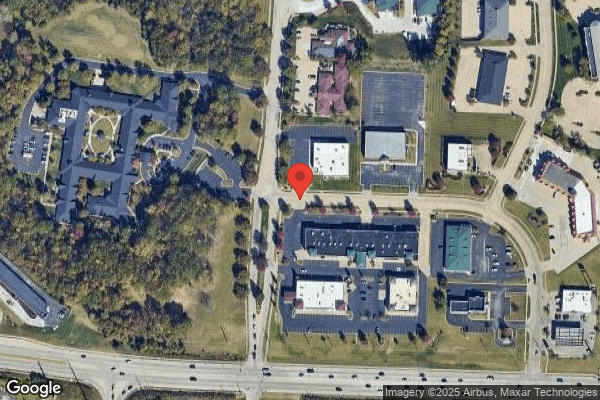
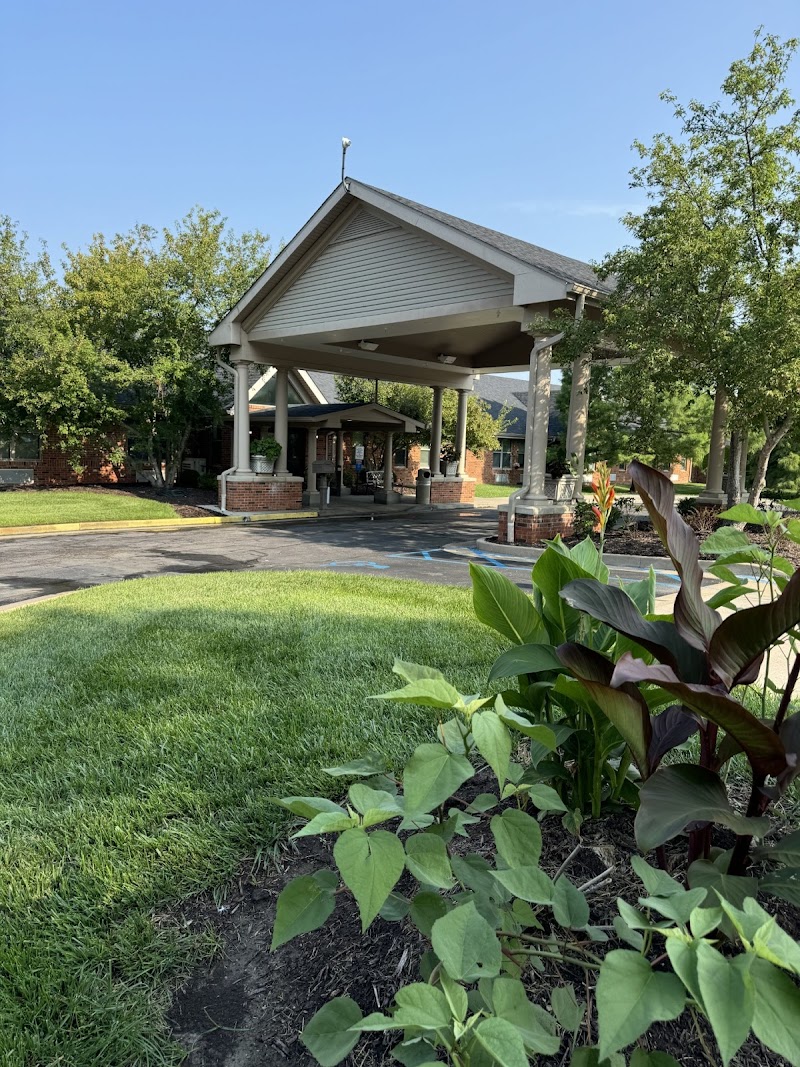
3105 BLUFF CREEK DRIVE, COLUMBIA, MO 65201 (573) 442-6060
Non profit - Corporation 132 Beds Independent Data: November 2025 1 Immediate Jeopardy citation
Trust Grade
8/100
#350 of 479 in MO
Last Inspection: November 2024

Within standard 12-15 month inspection cycle. Federal law requires annual inspections.

Overview

The Bluffs nursing home in Columbia, Missouri, has received a Trust Grade of F, indicating significant concerns and a poor reputation. It ranks #350 out of 479 facilities in Missouri, placing it in the bottom half and #8 out of 9 in Boone County, meaning only one local option is rated lower. The facility is showing signs of improvement, as it reduced the number of issues from 13 in 2024 to 2 in 2025. Staffing is average with a rating of 3 out of 5 stars and a turnover rate of 57%, which aligns with the state average, but there are ongoing concerns about care quality. Recent findings include serious incidents such as administering the wrong medication to a resident, resulting in hospitalization, and using improper infection control measures that risked spreading pathogens among residents. While the facility has some strengths in staffing, the critical incidents and overall low ratings suggest families should carefully consider their options.

Trust Score
F
8/100
In Missouri
#350/479
Bottom 27%
Safety Record
High Risk
Review needed
Inspections
Getting Better
13 → 2 violations
Staff Stability
⚠ Watch
57% turnover. Above average. Higher turnover means staff may not know residents' routines.
Penalties
✓ Good
$37,621 in fines. Lower than most Missouri facilities. Relatively clean record.
Skilled Nurses
⚠ Watch
Each resident gets only 28 minutes of Registered Nurse (RN) attention daily — below average for Missouri. Fewer RN minutes means fewer trained eyes watching for problems.
Violations
⚠ Watch
40 deficiencies on record. Higher than average. Multiple issues found across inspections.
★☆☆☆☆
1.0
Overall Rating
★★★☆☆
3.0
Staff Levels
★☆☆☆☆
1.0
Care Quality
★★☆☆☆
2.0
Inspection Score
Stable
2024: 13 issues
2025: 2 issues

The Good

  • Full Sprinkler Coverage · Fire safety systems throughout facility
  • No fines on record

Facility shows strength in fire safety.

The Bad

1-Star Overall Rating

Below Missouri average (2.5)

Significant quality concerns identified by CMS

Staff Turnover: 57%

11pts above Missouri avg (46%)

Frequent staff changes - ask about care continuity

Federal Fines: $37,621

Above median ($33,413)

Moderate penalties - review what triggered them

Staff turnover is elevated (57%)

9 points above Missouri average of 48%

The Ugly 40 deficiencies on record

1 life-threatening 2 actual harm
Feb 2025 1 deficiency 1 Harm
SERIOUS (G) 📢 Someone Reported This

A family member, employee, or ombudsman was alarmed enough to file a formal complaint

Actual Harm - a resident was hurt due to facility failures

Deficiency F0760 (Tag F0760)

A resident was harmed · This affected 1 resident

**NOTE- TERMS IN BRACKETS HAVE BEEN EDITED TO PROTECT CONFIDENTIALITY** Based on interview and record review, facility staff failed to ensure residents remained free of significant medication errors w...

Read full inspector narrative →
**NOTE- TERMS IN BRACKETS HAVE BEEN EDITED TO PROTECT CONFIDENTIALITY** Based on interview and record review, facility staff failed to ensure residents remained free of significant medication errors when staff administered Resident #2's medication to Resident #1 which resulted in Resident #1 being transported to the hospital with low blood sugar. The facility census was 116. The administrator was notified on [DATE] of past Non-Compliance, which occurred on [DATE] when staff administered the wrong medication to the incorrect resident. Staff assessed the resident, notified the residents physician, sent the resident to the hospital, and in-serviced nursing staff on medication administration. Staff corrected the deficient practice on [DATE]. 1. Review of the facility Medication Administration policy, dated [DATE], showed nursing personnel shall ensure the safe and effective administration of medications. A physician or authorized practitioner should give all orders for medications or treatments that include medications. Prior to administration the nursing staff member administering the medication shall verify the medication is being administered to the correct resident/patient, at the proper time, in the prescribed dose and by the correct route. 2. Review of Resident #1's admission minimum data set (MDS), a federally mandated assessment tool, dated [DATE], showed staff assessed the resident as follows: -Cognitively intact; -Diagnoses of iron deficiency, Atrial Fibrillation (causes the heart to beat irregularly), Hypertension, and renal failure. Review of the resident's plan of care, [DATE], showed the care plan did not contain documentation about the resident's medications. Review of the resident's physician order sheet, dated [DATE] to [DATE], did not show any orders for insulin or blood sugar medications. Review of the resident's progress notes, dated [DATE] at 8:56 P.M., showed Licensed Practical Nurse (LPN) A documented at 8:56 P.M., resident received Basaglar insulin (a long-acting insulin to control blood sugar levels) 40 units. Blood sugar was 152. Notified physician on call, waiting for to return call. Review of the resident's progress notes, dated [DATE] at 9:05 P.M., showed the residents blood sugar at 9:20 P.M., was 149 and at 9:40 P.M., was 142. Review of the resident's progress notes, dated [DATE] at 9:36 P.M., showed Licensed Practical Nurse (LPN) A documented new orders to check blood sugars every hour for 24 hours, give glucose gel for low blood sugar if needed, give glucagon (an emergency medicine used to treat severe low blood sugar) for low blood sugar if needed. Resident ate half a sandwich, juice and yogurt. Physician called back with orders to send the resident to the emergency room to monitor more closely. Review of the resident's hospital records, dated [DATE], showed the resident admitted to the hospital for monitoring of an insulin overdose and medication error. The resident continued to have hypoglycemia (low blood sugar) ranging 60-80 for the majority of his/her stay. Review of the facility investigation, dated [DATE], showed LPN A administered another resident's medication to Resident #1 because Resident #1 and Resident #2 have similar names. Staff documented the review sheet and the medication administration record did not match the bed numbers. LPN A unfamiliar with residents. The resident was sent to emergency room and admitted . Review showed nursing staff in-serviced on proper medication administration on [DATE]. During an interview on [DATE] at 11:14 A.M., the administrator said there was a full investigation into a medication error with the resident. The nurse gave the resident the wrong medication. The physician was contacted immediately as were the family, blood sugar checks started, snacks were given and the resident was then sent out to the hospital for monitoring. During an interview on [DATE] at 1:25 P.M., the resident said he/she got medications that was his/her roommate's medications and had to spend two days in the hospital because he/she is not a diabetic. He/She said the nurse did not ask his/her name and after he/she got the shot in his/her stomach, he/she asked the nurse if he/she was a diabetic now and the nurse said I guess so. He/She said then the nurse rushed him/her to eat something and then sent him/her to the hospital and he/she almost died. During an interview on [DATE] at 2:46 P.M., LPN A said he/she had to pass medications on a unit he/she does not normally work. He/She said he/she had the report sheet to see if the residents had any special notes he/she would need to know about. He/She said he/she followed the report sheet which showed the Resident #2 in bed A and he/she administered the insulin to that resident. After administering the insulin, the resident asked him/her if he/she was a diabetic now and he/she immediately checked the report sheet and the MAR and realized Resident #2 is in bed B and Resident #1 in bed A is not a diabetic. He/She called the physician and got new orders and tried to get the resident to eat. He/She said the physician called back and wanted the resident sent out because of the amount of insulin given. During an interview on [DATE] at 2:55 P.M., the Director of Nursing (DON) said he/she was contacted by LPN A that a major medication error had occurred. LPN A had given the resident his/her roommates insulin. LPN A said the bed assignments were mixed up on the report sheet. He/She said the physician and family was contacted immediately, blood sugar checks were ordered, and the resident was given snacks per physician orders, soon after the physician called back and decided to send the resident to the emergency room. MO00249963
Jan 2025 1 deficiency 1 Harm
SERIOUS (G) 📢 Someone Reported This

A family member, employee, or ombudsman was alarmed enough to file a formal complaint

Actual Harm - a resident was hurt due to facility failures

Accident Prevention (Tag F0689)

A resident was harmed · This affected 1 resident

**NOTE- TERMS IN BRACKETS HAVE BEEN EDITED TO PROTECT CONFIDENTIALITY** Based on interview and record review, facility staff failed to provide a proper mechanical lift transfer for one resident (Resid...

Read full inspector narrative →
**NOTE- TERMS IN BRACKETS HAVE BEEN EDITED TO PROTECT CONFIDENTIALITY** Based on interview and record review, facility staff failed to provide a proper mechanical lift transfer for one resident (Resident #1) in a manner to prevent accidents when staff failed to lower the resident appropriately in the shower chair which resulted in a compression fracture (a break in a vertebra, or bone in your spine, causes it to collapse) the resident's spine. The facility census was 115. 1. Review of the facility's use of lift machine policy, dated 11/25/2019, showed the purpose of the policy is to help lift residents who otherwise may not be transferred manually, promote comfort and maintain good body alignment while resident is being moved, to position the resident in desired location, and use controls to slowly lower resident to that location. 2. Review of Resident #1's five day Minimum Data Set (MDS) a federally mandated assessment tool, dated 7/1/24, showed staff assessed the resident as follows: -Cognitively intact; -Required substantial maximal assistance for toileting, showers, and transfers; and -Impairments to both lower extremities. Review of Resident #1's Baseline Care plan, dated, 6/25/24, showed staff assessed the resident as required two-person assistance with bed mobility and toileting. The resident utilized a power wheelchair. Review of the facility's investigation, dated 7/6/24, showed staff documented the resident requested to be transferred to the shower chair via mechanical lift. While being assisted by two staff members with the use of the mechanical lift, the lifts knob released too quickly and the resident was abruptly lowered into the shower chair. The resident complained of pain afterwards and staff called an ambulance. Resident sent to the hospital. Review of the resident's nurse notes, dated 7/6/24 at 7:06 P.M., showed Registered Nurse (RN) A documented two staff members assisted the resident into his/her chair with the mechanical lift. Review showed after transfer was completed patient stated to Certified Nursing Assistant B he/she was sat down too hard and was now hurting and uncomfortable. The staff then transferred resident to his/her bed. Staff called 911 to go to hospital for back pain. Nurse went to room and resident said he/she did not need a nurse assessment he/she knew he/she was going no matter what because he/she was afraid of a back injury. The resident was transported to the hospital. Review of the resident hospital records, dated 7/18/24, showed the resident had a recent history of lower back region of the spine laminectomy (surgery where part or all of the bone is removed) and bilateral discectomy (surgical procedure to remove a section of two intervertebral discs to treat severe lower back pain) in April 2024 and a revision surgery on June 2024. He/She presented to the emergency department on 7/6/24 with low back pain after being lowered too quickly at his/her skilled nursing facility. Computed tomography of the lumbar spine in the emergency department showed L1-L2 compression fracture (a break in a vertebra, or bone in your spine, causes it to collapse) which is new, and neurosurgery consulted. He/She taken to the operating room [ROOM NUMBER]/16/24 for L2-L3 fusion, L2 hardware removal, facet fusion of L1-2 and L3-4. During an interview on 1/13/24 at 10:11 A.M., the administrator said the resident was in the facility because he already had a surgery to the spine, the resident was a two person mechanical lift, he/she said he/she was sat down too hard in the shower chair and staff went to get nurse and the resident called 911 and left, he/she never came back and he/she was not certain what happened to the resident. During an interview on 1/13/24 at 12:03 P.M., the administrator said after reviewing additional hospital records it looked like the resident had new damage to his/her spine. During an interview on 1/15/24 at 12:36 P.M., RN A said he/she can remember the aide on duty came to him/her and said the resident said his/her back hurt really bad. He/She said the resident called to go to the hospital for the back pain because the resident said he/she had been dropped too hard into the shower chair. The resident declined for the nurse to assess him/her. RN A said he/she questioned the aides on duty who said there were two aides present and there was no malfunction to the lift. He/She said the resident never came back to the facility. During an interview on 1/23/25 at 4:57 P.M., Certified medication technician (CMT) A said he/she was on the medication cart that day and was asked by CNA B to spot him/her on the mechanical lift. He/She said CNA B let the resident down too quick which caused the resident to drop down into the shower chair from the mechanical lift and the resident was really upset and complained about immediate back pain. MO000247806
Nov 2024 9 deficiencies 1 IJ
CRITICAL (J) 📢 Someone Reported This

A family member, employee, or ombudsman was alarmed enough to file a formal complaint

Immediate Jeopardy (IJ) - the most serious Medicare violation

Infection Control (Tag F0880)

Someone could have died · This affected 1 resident

**NOTE- TERMS IN BRACKETS HAVE BEEN EDITED TO PROTECT CONFIDENTIALITY** Based on observation, interview and record review, facility staff failed to follow standard universal infection control precauti...

Read full inspector narrative →
**NOTE- TERMS IN BRACKETS HAVE BEEN EDITED TO PROTECT CONFIDENTIALITY** Based on observation, interview and record review, facility staff failed to follow standard universal infection control precautions when staff used one insulin pen on three residents (Resident #7, #10, and #41), possibly creating a risk of bloodborne and bacterial pathogen transmission. The facility failed to use appropriate hand hygiene infection control practices during perineal and wound care for four (# 41, #43, #47, #105) of four sampled residents, and failed to follow Enhanced Barrier Precautions (EBP), the wearing of gown and gloves during high contact patient care activities to prevent the spread of multi-resistant organisms, for three (#7, #19, and #105) of four sampled residents. The facility census was 117. The administrator was notified on 10/31/24 at 8:00 A.M., of an Immediate Jeopardy (IJ) which began on 10/28/24. The IJ was removed on 10/30/24, as confirmed by surveyor onsite verification. 1. Review of the facility's policy showed staff did not provide an Insulin Administration policy. Review of the Glargine insulin pen manufacture safety information, showed to never share a pre-filled pen, insulin syringe, or needle between patients. Review of the Centers for Disease Control (CDC), Insulin Pen handout, undated showed: Insulin Pens: Recommendations For Safe Use Protecting your patients from infection is a basic standard of care. Reusing insulin pens and other injection equipment for more than one person can spread infections to your patients. -Insulin pens and other injection equipment are meant to be used on one person only. -Insulin pens should never be used for more than one person, even when the needle is changed or when there is leftover medicine. Although invisible to the eye, back flow of blood into the insulin pen can happen during an injection. This creates a risk of bloodborne and bacterial pathogen transmission to patients if the pen is used for more than one person, even when the needle is changed. Review of the facility investigation, dated 10/28/24, showed the administrator was made aware the medication cart keys were locked in the medication cart on 10/27/24. Review showed Licensed Practical Nurse (LPN) A unable to unlock the cart to administer insulin to Resident #7, #10, and #41. LPN A used one emergency medication kit Glargine insulin pen for three residents. Review showed the LPN said he/she used the same insulin pen, but changed the needles between residents. Review of Resident #7's quarterly Minimum Date Set (MDS),a federally mandated assessment, dated 09/11/24 showed staff assessed the resident as follows: -Cognitive; -Diagnosis of Diabetes; -Received insulin injection seven out of seven days. Review of Resident #7's Physician Order Sheet, dated 05/24/24, showed an order for: -Insulin Glargine 100 unit/milliliters (mL) (3 mL) 25 units subcutaneous twice a day between 6:00 A.M. and 10:00 A.M., and 7:00 P.M. and 10:00 P.M. Review of Resident #7's medication administration record (MAR), dated 10/27/24, showed: -An order for Insulin Glargine; -LPN A documented he/she administered the resident's insulin on 10/27/24 at 10:56 P.M. Review of Resident #10's significant change MDS, dated [DATE], showed staff assessed the resident as follows: -Cognitive; -Diagnosis of Diabetes; -Received insulin injection seven out of seven days. Review of Resident #10's Physician Order Sheet, dated 08/26/24, showed an order for Insulin Glargine 100 unit/mL (3 mL) 5 units subcutaneous between 7:00 P.M. and 10:00 P.M. Review of Resident #10's MAR, dated 10/27/24, showed: -An order for Insulin Glargine; -LPN A documented he/she administered the resident's insulin on 10/27/24 between 7:00 P.M. and 10:00 P.M. Review of Resident #41's quarterly MDS, dated [DATE], showed staff assessed the resident as follows: -Cognitive; -Diagnosis of Diabetes; -Received insulin injection seven out of seven days. Review of Resident #41's Physician Order Sheet, dated 04/11/24, showed an order for Insulin Glargine 100 unit/mL (3 mL) 17 units subcutaneous between 7:00 P.M. and 10:00 P.M. Review of Resident #41's MAR, dated 10/27/24, showed: -An order for Insulin Glargine; -LPN A documented he/she administered the resident's insulin on 10/27/24 at 10:52 P.M. During an interview on 10/28/24 at 3:30 P.M., LPN P said he/she was informed on 10/27/24 by LPN A the key to the treatment cart had been locked inside and LPN A gave Resident #7, #10 and #41 their insulin with the same insulin pen due to not being able to get into the locked cart. LPN P said there is multiple phone numbers to call overnight if there is an issue like this. During an interview on 10/29/24 at 9:00 A.M., LPN C said it would be unsafe to use the same pen on multiple residents. He/She said they called the Maintenance Director to have the cart unlocked prior to leaving their shift on 10/27/24. During an interview on 10/28/24 at 1:45 P.M. the Director of Nursing (DON) said he/she was made aware on 10/28/24, LPN A had administered insulin to Resident #7, #10, and #41 using the same insulin pen with different one time use needles. During an interview on 10/28/24 at 3:30 P.M., the Medical Director said changing the needle decreased the risk, but not to zero. During an interview on 10/29/24 at 4:00 P.M., the DON said the facility does not have a specific insulin administration policy, the facility instead follows manufactures recommendation on how to safely administer insulin. He/She was made aware on 10/28/24 by the charge nurse on duty the cart keys were missing. The DON said he/she was not aware of the insulin administration from one insulin pen until the following morning. During an interview on 10/29/24 at 2:00 P.M., the administrator said he/she was made aware of the insulin being administered incorrectly the next day. The cart being locked and keys missing was the only issue he/she was made aware of during the overnight shift. He/She did not know there were no extra keys available. 2. Review of the facility's Hand Hygiene policy, revised 10/30/2018, showed staff are to wash their hands: -Before and after direct resident contact or after handling resident's personal belongings; -Before and after performing any invasive procedures; -Before and after handling peripheral vascular catheters and other invasive devices; -Before and after removing gloves or aprons. Review of Clinical Safety: Hand Hygiene for Healthcare Workers, dated 02/27/24, showed the CDC guidelines are to perform hand hygiene, either by handwashing with soap and water or antiseptic hand rub: -Before performing an aseptic task such as placing an indwelling device or handling invasive medical devices; -Before moving from work on a soiled body site to a clean body site on the same patient; -After touching a patient or patient's surroundings; -After contact with blood, body fluids, or contaminated surfaces; -Immediately after glove removal. Observation on 10/29/24 at 9:09 A.M. showed LPN Q and Certified Nurse Assistant (CNA) EE applied gloves and transferred Resident #43 to bed by mechanical lift. LPN Q provided care to the resident and with the same gloves put a clean brief on the resident. LPN Q and CNA EE removed their gloves and did not perform hand hygiene before they assisted with the resident's clothing, bedding and left the room. During an interview on 10/29/24 at 9:20 A.M., CNA EE said glove changes and hygiene should be done when going from a dirty to a clean area. He/She did not know why he/she didn't do it this time. During an interview on 10/29/24 at 9:22 A.M., LPN Q said gloves should be changed and hand washing done after wiping someone's bottom. He/She said it was not done because he/she did not want to leave the resident, afraid he/she would roll out of bed. Observation on 10/29/24 at 1:45 P.M., showed CNA GG and NA FF entered Resident #41's room to perform perineal care and applied gloves. CNA GG removed bowel movement and with the same gloves he/she touched the bottle of spray cleaner, applied cream to the resident's skin, and applied a clean brief and clothing. CNA GG removed his/her gloves and did not perform hand hygiene before he/she left the resident's room. CNA GG did not perform hand hygiene before he/she applied gloves to make the resident's bed. During an interview on 10/29/24 at 2:16 P.M., CNA GG said it is appropriate to wash hands or use hand sanitizer after removing gloves and when care is finished. He/She said handwashing and glove change should have been done after cleaning up the bowel movement. Observation on 10/30/24 at 1:50 P.M. showed Registered Nurse (RN) E applied gloves and performed perineal care for Resident #105. RN E did not perform hand hygiene after he/she performed perineal care and removed his/her gloves or before he/she left the resident's room. During an interview on 10/30/24 at 2:06 P.M. RN E said he/she had received training to wash hands before and after caring for a resident. Observation on 10/30/24 at 11:13 A.M. showed the Infection Preventionist (IP) applied gloves and performed wound care for Resident #47 and removed the resident's leg wrap and cleaned the wound. The IP removed his/her gloves, did not perform hand hygiene and put on new gloves. The IP removed scissors from his/her pocket, did not clean the scissors, and cut the medicated gauze. During an interview on 10/30/24 at 11:45 A.M., the IP said hand hygiene should be performed before and after wound care, and when you change gloves. He/She did not realize he/she missed doing hand hygiene when gloves were changed. 3. Review of the facility's Enhanced Barrier Precautions Policy, dated 4/1/24, showed: -EBP refers to an infection control intervention designed to reduce transmission of multidrug-resistant organisms (MDRO) that employs targeted gown and glove use during high contact resident care activities; -The facility will have the discretion on how to communicate to staff which residents require use of EBP, as long as staff are aware of which residents require the use of EBP prior to providing high contact care activities; -An order for EBPs will be obtained for residents with wounds and /or indwelling medical devices even if the resident is not known to be infected or colonized with a MDRO. Review of the facility's Enhanced Barrier Precaution sign used by the facility, showed staff are instructed as follows: -Everyone must clean their hands, including before entering and when leaving the room; -Providers and staff must also wear gloves and a gown for the following High-Contact Resident Care Activities: dressing, showering/bathing, transferring, changing linens, providing hygiene, changing briefs of assisting with toileting hygiene, device care or use - central line, urinary catheter, feeding tube, tracheostomy, and wound care - any skin opening requiring a dressing. Review of Resident #7's quarterly MDS, dated [DATE], showed staff assessed the resident with one open ulcer. Review of Resident #7's care plan, dated 08/24/24, showed the resident at risk of infection due to wounds. Observation on 10/30/24 at 11:36 A.M., showed IP entered Resident #7's room to perform wound care. The IP did not wear a gown when he/she performed wound care on the resident. The resident's door frame displayed a EBP sign that indicated instructions for staff during care. Review of Resident #19's significant change MDS, dated [DATE] showed staff assessed the resident used a feeding tube. Observation on 10/30/24 at 1:48 P.M., showed LPN II entered Resident #19's room to administer medications via the resident's feeding tube. LPN II did not wear a gown when he/she administered the resident's medication via the feeding tube. The resident's door frame displayed a EBP sign that indicated instructions for staff during care. Review of Resident #105's quarterly MDS, dated [DATE], showed staff assessed the resident with an indwelling catheter. Observation on 10/30/24 at 1:50 P.M. showed RN E entered Resident #105's room to perform catheter care. RN E did not wear a gown when he/she performed catheter care. The resident's door frame displayed a EBP sign that indicated instructions for staff during care. During an interview on 10/30/24 at 2:06 P.M., RN E said he/she had received training on EBP and that it was about washing hands before and after caring for a resident. He/She said gowns are only used when the resident has an MDRO or infectious organism. This would be communicated to staff in morning huddle and a personal protective equipment cart would be placed outside the room. During an interview on 11/01/24 at 10:18 A.M., RN E said if a resident has EBPs, a gown, gloves and a mask should be put on before providing care. The precautions are for resistant infections or residents more prone to infections in order to prevent any other infections in the resident. During an interview on 11/01/24 at 9:00 A.M., LPN P said EBP differs from standard precautions because wounds and catheters use more personal protective equipment. He/she said regarding gowns, he/she would be cautious and tell staff to put them on for extra protection. He/She did not recall receiving EBP training because there have been so many inservices lately. During an interview on 11/01/24 at 9:30 A.M., LPN Q said the premise of EBP is if there is a catheter, for example, you wear gloves. He/She said a gown would be worn if you expect to be splashed or if they have some kind of infection, or emptying a catheter; you never know if it will splash. During an interview on 11/1/24 at 1:00 P.M., DON said EBP is implemented for residents who have wounds, catheters, or tubes that can be susceptible to infection. Gown and gloves are required when working with these residents. Staff have been inserviced on EBP. He/She said the IP/RN is responsible for putting signage on the doors and monitoring compliance. Hand sanitizer is readily available in each bathroom and outside each room. He/She said poor hand washing is the number one cause of transmission of disease and inservice has been provided two or three times this year. NOTE: At the time of the survey, the violation was determined to be at the immediate and serious jeopardy level J. Based on observation, interview and record review completed during the onsite visit, it was determined the facility had implemented corrective action to remove the IJ violation at the time. A final revisit will be conducted to determine if the facility is in substantial compliance with participation requirements. At the time of exit, the severity of the deficiency was lowered to the D level. This statement does not denote the facility has complied with State law (Section 198.026.1 RSMo.) requiring prompt remedial action to be taken to address Class I violation(s). MO00244239
CONCERN (D) 📢 Someone Reported This

A family member, employee, or ombudsman was alarmed enough to file a formal complaint

Potential for Harm - no one hurt, but risky conditions existed

Notification of Changes (Tag F0580)

Could have caused harm · This affected 1 resident

**NOTE- TERMS IN BRACKETS HAVE BEEN EDITED TO PROTECT CONFIDENTIALITY** Based on interview and record review, facility staff failed to notify one resident (Resident #119) of one sampled resident's phy...

Read full inspector narrative →
**NOTE- TERMS IN BRACKETS HAVE BEEN EDITED TO PROTECT CONFIDENTIALITY** Based on interview and record review, facility staff failed to notify one resident (Resident #119) of one sampled resident's physician and representative in a timely manner when the resident had a fall with major injury. The facility census was 117. 1. Review of the facility's Notification of Family Members, Physician and Residents policy, dated 09/05/08, showed: -The purpose is to maintain communication and ensure that family members, physicians and residents are provided the opportunity to participate in the planning of medical care; -The resident's responsible party must be notified when there is a significant change of condition to include falls and injury; -The resident's physician and the facility administrator must be notified for significant changes of condition to include falls and injury; -The nurse on duty at the time the significant change occurs is responsible for making every attempt to contact the resident's family as soon as possible as well as the residents' physician if indicated and document the contact attempts in the resident's nurse notes. 2. Review of Resident #119's admission Minimum Data Set (MDS), a federally mandated assessment instrument required to be completed by facility staff, dated 3/12/21, showed staff assessed the resident as follows: -Dependent for transfers, toileting, and hygiene. -Diagnosis of Alzheimer Disease, dementia with psychosis, anxiety, insomnia, and peripheral vertigo (dizziness that occurs in the inner ear that controls balance). Review of the resident's Nurse Notes, dated 09/07/24 at 11:22 P.M., showed Licensed Practical Nurse (LPN) C documented the family took the resident to the hospital emergency room for an evaluation and was diagnosed with a broken right hip. The physician and leadership notified. Review of the resident's Nurse Notes, dated 09/09/24 at 8:00 A.M., showed LPN B documented the resident had a fall on 09/07/24 at 1:00 A.M. LPN B documented the resident refused to allow him/her to assess and/or voiced no complaints of hip pain. He/She returned to the room and administered Tylenol 650 mg for sleep. LPN B did not document the resident's responsible party, physician, or the facility administrator was notified at the time of the fall. During an interview on 10/28/24 at 12:09 P.M., the resident's family said he/she took the resident to the hospital on [DATE] because he/she was having a lot of pain in his/her leg. The family said he/she was not notified of the resident's fall until after they took the resident to the hospital and was admitted with a broken hip. He/She visited daily and would expect staff to alert him/her of any changes in condition to include falls. During an interview on 10/29/24 at 3:23 P.M., Registered Nurse (RN) D said he/she was not informed of the resident's fall by LPN B. He/She said staff are to report falls to the family, physician, and leadership as soon as possible after falls and document it. During an interview on 11/01/24 at 12:30 P.M., the Director of Nursing (DON) said LPN B informed him/her that he/she did not document the fall or notification of the family the night the incident occurred. The DON said staff are educated to document falls and fall notifications and this responsibility is discussed all the time with the nursing staff. The staff who discovered the fall should notify the physician, family and management immediately after a fall. MO00243654
CONCERN (E)

Potential for Harm - no one hurt, but risky conditions existed

Safe Environment (Tag F0584)

Could have caused harm · This affected multiple residents

**NOTE- TERMS IN BRACKETS HAVE BEEN EDITED TO PROTECT CONFIDENTIALITY** Based on observation, interview, and record review, the facility staff failed to provide a clean, homelike and comfortable envir...

Read full inspector narrative →
**NOTE- TERMS IN BRACKETS HAVE BEEN EDITED TO PROTECT CONFIDENTIALITY** Based on observation, interview, and record review, the facility staff failed to provide a clean, homelike and comfortable environment when staff failed to maintain resident rooms in clean and good repair. The facility census was 117. 1. Review of the facility's Work Order Policy, dated 01/10/24, showed when staff noticed maintenance or repair needs, they should report this to their immediate supervisor, the charge nurse, or a member of the leadership team. 2. Observation on 10/28/24 at 11:40 A.M., showed resident occupied room [ROOM NUMBER]'s bathroom floor with a ripped area at the shower stall. Stained floor trim that was pulled away from the wall by the shower.i Observation on 10/28/24 at 2:31 P.M., showed resident occupied room [ROOM NUMBER]'s wall behind the bed with multiple areas of gouged and chipped paint. Observation on 10/29/24 at 10:20 A.M., showed resident occupied room [ROOM NUMBER]'s wall with scuff marks next to the bed and behind the recliner. Observation on 10/29/24 at 10:25 A.M., showed resident occupied room [ROOM NUMBER] wall with multiple areas of missing drywall. Observation on 10/29/24 at 10:30 A.M.,showed resident occupied room [ROOM NUMBER]'s bathroom with a black substance on the grout around the toilet. Observation on 10/29/24 at 10:35 A.M.,showed resident occupied room [ROOM NUMBER]'s bathroom with a black substance on the grout around the toilet. Observation on 10/29/24 at 10:45 A.M.,showed resident occupied room [ROOM NUMBER]'s wall behind recliner with gouges and scratched up. 3. During an interview on 11/01/24 at 10:20 A.M., Housekeeper H said staff are to report maintenance issues to their supervisor who makes a work order for maintenance. He/She is not aware of any current issues, but would report gouged walls, chipped paint, and anything broken or needing repaired. During an interview on 11/01/24 at 10:26 A.M., Maintenance aide I said if he/she is informed of an issue, he/she would get approval to fix it as soon as possible from his/her supervisor. He/She said staff should complete a work order so maintenance knows what needs fixed. During an interview on 11/01/24 at 10:32 A.M., Certified Nurse Aide J said if he/she finds something that is broken or looks bad like chipped paint or holes in the walls, he/she reports to his/her charge nurse. He/She said some things are constant issues like the walls behind the bed get scarred from the movement of the beds. During an interview on 11/01/24 at 10:36 A.M., Registered Nurse E said if staff tell him/her of an issue, he/she fills out an email to the maintenance department who takes it from there. During an interview on 11/01/24 at 10:49 A.M., the Maintenance Director said he receives work orders from the nurses or department heads and then puts repairs in motion. He/She said gouges, chipped paint and broken things are some of the things he/she would expect staff to report. He/She did not know room [ROOM NUMBER] needed repair and would need to check his/her log for the other issues. During an interview on 11/01/24 at 12:30 P.M., the Director of Nursing (DON) said staff training includes the work order policy. Staff are directed to report issues to the nurses who then send an email to maintenance and copy it to the administrator and DON or unit manager to make them aware of the issues.
CONCERN (E)

Potential for Harm - no one hurt, but risky conditions existed

Transfer Notice (Tag F0623)

Could have caused harm · This affected multiple residents

**NOTE- TERMS IN BRACKETS HAVE BEEN EDITED TO PROTECT CONFIDENTIALITY** Based on interview and record review, facility staff failed to provide written notice to residents or the resident's representat...

Read full inspector narrative →
**NOTE- TERMS IN BRACKETS HAVE BEEN EDITED TO PROTECT CONFIDENTIALITY** Based on interview and record review, facility staff failed to provide written notice to residents or the resident's representatives regarding resident transfers to the hospital for four of four sampled residents (Resident #19, #48, #69, and #115). The facility census was 117. 1. Review of the facility's policies showed staff did not provide a policy for transfers to the hospital. 2. Review of Resident #19's medical record showed the following: -Transferred to the hospital on [DATE]; -Returned to the facility on [DATE]; -Transferred to the hospital on [DATE]; -Returned to the facility on [DATE]; -Staff did not document they notified the resident or resident representative of the transfer in writing. 3. Review of Resident #48's medical record showed the following: -Transferred to Emergency Department on 10/9/24 with return anticipated; -Staff did not document they notified the resident or resident representative of the transfer in writing. 4. Review of Resident #69's medical record showed the following: -Transferred to the hospital on [DATE]; -Returned to the facility on [DATE]; -Staff did not document they notified the resident or resident representative of the transfer in writing. During an interview on 10/29/24 at 3:09 P.M., the resident said no paperwork was issued regarding a notice of transfer when he/she was transferred to the hospital. 5. Review of Resident #115's medical record showed the following: -Transferred to the hospital on [DATE]; -Returned to the facility on [DATE]; -Transferred to the hospital on [DATE]; -Returned to the facility on [DATE]; -Staff did not document they notified the resident or resident representative of the transfer in writing. 6. During an interview on 10/30/24 at 2:50 P.M., the administrative assistant said there is no process for written notification of discharges to the resident or resident representatives. During an interview on 10/30/24 at 2:50 P.M., the Regional Nurse Consultant said when a resident is transferred to the hospital, the process should include giving the resident a copy of the notice of transfer and to have the resident sign it before leaving the building. These documents should be scanned and placed in the miscellaneous section of the resident's electronic medical record. If the nursing staff speaks with the resident representative on the phone, two nurses should talk to the family and document this on the form as well. In addition, nurses should document the notification in the progress notes and in the discharge note. During an interview on 11/01/24 at 12:33 P.M., the Director of Nursing said planned discharge paperwork such as home health are handled by Social Services, and nursing information such as medication lists are handled by the nursing staff. The administrative staff has realized there is no policy for written notifications when residents are transferred to the hospital.
CONCERN (E)

Potential for Harm - no one hurt, but risky conditions existed

Deficiency F0625 (Tag F0625)

Could have caused harm · This affected multiple residents

**NOTE- TERMS IN BRACKETS HAVE BEEN EDITED TO PROTECT CONFIDENTIALITY** Based on interview and record review, facility staff failed to provide written information to the resident and/or the resident's...

Read full inspector narrative →
**NOTE- TERMS IN BRACKETS HAVE BEEN EDITED TO PROTECT CONFIDENTIALITY** Based on interview and record review, facility staff failed to provide written information to the resident and/or the resident's representative of their bed hold policy at the time of transfer to the hospital for two (Resident #19 and #69) of three sampled residents. The facility census was 117. 1. Review of the facility's policies showed staff did not provide a policy for transfers to the hospital. 2. Review of Resident #19's medical record showed staff documented the resident: -Transferred to the hospital on [DATE] and returned to the facility on [DATE]; -Transferred to the hospital on [DATE] and returned to the facility on [DATE]; -Staff did not document they notified the resident or the resident representative of the bed hold policy in writing. 3. Review of Resident #69's medical record showed staff documented the resident transferred to the hospital on [DATE] and returned to the facility on [DATE]. Staff did not document they notified the resident or the resident representative of the bed hold policy in writing. During an interview on 10/29/24 at 3:09 P.M., the resident said no paperwork was issued regarding a bed hold when he/she was transferred to the hospital. 4. During an interview on 10/30/24 at 2:50 P.M., the administrative assistant said there is not a process for written notification of the bed hold policy for the resident or resident representatives when a resident is transferred to the hospital. During an interview on 10/30/24 at 2:50 P.M., the Regional Nurse Consultant said when a resident is transferred to the hospital, the process should include giving the resident a copy of the bed hold policy and to have the resident sign it before leaving the building. This document should be scanned and placed in the miscellaneous section of the resident's electronic medical record. If the nursing staff speaks with the resident representative on the phone, two nurses should talk to the family and document this on the form as well. Nurses should document the notification in the progress notes and in the discharge note. During an interview on 11/01/24 at 10:18 A.M., Registered Nurse E said when a resident is transferred to the hospital, the charge nurse prepares the paperwork to go with the resident. RN E said he/she did not know of any written bed hold paperwork required for the transfer. During an interview on 11/01/24 at 12:33 P.M., the Director of Nursing said planned discharge paperwork such as home health are handled by social services, and nursing information such as medication lists are handled by the nursing staff. During an interview on 11/01/24 1:38 P.M., the administrator said a new process for hospital transfers will be implemented almost immediately.
CONCERN (E) 📢 Someone Reported This

A family member, employee, or ombudsman was alarmed enough to file a formal complaint

Potential for Harm - no one hurt, but risky conditions existed

Comprehensive Care Plan (Tag F0656)

Could have caused harm · This affected multiple residents

**NOTE- TERMS IN BRACKETS HAVE BEEN EDITED TO PROTECT CONFIDENTIALITY** Based on observation, interview, and record review, the facility staff failed to develop comprehensive care plans with resident-...

Read full inspector narrative →
**NOTE- TERMS IN BRACKETS HAVE BEEN EDITED TO PROTECT CONFIDENTIALITY** Based on observation, interview, and record review, the facility staff failed to develop comprehensive care plans with resident-specific interventions to meet the resident's preferences and goals, and to address the resident's medical, physical, and psychosocial needs for five residents (Residents #45, #49, #56, #108, and #111) out of twelve sampled residents. The census was 117. 1. Review of the facility's policies showed the facility did not provide a policy for care plans. 2. Review of Resident #45's Quarterly Minimum Data Set (MDS), a federally mandated assessment tool, dated 07/16/24, showed staff assessed the resident as: -Cognitively impaired; -Had inattentive and disorganized thinking that fluctuated; -No behaviors or wandering; -Diagnosis of dementia. Review of the resident's nurse notes, dated 08/28/24 through 10/28/24 showed staff documented: -On 08/28/24 at 2:38 P.M., intermittent behaviors; -On 09/16/24 at 12:41 P.M., resident began to get angry and yell at staff while taking resident to the bathroom; -09/18/24 at 3:47 P.M., resident being rude to staff and other residents. Refused skin assessment, called staff names and tried to hit; -09/23/24 at 5:53 P.M., resident calling staff names, not wanting to cooperate going to bed; -10/06/24 at 12:51 P.M., became very upset after lunch accusing everyone of taking his/her root beer, did not calm down until removed peers from area; -10/17/24 at 12:08 P.M., aggressive and agitated with staff trying to hit them, allowed to calm down; -10/28/24 at 5:22 P.M., agitated and verbally aggressive and yelling shut up, attempted getting out of the unit door multiple times, redirected. Review of the resident's Point of Care history, dated 09/01/24 through 11/01/24, showed on 10/24/24 staff documented verbal and physical behavior directed toward others not easily redirected. Review of the resident's care plan, dated 09/23/24, showed the care plan did not contain direction for the resident's verbal and physical behaviors or attempts/to leave the secured unit. During an interview on 10/31/24 at 10:09 A.M., Certified Nurse Aide (CNA) F said the resident can become agitated around dinner time. The resident has the past of getting physical with other residents before and will try to get out of the secured unit. Staff tries to walk with him/her when they are agitated, but it isn't always successful. When left alone, the resident will calm down after about an hour but in the meantime, staff need to keep other residents away from him/her. He/She is not sure what the care plan says regarding this resident behaviors or interventions. 3. Review of Resident #49's Annual MDS, dated [DATE], showed staff assessed the resident as: -Cognitively intact; -Severely impaired vision; -Did not take medication for pain on a schedule or as needed; -Required moderate/partial assistance for bed mobility and transfers; -Very important to have books, newspapers, and magazines to read but could not do or had no choice. Review of the resident's care plan, dated 10/08/24, showed staff assessed the resident had pain in the back and legs due to arthritis, is blind. The care plan did not address the resident's positioning in the recliner. Observation on 10/29/24 at 9:36 A.M., showed the resident in his/her recliner flat on his/her back, with only his/her head propped with the backrest, eating breakfast. Observation on 10/30/24 at 2:07 P.M., showed the resident in his/her recliner flat on his/her back, with only his/her head propped up with the backrest. Observation on 10/31/24 at 9:30 A.M., showed the resident in his/her recliner flat on his/her back, with only his/her head propped up with the backrest. During an interview on 10/31/24 at 11:55 A.M, the resident said he/she positions himself/herself in the recliner almost flat because he/she has back pain and has difficulty sitting up because of pain. 4. Review of Resident #56's Quarterly MDS, dated [DATE], showed staff assessed the resident as: -Cognitively intact; -Required partial/moderate assistance for bed mobility; -Required supervision or touch assistance for transfers and walking; -Impaired functional limitation of range of motion in one leg. Review of the resident's care plan, dated 08/27/24, showed the care plan did not contain direction for the use of bed rails. Review of the resident's Physician Order Sheet (POS), dated October 2024, showed an order for the use of bed rails. Observations on 10/29/24 at 10:16 A.M, showed the resident's bed with rails on both sides of the bed. Observation on 10/30/24 at 9:01 A.M., showed the resident's bed with rails on both sides of the bed. Observation on 10/31/24 at 9:14 A.M., showed the resident's bed with rails on both sides of the bed. During an interview on 10/29/24 at 10:16 A.M., the resident said he/she used the bed rails to help with mobility on the bed. 5. Review of Resident #108's Quarterly MDS dated [DATE] showed: -Moderate cognitive impairment; -Diagnosis' of Alzheimer's disease, dementia and heart failure; -Hospice care. Review of hospice contract signed by resident representative, dated 05/22/24 showed the resident started hospice services . Review of the resident's care plan, revised 3/21/24, showed the care plan did not contain direction for hospice services. During an interview on 11/1/24 at 9:30 A.M., Licensed Practical Nurse Q said normally the MDS Coordinator updates care plans, but charge nurses can update if a resident's status changes. He/she said a change to hospice care should be care planned and was not aware this resident's care plan had not been updated to include it. During an interview on 11/1/24 at 9:49 A.M., MDS/Registered Nurse (RN) A said he/she is responsible for updating care plans. He/She said they are updated quarterly or with a significant change. Hospice care should be care planned and he/she only recently became aware it was not for this resident. During an interview on 11/1/24 at 11:06 A.M., Social Services said care plans are reviewed at daily clinical meetings and every 92 days in a care planning meeting. He/She said she does hospice referrals when he/she receives an order, the leadership team is then notified by a group email, which triggers an MDS update. He/She does not know why this resident's care plan does not address hospice care, but the MDS Coordinator should do that part. 6. Review of Resident #111's admission MDS, dated [DATE], showed staff assessed the resident as: -Severely cognitively impaired; -No behaviors or wandering; -Diagnosis of dementia with psychosis. Review of the resident's nurse notes, dated 09/01/24 through 11/01/24, showed on: -09/25/24 at 3:17 P.M., appears quite confused, makes eye contact but unable to state his/her name or follow simple commands during assessment and likes to fidget with his/her shoelaces; -09/25/24 at 5:55 P.M., per family resident likes to walk, fidget and be active. He/She might wake up at night and walk around; Review of the resident's care plan, dated 10/09/24, showed: -The resident gets overstimulated and confused; -Behavior needs will be evaluated for improved quality of life, safety, safety of others and a behavior monitoring plan will be addressed if needed with the resident/representative, physician and/or Interdisciplinary Team (IDT); -The care plan did not contain direction for activity preferences. 7. During an interview on 10/31/24 at 10:09 A.M., CNA F said he/she is notified of resident care needs by verbal report from the nurse or the off-going shift. He/She said there is also care plans in the point of care charting but mostly gets the information from the staff. The CNA said it would be nice if specific resident interventions were in the care plan, especially on the secured unit so other staff can know what works and doesn't. During an interview on 11/01/24 at 9:38 A.M., Certified Medication Technician (CMT) AA said care plans should include the likes and the dislikes of the resident, and all of the care that needs to be done. CMT AA said care plans give details on how to best care for the resident. During an interview on 11/01/24 at 10:18 A.M., RN E said the care plan defines how staff should care for the resident, and every resident has a care plan. During an interview on 11/01/24 at 9:48 A.M., the MDS Coordinator said it is his/her responsibility along with another coordinator to keep care plans up to date. He/She said care plans should be updated at least quarterly and with any significant change. Care plans should include anything that describes the resident to include, hospice, declines that are not correcting itself, activity of daily living needs/preferences, advanced directives, behaviors and specific interventions and anything that triggers on the MDS assessment. He/She said the secured unit has not been a part of the care plan before and is not sure if it should be or not. There are report sheets that also include basic care needs for the direct care staff that will reflect the care plans. He/She said he/she was by him/herself for a while until recently and now trying to get caught up and make the care plans more resident specific. During an interview on 11/01/24 at 12:30 P.M., the DON said care plans should include use of wander guards, secured unit, specific behavior needs and paint a clear picture of the resident needs. He/She said the staff have access to a care sheet that comes from the care plan data to use as a guide to care for the residents. He/She said the MDS nurse is overall responsible for the accuracy and completeness of the care plans. He/She did not know the care plans were missing information.
CONCERN (E) 📢 Someone Reported This

A family member, employee, or ombudsman was alarmed enough to file a formal complaint

Potential for Harm - no one hurt, but risky conditions existed

Deficiency F0658 (Tag F0658)

Could have caused harm · This affected multiple residents

**NOTE- TERMS IN BRACKETS HAVE BEEN EDITED TO PROTECT CONFIDENTIALITY** Based on observation, interview and record review, staff failed to document neurological checks after a fall for one (Resident #...

Read full inspector narrative →
**NOTE- TERMS IN BRACKETS HAVE BEEN EDITED TO PROTECT CONFIDENTIALITY** Based on observation, interview and record review, staff failed to document neurological checks after a fall for one (Resident #119) per facility policy, failed to document the removal of medication patches and the location of the new patch for one resident (Resident #48) who received Exelon Patches (to treat Alzheimer's disease) per facility policy and failed to document an indication for use on medications for seven (Resident #31, #45, #72, #87, #99, #111, and #324) of seven sampled residents. The facility census was 117. 1. Review of the facility's fall policy, dated October 2021, showed a fall is defined as an unintended change in position coming to rest on the ground or onto the succeeding lower surface and can occur while walking, standing, lying in bed and sitting. When a resident falls or is found on the floor, the licensed nurse will complete the appropriate fall documentation to include, fall observation and neurological checks on all residents who experienced unwitnessed falls or witnessed falls in which the resident was noted to hit their head. Review of Resident #119's admission Minimum Data Set (MDS), a federally mandated assessment tool, dated 09/04/24, showed staff assessed the resident as: -Cognitively impaired; -History of falls; -Diagnosis of dementia. Review of the nurse notes late entry, dated 09/09/24 at 8:00 A.M., showed Licensed Practical Nurse (LPN) B documented the resident on the floor on 09/07/24 at 1:00 A.M. The nurse notes did not contain documentation of an assessment or the implementation of neurological checks of the resident were completed. Review of the facility's investigation, dated 09/09/24, showed staff documented LPN B did not document a neurological exam at the time the resident was observed on the floor. During an interview on 11/01/24 at 9:19 A.M., Registered Nurse (RN) E said staff are expected and trained to assess the resident, document all falls and initiate neurological exams after a fall with known or unknown head involvement. During an interview on 11/01/24 at 12:30 P.M., the Director of Nursing (DON) said LPN B informed him/her that he/she did not document due to being responsible for two halls. 2. Review of facility's Medication Administration Policy, revised 9/9/22, directed staff to: -Monitor response to all medications. This includes medication related problems and adverse effects; -Medication Patches: initial, date and time patches at the time of application. In addition, document the site of patch placement; -Document removal of the old patch in Matrix on the Medication Administration record (MAR); -Discard the used patch by folding over onto itself and place in the sharps container; -Report medication erros including near miss and close calls on the medication error form report and to the Supervisory Clinical Nurse; -The Supervisory Clinical Nurse or charge nurse shall orient nurses to medication administration policies and practices. Review of Resident #48's Quarterly MDS, dated [DATE], showed: -Diagnosed with Alzheimer's disease and Parkinson's disease; -Moderate cognitive impairment; -Received antidepressant and antianxiety medications. Review of the resident's physician orders, dated 8/15/24, showed the physician directed staff to administer Exelon patch every 24 hour 4.6 mg/24 hour; amt: 1; transdermal. Special instructions: alternate patch placement between right and left deltoid only. Once a day, 0630-1030 A.M. Review of the resident's MAR, dated 9/11/24 to 10/9/24, showed the record did not contain documentation staff removed the existing patch or the location of the new patch. Review of RN N's written statement, dated 10/11/24, showed on 10/9/24 at approximately 2:00 P.M., Certified Medication Technician (CMT) R reported finding four patches on the resident on 10/05/24. The resident was checked immediately and only one patch was found on his/her neck. Certified Nursing Aide (CNA) S reported finding two additional patches on the resident the morning of 10/5/24 during his/her shower. During an interview on 10/30/24 at 3:00 P.M., RN D said he/she works three weekends per month as the charge nurse. He/She said no one reported multiple patches on the resident. He/She said he/she always removed old patches before applying new one. Occasionally there was not a patch on to remove. He/She reported being totally surprised the incident occurred and atypical symptoms were never reported to him/her. During an interview on 10/30/24 at 3:41 P.M., CMT R said he/she gives showers to the resident and sees more than one patch on his/her back or neck pretty often. Patches have not been found on the upper arms. He/She said he/she would remove one and tell the charge nurse, RN D. He/She did not know what RN D did after being notified. During an interview on 10/30/24 at 5:10 P.M., the DON said his/her understanding of the events is nurses and CMTs did not look at the resident's body for patches. He/She said CMT W, placed patches behind the resident's ear for two days in the week prior, which is not where staff would expect to find them. He/She said misplacement of the patches had apparently been going on for quite awhile before he/she was made aware. He/She assumed they were doing their jobs right and was not aware of reports of multiple patches on the resident or atypical symptoms. During an interview on 11/1/24 at 1:38 P.M. the Administrator said the nursing and CMT staff did not follow policy and standards of practice administering Exelon patches to the resident. He/She said it is the Supervisor and DON's responsibility to monitor compliance with policy and medication administration standards of practice. He/She said the medication alert does display on the medication administration record each time the medication is administered. 3. Review of the facility's Medication Administration policy, dated 09/09/22, showed: -Medication order components shall include the name of the medication and indication; -The nurse shall write all verbal and telephone orders and shall read the order back to the ordering physician or authorized practitioner for confirmation of accuracy; -Confirmation includes the required information to include indication for use and that the information is clear, accurate and appropriate; -Prior to medication administration, resolve any concerns about the medication with the provider, prescriber and/or staff involved with the resident's care. 4. Review of Resident #31's Quarterly MDS, dated [DATE], showed staff assessed the resident as: -Cognitively impaired; -No behaviors; -Diagnosis of stroke, heart disease, hypertension, and respiratory failure. Review of the resident's Physician Order Sheet (POS), dated October 2024, showed physician orders as followed: -On 03/03/22, Aspirin 81 milligram (mg) tablet daily; -On 05/24/22, Calcium-vitamin D, 315 mg/5mg tablet, two tablets daily; -On 03/03/22, Carvedilol (treats hypertention) 25 mg, one tablet twice a day; -On 05/21/23, Keppra (treats seizures) 750 mg, twice a day; -On 09/11/23, Lansoprazole (treats stomach ulcers and acid) 30 mg, one time a day; -On 08/05/22, Lorartan (treats blood pressure and kidney disease) 100 mg daily; -On 03/21/23, Vitamin D3, 2000 units one time a day; -The POS did not contain an indication and/or diagnosis for the medication use. 5. Review of Resident #45's Quarterly MDS, dated [DATE], showed staff assessed the resident as: -Cognitively impaired; -Diagnosis of heart failure and dementia. Review of the resident's POS, dated October 2024, showed physician orders as followed: -On 08/06/23, Amiodipine (treats blood pressure and chest pain) 5 mg, daily; -On 05/29/23, Vitamin B12, 500 microgram (mcg) daily; -On 10/26/24, Lasix (treats fluid retention and swelling) 20 mg daily; -On 08/06/24, Levothyroxine (treats an enlarged thyroid or thyroid cancer) 50 mcg, daily; -On 10/25/24, Potassium Chloride (treats low potassium) 10 milliequivalent (mEq), daily; -On 10/25/24, Protonix Delayed Release (treats stomach acid) 20 mg, daily; -On 10/25/24, Tylenol 325 mg, two tablets twice a day; -On 10/25/24, Tylenol 325 mg, two tablets twice a day as needed; -On 09/12/24, Vitamin D3 1000 units daily; -The POS did not contain an indication and/or diagnosis for the medication use. 6. Review of Resident #72's Quarterly MDS, dated [DATE], showed staff assessed the resident as: -Severely cognitively impaired; -Diagnosis of neurogenic bladder, Alzheimer dementia, anxiety and dementia. Review of the resident's POS, dated October 2024, showed physician orders as followed: -On 06/15/21, Bisacodyl (treats constipation)10 mg suppository daily as needed; -On 09/15/22, Levothyroxine 50 mcg, daily; -On 06/05/24, Levsin (antispasmodic and anti-tremor) 0.125 mg every four hours as needed; -On 07/14/21, Melatonin 5 mg as needed, may give if wakes up during the night; -On 04/29/22, Metoprolol (treats blood pressure, chest pain and heart failure) 12.5 mg twice a day; -On 06/15/21, Milk of Magnesia 2400 mg/10 mL, give 30 mL daily as needed; -On 01/16/23, Miralax 17 grams, daily every other day as needed; -On 02/03/22, Potassium 10 mEq daily; -The POS did not contain an indication or diagnosis for the medication use. 7. Review of Resident #87's Quarterly MDS, dated [DATE], showed staff assessed the resident as: -Cognitively impaired; -Diagnosis of anemia, hypertension and dementia. Review of the resident's POS, dated October 2024, showed physician orders as followed: -On 05/20/24, Acidophilus (probiotic) capsule daily; -On 12/06/23, Miralax 17 gm daily as needed; -On 11/10/22, Pantoprazole (treats damaged esophagus and elevated stomach acid) 40 mg delayed release daily; -On 11/10/22, Docusate Sodium-Sennosides (treats constipation) 8.6/50 mg, one tablet daily; -The POS did not contain an indication or diagnosis for the medication use. 8. Review of Resident #99's Annual MDS, dated [DATE], showed staff assessed the resident as: -Cognitively impaired; -Diagnosis of hypertension, diabetes, anxiety, depression and dementia. Review of the resident's POS, dated October 2024, showed physician orders as followed: -On 08/15/24, Acetaminophen 500 mg, two tablets three times a day; -On 06/05/24, Actos (treats diabetes) 15 mg daily; -On 07/20/23, Amlodipine 5 mg daily; -On 08/16/24, Buspirone (treats anxiety) 15 mg, twice a day; -On 04/15/24, Metformin (treats diabetes) 1000 mg twice a day; -On 05/25/24, Myrbetriq (treats overactive bladder) 50 mg extended release daily; -On 03/21/24, Vitamin D2, 1250 mcg weekly on Friday; -On 08/16/24, Xanax (treats anxiety) 0.5 mg daily at bedtime; -The POS did not contain an indication and/or diagnosis for the medication use. 9. Review of Resident #111's admission MDS, dated [DATE], showed staff assessed the resident as: -Cognitively impaired; -Diagnosis of anemia, enlarged prostate, diabetes, anxiety and dementia. Review of the resident's POS, dated October 2024, showed physician orders as followed: -On 09/25/24, Divalproex (treats seizures, bipolar depression and migraine headaches) 125 mg, three tablets daily; -On 09/25/24, Miralax 17 grams daily; -On 09/25/24, Tamsulosin (treats enlarged prostate) 0.4 mg daily; -On 09/30/24, Trazodone (treats depression) 50 mg, two and one-half tablet daily at bedtime; -On 09/25/24, Tylenol 325 mg, two tablets as needed; -The POS did not contain an indication and/or diagnosis for the medication use. 10. Review of Resident #324's Entry MDS, dated [DATE], showed the resident admitted to the facility on [DATE]. Review of the resident's POS, dated October 2024, showed physician orders as followed: -On 10/16/24, Atorvastatin (treats elevated cholesterol and triglycerides (fat used for energy)) 20 mg daily at bedtime; -On 10/16/24, B12 500 mcg daily; -On 10/16/24, Seroquel (treats Schizophrenia, Bipolar depression and depression) 50 mg daily at bedtime; -On 10/16/24, Tamsulosin 0.4 mg daily; -The orders did not contain an indication or diagnosis for use. 11. During an interview on 11/01/24 at 9:19 A.M., RN E said all medications should have a diagnosis for use so staff know why the medication is administered and what to watch for if there is an issue with the medication. He/She said the receiving nurse is responsible to ensure there is a diagnosis that corresponds to the medication, if not, he/she is expected to clarify the order with the physician. He/She works part time so would have to look up each residents medications to see if a diagnosis is with each medication. RN E is not aware of any residents that do not have a diagnosis to correspond with it. During an interview on 11/01/24 at 12:30 P.M., the DON said all medications should have an indication for use due to some medications having a possible alternate use than the typical diagnosis. The physician and nurse practitioners should give the diagnosis and the receiving nurse should clarify any discrepancies with the orders. He/She said the DON, Unit Managers and pharmacy consultant review the resident orders as a joint effort and is aware there is issues with missing diagnosis/indications. MO00243398
CONCERN (E)

Potential for Harm - no one hurt, but risky conditions existed

Accident Prevention (Tag F0689)

Could have caused harm · This affected multiple residents

**NOTE- TERMS IN BRACKETS HAVE BEEN EDITED TO PROTECT CONFIDENTIALITY** Based on observation, interview, and record review, facility staff failed to transfer two residents (Residents #26 and #81) of t...

Read full inspector narrative →
**NOTE- TERMS IN BRACKETS HAVE BEEN EDITED TO PROTECT CONFIDENTIALITY** Based on observation, interview, and record review, facility staff failed to transfer two residents (Residents #26 and #81) of three sampled residents by mechanical lift in a manner to prevent accidents. Facility staff failed to safely propel two residents (Resident #50 and #24) in a wheelchair and failed to properly secure medication in two treatment carts on the secured unit and the 500 hall. The facility census was 117. 1. Review of the facility's Use of Lift Machine policy, dated 12/06/19, showed: -Portable lift should be used by two nursing assistants to perform procedure; -Assist resident in guiding his/her legs; -Always keep the resident centered over the base and facing the caregiver operating the lift; -The policy did not contain direction for position of the base legs during the transfer. Review of Resident #26's 5-Day Minimum Data Set (MDS), a federally mandated assessment tool, dated 09/29/24, showed staff assessed the resident as: -Cognitively impaired; -Used a mechanical lift; -Impaired movement on one side; -Dependent on staff for transfers; -Diagnosis of hemiplegia (paralysis of one side of body). Observation on 10/28/24 at 2:09 P.M., showed Certified Nurse Aide (CNA) L and CNA M attached Resident #26's sling to the mechanical lift. CNA L raised the resident from the bed using the mechanical lift, pulled the resident from the bed suspended in the sling and staff did not guide the resident. CNA M positioned the wheelchair. The resident was lowered to the wheelchair. During an interview on 10/28/24 at 02:15 P.M., CNA M said the second person in the lift procedure should guide the resident to make sure nothing happens during the moving of the resident. He/She should have held Resident #26, but wanted to make sure the chair was positioned good. Review of Resident #81's Quarterly MDS, dated [DATE], showed staff assessed the resident as: -Moderately cognitively impaired; -Used a mechanical lift; -Dependent on staff for transfers; -Diagnosis of a stroke and dementia. Observation on 10/29/24 at 11:11 A.M., showed CNA CC and CNA DD attached Resident #81's sling to the mechanical lift. CNA DD raised the resident from the bed in the sling using the mechanical lift with the legs in the closed position. CNA CC reached across the bed to steady the resident, leaving him/her suspended in the sling without stable staff support as the lift was moved from the middle of the bed to the foot of the bed. CNA DD pulled the lift away from the bed with the legs closed and pushed the lift to the resident's wheelchair and widened the legs to accommodate the wheelchair and lowered the resident. During an interview on 10/29/24 at 11:27 A.M., CNA DD said he/she had watched videos on lifts, and the legs of the lift should be out wide as possible, but it was hard in the small rooms. CNA DD said he/she makes sure the legs are wide open when he/she transfers heavy people. During an interview on 11/01/24 at 12:30 P.M., the Director of Nursing (DON) said there should be two staff for mechanical lift transfers, one to operate the lift and the other to guide the resident. Staff should widen the base of the mechanical lift and hold on to the resident while in the air or something could happen such as the battery could die, the resident may not be in the sling solid, and to not hit the resident on something while in the air. 2. Review of the facility's policies showed staff did not provide a wheelchair safety policy. Review of Resident #50's Quarterly MDS, dated [DATE], showed staff assessed the resident as follows: - Mild cognitive impairment; - Independent wheelchair; - Diagnosis of coronary artery disease, stroke, anxiety, and depression. Observation on 10/28/24 at 12:28 P.M., showed Dietary Aid (DA) Z propelled Resident #50's from the dining area of 300 hall to the doorway of the resident's room without footrests. The resident's left foot bounced up and down on the floor. During an interview on 10/28/24 at 12:30 P.M., DA Z said he/she has been educated that you should not push a resident in a wheelchair without footrests, because it could case an injury. He/She said they were in a hurry and did not put the footrests on the wheelchair first. Review of Resident #24's Annual MDS, dated [DATE], showed staff assessed the resident as follows: -Cognitively impaired; -Dependent wheelchair; -Diagnosis of heart failure, hemiplegia, and respiratory failure. Observation on 10/29/24 at 8:30 A.M., showed Resident Staff Assistant Y propelled Resident #24 in a wheelchair from the hall of 400 to the dining room without footrests on the wheelchair. The resident picked up their feet but then put them down while being propelled. During an interview on 10/29/24 at 8:35 A.M., Resident Staff Assistant Y said he/she should have gone and got the resident's footrests before pushing the resident into the dining room. He/She said it is unsafe to push a resident without foot rests because they may fall or become injured. During an interview on 11/01/24 at 9:59 A.M., Registered Nurse (RN) V said pushing a resident without foot rests on the wheelchair could cause a fall or other injury. During an interview on 11/01/24 at 12:42 P.M., the DON said footrests should be on the wheelchair. Staff are not allowed to push a resident without them because it could cause injury to the resident. Staff have been educated on this. During an interview on 11/01/24 at 1:40 P.M., The Administrator said staff are educated to never push a resident without footrests because it could cause injury and is an unsafe practice. 3.Review of the facility's Medication Administration policy, dated 09/09/22, showed medication must be secured at all times. When not in use, medication cart drawers should be locked. Medications shall not be left unattended on counters or at workstations. Observation on 10/29/24 at 8:04 A.M., Certified Medication Technician (CMT) G left three insulin pens and box containing artificial tears on top of the medication cart unsecured and unattended when he/she passed medications on the secured unit. Residents sat in close proximity of the cart. Observation on 10/29/24 at 8:14 A.M., CMT G left three insulin pens and box containing artificial tears on top of the medication cart unsecured and unattended when he/she passed medications on the secured unit. Residents sat in close proximity of the cart. Observation on 10/29/24 at 8:27 A.M., CMT G left a bottle of eye drops on top of the Maple medication cart unsecured and unattended on the secured unit. During an interview on 10/30/31 at 11:44 A.M., CMT G said he/she was the last one in the treatment cart and should have locked it when finished. He/She said it must have been an oversight. Medication should not be stored on top of the carts and locked because residents could get it and get hurt. He/She said he/she was planning on giving the insulin and eye drops pretty quickly and didn't put them away like he/she should have. Observation on 10/31/24 at 2:40 P.M., showed the 500 hall treatment cart unlocked and unattended in the dining area. During an interview on 10/31/24 a 2:45 P.M., RN V said the treatment cart should never be left unlocked and unattended due to the risk to residents. During an interview on 11/01/24 at 12:30 A.M., the DON said medication and treatments should be kept under lock and key. Medications should never be stored on top of carts for resident safety. Staff are provided education that includes locking the carts, storage of meds and pass medication using the rights of administration.
CONCERN (E) 📢 Someone Reported This

A family member, employee, or ombudsman was alarmed enough to file a formal complaint

Potential for Harm - no one hurt, but risky conditions existed

Deficiency F0804 (Tag F0804)

Could have caused harm · This affected multiple residents

Based on observation, interview, and record review, facility staff failed to properly maintain the temperature of hot food at or above 120 Degrees Fahrenheit (°F) for four residents (Resident #6, ...

Read full inspector narrative →
Based on observation, interview, and record review, facility staff failed to properly maintain the temperature of hot food at or above 120 Degrees Fahrenheit (°F) for four residents (Resident #6, #49, #68, and #69) at the time of meal service and failed to implement a system to monitor food temperatures at the time of service. Failure to maintain foods at the proper temperature has the potential to affect all residents who received room trays. The facility census was 117. Review of the facility's policy Nutrition, dated 9/10/23, showed the facility strives to enhance the health and quality of likes of all residents through nutritious and appetizing meals. 1. Observation on 10/31/24 at 8:44 A.M., showed facility staff delivered a hall tray to Resident #6's room. The scrambled eggs were 82 °F and the oatmeal was 92 °F when checked with a calibrated stem-type thermometer by Department of Health and Senior Services (DHSS) staff. During an interview on 10/31/24 at 8:46 A.M., Resident #6 said the food is often cold, and especially breakfast. He/She said, I don't enjoy my food as much when it is cold like this. 2. Observation on 10/30/24 at 9:50 A.M., showed facility staff delivered a hall tray to Resident #49's room. The Cream of Wheat was 80 °F when checked with a calibrated stem-type thermometer by DHSS staff. During an interview on 10/31/24 at 9:50 A.M., Resident #49 said the food is almost always served cold and cold food is unappetizing. Observation on 10/31/24 at 12:40 P.M., showed facility staff delivered a hall tray to Resident #49's room. The tomato soup was 84 °F when checked with a calibrated stem-type thermometer by DHSS staff. 3. Observation on 10/29/24 at 8:16 A.M., showed facility staff delivered a hall tray to Resident #68's room. The scrambled eggs were 85 °F when checked with a calibrated stem-type thermometer by DHSS staff. Observation on 11/01/24 at 8:05 A.M., showed facility staff delivered a hall tray to Resident #68's room. The scrambled eggs were 82 °F when checked with a calibrated stem-type thermometer by DHSS staff. During an interview on 11/01/24 at 8:15 A.M., the resident said the food is often cold, especially breakfast. He/She said it's almost to the point of not being edible. 4. Observation on 10/30/24 at 9:49 A.M., showed facility staff delivered a hall tray to Resident #69's room. The scrambled eggs were 80 °F when checked with a calibrated stem-type thermometer by DHSS staff. Observation on 10/31/24 at 1:02 P.M., showed facility staff delivered a hall tray to the resident's room. The pulled pork was 76°F, the corn was 82 °F, and the rice was 84 °F when checked with a calibrated stem-type thermometer by DHSS staff. During an interview on 10/3/24 at 9:49 A.M., the resident said the food is almost always served cold and it just made it not taste as good. 5. During an interview on 11/01/24 at 9:31 A.M., Certified Nurse Aide (CNA) T said a resident's food should be above 130 degrees at the time of service. The CNA said if the meal was not, it should be reheated. He/She said aids do not temp the hall trays. During an interview on 11/01/24 at 9:38 A.M., Dietary Aide U said food temps should be around 160 degrees. The DA said if it's not hot it won't taste good and could be a health risk to a resident. During an interview on 11/01/24 at 9:40 A.M., the Dietary Manager said staff monitor the temperature of foods during cooking and at serving lines. The temperature should be at 140 degrees. The Dietary Manager said once a hall tray cart leaves the aides are responsible to check the temperatures. He/She said if food is cold at service, it could cause a food borne illness. During an interview on 11/01/24 at 9:55 A.M., Registered Nurse (RN) V said food should be 165 degrees to prevent bacteria and resident illness. During an interview on 11/01/24 at 9:38 A.M., Certified Medication Technician AA said when meals are brought to the floor, the residents who sit at tables are served first, and then the hall trays are distributed. He/She said residents complain about the length of time it takes to get their tray all the time, and that could possibly be why the food is cold. During an interview on 11/01/24 at 10:10 A.M., Resident Services Assistant BB said room meals are served in the order the trays are stacked in the cart, from the top to the bottom. He/She said residents do complaint about cold food, and the food can be microwaved but residents usually don't want it to be reheated that way. During an interview on 11/01/24 at 10:18 A.M., RN E said residents are served first in the dining room then hall trays sit while the dining room is taken care of. RN E said residents complain frequently about how late the meals are served, and this may be related to the food being cold. During an interview on 11/01/24 at 12:33 P.M., the Director of Nursing (DON) said food should be warm when delivered to the resident. It is unsafe to serve food cold that has been cooked. The DON said nursing staff are responsible for the hall trays and ultimately he/she was responsible for the nursing staff. During an interview on 11/01/24 at 1:38 P.M., the administrator said residents should not be given cold food, no one should. The administrator said the Dietary Manager is responsible for food service but ultimately he/she is responsible. MO00244159
May 2024 2 deficiencies
CONCERN (D) 📢 Someone Reported This

A family member, employee, or ombudsman was alarmed enough to file a formal complaint

Potential for Harm - no one hurt, but risky conditions existed

Abuse Prevention Policies (Tag F0607)

Could have caused harm · This affected 1 resident

Based on record review and interview, facility staff failed to follow their Abuse & Neglect policy to investigate an allegation of misappropriation of property and failed to contact the local law enfo...

Read full inspector narrative →
Based on record review and interview, facility staff failed to follow their Abuse & Neglect policy to investigate an allegation of misappropriation of property and failed to contact the local law enforcement within the required timeframe for one resident (Resident #1) out of one sampled residents. The facility census was 122. 1. Review of the facility's policy titled, Abuse and Neglect, revised 05/10/19, showed staff are directed to do the following: -All allegations of abuse, neglect, exploitation, or mistreatment, including injuries of unknown source and misappropriation of resident property will be thoroughly investigated. The facility will prevent further potential abuse, neglect, exploitation, or mistreatment while the investigation is in progress; -All Alleged violations involving abuse, neglect, exploitation, or mistreatment of residents, including injuries of unknown source and misappropriation of resident property, shall be reported immediately to the administrator and the Missouri Department of Health and Senior Services (DHSS), twenty four hours from the time the allegation is made if the events that cause the allegation do not involve abuse and do not result in serious bodily injury; -If there is any reasonable suspicion of a crime against an individual who is a resident of, or is receiving care from, the facility, a report shall also immediately be made to law enforcement no later than two hours if the events that cause the suspicion result in serious bodily injury or no later than twenty four hours if the events that cause the suspicion do not result in serious bodily injury; -Once any individual has reported an allegation of abuse, neglect, exploitation, or mistreatment, including injuries of unknown source and misappropriation of resident property, the Administrator or his or her designee will assess the allegation and determine the direction of the investigation. The following protocol will be used for any investigation: -At a minimum, the administrator or his or her designee will conduct interviews of the person making the report, any witnessess to the incident, the alleged perpetrator, and the residents involved, unless contraindicated. Additional interviews may be conducted, including, but not limited to, all staff members having contact with any residents involved in the incident, visitors, family members, roommates, and physicians. -The policy did not provide direction for staff in regard to the investigation timeframe. 2. Review of Resident #1's Quarterly Minimum Data Set (MDS), a federally mandated assessment tool, dated 02/03/24, showed the staff documented: -Moderate cognitive impairment; -admission date of 07/25/23. Review of the facility's investigation, dated 05/15/24, showed staff documented the resident's family member emailed the administrator on 05/13/24 related to the resident's electronic device missing. Review showed staff did not contact the local police until 05/20/24 (five days after the allegation of misappropriation of property). During an interview on 05/20/24 at 1:40 P.M., Certifed Nurse Aide (CNA) A said staff are directed to report abuse, including misappropriation of property to the charge nurse. During an interview on 05/20/24 at 2:03 P.M., the administrator said staff are directed to immediately report abuse, to include misappropriation of property. He/She said he/she did not report the missing device to the police, since he/she did not know he/she was required to. He/She said allegations of abuse, including misappropriation are required to report to DHSS within the required timeframes. He/She said he/she notified DHSS once he/she determined the item could potentially have been stolen and was not just missing. The administrator said he/she realized it was stolen when the resident's family member told him/her the internet device had been deactivated and then reactivated by someone else. During an interview on 05/20/24 at 3:02 P.M., Licensed Practical Nurse (LPN) B said staff are directed to report abuse, including misappropriation on property, to the Director of Nursing. MO00236191
CONCERN (D) 📢 Someone Reported This

A family member, employee, or ombudsman was alarmed enough to file a formal complaint

Potential for Harm - no one hurt, but risky conditions existed

Report Alleged Abuse (Tag F0609)

Could have caused harm · This affected 1 resident

**NOTE- TERMS IN BRACKETS HAVE BEEN EDITED TO PROTECT CONFIDENTIALITY** Based on interviews and record review, facility failed to report a missing electronic device for one resident (Resident #1) out ...

Read full inspector narrative →
**NOTE- TERMS IN BRACKETS HAVE BEEN EDITED TO PROTECT CONFIDENTIALITY** Based on interviews and record review, facility failed to report a missing electronic device for one resident (Resident #1) out of one sampled residents to the Department of Health and Senior Services (DHSS) within the required timeframe. This has the potential to affect all residents. The facility census was 122. 1. Review of the facility's policy titled, Abuse and Neglect, revised 05/10/19, showed staff are directed: -All Alleged violations involving abuse, neglect, exploitation, or mistreatment of residents, including injuries of unknown source and misappropriation of resident property, shall be reported immediately to the Administrator and the Missouri Department of Health and Senior Services (DHSS), but not later than two hours from the time the allegation is made if the events that cause the allegation involve abuse or result in serious bodily injury or twenty four hours from the time the allegation is made if the events that cause the allegation do not involve abuse and do not result in serious bodily injury. 2. Review of Resident #1's Quarterly Minimum Data Set (MDS), a federally mandated assessment tool, dated 02/03/24, showed staff assessed the resident as: -Moderate cognitive impairment; -admission date of 07/25/23. Review of the facility's investigation, dated 05/15/24, showed the facility documented: -The resident's family member emailed the administrator on 05/13/24 and documented Resident #1's electronic device was missing; -Notified DHSS on 05/15/24. During an inteview on 05/20/24 at 2:03 P.M., the administrator said staff are directed to immediately report abuse, including misappropration of property. He/She said he/she did not report the missing device to the police, since he/she did not know he/she was required to. He/She said allegations of abuse, including misappropriation are required to report to DHSS within the required timeframes. He/She said he/she notified DHSS once he/she determined the item could potentially have been stolen and not just missing when the resident's family member told him/her the [NAME] had been deactivated and then reactivated by someone else. MO00236191
Apr 2024 1 deficiency
CONCERN (F) 📢 Someone Reported This

A family member, employee, or ombudsman was alarmed enough to file a formal complaint

Potential for Harm - no one hurt, but risky conditions existed

Food Safety (Tag F0812)

Could have caused harm · This affected most or all residents

Based on observation, interview and record review, facility staff failed to perform hand hygiene in a manner to prevent the spread of infection and failed to clean and sanitize soiled utensils between...

Read full inspector narrative →
Based on observation, interview and record review, facility staff failed to perform hand hygiene in a manner to prevent the spread of infection and failed to clean and sanitize soiled utensils between uses to prevent cross-contamination. Facility staff failed to maintain the kitchen floors and appliances in a clean manner to prevent the growth and harborage of bacteria. This had the potential to affect all residents. The facility census was 112. 1. Review showed the facility did not provide a policy for hand hygiene or glove changes. 2. Review of the facility's posting, Stop Germs! Wash You Hands, undated showed staff were directed to keep hands clean is one of the most important things we can do to stop the spread of germs and stay healthy. Observation on 04/25/24 at 12:00 P.M., showed dietary server C removed his/her gloves, applied clean gloves and did not wash his/her hands between glove changes. With the same gloves on, he/she touched a resident's sandwich, used a thermometer to test the food temperatures, and plated the lunch trays. During an interview on 04/25/24 at 1:13 P.M., dietary server C said staff are directed to perform hand hygiene anytime staff change gloves, enter the kitchen or when they move from one task to another. He/She said he/she did not know why he/she did not sanitize between uses. Observation on 04/25/24 at 12:13 P.M., showed cook A removed the trash can from the kitchen, returned to the kitchen, and cleaned down the top of the grill without hand hygiene or glove change in between tasks. During an interview on 04/25/24 at 12:50 P.M., cook A said staff are directed to perform hand hygiene when they enter the kitchen, between task and any time they change gloves. He/She said he/she did realize he/she should have performed hand hygiene after he/she took out the trash, and before he/she moved on to another task because it is not healthy. He/She said he/she was busy and did not think to perform hand hygiene. During an interview on 04/25/24 at 1:16 P.M., the kitchen supervisor said staff are educated to perform hand hygiene in between task to prevent the spread of bacteria. During an interview on 04/25/24 at 2:50 P.M., the administrator said staff are educated to perform hand hygiene between glove changes and before and after handling food to prevent the spread of bacteria. 3. Review showed the facility did not provide a policy on how to clean the thermometers. 4. Observation on 04/25/24 at 12:05 P.M., showed dietary server C did not sanitize the thermometer before he/she checked the food temperatures Observation showed the dietary server C placed the thermometer under water, used a washcloth to dry the thermometer and checked the temperature of a resident's food. Observation on 04/25/24 at 12:13 P.M., showed cook A placed a thermometer under water, dried with a paper towel, and checked the temperature of the potato rounds. Observation showed a dietary aide placed the thermometer on top of the stove. During an interview on 04/25/24 at 12:50 P.M., cook A said staff are directed to clean a thermometer prior to use with an alcohol wipe. He/She said a dirty thermometer should not be placed on a surface without a lid. He/She said it is not sanitary to use an unsanitized thermometer because of the potential to spread bacteria. He/She said he/she did miss an opportunity to prevent the spread of bacteria when he/she did not sanitize the thermometer before he/she checked the food temperatures. During an interview on 04/25/24 at 1:13 P.M., dietary server C said staff are directed to sanitize the thermometer before and after use to prevent the spread of bacteria. He/She said he/she did not know why he/she did not sanitize before and after use. During an interview on 04/25/24 at 1:16 P.M., the kitchen supervisor said staff are directed to sanitize thermometer before and after use to prevent the spread of bacteria. He/She said the thermometer should be air dried after it is sanitized and before use. During an interview on 04/25/24 at 2:50 P.M., the administrator said staff are directed to clean the thermometer before checking temperatures of food to prevent the spread of bacteria. 5. Review of the facility's policy titled, Infection Control-Nutritional, dated 07/01/23, showed to prevent and control contamination and the spread of infection within the department and the facility staff were directed as follows: -All work surfaces, except the cooking surface, and all floors in the Nutritional Services food preparation area will be cleaned daily with the approved disinfectant; -All equipment shall be thoroughly cleaned after each use. Review of the facility's cleaning chart, dated 03/23, showed staff were directed as follows: -Daily schedule included, wiping off gas stove area-any spilled food, wash down front of oven doors, sweep and mop floors, and use stainless steel cleaner on stainless steel equipment; -Weekly scheduled included to clean around tilt skillet and stainless steel cleaner outside of proofer and cooler; -Monthly scheduled included to wash down walls behind all equipment, and deck wash floors behind equipment and under counter area. Observation on 04/25/24 at 12:16 P.M., showed the kitchen floor with a white substance under the ice machine, a build up of dirt and debris along the baseboards behind the appliances, liquid in front of and under the double oven and debris and dirt on the floor. Observation showed the kitchen walls by the oven and stove dirty, the front and sides of the two fryers, stove and oven were covered with dirt and a dried substance. During an interview on 04/25/24 at 12:50 P.M., cook A said all staff are responsible to clean the floor and the appliances at the end of the shift. He/She said he/she did not know the last time the appliances were cleaned. During an interview on 04/25/24 at 1:05 P.M., dietary B said he/she did not know who was responsible to clean the floors or appliances. During an interview on 04/25/24 at 1:13 P.M., dietary server C said all kitchen staff are responsible to clean the appliances and the floor. He/She said he/she cleaned the floor in the area he/she worked. During an interview on 04/25/24 at 1:16 P.M., the kitchen supervisor said staff are directed to clean floors and appliances at a minimum of one time daily. He/She said he/she was newer to the position and was also the Human Resource Director, so he/she was having a difficult time keeping up with the kitchen responsiblities. He/She said there was no deep cleaning chart, but he/she was working on developing one. During an interview on 04/25/24 at 2:50 P.M., the administrator said staff are directed to clean floors and appliances based on the cleaning schedule, but he/she did not know the cleaning schedule. MO00234940
Jan 2024 1 deficiency
CONCERN (D) 📢 Someone Reported This

A family member, employee, or ombudsman was alarmed enough to file a formal complaint

Potential for Harm - no one hurt, but risky conditions existed

Investigate Abuse (Tag F0610)

Could have caused harm · This affected 1 resident

**NOTE- TERMS IN BRACKETS HAVE BEEN EDITED TO PROTECT CONFIDENTIALITY** Based on interview and record review, facility staff failed to complete a thourough investigation when staff reported one reside...

Read full inspector narrative →
**NOTE- TERMS IN BRACKETS HAVE BEEN EDITED TO PROTECT CONFIDENTIALITY** Based on interview and record review, facility staff failed to complete a thourough investigation when staff reported one resident (Resident #5's) jar of quarters missing from his/her room. Staff did not interview additional residents, witnesses and family members. The facility census was 113. 1. Review of the facility's Abuse and Neglect policy, revised 5/10/19, showed the policy designed to prohibit and prevent abuse, neglect, exploitation, or mistreatment of residents, and misappropriation of resident property and to ensure appropriate intervention, investigation, and timely reporting in response to allegations of abuse, neglect, exploitation, or mistreatment of residents, including injuries of unknown source, and misappropriation of resident property, staff were directed as follows: -Investigation and Protection: All allegations of abuse, neglect, exploitation, or mistreatment of residents, including injuries of unknown source, and misappropriation of resident property will be thoroughly investigated. The facility will prevent further potential abuse, neglect, exploitation, or mistreatment while the investigation is in process; -Once any individual has reported any allegation of abuse, neglect, exploitation, or mistreatment of residents, including injuries of unknown source, and misappropriation of resident property, the Administrator or his or her designee will assess the allegation and determine the direction of the investigation. At a minimum, the Administrator or his or her designee will conduct interviews of the person making the report, any witnesses to the incident, the alleged perpetrator, and the resident's involved, unless contraindicated. Additional interviews may be conducted, including, but not limited to, all staff members having contact with any residents involved in the incident, visitors, family members, roommates and physicians. 2. Review of the facility's misappropriation investigation, dated 1/5//24, showed staff documented the enrichment Aide A reported Resident #5's jar of quarters missing. Review showed the resident had kept the quarters in his/her top drawer. Review showed enrichment aide A documented he/she noticed the quarters were not in their usual place but the resident recently had a room change and thought they had been moved, when the quarters were not in the residents room the next shift. Review showed the resident did not know where the quarters were at. Review showed staffed documented they reviewed camera footage and interviewed staff who were in the residents room and two staff had seen the quarters in the residents bathroom after his/her room change and denied taking the quarters. Review showed the investigation did not contain documentation of resident interviews with the resident's roommate, visitors and other possible witnesses Review of Resident #5's Quarterly Minimum Data Set, a federally mandated assessment tool, dated 11/29/23, showed staff assessed the residents cognitively intact. During an interview on 1/11/24 at 12:14 P.M., Resident #5 said he/she is unsure what happened to his/her jar of quarters, they were from his/her wins at BINGO, and no one at the facility had asked him/her about them. Review of Resident #6's Quarterly Minimum Data Set, dated [DATE], showed staff assessed the resident cognitively intact. During an interview on 1/11/23 at 12:12 P.M., Resident #6 said he/she never saw the quarters and did not know anything about them until they were gone. He/She said he/she knew they were gone because staff were in his/her room to search for the quarters. During an interview on 01/11/24 at 11:04 A.M., the administrator said he/she did not conduct interviews with other residents or the residents roommate. He/She said he/she was out of the office when the allegation occurred, and his/her designee started the investigation per his/her direction. During an interview on 01/11/24 at 1:13 P.M., the administrator said he/she is responsible for the completion of investigations and should have had his/her designee conduct further interviews or completed them when he/she came back, it was overlooked. During a phone interview on 01/24/24 at 1:43 P.M., the finance director said he/she did not conduct interviews with the roommate or other resident's, he/she was not instructed to conduct any interviews by the Administrator. He/She said he/she is the finance director and did not know the procedure to complete the investigation and it was overlooked. MO00229820
Dec 2023 5 deficiencies
CONCERN (D) 📢 Someone Reported This

A family member, employee, or ombudsman was alarmed enough to file a formal complaint

Potential for Harm - no one hurt, but risky conditions existed

Safe Environment (Tag F0584)

Could have caused harm · This affected 1 resident

Based on observation, record review, and interview, facility staff failed to provide a clean, safe, and comfortable homelike environment when staff failed to ensure one resident's (Resident #2) bed wa...

Read full inspector narrative →
Based on observation, record review, and interview, facility staff failed to provide a clean, safe, and comfortable homelike environment when staff failed to ensure one resident's (Resident #2) bed was in good repair. The facility census was 117. 1. Review of the facility's policy titled, Faulty Equipment, undated , showed staff shall alert their supervisor of faulty equipment. Supervisors should send an email to the Maintenance Department to report the issue. 2. Review of Resident #2's Significant Change Minimum Data Set (MDS), a federally mandated assessment tool, dated 09/30/23, showed staff assessed the resident as follows: -Moderate cognitive impairment; -Dependent on staff for bed mobility and transfers; -Diagnosis of dementia (progressive or persistent loss of intellectual functioning, especially with impairment of memory and abstract thinking, and often with personality change, resulting from organic disease of the brain), Anxiety Disorder, Schizophrenia (mental condition involving a breakdown in relation between thought, emotion and behaviors), Post-Traumatic Stress Disorder (condition of persistent emotional stress occurring as a result of injury or severe psychological shock). Observation on 12/06/23 at 1:05 P.M., showed the resident in his/her bed. Observation showed the left corner of the headboard broken off with exposed screws and jagged edges. Observation showed the footboard broken with exposed glue and jagged edges. During an interview on 12/06/23 at 1:23 P.M., the CNA said he/she did not know what happened to the resident's headboard and footboard. The CNA said he/she thinks staff has reported the issues to maintenance. During an interview on 12/06/23 at 3:38 P.M., Licensed Practical Nurse (LPN) H said he/she checked the resident's vitals this morning and did not notice anything abnormal about the resident's headboard or footboard on the resident's bed. The LPN said if he/she noticed something needed to be fixed he/she would send an email to maintenance. During an interview on 12/06/23 at 3:52 P.M., the Maintenance Director (MD) said staff are supposed to inform the nurse if they see something that needs repaired. He/She said the nurse is supposed to email the maintenance department. The MD said he/she had not received a maintenance order for the resident's room. The MD said he/she went and looked at the resident's headboard and footboard and both items need to be replaced. During an interview on 12/07/23 at 12:11 P.M., the Director of Nursing (DON) said anytime staff are in a residents' room they should monitor for environmental concerns. The DON said if staff see an issue it should be reported immediately to the charge nurse, and the charge nurse should e-mail a work order to the maintenance department. MO00228299
CONCERN (D) 📢 Someone Reported This

A family member, employee, or ombudsman was alarmed enough to file a formal complaint

Potential for Harm - no one hurt, but risky conditions existed

Report Alleged Abuse (Tag F0609)

Could have caused harm · This affected 1 resident

Based on record review and interviews, facility staff failed to report an allegation of employee to resident verbal abuse for one resident (Resident #1) to the Department of Health and Senior Services...

Read full inspector narrative →
Based on record review and interviews, facility staff failed to report an allegation of employee to resident verbal abuse for one resident (Resident #1) to the Department of Health and Senior Services (DHSS) within the two hour required time frame. The facility census was 118. 1. Review of the facility's policy titled, Abuse and Neglect, revised May 2019, showed allegations of abuse, mistreatment, neglect, exploitation, and misappropriation of resident property will be appropriately investigated and timely reported per federal and state laws. Review showed all alleged violations involving abuse, neglect, exploitation, or mistreatment of residents, including injuries of unknown source and misappropriation of resident property, shall be reported immediately to the Administrator and the Missouri Department of Health and Senior Services, but not later than two hours from the time the allegation is made if the events that cause the allegation involve abuse or result in serious bodily injury, or 24 hours from the time the allegation is made if the events that cause the allegation do not involve abuse and do not result in serious bodily injury. 2. Review of Resident #1's Quarterly Minimum Date Set (MDS), a federally mandated assessment tool, dated 09/24/23, showed staff assessed the resident as follows: -Cognitively intact; -Severely impaired vision; -No verbal or physical behaviors directed toward others. Review of the facility's investigation, dated 11/20/2023, showed the Administrator documented the Director of Nursing (DON) notified him/her of an allegation of abuse on 11/20/2023 at 6:30 P.M. The facility report did not contain documentation staff reported the allegation of abuse to DHSS within the two hour timeframe. Review of the DHSS online confirmation report, dated 11/20/2023, showed the Administrator notified DHSS of the allegation of abuse on 11/20/2023 at 9:34 P.M During an interview on 12/01/23 at 12:24 P.M., the DON said he/she was aware of the incident. The DON said both he/she and the administrator were home when the weekend nurse supervisor notified them of the incident and the accused staff member had already left the facility. The DON said he/she was aware the abuse allegation was not reported to DHSS within the two hour frame and all allegations of abuse should be reported to DHSS immediately or within two hours of being notified. The DON said the allegation was not reported timely because the investigation was started over the phone and both him/her and the administrator tried to conduct a thorough investigation and did not realize the time that had passed. During an interview on 12/01/23 at 12:34 P.M., the Administrator said he/she did not realize at the time he/she only had two hours to report the incident. The Administrator said he/she was focused on the resident's safety and the investigation. He/She thought the facility had more time to report the incident since the resident did not have physical injury. MO00227639
CONCERN (D) 📢 Someone Reported This

A family member, employee, or ombudsman was alarmed enough to file a formal complaint

Potential for Harm - no one hurt, but risky conditions existed

ADL Care (Tag F0677)

Could have caused harm · This affected 1 resident

**NOTE- TERMS IN BRACKETS HAVE BEEN EDITED TO PROTECT CONFIDENTIALITY** Based on observation, interview, and record review, facility staff failed to assist two residents (Resident #3 and #4) with thei...

Read full inspector narrative →
**NOTE- TERMS IN BRACKETS HAVE BEEN EDITED TO PROTECT CONFIDENTIALITY** Based on observation, interview, and record review, facility staff failed to assist two residents (Resident #3 and #4) with their meals. The facility census was 117. 1. Review of the facility's policy, Activity of Daily Living (ADL) Services, dated 10/01/21, showed staff shall provide residents assistance with ADL's every shift, as appropriate. ADL's include bathing, grooming, dressing, eating, oral hygiene, ambulation and toilet activities. Review of the facility's Menu Board located on Walnut Grove Hall, showed lunch will be served between 12:20 P.M., and 12:30 P.M. 2. Review of Resident #3's Significant Change Minimum Data Set (MDS), a federally mandated assessment tool, dated 11/15/23, showed staff assessed the resident as follows: -Severe cognitive impairment; -Supervision from staff member with eating; -Dependent on staff members for personal hygiene, dressing, bed mobility and sitting up in bed; -Diagnoses of Dementia (progressive or persistent loss of intellectual functioning, especially with impairment of memory and abstract thinking, and often with personality change, resulting from organic). Observation on 12/06/23 at 2:47 P.M., showed Occupational Therapist Assistant (OTA) I did not attempt to wake or feed resident. Observation on 12/06/23 at 4:03 P.M., showed the resident in bed with the bed in the lowest position. Observation showed the resident's bedside table in the highest position with lunch tray covered and the meal untouched. 3. Review of Resident #4's Quarterly MDS, dated [DATE], showed staff assessed the resident as follows: -Severe cognitive impairment; -Setup assistance from staff for eating; -Dependent on staff members for bed mobility,sitting up in bed and transfers. -Moderate assist from staff members for personal hygiene; -Diagnoses of Dementia. Observation on 12/06/23 at 2:47 P.M., showed the resident in bed with his/her lunch tray on the bedside table, untouched and out of reach. Observation showed OTA I entered the residents' room and assisted the resident to the side of his/her bed, uncovered the resident's meal and began to feed the resident, one hour and 46 minutes after his/her lunch tray had been served. 4. During an interview on 12/06/23 at 3:10 P.M., CNA C said CNA K served hall trays. The CNA said CNA K tried to feed the residents when he/she served the trays but the residents would not wake up. He/She said he/she had not been able to tell Licensed Practical Nurse (LPN) H yet that the residents would not wake up to eat. During an interview on 12/06/23 at 3:25 P.M., LPN H said he/she had not been made aware the residents had not been fed. The LPN said he/she expects staff to wake the residents up to eat and if staff can not wake the residents he/she expects staff to notify him/her immediately. The LPN said he/she expects staff to attempt to feed the residents again in 10 to 15 minutes. During an interview on 12/06/23 at 3:30 P.M., the Assistant Director of Nursing (ADON) said he/she helped CNA K deliver hall trays. The ADON said CNA K could not get the residents to wake up and eat. The ADON said CNA K came over to help with hall trays from the other hall. The ADON said it would have been CNA K who told someone, but he/she did not know who the CNA shared it with. The ADON said he/she expects staff to re-approach residents within 30 minutes, if they could not get resident to eat. During an interview on 12/07/23 at 9:33 A.M., CNA C said CNA K reported to him/her the residents would not wake up to eat. CNA C said the lunch trays were served at 1:00 P.M. CNA C said no one had attempted to assist the residents again until OTA I approached them. During an interview on 12/07/23 at 10:19 A.M., CNA K said he/she served the residents their lunches. CNA K said the residents would not eat so he/she told the charge nurse, who is the ADON and CNA C. CNA K said he/she did not attempt to assist the residents again because he/she returned to his/her hall. During an interview on 12/07/23 at 12:11 P.M., the Director of Nursing (DON) said he/she encourages staff to not serve a resident their meal tray if staff can not assist the resident to eat, so the meal is served warm. The DON said he/she expects staff to make every attempt to get the residents to eat. The DON said if a resident will not eat he/she expects staff to reproach the resident quickly or get another staff member who routinely works with the resident to try. The DON said he/she expects staff to report to the charge nurse or get the ADON if the staff can not get the resident to eat within 30 minutes. MO00228299
CONCERN (E) 📢 Someone Reported This

A family member, employee, or ombudsman was alarmed enough to file a formal complaint

Potential for Harm - no one hurt, but risky conditions existed

Accident Prevention (Tag F0689)

Could have caused harm · This affected multiple residents

**NOTE- TERMS IN BRACKETS HAVE BEEN EDITED TO PROTECT CONFIDENTIALITY** Based on observation, interview, and record review, facility staff failed to ensure the resident environment remained free of ac...

Read full inspector narrative →
**NOTE- TERMS IN BRACKETS HAVE BEEN EDITED TO PROTECT CONFIDENTIALITY** Based on observation, interview, and record review, facility staff failed to ensure the resident environment remained free of accident hazards when staff failed to secure medications and sharps on unattended medication carts. The facility census was 117. 1. Review of the facility's policy titled, Medication Administration, dated 9/09/23, showed staff must secure medications at all times. When not in use, medication cart drawers should be locked. Medications shall not be left unattended on counters or work stations. 2. Observation on 12/06/23 at 10:26 A.M., showed an unattended medication cart. The medication cart had a bottle of Escitalopram (antidepressant medication) 10 milligrams (mg) which contained 1 tablet, a bottle of Pantoprozale (used to reduce stomach acid) 40 mg which contained 3 tablets and a bubble pack of Omeprazole (used to reduce stomach acid) 20 mg which contained seven tablets on top of the cart. The medication cart sat unattended until 11:25 A.M., when Certified Medication Technician returned. During an interview on 12/06/23 at 11:27 A.M., CMT F said, I just got in trouble didn't I. The CMT said he/she put the medications on top of the cart to get rid of them and forgot. 3. Observation on 12/06/23 at 12:49 P.M., showed Licensed Practical Nurse (LPN) H left a medication cart unlocked and unattended in the hallway, while he/she entered multiple resident rooms and closed the doors behind him/her. Observation showed the top drawer of the medication cart had insulin pens, lancets for blood sugar checks and prescription creams. During an interview on 12/06/23 at 3:38 P.M., the LPN said staff should always lock the medication cart before they walk away from it so no one can access it. The LPN said he/she normally locks the medication cart but forgot. 4. Review of Resident #10's Quarterly Minimum Data Set (MDS), a federally mandated assessment tool, dated 9/08/23, showed staff assessed the resident as follows: -Severe cognitive impairment; -No impairment to upper or lower extremities; -Uses a wheelchair -Diagnoses of Dementia (progressive or persistent loss of intellectual functioning, especially with impairment of memory and abstract thinking, and often with personality change, resulting from organic disease of the brain) and Depression. Review of Resident #11's Quarterly MDS, dated [DATE], showed staff assessed the resident as follows: -Moderate cognitive impairment; -No impairment to upper or lower extremities; -Uses a wheelchair -Diagnosis of Dementia, Anxiety Disorder and Depression. Observation on 12/06/23 at 3:47 P.M., showed CMT J entered a resident room and closed the door behind him/her. Observation showed the CMT left the medication cart in the hall unlocked and unattended with the keys on top of the medication cart. Observation showed Resident #10 and Resident #11 were in the hall and within six feet of the medication cart. During an interview on 12/06/23 at 4:00 P.M., the CMT said the medication cart is supposed to be locked when left unattended and he/she forgot to lock it. The CMT said staff are not supposed to leave the keys to the medication cart on the cart. During an interview on 12/07/23 at 9:52 A.M., LPN E said staff are supposed to lock the medication cart when they leave it unattended. The LPN said staff should not leave medications unattended on top of the medication carts because residents could take the medications. During an interview on 12/07/23 at 12:11 P.M., the Director of Nursing (DON) said he/she expects staff to lock the medication cart when unattended and the keys should be with the staff member. The DON said staff can not leave medications on top of the medication cart. MO00228299
CONCERN (E) 📢 Someone Reported This

A family member, employee, or ombudsman was alarmed enough to file a formal complaint

Potential for Harm - no one hurt, but risky conditions existed

Infection Control (Tag F0880)

Could have caused harm · This affected multiple residents

Based on observation, interview and record review, facility staff failed to provide a safe and sanitary environment to help prevent the potential spread of COVID-19 (an acute respiratory illness in hu...

Read full inspector narrative →
Based on observation, interview and record review, facility staff failed to provide a safe and sanitary environment to help prevent the potential spread of COVID-19 (an acute respiratory illness in humans caused by the coronavirus, SARS-CoV-2) and other infections, when staff failed to follow acceptable infection control practices for COVID-19. Facility staff failed to wear an N95 (respirator) mask during the provision of care for two COVID-19 positive residents (Resident #3, and #4).The facility census was 117. 1. Review of the facility's policy, Guideline For Isolation Precautions, dated 9/28/21, showed the policy did not instruct what type of mask staff should use for suspected or confirmed SARS-CoV-2 infections. Review of the Centers for Disease Control (CDC) Interim Infection Prevention and Control Recommendations for Healthcare Personnel During the Coronavirus Disease 2019 (COVID-19) Pandemic, updated 05/8/23, showed Health Care Providers (HCP) who enter the room of a patient with suspected or confirmed SARS-Co V-2 infection should adhere to Standard Precautions and use a National Institute for Occupational Safety & Health (NIOSH) Approved particulate respirator with N95 filters or higher, gown, gloves, and eye protection (i.e., goggles or a face shield that covers the front and sides of the face). 2. Review of the facility's Preventative Health Care Report showed staff documented Resident #3 tested positive for COVID-19 on 11/28/23. Review of the facility's Preventative Health Care Report showed staff documented Resident #4 tested Positive for COVID-19 on 11/27/23. Observation on 12/6/23 at 2:47 P.M., showed Occupational Therapy Assistant (OTA) I applied a surgical mask, gloves and gown, and enter Resident #3 and Resident #4's room. The OTA assisted Resident #4 to sit up on the edge of bed. The OTA sat down on a chair beside the resident, offered the resident fluids and fed the resident soup. The OTA did not have an N95 mask on when he/she entered the COVID-19 positive resident room. During an interview on 12/06/23 at 4:12 P.M., OTA I said he/she needs to wear a gown, gloves, and an N95 mask when he/she enters the resident's room. The OTA said he/she did not get in the box to get an N95 mask because he/she seen the surgical mask on top and grabbed it. The OTA said he/she knows he/she is supposed to wear an N95 mask, he/she has been taught to wear one. Observation on 12/6/23 at 4:03 P.M., showed Certified Medication Technician (CMT) J entered Resident #4's room and administered medication to Resident #4. The CMT wore gloves, a gown and a surgical mask while in the resident room. The CMT did not have an N95 mask on when he/she entered the COVID-19 positive resident room. During an interview on 12/6/23 at 4:03 P.M., CMT J said he/she did not know he/she had to wear an N95 mask in the resident room. He/She said she/she thought you only had to wear a N95 mask if you were going to be in the room for a longer period of time. During an interview on 12/7/23 at 12:11 P.M., the Director of Nursing (DON) said he/she expects staff to wear N95 masks, gowns, gloves and face shields when going into COVID-19 positive resident rooms. The DON said there is signs posted on the door for contact precautions and the PPE needed for that room in a kit by the door. The DON said the staff knew what to use, because they had done inservices on this, as they were just cited for this at their annual survey, 5 months ago. During an interview on 12/7/23 at 12:11 P.M., the administrator said staff are educated to follow the CDC guidance for the use of PPE with COVID-19 positive residents. The administrator said staff can wear surgical masks on the floor, but should switch to a N95 mask when going in COVID-19 positive resident rooms. MO00228299
Jun 2023 8 deficiencies
CONCERN (D)

Potential for Harm - no one hurt, but risky conditions existed

Notification of Changes (Tag F0580)

Could have caused harm · This affected 1 resident

Based on observation, interview and record review, facility staff failed to notify one resident's (Resident #64) physician when staff identified the resident with Moisture Associated Skin Damage (MASD...

Read full inspector narrative →
Based on observation, interview and record review, facility staff failed to notify one resident's (Resident #64) physician when staff identified the resident with Moisture Associated Skin Damage (MASD) and failed to obtain treatment orders. The facility census was 111. 1. Review of the facility's policy titled Skin Care Protocol, dated 07/01/2011, showed staff are directed to do the following: -To ensure prompt and appropriate treatment for skin conditions identified by clinical staff, the following protocol may be initiated and the physician notified; -Initiate skin protocol; -Notify the physician of house protocol and obtain orders; -Update care plan, Treatment Administration Record (TAR), Physician Order Sheet (POS) with any new interventions for skin breakdown. Review of the resident's admission Minimum Data Set (MDS), a federally mandated assessment tool, dated 05/18/2023, showed staff assessed the resident as: -Cognitively Intact; -Required extensive assistance from two staff members for bed mobility, transfers and toilet use; -Frequently incontinent of urine; -Occasional incontinent of bowel; -Used a wheelchair; -Did not have pressure ulcer or MASD. Review of the resident's care plan, dated 05/23/2023, showed the plan directed staff to report any signs of skin breakdown to include, sore, tender, red, or broken areas. Review of the Physician Order Sheet (POS), dated 05/28/2023, showed no order in regard to the resident's MASD. Review of the resident's Wound Management notes showed the facility wound nurse documented: -06/13/2023: The resident had MASD; -06/22/2023: The wound measures 0.5 centimeters (cm) in Length (L), by 0.5 cm in Width (W). Review of the Nurse's Notes, dated 06/22/2023, showed the facility wound nurse documented the resident needed a treatment for MASD. The wound was without drainage or signs of infection. Review of the resident's TAR, dated 06/01/2023 through 06/28/2023, showed it did not contain a treatment for MASD or wound care. Observation on 6/27/23 at 11:00 A.M., showed Certified Nurse Aide (CNA) C and Certified Medication Technician (CMT) Z provided incontinence care for the resident. Further observation showed the resident had a dime sized wound to his/her left buttocks with a clean pink wound bed. The wound had no redness or odor. During an interview on 06/28/23 at 01:54 P.M., Licensed Practical Nurse (LPN) M said he/she saw the resident's bottom had MASD on 06/23/2023 but it was not an open wound. The LPN said he/she did not notify the physician. The LPN said the nurses notify the in-house wound nurse and the wound nurse would notify the physician for treatment direction. The LPN said he/she thought the physician had already been notified by the wound nurse, but there was no documentation of the physician notification, or treatment order from the physician. The LPN said the facility's in-house wound nurse quit on 06/25/2023. The LPN said the wound nurse documented the MASD on 06/22/2023 and should have notified the physician on 06/23/2023. During an interview 06/28/23 03:49 at P.M., LPN D he/she expected the aides to notify him/her immediately if there was a change to the resident's skin. The LPN said the charge nurse should notify the resident's family and physician to get an order for treatment. During an interview on 06/29/23 at 08:56 A.M., Physician N said he/she was not aware the resident had MASD. The physician said staff had not notified him/her and he/she would absolutely expect staff to let him/her know. During an interview on 6/29/23 at 1:34 P.M., the Director of Nursing (DON) said if staff measured a resident's MASD, he/she would expect staff to notify the doctor for treatment orders. The DON also said he/she did not know why staff did not notify the doctor.
CONCERN (D) 📢 Someone Reported This

A family member, employee, or ombudsman was alarmed enough to file a formal complaint

Potential for Harm - no one hurt, but risky conditions existed

Incontinence Care (Tag F0690)

Could have caused harm · This affected 1 resident

Based on observation, interview, and record review, facility staff failed to obtain a physician's order for the use of an indwelling catheter (a sterile tube inserted into the bladder to drain urine) ...

Read full inspector narrative →
Based on observation, interview, and record review, facility staff failed to obtain a physician's order for the use of an indwelling catheter (a sterile tube inserted into the bladder to drain urine) for one resident (Resident #3), and failed to document when they discontinued or changed the catheter. Facility census was 111. 1. Review of the facility's policy titled, Catheter Care, revised October, 2018, showed staff were directed to document in the clinical notes the replacement of or any changes in apparatus, size of catheter, size of balloon, amount of fluid in the balloon when inflated and the date/time. Review of the facility's policy titled, Physician Visits and Medical Orders, undated, showed staff were directed to do the following: -Medical orders reflect changes in diagnosis, care, treatment, services, medical equipment needed and the resident's response to ordered care, services or treatment; -Members of the interdisciplinary team provide care, services and treatment according to the most recent medical orders and according to laws, regulations and standards of practice. Review of Resident #3's Quarterly Minimum Data Set (MDS), a federally mandated assessment tool, dated 3/16/23, showed facility staff assessed the resident as: -Severe cognitive impairment; -Totally dependent on staff for toileting; -Diagnoses of kidney disease, neurogenic bladder (lack of bladder control due to a brain, spinal cord or nerve problem) and respiratory failure; -Indwelling urinary catheter. Review of the resident's care plan, dated 6/20/23, showed the following entries dated 1/04/23: -Indwelling urinary catheter due to urinary retention; -Provide catheter care as ordered and as needed; -Catheter care managed appropriately as evidenced by not exhibiting signs of infection or urethral trauma. Review of the physician's orders, dated 1/09/2023, showed the physician directed staff to remove the resident's urinary catheter. Review of the resident's TAR, dated January 2023 showed staff did not document they removed the resident's catheter as ordered. Review of the resident's POS, dated 3/12/23, showed the physician directed staff to change the resident's catheter to obtain urine specimen for urinalysis. Review of the resident's nurse notes showed staff documented the following: -On 3/12/23 at 6:55 P.M., Received orders to change resident's Foley catheter and obtain urine specimen for culture then start Macrobid (an antibiotic) for seven days after the urine has been collected; -On 3/13/23 at 1:05 P.M., Catheter changed using a 16 french (diameter in millimeters multiplied by three) with 10 cubic centimeter (cc) bulb. Resident tolerated well. Urine obtained and placed in refrigerator. Review of the resident's POS, dated 6/10/23, showed the resident's physician directed staff to change the resident's catheter monthly on the 10th of the month between 6:00 A.M., and 2:00 P.M. and as needed (PRN). Further review showed the physician's orders did not include the catheter or balloon size. Review of the resident's nurses notes, dated 6/10/2023 at 5:37 P.M., showed staff documented they spoke with the on-call hospice nurse and he/she was unable to see if they were currently changing the resident's catheter as the resident's primary nurse was on vacation. Received order to change Foley now and every 30 days; Review of the resident's nurses notes, dated 6/10/23 at 6:08 P.M., showed staff documented they changed the catheter. They noted straw color urine and filled the balloon with 20 cc sterile water. Review of the resident's Treatment Administration Record (TAR) 6/29/23, showed it did not contain documentation of the urinary catheter discontinuation, placement, or change. During an interview on 6/28/23 at 9:36 A.M., the resident said he/she has had a catheter since November and the staff had never changed it. The resident said he/she has had five urinary tract infections since the beginning of December 2022. During an interview on 6/28/23 at 9:47 A.M., Registered Nurse (RN) T said the nurse was responsible for catheter changes as they were scheduled by the physician's order and maybe facility policy. RN T said the facility nurse is responsible for changing the catheter for hospice residents and the hospice nurse checks. RN T said the physician's order should include the date catheter change should be done, the size of the catheter and the balloon size. RN T said Resident #3's doctor's orders did not contain the necessary information and the nurse was responsible. During an interview on 6/29/23 at 9:43 A.M., Licensed Practical Nurse (LPN) D said he/she did not know the resident's catheter size. LPN D said the catheter should be changed every 30 days and the charge nurse was responsible. LPN D said the catheter change should be documented on the Medication Administration Record (MAR) or the TAR, but if there was no order, it would not appear on the MAR or TAR. LPN D also said if the resident came from the hospital with a catheter the resident would need a new order to specify catheter size, balloon size and date is should be changed. During an interview on 6/29/23 at 1:34 P.M., the Director of Nursing (DON) said there should be a physician's order for the catheter and it should include catheter size, bulb size and change frequency which is usually every 30 days and PRN. The DON said if the resident was admitted from the hospital with a catheter, the nurse should get a physician's order for the catheter within 24-48 hours. The DON said catheter changes should be documented on the TAR and he/she could not find any documentation of Resident #3's catheter being ordered or changed.
CONCERN (E)

Potential for Harm - no one hurt, but risky conditions existed

Comprehensive Care Plan (Tag F0656)

Could have caused harm · This affected multiple residents

**NOTE- TERMS IN BRACKETS HAVE BEEN EDITED TO PROTECT CONFIDENTIALITY** Based on observation, interview and record review, facility staff failed to develop a comprehensive person-centered care plan fo...

Read full inspector narrative →
**NOTE- TERMS IN BRACKETS HAVE BEEN EDITED TO PROTECT CONFIDENTIALITY** Based on observation, interview and record review, facility staff failed to develop a comprehensive person-centered care plan for each resident to meet the resident's medical and nursing needs when staff failed to include in the plans oxygen use for two residents (Resident #3 and #55), Continuous Positive Airway Pressure (CPAP), a non-invasive ventilation machine that involves the administration of air usually through the nose by an external device at a predetermined level of pressure) use for two residents (Resident #48 and #417), and activity preferences for one resident (Resident #107). The facility census was 111. 1. Review of the policies provided by the facility showed no policy for Care Plans. Review of the Centers for Medicare and Medicaid Services (CMS) Resident Assessment Instrument (RAI) Manual Version 3.0, dated October 2019, showed staff are directed to: -Regulations require facilities to complete, at a minimum and at regular intervals, a comprehensive, standardized assessment of each resident's functional capacity and needs, in relation to a number of specified areas (e.g., customary routine, vision, and continence). The results of the assessment, which must accurately reflect the resident's status and needs, are to be used to develop, review, and revise each resident's comprehensive plan of care; -The facility must develop a comprehensive care plan for each resident that includes measurable objectives and timetables to meet a resident's medical, nursing, and mental and psychosocial needs that are identified in the comprehensive assessment. The services that are to be furnished to attain or maintain the resident's highest practicable physical, mental, and psychosocial well-being and any services that would otherwise be required but are not provided due to the resident's exercise of rights including the right to refuse treatment. 2. Review of Resident #3's Quarterly Minimum Data Set (MDS), a federally mandated assessment tool, dated 03/16/23 showed staff assessed the resident as: -Severe cognitive impairment; -Diagnoses of respiratory failure, kidney disease and neurogenic bladder; -Did not receive oxygen while a resident. Review of the resident's Physician's Order Sheet (POS), dated June 2023, showed no order for oxygen. Review of the care plan, dated 06/20/23, showed no direction for staff in regard to oxygen use for the resident. Observation on 06/26/23 at 12:00 P.M., showed the resident wore a nasal cannula with oxygen delivered at 3 liters per minute (LPM). Observation on 06/28/23 at 9:35 A.M., showed the resident wore a nasal cannula with oxygen delivered at 3 LPM. Observation on 06/29/23 at 9:33 A.M., showed the resident wore a nasal cannula with oxygen delivered at 3 LPM. 3. Review of Resident #55's Quarterly MDS, dated [DATE], showed staff assessed resident as: -Cognitively intact; -Did not receive Oxygen Therapy while a resident; -Diagnosis of Respiratory Failure. Review of the POS, dated 06/01/2023, showed no orders for oxygen use. Review of the care plan, reviewed 06/24/23, showed no direction for staff in regard to the resident's oxygen use. Observation on 06/26/23 at 4:01 P.M., showed the resident in bed with oxygen on. Observation on 06/28/23 at 9:11 A.M., showed the resident in bed with oxygen on. 4. Review of Resident #48's Significant Change MDS, dated [DATE], showed staff assessed resident as: -Moderately Impaired Cognition; -Did not receive Oxygen Therapy, or CPAP while a resident; -Diagnosis of Respiratory Failure. Review of the POS, dated 06/01/2023, showed CPAP on at bedtime (HS), and four liters of oxygen at HS. Review of the care plan, reviewed 05/12/23, showed no direction for staff in regard to CPAP use or oxygen use for the resident. Observation on 06/29/23 at 9:18 A.M., showed the resident had an Oxygen concentrator and CPAP on and running beside his/her bed. 5. Review of Resident #417's admission MDS, dated [DATE], showed staff assessed the resident as: -Cognitively intact; -Used CPAP; -Diagnoses of obstructive sleep apnea (intermittent airflow blockage during sleep), dependence on other enabling machines and devices-CPAP. Review of the POS dated, June 2023, showed no order for the use of CPAP. Review of the resident's care plan, reviewed 6/24/23, showed no direction for staff in regard to the resident's CPAP use. Observation on 06/27/23 at 10:54 A.M. showed a CPAP and CPAP mask sat on the resident's nightstand. Observation on 06/29/23 at 9:25 A.M. showed a CPAP sat on th resident's nightstand and a CPAP mask in the open top drawer. During an interview on 06/29/23 at 9:30 A.M., the resident said staff helps him/her the masks on at night. 6. During an interview on 06/29/23 at 9:33 A.M., Certified Nurses Aide (CNA) U said it would be ideal to have CPAP and oxygen use listed on the care plan. During an interview on 06/29/23 at 9:37 A.M., CNA C said if a resident uses CPAP or oxygen it should be on the resident's care plan. During an interview on 06/29/23 at 9:37 A.M., Licensed Practical Nurse (LPN)/Charge Nurse V said CPAP use should be on the care plan. During an interview on 06/29/23 at 9:46 A.M., the Director of Nursing (DON) said he/she expected CPAP use and oxygen listed on the care plans. The DON said the nurses and MDS Coordinator can update the care plans. During an interview on 06/29/23 at 10:49 A.M., the MDS Coordinator said he/she does not put oxygen on the residents' care plans. 7. Review of the policies provided by the facility showed no activities policy. Review of the facility's Activity Calendar, dated June 2023, showed: -On 6/27/23 Manicures at 10:00 A.M., Games at 2:00 P.M., and Social Group at 3:00 P.M.; -On 6/28/23 Coffee at 10:00 A.M., Happy Hour at 2:00 P.M., and Social Group at 3:00 P.M.; -On 6/29/23 Smores at 10:00 A.M., Assisted Engagement at 1:00 P.M., Resident Council at 2:00 P.M., and Social Group at 3:00 P.M. 8. Review of Resident #107's admission MDS, dated [DATE], showed staff assessed the resident as: -Cognitively impaired; -Inattention and disorganized thinking; -Felt down, depressed or hopeless one day or less in the lookback period; -No behaviors or rejection of care; -Very important to have books, newspapers, or magazines; -Very important to keep up with the news; -Very important to do things with groups of people and do favorite activities; -Somewhat important to go outside when the weather is nice and participate in religious activities. -Diagnosis of Dementia. Review of the resident's care plan, dated 05/21/23, showed no direction for staff in regard to the resident's activity preferences. Review of the resident's Life Enrichment note, dated 06/2/23, showed staff documented for 5/3/23 to 5/31/23 the resident attended assisted engagements including 1:1 visits, and hymn sing along. The resident declined to attend exercise, group, and happy hour. The resident enjoyed independent leisure such as watching television, games and socializing with friends. Will continue to follow up, visit, invite to activities, and reassess social involvement preferences, if applicable. During an interview on 06/28/23 at 2:43 P.M., facility staff was asked to provide the resident's daily activity participation record. Facility staff did not provide the record. Observation on 06/26/23 at 2:04 P.M., showed the resident sat reclined in a chair in the day room on the secured unit. Further observation showed staff did not ask the resident if he/she wanted to attend the scheduled group activity. Observation on 06/27/23 at 10:26 A.M., showed the resident sat reclined in a chair in the day room on the secured unit. Further observation showed staff did not ask the resident if he/she wanted to attend the scheduled group activity. Observation on 06/28/23 at 8:59 A.M., showed the resident sat reclined in a chair in the day room on the secured unit. Further observation showed staff did not ask the resident if he/she wanted to attend the scheduled group activity. During an interview on 06/28/23 at 9:39 A.M., CNA P said sometimes the residents on the unit get bored. The activities staff will sometimes come to the unit to conduct activities or take the residents off the unit. The CNA said it depends on the residents mood at the time. The CNA said he/she doesn't know what the resident's care plan says in regard to activity preferences. During an interview on 06/28/23 at 2:24 P.M., the Activity Director (AD) said the secured unit staff was supposed to provide puzzles and other activities to keep the residents engaged. The AD said staff traveled around the facility with an activity cart, provided group activities and also spent one on one time with the residents. During an interview on 06/29/23 at 10:43 A.M., the MDS nurse said he/she does not include activity preferences in the residents' care plans. The MDS Nurse said the activity department conducted their own interviews to get to know the residents preferences. He/She said the resident did not trigger for activities on the most recent MDS. During an interview on 06/29/23 at 10:49 A.M., the DON said care plans should include resident preferences, including activities. The DON said the MDS nurse and charge nurses are able to update the care plans.
CONCERN (E)

Potential for Harm - no one hurt, but risky conditions existed

ADL Care (Tag F0677)

Could have caused harm · This affected multiple residents

**NOTE- TERMS IN BRACKETS HAVE BEEN EDITED TO PROTECT CONFIDENTIALITY** Based on observation, interview, and record review facility staff failed to assist four out of six sampled dependent residents (...

Read full inspector narrative →
**NOTE- TERMS IN BRACKETS HAVE BEEN EDITED TO PROTECT CONFIDENTIALITY** Based on observation, interview, and record review facility staff failed to assist four out of six sampled dependent residents (Resident #39, #67, #80 and #93) with grooming and bathing as needed. The facility census was 111. Review of the policies provided by the facility showed no policy for the care of dependent residents. 1. Review of Resident #39's Quarterly Minimum Data Set (MDS), a federally mandated assessment tool, dated 5/1/23, showed facility staff assessed the resident as: -Severe Cognitive impairment; -Totally dependent on one staff member for transfers; -Required extensive assistance from two or more staff members for dressing; -Totally dependent on one staff member for bathing. Review of the resident's care plan, dated 1/25/23, showed staff were directed to assist the resident to the extent needed to remain dry, clean, and well groomed. Review of the resident's Point of Care shower report, dated 4/1/23 through 6/28/23, showed the resident received a shower on 4/1/23, 4/26/23, 6/11/23, 6/13/23, and 6/28/23. Staff did not provide any further shower documentation. Observation on 6/26/23 at 2:00 P.M., showed the resident in a wheelchair by the dining area with wrinkled clothing and greasy disheveled hair. Observation on 6/28/23 at 9:16 A.M., showed the resident in poorly fitting clothing with greasy unkempt hair. 2. Review of Resident #67's Quarterly MDS, dated [DATE], showed facility staff assessed the resident as: -Severe cognitive impairment; -Totally dependent on two or more staff members for transfers; -Required extensive assistance from two or more staff members for dressing; -Totally dependent on one staff member for bathing. Review of the resident's care plan, dated 2/24/23, showed staff were directed to assist the resident to be well groomed. Review of the resident's Point of Care shower report, dated 4/1/23 though 6/28/23, showed the resident received a shower on 5/9/23. Staff did not provide any further shower documentation. Observation on 6/27/23 at 8:09 A.M., showed the resident in the dining area with greasy disheveled hair and long unshaved whiskers on his/her chin. Observation on 6/28/23 at 9:05 A.M., showed the resident's hair unwashed and whiskers on the chin. Further the resident wore the same clothes as the day before. 3. Review of Resident #80's Quarterly MDS, dated [DATE], showed facility staff assessed the resident as: -Cognitively intact; -Required extensive assistance from one staff member for transfers; -Required limited assistance from one staff member for dressing; -Required physical help from one staff member for bathing. Review of the resident's care plan, dated 2/10/22, showed staff were directed the resident may need assistance with showering due to balance concerns. Review of the resident's Point of Care shower report, dated 4/1/23 through 6/28/23, showed the resident received a shower on 4/20/23, 4/30/23, 5/25/23, 5/30/23, 6/13/23, and 6/27/23. During an interview on 6/26/23 at 3:24 P.M., the resident said he/she might get a bath once a week, and the staff never come talk with him/her to check. Observation on 6/27/23 at 10:00 A.M., showed the resident dressed in stained clothing with disheveled greasy hair and unshaven beard growth. 4. Review of Resident #93's Annual MDS, dated [DATE], showed facility staff assessed the resident as: -Cognitively intact; -Required extensive assistance from one staff member for transfers; -Required extensive assistance from one staff member for dressing; -Required setup assistance from one staff member for bathing. Review of the resident's care plan, dated 6/10/23, showed staff had no direction regarding bathing/showering. Review of the resident's Point of Care shower report, dated 4/1/23 through 6/28/23, showed the resident received a shower on 4/17/23, 4/22/23, 5/1/23, 5/11/23, 5/15/23, 5/17/23, 6/2/23, 6/21/26, 6/22/23, and 6/26/23. During an interview on 6/28/23 at 10:00 A.M., the resident said he/she would like to have at least two showers a week, but the staff does not help him/her. The resident said he/she feels dirty and a bath would make him/her feel better. He/She said the facility does not feel like a home. During an interview on 6/28/23 at 9:20 A.M., Certified Nurse Assistant (CNA) DD said the residents should be bathed twice a week and the shower days were scheduled. If staff missed a date for a shower it was moved to the next day or shift. If a resident refused, they reported it to the charge nurse. During an interview on 6/28/23 at 9:49 A.M., Licensed Practical Nurse (LPN) EE said residents should get a shower twice a week and staff should document the showers. He/She said they had not seen many showers get done. During an interview on 6/28/23 at 11:25 A.M., Registered Nurse (RN) T said showers should be done twice a week unless the resident has other preferences. There is not enough staff so showers are not getting done. During an interview on 6/29/23 at 9:27 A.M., the Director of Nursing (DON) said shower should be done per resident choice and kept on a schedule. Staff are working on improving showers. During an interview on 6/29/23 at 9:46 A.M., Certified Medication Technician (CMT) J said showers should be done twice a week on the day shift.
CONCERN (E)

Potential for Harm - no one hurt, but risky conditions existed

Accident Prevention (Tag F0689)

Could have caused harm · This affected multiple residents

**NOTE- TERMS IN BRACKETS HAVE BEEN EDITED TO PROTECT CONFIDENTIALITY** Based on observation, interview, and record review, facility staff failed to transfer three residents (Residents #46, #29 and #3...

Read full inspector narrative →
**NOTE- TERMS IN BRACKETS HAVE BEEN EDITED TO PROTECT CONFIDENTIALITY** Based on observation, interview, and record review, facility staff failed to transfer three residents (Residents #46, #29 and #39) by sling-type mechanical lift and one resident (Resident #78) by Sit to Stand mechanical lift), in a manner to prevent accidents. Additionally, staff failed to properly secure one medication cart. The facility census was 111. 1. Review of the facility's policy titled, Use of Lift Machine, dated 12/6/19, showed staff are directed to do the following: -Portable lift should be used by two staff members to perform procedure; -Make sure the lift is stable, legs fully extended, and locked. The lifter's base must be spread to the widest position and the brakes activated and locked. 2. Review of the Resident #46's Annual Minimum Data Set (MDS), a federally mandated assessment tool, 05/02/23, showed staff assessed the resident as: -Brief Interview of Mental Status (BIMS) score of 15 (cognitively intact); -Totally dependent on two staff members for transfers; -Diagnoses of Depression and Dementia. Observation on 06/27/23 at 10:50 A.M., showed Nurse Aide (NA) L and Certified Nurse Aide (CNA) E entered the resident's room with a sling-type mechanical lift. The CNA placed the sling under the resident, on the bed. The CNA and NA secured the sling straps to the lift, and with the base of support closed, the CNA lifted the resident off the bed. The CNA pulled the lift device backwards away from the bed, with the resident up in the air. With the lift's base of support still closed, the CNA turned the lift device 180 degrees to face the resident's wheelchair. The CNA then put the base of support out to propel the resident over his/her wheelchair, and lowered the resident into the wheelchair. While the CNA lowered the resident into the wheelchair, the front two wheels of the resident's wheelchair came off the ground. The CNA continued to lower the resident into the wheelchair and did not reposition the wheelchair. 3. Review of Resident #29's Quarterly MDS, dated [DATE], showed staff assessed the resident as: -Cognitively intact; -Totally dependent on two or more staff members for transfers; -Totally dependent on one staff member for toilet use; -Required physical assistance from one staff member for bathing. Observation on 06/27/23 at 3:30 P.M., showed CNA F and CNA FF entered resident #29's room with a sling-type lift. The CNAs connected the sling to the lift. CNA F lifted the resident out of the bed and pulled the lift device backwards approximately six feet, turned the lift, and sat the resident in a wheelchair. The CNA did not open the mechanical lift base until they sat the resident in the wheelchair. 4. Review of Resident #39's Quarterly MDS, dated [DATE], showed staff assessed the resident as: -Severe Cognitive impairment; -Totally dependent on one staff member for transfers; -Required extensive assistance from two or more staff members for dressing; -Totally dependent on one staff member for bathing. Observation on 06/28/23 at 1:30 P.M., showed CNA DD and CNA GG entered the resident's room with a sling-type lift. The CNAs connected the sling to the lift. CNA DD lifted the resident up from the wheelchair and pulled the resident backwards, and turned and pushed the resident over the bed, without opening the lift device legs. During an interview on 6/28/23 at 11:12 A.M., Licensed Practical Nurse (LPN) EE said after a resident is connected to the lift device for transfer, the legs on the device should be spread open to the widest position for stability. During an interview on 6/28/23 at 11:24 A.M., Registered Nurse (RN) T said the legs of the lift should be open to the widest position for stability. During an interview on 6/28/23 at 1:00 P.M., CNA DD said the lift legs do not have to be open if the resident is light in weight because it is hard to turn the lift inside the resident rooms. During an interview on 06/29/23 at 9:28 A.M., CNA C said before staff lift residents with the lift device, they should make sure the lift is locked and the legs are open for balance support. The CNA said the legs of the device should be open for the entire transfer. The CNA said staff had a conversation with the administrator and the administrator said with the model of lift device the facility has, staff did not have to put the legs out for balance when loading weight. During an interview on 06/29/23 at 11:11 A.M., Licensed Practical Nurse (LPN) D said staff should make sure the legs of the lift device are spread open before staff lift the resident. The LPN said the legs of the device should be open to distribute weight and balance the machine. The LPN said if staff does not open the legs of the lift device before they lift a resident, staff risk tipping the resident and lift over. During an interview on 06/29/23 at 9:28 A.M., the Director of Nursing (DON) said the legs of the mechanical lift device should be spread open while they transferred residents. During an interview on 06/29/23 at 9:47 A.M., Certified Medication Technician J said the legs of the lift device should be spread open to the widest position when transferring a resident. During an interview on 06/29/23 at 11:11 A.M., LPN D said staff should make sure the legs of lift device are spread open during transfers to distribute the weight and balance the machine. The LPN said if staff did not open the legs of the device, the lift could tip over with the resident in it. 5. Review of the facility's policy titled, Sit:Stand Lift policy, dated 06/27/23, showed residents must be able to keep both feet flat on the footplate of the lift throughout the transfer. 6. Review of Resident #78's Quarterly MDS, dated [DATE], showed staff assessed the resident as: -Severe cognitive impairment; -Dependent on two or more staff members for bed mobility and transfers; -Unsteady during surface to surface transfers; -No behaviors or rejection of care; -No functional limitation in range of motion; -Diagnoses of dementia and anxiety. Review of the resident's care plan, dated 05/13/23, showed: -Needs two staff for transfers; -Use the sit:stand lift for transfers with two staff; -Needs assistance of one to two staff with transfers and bed mobility. Observation on 06/27/23 at 10:04 A.M., showed CNA P and a hospice nurse secured the resident to the sit:stand lift. As the bar of the lift raised, the resident lifted his/her feet and left his/her toes on the footplate. CNA P attempted to redirect the resident but the resident's feet remained lifted. The CNA continued to lift the resident as only the resident's toes touched the footplate. The CNA pushed the lift to the wheelchair and lowered the resident. During an interview on 06/29/23 at 9:34 A.M., CNA P said staff can use two people to pivot transfer the resident on the sit:stand lift, it depends on the residents mood. The CNA said the resident had dementia and did not always listen to commands well. The CNA said if the resident did not understand staff should use two people and pivot transfer the resident, or the resident could get hurt. During an interview on 6/29/23 at 10:49 A.M., the DON said if a resident is unable to keep their feet on the footplate of the sit:stand lift then it is no longer a safe way to transfer the resident. The DON said the resident should be evaluated for alternative methods for transfers to keep them safe. The DON said he/she did not know the resident was raising his/her feet from the footplate during lift transfers. 7. Review of the facility's policy titled, Medication Administration , dated 09/09/22, showed staff were directed to do the following: -Medications must be secured at all times; -When not in use, medication cart drawers should be locked; -Medications should not be left on counters or at workstations. Observation on 06/27/23 at 11:48 A.M., showed the treatment cart sat on the 200 hall, unlocked and unattended, with a box of Lidocaine patches on top of the cart and fingerstick needles, treatment supplies and prescription ointments inside the cart. Further observation showed several staff members and residents passed the unattended cart. Observation on 06/28/23 at 8:35 A.M., showed the treatment cart sat on the 200 hall, unlocked and unattended, with a bottle of wound cleanser and a jar of Blue Emu Extra-Strength cream (a pain relieving cream) on top of the cart and fingerstick needles, treatment supplies and numerous prescription ointments inside the cart. Further observation showed several staff and residents passed the unattended cart. During an interview on 6/29/23 at 9:40 A.M., RN Q said he/she does not always lock the cart because he/she may need something quickly. The RN said if he/she needs to step away for a long period of time then he/she locks it. RN Q said the cart does not have medications in it, but there is a potential risk of someone getting into the cart if it's left unattended. During an interview on 6/29/23 at 10:49 A.M., the DON said treatment carts should be locked before staff walks away. The DON said the carts should be locked to prevent unauthorized access and resident injury.
CONCERN (E)

Potential for Harm - no one hurt, but risky conditions existed

Deficiency F0761 (Tag F0761)

Could have caused harm · This affected multiple residents

Based on observation, interview, and record review facility staff failed to store and label medications in safe and effective manner in two of three medication storage rooms, and two of three medicati...

Read full inspector narrative →
Based on observation, interview, and record review facility staff failed to store and label medications in safe and effective manner in two of three medication storage rooms, and two of three medication storage carts. The facility census was 111. 1. Review of the facility's policy titled Storage/Labeling of Drugs, dated 12/2/2013, showed staff are directed to do the following: -All medications will be checked at least monthly for expiration dates; -Expired medications are to be destroyed through the use of drug buster. 2. Observation on 06/27/23 at 2:34 P.M., showed the Walnut hall medication storage room contained one box of Albulterol Sulfate 0.63 mg with an expiration date of May 2023. Observation on 06/27/23 at 3:00 P.M., showed the Cherry hall medication storage room contained one dressing change kit with an expiration date of May 2023. Observation on 06/27/23 at 3:15 P.M., showed the Walnut hall medication cart contained two loose white capsules, and two loose white oval tablets. Observation on 06/27/23 at 4:00 P.M., showed the Oak hall medication cart contained one loose white tablet, and one bottle of Magnesium 400 mg with an expiration date of May 2023. During an interview on 06/28/23 at 11:17 A.M., Certified Medication Technician (CMT) S said loose or expired medication should be destroyed and not left in use. Narcotics require two nurses to destroy. During an interview on 06/28/23 at 11:25 A.M., Registered Nurse (RN) T said loose or expired medications should be pulled out of the area they are stored in and destroyed. During an interview on 06/29/23 at 9:24 A.M., the Director of Nursing (DON) said staff should destroy damaged or expired medications. Narcotics require two licensed nurses. During an interview on 06/29/23 at 9:44 A.M., CMT J said loose or expired medications should be reported to the charge nurse on duty and then destroyed. If the medication is a narcotic two licensed staff are required to destroy it.
CONCERN (E)

Potential for Harm - no one hurt, but risky conditions existed

Infection Control (Tag F0880)

Could have caused harm · This affected multiple residents

**NOTE- TERMS IN BRACKETS HAVE BEEN EDITED TO PROTECT CONFIDENTIALITY** Based on observation, interview, and record review, facility staff failed to maintain an infection prevention and control progra...

Read full inspector narrative →
**NOTE- TERMS IN BRACKETS HAVE BEEN EDITED TO PROTECT CONFIDENTIALITY** Based on observation, interview, and record review, facility staff failed to maintain an infection prevention and control program designed to provide a safe, sanitary and comfortable environment when staff failed to use hand hygiene during incontinence care for one resident (Resident #46) and wound care for one resident (Resident #42). Additionally, staff failed to decrease the risk of infection for four residents (Resident #55, #30, #3, and #79) when staff failed to ensure sanitary conditions for oxygen tubing, and failed to sanitize or clean a Continuous Positive Airway Pressure (CPAP), (a machine that used mild air pressure to keep breathing airways open while you sleep), machine and tubing for one resident (Resident #48). The facility census was 111. 1. Review of the facility's policy, Hand Hygiene, revised 10/30/2018, showed staff were directed to do the following: -When to wash hands (at a minimum): -When hands are visibly soiled (hand washing with soap and water); -Before and after direct resident contact or after handling a resident's belongings; -Before and after assisting a resident with personal care (e.g. oral care, bathing); -Before and after changing a dressing; -Before and after removing gloves or aprons; -Procedure for hand washing: -Ensure that there are an adequate number of paper towels; -Wet hands with water; -Apply soap. Using friction, rub hands together. Clean under nails and between fingers thoroughly. Wash hands and wrists. Continue this process for at least 30 seconds; -Rinse hands well without touching the inside of the sink or faucet (these are always considered soiled). Leave water running; -Dry hands well, with paper towels. When finished, turn off the faucet with the paper towel. Discard the paper towel in an appropriate trash container; -Procedure for using Alcohol-Based Hand Rubs (ABHR): -Apply enough alcohol-based hand sanitizer to cover the surface of the hands and fingers; -Rub the solution vigorously until dry; -The alcohol hand sanitizer may be used routinely for hand hygiene unless hands are visibly soiled; then soap and water handwashing is required; -Always was hands with soap and water after blood or bodily fluid exposure. 2. Observation on 06/27/23 at 10:50 A.M., showed Nurse Aide (NA) L and Certified Nurse Aide (CNA) E entered Resident #46's room to provide incontinence care. The CNA used hand sanitizer, applied gloves, rolled the resident on to his/her side, removed a soiled brief and soiled pad and placed the soiled items at the end of the resident's bed. The CNA asked the NA for the resident's clean brief and the NA handed briefs to the CNA. The CNA touched the clean briefs with the same soiled gloves on. The CNA then wiped the resident's perineal area, placed a clean brief on the resident and dressed the resident in clean clothes, with the same soiled gloves on. Further observation showed the CNA removed his/her gloves, used hand sanitizer, and without wearing gloves, removed the soiled brief and linens from the end of the resident's bed, placed the items in a trash bag and made the resident's bed without performing hand hygiene. Additional observation, showed the CNA left the resident's room with the bag of soiled linens, without washing his/her hands, and placed the soiled linens in the storage room. The CNA then returned to the resident's room, did not wash his/her hands or apply gloves, and picked up the resident's water cup. The CNA poured the water from the cup in the sink, took the cup to the community ice chest in the dining area and scooped ice from the ice chest in to the resident's cup without performing hand hygiene. The CNA returned the resident's cup to the resident's room and left the room, without performing hand hygiene. During an interview on 06/29/23 at 09:28 A.M., CNA C said staff is supposed to wash hands and change gloves from dirty to clean tasks. The CNA said if dirty linens or briefs are touched, gloves should be changed. The CNA said hands should be washed before leaving a resident's room. During an interview on 06/29/23 at 11:11 A.M., Licensed Practical Nurse (LPN) D said staff should wash their hands when they enter a resident's room. If there were two staff members, one should handle dirty tasks and items and one should handle clean tasks and items. The LPN said staff should wash their hands before leaving a resident's room. 3. Observation on 06/28/23 at 09:26 A.M., showed Registered Nurse (RN) Q entered Resident #42's room to provide wound care. The RN placed the wound supplies on the resident's bedside table without a barrier, performed hand hygiene, applied gloves, and cleansed the resident's wound. The RN removed his/her gloves, performed hand hygiene, applied a pair of clean gloves, applied skin prep (liquid protective barrier) around the resident's wound and removed his/her gloves. The RN opened two foam dressings, placed the dressings on the bedside table, without a barrier, and labeled and dated both dressings. The RN removed the back of one dressing and applied the dressing to the resident's leg, dropped the second dressing on the floor, picked it up, removed the back and applied the dressing to the resident's wound, without gloves on. During an interview on 06/28/23 at 9:40 A.M., RN Q said hand hygiene should be completed between glove changes with soap and water or ABHR. The RN said he/she did not know he/she did not perform hand hygiene between glove changes. The RN said dressings that drop on the floor should just be pitched, and he/she had no good reason for not throwing it away; he/she was just thinking about needing to get wound orders and what he/she needed to document. During an interview on 06/29/23 at 10:37 A.M., Certified Medication Technician (CMT) W said hand hygiene should be completed between every four residents with soap and water, before and after pericare, and between glove changes. During an interview on 06/29/23 at 10:41 A.M., CNA F said hand hygiene should be completed between glove changes, and before and after providing resident care. During an interview on 06/29/23 at 10:44 A.M., LPN X said hand hygiene should be performed before, during, and after any treatment. The LPN said staff should ensure a clean barrier is used to set treatment supplies on, and staff should wash their hands between every glove change. The LPN said if a bandage touches the floor it should not be used. During an interview on 06/29/23 at 10:53 A.M., CNA U said hand hygiene should be completed between gloves changes and with any cares. During an interview on 06/29/23 at 10:54 A.M., LPN V said hand hygiene should be completed before and after cares and between glove changes. He/she said if a bandage falls on the floor it should be immediately thrown in the trash, and if wound supplies touch anything besides the resident or the sterile wrapper it goes in the trash. During an interview on 06/29/23 at 11:03 A.M., the Director of Nursing (DON) said hand hygiene should be completed prior to entering a resident's room, from dirty to clean tasks, and between glove changes. The DON said a barrier should be used for supplies, and if supplies fall on the floor it should not be used. 4. Review of the policies provided by the facility showed no policy for oxygen tubing storage or cleaning. 5. Review of the Resident #55's Physician Order Sheet (POS), dated 06/01/2023, showed the following orders: -Change and date all Oxygen (O2)/nebulizer tubing, masks, storage bags and humidifier bottles every Sunday night; -Rinse and air dry all nebulizer masks and mouth pieces. Store in a dated/labeled bag when not in use. Observation on 06/26/23 at 4:01 P.M. showed the resident's oxygen tubing dated 6/1/23 and the humidifier bottle dated 4/23. Observation on 06/28/23 at 9:11 A.M., showed the resident's nebulizer mask hung from the resident's grab bar uncovered and unbagged. Further observation showed no bag for the nebulizer mask and tubing storage. Observation on 06/28/23 at 11:16 A.M., showed the resident's oxygen tubing dated 6/11/23 and humidifier bottle dated 4/23. Further observation showed the resident's nebulizer mask hung from the grab bar uncovered and unbagged. Additional observation showed no bag for the nebulizer mask and tubing storage. 6. Observation on 06/27/23 at 8:54 A.M., showed Resident #30's oxygen tubing on the floor. Further observation showed CNA O picked up the tubing and applied it to the resident's nose. During an interview on 06/27/23 at 9:00 A.M., CNA O said he/she did not think the tubing was on the floor but he/she should have replaced it because it could have been contaminated. The CNA said oxygen tubing should be stored in a bag and not on the floor. During an interview on 6/29/23 at 9:40 A.M., RN Q said if oxygen tubing touches the floor it should not be used because the floor is dirty and the tubing would be contaminated. During an interview on 6/29/23 at 10:49 A.M., the DON said oxygen tubing should not touch the floor because if used it could lead to infections. 7. Observation on 06/26/23 at 12:00 P.M., showed Resident #3 in bed with oxygen on via nasal cannula. Further observation showed the oxygen tubing undated, and the humidifier bottle empty and dated 5/22. Observation on 06/28/23 at 9:35 A.M., showed the resident in bed with oxygen on. Further observation showed the oxygen tubing undated. Observation on 06/29/23 at 9:33 A.M., showed the resident in bed with oxygen on. Further observation showed the oxygen tubing undated. During an interview on 06/27/23 at 9:13 A.M., the resident said the nasal cannula was changed two or three weeks ago and he/she wished staff would change it. During an interview on 06/28/23 at 9:47 A.M., RN T said nasal cannulas and nebulizers are changed weekly on Sunday but he/she did not know who was responsible for doing it. The RN said nebulizer masks and tubing should be dated but he/she did not know if oxygen tubing had to be dated. During an interview on 06/28/23 at 10:17 A.M., CNA R said oxygen tubing is changed weekly and it should be dated. During an interview on 06/29/23 at 9:36 A.M., CMT W said nebulizer masks should be changed weekly and he/she thought the nurses were responsible for ensuring they are changed. The CMT said he/she doesn't know the facility's policy for changing oxygen tubing, but nebulizer masks and oxygen tubing should be dated. During an interview on 06/29/23 at 9:43 A.M., LPN D said oxygen tubing should be changed every Sunday evening by the night nurse. The LPN said the tubing should be dated and if the resident's tubing was labeled 5/22 it meant it had not been changed. 8. Review of the policies provided by the facility showed no policy for CPAP use and maintenance. 9. Review of the Resident #48's Significant Change MDS, dated [DATE], showed staff assessed the resident as: -Moderately impaired cognition; -Totally dependent on two staff for physical assistance for transfers and toilet use; -Required limited physical assistance of one staff member for dressing, person hygiene, locomotion on and off unit; -Always incontinent of bowel and bladder; -Uses BiPAP (Non-invasive ventilation is the use of breathing support administered through a face mask, nasal mask, Air, usually with added oxygen, is given through the mask under positive pressure.); -Diagnoses of Multidrug-Resistant Organism (MDRO) Septicemia, Parkinson's Disease, Schizophrenia and Respiratory Failure. Review of the resident's POS, dated 06/01/2023, showed an order for CPAP at bedtime, with four liters of oxygen. Observation on 06/29/23 at 9:18 A.M., showed the oxygen tubing and humidifier bottle on the resident's oxygen concentrator dated 4/23. Further observation showed the resident's CPAP nasal pillow sat directly on the resident's bare mattress. During an interview on 06/29/23 at 9:37 A.M. CNA C said oxygen tubing is changed every Sunday. The tubing, the bottle, nebulizers mask and tubing for CPAP are all supposed to be changed on Sundays. The CNA said if a resident is on oxygen, the tubing needs to be changed out, or the residents could get an infection. The CNA said staff should bag all CPAP, Nebulizer and oxygen masks when not in use and staff should date with the date the equipment has been changed out. During an interview on 06/29/23 at 11:11 A.M., LPN D said staff should put CPAP, oxygen and nebulizer mask in bags when not in use. The LPN said tubing for these three treatments are switched out on Sunday nights, everything gets changed on Sundays, including humidifiers bottles. The LPN said he/she had seen the nurses set up this equipment to be changed and asked the aides to change it and the aides tell the nurse it's not their job. During an interview on 06/29/23 at 1:34 P.M., the DON said oxygen tubing should be replaced every Sunday on the night shift and the humidifier bottle and tubing should be dated and initialed. The DON said the night shift nurse is responsible for ensuring it's completed, and he/she doesn't know why it was not done. The DON also said nebulizers and CPAP masks should go in a bag, not at bedside, floor, etc. and should not be left on the bed. The DON said he/she did not know why nebulizers and CPAP masks were not being stored in bags since it was an infection control concern.
CONCERN (F)

Potential for Harm - no one hurt, but risky conditions existed

Food Safety (Tag F0812)

Could have caused harm · This affected most or all residents

Based on observation, interview and record review, facility staff failed to maintain prepared foods at the proper temperature before service, failed to perform hand hygiene as often as necessary using...

Read full inspector narrative →
Based on observation, interview and record review, facility staff failed to maintain prepared foods at the proper temperature before service, failed to perform hand hygiene as often as necessary using approved techniques to prevent cross-contamination. Facility staff also failed to use the sanitizing solution according to facility policy and manufacturer's instructions and to allow clean and sanitized kitchenware to dry prior to use to prevent the growth of food-borne pathogens. Facility staff also failed to replace a missing ceiling tile in the food preparation area. The facility census was 111. 1. Review of the facility's policy titled, Food Temperatures policy, undated, showed hot foods on the tray line should be above 140 degrees F. If less than that, should be returned for reheating. The policy did not contain guidance specific to microwave reheating of meals. Review of the facility's policy titled, Infection Control - Nutritional Service, undated, showed: -Steam tables shall maintain hot foods at temperatures of 140 degrees Fahrenheit (F) or above; -All personnel shall observe good handwashing techniques at all times and food shall be served with clean tongs, scoops, forks, spoons, spatulas or other suitable implements to avoid manual contact; -All work surfaces will be cleaned daily with the approved disinfectant. Further review showed the policy did not contain guidance on temperatures in the food warmer or guidance for drying or storing kitchen wares. Review of Pureed Taco Burger on Bun recipe showed the pureed item should be reheated to more than 165 degrees F for at least 15 seconds and maintained at 135 degrees F or above. 2. Observation on 06/26/2023 at 10:30 A.M., showed cooked meatballs and tator tots for the days lunch in a warmer. Further observation showed the thermometer on the warmer read 120 degrees F. Observation on 06/27/23 at 8:45 A.M., showed the temperature of oatmeal on the steam table was 122 degrees F when checked using a calibrated metal stem thermometer. Observation showed staff served the oatmeal to residents in the main dining room. Observation on 06/27/23 at 10:33 A.M., showed dietary staff placed a tray of cooked rice in the warmer. Further observation showed the warmer contained additional trays of rice, rice with bacon, two large pans of taco meat, one pan of pureed taco burger, two pans of creamed corn, and one plate of breakfast biscuits and gravy being held over for lunch for a resident. The temperature of the warmer was 130 degrees F. During an interview on 06/27/23 at 10:34 A.M., the Dietary Director (DD) said the warmer contained prepared lunch items and breakfast biscuits and gravy being held over for lunch for a resident. Observation on 06/27/23 at 11:12 A.M., showed staff removed pureed taco burger from the warmer and placed it on the line for lunch service. During an interview on 06/27/23 at 11:14 A.M., the DD said the pureed taco burger was 145 degrees F out of the oven and was placed in the warmer and held at 130 degrees F until placed on the serving line for lunch service. The DD said he/she does not know how long the taco burger was in the warmer. The DD instructed staff to pull the pureed taco burger from the line after being interviewed by surveyor. During an interview on 06/29/23 at 8:57 A.M., the Dietary Supervisor said pureed taco meat should be reheated in the oven until it reaches a temperature of 165 F. He/She said pureed items could not go in the warmer because it has not been keeping the right temperature. During an interview on 06/29/23 at 9:01 A.M., the DD said said there is no log to track warmer temperatures but he/she would keep it at 140 degrees F or above. He/She said pureed items should be reheated to 165 degrees F or as directed in the recipe and held in the warmer at 135 degrees F or above. 3. Observation on 06/27/23 at 10:45 A.M., showed signs above both hand washing sinks directed staff to scrub hands for at least 20 seconds. Observation on 06/28/23 at 11:19 A.M., showed an unidentified kitchen staff cut tomatoes with gloved hands, removed gloves and left prep area, washed hands for 10 seconds, donned gloves and continued slicing tomatoes and making sandwiches. Further observation showed the unidentified staff touched the cooler handle with gloved hands, removed two sandwiches and carried sandwiches to serving line, opened cooler again with same gloves and carried two more sandwiches to the serving line. The staff member then removed gloves, washed hands for six seconds, donned gloves and continued preparing lunch sandwiches. Observation on 06/28/23 at 11:54 A.M., showed Dietary Aide (DA) AA washed hands, lifted the trash can lid, threw away a paper towel, donned gloves, and used gloved hands to place lettuce on sandwiches. During an interview on 06/28/23 at 11:56 A.M., DA AA said he/she should have washed his/her hands after touching the trash can lid. The DA said staff should wash hands for 30 seconds to a minute. During an interview on 06/29/23 at 8:53 A.M., DA CC said staff should wash hands for 20 seconds. During an interview on 06/29/23 at 8:57 A.M., the Dietary Supervisor said staff should wash hands for 20 seconds. He/She said staff should not touch the refrigerator handle and touch food or do food prep without washing hands. During an interview on 06/29/23 at 9:01 A.M., the DD said staff should wash hands for at least 20 seconds after touching dirty items such as trash can lids or the refrigerator handle. 4. Review of sanitizing solution instructions showed, sanitize in a solution of 0.26 oz. - 0.68 oz. of sanitizer to one gallon of water (150 - 400 parts per million, (ppm), active solution). Observation on 06/27/23 at 10:44 A.M., showed a shelf contained two large bins of clean coffee cups stored upright with water in the bottom of the cups. Observation on 06/27/23 at 10:45 A.M., showed a shelf contained two stacks of steam pans and six four quart containers stacked wet. Observation on 06/27/23 at 10:49 A.M., showed DA BB used a sanitizer rag to wipe a purple cart and then placed clean dishes on the cart. The sanitizer test strip indicated less than 100 ppm. Further observation showed DA BB refilled the sanitizer bucket and the test strip again indicated less than 100 ppm. During an interview on 06/27/23 at 10:50 A.M., DA BB said the test strip should read between 200 to 400 ppm. DA BB said he/she does not know who tested the sanitizer buckets this morning. During an interview on 06/29/23 at 8:53 A.M., DA CC said food service items should be dry before stacked. During an interview on 06/29/23 at 9:01 A.M., the DD said kitchen wares should not be stored wet. 5. Observation on 06/26/23 at 10:07 A.M., showed a missing ceiling tile above the food prep area. Observation on 06/29/23 at 9:14 A.M., showed a missing ceiling tile above the kitchen prep area, two exposed wires and a hole in the wall. During an interview on 06/29/23 at 9:01 A.M., the DD said the ceiling tile should not be missing but has been for about 6 months. The DD said he/she contacted maintenance about the ceiling tile but could not recall when.
Apr 2023 1 deficiency
CONCERN (D) 📢 Someone Reported This

A family member, employee, or ombudsman was alarmed enough to file a formal complaint

Potential for Harm - no one hurt, but risky conditions existed

Deficiency F0658 (Tag F0658)

Could have caused harm · This affected 1 resident

**NOTE- TERMS IN BRACKETS HAVE BEEN EDITED TO PROTECT CONFIDENTIALITY** Based on observation, interview and record review the facility failed to follow physician orders when staff failed to obtain two...

Read full inspector narrative →
**NOTE- TERMS IN BRACKETS HAVE BEEN EDITED TO PROTECT CONFIDENTIALITY** Based on observation, interview and record review the facility failed to follow physician orders when staff failed to obtain two resident's (Resident #1 and #5) Protime (PT) and International Normalised Ratio INR) ( blood test to tell how long it takes for blood to clot) and failed to document they administered one resident's (Resident #5) potassium as ordered. The facility census was 125 1. Review of the facility's Medication Administration policy, revised 2/20/18, showed: -A nurse may take verbal, telephone or secure e-mail orders from a practitioner and enter it into the Electronic Health Record (EHR); -Missing medication: Notify pharmacy immediately to fill the order during regular inpatient pharmacy hours. After hours, retrieve the medication from the e-kit. If the medication is not available in the e-kit, contact nursing leadership for further instruction; -The nurse/Certified Medication Technician (CMT) shall verify active medication orders prior to administration and ensure that the intent of the order is carried out. Night shift nurses will perform 24-hour chart checks to ensure that all medication and treatment orders have been appropriately carried out. 2. Review of Resident #1's Quarterly Minimum Data Set (MDS - a federally mandated assessment tool) dated 3/06/23 showed facility staff assessed the resident as follows: -Moderate cognitive impairment; -Diagnoses included chronic atrial fibrillation (rapid beating of upper heart chambers), heart disease, heart failure, and Alzheimer's disease; -Medications given in the last seven days included anticoagulants on seven of seven days. Review of a facsimile (fax) from the resident's physician, dated 4/11/23, showed an order for International Normalised Ratio (INR - blood test to tell how long it takes for blood to clot) check on 4/13/23 and to continue monitor INR weekly on Monday. Review of the residents' nurses note, dated 04/11/2023 showed staff received a verbal physician order for a one time INR on 4/13/23 and then weekly every Monday. Review of the resident's lab report, dated 4/26/23, showed the lab report did not include INR results for 4/13 or 4/17. During an interview on 4/26/23 at 1:45 P.M. the Director of Nursing (DON) said the charge nurse is responsible for making sure lab work is collected as ordered. The DON said he/she would expect the nurse to enter a note if the order was not completed. During an interview on 4/27/23 at 10:45 A.M. the physician said the facility did not contact him/her about Resident #1 not getting his/her blood drawn. The physician said he/she maintains a separate list of residents receiving anticoagulants because he/she has had trouble over the past year getting blood work drawn and getting results. The physician said he/she would describe the missing INR lab work as having potential for harm. 3. Review of Resident #5's admission MDS, dated [DATE], showed facility staff assessed the resident as follows: -Moderate cognitive impairment; -Diagnoses included high blood pressure, respiratory failure, and septicemia (blood infection); -Medications given in the last seven days included antidepressants on seven of seven days and anticoagulants on seven of seven days. Review of the resident's Nurse Practitioner (NP) order, dated 3/31/23, showed STAT (immediately) PT, INR and PT/INR every Monday and Thursday. Check order. Has not been happening. Review of the residents medical records showed the records did not contain PT/INR lab results for 4/13/23. Review of the resident's nurses note, dated 4/18/23, showed a physician order for potassium chloride 40 mEq (milliequivalent)/15 milliliter (ml) solution by mouth daily for three days. Review of the resident's MAR, dated April 2023, showed staff did not document they adminstered 15 mililiters (ml) of potassium chloride, 40 mEq/15ml on 4/19 and 4/20/23. Review of the resident's NP note, dated 4/21/23, showed the NP instructed staff to restart potassium chloride 40 mEq/15ml liquid solution by mouth daily for three days. Review also showed the plan of care was discussed with nursing staff and the resident. Review of the resident's NP note, dated 4/25/23, showed the NP documented to discontinue warfarin and PT/INRs. Further review showed the NP documented he/she discussed failed input of orders and new orders with Director of Nursing (DON). During an interview on 4/26/23 at 1:45 P.M. the DON said CMTs charted potassium chloride as not given on 4/19 and 4/20/23 because it was not available. The DON said the CMT should let the nurse know if a medication is not given as ordered and did not know why the resident had potassium charted as unavailable on 4/19/23 and 4/20/23. The DON said if a medication is unavailable the nurse should be notified. The DON also said he/she was unaware of missed potassium chloride at the time. During an interview on 4/27/23 at 1:15 P.M., NP B said he/she expects to be notified if orders for medications or blood work are not completed as ordered. NP B said every time he/she sends an order he/she discusses the order with the nurse. NP B said he/she discussed concerns about orders not being followed with the administrator on 4/21/23 and the administrator sent an e-mail to DON and nursing staff. NP B said a nurse told him/her Resident #5's potassium arrived on the 18th in the evening but did not know where it went. 4. During an interview on 4/26/23 at 9:49 A.M., Certified Medication Technician (CMT) E said the nurse tells him/her when there are new orders in the residents chart. CMTs do not take physicians orders. CMT E also said CMTs can only follow orders in the electronic medical record (EMR). During an interview on 4/26/23 at 10:05 A.M., Licensed Practical Nurse (LPN) D said doctors orders come by fax or e-mail and the nurse is responsible for putting the orders in the EMR and the electronic lab ordering system. LPN D said he/she had heard of missed orders in the past month but could not recall specific details. During an interview on 4/26/23 at 11:25 Registered Nurse (RN) C said the nurse is responsible for putting physicians orders in the EMR and electronic lab system. RN C said he/she checks for new orders three or four times per shift but did not know the facility policy for checking orders. MO00217530
Mar 2023 1 deficiency
CONCERN (E) 📢 Someone Reported This

A family member, employee, or ombudsman was alarmed enough to file a formal complaint

Potential for Harm - no one hurt, but risky conditions existed

Deficiency F0602 (Tag F0602)

Could have caused harm · This affected multiple residents

**NOTE- TERMS IN BRACKETS HAVE BEEN EDITED TO PROTECT CONFIDENTIALITY** Based on interview and record review, the facility staff failed to prevent misappropriation when Licensed Practical Nurse (LPN) ...

Read full inspector narrative →
**NOTE- TERMS IN BRACKETS HAVE BEEN EDITED TO PROTECT CONFIDENTIALITY** Based on interview and record review, the facility staff failed to prevent misappropriation when Licensed Practical Nurse (LPN) A, without authorization of the resident or the resident's responsible party, misappropriated five residents' (Resident #1, #2, #3, #5, and #6) pain medication. The facility census was 114. 1. Review of the facility's Abuse and Neglect policy, dated 5/10/2107, showed misappropriation of resident property defined as the deliberate misplacement, exploitation, or wrongful, temporary, or permanent use of a resident's belongings or money without the resident's consent. 2. Review of Resident #1's Quarterly Minimum Data Set (MDS), a federally mandated assessment tool, dated 12/11/22, showed staff assessed the resident as follows: -Cognitively intact; -Required extensive assistance with Activities of Daily Living (ADL)s; -Experienced occasional pain. Review of the resident's Physician's Order Sheet (POS), dated 12/3/22, showed an order for Oxycodone (narcotic medication used to treat moderate pain) IR 5 milligram (mg), one tablet by mouth every four hours as needed for knee pain. Review of the facility's investigation, dated 2/23/23, showed the Director of Nursing (DON) was notified an Oxycodone refill request was denied for the resident because it had been refilled on 2/10/23. The DON requested the signed pharmacy receipt. Review showed staff documented the resident had one card of Oxycodone IR 5 mg, which contained 13 tablets, and was opened on 2/12/23. The staff did not find a second card or card count sheet for the second card of Oxycodone IR 5 mg delivered. The DON reported to the administrator and assistant administrator. The staff notified the police department, the resident's primary care physician (PCP), the appropriate state agency, and the resident's responsible party of the misappropriation. The assistant DON (ADON) reviewed camera footage and verified the two cards of medication were delivered. The facility concluded without reasonable suspicion and/or proof of theft, no disciplinary action was recommended at that time. During an interview on 3/6/23 at 10:03 A.M., the DON said he/she was informed the resident's Oxycodone refill request was denied because the medication was filled on 2/10/23. He/She said he/she and the ADON started an investigation, requested the signed pharmacy receipt from the pharmacy and searched for the card on the unit medication cart. He/She said the medication count sheet sent with the medication, the card count sheets for 2/10/23 to 2/17/23, and medication card were all missing. He/She said he/she notified the administrator and assistant administrator of the missing medication. The resident's doctor, responsible party, and the appropriate agencies were contacted. He/She said the ADON reviewed video footage to verify the medication was delivered and what staff with access to the medication cart worked. He/She said they questioned and drug tested those staff members and concluded they did not have a suspect. During an interview on 3/6/23 at 11:36 A.M., the ADON said he/she was made aware by the DON, the resident had a card of Oxycodone IR 5 mg, 30 tablets, missing. He/She said an investigation was started, the administrator and assistant administrator were notified. He/She said he/she reviewed video footage to try and narrow staff down for questioning and drug testing. He/She said they were unable to find a suspect. 3. Review of Resident #2's admission MDS, dated [DATE], showed staff assessed the resident as follows: -Cognitively intact; -Required limited assistance with ADLs; -Did not have pain. Review of the resident's POS, dated 2/8/23, showed an order for Oxycodone IR 5 mg, one tablet by mouth every eight hours as needed for moderate pain. Review of the facility's investigation, dated 2/27/23, showed staff documented they notified the DON they could not locate the resident's Oxycodone medication card, which contained 20 tablets. The DON requested all signed pharmacy receipts, with controlled medications, for the month of February 2023 and reviewed surveillance footage for the dates the pharmacy delivered medications. Review showed the facility notified the pharmacy, the affected resident's responsible parties, PCP, the police and state agency of the misappropriation. During an interview on 3/6/23 at 10:03 A.M., the DON said he/she was notified on 2/27/23, the resident was discharging and his/her Oxycodone IR 5 mg of 20 tablets, could not be found. He/She said he/she immediately notified the administrator and he/she and the ADON broadened the investigation. He/She said all medications carts on each unit were checked and reconciled with pharmacy receipts. He/She said all the residents' doctors, responsible party, and the appropriate agencies were contacted regarding the misappropriation. During an interview on 3/6/23 at 11:36 A.M., the ADON said he/she was made aware of the resident's missing Oxycodone by the DON. He/She said all medication carts on each unit were checked and reconciled with the signed pharmacy receipts. He/she said he/she started to review and compare surveillance footage to the pharmacy deliveries to try and narrow a suspect down. 4. Review of Resident #3's Quarterly MDS, dated [DATE], showed staff assessed the resident as follows: -Cognitively intact; -Required Extensive assistance with ADLs; -Rarely had pain. Review of the resident's POS, dated 6/10/22 showed an order for Oxycodone IR 5 mg, one tablet by mouth every eight hours for pain. Review of the facility's investigation dated, 2/27/23, showed the DON requested all signed pharmacy receipts, with controlled medications, for the month of February 2023. The DON and ADON reviewed and compared all receipts to current card counts for each unit, along with the current pill counts, and the administration history from electronic health records (EHR) for each resident identified as having received controlled medication during February. It was found the resident was missing his/her card of Oxycodone IR 5 mg, which contained 30 tablets, based on delivery dates, number of pills, number of cards delivered, the administration history, and the completed medication count sheets retained on file. The facility notified the pharmacy, the affected resident's responsible parties, PCPs, the police and state agency of the misappropriation. During an interview on 3/6/23 at 10:03 A.M., the DON said during the facility's investigation, dated 2/27/23, all medications carts on each unit were checked, reconciled with pharmacy receipts, and it was discovered the resident's full card of Oxycodone IR 5 mg, 30 tablets, could not be found. He/She said the resident's doctor, responsible party, and the appropriate agencies were contacted regarding the misappropriation. During an interview on 3/6/23 at 11:36 A.M., the ADON said during the facility's investigation, dated 2/27/23, all medications carts on each unit were checked, reconciled with pharmacy receipts, and it was discovered the resident's full card of Oxycodone IR 5 mg, 30 tablets, could not be found. He/She said the resident's doctor, responsible party, and the appropriate agencies were contacted regarding the misappropriation. 5. Review of Resident #5's admission MDS, dated [DATE], showed staff assessed the resident as follows: -Cognitively intact; -Required supervision for ADLs; -Rarely had pain. Review of the resident's POS, dated 2/22/23 showed an order for Oxycodone IR 5 mg, one tablet by mouth every eight hours as needed for pain. Review of the signed pharmacy receipt, dated 2/23/23, showed LPN A accepted and signed for the medications delivered. Review of the facility's investigation dated, 2/27/23, showed the DON requested all signed pharmacy receipts, with controlled medications, for the month of February 2023. The DON and ADON reviewed and compared all receipts to current card counts for each unit, along with the current pill counts, and the administration history from electronic health records (EHR) for each resident identified as having received controlled medication during February. It was found the resident was missing his/her card of Oxycodone IR 5 mg, which contained 30 tablets, based on delivery dates, number of pills, number of cards delivered, the administration history, and the completed medication count sheets retained on file. The facility notified the pharmacy, the affected resident's responsible parties, PCPs, the police and state agency of the misappropriation. Review of the facility's surveillance footage, dated 2/23/23, showed between 6:45 P.M. and 7:03 P.M., LPN A signed a pharmacy receipt, took his/her backpack into the medication room, came back and picked up four medication cards delivered, and returned to the medication room. When LPN A exited the medication room, he/she had three cards of medication. During an interview on 3/6/23 at 10:03 A.M., the DON said during the facility's investigation, dated 2/27/23, all medications carts on each unit were checked, reconciled with pharmacy receipts, and it was discovered the resident's full card of Oxycodone IR 5 mg, 30 tablets, could not be found. He/She said the resident's doctor, responsible party, and the appropriate agencies were contacted regarding the misappropriation. During an interview on 3/6/23 at 11:36 A.M., the ADON said during the facility's investigation, dated 2/27/23, all medications carts on each unit were checked, reconciled with pharmacy receipts, and it was discovered the resident's full card of Oxycodone IR 5 mg, 30 tablets, could not be found. He/She said the resident's doctor, responsible party, and the appropriate agencies were contacted regarding the misappropriation. 6. Review of Resident #6's Quarterly MDS, dated [DATE], showed staff assessed the resident as follows: -Cognitively intact; -Required Extensive assistance with ADLs; -Did not have pain. Review of the resident's POS, dated 12/31/21 showed an order for Oxycodone IR 5 mg, half a tablet by once daily at bedtime for pain. Review of the signed pharmacy receipt, dated 2/18/23, showed LPN A accepted and signed for the medication delivered. Review of the facility's investigation dated, 2/27/23, showed the DON requested all signed pharmacy receipts, with controlled medications, for the month of February 2023. The DON and ADON reviewed and compared all receipts to current card counts for each unit, along with the current pill counts, and the administration history from electronic health records (EHR) for each resident identified as having received controlled medication during February. It was found the resident was missing his/her card of Oxycodone IR 5 mg, which contained 30 tablets, based on delivery dates, number of pills, number of cards delivered, the administration history, and the completed medication count sheets retained on file. The facility notified the pharmacy, the affected resident's responsible parties, PCPs, the police and state agency of the misappropriation. During an interview on 3/6/23 at 10:03 A.M., the DON said during the facility's investigation, dated 2/27/23, all medication carts on each unit were checked, reconciled with pharmacy receipts, and it was discovered the resident's full card of Oxycodone IR 5 mg, 15 tablets, could not be found. He/She said the resident's doctor, responsible party, and the appropriate agencies were contacted regarding the misappropriation. During an interview on 3/6/23 at 11:36 A.M., the ADON said during the facility's investigation, dated 2/27/23, all medication carts on each unit were checked, reconciled with pharmacy receipts, and it was discovered the resident's full card of Oxycodone IR 5 mg, 15 tablets, could not be found. He/She said the resident's doctor, responsible party, and the appropriate agencies were contacted regarding the misappropriation. 7. During an interview on 3/6/23 at 9:20 A.M., the administrator said he/she and the assistant administrator were notified by the DON and ADON, on 2/23/23, of the possible misappropriation of pain medications. An investigation was started and upon conclusion of the investigation, on 2/27/23, he/she was made aware of another missing card of pain medication. He/She said the investigation continued because it was believed to be connected to the first missing card of pain medications. He/She said the DON and ADON reviewed hours of footage and saw suspicious activity on 2/23/23 from LPN A. He/She said LPN A was seen taking four cards, three of which were narcotics, of medication into a room where medications are not stored and returned with only three cards, two of which were narcotics. He/She said LPN A was not scheduled to work the evening of 2/23/23 but it was not unusual for LPN A to be at the facility when not scheduled because of his/her other job where he/she has patients at the facility. He/She said the police arrested LPN A on 3/4/23 and he/she was terminated the same day. During an interview on 3/6/23 at 10:03 A.M., the DON said he/she and the ADON saw suspicious activity on the surveillance footage, on 2/23/23, by LPN A when he/she accepted a pharmacy delivery, when he/she was not scheduled to work, put his/her backpack in the medication room and directly after takes three cards of narcotics in to the room. He/She said when LPN A came out of the medication room, he/she only had two cards of narcotics. He/She said it was not unusual for LPN A to be at the facility when he/she was not scheduled because he/she also worked for a different company which sees residents in the facility. He/She said he/she notified the police department and they dispatched Officer F to the facility. He/She said Officer instructed him/her to call when the staff arrived for his/her shift the next day. He/She said LPN A was terminated 3/4/23. During an interview on 3/6/23 at 11:36 A.M., the ADON said on 3/3/23, as he/she reviewed surveillance footage, he/she saw LPN A on the Oak nurses unit sign for a pharmacy delivery. He/She said LPN A was not scheduled to work that day, but it was not unusual for LPN A to be there because he/she also worked for a different company which sees residents in the facility. He/She said LPN A is seen signing for a pharmacy delivery, placing his/her backpack in the medication room and directly after taking three cards of narcotic medications into the medication room and coming out of the room with 2 cards of narcotics. Footage later in the evening showed LPN A leaving the facility with the backpack he/she took into the medication room. He/She said the medication card was not found in the medication room. He/She said the DON called the police and they dispatched an officer out who reviewed the footage. He/She said he/she and the DON arrived to the facility before LPN A on 3/4/23. He/She said police were notified immediately by the DON and he/she watched LPN A on the camera until police arrived. He/She said when officers got to the facility, they identified LPN A, escorted him/her out of the building, cuffed him/her, and placed him/her in the back of the police car. LPN A was terminated 3/4/23. During an interview on 3/8/23 at 8:11 A.M., LPN A said he/she was arrested on 3/4/23 at the beginning of his/her shift and he/she doesn't know why. He/She said he/she was there on 2/23/23 to check on a resident for her other job. He/She said while there, he/she accepted and signed for a pharmacy delivery. He/She said he/she reconciled the medications with the receipt and placed one card of narcotics on the counter in the medication room at the Oak nurses station because he/she was unsure if the resident still took the medication. He/She could not remember what resident or medication it was, he/she forgot it was left in the medication room, and did not mention it to anyone. He/She said the door stays locked is why he/she left it in there. He/She said he/she feels the DON has something against him/her. He/She stayed later on 2/23/23 to help pass medications on the Maple unit. He/She said he/she did not take any medications from the facility. He/She said he/she is aware the facility has footage of him/her taking medications into the medication room and coming out with less but no one talked to her about it. MO00214489 MO00214656
Jan 2023 1 deficiency
CONCERN (E) 📢 Someone Reported This

A family member, employee, or ombudsman was alarmed enough to file a formal complaint

Potential for Harm - no one hurt, but risky conditions existed

Deficiency F0658 (Tag F0658)

Could have caused harm · This affected multiple residents

**NOTE- TERMS IN BRACKETS HAVE BEEN EDITED TO PROTECT CONFIDENTIALITY** Based on interview and record review, facility staff failed to meet professional standards when staff did not complete weekly sk...

Read full inspector narrative →
**NOTE- TERMS IN BRACKETS HAVE BEEN EDITED TO PROTECT CONFIDENTIALITY** Based on interview and record review, facility staff failed to meet professional standards when staff did not complete weekly skin assessments as ordered by the physician for six sampled residents (Resident #1, #2, #3, #4, #5, and #6). The facility census was 121. 1. Review of the facility's Skin Care Protocol, dated 11/2/16, showed a resident's skin is evaluated by a licensed nurse on admission, readmission, weekly, and in the event of any decline or significant change. Licensed nurses complete the weekly skin assessment form located at each nursing unit in front of each Treatment Administration Record (TAR). 2. Review of Resident #1's admission Minimum Data Set (MDS), a federally mandated assessment tool, dated 12/22/22, showed staff assessed the resident as: -Cognitively intact; -At risk for pressure ulcers. Review of the resident's plan of care, dated 2/21/22, showed staff assessed the resident at risk for pressure ulcers because of immobility and incontinence of bowel and bladder. Interventions in place directed staff to conduct skin inspection weekly and pay particular attention to the bony prominences. Review of the resident's Physicians Order Sheet (POS), dated 11/8/22, showed an order for weekly skin assessment to be completed weekly, by room assignment, once on Wednesdays, 6:00 A.M. to 2:00 P.M. Review of the resident's weekly skin assessments, dated 11/1/22 to 1/25/23, showed staff did not document they completed the weekly skin assessment for the weeks of 11/10/22, 11/23/22, 11/30/22, 12/14/22, 12/21/22, 12/28/22, and 1/4/23 as ordered by the physician. 3. Review of Resident #2's Quarterly MDS, dated [DATE], showed staff assessed the resident as: -Cognitively intact; -At risk for pressure ulcers. Review of the resident's plan of care, dated 9/14/22, showed staff assessed the resident with wounds and at risk for wounds due to mobility, incontinence, the effects of aging on my skin, and my disease processes. Interventions in place directed staff to conduct skin inspection weekly and pay particular attention to the bony prominences. Review of the resident's POS, dated 11/8/22 showed an order for weekly skin assessments to be completed weekly, by room assignment, once on Fridays, 6:00 A.M. to 6:00 P.M. Review of the resident's weekly skin assessments, dated 11/1/22 to 1/25/23, showed staff did not document they completed the weekly skin assessments for the weeks of 12/14/22, 1/13/23, and 1/20/23 as ordered by the physician. 4. Review of Resident #3's admission MDS, dated [DATE], showed staff assessed the resident as: -Cognitively intact; -At risk for pressure ulcers. Review of the resident's plan of care, dated 11/12/22, showed staff assessed the resident for pressure ulcers due to immobility and incontinence. Interventions in place directed staff to conduct skin inspection weekly and pay particular attention to the bony prominences. Review of the resident's POS, dated 11/8/22, showed an order for weekly skin assessments to be completed weekly, by room assignment, once on Sundays, 6:00 P.M. to 6:00 A.M Review of the resident's weekly skin assessments, dated 11/1/22 to 1/25/23, showed staff did not document they completed the weekly skin assessments for the weeks of 11/14/22, 11/21/22, 11/28/22, 12/14/22, 12/21/22, and 1/6/23 as ordered by the physician. 5. Review of Resident #4's Quarterly MDS, dated [DATE], showed staff assessed the resident as: -Cognitively intact; -At risk for pressure ulcers. Review of the resident's plan of care, dated 11/2/22, showed staff assessed the resident at risk for alteration in skin integrity due to reduced mobility, cognition, assistance needs, and factors associated with diagnoses and medications. Interventions in place directed staff to conduct skin inspection weekly and pay particular attention to the bony prominences. Review of the resident's POS, dated 11/8/22 showed an order for weekly skin assessments to be completed weekly, by room assignment, once on Mondays. The last week of the month perform monthly assessment, 6:00 A.M. to 6:00 P.M Review of the resident's weekly skin assessments, dated 11/1/22 to 1/25/23, showed staff did not document they completed the weekly skin assessments for the weeks 12/12/22, 12/19/22, and 1/9/23 as ordered by the physician. 6. Review of Resident #5's Quarterly MDS, dated [DATE], showed staff assessed the resident as: -Cognitively impaired; -At risk for pressure ulcers. Review of the resident's plan of care, dated 12/12/22, did not contain documentation for the resident's skin integrity, risk for pressure ulcers or intervention to prevent skin concerns. Review of the resident's POS, dated 11/8/22, showed an order for weekly skin assessments to be completed weekly, by room assignment, on Thursdays, 2:00 P.M. to 10:00 P.M Review of the resident's weekly skin assessments, dated 11/1/22 to 1/25/23, showed staff did not document they completed the weekly skin assessments for the weeks of 11/23/22, 12/22/22, 12/29/22, 1/5/23, and 1/18/23 as ordered by the physician. 7. Review of Residents #6's Annual MDS, dated [DATE], showed staff assessed the resident as: -Cognitively intact; -At risk for pressure ulcers. Review of the resident's plan of care, dated 1/24/22, showed staff assessed the resident at risk for pressure ulcers related to incontinence, immobility, assistive needs, and confounding factors of diagnoses. Interventions in place directed staff to conduct skin inspection weekly and pay particular attention to the bony prominence's. Review of the resident's POS, dated 11/9/22 showed an order for weekly skin assessment once on Thursdays, 6:00 PM to 6:00 AM. Review of the resident's weekly skin assessments, dated 11/1/22 to 1/25/23, showed staff did not document they completed the weekly skin assessments for the weeks of 11/11/22, 11/24/22, 12/1/22, 12/8/22, 12/30/22, 1/6/23, 1/13/23, and 1/20/23 as ordered by the physician. 8. During an interview on 1/25/23 at 3:00 P.M., Licensed Practical Nurse (LPN) D said the charge nurses are responsible for completing weekly skin assessments. He/She said the weekly skin assessments pop up on the Treatment Administration Record (TAR) in the Electronic Health Record (EHR) when they are due. He/She said if he/she did not complete a skin assessment, he/she would make a note and pass it on in report the assessment still needed to be completed. He/She is not sure who is responsible for making sure they are completed. During an interview on 1/26/23 at 12:06 P.M., Director of Nursing (DON) said weekly skin assessments are completed by the nurses and are documented in the EHR. He/She said if a resident is out of the building or not available, it is the expectation of the staff to leave the skin assessment task incomplete until the resident returns so staff will know it is still due. He/She said they found out last week if a staff documents a resident was out of the building, it clears the assessment and it will not prompt staff until the next skin assessment is due in one week. He/She said they are aware skin assessments have been missed due to staff documenting incorrectly. He/She said both of the Assistant Director of Nursing (ADON) and are responsible for doing weekly audits for the completion of weekly skin assessments. During an interview on 12/26/23 at 12:18 P.M., LPN H said skin assessments are completed once weekly by the charge nurses. He/She said there is an area to document in the EHR if the resident was unavailable at the time the assessment was due. He/She said it would be passed on in report if the skin assessment was unable to be completed and does not know if it pops back up in the EHR for the oncoming staff to document. He/She does not know who is responsible for making sure the skin assessments are completed and is unaware of residents missing skin assessments. During an interview on 12/26/22 at 12:26 P.M., LPN I said skin assessments are completed weekly by the charge nurses. He/She said if a resident is not available at the time the assessment is due, they pass it on in report, mark it was not administered in the EHR, and would list a reason why it was not completed. He/She is unsure if the assessment pops up again for the oncoming shift to complete the assessment. He/She said the ADON is responsible for making sure the weekly skin assessments are completed. During an interview on 1/27/23 at 9:10 A.M., ADON A said skin assessments are completed by the charge nurse and documented under observations in the EHR. He/She said the DON is responsible for performing a weekly skin assessment audits. He/She said staff are expected to mark the reason the skin assessment wasn't administered and pass along in report if the resident was still due for a skin assessment. He/She was not aware staff were not completing weekly skin assessments. During an interview on 1/27/23 at 9:22 A.M., the assistant administrator said skin assessments are to be completed weekly by the charge nurse. The DON is auditing the skin assessments and if a skin assessment wasn't completed he/she should be catching it in the weekly audits. He/She was not aware staff had not completed weekly skin assessments as ordered. MO00212365
Nov 2022 1 deficiency
CONCERN (D) 📢 Someone Reported This

A family member, employee, or ombudsman was alarmed enough to file a formal complaint

Potential for Harm - no one hurt, but risky conditions existed

Deficiency F0658 (Tag F0658)

Could have caused harm · This affected 1 resident

**NOTE- TERMS IN BRACKETS HAVE BEEN EDITED TO PROTECT CONFIDENTIALITY** Based on observation, interview, and record review, facility staff failed to provide care consistent with professional standards...

Read full inspector narrative →
**NOTE- TERMS IN BRACKETS HAVE BEEN EDITED TO PROTECT CONFIDENTIALITY** Based on observation, interview, and record review, facility staff failed to provide care consistent with professional standards of practice when they failed to document assessments, and contact the physician in a timely manner for two residents (Residents #1 and #2) who sustained falls at the facility. The facility census was 120. 1. Review of the facility's Fall Prevention Protocol Policy, dated 10/21/17, directed staff as follows: -When a resident falls or is found on the floor, the licensed nurse will complete the appropriate fall documentation in Matrix; -Fall observation; -Neuro checks should be charted on all residents who experienced an unwitnessed falls or witnessed falls in which the resident was noted to hit their head; -The primary care physician/on call is notified by phone if any injury or suspected injury is noted on the assessment. 2. Review of Resident #1's quarterly MDS (Minimum Data Set), a federally mandated assessment completed by facility staff, dated 10/11/22, showed staff assessed the resident as follows: -Mild Cognitive impairment; -At risk for falls; -Required extensive staff assistance of one for bed mobility, transfers, toilet use, dressing, and bathing; -Independent with setup assistance from staff for eating; -Had not fallen since admission or prior to assessment. Review of the resident's medical record showed staff documented on 11/16/22 the resident was lowered to the floor on 11/14/22. Further review showed staff did not document an assessment of the resident, vital signs or if the physician had been contacted after he/she was lowered to the floor on 11/14/22. During an interview on 11/16/22 at 11:00 A.M., the Assistant Director of Nursing (ADON) said he/she went in and helped get the resident up from the floor but did not check any vital signs or full assessment on the resident. He/She said Licensed Practical Nurse (LPN) A was the charge nurse so he/she was informed of the fall and he/she expected him/her to conduct the assessment and document it. The ADON said it was not until 11/16/22 that he/she realized LPN A had not documented it so he/she made a note in system. During an interview on 11/1722 at 9:30 A.M., LPN A said he/she was the charge nurse on the memory unit for the shift 11/14/22 and he/she was informed Resident #1 had been lowered to the floor while the CNA assisted him/her to the toilet. LPN A said he/she was new to the facility and did not know the policy on falls yet, but that every other place he/she worked when a resident was lowered then you did not have to assess or document those. During an interview on 11/17/22 at 9:30 P.M., CNA D said he/she worked with CNA C on 11/14/22 on the memory unit. He/he said he/she had assisted the resident to the toilet when his/her knees buckled and he/she went to the ground. CNA D said the ADON, who was the medication technician for that shift, came in and assisted him/her to get the resident up and asked if the resident had pain but no assessment was completed. He/She said they reported to LPN A what had occurred but that he/she did not ever go to the residents room that he/she saw. 3. Review of Resident #2's annual MDS, dated [DATE], showed staff assessed the resident as follows: -Severe cognitive impairment; -At risk for falls; -Had two or more falls since admission and prior to assessment. Review of the resident's medical record showed staff did not document a fall on 11/14/22 or an assessment of the resident, vital signs, neurological checks (Assessments used to check pupil response, verbal response, and motor response that could indicate head trauma) or if the physician had been contacted. During an interview on 11/17/22 at 9:00 A.M., LPN B said he/she was informed by CNA C when he/she had come in for his/her shift that Resident #2 had sustained a fall the day before and the nurse did not assess the resident or notify the family or the physician of the incident. LPN B said he/she reported this to the DON who informed him/her to assess the resident and notify the family at that time so he/she did that. LPN B said typically right after a fall, residents are supposed to be assessed by the nurse to include vital signs and check for injuries, then notify physician and family and document everything in the resident's medical record. During an interview on 11/17/22 at 9:30 A.M., LPN A said that a CNA did report Resident #2 had a fall and that they found him/her on the floor but that they had already gotten the resident up. LPN A said he/she did not do an assessment on that resident because by that point he/she was completely overwhelmed with the amount of documentation expected of him/her and this was the first time he/she had been assigned to that hall. LPN A said, I should have stopped what I was doing and put that aside and went and assessed the resident. During an interview on 11/17/22 at 9:30 P.M., CNA D said resident #2 fell on [DATE] and was found in the floor by CNA C who had come and asked that he/she assist him/her to get the resident out of the floor. They reported the fall to LPN A who said, I don't have time for another fall. CNA D said he/she never saw the nurse assess the resident or even go into his/her room that night. During an interview on 11/17/22 at 9:45 P.M., CNA C said he/she was only aware of the fall with Resident #2 because he/she was the one who found him/her on the floor and got CNA D to assist to get him/her up. He/She said the resident reported that he/she slid off the bed. CNA C said he/she reported it to LPN B who said, I don't have time for that, and he/she never came to the resident's room to assess him/her or do vitals. When his/her shift ended, he/she reported it to LPN B when he/she came on duty and he/she said, I will take care of it. CNA C said he/she was in the residents room all night to check on him/her and never saw the nurse go in the room. 4. During an interview on 11/16/22 at 11:00 A.M., the ADON said he/she worked the evening of 11/14/22 with LPN A and was made aware of the two falls but he/she was there as a medication technician that night and not as the nurse. He/She said LPN A was the charge nurse and he/she would be the one who should have completed the assessments for both of the residents. During an interview on 11/16/22 at 11:10 A.M., the Director of Nurses (DON) said he/she would have expected the two residents to be assessed after their falls and those assessments added to their medical records as soon as possible after the falls. Family and physician also should have been notified as well. During an interview on 11/16/22 at 12:35 P.M., the Administrator said the ADON and DON had come to him/her on 11/15/22 and reported that there were no assessments documented in the resident's medical records for the two residents and that he/she told them at that time to get assessments and document them in their medical records so he/she is not sure as to why that was not done. MO0209909
Jun 2021 8 deficiencies
CONCERN (D)

Potential for Harm - no one hurt, but risky conditions existed

Notification of Changes (Tag F0580)

Could have caused harm · This affected 1 resident

Based on interview and record review, facility staff failed to notify the physician in a timely manner with the urinalysis culture (used to detect and manage a wide range of disorders, such as urinary...

Read full inspector narrative →
Based on interview and record review, facility staff failed to notify the physician in a timely manner with the urinalysis culture (used to detect and manage a wide range of disorders, such as urinary tract infections and kidney disease) results which resulted in a delay in the antibiotic treatment for the infection for one resident (Resident # 33). The facility census was 110. 1. Review of the facility's Notification of Physician policy, revised 6/1/2016, showed the purpose is to maintain communication and ensure that physicians are provided the opportunity to participate in the planning of medical care. Review showed the policy directed the facility staff should notify the physician by phone for any significant changes that require immediate attention including possible hospitalization, need for immediate testing, or anything requiring an immediate answer. Review of Resident #33's Minimum Data Set (MDS), a federally mandated assessment instrument required to be completed by facility staff, dated 3/12/21, showed staff assessed the resident as follows: -Required extensive assistance from staff for bed mobility, transfers, toileting and hygiene; -Diagnosis includes debility, muscle weakness, benign prostatic hyperplagia (enlargement of the prostate gland), and failure to thrive (syndrome of weight loss, decreased appetite, poor nutrition and inactivity). Review of the resident's physician order sheet (POS), dated May 2021, showed an order on 5/24/21 to obtain a urinalysis culture sample from the resident. Review of the resident's nurse's notes, dated 5/28/21 at 5:38 P.M., showed facility staff received the abnormal urine culture and faxed the results to the physician. Review of the resident's medical record showed after the abnormal culture, staff did not document ongoing assessments of the resident condition until 6/1/21. Review of the resident's nurse's notes, dated 6/1/21 at 9:35 A.M., showed staff documented the resident's mood and affect ranging from content to anxiously confused with periods of agitation. Review of the residents nurse's notes, dated 6/1/21 at 11:34 A.M., showed the physician ordered an antibiotic for the abnormal lab results and positive urinary tract infection. During an interview on 6/4/21 at 8:30 A.M., Licensed Practical Nurse (LPN) B said the physician wanted to be notified of any positive lab value or significant resident changes by telephone. In addition, the LPN said the physician or the nurse practitioner is in the facility daily Monday through Friday and keeps a folder at the Oak desk to communicate changes to them. LPN B said if they receive abnormal labs or urinalysis after hours or on weekends, the nurse should call the results in to on-call physician. He/She said the urinalysis results for the resident should have been called to the physician the same day. During an interview on 6/4/21 at 11:00 A.M., the Director of Nursing (DON) said when staff receive abnormal urinalysis, it is to be addressed immediately when received. The DON said staff have a protocol to follow regarding after hour and weekend notifications. In addition, he/she said it is not ok to wait over the weekend for positive laboratory results. During an interview on 6/4/21 at 11:30 A.M., the physician said he/she did not receive a phone call the day the urinalysis came in and expects facility staff to call for all abnormal lab results including after hours and weekends. In addition, if results are faxed he/she expects facility staff to follow up with a phone call.
CONCERN (D)

Potential for Harm - no one hurt, but risky conditions existed

Deficiency F0760 (Tag F0760)

Could have caused harm · This affected 1 resident

Based on observation, interview, and record review, facility staff failed to ensure two residents (Resident #70 and #69) were free of significant medication errors when staff failed to administer Phen...

Read full inspector narrative →
Based on observation, interview, and record review, facility staff failed to ensure two residents (Resident #70 and #69) were free of significant medication errors when staff failed to administer Phenytoin sodium (treats epilepsy) and Keppra (treats seizure and neurological disorders) within the allotted time frame as ordered. The facility census was 110. 1. Review of an article by the Epilepsy Foundation of America, dated March 2014, stated: -The brain needs a constant supply of seizure medicine to work to stop and prevent seizures. When doses are missed or the medicine is taken irregularly, you are at a greater risk of having seizures. It also makes you more likely to have side effects. Review of the facility's Medication Administration policy, dated 2/20/18, showed the facility defined Medication Error as an incorrect administration of a medication including but not limited to, administration of the incorrect drug; administration to the incorrect patient; wrong administration time, route, and/or dose. Further review of the facility's Medication Administration policy showed the policy directed staff to the following: -Medication should be administered as scheduled per electronic medication administration record (EMAR). A comment must be entered any time medication is given outside of the administration window; -Standard medication times are specified for administration of medications; -Report medication errors including near miss and close calls on the medication error form report and to the Supervisory Clinical Nurse; -The nurse/Certified Medication Technician (CMT) shall: a. Administer medications and treatments in compliance with policies and procedures; b. Initiate a medication error report in the event of medication error in accordance with nursing incident reporting protocol. - Report medication errors including near miss and close calls on the medication error form report and to the supervisory clinical nurse. 2. Review of Resident # 70's Physician Order Sheet (POS), dated 1/07/21, showed the following: -Diagnosis of Hemiplegia and hemiparesis (paralysis and weakness) to right dominant side, convulsions (seizures), degenerative disease of nervous system disorder, cerebral atrophy (progressive loss of brain cells) and cerebral cysts; -An order for Phenytoin sodium 100 mg 4 tablets orally once daily at 8:00 A.M. Observation and review of the EMAR on 6/2/21 at 10:47 A.M., showed CMT E did not administer the resident's medication within the allotted time frame per the physician order. Additionally, the EMAR showed 8:00 A.M. medications are late after 9:00 A.M. 3. Review of Resident #69's POS, dated 4/09/21, showed the following: -Diagnosis of psychotic disorder with hallucinations due to know physiological condition; -An order for Keppra 250 mg orally twice daily at 8:00 A.M. and 5:00 P.M. Observation and review of the EMAR on 6/2/21 at 11:14 A.M., showed CMT E did not administer the resident's medication within the allotted time frame per the physician order. Additionally, the EMAR showed 8:00 A.M. medications are late after 9:00 A.M 4. During an interview on 06/03/21 at 12:22 P.M., Licensed Practical Nurse (LPN) L said medications are given within a hour of their scheduled time. He/She said a medication would be considered late if it is given a hour after the scheduled time. During an interview on 06/04/21, at 09:58 A.M., CMT E said if a medication is late, he/she lets the charge nurse know and makes a note of why it was late in the EMAR. He/She said the charge nurse notifies the doctor and family. During an interview on 6/4/21 at 11:48 A.M., the administrator said he/she expects facility staff to notify the physician if medications are late and put a plan in place to keep it from happening again. During an interview on 06/04/21 at 02:17 P.M., Assistant Director of Nursing (ADON) said he/she expects the CMT or nurse to notify the charge nurse of late medication administrations. He/She said he/she expects the charge nurse to notify the doctor and family of late medication or medication error.
CONCERN (E)

Potential for Harm - no one hurt, but risky conditions existed

Deficiency F0700 (Tag F0700)

Could have caused harm · This affected multiple residents

Based on observation, interview and record review, facility staff failed to complete entrapment assessments for the use of bed rails for seven residents (Resident #23, #61, #379, #100, #47, #9 and #6,...

Read full inspector narrative →
Based on observation, interview and record review, facility staff failed to complete entrapment assessments for the use of bed rails for seven residents (Resident #23, #61, #379, #100, #47, #9 and #6,). The facility census was 110. 1. Review of the facility's restraints policy, undated, showed all residents have the right to be free from restraints that are not medically necessary or are used for purposes other than the resident benefit and safety. Restraints shall be used only where alternative methods are not sufficient to protect residents or others from injury and are not a substitute for less restrictive forms of protective restraint. All residents will have an assessment performed to determine the safety and protective needs of the resident prior to application of restraints or medical protective device. Review of the facility's bed inspection policy, date effective 08/17/2017, showed the definition of a bed rail: Bed rails (also referred to as side rails, bed side rails, and safety rails) are constructed of metal or rigid plastics, and are available in various sizes (e.g., full length rails, half rails, quarter rails), to align with resident-specific needs. Bed rails may be positioned in various locations on the bed; upper or lower, either or both sides. The 1995 FDA issued Safety Alert entitled, Entrapment Hazard with Hospital Side Rails notes the frail or elderly who have conditions such as agitation, delirium, confusion, pain, uncontrolled body movement, hypoxia, fecal impaction, acute urinary retention, etc., have an increased likelihood of entrapment. The increased risk is largely due to unsafe moving about the bed, or ill-advised attempts to exit from the bed. Additionally, untimely responses to care needs, (e.g. toileting, repositioning, pain management, etc.) increase the risk of entrapment. No matter the purpose for use, bed rails and other bed accessories (e.g., transfer bar, trapeze, bed enclosures), although prescribed to improve functional independence with bed mobility and transfers, may increase resident safety risk. Thus, weighing the risks and benefits of devices (including bed rails) is integral to achieving positive resident outcomes. Review of the facility's Bed Inspection policy from the Department of Social Services, dated 08/14/2017, showed it is the policy of the facility to prevent entrapment and other safety hazards associated with resident bed rails, frames, and mattresses. The facility's leadership will be responsible for providing employees appropriate information, education, and training pertaining to entrapment and other safety hazards associated with resident bed rails, frames, and mattresses. Resident Assessment: The facility serves a diverse population, including those individuals who meet the criteria for skilled care under the Medicaid and Medicare guidelines. While the population is diverse, individual residents differ in their needs, preferences, and vulnerabilities. A. Before admission, prospective residents will be screened to help determine if care needs may necessitate specialized beds (e.g. bariatric equipment) or accessories (e.g. side rails). B. Upon admission, readmission or change of condition, residents will be screened to determine: -Level of independence with bed mobility; -Bed comfort level; -If the bed meets manufactures recommendations and specifications pertaining to resident height and weight; -Assess the need for special equipment or accessories (e.g. side rails) -Assess the resident to identify appropriate alternative prior to installing bed rails; -Assess the resident for risk of entrapment from bed rails prior to installation; -Review the risk and benefit with resident and resident representative; -Obtain informed consent. 2. Observation on 6/1/21 at 12:07 P.M., showed Resident #47 in bed with grab bars (narrow graspable bar attached to the bed to assist with bed mobility) on both sides. Observation on 6/1/21 at 2:05 P.M., showed Resident #23 in bed with grab bars on both sides. Observation on 6/1/21 2:24 P.M., showed Resident #61 in bed with grab bars on both sides. Observation on 6/1/21 at 2:43 P.M., showed Resident #100 in bed with grab bars on both sides. Observation on 6/1/21 at 2:47 P.M., showed Resident #6 in bed with a grab bar on the right side. Observation on 6/1/21 at 2:49 P.M., showed Resident #9, in bed with grab bars on both sides. Observation on 6/2/21 at 08:34 A.M., showed Resident #379 in bed with grab bars on both sides. 3. During an interview on 6/4/21 at 8:54 A.M., the Director of Nursing (DON) said he/she does not conduct entrapment assessments, the MDS (Minimum Data Set) coordinators are responsible for those assessments. During an interview on 6/4/21 at 8:56 A.M., Registered Nurse (RN) /MDS Coordinator R, said the facility does not do entrapment assessment because grab bars are not restraints, they are positioning devices. During an interview on 6/6/21 at 9:39 A.M., the DON said they do not consider grab bars to be bed rails. The grab bars are there for positioning and not full bed rails. He/She has spoken with the MDS coordinators and they don't conduct entrapment assessments because they do not consider them restraints and they do not have an entrapment policy either. During an interview on 6/4/21 at 11:48 A.M., the administrator said he/she expects the residents with grab-bars to have entrapment and risk assessments completed.
CONCERN (E)

Potential for Harm - no one hurt, but risky conditions existed

Food Safety (Tag F0812)

Could have caused harm · This affected multiple residents

**NOTE- TERMS IN BRACKETS HAVE BEEN EDITED TO PROTECT CONFIDENTIALITY** Based on observation, interview, and record review, facility staff failed to maintain kitchen equipment, walls, and floors in a ...

Read full inspector narrative →
**NOTE- TERMS IN BRACKETS HAVE BEEN EDITED TO PROTECT CONFIDENTIALITY** Based on observation, interview, and record review, facility staff failed to maintain kitchen equipment, walls, and floors in a clean and sanitary manner to prevent to the growth of bacteria and potential harborage of pests. Facility staff failed to remove dented cans to avoid accidental use. Facility staff failed to ensure freezer temperatures were zero degrees (°) Fahrenheit (F) or lower. In addition, facility staff failed to store food in a manner to prevent cross-contamination and out-dated use. The facility staff failed to ensure trash can were covered when not in use. and to ensure potentially hazardous cold foods (PHF) ( foods that must be kept at a particular temperature to minimize the growth of food poisoning bacteria or to stop the formation of toxins) were maintained at 40° F or lower; In addition, facility staff failed to store food in a manner to prevent cross-contamination and out-dated use. The census was 110. 1. Observations on 6/1/21 at 10:30 A.M., showed: - Toaster oven visibly dirty with food debris; - Plastic wrap and frozen substance on floor of walk-in freezer; - Eighteen missing and two broken tiles in front of handwashing sink and dish rinsing sink in the dishwashing area; -Can opener on preparation table visibly dirty with food debris. Observation on 6/3/21 at 10:45 A.M., showed: - Floor visibly dirty with crumbs and debris throughout kitchen, around stove, and under work tables; - Floor of pantry with dirt and debris build-up behind door; - Floor of dishwashing area visibly dirty with black slimy substance in the corner near the dishwasher and standing water in missing tile spaces; - Floor of freezer had frozen substance across the middle of the floor; - Eighteen missing and two broken tiles in front of handwashing sink and dish rinsing sink in the dishwashing area; - Walls visibly dirty with dirt build-up and splatters throughout kitchen; - Ceiling near dietary manager's office had a brown splatter; - Five service carts visibly dirty with drips and spots; - Refrigerator doors and handles visibly dirty; - Can opener visibly dirty with food debris; - Stand mixer visibly dirty with food debris; - Four outlets on preparation table in front of stove visibly dirty with food debris and drips. Observation on 6/4/21 at 6:45 A.M., showed: - Floor visibly dirty with crumbs and debris throughout kitchen, around stove, and under work tables; - Floor of pantry has dirt and debris build-up behind door; - Floor of dishwashing area visibly dirty with black slimy substance in the corner near the dishwasher and standing water in missing tile spaces; - Eighteen missing and two broken tiles in front of handwashing sink and dish rinsing sink in the dishwashing area; - Walls visibly dirty with dirt build-up and splatters throughout kitchen; - Ceiling near dietary manager's office had a brown splatter; - Five service carts visibly dirty with drips and spots; - Refrigerator doors and handles visibly dirty; - Can opener visibly dirty with food debris; - Stand mixer visibly dirty with food debris; - Four outlets on preparation table in front of stove visibly dirty with food debris and drips. During an interview on 6/4/21 at 10:44 A.M., the dietary manager (DM) said the broken tiles in the dishwashing area have been like that she began working in February, 2021. The dietary manager said the maintenance director is aware of the broken tiles, and there is a work order for it. The dietary manager said he/she is not sure when the tiles will be fixed. The dietary manager said the broken tiles are a safety hazard, and they are hard to clean since water stands in the spaces. The DM said the floor of the freezer is uneven and is a safety hazard due to the ice caked on it. The dietary manager said cooks are expected to wipe and sanitize tables, sweep, mop, and take out the trash during their shifts. In addition, dinner cooks are expected to clean the steam tables. The DM said the dishwasher is responsible for the dishwashing area. The dietary manager said it is expected if staff use kitchen equipment then they wipe it after use, like the can opener and the stand mixer. The dietary manager said there is not a schedule for cleaning the kitchen, and there is not a checklist for ensuring everything is clean. The DM said he/she has talked to staff about it, but there has not been any specific training. During an interview on 6/4/21 at 12:22 P.M., the administrator said the dietary manager is responsible to ensure the kitchen is clean and in good condition. The administrator said dietary manager has not been trained. The administrator said there is not a policy regarding cleaning or repairing the kitchen. The administrator said the kitchen should be cleaned between meals and at the end of the day. The administrator did not know if the dietary manager had a schedule for cleaning the kitchen. The administrator said the expectation was that the dietary staff would ensure the kitchen was clean and sanitized at all times. The administrator and the maintenance director said the floor in the dishwashing area was scheduled to be repaired, but the repairs were postponed. The administrator and the maintenance director did not know when the repairs were scheduled to be completed. The administrator and the maintenance director were not aware freezer floor was uneven or had strips of frozen ice across it. The administrator and the maintenance director said the floor should not be like that. 2. Observations on 6/1/21 at 10:30 A.M., of the refrigerators showed: - Individual pie slices unwrapped, unlabeled, and undated; - Fried chicken undated; - Coffee creamer opened and undated; - Meat product unlabeled and undated; - Hot dogs undated; - [NAME] slaw undated; - Chopped meat undated and unlabeled; - Sliced cheese undated; - Container of red substance unlabeled and dated 2/13/20. Observations on 6/1/21 at 10:30 A.M., of the pantry showed an open brown powder unlabeled and undated. Observation on 6/3/21 at 12:19 P.M., of the refrigerators showed: - Container of red substance unlabeled and dated 2/13/20; - Container of shredded yellow cheese undated; - An open block of cream cheese undated; - Aluminum pan contained undated plastic bag of croissants, one undated open bag of French toast slices, one unlabeled and undated open bag of bread nuggets. Observation 6/3/21 at 12:55 P.M., of the pantry showed: - Open box of rice uncovered and undated; - Open bag of cereal undated. Observation on 6/4/21 at 12:19 P.M., of the refrigerators showed: - Container of shredded yellow cheese undated; - An open block of cream cheese undated; - Aluminum pan contained undated plastic bag of croissants, one undated open bag of French toast slices, one unlabeled and undated open bag of bread nuggets. Observation 6/4/21 at 7:27 A.M., of the pantry, showed an open box of rice uncovered and undated. During an interview on 6/4/21 at 10:44 A.M., the dietary manager said opened food packages and containers should be labeled and dated. The dietary manager left over food and opened food should be used within seven days if it is a refrigerated item. The dietary manager said he/she does not know if there is a use by date for opened pantry items. The dietary manager said the cooks usually check to ensure open items are labeled and dated. The dietary manager said there is not a system in place for checking that open food is labeled and dated. The administrator said staff just take care of it when they notice it. The dietary manager said unlabeled and undated items should be discarded and not used for resident meals. During an interview on 6/4/21 at 12:22 P.M., the administrator said the dietary manager is responsible for ensuring all open food items are sealed, dated, and opened. The administrator said dietary manager has not been trained. The administrator said there was not a policy regarding labeling and dating open food items. The administrator said any food items that are not labeled and dated should be discarded and not used for resident meals. 3. Observations on 6/1/21 at 10:30 A.M., showed: - Can of olives dented on the top seam, dated 3/19/21; - Can of cut sweet potatoes dented on the bottom seam, dated 3/11/21. Observations on 6/3/21 at 1:00 P.M., showed: - Can of olives dented on the top seam, dated 3/19/21; - Can of cut sweet potatoes dented on the bottom seam, dated 3/11/21. Observations on 6/4/21 at 7:27 A.M., showed: - Can of olives dented on the top seam, dated 3/19/21; - Can of cut sweet potatoes dented on the bottom seam, dated 3/11/21. During an interview on 6/4/21 at 10:44 A.M., the dietary manager said should be thrown away or returned to the vendor for credit. The dietary manager said cans should be inspected when they come in and immediately removed to his/her office to ensure that they are not used for resident meals. During an interview on 6/4/21 at 12:22 P.M., the administrator said the dietary manager is responsible for ensuring dented cans are removed and returned to the vendor. The administrator said dietary manager has not been trained. The administrator said there was not a policy regarding dented cans. The administrator said a dented can received in March of 2021 should have already been returned. 4. Observation on 6/1/21 at 10:30 A.M., of the inside of the walk-in freezer showed a thermometer which measured three° F. Observation on 6/3/21 at 12:53 P.M., showed a thermometer on the outside of the walk-in freezer measured 24° F, and a thermometer on the inside of the walk-in freezer measured 16° F. Observation on 6/4/21 at 6:50 A.M., showed a thermometer on the outside of the walk-in freezer measured seven degrees Fahrenheit, and a thermometer on the inside of the walk-in freezer measured seven degrees Fahrenheit. Review of the temperature logs for the walk-in freezer, dated May 2021, showed: - Staff are instructed to record temperature two times per day, A.M. and P.M.; - Additional instructions: Temperature must be 41 degrees or below. Call maintenance if temperature is out of range; - On 5/1/21, A.M. temperature is documented at four° F; the log did not contain a P.M.temperature; - O 5/2/21, A.M. temperature is documented at six° F; the log did not contain a P.M. temperature; - On 5/3/21, A.M. temperature is documented at nine° F; the P.M. temperature was documented at 12° F; - On 5/4/21, A.M. temperature is documented at nine° F; the log did not contain a P.M. temperature; - On 5/5/21, A.M. temperature is documented at eight° F, and P.M. temperature is documented at eight° F; - On 5/6/21, A.M. temperature is documented at 10° F , and P.M. temperature is documented at seven° F; - On 5/7/21, A.M. temperature is documented at 11° degrees F; the log did not contain a P.M. temperature; - On 5/8/21, A.M. temperature is documented at 10° F, and P.M. temperature is documented at 16° F; - On 5/9/21, A.M. temperature is documented at 10° F; the log did not contain a P.M. temperature; - On 5/10/21, A.M. temperature is documented at 11° F, and P.M. temperature is documented at 11° F; - On 5/11/21, A.M. temperature is documented at eight° F; the log did not contain a P.M. temperature; - On 5/12/21, A.M. temperature is documented at 20° F;the log did not contain a P.M. temperature; - On 5/13/21, A.M. temperature is documented at six° F, and P.M. temperature is documented at three° F; - On 5/14/21, A.M. temperature is documented at nine° F, and P.M. temperature is documented at eight° F; - On 5/15/21, A.M. temperature is documented at two° F; the log did not contain a P.M. temperature; - On 5/16/21, A.M. temperature is documented at 10° F, and P.M. temperature is documented at six° F; - On 5/17/21, A.M. temperature is documented at 10° F, and P.M. temperature is documented at six° F; - On 5/18/21, A.M. temperature is documented at 18° F; the log did not contain a P.M. temperature; - On 5/19/21, A.M. temperature is documented at five° F; the log did not contain a P.M. temperature; - On 5/20/21, A.M. temperature is documented at six° F; the log did not contain a P.M. temperature; - On 5/21/21, A.M. temperature is documented at nine° F, and P.M. temperature is documented at six° F; - On 5/22/21, A.M. temperature is documented at four° F; the log did not contain a P.M. temperature; - On 5/23/21, A.M. temperature is documented at seven° F, and P.M. temperature is documented at seven° F; - On 5/24/21, A.M. temperature is documented at seven° F, and P.M. temperature is documented at five° F; - On 5/25/21, A.M., the log did not contain a temperature; and P.M. temperature is documented at three° F; - On 5/26/21, A.M., the log did not contain a temperature; and P.M. temperature is documented at three° F; - On 5/27/21, A.M. temperature is documented at seven° F, and P.M. temperature is documented at two° F; - On 5/28/21, A.M., the log did not contain a temperature; and P.M. temperature is documented at eight° F; - On 5/29/21, A.M. temperature is documented at five° F, and P.M. temperature is documented at seven° F; - On 5/30/21, A.M., the log did not contain a temperature; and P.M. temperature is documented at 35° F; - On 5/31/21, A.M., the log did not contain a temperature; and P.M. temperature is documented at seven° F. Review of the temperature logs for the walk-in freezer, dated June 2021, showed: - On 6/1/21, A.M. temperature is documented at four° F, and P.M. temperature is documented at 14° F; - On 6/2/21, A.M. temperature is documented at 7° F, and P.M. temperature is documented at four° F; - On 6/3/21, A.M. temperature is documented at six° F, and P.M. temperature is documented at 15° F; - On 6/4/21, A.M. temperature is documented at nine° F. Review of a work receipt by [NAME] Refrigeration and Heating, Inc., dated 3/8/21, showed repair person checked freezer, melted ice from in door coils, and replaced defrost clock. The facility did not have any other work receipts or work orders available for review. During an interview on 6/4/21 at 10:44 A.M., the dietary manager (DM) said he/she was aware the freezer temperature was not low enough, and that has always been an issue. The DM said the freezer temperature should be maintained at 0 degrees or less Fahrenheit. The DM said the administrator and the maintenance director are aware of the issue, but it has not been resolved. During an interview on 6/4/21 at 12:22 P.M., the administrator said the dietary manager is responsible for ensuring the freezer maintains a temperature of 0 degrees or less Fahrenheit. The administrator said he was aware of the issue, but it has not been resolved yet. The maintenance director said the freezer temperature should be at 0 degrees or less Fahrenheit. The maintenance director said they had someone look at the freezer about two months ago due to problems with the temperature, but it is still an issue. The administrator and the maintenance director said they are working to resolve the issue, but they don't know when it would be fixed. 5. Observation on 6/1/21 at 10:30 A.M., showed a staff soda stored in the refrigerator with resident food items. Observation on 6/3/21 at 12:22 P.M., showed a staff lunch box stored on the top shelf of the side-by-side refrigerator with resident food items. During an interview on 6/3/21 at 12:25 P.M., [NAME] Q said the lunch box belonged to [NAME] J. [NAME] Q said staff food and drinks should be stored in the refrigerator in the staff break room and not in the resident refrigerators. Observation on 6/4/21 at 6:50 A.M., showed: - A staff lunch box stored on the bottom shelf of the side-by-side refrigerator with resident food items; - A bottle of water, a medication container, and two loose, dark yellow capsules laid on the food preparation counter near the stove. Further observation on 6/4/21 at 7:09 A.M., showed [NAME] J consumed the capsules and the water and removed the medication container from the food preparation table. During an interview on 6/4/21 at 10:44 A.M., the DM said staff personal items should be stored in the staff break room. The DM said staff should not store their lunchbox in the refrigerator with resident food, and staff should not have medication or personal drinks on the kitchen work tables. The DM said there is a risk of cross contamination when staff bring their personal items into the kitchen. During an interview on 6/4/21 at 12:22 P.M., the administrator said the dietary manager is responsible for ensuring staff personal items are not present in the kitchen. The administrator said the dietary manager has not been trained. The administrator said there was not a policy regarding staff personal items in the kitchen. The administrator said staff personal items should be kept in the staff breakroom. The administrator said staff lunch boxes should not be in the kitchen refrigerators with resident food, and staff medications and drinks should not be on the kitchen food preparation areas. 6. Observation on 6/3/21 at 10:30 A.M. and 1:15 P.M., showed four uncovered trash cans around the food preparation tables and one uncovered large trash can and one uncovered five gallon bucket in the dishwashing area. All trash cans and the five gallon bucket contained food debris and trash. Observation on 6/4/21 at 6:50 A.M. and 9:24 A.M., showed four uncovered trash cans around the food preparation tables and one uncovered large trash can and one uncovered five gallon bucket in the dishwashing area. All trash cans and the five gallon bucket contained food debris and trash. During an interview on 6/4/21 at 9:24 A.M., [NAME] Q and [NAME] R said the trash cans use to have lids but they do not know where the lids are. [NAME] Q and [NAME] R said it has been a while since the trash cans had lids. During an interview on 6/4/21 at 10:44 A.M., the DM said trash cans should be covered when they are not in use by the dietary staff. The DM said the trash can used to have lids, but the previous DM threw them all away. The DM said he/she has not ordered new lids for the trash cans. During an interview on 6/4/21 at 12:22 P.M., the administrator said the DM is responsible to make sure the trash cans are covered when not in use. The administrator said the DM has not been trained. The administrator said there was not a policy in regards to covering trash cans in the kitchen. The administrator said trash cans should be covered; and staff should take the trash outside when the can is full or after every meal. The administrator said trash should not sit in an uncovered trash can overnight. 7. Observation on 6/4/21 at 7:08 A.M., showed [NAME] J prepared eggs for the residents' breakfast. [NAME] J removed shredded cheese, cubed ham, and half an onion from the refrigerator and placed them on the food preparation table near the stove. Further observation showed, at 9:02 A.M., [NAME] J placed the shredded cheese, cubed ham, and half an onion back into the refrigerator. Additional observation showed, [NAME] J used the facility's food thermometer to document the temperature of the shredded cheese and cubed ham. The temperature of the shredded cheese was 66.8° F, and the temperature of the cubed ham was 65.2° F. [NAME] J did not discard the food items. During an interview on 6/4/21 at 10:44 A.M., the DM said potentially hazardous, cold food should remain at a temperature of 40° or lower F. The DM said if potentially hazardous food enters the danger zone (between the temperatures of 45° F and 135° F; the temperature range in which food-borne bacteria can grow) then they should be discarded and not used for resident meals. The dietary manager said cold food items should remain in the refrigerator until ready to use and returned to the refrigerator when they are no longer needed. During an interview on 6/4/21 at 12:22 P.M., the administrator said the DM is responsible for ensuring potentially hazardous food items are kept at the appropriate temperatures. The administrator said the dietary manager has not been trained. The administrator said potentially hazardous cold foods should remain at a temperature between 36-40°F. If the food goes outside of that range then it should be thrown out and not used for resident meals.
CONCERN (E)

Potential for Harm - no one hurt, but risky conditions existed

Infection Control (Tag F0880)

Could have caused harm · This affected multiple residents

**NOTE- TERMS IN BRACKETS HAVE BEEN EDITED TO PROTECT CONFIDENTIALITY** Based on observation, interview and record review, the facility failed to maintain an infection prevention and control program t...

Read full inspector narrative →
**NOTE- TERMS IN BRACKETS HAVE BEEN EDITED TO PROTECT CONFIDENTIALITY** Based on observation, interview and record review, the facility failed to maintain an infection prevention and control program to provide a safe and sanitary environment to help prevent potential spread of COVID-19 (an acute respiratory illness in humans caused by the coronavirus, SARS-CoV-2) and other infections, when staff failed to utilize and apply facemasks appropriately, failed to wash or sanitize hands after touching their facemask, and failed to perform proper hand hygiene during perineal care (involves cleaning the private areas of an individual) for two residents (Resident #63 and #91). The facility census was 110. Review of the Center for Disease Control (CDC) recommendation, dated 5/21/20, showed in order to prevent the spread of COVID-19, facility staff are to ensure all healthcare personnel (HCP) wear a facemask or cloth face covering for source control while in the facility. Additional review of the CDC recommendation titled How to Wear Face Coverings Correctly dated 5/22/20, showed staff are to place it over their nose and mouth and secure it under their chin. Review of the CDC recommendation, titled Facemask Do's and Don'ts, dated 6/2/20, showed staff are not to touch or adjust their facemask without cleaning their hands before and after they touch it. Review of the CDC recommendation Core Practices, Implement Source Control Measures, dated 5/21/20, showed: -Health Care Professional (HCP) should wear a facemask at all times while they are in the facility; -These practices should remain in place even as nursing homes resume normal activities; -HCP include, but are not limited to, emergency medical service personnel, nurses, nursing assistants, physicians, technicians, therapists, phlebotomists, pharmacists, students and trainees, contractual staff not employed by the healthcare facility, and persons not directly involved in patient care, but who could be exposed to infectious agents that can be transmitted in the healthcare setting (e.g., clerical, dietary, environmental services, laundry, security, engineering and facilities management, administrative, billing, and volunteer personnel). Review of the CDC recommendation Preparing for Covid-19 in Nursing Homes, updated 6/5/20, showed: -The potential for asymptomatic Severe Acute Respiratory Syndrome, Corona Virus 2 (SARS-CoV-2; the virus that causes COVID-19) transmission underscores the importance of applying prevention practices to all patients, including social distancing, hand hygiene, and surface decontamination; -To protect patients and co-workers, HCPs should wear a facemask at all times while they are in a healthcare facility. Review of the facility's Infection Control policy, undated, showed it did not address facemasks. Review of the facility's hand hygiene policy, dated 10/30/18, showed: - All staff members shall practice hand hygiene in accordance with these procedures and applicable standards of practice to reduce the spread of infections and prevent cross contamination; - When to wash hands (at a minimum): - When coming on duty; - After handling soiled equipment or utensils; - Before and after removing gloves or aprons; - After completing duty. 1. Observation on 6/3/21 at 10:45 A.M., showed Server H wore a facemask, but it did not cover his/her nose and mouth. Server H adjusted the front of his/her facemask using his/her bare hand. Server H did not perform hand hygiene after touching the facemask and before touching various kitchen equipment. Observation on 6/3/21 at 11:00 A.M., showed Server H prepared drinks for the lunch service. Server H adjusted his/her facemask and placed his/her gloved hand on the front of his/her facemask. Server H did not change his/her gloves or perform hand hygiene after touching the facemask and before touching various kitchen equipment. Server H finished preparing the drinks and removed his/her gloves. Server H did not perform hand hygiene after removing his/her gloves and before touching various kitchen equipment. Observation on 6/3/21 at 11:20 A.M., showed Server H adjusted his/her facemask and placed his/her gloved hand on the front of the facemask. Server H removed his/her gloves and did not perform hand hygiene before touching kitchen equipment. Observation on 6/3/21 at 11:23 A.M., showed Server I entered the kitchen and began to prepare a cart for lunch service. Server I did not perform hand hygiene before touching various kitchen equipment. Observation on 6/3/21 at 11:37 A.M., showed Server H prepared plates for hall service, adjusted his/her facemask, and placed his/her bare hand on the front of his/her facemask. Server H did not perform hand hygiene after touching his/her facemask and before touching the plates. Further observation showed the dietary manager adjusted his/her facemask and placed his/her bare hand on the front of his/her facemask while putting away a kitchen thermometer. The dietary manager did not perform hand hygiene after touching his/her facemask and before touching various kitchen surfaces. Observation on 6/3/21 at 11:51 P.M., showed Server H pull his/her facemask away from his/her face to speak the dietary manager. Server H placed his/her bare hand on the front of the facemask. Server H did not perform hand hygiene after touching his/her facemask and before touching the kitchen door handle. Further observation showed the dietary manager adjusted his/her facemask and placed his/her bare hand on the front of his/her facemask. The dietary manager did not perform hand hygiene after touching his/her facemask and before touching various kitchen equipment. Observation on 6/3/21 at 12:04 P.M., showed Server H pull his/her facemask away from his/her face to speak to kitchen staff. Server H placed his/her bare hand on the front of his/her facemask. Server H did not perform hand hygiene after touching his/her facemask and before touching the kitchen door handle. Observation on 6/4/21 at 7:35 A.M., showed [NAME] J prepared eggs for the residents' breakfast. [NAME] J wore a facemask, but it did not cover his/her nose and mouth. [NAME] J adjusted his/her facemask and placed his/her gloved hand on the front of his/her facemask. [NAME] J pulled his/her facemask up and down multiple times with his/her gloved hands while cooking eggs for the residents' breakfast. [NAME] J did not change his/her gloves or perform hand hygiene after touching his/her facemask. Observation on 6/4/21 at 7:45 A.M., showed Server K recorded food temperatures at the food table. Server K wore a facemask. Server K touched the front of his/her facemask with his/her bare hands. Server K did not perform hand hygiene after touching his/her facemask and before touching various food utensils. Observation on 6/4/21 at 8:45 A.M., showed Server L entered the kitchen, removed his/her gloves, opened the pantry door, touched various pantry items, and exited the kitchen. Server L did not perform hand hygiene after removing his/her gloves and before touching door handles and pantry items. Observation on 6/4/21 at 8:51 A.M., showed Server K prepared resident plates at the steam table, adjusted his/her facemask, and placed his/her bare hand on the front of his/her facemask. Server K did not perform hand hygiene after touching his/her facemask and before touching various serving utensils and resident plates. During an interview on 6/4/21 at 10:44 A.M., the Dietary Manager (DM) said staff are expected to wear a facemask at all times while in the facility, and the facemask should cover the nose and mouth. He/She said staff are expected to perform hand hygiene immediately after touching their facemask, when they enter the kitchen, after touching something dirty, after touching raw meat, and after removing their gloves. The DM said the dietary staff have not had an in-service on these topics. During an interview on 6/4/21 at 12:22 P.M., the administrator said all staff are expected to wear a facemask at all times when in the facility, and this includes dietary staff. The facility staff are expected to wash their hands after touching their facemask, when they enter the kitchen, and when they remove their gloves. The administrator said the dietary staff have been trained on facemasks and hand hygiene. 2. Review of The Center of Disease Control Guidelines for Health Care Personnel for Hand Hygiene, updated March 15, 2017 showed: The Core Infection Prevention and Control Practices for Safe Care Delivery in All Healthcare Settings recommendations of the Healthcare Infection Control Practices Advisory Committee (HICPAC) include the following strong recommendations for hand hygiene in healthcare settings. Healthcare personnel should use an alcohol-based hand rub or wash with soap and water for the following clinical indications: - Immediately before touching a patient - Before performing an aseptic task (e.g., placing an indwelling device) or handling invasive medical devices - Before moving from work on a soiled body site to a clean body site on the same patient - After touching a patient or the patient's immediate environment - After contact with blood, body fluids, or contaminated surfaces - Immediately after glove removal. Healthcare facilities should: - Require healthcare personnel to perform hand hygiene in accordance with Centers for Disease Control and Prevention (CDC) recommendations - Ensure that healthcare personnel perform hand hygiene with soap and water when hands are visibly soiled - Ensure that supplies necessary for adherence to hand hygiene are readily accessible in all areas where patient care is being delivered Review of the facility's hand hygiene policy, revised 10/30/18 showed: When to wash hands (at a minimum) - When coming on duty; - When hands are visibly soiled (hand washing with soap and water);l - Before and after direct contact or after handling a resident's belongings; - Before and after performing any invasive procedure (e.g. finger stick blood sampling); - Before and after entering isolation precaution settings; - Before and after eating or handling food (hands washing with soap and water); - Before and after assisting a resident with personal care (e.g. oral care, bathing); - Before and after handing peripheral vascular catheters and other invasive devices; - Before and after inserting indwelling catheters; - Before and after changing a dressing; - Upon and after coming in contact with a resident's intact skin (e.g. when taking a pulse or blood pressure, and lifting a resident); - Before and after assisting a resident with toileting; - After contact with a resident with infection diarrhea including, but not limited infections caused by norovirus, salmonella, shigella, and C. difficile (hand washing with soap and water); - After blowing or wiping a nose; - After contact with a resident's mucous membranes and bodily fluids or excretions; - After handling soiled or used linens, dressings, bedpans, catheters and urinals; - After handling a soiled equipment or utensils; - After performing your personal hygiene (hand washing with soap and water) - Before and after removing gloves or aprons; - After completing duty. Procedure for hand washing: 1. Ensure that there are an adequate number of paper towels. 2. Wet hands with water. 3. Apply soap. Using friction, rub hands together, clean under nails and between fingers thoroughly. Wash hands and wrists. Continue this process for at least 30 seconds. 4. Rinse hands well without touching the inside of the sink or faucet (these are always considered soiled). Leave water running. 5. Dry hands well, with paper towels. When finished, turn off the faucet with the paper towel. Discard the paper towel in an appropriate trash container. Review of Resident #91's admission Minimum Date Set (MDS), a federally mandated assessment tool, dated 5/9/21, showed staff assessed the resident as follows: - Always incontinent of bowel; - Totally dependent requiring assist of two staff for toileting; - Totally dependent requiring assist of two staff for dressing and personal hygiene. Observation on 6/2/21 at 9:32 A.M., showed Certified Nurse Assistant (CNA) S provided perineal care for the resident. CNA S rolled one side of the resident's soiled brief and assisted the resident to roll to the other side. CNA S did not wash his/her hands after he/she handled the soiled brief or before he/she picked up the clean brief and the wipes. Observation on 6/2/21 at 9:32 A.M., showed CNA R did not perform hand hygiene after he/she handled the soiled brief and assisted the resident with perineal care or before he/she applied the clean brief. Review of Resident #63's annual MDS, dated [DATE], showed staff assessed the resident as follows: - Always incontinent of bladder; - Required extensive two person physical assist for toileting; - Required extensive two person physical assist for personal hygiene and dressing. Observation on 6/1/21 at 2:58 P.M., showed CNA O provided perineal care to the resident. CNA O did not change gloves or wash his/her hands before he/she applied the resident's clean brief. During an interview on 6/4/21 at 12:29 P.M., CNA S said hands should be washed before starting and have all supplies together, and after doing the perineal care. He/She said hands should be washed after taking the dirty pad off and new gloves applied. He/She said hands should be washed every time a dirty item is touched and before touching clean items. During an interview on 6/4/21 at 12:01 P.M., Registered Nurse (RN) A said hand hygiene should be performed according to the Center for Disease Control Guidelines. During an interview on 6/4/21 at 1:14 P.M., RN Q said hand hygiene should be performed after cleaning up stool or if hands are contaminated. He/She said gloves should be worn during perineal care. During an interview on 6/4/21 at 02:17 P.M., the Assistant Director of Nursing (ADON) said he/she expects staff to change their gloves and sanitize after they provide peri care. He/She expects staff to sanitize and reapply new gloves before applying barrier cream or a new brief
MINOR (B)

Minor Issue - procedural, no safety impact

Deficiency F0568 (Tag F0568)

Minor procedural issue · This affected multiple residents

Based on interview and record review, facility staff failed to maintain a system to assure the resident trust fund account was reconciled monthly with the resident petty cash and the monthly bank stat...

Read full inspector narrative →
Based on interview and record review, facility staff failed to maintain a system to assure the resident trust fund account was reconciled monthly with the resident petty cash and the monthly bank statements to ensure an accurate accounting of all monies held in the resident trust fund account. The facility census was 110. 1. Review of the facility's resident trust fund policy, revised 10/17/2019, showed an electronic account of all deposits and withdrawls will be maintained by the fiscal officer and reconciled to the resident trust fund bank statement monthly. Review of the facility's monthly bank statements and resident trust fund records for April 2020 through April 2021 showed the record did not contain documentation to show staff reconciled the monthly bank statements to include outstanding checks and petty cash, to ensure an accurate accounting of all resident funds. During an interview on 6/3/21 at 3:30 P.M., the business office manager said facility staff are responsible for completing monthly reconciliation of the funds account. He/She said he/she is still learning the job with no training. During an interview on 6/4/21 at 11:48 A.M., the administrator said the business office manager should reconcile statements monthly on resident fund accounts.
MINOR (B)

Minor Issue - procedural, no safety impact

Deficiency F0570 (Tag F0570)

Minor procedural issue · This affected multiple residents

Based on interview and record review, the facility staff failed to maintain a surety bond sufficient to ensure protection of resident funds. The facility census was 110. 1. Review of facility's reside...

Read full inspector narrative →
Based on interview and record review, the facility staff failed to maintain a surety bond sufficient to ensure protection of resident funds. The facility census was 110. 1. Review of facility's resident's trust fund policy and procedure, revised 10/17/2019, showed the facility has a surety bond to guarantee the resident's funds in an amount equal to at least one and one half (1 1/2) times the average monthly balance. Review of the facility's resident fund account bank statements for the period of May 2020 through April 2021, showed an average monthly balance of $17,481, which would require a bond of $26,221. Review of Department of Health and Senior Services approved bond list showed the facility has a bond for $25,000 dated 2013. Review of the facility's bond increase request showed staff did not request an increase in the bond amount until 6/4/21. Review of the facility's certified mail receipt showed staff did not request the Department of Health and Senior Services approval until 6/7/21. During an interview on 6/4/21 at 11:05 A.M., the business office manager said the surety bond is ready to be renewed and they have requested to increase the amount to $100,000. He/She is aware the current bond is less than what they require to maintain for resident funds. He/She was not aware they needed to notify Department of Health and Senior Services for approval. During an interview on 6/4/21 at 11:48 A.M., the administrator said when trust funds increase, the facility should increase the bond. He/She said they are currently working on increasing the amount and the financial officer will notify the state.
MINOR (B)

Minor Issue - procedural, no safety impact

Staffing Information (Tag F0732)

Minor procedural issue · This affected multiple residents

Based on observation, interview, and record review, facility staffed failed to post required nurse staff information to included the total number of staff and the actual hours worked by both licensed ...

Read full inspector narrative →
Based on observation, interview, and record review, facility staffed failed to post required nurse staff information to included the total number of staff and the actual hours worked by both licensed and unlicensed nursing staff directly responsible for resident care, per shift, on a daily basis. The facility census was 110. 1. Review of the facility's nursing direct care staffing report, dated 6/3/21, showed the staffing coordinator is to complete and post nurse staff information for Monday through Friday and weekend staff are to do the same on weekends. Observation on 6/1/21 at 11:00 A.M., showed staff did not post required nurse staff information to include the total number of staff and the actual hours worked by both licensed and unlicensed nursing staff directly responsible for resident care, per shift. Observation on 6/2/21 at 8:43 A.M., showed staff did not post required nurse staffing information to include the total number of staff and the actual hours worked by both licensed and unlicensed nursing staff directly responsible for resident care, per shift. Observation on 6/3/21 at 8:30 A.M., showed staff did not post required nurse staff information to include the total number of staff and the actual hours worked by both licensed and unlicensed nursing staff directly responsible for resident care, per shift. During an interview on 06/04/21, at 02:13 P.M., the staffing coordinator said the staff posting should be posted daily where it's viewable to the public. He/She said he/she is responsible for the posts and he/she got behind and it was not posted. During an interview on 06/04/21, at 11:48 A.M., the administrator said the staff posting should be posted daily.
Understanding Severity Codes (click to expand)
Life-Threatening (Immediate Jeopardy)
J - Isolated K - Pattern L - Widespread
Actual Harm
G - Isolated H - Pattern I - Widespread
Potential for Harm
D - Isolated E - Pattern F - Widespread
No Harm (Minor)
A - Isolated B - Pattern C - Widespread

Questions to Ask on Your Visit

  • "What changes have you made since the serious inspection findings?"
  • "Why is there high staff turnover? How do you retain staff?"
  • "Can I speak with families of current residents?"
  • "What's your RN coverage like on weekends and overnight?"

Our Honest Assessment

Strengths
  • • Licensed and certified facility. Meets minimum state requirements.
Concerns
  • • Multiple safety concerns identified: 1 life-threatening violation(s), 2 harm violation(s), $37,621 in fines. Review inspection reports carefully.
  • • 40 deficiencies on record, including 1 critical (life-threatening) violation. These warrant careful review before choosing this facility.
  • • $37,621 in fines. Higher than 94% of Missouri facilities, suggesting repeated compliance issues.
  • • Grade F (8/100). Below average facility with significant concerns.
Bottom line: Trust Score of 8/100 indicates significant concerns. Thoroughly evaluate alternatives.

About This Facility

What is Bluffs, The's CMS Rating?

CMS assigns BLUFFS, THE an overall rating of 1 out of 5 stars, which is considered much below average nationally. Within Missouri, this rating places the facility higher than 0% of the state's 100 nursing homes. A rating at this level reflects concerns identified through health inspections, staffing assessments, or quality measures that families should carefully consider.

How is Bluffs, The Staffed?

CMS rates BLUFFS, THE's staffing level at 3 out of 5 stars, which is average compared to other nursing homes. Staff turnover is 57%, which is 11 percentage points above the Missouri average of 46%. High turnover can affect care consistency as new staff learn residents' individual needs. RN turnover specifically is 57%, which is notably high. RNs provide skilled clinical oversight, so turnover in this role can affect medical care quality.

What Have Inspectors Found at Bluffs, The?

State health inspectors documented 40 deficiencies at BLUFFS, THE during 2021 to 2025. These included: 1 Immediate Jeopardy (the most serious level, indicating potential for serious harm or death), 2 that caused actual resident harm, 34 with potential for harm, and 3 minor or isolated issues. Immediate Jeopardy findings are rare and represent the most serious regulatory concerns. They require immediate corrective action.

Who Owns and Operates Bluffs, The?

BLUFFS, THE is owned by a non-profit organization. Non-profit facilities reinvest revenue into operations rather than distributing to shareholders. The facility operates independently rather than as part of a larger chain. With 132 certified beds and approximately 117 residents (about 89% occupancy), it is a mid-sized facility located in COLUMBIA, Missouri.

How Does Bluffs, The Compare to Other Missouri Nursing Homes?

Compared to the 100 nursing homes in Missouri, BLUFFS, THE's overall rating (1 stars) is below the state average of 2.5, staff turnover (57%) is significantly higher than the state average of 46%, and health inspection rating (2 stars) is below the national benchmark.

What Should Families Ask When Visiting Bluffs, The?

Based on this facility's data, families visiting should ask: "What changes have been made since the serious inspection findings, and how are you preventing similar issues?" "How do you ensure continuity of care given staff turnover, and what is your staff retention strategy?" "Can I visit during a mealtime to observe dining assistance and food quality?" "How do you handle medical emergencies, and what is your hospital transfer rate?" These questions are particularly relevant given the facility's Immediate Jeopardy citations and the facility's high staff turnover rate.

Is Bluffs, The Safe?

Based on CMS inspection data, BLUFFS, THE has documented safety concerns. Inspectors have issued 1 Immediate Jeopardy citation (the most serious violation level indicating risk of serious injury or death). The facility has a 1-star overall rating and ranks #100 of 100 nursing homes in Missouri. Families considering this facility should ask detailed questions about what corrective actions have been taken since these incidents.

Do Nurses at Bluffs, The Stick Around?

Staff turnover at BLUFFS, THE is high. At 57%, the facility is 11 percentage points above the Missouri average of 46%. Registered Nurse turnover is particularly concerning at 57%. RNs handle complex medical decisions and coordinate care — frequent RN changes can directly impact care quality. High turnover means new staff may not know residents' individual needs, medications, or preferences. It can also be disorienting for residents, especially those with dementia who rely on familiar faces. Families should ask: What is causing the turnover? What retention programs are in place? How do you ensure care continuity during staff transitions?

Was Bluffs, The Ever Fined?

BLUFFS, THE has been fined $37,621 across 3 penalty actions. The Missouri average is $33,455. While any fine indicates a compliance issue, fines under $50,000 are relatively common and typically reflect isolated problems that were subsequently corrected. Families should ask what specific issues led to these fines and confirm they've been resolved.

Is Bluffs, The on Any Federal Watch List?

BLUFFS, THE is not on any federal watch list. The most significant is the Special Focus Facility (SFF) program, which identifies the bottom 1% of nursing homes nationally based on persistent, serious quality problems. Not being on this list means the facility has avoided the pattern of deficiencies that triggers enhanced federal oversight. This is a positive indicator, though families should still review the facility's inspection history directly.