COLUMBIA MANOR HEALTH & REHABILITATION
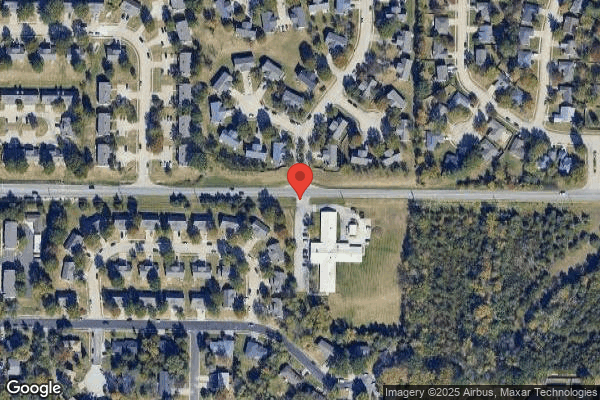
2012 NIFONG BOULEVARD, COLUMBIA, MO 65201 (573) 449-1246
For profit - Limited Liability company 52 Beds MO OP HOLDCO, LLC Data: November 2025 1 Immediate Jeopardy citation
Trust Grade
26/100
#241 of 479 in MO
Last Inspection: May 2024

Within standard 12-15 month inspection cycle. Federal law requires annual inspections.

Overview

Columbia Manor Health & Rehabilitation has received a Trust Grade of F, indicating significant concerns about the quality of care provided. Ranked #241 out of 479 facilities in Missouri, this places it in the bottom half statewide, and #4 out of 9 in Boone County, meaning only three local options are better. The facility is currently improving, with a decrease in issues from 12 in 2024 to just 2 in 2025. Staffing is a relative strength with a rating of 3 out of 5, but the turnover rate is concerning at 82%, far above the state average of 57%. While the facility has more RN coverage than 87% of Missouri facilities, there have been critical incidents, such as the failure to separate COVID-positive residents from those who tested negative, which significantly increased infection risk. Additionally, there have been concerns about inadequate hand hygiene practices among staff, which could jeopardize residents' health.

Trust Score
F
26/100
In Missouri
#241/479
Top 50%
Safety Record
High Risk
Review needed
Inspections
Getting Better
12 → 2 violations
Staff Stability
⚠ Watch
82% turnover. Very high, 34 points above average. Constant new faces learning your loved one's needs.
Penalties
⚠ Watch
$13,231 in fines. Higher than 78% of Missouri facilities, suggesting repeated compliance issues.
Skilled Nurses
○ Average
Each resident gets 37 minutes of Registered Nurse (RN) attention daily — about average for Missouri. RNs are the most trained staff who monitor for health changes.
Violations
⚠ Watch
28 deficiencies on record. Higher than average. Multiple issues found across inspections.
★★☆☆☆
2.0
Overall Rating
★★★☆☆
3.0
Staff Levels
★★☆☆☆
2.0
Care Quality
★★☆☆☆
2.0
Inspection Score
Stable
2024: 12 issues
2025: 2 issues

The Good

  • Full Sprinkler Coverage · Fire safety systems throughout facility
  • No fines on record

Facility shows strength in fire safety.

The Bad

2-Star Overall Rating

Near Missouri average (2.5)

Below average - review inspection findings carefully

Staff Turnover: 82%

36pts above Missouri avg (46%)

Frequent staff changes - ask about care continuity

Federal Fines: $13,231

Below median ($33,413)

Minor penalties assessed

Chain: MO OP HOLDCO, LLC

Part of a multi-facility chain

Ask about local staffing decisions and management

Staff turnover is very high (82%)

34 points above Missouri average of 48%

The Ugly 28 deficiencies on record

1 life-threatening
Apr 2025 1 deficiency
CONCERN (D) 📢 Someone Reported This

A family member, employee, or ombudsman was alarmed enough to file a formal complaint

Potential for Harm - no one hurt, but risky conditions existed

Deficiency F0658 (Tag F0658)

Could have caused harm · This affected 1 resident

**NOTE- TERMS IN BRACKETS HAVE BEEN EDITED TO PROTECT CONFIDENTIALITY** Based on interview and record review, facility staff failed to maintain professional standards of practice when staff failed to ...

Read full inspector narrative →
**NOTE- TERMS IN BRACKETS HAVE BEEN EDITED TO PROTECT CONFIDENTIALITY** Based on interview and record review, facility staff failed to maintain professional standards of practice when staff failed to provide access for qualified staff to the facility's emergency medication kit (E-Kit), in order to administer medications to three newly admitted residents (Residents #1, #2, and #3). The facility census was 38. 1. Review of the facility's Medication Pass Policy, undated, did not contain information related to administration of medications from the E-Kit. 2. Review of Resident #1's admission Minimum Data Set (MDS), a federally mandated assessment tool, dated 4/15/25, showed an admission date of 4/09/25. Review showed staff assessed the resident as cognitively intact, with diagnoses of high cholesterol and depression. Review of the resident's Physician's Order Sheet (POS), dated April 2025, showed the physician orders directed staff to administer Metoprolol Tartrate (a medication used to decrease blood pressure) 50 milligrams (mg) one tablet twice daily, Baclofen (a muscle relaxant) 10 mg one-half (1/2) tablet three times daily, Benzonate (a cough suppressant) 100 mg three times daily, and Clonidine (a medication used to decrease blood pressure) 0.1 mg one tablet three times daily. Review of the resident's Medication Administration Record (MAR), dated April 2025, showed Certified Medication Technician (CMT) A documented he/she did not administer the resident's evening doses of Metoprolol Tartrate, Baclofen, Benzonate, or Clonidine on 4/09/25. Review showed CMT A documented to see progress notes. Review of the resident's progress notes did not contain staff documented the resident's evening or bedtime medications were not administered. 3. Review of Resident #2's Quarterly MDS, dated [DATE] showed a re-admission date of 4/07/25. Review showed staff assessed the resident as cognitively intact, with diagnoses of hypertension and depression. Review of the resident's POS, dated April 2025, showed the physician orders directed staff to administer Febuxostat (a medication used to treat gout) 40 mg one tablet at bedtime, Sertraline (an antidepressant) 50 mg one tablet at bedtime, and Simvastatin (a medication used to decrease cholesterol) 40 mg one tablet at bedtime. Review of the resident's MAR, dated April 2025, showed CMT B documented he/she did not administer the resident's evening dose of Calcium Acetate, or the resident's bedtime doses of Febuxostat, Sertraline, or Simvastatin 4/07/25. Review showed CMT B documented the reason for not administering the resident's medications to see progress. Review of the resident's progress notes did not contain staff documented the resident's evening or bedtime medications were not administered. 4. Review of Resident #3's admission MDS, dated [DATE], showed an admission date of 4/10/25. Review showed staff assessed the resident as cognitively impaired, with diagnoses of cerebral vascular accident, and hemiplegia (paralysis of the muscles on one side of the body). Review of the resident's POS, dated April 2025, the physician orders directed staff to administer Atorvastatin Calcium (A medication used to decrease cholesterol) 80 mg one tablet in the evening, Ezetimibe (a medication used to decrease cholesterol) 10 mg one tablet at bedtime, Eliquis (an anticoagulant used to reduce blood clots) 5 mg one tablet twice daily, Hydrochlorothiazide (a medication used to decrease fluid retention) 25 mg one tablet twice daily, Lisinopril (a medication used to decrease blood pressure) 20 mg one tablet twice daily, Baclofen 5 mg one tablet three times daily, and Hydralazine (a medication used to decrease blood pressure) 10 mg one tablet three times daily, Review of the resident's MAR, dated April 2025, showed CMT A documented he/she did not administer the resident's evening doses of Atorvastatin Calcium, Eliquis, Hydrochlorothiazide, Lisinopril, Baclofen, or Hydralazine, or the resident's bedtime dose of Ezetimibe on 4/10/25. Review showed CMT A documented the reason for not administering the resident's medications as see progress notes. Review of the resident's progress notes did not contain staff documented the resident's evening or bedtime medications were not administered. 5. During an interview on 4/29/25 at 12:50 P.M., the Director of Nursing (DON) said if a new resident's medications are not available in the facility, staff should administer the medications from the facility's E-Kit. The DON said all residents' routine medications should be available in the E-Kit, unless it is an uncommon medication. The DON said he/she has been the DON at the facility for two days, and he/she did not know who is responsible for setting up access to staff for the facility's E-Kit. During an interview on 4/29/25 at 1:00 P.M., CMT A said he/she did not administer Resident #1's or Resident #2's evening or bedtime medications because corporate staff had not set up his/her access to the facility's E-Kit. CMT A said he/she started working at the facility in mid-February, and staff had not given her access yet. He/She said a staff member's fingerprint and [NAME] are needed to access the facility's E-Kit. During an interview on 4/29/25 at 1:05 P.M., the administrator said he/she did not know some CMT's did not have access to the facility's E-Kit. He/She said only the facility's corporate nurses have authorization to set up access for new nursing staff at this. During an interview on 5/01/25 at 8:12 A.M., the [NAME] President of Clinical Operations said if a resident is admitted to the facility after the last pharmacy delivery of the day, staff are to administer medications from the facility's E-kit. He/She said the pharmacist and DON have the ability to set up access to the E-Kit for new nurses and CMT's. He/She said he/she and the interim DON are responsible for setting up access to the E-Kit at this time. He/She said he/she did not know CMT A did not have access to the E-Kit, and did not know staff did not administer the residents' medications. He/She said he/she expects staff to notify him/her or the charge nurse on duty if a staff member was unable to administer medications. MO00252685
Feb 2025 1 deficiency
CONCERN (E) 📢 Someone Reported This

A family member, employee, or ombudsman was alarmed enough to file a formal complaint

Potential for Harm - no one hurt, but risky conditions existed

Infection Control (Tag F0880)

Could have caused harm · This affected multiple residents

**NOTE- TERMS IN BRACKETS HAVE BEEN EDITED TO PROTECT CONFIDENTIALITY** Based on observation, interview and record review, facility staff failed to implement the Enhanced Barrier Precautions (EBP) pol...

Read full inspector narrative →
**NOTE- TERMS IN BRACKETS HAVE BEEN EDITED TO PROTECT CONFIDENTIALITY** Based on observation, interview and record review, facility staff failed to implement the Enhanced Barrier Precautions (EBP) policy when they did not educate, or alert staff of residents who required EBP, and failed to place appropriate personal protective equipment (PPE) in close proximity for two residents (Resident #1 and #2) of two sampled residents. The facility's census was 37. 1. Review of the facility policies showed it did not contain a Enhanced Barrier Precaution policy. Review of the Centers for Medicare and Medicaid Services, New CDC Guidance: Enhanced Barrier Precautions, dated 03/20/2024 showed: -Educate all staff on enhanced barrier precautions and use during high-contact resident care activities to include dressing, bathing, transferring, providing hygiene, changing linens and briefs, assisting with toileting, device care or use: central lines, urinary catheters, and feeding tubes, tracheostomy, urostomy, and wound care: any skin opening requiring a dressing. -Facilities should develop a method to identify residents with wounds or indwelling medical devices, and post clear signage outside of resident rooms indicating the type of PPE required and defining high risk resident care activities; -Gowns and gloves should be available outside or inside of each resident room, and alcohol based hand rub should be available for every room. 2. Review of Resident #1's Significant Change Minimum Data Set (MDS) a federally mandated assessment tool, dated 01/23/25, showed the resident admitted to the facility on [DATE]. The resident had one or more unstageble pressure ulcers. Review of the resident's Physician's Order Sheet (POS), dated February 2025, showed a physician order to cleanse left hip wound with saline and gauze, moisten rolled gauze with saline and fill wound depth. Apply sure prep to peri wound and cover with silicone foam boarder. Change three times a week as needed when soiled. Review showed the physician ordered to cleanse right buttocks wound with soap and water, pat dry, apply sureprep to peri wound and cover with petroleum jelly, mesh and silicone foam boarder. Change every three days and as needed when soiled. Observation on 02/26/25 at 12:41 P.M., showed the resident room did not have PPE in close proximity. Observation showed Certified Nursing Assistant (CNA) A and CNA B entered the residents room to provide incontinence care and did not apply a gown. During an interview on 02/26/25 at 12:57 P.M., CNA B said he/she was informed less than an hour ago by the Administrator about the EBP and needing to wear PPE in the residents rooms with wounds. He/She said there is not a PPE cart outside of the residents room. He/She said a resident with wounds would require gloves and a gown. During an interview on 02/26/25 at 12:58 P.M., CNA A said no one communicated to him/her he/she needed to wear additional PPE in the resident rooms. 3. Review of Resident #2's Entry tracking record MDS, dated [DATE], showed the resident admitted to the facility on [DATE] and staff documented the resident did not have skin issues on admission. Review of the facility wound list showed staff documented they identified on 02/26/25, a new wound on the resident's coccyx. Observation on 2/27/25 at 1:03 P.M., showed the resident's room did not have PPE in close proximity. Observation showed the resident with a dime sized wound on his/her coccyx. Observation showed CNA A and CNA B provided incontinence care to the resident and did not wear a gown. During an interview on 02/26/25 at 1:20 P.M., CNA C said he/she does not know what EBP is. During an interview on 02/26/25 at 1:21 P.M., CNA D said he/she did not wear PPE because there is a lack of PPE carts and communication. The administrator came up early and spoke about it but he/she was confused and it was not clear exactly what he/she needed to do. 4. During an interview on 02/26/25 at 1:28 P.M., the Corporate Registered Nurse said facilities were well educated on the new EBP and the new administration has been fixing issues and had not yet educated and put out appropriate EBP and PPE. During an interview on 2/26/25 at 12:15 P.M., the administrator said he/she has only been in the facility for three weeks and is aware the facility must implement EBP. During an interview on 02/26/25 at 1:29 P.M., the administrator said EBP has been implemented and additional PPE carts have been ordered. He/She said he/she will have a more thorough inservice with all staff for clarification. MO00249971
May 2024 12 deficiencies
CONCERN (D)

Potential for Harm - no one hurt, but risky conditions existed

Deficiency F0578 (Tag F0578)

Could have caused harm · This affected 1 resident

**NOTE- TERMS IN BRACKETS HAVE BEEN EDITED TO PROTECT CONFIDENTIALITY** Based on interview and record review, facility staff failed to document residents' code status consistently, Do Not Resuscitate ...

Read full inspector narrative →
**NOTE- TERMS IN BRACKETS HAVE BEEN EDITED TO PROTECT CONFIDENTIALITY** Based on interview and record review, facility staff failed to document residents' code status consistently, Do Not Resuscitate (DNR) or Full Code (Resuscitate refers to cardiopulmonary resuscitation-CPR) for two (Resident #39 and #137) of four sampled residents. The facility census was 37. 1. Review of the facility's Advance Directives policy, revised [DATE], showed staff are directed to: -Inquire if the resident, his/her family members and/or his or her and/or his or her legal representative, about the existence of any written advance directives; -Prominently display information about whether or not the resident has executed an advance directive in the resident's medical record; -The plan of care for each resident will be consistent with his or her documented treatment preferences and/or advance directive; -The resident's attending physician will clarify and present any relevant medical issues and decision to the resident or legal representative as the resident's condition changes in an effort to clarify and adhere to the resident's wishes; -Changes or revocations of a directive must be submitted in writing to the administrator. The care plan team will be informed of such changes and/or revocations so that appropriate changes can be made in the resident assessment (MDS) and care plan; -The director of nursing (DON) services or designee will notify the attending physician of advance directives so that appropriate orders can be documented in the resident's medical record and plan of care. 2. Review of Resident #39's medical record showed the resident admitted to the facility on [DATE] from the hospital. Review of the resident's nurse's progress note, dated [DATE], showed staff documented the resident advanced directive as Full Code. Review of the resident's Physician Order Sheet (POS), dated [DATE], showed an active order of Full Code Status. Review of the resident's Baseline Care Plan, dated [DATE], directed staff the resident a Full Code. Review of the resident's Outside the Hospital Do Not Resuscitate (OHDNR), dated [DATE], showed the resident's guardian and attending physician authorized the resident as a DNR code status. During an interview on [DATE] at 11:19 A.M., the Director of Nursing (DON) said the orders for the DNR status were not entered into the system, and must have been overlooked after the forms were signed. 3. Review of Resident #143's admission MDS, dated [DATE], showed the resident admitted on [DATE]. Staff assessed the resident as severe cognitive impairment. Review of the resident's POS, dated [DATE], showed an order on [DATE] for Full Code. Review of the resident's baseline care plan, dated [DATE], showed Do Not Resuscitate. Review of the resident's comprehensive care plan, dated [DATE], showed the care plan did not contain direction for advanced directives. During an interview on [DATE] at 10:27 A.M., the Social Service Designee said he/she was not aware of the discrepancy, but believes the resident is a DNR. 4. During an interview on [DATE] at 09:21 P.M., Registered Nurse (RN) K said the charge nurse is responsible for entering the code status for the resident in the electronic medical record. Social Services is responsible for the review of the advance directive. RN K said all documents and orders should be consistent. During an interview on [DATE] at 10:27 A.M., the Social Service Designee said when a resident comes from the hospital, they often come with a signed DNR or advanced directive. If the resident does not come with one, then it is completed with social services during the admission process. Social Services will update the electronic health record, update the code status book at the nurse station, and then the nurses will mark it in the computer and obtain an order. He/She said if the resident changes code status during his/her stay at the facility, the Social Service designee is responsible to update the record. During an interview on [DATE] at 11:19 A.M., the DON said when residents are admitted from the hospital the charge nurse enters the code status on the hospital discharge paperwork. The social worker is then to verify the code status, and the facility will treat the resident as a full code if the code status is unclear. If the resident has a DNR code status, the DNR form should be filled out with a physician signature and the resident or health Power of Attorney (POA) signature; the DNR orders should be entered and the physician should cosign the order. A discrepancy in the process places a risk that the resident's wishes would not be met. During an interview on [DATE] at 11:55 A.M., the administrator said when a resident is admitted from the hospital, paperwork for the code status should be started and social services and nursing should coordinate and assure everything is consistent and an order entered into the medical record. Discrepancies should be caught during daily communication or when the chart is scrubbed weekly. Social services is in charge to start the code status process and nursing is responsible to follow through in taking care of the physician order
CONCERN (D)

Potential for Harm - no one hurt, but risky conditions existed

Deficiency F0698 (Tag F0698)

Could have caused harm · This affected 1 resident

Based on interview and record review, facility staff failed to ensure one (Resident #141) out of one sampled resident received care and services for the provision of hemodialysis (the clinical cleansi...

Read full inspector narrative →
Based on interview and record review, facility staff failed to ensure one (Resident #141) out of one sampled resident received care and services for the provision of hemodialysis (the clinical cleansing of blood by dialysis, as a substitute for the normal function of the kidney) when staff failed to provide ongoing assessments of the resident's condition, monitoring for complications before and after dialysis treatments, and provide ongoing communication and collaboration with the dialysis clinic. The facility census was 37. 1. Review of the facility's policy End-Stage Renal Disease, Care of a Resident with, dated 09/2010, showed the policy did not contain direction on pre and post dialysis assessments or collaboration with the dialysis clinic. 2. Review of Resident #141's admission Minimum Data Set (MDS), a federally mandated assessment tool, dated 05/22/2024, showed staff assess the resident as follows: -admission date of 05/16/24; -Diagnosis of chronic kidney disease; -Did not receive dialysis as a resident. Review of the resident's Physician's Order Sheets (POS), dated 05/16/2024, showed the POS did not contain an order for hemodialysis treatments. Review of the resident's care plan, dated 05/28/24, showed the plan did not contain documentation the resident received hemodialysis treatments. Review of the resident's medical record showed the record did not contain documentation of collaboration between the facility staff and dialysis staff of ongoing assessment or a pre and post hemodialysis treatment assessments for 05/27/24 or 05/29/24. Review of the resident's Treatment Administration Record (TAR), dated May 2024, showed the TAR did not contain an order for staff to complete dialysis pre and post assessments. During an interview on 05/29/2024 at 10:15 A.M., Licensed Practical Nurse (LPN) M said it was the responsibility of resident's nurse to do pre and post hemodialysis treatment assessments. The Treatment Administration Record (TAR) would show if pre and post assessments were done. There is no regular communication between the facility and dialysis clinic, regarding the resident's assessments, on treatment days. During an interview on 05/30/2024 at 02:06 P.M., the MDS Coordinator said it is his/her duty to list hemodialysis on the MDS. He/She said if hemodialysis was not listed on the initial MDS, it was his/her over-sight. It is the responsibility of the MDS Coordinator to do the care plans. Care plans are due 14 days after admission. If the care plan did not include Hemodialysis, it was because she did not complete the care plan. He/She obtains data for the MDS from the hospital paperwork, the nurses, the doctors, and from administration. During an interview on 05/31/2024 at 10:53 A.M., the Director of Nursing (DON) said he/she is aware the resident received hemodialysis. The DON said he/she did not know why hemodialysis treatment was not listed on the MDS or the Care Plan. He/She said the MDS and Care Plan were the responsibility of the MDS Coordinator. The DON said he/she did not know why assessments before and after hemodialysis were stopped. He/she said he/she would expect them to be done every treatment. The DON said the responsibility of assessing the patient pre and post dialysis and communicating with the clinic regarding the patient's condition was the responsibility of the nurse. During an interview on 05/31/24 at 12:11 P.M., the administrator said she did not know why hemodialysis treatment was not listed on the MDS or the care plan. She said the MDS, and care plan, were the responsibility of the MDS Coordinator. The administrator said that she did not know why assessments before and after hemodialysis were stopped. She said that she would expect them to be done every treatment. The DON said the responsibility of assessing the patient pre and post dialysis and communicating with the clinic regarding the patient's condition was the responsibility of the nurse.
CONCERN (E)

Potential for Harm - no one hurt, but risky conditions existed

Safe Environment (Tag F0584)

Could have caused harm · This affected multiple residents

**NOTE- TERMS IN BRACKETS HAVE BEEN EDITED TO PROTECT CONFIDENTIALITY** Based on observation, interviews, and record review, facility staff failed to maintain a clean comfortable, and maintained homel...

Read full inspector narrative →
**NOTE- TERMS IN BRACKETS HAVE BEEN EDITED TO PROTECT CONFIDENTIALITY** Based on observation, interviews, and record review, facility staff failed to maintain a clean comfortable, and maintained homelike environment. The facility census was 37. 1. Review of the facility's Work Orders, Maintenance policy, dated April 2010, showed maintenance work orders shall be completed in order to establish a priority of maintenance, work orders must be filled out and forwarded to the maintenance director and emergency requests will be given priority in making necessary repairs. Review of the facility's Cleaning and Disinfection of Environmental Surfaces, dated August 2019, showed environmental surfaces will be cleaned and disinfected according to current Centers for Disease Control and Prevention (CDC) recommendations for disinfection of healthcare facilities and the Occupational Safety and Health Administration (OSHA) bloodborne pathogens standard. 2. Observation on 05/28/24 at 10:30 A.M., showed the occupied room [ROOM NUMBER] with build up of a dark substance on the room floor tile grout lines. Observation on 05/30/24 at 10:30 A.M., showed the occupied room [ROOM NUMBER] with build up of a dark substance on the room floor tile grout lines. 3. Observation on 05/28/24 at 10:40 A.M., showed the occupied room [ROOM NUMBER]'s bathroom floor with multiple areas of gouges. Observation showed bathroom wall tile around the toilet with a dark dried smear. Observation on 05/30/24 at 11:05 A.M., showed the occupied room [ROOM NUMBER]'s bathroom floor with multiple areas of gouges. Observation showed bathroom wall tile around the toilet with a dark dried smear. 4. Observation on 05/28/24 at 10:45 A.M., showed the occupied room [ROOM NUMBER] bathroom door with large gouges and rough edges. Observation on 05/30/24 at 11:45 A.M., showed the occupied room [ROOM NUMBER] bathroom door with large gouges and rough edges. 5. Observation on 05/28/24 at 10:58 A.M., showed the occupied room [ROOM NUMBER] with a large black build up between the room floor tile. Observation showed the bathroom door frame rusted. Observation on 05/30/24 at 1:58 P.M., showed the occupied room [ROOM NUMBER] with a large black build up between the room floor tile. Observation showed the bathroom door frame was rusted. 6. Observation on 05/28/24 at 11:05 A.M., showed the occupied room [ROOM NUMBER] contained a sink counter top that was cracked with rough edges down the side. 7. During an interview on 05/30/24 at 1:46 P.M., Certified Nurse Aid (CNA) L said staff are to tell the Maintenance Director when they find damaged areas in the resident rooms. Housekeeping are told about dirty areas or we clean then ourselves. During an interview on 05/30/24 at 2:00 P.M., Nurse Aid (NA) E said the maintenance department is informed about broken items in resident rooms and housekeeping is responsible for cleaning the resident rooms. During an interview on 05/30/24 at 2:40 P.M., The Maintenance Director said he/she was aware of some of the damage in the resident rooms. He/She said they attempt to patch damage like the counter tops, but the corporate office has to provide payment for the materials needed. He/She said the facility uses a computer based system to track repair request of staff tell them directly. During an interview on 05/31/24 at 10:38 A.M., Housekeeper N said he/she cleans all of the resident rooms daily. He/She said something like a smear on a toilet wall should be cleaned immediately. During an interview on 05/31/224 at 11:21 A.M., the Director of Nursing said damage in the resident rooms is the responsibility of the maintenance department and approval from the corporate office would be needed for the expense of making the repairs. He/She said housekeeping cleans the rooms daily and there should be no areas left uncleaned.
CONCERN (E)

Potential for Harm - no one hurt, but risky conditions existed

Comprehensive Care Plan (Tag F0656)

Could have caused harm · This affected multiple residents

**NOTE- TERMS IN BRACKETS HAVE BEEN EDITED TO PROTECT CONFIDENTIALITY** Based on observation, interview and record review, facility staff failed to develop and implement a comprehensive person-center...

Read full inspector narrative →
**NOTE- TERMS IN BRACKETS HAVE BEEN EDITED TO PROTECT CONFIDENTIALITY** Based on observation, interview and record review, facility staff failed to develop and implement a comprehensive person-centered care plan for three (Resident #9, #33 and #143) out of ten sampled residents The facility census was 37. 1. Review of the facility's Care Plans, Comprehensive Person-Centered policy, dated December 2016 showed: -The care plan interventions are derived from a thorough analysis of information gathered as part of the comprehensive assessment; -The care planning process will include an assessment of the resident's strengths and needs and incorporate the resident's personal and cultural preferences in developing the goals of care; -The comprehensive, person centered care plan will: include measurable, objectives and timeframe's, describe the services that are to be furnished to attain or maintain the residents highest practicable physical, mental, psychosocial well-being, describe services that would otherwise be provided for the above, but are not provided due to the resident exercising his/her right, including the right to refuse treatment, incorporate identified problem areas and risk factors associated with identified problems, build on the resident's strengths, reflect the residents expressed wishes regarding care and treatment goals, reflect treatment goals, timetables, and objectives in measurable outcomes, identify the professional services that are responsible for each element of care, aid in preventing or reducing the decline in the resident's functional status and/or functional levels, enhance the optimal functioning of the resident by focusing on a rehabilitative program and reflect currently recognized standards of practice for problem areas and conditions; -Assessments of residents are ongoing and care plans are revised as information about the residents and the residents conditions change. 2. Review of Resident #9's Quarterly Minimum Data Set (MDS), a federally mandated assessment tool, dated 04/25/24 showed staff assessed the resident as: -Cognitively intact; -No behaviors or rejection of care; -Had pain; -Use an antidepressant, antipsychotic, antianxiety, antiplatelet, anticoagulant and opiod medication; -Diagnosis of stroke, dementia and anxiety. Review of the residents Physician Order Set (POS), dated May 2024, showed physician orders for: -Lithium 300 milligrams (mg) (used to reduce mania and manic episodes) daily for psychosis; -Lithium 150 mg at bedtime for psychosis; -Abilify (an antipsychotic) 20 mg tablet, give 0.5 tablet twice daily for depression, anxiety and obsessive compulsive disorder (OCD); -Buspirone (an antianxiety) 7.5 mg three times a day for anxiety; -Plavix (stop blood cells from sticking together) 75 mg daily for blood clot prevention; -Cymbalta (antidepressant and pain medication) 30 mg daily for depression; -Eliquis (blood thinner) 5 mg twice a day for hypertension; -Hydrocodone/acetaminophen (used to decrease pain) 5/325 1-2 tablets every 6 hours as needed for pain; -Lorazepam (antianxiety) 0.5 mg three times a day for anxiety; -Trazodone (antidepressant and sedative) 50 mg daily at bedtime for sleep related to anxiety; -Methylphenidate (stimulates brain involved with concentration) 5 mg tablet, give 0.5 mg daily for anxiety; -Namenda (reduces chemicals in brain that contribute to symptoms of Alzheimer's disease) 28 mg daily for depression, anxiety and OCD; -Banophen (used to temporarily relieve pain caused by minor cuts/burns/scrapes, insect bites, or skin irritations) 25 mg tablet, give 0.5 tablet every 24 hours for pain; -Myrbetriq (used for urinary incontinence and overactive bladder) 25 mg daily for spastic hemiplegia; -Sumatriptan (treatment for headaches) 25 mg every 6 hours as needed for headache. Review of the residents care plan, dated 1/25/24, showed the care plan did not contain interventions for dementia care, resident centered behaviors/behavior management, pain management, or risk of bleeding for anticoagulant and antiplatelet use. During an interview on 5/31/24 at 08:17 A.M., the MDS Coordinator said the resident does not have any behaviors except for some reported depression and anxiety so it is not included in the care plan. He/She said the resident does not show signs of dementia. 3. Review of Resident #33's admission MDS, dated [DATE], showed staff assessed the resident as: -Severe cognitive impairment; -No behaviors or rejection of care; -All activities were somewhat important to the resident; -Diagnoses of pneumonia, septicemia (a body's overwhelming and life-threatening response to infection that can lead to tissue damage, organ failure, and death), dementia, and respiratory disease. Review of the Care plan dated 1/25/24 showed the care plan did not address social, cognitive, or activity needs of the resident. 4. Review of Resident #143's admission MDS, dated [DATE] showed staff assessed the resident as: -Severe cognitive impairment; -Smokes; -History of falls prior to admission with a fracture; -Felt it was very important to have books, newspapers, and magazines to read, listen to music he/she liked, be around animals such as pets, keep up with the news, do things with groups of people, do favorite activities, go outside to get fresh air when the weather is good, and participate in religious services or practices. Review of the resident's smoking assessment, dated 5/13/24, showed the resident smokes two to three times a day with supervision. Review of the resident's nurse notes dated 5/9/2024 at 11:00 P.M., showed the resident on the floor in his/her room. Review of the resident's care plan, dated 5/28/24, showed the care plan did not contain activity preferences, smoking safety and use of cigarettes, or fall interventions for the fall on 5/8/24. During an interview on 5/31/24 at 08:17 A.M., the MDS Coordinator said the resident only participates in occasional smoke breaks and is a passive observer to other activities. The resident was hospitalized after the fall on 5/8/24 and is receiving therapy. He/She said the resident is still new to the facility and actively working on his/her care plan. 5. During an interview on 5/31/24 at 08:17 A.M., the MDS Coordinator said care plans should include resident specific behaviors and how to manage them, how a resident transfers, diet, goals of care, interventions for falls, if a resident is on hospice, side rail use, activity preferences and other triggers from the MDS assessment including psychotropic medication use. He/She said it is his/her responsibility to update the care plans when there are changes in the resident conditions, on admission and at least quarterly. He/She said the Director of Nursing adds new interventions for falls. During an interview on 5/31/24 at 10:16 A.M., Registered Nurse (RN) M said care plans should include things that trigger in the MDS assessment such as behaviors and should be updated on admission, quarterly and with changes in condition. Other things that the care plan should include are behavior problems, dementia care, anticoagulant medication use, smoking and activity preferences. He/She said the MDS nurse updates the care plans with changes in the residents care. During an interview on 5/31/24 at 11:13 A.M., the Director of Nursing (DON) said care plans should include triggers from the MDS such as code status, diet, mobility, transfers, activity of daily living, assistive devices, activity preferences and medication use. He/She said the managers and MDS coordinator update the care plans. The DON said all the nursing staff have access to care plans. He/She said if a resident has dementia there should be a goal and interventions specific to the person in the care plan and updated accordingly.
CONCERN (E)

Potential for Harm - no one hurt, but risky conditions existed

Deficiency F0658 (Tag F0658)

Could have caused harm · This affected multiple residents

**NOTE- TERMS IN BRACKETS HAVE BEEN EDITED TO PROTECT CONFIDENTIALITY** Based on interview and record review, facility staff failed to meet professional standards of care when nursing staff failed to ...

Read full inspector narrative →
**NOTE- TERMS IN BRACKETS HAVE BEEN EDITED TO PROTECT CONFIDENTIALITY** Based on interview and record review, facility staff failed to meet professional standards of care when nursing staff failed to obtain and document weights for five (Resident #1, #12, #17, #33 and #142) of nine sampled residents and failed to follow up on dietician recommendations for one (Resident #142) of one sampled residents with a weight loss. The facility census was 37. 1. Review of the facility's Weighing and Measuring the Resident policy, dated March 2011, showed: -The purpose to determine the weight, to provide a baseline and ongoing record of the resident's body weight as an indicator of the nutritional status and medical condition of the resident; -Weight is measured on admission and monthly during the resident's stay; -The following should be recorded in the resident's record: date and time the procedure was performed, name and title of person who performed the procedure, signature and title of person recording the data; -Notify the nurse supervisor if the resident refuses the procedure. 2. Review of Resident #1's Annual Minimum Data Set (MDS), a federally mandated assessment tool, dated 5/16/24, showed staff assessed the resident as: -Cognitively intact; -Did not lose or gain weight or unknown; -Weight 120 pounds; -Diagnosis of anemia, kidney disease and lung disease. Review of the resident's Physician Order Sheet (POS), dated May 2024, showed an order with a start date of 9/2/23 to weigh the resident monthly on the second. Review of the resident's Treatment Administration Record (TAR) showed staff did not document the residents weight for the months of 01/2024 through 05/2024: Review of the resident's nurse notes, dated January 2024 through May 30, 2024, showed the nurses notes did contain the residents weights. 3. Review of Resident #12's admission MDS, dated [DATE], showed staff assessed the resident as follows: -Did not have cognitive assessment; -Did not lose weight or unknown; -Weight of 150; -Diagnosis of thyroid disorder, arthritis, dementia, and anxiety disorder. Review of the resident's POS, dated 05/21/24, showed an order to weight the resident weekly after the admission date for four weeks, and then weigh the resident once monthly. Review of the resident's TAR, dated 03/2024, showed staff documented the residents weight on 03/06/24. Review showed the TAR did not contain documentation staff weighed the resident for the additional three weekly weights and did not document the resident's weight for April 2024. Review of the resident's medical record showed the record did not contain weekly weights after admission or monthly weights for April 2024. 4. Review of Resident #17's Quarterly MDS, dated [DATE], showed staff assessed the resident as: -Severe cognitive impairment; -Did not lose or gain weight or unknown; -Weight 98 pounds; -Diagnosis of Alzheimer dementia. Review of the resident's POS, dated May 2024, showed the POS did not contain an order for weights. Review of the resident's medical record, showed the record did not contain a documented weight for April or May 2024. 5. Review of Resident #33's admission MDS, dated [DATE], showed staff assessed the resident as: -Severe cognitive impairment; -Did not lose or gain weight or unknown; -Weight 132 pounds; -Diagnosis of pneumonia, septicemia (a body's overwhelming and life-threatening response to infection that can lead to tissue damage, organ failure, and death), dementia, and respiratory disease. Review of the resident's POS, dated 02/02/24, showed an order to weigh the resident monthly. Review of the resident's medical record did not contain documentation of the residents mothly weights for March, April or May 2024. 6. Review of Resident #142's admission MDS, dated [DATE], showed staff assessed the resident as: -admitted on [DATE]; -Cognition intact; -Presence of a diabetic foot ulcer; -Did not lose or gain weight or unknown; -Weight 221 pounds; -Diagnosis of anemia, heart failure, diabetes and kidney failure. Review of the resident's census sheet showed the resident: -admitted to the faciity on 04/22/24; -hospitalized [DATE]; -re-admitted to the facility 05/08/24. Review of the resident's POS, dated May 2024, showed an order with a start date of 05/08/24, to weigh the resident weekly after the admission date for four weeks, and then weigh the resident once monthly on the fifth. Review of the resident's medical record showed staff did not documented the resident weight on 5/9/24 and 5/13/24. Review of the residents nurse notes, dated April through May 2024, showed dietician documented recommendation as follows: -On 4/26/24, recommendation of multivitamin with minerals daily and one scoop of protein powder twice a day or 30 milliliters of protein liquid; -On 5/21/24, start house supplement 120 milliliters twice a day and monitor weight and intake. Review of the residents medical record, showed, the record did not contain follow up documentation to the dietician recommendations. 7. During an interview on 05/29/24 at 2:24 P.M., the DON said if the weights are not recorded in the electronic medical record, then they are not completed. He/She said it has been a struggle getting the weights as ordered but feels it is getting better in the past couple of weeks. The dietician comes in monthly and his/her assistant either comes in person or reviews the residents remotely. The registered dietician recommendations should be followed up on within 24 hours by the DON or the charge nurse. He/She was not aware of any dietician recommendations until 5/29/24. During an interview on 05/30/24 at 1:52 P.M., the Registered Dietician said he/she comes to the facility monthly and would like to have the weights during each visit so he/she could determine if there are nutritional issues with the residents. He/She said the weights are not always done for his/her visits. He/She would expect the facility staff to follow up on recommendations, especially those residents with wounds or other significant issues. He/She did not have an expectation of a timeframe when the recommendations should be followed up on. During an interview on 05/31/24 at 8:17 A.M., Licensed Practical Nurse (LPN) M said weights are the responsibility of the nursing staff but is not sure if they are up to date. He/She said if the weights are not done, then there is an opportunity to miss a potential problem. The dietary recommendations go to the DON for review and if an order or other follow up is needed, the DON will give them to the nurse working. He/She is not sure why the recommendations were not followed up on, but would expect they should have been. During an interview on 05/31/24 at 8:33 A.M., Nurse Aide (NA) J said weights are completed monthly as assigned by the DON. He/She said he/she does not know if they are up to date.
CONCERN (E)

Potential for Harm - no one hurt, but risky conditions existed

Accident Prevention (Tag F0689)

Could have caused harm · This affected multiple residents

**NOTE- TERMS IN BRACKETS HAVE BEEN EDITED TO PROTECT CONFIDENTIALITY** Based on observation, interview, and record review, facility staff failed to safely propel two (Resident #17 and #8) out of 15 s...

Read full inspector narrative →
**NOTE- TERMS IN BRACKETS HAVE BEEN EDITED TO PROTECT CONFIDENTIALITY** Based on observation, interview, and record review, facility staff failed to safely propel two (Resident #17 and #8) out of 15 sampled residents while in a wheelchair. The facility census was 37. 1. Review of the facility's polices showed staff did not provide a wheelchair propulsion policy. 2. Review of Resident #17's quarterly Minimum Data Set (MDS), a federally mandated assessment tool, dated 03/28/24, showed staff assessed the resident as follows: -Cognition not assessed; -Uses a wheelchair for mobility; -Diagnosis of Alzheimers, and Parkinson disease. Observation on 05/30/24 at 11:40 A.M., showed Certified Nurse Aid (CNA) L propelled the resident from the hall to the dinning area without the resident's foot pedals. Observation showed the residents feet made contact on the floor. During an interview on 05/30/24 at 11:42 A.M., CNA L said he/she should have put the residents feet in the footrests but did not because the resident has contractor in both legs. 3. Review of Resident #8's annual MDS, dated [DATE], showed staff assessed the resident as follows: -Cognition not assessed; -Dependent for wheelchair mobility; -Diagnosis of stroke, dementia, aphasia, seizures, depression, and respiratory failure. Observation on 05/31/24 at 11:25 A.M., showed CNA K propelled the resident from the hall towards the dinning area without footrests on the wheelchair. The residents feet glided across the floor. During an interview on 05/31/24 at 11:27 A.M., CNA K said he/she should not push the resident in a wheelchair without footrest but forgot to put the footrests on because they were not with the wheelchair. 4. During an interview on 05/31/24 at 8:06 A.M., Licensed Practical Nurse (LPN) M said staff should use footrests to push residents in wheelchair. The resident might fall out and be injured if the staff don't. The staff are educated on this often. During an interview on 05/31/24 at 11:18 A.M., the Director of Nursing (DON) said staff should use footrests when propelling a resident and make sure the resident is secure. Staff have been educated on the risks of not doing so. He/She said staff and the administrator are responsible for resident safety. During an interview on 05/31/24 at 11:45 A.M., the administrator said staff should use footpedals when propelling a resident. Injury is a risk to any resident when pushed in a wheelchair without footpedals. He/She said the DON and themselves along with all nurses are responsible for oversight.
CONCERN (E)

Potential for Harm - no one hurt, but risky conditions existed

Deficiency F0700 (Tag F0700)

Could have caused harm · This affected multiple residents

**NOTE- TERMS IN BRACKETS HAVE BEEN EDITED TO PROTECT CONFIDENTIALITY** Based on observation, interview and record review, facility staff failed to obtain a consent for the use of side rails for six o...

Read full inspector narrative →
**NOTE- TERMS IN BRACKETS HAVE BEEN EDITED TO PROTECT CONFIDENTIALITY** Based on observation, interview and record review, facility staff failed to obtain a consent for the use of side rails for six of six sampled residents (Resident #3, #9, #10, #13, and #141). The facility census was 37. 1. Review of the facility's Proper Use of Side Rails Policy, dated December 2016, showed staff are to obtain consent for side rail use from the resident or legal representative 2. Review of Resident #3's Quarterly Minimum Data Set (MDS), a federally mandated assessment, dated 03/28/24, showed staff assessed the resident as follows: -Required moderate assistance with bed mobility; -Totally dependent for assistance with transfers, and toileting; -Impairment in all four extremities. Review of the resident's medical record showed the record did not contain a signed consent for the use of side rails. Observation on 05/28/24 at 11:04 A.M., showed the resident in bed with a right quarter sized side rail in the upright position. Observation on 05/29/24 at 8:54 A.M., showed the resident in bed with a right quarter sized side rail in the upright position. Observation on 05/30/24 at 7:57 A.M., showed the resident in bed with a right quarter sized side rail in the upright position. During an interview on 05/29/24 at 10:20 A.M., the resident said the bed bar helps a great deal with mobility in bed. 3. Review of Resident #9's Quarterly MDS, dated [DATE], showed staff assessed the resident as: -Cognitively intact; -Required supervision or touch assistance for chair/bed to chair transfers, sit to stand, lying to sitting on the side of the bed, sit to lying, and to roll left and right; -Diagnoses of stroke. Review of the resident's medical record showed the record did not contain a signed consent for the use of side rails. Observation on 05/28/24 at 10:57 A.M., showed the resident in bed with a grab bar in the raised position on both sides of the bed. Observation on 05/29/24 at 09:57 A.M., showed the resident in bed with a grab bar in the raised position on both sides of the bed. Observation on 05/31/24 at 08:09 A.M., showed the resident in bed with a grab bar in the raised position on both sides of the bed. During an interview on 05/28/24 at 10:57 A.M., the resident said the grab bar helps him/her get out of bed and turn over at night. During an interview on 5/31/24 at 08:17 A.M., the MDS Coordinator said he/she is unaware if there is a consent for the resident. 4. Review of Resident #10's Quarterly MDS, dated [DATE], showed staff assessed the resident as follows: -Required maximal assistance with bed mobility; -Required total assistance with transfers, and toileting. Review of the resident's medical record showed the record did not contain a signed consent for the use of side rails. Observation on 05/28/24 at 11:06 A.M., showed the resident in bed with the quarter sized side rail in the raised position. Observation on 05/29/24 at 8:54 A.M., showed the resident in bed with the quarter sized side rail in the raised position. Observation on 05/30/24 at 7:57 A.M., showed the resident in bed with the quarter sized side rail in the raised position. During an interview on 05/28/24 at 11:06 A.M., the resident said the bed bar assists with stability while in the bed. 5. Review of Resident #13's Quarterly MDS, dated [DATE], showed staff assessed the resident as independent for bed mobility, transfers, and toileting. Review of the resident's medical record showed the record did not contain a signed consent for the use of side rails. Observation on 05/28/24 at 10:46 A.M., showed the resident sat on the side of the bed with a raised side rail. Observation on 05/28/24 at 2:43 P.M., the resident sat on the side of the bed with a hand on the raised bed rail. Observation on 05/30/24 at 7:59 A.M., showed the resident held the raised side rail when he/she sat down on the bed. During an interview on 05/28/24 at 2:43 P.M., the resident said the side rail helps him/her get up and down from the bed. 6. Review of Resident #141's admission MDS, dated [DATE], showed staff assessed the resident as: -Assistance required to get in and out of bed; -Incontinence; -Bilateral knee contractures. Review of the resident's medical record showed the record did not contain a signed consent for the use of side rails. Observation on 05/30/24 at 3;45 A.M., showed the resident sitting on the side of the bed with the quarter sized side rail in the raised position During an interview on 05/29/24 at 2:19 P.M. the resident said he/she uses the side rails to transfer to and from bed and to turn when being changed. During an interview on 05/31/24 10:01 A.M., Nurse Aid (NA) A said the resident uses the side rails to turn himself/herself when he/she is being changed. 7. During an interview on 05/31/24 at 08:17 A.M., the MDS Coordinator said if a resident requires or request side rails, therapy will evaluate the resident for safety and need. He/She said if the resident qualifys then the information is given to the Director of Nursing (DON) who will obtain a signed form that is uploaded into the computer, but is not sure what is on the form. During an interview on 05/31/24 at 10:53 A.M., the DON said she was not aware that consents were required for bed side rails. During an interview on 05/31/24 at 12:11 A.M., the administrator said a consent for use of bed side rails should be collected upon admission. She was not aware consents are not being used. The MDS Coordinator and Maintenance are responsible for getting signed consents.
CONCERN (E)

Potential for Harm - no one hurt, but risky conditions existed

Deficiency F0728 (Tag F0728)

Could have caused harm · This affected multiple residents

Based on interview and record review, facility staff failed to ensure ten out of ten nurse aides ((NA) NA A, NA B, NA C, NA D, NA E, NA F, NA G, NA H, NA I, and NA J) out of ten sampled NA , completed...

Read full inspector narrative →
Based on interview and record review, facility staff failed to ensure ten out of ten nurse aides ((NA) NA A, NA B, NA C, NA D, NA E, NA F, NA G, NA H, NA I, and NA J) out of ten sampled NA , completed the nurse aide training program within four months of their employment in the facility. The facility census was 37. 1. Review of the facility's Nurse Aide Qualifications and Training Requirements, dated May 2019, showed the facility will not employ any individual as a nurse aide for more than four months full-time, temporary, per diem, or otherwise, unless: -That individual is competent to provide designated nursing care and nursing related services; and -That individual has completed a training program and competency evaluation program, or a competency evaluation program approved by the state; or that individual has been deemed competent as provided in the requirements of participation; -Nurse assistants failing to successfully complete the required training program within the first four months of their employment may be terminated from the employment or may be reassigned to non-nursing related duties. Review of the facility's Facility Assessment Tool dated April 2024, showed all nurse aides must be certified within 120 days. 2. Review of the facility's Active Employee list, printed 5/29/24 at 10:33 A.M. showed: -NA A hired 01/05/23; -NA B hired 02/15/23; -NA C hired 03/14/23; -NA D hired 10/26/23; -NA E hired 04/18/23; -NA F hired 04/25/23; -NA G hired 04/26/23; -NA H hired 08/17/23; -NA I hired 08/17/23; -NA J hired 04/25/23; -NA A through J are listed as Certified Nurse Aide (CNA) in training. During an interview on 05/29/24 at 1:50 P.M., NA I said he/she did not know why it has taken so long to complete his/her training but is getting close to being completed now. He/She said he/she goes to class twice a week. During an interview on 05/29/24 at 2:24 P.M., the Director of Nursing (DON) said CNA training has been a struggle to get done because of the distance of the testing centers to the facility. He/She said the NA's do not want to travel to another city to test. The DON said he/she is aware of the four month requirement but the testing centers that are close by fill up quickly. During an interview on 05/31/24 at 8:33 A.M., NA J said he/she had been at the facility over a year and has been getting the run around on why he/she has not completed the training sooner including change of ownership and test center problems. He/She said it is frustrating but does have a test date set in the upcoming two weeks. During an interview on 05/31/24 at 11:53 A.M., the administrator said he/she is aware the NA's are over the four month requirement to become a CNA but the testing sites fill up quickly. He/She has offered to take the NA's to alternate cites but it has not worked out.
CONCERN (E)

Potential for Harm - no one hurt, but risky conditions existed

Medication Errors (Tag F0758)

Could have caused harm · This affected multiple residents

**NOTE- TERMS IN BRACKETS HAVE BEEN EDITED TO PROTECT CONFIDENTIALITY** Based on interview and record review, facility staff failed to ensure residents with psychotropic and anti-psychotic medication...

Read full inspector narrative →
**NOTE- TERMS IN BRACKETS HAVE BEEN EDITED TO PROTECT CONFIDENTIALITY** Based on interview and record review, facility staff failed to ensure residents with psychotropic and anti-psychotic medications were monitored for adverse reactions or efficacy of these medications for five of seven sampled residents (Resident #1, #9, #13, #23 and #143) and failed to obtain and document an appropriate diagnosis for medication use for three of five sampled residents. (Resident #1, #9, #143). The facility census was 37. 1. Review of the facility's Antipsychotic Medication use policy, dated December 2016 showed: -Residents will only receive antipsychotic medications when necessary to treat specific conditions for which they are indicated and effective; -The physician and other staff will gather and document information to clarify a resident's behavior, mood, function, medical condition, specific symptoms, and risks to the resident and others; -The physician will identify, evaluate, and document, with input from other disciplines and consultants as needed, symptoms that may warrant the use of antipsychotic medications; -Residents who are admitted from the community or transferred from a hospital and who are already receiving antipsychotic medications will be evaluated for the appropriateness and indications for use; -The Interdisciplinary team (IDT) will re-evaluate the use of the antipsychotic medication at the time of admission and/or within two weeks to consider whether or not the medication can be reduced, tapered, or discontinued; -Antipsychotic medications shall generally be used only for the following conditions/diagnosis as documented in the record: schizophrenia, schizoaffective (combination of Schizophrenia and mood disorder) disorder, schizophreniform (like schizophrenia with a shorter duration) disorder, delusional disorder, mood disorders (bipolar, depression with psychotic features, and refractory depression), psychosis in the absence of dementia, medical illnesses with psychotic symptoms and/or treatment-related psychosis or mania; Tourette's disorder, Huntington's Disease, Hiccups, or nausea and vomiting associated with cancer or chemotherapy; -Diagnosis alone do not warrant the use of antipsychotic medication. In addition, will only be considered if the following conditions are also met: behavioral symptoms identified as being a danger to the resident or others; -The staff will observe, document and report to the physician information regarding the effectiveness of any interventions, including antipsychotic medications; -Nursing staff will monitor for and report side effects and adverse consequences of antipsychotic medications to the attending physician; -The physician will change or stop problematic doses or medications or clearly document why the benefits of the medication outweigh the risks or suspected or confirmed adverse consequences. 2. Review of Resident #1's Annual Minimum Data Set (MDS), a federally mandated assessment tool, dated 05/16/24, showed staff assessed the resident as: -Cognitively intact; -No behaviors, rejection of care, or signs and symptoms of delirium; -Diagnosis of depression. Review of the resident's Physician Order Set (POS), dated 05/2024, showed the following orders: -Citalopram (an antidepressant) 20 milligrams (mg) daily for admission; -Mirtazepine (an antidepressant and used to increase appetite) 7.5 mg at bedtime for decreased appetite related to depression; -Seroquel (an antipsychotic) 25 mg, give 0.5 tablet at bedtime for depression; -Trazodone (antidepressant and sedative) 50 mg at bedtime for insomnia; -Did not contain an appropriate diagnosis for Citalopram. Review of the resident's care plan, dated 05/28/24, showed: -Monitor/document side effects and effectiveness; -Monitor/document/report as needed adverse reactions to antidepressant therapy; change in behavior/mood/cognition; hallucinations/delusions; social isolation, suicidal thoughts, withdrawal; decline in ADL ability, continence, no voiding, constipation, fecal impaction, diarrhea, gait changes, rigid muscles, balance problems, movement problems, tremors, muscle cramps, falls, dizziness/vertigo, fatigue, insomnia, appetite loss, weight loss, nausea/vomiting, dry mouth and dry eyes; -Monitor/document/report as needed any adverse reactions to psychotropic medications such as: unsteady gait, tardive dyskinesia, extrapyramidal symptoms (EPS - shuffling gait, rigid muscles, shaking), frequent falls, refusal to eat, difficulty swallowing, dry mouth, depression, suicidal ideation's, social isolation, blurred vision, diarrhea, fatigue, insomnia, loss of appetite, weight loss, muscle cramps, nausea, vomiting, behavior symptoms not usual to the person; -Administer sedative/hypnotic medications as ordered by the physician; monitor for side effects and effectiveness; -Monitor/report/document as needed for following adverse effects of sedative/hypnotic therapy; day time drowsiness, confusion, loss of appetite in the morning, increased risk of falls and fractures, and dizziness. Review of the resident's medical record showed the record did not contain documentation staff monitored the effectiveness or side effects of the residents antipsychotic, antidepressant or sedative/hypnotic medication. 3. Review of Resident #9's Quarterly MDS, dated [DATE], showed staff assessed the resident as: -Cognitively intact; -No behaviors or rejection of care; -Used an antidepressant, antipsychotic, and antianxiety medication; -Diagnosis of stroke, dementia and anxiety. Review of the resident's POS, dated 05/2024, showed physicain orders: -Lithium 300 mg (used to reduce mania and manic episodes) daily for psychosis; -Lithium 150 mg at bedtime for psychosis; -Abilify (an antipsychotic) 20 mg tablet, give 0.5 tablet twice daily for depression, anxiety and obsessive compulsive disorder (OCD); -Buspirone (an antianxiety) 7.5 mg three times a day for anxiety; -Cymbalta (antidepressant and pain medication) 30 mg daily for depression; -Lorazepam (antianxiety) 0.5 mg three times a day for anxiety; -Trazodone 50 mg daily at bedtime for sleep related to anxiety. Review of the resident's care plan, dated 01/25/24, showed: -Resident will be free of discomfort or adverse reactions related to antidepressant, antianxiety and antipsychotic therapy; -Monitor/document/report as needed adverse reactions to medication therapy, change in behavior/mood/cognition; hallucinations/delusions; social isolation, suicidal thoughts, withdrawal; decline in activities of daily living (ADL) ability, continence, no voiding, constipation, fecal impaction, diarrhea, gait changes, rigid muscles, balance problems, movement problems, tremors, muscle cramps, falls, dizziness/vertigo, fatigue, insomnia, appetite loss, weight loss, nausea/vomiting, dry mouth and/or dry eyes. Review of the resident's medical record showed, the record did not contain documentation staff monitored the effectiveness or side effects of the residents antipsychotic, antidepressant or antianxiety medication. 4. Review of Resident #13's Quarterly MDS, dated [DATE], showed staff assessed the resident as: -Cognitively intact; -No behaviors, rejection of care, or signs and symptoms of delirium; -Diagnoses of anxiety, depression, and schizophrenia. Review of the resident's POS, dated 05/2024, showed the physician ordered: -Abilify 15 mg daily; -Bupropion (an antidepressant medication used to treat adult depression, seasonal affective disorder, and smoking cessation), 150 mg daily; -Bupropion, 300 mg daily; -Lorazepam 0.5 mg daily; -Trazodone 50 mg at bedtime; -Quetiapine (an antipsychotic medication used to treat schizophrenia and bipolar disorder), 25 mg two times a day; Review of the resident's care plan, dated 04/14/24, showed the following : -Administer antidepressant medications as ordered by physician. Monitor/document side effects and effectiveness. -Monitor/document/report as needed adverse reactions to antidepressant therapy, change in behavior/mood/cognition, hallucinations/delusions, social isolation, suicidal thoughts, withdrawal; decline in ADL ability, continence, no voiding; constipation, fecal impaction, diarrhea; gait changes, rigid muscles, balance probs, movement problems, tremors, muscle cramps, falls; dizziness/vertigo, fatigue, insomnia, appetite loss, weight loss, nausea or vomiting, dry mouth, dry eyes; -Resident will be/remain free of psychotropic drug related complications, including movement disorder, discomfort, hypotension, gait disturbance, constipation/impaction or cognitive/behavioral impairment; -Monitor/document/report as needed any adverse reactions of psychotropic medications unsteady gait, tardive dyskinesia, drug induced movement disorders (shuffling gait, rigid muscles, shaking), frequent falls, refusal to eat, difficulty swallowing, dry mouth, depression, suicidal ideations, social isolation, blurred vision, diarrhea, fatigue, insomnia, loss of appetite, weight loss, muscle cramps nausea, vomiting, behavior symptoms not usual to the person. -Resident has depression and anxiety. Resident will remain free of signs and symptoms of distress, symptoms of depression, anxiety or sad mood; -Administer medications as ordered; -Monitor/document for side effects and effectiveness. Review of the resident's medical record, showed the record did not contain documentation staff monitored the effectiveness or side effects of the resident's antipsychotic, antidepressant or sedative/hypnotic medication. 5. Review of Resident #23's Quarterly MDS, dated [DATE], showed staff assessed the resident as: -Cognitively intact; -Rejection of care 4-6 times in a week but not daily, delusions and delirium; -No wandering, hallucinations, verbal or physical behaviors directed towards others; -Diagnoses of dementia and post-traumatic stress disorder (PTSD). Review of the resident's POS, dated 05/2024, showed the physicain ordered: -Wellbutrin (an antidepressant medication used to treat adult depression, seasonal affective disorder, and smoking cessation) 150 mg daily; -Prozac (an antidepressant used to treat depression, OCD, bulimia nervosa, and panic disorder) 20 mg daily. Review of the resident's care plan, dated 05/08/24, showed: -Administer antidepressant medications as ordered by physician. Monitor/document side effects and effectiveness when needed; -Monitor/document/report as needed adverse reactions to antidepressant therapy; change in behavior/mood/cognition; hallucinations/delusions; social isolation, suicidal thoughts, withdrawal; decline in activities of daily living ability, continence, no voiding; constipation, fecal impaction, diarrhea; gait changes, rigid muscles, balance problems, movement problems, tremors, muscle cramps, falls; dizziness/vertigo; fatigue, insomnia; appetite loss, weight loss, nausea, vomiting, dry mouth, dry eyes. Review of the resident's medical record, showed the record did not contain documentation staff monitored the effectiveness or side effects of the resident's antipsychotic, antidepressant or sedative/hypnotic medication. 6. Review of Resident #143's admission MDS, dated [DATE], showed staff assessed the resident as: -Severely cognitively impaired; -Daily verbal behaviors directed toward others; -Daily rejection of care; -Inattention that fluctuates; -Received an antidepressant and antipsychotic medication; -Diagnosis of stroke, dementia and anxiety. Review of the resident's POS, dated 05/2024, showed the physician ordered: -Clonazepam (used to slow down the nervous system) 0.5 mg at bedtime for admission; -Hydroxyzine (treats anxiety, nausea, vomiting and allergies) 25 mg four times a day for admission; -Seroquel 400 mg at bedtime for admission; -Trazodone 300 mg at bedtime for admission; -Did not contain an appropriate diagnosis for Clonazepam, Hydroxyzine, Seroquel or Trazodone. Review of the resident's comprehensive care plan, dated 05/28/24, showed the care plan did not contain direction for use of any medications. Review of the resident's medical record, showed the record did not contain documentation staff monitored the effectiveness or side effects of the residents antipsychotic and antidepressant medication. 7. During an interview on 05/31/24 at 10:16 A.M., Registered Nurse (RN) K said charge nurses only document and monitor for unwanted or behaviors out of the normal. The care plan should contain resident specific behaviors and what to watch for in regard to adverse effects. He/She said non-pharmacological interventions should also be care planned and tried before medication use. Diagnosis should be appropriate for all medications and not just antipsychotic's and was not aware some of them were not appropriate. The admitting nurse or the nurse receiving the order is responsible to get the diagnosis and document it. During an interview on 05/31/24 at 11:13 A.M., the Director of Nursing (DON) said medications, especially psychotropics should have an appropriate diagnosis for use. The care plans should include behavior management and interventions specific to the resident and documentation should include side effects and monitoring if the medications are effective so that appropriate Gradual Dose Reductions (GDR)'s can be completed by the pharmacist and physician if needed.
CONCERN (E)

Potential for Harm - no one hurt, but risky conditions existed

Deficiency F0836 (Tag F0836)

Could have caused harm · This affected multiple residents

Based on interview, and record review, facility staff failed to comply with federal, state,and local laws and professional standards by not providing financial payment for Certified Nurse Aid (CNA) tr...

Read full inspector narrative →
Based on interview, and record review, facility staff failed to comply with federal, state,and local laws and professional standards by not providing financial payment for Certified Nurse Aid (CNA) training and certification expenses for two Nurse Aids (NA) out of two sampled staff. The facility census was 37. 1. Review of the Missouri Department of Health and Senior Services On Site Visit Evaluation Instrument for Nurse Aid Training form (DA-603), dated 05/30/24, showed the facility charged Nurse Aids (NA) 850.00 dollars by paycheck deduction to complete a CNA training course and certification test. 2. Review of the facility's Sponsorship Plan Reimbursement Agreement, undated, showed NA staff were required to sign an agreement to pay for half of the cost of CNA training through payroll deduction. During an interview on 05/29/24 at 10:45 A.M., Nurse Aide (NA) J said when he/she applied to work at the facility he/she was told he/she would be required to pay for CNA training and certification. The payment is deducted from the NA's paycheck. During and interview on 05/29/24 at 11:30 A.M., NA A said the facility required him/her to pay for training and CNA certification. He/She said has not been reimbursed by the facility and they are still not a CNA. During an interview on 05/31/24 at 11:26 A.M., the Director of Nursing (DON) said he/she was aware the facility charged NA's to complete training. He/She said previously under different ownership the facility paid for the training and then were refunded by the state. During an interview on 05/31/24 at 12:01 P.M., the administrator said they were aware of charging NA's for the cost of training and certification as required by the new owners of the facility.
CONCERN (E)

Potential for Harm - no one hurt, but risky conditions existed

Deficiency F0883 (Tag F0883)

Could have caused harm · This affected multiple residents

Based on interview and record review, facility staff failed to document the administration or refusal of the pneumococcal (lung inflammation caused by bacterial or viral infection) vaccine for three (...

Read full inspector narrative →
Based on interview and record review, facility staff failed to document the administration or refusal of the pneumococcal (lung inflammation caused by bacterial or viral infection) vaccine for three (Resident #1, #142 and #143) out of seven sampled residents. The facility census was 37. 1. Review of the facility's Pneumococcal Vaccine Policy, dated August 2016, showed: -Prior to or upon admission, residents will be assessed for eligibility to receive the pneumococcal vaccine series, and when indicated, will be offered the vaccine series within thirty days of admission to the facility unless medically contraindicated or the resident has already been vaccinated; -Assessments of pneumococcal vaccine status will be conducted within 5 working days of the resident's admission if not conducted prior to admission; -If refused, appropriate entries will be documented in each resident's medical record indicating the date of the refusal of the pneumococcal vaccine; -For residents who receive the vaccine, the date of the vaccine, lot number, expiration data, person administering and the site of the vaccine will be documented in the resident's medical record; -Administration of the pneumococcal vaccine or revaccination's will be made in accordance with current Centers for Disease Control and Prevention (CDC) recommendations at the time of the vaccination. 2. Review of Resident #1's medical record showed: -Age 88 -admitted to facility on 05/26/23; -The record did not contain documentation the resident received or refused the pneumococcal vaccine. 3. Review of resident #142's medical record showed: -Age 81; -admitted to facility on 04/22/24; -The record did not contain documentation the resident received or refused the pneumococcal vaccine. 4. Review of resident #143's medical record showed: -Age 73; -admitted to facility on 05/01/24; -The record did not contain documentation the resident received or refused the pneumococcal vaccine. 5. During an interview on 05/29/24 at 2:24 P.M., the Director of Nursing said it has been a struggle keeping up on the vaccines. The care plan nurse is responsible to review if a resident has had their vaccine when the Minimum Data Set (MDS), a federally mandated assessment tool, is completed on the residents after admission. If needed, the care plan nurse will have the charge nurse obtain an order and consent for the administration of the vaccine. If refused, then the care plan nurse or the DON will document the refusal in the progress notes or on a form for declination. He/She said he/she is not sure what is going on with the residents mentioned but would research it. During an interview on 05/29/24 at 3:36 P.M., the DON said he/she could not find documentation of the refusal or administration of the three residents pneumococcal vaccines. During an interview on 05/31/24 at 10:16 P.M., the care plan nurse said he/she tries to obtain the vaccine information from the hospital during the admission process and initial assessment and enter the data in the medical record under immunizations. He/She said sometimes it is hard to get the information from the hospital and have to go back to some of them multiple times which takes longer than what is ideal but should not take that long.
CONCERN (F)

Potential for Harm - no one hurt, but risky conditions existed

Infection Control (Tag F0880)

Could have caused harm · This affected most or all residents

**NOTE- TERMS IN BRACKETS HAVE BEEN EDITED TO PROTECT CONFIDENTIALITY** Based on observation, interview and record review, the facility staff failed to develop and implement complete policies and proc...

Read full inspector narrative →
**NOTE- TERMS IN BRACKETS HAVE BEEN EDITED TO PROTECT CONFIDENTIALITY** Based on observation, interview and record review, the facility staff failed to develop and implement complete policies and procedures for the inspection, testing and maintenance of the facility's water systems to inhibit the growth of waterborne pathogens and reduce the risk of an outbreak of Legionnaire's Disease (LD- a serious type of pneumonia (lung infection) caused by Legionella bacteria. Facility staff failure to develop and implement complete policies and procedures for the inspection, testing and maintenance of the facility's water systems has the potential for the failure of staff to identify and mitigate the presence of waterborne pathogens, which places all residents of the facility at risk of exposure which could lead to illness. The facility census was 37 with a capacity of 52. 1. Review of the Centers for Medicare and Medicaid Services (CMS) Survey and Certification (S&C) letter 17-30, dated 06/02/17 and revised on 06/09/17; showed: -The bacterium Legionella can cause a serious type of pneumonia called LD in persons at risk. Those at risk include persons who are at least [AGE] years old, smokers, or those with underlying medical conditions such as chronic lung disease or immunosuppression. Outbreaks have been linked to poorly maintained water systems in buildings with large or complex water systems including hospitals and long-term care facilities. Transmission can occur via aerosols from devices such as shower heads, cooking towers, hot tubs, and decorative fountains; -Facilities must develop and adhere to policies and procedures that inhibit microbial growth in building water systems that reduce the risk of growth and spread of Legionella and other opportunistic pathogens in water; -CMS expects Medicare certified healthcare facilities to have water management policies and procedures to reduce the risk of growth and spread of Legionella and other opportunistic pathogens in building water systems. An industry standard calling for the development and implementation of water management programs in large or complex building water systems to reduce the risk of legionellosis was published in 2015 by American Society of Heating, Refrigerating, and Air Conditioning Engineers (ASHRAE). In 2016, the Centers for Disease Control and Prevention (CDC) and its partners developed a toolkit to facilitate implementation of this ASHRAE Standard (https://www.cdc.gov/legionella/maintenance/wmp-toolkit.html). Environmental, clinical, and epidemiological considerations for healthcare facilities are described in this toolkit; -Surveyors will review policies, procedures, and reports documenting water management implementation results to verify that facilities: -Conduct a facility risk assessment to identify where Legionella and other opportunistic waterborne pathogens (e.g. Pseudomonas, Acinetobacter, Burkholderia, Stenotrophomonas, nontuberculous mycobacteria, and fungi) could grow and spread in the facility water system; -Implement a water management program that considers the ASHRAE industry standard and the CDC toolkit, and includes control measures such as physical controls, temperature management, disinfectant level control, visual inspections, and environmental testing for pathogens; -Specify testing protocols and acceptable ranges for control measures, and document the results of testing and corrective actions taken when control limits are not maintained. Review of the facility's Legionella Water management program, reviewed April 2024, showed facility staff identified ice machines and hot water storage less than 140 degrees Fahrenheit (F) as potential risk areas for the growth of Legionella. Review showed control measures included weekly visual inspections of ice machines, weekly temperature checks of water temperatures and monthly inspection and flushing of hot water storage tanks. Review showed the program instructed staff to document how the program status is monitored and when staff are to take corrective action. Review of the water management program records showed the records did not contain documentation of monthly water heater flushing. Observation on 05/29/24 during the Life Safety Code tour showed the facility contained two ice machines for resident use. Observation showed the dining room ice machine contained a black drainage tube which was inserted into a white plastic drain. The ice machine drain did not contain an air gap. Observation showed the ice machine filter was dated 12/21/22 and contained a label which directed the user to replace the cartridge no later than six months from installation date. Observation on 05/29/24 showed the facility contained two water heaters which provided hot water throughout the facility. During an interview on 05/30/24 at 9:05 A.M., the maintenance director said he/she should change the ice machine filter every three or four months and he/she did not know why the dining room filter was not changed. The maintenance director said he/she did not know about the requirement to have an air gap in the ice machine drain. The maintenance director said he/she kept the water temperature between 105 and 120 degrees F. The maintenance director said he/she released pressure from the water heaters for about 15 seconds every month, but he/she never flushed the water heater tanks. The maintenance director said he/she did not know about flushing the water heaters as a Legionella control measure. During an interview on 05/30/24 at 11:05 A.M., the administrator said the maintenance director was responsible for the ice machines and water heaters. The administrator said the maintenance director inspected the ice machines weekly but was not sure if the inspection included looking for an air gap in the drain. The administrator said he/she would expect the ice machine filter to be changed according to manufacturer's instructions. The administrator said he/she was not sure exactly what the water heater flush was so he/she relied on the maintenance director for expertise.
Sept 2023 2 deficiencies
CONCERN (D) 📢 Someone Reported This

A family member, employee, or ombudsman was alarmed enough to file a formal complaint

Potential for Harm - no one hurt, but risky conditions existed

Transfer Requirements (Tag F0622)

Could have caused harm · This affected 1 resident

Based on interview and record review, the facility staff failed to provide one resident (Resident #5) a 30-day discharge notice and refused to readmit the resident after a hospital stay. The facility ...

Read full inspector narrative →
Based on interview and record review, the facility staff failed to provide one resident (Resident #5) a 30-day discharge notice and refused to readmit the resident after a hospital stay. The facility census was 40. 1. Review of the facility's policy, Emergency Transfer or Discharge, revised August, 2018, showed if a resident exercises his or her right to appeal a transfer or discharge notice he or she will not be transferred or discharged while the appeal is pending, unless the failure to discharge or transfer endanger the health or safety of the resident or other individuals in the facility. A resident is transferred or discharged despite his or her pending appeal, the danger that failure to transfer of discharge will be documented. Review showed the policy did not contain direction for 30-Day written notice of transfer with appeal rights, written notification of transfer, or written notice of the bed hold policy. 2. Review of Resident's #1's Quarterly Minimum Data Set (MDS), a federally mandated assessment instrument required to be completed by facility staff, dated 8/17/23, showed staff assessed the resident as follows: -Cognitively intact; -Independent with mobility, toileting, and dressing; -Required minimal assistance of one staff for personal hygiene and showers; -Required supervision for personal hygiene; -No limitations with balance or range-of-motion; -Used a cane or crutch for mobility; -Diagnoses of Parkinson's disease (a brain disorder that causes unintended or uncontrollable movements, such as shaking, stiffness, and difficulty with balance and coordination), seizures, anxiety, depression, bipolar disease, schizophrenia, post-traumatic stress disorder, and lung problems. Review of the nursing progress note, dated 09/24/23, showed staff documented the resident transferred to the hospital and could not sign a bed hold notice due to agitation. During an interview on 09/27/23 at 05:43 P.M., the Administrator, Social Services Director, and the MDS Coordinator said the resident displayed violent behaviors which threatened the physical and mental safety of the other residents. The resident was sent to the emergency room and facility staff anticipated the resident would be admitted for a psychological work-up and medication changes. Instead, the Emergency Department plan was to discharge the resident back to the facility. Staff feared for the physical safety of the other residents, and the residents expressed fear and safety concerns if the resident was present in the facility. During a telephone interview on 09/28/23 at 10:22 A.M., the Administrator said the resident was not readmitted to the facility due to safety concerns. The Administrator said staff sent multiple facilities referrals to transfer the resident, and so far no facility was willing to accept the resident. He/She said the resident had not been issued a 30-Day Notice of Discharge with appeal rights. During a telephone interview on 09/28/23 at 11:33 A.M., the emergency room nurse said the resident was ready for discharge but remained in the hospital due to the facility's refusal to accept the resident back. MO00225037
CONCERN (D) 📢 Someone Reported This

A family member, employee, or ombudsman was alarmed enough to file a formal complaint

Potential for Harm - no one hurt, but risky conditions existed

Deficiency F0658 (Tag F0658)

Could have caused harm · This affected 1 resident

Based on observation, interview, and record review, staff failed to maintain professional standards of care when staff did not accurately transcribe one resident's (Resident #1) nutrition orders by ga...

Read full inspector narrative →
Based on observation, interview, and record review, staff failed to maintain professional standards of care when staff did not accurately transcribe one resident's (Resident #1) nutrition orders by gastrostomy tube (G-tube), a tube inserted in the abdomen which brings nutrition directly to the stomach. The facility census was 73. 1. Review of the facility's Medication Utilization and Prescribing Policy, revised 04/2018, showed staff are directed as follows: -Medications and/or treatments should be administered only upon the signed order of a person lawfully authorized to prescribe; -Staff should follow all valid medical provider orders timely unless there is an emergency which would temporarily delay the implementation of the order. 2. Review of Resident #1's entry Minimum Data Set (MDS) a federally mandated assessment tool, dated 09/08/23, showed staff documented the resident entered the facility on 09/08/23 from an acute hospital. Review of the resident's baseline care plan, dated 09/08/23, showed staff assessed the resident as follows: -Cognitively Intact; -Received enteral tube feeds (a method of supplying nutrients directly into the gastrointestinal tract); and -Nothing by mouth. Review of the resident's hospital discharge orders, dated 09/08/23, showed an order for Nutren (Nutrition tube feeding formula for the nutritional management) 1.5 per bolus amount of one can per day every four hours between 10:00 A.M. and 6:00 P.M. Review showed an order for the resident to receive diabetic diet carbohydrate consistent. Review of the resident's physician order sheet (POS), dated 09/08/23, showed an order for enteral feeding only scheduled once at 5:00 P.M. without the other administration times entered, and nothing by mouth orders for his/her diet. Review of the resident's Treatment Administration Record (TAR), dated 09/09/23, showed staff did not document they administered the resident's Nutren 1.5 per bolus amount of one can per day every four hours between 10:00 A.M. and 6:00 P.M. During an interview on 09/15/23 at 12:30 P.M., the Dietary Manager (DM) said the resident was to not have any thing by mouth and did not receive food trays. He/She said the nurses had reported they were going to clarify the order and get back to them. The DM said the resident discharged from the facility before he/she heard anything else. During an interview on 09/15/23 at 12:45 P.M., the Director of Nurses (DON) said he/she noticed the order for the resident's tube feeding had been transcribed incorrectly on the TAR when the investigator asked for a copy of it. He/She said the order from the hospital was supposed to be bolus feeding every four hours from 10:00 A.M. to 6:00 P.M., but the nurse only entered one time of 5:00 P.M. so the other two feedings got missed. The DON said he/she would have expected the order to be transcribed correctly by the admission nurse and then the other two feedings would have been given as ordered. During an interview on 09/15/23 at 12:50 P.M., the administrator said he/she would expect staff to follow physician's orders and the feedings should have been administered as ordered. The nurse who admitted the resident would be responsible to assure the orders are entered. During an interview on 09/22/23 at 11:30 A.M., Licensed Practical Nurse (LPN) A said he/she worked on the resident's admission and there was so much confusion with the orders so he/she called the hospital and spoke to the discharge nurse. LPN A said the nurse confirmed the orders were for tube feedings every four hours between the hours of 10:00 A.M. and 6:00 P.M. The hospital discharge nurse also reported the resident had not been eating due to nausea and vomiting. LPN A said it was at shift change when all this occurred so LPN B took over and was not sure what happened after that. During an interview on 09/25/23 at 8:34 A.M., LPN B said there was a lot of confusion on the G-tube nutrition orders for the resident so he/she called and clarified the orders. He/She said LPN A put the order in for every four hours. However, the order should have been for every four hours between 10:00 A.M., and 6:00 P.M. LPN B said he/she tried to fix the orders in the software but must have gotten distracted because only the 5:00 P.M. feeding got put on the TAR and the other two times never got entered. MO00224453
Jun 2023 1 deficiency
CONCERN (D) 📢 Someone Reported This

A family member, employee, or ombudsman was alarmed enough to file a formal complaint

Potential for Harm - no one hurt, but risky conditions existed

Notification of Changes (Tag F0580)

Could have caused harm · This affected 1 resident

**NOTE- TERMS IN BRACKETS HAVE BEEN EDITED TO PROTECT CONFIDENTIALITY** Based on interview and record review, facility staff failed to contact one resident's (Resident #1) physician and responsible pa...

Read full inspector narrative →
**NOTE- TERMS IN BRACKETS HAVE BEEN EDITED TO PROTECT CONFIDENTIALITY** Based on interview and record review, facility staff failed to contact one resident's (Resident #1) physician and responsible party when the resident fell. The facility census 35. 1. Review of the facility's assessing falls and their causes policy, Dated October 2010, showed staff are directed to notify the following individuals when a resident falls: The resident's family and the attending physician (timing of notification may vary, depending on whether injury was involved). Review of Resident # 1's Quarterly Minimum Data Set (MDS), a federally mandated assessment tool, dated 4/25/23, showed staff assessed the resident as: -Cognitively intact; -Diagnoses of history of falling, unsteadiness on feet, acute kidney failure, and difficulty walking. Review of the resident's plan of care, dated June 2023, showed staff assessed the resident at risk for falls due to dementia, weakness, incontinence, prior falls and medications. The resident had a fall on 6/3/23. Interventions included the bed being in the lowest position and a fall mat placed on the floor beside the bed. Review of the resident's nurse noted, dated 6/1/23 -6/12/23, showed staff documented the resident fell on [DATE]. Review showed staff did not document they notified the resident's physician or family of the fall. During an interview on 6/7/23, at 1:00 P.M., Graduate Nurse (GN) A said when a resident has an unwitnessed fall, the nurses are responsible for making sure the resident's physician and family are notified. He/She said it is the nurse's responsibility to notify the necessary parties and document it in the resident's medical record. He/She said the Director of Nursing (DON) is responsible to make sure it is completed. During an interview on 6/7/23, at 2:28 P.M., Licensed Practical Nurse (LPN) B said when a resident has an unwitnessed fall they are to notify the family and doctor. He/She said he/she passed it on in report the resident had a fall on 6/3/23 to the oncoming nurse, LPN C. He/She said he/she told LPN C the doctor and family still needed to be notified. He/She said he/she did not notify the doctor or family and does not know who is responsible for making sure it is completed. During an interview on 6/7/23, at 3:04 P.M., LPN C said he/she was not made aware in report the resident had an unwitnessed fall on 6/3/23 and the doctor and family still needed to be notified. He/She said when a resident has an unwitnessed fall it is the nurses responsibility to make sure the resident's doctor is notified, the family is notified, and is documented in the record. He/She said the DON would be responsible for making sure it is completed. During an interview on 6/8/23, at 10:53 A.M., the resident's responsible party said he/she was contacted by the facility on 5/31/23 regarding a fall. He/She had not been contacted by the facility since or been made aware of any other falls. During an interview on 6/8/23, at 3:44 P.M., Registered Nurse (RN) D said if a resident has an unwitnessed fall, it is the nurse's responsibility to notify the doctor and the resident's responsible party. He/She said notifications are documented in the record and it is the DON's responsibility to make sure it is completed. During an interview on 6/12/23, at 2:10 P.M., the resident's physician said he/she would expect the facility to notify him/her when a resident has an unwitnessed fall. He/She said he/she did not receive any notification on 6/3/23 of the resident's fall. During an interview on 6/12/23, at 3:13 P.M., the DON said it is the expectation of the charge nurse to notify the doctor and family if a resident has a fall. He/She said he/she is responsible for making sure it is completed. MO00219556
May 2023 2 deficiencies
CONCERN (E)

Potential for Harm - no one hurt, but risky conditions existed

ADL Care (Tag F0677)

Could have caused harm · This affected multiple residents

**NOTE- TERMS IN BRACKETS HAVE BEEN EDITED TO PROTECT CONFIDENTIALITY** Based on observation, interview, and record review, facility staff failed to provide care to meet basic hygiene needs when staff...

Read full inspector narrative →
**NOTE- TERMS IN BRACKETS HAVE BEEN EDITED TO PROTECT CONFIDENTIALITY** Based on observation, interview, and record review, facility staff failed to provide care to meet basic hygiene needs when staff failed to assist eight residents (Resident #4, #7, #9, #10, #20, #22, #29 and #36) out of 12 sampled residents who required assistance with showers. Additionally, staff failed to adapt the wheelchair for one dependent resident (Resident #20), resulting in sores on the resident's arm. The facility census was 38. 1. Review of the facility's Activities of Daily Living (ADLs) policy, dated March 2018, showed staff are directed as follows: -Appropriate care and services will be provided for residents who are unable to carry out ADLs independently, with the consent of the resident and in accordance with the plan of care, including appropriate support and assistance with: -Hygiene (bathing, dressing, grooming, and oral care); -Mobility (transfer and ambulation, including walking). Review of the facility's Bath, Shower/Tub policy, dated February 2018, showed staff are directed as follows: Documentation: -The date and time the shower/tub bath was performed; -The name and title of the individual(s) who assisted the resident with the shower/tub bath; -If the resident refused the shower/tub bath, the reason(s) why and the intervention taken. 2. Review of Resident #4's quarterly Minimum Data Set (MDS), a federally mandated assessment tool required to be completed by facility staff, dated 3/8/23, showed staff assessed the resident as follows: -Cognitively intact; -Did not reject care; -Totally dependent on staff for bed mobility, dressing, toileting, and personal hygiene; -Required one person physical assistance for bathing; -Used a wheelchair; -Diagnosis of lack of coordination and muscle weakness. Review of the resident's care plan, reviewed on 2/23/23, showed the resident required total assistance with showers. Review of the resident's shower record, dated March 2023, showed staff documented they assisted the resident with one shower on 3/31/23. Review of the resident's shower record, dated April 2023, showed staff documented they assisted the resident with a shower three times, 4/7/23, 4/25/23, and 4/28/23. Review of the resident's shower record, dated May 1st through 11th 2023, showed staff documented they assisted the resident with a shower three times, 5/2/23, 5/5/23, and 5/9/23. Observation on 5/09/23 at 11:53 A.M., showed the resident sat in his/her wheelchair in his/her bedroom. Additional observation showed the resident's hair was disheveled and greasy and he/she had long facial hair. Observation on 5/10/23 at 1:58 P.M., showed the resident sat in his/her wheelchair in his/her bedroom. Additional observation showed the resident's hair was disheveled and greasy, he/she had long facial hair, the front of his/her gown had brown stains down the front, and his/her nails had a dark brown matter under them. Observation on 5/11/23 at 11:25 A.M., showed the resident sat in his/her wheelchair in his/her bedroom. Additional observation showed the resident's hair was disheveled and greasy and he/she had long facial hair. Observation on 5/12/23 at 11:12 A.M., showed the resident sat in his/her wheel chair in his/her bedroom. Additional observation showed the resident's hair was greasy and slicked down to his/her head and his/her nails had a dark brown matter under them. During an interview on 5/10/23 at 1:58 P.M., the resident said he/she did not get his/her shower yesterday. He/She said the residents do not get showers like they should and he/she goes days or weeks without a shower. During an interview on 5/12/23 11:12 A.M., the resident said he/she has not had a shower in two weeks. He/She said he/she is supposed to get his/her showers on Tuesdays and Fridays. He/She said on Tuesday the aid came by his/her room and asked about when he/she would like to take his/her shower. The resident told the aid he/she would like to take his/her shower after lunch and after his/her smoke break. The resident said the aid never came to give him/her a shower. He/She said if this week's shower sheets say he/she refused a shower it is not true. He/She said he/she enjoys showers and rarely refuses them. The resident said it makes him/her upset and embarrassed to not be clean and he/she feels disgusting. He/She said he/she wished the staff understood and would think about what it would feel like to smell bad and be dirty and have to depend on others to help you. During an interview on 5/12/23 at 12:02 P.M., Certified Nurse Aide (CNA) C said the resident prefers to have his/her shower at 1:00 P.M. after his/her smoke break. He/She said the holes in his/her shower sheet maybe due to short staffing. He/She said the resident occasionally will refuse if he/she was in pain. He/She said if the resident refused, the shower sheet should say the resident refused and there should be additional documentation in the resident's chart from the charge nurse that described the situation. During an interview on 5/12/23 at 12:30 P.M., the Assistant Director of Nursing (ADON) said he/she did not know why the resident was not given either a shower or bath twice a week, but the resident will refuse them at times. 3. Review of Resident #7's quarterly MDS, dated [DATE], showed facility staff assessed the resident as follows: -Cognitively intact; -Required limited assistance from one staff member with transfers, bathing, and dressing, -No behaviors directed towards others; -Did not reject care; -Always incontinent of urine and bowel. Review of the resident's care plan, revised, April 6, 2023, showed it directed staff as follows: -Bathing: one person assist, allow the resident to assist as much as possible, he/she prefers his/her shower on Mondays and Thursdays at 9:30 A.M. Review of the resident's shower record, dated March 2023, showed staff documented they assisted the resident with a shower on 3/21/23, and 3/31/23. Review of the resident's shower record, dated April 2023, showed staff documented they assisted the resident with a shower on 4/28/23. Review of the resident's shower record, dated May 1, 2023 to May 12, 2023 showed staff did not document they assisted the resident with a shower. Observation on 5/9/23 at 12:15 P.M., showed the resident in his/her room wearing a hospital gown and flip flops. Additional observation showed the resident had a dark substance in between his/her toes, dark substance under his/her fingernails, and greasy unkempt hair. The resident's room had noticeable foul odor. Observation on 5/10/23 at 10:33 A.M., showed the resident in his/her room with a dark substance in between his/her toes, dark substance under his/her fingernails, and greasy unkempt hair. Observation on 5/11/23 at 2:30 P.M., showed the resident in his/her room a dark substance in between his/her toes, dark substance under his/her fingernails, and greasy unkempt hair. During an interview on 5/9/23 at 12:30 P.M., the resident said showers are a problem, I have not got a shower in over two weeks. The resident said he/she would like a shower more often than that. The resident said he/she chooses to wear the hospital gown. During an interview on 5/10/23 at 10:33 A.M., the resident said his/her shower day was yesterday and he/she did not get one, and no one asked. The resident said staff will write down the resident refused when they don't give a shower. During an interview on 5/12/23 at 12:30 P.M., the ADON said he/she did not know why the resident was not given either a shower or bath twice a week, but knows the resident refused a shower often. The ADON said that refusal is not documented, but it should be. 4. Review of Resident #9's admission MDS, dated [DATE], showed facility staff assessed the resident as follows: -Cognitively intact; -Totally dependent on staff for transfers, bathing, and personal hygiene; -No behaviors directed towards others; -Did not reject care; -Always incontinent of urine and bowel. Review of the resident's care plan, revised, April 6, 2023, showed it directed staff as follows: -If Resident refuses care (showers, getting up for meals, etc) he/she needs to sign the sheet on the clipboard. If he/she has several refusals then staff need to call the resident's family member. Review of the resident's shower record, dated March 2023, showed staff documented they assisted the resident with a shower on 3/28/23 and 3/31/23. Review of the resident's shower record, dated April 2023, showed staff documented they assisted the resident with a shower on 4/14/23 and 4/28/23. Review of the resident's medical record showed the record did not contain care refusal sheets. Observation on 5/9/23 at 12:00 P.M., showed the resident in his/her room with greasy unkempt hair. Observation on 5/10/23 at 10:04 A.M., showed the resident in his/her bed with greasy unkempt hair. Observation on 5/11/23 at 12:30 P.M., showed the resident in dining room with the same clothes on as the previous day and greasy unkempt hair. During an interview on 5/9/23 at 12:00 P.M., the resident said he/she only had one bath since he/she arrived there in February. The resident said his/her nails were so long, and I do not like them long, I have never had long nails. The resident said not having a shower made him/her feel gross. During an interview on 5/10/23 at 10:08 A.M., the resident said staff gave him/her a bed bath that morning but did not wash his/her hair or his/her nails. During an interview on 5/12/23 at 12:30 P.M., the ADON said he/she did not know why the resident was not given either a shower or bath twice a week, but knew the resident refused a shower often. The ADON said that refusal was not documented, but it should be. 5. Review of Resident #10's quarterly MDS, dated [DATE], showed staff assessed the resident as: -Cognitively intact; -Required limited assistance from one staff member for bathing, dressing, personal hygiene, and toileting; -Diagnoses of hemiplegia or hemiparesis; -Did not reject care; -No behaviors towards others; -Continent of urine and bowel. Review of the resident's care plan, revised 5/3/2023 showed staff are directed to provide physical help with showers. Review of the resident's shower record, dated March 2023, showed staff documented the resident completed a bathing task on 3/22/23, 3/28/23, and 3/31/23. Review of the resident's shower record, dated April 2023, showed staff documented the resident completed a bathing task on 4/25/23. Observation 5/9/23 at 1:08 P.M., showed the resident in his/her room. The resident was unshaven and had unkempt hair. Observation 5/10/23 at 11:39 A.M., showed the resident in the dining room. The resident wore the same shirt and pants as the day before, was unshaven, and had unkempt hair. Observation 5/11/23 at 9:39 A.M., showed the resident in his/her room. The resident was unshaven, and had unkempt hair. Observation on 5/12/23 at 9:05 A.M., showed the resident in his/her room. The resident was unshaven, and had unkempt hair. During an interview on 5/09/23 at 1:08 P.M., the resident said he/she did not get enough showers. During an interview on 5/10/23 11:39 A.M., the resident said he/she did not feel clean, and he/she liked to feel clean, and be clean shaven. The resident said he/she wanted to appear clean shaven and to have good hygiene to others and this was important to him/her. During an interview on 5/12/23 at 11:12 A.M., Nurse Assistant (NA) F said he/she did not know why the resident did not receive showers at least two times a week. During an interview on 5/12/23 at 11:45 A.M., Licensed Practical Nurse (LPN) E he/she did not know why the resident did not receive showers when well, or given a bed bath while in isolation at least two times a week. During an interview on 5/12/23 at 12:16 P.M., the ADON said he/she did not know why the resident was not given either a shower or a bed bath twice a week in March and April. 6. Review of Resident #20's quarterly MDS, dated [DATE] showed facility staff assessed the resident as follows: -Cognitively intact; -Required extensive assistance of two staff for transfers, bed mobility and toileting; -Required extensive assistance of one staff for bathing, and limited assistance of one staff for personal hygiene; -Active diagnoses of poly-osteoarthritis (arthritis in multiple joints), myalgia (pain), and abnormal posture; -Impaired on both upper extremities. -Did not reject care; -No behaviors towards others; -Incontinent of urine and bowel. Review of the resident's care plan, revised 2/23/23, showed staff are directed to provide physical help with showers twice a week. Review of the resident's shower record, dated March 2023, showed staff documented the resident completed a bathing task on 3/17/23 and 3/23/23. Review of the resident's shower record, dated April 2023, showed staff documented the resident completed a bathing task on 4/6/23, 4/13/23, 4/24/23, 4/7/23 and refused one time on 4/20/23. Review of the resident's shower record for May 1, 2023 through May 11, 2023, showed staff documented the resident did not complete a bathing task. Observation on 5/9/23 at 12:38 P.M., showed the resident in his/her room. The resident had dirty eyeglasses, unkempt, dirty hair, and residue between his/her bottom teeth. Observation 5/10/23 at 11:43 A.M., showed the resident in his/her room. The resident had dirty eyeglasses, unkempt, dirty hair, and residue between his/her bottom teeth. Observation 5/11/23 at 9:43 A.M., showed the resident in his/her room. The resident had dirty eyeglasses, unkempt, dirty hair, and residue between his/her bottom teeth Observation on 5/12/23 at 9:09 A.M., showed the resident in the dining room. The resident had dirty eyeglasses, unkempt, dirty hair, and residue between his/her bottom teeth During an interview on 5/12/23 at 10:17 A.M., the resident said he/she was not sure when his/her last shower was, but it seemed like it was two or three weeks ago. The resident said he/she she did not feel clean enough and feels like he/she is nasty. During an interview on 5/12/23 at 11:12 A.M., NA F said he/she did not know why the resident did not receive showers at least two times a week. During an interview on 5/12/23 at 11:45 A.M., LPN E he/she did not know why the resident did not receive showers at least two times a week. During an interview on 5/12/23 at 12:16 P.M., the ADON said he/she did not know why the resident was not given either a shower or a bed bath twice a week in March and April. 7. Review of Resident #22's quarterly MDS, dated [DATE] showed facility staff assessed the resident as follows: -Moderately cognitively impaired; -Independent with transfers, bed mobility, personal hygiene, and toileting; and physical help of one staff for part of bathing. -Active diagnoses of abnormal involuntary movements, lack of coordination, abnormal posture, and pulmonary (lung) collapse. -Did not reject care; -No behaviors towards others; -Continent of urine and bowel. Review of the resident's care plan, revised 1/2/23, showed staff are directed to provide set up assistance for bathing, and assistance with bathing areas the resident is unable to reach safely. Review of the resident's shower record, dated March 2023, showed staff documented the resident completed a bathing task 3/8/23. Review of the resident's shower record, dated April 2023, showed staff documented the resident completed a bathing task on April 4/5/23. Review of the resident's shower record for May 2023, dated up to May 11, 2023, showed staff documented the resident did not complete a bathing task and refused one time on 5/10/23. Observation 5/9/23 at 11:37 A.M., showed the resident in his/her room. The resident had greasy hair, skin with a greasy sheen, and body odor. Observation 5/10/23 at 11:45 A.M., showed the resident in his/her room. The resident had greasy hair, skin with a greasy sheen, and body odor. Observation 5/11/23 at 9:45 A.M., showed the resident in his/her room. The resident had greasy hair, skin with a greasy sheen, and body odor. Observation on 5/12/23 at 9:11 A.M., showed the resident in his/her room. The resident had greasy hair, skin with a greasy sheen, and body odor. During an interview on 5/09/23 at 11:37 A.M., the resident said he/she did not receive enough showers and did not feel clean. During an interview on 5/12/23 at 9:11 A.M., the resident said he/she did not feel clean, and felt like he/she was a low priority with staff. During an interview on 5/12/23 at 11:12 A.M., NA F said he/she did not know why the resident did not receive showers at least two times a week. During an interview on 5/12/23 at 11:45 A.M., LPN E he/she did not know why the resident did not receive showers at least two times a week. During an interview on 5/12/23 at 12:16 P.M., the ADON said he/she did not know why the resident was not given either a shower or a bed bath twice a week in March and April. 8. Review of Resident #29's quarterly MDS, dated [DATE], showed staff assessed the resident as follows: -Moderate cognitive impairment; -Physical help with part of bathing activity; -Diagnosis of muscle weakness, unsteady feet, and lack of coordination. Review of the resident's care plan, reviewed on 2/23/23, showed the resident required physical assistance with showers. Review of the resident's shower record dated March 2023 showed staff documented they assisted the resident with a shower on 3/16/23. Review of the resident's shower record dated April 2023 showed staff documented they assisted the resident with a shower on 4/5/23. Review of the resident's shower record dated May 1st through 11th 2023 showed staff documented they assisted the resident with a shower on 5/10/23. Observation on 5/9/23 at 3:53 P.M., showed the resident sat in his/her room. Additional observation showed the resident's hair was disheveled and greasy. Observation on 5/10/23 at 9:32 A.M., showed the resident sat in his/her room. Additional observation showed the resident's hair was disheveled, and greasy. Observation on 5/11/23 at 9:33 A.M., showed the resident sat in his/her room. Additional observation showed the resident's hair was disheveled, matted, and greasy. Observation on 5/12/23 at 11:17 A.M., showed the resident sat in his/her room. Additional observation showed the resident's long hair was disheveled, matted, and greasy. During an interview on 5/12/23 at 12:02 P.M., CNA C said the resident required two staff members for assistance to shower. He/She said he/she wasn't sure why the resident did not have documentation for weekly showers. He/She said the resident's shower sheet should have documentation of why the resident didn't get his/her weekly shower. He/She said there should also be documentation from the charge nurse in the resident's chart. During an interview on 5/12/23 at 12:30 P.M., the ADON said he/she did not know why the resident was not given either a shower or bath twice a week, but the resident would refuse them at times. 9. Review of Resident #36's admission MDS, dated [DATE], showed facility staff assessed the resident as follows: -Cognitively intact; -Required extensive assistance from one staff member with transfers, bathing, and personal hygiene, -No behaviors directed towards others; -Did not reject care; -Always incontinent of urine and bowel. Review of the resident's care plan, revised, April 6, 2023, showed it directed staff to assist with bathing/showering. Review of the resident's shower record, dated May 1, 2023 to May 12, 2023 showed it did not contain documentation the resident received a shower. Observation on 5/9/23 at 10:48 A.M., showed the resident in his/her bed wearing a green flower shirt, with a brief on and no pants. The resident's hair appeared greasy and unkempt. Observation on 5/10/23 at 11:00 A.M., showed the resident in his/her bed wearing the same clothes as the previous day, with greasy unkempt hair. Observation on 5/11/23 at 9:30 A.M., showed the resident in his/her room greasy unkempt hair. Observation on 5/12/23 at 9:00 A.M., showed the resident in his/her room with greasy unkempt hair. During an interview on 5/9/23 at 10:48 A.M., the resident said he/she was admitted on the 4th of May and had not had a shower. He/She said no one had even offered him/her a shower. During an interview on 5/11/23 at 9:30 A.M., the resident said he/she still had not had a shower that day. During an interview on 5/12/23 at 11:15 A.M., the resident said, I'm not sure how it makes me feel but I don't think it's hygienic to not take a shower for so long. During an interview on 5/12/23 at 11:45 A.M., LPN E said showers or bed baths are to be given two times a week, unless the resident asks for a different schedule. During an interview on 5/12/23 at 12:30 P.M., the ADON said he/she was not aware resident #36 had not had a shower since he/she arrived, and did not know why. During an interview on 5/12/23 at 12:00 P.M., NA F said showers are charted in CNA charting. If a resident does not want to take a shower then they try to persuade them in different ways, but if they don't end up getting a shower, they document it in their chart they did not have one. NA F said residents get two showers a week, unless they request more. NA F said, I don't have a clue when asked why Resident #36 has not received a shower since they have been here. During an interview on 5/12/23 at 12:02 P.M., CNA C said every hallway had an assigned CNA or NA that was responsible for resident care during their shift. He/She said the computer system listed all of the residents who were due for showers during his/her shift. He/She said staff were required to document on each resident on the list. He/She said they mark either yes they got a shower, no they did not get to take a shower, or refused if they declined their shower. He/She said when staff are unable to get to a resident's shower or if a resident refused a shower, staff were to notify the charge nurse so that the reasoning can be documented and showers could be offered at a different time or day. He/She said that residents should be getting showers twice a week. He/She said there may be holes in the shower sheets because they have been low staffed and showers have not been getting done. During an interview on 5/12/23 at 12:16 P.M., the ADON said the general shower policy was to give residents a shower twice a week. If a shower was missed, the day shift asked the night shift to give the shower. If this did not happen, staff should try to give the residents a shower on the next day. The scheduled shower days showed up on the resident's electronic record for the CNA's tasks, and they chart the shower in the record. If a resident was on isolation, the resident should be given a bed bath as a substitute for the shower. 10. Review of the facility's Assistive Devices and Equipment policy, revised January 2020, showed: Our facility maintains and supervises the use of assistive devices and equipment for residents. -Certain devices and equipment that assist with resident mobility, safety and independence are provided for residents. These may include (but are not limited to): Mobility devices (wheelchairs, walkers and canes). -Recommendations for the use of devices and equipment are based on the comprehensive assessment and documented in the resident care plan. -The following factors are addressed to the extent possible to decrease the risk of avoidable accidents associated with devices and equipment: Appropriateness for resident condition - the resident is assessed for lower extremity strength, range of motion, balance and cognitive abilities when determining the safest use of devices and equipment; Personal fit - the equipment or device is used only according to its intended purpose and is measured to fit the resident's size and weight. Review of Resident #20's quarterly MDS, dated [DATE] showed facility staff assessed the resident as follows: -Cognitively intact; -Without behaviors; -Required extensive assistance of two staff for transfers and bed mobility; -Independent with locomotion; -Used a wheelchair -Impaired on both upper extremities. Review of the resident's electronic medical record, dated May 2023, showed the resident had a diagnosis of abnormal posture. Observation on 5/9/23 at 12:46 P.M., showed the resident sat in his/her wheelchair in the resident's room. The resident's trunk was bent in a curve over the left arm rest and his/her left arm hung down by the wheel. Further observation showed the resident had five open areas approximately one fourth to one half an inch on his/her left forearm. Observation on 5/10/23 at 11:39 A.M., showed the resident sat in his/her wheelchair in the resident's room. The resident's trunk was bent in a curve over the left arm rest and his/her left arm hung down by the wheel. Further observation showed five open areas approximately one fourth to one half an inch on the resident's left forearm. Observation on 5/11/23 at 2:13 P.M., showed the resident sitting in his/her wheelchair in the resident's room. The resident's trunk was bent in a curve over the left arm rest and his/her left arm hung down by the wheel. Further observation showed five open areas approximately one fourth to one half an inch on the resident's left forearm. Observation on 5/12/23 at 9:05 A.M., showed the resident sitting in his/her wheelchair in the resident's room. The resident's trunk was bent in a curve over the left arm rest and his/her left arm hung down by the wheel. Further observation showed five open areas approximately one fourth to one half an inch on the resident's left forearm. During an interview on 5/9/23 at 12:46 P.M., the resident said his/her arm had been hitting the wheel and side of the wheelchair and caused sores on his/her arm. During an interview on 5/11/23 at 2:13 P.M., the resident said his/her arm was sore but was starting to heal. The resident said he/she felt terrible about his/her posture in the chair, and that maintenance had looked at her wheelchair and said there was nothing they could do about the wheelchair. During an interview on 5/12/23 at 10:57 A.M., Occupational Therapist (OT) D said referrals for wheelchair positioning are communicated during staff meetings or at times verbally from the staff. He/She said the resident does lean out of the wheelchair, however most of the time the resident was upright. OT D said the staff should consult therapy if sores were caused by the wheelchair. He/She said the therapy department has the ability to adapt the regular wheelchairs. During an interview on 5/12/23 at 11:12 A.M., NA F said he/she was not aware there were sores on the resident's arm or of any problem with the resident's wheelchair. If he/she became aware of a problem, it should be reported to the charge nurse. During an interview on 5/12/23 at 11:45 A.M., LPN E said he/she was not aware there were sores on the resident's arm or of any problem with the resident's wheelchair. During an interview on 5/12/23 at 11:55 A.M., the maintenance director said he/she worked a great deal with the resident's wheelchair, because the wheelchair was not wheeling straight. The maintenance director took it apart and put it together, and now believes it wheels crooked because the resident leans over to the side. He/She said therapy had worked with the resident who can sit straight most of the time. He/She said there was nothing therapy was able to do further because the resident had the ability to sit up straight. During an interview on 5/12/23 at 12:16 P.M., the ADON said he/she was not aware there were sores on the resident's arm or of any problem with the resident's wheelchair. The DON said the resident's leaning had been addressed by therapy, and the resident was able to sit up straight. He/She said the resident tended to lean to the side when the resident arrived at the facility, and even curved that way when in bed.
CONCERN (F)

Potential for Harm - no one hurt, but risky conditions existed

Food Safety (Tag F0812)

Could have caused harm · This affected most or all residents

Based on observation, interviews, and record reviews, the facility staff failed to perform hand hygiene as often as necessary. Facility staff failed to use the sanitizing solution according to facilit...

Read full inspector narrative →
Based on observation, interviews, and record reviews, the facility staff failed to perform hand hygiene as often as necessary. Facility staff failed to use the sanitizing solution according to facility policy and manufacturer's instructions. This failure had the potential to affect all facility occupants. The census was 38 1. Review of the 2017 Food and Drug Administration's (FDA) Food Code showed: -Food employees shall clean their hands and exposed portions of their arms immediately before engaging in food preparation including working with exposed food, clean equipment and utensils and after handling soiled equipment or utensils; -To avoid re-contaminating their hands or surrogate prosthetic devices, food employees may use disposable paper towels or similar clean barriers when touching surfaces such as manually operated faucet handles on a hand washing sink. Review of the facility's Handwashing/Hand Hygiene policy, dated 2001, showed: -All personnel shall follow the handwashing/hand hygiene procedures to help prevent the spread of infections to other personnel, residents and visitors; -Procedure for washing hands: -Wet hands first with water, then apply an amount of product recommended by the manufacturer to hands; -Rub hands together vigorously for at least 15 seconds, covering all surfaces of the hands and fingers; -Rinse hands with water and dry thoroughly with a paper towel; -Use towel to turn off the faucet. Observation on 5/10/23 at 9:01 A.M., showed the Dietary Supervisor (DS) loaded dirty dishes into the dishwasher, cleaned a serving cart with a sanitizer cloth, replaced a trash can liner and proceeded to remove clean pans and utensils from the dishwasher with his/her bare hands. The DS did not wash his/her hands after he/she went from a dirty task to a clean task. Observation on 5/10/23 at 9:28 A.M., showed Dietary Aide (DA) G entered the kitchen, washed his/her hands, pre-rinsed dirty dishes and placed dirty dishes in a wash rack. Observation showed DA G did not wash his/her hands and removed a can opener and tray cover from the dishwasher clean side and put the items away. DA G then returned to dirty side and loaded another tray into dishwasher and pulled clean pans and utensils from clean side and put them away. DA G did not wash his/her hands after he/she touched dirty dishes or before he/she handled clean pans and utensils. Observation on 5/10/23 at 9:33 A.M., showed [NAME] B entered the kitchen, loaded soiled dishes in the dishwasher and did not wash his/her hands before he/she moved to clean side and removed clean dishes from the tray and put the dishes away. his/her hands. Observation on 5/10/23 at 1:38 P.M., showed [NAME] B washed his/her hands for 20 seconds and turned off the faucet with clean hands and dried hands with paper towel. After [NAME] B dried his/her hands, he/she donned a pair of rubber gloves and sliced cucumbers for the dinner meal. During an interview on 5/10/23 at 10:40 A.M., [NAME] B said he/she should wash hands for 30 seconds when going from a dirty task to a clean task. [NAME] B said he/she washed hands for maybe five or ten seconds earlier because he/she was nervous. During an interview on 5/10/23 at 12:02 P.M., DA G said staff should wash hands for 20 seconds when going from a dirty task to a clean task. During an interview on 5/10/23 at 1:38 P.M., [NAME] B said he/she should turn off the water with a paper towel and he/she just forgot. 2. Review of facility Sanitization policy, Revised October 2008, showed: -Sanitizing of environmental surfaces must be performed with one of the following solutions: -- 50-100 parts per million (ppm) chlorine solution; -- 150-200 ppm quaternary ammonium compound (QAC) or; -- 12.5 ppm iodine solution; -Between uses, cloths and towels used to wipe kitchen surfaces will be soaked in containers filled with approved sanitizing solution. Sanitizing solution will be changed at least once per shift or if solution becomes cloudy or visibly dirty. Review of sanitizer product label showed: -To sanitize pre-cleaned and potable water-rinsed, non-porous public eating establishment and dairy food contact surfaces prepare a 200-400 ppm active quaternary solution by adding 1-2 ounces of this product to four gallons of water, 2.5-5 ounces to 10 gallons of water or 5-10 ounces to 20 gallons of water (or equivalent dilution). Review of the facility's Sanitizer Record Log, dated May 2023, showed staff recorded A.M. sanitizer concentrations as 100 ppm on all days from 5/1/23 through 5/11/23. Further review showed staff recorded all P.M. sanitizer concentrations at 100 ppm. Review showed staff documented the concentration for 05/10/2023 at 150 ppm. Observation showed the sanitizer record log did not contain a P.M. entry on 5/05/23. Observation on 5/10/23 at 9:04 A.M. showed the DS checked the sanitizer concentration in a bucket next to the three-compartment sink and reported the sanitizer concentration at 100 ppm. Facility staff did not maintain the sanitizer concentration as directed on the product label. Observation on 5/10/23 at 10:04 A.M., showed the DS used the a sanitizer cloth from the bucket in the three-compartment sink to clean the food prep counter. Observation on 5/10/23 at 10:07 A.M., showed the DS refilled the sanitizer bucket in the three-part sink and checked the sanitizer concentration and reported the sanitizer concentration at 100 ppm. Facility staff did not maintain the sanitizer concentration as directed on the product label. During an interview at 10:08 A.M., the DS said he/she tried to keep the sanitizer concentration at 100 ppm because it has to be over 50 and he/she knows 100 is good. The DS said he/she did not know what the facility policy said the sanitizer concentration should be. The DS said he/she never read the sanitizer instructions to know how to mix the sanitizer. 3. During an interview on 5/10/23 at 12:02 P.M., DA G said kitchen staff used test strips to check sanitizer concentration and if the concentration was less than 100 it was bad. During an interview on 5/10/23 at 1:04 P.M., the DS said kitchen staff are trained on hand washing in their food handlers course and they just had an in-service not long ago. He/She said kitchen staff are trained to wash hands for at least 20 seconds or to sing ABCs or Happy Birthday. He/She said staff are trained to turn off the faucet with a paper towel. The DS also said kitchen staff are trained to wash hands before going from a dirty task to a clean task and did not know why he/she didn't wash his/her hands before performing a clean task. During an interview on 5/10/23 at 2:37 P.M., the Operations Director said dietary staff should wash hands when going from a dirty task to a clean task. He/She said he/she was unsure of the exact time to wash hands, but he/she thought it was thirty seconds. The Operations Director also said the DS is responsible for kitchen staff training and ensuring sanitizer levels are checked and maintained correctly.
Mar 2023 2 deficiencies 1 IJ (1 affecting multiple)
CRITICAL (K) 📢 Someone Reported This

A family member, employee, or ombudsman was alarmed enough to file a formal complaint

Immediate Jeopardy (IJ) - the most serious Medicare violation

Infection Control (Tag F0880)

Someone could have died · This affected multiple residents

Based on observation, interview, and record review, the facility failed to maintain an infection prevention and control program to provide a safe and sanitary environment to help prevent potential spr...

Read full inspector narrative →
Based on observation, interview, and record review, the facility failed to maintain an infection prevention and control program to provide a safe and sanitary environment to help prevent potential spread of COVID-19 (an acute respiratory illness in humans caused by the coronavirus, SARS-CoV-2) and other infections, when staff failed to protect residents in the facility by not following acceptable infection control practices for COVID-19. The facility failed to separate seven residents who tested positive for COVID-19 from residents who had tested negative for COVID-19. Residents (Resident #2, Resident #4, Resident #6, Resident #8, Resident #10, Resident #12 and Resident #14) were at an increased risk of contracting COVID-19 due to prolonged exposure. The facility census was 37. The Administrator was notified on 3/8/23 at 4:00 P.M., of an Immediate Jeopardy (IJ) which began on 03/03/23. The IJ was removed on 3/8/23 as confirmed by surveyor onsite verification. 1. Review of Interim Infection Prevention and Control Recommendations for Healthcare Personnel During the Coronavirus Disease 2019 (COVID-19) Pandemic, dated Sept. 23, 2022, showed a patient with suspected or confirmed SARS-CoV-2 infection should be placed in a single-person room. The door should be kept closed (if safe to do so). Ideally, the patient should have a dedicated bathroom. If cohorting, only patients with the same respiratory pathogen should be housed in the same room. Facilities could consider designating entire units within the facility, with dedicated health care professional (HCP), to care for patients with SARS-CoV-2 infection when the number of patients with SARS-CoV-2 infection is high. Dedicated means that HCP are assigned to care only for these patients during their shifts. Dedicated units and/or HCP might not be feasible due to staffing crises or a small number of patients with SARS-CoV-2 infection. Limit transport and movement of the patient outside of the room to medically essential purposes. Communicate information about patients with suspected or confirmed SARS-CoV-2 infection to appropriate personnel before transferring them to other departments in the facility (e.g., radiology) and to other healthcare facilities. Review of the facility's Coronavirus (COVID-19) Policy, undated, showed this facility follows recommended standard and transmission-based precautions, environmental cleaning and social distancing practices to prevent the transmission of COVID-19 within the facility. This policy is based on current recommendations for standard precautions and transmission-based precautions, environmental cleaning and social distancing for COVID-19. Residents are screened daily for fever and symptoms of COVID-19. Residents with fever or symptoms of COVID-19 are provided a facemask, immediately isolated and placed on transmission-based precautions. Asymptomatic residents are provided face coverings (or facemasks) as supplies permit. Residents are encouraged to wear face coverings or masks when they leave their rooms or are around others during outbreak status. Residents are not required to wear face coverings when in their rooms. Residents are instructed on proper hand hygiene after touching or removing face covering or mask. Residents who are incapacitated, unconscious, have difficulty breathing, or cannot remove the face covering or mask without assistance are not asked to wear them. Standard precautions are utilized when caring for all residents. For a resident with known or suspected COVID-19: -Staff wear gloves, isolation gown, eye protection and an N95 or higher-level respirator; and -Resident is placed in a private room with a dedicated bathroom (if available) and close the door; OR -Resident is cohorted per national, state, or local public health authority recommendations. 2. Review of the facility testing report showed Resident #13 tested positive for COVID on 03/03/23. Review of the report showed Resident #14 tested negative for COVID on 03/07/23, 3/9/23, and 3/12/23. Observation on 03/08/23 at 11:20 A.M., showed Resident #13 in a room with resident #14. Resident #13 and Resident #14 did not have a face mask on. During a telephone interview on 3/10/23 at 10:34 A.M., Resident #14's relative said he/she expected staff to move a resident who tested positive for COVID-19 out of the room of someone who tested negative. 3. Review of the facility testing report showed Resident #5 tested positive for COVID on 03/03/23. Review of the report showed Resident #6 tested negative for COVID on 03/07/23, 3/9/23, and 3/12/23. Observation on 03/08/23 at 11:25 A.M., showed Resident #5 in a room with Resident #6. Observation showed Resident #5 and Resident #6 did not have a face mask on. 4. Review of the facility testing report showed Resident #11 tested positive for COVID on 03/05/23. Review of the report showed Resident #12 tested negative for COVID on 03/05/23, 3/7/23, 3/9/23, and 3/12/23. Observation on 03/08/23 at 11:30 A.M., showed Resident #11 in a room with Resident #12. Observation showed Resident #11 and Resident #12 did not have a face mask on and the privacy curtain was not closed. 5. Review of the facility testing report showed Resident #1 tested positive for COVID on 03/05/23. Review of the report showed Resident #2 tested negative for COVID on 03/05/23, 3/7/23, 3/9/23, and 3/12/23. Observation on 03/08/23 at 11:32 A.M., showed Resident #1 in a room with Resident #2. Observation showed Resident #1 and Resident #2 did not have a face mask on. 6. Review of the facility testing report showed Resident #7 tested positive for COVID on 03/04/23. Review of the report showed Resident #8 tested negative for COVID on 03/05/23 and 3/7/23. Review showed Resident #8 tested positive for COVID on 3/9/23. Observation on 03/08/23 at 11:34 A.M., showed Resident #7 in a room with Resident #8. Observation showed Resident #7 and Resident #8 did not have a face mask on. 7. Review of the facility testing report showed Resident #3 tested positive for COVID on 03/03/23. Review of the report showed Resident #4 tested negative for COVID on 03/03/23, 3/5/23, 3/7/23, 3/9/23, and 3/12/23. Observation on 03/08/23 at 11:36 A.M., showed Resident #3 in a room with Resident #4. Observation showed Resident #3 and Resident #4 did not have a face mask on. 8. Review of the facility testing report showed Resident #9 tested positive for COVID on 03/04/23. Review of the report showed Resident #10 tested negative for COVID on 03/04/23, 3/7/23, and 3/9/23. Review showed Resident #10 tested positive for COVID on 3/9/23. Observation on 03/08/23 at 11:39 A.M., showed Resident #9 in a room with Resident #10. Observation showed Resident #9 and Resident #10 did not have a face mask on and the privacy curtain was not closed. During a telephone interview on 3/10/23 at 10:36 A.M., Resident #10's relative said he/she expected staff to move a resident who tested positive for COVID-19 out of the room of someone who tested negative. 9. During a telephone interview on 3/8/23 at 11:52 A.M., the administrator said in order to protect residents who tested negative for COVID from their roommates who test positive, staff use personnel protective equipment (PPE), wash their hands and change gloves between taking care of the residents, and use the privacy curtain. The administrator said she did not know a resident who tested positive for COVID should not be in the same room with a resident who tested negative. During an interview on 3/8/23 at 12:07 P.M. the regional manager said he/she did not realize a resident who tested positive for COVID should not be in a room with a roommate who tested negative. During an interview on 3/8/23 at 12:56 P.M., the regional manager said in order to protect residents who tested negative for COVID from their roommates who test positive staff use PPE, wash their hands and change gloves between taking care of the residents, and use the privacy curtain. During a telephone interview on 3/13/23 at 9:17 A.M., the MDS Coordinator said she expected staff to separate residents who test positive for COVID-19 from residents who test negative for COVID-19. Note: At the time of the survey, the violation was determined to be at the immediate and serious jeopardy level K. Based on observation, interview and record review completed during the on-site visit, it was determined the facility had implemented corrective action to address and lower the violation at the time. A final revisit will be conducted to determine if the facility is in substantial compliance with participation requirements. At the time of exit, the severity of the deficiency was lowered to the E level. This statement does not denote that the facility has complied with State law (Section 198.026.1 RSMo.) requiring that prompt remedial action be taken to address Class I violation(s). MO00214948
CONCERN (D) 📢 Someone Reported This

A family member, employee, or ombudsman was alarmed enough to file a formal complaint

Potential for Harm - no one hurt, but risky conditions existed

Deficiency F0658 (Tag F0658)

Could have caused harm · This affected 1 resident

Based on interview and record review, facility staff failed to meet professional standards when staff did not document they completed the physician ordered treatments for three sampled residents (Resi...

Read full inspector narrative →
Based on interview and record review, facility staff failed to meet professional standards when staff did not document they completed the physician ordered treatments for three sampled residents (Resident #15, Resident #16 and Resident #17). The facility census was 37. 1. Review of Resident #15's Minimum Data Set (MDS), a federally mandated assessment instrument required to be completed by facility staff, dated 2/9/23, showed staff assessed the resident as follows: -At risk of development of pressure ulcers; -Had two Stage II (partial thickness loss of dermis presenting as a shallow open ulcer with a red or pink wound bed, without slough or bruising) pressure ulcers -Three unstageable (Full thickness tissue loss in which actual depth of the ulcer is completely obscured) pressure ulcers. Review of the resident's Braden scale (an assessment tool to determine pressure ulcer risk), dated 2/21/23, showed staff assessed the resident with a moderate risk for development of pressure sores. Review of the resident's skin assessment, dated 2/19/23, showed staff documented: -A 2.0 centimeter (cm) by 2.0 cm unstageable pressure ulcer to his/her right foot; -A 3.0 cm by 1.9 cm by 0.1 cm Stage III (Full thickness skin loss involving damage or necrosis of subcutaneous tissue that may extend down to, but not through, underlying fascia.) pressure ulcer to his/her right buttock; -A 0.3 cm by 0.4 cm by 0.1 cm unstageable pressure ulcer to his/her right elbow. Review of the resident's physician order sheet (POS), dated 2/24/23, showed an order directed staff to clean right buttock wound with wound cleanser, apply calcium alginate to wound bed, apply skin prep to periwound, cover with foam gauze and secure with tape daily. Review showed direction to cleanse wound to right elbow with wound cleanser, apply normal soaked gauze to wound bed, wrap with Kerlix, and Ace wrap. Change twice a day and as needed and apply skip prep to wound on right foot every shift. Review of the resident's treatment administration record for February 2023, showed staff documented the following: -Clean wound to right buttock with wound cleanser, apply calcium alginate to wound bed, apply skin prep to periwound, cover with foam gauze and secure with tape daily; order start date 2/15/23, and discontinued 2/25/23. Staff documented they completed the treatment on 2/18/23, 2/22/23, and 2/24/23. -Cleanse wound to right elbow with wound cleanser, apply normal saline soaked gauze to wound bed, wrap with Kerlix, and Ace wrap. Change twice a day and as needed. Order start date 2/8/23, and hold date, 2/18/23. Staff only documented they provided this treatment one time per day on 2/13/23, 2/14/23, 2/15/23, 2/16/23, and 2/17/23. -Apply skip prep to wound on right foot every shift; start date 2/6/23, and discontinued 2/25/23. Staff documented they provided this treatment on one of three shifts on two days; two of three shifts on 11 days; and did not document they provided the treatment at all on 2/20/23. 2. Review of Resident #16's Minimum Data Set (MDS), a federally mandated assessment instrument required to be completed by facility staff, dated 12/23/22, showed staff assessed the resident had open lesions. Review of the resident's Braden scale, dated 12/27/22, showed staff assessed the resident as a low risk for developing pressure sores. Review of the resident's skin assessment, dated 3/3/23, showed staff documented the resident had excoriation (to wear off the skin) to his/her buttocks. Review of the resident's physician order summary report, dated 3/10/23, showed an order started 11/17/22, for staff to apply Triad Hydrophilic wound dress paste to the resident's buttock every shift. Review of the resident's treatment administration record (TAR) for February 2023, showed an order started 11/17/22, for staff to apply Triad Hydrophilic wound dress paste to the resident's buttock every shift. Staff did not document they provided this treatment at any time on 2/20/23, one of three shifts on four days of the month, and two of three shifts on 15 days of the month. (Staff documented they carried out the order on all three shifts on eight of 28 days of the month). 3. Review of Resident #17's Minimum Data Set (MDS), a federally mandated assessment instrument required to be completed by facility staff, dated 12/27/22, showed staff assessed the resident as follows: -At risk of developing pressure ulcers; -Totally dependent on staff for bed mobility, transferring, toileting, and dressing. Review of the resident's Braden scale assessment, dated 12/22/22, showed staff assessed the resident as a high risk for developing pressure ulcers. Review of the resident's skin assessment, dated 3/4/23, showed staff documented the resident had excoriation to his/her buttocks. Review of the resident's physician order summary report, dated 3/10/23, showed an order started 12/26/22 for staff to apply Triad Hydrophilic wound dress paste to the resident's buttock every shift for wound. Review of the resident's treatment administration record for February 2023, showed for the order started 12/26/22, for staff to apply Triad Hydrophilic wound dress paste to the resident's buttock every shift for wound. Staff did not document they provided this treatment at any time on 2/20/23, documented they provided this treatment on one of three shifts on four days of the month, documented they provided this treatment two of three shifts on 15 days of the month. (Staff documented they carried out the order on all three shifts on eight of 28 days of the month). 4. During a telephone interview on 3/13/23 at 9:14 A.M., Licensed Practical Nurse (LPN) A said he/she did not know why treatment administration records showed inconsistent skin treatments. During a telephone interview on 3/13/23 at 9:17 A.M., the MDS Coordinator said she did not know why treatment administration records showed inconsistent skin treatments. She said she expected staff to carry out physicians' skin treatment orders consistently. MO00214438
Jul 2021 7 deficiencies
CONCERN (E)

Potential for Harm - no one hurt, but risky conditions existed

Resident Rights (Tag F0550)

Could have caused harm · This affected multiple residents

Based on observation and interview, the facility staff failed to care for residents in a dignified manner for four residents (Resident #1, #16, #23 and #38) of 13 sampled residents. The facility censu...

Read full inspector narrative →
Based on observation and interview, the facility staff failed to care for residents in a dignified manner for four residents (Resident #1, #16, #23 and #38) of 13 sampled residents. The facility census was 39. Review of the facility's resident rights policy, revised December 2016, showed: -Federal and state law guarantee certain basic rights to all residents of this facility. These rights include the resident rights to: - a dignified existence; - be treated with respect, kindness, and dignity. 1. Review of Resident #16's quarterly assessment Minimum Data Set (MDS), a federally mandated assessment tool, dated 5/24/21, showed staff assessed the resident as follows: -Cognitively intact; -Active diagnosis of depression, hemiparesis (weakness to one side of the body), and diabetes; -Requires total dependence with two or more persons physical assistance for toileting, transfers, and bed mobility. Observation on 7/13/21 at 9:50 A.M., Nurse Aide (NA) D told the resident to just go in your chair, you're about to get a shower anyway, they'll get you cleaned up, when the resident requested to use the restroom. During an interview on 7/13/21 at 9:52 A.M., resident said the staff told him/her to just use the bathroom in his/her bed because he/she was about to get a shower. He/She said this isn't the first time this has happened and sometimes the staff will put a brief under him/her just in case he/she has to use the restroom. The resident said he/she is an adult doesn't like having to use the bathroom on himself/herself or sit in a soiled brief. He/She said it embarrassed him/her. During an interview on 7/15/21 2:12 P.M., Certified Nursing Assistant (CNA) E said he/she encourages residents to use the restroom. He/She said you shouldn't have to ever pee on yourself. I would feel angry if someone asked me to pee on myself, uncomfortable and embarrassing. During an interview on 7/15/21 2:16 P.M., NA P said it would feel very demeaning if someone asked me to urinate on myself for their convenience. During an interview on 7/15/21 at 3:00 P.M., the Director of Nursing (DON) said he/she would feel terrible and hurt because he/she is independent and wouldn't want to soil himself/herself. He/She would expect staff to assist the resident to the restroom. During an interview on 7/15/21 at 3:02 P.M., the Administrator said he/she would feel undignified if he/she was told to soil himself/herself. He/She said he/she would expect staff to take the resident to the bathroom or use a bed pan. 2. Review of Resident #23's quarterly assessment MDS, a federally mandated assessment tool, dated 6/15/21, showed staff assessed the resident as follows: -Cognitively intact; -Active diagnoses of cancer, atrial fibrillation (an irregular heartbeat causing poor blood flow), hypertension (high blood pressure), anxiety and depression; -Occasionally incontinent of urine; -Always incontinent of bowel; -Limited assistance with one person physical assist on toileting, transfers, and bed setup. Observation on 7/13/21 at 11:51 A.M., showed the resident at lunch table with an unknown liquid substance dripping in a puddle from wheelchair. Observation on 7/13/21 at 12:00 P.M., showed the activity director walked by the puddle and did not address it or notify another staff member of the puddle and the possible bladder incontinence for resident. Observation on 7/13/21 12:03 P.M., showed medical records staff cleaned the resident's plate and did not address the resident condition or the liquid under the wheelchair. Observation on 7/13/21 12:04 P.M., showed social services director walked by the resident and did not address the resident's condition or the liquid under wheelchair. Observation on 7/13/21 at 12:09 P.M., showed NA C walked through liquid puddle and did not address the resident condition or the liquid under wheelchair. Observation on 7/13/21 at 12:15 P.M., showed the administrator walked by and did not address the resident's condition or the liquid under wheelchair. Observation on 7/13/21 at 12:15 P.M., showed the resident self-propelled away from the table and the liquid puddle was still under the resident. Observation on 7/13/21 at 12:19 P.M., showed the liquid puddle still not addressed by facility staff. Observation on 7/13/21 at 12:20 P.M., showed NA E entered the resident's room to perform peril care. The NA commented that the resident's gown was soiled with urine and through his/her wheelchair pad. Observation showed the resident had urinated through his/her brief, gown, and wheelchair pad. During an interview on 7/15/21 at 2:13 P.M., CNA E said if a resident has an accident in a common area that is visible to staff and other residents he/she would get the resident and spill cleaned up as soon as possible so they were not embarrassed. During an interview on 7/15/21 at 2:17 P.M., NA P said if he/she had an accident and staff did not address it, he/she would feel embarrassed, disgusted, and angry. During an interview on 7/15/21 at 3:00 P.M., the DON said he/she would expect staff to assist the resident to the restroom. 3. Review of the resident #1's quarterly assessment MDS, a federally mandated assessment tool, dated 4/6/21, showed staff assessed the resident as follows: -Cognitively intact; -Active diagnosis of neurogenic bladder (a condition in which problems with the nervous system affect the bladder and urination) and urinary catheter (tube inserted into the bladder to drain urine); -Always incontinent of bowel; -Requires total dependence with two person physical assist for transfers and toileting; -Requires extensive one person physical assistance with bed mobility. Observation on 7/12/21 at 12:49 P.M. showed resident sat in wheelchair in room, catheter tubing on the floor and bag not in a privacy bag Observation on 7/12/21 at 1:05 P.M. showed the activity director took resident to smoke, catheter tubing drug the ground with the catheter bag not in a dignity bag. Observation on 7/13/21 at 3:51 P.M., showed resident sat in the dining room in his/her wheelchair with the catheter bag not in a dignity bag. 4. Review of Resident # 38's quarterly assessment MDS, a federally mandated assessment tool, dated 6/24/21, showed staff assessed the resident as follows: -Moderate cognitive impairment; -Indwelling catheter (tube inserted into the bladder to drain urine); Observation on 7/12/21 at 12:42 P.M., showed the resident in bed with his/her catheter bag not in a dignity bag. Observation on 7/13/21 at 2:36 P.M., showed the resident in bed with his/her catheter bag not in a dignity bag. Observation on 7/14/21 at 12:45 P.M., showed the resident in bed with his/her catheter bag not in a dignity bag. During an interview on 7/13/21 at 3:54 P.M., the resident said the staff have not offered him/her a privacy bag for his/her catheter. During an interview on 7/15/21 2:11 P.M., CNA E said he/she tried his/her best to cover up catheter bags for residents so they are not embarrassed. During an interview on 7/15/21 2:17 P.M., NA P said for dignity purposes a catheter should always have a privacy bag on, lack of privacy bags or improper training is the only reason why a resident would not have one on.
CONCERN (E)

Potential for Harm - no one hurt, but risky conditions existed

Accident Prevention (Tag F0689)

Could have caused harm · This affected multiple residents

**NOTE- TERMS IN BRACKETS HAVE BEEN EDITED TO PROTECT CONFIDENTIALITY** Based on observation, interview, and record review, facility staff failed to ensure the residents' environment remained free of ...

Read full inspector narrative →
**NOTE- TERMS IN BRACKETS HAVE BEEN EDITED TO PROTECT CONFIDENTIALITY** Based on observation, interview, and record review, facility staff failed to ensure the residents' environment remained free of accident hazards when they failed to properly propel four (Resident # 3, #14, #23 and #190) of 13 sampled residents in wheelchairs in a manner to prevent accidents. The facility's census was 39. 1. Review of the facility's Assistive Devices and Equipment policy, dated January 2020, showed: -Staff and volunteers are trained and demonstrate competency on the use of devices and equipment prior to assisting or supervising residents; -Residents, family and visitors are trained, as indicated, on the safe use of equipment; -The following factors are addressed to the extent possible to decrease the risk of avoidable accidents associated with devices and equipment: 1. Appropriateness for resident condition - the resident is assessed for lower extremity strength, range of motion, balance and cognitive abilities when determining the safest use of devices and equipment. 2. Staff practices - staff are required to demonstrate competency on the use of devices and equipment and are available to assist and supervise residents as needed. 2. Review of Resident #14's Quarterly Assessment Minimum Data Set (MDS), a federally mandated assessment tool, dated 05/28/21, showed staff assessed the resident as: -Severely cognitive impaired; -Active diagnosis of dementia, depression, and hypertension (high blood pressure); -Required extensive assistance with one person assist for toileting, transfers, bed mobility, and dressing; -Wheelchair used as mobility device; -Independent without physical assistance for locomotion on/off the unit. Observation on 07/13/21 at 11:22 A.M., showed Nurse Aide (NA) C propelled the resident to the dining room in his/her wheelchair without foot pedals. Further observation showed the resident's feet slid along the floor. Observation on 07/13/21 at 1:29 P.M., showed NA E propelled the resident in his/her wheelchair to his/her room without foot pedals. 3. Review of Resident #190's referral from a hospital, dated 07/6/21, showed staff assessed the resident as follows: - Short and long term memory impairment, oriented to self; - Active diagnosis of dementia, depression, hypertension (high blood pressure); - Dependent upon staff for assistance with Activities of Daily Living (ADLs); - Wheelchair used as mobility device. Observation on 07/13/21 at 11:24 A.M., showed NA D propelled the resident to the dining room in his/her wheelchair without foot pedals. 4. Review of resident #23's admission MDS, dated [DATE], showed staff assessed the resident as: -Cognitively intact; -Active diagnoses of cancer, anxiety, depression, atrial fibrillation and hypertension; -Required limited assistance with one person assist for transfers, toileting and dressing; -Wheelchair used as mobility device; -Independent without physical assistance for locomotion on/off the unit. Observation on 07/13/21 at 12:20 P.M., showed NA E propelled the resident down the hall in his/her wheelchair without foot pedals. Further observation showed the resident's feet slid along the floor. Observation on 07/14/21 at 12:20 P.M., showed NA P propelled the down the hall in his/her wheelchair without foot pedals. Further observation showed the resident's feet slid along the floor. 5. Review of resident #3's quarterly MDS, dated [DATE], showed staff assessed the resident as: -Severely cognitively impaired; -Active diagnoses of dementia, diabetes, depression, and hypertension; -Required limited assistance with one person assist for transfers, toileting and dressing; -Wheelchair used as mobility device; -Independent without physical assistance for locomotion on/off the unit. Observation on 07/15/21 02:01 P.M., showed NA P propelled the resident down the hall in his/her wheelchair without foot pedals. Further observation showed the resident's feet slid along the floor. 6. During an interview on 07/15/21 at 1:39 P.M., Licensed Practical Nurse (LPN) G said the facility has a saying: no pedal, no push for residents in wheelchairs. He/She said residents who have foot pedals, have bags on the back of their wheelchair for storage when not in use. During an interview on 07/15/21 01:40 P.M., Certified Nurse Assistant (CNA) O said you can only push residents when they have foot pedals on. It is very dangerous to push residents without foot pedals, the residents feet can drag and it can flip them out on their face. During an interview on 07/15/21 at 01:53 P.M., NA P said a resident has to have foot pedals for staff to push them, unless they are aware and can pick up their feet. If the resident is aware, he/she will push them but he/she watched their feet while he/she did it. During an interview on 07/15/21 at 3:02 P.M. Director of Nursing (DON) said they have a saying of no pedal, no push. If a resident does not have foot pedals they are not supposed to be pushed. He/She said each resident has a bag on the back of their wheelchair to store the pedals when not used. During an interview on 07/15/21 at 03:03 P.M., the Administrator said residents should always have foot pedals on if they are being pushed in a wheelchair. If staff are pushing residents that can self propel they should be stopping and asking the resident to self propel or putting the pedals on, all wheelchairs are enabled with them on bags attached to back of chair. No pedal, no push.
CONCERN (E)

Potential for Harm - no one hurt, but risky conditions existed

Deficiency F0761 (Tag F0761)

Could have caused harm · This affected multiple residents

Based on observations, interviews and record review, the facility staff failed to ensure medications were monitored and stored in a safe and effective manner by failing to label over the counter medic...

Read full inspector narrative →
Based on observations, interviews and record review, the facility staff failed to ensure medications were monitored and stored in a safe and effective manner by failing to label over the counter medications properly. The facility census was 38. 1. Review of the facility's Storage of Medication policy, dated 2/2019, showed any multidose bottle, vials, or syringes must be labeled with the date it is opened. 2. Observation on 7/12/21 at 11:52 A.M., showed the medication cart contained the following over the counter medications without an open date: -One bottle of Melatonin 3 mg; -One bottle of Sunmark all day allergy 10 mg tablets; -One bottle of Vitamin B-12 100 mcg tablets; -One bottle of Equate antacid 1000 mg tablets; -One bottle of Robitussin Maximum Strength cough and congestion. During an interview on 7/15/21 at 2:30 P.M., the Certified Medication Technician (CMT) F said bottles are labeled with the date open and initial or name is written of the resident. Further, the CMT said he/she was not aware of a back up system to verify the bottles are properly labeled. During an interview on 7/15/21 at 2:34 P.M., the Licensed Practical Nurse (LPN) G said staff are directed to write the date opened on each medication, including eye drops. The CMTs check the medications daily ensuring the open date is written on the bottle. Further, the medications are discarded if the bottle did not have the date listed on it. During an interview on 7/15/21 2:59 P.M., the Director of Nursing (DON) and the administrator said opened medications without a date written on it, is discarded. Further, they said the medication technician and nurse checked the medications daily.
CONCERN (E)

Potential for Harm - no one hurt, but risky conditions existed

Infection Control (Tag F0880)

Could have caused harm · This affected multiple residents

Based on observation, interview, and record review, the facility failed to use appropriate infection control procedures to prevent or reduce the risk of spreading bacteria when staff failed to use app...

Read full inspector narrative →
Based on observation, interview, and record review, the facility failed to use appropriate infection control procedures to prevent or reduce the risk of spreading bacteria when staff failed to use appropriate hand hygiene and provide appropriate perineal care for five residents ( Residents #3, #14, #16, #23 and #27) out of a sample of 12. The facility census was 39. Review of the facility's Infection control guidelines for all nursing procedures, dated August 2012, instructed staff as follows: -Standard precautions will be used in the care of all residents in all situations regardless of suspected or confirmed presence of infectious diseases. Standard precautions apply to blood, bodily fluids, secretions, and excretions regardless of whether or not they contain visible blood, non-intact skin, and/or mucous membranes. -Employees must wash their hands for ten (10) to fifteen (15) seconds using antimicrobial or non-antimicrobial soap and water under the following conditions: - Before and after direct contact with residents; - When hands are visibly dirty or soiled with blood or other body fluids; - After contact with blood, body fluids, secretions, mucous membranes, or non-intact skin; - After removing gloves. Review of the facility's Hand washing/Hand hygiene policy, dated August 2015, instructs staff as follows: - All personnel shall follow the handwashing/hand hygiene procedures to prevent the spread of infections to other personnel, resident, and visitors; - Wash hands with soap (antimicrobial or non-antimicrobial) and water for the following situations: - Hands are visibly soiled; - After contact with a resident with infectious diarrhea, including but not limited to infections caused by norovirus, salmonella, shigella, and C. Difficile. - Use an alcohol based hand rub containing at least 62 % alcohol or alternately, soap (antimicrobial or non-antimicrobial) and water for the following situations: - Before and after coming on duty; - Before and after direct care for residents; - Before moving from a contaminated body site to a clean body site during resident care; - After contact with a residents intact skin; - After contact with blood or bodily fluids; - After removing gloves. -The use of gloves does not replace hand washing/hand hygiene. Integration of gloves recognized as the best practice for preventing healthcare associated infections. Review of the facility's Perineal Care policy dated 5/12/2017 directed staff as follows: - Identify the resident, introduce yourself and explain the procedure; - Wash and dry hands thoroughly and put on clean gloves; - Ensure privacy; - Position bed at a comfortable working height. Ensure the wheels are locked and the opposite bed rail is raised (if applicable); - Offer bed pan or urinal (if applicable); - Ensure the resident is lying supine (flat on their back). Ask them to open their legs and bend their knees; - Position a towel or disposable protector under the resident's buttocks to prevent other linens from soiling; - Expose perineal area (area between the genitalia and anus). Cover any other exposed parts of the body; - With disposable wipes, wipe perineal area. Wipe in only one direction from front to back and from center to thighs. May fold wipe to use a clean section for each stroke; - Female: Separate the labia (external inner and outer folds of the female genitalia), wipe urethral area first. Wipe between and outside of labia in a downward stroke, alternating from side to side and moving outward to the thighs. Use a different part of the wipe for each stroke. NOTE: Never wipe upward from the anus; - Turn resident on their side so that they are facing away from you and the buttocks is exposed; - Clean the rectum with a clean wipe, wiping in strokes from the base of the labia or scrotum and over the buttocks. Use a different part of the wipe each time until the area is clean; - Dry the anal area thoroughly. Remove disposable pad from under the resident; - Wash and dry hands. Put on clean gloves; - Apply a clean brief/pull up/ underwear; - Reapply clothing and assist resident in to a comfortable position; - Remove gloves and perform hand hygiene; - Document the care in the residents chart. Note any discharge, odor, bleeding, skin irritations, complaints of discomfort, etc 1. Review of Resident #3's Quarterly Minimum Data Set (MDS), a federally mandated assessment tool, dated 4/13/21, showed staff assessed the resident as: -Severely cognitively impaired; -Active diagnosis of dementia, depression, hypertension (high blood pressure), and diabetes; -Frequently incontinent of bowel and bladder; -Required limited assistance with one person physical assistance for toileting, transfers, and bed mobility. Observation on 7/13/21 at 12:15 P.M., showed Nurse Assistant (NA) P provided perineal care and wiped the resident's backside and front side multiple times with same area of the wipe. Further observation showed NA P went to the resident's roommate and checked his/her brief and did not wash his/her hands after she/he removed his/her gloves or before he/she returned to the previous resident and moved the bedside table. 2. Review of Resident #14's quarterly assessment MDS, a federally mandated assessment tool, dated 5/28/21, showed staff assessed the resident as: -Severely cognitively impaired; -Active diagnosis of dementia, depression, hypertension (increase in blood pressure); -Always incontinent of bowel and bladder; -Required extensive physical assistance from one person for toileting, transfers, bed mobility, and dressing. Observation on 7/13/21 at 1:29 P.M., showed NA E took resident to his/her room to provide incontinence care. NA E did not wash hands and applied gloves. NA C entered the resident's room and did not wash his/her hands before he/she applied gloves. NA C and E transferred the resident from the wheelchair to bed with gait belt. NA C pushed resident's wheelchair toward sink. Staff did not wipe off the visible wet spot on the pad of the seat. NA C did not wash his/her hands after he/she removed his/her gloves or before he/she exited the resident's room. NA E wiped the resident's genital area multiple times with the same area of the wipe. NA E did not change his/her gloves after he/she touched the dirty brief, or before he/she applied a clean brief to the resident. NA E did not remove his/her gloves or wash his/her hands before exiting the resident's room. 3. Review of Resident #16 's quarterly assessment MDS, a federally mandated assessment tool, dated 5/24/21, showed staff assessed the resident as: - Cognitively intact; - Active diagnosis of depression, hemiparesis (weakness on one side of the body), and diabetes; - Always incontinent of bowel and bladder; - Required total dependence with two or more persons physical assistance for toileting, transfers, and bed mobility. Observations on 7/12/21 at 12:54 P.M., showed NA D did not wash his/her hands after he/she touched the soiled bedding or before he/she assisted the resident with dressing. Observation on 7/13/21 at 9:05 A.M., showed NA D did not wash his/her hands before he/she applied gloves to perform perineal care. NA D pulled a visibly soiled brief from under the resident. NA D wiped the resident's buttocks twice with visible stool, folded the soiled wipe and wiped again. NA D did not change his/her gloves or perform hand hygiene before he/she put a clean hoyer sling under the resident. NA D did not wash his/her hands before leaving the resident's room. 4. Review of Resident #23's admission assessment MDS, a federally mandated assessment tool, dated 6/15/21, showed staff assessed the resident as follows: -Cognitively intact; -Active diagnosis of cancer, atrial fibrillation ( Irregular heart rate causing poor blood flow), hypertension, anxiety and depression; -Occasionally incontinent bladder; -Always incontinent of bowel; -Required limited physical assistance of one person for toileting, transfers, and bed mobility. Observation on 7/12/21 at 12:23 P.M., showed Certified Medical Technician (CMT) N entered resident's room to pass medication. Observation showed CMT N did not wash his/her hands, apply sanitizer or gloves before he/she assisted the resident with nasal cannula positioning. Observation showed CMT N did not wash his/her hands in a manner to prevent the spread of bacteria. Observation on 7/13/21 at 12:20 P.M., showed NA E entered the resident's room to provide care for the resident. Observation showed the NA did not wash his/her hands and applied gloves. Observation showed the resident's brief and gown were soiled with urine. Observation showed NA E removed the soiled brief and gown and did not change his/her gloves before he/she touched the clean gown, the clean brief, the bed controls, the bedside table, the resident's wheelchair, and assisted in positioning and covering resident. Observation showed NA E did not change his/her gloves and wash his/her hands in a manner to prevent the spread of bacteria. 5. Review of Resident #27's quarterly assessment MDS, a federally mandated assessment tool, dated 6/27/21, showed staff assessed the resident as: -Cognitively intact; -Active diagnosis of congestive heart failure, coronary artery disease, diabetes, and hypertension (high blood pressure); -Always incontinent of bowel and bladder; -Totally dependent on two or more persons for transfers; -Totally dependent on one person for assistance with toileting; -Required extensive one person physical assistance with bed mobility. Observation on 7/13/21 at 9:26 A.M., showed NA D entered the room to provide care. NA D wiped the resident's perineal area down the middle, in a front to back motion. NA D did not change his/her gloves after he/she touched the dirty brief, or before he/she applied a clean brief to the resident. NA D did not wash his/her hands before leaving the room. Observation on 7/13/21 at 9:31 A.M., showed staff NA B and D did not wear gloves when they removed linens from the resident's bed. NA B and NA D did not wash their hands before they left the residents room. 6. During an interview on 7/12/21 at 12:54 P.M., NA C said staff were directed to use hand hygiene when they entered resident's room and when they touched soiled items. Further, the NA said the staff did not wash or sanitize hands unless the gloves were soiled. Additionally, the NA said some staff used two gloves and removed the outer gloves if they were soiled, but the second set of gloves were not washed or sanitized. During an interview on 7/15/21 at 10:16 A.M., the Licensed Practical Nurse (LPN) G said staff member's hands should be washed when they entered the resident's room, washed or sanitized hands when moving from a dirty to a clean process, and washed hands when they left the residents room. During an interview on 7/15/21, at 1:39 P.M., LPN G said when staff provide peri care, staff should wash hands, apply gloves, and have a two staff, one to handle dirty and one clean. If a staff has visibly soiled gloves, they should change their gloves and wash their hands. He/She said when staff provide peri care, they should wipe down each side and then the middle. Each wipe the staff should use a clean wipe and wipe front to back. The resident is then rolled and their side and their buttocks is cleaned, from bottom up, with a clean wipe each time the resident is wiped. He/She said when staff are finished with care, they should remove their gloves and wash their hands before they leave the room. During an interview on 7/15/21 at 1:40 P.M., Certified Nursing Assistant (CNA) O said while performing peri care you should wash your hands, put gloves on, get supplies ready, uncover area you are working with and when you wipe you go down one side, fold the wipe and go down the other side. Retrieve new wipe and go down middle and front to back, make sure bottom is clean. If your gloves are soiled at any time you dispose, wash your hands and apply new gloves. If there are not two people for one to be clean and one to be dirty you should take your gloves off and wash hands before getting a clean brief. During an interview on 7/15/21 at 1:53 P.M., NA P said before performing peri care you must wash your hands and glove up. Take off the front of brief, wipe one area with one wipe and another wipe for the other side always front to back, paying attention to all skin to avoid skin breakdown. Take the dirty brief off, wash hands, apply new gloves, then the new brief goes on. Wash hands again before you leave the room, you should be washing your hands at least three times during the process, unless your hands get extra soiled then more. During an interview on 7/15/21, at 3:03 P.M., Director of Nursing (DON) said staff should wash their hands before and after patient care,when gloves are soiled, and between glove changes. He/She said he/she would expect staff to wash their hands and apply gloves, wipe down each side and then the middle using a new wipe each time. Then roll the resident to their side and clean their buttocks, wiping upward and using a new wipe each time. He/She said he/she would expect staff to wash their hands before leaving room. During an interview on 7/27/21, at 3:35 P.M., the Administrator said all NA's have three days on the floor training with a CNA, learning the basics of patient care, resident safety, and infection control. The fourth day of training is required videos which covers basic nursing tasks, facility policies, infection control: basic hand hygiene, peri care, wound identification and dementia care. Staff are typically required to start CNA classes within thirty days for further training. In addition, the facility has information posters at each charting station, including hand hygiene and also has regular all staff inservices that provide training on hand hygiene, donning and doffing and further infection control practices.
CONCERN (F)

Potential for Harm - no one hurt, but risky conditions existed

Food Safety (Tag F0812)

Could have caused harm · This affected most or all residents

Based on observation, interviews, and record review, the facility staff failed to perform hand hygiene appropriately when moving from a dirty task to a clean task, to store a cleaning rag submerged in...

Read full inspector narrative →
Based on observation, interviews, and record review, the facility staff failed to perform hand hygiene appropriately when moving from a dirty task to a clean task, to store a cleaning rag submerged in sanitation solution between uses, to ensure food preparation areas and equipment remained free of crumbs and spills, and to store staff food in designated areas. This failure had the potential to affect all residents who ate at the facility. The census was 39. 1. Review of the facility's Handwashing/Hand Hygiene policy, dated 8/2015, showed the policy did not address hand hygiene in the kitchen. Review of the facility's Glove Use and Hand Washing Monitoring Sheet, undated, showed staff are directed to wash their hands after they touch their clothing, face, trash, pans, drawers, and stock. Observation on 7/13/21 at 11:22 A.M., showed dietary aid (DA) Q prepared resident lunch plates. Further observation, showed DA Q touched the trash can liner and lid. He/she washed his/her hands in the bucket of sanitation solution and touched bowls of cake, silverware rolled in cloth napkins, butter packets, and a resident's lunch plate. Observation on 7/14/21 at 9:05 A.M., showed [NAME] R wore a face mask and adjusted the front of the facemask with his/her bare hand. [NAME] R did not perform hand hygiene after he/she touched his/her facemask and before he/she touched clean dishes. During an interview on 7/14/21 at 9:10 A.M., the dietary manager (DM) said the kitchen staff have been trained on hand hygiene. The DM said staff are expected to perform hand hygiene after touching their face masks and when moving from a dirty task to a clean task. He/she said staff should wash their hands in the hand washing sink, using soap and water. During an interview on 7/14/21 at 10:30 A.M., the administrator said staff are expected to perform hand hygiene after touching their facemask and moving from a dirty task to a clean task. The administrator said staff have been trained on the facility's hand hygiene policy. Staff are expected to wash their hands in the handwashing sink with soap and running water. 2. Review of the facility's Sanitation policy, dated 10/2008, showed staff are directed to store cloths and towels used to wipe kitchen surfaces, soaked in containers filled with approved sanitizing solution between uses. Observation on 7/13/21 at 11:22 A.M., showed the rag for the sanitation hung on the side of the sanitation bucket. Observation on 7/13/21 at 11:41 A.M., showed DA Q used the rag, which hung on the side of the sanitation bucket, to wipe down the food service counter and tray tables. DA Q returned the rag on the side of the sanitation bucket. Observation on 7/13/21 at 12:00 P.M., showed DA Q picked up the rag, which hung on the side of the sanitation bucket, dipped it in a container of soaking dirty silverware, wiped down a service counter and sink. DA Q returned the rag to side of the sanitation bucket. Observation on 7/13/21 at 12:07 P.M., showed DA Q used the rag which hung on the side of the sanitation bucket to wipe down the dishwashing sink. DA Q returned the rag to the side of the sanitation bucket. During an interview on 7/14/21 at 9:30 A.M., the DM said sanitation rags should be stored in the sanitation solution. He/She said rags should not be stored on the side of the bucket. The DM said staff should not use rags which have been stored out of the water. Staff should switch them out for a new one. The DM said staff should not use dirty dish water to wipe down surfaces and equipment. During an interview on 7/14/21 at 10:30 A.M., the administrator said the rag for the sanitation solution should be stored fully submerged in the solution. Staff should discard a rag stored out of the solution. Staff should not use dirty dish water to sanitize kitchen surfaces and equipment. The administrator said the kitchen staff has been trained on the procedure. 3. Review of the facility's Sanitation policy, dated 10/2008, showed: - All kitchens and kitchen areas shall be kept clean, free from litter and rubbish; - All counters, shelves, and equipment shall be kept clean; - The DM will be responsible for scheduling staff for regular cleaning of kitchen areas. The food service staff will be trained to maintain cleanliness throughout their work areas during all tasks, and to clean after each task before proceeding to the next assignment. Review of the facility's kitchen cleaning schedule, dated the week of 7/5/2021, showed dietary staff cleaned the refrigerator, pan shelf, microwave, and oven hood. Observation on 7/13/21 at 12:30 P.M., showed: - The two door silver refrigerator with crumbs on the bottom shelf; - The stand-up white freezer visibly dirty with splatters, drips, and crumbs inside and outside; - Visible dust build-up on the range hood near work counter with food processor; - The bottom shelf of the service counter at steam table with crumbs present; - The bottom shelf of the service counter near dishwasher with crumbs present; - The black refrigerator/freezer visibly dirty with drips and splatters; - The microwave visibly dirty with food debris; - The white refrigerator/freezer in the service hallway, used for resident food, visibly dirty with crumbs and drips. Observation on 7/14/21 at 7:45 A.M., showed: - The two door silver refrigerator with crumbs on the bottom shelf; - The stand-up white freezer visibly dirty with splatters, drips, and crumbs inside and outside; - Visible dust build-up on the range hood near work counter with food processor; - The bottom shelf of the service counter at steam table with crumbs present; - The bottom shelf of the service counter near dishwasher with crumbs present; - The black refrigerator/freezer visibly dirty with drips and splatters; - The microwave visibly dirty with food debris; - The white refrigerator/freezer in the service hallway, used for resident food, visibly dirty with crumbs and drips. During an interview on 7/14/21 at 9:10 A.M., the DM said the kitchen is cleaned daily and PRN. Staff have been trained on the cleaning policy and use a cleaning schedule to ensure all tasks are completed. The DM said all tasks on the cleaning schedule should be completed weekly, and staff can complete the tasks at any time during the week whenever they had time. She will check the schedule at the end of the week and clean whatever task has not been completed. During an interview on 7/14/21 at 10:30 A.M., the administrator said all kitchen surfaces should be cleaned after every meal. Dietary staff are expected to clean the appliances every week, but the microwave should be cleaned after every meal. The administrator said all kitchen surfaces should cleaned whenever they are visibly dirty. He said the dietary staff have been trained on cleaning the kitchen, and the dietary manager is responsible for ensuring it is cleaned. 4. Observation on 07/14/21 at 7:45 A.M., showed a staff lunch box sat in the side-by-side refrigerator used for resident food. During an interview on 7/14/21 at 7:59 A.M., [NAME] R said the lunch box in the refrigerator belongs to him/her. He/she said staff lunch boxes should not be placed in the kitchen refrigerators. Staff are to store their food items in the breakroom. During an interview on 7/14/21 at 9:30 A.M., the DM said staff are expected to store their food in the breakroom and not in the kitchen refrigerator to prevent cross contamination. The DM said there is not a specific policy regarding the storage of staff food in the kitchen refrigerators. Staff are verbally instructed during the orientation process. During an interview on 7/14/21 at 10:30 A.M., the administrator said staff are expected to store their food items in the break room. He said kitchen refrigerators and freezers are only for resident food. The administrator said there is not a policy regarding the storage of staff food.
MINOR (C)

Minor Issue - procedural, no safety impact

Deficiency F0570 (Tag F0570)

Minor procedural issue · This affected most or all residents

Based on interview and record review, the facility staff failed to maintain a surety bond sufficient to ensure the protection of resident funds. The facility census was 39. 1. Review of facility recor...

Read full inspector narrative →
Based on interview and record review, the facility staff failed to maintain a surety bond sufficient to ensure the protection of resident funds. The facility census was 39. 1. Review of facility record showed the facility did not provide a policy for the surety bond. Review of the Department of Health and Senior Services (DHSS) database showed the facility had an approved bond in the amount of $15,000.00. Further review showed the facility did not have an approval for the increase in their bond to the amount of $50,000.00. Review of the resident trust account for June 2020 through May 2021, showed an average monthly balance of $38, 380.01 which requires a surety bond of $57,000.00. The current ledger amount is $51,213.46. During an interview on 7/15/21 at 02:30 P.M., the business office manager said he/she is responsible for reconciling the funds monthly. He/She is not sure who is responsible for estimating the surety bond balance. During an interview on 7/16/21 at 11:35 P.M., the administrator said the bond should be reviewed at the facility level and reported back to the corporate office to review.
MINOR (C)

Minor Issue - procedural, no safety impact

Staffing Information (Tag F0732)

Minor procedural issue · This affected most or all residents

Based on observation, interview, and record review, facility staff failed to post required nurse staffing information to included the facility name, resident census, total number of staff and total ac...

Read full inspector narrative →
Based on observation, interview, and record review, facility staff failed to post required nurse staffing information to included the facility name, resident census, total number of staff and total actual hours worked by both licensed and unlicensed nursing staff directly responsible for resident care, per shift on a daily basis. The facility census was 38. 1. Review of the facility's records showed the facility did not have a policy to direct staff on nurse staff posting. Observations from 7/12/21 through 7/15/21, showed staff did not post required nurse staffing information, including name, resident census, and total actual hours worked by both licensed and unlicensed nursing staff directly responsible for resident care, per shift. During an interview on 7/15/21 at 3:02 P.M., the administrator and the Director of Nursing (DON) said they have not posted the nurse staff sheets for an extended period of time. The administrator said he/she was aware the facility is required to post the staffing sheet. Additionally, the DON said he/she was not aware there was a requirement for posting the staffing sheet and did not know its purpose.
Understanding Severity Codes (click to expand)
Life-Threatening (Immediate Jeopardy)
J - Isolated K - Pattern L - Widespread
Actual Harm
G - Isolated H - Pattern I - Widespread
Potential for Harm
D - Isolated E - Pattern F - Widespread
No Harm (Minor)
A - Isolated B - Pattern C - Widespread

Questions to Ask on Your Visit

  • "What changes have you made since the serious inspection findings?"
  • "Why is there high staff turnover? How do you retain staff?"
  • "Can I speak with families of current residents?"
  • "What's your RN coverage like on weekends and overnight?"

Our Honest Assessment

Strengths
  • • Licensed and certified facility. Meets minimum state requirements.
Concerns
  • • Multiple safety concerns identified: 1 life-threatening violation(s). Review inspection reports carefully.
  • • 28 deficiencies on record, including 1 critical (life-threatening) violation. These warrant careful review before choosing this facility.
  • • $13,231 in fines. Above average for Missouri. Some compliance problems on record.
  • • Grade F (26/100). Below average facility with significant concerns.
Bottom line: Trust Score of 26/100 indicates significant concerns. Thoroughly evaluate alternatives.

About This Facility

What is Columbia Manor Health & Rehabilitation's CMS Rating?

CMS assigns COLUMBIA MANOR HEALTH & REHABILITATION an overall rating of 2 out of 5 stars, which is considered below average nationally. Within Missouri, this rating places the facility higher than 0% of the state's 100 nursing homes. A rating at this level reflects concerns identified through health inspections, staffing assessments, or quality measures that families should carefully consider.

How is Columbia Manor Health & Rehabilitation Staffed?

CMS rates COLUMBIA MANOR HEALTH & REHABILITATION's staffing level at 3 out of 5 stars, which is average compared to other nursing homes. Staff turnover is 82%, which is 36 percentage points above the Missouri average of 46%. High turnover can affect care consistency as new staff learn residents' individual needs. RN turnover specifically is 86%, which is notably high. RNs provide skilled clinical oversight, so turnover in this role can affect medical care quality.

What Have Inspectors Found at Columbia Manor Health & Rehabilitation?

State health inspectors documented 28 deficiencies at COLUMBIA MANOR HEALTH & REHABILITATION during 2021 to 2025. These included: 1 Immediate Jeopardy (the most serious level, indicating potential for serious harm or death), 25 with potential for harm, and 2 minor or isolated issues. Immediate Jeopardy findings are rare and represent the most serious regulatory concerns. They require immediate corrective action.

Who Owns and Operates Columbia Manor Health & Rehabilitation?

COLUMBIA MANOR HEALTH & REHABILITATION is owned by a for-profit company. For-profit facilities operate as businesses with obligations to shareholders or private owners. The facility is operated by MO OP HOLDCO, LLC, a chain that manages multiple nursing homes. With 52 certified beds and approximately 40 residents (about 77% occupancy), it is a smaller facility located in COLUMBIA, Missouri.

How Does Columbia Manor Health & Rehabilitation Compare to Other Missouri Nursing Homes?

Compared to the 100 nursing homes in Missouri, COLUMBIA MANOR HEALTH & REHABILITATION's overall rating (2 stars) is below the state average of 2.5, staff turnover (82%) is significantly higher than the state average of 46%, and health inspection rating (2 stars) is below the national benchmark.

What Should Families Ask When Visiting Columbia Manor Health & Rehabilitation?

Based on this facility's data, families visiting should ask: "What changes have been made since the serious inspection findings, and how are you preventing similar issues?" "How do you ensure continuity of care given staff turnover, and what is your staff retention strategy?" "Can I visit during a mealtime to observe dining assistance and food quality?" "How do you handle medical emergencies, and what is your hospital transfer rate?" These questions are particularly relevant given the facility's Immediate Jeopardy citations and the facility's high staff turnover rate.

Is Columbia Manor Health & Rehabilitation Safe?

Based on CMS inspection data, COLUMBIA MANOR HEALTH & REHABILITATION has documented safety concerns. Inspectors have issued 1 Immediate Jeopardy citation (the most serious violation level indicating risk of serious injury or death). The facility has a 2-star overall rating and ranks #100 of 100 nursing homes in Missouri. Families considering this facility should ask detailed questions about what corrective actions have been taken since these incidents.

Do Nurses at Columbia Manor Health & Rehabilitation Stick Around?

Staff turnover at COLUMBIA MANOR HEALTH & REHABILITATION is high. At 82%, the facility is 36 percentage points above the Missouri average of 46%. Registered Nurse turnover is particularly concerning at 86%. RNs handle complex medical decisions and coordinate care — frequent RN changes can directly impact care quality. High turnover means new staff may not know residents' individual needs, medications, or preferences. It can also be disorienting for residents, especially those with dementia who rely on familiar faces. Families should ask: What is causing the turnover? What retention programs are in place? How do you ensure care continuity during staff transitions?

Was Columbia Manor Health & Rehabilitation Ever Fined?

COLUMBIA MANOR HEALTH & REHABILITATION has been fined $13,231 across 1 penalty action. This is below the Missouri average of $33,211. While any fine indicates a compliance issue, fines under $50,000 are relatively common and typically reflect isolated problems that were subsequently corrected. Families should ask what specific issues led to these fines and confirm they've been resolved.

Is Columbia Manor Health & Rehabilitation on Any Federal Watch List?

COLUMBIA MANOR HEALTH & REHABILITATION is not on any federal watch list. The most significant is the Special Focus Facility (SFF) program, which identifies the bottom 1% of nursing homes nationally based on persistent, serious quality problems. Not being on this list means the facility has avoided the pattern of deficiencies that triggers enhanced federal oversight. This is a positive indicator, though families should still review the facility's inspection history directly.