LENOIR HEALTH CARE CENTER
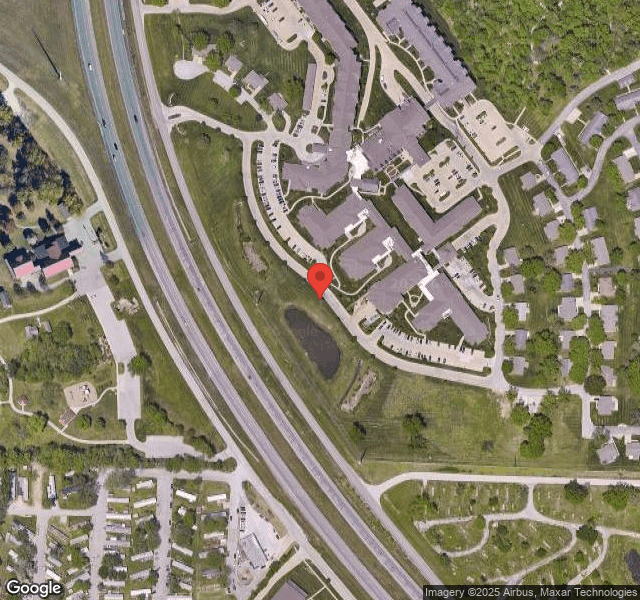

3850 CARTWRIGHT LANE, COLUMBIA, MO 65201 (573) 876-5800
Non profit - Corporation 56 Beds EVERTRUE Data: November 2025
Trust Grade
85/100
#28 of 479 in MO
Last Inspection: April 2025

Within standard 12-15 month inspection cycle. Federal law requires annual inspections.

Overview

Lenoir Health Care Center has a Trust Grade of B+, which means it is above average and recommended for families seeking care. It ranks #28 out of 479 facilities in Missouri, placing it in the top half, and #2 out of 9 in Boone County, indicating that only one other local option is better. The facility is improving, with reported issues decreasing from four in 2024 to two in 2025. Staffing is a strength, receiving a perfect 5/5 star rating, and a turnover rate of 43% is significantly lower than the state average of 57%. There are no fines on record, which is a positive sign, and Lenoir has more registered nurse coverage than 87% of Missouri facilities, ensuring better oversight of resident care. However, there have been some concerns, including staff failing to perform proper hand hygiene during resident care, which risks the spread of infection, and issues with food storage that could lead to cross-contamination. Overall, while Lenoir Health Care Center shows solid strengths, families should be aware of the areas needing improvement for a safe and healthy environment.

Trust Score
B+
85/100
In Missouri
#28/479
Top 5%
Safety Record
Low Risk
No red flags
Inspections
Getting Better
4 → 2 violations
Staff Stability
○ Average
43% turnover. Near Missouri's 48% average. Typical for the industry.
Penalties
✓ Good
No fines on record. Clean compliance history, better than most Missouri facilities.
Skilled Nurses
✓ Good
Each resident gets 49 minutes of Registered Nurse (RN) attention daily — more than average for Missouri. RNs are trained to catch health problems early.
Violations
⚠ Watch
13 deficiencies on record. Higher than average. Multiple issues found across inspections.
★★★★★
5.0
Overall Rating
★★★★★
5.0
Staff Levels
★★★★★
5.0
Care Quality
★★★★★
5.0
Inspection Score
Stable
2024: 4 issues
2025: 2 issues

The Good

  • 5-Star Staffing Rating · Excellent nurse staffing levels
  • 5-Star Quality Measures · Strong clinical quality outcomes
  • Full Sprinkler Coverage · Fire safety systems throughout facility
  • No fines on record
  • Staff turnover below average (43%)

    5 points below Missouri average of 48%

Facility shows strength in staffing levels, quality measures, fire safety.

The Bad

Staff Turnover: 43%

Near Missouri avg (46%)

Typical for the industry

Chain: EVERTRUE

Part of a multi-facility chain

Ask about local staffing decisions and management

The Ugly 13 deficiencies on record

Apr 2025 2 deficiencies
CONCERN (E)

Potential for Harm - no one hurt, but risky conditions existed

Food Safety (Tag F0812)

Could have caused harm · This affected multiple residents

Based on observation, interview and record review, the facility staff failed to store food in a manner to prevent potential contamination, out-dated use and reuse of single-service containers. This fa...

Read full inspector narrative →
Based on observation, interview and record review, the facility staff failed to store food in a manner to prevent potential contamination, out-dated use and reuse of single-service containers. This failure had the potential to affect residents who dined in the Woods Central and Olive [NAME] units and residents who received modified textured diets. The facility census was 48. 1. Review of the facility's Food Storage Policy, revised 10/01/20, showed: -Inspect food regularly for damage due to spoilage; -Items that arrive in their original packaging with a manufacturer's expiration date will utilize that date for discard: a. Should an item be opened and stored in a different container, it will be labeled with an open date and discard date; -Food safety practices based on ServSafe Standards will be followed at all times. Review of the ServSafe Manager's Manual, 7th edition, Chapter 5 (The Flow of Food: Purchasing, Receiving, and Storage) showed: -Following good storage guidelines for food and nonfood items will help keep these items safe and preserve their quality. In general, you must label and date mark your food correctly; -All items that are not in their original containers must be labeled with the common name of the food or a statement that clearly and accurately identifies it unless it is easily identified by sight and clearly will not be mistaken for another item; -Refrigeration slows the growth of most bacteria, but some types grow well at refrigeration temperatures. When food is refrigerated for long periods of time, these bacteria can grown enough to cause illness. For this reason, ready-to-eat time/temperature control for safety (TCS) food must be marked if held longer than 24 hours. The label must indicate when the food must be sold, eaten, or thrown out; -Food must be stored in ways that prevent cross-contamination; -Store food in containers intended for food; -Use containers that are durable, leakproof, and able to be sealed or covered; -Food storage starts with wrapping or covering food. Review of the facility's Preventing Foodborne Illness-Food Handling Policy, revised 02/14/25, showed Food will be stored, prepared, handled, and served so that the risk of foodborne illness is minimized. All employees who handle, prepare, or serve food will be trained in the practices of safe food handling and preventing foodborne illness Observations on 04/08/25 at 9:42 A.M., showed the main kitchen walk-in refrigerator contained: -a five pound plastic container, previously used for manufacturer packaged grated parmesean cheese, dated 4/4 used to store cooked sausage patties. Observation showed the container did not contain a description or emblem to indicate the container was not a single-service container; -a five pound plastic container, previously used for manufacturer packaged grated parmesan cheese, dated 4/5 used to store cooked white gravy. Observation showed the container did not contain a description or emblem to indicate the container was not a single-service container; -a plastic container of pureed sausage dated 04/02/25 opened to the air. Observation on 04/10/25 at 7:15 A.M., showed two undated and unlabeled plastic resealable bags which contained different flavors of cookie dough rounds removed from their original packaging stored in the freezer in the Woods Central kitchen. During an interview on 04/10/25 at 7:15 A.M., Dietary Aide (DA) C said the bags of cookie dough should be labeled with the name of the item and the date is it opened and he/she did not know why they were not labeled or dated. Observation on 04/10/25 at 7:30 A.M., showed a large undated bag of sausage patties opened to the air stored in the freezer in the Olive [NAME] kitchen. Observations on 04/10/25 at 8:15 A.M., showed four five pound plastic containers, previously used for manufacturer packaged grated parmesan cheese, dated 04/08 used to store pureed sausage, pureed eggs, ground sausage with gravy, and gravy in the main kitchen walk-in refrigerator. Observations showed containers did not contain descriptions or emblems to indicate the containers were not single-service containers. During an interview on 04/10/25 at 8:15 A.M., the kitchen supervisor said the staff prepare batches of the modified textured breakfast foods in advance and stored them in the containers previously used for manufacturer packaged grated parmesan cheese. The kitchen supervisor said he/she did not know the containers were not approved for reuse for food storage. Observation on 04/10/25 at 9:00 A.M., showed the main kitchen walk-in refrigerator contained a plastic container of pureed sausage marked with a hand-written use-by date of 04/06/25. During an interview on 04/10/25 at 9:30 A.M., the kitchen supervisor said previously prepared food items should be discarded after three days and opened or prepared food items should be stored in sealed containers labeled and dated with their open or made dates. The kitchen supervisor said he/she is responsible for the food storage in main kitchen, which he/she usually checks weekly, and the dining service supervisors are responsible for the food storage in the unit kitchens. The kitchen supervisor said he/she does not document his/her weekly food storage checks. During an interview on 04/10/25 at 10:43 A.M., the dining services manager (DSM) said: -Opened and previously prepared food items should be labeled, dated with the date made or opened and stored sealed in appropriate containers; -Staff are trained on how to date and label food items, but he/she did not know if staff were trained on what is an appropriate food storage container; -Staff should not reuse manufacturer packaged cheese containers for food storage and he/she did not know they did so; -Prepared food items should be discarded after three days; -The kitchen supervisor is responsible to monitor the food storage in main kitchen; -The weekend dining services supervisors are to monitor the food storage for proper placement, labels, dates, and covering in correct containers, fill out the checklist once completed and turn the completed checklist into him/her; -The last completed checklist he/she had is dated 03/16/25 and he/she did not know why he/she did not have others after 03/16/25. Review of Supervisor Checklist, dated 03/16/25, showed staff are directed to check food storage for labeling and dating. Review showed the checklist did not direct staff to monitor food storage for the use of proper containers, ensure foods were covered or sealed in containers, and to check for out-dated or expired food items. During an interview on 04/10/25 10:55 A.M., the dining services supervisor (DSS) said he/she was the weekend dining services supervisor and he/she did the task on the checklist, but he/she did not document his/her checks because he/she also worked the floor. The DSS said he/she spot checked the refrigerators and freezers on the units for proper food storage looking to see if the foods were labeled, dated, sealed and stored in appropriate places. The DSS said he/she threw away some out-dated food items, but he/she did not notice any other issues and he/she did not check everything. During an interview on 04/10/25 at 11:39 A.M., the administrator said opened and prepared food items should be labeled, dated and stored in approved, heat resistant containers and previously prepared food items should discarded after three days. The administrator staff are trained on these requirements and the DSM is responsible to monitor the food storage at least weekly. The administrator said the weekend dining services supervisors are also responsible to check all previously mentioned areas thoroughly and document their checks every week. The administrator said he/she did not know the dining services supervisors had not documented their weekly checks since 03/16/25, staff used single-service containers for food storage, did not date, label and seal opened and prepared food items and did not discard prepared food items after three days.
CONCERN (E)

Potential for Harm - no one hurt, but risky conditions existed

Infection Control (Tag F0880)

Could have caused harm · This affected multiple residents

**NOTE- TERMS IN BRACKETS HAVE BEEN EDITED TO PROTECT CONFIDENTIALITY** Based on observation, interview, and record review, facility staff failed to use enhanced barrier precautions (EBP) (an infectio...

Read full inspector narrative →
**NOTE- TERMS IN BRACKETS HAVE BEEN EDITED TO PROTECT CONFIDENTIALITY** Based on observation, interview, and record review, facility staff failed to use enhanced barrier precautions (EBP) (an infection control practice that requires staff to wear personal protective equipment (PPE) for five residents (Resident #15, #25, #27, #40, and #14) of five sampled residents who required care. The facility census was 48. 1. Review of the facility policy titled Enhanced Barrier Precautions, dated 02/25/25, showed EBP are utilized to prevent the spread of multi-drug resistant organisms (MDRO)s (bacteria or fungi that have developed resistance to one or more classes of antimicrobial agents, making them difficult to treat) to residents. EBPs employ targeted gown and glove use during high contact resident care activities when contact precautions do not otherwise apply. Gloves and gown are applied prior to performing the high contact resident care activity (as opposed to before entering the room) for residents that have a wound or indwelling medical device, and secretions or excretions that are unable to be covered or contained. Signs are posted in the door or wall outside the resident room indicating the type of precautions and PPE required; PPE is available inside of the resident rooms. 2. Review of Resident #15's Quarterly Minimum Data Set (MDS), a federally mandated assessment tool, dated 02/26/25, showed staff assessed the resident as: -Intact cognition; -Feeding tube (tube placed directly in the stomach to provide nutrition); -Received 501 milliliters (ml) a day or more intake by artificial route seven out of seven days in the look back period. Review of the Physician Order Sheet (POS), dated April 2025, showed: -Osmolite 1.5 Calorie 240 ml, via enteral tube, can have five times daily; -Cholestyramine (used to lower bad cholesterol) four grams (gm) powder for suspension in packet, administer via G-tube. Mix 60 ml of water, flush tube with 40 ml of water before and after medications. Observation on 04/07/25 at 11:27 A.M., showed the resident in his/her room. The resident's room did not have an EBP sign posted outside, and did not have gowns in or by the room. Observation on 04/08/25 at 8:29 A.M., showed resident in recliner with his/her feeding tube exposed. EBP signs are not posted and did not have gowns in or by the room. Observation on 04/08/25 at 1:56 P.M., showed Licensed Practical Nurse (LPN) G entered the resident's room to provide a tube feeding to the resident. The LPN performed the ordered flushes and feeding without a gown on. During an interview on 04/09/25 at 1:53 P.M., Certified Nurse Aide (CNA) E said he/she does not wear a gown when he/she provides care to the resident. The CNA said EBP signs are not posted for the resident and there is not any gowns for the resident's care. During an interview on 04/09/25 at 2:10 P.M., Certified Medication Technician (CMT) I said he/she has not worn gowns during the resident's care because he/she has not been taught to. The CMT said there is not a sign posted for EBP and there is not gowns in the resident's room, or in the hallway. During an interview on 04/09/25 at 2:20 P.M., LPN G said he/she had not been made aware he/she needed to wear a gown for the resident's tube feeding. The LPN said the resident does not have EBP signs posted and there is not gowns inside or outside the resident's room for care. 3. Review of Resident #25's admission MDS, dated [DATE], showed staff assessed the resident as: -Intact cognition; -One stage 4 pressure injury (full-thickness skin loss and tissue loss); -Four unstageable pressure injury (obscured full-thickness skin loss and tissues loss); -Surgical wound; -Open lesion on foot; -Indwelling urinary catheter (flexible tube ran directly in to the bladder to drain urine). Review of the POS, dated April 2025, showed: -Left heel blister & right ankle blister. Apply skin prep three times a day until healed. -Tailbone wound, Cleanse with wound cleanser, pat dry with 4 x 4 gauze, apply calcium alginate (wound dressing) and cover with foam boarder, change every three days and as needed. Observation on 04/07/25 at 11:43 A.M., showed the resident in his/her bed. The resident's room did not have an EBP sign posted outside, and did not have gowns in or by the room. Observation on 04/07/25 at 11:47 A.M., showed resident in his/her bed. The resident's room did not have an EBP sign posted outside, and did not have gowns in or by the room. Observation showed the resident with a indwelling catheter. During an interview on 04/07/25 at 11:47 A.M., the resident said he/she has open wounds on his/her bottom and heels. The resident said he/she has a urinary catheter. The resident said staff does not wear a gown when they provide wound care or catheter care. Observation on 04/08/25 at 2:19 P.M., showed the resident in his/her room. LPN G performed wound care to the resident's bottom, and CMT I positioned the resident. Observation showed LPN G and CMT I did not wear a gown when they completed wound care and repositioned the resident. During an interview on 04/09/25 at 1:53 P.M., CNA E said he/she has not been told to wear a gowns during wound care or catheter care, so he/she does not wear one. The CNA said the resident does not have an EBP sign posted and there is not gowns inside or outside of the resident's room. During an interview on 04/09/25 at 2:10 P.M., CMT I said he/she has never been told to wear a gown during catheter or wound care. The CMT said he/she did not wear a gown with the resident's care, because he/she did not know he/she needed to. During an interview on 04/09/25 at 2:20 P.M., LPN G said he/she is not in the habit of wearing a gown during the resident's wound care. The LPN said he/she doesn't know why CNAs aren't wearing gowns with care. The LPN said the resident's room does not have an EBP sign posted and there is not any gowns inside or outside the resident's room. 4. Review of Resident #27's Significant Change in Status Assessment (SCSA) MDS, dated [DATE], showed staff assessed the resident as: -Unable to complete Brief Interview for mental status; -Short term memory problems; -One Stage 3 pressure injury (full-thickness skin loss); -One arterial or venous ulcer; -Diagnoses of stroke, high blood pressure, diabetes, heart disease, seizure disorder; hemiplegia (muscle weakness or partial paralysis on one side of the body that can affect the arms, legs, and facial muscles), and peripheral vascular disease (a circulatory condition in which narrowed blood vessels reduce blood flow to the limbs). Review of the resident's POS, dated April 2025, showed: -04/07/25: Right lower leg: Apply Santyl Collagenase Ointment (used to remove damaged tissue from chronic skin ulcers) and Hydrofera Blue (dressings to promote natural wound healing by drawing in the body's natural healing agents while also killing bacteria) to wound bed cover with Aquacel (dressings that promote wound healing, absorb excess fluid, and maintain a moist wound environment) change every day; -04/07/25: Right outer heel wound: Apply Santyl and Hydrofera Blue to wound bed cover with Aquacel change every day; -04/07/25: Right inner heel: Apply Santyl and cover with Aquacel daily. Observation on 04/07/25 at 11:53 A.M., showed the resident's room did not have an EBP sign to alert staff of the need for EBP and did not have PPE inside or outside. Observation on 04/09/25 at 9:33 A.M., showed the resident in his/her room. LPN H performed wound care on the resident's right leg and heel and did not wear a gown during care. During an interview on 04/09/25 at 1:48 P.M., LPN H said he/she did not know what EBP was off the top of his/her head. LPN H said he/she did not receive any instruction or education on EBP. During an interview on 04/09/25 at 2:58 P.M., the Assistant Director of Nursing (ADON) A said he/she did not know what EBP was off of the top of his/her head, and had not received any instruction about it. ADON A said he/she did not know if there were any residents that should be on EBP in his/her neighborhood. 5. Review of Resident #40's SCSA MDS, dated [DATE], showed staff assessed the resident as: -Severe cognitive impairment; -Dependent on staff members for assistance with dressing, bed mobility and personal hygiene; -Frequently incontinent of urine; -Occasionally incontinent of bowel; -One unstageable pressure injury. Review of the resident's POS, dated April 2025, showed: -Pressure wound times four, cleanse with normal saline, pat dry, apply triple antibiotic ointment and cover with Aquacel dressing; -Change every three days and as needed for soiling, there is total of of three wounds on the back along the right and left of the spine. -Left heel and right ankle blister, apply skin prep three times a day until healed. Observation on 04/07/25 at 2:13 P.M., showed the resident's room did not have an EBP sign posted outside, and did not have gowns in or by the room. Observation on 04/07/25 at 2:20 P.M. showed CNA E, Nurse Aide (NA) D and NA F entered the resident's to room to provide incontinence care. CNA E, NA D and NA F provided direct resident care without gowns on. Observation on 04/07/25 at 2:30 P.M., showed LPN G entered the resident's room with wound care supplies. CNA E, NA D and NA F positioned while the LPN provided wound care to the resident's coccyx. The LPN, CNA and two NA's did not have gowns on during care. Observation on 04/08/25 at 8:19 A.M., showed the resident's room did not have an EBP sign posted outside, and did not have gowns in or by the room. Observation on 04/09/25 at 2:08 P.M., showed the resident's room did not have an EBP sign posted outside, and did not have gowns in or by the room. During an interview on 04/09/25 at 1:53 P.M., CNA E said he/she had heard of EBP and it is used to protect staff from resident infections and bodily fluids. The CNA said he/she had not been told to wear gown when he/she does wound or catheter care, so he/she doesn't. The CNA said he/she would assume EBP signs should be posted. The CNA said there is not any gowns in the resident's room for staff to wear and none outside in hall. The CNA said there is not any disposable gowns on the unit floor. During an interview on 04/09/25 at 2:10 P.M., CMT I said he/she did not know what EBP is and no one had ever explained it to him/her. The CMT said he/she has not been told to to wear gowns with catheter care, wound care or enteral feedings. He/She said if he/she had know he/she would have. The CMT said he/she thinks the DON is responsible to post EBP signs. The CMT said the resident does not have gowns in his/her room or outside the room. During an interview on 04/09/25 at 2:20 P.M., LPN G said he/she has not heard of EBP. The LPN said he/she would expect a sign posted outside the room like when resident is on Transmission Based Precautions (TBP) with PPE available. The LPN said he/she didn't think about wearing a gown during wound care with the resident, but he/she should have had a gown on. The LPN said the facility usually has paper gowns for wound care, but there are not available, so he/she just forgot about it. The LPN said he/she doesn't know why the CNAs aren't wearing gowns with care. The LPN said the facility had an infection control nurse, but doesn't know who took over when he/she left the position and is now in a weekend supervisor role. The LPN said the infection prevention nurse switched positions about 6 months ago and he/she is not sure who is doing infection control now. 6. Review of Resident #14's POS dated 04/08/25 showed an order for Calmoseptine to be applied to his/her coccyx wound two times a day and as needed. Observation on 04/09/25 at 1:11 P.M., showed the resident's room did not have an EBP sign posted outside, and did not have gowns in or by the room. RN J and CMT M provided wound care to the resident's coccyx and did not wear a gown. During an interview on 04/09/25 at 1:25 P.M., RN J said he/she did not know what EBP is and had not been instructed to wear a gown during wound care. 7. During an interview on 04/10/25 at 8:59 A.M., the Clinical Educator said resident who require EBP should have a sign posted on the outside of their door and staff should wear and gown and gloves during care. The Clinical Educator said staff had been educated on EBP at the end of last year. The Clinical Educator said residents with wounds require EBP but residents with feeding tubes and catheters do not. The Clinical Educator said residents who require EBP should have gowns and gloves outside their rooms. The Clinical Educator said he/she does not know why resident's with feeding tubes, catheters and wounds are not on EBP. The Clinical Educator said he/she is responsible for educating staff about EBP and the nurse manager is responsible for implementing EBP. During an interview on 04/10/25 at 9:18 A.M., the MDS Coordinator said he/she has not heard of EBP. He/She said the clinical educator is responsible for training staff about infection prevention. The MDS Coordinator said he/she is not aware of what EBP is, nor has the staff been doing it. The MDS Coordinator said staff are not doing EBP for residents because staff have not been taught about EBP or informed of it. During an interview on 04/10/25 at 11:19 A.M., the Director of Nursing (DON) said if a resident has secretions from the mouth, a wound, or staff are considered about urine splashing they should use EBP. The DON said EBP requires staff to use a gown, gloves, mask and goggles depending on the splash back. The DON said EBP is to protect staff resident secretions. The DON said staff haven't been doing EBP and the Clinical Educator and myself should have implemented it. The DON said he/she doesn't know why he/she didn't implement EBP in the facility. The DON said the PPE is kept in the basement with the supply manager but charge nurses or nurse managers can go down and get it. During an interview on 04/10/25 at 11:39 A.M., the administrator said staff should wear gowns and gloves if a resident has an indwelling medical device or wound. The administrator said signs should be be posted if a resident requires EBP. The administrator said EBP is to protect the employees. The administrator said staff do not have to use EBP for residents with catheters if the resident does not have a current infection. The administrator said EBP should be used for feeding tube care. The administrator said staff are following the facility policy, but the policy is written wrong. The administrator said staff have not been using EBP because they are misinterpreting the policy. The administrator said the Clinical Educator is responsible for educating staff on EBP and he/she does not know why staff does not know what EBP is.
Mar 2024 4 deficiencies
CONCERN (D)

Potential for Harm - no one hurt, but risky conditions existed

Deficiency F0658 (Tag F0658)

Could have caused harm · This affected 1 resident

**NOTE- TERMS IN BRACKETS HAVE BEEN EDITED TO PROTECT CONFIDENTIALITY** Based on interviews and record review, staff failed to maintain a professional standard of care when staff failed to ensure one ...

Read full inspector narrative →
**NOTE- TERMS IN BRACKETS HAVE BEEN EDITED TO PROTECT CONFIDENTIALITY** Based on interviews and record review, staff failed to maintain a professional standard of care when staff failed to ensure one resident's (Resident #36) care plan for advanced directives (code status - decision to start or withhold Cardiopulmonary Resuscitation - CPR) matched the physician ordered advanced directive and failed to notify the physician for further direction when an ordered supplement was unavailable. The facility census was 49. 1. Review of the facility's Advanced Directives policy, reviewed [DATE], showed: -Prior to admission or upon admission of a resident, the Social Service Director (SSD) or designee will inquire of the resident and their representative about the existence of any written advanced directive; -Information about whether or not the resident has executed an advanced directive shall be displayed in the ribbon in the Electronic Health Record (EHR); -The plan of care for each resident will be consistent with their documented treatment preferences and/or advanced directives; -A nurse will notify the physician of advanced directives so that appropriate orders can be documented in the resident's medical record and plan of care; -Questions regarding advanced directives shall be referred to the SSD. 2. Review of Resident #36's quarterly Minimum Data Set (MDS), a federally mandated assessment tool used to plan care, dated [DATE], showed staff assessed the resident as moderately cognitively impaired with diagnoses of dementia and aphasia (language disorder affecting communication). Review of the resident's Physician Order Sheet (POS), dated [DATE], showed an order dated [DATE] for Do Not Resuscitate (DNR). Review of the resident's signed Outside the Hospital DNR form (OSHDNR) signed [DATE] showed DNR. Review of the resident's Care Plan, dated [DATE] showed: -Resident's advanced directive/code status wishes will be followed; -Resident is a Full Code - CPR will be initiated. During an interview on [DATE] at 02:37 P.M., the resident's family said CPR discussions occurred on admission and he/she informed the facility he/she wants the resident's code status to be DNR. During an interview on [DATE] at 10:05 A.M., Licensed Practical Nurse (LPN) C said the admitting nurse obtains advanced directive information, obtains an order, and puts the purple OSHDNR sheet in a binder at the nurse station. He/She said the SSD updates the care plan with the information and all information should match or a mistake could occur and the resident's wishes not followed. During an interview on [DATE] at 11:12 A.M., the SSD said advanced directives are completed on admission by either the nurse or the SSD. He/She said if an order needs obtained, it is the responsibility of the nurse and the SSD updates the care plan. He/She said after the initial care plan meeting, he/she double checks the care plan to make sure it is correct. The SSD was not aware the orders and signed OSHDNR did not match the care plan and said if the orders and care plan do not match, the resident may have unwanted treatment or lack of treatment. During an interview on [DATE] at 11:44 A.M., the Director of Nursing (DON) said the social worker is responsible for advanced directive information. He/She said the information is on the admission tab, on the face sheet, and in the orders in the EHR. He/She was not aware the orders did not match the care plan, but said they should or an incident could happen and wishes not followed. During an interview on [DATE] at 12:36 P.M., the administrator said the SSD goes over advanced directives during the admission process. He/She said the purple OSHDNR sheet goes in a binder at the desk and on a ribbon in the EHR. The administrator said until there is an order, the resident is a Full Code (CPR will be initiated). He/She said the only time the orders and care plan would not match is if there is a glitch in the EHR. He/She said the resident will not have their wishes followed if the documentation does not match. 3. Review of the facility's Change in Resident Condition policy, Administering medication policy, Labeling and Storage of Medications policy, and Adverse Consequences and Medication Errors policy dated [DATE] showed the documentation did not direct staff when to notify the physician when an ordered supplement is unavailable. 4. Review of Resident #36's quarterly MDS, dated [DATE] showed staff assessed the resident as: -Moderately Cognitively impaired; -Complained of pain or difficulty chewing and swallowing; -Had weight loss; -Fifty One (51) percent (%) of nutrition comes from a feeding tube; -Feeding tube; -At risk for skin breakdown; -Incontinent of bowel; -Diagnoses of aphasia, dementia, and stroke. Review of the resident's POS, dated February 2024, showed on [DATE] the physician ordered Banatrol TF 5 gram liquid (anti-diarrhea supplement) in a packet three times a day for diarrhea to start on [DATE], and to monitor for constipation. Review of the Medication Administration Record (MAR), dated February and [DATE] showed it did not contain documentation the staff administered the Banatrol. Review of the Nurse Notes dated [DATE] through [DATE] showed staff documented the following: -On [DATE], start Banatrol, 1 packet three times a day; Orders entered and sent to the pharmacy; -On [DATE], an order was recently received for resident to have scheduled Banatrol. The pharmacy states it needs to be ordered from another pharmacy, email sent to the facility's central supply; -On [DATE], called and spoke with central supply to get update on Banatrol order and central supply report they will get that completed; -The notes did not contain documentation of diarrhea, constipation, upset stomach, nausea, skin concerns, weight loss, hydration or appetite. Observation on [DATE] at 09:02 A.M., showed LPN H administered the morning medication to the resident. Additional observation showed the ordered Banatrol was unavailable to be administered. Observation on [DATE] at 10:26 A.M., showed Certified Nurse Aide (CNA) E and CNA F provide incontinence care on the resident. The resident was incontinent of a large soft bowel. During an interview on [DATE] at 09:02 A.M., LPN H said the medication is not available and he/she would have to check to see if it is in yet. During an interview on [DATE] at 10:05 A.M., LPN C said medications are typically ordered from the resident's pharmacy of choice or the facility pharmacy, then if it's the facility pharmacy, the facility will receive a phone call if the medication is not available and then other options will be considered. He/She said the facility pharmacy usually gets back within a day if there is a problem with an order. LPN C said the physician should be notified within 72 hours if the facility cannot get the ordered medication right away. He/She said staff should monitor the resident for adverse effects including bowel movements and skin integrity. He/She said the facility is trying to get the medication from another pharmacy for this resident and should notify the physician it is not available and there is difficulty getting it so further instructions/orders can be obtained. During an interview on [DATE] at 11:46 A.M., the DON said if there is a problem getting an ordered product from the pharmacy, the facility pharmacy usually informs the facility by the next day. Staff should notify the physician as soon as they hear from the pharmacy so further orders and instructions can be obtained. He/She expects staff to monitor the resident for skin breakdown and further diarrhea and document it in the EHR. During an interview on [DATE] at 12:36 P.M., the administrator said if medications are out or not available, staff should notify the physician by fax or other means for further instructions. He/She said if the medication is for diarrhea, then the staff should be monitoring for diarrhea, hydration issues, appetite, weight loss and skin issues. He/She expects the product or medication to be in the facility within 2 days or a hold order placed on the medication.
CONCERN (D)

Potential for Harm - no one hurt, but risky conditions existed

Deficiency F0740 (Tag F0740)

Could have caused harm · This affected 1 resident

Based on observations, interviews and record review, facility staff failed to review, revise and develop individualized interventions for one resident (Resident #5) who exhibited behaviors. The facili...

Read full inspector narrative →
Based on observations, interviews and record review, facility staff failed to review, revise and develop individualized interventions for one resident (Resident #5) who exhibited behaviors. The facility census was 49. 1. Review of the Facility Assessment, dated July 2023 through June 2024, showed: -Twenty-eight residents with a diagnosis of Alzheimer Disease (A progressive disease that destroys memory and other important mental functions); -Twenty-one residents with a diagnosis of unspecified dementia (A group of thinking and social symptoms that interferes with daily functioning). Review of the facility's Mood and Behavior policy, undated, showed: -To provide a plan of care that is individualized to the resident's needs based on the comprehensive assessment by the interdisciplinary team; -An initial care plan identifying resident mood and behavior needs will be completed and communicated to care givers; -Any mood and behavior symptoms will be documented by the Interdisciplinary Team while caring for the resident, as well as interventions attempted and outcome; -The community will assess and determine individualized behavioral care plan interventions for individuals with dementia; -Behavioral interventions are individualized approached that are provided as part of a supportive physical and psychosocal environment, and are directed toward understanding, preventing, relieving, and/or accommodating a resident's distress or loss of abilities; -Mood and behavioral tracking documentation will be completed by front line staff, based on comprehensive assessment outcomes, to identify any mood and behavior patterns, interventions attempted and outcome of approaches; -Mood and behavioral tracking will be reviewed by the Interdisciplinary Team to determine trends and effectiveness of care plan interventions. 2. Review of Resident #5's quarterly Minimum Data Set (MDS), a federally mandated assessment tool used to plan care, dated 1/12/24, showed staff assessed the resident as: -Severely cognitively impaired; -No behaviors or symptoms of delirium; -Diagnosis of Alzheimer dementia, anxiety, and depression. Review of the resident's care plan, dated 3/5/24, showed: -Use of psychotropic medication and will be free of signs and symptoms of drug-related cognitive impairment and behavioral impairment; -Monitor for effectiveness of psychotropic drug(s); -Has anxiety manifested by verbal distress; -Offer juice and/or snacks; -When experiencing episodes of anxiety by crying out, ask if would like to sit in a recliner in his/her room for a quieter environment; -Reassure during periods of distress/anxiousness; -Speak in a calm voice; validate feelings; -The record did not contain documentation or direction to staff regarding his/her need for frequent redirection when being repetitive and attempts to find out cause of anxiety. Review of the resident's nurse's notes, dated December 8, 2023 through March 8, 2024 showed: -1/27/24 clinical note: When brought to the dining room for dinner, began yelling somebody help me. Who is going to help me. The resident stated he/she wanted to move to a recliner in the living room. Informed he/she was sitting at the dining table because it was almost time for dinner and he/she understood. When staff walked away, the resident began yelling for help again. The resident needed frequent redirection while waiting for dinner. -2/10/24 clinical note: Sitting in the living room recliner after dinner, kept yelling Somebody come and help me, somebody come and get me, multiple times. Staff would check on the resident to see what he/she needed and the resident would state, I don't need anything. The nurse repositioned the resident in the recliner by elevating his/her feet and covering him/her with a blanket. -2/16/24 clinical note: Sitting in the living room, yelling out Somebody come get me, multiple times throughout the evening. Twice, when staff approached the resident to assist him/her, the resident yelled get away from me. Leave me alone. He/she was assisted to the bathroom and sat in his/her recliner in his/her bedroom this evening. He/she calmed down after using the bathroom and while watching television (TV) in his/her room. Review of the resident's Behavior Monitoring, dated 12/8/23 through 3/8/24, showed staff documented the resident cried: -December 2023, four of 23 days; -January 2024, 19 of 31 days; -February 2024, 18 of 29 days; -March 2024, seven of eight days. Review of the resident's Behavior Monitoring, dated 12/8/23 through 3/8/24, showed staff documented disruptive behaviors on January 21 and 23, February 27, and March 4, 2024. Observation on 3/5/24 at 10:30 A.M., showed the resident in a recliner in the living room with ten other residents. Observation showed the resident repeatedly said help me, take me over there loudly. Observation showed an unknown staff member said, in just a little bit. The resident in a loud voice said, my butt hurts. Observation on 03/05/24 at 10:56 A.M., showed a staff member ambulated the resident to the dining room chair and told the resident he/she would be eating soon. Observation showed staff did not assist the resident with his/her discomfort or offer any other interventions to assist the resident as directed in the residents plan of care. Observation on 03/05/24 at 11:23 A.M., showed the resident at the dining room table with 16 other residents in the area. He/She loudly repeated help me, help me, come and get me, so ready. Observation showed staff did not offer any other interventions to assist the resident as directed in the resident's plan of care. Observation on 3/5/24 at 02:27 P.M., showed the resident in a recliner in his/her room with the door open. In a loud voice the resident said help me to two different staff members as they walked by the room. Observation showed staff did not offer any other interventions to assist the resident as directed in the resident's plan of care. Observation on 3/6/24 at 08:04 A.M. through 09:08 A.M., showed: -At 08:04 A.M., the resident sat at the dining room table with a large group of peers during the breakfast meal. In a loud voice, he/she said, come and get me now, I'm ready, take me to the white chair, I'm choking, now I am, come and get me. -At 08:10 A.M., in a loud voice, said I'm ready, come and get me. -At 8:12 A.M., in a loud voice said, Im right here, come and get me. His/her voice increased in tone. An unknown staff member said, hang on, I'm with another resident. An unknown resident said, I wish they would come and get her. -At 08:37 A.M., in a loud voice, the resident said, come and get me, I'm cold. A staff member stopped and told the resident he/she would shower him/her. The resident replied ok. When the staff member walked away, the resident said in a loud tone, Not tomorrow but now, get the red blanket, I'm cold. -At 8:50 A.M., in a very loud tone said come and get me. An unknown resident said back to the resident, Oh shut up! A staff member approached the resident and asked him/her to finish his/her coffee and then he/she would receive a shower. When staff walked away, the resident said in a loud tone, help! Staff returned to remind resident to drink his/her coffee, the resident said to staff, I need my red blanket. Staff did not offer the blanket or retrieve a similar one. -At 09:01 A.M., the resident sat at the dining room table with chin to chest and eyes closed. -At 9:05 A.M., staff woke the resident as informed he/she would get clean clothing to go shower. As staff walked away, the resident yelled out, get me a blanket and clothes! -At 09:08 A.M., staff ambulated the resident to the shower room. Observation on 03/06/24 at 09:46 A.M., showed staff ambulated the resident to the living room and placed him/her into a reclining chair and placed the red blanket onto his/her lap. At 09:47 A.M., in a loud voice, the resident said, I cant breathe. An unknown resident said in a harsh tone, oh your breathing, just stop it. At 09:49 A.M., when the resident repeated I cant breath, two residents mocked the resident and said oh enough, you can breath. The two residents said to one another, the staff don't seem to help him/her, one of these days, I'm going to sit on him/her. During an interview on 3/8/24 at 09:47 A.M., Certified Nurse Aide (CNA) D said, there are residents that live at the facility that have behaviors such as the resident. He/She said the resident can be loud and repetitive at times and needs frequent redirection. He/She said he/she worked at the facility for a few months and does not remember having any dementia or behavior training. CNA D said when the resident is being disruptive or loud, he/she moves the resident to a quieter area, says nice things, and tries to calm him/her down. He/She is not aware of any other residents complaining of the resident's behaviors. During an interview on 3/8/24 at 10:05 A.M., the nurse manager said staff are encouraged to use non-pharmacological interventions when dealing with resident behaviors such as distraction or activity participation. He/She said recently the facility found out the resident has had a traumatic history and when staff see an increase in behaviors, it us usually due to too much stimulus or noise around him/her. The nurse manager said interventions that help the resident should be a part of the care plan so it is shared to all the staff on what works for the specific behaviors. He/She said there are some residents who have complained about this resident's behaviors, and when this resident is increasingly agitated or anxious, he/she is moved from the situation. He/She said he/she updated the care plan with interventions for behaviors. During an interview on 03/08/24 at 10:43 A.M., the administrator said the resident has a traumatic history and has behaviors. He/She said there are two residents that have complained about the behaviors. During an interview on 03/08/24 at 11:46 A.M., the Director of Nursing (DON) said the resident's behaviors are brought on by anxiety and staff are instructed to ask the resident if he/she needs anything. He/She said staff should offer food/fluids, or depending on what is going on in the area, can be overstimulating and may need to move the resident from the area. The DON said sometimes there are other residents who have issues with this resident's behaviors and staff have to calm them down. He/She said with anyone having behaviors or being disruptive, staff should try distraction and/or remove from situation. He/She said the resident should have specific interventions for specific behaviors in the care plan especially the interventions that work best. He/She said the nurse managers on the units and the MDS Coordinator are responsible to ensure the interventions are individualized on the care plans. During an interview on 3/8/24 at 12:36 P.M., the administrator said staff are trained on behaviors at hire and twice yearly. He/She said if there are staff who mishandle behaviors, then on-the-spot training is completed. The administrator said resident specific behaviors should be care planned with interventions for staff to follow that work for those specific behaviors.
CONCERN (E) 📢 Someone Reported This

A family member, employee, or ombudsman was alarmed enough to file a formal complaint

Potential for Harm - no one hurt, but risky conditions existed

Accident Prevention (Tag F0689)

Could have caused harm · This affected multiple residents

**NOTE- TERMS IN BRACKETS HAVE BEEN EDITED TO PROTECT CONFIDENTIALITY** Based on observation, resident and staff interview, and record review, facility staff failed to provide safe mechanical lift tra...

Read full inspector narrative →
**NOTE- TERMS IN BRACKETS HAVE BEEN EDITED TO PROTECT CONFIDENTIALITY** Based on observation, resident and staff interview, and record review, facility staff failed to provide safe mechanical lift transfers for four (Resident #28, #29, #32, and #35) out of 13 sampled residents. Facility staff failed to provide safe medication storage for three residents (Resident #23, #36, and #8). The facility census was 49. 1. Review of the facility's Safe Lifting and Movement of Residents policy, dated 10/14/19, showed staff were directed as follows: -Staff responsible for direct resident care will be trained in the use of a mechanical lifting devices; -Staff will be observed for competency in using mechanical lifts and observed periodically for adherence to policies and procedures regarding the use of equipment and safe lifting techniques. Review of the mechanical lift manufacturer's manual, dated 10/01/18, showed a warming, the legs of the lift must be in the maximum open position for optimum stability and safety. If it is necessary to close the legs of the lift to maneuver the lift under a bed, close the legs of the lift only as long as it takes to position the lift over the patient and lift the patient off the surface of the bed. When the legs of the lift are no longer under the bed, return the legs of the lift to the maximum open position and lock the shifter handle immediately. 2. Review of Resident #28's admission Minimum Data Set (MDS), a federally mandated assessment tool used to plan care, dated 01/10/24, showed staff assessed the resident as follows: -Severe cognitive impairment; -Total dependence on staff for toilet transfers; -Total dependence on staff for shower transfers; -Diagnosis of Alzheimer's. Observation on 03/06/24 at 3:40 P.M., showed Certified Nurse Aide (CNA) A and CNA B used the mechanical lift to transfer the resident from his/her bed to the wheelchair. CNA B used the mechanical lift to move the resident off the bed and backed the mechanical lift away from the bed, and turned the lift without spreading the legs of the the mechanical lift . CNA B then move the resident across the room to the wheelchair. Staff did not widen the legs of the mechanical lift to provide safety while they transferred the resident. During an interview on 03/06/24 at 3:47 P.M., CNA B said the legs of the lift should remain closed until they are spread to clear a wheelchair. 3. Review of Resident #29's quarterly MDS, dated [DATE], showed staff assessed the resident as follows: -Severe cognitive impairment; -Toilet transfer total dependence; -Shower transfer total dependence; -Diagnosis of Alzheimer's. Observation on 03/07/24 at 10:30 A.M., showed CNA I and CNA J used a Hoyer lift to transfer the resident from his/her bed to the wheelchair. CNA I lifted the resident off the bed with the mechanical lift, backed away from the bed, and then turned the mechanical lift around to point it towards the wheelchair. The aide pushed the mechanical lift across the room and lowered the resident into the wheelchair. Staff did not widen the legs of the mechanical lift to provide safety while they transferred the resident. During an interview on 03/07/24 at 10:40 A.M., CNA I said the legs of the lift should be open but it is easier to get around the room if they are left closed. The CNA did not know the safety risks when not opening the legs. 4. Review of Resident #32's quarterly MDS, dated [DATE], showed staff assessed the resident as follows: -Severely cognitively impaired; -Toilet transfers required with substantial/maximal assistance from staff; -Shower transfers required with substantial/maximal assistance from staff; -Diagnosis of Dementia. Observation on 03/08/24 at 09:53 A.M., showed CMT M and CNA L used a mechanical lift to transfer the resident from the resident's chair to the bed. CNA L pushed the mechanical lift legs under the resident's wheelchair with the mechanical lift legs closed. CNA L raised the resident with the mechanical lift , backed the hoyer lift up and pivoted the lift toward the bed. CNA L then pushed the lift under the bed and lowered the resident onto the bed. Staff did not widen the legs of the mechanical lift to provide safety while they transferred the resident. Observation on 03/08/24 at 10:04 A.M., showed CMT M and CNA L used a mechanical lift to transfer the resident from the resident's bed to the wheelchair. CNA L pushed the hoyer lift under the resident's bed with the legs closed. The CNA transferred the resident in the hoyer lift to the wheelchair with the legs closed. Staff did not spread the legs of the mechanical lift to provide safety while they transferred the resident. During an interview on 03/08/24 at 10:09 A.M., CMT M said when using a mechanical lift, the legs should be open while moving the resident, but it does not happen all the time because the lift legs do not fit well under the beds. 5. Review of Resident #35's quarterly MDS, dated [DATE], showed staff assessed the resident as follows: -Severely cognitively impaired; -Toilet transfers were not applicable -Shower transfers were dependent; -Diagnosis of Dementia and Alzheimer's Disease. Observation on 03/07/24 at 10:10 A.M., showed CMT N and RN O used a mechanical lift to transfer the resident from the resident's chair to the bed. RN O pushed the hoyer lift legs under the resident's wheelchair with the lift legs widened. RN O raised the resident with the hoyer left, backed the hoyer lift up, closed the lift legs and pivoted the lift toward the bed. RN O then pushed the lift under the bed and lowered the resident onto the bed. Staff closed the lift's legs when they pivoted the resident and did not widen the legs of the mechanical lift to provide safety while they moved the resident from the wheelchair onto the bed. During an interview on 03/07/24 at 10:19 A.M., RN O said when using a mechanical lift, the legs should be open while moving the resident, but it was difficult due to the lack of space in the room. During an interview on 03/08/24 at 8:45 A.M., Licensed Practical Nurse (LPN) K said the legs of a lift should be open wide when transferring a resident. He/She said this is done for stability and safety. Additionally, he/she said they expect staff to always open the legs of the lift when transferring a resident because they are educated to do a lift in this manner. During an interview on 03/08/24 at 8:55 A.M., the Assistant Director of Nursing (ADON) said lifts are done with two staff. The ADON said one staff steadies the resident while the other operates the lift. Legs on the lift should be open to the widest position for stability while moving. He/She said there is a risk of the resident falling if the legs of the lift are not open. During an interview on 03/08/24 at 11:54 A.M., the Director of Nursing (DON) said two staff are used to perform a mechanical lift and transfer of a resident. He/She said one staff supports the resident and the other operates the lift and the legs should be open to their widest position for stability regardless of the lift manufacturer. The DON said staff should not be doing transfers without the stability of the legs open. During an interview on 03/08/24 at 12:36 P.M., the administrator said staff are trained to open the legs of lifts for stability. He/She said there isn't a reason for them not to open the legs as it is not safe due to the lack of stability. 6. Review of the facility's Administering Medications policy, reviewed January 2024, showed residents may administer their own medication only if the physician, in conjunction with the interdisciplinary care planning team, has determined the resident has the decision making capacity to do so safely. 7. Review of Resident #8's quarterly MDS dated [DATE] showed staff assessed the resident as cognitively intact. Review of the resident's Physician Order Sheet (POS), dated March 2024, showed the resident did not have an order for Calamine Clear Lotion or over the counter sore throat spray to be kept at bedside. Review of the resident's medical record did not contain documenation staff assessed the resident for his/her ability to have the capacity to safely self administer medications. Review of the nursing notes showed staff documented: -At 03:20 P.M., the resident called nurse to room, held up a bottle of calamine clear spray bottles within reach in the resident's bathroom. -At 03:25 P.M., items removed from the resident's room included: a body cleanser - two bottles of shampoo/conditioner, aloe vera & vitamin E baby oil, nail polish remover, over the counter sore throat spray, stress relieving moisturizing lotion, over the counter wrinkle release spray, two bottles of eye glass cleaner, liquid soap and hydrating Lotion. Observation on 03/05/24 at 10:40 A.M., showed the resident in his/her room. Observation showed a bottle of over the counter calamine clear lotion sat on the resident's bedside stand with [NAME] Wrinkle Release and Equate Lense Cleaner ught the bottle of calamine lotion was nutritional supplement and swallowed it by mistake. During an interview on 03/07/24 at 09:48 A.M., the resident said he/she tholotion and stated, I drank this. During an interview on 03/07/24 at 10:53 A.M., Housekeeper R said if housekeeping staff see any kind of medication in the resident's room, a nurse should be notified. Housekeeper R said he/she had never seen medications in a resident's room. During an interview on 03/07/24 at 11:05 A.M., Licensed Practical Nurse (LPN) Q said a physician must write an order for any over the counter (OTC) medication and the order should also state may keep at bedside. The resident should have a medication self-administration assessment, and should be instructed to keep all medications out of sight. LPN Q said families are instructed to turn in or take home any over the counter medications and not leave them with the resident. During an interview on 03/08/24 at 11:55 A.M., the Director of Nursing (DON) said if a resident has medication in their room, doctor orders must be obtained, and the interdisciplinary care planning team should assess if the resident had the decision making capacity to safely self administer medication and use the resident shmedication self-administration assessment tool. The resident must be alert and follow instructions to keep the medications in the bathroom, locked in a box. The DON said there are residents who wander and access the medications which could harm them. During an interview on 03/08/24 at 12:36 P.M., the administrator said he/she expects an order for self-administration of medications and the resident should be assessed to ensure safety. He/She said if the resident is not safe, an accidental overdose or poisoning may occur. 8. Review of Resident #23's quarterly MDS, dated [DATE], showed staff assessed the resident as moderately cognitively impaired. Review of the resident POS, dated March 2024, showed an order dated 02/20/24, for Chlorhexidine gluconate (antiseptic) 0.12% 15 milliliters (ml) twice a day for dry mouth. Swish and spit, do not swallow. Review of the resident's medical record did not contain documenation staff assessed the resident for his/her ability to have the capacity to safely self administer medications. Observation on 03/06/24 at 09:40 A.M., showed the resident in his/her room. Observation showed a bottle of Chlorhexidine gluconate 0.12% mouthwash on the counter in the bathroom. Observation at this time time showed another resident wandered into the room and staff redirected the resident out of the room. During an interview on 03/08/24 at 10:05 A.M., LPN C said if there are medications in a resident's room, there should be an order that states, may keep at bedside. He/She said he/she was not aware until 03/07/24 an assessment is needed to be completed for residents who wish to have the medications at bedside. LPN C said the resident is not oriented enough to be able to self-administer the medication and should not have it at the bedside. He/She said other nurses have been told before not to leave medications at bedside because there are other residents that wander on the unit and could get hurt if they take medications that are not theirs. He/She did not know why the medication was in the resident's room. During an interview on 03/08/24 at 11:46 A.M., the DON said the resident is not approved to have medication in his/her room. 9. Review of Resident #36's quarterly MDS, dated [DATE], showed staff assessed the resident as moderately cognitively impaired. Review of the resident's POS, dated March 2024, showed an order dated 12/16/23, for arthritis hot pain relief 15%-10% topical cream to right upper extremity/right shoulder. May keep at bedside and family may apply when here. Review of the resident's medical record did not contain documenation staff assessed the resident for his/her ability to have the capacity to safely self administer medications. Observation on 03/06/24 at 09:38 A.M., showed the resident in bed. Observation showed the over bed table with an over the counter pain relieving cream/gel on on top. Observation at this time showed another resident wandered into the room and staff redirected the resident out of the room. During an interview on 03/06/24 at 09:38 A.M., the resident said he/she could not tell what the medication was for or why it was in the room. During an interview on 03/08/24 at 10:05 A.M., LPN C said if there are medications in a room, there should be an order that states, may keep at bedside. He/She said was not aware until 03/07/24 there was an assessment needed to be completed for residents who wish to have the medications at bedside. LPN C said there are other residents who wander on the unit and could get hurt if they take other medications that are not theirs. He/She said there is only one resident on the unit who is able to self administer medication, and this resident is not that resident. He/She did not know why the medication was in the room. During an interview on 03/08/24 at 11:46 A.M., the DON said the resident is not approved to have medication in his/her room. During an interview on 03/08/24 at 11:46 A.M., the DON said in order for a resident to self administer medication there should be an order and assessment completed to ensure the resident is alert and oriented enough to take the medication safely. He/She said if they are, there is a cabinet in the resident's bathroom that can be locked for the resident to use and to keep other residents from accessing the medication. He/She said there are residents who wander and could potentially access the medication kept in other rooms and get hurt. During an interview on 03/08/24 at 12:36 A.M., the administrator said he/she is not aware of any resident approved to have medication at bedside. He/She expects an order to be obtained from the physician and an assessment to be completed before medications are allowed to be in a resident's room. The administrator said wandering residents could go into the room and take the medication and get hurt if the medication is not secured.
CONCERN (F)

Potential for Harm - no one hurt, but risky conditions existed

Infection Control (Tag F0880)

Could have caused harm · This affected most or all residents

**NOTE- TERMS IN BRACKETS HAVE BEEN EDITED TO PROTECT CONFIDENTIALITY** Based on observation, interview, and record review, facility staff failed to use appropriate infection control procedures to pre...

Read full inspector narrative →
**NOTE- TERMS IN BRACKETS HAVE BEEN EDITED TO PROTECT CONFIDENTIALITY** Based on observation, interview, and record review, facility staff failed to use appropriate infection control procedures to prevent the spread of bacteria or other infectious causing contaminants when staff failed to perform appropriate hand hygiene and glove changes during incontinent care for three residents (Resident #32, #35, and #36), and failed to properly handle soiled linens for one resident (Resident #36). The facility census was 49. 1. Review of the facility's Hand Hygiene policy, reviewed 01/30/24, showed all personnel shall follow the handwashing/hand hygiene procedures to help prevent the spread of infection to other personnel, residents, and visitors. Review showed: -Use an alcohol-based hand rub containing at least 60% alcohol, or, alternatively soap (antimicrobial or non-antimicrobial) and water for the following situations: a. Before and after contact with residents; b. Before moving from a contaminated body site to a clean body site during resident care; c. After removing gloves; -The use of gloves does not replace hand washing/jhand hygiene. Integration of glove use along with routine hand hygiene is recognized as the best practice for preventing health care associated infections. 2. Review of Resident #32's Quarterly Minimum Date Set (MDS), a federally mandated assessment, dated 12/22/23, showed staff assessed the resident as: -Severely cognitively impaired; -Frequently incontinent of urine and occasionally incontinent of bowel; -Dependent for toileting hygiene; -Diagnosis of Dementia. Observation on 03/08/24 at 09:53 A.M., showed Certified Nursing Assistant (CNA) L and Certified Medication Technician (CMT) M provided perineal care for the resident. CNA L and CMT M did not wash their hands after they removed their gloves or before they left the resident's room. During an interview on 03/08/24 at 10:00 A.M., CMT M said the normal routine was interrupted, they were anxious about being watched, and forgot to sanitize their hands before exiting the room. CMT M said staff should sanitize hands before exiting a resident's room if the resident or any items were touched. 3. Review of Resident #35's Quarterly MDS, dated [DATE], showed staff assessed the resident as: -Severely cognitively impaired; -Always incontinent of urine and always incontinent of bowel; -Dependent for toileting hygiene; -Diagnosis of Dementia and Alzheimer's Disease. Observation on 03/07/24 at 10:10 A.M., showed Registered Nurse (RN) O and CMT N provided perineal care for the resident. CMT N wiped bowel off the resident's buttocks, removed gloves, put on clean gloves and continued to wipe the resident and did not perform hand hygiene. During an interview on 03/07/24 at 10:21 A.M., CMT N said hands should be sanitized before entering and exiting a resident's room, and before touching a cleaner item after touching a dirtier item. CMT N did not realize he/she had changed gloves without sanitizing hands during the perineal care. 4. Review of the facility's Linen Handling policy, reviewed January 2024, showed: -Soiled laundry/bedding shall be handled in a manner that prevents gross microbial contamination of the air and persons handling the linen. All soiled linen is handled as contaminated linen; -All used linen shall be bagged at the point of use in a leak-resistant bag and placed in a hamper or taken to the linen holding area. 5. Review of Resident #36's Quarterly MDS, dated [DATE], showed staff assessed the resident as: -Cognitively impaired; -Required substantial/maximum assistance for dressing; -Toileting assistance was non-applicable; -Diagnosis of stroke. Observation on 3/7/24 at 10:26 A.M., showed Certified Nurse Aide (CNA) E and CNA F entered the resident's room to provide incontinence care and did not perform hand hygeine before they applied clean gloves. Observation showed CNA F pulled down the blankets, unsecured the soiled brief, placed the brief down between the residents legs, and cleansed the perineal area with wet wipes. CNA F's gloves became soiled he/she removed the gloves and reapplied new gloves. Observation showed the CNA F did not perform hand hygiene. CNA E and CNA F rolled the resident to the side, CNA E rolled the soiled brief under the resident, soiled his/her glove with bowel movement and put it in a plastic bag, removed his/her gloves and applied new gloves. CNA E did not perform hand hygiene. CNA E cleansed the buttocks and inner thighs, removed gloves and applied new gloves. CNA E did not perform hand hygiene. The resident was rolled to the opposite side and CNA F cleansed the buttocks and inner thighs, removed the soiled brief from under the resident, placed the brief in a bag and removed his/her gloves and applied new gloves and did not perform hand hygiene. CNA F opened the nightstand and obtained a tube of barrier cream and squirted some onto CNA E's glove. CNA E applied the barrier cream to the residents buttocks, removed the soiled linens from under the resident and placed them on the floor, applied a clean brief to the resident, picked up the soiled linen and placed it into a plastic bag, placed the bag on the bed and removed his/her gloves and did not perform hand hygiene. Both CNA's removed the residents gown, applied the resident's clean pants and shirt, positioned a mechanical lift sling under the resident, and attached the sling to the lift, transferred the resident removed their gloves and applied clean gloves and did not perform hand hygiene. CNA E touched the call light and handed it to the resident, took the soiled linen bag and trash bag with gloved hands out of the room to the soiled work room and returned to the room. CNA E did not perform hand hygiene before leaving the room or when returning to the room. CNA F washed the resident's face, applied a hand brace, applied clean linens to the bed, and left the room with the mechanical lift and did not perform hand hygiene before leaving the room. CNA E left the room and did not perform hand hygiene. During an interview on 03/07/24 at 11:00 A.M., CNA F said hands should be washed when going into a room, before leaving a room, before washing the residents face, before making the bed or touching clean linens, and between glove changes. He/She said he/she was nervous and usually does wash his/her hands to decrease the spread of infection to other people. During an interview on 03/07/24 at 11:03 A.M., CNA E said hands should be washed when going in a room, before leaving a room, and between glove changes. He/She said he/she should not have left the room with gloves on or thrown the linens on the floor because that is how germs are spread. He/She said if linens are on the floor, someone could step there and spread the germs around. He/She said he/she didn't wash his/her hands because it slipped his/her mind. 5. During an interview on 03/08/24 at 10:10 A.M., Licensed Practical Nurse (LPN) S said hands must be sanitized before entering a resident's room, when leaving the resident's room, between changing gloves, and when touching dirty to clean. LPN S said linens should be in a dirty linen bag, and the bag tied up before exiting the room and that soiled linens should never be placed on the floor. LPN S said these processes are necessary to prevent the spread of infection. During an interview on 03/08/24 at 11:55 A.M., the Director of Nursing (DON) said hands should be sanitized before perineal care is started, when moving from dirty to clean, if gloves are changed, and before leaving the room. Soiled linens should be in a dirty linen bag, tied up and never on the floor. If these infection control procedures are not followed, there is a risk of spreading an infection. During an interview on 03/08/24 at 12:36 P.M., the administrator said hands should be sanitized when entering a room, any time gloves are removed, and when leaving the room. Hands should be sanitized before touching clean item such as a fresh brief after touching a soiled brief or soiled clothes. No linens should be on the floor, and soiled linens should always be in a bag after removing them from the bed. If staff do not sanitize hands or put soiled linens on the floor, there is an infection control issue.
Feb 2023 7 deficiencies
CONCERN (E)

Potential for Harm - no one hurt, but risky conditions existed

Abuse Prevention Policies (Tag F0607)

Could have caused harm · This affected multiple residents

Based on interview and record review, facility staff failed to check the Certified Nurses' Assistant (CNA) Registry before hire for all staff in accordance with their policy to ensure they did not hav...

Read full inspector narrative →
Based on interview and record review, facility staff failed to check the Certified Nurses' Assistant (CNA) Registry before hire for all staff in accordance with their policy to ensure they did not have a Federal Indicator (a marker given by the federal government to individuals who have committed abuse/neglect) for three employees (Housekeeper J, Dining Service K and Security L) out of ten sampled employees hired since the last survey. The census was 32. 1. Review of the Pre-Employment Screening Procedures Policy, Revised 3/6/20, showed the following: Background check -Concurrent to the candidate completing the pre-employment testing, the HR Representative will run all required background checks. The HR Representative will log into the background check vendor's site to order the appropriate background check. This includes: -Missouri Nurse Aide Registry (CNA). 2. Review of House Keeper J's employee file, showed the following: -Hire date of 6/20/22; -Staff did not document a CNA registry check was completed. 3. Review of Dining Services K's employee file, showed the following: -Hire date of 11/22/21; -Staff did not document a CNA registry check was completed. 4. Review of Security L's employee file, showed the following: -Hire date of 3/22/22; -Staff did not document a CNA registry check was completed. 5. During an interview on 3/6/23 at 4:22 P.M., the Human Resources Director said the CNA Registry should be checked prior to employment for every employee.
CONCERN (E)

Potential for Harm - no one hurt, but risky conditions existed

Deficiency F0658 (Tag F0658)

Could have caused harm · This affected multiple residents

**NOTE- TERMS IN BRACKETS HAVE BEEN EDITED TO PROTECT CONFIDENTIALITY** Based on observation, interview, and record review, facility staff failed to maintain professional standards of practice by not ...

Read full inspector narrative →
**NOTE- TERMS IN BRACKETS HAVE BEEN EDITED TO PROTECT CONFIDENTIALITY** Based on observation, interview, and record review, facility staff failed to maintain professional standards of practice by not completing neurological assessments (evaluation completed by staff for early detection of nervous system damage following head trauma) following unwitnessed falls, and falls with a known head injury, for five residents (Resident #6, #16, #20, #23, and #25). The facility census was 32. 1. Review of the facility's Fall and Fall Risk, Managing policy, dated September 2022, showed staff are directed as follows: -A fall without injury is still a fall; -Unless there is evidence suggesting otherwise, when a resident is found on the floor, a fall is considered to have occurred; -The staff, with the input of the attending physician, will implement a resident-centered fall prevention plan to reduce the specific risk factor(s) of falls for each resident at risk or with a history of falls; -If falling recurs despite initial interventions, staff will implement additional or different interventions, or indicate why the current approach remains relevant; -And the staff will monitor and document each resident's response to interventions intended to reduce falling or the risks of falling. Review of the facility's Neurological Evaluation policy, dated September 2022, showed staff are directed as follows: -Neurological assessments are indicated: -Upon physician order; -Following an unwitnessed fall; -Following a fall or other accident/injury involving head trauma; -Or when indicated by a resident's condition. -Perform neurological checks with the frequency as ordered or per falls protocol; -Determine resident's orientation to time, place, and person; -Observe resident's patterns of speech and speech clarity; -Take temperature, pulse, respirations, blood pressure; -Check pupil reaction by turning on a flashlight and observing the size and reaction of the resident's pupil; -Determine motor ability: -Have the resident move all extremities; -Ask resident to squeeze your fingers and note the strength bilaterally (both sides) -And have resident plantar (act of having a resident point their toes) and dorsiflexion (bending the foot back toward the body) and note the strength bilaterally (both sides). Ask resident if they have any numbness or tingling in extremities and document accordingly. Review of the facility's Post Fall Observation form showed, staff are directed to complete the form every 1 hour x 4; every 4 hours x 3; and every 8 hours x 7 after each fall. Review of the facility's Neurological Check Flow Sheet form showed, staff are directed to complete checklist at the following intervals: every 15 min x 4, every 30 min x 2, every 1 hour x 2, and every 8 hours x 72 hours for follow up for all unwitnessed falls or falls in which head is struck. Review of the facility's Clinical Documentation Standards, dated 2016, showed staff are directed as follows: -Complete adverse event Fall; -A separate Clinical Note must also be completed and follow up is every shift for 72 hours; -Neurochecks/Post Fall Observation completed 72 hours post fall for ALL unwitnessed or witnessed falls with head impact. 2. Review of Resident #6's quarterly Minimum Data Set (MDS), a federally mandated assessment tool, dated 11/20/22, showed staff assessed the resident as follows: -Required extensive assistance of one staff member for toileting and locomotion on the unit; -Required extensive assistance of two staff members for bed mobility and transfers; -Utilized a wheelchair for mobility; -Diagnoses of Parkinson's disease (a brain disorder that causes unintended or uncontrollable movements, such as shaking, stiffness, and difficulty with balance and coordination), repeated falls, Apraxia (the brain is unable to make and deliver correct movement instructions to the body, caused by brain disease or damage), and Aphasia (loss of ability to understand or express speech, caused by brain damage). Review of the resident's fall report, dated 1/21/23, showed the resident had a fall that was not witnessed by a staff member. The resident was found with an abrasion and hematoma on his/her head. Further review of the report showed that staff contacted Emergency Medical Services (EMS) and the resident was transported to the hospital. Review of the resident's nurses' notes, dated 1/21/23, showed at 8:40 P.M. the resident returned from the hospital. Review of the resident's Post Fall Observation Form showed staff did not assess the following: -On 1/21/23 at 3:10 P.M., the vital signs, pupils, motor function of the upper and lower extremities, hand grasps, headache, seizure, ear and nose drainage, vomiting, pain scale, pain location, and change in injury; -On 1/21/23 at 5:10 P.M., the vital signs, pupils, motor function of the upper and lower extremities, hand grasps, headache, seizure, ear and nose drainage, vomiting, pain scale, pain location, and change in injury; -On 1/21/23 at 6:10 P.M., the vital signs, pupils, motor function of the upper and lower extremities, hand grasps, headache, seizure, ear and nose drainage, vomiting, pain scale, pain location, and change in injury; -On 1/21/23 at 10:10 P.M., the pupils, motor function of the upper and lower extremities, hand grasps, headache; -On 1/22/23 at 2:10 P.M., the vital signs, pupils, motor function of the upper and lower extremities, hand grasps, headache, seizure, ear and nose drainage, vomiting, pain scale, pain location, and change in injury; -On 1/23/23 at 3:10 P.M., the vital signs, pupils, motor function of the upper and lower extremities, hand grasps, headache, seizure, ear and nose drainage, vomiting, pain scale, pain location, and change in injury. 3. Review of Resident #16's annual MDS, dated [DATE], showed staff assessed the resident as follows: -Cognitively impaired; -Required extensive assistance with bed mobility, transfers, and toileting; -Utilized a wheelchair for mobility; -Diagnosis of dementia (is a group of conditions characterized by impairment of at least two brain functions, such as memory loss and judgment). Review of the resident's nurses note, dated 6/23/22, showed staff documented the resident had a witnessed fall, with head impact and a bump on the back of the head. Review of the resident's Neurological Check Flow Sheet showed staff did not document they assessed the following: -On 6/23/22 at 8:45 P.M. the level of consciousness (LOC), right and left pupil react, pupils equal, right and left pupil response, motor function upper extremity (UE) and lower extremity (LE), hand grasp, headache, seizure, Ear/Nose drainage, and vomiting; -On 6/23/22 at 10:00 P.M., the LOC, right and left pupil react, pupils equal, right and left pupil response, motor function UE and LE, hand grasp, headache, seizure, Ear/Nose drainage, and vomiting; -On 6/24/22 at 3:00 P.M., the resident refused, systolic and diastolic blood pressure (BP), pulse, respiratory rate, temperature, LOC, right and left pupil react, pupils equal, right and left pupil response, motor function UE and LE, hand grasp, headache, seizure, Ear/Nose drainage, and vomiting; -On 6/24/22 at 11:00 P.M., the resident refused, systolic and diastolic BP, pulse, respiratory rate, temperature, LOC, right and left pupil react, pupils equal, right and left pupil response, motor function UE and LE, hand grasp, headache, seizure, Ear/Nose drainage, and vomiting; -On 6/25/22 at 3:00 A.M., the resident refused, systolic and diastolic BP, pulse, respiratory rate, temperature, LOC, right and left pupil react, pupils equal, right and left pupil response, motor function UE and LE, hand grasp, headache, seizure, Ear/Nose drainage, and vomiting. 4. Review of Resident #20's quarterly MDS, dated [DATE], showed staff assessed the resident as follows: -Severe cognitive impairment; -Required total dependence for bed mobility, toileting, bathing, and locomotion on the unit; -Required extensive assistance of two staff members for transfers; -Utilized a wheelchair for mobility; -Diagnosis of dementia (is a group of conditions characterized by impairment of at least two brain functions, such as memory loss and judgment). Review of the resident's nurses note, dated 10/16/22, showed staff documented the resident was found on the floor, in the living room, laying on his/her side. Review of the resident's Post Fall Observation Form showed staff did not document they assessed the following: -On 10/16/22 at 6:30 P.M., the vital signs, pupils, motor function of the upper and lower extremities, hand grasps, headache, seizure, ear and nose drainage, vomiting, pain scale, pain location, and change in injury; -On 10/16/22 at 7:30 P.M., the vital signs, pupils, motor function of the upper and lower extremities, hand grasps, headache, seizure, ear and nose drainage, vomiting, pain scale, pain location, and change in injury; -On 10/16/22 at 8:30 P.M., the vital signs, pupils, motor function of the upper and lower extremities, hand grasps, headache, seizure, ear and nose drainage, vomiting, pain scale, pain location, and change in injury; -On 10/17/22 at 5:00 A.M., the vital signs, pupils, motor function of the upper and lower extremities, hand grasps, headache, seizure, ear and nose drainage, vomiting, pain scale, pain location, and change in injury; -On 10/17/22 at 9:00 A.M., the vital signs, pupils, motor function of the upper and lower extremities, hand grasps, headache, seizure, ear and nose drainage, vomiting, pain scale, pain location, and change in injury; -On 10/17/22 at 2:00 P.M., the of pupils, motor function of the upper and lower extremities, and hand grasps; -On 10/18/22 at 5:00 A.M., the pupils, motor function of the upper and lower extremities, hand grasps, headache, seizure, ear and nose drainage, vomiting, pain scale, pain location, and change in injury; -On 10/18/22 at 1:00 P.M., the vital signs, pupils, motor function of the upper and lower extremities, hand grasps, headache, seizure, ear and nose drainage, vomiting, pain scale, pain location, and change in injury; -On 10/18/22 at 9:00 P.M., the of pupils, motor function of the upper and lower extremities, hand grasps, headache, seizure, ear and nose drainage, vomiting, pain scale, pain location, and change in injury; -On 10/19/22 at 9:00 P.M., the vital signs, pupils, motor function of the upper and lower extremities, hand grasps, headache, seizure, ear and nose drainage, vomiting, pain scale, pain location, and change in injury. 5. Review of Resident #23's significant change MDS, dated [DATE], showed staff assessed the resident as follows: -Required extensive assistance of one staff member for toileting, bed mobility, and locomotion on the unit; -Utilized a wheelchair for mobility; -Diagnosis aphasia and Parkinson's disease. Review of the resident's nurses notes showed the following: -8/26/22 staff documented they responded to the resident's call light and found the resident on the floor beside his/her bed with the resident's wheel chair laying over his/her legs; -9/9/22 staff documented the resident was found lying on the floor next to his/her bed, when staff arrived to answer his/her call light; -9/16/22 staff documented the resident was found sitting on the floor next to his or her bed; -10/25/22 staff documented the resident was found on the floor between the recliner and his/her bed; -11/15/22 staff documented the resident was found on the floor next to his/her bed; -11/20/22 staff documented the resident was found on the floor by his/her bedroom door. The resident was in pain, cry, and grimacing when their neck was touched. He/She had a skin tear to the right arm; -12/11/22 staff documented the resident was found down on the side of his/her bed, face down with his/her right arm entrapped in the bed mobility rail; -12/16/22 staff documented the resident was found on the floor at the foot of the bed; -1/19/23 staff documented the resident was found lying on his/her right side, on the floor. Review of the resident's Neurological Check Flow Sheet showed staff did not document they assessed the following: -On 8/27/22 at 7:30 P.M., the pupils, motor function of the upper and lower extremities, and hand grasps; -On 8/28/22 at 3:30 A.M., the vital signs, pupils, motor function of the upper and lower extremities, hand grasps, headache, seizure, ear and nose drainage, vomiting, pain scale, pain location, and change in injury; -On 8/28/22 at 11:30 A.M., the pupils, motor function of the upper and lower extremities, and hand grasps; -On 8/28/22 at 7:30 P.M., the pupils, motor function of the upper and lower extremities, and hand grasps; -On 8/29/22 at 3:30 P.M., the pupils, motor function of the upper and lower extremities, and hand grasps. Review of the resident's Post Fall Observation Form showed staff did not document they assessed following: -On 9/9/22 at 5:30 A.M., the vital signs, pupils, motor function of the upper and lower extremities, hand grasps, headache, seizure, ear and nose drainage, vomiting, pain scale, pain location, and change in injury; -On 9/10/22 at 3:30 P.M., the vital signs, pupils, motor function of the upper and lower extremities, hand grasps, headache, seizure, ear and nose drainage, vomiting, pain scale, pain location, and change in injury; -On 9/11/22 at 11:30 A.M., the vital signs, pupils, motor function of the upper and lower extremities, hand grasps, headache, seizure, ear and nose drainage, vomiting, pain scale, pain location, and change in injury; -On 9/16/22 at 4:00 A.M., the vital signs, pupils, motor function of the upper and lower extremities, hand grasps, headache, seizure, ear and nose drainage, vomiting, pain scale, pain location, and change in injury; -On 9/16/22 at 4:00 P.M., the vital signs, pupils, motor function of the upper and lower extremities, hand grasps, headache, seizure, ear and nose drainage, vomiting, pain scale, pain location, and change in injury; -On 9/17/22 at 1:00 A.M., the vital signs, pupils, motor function of the upper and lower extremities, hand grasps, headache, seizure, ear and nose drainage, vomiting, pain scale, pain location, and change in injury; -On 9/17/22 at 8:00 A.M., the motor function of the upper and lower extremities, and hand grasps; -On 9/17/22 at 4:00 P.M., the motor function of the upper and lower extremities, and hand grasps; -On 9/18/22 at 1:00 A.M., the pupils, motor function of the upper and lower extremities, and hand grasps; -On 9/18/22 at 8:00 A.M., the motor function of the upper and lower extremities; -On 9/18/22 at 4:00 P.M., the motor function of the upper and lower extremities and hand grasps; -On 9/19/22 at 1:00 A.M., the vital signs, pupils, motor function of the upper and lower extremities, hand grasps, headache, seizure, ear and nose drainage, vomiting, pain scale, pain location, and change in injury; -On 10/26/22 at 4:30 A.M., the pupils, motor function of the upper and lower extremities, and hand grasps; -On 10/27/22 at 9:30 P.M., the vital signs, pupils, motor function of the upper and lower extremities, hand grasps, headache, seizure, ear and nose drainage, vomiting, pain scale, pain location, and change in injury; -On 10/28/22 at 12:30 P.M., the vital signs, pupils, motor function of the upper and lower extremities, hand grasps, headache, seizure, ear and nose drainage, vomiting, pain scale, pain location, and change in injury; -On 11/16/22 at 6:00 P.M., the vital signs and pain scale; -On 11/18/22 at 2:30 A.M., the vital signs, pupils, motor function of the upper and lower extremities, hand grasps, headache, seizure, ear and nose drainage, vomiting, pain scale, pain location, and change in injury; -On 11/20/22 at 4:00 A.M., the vital signs, pupils, motor function of the upper and lower extremities, hand grasps, headache, seizure, ear and nose drainage, vomiting, pain scale, pain location, and change in injury; -On 11/20/22 at 5:00 A.M., the vital signs, pupils, motor function of the upper and lower extremities, hand grasps, headache, seizure, ear and nose drainage, vomiting, pain scale, pain location, and change in injury; -On 11/20/22 at 6:00 A.M., the of vital signs, pupils, motor function of the upper and lower extremities, hand grasps, headache, seizure, ear and nose drainage, vomiting, pain scale, pain location, and change in injury; -On 11/20/22 at 4:00 A.M., the of vital signs, pupils, motor function of the upper and lower extremities, hand grasps, headache, seizure, ear and nose drainage, vomiting, pain scale, pain location, and change in injury; -On 11/21/22 at 6:00 P.M., the pupils; -On 12/11/22 at 6:50 P.M., the vital signs, pupils, motor function of the upper and lower extremities, hand grasps, headache, seizure, ear and nose drainage, vomiting, pain scale, pain location, and change in injury; -On 12/11/22 at 10:50 P.M., the pupils, motor function of the upper and lower extremities, and hand grasps; -On 12/12/22 at 6:50 A.M., the pupils, motor function of the upper and lower extremities, and hand grasps; -On 12/17/22 at 5:30 P.M., the vital signs, pupils, motor function of the upper and lower extremities, hand grasps, headache, seizure, ear and nose drainage, vomiting, pain scale, pain location, and change in injury; -On 12/19/22 at 1:30 A.M., the vital signs, pupils, motor function of the upper and lower extremities, hand grasps, headache, seizure, ear and nose drainage, vomiting, pain scale, pain location, and change in injury; -On 12/25/22 at 5:30 A.M., the vital signs, pupils, motor function of the upper and lower extremities, hand grasps, headache, seizure, ear and nose drainage, vomiting, pain scale, pain location, and change in injury; -On 12/25/22 at 9:30 P.M., the vital signs, pupils, motor function of the upper and lower extremities, hand grasps, headache, seizure, ear and nose drainage, vomiting, pain scale, pain location, and change in injury. 6. Review of Resident #25's significant change MDS, dated [DATE], showed staff assessed the resident as follows: -Severely cognitively impaired; -Required extensive assistance with bed mobility, transfers, and toileting; -Impairment of upper extremity one side; -Utilized a wheelchair for mobility; -Diagnosis of dementia, repeated falls, muscle weakness. Review of the resident's nurses note, dated 11/28/22, showed staff documented the resident had an unwitnessed fall, with head impact and a goose egg on the head. Review of the resident's Post Fall Observation Form showed staff did not document they assessed the following: -On 11/28/22 at 6:00 P.M., the resident refused, systolic and diastolic BP, pulse, respiratory rate, temperature, pupils' equal, motor function UE and LE, hand grasp, headache, seizure, Ear/Nose drainage, and vomiting, pain, pain location, and change injury; -On 11/28/22 at 7:00 P.M., the resident refused, systolic and diastolic BP, pulse, respiratory rate, temperature, pupils' equal, motor function UE and LE, hand grasp, headache, seizure, Ear/Nose drainage, and vomiting, pain, pain location, and change injury; -On 11/28/22 at 8:00 P.M., the resident refused, systolic and diastolic BP, pulse, respiratory rate, temperature, pupils' equal, motor function UE and LE, hand grasp, headache, seizure, Ear/Nose drainage, and vomiting, pain, pain location, and change injury; -On 11/28/22 at 9:00 P.M., the resident refused, systolic and diastolic BP, pulse, respiratory rate, temperature, pupils' equal, motor function UE and LE, hand grasp, headache, seizure, Ear/Nose drainage, and vomiting, pain, pain location, and change injury; -On 11/29/22 at 9:00 A.M., the resident refused, systolic and diastolic BP, pulse, respiratory rate, temperature, pupils' equal, motor function UE and LE, hand grasp, headache, seizure, Ear/Nose drainage, and vomiting, pain, pain location, and change injury; -On 11/29/22 at 1:00 A.M., the resident refused, systolic and diastolic BP, pulse, respiratory rate, temperature, pupils' equal, motor function UE and LE, hand grasp, headache, seizure, Ear/Nose drainage, and vomiting, pain, pain location, and change injury; -On 11/29/22 at 9:00 A.M., the resident refused, systolic and diastolic BP, pulse, respiratory rate, temperature, pupils' equal, motor function UE and LE, hand grasp, headache, seizure, Ear/Nose drainage, and vomiting, pain, pain location, and change injury; -On 11/29/22 at 5:00 P.M., the resident refused, systolic and diastolic BP, pulse, respiratory rate, temperature, pupils' equal, motor function UE and LE, hand grasp, headache, seizure, Ear/Nose drainage, and vomiting, pain, pain location, and change injury; -On 12/1/22 at 1:00 A.M., the resident refused, systolic and diastolic BP, pulse, respiratory rate, temperature, pupils' equal, motor function UE and LE, hand grasp, headache, seizure, Ear/Nose drainage, and vomiting, pain, pain location, and change injury; -On 12/1/22 at 9:00 A.M., the resident refused, systolic and diastolic BP, pulse, respiratory rate, temperature, pupils' equal, motor function UE and LE, hand grasp, headache, seizure, Ear/Nose drainage, and vomiting, pain, pain location, and change injury; -On 12/1/22 at 5:00 P.M., the resident refused, systolic and diastolic BP, pulse, respiratory rate, temperature, pupils' equal, motor function UE and LE, hand grasp, headache, seizure, Ear/Nose drainage, and vomiting, pain, pain location, and change injury. 7. During an interview on 2/6/23 at 4:00 P.M., the Director of Nursing said if a resident falls, a detailed protocol is followed which is located in the electronic medical record (EMR). Once the EMR is initiated, it will automatically populate the appropriate follow-up needed for the specific fall (unwitnessed, hit head, witnessed without head hit) and the type and frequency of follow up checks are needed. The staff are to print out this protocol to remind all caregivers to follow the protocol. Staff are to document follow-up on the printed copy as well as in the EMR, and some staff do not get this done. During an interview on 2/6/23 at 4:01 P.M., Registered Nurse (RN) A said when a resident has an unwitnessed fall or a witnessed fall where the resident hits his/her head, he/she initiates the fall protocol. The fall protocol assessments are done on residents every hour for four hours, every four hours times two, and then every eight hours after, totaling 72 hours. Fall interventions are also assessed and care plans updated. During an interview on 2/6/23 at 4:21 P.M., Licensed Practical Nurse (LPN) B said when a resident is found after a fall then staff immediately start the fall protocol. The fall protocol will be in effect for 72 hours. Nursing staff on every shift must fill out the post fall neuro checks. He/She said neuro checks are expected to be filled out fully every hour for four hours, every four hours times two, and then every eight hours after that, for the full 72 hours. All shifts will then provide input on what they believe would be good fall interventions for the resident. It is the RN's responsibility to then sign off on them and change the care plans. During an interview on 2/6/23 at 4:33 P.M., the administrator said when a resident falls, the nurse assesses the resident for injuries and takes vitals. The nurse also will attempt to determine what caused the fall, and eliminate any safety concerns. The proper people are informed, and the nurse enters the fall into the EMR and also make a hard copy. The fall will be added to the Quality Assurance report so nurse leaders review the falls. If the resident is a frequent faller, the committee attempts to determine the causes. Care plans do not always need to be updated; there is a prompt on the fall assessment to update the Care Plan should it need to be updated.
CONCERN (E)

Potential for Harm - no one hurt, but risky conditions existed

Accident Prevention (Tag F0689)

Could have caused harm · This affected multiple residents

**NOTE- TERMS IN BRACKETS HAVE BEEN EDITED TO PROTECT CONFIDENTIALITY** Based on observation, interview, and record review, facility staff failed to propel residents in wheelchairs in a manner to prev...

Read full inspector narrative →
**NOTE- TERMS IN BRACKETS HAVE BEEN EDITED TO PROTECT CONFIDENTIALITY** Based on observation, interview, and record review, facility staff failed to propel residents in wheelchairs in a manner to prevent accidents by failing to use foot rests, for four residents (Residents #4, #7, #17, and #24). The facility census was 32. 1. Review of the facility's policy titled Assistive Equipment Devices, dated 10/01/18, showed the community provides, maintains, trains, and supervises the use of assistive devices and equipment for residents. The policy shows staff will be trained and will demonstrate competency on the use of devices and equipment prior to assisting or supervising residents. Residents, family, and visitors will be trained, as indicated, on the safe use of equipment and devices. The Assistive Equipment Device policy does not address the use of foot pedals when propelling a resident in a wheelchair. 2. Review of Resident #4's quarterly Minimum Data Set (MDS), a federally mandated assessment instrument completed by facility staff, dated 1/23/23, showed the following: -Required extensive assistance of one staff with mobility and transfers; -Diagnosis of Dementia (a group of thinking and social symptoms that interferes with daily functioning), Stroke (damage to the brain from interruption of its blood supply). Observation on 1/31/23 at 12:50 P.M., showed CNA D propelled the resident in his/her wheelchair without foot pedals. Further observation showed the resident's feet slid on the floor. 3. Review of Resident #7's quarterly MDS, dated [DATE], showed staff assessed the resident as follows: -Required extensive assistance of one staff member for bed mobility, and locomotion on the unit; -Required extensive assistance of two staff members for transfers and toileting; -Utilized a wheelchair for mobility; -Diagnoses of Parkinson's disease (a brain disorder that causes unintended or uncontrollable movements, such as shaking, stiffness, and difficulty with balance and coordination) and vertigo (A sudden internal or external spinning sensation, often triggered by moving your head too quickly). Observation on 2/1/23 at 1:23 P.M., showed Certified Nurse Aide (CNA) D propelled the resident from the dining room toward the resident's room, while his/her feet slid on the floor. As he/she passed by Life Enrichment Specialist (LES) G, CNA D asked if he/she knew where the resident's foot pedals were. Without stopping, CNA D continued to propell the resident down the hallway without foot pedals. 4. Review of Resident #17's MDS, dated [DATE], showed staff assessed the resident as follows: -Required limited assistance of one staff member for bed mobility and transfers; -Utilized a wheelchair for mobility; -Diagnosis aphasia, muscle weakness, difficulty walking, visual loss, and hemiplegia of the right side (paralysis of the right side if the body). Observation on 2/2/23 at 4:01 P.M., showed LES G propelled the resident from his/her room to the dining room, without foot pedals. Further observation showed the resident's feet slid on the floor. 5. Review of Resident #24's quarterly MDS, dated [DATE] showed staff assessed the resident as follows: -Extensive, one person assist with mobility, transfer and locomotion; -Uses a wheelchair. Observation on 2/2/23 at 9:31 A.M., showed Registered nurse (RN) H pulled the resident in his/her wheelchair without foot pedals from the hallway to the living room, by his/her right hand. 6. During an interview on 2/6/23 at 4:00 P.M., the Director of Nursing said the residents should to be safe at all times. If staff propel a resident in a wheelchair, the pedals should be placed on the wheelchair for the residents' feet. During an interview on 2/6/23 at 4:01 P.M., RN A said he/she would expect staff to propel residents with their feet properly placed on the foot pedals of the wheel chair. He/She said if foot pedals are not used it puts residents at risk of injury such as getting their feet run over, getting their feet caught up in the wheels of the chair, having their feet dragged across the floor, or getting knocked out of their wheel chair. He/She would expect staff members to go get the foot pedals before propelling the resident. He/She said staff are in-serviced regularly for wheel chair safety. During an interview on 2/6/23 at 4:15 P.M., CNA I said all residents that can not wheel themsleves should have foot pedals on their wheelchair. He/She said it is important to use foot pedals so the resident's feet don't drag on the floor, or scrape up their feet. During an interview on 2/6/23 at 4:15 P.M., CNA D said if a resident can not propel themselves then foot pedals should be used, to prevent accidents and so nothing gets broken. CNA D said all residents should have foot pedals for their wheelchair. During an interview on 2/6/23 at 4:21 P.M., Licensed Practical Nurse (LPN) B said she expects staff members to use the foot rests of the wheel chair when propelling residents down the hall. Failure to use the foot rests can result in injury such as causing the resident to topple out on to the floor or getting their feet hung up underneath. He/She said staff are educated on wheel chair safety upon hire and during quarterly in-services. During an interview on 2/6/23 at 4:33 P.M., the administrator said staff are expected to ensure the wheelchair pedals are used if they propel the resident. He/She said if the pedals are not used, a leg can get caught and the resident could have a horrible break, or the resident could get flipped out of the chair.
CONCERN (E)

Potential for Harm - no one hurt, but risky conditions existed

Deficiency F0700 (Tag F0700)

Could have caused harm · This affected multiple residents

**NOTE- TERMS IN BRACKETS HAVE BEEN EDITED TO PROTECT CONFIDENTIALITY** Based on observation, interview and record review facility staff failed to assess for risk of entrapment upon initiation and/or ...

Read full inspector narrative →
**NOTE- TERMS IN BRACKETS HAVE BEEN EDITED TO PROTECT CONFIDENTIALITY** Based on observation, interview and record review facility staff failed to assess for risk of entrapment upon initiation and/or quarterly, and/or obtain informed consent for bed rails for two residents (Resident #23 and #288). The facility census was 32. 1. Review of the facility's Proper Use of Bed Assistive Devices policy, revised 9/16/22, showed: -An assessment will be made to determine the resident's symptoms or reason for using the bed assistive device upon initiation, quarterly, and as needed; -The use of bed assistive devices will be addressed in the resident's care plan; -Consent for using bed assistive devices will be obtained from the resident or resident representative and documented by community protocol; -When a bed assistive device is appropriate, the community should assess the resident's risk for entrapment, and ensure the bed's dimensions are appropriate for the resident's size and weight upon initiation, quarterly, and as needed. 2. Review of Resident #23's significant change Minimum Data Set (MDS), a federally mandated assessment tool, dated 12/3/22, showed staff assessed the resident as follows: -Required extensive assistance of one staff member for toileting, bed mobility, and locomotion on the unit; -Utilized a wheelchair for mobility; -Diagnosis aphasia and Parkinson's disease. Review of the resident's care plan, reviewed on 1/17/23, showed staff assessed the resident as not using bed assist bars. Review of the resident's physician's order sheet (POS), dated 2/1/23, showed the record did not contain an order for bed assist bars. Review of the resident's electronic medical record (EMR), showed the record did not contain a consent for the use of bed assist bars or a completed entrapment assessment. Review of the resident's fall report, dated 12/11/22, showed staff documented the resident was found face down on the side of his/her bed, with his/her right arm entrapped in the bed mobility rail. Review showed staff did not document any injuries to the resident, any new interventions, or any changes regarding the resident's bed mobility rail after this incident. Observation on 2/2/23 at 8:55 A.M., showed the resident in bed with bilateral assist bars in the upright position. During an interview on 2/6/23 at 4:01 P.M., Registered Nurse (RN) A said the resident has his assist rails up majority of the time. He/She sometimes uses them for repositioning. He/She said the resident is unable to lower the rails themselves and would require assistance to lower them. 3. Review of Resident #288's Entry Record MDS, dated [DATE], showed staff had not completed assessments of mobility or diagnoses in the document. Review of the resident's quarterly risk assessment, dated 1/20/23, showed staff assessed the resident as not having assist rails. Review of the resident's EMR, showed the record did not contain a consent for the use of assist rails or a completed entrapment assessment. Observation on 2/1/23 at 12:48 P.M., showed the resident in bed with both bed assist rails up. 4. During an interview on 2/6/23 at 4:00 P.M., the Director of Nursing said assist rails are used for mobility and positioning. He/She said the physician must order the assist rails. Entrapment assessments are completed quarterly for each resident, checking to make sure the bed assist rail is not a restraint, and for concerns of entrapment. Nursing staff does not take measurements for entrapment. The maintenance department checks the bed annually. During an interview on 2/6/23 at 4:01 P.M., Registered Nurse (RN) A said every bed has assist rails, but are not used for every resident. He/She said the residents who use assist rails must be assessed for them on the quarterly risk assessments. During an interview on 2/6/23 at 4:21 P.M., Licensed Practical Nurse (LPN) B said residents who have low cognition or cannot pull themselves up in bed, would not be appropriate to use assist rails. Residents are required to have risk assessments for all bed rails. The risk assessments are done quarterly or if a resident has a significant change. During an interview on 2/6/23 at 4:33 P.M., the administrator said bed assist rails have a protocol for use, which includes the assist rail assessment and safety, in addition to documenting verbal consent. He/She said the physician must order the bed assist rails, and if they are not to be used, the staff keeps the rails down. The administrator also said use of bed assist rails should be in the care plan.
CONCERN (F)

Potential for Harm - no one hurt, but risky conditions existed

Food Safety (Tag F0812)

Could have caused harm · This affected most or all residents

**NOTE- TERMS IN BRACKETS HAVE BEEN EDITED TO PROTECT CONFIDENTIALITY** Based on observation, interview, and record review, the facility staff failed to properly store open food to prevent cross-conta...

Read full inspector narrative →
**NOTE- TERMS IN BRACKETS HAVE BEEN EDITED TO PROTECT CONFIDENTIALITY** Based on observation, interview, and record review, the facility staff failed to properly store open food to prevent cross-contamination and outdated usage, to maintain kitchen equipment in a clean and sanitary manner, and to perform hand hygiene and change gloves as often as necessary to prevent cross contamination. This failure had the potential to affect all facility occupants. The census was 32. 1. Review of the facility's Food Storage and Safety Policies, dated 9/10/19, showed staff are directed to contain, store, label, and date everything properly. Observation on 2/1/23 at 12:20 P.M. in the Reach kitchen, showed a refrigerator contained: - Four uncovered cups of orange liquid not labeled, four uncovered cups of brown liquid not labeled, and four uncovered cups of clear liquid not labeled; - Multiple small bowls of citrus slices undated and not labeled; - One container of sliced white circles undated and not labeled. Observation on 2/1/23 at 12:25 P.M. in the Reach kitchen, showed the one opened container of cereal labeled Raisin Bran undated. Observation on 2/1/23 at 12:30 in the Woods Central kitchen, showed the pantry contained one open bag of cornflake cereal undated. Observation on 2/1/23 at 12:32 in the Woods Central kitchen, showed a freezer contained: - An open bag of waffles undated; - An open bag of whipped topping undated. Observation on 2/1/23 at 12:34 in the [NAME] Central kitchen, showed a refrigerator contained: - One container of a yellow mixture not labeled; - One container of a stew-like substance undated and not labeled. Observation on 2/1/23 at 12:51 P.M. in the [NAME] kitchen, showed a freezer contained: - One bag of round disks not labeled; - One bag of a round substance not labeled. Observation on 2/1/23 at 12:53 P.M. in the [NAME] kitchen, showed a refrigerator contained an open sliced yellow substance undated and not labeled. Observation on 2/1/23 at 1:06 P.M., showed the pantry in the basement contained one open bag of shell pasta undated. Observation on 2/1/23 at 1:10 P.M., showed the walk-in freezer in the main kitchen contained an open package of waffles undated. During an interview on 2/2/23 at 3:00 P.M., the administrator and the dietary manager said opened food items should be protected, labeled, and dated before they are returned to storage. The facility has a policy for food storage, and the dietary staff have been trained on the policy. The administrator and the dietary manager said it is expected staff are checking daily to ensure all items are stored correctly. 2. Review of the facility's Daily Cleaning Schedule, undated, showed: - Warmers/steamtables after each meal; - Wipe down the outside of fridge and freezer weekly or daily as needed; - Walls at least weekly or as needed; - Fridge/freezer including gaskets and outside clean weekly. Review of the facility's Weekly Cleaning List, undated, showed: - Clean walls in kitchen; - Clean bulk dry storage lids; - Top of oven/holding oven. Observation on 2/1/23 at 12:32 in the Woods Central kitchen, showed the bottom of the inside of both freezers visibly dirty with debris and drips. Observation on 2/1/23 at 12:51 P.M. in the [NAME] kitchen, showed: - The front of the refrigerator visibly dirty with drips and debris; - The front of the freezer visibly dirty with drips and debris. Observation on 2/1/23 at 1:15 P.M., in the main kitchen, showed: - Front of the oven visibly dirty with drips and debris; - Storage bins containing bulk food visibly dirty with debris; - Stand mixer with brown spots and food build-up on handle; - Sides and front of the fryer visibly dirty with splatters and debris; - Front of the stove with oven visibly dirty with drips and debris; - Sides and front of the griddle visibly dirty with drips and debris; - Table under the griddle visibly dirty with drips and debris; - The wall near the clean dishes storage rack visibly dirty with stains and drips. Observation on 2/2/23 at 8:23 A.M., in the main kitchen, showed: - Front of the food warmer visibly dirty with drips and debris; - Storage bins containing bulk food visibly dirty with debris; - Stand mixer with brown spots and food build-up on handle; - Sides and front of the fryer visibly dirty with splatters and debris; - Front of the stove with oven visibly dirty with drips and debris; - Sides and front of the griddle visibly dirty with drips and debris; - Table under the griddle visibly dirty with drips and debris; - The wall near the clean dishes storage rack visibly dirty with stains and drips. Observation on 2/2/23 at 11:23 A.M., in the [NAME] kitchen, showed: - The front of the refrigerator visibly dirty with drips and debris; - The front of the freezer visibly dirty with drips and debris. During an interview on 2/2/23 at 3:00 P.M., the administrator and the dietary manager said it is expected each dietary staff would clean their area after each shift. Anything that is easily cleanable should be cleaned at the end of shift. The administrator and dietary manager said dietary staff perform deep cleaning on a weekly basis. It is expected staff would clean drips, splatters, and debris at the end of their shift. 3. Review of the facility's Handwashing and Glove Usage policy, dated 7/21/11, showed: - All staff are to maintain proper hand hygiene when providing general care and services to the residents in order to minimize the risk of exposure to infectious disease; - Guidelines for hand washing: before starting work, before starting any new activity, after touching hair or face, after handling dirty dishes, before beginning food preparation, before putting on a pair of gloves used for food handling, after handling boxes or trash, and after taking off a pair of gloves. Observation on 2/1/23 at 2:50 P.M., showed [NAME] M prepared the resident's dinner meal. The cook took a thermometer to the dishwashing area, used the sprayer to clean the thermometer, returned to the food preparation area and touched various food related items in the preparation of dinner. [NAME] M did not perform hand hygiene after touching the sprayer in the dishwashing area and before he/she touched food related items. Observation on 2/2/23 at 8:49 A.M., showed [NAME] N prepared crab salad for the resident's lunch meal. The cook wore gloves and touched the shredded cheese with gloved hands. He/She continued to touch scissors, the visibly dirty handle on the stand mixer, drawer handle, and various utensils with the same gloved hands. The cook scooped the crab salad from the stand mixer into serving bowls. He/She touched the crab salad with the same gloved hands as he/she scooped it. [NAME] N did not change gloves and perform handwashing after he/she touched the shredded cheeseor before he/she touched the crab salad. Observation on 2/2/23 at 9:10 A.M., showed [NAME] N prepared macaroni salad for the resident's lunch meal. The cook used gloved hands to stir the macaroni salad. He/She continued to touch the mayonnaise container and the relish container with the same gloved hands. He/She touched the food processor bowls, packages of shredded cheese, and continued to stir the macaroni salad with the same gloved hands. [NAME] N did not change gloves and perform handwashing after he/she stirred the macaroni salad and before he/she touched ingredient containers. He/She did not change gloves and perform handwashing after he/she touched various food related items and before stirred the macaroni salad with his/her gloved hands. [NAME] N returned the mayonnaise and relish containers to the walk-in refrigerator without cleaning or sanitizing the containers. Observation on 2/2/23 at 9:29 A.M., showed [NAME] O used gloved hands to touch pie crust. The cook used the same gloved hands to pick up the box of pie crust and returned it the pantry, and he/she returned with a box of salmon patties. He/She used the same gloved hands to touch the salmon patties and place them on a baking sheet. [NAME] O did not change gloves and perform handwashing after he/she touched the pie crust and before he/she touched the boxes. He/She did not change gloves and perform handwashing after he/she touched the boxes and before he/she touched the salmon patties. Observation on 2/2/23 at 9:38 A.M., showed Dietary Aide P rinsed dirty dishes and put them into the dishwasher. He/She removed the dishes from the dishwasher and placed them on the drying rack to air dry. The dietary aid repeated the process multiple times. Dietary Aide P did not perform handwashing after he/she touched dirty dishes and before he/she touched clean dishes. During an interview on 2/2/23 at 3:00 P.M., the administrator and the dietary manager said it is expected the dietary staff would perform handwashing before putting on and after taking off gloves, when moving from a dirty process to a clean process, when changing tasks, after getting supplies, and when going in and out of the cooler. The administrator and dietary manager said dietary staff should change their gloves and perform handwashing after touching food and before touching anything else. The administrator and the dietary manager said the facility has a policy on handwashing and gloves use, and the dietary staff have been trained on the policy.
MINOR (B)

Minor Issue - procedural, no safety impact

ADL Care (Tag F0677)

Minor procedural issue · This affected multiple residents

**NOTE- TERMS IN BRACKETS HAVE BEEN EDITED TO PROTECT CONFIDENTIALITY** Based on observation, interview, and record review, facility staff failed to provide appropriate personal hygiene care for six d...

Read full inspector narrative →
**NOTE- TERMS IN BRACKETS HAVE BEEN EDITED TO PROTECT CONFIDENTIALITY** Based on observation, interview, and record review, facility staff failed to provide appropriate personal hygiene care for six dependent residents (Resident #5, #6, #10, #17, #25, and #30). The facility census was 32. 1. Review of the facility's policies showed the staff did not provide a bath (shower) policy. 2. Review of Resident #5's quarterly Minimum Data Set (MDS), a federally mandated assessment tool, dated 11/19/22, showed staff assessed the resident as follows: -Required extensive assistance of one staff member for bed mobility, dressing, and personal hygiene; -Required extensive assistance of two staff members for transfers and toileting; -Totally dependent on staff for bathing; -Diagnosis of Alzheimer disease (a progressive mental deterioration that can occur in middle or old age, due to generalized degeneration of the brain) and polyosteoarthritis (Inflammation of five or more joints, causing pain and stiffness). Review of the resident's care plan, reviewed on 11/19/23, showed the care plan did not address showers or the resident's refusals of showers. Review of the resident's shower record dated November 2022 showed staff did not document they assisted the resident with a shower this month. Review of the resident's shower record dated December 2022 showed staff documented that they only assisted the resident with a shower five times, 12/12, 12/14, 12/15, 12/20, and 12/29. Review of the resident's shower record dated January 2023 showed staff documented that they only assisted the resident with a shower three times, 1/18, 1/23, and 1/26. Observation on 2/1/23 at 11:59 A.M., showed the resident sat at the dining room table, with his/her hair pulled back into a bun and appeared greasy. Observation on 2/2/23 at 8:49 A.M., showed the resident sat at the dining room, with his/her hair pulled back into a bun and appeared greasy. Observation on 2/6/23 at 2:00 P.M., showed the resident sat in his/her wheelchair in the living room, their hair appeared greasy, and pulled back into a small stiff ponytail. 3. Review of Resident #6's quarterly MDS, dated [DATE], showed staff assessed the resident as follows: -Required extensive assistance of one staff member for toileting and locomotion on the unit; -Required extensive assistance of two staff members for bed mobility and transfers; -Totally dependent for bathing; -Diagnoses of Parkinson's disease (a brain disorder that causes unintended or uncontrollable movements, such as shaking, stiffness, and difficulty with balance and coordination), repeated falls, Apraxia (the brain is unable to make and deliver correct movement instructions to the body, caused by brain disease or damage), and Aphasia (loss of ability to understand or express speech, caused by brain damage). Review of the resident's care plan, reviewed on 2/1/23, showed the care plan did not address showers or the resident's refusals of showers. Review of the resident's shower record dated November 2022 showed staff documented that they only assisted the resident with a shower two times, 11/3 and 11/11. Review of the resident's shower record dated December 2022 showed staff documented that they only assisted the resident with a shower four times, 12/12, 12/14, 12/15, and 12/29. 4. Review of Resident #10's quarterly MDS, dated [DATE], showed staff assessed the resident as follows: -Required extensive, one person assistance with bathing, personal hygiene, toileting, and transfers; -Diagnoses of Parkinson's disease; -Does not reject care; -Always incontinent of bowel, and occasionally incontinent of bladder. Review of the resident's care plan, dated 2/3/2023 showed staff are directed to bathe-shower the resident two times weekly. Review of the resident's shower record dated November 2022 showed staff did not document that they assisted the resident with a shower this month. Review of the resident's shower record dated December 2022 showed staff documented they only assisted the resident with a shower four times, 12/19, 12/25, 12/28, and 12/29. During an interview on 1/31/23 at 2:10 P.M., the resident said he/she does not get a shower very often. He/She said they would like a shower more often but is lucky to get one, once a week or every couple weeks. 5. Review of Resident #17's annual MDS, dated [DATE], showed staff assessed the resident as follows: -Required extensive assistance of one staff member for dressing, personal hygiene, and toileting; -Required limited assistance of one staff member for bed mobility and transfers; -Required one staff member physical assistance for bathing; -Utilized a wheelchair for mobility; -Diagnosis aphasia, muscle weakness, difficulty walking, visual loss, and hemiplegia of the right side (paralysis of the right side if the body). Review of the resident's care plan, reviewed on 11/15/22, showed the care plan did not address showers or the resident's refusals of showers. Review of the resident's shower record dated November 2022 showed staff did not document they assisted the resident with showers this month. Review of the resident's shower record dated December 2022 showed staff documented that they only assisted the resident with a shower four times, 12/5, 12/14, 12/20, and 12/26. Review of the resident's shower record dated January 2023 showed staff documented that they only assisted the resident with a shower five times, 1/2, 1/5, 1/9, 1/23, and 1/30. 6. Review of Resident #25's significant change MDS, dated [DATE], showed staff assessed the resident as follows: -Required extensive, one person assistance with bathing, personal hygiene, toileting, and transfers; -Diagnoses of dementia (a group of thinking and social symptoms that interferes with daily functioning) and urinary incontinence; -Does not reject care; -Always incontinent of bowel and bladder. Review of the resident's care plan, dated 2/3/2023 showed staff are directed to bathe, tub or shower the resident two times weekly. Review of the resident's shower record dated November 2022 showed staff documented that they only assisted the resident with a shower two times, 11/5 and 11/19. Review of the resident's shower record dated December 2022 showed staff documented that they only assisted the resident with a shower one time, 12/7. Observation on 1/31/23 at 12:15 P.M., showed the resident sat at the dining room table, with uncombed hair which appeared greasy. 7. Review of Resident #30's admission MDS, dated [DATE], showed staff assessed the resident as follows: -Required extensive, one person assistance with bathing, personal hygiene, toileting, and transfers; -Diagnoses of Dementia, and Parkinson disease; -Does not reject care; -Occasionally incontinent of urine and frequently incontinent of bowel. Review of the resident's care plan, dated 2/3/2023 showed staff are directed to use consistent care routines. Review of the resident's shower record dated November 2022 showed staff documented that they only assisted the resident with a shower one time, 11/22. Review of the resident's shower record dated December 2022 showed staff documented that they only assisted the resident with a shower four times, 12/9, 12/27, 12/28 and 12/30. 8. During an interview on 2/6/23 at 4:00 P.M., the Director of Nursing (DON) said all residents should be offered showers two times a week. When a resident arrives, a resident is placed on the shower schedule. This schedule can be adjusted if a resident looks oily and requires more frequent showers. If a resident refuses a shower, staff is to walk away and try again later the same day. It is rare a resident refuses a second time. If this does happen, the oncoming staff on the next shift are notified, and they try to complete the showers. A refusal is documented in the Certified Nurse Assistant (CNA) charting. During an interview on 2/6/23 at 4:01 P.M., Registered Nurse (RN) A said residents are on a schedule to get two showers a week. If the resident is unavailable at that time or refuses a shower, staff tries to reschedule the shower for the next day. The nurse aides are in charge of giving and documenting the resident's showers. If a resident does not get a shower or refuses, it is charted on the shower sheet record and the aids let the nursing staff know. During an interview of 2/6/23 at 4:21 P.M., Licensed Practical Nurse (LPN) B said showers are done twice weekly, but if the resident would like it more often they try and accommodate them. Residents are on a scheduled rotation. It is the nurses' responsibility to ensure that residents get their two weekly showers. The nurse aides use shower sheets to track when they give the residents showers or when they are refused, then they turn them in and let the nurses know if showers are refused. During an interview on 2/6/23 at 4:33 P.M., the administrator said showers are ordered on the CNA charting tasks based on the care plan. They are scheduled two times a week unless there is a special consideration. If a resident is on hospice, the hospice staff provide a shower once a week and the facility provides the second shower. If a resident refuses, the staff should try again later. If the resident does not get the shower, it should be marked on the report sheet and the electronic chart. The administrator said she reaches out to two staff members who are especially good with resistant residents, and the resident is almost always convinced to take a shower.
MINOR (C)

Minor Issue - procedural, no safety impact

Deficiency F0888 (Tag F0888)

Minor procedural issue · This affected most or all residents

Based on interview and record review, the facility staff failed to ensure 100% of staff were fully vaccinated for COVID-19 (a highly contagious virus that causes serious illness or death). One employe...

Read full inspector narrative →
Based on interview and record review, the facility staff failed to ensure 100% of staff were fully vaccinated for COVID-19 (a highly contagious virus that causes serious illness or death). One employee, (Registered Nurse (RN) F), of eight employees sampled, had a medical exemption form that did not include an exemption recognized by the CDC. The facility Census was 32. 1. Review of the facility's COVID-19 Vaccination Policy, revised 8/17/22 showed: To protect residents, guests, clients, employees, family members and the community from Sars-Cov-2 (COVID-19) infection, all employees as well as regularly scheduled contracted personnel (e.g. rehab therapy staff) must be fully immunized against COVID-19. For purposes of this policy, fully immunized means all doses in the primary series and all recommended booster doses, when eligible, as required by law. Exemptions to the COVID-19 immunization requirement will be granted as an accommodation for medical reasons or sincerely held religious beliefs only, as outlined below. Exemptions to the COVID-19 vaccination requirement will be granted as accommodations for medical reasons or sincerely held religious beliefs only, as detailed below: Medical Exemptions - Employees requesting exemptions due to medical contraindications to the COVID-19 vaccine must complete Request for Medical Exemption form, which includes a request for supporting medical documentation from the employee's physician. The completed form and supporting medical documentation should be submitted to Human Resources. Standard criteria for medical exemptions will be established based upon recommendations for the Centers for Disease Control (CDC) and Prevention and will be utilized at each community/program. Review of the facility's employee vaccination tracking record, dated 2/3/23, showed 233 out of 234 employees (99.57%) were fully vaccinated for COVID-19, or had a pending request for, or had been granted a qualifying exemption, or had a temporary delay. Review of the facility's COVID-19 outbreak data, dated 2/3/23, showed the facility had 11 residents test positive for COVID-19 during the four weeks prior. Review of the facility's updated employee vaccination tracking record on January 31, 2023, showed the medical exemption for RN F with a clinical reason signed and dated by a licensed practitioner. The exemption did not contain a qualified medical precaution recognized by the CDC. During an interview on 01/31/23 at 1:14 P.M., the Infection Preventionist said COVID-19 vaccines are mandatory for staff. He/She said the Infection Preventionist was not responsible to monitor or implement COVID-19 vaccinations for staff and was handled by Human Resources. During an interview on 2/8/23 at 1:47 P.M., the Community Human Resources liason said when staff requests a medical exemption, they are required to have their physician state the medical reasoning the medical exemption should be granted; the request is forwarded to the organization's Clinical Excellence Team and this team assures the exemption follows CDC guidelines. At this point, the medical exemption is granted. He/She was not aware RN F's medical exemption was not within CDC guidelines for witholding the COVID-19 vaccine. During an interview on 2/10/23 at 1:30 P.M., RN F said his/her doctor filled out the medical exemption form provided by the facility and they approved it.
Understanding Severity Codes (click to expand)
Life-Threatening (Immediate Jeopardy)
J - Isolated K - Pattern L - Widespread
Actual Harm
G - Isolated H - Pattern I - Widespread
Potential for Harm
D - Isolated E - Pattern F - Widespread
No Harm (Minor)
A - Isolated B - Pattern C - Widespread

Questions to Ask on Your Visit

  • "Can I speak with families of current residents?"
  • "What's your RN coverage like on weekends and overnight?"

Our Honest Assessment

Strengths
  • • Grade B+ (85/100). Above average facility, better than most options in Missouri.
  • • No major safety red flags. No abuse findings, life-threatening violations, or SFF status.
  • • No fines on record. Clean compliance history, better than most Missouri facilities.
  • • 43% turnover. Below Missouri's 48% average. Good staff retention means consistent care.
Concerns
  • • 13 deficiencies on record. Higher than average. Multiple issues found across inspections.
Bottom line: Generally positive indicators. Standard due diligence and a personal visit recommended.

About This Facility

What is Lenoir Health's CMS Rating?

CMS assigns LENOIR HEALTH CARE CENTER an overall rating of 5 out of 5 stars, which is considered much above average nationally. Within Missouri, this rating places the facility higher than 99% of the state's 100 nursing homes. This rating reflects solid performance across the metrics CMS uses to evaluate nursing home quality.

How is Lenoir Health Staffed?

CMS rates LENOIR HEALTH CARE CENTER's staffing level at 5 out of 5 stars, which is much above average compared to other nursing homes. Staff turnover is 43%, compared to the Missouri average of 46%. This relatively stable workforce can support continuity of care.

What Have Inspectors Found at Lenoir Health?

State health inspectors documented 13 deficiencies at LENOIR HEALTH CARE CENTER during 2023 to 2025. These included: 11 with potential for harm and 2 minor or isolated issues.

Who Owns and Operates Lenoir Health?

LENOIR HEALTH CARE CENTER is owned by a non-profit organization. Non-profit facilities reinvest revenue into operations rather than distributing to shareholders. The facility is operated by EVERTRUE, a chain that manages multiple nursing homes. With 56 certified beds and approximately 46 residents (about 82% occupancy), it is a smaller facility located in COLUMBIA, Missouri.

How Does Lenoir Health Compare to Other Missouri Nursing Homes?

Compared to the 100 nursing homes in Missouri, LENOIR HEALTH CARE CENTER's overall rating (5 stars) is above the state average of 2.5, staff turnover (43%) is near the state average of 46%, and health inspection rating (5 stars) is much above the national benchmark.

What Should Families Ask When Visiting Lenoir Health?

Based on this facility's data, families visiting should ask: "Can I visit during a mealtime to observe dining assistance and food quality?" "How do you handle medical emergencies, and what is your hospital transfer rate?" "Can I speak with family members of current residents about their experience?"

Is Lenoir Health Safe?

Based on CMS inspection data, LENOIR HEALTH CARE CENTER has a clean safety record: no substantiated abuse findings (meaning no confirmed cases of resident harm), no Immediate Jeopardy citations (the most serious violation level indicating risk of serious injury or death), and is not on the Special Focus Facility watch list (a federal program monitoring the lowest-performing 1% of nursing homes). The facility has a 5-star overall rating and ranks #1 of 100 nursing homes in Missouri. While no facility is perfect, families should still ask about staff-to-resident ratios and recent inspection results during their visit.

Do Nurses at Lenoir Health Stick Around?

LENOIR HEALTH CARE CENTER has a staff turnover rate of 43%, which is about average for Missouri nursing homes (state average: 46%). Moderate turnover is common in nursing homes, but families should still ask about staff tenure and how the facility maintains care continuity when employees leave.

Was Lenoir Health Ever Fined?

LENOIR HEALTH CARE CENTER has no federal fines on record. CMS issues fines when nursing homes fail to meet care standards or don't correct problems found during inspections. The absence of fines suggests the facility has either maintained compliance or corrected any issues before penalties were assessed. This is a positive indicator, though families should still review recent inspection reports for the full picture.

Is Lenoir Health on Any Federal Watch List?

LENOIR HEALTH CARE CENTER is not on any federal watch list. The most significant is the Special Focus Facility (SFF) program, which identifies the bottom 1% of nursing homes nationally based on persistent, serious quality problems. Not being on this list means the facility has avoided the pattern of deficiencies that triggers enhanced federal oversight. This is a positive indicator, though families should still review the facility's inspection history directly.