NEIGHBORHOODS REHAB & SKILLED NURSING BY TIGERPLAC

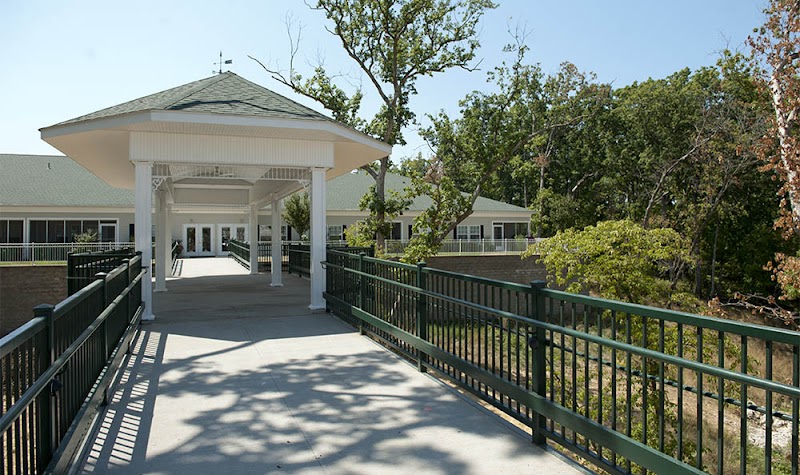
3003 FALLING LEAF COURT, COLUMBIA, MO 65201 (573) 256-4620
For profit - Corporation 120 Beds AMERICARE SENIOR LIVING Data: November 2025 3 Immediate Jeopardy citations
Trust Grade
4/100
#278 of 479 in MO
Last Inspection: November 2024

Within standard 12-15 month inspection cycle. Federal law requires annual inspections.

Overview

Neighborhoods Rehab & Skilled Nursing by Tigerplac has received a Trust Grade of F, indicating significant concerns about the facility's overall quality and care. It ranks #278 out of 479 facilities in Missouri, placing it in the bottom half of the state, and #5 out of 9 in Boone County, meaning only four local options are worse. The facility is showing a worsening trend, with issues increasing from 3 in 2024 to 6 in 2025. Staffing is rated at 3 out of 5 stars, which is average, but the turnover rate is concerning at 62%, higher than the state average. Although the facility has no fines recorded, which is a positive point, it has critical incidents, including a resident's death due to inadequate monitoring and failure to follow CPR protocols, raising serious red flags about care practices. Overall, while there are some positive aspects, the significant concerns and critical incidents should be carefully considered by families.

Trust Score
F
4/100
In Missouri
#278/479
Bottom 42%
Safety Record
High Risk
Review needed
Inspections
Getting Worse
3 → 6 violations
Staff Stability
⚠ Watch
62% turnover. Above average. Higher turnover means staff may not know residents' routines.
Penalties
✓ Good
No fines on record. Clean compliance history, better than most Missouri facilities.
Skilled Nurses
⚠ Watch
Each resident gets only 18 minutes of Registered Nurse (RN) attention daily — below average for Missouri. Fewer RN minutes means fewer trained eyes watching for problems.
Violations
⚠ Watch
28 deficiencies on record. Higher than average. Multiple issues found across inspections.
★★☆☆☆
2.0
Overall Rating
★★★☆☆
3.0
Staff Levels
★★★☆☆
3.0
Care Quality
★★☆☆☆
2.0
Inspection Score
Stable
2024: 3 issues
2025: 6 issues

The Good

  • Full Sprinkler Coverage · Fire safety systems throughout facility
  • No fines on record

Facility shows strength in fire safety.

The Bad

2-Star Overall Rating

Near Missouri average (2.5)

Below average - review inspection findings carefully

Staff Turnover: 62%

16pts above Missouri avg (46%)

Frequent staff changes - ask about care continuity

Chain: AMERICARE SENIOR LIVING

Part of a multi-facility chain

Ask about local staffing decisions and management

Staff turnover is elevated (62%)

14 points above Missouri average of 48%

The Ugly 28 deficiencies on record

3 life-threatening 1 actual harm
Sept 2025 2 deficiencies 2 IJ
CRITICAL (J) 📢 Someone Reported This

A family member, employee, or ombudsman was alarmed enough to file a formal complaint

Immediate Jeopardy (IJ) - the most serious Medicare violation

Accident Prevention (Tag F0689)

Someone could have died · This affected 1 resident

**NOTE- TERMS IN BRACKETS HAVE BEEN EDITED TO PROTECT CONFIDENTIALITY** Based on interview and record review, facility staff failed to monitor one resident (Resident #1) at least every two-hours per f...

Read full inspector narrative →
**NOTE- TERMS IN BRACKETS HAVE BEEN EDITED TO PROTECT CONFIDENTIALITY** Based on interview and record review, facility staff failed to monitor one resident (Resident #1) at least every two-hours per facility policy and based on resident needs. Staff did not monitor the resident between the hours of 11:00 P.M. and 3:10 A.M. Resident #1 was found entrapped in the bedrail, face down in the mattress, unresponsive, and he/she passed away. The facility census was 89.The administrator was notified on [DATE] of Past Non-Compliance Immediate Jeopardy (IJ) which occurred on [DATE]. The Administrator immediately terminated Licensed Practical Nurse (LPN) C, suspended Certified Nursing Assistant (CNA) B pending the results of the investigation, conducted an investigation, and in-serviced all staff on rounding on [DATE]. Review of the facility's walking rounds shift report policy, undated, showed staff are directed that rounds will be made during each shift according to resident care needs and individual preferences following nursing standards of practice (typically at least every two hours dependent on situations occurring throughout the shift).Review of Resident #1's Quarterly Minimum Data Set (MDS), a federally mandated assessment tool, dated [DATE], showed staff assessed the resident as follows:-Moderately cognitively intact;-Required two staff for bed mobility and transfers; -Manual wheelchair use;-No paralysis on either side;-Staff did not assess bed rails and/or grab bars as used by resident.Review of the Physician's Order Sheets (POS), dated [DATE], showed a physician's order for enablers to both sides of the bed.Review of the resident's baseline care plan, dated [DATE], showed staff assessed the resident as follows:-Required mechanical lift for transfers;-Required assist of two staff for bed mobility, transfers, and toileting;-Had enablers/grab bars to both sides of the bed;-Exhibited behaviors to include hollering.Review of the resident's nurse's notes, dated [DATE] 3:15 A.M., showed LPN A documented CNA B came to LPN A for assistance with the resident. LPN A found the resident kneeling on the floor with his/her head against the bedrail and mattress. LPN A assessed the resident with no pulse, unresponsive Cardiopulmonary Resuscitation (CPR) initiated by LPN A. While he/she performed CPR, LPN A called emergency medical services (EMS) via personal cell phone to summon for assistance. EMS arrived and assisted with CPR.Review of Resident #1's nurses notes, dated [DATE] at 11:29 A.M., showed staff documented time of death called at 3:57 A.M. by the local emergency department and Information relayed to local funeral home.Review of the facility's investigation, undated, showed facility staff documented CNA B did not lay eyes on the resident from 11:00 P.M. on [DATE] to 3:10 A.M. on [DATE]. CNA B said he/she said went into the resident's room and observed the resident on his/her left side of his/her bed with his/her neck on the bed and bed rail. He/She said the resident was not moving. LPN A documented CNA B requested the nurse for assistance with the resident. LPN A found the resident knelt on the floor with his/her head rested against the bed rail and mattress. LPN A assessed the resident with no pulse, unresponsive and CPR initiated by LPN A. While LPN A performed CPR, LPN A called EMS via personal cell phone for assistance. EMS arrived and assisted with CPR.During an interview on [DATE] at 10:04 A.M., LPN A said CNA B came to get him/her because the resident was on the floor. When he/she entered the room the resident was on the left side of the bed, on his/her knees, with his/her head resting between the siderail and the mattress. He/She said he/she had to take the palm of his/her hand and forcefully remove the resident's head from between the rail and the mattress. He/She said the residents head was trapped and he/she was unsure if the resident suffocated, but the resident was face down. He/She called 911 on his/her personal phone on speaker and started chest compressions because the resident was unresponsive. He/She said all residents should be checked every two hours. During an interview on [DATE] at 12:24 P.M., LPN C said he/she last laid eyes on the resident around 10:30 P.M. when he/she started the resident's Cefazolin Sodium (first generation cephalosporin antibiotic) two gram Intravenous ((IV fluids, medications, or nutrients directly into the body's bloodstream through a vein using a small tube called a catheter). He/She said CNA B was responsible for rounds and should perform rounds every two hours. LPN C said he/she forgot to return to the resident and disconnect his/her IV from his/her Peripherally Inserted Central Catheter (PICC) line. He/She said CNA B and LPN A told him/her the resident was found with his/her head between the bed rails. LPN C said he/she should have removed the resident's antibiotic at 11:00 P.M., but that he/she forgot. During an interview on [DATE] at 1:51 P.M., CNA B said he/she is responsible for rounds every two hours, but he/she last laid eyes on the resident around 10:00 P.M. or 11:00 P.M. He/She thought the nurse would go back in the room to unhook the resident's IV medication, but he/she never did. CNA B said he/she walked into the resident's room around 3:10 A.M. and saw the IV pole hanging across the bed, the resident sitting with his/her knees on the ground, his/her left check on the mattress, and his/her right cheek on the bed rail, the resident was not moving. He/She said the resident's nurse LPN C was gone so he/she ran to the next unit and got LPN A who called 911, and initiated CPRDuring an interview at 2:44 P.M., the Director of Nursing (DON) said CNA B is responsible for rounds every two hours, but CNA B thought LPN C would lay eyes on the resident when he/she removed the resident's IV, and the nurse never removed the IV. He/She said both CNA B and LPN C should have checked on the resident sooner. He/She said the standard is to check residents every two hours or as needed. Complaint #2599782
CRITICAL (J) 📢 Someone Reported This

A family member, employee, or ombudsman was alarmed enough to file a formal complaint

Immediate Jeopardy (IJ) - the most serious Medicare violation

Deficiency F0700 (Tag F0700)

Someone could have died · This affected 1 resident

**NOTE- TERMS IN BRACKETS HAVE BEEN EDITED TO PROTECT CONFIDENTIALITY** Based on observation, interview and record review, facility staff failed to re-assess bedrail use after a significant change in ...

Read full inspector narrative →
**NOTE- TERMS IN BRACKETS HAVE BEEN EDITED TO PROTECT CONFIDENTIALITY** Based on observation, interview and record review, facility staff failed to re-assess bedrail use after a significant change in condition per policy for one resident (Resident #1). Resident #1 was found entrapped in the bedrail, found face down in the mattress and unresponsive, resulting in his/her death. The facility census was 89. The administrator was notified on 09/03/2025 of an Immediate Jeopardy which began on 08/26/2025. The IJ was removed on 09/03/2025, as confirmed by surveyor onsite verification. 1. Review of the facility's Proper Use of Bed Rails policy, undated, showed staff are to ensure the bed frame, bed rail, and mattress do not leave a gap wide enough to entrap a resident's head or body, regardless of mattress width, length, or depth. Review showed responsibilities of ongoing monitoring and supervision are specified as follows:-Direct care staff will be responsible for care and treatment in accordance with the plan of care; -A nurse assigned to the resident will complete reassessments in accordance with the facility's assessment schedule, but not less than quarterly, upon a significant change in status, or a change in the type of bed/mattress/rail;-The interdisciplinary team will make decisions regarding when the bed rail will be used or discontinued, or when to revise the care plan to address any residual effects of the bed rail;-The maintenance director, or designee, is responsible for adhering to a routine maintenance and inspection schedule for all bed frames, mattresses, and bed rails. Review of the facility's bed rail safety guidance form, undated, showed staff are directed as follows:-Zone one (entrapment within the rail) is measured within the rail and recommendation are less than 4 and 3/4 inches;-Zone two (entrapment under the rail, between the rail supports or next to a single rail support) is measured under bed rail and between rail supports recommendation less than 4 and 3/4 inches;-Zone three (entrapment between the rail and the mattress) is measures between rail and mattress recommendation less than 4 and 3/4 inches;-Zone four (entrapment under the rail, at the end of rail) is measured under rail at ends of the rail recommendation is less than 2 and 3/8 inch and greater than 60 degree angle;-Zone five (entrapment between split bed rails) did not contain recommended measurements;-Zone six (entrapment between the end of the rail and the side edge of the head or footboard) did not contain recommended measurements;-Zone seven (entrapment between head or foot board and the mattress) did not contain recommended measurements. Review of the Guide to Bed Safety Rails in Hospitals, Nursing Homes and Home Health Care, dated 12/11/27, showed The Facts as to the proper dimensions and distances apart of various parts of the bed such as distance between bed frames and mattresses, bed rails and mattress to prevent entrapment by users of the bed showed to prevent entrapment, bed rails, mattresses, and bed frames must be configured so there are no gaps between the mattress and the rail, and no gaps between rails, and that the mattress fits snugly. Specifically, there should be no more than 4.75 inches (12.1 cm) between the mattress and the bed rail, and no more than 9.5 inches (24.2 cm) between bed rails, according to United States Food and Drug Administration (FDA) guidelines. Review of Resident #1's Quarterly Minimum Data Set (MDS), a federally mandated assessment tool, dated 6/26/25, showed staff assessed the resident as follows:-Moderately cognitively intact;-Required two staff for bed mobility and transfers; -Manual wheelchair use;-No paralysis on either side;-Staff did not assess bed rails and/or grab bars as used by resident. Review of the resident's care plan, dated 10/13/24, showed staff documented the resident had bilateral side positioning rails. Positioning rails will be measured by maintenance before application, maintenance to ensure that the rail is in good repair and working function. Nursing to ensure that rail is being used properly. Review of Resident #1's therapy notes, dated 10/16/24, showed therapy staff documented a recommendation of a second bed rail be placed on resident's bed to right side to assist with rolling. Staff documented he/she already has bed rail on left side of bed. Review of the Physician's Order Sheets (POS), dated 07/18/25, showed a physician's order for enablers to both sides of the bed.Review of the resident's bed rail assessment, dated 07/18/25, showed staff assessed the resident with weakness, and required increased safety measures due to medications. Review showed staff documented a pass rating from a pass/fail rating for zone one (within the rail), zone two (under the rail), zone three (between the rail and mattress), zone four (under the rail at the end of the rails), zone five (between split bed rail), zone six (between the end of the rail and the end of the rail and the side edge of the head or foot board), and zone seven (between the head or foot board and the end of the mattress) for the left bed rail. Review showed the bed rail assessment form did not contain documentation bed rails were appropriate for the resident. Review of the resident's nurse's notes, dated 8/5/25 at 11:11 A.M., showed staff documented the resident with a Change in Condition and notified the physician with the resident's altered mental status, fever, and functional decline. Review of the resident's nurse's notes, dated 8/5/25 at 11:31 A.M., showed staff documented resident at 10:30 A.M. with increased tremors, flushed, elevated temperature, slow speech, complaints of feeling cold, left arm color change to purple and red, mottling, and abnormal labs. Nurse Practitioner came in to assess resident and gave orders to send him/her to emergency room. Review of the resident's entry Minimum Data Set (MDS), a federally mandated assessment tool, dated 08/15/25, showed the resident re-admitted to the facility on [DATE] from the hospital.Review of the resident's baseline care plan, dated 8/15/25, showed staff assessed the resident as follows:-Required mechanical lift for transfers;-Required assist of two staff for bed mobility, transfers, and toileting;-Had enablers/grab bars to both sides of the bed;-Exhibited behaviors to include hollering. Review of the resident's nurse's notes, dated 8/15/2025, showed staff documented the resident readmitted to facility from the local hospital. The resident appeared confused, uncertain of where he/she was. Peripherally Inserted Central Catheter (PICC) Line -a thin, flexible tube inserted into a vein in the arm and threaded to a large vein near the heart, used for long-term IV treatments such as antibiotics, chemotherapy, nutrition, or for frequent blood draws) to right upper extremity, [NAME]-close drain (a specific type of closed suction drainage system that removes excess fluid from a body cavity, often after surgery, to promote healing and prevent infection) to left hip with serosanguinous (a thin, watery fluid with a pinkish hue that mixes blood and serous fluid, indicating normal healing after a surgery) drainage noted in bag. Resident to receive intravenous (IV) antibiotics until 9/17/25 for abscess of left hip. Review of the resident's medical record showed staff failed to document an updated bed rail assessment for the resident's appropriateness for continued use of siderails after the resident's significant change in condition and returned to the facility from the hospital on [DATE]. Review of the resident's nurse's notes, dated 8/18/25, showed Licensed Practical Nurse (LPN) A documented Certified Nursing Assistant (CNA) B came to LPN A for assistance with the resident. LPN A found the resident knelt on the floor with his/her head against the bedrail and mattress. LPN A assessed the resident with no pulse, unresponsive. (Cardiopulmonary resuscitation) CPR initiated by LPN A. He/She called emergency medical services (EMS) while continued CPR. EMS arrived and assisted with CPR. Review of the EMS Report, dated 08/18/25, showed EMS dispatched to the facility, arrived on scene and informed by staff resident found on 3:00 A.M. rounds unresponsive. EMS documented upon arrival resident found face up on the floor, facility staff members continued CPR. Mechanic ventilation monitoring, initial rhythm check showed asystole. The medical director was notified and pronounced the resident deceased . The patient's family arrived on seen and reported the resident had been recently hospitalized for a Methicillin-Resistant Staphylococcus Aureus (MRSA) infection, acute sepsis, and IV antibiotics at the facility.Review of the facility's investigation, undated, showed facility staff documented CNA B went into the resident's room and observed the resident on the left side of his/her bed with his/her neck on the bed and bed rail. He/She said the resident was not moving. LPN A documented CNA B requested the nurse for assistance with the resident. LPN A found the resident knelt on the floor with his/her head rested against the bed rail and mattress. LPN A assessed the resident no pulse and unresponsive and CPR initiated. While LPN A performed CPR, he/she called EMS to summon for assistance. EMS arrived and assisted with CPR. During an interview on 8/26/25 at 10:04 A.M., LPN A said CNA B came to get him/her because the resident was on the floor. The LPN said when he/she entered the room the resident was on the left side of the bed, on his/her knees, with his/her head resting between the siderail and the mattress. The LPN said he/she had to take the palm of his/her hand and forcefully removed the residents head from between the rail and the mattress. He/She said the residents head was trapped and was unsure if the resident suffocated but the resident was face down. The LPN said he/she called 911 and started chest compressions because the resident was unresponsive. During an interview on 08/26/2025 at 1:51 P.M., CNA B said he/she walked into the resident's room and saw him/her not moving. The CNA said the resident was sitting with his/her face leaned on the mattress and bed rail. He/she was on his/her knees. During an interview on 8/29/25 at 11:25 A.M. the Assistant Administrator said he/she was responsible for completing measurements for bed rails. He/She said he/she did a routine check of the resident's bed rails on 8/15/25 as part of their Quality Improvement Plan, but that he/she does not have documentation to show that anywhere. The Assistant Administrator said the 15th of the month is when he/she completes all routine checks it just happened to be the same day the resident came back from the hospital. During an interview on 09/02/25 at 4:17 P.M., the Physician said he/she would say the resident experienced a significant change in status after his/her recent hospitalization. He/She said the resident had a severe infection in his/her hip that caused the hospitalization that turned septic. He/She had received a report from the local hospital and had spoken with the facility and both reported to him/her the resident had delirium. The physician said they were all uncertain if it was acute from the infection or if it was going to be the resident's new baseline. During an interview on 9/3/25 at 12:30 P.M., the assistant administrator said that he/she does not remember what time of day on 8/15/25 that he/she assessed the residents bed rail. He/She said he/she also does not remember if it was before or after the resident returned from the hospital. The assistant administrator said he/she could not recall if the resident was in the bed or not when he/she assessed the bed rails. The Assistant Administrator said since he/she was not one hundred percent confident with any of the answers then he/she does not want to say either way as these are routine for him/her so he/she does not remember. He/She said a residents' ability to use bed rails are done by a therapy evaluation and he/she was just the one who puts them on or takes them off. The assistant administrator said that would be a nursing question as to who assessed the residents need or appropriateness for the bed rails after the resident returned from the hospital. During an interview on 9/3/25 at 1:03 P.M., Registered Nurse (RN) A said nursing staff get the bed rail measurements from maintenance, and nursing staff are responsible to complete the nursing assessment portion of the bed rail assessments. He/She said the bed rail policy states they are to reassess residents after a significant change for to ensure the resident can still safely use the bed rails. RN A said he/she is not sure if the resident had a significant change or not because he/she does not know the resident well enough to know that. RN A said he/she has just been filling in here for a few months from a sister facility. He/She said the nursing assessment sheet they fill out says pass or fail after the questions are answered and if there are no fails that would suggest the resident is appropriate for the use of side rails. NOTE: At the time of the survey, the violation was determined to be at the immediate jeopardy level J. Based on observation, interview and record review completed during the onsite visit, it was determined the facility had implemented corrective action to remove the IJ violation at the time. A final revisit will be conducted to determine if the facility is in substantial compliance with participation requirements. At the time of exit, the severity of the deficiency was lowered to the D level. This statement does not denote that the facility has complied with State law (Section 198.026.1 RSMo.) requiring that prompt remedial action to be taken to address Class I violation(s). Complaint #2599782
Apr 2025 2 deficiencies
CONCERN (D) 📢 Someone Reported This

A family member, employee, or ombudsman was alarmed enough to file a formal complaint

Potential for Harm - no one hurt, but risky conditions existed

Infection Control (Tag F0880)

Could have caused harm · This affected 1 resident

Based on observation, interview, and record review, facility staff failed to perform appropriate hand hygiene, and glove changes during wound care, failed to implement the Enhanced Barrier Precautions...

Read full inspector narrative →
Based on observation, interview, and record review, facility staff failed to perform appropriate hand hygiene, and glove changes during wound care, failed to implement the Enhanced Barrier Precautions (EBP) policy when they did not educate, or alert staff of residents who required EBP, and failed to place appropriate personal protective equipment (PPE) in close proximity for one resident (Resident #4) with wounds out of one sampled residents. The facility's census was 90. 1. Review of the Facility's Hand Hygiene policy, undated, showed staff are directed as follows: -All staff will perform hand hygiene procedures to prevent the spread of infection to other personnel, residents, and visitors; -The use of gloves does not replace hand hygiene. If your task requires gloves, perform hand hygiene prior to donning gloves, and immediately after removing gloves; -Hand Hygiene Table: Use alcohol based hand rub, between resident contacts, after handling contaminated objects, before performing invasive procedures, before applying and after removing personal protective equipment (PPE), including gloves, before and after handling clean or soiled dressings, linens, etc, before performing resident care procedures; after handling items potentially contaminated with blood, bodily fluids, secretions, or excretions, and when, during resident care, moving from a contaminated body site to a clean body site. Review of the Facility's Enhanced Barrier Precaution policy, undated, showed staff are directed as follows: -An order for EBP will be obtained for residents with any of the following: -Wounds (Chronic wounds such as pressure ulcers); -Implementation of EBP: -Make gowns and gloves available immediately near or outside of the resident's room; -PPE for EBP is only necessary when performing high-contact care activities. Review of the Center for Disease Control (CDC's) Implementation of Personal Protective Equipment (PPE) Use in Nursing Homes to Prevent Spread of Multidrug-resistant Organisms (MDROs), dated April 2024, showed: -Enhanced Barrier Precautions (EBP) are an infection control intervention designed to reduce transmission of resistant organisms that employs targeted gown and glove use during high contact resident care activities. -EBP may be indicated (when Contact Precautions do not otherwise apply) for residents with any of the following: -Wounds or indwelling medical devices, regardless of MDRO colonization status -Effective implementation of EBP requires staff training on the proper use of personal protective equipment (PPE) and the availability of PPE and hand hygiene supplies at the point of care. 2. Review of Resident #4's quarterly Minimum Data Set (MDS), a federally mandated assessment tool, dated 03/10/25, showed staff assessed the resident as follows: -Cognitively intact; -At risk for Pressure ulcer; -Stage three pressure ulcer; -Receives Pressure ulcer care. Review of the resident's POS, dated April 2025, showed the POS did not contain direction for staff on EBP. Review of the resident's plan of care, dated 02/03/25, showed staff assessed the resident at risk for pressure ulcers and did not contain direction for staff on EBP. Review of the wound nurse notes, dated 04/08/25, showed staff documented the following: -Wound one on left lower leg, anterior; -Wound three on left back, inferior; -Wound four on right back, inferior; -Wound five on left sacrum; -Wound six on right sacrum; -Wound seven on coccyx. Observation on 04/14/25 at 11:41 A.M., showed Licensed Practical Nurse (LPN) A opened the treatment cart and removed a package of rolled gauze. He/She removed a pair of scissors from his/her bag. He/She did not clean the scissors, perform hand hygiene or apply gloves before he/she opened the package of gauze and cut the gauze into squares with the scissors. He/She placed the gauze on the nurse treatment cart without a barrier. During an interview on 04/14/25 at 1:35 P.M., LPN A said he/she should have performed hand hygiene and applied gloves before he/she handled the gauze, should have cleaned the scissors before cutting the gauze and should have placed a barrier before he/she put the gauze on the treatment cart. LPN A said he/she didn't think about it. He/She said it is a cross-contamination concern because it was used during a wound treatment. During an interview on 04/14/25 at 2:18 P.M., the Director of Nursing (DON) said he/she would expect staff to perform hand hygiene and apply gloves before opening the gauze. He/She said staff should use clean scissors to cut the gauze and all items should be placed on a barrier. He/She said it is important to keep all supplies used for treatments clean to prevent cross contamination. Observation on 04/14/25 at 11:58 A.M., LPN A entered the resident's room to perform wound care. The resident's room did not contain a sign to alert staff on the use of EBP or PPE in close proximity of the room.He/She placed the wound care supplies both on the resident's bed and bed side table without a barrier. He/She did not put on a gown before he/she removed the residents bandage to wounds #3, #4, #5, #6, and #7 on the resident buttock. He/She placed the dirty bandages on the resident's bed. He/She replaced his/her gloves, and did not perform hand hygiene. He/She used a washcloth to cleanse wound #3, #4, #5, #6, #7 on the residents buttock. He/she placed the washcloth on the resident's bedside table. He/She used the same gloves to cleanse wounds #3, #4, #5, #6, #7 with wound cleanser and gauze. He/She replaced his/her gloves and did not perform hand hygiene. He/She used the same gloves to open the packing container, tear off pieces, and packed the two wounds on the resident's right buttock. He/She removed his/her gloves and did not perform hand hygiene before he/she applied new gloves and covered the wounds on the right side of his/her buttock with a foam bandage. He/She tore a piece of packing from the same contaminated package. He/She held the packing in his/her right hand while he/she cleaned the residents left buttock wound. He/She then replaced the left glove while he/she still held the packing in the right glove. He/She packed the two left buttock wounds. He/She replaced his/her gloves and did not perform hand hygiene before he/she opened the resident's bandage and placed the bandage on the left buttock cheek wounds. He/She washed his/her hands and dried them with a paper towel. He/She used the same paper towel to place a piece of gauze on the resident's left lower leg wound. He/She applied gloves and cleaned the resident wound with the gauze. He/She removed the gloves and did not perform hand hygiene before he/she applied new gloves. He/She removed the scissors from his/her pocket and cut the petrolatum-based gauze to fit the wound. He/She changed his/her gloves and did not perform hand hygiene before he/she placed the bandage on the wound. He/She did not clean the resident's bed or bedside table before he/she left the resident's room. During an interview on 04/14/25 at 1:35 P.M., Licensed Practical Nurse (LPN) A said it is important to change gloves and perform hand hygiene any time you move from one task to another during wound care. He/She said it is especially important after removing the old bandages on multiple wounds. He/She said each wound should be treated separately to avoid cross contamination. He/She said anytime gloves are changed staff should wash their hands or sanitize to prevent cross contamination. LPN A said he/she usually does change gloves and perform hand hygiene between each task and usually cleans each wound individually, but he/she did forget to during this wound treatment. He/She said dirty rags and supplies should be placed in the trash and not on the resident's bed or bedside table. He/She said if other surfaces become in contact with soiled dressings, gauze or rags then those surfaces should be cleaned. During an interview on 04/14/25 at 2:18 P.M., the DON said his/her expectation is that staff clean their hands before they begin the wound treatments. He/She expects staff to change gloves and perform hand hygiene after removing the soiled bandages and any time they go from one task to another. He/She said staff should perform hand hygiene any time the remove their gloves or before applying new ones. He/She said individual wounds should be treated individually. He/She said each order would be considered an individual wound. He/She said staff should treat each wound individually to prevent cross contamination. He/She said bandages, gauze and wash cloths should be placed into the appropriate bags and soiled items should not be placed on resident beds or bedside tables. He/She said placing items on other surfaces can cause cross contamination. The DON said he/she would expect staff to clean surfaces exposed to soiled bandages, gauze or washcloths. He/She said if a residents wound qualifies for EBP precautions he/she would expect the nurse or staff to put on a gown and gloves before providing wound care to the resident. The DON said he/she was not aware some staff were not wearing the gowns before performing resident care. During an interview on 04/15/25 at 9:45 A.M., the Administrator said he/she expects nurses to change gloves and perform hand hygiene between clean a dirty task. He/She said any time gloves are changed hands should be cleaned. He/She said each wound should be treated separately to prevent cross contamination. He/She said staff should be placing all dirty items used for wound care in a bag and not on beds or bed side tables. He/She said if items are placed on beds and bedside tables, staff should clean and disinfect the surfaces to prevent the spread of bacteria. During an interview on 04/14/25 at 2:18 P.M., the DON said it is his/her expectation that residents with wounds that require EBP, such as chronic wounds, should have EBP precautions in place. They should have a sign on their door to alert staff and should have PPE in close proximity. He/She said it is the nurse's job to place the signs on the resident doors. The DON said he/she is not familiar with this resident's wounds so is not sure why this resident does not have a sign on his/her door. During an interview on 04/15/25 at 9:45 A.M., the Administrator said any resident who is on EBP should have a sign on the door and PPE available. He/She said staff should wear gowns and gloves when providing direct care. The Administrator said he/she was not familiar with this resident's wounds and could not say for sure if he/she required EBP. MO00252596
CONCERN (E) 📢 Someone Reported This

A family member, employee, or ombudsman was alarmed enough to file a formal complaint

Potential for Harm - no one hurt, but risky conditions existed

Deficiency F0658 (Tag F0658)

Could have caused harm · This affected multiple residents

**NOTE- TERMS IN BRACKETS HAVE BEEN EDITED TO PROTECT CONFIDENTIALITY** Based on interview and record review, facility staff failed to meet professional standards when staff failed to transcribe wound...

Read full inspector narrative →
**NOTE- TERMS IN BRACKETS HAVE BEEN EDITED TO PROTECT CONFIDENTIALITY** Based on interview and record review, facility staff failed to meet professional standards when staff failed to transcribe wound care orders for two resident's (Resident #3 and #4) who had wounds. Facility staff failed to document they provided wound care as ordered for one resident (Resident #4) of one sampled resident. The Facility's censes was 90. 1. Review of the Facility's Consulting Physician/Practitioner Orders policy, undated, showed: -Consulting physician/practitioner orders are those orders provided to the facility by a physician/practitioner other than the resident's attending physician/practitioner who is acting on behalf of the attending physician. A consulting physician/practitioner may include, but is not limited to, a resident's: wound clinic physician and Nurse practitioner, clinical nurse specialist, or physician assistant to any of the above physicians; -For consulting physician/practitioner orders received in writing or via fax, the nurse in a timely manner will: document the verification order by entering the order to include the time, date, and signature on the physician order sheet. Review of the Facility's Wound Treatment Management policy, undated, showed wound treatments will be provided in accordance with physician orders, including the cleaning method, type of dressing, and frequency of dressing changes. 2. Review of Resident #3's admission Minimum Data Set (MDS), a federally mandated assessment tool, dated 01/16/25, showed staff assessed the resident as follows: -Cognitively intact; -Substantial maximal assistance with personal hygiene; -At risk for Pressure ulcer; -Stage three pressure ulcer; -Received Pressure ulcer care. Review of the resident's plan of care, dated 01/28/25, showed staff are directed to complete treatments as ordered. Review of the Physician Order Sheet (POS), dated April 2025, showed the following orders dated 03/15/2025: -Sodium Hypochlorite (1/4 strength) External Solution, apply to coccyx topically every shift for cleanse with normal saline, apply sodium hypochlorite moistened gauze abdominal pad, secure with medipore tape and change three times daily, ordered 02/14/25; -Collagenase 250 UNIT/Gram (U/GM) Apply to right hip topically every shift for wound care, cleanse right hip with normal saline, apply nickel size of collagenase to wound bed, lightly pack with kerlix and cover with Abdominal pad and affix with medipore tape three times a day. Review of the wound clinic noted, dated 04/11/25, showed staff documented the following: -Wound #2: Coccyx; cleanser: normal saline, 5 milliliters (ml) one times daily for 15 days; cleanser: soap and water one time daily for 15 days, gently cleanse wound with mild soap and rinse well with water, pat dry; primary dressing: Iodoform gauze strip 1/2 inch, three times daily for 15 days, Pack wound lightly using Iodoform strip. Use single continuous strip, do not cut/use multiple pieces. Cover with secondary dressing. Size will vary depending on size of wound opening; secondary dressing: abdominal pad, 5 by 9 (in/in), three times daily for 15 days; secure with: mediopore tape, 1 by 10 (in/yd), three times daily for 15 days. Review of the POS did not contain the new orders for Wound #2 Coccyx; cleanser: normal saline, 5 milliliters (ml) one times daily for 15 days; cleanser: soap and water one time daily for 15 days, gently cleanse wound with mild soap and rinse well with water, pat dry; primary dressing: Iodoform gauze strip 1/2 inch, three times daily for 15 days, Pack wound lightly using Iodoform strip. Use single continuous strip, do not cut/use multiple pieces. Cover with secondary dressing. Size will vary depending on size of wound opening; secondary dressing: abdominal pad, 5 by 9 (in/in), three times daily for 15 days; secure with: mediopore tape, 1 by 10 (in/yd), three times daily for 15 days. Review of the Treatment Adminiostration Record (TAR), dated April 2025, showed: -Sodium hypochlorite administered 04/11/25 at 7 A.M., 3:00 P.M., and 11:00 P.M.; -Sodium hypochlorite administered 04/12/25 at 7 A.M., 3:00 P.M., and 11:00 P.M.; -Collagenase 250 U/GM administered 04/11/25 at 7 A.M., 3:00 P.M., and 11:00 P.M.; -Collagenase 250 U/GM administered 04/12/25 at 3:00 P.M. and 11:00 P.M During an interview on 04/14/25 at 10:27 A.M., the wound nurse said the resident has a stage four (the most severe, characterized by full-thickness skin and tissue loss, potentially exposing muscle, tendon, ligament, cartilage, or bone) pressure wound. He/She said the resident's orders were not correct in the system because the nurse who received the orders did not change them after the wound clinc nurse saw him/her. The wound nurse said he/she puts in the orders if they are given to him/her, but he/she only works part time. He/She said it is the responsibility of the nurse who is in charge of that unit to update the orders in the system. He/She said it is important for orders to be right, to ensure proper healing. During an interview on 04/14/25 at 11:36 A.M., LPN A said he/she did not receive this residents orders. LPN A said he/she is not sure who received the orders or why they were not put in. He/She said it is the responsibility of the nurse who receives the order, to put it in as soon as possible. 3. Review of Resident #4's quarterly MDS, dated [DATE], showed staff assessed the resident as follows: -Cognitively intact; -At risk for pressure ulcer; -Stage three (deep wound characterized by full-thickness skin loss, where subcutaneous fat is visible, but bone, tendon, or muscle is not) pressure ulcer; -Received pressure ulcer care. Review of the residents plan of care, dated 02/03/25, showed the plan did not address the resident's wounds. Review of the Wound Clinic orders, dated 04/08/25, showed staff documented the following: -Wound #1: Left anterior lower leg: cleanser: normal saline, five milliliters (ml) one times daily for 30 days; cleanser: soap and water one time daily for 30 days, gently cleans wound with mild soap and rinse well with water, pat dry; primary dressing: Thermoform, one time daily for 30 days, apply Xerform to wound bed, keep off edges if able. May use double or triple layer if wound bed is drying out too fast/sticking to wound; secondary dressing: four by four inch/inch (in/in) sterile gauze woven one time per day for 30 days; secondary dressing: 4-inch sterile kerlix, 4.5 by 4.1 inches/Yard (in/yd) one time daily for 30 days; secured with: Medipore tape, four by two in/yd one time daily for 30 days. -Wound #3: Left inferior back: cleanser: normal saline, five ml one times daily for 30 days, cleanser: soap and water one time daily for 30 days, gently cleans wound with mild soap and rinse well with water, pat dry; primary dressing: Calcium Alginate silver four by eight inchesone times daily for 30 days, Apply single layer of calcium alginate to wound bed. Dressing should soak up any additional drainage, transforming to a gel; secondary dressing: Abdominal pad, 8 by 10 (in/in) one times daily for 30 days; secondary dressing: Medipore tape, four by two (in/yd) one times daily for 30 days. -Wound #4: Right inferior back: cleanser: normal saline, five ml one times daily for 30 days; cleanser: soap and water one time daily for 30 days, gently cleans wound with mild soap and rinse well with water, pat dry; primary dressing: Calcium Alginate silver four by eight (in/in) one times daily for 30 days, Apply single layer of calcium alginate to wound bed. Dressing should soak up any additional drainage, transforming to a gel; secondary dressing: Abdominal pad, 8 by 10 (in/in) one times daily for 30 days; secondary dressing: Medipore tape, 4 by (in/yd) one times daily for 30 days; -Wound #6: Right sacrum: cleanser: normal saline, five ml one times daily for 30 days; cleanser: soap and water one time daily for 30 days, gently cleans wound with mild soap and rinse well with water, pat dry; primary dressing: Calcium Alginate silver four by eight (in/in) one times daily for 30 days, Apply single layer of calcium alginate to wound bed. Dressing should soak up any additional drainage, transforming to a gel; secondary dressing: Abdominal pad, 8 by 10 (in/in) one times daily for 30 days; secondary dressing: Medipore tape, 4 by 2 (in/yd) one times daily for 30 days. -Wound #7 Coccyx: cleanser: normal saline, five ml one times daily for 30 days; --Primary dressing: Calcium Alginate silver two by eight (in/in) one times daily for 30 days, Apply single layer of calcium alginate to wound bed. Dressing should soak up any additional drainage, transforming to a gel; secondary dressing: Bordered foam, three by three (in/in) one time a day for 30 days. Review of the POS, dated April 2025, showed physicain orders dated 03/25/25 as follows: -Left Anterior leg: wash with soap and water, pat dry, apply two by two xeroform to wound bed keeping off edges, cover with gauze and wrap with kerlix, secure with medipore daily every shift and as needed if soiled; -Left Inferior Back: cleanse with soap and water, pat dry, apply calcium alginate, cover with abdominal pad and medipore tape once daily every shift and as needed if soiled; -Right Inferior Back: wash with soap and water, pat dry, apply calcium alginate silver 4x8, cover with abdominal pad and medipore tape daily every shift and as needed; -Left Sacrum: wash with soap and water, pat dry, apply calcium alginate silver 4 by 8, cover with abdominal pad and medipore tape daily every shift and as needed; -Right Sacrum: wash with soap and water, pat dry, apply calcium alginate silver 4 by 8, cover with abdominal pad and medipore tape daily every shift and as needed. Review of the POS showed staff did not document new wound orders to include cleansing with normal saline and the use of calciaum aleinate silver for the left inferior back wound. Observation on 04/14/25 at 11:58 A.M., showed LPN A entered the resident's room to provide wound care. Observation showed the resident's left lower anterior leg did not have a bandage over the wound when the nurse entered. LPN A did not use normal saline to cleanse wound # 1, #3, #4, #6, #7. He/She cleaned the resident's left anterior lower leg wound with wound cleanser. He/She placed xeroform over the wound and covered with an adhesive bandage. He/She cleansed wound # 3, #4, #6 with water and covered with a foam dressing. During an interview on 04/14/25 at 1:35 P.M., LPN A said he/she was the one who received the orders for this resident on 04/08/25. He/She said it is the responsibility of the person receiving the orders to put them in when they get them. He/She said it was an oversight he/she did not check the orders and adjust them in the computer. He/She said the order changes to add calcium alginate with silver. He/she said orders should be carried out as prescribed. LPN A said he/she did not clean any of the wounds with normal saline because it was not put on the orders. LPN A said he/she cleaned the leg wound with wound cleaner instead of soap and water, because it was an oversight. LPN A said he/she didn't realize he/she placed the wrong bandages, he/she said it was done in error. He/She said it is important to follow orders to assure proper healing. During an interview on 04/14/25 at 2:18 P.M., the Director of Nursing (DON) said it is the responsibility of nurse who receives the order to put the orders in as soon as they can. The DON said he/she expects the orders to be placed in the chart within 24 hours. He/She said he/she expects the nurses to follow the orders as prescribed, unless they don't have the proper supplies. He/She would expect them to contact the physician and obtain new orders if they do not have the correct supplies and place a note in the resident's chart. He/She was not aware staff were not putting in orders timely or performing wound treatments as prescribed. During an interview on 04/15/25 at 9:45 A.M., the administrator said whoever receives the orders should be updating the orders as soon as they receive them. He/She expects staff to perform wound care as ordered by the physician. MO00252596
Mar 2025 2 deficiencies 1 IJ
CRITICAL (J) 📢 Someone Reported This

A family member, employee, or ombudsman was alarmed enough to file a formal complaint

Immediate Jeopardy (IJ) - the most serious Medicare violation

Deficiency F0678 (Tag F0678)

Someone could have died · This affected 1 resident

**NOTE- TERMS IN BRACKETS HAVE BEEN EDITED TO PROTECT CONFIDENTIALITY** Based on interview and record review, facility staff failed to initiate Cardiopulmonary Resuscitation (CPR) for resident (Reside...

Read full inspector narrative →
**NOTE- TERMS IN BRACKETS HAVE BEEN EDITED TO PROTECT CONFIDENTIALITY** Based on interview and record review, facility staff failed to initiate Cardiopulmonary Resuscitation (CPR) for resident (Resident #1) with a signed full code physician order. The facility census is 86. The administrator was notified on [DATE] of past noncompliance Immediate Jeopardy (IJ) which occurred on [DATE]. Administration immediately in-serviced nursing staff on CPR, code status, and two-way radio communication policies. The IJ was corrected on [DATE]. Review of the facility's CPR policy, undated and reviewed/revised on [DATE], directed staff to adhere to residents' rights to formulate advance directives. The facility will follow current American Heart Association (AHA) guidelines regarding CPR. If a resident experiences cardiac arrest, facility staff will provide basic life support, including CPR, prior to the arrival of emergency medical services, in accordance with the resident's advance directives. Review of the facility's Communication of Code status, undated, directed to follow facility policy regarding a resident's right to request, refuse, and/or discontinue medical or surgical treatment and to formulate and advance directive. When an order is written pertaining to a resident's presence or absence of an Advanced Directive, the directions will be clearly documented in designated sections of the medical record. Examples of directions to be documented include, but are not limited to: -Full Code; -Do Not Resuscitate (DNR); -Do Not Hospitalize. The designated sections of the medical record are: -Outside of the hard chart - Red = DNR, [NAME] = Full Code; -Face sheet - Advanced Directives; -Point Click Care - Code status. Review of Resident #1's quarterly Minimum Data Set (MDS), a federally mandated assessment tool, dated [DATE], showed staff assessed the resident as follows: -Severe cognitive impairment; -Diagnoses to include Dementia (a general term for memory loss and other cognitive declines that interfere with daily life), Alzheimer's (a neurodegenerative disorder that primarily affects the brain, causing a progressive decline in cognitive function, particularly memory and language), Non Traumatic Brain Disorder (brain damage caused by internal factors rather than external trauma like a blow to the head), Coronary Artery Disease, and Heart Failure; -Expired [DATE] in facility. Review of the resident's care plan, revised [DATE], showed the resident was a full code. Review of the resident's Physician Order Sheet (POS), dated [DATE], showed a physician order for a full code. The record did not contain orders for hospice services. Review of the resident's nurses notes, dated [DATE], showed staff documented at 5:00 A.M. the resident did not have a pulse and confirmed resident had expired. Review of the facility's investigation, dated [DATE], showed staff documented staff entered the resident's room, found the resident unresponsive and vital signs were low. Review showed staff documented they could not find the resident's code status and thought the resident was a DNR. Review showed staff did not verify the resident's code status, did not perform CPR and the resident expired. Review showed staff terminated Registered Nurse (RN) A from the facility on [DATE] for not following facility policy. During an interview on [DATE] at 10:14 A.M., RN A said he/she was the only nurse on the unit and the medication technician had given him/her report. The medication technician had told him/her the resident was on hospice or was going on hospice. RN A entered the resident's room for the 5:00 A.M., medication pass and the resident was unresponsive. RN A said he/she was confused and did not know what to do or who to call when the resident was unresponsive and he/she thought the resident would be a DNR code status, because he/she was going on hospice. RN A said he/she knew where to look in the computer and on the book for a resident's code status, but did not look. He/She said he/she felt' the resident was already gone because he/she was unresponsive and he/she was not thinking straight. RN A said he/she has never experienced this scenario before. RN A said when the resident no longer had a pulse he/she did not initiate CPR. During an interview on [DATE] at 1:49 P.M., Certified Medication Technician B said he/she gave report to RN A and they discussed that the resident's family was considering hospice services due to decline, but he/she was not on hospice at that time. During an interview on [DATE] at 8:03 P.M., the resident's durable power of attorney said the resident was not on hospice and was a full code, he/she was not made aware that CPR was not performed and he/she would have expected CPR to be administered. During an interview on [DATE] at 6:41 P.M., the administrator said the resident was found unresponsive and staff failed to start CPR once the resident no longer had a pulse. The staff believed the resident was on hospice and was not a full code, if a resident is a full code staff need to initiate CPR when the resident has no pulse. The administrator said the resident was not on hospice. During an interview on [DATE] at 9:25 P.M., the Director of Nursing (DON) said RN A thought the resident was a DNR and did not do CPR once the resident no longer had a pulse. He/She said all facility staff should verify code status even if the resident is on hospice and perform CPR if they are a full code. During an interview on [DATE] at 4:36 P.M., the physician said he/she was aware the resident had expired, but was not aware of the circumstances. He/She expects all facilities and staff to follow the resident's wishes on code status and perform CPR. He/She said residents on hospice can still be a full code, staff need to ensure the resident's code status regardless of hospice or not. MO00251856
CONCERN (D) 📢 Someone Reported This

A family member, employee, or ombudsman was alarmed enough to file a formal complaint

Potential for Harm - no one hurt, but risky conditions existed

Report Alleged Abuse (Tag F0609)

Could have caused harm · This affected 1 resident

**NOTE- TERMS IN BRACKETS HAVE BEEN EDITED TO PROTECT CONFIDENTIALITY** Based on interview and record review, facility staff failed to report to the Department of Health and Senior Services (DHSS) neg...

Read full inspector narrative →
**NOTE- TERMS IN BRACKETS HAVE BEEN EDITED TO PROTECT CONFIDENTIALITY** Based on interview and record review, facility staff failed to report to the Department of Health and Senior Services (DHSS) neglect of one resident (Resident #1), when facility staff failed to initiate Cardiopulmonary Resuscitation (CPR) for the resident with a signed full code physician order. The facility's census was 86. Review of the facility's policy titled, Abuse, Neglect, and Exploitation, undated, showed staff are directed as follows: -Neglect means failure of the facility, its employees, or service providers to provide goods and services to a resident that are necessary to avoid physical harm, pain, mental anguish, or emotional distress; -The facility will designate an Abuse Prevention Coordinator in the facility who is responsible for reporting allegations or suspected abuse, neglect, or exploitation to the state survey agency and other officials in accordance with state law; -The facility will report all alleged violations to the state agency within specified time frames: immediately, but not later than two hours after the allegation is made, if the events that cause the allegations involve abuse or result in serious bodily injury or not later than 24 hours if the events that cause the allegation do not involve abuse and do not result in serious bodily injury. Review of Resident #1's quarterly Minimum Data Set (MDS), a federally mandated assessment tool, dated [DATE], showed staff assessed the resident as follows: -Severe cognitive impairment; -Diagnosis of Dementia, Alzheimer's, Non Traumatic Brain Disorder, Coronary Artery Disease, and Heart Failure; -Expired [DATE] in facility. Review of the resident's care plan, revised [DATE], showed staff documented the resident as a full code. Review of medical records showed the Physician Order Sheet (POS), dated [DATE], showed a physician order for full code. Review of the resident's nurses notes, dated [DATE], showed staff documented at 5:00 A.M. the resident did not have a pulse and confirmed resident had expired. Review of the facility's investigation, dated [DATE], showed staff documented they entered the resident's room, found the resident unresponsive and vital signs were low. Review showed staff documented they could not find the resident's code status and thought the resident was a DNR (do not resuscitate). Review showed staff did not verify the resident's code status, did not perform CPR and the resident expired. Review showed staff terminated Registered Nurse (RN) A from the facility on [DATE] for not following facility code status policy. During an interview on [DATE] at 10:14 A.M., RN A said he/she was the only nurse on the unit and the medication technician had given him/her report. The Medication technician had told him/her the resident was on hospice or was going on hospice. RN A entered the resident's room for the 5:00 A.M., medication pass and the resident was unresponsive. RN A said he/she was confused and did not know what to do or who to call when the resident was unresponsive and he/she thought the resident would be a DNR code status, because he/she was going on hospice. RN A said he/she knew where to look in the computer and on the book for a resident's code status, but did not look. He/She said he/she felt' the resident was already gone because he/she was unresponsive and he/she was not thinking straight. RN A said he/she had never experienced this scenario before. RN A said when the resident no longer had a pulse he/she did not initiate CPR. During an interview on [DATE] at 9:25 P.M., the Director of Nursing (DON) said he/she did not believe this was neglect and therefore not reportable to DHSS. The DON said he/she would expect staff to perform CPR if the resident was a full code and had no pulse. During an interview on [DATE] at 11:08 A.M., the administrator said the incident did not meet the criteria for reporting to DHSS, because the investigation showed it was not neglect. He/She said the nurse would have provided CPR if he/she had checked accuracy of the information he/she was given. The administrator said if a resident is a full code staff need to initiate CPR when the resident has no pulse MO00251856
Nov 2024 3 deficiencies
CONCERN (D)

Potential for Harm - no one hurt, but risky conditions existed

Deficiency F0658 (Tag F0658)

Could have caused harm · This affected 1 resident

**NOTE- TERMS IN BRACKETS HAVE BEEN EDITED TO PROTECT CONFIDENTIALITY** Based on interview and record review, staff failed to maintain a professional standard of care when staff failed to document fol...

Read full inspector narrative →
**NOTE- TERMS IN BRACKETS HAVE BEEN EDITED TO PROTECT CONFIDENTIALITY** Based on interview and record review, staff failed to maintain a professional standard of care when staff failed to document follow-up when a medication unavailable, document physician notification when the medication unavailable, and document any adverse effects from lack of medication administration for one (Resident #36) out of five sampled residents. The facility census was 91. 1. Review of the facility's Medication Error policy, dated 2024, showed: -The facility shall ensure medications will be administered according the physician orders and in accordance with accepted standards and principles which apply to professionals providing services; -Medication errors, once identified, will be evaluated to determine if considered significant or not by utilizing the following: Resident's condition, drug category, or frequency of error (if an error occurring repeatedly such as an omission of a resident's medication several times); -The facility will consider factors indicating errors in medication administration, including, medication administered not in accordance with the prescriber's order to include medication omission; -If a medication error occurs, the nurse assesses and examines the resident's condition and notifies the physician or health care practitioner as soon as possible, monitor and document the resident's condition, document actions taken in the medical record, and once the resident is stable, the nurse reports the incident to appropriate supervision and completes and occurrence report. Review of the facility's Medication Reordering policy, dated 2024, showed: -The facility will utilize a systemic approach to provide or obtain routine and emergency medications and biologicals in order to meet the needs of each resident; -Acquisition of medications should be completed in a timely manner to ensure medications are administered in a timely manner; -Each time a nurse is administering medications an observes six or less doses left of one kind, that nurse will reorder the medication, time permitting. Review of the facility's Documentation in the Medical Record policy, dated 2024, showed each resident's medical record shall contain an accurate representation of the actual experiences of the resident and include enough information to provide a picture of the resident's progress through complete, accurate, and timely documentation. Review of the facility's Notification of Changes policy, dated 2024, showed the facility must consult with the resident's physician when there is a change requiring such notification. 2. Review of Resident #36's Quarterly Minimum Data Set (MDS), a federally mandated assessment tool, dated 09/19/24, showed staff assessed the resident as: -Cognitively impaired; -No behaviors or rejection of care; -Received antipsychotic medication in the lookback period; -Diagnosis of Schizophrenia, Bipolar depression, anxiety and depression. Review of the resident's Physician Order Sheet (POS), dated August 2024 through November 2024, showed: -On 2/20/24 an order for Aristada (antipsychotic medication used to treat Schizophrenia) intramuscular, prefilled syringe, 662 milligram (mg) per 2.4 milliliters (ml). Inject 2.4 ml intramuscular every four weeks on Friday morning and discontinued 10/28/24; -On 10/28/24 an order for Aristada intramuscular prefilled syringe, 662 mg per 2.4 ml. Inject 2.4 ml intramuscular every four weeks on Friday morning. Review of the resident's medical record, dated August 2024, showed the MAR did not contain documentation the Aristada was administered. Review of the resident's Medication Administration Record (MAR), dated September 2024, showed staff documented see progress notes on 09/06/24. Review showed the MAR did not contain documentation staff administered the resident Aristada as directed. Review of the resident's progress notes, dated 09/06/24, showed staff documented the medication Aristada on order from the pharmacy. Review showed the progress notes did not contain documentation staff notified the physician the medication not available, did not contain documentation staff monitored for adverse effects or follow up with pharmacy. Review of the resident's MAR, dated October 2024, showed staff documented see progress notes on 10/04/24. Review showed the MAR did not contain documentation staff administered the resident Aristada as directed. Review of the resident's progress notes, dated October 2024, showed staff document the medication not available and waiting for delivery from the hospital on [DATE]. On 10/24/24 staff documented resident was given Aristada in the left buttock and tolerated well. A note found in the nurses station after the medication was given, said resident received the medication on 10/19/24. Staff called the nurse practitioner, notified the family and the Director of Nursing (DON). Staff to monitor vital signs every four hours for three days. Dates changed per nurse practitioner so resident did not receive the injection on the first. The progress notes did not contain doucmentation staff contacted the pharmacy or attempts to ensure the medication was given/obtained timely as ordered by the physician. Review of the resident's MAR, dated November 2024, showed staff documented see progress notes on 11/01/24. Review showed the MAR did not contain documentation staff administered the resident Aristada as directed. Review of the resident's progress notes, dated November 2024, showed the progress notes did not contain documentation staff notified the physician the resident did not recieved the medication, the medication was not available, did not contain documentation staff monitored for adverse effects or follow up with pharmacy. Review of a photocopied Aristada medication label provided by the medical records staff on 11/13/24, showed the following handwritten on it: -Given 08/16/24; -Due 09/13/24; -Reorder from outside hospital; -Called the outside hospital to follow up on 09/27/24, they will expedite the shot to the facility, please give it; -Tracking number and notation stating at post office and been there since 10/08/24. -The document showed a typed sentence that showed its been hanging in the office window since given on 08/16/24. During a phone interview on 11/14/2/4 at 11:04 A.M., the pharmacy staff said the medication was filled and shipped to the facility on [DATE], 09/30/24, and 10/22/24. During an interview on 11/14/24 at 2:46 P.M., Licensed Practical Nurse (LPN) G said there has been issues getting the medication. The medication had been shipped and required a signature for the facility to receive. He/She said there was not anyone who signed for the medication so the medication went back to the post office. When it was not picked up, it went back to the outside hospital. He/She said the notes should indicate adverse effects, physician notification and process taken to get the medication. He/She thought the documentation was there. During an interview on 11/15/24 at 9:32 A.M., the DON said the resident's Aristada comes from an outside hospital in Kansas City and was delivered. He/She said no staff signed for the medication because staff have never had to do that before, and the medication was sent back to the post office. The family was called to see if they could pick up the medication from the post office but has been a process. It was ordered from the outside hospital again, was delivered and administered, then came in again a week later and given again. At that time the physician was notified and the resident was placed on monitoring in October. The nurse was educated on documentation and a medication error investigation was completed. Staff are expected to get a hold order when medications are not available, document adverse effects and document any follow up and notify the physician for further guidance. The DON said the facility has reached out to the outside hospital to assistance getting the medication timely and working with the family to pick up the medication so it may be administered timely. During an interview on 11/15/24 at 11:00 A.M., the Administrator said the the resident is out of a medication, the nurse should notify the physician and ask for other options in the meantime. He/She said negative behaviors or outcome for lack of medication, should be recorded in the nurse notes. The Administrator said he/she was aware of the issue and feels the staff should have received a hold order and has addressed it with the staff.
CONCERN (E)

Potential for Harm - no one hurt, but risky conditions existed

Deficiency F0761 (Tag F0761)

Could have caused harm · This affected multiple residents

**NOTE- TERMS IN BRACKETS HAVE BEEN EDITED TO PROTECT CONFIDENTIALITY** Based on observation, interviews, and record review, facility staff failed to store medications in a safe and effective manner i...

Read full inspector narrative →
**NOTE- TERMS IN BRACKETS HAVE BEEN EDITED TO PROTECT CONFIDENTIALITY** Based on observation, interviews, and record review, facility staff failed to store medications in a safe and effective manner in three medication rooms and one medication cart. The facility census was 91. 1. Review of the facility's Medication Storage policy, undated, showed it is the policy of this facility to ensure all medications housed on our premises will be stored in the pharmacy and/or medication rooms according to the manufacturers recommendations and sufficient to ensure proper sanitation, temperature, light, ventilation moisture control, and security. 2. Observation on 11/12/24 at 4:08 P.M., the Booneslick hall medication room contained: -One 10 inch medical tubing with the expiration date of 04/17/23; -One three mililiter (ml) needleless syringe with an expiration date of 07/31/22. 3. Observation on 11/12/24 at 4:10 P.M., showed the Smithton Village hall medication room contained one topical antiseptic bottle with an expiration date of October 2024. 4. Observation on 11/14/24 at 2:00 P.M., showed the [NAME] and [NAME] hall medication room contained one Safety Lok Vacuntainer (a blood collection syringe) needle with an expiration date of 08/31/24. 5. Observation on 11/14/24 at 2:15 P.M., showed the [NAME] and [NAME] medication cart contained 25 Nitroglycerin 0.4 mg tablets with an expiration date of June 2024 and 25 Nitroglycerin 0.4 mg tablets with anexpiration date of October 2024. During an interview on 11/14/24 at 2:12 P.M., Certified Medication Technician (CMT) A said there is no written process for checking medication carts for expired medication. He/She said staff are supposed to go though them weekly, evening shift usually takes all the cards out of the cart and checks for loose pills. During an interview on 11/15/24 at 8:45 A.M., LPN C said CMT's do a weekly medication cart audit and nurses audit for medications that need to be removed from the cart or refilled. He/She was not sure how this was documented. 6. During an interview on 11/14/24 at 2:15 P.M., Licensed Practical Nurse (LPN) B said there are no destruction logs for non narcotic medications. Medications are destroyed in drug buster or placed in the main medication room for management to destroy. Nurses and CMT's are responsible for checking medication rooms and carts. During an interview on 11/15/24 at 10:03 A.M., the Director of Nursing said the pharmacy comes and reviews the medication cart and storage rooms for expired medications. The medication technicians go through the carts ever Wednesday and are to check for expired medications then. Expired medications should be destroyed. During an interview on 11/15/24 at 11:02 A.M., the Administrator said there should not be any expired medications in the cart or storage rooms. The CMT's should be going through the cart daily and will go through them weekly. Nurses will go through the medication storage rooms, and the pharmacy also comes in and reviews the medication storage.
CONCERN (E) 📢 Someone Reported This

A family member, employee, or ombudsman was alarmed enough to file a formal complaint

Potential for Harm - no one hurt, but risky conditions existed

Deficiency F0919 (Tag F0919)

Could have caused harm · This affected multiple residents

**NOTE- TERMS IN BRACKETS HAVE BEEN EDITED TO PROTECT CONFIDENTIALITY** Based on interviews, and record review the facility staff failed to ensure the resident's call lights were answered in a timely ...

Read full inspector narrative →
**NOTE- TERMS IN BRACKETS HAVE BEEN EDITED TO PROTECT CONFIDENTIALITY** Based on interviews, and record review the facility staff failed to ensure the resident's call lights were answered in a timely manner. The facility's census was 91. 1. Review of the facility's Call lights: Accessibility and Timely Response policy, undated, showed all staff members who see or hear an activated call light are responsible for responding. If the staff member cannot provide what the resident desires, the appropriate personnel should be notified. 2. Review of room [ROOM NUMBER], Bed 2's the electronic call light report showed: -On 11/06/24 at 9:47 A.M., room [ROOM NUMBER], Bed 2 alerted staff nine times before it automactically shut off after 45 minutes; -On 11/06/24 at 10:43 A.M., room [ROOM NUMBER], Bed 2 alerted staff nine times before it automactically shut off after 45 minutes; -On 11/06/24 at 1:01 P.M., room [ROOM NUMBER], Bed 2 alerted staff nine times before it automactically shut off after 45 minutes; -On 11/06/24 at 6:42 P.M., room [ROOM NUMBER] Bed 2 alerted staff nine times before it automactically shut off after 45 minutes; -On 11/06/24 at 8:41 P.M., room [ROOM NUMBER], Bed 2 alerted staff six times, response received at 9:21 P.M., after 40 minutes; -On 11/07/24 at 9:20 A.M., room [ROOM NUMBER], Bed 2 alerted staff nine times before it automactically shut off after 45 minutes; -On 11/07/24 at 10:13 A.M., room [ROOM NUMBER], Bed 2 alerted staff nine times before it automactically shut off after 45 minutes; -On 11/07/24 at 12:50 P.M., room [ROOM NUMBER], Bed 2 alerted staff nine times before it automactically shut off after 45 minutes; -On 11/07/24 at 8:32 P.M., room [ROOM NUMBER], Bed 2 alerted staff seven times, response received at 9:07 PM, after 35 minutes; -On 11/08/24 at 9:26 A.M , room [ROOM NUMBER], Bed 2 alerted staff nine times before it automactically shut off after 45 minutes.; -On 11/08/24 at 11:08 A.M., room [ROOM NUMBER], Bed 2 alerted staff nine times before it automactically shut off after 45 minutes; -On 11/08/24 at 8:11 P.M., room [ROOM NUMBER], Bed 2 alerted staff nine times before it automactically shut off after 45 minutes; -On 11/09/24 at 10:19 A.M., room [ROOM NUMBER], Bed 2 alerted staff nine times before it automactically shut off after 45 minutes; -On 11/09/24 at 11:12 A.M., room [ROOM NUMBER], Bed 2 alerted staff nine times before it automactically shut off after 45 minutes.; -On 11/09/24 at 3:03 P.M., room [ROOM NUMBER], Bed 2 alerted staff nine times before it automactically shut off after 45 minutes; -On 11/09/24 at 8:35 P.M., room [ROOM NUMBER], Bed 2 alerted staff eight times, response received at 9:12 P.M., after 37 minutes; -On 11/10/24 at 10:42 A.M., room [ROOM NUMBER], Bed 2 alerted staff nine times before it automactically shut off after 45 minutes; -On 11/10/24 at 1:47 P.M., room [ROOM NUMBER], Bed 2 alerted staff nine times before it automactically shut off after 45 minutes; -On 11/10/24 at 3:53 P.M., room [ROOM NUMBER], Bed 2 alerted staff nine times before it automactically shut off after 45 minutes; -On 11/11/24 at 6:19 P.M., room [ROOM NUMBER], Bed 2 alerted staff nine times before it automactically shut off after 45 minutes; -On 11/12/24 at 12:56 A.M., room [ROOM NUMBER], Bed 2 alerted staff nine times before it automactically shut off after 45 minutes; -On 11/12/24 at 7:53 P.M., room [ROOM NUMBER], Bed 2 alerted staff nine times before it automactically shut off after 45 minutes; -On 11/12/24 at 8:59 P.M., room [ROOM NUMBER], Bed 2 alerted staff nine times before it automactically shut off after 45 minutes. 3. Review of room [ROOM NUMBER], Bed 1's the electronic call light report showed: -On 11/09/24 at 2:59 P.M., room [ROOM NUMBER], Bed 1 alerted staff nine times before it automactically shut off after 45 minutes; -On 11/12/24 at 6:38 P.M., room [ROOM NUMBER], Bed 1 alerted staff nine times before it automactically shut off after 45 minutes. 4. Review of room [ROOM NUMBER], Bed 2's electronic call light report showed: -On 11/06/24 at 6:31 P.M., room [ROOM NUMBER] Bed, 2 alerted staff eight times, response received at 7:06 P.M., after 35 minutes; -On 11/07/24 at 6:30 P.M., room [ROOM NUMBER] Bed, 2 alerted staff nine times before it automactically shut off after 45 minutes. -On11/08/24 at 6:30 P.M., room [ROOM NUMBER] Bed, 2 alerted staff nine times before it automactically shut off after 45 minutes. -On 11/09/24 at 6:28 P.M., room [ROOM NUMBER] Bed, 2 alerted staff nine times before it automactically shut off after 45 minutes. -On 11/10/24 at 9:11 A.M., room [ROOM NUMBER] Bed, 2 alerted staff eight times, response received at 9:47 A.M., after 36 minutes; -On 11/11/24 at 1:52 A.M., room [ROOM NUMBER] Bed, 2 alerted staff seven times, response received at 2:22 A.M., after 30 minutes; -On 11/11/24 at 6:42 P.M., room [ROOM NUMBER] Bed, 2 alerted staff nine times before it automactically shut off after 45 minutes. -On 11/12/24 at 6:37 P.M., room [ROOM NUMBER] Bed, 2 alerted staff seven times, response received at 7:09 P.M., after 32 minutes. 5. Review of room [ROOM NUMBER]'s electronic call light report showed: -On 11/06/24 at 8:56 A.M., room [ROOM NUMBER] alerted staff nine times before it automactically shut off after 45 minutes; -On 11/06/24 at 11:04 A.M., room [ROOM NUMBER] alerted staff nine times before it automactically shut off after 45 minutes; -On 11/06/24 at 3:43 P.M., room [ROOM NUMBER] alerted staff nine times before it automactically shut off after 45 minutes; -On 11/06/24 at 6:08 P.M., room [ROOM NUMBER] alerted staff nine times before it automactically shut off after 45 minutes; -On 11/07/24 at 5:43 P.M., room [ROOM NUMBER] alerted staff nine times before it automactically shut off after 45 minutes; -On 11/08/24 at 12:47 P.M., room [ROOM NUMBER] alerted staff six times, response received at 1:16 P.M., after 37 minutes; -On 11/08/24 at 2:46 P.M., room [ROOM NUMBER] alerted staff nine times before it automactically shut off after 45 minutes; -On 11/09/24 at 1:00 P.M., room [ROOM NUMBER] alerted staff nine times before it automactically shut off after 45 minutes; -On 11/09/24 3:42 P.M., room [ROOM NUMBER] alerted staff nine times before it automactically shut off after 45 minutes; -On 11/09/24 at 4:44 P.M., room [ROOM NUMBER] alerted staff nine times before it automactically shut off after 45 minutes; -On 11/09/24 at 5:44 P.M., room [ROOM NUMBER] alerted staff nine times, response received at 6:26 P.M., after 42 minutes; -On 11/10/24 at 11:46 A.M., room [ROOM NUMBER] alerted staff nine times before it automactically shut off after 45 minutes; -On 11/10/24 at 4:12 P.M., room [ROOM NUMBER] alerted staff seven times, response received at 4:47 P.M., after 35 minutes; -On 11/11/24 at 3:16 A.M, room [ROOM NUMBER] alerted staff eight times, response received at 3:54 A.M., after 38 minutes. 6. During an interview on 11/12/24 at 10:52 A.M., Resident #17 said call lights are often not answered due to short staff, he/she had to yell and finally had staff show up. During an interview on 11/12/24 at 11:04 A.M., Resident #71 said call lights take more than 30 minutes at times especially at night, you just have to wait. During an interview on 11/13/24 at 1:36 P.M., Resident #17 said last weekend his/her call light did not work for the entire weekend. He/she said the facility did not know why the call light did not work. He/she said the staff did not provide an alternate way for him/her to let staff know that he/she needed assistance. They said he/she had to scream to get help. He/she said that he/she was concerned that resident well-being was at risk. He/she said an accident could happen at any time and the staff might not know to help. All Resident Council members who attended the meeting voiced agreement with his/her statement. During an interview on 11/14/24 at 2:18 P.M., Certified Nurse Aid (CNA) H said he/she receives a page when a call light is requested. The pagers go off nine times and then they time out if it is not answered. During an interview on 11/14/24 at 2:23 P.M., CNA D said pagers beep until the call is answered and call lights should only take a few minutes. During an interview on 11/14/24 at 3:29 P.M., CNA I said our pagers keep going off until the call is answered. Call lights should take no longer the five minutes, but is hard to get to them if there is not two aids on shift. During an interview on 11/14/24 at 3:35 P.M., Licensed Practical Nurse (LPN) J said he/she has never seen a pager go off so long it shuts off. He/She when acting as charge nurse there is a screen they pull up to see if lights are late, but sometimes it doesn't work. During an interview on 11/15/24 at 9:28 A.M. the Assistant Director of Nursing said call lights should be done in 30 minutes, if staff don't reset the light it may show unfinished. During an interview on 11/15/24 at 9:52 A.M., the Director of Nursing said call lights should take no more than 5 minutes but could take up to 30 minutes. He/She said the pagers do not reset on their own. During an interview on 11/15/24 at 11:09 A.M., the Administrator said call lights should be done within a reasonable amount of time, but could take 20 minutes during busy times. He/She said if it shows announced nine times the call light was never answered. Residents should not have to request multiple times if left unanswered. MO00244931
Oct 2023 8 deficiencies
CONCERN (D)

Potential for Harm - no one hurt, but risky conditions existed

Deficiency F0558 (Tag F0558)

Could have caused harm · This affected 1 resident

**NOTE- TERMS IN BRACKETS HAVE BEEN EDITED TO PROTECT CONFIDENTIALITY** Based on observation, interview, and record review, facility staff failed to provide reasonable accommodations to meet the needs...

Read full inspector narrative →
**NOTE- TERMS IN BRACKETS HAVE BEEN EDITED TO PROTECT CONFIDENTIALITY** Based on observation, interview, and record review, facility staff failed to provide reasonable accommodations to meet the needs of the residents by failing to keep the call lights within reach for four residents (Resident #8, #9, #10 and #80). The facility census was 86. 1. Review of facility's Call Light: accessibility and timely responses Policy, undated, showed the policy instructed staff as follows: -All staff will be educated on the proper use of the resident call system, including how the system works and ensuring resident access to the call light; -Each resident will be evaluated for unique needs and preferences to determine any special accommodations that may be needed in order for the resident to utilize the call system; -Special accommodations will be identified on the resident's person-centered plan of care, and provided accordingly; -Staff will ensure the call light is within reach of resident and secured as needed 2. Review of Resident #8's admission Minimum Data Set (MDS) a federally mandated assessment tool, dated 08/14/23, showed staff assessed the residents as: -Severely cognitively impaired; -Diagnoses: Non-traumatic brain injury (injuries to the brain that are not caused by an external force to the head), atrial fibrillation (an irregular, often rapid heart rate that commonly causes poor blood flow), Alzheimer's (a progressive disease that destroys memory and other important mental functions), stroke (damage to the brain from interruption of its blood supply), depression (serious mood disorder that affects how a person feels, thinks and handles daily activities such as sleeping, eating or working). -Substantial or maximum assistance needed with sit to stand, chair to bed transfers and toilet transfers. Review of the resident's care plan, reviewed on 09/21/23, showed the facility staff did not address call light use and availability. Observation on 10/24/23 at 3:33 P.M., showed the resident lay in bed with his/her call light on the floor under the bed and out of his/her reach. Observation on 10/25/23 at 10:10 A.M., showed the resident lay in bed with his/her call light on the floor under the bed and out of his/her reach. Observation on 10/27/23 at 10:26 A.M., showed the resident lay in bed with his/her call light on the floor under the bed and out of his/her reach. 3. Review of Resident #9's admission MDS, dated [DATE], showed staff assessed the resident as: -Severely cognitively impaired; -Diagnoses: Non-traumatic brain injury, depression, anxiety (mental health disorder characterized by feelings of worry, anxiety, of fear that are strong enough to interfere with one's daily activities), dementia (a group of thinking and social symptoms that interferes with daily functioning). -Total dependence on staff for toileting, sit to stand and chair to bed. Observation on 10/24/23 at 11:26 A.M., showed the resident lay in bed and the room did not contain a call light cord in the call light box. Observation on 10/24/23 on 3:34 P.M., showed the resident lay in bed and the room did not contain a call light cord in the call light box. 4. Review of Resident #10's admission MDS, dated [DATE], showed staff assessed the resident as: -Severely cognitively impaired; -Diagnoses: Non-traumatic brain injury, depression, anxiety, Alzheimer's; -Total dependence on staff for sit to stand and chair to bed; -Toileting not attempted due to safety. Review of the resident's care plan, reviewed on 07/09/23, showed the facility staff did not address call light use and availability. Observation on 10/24/23 11:28 A.M., showed the resident lay in bed with his/her call light under the bed and out of his/her reach. Observation on 10/25/23 at 12:00 P.M., showed the resident lay in bed with his/her call light under the bed and out of his/her reach. Observation on 10/27/23 at 10:42 A.M., showed the resident lay in bed with his/her call light under the bed and out of his/her reach. 5. Review of Resident #80's admission MDS dated , 08/17/23, showed staff assessed resident as: -Severely cognitively impaired; -Diagnosis of arthritis (inflammation of one or more joints, causing pain and stiffness that can worsen with age), osteoporosis (a condition in which bones become weak and brittle), other fractures, Alzheimer's, dementia, anxiety, depression; -Substantial or maximum assistance needed with sit to stand, chair to bed transfers and toilet transfers; -Dependent on assistance for toileting. Review of the resident's care plan, reviewed on 08/21/23, showed the facility staff did not address call light use and availability. Observation on 10/24/23 at 3:39 P.M., showed the resident lay in bed with his/her call light wrapped around the call light box and out of his/her reach. Observation on 10/26/23 at 9:35 A.M., showed Licensed practical Nurse (LPN) J and Certified nursing aide (CNA) K provided care for the resident. The staff did not put the call light in reach before they left the room. Further observation showed the resident's call light wrapped around the call light box and out of his/her reach. Observation on 10/27/23 at 10:41 A.M., showed the resident's call light wrapped around the call light box and out of his/her reach. 6. During an interview 10/26/23 at 03:34 P.M., LPN J said the memory unit does not use call lights, they tried a new pager system but it did not work. He/She said all but two residents on the unit are physically cable of using a call light but it depends on if they could mentally know to use the call light. During an interview on 10/27/23 at 12:16 P.M., Nurse's aide (NA) L said the memory care unit does not utilize the call lights. He/She does not know why they do not use them, just never has since he/she started. He/She said residents are to be kept in the main room to watch them unless they are sleeping or on hospice and then staff are instructed to check on them every two hours. During an interview on 10/27/23 at 12:31 P.M., LPN I said the memory care unit does not use call lights they try and put all residents in the main area to watch residents, if they are in their room then there are rounds done every two hours. He/She does not think call lights are addressed in their care plans. During an interview on 10/27/23 at 12:55 P.M., the Director of Nursing said residents on the memory care unit have call lights but staff try to congregate the resident in the common area for an eyes-on approach. However, he/she still expected call lights to be in reach and not wrapped around the call light box on the wall or under beds. During an interview on 10/27/23 at 01:43 P.M., the administrator said call lights should be placed within reach of the resident, which includes the memory care unit. If the patient was in the room it shouldn't be wrapped around the box or under the bed.
CONCERN (D)

Potential for Harm - no one hurt, but risky conditions existed

Deficiency F0698 (Tag F0698)

Could have caused harm · This affected 1 resident

**NOTE- TERMS IN BRACKETS HAVE BEEN EDITED TO PROTECT CONFIDENTIALITY** Based on interview and record review, the facility failed to ensure two of three sampled residents (Resident #31, and #66) recei...

Read full inspector narrative →
**NOTE- TERMS IN BRACKETS HAVE BEEN EDITED TO PROTECT CONFIDENTIALITY** Based on interview and record review, the facility failed to ensure two of three sampled residents (Resident #31, and #66) received care and services for the provision of hemodialysis (the clinical purification of blood by dialysis, as a substitute for the normal function of the kidney) consistent with professional standards of practice by failing to provide ongoing assessments of the resident's condition, and monitoring for complications before and after dialysis treatments, and provide ongoing communication and collaboration with the dialysis clinic. The facility census was 86. 1. Review of the facility's Hemodialysis policy, revised February 2023, showed staff are directed as follows: -This facility will provide the necessary care and treatment, consistent with professional standards of practice, physician orders, the comprehensive person-centered care plan, and the resident's goals and preferences, to meet the special medical, nursing, mental, and psychosocial needs of residents receiving hemodialysis; -The ongoing assessment of the resident's condition and monitoring for complications before and after dialysis treatments received at a certified dialysis facility; -Ongoing communication and collaboration with the dialysis facility regarding dialysis care and services; -The licensed nurse will communicate to the dialysis facility via telephonic communication or written format, such as a dialysis communication form or other form. 2. Review of Resident #31's Quarterly Minimum Data Set (MDS), a federally mandated assessment tool, dated 07/20/23, showed staff assessed resident as: -Mild cognitive impairment; -Diagnoses of end stage renal disease, dependence on renal dialysis. Review of the resident's Physician's Order Sheets (POS), dated October 2023, showed the resident did not have orders for hemodialysis. Review of the resident's Care Plan, dated 10/2023, showed the resident received hemodialysis. Review of the resident's medical record, showed the record did not contain documentation of collaboration between the facility staff and dialysis staff of ongoing assessment or oversight of the resident before, and after dialysis treatments. 3. Review of Resident #66's Quarterly MDS, dated [DATE], showed staff assessed the resident as: -Moderate cognitive impairment; -Received dialysis; -Diagnoses of renal failure (kidney failure), diabetes, and cancer. Review of the resident's POS, dated October 2023, showed the resident did not have orders for hemodialysis. Review of the resident's Care Plan, dated 06/28/23, showed the resident received hemodialysis. Review of the resident's medical record, showed the record did not contain documentation of collaboration between the facility staff and dialysis staff of ongoing assessment or oversight of the resident before, and after dialysis treatments. 4. During an interview on 10/27/23 at 12:45 P.M., Licensed Practical Nurse (LPN) C said communication between the facility and clinic was done verbally. The Treatment Administration Record (TAR) contained an assessment area that just consisted of a yes or no box to check if the resident was assessed. Weights were done at the clinic monthly. During an interview on 10/27/23 at 1:25 P.M., the Director of Nursing (DON) said there was no order for dialysis but it was addressed in the care plan. The DON said since there was no order, staff would know upon admission if they were on dialysis and through which clinic. Communication between the clinic and facility was done verbally, and they chart by exception so there was only a note made if there was something significant. During an interview on 10/27/23 at 1:45 P.M., the Administrator said ongoing communication between the clinic and facility was done verbally, there was no formal written communication. The administrator said staff were to assess the access point when the resident returned from the clinic, and see if there are any changes in the resident since they left the clinic. The Administrator said if there was something significant the expectation was staff would document that.
CONCERN (D)

Potential for Harm - no one hurt, but risky conditions existed

Deficiency F0761 (Tag F0761)

Could have caused harm · This affected 1 resident

**NOTE- TERMS IN BRACKETS HAVE BEEN EDITED TO PROTECT CONFIDENTIALITY** Based on observation, interview, and record review facility staff failed to store medications in a safe and effective manner for...

Read full inspector narrative →
**NOTE- TERMS IN BRACKETS HAVE BEEN EDITED TO PROTECT CONFIDENTIALITY** Based on observation, interview, and record review facility staff failed to store medications in a safe and effective manner for four sampled medication carts. The facility census was 86. 1. Review of the facility's Storage of Medications policy, undated, showed staff were directed as follows: -It is the policy of this facility to ensure all medications housed on our premises will be stored in the pharmacy and/or medication room according to the manufacturer's recommendations and sufficient to ensure proper sanitation, temperature, light, ventilation, moisture control, segregation and security. 2. Observation on 10/23/23 at 10:41 A.M., showed the neighborhood [NAME] and Clark's medication cart contained the following: -One loose half white pill; -One loose white pill; -One loose red pill. 3. Observation on 10/23/23 at 10:49 A.M., showed the neighborhood Flatbranch medication cart contained two loose white pills. 4. Observation on 10/23/23 at 10:53 A.M., showed the neighborhood Smithon Village medication cart contained the following: -One loose teal pill; -One loose pink pill; -Large amounts of powder in drawer. 5. Observation on 10/23/23 at 10:59 A.M., showed the neighborhood Booneslick medication cart contained one loose light blue pill. 6. During an interview on 10/27/23 at 12:07 P.M., Certified Medication Technician (CMT) H said staff try and look at the cart every day for loose pills but the policy was at least once a week. He/She said he/she did not know why it was not getting done. During an interview on 10/27/23 at 12:31 P.M., Licensed practical nurse (LPN) I said it is everyone's job to keep the medication carts clean. If someone dropped a pill or saw a loose pill then he/she put it down the sink or used the drug buster. He/She said the pharmacy did come audit the carts but did not know how often. He/She did not know why there would be loose pills in the medication carts. During an interview on 10/27/23 at 12:55 P.M., the Director of Nursing said the weekend medication technicians were responsible to make sure there were not loose pills in the cart. He/She said loose pills could get dropped down in the carts easily. If a loose pill was found then it was put in the drug buster. He/She said there were no official scheduled cart checks, it was just a part of staff's process. He/She said loose pills in the medication carts were from carelessness or the packaging that medications come in. During an interview on 10/27/23 at 01:43 P.M., the Administrator said there should be no loose pills in the medication carts. It was a safety issue because staff don't know whose they were or what they were. The facility usually had a process to clean medication carts out. Staff were responsible to clean out carts and the nurse manager audited it periodically. The pharmacy should also be cleaning carts out quarterly. He/She does not know why carts had not been cleaned, but the loose pills should not be there.
CONCERN (E)

Potential for Harm - no one hurt, but risky conditions existed

Deficiency F0583 (Tag F0583)

Could have caused harm · This affected multiple residents

Based on observation, interview, and record review, facility staff failed to maintain personal medical information in a manner to protect seven residents' privacy (Residents #22, #68, #244, #245, #247...

Read full inspector narrative →
Based on observation, interview, and record review, facility staff failed to maintain personal medical information in a manner to protect seven residents' privacy (Residents #22, #68, #244, #245, #247, #345 and #500). The facility census was 86. 1. Review of the facility's Notice of Privacy Practices Policy, undated, directed staff as follows: -This facility is required by the privacy regulations issued in the Health Insurance Portability and Accountability Act of 1996 (HIPPA) to maintain the privacy of each of our elder's medical information and to provide elders with notice of the facility legal duties and privacy practices with respect to each elder's information. Protecting the confidentiality of each elder's personal information has been, and always will be, a top priority for this facility; -All staff members are trained to protect all health information and keep information confidential. Review of the facility's Administering Medications Policy, revised April 2019, showed the medication cart and/or Medication Administration Record (MAR) must be clearly visible to the personnel administering medications, and must be inaccessible to residents or others passing by. 2. Observation on 10/24/23 at 9:51 A.M., showed no staff present at the medication cart. Further observation showed the computer with the Resident #68's Electronic Health Record (EHR) open, faced out toward the hall, and visible to visitors. 3. Observation on 10/24/23 at 9:53 A.M., showed Certified Medication Technician (CMT) J prepared Resident #244's medication and entered his/her room to administer the medication. Further observation showed the computer with the resident's EHR open, faced out toward the hall, and visible to visitors. 4. Observation on 10/24/23 at 3:45 P.M., showed no staff present at the medication cart. Further observation showed the computer with the Resident #22's EHR open, faced out toward the hall, and visible to visitors. 5. Observation on 10/24/23 at 3:52 P.M., showed the fax machine in an open area, next to the facility's community room and café utilized by visitors with Resident #22 and Resident #244's medical information easily accessible. Further observation showed that facility staff mailboxes from received faxes were open and easily accessible, a sample of mailboxes showed Resident #245 and Resident #500 medical information. 6. Observation on 10/26/23 at 10:27 A.M., showed the fax machine in an open area, next to the facility's community room and café utilized by visitors with Resident #247's medical information easily accessible. 7. Observation on 10/26/23 at 11:40 A.M., showed no staff present at the medication cart. Further observation showed Licensed Practical Nurse (LPN) B returned to the medication cart and had left the computer with Resident #345's EHR open, faced out toward the hall, and visible to visitors. 8. During an interview on 10/27/23 12:07 P.M., CMT J said staff are supposed to close the screen or put a lock on it to cover patients' information when leaving the medication cart. During an interview on 10/27/23 at 12:31 P.M., LPN I said all resident information should be locked and the screen turned down to protect the residents' privacy. During an interview on 10/27/23 at 12:55 P.M., the Director of Nursing (DON) said when staff were not by their cart they were supposed to close it out to cover protected health information, whether they locked it or they made the screen dark. He/She said the fax machine by the community room and café was the main fax for everything, including but not limited to: referrals, physician's orders, lab results, etc. He/She said everything that came through should have a fax cover sheet but that area was a community space that visitors accessed. During an interview on 10/27/23 at 1:43 P.M., the Administrator said screens should be closed or use a screensaver that covered it, so others could not see the protected health information on the screen. He/She said the fax machine did contain all the communication with patient information, and the facility was not always aware when information was coming across. Staff should monitor when it does. The community room and cafes were utilized by families who sometimes utilized the areas for birthday parties or other gatherings.
CONCERN (E)

Potential for Harm - no one hurt, but risky conditions existed

Accident Prevention (Tag F0689)

Could have caused harm · This affected multiple residents

**NOTE- TERMS IN BRACKETS HAVE BEEN EDITED TO PROTECT CONFIDENTIALITY** Based on observation, interview, and record review, facility staff failed to ensure the residents' environment remained free of ...

Read full inspector narrative →
**NOTE- TERMS IN BRACKETS HAVE BEEN EDITED TO PROTECT CONFIDENTIALITY** Based on observation, interview, and record review, facility staff failed to ensure the residents' environment remained free of accident hazards when they failed to properly propel eight residents (Resident #1, #15, #17, #49, #56, #65, #77, and #80) in wheelchairs in a manner to prevent accidents, failed to properly store razors/sharps for four residents (Resident #47, #54, #56 #73), failed to properly store medications for one resident (Resident #61), failed to lock medication/treatment cart when not in eyesight, and failed to store medications properly when they left insulin pens unattended on top of medication carts. The facility census was 86. 1. Review of the facility's Wheelchair Mobility policy, dated 2023, showed staff were directed to do the following: -If resident wants staff to propel them and is able to hold legs up for short distance, staff can slowly propel and assist resident with mobility as requested; -If resident needs to be propelled and does not generally move or propel wheelchair on their own, proper foot positioning on wheelchair pedals will be maintained and provided. 2. Review of Resident #1's Quarterly Minimum Data Set (MDS), a federally mandated assessment tool, dated 09/16/23, showed staff assessed the resident as: -Severe cognitive impairment; -Functional limitation in range of motion of both sides of the lower extremities; -Used a wheelchair; -Required substantial maximal assistance with lower body dressing and toilet transfer; -Required partial assistance with sit to stand; -Diagnosis of progressive neurological condition (progressive deterioration in functioning), fractures (crack or break in the bone), Alzheimers (progressive disease that destroys memory and other important mental functions), dementia (impaired ability to remember, think, or make decisions that interferes with doing everyday activities), Parkinson's Disease (brain disorder that causes unintended or uncontrollable movements, such as shaking, stiffness, and difficulty with balance and coordination). Observation on 10/23/23 at 11:45 A.M., showed nurse aide (NA) L propelled the resident in his/her wheelchair to the dining room without foot pedals. Further observation showed the resident's footwear skimmed the floor. Observation on 10/24/23 11:40 A.M. showed Licensed Practical Nurse (LPN) J propelled the resident in his/her wheelchair to the dining room without foot pedals. Further observation showed the resident's footwear skimmed the floor. 3. Review of Resident #15's Quarterly MDS, dated [DATE], showed staff assessed the resident as: -Severe cognitive impairment; -Functional limitation in range of motion of both sides of the lower extremities; -Used a wheelchair; -Required substantial maximal assistance with lower body dressing, sit to stand, and toilet transfer; -Diagnosis of traumatic brain dysfunction (head injury caused by an outside force, usually a violent blow to the head). Observation on 10/25/23 at 12:11 P.M., showed certified nurse aide (CNA) E propelled the resident in his/her wheelchair across the dining room to the scale without foot pedals. Further observation showed CNA E propelled the resident back to the dining hall without foot pedals. 4. Review of Resident #17's admission MDS, dated [DATE], showed staff assessed the resident as: -Severe cognitive impairment; -Functional limitation in range of motion of both sides of the lower extremities; -Used a wheelchair; -Required substantial maximal assistance with lower body dressing, sit to stand and toilet transfer; -Diagnosis of Alzheimers, nontraumatic brain injury (injuries to the brain that are not caused by an external physical force to the head), atrial fibrilation (irregular and often very rapid heart rhythm), stroke (disease that affects the arteries leading to and within the brain), depression (A group of conditions associated with the elevation or lowering of a person's mood, such as depression or bipolar disorder). Observation on 10/23/23 at 11:42 A.M., showed Certified Medication Technician (CMT) P propelled the resident in his/her wheelchair to the dining room without foot pedals. Further observation showed the resident's foot wear skimmed the floor. Observation on 10/23/23 at 11:50 A.M., showed LPN J redirected the resident multiple times due to wondering, the resident was propelled by staff back to his/her table in the dining room without foot pedals at 11:58 A.M., 12:01 P.M., and 12:15 P.M. Further observation showed the resident's footwear skimmed the floor. Observation on 10/24/23 at 12:11 P.M., showed CNA Q propelled the resident in his/her wheelchair to the dining room without foot pedals. Further observation showed the resident's footwear skimmed the floor. 5. Review of Resident #49's quarterly MDS, dated [DATE], showed staff assessed the resident as: -Cognitive impairment; -Functional limitation in range of motion of both sides of the lower extremities; -Used a wheelchair; -Required substantial maximal assistance with lower body dressing, sit to stand and toilet transfer; -Diagnosis of diabetes (chronic disease that occurs either when the pancreas does not produce enough insulin or when the body cannot effectively use the insulin it produces) and depression. Observation on 10/23/23 at 11:44 A.M., showed LPN J propelled the resident in his/her wheelchair to the dining room without foot pedals. Further observation showed the resident's footwear skimmed the floor. Observation on 10/23/23 at 11:56 A.M., CMT P propelled the resident in his/her wheelchair from the dining room to the nurses station to check his/her blood sugar without foot pedals. Observation at 11:59 A.M., showed CMT P propelled the resident in his/her wheelchair back to the dining room without foot pedals. Further observation showed the resident's footwear skimmed the floor both times. 6. Review of Resident #56's quarterly MDS, dated [DATE], showed staff assessed the resident as: -Severe cognitive impairment; -Functional limitation in range of motion of both sides of the lower extremities; -Used a wheelchair; -Required substantial maximal assistance with lower body dressing, sit to stand and toilet transfer; -Diagnosis of nontraumatic brain injury, depression, Alzheimers, and dementia. Observation on10/24/23 at 11:47 A.M., showed CNA Q propelled the resident in his/her wheelchair to the dining room without foot pedals. Further observation showed the resident's footwear skimmed the floor. 7. Review of Resident #65's admission MDS, dated [DATE], showed staff assessed the resident as: -Severe cognitive impairment; -Used a wheelchair; -Required substantial maximal assistance with lower body dressing and toilet transfers; -Diagnosis of Dementia. Observation on 10/25/23 at 12:12 P.M., showed CNA G propelled the resident in his/her wheelchair across the dining room to the resident's room without foot pedals. Further observation showed CNA G propelled the resident back to the dining hall without foot pedals. 8. Review of Resident #77's quarterly MDS, dated [DATE], showed staff assessed the resident as: -Severe cognitive impairment; -Functional limitation in range of motion of both sides of the lower extremities; -Used a wheelchair; -Required full assistance from staff with lower body dressing, sit to stand and toilet transfer; -Diagnosis of anxiety (feeling of fear, dread, and uneasiness) and dementia. Observation on 10/23/23 at 11:42 A.M., showed LPN J propelled the resident in his/her wheelchair to the dining room without foot pedals. Further observation showed the resident's footwear skimmed the floor. Observation on 10/24/23 at 11:35 A.M., showed LPN J propelled the resident in his/her wheelchair to the dining room without foot pedals. Further observation showed the resident's footwear skimmed the floor. 9. Review of Resident #80's quarterly MDS, dated [DATE], showed staff assessed the resident as: -Severely cognitively impaired; -Functional limitation in range of motion of both sides of the lower extremities; -Used a wheelchair; -Required total assistance from staff with lower body dressing, sit to stand and toilet transfer; -Diagnosis of arthritis (inflammation of one or more joints, causing pain and stiffness that can worsen with age), osteoporosis (a condition in which bones become weak and brittle), other fractures, Alzheimer's, dementia, anxiety, depression. Observation on 10/23/23 at 11:48 A.M., showed LPN J propelled the resident in his/her wheelchair to the dining room without foot pedals. Further observation showed the resident's footwear skimmed the floor. Observationm on 10/24/23 at 11:43 A.M., showed an unidentified staff propelled the resident in his/her wheelchair to the dining room with one only one foot pedal on. Further observation showed the resident's footwear skimmed the floor. Observation on 10/26/23 09:47 A.M., showed CNA K transferred the resident from his/her bed to his/her wheelchair but did not properly place the resident's right foot on the pedal. Further observation showed the resident's right footwear skimmed the floor. 10. During an interview on 10/27/23 at 12:08 P.M., LPN C said residents should always have foot pedals on before staff propelled them. He/She said each resident had a bag on the back of their wheelchair where the foot pedals were kept so staff could have easy access. He/She said it was important for residents to have foot pedals on and feet properly placed. He/She said residents who held their feet up, could drop them which could result in injury. During an interview on 10/27/23 at 12:16 P.M., NA L said staff should use wheelchair pedals when propelling residents but he/she did not know why, because he/she has never asked. During an interview on 10/27/23 at 12:27 P.M., CNA/CMT D said staff should never propel a resident without foot pedals. He/She said if they can propel themselves they need to be encouraged to do so. He/She said if a resident who normally self-propelled, wanted staff assistance, then staff needed to retrieve their foot pedals from the bag on the back of their wheelchair. He/She said residents who were propelled without foot pedals were at risk for injury. He/She said their feet could get caught in the wheels or they could fall forward out of the chair. During an interview on 10/27/23 at 12:55 P.M., the Director of Nursing (DON) said it was his/her expectation that staff encouraged residents who self-propelled to walk with them. He/She said for residents who could not self-propel or residents who wanted staff assistance, it is his/her expectation that staff would get foot pedals for the wheelchair and place feet appropriately on the foot pedals before propelling the resident. He/She said residents were at risk for injury such as entangling their feet in the wheels of the wheelchair. During an interview on 10/27/23 at 1:43 P.M., the Administer said staff should not propel residents unless they had foot pedals because it put them at risk for injury. 11. Review of the facility's policies showed staff did not provide a policy on the safe handling of razors/sharps. 12. Review of Resident #47's quarterly MDS, dated [DATE], showed staff assessed the resident as: -Cognitively intact; -Required extensive assistance with transfers, bed mobility, and dressing. Review of the resident's care plan showed the plan did not address the use of disposable razors. Observation on 10/23/23 at 12:12 P.M., showed five disposable razors in an unlocked unattended cabinet in the bathroom. Observation on 10/24/23 at 10:48 A.M., showed five disposable razors in an unlocked unattended cabinet in the bathroom. Observation on 10/25/23 at 3:38 P.M., showed five disposable razors in an unlocked unattended cabinet in the bathroom. Observation on 10/26/23 at 10:00 A.M., showed five disposable razors in an unlocked unattended cabinet in the bathroom. 13. Review of Resident #54's quarterly MDS, dated [DATE], showed staff assessed the resident as: -Severe cognitive impairment; -Required extensive assistance with personal hygiene; -Diagnosis of dementia. Review of the resident's care plan, dated 7/17/23, showed the plan did not address the use of disposable razors. Observation on 10/23/23 at 12:16 P.M., showed a disposable razor in an unlocked unattended cabinet in the bathroom. Observation on 10/24/23 at 9:35 A.M., showed a disposable razors in an unlocked unattended cabinet in the bathroom. Observation on 10/25/23 at 3:39 P.M., showed a disposable razors in an unlocked unattended cabinet in the bathroom. 14. Review of Resident #56's quarterly MDS, dated [DATE], showed staff assessed the resident as: -Severe cognitive impairment; -Functional limitation in range of motion of both sides of the lower extremities; -Used a wheelchair; -Required substantial maximal assistance with lower body dressing, sit to stand and toilet transfer; -Diagnosis of nontraumatic brain injury, depression, Alzheimer's, dementia. Observation on 10/24/23 at 3:36 P.M., showed a disposable razor in an unlocked unattended cabinet in the bathroom. Observation on 10/26/23 at 12:42 P.M., showed a disposable razor in an unlocked unattended cabinet in the bathroom. Observation on 10/27/23 at 10:42 A.M., showed a disposable razor in an unlocked unattended cabinet in the bathroom. 15. Review of Resident #73's admission MDS, dated [DATE], showed staff assessed the resident as: -Moderate cognitive impairment; -On hospice; -Required substantial maximal assistance with bathing and showers; -Diagnosis of heart failure, renal failure, and cancer. Review of the resident's care plan showed the plan did not address the use of disposable razors. Observation on 10/23/23 at 10:23 A.M., showed a disposable razor in an unlocked unattended cabinet in the bathroom. Observation on 10/24/23 at 3:39 P.M., showed a disposable razor in an unlocked unattended cabinet in the bathroom. Observation on 10/25/23 at 9:20 A.M., showed a disposable razor in an unlocked unattended cabinet in the bathroom. 16. During an interview on 10/27/23 at 12:08 P.M., LPN C said it was her expectation that disposable razors were not left in the resident rooms. He/She said residents who were oriented and independent may shave themselves but should not have disposable razors kept in their rooms unlocked because there was a risk that other residents, who are not oriented, could get ahold of them and get hurt. He/She said razors were stored in locked cabinets or storage room and should be disposed of in the sharps container after use. During an interview on 10/27/23 at 12:16 P.M., NA L said residents are not allowed to have razors in their rooms. Razors should be locked up especially on the memory care unit because staff performed the shaves because the residents were not cognitive. During an interview on 10/27/23 at 12:27 P.M., CNA/CMT D said it was his/her expectation that residents should not have access to disposable razors. He/She said razors were stored in the locked supply room. He/She said when done with the disposable razors, staff should place them in the sharps container. He/She said residents should not have disposable razors in their rooms because another resident could get ahold of the razors and cause harm to themselves or others. During an interview on 10/27/23 at 12:55 P.M., the DON said it was his/her expectation that residents did not have disposable razors in their room unless they were residents who self-shaved. He/She said residents who self-shave could keep razors in their rooms in the unlocked cabinets. He/She said residents who self-shaved should have the information in their care plan that they are safe to self-shave and keep the disposable razors in their room. He/She said unused disposable razors were kept in the locked clean utility room and should be placed in the sharps container when done. During an interview on 10/27/23 at 1:43 P.M., the Administrator said it was his/her expectation that residents did not have access to razors unless they were assessed as safe to have them and should have it addressed in their care plan. He/She said disposable razors should be kept in the locked clean utility room and disposed of in the sharps containers after use. He/She said it was his/her expectation that the roommates of the residents who are deemed safe to have disposable razors, also be assessed as safe to have disposable razors and a care plan to acknowledge it. 17. Review of the facility's Medication Storage policy, undated, showed during a medication pass, medications must be under the direct observation of the person administering medications or locked in the medication storage area/cart. 18. Review of Resident #61's quarterly MDS, dated [DATE], showed staff assessed the resident as: -Moderate cognitive impairment; -Diagnosis of dementia. Review of the physician order sheet (POS), dated October 2023, showed the resident did not have an order for self-administration of acetaminophen or nasal spray. Review of the resident's care plan, dated 10/06/23, showed the plan did not address the resident's self-administration of medications. Observation on 10/23/23 at 4:05 P.M., showed a bottle of acetaminophen and nasal spray in a basket on the residents bedside table. Observation on 10/24/23 at 10:26 A.M., showed a bottle of acetaminophen and nasal spray in a basket on the residents bedside table. Observation on 10/25/23 at 11:55 A.M., showed a bottle of acetaminophen and nasal spray in a basket on the residents bedside table. Observation on 10/27/23 at 12:26 P.M., showed LPN C went into the resident's room and found a bottle of acetaminophen in the resident's night stand and two bottles of nasal spray in a basket on the window sill. The LPN took the medication, labeled it and place it in the medication cart. During an interview on 10/27/23 at 12:08 P.M., LPN C said it was his/her expectation that residents do not have medications in their room unless they were independent and mentally capable of having them. He/She said the resident would have to be assessed and have it addressed in their care plan. He/She said the medications have to be in a locked box and the resident must be able to lock and unlock the medications themselves. He/She said to his/her knowledge there were no residents on the [NAME] and [NAME] unit that should have medications in their room. He/She said he/she was unaware that the resident had medications in his/her room and he/she did not believe the resident was cognitive enough to have them. During an interview on 10/27/23 at 12:27 P.M., CNA/CMT D said residents should not have their own medications in their rooms. He/She said all personal medications should be given to the charge nurse, labeled and stored in the locked medication cart. He/She said having bottles of medications or nasal sprays unlocked in the resident's room is a safety risk because the resident's roommate or other residents could gain access to medications. During an interview on 10/27/23 at 12:55 P.M., the DON said some residents were allowed to keep medications in their room. He/She said those residents should have an administration assessment and it should be addressed in their care plan, in order to have them. He/She said he/she was not aware that the resident had medications in his/her room. He/She said the resident was independent, but not all roommates are safe to have medications in the room. He/She said he/she was aware of the resident's family bringing anything in in the past and that they had addressed it with them before. He/She said it was his/her expectation that the family would give the items to the nurse for him/her to label the medication, obtain an order, and place the medication in the medication cart. During an interview on 10/27/23 at 1:43 P.M., the Administrator said residents can have medications in their room only if they are assessed to have them and addressed in the care plan. He/She was not aware the resident had the medication in his/her room. He/She was not sure if the resident was assessed as safe to have his/her own medications. He/She said that it was his/her expectation that if the resident had not been assessed or had it addressed in their care plan, that he/she not have the medications in his/her room. 19. Review of the facility's Insulin Pen policy, undated, showed once opened, clearly labeled insulin pens may be stored at room temperature in a locked medication cart. 20. Observation on 10/25/23 at 12:14 P.M., showed a basket on top of the medication cart on the [NAME] and [NAME] unit, with three insulin pens inside. Additional observation showed the cart was unattended. Observation on 10/26/23 at 11:40 P.M., showed a basket on top of the medication cart on the Boonslick unit, with six insulin pens inside. Additional observation showed the cart was unattended. During an interview on 10/27/23 at 12:08 P.M., LPN C said it was his/her expectation the nurses or CMTs do not leave medications unattended on top of medication carts. He/She said there was a risk that residents could get into them and take them, especially confused residents. During an interview on 10/27/23 at 12:55 P.M., the DON said it was his/her expectation that staff not leave medication unattended on top of medication carts. He/She said medications left unattended could be taken by residents or visitors, causing harm. During an interview on 10/27/23 at 1:43 P.M., the Administer said it was his/her expectation that medications not be left unattended on medication carts unless there was an emergency. He/She said that leaving medications unattended posed the risk that anyone walking by could get the medication and take medications that they shouldn't have.
CONCERN (E)

Potential for Harm - no one hurt, but risky conditions existed

Unnecessary Medications (Tag F0759)

Could have caused harm · This affected multiple residents

**NOTE- TERMS IN BRACKETS HAVE BEEN EDITED TO PROTECT CONFIDENTIALITY** Based on observation, interview, and record review, the facility staff failed to ensure a medication error rate of less than 5%....

Read full inspector narrative →
**NOTE- TERMS IN BRACKETS HAVE BEEN EDITED TO PROTECT CONFIDENTIALITY** Based on observation, interview, and record review, the facility staff failed to ensure a medication error rate of less than 5%. Out of 37 opportunities, five errors occurred, with two residents (Resident #1 and #31) resulting in a medication error rate of 13.51%. The facility census was 86. 1. Review of the facility's Medication Administration Schedule policy, revised [DATE], showed routine schedule for medications administration was every morning from 8:00-9:00 A.M. Review of the Medication Administration policy, undated, showed staff were directed to do the following: -Provide privacy; -Compare medication source (bubble pack, vial, etc.) with Medication Administration Record (MAR) to verify resident name, form, dose, route, and time; -Administer within 60 minutes prior to or after scheduled time unless otherwise ordered by physician; -Identify expiration date. If expired, notify nurse manager. 2. Review of Resident #1's MAR showed an order for the following medications: -Risperidone (used to treat schizophrenia, bipolar disorder, or irritability associated with autistic disorder) Tablet 0.25 milligrams (mg) daily between 8:00-9:00 A.M.; -Myrbetriq (used to treat overactive bladder) 25 mg daily between 8:00-9:00 A.M.; -Lisinopril (used to block a substance in the body that causes the blood vessels to tighten) 20 mg daily between 8:00-9:00 A.M.; -Amlodipine Besylate (used to treat high blood pressure and chest pain) 10 mg daily between 8:00-9:00 A.M. Observation on [DATE] at 10:22 A.M., showed Certified Medication Technician (CMT) M administered the following: -Risperidone 0.25 mg; -Myrbetriq 25 mg; -Lisinopril 20 mg; -Amlopidine Besylate 10 mg. During an interview on [DATE] at 12:07 PM CMT H said morning medication pass is 8-9 A.M., in the morning, you can pass meds one hour before scheduled time and one hour after without the medications being considered late. During an interview on [DATE] at 12:55 P.M., the Director of nursing (DON) said morning medications are from 8:00-9:00 A.M He/She said he/she thought staff got two hours before or after the scheduled time frames, but he/she was not sure what the policy said. He/She said the facility planned to move to a more liberalized plan, but they had not started it yet. 3. Review of the facility's Administration of Injections policy, undated, showed staff were directed to do the following: -Injections are administered by licensed nurses as ordered by a physician and in accordance with professional standards; -Ensure that the medication is not expired. If noted, do not use. Review of the facility's Insulin Pen policy, undated, showed staff were directed to do the following: -Insulin pens should be disposed of after 28 days or according the manufacturer's recommendation; -Check the expiration date on the pen. Discard if expired. Observation on [DATE] at 1:15 P.M., showed the Resident #31's insulin pen had a sticker that said discard after 28 days and another that said opened [DATE]. Further observation showed Licensed practical nurse (LPN) A retrieved the resident's expired insulin pen, attached the needle, primed the pen to two units, obtained an alcohol wipe and prepared to go into the resident's room. At this time, survey staff intervened. During an interview on [DATE] at 1:22 P.M., LPN A said the insulin pen was only good for 28 days after opening. He/She said the insulin pen was opened on [DATE] and was expired and he/she should not use the insulin pen on the resident. LPN A said it was protocol to get a new pen and discard the expired pen in the sharps container. During an interview on [DATE] at 12:55 P.M., the DON said insulin pens should be labeled with the resident's name and date it was opened. He/She said the insulin pens are good for 28 days and then should be thrown away. He/She said he/she was unaware that the resident was receiving expired insulin. During an interview on [DATE] at 1:43 P.M., the Administer said insulin pens were good for 28 days after opening. He/She if the medication was expired it should not be given to the resident. He/She said he/she was unaware that the resident was receiving expired insulin.
CONCERN (E)

Potential for Harm - no one hurt, but risky conditions existed

Infection Control (Tag F0880)

Could have caused harm · This affected multiple residents

**NOTE- TERMS IN BRACKETS HAVE BEEN EDITED TO PROTECT CONFIDENTIALITY** Based on observation, interview, and record review facility staff failed to use appropriate infection control procedures to prev...

Read full inspector narrative →
**NOTE- TERMS IN BRACKETS HAVE BEEN EDITED TO PROTECT CONFIDENTIALITY** Based on observation, interview, and record review facility staff failed to use appropriate infection control procedures to prevent the spread of bacteria or other infectious causing contaminants when staff failed to provide appropriate catheter care, hand hygiene, and glove changes for two resident's (Resident #5, and #28), and failed to prevent one resident's (Resident #28) catheter tubing from touching the ground. 1. Review of the facility's Catheter Care policy, showed staff are directed as follows: -Catheter care will be performed every shift as needed by nursing personnel; -Ensure drainage bag is located below the level of the bladder to discourage backflow of urine; -Document care and report any concerns noted to the nurse on duty. Female: -Use a new part of the cloth or different cloth for each side; -With a new moistened cloth, starting at the urinary meatus moving out, wipe the catheter making sure to hold the catheter in place so as to not pull on the catheter. Review of the facility's Hand Hygiene policy, showed staff are directed as follows: -The use of gloves does not replace hand hygiene. If your task requires gloves, perform hand hygiene prior to donning gloves, and immediately after removing gloves; -Hand hygiene is indicate and will be performed under the conditions listed in, but not limited to, the attached hand hygiene table; Hand Hygiene Table- Either soap and water or Alcohol Based Hand Rub: -Before and after removing personal proactive equipment, including gloves; -Before performing resident care procedures. 2. Review of Resident #5's Quarterly Minimum Data Set (MDS), a federally mandated assessment tool, dated , showed staff assessed resident as: -Cognitively intact; -Has an indwelling catheter; -Total dependent on staff for toileting; -Required moderate assistance from staff with personal hygiene; -Diagnosis of Multiple Sclerosis (a disease in which the immune system eats away at the protective covering of nerves), personal history of urinary tact infections. Review of the resident's Physician Order sheet (POS), dated October 2023, showed the resident did not have an order to care for the catheter. Observation on 10/24/23 at 10:00 A.M., showed certified nurse aide (CNA) S and CNA R entered the room to provide perineal care. CNA S and CNA R did not perform hand hygiene before they put on their gloves. CNA S removed the resident's wet brief and CNA R cleaned the resident perineal area. CNA R did not provide catheter care for the resident. CNA S and CNA R did not change their gloves or perform hand hygiene before they placed a clean brief on the resident or before they touched the resident's sheet and blanket. Further observation showed CNA S and CNA R did not perform hand hygiene before they left the resident's room. During an interview on 10/24/23 at 10:25 A.M., the resident said I get a lot of urinary tract infections (UTI) and I think some of it might be from my catheter not getting cleaned. The resident said he/she has not seen staff clean it, and also thinks the catheter needs to be flushed more then once a day. The resident said the catheter tubing gets changed at the doctors office. 3. Review of Resident #28's significant change MDS, dated [DATE], showed staff assessed the resident as: -Severe cognitive impairment; -Has an indwelling catheter; -Requires extensive two person assist with bed mobility, transfers, dressing, toileting, and personal hygiene; -Diagnosis of Alzheimer's disease (a brain disorder that slowly destroys memory and thinking skills and, eventually, the ability to carry out the simplest tasks). Review of the resident's POS, dated October 2023, showed the resident did not have an order to care for the catheter. Observation on 10/25/23 at 11:29 A.M., showed CNA E and Nurse aide (NA) F entered the resident's room to provide catheter care and perineal care. CNA E and NA F did not perform hand hygiene before they put on gloves. CNA E and NA F removed the resident's pants, unstrapped his/her brief and CNA E removed the brief and discarded it in the trash. CNA E wiped the top portion of the resident's front side, then used the same portion of the cloth to clean the catheter tubing, before he/she wiped the bottom portion of the resident's front side that contained fecal material. CNA E and NA F did not change their gloves or perform hand hygiene before they placed the resident's clean brief and pants. NA F placed the catheter bag on the bed. Further observation showed CNA E and NA F did not perform hand hygiene before he/she left the resident's room. During an interview on 10/27/23 at 12:10 PM., CNA N said catheter care should be done at least once during a shift. CNA N said during perineal care and catheter care he/she was taught one wipe per swipe, you would never use the same surface more than once. CNA N said gloves should be changed when going from dirty to clean, or changed if visibly dirty and hand hygiene in between each glove change. During an interview on 10/27/23 at 12:30 P.M., Licensed Practical Nurse (LPN) B said when providing perineal care staff are directed to use one wipe for each area, or change the surface when wiping. When providing catheter care staff should change the wipe, and wipe away from the resident. LPN B said gloves should be changed after care and if visibly soiled. During an interview on 10/27/23 at 1:25 P.M., the Director of Nursing (DON) said catheter care is not on the POS but the expectation is catheter care is to be done with every care. The DON said staff are expected to wash or sanitize hands between gloves changes, always clean away from resident when providing catheter care, and change gloves between clean and dirty tasks. The DON said staff should not use the same wipe to wipe multiple times or if they do use a different surface. The DON said catheter shouldn't be on the bed when providing care, it can be hooked on to the bed below the level of the bladder. 4. Observation on 10/25/23 at 11:24 A.M., showed the Resident #28's catheter tubing dragged the ground as CNA E propelled the resident from the living room to his/her room. During an interview on 10/27/23 at 12:10 PM., CNA N said catheter tubing should never be on the floor due to possible infection risks. During an interview on 10/27/23 at 12:30 P.M., LPN B said catheter bags should be kept below the bladder and monitor for kinks during care. He/She said tubing should never be on the floor. During an interview on 10/27/23 at 1:25 P.M., the DON said the catheter bag and tubing should never touch the floor for any reason.
CONCERN (F)

Potential for Harm - no one hurt, but risky conditions existed

Food Safety (Tag F0812)

Could have caused harm · This affected most or all residents

Based on observation, interview and record review, facility staff failed to allow sanitized kitchenware to air dry prior to stacking in storage and use to prevent the growth of food-borne pathogens. T...

Read full inspector narrative →
Based on observation, interview and record review, facility staff failed to allow sanitized kitchenware to air dry prior to stacking in storage and use to prevent the growth of food-borne pathogens. This includes three additional kitchenettes. Facility staff also failed to maintain the kitchen ceiling free from flaking paint and dry wall tape to prevent potential food contamination. The facility census was 86. 1. Review of the facility's Dietary Cleaning Procedure policy, undated, showed staff are instructed as follows: -Keep floor of kitchen free of debris; -Wet or damp dishes or tableware will be allowed to dry completely before setting table or using; -Staff will use a clean as you go technique to keep the facility and neighborhood kitchen areas clean, functional and attractive. 2. Observation on 10/23/23 at 10:52 A.M., during initial kitchen tour, showed visible buildup of crumbs and debris across the pantry floor. Observation on 10/24/23 at 9:20 A.M., of the main kitchen showed: -Visible buildup of crumbs and debris across the pantry floor; -Visible buildup of crumbs and debris across the kitchen floor; -Visible buildup of crumbs and debris on the shelf holding the microwave; -Visible buildup of crumbs and debris on the top of the surface of the ice machine. During an interview on 10/24/23 at 11:00 A.M., the Dietary Manager (DM) said staff fill out a cleaning schedule form every day when finished cleaning the kitchen. 3. Observation on 10/24/23 at 11:40 A.M., of the Flat Branch kitchenette showed: -Hydration bar shelves with a buildup of food and a crumpled straw cover; -Sink and area below streaked and covered with food and debris. 4. Observation on 10/24/23 at 11:45 A.M., of the Boonslick Trail kitchenette showed: -Serving cart with dirty dishes and a buildup of food and debris; -Floor with sticky substance. 5. Observation on 10/24/23 at 11:50 A.M., of the Smithton kitchenette showed: -Bar cart with crumbs and debris; -Floor with sticky substance; -Sink top with spilled milk and food crumbs; -Front of sink with streaks of a sticky substance. 6. Review of the facility's Dishwashing Machine Use policy dated August 2010, showed the policy directed staff to allow kitchenware to air dry after they are washed. Observation on at 10/24/23 at 12:30 P.M., showed multiple metal food preparation and service pans of various sizes stacked together wet on the storage shelves by cook's station. During an interview on 10/24/23 at 12:33 P.M., the DM and the evening cook said staff should allow all dishes to air dry before they are put away. During an interview on 10/27/23 at 12:48 P.M., the DM said he/she monitors the kitchen and kitchenette with walk throughs, he/she sees the kitchen more because he/she is in there more. He/She requires temp logs and audits those. He/She said wet dishes must sit on the rack until they're dry, then put them away this helps to avoid mold and bacteria growth. Staff have been educated on not stacking wet dishes, he/she does not believe they were wet stacked but that they looked wet because the clean dishes are right by prep sink and it splashed the dry dishes. During an interview on 10/27/23 at 2:00 P.M., the administrator said staff should allow dishes to air dry before they are put away. The administrator said the DM and Registered Dietician are responsible for the main and neighborhood kitchens and they should do audits at least weekly to ensure staff are maintaining their duties. 7. Observation on 10/24/23 during the Life Safety Code tour showed flaking, peeling paint and drywall tape around three ceiling vents above the food prep counters. During an interview on 10/24/23 at 12:18 P.M., the DM said the ceiling was like that when he/she started working five months ago. The DM also said the flaking paint and tape were reported to the previous administrator and maintenance director by Dietary Aide (DA) T. During an interview on 10/24/23 at 12:20 P.M., the maintenance director said he/she did not know about the flaking paint on the kitchen ceiling. During an interview on 10/26/23 at 10:55 A.M., the administrator said the maintenance director is responsible for maintaining the building, including the kitchen ceiling.
Jul 2023 1 deficiency 1 Harm
SERIOUS (G) 📢 Someone Reported This

A family member, employee, or ombudsman was alarmed enough to file a formal complaint

Actual Harm - a resident was hurt due to facility failures

Free from Abuse/Neglect (Tag F0600)

A resident was harmed · This affected 1 resident

Based on interview, and record review, the facility failed to protect the resident's right to be free from neglect when they failed to ensure the facility van driver properly secure the required safet...

Read full inspector narrative →
Based on interview, and record review, the facility failed to protect the resident's right to be free from neglect when they failed to ensure the facility van driver properly secure the required safety belt around one resident (Resident #1) while the facility driver transported the resident in the facility van. As a result, the resident's wheelchair tipped upside down on top of him/her and the resident sustained lacerations to his/her head, ear, and arm when the driver made a sharp turn. The facility census was 83. The administrator was notified on 6/27/23 of Past Non-Compliance which occurred on 6/14/23. On 6/14/23, the administrator identified Driver A neglected to safely secure a resident's wheelchair in the facility van during a transport which resulted in injury to the resident. Upon discovery, staff suspended the employee, conducted an investigation, notified appropriate parties, and terminated the Driver. Facility staff reviewed their abuse and neglect policies, and in-serviced all employees on abuse and neglect. Staff corrected the deficient practice on 6/21/23. 1. Review of the Facility's Abuse, Neglect, and Exploitation Policy, dated 8/15/22, showed neglect means failure of the facility, it's employees, or service providers to provide goods and services to a resident that are necessary to avoid physical harm, pain, mental anguish, or emotional distress. Review of the Facility's Vehicle Use by Qualified Drivers General Procedures Policy, undated, showed staff are directed if the elder is transported in a manual wheelchair the qualified driver will secure the device in the van per securement device manufacturer's recommendation. Review of the Facility's Q-Straint Series Securement Device User Instructions Manual, undated, showed staff are directed as follows: -Place wheelchair face forward in securement area; apply wheel locks or turn power off; -Attach tie downs into floor anchorages and ensure they are locked in; -Attach the four tie-down hooks to solid frame members or weldments near seat level, Ensure tie-downs are fixed at approximately 45 degrees, and are within angles shown in. Do not attach hooks to wheels, plastic, or removable parts of the wheelchair; -Ensure all tie-downs are locked and properly tensioned. If necessary, rock wheelchair back and forth or manually tension retractor knobs to take up additional webbing slack; -Attach Lap belts-Use integrated stiffeners to feed belt through openings between seat backs and bottoms and/or armrests to ensure proper belt fit around occupant; -Attach shoulder belt-extend shoulder belt over passenger's shoulder and across upper torso and fasten pin connector onto lap belt; -Ensure belts are adjusted as firmly as possible, but consistent with user comfort Review of the facility's investigation summary, dated 6/14/23. showed staff documented at approximately 4:00 P.M. the facility's front door concierge reported to the Administrator Driver A had reported to him/her the resident's wheelchair became unstrapped/unsecured and tipped over while Driver A turned a corner while driving. Staff immediately notified the physician and responsible party and sent the resident to the hospital for evaluation. Review showed the investigation found Driver A had the resident in the facility van and at approximately 3:15 P.M. on 6/14/23 as the driver turned into the dialysis clinic parking lot to pick up another resident, his/her wheelchair tipped over and landed on top of him/her. Driver A pulled over, placed the resident back into the wheelchair, and drove back to the facility to report the incident. The resident reported the driver only placed two tie-downs on his/her wheelchair. Driver A reported they did not get trained and a seat belt was not available in the facility van. Further investigation by Driver B found the seat belt was folded up in the storage compartment and had not been used for the transport. The Maintenance Director provided training to Driver A upon hire. The investigation found Driver A did not properly secure the resident with the seat belt into the van as training directed. Review showed the facility terminated Driver A on 6/15/23 for not properly securing the resident with correct restraints during transportation as instructed, which resulted in injury to the resident. Review of Driver A's statement, dated 6/14/23 showed he/she documented he/she picked up the resident from the hospital at 3:10 P.M. and then went to pick up a second resident at the dialysis clinic. At 3:15 P.M. as he/she turned into the parking lot at the dialysis clinic, the resident slid out of his/her wheelchair because he/she was unable to control his/her body. Driver A documented he/she then pulled over and assisted the resident back into the wheelchair. He/She noticed the resident's wheelchair arm had broken off, the resident had a knot on the right temple, a laceration behind the right ear, and scrapes on both knees. After the resident was safely back in the wheelchair, the second resident was assisted into the van and both were returned to the facility. Then once back at the facility, Driver A reported what happened to the supervisor. Review of Resident #1's quarterly Minimum Data Set (MDS), a federally mandated assessment instrument, dated 6/12/23, showed staff assessed the resident as: -Cognitively intact; -Required extensive assistance of two or more staff members with bed mobility transfers, and dressing; -Functional Limitations on one side; -Required a wheelchair for mobility. During an interview on 6/27/23 at 10:30 A.M., the resident said Driver A only placed two tie-downs when they left the facility. He/She said Driver A placed one tie-down on the left front wheel and the other on the right rear wheel. The resident said Driver A did not apply any other tie-downs and Driver A did not apply the resident's seat belt. The resident said on the way to the appointment the driver took a corner and his/her wheelchahir tipped over a little towards his/her right side and his/her right arm hit the lift and caused a skin tear. The resident said at that point the driver looked in the mirror and said, It is like a roller coaster isn't it? On the way back from the appointment the driver again only placed the two tie-downs and no seat belt. As the driver took a sharp corner, the resident's wheelchair tipped upside down and landed on top of him/her. The resident said his/her head hit the lift and his/her head and ear began to bleed. The driver at that point stopped, picked him/her up, and placed him/her back in the wheelchair. Driver A said, You are bleeding. Let's get you back to the facility. During an interview on 6/27/23 at 11:07 A.M., the maintenance director said he/she was responsible to train all new hires on transports. He/She said not only does he/she provide the education, but he/she also completes a ride along with them until he/she feels they are doing the transport accurately and safely. The maintenance director confirmed Driver A was an employee that he/she had trained. He/She said a safe transfer is one where the wheelchair would be tied down in four places to include both front wheels and on the back in two places and they should also have a seat belt on. The tie-downs should always be on a solid piece of the wheelchair and never on the wheel itself. The driver should also always check the resident after applying the tie downs to ensure they are secured before moving the van. He/She said he/she had never received any reports of straps not tightening or coming loose. He/she also said the facility van had never had an issue with the seat belt. During an interview on 6/27/23 at 12:05 P.M., Driver B said the maintenance director trained him/her when he/she took over the transport position, which included visual education along with a two week ride along. He/She said this was a new position for him/her at this facility but he/she was not new to transport as he/she owns a transport business. Driver B said he/she was the one who looked over the van when Driver A returned from this incident and found everything was in the van and everything was fully functional. Driver B did find the seat belt had been folded up in the bag and was in the storage compartment and had not been in use. During an interview on 6/27/23 at 12:30 P.M., the Administrator said the investigation determined Driver A failed to follow the facility policy and procedures by not using functionally available seat belt and all four tie-downs in the van to transport the resident which resulted in injury to the resident. The administrator said Driver A was terminated. During an interview on 7/6/23 at 12:52 P.M. Driver A said first and formost he/she wanted to report he/she was never trained on transport. After he/she was informed that the investigation showed he/she was educated on transport upon hire then he/she said, Yes that is true I was trained when I was hired, but then I was out for a while and when I returned I was not trained again. Driver A reported he/she had picked the resident up from the hospital after his/her appointment and then went to pick up a second resident from the dialysis clinic. He/She said when he/she turned into the dialysis parking lot the resident's wheelchair tipped over so he/she then pulled over to check on the resident. He/She said the resident had hit his/her head and there was blood from a laceration on the right temple, ear, and right arm as well as both knees were scraped up. Driver A said he/she helped the resident back into the wheelchair then assisted the other resident from dialysis onto the van and returned both the residents back to the facility. He/She said then once back to the facility he/she found his/her supervisor to report what had occurred. Driver A said he/she secured the wheelchir to the van, but did not apply the seat belt. Driver A said the seat belt was not available in the van, and this van had never had one. He/She said it was a borrowed van from another facility and not the one he/she normally did transports in. He/She said he/she had never reported the van did not have a seat belt because the facility kept telling him/her they were buying a new van so he/she assumed the reason they were to purchase one was because there was no seat belt in this one. Driver A said he/she hasn't used any seat belt to secure residents in wheelchairs since he/she began to transport with the borrowed van. MO00220099
May 2022 10 deficiencies
CONCERN (D)

Potential for Harm - no one hurt, but risky conditions existed

Deficiency F0570 (Tag F0570)

Could have caused harm · This affected 1 resident

Based on interview and record review, facility staff failed to maintain a surety bond sufficient to ensure protection of resident funds. The sample size was 4 residents. The facility census was 83. 1....

Read full inspector narrative →
Based on interview and record review, facility staff failed to maintain a surety bond sufficient to ensure protection of resident funds. The sample size was 4 residents. The facility census was 83. 1. Review of the facility's Resident's Trust Fund policy and procedure, revised April 2017, showed the facility has a current surety bond to assure the security of all residents' personal funds deposited with the facility. Review of the facility's resident fund account bank statements from April 2021 through March 2022, showed an average monthly balance of $10,007, which would require a bond of $15,010. Review of the Department of Health and Senior Services (DHSS) approved bond list, dated 5/17/21, showed the facility had a bond for $12,750. During an interview on 5/4/22 at 10:29 A.M., the Business Office Manager (BOM) said the bond should be higher than the amount in the patient funds account. He/she said he/she was unaware the bond needed to be an average of one and a half times the amount for the preceding 12 months. He/She said it is his/her responsibility to oversee the resident funds and the corporate office manages the bond. During an interview on 5/4/21 at 11:48 A.M., the Administrator said the corporate office financial manager is responsible for the bond. He/She said he/she was not aware it had not been reviewed or that it was not sufficient.
CONCERN (D)

Potential for Harm - no one hurt, but risky conditions existed

Staffing Information (Tag F0732)

Could have caused harm · This affected 1 resident

Based on observation and interview, facility staff failed to post the required nurse staffing information which included the total number of staff and the actual hours worked by both licensed and unli...

Read full inspector narrative →
Based on observation and interview, facility staff failed to post the required nurse staffing information which included the total number of staff and the actual hours worked by both licensed and unlicensed nursing staff directly responsible for resident care, per shift, and on a daily basis. The facility census was 83. 1. Review of the facility's Posting Direct Care Staffing Information policy, updated 12/30/05, showed: -Our facility will post, on a daily basis for each shift, the total number and the actual hours worked by both licensed and unlicensed nursing personnel responsible for providing direct care to residents; -At the beginning of each shift, the number of licensed nurses (Registered Nurse's (RN)'s and Licensed Practical Nurse's (LPN)'s and the number of unlicensed nursing personnel (Certified Nurses Aide's (CNA)'s, Certified Medical Assistant's (CMA)'s, Certified Medication Technician's (CMT)'s, nurse aide trainees, and specialty care nursing assistants) who provide direct care to residents will be posted; - Shift posting information shall include the facility name, the current date, the total number and actual hours worked by licensed and unlicensed nursing staff directly responsible for resident care per shift and the resident census; - At the beginning of each shift, the shift supervisor will compute the number of hours scheduled and record the information on the facility's Report of Nursing Staff Directly Responsible for Resident Care form. Such form shall be posted in designated locations in such a manner that it can be easily seen and read and shall be updated as needed; - Daily posting responsibilities shall be as follows: First (Day) Shift: Daily, at no later than two hours into the shift, the shift supervisor shall compute the number of direct care staff by category scheduled and actual hours worked in the Day column of the Report of the Nursing Staff Directly Responsible for Resident Care form. The shift supervisor shall date the form and post the new staffing information at each nurse's station and other locations as may be directed by the administrator. The previous day's reports shall be removed and forwarded to the Administrator's office. Second (Evening) shift, daily, at no later than two hours into the shift, the shift supervisor shall compute the number of direct care staff by category scheduled and actual hours worked in the Evening column of the Report of Nursing Staff Directly Responsible for Resident Care form located at each nurses' station and any other designated location. Third (Night) Shift, daily, at no later than two hours into the shift, the shift supervisor shall compute the number of direct care staff by category scheduled and actual hours worked in the Evening column of the Report of Nursing Staff Directly Responsible for Resident Care form located at each nurses' station and any other designated location. 2. Observations from 5/2/22 at 9:00 A.M. through 5/5/22 at 4:00 P.M., showed the facility did not post the current required nurse staffing information. 3. During an interview on 5/5/22 at 8:29 A.M., CMT L said the nurse staff posting is located by the time clock and the front desk. During an interview on 5/5/22 at 8:29 A.M., LPN K said the nurse staff posting is located by the time clock and the front desk. During an interview on 5/5/22 at 8:36 A.M., LPN M said the nurse staff posting is posted by time clock and front desk. During an interview on 5/5/22 at 8:40 A.M., CNA J said the nurse staff posting is located in on the bulletin board in the break room. During an interview on 5/5/22 at 2:17 P.M., the Director of Nursing (DON) said the nurse staff posting is located at the front desk and by the staff door, but not at the nurse's station on each unit. He/She said LPN K is responsible for posting the nurse staff posting daily. He/She said visitors and residents would need to go to the main entrance to see the information. During an interview on 5/522 at 2:22 P.M., the Administrator said staff posted the nurse staff posting in the lobby and Staff Development employee is responsible for the posting and it is updated by the receptionist through the day. The posting should include direct care staff numbers and census with hours. In addition, he/she said they have problems with families and residents removing the postings.
CONCERN (E)

Potential for Harm - no one hurt, but risky conditions existed

Deficiency F0645 (Tag F0645)

Could have caused harm · This affected multiple residents

**NOTE- TERMS IN BRACKETS HAVE BEEN EDITED TO PROTECT CONFIDENTIALITY** Based on interview and record review, facility staff failed to ensure three residents (Resident #12, #25 and #70) were appropria...

Read full inspector narrative →
**NOTE- TERMS IN BRACKETS HAVE BEEN EDITED TO PROTECT CONFIDENTIALITY** Based on interview and record review, facility staff failed to ensure three residents (Resident #12, #25 and #70) were appropriately screened for a mental disorder (MD) or intellectual disability (ID) after admission, when they failed to complete or obtain a Pre-admission Screening and Resident Review (PASRR). The facility census was 83. Level I PASRR is an initial screening completed prior to admission to the nursing facility. The purpose of the Level I pre-admission screening is to identity individuals who have or may have Mental Disability/Intellectual Disability (MD/ID) or a related condition, who would then require a PASRR Level II evaluation and determination prior to admission to the facility. Level II PASRR is a comprehensive evaluation conducted by the appropriate state-designated authority that determines whether an individual has MD, ID or a related condition as defined above, determines the appropriate setting for the individual, and recommends what, if any, specialized services and/or rehabilitative services the individual needs. The Level II PASRR cannot be conducted by the nursing facility. 1. Review of the facility's What to Submit to Central Office Medical Review Unit (COMRU) for Client Entering a Skilled Nursing Facility policy, dated January 2020, showed anyone admitted to a Medicaid certified bed (regardless of payer source) that meets at least one of the following criteria would trigger a Level II review: -Has an inpatient psychiatric treatment in the past 2 years with a primary diagnosis of Mental Illness; -Indication of being dangerous to self and others; serious behavioral problems; suicidal or homicidal, even dementia is the primary psychiatric diagnosis; -Legal Issues such as incarceration or history of, charges of assault, murder, sexual offence, etc; -Has a diagnosis of Mental Retardation (diagnosed before the age of 18); -Has a developmental Disability condition related to intellectual Disability (onset before age [AGE]. Further review of What to Submit to COMRU for Client Entering a Skilled Nursing Facility policy, dated January 2020 directed staff for further guidance to visit the COMRU website and Department of Mental Health (DMH) webpage. 2. Review of Resident #12's admission Minimum Data Set (MDS), a federally mandated assessment tool, dated 2/8/22, showed staff assessed resident as: -Mild Cognitive Impairment; -Active diagnoses of Anxiety, Depression, and Post-traumatic Stress Disorder (PTSD); -admitted to the facility on [DATE]. Review of the resident's medical records showed the facility did not have a Level I PASRR screening prior to admission to the facility. Review of the resident's medical record showed it did not contain a level I or level II PASRR evaluation for the resident. 3. Review of Resident #25's Significant Change MDS, dated [DATE], showed staff assessed the resident as: -Cognitively impaired; -Active diagnoses of Stroke, and Multiple Sclerosis (a disease that affects the brain and spinal cord); -admitted to the facility on [DATE]. Review of the resident's medical record showed it did not contain a level I or level II PASRR evaluation for the resident. 4. Review of Resident #70's Quarterly MDS, dated [DATE], showed staff assessed the resident as: -Mild cognitively impaired; -Active diagnoses of Depression and PTSD; -admitted to the facility on [DATE]. Review of the resident's medical record showed it did not contain a level I or level II PASRR evaluation for the resident. 5. During an interview on 5/3/22 at 03:00 P.M., the Social Service Director said since the residents are Veterans (VA) contract, a PASARR was not completed. He/she said they are only completed if are Medicaid residents or intend to apply for Medicaid. During an interview on 5/5/22 at 02:22 P.M., the Administrator said PASARRs should be completed on any resident going into a Medicaid bed before admission. He/she said it was the Social Services department's responsibility to ensure it was completed and he/she was unaware it was not being done for VA residents.
CONCERN (E)

Potential for Harm - no one hurt, but risky conditions existed

Deficiency F0657 (Tag F0657)

Could have caused harm · This affected multiple residents

**NOTE- TERMS IN BRACKETS HAVE BEEN EDITED TO PROTECT CONFIDENTIALITY** Based on observation, interview and record review, facility staff failed to revise the care plan for one resident who received h...

Read full inspector narrative →
**NOTE- TERMS IN BRACKETS HAVE BEEN EDITED TO PROTECT CONFIDENTIALITY** Based on observation, interview and record review, facility staff failed to revise the care plan for one resident who received hospice services (Resident #86), one resident who had a diet change (Resident #31) and one resident (Resident #70) who used oxygen. Additionally staff failed to revise the care plan for four residents (#8, #6, #15, and #26) who required assistance from staff for personal hygiene and grooming. The facility census was 83. 1. Review of the facility's Resident Centered Care Plan Process, dated 12/1/16, showed: -It is the policy of the facility to provide an individualized, interdisciplinary plan of care for all residents that is appropriate to their needs, strengths, limitations and goals based on initial, recurrent and continual needs. Care, treatment and services are planned and provided to each resident in an interdisciplinary, comprehensive and collaborative manner to ensure that all interventions are appropriate to need of the resident; -It is the responsibility of every member of the Interdisciplinary Team (IDT) to read, understand, and follow the comprehensive, person centered care plan and to report any changes, no matter how slight or significant to the IDT for immediate care plan revision; -The plan of care will be individualized, based on the diagnosis, comprehensive elder assessments and personal goals of the resident and his/her representative; -The planning for care, treatment or services includes regularly reviewing and revising the plan for care, treatment and services; -The care plan may be amended at any time the team determines it is necessary to ensure the elder receives appropriate care and services. The resident has the right to request revisions to the plan of care as well; -The care plan coordinator will implement a system to ensure that the care plans of residents living in the health center are reviewed at least every three months and whenever there is a significant change in condition or reassessment performed. 2. Review of Resident #86's Quarterly Minimum Data Set (MDS), a federally mandated assessment tool, dated 1/10/22, showed staff assessed the resident as follows: -Moderate Cognitive Impairment; -Did not receive hospice services. Review of the residents medical records, dated 2/8/22, showed the physician ordered hospice. Review of plan of care, dated 1/10/22, showed staff did had no made revisions to include the resident's need for hospice care. 3. Review of Resident #31's Quarterly MDS, dated [DATE], showed staff assessed the resident as follows: -Severe Cognitive Impairment; -Requires extensive one person assistance for eating;. -Did not show signs or symptoms of a possible swallowing disorder. Review of the care plan, revised 12/26/21, showed it did not contain the resident's current diet order. Review of the resident's physician's orders dated 3/4/22, showed the residents had an order for a mechanical soft diet (ground meat and food) with honey thickened liquids (liquids the consistency of honey). Observation on 5/2/22 at 12:28 P.M., showed resident sat with a guest. The guest fed him/her a mechanical soft diet with thickened liquids. Observation on 5/3/22 at 8:46 A.M., showed resident sat with a guest. The guest fed him/her a mechanical soft diet with thickened liquids. Observation on 5/4/22 at 8:28 A.M., showed resident sat with a guest. The guest fed him/her a mechanical soft diet with thickened liquids. 4. Review of Resident #70's Quarterly MDS, dated [DATE], showed staff assessed the resident as follows: -Mild Cognitive Impairment; -Did not use oxygen; -Diagnosis of apnea, Chronic Obstructive Pulmonary Disease (COPD) and pulmonary nodules. Review of the resident's physician's orders, dated 1/12/22, showed an order for oxygen at two to five Liters Per Minute (LPM) via nasal cannula (N/C) as needed (PRN) to keep oxygen saturation greater than 90 percent. Review of the care plan, dated 3/2/22, showed it did not contain direction for staff in regards to the resident's oxygen use. Observation on 5/2/22 at 10:14 A.M., showed the resident sat in the TV room and wore oxygen via N/C. Observation on 5/3/22 at 8:42 A.M., showed the resident sat in the dining room and wore oxygen via N/C. Observation on 5/4/22 at 8:22 A.M., showed the resident in bed. He/She wore oxygen via N/C. 5. Review of Resident #8's Quarterly MDS, dated [DATE], showed staff assessed the resident as follows: -Cognitively intact; -Requires extensive one person assistance with personal hygiene. Review of the resident's care plan, dated 3/22/22, showed it did not contain direction for staff in regards to the resident's facial hair preference. Observations from 5/2/22 at 9:00 A.M. through 5/5/22 at 4:00 P.M., showed the resident had long hairs on his/her upper lip and chin. During an interview on 5/4/22 at 9:46 A.M., the resident said the staff did not offer to shave his/her facial hair. He/She said it bothers him/her to have facial hair. 6. Review of Resident #6's Quarterly Minimum Data Set (MDS), dated [DATE], showed staff assessed the resident as follows: -Severe cognitive impairment -Requires extensive two person assistance with personal hygiene. Review of the resident's care plan, dated 6/23/22, showed it did not contain direction for staff in regards to the resident's facial hair preference. Observations from 5/2/22 at 9:00 A.M. through 5/5/22 at 4:00 P.M., showed the resident had long hairs on his/her upper lip and chin. 7. Review of Resident 15's Annual MDS, dated [DATE], showed staff assessed the resident as follows: -Severe cognitive impairment; -Requires limited one person assistance with personal hygiene; Observations from 5/2/22 at 9:00 A.M. through 5/5/22 at 4:00 P.M., showed the resident had long hairs on his/her upper lip and chin. Review of the resident's care plan, dated 9/11/21, showed it did not contain direction for staff in regards to the resident's facial hair preference. Further reviewed showed the resident required staff participation with personal hygiene and oral care. 8. Review of Resident 26's Significant Change MDS, dated [DATE], showed staff assessed the resident as follows: -Severe cognitive impairment; -Requires limited one person assistance with personal hygiene. Review of the resident's care plan, dated 9/4/21, showed staff documented the resident would like his/her dignity, hygiene, and appearance maintained and to be free of any odor. During an interview on 5/5/22, at 12:25 P.M., Certified Nurse Aide (CNA) N said he/she did know what a care plan was. He/She said the other staff members provide information about the resident's preferences. During an interview on 5/5/22 at 12:42 P.M., CNA H said resident preferences are in the care plans. He/She said the MDS Coordinator updates the care plans when it is needed. He/She said it should address the resident's preferences for facial hair and dietary needs. During an interview on 5/5/22 at 12:56 P.M., Licensed Practical Nurse (LPN) G said the care plan should list the resident's facial hair preference and dietary needs. He/She said the nurse supervisor updated the care plans as needed. During an interview on 5/5/22 at 2:17 P.M., the Director of Nursing (DON), said he/she would expect to see facial hair preferences, diet/nutrition, or specialized care in the resident's care plan. He/She said care plans are updated by the MDS Coordinator and nurses quarterly or when there was a significant change. During an interview on 5/5/22 at 2:22 P.M., the Administrator said he/she expects care plans to be individualized to residents needs and preferences. He/she said care plans should include nutrition, ADL needs, activities, mobility, personal hygiene including shaving preferences and nail care, oxygen, treatments such therapy and it's the responsibility of the MDS Coordinator to keep it up to date with changes.
CONCERN (E)

Potential for Harm - no one hurt, but risky conditions existed

ADL Care (Tag F0677)

Could have caused harm · This affected multiple residents

**NOTE- TERMS IN BRACKETS HAVE BEEN EDITED TO PROTECT CONFIDENTIALITY** Based on observation, interview and record review, facility staff failed to ensure five residents (Residents #6, #7, #8, #15, an...

Read full inspector narrative →
**NOTE- TERMS IN BRACKETS HAVE BEEN EDITED TO PROTECT CONFIDENTIALITY** Based on observation, interview and record review, facility staff failed to ensure five residents (Residents #6, #7, #8, #15, and #26), who were unable to complete their own activities of daily living (ADLs), received the necessary care and services to maintain good personal hygiene. The facility census was 83. 1. Review of Resident #6's Quarterly Minimum Data Set (MDS), a federally mandated assessment tool, dated 1/21/21, showed staff assessed the resident as follows: -Severe cognitive impairment -Requires extensive two person assistance with personal hygiene. Review of the resident's care plan, dated 6/23/22, showed it did not contain direction for staff in regards to the resident's facial hair preference. Observations from 5/2/22 at 9:00 A.M. through 5/5/22 at 4:00 P.M., showed the resident had long hairs on his/her upper lip and chin. 2. Review of Resident #7's admission MDS, dated [DATE], showed staff assessed the resident as follows: -Moderate cognitive impairment; -Requires extensive two person assistance with personal hygiene. Review of the care plan, dated 2/4/22 showed staff documented the resident would like his/her dignity, hygiene, and appearance maintained and to be free of any odor. Observations from 5/2/22 at 9:00 A.M. through 5/5/22 at 4:00 P.M., showed the resident had long finger nails. 3. Review of Resident #8's Quarterly MDS, dated [DATE], showed staff assessed the resident as follows: -Cognitively intact; -Requires extensive one person assistance with personal hygiene. Review of the resident's care plan, updated 3/22/22, showed it did not contain direction for staff in regards to the resident's facial hair preference. Observations from 5/2/22 at 9:00 A.M. through 5/5/22 at 4:00 P.M., showed the resident had long hairs on his/her upper lip and chin. During the interview on 5/4/22 at 9:46 A.M., the resident said the staff did not offer to shave his/her facial hair. He/She said the beauty shop staff shave his/her hair facial hair every five to six weeks. He/She said it bothers him/her to have facial hair. 4. Review of Resident 15's Annual MDS, dated [DATE], showed staff assessed the resident as follows: -Severe cognitive impairment; -Requires limited one person assistance with personal hygiene. Review of the resident's care plan, dated 9/11/21, showed it did not contain direction for staff in regards to the resident's facial hair preference. Further reviewed showed staff documented the resident required staff participation with personal hygiene and oral care. Observations from 5/2/22 at 9:00 A.M. through 5/5/22 at 4:00 P.M., showed the resident had long hairs on his/her upper lip and chin. 5. Review of Resident 26's Significant Change MDS, dated [DATE], showed staff assessed the resident as follows: -Severe cognitive impairment; -Requires limited one person assistance with personal hygiene. Review of the resident's care plan, dated 9/4/21, showed staff documented the resident would like his/her dignity, hygiene, and appearance maintained and be free of any odor. Observations from 5/2/22 at 9:00 A.M. through 5/5/22 at 4:00 P.M., showed the resident had long hairs on his/her upper lip and chin. During an interview on 5/5/22 at 12:25 P.M., Certified Nurse Aide (CNA) N said the CNA's shave the residents once a week. He/She said a nurse or the doctor trimmed nails once a week. During an interview on 5/5/22 at 12:42 P.M., CNA H said the residents are shaved daily, if needed, or when showered, which is twice a week. He/She said nails are to be trimmed and cleaned daily, if needed, or on the resident's shower days. He/She said the aides were responsible for trimming nails, unless the resident is a diabetic. During an interview on 5/5/22 at 12:56 P.M., Licensed Practical Nurse (LPN) G said the residents are shaved and nails are trimmed twice a week, or as needed. He/She said female residents should be checked for facial hair. During an interview on 5/5/22 at 2:17 P.M., the Director of Nursing (DON) said the residents are shaved weekly or as needed. He/She said cognitive residents are asked if they want to be shaved and non cognitive residents families and/or guardians are asked about the residents facial hair preference. He/She said the residents nails are supposed to be trimmed during showers or as needed. He/She said he/she had not noticed any residents with excessive facial hair. During an interview on 5/5/22 at 2:22 P.M., the Administrator said residents should be shaved per their preference by the nursing staff. MO00181899
CONCERN (E)

Potential for Harm - no one hurt, but risky conditions existed

Accident Prevention (Tag F0689)

Could have caused harm · This affected multiple residents

**NOTE- TERMS IN BRACKETS HAVE BEEN EDITED TO PROTECT CONFIDENTIALITY** Based on observation, interview, and record review, facility staff failed to ensure the residents' environment remained free of...

Read full inspector narrative →
**NOTE- TERMS IN BRACKETS HAVE BEEN EDITED TO PROTECT CONFIDENTIALITY** Based on observation, interview, and record review, facility staff failed to ensure the residents' environment remained free of accident hazards when they failed to properly propel three residents (Resident's #9, #26, and #28) in wheelchairs in a manner to prevent accidents. Additionally, facility staff failed to ensure resident environments remained free from accident hazards when staff failed to lock the medication and treatment carts, on two units when left unattended. The facility census was 83. 1. Review of the facility's Wheelchair Mobility policy, dated 2017, directed staff to: -Use proper foot positioning on wheelchair pedals if the resident needs propelled and does not generally move or propel the wheelchair on their own; -If the elder meets other criteria but cannot safely propel the wheelchair, staff will provide proper seating, positioning and staff assisted wheelchair mobility. 2. Review of Resident #9's Annual Minimum Data Set (MDS), a federally mandated assessment tool, dated 1/25/22, showed staff assessed the resident as follows: -Severe cognitive impairment; -Uses a wheelchair for mobility. Observation on 5/2/22 at 12:52 P.M., showed Certified Nurse Aide (CNA) O propelled the resident from the dining room to the nurse's station without the use of foot pedals. 3. Review of Resident #26's Significant Change MDS, dated [DATE], showed staff assessed the resident as follows: -Severe cognitive impairment; -Uses wheelchair for mobility. Observation on 5/5/22 at 8:46 A.M., showed CNA N propelled the resident from the dining room to the nurse's station without the use of foot pedals. 4. Review of Resident #28's, admission MDS, dated [DATE], showed staff assessed the resident as follows: -Severe cognitive impairment; -Uses wheelchair for mobility. Observations on 5/3/22 at 9:33 A.M., showed a staff member propelled the resident from the dining room to the nurse's station without the use of foot pedals. During an interview on 5/5/22 at 12:25 P.M., CNA N said staff should always use foot pedals when they propel a resident in a wheelchair. During an interview on 5/5/22 at 12:42 P.M., CNA H said foot pedals are required whey staff propel a resident in a wheelchair. During an interview on 5/5/22 at 12:56 P.M., Licensed Practical Nurse (LPN) G said staff are directed to always use foot pedals when they propel a resident in a wheelchair. During an interview on 5/5/22 at 1:49 P.M., LPN P said staff are directed to use foot pedals when they propel a resident in a wheelchair. During an interview on 5/5/22 at 2:17 P.M., the Director of Nursing (DON) said staff are required to use foot pedals when they propel a resident in a wheelchair. During an interview on 5/5/22 at 2:22 P.M., the Administrator said he/she expected all staff to propel residents in their wheelchairs with the pedals in place and feet elevated on them. 5. The facility did not provide a policy to direct staff on medication and treatment cart safety, to include when they should be locked, or how they should be stored. Observation on 5/4/22 at 8:17 A.M., showed the treatment cart sat on the [NAME] and [NAME] hallway, unlocked and unattended. The cart contained a card of Metrodozinole (a medication used to treat infections) 500 mg with eight tablets. Further observation, showed resident #12 passed by the unlocked cart. Observation on 5/4/22 at 11:26 A.M., showed the medication cart sat on the Flat [NAME] hallway, unlocked and unattended. Observation on 05/05/22 at 09:51 A.M., showed the treatment cart sat on the Flat Branch Hallway, unlocked and unattended. The cart contained a pair of scissors. Observation on 05/05/22 10:36 A.M., showed Licensed Practical Nurse (LPN) B gathered treatment supplies from the treatment cart on the [NAME] and [NAME] hallway. LPN B left the cart unlocked and unattended. The cart contained a card of Metrodozinole 500 mg with eight tablets. During an interview on 5/4/22 at 11:26 A.M., Registered Nurse (RN) A said it is a rare occurrence for a treatment cart or medication cart to be unlocked and unattended and it should not happen. He/she said it was him/her and one other staff member on the hall, and he/she got busy and forgot. During an interview on 5/5/22 at 11:08 A.M., LPN B said he/she didn't realize the cart was unlocked. He/She said the medication and treatment carts should always be locked when out of sight. During an interview on 5/5/22 at 12:56 P.M., LPN G said the medication cart should be locked when it is left unattended. During an interview on 5/5/22 at 2:17 P.M., the Director of Nursing (DON) said the medication and treatment carts should be locked when left unattended. During an interview on 5/5/22 at 02:22 P.M., the Administrator said nursing staff are responsible to make sure the medication and treatment carts are locked at all times when not in use. He/She said it should be standard practice.
CONCERN (E)

Potential for Harm - no one hurt, but risky conditions existed

Infection Control (Tag F0880)

Could have caused harm · This affected multiple residents

**NOTE- TERMS IN BRACKETS HAVE BEEN EDITED TO PROTECT CONFIDENTIALITY** Based on observation, interview, and record review, the facility failed to maintain an infection prevention and control program ...

Read full inspector narrative →
**NOTE- TERMS IN BRACKETS HAVE BEEN EDITED TO PROTECT CONFIDENTIALITY** Based on observation, interview, and record review, the facility failed to maintain an infection prevention and control program designed to provide a safe, sanitary and comfortable environment and to help prevent the development and transmission of communicable diseases and infections, when staff failed to use appropriate hand hygiene during the provision of care for two residents (Resident #59 and #70), and during wound care for two residents (Resident #21 and #25). Additionally, staff failed to handle and store oxygen tubing in a manner to prevent the introduction and/or spread of infection for five residents (Resident #34, #58, #70, #75 and #188). The facility census was 83. Review of the facility's Handwashing/Hand Hygiene policy, revised 2021, showed: -The facility considers hand hygiene the primary means to prevent the spread of infections; -All personnel shall follow the handwashing/hand hygiene procedures to help prevent the spread of infections to other personnel, residents and visitors; -Hand hygiene is the final step after removing and disposing of personal protective equipment (PPE); -The use of gloves does not replace hand washing/hand hygiene. Review showed the policy directed staff to: -Wash hands with soap and water when hands are visibly soiled and after contact with a resident with infectious diarrhea; -Use an alcohol-based hand rub containing at least 62% alcohol; or, alternatively, soap and water before and after direct contact with residents, before and after handling an invasive devices, before handling clean or soiled dressings, gauze pads, etc, before moving from a contaminated body site to a clean body site during resident care, after contact with a resident's intact skin, after contact with blood or bodily fluids, after handling used dressings, after contact with objects in the immediate vicinity of the resident, after removing gloves; -Perform hand hygiene before applying non-sterile gloves. Review of the facility's Perineal Care policy, dated 8/10/12, directed staff to: -Provide perineal care to resident's to maintain hygiene and skin integrity to reduce risk of infection; -Wash hands and wear gloves before performing care; -Wash the resident's front, using one cleansing swipe per disposable wipe; -Remove gloves, wash hands and put on clean gloves; -Reposition the resident, wash buttocks and hip area; -Remove gloves, wash hands, and put on clean gloves; -Rinse/dry and apply over the counter cream; -Remove gloves and wash hands. 1. Review of Resident #59's Annual Minimum Data Set (MDS), a federally mandated assessment tool, dated 3/17/22, showed staff assessed the resident as follows: -Cognitively intact; -Required extensive two person assistance with bed mobility and transfers; -Required extensive one person assistance with dressing, toileting, and personal hygiene. Review of the resident's care plan, dated 3/23/22, showed staff were directed to assist the resident with washing, rinsing and drying his/her perineum if he/she was incontinent. Observation on 5/4/22 at 1:59 P.M., showed Certified Nurse Aide (CNA) N performed perineal care for the resident. CNA N then fastened the resident's clean brief, with the same gloves on. The CNA then removed his/her gloves, did not perform hand hygiene, covered the resident with a blanket, and gave him/her the call light. During an interview on 5/4/22 at 2:10 P.M., CNA N said he/she was trained to wash his/her hands before he/she provided care and before he/she left the room. He/She said he/she did not know he/she should wash his/her hands after he/she provided perineal care or before he/she moved on to another task. 2. Review of Resident #70's Quarterly MDS, dated [DATE], showed the staff assessed the resident as: -Mild Cognitive Impairment; -Utilized an indwelling catheter (a tube placed in the bladder to drain urine); -Frequently incontinent of bowel; -Required physical assistance from one staff for toileting; -Had diagnoses of Dementia, Post-traumatic Stress Disorder (PTSD) (a condition in which a person has trouble recovering from a traumatic event) and Obstructive Uropathy (a condition in which the flow of urine is blocked). Review of the resident's care plan, dated 4/2/22, showed staff were directed to increase frequency of toileting while resident was awake. Observation on 5/4/22 at 9:27 A.M., showed CNA D wheeled the resident to his/her bathroom in a wheelchair. He/she applied gloves without washing his/her hands. CNA D transferred the resident to the toilet, and pulled the resident's pants and brief down. He/She removed his/her gloves, and did not perform hand hygiene. CNA D then made the resident's bed. The CNA returned to the bathroom, assisted the resident with perineal cleansing, pulled his/her pants and brief up and removed his/her gloves. He/she then touched the resident's doorknob, wheelchair, nightstand and his/her uniform top, without performing hand hygiene. During an interview on 5/4/22 at 9:27 A.M., CNA D said he/she should have washed his/her hands between glove changes and when he/she left the room, but just didn't do it. Observation on 5/5/22 at 8:14 A.M., showed CNA E and CNA F wore gloves into the resident's room. CNA E cleansed the resident's catheter, removed his/her gloves and did not wash his/her hands. The CNAs rolled the resident to his/her side and CNA E cleansed the resident's buttocks. CNA E removed his/her gloves and reapplied clean gloves without performing hand hygiene. He/she then touched the resident's soiled brief, and proceeded to dress the resident, assist him/her into a seated position, and assist him/her into his/her wheelchair. During an interview on 5/5/22 at 08:45 A.M., CNA E said he/she should have washed his/her hands when he/she removed his/her gloves and realized it when he/she put on the new gloves. During an interview on 5/5/22 at 12:56 P.M., LPN G said staff are not directed to use hand hygiene after they provide perineal care and before a new brief was applied. He/She said staff would only use hand hygiene and change their gloves during perineal care if the gloves were visibly soiled. 3. Review of the facility's Wound Care policy, dated 7/1/11, showed staff are directed to: -Wash hands before preparing the work area with all equipment necessary for treatment including PPE; -Wash hands before removing soiled dressings; -Wash hands after removing soiled dressings and before cleansing wound; -Wash hands after cleansing wound and before applying medication and/or new dressings; -Wash hands after placing all dirty items in trash bag and sanitizing equipment. 4. Review of Resident #21's Quarterly MDS, dated [DATE], showed staff assessed the resident as: -Cognitively intact; -Had one Stage III pressure injury; -Had diagnoses of Debility, Cancer, Anemia, Peripheral Vascular Disease (a narrowing of blood vessels), and renal insufficiency (decreased kidney function). Observation on 5/5/22 at 9:49 A.M., showed RN A removed the resident's old dressing, removed his/her gloves and applied new gloves, he/she did not wash his/her hands before he/she applied the new gloves. He/she then cleansed the wound and removed his/her gloves and reapplied new gloves. RN A did not wash his/her hands before he/she applied new gloves. During an interview on 5/5/22 at 9:29 A.M., RN A said he/she should have washed his/her hands between gloves changes, but he/she just didn't think about it. 5. Review of Resident #25's Significant Change MDS, dated [DATE], showed staff assessed the resident as: -Severely cognitively impaired; -Had one Stage II pressure injury; -Diagnoses of Stroke, Anemia, Atrial Fibrillation (irregular heart rate), and Multiple Sclerosis (disease damaging nerve cells in brain and spinal cord). Observation on 5/5/22 at 10:36 A.M., showed LPN B completed wound care and removed his/her gloves. He/she touched the resident's positioning wedge and bed controls, and pulled blankets over the resident without washing his/her hands. During an interview on 5/5/22 at 11:08 A.M. LPN B said he/she should have washed his/her hands before he/she pulled the resident's covers up, and touched other items in the room. He/She said he/she did not know why he/she didn't do it. 6. During an interview on 5/5/22 at 2:17 P.M., the DON said staff should use hand hygiene when they enter the resident's room, when going from a dirty to clean area, after they touch hard surfaces, and after any task involving bodily fluids. He/She said he/she would expect staff to use hand hygiene and change gloves before they touched anything after providing care. During an interview on 5/5/22 at 2:22 P.M., the Administrator said he/she expected staff to wash their hands upon entering and leaving a room, between clean and dirty tasks, when they remove their gloves, and before applying new gloves. 7. Review of the facility's Administration of Oxygen policy, undated, showed: -Observe standard precautions or other infection control standards as approved by the Infection Control Committee; -Store all cannulas, oxygen tubing and nebulizer masks in plastic bag when not in use; -At no time will oxygen tubing be allowed to drag on or touch the floor; -Disposable cannulas, nebulizer masks and tubing will be changed weekly on the night shift and plastic storage bag will be changed and dated daily on the night shift; -Label humidifier with date and time opened and time changed; change humidifier weekly. 8. Review of Resident #34's Significant Change MDS, dated [DATE], showed staff assessed the resident as follows: -Cognitively impaired; -Used oxygen; -Diagnoses of Stroke, Heart Failure, and Pulmonary Edema (excess fluid around the lungs). Observation on 5/2/22 at 1:44 P.M., showed the resident wore oxygen via nasal cannula. The humidifier (water system attached to the oxygen concentrator to provide moisture) was labeled 4/18. Observation on 5/4/22 at 11:24 A.M., showed the resident wore oxygen via nasal cannula. The humidifier was labeled 4/18. Observation on 5/4/22 at 3:25 P.M., showed resident wore oxygen via nasal cannula. The humidifier was labeled 4/18. 9. Review of Resident #58's Annual MDS, dated [DATE], showed staff assessed the resident as follows: -Cognitively impaired; -Used oxygen; -Diagnoses of Heart Failure, Respiratory Failure, and Stroke. Observation on 5/2/22 at 1:22 P.M., showed the resident wore oxygen via nasal cannula. The humidifier was labeled 4/23. Observation on 5/4/22 at 11:27 A.M., showed the resident wore oxygen via nasal cannula. The humidifier was labeled 4/23. Observation on 5/4/22 at 3:35 P.M., showed the resident wore oxygen via nasal cannula. The humidifier was labeled 4/23. 10. Review of Resident #70's Significant Change MDS, dated [DATE], showed staff assessed the resident as follows: -Mild cognitive impairment; -Did not use oxygen; -Diagnoses of Sleep Apnea, Chronic Obstructive Pulmonary Disease (COPD) (progressive lung disease), and Singular Pulmonary Nodule (abnormal growth in the lung). Observation on 5/2/22 at 11:19 A.M., showed a nebulizer mask and nasal cannula tubing in a plastic bag, dated 4/24. Observation on 5/4/22 at 11:28 A.M., showed the resident's nasal cannula on the floor. The nasal cannula tubing and oxygen humidifier were not dated. Observation on 5/4/22 at 3:21 P.M., showed the resident wore oxygen via nasal cannula. The humidifier and nasal cannula tubing were not dated. 11. Review of Resident #75's Quarterly MDS, dated [DATE], showed staff assessed the resident as follows: -Cognitively intact; -Diagnoses of Multiple Sclerosis, asthma or chronic lung disease, personal history of other venous thrombosis and embolism (blood clots); -Used oxygen therapy. Observation on 5/3/22 at 9:20 A.M., showed the resident wore oxygen via nasal cannula. The tubing was not dated. Observation on 5/5/22 at 8:28 A.M., showed the tubing was not dated. 12. Review of Resident #188's admission MDS, dated [DATE], showed staff assessed the resident as follows: -Cognitively intact; -Active diagnoses of Chronic Obstructive Pulmonary Disease (A group of lung diseases that block airflow and make it difficult to breathe); -Used oxygen. Observation on 5/2/22 at 9:59 A.M., showed the resident wore oxygen via nasal cannula. The tubing was not dated. Observations on 5/3/22 at 2:18 P.M., showed the tubing was not dated. Observations on 5/4/22 at 2:28 P.M., showed the tubing was not dated. Observations on 5/5/22 at 8:10 A.M., showed the tubing was not dated. Observations on 5/5/22 at 2:03 P.M., showed showed the resident wore oxygen via nasal cannula. The tubing was not dated. 13. During an interview on 5/5/22 at 11:08 A.M., LPN B said oxygen tubing and humidifiers should be dated, and changed as ordered. The nurse or whomever changes the tubing and humidifiers should label and date them. During an interview on 5/5/22 at 12:25 P.M., CNA N said CNA's, physical therapy and nurses are responsible for changing the oxygen tubing. He/She was not sure how often the tubing should be changed or if it needs to be labeled with the date. During an interview on 5/5/22 at 12:42 P.M., CNA H said CMT's, nurses and CNAs were able to change the oxygen tubing. The tubing was to be replaced once a week. He/She said the tubing should be labeled with the initials of the person who replaces it as well as the date. He/She said the tubing should be placed in a bag when not in use. During an interview on 5/5/22 at 12:56 P.M., LPN G said the night nurse changes the tubing once a week. He/She said staff are directed to leave the oxygen tubing in a bag with the date written on the outside of the bag once replaced. During an interview on 5/5/22 at 2:17 P.M., the DON said the nursing staff are responsible for changing the oxygen tubing on Sundays. He/She said the tubing should be placed in a plastic bag with the date written on the outside of the bag. During an interview on 5/5/22 at 2:22 P.M., the Administrator said it's the nightshift nursing staffs responsibility to change and label oxygen tubing and humidifiers weekly on Sunday.
CONCERN (F)

Potential for Harm - no one hurt, but risky conditions existed

Food Safety (Tag F0812)

Could have caused harm · This affected most or all residents

**NOTE- TERMS IN BRACKETS HAVE BEEN EDITED TO PROTECT CONFIDENTIALITY** Based on observation, interview and record review, the facility staff failed to store food in a manner to prevent cross-contamin...

Read full inspector narrative →
**NOTE- TERMS IN BRACKETS HAVE BEEN EDITED TO PROTECT CONFIDENTIALITY** Based on observation, interview and record review, the facility staff failed to store food in a manner to prevent cross-contamination and out-dated use. Facility staff failed to allow sanitized kitchenware to air dry prior to stacking in storage and use to prevent the growth of food-borne pathogens. Facility staff also failed to maintain food contact and non-food contact surfaces in a clean and sanitary manner to prevent the growth of bacteria. The facility census was 83. 1. Review of the facility's Food Receiving and Storage policy dated July 2014, showed: -All foods stored in the refrigerator or freezer will be covered, labeled and dated (use by date). -Food items and snacks kept on the nursing units must be maintained as indicated below: a. All food items to be kept below 41 degrees Fahrenheit much be placed in the refrigerator located at the nurses; station and labeled with a use by date. b. All foods belonging to residents must be labeled with the resident's name, the item and the use by date. c. Refrigerators must have working thermometers and be monitored for temperature according to state-specific guidelines. d. Beverages must be dated when opened and discarded after twenty-four (24) hours. e. Other opened containers must be dated and sealed or covered during storage. f. Partially eaten food may not be kept in the refrigerator. Review of the facility's 6-2 and 3-7 Kitchen Staff Checklists of Duties (undated), showed under the section titled initial closing list, the checklists directed staff to clean out neighborhood fridge and to label, date, and store food appropriately. Observation on 05/02/22 at 10:03 A.M., showed the dry goods pantry in the main kitchen contained: -a 1.8 pound bag of potato pearls opened to the air and undated; -a 50 pound bag of rice opened to the air and undated; -a large bag of dried fettuccini opened to the air and undated; -an opened and undated 32 ounce (oz) bag of powdered sugar stored in a plastic releasable bag; -an opened and undated one gallon bottle of kitchen browning and seasoning sauce; -an opened and undated five gallon bucket of barbeque sauce. Observation on 05/02/22 at 10:27 A.M., showed the reach-in refrigerator in the aide's preparation station contained: -an undated cut cucumber covered with plastic wrap; -an opened and undated five pound container of low fat cottage cheese; -two opened and undated 46 oz cartons of orange juice; -an opened and undated 16 oz container of chicken stock; -a large container of shredded cheese opened to the air and undated; -two undated stacks of yellow cheese slices covered with plastic wrap; -an opened and undated five pound bag of feta cheese covered with plastic wrap; -an opened and undated one quart carton of liquid egg product. Observation on 05/02/22 at 10:37 A.M., showed the reach-in freezer contained: -a plastic bag of rolls opened to the air and undated; -two opened and undated packages of cookie dough rounds covered with plastic wrap; -two opened and undated plastic bags of hushpuppies covered with plastic wrap; -an opened and undated bag of fish patties; -an bag of baby bakers potatoes opened to the air and undated. During an interview on 05/02/22 at 10:40 A.M., the Dietary Manager (DM) said staff should reseal and date opened food items. Observation on 05/02/22 at 10:49 A.M., showed a plastic bag of pepperoni slices opened to the air and undated in the walk-in refrigerator. Observation on 05/02/22 at 10:53 A.M., showed a case of corndogs and a case of cod fillets opened to the air and undated in the walk-in freezer. Observation on 05/02/22 at 11:36 A.M., showed the refrigerator in the [NAME] and [NAME] dining room contained opened and undated containers of cranberry and apple juice and three undated and unlabeled beverage pitchers of liquids. Observation on 05/02/22 at 11:45 A.M., showed the combination freezer and refrigerator unit in the flat branch sitting room contained: Freezer: -an undated and unlabeled brown paper sack which contained an unidentifiable substance; -an undated container of cake and ice cream labeled with a resident's name and room number; -an undated and unlabeled sandwich in a plastic resealable bag; -an undated and unlabeled plastic resealable bag which contained cut up pieces of an unidentifiable bread product; Refrigerator: -an opened and undated bottle of ketchup; -an opened and undated container of cranberry juice; -an undated container which contained a piece of cake labeled with a resident's name and room number; Observation on 5/02/22 at 11:48 A.M., showed the [NAME] Station neighborhood kitchen contained a large undated bowl of breadcrumbs above the microwave. Observation on 5/02/22 at 12:23 P.M., showed the refrigerator in the [NAME] Station neighborhood kitchen contained: - two undated halves of cut cantaloupe, covered with plastic wrap; -an undated stack of yellow cheese slices, covered with plastic wrap; -an opened and undated 32 oz package of cooked ham; -an opened and undated 32 oz carton of liquid egg product; -an undated beverage pitcher of pancake batter covered with plastic wrap. Observation on 05/03/22 at 8:48 A.M., showed staff used the undated pancake batter and liquid egg product from from the refrigerator to make pancakes and scrambled eggs for service to Resident #3. During an interview on 05/02/22 at 10:58 A.M., the DM said it is his/her and the assistant DM's responsibility to monitor the food storage. The DM said they usually check the food storage areas on Mondays, but they have had to do other things so it had been a while since they had done a good review. The DM said staff are trained on food storage requirements and they had just had an in-service last month which included food storage. During an interview on 05/02/22 at 12:22 P.M., the administrator said staff should reseal, label and date all opened food items before they are put away. The administrator said the staff should follow cleaning schedules. Observation on 5/02/22 at 12:30 P.M., showed the refrigerator outside the [NAME] Station neighborhood kitchen contained: -opened and undated 46 oz containers of orange and grape juice; -an opened and undated eight oz package of swiss cheese slices; -an unlabeled bottle of an unidentifiable thick dark brown substance opened to the air and undated; -an unlabeled and undated beverage pitcher of a yellow colored liquid; -an unlabeled and undated beverage pitcher of a brown colored liquid; Observation on 5/03/22 at 9:06 A.M., showed an opened and undated 46 oz container of orange juice in the refrigerator outside the [NAME] Station neighborhood kitchen. Observation showed Certified Nursing Assistant (CNA) I poured the juice into a glass and served the juice to a resident in room [ROOM NUMBER]. Observation on 5/03/22 at 10:28 A.M., showed the Smithton Village neighborhood kitchen contained: -an opened and undated five pound bag of pancake mix; -an opened and undated one gallon bottle of buttery pan and grill oil; -an undated container of brown sugar; -an unlabeled and undated bowl of ground meat. During an interview on 05/04/22 at 1:39 P.M., the administrator said the DM and assistant DM are responsible for the main and neighborhood kitchens and they should do audits at least weekly to ensure staff are maintaining their duties. 2. Review of the facility's Dishwashing Machine Use policy dated August 2010, showed the policy directed staff to allow kitchenware to air dry after they are washed. Observation on at 05/02/22 10:25 A.M., showed multiple metal food preparation and service pans of various sizes stacked together wet on the storage shelves by cook's station. During an interview on 05/02/22 at 10:25 A.M., the DM said staff should allow all dishes to air dry before they are put away. Observation on 05/04/22 at 10:16 A.M., showed multiple metal and plastic food preparation and service pans and containers stacked wet on the storage shelves by cook's station. During an interview on 05/04/22 at 1:39 P.M., the administrator said staff should allow dishes to air dry before they are put away. The administrator said the DM and assistant DM are responsible for the main and neighborhood kitchens and they should do audits at least weekly to ensure staff are maintaining their duties. 3. Review of the facility's Food Receiving and Storage policy dated July 2014, showedFood Services, or other designated staff, will maintain clean food storage areas at all times. Review of the facility's 6-2 and 3-7 Kitchen Staff Checklists of Duties (undated), showed under the section titled initial closing list, the checklists directed staff to wipe down all surfaces and to sweep and mop dining room and kitchen. Observation on 05/02/22 at 10:14 A.M., showed the cook's station in the main kitchen contained: -an accumulation of dried food debris in the microwave and on the microwave shelf; -an accumulation of food debris and trash beneath ovens, steamer and fryer; -an accumulation of dried food debris in the utensil storage drawers. During an interview on 05/02/22 at 10:14 A.M., the DM said he/she felt the cleanliness of the kitchen could be better and they do have cleaning schedules, but they had been having staffing struggles and were doing what they could. The DM said staff should sweep and mop under equipment, but he/she told staff not to worry about range area as he/she planned to scrub the area when new steamer came. The DM said there had been various reasons for the delay of their steamer and they had been waiting for the new steamer for several months. Observation on 05/02/22 at 10:43 A.M., showed the mechanical dishwasher with an accumulation of calcium, lime, and food debris on the exterior. Observation also showed dirt and dried food debris on the walls and floors in the area. Observation on 5/02/22 at 11:48 A.M., showed the [NAME] Station neighborhood kitchen contained: - accumulation of dust and grease on fire extinguisher; -dried food debris on the wall behind trash; -dried food debris on the front of the microwave; -an accumulation of grease on side of stove; -an undated large bowl of breadcrumbs above microwave covered with plastic wrap; -an accumulation of dirt, grease and food debris on the floor around the stove; -an accumulation of grease and crumbs on toaster and waffle iron; -an accumulation of grease and food debris on, under and around the garbage disposal control unit; -an accumulation of dust and small insects on the wall mounted temperature control unit by the steamtable. During an interview on 05/02/22 at 12:22 P.M., the administrator said he/she visits the kitchen daily and feels the kitchen could be cleaner at this point. The administrator said staff should be following the posted cleaning schedules. Observation on 5/03/22 at 10:28 A.M., showed the Smithton Village neighborhood kitchen contained: -an accumulation of grease on the fire extinguisher -an accumulation of grease and dirt on wall mounted temperature control unit; -an accumulation of grease, food debris and paper trash under the stove; -an accumulation of grease and dirt under the steamtable. During an interview on 05/04/22 at 1:39 P.M., the administrator said the DM and assistant DM are responsible for the main and neighborhood kitchens and they should do audits at least weekly to ensure staff are maintaining their duties.
MINOR (C)

Minor Issue - procedural, no safety impact

Deficiency F0575 (Tag F0575)

Minor procedural issue · This affected most or all residents

Based on observation and interview, the facility failed to post the required telephone number to the Department of Health and Senior Services (DHSS) hotline (to report allegations of abuse and neglect...

Read full inspector narrative →
Based on observation and interview, the facility failed to post the required telephone number to the Department of Health and Senior Services (DHSS) hotline (to report allegations of abuse and neglect), or a list of names, addresses, and phone numbers of the State Survey Agency (SA) and the name, address and phone number for the Long-Term Care Ombudsman in an accessible location for residents and visitors to view. The facility census was 83. 1. Observations from 5/2/22 at 9:00 A.M. through 5/5/22 at 4:00 P.M., showed the facility did not post the name, address, and toll free telephone number for the Elder Abuse Hotline or the name, address, and phone number for the Long-Term Care Ombudsman in an accessible location on each unit for residents or visitors to use if needed. Observation on 5/5/22 at 8:45 A.M., showed a staff member could not locate the Ombudsman or hotline information on the Boonslick unit. During an interview on 5/5/22 at 8:29 A.M., Certified Medical Technician (CMT) L said the Ombudsman information is posted in the elevators and by the front desk, but not on each unit. He/She said the hotline number is posted inside the nurses station, which residents and visitors do not have access to. During an interview on 5/5/22 at 8:29 A.M., Licensed Practical Nurse (LPN) K said the Ombudsman information is posted in the elevators and by the front desk, but not on each unit. He/She said the hotline number is posted inside the nurses station, which residents and visitors do not have access to. He/She said he/she would assume residents would have to contact social services or the charge nurse to get the information. He/She said he/she is unsure if the hotline information has ever been posted in areas visible to residents. During an interview on 5/5/22 at 8:36 A.M., LPN M said the Ombudsman contact information is posted in the elevator and the social services door, but he/she was not sure about the different units. He/She said the hotline information is posted in the nurses station, which residents are not able to access. He/She said he/she is not sure how to protect the residents privacy while they report issues if the resident has to ask staff for the hotline number or the Ombudsman information. During an interview on 5/5/22 at 8:40 A.M., Certified Nurse Aide (CNA) J said the posting of the Ombudsman information is located in the nurses station, but the residents do not have access to it. He/She said the hotline information is posted in the Boonslick kitchen area. During an interview on 5/5/22 at 2:17 P.M., the Director of Nursing (DON) said the Ombudsman sign is posted in the elevator and on each unit. He/She said the hotline contact information is posted on the cork board in each unit. During an interview on 5/5/22 at 2:22 P.M., the Administrator said the Ombudsman posting is located in the elevators and on each unit. He/she said the hotline information is posted on the cork boards at each unit and near the social workers door.
MINOR (C)

Minor Issue - procedural, no safety impact

Deficiency F0882 (Tag F0882)

Minor procedural issue · This affected most or all residents

Based on interview and record review, the facility failed to designate one or more individuals with specialized training in infection prevention and control (IPC) as the infection preventionist (IP) f...

Read full inspector narrative →
Based on interview and record review, the facility failed to designate one or more individuals with specialized training in infection prevention and control (IPC) as the infection preventionist (IP) for the facility's infection prevention and control program. The census was 83. 1. Review of the Center for Disease Control (CDC)'s Preparing for COVID-19 in Nursing Homes, updated 11/20/20, showed facilities should assign at least one individual with training in IPC to provide on-site management of their COVID-19 prevention and response activities, because of the breadth of activities for which an IPC program is responsible, including developing IPC policies and procedures, performing infection surveillance, providing competency-based training of health care providers (HCP), and auditing adherence to recommended IPC practices. 2. During an interview on 05/4/22 at 1:30 P.M., the Regional Nurse Consultant (RNC) said the current IP has just started required training for the IP role. He/she also said he/she is serving in the interim but he/she has no training or experience as an infection preventionist.
Understanding Severity Codes (click to expand)
Life-Threatening (Immediate Jeopardy)
J - Isolated K - Pattern L - Widespread
Actual Harm
G - Isolated H - Pattern I - Widespread
Potential for Harm
D - Isolated E - Pattern F - Widespread
No Harm (Minor)
A - Isolated B - Pattern C - Widespread

Questions to Ask on Your Visit

  • "What changes have you made since the serious inspection findings?"
  • "Why is there high staff turnover? How do you retain staff?"
  • "Can I speak with families of current residents?"
  • "What's your RN coverage like on weekends and overnight?"

Our Honest Assessment

Strengths
  • • No fines on record. Clean compliance history, better than most Missouri facilities.
Concerns
  • • Multiple safety concerns identified: 3 life-threatening violation(s), 1 harm violation(s). Review inspection reports carefully.
  • • 28 deficiencies on record, including 3 critical (life-threatening) violations. These warrant careful review before choosing this facility.
  • • Grade F (4/100). Below average facility with significant concerns.
  • • 62% turnover. Above average. Higher turnover means staff may not know residents' routines.
Bottom line: This facility has 3 Immediate Jeopardy findings. Serious concerns require careful evaluation.

About This Facility

What is Neighborhoods Rehab & Skilled Nursing By Tigerplac's CMS Rating?

CMS assigns NEIGHBORHOODS REHAB & SKILLED NURSING BY TIGERPLAC an overall rating of 2 out of 5 stars, which is considered below average nationally. Within Missouri, this rating places the facility higher than 0% of the state's 100 nursing homes. A rating at this level reflects concerns identified through health inspections, staffing assessments, or quality measures that families should carefully consider.

How is Neighborhoods Rehab & Skilled Nursing By Tigerplac Staffed?

CMS rates NEIGHBORHOODS REHAB & SKILLED NURSING BY TIGERPLAC's staffing level at 3 out of 5 stars, which is average compared to other nursing homes. Staff turnover is 62%, which is 16 percentage points above the Missouri average of 46%. High turnover can affect care consistency as new staff learn residents' individual needs. RN turnover specifically is 58%, which is notably high. RNs provide skilled clinical oversight, so turnover in this role can affect medical care quality.

What Have Inspectors Found at Neighborhoods Rehab & Skilled Nursing By Tigerplac?

State health inspectors documented 28 deficiencies at NEIGHBORHOODS REHAB & SKILLED NURSING BY TIGERPLAC during 2022 to 2025. These included: 3 Immediate Jeopardy (the most serious level, indicating potential for serious harm or death), 1 that caused actual resident harm, 22 with potential for harm, and 2 minor or isolated issues. Immediate Jeopardy findings are rare and represent the most serious regulatory concerns. They require immediate corrective action.
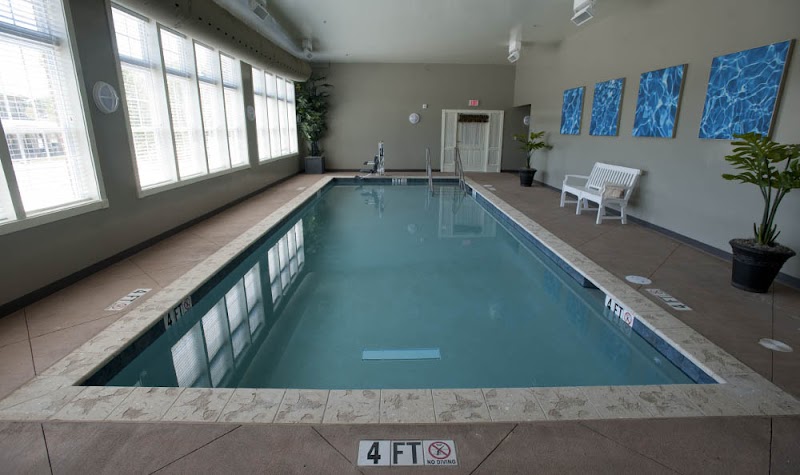
Who Owns and Operates Neighborhoods Rehab & Skilled Nursing By Tigerplac?

NEIGHBORHOODS REHAB & SKILLED NURSING BY TIGERPLAC is owned by a for-profit company. For-profit facilities operate as businesses with obligations to shareholders or private owners. The facility is operated by AMERICARE SENIOR LIVING, a chain that manages multiple nursing homes. With 120 certified beds and approximately 92 residents (about 77% occupancy), it is a mid-sized facility located in COLUMBIA, Missouri.
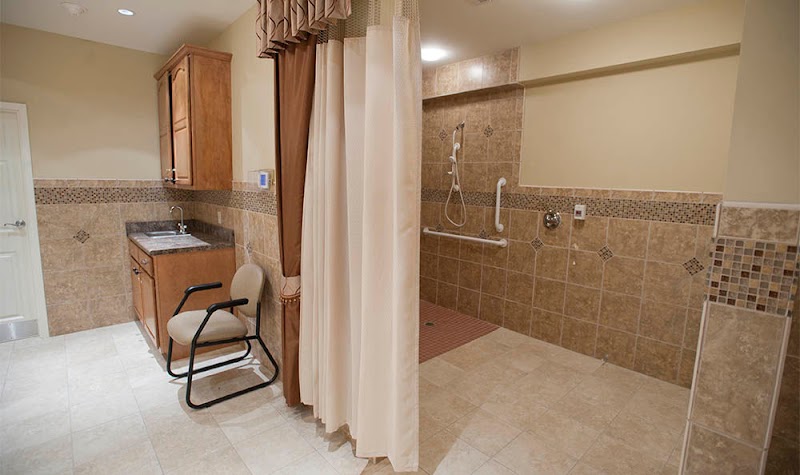
How Does Neighborhoods Rehab & Skilled Nursing By Tigerplac Compare to Other Missouri Nursing Homes?

Compared to the 100 nursing homes in Missouri, NEIGHBORHOODS REHAB & SKILLED NURSING BY TIGERPLAC's overall rating (2 stars) is below the state average of 2.5, staff turnover (62%) is significantly higher than the state average of 46%, and health inspection rating (2 stars) is below the national benchmark.

What Should Families Ask When Visiting Neighborhoods Rehab & Skilled Nursing By Tigerplac?

Based on this facility's data, families visiting should ask: "What changes have been made since the serious inspection findings, and how are you preventing similar issues?" "How do you ensure continuity of care given staff turnover, and what is your staff retention strategy?" "Can I visit during a mealtime to observe dining assistance and food quality?" "How do you handle medical emergencies, and what is your hospital transfer rate?" These questions are particularly relevant given the facility's Immediate Jeopardy citations and the facility's high staff turnover rate.

Is Neighborhoods Rehab & Skilled Nursing By Tigerplac Safe?

Based on CMS inspection data, NEIGHBORHOODS REHAB & SKILLED NURSING BY TIGERPLAC has documented safety concerns. Inspectors have issued 3 Immediate Jeopardy citations (the most serious violation level indicating risk of serious injury or death). The facility has a 2-star overall rating and ranks #100 of 100 nursing homes in Missouri. Families considering this facility should ask detailed questions about what corrective actions have been taken since these incidents.

Do Nurses at Neighborhoods Rehab & Skilled Nursing By Tigerplac Stick Around?

Staff turnover at NEIGHBORHOODS REHAB & SKILLED NURSING BY TIGERPLAC is high. At 62%, the facility is 16 percentage points above the Missouri average of 46%. Registered Nurse turnover is particularly concerning at 58%. RNs handle complex medical decisions and coordinate care — frequent RN changes can directly impact care quality. High turnover means new staff may not know residents' individual needs, medications, or preferences. It can also be disorienting for residents, especially those with dementia who rely on familiar faces. Families should ask: What is causing the turnover? What retention programs are in place? How do you ensure care continuity during staff transitions?

Was Neighborhoods Rehab & Skilled Nursing By Tigerplac Ever Fined?

NEIGHBORHOODS REHAB & SKILLED NURSING BY TIGERPLAC has no federal fines on record. CMS issues fines when nursing homes fail to meet care standards or don't correct problems found during inspections. The absence of fines suggests the facility has either maintained compliance or corrected any issues before penalties were assessed. This is a positive indicator, though families should still review recent inspection reports for the full picture.

Is Neighborhoods Rehab & Skilled Nursing By Tigerplac on Any Federal Watch List?

NEIGHBORHOODS REHAB & SKILLED NURSING BY TIGERPLAC is not on any federal watch list. The most significant is the Special Focus Facility (SFF) program, which identifies the bottom 1% of nursing homes nationally based on persistent, serious quality problems. Not being on this list means the facility has avoided the pattern of deficiencies that triggers enhanced federal oversight. This is a positive indicator, though families should still review the facility's inspection history directly.