SOUTH HAMPTON PLACE

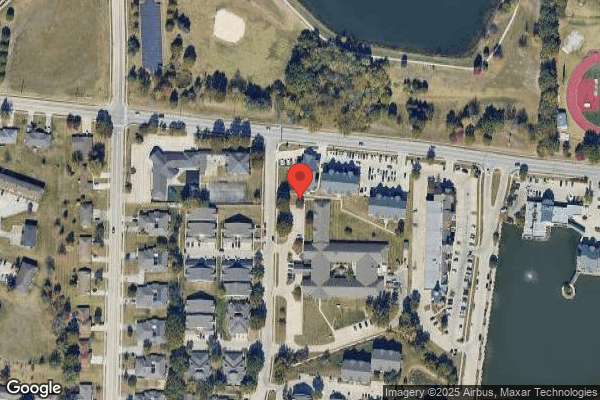
4700 BRANDON WOODS, COLUMBIA, MO 65203 (573) 874-3674
For profit - Limited Liability company 100 Beds JAMES & JUDY LINCOLN Data: November 2025
Trust Grade
38/100
#453 of 479 in MO
Last Inspection: April 2025

Within standard 12-15 month inspection cycle. Federal law requires annual inspections.

Overview

South Hampton Place has received a Trust Grade of F, indicating significant concerns and a poor overall rating for the care provided. They rank #453 out of 479 nursing homes in Missouri, placing them in the bottom half of facilities statewide, and #9 out of 9 in Boone County, meaning there are no better local options available. The facility is worsening, with issues increasing from 7 in 2024 to 16 in 2025. While staffing turnover is impressively low at 0%, the overall staffing rating is only 1 out of 5 stars, suggesting that while staff may stay, the quality of care is lacking. The home has reported $9,750 in fines, which is average but still concerning given the number of issues found, including failures to properly serve and store food, and inaccuracies in staffing records, all of which could impact residents' health and safety.

Trust Score
F
38/100
In Missouri
#453/479
Bottom 6%
Safety Record
Low Risk
No red flags
Inspections
Getting Worse
7 → 16 violations
Staff Stability
○ Average
Turnover data not reported for this facility.
Penalties
○ Average
$9,750 in fines. Higher than 55% of Missouri facilities. Some compliance issues.
Skilled Nurses
⚠ Watch
Each resident gets only 29 minutes of Registered Nurse (RN) attention daily — below average for Missouri. Fewer RN minutes means fewer trained eyes watching for problems.
Violations
⚠ Watch
31 deficiencies on record. Higher than average. Multiple issues found across inspections.
★☆☆☆☆
1.0
Overall Rating
★☆☆☆☆
1.0
Staff Levels
★☆☆☆☆
1.0
Care Quality
★★☆☆☆
2.0
Inspection Score
Stable
2024: 7 issues
2025: 16 issues

The Good

  • Full Sprinkler Coverage · Fire safety systems throughout facility
  • No fines on record

Facility shows strength in fire safety.

The Bad

1-Star Overall Rating

Below Missouri average (2.5)

Significant quality concerns identified by CMS

Federal Fines: $9,750

Below median ($33,413)

Minor penalties assessed

Chain: JAMES & JUDY LINCOLN

Part of a multi-facility chain

Ask about local staffing decisions and management

The Ugly 31 deficiencies on record

May 2025 1 deficiency
CONCERN (D) 📢 Someone Reported This

A family member, employee, or ombudsman was alarmed enough to file a formal complaint

Potential for Harm - no one hurt, but risky conditions existed

Deficiency F0658 (Tag F0658)

Could have caused harm · This affected 1 resident

Deficiency Text Not Available

Read full inspector narrative →
Deficiency Text Not Available
Apr 2025 15 deficiencies
CONCERN (D)

Potential for Harm - no one hurt, but risky conditions existed

Deficiency F0658 (Tag F0658)

Could have caused harm · This affected 1 resident

Based on interview and record review, facility staff failed to maintain professional standards of care, when staff failed to document neurological assessments for one resident (Resident #1) out of one...

Read full inspector narrative →
Based on interview and record review, facility staff failed to maintain professional standards of care, when staff failed to document neurological assessments for one resident (Resident #1) out of one sampled resident who had a fall with head injury. The facility census was 57. 1. Review of the facility's Fall Prevention policy, undated, showed it did not address a neurological post fall assessment for residents who incurred a head injury. Review of the facility's paper Neurological Evaluation flowsheet, revised November 2023, showed staff are directed to document neurological assessments for unwitnessed falls and head injuries every 15 minutes for one hour; every 30 minutes for two hours; every hour for four hours; and every shift for 72 hours. Review showed the neurological assessment should include: -Level of consciousness (Awake and Alert); -Orientation (Time/Place/Person); -Pupil reaction (pupils reaction to light); -Motor strength (extremity movement); -Sensation (numbness or tingling); -Gait and Balance (steps and pace); -Vital Signs (Blood pressure, pulse, respirations, and temperature). Review of Resident #1's admission Minimum Data Set (MDS), a federally mandated assessment tool, dated 04/16/25, showed staff assessed the resident as moderately cognitively impaired and at risk for falls. Review of the resident's care plan, dated 04/14/25, showed it did not contain documentation for risk of fall and interventions for falls. Review of the resident's Fall Data Assessment Template, dated 05/09/25, showed staff documented the resident was oriented to person and situation. Review of the progress notes, dated 05/09/25 at 11:54 P.M., showed staff documented a nurse witnessed the resident fall to the floor while reaching for a light switch. Staff documented a laceration that measured one centimeter by two centimeters to the left eyebrow, cleansed and steri-strips (adhesive bandage used to keep two sides of skin stay tightly closed) applied. The physician was in-house and notified. Review the resident's progress notes, dated 05/09/25 at 10:07 A.M., showed staff documented the resident experienced a change in condition including the inability to make needs known, and an oxygen saturation (percentage of cells in the blood carrying oxygen) below 90%. Resident emergently transferred to the hospital. Review of the progress notes, dated 05/10/25 at 3:34 A.M., showed staff documented the resident's pupils as equal, round, and reactive to light. The documentation did not include any further neurological assessment. Review of the medical record, dated 05/27/25, showed staff did not complete a Neurological Evaluation flowsheet for the resident. During an interview on 05/27/25 at 12:00 P.M., Licensed Practical Nurse A said if he/she saw a resident fall and they had to apply steri-strips to a head laceration, two hour neurological checks should be completed. During an interview on 05/27/25 at 3:30 P.M., Registered Nurse J said staff are expected to follow facility policy related to assessing injury after falls. He/She said fall assessments are completed after all falls. During an interview on 05/27/25 at 02:50 P.M., the Assistant Director of Nursing said the fall policy does not require staff to perform additional neurological checks when a fall is witnessed. During an interview on 06/17/25 at 08:45 A.M., the Director of Nursing (DON) said neurological assessments are performed after unwitnessed falls and falls with head injuries. During the facility's current electronic medical record transition, neurological assessments are documented on a paper form that is scanned in the EMR. The DON said the assessment includes vital signs, pupil reaction and size, speech, level of consciousness, and grip strength. MO#00354062
CONCERN (D)

Potential for Harm - no one hurt, but risky conditions existed

Deficiency F0730 (Tag F0730)

Could have caused harm · This affected 1 resident

Based on interview and record review, facility staff failed to have a system in place to ensure Certified Nurse Aides (CNA)s received the required 12 hours in-service education based on performance re...

Read full inspector narrative →
Based on interview and record review, facility staff failed to have a system in place to ensure Certified Nurse Aides (CNA)s received the required 12 hours in-service education based on performance reviews annually for three CNAs (CNA E, F, & G) out of three sampled CNAs. The facility census was 57. 1. Review of the policies provided by the facility did not show a policy for staff training, CNA training, or staff/CNA evaluations. Review of the Facility Assessment, dated August 18, 2017, showed the required in-services for nurse aides must: -Be sufficient to ensure the continuing competency of nurse aides (NA)s, but must be no less than 12 hours per year; -Address areas of weakness as determined in the NAs' performance training; -The Facility Assessment did not contain requirements of annual in-service education for nursing personnel by a registered nurse (RN) or qualified therapist to include turning and positioning for the bed-ridden resident, range of motion (ROM) exercises, ambulation assistance, transfer procedures, bowel and bladder retraining, or self-care activities of daily living. 2. Review of CNA E's employee record showed: -A hire date 06/08/10: -The record did not contain documentation of individual hours attended in the monthly in-service training and online training; -The record did not contain a performance review on which to base in-service education. 3. Review of CNA F's employee record showed: -A hire date of 09/20/18: -The record did not contain documentation of individual hours attended in the monthly in-service training and online training; -The record did not contain a performance review on which to base in-service education. 4. Review of CNA G's employee record showed: -A hire date of 07/03/12: -The record did not contain a performance review on which to base in-service education. 5. During an interview on 04/03/25 at 01:44 P.M., the administrator said the facility did not complete annual evaluations on employees. During an interview on 04/03/25 at 3:51 P.M., the receptionist said the employee on-line continuing education report does not document the number of education hours for the courses completed. During an interview on 04/08/25 at 05:35 P.M., the Director of Nursing (DON) said the Clinical Coordinator completes competency reviews for the new hires, but no competency or performance reviews are completed after hire. During an interview on 04/08/25 at 6:04 P.M., the administrator said CNA performance reviews will be started soon. The administrator said 12 hours of continuing education is online and the DON tracks the CNAs progress. CNA's are encouraged to complete one hour a month to achieve the 12 hours and the DON is responsible to track the hours.
CONCERN (D)

Potential for Harm - no one hurt, but risky conditions existed

Deficiency F0887 (Tag F0887)

Could have caused harm · This affected 1 resident

Based on interview and record review, facility staff failed to provide documentation for two residents (Resident #28 and #37) out of five sampled residents were provided education and offered the curr...

Read full inspector narrative →
Based on interview and record review, facility staff failed to provide documentation for two residents (Resident #28 and #37) out of five sampled residents were provided education and offered the current COVID-19 immunization. The facility census was 57. 1. Review of the facility's policy titled Resident Immunizations and Vaccinations, dated 09/2/22, showed it did not address the vaccination policy for Coronavirus 2019 (COVID-19). 2. Review of the facility policy titled Severe acute respiratory syndrome coronavirus (SARS-CoV-2) Infection, dated 08/22/24, showed the community/facility should follow county, state and federal recommendations applicable for SARS-CoV-2 infection prevention and treatment. The community/facility and its employers are reminded that general population guidance is different from long term care/Senior Living guidance. The community/facility will follow long term care and guidance and county, state and federal recommendations consistent with SARS-CoV-2 policy. Healthcare professionals (HCP), residents and visitors should be offered resources and counseled about the importance of receiving the COVID-19 vaccine. Additionally encourage everyone to remain up to date with all recommended COVID-19 vaccine doses. Review of the Centers for Disease Control and Prevention (CDC's), COVID-19 Vaccination for Long Term Care Residents, dated 08/30/24 showed: -The CDC recommends everyone ages 5-64 years, including people who live and work in long-term settings, get one dose of a 2024-2025 COVID-19 vaccine; -CDC recommends everyone ages 65 years and older, including people who live and work in long term care settings, get two doses of a 2024-2025 COVID-19 vaccine six months apart; -People who are moderately or severely immunocompromised should get at least two doses of 2024-2025 COVID-19 vaccine six months apart. They may also get more age-appropriate doses, beyond two doses at least two months apart, after talking to a healthcare provider; -While it is recommended to get 2024-2025 COVID-19 vaccine doses six months apart, the minimum time is two months apart, which allows flexibility to get the second dose prior to typical COVID-19 surges, travel, life events, and healthcare visits. 3. Review of Resident #28's signed Immunization Consent or Refusal form, dated 09/1/24, showed a COVID-19 Vaccination dose received date and location documented as x4. The consent and refusal lines are blank. Review of the electronic medical record's Preventive Health Care Vaccination list showed an entry, dated 06/21/22, of COVID-19 in-house vaccination. 4. Review of Resident # 37's signed Immunization Consent or Refusal form, dated 09/1/24, showed a COVID-19 Vaccination dose received date and location documented as x4. The consent and refusal lines are blank. Review of the electronic medical record's Preventive Health Care Vaccination entries did not show an entry for COVID-19 vaccination. 5. During an interview on 04/8/25 at 5:35 P.M., the Infection Preventionist (IP)/Director of Nursing (DON) said immunizations are the responsibility of the IP. The IP/DON said Resident #28 and Resident #37's consent forms should not be blank. He/She said the forms were missed, and the residents refused the vaccinations. During an interview on 04/8/25 at 6:06 P.M., the administrator said the consents should be filled out entirely.
CONCERN (E)

Potential for Harm - no one hurt, but risky conditions existed

Deficiency F0567 (Tag F0567)

Could have caused harm · This affected multiple residents

Based on interview and record review, facility staff failed to prevent the commingling of 17 resident's (Resident #13, #19, #21, #46, #63, #66, #67, #68, #69, #70, #71, #72, #73, #74, #75, #76, and #7...

Read full inspector narrative →
Based on interview and record review, facility staff failed to prevent the commingling of 17 resident's (Resident #13, #19, #21, #46, #63, #66, #67, #68, #69, #70, #71, #72, #73, #74, #75, #76, and #77) personal funds with the facility operating funds out of 55 sampled residents. The facility census was 55. 1. Review of the facility's policy titled Facility Resident Trust Fund Policy, revised 05/12, showed the facility will maintain a full and complete separate accounting ledger for each resident. The facility will maintain current written individual ledgers of all financial transactions. If a check is received for the resident's Accounts Receivable balance along with money for their resident trust account, the entire check should be deposited to the resident trust fund. A check then must be written from the resident trust fund to the accounts receivable account for the portion relating to the resident's accounts receivable balance. The facility will refund the balance of the resident's personal funds when a resident is discharged . The amount will be refunded by the end of the month following the month of discharge or by Federal/State specific guidelines if such policies are more stringent. Each quarter an audit will be performed by the Regional Financial Analyst, Administrator or designee. 2. Review of the facility-maintained Accounts Receivable Aging report, dated 03/31/25, showed the following residents with personal funds held in the facility operating account: Resident Amount Held in Operating Account #13 $630.00 #19 $1626.00 #21 $312.00 #46 $6306.68 #63 $5950.50 #66 $8195.50 #67 $3462.51 #68 $3616.00 #69 $240.00 #70 $1440.00 #71 $3695.83 #72 $25.00 #73 $192.95 #74 $924.00 #75 $3798.10 #76 $5718.07 #77 $300.00 Total $46,433.14 During an interview on 04/02/25 at 9:55 A.M., the Business Office Manager (BOM) said he/she started working at the facility on 03/03/25 and has not been completely trained. The BOM said he/she is supposed to attend training for this position in the next two weeks. The BOM said he/she has worked with the Regional BOM to learn his/her job, and the Regional BOM is available by phone or email when he/she needs assistance. During an interview on 04/02/25 at 10:03 A.M., the Regional BOM said he/she is responsible to oversee the BOM's within his/her region of the company. The Regional BOM said he/she is responsible to ensure the facility BOM is trained. The Regional BOM said he/she has been responsible for the facility funds while the facility did not have a BOM and will continue to oversee it after the new BOM is trained. The Regional BOM said the prior company changed hands to the present company on 12/01/24 and used a different computer system. The Regional BOM said the facility did not get the new computer system until 02/01/25. The Regional BOM said from 12/01/24 through 02/01/25 he/she did not have access to the facilities accounts, and the facility did not have a BOM at the time, therefore he/she did not address any credits or balances until the end of February once he/she had access to the old companies balances forward. The Regional BOM said refunds should be sent within 30 days of a resident discharge, but he/she knows the refunds have not been sent. The Regional BOM said the facility does not have written authorization to hold resident money in the facility operating account. During an interview on 04/02/24 at 11:30 A.M., the administrator said the BOM is responsible for the Accounts Receivable Aging report and resident billing, but the facility did not have a BOM and just recently hired the current BOM. The administrator said the Regional BOM has been responsible since the new company took over. The administrator said he/she did not know there were outstanding credits, and he/she did not think there should be. The administrator said all credits should be refunded within 30 days. The administrator said the facility does not have written authorization to hold resident funds in the facility operating account.
CONCERN (E)

Potential for Harm - no one hurt, but risky conditions existed

Deficiency F0700 (Tag F0700)

Could have caused harm · This affected multiple residents

**NOTE- TERMS IN BRACKETS HAVE BEEN EDITED TO PROTECT CONFIDENTIALITY** Based on observation, interview, and record review, facility staff failed to obtain consent for the use of bed rails for five re...

Read full inspector narrative →
**NOTE- TERMS IN BRACKETS HAVE BEEN EDITED TO PROTECT CONFIDENTIALITY** Based on observation, interview, and record review, facility staff failed to obtain consent for the use of bed rails for five residents (Resident #3, #6, #7, #19 and #26) out of six sampled residents, failed to assess residents for the use of bed rails and perform an entrapment assessment for two residents (Resident #7 and #26) of six sampled residents. The facility census was 57. 1. Review of the facility's policy titled Bed Rails, dated December 2024, showed prior to the installation of bed rails, attempts to provide the resident with alternative measures to meet their need for positioning, mobility, or transfer ability while in bed will be made. When alternatives are deemed ineffective or not adequate to meet the resident's needs, the resident will be assessed for the use of bed rails, including the risk of entrapment, and informed consent is obtained from the resident or resident's representative. 2. Review of Resident #3's Quarterly Minimum Data Set (MDS), a federally mandated assessment tool, dated 01/06/25, showed staff assessed the resident as: -Severely cognitively impaired; -Diagnoses of cancer, multiple sclerosis, Parkinson's Disease, anxiety disorder and depression. -Restraints not used. Review of the resident's medical record showed the medical record did not contain an informed consent for bed rail use. Observation on 03/31/25 at 1:54 P.M., showed the resident in bed with one bed rail raised. During an interview on 03/31/25 at 1:54 P.M., the resident said he/she used the bed rail to assist in position changes. During an interview on 04/08/25 at 12:20 P.M., the Assistant Director of Nursing (ADON) said the resident gave verbal consent, but the facility did not obtain documentation of the entrapment assessment, the consent, or the resident's bed rail assessment. 3. Review of Resident #6's Quarterly MDS, dated [DATE], showed staff assessed the resident as: -Moderately cognitively impaired; -Diagnoses of coronary artery disease, peripheral vascular disease, diabetes, and lung disease. -Restraints not used. Review of the resident's medical record showed the medical record did not contain an informed consent for bed rail use. Observation on 03/31/25 at 2:18 P.M., showed the resident in bed with one bed rail raised. Observation on 04/01/25 at 9:35 A.M., showed the resident in bed with one bed rail raised. During an interview on 04/08/25 at 12:20 P.M., the ADON said the resident did not have a consent for the use of bed rails. 4. Review of Resident #7's admission MDS, dated [DATE], showed staff assessed the resident as: -Cognitively intact; -Diagnoses of coronary artery disease, heart failure, hypertension, hip fracture, dementia and asthma. -Bed rails not used. Review of the resident's medical record showed the medical record did not contain an informed consent for bed rail use, an entrapment assessment, or bed rail assessment. Observation on 03/31/25 at 1:45 P.M. showed the resident's bed with grab bars up on both sides. 5. Review of Resident #19's Quarterly MDS, dated [DATE], showed staff assessed the resident as: -Cognitively intact; -Cancer, atrial fibrillation, coronary artery disease, heart failure, diabetes, arthritis, anxiety disorder, and depression. -Bed rails not used. Review of the resident's medical record did not contain an informed consent for bed rail use. Observation on 04/01/25 at 9:07 A.M., showed the resident in bed with a bed rail raised. During an interview on 04/08/25 12:20 P.M., the ADON said the resident did have consent for the use of bed rails. 6. Review of Resident #26's admission MDS, dated [DATE], showed staff assessed the resident as: -Cognitively intact; -Diagnoses of hypertension, hyperlipidemia, thyroid disorder, hip fracture, and dementia. -Bed rails not used. Review of the resident's medical record did not contain an informed consent for bed rail use, an entrapment assessment, or bed rail assessment. Observation on 03/31/25 at 2:14 P.M., showed the resident in his/her bed with grab bars up on both sides. During an interview on 03/31/25 at 2:15 A.M., the resident said he/she did not use the grab bars. During an interview 04/08/25 at 12:20 P.M., the ADON said the resident did not have an entrapment assessment, consent, or resident assessment for bed rail use. 7. During an interview 04/08/25 at 12:20 P.M., the ADON said residents #3 and #26 had new beds, and no entrapment assessments, consents, or resident assessments had been completed. During an interview on 04/08/25 at 5:50 P.M., the Director of Nursing (DON) said the Registered Nurses (RN)'s complete the bed rail assessments and entrapment assessments. The DON said the assessments are checked for completion quarterly. The DON said they do have new beds and all the rails have not been removed. The DON said the bed rails will stay on the beds of the residents who request them. The DON said the new beds recently arrived and the staff had not had time to complete the paperwork. During an interview on 04/08/25 at 06:12 P.M., the Administrator said the bed rails assessments were done by the previous DON before he/she quit and now the current DON will be responsible for completing the required assessments. During an interview on 04/16/25 at 3:31 P.M., the administrator said consents are a part of the bed rail paperwork process. The administrator said the new beds arrived at the facility on the Thursday and Friday before the survey team arrived and there had not been enough time to complete the paperwork.
CONCERN (E)

Potential for Harm - no one hurt, but risky conditions existed

Deficiency F0728 (Tag F0728)

Could have caused harm · This affected multiple residents

Based on interview and record review, facility staff failed to ensure three Nurse Aides (NA)s (NA B, NA C, and NA D) of five sampled NA's completed the required nurse aide training program within four...

Read full inspector narrative →
Based on interview and record review, facility staff failed to ensure three Nurse Aides (NA)s (NA B, NA C, and NA D) of five sampled NA's completed the required nurse aide training program within four months of employment in the facility. The facility census was 57. 1. Review of the policies provided by the facility did not contain a policy for NA qualifications. 2. Review of the Facility Assessment Tool, dated August 18, 2017, showed the Facility Assessment did not address Nurse Aide Qualifications and Training Requirements. 3. Review of NA B's personnel file showed a hire date of 11/05/24. The file did not contain documentation the NA completed the required nurse aide training program. 4. Review of NA C's personnel file showed a hire date of 11/05/24. The file did not contain documentation the NA completed the required nurse aide training program. 5. Review of NA D's personnel file showed a hire date of 07/06/24. The file did not contain documentation the NA completed the required nurse aide training program. During an interview on 04/03/25 at 11:30 A.M., NA D said he/she had not passed the CNA exam. NA D said the facility is assisting him/her to reschedule the test. 6. During an interview on 04/03/25 at 04:45 P.M., the Clinical Coordinator said once the NA completes the course work requirements, the individual NA is responsible for scheduling and taking the Certified Nursing Assistant exam. The Clinical Coordinator said he/she does not track when or if the NA's pass their exam and receive their certification. During an interview on 04/08/25 at 05:35 P.M., the Director of Nursing (DON) said NA's should have their certification within 120 days of employment. The Clinical Coordinator tracks the NAs' progress and helps the NA's schedule and set up their exams. The DON said the Clinical Coordinator reports to him/her and should report NA's that have not received their license within 120 days. The DON said he/she did not know there were NA's that had not completed their training. During an interview on 04/08/25 at 6:04 P.M., the administrator said NA's should be certified within 120 days of employment. The administrator said a couple of the CNAs' had failed their tests. The administrator said the facility would not have NA's past the given 120 days, and the NA's would be taken off of the schedule.
CONCERN (E)

Potential for Harm - no one hurt, but risky conditions existed

Antibiotic Stewardship (Tag F0881)

Could have caused harm · This affected multiple residents

Based on interview and record review, facility staff failed to implement an Antibiotic Stewardship Program with antibiotic use protocols and a system to monitor and track antibiotic use within the fac...

Read full inspector narrative →
Based on interview and record review, facility staff failed to implement an Antibiotic Stewardship Program with antibiotic use protocols and a system to monitor and track antibiotic use within the facility. The facility census was 57. 1. Review of the facility's policy titled Antibiotic Stewardship & MDROs (Multiresistant Organisms), dated 2019, showed the Infection Preventionist (IP) will be responsible for surveillance, infection definition based on standards of practice, education, tracking, data management, analysis of data, communication with the DON (Director of Nursing), Medical and Consultant Pharmacist and ongoing system review. Ongoing review and updates will be completed based on standards of practice, and collaboration with Medical Director and Pharmacy Consultant. Tracking and reporting of antibiotic use and outcomes will be completed in the facility to identify adherence to facility policy and procedures, use and outcomes. Tracking will allow the facility to identify patterns, prevalence of antibiotic use as well as specific ordering data. Outcomes (i.e. adverse drug events,, antibiotic resistant organisms, Clostridium difficile infections, etc) will be tracked by the Infection Preventionist and discussed with the Quality Assurance Committee for action planning. 2. Review of the facility's Nosocomial Infections Worksheet Sites and Pathogens dated January, February and March 2025, showed staff documented the number of pathogens (infections caused by specific bacteria including Acinetobactor, Klebsiella, Clostridium difficile and Escherichia Coli by source. (i.e. Urinary Tract Infection (UTI), Cutaneous (relating to the skin), Upper Respiratory, Gastrointestinal (stomach), Intravenous site, etc). The documentation did not include antibiotics ordered for the infections or the outcome of antibiotic use. 3. Review of the facility's Monthly Nosocomial Infection Report for All Nursing Units dated January, February and March 2025 showed staff documented the total number of infections from specific sources (i.e. number of UTI's, Cutaneous, Upper Respiratory, etc). for the facility. The documentation did not identify the infections by unit or indicate antibiotic usage to determine patterns, trends and outcomes. During an interview on 04/08/25 at 2:35 P.M., the IP said he/she does not have an antibiotic tracker. He/She said the antibiotic orders are reviewed and that is how the information for the infection reports are gathered for the Quality Assurance and Improvement Committee. He/She said mapping infections is not done to determine patterns, trends and outcomes of antibiotic usage. The IP said the policies followed were given to facility staff by the corporate office. During an interview on 04/08/25 at 6:05 P.M., the administrator said he/she expects the IP to follow the facility policy for Antibiotic Stewardship and ensure it is up to date and locally relevant.
CONCERN (F)

Potential for Harm - no one hurt, but risky conditions existed

Menu Adequacy (Tag F0803)

Could have caused harm · This affected most or all residents

Based on observation, interview and record review, the facility staff failed to serve food in accordance with the nutritionally calculated recipes and menus to residents who received regular and puree...

Read full inspector narrative →
Based on observation, interview and record review, the facility staff failed to serve food in accordance with the nutritionally calculated recipes and menus to residents who received regular and pureed diets. The facility census was 57. 1. Review of the facility's Standardized Recipes policy, undated, showed standardized recipes will be used for all menu items, including pureed and therapeutic diets. Review showed each standardized recipe will include measurement and/or weight of ingredients and serving sizes. Review of the facility menu for Week 4, Day 17 showed the menu directed staff to serve: -Two, three ounce tuna patties, four ounces of yellow rice, four ounces of spinach and one slice of bread to residents who received regular diets; -A #6 scoop (five and one-third ounces) tuna patty, a #8 scoop (four ounces) yellow rice, a #12 scoop (two and two-thirds ounces) frozen spinach, and a #16 scoop (two ounces) of bread to residents who received pureed diets. Review of the facility's recipes showed they did not contain a recipe for tuna noodle casserole. Observation on 04/01/25 at 12:35 P.M., showed the dietary manager served four ounces of tuna noodle casserole to residents who received a regular diet instead of two, three ounce tuna patties as directed by the menu. Observation showed the dietary manager served one #8 scoop of pureed tuna noodle casserole, instead of a #6 scoop of tuna patty as directed by the menu, and one #8 scoop of pureed spinach (1 1/3 ounces more than directed) to three residents who received pureed meals. Observation showed the residents did not receive pureed bread. During an interview on 04/01/25 at 1:05 P.M., the dietary manager (DM) said he/she did not follow a recipe when he/she prepared the tuna noodle casserole. The DM said the food delivery was delayed so he/she prepared what he/she had on hand. During an interview on 04/03/25 at 12:35 P.M., the administrator said the cook was responsible for preparing and serving food in accordance with the recipes and menus. The administrator said he/she was unaware staff were not following the recipes and menus.
CONCERN (F)

Potential for Harm - no one hurt, but risky conditions existed

Food Safety (Tag F0812)

Could have caused harm · This affected most or all residents

Based on observation, interview and record review, the facility staff failed to store food in a manner to prevent potential contamination and outdated use. Facility staff failed to maintain an air gap...

Read full inspector narrative →
Based on observation, interview and record review, the facility staff failed to store food in a manner to prevent potential contamination and outdated use. Facility staff failed to maintain an air gap in two ice machine drains. These failures have the potential to affect all residents. The facility census was 57. 1. Review of the facility's Food Storage policy, undated showed: -All food items will be labeled and the label must include the name of the food and the date by which it should be sold, consumed or discarded; -Discard food that has passed the expiration date; -Wrap food properly. Never leave any food item uncovered and not labeled; -Set refrigerators to the proper temperature to ensure the internal temperature of the food is 41 degrees Fahrenheit (F) or lower. Place hanging thermometer in the warmest part of the refrigerator. Observation on 04/01/25 at 10:30 A.M., showed the kitchen contained a stand-up mixer which was uncovered and contained an accumulation of dried white material in the area above the blade connection. Observation showed a walk-in freezer contained zippered bags of chicken patties and brown cubed meat, unlabeled and undated and a partially eaten chocolate crème pie which was unlabeled and undated. Observation of the walk-in cooler showed an opened container of chicken salad unlabeled and undated, opened packages of cheese and luncheon meat unlabeled and undated, and an opened ten pound container of hard cooked, peeled eggs with a use by date of 03/06/25. Observation on 04/02/25 at 11:55 A.M., showed the activity room contained a large bag of popcorn seeds which were open to the air. Observation showed the activity room cabinet contained three containers of seasonings. Observation showed all three containers were opened and undated and two containers were open to the air. Observation showed the activity room contained a white residential type refrigerator freezer which had a temperature log taped to the door. Observation showed the log included the months of March and April 2025. Observation showed one temperature of 38 recorded for 04/25/25. Observation showed the log did not contain any additional information or temperatures. Observation showed the refrigerator did not contain a thermometer. Observation showed the freezer contained a box of corn dogs which were undated and open to the air. Observation showed the refrigerator contained a package of cookies which were open to the air and an opened an undated container of meat sauce. During an interview on 04/02/25 at 12:00 P.M., the activity director said he/she was responsible for all food items in the activities area. The activity director said the corn dogs were opened about two weeks ago. The activity director said the refrigerator was used for his/her food as well as resident food. The activity director said all food should be sealed or covered. The activity director said he/she did not follow any specific labeling and dating policy since he/she had never received any food handling related training at the facility. The activity director said the refrigerator should have a thermometer. During an interview on 04/02/25 at 3:40 P.M., the dietary manager (DM) said staff all kitchen staff were responsible for dating and labeling opened and prepared food items. The DM said staff should discard food items past their use-by dates. The DM said he/she and the cook were responsible for monitoring food labeling and dating in the kitchen. The DM said food labels and dates were monitored as staff worked and did not follow a schedule. The DM said staff just overlooked some items. The DM said the activity director was responsible for food in the activities area and kitchen staff did not monitor the activities area. During an interview on 04/03/25 at 12:35 P.M., the administrator said food storage requirements applied to any areas that stored or prepared food for the residents, and this would include the activities area. The administrator said he/she did not know the activity director had not received food safety training. The administrator said he/she did not know the activity room refrigerator did not contain a thermometer. 2. Observation on 04/02/25, during the Life Safety Code tour showed the facility equipped with two ice machines which were for resident use. Observation showed a countertop ice machine, which sat in the dining room, contained a drain which was routed through the kitchen wall and connected to a sink drain. Observation showed the drain was directly connected to a floor drain with white plastic pipe and did not contain an air gap. Observation showed a room adjacent to the resident dining room contained an ice machine which contained a drain which ran to a floor drain. Observation showed the floor drain was open and the ice machine drain sat below the level of the floor. Observation showed the drain contained an accumulation of beige and brown foreign material where the drain terminated. Observation showed the room smelled of sewage. During an interview on 04/02/25 at 1:35 P.M., the maintenance director said he/she did not know the ice machine drains required an air gap. The maintenance director said he/she contacted a plumber about the sewage odor and was instructed to pour water in the drain to reduce the odor. The maintenance director said he/she could not remember when he/she spoke with the plumber and did not say how frequently he/she added water to the drain. The maintenance director said he/she followed the plumbers instructions and did not know what else to do to reduce the odor. The maintenance director said he/she had not tried anything else to remove the odor. During an interview on 04/03/25 at 12:35 P.M., the administrator said the maintenance director and the facility vendor were responsible for maintaining the ice machines. The administrator said he/she was not aware the ice machine drains did not contain an air gap.
CONCERN (F)

Potential for Harm - no one hurt, but risky conditions existed

Staffing Data (Tag F0851)

Could have caused harm · This affected most or all residents

Based on interview and record review, facility staff failed to electronically submit to the Centers for Medicare and Medicaid Services (CMS), complete and accurate direct care staffing information to ...

Read full inspector narrative →
Based on interview and record review, facility staff failed to electronically submit to the Centers for Medicare and Medicaid Services (CMS), complete and accurate direct care staffing information to the Payroll-Based Journal (PBJ) from October 1, 2024, through December 31, 2024. The facility census was 57. 1. The facility did not provide a policy for Payroll-Based Journal submission. 2. Review of the CMS Electronic Staffing Data Submission PBJ Policy Manual for submission guidelines showed submissions must be received by the end of the 45th calendar day (11:59 PM Eastern Standard Time) after the last day in each fiscal quarter to be considered timely. Timeframes for each reporting period are as follows: Fiscal Quarter 1 - Date Range October 1-December 31 - submission deadline February 14; Fiscal Quarter 2 - Date Range January 1-March 31 - submission deadline May 15; Fiscal Quarter 3 - Date Range April 1-June 30 - submission deadline February 14; Fiscal Quarter 4 - Date Range July 1-September 30 - submission deadline November 14. 3. Review of the fiscal years CMS PBJ Staffing Data Report, dated October 1 - December 1 showed: -The facility triggered for, Excessively Low Weekend Staffing, No Registered Nurse (RN) Hours, and Failed to have Licensed Nursing Coverage 24 Hours/Day. -Infraction dates for No RN Hours every day October 1 to November 30. -Infraction dates for Failed to have Licensed Nursing Coverage 24 Hours/Day every day October 1 to November 30. Review of the facility's nursing schedule, dated October 1 to November 30, showed the facility had eight or more RN hours per day and licensed nursing coverage 24 hours per day. During an interview on 04/03/25 at 11:02 A.M., the administrator said he/she did not know of a policy for the PBJ. The administrator said the corporate office is responsible to report the fiscal quarter staffing information for October 1 to December 31 by the deadline. During an interview on 04/08/25 at 6:04 PM, the administrator said he/she did not know why the PBJ information had not been submitted. The administrator said during training, the PBJ process was reviewed, and information is supposed to flow over and link up with the reporting. During an interview on 04/18/25 at 11:40 A.M., the Corporate Human Resource (HR) Officer for PBJ said the PBJ data for October 1 to November 30 was entered by their corporation on 12/11/24. The HR Officer said the new corporation had the responsibility to submit the information for December 1 to 31. The HR Officer said he/she did not know why the information submitted by their office was not included in the full quarter report.
CONCERN (F)

Potential for Harm - no one hurt, but risky conditions existed

Infection Control (Tag F0880)

Could have caused harm · This affected most or all residents

**NOTE- TERMS IN BRACKETS HAVE BEEN EDITED TO PROTECT CONFIDENTIALITY** Based on observation, interview, and record review, facility staff failed to develop and implement complete policies and procedu...

Read full inspector narrative →
**NOTE- TERMS IN BRACKETS HAVE BEEN EDITED TO PROTECT CONFIDENTIALITY** Based on observation, interview, and record review, facility staff failed to develop and implement complete policies and procedures for the inspection, testing and maintenance of the facility's water systems to inhibit the growth of waterborne pathogens and reduce the risk of an outbreak of Legionnaire's Disease (a serious type of pneumonia (lung infection) caused by Legionella bacteria, which places all residents of the facility at risk of exposure which could lead to illness. Facility staff failed to follow infection control practices when staff did not disinfect the blood glucose monitor between uses for three residents (Resident #37, #33, and #48) out of four sampled residents. The facility failed to provide current infection prevention policies that were updated and reviewed annually. The facility census was 57. 1. Review of the Centers for Medicare and Medicaid Services (CMS) Quality, Safety and Oversight (QSO) 17-30, dated 06/02/17 and revised on 07/06/18, showed: The bacterium Legionella can cause a serious type of pneumonia called Legionnaire's Disease in persons at risk. Those at risk include persons who are at least [AGE] years old, smokers, or those with underlying medical conditions such as chronic lung disease or immunosuppression. Outbreaks have been linked to poorly maintained water systems in buildings with large or complex water systems including hospitals and long-term care facilities. Transmission can occur via aerosols from devices such as showerheads, cooling towers, hot tubs, and decorative fountains. Facilities must have water management plans and documentation that, at a minimum, ensure each facility: -Conducts a facility risk assessment to identify where Legionella and other opportunistic waterborne pathogens (e.g. Pseudomonas, Acinetobacter, Burkholderia, Stenotrophomonas, nontuberculous mycobacteria, and fungi) could grow and spread in the facility water system; -Develops and implements a water management program that considers the ASHRAE industry standard and the CDC toolkit; -Specifies testing protocols and acceptable ranges for control measures, and document the results of testing and corrective actions taken when control limits are not maintained. Review of the facility's Water Management Program to Reduce Legionella Growth, undated, showed the facility will develop and implement a Water Management Program to inhibit microbial growth in building water systems that reduce the risk of growth and spread of legionella and other opportunistic pathogens in water. Review of the program showed it did not contain: -Facility specific policies related to water management; -A description of the facility's water system; -Corrective actions to take if control measures are out of range. Review of the facility water management program showed a description of the facility water system which identified water entry at the east end of building next to the front parking lot. Review showed the program identified the resident halls as the Colonial, Aspen and [NAME] wings. Observation on 04/02/25, during the Life Safety Code tour showed the front parking lot located on the west end of the building. Observation showed resident halls were not identified as Colonial, Aspen and [NAME]. During an interview on 04/02/25 at 4:00 P.M., the Assistant Director of Nursing (ADON) said he/she was the facility's Infection Preventionist. The ADON said he/she was not familiar with the Water Management Program and he/she was not familiar with Legionella. During an interview on 04/03/25 at 10:30 A.M., the maintenance director said he/she was responsible for implementing the water management plan. The maintenance director said he/she had never reviewed the entire program and he/she just followed inspection checklists provided by corporate staff. The maintenance director said the resident halls were referred to as 100, 200 and 300 halls. The maintenance director said he/she was not aware of any specific corrective actions related to the water management program. During an interview on 04/03/25 at 12:35 P.M., the administrator said he/she, maintenance and corporate staff were responsible for writing the water management program. The administrator said he/she, the maintenance director, the housekeeping supervisor and the infection preventionist were responsible for implementing the program. The administrator said he/she reviewed the program annually in January or February but did not document the review. The administrator said the resident halls were referred to as 100, 200 and 300. The administrator said the resident halls were not identified as Colonial, Aspen or [NAME]. The administrator said he/she did not realize the program did not include facility specific policies or corrective actions. 2. Review of the facility's policy titled Cleaning and Disinfecting Blood Glucose Meters, dated 2019, showed thoroughly clean all visible soil and organic material (e.g. blood) from glucometer before disinfection. Follow manufacturer's guidelines for cleaning and disinfecting of glucose meters. Specific guidelines for glucose meters may vary with the manufacturer. When selecting a disinfecting cleaning product, review the required contact time. Nursing is to understand and demonstrate the necessary length of time the disinfectant must be in contact with the glucometer. Each disinfectant has specific instructions. Review of the manufacturer's instructions for The EvenCare G3 Meter, revised April, 2024, showed the meter should be cleaned and disinfected between each patient. The meter is validated to withstand a cleaning and disinfection cycle of ten times per day for an average period of three years. Inspect for blood, debris, dust or lint anywhere on the meter. Blood and bodily fluids must be thoroughly cleaned from the surface of the meter. To clean the meter, use a moist (not wet) lint-free cloth dampened with a mild detergent. Wipe all external areas of the meter including both the front and back surfaces until visibly clean. Avoid wetting the meter test strip port. To disinfect your meter, clean the meter surface with one of the approved disinfecting wipes. Allow the surface of the meter to remain wet at room temperature for the contact time listed on the wipe's directions for use. Wipe all external areas of the meter including both the front and back surface until visibly wet. Avoid wetting the meter test strip port. Wipe meter dry or allow to air dry. 3. Observation on 04/2/25 at 12:15 P.M., showed Registered Nurse (RN) I checked Resident #37's blood sugar. Observation showed RN I did not clean or disinfect the glucometer and placed it in the medication cart. Observation at 12:25 P.M., showed RN I used the same glucometer and checked Resident #33's blood sugar without cleaning or disinfecting the glucometer. Observation at 12:30 P.M., showed the RN used the same glucometer to check Resident #48's blood sugar. The RN did not cleanse or disinfect the glucometer before he/she checked Resident #48's blood sugar. 4. During an interview on 04/2/25 at 12:54 P.M., RN I said he/she did not know what the policy said in regard to cleansing and disinfecting the glucometers. RN I said if the glucometer is not cleaned blood borne pathogens could be passed from resident to resident. RN I said he/she did not know of any residents in the facility with hepatitis or Human Immunodeficiency Virus (HIV), a blood borne pathogen. RN I said he/she did not know why he/she did not clean the glucometer between uses. During an interview on 04/2/25 at 1:14 P.M., the Director of Nursing (DON) said she/she did not know if there was a policy in regard to cleaning the blood glucose meters. The DON said the staff are expected to clean the meters between each resident. The DON said if the glucometer is not cleaned between residents, pathogens can be transferred from resident to resident. The DON said there are not any current residents with hepatitis or HIV. During an interview on 04/2/25 at 1:23 P.M., the administrator said the policy for cleaning glucose meters is typically to have two meters, one in use and one wrapped in a disinfecting wipe. He/She said staff should use the clean meter for the next resident while the first one is disinfecting. The risk of not cleaning the meters is blood borne pathogens being spread from resident to resident. That is why the glucometers should be cleaned and he/she would expect staff to follow the cleaning policy. The administrator said he/she is not aware of any current residents with HIV or hepatitis. 5. Review of the facility's Infection Prevention policies showed the Antibiotic Stewardship and MDRO (Multiresistant Organisms), dated 2019, had not been reviewed annually. The policy included recommendations for establishing an antibiotic stewardship program, but did not include site-specific directions for conducting surveillance activities such as the Monthly Nosocomial Infection Report or Nosocomial Infection Worksheet currently in use; the process for antibiotic usage tracking, or resident reassessment to determine effectiveness and outcome analysis: -Long Term Care-Urinary Tract Infections, dated 2012, not reviewed annually. -Cleaning and Disinfecting Blood Glucose Meters, dated 2019, and not reviewed annually; -Standard Precautions: Hand Hygiene, dated 2019, and not reviewed annually; -Resident Immunizations and Vaccinations: Influenza Vaccine Program, updated 09/2/22, had not been reviewed annually and included specific vaccination available for the 2022-2023 influenza season; -Immunization Recommendations for Residents of Long Term Facilities, dated April 2016, had not been reviewed annually, and did not reflect current Centers for Disease Control and Prevention (CDC) guidelines for pneumococcal immunizations; -SARS CoV-2 (Coronavirus) Infection policy included the informational sheet Benefits of Getting a (Coronavirus 2019) COVID-19 Vaccine informational sheet, updated 01/5/21. The information sheet did not reflect current guidance found in the CDC's Staying Up to Date with Covid-19 Vaccines, dated January 27, 2025. During an interview on 04/8/25 at 5:35 P.M., the Infection Preventionist (IP) said staff use the Infection Prevention and Antibiotic Stewardship policies that have been given to them by corporate. The IP said he/she did not know the policies should be reviewed annually and assumed that would be done at the corporate level. During an interview on 04/8/25 at 6:04 P.M., the administrator said he/she did not know the Infection Prevention and Antibiotic Stewardship policies needed to be reviewed annually, but does know the CDC has not come out with updates since 2022.
MINOR (B)

Minor Issue - procedural, no safety impact

Deficiency F0572 (Tag F0572)

Minor procedural issue · This affected multiple residents

Based on interview and record review, facility staff failed to annually review resident rights and responsibilities with the residents as directed by facility policy. The facility census was 57. 1. Re...

Read full inspector narrative →
Based on interview and record review, facility staff failed to annually review resident rights and responsibilities with the residents as directed by facility policy. The facility census was 57. 1. Review of the facility policy for Resident Council, reviewed 02/2016, showed a designated staff member, other than the administrator, is to coordinate and render assistance to the Council. The Council is to review procedures for implementing resident rights and facility responsibilities and the Council can make recommendations for changes and additions which will strengthen the facility's policies and procedures as they effect resident rights and facility responsibilities. The designated staff member is to assist with Resident Council Meetings and to prepare and disseminate the report/minutes to all residents, the administrator, and the facility staff. Review of the facility's policy for Resident Rights, undated, showed it is the intent of the facility to promote and ensure that highest standards of conduct and reliability by its employees and consultants to in turn produce environments in the facility that promote the highest standards of care and security for the residents and the families. Specific Resident Rights include residents will be fully informed of resident rights and responsibilities, and reviewed with the resident by facility staff each year. 2. Review of Resident Council minutes for the months of January 2024 through March 2025 showed the forms had three lines to fill out under Resident Right(s) Reviewed. Staff documented yes and the forms did not contain the resident right that had been reviewed. During an interview on 04/02/25 at 10:07 A.M., the resident council members #15, #18, #21, #25, #33, #40, #44, and #49 said the activity director (AD) has never reviewed resident rights during a resident council meeting. During an interview on 04/08/25 at 2:26 P.M., the AD said he/she had been the AD for a little over a year and he/she is the designated staff member that assists with resident council meetings and he/she prepares and disseminates the reports/minutes. The AD said the meetings did not have specific topics to cover; instead, residents are asked if they have any complaints or for improvement suggestions since the last meeting, and the residents come up with a list which is discussed. The AD said he/she writes the complaints and suggestions down for the minutes. The AD said he/she had not reviewed resident rights and facility rules with the residents during the meetings. During an interview on 04/08/25 at 3:26 P.M., the Social Services Director said residents are informed of their rights and the facility rules when they are admitted , and he/she did not know if they are reviewed during the residents' stay. During an interview on 04/08/25 at 5:35 P.M., the Director of Nursing (DON) said resident rights and facility rules are reviewed during the admission process and there is no formal review after admission. The DON said if there are questions about resident rights or facility rules the residents can address it during care plan meetings. During an interview on 04/08/25 at 6:04 P.M., the administrator said resident rights and the facility rules are not reviewed with residents annually and did not now the rights were to be reviewed after the admissions process. He/She said the rights are posted for the residents.
MINOR (C)

Minor Issue - procedural, no safety impact

Grievances (Tag F0585)

Minor procedural issue · This affected most or all residents

**NOTE- TERMS IN BRACKETS HAVE BEEN EDITED TO PROTECT CONFIDENTIALITY** Based on interview and record review, facility staff failed to provide written documentation of responses related to grievances,...

Read full inspector narrative →
**NOTE- TERMS IN BRACKETS HAVE BEEN EDITED TO PROTECT CONFIDENTIALITY** Based on interview and record review, facility staff failed to provide written documentation of responses related to grievances, and the policy failed to address the residents' right to file a grievance anonymously. The facility failed to ensure the results of grievances were maintained for a period of no less than three years and failed to educate and review guidelines on how to file a grievance with the residents. The facility census was 57. 1. Review of the facility's Resident Rights statement, undated, showed residents will always be provided with the highest level of care and service, and if for any reason a resident, and/or Responsible Party feel such needs are not being met by the facility staff, they are entitled to a variety of avenues in which to resolve their concern(s). Each resident shall be encouraged and assisted throughout his/her stay to exercise their rights as a resident and citizen and may voice grievances and recommend changes in policies and services to facility staff or outside representatives of his/her choice. A staff person shall be designated to receive grievances and residents may voice complaints and recommendations to a staff designee, an ombudsman or any person outside the facility. Residents shall be informed and provided a viable format for recommending changes in policy and services. Review of the facility's Patient [NAME] of Rights, revised 04/22/16, showed residents have the right to voice grievances and recommend changes to facility and staff or to outside representatives available to residents. Review of the facility's policy titled Resident Council, reviewed February 2016, showed any concerns identified in the resident council will cause a grievance form to be initiated in order to ensure that the concerns are addressed. Grievance forms will be given the appropriate follow up and response will be provided to the council. Review of the facility's Grievance Protocol, undated, showed the purpose of the Grievance/Complaint Report and Grievance Log is to provide a written record of each resident and family concern and to ensure proper follow-up through the appropriate discipline. The Social Services Director (SSD) is responsible for the program, although the Administrator is ultimately responsible for the proper implementation of the program. The SSD informs the Administrator of each incident. The Administrator and SSD evaluate the Monthly Grievance Log for trends or patterns and devise an action plan to correct the issues. The SSD will: -Obtain the original grievance complaint report; -Record the grievance on the monthly grievance log; -Inform the administrator of the grievance; -Forward a copy of the grievance to the appropriate discipline; -The Grievance Protocol did not instruct staff to provide written documentation of responses related to the grievances, failed to include the right to file a grievance anonymously, and failed to require the facility to maintain documentation of grievance results for a period of no less than three years. Review of the Concern/Grievance form, undated, showed the form had four sections: -Receipt of concern/service with the individuals name, who the concern is reported to, and the staff member completing the section; -Documentation of the concern/grievance with the description of the concern using factual terms, and the staff member completing the section; -Documentation of facility follow-up, with the individual(s) designated to take action on the concern, the date assigned, and the date resolved, a specific action plan to resolve the grievance, if a group was held and if so, the names of the individual in attendance, the results of the action taken, and the staff member completing the section; -Resolution of the concern/grievance, with notation as to whether the grievance/complaint was resolved and if yes, describe the solution and if no, explain why not; identify the method(s) used to notify the resident and/or resident representative of the resolution with check boxes for written notification, phone conversation, or one-to-one discussion, the date of the notification and comments; the staff member completing the form with the date and the administrator signature with the date. -The Concern/Grievance Report did not mandate a written copy of the response be provided to the resident or resident representative. 2. Review of the Grievance Log dated 04/18/24 to 04/02/25 showed: -A complaint on 04/18/24 did not have a written response for the resident; -A complaint on 05/3/24 did not have a written response for the resident; -A complaint on 09/04/24 did not have a written response for the resident; -A complaint on 09/23/24 did not have a written response for the resident. Review of the Resident Council minutes, dated 12/30/24, showed the resident council stated the following grievances: -Night nurses are rude; -Staff does not check on residents; -Showers are overflowing. Review showed the resident council minutes did not contain documentation of a written grievance form for the complaints and did not contain a written response. Review of the Resident Council minutes, dated 01/27/24, showed the resident council stated the following grievances: -Staff does not clean under the tables; -More outings. Review showed the resident council minutes did not contain documentation of a written grievance form for the complaints and did not contain a written response. Review of the Resident Council minutes, dated 02/27/24, showed the resident council requested the night nurses to check on residents more often. Review showed the resident council minutes did not contain documentation of a written grievance form for the complaints and did not contain a written response. 4. Review of Resident 48's admission Minimum Data Set (MDS), a federally mandated assessment tool, dated 02/26/25, showed staff assessed the resident as moderately cognitively impaired. During an interview on 04/03/25 at 11:37 A.M., the resident said to report a grievance he/she would tell one of the staff. The resident did not know about a written grievance response. 5. Review of Resident #25's Annual MDS, dated [DATE], showed staff assessed the resident as cognitively intact. During an interview on 04/03/25 at 11:50 P.M., the resident said grievances are given to the SSD, who writes it down. The resident said he/she never hears back from anyone in regard to the complaint and has never received a written response. 6. Review of Resident #33's Quarterly MDS, dated [DATE], showed staff assessed the resident as cognitively intact. During an interview on 04/03/25 at 11:42 A.M., the resident said he/she had never been told about a grievance process. The resident said the only follow-up from complaints is regarding missing laundry, other issues do not have follow-up. 7. Review of Resident #54's Quarterly MDS, dated [DATE], showed staff assessed the resident as cognitively intact. During an interview on 04/03/25 at 12:04 P.M., the resident said he/she did not know he/she could report grievances anonymously. 8. During an interview on 04/03/25, Nurse Aide (NA) D said if a resident had a complaint he/she would report it to the nurse. NA D did not know the facility had a formal grievance process. During an interview on 04/04/25 at 2:45 P.M., Certified Nurse Aide (CNA) H said if a resident has a complaint he/she takes care of it if he/she is able to. The CNA said he/she would report the complaint to a nurse if he/she could not help. CNA H did not know the facility had a formal grievance process. During an interview on 04/08/25 at 2:26 P.M., the Activity Director (AD) said when a complaint is brought up at a meeting he/she jots it down and talks with the SSD and/or the administrator. The AD said complaint resolution depends on the situation, some things get better, and some stay the same. The AD said as far as he/she knew there is not a paper trail for complaints. During an interview on 04/08/25 at 3:26 P.M., the SSD said he/she believed there is a Grievance Log but he/she goes to the administrator and the administrator makes sure the complaint is resolved. During an interview on 04/08/25 at 5:35 P.M., the Director of Nursing (DON) said the SSD has forms to fill out and depending on the grievance it is processed by the applicable department heads or the administrator. The DON said most grievances have verbal follow up with the resident and no written response is provided. During an interview on 04/08/25 at 6:04 P.M., the administrator said the residents go to SSD with a grievance and the grievance goes up the chain of command. The staff come up with a resolution and discuss it with the resident. If the resident requests a written copy of the grievance, staff will provide one. The administrator said grievances are not always written down. The administrator said the SSD is in charge of the grievance process.
MINOR (C)

Minor Issue - procedural, no safety impact

Deficiency F0680 (Tag F0680)

Minor procedural issue · This affected most or all residents

Based on interview and record review, facility staff failed to ensure the activities program was directed by a qualified professional. The facility census was 57. 1. Review of the facility's Activity ...

Read full inspector narrative →
Based on interview and record review, facility staff failed to ensure the activities program was directed by a qualified professional. The facility census was 57. 1. Review of the facility's Activity Director (AD) Job Description, undated, showed the job description did not include the necessity for completion of an approved training course. 2. Review of the AD employee file showed the file did not contain documentation the AD had completed a state approved training course. During an interview on 04/16/25 at 3:06 P.M., the AD said he/she did not know the position required education. The AD said he/she had not been directed by facility staff to take any courses and had been in the position for about a year. During an interview on 04/18/25 at 11:31 A.M., the administrator said he/she did not know the AD should be certified.
MINOR (C)

Minor Issue - procedural, no safety impact

Deficiency F0838 (Tag F0838)

Minor procedural issue · This affected most or all residents

Based on interview and record review, facility staff failed to update their Facility-Wide Assessment, an assessment completed by facility staff to determine what resources are necessary to care for it...

Read full inspector narrative →
Based on interview and record review, facility staff failed to update their Facility-Wide Assessment, an assessment completed by facility staff to determine what resources are necessary to care for its residents competently during day-to-day operations and emergencies annually and as necessary. The facility census was 57. 1. Review of the policies provided by the facility did not contain a policy for the Facility-Wide Assessment. Review of the facility's Facility Assessment Tool, dated 08/18/17, showed nursing facilities will conduct, document, and annually review a Facility-Wide Assessment, which includes both their resident population and the resources the facility needs to care for their residents. The facility must review and update this assessment annually or whenever there are facility plans for any change that would require a modification of any part of this assessment. The individuals involved in the facility assessment should, at a minimum, include the administrator, a representative of the governing body, the medical director, and the Director of Nursing (DON). The environmental operations manager and other department heads (e.g., the dietary manager, director of rehabilitation services, or other individuals including direct care staff) should be involved as needed. The facility is encouraged to see input from residents, their representatives, or families, and consider information when formulating their assessment. The tool is organized in three parts: -Resident Profile including numbers, diseases/conditions, physical and cognitive disabilities, acuity, and ethnic/cultural/religious factors that impact care. -Services and Care Offered based on resident needs (includes types of care your resident population requires. -Facility resources needed to provide competent care for residents, including staff, staffing plan, staff training/education and competencies, education and training, physical environment and building needs, and other resources, including agreements with third parties, health information technology resources and systems, a facility-based risk assessment, and other information that you may choose. 2. Review showed the facility's Facility Assessment tool showed: -It did not contain documentation the assessment is reviewed annually, nor the individuals who are involved in the review; -The resident profile section is incomplete, and did not address ethnic, cultural, or religious factors, and other information taken into account when determining staffing and resources needs (such as residents' preferences with regard to daily schedules, waking, bathing, activities, naps, food, going to bed, etc.); -The Services and Care Offered based on resident needs section is incomplete; -The Facility Resources section did not cover individual staff assignments, staff training/education and competencies, specific training topics, specific competencies, policies and procedures for provision of care, working with medical practitioners; Physical environment and building/plant needs, contracts and agreements with third parties, health information and technology resources, evaluation of the infection and prevention control program, or a facility-based and community-based risk assessment, utilizing an integrated approach focusing on capacities and capabilities critical to preparedness for a full spectrum of emergencies and natural disasters. During an interview on 04/08/25 at 5:35 P.M., the DON said he/she had never been involved with the Facility Assessment document. During an interview on 04/08/25 at 6:04 P.M., the administrator said he/she had been given a blank form to fill out. He/She said staff review the form, and insert answers including the facility census and resident acuity. The administrator said the updated form is sent to the Corporate Office. The administrator said he/she did not know the Facility Assessment was incomplete.
Feb 2024 7 deficiencies
CONCERN (E)

Potential for Harm - no one hurt, but risky conditions existed

Safe Environment (Tag F0584)

Could have caused harm · This affected multiple residents

**NOTE- TERMS IN BRACKETS HAVE BEEN EDITED TO PROTECT CONFIDENTIALITY** Based on observation, interview and record review, facility staff failed to provide a comfortable and homelike environment for r...

Read full inspector narrative →
**NOTE- TERMS IN BRACKETS HAVE BEEN EDITED TO PROTECT CONFIDENTIALITY** Based on observation, interview and record review, facility staff failed to provide a comfortable and homelike environment for residents, when staff failed to maintain walls and floors in good repair, and to maintain resident bed linens. The facility census was 58. 1. Review of the facility's policies showed the facility did not provide a policy for homelike environmental conditions. 2. Observation on 02/23/24 at 10:31 A.M., showed resident occupied room [ROOM NUMBER] bathroom with black residue on the toilet caulk, stained and chipped areas on the floor, and towel rack bolts exposed on the wall without a towel rack. 3. Observation on 02/20/24 at 10:35 A.M. and 02/21/24 at 08:56 A.M., showed Resident #51 in his/her bed. Observation showed the bed sheets and pillowcase with brown stains. During an interview on 02/21/24 at 8:56 A.M., the resident said he/she scratches sometimes and gets stuff on the bed. He/She said staff change the linens once a week. During an interview on 02/23/24 at 10:57 A.M., Licensed Practical Nurse A said the Certified Nurse Aid (CNA) are responsible to ensure the bed linens are clean. During an interview on 02/23/24 at 11:52 A.M., the Director of Nursing (DON) said all staff should be able to ensure the bed linens are changed when soiled and not stored on the floor, especially if wet. During an interview on 02/23/24 at 01:03 P.M., the administrator said dirty linens should be changed when soiled and on shower days. 4. Observation on 02/20/24 at 10:38 A.M., showed Resident #46 in bed. Observation of the resident pillow showed the pillow did not have a pillowcase and multiple cracks with visible stuffing exposed. Observation showed linenn on the floor and a strong odor. Observation on 02/21/24 at 9:01 A.M., and 2/22/24 at 8:57 A.M., showed Resident #46 in bed. Observation of the resident pillow showed the pillow did not have a pillowcase and multiple cracks with visible stuffing exposed. During an interview on 02/23/24 at 10:38 A.M., CNA L said he/she believes the resident might remove his/her own pillowcase. Normally a pillow should be on the bed and definitely should have a pillowcase on them so the pillow does not scratch the resident if in poor shape. He/She said pillows should be replaced if in poor condition by the CNA or whomever makes the bed. During an interview on 02/23/24 at 10:57 A.M., LPN A said he/she cannot imagine the resident would not want a pillowslip on the bed. He/She said the CNA's are responsible to ensure the bed linens are clean and pillows are covered with a pillowslip unless the resident prefers to not have one. During an interview on 02/23/24 at 11:52 A.M., the DON said pillows should always have pillowscases on them unless the resident prefers to not use one. During an interview on 02/23/24 at 01:03 P.M., the administrator said pillows should always contain a pillowslip, and pillows replaced if torn. 5. Observation on 02/20/23 at 10:38 A.M., 02/21/23 at 2:00 P.M., and 02/22/23 at 11:20 A.M., showed resident occupied room [ROOM NUMBER] bathroom floor with multiple stains on the tile and a brown substance around the base of the toilet bowl. 6. Observation on 02/20/23 at 10:45 A.M., 02/21/23 at 11:10 A.M., and 02/23/23 at 9:57 A.M., showed resident occupied room [ROOM NUMBER] bathroom with multiple dark stains on the tile, and discolored caulking around the toilet bowl. Observation of the residents bedroom floor with a large dried spill of eternal nutrition from a continuous tube feeding pump and multiple areas of a black sticky substance. During an interview on 02/23/24 at 8:30 A.M., Housekeeping Aid Q said we clean rooms everyday and the floors are included. He/She said the spilled tube feeding liquid should be cleaned up immediately. During an interview on 02/23/24 at 8:35 A.M., the Housekeeping Supervisor said staff clean the entire resident room everyday including the floors. He/she said the tube feeding spill should have been cleaned up by now. 7. Observation on 02/20/23 at 10:50 A.M., 02/21/23 at 11:00 A.M., and 02/22/23 at 2:00 P.M., showed resident occupied room [ROOM NUMBER] bathroom floor with multiple areas of stains on the tile and a dark substance around the toilet bowl base. 8. Observation on 02/20/23 at 11:00 A.M., 02/21/23 at 10:20 A.M., and 02/22/23 at 2:30 P.M., showed the bathroom floor in resident occupied room [ROOM NUMBER] had stains on the tile and the caulk around the toilet stained with a dark substance. 9. Observation on 02/20/24 at 11:05 A.M., showed 300 hallway spa room with brown stains on the floor by the toilet and a standing pool of water on the floor by the toilet. 10. Observation on 02/20/24 at 11:13 A.M., 02/20/24 at 3:07 P.M., and 02/21/24 at 9:05 A.M., showed resident occupied room [ROOM NUMBER] with chipped paint, gouges on two walls, and brown stains to the bathroom floor. 11. Observation on 02/20/24 at 11:19 A.M., showed resident occupied room [ROOM NUMBER] with chipped paint and gouged walls and brown stains to the bathroom floor. 12. Observation on 02/20/24 at 11:24 A.M., showed Resident #23's room with a strong urine odor, and two saturated incontinent pads on the floor by the doorway. Observation showed the residents bed unmade and visibly wet. Observation on 02/20/24 at 2:44 P.M., showed the resident in his/her bed. Observation showed the bed wet and a strong urine odor. Observations showed two brown stained incontinent pads on the floor by the doorway of the room. Observation on 02/21/24 at 9:33 A.M., showed the resident room with a strong urine odor. During an interview on 02/20/24 at 11:24 A.M., the resident said its like pulling teeth to get any help. He/She said he/she is incontinent and it upsets him/her to have the bed look the way it does. He/She said it takes forever to get the help he/she needs. 13. Observation on 02/20/24 at 11:28 A.M., 02/21/24 at 9:53 A.M., and 02/23/24 at 10:22 A.M., showed resident occupied room [ROOM NUMBER] wall with a split approximately two feet long and chipped at the corner. Observation showed the bathroom toiley with discolored caulk and rust colored stains. Observation showed the toilet bolts did not have covers. 14. Observations on 02/20/24 at 12:01 P.M., 02/21/24 at 12:07 P.M., and 02/23/24 at 10:37 A.M., showed resident occupied room [ROOM NUMBER] wall with a large gouge near the foot of the bed painted over and exposed wood attached to the wall without paint. Observation showed the bathroom with black residue around the toilet and on the cracked caulk. Observation showed the floor with multiple stains and chipped areas the door threshold. 15. Observation on 02/20/24 at 3:11 P.M., 02/21/24 at 12:04 P.M., 02/22/24 at 9:01 A.M., and 02/23/24 at 10:26 A.M., showed resident occupied room [ROOM NUMBER] floor with multiple large, exposed nails on the wall and multiple stains. Observation showed the bathroom with rust colored stains around the base of the toilet bowl, the toilet bolts without covers, black residue build up around the baseboard, and gouged walls. Observation showed the resident's sink with a crack between the sink and the wall. 16. Observation on 02/20/24 at 3:34 P.M., and 02/21/24 at 9:15 A.M., showed resident occupied room [ROOM NUMBER] bathroom with chipped caulk around the toilet, stains and chips on the floor tile, the baseboard peeling off and the toilet bolts did not have covers. Observation showed the resident room walls with scuffs and chipped paint. 17. Observation on 02/20/24 at 3:41 P.M., 02/21/24 at 9:52 A.M., and 02/23/24 10:16 A.M., showed resident occupied room [ROOM NUMBER]'s bathroom baseboards did not meet in the corner, rust colored stains around the base of the toilet, the floor at the edges near the doorway had a build of black residue, stains on the floor and the floor tile was chipped. Observation showed the toilet bolts did not have covers. 18. During an interview on 02/23/24 at 8:25 A.M., Housekeeping Aid P said staff clean every day and the floor and bathrooms are included. He/She said they tell the housekeeping supervisor if they find broken or damaged items in the rooms. During an interview on 02/23/24 at 8:35 A.M., the Housekeeping Supervisor said the maintenance department has been told about the condition of the bathroom floors. During an interview on 02/23/24 at 1:24 P.M., the administrator said house keeping staff mop the floors daily and there should not be any mess left unclean. We are ordering new flooring material and the assistant maintenance staff will be laying the floor.
CONCERN (E)

Potential for Harm - no one hurt, but risky conditions existed

Comprehensive Care Plan (Tag F0656)

Could have caused harm · This affected multiple residents

**NOTE- TERMS IN BRACKETS HAVE BEEN EDITED TO PROTECT CONFIDENTIALITY** Based on observation, interview and record review, facility staff failed to develop and implement a comprehensive person-centere...

Read full inspector narrative →
**NOTE- TERMS IN BRACKETS HAVE BEEN EDITED TO PROTECT CONFIDENTIALITY** Based on observation, interview and record review, facility staff failed to develop and implement a comprehensive person-centered care plan for seven residents (Resident #1, #11, #27,#36, #41, and #51). The facility census was 58. 1. Review of the facility's policies showed staff did not provide a policy for care plans or care planning. 2. Review of Resident #1's Annual Minimum Data Set, (MDS), a federally mandated assessment tool, dated 01/04/24, showed staff assessed the resident as: -Cognitively impaired; -Received an anticoagulant (a blood thinner); -Diagnoses of a stroke, hemiplegia (severe or complete loss of strength leading to paralysis on one side of the body) or hemiparesis (muscle weakness or partial paralysis on one side of the body that can affect the arms, legs, and facial muscles), and aphasia (the loss of ability to understand or express speech). Review of the resident's Physician Order Sheet (POS), showed an order on 01/25/23 for Eliquis (a blood thinner that may cause easy bruising, or minor bleeding), 2.5 milligram (mg) tablet, to take two times a day. Review of the resident's care plan, showed staff documented: -Staff did not address the residents use of an anticoagulant; -A problem start date of 10/06/22 for the resident goes out to smoke frequently during the day. He is okay to have cigarettes and lighter on his person. -Did not contain goals or objectives related to smoking. 3. Review of Resident #11's Quarterly MDS, dated [DATE], showed staff assessed the resident as moderately cognitively impaired. Review of the resident's care plan, dated 09/06/22, showed staff documented the resident required oxygen therapy due to chronic pulmonary disease (a lung disease that makes it hard to breath). Staff documented the resident smokes multiple times during the course of the day, and has a non-productive cough. Staff assessed the resident is cognitive enough to have his lighter in his/her room and understands he/she is not to use his oxygen when he/she is smoking. Review of the resident care plan did not contain goals or objectives related to smoking. 4. Review of Resident #27's Quarterly MDS, dated [DATE], showed the resident as cognitively intact with diagnosis of anxiety. Observation on 02/20/24 at 10:45 A.M., showed the resident sat in the courtyard with a lit cigarette. Review of the resident's care plan, reviewed 02/11/24, showed the care plan did not contain direction or intervention for smoking or accidents related to smoking. During an interview on 02/23/24 at 10:57 A.M., MDS Coordinator B said smokers including this resident are evaluated by nursing to see if they can smoke independently. If the resident needs assistance smoking, then the staff inform the MDS nurse's. He/She said he/she did not know if its put into the care plan. 5. Review of Resident #36's Quarterly MDS, dated [DATE], showed staff assessed the resident as: -Cognitively intact; -Required substantial/maximal assistance for showers/baths; -Required partial/moderate assistance for lower body dressing and personal hygiene; -No rejection of care; -Diagnosis of dementia and anxiety. Review of the resident's care plan, reviewed 12/22/23, showed the record did not contain direction or preferences for showers or grooming. Observation on 02/20/24 at 11:07 A.M., showed the resident at the nurse station in wheelchair with unkempt greasy hair. Observation on 02/21/24 at 09:05 A.M., showed the resident in his/her room in a wheelchair with unkempt greasy hair and long fingernails. During an interview on 02/23/24 at 09:51 A.M., the Director of Nursing (DON) said the resident can be set in his/her ways and becomes agitated with staff when trying to assist him/her if not familiar with staff. He/She said the resident likes to be left alone. During an interview on 02/23/24 at 10:57 A.M., MDS Coordinator A said there is nothing care planned specifically regarding ADL's for this resident but the resident can be easily agitated. He/She said the resident's mood fluctuated on a day-to-day basis. 6. Review of Resident #41's Quarterly MDS, dated [DATE] showed staff assessed the resident as: -Cognitively impaired; -Frequently incontinent of urine; -Diagnosis of renal insufficiency and obstructive uropathy (obstructed urine flow). Review of the resident's nurse notes, dated 08/23/23 through 02/21/24, showed the resident's catheter was discontinued on 09/01/23. Review of the care plan, reviewed 2/21/24, showed the resident had a catheter due to urinary retention. Observation on 02/20/24 at 11:27 A.M., showed the resident in bed and did not have a catheter. Observation on 02/21/24 at 09:34 A.M., showed the resident in bed and did not have a catheter. During an interview on 02/23/24 at 10:57 A.M., MDS Coordinator B said he/she was not aware there was a change in toileting for the resident. He/she said if he/she is not told, then he/she would not know of the changes. He/She said toileting schedules are handled by nursing and not part of the care plan. 7. Review of Resident #51's Quarterly MDS, dated [DATE] showed staff assessed the resident as: -Cognitively intact; -Received pain medication as needed; -Had occasional pain of 4 on 1-10 scale; -Diagnosis of cancer and stroke. Review of the resident's POS, dated 01/22/24 through 02/22/24, showed an order for: -Meloxicam (treats pain and inflammation) 7.5 mg daily; -Acetaminophen (pain reducer) 325 mg, take two tablets every six hours as needed; -Oxycodone (pain reducer) 2.5 mg every eight hours as needed. Review of the resident's care plan, reviewed 01/25/24, showed staff documented the resident diagnosed for unspecified pain. Review showed the care plan did not contain direction or guidance for his/her pain. During an interview on 02/21/24 at 8:56 A.M., the resident said he/she receives pain medications. During an interview on 02/23/24 at 10:57 A.M., MDS Coordinator B said pain should be addressed in a care plan. 8. During an interview on 02/23/24 at 10:57 A.M., MDS Coordinator B said care plans are updated every time there is a comprehensive assessment completed unless needed before that time. He/She said the care plans should include things such as medications, code status, dietary recommendations, and falls. He/She said assessments are completed at least every quarter. He/She said information is obtained daily from the morning meetings with the department heads about any changes that occurred with the residents or new admissions and care plans are updated at that time. During an interview on 02/23/24 at 11:52 A.M., the DON said care plans are updated by the MDS nurse. He/She said the nurse can also update with immediate issues, but also let the MDS know so that the MDS can ensure the care plans are accurate. He/She would expect the care plans to include anything that is resident specific including safety, diets, dressing changes, smoking risks, behaviors, and ADL preferences. During an interview on 02/23/24 at 01:03 P.M., the administrator said the MDS nurse should update the care plan quarterly and with any changes in care. The care plan should include anything that pertains to the resident including falls and care preferences.
CONCERN (E)

Potential for Harm - no one hurt, but risky conditions existed

Accident Prevention (Tag F0689)

Could have caused harm · This affected multiple residents

**NOTE- TERMS IN BRACKETS HAVE BEEN EDITED TO PROTECT CONFIDENTIALITY** Based on observation, interview and record review, facility staff failed to keep treatment carts locked when left unsupervised, ...

Read full inspector narrative →
**NOTE- TERMS IN BRACKETS HAVE BEEN EDITED TO PROTECT CONFIDENTIALITY** Based on observation, interview and record review, facility staff failed to keep treatment carts locked when left unsupervised, failed to ensure one resident (Resident #11) did not have a lighter near oxygen while in use and failed to document a smoking assessment was completed. Staff failed to document an unwitnessed fall, notifiy of the family, and notify the physician of the fall for one resident (Resident #39). The facility census was 58. 1. Review of the facility's Medication, Storage of policy undated showed: -All medications for residents must be stored at or near the nurse station in a locked mobile medication cart; -All mobile medication carts must be under visual control of the staff at all times when not stored safely and securely. Carts must be either in a locked room or otherwise made immobile; -An unattended medication cart must remain locked at all times. In the event a nurse is distracted from the task of passing medications by some unforeseen occurrence, the cart must be locked before leaving it, or secured in a locked medication room. 2. Observation on 02/20/24 at 11:07 A.M., showed outside of the Assisted Director of Nursing(ADON) office an unlocked and unsupervised treatment cart. Observation showed the treatment cart contained scissors, nail clippers, open package of two disposable razors, and antifungal powder. Observation showed a resident put a piece of trash into the trashcan attached to the cart. Observation on 02/21/24 at 9:11 A.M., showed a treatment cart outside of resident room [ROOM NUMBER], unlocked and unsupervised. Observation showed the treatment cart contained insulin (medication used to treat high blood glucose), blood glucose testing supplies, topical medication, and treatment supplies. Observation showed Registered Nurse (RN) L left room [ROOM NUMBER] and placed two medicated creams in the cart. During an interview on 02/21/24 at 9:13 A.M., RN L said he/she should have locked the treatment cart when entering a room in case a resident opens the cart and uses something inside it they are not supposed to and could get hurt. He/She said he/she thought they would be back in a jiffy. The RN said four staff were present on the hall. Observation on 02/23/24 at 9:41 A.M., showed a treatment cart on the 100 hall, unlocked and unsupervised. Observation showed the treatment cart contained an open package of disposable razors, scissors, and antifungal creams. Observation showed Licensed Practical Nurse (LPN) A came from a room to the cart. During an interview on 02/23/24 at 9:41 A.M., LPN A said there was nothing in the cart a resident could get harmed on, but if there was sharps or other harmful items, the cart should be locked when unattended. During an interview on 02/23/24 at 11:52 A.M., the DON said staff should always lock the carts when stepping away from them to keep the residents safe from their contents. During an interview on 02/23/24 at 1:03 P.M., the administrator said medication and treatment carts should be locked when unattended for resident safety. 3. Review of the facility's admission Package, showed for safety reasons, the resident and any visitor to this facility is hereby advised not to smoke except under supervision and/or in designated smoking areas. Residents may not retain matches or lighters. Review of the facility's Oxygen Administration policy, undated, showed the policy did not contain instructions related to residents possession of smoking materials. 4. Review of Resident #11's Quarterly MDS, dated [DATE], showed staff assessed the resident as: -Moderately cognitively impaired; -Arm and leg impaired on one side; -Used a wheelchair; -Diagnoses of a stroke, hemiplegia, lung problems, anxiety, depression, bipolar disease, schizophrenia and dementia. Review of the resident's face sheet, showed a diagnosis of Dementia in other diseases classified elsewhere, mild, with other behavioral disturbance on 12/02/23. Review of the Resident's Care Plan, reviewed 02/24/24, showed a problem start date of 09/06/22: -The resident requires oxygen therapy due to chronic pulmonary disease (a lung disease that makes it hard to breath). He/She smokes multiple times during the course of the day, and has a non-productive cough. The resident is cognitive enough to have his lighter in his/her room; -He/She understands he/she is not to use his oxygen when he/she is smoking. -Has a memory/recall problem due to a stroke. Review of the resident's medical record showed staff did not document a smoking assessment to determine if the resident was a safe smoker from 09/04/23 to 02/20/24. Observation on 02/21/24 at 8:12 A.M., showed the resident in bed wearing a nasal cannula with oxygen being delivered at a flow rate of two liters per minute. Observation showed a pack of cigarettes laid on the bed to the right of the resident's head and the resident had a cigarette lighter in his/her possession. During an interview on 02/21/24 at 8:13 A.M., the resident said facility staff never told him/her that he/she could not have a lighter or cigarettes. During an interview on 02/21/24 at 8:58 A.M., the MDS coordinator said smoking assessments are completed on admission and quarterly. The MDS coordinator said if a resident is determined to be an independent smoker and uses oxygen, that resident cannot retain a cigarette lighter. The MDS coordinator said the resident's oxygen use must be new because he/she had never seen the resident use oxygen. During an interview on 02/21/24 at 9:20 A.M., the DON said independent smokers were allowed to have lighters in their possession. The DON said the resident had an order for oxygen as needed but he/she was not aware the resident was actively using oxygen. The DON said smoking assessments were completed annually and as needed if the resident had a significant change. The DON said he/she did not know if the facility had a policy on conducting smoking assessments. During an interview on 02/21/24 at 12:34 P.M., the administrator said the resident kept his cigarette lighter in his possession. The administrator said at least two other residents also kept lighters. The administrator said the facility did not have a formal system in place to ensure resident safety due to residents keeping lighters on their persons. During an interview on 02/21/24 at 2:34 P.M., the Social Services Director (SSD) said he/she talked about smoking and the designated smoking area during the admission process. The SSD said he/she was not sure of the facility policy on residents keeping lighters on their persons. 5. Review of the facility's Condition Change. Resident Observing, Recording and Reporting policy, undated, showed: -The purpose of the policy is to observe, record and report any condition change to the attending physician so that proper treatment can be implemented; -After a resident falls, injuries or changes in physical or mental funciton, monitor the following: observed for abduction (moving a limb away from the body) , adduction (moving a limb toward the middle of the body), shortening or improper position of extremities; -Have someone stay with the resident while the nurse is calling the attending physician, if necessary. If you are unable to reach the attending physician or the physician on call, call the facility medical director for emegency situations; -Notify physician of condition change, need for treatment orders, and/or medication order changes; -Notify the resident's responsible party. 6. Review of Resident #39's Quarterly MDS, dated [DATE] showed staff assessed the resident as: -Cognitively impaired; -Used a wheelchair; -Required substantial/maximal assist to move from lying to sitting, sit to stand, bed to wheelchair transfers, and to wheel a wheelchair; -Diagnoses of Parkinson's Disease, anxiety, and a psychotic disorder. Observation on 02/20/24 at 11:43 A.M., showed the resident unattended on the floor between the wheelchair pedals in the activity room at the end of the 200 hallway. Certified Nursing Assistant (CNA) R was made aware of the situation while he/she walked down the 200 hallway. CNA R paged for help to come to the room. The DON and staff from therapy took the resident's vital signs, and did not check the resident's range of motion before they put a gait belt on the resident and assisted the resident to stand. The resident grabbed at items for stability and appeared afraid. Review of the resident's progress notes on 02/21/24 at 3:00 P.M., showed staff did not document the resident's fall, did not contact the resident's family and did not contact the doctor. During an interview on 02/22/24 at 10:06 A.M., LPN M said when a resident is found on a floor, staff should check the resident's limbs for injuries, check the resident's skin for bruises, and check the resident's head for bumps. Once the resident was assisted to a bed or char, staff should notify the supervisor, start a fall event in the medical record, notify the family and the doctor, and write a progress note. During an interview on 02/23/24 at 11:52 A.M., the DON said if a resident has an unwitnessed fall, staff should assess the resident including vitals and condition of the skin, the resident should also be checked for neurological changes and have their range of motion checked to screen for possible injuries to the arms or legs and dressings should be applied if a skin tear occurred. The medical provider and family should be called. A progress note should document the details of the fall, any injuries, and who was contacted. If complete assessment of the resident is not completed, charting does not indicate the fall, the resident may have un-noticed injuries or be re-injured. During an interview on 02/23/24 at 01:01 P.M., the administrator said the fall should be documented in a progress note and an a fall event form should be completed, the physician and family should be contacted, and the resident should immediately have their range of motion, skin, and neuro checks which would be documented in the progress note.
CONCERN (E)

Potential for Harm - no one hurt, but risky conditions existed

Deficiency F0730 (Tag F0730)

Could have caused harm · This affected multiple residents

Based on interview and record review, facility staff failed to have a system in place to ensure a Certified Nursing Assistant (CNA) received the required 12 hours in-service education based on perform...

Read full inspector narrative →
Based on interview and record review, facility staff failed to have a system in place to ensure a Certified Nursing Assistant (CNA) received the required 12 hours in-service education based on performance reviews annually for six CNA (CNA C, D, E, F, G, and H) out of six sampled CNAs. The facility census was 58 residents. 1. Review of the facility's policies showed facility staff did not provide a policy for staff training, CNA training, or staff/CNA evaluations. Review of the Facility Assessment, reviewed December 2023, showed the required in-service for nurse aides must: -Be sufficient to ensure the continuing competence of nurse aides, but must be no less than 12 hours per year; -Address areas of weakness as determined in nurse aides' performance training; -For nurse aides providing services to individuals with cognitive impairments, also address the care of the cognitively impaired; -Include dementia management training. Review of the monthly in-service training report showed: -January, April, June and December 2023 did not contain documentation an in-service was conducted; -February and July 2023 had an in-service conducted for one hour; -March, May, August, September, October, and November 2023 had an in-service conducted for an unknown/undocumented time frame; -January 2024 had an in-service conducted for an unknown/undocumented time frame for licensed staff only; -February 2024 had an in-service conducted for an unknown/undocumented time frame; -The monthly training report did not include care of the cognitively impaired or dementia training or contain documentation the required 12 hour education was completed. 2. Review of CNA C's training record showed the CNA's date of hire (DOH) as 07/16/18. Review showed the record did not contain the required annual 12 hours of training. 3. Review of CNA D's training record showed the CNA's DOH as 06/08/2010 Review showed the record did not contain the required annual 12 hours of training. 4. Review of CNA E's training record showed the CNA's DOH as 11/19/2018 Review showed the record did not contain the required annual 12 hours of training. 5. Review of CNA F's training record, showed the CNA's DOH as 0920/2018 Review showed the record did not contain the required annual 12 hours of training. 6. Review of CNA G's training record showed the CNA's DOH as 07/03/2012 Review showed the record did not contain the required annual 12 hours of training. 7. Review of CNA K's training record showed the CNA's DOH as 11/18/2018. Review showed the record did not contain the required annual 12 hours of training. 8. During an interview on 02/21/24 at 03:44 P.M., the Director of Nursing (DON) said the facility does not complete annual evaluations on employees and the monthly in-services are all one hour long. During an interview on 2/23/24 at 09:51 A.M., the DON said training is not based on evaluations. He/She said he/she is on the floor daily and observing/assisting the CNAs, so he/she is aware of the needs of the staff. The DON said there is a lot of on-the-spot training, but it is not documented. He/She said he/she did not know about the 12-hour requirement for CNA's and has set up a way to have the CNA's train online before COVID but crashed, then COVID hit and was just put on the wayside. During an interview on 02/23/24 at 01:03 P.M., the Administrator said staff. He/She said the facility did not hold trainings some months last year due to COVID outbreak. He/She said the facility does not complete employee evaluations since the department heads are on the halls daily and can-do visual observations and through Quality Assurance and Performance Improvement (QAPI) can recognize areas of focus for the staff. The Administrator said there is a lot of one-on-one coaching on all three shifts by the nursing management.
CONCERN (E)

Potential for Harm - no one hurt, but risky conditions existed

Deficiency F0825 (Tag F0825)

Could have caused harm · This affected multiple residents

Based on interview and record review, facility staff failed to follow physician's orders in a timely manner for rehabilitation services for one resident (Resident #50) of eight sampled residents. The ...

Read full inspector narrative →
Based on interview and record review, facility staff failed to follow physician's orders in a timely manner for rehabilitation services for one resident (Resident #50) of eight sampled residents. The facility census was 58. 1. Review of the facility's policies showed staff did not provide a policy for therapy provision. Review of Resident #50's Significant Change Assessment Minimum Data Sets (MDS), a ferdally mandated assessment, dated 11/20/23, showed staff assessed the resident as: -Upper body dressing declined from required supervision to requiring partial/moderate assistance; -Lower body dressing declined from required supervision to requiring partial/moderate assistance; -Toilet transfers declined from required supervision to requiring partial/moderate assistance; -Wheeling a wheelchair 50 feet with two turns declined from required supervision to requiring substantial/maximal assistance; -The resident was assessed as dependent for walking. Review of the resident's care plan, reviewed and revised on 02/11/24, showed: -A problem start on 11/10/23: The resident was not able to walk since his/her re-entry on 11/08/23. He/She needs varying levels of assistance to complete his/her Activities of Daily Living (ADLs), tasks related to personal care; -A problem start on 11/10/23: The resident has had a significant change in his/her ability to perform his/her ADLs. Long term goal set: The resident will ambulate in corridor with assistance until he/she is strong enough to walk independently. Review of the resident's physician order sheet (POS), dated February 2024, showed an order dated 05/04/23 for physical therapy (PT) and occupational therapy to evaluate and treat if indicated. Review of the Neurology and Sleep Clinic Report, faxed and noted receipt from the facility on 02/14/24, showed: Physical Therapy is essential. Review of the resident's medical record showed staff did not document a referral/treatment for PT or OT. During an interview on 02/23/24 at 10:32 A.M., the resident said he/she no longer could do what he used to do, that he now had to depend more on the aides for everything. The resident said he/she would like to get back to where he/she was but was never offered therapy of any kind. During an interview on 02/22/24 at 09:19 A.M., the Director of Rehab said the facility did not have a restorative program. The DOR said the therapy department had not treated a Medicaid resident for years, because Medicaid does not pay for therapy services. If a resident does not have a payor source, therapy does not treat them. The DOR said every resident should get therapy if the resident needs therapy. During an interview on 02/23/24 at 09:52 A.M., the Business Office Manager said the business office and social services try hard to get therapy for Medicaid residents, but it is up to the resident's surgeon to advocate for the resident to get therapy. The facility tries to send Medicaid residents to outpatient therapy, but they are not often accepted because Medicaid does not pay for any kind of therapy. During an interview on 02/23/24 at 11:52 A.M., the Director of Nursing (DON) said if a resident had a loss of function, the resident is evaluated on a case-by-case basis. The resident should be referred to therapy, but therapy is insurance based. The DON recalled the facility contacted the resident's daughter about getting insurance, but the resident did not receive therapy. 02/23/24 01:01 P.M., the administrator said referrals have been sent to local rehabiliation centers where Medicaid residents can get therapy from students, however the resident has not been referred. The administrator said the resident's benefit of therapy was questionable.
CONCERN (E)

Potential for Harm - no one hurt, but risky conditions existed

Infection Control (Tag F0880)

Could have caused harm · This affected multiple residents

**NOTE- TERMS IN BRACKETS HAVE BEEN EDITED TO PROTECT CONFIDENTIALITY** Based on observation, interview and record review, facility staff failed to use appropriate infection control procedures to prev...

Read full inspector narrative →
**NOTE- TERMS IN BRACKETS HAVE BEEN EDITED TO PROTECT CONFIDENTIALITY** Based on observation, interview and record review, facility staff failed to use appropriate infection control procedures to prevent the spread of bacteria or other infectious causing contaminants when staff failed to maintain proper infection control practices for two residents (Resident #17 and #57) during perineal care and during ostomy catheter care for one resident (Resident #210). The facility census was 58. 1. Review of the facility's Gloves policy, undated, showed staff are instructed to the following: -Wear gloves when it can be reasonably anticipated that hands will be in contact with the mucous membranes, non-intact skin, any moist body substances (blood, urine, feces wound drainage, oral secretions, sputum, vomitus or items/surfaces soiled with these substances) and/or persons with a rash; -Gloves must be changed between residents and between contact with different body sites of the same resident; -Dirty gloves are worse than dirty hands because microorganisms adhere to the surface of a glove easier than to the skin on your hands; -Change gloves between contacts (as defined above) with different residents or with different body sites of the same resident; -Did not instruct staff to sanitize/perform hand hygeine between glove changes. Review of the facility's Perineal Care policy, undated, showed: -Remove gloves after care and wash hands; -Did not direct staff to perform hand hygiene upon entering the resident's room; -Did not direct staff to perform hand hygiene after touching objects in the resident room or before touching the resident's perineal area; -Did not direct staff to use a clean washcloth or wipe for each swipe on the resident. 2. Review of Resident #17's Quarterly Minimum Data Set (MDS), a federally mandated assessment tool, dated 11/24/23, showed staff assessed the resident as: -Severely cognitively impaired; -Dependent for lower body dressing, toileting and toileting; -Always incontinent of bowel and bladder; -Diagnosis of dementia and broken vertebrae due to osteoporosis. Observation 02/22/24 at 9:40 A.M., showed Certified Nursing Assistant (CNA) G entered the residents room to provide perineal care. CNA G wiped the residents front perineal area and buttucks multiple times with the same area of the disposable wipe. The CNA removed his/her gloves and did not perform hand hygeine before he/she put on clean gloves to apply a skin barrier cream between the residents buttocks. CNA G then removed his/her gloves and did not perform hand hygiene before he/she put on a clean brief, clean leggings placed the gait belt, transferred the resident to a wheelchair, cleaned and put the residents glasses on, combed the resident's hair, or applied the resident's oxygen nasal cannula. During an interview on 02/22/24 at 9:55 AM CNA G said when staff are providing resident care, hands should be sanitized before and after a peri-care session. He/She said he/she was nervous being watched and did not realize he/she was making mistakes. During an interview on 02/22/24 at 02:29 P.M., the Infection Preventionist said hand hygiene should be performed when moving from touching dirty items to clean items. The infection preventionist said wipes should be used only one time, and it is not okay to wipe an area repeatedly with the same wipe. 3. Review of Resident #57's admission MDS, dated [DATE] showed staff assessed the resident as: -Moderate cognitively impaired; -Dependent for lower body dressing and toileting; -Required substantial/maximum assistance for toileting transfers; -Occasionally incontinent of bowel and bladder; -Diagnosis of dementia. Observation on 02/22/24 at 9:29 A.M., showed Nurse Aide (NA) K entered the resident's room, applied gloves and perfomed incontinence care for the resident. The NA applied a clean brief on the resident and did not change his/her gloves before he/she gave the resident an emesis basin to brush his/her teeth with. During an interview on 02/22/24 at 9:36 A.M., NA K said staff should wash or sanitize his/her hands when going in a room, when removing gloves and before leaving a room. He/She said he/she should have washed or sanitized but was distracted and nervous. During an interview on 02/23/24 at 11:52 A.M., the Director of Nursing (DON) said hand hygiene should be done when staff move from a dirty area to a cleaner area. The DON said hand hygiene must be performed after perineal care and before oral care or any other resident care During an interview on 02/23/24 at 01:01 P.M., the administrator said it is not acceptable to provide grooming or oral care to any resident after perineal care without glove changes and hand hygiene. 4. Review of the facility's policies showed staff did not provide a policy for Ostomy care. Review of the facility's Indwelling Catheter Care policy, undated, showed: -Wash hands; -Prepare warm water (or if using Peri-wash, prepare easy access for dispensing solution); -Put on gloves; -Use a clean washcloth with warm water and soap to cleanse around cleanse and rinse the catheter from insertion site to approximately four inches outward. -Remove gloves and discard; -Wash and dry your hands thoroughly. 5. Review of Resident #210's medical record showed the resident admitted to the facility on [DATE]. Observation on 02/22/24 at 10:31 A.M., showed Licensed Practical Nurse (LPN) N removed the dressing around the resident's ostomy site, LPN N removed his/her gloves, and did not perform hand hygeine before he/she put on clean gloves, cleaned the ostomy site and applied tape to a clean dressing on the site. The LPN emptied the catheter bag, hung the bag under the resident's bed, removed his/her gloves, gathered the trash and did not perform hand hygeine before he/she exited the room. During an interview on 02/22/24 at 10:38 A.M., LPN N said hands should be sanitized when entering a room, after contact with the resident, after emptying the urinal and when exiting the room. He/She did not sanitize their hands because he/she was carrying a contaminated item. 6. During an interview on 02/22/24 at 02:29 P.M., the Infection Preventionist said hand hygiene should be performed before perineal care is started, when moving from touching dirty items to clean items, and when leaving the room. During an interview on 02/23/24 at 11:52 A.M., the DON said hand hygiene should be done when staff walks in from the door, if hands get soiled, if moving from a dirty area to a cleaner area, and when exiting the room. He/She said any time gloves are changed, hand hygiene should be performed. During an interview on 02/23/24 at 01:01 P.M., the administrator said hand hygiene should be performed when entering the room and exiting the room, and when moving from a dirtier area to a cleaner area. The administrator said it is not acceptable to change gloves instead of performing hand hygiene. He/She said it is not acceptable to provide grooming or oral care to any resident after perineal care without glove changes and hand hygiene.
CONCERN (F)

Potential for Harm - no one hurt, but risky conditions existed

Food Safety (Tag F0812)

Could have caused harm · This affected most or all residents

Based on observation, interview and record review, the facility staff failed to store food in a manner to prevent potential contamination and outdated use. Facility staff failed to maintain and serve ...

Read full inspector narrative →
Based on observation, interview and record review, the facility staff failed to store food in a manner to prevent potential contamination and outdated use. Facility staff failed to maintain and serve food at temperatures adequate to prevent food borne illness. The facility staff failed to maintain freezer temperatures in a manner to prevent possible food spoilage. The facility staff failed to maintain the kitchen ceiling in good repair to prevent the growth and harborage of bacteria. The facility census was 58. 1. Review of the facility's Basics for Handling Food Safely policy, undated, showed the policy did not contain guidance for labeling and dating food or drinks. Review of the Registered Dietician kitchen inspection, dated 1/22/24, showed all food was not properly covered, labeled and dated. Observation on 02/20/24 from 10:20 A.M. through 11:30 A.M., showed an opened and undated bottle of ketchup set on the fire extinguisher cabinet in resident dining room. Observation showed the reach in refrigerator contained: -An opened and undated ten pound container of boiled, peeled eggs; -Six unlabeled and undated pitchers of juices and drinks; -An undated container of liquid, labeled nectar thick; -Two unlabeled and undated sandwiches; -A tray which contained 42 uncovered cups of milk and juice. Observation on 02/20/24 from 10:20 A.M. through 11:30 A.M., the walk in refrigerator contained: -A tray of undated cups of fruit cocktail which were partially uncovered; -An undated plastic bin of pineapple; -An unlabeled and undated metal pan of unidentifiable brown substance; -An unlabeled and undated pan of breaded meat; -A unlabeled and undated pan of cooked sausage in a congealed grease appearing substance. During an interview on 02/20/24 at 11:18 A.M., the dietary supervisor (DS) said refrigerated food should be covered and leftovers should be dated for three days out from the day of preparation. The DS said he/she and the cook were responsible for making sure leftovers were dated. 2. Review of the facility's Basics for Handling Food Safely policy, undated, showed The freezer temperature should be at zero degrees Fahrenheit (F) or below. Review showed the policy's cold storage chart indicated a temperature of -17.7 degrees Celsius was equivalent to zero degrees F Review of the Registered Dietician kitchen inspection, dated 1/22/24, showed cooler and freezer temperature logs were not completed. Review of the February 2024 freezer temperature log showed facility staff recorded the freezer temperature as -20 on all checks from the morning of 02/01/24 through the morning of 02/14/24. Review of the temperature log showed staff recorded a freezer temperature -10 on the evening of 02/10/24. Review showed staff recorded a freezer temperature of -9 from the morning of 02/15/24 through the evening of 02/20/24. Review showed the log did not indicate if the temperature was recorded in Celsius or Fahrenheit. Observation on 02/20/24 at 11:10 showed showed the freezer contained: -An opened box of soft to the touch ice cream sandwiches, on a shelf immediately below the cooling unit and thermometer; -A plastic zipper bag of soft to the touch, undated biscuit; -A package of soft to the touch french toast; -A package of opened and undated hot dogs, -A package of opened and undated sausages, -A package of opened and undated small cubed items. Observation on 02/20/24 at 11:10 A.M., showed the walk in freezer gauge thermometer indicated a temperature 20 degrees F. Observation on 02/20/24 at 12:53 P.M., showed the walk in freezer gauge thermometer indicated a temperature 24 degrees F. Observation on 02/21/24 at 9:48 A.M., showed the walk in freezer gauge thermometer indicated a temperature 22 degrees F. Observation on 02/21/24 at 9:49 A.M., showed the external walk in freezer thermometer indicated a temperature of 8 degrees F. During an interview on 02/20/24 at 11:18 A.M., the DS said frozen items in open packages should be dated, wrapped tight and firm to the touch. The DS said the freezer temperature should be below zero. Observation on 02/21/24 at 9:55 A.M., showed showed the freezer contained: -An opened box of soft to the touch ice cream sandwiches, on a shelf immediately below the cooling unit and thermometer; -A plastic zipper bag of soft to the touch, undated biscuit; -A package of soft to the touch french toast; Observation on 02/21/24 at 9:55 A.M. showed a digital thermometer which was immediately inside the freezer door showed a temperature of zero. Observation showed the thermometer was indicating the temperature in Celsius, not Fahrenheit. Observation showed a calibrated metal stem thermometer indicated a temperature of 32 degress F, the Digital thermometer indicated a temperature of 30 degrees F, and the gauge type thermometer indicated a temperature of 28 degrees F. Observation showed the ice cream sandwiches, french toast and biscuits were soft to the touch - same items were not frozen to the touch yesterday during freezer observation. During an interview on 02/21/24 at 9:55 A.M., the DS said he/she contacted the maintenance director four days ago and told him/her the temperature was -9 degrees. The DS said the maintenance director told him/her as long as the temperature was below zero, it was okay. The DS said he/she checked the freezer temperature in the freezer not on the outside. The DS said he/she did not realize the thermometer was showing Celsius, not Fahrenheit. 3. Review of the facility's Basics for Handling Food Safely policy, undated, showed hot food should be held at 140 degrees F or warmer and cold food should be held at 40 degrees F or colder. Review of the facility's policies showed the facility did not provide a policy for preparation of pureed foods. Observation on 02/20/24 at 10:51 A.M., showed a metal rack next to the service line contained a tray of cookies and three bowls of an unlabeled and undated brown substance. During an interview on 02/20/24 at 12:26 P.M., the DS said the unidentified brown substance in the bowls was pureed cookies. The DS said he/she pureed cookies and milk around 9:00 A.M. The DS said he/she did not put the pureed cookies and milk in the refrigerator after preparation. The DS said the cookies should be refrigerated because they had added milk product. 4. Observation on 02/20/24 at 11:49 A.M., showed [NAME] S completed preparation of mechanical soft and pureed, baked chicken and placed the mechanically altered chicken on the steam table. The temperature of the mechanical soft chicken on the steam table was 134 degrees F when checked with a calibrated metal stem thermometer. The temperature of the pureed chicken was 91 degrees F. Observation on 02/20/24 at 12:40 P.M., showed the DS did not check food temperatures before meal service. Observation on 02/20/24 at 12:47 P.M., during meal service showed the following food temperatures: -Pureed chicken, 126 degrees F; -Mechanical soft chicken, 136 degrees F; -Pureed carrots, 130 degrees F. During an interview on 02/20/24 at 11:55 A.M., [NAME] S, said he/she did not put mechanically altered foods back in the oven. [NAME] S said he/she put mechanically altered foods on the steam table and by the time the items were served their temperatures were above 160 degrees F. 5. Review of the facility provided policies showed they did not contain a policy related to the inspection and maintenance of the kitchen walls and ceilings. Review of the Registered Dietician kitchen inspection, dated 12/27/23, showed maintenance repair needed for hole in ceiling by steam table. Observation on 02/20/24 at 10:56 A.M., showed the kitchen ceiling contained a hole which was three inches in diameter. Observation showed the steam table was not covered during meal service and the ceiling hole was less than four feet away from the corner of the steam table. During an interview on 02/20/24 at 10:56 A.M., the DS said the hole in the kitchen ceiling had been there a few months. The DS said he/she did not know what caused the hole, and the hole did leak water when it rained. The DS said he/she told the maintenance director about the hole about two months ago. During an interview on 02/22/24 at 12:20 P.M., the maintenance director said the hole in the kitchen ceiling had been repaired in the past. The maintenance director said there was a leak above the kitchen which could not be located and caused any ceiling repairs to fail. During an interview on 02/23/24 at 12:00 P.M., the administrator said the maintenance director is responsible for making sure facility ceilings don't have holes. The administrator said the kitchen ceiling has been repaired multiple times but the leak causing the hole could not be located.
Feb 2023 8 deficiencies
CONCERN (D)

Potential for Harm - no one hurt, but risky conditions existed

Deficiency F0638 (Tag F0638)

Could have caused harm · This affected 1 resident

**NOTE- TERMS IN BRACKETS HAVE BEEN EDITED TO PROTECT CONFIDENTIALITY** Based on interview and record review, the facility failed to ensure they assessed residents using the quarterly Minimum Date Set...

Read full inspector narrative →
**NOTE- TERMS IN BRACKETS HAVE BEEN EDITED TO PROTECT CONFIDENTIALITY** Based on interview and record review, the facility failed to ensure they assessed residents using the quarterly Minimum Date Sets (MDS), a federally mandated assessment completed by staff, no less frequently than once every three months, for three residents (Resident #46, #58, and #322). The facility census was 64. 1. Review of the facility provided policies, showed the facility did not provide a policy for MDS completion. Review of the October 2019 RAI Manual, page 2-33, showed: The Quarterly assessment is an non-comprehensive assessment for a resident that must be completed at least every 92 days following the previous assessment of any type. It is used to track a resident's status between comprehensive assessments to ensure critical indicators of gradual change in a resident's status are monitored. As such, not all MDS items appear on the Quarterly assessment. 2. Review of Resident #46's medical record showed an admission date of 6/15/22. Review of Resident #46's MDS, showed staff completed: -An admission MDS dated [DATE]; -A quarterly MDS dated [DATE]; -Did not contain a December 2022 quarterly assessment. 3. Review of Resident #58's medical record showed an admission date of 9/29/22. Review of Resident #58's MDS, showed staff completed: -An admission MDS dated [DATE]; -A significant change MDS dated [DATE]; -Did not contain a January 2023 quarterly assessment. 4. Review of Resident #322's medical record showed an admission date of 8/18/09. Review of Resident #322's MDS, showed staff completed: -An annual MDS dated [DATE]; -Did not contain a November 2022 quarterly assessment. During an interview on 2/17/23 at 5:14 P.M., the Corporate Quality Assurance Nurse (a nurse which is responsible for assessing a facility for safety and health-related issues) the Administrator and the Director of Nursing said the MDS should be accurate and submitted timely, upon admission, quarterly, if a significant change occurs, and at discharge and that the MDS should be uploaded electronically in a timely manner as well. During an interview on 2/17/23 at 5:45 P.M., the MDS coordinator said MDS should be revised and updated upon admission, quarterly and annually. He/She said some are behind as the nurse before left things undone. He/She said corporate has been sending someone twice a week to train him/her on the process, as he/she has only been in this job for four months.
CONCERN (D)

Potential for Harm - no one hurt, but risky conditions existed

Comprehensive Care Plan (Tag F0656)

Could have caused harm · This affected 1 resident

**NOTE- TERMS IN BRACKETS HAVE BEEN EDITED TO PROTECT CONFIDENTIALITY** Based on interview and record review facility staff failed to develop and implement a comprehensive person-centered care plan fo...

Read full inspector narrative →
**NOTE- TERMS IN BRACKETS HAVE BEEN EDITED TO PROTECT CONFIDENTIALITY** Based on interview and record review facility staff failed to develop and implement a comprehensive person-centered care plan for two residents (Resident #61 and #64). The facility census was 64. 1. Review of the facility's Comprehensive Care Plan Policy, undated showed: Purpose: An individualized care plan that includes measurable goals and time frames will be developed to meet the resident's highest practicable physical, mental, and psychosocial well-being. Guidelines: -The resident's comprehensive care plan is developed within seven days of the completion of the resident's comprehensive assessment. -A well-developed care plan will be oriented to assessing and planning for care to meet the resident's medical, nursing, mental, and psychosocial needs. 2. Review of Resident #61's quarterly Minimum Data Set (MDS), a federally mandated assessment tool required to be completed by facility staff, dated 1/27/23, showed staff assessed the resident as follows: -Cognitively intact; -Required extensive, one person physical assistance for dressing, bathing, bed mobility, transfers, locomotion on unit, and toileting; -Occasionally incontinent of bladder; -Always incontinent of bowel; -Use of wheelchair for mobility; -Diagnosis of dementia, anxiety, wound infection, and depression. Review of the resident's electronic medical record showed the resident was admitted on [DATE]. Further review showed it did not contain a care plan to direct staff on the resident's needs. Review of the care plan binder showed it did not contain a care plan for the resident. 3. Review of Resident #64's admission MDS, dated [DATE], showed staff assessed the resident as follows: -Required extensive, two person physical assistance for bed mobility, transfers, and locomotion; -Required limited, two person physical assistance for toileting; -Diagnosis of medically complex conditions. Review of the resident's Care Plan showed the care plan did not address limitations in bed mobility, transfers, or locomotion. 4. During an interview on 2/17/23 at 5:10 P.M., Licensed Practical Nurse (LPN) I said it is extremely important that baseline care plans are done within 24 hours of the resident's admission to the facility. He/She said care plans are important to ensure that staff, the resident, and the resident's family are all on the same page about the residents care. The MDS Coordinator is responsible for care plans and if any changes that need to be made, staff are expected to bring it to his/her attention. He/She said if the care plan needs addressed and the MDS Coordinator is not available, staff are expected to make a written statement of the changes and turn it in to be addressed later. He/She said there is a care plan book located at the nurse's station that should always be updated with the resident's current care plan. During an interview on 2/17/23 at 5:14 P.M., the Corporate Quality Assurance Nurse, the Administrator and the Director of Nursing said care plans items should be triggered by the MDS and that all activities of daily living and functional mobility should be addressed, as well as psychotropic drug use, and behavior monitoring if the resident takes psychotropic medication. During an interview on 2/17/23 at 5:45 P.M., Registered Nurse (RN) G said care plans are initiated upon admission. He/She said the MDS coordinator and the charge nurses are allowed to update care plans. Suggestions for care plan updates are a collaborated effort and any staff member is able to give their input. He/She said care plans are import for the residents and all of the staff. He/She said care plans are the staff's guidelines to help the resident obtain their goals. He/She said it is his/her expectation that his/her staff are familiar with the residents' care plans. During an interview on 2/17/23 at 5:45 P.M., the MDS/Care plan coordinator said the care plans are behind, as the nurse responsible for completion of the care plans before left them undone. We are currently having care plan meetings every week, to try to get them caught up.
CONCERN (E)

Potential for Harm - no one hurt, but risky conditions existed

Resident Rights (Tag F0550)

Could have caused harm · This affected multiple residents

**NOTE- TERMS IN BRACKETS HAVE BEEN EDITED TO PROTECT CONFIDENTIALITY** Based on observation, interview, and record review, the facility staff failed to ensure residents were treated in a manner to ma...

Read full inspector narrative →
**NOTE- TERMS IN BRACKETS HAVE BEEN EDITED TO PROTECT CONFIDENTIALITY** Based on observation, interview, and record review, the facility staff failed to ensure residents were treated in a manner to maintain their dignity when staff made inappropriate comments to residents during care, failed to knock when they entered resident's room, provide privacy during care, and maintain a dignified dining room experience and protect their medical information for ten (Resident #7, #21, #22, #27, #38, #46, # 48, #49, #58, #322) residents. The facility had a census of 64. 1. Review of the facility policies showed staff did not provide a policy for dignity. 2. Review of Resident #7's Quarterly Minimum Data Set (MDS), a federally mandated assessment completed by facility staff, dated 10/17/22, showed staff assessed the resident as follows: -Required extensive assistance of one staff member for bed mobility; -Required total assistance of one staff member for toileting, and bathing; -Required total assistance of two staff members for transfers; -Always incontinent of bowel and bladder. Observation on 2/14/23 at 9:45 A.M., showed Certified Nurse Assistant (CNA) B and Certified Medication Technician (CMT) F entered the resident's room, shut the door, and pulled the privacy curtain. The CNAs did not shut the blinds or pull the curtains on the window facing the courtyard and other residents' rooms while they provided perineal care for the resident. During an interview on 2/17/23 at 5:29 A.M., CNA B said staff are directed to first knock on the door before you enter, shut the door before you start care, and if there is another resident in the room pull the curtain. CNA B said You should always pull the curtain down on the window also, so people outside can't see. 3. Review of Resident #21's quarterly MDS, dated [DATE], showed staff assessed the resident as follows: -Severe cognitive impairment; -Required extensive, one person physical assistance for bed mobility, dressing, and transfers; -Totally dependent on one person for physical assistance with toileting and bathing; -Frequently incontinent of bowel, two or more episodes of bowel incontinence, but at least one continent bowel movement; -Frequently incontinent of bladder, seven or more episodes of urinary incontinence, but at least one continent voiding; -Diagnosis dementia (impaired ability to remember, think, or make decisions that interferes with doing everyday activities) and anxiety. Review of the resident's plan of care, revised 10/24/22, showed the resident had experienced trauma. Further review showed staff were directed to identify situations, events, and/or images which trigger recollections of past traumatic experiences and avoid statements which dictate what to feel, think, or do. Observation on 2/15/23 at 1:30 P.M., showed CNA D and CNA C entered the resident's room to perform incontinence care. Following incontinence care, CNA C covered the resident with his/her blanket as he/she said There you go princess. 4. Review of Resident #22's quarterly MDS, dated [DATE], showed staff assessed the resident as follows: -Cognitively intact; -Required extensive, one person assistance for toileting; -Always incontinent of bladder and occasionally incontinent of bowel; -Physical and verbal behavior symptoms directed toward others not exhibited; -Rejection of care, behavior not exhibited; -Diagnosis of anxiety, depression, schizophrenia (a serious mental condition of a type involving a breakdown in the relation between thought, emotion, and behavior, that affects a person's ability to think, feel, and behave clearly), Post Traumatic Stress Disorder (PTSD is a psychiatric disorder that may occur in people who have experienced or witnessed a traumatic event, series of events or set of circumstances), severe morbid obesity (a respiratory consequence of having excessive body fat that is characterized by insufficient ventilation). During an interview on 2/14/23 at 12:12 P.M., the resident said he/she was told by staff that he/she would be needing to move rooms. When he/she asked the reason why, he/she said another staff member told him/her the Administrator said he/she was so smelly he/she was stinking up the hallway and other residents on that side of the hallway were private pay and he/she was not. He/She said the comments made to him/her hurt his/her feelings. He/She said I am afraid of him/her and he/she feels like they can't express any opinions or concerns. During an interview on 2/14/23 at 12:15 P.M., the Administrator said that Resident #22 smells up the whole floor, he/she refuses to bathe. He/She said this is the third time he/she has had to move him/her to deep clean and paint the room with a heavy-duty, high hide, odor sealer, and stain blocker paint primer in his/her room. He/She said, It embarrasses me that he/she smells so bad. He/She said residents in that hallway have family who visit and can smell him/her. He/She said the resident can, but refuses to use the bathroom and has thrown feces on the wall before. During an interview on 2/15/23 at 10:02 A.M., the resident said several months ago, the administrator came and said he/she was going to have him/her taken to be evaluated at a mental health facility for spreading feces on the walls of his/her room. The resident said he/she has a hard time getting out of bed quick enough to make it to the bathroom on time, and sometimes has accidents. He/She said what happened was that he/she had diarrhea that day and couldn't make it up in time to get to the restroom, when he/she attempted he/she had an accident and that's how it got on the wall. He/She said the aides came and helped him/her get cleaned up and cleaned the walls. He/She said the aides didn't make him/her feel bad about the situation, but the Administrator embarrassed him/her. The resident said it makes me feel bad about myself when the Administrator says he/she smells so bad and is responsible for stinking up the hallways and all the way to the front door. He/She says he/she takes baths two to three times a week, usually Monday, Wednesday, and Friday. He/She doesn't understand how he/she would be the reason. During an interview on 2/17/23 at 9:40 A.M., CNA B said the resident is good about taking baths and takes them at least twice a week. 5. Review of Resident #27's quarterly MDS, dated [DATE], showed staff assessed the resident as follows: -Cognitively intact; -Physical and verbal behavior symptoms directed toward others not exhibited; -Physical and verbal behavior symptoms directed toward others not exhibited; -Rejection of care, behavior not exhibited; -Required extensive, one person physical assistance for bed mobility, dressing, and toileting; -Diagnosis of schizophrenia and left eye blindness. Observation on 2/14/23 at 12:25 P.M., showed the resident was brought by staff to the dining room with one shoe on the left foot and only a sock on the right foot. Observation on 2/15/23 at 9:33 A.M., showed CNA E entered the resident's room without announcing himself/herself or asking permission from the resident. 6. Review of Resident #38's quarterly MDS, dated [DATE], showed staff assessed the resident as follows: -Severe cognitive impairment; -Required extensive one person physical assistance for bed mobility, dressing, and transfers; -Totally dependent on one person for physical assistance with toileting and bathing; -Diagnosis dementia, and cognitive communication deficit (deficits that may occur after a stroke, tumor, brain injury, progressive degenerative brain disorder, or other neurological damage, which result in difficulty with thinking and how someone uses language). Observation on 2/14/23 at 1:35 P.M., showed CNA A and CNA B entered the resident's room to provide incontinence care. CNA B removed the resident's brief to clean the front perineal area. As CNA B was cleaning the resident's genital area, CNA A made a comment about the resident's anatomy. CNA B responded by saying It makes it so hard to clean. Further observation showed CNA A and CNA B continued incontinence care while they discussed their Valentine's Day plans with each other. 7. Review of Resident #46's quarterly MDS, dated [DATE], showed staff assessed the resident as follows: -Cognitively intact; -Required extensive, one person physical assistance, for bed transfers and dressing; -Used a wheelchair for mobility; -Diagnosis of cerebral infarction (occurs as a result of disrupted blood flow to the brain, the lack of adequate blood supply to brain cells deprives them of oxygen and vital nutrients which can cause parts of the brain to die off). Observation on 2/15/23 at 7:36 A.M., showed the resident sat in his/her wheelchair at the dining table with the table height at the resident's shoulder area. Observation on 2/15/23 at 7:59 A.M., showed CNA D sat next to the resident at the dining room table. Further observation showed the resident asked CNA D a question several times without acknowledgement from CNA D. Observation on 2/15/23 at 8:03 A.M., showed the resident told the CNA D that he/she wanted to go home. CNA D told the resident that she couldn't go home and needed to stay in the facility. The resident became upset and tried to explain why he/she wanted to go home and that he/she had family who could take care of him/her. The CNA interrupted the resident several times. The CNA asked the resident if his/her family worked and without waiting for an answer said they could not take care of him/her, that he/she needed to stay in the facility. The resident began to get upset and said I do. I do have family that loves me. The Business Office Manager (BOM) came over and asked the resident what was wrong. The CNA did not give the resident a chance to speak. With other residents present, the CNA told the BOM that the resident is upset and wants to go home. The resident began to speak to the BOM when the CNA said the resident has to stay here because insurance won't pay for therapy at home. Observation on 2/15/23 at 11:42 A.M., showed CNA E brought the resident into the dining room and up to the table. The CNA did not position the resident close enough to the table so he/she could reach his/her lunch. Further observation showed staff positioned the resident at an angle, and the resident leaned over his/her lap, struggling to eat his/her lunch. Staff present in the dining room did not offer to assist the resident. Further observation showed the resident sat in his/her wheelchair at the dining table with the table height at the resident's shoulder area. During an interview on 2/15/23 at 10:36 A.M., the resident said, At one point I asked for a lower dining table and they did not say anything. I have to put up with it. I feel helpless. During an interview on 2/17/23 at 5:29 A.M., CNA B said the table height for a resident table should be somewhere in the middle of the resident's chest so they can reach their food. If it is too high or low they will move the resident, but they will ask the resident first. 8. Review of Resident #48's quarterly MDS, dated [DATE], showed staff assessed the resident as follows: -Required extensive, one person physical assistance for bed mobility, personal hygiene, eating, and dressing; -Required extensive, two plus person physical assistance for toileting; -Used a wheelchair for mobility; -Diagnosis of traumatic brain injury (Brain dysfunction caused by an outside force, usually a violent blow to the head). Observation on 2/16/23 at 8:50 A.M., showed Licensed Practical Nurse (LPN) H left the medication cart in the hallway with the resident's electronic medical record up on the computer screen, leaving all personal medical information where others could see. 9. Review of Resident #49's quarterly MDS, dated [DATE], showed staff assessed the resident as follows: -Required extensive, one person physical assistance for bed mobility, transfers, toileting, personal hygiene and dressing; -Used a wheelchair and walker for mobility; -Diagnosis for dementia, Parkinson's disease (a progressive disorder that affects the nervous system and the parts of the body controlled by the nerves), anxiety, and depression. Observation on 2/15/23 at 8:03 A.M., showed the resident sat at the dining room table with CNA D and another resident. CNA D said in front of other residents that the resident looked like he/she needed a shower. Observation on 2/15/23 at 8:16 A.M., showed CNA D sat at the dining room table with the resident. The resident was making eye contact with CNA D and talking. The CNA interrupted the resident mid-sentence and said Yep. Yep. The resident continued to talk when the CNA interrupted again and said All you speak is Spanish anymore. I don't speak Spanish. Further observation showed the CNA turned his/her body away from the resident. 10. Review of Resident #58's significant change MDS, dated [DATE], showed staff assessed the resident as follows: -Totally dependent on one person for physical assistance with eating, personal hygiene, bathing, bed mobility, transfers, toileting, and dressing; -Used a wheelchair for mobility; -Diagnosis of Huntington's disease (An inherited condition in which nerve cells in the brain break down over time), dysphagia (difficulty swallowing), anxiety, and depression. Observation on 2/15/23 at 7:56 A.M., showed CNA E assisted the resident to eat. The resident had food around his/her lips and down his/her chin. Further observation showed CNA E continued to assist the resident to eat without wiping the resident's face. 11. Review of Resident #322's annual MDS, dated [DATE], showed staff assessed the resident as follows: -Cognitively intact; -Required extensive, two plus person physical assistance for bed mobility, transfers, dressing, bathing, and personal hygiene; -Totally dependent on one person for physical assistance with toileting and locomotion on the unit; -Used a wheelchair for mobility; -Occasionally incontinent of bowel and bladder; -Diagnosis of dementia, anxiety, and depression. Observation on 2/15/23 at 9:46 A.M., showed the resident wore a soiled clothing protector while staff propelled the resident in his/her wheelchair to an activity. 12. Observation on 2/14/23 at 3:25 P.M., showed the medication cart at the 100 and 200 nursing station with the electronic medical record up on the computer screen, leaving a list of residents to receive medications where others could see. No staff were present at the nursing station at that time. 13. During an interview on 2/17/23 at 5:10 P.M., LPN I said it is important to ensure the resident is sitting up straight, positioned close to the table, and the table height should be level with the elbows when eating. He/She said when staff assist a resident to eat they should be sure to clean the residents face and wipe away any food to preserve the residents dignity. He/She said conversations around residents needs to be care related. He/She said it is never appropriate to talk to another staff member about the resident or the resident's body unless staff is directing or asking another staff member a medical related question. He/She expects staff to provide the residents whenever they ask and he/she said it is especially important to provide privacy when doing resident care. During an interview on 2/17/23 at 5:14 P.M., the Corporate Quality Assurance Nurse (a nurse which is responsible for assessing a facility for safety and health-related issues), the Administrator, and the Director of Nursing said residents should sit facing the table, not next to the table, and the table should be at an appropriate height. If a resident's face is soiled, staff should wipe the resident's face during dining. During an interview on 2/17/23 at 5:29 A.M., CNA B said when staff are assisting residents with eating, staff are directed to use a clothing protector on to keep their clothes clean, and wipe the residents face before giving them another bite. Residents should not be left with food on their face. Staff should talk to a resident while providing care to let them know what you are doing. CNA B said you can make conversation with a resident, but we shouldn't talk about anything inappropriate or should never talk over a resident. During an interview on 2/17/23 at 5:45 P.M., Registered Nurse (RN) G said the proper positioning for a resident who is eating, is to be sitting up as straight as possible, pushed in close to the table, and the table should hit the resident around their waist, never at their shoulder height. He/She said reaching over the table can be uncomfortable and make eating difficult. He/She said when assisting a resident to eat, staff should use a napkin to keep their face clean. He/She said by keeping the resident's face clean it helps maintain the resident's dignity. RN G said when providing any type of care to a resident, staff are expected to be professional and respectful. He/She said staff should provide privacy during treatments and care. He/She said staff to staff conversations should never be about other residents, staffs personal life, the resident's body, and inappropriate conversations should never be discussed in front of the resident.
CONCERN (E)

Potential for Harm - no one hurt, but risky conditions existed

Deficiency F0578 (Tag F0578)

Could have caused harm · This affected multiple residents

**NOTE- TERMS IN BRACKETS HAVE BEEN EDITED TO PROTECT CONFIDENTIALITY** Based on interview and record review the facility staff failed to document residents' code status consistently, Do Not Resuscita...

Read full inspector narrative →
**NOTE- TERMS IN BRACKETS HAVE BEEN EDITED TO PROTECT CONFIDENTIALITY** Based on interview and record review the facility staff failed to document residents' code status consistently, Do Not Resuscitate (DNR) or Full Code (Resuscitate refers to cardiopulmonary resuscitation-CPR) for four residents (Resident #24, #38, #47, and #61). The facility census was 64. 1. Review of the facility's Advance Directive Policy, undated, showed staff are directed to obtain information about whether or not the resident has executed an advance directive shall be displayed prominently in the medical record under the advance directive tab. 2. Review of Resident #24's Face Sheet in their Electronic Medical Record (EMR) showed staff documented the resident as DNR status. Review of the resident's paper chart showed it contained a Physician's Orders for Life-Sustaining Treatment (POLST) form, dated [DATE], documented as a DNR status. Review of the resident's Physician Order Sheet (POS), dated [DATE], showed an active order of Full Code status. Review of the resident's medical record showed the record did not contain clarification of the resident's code status. 3. Review of Resident #38's Face Sheet in their EMR showed staff documented the resident as Full Code. Review of the resident's POS, dated [DATE], showed an active order of code status as DNR, last reviewed and signed by the physician on [DATE]. Review of the resident's POS, dated [DATE], showed an active order of code status as Full Code, last reviewed and signed by the physician on [DATE]. Review of the resident's paper chart showed it did not contain a POLST form. Review of the resident's medical record showed the record did not contain clarification of the resident's code status. 4. Review of Resident #47's admission MDS, dated [DATE], showed facility staff assessed the resident as follows: -Cognitively impaired; -Diagnosed with medically complex conditions; -Not on hospice care. Review of the resident's care plan showed the care plan did not address the resident's code status. Review of the resident's POS, dated [DATE], showed the record contained an active order for a full code and an active order for do not resuscitate. 5. Review of Resident #61's Face Sheet in their EMR showed staff documented the resident as DNR status. Review of the resident's paper chart showed the POLST form, dated [DATE], documented as a DNR status. Review of the resident's POS, dated [DATE], showed an active order of code status as Full Code. Review of the resident's medical record showed the record did not contain clarification of the resident's code status. 6. During an interview on [DATE] at 5:10 P.M., Licensed Practical Nurse (LPN) I said the resident's code status can be found on their door, in their hard chart, and in their electronic medical record. He/She said the code status is obtained upon admission and can usually be found in their hospital records. He/She said there should always be an order from the physician for the resident's code status. He/She said if he/she was ever to come across a discrepancy, he/she would contact the physician immediately. During an interview on [DATE] at 5:14 P.M., the Corporate Quality Assurance Nurse (a nurse which is responsible for assessing a facility for safety and health-related issues) along with the Administrator and the Director of Nursing said a code status should be ordered by the physician, and if there are differing code statuses both active, the correct order should be clarified. During an interview on [DATE] at 5:30 P.M , CNA B said each resident has a color on the outside of their door. You can also look at the resident's hard chart to know what code status they are. During an interview on [DATE] at 5:45 P.M., Registered Nurse (RN) G said he/she can tell if a resident is a DNR or a full code, but looking at their bedroom door for a red or green sticker, in the top left of the electronic medical record, on their face sheet, in their hard chart, or in physician's orders. All residents should have written consents signed for their code status as well as an order. He/She said if they were to have conflicting orders for a resident's code status, then he/she would contact the physician for clarification, verify with the resident or resident's representative, and would let Social Services and the administrator know of the discrepancy.
CONCERN (E) 📢 Someone Reported This

A family member, employee, or ombudsman was alarmed enough to file a formal complaint

Potential for Harm - no one hurt, but risky conditions existed

Deficiency F0658 (Tag F0658)

Could have caused harm · This affected multiple residents

**NOTE- TERMS IN BRACKETS HAVE BEEN EDITED TO PROTECT CONFIDENTIALITY** Based on observation, interview, and record review, staff failed to maintain professional standards of care when staff failed to...

Read full inspector narrative →
**NOTE- TERMS IN BRACKETS HAVE BEEN EDITED TO PROTECT CONFIDENTIALITY** Based on observation, interview, and record review, staff failed to maintain professional standards of care when staff failed to follow physician's orders for two residents (Resident #48, and #63), and failed to ensure one resident (Resident #24) had a physician order for dialysis and and one resident (Resident #47) had an order for hospice in their medical record. The facility census was 64. 1. Review of the facility's policies showed staff did not provide a policy for following physician orders. 2. Review of Resident #48's Quarterly Minimum Data Set (MDS), a federally mandated assessment instrument completed by staff, dated 10/3/22, showed facility staff assessed the resident as follows: -Severely cognitively impaired; -Required extensive assistance from staff for dressing, personal hygiene and bathing; -Diagnosis of Anoxic brain damage (harm to the brain due to a lack of oxygen), Spastic hemiplegia (when the part of the brain that controls movement is damaged); -At risk for developing pressure ulcers. Review of the resident's Physician Order Sheet (POS), dated 2/2023, showed an order dated 12/1/22 wound prevention: carrots or folded washcloths to bilateral hands to prevent palm wounds from fingernails. Once a Day 7:00 AM - 10:00 AM. Review of the resident's Care Plan, last updated 10/14/22, showed the plan did not address the resident's wound prevention order. Observation on 2/14/23 at 11:45 A.M., showed the resident lay in bed. Both hands were contracted without carrots or folded washcloths in place. Further observation showed no carrot or folded washcloth in the resident's room. Observation on 2/15/23 at 8:45 A.M., showed the resident lay in his/her bed, hands appeared contracted without carrots or washcloths to bilateral hands. Observation on 2/15/23 at 3:45 P.M., showed the resident laid in his/her bed. His/her hands were contracted without carrots or washcloths to bilateral hands. Observation on 2/16/23 at 10:00 A.M., showed the resident lay in his/her bed. His/her hands were contracted without carrots or washcloths to bilateral hands. Observation on 2/16/23 at 1:00 P.M., showed the resident lay in his/her bed. His/her hands were contracted without carrots or washcloths to bilateral hands. Observation on 2/17/23 at 9:40 A.M., showed the resident lay in his/her bed. His/her hands were contracted without carrots or washcloths to bilateral hands. Observation on 2/17/23 at 5:15 P.M., showed the resident laid in his/her bed, hands appeared contracted without carrots or washcloths to bilateral hands. 3. Review of Resident #63's admission MDS, dated [DATE], showed facility staff assessed the resident as follows: -Moderately cognitively impaired; -Had a surgical wound; -Diagnosis of a surgical wound infection. Review of the resident's POS, dated 12/16/22, showed the resident's physician ordered a treatment for a surgical wound on the resident's abdomen. Review of the resident's treatment administration record showed staff did not document they completed the treatment until 12/19/22. 4. Review of Resident #24's admission MDS, dated [DATE], showed facility staff assessed the resident as follows: -Cognitively impaired; -Diagnosis of congestive heart failure (chronic condition in which the heart doesn't pump blood as well as it should), chronic kidney disease stage 4 (kidneys are moderately or severely damaged and are not working as well as they should to filter waste from you blood) -Dialysis. Review of the resident's POS, dated 2/2023, showed the record did not contain an order for dialysis. Review of the resident's care plan, last revised 10/25/22, showed the resident's care plan did not address dialysis. During an interview on 2/14/23 at 2:15 P.M , CMT F said the resident was not in his/her room because they were at dialysis. Certified Medication Technician (CMT) F said they send the resident to dialysis three times a week. 5. Review of Resident #47's admission MDS, dated [DATE], showed facility staff assessed the resident as follows: -Cognitively impaired; -Diagnosed with medically complex conditions; -Not on hospice care. Review of the resident's face sheet stated the resident was on hospice care. Review of the resident's care plan showed the care plan did not address the resident's hospice status. Review of the resident's POS, dated 1/4/23, showed the record did not show an order for hospice care. 6. During an interview on 2/17/23 at 5:10 P.M., Licensed Practical Nurse (LPN) I said residents should always have an order for any medication or treatment that they receive. He/She said they would always expect there to be an order for residents who are in dialysis and hospice. During an interview on 2/17/23 at 5:14 P.M., the Corporate Quality Assurance Nurse (a nurse which is responsible for assessing a facility for safety and health-related issues), the Administrator and the Director of Nursing said physician orders should be followed for medications, monitoring and treatments; and if a resident is on dialysis or hospice, there should be a physician order. During an interview on 2/17/23 at 5:45 P.M., Registered Nurse (RN) G said there should always be an order for any treatments or medications a resident receives and staff should always complete the orders as prescribed. He/She said if a resident is being treated by hospice or is getting a treatment like dialysis, the resident should always have an order. If the resident does not have an order, RN G said it is the responsibility of the nurses to obtain an order from the physician.
CONCERN (E)

Potential for Harm - no one hurt, but risky conditions existed

Accident Prevention (Tag F0689)

Could have caused harm · This affected multiple residents

**NOTE- TERMS IN BRACKETS HAVE BEEN EDITED TO PROTECT CONFIDENTIALITY** Based on observation, interview, and record review, facility staff failed to ensure the residents' environment remained free of ...

Read full inspector narrative →
**NOTE- TERMS IN BRACKETS HAVE BEEN EDITED TO PROTECT CONFIDENTIALITY** Based on observation, interview, and record review, facility staff failed to ensure the residents' environment remained free of accident hazards when staff failed to ensure safe propulsion for three residents (Resident #22, #46, and #51) in wheelchairs in a manner to prevent accidents, failed to position one resident in the wheelchair with the wheelchair brakes on (Resident #46), and failed to use the mechanical lift (an assistive device used to help transfer residents between a bed and chair) in a manner to prevent accidents for one resident (Resident #38). The facility census was 64. 1. Review of the facility's Wheelchair, Use of policy, undated, showed: Purpose: To provide mobility for the non-ambulatory resident with safety and comfort and to provide mobility for residents learning to become independent in activities of daily living. Guidelines: -Apply brakes to lock wheels of the wheelchair; -Lower footrests and place resident's feet on footrests if used; -Position feet and legs in good body alignment; -Assist resident to the area of the facility desired. 2. Review of Resident #22's quarterly MDS, dated [DATE], showed staff assessed the resident as follows: -Cognitively intact; -Required extensive, one person assistance for toileting. Observation on 2/17/23 at 9:32 A.M., showed Certified Nurse Aide (CNA) B wheeled the resident from the 200 hall shower room to his/her room on the 300 hall, without foot pedals. Further observation showed the resident without foot wear, attempting to keep his/her feet from dragging the ground. 3. Review of Resident #46's quarterly MDS, dated [DATE], showed staff assessed the resident as follows: -Cognitively intact; -Required extensive, one person physical assistance for bed transfers; -Used a wheelchair for mobility; -Diagnosis of cerebral infarction (occurs as a result of disrupted blood flow to the brain, the lack of adequate blood supply to brain cells deprives them of oxygen and vital nutrients which can cause parts of the brain to die off). Observation on 2/15/23 at 7:36 A.M., showed unknown staff did not position the resident's feet and legs in good alignment with the resident's hips at the front edge of the wheelchair seat, and did not use foot pedals as he/she wheeled the resident rapidly while the resident held his/her feet up in the air in the dining room. Observation on 2/15/23 at 11:42 A.M., showed CNA E propelled the resident through the dining hall to his/her table without foot pedals. Further observation showed the resident's slippers skimmed the floor. Observation on 2/15/23 at 12:41 P.M., showed the business office manager did not to lock the resident's wheel chair before he/she lifted the resident up into his/her wheelchair. 4. Review of Resident #51's quarterly Minimum Data Set (MDS), a federally mandated assessment tool required to be completed by facility staff, dated 1/3/23, showed staff assessed the resident as follows: -Required extensive assistance of one staff for bed mobility and transfers, and supervision for locomotion on the unit; -Diagnoses of stroke and hemiplegia (paralysis of one side of the body). Observation on 2/15/23 at 9:31 A.M., showed the resident left the dining hall and propelled his/her electric wheelchair, without foot pedals, down the 200 hall toward his/her room while his/her feet slid on the carpeted floor. The resident passed three staff members. 5. During an interview on 2/17/23 at 5:10 P.M., LPN I said it is important to always have foot pedals on the wheelchairs, when staff propel residents. He/She said failure to use foot pedals may result injury to the leg or foot, the resident could break a bone, or flip out of the wheelchair. During an interview on 2/17/23 at 5:14 P.M., the Corporate Quality Assurance Nurse the Administrator and the Director of Nursing said foot pedals should be used on wheelchairs when the wheelchair is propelled which is a safety basic. If a resident is propelled in a wheelchair without the foot pedals, the resident is at risk to fall out of the chair. In addition, staff should lock the brakes of the wheelchair while positioning the resident in a the wheelchair. During an interview on 2/17/23 at 5:29 P.M., CNA B said every resident should have foot pedals on their wheelchair. It's important to use them, so residents don't get their feet stuck or scrape their toes. During an interview on 2/17/23 at 5:45 P.M., the Registered Nurse (RN) G said the proper way to push a resident safely in a wheel chair is to make sure the resident has their feet on the foot pedals, that the breaks are open, and that the resident is aware before pushing. He/She said if the resident's feet are not on the foot pedals they are at risk for their feet to become injured by dragging them or running them over. Accidents can result in injury and broken bones. 6. Review of the facility's Hydraulic lift (Hoyer mechanical Lift) Policy, undated, showed staff are directed as follows: Purpose: To enable one individual to lift and move a resident safely. Guidelines: -Open lift to widest point and set brakes. -Position wheelchair and lock brakes. -Position resident comfortably. 7. Review of Resident #38's quarterly MDS, dated [DATE], showed staff assessed the resident as follows: -Severe cognitive impairment; -Required extensive, one person physical assistance for bed mobility, dressing, and transfers; -Totally dependent on one person for physical assistance with toileting and bathing; -Diagnosis of dementia, cognitive communication deficit (deficits that may occur after a stroke, tumor, brain injury, progressive degenerative brain disorder, or other neurological damage, which result in difficulty with thinking and how someone uses language), and glaucoma (a condition of increased pressure within the eyeball, causing gradual loss of sight). Observation on 2/14/23 at 1:35 P.M., showed CNA A and CNA B entered the resident's room to move the resident from his/her wheelchair to his/her bed. CNA B positioned the mechanical lift over the resident, with the wheelchair in between the mechanical lift legs. CNA B did not lock the mechanical lift wheels and ensure that the resident's right arm was safely positioned inside of the mechanical lift sling. CNA A and CNA B moved the resident to his/her bed. Further observation showed CNA B did not lock the mechanical lift wheels as he/she lowered the resident into the bed. Observation on 2/16/23 at 9:05 A.M., showed CNA A and CNA B entered the resident's room to move the resident from his/her bed to his/her wheelchair. CNA E placed the mechanical lift over the resident's bed. CNA E did not open the mechanical lift legs and lock the mechanical lift wheels before he/she lifted the resident from his/her bed. 8. During an interview on 2/17/23 at 5:10 P.M., LPN I said it is important to have two staff members present when using the mechanical lift. He/She said the legs of the mechanical lift should be open and locked when lifting or lowering the resident. During an interview on 2/17/23 at 5:14 P.M., the Corporate Quality Assurance Nurse the Administrator and the Director of Nursing said staff should lock the brakes of the wheelchair and the mechanical lift when transferring resident with a mechanical lift. During an interview on 2/17/23 at 5:30 P.M., CNA B said two people should do mechanical lift transfers. CNA B said lock the wheels of the mechanical lift while lifting the resident up out of the bed or chair, and then when you sit them back down again so it does not move. During an interview on 2/17/23 at 5:45 P.M., RN G said to prevent injury staff should always have two people when operating a mechanical lift. He/She said it is important to know your surroundings, be sure to lock the mechanical lift legs when lifting and lowering the resident, ensure the straps on the sling are locked properly to the mechanical lift, and ensure hands are in the sling either placed across their chest or resting on the mechanical lift bars. He/She said without proper safety precautions, the resident can be dropped, injury to legs and hands can occur, or they can slip out of the sling.
CONCERN (E)

Potential for Harm - no one hurt, but risky conditions existed

Medication Errors (Tag F0758)

Could have caused harm · This affected multiple residents

**NOTE- TERMS IN BRACKETS HAVE BEEN EDITED TO PROTECT CONFIDENTIALITY** Based on interview and record review, facility staff failed to ensure as needed (PRN) psychotropic medication orders were limite...

Read full inspector narrative →
**NOTE- TERMS IN BRACKETS HAVE BEEN EDITED TO PROTECT CONFIDENTIALITY** Based on interview and record review, facility staff failed to ensure as needed (PRN) psychotropic medication orders were limited to 14 days unless specific duration and clinical rationale were provided for two residents (Residents #64 and #318) and failed to obtain an appropriate diagnosis for the use of antipsychotic medications for two residents (Residents # 61 and #318). The facility census was 64. 1. Review of the facility's policies showed staff did not provide a policy for PRN Psychotropic medications. 2. Review of Resident #64's Minimum Data Set (MDS), a federally mandated assessment tool required to be completed by facility staff, dated 01/31/23, showed staff assessed the resident as follows: -Received antianxiety medication and antidepressant 7 out of 7 days in the look back period (7 day period of time before the assessment is completed to capture the status of a resident); -Had diagnoses of anxiety and depression. Review of the resident's Physician Order Sheet (POS), dated February 2023 showed the following: -An order on 1/25/23 for Alprazolam (antianxiety medication) 0.5 milligrams every 8 hours as needed. -The order did not contain a 14 day stop date. Review of the resident's medical record showed the record did not contain a specific duration or clinical rationale by the physician for the use beyond the 14 days. 3. Review of Resident #318's annual MDS, dated [DATE], showed staff assessed the resident as follows: -Received antipsychotic medication 7 out of 7 days in the look back period; -Diagnosis of dementia (a condition characterized by progressive or persistent loss of intellectual functioning, especially with impairment of memory and abstract thinking, and often with personality change, resulting from organic disease of the brain); -Did not have a diagnosis for a psychiatric or mood disorder. Review of the resident's POS, dated February 2023 showed the following: -An order on 2/13/22 for Haloperidol (antipsychotic medication) 5mg/ml milligrams (MG)/milliliters (ml) injection as needed daily for agitation; -The order did not contain a 14 day stop date. Review of the resident's medical record showed the record did not contain a specific duration or clinical rationale by the physician for the use beyond the 14 days or an appropriate diagnosis for the use of antipsychotic medications 4. Review of Resident #61's quarterly MDS, dated [DATE] showed staff assessed the resident as follows: -Cognitively intact; -Did not reject care; -No behaviors toward others; -Received antipsychotic, antidepressant, and antianxiety medications 5 out of 7 days in the look back period; -Staff assessed baseline mental status, behavior present but fluctuates (comes and goes, changes in severity), as having altered level of consciousness, inattention, and disorganized thinking; -Diagnosis of dementia, anxiety, and depression. Review of the resident's POS, dated February 2023, showed an order on 1/23/23 for Seroquel (antipsychotic medication) 12.5 milligrams (mg) BID (twice a day) daily for altered mental status. Review of the resident's medical record showed the record did not contain an appropriate diagnosis for use of the antipsychotic medication. 5. During an interview on 2/17/23 at 5:10 P.M., Licensed Practical Nurse (LPN) I said he/she was not sure what the rule was on PRN psychotropic drug stop times. He/She said that the pharmacist reviews the medications and gives the physician recommendations on all medications. During an interview on 2/17/23 at 5:14 P.M., the Corporate Quality Assurance Nurse, (a nurse which is responsible for assessing a facility for safety and health-related issues) the Administrator and the Director of Nursing said residents should have a proper diagnosis for antipsychotic medications. PRN orders for psychotropic medications cannot be an open order without stop times. During an interview on 2/17/23 at 5:45 P.M., Registered Nurse (RN) G said it is the responsibility of the doctor to put in stop times and medical diagnosis for all prescriptions. He/She said they were unsure of the correct stop time for PRN psychotropic drugs.
CONCERN (E)

Potential for Harm - no one hurt, but risky conditions existed

Infection Control (Tag F0880)

Could have caused harm · This affected multiple residents

**NOTE- TERMS IN BRACKETS HAVE BEEN EDITED TO PROTECT CONFIDENTIALITY** Based on observation, interview, and record review, the facility staff failed to use appropriate infection control procedures to...

Read full inspector narrative →
**NOTE- TERMS IN BRACKETS HAVE BEEN EDITED TO PROTECT CONFIDENTIALITY** Based on observation, interview, and record review, the facility staff failed to use appropriate infection control procedures to prevent the spread of bacteria or other infectious causing contaminants when staff failed to perform appropriate hand hygiene and glove changes during incontinent care for two (Resident #1 and #38) residents, failed to clean away from a urostomy catheter and perinal area for one resident (Resident #19), and staff wiped multiple times with the same area of the wipe for one resident (Resident #21) during perineal care. The facility census was 64. 1. Review of Centers for Disease Control and Prevention CDC Hand Hygiene in Healthcare Settings guidelines, last reviewed 1/10/20, showed the guidance directs healthcare personnel to follow the following recommendations: -Healthcare personnel should use an alcohol-based hand rub or wash with soap and water for the following clinical indications: -Immediately before touching a patient; -Before performing an aseptic task (e.g., placing an indwelling device) or handling invasive medical devices; -Before moving from work on a soiled body site to a clean body site on the same patient; -After touching a patient or the patient's immediate environment; -After contact with blood, body fluids, or contaminated surfaces; -Immediately after glove removal. 2. Review of Resident #1's annual Minimum Data Set (MDS), a federally mandated assessment tool required to be completed by facility staff, dated 1/27/23, showed staff assessed the resident as follows: -Severe cognitive impairment; -Required extensive, two or more persons physical assistance for bed mobility and transfers; -Required extensive, one person physical assistance for dressing and toileting; -Always incontinent of bowl and bladder; -Diagnosis of urinary incontinence, hip fracture, and fracture of the right femur (the bone of the thigh). Observation on 2/14/23 at 1:15 P.M., showed Certified Nurse Aide (CNA) A entered the resident's room to perform incontinence care. He/She did not perform hand hygiene before he/she applied gloves. The CNA removed the resident's soiled clothing, the resident's soiled brief, and then provided incontinence care on the resident. The CNA removed his/her gloves and did not perform hand hygiene before he/she left the resident's room to retrieve more supplies. When the CNA returned, he/she applied new gloves and did not perform hand hygiene. The CNA applied barrier cream to the resident's front perineal area then applied lotion to the resident's legs and to his/her abdomen with the same gloves. The CNA then removed the resident's visibly soiled shirt, replaced his/her gloves and did not perform hand hygiene. CNA A then applied a new gown to the resident, arranged the resident's covers, and placed the call light on the resident's bed. 3. Review of the facility's policies showed staff did not provide a policy for urostomy care. Review of Resident #19's quarterly MDS, dated [DATE], showed staff assessed the resident as follows: -Cognitively Intact; -Required limited physical assistance of one person for bed mobility, transfers and dressing; -Required supervision for toileting; -Occasionally incontinent of bowel and had an indwelling catheter; -Diagnosis of obstructive uropathy (a condition where the flow of urine is blocked) and Parkinson's Disease (a brain disorder that causes unintended or uncontrollable movements, such as shaking, stiffness, and difficulty with balance and coordination). Observation on 2/15/23 at 1:37 P.M., showed CNA A wiped with a disposable wipe from the resident's abdomen toward the resident's urostomy (an opening in the abdomen that is made with surgery to re-direct urine away from the normal opening for urination) catheter, two times, once below and once underneath, brushing by and touching the catheter. The CNA wiped toward the resident's urethra (the duct by which urine is conveyed out of the body from the bladder) during perineal care. The CNA did not wipe away from the urostomy catheter opening or the urethra. 4. Review of Resident #21's quarterly MDS, dated [DATE], showed staff assessed the resident as follows: -Severe cognitive impairment; -Required extensive, one person physical assistance for bed mobility, dressing, and transfers; -Totally dependent on one person for physical assistance with toileting and bathing; -Frequently incontinent of bowel, two or more episodes of bowel incontinence, but at least one continent bowel movement; -Frequent incontinent of bladder, seven or more episodes of urinary incontinence, but at least one continent voiding; -Diagnosis dementia (impaired ability to remember, think, or make decisions that interferes with doing everyday activities). Observation on 2/15/23 at 1:30 P.M., showed CNA D and CNA C entered the resident's room to perform incontinence care. CNA D and CNA C did not perform hand hygiene before they put on gloves. CNA D wiped the resident from front to back twice using the same side of the wipe. He/She discarded the wipe and with a new wipe, cleaned the resident from front to back with the same side of the wipe two times. CNA D and CNA C turned the resident to his/her left side. CNA D wiped the resident's back side up and down multiple times with the same side of the wipe. The CNAs then positioned the resident on his/her back and cleaned his/her front side again. CNA D cleaned the resident with the same side of the wipe in a back and forth motion eight times. 5. Review of Resident #38's quarterly MDS, dated [DATE], showed staff assessed the resident as follows: -Severe cognitive impairment; -Required extensive, one person physical assistance for bed mobility, dressing, and transfers; -Totally dependent on one person for physical assistance with toileting and bathing; -Frequently incontinent of bowel, two or more episodes of bowel incontinence, but at least one continent bowel movement; -Frequently incontinent of bladder, seven or more episodes of urinary incontinence, but at least one continent voiding; -Diagnosis dementia, cognitive communication deficit (deficits that may occur after a stroke, tumor, brain injury, progressive degenerative brain disorder, or other neurological damage, which result in difficulty with thinking and how someone uses language). Observation on 2/14/23 at 1:35 P.M., showed CNA A and CNA B entered the resident's room to perform incontinence care. CNA A did not perform hand hygiene before he/she applied gloves. CNA A removed the resident's soiled pants and placed them in a plastic bag. The CNA then removed his/her gloves and did not perform hand hygiene before he/she left the resident's room to retrieve more supplies. The CNA returned to the resident's room and did not perform hand hygiene before he/she applied gloves. CNA A assisted CNA B by holding the resident in the upright position and CNA B performed incontinence care on the resident. CNA A removed his/her gloves, took the trash to the dirty utility room, did not wash his/her hands and went into Resident #27's room. 6. During an interview on 2/17/23 at 5:30 P.M., CNA J said when providing care you wash your hands before you begin, change gloves when or if they get dirty, and when going from a clean to dirty task. CNA J said you would wash hands again before you leave the room. During an interview on 2/17/23 at 5:10 P.M., Licensed Practical Nurse (LPN) I said he/she expected staff to perform hand hygiene before and after resident care, whenever they change gloves, in between clean and dirty procedures, and if hands become soiled. He/She said whenever staff provide incontinence care they should always wipe front to back, and never use a wipe more than once. During an interview on 2/17/23 at 5:45 P.M., Registered Nurse (RN) G said he/she expected staff to wash hands or sanitize before and after providing residents with any type of care or treatment, as well as wear gloves. He/She expected staff to wash hands and change gloves in-between clean and dirty tasks and wash hands when they are visibly soiled. When staff performed incontinence care on a resident they should always wipe from front to back, never reuse the same part of the wipe, and should discard and get a new wipe after each swipe. He/She said during catheter care nurses are expected to clean by working away from the catheter insertion site, working from the dirtiest portion toward the cleanest. He/She said nurses should be using a new wipe with every stroke. He/she said failure to use proper hygiene can result in the spread of germs and can cause the resident to get an infection. During an interview on 2/17/23 at 5:14 P.M., the Corporate Quality Assurance Nurse, the Administrator and the Director of Nursing said hand hygiene should be performed before and after taking care of a resident, and any time hands will move from a dirty area to a clean area. In addition, when cleaning a resident, wiping should be away from any area that has an opening from the outside to the inside of a resident's body.
Understanding Severity Codes (click to expand)
Life-Threatening (Immediate Jeopardy)
J - Isolated K - Pattern L - Widespread
Actual Harm
G - Isolated H - Pattern I - Widespread
Potential for Harm
D - Isolated E - Pattern F - Widespread
No Harm (Minor)
A - Isolated B - Pattern C - Widespread

Questions to Ask on Your Visit

  • "Can I speak with families of current residents?"
  • "What's your RN coverage like on weekends and overnight?"

Our Honest Assessment

Strengths
  • • Licensed and certified facility. Meets minimum state requirements.
Concerns
  • • 31 deficiencies on record. Higher than average. Multiple issues found across inspections.
  • • Grade F (38/100). Below average facility with significant concerns.
Bottom line: Trust Score of 38/100 indicates significant concerns. Thoroughly evaluate alternatives.

About This Facility

What is South Hampton Place's CMS Rating?

CMS assigns SOUTH HAMPTON PLACE an overall rating of 1 out of 5 stars, which is considered much below average nationally. Within Missouri, this rating places the facility higher than 0% of the state's 100 nursing homes. A rating at this level reflects concerns identified through health inspections, staffing assessments, or quality measures that families should carefully consider.

How is South Hampton Place Staffed?

CMS rates SOUTH HAMPTON PLACE's staffing level at 1 out of 5 stars, which is much below average compared to other nursing homes.

What Have Inspectors Found at South Hampton Place?

State health inspectors documented 31 deficiencies at SOUTH HAMPTON PLACE during 2023 to 2025. These included: 27 with potential for harm and 4 minor or isolated issues.

Who Owns and Operates South Hampton Place?

SOUTH HAMPTON PLACE is owned by a for-profit company. For-profit facilities operate as businesses with obligations to shareholders or private owners. The facility is operated by JAMES & JUDY LINCOLN, a chain that manages multiple nursing homes. With 100 certified beds and approximately 56 residents (about 56% occupancy), it is a mid-sized facility located in COLUMBIA, Missouri.

How Does South Hampton Place Compare to Other Missouri Nursing Homes?

Compared to the 100 nursing homes in Missouri, SOUTH HAMPTON PLACE's overall rating (1 stars) is below the state average of 2.5 and health inspection rating (2 stars) is below the national benchmark.

What Should Families Ask When Visiting South Hampton Place?

Based on this facility's data, families visiting should ask: "Can you walk me through typical staffing levels on day, evening, and night shifts?" "Can I visit during a mealtime to observe dining assistance and food quality?" "How do you handle medical emergencies, and what is your hospital transfer rate?" "Can I speak with family members of current residents about their experience?" These questions are particularly relevant given the below-average staffing rating.

Is South Hampton Place Safe?

Based on CMS inspection data, SOUTH HAMPTON PLACE has a clean safety record: no substantiated abuse findings (meaning no confirmed cases of resident harm), no Immediate Jeopardy citations (the most serious violation level indicating risk of serious injury or death), and is not on the Special Focus Facility watch list (a federal program monitoring the lowest-performing 1% of nursing homes). The facility has a 1-star overall rating and ranks #100 of 100 nursing homes in Missouri. While no facility is perfect, families should still ask about staff-to-resident ratios and recent inspection results during their visit.

Do Nurses at South Hampton Place Stick Around?

SOUTH HAMPTON PLACE has not reported staff turnover data to CMS. Staff turnover matters because consistent caregivers learn residents' individual needs, medications, and preferences. When staff frequently change, this institutional knowledge is lost. Families should ask the facility directly about their staff retention rates and average employee tenure.

Was South Hampton Place Ever Fined?

SOUTH HAMPTON PLACE has been fined $9,750 across 1 penalty action. This is below the Missouri average of $33,176. While any fine indicates a compliance issue, fines under $50,000 are relatively common and typically reflect isolated problems that were subsequently corrected. Families should ask what specific issues led to these fines and confirm they've been resolved.

Is South Hampton Place on Any Federal Watch List?

SOUTH HAMPTON PLACE is not on any federal watch list. The most significant is the Special Focus Facility (SFF) program, which identifies the bottom 1% of nursing homes nationally based on persistent, serious quality problems. Not being on this list means the facility has avoided the pattern of deficiencies that triggers enhanced federal oversight. This is a positive indicator, though families should still review the facility's inspection history directly.