VILLA AT BLUE RIDGE, THE
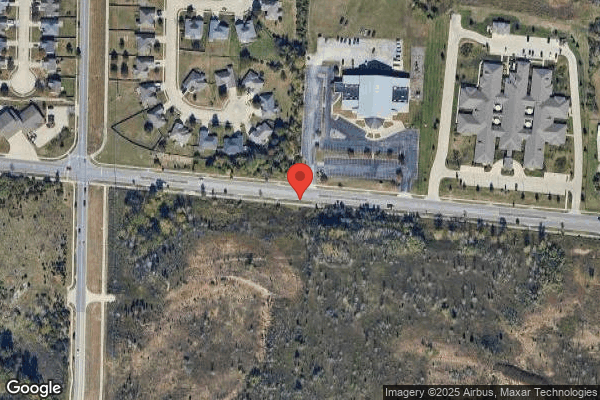
701 BLUE RIDGE ROAD, COLUMBIA, MO 65201 (573) 474-6111
For profit - Limited Liability company 97 Beds JAMES & JUDY LINCOLN Data: November 2025
Trust Grade
40/100
#313 of 479 in MO
Last Inspection: October 2024

Within standard 12-15 month inspection cycle. Federal law requires annual inspections.

Overview

The Villa at Blue Ridge has a Trust Grade of F, indicating significant concerns about the facility's care and operations. With a state rank of #313 out of 479 in Missouri and #7 out of 9 in Boone County, they are in the bottom half of options available, suggesting limited better alternatives locally. The facility is showing improvement, reducing issues from 13 in 2024 to 6 in 2025, which is a positive trend. Staffing is rated 3 out of 5 stars, with a turnover rate of 63%, which is around the state average, indicating some stability but still room for improvement. Notably, there have been serious deficiencies, including failing to implement dietary recommendations for a resident that resulted in further weight loss, and not conducting required health assessments for many residents, which raises concerns about overall care quality and monitoring. While there are no fines recorded, the lack of sufficient RN coverage compared to 80% of state facilities is concerning, as this could impact the quality of care provided.

Trust Score
D
40/100
In Missouri
#313/479
Bottom 35%
Safety Record
Moderate
Needs review
Inspections
Getting Better
13 → 6 violations
Staff Stability
⚠ Watch
63% turnover. Above average. Higher turnover means staff may not know residents' routines.
Penalties
✓ Good
No fines on record. Clean compliance history, better than most Missouri facilities.
Skilled Nurses
⚠ Watch
Each resident gets only 18 minutes of Registered Nurse (RN) attention daily — below average for Missouri. Fewer RN minutes means fewer trained eyes watching for problems.
Violations
⚠ Watch
29 deficiencies on record. Higher than average. Multiple issues found across inspections.
★★☆☆☆
2.0
Overall Rating
★★★☆☆
3.0
Staff Levels
★☆☆☆☆
1.0
Care Quality
★★★☆☆
3.0
Inspection Score
Stable
2024: 13 issues
2025: 6 issues

The Good

  • Full Sprinkler Coverage · Fire safety systems throughout facility
  • No fines on record

Facility shows strength in fire safety.

The Bad

2-Star Overall Rating

Near Missouri average (2.5)

Below average - review inspection findings carefully

Staff Turnover: 63%

17pts above Missouri avg (46%)

Frequent staff changes - ask about care continuity

Chain: JAMES & JUDY LINCOLN

Part of a multi-facility chain

Ask about local staffing decisions and management

Staff turnover is elevated (63%)

15 points above Missouri average of 48%

The Ugly 29 deficiencies on record

1 actual harm
Jun 2025 2 deficiencies
CONCERN (D) 📢 Someone Reported This

A family member, employee, or ombudsman was alarmed enough to file a formal complaint

Potential for Harm - no one hurt, but risky conditions existed

Notification of Changes (Tag F0580)

Could have caused harm · This affected 1 resident

**NOTE- TERMS IN BRACKETS HAVE BEEN EDITED TO PROTECT CONFIDENTIALITY** Based on observation, interview, and record review, facility staff failed to notify three resident's (Resident #1, #3 and #4) ou...

Read full inspector narrative →
**NOTE- TERMS IN BRACKETS HAVE BEEN EDITED TO PROTECT CONFIDENTIALITY** Based on observation, interview, and record review, facility staff failed to notify three resident's (Resident #1, #3 and #4) out of five sampled resident's representative and/or physician after a change in condition. The facility census was 80. 1. Review showed the facility did not provide a policy for notifying family or physician after a change in condition. 2. Review of Resident #1's quarterly Minimum Data Set (MDS), a federally mandated assessment tool, dated 04/17/25, showed staff assessed the resident as severely cognitively impaired and did not assess the resident with a fall since admission. Review of the facility's event report, dated 05/04/25 at 2:32 A.M., showed staff documented the resident fell. The report did not contain documentation staff notified the physician or the family related to the fall. The report contained documentation, dated 05/04/25 at 2:57 P.M., the resident's family member reported staff did not contact him/her of the fall or that he/she was sent to the hospital. Review of the facility's event report, dated 05/16/25, showed the resident had a fall. The report did not contain documentation staff notified the physician or family was notified of the fall. Review of the resident's progress notes, dated 05/15/25, showed staff documented the resident's family expressed concerns about lack of communication by facility staff in regards to one of the falls during a care plan meeting. 3. Review of Resident #3's quarterly MDS, dated [DATE], showed staff assessed the resident as cognitively intact staff did not assess the resident with two or more injury falls since admission. Review of the resident's progress notes, dated 03/22/25, showed staff documented the resident fell. Review of the progress notes showed did not contain documentation the physician or family were notified of the fall. Review of the facility's event report, dated 03/22/25, showed the report did not contain documentation the physician or family was notified of the fall. 4. Review of Resident #4's annual MDS, dated [DATE], showed staff did not assess the resident's Brief Interview for Mental Status (BIMS), and Did not assess the resident with a five percent weight loss in the past month or ten percent or more in the past six months. Review of the resident's weight chart, dated 03/10/25, showed staff assessed the resident's weight 105 pounds (lbs). Review of the resident's weight chart, dated 04/25, showed staff documented the resident's weight 97 lbs (7.62% weight loss from 03/10/25 through 04/25). Review of the resident's medical record did not contain documentation staff notified the resident's family and/or representative of the weight loss. 5. During an interview on 06/20/25 at 3:30 P.M., Licensed Practical Nurse (LPN) B said if a resident exhibited a change in condition, the aide would notify the nurse and the nurse would assess the resident, contact the physician if necessary and the family or guardian. During an interview on 6/20/25 at 12:14 P.M., the administrator said staff are directed to contact the resident's physician and responsible party if a resident experienced a change in condition. During an interview on 6/20/25 at 12:15 P.M., the Director of Nursing (DON) said if resident experienced a change in condition, staff should notify the resident's physician and responsible party. MO00255965 and MO00255753
CONCERN (D) 📢 Someone Reported This

A family member, employee, or ombudsman was alarmed enough to file a formal complaint

Potential for Harm - no one hurt, but risky conditions existed

Deficiency F0657 (Tag F0657)

Could have caused harm · This affected 1 resident

**NOTE- TERMS IN BRACKETS HAVE BEEN EDITED TO PROTECT CONFIDENTIALITY** Based on observation, interview, and record review, facility staff failed to review and update the plan of care with changes in ...

Read full inspector narrative →
**NOTE- TERMS IN BRACKETS HAVE BEEN EDITED TO PROTECT CONFIDENTIALITY** Based on observation, interview, and record review, facility staff failed to review and update the plan of care with changes in the residents' care needs for four residents (Residents #1, #2, and #3) out of five sampled residents, and failed to update the plan of care on a quarterly basis for two resident (Resident #2 and #3) out of five sampled residents. The facility census was 80. 1. Review of the Facility's Care Plan Comprehensive policy, undated, showed staff are directed as follows: -The purpose of an individualized comprehensive care plan that includes measurable goals and time frames will be developed to meet the resident's highest practicable physical, mental, and psychosocial well-being; -The comprehensive care plan will be based on a thorough assessment that includes, but is not limited to, the MDS (Minimum Data Set); -Assessment of each resident is ongoing process and the care plan will be revised as changes occur in the resident's condition; -The interdisciplinary care plan team is responsible for the periodic review and updating of care plans when: a significant change in the resident's condition has occurred, at least quarterly; and when changes occur that impact the resident's care (i.e., change in diet, discontinuation of therapy, changes in care areas that do not require a significant change assessment). 2. Review of Resident #1's quarterly Minimum Data Set (MDS), a federally mandated assessment tool, dated 04/17/25, showed staff assessed the resident with severe cognitive impairment. Review showed staff did not asses as the resident with a fall since admission. Review of the resident's medical record, dated 05/04/25, showed staff documented the resident fell and sent him/her to the emergency room for evaluation. Review of the resident's care plan, dated 04/16/25, showed staff assessed the resident at risk for falls due to weakness and cognitive impairment. The care plan did not contain documentation of new interventions after the fall on 05/04/25. 3. Review of Resident #2's significant change MDS, dated [DATE], showed staff assessed the resident as cognitively intact. Review showed staff did not assess the resident with a five percent weight loss in the past month or ten percent or more in the past six months. Review of the Physician Order Summary (POS), undated, did not contain documentation of an order to monitor or address the resident's weight loss. Review of the resident's medical record, dated 05/08/25, showed a 5.7% weight loss from the prior month. Review of the resident's care plan, dated 01/22/25, did not contain documentation the care plan was updated on a quarterly basis. The care plan did not contain documentation of a weight loss intervention until 06/20/25. 4. Review of Resident #3's quarterly MDS, dated [DATE], showed staff assessed the resident as cognitively intact and did have two or more injury falls since admission. Review of the resident's medical record, dated 03/22/25, showed the resident had a fall. Review of the resident's care plan, last revised 02/08/25, showed the care plan did not contain documentation the care plan was updated on a quarterly basis. The care plan did not contain documentation of a new intervention of a fall after 01/31/25. 5. During an interview on 6/20/25 at 12:14 P.M., the administrator said the care plans should be updated when there was a significant change, quarterly and annually. He/She said there should be a new intervention after each fall and when there is a significant change in weight with new interventions. He/She said nurses and the MDS Coordinator would update the care plan. He/She said a new MDS Coordinator was recently hired. He/She said the Director of Nursing (DON) would be responsible to verify care plans are updated when a resident experienced a change in condition or quarterly and annually. During an interview on 6/20/25 at 12:14 P.M., the DON said the MDS Coordinator and nurses should update the care plans after a significant change, quarterly and annually. He/she said there should be a new intervention after each fall and when there is a significant change in weight. He/She said the MDS Coordinator is new to his/her position. He/She said he/she was responsible to audit to ensure care plans have been updated or revised. He/She said he/she did not have an excuse for the oversight of not verifying care plans were updated after a significant changed or quarterly and annually. MO00255965 and MO00255753
May 2025 4 deficiencies
CONCERN (D) 📢 Someone Reported This

A family member, employee, or ombudsman was alarmed enough to file a formal complaint

Potential for Harm - no one hurt, but risky conditions existed

Employment Screening (Tag F0606)

Could have caused harm · This affected 1 resident

Based on interview and record review, facility staff failed to ensure the facility did not employ or engage one of four sampled employees prior to employment who had a class A Felony First Degree Assa...

Read full inspector narrative →
Based on interview and record review, facility staff failed to ensure the facility did not employ or engage one of four sampled employees prior to employment who had a class A Felony First Degree Assault - Serious Physical Injury or Special Victim which is a disqualifying factor for employment in a long term care facility. The facility census was 84. 1. Review of the facility's Abuse Prohibition Protocol Policy , dated 2017, showed the facility cannot employ individuals who have been found guilty of abuse or have an abuse violation against their professional license. Abuse is defined as willful infliction of injury with resulting harm, pain or mental anguish. Review of facility's Hiring Process Policy, undated, directs staff to conduct an Employee Disqualification List (EDL) and a Family Safe Care Registry check (FSCR) on any potential newly hired staff. 2. Review of CNA A's personnel file showed a hire date of 06/20/2023. Review of the CNA's CBC, dated 04/22/25, showed a Class A Felony in the First Degree Assault - Serious Physical Injury or Special Victim. During an interview on 04/24/2025 at 9:40 P.M., the receptionist said he/she is responsible for conducting CBC's on all prospective employees prior to employment. He/She said at the time of CNA A's employment the facility used a private investigation firm for conducting CBC's and they did not identify any disqualifying crimes. The receptionist said when he/she submitted a request on 04/22/25, he/she learned CNA A did have a disqualifying crime and should not have been employed by the facility. During an interview on 04/24/2025 at 10:30 A.M., the Administrator said CBC's are conducted by the receptionist on behalf of the Business Manager. He/She stated CNA A's employment occurred prior to his/her employment October, 2024, so he/she was not aware the Family Safe Care Registry was not used to conduct the CBC. He/She was informed a CBC was conducted on 4/22/25 and CNA A flagged with a disqualifying crime on the report. MO00252853
CONCERN (D) 📢 Someone Reported This

A family member, employee, or ombudsman was alarmed enough to file a formal complaint

Potential for Harm - no one hurt, but risky conditions existed

Deficiency F0625 (Tag F0625)

Could have caused harm · This affected 1 resident

**NOTE- TERMS IN BRACKETS HAVE BEEN EDITED TO PROTECT CONFIDENTIALITY** Based on interview and record review, facility staff failed to provide written notification to the resident and/or the resident'...

Read full inspector narrative →
**NOTE- TERMS IN BRACKETS HAVE BEEN EDITED TO PROTECT CONFIDENTIALITY** Based on interview and record review, facility staff failed to provide written notification to the resident and/or the resident's representative of the facility bed hold policy at the time of transfer to the hospital for three residents (Resident #2, #3, and #4) out of four sampled residents. The facility's census was 88. 1. Review of the facility's Bed Hold Policy Guidelines, undated, showed the facility will notify all residents, and/or their representative of the bed hold policy guidelines. This notification shall be given upon admission to the facility, at the time of transfer to the hospital or leave, and at the time of non-covered therapeutic leave. 2. Review of Resident #2's quarterly Minimum Data Set (MDS), a federally mandated assessment, dated 01/20/25, showed staff assessed the resident as cognitively intact. Review of resident's medical record showed staff documented the resident: -discharged from the facility on 04/11/25 and readmitted to the facility on [DATE]; -discharged from the facility on 04/26/25 and readmitted to the facility on [DATE]; -Voluntarily agreed to transfer to the hospital for psychological evaluation on 05/01/25 and returned to the facility on [DATE]; -The medical record did not contain documentation staff issued a bed hold notice upon discharge with the resident on 04/11/25, 04/26/25, or 05/01/25. During an interview on 05/07/25 at 12:42 P.M., the resident said staff did not provide him/her with a bed hold notice when he/she was transferred or discharged to the hospital on [DATE], 04/26/25, or 05/01/25. 3. Review of Resident #3's quarterly MDS, dated [DATE], showed staff assessed the resident as cognitively intact. Review of resident's medical record showed the resident discharged from the facility on 04/19/25 and readmitted to the facility on [DATE]. The medical record did not contain documentation staff issued a bed hold notice upon discharge with the resident and/or the resident's responsible party. During an interview on 05/07/25 at 11:24 A.M., the resident said staff did not provide him/her with a bed hold notice when he/she was discharged to the hospital on [DATE]. 4. Review of Resident #4's quarterly MDS, dated [DATE], showed staff assessed the resident as cognition not assessed. Review of the resident's medical record showed the resident with a responsible party, the resident discharged from the facility on 04/24/25 and readmitted to the facility on [DATE]. The medical record did not contain documentation staff issued a bed hold notice upon discharge with the resident's responsible party. 5. During an interview on 05/07/25 at 12:37 P.M., the Assistant Director of Nursing (ADON) said the nurse who does the discharge is responsible to give the bed hold notice to the resident, have him/her sign the written notice if able, or call the resident's representative to discuss and obtain a verbal consent. He/She said he/she was not aware the nurses had not issued some of the bed hold notices. During an interview on 05/07/25 at 12:55 P.M., the Social Services Director (SSD) said the nurse is responsible to issue the bed hold policy to the resident or the resident's representative at the time of each hospital transfer or discharge, and eventually he/she verifies that a written notice was issued. He/She said he/she checks the bed hold notices monthly but had not yet checked the discharges for April. During an interview on 05/07/25 at 2:23 P.M., the Director of Nursing (DON) said the charge nurse is responsible to issue the bed hold policy to the resident or the resident's representative at the time of each hospital transfer or discharge and place the signed notice in either the DON or SSD's inbox. The DON said he/she gives any notices placed in his/her inbox to the SSD who follows up with filing the notice. During an interview on 05/07/25 at 2:30 P.M., the administrator said the charge nurse is responsible to issue the bed hold policy to the resident or the resident's representative at the time of each hospital transfer or discharge, and the SSD follows up with filing the notice. The administrator said he/she was not sure if anyone double checks that the bed hold notices are issued to residents or their representatives upon each discharge to the hospital. MO00253604
CONCERN (D) 📢 Someone Reported This

A family member, employee, or ombudsman was alarmed enough to file a formal complaint

Potential for Harm - no one hurt, but risky conditions existed

Deficiency F0658 (Tag F0658)

Could have caused harm · This affected 1 resident

**NOTE- TERMS IN BRACKETS HAVE BEEN EDITED TO PROTECT CONFIDENTIALITY** Based on interview and record review facility staff failed to ensure one resident (Resident #1) received his/her pain medication...

Read full inspector narrative →
**NOTE- TERMS IN BRACKETS HAVE BEEN EDITED TO PROTECT CONFIDENTIALITY** Based on interview and record review facility staff failed to ensure one resident (Resident #1) received his/her pain medications as ordered when staff failed to obtain a physician's order to resume medications that were on hold for surgery after notification of surgery cancellation, and failed to administer his/her pain medication as ordered when staff documented the medication as not available. Facility staff failed to complete smoking risk assessments to re-assess smoking privileges for two residents (Resident #2 and #4), of two sampled residents who smoke. The facility census was 84. 1. Review of the Medication Administration policy, revised 02/07/2013, showed medications are given to benefit the resident's health as ordered by the physician. The policy did not address medication holds or unavailable medications. Review of Medication, Holding policy, dated March 2012, showed staff are directed as follows: -The resident's medical record must indicate that medications are being held and the entry must be signed and dated by the staff/charge nurse entering the data; -Staff/charge nurse record the following data in the resident's medical record: name and strength of the medication, reason the medication is being held, when the thirty day period will expire, and other information as necessary or appropriate. 2. Review of Resident #1's annual Minimum Data Set (MDS), a federally mandated assessment tool, dated 03/07/2025, showed staff assessed the resident as follows: -Cognitively intact; -Diagnosed with Parkinson's Disease; -Received scheduled and prn (as needed) pain medication; -Pain assessment interview should be conducted; -Pain frequency was Frequently, pain intensity over the past five days rated seven; -Opioids given since admission. Review of the resident's care plan, dated 11/19/2024, showed staff assessed the resident as diagnosis of left knee replacement related to osteoporosis, (a disease of progressive bone loss associated with an increased risk of fractures) and staff directed to assess, monitor and record pain. Review of the resident's Physician Order Sheets' (POS'), dated 4/23/25, showed staff did not document an order for medication holds due to surgery scheduled 04/21/25 or an order to resume previously held medications due to postponement of surgery on 04/11/25. Review of the resident's electronic Medication Administration Record (eMAR), dated 04/22/25 at 3:40 P.M., showed staff documented the following: -Tizanidine two milligram (mg) three times per day as needed. Staff documented the medication as not administered on 04/20 for day or night shift -Hydrocodone/acetaminophen 5/325 mg every six hours. Staff documented the medication as not administered on 04/18/25 at 4 P.M. and 10 P.M. due to not available; -Hydrocodone/acetaminophen 5/325 mg every six hours. Staff documented the medication as not administered on 04/19/25 at 10 A.M., due to unavailable; -Folic acid one mg, one tab daily. Staff documented on 04/20/25 not administered on hold; -Cyanocobalamin (B-12) 1000 mcg one tab daily. Staff documented not administered on 4/13/25 through 4/21/25 due to on hold; -Losartan 50 mg daily. Staff documented not administered on 04/20/25 due to on hold. Review of the resident's eMAR, dated 04/22/25 at 4:00 P.M. showed staff assessed the resident's pain scores as follows: -4/17/25 Day 0/10; Night 9/10; -4/18/25 Day 5/10; Night 2/10; -4/19/25 Day 9/10; Night 0/10; -4/20/25 Day 0/10; Night 0/10; -4/21/25-Day 7/10; Night 0/10. During an interview on 04/22/25 at 1:00 P.M., resident said he/she was scheduled for knee surgery on 04/21/25 and received a schedule of medication holds from the anesthesiologist. The schedule included a hold on day of surgery for Tizanidine (muscle relaxant) 2 mg, two tabs three times per day as needed, and hydrocodone/ acetaminophen (narcotic analgesic used for pain) 325 mg/5 mg one tab every six hours was to continue as scheduled. The surgery was postponed on 04/11/25 pending cardiac clearance. The resident said he/she talked to the charge nurses on 04/18 and 04/19 to ensure his/her medications would not be stopped after cancellation of the procedure. The resident said he/she feared having to play catch up on pain management due to an interruption in his/her pain medications as he/she had experienced in the past. He/She was assured by the two charge nurses there were no medications on hold. On 4/18 the resident's family also called the charge nurse on duty and was told there were no medications on hold for the resident. The resident said her pain baseline is eight out of 10 before medication and five out of 10 after medication. The resident said he/she was told on night of 04/20 by the Certified Medication Technician (CMT) administering medications that his/her Tizanidine was on hold. The resident said he/she woke up in pain that night and could not get back to sleep. The resident became increasingly concerned that staff were unaware of the procedure cancellation when he/she was reminded on the evening of 04/20/25 to take a pre-operative shower. During an interview on 04/23/25 at 2:10 P.M., the resident said he/she thought he/she had received Hydrocodone/Acetaminophen and Tizanidine on 04/18. He/She reported only requesting Tizanidine in the morning and at night. The resident said he/she was not told the hydrocodone was not available on 04/18 and 04/19, that she assumed it was in the cup of medications given to her. He/She said the CMT's don't tell him/her she is getting and get annoyed or don't respond when asked. The resident said he/she is asked to rate her pain every 7-10 days and he/she would never rate his/her pain zero out of 10 on the scale. He/She said sometimes he/she cannot stay awake late enough to ask for Tizanidine since staff pass medications between 9:30 P.M. and 10:00 P.M. Staff do not want to make extra trips for prn (as needed) medication requests. 3. During an interview on 04/22/25 at 2:25 P.M., CMT B said he/she only works two shifts per week and does not recall if the resident had medications on hold for surgery, he/she would have to check the eMAR. He/She did recall hearing the resident's surgery had been canceled. During an interview on 04/22/25 at 3:40 P.M., the Assistant Director of Nursing (ADON) said the resident must not have asked for Tizanidine on the opportunities it was available since it is a prn order. He/She said the pain score documentation is concerning since the resident's unmedicated baseline is eight out of 10 and that staff are probably not waking her up for medications. He/She said she did not understand why the daytime pain score on 04/17 and 04/20 would be zero. The ADON did not know why medication holds had not been resumed after surgery cancellation. He/She said the nurse who entered the holds no longer works at the facility and that is why it was missed. The ADON said he/she does not know why Hydrocodone/Acetaminophen was not available on 04/18 and 04/19 for the resident since it could have been obtained from the STAT box (a box of emergency medications) that all nursing staff can access. During an interview on 04/23/25 at 2:26 P.M., Licensed Practical Nurse (LPN) C said changes to medication holds are communicated during shift report. He/She said the nurse who put the resident's medications on hold no longer works at the facility and he/she would not think to see if the holds or continuations were correct. LPN C said residents should be asked their pain levels every shift or as directed and the eMAR requires documentation of a pain score prior to administration of pain medications. During an interview on 04/23/25 at 3:00 P.M., the Director of Nursing (DON) said when he/she was passing medications on the morning of 04/21/25 the resident requested Tizanidine, he/she realized there were holds on her medications that should have been removed after surgery cancellation. He/She fixed the eMAR so all medications were released from hold. The DON said they do not require a physician order for medications holds prior to surgery or to resume them if the procedure is canceled. He/She stated the information is usually passed on during sift change report or communicated in a note. He/She said if hydrocodone/acetaminophen is not available for residents in the medication cart, they can be obtain doses from the STAT box. During an interview on 04/24/25 at 10:30 A.M., the Administrator stated there should be a physician order to hold medications and an order should be obtained to resume held medications after hold is lifted. He/She said the Transporter is very good about communicating procedure changes and the information could be found in progress notes and communicated during report. 4. Review of the facility's Smoking-Residents policy, undated, showed the facility shall establish and maintain safe resident smoking practices, and staff will review the status of a resident's smoking privileges periodically, and consult as needed with the DON and the attending physician. 5. Review of Resident #2's annual MDS, dated [DATE], showed staff assessed the resident as cognitively intact, and did not use tobacco products. Review of resident's smoking assessment, dated 03/29/25, showed staff documented the resident as a safe smoker. Review of resident's nurses' notes, dated 04/26/25 at 11:31 A.M., showed staff documented the resident lit a cigarette in the dining room, and was observed with smoke coming from his/her mouth. Review of resident's nurses' notes, dated 04/30/25 at 9:31 P.M., showed staff documented the resident yelled at Resident #4 to return his/her cigarette from earlier, and snatched a cigarette from Resident #4's hand. Review of resident's electronic medical record (EMR), dated 04/26/25 through 05/07/25, showed the EMR did not contain documentation staff reviewed or re-assessed the resident's smoking privileges. During an interview on 05/09/25 at 12:31 P.M., the Care Plan Coordinator (CPC) said the nurse who documented he/she observed the resident smoking inside the building should have completed a new smoking assessment for the resident or notify the CPC to assist with the assessment. During an interview on 05/09/25 at 1:10 P.M., the administrator said he/she would expect the nurse who documented he/she observed the resident smoking in the building, to re-assess the resident and complete a new smoking assessment. 6. Review of Resident #4's annual MDS, dated [DATE], showed staff assessed the resident as severe cognitive impairment, and did not use tobacco products. Review of resident's smoking assessment, dated 01/22/25, showed staff documented the resident as a safe smoker. Review of resident's nurses notes, dated 04/30/25 at 9:31 P.M., showed staff documented the resident was advised not to go outside to smoke when Resident #2 was outside smoking. Review of residents EMR dated 01/23/25 through 05/07/25, showed the EMR did not contain documentation staff reviewed or re-assessed the resident's smoking privileges. 7. During an interview on 05/07/25 at 2:30 P.M., the DON said the nurses are responsible to complete smoking assessments on admission and quarterly. During an interview on 05/09/25 at 5:58 A.M., Registered Nurse (RN) D said he/she was unsure, but thinks either the SSD or the CPC is responsible to complete smoking assessments for residents who smoke. During an interview on 05/09/25 at 8:51 A.M., the SSD said the CPC is responsible to complete smoking assessments on admission and quarterly for residents who smoke. During an interview on 05/09/25 at 12:31 P.M., the CPC said the nurses are responsible to complete smoking assessments on admission and quarterly for residents who smoke, but they have not been completing the assessments, so he/she has completed some assessments if he/she notices one missing. During an interview on 05/09/25 at 1:10 P.M., the administrator said the nurses are responsible to complete smoking assessments on admission and quarterly, and the CPC and DON should double check they are completed. MO00253049/MO00253882
CONCERN (D) 📢 Someone Reported This

A family member, employee, or ombudsman was alarmed enough to file a formal complaint

Potential for Harm - no one hurt, but risky conditions existed

Accident Prevention (Tag F0689)

Could have caused harm · This affected 1 resident

**NOTE- TERMS IN BRACKETS HAVE BEEN EDITED TO PROTECT CONFIDENTIALITY** Based on observation, interviews and record review, facility staff failed to ensure residents' environment remained free of acci...

Read full inspector narrative →
**NOTE- TERMS IN BRACKETS HAVE BEEN EDITED TO PROTECT CONFIDENTIALITY** Based on observation, interviews and record review, facility staff failed to ensure residents' environment remained free of accident hazards, when staff failed to ensure residents did not retain smoking materials while in the facility for two residents (Resident #2 and #4) of two sampled residents. The facility's census was 88. 1. Review of the facility's admission Packet, Resident Rules and Regulations, showed residents may not retain matches or lighters. Review of the facility's Smoking-Residents policy, undated, showed staff are directed as follows: -The facility shall establish and maintain safe resident smoking practices; -Any smoking related privileges, restrictions, and concerns (example, need for close monitoring) shall be noted on the care plan, and all personnel caring for the resident shall be alerted to these issues; -Smoking shall not be permitted in living/sleeping area; -This facility may check periodically to determine if residents have smoking articles in violation of our smoking policies. Staff shall confiscate any such articles and shall notify the charge nurse. 2. Review of Resident #2's quarterly Minimum Data Set (MDS), a federally mandated assessment, dated 01/20/25, showed staff assessed the resident as cognitively intact. Review of the resident's smoking assessment, dated 03/29/25, showed staff documented the resident as a safe smoker. Review of the resident's care plan, updated 04/14/25, showed staff did not document any interventions for smoking privileges, restrictions, or concerns. Review of the resident's nurses' note, dated 04/26/25 at 11:31 A.M., showed staff documented the resident lit a cigarette in the dining room, and was observed with smoke coming from his/her mouth, tried to educate him/her on the smoking policy, took the two lighters he/she had, checked his/her room for more lighters and did not see any. Review of the resident's nurses' note, dated 04/27/25 at 2:11 A.M., showed staff documented the resident was a direct threat to his/her own safety and other residents because he/she lit cigarettes in public gathering such as dining room and activity, knowing that there are multiple peers using oxygen around him/her. During an interview on 05/09/25 at 6:08 A.M., Certified Medication Technician (CMT) F said the resident was allowed to keep his/her cigarettes and lighter, but should not be allowed anymore for safety reasons. He/She said he/she did not know if the resident still had his/her cigarettes and lighter with him/her because the management staff takes care of that. During an interview on 05/09/25 at 8:04 A.M., the resident said he/she kept his/her cigarettes and lighter in his/her room. During an interview on 05/09/25 at 8:51 A.M., the Social Services Director (SSD) said he/she reviewed the smoking rules with the resident on admission, the resident was assessed as a safe smoker by the nursing staff and was allowed to keep his/her smoking materials. He/She said he/she was aware the resident was observed smoking in the building, which is not safe, and the resident should no longer be allowed to keep cigarettes or a lighter with him/her in the building. He/She said staff had removed the smoking supplies from the resident's room after he/she lit the cigarette in the building, and the resident did not have money to buy more smoking supplies, but he/she would check the resident's room to see if he/she had any smoking supplies inside the room. During an interview on 05/09/25 at 12:31 P.M., the Care Plan Coordinator (CPC) said he/she is responsible to ensure interventions for smoking are included on the resident's care plan, update the care plan quarterly or with changes to the resident's health conditions, and was not sure how he/she missed the smoking interventions. He/She said he/she was not aware the resident was observed smoking in the building, which is a risk for fire and potential injury to the resident and other residents in the facility. He/She said the resident was previously assessed as a safe smoker and was allowed to keep his/her smoking materials. During an interview on 05/09/25 at 1:10 P.M., the administrator said the CPC is responsible to ensure the resident has appropriate interventions for smoking on his/her care plan, and the interdisciplinary team (CPC, SSD, Director of Nursing, etc.) should have identified at each care plan meeting that smoking interventions were missing from the resident's care plan. He/She said the resident was previously assessed as a safe smoker and was allowed to keep his/her smoking materials. The administrator said he/she was not aware the resident was observed smoking in the building which is a safety risk for all residents, and the resident should no longer be allowed to keep his/her cigarettes and lighter inside his/her room. The administrator said she was not aware of the incident prior to this interview, or what staff did. 3. Review of Resident #4's quarterly MDS, dated [DATE], showed staff assessed the resident as cognition not assessed. Review of the resident's smoking assessment, dated 01/22/25, showed staff documented the resident as a safe smoker. Review of the resident's care plan, updated 04/14/25, showed the resident will have supervised smoking in designated areas, will smoke safely, cigarettes and lighters are kept at nursing station. Observation on 05/09/25 at 12:47 P.M., showed the resident in his/her wheelchair in the dining room with a pack of cigarettes and a lighter protruding from his/her opened waist pouch. During an interview on 05/09/25 at 12:47 P.M., the resident said he/she kept his/her cigarettes and lighter in his/her room but needed assistance to go outside to smoke. During an interview on 05/09/25 at 1:15 P.M., the administrator said the resident is a safe smoker, but if his/her care plan directs that cigarettes and lighters are to be kept at the nursing station, then the resident should probably not retain his/her cigarettes inside his/her room for safety reasons. 4. During an interview on 05/09/25 at 5:58 A.M., Registered Nurse (RN) D said residents who are assessed by staff as safe smokers are allowed to keep their cigarettes and lighter with them, and some residents are required to keep their smoking supplies at the nurses' station, but he/she did not know all the residents who are required to leave their smoking supplies at the nurses' station. During an interview on 05/09/25 at 6:08 A.M., CMT F cigarettes and lighters are kept for some residents at the nurses' station, but he/she did not know the exact residents who are required to leave their cigarettes and lighters at the nurses' station. During an interview on 05/09/25 at 1:10 P.M., the administrator said residents who are assessed by staff as safe smokers are allowed to keep their cigarettes and lighter with them, but if the resident violates the smoking policy, then he/she should not be allowed to retain his/her cigarettes and lighter. He/She said residents with cognitive impairments, could potentially smoke in their rooms, and place other residents and staff at risk from fire hazards or an explosion in the facility. MO00253882
Oct 2024 11 deficiencies
CONCERN (D)

Potential for Harm - no one hurt, but risky conditions existed

Deficiency F0661 (Tag F0661)

Could have caused harm · This affected 1 resident

Based on interview and record review, facility staff failed to complete a comprehensive discharge summary or post discharge plan of care form for one resident (Resident #77) of two discharged resident...

Read full inspector narrative →
Based on interview and record review, facility staff failed to complete a comprehensive discharge summary or post discharge plan of care form for one resident (Resident #77) of two discharged residents. The facility census was 83. 1. Review of the facility's Discharge/Transfer of Resident Policy, undated, showed to provide a safe departure from the facility and to provide sufficient information for aftercare of the resident staff will complete a discharge summary and post discharge plan of care form. 2. Review of Resident #77s medical record, showed the resident discharged on 07/09/24. The record did not contain a comprehensive discharge summary or post discharge plan of care of the resident's stay in the facility. During an interview on 10/10/24 at 10:00 A.M., the Social Services Director (SSD) said he/she is responsible for resident discharges. The SSD said he/she should have put a discharge summary and other discharge information in the resident's medical record, but just didn't do it. During an interview on 10/10/24 at 4:37 P.M., the Assistant Director of Nursing (ADON) said when a resident is discharged the SSD is made aware, and they are responsible to set up home health, or therapy if needed. The SSD would do discharge education and put the discharge summary in the medical record. During an interview on 10/10/24 at 5:19 P.M., the administrator said when a resident discharges from the facility she would expect there to be a doctor's order, Home Health set up if needed, and verify they have a safe place to go after they leave the facility. The administrator said SSD is responsible for putting the discharge information into the resident's medical record.
CONCERN (D)

Potential for Harm - no one hurt, but risky conditions existed

Deficiency F0698 (Tag F0698)

Could have caused harm · This affected 1 resident

Based on interview and record review, facility staff failed to ensure one (Resident #55) of one sampled residents received care and services for the provision of hemodialysis (the clinical purificatio...

Read full inspector narrative →
Based on interview and record review, facility staff failed to ensure one (Resident #55) of one sampled residents received care and services for the provision of hemodialysis (the clinical purification of blood by dialysis, as a substitute for the normal function of the kidney) consistent with professional standards of practice when staff failed to provide orders, ongoing assessments of the resident's condition, and monitoring for complications after dialysis treatments. The facility census was 83. 1. Review of the Facility's Care of a Resident Receiving Dialysis policy, undated, showed staff are directed to: -Feel for thrill (vibration that is felt on the skin overlying an dialysis shunt (connection from a hemodialysis access point to a major artery)) sensation daily; -Inspect access site for redness, swelling, or warmth; -Watch for bleeding after dialysis; -Monitor for signs of infection; -Nurse will maintain dressing to access site at all times. Site to be checked every shift and dressing reapplied or reinforced as needed; -Nurses will check the thrill daily and document daily. This will be documented on the resident's treatment record; -Communication between the Facility and Dialysis unit; -The Dialysis Communication Record will be sent with the resident on each dialysis visit; -All care concerns in the last 24 hours will be addressed, including last medications given and facility contact person; -The dialysis unit will complete the lower portion of the report to include weight prior to and after dialysis, any labs completed, medication given, follow up information and any new physician orders; -The lower portion will be signed by the dialysis nurse and returned to the facility; -These records will be maintained in the medical record. 2. Review of Resident #55's Quarterly Minimum Data Set (MDS), a federally mandated assessment tool, dated 07/20/24, showed facility staff assessed the resident as: -Cognitively intact; -Diagnoses of End Stage Renal Disease, Type 2 Diabetes Mellitus and Congestive Heart Failure; -Received dialysis. Review of the resident's care plan, dated 08/21/24, showed staff assessed the resident with right-sided dialysis shunt. Review showed staff documented: -The resident will not have signs or symptoms of infection; -Staff will check for thrill over shunt once daily; -Staff will not take blood pressure or blood from the right-side extremity; -The plan of care did not direct staff on monitoring or care of a resident on dialysis. Review of the resident's physician's order sheet (POS), dated October 2024, showed the POS did not contain an order for dialysis or care of the right-side shunt. Review of the resident's medical record, from January 2024-October 2024, showed the record it did not contain documentation staff assessed the resident prior to or upon return from dialysis appointments, monitored daily vital signs, monitored risk for infection, monitored the resident's shunt, monitored intake, and output, monitored daily weights, and the record did not contain completed communication forms. During an interview on 10/09/24 at 2:49 P.M., Charge Nurse L said he/she only puts documentation in the residents chart if the dialysis clinic calls to say there are issues. He/She said he/she will add a note in progress notes or if he/she sees any issues. He/She said there are no other documentation that is required for them to do with residents on dialysis. He/She said the facility only has one dialysis resident. During an interview on 10/10/24 at 2:45 P.M., Licensed Practical Nurse (LPN) A said he/she is not sure what the policy says about dialysis. He/She said staff should be assessing the resident before and after dialysis. He/She said some of the assessments would be checking vitals, weights and blood sugars. He/She said he/she was not aware of a dialysis communication for until today. During an interview 10/10/24 at 9:13 A.M., the Assistant Director of Nursing (ADON) said he/she would expect there to be an order for dialysis and assessing the shunt site. He/She said staff should be doing the assessments and vital signs on the resident monthly. He/She said they do not do assessments before or after dialysis, but staff should be doing them because the resident could have blood sugars that are too high or too low and they would not know if they didn't do assessments. He/She said they have a communication form staff have not been using. He/She said he/she the new hires were not educated on them when they started. He/She said the DON is responsible for ensuring these are getting done, but the DON has been staffing the night shift as the charge nurse. During an interview on 10/10/24 at 5:19 P.M., the administrator said they only have one resident on dialysis. He/She said he/she would expect there to be orders for dialysis and taking care of the shunt, He/She said staff should be assessing at the shunt daily. He/She said he/she expects staff to be using the communication form before the resident leaves for dialysis, he/she should take the form to the dialysis clinic and then facility staff should be filling it out when he/she returns. He/She said he/she was not aware staff were not using the communication forms and that there were not orders in for dialysis and assessments of the shunt.
CONCERN (D)

Potential for Harm - no one hurt, but risky conditions existed

Unnecessary Medications (Tag F0759)

Could have caused harm · This affected 1 resident

Based on observation, interview, and record review, facility staff failed to ensure a medication error rate of less than 5% out of 31 opportunities observed. Two errors occurred, resulting in a 6.45% ...

Read full inspector narrative →
Based on observation, interview, and record review, facility staff failed to ensure a medication error rate of less than 5% out of 31 opportunities observed. Two errors occurred, resulting in a 6.45% error rate, which affected one resident (Residents #60) of 6 sampled residents. The facility census was 83. 1. Review of the facility's policy Medication Administration, revised 2/17/13, showed: -The complete act of administration entails removing an individual dose from a previously dispensed, properly labelled container, verifying it with the physician's orders, giving the individual dose to the priper resident, and promptly recording the information; -If there is doubt concerning the administration, the physician's order must be verified before the medication is adminstered; -Certain medications should never be crushed. Refer to pharmacy manual if you are unsure a medication can be crushed. Review of the website dailymed.nlm.nih.gov, updated 04/18/23, showed Metoprolol succinate extended-release (ER)(used to lower blood pressure), tablets are scored and can be divided; however, do not crush or chew the whole or half tablet. 2. Review of Resident #60's Quarterly Minimum Data Set (MDS), a federally mandated assessment tool, dated 07/01/24, showed staff documented the resident diagnosis of Dementia/Alzheimers, hypertension, hip fracture and adequate vision. Review of the the resident's Physician Order Sheet (POS), October 2024, the physician ordered: -Latanoprost drops (used to reduce increased pressure in the eye in people with either open-angle glaucoma or ocular hypertension) 0.0005%, one drop to left eye once daily; -Metoprolol Succinate tablet ER 24 hr; 50 mg (milligrams) 1.5 tabs once a day A.M. Observation on 10/10/24 at 6:40 A.M., showed Certified Medical Technician (CMT) K placed Metoprolol Succinate ER in a medicine cup and crushed the tablets. During an interview on 10/10/24 at 6:45 A.M., CMT K said he/she realizes now the metopropol should not have been crushed because it is extended release. During an interview on 10/10/24 at 5:00 P.M., the Assitant Director of Nurses (ADON) said the policy for crushing medications has to have an order and the medication has to be mixed with something. He/She said extended release tablets should not be crushed. He/She said the risk is the full dose would be adminstered at one time. He/She said if they read the orders, they should know how to administer the medications. During an interview on 10/10/24 at 5:53 P.M., the administrator said extended release medication typically are not crushed because it would not be dispersed properly. He/She said medication errors should be reported to the Charge Nurse. Medication errors are discussed at QAPI meetings. Observation on 10/10/24 at 6:50 A.M., showed CMT K administered one drop of Latanoprost eye drops to the resident's left and right eyes. During an interview on 10/10/24 at 8:36 A.M., CMT K said he/she gave two drops, one in each eye to the resident and afterward noticed the order was changed. The resident used to have a prescription for both eyes. He/She said he/she should have looked at the medication administration record more closely. During an interview on 10/10/24 at 8:29 A.M., Charge nurse L said it is expected that staff follow medication orders as written. The eye drops, for example, are prescribed for the left eye only for a reason. During an interview on 10/10/24 at 5:00 P.M., the ADON said they should know how to administer the medications. A nurse should be notified right away. The charge nurse should fill out a med error form.
CONCERN (D)

Potential for Harm - no one hurt, but risky conditions existed

Deficiency F0849 (Tag F0849)

Could have caused harm · This affected 1 resident

**NOTE- TERMS IN BRACKETS HAVE BEEN EDITED TO PROTECT CONFIDENTIALITY** Based on interview and record review, facility staff failed to document collaboration of care with hospice providers for develop...

Read full inspector narrative →
**NOTE- TERMS IN BRACKETS HAVE BEEN EDITED TO PROTECT CONFIDENTIALITY** Based on interview and record review, facility staff failed to document collaboration of care with hospice providers for development and implementation of a coordinated plan of care and communication between the facility and local hospice provider for two (Resident #49 and #82) out of three sampled residents who received hospice services. The facility census was 83. 1. Review of the facility's Nursing Facility Services Agreement, dated October 15, 2009, showed, Coordination of Care: -General. Hospice and facility shall communicate with one another regularly and as needed for each particular hospice patient. Each party is responsible for documenting such communications in its respective clinical records to ensure that the needs of hospice patients are met 24 hours per day. -Design of plan of care. In accordance with applicable federal and state laws and regulations, Facility staff shall coordinate with hospice in developing a plan of care for each hospice patient. Hospice retains primary responsibility for development of the Plan of Care. 2. Review of Resident's #49's Quarterly Minimum Data Set (MDS), a federally mandated assessment, dated 09/26/24, showed: -Received hospice care; -Diagnosis of Cancer; -The resident has a condition or disease may result in a life expectancy of less than six months. Review of the facility matrix list, dated 10/2024, showed staff identified the resident received hospice services. Review of the facility's hospice binder, showed the binder did not contain a plan of care, or communication documentation for the resident between the facility and the hospice provider. Review of the resident's medical record, showed the record did not contain a plan of care, or communication documentation for the resident between the facility and the hospice provider. 3. Review of Resident's #82's Significant change MDS, dated [DATE], showed: -Received hospice care; -Diagnosis of Kidney Disease. Review of the facility matrix list, dated 10/2024, showed staff identified the resident received hospice services. Review of the facility's hospice binder, showed the binder did not contain a plan of care, or communication documentation for the resident between the facility and the hospice provider. Review of the resident's medical record, showed the record did not contain a plan of care, or communication documentation for the resident between the facility and the hospice provider. 4. During an interview on 10/10/24 at 2:54 P.M., Licensed practical nurse (LPN) A said the expectation would be the binder kept at the nurses station would have hospice communication and a plan of care. He/She is not sure why there is not documentation in the hospice binder. During an interview on 10/10/24 at 4:37 P.M., the Assistant Director of Nursing (ADON) said he/she would expect there to be an order for Hospice, a care plan, and communication between the hospice provider and the facility. He/She said they are not sure why this does not get done, and that the facility has met and spoken with hospice about this in the past, but not sure why it hasn't changed. During an interview on 10/10/24 at 5:19 P.M., the administrator said the expectation is that there be documentation when hospice comes in the building to see the resident, any change in condition and a plan of care should be documented and in the hospice binder at the nurses station.
CONCERN (E)

Potential for Harm - no one hurt, but risky conditions existed

Abuse Prevention Policies (Tag F0607)

Could have caused harm · This affected multiple residents

Based on interview and record review, facility staff failed to check the Certified Nurse Assistant (CNA) Registry for employee prior to hire to ensure they did not have a Federal Indicator (a marker g...

Read full inspector narrative →
Based on interview and record review, facility staff failed to check the Certified Nurse Assistant (CNA) Registry for employee prior to hire to ensure they did not have a Federal Indicator (a marker given by the federal government to individuals who have committed abuse and/or neglect) for five employees (Dietary Aide D, Nurse Aide E, Housekeeping F, Dietary [NAME] G, and Registered Nurse H) out of a sample of ten employees. Facility staff failed to complete a thorough investigate of an injury of unknown origin for one resident (Resident #61) out of one sampled resident. The facility census was 83. 1. Review of the Facility's Screening Abuse and Neglect Manual, undated, showed: -The facility will not hire an employee or engage an individual who was found guilty of abuse, neglect, exploitation, or mistreatment or misappropriation of property by a court of law; or who has a finding in the State nurse aide registry concerning abuse, neglect, exploitation, mistreatment of residents or misappropriation of resident property, or has had a disciplinary action in effect taken against his/her professional license; -The Certified Nurse Assistant (CNA) Registry- ALL applicants must be checked before hire; -Keep a copy of the result page in the employee's personnel file. 2. Review of Dietary Aide D's employee file showed a hire date of 01/05/24. The employee file did not contain documentation of the Dietary Aide's CNA's registry check. 3. Review of Nurse Aide E's employee file showed a hire date of 08/26/24. The employee file did not contain documentation of the Nurse Aide's CNA's registry check. 4. Review of Housekeeping F's employee file showed a hire date of 10/01/24. The employee file did not contain documentation of the Housekeeping's CNA's registry check. 5. Review of Dietary [NAME] G's employee file showed a hire date of 11/19/23. The employee file did not contain documentation of the Dietary Cook's CNA's registry check. 6. Review of Registered Nurse H's employee file showed a hire date of 05/20/24. The employee file did not contain documentation of the Registered Nurse's CNA's registry check. During an interview on 10/10/24 at 10:05 A.M., the assistant business office manager (ABOM) said it is his/her responsibility to do background checks prior to hiring. He/She said he/she was not aware he/she should be running the nurse aide registry checks on all staff. He/She said he/she was recently educated on the CNA registry checks and he/she was only running them on CNA's to check for certification. During an interview on 10/10/24 at 4:36 P.M., the Assistant Director of Nursing (ADON) said it is the responsibility of the ABOM to run all background checks prior to hire including nurse aide registry. He/She said the nurse aide registry should be done prior to hire and quarterly. He/She was not aware they were not being done. He/She said he/she recently educated the ABOM and he/she must have only ran the CNA's instead of all staff. He/She said they should be done so the facility can ensure no one is hired who has charges against them. During an interview on 10/10/24 at 5:19 P.M., the Administrator said it is the responsibility of the ABOM to run all background checks prior to hire including nurse aide registry. He/She was not aware they were not being done. He/She said they should be ran prior to hire and quarterly. He/She is not sure why he/she was not doing them. He/She said it is important for the CNA registry checks to be completed to ensure all employees hired are free from charges of abuse and neglect. 7. Review of the Facility's Reporting Abuse and Neglect Manual, undated, showed: -All allegations of abuse, neglect, exploitation, mistreatment, injuries of unknown source and misappropriation of resident property by facility employees, contracted employees, volunteers, contract services, consultants, physicians, visitors, family members, or other individuals will be reported immediately but no later than the following timeframes. If the abuse is alleged or the allegation results in serious bodily injury, the allegation must be reported within 2 hours after the allegation was made. If the allegation does not allege abuse or result in serious bodily injury, the report must be made within 24 hours after the allegation was made. Review of the Facility's Event Investigation, undated, showed: -To investigate the cause of all marks, discolorations, skin breaks and injuries which have not been witnessed. To identify any injuries after a resident sustains an event; -Complete a Report of Event Form as soon as possible whenever there is an unusual, unexpected and/or unidentified event that si not consistent with the routine operation of the facility, the routine care of the resident and/or adversely effects or has the potential to adversely affect a resident or visitor. Examples of when a form should be completed: -Bruises/skin tear of unknown origin; -The charge nurse is responsible for completion of the Report of Event form and forwarding to the Director of Nursing (DON) as soon as possible. 8. Review of Resident #61's Annual Minimum Data Set (MDS), a federally mandated assessment tool used by staff, dated 06/15/24, showed staff assessed the resident as follows: -Cognition intact; -Substantial assistance with lower body dressing; -Upper extremity impairment on one side; -Diagnoses of Parkinson's disease; -Used wheelchair. Observation on 10/08/24 at 9:24 A.M., showed the resident in his/her recliner. He/She had a red left cheek, small amount of swelling under the left eye and on his/her left brow, laceration to the right forehead in his/her hairline, and resident's left wrist and hand appeared swollen. Resident was unable to answer questions, but grimaced and guarded left wrist when touched. Review of the resident's medical record, showed the record did not contain documentation staff investigated the injuries to the resident. During an interview on 10/10/24 at 4:36 P.M., the Assistant Director of Nursing (ADON) said he/she was called to the resident's room because the resident had a redden cheek, scratch to his/her forehead and a swollen wrist. He/She said when he/she asked the resident if he/she fell the resident nodded yes but was unable to answer any other questions. He/She said he/she asked dayshift staff if they knew where the resident got the injuries and staff were unsure. He/She said he/she never contacted night shift about the injuries. He/She said he/she told the charge nurse to contact the doctor and get an order for an X-ray, which came back clear. He/She said he/she is supposed to investigate when there is an injury of unknown origin. He/She said there was no proof that there was an injury, and that the resident didn't injury himself/herself. He/She said he/she did not do a formal investigation or fill out a report on the situation. During an interview on 10/10/24 at 5:19 P.M., the administrator said he/she expects the charge nurse who finds an injury of unknown origin to initiate the investigation, notify the physician, notify the responsible party, notify the ADON or DON and then he/she should notify the administrator. He/She would expect there to be an investigation that narrows down time frames and has staff interviews. He/She said he/she would expect there to be documentation of what was investigated. He/She was not made aware of the injury of unknown origin and he/she is not sure why it was not investigated and documented.
CONCERN (E)

Potential for Harm - no one hurt, but risky conditions existed

Deficiency F0658 (Tag F0658)

Could have caused harm · This affected multiple residents

**NOTE- TERMS IN BRACKETS HAVE BEEN EDITED TO PROTECT CONFIDENTIALITY** Based on observation, interview, and record review, facility staff failed to meet professional standards of care one resident (R...

Read full inspector narrative →
**NOTE- TERMS IN BRACKETS HAVE BEEN EDITED TO PROTECT CONFIDENTIALITY** Based on observation, interview, and record review, facility staff failed to meet professional standards of care one resident (Resident #31) , when staff failed to provided the resident's treatment as ordered and facility staff failed to provide consistent documentation in regard to choice of code status (the level of medical interventions a resident wishes to have if their heart or breathing stops) for two resident's (#3 and #30) out of three sampled resident. The facility census was 83. 1. Review of the facility's Physician Orders Policy, undated, showed a current lists of orders must be maintained in the clinical record of each resident to avoid confusion and errors. 2. Review of Resident #31's admission Minimum Data Set (MDS), a federally mandated assessment tool, dated [DATE], showed staff assessed the resident as: -Moderate cognitive impairment; -Lower extremity impairment on one side; -Dependent on staff for lower body dressing; -Diagnosis of Parkinson's and Diabetes. Review of the resident's Physician Order Sheet (POS), dated [DATE], showed an order dated [DATE], for Tubi grip (a tubular bandage that provides support and compression for a variety of injuries and conditions) to bilateral lower extremity every shift, off at bedtime for generalized edema. Observation on [DATE] at 3:30 P.M., showed the resident in his/her wheelchair without Tubi grips on his/her legs. Observations on [DATE] at 1:25 P.M., showed the resident in his/her wheelchair without Tubi grips on his/her legs. Observations on [DATE] at 10:00 A.M., showed the resident in his/ her wheelchair without Tubi grips on his/her legs. During an interview on [DATE] at 2:45 P.M., Licensed Practical Nurse (LPN) A said he/she expects staff to carry out orders as prescribed by the physician. He/She said it is okay to use nursing judgement in certain cases, but nurses should document the reason for not carrying out the order and should notify the physician. He/She said if a resident refuses care or treatments nurses should make more than one attempt and should document the refusals and notify the physician of the situation. During an interview on [DATE] at 3:02 P.M., LPN R said the resident often refuses to wear his/her tubi grips. LPN R said the tubi grips were on him/her this morning, and it is the nurses responsibility to put them to the resident. LPN R said he/she does not know why they are not on her currently. LPN R said if a resident refuses a treatment it should be documented on the Treatment Administration Record. During an interview on [DATE] at 4:37 P.M., the Assistant Director of Nursing (ADON) said if a resident has an order for a treatment, the expectation is for it to be followed. If a resident refuses, try a different staff but if not done it should be documented. During an interview on [DATE] at 5:19 P.M., the administrator said all physician orders should be followed and if resident refuses any order or treatment, it should be documented in progress notes each time. 3. Review of the facility's policies showed staff did not provide a documentation of advance directives policy. 4. Review of Resident #3's Quarterly MDS, dated [DATE], showed facility staff assessed the resident as moderate cognitive impairment. Review of the resident's care plan, dated [DATE], showed staff documented the resident as a full code status. Review of the resident's POS, dated [DATE], showed a physician order for full code status. Review of the resident's face sheet, showed the resident's code status as do not resuscitate (DNR). Review of the resident's advance directive, dated [DATE], showed the resident had a signed DNR. Observation on [DATE] at 1:35 P.M., showed the resident's door had a red sticker next to his/her name. 5. Review of Resident #30's Quarterly MDS, dated [DATE], showed staff assessed the resident as cognitively intact. Review of the resident's care plan, dated [DATE], showed staff documented the resident as a full code status. Review of the resident's facesheet showed staff documented the resident as a full code status. Review of the resident's POS, [DATE], showed anorder for a DNR status. Observation on [DATE] at 5:06 P.M., showed the resident's door with a red dot on it. 6. During an interview on [DATE] at 1:37 P.M., housekeeper B said he/she is not sure what the colored stickers meant next to the resident's names on their door. He/She said he/she thinks they signify which bed each resident is in. He/She said he/she works in housekeeping and had not received an education on the meaning of the door stickers. During an interview on [DATE] at 1:39 P.M., nurse aide (NA) C said the red dot next the residents name on his/her door indicates DNR and green sticker indicates full code. During an interview on [DATE] 02:45 P.M., LPN A said the red sticker on the resident's door means they are a DNR and the green means they are a full code. He/She said he/she would expect the advance directives placed in the resident charts to match their orders, what the resident has signed off on, the face sheet, and what is marked on the resident's door. He/She said having them not match or be incorrect could cause a full code to get missed and not be resuscitated and a DNR could be resuscitated against their choice. He/She said the Social Services director oversees obtaining and maintaining resident code statuses. He/She said he/she was not aware some residents had code statuses that did not match. During an interview on [DATE] at 3:22 P.M., the social services director said he/she is responsible for obtaining and maintain resident code statuses. He/She said he/she obtains the residents code status upon admission and keeps them up to date as they change. He/She said he/she oversees making sure code status changes are updated by the physician as they change. He/She said he/she does quarterly audits to make sure resident code status match records. He/She said there are five areas he/she checks during audits. He/She checks the resident's face sheet, care plan, the resident's door, orders, and make sure there is an updated copy at the nurse's station. He/She said he/she was not aware there were some residents whose code status didn't match. He/She said he/she did an audit last July and it is time for another audit. During an interview on [DATE] at 4:36 P.M., the assistant director of nursing (ADON) said the social services director is responsible for maintaining and updating advance directives. He/She said it is his/her expectation that resident code statuses are accurate and consistently match all areas of their medical record. He/She said he/she was not aware there were some residents whose medical records had inconsistent code statues. He/She said the concern with the inconsistency is that the resident may not get their wishes carried out if something were to happen. During an interview on [DATE] at 5:10 P.M. CNA I said the dots on the door are there so you know the code status of the residents. Red is DNR and [NAME] is revive them. During an interview on [DATE] at 5:15 P.M. Charge Nurse J said the dots on the door show the code status. Red is DNR and green is full code. He/She said it is the responsibility of someone in administration to make sure the dots are on the door. Social Services usually comes around and checks them. During an interview on [DATE] at 5:19 P.M., the administrator said the social services director is responsible for maintaining and ensuring each resident's advanced directives are correct and consistent throughout their medical record. He/She said he/she was not aware there were some residents whose records were not consistent. He/She said the concern is that in the event of an emergency staff would not know which is correct and the residents wishes would not be upheld. He/She said code statuses can be found on the resident's face sheet, orders, care plan, color codes dots on the doors and in a advance directive binder.
CONCERN (E)

Potential for Harm - no one hurt, but risky conditions existed

Deficiency F0727 (Tag F0727)

Could have caused harm · This affected multiple residents

Based on interview and record review, facility staff failed to provide the services of a Registered Nurse (RN), for at least eight consecutive hours per day, seven days a week. The facility census was...

Read full inspector narrative →
Based on interview and record review, facility staff failed to provide the services of a Registered Nurse (RN), for at least eight consecutive hours per day, seven days a week. The facility census was 83. 1. Review of the facility's policies showed the facility did not provide a policy for RN coverage. 2. Review of the facility's RN staff schedule, dated July 2024, showed the facility did not have an RN in the building for the dates of: -Thursday 07/04/24; -Friday 07/05/24; -Sunday 07/07/24; -Saturday 07/13/24; -Sunday 07/14/24; -Saturday 07/20/24; -Sunday 07/21/24; -Friday 07/26/24; -Saturday 07/27/24; -Sunday 07/28/24; -Monday 07/29/24; -Tuesday 07/30/24. 3. Review of the facility's RN staff schedule, dated August 2024, showed the facility did not have an RN in the building for the dates of 08/03/24 through 08/31/24. 4. Review of the facility's RN staff schedule, dated September 2024, showed the facility did not have an RN in the building for eight consecutive hours per day for the month of September. 5.Review of the facility's RN staff schedule, dated October 2024, showed the facility did not have an RN in the building for the dates of 10/01/24 through 10/08/24. 6. During an interview 10/10/24 at 9:13 A.M., the Director of Nursing (DON) said he/she works 12-hour shifts on nights to cover the nursing holes. He/She said he/she is the only RN on staff. He/She said he/she knows the requirement is to have an RN eight hours a day seven days a week. He/She said he/she is on call for them if they need him/her and he/she is not scheduled. He/She said they are currently trying to hire another RN. During an interview on 10/10/24 at 4:36 P.M., the Assistant Director of Nursing (ADON) said he/she is responsible for scheduling. He/She said he/she only has one RN on staff full time, and it is the DON. He/She said he/she knows the requirement is to have an RN on staff eight consecutive hours daily. He/She said they have utilized agency in the past, but it costs too much. During an interview on 10/10/24 at 5:19 P.M., the administrator said the ADON does all of their scheduling. He/She said they only have one full time RN and that is the DON. He/She said he/she is aware the requirement is to have an RN eight consecutive hours seven days a week.
CONCERN (E)

Potential for Harm - no one hurt, but risky conditions existed

Deficiency F0883 (Tag F0883)

Could have caused harm · This affected multiple residents

**NOTE- TERMS IN BRACKETS HAVE BEEN EDITED TO PROTECT CONFIDENTIALITY** Based on interview and record review, facility staff failed to follow policies and procedures for immunization of residents agai...

Read full inspector narrative →
**NOTE- TERMS IN BRACKETS HAVE BEEN EDITED TO PROTECT CONFIDENTIALITY** Based on interview and record review, facility staff failed to follow policies and procedures for immunization of residents against Pneumococcal disease in accordance with national standards of practice and/or failed to assess and vaccinate two residents (Resident's #73 and # 92) of five sampled residents (over [AGE] years old) with doses of the Pneumococcal and/or influenza vaccine, as recommended by the Center for Disease control and prevention. Facility census was 83. 1. Review of the facility policy, Immunizations, undated, shows the following: -The resident's physician will be consulted and determine the level of risk and need for the vaccinations. A physician order is required to administer any medication/vaccination; -Pneumococcal vacinations in Persons aged 65 and older years, unless contraindicated, will be asministered according to the following guidelines when determining vaccination status: -Adults 65 years or older who have not received any pneumococcal vaccination should receive Pneumococcal Conjugate Vaccine (PCV) 15 followed by a dose of pneumococcal polysaccharide vaccine (PPSV) 23 (one year later, or a single dose of PCV 20). If PCV 20 is administered, a dose of PPSV 23 is not indicated. Review of Centers for Disease Control (CDC) Vaccine Guidelines for Adults, 09/12/24, states: -Adults >65 who have not received any pneumococcal vaccine should receive PCV20 or PCV21; or PCV15 followed by a dose of PPSV23 a year later; -Adults >65 years with prior PCV 13 only vaccination should be given the option of PCV 20, PCV 21 or PCV 23;-Adults 65 years or older who have not already received a pneumococcal conjugae vaccine may receive either a single dose of PCV 15 followed by a dose of PPSV 23 one year later; or a single dose of PCV 20. 2. Review of Resident #73's medical record showed: -admission date of 6/24/24; -Signed pneumococcal vaccination consent on 6/24/24; -Staff did not document the resident offered, recieved or refused the pneumococcal vaccine. 3. Review of Resident #92's medical record showed: -admission date of 8/16/24; -Resident recieved PCV13 on 5/8/16; -Signed pneumococcal vaccination consent on 8/16/24; -Staff did not document the resident was offered, recieved or refused the PCV20, PCV21or PCV23 pneumococcal vaccine. 4. During an interview on 10/9/24 at 3:30 P.M., the Assistant Director of Nursing (ADON)/ Infection Preventionist (IP) said he/she was responsible for the immunization program, but has not kept up with offering pneumococcal boosters since assuming the role. He/She does not know why some residents did not get an opportunity to be vaccinated. During an interview on 10/9/2024 at 4:00 P.M., the administrator said the IP is responsible for the vacciniation program right now. The expectation is the immuniztion policy would be followed. He/She does not know why PCV20 or PCV21 vaccines have not been offered to eligible residents, but agrees it should be done.
CONCERN (F)

Potential for Harm - no one hurt, but risky conditions existed

Deficiency F0638 (Tag F0638)

Could have caused harm · This affected most or all residents

**NOTE- TERMS IN BRACKETS HAVE BEEN EDITED TO PROTECT CONFIDENTIALITY** Based on interview and record review, facility staff failed to assess residents using the quarterly Minimum Data Set (MDS), a fe...

Read full inspector narrative →
**NOTE- TERMS IN BRACKETS HAVE BEEN EDITED TO PROTECT CONFIDENTIALITY** Based on interview and record review, facility staff failed to assess residents using the quarterly Minimum Data Set (MDS), a federally mandated assessment completed by staff, no less frequently than once every 92 days as directed by the Resident Assessment Instrument (RAI) manual for 19 residents (Resident #6, #9, #12, #20, #26, #28, #29, #31, #32, #33, #41, #44, #46, #51, #57, #63, #69, #70, and #71) out of 20 sampled. The facility census was 83. 1. Review of the Resident Assessment Manual (RAI), dated 10/1/17, showed the Quarterly assessment is an Omnibus Budget Reconciliation Act of 1987 (OBRA) non-comprehensive assessment for a resident that must be completed at least every 92 days following the previous OBRA assessment of any type. It is used to track a resident's status between comprehensive assessments to ensure critical indicators of gradual change in a resident's status are monitored. As such, not all MDS items appear on the Quarterly assessment. The Assessment Reference Date (ARD) must be not more than 92 days after the ARD of the most recent OBRA assessment of any type. 1. Review of Resident #6's medical record showed a quarterly MDS dated [DATE]. Staff did not document a quarterly MDS in August 2024. 2. Review of Resident #9's medical record showed a quarterly MDS dated [DATE]. Staff did not document a quarterly MDS in August 2024. 3. Review of Resident #12's medical record showed a admission MDS dated [DATE]. Staff did not document a quarterly MDS in August 2024. 4. Review of Resident #20's medical record showed a admission MDS dated [DATE]. Staff did not document a quarterly MDS in August 2024. 5. Review of Resident #26's medical record showed a quarterly MDS dated [DATE]. Staff did not document a quarterly MDS in August 2024. 6. Review of Resident #28's medical record showed a quarterly MDS dated [DATE]. Staff did not document a quarterly MDS in July 2024. 7. Review of Resident #29's medical record showed a quarterly MDS dated [DATE]. Staff did not document a quarterly MDS in August 2024. 8. Review of Resident #31's medical record showed a admission MDS dated [DATE]. Staff did not document a quarterly MDS in August 2024. 9. Review of Resident #32's medical record showed a quarterly MDS dated [DATE]. Staff did not document a quarterly MDS in August 2024. 10. Review of Resident #33's medical record showed a quarterly MDS dated [DATE]. Staff did not document a quarterly MDS in August 2024. 11. Review of Resident #41's medical record showed a quarterly MDS dated [DATE]. Staff did not document a quarterly MDS in August 2024. 12. Review of Resident #44's medical record showed a quarterly MDS dated [DATE]. Staff did not document a annual MDS in August 2024. 13. Review of Resident #46's medical record showed a annual MDS dated [DATE]. Staff did not document a quarterly MDS in August 2024. 14. Review of Resident #51's medical record showed a quarterly MDS dated [DATE]. Staff did not document a quarterly MDS in August 2024. 15. Review of Resident #57's medical record showed a quarterly MDS dated [DATE]. Staff did not document a quarterly MDS in August 2024. 16. Review of Resident #63's medical record showed a quarterly MDS dated [DATE]. Staff did not document a quarterly MDS in August 2024. 17. Review of Resident #69's medical record showed a quarterly MDS dated [DATE]. Staff did not document a quarterly MDS in August 2024. 18. Review of Resident #70's medical record showed a quarterly MDS dated [DATE]. Staff did not document a quarterly MDS in July 2024. 19. Review of Resident #71's medical record showed a quarterly MDS dated [DATE]. Staff did not document a quarterly MDS in August 2024. 20. During an interview on 10/10/24 at 2:52 P.M., the MDS Coordinator said the previous MDS Coordinator was gone a lot and got behind on MDS's so he/she is now trying to catch up. He/She said if the MDS says In progress that means it is one he/she is actively working on. During an interview on 10/10/24 at 4:37 P.M., the Assistant Director of Nursing (ADON) said the previous MDS Coordinator was supposed to have them completed, but they were not, so the current MDS trying to get caught up. The ADON said the Director of Nursing (DON) is responsible for oversite on MDS. During an interview on 10/10/24 at 5:19 P.M., the administrator said she would expect the DON to help MDS if needed. The DON however has had to work the floor to cover RN hours, so he/she has not been available much. The administrator said she was not aware they were far behind and the corporate who over sees the facility hasn't reported anything about this to her.
CONCERN (F)

Potential for Harm - no one hurt, but risky conditions existed

Infection Control (Tag F0880)

Could have caused harm · This affected most or all residents

**NOTE- TERMS IN BRACKETS HAVE BEEN EDITED TO PROTECT CONFIDENTIALITY** Based on observation, interview and record review, facility staff failed to develop and implement complete policies and procedur...

Read full inspector narrative →
**NOTE- TERMS IN BRACKETS HAVE BEEN EDITED TO PROTECT CONFIDENTIALITY** Based on observation, interview and record review, facility staff failed to develop and implement complete policies and procedures for the inspection, testing and maintenance of the facility's water systems to inhibit the growth of waterborne pathogens and reduce the risk of an outbreak of Legionnaire's Disease (LD- a serious type of pneumonia (lung infection) caused by Legionella bacteria, which places all residents of the facility at risk of exposure which could lead to illness. The facility census was 84. 1. Review of the Centers for Medicare and Medicaid Services (CMS) Survey and Certification (S&C) letter 17-30, dated 06/02/17 and revised on 06/09/17, showed: -The bacterium Legionella can cause a serious type of pneumonia called LD in persons at risk. Those at risk include persons who are at least [AGE] years old, smokers, or those with underlying medical conditions such as chronic lung disease or immunosuppression. Outbreaks have been linked to poorly maintained water systems in buildings with large or complex water systems including hospitals and long-term care facilities. Transmission can occur via aerosols from devices such as shower heads, cooking towers, hot tubs, and decorative fountains; -Facilities must develop and adhere to policies and procedures that inhibit microbial growth in building water systems that reduce the risk of growth and spread of Legionella and other opportunistic pathogens in water; -CMS expects Medicare certified healthcare facilities to have water management policies and procedures to reduce the risk of growth and spread of Legionella and other opportunistic pathogens in building water systems. An industry standard calling for the development and implementation of water management programs in large or complex building water systems to reduce the risk of legionellosis was published in 2015 by American Society of Heating, Refrigerating, and Air Conditioning Engineers (ASHRAE). In 2016, the Centers for Disease Control and Prevention (CDC) and its partners developed a toolkit to facilitate implementation of this ASHRAE Standard (https://www.cdc.gov/legionella/maintenance/wmp-toolkit.html). Environmental, clinical, and epidemiological considerations for healthcare facilities are described in this toolkit; -Surveyors will review policies, procedures, and reports documenting water management implementation results to verify that facilities: -Conduct a facility risk assessment to identify where Legionella and other opportunistic waterborne pathogens (e.g. Pseudomonas, Acinetobacter, Burkholderia, Stenotrophomonas, nontuberculous mycobacteria, and fungi) could grow and spread in the facility water system; -Implement a water management program that considers the ASHRAE industry standard and the CDC toolkit, and includes control measures such as physical controls, temperature management, disinfectant level control, visual inspections, and environmental testing for pathogens; -Specify testing protocols and acceptable ranges for control measures, and document the results of testing and corrective actions taken when control limits are not maintained. Review of the facility's Water Management Program, showed the program did not contain policies related to water management. Review showed the program did not contain control measures or corrective actions. Review showed the facility will not test the water or the resident's water unless there is a positive case of Legionnaire's disease within the facility. Review of the facility's water system description showed eight water heaters were identified as temperature permissive areas where Legionella could grow and special considerations for healthcare. Review of the annual water management checklist showed the monitoring procedure for water heaters was to maintain temperatures at 110-120 degrees Fahrenheit (F) and observe for signs of biofilm or sediment. Review showed the water heaters were cleaned on 12/12/23. Review of the facility's water system description showed sinks and showers were identified as areas of possible stagnation. Review showed the system description did not identify system dead legs (areas where water may pool). Review showed the water management plan did not include policies, control measures or corrective actions related to areas of possible stagnation. Review of Water Management Program Meeting minutes for June, July, August and September of 2024 showed the minutes included educational topics monthly. Review showed the minutes did not include information related to facility specific water systems or facility specific monitoring. Review of the Bureau of Environmental Health Services Sanitation Observation, dated 10/10/24, showed the facility does not have a water management plan specific to the facility addressing the facility's water distribution system and controls. The water temperature at the water heaters were approximately 117 degrees F. Thermometers at water heaters were observed to be nonfunctional and/or painted to cover the face. Cold water lines were run to resident rooms and capped and not actively in use which result in multiple dead leg cold water lines throughout the facility. During an interview on 10/08/24 at 3:15 P.M. the administrator said he/she was just notified the resident in room [ROOM NUMBER], who was sent to the hospital on [DATE] with respiratory distress, tested positive for Legionella. During an interview 0n 10/08/24 at 2:45 P.M., the maintenance director said he/she tested the facility water for coliform every March. The maintenance director said he/she did not document the results of the March 2024 test. The maintenance director said he/she never tested the water for Legionella. The maintenance director said he/she checked water temperatures weekly to ensure the temperature was kept between 105 and 120 degrees Fahrenheit (F). During an interview on 10/10/24 at 9:20 A.M., Housekeeper Q said housekeepers clean the bathrooms daily and run water for about 15 seconds every other day. Housekeeper Q said when he/she cleaned a shower head he/she would hang the head up which created a hanging loop in the shower hose. Housekeeper Q said he/she never performed water flushing beyond routine daily cleaning. During an interview on 10/10/24 at 2:00 P.M., the maintenance director said the administrator or corporate staff were responsible for writing policy. The maintenance director said he/she was not aware of any specific water management policies. The maintenance director said he/she cleaned the exterior and flushed the water heaters annually. The maintenance director said housekeeping staff runs the water in resident rooms but he/she did not know how long. The maintenance director said the facility did not have a policy related to flushing resident use sinks or showers. The maintenance director said he/she created the facility's water system description on his own based on a model in the CDC Toolkit. The maintenance director said he/she did not know what the term temperature permissive meant. The maintenance director said he was unsure what special consideration for healthcare facilities meant. The maintenance director said the facilities water management control measures were water temperature and visual inspections. The maintenance director said he/she did not document corrective actions. During an interview on 10/10/24 at 3:00 P.M., the Infection Preventionist (IP) said he/she was not really familiar with the water management program but there should be policies. The IP said water management education was reviewed during monthly department head meetings. The IP said he/she thought the water heaters were repaired in the previous month but he/she did not know what work was done. During an interview on 10/10/24 at 4:45 P.M., the administrator said he/she was aware of the requirements for a water management program. The administrator said the facility's control measures included water temperatures and he/she could not think of anything else. The administrator said maintenance and housekeeping flush sinks for three to five minutes every couple of weeks but he/she had never seen documentation of flushing. The administrator said he/she had not looked in depth at the water management program. The administrator said he/she was not aware the water management plan did not include facility specific policies, control measures or corrective actions.
MINOR (C)

Minor Issue - procedural, no safety impact

Deficiency F0761 (Tag F0761)

Minor procedural issue · This affected most or all residents

Based on observation, interview and record review, facility staff failed to store medications and biologics in a safe manner when medication and treatment carts were left unlocked in public areas acce...

Read full inspector narrative →
Based on observation, interview and record review, facility staff failed to store medications and biologics in a safe manner when medication and treatment carts were left unlocked in public areas accessible to residents. The census was 83. 1. Review of the facility's Storage of Medications Policy, undated, showed: -All medications must be stored at or near the nurse's station in a locked cabinet, a locked medication room, or one or more locked medication carts; -All poisonous substances and other hazardous compounds such as sterilization solutions, irrigation solutions, antiseptics, diagnostic reagents, etch, must be kept in a separate locked container away from medications and may not be accessible to residents. 2. Observation at 10/10/24 8:20 A.M., showed the 200 hall medication cart left unlocked and unattended in hall. Observation at 10/10/24 8:33 A.M., showed the 200 hall medication cart unlocked and unatteneded while staff was in resident room. Observation at 10/10/24 9:15 A.M., showed the 200 hall medication cart unlocked and unattended in hall. During an interview on 10/10/24 at 9:30 A.M., Certified Medication Technician (CMT) K said medication carts are supposed to be locked each time they leave it, but he/she is getting asked for a lot more as needed medications than ususal this morning. 3. Observation at 10/10/24 9:17 A.M., showed the 300 hall treatment cart unlocked and unattended in the hall. Observation at 10/10/24 11:53 A.M., showed the 300 hall treatment cart unlocked and unattended. 4. During an interview on 10/10/24 at 8:29 A.M., Charge Nurse L said the carts are supposed to be locked unless you are right in from of it. During an interview on 10/10/24 at 11:30 A.M., the Assistant Director of Nurses said medication and treatment carts should always be locked or residents could get into them, or there could be misplacment of drugs. During an interview on 10/10/24 at 11:55 A.M., the adminstrator said it is not ok for medication and treament carts to be unlocked and unattended. There is the potential for harm to residents.
Aug 2024 1 deficiency
CONCERN (D) 📢 Someone Reported This

A family member, employee, or ombudsman was alarmed enough to file a formal complaint

Potential for Harm - no one hurt, but risky conditions existed

Deficiency F0658 (Tag F0658)

Could have caused harm · This affected 1 resident

Based on observation, interview, and record review, facility staff failed to maintain professional standards of practice when staff did not document they provided one resident (Resident #1) out of thr...

Read full inspector narrative →
Based on observation, interview, and record review, facility staff failed to maintain professional standards of practice when staff did not document they provided one resident (Resident #1) out of three sampled residents wound treatment has orders by the physician . The facility census was 80. 1. Review of the facility's policy titled, Physician Orders, undated, showed staff were directed to review and renew physician orders. The policy did not provide direction for staff in regard to ensuring accuracy when transcribing physician orders in the resident's medical records. 2. Review of Resident #1's Quarterly Minimum Data Set (MDS), a federally mandated assessment tool, dated 06/25/24, showed staff assessed the resident as cognitively intact. Review of the resident's physician order, dated 07/17/24, showed a physician order to remove the old bandage, cleanse the wound, gently remove any dried blood from the wound with a wet Q-Tip, gently dry the wound, apply petroleum jelly ointment with a Q-Tip cut a nonstick pad to fit the wound and a small area around the wound. If the wound is draining, put a gauze pad or cotton balls on top of the nonstick pad, use paper tape to seal the bandage completely; and continue this care until the area is healed completely. Review of the resident's Physician Order Sheet (POS), dated 07/02/24 through 08/01/24, showed POS did not contain documentation of the physician order for wound care dated 07/17/24. Review of the resident's medical record, dated 07/24/24, showed staff documented the resident returned from his/her dermatology appointment. The dermatologist office unable to remove sutures due to wound infection of the right hand, left neck and left ear. The dermatologist prescribed Doxycycline (to treat bacterial infections) at 100 milligram (mg) twice a day for fourteen days. During an interview on 08/01/24 at 1:46 P.M., Licensed Practical Nurse (LPN) A said nurses and the Director of Nursing (DON) are responsible to input orders when received. He/She said the DON checked each order to verify accuracy when the order is transcribed into the resident's medical record. He/She said he/she did not think the resident had an order to cover his/her wounds with a dressing after his/her surgery on 07/14/24. He/She said if staff did not follow wound care orders, it could possibly cause an infection in the wound. During an interview on 08/01/24 at 2:05 P.M., the administrator said the charge nurse or DON was responsible to input orders into the resident's medical record. He/She said the DON tried to review all new orders verses what was inputted in the resident's medical record. He/She said he/she expected staff to accurately enter orders into the resident's medical record. He/She said the concern with staff not following wound care orders was the possibility the wound would not heal or could become infected. MO00239549
Jul 2024 1 deficiency
CONCERN (D) 📢 Someone Reported This

A family member, employee, or ombudsman was alarmed enough to file a formal complaint

Potential for Harm - no one hurt, but risky conditions existed

Deficiency F0657 (Tag F0657)

Could have caused harm · This affected 1 resident

**NOTE- TERMS IN BRACKETS HAVE BEEN EDITED TO PROTECT CONFIDENTIALITY** Based on observation, interview and record review, facility staff failed to revise the care plan after a fall for three resident...

Read full inspector narrative →
**NOTE- TERMS IN BRACKETS HAVE BEEN EDITED TO PROTECT CONFIDENTIALITY** Based on observation, interview and record review, facility staff failed to revise the care plan after a fall for three resident's (Resident #1, #2, #3) out of three resident's. The facility census was 76. 1. Review of the facility's policy titled, RAI Guidelines, undated, showed staff were directed to do the following: -The Minimum Data Set (MDS) Coordinator is responsible to review all Care Area Assessment (CAA) documentation, consult with other Interdisciplinary Team (IDT) members, and make recommendations for further assessment and follow up as appropriate; -The resident plan of care is considered a dynamic interdisciplinary document and is to be used as a communication tool for all staff providing care; -Information relevant to the resident's plan of care should be communicated to the charge nurse and MDS Coordinator. Written communication is maintained on care plans and updated as appropriate by the MDS Coordinator or by members of the interdisciplinary team as assigned by the Registered Nurse (RN) Coordinator. 2. Review of Resident #1's Quarterly MDS, a federally mandated assessment tool, dated 05/28/24, showed staff assessed the resident as follows: -Moderate cognitive impairment; -Did not contain documentation of a fall since admission. Review of the resident's care plan, dated 03/05/24, showed it did not contain documentation of a new intervention after the fall. Review of the resident's medical records, dated 05/30/24, showed staff documented the resident had an unwitnessed fall. 3. Review of Resident #2's Quarterly MDS, dated [DATE], showed staff assessed the resident as follows: -Severe cognitive impairment; -Had one non-injury fall since admission. Review of the resident's care plan, dated 07/15/23, showed it did not contain documentation of a new intervention after the fall. Review of the resident's medical records, dated 4/23/24, showed staff documented the resident had an unwitnessed fall. 4. Review of Resident #3's Quarterly MDS, dated [DATE], showed staff assessed the resident as follows: -Cognitively intact; -Had one non-injury fall and one fall with injury since admission. Review of the resident's care plan, dated 04/04/24, showed it did not contain documentation of a new intervention after the fall. Review of the resident's medical records, dated 6/15/24, showed the resident had an unwitnessed fall. During an interview on 07/08/24 at 12:15 P.M., Licensed Practical Nurse (LPN) A said the MDS Coordinator was responsible to update the resident's care plan after a fall. He/She said he/she would expect a new intervention to be added to the care plan after each fall. During an interview on 07/08/24 at 12:33 P.M., the MDS Coordinator said he/she was responsible to update the resident care plans. He/She said the care plans should be updated daily when needed. He/She said a new intervention should be added to the care plan after each fall. He/She said he/she was experiencing health issues and may have missed adding the new interventions after the resident's had a fall. During an interview on 07/08/24 at 12:37 P.M., the Director of Nursing (DON) said the MDS Coordinator was responsible to update resident care plans with new interventions after each fall. He/She said staff meet each morning to discuss resident concerns, including falls and interventions. He/She said he/she signed off on the care plans, but did not verify if the information was correct. He/She said he/she did not know who was responsible to audit for accuracy, but believed it may be the corporate nurse. He/She said he/she did not know why new interventions were not updated on the resident's care plan after a fall. During an inteview on 07/08/24 at 12:43 P.M., the administrator said the MDS Coordinator was responsible to update the resident's care plan with new interventions after each fall. He/She said nursing staff have daily meetings to discuss new falls and new interventions. He/She said the DON was responsible to audit the resident's care plan for accuracy. MO00238253
Oct 2023 3 deficiencies
CONCERN (E) 📢 Someone Reported This

A family member, employee, or ombudsman was alarmed enough to file a formal complaint

Potential for Harm - no one hurt, but risky conditions existed

Deficiency F0655 (Tag F0655)

Could have caused harm · This affected multiple residents

**NOTE- TERMS IN BRACKETS HAVE BEEN EDITED TO PROTECT CONFIDENTIALITY** Based on record review and interview, the facility staff failed to complete a baseline care plan for five residents (Resident #1...

Read full inspector narrative →
**NOTE- TERMS IN BRACKETS HAVE BEEN EDITED TO PROTECT CONFIDENTIALITY** Based on record review and interview, the facility staff failed to complete a baseline care plan for five residents (Resident #1, Resident #2, Resident #3, Resident #4, and Resident #5). The facility census was 70. 1. Review of the facility's Care Plan, Temporary policy, dated March 2015, showed staff are to assure the resident's immediate care needs are met and maintained, a temporary care plan will be implemented for the resident within 24 hours of admission. Review showed the interdisciplinary care plan team and/or admitting nurse will review the physician's orders and implement a nursing care plan to meet the immediate care needs of the resident. The temporary care plan will be used until the comprehensive assessment has been completed and an interdisciplinary care plan has been developed according to the Resident Assessment Instrument (RAI) process. 2. Review of Resident #1's entry Minimum Data Set (MDS), a federally mandated assessment, dated 9/25/23, showed the resident as admitted to the facility on [DATE]. Review of the resident's medical record on 10/23/23 showed staff did not complete the resident's baseline care plan. 3. Review of Resident #2's entry MDS, dated [DATE], showed the resident admitted to the facility on [DATE]. Review of the resident's medical record on 10/23/23 showed staff did not complete the resident's baseline care plan. 4. Review of Resident #3's entry MDS, dated [DATE], showed the resident admitted to the facility on [DATE]. Review of the resident's medical record on 10/23/23 showed staff did not complete the resident's baseline care plan. 5. Review of Resident #4's entry MDS, dated [DATE], showed resident admitted to the facility on [DATE]. Review of the resident's medical record on 10/23/23 showed staff did not complete the resident's baseline care plan. 6. Review of Resident #5's entry MDS, dated [DATE], showed the resident admitted to the facility on [DATE]. Review of the resident's medical record on 10/23/23 showed staff did not complete the resident's baseline care plan. 7. During an interview on 10/23/23 at 12:15 A.M., Registered Nurse (RN) A said the admitting nurse completes the baseline care plan as part of the admission paperwork. He/She said if they aren't done then it is because whomever admitted the resident did not do it. RN A said he/she does not know who would check to assure they are completed but said he/she would think it would be the MDS Coordinator. During an interview on 10/27/23 at 2:10 P.M., the MDS Coordinator said the charge nurses are responsible to complete the baseline care plans on admission. He/She said any nurse can complete the baseline care plans. He/She said he/she is extremely behind on everything and no one does his/her job when he/she is gone. The MDS Coordinator said he/she did go through and see that several of the baseline had not been done but he/she did not complete them. He/She said they were probably not done because they had a lot of agency staff who probably did not do them. He/She said, it is like a spiral affect once they got behind he/she just can't catch them up. During an interview on 10/27/23, at 4:30 P.M., the Director of Nursing said he/she was aware that one baseline care plan had not been completed but was not aware there were multiple that had not been completed. He/She said the charge nurses are responsible to complete those when the resident is admitted . During an interview on 10/30/23 at 9:00 A.M., the administrator said he/she was aware there were several baseline care plans that had not been completed. He/She said the MDS Coordinator was asked to audit those but he/she must not have realized he/she wanted him/her to complete them. MO00226509
CONCERN (E) 📢 Someone Reported This

A family member, employee, or ombudsman was alarmed enough to file a formal complaint

Potential for Harm - no one hurt, but risky conditions existed

Comprehensive Care Plan (Tag F0656)

Could have caused harm · This affected multiple residents

**NOTE- TERMS IN BRACKETS HAVE BEEN EDITED TO PROTECT CONFIDENTIALITY** Based on record review and interview, facility staff failed to develop and implement a comprehensive person centered care plan w...

Read full inspector narrative →
**NOTE- TERMS IN BRACKETS HAVE BEEN EDITED TO PROTECT CONFIDENTIALITY** Based on record review and interview, facility staff failed to develop and implement a comprehensive person centered care plan which addressed the resident's medical, physical, and psychosocial needs for two residents ( Resident #7, and Resident #12). The facility census was 70. 1. Review of the Resident Assessment Instrument Manual (RAI), dated 10/1/17, showed the facility must develop a comprehensive care plan for each resident that includes measurable objectives and timetables to meet a resident's medical, nursing, mental, and psychological needs that are identified in the comprehensive assessment. The comprehensive care plan is an interdisciplinary communication tool. The services that are to be furnished to attain or maintain the resident's highest practicable physical, mental, and psychosocial well-being and any services that would otherwise be required but are not provided due to resident's exercise of rights including the right to refuse treatment. The Care Area Assessment (CAA'S) provide a link between the Minimum Data Set (MDS), a federally mandated assessment tool, completed by facility staff and care planning. The care plan should be revised on an ongoing basis to reflect changes in the resident's and the care that the resident is receiving. 2. Review of the facility's Care Plan Comprehensive Policy, dated March 2015, showed staff are directed as follows: -An individualized comprehensive care plan that includes measurable goals and time frames will be developed to meet the resident's highest practicable physical, mental, and psychosocial well-being; -The comprehensive care plan will be based on thorough assessment that includes, but is not limited to the MDS; -The resident's comprehensive care plan is developed within seven days of the completion of the resident's comprehensive assessment which includes the MDS and the CAA's. 3. Review of Resident #7's, Entry MDS, dated [DATE], showed the staff documented the resident's admission date to the facility as 09/30/23. Review of the resident's medical record on 10/23/23 showed staff did not complete the resident's comprehensive care plan. 4. Review of Resident #12's, Entry MDS, dated [DATE], showed the staff documented the resident's admission date to the facility as 09/17/23. Review of the resident's medical record on 10/23/23 showed staff did not complete the resident's comprehensive care plan. 5. During an interview on 10/27/23, at 2:10 P.M., The MDS Coordinator said he/she is behind on everything to include MDSs and care plans. He/She said they had agency in the building but when they quit using agency nurses he/she has been pulled to the floor to cover staffing The MDS Coordinator said he/she has also had some personal issues and had to be gone and when he/she is out of the office or on the floor there is no one who fills in for him/her to complete the MDS's and care plans they just don't get done. During an interview on 10/27/23 at 4:30 P.M., the Director of Nursing (DON) said that they recently became aware that the care plans were behind because the MDS Coordinator has had some personal problems and has been gone. He/She said they have grown faster than the MDS Coordinator can keep up with as well so they hired someone yesterday to fill in part time to try to catch them up. During an interview on 10/30/23 at 9:00 A.M., the Administrator said he/she was aware the care plans were behind because the MDS has had to be gone and since he/she is the only one in that role when he/she is gone they aren't getting done. He/She said they hired a part time person to assist in getting them caught up. MO00226509
CONCERN (E) 📢 Someone Reported This

A family member, employee, or ombudsman was alarmed enough to file a formal complaint

Potential for Harm - no one hurt, but risky conditions existed

Deficiency F0658 (Tag F0658)

Could have caused harm · This affected multiple residents

**NOTE- TERMS IN BRACKETS HAVE BEEN EDITED TO PROTECT CONFIDENTIALITY** Based on interview and record review, facility staff failed to meet professional standards when staff did not complete weekly sk...

Read full inspector narrative →
**NOTE- TERMS IN BRACKETS HAVE BEEN EDITED TO PROTECT CONFIDENTIALITY** Based on interview and record review, facility staff failed to meet professional standards when staff did not complete weekly skin assessments as ordered by the physician for five sampled residents (Resident #13, #14, #15, #16 and #17). The facility census was 70. 1. Review of the Facility's Wound Protocol Policy, undated, did not direct staff on the expected time frame to complete resident skin assessments. 2. Review of Resident #13's Quarterly Minimum Data Set (MDS), a federally mandated assessment tool, dated 8/02/23, showed staff assessed the resident as: -Cognitively intact; -At risk for pressure ulcers; -Application of medication/ointment to area other than feet. Review of the resident's physicians order sheet (POS), dated 02/20/23, showed an order for weekly skin assessments to be completed every Monday. Review of the resident's weekly skin assessments form, dated 8/28/23 to 10/27/23, showed staff did not document they completed a weekly skin assessment for the weeks of 9/4/23, 9/11/23, 9/25/23, 10/09/23, 10/16/23, and 10/23/23 as ordered by the physician. 3. Review of Resident #14's Annual MDS, dated [DATE], showed staff assessed the resident as: -Cognitively intact; -At risk for pressure ulcers; -Application of medication/ointment to area other than feet. Review of the resident's POS, dated 9/26/22, showed an order for weekly skin assessments to be completed every Monday. Review of the resident's weekly skin assessments form, dated 8/28/23 to 10/27/23, showed staff did not document they completed a weekly skin assessment for the weeks of 10/09/23 and 10/16/23 as ordered by the physician. 4. Review of Resident #15's Quarterly MDS, dated [DATE], showed staff assessed the resident as: -Cognitively intact; -At risk for pressure ulcers; -Has Moisture Associated Skin Damage (MASD); -Application of medication/ointment to area other than feet. Review of the resident's POS, dated 11/04/22, showed an order for weekly skin assessments to be completed every Friday. Review of the resident's weekly skin assessments form, dated 8/28/23 to 10/27/23, showed staff did not document they completed a weekly skin assessment for the weeks of 9/15/23, 9/22/23, and 10/13/23 as ordered by the physician. 5. Review of Resident #16's Quarterly MDS, dated [DATE], showed staff assessed the resident as: -Cognitively intact; -Has MASD; -Application of medication/ointment to area other than feet. Review of the resident's POS, dated 3/04/22, showed an order for weekly skin assessments to be completed every Tuesday. Review of the resident's weekly skin assessments form, dated 8/28/23 to 10/27/23, showed staff did not document they completed a weekly skin assessment for the weeks of 8/29/23, 9/05/23, 10/03/23, 10/17/23, and 10/24/23 as ordered by the physician. 6. Review of Resident #17's Quarterly MDS, dated [DATE], showed staff assessed the resident as: -Cognitively impaired; -At risk for pressure ulcers; -Application of medication/ointment to area other than feet. Review of the resident's POS, dated 12/04/22, showed an order for weekly skin assessments to be completed every Thursday. Review of the resident's weekly skin assessments form, dated 8/24/23 to 10/27/23, showed staff did not document they completed a weekly skin assessment for the weeks of 8/24/23, 8/31/23, 9/7/23, 9/14/23, 9/28/23, 10/12/23, 10/19/23, and 10/26/23 as ordered by the physician. 7. During an interview on 10/23/23 at 12:15 A.M., Registered Nurse (RN) A said the charge nurse completes the weekly skin assessments as they are assigned to work that day. RN A said the software alerts the nurse it needs to be completed. He/She said if they aren't done then it is because whomever was charge nurse for that day did not do it. RN A said he/she does not know who would check to assure they are completed but it would probably be the Director of Nursing (DON). During an interview on 10/27/23 at 4:30 P.M., the DON said the charge nurses are responsible to complete the weekly skin assessments when they are due but he/she was not aware they were not getting done and he/she would have to follow up to find out why they are not getting done. During an interview on 10/30/23 at 9:00 A.M., the administrator said he/she was not aware the resident's weekly skin assessments were not being completed but that he/she would have expected the nursing staff to complete them as ordered by the physician. The Administrator said the DON would be responsible to assure weekly skin assessments are completed by the nurses and if they aren't done then he/she would be expected him/her to make sure they get completed. MO00226509
May 2023 7 deficiencies 1 Harm
SERIOUS (G)

Actual Harm - a resident was hurt due to facility failures

Deficiency F0692 (Tag F0692)

A resident was harmed · This affected 1 resident

Based on observation, interview, and record review, the facility failed to implement dietary recommendations and follow physician's orders for one resident (Resident #18) who had a significant weight ...

Read full inspector narrative →
Based on observation, interview, and record review, the facility failed to implement dietary recommendations and follow physician's orders for one resident (Resident #18) who had a significant weight loss, which resulted in additional weight loss. The facility census was 70. 1. Review of the facility's Nutrition Policy, dated March 2015, showed the facility will provide nutrition as determined by a physician and in cooperation with a dietician for all residents according to State and Federal guidelines. Review of the facility's Supplements for Weight Loss Policy, dated March of 2015, showed when a resident was in need of a supplement, the charge nurse will obtain an order from the physician. The nurse will write the order on the Medication Administration Record (MAR). All supplements will be recorded on the MAR. Review of Resident #18's Quarterly Minimum Data Set (MDS), a federally mandated assessment tool completed by facility staff, dated 4/25/23, showed staff assessed the resident as: -Cognitively intact; -Weight of 103 pounds (lbs); -No significant weight loss; -Diagnosis of Malnutrition. Review of the resident's Care Plan, revised 2/8/23, showed it did not contain direction for staff in regard to the resident's nutrition. Review of the resident's weights showed staff documented: -3/6/23: 103.2 lbs; -4/5/23: 91 lbs, a 12.2 lb significant weight loss. Review of the Dietitian Consult, dated 4/14/23, showed the Registered Dietitian (RD) documented the resident lost 12 lbs in one month. No vitamin D in place. Resident refusing to go to the dining room for meals. Further review showed the RD recommended the following: -Encourage the dining room; -Multivitamin/Minerals every day; -Medical Doctor (MD) to consider vitamin D supplement; -Boost (nutritional supplement) or house supplement three times a day (TID) at medication pass; -Make MD and family aware. Review of the resident's progress notes, dated 4/14/23, showed the RD documented he/she recommended a multivitamin/minerals every day, MD to consider Vitamin D supplement, and Boost or house supplement TID with medication pass. Review of the resident's Physician Order Sheet (POS), dated 4/20/23, showed the physician directed staff to monitor weekly weights until no weight loss for weeks. Further review showed it did not contain an order for a multivitamin/mineral, Vitamin D supplement, or Boost or house supplement. Review of the resident's MAR, dated 4/1/23, showed it did not contain a Multivitamin/Mineral, Boost or house supplement, Vitamin D Supplement or weekly weights. Review of the resident's Treatment Administration Record (TAR), dated 4/1/23, showed it did not contain a Multivitamin/Mineral, Boost or house supplement, Vitamin D Supplement, or weekly weights. Review of the resident's MAR, dated 5/1/23, showed it did not contain a Multivitamin/Mineral, Boost or house supplement, Vitamin D Supplement or weekly weights. Review of the resident's TAR, dated 5/1/23, showed it did not contain a Multivitamin/Mineral, Boost or house supplement, Vitamin D Supplement, or weekly weights. Observation on 5/3/23 at 1:32 P.M., showed Licensed Practical Nurse (LPN) G weighed the resident. The resident's weight read as 86.5 lbs. (significant weight loss). During an interview on 5/3/23 at 5:38 P.M., CMT M said they do not provide supplements to the resident. During an interview on 5/4/23 at 11:52 A.M., Licensed Practical Nurse (LPN) G said the resident's RD recommendations were not implemented because they were not given to him/her. The LPN said he/she did not know if the resident was supposed to have Boost or house shakes, he/she thinks Boost needs a doctor's order and house shakes do not. He/she said he/she did not know the resident had an order for weekly weights. He/she said the weights are not listed on the TAR, so staff did not complete them. The LPN said there was a lack of communication. The LPN said he/she needed to contact the doctor to get an order for the supplements. The LPN said the resident's weight loss should be on the care plan and it was not. During an interview on 5/4/23 at 3:20 P.M., the RD said he/she discovered the resident's weight loss when at the facility on 4/14/23. He/She said no one from the facility contacted him/her in regard to the resident's significant weight loss. The RD said a copy of the recommendations were made and sent to the DON and Administrator. He/she said staff should follow the recommendations but they did not and the resident has lost more weight. The RD said a significant weight loss should be documented right away. During an interview on 5/4/23 at 3:39 P.M., the MDS Coordinator said he/she was behind on updating care plans, because he/she worked on the floor and trained staff on the facility's electronic system. The MDS coordinator said he/she should have marked significant weight loss on the resident's MDS and the care plan should have been updated, but he/she had not had time to work on the care plans. The MDS Coordinator said the RD recommendations should be on the resident's care plan. During an interview on 5/4/23 at 4:31 P.M., the DON said staff should notify him/her and the charge nurse if a resident had a significant weight loss. The DON said the physician should be notified as soon as weight loss was noticed. The DON said he/she did not know why the physician or RD were not notified, but they should have been. The DON said the RD gave copies of his/her recommendations to the charge nurses and then staff contacted the physician for approval. The DON said the RD's recommendations should have been started, and he/she doesn't know why they weren't. The DON said a resident's weight loss should be on the MDS and care plan. The DON said if the resident had an order to obtain weekly weights he/she would expect staff to obtain them. The DON did not know why the weekly weights weren't obtained, and did not know why the RD's recommendations were not followed up on. On 5/4/23 at 10:04 A.M., attempted to contact the resident's physician without success. As of 06/02/23, the physician had not returned a call for interview.
CONCERN (D)

Potential for Harm - no one hurt, but risky conditions existed

Resident Rights (Tag F0550)

Could have caused harm · This affected 1 resident

Based on observation, interview, and record review, facility staff failed to maintain resident dignity by failing to properly cover a urinary catheter bag for one resident (Resident #46). The facility...

Read full inspector narrative →
Based on observation, interview, and record review, facility staff failed to maintain resident dignity by failing to properly cover a urinary catheter bag for one resident (Resident #46). The facility census was 70. 1. Review of the facility's Resident Rights Policy, undated, showed the residents shall be treated with consideration, respect and full recognition of their dignity and individuality, including privacy in treatment and in care of the resident's personal needs. Review of Resident #46's Annual Minimum Data Set (MDS), a federally mandated assessment tool, dated 2/23/23, showed staff assessed the resident as: -Cognitively Impaired; -Required extensive assistance from one staff member for transfers; -Required total assistance from one staff for locomotion off the unit; -Used a wheelchair for locomotion; -Indwelling urinary catheter (tube inserted into the bladder to drain urine). Review of the resident's care plan, revised 2/28/23, showed staff documented the resident is to use a urinary drainage leg bag when out of bed. Observation on 5/01/23 at 11:55 A.M., showed the resident sat in a wheelchair at a dining room table with two other residents. Further observation showed his/her catheter bag contained urine and sat on the floor in a clear plastic bag. Observation on 5/02/23 at 11:24 A.M., showed Nurse Aide (NA) J propelled the resident in a wheelchair from the resident's room to the dining room with other residents around. Further observation showed the resident's catheter bag contained urine and could be seen under the wheelchair. NA J propelled the resident up to a dining room table with two other residents and left. The NA did not cover the resident's clear urinary catheter bag. Observation on 5/03/23 at 2:54 P.M., showed the resident in his/her bed. Further observation showed his/her catheter bag contained urine and hung uncovered from the bed. Observation on 5/03/23 at 5:02 P.M., showed Certified Nurse Aide (CNA) L propelled the resident in a wheelchair from his/her room to the dining room. Further observation showed the resident's clear urinary catheter bag contained urine. The CNA propelled the resident to a table in the dining room, where other residents sat. The resident's urine could be observed in the catheter tubing and bag. During an interview on 5/03/23 at 5:07 P.M., CNA L said staff should cover a resident's catheter bag before taking the resident anywhere. He/She said the resident's catheter bag was not covered because the resident does not have a bag to put it in. The CNA said he/she told the nurse the resident did not have a cover for the catheter bag. During an interview on 5/04/23 at 11:33 A.M., CNA H said staff are supposed to ensure catheter bags are placed in dignity bags. The CNA said he/she did not know the resident's catheter bag was not in a dignity bag. During an interview on 5/04/23 at 11:52 A.M., Licensed Practical Nurse (LPN) G said the facility used privacy bags for catheter bags. The LPN said staff should put the resident's catheter bag in a privacy bag before the resident comes out of his/her room. The resident actually should have two privacy bags, one on the bed and one on the wheelchair The LPN said the resident's catheter bag should not be exposed, unless it is getting changed. The LPN said staff should know the resident had a privacy bag. During an interview on 5/04/23 at 4:31 P.M., The Director of Nursing (DON) said staff should make sure a resident's catheter bag was in a privacy bag.
CONCERN (D) 📢 Someone Reported This

A family member, employee, or ombudsman was alarmed enough to file a formal complaint

Potential for Harm - no one hurt, but risky conditions existed

Deficiency F0602 (Tag F0602)

Could have caused harm · This affected 1 resident

Based on interview and record review, facility staff failed to prevent the misappropriation for one resident's (Resident #1) checking account when Certified Nurse Aide (CNA) Q used the resident's bank...

Read full inspector narrative →
Based on interview and record review, facility staff failed to prevent the misappropriation for one resident's (Resident #1) checking account when Certified Nurse Aide (CNA) Q used the resident's bank card numbers, without authorization of the resident, to make digital cash application transfers, totaling $107.00, from 4/24/23 to 5/03/23. The facility census was 70. 1. Review of the facility's New Abuse/Neglect Report Regulation, dated 11/28/16, showed misappropriation defined as the deliberate misplacement, exploitation, or wrongful, temporary, or permanent use of a resident's belongings or money without the resident's consent. Review showed residents have the right to be free from abuse, neglect, misappropriation of resident property, and exploitation, including freedom from corporal punishment of any type by anyone. Review of Resident #1's Quarterly Minimum Data Set (MDS), a federally mandated assessment tool, dated 2/12/23, showed staff assessed the resident as cognitively intact. Review of the facility's investigation, dated 5/10/23, showed on 5/10/23, the Social Service Director (SSD) documented the resident notified him/her the resident wanted to file a report concerning an individual making fraudulent charges with the resident's Electronic Benefits Debit (EBT) card. Review showed the SSD documented the resident notified the police officer he/she wanted to press charges. Review of the resident's checking account statement, dated 4/01/23 through 5/06/23, showed unauthorized digital cash application transfers from the resident's checking account to unauthorized unknown accounts, and to CNA Q's account. Review showed the following transfers from the resident's account to CNA Q's account: - 4/24/23- $25.00; - 5/02/23- $2.00; - 5/02/23- $5.00; - 5/03/23- $50.00; - 5/03/23- $25.00. During an interview on 5/18/23, at 9:40 A.M., the administrator said the resident notified the SSD of fraudulent charges on his/her EBT card. She said the investigation showed CNA Q made unauthorized electronic cash application transfers to himself/herself from the resident's account. She said staff terminated CNA Q the day prior to the first unauthorized transfer, due to attendance issues. The administrator said she notified the police department and the Department of Health and Senior Services (DHSS), but did not interview other residents or provide inservices for staff because she did not consider CNA Q an employee at the time of the unauthorized transfers. During an interview on 5/18/23, at 12:00 P.M., the resident said he/she attempted to pay his/her bill to the facility, and there were insufficient funds. He/She said he/she notified the SSD of the insufficient funds, and staff notified the police. The resident said he/she wanted to press charges and, would like to see (CNA Q) in jail. During a telephone interview on 5/24/23, at 10:10:55 A.M., the SSD said on 5/05/23, the resident attempted to pay his/her bill to the facility, in the business office. At that time, the attempted transaction showed he/she did not have sufficient funds in his/her account. The SSD said the resident called his/her family member, and then called the number on the back of the EBT card to find out what transactions occurred. The SSD said the resident reported the unauthorized transactions on the card. She said the resident wanted to press charges against CNA Q. The SSD said the administrator reported the allegation to DHSS, she notified the police department, and witnessed the resident tell the police officer he/she wanted to press charges against CNA Q. The SSD said review of the bank statements showed CNA Q made unauthorized electronic application transfers from the resident's account into his/her own account. MO00218057
CONCERN (E)

Potential for Harm - no one hurt, but risky conditions existed

Deficiency F0657 (Tag F0657)

Could have caused harm · This affected multiple residents

**NOTE- TERMS IN BRACKETS HAVE BEEN EDITED TO PROTECT CONFIDENTIALITY** Based on interview and record review, facility staff failed to create a comprehensive person-centered care plan for one resident...

Read full inspector narrative →
**NOTE- TERMS IN BRACKETS HAVE BEEN EDITED TO PROTECT CONFIDENTIALITY** Based on interview and record review, facility staff failed to create a comprehensive person-centered care plan for one resident (Resident #11). Additionally, facility staff failed to revise care plans for five residents (Resident #10, #17, #18, #44, and #51). The facility census was 70. 1. Review of the facility's Care Plan Comprehensive policy, undated, showed: -The comprehensive care plan will be based on a thorough assessment that includes, but is not limited to the Minimum Data Set (MDS), a federally mandated assessment tool; -The resident's comprehensive care plan is developed within seven days of the completion of the resident's comprehensive assessment; -The interdisciplinary care team (IDT) is responsible for the periodic review and updating of care plans at least quarterly. 2. Review of Resident #11's admission MDS, dated [DATE], showed staff assessed the resident as: -Cognitively intact; -Totally dependent for assistance from two staff members for bed mobility, transfers, toilet use, personal hygiene and bathing; -Totally dependent for assistance from one staff member for locomotion on and off unit; -Always incontinent of urine; -Occasionally incontinent of bowel; -Had no falls prior to admission; -Edentulous (no natural teeth); -At risk for pressure ulcers; -Received antipsychotics, anxiolytics, anti-depressants, anticoagulants, and opioids in the seven day look back period (period of time used to complete the assessment); -Received scheduled pain medication in the previous five days; -Diagnoses of anxiety, bipolar disorder (a mental health condition that causes extreme mood swings), depression, fibromyalgia (widespread muscle pain and tenderness), and diabetes. Review of the resident's care plan, dated 4/21/23, showed it did not contain direction for staff in regard to the resident's Activities of Daily Living (ADLs), Incontinence, lack of teeth, potential for skin breakdown, medication use, pain, or diagnoses. 3. Review of Resident #10's Quarterly MDS, dated [DATE], showed staff assessed the resident as: -Received Antipsychotic medication, Antidepressant medication, Antianxiety medication and Hypnotic medication seven out of seven days in the look back period; -Diagnoses of Anxiety Disorder, Depression and Post Traumatic Stress Disorder (PTSD). Review of the resident's care plan, revised 4/23/23, showed it did not contain direction for staff in regard to the resident's psychotropic medication use, or interventions for staff to use. 4. Review of Resident #17's Quarterly MDS, dated [DATE] showed staff assessed the resident as follows: -Cognitively intact; -Impaired vision and required the use of corrective lenses; -Required limited assistance from one staff member to walk in the room and on the unit; -Weight of 100 pounds (lbs); -Diagnoses of multiple sclerosis (a disease in which the immune system eats away at the protective covering of nerves), urinary tract infections, epilepsy (a disorder in which nerve cell activity in the brain is disturbed, causing seizures), anxiety, and neuralgia (pain caused by damaged or irritated nerves). Review of the resident's care plan, dated 6/14/22, showed it did not contain direction for staff in regard to the resident's visual function and nutritional status. 5. Review of Resident #18's Quarterly MDS, dated [DATE], showed staff assessed the resident as: -Weight of 103 lbs; -No significant weight loss. Review of the resident's monthly weight, dated 4/5/23, showed staff documented the resident lost 12.2 pounds (lbs) when the resident went from a weight of 103.2 lbs on 3/6/23 to 91.0 lbs on 4/5/23. The 12.2 lbs loss is a significant weight loss of 12 percent of the resident's body weight. Review of the resident's Care Plan, revised 2/8/23, showed it did not contain direction for staff in regard to the resident's nutritional status and significant weight loss. 6. Review of Resident #44's Quarterly MDS, dated [DATE], showed staff assessed the resident as follows: -Moderate cognitive impairment; -Weight of 115 lbs; -Edentulous; -Diagnoses of stroke, epilepsy, vascular dementia, chronic kidney disease, and adult failure to thrive (when an older adult has a loss of appetite, eats and drinks less than usual, loses weight, and is less active). Review of the resident's care plan, dated 8/2/22, showed it did not contain direction for staff in regard to the resident's nutritional status. 7. Review of Resident #51's Quarterly MDS, dated [DATE] showed staff assessed the resident as: -Mental status evaluation not completed; -Rarely/never understood; -Edentulous; -Held food in mouth/cheeks or residual food in mouth after meals; -Required limited assistance from one staff member for eating; -Received scheduled and as needed (PRN) pain medications in the previous five days; -Diagnoses of frontotemporal neurocognitive disorder (shrinking of the frontal and temporal lobes of the brain that can affect behavior, personality, language, and movement), pain, adult failure to thrive, and dysthymic disorder (a mood disorder similar to major depressive disorder but with longer lasting symptoms). Review of the resident's care plan, dated 07/12/22, showed it did not contain direction for staff in regard to the resident's communication, activities, nutritional status, dental care, or pain. During an interview on 5/4/23 at 11:33 A.M., Certified Nurse Aide (CNA) H said staff had access to the care plans through the computers on the hallway, or the residents charts. The CNA said Social Services let staff know if any resident care plans have been updated in the morning meetings. During an interview on 5/4/23 at 11:52 A.M., Licensed Practical Nurse (LPN) G said the care plan should contain anything and everything in regard to the resident's care. He/She said it should contain ADL requirements, diet, psychotropic medication use and behavioral interventions, and weight loss. The LPN said the care plans should be updated anytime there is a change in the resident's condition or care. He/She said he/she does not know when the resident's care plans are updated because the staff are not told. During an interview on 05/04/23 at 3:39 P.M., the MDS Coordinator said the MDS determines what care areas are included in the resident's care plans. He/She said he/she tried to update the care plans with any changes, and quarterly. The MDS Coordinator said he/she was behind on updating care plans because he/she had to work the floor and train new staff on the facility's electronic system. He/She said the staff use care plans to care for the residents. During an interview on 05/04/23 at 4:31 P.M., the Director of Nursing (DON) said anything triggered on a resident's MDS should be included on the resident's care plan.
CONCERN (E)

Potential for Harm - no one hurt, but risky conditions existed

Accident Prevention (Tag F0689)

Could have caused harm · This affected multiple residents

**NOTE- TERMS IN BRACKETS HAVE BEEN EDITED TO PROTECT CONFIDENTIALITY** Based on observation, interview, and record review, facility staff failed to properly propel three residents (Residents #10, #42...

Read full inspector narrative →
**NOTE- TERMS IN BRACKETS HAVE BEEN EDITED TO PROTECT CONFIDENTIALITY** Based on observation, interview, and record review, facility staff failed to properly propel three residents (Residents #10, #42, and #46) in wheelchairs in a manner to prevent accidents. The facility census was 70. 1. Reviews of the facility's Use of Wheelchair Policy, dated March of 2015, shows it instructed staff to assist resident into wheelchair, lower the foot rests and place the resident's feet on the foot rests, and assist the resident to the area of facility desired. Encourage and instruct resident in proper guidelines for safely propelling the wheelchair. 2. Review of Resident #38's Quarterly Minimum Data Set (MDS), a federally mandated assessment tool, dated 3/27/23, showed staff assessed the resident as: -Cognitively intact; -Required extensive assistance from one staff member for transfers; -Independent with locomotion on and off the unit; -Used a wheelchair; -Range of Motion (ROM) impairment to both lower extremities. Review of the resident's Care Plan, revised 1/9/23, showed staff were directed to ensure the resident is properly positioned in his/her wheelchair. Observation on 5/1/23 at 11:31 A.M., showed Certified Nurse Aide (CNA) H propelled the resident down the hallway in his/her wheelchair without foot rests. Further observation showed the resident's feet slid on the floor. Additional observation showed a bag hung on the back of the resident's wheelchair. During an interview on 5/4/23 at 11:33 A.M., CNA H said staff should put foot rests on resident wheelchairs and make sure the resident's feet are placed on the foot rests before staff propel residents. The CNA said he/she did not put foot rests on the resident's wheelchair because the resident usually propelled themselves. The CNA said the bags on the back of the wheelchairs are for the foot rests. The CNA said the resident's foot rests were in the bag when he/she propelled the resident. 3. Review of Resident #42's Quarterly MDS, dated [DATE], showed staff assessed the resident as follows: -Moderate Cognitive Impairment; -Required limited assistance from one staff member for locomotion on unit; -Totally dependent on one staff member for locomotion off unit; -Required extensive assistance from two staff members for transfers; -Used a wheelchair; -ROM impairments to both lower extremities. Observation on 5/1/23 at 11:31 A.M., showed an unidentified staff member propelled the resident in a wheelchair to the dining room without the use of foot rests. The resident's feet touched the floor. 4. Review of Resident #46's Annual MDS, dated [DATE], showed staff assessed the resident as: -Cognitive Impairment; -Required extensive assistance from one staff member for transfers; -Required total assistance from one staff member for locomotion off the unit; -Used a wheelchair; -ROM impairments to both lower extremities. Observation on 5/2/23 at 11:24 A.M., showed Nurse Aide (NA) J propelled the resident from his/her room to the dining room in a wheelchair without foot rests. Further observation showed the resident's feet slid on the floor. Observation on 5/3/23 at 5:02 P.M., showed CNA L propelled the resident in a wheelchair from his/her room to the dining room without foot rests. Further observation showed the resident's feet slid on the floor. Additional observation showed the resident's left foot caught on the floor and folded under the chair. The CNA stopped and let the resident adjust his/her feet and continued to propel the resident to the dining room without foot rests. The resident had a bag on the back of his/her wheelchair. During an interview on 5/3/23 at 5:07 P.M., CNA L said he/she did not know what the bags on the back of the wheelchair were for. The CNA said staff should make sure the resident's feet are up before propelling the resident. The CNA said if the resident did not have foot rests he/she asked the resident to lift their legs up. The CNA said staff should stop if a resident's feet touched the ground. During an interview on 5/4/23 at 11:52 A.M., Licensed Practical Nurse (LPN) G said staff should make sure residents have foot rests in place before propelling residents in their wheelchairs. He/She said a resident could put their feet down and fall forward out of the wheelchair if foot rests aren't used. The LPN said the bags on the back of residents' wheelchairs are for foot rests, and if the resident doesn't have foot rests staff should have the resident propel themselves. The LPN said every resident is supposed to have foot rests in the bag on the back of their wheelchairs. During an interview on 5/04/23 at 4:31 P.M., the Director of Nursing (DON) said no pedals, no push. He/She said staff should use foot rests so the resident does not drag their feet, and become injured. The DON said residents have bags no the back of their wheelchairs for foot rests.
CONCERN (F)

Potential for Harm - no one hurt, but risky conditions existed

Food Safety (Tag F0812)

Could have caused harm · This affected most or all residents

Based on observation, interview and record review, the facility staff failed to change gloves and perform hand hygiene as often as necessary to prevent cross-contamination. The facility census was 70....

Read full inspector narrative →
Based on observation, interview and record review, the facility staff failed to change gloves and perform hand hygiene as often as necessary to prevent cross-contamination. The facility census was 70. 1. Review of the facility's Glove Use policy, dated May 2015, showed the policy directed staff to remove their gloves and wash their hands when they change or walk away from a specific task. Review also showed the policy directed staff to wash their hands after they dispose of trash or food, after handling dirty dishes, after they pick up anything from the floor, when they change tasks, and any other time deemed necessary. Observation on 05/01/23 at 10:28 A.M., showed Dietary Aide (DA) D washed soiled dishes in the mechanical dishwashing station. Observation showed, without performing hand hygiene, the DA then put away sanitized dishes from the clean side of the station. Observation on 05/01/23 at 1:44 P.M. and 1:50 P.M., showed [NAME] B washed soiled dishes in the mechanical dishwashing station with gloved hands. Observation showed, without removing his/her gloves and performing hand hygiene, the cook then put away sanitized dishes from the clean side of the station. Observation on 05/01/23 at 1:57 P.M., showed [NAME] B washed soiled dishes in the mechanical dishwashing station with his/her bare hands. Observation showed, without performing hand hygiene, the cook then put away sanitized dishes from the clean side of the station. During an interview on 05/01/23 at 2:01 P.M., [NAME] B said staff should perform hand hygiene between handling dirty and clean dishes. The cook said he/she did not wash his/her hands in between the dirty and clean dishes because he/she wore gloves and did not think about it. The cook said gloves should be removed and hand hygiene performed when gloves become contaminated. The cook said washing dirty dishes would contaminate the gloves and he/she should have removed them before the/she touched the clean dishes. During an interview on 05/04/23 at 12:50 P.M., the dietary manager (DM) said staff should wash their hands between washing dirty dishes and putting away clean dishes and staff should also change gloves between tasks and when they get dirty. The DM said staff are trained on hand hygiene procedures upon hire and they just had an in-service on when and how to perform hand hygiene. During an interview on 05/04/23 at 1:05 P.M., the administrator said staff should perform hand hygiene anytime their hands are visibly soiled and staff should change gloves between tasks or when they become contaminated. The administrator said all staff are trained on hand hygiene procedures upon hire and they just did a skills fair with staff that covered hand hygiene.
MINOR (C)

Minor Issue - procedural, no safety impact

Staffing Information (Tag F0732)

Minor procedural issue · This affected most or all residents

Based on observation, interview, and record review, facility staff failed to post the required nurse staffing information, which included the total number of staff and the actual hours worked, by both...

Read full inspector narrative →
Based on observation, interview, and record review, facility staff failed to post the required nurse staffing information, which included the total number of staff and the actual hours worked, by both licensed and unlicensed nursing staff directly responsible for resident care, per shift, and on a daily basis. The facility staff also failed to keep the required daily staffing records for eighteen months. The facility census was 70. 1. Review of the policies provided by the facility showed they did not contain a policy for the Nurse Staff posting. Review of the facility's nurse staff binder showed nurse staff postings, dated 11/9/22 to 3/9/23. It did not contain any additional postings. Observation on 05/01/23 at 12:02 P.M., showed the nurse staffing information was not posted. Observation on 05/02/23 at 8:51 A.M., showed the nurse staffing information was not posted. Observation on 05/03/23 at 9:22 A.M., showed the nurse staffing information was not posted. Observation on 05/04/23 at 7:32 A.M., showed the nurse staffing information was not posted. During an interview on 05/04/23 at 1:43 P.M., Licensed Practical Nurse (LPN) G said the posting used to be on the nurse's desk, but he/she hasn't seen one in months. He/she does not know who is responsible for making sure it is completed and posted. During an interview on 05/04/23 at 1:45 P.M., Certified Medication Technician (CMT) K said he/she has not seen any postings, and thinks it should be on the white board at the nurse's station. The CMT said he/she doesn't know who is responsible for making sure it is completed and posted. During an interview on 05/04/23 at 2:03 P.M., the Director of Nursing (DON) said the Assistant Director of Nursing (ADON) is responsible for ensuring the nurse staff information is complete and posted, but he/she stepped down and the new ADON was not doing it. The DON said the nurse staff posting should be kept for 18 months, and he/she had no excuse for why it was not completed. During an interview on 05/04/23 at 2:56 P.M., the Administrator said he/she did not know the nurse staff posting was not being completed and the DON was responsible for ensuring it was completed and saved for the required time period.
Understanding Severity Codes (click to expand)
Life-Threatening (Immediate Jeopardy)
J - Isolated K - Pattern L - Widespread
Actual Harm
G - Isolated H - Pattern I - Widespread
Potential for Harm
D - Isolated E - Pattern F - Widespread
No Harm (Minor)
A - Isolated B - Pattern C - Widespread

Questions to Ask on Your Visit

  • "Why is there high staff turnover? How do you retain staff?"
  • "Can I speak with families of current residents?"
  • "What's your RN coverage like on weekends and overnight?"

Our Honest Assessment

Strengths
  • • No fines on record. Clean compliance history, better than most Missouri facilities.
Concerns
  • • 29 deficiencies on record, including 1 serious (caused harm) violation. Ask about corrective actions taken.
  • • Grade D (40/100). Below average facility with significant concerns.
  • • 63% turnover. Above average. Higher turnover means staff may not know residents' routines.
Bottom line: Trust Score of 40/100 indicates significant concerns. Thoroughly evaluate alternatives.

About This Facility

What is Villa At Blue Ridge, The's CMS Rating?

CMS assigns VILLA AT BLUE RIDGE, THE an overall rating of 2 out of 5 stars, which is considered below average nationally. Within Missouri, this rating places the facility higher than 0% of the state's 100 nursing homes. A rating at this level reflects concerns identified through health inspections, staffing assessments, or quality measures that families should carefully consider.

How is Villa At Blue Ridge, The Staffed?

CMS rates VILLA AT BLUE RIDGE, THE's staffing level at 3 out of 5 stars, which is average compared to other nursing homes. Staff turnover is 63%, which is 17 percentage points above the Missouri average of 46%. High turnover can affect care consistency as new staff learn residents' individual needs. RN turnover specifically is 100%, which is notably high. RNs provide skilled clinical oversight, so turnover in this role can affect medical care quality.

What Have Inspectors Found at Villa At Blue Ridge, The?

State health inspectors documented 29 deficiencies at VILLA AT BLUE RIDGE, THE during 2023 to 2025. These included: 1 that caused actual resident harm, 26 with potential for harm, and 2 minor or isolated issues. Deficiencies causing actual harm indicate documented cases where residents experienced negative health consequences.
Who Owns and Operates Villa At Blue Ridge, The?

VILLA AT BLUE RIDGE, THE is owned by a for-profit company. For-profit facilities operate as businesses with obligations to shareholders or private owners. The facility is operated by JAMES & JUDY LINCOLN, a chain that manages multiple nursing homes. With 97 certified beds and approximately 84 residents (about 87% occupancy), it is a smaller facility located in COLUMBIA, Missouri.

How Does Villa At Blue Ridge, The Compare to Other Missouri Nursing Homes?

Compared to the 100 nursing homes in Missouri, VILLA AT BLUE RIDGE, THE's overall rating (2 stars) is below the state average of 2.5, staff turnover (63%) is significantly higher than the state average of 46%, and health inspection rating (3 stars) is at the national benchmark.

What Should Families Ask When Visiting Villa At Blue Ridge, The?

Based on this facility's data, families visiting should ask: "How do you ensure continuity of care given staff turnover, and what is your staff retention strategy?" "Can I visit during a mealtime to observe dining assistance and food quality?" "How do you handle medical emergencies, and what is your hospital transfer rate?" "Can I speak with family members of current residents about their experience?" These questions are particularly relevant given the facility's high staff turnover rate.

Is Villa At Blue Ridge, The Safe?

Based on CMS inspection data, VILLA AT BLUE RIDGE, THE has a clean safety record: no substantiated abuse findings (meaning no confirmed cases of resident harm), no Immediate Jeopardy citations (the most serious violation level indicating risk of serious injury or death), and is not on the Special Focus Facility watch list (a federal program monitoring the lowest-performing 1% of nursing homes). The facility has a 2-star overall rating and ranks #100 of 100 nursing homes in Missouri. While no facility is perfect, families should still ask about staff-to-resident ratios and recent inspection results during their visit.

Do Nurses at Villa At Blue Ridge, The Stick Around?

Staff turnover at VILLA AT BLUE RIDGE, THE is high. At 63%, the facility is 17 percentage points above the Missouri average of 46%. Registered Nurse turnover is particularly concerning at 100%. RNs handle complex medical decisions and coordinate care — frequent RN changes can directly impact care quality. High turnover means new staff may not know residents' individual needs, medications, or preferences. It can also be disorienting for residents, especially those with dementia who rely on familiar faces. Families should ask: What is causing the turnover? What retention programs are in place? How do you ensure care continuity during staff transitions?

Was Villa At Blue Ridge, The Ever Fined?

VILLA AT BLUE RIDGE, THE has no federal fines on record. CMS issues fines when nursing homes fail to meet care standards or don't correct problems found during inspections. The absence of fines suggests the facility has either maintained compliance or corrected any issues before penalties were assessed. This is a positive indicator, though families should still review recent inspection reports for the full picture.

Is Villa At Blue Ridge, The on Any Federal Watch List?

VILLA AT BLUE RIDGE, THE is not on any federal watch list. The most significant is the Special Focus Facility (SFF) program, which identifies the bottom 1% of nursing homes nationally based on persistent, serious quality problems. Not being on this list means the facility has avoided the pattern of deficiencies that triggers enhanced federal oversight. This is a positive indicator, though families should still review the facility's inspection history directly.