NHC HEALTHCARE, DESLOGE
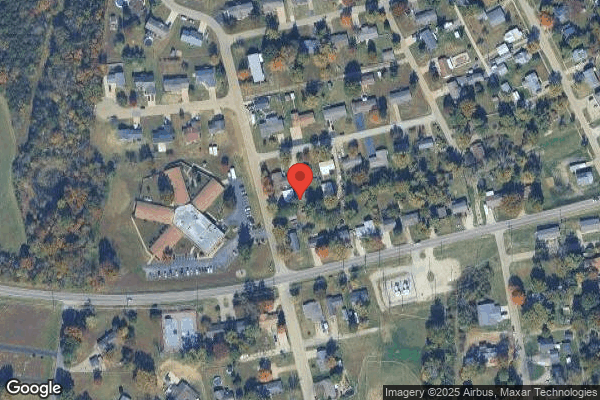
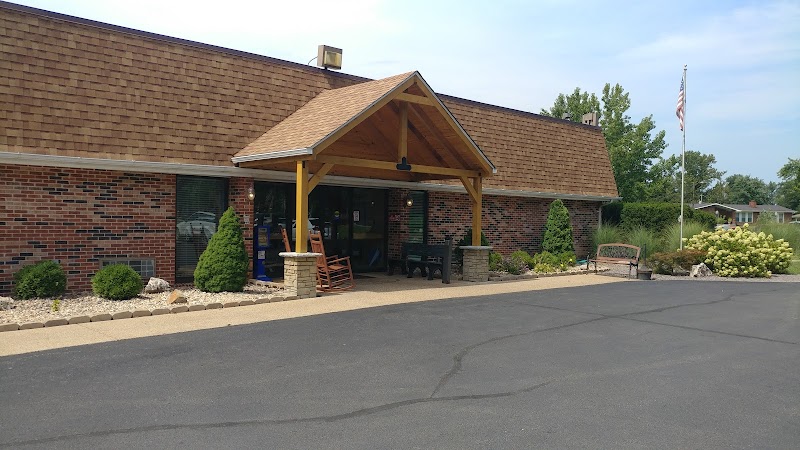
801 BRIM STREET, DESLOGE, MO 63601 (573) 431-0223
For profit - Corporation 120 Beds NATIONAL HEALTHCARE CORPORATION Data: November 2025
Trust Grade
60/100
#104 of 479 in MO
Last Inspection: April 2025

Within standard 12-15 month inspection cycle. Federal law requires annual inspections.

Overview

NHC Healthcare in Desloge, Missouri has a Trust Grade of C+, indicating it is slightly above average but still has room for improvement. It ranks #104 out of 479 facilities in the state, placing it in the top half, and #4 out of 8 in St. Francois County, meaning only three local options are better. The facility is on an improving trend, with issues decreasing from 11 in 2024 to 8 in 2025, although it still has 29 total issues, including one serious incident where a resident did not receive proper pain management as outlined in their care plan. Staffing is a weakness here, with a rating of 2 out of 5 stars and a turnover rate of 63%, which is around the average for Missouri; however, it boasts good RN coverage, exceeding 94% of facilities in the state, which helps ensure that care quality is monitored closely. On a positive note, there have been no fines recorded, which suggests compliance with regulations, but concerns remain about food safety practices and maintaining a clean, homelike environment, as noted in specific incidents like unsanitary food storage and maintenance issues in resident rooms.

Trust Score
C+
60/100
In Missouri
#104/479
Top 21%
Safety Record
Moderate
Needs review
Inspections
Getting Better
11 → 8 violations
Staff Stability
⚠ Watch
63% turnover. Above average. Higher turnover means staff may not know residents' routines.
Penalties
✓ Good
No fines on record. Clean compliance history, better than most Missouri facilities.
Skilled Nurses
○ Average
Each resident gets 38 minutes of Registered Nurse (RN) attention daily — about average for Missouri. RNs are the most trained staff who monitor for health changes.
Violations
⚠ Watch
29 deficiencies on record. Higher than average. Multiple issues found across inspections.
★★★★☆
4.0
Overall Rating
★★☆☆☆
2.0
Staff Levels
★★☆☆☆
2.0
Care Quality
★★★★☆
4.0
Inspection Score
Stable
2024: 11 issues
2025: 8 issues

The Good

  • Full Sprinkler Coverage · Fire safety systems throughout facility
  • No fines on record

Facility shows strength in fire safety.

The Bad

Staff Turnover: 63%

17pts above Missouri avg (46%)

Frequent staff changes - ask about care continuity

Chain: NATIONAL HEALTHCARE CORPORATION

Part of a multi-facility chain

Ask about local staffing decisions and management

Staff turnover is elevated (63%)

15 points above Missouri average of 48%

The Ugly 29 deficiencies on record

1 actual harm
Apr 2025 8 deficiencies
CONCERN (D) 📢 Someone Reported This

A family member, employee, or ombudsman was alarmed enough to file a formal complaint

Potential for Harm - no one hurt, but risky conditions existed

Notification of Changes (Tag F0580)

Could have caused harm · This affected 1 resident

**NOTE- TERMS IN BRACKETS HAVE BEEN EDITED TO PROTECT CONFIDENTIALITY** Based on interview and record review, the facility failed to notify a resident's Responsible Party (RP) after a change in condit...

Read full inspector narrative →
**NOTE- TERMS IN BRACKETS HAVE BEEN EDITED TO PROTECT CONFIDENTIALITY** Based on interview and record review, the facility failed to notify a resident's Responsible Party (RP) after a change in condition when one resident (Resident #43) out of 16 sampled residents had behavioral issues and was transferred to the hospital for evaluation. The facility census was 64. Review of the facility's Change in Patient Status Policy, dated March 2024, showed: - The patient or patient's representative is encouraged to be involved in all decision-making regarding changes in plan of care; - The charge nurse on duty is notified of any changes in condition, the patient will be assessed, the physician, physician extender and patient's representative will be notified; - The patient may not be transferred to hospital without first notifying the patient's representative unless to delay would be harmful to the patient; - If unable to contact family, the patient will be transferred per doctors orders, and efforts to reach patient's representative will be continued and documented. 1. Review of Resident #43's quarterly Minimum Data Set (MDS-a federally mandated assessment instrument required to be completed by the facility staff), dated 02/14/24, showed: - admitted on [DATE]; - Diagnoses of dementia (thinking and social symptoms that interfere with daily functioning), schizophrenia (disorder that affects a person's ability to think, feel and behave clearly), depression and anxiety; - Moderately impaired cognition. Review of the resident's progress notes showed: - On 04/10/25 at 2:45 A.M., resident was transported via ambulance to the hospital for behavioral issues; - No documentation that the resident's responsible party was notified of change in condition and need for evaluation. Review of an undated document provided by the Social Services Director (SSD) showed: - Resident was supposed to have been transferred from the hospital to the facility on [DATE]; - Resident instructed the transportation driver to drive him/her to the RP's address; - The RP instructed the driver to return the resident to the facility. During an interview on 04/11/25 at 11:47 A.M., the resident's RP said on 04/10/25 the facility sent the resident to the hospital without notifying the RP. The RP said he/she had no idea the resident had gone to the hospital until the resident showed up at the RP's house in a taxi. The RP told the taxi driver to return the resident to the facility. Later, the RP was informed that the resident had been sent to the hospital due to behaviors. During an interview on 04/24/25 at 1:12 P.M., the SSD said the transfer/discharge to the RP had been placed in the mail the very next day at approximately 9:30 A.M. During a phone interview on 05/06/25 at 9:39 A.M., Registered Nurse (RN) T said when he/she came on shift, staff had given report of resident being aggressive, unable to be calmed, and sent to hospital. He/She had asked if the RP had been notified and was told that they would try to contact. During an interview on 04/24/25 at 1:39 P.M., the Administrator said she would have hoped that the staff would have called the RP after sending the resident to the hospital. Complaints MO00252597 and MO00252619
CONCERN (D)

Potential for Harm - no one hurt, but risky conditions existed

Transfer Notice (Tag F0623)

Could have caused harm · This affected 1 resident

**NOTE- TERMS IN BRACKETS HAVE BEEN EDITED TO PROTECT CONFIDENTIALITY** Based on interview and record review, the facility failed to notify the resident and/or the resident's representative in writing...

Read full inspector narrative →
**NOTE- TERMS IN BRACKETS HAVE BEEN EDITED TO PROTECT CONFIDENTIALITY** Based on interview and record review, the facility failed to notify the resident and/or the resident's representative in writing of a transfer or discharge to a hospital, including the reason for transfer for two residents (Resident #5 and #31) out of 16 sampled residents. The facility census was 64. Review of the facility's Patient Care Policies, titled, Transfer/Discharge, revised 3/2024, showed: - A patient may be transferred or discharged to another healthcare institution or discharged home upon the written order of the attending physician; - Sufficient information will be provided to the patient to assure continuity of care, regardless of destination of the patient or the reason for the transfer. 1. Review of Resident #5's medical record showed: - Resident transferred to the hospital on [DATE], and readmitted to the facility on [DATE]; - Resident transferred to the hospital on [DATE], and readmitted to the facility on [DATE]; - No documentation the resident and/or the resident representative was informed in writing of the transfer/discharge to a hospital at the time of the transfers. 2. Review of Resident #31's medical record showed: - Resident transferred to the hospital on [DATE], and readmitted to the facility on [DATE]; - No documentation the resident and/or the resident representative was informed in writing of the transfer/discharge to a hospital at the time of the transfer. During an interview on 04/24/25 at 12:57 P.M., the Administrator said the bed hold/transfers are sent with the resident to the hospital and a copy is mailed to resident's responsible party either the next day or following business day. During an interview on 04/24/25 at 6:05 P.M., the Administrator said she would expect written notification of transfer to be sent to the resident, and/or resident representative, and to the Ombudsman for thirty day and emergency discharges.
CONCERN (D)

Potential for Harm - no one hurt, but risky conditions existed

Deficiency F0625 (Tag F0625)

Could have caused harm · This affected 1 resident

**NOTE- TERMS IN BRACKETS HAVE BEEN EDITED TO PROTECT CONFIDENTIALITY** Based on interview and record review, the facility failed to inform the resident and/or the resident representative of their bed...

Read full inspector narrative →
**NOTE- TERMS IN BRACKETS HAVE BEEN EDITED TO PROTECT CONFIDENTIALITY** Based on interview and record review, the facility failed to inform the resident and/or the resident representative of their bed hold policy at the time of transfer to the hospital for three residents (Resident #5, #31, and #65) out of 16 sampled residents. The facility census was 64. Review of the facility's Social Work Services Manual titled, Bed hold/Bed Reservation Policy, last revised 11/2016, showed: - Patient's bed hold rights provided to the patient/patient representative during the admission process in the admission and Financial Agreement; - In the event of the patient's transfer from the center, the social services department is responsible for contacting the patient/legal representative to discuss the center's bed hold policy and to ascertain the plans of the patient to reserve the bed; - Patient's bed will be held until call placed to ascertain the plans of the patient/patient representative to reserve the bed; - The patient/patient representative's intent is to be documented in the Social Service progress noted and communicated to the Business Office by the Social Worker. 1. Review of Resident #5's medical record showed: - Resident transferred to the hospital on [DATE], and readmitted to the facility on [DATE]; - Resident transferred to the hospital on [DATE], and readmitted to the facility on [DATE]; - No documentation that the resident or resident representative was informed in writing of the facility bed hold policy at the time of transfers. 2. Review of Resident #31's medical record showed: - Resident transferred to the hospital on [DATE], and readmitted to the facility on [DATE]; - No documentation that the resident or resident representative was informed in writing of the facility bed hold policy at the time of transfer. 3. Review of Resident #65's medical record showed: - Resident was transferred to the hospital on [DATE], resident passed away at the hospital; - No documentation that the resident or resident representative was informed in writing of the facility bed hold policy at the time of transfer. During an interview on 04/24/25 at 4:35 P.M., the Director of Nursing (DON) said that a bed hold was not given to resident #65 at the time of transfer to the hospital. During an interview on 04/24/25 at 6:05 P.M., the Administrator said she would expect bed holds to be completed and given to the resident and/or resident representative upon transfer.
CONCERN (D)

Potential for Harm - no one hurt, but risky conditions existed

Assessment Accuracy (Tag F0641)

Could have caused harm · This affected 1 resident

**NOTE- TERMS IN BRACKETS HAVE BEEN EDITED TO PROTECT CONFIDENTIALITY** Based on interview and record review, the facility failed to document an accurate Minimum Data Set (MDS-a federally mandated ass...

Read full inspector narrative →
**NOTE- TERMS IN BRACKETS HAVE BEEN EDITED TO PROTECT CONFIDENTIALITY** Based on interview and record review, the facility failed to document an accurate Minimum Data Set (MDS-a federally mandated assessment completed by facility staff) for two residents (Resident #27 and #62) out of 16 sampled residents. The facility census was 64. The facility did not provide a policy regarding MDS coding for accuracy. The facility follows the RAI (Resident Assessment Instrument) manual. 1. Review of Resident #27's medical record showed: - Diagnoses of unspecified dementia with agitation (a group of symptoms that negatively affect memory, thinking, and social abilities to interfere with daily functioning), aggression, psychotic disturbances with psychosis (mental condition characterized by a loss of contact with reality, often involving symptoms like delusions, hallucinations and disorganized thinking), schizophrenia with psychosis (a disorder that affects a person's ability to think feel and behave clearly), cognitive communication deficit (communication difficulty caused by impairments in cognitive functions like attention, memory, and reasoning, rather than language or speech problems), benign prostatic hyperplasia (BPH-a condition where the prostate gland, enlarges without forming cancer) with lower urinary tract symptoms, retention of urine, urinary tract infection (UTI-a common infection that can affect any part of the urinary tract, including the bladder, kidneys or urethra), chronic kidney disease (CKD-long term condition where the kidneys gradually lose their ability to filter waste products from the blood) stage 3, and muscle weakness; - Review of the resident's progress notes, dated 12/14/24, showed the resident returned to the facility from the hospital where he/she had been treated for a UTI and blood fungal infection while hospitalized ; - Review of the resident's quarterly MDS, dated [DATE], showed Section I, not coded for UTI; - The facility failed to accurately code the MDS assessment on 12/16/24 regarding an active diagnosis of UTI. 2. Review of Resident #62's medical record showed: - Diagnoses of Alzheimer's (a progressive disease that destroys memory and other important mental functions), anxiety (intense, excessive, and persistent worry and fear about everyday situations), dysphagia (difficulty swallowing), and hallucinations (a perception of having seen, heard, touched, tasted or smelled something that wasn't actually there); - Review of the resident's admission MDS, dated [DATE], showed: - Section J 1400, coded no for a prognosis of less than six months; should be coded yes since the resident is receiving hospice services; - Section O 00110 K.1 coded yes for hospice services; - The facility failed to accurately code the MDS assessment regarding prognosis. During an interview on 04/24/25 at 6:05 P.M., the Administrator said she would expect the MDS to be coded accurately and to reflect the condition of the resident. During an interview on 05/02/25 at 10:47 A.M., the Director of Nursing (DON) said that Registered Nurse (RN) Q is completing the MDS assessments. The facility staff does the observations and gives the information to RN Q. The MDS assessments are done on entry, admission, quarterly, annually, significant change, discharge and 5 day assessment, if needed. He/She said the MDS should reflect the resident's current diagnoses and condition at the time the assessment is done.
CONCERN (D)

Potential for Harm - no one hurt, but risky conditions existed

Deficiency F0657 (Tag F0657)

Could have caused harm · This affected 1 resident

Based on interview and record review, the facility failed to update and revise care plans with specific resident centered interventions to meet individual needs for three residents (Resident #15, #55,...

Read full inspector narrative →
Based on interview and record review, the facility failed to update and revise care plans with specific resident centered interventions to meet individual needs for three residents (Resident #15, #55, and #62) out of 16 sampled residents. The facility census was 64. Review of the facility's policy, Patient Care Policies, revised 03/2024, showed: - Patients are assessed initially and at regular intervals using a Federal/State specified, standardized, comprehensive resident assessment instrument to identify functional capacity and health status, Care Area Assessments (CAAs) document the additional assessment and review performed and serve as the basis for planning individual patient care; - The patient care plan process involves the entire inter-disciplinary team, including the patient and/or representative, including the patient's health care surrogate and/or the designated decision-maker who could be next of kin, legal guardian, Power of Attorney (P.O.A), surrogate or proxy; - Will include the attending physician in the development of the patient's plan of care by incorporating the physician's plan of care (orders) into the care plan; - Decision making/planning is based on identified needs/problems and builds on patient strengths while taking into account the patient's preferences; - The care plan serves as a guide for care decisions and is made available for use by all patient care personnel. 1. Review of Resident #15's medical record showed: - admission date of 12/23/19; - Diagnoses of Alzheimer's (a progressive disease that destroys memory and other important mental functions), dementia (group of conditions characterized by impairment of at least two brain functions, such as memory loss and judgement), Parkinson's (a disorder of the central nervous system that affects movement, often including tremors), PTSD (Post-traumatic stress disorder-a mental health condition that's caused by an extremely stressful or terrifying event), cognitive communication defect, and suicidal ideations (diagnosis date of 12/08/21, and a diagnosis removal date of 10/02/23). Review of Resident #15's care plan, revised 02/01/25, showed: - Problem start date of 02/03/25, Goal target date of 05/02/25, diagnosis (dx) of suicidal ideations related to PTSD and depression; - The facility failed to remove the diagnosis of suicidal ideations from the care plan. 2. Review of Resident #55's medical record showed: - admission date of 11/18/24; - Diagnoses of dementia, PTSD, fracture (broken bone) of the fifth metacarpal (bone connecting the wrist to the little finger/pinky) on left hand and muscle weakness; - PTSD assessment, dated 03/13/25, showed a negative screening for PTSD; - POS with an order, dated 02/04/25, for escitalopram (medication that treats depression), 20 milligrams (mg), once daily. Review of the resident's care plan, last revised 02/01/25, showed: - Resident received an antidepressant medication related to behaviors for PTSD; - Monitor for effectiveness; - Monitor and report signs of sedation, hypotension or anticholineric symptoms (decreased saliva, slow digestion or dilated pupils); - Care Plan did not address history of PTSD or triggers. During an interview on 04/24/25 at 10:07 A.M., the Director of Nursing (DON) said the facility had a lot of veterans, so the triggers would probably be loud noises and sudden movements and should be on the care plan. During an interview on 04/24/25 at 10:30 A.M., the DON said after reviewing the resident's chart, there was a history of PTSD due to an assault, however, the resident did not trigger at the facility. The care plan should have been updated to reflect the resident's current status. 3. Review of Resident #62's medical record showed: - admission date of 11/25/24; - Diagnoses of Alzheimer's, anxiety (intense, excessive, and persistent worry and fear about everyday situations), dysphagia, and hallucinations (a perception of having seen, heard, touched, tasted or smelled something that wasn't actually there); - POS showed no current order for ABHR cream (a cream containing lorazepam, Diphenhydramine, haloperidol, and metoclopramide). Order start date, 01/04/25 and stop date 04/21/25. Review of the resident's care plan, revised 03/07/25, showed: - Problem start date of 03/07/25, Goal target date of 06/06/25, Administer medications ABHR cream as ordered and monitor for side effects; - The facility failed to remove use of ABHR cream from the care plan. During an interview on 04/24/25 at 2:15 P.M., the Director of Nursing (DON) said he/she had been doing care plans before taking the position as DON. Care plans are updated quarterly and as needed. The current Minimum Data Set (MDS - a federally mandated assessment completed by the facility) staff has only been in that position for a week, and we currently have a regional staff member assisting with care plans. During an interview on 04/24/25 at 6:05 P.M., the Administrator said she would expect care plans to be updated and revised to reflect the resident's current condition.
CONCERN (D)

Potential for Harm - no one hurt, but risky conditions existed

Deficiency F0761 (Tag F0761)

Could have caused harm · This affected 1 resident

Based on observation, interview, and record review, the facility failed to label and store medications in a safe and effective manner. This deficient practice affected three residents (Resident #10, #...

Read full inspector narrative →
Based on observation, interview, and record review, the facility failed to label and store medications in a safe and effective manner. This deficient practice affected three residents (Resident #10, #27 and #31) out of 16 sampled residents and one resident (Resident #34) outside the sample and had the potential to affect all residents. The facility census was 64. Review of the facility's Medication Storage policy, revised 02/25/25, showed: - Medications and biologicals are stored safely, securely and properly, following manufacturer's recommendations or those of the supplier; - Outdated, contaminated or deteriorated medications and those in containers that are cracked, soiled or without secure closures are removed from inventory and disposed of according to procedures for medication disposal; - Certain medications or package types, such as multiple dose injectable vials or testing solution strips, once opened, require an expiration date shorter than the manufacturer's expiration date to insure medication purity and potency, in such case, the nurse may determine the expiration date based on opening, storage or usage as manufacturer specifies; - The nurse will document the date opened on label; - In the event a container has been opened and there is absence of an opened date, the expiration date will be calculated from the dispense date on the pharmacy label where available; - No expired medications will be given to a resident; - All expired medications will be removed from the active supply and destroyed in the facility, regardless of the amount remaining. Review of the package insert on lantus.com, v2.0-08/2022, showed: - After the first use of the Lantus Solostar pen, keep at room temperature, below 86 degrees Fahrenheit (F), don't refrigerate; - After 28 days, throw your opened Lantus pen away-even if it still has insulin in it. Review of insulin aspart storage and disposal instructions on medlineplus.gov, revised 08/15/2023, showed: - Opened vials of insulin, cartridges and pens can be stored at room temperature for up to 28 days; - Discard after 28 days. Review of the storage instructions for Basaglar insulin on pi.lilly.com showed: - In-use pens, store the pen you are currently using at room temperature; up to 86 degrees (F), and away from heat and light; - Throw away the pen you are using after 28 days, even if it still has insulin left in it. Observation on 04/21/25 at 3:37 P.M. of the C Hall Nurse Cart showed: - Resident #10's Lantus insulin, open with no opened date; - Resident #27's Basaglar insulin, opened 03/11/25 and expiration date of 04/09/25. Insulin Aspart opened 03/17/25 and expiration date of 04/15/25; - Resident #31's Insulin Aspart, open with no opened date; - Resident #34's Lantus insulin, open with no opened date; During an interview on 04/21/25 at 3:45 P.M., Registered Nurse (RN) P said Resident #27 gets his/her insulin from this Basaglar pen because it is his/her scheduled long acting insulin, and hasn't gotten the Insulin Aspart in about a month. During an interview on 04/24/25 at 6:05 P.M., the Administrator said she would expect insulin pens to have the date they were opened on them and to be disposed of when expired.
CONCERN (D)

Potential for Harm - no one hurt, but risky conditions existed

Food Safety (Tag F0812)

Could have caused harm · This affected 1 resident

Based on observation and interview, the facility failed to store and distribute food under sanitary conditions, increasing the risk of cross-contamination and food-borne illness. This had the potentia...

Read full inspector narrative →
Based on observation and interview, the facility failed to store and distribute food under sanitary conditions, increasing the risk of cross-contamination and food-borne illness. This had the potential to affect all residents and staff. The facility census was 64. Review of the facility's Refrigerated Food Storage Guide, last revised November 2017, showed: - Food items shall be rotated, using First In, First Out (FIFO), in order to ensure product quality; - Foods should be covered and dated with a use by date; - Foods such as cottage cheese, cheese, cream cheese, sour cream and yogurt should be refrigerated immediately. Review of the facility's Equipment Cleaning Schedule, last revised November 2017, showed: - Clean spills, and splashes as soon as possible, daily, after use and weekly; - Clean and sanitize shelves and racks as soon as possible, daily, after use and weekly; - Sweep, mop, brush or squeegee floors and mats, after each meal and daily; - Clean, sanitize equipment parts, surfaces, and work tables after each use or between each product change. Review of the facility's Safety and Sanitation Best Practice Guidelines, last revised November 2017, showed: - All partners handling food products or contacting equipment used for food preparation should wash hands and forearms with soap and warm water, using proper procedures; - The basic practice of hand washing is the single most important action that can be taken to prevent the spread of disease; - Hands should be washed before starting to work, after break time, using rest room, touching face, hair or body, after eating, drinking, smoking, sneezing, coughing or touching money; - Hands should be washed before putting on gloves and after removing gloves; - Sanitizing gel may only be used as an added measure after washing hands to minimize bacteria, but not in place of hand washing. Observation on 04/21/25 at 9:50 A.M. of the kitchen showed: - An uncovered tray of apple crisp dessert on a shelf under the microwave; - Three trays with individual bowls of chocolate chip cheesecakes, covered and sitting on shelves outside of the refrigerator; - One 104 ounce (oz), unopened, dented can of mandarin oranges on the shelf; - Five opened, undated bags of pork flavored gravy mix, each in an individual plastic bag and all in one large plastic resealable bag; - 10 pounds (lbs) of opened, undated, uncooked spaghetti noodles in a large plastic resealable bag; - Another 10 lb bag, half full of uncooked spaghetti noodles, in an unsealed plastic resealable bag; - A 3 lb 1.8 oz bag of stuffing, undated; - Two large plastic resealable bags of frozen hash brown wedges, undated, in freezer; - One large plastic resealable bag of frozen tater tots, undated, in freezer; - One package of eight graham cracker pie crusts, opened and sitting on a shelf in the storage area; - A 7.5 quart container, half full of chocolate chips, not labeled or dated; - Two packages of dry pudding mix, expiration date of 12/24; - One package of dry pudding mix, expiration date of 09/24; - Nine packages of undated butterscotch instant pudding/pie filling mix, stored in a large, plastic tote with no lid and powdery debris and mouse droppings at the bottom. During an interview on 04/21/25 at 9:55 A.M., the Dietary Manager (DM) said the chocolate chip cheesecakes had been in the refrigerator, and still should have been, due to being served at lunch, but had been removed because there was no longer room in the refrigerator. Observation on 04/22/25 at 2:55 P.M. showed: - Three trays of uncovered cakes with icing on shelves in the preparation area; - One ice cream scoop with melted, tan liquid, on the counter; - Two trays of uncovered baked cookies on shelves under the microwave; - Debris and food particles on the floor; - A crumpled paper towel on the floor next to the trash can; - A mop head lay in the floor in front of the fryer; - Another mop head lay in the floor in front of the food warmer; - Steam table with one and one half inches of water in the bottom, with food particles floating in it; - Work counter in front of the steam table with particles of food and debris. Observation on 04/23/25 from 7:50 A.M. to 8:20 A.M. showed Dietary [NAME] L, Dietary [NAME] M, Dietary Partner N and Dietary Partner O plated and served food without gloves or using hand sanitizer. During an interview on 04/23/25 at 10:41 A.M., the DM said he/she would expect staff to keep the kitchen area clean, keep trays containing cookies to be covered, cheesecake to be stored in the refrigerator, dented cans to be sent back for a credit and not used, and everything dated once opened. He/She works closely with the Dietician who will make weekly visits. The DM said he/she realized there were things that needed addressed and is working to assure it happens. During an interview on 04/24/25 at 8:56 A.M., the DM said he/she had told staff before that they should wear gloves when plating and serving food. He/She does have new staff who are still learning. The sanitizer didn't get ordered because he/she was off last week. Staff should perform hand hygiene with glove changes, when they change tasks, stations, anytime they're touching anything, like their face or picking something up off the floor. During an interview on 04/24/25 at 6:05 P.M., the Administrator said he/she would expect the kitchen to be cleaned, open packages to be dated, dented and expired food cans to be discarded and food to be covered when sitting out. He/She would also expect kitchen staff to wear gloves when plating and serving food and perform hand hygiene and/or use hand sanitizer appropriately. He/She said staff should perform hand hygiene when hands were visible soiled, or when doing certain tasks such as handling raw meat.
CONCERN (D)

Potential for Harm - no one hurt, but risky conditions existed

Infection Control (Tag F0880)

Could have caused harm · This affected 1 resident

**NOTE- TERMS IN BRACKETS HAVE BEEN EDITED TO PROTECT CONFIDENTIALITY** Based on observation, interview, and record review, the facility failed to maintain infection control practices to prevent the d...

Read full inspector narrative →
**NOTE- TERMS IN BRACKETS HAVE BEEN EDITED TO PROTECT CONFIDENTIALITY** Based on observation, interview, and record review, the facility failed to maintain infection control practices to prevent the development and transmission of infection during perineal care (peri care-cleaning the genitals and anal area of the body) for one resident (Resident #40) outside of the 16 sampled residents. The facility failed to implement enhanced barrier precautions (EBP) during wound care for one resident (Resident #28) out of 16 sampled residents. The facility census was 64. Review of the facility's Handwashing/Hand Hygiene Policy, last revised August 2015, showed: - The facility considers hand hygiene the primary means to prevent the spread of infections; - Wash hands with soap and water when hands are visibly soiled and after contact with a resident with infectious diarrhea; - Use an alcohol-based hand rub or soap and water before and after coming on duty; - Before and after direct contact with residents; - Before and after preparing medications; - Before handling clean or soiled dressings, gauze or pads; - Before moving from contaminated body site to a clean body site; - After contact with Resident's intact skin; - After contact with blood or body fluids; - After handling used dressings or contaminated equipment and after removing gloves; - The use of gloves does not replace hand washing/hand hygiene. Review of the facility's policy, titled, Infection Control Manual Volume 1, -Enhanced Barrier Precautions (EBP), showed: - EBP refers to an infection control intervention designed to reduce transmission of multidrug-resistant organisms (MDRO) that employs targeted gown and glove use during high contact activities. EBP are used in conjunction with standard precautions and expand the use of personal protective equipment (PPE) to donning of gown and gloves during high-contact patient care activities that provide opportunities for transfer of MDRO to staff hands and clothing; - EBP are indicated for patients with any of the following: infection or colonization with a Center for Disease Control (CDC)-targeted MDRO, wounds and/or indwelling medical devices even if the patient is not known to be infected or colonized with a MDRO; - Providers and partners must wear gloves and a gown for the following high-contact patient care activities: dressing, bathing/showering, transferring, providing hygiene, changing linens, changing briefs or assisting with toileting, device care or use: central line (a thin flexible tubing inserted into a large vein, typically in the neck, chest or groin to provide long-term access to the bloodstream), urinary catheter (a thin flexible tube inserted into the bladder to drain urine), feeding tube (a soft, flexible plastic tube inserted into the stomach or small intestine to deliver liquid nutrition, medications, or fluids directly to the digestive tract), tracheostomy (a surgical procedure where an opening (a stoma) is created in the neck, directly into the trachea (windpipe), to establish a temporary or permanent airway), wound care: any opening requiring a dressing; generally, this includes chronic wounds, not shorter lasting wounds, such as skin tears/breaks covered with an adhesive bandage or similar dressing; other examples include, but are not limited to, pressure ulcers (localized damage to the skin and/or underlying tissue that occurs due to prolonged pressure or pressure combined with shear), diabetic foot ulcers (open sores or wounds on the feet of people with diabetes (a chronic metabolic disease characterized by elevated levels of sugar in the blood), usually on the bottom of the foot), unhealed surgical wounds, and venous stasis ulcers (a wound on the leg or ankle caused by abnormal or damaged veins). 1. Observation on 04/21/25 at 1:58 P.M. of Resident #40 showed: - Resident sat in his/her room in a wheelchair; - Certified Nurse Aide (CNA) D and CNA R transferred the resident from wheelchair to bed using a mechanical lift; - CNA D and CNA R donned gloves without washing hands; - CNA R performed peri care to the front peri area, removed gloves and did not wash hands; - CNA R donned gloves and performed peri care to the buttocks area; - CNA R removed gloves and left the room without washing/sanitizing his/her hands to get a clean lift sling; - CNA R re-entered the resident's room without performing hand hygiene and without a clean lift sling; - CNA R donned gloves, without washing/sanitizing his/her hands; - CNA D and CNA R transferred the resident from bed to wheelchair; - CNA R removed gloves and moved the mechanical lift out of the room; - CNA D bagged trash; - CNA R took trash to the dirty linen room; - CNA D and CNA R did not wash/sanitize hands after exiting the resident's room. During an interview on 04/21/25 at 4:15 P.M., CNA D and CNA R said they should sanitize, but try to wash their hands after every patient, after taking out the trash, and after transfers. They should also sanitize or wash hands with glove changes, and between dirty and clean tasks. 2. Review of Resident #28's medical record showed: - admitted on [DATE]; - Diagnoses of hemiplegia (paralysis of the muscles on one side of the body), history of cerebral infarction (stroke) and type II diabetes (a long term condition which the body has trouble controlling the blood sugar); - On 04/03/25, an order to cleanse area on right buttock with wound cleanser, pat dry, apply skin prep to peri-wound, cover with bordered gauze daily and as needed. Observation on 04/24/25 at 12:30 P.M. of Resident #28's wound care showed: - Bucket sticker on name plaque to notify staff to use EBP; - Licensed Practical Nurse (LPN) E gathered supplies from nurse treatment cart, including two small cups with moistened gauze in each cup, a dressing in a sealed package and a paper plate barrier; - LPN E and Registered Nurse (RN) K entered the resident's room and washed hands; - LPN E placed the plate on the bed containing the supplies, donned gloves, and did not don gown; - LPN E placed a plastic trash bag on the bed; - RN K washed hands and donned gloves; - LPN E picked up the plate containing the supplies and handed it to RN K; - LPN E assisted the resident to stand up from the recliner and hold onto the walker; - LPN E lowered the resident's pants and brief, removed old dressing from inner buttocks and placed the dressing in the trash bag, removed gloves and sanitized hands; - LPN E donned clean gloves; - RN K handed moistened gauze to LPN E; - LPN E used moistened gauze to cleanse inner buttocks wound, then placed soiled gauze in the trash bag; - LPN E removed gloves, sanitized hands and donned clean gloves; - RN K handed LPN E a clean piece of gauze; - LPN E patted wound dry with clean gauze and placed used gauze in the trash bag; - LPN E removed gloves, sanitized hands and donned clean gloves; - RN K opened skin prep package and handed prep to LPN E; - LPN E skin prepped the area around the wound, removed gloves, sanitized hands and donned clean gloves; - RN K opened dressing package and handed to LPN E; - LPN E placed dressing on inner buttocks wound; - RN K dated dressing: - LPN E and RN K assisted resident with pulling up brief and pants and to sit in recliner; - LPN E bagged up trash; - LPN E and RN K removed gloves; - LPN E washed his/her hands; - RN K moved walker to the side of the room, gathered trash bag and gave to LPN E; - RN K washed his/her hands; - LPN E carried trash to the soiled utility room and sanitized his/her hands. During an interview on 04/24/25 at 2:15 P.M., LPN E said he/she would wear EBP with residents who have indwelling catheters and major wounds, the residents with bucket stickers besides their name are on EBP precautions. LPN E provided an updated list of residents on EBP precautions, excluding Resident #28. During an interview on 04/24/25 at 6:05 P.M., the Administrator said she would expect staff to perform hand hygiene while performing peri care, before they start, from dirty to clean, if their hands are soiled and when they are done. She would also expect staff to wear appropriate personal protective equipment (PPE) for EBP.
Mar 2024 11 deficiencies 1 Harm
SERIOUS (G)

Actual Harm - a resident was hurt due to facility failures

Deficiency F0697 (Tag F0697)

A resident was harmed · This affected 1 resident

**NOTE- TERMS IN BRACKETS HAVE BEEN EDITED TO PROTECT CONFIDENTIALITY** Based on observation, interview and record review, the facility failed to ensure one resident (Resident #26) out of two sampled ...

Read full inspector narrative →
**NOTE- TERMS IN BRACKETS HAVE BEEN EDITED TO PROTECT CONFIDENTIALITY** Based on observation, interview and record review, the facility failed to ensure one resident (Resident #26) out of two sampled residents received treatment and care in accordance with professional standards of practice, the comprehensive care plan, and the resident's choices, related to pain management. The facility's census was 62. Review of the facility's policy titled, Pain Management, undated, showed: - Every patient is assessed for pain on admission, daily, as needed, and with all quarterly Minimum Data Set (MDS) (a federally mandated assessment completed by the facility) assessments; - Interventions for pain consist of pharmacological and non-pharmacological; - Medications will be given per physician orders, as needed orders will be assessed for effectiveness. Physicians will be notified if current medications or non-pharmacological interventions are not effective. 1. Review of Resident #26's medical record showed: - An admission date of 09/19/23; - Diagnoses of hypertensive heart disease (changes in the heart due to chronic elevated blood pressure) with heart failure (a chronic condition in which the heart doesn't pump blood as well as it should), atrial fibrillation (abnormal heart rhythm), atherosclerotic heart disease (the buildup of cholesterol, fats and other substances in and on the artery walls), chronic obstructive pulmonary disease (COPD) (a chronic inflammatory lung disease that causes obstructed airflow from the lungs), pulmonary hypertension (a condition that affects the blood vessels in the lungs), diabetes mellitus (DM) (a condition that affects the way the body processes blood sugar), hypertension (high blood pressure), dementia (a disorder marked by memory loss, personality changes, and impaired reasoning that interferes with daily functioning), mood disturbance, anxiety (persistent worry and fear about everyday situations), and pressure ulcer (damage to the skin and/or underlying tissue as a result of pressure). Review of the resident's significant change MDS, dated [DATE], showed: - Cognitive status mildly impaired; - Total dependence of two staff for lower body dressing, chair/bed to chair transfer, toilet transfer, and tub/shower transfer; - Unhealed Stage 3 (full thickness tissue loss and subcutaneous fat may be visible but bone, tendon or muscle are not exposed) pressure ulcer; - One Stage 3 pressure ulcer upon admission; - Pressure ulcer care; - Almost constant pain. Review of the resident's Physician's Order Sheet (POS), dated March 2024, showed: - An order to screen for pain every shift, dated 02/12/24; - An order for hydrocodone-acetaminophen (an opioid pain medication) 5-325 milligram (mg) tablet by mouth every four hours as needed for pain, dated 02/21/24; - An order to cleanse the area to the coccyx (tail bone) with wound cleanser, pat dry, cover the area with a foam dressing, change in the morning every other day and as needed, dated 02/26/24; - An order for hydrocodone-acetaminophen 5-325 mg tablet by mouth twice a day at 9 A.M., and 9 P.M., dated 03/28/24. Review of the resident's Medication Administration Record (MAR), dated March 2024, showed: - Hydrocodone-acetaminophen 5-325 mg tablet administered on 03/17/24; - Pain screens completed on 03/26/24 through 03/29/24 showed the resident had a pain score of zero (no pain), six out of eight opportunities and a score of two (mild pain), two out of the eight opportunities. Review of the resident's care plan, revised on 03/27/24, showed: - Resident at risk for pressure ulcer due to moisture and admitted with skin breakdown; - Pad bony prominences with foam wedges, rolled blankets or towels; - Pain/discomfort related to left humerus (the upper arm bone) fracture from 09/25/23; - Administer analgesic (pain medication), anticipate comfort needs, assist with positioning for comfort, observe nonverbal sign/symptom of discomfort, utilize non-medication interventions to relieve pain, and utilize pain scale to assess for pain. Observations of the resident showed: - On 03/26/24 at 10:36 A.M., 12:36 P.M., 1:36 P.M., and 2:46 P.M., the resident lay in bed on his/her back with no wedge; - On 03/27/24 at 8:37 A.M., the resident lay in bed on his/her back with no wedge; - On 03/27/24 at 1:17 P.M., the resident lay in bed on his/her back with no wedge. The resident's call light was on. Registered Nurse (RN) C entered the resident's room and turned the call light off. The resident asked RN C to please get him/her up. RN C told the resident he/she would be okay and would be back to complete his/her dressing change. RN C did not assess the resident's pain, offer any pain medication, nor offer any non-pharmalogical interventions to the resident; - On 03/27/24 at 2:14 P.M., Certified Nursing Assistant (CNA) J and RN C provided incontinent and wound care for the resident. RN C began the wound dressing change. During the dressing change, the resident moaned six times in pain and said, You're hurting me. I can't take this anymore. The resident was tearful during the dressing change and became nauseated. RN C did not assess the resident for pain nor was any pain medication offered prior to the dressing change. CNA J and RN C told the resident he/she was going to be okay and they were almost done with the treatment. RN C did not assess the resident's pain, offer any pain medication, nor offer any non-pharmalogical interventions to the resident after the wound treatment was completed; - On 03/27/24 at 4:50 P.M., the resident lay in bed on his/her back and complained he/she might throw up. CNA A went to get a bedpan. The resident was not assessed for pain, offered pain medication, nor provided with any non-pharmalogical interventions; - On 03/28/24 at 9:33 A.M., the resident asked staff to turn him/her, refused to eat breakfast, asked for his/her spouse, and said he/she was in pain and wanted to be turned. The resident lay on his/her back with no wedge and his/her feet hung off the side of the bed. The resident was not assessed for pain, offered pain medication, nor provided with any non-pharmalogical interventions; - On 03/28/24 at 1:40 P.M., the resident lay in bed on his/her back with a wedge under the left thigh area. CNA J assisted the resident with getting dressed. The resident said he/she was in pain and needed CNA J to help him/her. CNA J assisted the resident to get out of bed. The resident was not assessed for pain, offered pain medication, nor provided with any non-pharmalogical interventions. During an interview on 03/26/24 at 10:47 A.M., and 12:59 P.M., Resident #26 said he/she had a hole in his/her butt and it hurt. The wound had been there about a month and staff did not turn him/her most of the time during the day. Staff turned him/her maybe one time a day if he/she was lucky. The resident would like to get out of bed more often. During an interview on 03/27/24 at 3:57 P.M., Physical Therapist (PT) O said Resident #26 had been discharged from therapy on 03/26/24, due to noncompliance and not cooperating. The resident did not want to participate with PT, and was now on restorative therapy. The resident had always been noncompliant even before his/her wound developed. He/She did not know if the resident's pain contributed to his/her noncompliance. The resident often did not want to be in a wheelchair because of his/her pain. Observation on 03/28/24 at 2:10 P.M. - 3:10 P.M., showed the resident screaming, Please someone help me. Please I am hurting. Please come see me CNA J. CNA J told the resident he/she would be there in a minute but went to three other residents' rooms first. The resident was not assessed for pain, offered pain medication, nor provided with any non-pharmalogical interventions. During an interview on 03/28/24 at 4:33 P.M., CNA J said when a resident was in pain, he/she should notify the charge nurse and give the information about the resident's pain. Signs and symptoms of pain could be abnormal vital signs and grunting/moaning with movement. Non-pharmalogical things that could be done to help with pain was massage, apply lotion, rotate the resident in bed and keep the resident clean. During an interview on 03/28/24 at 4:48 P.M., Certified Medication Technician (CMT) N said he/she would consider giving a resident pain medication when they were screaming, acting anxious, fidgety, and grimacing. If the pain medication did not work, he/she would go to the main nurse to see if there was something else to give the resident. If the resident refused the pain medication, he/she would give them some time and try again. He/She would let the nurse know if they refused three times. Resident #26 didn't refuse pain medication. During an interview on 03/28/24 at 5:06 P.M., the Assistant Director of Nursing (ADON) said pain associated with pressure ulcers was assessed before a dressing change, prior to administering pain medication, and daily. Grimacing and verbal cues were all indicators of pain. The pain management regimen was reviewed as needed and by what the resident said or conveyed. If the pain management wasn't working, then staff faxed communication to the doctor. If a resident wasn't verbal about their pain, the staff looked for nonverbal signs. The CMT gave most pain medications to the residents. During an observation and interview on 03/29/24 at 10:41 A.M., Resident #26 was awake and alert. He/She lay in bed on his/her back and said he/she was in severe pain and hadn't received any pain medication. The resident wasn't sure what pain medication he/she had ordered. During an interview on 03/29/24 at 10:45 A.M., CMT N said Resident #26 said he/she was in pain. CMT N administered a pain pill on 03/29/24 at 9:00 A.M., to the resident. There was now a new order for the pain pill to be scheduled twice a day at 9:00 A.M., and 9:00 P.M. Due to miscommunication, the staff had been unaware of the resident's pain the last few days. During an interview on 03/29/24 at 1:49 P.M., RN C said the resident should be administered a pain pill when he/she reported or showed signs of pain. If there were observable signs of pain, staff should asses the resident's pain level, have the resident rate their pain, check the resident's physician orders, and give the resident the pain medication as ordered. He/She would not routinely assess or administer pain medication before a wound dressing, but it would depend on the wound.
CONCERN (D)

Potential for Harm - no one hurt, but risky conditions existed

Resident Rights (Tag F0550)

Could have caused harm · This affected 1 resident

Based on observation, interview and record review, the facility failed to ensure staff treated residents with dignity and in a respectful manner by leaving one resident (Resident #45) out of nine samp...

Read full inspector narrative →
Based on observation, interview and record review, the facility failed to ensure staff treated residents with dignity and in a respectful manner by leaving one resident (Resident #45) out of nine sampled residents exposed during care. The facility census was 62. Review of the facility's policy titled, Dignity, dated August 2009, showed: - Each resident shall be cared for in a manner that promotes and enhances quality of life, dignity, respect and individuality; - Staff promote, maintain and protect resident privacy, including bodily privacy during assistance with personal care and during treatment procedures. 1. Review of Resident #45's medical record showed: - admission date of 01/11/24; - Diagnoses of Parkinson's disease (a disorder of the nervous system that affects movement, often including tremors), Alzheimer's disease (a progressive disease that destroys memory and other important mental functions), and dementia (loss of memory, language, problem solving and other thinking abilities). Review of the resident's admission Minimum Data Set (MDS), a federally mandated assessment instrument completed by facility staff, dated 01/16/24, showed: - Cognition severely impaired; - Always incontinent of bladder and bowel; - Dependent for toileting hygiene, and mobility. Observation of the resident on 03/28/24 at 2:26 P.M., showed: - The resident lay in bed; - Certified Nursing Assistant (CNA) A and CNA B entered the room to perform incontinent care; - The CNAs did not close the blind to the window; - The yard could be seen through the window with a person mowing; - CNA A left the room to obtain more wipes and the resident lay on his/her back with the genitalia area exposed. During an interview on 03/28/24 at 4:36 P.M., CNA A said prior to providing resident care, the door and window blinds/curtains should be closed and the privacy curtains should be drawn if needed. During an interview on 03/28/24 at 4:48 P.M., CNA B said the door, curtains and/or blinds should be closed. During an interview on 03/28/24 at 4:50 P.M., the Assistant Director of Nursing (ADON) said she would expect staff to be sure to close the door, pull the privacy curtain, and close the blinds if they were open.
CONCERN (D)

Potential for Harm - no one hurt, but risky conditions existed

Deficiency F0569 (Tag F0569)

Could have caused harm · This affected 1 resident

Based on interview and record review, the facility failed to ensure residents and/or responsible parties were notified in a timely manner when a resident's account was within the $200.00 Social Securi...

Read full inspector narrative →
Based on interview and record review, the facility failed to ensure residents and/or responsible parties were notified in a timely manner when a resident's account was within the $200.00 Social Security (SSI) limit ($5,726.00) or when the resident's account was over the SSI limit. This affected two residents (Resident #2 and #8) reviewed who received Medicaid benefits. The census was 62. Review of the facility's policy titled, Bookkeeping Manual, dated, August 2007, showed: - Patient trust files and related information must be maintained and properly stored by the bookkeeping office for legal compliance and operational efficiency; - Patient trust file must include quarterly statement documentation that residents have been notified of their balance. 1. Review of the Resident Trust Statement for the period 01/31/24 through 03/31/24, showed Resident #2 had the following balances: Date Amount 01/31/24 $5,795.05 02/29/24 $7,217.68 03/31/24 $5,488.34 Review of the resident's fund documentation showed no resident fund notifications were provided to the resident and/or the representative. 2. Review of the Resident Trust Statement for the period 01/31/24 through 03/31/24, showed Resident #8 had the following balances: Date Amount 01/31/24 $5,053.21 02/29/24 $6,336.49 03/31/24 $5,643.45 Review of the resident's fund documentation showed no resident fund notifications were provided to the resident and/or the representative. During an interview on 03/29/24 at 1:30 P.M., the Business Office Manager (BOM) said he/she was responsible for identifying when the residents got close to the need of a spend down. A notification letter should be sent to the resident/resident's representative. He/She did not send a letter to Resident #2 or Resident #8. Some of the resident accounts had built up over the limit for a while and they were working to make corrections. During an interview on 03/31/24 at 5:00 P.M., the Administrator said she expects the residents' accounts to be kept below the limit and notification to be sent when they were close to their limit. During an interview on 04/02/24 at 3:30 P.M., the Regional Accountant said notice letters should have been sent out by the facility when residents were over the limit but were not. Just the quarterly statements were sent. There had been issues with this concern and the last office manager quit suddenly in December 2023. There were balances due for policy premiums that would have corrected the fund balances.
CONCERN (D)

Potential for Harm - no one hurt, but risky conditions existed

Deficiency F0658 (Tag F0658)

Could have caused harm · This affected 1 resident

**NOTE- TERMS IN BRACKETS HAVE BEEN EDITED TO PROTECT CONFIDENTIALITY** Based on observation, interview, and record review, facility staff failed to administer medications in a safe and effective mann...

Read full inspector narrative →
**NOTE- TERMS IN BRACKETS HAVE BEEN EDITED TO PROTECT CONFIDENTIALITY** Based on observation, interview, and record review, facility staff failed to administer medications in a safe and effective manner for one resident (Resident #23) out of six sampled residents. The facility census was 62. The facility did not provide a policy regarding medication administration. 1. Review of Resident #23's medical record showed: - Date of admission [DATE]; - Diagnosis of kidney failure and required dialysis (process of purifying the blood of a person whose kidneys aren't working normally); - An order for sevelamer carbonate (medication to treat too much phosphate in the blood) 800 milligram (mg) five tablets by mouth with meals at 7:00 A.M., 11:00 A.M., 4:00 P.M., when food is in front of resident, dated 02/05/24; - No documentation of an order for the resident to administer his/her own medication; - No documentation of assessments for the resident's competency to administer his/her own medication. Review of the resident's care plan, last revised 03/27/24, showed: - Administer sevelamer carbonate when food is in front of resident; - The care plan did not address self-administration of the medication. Observations on 03/27/24 of the resident showed: - At 3:35 P.M., the resident sat at a dining room table with a medication cup which contained five pills; - From 3:35 P.M., through 4:43 P.M., the resident sat unsupervised with a cup of five pills in front of him/her; - At 4:43 P.M., the resident received his/her food and self-administered the five pills in the medication cup. During an interview on 03/27/24 at 3:37 P.M., Resident #23 said he/she took the pills when he/she received his/her meal. During an interview on 03/29/24 at 1:30 P.M., Certified Medication Technician (CMT) N said he/she always gave Resident #23 his/her medications at the dining room table and left them. He/She had been told that it was care planned to leave the medication with the resident to self-administer. During an interview on 03/29/24 at 2:40 P.M., the Assistant Director of Nursing (ADON) said there should be an order and/or care plan for the resident to receive and self-administer medication at the dining room table. During an interview on 03/29/24 at 3:30 P.M., the Administrator said she knew Resident #23 received the medication at the table and sat with it in the dining room. The resident can't take it until his/her food arrives.
CONCERN (D)

Potential for Harm - no one hurt, but risky conditions existed

Incontinence Care (Tag F0690)

Could have caused harm · This affected 1 resident

**NOTE- TERMS IN BRACKETS HAVE BEEN EDITED TO PROTECT CONFIDENTIALITY** Based on observation, interview and record review, the facility failed to ensure proper placement of a Foley catheter (a tube in...

Read full inspector narrative →
**NOTE- TERMS IN BRACKETS HAVE BEEN EDITED TO PROTECT CONFIDENTIALITY** Based on observation, interview and record review, the facility failed to ensure proper placement of a Foley catheter (a tube inserted into the bladder to drain urine) tubing and drainage bags for two residents (Residents #10 and #307) out of five sampled residents. The facility census was 62. Review of the facility's policy titled, Urinary Cath Care, undated, showed: - Catheter care is performed appropriately; - Wash hands or hand sanitize before any manipulation of the catheter site and/or apparatus; - The only place in the closed system intended to be open is the empty spout at the bottom of the drainage bag; - The drainage bag should be kept below the level of the bladder. The facility did not provide a policy regarding Foley catheter placement, keeping the catheter tubing off of the floor for infection control issues or keeping the catheter bag covered for privacy/dignity. 1. Review of Resident #10's medical record showed: - admission date of 02/08/24; - Diagnoses of unspecified dementia (a disorder marked by memory loss, personality changes, and impaired reasoning that interferes with daily functioning), anxiety disorder (persistent worry and fear about everyday situations), acquired absence of kidney (missing one or both kidneys due to an injury or operation), major depressive disorder (long-term loss of pleasure or interest in life), and retention of urine (an inability to empty the bladder of urine); - The Physician Order Sheet (POS), dated March 2024, showed an order to change the catheter twice a month and as needed, dated 03/13/24. Review of the resident's care plan, reviewed on 03/13/24, showed to maintain the catheter drainage bag in a privacy cover. Observations of Resident #10 showed: - On 03/26/24 at 10:37 A.M., the resident lay in bed and the uncovered catheter drainage bag hung from the bed frame. The bottom of the drainage bag and tubing touched the floor; - On 03/26/24 at 12:12 P.M., the resident sat in a wheelchair in the dining room, the catheter tubing touched the floor, and no privacy bag covered the drainage bag; - On 03/27/24 at 9:18 A.M., and on 03/28/24 at 8:47 A.M., and 1:35 P.M., the resident lay in bed while the bottom of the uncovered catheter drainage bag touched the floor. The catheter tubing lay on the floor; - On 03/28/24 at 2:50 P.M., and on 03/29/24 at 11:30 A.M., the resident lay in bed while the bottom of the uncovered catheter drainage bag touched the floor. 2. Review of Resident #307's medical record showed: - Date of admission [DATE]; - Diagnoses of unspecified dementia with agitation, depression (a serious medical illness that negatively affects how you feel, the way you think and how you act), anxiety disorder, pyoderma gangrenosum (a rare skin condition that causes painful ulcers), neuromuscular dysfunction of the bladder (condition that results in lack of bladder control due to a brain, spinal cord or nerve problem), and overactive bladder (when the muscles of the bladder start to tighten on their own even when the amount of urine in the bladder is low); - Nurse's Note, dated 03/13/24, showed the resident with an indwelling Foley catheter, patent and draining amber urine; - The POS, dated March 2024, with orders to change the indwelling catheter every 30 days and to perform catheter care every shift, dated 03/26/24. Observation on 03/26/24 at 12:01 P.M., showed Resident #307 sat in a high back wheelchair in the dining room and fed by staff. The catheter tubing lay in the floor under the wheelchair. Observation on 03/26/24 at 3:40 P.M., showed Certified Nursing Assistant (CNA) A and CNA H transferred the resident from the wheelchair to the bed by a mechanical lift. The catheter drainage bag was placed on the foot of the bed by CNA H. CNA A rolled the resident and the catheter drainage bag fell off the bed onto the floor. CNA H picked up the bag and placed it back onto the foot of the bed. During an interview on 03/28/24 at 4:30 P.M., Registered Nurse (RN) I said catheter tubing and bags should be lower than the bladder and secured. Staff should wipe from the catheter insertion point and down the tube. The drainage bag and tubing should never touch the ground, the urine should flow by gravity away from the bladder, and the catheter drainage bag should be covered in a privacy bag, especially when leaving the resident's room. During an interview on 03/28/24 at 4:32 P.M., CNA J said catheter drainage bags and tubing should never touch the ground. The catheter should be cleaned from the insertion point down the tube. The catheter drainage bags should be kept covered in a privacy bag. During an interview on 03/28/24 at 4:36 P.M., RN C said catheters shouldn't touch the floor and should be kept in a privacy bag. During an interview on 03/29/24 at 11:30 A.M., the Assistant Director of Nursing (ADON) said catheters shouldn't touch the floor and should be kept covered in a privacy bag.
CONCERN (D)

Potential for Harm - no one hurt, but risky conditions existed

Tube Feeding (Tag F0693)

Could have caused harm · This affected 1 resident

Based on observation, interview and record review, the facility failed to ensure proper care of the enteral feeding (the intake of food through a gastrostomy tube (G-tube) (a tube placed directly thro...

Read full inspector narrative →
Based on observation, interview and record review, the facility failed to ensure proper care of the enteral feeding (the intake of food through a gastrostomy tube (G-tube) (a tube placed directly through the abdomen into the stomach for feeding and/or medication administration) for two residents (Residents #46 and #308) out of a sample of two residents. The facility census was 62. The facility did not provide a tube feeding policy. 1. Review of Resident #46's medical record showed: - admission date of 04/20/23; - Diagnoses of nontraumatic subdural hemorrhage (a kind of intracranial hemorrhage (bleed) which is the bleeding in the area between the brain and the skull), acute embolism (a blood clot, air bubble, or piece of fatty deposit inside the bloodstream) and thrombosis (a blood clot that forms inside one of the veins or arteries) of an unspecified vein, dysphagia (difficulty swallowing), G-tube status, and the presence of cerebrospinal fluid (a clear, colorless body fluid found within the tissue that surrounds the brain and spinal cord) drainage device; - An order for Jevity 1.5 calories (CAL) (calorically dense, fiber-fortified therapeutic nutrition that provides complete, balanced nutrition for tube feeding) 320 milliliters (ml) four times a day with 200 ml free water flush four times a day at 5:00 A.M., 10:00 A.M., 5:00 P.M., and 10:00 P.M., dated 11/01/23. Observation on 03/27/24 at 9:30 A.M., showed: - The resident lay in bed with the head of the bed elevated; - Licensed Practical Nurse (LPN) K performed hand hygiene, put on gloves, and placed the tube feeding supplies on the resident's table; - LPN K checked the resident's residual (the volume of fluid remaining in the stomach at a point in time during enteral nutrition feeding that are pulled through the tube by a syringe) and the placement of the G-tube by auscultation (instilling air into the feeding tube with a syringe while using a stethoscope placed over the stomach to listen for rushing air); - LPN K added 15 ml of water to the medication cup and mixed it with the crushed medication in it; - LPN K administered 30 ml of water into the tube; - LPN K administered the crushed medication mix into the tube; - LPN K administered 30 ml of water into the tube; - LPN K administered 120 ml of Jevity by gravity (letting the formula drain through the tube with no assistance); - LPN K administered another 60 ml of Jevity; - The LPN thinned out the remaining Jevity by adding 120 ml of water in increments of 20 ml, 40 ml, 10 ml, 40 ml, and 10 ml and administered it through the tube; - LPN K flushed the tube with 60 ml of water; - LPN K administered a total of 255 ml of water, 55 ml over the ordered 200 ml. During an interview on 03/27/24 at 9:33 A.M., LPN K said he/she added the extra water to the Jevity 1.5 CAL to thin out the product a little to aid in administration. 2. Review of Resident #308's medical record showed: - admission date of 03/15/24; - Diagnosis of sinus cancer; - An order for tube feeding formula Jevity 1.5 CAL 240 ml every eight hours, dated 03/18/24; - An order for 60 ml water before and after the feeding every eight hours at 6:00 A.M., 2:00 P.M., and 10:00 P.M., dated 03/18/24 Observation on 03/27/24 at 2:10 P.M., showed: - Resident #308 sat in a recliner in his/her room; - Registered nurse (RN) C performed hand hygiene, put on gloves, and sat the tube feeding supplies on the resident's cleansed table; - RN C checked the resident's residual; - RN C checked the resident's placement of the tube by auscultation; - RN C administered 60 ml of water into the tube and then 60 ml of Jevity 1.5 CAL by gravity; - RN C administered another 60 ml of Jevity and used the plunger (the moving part of a syringe which forced the formula through the tubing) to push the last 50 ml; - RN C administered another 60 ml of Jevity and used the plunger to push the last 40 ml; - RN C administered the last 30 ml of Jevity by gravity; - RN C flushed the tube with another 60 ml of water; - The RN failed to allow the feeding to flow by gravity and used the plunger to push it. During an interview on 03/28/24 at 4:36 P.M., RN C said he/she should not have used the plunger during the tube feeding for Resident #308. All physicians' orders should be followed. During an interview on 03/29/24 at 11:30 A.M., the Assistant Director of Nursing (ADON) said nurses should not use a plunger during tube feedings. It was the expectation for staff to follow orders as written.
CONCERN (D)

Potential for Harm - no one hurt, but risky conditions existed

Respiratory Care (Tag F0695)

Could have caused harm · This affected 1 resident

Based on observation, interview and record review, the facility failed to follow a physician's order for oxygen for one resident (Resident #33) and failed to obtain a physician's order for oxygen for ...

Read full inspector narrative →
Based on observation, interview and record review, the facility failed to follow a physician's order for oxygen for one resident (Resident #33) and failed to obtain a physician's order for oxygen for one resident (Resident #307) out of two sampled residents. The facility census was 62. Review of the facility's policy titled, Respiratory Therapy, undated, showed: - Oxygen therapy will be initiated only by a Respiratory Therapist, a Registered Nurse (RN) or Licensed Practical Nurse (LPN) on the order of a physician or physician extender, except in case of emergency. When oxygen therapy is initiated without an order in an emergency situation, the physician will be contacted as soon thereafter as possible; - Respiratory therapy will be given only upon the order of a physician. 1. Review of Resident #33's medical record showed: - An admission date of 12/04/23; - Diagnoses of chronic obstructive pulmonary disease (COPD) (a chronic inflammatory lung disease that causes obstructed airflow from the lungs), dependence on supplemental oxygen, and essential primary hypertension (high blood pressure); - An order for oxygen at four liters per minute (L/min) via nasal cannula (NC) nasal cannula (a tube inserted into the nostrils to deliver supplemental oxygen), dated 01/22/24; - An order to change the oxygen tubing weekly on Sunday evening, dated 01/22/24. Review of the resident's care plan, last reviewed on 03/14/24, showed: - Administer oxygen at five L/min per NC; - Oxygen change per protocol. Observation of Resident #33 showed: - On 03/26/24 at 1:10 P.M., 03/28/24 at 2:25 P.M., and 03/29/24 at 1:56 P.M., the resident lay in bed with oxygen on at three L/min per NC and the tubing undated; - The facility failed to ensure the resident received the oxygen as ordered. During an interview on 03/29/24 at 1:56 P.M., Resident #33 said he/she couldn't breathe without wearing the oxygen. 2. Review of Resident #307's medical record showed: - An admission date of 03/13/24; - Diagnoses of unspecified dementia (a disorder marked by memory loss, personality changes, and impaired reasoning that interferes with daily functioning) with agitation, atherosclerotic heart disease (the buildup of cholesterol, fats and other substances in and on the artery walls), peripheral vascular disease (PVD) (a condition that causes partial or complete obstruction of blood flow), and dysphagia (difficulty swallowing); - Nurse's note, dated 03/20/24, 03/21/24, 03/23/24, and 03/24/24, showed the resident with oxygen on at two L/min per NC. Review of the resident's Physician's Order Sheet (POS), dated March 2024, showed: - No documentation of an order for oxygen use; - No documentation of an order for oxygen tubing or humidifier changes. Review of the resident's care plan, last revised 03/27/24, showed oxygen not addressed. Review of the resident's admission Minimum Data Set (MDS) (a federally mandated assessment instrument completed by the facility staff), dated 03/18/24, showed the resident did not receive oxygen therapy. Observations of Resident #307 showed on 03/26/24 at 12:01 P.M., and 3:30 P.M., 03/27/24 at 8:30 A.M., and 2:25 P.M., and 03/28/24 at 10:00 A.M., 3:45 P.M., the resident sat in a wheelchair with oxygen on at three L/min per NC. During an interview on 03/29/24 at 3:30 P.M., the Assistant Director of Nursing (ADON) said there should be orders for oxygen and the orders should be followed.
CONCERN (D)

Potential for Harm - no one hurt, but risky conditions existed

Deficiency F0698 (Tag F0698)

Could have caused harm · This affected 1 resident

**NOTE- TERMS IN BRACKETS HAVE BEEN EDITED TO PROTECT CONFIDENTIALITY** Based on interview and record review, the facility failed to provide documentation of ongoing assessments, monitoring, and commu...

Read full inspector narrative →
**NOTE- TERMS IN BRACKETS HAVE BEEN EDITED TO PROTECT CONFIDENTIALITY** Based on interview and record review, the facility failed to provide documentation of ongoing assessments, monitoring, and communication between the facility and the dialysis (a process for removing waste and excess water from the blood) center for two residents (Resident #23 and #27) out of two sampled residents. The facility census was 62. Review of the facility's policy titled, Care of a Resident Who Receives Hemodialysis, undated, showed: - Obtain a physician order, may include dialysis schedule, number of treatments per week, and fluid restrictions; - If needed, weights to be obtained if in addition to routine weights; - Pre and post dialysis weight may be obtained at the dialysis center or at the facility; - This should be communicated between the dialysis clinic and facility; - Nurse should assess/monitor and document the shunt (a surgically created connection between a vein and artery used for dialysis) site for bleeding and infection, fluid volume and restrictions if ordered by the physician, weights as ordered, edema, shortness of breath, elevated heart rate, and abnormal breath sounds. 1. Review of Resident #23's Physician's Order Sheet (POS) dated March 2024, showed: - admission date of 09/14/22; - An order for dialysis on Monday, Wednesday and Friday, dated 01/24/23; - An order for daily weights, call if gains more than two pounds in one day or five pounds in one week, start date 12/31/22, with no stop date; - An order to palpate (examine a part of the body by touch) for the thrill (a palpable murmur that feels like a ringing phone or fly trapped in one's hand) and auscultate (examine a patient by listening to sounds from the heart, lungs or other organs) for the bruit (a sound, especially an abnormal one, heard through a stethoscope) every shift, dated, 01/24/23. Review of the resident's care plan, reviewed on 02/26/24, did not address renal dialysis and the assessment/monitoring of the resident. Review of the resident's medical record showed: - Diagnoses of end stage renal disease (ESRD) (when the kidneys are no longer able to work at a level needed for day-to-day life), diabetes mellitus (DM) (a condition that affects the way the body processes blood sugar), left lower below the knee amputation, and unsteadiness on feet; - Documentation of the communication report from the facility to the dialysis center, dated 2/26/24 - 3/28/24, with six out of twelve opportunities missed; - No documentation of daily weights for 01/16/24, 01/18/24, 01/19/24, 10/21/24, 01/23/24, 01/25/24, and 01/27/24, with seven missed out of 31 opportunities; - No documentation of daily weights for 02/06/24, 02/07/24, 02/15/24, 02/16/24, 02/20/24, 02/25/24, and 02/26/24, with seven missed out of 29 opportunities; - No documentation of daily weights for 03/06/24, 03/10/24, and 03/24/24, with three missed out of 28 opportunities ; - The facility failed to provide and obtain consistent pre and post dialysis communication with the dialysis center; - The facility failed to consistently monitor daily weights. 2. Review of Resident #27's POS, dated March 2024, showed: - admission date of 06/09/22; - An order for dialysis on Monday, Wednesday and Friday, dated 01/24/24; - An order for daily weights, call if gains more then two pounds in one day or five pounds in one week, start date 01/11/24, with no stop date. Review of the resident's medical record showed: - Diagnoses of ESRD, dyspnea (shortness of breath), DM, right and left lower below the knee amputation, and impaired mobility; - Documentation of the communication report from the facility to the dialysis center, dated 2/26/24 - 3/28/24, with four out of nine opportunities missed; - No documentation of the communication report from the dialysis center, dated 2/26/24 - 3/28/24, to the facility with nine out of nine opportunities missed; - No documentation of daily weights for 01/12/24, 01/15/24, 01/16/24, 01/17/24, 01/19/24, 01/21/24, 1/23/24, 01/25/24, 01/26/24, 01/27/24, and 01/29/24, with 11 missed out of 31 opportunities; - No documentation of daily weights for 02/03/24, 02/06/24, 02/09/24, 02/11/24, 02/20/24, 02/24/24, 02/25/24, and 02/29/24, with eight missed out of 29 opportunities; - No documentation of daily weights for 03/04/24, 03/10/24, 03/13/24, 03/15/24, and 03/23/24, with five missed out of 28 opportunities; - The facility failed to provide and obtain consistent pre and post dialysis communication with the dialysis center; - The facility failed to consistently monitor daily weights. During an interview on 03/29/24 at 10:25 A.M., the Assistant Director of Nursing (ADON) said the dialysis center would not complete their portion of the communication form. During an interview on 03/29/24 at 1:15 P.M., the Administrator said the dialysis center refused to fill out the paperwork and send it back. During an interview on 03/29/24 at 1:46 P.M., the ADON said she would expect daily weights to be completed as ordered and documented. If the weight was inaccurate, she would expect the resident to be reweighed and the physician to be notified if needed. During an interview on 03/29/24 at 2:20 P.M., Registered Nurse (RN) D said he/she did not usually send any paperwork as the residents were already established with the dialysis center. The residents did not normally return with any. Daily weights were done and the physician should be notified per the orders of certain changes. Surveyor: Carpenter, [NAME]
CONCERN (D)

Potential for Harm - no one hurt, but risky conditions existed

Deficiency F0699 (Tag F0699)

Could have caused harm · This affected 1 resident

**NOTE- TERMS IN BRACKETS HAVE BEEN EDITED TO PROTECT CONFIDENTIALITY** Based on observation, interview, and record review, the facility failed to identify, assess and provide supportive interventions...

Read full inspector narrative →
**NOTE- TERMS IN BRACKETS HAVE BEEN EDITED TO PROTECT CONFIDENTIALITY** Based on observation, interview, and record review, the facility failed to identify, assess and provide supportive interventions for two residents (Resident #27 and #44) with a diagnosis of Post-Traumatic Stress Disorder (PTSD) (a mental health condition triggered by a terrifying event - either experiencing it or witnessing it; symptoms may include flashbacks, nightmares and severe anxiety, as well as uncontrollable thoughts about the event) out of five sampled residents. The facility's census was 62. Review of the facility's policy titled, Trauma-Informed Care, undated, showed: - Use the attached abbreviated Trauma Screen; - Use the two item version of the Trauma screen at the time of admission to determine the need for further investigation; - This should be done within seventy-two hours of admission and with the patient if at all possible; - Review patient diagnoses of PTSD also within seventy-two hours of admission; - If positive screen results from the two-item Trauma Screening questions or diagnosis of PTSD, then we complete the six item version of the Trauma Screen for the five day assessment and put interventions in place and care plan accordingly; - For current patients, review diagnosis list for PTSD and complete six item version of the Trauma Screen and if positive, ensure appropriate interventions and care plans are in place; - As patient's quarterly and annual assessments occur, complete the six item version of the Trauma Screen and if positive, ensure appropriate interventions and care plans are in place. 1. Review of Resident #27's medical record showed: - admitted on [DATE]; - discharged on 03/27/24, and readmitted on [DATE]; - Diagnoses of PTSD, insomnia (a common sleep disorder) and depression (a mental disorder that involves a depressed mood or loss of interest in activities); - No documentation of a PTSD assessment. Review of the resident's Physician's Order Sheet (POS), dated March 2024, showed: - An order for sertraline (an antidepressant medication) 25 milligram (mg) once a day, for depression, dated 03/28/24. - An order for temazepam (a sedative medication) 7.5 mg at bedtime to treat insomnia, dated 03/28/24. Review of the resident's care plan, reviewed 03/27/24, showed: - PTSD not addressed; - No documentation the resident had past trauma or any triggers that would cause the resident to have behaviors. 2. Review of Resident #44's medical record showed: - admitted on [DATE]; - Diagnoses of PTSD and depression; - No documentation of a PTSD assessment. Review of the resident's POS, dated March 2024, showed an order for duloxetine (an antidepressant medication) 60 mg once a day for pain/depression, dated 02/28/24. Review of the resident's care plan, reviewed 02/19/24, showed no documentation the resident had past trauma or any triggers that would cause the resident to have behaviors. During an interview on 03/28/24 at 2:58 P.M., the Social Service Director (SSD) said he/she usually completed the PTSD screening and it was not completed for Resident #27 and #44. During an interview on 03/29/24 at 4:15 P.M., the Minimum Data Set (MDS) (a federally mandated assessment instrument completed by the facility staff) Coordinator said residents with a PTSD diagnoses should have a care plan that addressed the triggers with individualized interventions. Surveyor: Carpenter, [NAME]
CONCERN (D)

Potential for Harm - no one hurt, but risky conditions existed

Deficiency F0744 (Tag F0744)

Could have caused harm · This affected 1 resident

**NOTE- TERMS IN BRACKETS HAVE BEEN EDITED TO PROTECT CONFIDENTIALITY** Based on interview and record review, the facility failed to ensure a resident diagnosed with dementia (a decline in memory or o...

Read full inspector narrative →
**NOTE- TERMS IN BRACKETS HAVE BEEN EDITED TO PROTECT CONFIDENTIALITY** Based on interview and record review, the facility failed to ensure a resident diagnosed with dementia (a decline in memory or other thinking skills severe enough to reduce a person's ability to perform everyday activities) had a personalized plan of care to ensure services to promote the resident's highest level of functioning and psychosocial needs for two residents (Residents #10 and #50) out of three sampled residents. The facility census was 62. Review of the facility's policy titled, Dementia - Clinical Protocol, revised March 2015, showed: - For the individual with confirmed dementia, the interdisciplinary team (IDT) will identify a resident-centered care plan to maximize remaining function and quality of life; - The IDT will identify and document the resident's condition and level of support needed during care planning and review changing needs as they arise; - Resident needs will be communicated to direct care staff through care plan conferences, during change of shift communications and through written documentation (nurses notes and documentation tools); - The IDT will adjust interventions and the overall plan depending on the individual's responses to those interventions, progression of the dementia, development of new acute medical conditions or complications, and changes in the resident's or family's wishes, etc. 1. Review of Resident #10's medical record showed: - An admission date of 02/08/24; - Diagnoses of age-related dementia (a disorder marked by memory loss, personality changes, and impaired reasoning that interferes with daily functioning) and cognitive loss. Review of the resident's admission Minimum Data Set (MDS), a federally mandated assessment instrument completed by the facility staff, dated 02/16/24, showed moderate cognitive impairment. Review of the resident's care plan, last reviewed 03/13/24, showed: - Did not address dementia; - Did not address specific problems, interventions, or goals for dementia care; - Did not address specific problems, interventions, or goals for activities for a resident diagnosed with dementia. 2. Review of Resident #50's medical record showed: - An admission date of 01/16/24; - Diagnoses of dementia, unspecified severity, with mood disturbance, anxiety (persistent worry and fear about everyday situations), cognitive communication deficit, and Down's Syndrome (a genetic disorder causing developmental and intellectual delays). Review of the resident's admission MDS, dated [DATE], showed: - Diagnosis of dementia; - Severe cognitive impairment. Review of the resident's care plan, last reviewed 03/26/24, showed: - Did not address dementia; - Did not address specific problems, interventions, or goals for dementia care; - Did not address specific problems, interventions, or goals for activities for a resident diagnosed with dementia. During an interview on 03/29/24 at 1:39 P.M., the MDS Coordinator said dementia should be addressed on a resident's care plan and include personalized interventions such as medications, activities of daily living, care, wandering and behaviors. During an interview on 03/29/24 at 1:45 P.M., the Assistant Director of Nursing (ADON) said she would expect dementia to be addressed on a resident's care plan and include personalized interventions. She would expect the care plan to be person-centered and reflect a resident's current diagnoses.
CONCERN (D)

Potential for Harm - no one hurt, but risky conditions existed

Infection Control (Tag F0880)

Could have caused harm · This affected 1 resident

Based on observation, interview, and record review, the facility failed to maintain proper infection control practices during incontinent care for three residents (Resident #10, #16, and #19) out of f...

Read full inspector narrative →
Based on observation, interview, and record review, the facility failed to maintain proper infection control practices during incontinent care for three residents (Resident #10, #16, and #19) out of five sampled residents, Foley catheter (a tube inserted into the bladder to drain urine) care for one resident (Resident #10) out of five sampled residents and one resident (Resident #43) outside the sample, and wound care for one resident (Resident #307 ) out of two sampled residents. The facility failed to maintain proper infection control practices during medication administration for one resident (Resident #46) out of six sampled residents when staff touched a pill with his/her bare hand. The facility census was 62. Review of the facility's policy titled, Hand Hygiene, last revised May 2023, showed: - Hand hygiene is a generic term that applies to either hand washing, antiseptic handwashing, antiseptic hand rub, or surgical hand antisepsis; - There are two methods for hand hygiene: Alcohol-based hand sanitizer (60-95 percent (%) alcohol) and washing the hands with soap and water; - Use alcohol-based hand sanitizer immediately before touching a patient, before performing an aseptic task, before moving from work on a soiled body site to a clean body site on the same patient, after touching a patient or the patient's immediate environment, after contact with blood, body fluids, or contaminated surfaces, and immediately after glove removal; - Wash hands with soap and water when hands are visibly soiled, after caring for a person with known or suspected infection, and after known or suspected exposure. Review of the facility's policy titled, Perineal Care, undated, showed: - Gather supplies, wash hands, and put on gloves; - For females, wash inner legs, outer peri area along the outside of the labia (the folds of skin around the vaginal opening), use clean wash cloth/wipe for each wipe of peri area, and wash front to back; - For males, wash the penis from the tip downward and dry, wash the scrotum, wash and dry the skin between the legs, and wash and dry the anal area; - Remove soiled gloves, dispose, and finish the bed change, put on clean gloves and apply barrier cream; - Remove soiled gloves and dispose; - Remove bagged linen and trash. 1. Observation on 03/27/24 at 9:30 A.M., of incontinent care for Resident #19 showed: - Certified Nursing Assistant (CNA) A and CNA J performed hand hygiene and put on gloves; - CNA A and CNA J removed the resident's pants and unfastened the brief; - CNA J performed peri care; - CNA J changed gloves and did not perform hand hygiene; - CNA J performed incontinent care, wiping from the back to the front peri areas when cleansing between the buttocks; - CNA J changed gloves and did not perform hand hygiene, touched the resident's pants and blanket, removed the gloves and did not perform hand hygiene. 2. Observation on 03/27/24 at 9:40 A.M., of incontinent care for Resident #16 showed: - CNA A and CNA J did not perform hand hygiene after care of Resident #19; - CNA A and CNA J put on gloves and did not perform hand hygiene; - CNA A and CNA J transferred the resident from the wheelchair to the bed with a gait belt; - CNA A and CNA J removed the gloves, performed hand hygiene, and put on gloves; - CNA A and CNA J removed the resident's pants and unfastened the brief; - CNA J cleaned the resident's genitals with the same area of the wipe; - CNA A and CNA J did not perform hand hygiene and change gloves; - CNA J cleaned the resident's buttocks; - CNA J removed the gloves, did not perform hand hygiene, and touched the resident's lollipops, a blanket, a drink, and exited the room with the trash; - CNA J entered another resident's room and exited without performing hand hygiene, walked to the medication cart and touched the water picture to obtain water; - CNA J entered another resident's room and closed the door. During an interview on 03/28/24 at 4:32 P.M., CNA J said hands should be sanitized between glove changes and gloves changed when going from dirty to clean care. For incontinent care, a different wipe or a different area of the wipe should be used for each stroke. Should clean front to back during incontinent care. Review of the facility's policy titled, Urinary Cath Care, undated, showed: - Catheter care is performed appropriately to prevent complications caused by the presence of an indwelling urethral catheter; - Wash hands or hand sanitize before any manipulation of the catheter site and/or apparatus; - The only place in the closed system intended to be open is the empty spout at the bottom of the drainage bag; - Drainage bag should be kept below the level of the bladder. 3. Observation of incontinent care for Resident #43 on 03/26/24 at 01:21 P.M. showed: - The resident sat in a wheelchair in his/her room and the catheter drainage bag hung underneath the wheelchair; - CNA A and CNA M transferred the resident from the wheelchair to the bed via mechanical lift (a device designed to lift and transfer residents from one surface to another); - CNA A and CNA M performed hand hygiene and put on gloves; - CNA A placed the catheter drainage bag on the bed, beside the resident's left thigh. As the resident was turned to get his/her pants down, the catheter drainage bag fell to the floor; - CNA A did not perform hand hygiene or change gloves, and provided catheter care; - CNA M rolled the resident to the right; - CNA A did not perform hand hygiene or change gloves, cleaned the resident's left buttock and thigh, picked up the catheter drainage bag and placed it back on the bed, and did not perform hand hygiene or change gloves; - CNA M rolled the resident to the left, the catheter drainage bag fell back to the floor, touching the toe of CNA A's shoe; - CNA A cleaned the resident's right buttock and thigh, did not perform hand hygiene or change gloves, reached over to the bedside cabinet, and opened two drawers to get barrier cream; - CNA M changed gloves but did not perform hand hygiene, and applied barrier cream to the resident's buttocks; - CNA A placed the catheter drainage bag back onto the bed; - Registered Nurse (RN) I entered the room and assisted in replacing the catheter statlock (a strap free stabilization device) and the handle on the catheter drainage bag was broken; - RN I changed out the catheter drainage bag and left the room; - CNA A and CNA M pulled up the resident's pants and the tubing from the drainage bag to the Foley catheter came apart and moved down the pant leg. CNA A, wearing the same gloves, pushed the drainage tubing up the left pant leg, reconnected it to the Foley catheter tubing, and failed to clean the tip of the drainage bag tubing. During an interview on 03/28/24 at 4:36 P.M., CNA A said the catheter drainage bag should be below the bladder, it should not be in the floor and he/she probably should've got the nurse back in to reconnect the tubing. During an interview on 03/28/24 at 430 P.M., RN I said hands should be sanitized between glove changes, gloves should be changed going from dirty to clean care. A different area of a wipe should be used when cleaning during incontinent care. 4. Observation on 03/28/24 at 2:14 P.M., of incontinent care for Resident #10 showed: - CNA L and CNA H did not perform hand hygiene, put on gloves, and transferred the resident from the wheelchair to the bedside with a gait belt (an assistive devices used to help safely transfer a person); - CNA L and CNA H removed the resident's pants while his/her catheter drainage bag lay in the floor, and assisted the resident to lay down on the bed; - CNA L removed his/her gloves, did not perform hand hygiene, put on gloves, and unfastened the brief; - CNA L performed peri care to the front peri area and the groin; - CNA H assisted the resident to turn and handed a wipe to CNA L; - CNA L performed peri care to the buttock area, rolled the brief under the resident, removed the gloves, did not perform hand hygiene, and put on gloves; - CNA L applied barrier cream to the resident's coccyx (tail bone) and between the buttocks, removed gloves, did not perform hand hygiene, and put on gloves; - CNA L performed catheter care with a wipe, removed gloves, did not perform hand hygiene, and put on gloves; - CNA L positioned a clean brief under the resident and touched the clean sheet and the blanket; - CNA H touched the bed controls to lower the bed; - CNA H and CNA L removed the gloves, performed hand hygiene, and left the room; - The catheter drainage bag hung on the bed frame and the bottom of the drainage bag lay on the floor with no privacy bag. During an interview on 03/28/24 at 2:30 P.M., CNA L said hand hygiene should be completed before and after care, gloves should be changed when moving from the front to the back sides, before and after cleaning a catheter, and sanitize hands each time gloves were changed. He/She said the drainage bag should not touch the floor and should be in a privacy bag. During an interview on 03/28/24 at 2:40 P.M., CNA H said to sanitize hands and put on gloves when entering a room. Peri care was done front to back using wipes, moving top to bottom, clean to dirty, roll the resident, and change gloves. Should clean the middle from front to back, use a new wipe to clean the buttocks, change gloves, roll the resident, and provide catheter care down and away from the insertion site 9-12 inches. Should change gloves, re-brief and apply cream, cover the resident and place the call light in reach, hang the catheter drainage bag on the side of the bed frame, the drainage bag had to be up off the floor, and in a dignity bag. Review of the facility's policy titled, How to Perform a Dressing Change, undated, showed: - Review the order; - Prepare ointments in a medicine cup, ointments in jars are removed with a tongue blade, or cotton swab and applied to the dressing or wound bed using a tongue blade or cotton swab; - Wash hands; - Clean the bedside table, set up the clean field; - Open all dressings and trays before beginning procedure; - If scissors are needed, clean with bleach wipes and place on the clean field; - Position patient and expose the area to be treated; - Wash hands, put on gloves; - Remove soiled dressing; - Place soiled dressing in a plastic bag; - Remove gloves, wash hands or sanitize hands, put on clean gloves; - Clean wound from the center out; - Remove gloves, wash hands or sanitize, put on clean gloves; - Apply ordered dressing and secure. 5. Review of Resident #307's medical record showed an order to cleanse the open areas to the bilateral lower extremities with wound cleanser, apply Xeroform (a wound dressing) to the open wounds and wrap with kling (absorbent gauze roll, which stretches and conforms to the body shape and clings to itself as it is wrapped) daily. Observation of wound care for Resident #307 on 03/27/24 at 1:30 P.M., showed: - RN C put on gloves, cleaned the table, put the wound care supplies on the table, changed gloves, and did not perform hand hygiene; - RN C used personal scissors to cut the dressing to the left lower leg, changed gloves without performing hand hygiene, and failed to clean the scissors after cutting the old dressing; - RN C left the room to get a CNA, returned, changed gloves and did not perform hand hygiene; - CNA A put on gloves and held the lower leg up; - RN C's gait belt touched the open wound; - RN C cleaned the wounds with wet gauze and dried the wounds with dry gauze; - RN C, wearing the same gloves and using the same scissors, cut the Xeroform and applied it on the wounds, and did not clean the scissors; - RN C, wearing the same gloves, applied clobetasol (an anti-inflammatory medication) cream with a gloved finger around the wound; - RN C changed gloves and did not perform hand hygiene; - RN C wrapped the left lower leg with kling wrap; - RN C moved to the resident's right lower leg without changing gloves or performing hand hygiene, and used the same scissors to cut the old dressing from the right lower leg; - RN C removed the dressing and changed gloves without performing hand hygiene; - RN C cleaned the area with wet gauze and dried with dry gauze; - RN C, wearing the same gloves, applied clobetasol cream with a gloved finger around the wounds; - RN C changed gloves without performing hand hygiene; - RN C applied Xeroform gauze to the wounds, dropped the package of kling wrap onto the floor, and picked up the package; - RN C, wearing the same gloves, opened the kling wrap, and wrapped the right leg wounds; - RN C removed the gloves and performed hand hygiene. During an interview on 03/28/24 at 4:36 P.M., RN C said hands should be sanitized between glove changes and that he/she didn't know that until now. He/She knew it should be done at the start and end of care, and for incontinent care, should clean from the front to back. The facility did not provide a policy regarding medication administration. 6. Observation on 03/28/24 at 9:30 A.M., of medication administration preparation for Resident #46 showed: - Licensed Practical Nurse (LPN) K opened a package of sertraline (an antidepressant) 25 milligram three tablets; - LPN K dropped one sertraline tablet onto the top of the medication cart; - LPN K picked up the pill with his/her bare hand and added to the medication cup with the other tablets; - LPN K crushed the pills and administered the medication through a feeding tube. During an interview on 03/28/24 at 2:45 P.M., the Assistant Director of Nursing (ADON) said the catheter drainage bag should not touch the floor and should be in a dignity bag. Staff should wash hands and put on gloves before care, change anytime going clean to dirty care, sanitize hands with every glove change, after care, and should wash hands.
Sept 2022 10 deficiencies
CONCERN (D)

Potential for Harm - no one hurt, but risky conditions existed

Deficiency F0655 (Tag F0655)

Could have caused harm · This affected 1 resident

Based on interview, and record review, the facility failed to develop and implement a baseline care plan consistent with the resident's specific conditions, needs, and risks within 48 hours of admissi...

Read full inspector narrative →
Based on interview, and record review, the facility failed to develop and implement a baseline care plan consistent with the resident's specific conditions, needs, and risks within 48 hours of admission which included the minimum healthcare information necessary to provide care for three residents (Residents #1, #12, and #210) out of four sampled residents. The facility's census was 61. Record review of the facility's Patient Care Plan guidelines, updated October 2021, showed: - A baseline care plan must be developed and implemented within 48 hours of the patient's admission; - The center must provide the patient and/or their representative with a summary of the care plan that includes goals, medications and dietary instructions, services, and treatments to be administered, and any other information pertinent to the overall care of the patient; - All disciplines involved in the care of the patient must be represented in the baseline care plan and be included in the development. 1. Record review of Resident #1's face sheet showed: - An admission date of 6/14/22; - Diagnoses of Diabetes Mellitus (DM) (a condition that affects the way the body processes blood sugar), chronic kidney disease, peritoneal (the tissue that lines the abdominal wall) dialysis (process of purifying the blood of a person whose kidneys don't work normally) catheter (a thin flexible tube that carries fluid into or out of the body), long term use of insulin, enterocolitis due to Clostridium Difficile (C-Diff) (a bacteria that can contribute to excessive diarrheal stools), and below the knee amputation; - Resident to be his/her own guardian. Record review of the resident's medical record showed: - The baseline care plan completed and signed by facility staff, dated 6/14/22; - The baseline care plan not signed or dated by the resident; - No documentation of the care plan discussed with the resident and/or the resident's representative; - No documentation the facility provided a copy of the care plan to the resident and/or the resident's representative. During an interview on 9/23/22 at 10:45 A.M., Resident #1 said he/she did not remember receiving, signing, or going over a baseline care plan. 2. Record review of Resident #12's face sheet showed: - An admission date of 6/9/22; - Diagnoses of chronic kidney disease, end stage renal disease (failure of kidneys), dependence on renal dialysis (process of purifying the blood of a person whose kidneys don't work normally), and below the knee amputation; - Resident to be his/her own guardian. Record review of the resident's medical record showed: - The baseline care plan completed and signed by the resident and facility staff on 6/13/22; - The baseline care plan not completed within 48 hours of the resident's admission. - No documentation the facility provided a copy of the care plan to the resident and/or the resident's representative 3. Record review of Resident #210's face sheet showed: - An admission date of 6/19/22; - The resident with a legal guardian; - Diagnoses of chronic respiratory failure, chronic obstructive pulmonary disease (COPD) (a chronic inflammatory lung disease that causes obstructed airflow from the lungs), hypertension (high blood pressure), anxiety disorder (persistent worry and fear about everyday situations), benign prostatic hyperplasia (BPH) (enlargement of the prostate causing difficulty in urination), encounter for palliative care (specialized care for terminal illnesses aimed at optimizing quality of care and decreasing pain and discomfort). Record review of the resident's medical record showed: - The baseline care plan signed by two staff, dated 6/19/22; - The baseline care plan not signed by the resident's guardian; - No documentation of the care plan discussed with the resident and/or the resident's guardian; - No documentation the facility provided a copy of the care plan to the resident and/or the resident's guardian. During an interview on 9/23/22 at 10:15 A.M., the Minimum Data Set (MDS) (a federally mandated facility assessment instrument completed by facility staff) Coordinator said baseline care plans should be signed by the resident, resident representative or two nurses if the resident was unable and had no family. During an interview on 9/23/22 at 10:25 A.M., Registered Nurse (RN) D said the charge nurse on duty should start the baseline care plan within 24 hours of a new resident's admission to the facility, it should be discussed with that resident or the family member, and signed by both the resident or the family member and nurse. During an interview on 9/23/22 at 10:30 A.M., the Director of Nursing said the charge nurse on duty should start the resident's baseline care plan immediately upon admission and it should be completed within 48 hours.
CONCERN (D)

Potential for Harm - no one hurt, but risky conditions existed

Comprehensive Care Plan (Tag F0656)

Could have caused harm · This affected 1 resident

Based on observation, interview and record review, the facility failed to address oxygen use for two residents (Resident #18 and #36) out of 15 sampled residents. The facility census was 61. Record re...

Read full inspector narrative →
Based on observation, interview and record review, the facility failed to address oxygen use for two residents (Resident #18 and #36) out of 15 sampled residents. The facility census was 61. Record review of the facility's Documentation Guidelines for Patient Care Plans policy, revised on October 2021, showed: - Problems related to the patient condition, needs, or weaknesses which currently do, or potentially could, prevent the patient from achieving or maintaining the highest practicable level of well-being; - Problems may be identified in terms of treatment issues and may include all areas in which the patient would receive professional care; - Goals should be realistic, measurable, and with a time frame for completion or evaluation; - Care Plan approaches will be specific, individualized steps partners and patients will take together to assist the patient to achieve the goal; - Approaches serve as instructions for patient care and provide for continuity of care by all partners; - Care plans will be updated as needed but reviewed completely by the interdisciplinary team on a quarterly basis within seven days of the completion of the clinical Minimum Data Set (MDS) (a federally mandated assessment instrument completed by the facility staff) assessment; - New problems will be handled as they arise and will be added to the current care plan even if the change in condition would not be considered significant enough for a complete revision. 1. Observations of Resident #18 showed: - On 9/20/22 at 10:58 A.M., resident lay in bed with oxygen on via a nasal cannula (NC) at two liters per minute (L/min); - On 9/21/22 at 8:35 A.M., resident lay in bed with oxygen on via a NC at two L/min. Record review of the resident's medical record showed: - An admission date of 12/23/19; - Diagnoses of chronic obstructive pulmonary disease (COPD) (a group of diseases that cause airflow blockage and breathing difficulty) and dependence on oxygen; - A physician's order to check the resident's oxygen saturation level every shift, if 90 or above keep on room air, if 90 or below use oxygen at two liters as needed, twice a day, dated 1/16/20. Record review of the resident's care plan, revised on 7/11/22, showed: - The care plan did not address the resident's oxygen therapy or interventions. 2. Record review of Resident #36's medical record showed: - An admission date of 2/8/22; - Diagnoses of chronic respiratory failure with hypercapnia (the respiratory system not able to sufficiently remove carbon dioxide from the body) and COPD; - An order for oxygen at 2 L/min via a NC every shift, dated 2/8/22 and discontinued on 7/9/22; - An order for oxygen at 4 L/min via a NC every shift, dated 7/9/22. Observations of the resident showed: - On 9/20/22 at 11:12 A.M., the resident with oxygen at 4 L/min per NC; - On 9/20/22 at 1:16 P.M., the resident with oxygen at 4 L/min per NC; - On 9/21/22 at 8:57 A.M., the resident with oxygen at 4 L/min per NC;. - On 9/21/22 at 12:27 P.M., the resident with oxygen at 4 L/min per NC. Record review of the resident's care plan, revised on 8/10/22, showed: - The care plan did not address the resident's oxygen therapy or interventions. During an interview on 9/22/22 at 11:05 A.M., the Director of Social Work and the Regional Social Services Coordinator said if a resident needs direction in a certain area, and if it's a problem for the resident, it should be care planned. During an interview on 9/23/22 at 9:24 A.M., the Director of Nursing said she would expect that if a resident was on oxygen therapy, it would be listed on his/her care plan. During an interview on 9/23/22 at 10:08 A.M., the MDS Coordinator said if someone was on oxygen, it should be care planned. He/she updates the care plans quarterly or with a significant change in status. Some care plans were not up to date since he/she had been working the floor.
CONCERN (D)

Potential for Harm - no one hurt, but risky conditions existed

Deficiency F0698 (Tag F0698)

Could have caused harm · This affected 1 resident

Based on observation, interview and record review, the facility failed to ensure proper training documentation of staff responsible for administering peritoneal dialysis (PD) (a type of dialysis that ...

Read full inspector narrative →
Based on observation, interview and record review, the facility failed to ensure proper training documentation of staff responsible for administering peritoneal dialysis (PD) (a type of dialysis that uses the peritoneum (a membrane lining the cavity of the abdomen covering the abdominal organs) as the membrane through which fluid and dissolved substances will be exchanged with the blood) for one resident (Resident #1) out of one sampled resident. The facility census was 61. Record review of the facility's Dialysis-Peritoneal Catheter (a thin flexible tube that carries fluids into or out of the the body) and Site Care policy and procedure, undated, showed: - Designated partner will perform site care as ordered by the physician; - The objective will be to keep the skin clean and free of debris that might harbor bacteria; - The step by step site care explained; - Ensure the patient wears clean clothes next to the exit site to reduce possibility of infection. 1. Record review of Resident #1's medical record showed: - An admission date of 9/14/22; - Diagnoses of end stage renal (kidney) disease (ESRD) (an irreversible kidney failure) and dependent on renal dialysis; -The resident received PD treatments prior to admission to the facility. Record review of the resident's Physician's Order Sheet (POS), dated September 2022, showed: - PD daily at the facility with a total volume 11 liters, five times with two liters, last fill one liter. Use two yellow bags (1.5 percent (%) dextrose (a simple sugar) solution). Total run time 10 hours starting at 10:00 P.M., dated 9/14/22; - Cleanse the PD site with wound cleanser and apply a small amount of Gentamicin (an antibiotic) ointment, then cover with a sterile dressing daily, dated 9/14/22. Record review of the resident's medication administration record (MAR) and treatment administration record (TAR), dated September 2022, showed: - No documentation of which staff discontinued the PD in the mornings upon completion of the treatment; - PD nightly started by Licensed Practical Nurse (LPN) C on 9/14/22, 9/15/22, and 9/16/22; - PD nightly started by LPN B on 9/17/22, 9/18/22, 9/19/22, and 9/21/22. Record review of the individual Skilled Nursing Home Training Record sheets for PD showed: - No documentation of training for LPN B; - No documentation of training for LPN C; - No documentation of training for Registered Nurse (RN) D. Record review of the resident's progress notes showed: - On 9/15/22 at 3:11 A.M., PD started earlier in the shift, documented by LPN C; - On 9/15/22 at 11:59 P.M., PD started earlier in the shift, documented by LPN C; - On 9/17/22 at 1:01 A.M., PD started earlier in the shift, documented by LPN C; - On 9/18/22 at 10:50 P.M., PD ran at this time, documented by LPN B. Observations of the resident showed: - On 9/21/22 at 10:20 A.M., RN D disconnected the resident from the dialysis machine; - On 9/22/22 at 4:00 A.M., the resident lay in bed and received PD. During an interview on 9/20/22 at 9:20 A.M., the resident said he/she received PD every night at the facility. Prior to coming to the facility, he/she did it at home by him/herself. The access site was on the right side of his/her abdomen and he/she had no concerns about it. He/she had no concerns regarding staff doing the dialysis, but he/she was able to walk the staff that were uncomfortable through it since he/she did it at home. During an interview on 9/22/22 at 4:46 A.M., LPN B said he/she did start the PD at night. He/she had met with the PD team at other facilities and was trained. He/she even got certified to be a trainer at the other facilities, but did not get certified at this facility. The PD machine was a new one that walked the staff through the process step by step. During an interview on 9/22/22 at 2:20 P.M., the Director of Nursing (DON) said it was expected that staff were to be trained and competent with any equipment required to care for the residents. The dialysis company had been training the staff on the PD. There were individual forms that showed when each staff received the training. During an interview on 9/24/22 at 9:45 A.M., the DON said LPN B received training at another facility and those records had been requested. LPN C and RN D received training, but did not know the location of the training forms. During an interview on 9/24/22 at 10:05 A.M., the Administrator said it was expected that all staff be trained and competent with any equipment required to care for the residents.
CONCERN (D)

Potential for Harm - no one hurt, but risky conditions existed

Deficiency F0744 (Tag F0744)

Could have caused harm · This affected 1 resident

**NOTE- TERMS IN BRACKETS HAVE BEEN EDITED TO PROTECT CONFIDENTIALITY** Based on interview and record review, the facility failed to ensure a resident diagnosed with dementia (a decline in memory or o...

Read full inspector narrative →
**NOTE- TERMS IN BRACKETS HAVE BEEN EDITED TO PROTECT CONFIDENTIALITY** Based on interview and record review, the facility failed to ensure a resident diagnosed with dementia (a decline in memory or other thinking skills severe enough to reduce a person's ability to perform everyday activities) had a personalized plan of care to ensure services to promote the resident's highest level of functioning and psychosocial needs for one resident (Resident #36), out of three sampled residents. The facility census was 61. Record review of the facility's Documentation Guidelines for Patient Care Plans policy, revised on October 2021, showed: - Problems related to the patient condition, needs, or weaknesses which currently do, or potentially could, prevent the patient from achieving or maintaining the highest practicable level of well-being; - Problems may be identified in terms of treatment issues and may include all areas in which the patient will receive professional care; - Goals should be realistic, measurable, and with a time frame for completion or evaluation; - Care Plan approaches will be specific, individualized steps partners and patients will take together to assist the patient to achieve the goal; - Approaches serve as instructions for patient care and provide for continuity of care by all partners; - Care plans will be updated as needed but reviewed completely by the interdisciplinary team on a quarterly basis within seven days of the completion of the clinical Minimum Data Set (MDS) (a federally mandated assessment instrument completed by the facility staff) assessment; - New problems will be handled as they arise and will be added to the current care plan even if the change in condition would not be considered significant enough for a complete revision. Record review of the facility's Dementia - Clinical Protocol, revised March 2015, showed: - For the individual with confirmed dementia, the IDT will identify a resident-centered care plan to maximize remaining function and quality of life; - The IDT will identify and document the resident's condition and level of support needed during care planning and review changing needs as they arise; - Resident needs will be communicated to direct care staff through care plan conferences, during change of shift communications and through written documentation (nurses notes and documentation tools); - The IDT will adjust interventions and the overall plan depending on the individual's responses to those interventions, progression of the dementia, development of new acute medical conditions or complications, and changes in the resident's or family's wishes, etc. 1. Record review of Resident #36's medical record showed: - An admission date of 2/8/22; - Diagnoses of unspecified dementia with behavioral disturbance (a mental disorder in which a person loses the ability to think, remember, learn, make decisions, and solve problems), major depressive disorder (a mood disorder that causes a persistent feeling of sadness and loss of interest), and generalized anxiety disorder (a condition of excessive worry about everyday issues and situations). Record review of resident's MDS, dated [DATE], showed: - Diagnosis of dementia; - Moderate cognitive impairment. Record review of the resident's care plan, revised on 8/10/22, showed: - Did not address specific problems, interventions, or goals for dementia care; - Did not address specific problems, interventions, or goals for activities for a resident diagnosed with dementia. During an interview on 9/22/22 at 11:00 A.M., the MDS Coordinator said a resident with dementia should have a dementia care plan and the social worker usually opens a care plan that was related to cognition. During an interview on 9/22/22 at 11:05 A.M., the Director of Social Work and the Regional Social Services Coordinator said if a resident needs direction in a certain area, and if was a problem for the resident, it should be care planned. Most residents with dementia need a care plan. During an interview on 9/23/22 at 10:08 A.M., the MDS Coordinator said he/she updates the care plans quarterly or with a significant change in status. He/she knows some care plans are not up to date since he/she's been working the floor.
CONCERN (D)

Potential for Harm - no one hurt, but risky conditions existed

Deficiency F0761 (Tag F0761)

Could have caused harm · This affected 1 resident

**NOTE- TERMS IN BRACKETS HAVE BEEN EDITED TO PROTECT CONFIDENTIALITY** Based on observation, interview, and record review, the facility failed to label and store medications in a safe and effective m...

Read full inspector narrative →
**NOTE- TERMS IN BRACKETS HAVE BEEN EDITED TO PROTECT CONFIDENTIALITY** Based on observation, interview, and record review, the facility failed to label and store medications in a safe and effective manner. This had the potential to affect all residents. The facility census was 61. Record review of the facility's Administering Medications policy, revised [DATE], showed: - When opening a multi-dose container, the date opened shall be recorded on the container. Record review of the facility's Medication Storage in the Facility policy, revised [DATE], showed: - For products that require shortened expiration dates upon opening, the nurse will document the date opened on the label; - Medication rooms, carts, and medication supplies will be locked when not attended by persons with authorized access. 1. Observation on [DATE] at 2:10 P.M., of the medication cart on C hall showed: - No opened date on one opened bottle of guaifenesin (a medication to help clear congestion), one opened bottle of Miralax (a medication for constipation), and one opened bottle of antacid (a medication to relieve indigestion and heartburn). 2. Observation on [DATE] 8:40 A.M., of the medication cart on C hall showed: - One opened Humalog insulin pen (a hormone that helps regulate blood sugar) with no opened date; - One opened Tresiba insulin pen (a hormone that helps regulate blood sugar) with no opened date. 3. Observation of the Assistant Director of Nursing (ADON) office on [DATE] at 8:35 A.M., showed: - No staff in the office with the door unlocked and slightly opened; - Three Triamcinolone cream (a topical steroid used to treat certain skin diseases) tubes and five bottles of Povidone-iodine (disinfectant used to cleanse skin) in a basket on the bookshelf under the window; - Eight syringes in a basket on the table in view from the hallway through the interior office window; - One bottle of Tylenol 325 milligram (mg), one box of antidiarrheal medication 2 mg, one bottle of antacid/antigas liquid, and one bottle of Milk of Magnesia (used to treat constipation, upset stomach and heartburn) suspension sat on the first shelf of the bookshelf in view from the hallway through the interior office window; - A resident sat in a wheelchair and propelled him/herself past the office; - At 8:56 A.M., staff gathered for a meeting in the common area outside of the office; - The medication left unsupervised in an unlocked room with the door left slightly open for a total of 21 minutes. 4. Observation of the ADON's office on [DATE] at 9:52 A.M., showed: - No staff in the office with the door unlocked and slightly opened; - Three Triamcinolone cream tubes and five bottles of Povidone-iodine in a basket on the bookshelf under the window; - Eight syringes in a basket on the table in view from the hallway through the interior office window; - One bottle of Tylenol 325 mg, one box of antidiarrheal medication 2 mg, one bottle of antacid/antigas liquid, and one bottle of Milk of Magnesia suspension sat on the first shelf of the bookshelf in view from the hallway through the interior office window; - A resident in a wheelchair in front of the office door; - A resident propelled him/herself in a wheelchair past the office; - At 9:56 A.M., the wound nurse returned to the office; -The medication left unsupervised in an unlocked room with the door left slightly open for a total of four minutes. 5. Observation of the ADON's office on [DATE] at 10:50 A.M., showed: - The ADON walked out of the office, closed the door, but did not lock it; - Three Triamcinolone cream tubes and five bottles of Povidone-iodine in a basket on the bookshelf under the window; - Eight syringes in a basket on the table in view from the hallway through the interior office window; - One bottle of Tylenol 325 mg, one box of antidiarrheal medication 2 mg, one bottle of antacid/antigas liquid, and one bottle of Milk of Magnesia suspension sat on the first shelf of the bookshelf in view from the hallway through the interior office window; - A resident in a manual wheelchair sat in the common area outside of the office; - A second resident in a motorized wheelchair drove past the office; - A third resident in a manual wheelchair propelled him/herself past the office; - At 10:56 A.M., the ADON returned to the office; - The medication left unsupervised in an unlocked room for a total of six minutes. 6. Observation of the ADON's unlocked office on [DATE] at 10:15 A.M., showed: - No staff in the office; - Three Triamcinolone cream tubes and five bottles of Povidone-iodine in a basket on the bookshelf under the window; - Eight syringes in a basket on the table in view from the hallway through the interior office window; - One bottle of Tylenol 325 mg, one box of antidiarrheal medication 2 mg, one bottle of antacid/antigas liquid, and one bottle of Milk of Magnesia suspension sat on the first shelf of the bookshelf in view from the hallway through the interior office window. During an interview on [DATE] at 2:12 P.M., the Minimum Data Set (MDS) (a federally mandated assessment instrument completed by the facility staff) Coordinator said the pharmacist did a monthly review for all medications, and a pharmacy technician checked all the medication and treatment carts, including the medication refrigerator. He/she believed they should date stock medications when they were opened. Multi-dose vials of insulin were only used for one resident. During an interview on [DATE] at 8:40 A.M., the Director of Nursing (DON) said that all medications should be dated when opened. The staff go by the date the medication comes from the pharmacy and the expiration date on the stock medications. An opened date should be written on resident-specific medications. Insulin should be discarded after it was opened for 30 days. During an interview on [DATE] at 10:15 A.M., the MDS Coordinator said medication should be behind a lock when unattended at all times. During an interview on [DATE] at 10:28 A.M., the ADON said they had so much iodine because a physician ordered it post-surgery for a resident, and it could only be ordered as a bulk order. Expired medication did get put in the room at times. Medications should be behind a lock at all times.
CONCERN (D)

Potential for Harm - no one hurt, but risky conditions existed

Garbage Disposal (Tag F0814)

Could have caused harm · This affected 1 resident

Based on observation, interview and record review, the facility failed to ensure trash receptacles were covered. The facility census was 61. Record Review of the facility's Safety and Sanitation Best...

Read full inspector narrative →
Based on observation, interview and record review, the facility failed to ensure trash receptacles were covered. The facility census was 61. Record Review of the facility's Safety and Sanitation Best Practice Guidelines for Waste Management, dated November 2017, showed: - Receptacles and waste handling units shall be kept covered if the receptacles and units contain food residue and not in continuous use or after filled. 1. Observation of the main kitchen on 9/21/22 at 10:43 A.M., showed: - An uncovered 32 gallon trash can located near the food preparation table and sink, filled with trash near the rim; - An uncovered 32 gallon trash can located in the dishwashing area filled with trash near the rim. 2. Observation of the main kitchen on 9/22/22 at 11:29 A.M., showed: - An uncovered 32 gallon trash can located near the food preparation table and sink, filled with trash near the rim; - An uncovered 32 gallon trash can located in the dishwashing area filled with trash near the rim. 3. Observation of the main kitchen on 9/23/22 at 8:18 A.M., showed: - An uncovered 32 gallon trash can located in the main kitchen near the food preparation table and sink, partially filled; - An uncovered 32 gallon trash can located in the dishwashing area partially filled. During an interview on 9/21/22 at 10:45 A.M., the Director of Nutrition said that he/she was not aware the trash cans in the main kitchen should be covered. During an interview on 9/23/22 at 11:53 A.M., the Administrator said that he/she would expect kitchen staff to follow guidelines on waste management.
CONCERN (D)

Potential for Harm - no one hurt, but risky conditions existed

Deficiency F0883 (Tag F0883)

Could have caused harm · This affected 1 resident

**NOTE- TERMS IN BRACKETS HAVE BEEN EDITED TO PROTECT CONFIDENTIALITY** Based on interview and record review, the facility failed to document accurate immunization status, provide information and educ...

Read full inspector narrative →
**NOTE- TERMS IN BRACKETS HAVE BEEN EDITED TO PROTECT CONFIDENTIALITY** Based on interview and record review, the facility failed to document accurate immunization status, provide information and education to each resident or the resident's representative of the influenza vaccine (a vaccine used to protect against influenza), pneumococcal vaccines (a vaccine used to protect against pneumonia bacteria) for five residents (Residents #5, #24, #48, #50, and #259) out of five sampled residents. The facility's census was 61. Record review of the facility Patient Immunization policy, revised February 2022, showed: - Influenza recommend annually for all residents; - Pneumococcal recommended for resident 65 years and older; - If Penumococcal 15-valent Conjugate Vaccine (PCV 15) (a vaccine used to reduce pneumococcal disease incidence in adults aged greater than 65 and those younger with underlying conditions) used, this should be followed by a dose of Pneumonococcal Polysaccharide Vaccine 23 (PPSV23) (a vaccine that protects against 23 types of bacteria that cause pneumococcal disease) one year later. The minimum interval will be eight weeks and can be considered in adults with immunocompromising condition; - If Penumococcal 20-valent Conjugate Vaccine (PCV20) (a vaccine used to reduce pneumococcal disease incidence in adults aged greater than 65) used, a dose of PPSV23 NOT indicated; - Residents newly admitted will be vaccinated in the same manner, if not already vaccinated prior to admission, in accordance with the Centers of Disease Control (CDC) (a government agency setup as the nation's health protection agency) guidelines; - Each resident's vaccine will be recorded in the electronic health record. Record review of the facility's Immunization Recommendations for Residents of Long-Term Care Facilities Immunization Manual, undated, showed: - Influenza recommended annually for all residents; - Pneumococcal PCV 13 (Pneumonococcal conjugate vaccine that protects against 13 types of pneumococcal bacteria) and PPSV23 in persons 65 and older years, unless contraindicated, will be administered according to the facility guidelines when determining the vaccination status. Record review of the CDC Pneumococcal Vaccine Timing for Adults, revised on 4/1/22, showed: - The CDC recommends pneumococcal vaccination for adults [AGE] years old and older and adults 19 through [AGE] years old with certain underlying medical conditions; - The CDC recommends the administration of one dose of PCV15 or PCV20; - If PCV20 administered, then the pneumococcal vaccination shall be complete; - If PCV15 administered, follow with one dose of PPSV23 at least a year apart, with a minimum interval of eight weeks for adults with an immunocompromising condition; - The CDC recommends those who previously received PPSV23 but not received any other pneumococcal conjugate vaccine, should be administered one dose of PCV15 or PCV20 with a minimum interval of one year apart. 1. Record review of Resident #5's medical record showed: - An admit date of 3/2/22; - Diagnoses to be chronic obstructive pulmonary disease (COPD) (a chronic inflammatory lung disease that causes obstructed airflow from the lungs), hypertension, peripheral vascular disease (PVD) (a condition that causes partial or complete obstruction of blood flow); - No documentation the facility provided information and education to the resident or the resident's representative of the influenza vaccine and the pneumococcal vaccines; - No documentation of the resident's influenza and the pneumonia vaccination status. 2. Record review of Resident #24's medical record showed: - An admit date of 5/28/19; - Diagnoses of paraplegia (paralysis of the legs and lower body), obstructive sleep apnea ( a narrowed or closed airway with breathing momentarily cut off), pressure ulcer (damage to the skin and/or underlying tissue usually over a bony prominence, as a result of pressure, or pressure in combination with shear and/or friction) stage four (full thickness tissue loss with exposed bone, tendon or muscle)of the left buttock; - An influenza immunization administered on 10/8/20; - No documentation the facility provided information and education to the resident or the resident's representative of the influenza vaccine in 2021; - No documentation of the resident's influenza vaccination status for 2021. 3. Record review of of Resident #48's medical record showed: - An admit date of 2/23/22; - Diagnosis of cerebral palsy (damage to the motor center of the brain); - No vaccinations under the preventive health section of the EMR; - A vaccine screening with an order to administer the influenza vaccine, dated 3/1/22; - Vaccine screening for the medical indication of the pneumonia vaccines not completed; - No documentation of the resident's influenza vaccination status. 4. Record review of Resident #50's medical record showed: - An admit date of 5/26/22; - Diagnoses to be rheumatoid arthritis (a chronic disease marked by inflammation of multiple joints), hypertension (high blood pressure), dysphagia (difficulty swallowing); - No documentation the facility provided information and education to the resident or the resident's representative of the influenza vaccine and the pneumococcal vaccines; - No documentation of the resident's influenza and the pneumonia vaccination status. 5. Record review of Resident #259's medical record showed: - An admit date of 9/2/22; - Diagnoses of dementia (a disorder marked by memory loss, personality changes, and impaired reasoning that interferes with daily functioning), hypertensive chronic kidney disease (high blood pressure caused by the narrowing of the arteries that carry blood to the kidney), chronic kidney disease stage 3b (the level of kidney failure with mild to moderate damage and an inability to filter waste and fluid out of the blood); - No documentation the facility provided information and education to the resident or the resident's representative of the influenza vaccine and the pneumococcal vaccines; - No documentation of the resident's influenza and the pneumonia vaccination status. During an interview on 9/23/22 at 10:47 A.M., the Assistant Director of Nursing (ADON) said vaccines for flu/pneumonia should have an admission questionnaire done under observations. Then followed up on afterwards. The vaccines were documented in the resident's medical record. During an interview on 9/23/22 at 10:58 A.M., the Director of Nursing (DON) and the Administrator said they would expect a resident's immunization status to be determined upon admission. They would expect missing immunizations to be offered upon admission and the influenza offered annually.
CONCERN (E)

Potential for Harm - no one hurt, but risky conditions existed

Safe Environment (Tag F0584)

Could have caused harm · This affected multiple residents

Based on observation, interview, and record review, the facility failed to maintain a safe, clean, comfortable and homelike environment. This deficient practice had the potential to affect all residen...

Read full inspector narrative →
Based on observation, interview, and record review, the facility failed to maintain a safe, clean, comfortable and homelike environment. This deficient practice had the potential to affect all residents at the facility. The facility census was 61. The facility did not provide a policy regarding a homelike environment for the residents. 1. Observation on 9/21/22 at 8:57 A.M., of Room C3 showed: - The bathroom sink loose and pulled away from the wall with an approximate 1 inch (in.) to 1.5 in. gap from the top of the sink to the wall; - The door frames near the floor on both bathroom doors with a rust colored substance; - The metal air vent to the left of the bathroom sink with a rust colored substance; - No escutcheon (a flat piece of metal for protection) plate on the toilet supply line; - No caulking around the base of the toilet; - The floor in the room covered with a sticky substance; - An outlet cover broken on the wall near bed #2, closest to the window, with the inside of the electrical box exposed. 2. Observation on 9/21/22 at 9:01 A.M., of Room C1 showed: - The metal air vent by the bathroom sink with a rust colored substance; - The floor in the room covered with a sticky substance. 3. Observation on 9/21/22 at 9:12 A.M., of the bathroom in Room B11 showed: - The toilet with the seat up and with approximately 1/2 in. to 3/4 in. of two screws exposed on the left side of the connected toilet support rail. 4. Observation on 9/21/22 at 2:50 P.M., of Room D15 showed: - The bathroom ceiling with brown stains above the toilet; - Half of the resident room drywall ceiling with brown stains; - Popcorn style acoustic peeled away from the ceiling; - Ceiling color mismatched; - Popcorn style acoustic repair patch did not match the original ceiling texture over the resident's bed; - The ceiling with a brown stain around the entire perimeter of the room. 5. Observation on 9/22/22 at 5:56 A.M., of B hall showed: - The cover to the wall unit air conditioner not secured to the wall on the left side and easily moved; - The bottom part of the outlet cover to the left of the shower room with the inside of the electrical box exposed. 6. Observation on 9/21/22 at 3:50 P.M., of D Hall showed: - A 6 in. by 4 in. semi-circle dark brown ceiling tile beside the Minimum Data Set (MDS) (a federally mandated facility assessment instrument completed by facility staff) office; - A 2 in. by 1 in. dark brown area on the ceiling tile beside the MDS office; - A 1/2 in. gap between two ceiling tiles in front of the exit sign at the beginning of the hall; - A 3 in. by 4 in. hole in the ceiling tile in front of the fire door with red wires visible; - A cracked light cover by the exit door. 7. Observation on 9/21/22 at 4:10 P.M., of Room D3 on D Hall showed: - An 8 foot (ft.) by 4 ft. brown area on the ceiling; - A 3 ft. by 6 in. brown area on the ceiling in the middle of the room; - A 1 ft. by 1 ft. brown area on the ceiling in the middle of the room; - A 3 in. by 2 in. hole in the sheetrock by the soap dispenser. 8. Observations on 9/21/22 at 4:00 P.M., of Room C13 on C Hall showed: - The floor with debris and a heavy build up of dingy wax film; - Multiple areas of peeled paint on the bathroom door frame with exposed metal; - Multiple areas of peeled paint on the walls in the bathroom with exposed dry wall; - No caulking around the base of the toilet; - Exposed toilet bolts measured approximately 1 in.; - The metal air vent next to the bathroom sink with a rust colored substance and a heavy build up of debris; - The air vent in the bathroom ceiling with a rust colored substance and a heavy build up of debris. 9. Observations on 9/21/22 at 4:07 P.M., of Room C11 on C Hall showed: - Multiple areas of peeled paint on the room door with exposed metal; - Multiple brown stains on the wall next to the bed; - Multiple areas of peeled paint on the bathroom door frame with exposed metal; - The metal air vent next to the bathroom sink with a rust colored substance and a heavy build up of debris; - The air vent in the bathroom ceiling with a rust colored substance and a heavy build up of debris; - Exposed toilet bolts exposed measured approximately 1 in. 10. Observations on 9/21/22 at 4:10 P.M., of Room C9 on C Hall showed: - Multiple areas of peeled paint on the room door with exposed metal; - The floor covered with a sticky substance and a heavy build up of dingy wax film; - Multiple areas of peeled paint on the walls in the bathroom with exposed dry wall; - The metal air vent next to the bathroom sink with a heavy build up of debris; - The air vent in the bathroom ceiling with a rust colored substance and a heavy build up of debris; - A large brown stain on the floor around the toilet. 11. Observation on 9/23/22 at 10:45 A.M., of the bathroom in Room A3 showed: - The toilet seat with a 3 in. by 1 in. peeled layer of plastic in the center of the left hand side, with the potential to scratch a resident's bare skin; - Two 1 in. areas of white colored caulk broken off around the base of the toilet on the right side and with exposed brown colored grime; - Toilet bolts on the left and right hand sides at the base of the toilet extended upwards by 1 in. exposed with a rust colored substance and grime; - One toilet supply line and metal escutcheon plate covered with a rust colored substance; - The left and right side metal escutcheon plate on the water supply lines to the bathroom sink covered with a rust colored substance; - No escutcheon plate on the bathroom sink drain pipe, with an exposed gap between the sheetrock wall and the pipe; - A black colored substance across the complete top ridge of the bathroom metal door frame; - A 12 in. wide area of a black colored substance which extended from the top of the bathroom door frame on the right side to the corner of the ceiling. During an interview on 9/21/22 at 2:50 P.M., the resident in Room D15 said his/her ceiling had leaked and damage occurred since he/she had been at the facility. He/she was informed by staff that the damage will be repaired. The resident said that parts of the ceiling texture had fallen on him/her a week ago. During an interview on 9/22/22 at 9:42 A.M., the Maintenance Director said staff should document any environmental issues/problems identified in the maintenance log binder located in the desk next to the ice machine room. He/she checks the maintenance log book daily and attempts to repair and/or fix any environmental issues as soon as possible. He/she did walking rounds at least daily throughout the facility to check for any environmental issues/problems. During an interview on 9/22/22 at 9:43 A.M., the Housekeeping Supervisor said housekeeping staff should clean each resident's room and bathroom daily. The housekeeping staff were expected to damp mop the resident's room/bathroom floors, dust the furniture, empty the trash, and clean the bathroom sinks and toilets. All staff should document any environmental issues identified within the facility including resident rooms/bathrooms in the maintenance log binder. During an interview on 9/22/22 at 11:45 A.M., the Maintenance/Housekeeping/Laundry Supervisor said the facility did not have a policy or procedure about the upkeep of the facility or regarding the maintenance log. He/she looked at the log multiple times a day. The staff know to put their concerns/requests in the log and its location. The staff also have an opportunity to bring up concerns during the staff meeting at 9:00 A.M., and 3:00 P.M., daily. During an interview on 9/23/22 at 8:56 A.M., the Administrator said staff should document any environmental issues/problems identified in the resident's rooms/bathrooms in the maintenance log binder located in the television area known as the Park Area. The Administrator expected environmental issues/problems identified, including resident rooms/bathrooms, to be repaired as soon as possible. The management staff did walking rounds at least once a week to check for any environmental issues within the facility, including resident rooms/bathrooms. During an interview on 9/23/22 at 9:19 A.M., Certified Nurse Aide (CNA) A said staff should document any environmental issues identified in the maintenance log binder. The Maintenance Director checked the maintenance log binder daily for any environmental issues to be repaired. During an interview on 9/23/22 at 10:45 A.M., the resident in Room A3 said he/she did use his/her bathroom and was able to take himself/herself to the bathroom without assistance from staff.
CONCERN (E)

Potential for Harm - no one hurt, but risky conditions existed

Infection Control (Tag F0880)

Could have caused harm · This affected multiple residents

Based on observation, interview and record review, the facility failed to maintain infection control practices during medication administration for four residents (Resident #27, #34, #40, and #54) out...

Read full inspector narrative →
Based on observation, interview and record review, the facility failed to maintain infection control practices during medication administration for four residents (Resident #27, #34, #40, and #54) out of 12 sampled residents and the prevention of communicable disease in regards to Tuberculosis (TB) (a communicable disease that affects the lungs characterized by fever, cough and difficulty breathing) screening of five residents (Resident #3, #12, #19, #48 and #259) out of five sampled residents. The facility's census was 61. Record review of the facility's Administering Medication policy, revised December 2012, showed: - Staff shall follow established facility infection control procedures (e.g. handwashing, antiseptic technique, gloves, isolation precautions, etc.) for the administration of medications, as applicable. Record review of the facility's Handwashing/Hand Hygiene policy, revised August 2015, showed: - This facility considers hand hygiene the primary means to prevent the spread of infections; - All personnel shall follow the handwashing/hand hygiene procedures to help prevent the spread of infections to other personnel, residents, and visitors; - Wash hands with soap (antimicrobial or non-antimicrobial) and water when hands visibly soiled; - Use an alcohol-based hand rub containing at least 62 percent (%) alcohol or alternatively soap (antimicrobial or non-antimicrobial) and water before and after direct contact with each resident, before preparing or handling medications, and after removing gloves; - Hand hygiene shall be the final step after removing and disposing of personal protective equipment; - The use of gloves does not replace handwashing/hand hygiene. Integration of glove use along with routine hand hygiene shall be recognized as the best practice for preventing healthcare-associated infections. 1. Observation on 9/21/22 at 1:07 P.M., showed: - The Minimum Data Set (MDS) (a federally mandated assessment instrument completed by the facility staff) Coordinator administered medications to Resident #54; - The MDS Coordinator did not wash/sanitize his/her hands prior to the resident's medication administration. 2. Observation on 9/21/22 at 1:24 P.M., showed: - The MDS Coordinator administered medications to Resident #27; - The MDS Coordinator did not wash/sanitize his/her hands prior to or after the resident's medication administration. 3. Observation on 9/21/22 at 1:27 P.M., showed: - The MDS Coordinator administered medications to Resident #34; - The MDS Coordinator did not wash/sanitize his/her hands prior to the resident's medication administration. During an interview on 9/21/22 at 2:04 P.M., the MDS Coordinator said the staff were to wash their hands every so often, and to sanitize when they can't wash their hands. The staff should wash their hands before they start the medication pass with washing or using hand sanitizer in between each resident. They should wash their hands between every three to five residents if their hands were visibly soiled. During an interview on 9/21/22 at 2:57 P.M., the Director of Nursing (DON) said staff should wash or sanitize their hands prior to beginning tasks where there was direct resident contact, like medication pass, blood sugar checks, or insulin administration. They should sanitize in between every resident and wash after every three to four residents. 4. Observation on 9/22/22 at 6:11 A.M., showed: - Licensed Practical Nurse (LPN) E prepared to administer medications to Resident #40; - LPN E dropped one aspirin (a medication used to reduce fever and to relieve mild to moderate pain) 81 milligram (mg) tablet into the opened medication cart drawer as he/she prepared the medication on top of the cart; - LPN E reached into the drawer with his/her gloved hand, retrieved the dropped medication, added it to the medication he/she crushed for the resident, added the medications to pudding, and administered the dropped medication to the resident. During an interview on 9/22/22 at 6:26 A.M., LPN E said staff should wash or use sanitizer in between each medication administration and wash hands after the third medication administration if using a sanitizer. If a pill falls somewhere, it would depend on the situation because sometimes beds and clothes were dirty or wet. If it falls on the floor, they waste it and get a new one to give to the resident. During an interview on 9/22/22 at 8:40 A.M., the DON said if staff drops a pill, they destroy the medication and can pull a new one from the emergency kit. They can also pull from the end of the resident's medication roll, and the pharmacy will send another one out. It didn't matter where it was dropped, it shouldn't be given to the resident. During an interview on 9/23/22 at 10:31 A.M., the Infection Preventionist said staff should perform hand hygiene before and after personal care, sanitize in and out of rooms, sanitize in between resident medications, blood sugar checks, or administering insulin. 5. Record review of the facility's Tuberculosis Control Program policy, revised on 2/22, showed: - Each patient will receive a two-step Tuberculin Skin Test (TST) upon admission unless a history of positive TST or a documented negative TST within the past 12 months; - The TST results should be read and documented by a licensed nurse 48-72 hours after the TST administered. -Long-term patients will receive a TB symptomology screening at least annually. 6. Record review of Resident #3's medical record showed: - An admission date of 11/21/18; - A TST screening completed on 3/16/20; - No TST tests or TB screen questionnaire documented for 2022. 7. Record review of Resident #12's medical record showed: - An admission date of 6/9/22; - A first-step TST administered on 6/14/22; - No documentation of the first-step TST date read and results; - No documentation of the second-step TST administered. 8. Record review of Resident #19's medical record showed: - An admission date of 8/13/19; - An annual TB screen questionnaire, dated 3/16/20; - No TST or TB screen questionnaire documented for 2022. 9. Record review of Resident #48's medical record showed: - An admission date of 2/23/22; - A first-step TST administered on 2/24/22; - No documentation of the first-step TST date read or results; - No documentation of the second-step TST administered. 10. Record review of Resident #259's medical record showed: - An admission date of 9/2/22; - A second-step TST administered on 9/13/22; - No documentation of the second-step TST read or results. During an interview on 9/23/22 at 10:47 A.M., the Assistant Director of Nursing (ADON) said residents should receive a two-step TST on admission, then an annual screening.
CONCERN (F)

Potential for Harm - no one hurt, but risky conditions existed

Food Safety (Tag F0812)

Could have caused harm · This affected most or all residents

Based on observation, interview, and record review, the facility failed to store and distribute food under sanitary conditions, increasing the risk of cross-contamination and food-borne illness. These...

Read full inspector narrative →
Based on observation, interview, and record review, the facility failed to store and distribute food under sanitary conditions, increasing the risk of cross-contamination and food-borne illness. These practices had the potential to affect all residents. The facility census was 61. Record Review of facility's Food Service Department Preventative Maintenance policy, dated January 2011, showed: - For the hood, clean the inside and the outside, clean or change the filters; - For the air conditioner, clean or change the filter; - For the ice machine, clean the condenser and the filter, check for the correct air gap in the drain, and consider professional cleaning twice each year; - For the refrigerators and the freezers, clean the dust from the motor and the condensers. Check the door closures, the gaskets, and the heat strips for proper operation. Check for any leaks or ice build-up and check the temperatures; - For the floors, check and replace the tiles as needed, check the floor drains for covers and proper draining; - For the air vents, clean; - For the walls and ceilings, check and repair the paint; - For ceiling vents, clean routinely (minimum quarterly). Check for rust/deterioration and repair/paint as needed; - For the water, check the pressure, temperature, leaks, etc. on the faucets, sprayers, sinks, pipes, and the dish machine, ice machine, etc. Record review of facility's Safety and Sanitation Best Practice Guidelines, Dry Storage/Refrigerator and Freezer Storage policy, dated November 2017, showed: - Food items may not be stored in locker rooms, toilet rooms, dressing rooms, garbage rooms, mechanical rooms, under sewer lines not shielded to intercept potential drips, under leaking water lines (including automatic sprinkler heads) or under line on which water would condense, under open stairwells or under other sources of contamination (Food Code 3-305.12). - All foods must be at least 18 in. from the sprinkler heads; - No chemicals or cleaners may be stored in the dry food storage area; - Refrigerators and freezer units will be cleaned (and defrosted, if needed) routinely/ Ice should not be allowed to build-up, as this may cause falls. Foods may be moved to other units to maintain correct temperatures while cleaning being completed. 1. Observations of the kitchen on 9/20/22 at 12:10 P.M., showed: - The ice machine drain pipe with an air gap set at three inches (in.) near the floor drain, the drain pipe and floor drain covered in black grime; - A four in. kitchen floor drain near the freezers in the main kitchen surrounded by broken and cracked linoleum floor pieces; - The chemical dishwasher dirty on the exterior; - The dishwashing sink faucet dripped continuously and would not shut off; - The overhead style door opener which separated the main kitchen dishwashing area from the dining area covered with dirt, dust and grime; - The overhead style door opener which separated the main kitchen serving area from the dining area covered with dirt, dust and grime; - The exit door closer mechanism in the main kitchen serving area covered with dirt, dust and grime; - A bug zapper in the hallway corridor covered in dead bugs with food carts and bread stored below; - A steam table used in the food storage area. During an interview on 9/20/22 at 12:06 P.M., the Director of Food and Nutrition said a new steam table was ordered and the temporary steam table was in a space normally used for food storage. 2. Observations of the kitchen on 9/21/22 at 10:26 A.M., showed: - The commercial linoleum flooring damaged in the main kitchen dry food storage area; - The linoleum flooring near the freezers 16 in. away from the four in. floor drain with a two in. by four in. hole and a 10 in. by one in. crack between the flooring pieces; - The linoleum flooring in front of the steam table with an eight in. by one in. gap between the finished surfaces; - A four in. kitchen floor drain in the food preparation area surrounded by broken and cracked linoleum floor pieces; - A one in. diameter hole and numerous one in. tears in the floor in front of the walk in refrigerator; - A rectangular section of repaired flooring three foot (ft.) by one ft. area with ½ in. cracks along the edge of the repair; - Both freezer units in the main kitchen contained ice formations; - The caulking between the stove exhaust vent and the wall loose and hung over the stove and oven; - A section of partially repaired wall 16 in. by six in. unsanded and unpainted; - The stove and exhaust vent above the stove with grease build up inside and outside; - The sprinkler escutcheon above the stove corroded; - A section of partially repaired wall unsanded and unpainted along the serving window frame in the kitchen; - A one ft. long section of damaged wall with peeling paint in the drink preparation area near the coffee dispensers; - A two ft. by two ft. attic crawl space overhead cover in the serving area near the drink preparation with the paint peeling and the metal cover bent along one edge; - An eight ft. section of the vinyl cove base missing along the floor in the food serving area near the window; - A one ft. section of the vinyl cove base missing along the floor below the juice dispenser; - A two ft. by four ft. wall section above the kitchen door to the hallway unsanded and unpainted; - The main kitchen door closer covered with dust and grime. 3. Observations on 9/22/22 at 12:31 P.M., showed: - The secondary kitchen and dining area in the Memory Care Unit with a two-door refrigerator gasket covered with mold and mildew. During an interview on 9/22/22 at 11:26 A.M., the Director of Facility Maintenance said that he/she plans to have a new steam table on 9/29/22, and there were plans to paint the walls and put up paneling before the steam table would be installed. 4. Observations on 9/23/22 at 8:18 A.M., showed: - Twelve or more pea-sized ice formations on top of the right side freezer in the main kitchen; - Twelve or more one in. to two in. ice sickle-shaped formations hung from the inside of the freezer on the left side and a solid ice formation 1/8 in. thick covering half of the top of the freezer; - Inside the walk-in refrigerator in the main kitchen with a two ft. by two ft. ventilation grill covered entirely with dust and debris between all the louvers; - Outside the walk-in refrigerator, above the door, a four ft. by two ft. ventilation grill covered with grease, dust, and debris between the louvers. During an interview on 9/23/22 at 8:34 A.M., the Director of Food and Nutrition said the freezer was equipped with an automatic defroster and he/she wasn't aware ice was built up in the freezers. He/she said the Director of Maintenance inspects the freezers. During an interview on 9/22/22 at 11:26 A.M., the Director of Facility Maintenance said that he/she expects kitchen staff to monitor the freezers for ice formations and temperature checks. He/she helps with freezer inspections and wasn't aware of any problems with the freezers. During an interview on 9/23/22 at 11:53 A.M., the Administrator said that he/she would expect kitchen and maintenance staff to follow procedure guidelines.
Understanding Severity Codes (click to expand)
Life-Threatening (Immediate Jeopardy)
J - Isolated K - Pattern L - Widespread
Actual Harm
G - Isolated H - Pattern I - Widespread
Potential for Harm
D - Isolated E - Pattern F - Widespread
No Harm (Minor)
A - Isolated B - Pattern C - Widespread

Questions to Ask on Your Visit

  • "Why is there high staff turnover? How do you retain staff?"
  • "Can I speak with families of current residents?"
  • "What's your RN coverage like on weekends and overnight?"

Our Honest Assessment

Strengths
  • • No fines on record. Clean compliance history, better than most Missouri facilities.
Concerns
  • • 29 deficiencies on record, including 1 serious (caused harm) violation. Ask about corrective actions taken.
  • • 63% turnover. Above average. Higher turnover means staff may not know residents' routines.
Bottom line: Mixed indicators with Trust Score of 60/100. Visit in person and ask pointed questions.

About This Facility

What is Nhc Healthcare, Desloge's CMS Rating?

CMS assigns NHC HEALTHCARE, DESLOGE an overall rating of 4 out of 5 stars, which is considered above average nationally. Within Missouri, this rating places the facility higher than 99% of the state's 100 nursing homes. This rating reflects solid performance across the metrics CMS uses to evaluate nursing home quality.

How is Nhc Healthcare, Desloge Staffed?

CMS rates NHC HEALTHCARE, DESLOGE's staffing level at 2 out of 5 stars, which is below average compared to other nursing homes. Staff turnover is 63%, which is 17 percentage points above the Missouri average of 46%. High turnover can affect care consistency as new staff learn residents' individual needs. RN turnover specifically is 57%, which is notably high. RNs provide skilled clinical oversight, so turnover in this role can affect medical care quality.

What Have Inspectors Found at Nhc Healthcare, Desloge?

State health inspectors documented 29 deficiencies at NHC HEALTHCARE, DESLOGE during 2022 to 2025. These included: 1 that caused actual resident harm and 28 with potential for harm. Deficiencies causing actual harm indicate documented cases where residents experienced negative health consequences.

Who Owns and Operates Nhc Healthcare, Desloge?

NHC HEALTHCARE, DESLOGE is owned by a for-profit company. For-profit facilities operate as businesses with obligations to shareholders or private owners. The facility is operated by NATIONAL HEALTHCARE CORPORATION, a chain that manages multiple nursing homes. With 120 certified beds and approximately 64 residents (about 53% occupancy), it is a mid-sized facility located in DESLOGE, Missouri.

How Does Nhc Healthcare, Desloge Compare to Other Missouri Nursing Homes?

Compared to the 100 nursing homes in Missouri, NHC HEALTHCARE, DESLOGE's overall rating (4 stars) is above the state average of 2.5, staff turnover (63%) is significantly higher than the state average of 46%, and health inspection rating (4 stars) is above the national benchmark.

What Should Families Ask When Visiting Nhc Healthcare, Desloge?

Based on this facility's data, families visiting should ask: "How do you ensure continuity of care given staff turnover, and what is your staff retention strategy?" "Can you walk me through typical staffing levels on day, evening, and night shifts?" "Can I visit during a mealtime to observe dining assistance and food quality?" "How do you handle medical emergencies, and what is your hospital transfer rate?" These questions are particularly relevant given the facility's high staff turnover rate and the below-average staffing rating.

Is Nhc Healthcare, Desloge Safe?

Based on CMS inspection data, NHC HEALTHCARE, DESLOGE has a clean safety record: no substantiated abuse findings (meaning no confirmed cases of resident harm), no Immediate Jeopardy citations (the most serious violation level indicating risk of serious injury or death), and is not on the Special Focus Facility watch list (a federal program monitoring the lowest-performing 1% of nursing homes). The facility has a 4-star overall rating and ranks #1 of 100 nursing homes in Missouri. While no facility is perfect, families should still ask about staff-to-resident ratios and recent inspection results during their visit.

Do Nurses at Nhc Healthcare, Desloge Stick Around?

Staff turnover at NHC HEALTHCARE, DESLOGE is high. At 63%, the facility is 17 percentage points above the Missouri average of 46%. Registered Nurse turnover is particularly concerning at 57%. RNs handle complex medical decisions and coordinate care — frequent RN changes can directly impact care quality. High turnover means new staff may not know residents' individual needs, medications, or preferences. It can also be disorienting for residents, especially those with dementia who rely on familiar faces. Families should ask: What is causing the turnover? What retention programs are in place? How do you ensure care continuity during staff transitions?

Was Nhc Healthcare, Desloge Ever Fined?

NHC HEALTHCARE, DESLOGE has no federal fines on record. CMS issues fines when nursing homes fail to meet care standards or don't correct problems found during inspections. The absence of fines suggests the facility has either maintained compliance or corrected any issues before penalties were assessed. This is a positive indicator, though families should still review recent inspection reports for the full picture.

Is Nhc Healthcare, Desloge on Any Federal Watch List?

NHC HEALTHCARE, DESLOGE is not on any federal watch list. The most significant is the Special Focus Facility (SFF) program, which identifies the bottom 1% of nursing homes nationally based on persistent, serious quality problems. Not being on this list means the facility has avoided the pattern of deficiencies that triggers enhanced federal oversight. This is a positive indicator, though families should still review the facility's inspection history directly.