FARMINGTON PRESBYTERIAN MANOR
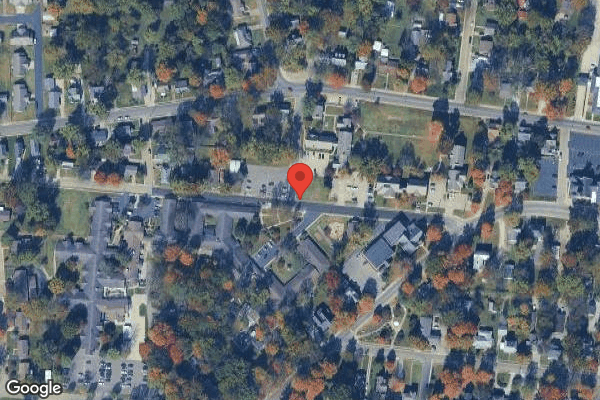

500 CAYCE STREET, FARMINGTON, MO 63640 (573) 756-6768
Non profit - Other 90 Beds PRESBYTERIAN MANORS OF MID-AMERICA Data: November 2025 1 Immediate Jeopardy citation
Trust Grade
61/100
#70 of 479 in MO
Last Inspection: January 2025

Within standard 12-15 month inspection cycle. Federal law requires annual inspections.

Overview

Farmington Presbyterian Manor has a Trust Grade of C+, indicating it is decent and slightly above average compared to other facilities. It ranks #70 out of 479 nursing homes in Missouri, placing it in the top half of the state, and #3 out of 8 in St. Francois County, meaning only two local options are better. Unfortunately, the facility's performance is worsening, with issues increasing from 3 in 2023 to 4 in 2025. Staffing is rated 4 out of 5 stars, with a turnover rate of 62%, which is average for Missouri, but they have more registered nurse coverage than 92% of facilities, ensuring better oversight of resident care. However, the facility has faced some concerning incidents, including a critical issue where a resident got their head stuck between the transfer bar and mattress, and several cases where staff failed to follow physician's orders or address resident grievances, highlighting areas needing improvement despite some strengths in staffing and overall ratings.

Trust Score
C+
61/100
In Missouri
#70/479
Top 14%
Safety Record
High Risk
Review needed
Inspections
Getting Worse
3 → 4 violations
Staff Stability
⚠ Watch
62% turnover. Above average. Higher turnover means staff may not know residents' routines.
Penalties
○ Average
$12,649 in fines. Higher than 51% of Missouri facilities. Some compliance issues.
Skilled Nurses
✓ Good
Each resident gets 51 minutes of Registered Nurse (RN) attention daily — more than average for Missouri. RNs are trained to catch health problems early.
Violations
○ Average
9 deficiencies on record. Average for a facility this size. Mostly minor or procedural issues.
★★★★☆
4.0
Overall Rating
★★★★☆
4.0
Staff Levels
★★★☆☆
3.0
Care Quality
★★★★☆
4.0
Inspection Score
Stable
2023: 3 issues
2025: 4 issues

The Good

  • 4-Star Staffing Rating · Above-average nurse staffing levels
  • Full Sprinkler Coverage · Fire safety systems throughout facility
  • No fines on record

Facility shows strength in staffing levels, fire safety.

The Bad

Staff Turnover: 62%

16pts above Missouri avg (46%)

Frequent staff changes - ask about care continuity

Federal Fines: $12,649

Below median ($33,413)

Minor penalties assessed

Chain: PRESBYTERIAN MANORS OF MID-AMERICA

Part of a multi-facility chain

Ask about local staffing decisions and management

Staff turnover is elevated (62%)

14 points above Missouri average of 48%

The Ugly 9 deficiencies on record

1 life-threatening
Jan 2025 4 deficiencies
CONCERN (D)

Potential for Harm - no one hurt, but risky conditions existed

Deficiency F0658 (Tag F0658)

Could have caused harm · This affected 1 resident

**NOTE- TERMS IN BRACKETS HAVE BEEN EDITED TO PROTECT CONFIDENTIALITY** Based on interview and record review, the facility failed to follow physician's orders for three residents (Resident #7, #9, and...

Read full inspector narrative →
**NOTE- TERMS IN BRACKETS HAVE BEEN EDITED TO PROTECT CONFIDENTIALITY** Based on interview and record review, the facility failed to follow physician's orders for three residents (Resident #7, #9, and #36) out of 17 sampled residents. The facility's census was 67. The facility did not provide a policy regarding following physician's orders for weighing residents. 1. Review of Resident #7's medical record showed: - An admission date of 05/24/21; - Diagnoses of heart failure (a condition where the heart muscle is unable to pump enough blood to meet the body's needs), chronic respiratory failure with hypoxia (a serious condition where the body's respiratory system can't remove enough oxygen from the blood), and chronic obstructive pulmonary disease (COPD - a group of lung diseases that cause airflow obstruction and breathing problems). Review of the resident's Physician's Order Sheet (POS), dated January 2025, showed an order to weigh daily, dated 12/06/24. Review of the resident's weights summary and Treatment Administrator Record (TAR), dated December 2024 - January 2025, showed: - Staff were documenting weights in either the weights summary or the TAR; - No weights recorded in either location for 12/21/24, 12/22/24, 01/01/25, 01/11/25, and 01/12/25, for a total of five out of 54 opportunities missed. 2. Review of Resident #9's medical record showed: - admitted on [DATE]; - Diagnoses of Type 2 diabetes (the body has trouble controlling blood sugar), hypertensive heart and chronic kidney disease (chronic kidney disease caused by or significantly worsened by uncontrolled high blood pressure), emphysema (chronic lung disease), and heart failure (heart does not pump correctly). Review of the resident's POS, dated January 2025, showed an order for daily weights, weigh daily in morning for congestive heart failure (CHF), dated 11/09/24. Review of the resident's weights summary and Treatment Administrator Record (TAR), dated December 2024 - January 2025, showed: - Staff were documenting weights in either the weights summary or the TAR; - No weights recorded in either location for 12/3/24, 12/5/24, 12/6/24, 12/8/24, 12/9/24, 12/10/24, 12/11/24, 12/12/24, 12/13/24, 12/14/24, 12/15/24, 12/16/24, 12/17/24, 12/18/24, 12/19/24, 12/20/24, 12/21/24, 12/23/24, 12/25/24, 12/26/24, 12/27/24, 12/28/24, 12/29/24, 12/30/24, 12/31/24, 01/1/25, 01/2/25, 01/4/25, 01/5/25, 01/6/25, 01/7/25, 01/8/25, 01/9/25, 01/10/25, 01/11/25, 01/12/25, 01/13/25, 01/14/25, 01/15/25, 01/17/25, 01/18/25, 01/20/25, 01/21/25, 01/22/25, 01/23/25, 01/27/25, 01/28/25, for a total of 47 out of 62 opportunities missed. Review of Resident #9's progress notes showed starting on 12/11/24, notations saying the scale was broken, so weights were not being documented for the resident. 3. Review of Resident #36's medical record showed: - admitted on [DATE]; - Diagnoses of Type 2 diabetes, hypertensive chronic kidney disease, and edema (fluid retention). Review of the resident's POS, dated January 2025, showed an order for weekly weights every Friday, dated 12/13/24. Review of the resident's weights summary and Treatment Administrator Record (TAR), dated December 2024 - January 2025, showed: - Staff were documenting weights in either the weights summary or the TAR; - No weights recorded in either location for 01/03/25, 01/17/25, and 01/24/25 for a total of three out of six opportunities missed. During an interview on 01/30/25 at 11:06 A.M., Registered Nurse (RN) D said the previous Director of Nursing (DON) had been made aware of the lift not working. He/She had mentioned it more than once to the previous DON. During an interview on 01/30/25 at 11:38 A.M., the Infection Preventionist (IP) said he/she had seen notes saying the scale wasn't working, but when he/she worked that hall the other week the lift was working fine. The aides working the hall are responsible for completing the weights. Staff should know who needs weighed each day because it's listed on the daily sheet, is written on a white board in the nurses station, is on the TAR and it also lights up in the electronic charting. He/she did not know why the scale was listed as not working because it worked fine for him/her. The Assistant Director of Nursing (ADON) may know more about it. During an interview on 01/30/25 at 11:43 A.M., the ADON said there are two lifts. One of them is working, so staff should be able to weigh Resident #9. He/She would check the scale to make sure it's in working order. During an interview on 01/30/25 at 11:54 A.M., the ADON said he/she checked and the facility actually has four lifts, but one doesn't have a scale and two are not calibrated accurately, so they only have one that will weigh accurately. He/she will call the company and request the others be recalibrated and see if they can have a scale added to the one that doesn't have a scale. The aide working the hall should do the weight, but the staff work as a team, so any of the nursing staff can do it to help out. It's possible at times staff were grabbing the non-working scales not realizing there was a working one, but could not say for sure. He/She will move the non-working scales to a different area, so only the working one will be on that hall for staff to use since Resident #9 is the only resident requiring a lift. During an interview on 01/30/25 at 2:20 P.M., the Administrator, DON, ADON, and IP collectively said they would expect the staff to follow physician's orders and weigh residents as ordered. During an interview on 02/06/25 at 4:50 P.M., the Administrator said most of the time the aides document the weights under tasks, like vital signs. The nurse documents on the TAR also. When the nurse documents it on the TAR from the weight on the vital sign sheet, the paper sheet that the aides write their vitals on for the nurses, they may document it also. Staff are still learning this new system. Staff are having trouble seeing the notes the nurses wrote as to why a weight did not get done, resident out of building, refused, etc.
CONCERN (D)

Potential for Harm - no one hurt, but risky conditions existed

Respiratory Care (Tag F0695)

Could have caused harm · This affected 1 resident

Based on observation, interview, and record review, the facility failed to follow physician's orders for supplemental oxygen therapy and oxygen tubing and humidifier changes for one resident (Resident...

Read full inspector narrative →
Based on observation, interview, and record review, the facility failed to follow physician's orders for supplemental oxygen therapy and oxygen tubing and humidifier changes for one resident (Resident #7) out of 17 sampled residents. The facility's census was 67. Review of the facility's policy titled, Oxygen Therapy, revised 10/08/21, showed: - Oxygen is treated as a medication ordered by the physician; - The order includes the amount per minute to be delivered, the device used for delivery, and during what times to deliver oxygen therapy; - Change tubing once a week or when soiled. Date, time, and initial tubing when changed; - Non-disposable refillable humidifier bottles are changed every seven days; - Date and initial each non-disposable refillable humidifier when changed every seven days or if contaminated; - Document on the Medication Administration Record (MAR)/Treatment Administration Record (TAR). 1. Review of Resident #7's medical record showed: - An admission date of 05/24/21; - Diagnoses of heart failure (a condition where the heart muscle is unable to pump enough blood to meet the body's needs), chronic respiratory failure with hypoxia (a serious condition where the body's respiratory system can't remove enough oxygen from the blood), and chronic obstructive pulmonary disease (COPD - a group of lung diseases that cause airflow obstruction and breathing problems.) Review of the resident's Physician's Order Sheet (POS), dated 01/29/25, showed: - An order for oxygen at two liters to maintain oxygen saturation above 92%, dated 12/06/24; - An order to change oxygen tubing and clean concentrator filter weekly every Sunday night shift, dated 12/06/24; - An order for oxygen tubing and humidifier change every Sunday night shift, dated 12/06/24. Review of the resident's MAR, dated January 2025, showed: - The resident received oxygen at two liters on day shift, evening shift, and night shift on 01/27, 01/28, and 01/29; - The resident received oxygen at two liters on day shift on 01/30. Review of the resident's TAR, dated January 2025, showed: - Oxygen tubing changed and concentrator filter cleaned on 01/05, 01/12, 01/19, and 01/26; - Oxygen tubing and humidifier changed on 01/05, 01/12, 01/19, and 01/26. Review of the resident's TAR, dated December 2024, showed: - Oxygen tubing changed and concentrator filter cleaned on 12/08, 12/15, 12/22, and 12/29; - Oxygen tubing and humidifier changed on 12/08, 12/15, 12/22, and 12/29. Observation of Resident #7 showed: - On 01/27/25 at 1:14 P.M., the resident sat on the side of the bed wearing oxygen at four liters per nasal cannula (a thin, flexible tube with two prongs that fit into the nostrils) with tubing dated 12/23/24 and humidity bottle dated 01/08/25; - On 01/28/25 at 1:23 P.M., the resident sat on the side of the bed wearing oxygen at four liters per nasal cannula with tubing dated 12/23/24 and humidity bottle dated 01/08/25. Resident removed the cannula from his/her nose while eating lunch; - On 01/29/25 at 2:11 P.M., the resident sat in a recliner using a second oxygen concentrator, wearing oxygen at two liters per nasal cannula, the humidity bottle dated 12/9 and no date on tubing. The concentrator by the resident's bed with tubing dated 12/23/24 and the humidity bottle dated 01/08/25; - On 01/30/25 at 9:21 A.M., the resident lay in bed wearing oxygen at four liters per nasal cannula with tubing dated 12/23/24 and humidity bottle dated 01/08/25. During an interview on 01/27/25 at 1:14 P.M., Resident #7 was unable to say if or when staff changed his/her oxygen tubing. During an interview on 01/30/25 at 1:24 P.M., Registered Nurse (RN) D said staff are supposed to change tubing every Sunday on night shift and they should be dating it when they change it. During an interview on 01/30/25 at 2:20 P.M., the Administrator said oxygen orders should be followed with the exception of a resident with low oxygen saturation. In that case, it would be nursing judgment to increase the oxygen liter flow and call the physician, but a resident should not be at an incorrect liter flow for an extended amount of time without a physician's order. The Director of Nursing (DON), Assistant Director of Nursing (ADON), and Infection Preventionist agreed that residents should receive oxygen as ordered and residents' tubing and humidity bottles should be changed on Sundays and dated with the date changed.
CONCERN (D)

Potential for Harm - no one hurt, but risky conditions existed

Safe Environment (Tag F0921)

Could have caused harm · This affected 1 resident

**NOTE- TERMS IN BRACKETS HAVE BEEN EDITED TO PROTECT CONFIDENTIALITY** Based on observation and interview, the facility failed to provide a safe and functional environment for the residents by allowi...

Read full inspector narrative →
**NOTE- TERMS IN BRACKETS HAVE BEEN EDITED TO PROTECT CONFIDENTIALITY** Based on observation and interview, the facility failed to provide a safe and functional environment for the residents by allowing items to be stored on top of over bed light fixtures for residents in ten resident rooms. Storing items on the over bed light creates a hazard of the items falling on the resident below and does not utilize the light fixtures as intended. The deficient practice had the potential to affect all residents and staff in the facility. The facility census was 67. The facility did not provide a policy for over bed lighting safety. 1. Observation on 01/29/25 at 12:26 P.M. of room [ROOM NUMBER] showed seven stuffed animals on top of the light fixture above the resident's bed. 2. Observation on 01/29/25 at 12:28 P.M. of room [ROOM NUMBER] showed four baseball caps on top of the light fixture above the resident's bed. 3. Observation on 01/29/25 at 12:30 P.M. of room [ROOM NUMBER] showed: - Six bird figurines and two birdhouses on top of the light fixture on the far right wall of the room; - Six glasses and a painting on top of the light fixture on the far left wall of the room. 4. Observation on 01/30/25 at 12:40 P.M. of room [ROOM NUMBER] showed a cup, pictures, and other [NAME] knacks on top of the light fixture above the resident's bed. 5. Observation on 01/30/25 at 12:44 P.M. of room [ROOM NUMBER] showed multiple framed photos on top of the light fixture above the resident's bed. 6. Observation on 01/30/25 at 12:50 P.M. of room [ROOM NUMBER] showed three painted canvas pictures on top of the light fixture above the resident's bed. 7. Observation on 01/30/25 at 12:55 P.M. of room [ROOM NUMBER] showed a framed painting, a Valentine heart decoration, and a Christmas flower arrangement on top of the light fixture to the right of the resident's bed. 8. Observation on 01/30/25 at 1:10 P.M. of room [ROOM NUMBER] showed a large painting on top of the light fixture above the resident's bed. 9. Observation on 01/30/25 at 1:10 P.M. of room [ROOM NUMBER] showed: - A stuffed animal and a white board on top of the light fixtures on the far right wall of the room; - Five stuffed animals on top of the light fixture on the far left wall of the room. 10. Observation on 01/30/25 at 1:12 P.M. of room [ROOM NUMBER] showed: - Five paintings on top of the light fixture above the resident's bed; - Three paintings on top of the light fixture across the room. During an interview on 01/30/25 at 2:20 P.M., the Administrator, Director of Nursing (DON), Assistant Director of Nursing (ADON) and Infection Preventionist (IP) collectively said items should not be placed on the light fixtures due to a possible hazard.
CONCERN (E)

Potential for Harm - no one hurt, but risky conditions existed

Deficiency F0565 (Tag F0565)

Could have caused harm · This affected multiple residents

Based on interview and record review, the facility failed to respond to or act upon the grievances and dietary recommendations for five residents (Resident #7, #17, #40, #45, and #62) out of 17 sample...

Read full inspector narrative →
Based on interview and record review, the facility failed to respond to or act upon the grievances and dietary recommendations for five residents (Resident #7, #17, #40, #45, and #62) out of 17 sampled residents, six residents (Resident #4, #6, #10, #28, #35, and #66) outside the sample and had the potential to affect all the residents in the facility. The facility's census was 67. Review of the facility's policy titled, Resident Council, revised January 5, 2023, showed: - Residents of each community within each level of living (independent, assisted, and skilled nursing) may organize and participate in resident councils. The resident council shall be composed of representatives from the designated living area (independent, assisted, and skilled nursing), officers of the council and chairpersons of the standing committees; - The purpose of the Resident Council will be to provide an orderly means of communication between residents and community administration; provide and receive necessary information for the benefit of all residents, including the interpretation of administrative policies to residents and conveying to administration suggestions regarding any phase of life and service of the community; assist with activities which will benefit resident of the community; and allow residents to retain part of the responsibility for certain action affecting their day-to-day living; - The Executive Director shall act upon the recommendations of the Council concerning proposed policy and operational decisions affecting resident care and life in the Community; - The Executive Director and other community staff members as determined by resident council and Executive Director will attend the resident council meetings; - Any issues/concerns identified by the resident council will be brought to the attention of the Executive Director or designee and addressed at the next resident council meeting for appropriate follow-up. 1. Review of the Resident Council Minutes, dated 11/20/24, showed: - Some residents are not seeing improvements in dietary; - Too much white rice on the menu and residents would like to see Spanish or flavored rice; - Over easy eggs are too hard; - Food was cold on Sunday; - Some items missing from trays if residents eat in their rooms; - Not enough staff in the dining room; - Residents ask staff for ice water of coffee and staff state that they will be right back but then never return; - Dietary Manager asked what food was missing and if kitchen staff were bringing missing items to the residents. - The facility did not document a response or assign a responsible staff member for follow up to other concerns. 2. Review of the Resident Council Minutes, dated 12/19/24, showed: - Some residents are not seeing improvements in dietary; - Too much white rice on the menu and residents would like to see Spanish or flavored rice; - Residents have not been getting dinner until after 6:00 P.M.; - Residents would like to see more soup on the menu during the colder months and would like more in their bowls as they are usually only half full; - Dietary Manager stated that he would inform dining staff to fill the bowls with more soup; - Staff are taking residents to the dining room too early and residents are having to wait on meals; - Residents are having to yell to get coffee because they are in the dining room too early; - Not enough staff in the dining room during mealtimes; - The facility did not document a response or assign a responsible staff member for follow up to other concerns. 3. Review of the Resident Council Minutes, dated 01/15/25, showed: - Some residents are not seeing improvements in dietary; - Too much white rice on the menu; - Residents would like to see more meat and less rice with meals; - Residents would like to see more soup and bigger bowls of soup; - Residents would like to see less cabbage on the menu; - Staff are still taking them too early to the dining room for meals; - Residents are still having to yell for dietary staff to get coffee; - The facility did not document a response or assign a responsible staff member for follow up to other concerns. During an interview on 01/27/25 at 1:14 P.M., Resident #7 said the food is cold sometimes. During an interview on 01/27/25 at 1:25 P.M., Resident #17 said the food is cold sometimes. During an interview on 01/27/25 at 1:29 P.M., Resident #10 said the chicken is poorly cooked. It is really hard on the outside and just doesn't have a good flavor. During an interview on 01/27/25 at 1:39 P.M., Resident #6 said the food needs help. The potatoes at lunch today were raw. His/Her sister was in the room and had to microwave them. Food is cold by the time he/she gets his/her hall tray and meals are consistently late. During an interview on 01/27/25 at 1:51 P.M., Resident #4 said food is warm most of the time when he/she gets it in his/her room. Staff will drop the tray off and leave without telling him/her, and when he/she realizes it's there, the food is cold. During an interview on 01/28/25 at 9:50 A.M., Resident #45 said the food is not good and sometimes it's not hot when he/she gets his/her hall tray. He/She always eats in his/her room. During an interview on 01/29/25 at 10:30 A.M., six members of the Resident Council (Resident #6, #28, #35, #40, #62, and #66) collectively said they would like to have extra people in the dining room to assist them and to help get refills and to help take other residents back to the room after eating. The food isn't perfect all the time, but it is good sometimes. Sometimes the food is cold even if it is served in the dining room. During an interview on 01/30/25 at 10:47 P.M., the Dietary Manager (DM) said there had been a few residents complain about food temperatures, but they were located at the end of the halls. He/She would expect food to be served to residents at a temperature within the recommended guidelines per regulation. During an interview on 01/30/25 at 2:20 P.M., the Administrator, Director of Nursing (DON), Assistant Director of Nursing (ADON), and Infection Preventionist (IP) collectively said the dietary manager is new, but they would expect food to be served to residents at a temperature within the recommended guidelines per regulation. During an interview on 02/07/25 at 10:44 A.M., the Administrator said if the issue is related to food, then the dietary manager would address it. The Social Services Designee follows up to make sure issues are addressed and reports to me.
Nov 2023 2 deficiencies
CONCERN (D)

Potential for Harm - no one hurt, but risky conditions existed

Comprehensive Care Plan (Tag F0656)

Could have caused harm · This affected 1 resident

Based on observation, interview and record review, the facility failed to implement a care plan with specific interventions to meet individual needs for two residents (Resident #8 and #60) out of 16 s...

Read full inspector narrative →
Based on observation, interview and record review, the facility failed to implement a care plan with specific interventions to meet individual needs for two residents (Resident #8 and #60) out of 16 sampled residents. The facility's census was 62. Review of the facility's policy titled, Care Plan, dated 07/28/22, showed: - An appropriate plan of care with services and items the resident is to receive is developed to ensure the highest level of functioning the resident may be expected to obtain; - The plan of care is an ongoing, multi-disciplinary, resident incorporated care plan with services that are to be furnished with consideration of the resident's preference to attain or maintain the resident's highest practicable physical, mental, psychosocial well-being, and will also include the resident strengths, goals, life history. Interventions and goals will remain in the plan of care until problem is resolved. 1. Review of Resident #8's medical record showed: - admission date of 12/18/21; - Diagnoses of dementia (a disorder marked by memory loss, personality changes, and impaired reasoning that interferes with daily functioning), anxiety disorder (persistent worry and fear about everyday situations) and repeated falls. Review of the resident's quarterly Minimum Data Set (MDS, a federally mandated assessment instrument completed by the facility staff), dated 10/09/2023, showed hearing aid in use. Observations of the resident on 11/16/23 at 1:35 P.M., and on 11/17/23 at 9:35 A.M., showed the resident sat in a recliner with no hearing aid in place. The hearing aid sat in an open box on the top shelf of the resident's bookcase. Review of the resident's care plan, dated 10/18/23, showed it did not address the resident's hearing aid use. During an interview on 11/16/23 at 1:35 P.M., the resident said he/she had a hearing aid, but was not wearing it. The resident said multiple times that he/she could not hear what was being said. He/She wanted the hearing aid to be put in his/her ear. During an interview on 11/16/23 at 1:35 P.M., Certified Nurse Assistant (CNA) A said he/she had worked at the facility for three months and did not know the resident had a hearing aid. During an interview on 11/16/23 at 1:35 P.M., the resident's roommate said staff usually placed the hearing aid in the resident's ear when the resident got up in the morning. The hearing aid was kept on the top shelf of the bookcase. 2. Review of Resident #60s medical record showed: - admission date of 06/30/23; - Diagnoses of Alzheimer's disease (a progressive disease that destroys memory and other important mental functions), dementia with behavioral disturbances (a group of thinking and social symptoms that interferes with daily functioning), muscle weakness, and cognitive communication deficit (difficulty with thinking and how someone uses language); - A nurses note, dated 10/22/23, the resident fell into the staff's arms and had a seizure (a sudden alteration of behavior due to a temporary change in the electrical functioning of the brain) for two or more minutes; - The hospital documentation, dated 10/23/23, the chief complaint of the resident's visit was an altered mental status (change in mental function that stems from illnesses, disorders and injuries) and final diagnoses of transient alteration of awareness (a brief episode of losing normal awareness or behavior that can have many different causes: seizures, fainting, or one of a large number of physical problems) and syncope (fainting). Review of the resident's care plan, dated 10/23/23, showed: - Did not address the resident's change in condition; - Did not address the resident's or alteration of awareness; - Did not address the resident's syncope. During an interview on 11/17/23 at 1:00 P.M., the Administrator and Director of Nursing (DON) said they would expect a change in a resident's condition and a resident's hearing difficulty with a hearing aid to be addressed on the care plan and they would expect the care plan to reflect the current condition of the resident.
CONCERN (D)

Potential for Harm - no one hurt, but risky conditions existed

Deficiency F0657 (Tag F0657)

Could have caused harm · This affected 1 resident

**NOTE- TERMS IN BRACKETS HAVE BEEN EDITED TO PROTECT CONFIDENTIALITY** Based on observation, interview, and record review, the facility failed to update and revise the care plan with specific interve...

Read full inspector narrative →
**NOTE- TERMS IN BRACKETS HAVE BEEN EDITED TO PROTECT CONFIDENTIALITY** Based on observation, interview, and record review, the facility failed to update and revise the care plan with specific interventions to meet individual needs of one resident (Resident #7) out of 16 sampled residents. The facility's census was 62. Review of the facility's policy titled, Care Plan, dated 07/28/22, showed: - An appropriate plan of care with services and items the resident is to receive is developed to ensure the highest level of functioning the resident may be expected to obtain; - The plan of care is an ongoing, multi-disciplinary, resident incorporated care plan with services that are to be furnished with consideration of the resident's preference to attain or maintain the resident's highest practicable physical, mental, psychosocial well-being, and will also include the resident's strengths, goals, and life history. Interventions and goals will remain in the plan of care until the problem is resolved; - The person-centered plan of care will be reviewed and revised quarterly (if needed), annually, and when significant changes occur; - When problems are no longer active, code as resolved. Review of Resident #7's face sheet showed: - admitted on [DATE]; - Diagnoses of congestive heart failure (CHF, an inability of the heart to pump sufficient blood flow to meet the body's needs), Type 2 diabetes mellitus (a condition that affects the way the body processes blood sugar), and chronic kidney disease (a condition in which the kidneys are damaged and cannot filter blood as well as they should). Review of the resident's Physician's Order Sheet (POS), dated 11/16/23, showed no orders for weekly weights, Accu-checks (blood sugar monitoring), or oxygen (a treatment that provides supplemental oxygen). Review of the resident's care plan, dated 10/04/23, showed: - The resident's weight will be taken weekly and PRN (as needed); - Blood sugars will be recorded per physician's orders; - Oxygen per physician's orders. During an interview on 11/16/23 at 1:35 P.M., the resident said he/she didn't have accuchecks performed. He/she hadn't received an accucheck since admission, and that at his/her last hospital visit prior to the admission, the physician discontinued the order. He/She had not used oxygen since admission. During an interview on 11/17/23 at 1:00 P.M., the Administrator and Director of Nursing (DON) said they would expect the care plan to be revised to reflect the current status of the resident.
Jun 2023 1 deficiency 1 IJ
CRITICAL (J) 📢 Someone Reported This

A family member, employee, or ombudsman was alarmed enough to file a formal complaint

Immediate Jeopardy (IJ) - the most serious Medicare violation

Accident Prevention (Tag F0689)

Someone could have died · This affected 1 resident

Based on interview, observation and record review, the facility failed to keep one resident (Resident #1) safe when the resident got his/her head stuck between the transfer bar attached to the bed fra...

Read full inspector narrative →
Based on interview, observation and record review, the facility failed to keep one resident (Resident #1) safe when the resident got his/her head stuck between the transfer bar attached to the bed frame and the mattress out of three sampled residents. The facility census was 61. The administrator was notified on 06/14/23 at 2:45 P.M., of an Immediate Jeopardy (IJ) which began on 06/14/2023. The IJ was removed on 06/14/23, as confirmed by surveyor onsite verification. The facility did not provide a policy regarding use of mobility rails. 1. Review of Resident #1's medical record showed: - An admission date of 10/20/2022, with diagnoses of Alzheimer's disease (a progressive disease beginning with mild memory loss and possibly leading to loss of the ability to carry on a conversation and respond to the environment) with late onset, dementia (impaired ability to remember, think, or make decisions that interferes with doing everyday activities), chronic obstructive pulmonary disease (a group of diseases that cause airflow blockage and breathing-related problems), asthma (a disease that affects your lungs), obstructive sleep apnea (characterized by episodes of complete collapse of the airway or partial collapse with an associated decrease in oxygen saturation or arousal from sleep), and depression (a common and serious medical illness that negatively affects how you feel, the way you think and how you act). Review of the resident's quarterly Minimum Data Set (MDS), a federally mandated assessment instrument required to be completed by the facility staff, dated 04/23/2023, showed: - Cognition intact; - Extensive assist of one staff for bed mobility, dressing, eating, and personal hygiene and bathing; - Extensive assist of two or more staff for physical assist with transfers and use of the toilet; - Incontinent of bladder and occasionally incontinent of bowel; - Two or more falls since admission. Review of the resident's Side Rail Assessment, dated 04/11/2023, showed: - Assessed for full half and quarter rails, not for positioning rails such as transfer, pivot or assist rails; - Rails indicated to assist with bed mobility. Review of the resident's June 2023 Physician Order Sheet (POS) showed: - An order the resident may use the transfer bar applied to the bed as a self-positioning device and to increase independence, dated 10/20/22 and discontinued on 06/01/2023. Review of the resident's Interdisciplinary notes showed: - On 06/01/2023, Certified Nurse Aide (CNA) C yelled for help down to the nursing station. Upon arrival to the resident's room, the resident lay on the floor at the side of the bed on his/her abdomen and right side; - CNA C said the resident's head was wedged between the mattress and the transfer bar with his/her body off the bed when he/she arrived to answer the resident call light. The resident's lips were blue when he/she arrived to the room. CNA C assisted the resident off the bed and lay him/her on the floor; - The nurse instructed other staff to call 911 for emergency medical services; - The nurse log rolled the resident onto his/her back while supporting his/her head, neck and shoulder. The resident was alert, conscious, breathing, able to answer questions appropriately, and denied any pain; - The resident explained to the nurse he/she rolled over and went too far; - The resident was transferred to the emergency room for evaluation. Records were not available for review. Review of the notes from the facility's Occupational Therapist, dated 06/05/2023, showed: - Resident #1 presented to the emergency room with near strangulation with examination for possible cervical spinal injury (the upper portion of the spine including the neck and just below the neck) and trachea (large membranous tube reinforced by rings of cartilage, extending from the larynx to the bronchial tubes and conveying air to and from the lungs) soft tissue injury; - The resident was cleared for no acute cervical injuries via x-ray and Magnetic Resonance Imaging (MRI) (a procedure that uses radio waves, a powerful magnet, and a computer to make a series of detailed pictures of areas inside the body); - History of falls when trying to transfer him/herself; - History of left shoulder dislocations multiple times; - Decreased active range of motion to the left shoulder, avoid pulling on the shoulder with poor endurance. During an interview on 06/14/2023 at 1:05 P.M., Registered Nurse (RN) A said he/she did not actually see Resident #1 until after CNA C removed the resident from the railing. When he/she arrived, the resident was responsive, talking, and did not complain of pain but was scared of what had just happened. During an interview on 06/14/2023 at 1:20 P.M., Resident #1 said he/she did not use the rail on the bed for getting up or positioning him/herself in the bed. He/she was in bed and rolled over one too many times and got the right side of his/her head stuck between the rail and the mattress. He/she was unable to get his/her head out due to rolling over on the left side and his/her left shoulder was too weak to move his/herself from the rail. His/Her body fell on the floor, leaving his/her head stuck, he/she was in pain in that position, was very scared and was having difficulty breathing, so just tried yelling until someone finally came by. He/She did not use the rail on the bed for getting up or positioning. During an interview on 6/14/2023 at 2:00 P.M., CNA D and CNA E both said the resident unable to support him/herself and was not able to use the mobility bar independently and would hold onto it only if directed to do so. During an interview on 06/14/2023 at 2:45 P.M., CNA C said he/she walked down the hall and saw Resident #1's call light on and heard him/her yelling. When he/she entered the room, he/she saw Resident #1 with his/her stomach on the floor, his/her back bent, and with his/her head and neck stuck between the rail and the mattress on the bed. His/her lips were blue, his/her eyes were set, and at that time, he/she was not responding. CNA C immediately, without thinking, grabbed Resident #1 by the shoulders and pulled him/her up and lay on his/her side. Resident #1 said, Thank God you're here, I had been so afraid. He/she immediately called out for help and additional staff came to assist. During an interview on 06/14/2023 at 3:00 P.M., the Director of Nursing and the Director of Clinic Operations said neither were aware that the Side Rail Assessment form did not clearly state what type of rails were being assessed. The form was incorrect and should not have been used to evaluate Resident #1. During an interview on 06/14/2023 at 3:10 P.M., Resident #1's Primary Care Physician (PCP) said he would expect the facility to evaluate each resident thoroughly before using any assistive devices. Based upon the information provided, the facility should have removed the transfer bars when the resident was no longer capable of using them. NOTE: At the time of the abbreviated survey, the violation was determined to be at the immediate jeopardy level J. Based on observation, interview and record review completed during the onsite visit, it was determined the facility had implemented corrective action to remove the IJ violation at the time. A final revisit will be conducted to determine if the facility is in substantial compliance with participation requirements. At the time of exit, the severity of the deficiency was lowered to the D level. This statement does not denote that the facility has complied with State law (Section 198.026.1 RSMo.) requiring that prompt remedial action be taken to address Class I violation(s). Complaint # MO219588
Apr 2022 2 deficiencies
CONCERN (D)

Potential for Harm - no one hurt, but risky conditions existed

Accident Prevention (Tag F0689)

Could have caused harm · This affected 1 resident

**NOTE- TERMS IN BRACKETS HAVE BEEN EDITED TO PROTECT CONFIDENTIALITY** Based on observation, interview, and record review, the facility failed to ensure residents were transferred with safe transfer ...

Read full inspector narrative →
**NOTE- TERMS IN BRACKETS HAVE BEEN EDITED TO PROTECT CONFIDENTIALITY** Based on observation, interview, and record review, the facility failed to ensure residents were transferred with safe transfer techniques for three residents (Residents #13, #45, and #55) out of 16 sampled residents and one resident outside the sample (Resident # 42). The facility census was 62. Record review of the facility's policy on Body Mechanics and Safe Resident Handling, Positioning and Transfers showed: - Staff should grasp the transfer belt (an assistive device placed around the resident's wait to aid in a safe transfer) at each side. Record review of the Certified Nurse Aide (CNA) Skills Checklist with a transfer/gait belt showed: - Staff should grasp the belt from underneath with two hands. Record review of the facility's policy on Lifting and Transferring Residents showed: - The facility will provide a safe work environment for resident care areas by providing and requiring the use of safety materials, equipment and training designed to prevent injury; - All residents must be lifted or transferred according to the determined procedure. 1. Record review of Resident #13's Significant Change Minimum Data Set (MDS), a federally mandated assessment required to be completed by the facility staff, dated 1/24/22, showed: - Required extensive assist of two staff for transfers, bed mobility, dressing, and personal hygiene; - Required extensive assist of one staff for toilet use. Observation of Resident #13 on 4/7/22 at 1:26 P.M., showed: - The resident sat in his/her wheelchair; - CNA E placed a gait belt around the resident's waist; - CNA E placed his/her right hand on the gait belt and his/her left hand under the resident's left axilla area; - CNA D placed his/her left hand on the gait belt and his/her right hand under the residents right axilla area and transferred the resident to his/her recliner. 2. Record review of Resident #42's admission MDS, dated [DATE], showed: - Required extensive assist of two staff for transfers, bed mobility, dressing, and toileting; - Required extensive assist of one staff for personal hygiene. Observation of Resident #42 on 4/7/22 at 1:35 P.M., showed: - The resident sat in his/her wheelchair; - CNA E placed a gait belt around the resident's waist; - CNA E placed his/her right hand on the gait belt and his/her left hand under the resident's left axilla area; - CNA D placed his/her left hand on the gait belt and his/her right hand under the resident's right axilla area and transferred the resident to his/her recliner. 3. Record review of Resident #45's medical record, showed: - The resident required extensive assist of one staff for bed mobility, dressing, toilet use, and personal hygiene; - Required extensive assist of two staff for transfers. Observation of Resident #45 on 4/8/22 at 9:16 A.M., showed - The resident sat in his/her wheelchair; - CNA A placed a gait belt around the resident's waist; - CNA A placed his/her right hand on the front of the gait belt and his/her left hand through the back of the gait belt; - CNA B placed his/her left hand under the resident's left axilla area, his/her right hand on top of the resident's pants, pulled on the top of the resident's pants, and transferred the resident to his/her recliner. During an interview on 4/8/22 at 10:45 A.M., CNA C said staff should place both hands on the gait belt during a transfer and never under the resident's arms. During an interview on 4/8/22 at 10:48 A.M., CNA B said his/her hand should have been on the gait belt. CNA B said he/she was trying to balance the resident during the transfer. He/she said, I was taught to put my hands on the gait belt. During an interview on 4/8/22 at 11:28 A.M., CNA A said one hand should be placed in the front of the gait belt and the other hand in the back of the gait belt. During an interview on 4/8/22 at 11:30 A.M., the Director of Nursing (DON) said staff should place one hand in the front of the gait belt and one on the back of the gait belt. Staff should never put their arms or hands under the resident's arms or on the top of the resident's pants. 4. Record review of Resident #55 Quarterly MDS, dated [DATE], showed: - Required extensive assist of two staff for transfers, bed mobility, dressing, toileting, and personal hygiene. Observation of Resident #55 on 4/7/22 at 1:22 P.M., showed: - The resident sat in his/her wheelchair; - CNA D placed a gait belt around the resident's waist; - CNA E placed his/her right hand on the gait belt and his/her left hand under the resident's left axilla area; - CNA D placed his/her left hand on the gait belt and his/her right hand under the resident's right axilla area and transferred the resident to his/her recliner. During an interview on 4/7/22 at 1:37 P.M., CNA D said he/she was taught one hand could be placed on the gait belt and one under the arm to stabilize the resident. During an interview on 4/7/22 at 1:40 P.M., CNA E said both hands should be on the gait belt, not under the resident's arms. During an interview on 4/7/22 1:43 P.M., Licensed Practical Nurse (LPN) F said when a two-person gait belt transfer is completed, he/she would expect both hands to be placed on the gait belt, not under the resident's arms.
CONCERN (D)

Potential for Harm - no one hurt, but risky conditions existed

Incontinence Care (Tag F0690)

Could have caused harm · This affected 1 resident

**NOTE- TERMS IN BRACKETS HAVE BEEN EDITED TO PROTECT CONFIDENTIALITY** Based on observation, interview, and record review, the facility failed to ensure appropriate placement of the indwelling cathet...

Read full inspector narrative →
**NOTE- TERMS IN BRACKETS HAVE BEEN EDITED TO PROTECT CONFIDENTIALITY** Based on observation, interview, and record review, the facility failed to ensure appropriate placement of the indwelling catheter (a flexible tube inserted into the urinary bladder to drain the bladder) tubing and drainage bag of two residents (Resident #19 and #21) out of three sampled residents and one resident (Resident #42) outside the sample. The facility census was 62. Record review of the facility's procedure guidelines on Caring for Persons With Indwelling Catheters, undated, showed: - Allow urine to flow freely through the catheter or tubing, tubing should not have kinks, the person should not lie on the tubing; - Keep the drainage tube below the bladder to prevent urine from flowing backward into the bladder; - Do not let the drainage bag rest on the floor which can contaminate the system; - Do not let the drain on the drainage bag touch any surface. 1. Record review of Resident 19's medical record showed: - Diagnoses of urinary retention, overactive bladder and benign prostatic hyperplasia (BPH) ( an enlarged prostate presses on the bladder and urethra and blocks the flow of urine); - Physician's order to change the 16 French foley catheter as needed, dated 9/15/21; - Physician's order for catheter care every shift, dated 8/30/21; - Physician's order to change the drainage bag/leg bag every two weeks and as needed, dated 8/31/21. Record review of the resident's significant change Minimum Data Set (MDS), a federally mandated assessment instrument completed by staff, dated 2/7/22 showed: - Resident with an indwelling catheter. Record review of the resident's Care Plan, revised on 2/18/22, showed: - Indwelling catheter due to urinary retention and BPH; - Catheter care every shift and as needed; - Ensure the catheter tubing and bag do not touch the floor; - Ensure the catheter appropriately positioned to prevent obstruction. Observations of the resident's catheter showed: - On 4/5/22 at 3:57 P.M., the resident lay in bed with the bed in low position on his/her right side with the foley tubing under his/her legs, and the collection bag lay on the floor; - On 4/5/22 at 2:28 P.M., the resident lay in bed with the bed in low position, and the collection bag lay on the floor; - On 4/7/22 at 1:10 P.M., the resident lay in bed with the bed in low position, the catheter bag hung on the bed frame with the foley tubing under his/her right leg, and the catheter bag touched the floor. 2. Record review of Resident 21's medical record showed: - Diagnoses of overactive bladder, history of malignant neoplasm (cancer) of prostate, retention of urine, and urinary incontinence; - Physician's order to change the 22 French foley catheter every four weeks, dated 10/17/21; - Physician's order to flush the foley catheter with 60 milliliters of sterile water as needed to maintain proper drainage, dated 2/25/20. Record review of the resident's annual MDS, dated [DATE], showed: - Resident with an indwelling catheter. Record review of the resident's care plan, revised on 2/18/22, showed: - Alterations in urinary elimination related to long term use of an indwelling catheter due to a history of a malignant neoplasm of the prostate, presence of urogenital implants (injections of material into the urethra to help control urine leakage), urinary retention, obstructive and reflux uropathy (when urine can not flow completely due to some type of obstruction), and chronic kidney disease stage 3 (kidneys with mild to moderate damage); - Ensure the catheter tubing and bag do not touch the floor or become elevated above the bladder. Observations of the resident's catheter showed: - On 4/5/22 at 11:56 A.M., the resident lay in bed with the bed in low position, the uncovered urinary catheter drainage bag hung from the side of bed and touched the floor; - On 4/7/22 at 2:20 P.M., the resident lay in bed with the bed in low position, the uncovered urinary catheter drainage bag hung from the side of bed and touched the floor. 3. Record review of Resident 42's medical record, showed: - Diagnosis of urinary retention; - Physician's order to change the 16 French foley catheter as needed, dated 2/25/22; - Physician's order for catheter care every shift, dated 2/25/22; - Physician's order to change the drainage bag/leg bag every two weeks and as needed, dated 2/25/22; - Physician's order to flush the foley catheter with 30 milliliters of sterile water as needed to maintain proper drainage, dated 2/25/22. Record review of the resident's admission MDS, dated [DATE], showed; - The resident with an indwelling catheter. Record review of the resident's care plan, revised on 3/16/22, showed: - Indwelling catheter due to urinary retention; - Catheter care every shift and as needed; - Ensure the catheter tubing and bag do not touch the floor. Observations on 4/7/22 showed: - At 1:30 P.M., the resident's catheter tubing dragged along the floor while being pushed by staff in wheelchair from his/her room; - At 1:35 P.M. the staff transferred the resident to his/her recliner and the catheter tubing lay under the the resident's leg and the bag touched the floor. During an interview on 4/7/22 at 1:37 P.M., Certified Nurse Aide (CNA) D said the catheter tubing should be off the floor and not dragging on the floor. During an interview on 4/7/22 at 1:39 P.M., CNA E said the catheter bag and tubing should be kept off the floor. He/she said with the bed being so low, it is hard to keep it off of the floor. During an interview on 4/7/22 at 1:41 P.M., Licensed Practical Nurse (LPN) F said he/she would expect staff to keep the catheter tubing and bag off of the floor. He/she said the tubing should not be placed under the resident's leg. During an interview on 4/8/22 at 9:40 A.M., the Director of Nursing (DON) said she would expect the catheter tubing to be placed properly and the drainage bag should not touch the floor.
Understanding Severity Codes (click to expand)
Life-Threatening (Immediate Jeopardy)
J - Isolated K - Pattern L - Widespread
Actual Harm
G - Isolated H - Pattern I - Widespread
Potential for Harm
D - Isolated E - Pattern F - Widespread
No Harm (Minor)
A - Isolated B - Pattern C - Widespread

Questions to Ask on Your Visit

  • "What changes have you made since the serious inspection findings?"
  • "Why is there high staff turnover? How do you retain staff?"
  • "Can I speak with families of current residents?"
  • "What's your RN coverage like on weekends and overnight?"

Our Honest Assessment

Strengths
  • • Licensed and certified facility. Meets minimum state requirements.
Concerns
  • • Multiple safety concerns identified: 1 life-threatening violation(s). Review inspection reports carefully.
  • • 9 deficiencies on record, including 1 critical (life-threatening) violation. These warrant careful review before choosing this facility.
  • • $12,649 in fines. Above average for Missouri. Some compliance problems on record.
  • • 62% turnover. Above average. Higher turnover means staff may not know residents' routines.
Bottom line: Mixed indicators with Trust Score of 61/100. Visit in person and ask pointed questions.

About This Facility

What is Farmington Presbyterian Manor's CMS Rating?

CMS assigns FARMINGTON PRESBYTERIAN MANOR an overall rating of 4 out of 5 stars, which is considered above average nationally. Within Missouri, this rating places the facility higher than 99% of the state's 100 nursing homes. This rating reflects solid performance across the metrics CMS uses to evaluate nursing home quality.

How is Farmington Presbyterian Manor Staffed?

CMS rates FARMINGTON PRESBYTERIAN MANOR's staffing level at 4 out of 5 stars, which is above average compared to other nursing homes. Staff turnover is 62%, which is 16 percentage points above the Missouri average of 46%. High turnover can affect care consistency as new staff learn residents' individual needs.

What Have Inspectors Found at Farmington Presbyterian Manor?

State health inspectors documented 9 deficiencies at FARMINGTON PRESBYTERIAN MANOR during 2022 to 2025. These included: 1 Immediate Jeopardy (the most serious level, indicating potential for serious harm or death) and 8 with potential for harm. Immediate Jeopardy findings are rare and represent the most serious regulatory concerns. They require immediate corrective action.

Who Owns and Operates Farmington Presbyterian Manor?

FARMINGTON PRESBYTERIAN MANOR is owned by a non-profit organization. Non-profit facilities reinvest revenue into operations rather than distributing to shareholders. The facility is operated by PRESBYTERIAN MANORS OF MID-AMERICA, a chain that manages multiple nursing homes. With 90 certified beds and approximately 63 residents (about 70% occupancy), it is a smaller facility located in FARMINGTON, Missouri.
How Does Farmington Presbyterian Manor Compare to Other Missouri Nursing Homes?

Compared to the 100 nursing homes in Missouri, FARMINGTON PRESBYTERIAN MANOR's overall rating (4 stars) is above the state average of 2.5, staff turnover (62%) is significantly higher than the state average of 46%, and health inspection rating (4 stars) is above the national benchmark.

What Should Families Ask When Visiting Farmington Presbyterian Manor?

Based on this facility's data, families visiting should ask: "What changes have been made since the serious inspection findings, and how are you preventing similar issues?" "How do you ensure continuity of care given staff turnover, and what is your staff retention strategy?" "Can I visit during a mealtime to observe dining assistance and food quality?" "How do you handle medical emergencies, and what is your hospital transfer rate?" These questions are particularly relevant given the facility's Immediate Jeopardy citations and the facility's high staff turnover rate.

Is Farmington Presbyterian Manor Safe?

Based on CMS inspection data, FARMINGTON PRESBYTERIAN MANOR has documented safety concerns. Inspectors have issued 1 Immediate Jeopardy citation (the most serious violation level indicating risk of serious injury or death). The facility has a 4-star overall rating and ranks #1 of 100 nursing homes in Missouri. Families considering this facility should ask detailed questions about what corrective actions have been taken since these incidents.

Do Nurses at Farmington Presbyterian Manor Stick Around?

Staff turnover at FARMINGTON PRESBYTERIAN MANOR is high. At 62%, the facility is 16 percentage points above the Missouri average of 46%. High turnover means new staff may not know residents' individual needs, medications, or preferences. It can also be disorienting for residents, especially those with dementia who rely on familiar faces. Families should ask: What is causing the turnover? What retention programs are in place? How do you ensure care continuity during staff transitions?

Was Farmington Presbyterian Manor Ever Fined?

FARMINGTON PRESBYTERIAN MANOR has been fined $12,649 across 1 penalty action. This is below the Missouri average of $33,205. While any fine indicates a compliance issue, fines under $50,000 are relatively common and typically reflect isolated problems that were subsequently corrected. Families should ask what specific issues led to these fines and confirm they've been resolved.

Is Farmington Presbyterian Manor on Any Federal Watch List?

FARMINGTON PRESBYTERIAN MANOR is not on any federal watch list. The most significant is the Special Focus Facility (SFF) program, which identifies the bottom 1% of nursing homes nationally based on persistent, serious quality problems. Not being on this list means the facility has avoided the pattern of deficiencies that triggers enhanced federal oversight. This is a positive indicator, though families should still review the facility's inspection history directly.