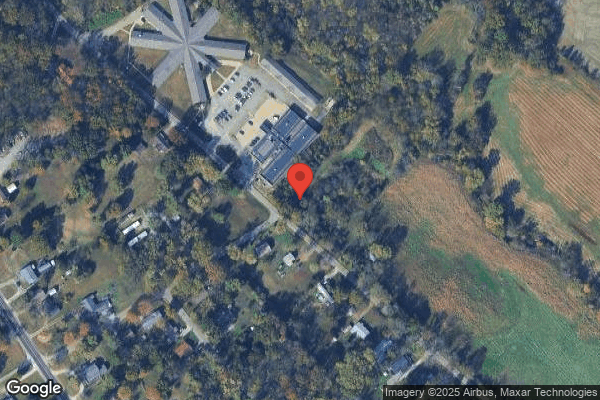
ST FRANCOIS MANOR

1180 OLD JACKSON ROAD, FARMINGTON, MO 63640 (573) 760-1700
For profit - Limited Liability company 118 Beds JAMES & JUDY LINCOLN Data: November 2025
Trust Grade
70/100
#118 of 479 in MO
Last Inspection: June 2025

Inspected within the last 6 months. Data reflects current conditions.

Overview

St. Francois Manor has a Trust Grade of B, indicating it is a good choice among nursing homes, though not exceptional. It ranks #118 out of 479 facilities in Missouri, placing it in the top half, but is #6 out of 8 in St. Francois County, meaning only one local option is better. Unfortunately, the facility's trend is worsening, with issues increasing from 6 in 2024 to 7 in 2025. Staffing is a significant concern, receiving a poor 1/5 rating and a turnover rate of 70%, which is above the state average. Although there have been no fines reported, there are issues with RN coverage, which is less than that of 88% of state facilities. Specific incidents noted during inspections include failures to store food properly, risking cross-contamination and food-borne illness, and issues with trash receptacles not being covered, which could attract pests. Overall, while St. Francois Manor has strengths such as a good Trust Grade and no fines, the staffing issues and recent inspection findings raise serious concerns for families considering this facility.

Trust Score
B
70/100
In Missouri
#118/479
Top 24%
Safety Record
Low Risk
No red flags
Inspections
Getting Worse
6 → 7 violations
Staff Stability
⚠ Watch
70% turnover. Above average. Higher turnover means staff may not know residents' routines.
Penalties
✓ Good
No fines on record. Clean compliance history, better than most Missouri facilities.
Skilled Nurses
⚠ Watch
Each resident gets only 12 minutes of Registered Nurse (RN) attention daily — below average for Missouri. Fewer RN minutes means fewer trained eyes watching for problems.
Violations
⚠ Watch
17 deficiencies on record. Higher than average. Multiple issues found across inspections.
★★★★☆
4.0
Overall Rating
★☆☆☆☆
1.0
Staff Levels
★★★★★
5.0
Care Quality
★★★★☆
4.0
Inspection Score
Stable
2024: 6 issues
2025: 7 issues

The Good

  • 5-Star Quality Measures · Strong clinical quality outcomes
  • Full Sprinkler Coverage · Fire safety systems throughout facility
  • No fines on record

Facility shows strength in quality measures, fire safety.

The Bad

Staff Turnover: 70%

23pts above Missouri avg (46%)

Frequent staff changes - ask about care continuity

Chain: JAMES & JUDY LINCOLN

Part of a multi-facility chain

Ask about local staffing decisions and management

Staff turnover is elevated (70%)

22 points above Missouri average of 48%

The Ugly 17 deficiencies on record

Jun 2025 7 deficiencies
CONCERN (D)

Potential for Harm - no one hurt, but risky conditions existed

Deficiency F0575 (Tag F0575)

Could have caused harm · This affected 1 resident

Based on observation, interview, and record review, facility staff failed to post, in a form and manner accessible to the residents and resident representatives, the required telephone number to the D...

Read full inspector narrative →
Based on observation, interview, and record review, facility staff failed to post, in a form and manner accessible to the residents and resident representatives, the required telephone number to the Department of Health and Senior Services (DHSS) hotline (to report allegations of abuse and neglect), or a list of names, addresses, and phone numbers of the State Survey Agency (SSA). The facility's census was 78. The facility did not provide a policy regarding the posting of DHSS hotline number and SSA information. Observation of the facility from 06/10/25 through 06/13/25 showed: - The facility did not post the name, address and toll free telephone number for the DHSS Abuse and Neglect Hotline or the SSA information in a form and manner accessible to residents or visitors. During an interview on 06/13/25 at 8:25 A.M., the Administrator said the DHSS hotline number was supposed to be posted in the front lobby next to the Resident Rights poster, but that it had apparently been replaced with the number for a pizza restaurant.
CONCERN (D)

Potential for Harm - no one hurt, but risky conditions existed

Deficiency F0700 (Tag F0700)

Could have caused harm · This affected 1 resident

**NOTE- TERMS IN BRACKETS HAVE BEEN EDITED TO PROTECT CONFIDENTIALITY** Based on observation, interview, and record review, the facility failed to assess two residents (Residents #10 and #57) out of t...

Read full inspector narrative →
**NOTE- TERMS IN BRACKETS HAVE BEEN EDITED TO PROTECT CONFIDENTIALITY** Based on observation, interview, and record review, the facility failed to assess two residents (Residents #10 and #57) out of two sampled residents for the use of side rails and to provide ongoing monitoring, supervision and routine maintenance of the beds with the side rails in use. The facility's census was 78. The facility failed to provide a policy regarding side rails. 1. Review of Resident #10's quarterly Minimum Data Set (MDS - a federally mandated assessment completed by the facility), dated 04/18/25, showed: - Cognition intact; - Independent with bed mobility; - Diagnoses of diabetes mellitus (abnormal blood sugar), falls, osteoarthritis (a type of arthritis marked by cartilage deterioration of joints and vertebrae), extrapyramidal and movement disorder (group of side effects impacting motor system), and seizures (a burst of uncontrolled electrical activity between brain cells that causes temporary abnormalities in muscle tone or movements like stiffness, twitching or limpness, behaviors, sensations, or states of awareness). Review of the resident's Care Plan, last revised on 02/28/25, showed: - Limited ability to complete some of the activities of daily living (ADLs); - A mobility bar on the right side of the bed. Review of the resident's medical record showed: - No documentation of side rail assessments; - No documentation of routine maintenance of the side rails. Observations on 06/10/25 at 10:45 A.M. and 06/12/25 at 3:14 P.M. showed: - The resident lay in bed with a 1/4 U-shaped side rail on the upper right side of the bed. During an interview on 06/12/25 at 3:14 P.M., Resident #10 said he/she had the side rail for years. It was very helpful and it helped with him/her getting in and out of bed and to the wheelchair. 2. Review of Resident #57's significant change MDS, dated [DATE], showed: - Cognition intact; - Independent with bed mobility; - Diagnoses of hyperlipidemia (high blood level of cholesterol), bipolar disorder (a mental disorder that causes unusual shifts in mood), and schizophrenia (a long term mental disorder that affects a person's ability to think, feel, or behave clearly, sometimes including delusions or hallucinations). Review of the resident's Care Plan, revised 04/30/25, showed: - At risk for vertigo (a sudden spinning sensation), syncope (a loss of consciousness for a short period of time), falls and other adverse effects related to psychotropic drug (a drug that affects the brain activities associated with mental processes and behavior) use; - Stability bar on right side of the bed for mobility. Review of the resident's medical record showed: - No documentation of side rail assessments; - No documentation of routine maintenance of the side rails. Observations on 06/10/25 at 11:30 A.M. and 06/13/25 at 9:30 A.M. showed: - The resident lay in bed with a 1/4 U-shaped side rail on the upper right side of the bed. During an interview on 06/13/25 at 9:28 A.M., the Maintenance Director said he/she did not do any documentation or assessment/inspections on a routine or regular basis. When the side rail was first put on a bed, he/she made sure it was installed right. The only time he/she looked at the side rail after the initial installation was when someone asked him/her to. During an interview on 06/13/25 at 10:30 A.M., Registered Nurse (RN) B said the MDS Coordinator did the assessments for the side rails and assist bars. Nursing staff would get with therapy or the restorative aide to see if the resident would benefit from a side rail. During an interview on 06/13/25 at 10:33 A.M., Restorative Aide C said he/she would get with the nurses to see if the resident would benefit from a side rail being added to the bed to help with mobility or functioning. He/She would work with the resident to see what side rail would best help and then get with the Assistant Director of Nursing (ADON) since the ADON made the final decision. During an interview on 06/13/25 at 10:53 A.M., the ADON said he/she gets with the restorative aide and if the restorative aide thought a side rail needed to be added, then he/she would put the order in for one and get it approved. The MDS Coordinator was responsible for the assessments of the side rails. During an interview on 06/13/25 at 11:08 A.M., the MDS Coordinator said the previous Administrator was responsible for doing the assessments for the side rails. He/She did not know once the previous Administrator had left, that the task of doing the assessments were his/her task to do. During an interview on 06/13/25 at 12:03 P.M., the Director of Nursing (DON) said the process for getting a side rail on a resident's bed was the certified nurse aide (CNA) would let the nurse or restorative aide know one might be needed. Then staff would assess and see if the nurse or restorative aide felt the resident needed the side rail and then staff would come to the ADON or DON. The ADON and/or DON would discuss if the resident would get the side rail or not. During an interview on 06/13/25 at 12:03 P.M., the Administrator and DON would expect side rail assessments to be completed and maintenance performed for beds with side rails.
CONCERN (D)

Potential for Harm - no one hurt, but risky conditions existed

Deficiency F0727 (Tag F0727)

Could have caused harm · This affected 1 resident

Based on interview and record review, the facility failed to provide a Registered Nurse (RN) for eight consecutive hours per day, seven days a week. This deficiency had the potential to affect all res...

Read full inspector narrative →
Based on interview and record review, the facility failed to provide a Registered Nurse (RN) for eight consecutive hours per day, seven days a week. This deficiency had the potential to affect all residents. The facility's census was 78. The facility did not provide an RN coverage policy. Review of the Nurse Staffing Sheets for March 1, 2025 - June 9, 2025 showed: - No RN scheduled for 05/18/25; - No RN scheduled for 06/01/25; - No RN scheduled for two days out of 101 days. Review of the Nursing Schedule for March 1, 2025 - June 9, 2025 showed: - No RN scheduled for 05/18/25; - No RN scheduled for 06/01/25; - No RN scheduled for two days out of 101 days. During an interview on 06/13/25 at 12:16 P.M., the Administrator and Director of Nursing (DON) said they would expect the facility to have RN coverage for at least eight hours a day for seven days a week.
CONCERN (D)

Potential for Harm - no one hurt, but risky conditions existed

Staffing Information (Tag F0732)

Could have caused harm · This affected 1 resident

Based on observation, interview, and record review, the facility failed to post the nurse staffing data with all the required components in a clear and readable format. The facility's census was 78. T...

Read full inspector narrative →
Based on observation, interview, and record review, the facility failed to post the nurse staffing data with all the required components in a clear and readable format. The facility's census was 78. The facility did not provide a policy regarding posting of nurse staffing data. Observations of the nurse staffing information posted on the wall across from the nurse's station showed: - On 06/10/25 at 2:40 P.M., the posted nurse staffing information, dated 06/09/25, with no information for 06/10/25; - On 06/11/25 at 2:02 P.M., the posted nurse staffing information, dated 06/10/25, with no information for 06/11/25; - On 06/12/25 at 2:40 P.M., the posted nurse staffing information, dated 06/11/25, with no information for 06/12/25; - On 06/13/25 at 8:02 A.M., the posted nurse staffing information, dated 06/11/25, with no information for 06/13/25. During an interview on 06/13/25 at 12:10 P.M., the Director of Nursing (DON) said she was responsible for posting the nurse staffing information and she thought she was supposed to post the information for the day before. During an interview on 06/13/25 at 12:12 P.M., the Administrator said she expected the posted staffing information to be updated daily with the current day's information.
CONCERN (D)

Potential for Harm - no one hurt, but risky conditions existed

Deficiency F0761 (Tag F0761)

Could have caused harm · This affected 1 resident

Based on observation, interview, and record review of two medication rooms and two medication carts, the facility failed to ensure medications and biologicals were labeled in accordance with currently...

Read full inspector narrative →
Based on observation, interview, and record review of two medication rooms and two medication carts, the facility failed to ensure medications and biologicals were labeled in accordance with currently accepted practices for one medication cart out of two sampled medication carts and one medication room out of two sampled medication rooms. This had the potential to affect all residents. The facility's census was 78. Review of the facility's policy titled, Storage of Medications, undated, showed: - No discontinued, outdated, or deteriorated drugs or biologicals may be retained for use; - All such drugs must be returned to the issuing pharmacy or destroyed in accordance with established guidelines. 1. Observation of the 600 Hall Medication Cart on 06/13/25 at 8:58 A.M. showed: - 21 tablets of famotidine (used to prevent and treat heartburn) 10 milligrams (mg) with an expiration date of 02/2025. 2. Observation of the Nurses' Medication Room on 06/13/25 at 9:10 A.M. showed: - Eight tablets of nitroglycerin (treats/relieves chest pain) sublingual (under the tongue) 0.4 mg tablets with an expiration date of 04/2025. During an interview on 06/13/25 at 9:35 A.M., Certified Medication Technician (CMT) A said the pharmacy was just here Tuesday to check all the medication carts and the pharmacy was the only one responsible for checking medications for expiration dates. During an interview on 06/13/25 at 9:37 A.M., Registered Nurse (RN) B said everyone was responsible for checking expiration dates on medications, but the pharmacy checked them monthly. During an interview on 06/13/25 at 9:40 A.M., the Director of Nursing (DON) said the pharmacy comes monthly to check for expired medications. The DON, the Assistant Director of Nursing (ADON), and the Minimum Data Set (MDS - a standardized assessment tool that measures health status in nursing home residents) Coordinator performed periodic quick checks for expired medications. During an interview on 06/13/25 at 12:03 P.M., the Administrator said she would expect all expired medications to be pulled and discarded.
CONCERN (D)

Potential for Harm - no one hurt, but risky conditions existed

Deficiency F0909 (Tag F0909)

Could have caused harm · This affected 1 resident

Based on observation, interview, and record review, facility staff failed to conduct regular inspections of all bed frames, mattresses, and side rails for possible entrapment as part of a regular main...

Read full inspector narrative →
Based on observation, interview, and record review, facility staff failed to conduct regular inspections of all bed frames, mattresses, and side rails for possible entrapment as part of a regular maintenance program for two residents (Resident #10 and #57) out of two sampled residents. The facility's census was 78. The facility failed to provide a policy regarding bed frame, mattress, and side rail inspections. 1. Review of Resident #10's medical record showed: - No maintenance inspections/assessments for possible entrapment for the side rails. Observations on 06/10/25 at 10:45 A.M. and 06/12/25 at 3:14 P.M. showed: - The resident lay in bed with a 1/4 U-shaped side rail on the upper right side of the bed. 2. Review of Resident #57's medical record showed: - No maintenance inspections/assessments for possible entrapment for the side rails. Observations on 06/10/25 at 11:30 A.M. and 06/13/25 at 9:30 A.M. showed: - The resident lay in bed with a 1/4 U-shaped side rail on the upper right side of the bed. During an interview on 06/13/25 at 9:28 A.M., the Maintenance Director said he/she did not do any documentation of maintenance inspections/assessments for possible entrapment for the side rails on a routine or regular basis. When the side rail was first put on a bed, he/she made sure it was installed right. The only time he/she looked at the side rail was after the initial installation and/or when someone asked him/her to. During an interview on 06/13/25 at 12:03 P.M., the Administrator and Director of Nursing (DON) said they would expect maintenance inspections/assessments for possible entrapment to be completed for residents with side rails.
CONCERN (F)

Potential for Harm - no one hurt, but risky conditions existed

Food Safety (Tag F0812)

Could have caused harm · This affected most or all residents

Based on observation and interview, the facility failed to store and distribute food under sanitary conditions, increasing the risk of cross-contamination and food-borne illness. These practices had t...

Read full inspector narrative →
Based on observation and interview, the facility failed to store and distribute food under sanitary conditions, increasing the risk of cross-contamination and food-borne illness. These practices had the potential to affect all residents who are served food from the kitchen. The facility's census was 78. The facility did not provide a policy regarding freezer temperatures or freezer temperature logs. 1. Observations on 06/11/25 at 1:08 P.M. and 06/12/25 at 3:14 P.M. of the walk-in refrigerator showed: - One bag of block cheese not dated or labeled; - One box of lunch meat not dated; - Three boxes of vegetables not dated. Observation on 06/13/25 at 9:35 A.M. of the walk-in refrigerator showed: - One bag of block cheese not dated or labeled; - One box of lunch meat not dated; - Multiple cases of food not dated; - Multiple bags of vegetables not dated. 2. Observation on 06/11/25 at 12:47 P.M. of the walk-in freezer showed: - Temperature of 20 °F; - Three thawed unopened bags of popsicles; - An open case of thawed cinnamon rolls; - A case of softened ice cream cups. Observation on 06/11/25 at 1:09 P.M. of the walk-in freezer showed: - Temperature of 23 °F; - Three thawed unopened bags of popsicles; - Three large plastic tubs of vegetables not dated. Observation on 06/12/25 at 10:16 A.M. of the walk-in freezer showed: - Temperature of 20 °F; - Temperature on the back top shelf of 23 °F; - Three thawed unopened bags of popsicles; - Three plastic tubs of vegetables not dated. Observation on 06/12/25 at 11:35 A.M. of the walk-in freezer showed: - Three thawed unopened bags of popsicles; - A case of hash browns partially thawed; - A package of egg rolls partially thawed; - Two thawed cases of breaded pork patties; - Two thawed cases of individual pizzas; - Two thawed cases of Texas toast garlic bread; - Two thawed cases of country fried beef steak fritters; - A thawed case of blueberry cobblers; - A thawed case of cake donut holes; - A thawed bag of rib shaped pork patties. Observation on 06/12/25 at 3:14 P.M. of the walk-in freezer showed: - Temperature of 28 °F; - Three thawed unopened bags of popsicles; - Three plastic bins overflowing with vegetables not dated; - Multiple cases of food not dated. Observation on 06/13/25 at 9:38 A.M. of the walk-in freezer showed: - Temperature of 25 °F; - Three thawed unopened bags of popsicles; - Three plastic bins overflowing with vegetables not dated; - Multiple cases of food not dated. Review of the Walk-in Freezer Temperature logs for 04/01/25 - 06/10/25 showed: - For April 2025, the freezer temperatures were outside of the temperature range or not documented for 47 opportunities out of 60 opportunities; - For May 2025, the freezer temperature was outside of the temperature range for 62 opportunities out of 62 opportunities; - For June 2025, the freezer temperature was outside of the temperature range or not documented for 20 out of 20 opportunities. During an interview on 06/10/25 at 2:04 P.M., the Dietary Manger (DM) said the facility only had the one walk-in freezer and it did not work correctly. It did not stay cold enough when the temperatures were hot outside. Since the weather had warmed up, it had been consistently above 0 °F. The dietary staff were having to throw food out because it had thawed while in the freezer. The freezer had a difficult time freezing items that were not already frozen. They currently had three bags of popsicles that were in the walk-in freezer for at least two weeks and still were not frozen. He/She was very concerned the residents were going to get sick. The Maintenance Director had done everything he/she knew to do to fix it, but it's more than he/she can fix. The freezer was very old and likely needed to be completely replaced. During an interview on 06/10/25 at 2:35 P.M., the DM said since the freezer was not working correctly, he/she had a difficult time following the approved menu due to throwing out the thawed food items. Last week there was an entire case of country fried steaks that had to be thrown away because they were completely thawed. Some dates on the temperature logs were missing. During an interview on 06/13/25 at 9:25 A.M., the Maintenance Director said he/she had tried to work on the walk-in freezer, but it kept freezing up. If it was humid or hot out, then it had issues working correctly. It was getting up in age and may need replaced. There might be parts that could be replaced to help. Throughout the years, it had acted up and he/she had to adjust the defrost cycles, but more recently it's had more difficult issues. It depended a lot on the weather on if it worked correctly. During an interview on 06/13/25 at 9:40 A.M., the DM said the reason nothing in the walk-in refrigerator and walk-in freezer had dates on it was because he/she had not had time to put them on there, but planned to go back and put the delivery date on the items later. It was the cook's job to complete the temperature logs for the fridge , freezer and food. The DM knew they sometimes would miss getting them completed, but would expect them to be completed each day. During an interview on 06/13/25 at 10:38 A.M., the Administrator said she would expect temperature logs to be completed and temperatures to be within the required ranges.
Nov 2024 1 deficiency
CONCERN (D) 📢 Someone Reported This

A family member, employee, or ombudsman was alarmed enough to file a formal complaint

Potential for Harm - no one hurt, but risky conditions existed

Deficiency F0658 (Tag F0658)

Could have caused harm · This affected 1 resident

**NOTE- TERMS IN BRACKETS HAVE BEEN EDITED TO PROTECT CONFIDENTIALITY** Based on interview and record review, the facility failed to follow physician's orders regarding medication for one resident (Re...

Read full inspector narrative →
**NOTE- TERMS IN BRACKETS HAVE BEEN EDITED TO PROTECT CONFIDENTIALITY** Based on interview and record review, the facility failed to follow physician's orders regarding medication for one resident (Resident #1) out of three sampled residents. The census was 80. Review of the facility's policy titled Medication Administration Guidelines dated March, 2015, showed: - It is the purpose of this facility that the residents receive their medications on a timely basis and in accordance with established policies. Drug administration shall be delivered as an act in which an authorized person, in accordance with all laws and regulations governing such acts, gives a single dose of a prescribed drug or biological to a resident. The complete act of administration entails removing an individual dose from a previously dispensed, properly labeled container (including a unit dose container), verifying it with the physician's orders, giving the individual dose to the proper resident and promptly recording the information. 1. Review of Resident #1's medical record showed: - Date of admission [DATE]; - Diagnoses of paranoid schizophrenia (a term for a chronic mental illness that can cause people to lose touch with reality causing delusions, hallucinations and paranoia), insomnia, and anxiety. Review of the resident's November 2024 Physician's Order Sheet (POS) showed: - An order for clonazepam (a drug used to produce a calming effect on the brain and nerves) 0.5 milligrams (mg) to be administered four times daily starting 9/18/2024 Review of the resident's Preadmission Screening and Resident Review (PASRR) a federally mandated screening process for individuals with serious mental illness and/or intellectual disability/developmental disability related diagnosis to ensure appropriate placement) dated 8/10/2020, showed: - Behaviors consisting of bizarre delusions and paranoia; - The resident has a history of aggression and threatening behaviors. Review of the resident's Medication Administration Record (MAR) for November 2024 showed: - On 11/12/2024 the resident missed two doses of clonazepam 0.5 mg; - On 11/13/2024 the resident missed three doses of the clonazepam 0.5 mg; - On 11/15/2024 the resident missed two doses of the clonazepam 0.5 mg; - On 11/16/2024 the resident missed four doses of the clonazepam 0.5 mg; - On 11/17/2024 the resident missed four doses of the clonazepam 0.5 mg; - On 11/18/2024 the resident missed three doses of the clonazepam 0.5 mg; - The resident missed 18 doses out of 28 opportunities. Review of the resident's progress notes showed: - On 11/15/2024, the resident informed the nurse he/she was feeling scared that someone was going to kill him/her and requested medication; - On 11/18/2024 the resident assaulted another resident by striking the resident in the mouth, staff noted the resident had not been receiving all of his/her medications; - On 11/18/2024 staff notified the facility Psychiatric Nurse Practitioner (PNP) regarding the clonazepam 0.5 mg. He told the facility he had ordered it on 11/15/2024 and will call the pharmacy to check. The pharmacy said they had lost the request for the medication but had just found it. During an interview on 11/26/2024 at 11:45 A.M., the Director of Nurses (DON) said on 11/18/2024 she became aware that the resident had been out of clonazepam 0.5 mg but did not know for how long. She talked with multiple staff and found that Licensed Practical Nurse (LPN) A had discovered the resident was out of the medication on 11/15/2024 and called the PNP to find out why the medications had not been ordered. The PNP told the LPN A that he had ordered them before 11/15/2024 and was not sure what had happened. The PNP called LPN A and said the pharmacy had lost the order but found it when he called them and would fill it on 11/18/2024. The DON said the medications came on 11/18/2024 for the night dose. She said they currently have no procedure in place for ordering and following through on medications. She said she is working on a system to put in place. She did not know who had originally called the PNP to order the medications. She said when medications come in, whatever staff is available checks them in. There is no system to make sure a medication that did not come in would be caught and corrected. She said she would have expected staff to inform her when the resident ran out of the medication. She believes that the days where the resident did get one or two doses the medication was taken from the emergency medication kit, but they do not document who the medications are given to when they are taken out. During an interview on 11/26/2024 at 1:00 P.M., LPN A said a call was made to the PNP when it was discovered the resident had no clonazepam 0.5 mg. A staff member had informed him/her around 11/12/2024 that the medication was low. The order had been placed at that time. A few days later a Certified Medication Technician (CMT) B told him/her that they had been using medications from the emergency kit but there was no more. He/she then called the PNP to confirm if he had ordered the medication. He/she said the medications typically come in on evening shift. If they were ordered on day shift, no one would even know to look for them on evening shift. He/she had no idea until 11/18/2024 that the medications had not come in. He/she said they have no system in place for ordering or checking medications in. They have in the past just communicated verbally when a resident needed more medications. During an interview on 11/26/2024 at 1:20 P.M. CMT B said that he/she had noticed the resident was out of clonazepam 0.5 mg and the emergency kit was running low and informed LPN A. He/she said the resident was given medications from the emergency kit on his/her shift on 11/12/2024 and 11/13/2024. He/she said the CMTs have to get a nurse to assist with getting the medications from the emergency kit. He/she did inform LPN A when the emergency kit was out of the medication. During an interview on 11/26/2024 at 2:00 P.M., PNP said he had ordered the medications when the staff first called him. He was traveling on 11/18/2024 and they called him saying the resident had no medications. He said he contacted the pharmacy and they told him they had never received an order. He told them he had sent the order and would send them a copy of the fax when he got to the office. They called him back and said they had found it and would fill it and send by evening on 11/18/2024. During an interview on 11/26/2024 at 4:00 P.M., the Administrator (ADM) said she would expect the nurse to notify the DON when a resident is low on medications before they run out. She said she had not been aware the resident had ran out of the medication. MO00245318
Jun 2024 5 deficiencies
CONCERN (D)

Potential for Harm - no one hurt, but risky conditions existed

Deficiency F0583 (Tag F0583)

Could have caused harm · This affected 1 resident

Based on observation, interview, and record review the facility failed to provide a privacy curtain to maintain privacy for two residents (Resident #3 and #10) out of 18 sampled residents. The facilit...

Read full inspector narrative →
Based on observation, interview, and record review the facility failed to provide a privacy curtain to maintain privacy for two residents (Resident #3 and #10) out of 18 sampled residents. The facility census was 77. 1. Observation on 06/10/24 at 11:15 A.M., showed: - Resident #3 lay in his/her bed; - Resident #10 sat on his/her bed and listened to music; - No privacy curtain between the beds. 2. Observation on 06/11/24 at 9:03 A.M. showed: - Resident #3 lay in his/her bed and folded clothes; - Resident #10 opened the bedroom door, entered the room, and sat on his/her bed; - No privacy curtain between the beds. During an interview on 06/11/24 at 9:03 A.M., Resident # 3 said he/she wanted more privacy. He/She liked the roommate but did not need him/her knowing everything he/she did at all the time. He/She was in a wheelchair and did not have enough room in the bathroom to change with privacy so he/she had to change in front of the roommate. During an interview on 06/11/24 at 9:06 A.M., Resident #10 said he/she had no privacy and struggled to sleep because he/she could see the roommate's TV on at night since there was no privacy curtain between the beds. During an interview on 06/13/24 at 9:10 A.M., Housekeeper A said housekeeping was not responsible for putting up the privacy curtains. He/She didn't know why Resident #3 and Resident #10 didn't have privacy curtains hung in their room. During an interview on 06/13/24 at 9:23 A.M., the Maintenance director said he/she was not responsible for putting up or taking down the privacy curtains. If there was a problem where something was broken concerning the curtain or hooks supporting the curtain, then he/she would take the privacy curtain down, fix the problem, and hang it back up. He/She didn't know why Resident #3 and Resident #10 didn't have privacy curtains hung in their room. During an interview on 06/13/24 at 3:00 P.M., the Administrator expected the residents to have their privacy protected.
CONCERN (D)

Potential for Harm - no one hurt, but risky conditions existed

Safe Environment (Tag F0584)

Could have caused harm · This affected 1 resident

**NOTE- TERMS IN BRACKETS HAVE BEEN EDITED TO PROTECT CONFIDENTIALITY** Based on observation, interview, and record review, the facility failed to provide a safe, clean, comfortable, and homelike envi...

Read full inspector narrative →
**NOTE- TERMS IN BRACKETS HAVE BEEN EDITED TO PROTECT CONFIDENTIALITY** Based on observation, interview, and record review, the facility failed to provide a safe, clean, comfortable, and homelike environment. This deficient practice had the potential to affect all residents in the facility. The facility census was 77. Review of facility's policy titled, Deep Clean Schedule, undated, showed: - A deep clean should be performed every four-six weeks; - The housekeeping supervisor must develop a deep clean schedule. 1. Observations of room [ROOM NUMBER] on 06/10/24 at 10:25 A.M., and 06/13/24 at 11:12 A.M., showed a three inch (in.) circular hole next to the bathroom door. 2. Observation of room [ROOM NUMBER] on 06/10/24 at 11:00 A.M., showed: - A three inch hole in ceiling above the bed next to the window; - No door on the closet; - The dresser missing the top drawer; - The room walls near the bathroom with a brown film and small brown dots; - A gray/black fuzzy substance covered the bathroom vent. 3. Observations of room [ROOM NUMBER] on 06/10/24 at 11:15 A.M., and 06/13/24 at 11:13 A.M., showed: - No privacy curtain in the room between the beds; - A gray/black fuzzy substance covered the bathroom vent. During an interview on 06/10/24 at 11:10 A.M., the residents in rooms [ROOM NUMBERS] said no one cleaned the walls and the bathroom vents. Housekeeping came in once a day and did the trash, swept the floor, and wiped down the sink and the bathroom. 4. Observations of room [ROOM NUMBER] on 06/11/24 at 9:02 A.M., showed: - The cove base peeled off on the corner beside the closet, the corner behind the door, and no cove base under the air conditioner unit; - A mini tabletop refrigerator door stuck when opening; - Overbed table rusted with black debris built up on the feet and legs; - The floor under the overbed table beside the recliner covered with orange/red sticky substance; - The recliner with a black build up on the feet; - Area under the air conditioner unit with pieces of brown debris in varying sizes; - A brown substance splattered on 3/4th of the bathroom door and on the the walls on both sides of the door. During an interview on 06/11/24 at 9:02 A.M., the resident in room [ROOM NUMBER] said housekeeping only cleaned the floor in his/her room. He/She moved into the room a few months ago and is still going through their belongings. 5. Observation on 06/11/24 at 10:30 A.M. of room [ROOM NUMBER] showed the door did not open with ease and made black markings on the floor surface. During an interview on 06/11/24 at 10:30 A.M., the resident in room [ROOM NUMBER] said he/she wasn't sure how long the door to his/her room had been sticking and making black marks. He/She had notified staff of the problem with the door. 6. Observation on 06/13/24 at 11:30 A.M., of room [ROOM NUMBER] showed a night light fixture on the wall next to the room door without a cover and with an exposed empty light socket. During an interview on 06/13/24 at 11:30 A.M., the resident in room [ROOM NUMBER] said the night light in the room had not had a cover for as long as he/she had resided at the facility. During an interview on 6/13/24 at 9:00 A.M., Housekeeper A said daily cleaning included emptying the trash; checking toilet paper and paper towels; and cleaning the sinks, mirrors, vents, toilets, sweeping and mopping the floor. Items on the floor were cleaned under. Housekeeping did not help with organizing the resident's personal items. Housekeepers report environmental issues to their supervisor and then fill out a slip for maintenance. Housekeeping had been unable to get the sticky stain in room [ROOM NUMBER] off the floor. During an interview on 06/13/24 at 1:28 P.M., the Director of Nursing (DON) said staff were expected to put in the maintenance log of any environmental issues they found such as holes in the wall, base boards coming off, or a sticky floor that would not come clean. They had been trying to find a solution that would clean the sticky stain off the floor without stripping the floor. During an interview on 06/13/24 at 3:25 P.M., the Administrator said that she expects the building to be clean and in good repair.
CONCERN (D)

Potential for Harm - no one hurt, but risky conditions existed

Deficiency F0699 (Tag F0699)

Could have caused harm · This affected 1 resident

Based on observation, interview, and record review, the facility failed to identify, assess and provide supportive interventions for six residents (Resident #3, #17, #27, #33, #41 and #51) with a diag...

Read full inspector narrative →
Based on observation, interview, and record review, the facility failed to identify, assess and provide supportive interventions for six residents (Resident #3, #17, #27, #33, #41 and #51) with a diagnosis of post-traumatic stress disorder (PTSD - a mental health condition triggered by a terrifying event - either experiencing it or witnessing it; symptoms may include flashbacks, nightmares and severe anxiety, as well as uncontrollable thoughts about the event) out of six sampled residents. The facility's census was 77. The facility did not provide a policy regarding PTSD. 1. Review of Resident #3's medical record showed: - An admission date of 05/09/23; - Diagnoses of post traumatic stress disorder PTSD, depression (a serious medical illness that negatively affects how you feel, the way you think, and how you act), schizophrenia (a long term mental disorder that affects a person's ability to think, feel, or behave clearly, sometimes including delusions or hallucinations), major depressive disorder (MDD - long-term loss of pleasure or interest in life), anxiety (persistent worry and fear about everyday situations), bipolar (a mental disorder that causes unusual shifts in mood), and nightmare disorder (a pattern of repeated frightening and vivid dreams that cause significant distress or impaired functioning); - No documentation of a trauma assessment. Review of the resident's Physician Order Sheet (POS), dated 05/13/24 through 06/13/24, showed: - An order for amitriptyline (an antidepressant medication) 150 milligram (mg) tablet daily at bedtime for MDD, dated 05/09/24; - An order for prazosin (a blood pressure medication sometimes used for nightmares related to PTSD) 1 mg capsule at bedtime for nightmare disorder, dated 02/22/24; - An order for haloperidol (an antipsychotic medication) 10 mg tablet at bedtime for anxiety, dated 03/23/24, and an order for haloperidol 5 mg tablet at bedtime (for a 15 mg total dose) for anxiety, dated 04/27/24; - An order for quetiapine (an antipsychotic medication) 400 mg tablet at bedtime for schizophrenia, dated 05/24/24; - An order for Seroquel (an antipsychotic medication) extended release (XR) 200 mg tablet at bedtime for schizophrenia, dated 05/25/24. Review of the resident's Preadmission Screening and Resident Review (PASRR - a federal program to prevent inappropriate admission and retention of people with mental disabilities in nursing facilities), dated 08/12/20, showed: - Resident with PTSD; - Behaviors not specified; - Long term care placement for the resident's needs Review of the resident's care plan, revised 05/27/24, showed: - PTSD not addressed; - Did not address personalized triggers or interventions associated to the resident or triggers. 2. Review of Resident #17's medical record showed: - admission date of 04/19/2018; - Diagnoses of schizophrenia, bipolar I disorder, generalized anxiety disorder, PTSD, personal history of sexual abuse, multiple personality disorder (a disorder characterized by the presence of two or more distinct personality states), intermittent explosive disorder (a disorder characterized by repeated, sudden bouts of impulsive aggressive, violent behavior or angry verbal outbursts), mild intellectual disability, borderline personality disorder (a mental disorder characterized by unstable moods, behavior, and relationships), and pseudobulbar affect disorder (inappropriate involuntary laughing and crying due to a nervous system disorder); - No documentation of a trauma assessment. Review of the resident's POS, dated 05/13/24- 06/13/24, showed: - An order for Nuedexta (a medication used to treat pseuodobulbar affect disorder) 20-10 mg one capsule every 12 hours related to pseudobulbar affect, dated 07/30/18; - An order for clozapine (an antipsychotic medication) 50 mg two tablets two times a day related to schizophrenia, dated 12/08/22; - An order for Depakote Extended Release (an anticonvulsant medication) 500 mg four tablets at bedtime related to schizophrenia, dated 01/03/23; - An order for doxepin (an antidepressant medication)10 mg one capsule at bedtime related to generalized anxiety disorder, dated 08/16/23, and discontinued on 06/07/24; - An order for duloxetine delayed release (an antidepressant medication) 60 mg two capsules daily related to major depressive disorder, dated 03/01/24. Review of the resident's PASRR, dated 04/04/18, showed: - Resident with PTSD sexual abuse; - Behaviors included anxiety, pacing, violent outburst when agitated, combativeness, impulsiveness, tearful, screams, poor judgement and decision making; - Long term care placement recommended for the resident's needs. Review of resident's care plan, revised 05/03/24, showed: - PTSD not addressed; - Did not address personalized triggers on interventions associated to the resident or triggers. During an interview on 06/13/24 at 1:00 P.M., Resident #17 said staff had not talked to him/her about his/her diagnosis of PTSD since admission. He/She had triggers and had been triggered since admission. 3. Review of Resident #27's medical record showed: - admission date of 09/05/23; - Diagnoses of PTSD, schizophrenia, bipolar disorder, nightmare disorder, anxiety disorder, borderline personality disorder, mild intellectual disabilities, and intermittent explosive disorder; - Review of the resident's trauma assessment, dated 01/05/24, showed resident triggers not addressed. Review of the resident's POS, dated June 2024, showed: - An order for Invega Sustenna (an antipsychotic medication) 234 mg /1.5 milliliters (ml) intramuscularly (IM) once a day on the 29th of the month related to schizophrenia, dated 04/27/24; - An order for Zoloft (an antidepressant medication) 100 mg two tablets once a day related to depression, dated 10/6/23. Review of the resident's PASRR, dated 08/23/23, showed: - Resident with PTSD; - Behaviors included frequent/continuous yelling, invades other's space, wandering, cursing/swearing, strike others unprovoked, lies purposefully, and verbalizations or crying out; - Long term care placement recommended for the resident's safety. Review of resident's care plan, revised 12/21/23, showed: - PTSD not addressed; - Did not address personalized triggers or interventions associated to the resident or triggers. 4. Review of Resident #33's medical record showed: - admission date of 05/12/23; - Diagnoses of PTSD, schizophrenia, bipolar disorder, generalized anxiety disorder, narcissistic personality disorder (a disorder in which a person has an inflated sense of self-importance), nightmare disorder, and personal history of physical and sexual abuse in childhood. - No documentation of a trauma assessment. Review of the resident's POS, dated June 2024, showed: - An order for Invega Sustenna 234 mg/1.5 ml IM once a day on the 5th of the month related to schizophrenia, dated 05/12/23; - An order for Risperdal (an antipsychotic medication) 4 mg by mouth at bedtime related to schizophrenia, dated 06/07/24; - An order for Wellbutrin (an antidepressant medication) suspended release (SR) 150 mg by mouth once a day related to generalized anxiety disorder, dated 06/07/24. Review of the resident's PASRR, dated 10/12/16, showed: - Resident with PTSD; - Behaviors included alcohol/drug use; - Long term care placement recommended for the resident's safety. Review of the resident's care plan, revised 05/28/24, showed: - PTSD was not addressed; - Did not address personalized triggers or interventions associated to the resident or triggers. 5. Review of Resident #41's medical record showed: - admission date of 05/18/23: - Diagnoses of PTSD, schizoaffective disorder, generalized anxiety disorder, and borderline intellectual functioning; - No documentation of a trauma assessment. Review of the resident's POS, dated June 2024, showed: - An order for Zyprexa (an antipsychotic medication) 20 mg once a day related to schizoaffective disorder, dated 08/16/23; - An order for Zoloft 200 mg once a day related to generalized anxiety disorder, dated 01/24/24; - An order for Cymbalta (an antidepressant medication) 60 mg once a day related to schizoaffective disorder, dated 05/24/24. Review of the resident's PASRR, dated 11/16/18, showed: - Resident with PTSD; - Behaviors include striking others and verbally threatening; - Long term care placement recommended for the resident's safety. Review of resident's care plan, revised 06/13/24, showed: - PTSD added to the problem list on 06/13/14; - Did not address personalized triggers or interventions associated to the resident's triggers. During an interview on 06/13/24 at 11:22 A.M., Resident #41 said, he/she had experienced triggers since living at the facility and the staff had not asked about triggers. 6. Review of Resident #51's medical record showed: - admission date of 04/15/21; - Diagnoses of PTSD, bipolar disorder, anxiety disorder, nightmare disorder, borderline intellectual functioning, and attention-deficit hyperactivity disorder (a chronic condition including attention difficulty, hyperactivity, and impulsiveness); - No documentation of a trauma assessment. Review of the resident's POS, dated June 2024, showed: - An order for Abilify (an antipsychotic medication) 5 mg by mouth once a day related to bipolar disorder, dated 06/03/24; - An order for amitriptyline (an antidepressant medication) 100 mg by mouth at bedtime related to bipolar disorder, dated 08/16/23; - An order for Risperdal 2 mg orally twice a day related to bipolar disorder, dated 06/02/23; - An order for Tegretol (an anticonvulsant medication) 200 mg three tablets twice a day related to bipolar disorder, dated 01/06/23. Review of the resident's PASRR, dated 10/12/16, showed: - Resident with PTSD; - No behaviors listed; - Long term care placement recommended for the resident's needs. Review of the resident's care plan, revised 05/03/24, showed: - PTSD was not addressed; - Did not address personalized triggers or interventions associated to the resident or triggers. During an interview on 06/13/24 at 11:35 A.M., Certified Nurse's Assistant (CNA) B said he/she was not aware of where to locate a resident's interventions related to triggers. During an interview on 06/13/24 at 11:37 A.M., Registered Nurse (RN) C said a resident's diagnosis of PTSD and the associated triggers should be addressed on admission by Social Services, and the triggers should be addressed on the care plan. During an interview in 06/13/24 at 12:30 P.M., the interim Social Services Designee (SSD) said residents were assessed for a history of PTSD at admission and should be assessed at that time for triggers. During an interview on 06/13/24 at 12:30 A.M., the Director of Nursing (DON) said she would expect a resident with a diagnosis of PTSD to be assessed for triggers. During an interview on 06/13/24 at 12:30 P.M., the Administrator said she would expect a resident with a diagnosis of PTSD to be assessed for triggers.
CONCERN (D)

Potential for Harm - no one hurt, but risky conditions existed

Pharmacy Services (Tag F0755)

Could have caused harm · This affected 1 resident

Based on observation, interview, and record review, the facility failed to implement procedures to ensure medications were accurately administered, documented, disposed of and reconciled for one resid...

Read full inspector narrative →
Based on observation, interview, and record review, the facility failed to implement procedures to ensure medications were accurately administered, documented, disposed of and reconciled for one resident (Resident #3) out of 18 sampled residents and for one resident (Resident #8) outside the sample. The facility census was 77. Review of the facility's policy titled, Medication Monitoring and Management, revised January 2018, showed: - A new medication order is evaluated for dose, route of administration, duration, monitoring in agreement with current clinical practice, guidelines, or manufacturer's specifications for use, a written diagnosis supports each medication, and the prescriber documents the clinical rationale for using a medication outside the stated guidelines; - The resident is evaluated before initiating, withdrawing, or withholding medications. Review of the facility's policy titled, Medication Storage in the Facility, revised January 2018, showed: - Medications and biologicals are stored safely, securely, and properly, following manufacturer's recommendations or those of the supplier; - Medication storage conditions are monitored on a quarterly basis by the consultant pharmacist or pharmacy designee and corrective action taken if problems are identified; - The nurse will check the expiration date of each medication before administering it; - Nursing staff should consult with the dispensing pharmacist for any questions related to medication expiration dates. 1. Review of Resident #3's Physician Order Sheet (POS), dated 05/13/24-06/13/24, showed: - An admission date of 05/09/23; - Diagnoses of post traumatic stress disorder (PTSD - a disorder where a person has difficulty recovering after experiencing or witnessing a terrifying event), gastroesophageal reflux disease (GERD - stomach acid being forced back into the throat region), viral hepatitis (inflammation of the liver due to a viral infection), depression (a serious medical illness that negatively affects how you feel, the way you think, and how you act), schizophrenia (a long term mental disorder that affects a person's ability to think, feel, or behave clearly, sometimes including delusions or hallucinations), major depressive disorder (MDD - long-term loss of pleasure or interest in life), anxiety (persistent worry and fear about everyday situations), bipolar (a mental disorder that causes unusual shifts in mood) disorder, and other disorders of urea (a nitrogen-containing substance normally cleared from the blood by the kidney into the urine) cycle metabolism (the body's way of converting toxic ammonia into urea); - An order for quetiapine (an antipsychotic medication) 400 milligram (mg) tablet at bedtime for schizophrenia , dated 05/24/24; - An order for Seroquel (an antipsychotic medication) extended release (XR) 200 mg tablet at bedtime for schizophrenia, dated 05/25/24; - An order for Xifaxin (an antibiotic) 550 mg tablet twice a day for other disorders of urea cycle metabolism, dated 05/25/24. Review of the resident's MAR, dated 05/14/24-06/13/24, showed: - Xifaxin 550 mg twice a day not administered on 06/10/24 morning dose, 06/11/24 morning and night dose, and 06/12/24 morning and night dose with five out of 40 doses missed; - Quetiapine 400 mg at bedtime not administered on 06/03/24 with one out of 31 doses missed; - Seroquel XR 200 mg at bedtime not administered on 06/04/24, 06/05/24, 06/06/24, 06/07/24, 06/10/24, 06/11/24, and 06/12/24 with seven out of 19 doses missed. During an interview on 06/10/24 at 11:00 A.M., Resident #3 said he/she had not received some of his/her medications for the last week. He/She needs the medications to go to sleep and not hallucinate. 2. Review of Resident #8's POS, dated 05/13/24-06/13/24, showed: - An admission date of 02/19/24; - Diagnosis of schizophrenia; - An order for medroxyprogesterone (a type of hormone) 10 mg tablet three times a day for other sexual dysfunction not due to a substance or known physiological condition, dated 02/19/24. Review of the resident's MAR, dated 05/14/24-06/13/24, showed medroxyprogesterone 10 mg three times a day not administered on 06/10/24 all three does, 06/11/24 all three doses, and 06/12/24 evening and night dose with seven out of 94 doses missed. During an interview on 06/12/24 at 1:30 P.M., Licensed Practical Nurse (LPN) I said Resident #3's Xifaxin was not in the facility due to it needed to be looked at by a physician for a refill. He/she did not know about Resident #8 being out of the medroxyprogesterone and Seroquel. During an interview on 06/12/24 at 3:00 P.M., Certified Medication Technician (CMT) E said the facility used a system to order medications and whatever was requested went directly to the pharmacy. If a resident was out of a medication, the staff could use the system's link or fax the order and the CMTs could request a refill for almost all medications. CMT E let the nurses know if something was wrong or was having trouble ordering something. The pharmacy came to the facility every day except Sundays. During an interview on 06/13/24 at 12:15 P.M., the Director of Nursing (DON) said if staff requested a medication and it did not come in, then staff should call the pharmacy to see what the problem was or how to resolve the issue. During an interview on 06/13/24 at 12:30 P.M., Pharmacist H said the facility could go through the system's link online to request a refill of a medication or fax it to the pharmacy. For Resident #3's quetiapine 400 mg, the facility requested a refill on 06/03/24. The pharmacy was out of the medication for a day or two. For Resident #3's Seroquel XR 200 mg, it was requested on 06/03/24, and the pharmacy put an inquiry that it was too soon to be filled as a 30 day supply was last filled on 05/24/24. If the medication was truly out and the facility let them know, the pharmacy would have filled the medication. For Resident #3's Xifaxin, the facility requested the medication be refilled on 05/24/24, and on 06/12/24. The medication was sent by the pharmacy the same day on both days it was requested. For Resident #8's medroxyprogesterone 10 mg three times a day, the facility requested the medication be refilled on 05/25/24, and 06/12/24. The medication was sent by the pharmacy the same day on both days it was requested. The facility failed to request refills of the medications the residents were out of or did not call about the inquiry on the medications that the pharmacy said was too soon to be filled. During an interview on 06/13/24 at 3:00 P.M., the DON and Administrator said they would expect medications to be ordered before a resident ran out of a medication.
CONCERN (D)

Potential for Harm - no one hurt, but risky conditions existed

Deficiency F0761 (Tag F0761)

Could have caused harm · This affected 1 resident

Based on observation, interview and record review, the facility failed to ensure drugs and biologicals were labeled in accordance with currently accepted practices. This had the potential to affect al...

Read full inspector narrative →
Based on observation, interview and record review, the facility failed to ensure drugs and biologicals were labeled in accordance with currently accepted practices. This had the potential to affect all residents. The facility census was 77. Review of the facility's policy titled, Medication Storage in the Facility, revised January 2018, showed: - Medications and biologicals are stored safely, securely, and properly, following manufacturer's recommendations or those of the supplier; - Outdated or deteriorated medications are immediately removed from the inventory, disposed of according to procedures for medication disposal, and reordered from pharmacy if a current order exists; - Medication storage conditions are monitored on a quarterly basis by the consultant pharmacist or pharmacy designee and corrective action taken if problems are identified; - The nurse will check the expiration date of each medication before administering it; - No expired medication will be administered to a resident; - Nursing staff should consult with the dispensing pharmacist for any questions related to medication expiration dates. Observation of the medication storage room on 06/12/24 at 10:20 A.M., showed: - Four unopened vials of diphenhydramine (an antihistamine) 50 milligram (mg)/ milliliters (ml) vial with an expiration date of 03/2024; - Six tablets of clindamycin (an antibiotic) 150 mg with an expiration date of 04/12/24; - One unopened bottle of nitroglycerin (treats/relieves chest pain) sublingual (under the tongue) tablet 0.4 mg tablets with an expiration date of 04/20/24. During an interview on 06/12/24 at 10:20 A.M., Licensed Practical Nurse (LPN) D said the pharmacy came to the facility once a month and looked at everything. The pharmacy staff had just looked at the medication rooms and the medication carts on 06/10/24. During an interview on 06/13/24 at 3:00 P.M., the Director of Nursing (DON) and the Administrator said they would expect the medication rooms and carts to be checked for expired medications at minimum monthly and ideally twice a month.
Jan 2023 4 deficiencies
CONCERN (D)

Potential for Harm - no one hurt, but risky conditions existed

Safe Environment (Tag F0584)

Could have caused harm · This affected 1 resident

**NOTE- TERMS IN BRACKETS HAVE BEEN EDITED TO PROTECT CONFIDENTIALITY** Based on observation and interview, the facility failed to maintain a safe, clean, comfortable and homelike environment. This de...

Read full inspector narrative →
**NOTE- TERMS IN BRACKETS HAVE BEEN EDITED TO PROTECT CONFIDENTIALITY** Based on observation and interview, the facility failed to maintain a safe, clean, comfortable and homelike environment. This deficient practice had the potential to affect all residents at the facility. The facility census was 71. Record Review of the facility's Resident Council minutes, dated 10/07/23, 11/4/23, and 12/02/22, showed: - Residents were concerned that toilets, drains, sinks, and unit bathroom (shower room) needed cleaned; - Residents were concerned that rooms, bathrooms, and the dining room needed cleaned; - Residents were concerned that rooms are not cleaned properly. Observation of the exterior of the door to the ice machine on 300 hall on 1/09/23 at 10:39 A.M., 12:53 P.M., 2:46 P.M., 3:16 P.M. and on 1/12/23 at 12:10 P.M. showed: - A four-inch swath of brown colored grime along the edge of the white door from the level of the door handle to approximately 12 inches above the doorknob to nine inches below the door handle. Observation of the exterior of the door on room [ROOM NUMBER] on 1/09/23 at 10:39 A.M., 12:53 P.M., 2:46 P.M., 3:16 P.M. and on 1/12/23 at 12:15 P.M. showed: - A three-inch swath of brown colored grime along the edge of the white door from the level of the door handle to 18 inches above the doorknob; - A four-inch diameter area of brown grime around the door handle. Observation of the exterior door on room [ROOM NUMBER] on 1/12/23 at 12:15 P.M. showed: - An area 24 inches in size of brown grime below the door handle; - Approximately seven inches of brown grime to the right off the door handle stretching from 3 o'clock to 6 o'clock (directional); - A nail protruding approximately 1/2 inch from the lower left side of the door frame. Observation of the exterior door on room [ROOM NUMBER] on 1/12/23 at 12:16 P.M. showed 12 inches of brown grime above door handle. Observation of the exterior of the door on room [ROOM NUMBER] on 1/09/23 at 10:57 A.M., 12:59 P.M., 2:48 P.M. and on 1/12/23 at 12:20 P.M. showed: - A three-inch swath of brown colored grime along the edge of the white door from the level of the door handle to 12 inches above the door handle; - A two to three inch swath of brown colored grime around the door handle. Observation of the exterior of the door on room [ROOM NUMBER] on 1/09/23 at 11:00 A.M., 12:59 P.M., 2:48 P.M. and on 1/12/23 at 12:22 P.M. showed: - A three-inch swath of brown colored grime along the edge of the white door from the level of the door handle to 12 inches above the door handle and four inches below; - A three inch in diameter area of brown grime around the door handle stretching from the 3 o'clock to 6 o'clock position. Observation of the base trim area to the left of the dining room and the beginning of 300 hall on 12/12/23 at 12:25 P.M. showed: - A three to four inch portion of black base trim and drywall missing on the surface of the corner and three inches on either side of the corner, exposing rust-colored cornerbead one inch on either side of the corner. Observation of the exterior of the door to the ice machine on 300 hall on 1/09/23 at 10:39 A.M., 12:53 P.M., 2:46 P.M., 3:16 P.M. and on 1/12/23 at 12:10 P.M. showed: - A four-inch swath of brown colored grime along the edge of the white door from the level of the door handle to 12 inches above the doorknob to approximately nine inches below the door handle. Observation of the exterior of the door on room [ROOM NUMBER] on 1/09/23 at 10:39 A.M., 12:53 P.M., 2:46 P.M., 3:16 P.M. and on 1/12/23 at 12:15 P.M. showed: - A three-inch swath of brown colored grime along the edge of the white door from the level of the door handle to 18 inches above the doorknob; - A four-inch diameter area of brown grime around the door handle. Observation of the exterior door on room [ROOM NUMBER] on 1/12/23 at 12:15 P.M. showed: - Twenty-four inches of brown grime below the door handle; - Seven inches of brown grime to the right off the door handle stretching from 3 o'clock to 6 o'clock; - A nail protruding 1/2 inch from the lower left side of the door frame. Observation of the exterior door on room [ROOM NUMBER] on 1/12/23 at 12:16 P.M. showed 12 inches of brown grime above door handle. Observation of the exterior of the door on room [ROOM NUMBER] on 1/09/23 at 10:57 A.M., 12:59 P.M., 2:48 P.M. and on 1/12/23 at 12:20 P.M. showed: - A three-inch swath of brown colored grime along the edge of the white door from the level of the door handle to 12 inches above the door handle; - A two to three inch swath of brown colored grime around the door handle. Observation of the exterior of the door on room [ROOM NUMBER] on 1/09/23 at 11:00 A.M., 12:59 P.M., 2:48 P.M. and on 1/12/23 at 12:22 P.M. showed: - A three-inch swath of brown colored grime along the edge of the white door from the level of the door handle to 12 inches above the door handle and four inches below; - A three inch in diameter of brown grime around the door handle stretching from the 3 o'clock to 6 o'clock position. Observation of the base trim area to the left of the dining room and the beginning of 300 hall on 12/12/23 at 12:25 P.M. showed: - A three to four inch portion of black base trim and drywall missing on the surface of the corner and three inches on either side of the corner, exposing rust-colored cornerbead one inch on either side of the corner. Observation on 1/09/23 at 2:39 P.M. of room [ROOM NUMBER] showed: - A 1 in. (inch) gap in the wall section above the top edge of the PTAC (Packaged terminal air conditioner) unit. Observation on 1/12/23 at 12:05 P.M. of hallway 100 showed: - A section of paint peeled from the ceiling 2 ft. (foot) x 3 ft. outside of the conference room; - A section of partially repaired wall 3 ft. x 6 in. unsanded and unpainted above baseboard outside room [ROOM NUMBER]. - A section of brown stained paint peeled from the ceiling 1 ft. dia. (diameter) outside room [ROOM NUMBER]. Observation on 1/12/23 at 12:15 P.M. of hallway 400 showed: - A section of partially repaired wall 6 in. dia. unfilled, unsanded and unpainted outside the common room; - A section of partially repaired wall 2 ft. x 2 ft. unsanded and unpainted outside the common room; - A section of partially repaired wall 2 ft. x 2 ft. unsanded and unpainted outside room [ROOM NUMBER]; -A section of partially repaired wall 1 ft. x 1 ft. unsanded and unpainted outside room [ROOM NUMBER]; - 5 sections of partially repaired wall 6 in. x 6 in. unsanded and unpainted outside room [ROOM NUMBER]; - A section of partially repaired wall 2 ft. x 2 ft. unsanded and unpainted outside room [ROOM NUMBER]; During an interview on 1/10/23 at 10:45 A.M., Resident #13 said maintenance is slow to fix things in the facility and the roof leaked on hallway 400. During an interview on 1/12/23 at 12:18 P.M., CNA E said that a resident punched the wall on the 400 hallway outside the common television room one month ago. He/she said the hole in the wall had never been fully repaired. During an interview 1/12/23 at 12:45 P.M., the Maintenance Director said that staff and residents can fill out a work order or catch him in the hallway when there is a repair concern. He/she said that he/she writes the issue down on a note pad and gets to the problem as quickly as possible. He/she said that he/she completes rounds weekly and checks for water temperature, van checks, sprinkler lines, compressor, generator, and the eye wash station. He/she said that major repairs come first and missing cove base is less of a priority unless it is tripping somebody. He/she said that most repairs are made within 24 to 48 hours unless it is an emergency. During an interview on 1/12/23 at 12:45 P.M., the Administrator said housekeeping has a morning and afternoon routine and they deep clean one hall per week. Housekeeping staff are supposed to clean doors anytime they notice there is something on there. The facility has had a lot of housekeeping staffing issues. The facility did not provide a policy.
CONCERN (D)

Potential for Harm - no one hurt, but risky conditions existed

Deficiency F0688 (Tag F0688)

Could have caused harm · This affected 1 resident

Based on interview, and record review, the facility failed to provide appropriate treatment and services to maintain or improve the highest level of function for one resident (Resident #72) out of 22 ...

Read full inspector narrative →
Based on interview, and record review, the facility failed to provide appropriate treatment and services to maintain or improve the highest level of function for one resident (Resident #72) out of 22 sampled residents. The facility census was 71. Record review of Resident #72's medical record showed: - An admission date of 11/16/22; - Diagnoses of Unspecified fracture of right femur, initial encounter for closed fracture (Admission), Chronic instability of knee, right knee. Record review of an After Visit Summary for Resident #72 dated 11/22/22 showed a physician's order for physical therapy. Record review of an After Visit Summary for Resident #72 dated 12/15/22 showed a physician's order for physical therapy on a regular basis ideally with emphasis on gait training quad strengthening endurance range of motion. During an interview on 1/11/23 at 2:30 P.M., Resident #72 said he/she had not received therapy since being admitted in the facility. During an interview on 1/11/23 at 2:08 P.M., the Social services designee said that restorative staff has seen Resident #72 and he/she doesn't have orders for physical therapy. During an interview on 1/11/23 at 2:44 P.M., the Director of Nursing said there is normally a process to double check physician orders. He/she said that sometimes there is problems due to a large amount of paperwork. He/she said that normally physician orders are taken off by the charge nurse. During an interview on 1/11/23 at 2:56 P.M., Licensed Practical Nurse (LPN) A said that the MDS coordinator double checks that nursing takes physician orders off when a resident returns from appointments. During an interview on 1/11/23 at 3:15 P.M., Certified Nurse Aid (CNA) B said that Resident #72 has not received therapy since being a resident at the facility. CNA B said that he/she was never informed of an order for therapy for Resident #72. He/she said Resident #72 had admitted to the facility and required a wheelchair. CNA B thought the resident needed therapy. During an interview on 1/11/23 at 3:22 P.M., the MDS Coordinator said that physician orders do not come to him/her from nursing to be double checked. He/she said he/she is not aware if any staff double checks to see that physician orders are taken off from recent appointments once a resident returns from an appointment. He/she said no resident should miss out on physical therapy due to physician's orders not being followed. During an interview on 1/12/23 at 11:45 A.M., the Administrator said Resident #72 should have been getting therapy or at least an evaluation and a chance to refuse therapy. He/she said when a resident returns from an appointment with new physician orders they are given to the wound nurse to be placed in electronic health records. He/she said there is not a process in place to double check new orders have been added to Matrix. The Administrator said that in the future there will be a process in place to double check new orders. The facility did not provide a policy.
CONCERN (F)

Potential for Harm - no one hurt, but risky conditions existed

Food Safety (Tag F0812)

Could have caused harm · This affected most or all residents

Based on observation, interview, and record review, the facility failed to store and distribute food under sanitary conditions, increasing the risk of cross-contamination and food-borne illness. This ...

Read full inspector narrative →
Based on observation, interview, and record review, the facility failed to store and distribute food under sanitary conditions, increasing the risk of cross-contamination and food-borne illness. This has the potential to affect all residents. The facility census was 71. Record Review of the facility's policy titled, Can Opener, showed: - Immediately after use remove the stand from base; - Wash blade with a brush in hot detergent solution; - Run through the dishwasher and air dry; - Wash base with hot detergent solution, use scrub brush, rinse with clear water and let dry; - Re-assemble the stand in base; - Keep an extra blade on hand at all times. Record Review of the facility's policy titled, Cleaning Floors, showed: - Kitchen floor maintenance will be done after each meal, spills need to be mopped up immediately; - Place caution signs around all areas that will be wet; - Remove all mobile equipment from the area being mopped; - Sweep the floor pushing all debris forward using dustpan to remove debris; - Prepare detergent solution according to manufacturer instructions a two compartment mop bucket with a mop press is preferred; - Mop one small area at a time, beginning at the rear of the room in a figure eight motion; - Use a scraper to remove stubborn stains and debris on floor; - Be sure to mop under and around equipment, along walls and in corners; - Rinse the area with clean warm water using a clean mop head; - Wipe all splash and soil marks from baseboards and walls; -Wash, rinse, and wring out mops; hang up to air dry; - Do not leave mop head sitting in water or sink; - Empty and scrub the mop bucket rinse inside and out with a detergent solution, rinse again with water and allow to air dry; - Store floor care equipment in proper location; - Change mop head daily. Record Review of the facility's policy titled, Work Spaces and Storage, showed: - Guidelines for cleaning vents, doors, walls, and ceiling; - Walls, doors, vents, and ceiling must be free from chipped and/or peeling paint and must kept in good repair; - Walls, doors, vents, and ceiling must be washed thoroughly at least twice a year; - Heavily soiled surfaces must be cleaned more frequently; - The type of surface will determine the type of detergent and cleaning method; - Painted surfaces should be washed with a mild detergent solution, rinsed using a clean cloth and dried to eliminate streaking; - Ceramic tile, stainless steel, and other surfaces must be cleaned according to the manufacturer's instructions. Record Review of the facility's policy titled, Safe Food Handling, dated April 2006, showed: - Potentially hazardous foods should be thawed in the refrigerator, if rapid thawing required, food must be submerged under cold running water; - Food items are to be labeled and dated when removed from the freezer to be thawed; - All foods including bulk items should be tightly sealed with an identifying label and date; - Only containers approved by the National Sanitation Foundation (SNF) can be used for storage; - It is the responsibility of the Dietary Service Manager to enforce the cleaning schedules and to monitor completion of assigned tasks. 1. Observations of the dry food storage area on 1/09/23 at 11:16 A.M. showed: - One box of granola snack bars on the floor below steel food racks; - One opened package of uncooked spaghetti noodles wrapped in an open, unlabeled clear plastic bag; - Food crumbs and debris below three food storage racks; - Two metal box mouse traps in the floor below food storage racks. 2. Observations of the kitchen on 1/09/23 at 11:20 P.M. showed: - Five trays of bagged bread on racks and an open cardboard box of bananas stacked in the hallway outside of dry food storage; - One window unit air conditioner in hallway outside of dry food storage with brown dust coated louvers and top edge of unit; - One portable fan on the counter in the dishwashing area with gray, dust coated louvers and blades; - One mop bucket left with dark brown liquid near the dishwashing area; - The electric range top surface with black grime around each burner and white grime on front surface; - Floor below the front of the electric range was covered with black grime; - Sink faucet in food prep area streamed water while in off position; - Steam table with brown grime around control knobs, bottom shelf, and front surface; - Twelve bologna and cheese sandwiches wrapped in plastic bags sat on bottom shelf of portable snack cart; - A 12 in. x 12 in. section of paint peeled away from the ceiling in food prep area; - A 36 in. section of wall paneling peeled away from the outside corner near dishwashing area. 3. Observations of the walk in freezer on 1/09/23 at 11:26 A.M. showed: - The freezer door scraped the floor of the walk in refrigerator when opened; - Ice build-up around entire edge of square interior ventilation louvers; - The freezer door with 12 in. (inches) of ice build-up along lower edge of door below handle; - The freezer floor with a 12 in. x 2 in. section of ice build-up below door handle; - The walk in refrigerator door seal peeled away from door below handle and covered with dark grime. 4. Observations of the kitchen on 1/10/23 at 10:00 A.M. showed: - Two, 10 lb. (pound) sticks of ground beef thawed in a sink basin below the faucet; - Water flowed from the faucet between two 10 lb. sticks of ground beef and down the drain; - Floor area beneath the electric range was covered with food debris, black grime, and a gray biscuit. 5. Observations of the kitchen on 1/11/23 at 4:07 P.M. showed: - Two 24 in. x 36 in. 1 in. deep baking pans with black grime build-up in the inside corners and cooking surface; - Commercial can opener covered with brown grime along cutting edge and lower bracket; - One oscillating fan mounted to the wall above the cooking area covered with dust, oil, and black grime; - Sink faucet in food prep area streamed water while in off position. During an interview on 1/11/23 at 4:09 P.M., Dietary Aide C said he/she was told to clean the floor, appliance surfaces and carts. He/she said the janitor's closet should be cleaned and organized. During an interview on 1/11/23 at 4:13 P.M., Dietary Aide D said that expectations are for him/her to clean a portion of the kitchen including sink and coffee pot areas. He/she said the ice dispenser is shut down due to it needing a deep cleaning. During an interview on 1/12/23 at 10:45 A.M., the Dietary Manager (DM) said that she would expect the walk in refrigerator to be clean and door seals to be in place. DM said that a maintenance request was placed to repair the refrigerator. The DM said there should not be ice build-up along the floor or vents in the refrigerator or freezer. The DM said she would expect the kitchen floor to be cleaned under all appliances. The DM said that all appliances should be kept clean. The DM said that floor areas under food storage racks should be clean and food should not be on the floor. The DM said that bread would normally be kept in the dry food storage area instead of the hallway, but mice had ate through the bread wrappers in the past so it was moved. The DM said that she would expect fans to kept clean in the kitchen and maintenance plans to clean the fan in the food prep area. The DM said that he/she has been working to get the kitchen cleaned up this week. The DM said that 10 lb sticks of ground beef may be thawed in the sink but only with cold water running over the meat. During an interview on 1/12/23 at 10:46 A.M., the Registered Dietician (RD) said that open food packages in the dry food storage area should be stored and labeled in an enclosed container. He/she said the kitchen floor, walk in refrigeration and all appliances should be kept clean and in working order. During an interview on 1/12/23 at 11:37 A.M., the Administrator said that he/she would expect the kitchen floor and all appliances to be kept clean. He/she said the walk in refrigerator door seals should be clean and in place. He/she said the walk in freezer should be free of any ice build-up.
CONCERN (F)

Potential for Harm - no one hurt, but risky conditions existed

Garbage Disposal (Tag F0814)

Could have caused harm · This affected most or all residents

Based on observation, interview and record review, the facility failed to ensure garbage dumpsters and trash receptacles were covered for four of four days of observation. The facility census was 71. ...

Read full inspector narrative →
Based on observation, interview and record review, the facility failed to ensure garbage dumpsters and trash receptacles were covered for four of four days of observation. The facility census was 71. 1. Observation of the dumpster area on 1/09/23 at 12:00 P.M. showed the following: - Two, 8 yd. (yard) dumpsters filled with clear trash bags that were full of refuse; - One dumpster with lids entirely opened. 2. Observation of the dumpster area on 1/09/23 at 3:26 P.M. showed the following: - Two 8 yd. dumpsters with lids entirely opened. 3. Observation of the dumpster area on 1/10/23 at 8:16 A.M. showed the following: - Two 8 yd. dumpsters partially filled with lids entirely opened on each side. 4. Observations of the dumpster area on 1/11/23 at 8:00 A.M. showed the following: - Two 8 yd. dumpsters with lids entirely opened; - One 8 yd. dumpster filled with clear trash bags that were full of refuse. 5. Observations of the dumpster area on 1/12/23 at 8:23 A.M. showed the following: - One 8 yd. dumpster with lids entirely opened. During an interview on 1/11/23 at 4:09 P.M., Dietary Aide C said he/she is expected to close the dumpster lids after taking trash out after every meal. During an interview on 1/11/23 at 4:13 P.M., Dietary Aide D said he/she is expected to take trash out of the kitchen and throw it into the dumpster. During an interview on 1/12/23 at 10:45 A.M., the Dietary Manager said expectations are for the facility's dumpsters to be closed at all times but it is difficult to monitor due to staff from other departments also using the dumpsters. During an interview on 1/12/23 at 10:45 A.M., the Registered Dietician said the dumpster lids should be closed at all times. During an interview on 1/12/23 at 11:37 A.M., the Administrator said expectations are that facility staff will close dumpster lids once trash has been thrown into the dumpster. Record review of the facility's waste disposal policy showed: - Dumpster lids are to be closed at all times; - Dumpster and dumpster area are to be kept clean and free of debris.
Understanding Severity Codes (click to expand)
Life-Threatening (Immediate Jeopardy)
J - Isolated K - Pattern L - Widespread
Actual Harm
G - Isolated H - Pattern I - Widespread
Potential for Harm
D - Isolated E - Pattern F - Widespread
No Harm (Minor)
A - Isolated B - Pattern C - Widespread

Questions to Ask on Your Visit

  • "Why is there high staff turnover? How do you retain staff?"
  • "Can I speak with families of current residents?"
  • "What's your RN coverage like on weekends and overnight?"

Our Honest Assessment

Strengths
  • • No major safety red flags. No abuse findings, life-threatening violations, or SFF status.
  • • No fines on record. Clean compliance history, better than most Missouri facilities.
Concerns
  • • 17 deficiencies on record. Higher than average. Multiple issues found across inspections.
  • • 70% turnover. Above average. Higher turnover means staff may not know residents' routines.
Bottom line: Mixed indicators with Trust Score of 70/100. Visit in person and ask pointed questions.

About This Facility

What is St Francois Manor's CMS Rating?

CMS assigns ST FRANCOIS MANOR an overall rating of 4 out of 5 stars, which is considered above average nationally. Within Missouri, this rating places the facility higher than 99% of the state's 100 nursing homes. This rating reflects solid performance across the metrics CMS uses to evaluate nursing home quality.

How is St Francois Manor Staffed?

CMS rates ST FRANCOIS MANOR's staffing level at 1 out of 5 stars, which is much below average compared to other nursing homes. Staff turnover is 70%, which is 23 percentage points above the Missouri average of 46%. High turnover can affect care consistency as new staff learn residents' individual needs. RN turnover specifically is 80%, which is notably high. RNs provide skilled clinical oversight, so turnover in this role can affect medical care quality.

What Have Inspectors Found at St Francois Manor?

State health inspectors documented 17 deficiencies at ST FRANCOIS MANOR during 2023 to 2025. These included: 17 with potential for harm.

Who Owns and Operates St Francois Manor?

ST FRANCOIS MANOR is owned by a for-profit company. For-profit facilities operate as businesses with obligations to shareholders or private owners. The facility is operated by JAMES & JUDY LINCOLN, a chain that manages multiple nursing homes. With 118 certified beds and approximately 76 residents (about 64% occupancy), it is a mid-sized facility located in FARMINGTON, Missouri.

How Does St Francois Manor Compare to Other Missouri Nursing Homes?

Compared to the 100 nursing homes in Missouri, ST FRANCOIS MANOR's overall rating (4 stars) is above the state average of 2.5, staff turnover (70%) is significantly higher than the state average of 46%, and health inspection rating (4 stars) is above the national benchmark.

What Should Families Ask When Visiting St Francois Manor?

Based on this facility's data, families visiting should ask: "How do you ensure continuity of care given staff turnover, and what is your staff retention strategy?" "Can you walk me through typical staffing levels on day, evening, and night shifts?" "Can I visit during a mealtime to observe dining assistance and food quality?" "How do you handle medical emergencies, and what is your hospital transfer rate?" These questions are particularly relevant given the facility's high staff turnover rate and the below-average staffing rating.

Is St Francois Manor Safe?

Based on CMS inspection data, ST FRANCOIS MANOR has a clean safety record: no substantiated abuse findings (meaning no confirmed cases of resident harm), no Immediate Jeopardy citations (the most serious violation level indicating risk of serious injury or death), and is not on the Special Focus Facility watch list (a federal program monitoring the lowest-performing 1% of nursing homes). The facility has a 4-star overall rating and ranks #1 of 100 nursing homes in Missouri. While no facility is perfect, families should still ask about staff-to-resident ratios and recent inspection results during their visit.

Do Nurses at St Francois Manor Stick Around?

Staff turnover at ST FRANCOIS MANOR is high. At 70%, the facility is 23 percentage points above the Missouri average of 46%. Registered Nurse turnover is particularly concerning at 80%. RNs handle complex medical decisions and coordinate care — frequent RN changes can directly impact care quality. High turnover means new staff may not know residents' individual needs, medications, or preferences. It can also be disorienting for residents, especially those with dementia who rely on familiar faces. Families should ask: What is causing the turnover? What retention programs are in place? How do you ensure care continuity during staff transitions?

Was St Francois Manor Ever Fined?

ST FRANCOIS MANOR has no federal fines on record. CMS issues fines when nursing homes fail to meet care standards or don't correct problems found during inspections. The absence of fines suggests the facility has either maintained compliance or corrected any issues before penalties were assessed. This is a positive indicator, though families should still review recent inspection reports for the full picture.

Is St Francois Manor on Any Federal Watch List?

ST FRANCOIS MANOR is not on any federal watch list. The most significant is the Special Focus Facility (SFF) program, which identifies the bottom 1% of nursing homes nationally based on persistent, serious quality problems. Not being on this list means the facility has avoided the pattern of deficiencies that triggers enhanced federal oversight. This is a positive indicator, though families should still review the facility's inspection history directly.