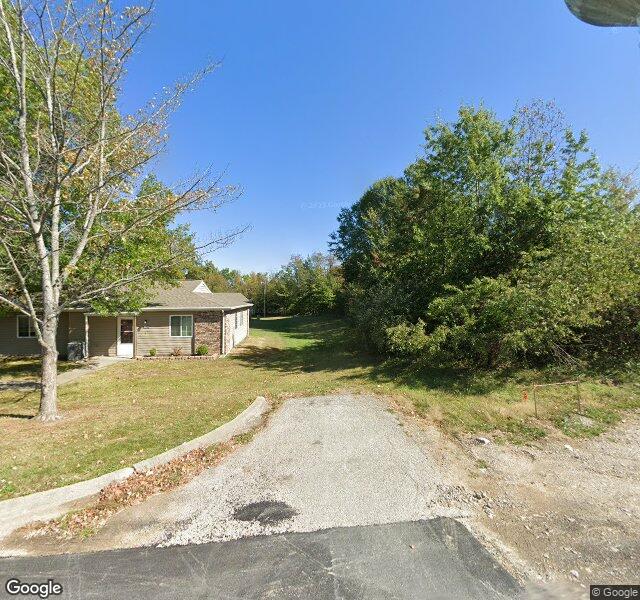
FULTON MANOR CARE CENTER

520 MANOR DRIVE, FULTON, MO 65251 (573) 642-6834
For profit - Corporation 52 Beds JUCKETTE FAMILY HOMES Data: November 2025
Trust Grade
15/100
#384 of 479 in MO
Last Inspection: January 2025

Within standard 12-15 month inspection cycle. Federal law requires annual inspections.

Overview

Fulton Manor Care Center has received a Trust Grade of F, indicating significant concerns and a poor overall quality of care. It ranks #384 out of 479 facilities in Missouri, placing it in the bottom half, and #3 out of 4 in Callaway County, meaning there is only one local option that is better. Although the facility is showing a trend of improvement, with issues decreasing from 23 in 2024 to 19 in 2025, the high staff turnover rate of 82% is alarming, far exceeding the state average of 57%. While there are no fines on record, which is a positive sign, the RN coverage is concerning as it is lower than 87% of Missouri facilities, which can impact the quality of care. Specific incidents noted by inspectors included the failure to serve meals according to nutritional guidelines, a lack of cleanliness in the kitchen that could lead to food contamination, and inadequate food safety training for kitchen staff. Overall, families should weigh these strengths and weaknesses carefully when considering Fulton Manor for their loved ones.

Trust Score
F
15/100
In Missouri
#384/479
Bottom 20%
Safety Record
High Risk
Review needed
Inspections
Getting Better
23 → 19 violations
Staff Stability
⚠ Watch
82% turnover. Very high, 34 points above average. Constant new faces learning your loved one's needs.
Penalties
✓ Good
No fines on record. Clean compliance history, better than most Missouri facilities.
Skilled Nurses
⚠ Watch
Each resident gets only 12 minutes of Registered Nurse (RN) attention daily — below average for Missouri. Fewer RN minutes means fewer trained eyes watching for problems.
Violations
⚠ Watch
47 deficiencies on record. Higher than average. Multiple issues found across inspections.
★☆☆☆☆
1.0
Overall Rating
★☆☆☆☆
1.0
Staff Levels
★★★☆☆
3.0
Care Quality
★☆☆☆☆
1.0
Inspection Score
Stable
2024: 23 issues
2025: 19 issues

The Good

  • Full Sprinkler Coverage · Fire safety systems throughout facility
  • No fines on record

Facility shows strength in fire safety.

The Bad

1-Star Overall Rating

Below Missouri average (2.5)

Significant quality concerns identified by CMS

Staff Turnover: 82%

35pts above Missouri avg (46%)

Frequent staff changes - ask about care continuity

Chain: JUCKETTE FAMILY HOMES

Part of a multi-facility chain

Ask about local staffing decisions and management

Staff turnover is very high (82%)

34 points above Missouri average of 48%

The Ugly 47 deficiencies on record

Apr 2025 1 deficiency
CONCERN (D) 📢 Someone Reported This

A family member, employee, or ombudsman was alarmed enough to file a formal complaint

Potential for Harm - no one hurt, but risky conditions existed

Employment Screening (Tag F0606)

Could have caused harm · This affected 1 resident

Based on interview and record review, facility staff failed to ensure the facility did not employ or engage staff who had a Federal Indicator (a marker given by the federal government to individuals w...

Read full inspector narrative →
Based on interview and record review, facility staff failed to ensure the facility did not employ or engage staff who had a Federal Indicator (a marker given by the federal government to individuals who have committed abuse, neglect, or misappropriation of property) on the Certified Nurse Aide (CNA) Registry for one employee (CNA A) out of four sampled employees. The facility census was 45. 1. Review of the facility's policy, Abuse, Neglect and Exploitation Policy, dated 01/31/24, showed it is the policy of this facility to provide protections for the health, welfare and rights of each resident by developing and implementing written policies and procedures that prohibit and prevent abuse, neglect, and exploitation and misappropriation of resident property; -Potential employees will be screened for a history of abuse, neglect, exploitation, or misappropriation of resident property. Review of the facility's policy, Background Screening Investigations, dated 03/2019, showed: -Our facility conducts employment background screening checks, reference checks and criminal conviction investigation checks on all applicants for positions with direct access to residents (direct access employs); -The director of personnel, or designee, conducts background checks, reference checks and criminal conviction checks (including fingerprinting as may be required by state law) of all potential direct access employees and contractors. Background and criminal checks are initiated within two days of an offer of employment or contract agreement, and completed prior to employment; -For any individual applying for a position as a certified nursing assistant, the state nurse aide registry is contacted to determine if any findings of abuse, neglect, mistreatment of individuals of individuals, and/or theft or property have been entered into the applicant's file. 2. Review of CNA A's personnel record showed a hire date of 01/31/25. Review showed CNA's Registry, dated 01/30/25, showed the employee had a federal indicator for misconduct. During an interview on 04/03/25 at 1:12 P.M., the administrator said the Social Service Director (SSD) was responsible to conduct background checks and to ensure staff should not be excluded from working in the facility. The administrator said he/she did not know CNA A had a federal indicator on his/her CNA Registry and should not be working in the facility. The administrator said there was no one completing audits, but now he/she will be auditing the files in the future. During an interview on 04/03/25 at 9:47 P.M., the SSD said he/she conducted background checks prior to hire or during orientation, including checking the Family Care Safety Registry, CNA Registry and the employee disqualification log. The SSD said he/she did not notice the federal indicator was listed on the employee's CNA Registry because he/she was looking at the active status on the form and overlooked the section for the federal indicator for misconduct. MO00251528, MO00251658 and MO00252236
Jan 2025 18 deficiencies
CONCERN (D)

Potential for Harm - no one hurt, but risky conditions existed

Deficiency F0583 (Tag F0583)

Could have caused harm · This affected 1 resident

**NOTE- TERMS IN BRACKETS HAVE BEEN EDITED TO PROTECT CONFIDENTIALITY** Based on observation and interview, facility staff failed to ensure residents' personal information and privacy was protected wh...

Read full inspector narrative →
**NOTE- TERMS IN BRACKETS HAVE BEEN EDITED TO PROTECT CONFIDENTIALITY** Based on observation and interview, facility staff failed to ensure residents' personal information and privacy was protected when staff left the computer screen open in public hallways for two residents (Resident #9 and #13) of 16 sampled residents, and failed to close the privacy curtain and window blinds/curtain during incontinence care for one resident (Resident #48) out of two sampled residents observed during care. The facility's census was 43. 1. Review of the facility's policy titled, Quality of Life-Dignity, dated 01/01/24, showed: -Each resident shall be cared for in a manner that promotes and enhances his/her sense of well-being, level of satisfaction with life, feeling of self-worth and self-esteem; -Staff protect confidential clinical information; -Staff promote, maintain and protect resident privacy, including bodily privacy during assistance with personal care and during treatment procedures. 2. Observation on 01/28/25 at 8:18 A.M., showed the medication cart across from the nurses' station on the East Hall with a computer screen open with medication information for Resident #9 visible to the public while unattended. Observation showed residents and staff walked by the cart. Observation on 01/28/25 at 12:36 P.M., showed the medication cart across from the nurses' station on the East Hall with a computer screen open with medication information for Resident #13 visible to the public while unattended. Observation showed several staff walked by the cart. During an interview on 01/30/25 at 12:00 P.M., the Care Plan Coordinator said staff should lock the computer screen when they walk away from the cart to ensure resident privacy. He/She said he/she was just busy and did not realize he/she had left the computer screen open when he/she stepped into the medication storage room. During an interview on 01/30/25 at 11:45 A.M., Licensed Practical Nurse (LPN) H said staff should always minimize or lock the computer screen on the medication cart when he/she walks away from the cart to ensure privacy of the residents' medical information. 3. Review of Resident #48's Entry Tracking Record Minimum Data Set (MDS), a federally mandated assessment, dated 01/08/25, showed the resident admitted to the facility on [DATE]. Review of the resident's Physician's Order Sheet (POS), dated 01/08/25 through 01/29/25, showed an order to provide colostomy (an opening in the abdomen to the intestines) care every shift for ileostomy (a surgical procedure that creates an opening in the abdomen to excrete poop from the body). Observation on 01/29/25 at 10:37 A.M., showed Certified Nursing Assistant (CNA) K provided incontinence care to the resident and attempted to empty the resident's colostomy bag, the resident's window blinds raised and open, with clear view of vehicles parked in the front parking lot of the building. The CNA did not pull the privacy curtain and did not close the window blinds/curtain to provide privacy during incontinence care. During an interview on 01/29/25 at 10:38 A.M., the resident said he/she did not like that you could see the cars in the parking lot while being changed. During an interview on 01/29/25 at 10:46 A.M., the CNA said he/she should have pulled the privacy curtain and the window curtain to provide privacy during care but he/she was nervous and did not think about it. During an interview on 01/30/25 at 11:45 A.M., LPN H said staff should pull the privacy curtain and close window curtains when they provide incontinence care to the resident to ensure privacy, and particularly if there is a clear view of the parking lot. 4. During an interview on 01/30/25 at 3:52 P.M., the Director of Nursing (DON) said he/she expects staff to minimize or lock the computer screen when he/she steps away from the medication cart. The DON said he/she expects staff to close doors and pull/close curtains in the room to provide privacy during incontinence care. During an interview on 01/30/25 at 4:05 P.M., the administrator said he/she expects staff to lock the computer screen when he/she steps away from the medication cart. The administrator said staff should close doors, privacy curtains, and window curtains in the room to provide privacy to the resident during incontinence care.
CONCERN (D)

Potential for Harm - no one hurt, but risky conditions existed

Comprehensive Assessments (Tag F0636)

Could have caused harm · This affected 1 resident

**NOTE- TERMS IN BRACKETS HAVE BEEN EDITED TO PROTECT CONFIDENTIALITY** Based on interview and record review, facility staff failed to complete the required Minimum Data Set (MDS), a federally mandate...

Read full inspector narrative →
**NOTE- TERMS IN BRACKETS HAVE BEEN EDITED TO PROTECT CONFIDENTIALITY** Based on interview and record review, facility staff failed to complete the required Minimum Data Set (MDS), a federally mandated resident assessment, within the required time frame for three residents (Residents #20, #24 and #48) of six sampled residents. The facility's census was 43. 1. Review of the facility's policy titled, MDS Completion and Submission Timeframes, dated July 2017, showed staff are directed: -The Assessment Coordinator or designee is responsible for ensuring the resident assessments are submitted to Centers for Medicare and Medicaid Services (CMS) Quality Improvement and Evaluation Service (QIES) Assessment Submission and Processing (ASAP) system in accordance with the current federal and state guidelines; -Timeframes for completion and submission of assessments is based on the current requirements published in the Resident Assessment Instrument (RAI) Manual; -Submission of MDS records to the QIES ASAP is electronic. A hard copy of each record submitted is maintained in the resident's clinical record for a period of 15 months from the date submitted. Review of the RAI manual version 3.0 RAI Omnibus Budget Reconciliation Act (OBRA)-required Assessment Summary showed assessment time frames as follows: -Entry MDS completion date no later than the 7th calendar day from the resident's entry into the facility and submitted no later than 14 days from the date of entry into the facility; -admission (Comprehensive) MDS completion date no later than 14th calendar day of the resident's admission and submitted no later than 14 calendar days from the care plan completion date; -Quarterly assessment for a resident must be completed at least every 92 days following the previous OBRA assessment of any type. 2. Review of Resident #20's Entry Tracking Record MDS, dated [DATE], showed the resident admitted to the facility on [DATE]. Review of the resident's MDS record, dated 12/17/24 through 01/30/25, showed the record did not contain an in-process, completed, or submitted admission assessment within the required time frame. During an interview on 01/30/25 at 3:08 P.M., the MDS Coordinator said the resident should have a completed admission MDS, and he/she was not sure why he/she doesn't have one completed. 3. Review of Resident #24's Quarterly MDS, dated [DATE], showed the resident admitted to the facility on [DATE]. Review of the resident's MDS record, dated 10/18/24 through 01/30/25, showed the record did not contain an in-process, completed, or submitted quarterly assessment within the required time frame. 4. Review of Resident #48's Entry Tracking Record MDS, dated [DATE], showed the resident admitted to the facility on [DATE]. Review of the resident's admission MDS, dated [DATE], showed the assessment in process and not submitted within the required time frame. Review showed 16 of 18 sections in progress and without information. During an interview on 01/29/25 at 11:06 A.M., the MDS Coordinator said the resident's admission MDS was currently eight days overdue for submission, and he/she was still working on gathering information for the assessment. 5. During an interview on 01/30/25 at 3:07 P.M., the MDS Coordinator said he/she is responsible to complete residents' MDS and the DON or an assigned Registered Nurse (RN) signs the MDS and submits electronically once completed. He/She said the admission MDS should be submitted within two weeks after admission, and then a quarterly MDS should be submitted at least every three months. He/She said he/she is behind on completing MDSs because he/she is being pulled to work the floor often. He/She said currently, no one double checks the MDSs are completed within the required time frame. During an interview on 01/30/25 at 3:52 P.M., the Director of Nursing (DON) said he/she was new to the facility and was not sure of the required time frames for MDS submissions. He/She said the MDS Coordinator is responsible to ensure the residents' MDSs are completed within the required time frames. During an interview on 01/30/25 at 4:05 P.M., the administrator said the MDS Coordinator is responsible to complete the residents' MDS within the required time frames, and the DON is reponsible to monitor for completion. He/She said the residents' admission MDS should be completed within seven to 14 days after admission, and then at least quarterly.
CONCERN (D)

Potential for Harm - no one hurt, but risky conditions existed

Comprehensive Care Plan (Tag F0656)

Could have caused harm · This affected 1 resident

**NOTE- TERMS IN BRACKETS HAVE BEEN EDITED TO PROTECT CONFIDENTIALITY** Based on observation, interview and record review, facility staff failed to develop a comprehensive person-centered care plan to...

Read full inspector narrative →
**NOTE- TERMS IN BRACKETS HAVE BEEN EDITED TO PROTECT CONFIDENTIALITY** Based on observation, interview and record review, facility staff failed to develop a comprehensive person-centered care plan to meet the resident's medical, nursing, mental and psychosocial needs for three residents (Resident #1, #15, and #16) out of 16 sampled residents. The facility's census was 43. 1. Review of the facility's policy titled, Care Plans, Comprehensive Person-Centered, dated 01/01/24, showed: -A comprehensive, person-centered care plan that includes measurable objectives and timetables to meet the resident's physical, psychosocial and functional needs is developed and implemented for each resident; -The care plan interventions are derived from a thorough analysis of the information gathered as part of the comprehensive assessment; -The comprehensive, person-centered care plan is developed within seven days of the completion of the required comprehensive assessment; -Assessments of residents are ongoing and care plans are revised as information about the residents' condition change. 2. Review of Resident #1's Significant change Minimum Data Set (MDS), a federally mandated assessment, dated 12/05/24, showed staff assessed the resident as follows: -Moderate cognitive impairment; -Diagnoses of Non-Traumatic Brain Dysfunction, Dementia and heart failure; -Hospice care. Review of the resident's hospice contract, dated 11/27/24, showed the resident started hospice services. Review of the resident's care plan, dated 12/21/24, showed the care plan did not contain direction for hospice services. During an interview on 01/30/25 at 11:20 A.M., the Social Services Director (SSD) said the resident admitted to the facility on hospice services, and directions for the hospice care and services should be documented on his/her care plan. He/She said the Care Plan Coordinator was responsible to document hospice information on the resident's care plan. During an interview on 01/30/25 at 3:05 P.M., the MDS/Care Plan Coordinator said he/she was not sure why there were not directions for hospice services on the resident's comprehensive care plan, but there should be. He/She said although the hospice company has their own care plans for each resident, the resident should still have directions/interventions for hospice services on his/her comprehensive care plan. 3. Review of Resident #15's annual MDS, dated [DATE], showed staff assessed the resident as: -Cognitively intact; -Independent with bed mobility, toileting, and transfers. Review of resident's care plan, dated 08/23/24, showed the care plan did not contain direction of use of bed rails. Observation on 1/27/25 at 11:13 A.M., showed the resident in bed with bilateral U-Bars (a bed rail) in upright position. Observation on 1/28/25 at 9:06 A.M., showed the resident in bed with bilateral U-Bars in upright position. Observation on 1/29/25 at 9:45 A.M., showed the resident in bed with bilateral U-Bars in upright position. Observation on 1/30/25 at 10:07 A.M., showed the resident laying in bed with bilateral U-Bars in upright position. During an interview on 1/30/25 at 2:35 P.M., the MDS/Care Plan Coordinator said he/she thought the resident's bed rails were on the care plan. He/She said bed rails should be on the care plan. 4. Review of Resident #16's Quarterly MDS, dated [DATE], showed staff assessed the resident as: -Severe cognitive impairment; -Diagnoses of Non-Traumatic Brain Dysfunction, Dementia, and Alzheimer's Diease -Impairment on both side upper and lower extremities; -Dependant of staff bed mobility, tolieting, eating, dressing, and transfers. Review of the resident's care plan, dated 11/27/24, showed the care plan did not contain direction for bilateral upper and lower extremity contractures (a condition of shortening and hardening of muscles, tendons, or other tissue, often leading to deformity and rigidity of joints). Observation on 1/27/25 at 11:15 A.M., showed the resident in a broda chair (a reclined wheelchair that helps with body positioning) with both hands contracted. The resident did not have intervention in place with his/her hands. Observation on 1/28/25 at 9:07 A.M., showed the resident in a broda chair with with both hands contracted. The resident did not have intervention in place with his/her hands. Observation on 1/28/25 at 2:02 P.M., showed the resident in a broda chair with both hands contracted. Observation showed the resident's left hand finger nail indent in palm. The resident did not have interventions in place for his/her contracted hands. Observation on 1/29/25 at 9:54 A.M., showed the resident in bed with both hands contracted. The resident did not have interventions in place for his/her contracted hands. During an interview on 01/30/25 at 2:35 P.M., the MDS/Care Plan Coordinator said he/she thought there was something on the care plan about the resident's contractures. He/She said staff are supposed to be putting wash cloths in the resident's hands. He/She said he/she is unsure why it is not on the care plan, but it should be. During an interview on 01/30/25 at 3:07 P.M., the MDS/Care Plan Coordinator said he/she is responsible for completing the residents' comprehensive care plans, and usually has the care plan completed within the first week of admission. He/She said he/she updates care plans as needed, and after each completed MDS assessment. He/She said the comprehsnive care plan should address each resident's specific medical, nursing, mental and psychosocial needs. During an interview on 01/30/25 at 3:40 P.M., the Director of Nursing (DON) said care plans should contain things like side rails and hospice. The DON said if these thing are not care planned they may have got missed. He/She said the person responsible does get pulled away often for other duties. During an interview on 01/30/25 at 4:05 P.M., the administrator said the MDS/Care plan Coordinator is responsible to complete the residents' comprehensive care plan within 14 days of the MDS assessment, and make updates to the care plan at least quarterly and as needed with any changes. The administrator said it is the MDS/Care plan Coordinator's responsibility to get things on the care plan and the DON to over see this. The current DON is has been here a little over a week, and the past DON was simply not doing it.
CONCERN (E) 📢 Someone Reported This

A family member, employee, or ombudsman was alarmed enough to file a formal complaint

Potential for Harm - no one hurt, but risky conditions existed

Deficiency F0558 (Tag F0558)

Could have caused harm · This affected multiple residents

**NOTE- TERMS IN BRACKETS HAVE BEEN EDITED TO PROTECT CONFIDENTIALITY** Based on observation, interview, and record review, facility staff failed to provide reasonable accommodations to meet the needs...

Read full inspector narrative →
**NOTE- TERMS IN BRACKETS HAVE BEEN EDITED TO PROTECT CONFIDENTIALITY** Based on observation, interview, and record review, facility staff failed to provide reasonable accommodations to meet the needs of the residents, when staff failed to ensure call lights were placed within reach for four residents (Resident #4, #10, #48, and #295) out of 16 sampled residents. The facility's census was 43. 1. Review of the facility's policy titled, Call Lights: Accessibility and Timely Response, dated 01/01/25, showed the purpose of the policy is to assure the facility is adequately equipped with a call light at each resident's bedside, toilet, and bathing facility to allow residents to call for assistance, and directed staff: -All staff will be educated on the proper use of the resident's call system, including how the system works and ensuring resident access to the call light; -All residents will be educated on how to call for help using the resident call system; -Staff will ensure the call light is within reach of the resident and secured, as needed; -The call system will be accessible to the residents while in their bed or other sleeping accommodations within the resident's room. 2. Review of Resident #4's Quarterly Minimum Data Set (MDS), a federally mandated assessment tool, dated 11/22/24, showed staff assessed the resident as follows: -Cognitive impairment; -Partial/moderate assistance needed for transfer, and toileting, and sit to stand. Observation on 01/28/25 at 2:00 P.M., showed the resident in his/her wheelchair next to his/her bed, the call light attached to a string on floor across the room out of his/her reach. At 2:26 P.M., the resident yelled out for help. The resident said, I need changed. Observation on 01/29/25 11:43 A.M., showed the resident in his/her wheelchair next to his/her bed with the call light on the floor, across the room out of his/her reach. Observation on 01/30/25 10:20 A.M., showed the resident in bed with the call light across the room out of his/her reach. 3. Review of Resident #10's Quarterly MDS, dated [DATE], showed staff assessed the resident as: -Severe cognitive impairment; -Substantial/maximal assistance needed for toileting, and transfers. Observation on 01/28/25 at 10:30 A.M., showed the resident in his/her recliner. At this time, the resident asked for help up and said I don't know where the call light is. The call light was across the room at the end of the residents bed. Observation on 01/28/25 2:31 P.M., showed the resident in his/her bed with the call light at the end of bed out of reach. Observation on 01/30/25 10:15 A.M., showed the resident in his/her bed with the call light at the end of bed out of reach. 4. Review of Resident #48's Entry Tracking Record MDS, dated [DATE], showed the resident admitted to the facility on [DATE]. Review of the resident's care plan, dated 01/17/25, showed staff were directed to provide assistance with Activities of Daily Living (ADLs) as needed. Observation on 01/27/25 at 2:44 P.M., showed the resident in bed with his/her call light secured to the wall light pull-cord, out of his/her reach. The resident repeatedly yelled, help, I need to get up! During an interview on 01/27/25 at 2:44 P.M., the resident said he/she knows how to use the call light to call for help, but thinks the string might be on the bedside table, and he/she could not reach it. During an interview on 01/27/25 at 2:46 P.M., Certified Nursing Assistant (CNA) J said the resident can use the call light if it is within his/her reach. The CNA said the string to pull the call light is a bit short and he/she secured the string to the wall light pull-cord to place it closer to the resident, but it is still difficult for the resident to reach it when in bed. Observation on 01/29/25 at 10:31 A.M., showed the resident in bed with his/her call light secured to the wall light pull-cord, out of his/her reach and yelled, Nurse! Nurse! During an interview on 01/29/25 at 10:31 A.M., the resident said he/she could not reach the string to pull the call light for help from staff. Observation on 01/30/25 at 11:05 A.M., showed the resident in bed with his/her call light secured to the wall light pull-cord and out of his/her reach. During an interview on 01/30/25 at 11:05 A.M., Licensed Practical Nurse (LPN) H said the resident should be able to reach his/her call light to call for assistance from staff if needed, but the resident is not able to reach his/her call light now because the string is too short, even when fully extended from the lever on the wall. During an interview on 01/30/25 at 11:16 A.M., the Maintenance Director (MD) said he/she was not aware the resident's call light string was not long enough for him/her to reach it. The MD said after he/she used a tape measure to check, the call light string was two and a half feet away from the resident's reach, even with the string fully extended from the lever on the wall. He/She said he/she would go and cut a longer string for the call light. 5. Review of Resident #295's Medication Administration Record (MAR), dated 1/1/25-1/31/25, showed resident admitted to facility on 1/27/25. Observation on 01/30/25 at 10:08 A.M., showed resident's room call light string was laying on a stack of pillows in chair next to bed. Call light string was not long enough to reach the bed up against the wall. During an interview on 01/30/25 at 11:16 A.M., resident said he/she is unable to reach his/her call light when in room. He/She said the call light string is not long enough to reach when he/she is laying in bed. 6. During an interview on 01/30/25 at 2:58 P.M., LPN H said call lights should be within the residents' reach at all times when staff is not with the resident in his/her room, so the resident can pull the call light to alert staff if he/she needs assistance. During an interview on 01/30/25 at 3:04 P.M., CNA K said staff should always ensure the call light is placed within the resident's reach when the resident is left inside his/her room, so he/she can pull the light if he/she needs assistance from staff. During an interview on 01/30/25 at 3:52 P.M., the Director of Nursing (DON) said he/she expects staff to educate each resident, based on his/her cognition, on how to use the call light in his/her room. He/She said staff should place the residents' call lights within his/her reach before staff step away from the resident in the room. During an interview on 01/30/25 at 4:05 P.M., the Administrator said he/she expects staff to educate each resident on how to use the call light in his/her room. He/She said staff should ensure the resident's call light is within his/her reach prior to leaving the resident in the room. During an interview on 02/06/25 at 2:56 P.M., the MDS/Care Plan Coordinator said if a CNA realizes that a resident's call light string is not long enough for him/her to reach it, he/she is expected to notify the charge nurse or the MD, and if the MD is not available, the nurse should go to the maintenance office and get a longer string. He/She said there is no formal communication for that with the MD, staff just notifies him/her verbally. MO00248764
CONCERN (E)

Potential for Harm - no one hurt, but risky conditions existed

Deficiency F0625 (Tag F0625)

Could have caused harm · This affected multiple residents

**NOTE- TERMS IN BRACKETS HAVE BEEN EDITED TO PROTECT CONFIDENTIALITY** Based on interview and record review, facility staff failed to provide written notification information to the resident and/or t...

Read full inspector narrative →
**NOTE- TERMS IN BRACKETS HAVE BEEN EDITED TO PROTECT CONFIDENTIALITY** Based on interview and record review, facility staff failed to provide written notification information to the resident and/or the resident's representative of the bed hold policy at the time of transfer to the hospital, or therapeutic leave for four (Resident #3, #14, #20, and #26) out of four sampled residents. The facility's census was 43. 1. Review of the facility's policies showed the facility did not provide a policy for Bed Hold. 2. Review of Resident #3's medical record showed: -discharged from the facility on 11/19/24 and readmitted to the facility on [DATE]; -Did not contain written documentation staff notified the resident or the resident's responsible party of the facility's bed-hold policy. 3. Review of Resident #14's medical record showed: -discharged from the facility on 12/31/24 and readmitted to the facility on [DATE]; -Did not contain written documentation staff notified the resident or the resident's responsible party of the facility's bed-hold policy. 4. Review of Resident's 20's medical record showed: -discharged from the facility on 11/27/24 and readmitted to the facility on [DATE]; -Did not contain written documentation staff notified the resident or the resident's responsible party of the facility's bed-hold policy. 5. Review of Resident's #26's medical record showed: -discharged from the facility on 10/24/24 and readmitted to the facility on [DATE]; -Did not contain written documentation staff notified the resident or the resident's responsible party of the facility's bed-hold policy. During an interview on 01/30/25 at 3:40 P.M., the Director of Nursing (DON) said he does not know about the bed hold requirement or process. During an interview on 01/30/25 at 4:09 P.M., the administrator said she is aware of the bed hold paperwork in the admission packet but not aware of the requirement or process for bed hold at the time of the residents transfer and discharge.
CONCERN (E)

Potential for Harm - no one hurt, but risky conditions existed

Deficiency F0655 (Tag F0655)

Could have caused harm · This affected multiple residents

**NOTE- TERMS IN BRACKETS HAVE BEEN EDITED TO PROTECT CONFIDENTIALITY** Based on interviews and record review, facility staff failed to complete a baseline care plan within 48 hours of admission for f...

Read full inspector narrative →
**NOTE- TERMS IN BRACKETS HAVE BEEN EDITED TO PROTECT CONFIDENTIALITY** Based on interviews and record review, facility staff failed to complete a baseline care plan within 48 hours of admission for five residents (Resident #20, #43, #45, #46, and #48) out of 16 sampled residents. The facility census was 43. 1. Review of the facility's policy titled, Care Plans-Baseline', dated December 2016, showed a baseline plan of care to meet the resident's immediate needs shall be developed for each resident within 48 hours of admission. 2. Review of Resident #20's electronic medical record (EMR), showed staff documented the resident admitted to the facility on [DATE]. The EMR did not contain documentation staff completed a baseline care plan within 48 hours of admission. 3. Review of Resident #43's EMR, showed staff documented the resident admitted to the facility on [DATE]. The EMR did not contain documentation staff completed a baseline care plan within 48 hours of admission. During an interview on 01/30/25 at 2:35 P.M., the Care Plan Coordinator said he/she was not sure why the resident did not have a baseline care plan in chart. He/She said resident should have had a baseline care plan within 48 hours of admission. 4. Review of Resident #45's EMR, showed staff documented the resident admitted to the facility on [DATE]. The EMR did not contain documentation staff completed a baseline care plan within 48 hours of admission. During an interview on 01/30/25 at 2:35 P.M., the Care Plan Coordinator said he/she was still trying to get information about the resident for the baseline care plan. He/She said resident should have had a cmpleted baseline care plan within 48 hours of admission. 5. Review of Resident #46's EMR, showed staff documented the resident admitted to the facility on [DATE]. The EMR did not contain documentation staff completed a baseline care plan within 48 hours of admission. 6. Review of Resident #48's EMR, showed staff documented the resident admitted to the facility on [DATE]. The EMR did not contain documentation staff completed a baseline care plan within 48 hours of admission. During an interview on 01/29/25 at 11:06 A.M., the Care Plan Coordinator said he/she did not have an explanation for why the resident's baseline care plan was still incomplete. 7. During an interview on 01/29/25 at 11:06 A.M., the Care Plan Coordinator he/she is responsible to complete baseline care plans after a resident is admitted . He/She said the baseline care plan should be completed within 48 hours, but he/she tries to complete them within the first week after a resident is admitted . During an interview on 01/30/25 at 3:52 P.M., the Director of Nursing (DON) said he/she was not sure of the timeframe in which a resident's baseline care plan should be completed. He/She said the Care plan Coordinator is currently responsible to complete the baseline care plans. The DON said he/she was new to the facility and was not sure if anyone was double checking that baseline care plans were completed timely. During an interview on 01/30/25 at 4:05 P.M., the administrator said baseline care plans should be initiated by the nurse who initially admits the resident, and completed within seven days by the care plan coordinator. He/She said the coordinator and the DON are responsible to monitor for the completion of base line care plans.
CONCERN (E)

Potential for Harm - no one hurt, but risky conditions existed

Deficiency F0658 (Tag F0658)

Could have caused harm · This affected multiple residents

Based on observation, interview and record review, facility staff failed to follow professional standards of practice when staff failed to obtain physician's orders for water flushes/flush medications...

Read full inspector narrative →
Based on observation, interview and record review, facility staff failed to follow professional standards of practice when staff failed to obtain physician's orders for water flushes/flush medications with water per facility policy, failed to administer medications as directed by the physician and the medication administration record (MAR), and failed to ensure a licensed staff member documented medication administration via Gastric Tube (G-Tube), a surgically inserted tube which provides nutrition, hydration, or medicine directly into the stomach, for one resident (Resident #20) of one sampled resident. Licensed staff failed to perform colostomy (an opening in the abdomen to the intestines) care as directed by the physician for one resident (Resident #48) of one sampled resident. The facility census was 43. 1. Review of the facility's policy titled, Administering Medications through and Enteral Tube, dated November 2018, showed: -Verify that there is a physician's medication order for the procedure; -Dilute crushed medication with at least 30 milliliters (ml) of purified water (or prescribed amount); -Dilute liquid medication with 30 ml or more (depending on viscosity (thickness)) purified water; -If administering more than one medication, flush with 15 ml warm purified water (or prescribed amount) between medications. 2. Review of Resident #20's Physician's Order Sheet (POS), dated 01/01/25 through 01/27/25, showed the physician ordered Levothyroxine (for low thyroid levels), Midodrine (for low blood pressure), Vitamin D, Cyclobenzaprine (for muscle spasms), Eliquis (for blood thinner), Fludrocortisone (to treat low levels of adrenal gland hormones), Gabapentin (for nerve damage), Fluoxetine oral solution (for depression), and Prenatal tablet (vitamins with iron and folic acid), to be administered via G-Tube. Review of the POS showed it did not contain documentation of an order for water flushes with medication administration via G-tube. Review of the resident's MAR, dated 01/20/25 through 01/26/25, showed the MAR contained documentation of the administration of Levothyroxine, Midodrine, Vitamin D, Cyclobenzaprine, Eliquis, Fludrocortisone, Gabapentin, Prenatal, and Fluoxetine to the resident via his/her G-tube on: -01/20/25 at 10:08 A.M.; -01/21/25 at 8:39 A.M.; -01/22/25 at 9:23 A.M.; -01/23/25 at 7:54 A.M., -01/24/25 at 7:41 A.M.; -01/25/25 at 8:20 A.M.; -01/26/25 at 8:42 A.M. -Review showed the MAR did not contain direction for staff to flush the G-tube with water. Observation on 01/27/25 at 12:15 P.M. showed Licensed Practical Nurse (LPN) G crushed Levothyroxine, Midodrine, Vitamin D, Cyclobenzaprine, Eliquis, Fludrocortisone, Gabapentin, and Prenatal tablets together, emptied the mixture into a cup with the liquid Fluoxetine, and added 60 cubic centimeters (cc) of water to the cup. Observation on 01/27/25 at 12:20 P.M. showed LPN G did not flush the resident's G-tube with water before or after he/she administered the crushed and liquid medications. During an interview on 01/27/25 at 12:24 P.M., LPN G said the resident's G-tube should be flushed with 60 cc water, so he/she just added the 60 cc water to the medications and administered together. During an interview on 01/30/25 at 11:45 A.M., LPN H said the resident had an order for water flushes and should have one for medication administration but does not have a current order. He/She said the nurses are responsible to obtain an order from the physician. During an interview on 01/30/25 at 1:27 P.M., the Nurse Practitioner (NP) O said he/she was not aware there wasn't an order for water flushes, and he/she expects staff to reach out to him/her for an order. 3. Review of the facility's policy titled, Administering Medications, dated 01/01/24, showed medication administration times are determined by resident need and benefit, not staff convenience. Factors to consider include enhancing optimal therapeutic effect of the medication, and preventing potential medication or food interactions. 4. Review of Resident #20's MAR, dated 01/20/25 through 01/23/25, showed staff were directed to administer one Levothyroxine 75 micrograms (mcg) tablet via G-tube every morning on an empty stomach, do not give with any other medication. Review of the resident's MAR, dated 01/20/25 through 01/26/25, showed the MAR contained documentation of the administration of Levothyroxine at the same time as the administration of Midodrine, Vitamin D, Cyclobenzaprine, Eliquis, Fludrocortisone, Gabapentin, Prenatal, and Fluoxetine on 01/20/25 at 10:08 A.M., 01/21/25 at 8:39 A.M., 01/22/25 at 9:23 A.M., 01/23/25 at 7:54 A.M., 01/24/25 at 7:41 A.M., 01/25/25 at 8:20 A.M., and 01/26/25 at 8:42 A.M. Observation on 01/27/25 at 12:20 P.M. showed LPN G administered the Levothyroxine with Midodrine, Vitamin D, Cyclobenzaprine, Eliquis, Fludrocortisone, Gabapentin, Prenatal, and Fluoxetine to the resident. The LPN did not administer the Levothyroxine separately, as directed on the MAR. During an interview on 01/27/25 at 12:43 P.M., LPN G said Levothyroxine is usually administered by the night shift nurse early in the morning before breakfast, so he /she did not pay close attention to the directions on the MAR prior to administering the medication to the resident. The LPN said if the Levothyroxine is not given as directed, it may not work like it should. During an interview on 01/27/25 at 12:49 P.M., NP O said Levothyroxine is ordered to be given in the morning, and should be administered separate from other medications to increase the medication's effectiveness. 5. Review of the facility's policy titled, Administering Medications, dated 01/01/24, showed only persons licensed or permitted by this state to prepare, administer and document administration of medications may do so, and the individual administering the medication initials the resident's MAR on the appropriate line after giving each medication. 6. Review of Resident #20's MAR, dated 01/20/25 through 01/23/25, showed staff documented the administration of Levothyroxine, Midodrine, Vitamin D, Cyclobenzaprine, Eliquis, Fludrocortisone, Gabapentin, Prenatal, and Fluoxetine administered via G-tube: -01/20/25 at 10:08 A.M. by Certified Medication Technician (CMT) L; -01/21/25 at 8:39 A.M. by CMT L; -01/22/25 at 9:23 A.M. by CMT L; -01/23/25 at 7:54 A.M. by agencycmt. During an interview on 01/30/25 at 11:45 A.M., LPN H said only nurses are allowed to administer the resident's medications via G-tube and the CMTs do not administer the resident's medications via G-tube. He/She said he/she did not know why the CMTs signed the MAR at those times, and he/she always signs the MAR him/herself when he/she administers the medications via G-tube. During an interview on 01/30/25 at 3:07 P.M., the MDS/Care Plan Coordinator said when he/she pulled the MAR report to show the documented medication administration times, he/she noticed there were days signed by a CMT, but he/she does not think the CMT actually administered the medications via G-tube because they are not trained or authorized to do so. During an interview on 01/30/25 at 3:52 P.M., the Director of Nursing (DON) said the CMTs are not authorized to administer medications via G-tube, and he/she did not know the CMTs were documenting administration on the resident's MAR. He/She said only nurses are responsible to administer medications via G-tube and he/she expects the nurse to document the administration on the MAR once completed. He/She said he/she is new to the facility and is not sure if anyone is responsible for auditing the MARs. During an interview on 01/30/25 at 4:05 P.M., the administrator said the facility did not have a DON for about a month, and some things were just not being monitored. During an interview on 02/04/25 at 2:22 P.M., LPN G said the CMTs do not administer the resident's medications via G-tube. The LPN said when he/she is the charge nurse, he/she prepares the medications with the CMT at the medication cart, and the CMT signs the MAR, but he/she (the nurse) administers the medications. He/She said the person who signs the MAR is attesting that he/she administered the medications, but that is not always the case with the resident. 7. Review of the facility's policy titled, Colostomy/Ileostomy care, dated October 2010, showed staff are directed to document in the resident's medical record: -The date and time the colostomy/ileostomy care is provided; -The name and title of the individual (s) who provided the colostomy/ileostomy care; -Any breaks in resident's skin, signs of infection (purulent discharge (pus), pain, redness, swelling, temperature) or excoriation of skin; 8. Review of Resident #48's POS, dated 01/08/25 through 01/30/25, showed an order to change colostomy appliance every three days on the day shift for ileostomy (a surgical procedure that creates an opening in the abdomen to excrete feces from the body) care, effective 01/17/25. Review of the resident's Treatment Administration Record (TAR), dated 01/08/25 through 01/30/25, showed licensed staff were directed to change the colostomy appliance every three days on the day shift for ileostomy care, effective 01/18/25. Review showed the colostomy bag was scheduled to be changed on 01/30/25. During an interview on 01/30/25 at 9:44 A.M., LPN H said the Certified Nurse Aides (CNAs) change the resident's colostomy bag, tell the nurse they completed it, and then the nurse signs the TAR. The LPN said he/she did not change the resident's colostomy bag earlier as directed on the TAR, but one of the CNAs did, and he/she signed the TAR that he/she completed the treatment. The LPN said when the nurse signs the TAR, he/she is attesting that he/she completed the ordered treatment, which sometimes is not accurate, but the CNA cannot sign the TAR. He/She said the nurses are expected to follow the physician's orders all the time. During an interview on 01/30/25 at 3:52 P.M., the DON said he/she expects staff to always follow the physician's orders. He/She said the charge nurse is responsible to complete treatments listed on the TAR and sign the TAR that he/she completed the treatment. The DON said he/she is new to the facility and is not sure if anyone is responsible for checking the MARs/TARs. During an interview on 01/30/25 at 4:05 P.M., the administrator said he/she expects staff to always follow the physician's orders. He/She said the charge nurse is responsible to complete any treatment listed on the TAR and sign the TAR after he/she completes the treatment. He/She said the facility did not have a DON for about a month, and some things were just not being monitored.
CONCERN (E)

Potential for Harm - no one hurt, but risky conditions existed

ADL Care (Tag F0677)

Could have caused harm · This affected multiple residents

**NOTE- TERMS IN BRACKETS HAVE BEEN EDITED TO PROTECT CONFIDENTIALITY** Based on observation, interview, and record review, facility staff failed to provide care to meet basic hygiene needs for four r...

Read full inspector narrative →
**NOTE- TERMS IN BRACKETS HAVE BEEN EDITED TO PROTECT CONFIDENTIALITY** Based on observation, interview, and record review, facility staff failed to provide care to meet basic hygiene needs for four residents (Resident #24, #32, #35, and #48) out of six sampled residents. The facility census was 43. 1. Review of the facility's, Bath, Shower/Tub Policy, dated February 2018, showed staff are directed: -The purpose of this procedure is to promote cleanliness, provide comfort to the resident and to observe the condition of the resident's skin; -Document the date and time the shower/bath was performed; -If the resident refused the shower/tub bath, the reason(s) why and the intervention taken; -Notify the supervisor if the resident refuses the shower/tub bath. 2. Review of Resident #24's Quarterly Minimum Data Set (MDS), a federally mandated assessment, dated 10/17/24, showed staff assessed the resident as follows: -Mild cognitive impairment; -Did not reject care (such as Activities of Daily Living (ADL) assistance); -Required partial assistance from staff with personal hygiene, transfers, and to shower/bathe. Review of the resident's care plan, dated 04/12/24, showed staff were directed to assist the resident with ADLs as needed. Review of the resident's shower sheets, date 10/01/24 through 01/29/25, showed staff documented showers were provided on 11/6/24, 11/11/24, 11/13/24, 11/20/24, and one resident refusal on 11/28/24. Observation on 01/28/25 at 9:21 A.M., showed the resident laid in bed with greasy hair. Observation on 01/29/25 at 9:49 A.M., showed the resident in the dining room with greasy hair protruding from under his/her baseball cap. 3. Review of Resident #32's Quarterly MDS, dated [DATE], showed staff assessed the resident as follows: -Cognitively intact; -Did not reject care; -Independent with transfers, ambulation, personal hygiene, but required supervision to shower/bathe. Review of the resident's care plan, dated 01/18/25, showed the care plan did not contain directions for assistance with ADLs. Review of the resident's shower sheets, dated 10/01/24 through 01/29/25, showed staff documented showers were provided on 11/19/24, 11/26/24, 12/10/24, 12/27/24, 01/10/25 and one resident refusal on 12/31/24. Observation on 01/27/25 at 3:27 P.M., showed the resident in the dining room with greasy hair. During an interview on 01/27/25 at 3:28 P.M., the resident said he/she has not had a shower in several weeks. He/She said staff does not even offer him/her a shower anymore, and it makes him/her feel left out and not cared for. He/She said he/she can do his/her own facial and oral hygiene, but has not asked staff recently for help with a shower, because they don't seem to have enough help. 4. Review of Resident #35's Quarterly MDS, dated [DATE], showed staff assessed the resident as follows: -Cognitively intact; -Requires supervision or touching assistance with showers, and personal hygiene and transfers; -Does not reject care. Review of the resident care plan, dated 12/01/24, showed the care plan did not contain directions for assistance with ADLs. Review of the resident shower sheets, dated 10/2024 through 01/2025 showed staff documented showers were provided on 11/05/24, 11/08/24, 11/15/24, 11/22/24, 12/11/24, 12/19/24. 12/21/24 and 01/13/25. Observation on 01/27/25 at 1:30 P.M., showed the resident in his/her bed with greasy hair, and long fingernails with a dark substance underneath. Observation on 01/28/25 at 10:20 A.M., showed the resident in his/her chair with greasy hair, and long fingernails with a dark substance underneath. During an interview on 01/28/25 at 10:21 A.M., the resident said it had been a while since they had a shower, he/she can't remember the last time. The resident said it does not make him/her feel very good to not get showers. 5. Review of Resident #48's Entry Tracking Record MDS, dated [DATE], showed the resident admitted to the facility on [DATE]. Review of the resident's care plan, dated 01/17/25, showed staff were directed to assist the resident with ADLs as needed. Review of the resident's shower sheets, dated 01/08/25 through 01/30/25, showed the sheets did not contain documentation of a bath/shower since his/her admission, and did not documentation the resident refused any baths/showers. Observation on 01/27/25 at 2:45 P.M., showed the resident in his/her bed with greasy hair. Observation on 01/28/25 at 9:10 A.M., showed the resident in his/her bed with greasy hair, and his her teeth covered with food debris. During an interview on 01/28/25 at 9:10 A.M., the resident said he/she needed help from staff to take a shower, and he/she had not had one since admission. Observation on 01/29/25 at 10:44 A.M., during incontinence care, the resident asked Certified Nursing Assistant (CNA) K, can one of you wash my hair or something, my hair is really dirty? The CNA responded that he/she thought the resident was scheduled to get a shower that day. During an interview on 01/30/25 at 3:04 P.M., CNA K said he/she did not assist the resident with a shower the day prior. 6. During an interview on 01/30/25 at 2:58 P.M., Licensed Practical Nurse (LPN) H said residents are offered showers twice per week by the CNAs. He/She said the CNA documents on the shower sheet when he/she offers a resident a shower, and gives the completed shower sheet to the nurse to review and sign. The LPN said if a resident refuses a shower, the CNA is expected to document the refusal on the shower sheet and give to the nurse for follow up, the nurse should re-approach the resident, and if he/she she still refuses, then the nurse is expected to document a nurse's note regarding the resident's refusal. He/She said the previous DON would update the shower schedule, but the facility was without a DON for a while, During an interview on 01/30/25 at 3:04 P.M., CNA K said the CNAs are responsible to offer/assist residents with a shower per the shower schedule and document on the shower sheet once completed. He/She said if a resident refused his/her shower, the CNA is expected to document the resident's refusal on the shower sheet and give to the charge nurse for follow up. He/She said if there wasn't a completed shower sheet, the resident likely was not offered a shower. During an interview on 01/30/25 at 4:05 P.M., the administrator said he/she expects the CNAs to offer and assist residents with showers per schedule at least twice per week or more often if the resident prefers. He/She said if the resident refuses, the CNA should let the nurse know so he/she can follow up with the resident. He/She said the facility did not have a DON for about a month and some things were just not being monitored.
CONCERN (E)

Potential for Harm - no one hurt, but risky conditions existed

Deficiency F0700 (Tag F0700)

Could have caused harm · This affected multiple residents

**NOTE- TERMS IN BRACKETS HAVE BEEN EDITED TO PROTECT CONFIDENTIALITY** Based on observation, interview, and record review, facility staff failed to obtain signed consents for side rails and failed to...

Read full inspector narrative →
**NOTE- TERMS IN BRACKETS HAVE BEEN EDITED TO PROTECT CONFIDENTIALITY** Based on observation, interview, and record review, facility staff failed to obtain signed consents for side rails and failed to complete side rail assessments for four residents (Resident #3, #15, #20 and #46), out of four sampled residents. The facility census was 43. 1. Review of the facility's Proper use of Side Rails Policy, undated, showed: -Examples of bedrails include, but are not limited to side rails, bed side rails, safety rails, grab bars, and assist bars; -The resident assessment must assess the resident's risk from using bed rails such as entrapment; -The resident assessment should assess the resident's risk of entrapment between the mattress and bed rail or in the bed rail itself; -Informed consent from the resident or resident representative must be obtained after appropriate alternative have been attempted prior to installation and use of bed rails; -Upon receiving informed consent, the facility will obtain a physician's order for the use of the specified bed rail and medical diagnosis, condition, symptom, or functional reason for the use of the bed rail; -A nurse assigned to the resident will complete reassessments in accordance with the facility's assessment schedule, but not less than quarterly, upon significant change in status, or a change in the type of bed/mattress/rail. 2. Review of Resident #3's admission Minimum Data Set (MDS), a federally mandated assessment tool, dated 12/05/24, showed staff assessed the resident as follows: -Severe cognitive impairment; -Substantial/maximal with toileting, and transfers. Review of the resident's medical record showed the record did not contain a signed informed consent from the resident or resident representative for the use of bed rails or a quarterly bed rail assessment. Observation on 1/28/25 at 10:00 A.M., showed resident in bed with the left side rail in the upright position. Observation on 1/30/25 at 2:45 P.M., showed resident in bed with the left side rail in the upright position. 3. Review of Resident #15's annual MDS, dated [DATE], showed staff assessed the resident as: -Cognitively intact; -Independent with bed mobility, toileting, and transfers. Review of the resident's medical record showed the record did not contain a signed informed consent from the resident or residnet representative for the use of bed rails or a quarterly bed rail assessment. Observation on 1/27/25 at 11:13 A.M., showed the resident in bed with bilateral side rails in the upright position. Observation on 1/28/25 at 9:06 A.M., showed the resident in bed with bilateral side rails in the upright position. Observation on 1/29/25 at 9:45 A.M., showed the resident in bed with bilateral side rails in the upright position. Observation on 1/30/25 at 10:07 A.M., showed the resident in bed with bilateral side rails in the upright position. 4. Review of Resident #20's Entry Tracking Record MDS, dated [DATE], showed the resident admitted to the facility on [DATE]. Review of the resident's medical record showed the record did not contain a signed informed consent from the resident or resident representative for the use of bed rails or a physician's order, as directed by the policy. Observation on 01/27/25 at 3:24 P.M., showed the resident in bed with side rails on both sides in the upright position. Observation on 01/29/25 at 1:38 P.M., showed the resident in bed with side rails on both sides in the upright position. During an interview on 01/27/25 at 11:43 A.M., the resident said he/she uses the side rails to help with bed mobility. 5. Review of Resident #46'', showed staff documented the resident admitted to the facility on [DATE]. Review of the Resident #46's medical record showed the record did not contain a signed informed consent from the resident or resident representative for the use of bed rails, a side rail assessment, or a physician's order, as directed by the policy. Observation on 01/27/25 at 11:55 A.M., showed the resident in bed with side rails on both sides in the upright position. Observation on 01/27/25 at 2:41 P.M., showed the resident in bed with side rails on both sides in the upright position. Observation on 01/29/25 at 2:13 P.M., showed the resident in bed with side rails on both sides in the upright position. 6. During an interview on 01/30/25 at 2:58 P.M., Licensed Practical Nurse (LPN) H said the charge nurse is responsible to complete a side rail assessment as a part of the resident's admission process, so he/she did not know why one was not done. He/She said he/she has never seen a side rail consent so he/she is not sure who is responsible to obtain a signed consent from the resident or resident representative. During an interview on 01/30/25 at 2:44 P.M., LPN H said asking the resident if they want bed rails is part of the admission process. He/She said he/she is unsure if there is a consent form for bed rails. He/She said a bed rail assessment is done upon admission and quarterly. He/She said the charge nurses are responsible for ensuring bed rail assessments are completed. He/She is unsure why the bed rail assessments are not being done quarterly. During an interview on 01/30/25 at 3:26 P.M., the Director of Nursing (DON) said bed rail forms are all together upon admission and consent is obtained upon admission. He/She said he/she is unsure if the bed rail assessments. He/She said the charge nurses do the assessments. He/She said he/she is unsure of the regulation but believes assessments should be done every six months. During an interview on 01/30/25 at 3:56 P.M., the administrator said charge nurses are responsible for completing bed rail assessments quarterly to ensure the resident still needs the bed rails. He/She said bed rail consent should be obtained and signed before bed rails are put onto bed. He/She is unsure why assessment are not being done quarterly.
CONCERN (E)

Potential for Harm - no one hurt, but risky conditions existed

Deficiency F0725 (Tag F0725)

Could have caused harm · This affected multiple residents

**NOTE- TERMS IN BRACKETS HAVE BEEN EDITED TO PROTECT CONFIDENTIALITY** Based on observation, interview, and record review, the facility failed to provide staff in accordance with their Facility Asses...

Read full inspector narrative →
**NOTE- TERMS IN BRACKETS HAVE BEEN EDITED TO PROTECT CONFIDENTIALITY** Based on observation, interview, and record review, the facility failed to provide staff in accordance with their Facility Assessment to meet the needs of the residents. Staff failed to provide care to meet basic hygiene needs for four residents (Resident #24, #32, #35, and #48) out of six sampled residents. The facility census was 43. 1. Review of the Facility Assessment, dated 01/07/25, showed direct care staff required to care for their facility census: -Days- Five nurse aides with census above 43 or three-four nurse aides with census lower than 40; -Evenings- Four nurse aides with census above 43 or two-three nurse aides with census below 40; -Nights- Two nurse aides; -Staffing plan is to ensure that facility has sufficient staff to meet the needs of the residents at any given time. Review of the employee schedule, dated August 2024, with average census of 42, showed: -Thursday 08/01/24: one nurse aide on day shift; -Friday 08/02/24: one nurse aide on night shift; -Saturday 08/03/24: two nurse aides on day shift; -Sunday 08/04/24: two nurse aides on day shift and one nurse aide on night shift; -Monday 08/05/24: two nurse aides on evening shift; -Wednesday 08/07/24: two nurse aides on evening shift; -Tuesday 08/08/24: two nurse aides on evening shift; -Friday 08/09/24: two nurse aides on day shift; -Saturday 08/10/24: two nurse aides on evening shift and one nurse aide on night shift; -Sunday 08/11/24: two nurse aides on evening shift; -Friday 08/23/24: two nurse aides on evening shift; -Saturday 08/24/24: two nurse aides on day shift; -Sunday 08/25/24: two nurse aides on evening shift and one nurse aide on night shift; -Monday 08/26/24: two nurse aides on day shift and two nurse aides on evening shift; -Saturday 08/31/24; two nurse aides on day shift and two nurse aides on evening shift. Review of the employee schedule, dated September 2024, with average census of 40, showed: -On Wednesday 09/04/24: two nurse aides on day shift, one nurse aide on evening shift, one nurse aide on night shift; -Saturday 09/07/24: one nurse aide on day shift; -Sunday 09/08/24: two nurse aides on day shift; -Thursday 09/12/24: one nurse aide on night shift; -Monday 09/16/24: two nurse aides on day shift and one nurse aide on evening shift. -Saturday 09/21/24: two nurse aides on day shift; -Saturday 09/28/24: two nurse aides on day shift. Review of the employee schedule, dated October 2024, with average census of 43, showed: -On Thursday 10/03/24: two nurse aides on evening shift; -Friday 10/04/24: two nurse aides on evening shift; -Saturday 10/05/24: two nurse aides on evening shift; -Sunday 10/06/24: two nurse aides on evening shift. Review of the employee schedule, dated November 2024, with average census of 42, showed Saturday 11/23/24: two nurse aides on day shift. Review of the employee schedule, dated December 2024, with average census of 42, showed: -On Sunday 12/01/24: two nurse aides on day shift and two nurse aides on evening shift; -Saturday 12/14/24: two nurse aides on evening shift; -Sunday 12/15/24: two nurse aides on evening shift; -Friday 12/20/24: two nurse aides on evening shift; -Saturday 12/28/24: two nurse aides on day shift and two nurse aides on evening shift; -Sunday 12/29/24: two nurse aides on evening shift. 2. Review of Resident #24's Quarterly Minimum Data Set (MDS), a federally mandated assessment, dated 10/17/24, showed staff assessed the resident as follows: -Mild cognitive impairment; -Did not reject care (such as Activities of Daily Living (ADL) assistance); -Required partial assistance from staff with personal hygiene, transfers, and to shower/bathe. Review of the resident's care plan, dated 04/12/24, showed staff were directed to assist the resident with ADLs as needed. Review of the resident's shower sheets, from 10/01/24 through 01/29/25, showed staff documented showers on 11/6/24, 11/11/24, 11/13/24, 11/20/24, and one resident refusal on 11/28/24. Observation on 01/28/25 at 9:21 A.M., showed the resident in bed with greasy hair. Observation on 01/29/25 at 9:49 A.M., showed the resident in the dining room with greasy hair protruding from under his/her baseball cap. 3. Review of Resident #32's Quarterly MDS, dated [DATE], showed staff assessed the resident as follows: -Cognitively intact; -Did not reject care; -Independent with transfers, ambulation, personal hygiene, but required supervision to shower/bathe. Review of the resident's care plan, dated 01/18/25, showed the care plan did not contain directions for assistance with ADLs. Review of the resident's shower sheets, from 10/01/24 through 01/29/25, showed staff documented showers on 11/19/24, 11/26/24, 12/10/24, 12/27/24, 01/10/25 and one resident refusal on 12/31/24. Observation on 01/27/25 at 3:27 P.M., showed the resident in the dining room with greasy hair. During an interview on 01/27/25 at 3:28 P.M., the resident said he/she has not had a shower in several weeks. He/She said staff does not even offer him/her a shower anymore, and it makes him/her feel left out and not cared for. He/She said he/she can do his/her own facial and oral hygiene, but has not asked staff recently for help with a shower, because they don't seem to have enough help. 4. Review of Resident #35's Quarterly MDS, dated [DATE], showed staff assessed the resident as follows: -Cognitively intact; -Requires supervision or touching assistance with showers, and personal hygiene and transfers; -Does not reject care. Review of the resident care plan, dated 12/01/24, showed the care plan did not contain direction for assistance with ADLS. Review of the resident shower sheets, from October 2024 through January 2025 showed staff documented showers for the following dates, 01/13/25, 12/11/24, 12/19/24. 12/21/24, 11/05/24, 11/08/24, 11/15/24, and 11/22/24. Observation on 02/27/25 at 1:30 P.M., showed the resident in his/her bed with greasy hair, and long fingernails with a dark substance underneath. Observation on 02/28/25 at 10:20 A.M., showed the resident in his/her chair with greasy hair, and long fingernails with a dark substance underneath. During an interview on 02/28/25 at 10:21 A.M., the resident said it had been a while since they had a shower, he/she can't remember the last time. The resident said it does not make him/her feel very good to not get showers. 5. Review of Resident #48's Entry Tracking Record MDS, dated [DATE], showed the resident admitted to the facility on [DATE]. Review of the resident's care plan, dated 01/17/25, showed staff were directed to assist the resident with ADLs as needed. Review of the resident's shower sheets, from 01/08/25 through 01/30/25, showed staff did not document they assisted the resident with a bath/shower since his/her admission, and did not document the resident refused any baths/showers. Observation on 01/27/25 at 2:45 P.M., showed the resident in his/her bed with greasy hair. Observation on 01/28/25 at 9:10 A.M., showed the resident in his/her bed with greasy hair, and his her teeth covered with food debris. During an interview on 01/28/25 at 9:10 A.M., the resident said he/she needed help from staff to take a shower, and he/she had not had one since admission. Observation on 01/29/25 at 10:44 A.M., during incontinence care, the resident asked Certified Nursing Assistant (CNA) K, can one of you wash my hair or something, my hair is really dirty? The CNA responded that he/she thought the resident was scheduled to get a shower that day. During an interview on 01/30/25 at 3:04 P.M., CNA K said he/she did not assist the resident with a shower the day prior. 6. During an interview on 1/27/25 at 11:31 A.M., Resident #30 said he/she feels the facility is short staffed on all shifts. He/She said showers are supposed to be twice a week, but he/she is lucky if he/she gets a shower once a week because of short staffing. During an interview on 01/27/25 at 3:09 P.M., Resident #47 said he/she admitted about a week prior for therapy and had not been offered a shower yet. He/She said the facility did not have enough staff. He/She said a female staff told him/her over the weekend that he/she looked like he/she needed a shower but did not offer to assist him/her with a shower, and it made him/her feel like he/she was not being cared for. During an interview on 01/28/25 at 10:21 A.M., Resident #7 said the facility does not have enough staff. He/She said they are short on nurse aides all shifts, but more on the weekends. He/She said he/she only gets about one bath a week if that because they don't have enough staff to give us a bath twice a week. During an interview on 01/30/25 at 2:58 P.M., Licensed Practical Nurse (LPN) H said residents are offered showers twice per week by the CNAs. He/She said the CNA documents on the shower sheet when he/she offers a resident a shower, and gives the completed shower sheet to the nurse to review and sign. The LPN said if a resident refuses a shower, the CNA is expected to document the refusal on the shower sheet and give to the nurse for follow up, the nurse should re-approach the resident, and if he/she she still refuses, then the nurse is expected to document a nurse's note regarding the resident's refusal. During an interview on 01/30/25 at 3:04 P.M., CNA K said the CNAs are responsible to offer/assist residents with a shower per the shower schedule and document on the shower sheet once completed. He/She said if there wasn't a completed shower sheet, the resident likely was not offered a shower. During an interview on 01/30/25 at 3:34 P.M., the Director of Nursing (DON) said he/she is unsure of the facility assessment. He/She said should be about three-four nurse aides on day shift and two nurse aides on evening and night shift. During an interview on 01/30/25 at 4:05 P.M., the administrator said he/she expects the CNAs to offer and assist residents with showers per schedule at least twice per week or more often if the resident prefers. He/She said if the resident refuses, the CNA should let the nurse know so he/she can follow up with the resident. He/She said the facility did not have a DON for about a month and some things were just not being monitored. He/She tries to ensure there is enough staff in facility to meet fire code. He/She said one person per 10 residents during day shift, one staff per 15 residents on evening shift, and one staff per 20 residents on night shift. He/She said he/she was not going off of facility assessment but using fire code regulation.
CONCERN (E)

Potential for Harm - no one hurt, but risky conditions existed

Deficiency F0727 (Tag F0727)

Could have caused harm · This affected multiple residents

Based on interview and record review, facility staff failed to provide the services of a Registered Nurse (RN), for at least eight consecutive hours per day, seven days a week. The facility census was...

Read full inspector narrative →
Based on interview and record review, facility staff failed to provide the services of a Registered Nurse (RN), for at least eight consecutive hours per day, seven days a week. The facility census was 43. 1. Review of the facility's policy titled, Nursing Services-Registered Nurse (RN), dated 01/01/24, showed the facility will utilize the services of a Registered Nurse for at least eight consecutive hours per day, seven days per week. 2. Review of the facility's RN staff schedule, dated July 2024, showed the facility did not have an RN, eight consecutive hours a day, in the building for the dates of: -Monday, 07/01/24; -Tuesday, 07/02/24; -Wednesday, 07/03/24; -Thursday, 07/04/24; -Monday, 07/08/24; -Tuesday, 07/09/24; -Wednesday, 07/10/24; -Thursday, 07/11/24; -Friday, 07/12/24; -Saturday, 07/13/24; -Sunday, 07/14/24; -Monday, 07/15/24; -Tuesday, 07/16/24; -Wednesday, 07/17/24; -Thursday, 07/18/24; -Monday, 07/22/24; -Wednesday, 07/24/24; -Thursday, 07/25/24; -Monday, 07/29/24; -Tuesday, 07/30/24; -Wednesday, 07/31/24. 3. Review of the facility's RN staff schedule, dated August 2024, showed the facility did not have an RN, eight consecutive hours a day, in the building for the dates of: -Sunday, 08/04/24; -Monday, 08/05/24; -Tuesday, 08/06/24; -Wednesday, 08/07/24; -Thursday, 08/08/24; -Friday, 08/09/24; -Saturday, 08/10/24; -Sunday, 08/11/24; -Monday, 08/12/24; -Tuesday, 08/13/24; -Wednesday, 08/14/24; -Thursday, 08/15/24; -Monday, 08/19/24; -Tuesday, 08/20/24; -Wednesday, 08/21/24; -Thursday, 08/22/24; -Friday, 08/23/24; -Saturday, 08/24/24; -Sunday, 08/25/24; -Monday, 08/26/24; -Tuesday, 08/27/24; -Wednesday, 08/28/24; -Thursday, 08/29/24; -Friday, 08/30/24; -Saturday, 08/31/24. 4. Review of the facility's RN staff schedule, dated September 2024, showed the facility did not have an RN, eight consecutive hours a day, in the building for the month of September. 5. Review of the facility's RN staff schedule, dated October 2024, showed the facility did not have an RN, eight consecutive hours a day, in the building for the month of October. 6. Review of the facility's RN staff schedule, dated November 2024, showed the facility did not have an RN, eight consecutive hours a day, in the building for the dates on: -Saturday, 11/02/24; -Sunday, 11/03/24; -Saturday, 11/09/24; -Sunday, 11/10/24; -Saturday, 11/16/24; -Sunday, 11/17/24; -Saturday, 11/23/24; -Sunday, 11/24/24; -Saturday, 11/30/24. 7. Review of the facility's RN staff schedule, dated December 2024, showed the facility did not have an RN, eight consecutive hours a day, in the building for the dates of: -Sunday, 12/01/24; -Saturday, 12/07/24; -Sunday, 12/08/24; -Saturday, 12/14/24; -Sunday, 12/15/24; -Sunday, 12/22/24; -Sunday, 12/29/24. 8. Review of the facility's RN staff schedule, dated January 2025, showed the facility did not have an RN, eight consecutive hours a day, in the building for the dates of: -Saturday, 01/04/25; -Sunday, 01/05/24; -Saturday, 01/11/24; -Sunday, 01/12/24; -Thursday, 01/16/24. 9. During an interview on 01/30/25 at 3:30 P.M., the Director of Nursing (DON) said he/she was unsure of the regulation for RN coverage in the facility. He/She said he/she would have to look at the policy. He/She said the importance of having an RN in the facility eight consecutive hours daily is expertise advice and RN's have more knowledge about nursing with their license. During an interview on 01/30/25 at 4:05 P.M., the administrator said the facility should have an RN in the facility at least eight consecutive hours daily. He/She said he/she was aware that there were several months that they just didn't have an RN. He/She the importance of having an RN in the facility is having more knowledge.
CONCERN (E)

Potential for Harm - no one hurt, but risky conditions existed

Staffing Information (Tag F0732)

Could have caused harm · This affected multiple residents

Based on observation, interview, and record review, facility staff failed to complete the required nurse staffing information, which included the facility census, the actual hours worked by both licen...

Read full inspector narrative →
Based on observation, interview, and record review, facility staff failed to complete the required nurse staffing information, which included the facility census, the actual hours worked by both licensed and unlicensed nursing staff directly responsible for resident care, per shift, on a daily basis in an area readily accessible to residents and visitors. The facility census was 43. 1.Review of the facility's policy titled, Posting Direct Care Daily Staffing Numbers, dated 07/2016, showed: -Within two hours of the beginning of each shift, the number of licensed nurses and the number of unlicensed nursing personnel directly responsible for resident care will be posted in a prominent location (accessible to residents and visitors) in a clear and readable format; -Shift staffing information shall be recorded on the Daily Staffing form for each shift, the information recorded on the form shall include: -The name of the facility; -The date for which the information is posted; -The resident census at the beginning of the shift for which the information is posted; -Twenty-four hour shift schedule operated by the facility; -The shift for which the information is posted; -Type and category (licensed or non-licensed) of nursing staff working during that shift; -The actual time worked during that shift for each category and type of nursing staff; -Total number of licensed and non-licensed nursing staff working for the posted shift. 2. Review of facility's daily staffing sheets, dated November 2024 and December 2024, showed the daily staffing sheets did not contain facility census or actual hours worked for licensed and non-licensed staff. 3. Review of facility's daily staffing sheets, dated 1/1/2025 through 1/30/2025, showed the daily staffing sheets did not contain facility census or actual hours worked for licensed and non-licensed staff. Observation on 01/27/25 at 12:32 P.M., showed the facility staff posting did not contain a facility census or actual hours worked by licensed and non-licensed staff and not readily accessible to residents and visitors. Observation on 01/28/25 at 09:21 A.M., showed the facility staff posting did not contain a facility census or actual hours worked by licensed and non-licensed staff and not readily accessible to residents and visitors. Observation on 01/29/25 at 10:06 A.M., showed the facility staff posting did not contain a facility census or actual hours worked by licensed and non-licensed staff and not readily accessible to residents and visitors. Observation on 01/30/25 at 10:21 A.M., showed the facility staff posting did not contain a facility census or actual hours worked by licensed and non-licensed staff and not readily accessible to residents and visitors. 4. During an interview on 02/03/25 at 10:00 A.M., the Director of Nursing (DON) said daily staff posting should include actual hours not scheduled hours for nurses and certified nurses aides. He/She said the facility census should be listed on daily shift. He/She said it is the charge nurses responsibilty to make sure daily staffing sheet is completed. He/She said he/she was not aware the daily staffing sheets did not include facility census or actual hours worked. He/She said daily staff posted should be accessible to all residents and visitors. During an interview on 02/03/25 at 10:10 A.M., the administrator said daily staff posting should include facility census and actual hours worked for licensed and non-licensed staff in the building. He/She said it is the night charge nurse who is responsible for filling out the daily staffing sheet and posting it daily. He/She was not aware that the daily staff sheets did not contain facility census or actual hours worked by staff. He/She said there is no reason why the daily staff posting was not readily available for residents or visitors, but it should be.
CONCERN (E)

Potential for Harm - no one hurt, but risky conditions existed

Unnecessary Medications (Tag F0759)

Could have caused harm · This affected multiple residents

Based on observation, interview, and record review, facility staff failed to ensure a medication error rate of less than five percent (5%). Out of 32 opportunities observed, nine errors occurred, resu...

Read full inspector narrative →
Based on observation, interview, and record review, facility staff failed to ensure a medication error rate of less than five percent (5%). Out of 32 opportunities observed, nine errors occurred, resulting in a 28.13% error rate, which affected one resident (Resident #20) out of four sampled residents. The facility's census was 43. 1. Review of the facility's policy titled, Medication Errors, dated 01/01/24, showed the facility must ensure that it is free of medication error rates of 5% or greater. Review of the facility's policy titled, Administering Medications, dated April 2019, showed: -Medications are administered in a safe and timely manner, and as prescribed; -Medications are administered within one hour of their prescribed time, unless otherwise specified (for example, before and after meal orders); -The individual administering the medication checks the label three times to verify the right resident, right medication, right dosage, right time, and right method (route) of administration before giving the medication. Review of the facility's Medication Pass times, provided by the administrator showed morning (A.M.) medication pass from 8:00 A.M. - 9:00 A.M. with allowance of an hour before or after (7:00 A.M. - 10:00 A.M.) 2. Review of Resident #20's Physician's Order Sheet (POS), dated 01/01/25 through 01/27/25, showed the physician ordered medications to be administered via Gastric Tube ((G-Tube) a surgically inserted tube which provides nutrition, hydration, or medicine directly into the stomach) as follows: -Levothyroxine 75 micrograms (mcg) tablet, give one tablet in the morning for Hypothyroidism (low levels of thyroid hormones in the body); -Midodrine 2.5 milligrams (mg) tablet, give 2.5 mg one time a day for low blood pressure; -Cholecalciferol tablet 1000 units (to treat low vitamin D), give one tablet in the morning and at bedtime for supplement; -Cyclobenzaprine 5 mg tablet, give one tablet in the morning for muscle spasms; -Eliquis 5 mg tablet, give 5 mg twice per day for blood thinner; -Fludrocortisone Acetate tablet 0.1 mg (to treat Addison's disease (low hormone levels produced by the adrenal glands)), give half tablet one time a day for supplementation; -Gabapentin 300 mg capsule, give 300 mg three times a day for neuropathy (nerve damage resulting in numbness or weakness); -Fluoxetine oral solution 20 mg/5 milliliters (ml), give 7.5 ml one time a day for depression; -Prenatal 27-.08 mg tablet (vitamins with iron and folic acid), give one tablet one time a day for supplementation. Review of the Resident's Medication Administration Record (MAR), dated 01/01/25 through 01/27/25, showed staff were directed to administer the medications during the A.M. med pass times as follows: -Levothyroxine 75 mcg tablet, give every morning on an empty stomach, do not give with any other medication; -Midodrine 2.5 mg tablet; -Cholecalciferol tablet 1000 units; -Cyclobenzaprine 5 mg tablet; -Eliquis 5 mg tablet; -Fludrocortisone Acetate tablet 0.1 mg, give half tablet; -Gabapentin 300 mg capsule; -Fluoxetine oral solution 20 mg/5 ml, give 7.5 ml; -Prenatal 27-.08 mg tablet. During an interview on 01/27/25 at 12:02 P.M., the resident said his/her main concern was not getting his/her medications as scheduled in the mornings. He/She said it was already noon and he/she had not received any medications as yet for the day. Observation on 01/27/25 at 12:15 P.M. showed Licensed Practical Nurse (LPN) G crushed Levothyroxine, Midodrine, Vitamin D, Cyclobenzaprine, Eliquis, Fludrocortisone, Gabapentin, and Prenatal tablets together, emptied the mixture into a cup with the liquid Fluoxetine, and added water to the cup. Observation on 01/27/25 at 12:20 P.M. showed LPN G administered the Levothyroxine, Midodrine, Vitamin D, Cyclobenzaprine, Eliquis, Fludrocortisone, Gabapentin, Prenatal, and Fluoxetine to the resident via his/her G-tube. The LPN administered the medications two hours and twenty minutes after the scheduled administration time. During an interview on 01/27/25 at 12:24 P.M., LPN G said the nurse is responsible to administer the resident's medications via G-tube, and he/she forgot to check and administer the resident's medications earlier. During an interview on 01/27/25 at 12:43 P.M., LPN G said he/she administered the resident's medications late, and medications given that late was a medication error. The LPN said the resident has a few medications ordered to be administered two to three times daily that should be reviewed so they are not given too close together, to prevent side effects or overdose. He/She said he/she should notify the Director of Nursing, and the resident's physician of the late medications and med error for further directions, and he/she had not notified anyone as yet but he/she would. During an interview on 01/27/25 at 12:49 P.M., Nurse Practitioner (NP) O said he/she expects to be notified if the resident's medications are administered late so he/she could give staff further directions. During an interview on 01/30/25 at 3:52 P.M., the Director of Nursing (DON) said staff have from 7:00 A.M. to 10:00 A.M. for the morning medication pass, so medications administered after 10:00 A.M. are late and considered a medication error. He/She said to address a medication error, staff should complete an incident report, notify the charge nurse, DON, and the physician for further instructions. During an interview on 01/30/25 at 4:05 P.M., the administrator said late medications are considered a med error, and he/she would expect the nurse to notify the DON and the physician for further instructions after a medication error.
CONCERN (E)

Potential for Harm - no one hurt, but risky conditions existed

Food Safety (Tag F0812)

Could have caused harm · This affected multiple residents

Based on observation, interview and record review, facility staff failed to ensure the dish washing machine operated according to manufacturer's instructions in a manner adequate to prevent cross cont...

Read full inspector narrative →
Based on observation, interview and record review, facility staff failed to ensure the dish washing machine operated according to manufacturer's instructions in a manner adequate to prevent cross contamination of kitchen wares. Facility staff failed to properly sanitize soiled kitchen wares to prevent cross-contamination. Facility staff failed to maintain an ice machine drain air gap. The facility census was 43. 1. Review of the facility's Dishwashing: Machine Operation policy, dated 2020, showed staff were instructed to: -Operate dishwashing machines according to manufacturer recommendations; -Record log documents twice daily for either final rinse temperature (high temperature machine) or sanitizer concentration (low temperature machine with chemical sanitizer); -If the machine is found to be out of the acceptable range for either final rinse temperature or proper chemical sanitizing concentration, do not proceed to wash dishes; -After troubleshooting, if the dish washing machine is not functioning, the employee should contact the Dining Services Manager or maintenance or outside vendor per facility guidelines to coordinate repair. The dish machine should be labeled out of service and not utilized until the dishwashing machine is repaired; -If the dishwashing machine cannot be repaired in a timely manner, the facility will utilize the manual dishwashing procedure or paper goods may be used as a temporary measure until the dishwashing machine is repaired. 2. Observation on 01/28/25 at 9:45 A.M., showed the front of the dish machine contained a label which indicated minimum wash and rinse temperatures of 120 degrees Fahrenheit (F). Observation on 01/28/25 at 9:35 A.M., showed Dietary Aide (DA) F ran a load of dirty dishes through the dish machine. Observation showed the machine wash temperature was 108 degrees F. Observation on 01/28/25 at 10:07 A.M., showed Dietary Aide (DA) F ran a load of dirty dishes through the dish machine. Observation showed the machine wash temperature was 104 degrees F and the machine rinse temperature was 112 degrees F. Observation showed a sanitizer test strip did not change color, which indicated a sanitizer concentration level below detection. Observation showed the Dietary Manager (DM) removed the clean dishes from the clean side of the machine and placed the dishes on a cart to dry. Observation on 01/28/25 at 1:55 P.M., showed DA F ran a load of dirty dishes through the dish machine. Observation showed the machine reached a wash temperature of 90 degrees F and a rinse temperature of 110 degrees F. Observation showed a sanitizer test strip did not change color, which indicated a sanitizer concentration level below detection. Observation on 01/28/25 at 1:58 P.M., showed DA F removed a load of clean dishes and ran a load of dirty dishes through the dish machine. Observation showed the wash temperature was 90 degrees F and the rinse temperature was 110 degrees F. During an interview on 01/28/25 at 2:00 P.M., the DM said if the dish machine was not functioning correctly staff should use a bleach and water solution to sanitize dishes for at least 10 seconds. The DM said when the dish machine first started it did not always reach the correct temperature. The DM said the dish machine temperature should be 125 to 130 degrees F. The DM said the dish machine sanitizer concentration should be greater than 50. The DM said he/she was not aware the dish machine was not reaching the proper temperature or sanitizer concentration. 3. Review of the facility's Manual Warewashing-3 Compartment Sink policy, reviewed 1/1/25, showed the facility utilizes a 3-compartment sink to wash, rinse and sanitize pots, pans and other utensils to prevent the spread of bacteria that may spread food borne illness. Review showed staff were instructed to sanitize utensils with either hot water (at least 170 degrees Fahrenheit) for 30 seconds or a chemical sanitizing solution used according to manufacturer's instructions. Review of the sanitizing solution manufacturer's instructions showed: -Prior to application, remove gross food particles and soil by a pre flush, scrape or when necessary, a pre soak; -Thoroughly wash or flush objects with a good detergent followed by a potable water rinse; -Apply a use solution of 1.04-2.72 ounces of sanitizer per four gallons of water (150-400 parts per million active solution); -Expose all surfaces to the sanitizing solution for a period of not less than one minute. Review of the January 2025 Low Temperature Chemical Sanitation Log, which was mounted above the three-compartment sink, showed staff recorded sanitizer concentrations three times per day. Review showed 79 entries were recorded for the period of 01/01/25 through breakfast on 01/27/25. Review showed all 79 sanitizer concentration entries recorded as 50 or 100 ppm (parts per million). Observation on 01/28/25 at 10:04 A.M., showed DA N manually cleaned a large pan and strainer. DA N rinsed the pan and strainer and placed the items in the sanitizer sink. DA N removed the pan and strainer after one minute and placed the items on the drain board. Observation showed a sanitizer test strip indicated a sanitizer concentration of 100 ppm. Observation on 01/28/25 at 12:15 P.M., showed the DM washed food processor parts and placed the parts in the sanitizer sink. Observation showed the DM allowed the processor parts to soak for one minute then removed the parts and placed them on the drain board to dry. Observation showed a sanitizer test strip indicated a sanitizer concentration of 100 ppm. Observation on 01/28/25 at 12:33 P.M., showed DA N washed and rinsed food processor parts. DA N placed the processor parts in the sanitizer sink for 30 seconds then removed the parts and placed them on the drain board. Observation on 01/28/25 at 1:50 P.M., showed DA N placed two cutting boards and four steam able pans in the sanitizer solution. DA N removed the cutting boards and steam table pans from the sanitizer sink and placed the items on the drain board to dry. Observation showed a sanitizer test strip indicated a sanitizer concentration of 100 ppm. During an interview on 01/28/25 at 10:14 A.M., DA N said the log sheet on the cabinet door was for documenting the three compartment sink sanitizer concentration. DA N said the sanitizer concentration should be 50 ppm or higher. During an interview on 01/28/25 at 12:19 P.M., [NAME] M said the sanitizer concentration should be 50 to 100 ppm. [NAME] M said kitchen staff check the sanitizer concentration every time the sanitizer sink is filled and every hour after filling to ensure proper strength. During an interview on 01/28/25 at 9:50 A.M., the DM said the dietician was at the facility four days ago and said the sanitizer tested okay. The DM said the sanitizer concentration was running around 100 ppm. The DM said he/she had never read the sanitizer directions for use. During an interview on 01/29/25 at 9:15 A.M., the maintenance director said the facility vendor took care of the dish machine and the sanitizer pump at the three-compartment sink. The maintenance director said there were issues with water temperatures in the past but he/she was not aware of any current issues. 4. Observation on 01/29/25 at 8:50 A.M., showed the facility had one ice machine, which was located in a room on the east resident hall. Observation showed the ice machine contained a black drain hose, which was connected to a metal flange, which was connected directly to the floor drain. Observation showed the hose and flange were secured to the floor drain and there was not an air gap. During an interview on 01/29/25 at 8:50 A.M., the maintenance director said he/she did not know the ice machine drain required an air gap. During an interview on 01/30/25 at 12:00 P.M., the administrator said the DM was responsible for ensuring the dish machine was working correctly. The administrator said the dish machine should reach 120 degrees F and the machine sanitizer should be at least 50 ppm. The administrator said the three compartment sink sanitizer concentration should be in accordance with facility policy. The administrator said all kitchen staff were responsible for checking the dish machine and three-part sink to ensure kitchen wares were correctly disinfected. The administrator said the maintenance director was responsible for the ice machine and he/she was not aware the ice machine did not contain the required air gap.
CONCERN (E)

Potential for Harm - no one hurt, but risky conditions existed

QAPI Program (Tag F0867)

Could have caused harm · This affected multiple residents

Based on interview and record review, the facility staff failed to develop and implement an effective Quality Assurance (QA)/Quality Assurance Performance Improvement (QAPI) program which included doc...

Read full inspector narrative →
Based on interview and record review, the facility staff failed to develop and implement an effective Quality Assurance (QA)/Quality Assurance Performance Improvement (QAPI) program which included documentation and implementation of on-going systemic issues with resolution. The facility census was 43. 1. Review of the facility's policies showed the facility did not provide a policy for QA/QAPI program. During an interview on 01/30/25 at 10:23 A.M., the administrator said the department heads come together quarterly and discuss different items within the facility, however there is no documentation to provide about these meetings or issues and resolutions. The administrator said she was not aware the information needed to be documented and maintained.
CONCERN (E)

Potential for Harm - no one hurt, but risky conditions existed

Infection Control (Tag F0880)

Could have caused harm · This affected multiple residents

**NOTE- TERMS IN BRACKETS HAVE BEEN EDITED TO PROTECT CONFIDENTIALITY** Based on observation, interview and record review, facility staff failed to ensure the two-step purified protein derivative ((PP...

Read full inspector narrative →
**NOTE- TERMS IN BRACKETS HAVE BEEN EDITED TO PROTECT CONFIDENTIALITY** Based on observation, interview and record review, facility staff failed to ensure the two-step purified protein derivative ((PPD) skin test for Tuberculosis (TB)) were completed in accordance with their policy for six employees (Licensed Practical Nurse (LPN) A, Nurse Aide (NA) B, NA C, NA D, Certified Nurse Aide (CNA) E, and Dietary aide F) out of ten employee files reviewed. Facility staff failed to implement the Enhanced Barrier Precautions (EBP) policy when they did not educate, or alert staff of residents who required EBP, and failed to place appropriate personal protective equipment (PPE) in close proximity for three residents (Resident #20, #45, and #48) of three sampled residents. The facility's cenus was 43. 1. Review of the Facility's Employee Screening for TB, revised August 2019, showed: -All employees are screened for latent tuberculosis (LTBI) and active TB disease, using tuberculin skin test (TST) or interferon gamma release assay (IGRA) and symptom screening prior to beginning employment; -Each newly hired employee is screened for LTBI and active TB disease after an employment offer has been made but prior to the employee's duty assignment. Review of the Facility's TB Screening- Administration and Interpretation of TST policy, revised October 2019, showed: -Inject 0.1 ml (milliliter) of PPD intradermally on the inner surface of the forearm; -Interpret the TST forty-eight to seventy-two hours after administration; -Unless otherwise indicated, administer a booster of 0.1ml of PPD one to two weeks after the initial TST for individuals with less that 10mm of induration. Review of the Center for Disease Control and Prevention's, Clinical Testing Guidance for TB: TB Skin Tests, Dated May 14, 2024, showed: -Two-Step testing; -If the first skin test is negative, a second TB skin test should be done one to three weeks later; -If the second TB skin test result is positive, it is probably a boosted reaction; -Interpreting test results; -The skin test reaction should be read between 48-72 hours after administration by a health care worker trained to read TB skin results. 2. Review of LPN A's employee file showed: -Hire date of 11/22/24; -First step PPD administered on 11/21/24 and read on 11/23/24; -Second step PPD administered on 11/26/24 and read on 11/28/24; -Staff did not wait seven -21 days after the first dose to administer the second step PPD. 3. Review of NA B's employee file showed: -Hire date of 10/10/24; -First step PPD administered on 10/08/24 and read on 10/10/24; -The file did not contain documentation staff administered the second step PPD. During an interview on 01/28/25 at 1:54 P.M., the Minimum Data Set (MDS) Coordinator said he/she is not sure why the employee did not have a two-step TB completed. 4. Review of NA C's employee file showed: -Hire date of 09/30/24; -First step PPD administered on 09/27/24 and read on 09/29/24; -Second step PPD administered on 10/04/24 and read on 10/06/24; -Staff did not wait seven-21 days after the first dose to administer the second step PPD. 5. Review of NA D's employee file showed: -Hire date of 12/18/24; -First step PPD administered on 12/13/24 and read on 12/16/24; -Second step PPD administered on 12/20/24 and read on 12/22/24; -Staff did not wait seven-21 days after the first dose to administer the second step PPD. 6. Review of CNA E's employee file showed: -Hire date of 06/20/24; -First step PPD administered on 06/20/24 and read on 06/22/24; -Second step PPD administered on 06/27/24 and read on 06/29/24; -Staff did not wait seven -21 days after the first dose to administer the second step PPD. 7. Review of Dietary Aide F's employee file showed: -Hire date of 06/11/24; -First step PPD administered on 06/10/24 and read on 06/12/24; -Second step PPD administered on 06/17/24 and read on 06/19/24; -Staff did not wait seven -21 days after the first dose to administer the second step PPD. 8. During an interview on 01/28/25 at 1:54 P.M., the MDS Coordinator said he/she is responsible for ensuring all new employee two-step TBs are completed accurately. He/She said he/she believes the facility policy is to perform the second step five days after reading the first-step TB. He/She said if the TB's were too close together it is either because he/she had something going on or the staff member was scheduled to be off. He/She said he/she does not like to ask staff to come in for TBs on their days off. During an interview on 01/28/25 at 2:08 P.M., Social services (SS) said the MDS coordinator is responsible for ensuring staff TBs are completed timely. He/She was not aware they were not being completed accurately and timely. He/She said he/she notifies the MDS coordinator when they have a new hire and staff get their first step TB done that day. He/She said after it is the MDS coordinators job to ensure it is read and that the second step TB is completed. During an interview on 01/28/25 at 2:29 P.M., the Director of Nursing (DON) said the MDS coordinator is responsible for new employee two step TB's. He/She said he/she is new to the facility and was not aware they were not being done timely. He/She said time frames are to administer them upon hire, read the TB 48-72 hours after, and then the facility policy is to do the second step one to two weeks after reading the first step. He/She said staff should never do second step less than seven days after reading the first step. During an interview on 01/28/25 at 2:48 P.M., the administrator said when an employee is hired, SS takes them to any nurse that is working, and they administer the First step TB. He/She said it is the MDS coordinators job to ensure the TB is read and the second step TB is done timely. He/She said TBs are read within 48 hours and that the second step is done one to two weeks after it is read. He/She was not aware they were not being done correctly and he/she is not sure why. 9. Review of the facility's policy titled, Enhanced Barrier Precautions (EBP), dated 03/23/24 showed: -All staff receive training on enhanced barrier precautions upon hire and at least annually and are expected to comply with all designated precautions; -The facility will have the discretion on how to communicate to staff which residents require the use of EBP, as long as staff are aware of which residents require the use of EBP prior to providing high-contact care activities; -An order for enhanced barrier precautions will be obtained for residents with any of the following: -Wounds; -Indwelling medical devices (central lines, urinary catheters, feeding tubes); -Make gowns and gloves available immediately near or outside of the resident's room; -Position a trash can inside the residents room and near the exit for discarding Personal Protective Equipment (PPE) after removal; -Provide education to residents and visitors; -PPE for enhanced barrier precautions is only necessary when performing high-contact care activities such as: -Dressing; -Bathing; -Transferring; -Providing Hygiene; -Changing Linens; -Changing briefs or assisting with toileting; -Device care or use: central lines, urinary catheters, and feeding tubes; -Wound Care: any skin opening requiring a dressing. 10. Review of Resident #20's Entry Tracking Record MDS, dated [DATE], showed the resident admitted to the facility on [DATE]. Review of the resident's Physician's Order Sheet (POS), dated 01/01/25 through 01/27/25, showed the physician ordered medications to be administered via Gastric Tube ((G-Tube) a surgically inserted tube which provides nutrition, hydration, or medicine directly into the stomach). Observation on 01/27/25 at 12:19 PM., showed the resident's room did not contain a sign to alert staff on the use of EBP or PPE in close proximity of the room. Observation on 01/27/25 at 12:20 PM., showed LPN G did not wear a gown when he/she administered the resident's medications via his/her G-tube. During an interview on 02/04/25 at 2:22 P.M., the LPN said he/she was not familiar with any extra PPE required for EBP when administering medications via the resident's G-tube. He/She said he/she could not recall attending an in-service at the facility regarding EBP. 11. Review of Resident #45 Entry tracking record, dated 01/17/25, showed the resident admitted to the facility on [DATE]. Observation on 1/27/25 at 11:05 A.M., showed the resident's room did not have PPE in close proximity outside the door as directed per the facility EBP policy. Observation on 1/27/25 at 03:02 P.M., showed the resident's room did not have PPE in close proximity outside the door. LPN G administered a supplement feeding via feeding tube wearing only gloves. During an interview on 01/27/25 at 3:10 P.M. LPN G said he/she was administering a supplement feeding via feeding tube that is done three times a day to help with nutrition. He/She said resident can eat and take medication orally. He/She said staff only wears gloves when administering feedings. He/She said they do not wear gowns while caring for the resident. He/She said he/she is not aware of other precautions besides wearing gloves. Observation on 1/28/25 at 09:23 A.M., showed the resident's room did not have PPE in close proximity outside the door as directed per the facility EBP policy. Observation on 01/28/25 at 9:28 A.M., showed CNA K did not wear a gown when he/she provided incontinence care to the resident. During an interview on 01/28/25 at 9:45 A.M., CNA K said he/she is not aware of any enhanced barrier precautions to use besides gloves while caring for resident. He/She said he/she has not been to any in-services regarding enhanced barrier precautions. Observation on 1/29/25 at 10:03 A.M., showed the resident's room did not have PPE in close proximity outside the door as directed per the facility EBP policy. Observation on 1/30/25 at 10:21 A.M., showed the resident's room did not have PPE in close proximity outside the door as directed per the facility EBP policy. 12. Review of Resident #48's Entry Tracking Record MDS, dated [DATE], showed the resident admitted to the facility on [DATE]. Review of the resident's POS, dated 01/08/25 through 01/29/25, showed an order to provide colostomy (an opening in the abdomen to the intestines) care every shift for ileostomy (a surgical procedure that creates an opening in the abdomen to excrete poop from the body). Review of the resident's care plan, dated 01/17/25, showed staff were directed to educate the resident to empty his/her colostomy pouch when it is one third to half full. Observation on 01/27/25 at 2:45 P.M., showed the resident in bed with a colostomy bag approximately one-third full to his/her right abdomen. The resident's room did not contain a sign to alert staff on the use of EBP or PPE in close proximity of the room. Observation on 01/29/25 at 10:33 A.M., showed the resident's room did not contain a sign to alert staff on the use of EBP or PPE in close proximity of the room. Observation on 01/29/25 at 10:37 A.M., showed CNA K did not wear a gown when he/she provided incontinence care to the resident and attempted to empty the resident's colostomy bag. During an interview on 01/29/25 at 10:46 A.M., CNA K said he/she did not know what EBP was or that extra PPE was required when performing incontinence care or emptying the resident's colostomy bag. The CNA said he/she had not received any in-service at the facility regarding EBP. 13. During an interview on 01/30/25 at 10:05 A.M., the Corporate Registered Nurse (RN) said EBP education was shared with each Director Of Nursing (DON) at each facility when it came out initially. He/She said the education was given again to this facilities DON at the beginning of December, however there was no over site by the previous DON so nothing was being done here with regard to EBP. He/She said there is a new DON who has been here for about a week, so the facility is in need of more education. During an interview on 1/30/245 at 3:30 P.M., the DON said he/she is aware that EBP was not being done. He/She said the previous DON did not know what they were doing and that's why it was not getting done. He/She said EBP should be implemented on residents with feeding tubes, catheters, and wounds. He/She said the importance of EBP is infection control. During an interview on 1/30/25 at 4:05 P.M., the administrator said EBP should be done on residents with colostomy's, ileostomy, feeding tubes, and catheters. He/She said EBP supplies should be readily accessible to use. He/She said the charge nurse should give report at the beginning of the shift on who requires EBP. He/She said the EBP precautions have not been getting done. He/She said there is no reason why it hasn't been getting done. He/She said the importance of EBP is infection control.
CONCERN (E)

Potential for Harm - no one hurt, but risky conditions existed

Deficiency F0909 (Tag F0909)

Could have caused harm · This affected multiple residents

**NOTE- TERMS IN BRACKETS HAVE BEEN EDITED TO PROTECT CONFIDENTIALITY** Based on observation, interview, and record review, facility staff failed to complete regular inspections of all bed frames, mat...

Read full inspector narrative →
**NOTE- TERMS IN BRACKETS HAVE BEEN EDITED TO PROTECT CONFIDENTIALITY** Based on observation, interview, and record review, facility staff failed to complete regular inspections of all bed frames, mattresses, and bed rails as part of a regular maintenance program to identify areas of possible entrapment for four residents (Residents #3, #15, #20, and #46) out of four sampled residents. The facility census was 43. 1. Review of the facility's policies showed staff did not provide a policy for Entrapment Risk Assessments. Review of the facility's policy titled, Proper Use of Side Rails, undated, showed the facility will assure the correct installation and maintenance of bed rails prior to use ensuring that the beds dimensions are appropriate for the resident by: -Confirming the bed rails are appropriate for the size and weight of the resident using the bed; -Inspecting and regularly checking the mattress and bed rails for ares of possible entrapment; -Ensuring the bed frame, bed rail, and mattress do not leave a gap wide enough to entrap a resident's head or body, regardless of mattress width, length, and/or depth; -Checking bed rails regularly to make sure they are still installed correctly, and have not shifted or loosened over time; -The maintenance director, or designee, is responsible for adhering to a routine maintenance and inspection schedule for all bed frames, mattresses, and bed rails. Review of the facility's policy titled, Bed Safety, revised 12/07, showed to try and prevent death/injury from the beds and related equipment (including the frame, mattress, side rails, headboard, footboard, and bed accessories), the facility shall promote the following approaches: -Inspection by maintenance staff of all beds and related equipment as part of our regular bed safety program to identify risks and problems including potential entrapment risks; -Review that gaps within the bed system are within the dimensions established by Food and Drug Administration (FDA) (Note: the review shall consider situations that could be caused by the resident's weight, movement or bed position). 2. Review of Resident #3's admission Minimum Data Set (MDS), a federally mandated assessment tool, dated 12/05/24, showed staff assessed the resident as follows: -Severe cognitive impairment; -Substantial/maximal with toileting, and transfers. Review of the resident's electronic medical record (EMR), showed the record did not contain an entrapment risk assessment for the use of side rails, or a maintenance inspection to ensure the side rails were properly secured to the resident's bed. Observation on 1/28/25 at 10:00 A.M., showed the resident in bed with the left side rail in the upright position. Observation on 1/30/25 at 2:45 P.M., showed the resident in bed with the left side rail in the upright position. 3. Review of Resident #15's Annual MDS, dated [DATE], showed staff assessed the resident as: - Cognitively intact; -Independent with bed mobility, toileting, and transfers. Review of the resident's EMR, showed the record did not contain an entrapment risk assessment for the use of side rails, or a maintenance inspection to ensure side rails were properly secured to the resident's bed. Observation on 1/27/25 at 11:13 A.M., showed the resident in bed with bilateral side rails in the upright position. Observation on 1/28/25 at 9:06 A.M., showed the resident in bed with bilateral side rails in the upright position. Observation on 1/29/25 at 9:45 A.M., showed the resident in bed with bilateral side rails in the upright position. Observation on 1/30/25 at 10:07 A.M., showed the resident in bed with bilateral side rails in the upright position. 4. Review of Resident #20's Entry Tracking Record MDS, dated [DATE], showed the resident admitted to the facility on [DATE]. Review of the resident's EMR showed the record did not contain an entrapment risk assessment for the use of side rails, or a maintenance inspection to ensure the side rails were properly secured to the resident's bed. Observation on 01/27/25 at 3:24 P.M., showed the resident in bed with side rails on both sides in the upright position. Observation on 01/29/25 at 1:38 P.M., showed the resident in bed with side rails on both sides in the upright position. 5. Review of Resident #46's EMR, showed staff documented the resident admitted to the facility on [DATE]. Review of the resident's EMR showed the record did not contain an entrapment risk assessment for the use of side rails, or a maintenance inspection to ensure the side rails were properly secured to the resident's bed. Observation on 01/27/25 at 11:55 A.M., showed the resident in bed with side rails on both sides in the upright position. Observation on 01/29/25 at 2:13 P.M., showed the resident in bed with side rails on both sides in the upright position. 6. During an interview on 01/29/25 at 3:00 P.M., the Maintenance Director said he/she only puts the bed rails on the bed and takes them off. He/She said there is one sheet that has the measurements on it and that how he/she knows how to put the bed rails on the bed. He/She said he/she does not do any measurements regularly of the bed rails once the bed rails have been put on the bed. He/she said no measurements are ever done with the resident in the bed. He/She said he/she was not aware of any regulation about doing regular measurements of the bed rails after they are on the bed. During an interview on 01/30/25 at 3:26 P.M., the Director of Nursing (DON) said he/she believes that the MDS coordinator does bed rail measuring. He/She said he/she is not aware of regulation for bed rails and believes entrapment assessment should be done every six-twelve months. During an interview on 01/30/24 at 3:56 P.M., the administrator said the maintenance director has a sheet with measurements and that is how they know where the bars are to be placed on the bed. He/She said entrapment assessment should be done quarterly. He/She said he/she was not aware entrapment assessments were not being done quarterly. He/She said the importance of doing an entrapment assessment is so the resident does not get stuck.
MINOR (C)

Minor Issue - procedural, no safety impact

Antibiotic Stewardship (Tag F0881)

Minor procedural issue · This affected most or all residents

Based on interview and record review, facility staff failed to implement an Antibiotic Stewardship Program with antibiotic use protocols and a system to monitor and track antibiotic use within the fac...

Read full inspector narrative →
Based on interview and record review, facility staff failed to implement an Antibiotic Stewardship Program with antibiotic use protocols and a system to monitor and track antibiotic use within the facility. The facility census was 43. 1. Review of the facility's policies showed the facility did not provide a policy for Antibiotic Stewardship. Review of the facility's antibiotic stewardship program showed facility staff did not have a process in place to track and trend antibiotic usage. During an interview on 01/28/25 at 8:30 A.M., the Director of Nursing (DON) said he has the Infection Preventionist but has only been employed at the facility for eight days. He said he is unsure what was being done before he came, but unfortunately he does not have an antibiotic stewardship program to provide. During an interview on 01/28/25 at 9:30 A.M., Corporate Nurse said the previous DON did not track and trend antibiotic use in the facility. He/She said To be honest, no one has been doing it and we will use this as a learning experience. During an interview on 01/30/25 at 4:09 P.M., the administrator said the Infection Preventionist is responsible for the antibiotic stewardship program. This would have been the previous DON, and over site of the DON is done by the corporate nurse(s). The administrator said she was unaware it was not completed and does not know why it wasn't.
Dec 2024 1 deficiency
CONCERN (D) 📢 Someone Reported This

A family member, employee, or ombudsman was alarmed enough to file a formal complaint

Potential for Harm - no one hurt, but risky conditions existed

Free from Abuse/Neglect (Tag F0600)

Could have caused harm · This affected 1 resident

**NOTE- TERMS IN BRACKETS HAVE BEEN EDITED TO PROTECT CONFIDENTIALITY** Based on interview and record review, facility staff failed to ensure one resident (Resident #1) remained free from physical abu...

Read full inspector narrative →
**NOTE- TERMS IN BRACKETS HAVE BEEN EDITED TO PROTECT CONFIDENTIALITY** Based on interview and record review, facility staff failed to ensure one resident (Resident #1) remained free from physical abuse when Resident #2 who had a history of physical aggression grabbed Resident #1's arm. The facility census was 39. 1. Review of the facility's Abuse, Neglect, and Exploitation Policy, dated 1/31/24, showed abuse is defined as the willful infliction of injury, unreasonable confinement, intimidation, or punishment with resulting physical harm, pain, or mental anguish which can include staff to resident abuse and certain resident to resident altercations. Review showed physical abuse includes, but is not limited to hitting, slapping, punching, biting, and kicking. 2. Review of Resident #1's Minimum Data Set (MDS), a federally mandated assessment tool used to plan care, dated 9/08/24, showed staff assessed the resident with cognitive impairment. Review of the resident's plan of care, updated 12/12/24, showed staff were directed to notify the provider if the resident poses a threat to injure self or others; and to monitor for cognitive, emotional, or environmental factors that may contribute to violent behaviors. Review of the resident's nurse's notes, dated 12/10/24 at 11:06 P.M., showed Licensed Practical Nurse (LPN) A documented a resident informed him/her of a resident altercation between Resident #1 and Resident #2. 3. Review of Resident #2's MDS, dated [DATE], showed staff assessed the resident as cognitively intact. Review of the resident's plan of care, updated 12/12/24, showed staff were directed as follows: -Reduce unnecessary external stimuli; -Monitor interactions with others; -Resident is at risk for harm: self-directed or other-directed; -Encourage resident to verbalize cause for aggression; -If resident poses a potential threat to injure self or others, notify provider; -Monitor for cognitive, emotional or environmental factors that may contribute to violent behaviors; -Monitor for signs and symptoms of agitation; -Resident is/has potential to be physically aggressive related to anger, dementia, and poor impulse control; -Analyze times of day, places, circumstances, triggers, and what de-escalates behavior, and document; -12/12/24- Psychiatric/Psychogeriatric consult as indicated; -12/12/24- When the resident becomes agitated: Intervene before agitation escalates; Guide away from source of distress; Engage calmly in conversation; If response is aggressive, staff to walk away calmly, and approach later. Review of the resident's nurse's notes, dated 12/07/24 at 10:00 A.M., showed staff documented the resident an incident of aggressive behavior towards another resident. Review of the resident's nurse's notes, dated 12/07/24, at 6:47 P.M., showed staff documented the resident returned from the hospital, following an incident with another resident. Staff documented staff will place the resident in a room by himself/herself and will watch the resident 24 hours. Review of the resident's nurse's notes, dated 12/09/24, at 5:04 P.M., showed staff documented staff were monitoring the resident one on one due to behaviors. Staff documented the resident was, reaching out for something but unsure for what. Review of the resident's nurse's notes, dated 12/10/24, showed Licensed Practical Nurse (LPN) A documented, while passing medications, a resident notified him/her of an altercation between Resident #1 and Resident #2 at approximately 7:37 P.M. Two residents reported they saw what happened. Review at of the facility surveillance video, at 11:45 A.M. on 12/12/24, showed Resident #2 by the nurse's station in his/her wheelchair. Review showed Resident #1 in his/her wheelchair. Review showed at 7:41 P.M., Resident #1 propelled himself/herself in between the nurse's station and Resident #2. Resident #2 reached his/her right hand over and grabbed Resident #2's arm. Review showed both residents raise their left arms towards each other with no additional contact. Review showed an unidentified resident propelled himself/herself over to the residents to attempt to have Resident #2 release Resident #1's wheelchair. Review did not show staff in the area of the nurse's station at the time of the incident. During an interview on 12/12/24, at 11:50 A.M., the administrator said she directed staff to monitor Resident #2 one on one after the resident returned from the hospital on [DATE], following a physical altercation with the resident's roommate. He/She said LPN A told her LPN A left the resident unattended to pass medications, and did not notify other staff to take over monitoring the resident. The administrator said staff documented the information regarding the need for staff to monitor the resident one on one in the nurse's notes after the resident returned from the hospital on [DATE]. She said the charge nurse on each shift is responsible for verbally instructing the oncoming shift to monitor the resident one on one. During an interview on 12/13/24 at 2:44 P.M., LPN A said he/she did not witness the incident between Resident #1 and Resident #2. He/She said at approximately 7:30 P.M., while he/she was administering medications, a resident notified him/her Resident #2 grabbed Resident #1 by the arm. He/She said staff did not direct him/her to monitor Resident #2 one on one. He/She said staff directed him/her to monitor Resident #2 with, a little bit of both one on one and 15 minute checks, and to keep Resident #2 away from other residents. He/She said staff positioned Resident #2 by the nurse's station due to the hallway having less traffic. LPN A said Resident #1 propelled himself/herself , halfway down the East hall, before LPN A reached Resident #2. During an interview on 12/18/24 at 8:00 A.M., Certified Nurse Aide (CNA) B said he/she did not witness the incident between Resident #1 and Resident #2. He/She said staff directed him/her to monitor Resident #2 for behaviors, including attempting to get up out of his/her wheelchair unassisted. He/She said he/she did not know staff were supposed to be monitoring the resident one on one or every fifteen minutes. During an interview on 12/18/24 at 4:01 P.M., CNA C said, on the evening of 12/10/24, the off-going charge nurse notified the incoming shift to monitor Resident #2 one on one. He/She said the off-going charge nurse notified LPN A he/she was responsible for monitoring the resident one on one. MO00246416
Aug 2024 1 deficiency
CONCERN (D) 📢 Someone Reported This

A family member, employee, or ombudsman was alarmed enough to file a formal complaint

Potential for Harm - no one hurt, but risky conditions existed

Deficiency F0602 (Tag F0602)

Could have caused harm · This affected 1 resident

Based on observation, record review, and interview, facility staff failed to prevent the misappropriation of money from one resident's (Resident #1's) checking account when Certified Nurse Assistant (...

Read full inspector narrative →
Based on observation, record review, and interview, facility staff failed to prevent the misappropriation of money from one resident's (Resident #1's) checking account when Certified Nurse Assistant (CNA) I cashed a check from the resident for his/her personal use. The facility census was 43. The administrator was notified on 8/12/24 of past Non-Compliance which occurred on 6/22/24. On 7/27/24, facility staff reported CNA I received, accepted, and cashed a check in the amount of $400.00 from a resident on 6/22/24. Upon discovery 7/27/24, facility staff began an investigation. Facility staff notified the Department of Health and Senior Services (DHSS), local police department, and the residents physician. Facility staff completed an investgation and all staff inserviced on abuse, neglect, and misappropriation by 7/30/24. CNA I terminated on 7/27/24 for misappropriation of resident money. Staff corrected the deficient practice on 7/30/24. 1. Review of the facility's policy titled Abuse, Neglect, and Exploitation dated 01/31/24 showed: -The facility will provide protection for the health, welfare, and rights of each resident; -The facility will develop and implement policies and procedures that: -Prohibit and prevent abuse, neglect, and exploitation of residents, and misappropriation of the resident's property; -Establish policies and procedure to investigate any such allegations; -Include training for new and existing staff; -The facility will provide ongoing oversight and supervision of staff in order to assure that its policies are implemented as written; -Potential employees will be screened for a history of abuse, neglect, exploitation, or misappropriation of resident property; -Employees will be educated on abuse, neglect, exploitation, and misappropriation of resident property during new hire orientation, annual education, and as needed; -An immediate investigation is warranted when suspicion of abuse, neglect, exploitation, or misappropriation of resident property; -Report all alleged violations to the Administrator, state agency, and all other required agencies; -Facility will review with Quality Assurance Performance Improvement (QAPI). 2. Review of Resident #1's Quarterly Minimum Data Set (MDS), a federally mandated assessment tool, dated 05/26/24, showed staff assessed the resident as moderately cognitively impaired with no behaviors. 3. Review of the resident's bank statement showed a check, dated 06/22/24, in the amount of $400.00 paid to CNA I and signed by the resident. Review of the facility's investigation, dated 07/27/24, showed staff documented the resident reported to CNA C, on 07/27/24, CNA I had accepted and deposited a check for $400.00 from the resident on 6/22/24. Review showed the facility contacted the DHSS, the local police department, and the resident's physician to report the incident. Review showed the administrator documented he/she completed interviews with facility staff and residents. Review showed the administrator documented all facility staff were in-serviced on abuse, neglect, and misappropriation on 07/29/24 and 07/30/24. Review showed staff documented CNA I was terminated on 7/27/24, and the facility repaid the resident $400.00. Review of the local police department's report, dated 07/27/24, showed the investigator documented he/she responded to the facility. Review showed the investigator documented he/she spoke to the resident who told him/her CNA I took his/her money. Review showed the investigator called the administrator and provided him/her with a case number. During an interview on 08/07/24 at 8:45 A.M., the administrator said he/she reported the misappropriation to DHSS and the resident's physician on 07/27/24 after it was reported to him/her by CNA C. The administrator said CNA I called CNA B and admitted while on speaker phone he/she took and deposited the check from the resident. The administrator said he/she was a witness to this conversation. The administrator said the staff are educated upon hire, and annually they are not allowed to accept money from residents. During an interview on 08/07/24 at 9:32 A.M., the resident said CNA I asked to borrow $400.00 from the resident to bail his/her relative out of jail on 06/22/24. The resident said CNA I said he/she would repay the resident on his/her next pay day. The resident said he/she should not have loaned CNA I money, and CNA I did not pay him/her back. The resident said he/she keeps his/her checkbook in his/her room. The resident said he/she wrote CNA I a check for $400.00 and gave it to him/her. The resident said when CNA I did not pay him/her back he/she reported it to CNA C on 07/27/24. During an interview on 08/07/24 at 12:00 P.M., CNA B said CNA I called him/her on his/her cell phone while at the facility. CNA B said he/she went to the administrator's office and put the phone on speaker. CNA B said CNA I admitted to asking the resident for money and took the resident's check for $400.00. CNA B said he/she knows to report this to his/her administrator if he/she sees or suspects staff accepts money from a resident. CNA B said all staff were in-serviced after this incident. During an interview on 08/07/24 at 12:35 P.M., the Social Service Director (SSD) said the resident filed a grievance on 07/27/24 about CNA I asking for money and the resident giving the CNA a check for $400.00. The SSD said the resident had paid his/her dental bill but the check bounced about the same time the resident gave CNA I the money. The SSD said the facility paid the resident $400.00 and the resident agreed to pay the outstanding dental bill of $394.00 with those funds. The SSD said the money was applied to the resident's dental bill and $6.00 given to the resident in cash. The SSD said facility staff have made multiple attempts to get the resident to allow them to lock up his/her checks and the resident has refused. The SSD said all staff receive abuse, neglect, and misappropriation training upon hire, frequently with the facility's online training program, and right after this incident. During an interview on 08/07/24 at 3:16 P.M., CNA C said the resident reported to him/her on 07/27/24 he/she gave CNA I a check for $400.00 on 06/22/24 and was back as promised. CNA C said he/she told the resident he/she had to report this to the administrator immediately. CNA C said he/she called the administrator immediately and reported what the resident had told him/her. CNA C said he/she received an in-service about abuse, neglect, and misappropriation after the incident. During an interview on 08/09/24 at 5:10 A.M., the Assistant Director of Nursing (ADON) said all staff receive training upon hire for abuse, neglect, and misappropriation. The ADON said the facility also has an online training program staff are responsible to complete monthly. The ADON said training's are provided as needed and all staff received an in-service after the incident for abuse, neglect, and misappropriation. The ADON said he/he has not had any other residents report giving staff money. The ADON said staff are not allowed to accept money from a resident. During an interview on 08/12/24 at 11:45 A.M., CNA I admitted he/she asked the resident for $400.00 and accepted a check from the resident in that amount. CNA I said he/she planned to pay the resident back but did not. CNA I said he/she knows he/she should not have accepted money from the resident and he/she was wrong to do that.CNA I said he/she received training up on hire for abuse, neglect, and misappropriation. MO00239609
Apr 2024 1 deficiency
CONCERN (D) 📢 Someone Reported This

A family member, employee, or ombudsman was alarmed enough to file a formal complaint

Potential for Harm - no one hurt, but risky conditions existed

Abuse Prevention Policies (Tag F0607)

Could have caused harm · This affected 1 resident

Based on interview and record review, staff failed to implement the facility's abuse policy to ensure resident safety when facility staff allowed Physical Therapy Assistant (PTA) A who was accused of ...

Read full inspector narrative →
Based on interview and record review, staff failed to implement the facility's abuse policy to ensure resident safety when facility staff allowed Physical Therapy Assistant (PTA) A who was accused of abuse of one resident (Resident #1) out of three sampled residents to continue to have contact with residents. The facility census was 36. 1. Review of the facility's Abuse Prevention Policy, dated November, 2017, showed each resident has the right to be free from abuse, corporal punishment, and involuntary seclusion. Resident who reside in our facilities will not be subjected to abuse by anyone, including, but not limited to, facility staff, other residents, consultants or volunteers, staff of other agencies serving the resident, family members or legal guardians, friends, or other individuals. Any alleged perpetrator of abuse, neglect, or misappropriation of resident funds, will be immediately suspended from employment and will leave the employment property and not return to the property and not return to the property until the investigation by the facility and/or law enforcement is complete and the incident is resolved. The alleged perpetrator may return to the property prior to resolution if constantly supervised by the administrator during an investigator interview. 2. Review of Resident #1's Quarterly Minimum Data Set (MDS), a federally mandated assessment tool, dated 03/23/24, showed staff assessed the resident as: -Cognitively intact; -Diagnosis of Hypertension (a condition in which the force of the blood against the artery walls is too high), End Stage Renal Failure (a condition in which the kidneys lose the ability to remove waste and balance fluids), anxiety disorder (a mental health disorder characterized by feelings of worry, anxiety, or fear that are strong enough to interfere with one's daily living) and fracture. Review of the facility's investigation, dated 04/15/24, showed staff documented the administrator was told by the Social Service Worker (SSW) the resident told him/her, he/she did not want PTA A to come into his/her room and work with him/her. The resident said the PTA was in the residents space and too close. The resident said he/she said is not hard of hearing. Review showed the resident said PTA A asked him/her how to do oral sex and for him/her to explain how to do it. Review showed staff documented the PTA A will not come into the residents room and will not provide therapy to the resident. Review showed the PTA denied he/she made the comments related to oral sex. Observation on 04/16/24 at 11:09 A.M., showed the administrator in his/her office without PTA A. Observation on 04/16/24 at 11:31 A.M., showed PTA A in the therapy room without the administrator. During an interview on 04/16/24 at 11:09 A.M., the administrator said he/she was still investigating the complaint related to the allegation against PTA A. He/She said PTA A was currently in the building providing therapy service while he/she was conducting the investigation. He/She said he/she would suspend an employee if there was an allegation of abuse pending the results of the investigation. He/She said he/she did not know if a contracted staff member should be treated the same an as facility staff if there was a report of potential abuse. During an interview on 04/16/24 at 11:31 A.M., PTA A said he/she was informed of the allegation of potential abuse against him/her. He/She was not told to leave the premises while the investigation was being conducted. MO00234715
Feb 2024 20 deficiencies
CONCERN (D)

Potential for Harm - no one hurt, but risky conditions existed

Comprehensive Care Plan (Tag F0656)

Could have caused harm · This affected 1 resident

**NOTE- TERMS IN BRACKETS HAVE BEEN EDITED TO PROTECT CONFIDENTIALITY** Based on observation, interview and record review, facility staff failed to develop and implement a comprehensive person-centere...

Read full inspector narrative →
**NOTE- TERMS IN BRACKETS HAVE BEEN EDITED TO PROTECT CONFIDENTIALITY** Based on observation, interview and record review, facility staff failed to develop and implement a comprehensive person-centered care plan for two residents (Resident #6, and #29). The facility census was 37. 1. Review of the facility's Care Plans, Comprehensive Person-Centered policy, reviewed January 2024 showed: -The Interdisciplinary Team (IDT), in conjunction with the resident and his/her family or legal representative, develops and implements a comprehensive, person-centered care plan for each resident; -The interventions are derived from a thorough analysis of the information gathered as part of the comprehensive assessment; -The comprehensive, person-centered care plan will include measurable objectives and timeframes; incorporate identified problem areas; incorporate risk factors associated with identified problems; -Assessments of residents are ongoing and care plans are revised as information about the residents and the resident's condition change; -The IDT must review and update the care plan when there has been a significant change in the resident's condition; when resident is readmitted from a hospital stay, and at least quarterly. 2. Review of Resident #6's Quarterly Minimum Data Set (MDS), a federally mandated assessment tool, dated 01/18/24, showed staff assessed the resident as: -Cognitively intact; -Used oxygen; -Diagnosis of heart failure and pneumonia. Review of the resident's Physician Order Sheet (POS), dated February 2024 showed: -An order dated 11/15/23, may use oxygen at two liters per nasal cannula as needed for shortness of breath or chest pain; -An order dated 12/15/23, oxygen tubing and humidity bottle change every Saturday; Review of the resident's care plan dated, 11/15/23, showed the record did not contain direction for the use of oxygen or direction to staff on how to maintain the tubing. Observation on 02/06/24 at 11:59 A.M., showed the resident in bed with oxygen on by nasal cannula at 2.5 liters. Observation on 02/07/24 at 08:13 A.M., showed the resident in bed with oxygen on by nasal cannula at 2.5 liters. During an interview on 02/09/24 at 9:55 A.M., MDS Licensed Practical Nurse (LPN) B said oxygen should have been included on the care plan for the resident. He/She was not aware it was not on the care plan. 3. Review of Resident 29's admission MDS, dated [DATE], showed staff assessed the resident as: -Cognitively intact; -Required partial/moderate assistance for transfers and walking; -Frequently incontinent of urine and always incontinent of bowel; -At risk of developing pressure ulcers. Review of the resident's nursing notes, dated 02/04/24, showed staff documented they assessed the resident with two new pressure ulcers. Review of the resident's care plan dated, 01/09/24, showed the record did not contain direction for to staff on physical assistance required for mobility, incontinence care, or pressure ulcer prevention. Review of the care did not contain an updated after the new pressure ulcers were discovered. 4. During an interview on 02/09/24 at 09:55 A.M., LPN B said it is his/her responsibility to ensure the care plans are up to date. He/She said he/she does the best they can due to being pulled to the floor to work a lot. LPN B said care plans should be updated weekly with changes in care. During an interview on 02/09/24 at 12:06 P.M., the Director of Nursing (DON) said care plans should include anything going on with a resident including oxygen, assistance needed, therapy, preferences on how they want to be addressed, wounds and anything the staff do for them. He/She said care plans are reviewed at least quarterly and if a change of condition and updated right away by the MDS nurse. He/She said the MDS nurse is responsible for accuracy and the management company nurse double checks them. During an interview on 02/09/24 at 1:04 P.M., the administrator said care plans should include resident preferences, how they transfer, likes and dislikes, and assistance needed. He/She said the care plans are updated by the MDS nurse quarterly and with any changes. The administrator said the DON is responsible to check the MDS to ensure they are accurate and up to date.
CONCERN (D)

Potential for Harm - no one hurt, but risky conditions existed

Pressure Ulcer Prevention (Tag F0686)

Could have caused harm · This affected 1 resident

**NOTE- TERMS IN BRACKETS HAVE BEEN EDITED TO PROTECT CONFIDENTIALITY** Based on observation, interview and record review, facility staff failed to update care plans with intervention for pressure ulc...

Read full inspector narrative →
**NOTE- TERMS IN BRACKETS HAVE BEEN EDITED TO PROTECT CONFIDENTIALITY** Based on observation, interview and record review, facility staff failed to update care plans with intervention for pressure ulcers, and complete weekly skin assessments after development of pressure ulcer for two residents (Resident #29 and #30). Facility staff failed to notify one resident (Resident #29) physician and family of new pressure ulcers and failed to recieve an treatment order and an order for wound care consult. Facility staff failed to initiate a wound care consult and did not document they provided physician order treatments for one resident (Resident #30). The facility census was 37. 1. Review of the facility's Prevention of Pressure Injuries policy, dated April 2020, showed staff are directed to: -Assess the resident on admission for existing pressure injury risk factors. Repeat weekly and upon any changes in condition. -Use a standardized pressure injury screening tool to determine and document risk factors; -Supplement the use of a risk assessment tool with assessment of additional risk factors; -Conduct a comprehensive skin assessment upon admission, with each risk assessment, as indicated according to the resident's risk factors, and prior to discharge; -During the skin assessment, inspect presence of erythema (redness), temperature of skin and soft tissue, and edema (swelling); -Inspect the skin daily when performing or assisting with personal care of Activities of Daily Living (ADL)s; -Identify any signs of developing pressure injuries (non-blanchable erythema); -Inspect pressure points (heel, buttocks, coccyx, elbows, etc.) -Moisturize dry skin daily; -Reposition the resident as indicated on the care plan. Review of the facility's Pressure Injury Risk Assessment policy, dated March 2020, showed the purpose of the pressure injury risk assessment is to identify all risk factors and then to determine which can be modified and which cannot, or which can be immediately addressed and which will take time to modify. Review showed: -Risk factors increase a resident's susceptibility to develop or to not heal pressure injury's include but not limited to: malnutrition, decreased/impaired mobility, presence of existing pressure injury, history of previously healed pressure injury, exposure to urinary and fecal incontinence, altered skin status over pressure points, conditions such as diabetes, advanced age, cognitive impairment and refusals of care; -The risk assessment should be conducted as soon as possible after admission; -Repeat the risk assessment weekly for the first four weeks, if there is a significant change in condition, or as often as required based on the resident's condition; -Document in the medical record: change in condition if identified, the condition of the skin (i.e., the size and location of any red or tender areas), tolerance to the procedure, refusals of treatments, observations of anything unusual exhibited by the resident, initiation of a form related to the type of alteration in skin if new skin alteration noted, notification made to physician, notification made to family, guardian or resident with any changes in plan of care if indicated. 2. Review of Resident #29's admission Minimum Data Set (MDS), a federally mandated assessment tool, dated 01/10/24, showed staff assessed the resident as: -admitted on [DATE]; -Cognitively intact; -Required partial/moderate assistance to roll from left to right and transfers; -Frequently incontinent of urine and always incontinent of bowel; -At risk for pressure injury; -Did not have a pressure injury, venous wound or arterial wound; -Had a pressure relieving device for the bed and chair; -Had occasional pain of 5 on a 1-10 scale, 10 being worst; -Diagnosis of a Parkinson's Disease (a progressive neurological disease), deep venous thrombosis, pneumonia, and a urinary tract infection. Review of the resident's pressure injury risk assessment, dated 01/05/24, showed a score of 12, at high risk for development of pressure injury. Review of the resident's care plan, dated 01/09/24, showed staff assessed the resident at risk for malnourishment, altered fluid balance and dehydration; and decreased cardiac output (the amount of blood pumped by the heart in a minute). Review showed the care plan did not contain resident's impaired physical mobility,need of assist in performing movements/tasks, risk for impaired skin integrity, use of pressure re-distribution measures or support surfaces and new interventions when the new pressure injury developed. Review of the resident's Physician Order Sheet (POS), dated 02/07/24, showed an order for weekly skin assessments on Thursday. Review of the POS did not contain an order for wound care consult to evaluate and treat for skin concerns, and did not contain treatment orders for wounds. Review of the resident's medical record did not contain documentation of weekly skin assessment for the weeks of 1/11/24, 1/18/24, 1/25/24 and 2/1/24. Review of the resident's medical record did not contain documenation staff notified the physician or the residents responsible party of a new wound. Review of the resident's weekly skin assessment, dated 02/05/24, showed staff documented: -A stage II pressure ulcer (Partial thickness loss of dermis presenting as a shallow open ulcer with a red or pink wound bed, without slough or bruising) on the right buttock with a wound bed of slough, 2.8 centimeters (cm) long by 2.2 cm wide by 0.01 cm deep; Review of the resident's progress notes dated 01/05/24 through 02/08/24, showed staff documented on: -01/05/24 A Nursing note: Skin: warm and dry, skin color within normal limits and turgor is normal. Skin note: History of recently healed pressure ulcer on coccyx, noted a new area of pink skin just left of the coccyx; -01/10/24 Advanced Practitioner Registered Nurse/Physician Assistant (APRN/PA) Evaluation of New admit: Skin: Did not mention of rashes, itching, or skin breakdown; -02/04/24 Nursing note: Resident reports soreness to bottom, skin assessed and resident found to have a stage II pressure ulcer to medial right buttock measuring 2.0 cm x 3.5 cm. x 0.1 cm. Center is covered with yellow slough, periwound is slightly red. Area was cleansed with wound cleanser, applied Vaseline and covered with optiform border dressing, also applied sacral wound dressing for protection; -02/05/24 Nursing Note: Skin warm and dry, skin color with in normal limits and turgor is normal. Skin issue #1: New, pressure ulcer.injury, right buttock. Length 2.8 cm, width 2.2 cm, depth 0.1 cm. Wound bed: Slough. Peri wound: fragile. No wound odor, tunneling. Pressure Ulcer staging: Stage 2 pressure ulcer/injury - partial thickness skin loss with exposed dermis. Treatment schedule: every other Painful - no. skin tissue - firm, cool. During an interview on 02/07/24 at 8:39 A.M., the resident said he/she was sore on his/her backside. During an interview on 02/09/24 at 8:48 A.M., Registered Nurse (RN) O said the resident's wounds were being treated and assumed there were orders. RN O said the resident should not be in bed on his/her back and the resident was willing to position the wounds to be open to the air. RN O said he/she discovered the wound on 02/04/24 and reported this to the Director of Nursing (DON) for follow-up. 3. Review of Resident #30's Significant Change of Status MDS, dated [DATE], showed staff assessed the resident as: -Cognitively impaired; -Required touching assistance to roll from left to right; -Required partial/moderate assistance for transfers; -Had an indwelling catheter; -At risk for pressure injury; -Did not have a pressure injury, venous wound or arterial wound; -Had a pressure relieving mattress; -Had frequent pain of 7 on a 1-10 scale, 10 being worst; -Diagnosis of diabetes and muscle weakness. Review of the resident's care plan, dated 10/05/23, showed staff assessed the resident as malnourished as evidenced by nutritional screening tool, impaired physical mobility, required assist in performing movements/tasks. Staff documented the resident at risk for decreased cardiac output, impaired skin integrity, and injury to feet related to diagnosis of diabetes. Staff are directed to evaluate skin integrity. Review showed the care plan did not contain interventions to prevent or reduce the risk for pressure ulcers and did not contain newly identified pressure ulcers. Review of the resident's POS, dated 02/07/24, showed orders for weekly skin assessment on Wednesday, wound care consult to evaluate and treat for skin concerns, heal protectors worn while in bed or wheelchair with foot rests, and skin prep to left heal topically on dayshift for wound care. Review of the resident's weekly skin assessment's did not contain documenation staff completed weekly skin assessments 11/6/23, 11/13/23, 11/20/23, 12/4/23, 12/11/23, 12/18/23, 12/25/23, 1/1/24, 1/8/24, 1/15/24 and 1/22/24. Review of the resident's electriconic health records, dated 02/06/24, showed a blank skin assessment. Review of the resident's medical record showed a signed wound care consent dated 12/28/23. Review of the resident's pressure injury risk assessment, dated 10/05/23, showed a score of 17 indicated the resident at risk for development of pressure injury. Review of the resident's nurse notes, dated 09/13/23 through 02/08/24, showed the facility documented: -On 12/02/23 at 03:54 A.M., resident complained of bilateral lower extremity pain with lower left extremity from knee to foot greater than right lower extremity. Resident has dry skin to both lower legs and lower left heel has start of peeling skin and possible pressure ulcer. The physician group notified via fax for further orders. Awaiting response; -Late entry, On 02/01/24 at 08:53 A.M., the spouse informed the nurse of a spot on the back of the resident's heel measuring 3 by 4 by 0. Treatment is skin to heels at this time and wound care will evaluate next week when they visit. The note did not include appearance, presence of pain or odor, or which heel was affected; -On 02/05/24 at 11:01 A.M., wound care evaluated the residents left heel. Wound care ordered skin prep, keep pressure releaving boots on at all times and blood work. Review of the resident's TAR, dated 01/2024, showed the record did not contain documention staff administered the skin prep topically to left heel on January 12, 13, 14, 30 or 31. Review of the physician's initial wound note, dated 02/05/24 showed a diagnosis of fluid filled deep tissue pressure injury. Wound measured 3.0 x 4.0 cm (centimeters) x no measurable depth, with an area of 12 square cm. Observation on 02/07/24 at 08:49 A.M., showed the resident's left heel with a large fluid filled blister. During an interview on 02/08/24 at 11:52 A.M., Licensed Pracital Nurse (LPN) A said the resident developed the pressure area about a week ago and wound care was ordered. He/She said skin prep was being applied daily and a boot was applied to the resident's foot for protection. LPN A did not know risk assessments were suppose to be completed until last week and had some confusion on which of three skin assessments were to be completed inside the electronic charting system. He/She said the measurements that were documented in the nurse notes were those of the wound consultant and not of the facility. He/She said the facility should document wounds weekly, but he/she is only one person and doing the best they can to answer phones, work with families and resident, and keep in contact with the physician. 4. During an interview on 02/08/24 at 11:52 A.M., the Director of Nursing (DON) said he/she is trying to put a new system into place where the skin assessments are completed during showers or completed during the night shift but it is not in place yet. He/She said risk assessments will be responsibility of the dayshift nursing staff to complete on a schedule. The DON said that there has been an issue with the electronic health record regarding the system deleting assessments and has a call out to the company to correct the issue. During an interview on 02/08/24 at 3:03 P.M., the Medical Director said he/she could not answer specific questions regarding residents but would expect staff to report new issues to the physician, document weekly on the wound including measurements, appearance and presence of pain, obtain a consult with the wound care company. During an interview on 02/09/24 at 12:06 P.M., the DON said when a resident is observed with a wound, staff are expected to assess the area including measurements, notify the family and physician, write and follow any orders. He/She said if the staff is unable to stage a wound, that should be documented. The DON said the wound should be checked every shift to see if it is bigger, painful, has heat and document everything. He/She said if there is no documentation, then assessments/treatments were not done. He/She said the charge nurse is responsible to ensure the documentation is in the medical record but when the staff get busy, the DON said he/she will complete an assessment for the charge nurse. During an interview on 02/09/24 at 1:04 P.M., the Administrator said skin assessments should be completed on admission and when providing care. Measurements, appearance, drainage, family and physician notification should be completed and documented by the charge nurse. He/She said the facility is supposed to measure the wounds in addition to the visiting wound nurse and the facility staff should go with the wound nurse when they are visiting. He/She said the DON is responsible to ensure the documentation is completed by the charge nurses.
CONCERN (D)

Potential for Harm - no one hurt, but risky conditions existed

Medication Errors (Tag F0758)

Could have caused harm · This affected 1 resident

Based on interview and record review, facility staff failed to ensure as needed psychotropic medication orders were limited to 14 days unless specific duration and clinical rationale were provided for...

Read full inspector narrative →
Based on interview and record review, facility staff failed to ensure as needed psychotropic medication orders were limited to 14 days unless specific duration and clinical rationale were provided for one resident (Resident #25). The facility census was 37. 1. Review of the facility's Gradual Dose Reduction of Psychotropic Drugs policy, reviewed 01/01/24, showed residents who use psychotropic drugs receive gradual dose reduction and behavioral interventions, unless clinically contraindicated, in an effort to discontinue those drugs. The policy did not give direction for responses to GDR recommendations from the pharmacist or physician or for 14-day as needed psychotropic medications. Review of the facility's Medication Administration policy, reviewed 01/01/24, showed the following: -Medications are administered in accordance with prescriber orders, including any required time frame. -If a resident uses as needed medications frequently, the attending physician and Interdisciplinary Care Team, with support of the Consultant Pharmacist as needed, shall reevaluate the situation, examine the individual as needed, determine if there is a clinical reason for the frequent as needed use, and consider whether a standing dose of medication is clinically indicated. 2. Review of Resident #25's Quarterly Minimum Data Set (MDS), a federally mandated assessment tool, dated 08/16/23, showed staff assessed the resident as follows: -Cognitively impaired; -Did not take psychotropic medications for seven days; -Diagnosis of Depression. Review of the resident's Physician Order Sheet (POS), dated February 2023, showed an order on 01/02/24 for Lorazepam (A sedative used to treat seizure disorders, and to relieve anxiety), 0.5 milligram (mg), take one tablet by mouth every eight hours as needed for anxiety. The order did not contain a 14 day stop date for the medication. Review of the pharmacy's GDR recommendations, dated 01/04/24, showed the resident has an order for lorazepam 0.5 mg every eight hours as needed for anxiety. Regulations limit this medication to 14 days, unless there is a documented rationale to continue, along with an anticipated duration of therapy. This applies to all patients including hospice. If medication is necessary, please document risk vs benefit below. The GDR did not contain a physician response. During an interview on 02/09/24 at 12:08 P.M., the Director of Nursing (DON) said the GDR recommendations are put in a folder in the doctor's box, and the doctor reviews them. He/She said the doctor gives any new orders to the charge nurse, and then the DON checks for follow up. The DON said there should be a 14 day stop on as needed orders, at times the doctor can disagree with the stop and write an explanation. During an interview on 02/09/24 at 01:05 P.M., the administrator said the DON is expected to follow up with GDR recommendations and the physician response.
CONCERN (D)

Potential for Harm - no one hurt, but risky conditions existed

Deficiency F0761 (Tag F0761)

Could have caused harm · This affected 1 resident

Based on observation, interviews, and record review, facility staff failed to store medication in a safe and effective manner. The facility census was 37. 1. Review of the facility's Storage of Medica...

Read full inspector narrative →
Based on observation, interviews, and record review, facility staff failed to store medication in a safe and effective manner. The facility census was 37. 1. Review of the facility's Storage of Medications policy, dated 01/01/24, showed facility staff were directed as follows: -The nursing staff is responsible for maintaining medication storage and preparation areas in a clean, safe, and sanitary manner; -Drug containers that have missing, incomplete, improper, or incorrect labels are returned to the pharmacy for proper labeling before storing; -Discontinued, outdated, or deteriorated drugs or biologicals are returned to the dispensing pharmacy or destroyed. 2. Observation on 02/08/24 at 01:25 P.M., showed the medication storage room contained: -Two bottles of drug buster ( a chemical used to destroy medications) stored on the same shelf as active residents medications, as well as above other residents medications; -Two 4.5 ounce (oz) bottles of enema lubricate laxative (to treat constipation) with an expiration date of January 2024; -One bottle of 400 milligram (mg) Magnesium Oxide (mineral supplement) contained 120 tablets with an expiration date of January 2024. During an interview on 02/09/24 at 9:22 A.M., Licensed Practical Nurse (LPN) K said out of date medication is checked by all staff. LPN K said the social worker and pharmacist also check the medication for dates. LPN K said the drug buster should not be stored in the same area as resident medications. LPN K said there is a risk of the drug buster being spilled or leaking and that would contaminate the medication. During an interview on 02/09/24 at 10:33 A.M., LPN C said out of date medications must be destroyed and not left with regular active medications. LPN C said drug buster should not be stored on the same shelf as resident medications. During an interview on 02/09/24 Registered Nurse (RN) L said the medication nurse is responsible for out of date medications. RN L said out of date medications should be destroyed and not stored in the same area as medications in use. RN L said drug buster should not be stored with resident medications. During an interview on 02/09/24 at 12:06 P.M., the Director of Nursing (DON) said out of date medications are destroyed by the pharmacist and the drug buster should never be stored with resident medications. During an interview on 02/09/24 at 1:15 P.M., the Administrator said out of date medication are destroyed or returned to the pharmacist and chemicals like drug buster should never be near resident medication.
CONCERN (E)

Potential for Harm - no one hurt, but risky conditions existed

Deficiency F0569 (Tag F0569)

Could have caused harm · This affected multiple residents

Based on interview and record review, facility staff failed to provide refunds of personal funds to residents from the facility operating account in a timely manner for nine residents (Resident #1, #5...

Read full inspector narrative →
Based on interview and record review, facility staff failed to provide refunds of personal funds to residents from the facility operating account in a timely manner for nine residents (Resident #1, #5, #7, #8, #10, #12, #14, #15, and #17) discharged from the facility. The facility census was 37. 1. Review of the Facility's Resident Personal Fund policy, dated January 2024, showed: -The facility will establish and maintain a system that assures a full and complete and separate accounting of each resident's personal funds entrusted to the facility on the resident's behalf. The system will preclude any comingling of resident funds with facility funds; -Upon the discharge, eviction, or death of a resident with a personal fund deposited with the facility, the facility will convey within 30 days the resident's funds with a final account of those funds to the resident, or in the case of death, the individual or probate jurisdiction administering the resident's estate, in accordance with state law. 2. Review of the facility's maintained Accounts Receivable Report, from 01/01/23 through 01/31/24, ran 02/07/24, showed residents with personal funds held in the facility operating account: Resident Amount Held in Operating Account discharge date #1 $ 10.05 10/08/22 #5 $1,208.00 07/02/23 #7 $ 118.01 11/09/22 #8 $ 50.00 07/05/23 #10 $ 52.83 04/09/23 #12 $3030.80 11/03/23 #14 $ 10.00 07/30/21 #15 $ 0.61 08/14/21 #17 $2210.00 01/24/23 Total $6,690.30 During an interview on 02/08/24 at 01:35 P.M., the bookkeeper said he/she has only been in the position since May and still learning posting and refunds. He/She said he/she reviews the aging report monthly and reached out to the management company when have questions. The bookkeeper said before refunds are submitted for refund, a review of other balances due is completed. He/she thinks refunds should be issued within 30 days of discharge but isn't sure. The bookkeeper said that the management office double checks her again and the administrator will if asked to. During an interview on 02/07/24 at 1:04 P.M., the administrator said refund requests are sent to the regional office within 30 days by the bookkeeper. He/She said the management company reviews the aging with the bookkeeper and was not aware of so many outstanding refunds.
CONCERN (E)

Potential for Harm - no one hurt, but risky conditions existed

Safe Environment (Tag F0584)

Could have caused harm · This affected multiple residents

**NOTE- TERMS IN BRACKETS HAVE BEEN EDITED TO PROTECT CONFIDENTIALITY** Based on record review, observation and interview, facility staff failed to provide a comfortable and homelike environment for r...

Read full inspector narrative →
**NOTE- TERMS IN BRACKETS HAVE BEEN EDITED TO PROTECT CONFIDENTIALITY** Based on record review, observation and interview, facility staff failed to provide a comfortable and homelike environment for residents, when failed to repair a door covering, stored a bed side commode lid on the floor next to the sink and stored a wash basin on the floor in the bathroom by the toilet in room [ROOM NUMBER]. Staff failed to maintain and clean the portable ice chest and failed to maintain the front entranceway free of cigarette butts. The facility census was 37. 1. Review of the facility's Safe and Homelike policy, reviewed January 2024, showed: -The facility will create and maintain, to the extent possible, a homelike environment that deemphasized the institutional character of the setting; -Housekeeping and maintenance services will be provided as necessary to maintain a sanitary, orderly and comfortable environment; -Report any unresolved environmental concerns to the Administrator. Review of the facility's Quality of Life - Homelike Environment policy, reviewed January 24, showed the facility staff and management shall maximize, to the extent possible, the characteristics of the facility that reflect a personalized, homelike setting that include clean, sanitary and orderly. 2. Observation on 02/06/24 at 10:51 A.M. and 02/08/24 at 08:04 A.M., , showed resident occupied room [ROOM NUMBER] door cover with peeled jagged edges, a bed side commode lid stored on the floor by the sink and a wash basin on the floor by the toilet. During an interview on 02/09/24 at 08:21 A.M., the maintenance director said he/she was not aware the door cover was torn for room [ROOM NUMBER]. He/She said staff are expected to report damages to the building by filling out a work order. He/She said he/she is responsible to ensure the building is maintained and checks for work orders daily. During an interview on 02/09/24 at 08:32 A.M., Certified Nurse Aide (CNA) D said work orders are turned in when staff find an issue with the building. He/She said he/she was not aware the bed side commode lid and basin were on the floor in the room but should not be there and picked up by nursing staff when noticed. During an interview on 02/09/24 at 12:06 P.M., the Director of Nursing (DON) said nursing is expected to clean and store bed side commodes and wash basins when not in use and not keep them on the floor. During an interview on 02/09/24 at 01:04 P.M., the administrator said there is a form outside the maintenance department for work orders that the maintenance department is responsible to check daily and make repairs as needed. He/She said storing basins and bed side commode lids is the responsibility of nursing to keep up and should not be on the floor. 4. Review of the facility's Ice Machines and Portable Ice Carts policy, reviewed January 2024, showed: -Ice carts can be prone to microbial contamination due to improper handling or storage of ice, poor cleaning or maintenance of equipment, or though ice handling equipment; -Ice carts will be cleansed by designated staff; -Ice carts will be cleansed at any time contamination may have occurred or when visibly soiled; -Ice scoops should be cleaned every 24 hours and placed in a clean container outside of the bin or the cart after every use. Do not store the ice scoop in the ice cart. 5. Observation on 02/06/24 at 12:02 P.M., showed the ice cart in the dining room contained a dark blue cooler and a small teal cooler. Observation showed the ice scoop sat on the top of the dark blue cooler and not in a container. Observation showed the cart and blue cooler were visibly soiled with a dried brown substance and visible debris. Observation on 02/06/24 at 12:24 P.M., showed two dietary staff used the ice cart that contained a dark blue cooler and a small teal cooler to pass out ice to residents in the dining room for lunch and used the scoop that was stored on the top of the cart. The cart and dark blue cooler was visibly soiled with brown debris. 6. Observation on 02/06/24 at 12:08 P.M., showed an unknown staff member pushed an ice cart contained a red cooler down the north hall. Observation showed the cart contained brown debris and the ice scoop holder held a small washcloth inside where the tip of the scoop touched. Observation on 02/08/24 at 9:25 A.M. showed Certified Nurse Aid (CNA) M used the ice cart which contained a red cooler to pass ice and drinks to residents in their rooms. Observations showed the ice sccop stored in a blue plastic holder contained a wet washcloth with brown spots. During an interview on 02/08/24 at 9:27 A.M., CNA M said the evening staff are responsible for changing the washcloth in the ice scoop holder. CNA M said he/she did not know if the washcloth had been changed. CNA M said the washcloth did not appear clean to him/her. CNA M said he/she did not change the washcloth because he/she assumed the evening shift changed it. During an interview on 02/08/24 at 9:55 A.M., the Dietary Supervisor said the CNAs are responsible for ensuring the ice carts and supplies are clean. During an interview on 02/15/24 at 09:29 A.M., the administrator said staff are to clean the ice chest and cart after each use. He/She said the dietary staff is responsible to ensure the carts are kept clean. During an interview on 02/15/24 at 09:41 A.M., CNA O said the CNA's pass ice water to the residents every day using an ice cart. He/She said when the cart is dirty either nursing or dietary can clean it and should not be used if dirty. CNA O said the cart should be cleaned at least daily. 6. Observation on 02/06/24 at 09:40 A.M., showed cigarette butts scattered in the grass and along the sidewalk by the entranceway of the building. Observation on 02/09/24 at 07:45 A.M., showed cigarette butts scattered in the grass and along the sidewalk by the entranceway of the building. During an interview on 02/09/24 at 08:21 A.M., the maintenance director said the maintenance and housekeeping staff are supposed to keep the cigarette butts picked up. During an interview on 02/09/24 at 08:29 A.M., housekeeper I said he/she has never been told to clean up the cigarette butts but thinks it could be housekeeping responsibility. During an interview on 02/09/24 at 01:04 P.M., the administrator said it is maintenance responsibility to ensure the outside of the facility is maintained including picking up cigarette butts.
CONCERN (E)

Potential for Harm - no one hurt, but risky conditions existed

Deficiency F0658 (Tag F0658)

Could have caused harm · This affected multiple residents

**NOTE- TERMS IN BRACKETS HAVE BEEN EDITED TO PROTECT CONFIDENTIALITY** Based on observation, interview, and record review, facility staff failed to follow physician orders for one resident's (Residen...

Read full inspector narrative →
**NOTE- TERMS IN BRACKETS HAVE BEEN EDITED TO PROTECT CONFIDENTIALITY** Based on observation, interview, and record review, facility staff failed to follow physician orders for one resident's (Resident #25) indwelling urinary catheter (tube inserted into the bladder to drain urine) care and failed to obtain a physician's order for an indwelling urinary catheter which included an indication for the use, catheter care, and catheter/balloon size for one resident (Resident #30). The facility census was 37. 1. Review of the facility's Appropriate Use of Indwelling Catheters policy, reviewed January 2024 showed the following: -An indwelling catheter will be utilized only when a resident's clinical condition demonstrates that catheterization was necessary; -Residents admitted with an indwelling catheter, will be assessed for removal of the catheter as soon as possible unless the clinical condition demonstrates that catheterization is necessary; -Use of an indwelling urinary catheter will be in accordance with the physician orders, which will include the diagnosis or clinical condition making the use of the catheter necessary, size of the catheter, and frequency of change if applicable; -Examples of appropriate indications for indwelling catheter use include: acute urinary retention or bladder outlet obstruction, need for accurate measure of output, to assist in healing of open wounds in incontinent residents, resident who require prolonged immobilization, and to improve comfort at end of life; -Indwelling catheters will be used on a short-term basis, unless the clinical condition warrants otherwise; -Indwelling catheters will be used in accordance with current standards of practice, with interventions to prevent complications to the extent possible such as UTI, pain or discomfort; -The care plan will address the use of an indwelling catheter, including strategies to prevent complications. 2. Review of Resident #25's Quarterly Minimum Data Set (MDS), a federally mandated assessment tool, dated 11/16/23, showed staff assessed the resident as: -Cognitively impaired; -Use of indwelling catheter. Review of the resident's Physician Order Sheet (POS) on 02/08/24 showed: -An order for urinary catheter care every shift; -An order for urinary catheter: drainage bag - change in the evening starting on the 3rd and ending on the 5th every month. Change bag with catheter change and change as needed if indicated; -Irrigate with 50 cubic centimeters (cc) of sterile water once daily and as needed; -Change resident's Foley catheter bag to 500 milliliter (ml) leg bag in the morning and back to 1000 ml bag in the evening one time a day for privacy; infection control and remove per schedule; -Change Foley catheter using a 16 or 18 French Coude Catheter (a catheter with a curved tip) every night shift every month starting on the 3rd for 3 days. Review of the resident's Treatment Administration Record (TAR), dated 01/01/24 to 02/07/24 showed: -Staff did not document the resident's 1000 ml bag placed on 01/05, 01/12, 01/14, 01/16, 01/19, 01/20, 01/21, 01/23, 01/23, 01/24, 01/25, 01/29, 01/30, 01/31 and 02/05; -Staff did not document the resident's foley catheter changed as ordered on 01/05, 02/03, and 02/05; -Staff did not document the resident's drainage bag changed on 01/03, 01/04, 01/05, 02/03, 02/04, and 02/05 as ordered (the three days ordered one time a month); -Staff did not document the resident's catheter irrigated on 01/03, 01/04, 01/12, 01/13, 01/14, 01/30 and 02/01; -Staff did not document the resident's urinary catheter care completed as directed on 01/03, 01/04, 01/05, 01/12- 01/14, 01/20, 01/21, 01/24, 01/26, 01/29, 01/30, 01/29, 02/10, and 02/05. 3. Review of Resident #30's Significant Change of Status MDS, dated [DATE] showed staff assessed the resident as: -Cognitively impaired; -Use of a catheter; -No trial of a toileting program attempted since admission; -No supporting diagnosis for use of catheter. Review of the hospital to facility admission paperwork, dated 09/13/23, showed the record did not contain documentation, an order, or an indication for use of an indwelling catheter. Discharge diagnosis listed did not include urinary obstruction or retention. Review of the resident's POS, dated 09/13/23 through 02/08/24, showed the record did not contain an order, indication for use, a size or direction of care for an indwelling catheter. Review of the resident's care plan, dated 10/05/23, showed the record did not contain presence or care of an indwelling catheter. Observation on 02/07/24 at 08:49 A.M., showed Licensed Practical Nurse (LPN) A in the resident's room to provide catheter care. During an interview on 02/08/24 at 02:46 P.M., LPN A said the resident has had the catheter since admission but didn't notice until 02/07/24 that there was not an order. He/She said residents should have orders for catheters and an indication for use. LPN A said he/she thought the resident had urinary retention as the reason but would have to look. During an interview on 02/09/24 at 09:28 A.M., the MDS nurse said catheter use and care should be part of a care plan so staff know how to care for the resident. He/She was not aware it was not in the care plan for this resident. 4. During an interview on 02/08/24 at 03:03 P.M., the Medical Director said he/she could not answer specific questions regarding the residents but would expect staff to obtain orders for catheters and provide routine catheter care to prevent infections. He/She said he/she does not like to use catheters unless there is a valid reason such as obstruction or retention which could cause resident discomfort. During an interview on 02/09/24 at 12:06 P.M., the Director of Nursing (DON) said care plans should include anything going on with the resident including catheter use and care. He/She was not aware the catheter was not in the care plan. He/She said catheters should have an order and care should be provided as ordered every shift. He/She was not aware there was no order for the resident's catheter and was unable to determine why the resident needed it. The DON said the oncoming shift should double check orders on admission for residents, including catheter orders. If staff recommends a change in catheter care, the physician should be contacted, and if the physician agrees the orders should be updated. The DON said all catheter care orders should be completed as ordered by the physician. During an interview on 02/09/24 at 01:04 P.M., the administrator said the nurse and the DON are responsible to ensure there is a reason, diagnosis, order and care plan for a catheter. He/She said the DON is ultimately responsible to ensure orders are in place and review new admissions for accuracy.
CONCERN (E) 📢 Someone Reported This

A family member, employee, or ombudsman was alarmed enough to file a formal complaint

Potential for Harm - no one hurt, but risky conditions existed

ADL Care (Tag F0677)

Could have caused harm · This affected multiple residents

**NOTE- TERMS IN BRACKETS HAVE BEEN EDITED TO PROTECT CONFIDENTIALITY** Based on observations, interview, and record review, facility staff failed to assist five residents (Resident #3, #11. #18, #38,...

Read full inspector narrative →
**NOTE- TERMS IN BRACKETS HAVE BEEN EDITED TO PROTECT CONFIDENTIALITY** Based on observations, interview, and record review, facility staff failed to assist five residents (Resident #3, #11. #18, #38, and #142) out of 12 sampled dependent residents with grooming and bathing. The facility census was 37. 1. Review of the facility's Activities of Daily Living (ADLs), Supporting, dated March 2018, showed staff were directed as follows: -Residents will be provided with care, treatment and services as appropriate to maintain or improve their ability to carry out activities of daily living (ADLS); -Residents who are unable to carry out activities of daily living independently will receive the services necessary to maintain good nutrition, grooming and personal and oral hygiene; -Appropriate care and services will be provided for residents who are unable to carry out ADLs independently, with the consent of the resident and in accordance with the plan of care, including appropriate support and assistance with: a. Hygiene (bathing, dressing, grooming, and oral care). 2. Review of Resident #3's Quarterly Minimum Data set (MDS), a federally mandated assessment tool, dated 01/25/24, showed facility staff assessed the resident as: -Moderate cognitive impairment; -Bathing substantial/maximal assistance; -Diagnosis of anxiety, depression, and muscle weakness. Review of the resident's care plan, dated 05/22/23, showed staff were directed to assist the resident with ADL's for safety and task completion secondary to weakness from acute exacerbation of Myasthenia Gravis (chronic autoimmune disorder). Review of the resident's shower sheets, dated 11/18/23 through 02/05/24, showed staff did not document the resident received a shower in December 2023, January 2024, or March 2024. Observation on 02/06/24 at 2:00 P.M., showed the resident asleep in bed with a hospital gown on. The resident's hair greasy and unkempt in appearance. Observation on 02/07/24 at 09:26 A.M., showed the resident in bed with the same hospital gown on. The resident's hair greasy and unkempt in appearance. Observation on 02/09/24 at 10:00 A.M., showed the resident asleep in bed with a hospital gown on. The resident's hair greasy and unkempt in appearance. 3. Review of Resident #38's Discharge Assessment MDS, dated [DATE], showed facility staff assessed the resident as follows: -Moderate cognitive impairment; -Bathing substantial/maximal assistance; -Diagnosis of fracture multiple trauma, anxiety, and depression. Review of the resident's care plan, dated 02/01/24, showed the record did not contain direction for staff regarding ADSL. Review of the resident's shower sheets, dated 01/19/24 and 02/05/24, showed staff documented the resident received a shower in: -January on 01/19/24, 01/25/24 and 01/28/24; -February on 02/05/24. Observation on 02/06/24 at 9:50 A.M., showed the resident to have greasy disheveled hair, and long whisker growth on his/her chin. Observation on 02/07/24 at 1:30 P.M., showed the resident in a hallway doing physical therapy with disheveled greasy hair and chin hairs. During an interview on 02/06/24 at 09:55 A.M., the resident said he/she would normally shave his/her facial [NAME] but he/she too weak to do it by myself now. 4. Review of Resident #142's medical record showed the following: -admission date of 01/31/23; -Diagnosis of 4-part open fracture of the surgical neck of the left humerus (broken bones in the upper arm near the shoulder with the broken bone puncturing the resident's skin). Review of the resident's Baseline Care Plan, dated 02/01/24, showed the record did not contain direction on personal hygiene or ADL's. Review of the resident's medical record showed staff did not provide shower sheet records for the resident. Observation on 02/06/24 at 11:43 A.M., showed the resident with facial hair. Observation on 02/07/24 at 08:49 A.M., showed the resident with disheveled hair, facial hair, and unclean face. Observation on 02/08/24 08:32 A.M., showed the resident with disheveled hair and facial hair. Observation on 02/09/24 at 09:05 A.M., showed the resident with disheveled hair, facial hair approximately ¾ an inch long, and a unclean face. During an interview on 02/09/24 at 9:05 P.M., the resident said he/she likes to appear clean, groomed, and to not have facial hair. The resident said it was frustrating to be dependent on others for assistance and to look like he/she was not well-kept. During an interview on 02/09/24 at 09:07 A.M., Certified Nursing Assistant (CNA) M said he/she was not sure how the resident received bathing or hygiene care because he/she did not usually work on the same shift. CNA M said the care plan would indicate the resident's preferences and assistance needed for bathing. CNA M said residents should be shaved if they wished during the bathing time. 5. During an interview on 02/08/24 at 2:35 P.M., Certified Medication Technician (CMT) E said showers should be twice a week or care planned for more. During an interview on 02/08/24 at 2:40 P.M., Nurse Aid (NA) N said showers should be done twice a week and we go by a schedule. The NA said sometimes showers are missed because we are helping other residents. During an interview on 02/08/24 at 3:09 P.M., Licensed Practical Nurse (LPN) A said we should be showering residents twice a week. I don't know why resident are not getting shaved when needed. During an interview on 02/09/24 at 12:08 A.M., the Director of Nursing (DON) showers should be twice a week. The DON said he/she is not sure why they were not getting done, possibly documentation not being done. The DON said the charge nurse on duty is responsible for ensuring showers get done, but we are all responsible. Shaving should be done in the morning along with hair and other basic personal hygiene. During an interview on 02/09/24 at 1:10 P.M., the administrator said showers should be done at least twice a week. The administrator said the DON is responsible for making sure this is done and instructing staff if showers are not being finished.
CONCERN (E)

Potential for Harm - no one hurt, but risky conditions existed

Accident Prevention (Tag F0689)

Could have caused harm · This affected multiple residents

**NOTE- TERMS IN BRACKETS HAVE BEEN EDITED TO PROTECT CONFIDENTIALITY** Based on observation, interview and record review, facility staff failed to propel four residents (Resident #11, #13, #18 and #4...

Read full inspector narrative →
**NOTE- TERMS IN BRACKETS HAVE BEEN EDITED TO PROTECT CONFIDENTIALITY** Based on observation, interview and record review, facility staff failed to propel four residents (Resident #11, #13, #18 and #43) in wheelchairs with foot pedals, failed to provide a safe mechanical lift transfers for two residents (Residents #16 and #22), and failed to secure chemicals and disposable razors in a manner to prevent accidents. The facility census was 37. 1. Review of the facility's No Pedals, No Push policy, dated June 2013, showed: -Staff will be aware to place foot pedals on wheelchairs if staff is going to push a resident to prevent a resident from having to hold up his/her own legs potentially causing a resident to drop their legs and throwing them out of the wheelchair; -If a resident requires the assistance of staff to push a wheelchair, the staff must place foot pedals on the wheelchair and position the resident's feet on the footrests prior to assisting the resident. 2. Observation on 02/07/24 at 7:59 A.M., showed Certified Nurse Aid (CNA) E propelled Resident #11 from the dining room to the nurse's station and then to the resident's room. Observation showed the wheelchair did not contain foot pedals and the resident used his/her feet to help propel the wheelchair while the CNA propelled him/her. During an interview on 02/07/24 at 08:03 A.M., CNA E said the resident can usually propel themselves around, so he/she did not need the pedals on the wheelchair. He/She said if the residents cannot hold up their feet, then pedals are used. 3. Observation on 02/07/24 at 10:34 A.M., showed the Physical Therapy Assistant (PTA) propelled Resident #13 from his/her room to the therapy room without pedals on the wheelchair. Observation showed the resident used his/her feet to walk along as the staff pushed him/[NAME] his/her wheelchair. During an interview on 02/07/24 at 10:48 A.M., the PTA said he/she knew to apply pedals to the wheelchair, but the resident is alert and able to hold up his/her feet. He/She said he/she didn't think the resident even had foot pedals for the wheelchair. 4. Observation on 02/07/24 at 12:06 P.M., showed the Social Services Director propelled Resident #18 in a wheelchair without foot pedals from the hallway to the dining table. Observation showed the resident's feet dropped to the floor as the wheelchair reached the destination. During an interview at 12:14 P.M., the Social Services Director said residents should only be pushed in their wheelchair if the resident's feet are on the footrests to prevent accidents. Why did the SSD not apply the footpedals? 5. Observation on 02/07/24 at 11:51 P.M., showed Occupational Therapist (OT) R propelled Resident #43 from the hallway into the Social Services office in the wheelchair without foot pedals. Observation showed the resident's feet dropped to the floor as the wheelchair reached the destination. During an interview on 02/07/24 at 12:08 P.M., OT R said the only residents that do not need foot pedals are the residents who can propel themselves. He/She said if any resident is pushed in the wheelchair by another person, the resident's feet should be on the foot rests because the resident's feet could get caught and cause a fall or injury. OT R said he/she pushed the resident because the resident stated he/she was tired and did not have foot rests on their wheelchair because the resident usually self-propels. 6. During an interview on 02/09/24 at 12:06 A.M., the Director of Nursing (DON) said wheelchairs should have pedals on them unless in an emergency. He/She said residents could get hurt or fall if pushed without pedals. He/She said if a resident would get tired and did not have pedals on the wheelchair, staff should ask them to hold up their feet. During an interview on 02/09/24 at 01:04 P.M., the Administrator said if staff are to push a wheelchair with a resident in it, staff are to apply foot pedals prior to pushing that resident. He/She said if a resident is able to self-propel then staff are not to push the resident. Pushing a resident without pedals on the wheelchair could result in a broken bone or leg/knee injury. 7. Review of the facility's Lifting Machine, Using a Mechanical Lift policy, reviewed January 2024 showed staff must be trained and demonstrate competency using the specific machines or devices utilized in the facility. The policy did not mention the position of the base during the transfer. Review of the Mechanical Lift Manual, undated, showed the legs of the lift must be in the maximum open position for optimum stability and safety. If it is necessary to close the legs of the lift to maneuver the lift under a bed, close the legs of the lift only as long as it takes to position the lift over the patient and lift the patient off the surface of the bed. When the legs of the lift are no longer under the bed, return the legs of the lift to the maximum open position and lock the shifter handle immediately. 8. Observation on 02/06/24 at 2:13 P.M., showed CNA E and CNA F used the mechanical lift to transfer Resident #22 from the resident's wheelchair to the bed. CNA E operated the lift legs to raise the resident off of the wheelchair and pulled the lift away from the resident's wheelchair, closed the lift legs, and wheeled the suspended resident from the wheelchair to the bed. CNA E lowered the resident onto the bed while the lifts legs remained closed. During an interview on 02/06/24 at 2:29 P.M., CNA E said he/she guessed the legs were supposed to stay closed, but really did not know, and had never been taught how to use the lift. CNA E said the lift was hard to get around the room with the legs open. 9. Observation on 02/08/24 at 01:00 P.M., showed CNA F and CNA G entered Resident #16's room to complete provisions of care. CNA G raised the resident in the lift from his/her wheelchair, with the base of the lift closed CNA G moved the resident over to the bed and lowered the resident. CNA G and CNA F provided care to the resident, raised the resident in the lift with the base closed, moved the resident to the wheelchair, opened the base of the lift and lowered the resident to the wheelchair. During an interview on 02/08/24 at 1:46 P.M., CNA G said the lift base should be closed during the transfers. He/She said he/she has not been checked off on mechanical lifts. During an interview on 02/08/24 at 1:52 P.M., CNA F said the lift base should be open during the transfer or the lift could topple over with the resident in it and get hurt. He/She said he/she was nervous being watched and just wanted to get the job done. During an interview on 02/09/24 at 12:06 A.M., the DON said lifts should be used as instructed, the base should be open because sometimes they do tip over. He/She said staff are educated on lifts during orientation but has not started a competency program yet. During an interview on 02/09/24 at 1:04 P.M., the Administrator said staff are inserviced on lift use to include using the right sling, two staff, per care plan, and with the base open. 9. Review of the facility's Sharps Disposal policy, reviewed 01/2024, showed the record did not contain direction on the storage of disposable razors. 10. Review of the facility's policies showed staff did not provide a policy for chemical storage. 11. Observation on 02/06/24 at 10:51 A.M., showed the shared bathroom in room [ROOM NUMBER] contained a washbasin on the floor next to the toilet which contained a spray can labeled Lysol. The label read keep out of reach of children, harmful or fatal if swallowed. 12. Observation on 02/06/24 at 11:59 A.M., showed the recliner next to the resident occupied bed in room [ROOM NUMBER] held a container of disinfectant disposable wipes. The label read keep out of reach of children. 13. Observation on 02/07/24 at 08:29 A.M., showed the shower room on north hall unlocked and unattended. Observation showed a can of disinfectant spray sat on a shelf above the toilet, a spray bottle labeled disinfectant spray sat on top of a locked cabinet, an open ten pack of razors sat in an unlocked cabinet at wheelchair height, a closed ten pack of razors and one open loose razor outside of a package sat inside an unlocked cabinet drawer, a hair dryer plugged into the outlet next to the sink, and an unlocked metal cabinet that contained four bottles of spray labeled disinfectant. Observation showed staff and residents passed by the unlocked unattended room. During an interview on 02/07/24 at 08:36 A.M., housekeeper I said the shower rooms are to be locked at all times. He/She was not aware of why it was unlocked but the staff might be giving showers. Housekeeper I said there was issues with the locking mechanism but thinks it has been fixed. If it is kept unlocked, residents could get hurt on items like razors and chemicals. During an interview on 02/09/24 at 12:06 A.M., the Director of Nursing said shower rooms should be kept locked because chemicals and razors are stored in there. He/She said the door used to have a button lock, but now staff need to use a key. He/She said all chemicals should be kept in a locked cabinet, so residents do not have access to them and out of the resident rooms. During an interview on 02/09/24 at 1:04 P.M., the Administrator said showers should always be locked because residents could get hurt on the razors and chemicals stored there for staff access. During an interview on 02/15/24 at 9:41 A.M., CNA O said the shower rooms should be locked at all times when staff leave the room to keep residents from going in and getting hurt on razors and chemicals.
CONCERN (E)

Potential for Harm - no one hurt, but risky conditions existed

Incontinence Care (Tag F0690)

Could have caused harm · This affected multiple residents

Based on observation, interview, and record review, facility staff failed to obtain a physician's order for an indwelling urinary catheter (tube inserted into the bladder to drain urine) which include...

Read full inspector narrative →
Based on observation, interview, and record review, facility staff failed to obtain a physician's order for an indwelling urinary catheter (tube inserted into the bladder to drain urine) which included an indication for the use, catheter care, and catheter/balloon size for one resident (Resident #30), failed to obtain an updated physician order and administer catheter care for one resident (Resident #25).The facility census was 37. 1. Review of the facility's Appropriate Use of Indwelling Catheters policy, reviewed January 2024, showed an indwelling catheter will be utilized only when a resident's clinical condition demonstrates that catheterization was necessary. Review showed: -Residents admitted with an indwelling catheter, will be assessed for removal of the catheter as soon as possible unless the clinical condition demonstrates that catheterization is necessary; -Use of an indwelling urinary catheter will be in accordance with the physician orders, which will include the diagnosis or clinical condition making the use of the catheter necessary, size of the catheter, and frequency of change if applicable; -Examples of appropriate indications for indwelling catheter use include: acute urinary retention or bladder outlet obstruction, need for accurate measure of output, to assist in healing of open wounds in incontinent residents, resident who require prolonged immobilization, and to improve comfort at end of life; -Indwelling catheters will be used on a short-term basis, unless the clinical condition warrants otherwise; -Indwelling catheters will be used in accordance with current standards of practice, with interventions to prevent complications to the extent possible such as UTI, pain or discomfort; -The care plan will address the use of an indwelling catheter, including strategies to prevent complications. 2. Review of the facility's Catheter Care, Urinary policy, reviewed January 2024 instructed staff to: -Wash hands and apply clean gloves; -Wash the resident's genitalia and perineum with soap and water and rinse well; remove gloves and wash hands; -Use a washcloth with warm water and soap to cleanse around the insertion site. Use a circular stroke from the insertion site outward. Change position of the washcloth with each cleansing stroke. Rinse using a clean washcloth using the same technique; -Remove gloves and wash hands; -Position the resident, clean up any linens and trash; -Wash hands. 3. Review of the facility's Hand Hygiene policy, reviewed January 2024 showed: -The use of gloves does not replace hand hygiene. If the task requires gloves, perform hand hygiene prior to application of gloves and immediately after removing gloves; -Perform hand hygiene between resident contact, after handling contaminated objects, before applying and after removing personal protective equipment (PPE), including gloves, before and after handling clean or soiled linens, before performing resident care procedures, after handling items potentially contaminated with blood or bodily fluids; when moving from a contaminated body site to a clean body site, and when in doubt. 4. Review of the facility's Administering Medications policy, revised 01/01/24, showed staff are instructed to administer medications are administered in accordance with prescriber orders, including any time frame. 5. Review so the facility's Medication and Treatment Orders policy, revised July 2016, showed the policy did not address administering treatments in accordance with prescriber orders. 6. Review of Resident #25's Quarterly Minimum Data Set (MDS), a federally mandated assessment tool, dated 11/16/23, showed staff assessed the resident as: -Cognitively impaired; -Use of indwelling catheter. Review of the Physician Order Sheet (POS), on 02/08/24, showed: -An order for urinary catheter care every shift; -An order for urinary catheter drainage - change every Wednesday night shift, date back when changed. -An order for urinary catheter: Irrigate with 50 cubic centimeters (cc) of sterile water once daily and as needed (PRN) one time every 24 hours. -Urinary Catheter: Drainage Bag - Change in the evening starting on the 3rd and ending on the 5th every month. Change bag with catheter change and change as needed if indicated. -Irrigate with 50 cc of sterile water once daily and as needed. -Change resident's Foley catheter bag to 500 milliliter (ml) leg bag in the morning and back to 1000 ml bag in the evening one time a day for privacy; infection control and remove per schedule. -Change foley catheter with a 16 or 18 French Coude Catheter (a catheter with a curved tip) every night shift every month starting on the 3rd for three days. Review of the resident's Treatment Administration Record (TAR), date 01/01/24 to 02/07/24, showed: -Staff did not document the resident's 1000 ml bag placed on 01/05, 01/12, 01/14, 01/16, 01/19, 01/20, 01/21, 01/23, 01/23, 01/24, 01/25, 01/29, 01/30, 01/31 and 02/15; -Staff did not document the resident's foley catheter was changed as ordered on 01/05, 02/05 and 02/13; -Staff did not document the resident's drainage bag was changed on 01/03, 01/04, 01/05, 02/03, 02/04, and 02/05 as ordered (the three days ordered one time a month); -Staff did not document the resident's catheter was irrigated on 01/03, 01/04, 01/12, 01/13, 01/14, 01/30 and 02/01; -Staff did not document the resident's urinary catheter care was completed as directed on 01/03, 01/04, 01/05, 01/12, 01/13, 01/14, 01/26, 01/29, 01/20, 01/21, 01/24, 01/29, 01/30, 02/10, and 02/05. 7. Review of Resident #30's Significant Change of Status Minimum Data Set (MDS), a federally mandated assessment tool, dated 11/10/23, showed staff assessed the resident as: -Cognitively impaired; -Use of a catheter; -No trial of a toileting program attempted since admission; -No supporting diagnosis for use of catheter. Review of the hospital to facility admission paperwork, dated 09/13/23, showed it did not contain documentation or orders for use or indication for use of an indwelling catheter. Discharge diagnosis listed did not include urinary obstruction or retention. Review of the Physician Order Sheet (POS), dated 09/13/23 through 02/08/24, showed it did not contain an order for use, indication, size of catheter or care of an indwelling catheter. Review of the resident's care plan, dated 10/05/23, did not contain documenation of the indwelling urinary catheter. Review of the nurse notes, dated 09/13/24 through 02/08/24, showed staff documented: -On 09/13/23 the presence of a #16 French (F) catheter in place for urinary retention. Catheter care provided. -On 12/19/23 return from the hospital on antibiotic for urinary tract infection (UTI); -The nurse notes did not contain further documentation on the use or care of the catheter. During an interview on 02/08/24 at 02:46 P.M., LPN A said the resident has had the catheter since admission but didn't notice until 02/07/24 that there was not an order. He/She said residents should have orders for catheters and an indication for use. LPN A said he/she thought the resident had urinary retention as the reason but would have to look. 8. During an interview on 02/08/24 at 03:03 P.M., the Medical Director said he/she could not answer specific questions regarding the resident but would expect staff to obtain orders for catheters. He/She said he/she does not like to use catheters unless there is a valid reason such as obstruction or retention which could cause resident discomfort. During an interview on 02/09/24 at 09:28 A.M., the MDS nurse said catheter use and care should be part of a care plan so staff know how to care for the resident. He/She was not aware it was not in the care plan for this resident. During an interview on 02/09/24 at 12:06 P.M., the Director of Nursing (DON) said care plans should include anything going on with the resident including catheter use and care. He/She was not aware the catheter was not in the care plan. He/She said catheters should have an order and care should be provided as ordered every shift. He/She was not aware there was no order for the resident's catheter and was unable to determine why the resident needed it. The DON said the oncoming shift should double check orders on admission for residents, including catheter orders. If staff recommends a change in catheter care, the physician should be contacted, and if the physician agrees the orders should be updated. The DON said all catheter care orders should be completed as ordered by the physician. During an interview on 02/09/24 at 01:04 P.M., the aministrator said the nurse and the DON are responsible to ensure there is a reason, diagnosis, order and care plan for a catheter. He/She said the DON is ultimately responsible to ensure orders are in place and review new admissions for accuracy. The Administrator said the staff are to perform hand hygiene between glove changes, when entering and leaving a room and before touching clean items.
CONCERN (E)

Potential for Harm - no one hurt, but risky conditions existed

Deficiency F0700 (Tag F0700)

Could have caused harm · This affected multiple residents

**NOTE- TERMS IN BRACKETS HAVE BEEN EDITED TO PROTECT CONFIDENTIALITY** Based on observation, interview and record review, facility staff failed to accurately complete entrapment assessments, bedrail ...

Read full inspector narrative →
**NOTE- TERMS IN BRACKETS HAVE BEEN EDITED TO PROTECT CONFIDENTIALITY** Based on observation, interview and record review, facility staff failed to accurately complete entrapment assessments, bedrail assessments, and obtain consents for the use of bed rails for four residents (Resident #6, #16, #32, and #142). The facility census was 37. 1. Review of the facility's Bed Safety and Bed Rails policy, dated August 2022, showed: -Bed frames, mattresses and bed rails are checked for compatibility and size prior to use; -Bed dimensions are appropriate for the resident's size; -Regardless of mattress type, width, length, and/or depth, the bed frame, bed rail and mattress will leave not gap wide enough to entrap a resident's head or body. Any gaps in bed system are within the safety dimensions established by Food and Drug Administration (FDA); -Maintenance staff routinely inspects all beds and related equipment to identify risks and problems including potential entrapment risks; -Bed rails are adjustable metal or rigid plastic bars that attach to the bed. They are in a variety of types, shapes, and sized ranging from full to one-half, one-quarter, or one-eight lengths; -Bed rails for the purpose of this policy include side rails, safety rails and grab/assist bars; -Before using bed rails for any reason, the staff shall inform the resident or representative about the benefits and potential hazards associated with bed rails and obtain informed consent; -The resident assessment to determine risk of entrapment includes but not limited to: medical diagnosis, conditions, symptoms and/or behavioral symptoms, size and weight, sleep habits, medications, underlying medical conditions, existence of delirium, ability to self toilet safely, cognition, communication, mobility in and out of bed and risk of falling; -The resident assessment also determines potential risks to the resident associated with the use of bed rails including: accident hazards, restricted mobility, and psychosocial outcomes. 2. Review of Resident #6's Quarterly Minimum Data Set (MDS), a federally mandated assessment tool, dated 01/18/24 showed staff assessed the resident as: -Cognitively intact; -No behaviors or rejection of care; -On hospice; -Required substantial/maximum assistance for rolling left and right, sit to lying, and lying to sitting; -Dependent on staff for chair to bed/bed to chair transfers and toileting; -Always incontinent; -No restraints; -Diagnosis of dementia, stroke, anxiety, depression and hemiplegia (paralysis of one side). Review of the resident's Physician Order Sheet (POS), dated 02/08/24, showed a physician order, may use transfer bars times two on each side of the bed per resident preference to assist with transfers and bed mobility. Review of the resident's care plan, dated 01/18/24, showed staff documented they resident may use a transfer bar on each side of the high/low bed to aid with transfers and self repositioning while in bed. Review of the resident's medical record, showed the record did not contain a completed side rail assessment, consent or entrapment assessment. Observation on 02/07/24 at 8:13 A.M., showed the resident in bed with half rails in the upright position on both sides of the bed. During an interview on 02/07/24 at 8:13 A.M., the resident said he/she uses the rails to move around in the bed. He/She does not remember staff educating him/her regarding risks associated with side rail use. 3. Review of Resident #16's Quarterly MDS, dated [DATE] showed staff assessed the resident as: -Cognitively intact; -Dependent with transfers; -No restraints; -Always incontinent of urine; -Diagnosis of a fracture above the knee. Review of the resident's POS, dated 02/08/24, showed the record did not contain an order for the use of bed rails. Review of the resident's care plan, revised 06/26/23, showed the record did not contain direction for the use of side rails. Review of the resident's medical record, showed the record did not contain a consent or entrapment assessment. Observation on 02/06/23 at 11:02 A.M., showed the resident in bed with half rails in the upright position on one side of the bed. During an interview on 02/06/23 at 02:35 P.M., the resident said he/she uses the rails to move in bed. He/She did not remember staff going over the risks associated with side rail use. 4. Review of Resident #32's Quarterly MDS, dated [DATE],3 showed staff assessed the resident as: -Cognitively intact; -Independent with transfers; -No restraints; -Occasionally incontinent of urine; -Diagnosis of anxiety and depression. Review of the resident's POS, dated 02/08/24, showed the record did not contain an order for the use of bed rails. Review of the resident's care plan, dated 07/26/23, showed the record did not contain direction for the use of side rails. Review of the resident's medical record, showed the record did not contain a completed side rail assessment, consent or entrapment assessment. Observation on 02/06/23 at 11:00 A.M., showed the resident sat in bed with half rails in the upright position on both sides of the bed. During an interview on 02/06/23 at 11:00 A.M., the resident said he/she uses the rails to get in and out of bed. He/She does not remember staff going over the risks associated with side rail use. 4. Review of Resident #142's Medical Record, showed the resident was admitted on [DATE]. Review of the resident's POS, dated 02/08/24, showed the record did not contain an order for the use of bed rails. Review of the resident's care plan, dated 02/01/24, showed the record did not contain direction for the use of side rails. Review of the resident's medical record, showed the record did not contain a completed side rail assessment, consent or entrapment assessment. Observation on 02/06/23 at 11:43 A.M., showed the resident in bed with half rails in the upright position on both sides of the bed. 5. During an interview on 02/08/24 at 10:45 A.M., the Maintenance director said he/she only installs the side rails when instructed to do so. He/She does not complete entrapment assessments. During an interview on 02/09/24 at 09:55 A.M., the MDS nurse said bed rails should have orders and be in the care plans. He/She said most residents don't use bed rails but positioning bars and is not sure if assessments were completed on them but should be a part of the resident's monthly summary. During an interview on 02/09/24 at 12:06 P.M., the Director of Nursing said bed rails should be assessed, authorized by the family and/or resident, order obtained, and maintenance should ensure the rails are safe to use. He/She said the facility only uses U-bars (a type of assist bar) and do not think a resident head could fit through it. The DON said the charge nurse is responsible to ensure bed rail assessments are completed when applied to the bed and annually. He/She said the maintenance director is responsible for the entrapment assessments. During an interview on 02/09/24 at 1:04 P.M., the administrator said bed rail assessments and consents should be completed by nursing. They should be care planned by nursing and an entrapment assessment completed by maintenance. He/She said there should be a consent form in the admission packet. He/She was not aware some were not completed.
CONCERN (E)

Potential for Harm - no one hurt, but risky conditions existed

Deficiency F0726 (Tag F0726)

Could have caused harm · This affected multiple residents

**NOTE- TERMS IN BRACKETS HAVE BEEN EDITED TO PROTECT CONFIDENTIALITY** Based on interview and record review, the facility failed to ensure nursing staff had the appropriate skills and competencies t...

Read full inspector narrative →
**NOTE- TERMS IN BRACKETS HAVE BEEN EDITED TO PROTECT CONFIDENTIALITY** Based on interview and record review, the facility failed to ensure nursing staff had the appropriate skills and competencies to meet the care needs for the residents by not providing in-services or reevaluating and documenting skills and competencies on a regular basis for each employee. The facility census was 37 residents. 1. Review of the facility's Competency Evaluation policy, updated [DATE] showed it is the policy of this facility to evaluate each employee to assure appropriate competencies and skills for performing his or her job and to meet the needs of facility residents. Review showed: -The knowledge and skills required among staff to meet residents' needs are determined through the facility assessment process; -Evaluating competency of staff is accomplished through the facility's training program; -Initial competency is evaluated during the orientation process. An employee remains on orientation until all competencies are verified; -Subsequent and/or annual competency is evaluated at a frequency determined by the facility assessment, evaluation of the training program, and/or job performance evaluations; -Checklists are used to document training and competency evaluations; -Employee competency forms are maintained in the Staff Development Coordinator's Office for current training year, then forwarded to the Human Resources Director for planning into the employee's personal file. Review of the facility's Facility Assessment Tool, dated February 1, 2024, showed the following is a list of staff training and competencies that [NAME] Manor includes in in-services monthly and as needed. Return demonstrations are required with most training to guarantee staff has learned what has been taught: -Communication-In-services once a year; -Residents' rights and facility responsibilities -In-serviced twice a year and upon hire; -Abuse, neglect, and exploitation- training that at a minimum educates staff on (1) Procedures for reporting incidents, of abuse, neglect, exploitation, or the mis appropriation of resident property; and (3) Care/management for persons with dementia and resident abuse prevention. In-services twice a year and upon hire; -Culture change (that is, person-centered and person-directed care) In-serviced upon hire and throughout the year; -Required in-service training for nurse aides. In-service training must be sufficient to ensure the continuing competence of nurse aides but be no less than 12 hours per year and include dementia management training and resident abuse prevention training. In-services at least three times per year; -Address areas of weakness as determined in nurse aides' performance reviews and facility assessment and may address the special needs of residents as determined by the facility staff; -Identification of resident changes in condition, including how to identify medical issues appropriately, how to determine if symptoms represent problems in need of intervention, how to identify when medical interventions are causing rather than relieve suffering and improve quality of life; -Cultural competency (ability of organizations to effectively deliver health care services that meet the social, cultural, one linguistic needs of residents). -Person-centered care - In-serviced twice a year; -Disaster planning and procedures - active shooter, elopement, fire flood, power outage, tornado; -Medline university monthly training with competencies test; -Infection control - In-serviced twice a year; -Medication administration - In-services with any new type of medication or method of administration; -Measurements: blood pressure, orthostatic blood pressure, body temperature, urinary output including urinary drainage bags, height and weight, radial and apical pulse, respirations, recording of intake and output, urine test for glucose/acetone. -Resident assessment and examinations; -COVID-19 training; -Specialized care - catheterization insertion/care, colostomy care, diabetic blood glucose testing, oxygen administration, suctioning, pre-op and post-op care, trach care/suctioning, tube feedings, wound care/dressings, wound vac (used to treat wounds); -Caring for residents with mental and psychological disorders, as well as residents' history of trauma and/or post-traumatic stress disorder and implementing nonpharmacological interventions; -Cardio-pulmonary resuscitation (CPR) certification for licensed nurses. Soon, working on CPR for CNAs. Every two years; -Fall prevention, No Pedal No Push policy. In-serviced once a year. 2. Review of the facility in-service records showed the facility did not maintain individual employee in-service or competency records and did not provide in-service training per facility policy. During an interview on [DATE] at 10:31 A.M., the Director of Nursing (DON) said social services is in charge of the online training for nursing staff. During an interview on [DATE] at 10:44 A.M., the Social Services Director said he/she set up online education from Medline for the DON and the Administrator. The Social Services Director said the online education was set to up send the administrator and the DON reports of staff training, and the Social Services Department did not have further responsibility for staff education beyond the set-up. During an interview on [DATE] at 10:52 A.M., the administrator said he/she did not realize reports regarding online education were sent through email and would have to do a search to find them. During an interview on [DATE] at12:08 P.M., the DON said the Social Services Director has reports of online training that come automatically off the computer, and the DON said he/she expected staff to be up to date with online training. The DON said if an in-person in-service was presented, it was the staff's responsibility to come in to make up the missed in-service. The DON said he/she did not think there was any dementia training covered as the facility did not have locked units. He/She said the hospice company comes into to do training with the staff. The DON said the facility was working on job descriptions and out of these, competencies would be developed and would all be completed the same month. During an interview on [DATE] at 01:05 P.M., the administrator said he/she expected the DON to keep up with all the training the nursing staff must have. The administrator said there should be training at least once a month however it has been hard with short staffing. The training includes actual in-person and online. The administrator said he/she reminds non-nursing staff to complete the online training and was trying to keep up with who should do what and when. The administrator said if staff missed an in-service in person the DON would be responsible to follow up, and the DON was supposed to keep track of education.
CONCERN (E)

Potential for Harm - no one hurt, but risky conditions existed

Antibiotic Stewardship (Tag F0881)

Could have caused harm · This affected multiple residents

Based on interview and record review, facility staff failed to implement an Antibiotic Stewardship Program with a system to monitor antibiotic use. The facility census was 37. 1. Review of the facilit...

Read full inspector narrative →
Based on interview and record review, facility staff failed to implement an Antibiotic Stewardship Program with a system to monitor antibiotic use. The facility census was 37. 1. Review of the facility's Antibiotic Stewardship policy, reviewed January 2024, showed the purpose of the Antibiotic Stewardship program is to monitor the use of antibiotics in our residents. If an antibiotic is indicated, prescribers will provide complete antibiotic orders including the following elements: -Drug name; -Dose; -Frequency of administration; -Duration of treatment (start and stop date) or (number of days of therapy); -Route of administration; -Indication of use. Review of the facility's Infection Prevention and Control policy, reviewed May 2023, showed: -An antibiotic stewardship program will be implemented part of the overall infection prevention and control program; -Antibiotic use and protocols and a system to monitor antibiotic use will be implemented as part of the antibiotic stewardship program; -The infection preventionist, with oversight from the Director of Nursing (DON) serves as the leader of the antibiotic stewardship program. Review of the facility's Antibiotic Stewardship book, dated November 2023, did not contain documentation staff tracked antibiotic use. Review of the facility's Antibiotic Stewardship book, dated December 2023, did not contain documentation staff tracked antibiotic use. Review of the facility's Antibiotic Stewardship book, dated January 2024, showed 12 antibiotics used, 11 of the antibiotics did not have documentation of signs and symptoms, three did not documentation of the site of infection, and 10 did not have documentation of onset of symptoms. During an interview on 02/08/24 at 1:43 P.M., the DON said he/she has been enrolled in the course since August but the weekend nurse is certified. He/She said he/she is responsible to track and trend antibiotic use but has only been with the facility since July and has not got the program running yet. During an interview on 02/09/24 at 1:04 P.M., the administrator said the DON is responsible to use the antibiotic stewardship policy as a guideline to complete the program. He/She was not aware the tracking and trending was not completed and the DON was not certified.
CONCERN (F)

Potential for Harm - no one hurt, but risky conditions existed

Deficiency F0801 (Tag F0801)

Could have caused harm · This affected most or all residents

Based on interview and record review, the facility staff failed to designate a person to serve as the Director of Food and Nutrition Services with the appropriate qualifications, when the facility did...

Read full inspector narrative →
Based on interview and record review, the facility staff failed to designate a person to serve as the Director of Food and Nutrition Services with the appropriate qualifications, when the facility did not employ a qualified dietitian or other clinically qualified nutrition professional full-time. The census was 37. 1. Review of facility provided policies showed they did not contain a policy related to the qualifications of kitchen staff. Review of facility provided e-mails showed the consultant dietician requested the current Dietary Supervisor's enrollment in the on-line Certified Dietary Manager's (CDM) course on 08/29/23. Review showed the consultant dietician provided the administrator with the Dietary Supervisor's login information for the on-line CDM course on 08/31/23. During an interview on 02/06/24 at 9:55 A.M., the Dietary Supervisor (DS) said he/she was not a CDM. The DS said he/she was hired as a cook and moved to the DS position a few months ago. The DS said he/she does not have any current food safety training but he/she had 13 or 14 years of nursing home kitchen experience. The DS said he/she would be starting on-line CDM classes next week. The DS said the administrator told him/her about CDM training a month or so ago but he/she had not logged into the training site. During an interview on 02/07/24 at 2:50 P.M., the administrator said the DS was hired as an Assistant DS on 07/26/23 and transferred to the DS position on 11/01/23. The administrator said he/she never spoke with the DS about the CDM course progress. The administrator said he/she knew about the requirement to have a CDM in charge of the kitchen.
CONCERN (F)

Potential for Harm - no one hurt, but risky conditions existed

Menu Adequacy (Tag F0803)

Could have caused harm · This affected most or all residents

Based on observation, interview and record review, the facility staff failed to serve food in accordance with the nutritionally calculated menus and standardized recipes. Facility staff failed to info...

Read full inspector narrative →
Based on observation, interview and record review, the facility staff failed to serve food in accordance with the nutritionally calculated menus and standardized recipes. Facility staff failed to inform residents what meals were being served and when changes were made to the menus. The census was 37. 1. Review of the facility's Pureed Diet policy, dated 2022, showed staff were directed to weigh or measure the number of drained portions required for the standardized recipe. Review showed the policy directed staff to serve with appropriate scoop number or divide equally to provide number of portions. Review of the facility's Mechanical Soft Diet policy, dated 2022, showed the policy did not contain direction related to portion sizes. Review of the standardized recipe for ground ham steak with gravy showed staff are instructed to place prepared ham in a washed and sanitized food processor; grind to the texture of fine hamburger. Final internal cooking temperature of 165 degrees Fahrenheit (F). Place in steam table pans with enough prepared low sodium (salt) broth to keep moist. Maintain holding temperature at 135 degrees F or above. Serve #8 dip and ladle 1-2 oz gravy on top. Observation on 2/06/24 at 11:56 A.M., showed [NAME] U liquified unmeasured portions of ham, black eyes peas and chicken stock in a food processor. [NAME] U poured the liquified food in a coffee cup, covered the cup with foil and set the cup on a counter at room temperature while he/she prepared liquified hashbrowns. Observation on 2/06/24 at 12:06 P.M., showed [NAME] U placed two coffee cups containing liquified ham and peas and liquified hash browns on top of steam table lids. Observation on 2/06/24 at 12:13 P.M., showed [NAME] U delivered two covered coffee cups to an unattended resident sitting in a wheelchair in the dining room. Observation on 2/06/24 at 12:20 P.M., showed an unknown staff member arrived at the residents table to assist the resident. Observation showed the temperature of the ham and black eyed peas was 102 degrees Fahrenheit when checked with a calibrated metal stem thermometer. Observation showed the staff member returned both coffee cups to the kitchen to be reheated. Review of the standardized menu for the 2/06/24 lunch meal showed the residents were to receive four ounces (#8 scoop/dip) of ham steak, four ounce spoodle of black eyed peas and four ounces (#8 dip) of cheesy hashbrown casserole. Observation on 02/06/24 at 12:21 P.M., showed [NAME] U served residents two ounces of hash brown casserole. Observation showed [NAME] U served a resident one and a half ounces (#20 scoop) of mechanical soft hash brown casserole. Observation showed the resident received two and a half ounces less than the directed serving size. During an interview on 02/06/24 at 12:28 P.M., [NAME] U said he/she blended about two ounces of black eyed peas and about three ounces of ham steak. [NAME] U said he/she did not measure the ham or peas before blending. [NAME] U said mechanically altered foods should have been reheated and served at the temperatures listed on the recipes. [NAME] U said he/she was in a hurry and forgot to check temperatures. [NAME] U said he/she served 15-20 residents two ounces hash browns and used a #20 scoop to serve one resident that received a mechanical soft diet. [NAME] U said the residents did not get the correct portions. [NAME] U said he/she was responsible for placing scoops/spoons on the serving line. [NAME] U said he/she normally checked the menu for portion sizes but he/she was running behind so he/she did not check the menu. Review of the standardized menu for the 02/07/24 breakfast meal showed residents were to receive 4 ounces of gravy with a biscuit. Observation on 02/07/24 at 8:17 A.M., showed the breakfast gravy serving pan contained an eight ounce ladle. Observation showed [NAME] U served a resident one biscuit with eight ounces of breakfast gravy, 4 ounces more than directed. During an interview on 02/07/24 at 8:32 A.M., the DS said the cook is responsible for preparing and holding foods at the correct temperatures. The DS said the cook is responsible for making sure the serving is line is set up with utensils of the correct size. The DS said he/she is responsible for ensuring kitchen staff are following menus and recipes. During an interview on 2/07/24 at 9:12 A.M., the administrator said the Dietary Supervisor is responsible for ensuring kitchen staff prepare and serve meals according to the recipes and menu. The administrator said this included proper portions temperatures. 2. Review of the consultant dietician's report, dated 12/13/23, showed Menus posted for residents to view needed correction. Review of the consultant dietician's report, dated 01/31/24, showed Menus posted for residents to view needed correction. Review showed the dietician also commented Post meal times as well - residents complained of not having half the items on the always available menu Observation on 02/06/24 at 12:18 P.M., showed the facility did not contain menus posted which included the days meals or alternatives. Observation on 02/07/24 at 8:22 A.M., showed the facility did not contain menus posted which included the days meals or alternatives. Review of the facility's standardized menu for 02/07/24 showed residents were to receive cheese and egg casserole for breakfast. Observation on 02/07/24 during the breakfast service showed the residents received biscuits and sausage gravy for breakfast. Observation on 02/08/24 at 10:12 A.M., showed the facility did not contain menus posted which included the days meals or alternatives. During an interview on 2/06/24 at 2:04 P.M., Resident #32 said if he/she did not like what they are having, they would give us something different. The resident said they don't always have the always available menu, so in those cases he/she just didn't eat. During an interview on 02/07/24 at 8:10 A.M., Resident #18 said the facility does not post a menu so he/she does not know what the meal or the alternatives were. The resident said he/she did not like some of the meals and the alternatives are not always available. During an interview on 02/08/24 at 9:01 A.M., Resident #38 said he/she did not like the food. The resident said he/she ate what they could but never saw a menu to plan from. During an interview on 02/08/24 at 11:40 A.M., the DS said he/she and the cook were responsible for printing and posting menus in the resident dining room. The DS said he/she had not been printing menus for all meals. During an interview on 02/08/24 at 11:50 A.M., the administrator said the DS is responsible for printing and posting menus for each meal. The administrator said the menu should be posted for residents to view, alternatives should be available or not offered as an option.
CONCERN (F)

Potential for Harm - no one hurt, but risky conditions existed

Food Safety (Tag F0812)

Could have caused harm · This affected most or all residents

Based on observation, interview and record review, the facility staff failed to maintain kitchen cleanliness in a manner to prevent potential food contamination. Facility staff failed to store food in...

Read full inspector narrative →
Based on observation, interview and record review, the facility staff failed to maintain kitchen cleanliness in a manner to prevent potential food contamination. Facility staff failed to store food in a manner to prevent potential contamination and outdated use. Facility staff failed to maintain and serve food at temperatures adequate to prevent food borne illness. Facility staff failed to sanitize kitchen wares in a manner to prevent contamination, and to store dish wares in a manner to prevent cross-contamination when staff stacked dish wares together wet. The facility census was 37. 1. Review of the policies provided by the facility showed the policies did not contain guidance related to kitchen cleaning. Review of the facility's Ice Machines and Portable Ice Carts policy, dated 2024, showed: -Ice machines will be cleaned at a frequency specified by the manufacturer or, if the manufacturer specifications are absent, at a frequency necessary to preclude accumulation of soil or mold; -The ice machine or carts will be cleaned at any time contamination may have occurred or when visibly soiled; -Ice carts will be cleaned as per facility policy by designated staff; -Ice scoops should be cleaned every 24 hours placed in a clean container outside of the bin or cart after every use. Review showed the facility policy did not include specific staff designations for the cleaning of ice machines, carts or scoops. Review of the Consultant Dietician Report, dated 12/13/2023, showed items identified as need correction: -Serving carts - no evidence of food built up food or grease; -Serving carts - wheels and casters clean; -Stainless steel table rusted and layer of grease; -Meat slicer covered; -Meat slicer clean/sanitized after use; -Refrigerator - no food debris; -Reach in freezer - no food debris on bottom; -Walls/ceiling - all clean and without food splatter; -Cupboard/drawer - no food debris Review of the Consultant Dietician Report, dated 01/31/2024, showed items identified as need correction: -Microwave/Conv oven - no evidence built up food debris or grease. Comment - add to daily cleaning list; -Microwave - interior clean; -Serving carts - no evidence of food built up food or grease. Comment - observe grease and food debris on carts, recommend adding to cleaning lists; -Serving carts - clean/sanitized after each use; -Serving carts - wheels and casters clean; -Dry storage - floor clean and no debris; -Refrigerator - no food debris; -Reach in freezer - no food debris on bottom; -Walls/ceiling - all clean and without food splatter; -Floors - floors swept after each meal; -Cupboard/drawer - no food debris; -Cupboard/drawer - shelves and handles clean; -Beverage equipment - cleaned after each meal. Observation on 02/06/24 from 10:00 A.M. through 12:45 P.M., showed: -the kitchen floor littered with food pieces and a slice of bread; -a greasy film on walls, cabinets and cabinet handles; -the floor under the dry storage room storage racks was dirty and littered with a bag of cereal and packages of individual serving size crackers; -the meat slicer was uncovered and soiled with food items around and below the blade; -tops of sugar and flour storage bins were visibly soiled; -the inside of the microwave contained an accumulation of grease and food particles; -the shelving in the cabinet above the three-part sink contained an accumulation of crumbs and food buildup; -all refrigerators and freezers contained food debris on shelves and lower surfaces; -ice carts were visibly soiled with debris on the shelves and cooler; -the ice machine contained large amounts of a white substance around the door seal. Observation on 02/06/24 at 12:02 P.M., showed the ice cart set next to the dining room. Observation showed the ice scoop set on top of the cooler and was not protected. Observation on 02/06/24 at 12:08 P.M., showed staff used the ice cart, which contained a red cooler, to pass ice to residents on the north hall. Observation showed the cart was visibly dirty with debris. Observation showed the ice scoop was put inside a blue holder with approximately three inches of a white substance collected in it and with the tip of the scoop touching the substance. Observation on 02/06/24 at 12:24 P.M., showed two male staff used the exposed ice scoop and filled resident cups with ice for the noon meal. Observation showed staff set the scoop on top of the cooler after each use. Observation on 02/08/24 at 9:25 A.M., showed Certified Nursing Assistant (CNA) M passed ice to resident rooms. Observation showed the blue ice scoop holder contained a white wash cloth which was soiled with a brown substance. During an interview on 02/08/24 at 9:26 A.M., CNA M said the evening aide was responsible for making sure the wash cloth was changed. CNA M said he/she did not realize the wash cloth was dirty since he/she assumed it had been changed the evening before. During an interview on 02/07/24 8:32 A.M., the Dietary Supervisor (DS) said all kitchen staff were responsible for keeping the kitchen clean. The DS said the microwave should be cleaned daily and the refrigerators should be cleaned weekly. The DS said kitchen staff are not assigned to specific cleaning tasks and he/she does not keep cleaning logs. 2. Review of the policies provided by the facility showed the policies did not contain guidance related to food storage. Review of the Consultant Dietician Report, dated 12/13/2023, showed Refrigerator - all items labeled/dated/covered with use by date identified as need correction. Review of the Consultant Dietician Report, dated 01/31/2024, showed Refrigerator - all items labeled/dated/covered with use by date identified as need correction. Observation on 02/06/24 from 10:00 A.M. through 12:45 P.M., showed: -the reach in refrigerator contained two large bags of opened and undated lettuce, a carton of potato salad open to the air, a bag of opened and undated cubed meat and an opened, undated and unlabeled bag of chopped brown items; -the white freezer contained two opened and undated bags of french fries; -the dry storage shelving contained two dented cans of tomato sauce; -a case of sweet potatoes stored on the floor at the entrance to the dry storage room -the cabinet above the meat slicer contained multiple opened and undated spices, a bottle of opened and undated ketchup labeled refrigerate after opening; -the white freezer next to stove contained packages of opened and undated cookies, potato patties, and breaded meat fingers; -the white refrigerator next to stove contained five stacks of undated sliced cheese wrapped in plastic wrap and one bag of opened and undated shredded cheese; -the countertop next to the coffee makers contained two packages of hot dog buns, one package of hamburger buns and one loaf of bread. All bread items were opened and undated; -the cabinet above the three-part sink contained four opened and undated bags of cereal. Observation on 02/07/24 at 8:02 A.M., showed the dish cart contained a container of frosted flakes and the top of the steam table contained an unlabeled and undated container of corn flakes. Observation showed staff served the residents cold cereal. During an interview on 02/07/24 8:32 A.M., the DS said open items should be dated for three to seven days out, but he/she did not know if there was a facility policy on food dating. The DS said no one is specifically assigned to checking dates so that makes him/her responsible. The DS said the cook is responsible for removing dented cans from the shelves and placing the cans next to his/her desk. The DS said food should not be stored on the floor and he/she did not realize the potatoes were on the floor. 3. Review of the facility's Cooking and Cooling policy, dated 2016, showed foods will be cooked thoroughly, reaching the appropriate internal temperature specific to each item. Review of the facility's Monitoring Food Temperatures for Meal Service policy, dated 2020 showed: -Prior to serving a meal, food temperatures will be taken and documented for all hot and cold foods to ensure proper serving temperatures; -Any food item not found at the correct holding/serving temperature will not be served but will undergo the appropriate corrective action; -If the serving/holding temperature of a cold food item or beverage is not at 41 degrees Fahrenheit (F) or below (for less than four hours in duration) when checked prior to meal service, the item will be chilled on ice or in the freezer until it reaches 41 degrees F or less before service; Review of the Consultant Dietician Report, dated 12/13/2023, showed Temp checked before first meal served, and any food out of range is corrected before service identified as needed correction. Review of the Consultant Dietician Report, dated 01/31/2024, showed minimum internal temps met and hot foods all >135 identified as needed correction. Observation on 02/06/24 at 10:41 A.M., showed a grey tub set on a counter and contained one gallon of milk and seven pitchers of drinks. Observation showed the tub also contained a small amount of water and ice. Observation on 02/06/24 at 11:47 A.M., showed a gallon of milk and seven pitchers of drinks sitting on a counter at room temperature. Observation on 02/06/24 at 12:16 P.M., showed DA V moved the gallon of milk and seven drink pitchers from the counter to a grey bin which was rolled out of the kitchen for lunch service. Observation on 02/06/24 at 12:35 P.M., showed the temperature of milk served to residents at the lunch meal was 48 degrees F when checked with a calibrated metal stem thermometer. During an interview on 02/06/24 at 12:41 P.M., the DS said milk should be held and served below 41 degrees F. Review of the standardized recipe for ham steaks showed mechanically altered ham was to be heated to 165 degrees F before serving. Observation on 02/06/24 at 11:48 A.M., showed [NAME] U removed a pan of ham steaks from the oven and checked the temperature of the ham. Observation showed the temperature of the ham was 160 degrees F. Observation on 02/06/24 at 11:56 A.M., showed [NAME] U used a food processor to liquify ham, black eyed peas and chicken stock. [NAME] U poured the liquified food into a coffee cup, covered the cup with foil and set the cup on a counter at room temperature. [NAME] U rinsed the food processor bowl, lid and blade at the dish machine sink. [NAME] U reassembled the food processor and used it to liquify cheesy hashbrown casserole and milk. [NAME] U did not sanitize the food processor components before using to prepare a different food item. [NAME] U poured the liquified hash browns into a coffee cup, covered the cup with foil and set the cup on a counter at room temp. Observation on 02/06/24 at 12:06 P.M., showed [NAME] U moved the two coffee cups from the counter and set them on top of covered steam table pans [NAME] U did not reheat the liquified food items after placing the items in coffee cups. Observation on 02/06/24 at 12:13 P.M., showed [NAME] U took the two covered coffee cups out of the kitchen and placed the cups on a table in front of an unattended resident who was sitting slouched in a wheelchair. Observation on 2/06/24 at 12:20 P.M., showed an unknown staff member arrived at the residents table to assist the resident. Observation showed the temperature of the ham and black eyed peas was 102 degrees Fahrenheit when checked with a calibrated metal stem thermometer. Observation showed the staff member returned both coffee cups to the kitchen to be reheated. Observation on 02/06/24 at 12:46 P.M., showed the resident snack refrigerator located adjacent to the resident dining room contained a digital thermometer which showed a temperature of 52 degrees F. The refrigerator also contained four unlabeled and undated sandwiches. Observation on 02/07/24 8:32 A.M., showed the digital thermometer in the refrigerator and a calibrated metal stem thermometer both indicated 52 degrees F. During an interview on 02/07/24 8:32 A.M., the DS said he/she was not sure who was responsible for the snack refrigerator but it was probably kitchen staff. The DS said he/she did not know the sandwiches were in the refrigerator. The DS said the cook was responsible for ensuring foods are prepared and served at the correct temperature. 4. Review of the policies provided by the facility showed the policies did not contain guidance related to the dish machine or cleaning kitchen wares. Review of the Consultant Dietician Report, dated 12/13/2023, showed the dish machine needed correction and the dietician commented Wash/rinse temps: no strips to record PPM. Review of the Consultant Dietician Report, dated 01/31/2024, showed the dish machine needed correction and the dietician commented Wash/rinse temps: no dish log found or chlorine strips found. Observation on 02/06/24 at 10:43 A.M., showed the front of the dish machine contained a label which indicated a minimum wash temperature of 120 degrees F. Observation on 02/06/24 at 10:41 A.M., showed the Dietary Aide (DA) V removed clean cups from the dish machine rack, stacked the cups while wet and placed the cups on a cart. Observation on 02/06/24 at 10:44 A.M., showed DA V loaded soiled dishes on a rack, pushed the rack into the machine, removed a rack of clean dishes and started the machine. Observation showed the dish machine temperature gauge indicated a maximum temperature of 110 degrees F. During an interview on 02/06/24 at 10:46 A.M., DA V said he/she never really looked at the dish machine temperature gauge. DA V said he/she checks sanitizer concentrations a few times a week and someone checks the machine on the other shift. DA V said he/she was not sure what the temperature should be or if the results should be written down. DA V said kitchen items should not be stacked wet but he/she was in a hurry. Observation on 02/06/24 at 12:01 P.M., showed [NAME] U rinsed the food processor bowl, blade and lid then placed the food processor components in a dish machine rack and ran the items through the dish machine. During an interview at 12:04 P.M., [NAME] U said the dish machine temperature gauge indicated about 110 degrees F. [NAME] U said he/she thought the temperature should be around 140 degrees but he/she was not sure. Observation on 02/07/24 at 8:13 A.M., showed the DS ran a load of dirty dishes through the dish machine and the temperature gauge indicated a maximum temperature of 110 degrees F. During an interview on 02/07/24 at 8:13 A.M., the DS said the dish machine temperature should be about 180 degrees F. The DS said he/she did not think anybody checked the temperature but the dishwasher is responsible. The DS said staff did not document the dish machine temperatures. During an interview on 02/07/24 at 9:12 A.M., the administrator said the DS is responsible for ensuring kitchen staff clean on a daily basis. The administrator said the DS is responsible for making sure foods are stored and dated correctly. The administrator said any kitchen staff preparing food should make sure the food is cooked and held at the correct temperatures. The administrator said the DS is responsible for ensuring food and drinks are prepared and served according to the menu and recipes. The administrator said the DS is responsible for ensuring all kitchen equipment is clean and works correctly.
CONCERN (F)

Potential for Harm - no one hurt, but risky conditions existed

Infection Control (Tag F0880)

Could have caused harm · This affected most or all residents

**NOTE- TERMS IN BRACKETS HAVE BEEN EDITED TO PROTECT CONFIDENTIALITY** Based on observation, record review, and interview, facility staff failed to appropriately perform hand hygiene during wound car...

Read full inspector narrative →
**NOTE- TERMS IN BRACKETS HAVE BEEN EDITED TO PROTECT CONFIDENTIALITY** Based on observation, record review, and interview, facility staff failed to appropriately perform hand hygiene during wound care, perineal care and catheter care for one resident (Resident #30), failed to perform hand hygiene during perineal care for one resident (Resident #16), failed to perform hand hygiene between residents during medication administration, and failed to change and store oxygen tubing in a manner to decrease the risk of the spread of infection for four residents (Resident #3, #11, #23, and #142). The facility census was 37. 1. Review of the facility's Hand Hygiene policy, reviewed January 2024,showed: -Staff will perform hand hygiene when indicated, using proper technique consistent with accepted standards of practice; -Hand hygiene is indicated and will be performed when hands are visibly dirty, between resident contacts, after handling contaminated objects, before performing invasive procedures, before applying and after removing personal protective equipment (PPE), including gloves, before preparing or handling medications, before and after handling clean or soiled dressings/linens, before performing resident care procedures, after handling items potentially contaminated with blood, bodily fluids, secretions/excretions, when, during resident care, moving from a contaminated site to a clean site, and when in doubt; -Use of gloves do not replace hand hygiene. If the task requires the use of gloves, wash hands prior to donning (putting on) gloves, and immediately after removing gloves. Review of the facility's Catheter Care, Urinary policy, reviewed January 2024, showed staff are directed to: -Use a clean technique when handling or manipulating the catheter, tubing or drainage bag; -Gather equipment; -Wash and dry hands; Apply gloves; -Wash genitalia and perineum with soap and water, rinse and dry; -Wash and dry hands; apply clean gloves; -Clean around the insertion site changing the position of the cloth with each cleansing stroke; -Clean the tubing from insertion site down the tubing about 4 inches changing the position of the cloth with each cleansing stroke. 2. Review of Resident #30's Significant Change of Status Minimun Data Set (MDS), a federally mandated assessment, dated 11/10/23 showed staff assessed the resident as: -Cognitively impaired; -At risk for developing pressure injury; -No unhealed pressure injury of stage I or greater; -No venous or arterial ulcers; -Use of a catheter; -Occasionally incontinent of bowel; -Required partial to moderate assistance for toileting, dressing and personal hygiene; -Diagnosis of diabetes. Observation on 02/07/24 at 08:49 A.M., showed Licensed Practical Nurse (LPN) A entered the resident's room to provide perineal, catheter, and wound care. LPN A did not perform hand hygiene before applying his/her gloves. LPN A pulled down the resident's pants and brief, touched the bed control, reached into his/her pocket, opened the treatment cart located in the resident's room, touched multiple zip lock bags which contained medication that belonged to other residents, retrieved a bottle of nystatin powder, set the powder on the nightstand without a barrier and removed his/her gloves. Observation showed he/she applied clean gloves, tucked the wet brief downward between he residents legs, went to the closet and opened the closet door, obtained a clean brief, laid the brief on the side of the bed, went to the sink and obtained several wet washcloths. Observation showed he/she cleansed the catheter insertion site with a circular motion and down the tubing. With the same gloves on, LPN A used the same washcloth to clean the resident's groin folds, rolled the resident to the side and removed the wet brief and applied a clean brief. Observation showed LPN A did not wash the resident's buttocks. LPN A pulled up the resident's pants, put the soiled brief into the trash, pulled up the resident's linens over the resident, put the unused powder back into the treatment cart then removed his/her gloves and washed his/her hands. Observation showed LPN A removed the boot which covered the resident's left heel and applied gloves. Observation showed the LPN applied the ordered treatment to the left heal and replaced the boot to the left foot. The LPN did not cleanse the wound prior to replacing the boot on the foot. Observation showed the LPN removed his/her gloves, touched the bed controls and after washed his/her hands. During an interview on 02/07/24 at 9:02 A.M., LPN A said staff are supposed to wash hands when entering a room and when changing gloves for infection prevention and control. He/She said he/she didn't have a reason on why he/she did not wash his/her hands when he/she should have. He/She said he/she should not touch clean items with contaminated hands and should have cleansed the wound prior to applying a new treatment but did not have the cleanser on the cart. LPN A said that the resident did not have a bowel movement so he/she didn't need to wash his/her buttocks. 3. Review of Resident #16's Quarterly MDS dated [DATE], showed staff assessed the resident as: -Cognitively intact; -Required partial to moderate assistance with toileting hygiene, personal hygiene, and lower body dressing; -Always incontinent of urine; -Diagnosis of renal insufficiency. Observation on 02/08/24 at 01:00 P.M., showed Certified Nurse Aid (CNA) G and CNA F entered the resident's room to provide incontinence care. CNA G and CNA F did not wash their hands when entering the room or before applying gloves. Observation showed the resident transferred to his/her bed by mechanical lift and his/her pants and the pad in the wheelchair were visibly wet. With the same gloves, CNA G and CNA F rolled the resident back and forth on the bed to remove the wet lift sling and CNA G obtained a clean hoyer sling and clean brief . CNA G and CNA F cleansed the resident's groin folds and with the same cloth, CNA G cleansed the resident's periarea. Observation showed the CNAs rolled the resident to the side, and did not perform hand hygeine before they positioned a clean brief, cleansed the resident's buttocks, or before they applied a barrier cream. CNA G did not perform hand hygeine after he/she removed his/her gloves or before he/she applied a new pair of gloves. The CNAs rolled the resident back and forth and applied the clean brief. CNA G did not perform hand hygeine after he/she removed his/her gloves or before he/she went to the closet and obtained a clean shirt and pair of pants or before touching the clean linen. CNA F did not perform hand hygeine after he/she removed his/her gloves gathered the soiled linens or before he/she assisted CNA G to apply the clean pants on the resident. CNA F did not perform hand hygeine after he/she gathered the trash and dirty linens or before he/she and made the resident's. During an interview on 02/08/24 at 1:32 P.M., CNA G said hands should be washed when entering a room, when going to clean areas to keep bacteria from spreading. He/She said he/she got distracted and nervous. During an interview on 02/08/24 at 1:42 P.M., CNA F said he/she should have sanitized but was just nervous and wanted to get done. He/She said hands should be washed when going in a room, between glove changes, and before leaving a room. 4. During an interview on 02/09/24 at 12:06 P.M., the Director of Nursing (DON) said hand hygiene should be performed when entering a room, when going from one area of the body to another area, before starting care, when changing gloves, and before leaving a room. He/She said staff should change sections of the cloth between swipes and a new washcloth when going to a different section of the body. The DON said wounds should be cleansed before applying a new treatment and the treatment cart should not be in a resident room or the entire cart is contaminated. During an interview on 02/09/24 at 01:04 P.M., the administrator said staff should follow the policy for hand hygiene during provisions of care to prevent cross contamination to staff or other residents. 5. Review of the facility's Oxygen Administration policy, dated October 2010, showed the policy did not contain direction to staff for the safe maintenance and storage of oxygen tubing and nasal cannula's. 6. Review of the Resident #3's Physicians Order Sheet, dated 1/10/24, showed an order to change the oxygen tubing and humidifier every day shift on Saturday. Observation on 02/07/24 at 9:23 A.M., showed the resident's oxygen tubing, dated 01/09/24, on the floor under the bed. Observation on 02/08/24 at 8:50 A.M., showed the resident's oxygen tubing and nasal cannula, dated 01/09/24, on the floor. 7. Observation on 02/06/24 at 2:55 P.M., showed Resident #11's oxygen tubing, dated 12/23/23, on the floor. Observation on 02/08/24 at 8:48 A.M., showed the resident's oxygen tubing and nasal canuual, dated 12/23/23, on the floor. During an interview on 02/08/24 at 8:55 A.M., the resident said he/she uses oxygen at night when sleeping. 8. Review of Resident #142's medical record showed an admission date of 01/31/23; Review of the resident's POS, dated 02/07/24, did not contain physician orders for oxygen use or order to change the oxygen tubing. Observation on 02/06/24 at 11:43 A.M., showed an oxygen concentrator with tubing between the resident's bed and the wall. The oxygen tubing was undated and not in a bag. Observation on 02/07/24 at 08:57 A.M., showed an oxygen concentrator with tubing between the resident's bed and the wall. The oxygen tubing was undated and not in a bag Observation on 02/08/24 at 08:32 A.M., showed an oxygen concentrator with tubing between the resident's bed and the wall. The oxygen tubing was undated and not in a bag. During an interview on 02/08/24 at 2:43 P.M., the resident said the oxygen was needed most nights and the oxygen equipement had been in place when he/she arrived. 9. During an interview on 02/09/24 at 9:20 A.M., LPN K said all staff are responsible for dating oxygen tubing. The date should be changed and if it is not the tubing was not changed. During an interview on 02/09/24 at 9:26 A.M., Nurse Aid (NA) O said all staff are responsible for oxygen tubing and nasal cannuals. He/She said if it is found on the floor it should be changed out for new tubing and cannulas. He/She said he/she does not check the dates. During an interview on 02/09/24 at 9:30 A.M., Certified Nurse Aid (CNA) P said all staff are responsible for dating or changing out of date oxygen tubing. He/She said we change it at least every two weeks and a new date is put on the tubing. He/She said the tubing should be in a bag if not in use. He/She said tubing found on the floor should be change immediately During an interview on 02/09/24 at 10:00 A.M., LPN C said the treatment nurse is responsible to change oxygen tubing once a week and put the date on the tubing even if the resident is on Hospice. He/She said if tubing or cnnaulas are found on the floor they should be changed for new tubing. During an interview on 02/09/24 at 10:36 A.M., Registered Nurse (RN) L said oxygen tubing should be changed and dated once a week. If the date is not current it was not changed. Tubing found on the floor should be changed right away. During an interview on 02/09/24 at 12:10 P.M., the Director of Nursing said oxygen tubing should be changed once a week and the charge nurse is responsible for this. If it is found on the floor it should be changed right away. If oxygen is not in use staff should bag the tubing. During an interview on 02/09/24 at 1:07 P.M., the administrator said oxygen tubing should be stored in a bag when not in use. He/She said the tubing should be changed and dated once a week. He/She if tubing or a nasal cannula is found on the floor it should be changed immediately. He/She said the charge nurse should be changing and dating the tubing as well as entering this in the Treatment Administration Record (TAR) 10. Review of the facility's Administering Medications policy, reviewed 01/01/24, showed staff are instructed to follow established infection control procedures (e.g., hand washing, antiseptic technique, gloves, isolation precautions, etc.) for the administration of medications, as applicable. 11. Observation on 02/07/24 at 12:11 A.M., showed Certified Medication Technician (CMT) S administered medications to Resident #16. The CMT did not perform hand hygiene and then administered medications to Resident #29. Observation on 02/08/24 at 7:58 A.M., showed CMT Q administered medications to Resident #43. The CMT did not perform hand hygiene and then administered medications to Resident then administered medications to Resident #34. During an interview on 02/08/24 at 08:13 A.M., CMT Q said hand hygiene should be performed between each treatment, during medication administration and did not know why he/she forgot for those particular resdients. 12. During an interview on 02/09/24 at 12:06 P.M., the DON said hand hygiene should be performed between each resident during medication administration. During an interview on 02/09/24 at 01:04 P.M., the administrator said staff should follow the policy for hand hygiene during provisions of care to prevent cross contamination (spread of germs) to staff or other residents which includes medication administration.
MINOR (C)

Minor Issue - procedural, no safety impact

Deficiency F0577 (Tag F0577)

Minor procedural issue · This affected most or all residents

Based on observation, interview, and record review, facility staff failed to ensure the most recent survey results were posted and readily accessible to residents, family member or representatives of ...

Read full inspector narrative →
Based on observation, interview, and record review, facility staff failed to ensure the most recent survey results were posted and readily accessible to residents, family member or representatives of residents. The facility census was 37. 1. Review of the facility's Availability of Survey Results Policy, reviewed January 2024, showed: -A readable copy of our facility's most recent federal and/or state survey report and plan of correction for any identified deficiencies is maintained in a 3-ring loose-leaf binder titled Results of Most Recent Survey; -The Survey binder is located in the main lobby and is available for review by interested persons who wish to review information relative to our facility's compliance with federal and state rules, regulations, and guidelines governing our facility's operation; -A representative of management is assigned the responsibility of making weekly inspections of the survey binder to ensure that the binder contains current information, is located in its designated area, and is readily accessible without one having to ask staff members for the information. 2. Observation on 02/02/24 at 09:40 A.M., showed the facility did not have a copy of the federal survey results accessible to the resident, family members, or representatives of residents. A wall mounted holder by the entrance door contained an empty purple binder labeled facility inspections. 3. Observation on 02/07/24 at 07:48 A.M., showed facility did not have a copy of the federal survey results accessible to the resident, family members, or representatives of residents. A wall mounted holder by the entrance door contained an empty purple binder labeled facility inspections. 4. Observation on 02/07/24 at 04:30 P.M., showed facility did not have a copy of the federal survey results accessible to the resident, family members, or representatives of residents. A wall mounted holder by the entrance door contained an empty purple binder labeled facility inspections. 5. Observation on 02/08/24 at 07:45 A.M., showed facility did not have a copy of the federal survey results accessible to the resident, family members, or representatives of residents. A wall mounted holder by the entrance door contained an empty purple binder labeled facility inspections. During an interview on 02/07/24 at 2:04 P.M., resident council was unable to identify the location of the survey results. During an interview on 02/09/24 at 8:32 A.M., Certified Nurse Aide (CNA) D said if it's not posted by the front door, then not sure where it is. He/She does not know who is responsible to ensure it is there. During an interview on 02/09/24 at 12:06 P.M., the Director of Nursing (DON) said the survey binder is located by the front office He/She was not aware the binder was empty but Social Services is responsible to keep it up to date. During an interview on 02/09/24 at 1:05 P.M., the administrator said keeping the survey binder up to date is the responsibility of the administrator and social service department. He/She was not aware the binder was empty. During an inteview on 02/15/24 at 09:32 A.M., the Social Service Designee said the survey binder is located in the Admnistrators office and in a binder by the entrance for visitors and residents to view. He/She said it has been their responsibility for the past 20 years to ensure the binder is up to date. Three weeks ago the binder was in the correct place when he/she gave a tour to a family and showed them the results. He/She was not aware the binder was empty. He/She said he/she will start to check weekly to ensure the results are consistently posted.
MINOR (C)

Minor Issue - procedural, no safety impact

Grievances (Tag F0585)

Minor procedural issue · This affected most or all residents

Based on interview and record review, facility staff failed to provide residents with a written response to grievances. The facility census was 37. 1. Review of the facility's Resident and Family Grie...

Read full inspector narrative →
Based on interview and record review, facility staff failed to provide residents with a written response to grievances. The facility census was 37. 1. Review of the facility's Resident and Family Grievances policy, dated 01/01/24, showed staff were directed as follows. -The grievance officer is responsible for overseeing the grievance process; receiving and tracking grievances through to their conclusions; leading any necessary investigations by the facility; maintaining the confidentiality of all information associated with grievances; issuing written grievance decisions to the residents; and coordinating with state and federal agencies as necessary in light of specific allegations; -Upon request, the facility will give a copy of this grievance policy of the resident; -In accordance with the resident's right to obtain a written decision regarding his or her grievance, the grievance official will issue a written decision on the grievances to the resident or representative a the conclusion of the investigation. Review of the Resident Council minutes, dated November 2023, December 2023, and January 2024, showed staff did not document residents received a written response to their grievances. During an interview on 02/07/24 at 2:04 P.M., the resident council members said they do not receive written decisions regarding grievances expressed during their resident council meetings or for individual grievances brought to the attention of the facility staff outside of the resident council meeting. During an interview on 02/09/24 at 8:27 A.M., the activity director said he/she takes concerns to the department mentioned, and to both the Director of Nursing (DON) and the administrator. He/She saod he/she checks back with the Resident Council to see if the problem has been addressed but we do not give them a written response to their grievances. During an interview on 02/09/24 at 8:35 A.M., the Social Services Director said he/she writes the problem down and investigate it for a resolutions. He/She said then will tell the resident verbally about our findings. We do not provide a written copy for the resident. During an interview on 02/09/24 at 12:13 P.M., the DON said residents should be informed of the results of grievance investigations. We do not give them a written response or copy. The administrator is who is overall responsible for the response or resolutions. During an interview on 02/09/24 at 1:01 P.M., the administrator said staff talk to the resident and start an investigation of the grievance. He/She said they take the issue to whatever department is responsible and keep a record of formal grievances but the response to a resident is verbally only.
MINOR (C)

Minor Issue - procedural, no safety impact

Staffing Information (Tag F0732)

Minor procedural issue · This affected most or all residents

Based on observation, interview, and record review, facility staff failed to post the required nurse staffing information, which included the resident census, and the total number of staff and the act...

Read full inspector narrative →
Based on observation, interview, and record review, facility staff failed to post the required nurse staffing information, which included the resident census, and the total number of staff and the actual hours worked, by both licensed and unlicensed nursing staff directly responsible for resident care, per shift, on a daily basis in an area readily accessible to residents and visitors. The facility failed to maintain the posted nursing staff data for 18 months. The facility census was 37. 1. Review of the facility's Posting Direct Care Daily Staffing Numbers, reviewed 1/1/24, showed: -Within two (2) hours of the beginning of each shift, the number of Licensed Nurses: Registered Nurses (RN's), Licensed Practical Nurses (LPN's), Licensed Vocational Nurses (LVN's), and the number of unlicensed nursing personnel, Certified Nursing Assistants (CNA's) directly responsible for resident care will be posted in a prominent location (accessible to residents and visitors) and in a clear and readable format; - Directly responsible for resident care means individuals are responsible for residents' total care or some aspect of the residents' care including, but not limited to, assisting with activities of daily living (ADL's), performing gastrointestinal feeds, giving medications, supervising care given by CNAs, and performing nursing assessments to admit residents or notify physicians of changes in condition; - Shift staffing information shall be recorded on the Nursing Staff Directly Responsible for Resident Care form for each shift. The information recorded on the form shall include: a. The name of the facility b. The date for which the information is posted. c. The resident census at the beginning of the shift for which the information is posted. d. Twenty-four (24)-hour shift schedule operated by the facility. e. The shift for which the information is posted. f. Type (RN, LPN, LVN, or CAN) and category (licensed or non-licensed) of nursing staff working that shift. g. The actual time worked during that shift for each category and type of nursing staff. h. Total number of licensed and non-licensed nursing staff working for the posted shift. - The previous shift's forms shall be maintained with the current shift for a total of 24 hours staffing information in a single location. Once a form is removed, it shall be forwarded to the Director of Nursing Services' office and filed as a permanent record. - Records of staffing information for each shift will be kept for a minimum of eighteen (18) months or as required by state law (whichever is greater). Review of the facility's records showed staff did not maintain the required nurse staffing information, which included the resident census, and the total number of staff and the actual hours worked, by both licensed and unlicensed nursing staff directly responsible for resident care, per shift, on a daily basis for 18 months. Review of the facility's Staffing Sheets, dated 08/27/23 to 09/16/23 and 01/15/24 to 02/05/24, showed the staff posting sheets did not include the total number of staff and the actual hours worked by both licensed and unlicensed nursing staff directly responsible for resident care, per shift. 2. Observation on 02/06/24 at 02:27 P.M., showed the staff posting located inside the nursing station on a bulletin board not easily accessible to residents and visitors. Observation showed the staff posting did not include the total number of staff and the actual hours worked by both licensed and unlicensed nursing staff directly responsible for resident care per shift. Observation on 02/07/24 02:55 P.M., showed the staff posting located inside the nursing station on a bulletin board not easily accessible to residents and visitors. Observation showed the staff posting did not include the total number of staff and the actual hours worked by both licensed and unlicensed nursing staff directly responsible for resident care per shift. Observation on 02/08/24 at 09:20 A.M., showed the staff posting located inside the nursing station on a bulletin board not easily accessible to residents and visitors. Observation showed the staff posting did not include the total number of staff and the actual hours worked by both licensed and unlicensed nursing staff directly responsible for resident care per shift. Observation on 02/09/24 at 09:07 A.M., showed the staff posting located inside the nursing station on a bulletin board not easily accessible to residents and visitors. Observation showed the staff posting did not include the total number of staff and the actual hours worked by both licensed and unlicensed nursing staff directly responsible for resident care per shift. During an interview on 02/09/24 at 10:33 A.M., RN L said the staffing sheets only included staff working on each shift and was not sure who was ultimately responsible to post and update the staffing sheets. During an interview on 02/09/24 at 12:08 P.M., the DON said staffing sheets should be posted with the name of the staff working and which shift time. The hours were not put on the sheet, but the staff will start putting that information on the staffing Sheet. The DON said it is expected that the census line would not be left blank, and the staffing sheets would be where residents can see it. He/She said the charge nurse is responsible for posting the staffing sheets. During an interview on 02/09/24 at 1:05 P.M., the administrator said staffing sheets are to show how many nurses, aides all staff per shift and are supposed to add up hours, and the resident census should be on there too. The administrator said residents should be able to see the staffing sheet and it should be posted out by front entrance. The administrator said the charge nurse is responsible for keeping the sheets updated.
Dec 2022 5 deficiencies
CONCERN (D)

Potential for Harm - no one hurt, but risky conditions existed

Comprehensive Care Plan (Tag F0656)

Could have caused harm · This affected 1 resident

**NOTE- TERMS IN BRACKETS HAVE BEEN EDITED TO PROTECT CONFIDENTIALITY** Based on interview and record review, facility staff failed to develop a comprehensive care plan for two residents (Resident #6 ...

Read full inspector narrative →
**NOTE- TERMS IN BRACKETS HAVE BEEN EDITED TO PROTECT CONFIDENTIALITY** Based on interview and record review, facility staff failed to develop a comprehensive care plan for two residents (Resident #6 and #15) of six sampled residents. The facility census was 32. 1. Review of the facility's Care Plans, Comprehensive Person-Centered policy dated March 2022 showed the comprehensive, person-centered care plan is developed within seven days of the completion of the required MDS assessment, and no more than 21 days after admission. 2. Review of Resident #6's admission Minimum Data Set (MDS), a federally mandated assessment tool, dated 11/16/22, showed staff assessed the resident as follows: -Severe cognitive impairment; -Moderate depression; -Physical behaviors directed toward others on 1-3 days; -Behaviors significantly interfere with the resident's care; -Total dependence for bed mobility, transfer, dressing, locomotion, eating, toilet use, and personal hygiene; -Diagnoses included urinary tract infection, atrial fibrillation (rapid heart beat of upper heart chambers), heart failure, kidney disease, diabetes, arthritis, stroke, dementia, and chronic lung disease; -Medications received in the last seven days included anticoagulants on six days and antibiotics on two days. Review of the resident's electronic health record showed it did not contain a comprehensive care plan to direct staff on providing care for the resident. 3. Review of Resident #15's admission MDS, dated [DATE] showed staff assessed the resident as follows: -Cognitively intact; -Independent with limited assistance required for toilet use; -Frequently incontinent of bowel and bladder; -Diagnoses included high blood pressure, diabetes, arthritis, depression, obstructive sleep apnea, and localized edema (swelling due to fluid retention); -Medications received in the last seven days included insulin, antidepressants, and diuretics. Review of the resident's electronic health record showed it did not contain a comprehensive care plan to direct staff on how to provide care to the resident. 4. During an interview on 12/16/22 at 8:15 A.M., the activity director said all resident care plans are in the resident's electronic health record. During an interview on 12/16/22 at 8:20 A.M., the social services director said all resident care plans are in the resident's electronic health record. During an interview on 12/16/22 at 8:40 A.M., the MDS/Care Plan coordinator said he/she is responsible for completing care plans. He/She said the comprehensive care plans are in the electronic health record and should be completed within 21 days from a resident's admission. He/She also said if a care plan is not in the electronic health record, it's not done. During an interview on 12/16/22 at 9:05 A.M., the Director of Nursing (DON) said residents should have a comprehensive care plan if they've been there a month. He/She said the MDS coordinator is responsible for care plans. During an interview on 12/16/22 at 9:15 A.M., the administrator said all residents should have a care plan in the electronic health record. He/She said a resident that has been in the facility a month should have a comprehensive care plan. He/She said the MDS coordinator is responsible for care plans with oversight from the DON and administrator.
CONCERN (D)

Potential for Harm - no one hurt, but risky conditions existed

Respiratory Care (Tag F0695)

Could have caused harm · This affected 1 resident

Based on observation, interview, and record review, facility staff failed to obtain a physician order for the use of oxygen for one resident (Resident #27). The facility census was 32. 1. Review of th...

Read full inspector narrative →
Based on observation, interview, and record review, facility staff failed to obtain a physician order for the use of oxygen for one resident (Resident #27). The facility census was 32. 1. Review of the facility's Medication and Treatment Orders policy, revised July 2016, showed: -Medication shall be administered only upon the written order of a person duly licensed and authorized to prescribe such medications in this state; -Drug and biological orders must be recorded on the Physician's Order Sheet in the resident's chart. Review of policies provided by the facility showed they did not provide a policy specific to oxygen administration. Review of Resident #27's quarterly Minimum Data Set (MDS), a federally mandated resident assessment tool, dated 11/17/22, showed facility staff assessed the resident as follows: -Diagnoses included asthma; -Did not receive oxygen while a resident or while not a resident. Review of the resident's Physician Order Sheet (POS) dated December 2022, showed the record did not contain an order for oxygen. Observation on 12/13/22 at 10:47 A.M., showed the resident in bed on his/her right side with their eyes closed. Further observation showed the resident wore a nasal cannula with oxygen delivered at five liters per minute. Observation on 12/15/22 at 8:23 A.M., showed the resident wore a nasal cannula with oxygen delivered at five and one-half liters per minute while in bed. Observation on 12/15/22 at 8:35 A.M., showed the resident wore a nasal cannula with oxygen delivered at five and one-half liters per minute while in bed. Observation on 12/15/22 at 2:19 PM showed the resident wore a nasal cannula with oxygen delivered at five and one-half liters per minute while in bed. Observation on 12/16/22 at 8:20 A.M., showed the resident wore a nasal cannula with oxygen delivered at six liters per minute while he/she sat on the side of his/her bed. During an interview on 12/15/22 at 8:26 A.M., Certified Nursing Assistant (CNA) F said he/she is not sure how much oxygen the resident is on and he/she would have to check the resident's chart. CNA F returned three minutes later and said the resident has a standing order for two liters of oxygen at night if needed. He/She also said the resident told him/her that he/she was wearing the oxygen because he/she is short of breath. During an interview on 12/15/22 at 2:19 P.M., the resident said he/she has not been having any shortness of breath. During an interview on 12/15/22 at 2:33 P.M., CNA E said if a resident is wearing oxygen, there should be doctor's order in the chart. During an interview on 12/16/22 at 8:20 A.M., the resident said he/she does not know how long he/she has been on oxygen and he/she was not on oxygen before coming to the facility. He/She also said he/she went to meals without oxygen and did not get short of breath. During an interview on 12/16/22 at 8:33 A.M., Registered Nurse (RN) A said the resident is not on oxygen and if he is it's PRN (as needed). RN A then reviewed the resident's doctor's orders and said there is no order for oxygen. He/She also said he/she is responsible for making sure orders are in and followed During an interview on 12/16/22 at 8:34 A.M., Licensed Practical Nurse (LPN) B said the resident does not have an order for oxygen. He/She also said the charge nurse is responsible for making sure doctor's orders are in and being followed. During an interview on 12/16/22 at 9:05 A.M., the Director of Nursing (DON) said if a resident is receiving oxygen, there should be a doctor's order and the nurse is responsible for the orders. During an interview on 12/16/22 at 9:15 A.M., the administrator said there should be a doctor's order for oxygen and the nurses along with DON oversight are responsible for the orders.
CONCERN (D)

Potential for Harm - no one hurt, but risky conditions existed

Menu Adequacy (Tag F0803)

Could have caused harm · This affected 1 resident

Based on observation, interviews, and record reviews, facility staff failed to prepare pureed food according to recipes, to ensure residents with pureed diets received all items on the menu, and to se...

Read full inspector narrative →
Based on observation, interviews, and record reviews, facility staff failed to prepare pureed food according to recipes, to ensure residents with pureed diets received all items on the menu, and to serve pureed food at the appropriate consistency. This failure had the potential to affect two out of two residents (Resident #16 and #19) who received a pureed diet. The census was 32. 1. Review of the facility's Standardized Recipes policy, undated, showed standardized recipes will be used for all menu items, including pureed and therapeutic diets. Review of the diet spreadsheet for residents with pureed diets showed, staff directed to prepare pureed beef cube steak, pureed creamed corn, pureed stewed tomatoes, pureed buttered dinner roll, and pureed bread pudding for the resident's lunch meal. Review of the pureed bread pudding recipe showed, staff directed to: - Place two-and-a-half cups bread pudding into food processor; - Add three quarters cup milk gradually; - Blend until smooth; - Achieve a smooth, pudding or soft mashed potato consistency. Observation on 12/13/22 at 11:15 A.M., showed [NAME] I prepared pureed bread pudding for the residents' lunch. The cook placed two cups of milk and two eight ounce scoops of prepared bread pudding into the food processor and blended. Observation showed the mixture thin and pourable. [NAME] I poured the liquid into two cups and covered for the resident lunch service. During an interview on 11:15 A.M., [NAME] I said he/she always adds one cup of milk for each serving of pureed food. He/She is looking for the consistency of a smoothie which the residents can drink with a straw. Review of the pureed stewed tomatoes recipe showed staff directed to place two-and-a-half cups stewed tomatoes, two-and-a-half slices of bread, and two tablespoons margarine in a food processor and blend until smooth. Achieve a smooth, pudding or soft mashed potato consistency. Observation on 12/13/22 at 11:25 A.M., showed [NAME] I prepared pureed stewed tomatoes for the residents' lunch. The cook placed two cups chicken broth and two eight ounce spoodles of stewed tomatoes with juice into the food processor and blended. Observation showed the mixture thin and pourable. [NAME] I poured the liquid into two cups and covered for the resident lunch service. During an interview on 11:25 A.M., [NAME] I said he/she is looking for a juice like consistency with no chunks which the residents can drink with a straw. Review of the pureed beef cube steak recipe showed staff directed to: - Place one pound prepared meat and two-and-a-half slices of bread into food processor; - Gradually add one-and-a-quarter cup beef base/water; - Blend until smooth; - Achieve a smooth, pudding or soft mashed potato consistency. Observation on 12/13/22 at 12:18 P.M., showed [NAME] I prepared two cups of beef broth and poured it into two cups. During an interview on 12/13/22 at 12:18 P.M., [NAME] I said the beef broth is for the pureed lunches instead of Salisbury steaks/beef cube steak. Review of the pureed corn recipe showed staff directed to place two-and-a-half cups cream style corn and two table spoons margarine in a sanitized food processor and blend until smooth. Achieve a smooth, pudding or soft mashed potato consistency. Review of the pureed buttered dinner roll recipe showed staff directed to - Place five dinner rolls and two tablespoons margarine into food processor; - Gradually add three quarters cup milk, as needed; - Blend until smooth; - Achieve a smooth, pudding or soft mashed potato consistency. Observation on 12/13/22, during 12:20 P.M., showed [NAME] I did not prepare pureed cream corn and pureed buttered dinner rolls for the resident's lunch service. During an interview on 12/13/22 at 2:20 P.M., [NAME] I said he/she has made purees the same way since he/she became the cook six months ago. The previous cook trained him/her to make the purees thin and drinkable by a straw. He/She was not aware there were recipes for the pureed foods. The cook did not know the pureed food items should be the consistency of mashed potato or pudding. During an interview on 12/13/22 at 2:58 P.M., the dietary manager (DM) said all food items should be prepared according to the recipe. She was not aware the cook did not follow the recipes. The DM said the cooks have been trained to follow the recipes. During an interview on 12/13/22 at 4:14 P.M., the administrator said the menu items and recipes have been reviewed and approved by the registered dietician (RD) to ensure the resident's nutritional needs are met. Each item on the menu has a recipe, and it is expected the cooks would follow the recipes. The administrator said the DM, the dietary consultant, and the RD monitor the cooks to ensure the food is prepared correctly. She said pureed food should have the consistency of baby food. Residents who eat pureed diets typically have swallowing issues, and food that is too thin could go down the resident's windpipe. 2. Review of the diet spreadsheet for residents with pureed diets showed, staff directed to prepare pureed beef cube steak, pureed creamed corn, pureed stewed tomatoes, pureed buttered dinner roll, and pureed bread pudding for the resident's lunch meal. Observation on 12/13/22 at 12:35 P.M., showed staff served a cup of beef broth, a cup of stewed tomatoes, and a cup of bread pudding to residents with pureed diets. The staff did not serve the residents pureed creamed corn and pureed buttered dinner roll. During an interview on 12/13/22 at 2:20 P.M., [NAME] I said the residents who receive pureed diets only receive menu items they can drink through a straw. He/she said he/she did not prepare pureed corn or pureed buttered dinner rolls, because the pureed corn gets stuck in the straw and the residents were already receiving bread pudding. During an interview on 12/13/22 at 2:58 P.M., the dietary manager said residents with a pureed diet should receive everything on the diet spreadsheet for a complete nutritional diet. She did not know the residents with a pureed diet did not receive everything on the menu. During an interview on 12/13/22 at 4:14 P.M., the administrator said it is expected all residents receive all menu items for each meal, unless the RD approved a change to the menu. The administrator said the RD approves each menu to ensure the residents receive a nutritionally complete diet. She said it is the responsibility of the DM to monitor meal preparation and service to ensure all items are prepared and served to the residents. 3. Review of the lunch cards for the residents with pureed diets, showed: - Resident #19: Diet Regular, Diet type - pureed, Diet other - Prefers to drink meals out of cups with straws; - Resident #16: Diet Regular, Diet type - pureed, Diet other - None Observation on 12/13/22 at 12:35 P.M., showed staff served Resident #16 and Resident #19 a cup of beef broth with straw, a cup of stewed tomatoes with straw, and a cup of bread pudding with straw. During an interview on 12/13/22 at 2:20 P.M., [NAME] I said he/she does not look at the resident diet cards very often, because he/she is familiar with what the cards say. He/she reviews the diet cards when they are updated, but the diet cards have not been updated in a while. The cook said he/she has made pureed food the same way since he/she became the cook six months ago. He/She was trained to make the purees thin and drinkable by the previous cook. The certified nursing assistants (CNAs) told her not to make the purees too thick because the resident could choke, and they told her not to make them too thin for the same reason. [NAME] I was not aware Resident #16 did not have orders on his/her diet card to drink meals out of straws. During an interview on 12/13/22 at 2:58 P.M., the dietary manager said pureed food should be the consistency of pudding, but one resident prefers to drink his/her pureed food through a straw. She said it is expected the cook would prepare all menu items at the right consistency for residents with pureed diets. During an interview on 12/13/22 at 4:14 P.M., the administrator said it is the responsibility of the DM to monitor meal preparation and service to ensure items are prepared and served according to resident diet orders and menu specifications. The administrator said resident diet cards contain the doctor's orders for resident diets. The nursing staff communicate with the dietary manager to ensure the resident diet cards are current and reflect the residents' physician orders. She said it expected residents with pureed diets would receive the food according to their diet cards.
CONCERN (E)

Potential for Harm - no one hurt, but risky conditions existed

Accident Prevention (Tag F0689)

Could have caused harm · This affected multiple residents

**NOTE- TERMS IN BRACKETS HAVE BEEN EDITED TO PROTECT CONFIDENTIALITY** Based on observation, interview, and record review, facility staff failed to ensure razors/sharps and hazardous chemicals were s...

Read full inspector narrative →
**NOTE- TERMS IN BRACKETS HAVE BEEN EDITED TO PROTECT CONFIDENTIALITY** Based on observation, interview, and record review, facility staff failed to ensure razors/sharps and hazardous chemicals were stored in safe manner not accessible to residents when staff failed to lock an unattended medication storage room and unlocked medication cart and failed to provide safe mechanical lift transfers for two residents (Residents #20 and #30) in a manner to prevent accidents. The facility census was 32. 1. Review of the facility's Safety and Supervision of Residents policy, dated July 2017 showed: -Our individualized, resident-centered approach to safety addresses safety and accident hazards for individual residents; -The care team shall target interventions to reduce individual risks related to hazards in the environment, including adequate supervision and assistive devices. 2. Review of Resident #4's quarterly Minimum Data Set (MDS), a federally mandated assessment tool, dated 11/22/22, showed facility staff assessed the resident as follows: -Moderate cognitive impairment; -Required extensive assistance with toileting, dressing and personal hygiene; -Frequently incontinent of bladder and occasionally incontinent of bowel; -Diagnosis of dementia. Observation on 12/14/22 at 8:43 A.M., showed the resident used the toilet in the North hall shower room with the door open. The shower room was unattended by staff. Observation on 12/14/22 at 1:20 P.M., showed the resident attempted to use a key hanging outside the shower room and was stopped by Certified Nursing Assistant (CNA) F who walked the resident to his/her room. Observation on 12/14/22 at 1:55 P.M., showed the shower room contained an unlocked cabinet with six shaving razors, hair spray, and spray deodorant. Observation also showed a spray bottle of odor eliminator and disinfectant stored in a basket on the shelf above the toilet. Additional observation, showed a sign on the door which read please keep this door closed, locked. A key hung from a string below the level of the handrail on a nail on the outside of the room. Review of manufacturer's Safety Data Sheet for the odor eliminator and disinfectant spray, with an issue date of 09/21/2016, showed the product's health hazards included Skin corrosion/irritation and Serious eye damage/eye irritation. During an interview on 12/14/22 at 8:48 A.M., CNA F said residents are allowed to use the toilet in the shower room and it was normal for the resident to use that restroom. During an interview on 12/15/22 at 1:54 P.M., CNA F said chemicals, razors and shower rooms should be locked. During an interview on 12/15/22 at 1:56 P.M., Nursing Assistant (NA) G said the shower rooms should be locked and chemicals and sharps should be stored in a locked area. The NA said residents should not have access to chemicals or razors. During an interview on 12/15/22 at 2:33 P.M., CNA E said residents should not be in the shower room unattended. During an interview on 12/15/22 at 2:06 P.M., the Director of Nursing (DON) said residents should not be in the shower room unattended. The DON also said they have a resident that does not like his/her bathroom, preferred to use the shower room bathroom. The DON said unsecured storage of disinfectant spray and razors was not safe. 3. Observations on 12/14/22 during the Life Safety Code tour, showed: -A 19 ounce (oz.) can of disinfectant spray unsecured on the table in the foyer. Observation showed the area unattended by staff; -A 19 oz. can of disinfectant spray and a 32 oz. spray bottle of food surface sanitizer stored unsecured and unattended by staff on top of the lockers by the break room on the East Hall; -A 19 oz. can of disinfectant spray stored unsecured in the nursing administration office. Observations showed the office unattended by staff; -The door to the East Hall mechanical room unlocked and the room unattended by staff. Observation showed a 32 oz. spray bottle of disinfectant cleaner and a 32 oz. spray bottle of floor finish maintainer/restorer stored unsecured in the room. Observation also showed the key to the room hung on the wall next to the door at door knob height. During an interview on 12/14/22 at 9:40 A.M., the maintenance director said housekeeping staff are responsible for the storage of chemicals and chemicals should be stored behind a locked door. The maintenance director said the door to the East hall mechanical room should be locked and he/she just did not think about the key being hung on the wall by the door would make the room and its contents unsecured. Observation on 12/15/22 at 7:45 A.M., showed the 19 oz. can of disinfectant spray and a 32 oz. spray bottle of food surface sanitizer remained stored unsecured and unattended by staff on top of the lockers by the break room on the East Hall. During an interview on 12/15/22 at 11:00 A.M., the administrator said whatever department the chemical belongs to it is the responsibility of that department to monitor the storage. The administrator said housekeeping staff should be aware of the proper storage for cleaning chemicals and the housekeeping supervisor should also be on the look out for unsecured chemicals. The administrator said chemicals should be stored behind a locked door and not accessible to residents. 4. Review of the facility's medication storage policy, dated 08/01/22, showed: - All drugs and biological will be stored in locked compartments, cabinets, drawers, refrigerators, and medication rooms; - Only authorized personnel will have access to the keys to locked compartments. Observation on 12/14/22 at 1:58 P.M., showed the door to the North hall medication storage room unlocked and the room unattended by staff. Observation on 12/14/22 at 2:15 P.M., showed the door to the North hall medication storage room unlocked and the room unattended by staff. Observation also showed the medication storage room contained an unlocked medication cart. During an interview on 12/14/22 at 2:45 P.M., Licensed Practical Nurse (LPN) B said the medication room and the medication cart should always be locked. The LPN said he/she did not know the medication storage room was not locked and he/she must have hit the lock which unlocked it. During an interview on 12/15/22 at 1:54 P.M., CNA F said the medication storage room and the medication cart should be locked. The CNA said if he/she sees the room or cart unlocked he/she tells the nurse. During an interview on 12/15/22 at 1:56 P.M., NA G said medication should be locked up. During an interview on 12/15/22 at 2:06 P.M., the DON said the medication storage room should be locked at all times. 5. Review of the facility's Using a Mechanical Lifting Machine policy, dated July 2017, showed the policy directed staff to make sure the lift is stable and locked and ensure there is enough room to pivot. Review of Medacure Free Spirit Bariatric Electric Patient Lift user manual showed: -When using an adjustable base lift, the legs must be in the maximum Opened/Locked position before lifting the patient; -The legs of the lift must be in the maximum open position for optimum stability and safety. If it is necessary to close the legs of the lift to maneuver the lift under a bed, close the legs of the lift only as long as it takes to position the lift over the patient and lift the patient off the surface of the bed. When the legs of the lift are no longer under the bed, return the legs of the lift to the maximum open position and lock the shifter handle immediately. 6. Review of Resident #20's significant change MDS, dated [DATE], showed staff assessed the resident as follows: -Severe cognitive impairment; -Required extensive assistance of two plus staff for assistance with transfers; -Diagnosis of non-traumatic brain dysfunction and cerebrovascular accident. Observation on 12/13/22 at 2:33 P.M., showed CNA E and CNA D used a mechanical lift to transfer the resident from his/her wheelchair to his/her bed. Observation showed CNA E did not widen the mechanical lift legs to the maximum open position when he/she moved the resident to the bed after he/she lifted the resident from the wheelchair. Observation showed the mechanical lift moved away from the wheelchair and the mechanical lift legs closed, then the resident was moved to the bed and lowered into bed. During an interview on 12/13/22 at 2:40 P.M., CNA E said they cannot open the legs on the lift because they do not fit under the resident's bed. 7. Review of Resident #30's quarterly MDS dated , 10/11/22, showed staff assessed the resident as follows: -Severe cognitive impairment; -Required extensive assistance from two plus staff for assistance with transfers. Observation on 12/15/22 at 2:10 P.M., showed CNA E and NA G used a mechanical lift to transfer the resident from his/her wheelchair to his/her bed. Observation showed CNA E did not spread the mechanical lift legs to the maximum open position when pivoting the lift. During an interview on 12/15/22 at 2:20 P.M., LPN B said mechanical lifts should be done with two staff; one to move the mechanical lift and the other to support and stabilize the resident. The LPN said the mechanical lift legs should be spread to the open position and remain that way for stability. During an interview on 12/15/22 at 3:05 P.M., the DON said staff should prepare a resident for transfer. The DON said two staff should be used during a mechanical lift and transfer and the legs of the mechanical lift should be open to maintain stabilization.
CONCERN (F)

Potential for Harm - no one hurt, but risky conditions existed

Food Safety (Tag F0812)

Could have caused harm · This affected most or all residents

Based on observation, interview, and record review, the facility staff failed to maintain kitchen equipment in a clean and sanitary manner and to perform hand hygiene as often as necessary to prevent ...

Read full inspector narrative →
Based on observation, interview, and record review, the facility staff failed to maintain kitchen equipment in a clean and sanitary manner and to perform hand hygiene as often as necessary to prevent cross-contamination. This failure had the potential to affect all residents. The census was 32. 1. Review of the facility's Dietary Cleaning and Sanitation policy, undated, showed: - The floors shall be swept and mopped prior to the end of each shift; - The floors shall be swept and mopped if they become dirty; - Ovens need to be cleaned on a regular basis and whenever they are soiled; - Cabinets and drawers should be cleaned on a regular basis and whenever they are soiled. Review of the facility's Daily Checklist for cleaning, undated, showed: - The dietary aid to wipe down wall tiles of any visible splashes, wipe down trash cans, and sweep and mop the dishwashing area; - The day cook to wipe down trash can and sweep after every meal; - The evening cook to wipe down trash can, sweep after every meal, and mop at end of shift; - The checklists did not address the bulk bins. Observation on 12/13/22 at 11:25 A.M., showed: - Trash can at the two vat sink visibly dirty with buildup and debris; - Bulk bins used for flour and sugar visibly dirty with buildup and debris; - Cabinet over toaster visibly dirty with buildup of splatters; - Front of stove with an accumulation of dust and debris; - Floor under stove visibly dirty with buildup. - Inside the oven visibly dirty with buildup; - Walls visibly dirty; - Baseboards visibly dirty. During an interview on 12/13/22 at 2:20 P.M., [NAME] I said each position has a daily cleaning list. Each staff is expected to clean, check the items, sign the list, and turn it into the DM each day. During an interview on 12/13/22 at 2:58 P.M., the dietary manager (DM) said the dietary staff complete the cleaning tasks every day, and he/she checks to verify the tasks are completed. The DM said the bulk bins and cabinets are not on anyone's cleaning list, but it is expected the staff would clean those. The cooks are responsible for cleaning the stove and inside the oven. The stove is not on the cleaning list, but it is common sense. The DM said the facility's cleaning policy is to clean anything that is dirty. If it is not on their list then she has to tell them to clean it. During an interview on 12/13/22 at 4:14 P.M., the administrator said the dietary manager oversees the cleaning in the kitchen. The facility has a policy on cleaning the kitchen, and the staff have been trained on the policy. The administrator said the cleaning checklist is a reminder of items to clean in each staff's area, but it is expected staff would clean items not on the list that are visibly dirty. 2. Review of the facility's Dietary - Handwashing policy, undated, showed staff directed to follow the standard procedures for handwashing using soap and water. Review of the dietary staff in-service records, showed staff received training on handwashing and glove use for food service on 12-9-22. Further review showed staff instructed to wash hands after clearing dirty dishes, before putting on new gloves, after touching their hair and face. Observation on 12/13/22 at 11:20 A.M., showed [NAME] I wore gloves to prepare the pureed bread pudding. The cook washed and rinsed the blender at the three compartment sink with his/her gloved hands. The cook removed the gloves, left the kitchen, returned to the kitchen, put on new gloves, and continued to touch food related items for the resident lunch service. [NAME] I did not wash his/her hands after rinsing the blender container, after entering the kitchen, and before donning gloves and touching food related items. Observation on 12/13/22 at 12:39 P.M., showed [NAME] I prepared resident lunch plates in the main dining room. The cook used gloved hands to touch the inside of bowls used for stewed tomatoes and corn and to touch the dinner rolls. During service, the cook pulled up his/her pants multiple times, using his/her gloved hands, and continued to touch the inside of bowls and the rolls. He/She did not remove his/her gloves or perform hand hygiene after pulling up his/her pants and before touching the bowls and rolls. During an interview on 12/13/22 at 2:20 P.M., [NAME] I said the facility has a policy on handwashing, and he/she has been trained on it. Staff should wash their hands when they enter the kitchen, before putting on gloves, after touching face or body, and when moving from a dirty to clean task. He/She did not know if staff should wash hands after removing gloves. During an interview on 12/13/22 at 2:58 P.M., the dietary manager said the facility has a glove use and hand washing policy, and staff were trained on the handwashing policy on 12/9/22. The DM said staff should wash their hands after changing gloves, after touching their face or body, after removing gloves and before putting on new gloves. It is expected the staff change gloves and perform hand hygiene after touching clothes and before touching food and food related items. During an interview on 12/13/22 at 4:14 P.M., the administrator said the facility has a policy on handwashing in the kitchen, and the dietary staff have been trained on the policy. She said it is expected staff would remove gloves and perform hand hygiene when the gloves become soiled or when changing tasks. The administrator said staff should perform hand hygiene when they enter the kitchen, after removing gloves, after touching their face or body, and when moving from a dirty tasks to a clean task.
Understanding Severity Codes (click to expand)
Life-Threatening (Immediate Jeopardy)
J - Isolated K - Pattern L - Widespread
Actual Harm
G - Isolated H - Pattern I - Widespread
Potential for Harm
D - Isolated E - Pattern F - Widespread
No Harm (Minor)
A - Isolated B - Pattern C - Widespread

Questions to Ask on Your Visit

  • "What safeguards are in place to prevent abuse and neglect?"
  • "Why is there high staff turnover? How do you retain staff?"
  • "Can I speak with families of current residents?"
  • "What's your RN coverage like on weekends and overnight?"

Our Honest Assessment

Strengths
  • • No fines on record. Clean compliance history, better than most Missouri facilities.
Concerns
  • • Multiple safety concerns identified: Federal abuse finding. Review inspection reports carefully.
  • • 47 deficiencies on record. Higher than average. Multiple issues found across inspections.
  • • Grade F (15/100). Below average facility with significant concerns.
  • • 82% turnover. Very high, 34 points above average. Constant new faces learning your loved one's needs.
Bottom line: This facility has a substantiated abuse finding. Extreme caution advised. Explore alternatives.

About This Facility

What is Fulton Manor's CMS Rating?

CMS assigns FULTON MANOR CARE CENTER an overall rating of 1 out of 5 stars, which is considered much below average nationally. Within Missouri, this rating places the facility higher than 0% of the state's 100 nursing homes. A rating at this level reflects concerns identified through health inspections, staffing assessments, or quality measures that families should carefully consider.

How is Fulton Manor Staffed?

CMS rates FULTON MANOR CARE CENTER's staffing level at 1 out of 5 stars, which is much below average compared to other nursing homes. Staff turnover is 82%, which is 35 percentage points above the Missouri average of 46%. High turnover can affect care consistency as new staff learn residents' individual needs.

What Have Inspectors Found at Fulton Manor?

State health inspectors documented 47 deficiencies at FULTON MANOR CARE CENTER during 2022 to 2025. These included: 43 with potential for harm and 4 minor or isolated issues.

Who Owns and Operates Fulton Manor?

FULTON MANOR CARE CENTER is owned by a for-profit company. For-profit facilities operate as businesses with obligations to shareholders or private owners. The facility is operated by JUCKETTE FAMILY HOMES, a chain that manages multiple nursing homes. With 52 certified beds and approximately 48 residents (about 92% occupancy), it is a smaller facility located in FULTON, Missouri.

How Does Fulton Manor Compare to Other Missouri Nursing Homes?

Compared to the 100 nursing homes in Missouri, FULTON MANOR CARE CENTER's overall rating (1 stars) is below the state average of 2.5, staff turnover (82%) is significantly higher than the state average of 46%, and health inspection rating (1 stars) is much below the national benchmark.

What Should Families Ask When Visiting Fulton Manor?

Based on this facility's data, families visiting should ask: "What safeguards and monitoring systems are in place to protect residents from abuse or neglect?" "How do you ensure continuity of care given staff turnover, and what is your staff retention strategy?" "Can you walk me through typical staffing levels on day, evening, and night shifts?" "Can I visit during a mealtime to observe dining assistance and food quality?" These questions are particularly relevant given the substantiated abuse finding on record, the facility's high staff turnover rate, and the below-average staffing rating.

Is Fulton Manor Safe?

Based on CMS inspection data, FULTON MANOR CARE CENTER has documented safety concerns. The facility has 1 substantiated abuse finding (meaning confirmed case of resident harm by staff or other residents). The facility has a 1-star overall rating and ranks #100 of 100 nursing homes in Missouri. Families considering this facility should ask detailed questions about what corrective actions have been taken since these incidents.

Do Nurses at Fulton Manor Stick Around?

Staff turnover at FULTON MANOR CARE CENTER is high. At 82%, the facility is 35 percentage points above the Missouri average of 46%. High turnover means new staff may not know residents' individual needs, medications, or preferences. It can also be disorienting for residents, especially those with dementia who rely on familiar faces. Families should ask: What is causing the turnover? What retention programs are in place? How do you ensure care continuity during staff transitions?

Was Fulton Manor Ever Fined?

FULTON MANOR CARE CENTER has no federal fines on record. CMS issues fines when nursing homes fail to meet care standards or don't correct problems found during inspections. The absence of fines suggests the facility has either maintained compliance or corrected any issues before penalties were assessed. This is a positive indicator, though families should still review recent inspection reports for the full picture.

Is Fulton Manor on Any Federal Watch List?

FULTON MANOR CARE CENTER is not on any federal watch list. The most significant is the Special Focus Facility (SFF) program, which identifies the bottom 1% of nursing homes nationally based on persistent, serious quality problems. Not being on this list means the facility has avoided the pattern of deficiencies that triggers enhanced federal oversight. This is a positive indicator, though families should still review the facility's inspection history directly.