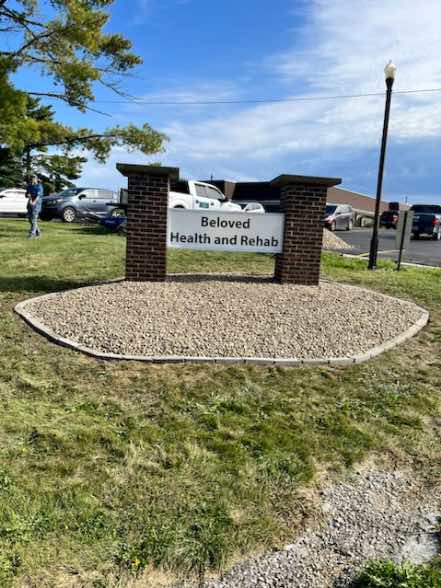
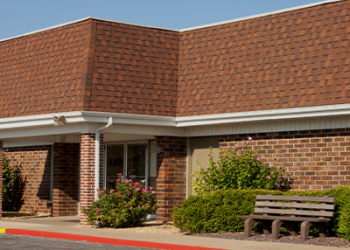
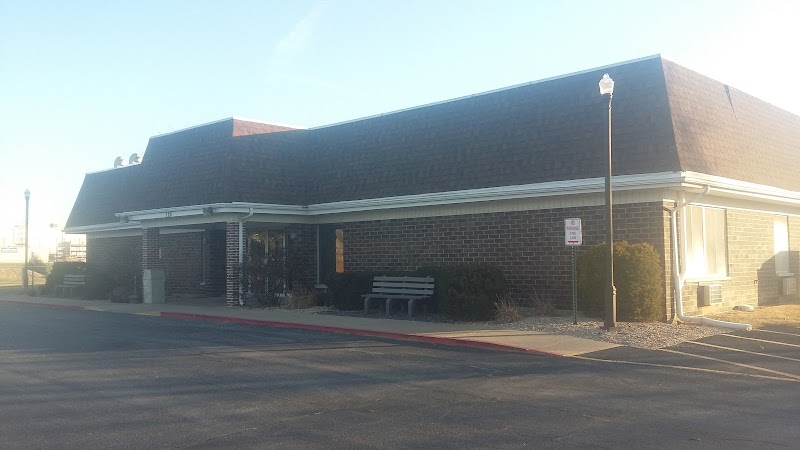
BELOVED HEALTH AND REHABILITATION CENTER

328 MUNGER LANE, HANNIBAL, MO 63401 (573) 577-2100
For profit - Individual 111 Beds Independent Data: November 2025 4 Immediate Jeopardy citations
Trust Grade
0/100
#341 of 479 in MO
Last Inspection: November 2024

Within standard 12-15 month inspection cycle. Federal law requires annual inspections.

Overview

Beloved Health and Rehabilitation Center has received a Trust Grade of F, indicating significant concerns about its care quality and overall environment. Ranking #341 out of 479 facilities in Missouri places it in the bottom half, and #3 out of 5 in Marion County suggests only two local options are better. While the facility is reportedly improving, reducing issues from 80 in 2024 to just 3 in 2025, serious problems remain, including a high fine total of $286,739, which is higher than 97% of Missouri facilities. Staffing appears to be a strength with a turnover rate of 0%, but the nursing coverage is concerning as it falls below 83% of state facilities. Additionally, critical incidents include a resident leaving the facility unnoticed and suffering harm, as well as inadequate management of diabetic residents’ blood sugar levels, raising serious safety and care quality concerns.

Trust Score
F
0/100
In Missouri
#341/479
Bottom 29%
Safety Record
High Risk
Review needed
Inspections
Getting Better
80 → 3 violations
Staff Stability
○ Average
Turnover data not reported for this facility.
Penalties
✓ Good
$286,739 in fines. Lower than most Missouri facilities. Relatively clean record.
Skilled Nurses
⚠ Watch
Each resident gets only 9 minutes of Registered Nurse (RN) attention daily — below average for Missouri. Fewer RN minutes means fewer trained eyes watching for problems.
Violations
⚠ Watch
134 deficiencies on record. Higher than average. Multiple issues found across inspections.
★☆☆☆☆
1.0
Overall Rating
★☆☆☆☆
1.0
Staff Levels
★★★☆☆
3.0
Care Quality
★☆☆☆☆
1.0
Inspection Score
Stable
2024: 80 issues
2025: 3 issues

The Good

  • Full Sprinkler Coverage · Fire safety systems throughout facility
  • No fines on record

Facility shows strength in fire safety.

The Bad

1-Star Overall Rating

Below Missouri average (2.5)

Significant quality concerns identified by CMS

Federal Fines: $286,739

Well above median ($33,413)

Significant penalties indicating serious issues

The Ugly 134 deficiencies on record

4 life-threatening 11 actual harm
Apr 2025 1 deficiency 1 IJ
CRITICAL (J) 📢 Someone Reported This

A family member, employee, or ombudsman was alarmed enough to file a formal complaint

Immediate Jeopardy (IJ) - the most serious Medicare violation

Accident Prevention (Tag F0689)

Someone could have died · This affected 1 resident

**NOTE- TERMS IN BRACKETS HAVE BEEN EDITED TO PROTECT CONFIDENTIALITY** Based on observation, interview and record review, the facility failed to ensure one resident (Resident #1), who was identified ...

Read full inspector narrative →
**NOTE- TERMS IN BRACKETS HAVE BEEN EDITED TO PROTECT CONFIDENTIALITY** Based on observation, interview and record review, the facility failed to ensure one resident (Resident #1), who was identified as at risk for elopement, in a review of six sampled residents, did not leave the facility without staff knowledge. Staff failed to ensure an interior, alarmed, coded double door, as well as the front entrance door alarms were activated and secured on 3/27/25. The resident exited the facility through the interior, alarmed, coded double doors, leading from the dining room to the facility front entrance and exited through the front entrance door without the alarm sounding and without staff knowledge. He/She walked one mile to a convenience store across four lanes of traffic and fell by the roadway. A passing car assisted the resident and called the police who returned the resident to the facility. Facility staff failed to complete face checks every two hours and the resident was out of the facility for four hours before staff identified the resident was missing. The facility census was 78. On 4/4/25 the administrator was notified of the Past Non-Compliance Immediate Jeopardy (IJ) which occurred on 3/27/25. On 3/27/25, the administrator identified Resident #1 eloped from the facility. Upon discovery, staff conducted an investigation and notified appropriate parties including the police. In-service education was provided for all facility staff including updated elopement policies, face check policies and door monitoring policies. Staff completed elopement risk assessments for all residents and the elopement risk and code white procedure books were updated with current risk assessments and code white procedures. The IJ was corrected on 3/28/25. Review of the facility's facility Elopement Policy, dated 2/15/23, showed the following: -The purpose was to ensure the safety of the residents by establishing a clear and effective protocol for responding to incidents of elopement, defined as a resident leaving the facility without authorization; -The facility was committed to maintaining a safe and secure environment for all residents. In the event that a resident was discovered missing, the following steps must be taken immediately by all staff members to initiate a thorough search and ensure the resident's swift and safe return; -Call a Code White, begin an in-building search immediately, notify the designated supervisor or facility manager, initiate an outside search if the resident is not found inside the facility, call the police, document the incident in detail; -All staff members receive training on the elopement policy as part of orientation and ongoing education to ensure familiarity with procedures and responsibilities. During an interview on 4/4/25 at 9:55 A.M., the Assistant Administrator said the facility did not have a written policy regarding expectations or frequency of staff completing resident face checks or on securing the entrance doors at night. Review of Resident #1's Elopement Risk Assessment, dated 3/2/24, showed staff documented the following: -The resident was cognitively impaired and independently mobile; -History of a desire to leave the facility and wandering activity; -At risk for elopement, proceed with interventions and elopement risk care plan; -Elopement risk factors included an active mental illness and anger related to placement in the facility; -Interventions put in place to prevent the resident from eloping included a secure unit and frequent visual monitoring. Review of the resident's Care Plan, initiated 6/18/24, showed the following: -Diagnoses of schizophrenia (a serious mental illness characterized by disorganized thinking, distorted perceptions, and impaired social and emotional behavior), restlessness and agitation, lung cancer, and muscle weakness; -At risk for injury and alteration in health. The resident had lung cancer and refused treatment; -Highly functional and able to complete activities of daily living with supervision and cues. Allow time to complete task and intervene as needed and monitor for decline in function; -At risk for falls. Ensure proper footwear, keep pathway cleared for safety. Review of the resident's quarterly Minimum Data Set (MDS) a federally mandated assessment instrument, completed by facility staff, 12/2/24 showed the following: -Moderately impaired cognition; -The resident had hallucinations (perceptual experiences in the absence of real external sensory stimuli) and delusions (misconceptions or beliefs that are firmly held, contrary to reality); -Independent in mobility; -Shortness of breath with exertion of walking, bathing, transferring and lying flat. Review of the resident's record showed staff had not documented any additional elopement risk assessments since 3/2/24. Review of the resident's annual MDS dated [DATE], showed the following: -Cognitively intact; -No hallucinations or delusions; -Independent in mobility. Review of the resident's Care Plan, revised 3/23/25, showed no staff direction or interventions regarding the resident's elopement risk and no staff direction to complete face checks every two hours. Review of the resident's Point of Care (electronic system used to document completed tasks. Staff click on the task box indicating the task was completed) face check documentation showed the following: -On 3/27/25 at 10:00 P.M. the face check task was green indicating staff completed a face check and visualized the resident; -On 3/28/25 at 12:00 A.M. and 2:00 A.M. showed the face check task was red indicating staff did not complete face checks at those times. Review of the resident's nurses' note, dated 3/28/25 at 5:05 A.M., showed Licensed Practical Nurse (LPN) C documented he/she was notified at 2:45 A.M. the resident was not on the unit. A thorough search was completed throughout the facility and staff were unable to locate the resident. The local police department, Director of Nursing (DON) and Administrator were notified. At 3:55 A.M. the resident was located and brought back to the facility by the local police department. Resident noted to have skin tear to the left hand. Resident said he/she tripped and fell. During an interview on 4/3/25 at 12:15 P.M., the Administrator said the facility video camera showed on 3/27/25 at 10:32 P.M., LPN B secured the front doors. The alarms were located at the top of the door and the camera footage did not show the door alarm indicators turned red indicating the two front doors were secured. At 11:30 P.M., Resident #1 pushed open the front exit door and exited the facility without any alarms sounding. The resident would not be able to push the door open without it alarming if the doors were secured and the alarms were activated. No other residents, staff, or visitors were seen entering or exiting the facility between 10:32 P.M. and 11:30 P.M. During an interview on 4/3/25 at 2:35 P.M., LPN B said on 3/27/25 he/she secured the facility front double doors sometime after 9:00 P.M. The charge nurse secured the front doors every night around 9:00 P.M. He/She made rounds and found the front exit doors were not secured and the alarm activated. He/She had a key and secured both doors with the key, the alarm lights turned red indicating the doors were secured and the alarm activated. The doors secured like normal, and the lights turned red. He/She saw Certified Nurse Aide (CNA) A at the nurses desk charting that night but was unsure of the time. LPN B did not see Resident #1 in the dining room area after the 10:30 P.M. smoke break. Staff were supposed to complete face checks every two hours on all residents. During an interview on 4/3/25 at 2:00 P.M., CNA A said on 3/27/25 the resident went out to smoke in the courtyard at 10:30 P.M. with other residents. The resident came inside after smoking and went to his/her room. CNA A sat at the nurses desk around 11:00 P.M. charting. He/She did not complete resident face checks at 12:00 A.M. or 2:00 A.M.; he/she completed cleaning duties and other assigned duties. At 2:45 A.M., he/she completed face checks and noted the resident was missing. Staff searched the entire facility and outside without finding the resident. CNA A did not see the resident walk through the dining room and had not seen the resident since the 10:30 P.M. smoke break. He/She should have completed rounds and face checks at 12:00 A.M. and 2:00 A.M. During an interview on 4/3/25 at 3:05 P.M., LPN C said LPN B secured the front doors around 10:30 P.M., a little later than usual. The charge nurse usually secured and activated the front door alarms between 8:00 P.M. and 9:00 P.M. every night. At 2:45 A.M., CNA A said he/she could not find Resident #1. Staff checked the entire facility and surrounding area outside, called the police and management staff. LPN C saw the resident when the police brought the resident back. The resident was shaken up and had a skin tear on his/her hand. During an interview on 4/3/25 at 1:45 P.M., the resident said he/she wanted to get outside and leave. He/She did not like it at the facility, especially the food. That night he/she went outside to smoke in the courtyard with other residents and a staff member. He/She came back inside after smoking and went to the dining room. He/She wore a coat outside to smoke and did not remove the coat. He/She did not see anyone in the dining room. He/She looked and the double door from the dining room light was green (indicating the door was not secured), and went through the double doors and then on to the front door. The front door code light was green (indicating the door was not secured). He/She went out the front door, walked down the hill to the road, and walked to the convenience store and tried to reach a highway towards home. He/She fell by the roadway and a passing car stopped, helped the him/her up and called the police department. The local police brought him/her back to the facility. It was hard to breathe and walk that far. Observation of the facility on 4/3/25 at 11:55 A.M., showed the following: -Interior, double doors leading from the dining room to the front entrance area. Staff entered a number code in the keypad allowing the doors to open without sounding the alarm when passing through the doors. The alarm code changed from red to green when the number code was entered and remained green for 45 seconds before relocking automatically and the alarm code turned red after the door automatically locked. If the door remained open or the door handle was pushed for 15 seconds, a door alarm sounded; -Exterior double doors at the front entrance. The doors were not alarmed during the day. Observation on 4/3/25 at 5:00 P.M., showed the facility entrance door lead to the parking lot and across a grassy area to a two lane well traveled city street without sidewalks. This led through an underpass that connected one residential area to a shopping area. The resident's path then turned east down a heavily traveled two lane road with sidewalks and across a bridge to a major highway and business area. The resident crossed four lanes of highway traffic with multiple stop lights to a large truck stop convenience store, one mile from the facility. On the night of 3/27/25 the outside environmental temperature ranged between 50 and 60 degrees. During an interview on 4/4/25 at 11:15 A.M., the DON said staff should complete an elopement assessment on every resident on admission and initiate a care plan with interventions to prevent elopements. Staff should be aware of residents at risk for elopement. A book was kept at the nurses desk listing the residents at risk for elopement and the code white procedure. Resident #1 was an elopement risk, but was not included in the elopement book at the nurses desk. Staff should have completed face checks every two hours as assigned on the electronic charting tasks. The dining room interior double doors were not secured, and the front entrance door was not secured. The resident went out the door without any alarms sounding and staff were unaware the resident was missing for four hours. During an interview on 4/3/25 at 12:15 P.M., the Administrator said the nurse was late closing and activating the front entrance door alarms on 3/27/25. Staff failed to do face checks on time that night. Staff needed to complete face checks every two hours and check the front door to make the sure the doors were secured. The resident went out the dining room double doors and front entrance doors without setting off an alarm. MO 00251823
Feb 2025 2 deficiencies
CONCERN (D) 📢 Someone Reported This

A family member, employee, or ombudsman was alarmed enough to file a formal complaint

Potential for Harm - no one hurt, but risky conditions existed

Accident Prevention (Tag F0689)

Could have caused harm · This affected 1 resident

Refer to 4RZT12. This deficiency is uncorrected. For previous examples, see the Statement of Deficiencies dated 11/27/24. Based on observation, interview and record review, the facility failed to pro...

Read full inspector narrative →
Refer to 4RZT12. This deficiency is uncorrected. For previous examples, see the Statement of Deficiencies dated 11/27/24. Based on observation, interview and record review, the facility failed to provide for a safe transfer for two residents (Resident #5 and Resident #12) in a review of 23 sampled residents. Facility staff failed to use a gait belt for the transfer of Resident #5 from his/her wheelchair to his/her bed, which resulted in a near-fall, and facility staff failed to use the appropriate size of a mechanical lift pad, based on resident weight, for the transfer of Resident #12 by a mechanical lift, causing the resident to complain of the sling hurting him/her during the transfer process. The facility census was 83.
CONCERN (E) 📢 Someone Reported This

A family member, employee, or ombudsman was alarmed enough to file a formal complaint

Potential for Harm - no one hurt, but risky conditions existed

Deficiency F0809 (Tag F0809)

Could have caused harm · This affected multiple residents

Refer to 4RZT12. Based on observation, interview and record review, the facility failed to ensure staff offered suitable, nourishing evening snacks for three residents (Resident #10, #21, and #22), i...

Read full inspector narrative →
Refer to 4RZT12. Based on observation, interview and record review, the facility failed to ensure staff offered suitable, nourishing evening snacks for three residents (Resident #10, #21, and #22), in a review of 23 sampled residents, who wished to have a snack offered. The facility census was 83.
Nov 2024 49 deficiencies 2 Harm
SERIOUS (G) 📢 Someone Reported This

A family member, employee, or ombudsman was alarmed enough to file a formal complaint

Actual Harm - a resident was hurt due to facility failures

Accident Prevention (Tag F0689)

A resident was harmed · This affected 1 resident

**NOTE- TERMS IN BRACKETS HAVE BEEN EDITED TO PROTECT CONFIDENTIALITY** MO245438 MO245274 Based on observation, interview, and record review, the facility failed to ensure interventions were in place ...

Read full inspector narrative →
**NOTE- TERMS IN BRACKETS HAVE BEEN EDITED TO PROTECT CONFIDENTIALITY** MO245438 MO245274 Based on observation, interview, and record review, the facility failed to ensure interventions were in place to prevent injuries/accidents for four residents (Residents #6, #7, and #20). Resident #6 had a history of self harm and swallowing batteries. The facility failed to ensure the resident did not have accessibility to batteries. The resident swallowing four triple A batteries and required treatment at the hospital. The facility also failed to ensure staff transported Resident #7, #15 and #20 in their wheelchairs with foot rests, failed to ensure two residents (Residents #243 and #250) did not smoke near hazardous items, and failed to ensure chemicals were kept secured and not accessible to residents. The facility census was 87. During an interview on 11/25/24 at 2:46 P.M. the Administrator said the facility did not have a policy for protective oversight/preventing accidents/hazards, safety when propelling wheelchairs, safety when transporting residents in the facility van or storage of toxics. Record review of the facility's undated smoking policy showed the following: -The facility shall establish and maintain safe resident smoking practices; -Prior to, or upon admission, residents shall be informed about any limitations on smoking, including designated smoking areas; -Metal containers, with self-closing cover devices, shall be available in smoking areas; -Ashtrays shall only be emptied into designated receptacles. 1. Review of Resident #6's progress notes, dated 7/28/24, showed the resident was at the nurse's station with four batteries and told staff he/she was depressed and wanted to swallow them but decided not to and to notify staff. Director of Nursing (DON) notified. Review of the resident's quarterly Minimum Data Set (MDS), a federally mandated assessment instrument to be completed by the facility and dated 9/4/24 showed the following: -Short and long term memory intact; -Moderately independent with with daily decisions, some difficulty in new situations only; -No behaviors impacting self or others; -Used a wheelchair or scooter; -Independent with locomotion on unit; -Supervision to touch assist with eating; -Received antipyschotic, antianxiety, antidepressants the last seven days of the look back period. Review of the resident's progress notes showed the following: -On 9/22/24 at 8:10 P.M., staff reported the resident swallowed four batteries. Resident on 1:1, 911 notified and resident sent per ambulance to the hospital; -On 9/23/24, call to hospital for update on resident who was admitted . Four non-eroded batteries were removed from the resident's stomach. Resident on 1:1, psychiatric evaluation in the morning. Review of the resident's care plan, last revised 9/25/24, showed the following: -Mood problem related to diagnosis of bipolar and depression; -History of self harm and swallowing batteries as a way of self harm; -Remove from situations as needed; -Behavioral health consults as needed. Review of a resident contract, dated 10/22/24, created by the facility and signed by the resident, showed the resident agreed to no longer cause harm to himself/herself by swallowing anything or trying to hurt himself/herself in any way. Review of the resident's Physician Order Sheet (POS), dated 11/2024, showed the following: -Diagnoses included post traumatic stress disorder (difficulty recovering after a traumatic event) (PTSD), bipolar disorder (high and low mood swings) and anxiety (worry and fear); -Allergies included lithium. Review of a standard progress note from the resident's Licensed Social Case Worker (LSCW), dated 11/12/24, showed the resident denied having any thoughts of suicide, but he/she did have thoughts of harming himself/herself after he/she had a flashback last Friday. Therapist informed staff the resident was having thoughts of hurting himself/herself. Review of the resident's progress notes showed the following: -On 11/19/24 at 9:00 P.M. (a late entry), the resident was at the nurse's station reporting to have ingested a foreign object. Order to send the resident to the hospital; -On 11/20/24 at 11:58 A.M., call from case manager who reported they were able to recover one battery. During an interview on 11/21/24 at 2:13 P.M., Certified Nurse Assistant (CNA) R said the following: -He/She was aware of the resident swallowing batteries in the past, but did not know the resident had swallowed them a second time; -He/She was not educated to search the resident's room for batteries; -He/She was not aware of any rules related to batteries such as counting or securing them. During an interview on 11/21/24 at 2:30 P.M., Licensed Practical Nurse (LPN) B said the following: -He/She did not know if the resident was allowed to have a remote control; -He/She was not aware of any routine room checks, daily, weekly or other to check for batteries; -He/She was not sure of any inservices related to the incident. During an interview on 11/21/24 at 3:00 P.M. Registered Nurse S said the following: -He/She knew the resident was 1:1 after the September incident ingesting batteries; -He/She had not been inserviced on anything related specifically to batteries; -Batteries were not to be laying out, they were locked and kept in the maintenance department. During an interview on 11/25/24 at 5:25 P.M the Director of Nurses (DON) said the following: -After the first incident in September the facility put the resident on 1:1, inserviced staff, updated the care plan, obtained the guardian's permission to search the resident's room, notified psych and consult completed, and started counseling services; -She had not conducted any investigation regarding the resident's latest incident. She had only talked with two licensed nurses; -They did not know where the resident got the batteries. During an interview on 11/26/24 at 11:35 A.M., the resident said the following; -He/She was depressed and wanted to kill himself/herself on the day he/she swallowed batteries (11/19/24); -He/She felt like he/she wanted to die because Thursday was the anniversary of him/her being sexually, mentally and physically abused; -He/She swallowed four triple A batteries while in his/her room before being sent to the hospital; -He/She obtained the batteries from his/her three remote controls (two for his/her television and one for his/her dvd player); -He/She had not told anyone he/she was going to swallow the batteries before he/she did it but did tell the nurse 30-45 minutes afterward; -The only time the facility had kept his/her remotes from him/her was when he/she was on 1:1 the last time he/she swallowed batteries. He/She has had his/her remotes (with batteries) in his/her room ever since. During an interview on 11/26/24 at 12:46 P.M. the Social Service Director said the following: -He/She became familiar with the resident in September when she took over this position; -She knew holidays and birthdays were triggers for the resident; -She was not instructed to look for remotes or batteries but did not see a remote in the resident's room; -When the resident was on 1:1 after the last incident the facility had his/her remote. 2. Review of Resident #3's quarterly MDS, dated [DATE] showed the following: -Moderately impaired cognition; -Used walker and wheelchair; -Independent with ambulation and transfers; -No falls since admission or prior assessment. Review of the resident's care plan, last revised 11/1/24 showed the following: -Diagnoses included seizures and muscle weakness; -At risk for and history of falls; -Used a wheelchair and rollator walker. Review of the resident's progress notes showed the following: -On 11/19/24 at 2:57 P.M. nurse received report from hospital as resident to return to the facility today; -On 11/19/24 at 6:34 P.M. showed the resident returned from the hospital via the facility transporter. During an interview on 11/21/24 at 11:50 A.M. the transporter said the following: -He/She had one resident (Resident #3), who liked to sit on his/her walker in the van during transport and he/she always transported the resident this way; -He/She would secure the walker to the floor of the van with (ratchet type) straps (which were bolted to the floor) to keep it from moving; -He/She had not secured a seatbelt around the resident as there was no way with a walker. 3. Review Resident #20's care plan, last revised 6/12/24 showed the following: -Impaired cognition and impaired thought processes related to Alzheimer's disease progression; -One to two staff assist with transfers; -History of falls, risk for falls; -Monitor placement of feet while assisting resident in wheelchair to reduce resident from planting her feet to stop the wheelchair suddenly causing the resident to propel forward to the floor. When staff is assisting resident in the wheelchair, staff should assist slowly and listen to the resident. If the resident says he/she needs to stop, staff need to stop to see what the resident is needing to reduce him/her from putting his/her feet down, causing him/her to fall forward. (2/22/23). Review of the resident's quarterly MDS dated [DATE], showed the following: -Moderately impaired cognition; -No behaviors or rejection of care; -Substantial to maximum assist for transfers; -Independent with locomotion in wheelchair on unit; -No falls since admission or prior assessment. Review of the resident's fall risk assessment, dated 10/23/24 showed the resident was a high risk (score of 30) for falls. Review of the resident's POS dated 11/2024 showed diagnoses included dementia (memory loss) and repeated falls. Observation on 11/18/24 at 1:45 P.M. showed LPN C pushed the resident in his/her wheelchair from the dining room to the resident's room without any foot rests on the wheelchair. The resident wore grippy socks and his/her feet drug the floor. The staff member did not encourage the resident to lift his/her feet. During an interview on 11/26/24 at 3:19 P.M. LPN C said staff should not push residents in their wheelchairs without foot rests. During an interview on 11/26/24 at 3:30 P.M. the Direct of of Nurses (DON) said the following: -Resident #6 should not have had remotes with batteries in his/her possession, she would have expected staff to monitor for this, staff met with the resident daily. She did not feel like the facility was able to provide protective oversight for the resident; -Staff should not push residents in wheelchair without foot rests as they could put their feet down and be thrown from the chair; -She would not expect staff to transport a resident, while the resident sat on the seat of their walker, in the facility van. Residents should sit in a seat with their seatbelt fastened. During an interview on 11/25/24 at 6:30 P.M. the Administrator said the following: -The first time Resident #6 swallowed batteries and returned from the hospital they put the resident 1:1 indefinitely and gave a 30 day discharge notice. As the weeks passed, the resident became better and they had him/her sign a behavior contract which said he/she would not self harm again. They slowly removed the 1:1, stopping the night 1:1 at first. The SSD was assigned to meet with the resident and he/she had a psych consult and started counseling; -The social service person met with the resident several times a week (but not daily) to check on him/her; -The facility could not provide inservice records related to the resident swallowing batteries in September as they did not have any records. 4. Observation on 11/18/24 at 3:28 P.M., in the courtyard outside the B and C halls, showed four unidentified residents and one staff member sat under the pavilion and smoked cigarettes. A barbecue grill with a connected propane tank that was located within one foot of two of the residents. Observation on 11/20/24 at 9:09 A.M., in the courtyard outside the B and C halls, showed the following: -Resident #243 sat alone under the pavilion and smoked a cigarette; -A barbecue grill with a connected propane tank was located within five feet of the resident; -A sign on the inside of the door to the courtyard read, Attention!!! No resident can be outside in the courtyard without staff being present with them, no exceptions!!! Observation on 11/20/24 at 10:18 A.M., in the courtyard outside the B and C halls, showed the following: -Resident #250 smoked a cigarette approximately three feet from the door; -Signs posted on the exterior walls near the door read, No Smoking; -Two oxygen cylinders sat in a holder, located on the interior side of the door, approximately 15 feet from where Resident #250 smoked a cigarette. During an interview on 11/20/24 at 12:38 P.M., the Maintenance Director said smoking should not occur around hazardous items such as propane or oxygen tanks. 5. Observations on 11/18/24 at 3:33 P.M. and on 11/20/24 at 9:09 A.M., in the courtyard outside the B and C halls, showed residents entered and exited the courtyard through a facility door. Residents routinely sat under the pavilion and smoked cigarettes. An unlocked shed, approximately 10-foot by 10-foot in size, was located near the pavilion in the courtyard and contained several bottles of nail polish remover. The label of one bottle read, Warning: harmful if ingested, keep out of reach of children. During an interview on 11/20/24 at 12:38 P.M., the Maintenance Director said items such as nail polish remover should be stored in a secure manner and inaccessible to residents. The facility's former activity director, who resigned over the weekend, was responsible for ensuring these items were stored securely.
SERIOUS (G) 📢 Someone Reported This

A family member, employee, or ombudsman was alarmed enough to file a formal complaint

Actual Harm - a resident was hurt due to facility failures

Deficiency F0697 (Tag F0697)

A resident was harmed · This affected 1 resident

**NOTE- TERMS IN BRACKETS HAVE BEEN EDITED TO PROTECT CONFIDENTIALITY** Based on observation, interview, and record review, the facility failed to consistently assess pain, document why pain medicatio...

Read full inspector narrative →
**NOTE- TERMS IN BRACKETS HAVE BEEN EDITED TO PROTECT CONFIDENTIALITY** Based on observation, interview, and record review, the facility failed to consistently assess pain, document why pain medications were not administered when pain was identified, failed to medicate prior to treatment, failed to develop a care plan to implement appropriate pain interventions during and prior to care that elicited pain, and failed to address a sling causing pain for three residents (Resident #19, #36, and #80) in a review of 20 sampled residents, when the residents displayed signs of pain and some were not able to verbalize pain. Resident #19 had fractures and swelling of his/her right extremity, and the resident's sling was placed incorrectly. The resident verbalized distress with his/her limited speech and staff failed to use ordered interventions to assist the resident who showed facial grimacing, guarding, and expressed his/her arm hurt. Resident #80 grimaced, moaned, and guarded limbs with extreme contractures during care and staff failed to identify pain and administer medications ordered for pain control. Resident #36 said the staff never asked him/her about his/her pain and did not administer medications or interventions ordered by the physician for pain, and he/she was in pain all of the time. The facility census was 87. Review of the facility policy Pain Care and Management, dated 11/30/22, showed the following: -The facility's Pain Care Committee consists of the Director of Nursing, Restorative Nurse, MDS Coordinator, and Quality Assurance Nurse/Designee; -QA will meet as needed to examine the effectiveness of the facility's pain care program -Comprehensive pain assessments must be completed with: -Every scheduled resident assessment; -A significant change in the resident's condition; -Any change in the resident's level or frequency of pain; -Any change in the resident's response to pain medications; -A specialized pain assessment must be used for residents with cognitive and/or communication deficits, that includes monitoring for indicators of pain, such as: -Grimacing, crying, or frowning; -Guarding or protecting a body part; -Groaning, grunting, moaning, sighing, or tense voice; -Pain assessments must include: -Location of pain; -Description of pain in the resident's own words and/or using a pain scale -Frequency of pain, usual level of pain; -What alleviates pain -What exacerbates pain; -Measurement of how pain effects areas of the resident's life, such as activities of daily living, sleep appetite, and mood; -Pain management should be based on the resident's changing needs and responses. -For residents with daily or chronic pain, maximum pain relief is achieved with around the clock medications and PRNs for breakthrough pain. -Pain medications are more effective when given before activities or treatments that exacerbate pain. -Non-pharmacological measures should be used along with pharmacological measures for maximum pain relief and include repositioning; -Care Planning - the care plan should be based on in-depth assessment of the resident's pain and treatment history, are individualized to his particular needs and preferences; -Pain care plans must be updated with any change in the resident's level or frequency of pain. -New interventions must be implemented when old interventions are ineffective. -Monitoring when the Unit Nurse administers a pain medication, she must document in the resident's Medication Administration Record (MAR), chart, and pain monitoring flow sheet, and on the 24 Hour Report: -Why the pain medication was administered - signs and symptoms observed or the resident's specific complaint of pain; -What non-pharmacological interventions were used; -Effectiveness of the medication and interventions -Cognitively impaired residents must be observed for pain at regular intervals. 1. Review of Resident #19's Care Plan, dated 09/22/23, showed the following: -Risk for pain and discomfort related to hemiparesis (paralysis one side of the body), and seizure activity; -Monitor/record/report to nurse if resident complains of pain; -Notify physician if interventions are unsuccessful or if current complaint is a significant change from residents past experience of pain; -Administer analgesia Tylenol as per orders; -Anticipate the resident's need for pain relief and respond immediately to any complaint of pain; -Assess resident every shift for pain. Review of the resident's annual Minimum Data Set (MDS), a federally required assessment completed by staff, dated 07/09/24, showed the following: -Severe cognitive impairment; -Diagnosis of hemiplegia (paralysis one side of the body), total brain injury, seizure disorder, aphasia (inability to express themselves by speaking); -Rarely/Never understood or understands; -No behaviors or rejection of care; -Limited functional range of motion in one upper and one lower extremity; -Requires substantial/maximal assistance from staff for roll left and right, sit to lying, lying to sitting on side of bed; -Dependent on staff for oral hygiene, toileting hygiene, shower/bathe, upper body dressing, lower body dressing, putting on/taking off footwear, personal hygiene, sit to stand, chair/bed-to-chair transfer, and tub/shower transfer; -Always incontinent of bowel and bladder; -No scheduled or as needed pain medication; -Staff assessment of pain is blank (did not answer yes or no, questions not answered). Review of the resident's Nurses Progress Notes, dated 08/09/24, at 4:20 P.M., showed the following: -Resident approached nurses station saying, one, two, one, two which staff interpreted as the resident was in distress; -Resident nodded yes having right sided pain and left leg pain; -Tylenol administered; -Left message for physician. Review of the resident's Nurses Progress Notes showed no documentation staff assessed to determine if Tylenol administered on 08/09/24, at 4:20 P.M., was effective in relieving the resident's pain. Review of the resident's Nurses Progress Note, dated 08/10/24, at 4:56 P.M., showed the following: -Resident's DPOA (durable power of attorney) concerned with the edema in the resident's right arm; -Right arm swollen considerably more than the left arm; -Resident sent to the emergency room. Review of the resident's Nursing Progress Notes, dated 08/10/24, at 11:00 P.M., showed the following: -Resident returned from the emergency room with diagnosis of humeral fracture; (fracture of a bone in the arm); -Sling in place to right upper extremity; -New medication for Norco (narcotic pain medication) 5/325 mg every six hours as needed for pain. Review of the resident's Nursing Progress Notes, dated 08/16/24, at 2:01 P.M., showed a provider ordered Voltaren gel (a topical anti inflammatory medication) 1% to right shoulder every eight hours for pain, and new order for mechanical lift transfers. Review of the resident's Nursing Progress Notes, dated 08/19/24, at 2:57 P.M., showed the resident has had fluid shift from the shoulder to the forearm even with repositioning and elevation. Physician, guardian and orthopaedic physician notified of new edema. Review of the resident's Care Plan, updated 08/26/24, showed the following: -(Added 08/26/24 for fracture that occurred 08/10/24); -Resident returned from the emergency room with a diagnosis of a right humeral fracture with a sling in place to the right upper extremity; -Norco 5/325 mg every six hours as needed for pain; -Pillow placed under right upper extremity for stabilization. Review of the resident's Nursing Progress Notes, dated 09/02/24, at 2:10 P.M., showed the physician office faxed regarding the resident having increased swelling in the right hand. Resident's arm elevated and resident given pain medication as displaying he/she was in pain. Review of the resident's Nursing Progress Notes, dated 09/05/24, at 2:10 P.M., showed the following: -Resident pointed to his/her right side for the nurse; -Complaints of pain under his/her right breast down his/her right side; -White patches on his/her side and arm, physician notified. Review of the resident's physician's orders, dated 09/06/24, showed the resident may wear sling to right arm/shoulder when up in the wheelchair to minimize swelling for two weeks then discontinue. Review of the resident's Nursing Progress Notes, dated 09/28/24, at 1:52 P.M., showed the physician ordered to discontinue hydrocodone five days after 09/23/24, then begin Tramadol 50 mg every six hours for pain. Review of the resident's Nursing Progress Notes, dated 09/30/24, at 10:31 A.M., showed the following: -Right arm and hand was swollen and tender to touch; -Resident cries out in pain if right arm is lifted. Review of the resident's Nursing Progress Notes, dated 09/30/24, at 5:01 P.M., showed the following: -Resident received an order for right arm and hand being swollen: -Ice pack for 24 hours and to get an X-ray of the right arm; -Orders sent. Review of the resident's radiology report, dated 09/30/24, showed a fracture of the distal radius (bone in the fore arm where it connects to the wrist) with mild posterior angulation (Colles fracture-a break in the radius bone of the wrist that occurs when the broken end of the bone bends backward). The radiologist wrote that it was difficult to determine the age of the fracture given the severe osteopenia. (reduced bone mass). Review of the resident's quarterly MDS, dated [DATE], showed the resident had no scheduled or as needed pain medication and staff did not assess the resident's pain. (Pain section was blank). Review of the resident's Orthopaedic Note, dated 10/10/24, showed the following: -Resident being seen for evaluation of right wrist symptoms that have been going on for two weeks; -Symptoms include swelling; -Swelling at the wrist on examination; -Healing fracture of the right shoulder proximal humerous (a break in the upper arm bone near the shoulder joint); -Right wrist volatile minimally angulated fracture; -Both fractures are in the flaccid (hanging loose or limp) right upper extremity; -Plan: Os-Cal D500 twice daily (calcium supplement), splint on the right wrist for the radius fracture for four weeks, lymphadema sleeve (a compression sleeve to reduce swelling), have physical therapy specify might be ideal to manage the swelling, acetaminophen (Tylenol) for pain as needed; -Revisit in six weeks. Review of the resident's physician orders did not include the splint on the resident's wrist, orders for physical therapy, a lymphedema sleeve, or acetaminophen. Review of the resident's Medication Administration Record, dated 11/05/24, showed the resident had a pain level of two (on a scale of 1-10 with 10 being the worst pain possible), and staff administered Tramadol 50 mg for pain. Review of the resident's Medication Administration Record, dated 11/06/24, on day shift showed staff documented NA on the resident's pain score. Review of the resident's Medication Administration Record, dated 11/07/24, on night shift showed staff documented 1 on the resident's pain score. Review of the resident's Medication Administration Record, 11/08/24, on night shift showed staff documented 1 on the resident's pain score. Review of the resident's Medication Administration Record, 11/08/24, showed the resident had a pain level of six and staff administered Tramadol 50 mg for pain. Review of the resident's Medication Administration Record, 11/09/24, on day shift showed staff documented 3 on the resident's pain score. Review of the resident's Medication Administration Record, 11/09/24, showed the resident had a pain level of three and staff administered Tramadol 50 mg for pain. Review of the resident's Nurses Progress Notes showed no documentation staff assessed to determine if Tylenol administered on 08/09/24 at 4:20 P.M., was effective in relieving the resident's pain. Review of the resident's Medication Administration Record, 11/12/24, at 4:35 P.M. showed the resident had a pain level of four and staff administered Tramadol 50 mg for pain. Review of the resident's Nursing Progress Notes, dated 11/12/24, at 3:34 P.M., showed the following: -Faxed physician in regard to Tramadol 50 mg order; -Resident used Tramadol six times last month and three times this month so far, medication requires a new prescription, physician response requested to continue or discontinue medication. Review of the resident's Nursing Progress Notes, dated 11/12/24, at 4:26 P. M., showed the physician responded to fax for Tramadol and wanted to continue the medication, a new prescription was sent to the pharmacy. Review of the resident's Nursing Progress Notes, dated 11/12/24, at 7:11 P.M., showed the resident received Tramadol 50 mg at 4:35 P.M., and it was effective 0. Review of the resident's Medication Administration Record, 11/19/24, on day shift showed staff documented 0 on the resident's pain score. Observation of the resident on 11/19/24, at 12:26 P.M., showed the following: -The resident sat in a wheelchair at the dining room table; -The Resident had a sling on his/her right arm. The sling was not placed properly and the resident's arm was not resting in the sling. The resident's arm was straight and the sling cut into the resident's forearm. The resident's hand had 4+ edema; (a severe case of pitting edema, a condition where the skin retains fluid and appears indented after pressure is applied); -The resident repeated the numbers 1, 2, 1, 2, 5, 4; -The resident nodded yes when asked if he/she was in pain; -The resident grabbed his/her right arm and when the resident moved his/her arm he/she winced and moaned in pain; -The surveyor reported the resident's signs of pain to staff. During an interview on 11/19/24, at 12:45 P.M., the Director of Nursing (DON) said the resident has fractures in the shoulder and wrist. The resident was not supposed to have a sling on and it was not placed properly. She let the nurse know the resident was in pain and his/her edema was worse. The resident was supposed to get therapy to apply a lymphedema sleeve. Review of the resident's Orders Administration Note (Nursing Progress Note generated from the Medication Administration Record), dated 11/19/24, at 2:30 P.M., showed staff administered Tramadol 50 mg for pain (over one and half hours after pain was reported by the surveyor). Review of the Resident's Nurses Progress Notes, dated 11/19/24, at 7:10 P.M., showed staff documented unknown on the follow up pain assessment from the previous Tramadol administration on 11/19/24, at 2:30 P.M. Review of the resident's Orders Administration Note, dated 11/20/24, at 12:16 P.M., showed staff administered Tramadol 50 mg for pain. Review of the Resident's Nurses Progress Notes, dated 11/20/24, at 1:24 P.M., showed staff documented unknown on the follow up pain assessment from the previous Tramadol administration on 11/19/24, at 2:30 P.M. During an interview on 11/20/24, at 1:45 P.M., The DON said the following: -Staff are expected to treat the resident's pain and edema; -She was not sure why the resident had the sling on yesterday; -The resident has Tramadol and hydrocodone for pain control; -The resident's wrist fracture was a spiral shaped fracture and would not be repaired surgically; -The resident could answer yes and no questions, when the residents said numbers, the resident was expressing there was an issue; -The facility was supposed to be getting the resident a lymphedema sleeve and working with therapy. Observation on 11/25/24, at 10:45 A.M., showed the following: -The resident lay in his/her bed; -His/her right arm was positioned partially under his/her body; -The resident grabbed and pulled at his/her right arm, while wincing, moaning and saying 1, 2, 1, 2; -The resident's right arm and hand were swollen 4++, more swollen than the last observation on 11/19/24; -There was a distinct deep crease between the forearm and hand from the increased edema; -The surveyor reported to Licensed Practical Nurse (LPN) B. During an interview on 11/25/24, at 10:55 A.M., LPN B said the following: -Staff are expected to position the resident's arm on a pillow; -Staff are expected to ask the resident about pain every shift, the resident has had pain frequently since the fractures; -The resident can answer yes and no questions appropriately; -The resident has an order for Tramadol for pain and should receive the medication every six hours if he/she was in pain; -The Certified Medication Technicians (CMTs) ask resident's about pain and report pain to the nurse; -No one has reported the resident's pain today. During an interview on 11/25/24, at 11:25 P.M., CMT D said the following: -The resident had Tramadol for pain; -The Certified Nurse Assistants or the nurse tells him/her if a resident was in pain; -If a resident was in pain they try non medication methods to address pain and medication interventions to attempt to lessen a resident's pain; -Pain medication should be administered as soon as the staff are made aware of the pain; -Pain scores are documented as zero unless a resident complains of pain. They do not always ask the resident if they are in pain. During an interview on 11/25/24, at 12:22 P.M., the resident's durable power of attorney said the following: -The resident recently had fractures; -He/She expected staff to attempt to control the resident's pain. The resident had as needed PRN medication to administer. Staff should try to keep the resident's arm elevated on pillows; -The resident could not speak effectively to communicate so he/she expected staff to ask the resident yes or no questions to assess his/her pain every shift. Review of the resident's Medication Administration Record, on 11/25/24, at 3:00 P.M., showed no documentation staff administered pain medication to the resident following the observation on 11/24/24 at 10:45 A.M. Review of the resident's record showed there were no therapy orders since the fractures were found, and no orders for a lymphedema sleeve on the resident's physician orders sheet. 2. Review of Resident #36's care plan, revised 04/15/24, showed the following: -Resident is at risk for increased pain and discomfort related to related to diagnosis of chronic pain; - Anticipate the resident's need for pain relief and respond immediately to any complaint of pain; - Evaluate the effectiveness of pain interventions; -Review for compliance, alleviating of symptoms, dosing schedules and resident satisfaction with results, impact on functional ability and impact on cognition. Review of the resident's annual MDS, a federally mandated assessment completed by staff, dated 7/26/24, showed the following: -Cognitively intact; -Diagnosis included depression; -Minimal symptoms of depression; -No delusions, no hallucinations; -No behaviors, no rejection of care; -Dependent on staff for bed mobility, transfers with a mechanical lift, toilet use and bathing, manual wheelchair and dependent on staff for wheelchair mobility; -Schedule pain medication regimen, has received as needed pain medication, and non medication interventions for pain; -Pain present, frequently and rates his/her pain a 3 on a 1-10 scale; -Shortness of breath with exertion, and when lying flat. Review of the resident's quarterly MDS, dated [DATE], showed the following: -Schedule pain medication regimen, has received as needed pain medication, and non medication interventions for pain; -Pain present, frequently and rates his/her pain a 3 on a 1-10 scale. Review of the resident's Physician's Order Sheet, dated November 2024, showed the following: -Gabapentin (medication for nerve pain) 600 mg four times a day; -Tylenol (pain medication) 650 mg every six hours as needed for discomfort; -Cyclobenzipine (medication for muscle spasms) 10 mg every eight hours as needed for muscle spasms; -Tramadol 50 mg every eight hours for pain as needed; -Baclofen 10 mg twice daily for pain; Review of the resident's MAR, dated 11/01/24-11/18/24, showed staff documented the resident's pain a 0 on every day and night shift. The resident has not received any PRN medications for pain. (Tylenol, Cyclobenzipine, or Tramadol). During an interview on 11/18/24, at 12:16 P.M., the resident said his/her pain is an eight or a nine all the time and he/she felt his/her pain was not controlled. The resident did not remember the last time he/she did not have pain. He/She has a lot of stomach and abdominal pain, and phantom pain from his/her leg amputations. The resident said staff do not ask him/her about his/her pain, but the pain was always there. The pain made it hard to sleep, or focus on what he/she was doing. 3. Review of Resident #'80's admission Minimum Data Set (MDS), a federally required assessment completed by staff, dated 03/09/24, showed the following: -Severe cognitive impairment; -Diagnosis include a stroke, blood clot, pneumonia, aphagia, malnutrition, depression, post traumatic stress disorder (PTSD); -Signs of minimal depression; -Unclear speech rarely/never understood; -Sometimes understands; -Functional range of motion limitations in both upper and both lower extremities; -Dependent all activities of daily living (ADLs); -Uses a wheelchair; -Always incontinent; -99 pounds; -No restorative nursing; -Scheduled pain regimen, unable to do pain interview, staff assessment not completed. Review of the resident's Care Plan, dated 06/04/24, did not include pain. Review of the resident's quarterly MDS, dated [DATE], showed the resident has scheduled pain medication. Review of the resident's quarterly MDS, dated [DATE] ,showed the resident has scheduled pain medication. Review of the resident's Care Plan, last updated 11/01/24, did not include pain. Review of the resident's Physician's Orders, dated November 2024, showed the following: -Tramadol 20 mg two times daily for pain; -Ropiniolol 0.25 mg two times a day for restless leg syndrome; -Acetaminophen 500 mg, give two tablets every six hours as needed for pain. Review of the resident's MAR, dated 11/01/24-11/09/24, showed the staff documented the resident's pain a 0 three shifts per day. Review of the resident's MAR, dated 11/10/23-11/18/24, showed the MAR changed to be a check off and no pain score values were documented. Review of the resident's MAR, dated 11/01/24-11/18/24, showed the staff did not administer the resident's Acetaminophen. Observation on 11/21/24, at 08:45 A.M., showed the following: -Certified Nurse Assistant (CNA) R and Nurse Assistant (NA) E provided care to the resident; -The resident had severe contractures of the right arm and leg; -The resident's body was not aligned, his/her back was curved, with the right leg and right arm drawn up; -When CNA R and NA E rolled the resident side to side the resident's body did not relax and it stayed in a drawn up/flexed position; -The resident grimaced, moaned in pain, and guarded his/her right leg grabbing his/her right leg with his/her left hand every time the staff moved him/her, and moving his/her arms to stop them from turning him in a guarding motion. During an interview on 11/21/24, at 8:55 A.M., CNA R said the resident was in pain because of his/her contractures. Once he/she was in a certain position he/she did not complain, but it hurt the resident every time they moved him/her. He/She was not sure what pain medication the resident was getting. During an interview on 11/25/24, at 11:25 P.M., CMT D said the following: -The resident had Tramadol for pain; -The CNA or the nurse tells him/her if a resident was in pain; -If residents are in pain, they use non medication methods and pain medication to attempt to lessen the resident's pain; -Pain medication should be administered as soon as the staff are made aware of the pain; -Pain scores are documented as zero unless a resident complains of pain. Staff do not always ask residents if they are in pain. During an interview on 11/25/24, at 10:55 A.M., LPN B said the following: -Staff are expected to reposition and try to make resident's experiencing pain comfortable; -Staff are expected to ask the resident about pain every shift; -The CMTs ask resident's about pain and report pain to the nurse; -Staff should attempt non medication and medication interventions for resident's experiencing pain; -If pain is not controlled staff after interventions are exhausted, staff are expected to notify the resident's physician. During an interview on 11/25/24, at 6:55 P.M., the DON said the following: -If a resident was in pain then staff are expected to administer as needed pain medications as soon as they are aware of the pain; -Staff are expected to assess a resident's pain every shift, not just assume if nothing is reported there was no pain. Staff are expected to ask or assess the resident for signs and symptoms of pain; -Uncontrolled pain was expected to be reported to the physician; -The facility reviews residents with increased pain during morning meetings, there was no pain care committee; -The charge nurse was responsible to ensure resident's pain was managed appropriately. MO245289
CONCERN (D) 📢 Someone Reported This

A family member, employee, or ombudsman was alarmed enough to file a formal complaint

Potential for Harm - no one hurt, but risky conditions existed

Resident Rights (Tag F0550)

Could have caused harm · This affected 1 resident

2. Review of Resident #36's care plan, revised 01/22/24, showed the resident required supervision and some staff assistance to eat. Review of the resident's annual MDS, a federally mandated assessment...

Read full inspector narrative →
2. Review of Resident #36's care plan, revised 01/22/24, showed the resident required supervision and some staff assistance to eat. Review of the resident's annual MDS, a federally mandated assessment completed by staff, dated 7/26/24, showed the following: -Cognitively intact; -Required supervision and touch assistance of staff with eating. Observation on 11/25/24 at 6:05 P.M.-6:25 P.M., showed the following: -The resident sat in a geri-chair at the dining room table; -The resident's divided plate rested on the resident's stomach. The resident attempted to hold the divided plate with one hand and attempted to feed himself/herself with the other hand. The resident's hands were shaking. The resident's silverware was wrapped on the table out of the resident's reach; -The resident received a mechanical soft diet which consisted of ground meat, hash browns, and a chocolate chip cake; -The resident attempted to scoop food with his/her hands, but his/her hands were shaking. The resident had small particles of food all over his/her face, stomach, and down the sides of his/her chair; -The resident attempted to feed himself/herself but was only able to get very little food to his/her mouth. An unidentified staff walked by the resident 6:07 P.M. and did not offer assistance; -At 6:22 P.M., Nurse Assistant (NA) E asked the resident if he/she needed help. The resident said, yes, but my food was all over me. NA E went to take the resident's plate, and the resident grabbed his/her cake from the plate and said, Please don't take my cake. The resident took the cake from the plate and NA E put the plate on the table. NA E did not offer to assist the resident to eat his/her cake. During an interview on 11/25/24, at 6:23 P.M., the resident said most of the time he/she could not reach his/her food. There was only one staff who helped him/her with his/her food consistently. He/She would like help because he/she was hungry and could not get all of the food to his/her mouth. He/She felt like a child with food all over him/her; it was embarrassing. During an interview on 11/25/24, at 6:30 P.M., Nurse Assistant (NA) E said he/she thought the resident could feed himself/herself. The staff do not usually feed the resident. During an interview on 11/26/24 at 3:58 P.M., the DON said the following: -Staff should treat residents with dignity and respect; -Staff should assist residents to remain clean and well groomed to maintain their dignity. MO244988 MO245438 Based on observation, interview, and record review, the facility failed to provide care in a manner that enhanced resident dignity and ensured full recognition of individuality for two residents (Resident #20 and #36), in a review of 20 sampled residents. The facility census was 87. Review of the facility policy Respect/Dignity/Right to have Personal Property, dated 11/1/22, showed the following: -It is the policy of the facility to provide care and services in such a manner to acknowledge and respect resident rights. -Exercising rights means that residents have autonomy and choice, to the maximum extent possible, about how they wish to live their everyday lives and receive care, subject to the facility's rules, if those rules do not violate a regulatory requirement. -The resident has a right to be treated with respect and dignity. 1. Review Resident #20's Care Plan, last revised 6/12/24, showed the following: -The resident required one to two staff to assist with transfers; -The resident required staff assistance with choices and supervision, cueing, encouragement and physical assistance for dressing; -Required staff participation of one to two staff for toileting and personal hygiene. Review of the resident's quarterly Minimum Data Set (MDS), a federally mandated assessment instrument to be completed by the facility staff, dated 9/12/24, showed the following: -Moderately impaired cognition; -No behaviors or rejection of care; -Required substantial to maximum assistance for transfers and personal hygiene; -Partial to moderate assist with dressing; -Dependent for toileting; -Always incontinent of bladder and bowel. Observations on 11/18/24 showed the following: -At 1:15 P.M. the resident sat in his/her wheelchair in the dining room eating lunch with three other residents at the table. A large puddle of liquid lay on the floor directly under the resident's chair. There was a strong smell of urine. Multiple staff walked around and past the resident's table, serving trays and drinks; -The puddle of liquid remained under the resident's wheelchair from 1:15 P.M. until 1:45 P.M. as the resident continued to eat his/her lunch. Three residents sat at the resident's table and other residents and staff were in the dining room; -At 1:45 P.M. staff pushed the resident to his/her room, removed his/her visibly urine soiled pants and saturated incontinence brief and toileted the resident. Observation on 11/20/24 at 8:40 A.M. showed the following: -The resident sat in his/her wheelchair in his/her room eating breakfast that sat on the over-the-bed table; -The resident wore only a shirt that was wet along the bottom edges, an incontinence brief and socks; -The resident's bed was closest to the window in the room. The privacy curtain was not pulled between the resident and his/her roommate, whose bed faced the resident. The roommate lay awake in his/her bed; -Staff opened and closed the door leaving the resident visible to the hallway. During interview on 11/20/24 at 8:40 A.M., the resident said the following: -He/She was cold; -Staff sat him/her up with no clothes and a wet shirt. They could have at least thrown a blanket over him/her: -His/Her shirt was wet from urine; -He/She had to lose his/her modesty along time ago after moving to the facility. During an interview on 12/4/24 at 3:30 P.M Certified Nurse Assistant (CNA ) I said the following: -Residents should not be in the dining room for extended periods of time with a puddle of urine under their chairs. Staff should remove them, clean them up and return them to the dining room to finish their meal; -Staff should not get residents up for breakfast in only a wet t-shirt and incontinence brief. Although there were some residents who preferred to get up without pants on, they should at least be covered with a blanket so they were not exposed. During an interview on 11/26/24 at 3:58 P.M. the Director of Nursing said the following: -Staff should not leave a resident in the dining room if they had a large puddle of urine under them. He/She expected staff to remove the resident, clean and dry them and return them to finish their meal; -Staff should not get a resident up for breakfast and sit them in a chair in only a soiled shirt and an incontinent brief. Residents should be dressed or have something covering them.
CONCERN (D)

Potential for Harm - no one hurt, but risky conditions existed

Comprehensive Assessments (Tag F0636)

Could have caused harm · This affected 1 resident

**NOTE- TERMS IN BRACKETS HAVE BEEN EDITED TO PROTECT CONFIDENTIALITY** Based on record review and interview, the facility failed to complete a comprehensive Minimum Data Set (MDS), a federally mandat...

Read full inspector narrative →
**NOTE- TERMS IN BRACKETS HAVE BEEN EDITED TO PROTECT CONFIDENTIALITY** Based on record review and interview, the facility failed to complete a comprehensive Minimum Data Set (MDS), a federally mandated assessment instrument, in the time frame required by Centers for Medicare and Medicaid (CMS) for two residents (Residents #4, and #241), in a sample of 20 residents, and for one additional resident (Resident #243). The facility census was 87. Review of the Resident Assessment Instrument (RAI) manual, revised October 2024, showed the following: -The Annual assessment is a comprehensive assessment for a resident that must be completed on an annual basis (at least every 366 days) unless an significant change in status assessment (SCSA) has been completed since the most recent comprehensive assessment was completed. -The assessment reference date (ARD) must be set within 366 days after the ARD of the previous Omnibus Budget Reconciliation Act (OBRA) comprehensive assessment (ARD of previous comprehensive assessment + 366 calendar days) and within 92 days since the ARD of the previous OBRA Quarterly assessment (ARD of previous OBRA Quarterly assessment + 92 calendar days). -The MDS completion date (item Z0500B) must be no later than 14 days after the ARD (ARD + 14 calendar days). -For the admission assessment, the MDS Completion Date (Z0500B) must be no later than 13 days after the Entry Date (A1600). -Assessment Transmission: Comprehensive assessments must be transmitted electronically within 14 days of the Care Plan Completion Date (V0200C2 + 14 days). (By day 35) 1. Review of Resident #4's face sheet showed the resident was admitted to the facility on [DATE]. Review of the resident's admission Minimum Data Set, dated [DATE], showed the assessment was completed and submitted to Centers for Medicare Services (CMS). Review of the resident's quarterly MDS, dated [DATE], showed it was completed and submitted to CMS. Review of the resident's quarterly MDS, dated [DATE], showed it was completed and submitted to CMS. Review of the resident's quarterly MDS, dated [DATE], showed it was completed and submitted to CMS. Review of the resident's quarterly MDS, dated [DATE], showed it was completed and submitted to CMS. Review of the resident's quarterly MDS, dated [DATE], showed it was completed and submitted to CMS. Review of the resident's quarterly MDS, dated [DATE], showed it was completed and submitted to CMS. Review showed no evidence staff completed a comprehensive assessment since his/her admission assessment dated [DATE]. 2. Review of Resident #241's face sheet showed the resident was admitted to the facility on [DATE]. Review of the CMS data base showed the resident's entry MDS, dated [DATE], was completed and submitted. Review of the resident's electronic medical record, MDS section, showed an admission assessment was opened on 11/21/24, but it was not completed or submitted. (The admission assessment was due to be completed on 10/31/24.) Review of the CMS database on 11/25/24, showed the resident's admission assessment had not been completed or submitted as required. 3. Review of Resident #243's face sheet showed the resident was admitted to the facility on [DATE]. Review of the resident's admission MDS, dated [DATE], showed only Section A Identification Information was completed. The remaining sections of the assessment were not completed. Review showed no evidence staff completed a comprehensive assessment for the resident. 4. During an interview on 11/26/24, at 3:28 P.M., the Director of Nursing said she expected the MDS Coordinator to complete MDS assessments within the required timeframes as directed by the RAI manual.
CONCERN (D)

Potential for Harm - no one hurt, but risky conditions existed

Deficiency F0637 (Tag F0637)

Could have caused harm · This affected 1 resident

**NOTE- TERMS IN BRACKETS HAVE BEEN EDITED TO PROTECT CONFIDENTIALITY** Based on observation, interview and record review, the facility failed to complete a significant change status assessment (SCSA)...

Read full inspector narrative →
**NOTE- TERMS IN BRACKETS HAVE BEEN EDITED TO PROTECT CONFIDENTIALITY** Based on observation, interview and record review, the facility failed to complete a significant change status assessment (SCSA) Minimum Data Set (MDS), a federally mandated assessment, required to be completed by facility staff, for two residents (Residents #36 and #80), in a review of 20 sampled residents. This assessment should have been completed within 14 days after the facility determined, or should have determined, there had been a significant change (major decline or improvement in the resident's status) in the resident's physical or mental condition which had an impact on more than one area of the resident's health status and required interdisciplinary review and/or revision of the care plan. The facility census was 87. Review of the Long Term Care Facility RAI User's Manual, version 3.0 showed a significant change is a decline or improvement in a resident's status that: -Will not normally resolve itself without intervention by staff or by implementing standard disease-related clinical interventions, is not self-limiting; -Impacts more than one area of the resident's health status; -Requires interdisciplinary review and/or revision the care plan. -Significant Change in Status Assessment (SCSA) was appropriate if there was a consistent pattern of changes, with either two or more areas of decline, or two or more areas of improvement. This may include two changes within a particular domain (e.g., two areas of Activity of daily living (ADL) decline or improvement). -An SCSA is required to be performed when a terminally ill resident enrolls in a hospice program (Medicare-certified or State-licensed hospice provider) or changes hospice providers and remains a resident at the nursing home. The ARD must be within 14 days from the effective date of the hospice election (which can be the same or later than the date of the hospice election statement, but not earlier than). An SCSA must be performed regardless of whether an assessment was recently conducted on the resident. This is to ensure a coordinated plan of care between the hospice and nursing home is in place. A Medicare-certified hospice must conduct an assessment at the initiation of its services. This is an appropriate time for the nursing home to evaluate the MDS information to determine if it reflects the current condition of the resident, since the nursing home remains responsible for providing necessary care and services to assist the resident in achieving their highest practicable well-being at whatever stage of the disease process the resident is experiencing. 1. Review of Resident #36's annual MDS, a federally mandated assessment completed by staff, dated 7/26/24, showed the following: -Cognitively intact; -Diagnosis include depression, deep vein thrombosis (blood clot), neurogenic bladder (a condition that causes bladder control issues due to damage to the nervous system) , obstructive uropathy (condition that occurs when urine is blocked from draining normally through the urinary tract), depression, chronic obstructive pulmonary disease (COPD); -Regular diet; -Requires partial assistance from staff for eating and upperbody dressing. Review of the resident's quarterly MDS, dated [DATE], showed the following: -Moderate cognitive impairment; -Dependent on staff for eating and upper body dressing; -New mechanically altered diet. Review of the resident's electronic medical record showed it did not include a significant change in status assessment after the resident had several changes including decline in cognition, ability to partially feed himself/herself, and a new mechanically altered diet. Observation on 11/25/24, at 6:05 P.M.-6:25 P.M., showed the following: -The resident sat in a geri-chair at the dining room table; -The resident's divided plate rested on the resident's stomach. The resident attempted to hold the divided plate with one hand and attempted to feed himself/herself with the other hand. The resident's hands were shaking. The resident's silverware was wrapped on the table out of the resident's reach. -The resident received a mechanical soft diet which consisted of ground meat, hash browns, and a chocolate chip cake; -The resident attempted to scoop food with his/her hands, but his/her hands were shaking. The resident had small particles of food all over his/her face, stomach, and down the sides of his/her chair; -The resident attempted to feed himself/herself but was only able to get very little food to his/her mouth. 2. Review of Resident #'80's admission Minimum Data Set (MDS), a federally required assessment completed by staff, dated 03/09/24, showed the following: -Severe cognitive impairment; -Diagnosis: Stroke, deep vein thrombosis (DVT) (blood clot), pneumonia, aphagia (inability to speak), malnutrition, depression, post traumatic stress disorder (PTSD); -No pain medication scheduled or as needed; -Resident unable to complete the pain interview, and the staff assessment of pain is not completed; -99 pounds (lbs.); -Pocketing, and loss of fluids/food -Tube feeding is 50% or more of nutrition intake; -Mechanically altered diet; -Edentulous; -Unstageable wound. Review of the resident's quarterly MDS, dated [DATE] , showed the following: -Scheduled pain medication; -106 lbs. (significant weight gain); -No unhealed wounds coded. Review of the resident's quarterly MDS, dated [DATE] , showed the following: -115 lbs. (significant weight gain 14% weight gain in 180 days) -New antipsychotic (medication for hallucinations and delusions) medication and anticoagulant (blood thinner) medication administered routinely. Review of the resident's MDS's showed a significant weight gain, healed wounds, and new scheduled pain medication and review of the resident's medical record did not include a significant change in condition assessment for the resident. During an interview on 11/26/24, at 3:28 P.M., the Director of Nursing said she expected the MDS Coordinator to complete significant change in condition (SCSA) MDS's as directed by the RAI manual.
CONCERN (D)

Potential for Harm - no one hurt, but risky conditions existed

Deficiency F0658 (Tag F0658)

Could have caused harm · This affected 1 resident

Based on interview and record review, the facility failed to follow a physician's order to decrease a psychotropic medication for one resident (Resident #73), in a review of 20 sampled residents. The ...

Read full inspector narrative →
Based on interview and record review, the facility failed to follow a physician's order to decrease a psychotropic medication for one resident (Resident #73), in a review of 20 sampled residents. The census was 87. Review of Resident #73's care plan, last revised 10/4/24, showed the following: -Diagnoses included anxiety, bipolar disorder (high to low mood swings), depression and schizophrenia (disability to think, feel and behave clearly); -The resident had history of verbal aggression, rejection of medication, rejection of care, disruptive behaviors, delusional behaviors and aggressive behaviors and altercations with peers; -Administer medications as ordered. Review of the resident's Physician Order Sheet (POS), dated 11/2024 showed an order for diazepam 10 mg one tablet by mouth three times daily (original order dated 7/24/24). Review of the pharmacist consultation report, dated 10/23/24, showed on 11/17/24, the physician agreed with and signed the recommendation to decrease the resident's bedtime dose of 10 mg diazepam to 5 mg. Review of the resident's Physician's Orders, dated November 2024, showed no documentation staff updated the resident's orders to reflect the new order obtained on 11/17/24 for diazepam 5 mg at bedtime. Review of the resident's Medication Administration Record (MAR), dated 11/2024, on 11/25/24 at 10:45 A.M. showed the following: -Diazepam 10 mg by mouth three times daily (original order dated 7/24/24); -Staff administered 10 mg of diazepam (instead of 5 mg as ordered on 11/17/24) at bedtime from 11/17/24 through 11/24/25. During an interview on 11/26/24 at 3:30 P.M., the Director of Nursing said the following: -She expected staff to change the order on the POS and MAR when a new order was obtained; -The nurse in charge of caring for the resident was responsible for ensuring the POS and MAR were updated with the new orders if a physician approved a pharmacist recommendation.
CONCERN (D)

Potential for Harm - no one hurt, but risky conditions existed

Deficiency F0685 (Tag F0685)

Could have caused harm · This affected 1 resident

**NOTE- TERMS IN BRACKETS HAVE BEEN EDITED TO PROTECT CONFIDENTIALITY** Based on observation, interview, and record review, the facility failed to assist two residents (Residents #44 and 33), in a rev...

Read full inspector narrative →
**NOTE- TERMS IN BRACKETS HAVE BEEN EDITED TO PROTECT CONFIDENTIALITY** Based on observation, interview, and record review, the facility failed to assist two residents (Residents #44 and 33), in a review of 20 sampled residents, to obtain vision services when the residents asked for an appointment. The census was 87. The facility provided no policy for vision services/appointments upon request. 1. Review of Resident #44's face sheet showed he/she was his/her own responsible party. Review of the resident's admission (readmission) Minimum Data Set (MDS), a federally required assessment completed by staff, dated 1/25/24, showed the resident was cognitively intact. During an interview on 11/19/24, at 11:45 A.M., the resident said he/she requested an appointment for the eye doctor and was waiting to go to the eye doctor for over a year. He/She could not see far away, and things up close were also fuzzy. He/She could not see the clock most of the time and had trouble reading normal print. He/She was supposed to have glasses. His/Her insurance only covered visits to one location. The transportation person knew for over a year and had not made him/her an appointment at this location. During an interview on 11/21/24, at 2:15 P.M., the transportation/central supply staff said he/she was not aware of an appointment for the resident to see the eye doctor. He/She did not know why the resident did not see the eye doctor that came to the facility. The resident had requested to go to Wal-Mart for an appointment. 2. Review of Resident #33's face sheet showed he/she had a guardian. Review of the resident's Physician Order, dated 10/07/24, showed an order for ophthalmic (eye) consults to evaluate and treat as indicated. Review of the ophthalmic appointment list, generated on 10/15/24, showed the following: -A provider saw residents at the facility on 10/17/24; -The resident's name was not on the list of residents scheduled for a vision appointment on this day. Review of the resident's quarterly MDS, dated [DATE], showed the following: -The resident wore glasses; -The resident's vision was adequate with glasses. During an interview on 11/18/24 at P.M., the resident said he/she needed a vision appointment due to a change in his/her vision. His/Her glasses needed an updated prescription because he/she could not see very well to color his/her pictures. 3. During an interview on 11/25/24 at 12:27 P.M., Licensed Practical Nurse (LPN) B said nurses and the transportation/central supply staff could make appointments for a resident. If a resident requested an appointment, he/she would send an email to the Director of Nursing (DON) and to the transportation/central supply staff so everyone was on the same page with appointments. Residents should have a vision appointments if they requested the appointments. Staff had not told him/her Resident #33 had requested a vision appointment. During an interview on 11/25/24 at 11:19 A.M., the transportation/central supply staff said the following: -Nursing staff normally tell him/her when a resident needed an appointment; -He/She then made an appointment for the resident; -The facility used services provided by a provider who came to the facility, but sometimes the guardian would not want the resident seen by this provider; -Depending on the resident's insurance, sometimes the resident had to see a vision provider from the community; -If there was any information to be filled out for the visual appointment, the social services director (SSD) would email the paperwork to the guardian to fill out and sign; -The guardian would return the completed paperwork to him/her and he/she would make the appointment and forward the necessary paperwork; -Resident #33 did not have a scheduled vision appointment. During an interview on 11/26/24 at 2:08 P.M., the Social Services Director (SSD) said she interviewed residents weekly to see if there are any medical concerns. If a resident asked for an appointment, she told nursing and transportation/central supply staff. Neither Resident #33 or Resident #44 had asked for a vision appointment. During an interview on 12/10/24 at 5:15 P.M., the Director of Nurses said the following: -The transportation/central supply staff was responsible for arranging appointments for residents; -She expected a resident to have a vision appointment if they have asked for one or needed an appointment; -She was unaware Resident #33 needed a vision appointment.
CONCERN (D)

Potential for Harm - no one hurt, but risky conditions existed

Dental Services (Tag F0791)

Could have caused harm · This affected 1 resident

**NOTE- TERMS IN BRACKETS HAVE BEEN EDITED TO PROTECT CONFIDENTIALITY** Based on interview and record review, the facility failed to ensure one resident (Resident #50), in a review of 20 sampled resid...

Read full inspector narrative →
**NOTE- TERMS IN BRACKETS HAVE BEEN EDITED TO PROTECT CONFIDENTIALITY** Based on interview and record review, the facility failed to ensure one resident (Resident #50), in a review of 20 sampled residents, received dental services when the resident was diagnosed with an abscessed tooth and was to be seen by a dentist. The facility census was 87. The facility provided no policy for dental services/appointments upon request. Review of Resident #50's face sheet showed he/she had a guardian. Review of the resident's progress note, dated 07/09/24 showed the following: -The resident was seen on the primary care physician's rounds; -The resident had complaints of left lower jaw pain secondary to dental abscess; -The resident had swelling in his/her left lower mandible (jaw bone) due to dental abscess; -The diagnosis was dental abscess; -The plan was to order an antibiotic and narcotic pain medication along with a dental appointment; -The physician signed the encounter on 07/09/24 at 10:32 A.M. Review of the resident's progress note, dated 07/09/24 at 11:04 A.M., showed the following: -The resident had been seen by his/her primary care physician (PCP); -New orders were received for an antibiotic four times daily for seven days and Percocet 5/325 as needed for pain for an abscessed tooth; -Resident also being set up with dentist; -Legal guardian notified of new orders with understanding voiced. Review of the resident's medical record showed no documentation of a dental appointment since 07/09/24. Review of the dental appointment list, generated on 11/18/24, showed the following: -The list was a preliminary list; -360 care was scheduled to see residents at the facility on 12/10/24; -The resident's name was not on the list as scheduled for a dental appointment. During an interview on 11/18/24 at 2:13 P.M. and 11/20/24 at 9:27 A.M., the resident said he/she needed a dental appointment due to bad teeth and an abscess. His/Her tooth had been hurting for about one week. He/She told Certified Medication Technician (CMT) D a week ago he/she needed a dental appointment. His/Her tooth had been hurting when he/she chewed food on the left side of his/her mouth. He/She had to eat his/her food on the opposite side of the tooth due to pain. He/She had broken wisdom teeth which were still in his/her mouth. The physician said he/she needed a dental appointment in July. He/She had not had a dental appointment since he/she was admitted on [DATE]. The facility has not addressed his/her dental concerns. During an interview on 11/20 /24 at 1:45 P.M., Registered Nurse S said the nurse who had rounded with the PCP no longer worked at the facility. If the physician had recommended the resident needed a dental appointment, the nurse should have followed up with the Social Services Director (SSD) for guardian authorization. During an interview on 11/25/24 at 12:27 P.M., Licensed Practical Nurse B said nurses could make appointments for a resident and the transportation/central supply staff member can also make appointments. If a resident requested an appointment, he/she would send an email to the DON and to the transportation/central supply staff member so everyone was on the same page with appointments. Residents should have a dental appointments if they are requested. Resident #50 had not requested a dental appointment. Staff had not told him/her Resident #50 had requested a dental appointment. During an interview on 11/25/24 at 11:19 A.M., the transportation/central supply staff member said the following: -The nursing staff normally tell him/her when a resident needed an appointment; -He/She then would make an appointment for the resident; -The dental provider required three pages of information to be filled out and an authorization would need to be signed. If a resident had a guardian, he/she would get the three pages to the Social Services Director (SSD) to email to the guardian; -Upon guardian completion, the paperwork would be returned to him/her and he/she would make the dental appointment and forward the necessary paperwork; -Resident #50 did not have a scheduled dental appointment; -He/She had worked at the facility since April 2024 and he/she had not scheduled a dental appointment for Resident #50. During an interview on 11/26/24 at 2:08 P.M. and 12/09/24 at 2:03 P.M., the Social Services Director (SSD) said she interviewed residents weekly to see if there are any medical concerns. If a resident had asked for an appointment she would tell nursing and transportation/central supply staff member. Resident #50 had not asked for a dental appointment. She had no documentation from July 2024 showing the resident's guardian was contacted for authorization for a dental appointment. During an interview on 12/10/24 at 5:15 P.M., the Director of Nurses (DON), said the following: -Guardians are notified of the services provided by 360 care, which include, dental, vision, podiatry and audiology. If the guardian does not wish to use this company, services could be provided by other providers in the community; -The transportation/central supply staff member was responsible for obtaining appointments for residents; -She expected a resident to have a dental, podiatry, and vision appointment if they have asked for one or need an appointment; -She was unaware Resident #50 needed a dental appointment; -Resident #50 had not had a dental appointment since he/she was admitted .
CONCERN (D)

Potential for Harm - no one hurt, but risky conditions existed

Deficiency F0944 (Tag F0944)

Could have caused harm · This affected 1 resident

Based on interview and record review, the facility failed to ensure that Quality Assurance Performance Improvement (QAPI) process training was completed for all staff. The facility identified specific...

Read full inspector narrative →
Based on interview and record review, the facility failed to ensure that Quality Assurance Performance Improvement (QAPI) process training was completed for all staff. The facility identified specific training needs in the facility assessment. The facility did not have documentation or evidence the required training was completed for two employees of four employees (Certified Medication Technician (CMT) D and CMT J) (of employees who have been working at the facility for at least one year) reviewed, or a current plan to ensure the training would be completed. The facility census was 87. Review of the Facility Assessment, dated 09/26/24, showed the the following: -Staff training, education, and competencies: Describe the staff training/education and competencies that are necessary to provide the level and types of support and care needed for your resident population; -Include staff certification requirements as applicable, testing policies, and your competency evaluations; -November - QAPI plan review; -December sessions include QAPI plan. 1. Review of CMT D's employee file, showed the employee's date of hire was 11/15/22. Review of CMT D's education record showed no documentation CMT D completed QAPI process training. 2. Review of CMT J's employee file, showed the employee's date of hire was 07/26/23. Reivew of CMT J's education record showed no documentation CMT J completed QAPI process training. During an interview on 11/20/24, at 1:30 P.M., the Director of Nursing (DON) said the following: -Employee education was expected to be completed on new hire and annually as directed by the Facility Assessment; -Topics for education are expected to include regulatory required trainings, and areas identified by the facility assessment specific to the resident population; -Human Resources (HR) coordinated the new hire training and records the new hire training; -The HR staff was new, and was not tracking any prior education; -Registered Nurse (RN) A assisted with education on hire and with the Nurse Assistants (NA); -Most of the new hire and annual education was handled through an online education site, where education could be scheduled, completed, and recorded; -She left the facility for a time period and had not evaluated if all of the staff were up to date on required education. During an interview on 11/20/24, at 1:30 P.M., the RN A said the facility was putting together an education calendar to include all the subject matter that was required by regulation and education subjects identified by the facility assessment, but it was not complete at this time.
CONCERN (E)

Potential for Harm - no one hurt, but risky conditions existed

Deficiency F0558 (Tag F0558)

Could have caused harm · This affected multiple residents

**NOTE- TERMS IN BRACKETS HAVE BEEN EDITED TO PROTECT CONFIDENTIALITY** 1. Review of Resident #36's care plan, revised 01/22/24, showed the resident needed supervision and touch assistance with eating...

Read full inspector narrative →
**NOTE- TERMS IN BRACKETS HAVE BEEN EDITED TO PROTECT CONFIDENTIALITY** 1. Review of Resident #36's care plan, revised 01/22/24, showed the resident needed supervision and touch assistance with eating. Review of the resident's annual Minimum Data Set (MDS), a federally mandated assessment completed by staff, dated 7/26/24, showed the following: -Cognitively intact; -No behaviors and did not reject care; -Dependent on staff for bed mobility, transfers with a mechanical lift, and dependent on staff for wheelchair mobility. Review of the resident's quarterly MDS, dated [DATE], showed the resident needed partial assistance with eating and was dependent on staff for upper body dressing. Observation on 11/18/24, at 12:21 P.M., showed the following: -The resident sat reclined in a geri-chair (reclining chair on wheels) at the dining room table; -The geri chair was positioned parallel to the dining room table; -The resident reached across his/her body and reached to access her meal; -The resident could not reach his/her water or dessert; -Observation showed the support in the center of the table would not allow the resident's geri-chair to roll up to and allow the resident to face the table. Observation on 11/25/24, at 6:05 P.M.-6:25 P.M., showed the following: -The resident sat reclined in a geri-chair positioned parallel to the dining room table; -Observation showed the support in the center of the table would not allow the resident's geri-chair to roll up to and allow the resident to face the table; -The resident was not close to the table and could only reach his/her plate which he/she pulled off the table and placed on his/her stomach; -The resident's divided plate rested on the resident's stomach. The resident attempted to hold the divided plate with one hand and feed himself/herself with the other hand. The resident's hands shook. The resident's silverware was wrapped on the table out of the resident's reach; -The resident attempted to scoop food with his/her hands, but his/her hands were shaking. -The resident could not reach his/her silverware which remained rolled in a napkin on the table; -The resident had small particles of food all over his/her face, stomach, and down the sides of his/her chair; -The resident attempted to feed himself/herself but was only able to get very little food to his/her mouth. An unidentified staff walked by the resident 6:07 P.M. and did not offer assistance; -At 6:22 P.M., the resident said, my food is all over me; -The resident took the cake from the plate and NA E put the plate on the table. -The resident could no longer reach his/her plate. During an interview on 11/25/24, at 6:23 P.M., the resident said most of the time he/she could not reach his/her food at mealtimes. 2. Review of Resident #80's quarterly MDS, dated [DATE], showed the following: -Severe cognitive impairment; -Unclear speech; rarely/never understood; -Sometimes understands others; -Functional range of motion limitations in both upper and both lower extremities; -Dependent on staff for all activities of daily living (ADLs); -Used a wheelchair. Observation on 11/18/24, at 12:30 P.M., showed the following: -The resident sat reclined in his/her geri-chair in the dining room; -The resident's geri-chair was positioned parallel to the table; -Observation showed the support in the center of the table would not allow the resident's geri-chair to roll up to and allow the resident to face the table. -The resident's right arm showed contractures, the resident's left arm was parallel with the table and he/she could only reach items on the edge of the table; -The resident could not reach his/her drinks. Observation on 11/18/24, at 01:23 P.M., showed staff removed the resident from the dining room table. The resident did not consume the food on the side of the plate he/she could not reach which contained his/her potato and cabbage. The resident's coffee and juice were also out of the resident's reach and remained full when staff took the resident from the table. Observation on 11/21/24, at 8:38 A.M., showed the following: -The resident sat reclined in a geri-chair in the dining room; -Observation showed the support in the center of the table would not allow the resident's geri-chair to roll up to and allow the resident to face the table. -The resident's right arm showed contractures, the resident's left arm was parallel with the table and he/she could only reach items on the edge of the table; -The resident could not reach his/her drinks. Observation on 11/25/24, at 5:43 P.M., showed the following: -The resident sat reclined in a geri-chair in the dining room; -Observation showed the support in the center of the table would not allow the resident's geri-chair to roll up to and allow the resident to face the table. -The resident's right arm showed contractures, the resident's left arm was parallel with the table and he/she could only reach items on the edge of the table; -The resident could not reach his/her water, juice, or his/her nutritional shake. 3. Review of Resident #10's quarterly MDS, dated [DATE] showed the following: -Moderately impaired cognition; -Set up or clean up only for eating; -Dependent for transfers; -No ambulation; -Used a wheelchair; -No limitation in range of motion. Review of the resident's POS, dated 11/2024 showed the following: -Type II diabetes mellitus (uncontrolled blood glucose) and tremors (involuntary, quivering movements); -Consistent carbohydrate diet, regular texture. Review of the resident's care plan, last revised 11/8/24 showed the following: -Extensive assist with activities of daily living; -At nutritional risk related to use of mechanically altered diet; -Allow time to complete task and intervene as needed; -Provide assistance as needed; -Serve diet as ordered, encourage appropriate intake of foods and fluids. Observation on 11/18/24 at 1:00 P.M. showed the resident sat in a partially reclined broda chair (a specialized tilt in space chair) positioned parallel to the corner of a dining table. Observation on 11/20/24 at 1:35 P.M. showed the following: -The resident sat in a partially reclined broda chair which was positioned at the corner of a dining table in the main dining room; -The resident stretched to reach the dessert plate and then asked the surveyor to move his/her entree so that he/she could reach it; -The surveyor alerted staff to assist the resident to reach his/her plate of food; -The resident's broda chair was not positioned upright and was positioned to allow the resident to reach his/her food comfortably. He/She awkwardly reached for and scooped his/her food. During an interview on 11/25/24 at 10:33 A.M. the resident said it was hard for him/her to reach his/her food and feed him/herself when he/she was not sitting close to the table and positioned upright. During an interview on 11/25/24, at 6:30 P.M., Nurse Assistant (NA) E said he/she thought the staff put the geri-chairs sideways (parallel) to the table because the support in the center of the table would not allow the chairs go under the table allowing the residents to sit up to the table. During an interview on 11/26/24 at 3:58 P.M. the Director of Nurses said the following: -Residents should be positioned upright in their chairs when eating; -The broda chairs and wheelchairs should be in a full upright position; -If a chair could not be positioned under a table adequately, staff should supply an over-the-bed table; -Staff should assist the residents with eating as needed. Based on observation, interview and record review, the facility failed to provide adequate means of dining furniture/equipment for three residents (Resident #10, #36, and #80) of 20 sampled residents, in order to allow the residents to reach their food and drinks. The residents use a reclining chair on wheels and cannot sit up to the table. The residents sat parallel to the table and had to twist to reach items or place their plates on their laps to try to feed themselves. The facility census was 87. Through an email correspondence on 12/09/24 at 9:57 A.M., the Director of Nursing (DON) replied the facility had no policy for choices/self determination.
CONCERN (E) 📢 Someone Reported This

A family member, employee, or ombudsman was alarmed enough to file a formal complaint

Potential for Harm - no one hurt, but risky conditions existed

Deficiency F0567 (Tag F0567)

Could have caused harm · This affected multiple residents

Based on record review and interview, the facility failed to ensure resident funds were placed in an account separate from the facility operating account. The facility did not provide residents with r...

Read full inspector narrative →
Based on record review and interview, the facility failed to ensure resident funds were placed in an account separate from the facility operating account. The facility did not provide residents with refunds of their personal funds from the operating account in a timely manner for six residents (Resident #9, #27, #30, #69, #77 and #301). The facility census was 87. Record review of the facility maintained Accounts Receivable Aging Report, dated 11/19/24, showed the following residents with personal funds held in the facility operating account. Resident Amount Held in Operating Account #9 $100.00 #27 $3,708.00 #30 $1,928.00 #69 $22,638.51 #77 $1,072.00 #301 $156.00 Total $29,602.51 During an interview on 11/25/24, at 5:40 P.M., Business Office Manager (BOM) #2 said she was not sure what the amounts on the A/R report were, she would have to check and get back to State Agency (SA) staff. The BOM did not provide any additional information on the details of the amounts shown as money the facility owed to the residents.
CONCERN (E) 📢 Someone Reported This

A family member, employee, or ombudsman was alarmed enough to file a formal complaint

Potential for Harm - no one hurt, but risky conditions existed

Deficiency F0568 (Tag F0568)

Could have caused harm · This affected multiple residents

Based on record review and interview, the facility failed to maintain a system to ensure the resident trust fund account was managed in accordance with proper accounting principles by not maintaining ...

Read full inspector narrative →
Based on record review and interview, the facility failed to maintain a system to ensure the resident trust fund account was managed in accordance with proper accounting principles by not maintaining an accurate accounting of all monies held in the resident trust fund account and by not reconciling each month. The facility also failed to provide quarterly statements to the residents. The facility managed funds for 27 residents. The facility census was 87. 1. Record review of the facility maintained attempted reconciliation forms, for the period 11/01/23 - 10/31/24, excluding 03/2024, showed the attempted reconciliations did not reconcile to the residents' current balance at the time of reconciliation. 2. During an interview on 11/25/24, at 5:40 P.M., Business Office Manager (BOM) #2 said she did not find any reconciliations of the resident trust account from the previous BOM so there wass only September 2024 and October 2024 reconciliations to review. 3. Record review on 11/21/24 of the facility maintained quarterly statements showed no quarterly statements were given to the resident/financial guardian. 4. During an interview on 11/25/24, at 5:40 P.M., the Business Office Manager (BOM) #2 said the following: -She could not find any evidence quarterly statements were given to the residents; -She had not been able to provide quarterly statements because she was unable to verify the residents' balances related to money missing found during her audit; -She did not know if the residents' balances were correct at this time.
CONCERN (E)

Potential for Harm - no one hurt, but risky conditions existed

Deficiency F0582 (Tag F0582)

Could have caused harm · This affected multiple residents

**NOTE- TERMS IN BRACKETS HAVE BEEN EDITED TO PROTECT CONFIDENTIALITY** Based on interview and record review, the facility failed to give appropriate Centers for Medicare and Medicaid Services (CMS) S...

Read full inspector narrative →
**NOTE- TERMS IN BRACKETS HAVE BEEN EDITED TO PROTECT CONFIDENTIALITY** Based on interview and record review, the facility failed to give appropriate Centers for Medicare and Medicaid Services (CMS) Skilled Nursing Facility (SNF) Advance Beneficiary Notice (ABN) (CMS-10055) and the CMS Notice of Medicare Non-Coverage (NOMNC) (CMS-10123) in writing with all required information to three residents (Residents #245, #391, and #246), reviewed in a sample of three residents, when the facility initiated discharge from Medicare Part A Services when benefit days were not exhausted. The facility census was 87. Through an email correspondence on 12/09/24 at 9:57 A.M., the Director of Nursing (DON) replied the facility had no policy for ABN and NOMNC notices. The facility followed the regulatory guidelines related to these areas. 1. Review of Resident # 245's face sheet shows the resident has a durable power of attorney (DPOA) for health and financial decisions, and the resident admitted to the facility on [DATE]. Review of the resident's admission Minimum Data Set (MDS), a federally mandated assessment completed by staff, dated 04/12/24, showed the resident was rarely or never understood and rarely or never understands. The resident was unable to complete the cognitive interview and the resident has severe cognitive impairment. Review of the resident's census showed he/she started on Medicare Part A services 04/05/24, and his/her last covered day determined by the facility showed 5/3/24 Review of the resident's ABN, showed Medicare part A may not cover services because the resident was not participating. Options 1, 2, 3 on the form were blank (Option 1: I want the services and to bill Medicare and I am responsible for payment if Medicare does not pay; Option 2: I want the services but do not bill Medicare, and I am responsible for payment; Option 3: I do not want the services, so there will be no services to pay). The notice was signed by the resident, not the resident's DPOA, and did not have the date the notice was signed (or the date the resident received the notice). Review of the resident's NOMNC, showed services would end on 5/3/24. The NOMNC did not contain the resident's name, the Quality Improvement Organization (QIO) number (the phone number to appeal the decision if the resident chose to) was not filled in, it said {insert QIO name and toll-free number of QIO}. The notice did not contain the date staff gave the NOMNC to the resident, or the date when the resident signed the NOMNC. 2. Review of Resident #391's face sheet, showed the resident had a DPOA for financial and health care decisions, and the resident admitted to the facility on [DATE]. Review of the resident's census showed he/she started on Medicare Part A services 09/23/24, and his/her last covered day determined by the facility showed 10/31/24. Review of the resident's ABN, showed Medicare Part A may not cover services because the resident was not participating and wants to be taken off therapy. Options 1, 2, 3 on the form were blank (Option 1: I want the services and to bill Medicare and I am responsible for payment if Medicare does not pay; Option 2: I want the services but do not bill Medicare, and I am responsible for payment; Option 3: I do not want the services, so there will be no services to pay). The notice was signed by the the resident's DPOA on the day services ended 10/31/24 (No prior notice of payer change). Review of the resident's NOMNC, showed services will end on 10/31/22 (incorrect year). The NOMNC did not contain the resident's name, the Quality Improvement Organization (QIO) number (the phone number to appeal the decision if the resident chose to) was not filled in, it said {insert QIO name and toll-free number of QIO}. The notice was signed by the DPOA on the date the services were discontinued (10/31/24) (Not in advance of payer change). 3. Review of Resident #246's face sheet showed the resident admitted to the facility on [DATE]. The resident was responsible for himself/herself. Review of the resident's census shows he/she started a Medicare Part A stay on 05/02/24, and his/her last covered Medicare Part A day was 07/02/24. The facility was unable to locate an ABN or NOMNC for the resident's Medicare Part A stay. 4. During an interview on 11/20/24, at 9:53 A.M., the Business Office Manager #2 said the following: -The ABN and NOMNC requested for Resident #246 were not found; -She was now responsible for giving the ABN and NOMNC notices when residents will be discharged from Medicare Part A; -She was not working at the facility when Resident #245's, and #246's notices were given; -With Resident #391, she had just started and used the forms the facility had, she did not realize the QIO number was not listed; -ABN and NOMNC notices should be given three days prior to discontinuing services if possible to allow notice for the resident/resident representative to know about payer changes; -She was just learning the process for the ABN and NOMNC notices; -If resident's were unable to understand or make decisions, their guardian or DPOA should be the ones to sign the notices.
CONCERN (E)

Potential for Harm - no one hurt, but risky conditions existed

Safe Environment (Tag F0584)

Could have caused harm · This affected multiple residents

**NOTE- TERMS IN BRACKETS HAVE BEEN EDITED TO PROTECT CONFIDENTIALITY** Based on observation and interview, the facility failed to ensure the facility was clean and the ceilings and walls were in good...

Read full inspector narrative →
**NOTE- TERMS IN BRACKETS HAVE BEEN EDITED TO PROTECT CONFIDENTIALITY** Based on observation and interview, the facility failed to ensure the facility was clean and the ceilings and walls were in good repair. The facility failed to ensure the facility was free of persistent strong urine odors and failed to ensure bathroom vents were free from a heavy accumulation of dust and debris. The facility census was 87. Review of the facility policy, Safe/Clean/Comfortable/Homelike Environment, dated 11/1/22, showed the following: -The resident has a right to a safe, clean, comfortable and homelike environment, including but not limited to receiving treatment and support for daily living safely; -The facility must provide a safe, clean, comfortable, and homelike environment, allowing the resident to use his/her personal belongings to the extent possible; -Housekeeping and maintenance services are necessary to maintain a sanitary, orderly, and comfortable interior. 1. Observation on 11/18/24 at 1:47 P.M., showed the ceiling in occupied resident room [ROOM NUMBER] had an area measuring approximately 2.5 feet by 2.5 feet, which had areas of peeling paint and was discolored light brown. Observation on 11/18/24 at 2:18 P.M., showed the ceiling in occupied resident room [ROOM NUMBER] had an area measuring approximately 1.5 feet by 2 feet, which had areas of paint that had blistered from the surface of the ceiling and was discolored light brown. Observation on 11/18/24 at 3:08 P.M., showed the ceiling in occupied resident room [ROOM NUMBER] had an area measuring approximately 2 feet by 1 foot, which had areas of blistered paint and was discolored light brown. Observation on 11/18/24 at 3:20 P.M., showed the ceiling in occupied resident room [ROOM NUMBER] had an area measuring approximately 4 feet by 2 feet, which had areas of the ceiling that were discolored light brown. Observation on 11/21/24, at 09:12 A.M., showed occupied room [ROOM NUMBER] with a rectangle shaped hole in the wall where staff accessed plumbing, and a large area on the wall painted with irregular edges a different color than the rest of the wall. During an interview on 11/21/24 at 8:34 A.M., the Maintenance Director said the following: -He had an app on his phone where employees could put in work order requests if there was an item that maintenance needed to address; -He did not have a list of needed repairs; he kept a list of the needed repairs in his head; -He currently only had one outstanding job to be completed (an outlet in a resident's room that needed to be repaired); -He did not have any work orders for the 100 hallway; -He did ongoing maintenance in the building when he had time. During an telephone interview on 11/26/24 at 3:58 P.M., the Director of Nursing (DON) said she did not know the ceilings on 100 hall were in disrepair. She expected any repairs needed for the ceilings on the 100 hall to be completed. During an interview on 11/26/24 at 5:13 P.M., Administrator 1 said he expected the Maintenance Director to keep a log of all of the repairs needed in the facility. He expected staff to have repaired the ceilings on the 100 hall. 2. Observation on 11/18/24, at 10:00 A.M., showed a very strong urine odor permeated throughout the dining room. Observation on 11/18/24, at 10:20 A.M., showed a strong urine odor on the B hall. The odor was strongest at the beginning of the hall and around room [ROOM NUMBER] and room [ROOM NUMBER]. Observation on 11/19/24, at 9:30 A.M., showed a strong urine odor in the dining room and on the B hall. Observation on 11/19/24, at 11:45 A.M., showed a strong urine odor in occupied room [ROOM NUMBER]. During an interview on 11/19/24, at 11:45 A.M., Resident #44 said the following: -The dining room and the B hall always smells like urine; -They do not take resident's to the bathroom often enough, -They will get his/her roommate up in the morning and it might be 4-6 hours before they toilet him/her and he/she would be saturated; -Their room often smelled like urine because his/her roommate cannot communicate when he/she needs to be changed and the staff do not check on him/her often enough. Observation on 11/25/24, at 10:23 A.M., showed a strong urine odor in the dining room. During an interview on 11/25/24, at 6:10 P.M., Resident #36 said it always smells like pee, he/she was not sure why. During an interview on 11/25/24, at 6:30 P.M., Certified Nurse Aide (CNA) R said the following: -He/She has noticed the urine smell in the dining room and on B and C halls; -He/She felt like resident wheelchairs were not cleaned well after residents were incontinent. Some resident urinate their clothing. The dirty utility room on the B hall can have a strong urine odor due to saturated linens; -He/She did not know of anyone addressing the urine odors at this time. 3. Observations on 11/18/24 from 9:45 A.M. to 3:40 P.M., during the life safety code tour of the facility, showed the following: -The bathroom vent in room A3 had a heavy accumulation of dust; -The bathroom vent in room A4 had a heavy accumulation of dust; -The bathroom vent in room A7 had a heavy accumulation of dust; -An 8-inch by 8-inch vent in the B hall shower room had a moderate accumulation of dust; -The bathroom vent in room B8 had a heavy accumulation of dust; -The bathroom vent in room B12 had a moderate accumulation of dust; -The bathroom vent in room C5 had a moderate accumulation of dust; -The bathroom vent in room C8 had a heavy accumulation of dust; -The bathroom vent in room C12 had a heavy accumulation of dust; -The bathroom vent in room D1 had a heavy accumulation of dust; -The bathroom vent in room D2 had a moderate accumulation of dust; -The bathroom vent in room D5 had a heavy accumulation of dust; -The bathroom vent in room D8 had a moderate accumulation of dust; -The vent in the restroom near the staff time clock and locker area had a heavy accumulation of dust; -An 18-inch by 18-inch vent in the staff breakroom had a moderate accumulation of dust. During an interview on 11/20/24 at 12:38 P.M., the Maintenance Director said he deep cleaned the vents monthly and dusted them off weekly but hadn't had a chance to clean or dust them lately. The staff who cleaned resident rooms were also supposed to help with cleaning the vents but that didn't always happen.
CONCERN (E) 📢 Someone Reported This

A family member, employee, or ombudsman was alarmed enough to file a formal complaint

Potential for Harm - no one hurt, but risky conditions existed

Deficiency F0602 (Tag F0602)

Could have caused harm · This affected multiple residents

Based on interview and record review, the facility failed to ensure resident money was free from misappropriation for ten residents (Resident #13, #25, #30, #31, #52, #67, #72, #85, #88 and #243) when...

Read full inspector narrative →
Based on interview and record review, the facility failed to ensure resident money was free from misappropriation for ten residents (Resident #13, #25, #30, #31, #52, #67, #72, #85, #88 and #243) when Business Office Manager #1 removed and used resident funds in the amount of $6,117.21, for his/her personal use. The deficiency has the potential to affect any resident the facility managed funds for at the time of Business Office Manager #1's employment. The facility census was 87. Review of the facility policy Abuse and Neglect, dated 12/28/23, showed the following: -To outline procedures for reporting and investigating complaints of abuse, neglect and misuse of funds/property, and to define terms of types of abuse/neglect and misappropriation of funds and property. -To ensure immediate reporting all of abuse allegations to the Administrator of designee and the Director of Nursing or designee and outside persons or agencies. -To establish actions related to the alleged perpetrator and to ensure investigation and assessment of all residents involved is completed; -Misuse of funds/property: The misappropriation or conversion of a resident's funds or property for another person's benefit. This includes, but is not limited, to theft of money from bank accounts and theft of money from residents; -This Facility is committed to protecting our residents from abuse by anyone including, but not limited to; -Facility staff, other residents, consultants, volunteers, and staff from other agencies providing services to the individual, family members or legal guardians, friends, or any other individuals; -The Facility will identify and correct by providing interventions in which misappropriation of resident property is more likely to occur; -The Facility will identify events, patterns and trends that may constitute abuse and investigate thoroughly, notifying the Administrator and the proper authorities. Review of the facility self report sent on 11/08/24, showed the following: -It was reported to the administrator that the resident trust for the facility had funds that were not accounted for after an audit was conducted; -On 08/21/24, a check for $4,007.00 from the resident trust account was cashed and on 08/23/24 another check for $2,110.21 was cashed and allegedly distributed to residents; -No receipts were made available proving residents received these funds; -Business Office Manager (BOM) #1 alleged that he/she gave out the funds but did not have residents sign receipts confirming that they were given the funds. -An investigation started and the following enacted: -BOM #1 was suspended pending investigation -Police Notified Report# 2024-22816 -Facility will reimburse funds and placed in residents' accounts. 1. Review of the facility reported investigation, showed a check by Business Office Manager (BOM) #1. Check #1269 was endorsed with Petty Cash Beloved. Check #1273 was endorsed by BOM #1. 2. The money was not accounted for in the resident trust account. When the facility interviewed BOM #1, he gave the facility a hand written accounting saying he gave the following residents the following amounts: -Resident #13, $27.00; -Resident #31, $20.00; -Resident #88, $30.00; -Resident #243, $50.00; -Resident #25, $50.00; -Resident #30, $600.00; -Resident #72, $50.00; -Resident #52, $3,000.00; -Resident #85, $50.00; -Resident #67, $30.00. 3. During an interview over the phone on 12/10/24, at 2:09 P.M., Resident #52 said BOM #1 never gave the resident $3,000.00. He/She had no money in the resident trust account. He/She has his/her own bank account and paid his/her own room and board and got his/her own cash if needed from his/her private bank account. He/She gives give the facility $3,000 for his/her room and board. 4. During a telephone interview on 12/10/24 at 2:12 P.M., Resident #13 said he/she did not remember receiving any cash in August 2024 from BOM #1. 5. During a telephone interview on 12/10/24 at 2:14 P.M., Resident #72 said he/she was not sure if he/she received $50 from BOM #1 in August 2024. 6. During a telephone interview on 12/10/24 at 2:15 P.M., Resident #85 said he/she did not receive $50 from BOM #1 in August 2024. He/She did not start getting his/her money until November 2024. 7. During a telephone interview on 12/10/24 at 2:18 P.M., Resident #31 said he/she was not sure if he/she received $27 from BOM #1 in August 2024. 8. During a telephone interview on 12/10/24 at 2:14 P.M., Resident #67 said he/she did not recall receiving $30 from BOM I in August 2024. 9. Review of BOM #2's written statement, dated 11/21/24, showed the following: -After closing the resident trust in November, this writer began auditing resident trust for the month of August due to amount of turnover during the month; -During auditing this writer found two checks that had no receipts to verify that funds were given to residents; -Reported finding to ADM #1; -ADM #1 and BOM #2 interviewed BOM #1. He/She said he/she was making corrections but was unable to explain the transaction; -BOM #1 told BOM #2 and ADM #1 that he gave the residents cash in an effort to balance the resident trust; -BOM #1 was unable to provide any documentation or receipts to corroborate his/her claim; -Resident #52 said BOM #1 never gave him/her any cash, and he/she did not have any funds in the resident trust account; -BOM #1 was terminated. 10. Review of the Administrator (ADM) #1's written statement, dated 11/21/24, showed the following: -It was reported by BOM #2 there was a discrepancy in the resident trust and that it appeared funds were given out but there were no receipts to back up or verify the transactions; -We they approached BOM #1 about these transactions, he/she could not give an explanation, but said the funds were given to the residents in an attempt to balance the resident trust; -ADM #1 and BOM #2 interviewed Resident #52 who said he/she did not receive $3000 from BOM #1; -BOM #1 was terminated. 11. During an interview on 11/25/24, at 5:40 P.M., BOM #2 said the following: -She has not been able to verify the resident's balances related to money missing found during her audit; -She does not know if the resident's balances are correct at this time; -When she started at the facility she discovered in August the balance in the resident trust dropped. Upon investigation she found two large checks with corrections in the memo. Upon her investigation and review there were no signed receipts where the residents received the funds; -The investigation for resident funds showed BOM #1 wrote checks for $4007 and a check for $2110.21 with corrections in the memo; -The $6117.21 amount was not accounted for, the facility was still in the process of auditing and was not sure if there was more money that is not accounted for or not, and do not know the exact resident balances; -BOM #1 was terminated, and the facility reported the findings to the state agency and law enforcement; -During BOM #2's investigation, BOM #1 hand wrote he had given some residents cash. BOM #1 said he gave one of those residents, Resident #52, $3000. When she interviewed Resident #52, he/she said he/she has never had money in the resident fund account, he/she has his/her own bank account; -Resident #52 told BOM #2, BOM #1 never gave the resident any money. During an interview on 11/21/24, at 10:45 A.M., ADM #1 said he terminated BOM #1 because he wrote checks from the resident trust account and BOM #1 could give no explanation where the funds were. MO245046
CONCERN (E)

Potential for Harm - no one hurt, but risky conditions existed

Assessment Accuracy (Tag F0641)

Could have caused harm · This affected multiple residents

**NOTE- TERMS IN BRACKETS HAVE BEEN EDITED TO PROTECT CONFIDENTIALITY** Based on interview and record review, the facility failed to accurately code the Minimum Data Set (MDS), a federally mandated as...

Read full inspector narrative →
**NOTE- TERMS IN BRACKETS HAVE BEEN EDITED TO PROTECT CONFIDENTIALITY** Based on interview and record review, the facility failed to accurately code the Minimum Data Set (MDS), a federally mandated assessment completed by staff, according to the Resident Assessment Instrument (RAI) manual for four sampled residents (Residents #30, #80, #19 and #65), in a review of 20 sampled residents. The facility census was 87. Review of the Resident Assessment Instrument (RAI) Manual, dated October 2023, showed the following: -Medicare and Medicaid participating long-term care facilities are required to conduct comprehensive, accurate, standardized and reproducible assessments of each resident's functional capacity and health status. -The RAI process has multiple regulatory requirements. Federal regulations require that (1) the assessment accurately reflects the resident's status (2) a registered nurse conducts or coordinates each assessment with the appropriate participation of health professionals (3) the assessment process includes direct observation, as well as communication with the resident and direct care staff on all shifts; -It is important to note here that information obtained should cover the same observation period as specified by the MDS items on the assessment, and should be validated for accuracy (what the resident's actual status was during that observation period) by the IDT completing the assessment. As such, nursing homes are responsible for ensuring that all participants in the assessment process have the requisite knowledge to complete an accurate assessment. -Physical Restraints: Any manual method or physical or mechanical device, material or equipment attached or adjacent to the resident's body that the individual cannot remove easily, which restricts freedom of movement or normal access to one's body (State Operations Manual, Appendix PP); -Bed rails include any combination of partial or full rails (e.g., one-side half-rail, one-side full rail, two-sided half-rails or quarter-rails, rails along the side of the bed that block three-quarters to the whole length of the mattress from top to bottom, etc.). -Bed rails used with residents who are immobile. If the resident is immobile and cannot voluntarily get out of bed because of a physical limitation or because proper assistive devices were not present, the bed rails do not meet the definition. 1. Review of Resident #30's annual Minimum Data Set (MDS), a federally required assessment instrument completed by staff, dated 06/01/24, showed the following: -Cognition section, interview not completed because the resident was rarely understood or understands; -Staff assessment of cognitive section documented the resident was independent with decision making and consistent/reasonable; -Section A communication section documented the resident was always understood and always understands; -Section D marked interview should not be completed because the resident was rarely understood or understands; -The resident's MDS showed inconsistencies and failed to include required interviews with the resident. Review of the resident's quarterly MDS, dated [DATE], showed the following: -Cognition section, interview not completed because the resident was rarely understood or understands; -Staff assessment of cognitive section documented the resident was independent with decision making and consistent/reasonable. -Section A communication section documented the resident was always understood and always understands; -Section D marked interview should not be completed because the resident was rarely understood or understands; -The resident's MDS showed inconsistencies and failed to include required interviews with the resident. During an interview on 11/18/24 at 1:14 P.M., the resident was able to have a conversation about his/her preferences and spoke to the surveyor staff easily about recent and appropriate topics. The resident easily completed an interview. 2. Review of Resident #80's medical record showed a Preadmission Screening and Resident Review (PASARR - an assessment completed on resident's with mental illness to ensure needs are met by the facility), dated 12/05/23. Review of the medical record showed the document was scanned into the resident electronic medical record with his/her admission paperwork and labeled appropriately. Review of the resident's face sheet showed the resident admitted to the facility on [DATE]. Review of the resident's entry MDS, showed the resident admitted to the facility on [DATE]. Review of the resident's discharge return anticipated MDS, dated [DATE], showed the resident transferred to the hospital. Review of the resident's entry MDS, showed the resident admitted to the facility on [DATE]. Review of the resident's admission MDS, dated [DATE], showed the following -Severe cognitive impairment; -Diagnoses included stroke, deep vein thrombosis (blood clot), pneumonia, aphagia (inability to speak), malnutrition, depression and post traumatic stress disorder (PTSD); -Inattention; -No PASARR. Review of the resident's admission MDS, dated [DATE], showed the following: -Severe cognitive impairment; -Diagnoses of stroke, deep vein thrombosis, pneumonia, aphagia, malnutrition, depression and PTSD; -Inattention; -No PASARR. Review of the resident's admission MDS, dated [DATE], showed the following: -Severe cognitive impairment; -Diagnoses of stroke, deep vein thrombosis, pneumonia, aphagia, malnutrition, depression and PTSD; -Inattention; -No PASARR. Review of the resident's medical record showed no documentation of the resident being sent out to the hospital or need for a re-admission between 02/02/24 and 03/09/24. (The resident did not require an admission assessment on 02/12/24 or 03/09/24 and a PASARR had been completed). 3. Review of Resident #19's annual MDS, dated [DATE], showed the following: -Severe cognitive impairment; -Diagnoses included hemiplegia (paralysis on one side of the body), total brain injury (TBI), seizure disorder, aphasia (inability to speak effectively); -Rarely/Never understood or understands; -No behaviors or rejection of care; -Limited functional range of motion in one upper and one lower extremity; -Uses wheelchair; -Requires substantial/maximal assistance from staff to roll left and right, sit to lying and lying to sitting on side of bed; -Dependent on staff for oral hygiene, toileting hygiene, shower/bathe, upper body dressing, lower body dressing, putting on/taking off footwear, personal hygiene, sit to stand, chair/bed-to-chair transfer and tub/shower transfer; -Bedrail coded as restraint. Observation on 11/19/24 at 12:25 P.M., showed the resident in his/her wheelchair, the resident was not able to move his/her right side and sat on a mechanical lift pad. The resident was not able to make significant body changes. Observation on 11/25/24 at 10:45 A.M., showed the following: -The resident was in bed; -The resident had 1/2 padded side rails on both upper sides of his/her bed in the upright position. During an interview on 11/25/24 at 10:55 A.M., Licensed Practical Nurse (LPN) B said the following: -The resident was unable to make significant position changes on his/her own; -Staff use a mechanical lift to transfer the resident; -The resident's bed rail was not considered a restraint because it did not prevent the resident from doing anything. The resident was marked as having a restraint, and the resident was not restrained. 4. Review of Resident #65's undated face sheet showed the following: -admitted on [DATE]; -His/Her diagnoses included Parkinson's disease (a disorder of the central nervous system that affects movement, often including tremors). Review of the resident's admission orders dated 09/01/22 showed the resident had diagnoses of Covid 19, weakness, falls, depression, tremor and nicotine dependence. Review of the resident's May 2023 Physician Order Sheets (POS), showed the resident had diagnoses that included atherosclerotic heart disease coronary artery disease (CAD) (coronary arteries struggle to supply the heart with blood due to plaque buildup, narrowing the arteries). Review of the resident's quarterly MDS, dated [DATE], showed the resident had diagnoses that included CAD, hip fracture, depression and respiratory failure. The resident's MDS did not accurately reflect the resident's diagnoses as it did not include the diagnosis of Parkinson's Disease. Review of the resident's June 2024 physician order sheets (POS) showed no order for antipsychotic medication. Review of the resident's June 2024 medication administration record (MAR) showed no documentation staff administered antipsychotic medication to the resident. Review of the resident's physician's annual wellness progress note, dated 06/05/24 showed no documentation of the resident taking an antipsychotic medication. Review of the resident's quarterly MDS, dated [DATE], showed the following: -Diagnoses included CAD, hip fracture, depression and respiratory failure; the resident's MDS did not accurately reflect the resident's diagnoses as it did not include Parkinson's Disease; -Antipsychotic medication review under section N medications was marked that antipsychotics were received on a routine basis; the resident's MDS did not accurately reflect the resident's medication use as the resident did not receive antipsychotics. Review of the resident's September 2024 POS showed no order for antipsychotic medication. Review of the resident's September 2024 MAR showed no documentation staff administered antipsychotic medication to the resident. Review of the resident's physician's progress note, dated 09/03/24 showed no documentation of the resident taking an antipsychotic medication. Review of the resident's annual MDS, dated [DATE] showed the following: -Diagnoses included CAD, hip fracture, depression, respiratory failure and gastroesophageal reflux disease (GERD) (digestive disease in which stomach acid or bile irritates the food pipe lining); no diagnoses of Parkinson's disease; the resident's annual MDS did not accurately reflect the resident's diagnoses; -Antipsychotic medication review under section N medications, was marked that antipsychotics were received on a routine basis; the resident's MDS did not accurately reflect the resident's medication use as the resident did not receive antipsychotics. During an interview on 12/09/24 at 8:15 A.M., the MDS coordinator, said the following: -She obtained diagnoses from the electronic medical record-medical diagnosis section, physicians history and physical, or hospital records; -She was unaware the diagnoses for Resident # 65 were not always correct; -Section N antipsychotic medication review information was obtained from the physicians orders for Resident #65; -She was unable to provide an explanation why the antipsychotic medication review was not correct on the MDS for Resident #65. During an interview on 11/26/24 at 3:58 P.M., the Director of Nursing (DON), said the following: -The MDS coordinator completes the assessments offsite; the assessment process does not include direct observation of the resident by the MDS Coordinator; -She expected the MDS's to be coded accurately according to the RAI manual.
CONCERN (E)

Potential for Harm - no one hurt, but risky conditions existed

Comprehensive Care Plan (Tag F0656)

Could have caused harm · This affected multiple residents

**NOTE- TERMS IN BRACKETS HAVE BEEN EDITED TO PROTECT CONFIDENTIALITY** Based on observation, interview, and record review, the facility failed to develop and implement a comprehensive care plan for t...

Read full inspector narrative →
**NOTE- TERMS IN BRACKETS HAVE BEEN EDITED TO PROTECT CONFIDENTIALITY** Based on observation, interview, and record review, the facility failed to develop and implement a comprehensive care plan for three residents (Resident #241, #7, and #80), in a review of 20 sampled residents. The facility census was 87. During an interview the Director of Nurses (DON) said the facility did not have a policy for completing care plans. Review of the Resident Assessment Instrument (RAI) manual, dated [DATE], showed the following: -The admission Minimum Data Set (MDS) must be completed by the 14th day after admission, admission day being day one; -The comprehensive care plan must be completed no later than seven days after the completing of the admission MDS; -The overall care plan should be oriented towards: -Assisting the resident in achieving his/her goals, goals should be measurable. -Individualized interventions that honor the resident's preferences. -Addressing ways to try to preserve and build upon resident strengths. -Preventing avoidable declines in functioning or functional levels or otherwise clarifying why another goal takes precedence. -Managing risk factors to the extent possible or indicating the limits of such interventions. -Applying current standards of practice in the care planning process. -Evaluating treatment of measurable objectives, timetables and outcomes of care. 8. Respecting the resident's right to decline treatment. -Offering alternative treatments, as applicable. -Using an interdisciplinary approach to care plan development to improve the resident's abilities. -Involving the resident, resident's family and other resident representatives as appropriate. -Assessing and planning for care to meet the resident's goals, preferences, and medical, nursing, mental and psychosocial needs. -Involving direct care staff with the care planning process relating to the resident's preferences, needs, and expected outcomes. 1. Review of Resident #241's Pre-admission Screening/Resident Review (PASARR) (a comprehensive evaluation by the appropriate state-designated authority that determines whether the individual has mental (MD), intellectual disability (ID), or a related condition, determines the appropriate setting for the individual, and recommends any specialized services and/or rehabilitative services the individual needs) Level II Evaluation, dated [DATE], showed the following: -The resident needed or continued to need the following supports and services: -Behaviors needed to be address in the nursing facility's plan of care included attention seeking behaviors, suicidal ideations, wandering, hallucinations, delusions, abnormal thought processes, suspiciousness and paranoia. -Assess and plan for the level of supervision required to prevent harm to self or others. Review of the resident's Face Sheet showed he/she admitted to the facility on [DATE]. Review of the resident's Care Plan, dated [DATE], showed the following: -The resident had a behavior problem; -He/She would remain free from serious injury to self or others now and through the next review; -Interventions included: black box warning for medication, education on medication, and activities that interest and accommodates the resident's status; (Review showed the care plan did not include interventions to prevent harm to self or others. The care plan did not include attention seeking behaviors, suicidal ideations, wandering, hallucinations, delusions, abnormal thought processes, suspiciousness and paranoia as directed on his/her PASARR screening dated [DATE].) Review of the resident's admission Minimum Data Set (MDS), a federally mandated assessment instrument completed by facility staff, dated [DATE], showed the following: -The resident was cognitively intact; -No behaviors directed towards self or others; -The resident had a diagnosis of depression and schizophrenia. Review of the resident's progress notes, dated [DATE] at 7:53 A.M., showed the following: -The resident attempted to leave the unit; -The resident was educated and redirected; -When staff tried to redirect the resident, he/she said he/she had wanted to self harm, but he/she had no plan; -The resident was placed on one-on-one staff supervision. Review of the resident's care plan showed no documentation staff updated the care plan to identify the resident made threats of self-harm and updated the care plan with interventions to address these threats. Review of the resident's progress notes, dated [DATE] at 4:39 P.M., showed the following: -The resident exhibited increased physical aggression towards facility property and had made threats toward staff; -The staff had difficulty redirecting the resident; -The guardian gave permission for medication administration and for the resident to be sent to the hospital if needed; -The resident was given a medication and placed on one-on-one. Review of the resident's care plan showed no documentation staff updated the care plan to identify the resident had physical aggression and updated the care plan with interventions to address this behavior. Review of the resident's progress notes, dated [DATE] at 10:45 P.M., showed the following: -The resident said he/she felt suicidal related to having a bad day thing about his/her deceased family member; -The resident was placed on one-on-one with a staff member; -The resident was refusing to take any medication to help him/her calm down; -The resident's guardian was notified and he/she said the resident had an obsession with going to a hospital for no reason, and he/she would rather the resident to be given medication and to stay at the facility under staff supervision. Review of the resident's care plan showed no documentation staff updated the care plan to identify the resident had suicidal thoughts and had an obsession with going to the hospital for no reason. Review showed no documentation the facility updated the care plan with interventions to address these behaviors. Observation on [DATE] at 2:40 P.M. showed the resident was in his/her room. Hall Monitor V provided one-on-one monitoring of the resident. During an interview on [DATE] at 2:40 P.M., the resident said he/she was on one-on-one because he/she reported to staff he/she wanted to commit suicide and he/she had a plan. Review of the resident's progress notes, dated [DATE] at 11:15 P.M., showed the following: -The resident voiced concerns of suicidal ideations during medication administration; -The resident was placed on one-on-one in the line of sight with hall staff for remainder of medication pass on the hall. -The resident threw his/her headphones and hit the wall with his/her fist. Review of the resident's progress notes, dated [DATE] at 11:17 P.M., showed the following: -The resident said he/she had a plan to cut himself/herself with a fork in the room he/she had saved; -The staff removed the fork from his/her room; -The psychiatrist on call ordered a psychiatric evaluation and an evaluation of the resident's hand from hitting the wall; -The guardian was notified and had expressed concerns of this being residents normal behavior; -Emergency medical services was contacted to take the resident to the hospital. Review of the resident's care plan showed no documentation staff updated the care plan to identify the resident had physical aggression and had suicidal ideations with a plan. The care plan did not include interventions to address these behaviors. During an interview on [DATE] at 1:15 P.M., the resident's guardian said the following: -The resident had a history of going to the hospital for suicidal ideation and attention seeking behaviors; -The resident had a history of suicidal ideations with a plan. 2. Review of Resident #7's face sheet showed the resident was admitted to the facility on [DATE]. Review of the resident's Physician Orders Sheet (POS), dated [DATE], showed the following: -Regular diet with pureed texture and regular liquid; -Diagnoses included dementia, Parkinson's disease (disorder affecting movement), dysphagia (difficulty swallowing), and muscle weakness. Review of the resident's quarterly Minimum Data Set (MDS), a federally mandated assessment instrument to be completed by the facility, dated [DATE], showed the following: -Partial to moderate assist for bed mobility; -Dependent on staff for transfers; -Used a manual wheelchair; -Supervision to touch assist of one to two for dressing; -Dependent of staff for toilet use; -Substantial to maximum assist for personal hygiene; -Partial to moderate assist with oral hygiene; -Mechanically altered diet. -Set up or clean up only for eating; -Always incontinent of bladder and bowel; Review of the resident's care plan, last revised on [DATE], showed the following: -The resident had an activities of daily living (ADLs) self care performance deficit; -The resident's care plan did not address the type of assistance the resident needed to perform transfers, bathing, toileting, incontinence care, eating, bathing, dressing, mobility and oral hygiene. Observation on [DATE] at 1:53 P.M. showed the following: -Certified Nurse Assistant (CNA) I and Nurse Assistant (NA) E pushed the resident in /his/her wheelchair to his/her room to perform cares; -CNA I applied a gait belt and transferred the resident to the bed. NA E assisted by moving the resident's legs onto the bed; -CNA I assisted the resident to roll to his/her side, removing the resident's pants, and urine soiled incontinence brief and then performed incontinence care on the resident. During an interview on [DATE] at 1:50 P.M., CNA I said the resident required assistance from one to two staff for transfers, bed mobility, perineal care and personal hygiene. 3. Review of Resident #'80's admission Minimum Data Set (MDS), a federally required assessment completed by staff, dated [DATE], showed the following: -Severe cognitive impairment; -Diagnosis include a stroke, blood clot, post traumatic stress disorder (PTSD); -Signs of minimal depression; -Unclear speech rarely/never understood; -Sometimes understands; -Functional range of motion limitations in both upper and both lower extremities; -Dependent all activities of daily living (ADLs); -Uses a wheelchair; -Always incontinent; -weight of 99 pounds; -No restorative nursing; -Scheduled pain regimen, unable to do pain interview, staff assessment not completed. Review of the resident's Care Plan, dated [DATE], did not include pain, PTSD, communication needs, or the resident's contractures which caused the functional range of motion limitations. Review of the resident's quarterly MDS, dated [DATE], showed the resident had scheduled pain medication, PTSD, communication issues, and limitations with functional range of motion in all extremities. Review of the resident's quarterly MDS, dated [DATE] ,showed the resident had scheduled pain medication, PTSD, communication issues and limitations with functional range of motion in all extremities. Review of the resident's Care Plan, last updated [DATE], did not include pain, PTSD, communication, and limitations with functional range of motion in all extremities. Review of the resident's Physician's Orders, dated [DATE], showed the following: -Tramadol (narcotic pain medication) 20 mg two times daily for pain; -Ropinirole 0.25 mg two times a day for restless leg syndrome; -Acetaminophen ( pain reliever) 500 mg, give two tablets every six hours as needed for pain. Observation on [DATE], at 08:45 A.M., showed the following: -CNA R and NA E provided care to the resident; -The resident had severe contractures of the right arm and leg; -The resident's body was not aligned, his/her back was curved, with the right leg and right arm drawn up; -When CNA R and NA E rolled the resident side to side the resident's body did not relax and it stayed in a drawn up/flexed position; -The resident grimaced, moaned in pain, and guarded his/her right leg grabbing his/her right leg with his/her left hand every time the staff moved him/her, and moved his/her arms to stop staff from turning him/her in a guarding motion. During an interview on [DATE], at 8:55 A.M., CNA R said the resident was in pain because of his/her contractures. Once he/she was in a certain position he/she did not complain, but it hurt the resident every time they moved him/her. He/She was not sure what pain medication the resident was getting. The resident has had trauma and you have to speak to him/her slowly and reassure him/her as you provide care or he/she will refuse care. There are certain things that make the resident upset, like if you touch his/her feet without warning him/her, or move him/her without explanation. The resident could understand and answer questions by nodding. You just have to know how the resident communicated to be able to take care of him/her. During an interview on [DATE], at 11:25 P.M., Certified Medication Technician (CMT) D said the following: -The resident had Tramadol for pain; -If residents have pain there should be information for that resident's pain on the resident's care plan; -The resident has bad contractures that caused him/her pain when staff moved him/her. During an interview on [DATE], at 10:55 A.M., Licensed Practical Nurse (LPN) B said the following: -Staff are expected to reposition and try to make resident's experiencing pain comfortable; -Staff are expected to ask the resident about pain every shift; -The CMTs ask residents about pain and report pain to the nurse; -Staff should attempt non medication and medication interventions for resident's experiencing pain; -If pain was not controlled staff after interventions are exhausted, staff are expected to notify the resident's physician -CNR R was good at communicating with the resident. He/She knew what the resident was trying to communicate. Review of the resident's Care Plan did not include information on how to effectively manage the resident's pain, how to communicate with the resident, treat his/her contractures, or the resident's triggers related to his/her PTSD. During an interview on [DATE] at 3:58 P.M., the DON said the following: -A comprehensive care plan should be completed upon admission; -Care plans should be updated quarterly and as needed with incidents or changes; -The nurses and the Assistant Director of Nurses were responsible for updating care plans.
CONCERN (E) 📢 Someone Reported This

A family member, employee, or ombudsman was alarmed enough to file a formal complaint

Potential for Harm - no one hurt, but risky conditions existed

ADL Care (Tag F0677)

Could have caused harm · This affected multiple residents

**NOTE- TERMS IN BRACKETS HAVE BEEN EDITED TO PROTECT CONFIDENTIALITY** Based on observation, interview, and record review, the facility failed to ensure staff provided assistance with activities of d...

Read full inspector narrative →
**NOTE- TERMS IN BRACKETS HAVE BEEN EDITED TO PROTECT CONFIDENTIALITY** Based on observation, interview, and record review, the facility failed to ensure staff provided assistance with activities of daily Living (ADLs) to six residents (Resident #36, #80, #19, #67, #10, and #83), in a review of 20 sampled residents, to maintain proper grooming, nutrition, and personal and oral hygiene. The census was 87. Review of the facility policy Incontinence Care, dated 11/01/2022, showed the following: -Check the resident at least every two hours, and assist with toileting as needed, if the resident is not on a specified program. -Provide peri care after each incontinent episode. -Change briefs and pads promptly when they are wet or soiled. Review of the facility policy Personal Care, Hygiene, and Grooming, dated 11/01/22, showed the following: -The most important aspect of maintaining good health is good hygiene. -Personal hygiene which is also referred to as a personal care includes all the following: bathing, showering, hair care, nail care, oral hygiene, dental care, and shaving. -Grooming is essential for the well being of the resident. -Bathing - Residents are bathed according to preferences, including the time of day, and day of the week, bed bath, tub bath, or shower or partial bath. -Hair Care -Hair is to be always clean and well-groomed. -Comb the resident's hair before taking them out of their room. -Report to the charge nurse any unusual condition of the scalp, including open areas, dry flaking skin, or excessive amount of hair falling out. -Nail Care - Clean hands and well-groomed nails prevent infection. Nail care includes keeping nails trimmed and file, no jagged or broken nails, cleaning underneath to remove debris, hangnails trimmed, no chipped or worn nail polish. -Shaving -All residents are to be shaved daily unless they have specified otherwise or have a trimmed beard. -Check female residents for shaving needs including excessive chin hairs. -Oral Hygiene: -Assist residents with brushing their teeth daily -Assist residents with brushing teeth when they get up in the morning and before the residents go to bed. -Dressing and Undressing - Clean off or change clothing after meals if soiled with food or liquids. Offer clothing protectors during meals to prevent soiling and staining. -Peri Care Guidelines: -Help residents to lay on their back; -Wash and dry upper thighs with towel when completed. -Wash and dry frontal perineal area; -Position resident on side exposing buttocks -Clean rectal area over buttocks using a different part of the washcloth or a clean moistened wipe. -Rinse and dry area thoroughly. 1. Review of Resident #36's care plan, revised 01/22/24, showed the following: -The resident preferred three showers a week in the evening; -The resident required assistance with his/her ADL care including bathing, grooming, toileting and transfers. Review of the resident's annual Minimum Data Set (MDS), a federally mandated assessment completed by staff, dated 7/26/24, showed the following: -Cognitively intact; -No behaviors and did not reject care; -Dependent on staff for bed mobility, transfers with a mechanical lift, toilet use and bathing, manual wheelchair and dependent on staff for wheelchair mobility; -Indwelling catheter; -Always incontinent of bowel. Review of the resident's quarterly MDS, dated [DATE], showed the resident needed partial assistance with eating and was dependent on staff for upper body dressing. Review of the resident's shower sheet, dated 11/11/24, showed the resident received a shower. Review of the resident's shower sheet, dated 11/14/24, showed Certified Nurse Assistant (CNA) R gave the resident a shower. During an interview on 11/25/24, at 6:30 P.M., CNA R said the following: -He/She just fills out the shower sheets at the end of the day; -The shower sheet may not be accurate because he/she fills them out in a hurry; -He/She had to do a bed bath (on 11/14/24) because the resident wanted to go to Bingo and didn't have time for a full shower. Review of the resident's medical record and shower sheets showed no documentation the resident received a shower on 11/15/24 through 11/18/24. Observation on 11/18/24 at 12:21 P.M., showed the following: -The resident sat in a geri-chair (reclining chair on wheels) at the dining room table; -The resident's hair was greasy with white flakes. During interview on 11/18/24 at 12:21 P.M., the resident said the following: -He/She had not had a real shower in two weeks; -Last week (on 11/14/24) he/she was in activities, so he/she missed his/her shower because he/she wanted to go to Bingo; -Since he/she went to Bingo, the staff only did a partial bath and washed his/her under arms and private area; -He/She wanted a shower, but the staff only offered the partial bed bath so he/she didn't get his/her hair washed; -His/Her hair felt gross and he/she felt itchy; -Staff tried to get out of doing his/her full shower and always tried to do a partial bed bath. Observation on 11/25/24, at 6:05 P.M.-6:25 P.M., showed the following: -The resident sat in a geri-chair at the dining room table; -The resident's divided plate rested on the resident's stomach. The resident attempted to hold the divided plate with one hand and attempted to feed himself/herself with the other hand. The resident's hands were shaking. The resident's silverware was wrapped on the table out of the resident's reach. -The resident received a mechanical soft diet which consisted of ground meat, hash browns, and a chocolate chip cake; -The resident attempted to scoop food with his/her hands, but his/her hands were shaking. The resident had small particles of food all over his/her face, stomach, and down the sides of his/her chair; -The resident attempted to feed himself/herself but was only able to get very little food to his/her mouth. An unidentified staff walked by the resident 6:07 P.M. and did not offer assistance; -At 6:22 P.M., Nurse Assistant (NA) E asked the resident if he/she needed help. The resident said, yes, but my food was all over me. NA E went to take the resident's plate, and the resident grabbed his/her cake from the plate and said, Please don't take my cake. The resident took the cake from the plate and NA E put the plate on the table. NA E did not offer to assist the resident to eat his/her cake. During an interview on 11/25/24 at 6:23 P.M., the resident said most of the time he/she could not reach his/her food. There was only one staff who helps him/her with his/her food consistently. He/She would like help because he/she was hungry and could not get all of the food to his/her mouth. 2. Review of Resident #80's care plan, dated 06/04/24, showed the resident was totally dependent on staff for bathing. Review of the resident's quarterly MDS, dated [DATE], showed the following: -Severe cognitive impairment; -Unclear speech; rarely/never understood; -Sometimes understands others; -Functional range of motion limitations in both upper and both lower extremities; -Dependent on staff for all activities of daily living (ADLs); -Used a wheelchair; -Always incontinent. Observation on 11/18/24, at 12:30 P.M., showed the following: -The resident sat in up in his/her geri chair (a reclining chair with wheels) in the dining room; -The resident's hair was disheveled, he/she had long unkempt facial hair with a brown substance in the hair, and his/her fingernails were long with black debris under them; -The resident smelled like urine and there was yellow liquid on the floor under his/her chair; -The resident's shirt was soiled with debris, and he/she had white flakes on his/her face and shirt. Observation on 11/21/24, at 8:38 A.M., showed the following: -The resident sat in a geri chair in the dining room; -The resident's hair was disheveled; -There were wet areas on the floor under his/her chair; -The resident had long facial hair and dried debris on his/her face; -The resident had long black hair from his/her nostrils; -The resident's fingernails were very long with black debris under the nails. During an interview on 11/25/24 at 03:55 P.M., the resident's family member said when he/she visited, the resident smelled like urine. He/She smelled the urine, even if he/she was not close to the resident. The resident always liked to be clean shaven and shaved every day. 3. Review of Resident #19's Care Plan, dated 08/25/23, showed the following: -The resident was able to use the bathroom with extensive assistance; -The resident was frequently incontinent of bowel and bladder; -The resident would utilize urinal on occasion if provided and available; -The resident was dependent for peri care; -The resident was totally dependent on staff for toilet use; -The resident required one staff participation with personal hygiene. Review of the resident's annual MDS, dated [DATE], showed the following: -Severe cognitive impairment; -Diagnoses included hemiplegia (paralysis one side of the body), total brain injury, seizure disorder, and aphasia (inability to express themselves by speaking); -Rarely/Never understood or understands; -Vision highly impaired; -No behaviors or rejection of care; -Limited functional range of motion in one upper and one lower extremity; -Dependent on staff for toileting hygiene, shower/bathe, and personal hygiene; -Always incontinent of bowel and bladder. Observation on 11/19/24, at 12:26 P.M., showed the following: -The resident sat in his/her wheelchair at the dining room table; -The resident's hair was greasy, and he/she had white particles on his/her hair and face; -The resident smelled like urine. During an interview on 11/19/24, at 2:51 A.M., the resident's roommate, Resident #44, said the staff get the resident up early most days and never lay him/her down or change him/her. Their room always smelled like urine. He/She thought the resident's mattress and wheelchair were saturated with urine because the resident had to wait so long for staff to change him/her. Observation on 11/25/24, at 10:45 A.M., showed the following: -The resident lay in his/her bed; -The resident's room and bed smelled like urine; -The resident had white flakes in his/her hair and on his/her face. During an interview on 11/25/24, at 12:22 P.M., the resident's durable power of attorney said the resident was not always clean, often there were urine odors and the resident's clothing was saturated with urine. 4. Review of Resident #67's Care Plan, last updated 8/5/24, showed the following: -The resident was at risk for impaired skin integrity related to incontinence and decreased mobility; -Check the resident for incontinence; wash, rinse and dry the perineum; -One staff assist with personal hygiene. Review of the resident's quarterly MDS, dated [DATE] showed the following: -Required substantial to maximum assist with personal hygiene and toileting; -Always incontinent of bladder and bowel. Observation on 11/20/24 at 6:27 A.M. showed the following: -The resident lay in his/her bed; -CNA T removed the resident's urine soiled incontinence brief and cleaned the resident's buttocks and anal area with disposable wipes; -He/She applied a clean incontinence brief and did not clean the resident's front genitalia, groin or inner thighs which were soiled with urine. During an interview on 12/6/24 at 1:49 P.M., CNA T said all areas of the resident's skin (front and back genitalia, thighs and stomach) in contact with urine should be cleaned during incontinence care. During an interview on 11/26/24 at 3:30 P.M., the Director of Nurses (DON) said she expected staff to clean all areas of the skin soiled from incontinence. 5. Review of Resident #10's quarterly MDS, dated [DATE], showed the following: -Moderately impaired cognition; -Supervision or touch assist for oral hygiene. Review of the care plan, last revised 11/8/24 showed the following: -Required extensive assist with ADLs, including hygiene; -Provide assistance as needed. Observation on 11/21/24 at 10:10 A.M. showed the following: -The resident lay in bed after eating his/her breakfast in bed; -The resident had missing and broken teeth, and his/her teeth were yellowed with food-like build up at the base of gum lines; -CNA I and the facility facilitator entered the room and performed incontinence care, transferred the resident to his/her geri-chair, and then finished with morning cares for the resident; -CNA I and the facilitator did not offer or assist the resident with oral care. During an interview on 11/21/24 at 3:20 P.M., the resident said staff do not offer to help him/her with oral care unless he/she asked. During an interview on 12/4/24 at 3:30 P.M., CNA I said the following: -Staff should offer oral care in the morning, after each meal if preferred, and at bedtime; -If residents have no teeth, staff should offer a toothette or mouthwash; -Oral care would be considered part of the morning cares. During an interview on 11/26/24 at 3:58 P.M., the DON said the following: -Staff should provide oral care should be provided in the morning when getting a resident out of bed, after meals and at bedtime; -If the resident has no teeth, she expected staff to use toothettes or mouthwash. 6. Review of Resident #83's care plan, dated 04/09/24, showed the following: -His/Her diagnoses included generalized muscle weakness and the need for assistance with personal care; -The resident required assistance with activities of daily living task which included bathing, transfer, and grooming; -Staff were to allow time to complete task and intervene as needed. Review of the resident's quarterly MDS, dated [DATE], showed the following: -The resident was cognitively intact; -He/She required supervision or touch assistance with his/her personal hygiene; -He/She had no behaviors and did not reject care. Observation on 11/18/24 at 1:01 P.M., showed the following: -The resident had facial hair about 0.5 inches in long covering his/her face and neck; -He/She had white flakes on his/her face. During interview on 11/19/24 at 12:06 P.M. and 1:33 P.M., the resident said the following: -He/She wanted to be clean shaven; -Staff had to help him/her shave; -He/She wanted to be shaved every day and staff did not have time to assist him/her with shaving; -His/Her face itched and it did not feel good. Observation on 11/19/24 at 9:03 A.M., showed the resident had been shaved and had a mustache. The resident still had long hair stubble on his/her neck and cheeks and was not clean shaven. Observation on 11/25/24 at 11:38 A.M., showed the resident had a mustache, he/she had whiskers on his/her cheeks and neck and was not clean shaven. During an interview on 11/25/24 at 11:54 A.M., CNA I said the following: -He/She had to shave the resident; -The resident did not want his/her mustache shaved, but liked the rest of his/her face to be clean shaven. During an interview on 11/25/24 at 12:27 P.M., Licensed Practical Nurse (LPN) B said the following: -The resident needed staff to help him/her shave; -The resident should be clean shaven if he/she preferred. MO245274 MO245289 MO244988
CONCERN (E)

Potential for Harm - no one hurt, but risky conditions existed

Deficiency F0687 (Tag F0687)

Could have caused harm · This affected multiple residents

**NOTE- TERMS IN BRACKETS HAVE BEEN EDITED TO PROTECT CONFIDENTIALITY** Based on observation, interview and record review, the facility failed to ensure proper treatment and care to maintain foot heal...

Read full inspector narrative →
**NOTE- TERMS IN BRACKETS HAVE BEEN EDITED TO PROTECT CONFIDENTIALITY** Based on observation, interview and record review, the facility failed to ensure proper treatment and care to maintain foot health for three residents (Resident #19, #80, and #44) in a sample of 20 residents. The facility census was 87. Review of the facility policy Personal Care, Hygiene, and Grooming, dated 11/01/2022, showed the following: -Personal hygiene includes nail care; -Clean hands and well-groomed nails prevent infection; -Nail care includes keeping nails trimmed and file, no jagged or broken nails, cleaning underneath to remove debris, hangnails trimmed, no chipped or worn nail polish; -Nail care for residents with diabetes will be provided by the nurse; -Nail trimmers must be cleaned with an alcohol wipe between residents; -Change gloves and wash hands between every resident when providing nail care. 1. Review of the facility Resident Podiatry List, dated 11/14/24, showed the following: -Resident #19's last visit was 07/31/24; -Resident #80 and #44 were not on the list to be seen by the podiatrist. 2. Review of Resident #19's Care Plan, dated 08/25/23, showed the following: -The resident required one staff participation with personal hygiene; -The resident's guardian has requested the resident only receive fingernail and toenail care/cutting by a podiatrist; -Monitor nail growth and set appointments with podiatry as ordered and as needed; -Resident will receive nail care by a Podiatrist only. Review of the resident's annual Minimum Data Set (MDS), a federally required assessment completed by staff, dated 07/09/24, showed the following: -Severe cognitive impairment; -Diagnosis of hemiplegia (paralysis one side of the body) and total brain injury; -Rarely/Never understood or understands; -Dependent on staff for personal hygiene. Observation on 11/25/24, at 10:45 A.M., showed the resident had long toenails curved over the end of his/her toes. During an interview on 11/25/24, at 10:55 A.M., Licensed Practical Nurse (LPN) B said the following: -The resident's toenails were long; -He/She thought the resident was supposed to see the podiatrist. During an interview on 11/25/24, at 12:22 P.M., the resident's durable power of attorney said the following: -The resident was to see a podiatrist routinely; -He/She did not know the last time the resident saw the podiatrist. -The facility was supposed to set up routine toenail trims with the podiatrist. 3. Review of Resident #80's admission MDS, dated [DATE], showed the following: -Severe cognitive impairment; -Diagnosis included stroke; -Dependent on staff for all activities of daily living (ADLs). Review of the resident's quarterly MDS, dated [DATE] , showed no changes in ADL care. Review of the resident's quarterly MDS, dated [DATE] , showed no changes in ADL care. During an interview on 11/25/24 at 03:55 P.M., the resident's family member said the facility was supposed to routinely trim the resident's fingernails and toenails. Observation of the resident on 11/21/24, at 08:45 A.M., showed the following: -The resident's fingernails were very long with black debris under the nails; -The resident's toenails were very long and causing pressure into other toes. 4. Review of Resident #44's admission MDS, dated [DATE], showed the following: -Cognitively intact; -No behaviors or rejection of care; -Required supervision/touch assistance from staff members for hygiene. During an interview on 11/19/24, at 02:51 P.M., the resident said he/she needed to see the podiatrist. He/She had been asking staff and was diabetic. His/Her toes hurt when he/she wore shoes because his/her toenails were long and shoes put pressure on them. Observation on 11/19/24, at 2:55 P.M., showed the resident's toe nails were thick and long. The resident's second toe nail was putting pressure against the next toe. 5. During an interview on 11/20/24, at 6:45 A.M., Certified Nurse Assistant (CNA) R said if a resident is diabetic or has thick toenails the nurse had to clip them. The nurse decides if the resident needs to be referred to the podiatrist. During an interview on 11/25/24, at 10:55 A.M., LPN B said the following: -Staff let him/her know if a resident needed their fingernail or toenails cut; -If a resident was diabetic and had complicated toenails then they are referred to the podiatrist; -Social Services and transportation staff handle the list for residents to have special services completed. During an interview on 11/25/24 at 11:19 A.M., the transportation/central supply staff member said the following: -The nursing staff normally tell him/her when a resident needed an appointment; -He/She would then make an appointment for the resident. During an interview on 11/26/24, at 3:58 P.M., the Director of Nurses (DON) said the following: -CNAs are expected to provide basic nail care to residents during bathing and as needed; -The licensed staff would provide nail care for diabetic residents; -Residents who have thick or complicated nails are referred to the transportation staff member to be scheduled for regular podiatry appointments.
CONCERN (E)

Potential for Harm - no one hurt, but risky conditions existed

Deficiency F0688 (Tag F0688)

Could have caused harm · This affected multiple residents

**NOTE- TERMS IN BRACKETS HAVE BEEN EDITED TO PROTECT CONFIDENTIALITY** Based on observation, interview and record review, the facility failed to provide restorative nursing services to assist three r...

Read full inspector narrative →
**NOTE- TERMS IN BRACKETS HAVE BEEN EDITED TO PROTECT CONFIDENTIALITY** Based on observation, interview and record review, the facility failed to provide restorative nursing services to assist three residents (Resident #19, #80 and #4), in a review of 20 sampled residents, in attaining or maintaining their highest level of functioning. The facility failed to prevent further decline of limited range of motion or development/worsening of contractures (shortening and hardening of muscles, tendons or other tissue, often leading to deformity and rigidity of joints). The facility failed to develop restorative plans with goals, frequency of task, number of repetitions, length of time, or direction to staff to meet resident needs. The facility census was 87. Review of the facility policy, Range of Motion, dated 08/15/22, showed the following: -The facility will ensure that a resident who enters the facility without a limited range of motion does not experience a reduction in range of motion unless the resident's clinical condition demonstrates that a reduction in range of motion is unavoidable; -If a reduction of range of motion is unavoidable, this must be defined by the resident's physician and documented in the resident's chart; -The facility will ensure that a resident with a limited range of motion receives appropriate treatment and services to increase range of motion and/or to prevent further decrease in range of motion; -The Restorative Nursing department will: -Assess each resident's range of motion on admission, with every scheduled resident assessment, and with any significant change of condition; -Prescribe range of motion exercises for residents as needed, identifying: -Active or Passive; -Times and days to be performed; -Joints to be exercised; -Number of repetitions to be performed; -The Unit Nurse will: -Ensure that Nursing Assistants assist residents to perform range of motion exercises as prescribed and document in the resident's record that the exercises were performed; -Inform the Restorative Nursing department when a resident's range of motion needs further assessment; -Nursing Assistants must: -Assist residents to perform range of motion exercises as prescribed; -Document in the resident's record that exercises were performed; -Notify the Charge Nurse of any changes in the resident's ability to perform the exercises and of any pain the resident experiences with exercises; -Active Range of Motion - Exercises the resident does without any physical help or support; Most residents will need reminding to do the exercises, cueing or supervision of the entire exercise sequences; -Passive Range of Motion - Performed for the resident by a staff member; -A resident may require a combination of active and passive range of motion exercises. 1. Review of Resident #'80's admission Minimum Data Set (MDS), a federally required assessment instrument completed by staff, dated 03/09/24, showed the following: -Severe cognitive impairment; -Diagnoses include stroke and blood clot; -Unclear speech rarely/never understood; -Sometimes understands; -Functional range of motion limitations in both upper and both lower extremities; -Dependent all activities of daily living (ADLs); -Uses a wheelchair; -No restorative nursing; -Scheduled pain regimen, unable to do pain interview, staff assessment not completed. Review of the resident's medical record showed no documentation that a Restorative Nursing department had assessed the resident's range of motion at admission with a suggested/prescribed range of motion exercise plan for the resident per facility policy. There was no restorative nursing department and no documentation that a licensed nurse evaluated the resident for need of restorative nursing. Review of the resident's Care Plan, dated 06/04/24, did not include pain or functional range of motion limitations in both upper and lower extremities. Review of the resident's quarterly MDS, dated [DATE], showed the resident had scheduled pain medication, functional range of motion limitations in both upper and lower extremities and no range of motion or restorative nursing. Review of the resident's quarterly MDS, dated [DATE], showed the resident had scheduled pain medication, functional range of motion limitations in both upper and lower extremities and no range of motion or restorative nursing. Review of the resident's Care Plan, last updated 11/01/24, did not include pain, functional range of motion limitations in both upper and lower extremities and no range of motion or restorative nursing. Review of the resident's electronic medical record showed no documentation of a restorative nursing plan or range of motion documentation. Observation on 11/21/24 at 8:45 A.M., showed the following: -Certified Nurse Assistant (CNA) R and Nurse Assistant (NA) E provided care to the resident; -The resident had severe contractures of the right arm and leg and used his/her left arm to move his/her right arm and leg; -The resident's body was not aligned, his/her back was curved, with the right leg and right arm drawn up; -When CNA R and NA E rolled the resident side to side, the resident's body did not relax and it stayed in a drawn up/flexed position; -The resident grimaced, moaned in pain and guarded his/her right leg, grabbing his/her right leg with his/her left hand every time the staff moved him/her, and moving his/her arms to stop them from turning him in a guarding motion; -Neither CNA R or NA E provided ROM exercises during cares. During an interview on 11/21/24 at 8:55 A.M., CNA R said the resident was in pain because of his/her contractures. Once he/she was in a certain position, he/she did not complain, but it hurt the resident every time they moved him/her. He/She was not sure what pain medication the resident was getting. No one provided ROM for resident's with contractures because the facility did not have restorative nursing. 2. Review of Resident #19's Care Plan, dated 09/22/23, showed the following: -Risk for pain and discomfort related to hemiparesis (paralysis one side of the body), and seizure activity; -Monitor/record/report to nurse if resident complains of pain; -Passive Range of Motion (PROM): Staff to perform PROM to all extremities once daily seven days per week; -Range each extremity five reps while supporting joint; -Encourage resident to communicate any pain/discomfort during program; -Stop range if resident reports pain and notify nurse; -Document minutes program provided in POC (the electronic medical record). Review of the resident's care plan, dated 10/03/23, showed the care plan for the resident's PROM for contractures was canceled. Review of the resident's annual MDS, dated [DATE], showed the following: -Severe cognitive impairment; -Diagnoses of hemiplegia (paralysis one side of the body), total brain injury, seizure disorder, aphasia (inability to express themselves by speaking); -Rarely/Never understood or understands; -No behaviors or rejection of care; -Limited functional range of motion in one upper and one lower extremity; -Requires substantial/maximal assistance from staff to roll left and right, sit to lying and lying to sitting on side of bed; -Dependent on staff for oral hygiene, toileting hygiene, shower/bathe, upper body dressing, lower body dressing, putting on/taking off footwear, personal hygiene, sit to stand, chair/bed-to-chair transfer and tub/shower transfer; -No scheduled or as needed pain medication; -Staff assessment of pain is blank (did not answer yes or no, questions not answered). Review of the resident's Nursing Progress Notes, dated 08/10/24 at 11:00 P.M., showed the following: -Resident returned from the emergency room with diagnosis of humeral fracture; (fracture of a bone in the arm); -Sling in place to right upper extremity; -New medication for Norco (narcotic pain medication) 5/325 milligrams (mg) every six hours as needed for pain. Review of the resident's Nursing Progress Notes, dated 08/16/24 at 2:01 P.M., showed a provider ordered Voltaren gel (a topical anti inflammatory medication) one percent (%) to right shoulder every eight hours as needed for pain and a new order for mechanical lift transfers. Review of the resident's Nursing Progress Notes, dated 08/19/24 at 2:57 P.M., showed the resident had fluid shift from the shoulder to the forearm even with repositioning and elevation. Physician, guardian and orthopaedic physician notified of new edema. Review of the resident's Care Plan, updated 08/26/24, showed the following: -Pillow placed under right upper extremity for stabilization; -The resident has limited physical mobility; -The resident will maintain current level of mobility (specify: able to walk with walker unassisted, one person assist for 15 feet (ft)) through review date. Target Date: 01/07/2025; -The resident's care plan did not include any direction for caring for the resident's flaccid and contracted right leg, or any range of motion/instructions related to the resident's fractures and new mobility limitations in addition to previous hemiplegia. Review of the resident's radiology report, dated 09/30/24, showed a fracture of the distal radius (bone in the fore arm where it connects to the wrist) with mild posterior angulation (Colles fracture-a break in the radius bone of the wrist that occurs when the broken end of the bone bends backward). Review of the resident's Orthopaedic Note, dated 10/10/24, showed the following: -Resident being seen for evaluation of right wrist symptoms that have been going on for two weeks; -Symptoms include swelling; -Swelling at the wrist on examination; -Healing fracture of the right shoulder proximal humerus (a break in the upper arm bone near the shoulder joint); -Right wrist volatile minimally angulated fracture; -Both fractures are in the flaccid (hanging loose or limp) right upper extremity; -Plan: Os-Cal D 500 twice daily (calcium supplement), splint on the right wrist for the radius fracture for four weeks, lymphedema sleeve (a compression sleeve to reduce swelling), have physical therapy evaluate and specify the lymphedema sleeve needed might be ideal to manage the swelling, acetaminophen (Tylenol) for pain as needed; -Revisit in six weeks. Review of the resident's November 2024 (current) physician orders showed they did not include orders for physical therapy, a lymphedema sleeve or acetaminophen. Observation of the resident on 11/19/24 at 12:26 P.M., showed the following: -The resident sat in a wheelchair at the dining room table; -The resident had a sling on his/her right arm. The sling was not placed properly and the resident's arm was not resting in the sling. The resident's arm was straight and the sling cut into the resident's forearm; The resident's hand had four plus edema; (a severe case of pitting edema, a condition where the skin retains fluid and appears indented after pressure is applied); -The resident was not wearing a lymphedema sleeve; -The resident repeated the numbers 1, 2, 1, 2, 5, 4; -The resident nodded yes when asked if he/she was in pain; -The resident grabbed his/her right arm with his/her left hand and when the resident moved his/her right arm, he/she winced and moaned in pain; -The state agency reported the resident's signs of pain to staff. Review of the resident's electronic medical record, dated 10/03/23-11/20/24, showed no documentation of any restorative nursing services or PROM provided by the facility. During an interview on 11/19/24 at 12:45 P.M., the Director of Nursing (DON) said the resident had fractures in the shoulder and wrist. The resident was not supposed to have a sling on and it was not placed properly. She let the nurse know the resident was in pain and his/her edema was worse. The resident was supposed to get therapy to apply a lymphedema sleeve, but he/she had not had a therapy evaluation yet. The resident's PROM had been canceled on the resident's care plan because the facility did not have a restorative aide. During an interview on 11/20/24, at 1:45 P.M., The Director of Nurses said the following: -The resident had limitations to his/her range of motion on the right side, and had some contractures; -The resident does not get PROM or restorative nursing because the facility does not have restorative nursing staff; -Staff are expected to treat the resident's pain and edema; -She was not sure why the resident had the sling on yesterday; -The resident had Tramadol and hydrocodone for pain control; -The resident's wrist fracture was a spiral shaped fracture and would not be repaired surgically; -The resident could answer yes and no questions; when the resident said numbers, the resident was expressing there was an issue; -The facility was supposed to be getting the resident a lymphedema sleeve and working with therapy. Observation on 11/25/24 at 10:45 A.M., showed the following: -The resident lay in his/her bed; -His/Her right arm was positioned partially under his/her body; -The resident grabbed and pulled at his/her right arm with his/her left hand, while wincing, moaning and saying 1, 2, 1, 2; -The resident's right arm and hand were swollen (four plus); more swollen than the observation on 11/19/24; -There was a distinct deep crease between the forearm and hand from the increased edema. During an interview on 11/25/24, at 10:55 A.M., Licensed Practical Nurse (LPN) B said the following: -Staff are expected to position the resident's right arm on a pillow; -Staff are expected to ask the resident about pain every shift; the resident had had pain frequently since the fractures; -The facility does not have restorative nursing. During an interview on 11/25/24 at 12:22 P.M., the resident's durable power of attorney said he/she was concerned about the resident arm, and was also concerned because the resident' was not getting ROM or strengthening exercises to his/her legs. 3. Review of Resident #4's admission MDS, dated [DATE], showed the following: -Cognitively intact; -Diagnoses: paraplegia (paralysis from the waist down); -No behaviors or rejection of care; -No restorative nursing: -Requires partial/moderate assistance from staff for upper body dressing and to roll left and right, -Requires substantial/maximal assistance from staff for sit to lying, lying to sitting on the side of bed, to wheel wheelchair 150 feet and 50 feet with two turns; -Dependent on staff for toileting hygiene, shower/bathe, lower body dressing, footwear and chair/bed-to-chair transfer; (the MDS did not include the resident's limited range of motion in both lower extremities; he/she was paralyzed from the waist down). Review of the resident's medical record showed no documentation that Restorative Nursing had assessed the resident's needs on admission with a suggested/prescribed range of motion exercise plan for the resident. Review of the resident's quarterly MDS, dated [DATE], showed no restorative nursing and no range of motion issues. Review of the resident's quarterly MDS, dated [DATE], showed the following: -New impairments to range of motion, both lower extremities; -Independent with lower body dressing, independent to wheel 50 feet with two turns and 150 feet, upper body dressing; -Requires partial/moderate assistance from staff for toilet hygiene and putting on/taking off footwear; -No restorative nursing. Review of the resident's quarterly MDS, dated [DATE], showed no changes to range of motion and no restorative nursing. Review of the resident's quarterly MDS, dated [DATE], showed showed no changes to range of motion and no restorative nursing. Review of the resident's quarterly MDS, dated [DATE], showed no changes to range of motion and no restorative nursing. During an interview on 11/19/24 at 2:39 P.M., the resident said he/she was a paraplegic (paralysis to both legs). He/She would like restorative nursing to prevent contractures in his/her legs, but the facility does not have a restorative program. The staff will not assist him/her when he/she asked for assistance and say he/she was independent and needed to do things for himself/herself. He/She can do most things himself/herself but cannot do effective range of motion on his/her legs by himself/herself. During an interview on 11/25/24 at 10:55 A.M., LPN B said the facility no longer had restorative nursing, so if there was a decline in range of motion they would have to consult therapy. During an interview on 11/20/24 at 1:30 P.M., the Director of Nursing said the facility did not have a restorative program because the facility did not have a restorative aide. For Resident #30, #80 and #4, the staff just try to do good positioning. The facility has a walk to dine program, but Resident #30, #80 and #4 cannot walk.
CONCERN (E)

Potential for Harm - no one hurt, but risky conditions existed

Deficiency F0700 (Tag F0700)

Could have caused harm · This affected multiple residents

**NOTE- TERMS IN BRACKETS HAVE BEEN EDITED TO PROTECT CONFIDENTIALITY** Based on observation, interview, and record review, the facility failed to assess residents for risk of entrapment prior to plac...

Read full inspector narrative →
**NOTE- TERMS IN BRACKETS HAVE BEEN EDITED TO PROTECT CONFIDENTIALITY** Based on observation, interview, and record review, the facility failed to assess residents for risk of entrapment prior to placement of bedrails, document alternatives attempted prior to bed rail placement, complete entrapment zone measurements, or obtain written consent from the residents and/or their guardians prior to use for two residents (Residents #19 and #20), who used side rails, in a review of 20 sampled residents. Resident #19 had quarter bed rails assessed but half-rails were present on his/her bed. The census was 87. During an interview on 11/25/24 at 2:00 P.M., the Director of Nursing (DON) said the facility did not have a policy for entrapment risks and bed rail use. 1. Review of Resident #20's Bed Measurement Device assessment form, dated 11/14/22, showed the following: -Zone one, quarter one = 4.25 inches (<4.75 inches within the rail); -Zone two, no measurements; -Zone three, quarter one =4.375 inches (<4.25 inches under the rail and the mattress); -Zone four and five, no measurements; -Zone six, quarter one = eight (end of rail/foot/head board with no recommendation); -Zone seven, quarter one = three (mattress/head/foot board with no recommendations); -The form did not include a pass or fail grade; -It did not specify assist rails, quarter rails or half rails; -It did not address the reason for the rails. Review of the resident's medical record showed no documentation staff assessed the resident's risk of entrapment. Review of the resident's quarterly Minimum Data Set (MDS), a federally mandated assessment instrument, completed by facility staff, dated 09/12/24, showed the following: -Moderately impaired cognition; -Substantial to maximum assist for bed mobility and transfers; -No falls since re-entry or prior assessment. Review of the resident's Fall Risk Assessment, dated 10/23/24, showed the resident was at high risk for falling. Review of the resident's physician order sheet (POS), dated 11/2024, showed the following: -Diagnoses included dementia and repeated falls; -Grab bars/side rails times two for bed mobility, increased independence, safety and transfers (original order dated 12/13/22). Review of the resident's Care Plan, last revised 11/01/24, showed the following: -The resident was at risk for falls. He/She had a history of putting himself/herself on the floor; -Repeated falls noted with the last one on 08/29/23; -The resident requested assist rails in upright position for repositioning and feeling of safety; -The resident used assist rails to turn and reposition in bed (01/22/23). Observations showed the following: -On 11/20/24 at 7:15 A.M., the resident lay in his/her bed. The resident had assist rails (in the upright position) on both sides of this/her bed. The left side of the resident's bed was against the wall; -On 11/25/24 at 10:35 A.M., the resident lay in his/her bed. The assist rails were in the upright position on both sides of his/her bed. Review of the resident's electronic medical record on 11/25/24 showed the following: -The only side rail entrapment assessment was completed on 11/14/22; -There were no recent assessments and no entrapment zone measurements for the mattress/bed. -There was no documentation to show the facility discussed the risk/benefits of the assist bars with the resident. During an interview on 12/2/24 at 3:13 P.M., the Director of Nurses said the following: -The facility did not have any assessments or consents for the assist rails for Resident #20; -Side rail assessments should be completed quarterly. 2. Review of Resident 19's face sheet, showed the resident has a Durable Power of Attorney (DPOA) for health care decisions. Review of the resident's Informed Consent for Bed Rail Use, undated, showed the following: -1/4 bed rails on both upper sides of the bed; -Recommend bed rails up when resident is in bed; -Two boxes on the form for I do consent and I do not consent: both boxes are blank; -The resident's signature was on the form but did not include a date; -The staff member completing the form did not sign or date the form. Review of the resident's Side Rail Utilization Assessment, undated, showed the following: -The resident had not requested the bed rails; -The resident's legal guardian/representative had not requested the bed rails; -Two quarter rails were requested; -Resident/Representative was informed of bed rail risk; -The resident does not attempt to get out of bed; -The resident does not have trunk control; -The resident cannot roll on side independently; -The resident does not have decreased safety awareness or confusion; -Alternatives to bed rails attempted section is blank; -Quarter rails on both upper sides of the bed recommended; -Epileptic syndrome (seizures) and hemiplegia (paralysis to one side of the body). Review of the resident's care plan, updated 12/23/21, showed padded side rails both sides of the bed for bed mobility. Review of the resident's care plan, updated 02/08/22, showed padded side 1/2 rails (not 1/4 rails like the consent and assessment showed) on both sides of the bed for safety and to assist with bed mobility. Observe for injury or entrapment related to side rail use. Reposition as needed to avoid injury. Review of the resident's annual MDS, dated [DATE], showed the following: -Severe cognitive impairment; -Diagnosis hemiplegia (paralysis on one side of the body), total brain injury (TBI), seizure disorder, aphasia (inability to speak); -Rarely/Never understood or understands; -Vision highly impaired; -No behaviors or rejection of care; -Limited functional range of motion in one upper and one lower extremity; -Requires substantial/maximal assistance from staff to roll left and right, sit to lying and lying to sitting on side of bed; -Dependent on staff to sit to stand, chair/bed-to-chair transfer and tub/shower transfer; -Always incontinent of bowel and bladder; -Bed rails used as restraints daily. Review of the resident's quarterly MDS, dated [DATE], showed no changes. Review of the resident's POS, dated 11/06/24, showed may use 1/4 side rails bilaterally to promote repositioning and (seizure precautions) due to epileptic syndrome and hemiplegia. Review of the resident's Bed Measurement Device assessment form, dated 11/08/24, showed the following: -Zone one, pass; -Zone two, pass; -Zone three, pass; -Zone four pass; -Zones five, six and seven showed documentation of n/a or not applicable; -The form did not include specific measurements; -It did not specify assist rails, quarter rails or half rails; -It did not address the reason for the rails. Review of the resident's care plan, last revised 11/26/24, showed the following: -The resident uses 1/4 siderails due to epileptic syndromes, hemiplegia and to promote independence while in bed; -Encourage use of side rails to promote independence in repositioning in bed. Observation on 11/25/24 at 10:45 A.M., showed the resident lay in his/her bed with padded half rails in the raised position to both upper sides of the bed; the resident had been assessed for 1/4 rails. During an interview on 11/25/24 at 10:55 A.M., Licensed Practical Nurse (LPN) B said the following: -The resident had half bed rails that were padded on his/her bed because the resident had seizures; -He/She was not sure what special interventions the resident had for entrapment risk, or if the resident had been assessed for an entrapment risk; -Staff had to roll the resident and used the mechanical lift for transfers; -He/She does not know who assessed for resident entrapment risk or when those assessments are re-evaluated. During an interview on 11/25/24 at 12:22 P.M., the resident's DPOA said the following: -He/She gave consent (did not indicate if this was verbal or written) for use of bed rail because the resident liked to hold on to the bed rail when staff turn him/her; -He/She felt the resident was at risk for entrapment and wanted the resident checked on often for his/her seizure activity and to make sure he/she was not caught in the bed rail; -The facility had not reviewed the risks and benefits of bed rails with him/her. The resident's medical record did not contain evidence of evaluation of bed rail use or entrapment risk assessments. The assessments completed were signed by the resident who was unable to make decisions for him/herself, and were not dated. The assessments listed quarter rails but the resident was observed to have half rails on his/her bed. The MDS listed the bed rails as a restraint, but there were no restraint assessments or interventions on the resident's care plan or other areas of the resident's medical record. During an interview on 11/25/24 at 2:00 P.M. and 12/02/24 at 3:13 P.M., the Director of Nurses said the following: -Staff are expected to try alternates before side rails are placed; -Consents should be obtained from the resident or responsible party; -Entrapment risk should be determined on the side rail assessment; -All they questions should be answered on the assessment forms; -Bed rail entrapment risks are expected to be on the care plan; -Bed rails are not restraints unless they limit what the resident can do or have access to their body; -Side rail assessments should be completed quarterly.
CONCERN (E)

Potential for Harm - no one hurt, but risky conditions existed

Deficiency F0725 (Tag F0725)

Could have caused harm · This affected multiple residents

**NOTE- TERMS IN BRACKETS HAVE BEEN EDITED TO PROTECT CONFIDENTIALITY** Based on observation, interview and record review, the facility failed to ensure there was sufficient and competent nursing staf...

Read full inspector narrative →
**NOTE- TERMS IN BRACKETS HAVE BEEN EDITED TO PROTECT CONFIDENTIALITY** Based on observation, interview and record review, the facility failed to ensure there was sufficient and competent nursing staff to meet resident needs. The facility consistently had less nursing staff than indicated in the facility assessment. During a resident council meeting, three residents (Resident #4, #74 and #83), voiced concerns of call lights not being answered in a timely manner on night shift and on the weekends. The facility failed to provide restorative nursing to three residents (Resident #19, #80, and #4) in a sample of 20 residents who had contractures when the facility did not employee a restorative aide. The census was 87. Review of the facility's Facility Assessment, dated 11/26/24, showed the average daily facility staffing plan included: -One Hall Monitor; -Two Certified Nurse Assistants (CNA)'s; -Six Certified Medication Technicians (CMT)'s; -Six Licensed Practical Nurses (LPN)s; -One Registered Nurse Director of Nursing (RN/DON). 1. Review of the staffing sheets show the employees work 12 hours shifts unless otherwise noted. Review of the facility's Punch Detail, dated 10/26/24 (Saturday), showed the following: -One Hall Monitor on day shift; -Three CNA's on day shift; -Three CNA's on night shift; -Two CMT's on day shift; -One LPN on day shift; -Two LPN's on night shift; -One RN on day shift for eight hours; The facility had four less CMT shifts covered than the facility assessment indicated; The facility had three less LPN shifts covered than the facility assessment indicated. Review of the facility's Punch Detail, dated 10/27/24 (Sunday), showed the following: -One Hall Monitor on day shift; -Four CNA's on day shift; -Three CNA's on night shift; -One CMT on day shift; -One LPN on day shift; -One LPN on night shift; -One RN on day shift for eight hours; The facility had five less CMT and four less LPN shifts covered than the facility assessment indicated. Review of the facility's Punch Detail, dated 11/02/24 (Saturday), showed the following: -Three Nurse Assistant (NA)'s on day shift; -Two CNA on night shift, and one additional CNA worked six hours on night shift; -One CMT on day shift; -Two LPN on night shift; -One RN on day shift; The facility had one less hall monitor shift, one half shift less of CNA hours, five less CMT shifts and four less LPN shifts covered than the facility assessment indicated. Review of the facility's Punch Detail, dated 11/03/24 (Sunday), showed the following: -Three NA's on day shift; -Three CNA's on night shift; -One half shift CMT on day shift (six hours); -One LPN on night shift; -One RN on day shift; The facility had one less hall monitor shift, five and a half less CMT shifts and five less LPN shifts covered than the facility assessment indicated. Review of the facility's Punch Detail, dated 11/09/24 (Saturday), showed the following: -One NA on day shift; -One NA on night shift; -Four CNA's on day shift; -Two CNA's on night shift; -One CMT on day shift, and one CMT for seven hours; -One LPN on day shift; -One LPN on night shift; -One RN on day shift for eight hours. The facility had four less CMT shifts and four less LPN shifts covered than the facility assessment indicated. Review of the facility's Punch Detail, dated 11/10/24 (Sunday), showed the following: -One Nurse Assistant (NA) on day shift; -One NA on night shift; -Four CNA's on day shift; -Two CNA's on night shift; -One CMT on day shift, and one CMT for seven hours; -One LPN on day shift; -Two LPN's on night shift; -One RN on day shift for eight hours. The facility had one less hall monitor shift, four less CMT shifts and three less LPN shifts covered than the facility assessment indicated. Review of the facility's Punch Detail, dated 11/16/24 (Saturday), showed the following: -One Hall Monitor on day shift; -Two NA's on day shift; -Two CNA's on day shift; -Three CNA's on night shift; -A five hour shift for a CMT on day shift; -One LPN on day shift; -One LPN on night shift; -One RN on day shift; The facility had five shifts and five hours less CMT shifts and four LPN shifts covered than the facility assessment indicated. Review of the facility's Punch Detail, dated 11/17/24 (Sunday), showed the following: -One Hall Monitor on day shift; -Two NA's on day shift; -Two CNA's on day shift; -Three CNA's on night shift; -One CMT on day shift; -One LPN on day shift; -Two LPN on night shift; -One RN on day shift; The facility had five less CMT shifts and three less LPN shifts covered than the facility assessment indicated. 2. During a group interview on 11/20/24 at 2:41 P.M., showed the following: -Resident # 4 said the he/she had to wait a long time for staff assistance during the night. One of the night staff members would not assist him/her and he/she would have to wait a long time for help from another staff member; -Resident #75 said he/she had to wait longer for staff assistance during the nights and especially on weekends; -Resident #83 said he/she had to wait a long time for staff assistance during the night and weekend shifts. He/She said the call light would be answered, but staff would not return to help him/her. 3. Review of Resident #'80's admission Minimum Data Set (MDS), a federally required assessment instrument completed by staff, dated 03/09/24, showed the following: -Severe cognitive impairment; -Diagnoses include stroke and blood clot; -Unclear speech rarely/never understood; -Sometimes understands; -Functional range of motion limitations in both upper and both lower extremities; -Dependent all activities of daily living (ADLs); -Uses a wheelchair; -No restorative nursing; -Scheduled pain regimen, unable to do pain interview, staff assessment not completed. Review of the resident's medical record showed no documentation that a Restorative Nursing department had assessed the resident's range of motion at admission with a suggested/prescribed range of motion exercise plan for the resident per facility policy. There was no restorative nursing department and no documentation that a licensed nurse evaluated the resident for need of restorative nursing. Review of the resident's Care Plan, dated 06/04/24, did not include pain or functional range of motion limitations in both upper and lower extremities. Review of the resident's quarterly MDS, dated [DATE], showed the resident had scheduled pain medication, functional range of motion limitations in both upper and lower extremities and no range of motion or restorative nursing. Review of the resident's quarterly MDS, dated [DATE], showed the resident had scheduled pain medication, functional range of motion limitations in both upper and lower extremities and no range of motion or restorative nursing. Review of the resident's Care Plan, last updated 11/01/24, did not include pain, functional range of motion limitations in both upper and lower extremities and no range of motion or restorative nursing. Review of the resident's electronic medical record showed no documentation of a restorative nursing plan or range of motion documentation. Observation on 11/21/24 at 8:45 A.M., showed the following: -Certified Nurse Assistant (CNA) R and Nurse Assistant (NA) E provided care to the resident; -The resident had severe contractures of the right arm and leg and used his/her left arm to move his/her right arm and leg; -The resident's body was not aligned, his/her back was curved, with the right leg and right arm drawn up; -When CNA R and NA E rolled the resident side to side, the resident's body did not relax and it stayed in a drawn up/flexed position; -The resident grimaced, moaned in pain and guarded his/her right leg, grabbing his/her right leg with his/her left hand every time the staff moved him/her, and moving his/her arms to stop them from turning him in a guarding motion; -Neither CNA R or NA E provided ROM exercises during cares. During an interview on 11/21/24 at 8:55 A.M., CNA R said the resident was in pain because of his/her contractures. Once the resident was in a certain position, he/she did not complain, but it hurt the resident every time they moved him/her. He/She was not sure what pain medication the resident was getting. No one provided ROM for resident's with contractures because the facility did not have restorative nursing. 4. Review of Resident #19's Care Plan, dated 09/22/23, showed the following: -Risk for pain and discomfort related to hemiparesis (paralysis one side of the body), and seizure activity; -Monitor/record/report to nurse if resident complains of pain; -Passive Range of Motion (PROM): Staff to perform PROM to all extremities once daily seven days per week; -Range each extremity five reps while supporting joint; -Encourage resident to communicate any pain/discomfort during program; -Stop range if resident reports pain and notify nurse; -Document minutes program provided in POC (the electronic medical record). Review of the resident's care plan, dated 10/03/23, showed the care plan for the resident's PROM for contractures was canceled. Review of the resident's annual MDS, dated [DATE], showed the following: -Severe cognitive impairment; -Diagnoses of hemiplegia (paralysis one side of the body), total brain injury, seizure disorder, aphasia (inability to express themselves by speaking); -Rarely/Never understood or understands; -No behaviors or rejection of care; -Limited functional range of motion in one upper and one lower extremity; -Requires substantial/maximal assistance from staff to roll left and right, sit to lying and lying to sitting on side of bed; -Dependent on staff for oral hygiene, toileting hygiene, shower/bathe, upper body dressing, lower body dressing, putting on/taking off footwear, personal hygiene, sit to stand, chair/bed-to-chair transfer and tub/shower transfer; -No scheduled or as needed pain medication; -Staff assessment of pain is blank (did not answer yes or no, questions not answered). Review of the resident's Nursing Progress Notes, dated 08/10/24 at 11:00 P.M., showed the following: -Resident returned from the emergency room with diagnosis of humeral fracture; (fracture of a bone in the arm); -Sling in place to right upper extremity; -New medication for Norco (narcotic pain medication) 5/325 milligrams (mg) every six hours as needed for pain. Review of the resident's Nursing Progress Notes, dated 08/16/24 at 2:01 P.M., showed a provider ordered Voltaren gel (a topical anti inflammatory medication) one percent (%) to right shoulder every eight hours as needed for pain and a new order for mechanical lift transfers. Review of the resident's Nursing Progress Notes, dated 08/19/24 at 2:57 P.M., showed the resident had fluid shift from the shoulder to the forearm even with repositioning and elevation. Physician, guardian and orthopaedic physician notified of new edema. Review of the resident's Care Plan, updated 08/26/24, showed the following: -Pillow placed under right upper extremity for stabilization; -The resident has limited physical mobility; -The resident will maintain current level of mobility (specify: able to walk with walker unassisted, one person assist for 15 feet (ft)) through review date. Target Date: 01/07/2025; -The resident's care plan did not include any direction for caring for the resident's flaccid and contracted right leg, or any range of motion/instructions related to the resident's fractures and new mobility limitations in addition to previous hemiplegia. Review of the resident's radiology report, dated 09/30/24, showed a fracture of the distal radius (bone in the fore arm where it connects to the wrist) with mild posterior angulation (Colles fracture-a break in the radius bone of the wrist that occurs when the broken end of the bone bends backward). Review of the resident's Orthopaedic Note, dated 10/10/24, showed the following: -Resident being seen for evaluation of right wrist symptoms that have been going on for two weeks; -Symptoms include swelling; -Swelling at the wrist on examination; -Healing fracture of the right shoulder proximal humerus (a break in the upper arm bone near the shoulder joint); -Right wrist volatile minimally angulated fracture; -Both fractures are in the flaccid (hanging loose or limp) right upper extremity; -Plan: Os-Cal D 500 twice daily (calcium supplement), splint on the right wrist for the radius fracture for four weeks, lymphedema sleeve (a compression sleeve to reduce swelling), have physical therapy evaluate and specify the lymphedema sleeve needed might be ideal to manage the swelling, acetaminophen (Tylenol) for pain as needed; -Revisit in six weeks. Review of the resident's November 2024 (current) physician orders showed they did not include orders for physical therapy, a lymphedema sleeve or acetaminophen. Observation of the resident on 11/19/24 at 12:26 P.M., showed the following: -The resident sat in a wheelchair at the dining room table; -The resident had a sling on his/her right arm. The sling was not placed properly and the resident's arm was not resting in the sling. The resident's arm was straight and the sling cut into the resident's forearm; The resident's hand had four plus edema; (a severe case of pitting edema, a condition where the skin retains fluid and appears indented after pressure is applied); -The resident was not wearing a lymphedema sleeve; -The resident repeated the numbers 1, 2, 1, 2, 5, 4; -The resident nodded yes when asked if he/she was in pain; -The resident grabbed his/her right arm with his/her left hand and when the resident moved his/her right arm, he/she winced and moaned in pain; -The surveyor reported the resident's signs of pain to staff. Review of the resident's electronic medical record, dated 10/03/23-11/20/24, showed no documentation of any restorative nursing services or PROM provided by the facility. During an interview on 11/19/24 at 12:45 P.M., the Director of Nursing (DON) said the resident had fractures in the shoulder and wrist. The resident was not supposed to have a sling on and it was not placed properly. She let the nurse know the resident was in pain and his/her edema was worse. The resident was supposed to get therapy to apply a lymphedema sleeve, but he/she had not had a therapy evaluation yet. The resident's PROM had been canceled on the resident's care plan because the facility did not have a restorative aide. During an interview on 11/20/24, at 1:45 P.M., The Director of Nurses said the following: -The resident had limitations to his/her range of motion on the right side, and had some contractures; -The resident does not get PROM or restorative nursing because the facility does not have restorative nursing staff; -Staff are expected to treat the resident's pain and edema; -She was not sure why the resident had the sling on yesterday; -The resident had Tramadol and hydrocodone for pain control; -The resident's wrist fracture was a spiral shaped fracture and would not be repaired surgically; -The resident could answer yes and no questions; when the resident said numbers, the resident was expressing there was an issue; -The facility was supposed to be getting the resident a lymphedema sleeve and working with therapy. Observation on 11/25/24 at 10:45 A.M., showed the following: -The resident lay in his/her bed; -His/Her right arm was positioned partially under his/her body; -The resident grabbed and pulled at his/her right arm with his/her left hand, while wincing, moaning and saying 1, 2, 1, 2; -The resident's right arm and hand were swollen (four plus); more swollen than the observation on 11/19/24; -There was a distinct deep crease between the forearm and hand from the increased edema. During an interview on 11/25/24, at 10:55 A.M., Licensed Practical Nurse (LPN) B said the following: -Staff are expected to position the resident's right arm on a pillow; -Staff are expected to ask the resident about pain every shift; the resident had had pain frequently since the fractures; -The facility does not have restorative nursing. During an interview on 11/25/24 at 12:22 P.M., the resident's durable power of attorney said he/she was concerned about the resident arm, and was also concerned because the resident' was not getting ROM or strengthening exercises to his/her legs. 5. Review of Resident #4's admission MDS, dated [DATE], showed the following: -Cognitively intact; -Diagnoses: paraplegia (paralysis from the waist down); -No behaviors or rejection of care; -No restorative nursing: -Requires partial/moderate assistance from staff for upper body dressing and to roll left and right, -Requires substantial/maximal assistance from staff for sit to lying, lying to sitting on the side of bed, to wheel wheelchair 150 feet and 50 feet with two turns; -Dependent on staff for toileting hygiene, shower/bathe, lower body dressing, footwear and chair/bed-to-chair transfer; (the MDS did not include the resident's limited range of motion in both lower extremities; he/she was paralyzed from the waist down). Review of the resident's medical record showed no documentation that Restorative Nursing had assessed the resident's needs on admission with a suggested/prescribed range of motion exercise plan for the resident. Review of the resident's quarterly MDS, dated [DATE], showed no restorative nursing and no range of motion issues. Review of the resident's quarterly MDS, dated [DATE], showed the following: -New impairments to range of motion, both lower extremities; -Independent with lower body dressing, independent to wheel 50 feet with two turns and 150 feet, upper body dressing; -Requires partial/moderate assistance from staff for toilet hygiene and putting on/taking off footwear; -No restorative nursing. Review of the resident's quarterly MDS, dated [DATE], showed no changes to range of motion and no restorative nursing. Review of the resident's quarterly MDS, dated [DATE], showed showed no changes to range of motion and no restorative nursing. Review of the resident's quarterly MDS, dated [DATE], showed no changes to range of motion and no restorative nursing. During an interview on 11/19/24 at 2:39 P.M., the resident said he/she was a paraplegic (paralysis to both legs). He/She would like restorative nursing to prevent contractures in his/her legs, but the facility did not have a restorative program. The staff will not assist him/her when he/she asked for assistance and say he/she was independent and needed to do things for himself/herself. He/She can do most things himself/herself but cannot do effective range of motion on his/her legs by himself/herself. During an interview on 11/25/24, at 10:55 A.M., LPN B said the facility no longer has restorative nursing so if there was a decline in range of motion they would have to consult therapy. During an interview on 11/20/24, at 1:30 P.M., the Director of Nursing said there was no restorative program because the facility did not have a restorative aide. For the residents listed the staff just try to do good positioning. The facility has a walk to dine program but Resident #30, #80 and #4 cannot walk. During an interview on 11/26/24 at 3:28 P.M., the Director of Nursing said the facility was not staffed to her preferences to make sure everything got done, The facility used to use agency and may have to start using agency again. When they are short, they try to prioritize what needs to be done.
CONCERN (E)

Potential for Harm - no one hurt, but risky conditions existed

Drug Regimen Review (Tag F0756)

Could have caused harm · This affected multiple residents

Based on interview and record review, the facility failed to provide documentation of a policy and procedure for monthly drug regimen reviews and failed to ensure the physicians for three residents (R...

Read full inspector narrative →
Based on interview and record review, the facility failed to provide documentation of a policy and procedure for monthly drug regimen reviews and failed to ensure the physicians for three residents (Residents #242, #50, and #33) provided a timely response to the pharmacist's recommendations to decrease the dosage of medications used to treat mental health disorders. The facility census was 87. The facility did not provide a policy to address the facility's system for the monthly drug regimen reviews, including time frames for different steps in the process, steps the pharmacist must take when he/she identifies an irregularity that requires urgent action, and expectations for the physicians to respond timely to identified irregularities/recommendations. 1. Review of Resident #50's face sheet showed the resident's diagnoses included schizophrenia (a mental disorder characterized by disruptions in thought processes, perceptions, emotional responsiveness, and social interactions) and anxiety disorder. Review of the resident's Critical Care Pharmacy, Note to Attending Physician/Prescriber, dated 09/13/24, showed the following: -The resident received the following medication used for psychiatric condition: Hydroxyzine (a medication used to treat anxiety) 50 mg three times daily; -Pharmacist recommended dose reduction to: Hydroxyzine 50 mg twice daily and 25 mg at bedtime; -Physician/Prescriber response was left blank. Review of the resident's Critical Care Pharmacy, Note to Attending Physician/Prescriber, dated 10/24/24, showed the following: -The resident received the following medication used for psychiatric condition: Hydroxyzine 50 mg three times daily; -Pharmacist recommended dose reduction to: Hydroxyzine 50 mg twice daily and 25 mg at bedtime. Review of the resident's consulting pharmacy note, dated 10/24/24 showed the pharmacy recommendation was refaxed to the nurse practitioner, awaiting a response. Review of the resident's Physician Order Summary, dated November 2024, showed an order for hydroxyzine oral tablet 50 mg, give one tablet three times a day for schizophrenia. Review of the resident's consulting pharmacy note, dated 11/03/24 showed the pharmacy recommendation was refaxed to the nurse practitioner, awaiting a response. Review of the resident's consulting pharmacy note, dated 11/11/24, showed the pharmacy recommendation was refaxed to the nurse practitioner, awaiting a response. 2. Review of Resident #33's face sheet showed the resident's diagnoses included schizophrenia and bipolar disorder (a mental illness that causes extreme mood swings, or shifts in energy, activity, and thinking). Review of the resident's Critical Care Pharmacy, Note to Attending Physician/Prescriber, dated 10/22/24, showed the following: -The resident received the following medication used for psychiatric condition: Olanzapine (a medication used to treat the symptoms of schizophrenia) 10 mg three times daily; -Pharmacist recommended dose reduction to: Olanzapine 10 mg two times daily and 7.5 mg at bedtime. Review of the resident's consulting pharmacy note, dated 10/24/24 showed the pharmacy recommendation was refaxed to the nurse practitioner, awaiting a response. Review of the resident's Physician Order Summary, dated November 2024. showed an order for olanzapine oral tablet 10 mg, give one tablet three times a day for bipolar, revised on 11/12/24. Review of the resident's consulting pharmacy note, dated 11/02/24, showed the pharmacy recommendation was refaxed to the nurse practitioner, awaiting a response. Review of the resident's consulting pharmacy note, dated 11/11/24, showed the pharmacy recommendation was refaxed to the nurse practitioner, awaiting a response. 3. Review of Resident #242's face sheet showed the resident's diagnoses included schizophrenia and anxiety disorder (a condition that causes excessive feelings of fear, worry, dread, and uneasiness). Review of the resident's Critical Care Pharmacy, Note to Attending Physician/Prescriber, dated 09/12/24, showed the following: -The resident received the following medication used for psychiatric condition: Olanzapine 10 milligram (mg) in the morning and 15 mg at bedtime; -Pharmacist recommended dose reduction to: Olanzapine 10 mg two times daily; -Physician/Prescriber response was left blank. Review of the resident's Critical Care Pharmacy, Note to Attending Physician/Prescriber, dated 10/21/24, showed the following: -The resident received the following medication used for psychiatric condition: Olanzapine 10 mg in the morning and 15 mg at bedtime; -Pharmacist recommended dose reduction to: Olanzapine 10 mg two times daily. Review of the resident's consulting pharmacy note, dated 10/24/24 showed the pharmacy recommendation was refaxed to the nurse practitioner, awaiting a response. Review of the resident's Physician Order Summary, dated November 2024, showed the following: -Olanzapine 10 mg, give one tablet by mouth one time a day for anxiety; -Olanzapine 15 mg, give one tablet by mouth at bedtime related to schizophrenia. Review of the resident's consulting pharmacy note, dated 11/02/24 showed the pharmacy recommendation was refaxed to the nurse practitioner, awaiting a response. Review of the resident's consulting pharmacy note, dated 11/11/24, showed the pharmacy recommendation was refaxed to the nurse practitioner, awaiting a response. Review of the resident's consulting pharmacy note, dated 11/18/24, showed the pharmacy recommendation was reviewed and the practitioner disagrees (to the pharmacist's recommendations) due to patient constant voiced thoughts of self harm, repeated hospitalization, and ingestion of batteries. 4. During an interview on 11/21/24 at 2:40 P.M., the Director of Nurses (DON) said the following: -When the pharmacist made recommendations, staff faxed the recommendations to the provider; -The pharmacist recommendations were faxed to the long-term psychiatric provider several times; -If there was no response, the facility continued to fax the recommendations until a response was given; -She did not address the lack of response with the medical director for additional guidance.
CONCERN (E)

Potential for Harm - no one hurt, but risky conditions existed

Deficiency F0806 (Tag F0806)

Could have caused harm · This affected multiple residents

**NOTE- TERMS IN BRACKETS HAVE BEEN EDITED TO PROTECT CONFIDENTIALITY** Based on observation, interview, and record review, the facility failed to serve food to the residents that accommodated their p...

Read full inspector narrative →
**NOTE- TERMS IN BRACKETS HAVE BEEN EDITED TO PROTECT CONFIDENTIALITY** Based on observation, interview, and record review, the facility failed to serve food to the residents that accommodated their preferences for three residents (Residents #83, #53, and #74), in a review of 20 sampled residents. The facility census was 87. 1. Review of Resident #83's Face Sheet showed he/she was his/her own responsible party. Review of the resident's quarterly MDS, dated [DATE], showed the following: -The resident was cognitively intact; -He/She had a mechanically altered diet. Review of the resident's Physician Order Summary (POS), dated 10/01/23 through 11/30/24, showed the resident had a dietary order for mechanical soft texture. Review of the resident's Care Plan, revised on 11/12/24, showed the following: -The resident was at risk of aspiration; -Serve diet as ordered. Observation on 11/18/24 at 12:40 P.M., showed staff served the resident chili, cabbage and mashed potatoes with gravy. The resident ate all of the chili and cabbage and did not touch the mashed potatoes with gravy. During interview on 11/18/24 at 1:01 P.M. and 11/25/24 at 11:38 A.M., the resident said he/she did not like gravy on his/her food. He/She told staff in the past that he/she did not want gravy on his/her food, and staff said he/she had a mechanical soft diet and gravy had to be served on his/her food. He/She would prefer staff did not serve gravy on his/her potatoes. During an interview on 11/25/24 at 11:43 A.M., the Dietary Manager said she was not sure of the resident's dislikes. She looked at the resident's dietary preference list and the resident disliked spicy food. The resident's diet was mechanical soft. No one had told her the resident did not like gravy or that the resident did not want gravy on his/her potatoes. She could serve broth on his/her meat and leave the gravy off of his/her potatoes. Review of the resident's dietary menu, dated 11/25/24, showed the resident had a regular diet with a mechanical soft texture and disliked spicy food. 2. Review of Resident #53's POS, dated November 2024, showed an order for a regular diet with mechanical soft texture. Review of the resident's care plan, last revised 11/12/24, showed the resident was at risk for aspiration and prescribed a mechanical soft diet; During an interview on 11/18/24 at 11:20 A.M., the resident said the following: -The kitchen put brown gravy all of his/her food and he/she hated it; -He/She spoke with several staff regarding this issue, but they continued to add the gravy. Observation on 11/19/24 at 12:45 P.M. showed the following: -The resident sat at the dining table and staff served a meat entree covered with brown gravy; -The resident was upset and asked staff why he/she had to have gravy on everything. Staff went to the kitchen window and returned to the resident. Staff told the resident the dietary staff said it was because of the type of diet he/she was on; -The resident then asked the staff for the substitute, an enchilada; -Staff brought the resident an enchilada with brown gravy covering the entire entree; -The resident attempted to scrape the gravy from the enchilada. During an interview on 11/19/24 at 12:55 P.M., the resident said the meal did not taste like an enchilada with the gravy on it and it was not appetizing at all. 3. Review of Resident #74's quarterly MDS, dated [DATE], showed the following: -Moderately impaired cognition; -Mechanically altered diet. Review of the resident's POS, dated November 2024, showed the resident was on a regular diet with mechanical soft texture. Review of the resident's care plan, last revised 11/1/24, showed the following: -Served diet as ordered, encourage appropriate intake of foods and fluids, offer substitutes for dislikes; -Dietary consult if indicated; -Diet change to regular mechanical soft diet. During an interview on 11/18/24 at 11:30 A.M., the resident said the kitchen staff put gravy on all of his/her food and he/she did not like it. He/She had told many different staff but they keep adding gravy to everything. 4. During an interview on 11/25/24 at 2:40 P.M., the Dietary Manager said the following: -She had been the dietary manager since September 2024; -She did not have a list of residents' preferences; -She had not interviewed any residents about their likes or dislikes since taking over; -She was not aware the residents did not want gravy on their meat; -She expected staff to inform her if residents complained of receiving gravy on their food; -The kitchen staff should not put brown gravy on an enchilada. They should substitute some other sauce to make it appetizing; During an interview on 11/26/24 at 3:58 P.M., the DON said the following: -Residents should have a choice in what foods they eat; -The dietary manager should have spoken with residents regarding their likes and dislikes; -He/She would expect substitutions to be offered if residents did not like something; -He/She would expect for staff to have residents sign a waiver if they were refusing physician ordered diets.
CONCERN (E) 📢 Someone Reported This

A family member, employee, or ombudsman was alarmed enough to file a formal complaint

Potential for Harm - no one hurt, but risky conditions existed

Deficiency F0809 (Tag F0809)

Could have caused harm · This affected multiple residents

**NOTE- TERMS IN BRACKETS HAVE BEEN EDITED TO PROTECT CONFIDENTIALITY** Based on observation, interview and record review, the facility failed to ensure staff offered suitable, nourishing evening snac...

Read full inspector narrative →
**NOTE- TERMS IN BRACKETS HAVE BEEN EDITED TO PROTECT CONFIDENTIALITY** Based on observation, interview and record review, the facility failed to ensure staff offered suitable, nourishing evening snacks for three residents (Resident #10, #21, and #22), in a review of 23 sampled residents, who wished to have a snack offered. The facility census was 83. During an interview on 2/5/25 at 1:09 P.M., the Director of Nursing (DON) said the facility did not have a policy for bedtime snacks or following diet orders. Review of the undated facility Snack Schedule showed the following: -Monday: Fudge Rounds and animal crackers; -Tuesday: Fig Newtons and Honey Buns; -Wednesday: Oranges and animal crackers; -Thursday: Oreos and graham crackers; -Friday: Chips, brownies, and animal crackers; -Saturday: Fudge Rounds and Honey Buns; -Sunday: Oatmeal cookies and baked cookies from dietary. Observation on 2/4/25 at 4:40 P.M. in a locked room near the nurses' station showed a black plastic tote on wheels that contained fig bars and [NAME] bars. 1. Review of Resident #22's Care Plan, revised on 04/09/24, showed the following: -The resident was at risk for unstable blood sugar and ineffective therapeutic regimen related to diagnosis of diabetes mellitus type II (DM II, too much sugar in the bloodstream); -Monitor compliance with diet and document any problems. Review of the resident's quarterly Minimum Data Set (MDS), a federally mandated assessment instrument required to be completed by facility staff, dated 11/12/24, showed the following: -Set-up/clean-up assistance for eating; -Diagnosis of DM II; -Weight loss of 5% or more in the last month or loss of 10% or more in the last six months, not on a physician prescribed weight loss regimen. During an interview on 01/28/25 at 1:00 P.M., the resident said the following: -He/She used to get snacks through the day and before bedtime, but the staff have not offered any for a while and he/she wasn't sure why; -Sometimes he/she went to bed hungry at night. During an interview on 01/28/25 at 4:35 P.M., Certified Nursing Assistant (CNA)/Restorative Aide L said the following: -Snacks were sent out from the kitchen through the day and kept in a room that was locked behind the nurses' station; -Staff do not offer snacks to the residents through the day or night, but residents could come to the nurses' station or go to the kitchen if hungry; -Residents who attended activities would get a snack during the activity; -If a resident did not go to activities, they would have to ask a nurse for a snack; -If a resident was not aware snacks were kept at the nurses station, the resident would go without a snack; -Snacks usually included honey buns, cookies, and other sweets, he/she had not seen any fruit offered. During an interview on 01/29/25 at 7:05 P.M., CNA T said the following: -He/She usually worked the evening shift and snacks would arrive at the nurses station from the kitchen a little after 7:00 P.M.; -Residents who came up to the nurses station could get a snack if they wanted one; -Some of the diabetic residents had ham or peanut butter sandwiches with their name on them, but those were kept in a refrigerator locked in a room behind the nurses station; -If a resident did not come up to the desk when the evening snacks arrived he/she was not sure they would get a snack unless they asked for one; -Snacks usually included cookies, crackers, and honey buns; he/she did not recall seeing any fruit. Observation on 01/29/25 at 7:35 P.M., showed staff had not delivered any snacks for the residents to the nurses station from the kitchen. 2. Review of Resident #21's care plan, revised on 06/05/24, showed the following: -Carbohydrate Controlled Diet (CCD, a diet that is consistent in the amount of carbohydrates each day); -The resident was at risk for unstable blood sugar and ineffective therapeutic regimen related to diagnose of diabetes mellitus type II (DM II, too much sugar in the bloodstream); -Monitor compliance with diet and document any problems. Review of the resident's quarterly MDS dated [DATE], showed the following: -The resident's cognition was intact; -Independent with eating; -Diagnosis of DM II. During an interview on 2/5/25 at 11:30 A.M., the resident said the following: -He/She was a diabetic; -He/She had to ask for snacks or go to the nurses' station and get the snacks himself/herself; -Snacks consisted of sweet snacks like honey buns and cookies; -Staff did not go room to room and offer snacks. It was up to residents to get a snack if they wanted one from the nurses station; -The facility did not offer fresh fruit. Staff told him/her the fruit goes bad too fast; -Staff no longer offered peanut butter and crackers or cheese and crackers; -Staff did not offer milk or juice. 3. Review of Resident #10's quarterly MDS, dated [DATE], showed the following: -Cognitively intact; -Diagnosis of diabetes; -Receives a therapeutic diet; -Received insulin injections seven of the last seven days. Review of the resident's February 2025 physician's orders showed an order for consistent carbohydrate diet. Review of the resident's care plan, revised 2/4/25, showed the following: -The resident was on a CCD diet with regular textured foods and regular thin liquids; -The resident would like to be offered fruits for his/her dessert instead of the regular desserts unless the regular dessert are sugar free as he/she was diabetic; -The resident has diabetes and was at risk for hypo/hyperglycemia, unstable blood sugars and ineffective therapeutic regimen. During an interview on 2/5/25 at 10:06 A.M., the resident said the following: -If staff do bring a snack at bedtime, it was honey buns, fig bars and other packaged sweets; he/she usually refused those snacks; -He/She would prefer cheese and crackers, fruit and other low sugar items for a bedtime snack; -He/She purchased his/her own crackers to have at his/her bedside in case his/her blood sugar was low. During interviews on 1/28/25 at 1:30 P.M., 2/4/25 at 4:32 P.M. and 2/5/25 at 10:00 A.M. the Dietary Manager said the following: -Dietary staff was responsible for preparing diet specific snacks, meat sandwiches, drinks, and snacks for increasing weight, and taking the snacks to the individual residents at approximately 10:00 A.M. and 2:00 P.M.; -Dietary staff periodically stocked regular snacks in the clean utility room, and nursing staff passed out the snacks to the residents; -Dietary staff prepared regular and specific diet snack carts for the 7:00 P.M. snack time. Staff took both types of snacks to the clean utility room after the evening meal and before the kitchen closed; -Night shift nursing staff were responsible for passing the snacks to residents at 7:00 P.M.; -Refrigerated diabetic and regular snacks (peanut butter/jelly sandwiches and ham/turkey sandwiches) were kept in the clean utility refrigerator; -Regular snack items consisted of chips, animal crackers, honey buns, brownies, and cookies. Peanut butter and jelly sandwiches were also available from the refrigerator in the clean utility room; -One diabetic resident, Resident #24, received snacks three times daily to prevent low blood sugar; -All other diabetic residents did not receive any specific bedtime snacks; -The facility did not currently have any fresh fruit in the kitchen; -Dietary staff stocked a plastic rolling tote with the snack of the day, according to the snack schedule, and delivered the tote to the nurses station; -In the evening, dietary staff also delivered 30 half and 15 whole peanut butter and jelly sandwiches to the nurses station for the regular and mechanically altered diets; -She had been looking for sugar free or diabetic snacks but had trouble finding them. During an interview on 2/5/25 at 1:15 P.M., the DON said the following: -All residents should be offered snacks throughout the day and at bedtime; -She would expect there to be a variety of snacks, such as low-sugar snacks and/ or fruit, and from a variety of food groups for all residents. MO 246180
CONCERN (E)

Potential for Harm - no one hurt, but risky conditions existed

Deficiency F0883 (Tag F0883)

Could have caused harm · This affected multiple residents

**NOTE- TERMS IN BRACKETS HAVE BEEN EDITED TO PROTECT CONFIDENTIALITY** Based on interview and record review, the facility failed to ensure staff provided education and offered, administered, or obtai...

Read full inspector narrative →
**NOTE- TERMS IN BRACKETS HAVE BEEN EDITED TO PROTECT CONFIDENTIALITY** Based on interview and record review, the facility failed to ensure staff provided education and offered, administered, or obtained the signed refusal for the pneumococcal immunization for four residents (Resident #7, #74, #18 and #44) and failed to track immunization history for at least one resident (Resident #7), in a review of 20 sampled residents. The census was 87. Review of the facility policy Pneumonia Vaccine - Pneumococcal Immunization - PPV, revised 12/20/22, showed the following: -PPV should be administered to all residents in the facility unless it is contraindicated or refused; -The Director of Nursing /Designee will maintain a log of all residents on the unit for a record of the immunization process that includes columns for: -Resident name and room number -That the resident/ family member was given information about the vaccine and its benefits and possible side effects; -Date vaccine administered; -Vaccine refused or contraindicated, and reason why; -Temperature for three consecutive days; -Side effects noted; -Document in the EMR Immunization Tab[ -The Infection Preventionist and or Designee will use the EMR to record immunization information; -The Unit Nurse will determine if the resident has been previously vaccinated; -Review the resident's EMR to determine whether the resident has been previously vaccinated. If vaccination status is unknown, proceed to the next step; -Ask the resident if he/she received the vaccine outside of the facility or before coming to the facility. If vaccination status is still unknown, proceed to the next step; -If the resident is unable to answer, then ask the same question of the responsible party/legal guardian; -If vaccine status cannot be determined, administer the vaccination to the resident according to standards of clinical practice if it is not refused or contraindicated; -The Unit Nurse must refer residents who are immunocompromised to the Infection Control Nurse as the are complex criteria for determining when the booster dose will be administered; -The Infection Preventionist will record all of the resident's log information in the resident's EMR I 0. The Infection Control Nurse will: -Order the Pneumococcal vaccine. -Stay current with information from the CDC on immunization. -Reviewcurrent product information from the vaccine manufacturer. -Distribute the vaccine to the units. -Educate the health care team on: -Pneumonia -Protocols for vaccine administration -Contraindications to vaccine administration -Possible side effects of vaccine administration -Monitor the Immunization Log and the unit practices to make sure the immunization process meets clinical standards of care. 1. Review of Resident #7's face sheet showed the following: -admission date of 6/3/24; -The resident was over [AGE] years of age; -Diagnoses included asthma, Alzheimer's disease and chronic viral hepatitis C. Review of the resident's quarterly Minimum Data Set (MDS) a federally mandated assessment instrument to be completed by the facility and dated 9/11/24 showed the following: -Short and long term memory problem; -Pneumococcal immunization not up to date and not offered. Review of the resident's electronic medical record (EMR) on 11/18/24 showed no documentation staff administered any pneumococcal immunizations. Review of the resident's EMR showed no documentation the facility offered any pneumococcal immunization per the CDC recommendations after the resident was admitted . The record also showed no documentation of education, consent form, signed refusal or history of a pneumococcal immunization. 2. Review of Resident #18's face sheet showed an initial admission date of 3/18/13 and the latest admission date of 5/30/24. Review of the resident's quarterly MDS, dated [DATE], showed the resident's pneumococcal immunization was up to date, however no date was listed. Review of the resident's EMR showed no documentation of education or signed consent/refusal form. 3. Review of Resident #74's face sheet showed an admission date of 6/26/23. The resident was over [AGE] years of age. Review of the resident's quarterly MDS, dated [DATE] showed the following: -Moderately impaired cognition; -Pneumococcal immunization not up to date and resident refused. Review of the resident's EMR on 11/18/24 showed no documentation of a pneumococcal immunization. Review of the resident's EMR showed the resident refused the Prevnar 20 immunization, however there was no documentation of any dated and signed refusal or education. 4. Review of Resident #44's face sheet showed he/she admitted to the facility 07/21/24, Review the resident's readmission Minimum Data Set (MDS), a federally required assessment completed by staff, dated 1/25/24, showed the following: -Cognitively intact; -Diagnosis included heart failure, renal (kidney) insufficiency, respiratory failure and chronic obstructive pulmonary (respiratory) disease; -Shortness of breath at rest, with exertion and lying flat, -Uses tobacco; -Oxygen use; -Pneumococcal vaccine not up to date: not offered. Review of the resident's medical record showed no documentation of education, consent form, signed refusal or history of a pneumococcal immunization. 5. Review of a PNA vaccination list provided by the facility and undated, showed a list of residents in the facility and what pneumonia immunization they had received with the date administered. It also listed if they had refused with no date recorded. Residents #7, #44 and #74 were not included on the list. During an interview on 11/20/24 at 1:40 P.M. the Infection Preventionist (IP) said the following: -She and the Director of Nurses (DON) were responsible for ensuring immunizations were completed and up to date; -She knew they needed to review who has had and who needed the pneumonia vaccine and they were working on this; -They needed to complete an audit to see who needed what immunization, notify the physician and get the specific order. During an interview on 11/25/24 at 3:58 P.M. the DON said the following: -The Assistant Director of Nurses (A)DON and Social Services were responsible for obtaining a resident's immunization history; -Nursing (DON and the IP) should be offering needed immunizations on admission or within the first ten days after the admission date.; -All residents' pneumococcal immunizations should be up to date.
CONCERN (E)

Potential for Harm - no one hurt, but risky conditions existed

Deficiency F0887 (Tag F0887)

Could have caused harm · This affected multiple residents

**NOTE- TERMS IN BRACKETS HAVE BEEN EDITED TO PROTECT CONFIDENTIALITY** Based on interview and record review, the facility failed to ensure residents were educated and offered or obtained consent or r...

Read full inspector narrative →
**NOTE- TERMS IN BRACKETS HAVE BEEN EDITED TO PROTECT CONFIDENTIALITY** Based on interview and record review, the facility failed to ensure residents were educated and offered or obtained consent or refusal of the COVID 19 immunization for two residents (Resident #7, #74) in a review of 20 sampled residents. The census was 87. Review of the facility Policy/ Procedure titled Influenza Immunization - Flu Vaccine- COVID Immunizations, last revised on 11/22/22 showed the following: -The Infection Control Nurse will give the Charge Nurse a log of all residents on the unit for a record of the immunization process that includes columns for: -Resident name and room number -That the resident/ family member was given information about the vaccine and its benefits and possible side effects; -Date vaccine administered; -Vaccine refused or contraindicated, and reason why; -The Charge Nurse will monitor the log daily to make sure it is being filled out correctly. When the log is completed, the Charge Nurse will give it to the Infection Control Nurse; -The Infection Control Nurse will: -Stay current with information from the CDC on Influenza immunization and COVID-19 Updates; -Distribute the vaccine to the units; -Monitor the Immunization Log in the EMR and the unit practices to make sure the immunization process meets clinical standards of care; -Review the EMRs immunization logs after the facility's immunization process is completed. 1. Review of Resident #7's face sheet showed the following: -admission date of 6/3/24; -The resident had a guardian. Review of the resident's quarterly Minimum Data Set (MDS), a federally mandated assessment instrument to be completed by the facility, dated 9/11/24, showed the resident had short and long-term memory problems. Review of the resident's medical record on 11/18/24 showed no documentation of any COVID-19 immunizations. Review of the resident's medical record showed no documentation the facility offered any COVID-19 immunizations per the CDC immunization recommendations after the resident was admitted . The record also showed no documentation of education provided, consent form, signed refusal, or documentation of contraindications for the immunization. 2. Review of Resident #74's face sheet showed the resident admitted to the facility on [DATE]. The resident was his/her own responsible party. Review of the resident's quarterly MDS, dated [DATE], showed the resident had moderately impaired cognition. Review of the resident's immunization record on 11/18/24 showed no documentation of any COVID-19 immunizations. Review showed the resident refused the COVID-19 immunization, however, there was no documentation to show when he/she refused. Review of the resident's medical record showed no documentation staff provided the resident with education regarding the risk/benefits of the COVID-19 immunization. During an interview on 11/20/24 at 1:40 P.M., the Infection Preventionist (IP) said the following: -She and the Director of Nurses (DON) were responsible for ensuring immunizations were completed and up to date; -They needed to complete an audit to see which residents needed immunizations and to notify the physician and get the specific order. They had just recently discussed getting this started. During an interview on 11/25/24 at 3:58 P.M., the DON said the following: -The ADON and Social Services Staff were responsible for obtaining immunization history; -Staff were to obtain an order, provide education, and ensure consents/refusals were signed -Nursing (DON and the IP) should offer immunizations on admission or within the first ten days after the admission date; -All residents immunizations should be up to date.
CONCERN (E)

Potential for Harm - no one hurt, but risky conditions existed

Deficiency F0919 (Tag F0919)

Could have caused harm · This affected multiple residents

**NOTE- TERMS IN BRACKETS HAVE BEEN EDITED TO PROTECT CONFIDENTIALITY** Based on observation, interview, and record review, the facility failed to maintain a call light at each resident's bedside for ...

Read full inspector narrative →
**NOTE- TERMS IN BRACKETS HAVE BEEN EDITED TO PROTECT CONFIDENTIALITY** Based on observation, interview, and record review, the facility failed to maintain a call light at each resident's bedside for the residents to call staff for assistance, affecting two resident (Residents #28 and #68), in a review of 20 sampled residents. The facility census was 87. Review of the facility policy, resident call system, dated 08/02/24, showed the following: -Each resident room will be provided with a call light in the event they require assistance from staff; -Each resident room should be equipped with at least two (four for the Quad rooms) call lights so that each resident can request staff assistance; -All call lights should be within reach of each resident; -All staff are expected to respond to call lights, or let the necessary personnel know the lights are going off and residents require assistance. 1. Review of the resident #67's care plan last revised 8/5/24 showed the following: -Required extensive assist for activities of daily living; -Two staff assist with transfers and mechanical lift; -Resident non-weight bearing; Review of the resident's quarterly Minimum Data Set, (MDS), a federally mandated assessment instrument dated 10/3/24, showed the following: -Cognitively intact; -Dependent for transfers. Review of the resident's Physician Order Sheet (POS) dated 11/2024 showed the following: -Diagnoses included left femur (large bone of the upper leg) fracture and abnormal posture; -Wheelchair bound as tolerated; -May use broda chair (a special reclining chair) when up. Observation on 11/20/24 at 3:23 P.M. showed the following: -The resident screamed Help! loudly and repeatedly for over three to five minutes; -The resident lay in his/her reclined broda chair which sat semi-parallel to his/her bed. The resident said he/she was very uncomfortable, could not put his/her legs down and could not get into bed without help; -The resident's call light lay at the foot of the bed and out of the resident's reach; -No staff responded until the surveyor reported to nursing that the resident needed help per the resident's request. During an interview on 11/20/24 at 3:23 P.M., the resident said he/she was screaming for help because he/she could not reach his/her call light. This made him/her feel helpless. 2. Review of Resident #28's Care Plan, revised 06/06/24, showed the following: -He/She had diagnosis of dementia, Parkinson's disease (disorder of the central nervous system that affects movement, often including tremors), anxiety, depression, and schizophrenia (mental illness); -Impaired cognitive function/dementia; -Communication problem due to hearing deficit and cognitive impairment; -At risk for falls related to behaviors or wandering, use of psychotropic medications, and poor safety awareness; -Be sure call light is within reach when in room and encourage resident to use it. Review of the resident's quarterly MD, dated 09/02/24, showed the following: -Moderate assistance with sitting to lying and lying to sitting; -Dependent on staff for transfers. Observation on 11/19/24 at 9:20 A.M., showed the resident lay in bed sleeping. The resident's call light was under the resident's mattress and not accessible to the resident. Observation on 11/20/24 at 8:35 A.M., showed the resident lay in bed on his/her right side. The resident's call light was under his/her mattress and not accessible for the resident to use. Observation on 11/20/24 at 1:20 P.M., showed Nurse Aide (NA) E assisted the resident to bed, covered the resident with a sheet and blanket, and left the room. The resident's call light remained under the resident's mattress and not accessible for the resident to use. Observation on 11/21/24 at 8:30 A.M. and 1:52 P.M. showed the resident lay in bed on his/her right side. The resident's call light was under the resident's mattress and not accessible for the resident to use. Observation on 11/25/24 at 10:26 A.M. and 6:50 P.M., showed the resident lay in bed on his/her right side. His/Her call light was on the floor out of his/her reach. During an interview on 11/21/24 at 8:35 A.M., NA E said the resident's call light should be in the resident's reach. During an interview on 11/21/24 at 8:47 A.M., Certified Nurse Aide (CNA) H said he/she usually gave the call light to the resident. He/She just did not notice it was under the resident's mattress. All residents should have their call light in reach. 3. Review of Resident #68's undated Care Plan showed the following: -He/She had diagnosis of psychotic disorder with delusions (mental illness), anxiety, depression, dementia, urinary retention, chronic pain syndrome, traumatic brain injury, contracture unspecified joint; -At risk for falls; -Resident had informed staff if they do not get him/her up when he/she wants to get up, he/she will try to get up without assistance. -Be sure call light is in reach and encourage the resident to call for assistance. Review of the resident's quarterly MDS, dated [DATE], showed the following: -Required maximal assistance with rolling side to side and to sitting to lying; -Dependent with transfers and sit to stand; -Incontinent of bowels. Observation on 11/25/24 at 10:35 A.M. and 6:17 P.M., showed the resident lay in bed on his right side. The resident's call light hung over the foot board of the bed and was not within the resident's reach. During an interview on 11/25/24 at 6:00 P.M., the Director of Nursing (DON) said call lights should be in reach of all residents at all times while in their room or bathrooms. During an interview on 11/25/24 at 6:15 P.M., Administrator 1 said call lights should be in reach for all residents.
CONCERN (E)

Potential for Harm - no one hurt, but risky conditions existed

Deficiency F0941 (Tag F0941)

Could have caused harm · This affected multiple residents

Based on interview and record review, the facility failed to ensure all employees completed communication training for three employees (Certified Medication Technician (CMT), CMT J, and CNA R) in a sa...

Read full inspector narrative →
Based on interview and record review, the facility failed to ensure all employees completed communication training for three employees (Certified Medication Technician (CMT), CMT J, and CNA R) in a sample of four employee files reviewed. The facility identified specific training needs in the facility assessment, and did not have documentation or evidence the required training was completed. The facility census was 87. Review of the Facility Assessment, dated 09/26/24, showed the the following: -Staff training, education, and competencies: Describe the staff training/education and competencies that are necessary to provide the level and types of support and care needed for your resident population; -Include staff certification requirements as applicable, testing policies, and your competency evaluations; -Training required - new hires: -Additional training for care givers (Nursing and Activities) - 2 hours: -Care of cognitively impaired - 1.0 hour - Required by Medicare Rules of Participation; -Communicating with older adults with dementia - 1.0 hours - Required by Rules of Participation; -Annual education included: -May - Communication and chain of command; -December sessions included Communication, Social Services. The facility did not provide evidence of an education/compliance calendar following request. 1. Review of CMT D's employee education record showed a hire date of 11/15/22. Review of CMT D's education record showed no documentation communication training was completed on hire or annually. 2. Review of CMT J's employee education record showed a hire date of 07/26/23. Review of CMT J's education record showed no documentation communication training was completed on hire or annually. 3. Review of CNA R's employee education record showed a hire date of 01/24/24. Review of CNA R's education record showed no documentation communication training was completed on hire or annually as directed in the facility assessment. During an interview on 11/20/24, at 1:30 P.M., the Director of Nursing (DON) said the following: -Employee education was expected to be completed on new hire and annually as directed by the Facility Assessment; -Topics for education are expected to include regulatory required trainings, and areas identified by the facility assessment specific to the resident population; -Human Resources (HR) coordinated the new hire training and records the new hire training; -The HR staff was new, and was not tracking any prior education; -Registered Nurse (RN) A assisted with education on hire and with the Nurse Assistants (NA); -Most of the new hire and annual education was handled through an online education site, where education could be scheduled, completed, and recorded; -She left the facility for a time period and had not evaluated if all of the staff were up to date on required education. During an interview on 11/20/24, at 1:30 P.M., the RN A said the facility was putting together an education calendar to include all the subject matter that was required by regulation and education subjects identified by the facility assessment, but it was not complete at this time.
CONCERN (E)

Potential for Harm - no one hurt, but risky conditions existed

Deficiency F0942 (Tag F0942)

Could have caused harm · This affected multiple residents

Based on interview and record review, the facility failed to ensure all employees received training on resident rights. The facility identified specific training needs in the facility assessment, and ...

Read full inspector narrative →
Based on interview and record review, the facility failed to ensure all employees received training on resident rights. The facility identified specific training needs in the facility assessment, and did not have documentation or evidence the required training was completed for three of four employees reviewed (Certified Medication Technician (CMT) D, CMT J, and CNA R), or a current plan to ensure the training would be completed. The facility census was 87. Review of the Facility Assessment, dated 09/26/24, showed the the following: -Staff training, education, and competencies: Describe the staff training/education and competencies that are necessary to provide the level and types of support and care needed for your resident population; -Include staff certification requirements as applicable, testing policies, and your competency evaluations; -Training required - new hires: -All Employees - 5.75 hours; -Abuse/Resident Rights - 1.25 hours; -Resident rights - .50 hours - Required by Medicare Rules of Participation; -All staff annual training - courses and inservices: -Resident Rights - .50 hours - required by Medicare Rules of Participation; -Schedule for annual training: -Human Resources (HR)/Resident Rights/Abuse - available beginning of January and due April 30; -All departments are required to have resident rights education; -March - Resident rights/compassionate care guidelines. 1. Review of CMT D's employee education file showed a hire date of 11/15/22. -His/Her employee file did not include a general orientation checklist; -In-Service education training on 11/15/22, included resident rights; -CMT D's education file did not include annual resident rights education for the year of 11/18/23-11/28/24 as directed by the facility assessment. 2. Review of CMT J's employee education file showed a hire date of 07/26/23. Review of the CMT J's education record showed no documentation of education on resident rights on hire or annually as directed in the facility assessment. 3. Review of CNA R's employee education file showed a hire date of 01/24/24. Review CNA R's education record showed no documentation of education on resident rights on hire as directed in the facility assessment. During an interview on 11/20/24, at 1:30 P.M., the Director of Nursing (DON) said the following: -Employee education was expected to be completed on new hire and annually as directed by the Facility Assessment; -Topics for education are expected to include regulatory required trainings, and areas identified by the facility assessment specific to the resident population; -Human Resources (HR) coordinated the new hire training and records the new hire training; -The HR staff was new, and was not tracking any prior education; -Registered Nurse (RN) A assisted with education on hire and with the Nurse Assistants (NA); -Most of the new hire and annual education was handled through an online education site, where education could be scheduled, completed, and recorded; -She left the facility for a time period and had not evaluated if all of the staff were up to date on required education. During an interview on 11/20/24, at 1:30 P.M., the RN A said the facility was putting together an education calendar to include all the subject matter that was required by regulation and education subjects identified by the facility assessment, but it was not complete at this time.
CONCERN (E)

Potential for Harm - no one hurt, but risky conditions existed

Deficiency F0943 (Tag F0943)

Could have caused harm · This affected multiple residents

Based on interview and record review the facility failed to provide training for abuse, neglect, exploitation, and misappropriation of resident property and the reporting and prevention of incidents o...

Read full inspector narrative →
Based on interview and record review the facility failed to provide training for abuse, neglect, exploitation, and misappropriation of resident property and the reporting and prevention of incidents of abuse, neglect, exploitation, and misappropriation of resident property for three employees (Certified Medication Technician (CMT) D, CMT J, and Certified Nurse Assistant (CNA) R) of four employee records reviewed, as directed in the facility assessment and the facility's Abuse and Neglect policy. The facility census was 87. Review of the Facility Assessment, dated 09/26/24, showed the the following: -Staff training, education, and competencies: Describe the staff training/education and competencies that are necessary to provide the level and types of support and care needed for your resident population; -Include staff certification requirements as applicable, testing policies, and your competency evaluations; -Training required - new hires: -All Employees, Abuse/Resident rights - 1.25 hours, and preventing, recognizing and reporting abuse - .75 hours - required by Elder Justice Act and Medicate Rules of Participation; -All staff annual training - courses and inservices: -Preventing, recognizing and reporting abuse - .75 hours - required by Elder Justice Act and Medicare Rules of Participation; -Schedule for annual training: -Human Resources (HR)/Resident Rights/Abuse - available beginning of January and due April 30; -All departments, abuse and neglect; -February - Abuse and neglect. Review of the facility's policy, Abuse and Neglect Policy, dated 12/28/23, showed the following: -Training: - Employees are trained through-orientation and ongoing training on issues related to abuse prohibition practices, such as; dealing with aggressive residents, reporting allegations without fear of reprisal, recognizing signs of burn out, frustrations or stress that may lead to abuse and the definition that constitutes abuse; neglect and misappropriation of resident property; -During orientation of new employees, the facility will cover at least the following topics: -Sensitivity to resident rights and resident needs and what constitutes physical, sexual, verbal and mental abuse; -Staff obligations to prevent and report abuse, neglect and theft: and how to distinguish theft from lost items and willful abuse from insensitive staff actions should be corrected through counseling and additional training; -How to assess prevent, and manage aggressive, violent, and/or catastrophic reactions of residents in a way that protects both residents and staff; -How to recognize and deal with burnout, frustration, and stress that may lead to inappropriate responses or abusive reactions to residents; -Reporting of Abuse and their obligations under law when receiving an allegation of abuse, neglect, or theft; -This training will be done on the facility's learning management system (Relias) with the training on residents rights and the training on preventing and reporting abuse; -On an annual basis, staff will receive a review of the above topics through training on the learning management system. 1. Review of CMT D's employee file, showed the employee's date of hire was 11/15/22. Review of education completed from 11/18/23-11/18/24, showed the CMT did not attend training on identification, reporting, and prevention of incidents of abuse, neglect, exploitation, and misappropriation of resident property in the last year. 2. Review of CMT J's employee file, showed the employee's date of hire was 07/26/23. Review of education completed from 7/26/23-11/18/24, showed the CMT did not attend training on identification, reporting, and prevention of incidents of abuse, neglect, exploitation, and misappropriation of resident property when hired or in the last year. 3. Review of CNA R's employee file, showed the employee's date of hire was 01/24/24. Review of education completed from 01/24/24-11/18/24, showed the CMT did not attend training on identification, reporting, and prevention of incidents of abuse, neglect, exploitation, and misappropriation of resident property when hired or in the last year. During an interview on 11/20/24, at 1:30 P.M., the Director of Nursing (DON) said the following: -Employee education was expected to be completed on new hire and annually as directed by the Facility Assessment; -Topics for education are expected to include regulatory required trainings, and areas identified by the facility assessment specific to the resident population; -Human Resources (HR) coordinated the new hire training and records the new hire training; -The HR staff was new, and was not tracking any prior education; -Registered Nurse (RN) A assisted with education on hire and with the Nurse Assistants (NA); -Most of the new hire and annual education was handled through an online education site, where education could be scheduled, completed, and recorded; -She left the facility for a time period and had not evaluated if all of the staff were up to date on required education. During an interview on 11/20/24, at 1:30 P.M., the RN A said the facility was putting together an education calendar to include all the subject matter that was required by regulation and education subjects identified by the facility assessment, but it was not complete at this time.
CONCERN (E)

Potential for Harm - no one hurt, but risky conditions existed

Deficiency F0945 (Tag F0945)

Could have caused harm · This affected multiple residents

Based on interview and record review, the facility failed to ensure all employees completed education on infection control. The facility identified specific training needs in the facility assessment. ...

Read full inspector narrative →
Based on interview and record review, the facility failed to ensure all employees completed education on infection control. The facility identified specific training needs in the facility assessment. The facility did not have documentation or evidence the required training was completed for four of four employees (Certified Medication Technician (CMT) D, CMT J, Certified Nurse Assistant (CNA) R and CNA I) reviewed, or a current plan to ensure the training would be completed. The facility census was 87. Review of the Facility Assessment, dated 09/26/24, showed the the following: -Staff training, education, and competencies: Describe the staff training/education and competencies that are necessary to provide the level and types of support and care needed for your resident population; -Include staff certification requirements as applicable, testing policies, and your competency evaluations; -Other inservice training: -Handwashing, peri-care, ostomy care, catheter care, bowel and bladder (B&B) training, glove usage; -All departments: -Blood borne pathogens, Occupational Safety and Health Administration (OSHA) requirements, proper disposal of contaminated items, Mock OSHA survey; -All staff annual training: -October - Infection control/enhanced barrier precautions; -Infection control is not included on the new hire education topics. Review of the facility's infection control policies, did not include evidence the facility identified an infection control training program to include the following required areas: -The facility's surveillance system was designed to identify possible communicable disease or infections before they can spread to other persons in the facility; -When and to who possible incidents of communicable disease or infections in the facility should be reported; -How and when to use standard precautions, including proper hand hygiene practices and environmental cleaning and disinfection practices; -How and when to use transmission-based precautions for a resident, including but not limited, to the type and its duration of use depending upon the infectious agent or organism involved; -Occupational health policies, including circumstances under which the facility must enforce work restrictions and when to self-report illness or exposures to potentially infectious materials; and -Proper infection prevention and control practices when performing resident care activities as it pertains to particular staff roles, responsibilities and situations. 1. Review of CMT D's employee file, showed a date of hire of 11/15/22. Review of in-service education completed from 11/15/23-11/15/24, showed CMT D attended the following: -Personal Protective Equipment (PPE)/handwashing on 09/13/24; -Enhanced barrier on 10/30/24. Review of CMT D's education record showed no other infection control training. The CMT's education record did not include evidence of any infection control education completed on hire, or education in October that included infection control/enhanced barrier precautions as directed by the facility assessment. 2. Review of CMT J's employee file, showed a date of hire of 07/26/23. Review of in-service education completed from 07/26/23-07/26/24, showed the CMT attended the following: -Learn at lunch presentation guidelines and implementation Enhanced Barrier Precaution (EBP) on 05/31/24, -Enhanced barrier on 11/01/24. Review of CMT J's Relias transcript, provided by the facility, dated 11/25/24, showed the following: -The education modules completed from 07/26/23-07/26/24 included: -Modules completed on 05/09/24 included, About Infection Control and Prevention - 1 hour; CMT J's education record did not include evidence of infection control training completed on hire. 3. Review of CNA R's employee file, showed a date of hire of 01/24/24. Review of the CNA's employee file showed no documentation of infection control training on hire. 4. Review of CNA I's employee file, showed a date of hire of 01/24/24. Review of the CNA's employee file showed no documentation of infection control training on hire. During an interview on 11/20/24, at 1:30 P.M., the Director of Nursing (DON) said the following: -Employee education was expected to be completed on new hire and annually as directed by the Facility Assessment; -Topics for education are expected to include regulatory required trainings, and areas identified by the facility assessment specific to the resident population; -Human Resources (HR) coordinated the new hire training and records the new hire training; -The HR staff was new, and was not tracking any prior education; -Registered Nurse (RN) A assisted with education on hire and with the Nurse Assistants (NA); -Most of the new hire and annual education was handled through an online education site, where education could be scheduled, completed, and recorded; -She left the facility for a time period and had not evaluated if all of the staff were up to date on required education. During an interview on 11/20/24, at 1:30 P.M., RN A said the following: -The CNA/NA's have computerized training that included their 12 hours of training they have to complete by the end of the year. She was not sure if the staff had completed the required trainings; -The facility was putting together an education calendar to include all the subject matter that was required by regulation and education subjects identified by the facility assessment, but it was not complete at this time; -She completed infection control training for new hires, HR was responsible to record that training. .
CONCERN (E)

Potential for Harm - no one hurt, but risky conditions existed

Deficiency F0946 (Tag F0946)

Could have caused harm · This affected multiple residents

Based on interview and record review, the facility failed to ensure all staff completed compliance and ethics training. The facility identified specific training needs in the facility assessment. The ...

Read full inspector narrative →
Based on interview and record review, the facility failed to ensure all staff completed compliance and ethics training. The facility identified specific training needs in the facility assessment. The facility did not have documentation or evidence the required training was completed for two of four employees (Certified Medication Technician (CMT) D and CMT J - employees who had been working at the facility for at least one year), and one Certified Nurse Assistant (CNA) R, of two employees newly hired in the last year, or a current plan to ensure the training would be completed. The facility census was 87. Review of the Facility Assessment, dated 09/26/24, showed the the following: -Staff training, education, and competencies: Describe the staff training/education and competencies that are necessary to provide the level and types of support and care needed for your resident population; -Include staff certification requirements as applicable, testing policies, and your competency evaluations; -Training required - new hires: - All Employees - 5.75 hours; Compliance - two hours, compliance and ethics training - one hour - required by law and CIA; -All staff annual training - courses and inservices: -Compliance training - one hour - required by law and CIA; -Schedule for annual training: -Compliance/Health Insurance Portability and Accountability Act (HIPAA) - available beginning of September and due December 31; -All departments: -HIPAA, corporate compliance, codes, elopements, needle sticks, abuse and neglect, workplace violence, reporting incidents,, resident rights, abuse and neglect, proper reporting of problems. 1. Review of CMT D's employee file, showed the employee's date of hire was 11/15/22. Review of CMT D's education record showed no documentation of completion of compliance and ethics training on hire or annually. 2. Review of CMT J's employee file, showed the employee's date of hire was 07/26/23. Review of CMT J's education record showed no documentation of completion of annual compliance and ethics training. 3. Review of Certified Nurse Assistant (CNA) R's employee file, showed the employee's date of hire 01/24/24. Review of CNA R's education record did not include compliance and ethics training for new hire training (the employee had not completed a year of employment) as directed in the facility assessment. During an interview on 11/20/24, at 1:30 P.M., the Director of Nursing (DON) said the following: -Employee education was expected to be completed on hire and annually as directed by the Facility Assessment; -Topics for education were expected to include regulatory required trainings, and areas identified by the facility assessment specific to the resident population; -Human Resources (HR) coordinates the new hire training and records the new hire training; -The HR staff present was new, and do not track prior education; -Registered Nurse (RN) A assisted with education for new hires and with the Nurse Assistants (NA); -Most of the new hire and annual education was handled through an online education site, where education could be scheduled, completed, and recorded; -She left the facility for a time period and had not evaluated if all of the staff were up to date on required education. During an interview on 11/20/24, at 1:30 P.M., the RN A said the following: -She provided new hire training for corporate compliance; -HR was responsible to record new hire training; -The facility was putting together an education calendar to include all the subject matter that was required by regulation and education subjects identified by the facility assessment, but it was not complete at this time.
CONCERN (E)

Potential for Harm - no one hurt, but risky conditions existed

Deficiency F0947 (Tag F0947)

Could have caused harm · This affected multiple residents

Based on interview and record review, the facility failed to ensure each Certified Nurse Aide (CNA) had no less than 12 hours of in-service education per year based on their individual performance rev...

Read full inspector narrative →
Based on interview and record review, the facility failed to ensure each Certified Nurse Aide (CNA) had no less than 12 hours of in-service education per year based on their individual performance review, calculated by hire date. The facility identified two Certified Medication Technicians (CMTs) employed by the facility for more than a year (no CNAs or NAs had been employed for a year). Two CMTs (CMT J and CMT D), were sampled and two out of two did not have the required 12 hours of in-service education, or training for abuse. One CMT of two did attend an in-service that included the topic of abuse, but there was no agenda provided, depth or scope of the training. None of the two sampled staff attended an in-service that included the topic of dementia. One of the two sampled CMT's attended an in-service for behaviors, but there was no agenda, depth, or scope of the training. None of the two sampled attended an in-service regarding care of the cognitively impaired resident. The facility census was 87. Review of the Facility Assessment, dated 09/26/24, showed the the following: -Staff training, education, and competencies: Describe the staff training/education and competencies that are necessary to provide the level and types of support and care needed for your resident population; -Include staff certification requirements as applicable, testing policies, and your competency evaluations; -CNA - Inservice hours and Relias (computer training); -Training required - new hires: -All Employees: - Abuse/Resident rights; -Preventing, recognizing and reporting abuse - .75 hours - required by Elder Justice Act and Medicare Rules of Participation; -Additional training for care givers (Nursing, Social Services, and Activities): -Care of cognitively impaired - 1.0 hour - Required by Medicare Rules of Participation; -Communicating with older adults with dementia - 1.0 hours - Required by Rules of Participation; -All staff annual training - courses and inservices: -Preventing, recognizing and reporting abuse - .75 hours - required by Elder Justice Act and Medicare Rules of Participation; -Schedule for annual training: -HR/Resident Rights/Abuse - available beginning of January and due April 30; -Other inservice training: -Dementia education; -All departments: -Abuse and neglect, proper reporting of problems; -CNA (no less than 12 hours per year); -Alzheimer's/Dementia: January; -Care for residents with Alzheimer's, dementia, mental illness; -February - Abuse and neglect, -June - Alzheimer's and cognitive disorders. Review of the facility's Abuse and Neglect Policy, dated 12/28/23, showed the following: -Training: -Employees are trained through-orientation and ongoing training on issues related to abuse prohibition practices, such as; dealing with aggressive residents, reporting allegations without fear of reprisal, recognizing signs of burn out, frustrations or stress that may lead to abuse and the definition that constitutes abuse; neglect and misappropriation of resident property; -During orientation of new employees, the facility will cover at least the following topics: -Sensitivity to resident rights and resident needs and what constitutes physical, sexual, verbal and mental abuse; -Staff obligations to prevent and report abuse, neglect and theft: and how to distinguish theft from lost items and willful abuse from insensitive staff actions should be corrected through counseling and additional training; -How to assess prevent, and manage aggressive, violent, and/or catastrophic reactions of residents in a way that protects both residents and staff; -How to recognize and deal with burnout, frustration, and stress that may lead to inappropriate responses or abusive reactions to residents; -Reporting of Abuse and their obligations under law when receiving an allegation of abuse, neglect, or theft; -This training will be done on the facility's learning management system (Relias) with the training on residents rights and the training on preventing and reporting abuse; -On an annual basis, staff will receive a review of the above topics through training on the learning management system. 1. Review of CMT D's employee file, showed the employee's date of hire was 11/15/22. Review of education completed from 12/07/22-11/18/24, showed CMT D attended the following: -Transfers and mechanical lifts on 08/16/24, (did not include agenda, specifics of topics covered, or length of time to complete the education); -Personal Protective Equipment (PPE)/handwashing on 09/13/24, (did not include time of to complete the education); -Enhanced barrier on 10/30/24, (did not include agenda, specifics of topics covered, or time to complete the education); -Policy review CMT on 11/14/24, (did not include agenda, specifics of topics covered, or time to complete the education). Four-Total of four hours on education completed if one hour in length (per DON interview) in the last year. The education record did not include the amount of time or depth of the subjects reviewed, or if 12 hours of education was completed. Review of education completed from 11/18/23-11/18/24, showed CMT D did not attend training on identification, reporting, and prevention of incidents of abuse, neglect, exploitation, and misappropriation of resident property in the last year. The documentation did not include if training on dementia was covered in the education. The documentation did not include if care of the cognitively impaired resident was covered in the education. 2. Review of CMT J's employee file, showed the employee's date of hire was 07/26/23. Review of in-service education completed from 11/18/23-11/18/24, showed CMT J attended the following: -Learn at lunch presentation guidelines and implementation Enhanced Barrier Precaution (EBP) on 05/31/24, (did not include agenda, specifics of topics covered, or time spent completing the presentation); -Transfers and mechanical lifts on 08/16/24, (did not include agenda, specifics of topics covered, or time spent completing the education); -Enhanced barrier on 11/01/24, (did not include agenda, specifics of topics covered, or time spent completing the education); -Policy review CMT on 11/14/24, (did not include agenda, specifics of topics covered, or time spent completing the education). During an interview on 11/20/24 at 1:30 P.M., the DON said each training which was conducted by in-service method noted in CMT J's file was one hour in length. Review of CMT J's Relias transcript, provided by the facility, dated 11/25/24, showed the following: -The education modules completed from 07/26/23-07/26/24 included: -Modules completed on 05/09/24 included: -About infection control and prevention - 1 hour; -Respecting diversity in the workplace, self paced, - 1 hour; -Transfers: Mechanical lifts - .07 hours - 4.2 minutes; -Assisting with transfers and ambulation - 0.13 hours - 7.8 minutes; -Personalized learning: OSHA requirements - 1 hour; -Module completed on 05/14/24, transfers: using a gait belt - 0.05 hours - 3 minutes; -Module completed on 08/27/24, About mental health: Common conditions and disorders - 1 hour; -Modules completed on 09/01/24 included: -Assisting with self-administration of medications: The basics - 1 hour; -Transfers: Sliding board - 0.03 hours - 1.8 minutes; -Transfers: Assist to/from shower - 0.07 hours - 4.2 minutes; -Module completed on 09/03/24, Basics of medication management - 1 hour; -Total of 5 hours and 21 minutes education completed. CMT J's documented training showed a total of 9 hours and 21 minutes of training completed in the last year. The education did not include the amount of time (for facility provided education), depth of the subjects reviewed, or if 12 hours of education was completed. Review of education completed from 11/18/23-11/18/24, showed the CMT did not attend training on identification, reporting, and prevention of incidents of abuse, neglect, exploitation, and misappropriation of resident property in the last year. The documentation did not include if training on dementia was covered in the education. The documentation did not include if care of the cognitively impaired was covered in the education. During an interview on 11/20/24, at 1:30 P.M., the Director of Nursing (DON) said the following: -Employee education was expected to be completed on hire and annually as directed by the Facility Assessment; -Topics for education were expected to include regulatory required trainings, and areas identified by the facility assessment specific to the resident population; -Human Resources (HR) coordinated the new hire training and records the new hire training; -HR staff present was new, and did not track any prior education; -Registered Nurse (RN) A assisted with education on hire and with the Nurse Assistants (NA); -Most of the new hire and annual education was handled through an online education site, where education could be scheduled, completed, and recorded; -NA's, CNA's, and CMT's were expected to complete 12 hours of training per year to include the regulator required areas and subjects identified in the facility assessment; -She left the facility for a time period and had not evaluated if all of the staff were up to date on required education. During an interview on 11/20/24, at 1:30 P.M., RN A said the following: -She provided some of the new hire training -HR was responsible to record new hire training; -She did not track all employee training (she did track NA training); -NA's, CNA's and CMT's were expected to complete 12 hours of training annually; -The facility was putting together an education calendar to include all the subject matter that was required by regulation and education subjects identified by the facility assessment, but it was not complete at this time.
CONCERN (E)

Potential for Harm - no one hurt, but risky conditions existed

Deficiency F0949 (Tag F0949)

Could have caused harm · This affected multiple residents

Based on interview and record review, the facility failed to ensure that an effective training program was in place for all new and existing staff. The facility identified specific training needs in t...

Read full inspector narrative →
Based on interview and record review, the facility failed to ensure that an effective training program was in place for all new and existing staff. The facility identified specific training needs in the facility assessment, the facility did not have documentation or evidence the required training was completed for two employees (Certified Medication Technician (CMT) D and CMT J) of two employee education files (of employees who had been working at the facility for at least one year), and for two additional employees (CNA I and CNA R), (who had not been employed by the facility for one year) reviewed, or a current plan to ensure the training would be completed. The facility also failed to include behavioral health training for new hires or annually when the facility had a locked unit for residents with mental illness and behavior issues, and a provided care for a resident population with mental illness and behavior concerns identified in the facility assessment. The facility census was 87. Review of the Facility Assessment, dated 09/26/24, showed the the following: -Services offered by the facility include: Manage the conditions and medication-related issues causing psychiatric symptoms and behavior. Identify and implement interventions to help support individuals with issues such as dealing with anxiety, cognitive impairment, intellectual or developmental disabilities, care of individuals with depression, post traumatic stress disorder, schizoaffective/schizophrenia disorder (severe mental illness causes hallucinations, and delusions), bipolar disorder (severe change in moods from depressive to manic), personality disorder, and other psychiatric diagnosis; -Common diagnoses for the facility included major depressive disorder (mental health condition that can cause a range of symptoms that affect your mood, thoughts, and behaviors), attention deficit disorder ( mental condition, beginning in childhood and often persisting into later life, that is characterized by persistent difficulty in maintaining attention and concentration, sometimes with a degree of impulsive or hyperactive behavior), schizophrenia/schizoaffective disorder, post traumatic stress disorder (mental health condition that can develop after someone experiences or witnesses a traumatic event), obsessive compulsive disorder ( long-lasting anxiety disorder that causes people to have unwanted, recurring thoughts (obsessions) and repetitive behaviors (compulsions)), anxiety, behavioral disturbances, personality disorder ( class of mental health conditions characterized by enduring maladaptive patterns of behavior, cognition, and inner experience, exhibited across many contexts and deviating from those accepted by the culture), explosive disorder (mental health condition that involves impulsive, aggressive, or violent behavior that is disproportionate to the situation), adjustment disorder ( an unhealthy or excessive emotional or behavioral reaction to a stressful event or change in a person's life), mood disorder (mental health condition that causes a person's emotional state to change, leading to long periods of extreme happiness, sadness, or both), antisocial personality disorder (mental health condition that involves a long-term pattern of manipulating, exploiting, or violating the rights of others), dysthymic disorder (chronic form of depression that involves a low mood that lasts for a long time), panic disorder (mental condition characterized by recurrent unpredictable panic attacks, typically accompanied by persistent worry about future attacks and changed behavior designed to avoid them), impulse disorder (a group of mental health conditions that make it difficult to control one's actions or reactions), altered mental state, Asperger's developmental disability (a developmental disorder that is now considered a high-functioning form of autism spectrum disorder (ASD)), intellectual disabilities and insomnia; -Staff training, education, and competencies: Describe the staff training/education and competencies that are necessary to provide the level and types of support and care needed for your resident population; -Include staff certification requirements as applicable, testing policies, and your competency evaluations; -Other inservice training: -Documentation of incidents and codes; -December - Mental health first aide; -December sessions include the following additions: -The facility assessment did not include specific behavioral health training. 1. Review of Certified Medication Technician (CMT) D's employee file, showed the employee's date of hire was 11/15/22. CMT D's education record did not include behavioral health training for new hire or annual training. 2. Review of CMT J's employee file, showed the employee's date of hire was 07/26/23. CMT J's education record did not include behavioral health training for new hire or annual training. 3. Review of Certified Nurse Assistant (CNA) I's employee file, showed the employee's date of hire 01/24/24. The CNA's education record did not include behavioral health training for new hire training (the employee had not completed a year of employment). 4. Review of Certified Nurse Assistant (CNA) R's employee file, showed the employee's date of hire 01/24/24. The CNA's education record did not include behavioral health training for new hire training (the employee has not completed a year of employment). 5. During an interview on 11/20/24, at 1:30 P.M., the Director of Nursing (DON) said the following: -Employee education was expected to be completed on hire and annually as directed by the Facility Assessment; -Topics for education are expected to include regulatory required trainings, and areas identified by the facility assessment specific to the resident population; -Human Resources (HR) coordinates the new hire training and records the new hire training; -The HR staff at the facility were new and did not track any prior education; -Registered Nurse (RN) A assisted with education on hire and with the Nurse Assistants (NA); -Most of the new hire and annual education was handled through an online education site, where education could be scheduled, completed, and recorded; -She left the facility for a time period and had not evaluated if all of the staff were up to date on required education. During an interview on 11/20/24, at 1:30 P.M., RN A said the following: -The CNA/NA's have computerized training that included their 12 hours of training they have to complete by the end of the year. She was not sure if the staff had completed the required trainings; -The facility was putting together an education calendar to include all the subject matter that was required by regulation and education subjects identified by the facility assessment, but it was not complete at this time.
CONCERN (F)

Potential for Harm - no one hurt, but risky conditions existed

Deficiency F0570 (Tag F0570)

Could have caused harm · This affected most or all residents

Based on record review and interview, the facility failed to maintain a surety bond sufficient to ensure the protection of resident funds. The facility census was 87. Review of the facility maintained...

Read full inspector narrative →
Based on record review and interview, the facility failed to maintain a surety bond sufficient to ensure the protection of resident funds. The facility census was 87. Review of the facility maintained Resident Trust Bank Statements for the period 11/2023 through 10/2024, excluding 03/2024, showed an average monthly balance of $5,470.41. Review of the facility maintained Accounts Receivable (A/R) Aging Report, dated 11/19/24, showed the facility held a balance of resident funds in the amount of $29,602.51. Review on 12/19/24 of the Department of Health and Senior Services approved bond list showed the facility had a $50,000 approved bond, making the bond insufficient by $2,500.00. During an interview on 11/25/24, at 5:40 P.M., Business Office Manager (BOM) #2 said she did not know the A/R amounts would increase the amount of the bond needed. She was new to this role and did not know about how all of it worked.
CONCERN (F)

Potential for Harm - no one hurt, but risky conditions existed

Deficiency F0572 (Tag F0572)

Could have caused harm · This affected most or all residents

Based on observation, interview and record review, the facility failed to ensure resident rights were posted on the 100 hall. Residents on the 100 Hall resided on a locked, secured unit. The facility ...

Read full inspector narrative →
Based on observation, interview and record review, the facility failed to ensure resident rights were posted on the 100 hall. Residents on the 100 Hall resided on a locked, secured unit. The facility also failed to ensure resident rights were reviewed with residents at least annually. The facility census was 87. Review of the facility's undated policy, admission Contract and Authorization for Treatment, showed the following: -The following is a statement of resident's rights under federal and state regulations; -The facility must inform the resident both orally and in writing in a language that the resident understands of his or her rights and all rules and regulations governing resident conduct and responsibility during the stay in the facility; -Each resident admitted to the facility, or his/her guardian or legally qualified representative, shall be fully informed of his/her rights and responsibilities as a resident and of all facility rules governing resident conduct and responsibilities. These rights shall be reviewed annually with each resident, guardian, or legally qualified representative, either in a group session or individually; -Information regarding resident rights and facility rules shall be posted in a conspicuous location in the facility. 1. During the resident council meeting on 11/20/24 at 2:21 P.M., seven out of eight residents in attendance said staff do not verbally go over resident rights or review resident rights with them. None of the residents present at the resident council meeting resided on the A Hall. Review of the resident council meeting notes, dated 09/19/24 and 11/15/24 (the only notes provided by the facility), showed no documentation of any resident rights topic discussion. Observation of A Hall (100 hall,a locked, secured unit) on 11/20/24 at 9:15 A.M., 11/21/24 at 8:40 A.M. and 11/25/24 at 10:35 A.M., showed no resident rights posted in the unit. During a telephone interview on 11/26/24 at 2:08 P.M., the Social Services Director (SSD) said the previous Activity Director had conducted the resident council meetings. She had attended the resident council meetings in the past and had never witnessed staff discuss resident rights with the residents. During a telephone interview on 11/26/24 at 3:58 P.M. and 12/05/24 at 9:08 A.M., the Director of Nursing (DON) said the previous Activity Director was in charge of resident council meetings and she never reviewed resident rights with the residents. She would expect resident rights to be discussed during resident council meetings. Resident rights were supposed to be reviewed annualy with all residents and/or guardians. When the information was reviewed, a form was supposed to be signed and then scanned into the resident's chart. Currently resident rights were not being reviewed verbally by any staff member in the facility. During a telephone interview on 11/26/24 at 5:08 P.M., Administrator 1 said he expected the resident rights to be posted on the 100 hall, and he expected staff to discuss the resident rights during resident council meetings.
CONCERN (F)

Potential for Harm - no one hurt, but risky conditions existed

Abuse Prevention Policies (Tag F0607)

Could have caused harm · This affected most or all residents

Based on interview and record review, the facility failed to review the Nurse Aide Registry for a Federal Indicator (which would disqualify an individual from working in the facility) for nine of ten ...

Read full inspector narrative →
Based on interview and record review, the facility failed to review the Nurse Aide Registry for a Federal Indicator (which would disqualify an individual from working in the facility) for nine of ten newly hired employees reviewed. The facility census was 87. Review of the facility's policy, Abuse and Neglect, dated 12/28/23, showed the facility would not employ individuals who have been convicted of abusing, neglecting or mistreating individuals. Potential employees are screened for a history of abuse, neglect or mistreating a resident. 1. Review of the Maintenance Director's employee file showed the following: -Date of hire 01/05/24; -No documentation the facility completed a Nurse Aide Registry check. 2. Review of Certified Nurse Assistant (CNA) K's employee file showed the following: -Date of hire 10/23/24; -No documentation the facility completed a Nurse Aide Registry check. 3. Review of Certified Medication Technician (CMT) L's employee file showed the following: -Date of hire 11/6/24; -No documentation the facility completed a Nurse Aide Registry check. 4. Review of Registered Nurse (RN) M's employee file showed the following: -Date of hire 11/18/24; -No documentation the facility completed a Nurse Aide Registry check. 5. Review of Housekeeper N's employee file showed the following: Date of hire 10/23/24; -No documentation the facility completed a Nurse Aide Registry check. 6. Review of [NAME] O's employee file showed the following: -Date of hire 8/13/24; -No documentation the facility completed a Nurse Aide Registry check. 7. Review of the Business Office Manager's employee file showed the following: -Date of hire 11/27/23; -No documentation the facility completed a Nurse Aide Registry check. 8. Review of the Housekeeping Supervisor's employee file showed the following: -Date of hire 10/16/24; -No documentation the facility completed a Nurse Aide Registry check. 9. Review of Laundry aide P's employee file showed the following: -Date of hire 10/8/24; -No documentation the facility completed a Nurse Aide Registry check. During an interview on 11/20/24 at 3:40 P.M., Human Resources R said the following: -All new hires are checked through the Family Care Safety Registry (FCSR). If not registered she would register them and get a highway patrol criminal background check, employee disqualification list (EDL), and Sam.gov; -For CNA's she will check for active licensure through a public perform search (Trainer Meet Up) (TMU) (a public website to check the status of CNA and CMT certifications); -For licensed nurses she will check for active licenses through Nursys. -He/She was unaware that all employees should be checked against the Nurse Aide Registry. During an interview on 11/25/24 at 6:00 P.M., the Director of Nursing said she was not aware of the process of new hire checks or the Nurse Aide Registry checks. During an interview on 11/25/24 at 6:15 P.M., administrator 1 said the Nurse Aide Registry check should be completed on all newly hired nurse aides (NA) or CNAs.
CONCERN (F)

Potential for Harm - no one hurt, but risky conditions existed

Deficiency F0728 (Tag F0728)

Could have caused harm · This affected most or all residents

Based on interview and record review, the facility failed to ensure four nurse aides (NA) (NA U, NA Q, NA V and NA W) completed a nurse aide training program within four months of their employment as ...

Read full inspector narrative →
Based on interview and record review, the facility failed to ensure four nurse aides (NA) (NA U, NA Q, NA V and NA W) completed a nurse aide training program within four months of their employment as an NA in the facility. The facility also failed to ensure 16 hours of instructional training covering communication, infection control, safety/emergency procedures, residents' rights and promoting independence before any resident interaction for one NA (NA F) in a sample of five NA employee files reviewed. The facility census was 87. Review of the facility's policy, Nurse Assistants/Certified Nurse Assistants, undated, showed the following: -This policy defines the qualifications, roles and restrictions for Nursing Assistant (NA) Students and Certified Nursing Assistants (CNA) at the facility; -It ensures compliance with Missouri Department of Health and Senior Services (DHSS), Centers for Medicare & Medicaid Services (CMS) and the Missouri Nursing Practice Act; -This policy applies to all Nursing Assistant Students, Certified Nursing Assistants, and supervisory staff: -Enrollment in a State-Approved Training Program: Be actively enrolled in a CNA training program approved by DHSS (Department of Health and Senior Services); -Complete at least 16 hours of instructional training coveting communication, infection control, safety/emergency procedures, residents' rights, and promoting independence before any resident interaction; -To qualify as a CNA, the individual must successfully complete: -75 hours of state-approved instructional training; -100 hours of supervised on-the-job training; -Pass the CNA certification exam administered by a DHSS-approved third-party test administrator. The policy did not define how long the NA had to complete the course, or what happened if staff did not complete the course. 1. Review of NA U's employee files showed the following: -His/Her employment as an NA started on 12/12/23 (approximately eleven months prior); -No documentation he/she had completed CNA training or had received a CNA certification. Review of the facility's staffing sheets showed the NA worked as a Nurse assistant on 11/24/24. 2. Review of NA Q's employee files showed the following: -His/Her employment as an NA started on 01/08/24 (approximately nine months and two weeks prior); -No documentation he/she had completed CNA training or had received a CNA certification. Review of the facility's staffing sheets showed the NA worked as a Nurse assistant on 11/24/24. 3. Review of NA V's employee files showed the following: -His/Her employment an an NA started on 04/04/24 (approximately seven months and three weeks); -No documentation he/she had completed CNA training or had received a CNA certification. Review of the staffing sheets for November 2024 showed the employee working on the locked unit or on the D hall with mentally ill residents. The employee file did not clearly define the title and qualified roles of the employee. 4. Review of NA W's employee files showed the following: -His/Her employment as an NA started on 06/24/24 (approximately five months prior); -No documentation he/she had completed CNA training or had received a CNA certification. Review of the staffing sheets for November 2024 showed the employee working on the locked unit or on the D hall with mentally ill residents. The employee file did not clearly define the title and qualified roles of the employee. 5. Review of NA F's employee, showed a hired date of 10/08/24. The employee file did not contain documentation of 16 hours of instructional training covering communication, infection control, safety/emergency procedures, residents' rights, or promoting independence before any resident interaction. Review of the facility staffing sheets showed NA F last worked as a Nurse Assistant, having contact with residents, on 11/21/24. NA F's punch details showed the employee worked seven other shifts in November 2024 as a nurse assistant. 6. During an interview on 4/16/24, at 10:21 A.M., the Director of Nursing said the following: -The facility had four nurse assistants; -The NAs completed CNA training classes online and the clinical hours in the building; -Registered Nurse (RN) A and human resources (HR) coordinated their training to ensure it was completed timely; -The last HR person was not tracking very well and the new HR person just started, so he/she probably did not know where the NAs were with their training. During an interview on 11/20/24 at 2:00 P.M., RN A said the following: -She provides NA training for the facility and worked part time doing education; -She confirmed all of the NAs' start dates; -NAs were expected to be certified within four months of their start date; -She worked part time and only worked to do the education; the HR person in the role before did not keep good records of the education; the new HR person has only been here a short time and did not know who the nurse aides were; -NA's are expected to complete 16 hours of instructional training coveting communication, infection control, safety/emergency procedures, residents' rights, and promoting independence before any resident interaction; -NA U was not employed by the facility from 08/29/24 to 10/07/24, so the facility thought that started his/her time over; -She was not sure if NA Q started as a nurse assistant or if he/she started as a hall monitor, so it wouldn't be as long as it looked but was not sure since NA Q was only listed as a NA; -NA V is now only doing hall monitor but is still listed in HR as a NA; -NA W was now only doing hall monitor but is still listed in HR as a NA; -She did not know how long NA V and NAW worked as a NA or if the facility was out of compliance with their time as a NA, the previous HR employee did not track well; -NA F did not do his/her 16 hours at the facility; he/she started at another facility and the facility did not obtain documentation of his/her 16 hours of training from the other facility. During an interview on 11/20/24 at 2:45 P.M., the HR coordinator said she had only been employed a week and did not know what a nurse assistant was. During an interview on 11/20/24 at 3:15 P.M., Administrator 1 said HR and RN A oversaw the NA certification process. There has been a change in HR staff, and the last HR did not track training well.
CONCERN (F)

Potential for Harm - no one hurt, but risky conditions existed

Menu Adequacy (Tag F0803)

Could have caused harm · This affected most or all residents

Based on observation, interview and record review, the facility failed to ensure staff prepared and served the correct portion size of food items to residents with a physician's order for a pureed die...

Read full inspector narrative →
Based on observation, interview and record review, the facility failed to ensure staff prepared and served the correct portion size of food items to residents with a physician's order for a pureed diet, failed to ensure staff prepared and served the correct portion size of food items to residents with a physician's order for a mechanical soft diet and failed to ensure staff prepared and served the correct food items to residents with a physician's order for a regular diet. The facility census was 87. 1. Review of the Diet Type Report, dated 11/18/24, showed two residents had a physician's order for a pureed diet. Review of the Diet Spreadsheet for lunch on 11/18/24 (Week 3, Day 16) showed residents on a pureed diet were to receive the following items: -Pureed smothered pork chop with gravy (#8 dip or ½ cup serving); -Pureed buttered cabbage (4-ounce or ½ cup serving); -Pureed buttered dinner roll (#20 dip or 3 and 1/5-tablespoon serving). Observation on 11/18/24 between 12:30 P.M. to 1:47 P.M. during the lunch meal service, showed staff served residents with a physician's order for a pureed diet, 3-ounces of pureed pork instead of 4-ounces and also served 3-ounces of pureed cabbage instead of 4-ounces as directed by the diet spreadsheet. Staff also did not prepare or serve pureed dinner rolls as directed by the diet spreadsheet. 2. Review of the Diet Type Report, dated 11/18/24, showed 15 residents had a physician's order for a mechanical soft diet. Review of the Diet Spreadsheet for lunch on 11/18/24 (Week 3, Day 16) showed residents on a mechanical soft diet were to receive the following items: -Ground smothered pork chop with gravy (#8 dip or ½ cup serving); -Potato salad (4-ounce or ½ cup serving); -Soft chopped buttered cabbage (4-ounce or ½ cup serving); -Soft dinner roll, one each. Observation on 11/18/24 between 12:30 P.M. to 1:47 P.M. during the lunch meal service, showed staff served residents with a physician's order for a mechanical soft diet, a 2-ounce serving of ground pork chop instead of 4-ounces, served large leaves of cabbage instead of chopped cabbage, and served mashed potatoes instead of potato salad. Staff did not prepare or serve soft dinner rolls as directed by the diet spreadsheet. 3. Review of the Diet Type Report, dated 11/18/24, showed 70 residents had a physician's order for a regular diet. Review of the Diet Spreadsheet for lunch on 11/18/24 (Week 3, Day 16) showed residents on a regular diet were to receive the following items: -Smothered pork chop (3-ounce serving); -Red skin potato salad (4-ounce or ½ cup serving); -Buttered cabbage (4-ounce or ½ cup serving); -Apple cobbler (#6 dip or 2/3 cup serving); -Dinner roll, one each. Observation on 11/18/24 between 12:30 P.M. to 1:47 P.M. during the lunch meal service, showed staff did not prepare or serve dinner rolls as directed by the diet spreadsheet. Observation on 11/18/24 at 1:49 P.M. of a surveyor requested sample test tray showed staff served no dinner roll. 4. During an interview on 11/18/24 at 10: 26 A.M. and on 11/19/24 at 9:30 A.M., the Dietary Manager said the following: -She had been the dietary manager since September 2024; -Staff should refer to the production sheet and spreadsheet when selecting serving utensils; -All food items listed for each diet should be prepared and served by staff according to the spreadsheet; -She met with the cook prior to each meal to ensure staff prepared all items listed on the menu.
CONCERN (F)

Potential for Harm - no one hurt, but risky conditions existed

Food Safety (Tag F0812)

Could have caused harm · This affected most or all residents

Based on observation, interview and record review, the facility failed to ensure the walk-in cooler fan shrouds were free of a buildup of debris; failed to ensure a chest freezer was maintained to kee...

Read full inspector narrative →
Based on observation, interview and record review, the facility failed to ensure the walk-in cooler fan shrouds were free of a buildup of debris; failed to ensure a chest freezer was maintained to keep food items frozen solid; failed to ensure food items were labeled, dated, and closed/sealed; failed to ensure dishware was not stacked and stored wet; and failed to ensure the ice machine was free of a buildup of black debris. The facility census was 87. 1. Observation on 11/18/24 at 10:24 A.M. showed two blue fan shrouds inside the walk-in cooler in the kitchen had a moderate buildup of fuzzy debris. 2. Observation on 11/18/24 at 10:38 A.M. of the thermometer inside the chest freezer, located inside the hot water heater/storage room in the kitchen, showed the temperature inside the freezer was 8 degrees Fahrenheit (F). The freezer contained an unopened box of pie shells, an unopened box of breaded fish, containers of whipped topping and a cardboard box of cookie dough (individual cookies) The packages of whipped topping were soft and were not frozen solid, and the cookie dough was soft to touch and not frozen solid. 3. Observation on 11/18/24 at 10:44 A.M. in the food preparation area showed the following: -A 12-ounce plastic container of Italian seasoning sat on a shelf above the food preparation counter. The lid was not closed and was open to air; -A 28-ounce box of wheat cereal sat on a shelf above the food preparation counter. The pour spout was not closed and was open to air. Observation on 11/18/24 at 11:40 A.M., showed a clear plastic bottle sat on a shelf next to the microwave. The lid was missing and the bottle had plastic wrap covering the top. [NAME] debris was visible on the plastic wrap. The bottle was not labeled or dated. Observation on 11/19/24 at 8:20 A.M. showed an unsealed plastic bag of cheese puffs sat on a metal shelf next to the microwave. Observation and interview on 11/19/24 at 8:40 A.M. on A Hall inside room A-11, showed an open unsealed bag of pizza rolls in the freezer. The freezer was not equipped with a thermometer. Observation on 11/19/24 at 9:00 A.M. of the refrigerator in the clean utility room showed the following: -A thermometer inside displayed a temperature of +48 degrees F; -Four bowls of pureed PB&J were not dated; -One burrito or soft taco from a fast food restaurant was very hard and was not dated; -A large plastic zipper bag containing several peanut butter and jelly sandwiches was not dated; -The thermometer inside the freezer was broken and not functional; -There was no temperature log sheet available for monitoring the unit's refrigerator or freezer temperatures. 4. Observation on 11/18/24 at 10:47 A.M. showed a stack of ten large baking sheets sat on a storage shelf. Water droplets were visible in between the baking sheets when separated. Observation on 11/18/24 at 10:50 A.M. showed a stack of seven medium-sized steam table pans sat on a storage rack next to the handwashing sink. Water droplets were visible in between the pans when separated. Observation on 11/19/24 at 8:25 A.M. showed a stack of six steam table pans sat on the green storage rack next to the handwashing sink. Water droplets were visible in between the pans when separated. 5. Observation on 11/18/24 at 11:47 A.M. showed an ice machine located in the staff break room adjacent to the kitchen. The water filter, dated 6/21, located behind the ice machine, had a heavy buildup of white and tan crusty debris on the exterior and water line connection. A buildup of black-colored debris was located inside the ice machine on the white plastic piece over the accumulated ice below. 6. During an interview on 11/19/24 at 9:15 A.M., the Dietary Manager said the following: -The facility did not have a policy manual for the kitchen or dietary department; -She was unsure who was responsible for cleaning the fan shrouds in the walk-in cooler; -Food items should be labeled with an opened date and an end date; -Leftovers were good for seven days; -The food item name should be written on the dissolvable stickers; -Food items should be closed or sealed; -No one checked the temperatures of the refrigerator or freezer in the clean utility room; -She was unsure who was responsible for checking for labels and dates on food items in the clean utility room; -Dietary staff should date the snacks, and dietary cleaned out old snacks daily (i.e. sandwiches, etc.); -Refrigerator temperatures should be maintained between 30-40 degrees F; -Freezer temperatures should be maintained at least -10 degrees F or at least below zero; -She was unaware the chest freezer in the hot water heater storage room was reading +8 degrees F or that items inside were not frozen; -She was unaware the temperature inside refrigerator in the clean utility was running high. Dietary staff was not monitoring temperatures of this unit and this had been accidentally overlooked. She was unaware the thermometer in the freezer was broken; -Dishware should be inverted after washing to allow items to air dry before storage or stacking. Hard to dry items such as steam table pans and baking sheets should be stood up vertically to dry fully; -Dietary staff was not responsible for maintaining or cleaning the ice machine. Maintenance staff was responsible for these tasks. She was unsure who was responsible for changing the water filter. During an interview on 11/19/24 at 10:29 A.M., the Maintenance Supervisor said he was unsure who was responsible for changing the water filter on the ice machine. Dietary staff was responsible for cleaning the ice machine.
CONCERN (F)

Potential for Harm - no one hurt, but risky conditions existed

Administration (Tag F0835)

Could have caused harm · This affected most or all residents

Based on observation, interview, and record review, the administration of the facility failed to use resources effectively to attain or maintain the highest practicable physical, mental, and psychosoc...

Read full inspector narrative →
Based on observation, interview, and record review, the administration of the facility failed to use resources effectively to attain or maintain the highest practicable physical, mental, and psychosocial well-being of each resident. The facility census was 87. 1. Observation and review during the survey process from 11/18/24 through 11/21/24 and 11/25/24 showed the following: -No yearly staff education regarding care of residents with dementia; -No yearly staff education on abuse and neglect; -No yearly required training hours for certified nursing assistants; -No education calendar was completed; -No staff member was monitoring staff education hours; -Review of the staff training did not show required training was completed for all staff or nurse aides/certified nurse assistants; -The facility failed to ensure payroll based journal (PBJ) data was entered and submitted timely; -The facility failed to ensure dietary services were provided to meet residents individual requests on an ongoing basis; -The facility failed to ensure medication orders were followed through with; the facility had not ensured medication were available for administration as ordered; -The facility failed to ensure quality of care issues regarding management of foot care and services to prevent decline in mobility and range of motion were consistently provided; -The facility was not providing service to prevent resident's with contractures from getting worse; -The facility failed to keep a resident safe by not putting into place any interventions to keep the resident from obtaining/swallowing batteries; -The facility failed to provide adequate pain management to ensure residents were comfortable and free of pain; -The facility failed to provide protective oversight and to consistently provide safety measures to prevent injuries; -The facility failed to consistently provide assistance with activities of daily living to meet the needs of individual residents; -Facility staff failed to consistently follow infection control measures; -The facility failed to ensure reasonable accommodation of needs, preferences and choices of residents were met; -The facility failed to ensure Advance Beneficiary Notices (ABN) were completed and provided when needed and as required; -The facility failed to provide quarterly statements for the residents' trust account; -The facility failed to maintain accurate records for the residents' trust account; -The facility failed to ensure residents' funds were not misappropriated; -The facility failed to refund resident money on the accounts receivable report; -The facility failed to ensure residents fully understood what a binding arbitration agreement was; -The facility failed to keep the floors and walls in good repair and failed to maintain a homelike environment in the facility; -The facility failed to provided sufficient staffing to ensure residents needs were met; -The facility failed to provided oversight to ensure a notice of transfer to the hospital or bed hold policy was being provided to a resident and/or the resident representative; -The facility did not ensure staff completed required assessments timely and accurately; -The facility failed to ensure pharmacy reviews were received and followed up on; -The facility failed to ensure admission contracts were completed with one resident admission; -The facility failed to follow their legionella policy; -The facility failed to ensure there was a water management team; -The facility failed to monitor their water temperatures for legionella management; -The facility failed to screen residents for legionella as indicated; -The facility failed to ensure a process was in place to ensure pneumonia vaccines were offered and administered; -The facility failed to ensure a survey book was available for the resident's to review with recent statements of deficiencies that was up to date; -The facility failed to ensure the resident rights were posted on A hall; -The facility failed to ensure residents had dental, podiatry and vision appointments as ordered or requested; -The facility was not able to provide all requested policies. During an interview on 11/20/24 at 2:00 P.M., Administrator 1 said the facility did not have most of the policies requested by the survey staff. The facility had not completed the policies for the facility. The facility has had many changes in management, so the systems were not all in place to ensure everything was getting done.
CONCERN (F)

Potential for Harm - no one hurt, but risky conditions existed

Infection Control (Tag F0880)

Could have caused harm · This affected most or all residents

**NOTE- TERMS IN BRACKETS HAVE BEEN EDITED TO PROTECT CONFIDENTIALITY** Based on observation, interview, and record review, the facility failed to ensure Tuberculin Skin Tests (TST) were completed and...

Read full inspector narrative →
**NOTE- TERMS IN BRACKETS HAVE BEEN EDITED TO PROTECT CONFIDENTIALITY** Based on observation, interview, and record review, the facility failed to ensure Tuberculin Skin Tests (TST) were completed and documented in accordance with the requirements for Tuberculosis (TB) (infectious bacterial disease that affects the lungs) testing for long-term care employees for six employees, in a review of ten employees, when the facility did not ensure the first-step TST was read on or prior to the employee's start date (first date of compensation). The facility failed to develop and implement a Legionella (bacteria found in water which can cause Legionnaires' disease, a serious type of pneumonia caused by Legionella bacteria that infect the lungs after being inhaled from water or soil.) Prevention Program. The facility failed to ensure staff performed proper hand hygiene when providing incontinence care to one resident (Resident #67), in a review of 20 sampled residents, and failed to ensure all parts of the urinary catheter drainage system was maintained off the floor for one resident (Resident #74), who had a history of urinary tract infections. The facility census was 87. 1. Review of the facility policy, Tuberculosis Testing (New Hires), revised 11/25/24, showed the following: -Orientation training will consist of three days of training with Human Resources (HR) or (preorientation) training on-site; -Staff will not be allowed to have any contact with residents during the preorientation period. They will have to fully complete preorientation training first; -All staff will receive the first dose of TB solution (first-step TST) on the first day of preorientation training and will have that dose read on the third day of training. 2. Review of the Maintenance Director's employee file showed the following: -First-step TST was administered on 01/09/24; -First time card punch (first date of paid compensation) was on 01/10/24; -First-step TST was read on 01/11/24; 3. Review of Certified Medication Technician (CMT) L's employee file showed the following: -First-step TST was administered on 11/04/24; -First time card punch was on 11/04/24; -First-step TST was read on 11/07/24. 4. Review of Housekeeper N's employee file showed the following: -First-step TST was administered on 10/23/24; -First time card punch was on 10/23/24; -First-step TST was read on 10/25/24. 5. Review of [NAME] O's employee file showed the following: -First time card punch was on 08/07/24; -He/She had a negative chest x-ray completed on 08/16/24. 6. Review of Laundry Aide P's employee file showed the following: -First-step TST was administered on 10/09/24; -First time card punch was 10/09/24; -First-step TST was read on 10/11/24. 7. Review of Certified Nurse Assistant (CNA) H's employee file showed the following: -First-step TST was administered on 10/9/24; -First time card punch was 10/9/24; -First-step TST was read on 10/11/24. 8. During an interview on 11/20/24 at 3:40 P.M. and 12/05/24 at 3:47 P.M., Human Resources Staff R said the following: -Staff complete the first-step TST on the first day of orientation and read the results prior to the new employee's actual working day; -Staff get paid for preorientation; -She was unaware staff could not receive paid compensation until the first-step TST had been read. During an interview on 11/25/24 at 12:45 P.M., Administrator 1 said the following: -New employees start employment with Human Resource orientation for three days; -The first-step TST was administered on the first day of orientation; -The first-step TST was read on the third day of orientation. 9. Review of the undated facility policy, Water Management Program, showed it only addressed what to do in the event of an outbreak and no instruction regarding regular monitoring and maintenance. Review of the Centers for Medicare and Medicaid Services (CMS) Survey and Certification (S&C) letter 17-30, dated 06/02/17 and revised on 06/09/17, showed the following: -The bacterium Legionella can cause a serious type of pneumonia called LD in persons at risk. Those at risk include persons who are at least [AGE] years old, smokers, or those with underlying medical conditions such as chronic lung disease or immunosuppression. Outbreaks have been linked to poorly maintained water systems in buildings with large or complex water systems including hospitals and long-term care facilities. Transmission can occur via aerosols from devices such as shower heads, cooking towers, hot tubs, and decorative fountains; -Facilities must develop and adhere to policies and procedures that inhibit microbial growth in building water systems that reduce the risk of growth and spread of Legionella and other opportunistic pathogens in water; -CMS expects Medicare certified healthcare facilities to have water management policies and procedures to reduce the risk of growth and spread of Legionella and other opportunistic pathogens in building water systems. An industry standard calling for the development and implementation of water management programs in large or complex building water systems to reduce the risk of legionellosis was published in 2015 by American Society of Heating, Refrigerating, and Air Conditioning Engineers (ASHRAE). In 2016, the CDC and its partners developed a toolkit to facilitate implementation of this ASHRAE Standard (https://www.cdc.gov/Legionella/maintenance/wmp-toolkit.html). Environmental, clinical, and epidemiological considerations for healthcare facilities are described in this toolkit; -Surveyors will review policies, procedures, and reports documenting water management implementation results to verify that facilities: -Conduct a facility risk assessment to identify where Legionella and other opportunistic waterborne pathogens (e.g. Pseudomonas, Acinetobacter, Burkholderia, Stenotrophomonas, nontuberculous mycobacteria, and fungi) could grow and spread in the facility water system; -Implement a water management program that considers the ASHRAE industry standard and the CDC toolkit, and includes control measures such as physical controls, temperature management, disinfectant level control, visual inspections, and environmental testing for pathogens; -Specify testing protocols and acceptable ranges for control measures, and document the results of testing and corrective actions taken when control limits are not maintained. Review of the Centers for Disease Control and Prevention Legionella Environmental Assessment Form, undated, showed Legionella generally grow well between 77 degrees Fahrenheit (F) and 113 degrees F. The optimal growth range for Legionella is between 85 degrees F and 108 degrees F. Growth slows between 113 degrees F and 120 degrees F, and Legionella begin to die above 120 degrees F. Growth also slows between 68 degrees F and 77 degrees F, and Legionella become dormant below 68 degrees F. 10. Review of the facility Water Management binder on 11/21/24, showed the following: -Legionnaire flushing log sheet was to be completed weekly; no evidence in the binder that this had ever been completed; -Temperature checks (no indication of hot or cold) were to be completed weekly on the 100 hall, 200 hall, 300 hall, 400 hall, dietary, laundry, beauty shop, 100 hall shower, 200 hall shower, whirlpool, lobby bathroom, 100 hall bathroom and 200 hall bathroom; no documentation of cold water temperature checks in these areas for October 2024 or November 2024. (Review showed no documentation staff checked the hot water temperature in the laundry, beauty shop, 100 hall shower, 200 hall shower, whirlpool, lobby bath, 100 hall bathroom or 200 hall bathroom for October 2024 or November 2024); -Mixer valve inspection was to be completed weekly. (Review showed no evidence this had ever been completed); -Legionella water management meeting form showed staff was to document the meeting time, location, topics discussed, include the water management team members present in attendance and documented notes. (Review showed no evidence in the binder that meetings had been held or that this form had ever been completed). The facility did not provide any documentation to show the water management team conducted a risk assessment annually and did not provide any documentation of a water flow diagram of the facility. Observation on 11/20/24 at 9:11 A.M. in the bathroom for rooms A3 and A5 on the A hall (100 hall), showed flecks of a dark material came out of a cold water faucet when it was turned on. During an interview on 11/21/24 at 10:50 A.M., the Maintenance Director said he checked the hot water temperatures for the past two months. He checked the water temperature in the kitchen, the dishwasher and random rooms on each hall daily. He did not document in which resident rooms he/she took the water temperatures. He never checked the cold water temperature in the building. There was no water management team at the facility, and there had been no water management team meetings since he had been employed at the facility. He knew there were bathtubs in the facility that were not in use, but he had never flushed any of the bathtubs. He should have had a water management book, but he did not. A member of the management team just brought a binder into the facility and gave it to the Administrator. He did not know if the facility had a water mixing valve and if there was one, he had never inspected it. He had never checked the water temperature in the laundry room. He has never checked the chlorine level of the water coming into the facility. He did not know were the water entered the building or how it flowed throughout the building. He had never checked the water faucets for sediment. During an interview on 11/21/24 at 5:06 P.M., the Infection Preventionist (IP) said she did not know if she was on the water management team. She had never been to a water management team meeting. To test a resident for Legionella, she would assess to see if a resident had a cough or respiratory symptoms, then Legionella would be checked by getting a chest x-ray. To test for Legionella had to do with the water and there would have to be a water test yearly. During an interview on 11/26/24 at 3:58 P.M., the Director of Nursing (DON) said there was no water management program being completed at the facility. During an interview on 11/21/24 at 4:30 P.M., Administrator 1 said someone from the corporate office put the water management binder in his office. Someone from their corporate office was supposed to provide training for the water management program. Currently, there was no water management program being completed at the facility. There had been no water management team meetings and he was responsible to make sure the facility was following a water management program. 11. Review of the facility policy, Hand Hygiene, dated 11/1/22, showed the following: -All employees are responsible for maintaining adequate hand hygiene by adhering to specific infection control practices. -Employees will use waterless hand rub or soap and water to clean their hands: -Before having direct contact with residents; -Before donning gloves and after removing gloves; -After contact with a resident's intact skin; -After contact with a resident's non-intact skin, wound dressings, secretions, excretions, mucous membranes, if hands are not visibly soiled; -When moving from a contaminated body site to a clean body site during patient care; -When hands are visibly soiled. 12. Review of Resident #67's care plan, last updated 8/5/24, showed the following: -Check the resident for incontinence. Wash, rinse and dry the perineum; -One staff to assist with personal hygiene. Review of the resident's quarterly Minimum Data Set (MDS), a federally mandated assessment instrument completed by the facility, dated 10/3/24, showed the following: -Required substantial to maximum assist with bed mobility, personal hygiene and toileting; -Always incontinent of bladder and bowel. Observation on 11/20/24 at 6:27 A.M. showed the following: -The resident lay in his/her bed; -CNA T entered the room and without washing his/her hands, put on gloves, picked up the mat from on the floor and moved the bed away from the wall; -CNA T unfastened the urine soiled incontinence brief, rolled the resident to his/her right side, and cleaned the resident's buttocks and anal area with disposable wipes. He/She laid the soiled wipes directly on the resident's air mattress before moving them to a plastic bag. He/She tucked two urine soiled bath blankets under the resident. -Without removing the gloves he/she wore to provide incontinence care, CNA T placed a clean incontinence brief under the resident, removed the resident's soiled gown from the resident's arm and head, touched the resident's hip and legs to roll the resident to his/her left side, and secured the incontinence brief on the resident. During an interview on 12/6/24 at 1:49 P.M., CNA T said the following: -He/She should wash his/her hands upon entering the room, when he/she changed his/her gloves and upon exiting a resident's room; -He/She should change his/her gloves when they were soiled and after providing perineal care; -He/She should place used perineal wipes directly into a plastic bag and not on the resident's mattress. He/She should have disinfected the mattress after he/she placed the wipes on the resident's mattress. During an interview on 11/26/24 at 3:58 P.M., the DON said the following: -She expected staff to wash their hands upon entering the room, when their hands were soiled, when changing gloves and upon exiting the room; -Staff should change their gloves when they become soiled; -Staff should not touch clean surfaces with soiled gloves/hands; -Staff should not place soiled incontinence wipes on a resident's mattress, but should put the wipes in a bag. 13. Review of Resident #74's quarterly MDS, dated [DATE], showed the resident had a urinary catheter. Review of the resident's Physician's Orders, dated November 2024, showed the following: -Diagnoses included urinary tract infection. -The resident had a urinary catheter. Change monthly and PRN (as needed). Review of the resident's care plan, last revised 11/17/24, showed the following: -The resident had a urinary catheter; -The care plan did not address keeping the urinary drainage bag off the floor. Observation on 11/18/24 at 11:30 A.M., showed the resident lay on his/her back in the bed. The urinary drainage bag hung from the bed frame and touched the floor. Observation on 11/20/24 at 7:20 A.M., showed the resident lay on his/her back in the bed. The urinary drainage bag hung from the bed frame and touched the floor. During an interview on 12/4/24 at 3:30 P.M., CNA I said no part of a urinary drainage system should touch the floor. The bed should be raised high enough so the drainage bag did not touch the floor. During an interview on 11/26/24 at 3:58 P.M., the DON said no part of a urinary drainage system should touch the floor.
MINOR (B)

Minor Issue - procedural, no safety impact

Deficiency F0620 (Tag F0620)

Minor procedural issue · This affected multiple residents

**NOTE- TERMS IN BRACKETS HAVE BEEN EDITED TO PROTECT CONFIDENTIALITY** Based on interview and record review, the facility failed to review and provide an admission agreement to one resident's (Reside...

Read full inspector narrative →
**NOTE- TERMS IN BRACKETS HAVE BEEN EDITED TO PROTECT CONFIDENTIALITY** Based on interview and record review, the facility failed to review and provide an admission agreement to one resident's (Residents #241's), guardian upon the resident's admission to the facility, in a review of 20 sampled residents. The facility census was 87. Review of the undated facility admission packet showed the following: -admission contract and authorization for treatment: The admission contract and authorization for treatment (contract) is made and entered into on this (date of admission) between (Resident) and the facility, a secured long term care facility with secured/locked unit for special needs residents; -Payment agreement sections to include: Private pay resident, Medicare resident, Medicaid resident, and third party payor; -Resident responsibilities; -Facility responsibilities; -Arbitration of disputes; -Agreements and acknowledgements included: Attachment A. admission policy; Attachment B. Ancillary charges; Attachment C. Responsibility for payment; Attachment D. Facility rules and regulations; Attachment E. Disclosure and information form; Attachment F. Bed hold policy; Attachment G. Resident rights; Attachment H. Advance directives; Attachment I. Reporting changes that affect your social security payment; Attachment J. Applying for and using Medicare nd Medicaid; Attachment K. Authorization to hold resident's funds; Attachment L. Smoking policy; Attachment M. Resident grievance procedure; Attachment N. Assignment of medical benefits and authorization; Attachment O. Authorization for release of medical records; Attachment Q. Resident's resources disclosure; Attachment R. Assignment of physical therapy, occupational therapy, and speech therapy benefits and authorization for treatment/information release; Attachment S. Consent to waiver - Medicare Part A benefits; Attachment T. Consent to the use and disclosure of health information for treatment, payment, or healthcare operations; Attachment U. Code status; Attachment V. Revolving immunization consent form. 1. Review of Resident #241's face sheet showed the following: -The resident admitted to the facility on [DATE]; -The resident had a guardian. Review of an email sent by the Director of Nursing (DON), dated 12/04/24, showed the facility was unable to locate an admission contract for the resident. During an interview on 12/06/24 at 1:15 P.M., the resident's guardian said the following: -The resident admitted to the facility on [DATE]; -He/She did not believe he/she signed an admission agreement with the facility; -He/She could not find an admission agreement for the resident in his/her records. During an interview on 11/26/24 at 5:13 P.M., Administrator 1 said the following: -Normally admission personnel would explain the admission agreement, but he had not assigned the task to a specific staff member; -He would have been responsible for Resident #241's admission contract.
MINOR (B)

Minor Issue - procedural, no safety impact

Deficiency F0847 (Tag F0847)

Minor procedural issue · This affected multiple residents

**NOTE- TERMS IN BRACKETS HAVE BEEN EDITED TO PROTECT CONFIDENTIALITY** Based on interview and record review, the facility failed to provide documentation to show staff clearly explained the binding a...

Read full inspector narrative →
**NOTE- TERMS IN BRACKETS HAVE BEEN EDITED TO PROTECT CONFIDENTIALITY** Based on interview and record review, the facility failed to provide documentation to show staff clearly explained the binding arbitration agreement process (a private process where disputing parties agree that one or several individuals can make decisions about the dispute after receiving evidence and hearing arguments) to two residents (Residents #44 and #241), in a review of 20 sampled residents, and two additional residents (Residents #4 and #46). The facility census was 87. During an interview on 11/25/24 at 2:46 P.M., the Administrator 1 said the facility did not have a policy for binding arbitration agreements. Review of the undated facility admission packet showed the following: -Arbitration of Dispute: The parties understand that any dispute under this contract will be determined by submission to arbitration as provided by Missouri law, and not by a lawsuit or resort to court process except as Missouri law provides for judicial review of arbitration proceedings. The parties understand that they would have had a right or opportunity to litigate disputes through a court and to have a judge or jury decide their case, but they choose to have any disputes resolved through arbitration. Both parties to this contract, by entering into this contract, are giving up their constitutional right to have disputes decided in a court of law before a jury or judge, and instead are accepting the use of arbitration. -a. Kinds of disputes: The parties agree that any claim or dispute between the parties, and any claim by either of the parties against any agent, employee, successor, or assign of the other, including, to the full extent permitted by applicable law, third parties who are not signatories to this contract, whether related to this agreement or otherwise, including past, present, and further claims and disputes, and including any dispute as to the validity or applicability of this arbitration agreement, shall be resolved by binding arbitration; -b. Interstate commerce: The parties agree and intend that this arbitration agreement, the contract and the resident's stays at facility substantially involve interstate commerce. Accordingly, the parties stipulate that this arbitration agreement and any proceedings thereunder shall be governed by the Federal Arbitration Act, 9 U.S.C. 1 16, and shall preempt any inconsistent State law; -c. American Arbitration Association rules: Arbitration under this contract shall be binding arbitration administered by the American Arbitration Association in accordance with the American Arbitration Association's rules then in effect. Judgement upon the award rendered by the arbitrator(s) may be entered in any court which has jurisdiction thereof; -d. Sole decision maker: The arbitrator is empowered with the sole jurisdiction to, and shall, resolve all disputes, including without limitation, any disputes about the making, validity, enforceability, scope, interpretation, voidability, unconscionability, preemption, severability and/or waiver of this arbitration agreement or the contract, as well as resolve the parties' underlying disputes, as it is the parties' intent to completely avoid involving the court system. The arbitrator shall not have jurisdiction to certify any person as a representative of a class of persons and claims of persons not directly taking part in arbitration; -e. Severability, integration and survival: Any term, phrase or provision contained in this arbitration agreement is severable, and in the event any of them is found to be void, invalid or unenforceable for any reason, this arbitration agreement shall be interpreted as if such term, phrase or provision were not contained herein, and the remaining provisions of this arbitration agreement shall not be affected by such determination and shall remain in full force and effect. The arbitration agreement represents the parties' entire agreement regarding disputes, supersedes any other agreement relating to disputes, and it may only be changed in writing signed by all parties. This arbitration agreement shall remain in full force and effect notwithstanding the termination, cancellation or natural expiration of this contract; -f. Right to Change Your Mind. This arbitration agreement may be canceled by written notice sent by certified mail to Facility's Administrator from you within thirty (30) calendar days of Resident's date of admission. If the alleged acts underlying a dispute occur before the cancellation date, this arbitration agreement shall be binding with respect to those alleged acts. If not canceled, this arbitration agreement shall be binding on Resident for this and all of Resident's other admissions to this Facility without any need for further renewal; -g. Not a Condition. This arbitration agreement shall not be a precondition to the furnishing of services under this Contract; -The undersigned parties each agree to be bound by the terms, obligations and conditions set forth above; -Resident has received the above indicated Resident's Rights notifications and concurs with the terms of this Agreement. Review of the facility provided admission agreement showed the arbitration agreement did not include language which prohibited or discouraged the resident or representative from communicating with federal, state, or local officials, and was not written in a form, manner or language which was easily understood. 1. Review of Resident #4's face sheet showed he/she was his/her own responsible party and was admitted on [DATE]. During an interview on 11/20/24 at 2:21 P.M., the resident said the following: -He/She was his/her own responsible party; -He/She was unsure what arbitration meant and was unsure if he/she signed any agreement. The facility had not specifically explained anything to him/her about arbitration. Review of the resident's medical record showed no documentation staff clearly explained the arbitration agreement/process with the resident. 2. Review of Resident #44's face sheet showed he/she was his/her own responsible party and was admitted on [DATE]. During an interview on 11/25/24 at 3:45 P.M., the resident said the following: -He/She was his/her own responsible party; -He/She was unsure if he/she signed any agreement and could not remember if anyone at the facility had specifically explained anything to him/her about arbitration. Review of the resident's medical record showed no documentation staff clearly explained the arbitration agreement/process with the resident. 3. Review of Resident #46's face sheet showed he/she was his/her own responsible party and was admitted on [DATE]. During an interview on 11/25/24 at 3:50 P.M., the resident said the following: -He/She was his/her own responsible party; -He/She had been a resident for about one year; -He/She was unsure if he/she signed any arbitration agreement; -He/She could not recall a staff member specifically discussing the arbitration agreement with him/her. Review of the resident's medical record showed no documentation staff clearly explained the arbitration agreement/process with the resident. 4. Review of Resident #241's face sheet showed he/she had a guardian and was admitted on [DATE]. Review of the resident's medical record showed no documentation staff clearly explained the arbitration agreement/process with the resident. During an interview on 12/06/24 at 1:15 P.M., the resident's guardian said the following: -The resident was admitted to the facility on [DATE]; -He/She did not believe he/she signed an arbitration agreement with the facility; -He/She did not remember if any staff member from the facility explained the arbitration agreement with him/her. During a phone interview on 11/26/24 at 5:13 P.M., Administrator 1 said the following: -No one explained the arbitration agreement to Resident #241's guardian; -Normally, the admission personnel would explain the arbitration agreement, but he had not assigned the task to a staff member; -He would have been responsible for explaining the arbitration agreement to the resident's guardian. 5. During an interview on 11/19/24 at 9:35 A.M., Administrator 1 said there was an arbitration agreement in the admission packet. He thought Business Office Manager 2 completed the arbitration agreements, but he was not sure. During an interview on 11/25/24 at 5:37 P.M., the Business Office Manager 2 said the following: -She was not responsible for the arbitration agreement; -The Social Service Director (SSD) was responsible to review the arbitration agreements with the residents/responsible parties. During interviews on 11/26 24 at 2:08 P.M. and 12/09/24 at 2:03 P.M., Social Services Director (SSD) said the following: -She had been doing social services since September 2024; -She had never completed a resident admission at the facility and was not know who was responsible; -She did not know what arbitration meant.
MINOR (C)

Minor Issue - procedural, no safety impact

Deficiency F0577 (Tag F0577)

Minor procedural issue · This affected most or all residents

Based on observation, interview and record review, the facility failed to post the results of the most recent survey and complaint investigations in a place readily accessible to all residents. The fa...

Read full inspector narrative →
Based on observation, interview and record review, the facility failed to post the results of the most recent survey and complaint investigations in a place readily accessible to all residents. The facility also failed to keep the survey binder up to date with all survey and complaint investigation results. The facility census was 87. Review of the facility undated policy, admission Contract and Authorization for Treatment, showed the following: -Examination or survey results, resident has the right to examine the results of the most recent survey of the facility conducted by Federal or State surveyors and any plan of correction in effect with respect to the facility; -The results must be made available by the facility in a place readily accessible to the residents and the facility must post a notice of their availability. 1. During the resident council meeting on 11/20/24 at 2:21 P.M., seven of eight residents in attendance said they were not aware they could see the results of the annual inspections/surveys or any complaint investigation. They did not know where the book with the results was kept. Observations of the front foyer area of the facility, on 11/20/24 at 6:30 A.M. and 11/21/24 at 8:00 A.M., showed survey results located on a table. The resident area was a secure area, located behind a locked door, which required a four digit pin in order to enter and exit the area without sounding an alarm. Residents did not have access to this area where the survey binder was available, without staff assistance. Review of the survey binder showed no documentation of the following: -Statement of Deficiency (SOD) of 11/30/21; -Plan of Correction (POC) for SOD of 11/30/21; -SOD of 12/07/22; -POC for SOD of 12/07/22; -SOD of 01/05/23; -POC for SOD of 01/05/23; -SOD of 11/03/23; -POC for SOD of 11/03/23; -POC for SOD of 12/06/23; -SOD of 02/07/24; -POC for SOD of 02/07/24; -SOD of 03/28/24; -POC for SOD of 03/28/24; -SOD of 04/18/24; -POC for SOD of 04/18/24; -SOD of 05/29/24; -POC for SOD of 05/29/24; -SOD of 06/02/24; -POC for SOD of 06/02/24; -SOD of 06/18/24; -POC for SOD of 06/18/24; -POC for SOD of 08/02/24. -SOD of 09/10/24; -POC for SOD of 09/10/24. Observations of the A-hall, locked, secured unit, on 11/20/24 at 9:15 A.M., 11/21/24 at 8:40 A.M. and 11/25/24 at 10:35 A.M., showed no survey results located or accessible to residents in this area. During an interview on 11/21/24 at 3:00 P.M. and 4:30 P.M., Administrator 1 said there was one survey binder in the building and it was located by the front door. There was no survey binder on A hall. Residents could not leave their living area without a staff member entering a code to let them out of the locked area. A-hall was a locked area. The survey binder should contain the last survey results and any complaint investigation. The binder should also contain any citations from the survey and complaint investigations. The survey binder was not up to date and he was responsible for ensuring the survey binder was up to date.
MINOR (C)

Minor Issue - procedural, no safety impact

Transfer Notice (Tag F0623)

Minor procedural issue · This affected most or all residents

**NOTE- TERMS IN BRACKETS HAVE BEEN EDITED TO PROTECT CONFIDENTIALITY** Based on interview and record review, the facility failed to provide a written notice of transfer to the resident and/or the res...

Read full inspector narrative →
**NOTE- TERMS IN BRACKETS HAVE BEEN EDITED TO PROTECT CONFIDENTIALITY** Based on interview and record review, the facility failed to provide a written notice of transfer to the resident and/or the resident's representative and failed to notify the State Ombudsman when three residents (Residents #242, #33 and #31), in a review of 20 sampled residents, and one additional resident (Resident #68) were transferred to the hospital. The facility census was 87. The facility did not provide a policy addressing written notification to the resident, the resident representative and the State Ombudsman when a resident was transferred to the hospital. 1. Review of Resident #68's face sheet showed the resident's family member was his/her responsible party. Review of the resident's Nurses Notes, dated 11/16/24, showed the following: -The resident complained of chest, neck and heel pain and wanted transferred to the hospital; -Physician notified of resident's pain; -Orders received to send the resident to the emergency room for evaluation via ambulance. Review of the resident's census sheet showed the resident was transferred to the hospital on [DATE] and was admitted . Review of the resident's medical record showed no evidence staff provided the resident's representative with a written notice of transfer when the resident was transferred to the hospital on [DATE]. Review of the resident's census sheet showed the resident returned to the facility 11/22/24. 2. Review of Resident #242's face sheet showed the resident had a guardian. Review of the resident's Progress Note, dated 05/25/24 at 10:39 P.M., showed the following: -The resident said he/she tried to strangulate himself/herself but the string from the sweat pants broke; -He/She said he/she did not want to live anymore; -The resident's guardian was notified and permission was given to send the resident to the hospital for an evaluation; -The resident was transported to the hospital via facility transportation. Review of the resident's medical record showed no documentation facility staff provided the resident and/or the resident's representative a written notice of transfer when the resident was transferred to the hospital on [DATE]. Review of the resident's Progress Note, dated 06/14/24 at 3:22 P.M., showed the resident returned to the facility by medicaid transport. Review of the resident's Progress Note, dated 07/13/24 at 11:36 P.M., showed the following: -The resident said he/she was tired of everything and he/she no longer wanted to be here or to be alive; -He/She said he/she would kill himself/herself if that was what it took to get out of here; -The resident's guardian was notified and permission was given to send the resident to the hospital for an evaluation; -The resident was transported to the hospital by ambulance. Review of the resident's medical record showed no documentation facility staff provided the resident and/or the resident's representative a written notice of transfer when the resident was transferred to the hospital on [DATE]. Review of the resident's progress note, dated 07/14/24 at 6:01 P.M., showed the resident returned to the facility. Review of the resident's progress note, dated 10/08/24 at 8:00 P.M., showed the following: -The resident swallowed batteries; -The resident's guardian was notified and permission was given to send the resident to the hospital for an evaluation; -Emergency Medical Service (EMS) on the way. Review of the resident's medical record showed no documentation facility staff provided the resident and/or resident representative a written notice of transfer when the resident was transferred to the hospital on [DATE]. Review of the resident's census sheet showed the resident returned to the facility on [DATE]. 3. Review of Resident #33's Face Sheet showed the resident had a guardian. Review of the resident's Progress Note, dated 05/02/24 at 4:11 P.M., showed staff approached the resident and told the resident that his/her guardian called and would like the resident to be sent to the emergency room (ER) for evaluation due to the resident calling his/her guardian and stating his/her suicidal ideation. Review of the resident's census sheet showed the resident was transferred out of the facility (to the hospital) on 05/02/24. Review of the resident's medical record showed no documentation facility staff provided the resident and/or the resident's representative a written notice of transfer when the resident was transferred to the hospital on [DATE]. Review of the resident's progress notes, dated 05/14/24 at 8:23 A.M. showed the resident was readmitted into the facility. 4. Review of Resident #31's Face Sheet showed the resident had a guardian. Review of the resident's Progress Note, dated 03/17/24 at 7:07 P.M., showed the following: -At approximately 5:00 P.M., staff was called to the resident's hall; -The resident was on the floor and was diaphoretic (sweating) and had gasping respirations; -The resident's oxygen level was 52 percent on arrival. Oxygen was applied and was ineffective; -Staff called the ambulance to transport; -Staff called the resident's legal guardian and left a message with the answering service. Review of the resident's medical record showed no documentation facility staff provided the resident and/or the resident's representative a written notice of transfer when the resident was transferred to the hospital on [DATE]. Review of the resident's Progress Notes, dated 03/18/24 at 4:26 P.M. showed the resident was returned from the hospital. Review of the resident's Progress Note, dated 07/16/24 at 3:08 P.M., showed the following: -The resident went to a physician appointment and became short of breath; -The physician's office notified the ambulance to transfer the resident to the hospital; -The resident was sent to the hospital for an evaluation; -A voicemail was left for the legal guardian. Review of the resident's medical record showed no documentation facility staff provided the resident and/or the resident's representative a written notice of transfer when the resident was transferred to the hospital on [DATE]. Review of the resident's Progress Notes, dated 07/19/24 at 6:33 P.M. showed the resident returned to the facility from the hospital. Review of the resident's Progress Note, dated 07/26/24 at 10:39 A.M., showed the following: -The resident went sent to the hospital due to increased anxiety, shortness of breath and new onset hip pain; -The resident's guardian was contacted. Review of the resident's medical record showed no documentation facility staff provided the resident and/or the resident's representative a written notice of transfer when the resident was transferred to the hospital on [DATE]. Review of the resident's Progress Notes, dated 07/29/24 at 5:38 P.M. showed the resident returned to the facility from the hospital. Review of the resident's Progress Note, dated 08/04/24 at 11:02 P.M., showed the following: -The resident went sent to the hospital by ambulance for shortness of breath, weakness and complaints of discomfort; -The resident was admitted to the hospital's step down unit for congestive heart failure (CHF) (chronic condition that occurs when the heart can't pump enough blood to meet the body's need) exacerbation (worsening) and bradycardia (low heart rate). Review of the resident's medical record showed no documentation facility staff provided the resident and/or the resident's representative a written notice of transfer when the resident was transferred to the hospital on [DATE]. Review of the resident's census sheet showed the resident returned to the facility 9/26/24. 5. During an interview on 11/13/24 at 1:10 P.M., the State Ombudsman said the facility sent logs of residents who were transferred/discharged in February 2024 and March 2024. He/She had not received any other transfer/discharge logs from the facility. During an interview on 11/20/24 at 2:45 P.M. , the Director of Nursing (DON) said the following: -She could not find any documentation to show staff completed a written notice of transfer for Residents #242, #33, #31 and #68; -The Social Services Director (SSD) was responsible to send the notice of transfer to the resident or the guardian; -The SSD was responsible for notifying the State Ombudsman when a resident was transferred/discharged . During interviews on 11/25/24 at 3:35 P.M. and on 11/26/24 at 5:08 P.M., Administrator 1 said he could not find any notice of transfer/discharge documentation for the residents who had been transferred to the hospital. The SSD was responsible for sending the notice of transfer/discharge to the residents or the guardians. He expected the SSD to send the notice of transfer/discharge to the resident or his/her guardian when a resident was transferred to the hospital. He expected the SSD to send a monthly report of any residents transferred/discharged to the State Ombudsman. During an interview on 11/26/24 at 2:08 P.M., the SSD said she did not know she was responsible for sending any notice of transfer/discharge to the resident or guardian when a resident was transferred to the hospital. As far as she knew, there had been no notice of transfer/discharge sent to anyone. She had not sent any monthly report to the State Ombudsman listing the residents who had been transferred/discharged .
MINOR (C)

Minor Issue - procedural, no safety impact

Deficiency F0625 (Tag F0625)

Minor procedural issue · This affected most or all residents

**NOTE- TERMS IN BRACKETS HAVE BEEN EDITED TO PROTECT CONFIDENTIALITY** Based on interview and record review, the facility failed to provide a written notice of the bed hold policy with required infor...

Read full inspector narrative →
**NOTE- TERMS IN BRACKETS HAVE BEEN EDITED TO PROTECT CONFIDENTIALITY** Based on interview and record review, the facility failed to provide a written notice of the bed hold policy with required information to the resident and/or resident representative at the time of transfer to the hospital for three residents (Residents #242, #33, and #31), in a review of 20 sampled residents, and one additional resident (Resident #68). The facility census was 87. A request for a facility Bed Hold Policy was made but the facility was unable to provide a policy. 1. Review of Resident #242's face sheet showed the resident had a guardian who was his/her responsible party. Review of the resident's progress note, dated 05/25/24 at 10:39 P.M., showed the following: -The resident stated he/she had tried to strangulate him/herself but the string broke from his/her sweat pants; -He/She stated he/she did not want to live anymore; -The resident's guardian was notified and permission was given to send the resident to the hospital for an evaluation; -The Director of Nursing (DON), and the primary care Nurse Practitioner (NP) was notified; -The resident was transported to the hospital via facility transportation. Review of the resident's medical record showed no documentation facility staff provided the resident and/or resident representative with a copy of the facility's bed hold policy/agreement when the resident transferred to the hospital on [DATE]. Review of the resident's progress note, dated 06/14/24 at 3:22 P.M., showed the resident returned to the facility Review of the resident's progress note, dated 07/13/24 at 11:36 P.M., showed the following: -The resident said he/she was tired of everything and he/she no longer wanted to be here or to be alive; -He/She would kill him/herself if that is what it takes to get out of here; -The resident's guardian was notified and permission was given to send the resident to the hospital for an evaluation; -The psychiatric NP was notified and agreed to send him/her to the hospital for an evaluation; -The Director of Nurses (DON), and the primary care NP was notified; -The resident was transported to the hospital by ambulance. Review of the resident's medical record showed no documentation facility staff provided the resident and/or resident representative with a copy of the facility's bed hold policy/agreement when the resident transferred to the hospital on [DATE]. Review of the resident's progress note, dated 07/14/24 at 6:01 P.M., showed the resident returned to the facility. Review of the resident's progress note, dated 10/08/24 at 8:00 P.M., showed the following: -The resident swallowed batteries; -The resident reported swallowing the AAA battery that was in his/her mouse for his/her computer; -The resident's guardian was notified and permission was given to send the resident to the hospital for an evaluation; -Police and Emergency Medical Service (EMS) on the way. Review of the resident's medical record showed no documentation facility staff provided the resident and/or resident representative with a copy of the facility's bed hold policy/agreement when the resident was transferred to the hospital on [DATE]. Review of the resident's census sheet showed the resident returned to the facility 10/09/24. 2. Review of Resident #33's face sheet showed the resident had a guardian who was his/her responsible party. Review of the resident's progress note, dated 05/02/24 at 4:11 P.M., showed the following: -The resident was approached by staff stating the guardian called and would like the resident sent to the emergency room (ER) for evaluation due to the resident calling his/her guardian and reporting suicidal ideation; -The psychiatric NP was notified; -Administration was notified. Review of the resident's census sheet showed the resident transferred out of the facility on 05/02/24. Review of the resident's medical record showed no documentation facility staff provided the resident and/or resident representative with a copy of the facility's bed hold policy/agreement when the resident was transferred to the hospital on [DATE]. Review of the resident's progress notes, dated 05/14/24 at 8:23 A.M. showed the resident was readmitted (returned from the hospital) into the facility. 3. Review of Resident #31's face sheet showed the resident had a guardian who was his/her responsible party. Review of the resident's progress note, dated 03/17/24 at 7:07 P.M., showed the following: -At approximately 5:00 P.M. called to the resident's hall; -The resident was on the floor and was diaphoretic (sweating) and had gasping respirations; -Ambulance was called to transport; -Resident's legal guardian called and a message left with the answering service; -Report called to the hospital and administrator. Review of the resident's medical record showed no documentation facility staff provided the resident and/or resident representative with a copy of the facility's bed hold policy/agreement when the resident transferred to the hospital on [DATE]. Review of the resident's progress notes, dated 03/18/24 at 4:26 P.M. showed the resident returned from the hospital. Review of the resident's progress note, dated 07/16/24 at 3:08 P.M., showed the following: -The resident went to a physician appointment and became short of breath; -The physician's office notified the ambulance to transfer the resident to the hospital; -The resident was sent to the hospital for an evaluation; -A voicemail was left for the legal guardian. Review of the resident's medical record showed no documentation facility staff provided the resident and/or resident representative with a copy of the facility's bed hold policy/agreement when the resident transferred to the hospital on [DATE]. Review of the resident's progress notes, dated 07/19/24 at 6:33 P.M. showed the resident returned from the hospital. Review of the resident's progress note, dated 07/26/24 at 10:39 A.M., showed the following: -The resident went to the hospital due to increased anxiety, shortness of breath and new onset hip pain; -Guardian contacted; -Primary care physician notified. Review of the resident's medical record showed no documentation facility staff provided the resident and/or resident representative with a copy of the facility's bed hold policy/agreement when the resident transferred to the hospital on [DATE]. Review of the resident's progress notes, dated 07/29/24 at 5:38 P.M. showed the resident returned from the hospital by facility transportation. Review of the resident's progress note, dated 08/04/24 at 11:02 P.M., showed the following: -The resident went to the hospital by ambulance for shortness of breath, weakness and complaints of discomfort; -The resident was admitted to the hospital's step down unit for congestive heart failure (CHF) (chronic condition that occurs when the heart can't pump enough blood to meet the body's need) exacerbation (worsening) and bradycardia (low heart rate) Review of the resident's medical record showed no documentation facility staff provided the resident and/or resident representative with a copy of the facility's bed hold policy/agreement when the resident was transferred to the hospital on [DATE]. Review of the resident's census sheet showed the resident returned to the facility 09/26/24. 4. Review of Resident #68's face sheet showed the resident's family member was his/her responsible party. Review of the resident's Nurses Notes, dated 11/16/24, showed the following: -The resident complained of chest, neck and heel pain and wanted to be transferred to the hospital; -Physician notified of resident's pain; -Orders received to send the resident to the emergency room for evaluation via ambulance. Review of the resident's census sheet showed the resident was transferred to the hospital on [DATE] and was admitted . Review of the resident's medical record showed no documentation the facility notified the resident's guardian of the facility's bed hold policy in writing upon the resident's transfer to the hospital on [DATE]. Review of the resident's census sheet showed the resident returned to the facility 11/22/24. During a telephone interview on 11/26/24 at 2:08 P.M., the Social Services Director (SSD) said she did not know she was responsible for sending bed hold notices to the resident or guardian when a resident was transferred to the hospital. As far as she knew, there had been no bed hold notice sent to anyone. During an interview on 11/20/24 at 2:45 P.M. , the Director of Nurses (DON) said the following: -She could not find any documentation for the bed hold policy; -The SSD had been responsible for sending the bed hold notice to the resident and guardian; -She did not know why the tasks were not being completed by SSD. During an interview on 11/25/24 at 3:35 P.M. and 11/26/24 at 5:08 P.M., Administrator 1 said he could not find any notice of bed hold documentation for the residents who had been transferred to the hospital. The SSD was responsible for sending the bed hold notice to the resident or guardian. He would expect the bed hold notice to be sent to the resident or guardian upon transfer to the hospital.
MINOR (C)

Minor Issue - procedural, no safety impact

Staffing Data (Tag F0851)

Minor procedural issue · This affected most or all residents

Based on interview and record review, facility staff failed to electronically submit to Centers for Medicare and Medicaid Services (CMS), a complete and accurate direct care staffing information to th...

Read full inspector narrative →
Based on interview and record review, facility staff failed to electronically submit to Centers for Medicare and Medicaid Services (CMS), a complete and accurate direct care staffing information to the Payroll Based Journal (PBJ) data from April 1, 2024 through June 30, 2024. The facility census was 87. The facility provided no policy regarding PBJ upon request. 1. Review of the CMS PBJ Staffing Data Report, dated 11/12/24, showed no staffing data reported for the period of April 1, 2024 through June 30, 2024. During an interview on 11/20/24 at 11:00 A.M., the Business Office Manager (BOM) said she was new to the facility. She was not employed during the reporting time on the report (when data submission was due for April 1, 2024 through June 30, 2024). Since starting at the facility she has had difficulty signing into the system and missed a deadline to submit PBJ data. During an interview on 11/20/24 at 11:11 A.M., Administrator #1 said it was the BOM's responsibility to submit PBJ data. He was not sure when PBJ data was submitted and when it was not. There had been turnover in the BOM role and they had difficulties getting new BOM staff signed into the CMS system.
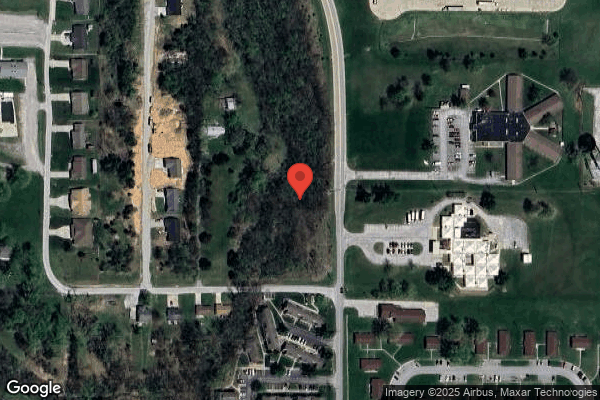
Sept 2024 1 deficiency 1 Harm
SERIOUS (G) 📢 Someone Reported This

A family member, employee, or ombudsman was alarmed enough to file a formal complaint

Actual Harm - a resident was hurt due to facility failures

Accident Prevention (Tag F0689)

A resident was harmed · This affected 1 resident

Based on interview, and record review, the facility failed to safely transfer one resident (Resident #14), who had a diagnosis of right dominant hemiparesis (weakness or paralysis of one side of the b...

Read full inspector narrative →
Based on interview, and record review, the facility failed to safely transfer one resident (Resident #14), who had a diagnosis of right dominant hemiparesis (weakness or paralysis of one side of the body), in a review of 17 sampled residents. Facility staff failed to utilize a gait belt appropriately and grabbed the resident under the arms which resulted in a displaced right proximal humeral fracture (a break in the upper arm bone where the bone fragments have shifted out of position). The facility census was 98. On 9/10/24 at 12:02 P.M., the administrator was notified of the past noncompliance which occurred on 8/9/24. Upon discovery of the injury, the facility completed an investigation, notified appropriate parties, and interviewed staff. The facility staff were educated on the facility policy on transfers and mechanical lifts. Staff were also required to complete return demonstration of transfers. The deficiency was corrected on 8/22/24. Review of the facility policy, Transfers and Lifts, dated 11/30/22, showed the following: -The facility will ensure that all staff members are instructed in safe transfer and lifting techniques and how to report suspected injuries; -The resident's care plan should be very explicit on exactly how the resident is to be transferred and lifted. If you think changes need to be made to the way the resident is lifted, discuss this with the charge nurse; -Know the resident's weight bearing status and balance problems; -Always transfer to the resident's strongest side; -Know the resident's ability to understand and assist; -Gait belts are a canvas belt without handles. Fasten it securely around the resident's waist, grip the belt when moving the resident. 1. Review of Resident #14's Care Plan, revised 10/26/23, showed the following: -Activities of daily living (ADL) self-care performance deficit related to right dominant hemiparesis, brain injury, aphasia (a language disorder that affects the ability to communicate), and seizure disorder; -The resident was able to bear weight, pivot transfer with one to two staff members, required extensive assistance from staff with the use of a gait belt. Review of the resident's annual Minimum Data Set (MDS, a federally mandated assessment instrument required to be completed by facility staff), dated 7/9/24, showed the following: -Adequate hearing; -Rarely or never understood by others; -Rarely or never understood others; -Unclear speech, slurred, or mumbled words; -Short and long-term memory problems; -Limited range of motion on one side to both upper and lower body; -Dependent on staff to come to a standing position and to transfer to and from bed to a chair or wheelchair; -Wheelchair used for mobility; -No symptoms of pain; -No falls since prior assessment. Review of the resident's nursing note, dated 8/9/24 at 4:20 P.M., showed staff was approached by the resident at the nurse's station. The resident was having right sided pain and left leg pain. Tylenol (analgesic used to treat aches and pains) was administered at 3:45 P.M., voicemail left for the physician awaiting to hear back. Review of the resident's nursing note, dated 8/9/24 at 4:40 P.M., notified the family member of the resident's right inner arm ecchymosis (bruising) and left leg pain. The family member said that was baseline for the resident. The family member did not want to send the resident out or have any x-rays (a photographic or digital image) at this time. Review of the resident's mobile radiology report of the chest, dated 8/9/24 at 6:50 P.M., showed the following: -Reason for exam: Right sided chest pain: -Findings showed no acute (severe or sudden onset) cardiopulmonary (related to heart and the lungs) findings. Right proximal humerus fracture favored to be chronic (something that continues over an extended period of time). Review of the resident's nursing note, dated 8/10/24 at 4:56 P.M., showed the resident's family member was at the facility and was concerned with edema (swelling) in the resident's right arm. The resident's right arm was swollen considerably more that the left arm. Called the physician's office per family member's request. The family wanted the resident to be sent out to the hospital. The physician agreed to send the resident out with concern of a blood clot. Review of the resident's hospital radiology report, dated 8/10/24 at 6:42 P.M., showed displaced right proximal humerus fracture. Review of the hospital discharge note, dated 8/10/24, showed the following: -Discharge diagnosis showed humeral fracture; -Take Norco (hydrocodone/acetaminophen, pain medication used to treat moderate to severe pain) as prescribed and wear arm sling as directed. Review of the resident's nursing note dated, 8/10/24 at 11:00 P.M., showed the resident returned to the facility at 10:15 P.M., family member with the resident. The discharge diagnosis was humeral fracture, sling in place to right upper extremity. Received a new prescription for Norco 5/325 milligrams (mg) as needed every six hours for pain. The Director of Nursing (DON) was notified of the diagnosis. The family said the resident received morphine (long-term opioid used to treat severe pain) in the emergency room for pain. Review of the resident's care plan, revised on 8/26/24, showed on 8/10/24 the resident returned from the emergency room with diagnosis of a humeral fracture (break of the upper arm bone), sling in place to right upper extremity and a new prescription for Norco 5/325 mg as needed every six hours for pain. Review of the resident's medication administration record ( MAR) on 8/11/24 showed staff administered hydrocodone/acetaminophen 5/325 mg at 11:00 P.M. for a pain level of five out of ten (ten being the highest level of pain). Review of the resident's MAR on 8/12/24 showed staff administered hydrocodone/acetaminophen 5/325 mg at 1:27 P.M. for a pain level of two. Review of the resident's MAR on 8/14/24 showed staff administered hydrocodone/acetaminophen 5/325 mg at 2:23 P.M. for a pain level of three. Review of the resident's August 2024 physician order sheets (POS) showed Hoyer lift (an assistive device used to transfer patients from one place to another) for transfers and hydrocodone/acetaminophen 5/325 mg one tablet at bedtime for pain (order date 8/16/24). Review of the resident's MAR showed staff administered hydrocodone/acetaminophen 5/325 mg on 8/18/24 at 5:50 P.M. for a pain level of one. Review of the resident's MAR showed staff administered hydrocodone/acetaminophen 5/325 mg on 8/19/24 at 12:28 P.M. for a pain level of seven. During an interview and observation on 9/5/24 at 9:55 A.M. the resident was questioned if he/she was in pain, the resident nodded his/her head and patted his/her right side. During an interview on 9/5/24 at 1:15 P.M. the resident's family member said the following: -He/She visited the resident routinely; -He/she had observed staff transfer the resident frequently. The staff at the facility did not use gait belts when they transferred the resident, they grabbed the resident under the arms; -On 8/9/24, Licensed Practical Nurse (LPN) E notified him/her the resident was complaining of rib cage pain and there was a bruise on the resident's arm. LPN E notified the physician and obtained an order for an x-ray to be done at the facility; -On 8/10/24, he/she went to visit the resident. The resident was in excruciating pain and his/her right shoulder was reddened and swollen down to his/her elbow; -He/She told staff to send the resident to the hospital; -The resident was diagnosed with an upper arm fracture. During an interview on 9/5/24 at 2:36 P.M. and 9/10/24 at 9:20 A.M. Certified Nurse Assistant (CNA) B said the following: -The last few months the resident couldn't stand like he/she used to, and it had been harder to transfer the resident. CNA B had reported concerns to the charge nurse, but could not recall who the nurse was; -On 8/9/24 and 8/10/24, CNA F assisted CNA B with the resident's transfer from bed to the wheelchair, as they were assigned the resident's hall. A gait belt was used, but it slid up under the resident's arms. CNA B grabbed the resident under the arms (arm pit) with one hand and grabbed a hold of the gait belt with the other hand, CNA F did the same on the opposite side; -CNA B always grabbed the resident under the arms when he/she transferred him/her, that was how all the aides transferred the resident; -On 8/9/24, the resident complained of pain in his/her right side approximately 30 minutes after the transfer. During an interview on 9/10/24 at 9:30 A.M. CNA F said the following: -The resident recently, in the past few months, had been more difficult to transfer with two staff members; -The resident really couldn't stand up, and could not bear weight. A gait belt was used, but staff also grabbed the resident under the arms; -On 8/9/24 or 8/10/24 the resident complained of pain in his/her chest and right arm after staff transferred him/her to the wheelchair. During an interview on 9/11/24 at 9:50 A.M. LPN E said the following: -On 8/9/24 the resident complained of right arm and right-sided pain. The resident had bruising noted to the right inner arm; -He/She notified the resident's family member and the family member preferred the resident have an x-ray at the facility instead of at the hospital; -The resident had a mobile chest x-ray, and it did not show a new fracture. The DON questioned staff on how they transferred the resident that morning as this was a new issue; -On 8/10/24, the resident's family came to visit and the family member reported swelling and redness in the resident's arm; -On 8/10//24, LPN E assessed the resident and he/she had significant swelling and redness to the arm. The resident winced when LPN E touched the resident's arm. The resident was in severe pain; -The resident was sent to the hospital. During an interview on 9/9/24 at 3:55 P.M. the Director of Nursing said the following: -On 8/9/24, the resident complained of pain in his/her right side and denied falling; -The resident was questioned if he/she hurt after the transfer and he/she indicated yes, and pointed to his/her right side (right side, arm and lower extremity); -Staff were immediately questioned regarding the transfer technique. She had staff demonstrate the transfer technique on herself. CNA F and CNA B placed the gait belt under her arms (not her waist) and grabbed her under the arms to demonstrate the transfer; -She notified the family that the fracture was due to an improper transfer; -She would expect staff to notify the charge nurse if the resident had a decline and a safe transfer could not be done; -Staff should never grab a resident under the arms and the gait belt should be placed around the resident's waist; -The resident continues to have pain on the right side and was scheduled to see an orthopedic physician due to this ongoing issue. During an interview on 9/10/24 at 12:05 P.M. the Administrator said he/she expected staff to follow the facility policy for transfers and lifts. He would expect staff to follow proper procedure for each transfer. He was notified by the DON on 8/12/24 that an improper transfer had occurred resulting in a fracture to the resident's arm. MO240387
Aug 2024 6 deficiencies 1 IJ
CRITICAL (J) 📢 Someone Reported This

A family member, employee, or ombudsman was alarmed enough to file a formal complaint

Immediate Jeopardy (IJ) - the most serious Medicare violation

Quality of Care (Tag F0684)

Someone could have died · This affected 1 resident

**NOTE- TERMS IN BRACKETS HAVE BEEN EDITED TO PROTECT CONFIDENTIALITY** Refer to Event ID C0JV13 Based on interview and record review, the facility failed to provide care per policy or in accordance w...

Read full inspector narrative →
**NOTE- TERMS IN BRACKETS HAVE BEEN EDITED TO PROTECT CONFIDENTIALITY** Refer to Event ID C0JV13 Based on interview and record review, the facility failed to provide care per policy or in accordance with professional standards of practice to six insulin dependent diabetic residents of 29 sampled residents, (Resident #1, #11, #6, #17, #14, and #16). The facility failed to notify Resident #1's physician when the resident experienced hypoglycemic (low blood sugar) and hyperglycemic (high blood sugar) blood glucose readings and was documented as refusing blood glucose tests and insulin. Staff failed to obtain parameters for when to notify the physician of hypoglycemic blood glucose readings. The resident's blood glucose readings ranged from 30 to 537 milligrams per deciliter (mg/dl) (normal range 80-120 mg/dl). Staff administered injectable Glucagon (medication to treat very low blood glucose) three times when the resident was assessed as lethargic and difficult to arouse and did not notify the physician twice. The facility administered oral Glucagon without a physician's order and did not monitor the resident's blood glucose after giving Glucagon tablets. The facility failed to have a safe and effective system of insulin administration for diabetic residents. Facility staff withheld insulin without the direction of the physician, failed to follow physician orders, failed to ensure fast acting insulin was administered timely with meals, failed to notify the physician if a resident's blood glucose was outside of parameters, and failed to document blood glucose readings and administration of insulin. The census was 102. The administrator was notified of the Immediate Jeopardy (IJ) on 07/25/24 at 4:05 P.M. which began on 7/1/24. The IJ was removed on 8/2/24 as confirmed by surveyor onsite verification. Review of the facility's Medication Administration policy, last revised 03/28/24, showed the following: -The facility will provide pharmaceutical services, including procedures that assure the accurate acquiring, receiving, dispensing, and administering of all medications, to meet the needs of each resident; -A medication is administered outside the time frame ordered is considered late, the primary care physician should be contacted, and communication and interventions should be documented in the electronic medical record (EMR); -Blood glucose readings outside the parameters established by the physician and or Medical Director are to he reported immediately to the primary care physician for interventions. Documentation should be reflected in the progress note regarding communication made; -Whenever a medication is not given, the Unit Nurse/Certified Medication Technician (CMT) must document the in the EMR/medication administration record (MAR), and document in the EMR, in the resident's chart, and on the 24-Hour Report: a. Date and time; b. Why the medication was not given, such as dose refused or ordered to be held by the physician; -If medications are ordered to be withheld, the Unit Nurse must document on the electronic medication administration record (EMAR) and a nursing progress note the following: a. Reason withheld; b. Start and stop dates for withholding the medication; b. Nursing documentation/ initials. -The policy did not address physician notification if a resident refused an ordered medication or procedure. Review of the facility Blood Glucose Monitoring Policy, last revised 03/28/24, showed the following: -Charge nurses will keep a list of diabetics; -Blood glucose samples will be taken according to the methods and times described in the physician's orders; -The policy did not address hyperglycemic or hypoglycemic results, physician notifications, parameters or when to recheck a blood glucose. During an interview on 07/25/24 at 3:30 P.M., the Director of Nursing (DON) said the facility did not have a policy for how to treat hyperglycemia or hypoglycemia. 1. Review of Resident #1's care plan, dated 02/14/24, showed the following: -Diagnoses include type 1 diabetes mellitus (DM) (disease requiring insulin replacement to control blood sugar in the body), schizophrenia (mental condition that causes a false sense of reality and can cause individuals to have delusions or fragmented thoughts and can cause them to think, feel and behave differently), and borderline personality disorder (a personality disorder characterized by severe mood swings, impulsive behavior); -The resident manipulated his/her blood glucose levels by withholding food to decrease levels and eating sweets to increase levels; -The resident will not have signs and symptoms of hyperglycemia or hypoglycemia through review date; -Educate the resident on the importance of controlling blood glucose levels; -Educate the resident on the risks of manipulating blood glucose levels; -Monitor the resident's blood glucose levels and administer insulin per physician orders. Review of the resident's admission Minimum Data Set (MDS), a federally required assessment completed by staff, dated 02/23/24, showed the following: -Cognitively intact; -Understands and is understood; -No behaviors or rejection of care; -Insulin injections daily. Review of the resident's Physician's Orders, dated 04/16/24, showed: -Humalog injection solution (Insulin Lispro) (rapid acting insulin) 100 units/milliliter (u/ml), inject 14 units subcutaneously (subq) (beneath or under the skin) with meals for diabetes mellitus type 1, for blood glucose greater than 400 call primary care physician; -GlucaGen HypoKit Injection Solution Reconstituted (Glucagon) inject 1 milligram (mg) subcutaneously every 15 minutes as needed for blood glucose less than 70 and unresponsive; -Blood glucose checks before meals and at bedtime. Notify the physician for blood glucose less than 60 or greater than 400; -No order for Glucagon tablets. Review of the prescribing information for GlucaGen, located on the Food and Drug Administration's website showed: -Used to treat severe hypoglycemic reactions; -Patients should be given supplemental carbohydrates as soon as they awaken and are able to swallow to restore the liver glycogen and prevent recurrence of hypoglycemia; -Even if the treatment awakens the person, tell their doctor right away- their dose of diabetes medication may need to be changed; -Hypoglycemia may happen again after receiving GlucaGen treatment. Early symptoms of hypoglycemia may include: anxiety, depressed mood, irritability, abnormal behavior, personality changes, restlessness. Review of the resident's Physician's Orders, dated 05/07/24, showed Lantus SoloStar (Insulin Glargine) (long acting insulin) subq Solution Pen-Injector 100 unit/ml, inject 45 units subcutaneously every morning and at bedtime for diabetes mellitus. Review of the prescribing information for Lantus, long-acting human insulin showed: Warnings and Precautions: Hyperglycemia or hypoclycemia- Make any changes to the insulin regimen under close medical supervision. Hypoglycemia: most common adverse reaction associated with insulins. Severe hypoglycemia can cause seizures, may be life-threatening, or cause death. May impair concentration ability. Review of the resident's quarterly MDS, dated [DATE], showed: -No rejection of care; -Insulin administered daily. Review of the resident's MAR, dated 07/01/24, showed the resident's blood glucose at 9:00 P.M. was 403 (the medical record showed no documentation staff notified the physician as ordered). Review of the resident's physician note, dated 07/02/24, showed the following: -Uncontrolled diabetes mellitus type 1; -GlucaGen Hypoglycemia Kit Injection Solution Reconstituted (Glucagon HCI (rDNA)), inject 1 milligram (mg)/ml subcutaneously as needed for hypoglycemia; for blood glucose less than 70 and if the resident is unresponsive, may repeat every 15 minutes; -Humalog injection solution 100 unit/ml, inject as per sliding scale subcutaneously before meals and at bedtime related to type 1 diabetes mellitus; -If blood glucose is 151 - 200 = administer 3 units; -201 - 250 = 5 units; -251 - 300 = 7 units; -301 - 350 = 9 units; -351 - 400 = 11 units; call primary physician for blood glucose greater than 400; -Levemir FlexPen Subcutaneous Solution Pen-injector 100 units/ml inject 28 unit subq two times a day related to type 1 diabetes; Note: This medication list is not the same as the medications on the physician's orders; the resident was not on sliding scale insulin and the resident was on Lantus at a different dose and not Levemir. Per the physician this was probably an old note that came forward. The orders from 4/16/24 and 5/7/24 were accurate and current. Review of the resident's July 2024 MAR showed the following: -On 07/02/24 at 4:00 P.M., LPN B documented the resident's blood glucose was 437; -On 07/03/24 at 4:00 P.M., LPN B documented the resident's blood glucose was 461; -On 07/04/24 at 7:00 A.M., LPN B documented the resident's blood glucose was 498; -On 07/04/24 at 11:00 A.M., LPN B documented the resident's blood glucose was 426; -On 07/04/24 at 9:00 P.M., the resident's blood glucose was 500; -On 07/05/24 at 7:00 A.M., the resident's blood glucose was 445; -On 07/05/24 at 5:00 P.M., the resident's blood glucose was 101. Staff documented the resident refused his/her ordered Humalog insulin; -On 07/07/24 at 11:00 A.M., the resident's blood glucose was 46. Staff documented the resident's ordered Humalog was not administered, no insulin required (the resident's administration order was not on a sliding scale for administration and did not have hold parameters). Review of the resident's medical record showed no documentation staff notified the physician as ordered for any of the instances from 07/02/24-07/7/24 when the resident's blood sugar was over 400. There was no documentation staff contacted the physician when the resident refused insulin or when staff omitted insulin when the resident's blood glucose was 46. Review of the resident's Progress Notes, dated 07/08/24 at 4:25 P.M., showed the following: -LPN B documented the resident currently refusing glucose check, call placed to legal guardian with permission to hold resident's cigarettes and/or vape until resident is compliant with medication. Resident educated on restriction and resident said he/she would do whatever he/she wanted. Legal guardian aware, will continue to monitor; -On 07/08/24 at 9:00 P.M., the resident's blood glucose was marked with an X, and that the resident refused his/her ordered Lantus insulin. Review of the resident's medical record showed no documentation staff notified the physician of the resident's refusal for a blood glucose check or administration of Lantus insulin. Review of the resident's July 2024 MAR showed the following: -On 07/09/24 at 11:00 A.M., LPN B documented the resident's blood glucose was 406; -On 07/10/24 at 12:00 P.M., staff documented the resident refused his/her ordered Humalog insulin; -On 07/10/24 at 5:00 P.M., staff documented the resident refused his/her ordered Humalog insulin; -On 07/11/24 at 7:00 A.M., LPN B documented the resident's blood glucose was 32 and staff held the resident's ordered Lantus insulin, see progress notes. Review of the resident's Progress Notes, dated 7/11/24 at 7:52 A.M., showed LPN B documented the resident glucose reading of 32, difficult to arouse. Glucagon injection administered as ordered as well as Boost (liquid nutritional supplement taken by mouth). Review of the resident's July 2024 MAR showed on 07/11/24 at 8:00 A.M., LPN B documented holding the resident's ordered Humalog insulin, see progress note (resident's blood sugar at 7:00 A.M. was 32). Review of the resident's medical record showed no documentation staff notified the resident's physician of the resident's high and low blood glucose levels, refusals of Humalog insulin, administration of Glucagon, or holding administration of insulin documented on the MAR between 7/9/24 and 7/11/24. Review of the resident's July 2024 MAR showed the following: -On 07/11/24 at 4:00 P.M., staff documented the resident's blood glucose was 342; -On 07/11/24 at 9:00 P.M., the documentation box for the resident's blood glucose check was blank indicating staff did not complete the ordered procedure with no documented reason why; -On 07/11/24 at bedtime, the administration box for the resident's ordered Lantus insulin was blank, indicating staff had not administered the ordered medication with no documentation reason why. Review of the resident's Progress Notes, for 07/11/24, showed no documentation regarding why the resident's blood glucose checks were not completed as ordered or why the resident's bedtime dose of Lantus insulin was not administered as ordered. There was no documentation staff notified the physician. Review of the resident's July 2024 MAR showed on 07/12/24 at 7:00 A.M., LPN B documented the resident's blood glucose was 58 and staff held the resident's morning Lantus. Refer to progress note. Review of the resident's Progress Notes, for 07/12/24, showed no documentation regarding staff holding the resident's morning Lantus insulin due to the resident's low blood glucose or notification of the physician. Review of the resident's July 2024 MAR showed the following: -On 07/13/24 at 7:00 A.M., staff documented the resident's blood glucose was 44 and staff held the resident's ordered morning Humalog insulin, that it was not required, and the resident's ordered morning Lantus insulin was documented as not required; -On 07/13/24 at 4:00 P.M., staff documented the resident's blood glucose was 30 and the resident's ordered evening Humalog insulin as hold see progress note. Review of the resident's Progress Notes, dated 7/13/24 at 5:27 P.M., showed resident rechecked and blood glucose was 47; resident was still eating and drinking, will recheck. There was no documentation of notification to the physician of the resident's very low blood glucose levels or staff holding the resident's insulin. Review of the resident's July 2024 MAR showed the following: -On 07/14/24 at 7:00 A.M., staff documented the resident refused his/her ordered morning Humalog insulin; no documented reason why; -On 07/14/24 at 11:00 A.M., staff documented the resident's blood glucose was 40; -On 07/14/24 at 12:00 P.M., staff documented not administering the resident's ordered Humalog insulin and referred to the progress note; -On 07/14/24 at 9:00 P.M., LPN B documented the resident's blood glucose was 57 and he/she did not administer the resident's ordered bedtime Lantus insulin, refer to progress note. Review of the resident's Progress Notes, dated 7/14/24, showed the following: -No documentation to show a follow up blood glucose was obtained after the 11:00 A.M. reading of 40; -No documentation regarding staff holding the resident's ordered Humalog insulin at 12:00 P.M.; -No documentation to show a follow up blood glucose was obtained after the 9:00 P.M. reading of 57; -No documentation regarding staff holding the resident's ordered bedtime Lantus insulin. Review of the resident's medical record showed no documentation staff notified the physician of the resident's low blood glucose or staff holding ordered insulin. Review of the resident's July 2024 MAR showed the following: -On 07/15/24 at 11:00 A.M., LPN B documented the resident's blood glucose was 537; the medical record showed no documentation LPN B notified the physician as ordered; -On 07/16/24 at 12:00 P.M., staff documented the resident's blood glucose was 133; staff documented not administering the resident's ordered Humalog insulin, that it was not required; (the resident was not on a sliding scale insulin administration); staff had not administered the resident's insulin as ordered; -On 07/16/24 at 5:00 P.M., staff documented the resident's blood glucose was 275; staff documented not administering the resident's ordered Humalog, insulin not required; (the resident was not on a sliding scale insulin administration); staff had not administered the resident's insulin as ordered; -On 07/17/24 at 8:00 A.M., staff documented holding the resident's ordered Humalog insulin, see progress note. Review of the resident's Progress Notes, dated 07/17/24, showed no documentation as to why staff held the resident's ordered Humalog insulin for 8:00 A.M. administration. Review of the resident's July 2024 MAR showed the following: -On 07/17/24 at 11:00 A.M., staff documented the resident's blood glucose was 59; -On 07/17/24 at 12:00 P.M., staff documented not administering the resident's ordered Humalog insulin, insulin not required; (the resident was not on a sliding scale insulin administration). Review of the resident's Progress Notes, dated 7/17/24 at 1:51 P.M., showed the following: -Staff administered Glucagon; -No documentation of follow-up blood glucose monitoring, physician notification, documentation of the resident's condition or response to Glucagon. Review of the resident's July 2024 MAR showed the following: -On 07/17/24 at 4:00 P.M., staff documented the resident's blood glucose was 265; -On 07/17/24 at 5:00 P.M., blood glucose of 245, staff documented not administering the resident's ordered Humalog insulin, the insulin was not required; (the resident was not on a sliding scale insulin administration); -On 07/18/24 at 7:00 A.M., staff documented the resident's blood glucose was 36; the resident refused his/her 8:00 A.M. Humalog. No documentation staff notified the resident's physician of the resident's low blood sugar. Review of the resident's July 2024 MAR showed the following: -On 07/18/24 at 9:00 P.M., the resident's blood glucose check box was blank indicating staff had not completed the procedure; -On 07/19/24 at 8:00 A.M., staff documented the resident refused his/her morning Humalog insulin, blood glucose was 166; -On 07/19/24 at 11:00 A.M., staff documented the resident's blood glucose was 40; -On 07/19/24 at 12:00 P.M., staff documented holding the resident's ordered Humalog insulin, see progress note. Review of the resident's Progress Notes, dated 7/19/24 at 12:23 P.M., showed repeat blood glucose 85 on recheck. Resident's lunch tray arrived and resident going to eat lunch. Review of the resident's July 2024 MAR showed on 07/19/24 at 5:00 P.M., staff documented holding the resident's ordered evening Humalog insulin, see progress note. Blood glucose was 253. Review of the resident's Progress Notes, dated 07/19/24 at 5:36 P.M., showed the resident was refusing to eat dinner. No documentation to show staff notified the physician. (Staff held the resident's insulin at 5:00 P.M.) Review of the resident's July 2024 MAR showed the following: -On 07/25/24 at 4:00 P.M., LPN B documented the resident's blood glucose was 60; -On 07/25/24 at 9:00 P.M., staff documented the resident's blood glucose not taken because the resident was sleeping. Staff documented not administering the resident's ordered bedtime Lantus insulin because the resident was sleeping. Review of the resident's Progress Notes showed the following: -On 07/26/24 at 6:03 A.M., staff documented the resident was asleep during (9:00 P.M.) medication pass this shift (night shift); staff and nurse attempted three times to awaken resident so he/she could receive a blood glucose check, insulin and bedtime medications. Resident was hard to wake up; on second try, he/she threw back the covers and never got up. (There was no documentation staff assessed the resident for signs or symptoms of hypoglycemia when the resident was difficult to arouse. Staff did not document notifying the resident's physician staff had not completed the blood glucose or administered the resident's Lantus insulin.) -On 07/27/24 at 11:00 A.M., staff documented administering GlucaGen Hypoglycemia Kit Injection Solution, inject 1 mg subq every 15 minutes as needed for blood glucose less 70 and the resident is unresponsive; -On 07/27/24 at 11:13 A.M., staff documented the physician was notified of the resident's drop in blood glucose to 22 and Glucagon administered along with snacks as the resident was not speaking to nurses any more. After administration of Glucagon injection and snack, resident came back to talking and staff educated the resident on the need to eat protein and not skip meals during the day; -On 07/27/24 at 11:24 A.M., staff documented the resident's physician called and said to continue insulin as ordered. He said the snacks and Gucagon given should keep the resident's blood glucose up and to resume orders and check as needed; -On 07/27/24 at 12:31 P.M., staff documented, upon coming to get blood glucose, resident informed staff that he/she only ate his/her cookie off his/her meal tray. Checking blood glucose before giving his/her insulin. Review of the resident's July 2024 MAR showed staff documented on 07/27/24 at 12:00 P.M., the resident's blood glucose was 45. Review of the resident's Progress Notes showed the following: -On 07/27/24 at 12:44 P.M., staff documented the resident had a the meal tray and resident reported she did not like the meal and only ate the cookie. Staff gave the resident's insulin at noon. A meal alternative was brought to the resident at his/her request. When staff brought the resident the peanut butter sandwich, the resident refused to eat the sandwich. Upon refusal, the DON was notified and had a conversation with the resident. The resident refused the DON's instructions and refused to cooperate. The resident threw the sandwich out the door. -On 07/27/24 at 1:08 P.M., resident's blood glucose low and refusing to eat. Directed charge nurse to contact physician and guardian and to follow physician's orders. (There was no further documentation to show staff contacted the physician, new order, or response from the physician. There was no documentation of additional blood glucose testing.) Review of the resident's July 2024 MAR showed on 07/27/24 at 9:00 P.M., staff documented the resident's ordered bedtime Lantus insulin was not given because the resident refused. Review of the resident's Progress Notes showed the following: -On 07/27/24 at 9:04 P.M., staff documented administering GlucaGen Hypoglycemia Kit Injection Solution, Inject 1 mg subcutaneously every 15 minutes as needed for blood glucose less 70 and the resident was unresponsive. Staff educated the resident regarding refusing to eat after insulin given. Resident educated on importance of eating when insulin given. Resident understands protein is needed when blood glucose is low. Resident encouraged to be complaint with diabetes regimen. Resident voices understanding. Resident tearful at this time. Resident able to vent and verbalize feelings. Will continue to monitor. Resident educated when staff administered Glucagon related to low blood glucose and being unresponsive. There was no documentation staff notified the resident's physician. There was no documentation the resident's blood glucose was below 70 or the resident was unresponsive. -On 07/27/24 at 9:25 P.M., staff documented resident refused Lantus insulin at this time due to blood glucose of 86 and has been low off and on all day; will recheck and reattempt later, currently eating a snack. (No documentation of any further blood glucose checks) -On 07/28/24 at 10:57 A.M., staff documented called to resident's hall for hypoglycemic emergency. Checked resident's blood glucose, result was 33. Review of the resident's July 2024 MAR showed on 7/28/24 at 11:00 A.M. (3 minutes prior to the progress note above) showed the resident's blood glucose result was 262. Review of the resident's Progress Notes showed the following: -On 07/28/24 at 10:57 A.M., staff documented the resident's blood glucose dropped to 31, trying to get snack in resident. Resident refused to comply with food or water. Resident is diaphoretic (sweating). -On 07/28/24 at 10:59 A.M., staff documented the resident was given snack, resident is more verbal and can eat and drink; -On 07/28/24 at 11:00 A.M., staff documented administering Glucagon; resident still unable to verbally communicate, eat or drink. Unable to reach physician via call, responded in text message and notified DON; -On 07/28/24 at 11:14 A.M., staff documented the resident's blood glucose was 86; offered another snack of protein, resident complied. Physician updated; -On 07/28/24 at 11:22 A.M., staff documented blood glucose recheck resulted 74; -On 07/28/24, bedtime liberalized pass no specific time documented, staff documented not administering the resident's ordered bedtime Lantus because the resident refused; -On 07/29/24 at 11:43 A.M., staff documented the resident's physician was notified the resident's blood glucose was 102 and is to be given 14 units of insulin. Physician said to still give the 14 units but only once fork is in his/her hand to eat lunch. During an interview on 07/25/24 at 10:45 A.M. and 07/30/24 at 12:30 P.M., the resident said the following: -He/She wanted to go to an endocrinologist (physician that specializes in treating health conditions related to hormones, including diabetes) but no one would let him/her go; -Staff do not administer his/her bedtime insulin most of the time until midnight or 1:00 A.M. and it upsets him/her because he/she has to stay up even if he/she was tired. If he/she goes to bed, the staff will document he/she refused his/her scheduled insulin and not give the insulin; -LPN B refuses to give his/her Humalog insulin unless his/her blood glucose was over 400 and has the Certified Medication Technician (CMT's) trained to refuse to give him/her the Humalog as well. He/She does not feel good when staff will not administer the insulin; -The Assistant Director of Nursing (ADON) was the only staff that gave the insulin like it was supposed to be given and he/she feels better then. Since staff do not give the insulin consistently, and he/she does get the doses, his/her blood glucose will bottom out; -He/She had never refused his/her insulin because he/she does not want to die; -If staff charted he/she refused, it was because the staff were too scared to give it to him/her; -He/She thinks staff are putting food in his/her mouth when he/she was not fully coherent when his/her blood glucose was low, because he/she wakes up with food in his/her mouth; -He/She was scared staff were going to cause him/her to aspirate (choke), and get pneumonia; -Staff held his/her insulin this weekend (no date given) because his/her blood glucose dropped into the 40s; -LPN M held his/her Lantus because he/she was scared the resident would bottom out in his/her sleep; -Staff will refuse to give his/her insulin and chart that he/she refused it; -Staff also told his/her guardian he/she was refusing to eat, but he/she doesn't remember doing that; -When his/her blood glucose was low, staff have told him/her he/she was argumentative and would not cooperate; -He/She gets upset for being punished when he/she is not aware of his/her actions. The staff had taken away smoking privileges and talked to him/her about refusing to eat like it was a behavior, but his/her blood sugar was low at the time causing her to react like this; -The resident voiced concerns of being fearful when his/her blood glucose levels were not controlled, the resident said he/she thought staff were going to cause him/her to go into a diabetic coma, diabetic ketoacidosis, or die from holding his/her insulin. During an interview on 07/25/24 at 10:31 A.M., LPN B said the following: -The resident does not get Humalog insulin unless his/her blood glucose was above 400, it was ordered that way; -The order specifically said not to give the Humalog unless the resident was over 400 or the resident will bottom out (blood glucose will go too low); -The resident's physician had not given parameters to hold the resident's insulin that he/she knew of; -Sometimes he/she will do what he/she needs to, or document what he/she needs to, because the physicians aren't at the facility and do not realize the resident will bottom out; -He/She was not going to give the resident insulin if he/she knew it will cause the resident harm; -The resident does pretty well until his/her blood glucose gets below 40; -Sometimes at 40, the resident can still eat and talk so you can give the Glucagon tablets or snacks; -The resident's physician will specifically say not to hold the resident's Lantus and instruct staff to administer it after the resident starts eating. (Review of the resident's medical record showed the resident had no order to hold Humalog insulin and no order for Glucagon tablets.) During an interview on 07/25/24 at 11:05 A.M., the ADON said the resident gets nervous to take the Humalog insulin if his/her blood glucose was under 200, because he/she bottoms out. The resident will always take the insulin and they watch him/her closely because his/her blood glucose will go low very quickly. 2. Review of Resident #11's admission MDS, dated [DATE], showed it was very important for the resident to have snacks available between meals. Review of the resident's Care Plan, dated 04/24/24, showed the following: -At risk for unstable blood sugars and ineffective therapeutic regimen related to diagnosis of DM II (type of diabetes where the body doesn't make enough insulin or doesn't use insulin well); -Follow up with physician as needed; -Medication provided as prescribed. Review of the resident's POS dated 07/2024, showed the following: -Diagnoses included DM II; -Blood glucose monitoring before meals (AC) and at bedtime (HS); -Insulin Aspart (rapid acting insulin) Flexpen subq solution pen injector 100 u/ml, inject 15 units subq three times a day for DM II, notify physician if blood glucose is over 350 mg/dL; (stop date 07/09/24); -Humalog [NAME] kwikpen subq solution pen-injector 100 u/ml, inject 15 units subq three times a day for DM II (7/9/24); -Humalog kwikpen subq solution pen-injector 200 units/mL, inject as per sliding scale: (for blood glucose results of 0-150, administer zero units of insulin, 151-200=two units, 201-250=four units, 251-300=six units, 301-350=eight units, 351-400=10 units, 401-450=12 units, if above 500 call physician) subq three times a day (7/9/24). Review of resident's MAR, dated 07/02/24, showed the resident's blood glucose at lunch was 353 mg/dL and was 400 mg/dL at supper. Review of the resident's medical record showed no documentation the resident's physician was notified as ordered for either of these readings. Review of resident's MAR, dated 07/03/24, showed the resident's blood glucose at supper was 417 mg/dL. Review of the resident's medical record showed no documentation the resident's physician was notified as ordered. Review of resident's MAR, dated 07/06/24, showed resident's blood glucose at lunch was 401 mg/dL. Review of the resident's medical record showed no documentation the resident's physician was notified as ordered. Review of resident's MAR, dated 07/08/24, showed resident's blood glucose at supper was 351mg/dL. Review of the resident's medical record showed no documentation the resident's physician was notified as ordered. Review of resident's MAR, dated 07/18/24, showed the following: -The administration box for the resident's ordered 4:30 P.M. blood glucose check was blank, indicating the procedure had not been completed; -The administration box for the resident's ordered 5:00 P.M. Humalog [NAME] 15 unit administration was blank, indicating the ordered medication had not been administered; -The administration box for the resident's ordered 5:00 P.M. humalog sliding scale insulin blank, indicating staff did not administer the sliding scale insulin. Review of the resident's medical[TRUNCATED]
SERIOUS (G) 📢 Someone Reported This

A family member, employee, or ombudsman was alarmed enough to file a formal complaint

Actual Harm - a resident was hurt due to facility failures

Resident Rights (Tag F0550)

A resident was harmed · This affected 1 resident

**NOTE- TERMS IN BRACKETS HAVE BEEN EDITED TO PROTECT CONFIDENTIALITY** Refer to Event ID C0JV13 Based on observation, interview, and record review, the facility failed to ensure eight residents, in a...

Read full inspector narrative →
**NOTE- TERMS IN BRACKETS HAVE BEEN EDITED TO PROTECT CONFIDENTIALITY** Refer to Event ID C0JV13 Based on observation, interview, and record review, the facility failed to ensure eight residents, in a review of 29 sampled residents, were treated in a manner to maintain dignity and respect when they failed to communicate with four residents (Residents #2, #7, #9, #10, and #6) in a respectful manner, and provide one resident (Resident #5), who was incontinent, with incontinence briefs when in bed. The resident reported staff told him/her to urinate in his/her bed and they would clean the resident up later. The facility also failed to provide adequate hygiene for one resident (Resident #3) to ensure removal of unwanted facial and underarm hair prior to the resident going out to a physician's appointment. The resident was observed crying and said she was sad and embarrassed by her appearance and that other residents made fun of her. The facility census was 102. Review of the facility policy, Privacy/Room Courtesy Policy, dated 12/28/23, showed the following: -Employees will be cognizant that the facility is their home; -Residents and their rooms/personal space should be treated with respect. 1. Review of Resident #3's annual Minimum Data Set (MDS), a federally mandated assessment completed by staff, dated 6/6/24, showed the following: -Moderate cognitive impairment; -No behaviors or rejection of care; -Understood and understands; -It was very important to the resident to make choices about daily decisions like choosing clothing to wear, type of bathing, taking care of personal belongings, etc; -Dependent on staff for shower/bathing Review of the resident's Care Plan, revised 6/6/24, showed the following: -The resident was highly functional and able to complete her activities of daily living (ADL) tasks with set up and supervision to maintain her hygiene; -Allow time to complete task and intervene as needed; -Monitor for decline in function; -Provide assistance, supervision, set up and cues as needed. Observation on 7/24/24, at 10:27 A.M., showed the resident sat at a table in the dining room. The resident had facial hair approximately 0.5 inch long on her upper lip, chin and neck. The resident had on a sleeveless shirt and her arm pit hair was thick and over 1 inch long. The resident's finger nails were long with brown debris underneath. During an interview on 7/24/24, at 10:27 A.M., the resident was tearful and said she just got back from an appointment with the physician. She was so embarrassed because of how she looked. She did not think she should have to have facial hair and arm pit hair. Staff would not assist her to shave because they said they were too busy. The resident said she was sad and embarrassed by how she looked. Other residents made fun of the hair on her face and arm pits. Observation on 7/25/24 at 11:15 A.M., showed the resident was in the dining room. The resident had the same facial hair and her nails were long with a brown substance under them. The resident's arm pits were not exposed. 2. Review of Resident #2's Preadmission Screening and Resident Review (PASARR; a federally mandated screening process for individuals with serious mental illness and/or intellectual disability/developmental disability related diagnosis to ensure appropriate placement and to ensure that their individual needs are being met in the appropriate placement environment), dated 9/16/18, showed the following: -Diagnoses included severe bipolar disorder (a disorder associated with episodes of mood swings ranging from depressive lows to manic highs), intellectual disability, borderline intellectual functioning, borderline personality disorder (a mental disorder characterized by unstable moods, behavior, and relationships), anti-social personality disorder (a mental health disorder characterized by disregard for other people), and history of brain injury; -History of physical and sexual abuse as a child, self-harm, and suicide attempts. Review of the resident's Care Plan, last revised 7/15/24, showed the following: -The resident was at risk for injury to self and others and impaired social interaction related to behaviors of verbal and physical aggression toward staff and peers; -Received counseling with outside service; -The resident will remain free of serious injury to self and others and will maintain appropriate social interactions now through next review; -On 7/3/24, the resident was verbally aggressive with peer. A code green (behavioral emergency) was called. Immediate staff intervention and separation from peer. The resident was allowed to vent and verbalize. Staff educated the resident to seek staff to assist with concerns and the resident voiced understanding. Staff also discussed the resident's coping skills and the resident voiced understanding. Staff were able to redirect the resident with no invasive measures. The resident was calm and cooperative at this time; -Administer antipsychotic medications as ordered; -Social services to follow up as needed. (The resident's care plan did not include a history of making false allegations or how staff were to respond to the resident's allegations.) Review of the resident's quarterly MDS, dated [DATE], showed the following: -Cognitively intact; -Diagnosis include schizophrenia (a disorder that affects a person's ability to think, feel, and behave clearly), bipolar disorder, and borderline personality disorder; -No hallucinations, delusions, behaviors, or rejection of care; -Received antipsychotic and antidepressant medications routinely. Observation on 7/25/24, at 11:00 A.M., showed the following: -The resident was in the 100 hall by the dining area. He/She walked behind the state agency (SA) staff and talked about needing an appointment. The resident did not speak directly to the SA staff, and there were other residents and staff in the area; -The Administrator walked up to the resident with a posture to make himself taller than the resident. In a stern, intimidating voice, the Administrator asked the resident, What are you talking about? Are you just saying stuff because the state is back here? -The resident put his/her head down and stuttering said he/she just needed an appointment and walked away. During an interview on 7/30/24 at 12:00 P.M., the resident said the following: -The Administrator made him/her feel bad when he/she tried to speak with the SA staff; he/she wanted to tell him (the Administrator) off; -The Administrator took away his/her privileges to go out on the main unit all the time. He/She felt like he/she couldn't talk to the SA staff or he/she would be in trouble; -His/Her roommate raped him/her (previously investigated); -He/She told staff the other day he/she wanted to hurt himself/herself; -The staff were rude to him/her and did not treat him/her with respect, more like a dog and they want me to go away. SA staff reported allegations of rape and self-harm to the facility Administrator on 7/30/24, at 1:00 P.M. During an interview on 7/30/24, at 1:40 P.M., the Administrator said the resident made the allegation of rape previously and it was reported and investigated. Observation on 7/30/24 at 1:40 P.M., showed the following: -The Administrator shared the documentation of the previous investigation; -The Administrator then played an audio recording with his voice and the resident's voice; -On the recording, the Administrator asked the resident in a stern, intimidating voice if he/she had been raped, if he/she had a plan to hurt himself/herself, or had any other concerns or issues. The resident responded to each question in a quiet and wavering voice no to each question. 3. Review of Resident #7's quarterly MDS, dated [DATE], showed the following: -Cognitively intact; -Verbal behaviors. Review of the resident's undated Care Plan showed the following: -The resident had the potential to be verbally aggressive; -Assess the resident's understanding of the situation, allow time for the resident to express himself/herself and feelings towards the situation; -Assess the resident's coping skills. During an interview on 07/24/25 at 12:48 P.M., the resident said the following: -Staff were rude; -Staff do not listen to the resident. Observation on 07/25/24 at 11:56 P.M., showed the following: -The resident's call light was on; -Certified Nurse Assistant (CNA) E opened the resident's door, stood in the doorway, and asked the resident what he/she wanted; -The resident asked CNA E to take his/her roommate to the dining room as it was time for lunch and his/her roommate could not reach his/her call light; -CNA E responded in a loud, rude tone and said the resident could not make his/her roommate go as it was his/her room, too; -The resident attempted to explain that his/her roommate did not have call light in reach to call when he/she was ready to go; -CNA E interrupted the resident and said in a loud, rude tone, that he/she (CNA E) could not make the roommate go, and he/she didn't know what more the resident expected him/her to do; -The resident responded by explaining his/her roommate did not have a call light. The resident asked how his/her roommate was supposed to let staff know when he/she was ready to go to the dining room; -CNA E responded in a loud, rude tone that he/she had been walking the hall and checked on the resident every five minutes; the resident's roommate will tell him/her (CNA E) when he/she was ready to go; -The resident was visibly upset and began to speak. CNA E spoke over the resident in a loud, rude tone, and said he/she (CNA E) could not make the roommate go; -The resident responded that he/she hated this room and his/her new roommate and he/she should have never been moved, but nobody listened to him/her; -CNA E rolled his/her eyes, and said in a loud, rude tone, I'll let the DON know. -CNA E shut the resident's room door; -CNA E never fully entered the room, did not speak to the resident's roommate, and did not check to ensure the roommate had a call light in reach. -The resident's roommate did not respond or speak during the interaction. During an interview on 07/30/24 at 4:03 P.M., CNA E said the following: -Staff should speak to residents in a calm, pleasant tone; -Staff should not argue, be rude or raise their voice when speaking to residents. Staff should not talk over residents or roll their eyes when residents are speaking; -He/She had never been loud, rude or defensive when speaking to residents. 4. Review of Resident #5's quarterly MDS, dated [DATE], showed the following: -Moderately impaired cognition; -Dependent for toileting hygiene; -Always incontinent. Review of the resident's undated Care Plan showed the following: -He/She has episodes of incontinence and required assistance with toileting and hygiene; -He/She used disposable briefs; -The resident has a potential psychosocial well-being problem related to diagnoses of schizoaffective disorder and bipolar. Observation on 07/24/24 at 10:25 A.M. showed the following: -The resident sat on the edge of the bed and wore only a sweatshirt; -The resident was not wearing an incontinence brief; -The bed sheets under the resident and the two incontinence pads on the resident's bed were soaked in urine. During an interview on 07/24/24 at 10:28 A.M., the resident said the following: -Staff was very busy; -He/She was unable to walk to the bathroom on his/her own; -Staff tell him/her to urinate in the bed and they will clean him/her up later; -Urinating in the bed and not wearing an incontinence brief made him/her feel dirty and embarrassed. Observation on 07/25/24 at 9:19 A.M. showed the resident asleep in bed. He/She was not wearing an incontinence brief. 5. Review of Resident #9's quarterly MDS, dated [DATE], showed the following: -Cognitively intact; -No behaviors. Review of the resident's undated care plan, showed the following: -Resident has a potential psychosocial well-being problem; -The resident needs assistance, encouragement, and support to identify problems that cannot be controlled; -The resident needs assistance, supervision, and support to identify causative and contributing factors; -The resident has post traumatic stress disorder (PTSD) and may flare up without any trigger; -The resident will be able to identify triggers and utilize positive coping skills. During an interview on 07/25/24 at 10:41 A.M., the resident said the following: -Staff never notify the residents of the alternate entrée for the meal. The residents have to go to the kitchen window to ask, but then staff yell at them for bothering the kitchen staff; -The kitchen staff yell in a loud/rude voice to Go away!, You can't be at the window!, We're busy!; -If he/she asked multiple staff about the alternate entree, the staff get annoyed, and tell the resident he/she was not telling the truth about asking other staff; -He/She did not appreciate when staff spoke to him/her in this way, and didn't feel like it was appropriate or polite; -When the staff yelled, raised their voices, or spoke in a rude tone, it made him/her feel very irritated and increased his/her agitation. It made him/her want to raise his/her voice back, but he didn't out of fear of being told he/she was having behaviors and to go back to his/her room. 6. Review of Resident #10's quarterly MDS, dated [DATE], showed the following: -Cognitively intact; -No behaviors. Review of the residents undated care plan, showed the following: -The resident has a potential psychosocial well-being problem; -The resident will verbalize feelings related to emotional state; -The resident has a mood problem related to diagnoses of bipolar and depression; -Allow resident time to voice feelings and concerns. During an interview on 07/25/24 at 10:45 A.M., the resident said the following: -Kitchen staff regularly raised their voices and spoke in a rude tone when talking with residents; -He/She was told to tell the kitchen staff prior to meal time if he/she wanted an alternative, but when he/she went to the kitchen window, staff yelled at him/her and told him/her to Go away!; -When the staff yelled, it hurt his/her feelings and made him/her want to cry and yell back. He/She did not do this out of fear of being told he/she was having a behavior, told to go back to his/her room, or threatened to send him/her back to the behavior unit. 7. Review of Resident #6's Care Plan, dated 09/15/23, showed the following: -Communication problem related to hearing impairment; -Use communication techniques which enhance interaction, allow adequate time to respond, do not rush, repeat as necessary, face when speaking and make eye contact; -Diagnosis of depression. Resident will exhibit indicators of depression, anxiety or sad mood less than daily by review date. Monitor/report signs/symptoms of shame, worthlessness, agitation or anxiety. Review of the resident's quarterly MDS, dated [DATE], showed the resident had no behaviors or rejection of care. Review of the resident's POS, dated 07/2024, showed diagnoses included neurocognitive disorder with Lewy Bodies (progressive brain disease that causes a gradual decline in mental abilities), major depressive disorder and anxiety. During an interview on 07/25/24 at 11:28 A.M., the resident said the following: -Staff could be short and rude with their tone of voice; -One staff was sarcastic and loud when he/she asked for hygiene items; -It made him/her sad and he/she felt like wanting to hit the staff. During an interview on 07/25/24 at 11:31 A.M., a visitor said he/she overheard staff being rude with the resident. One day a staff yelled at the resident (who had requested razors), Well if we aint got it, we can't give it to you! 8. During an interview on 07/30/24 at 5:40 P.M. and 08/02/24 at 9:45 A.M., the Director of Nursing (DON) said the following: -Staff were to ensure female residents did not have facial hair and arm pit hair if the resident did not want facial hair and arm pit hair; -Staff were to assist the residents to keep their fingernails trimmed and clean; -Staff should not tell residents to soil themselves or their bed; -Staff should treat residents with dignity and respect at all times; -Staff should not raise their voice at, yell at, or roll their eyes at residents. During an interview on 08/02/24 at 10:05 A.M., the Administrator said the following: -He expected staff to treat all residents with dignity and respect; -Staff should not raise their voice at, yell at, or roll their eyes at residents. MO237998 MO238302 MO238414 MO239086
SERIOUS (G) 📢 Someone Reported This

A family member, employee, or ombudsman was alarmed enough to file a formal complaint

Actual Harm - a resident was hurt due to facility failures

Deficiency F0658 (Tag F0658)

A resident was harmed · This affected 1 resident

**NOTE- TERMS IN BRACKETS HAVE BEEN EDITED TO PROTECT CONFIDENTIALITY** Refer to Event ID C0JV13 This deficiency is uncorrected. For previous examples, see the Statement of Deficiencies dated 05/29/24...

Read full inspector narrative →
**NOTE- TERMS IN BRACKETS HAVE BEEN EDITED TO PROTECT CONFIDENTIALITY** Refer to Event ID C0JV13 This deficiency is uncorrected. For previous examples, see the Statement of Deficiencies dated 05/29/24. Based on observation, interview, and record review, the facility failed to provide housekeeping and maintenance services to maintain a sanitary and orderly environment in resident rooms. The facility census was 102. Review of the facility policy Synergy Cleaning dated 8/1/24 showed the following: -The purpose is to provide a safe and clean environment for residents; -Clean horizontal services, including window sills; -Spot check floors, clean any spills or trouble areas and pick up any trash. Identify any odors and attend to them immediately; -Sweep floors, move furniture and beds away from walls; -Wet mop floors, move furniture and beds away from walls. During an interview on 7/24/24 at 11:25 A.M. Resident #4 said his/her sheets were not changed on shower days and he/she would have to ask staff several times to get them changed. During an interview on 7/24/24 at 11:28 A.M., Resident #21's visitor said he/she had observed urine stained sheets on the resident's bed for a week and a half and staff had not changed them. He/She frequently smelled a urine odor in the facility and the floors were sticky. Observation on 7/24/24 at 11:28 A.M. showed the fitted sheet on Resident #21's bed stained with dried urine. The room smelled of urine. During an interview on 7/25/24 at 4:50 P.M., Certified Nurse Assistant (CNA) C said the facility did not always have enough linens. Observation on 7/24/24 at 10:12 A.M., showed the floor near the nurse's station between C and D halls with a wet brown area on the floor. The floor around the desk was visibly soiled with dirt and debris. Observation on 7/24/24 at 10:15 A.M., showed the floor in occupied resident room [ROOM NUMBER] was sticky and soiled with brown dirt and debris. Observations on 7/24/24 at 10:47 A.M. and 7/25/24 at 1:15 P.M., showed the floor in occupied resident room [ROOM NUMBER] and in the adjoining bathroom sticky and soiled with dirt. The floor was discolored with a gray film. The window sill was dirty with dust and debris. Observation on 7/24/24 at 12:09 P.M., showed the floor in occupied resident room [ROOM NUMBER] located on D hall was dirty and sticky. During an interview on 7/25/24 at 9:18 A.M., Housekeeper I said the following: -He/She was one of four members of the cleaning crew; -Housekeeping staff came into the facility daily and worked from 8:00 A.M. to 10 :00 A.M.; -Two staff were assigned to clean each hall, and they also cleaned the front of the building; -Housekeeping staff cleaned the bathrooms and showers as needed; -They emptied trash and swept and mopped the floors daily; -They only cleaned half of D hall (400 hall; as some residents cleaned their own rooms); -Housekeeping staff did not clean the A hall (occupied, behavior unit) at all. Sometimes facility staff helped clean A hall. During an interview on 7/25/24 at 9:35 A.M. the Housekeeping Supervisor said the following: -Housekeeping was in the building from 7:00 A.M. to 10:00 A.M. daily; -There were four housekeepers who came into the facility at a time and they cleaned resident rooms; -The department heads were responsible for the shower rooms and whatever else was needed. During an interview on 7/30/24 at 3:15 P.M. the Director of Nursing said the following: -CNA's were responsible for changing the residents' linens; -Linens should not have dried urine stains on them; -Staff should change linens on shower days and as needed. She would expect them to change linens within 15-20 minutes of a requested change; -Staff should sweep and mop the floors daily and as needed. MO239086
SERIOUS (G) 📢 Someone Reported This

A family member, employee, or ombudsman was alarmed enough to file a formal complaint

Actual Harm - a resident was hurt due to facility failures

ADL Care (Tag F0677)

A resident was harmed · This affected 1 resident

**NOTE- TERMS IN BRACKETS HAVE BEEN EDITED TO PROTECT CONFIDENTIALITY** Refer to Event ID C0JV13 Based on observation, interview and record review, the facility failed to ensure two female residents (...

Read full inspector narrative →
**NOTE- TERMS IN BRACKETS HAVE BEEN EDITED TO PROTECT CONFIDENTIALITY** Refer to Event ID C0JV13 Based on observation, interview and record review, the facility failed to ensure two female residents (Residents #4 and #3) received the necessary services to maintain grooming and hygiene including bathing, removal of facial and underarm hair, and nail care. The failure caused one resident to be tearful and expressed being sad and embarrassed, stating other residents made fun her. This deficient practice impacted two residents (Residents #4 and #3) in a review 29 sampled residents. The facility census was 102. Review of the facility policy Personal Care, Hygiene and Grooming, dated 11/1/22, showed the most important aspect of maintaining good health was good hygiene. Personal hygiene, also referred to as a personal care, included bathing and showering, hair care, nail care, oral hygiene and dental care and shaving; -Residents are bathed according to preferences, including the time of day, and day of the week, bed bath, tub bath, or shower or partial bath; -Nail care includes keeping nails trimmed and filed, no jagged or broken nails, cleaning underneath to remove debris; -Nail care on residents with DIABETES will be provided by the nurse; -All residents are to be shaved daily unless they have specified otherwise or have a trimmed beard; -Check female residents for shaving needs including excessive chin hairs. Review of the facility's Shower Policy, dated 12/23/23, showed the following: -Shower schedules will consist of two assigned days in a seven-day calendar week; -Bathing should include washing hair, shaving, fingernail/toenail trim, and assessment of skin. 1. Review of Resident #3's annual Minimum Data Set (MDS), a federally mandated assessment completed by staff, dated 6/6/24, showed the following: -No behaviors or rejection of care; -Understood and understands; -Dependent on staff for shower/bathing. Review of the resident's Care Plan, revised 6/6/24, showed the following: -Resident was highly functional and able to complete activities of daily living (ADLs) task with set up and supervision to maintain hygiene; -Allow time to complete task and intervene as needed; -Provide assistance, supervision, set up and cues as needed. Review of the facility shower schedule showed the resident's shower days were Tuesday and Friday. Review of the resident's shower record found in Point Click Care (PCC), dated July 2024, showed the following: -The resident had two scheduled bath days per week; -Staff documented bathing was completed on 07/02/24 (only once for the week), 07/09/24 (only once for the week), 07/16/24 (only once for the week), and 07/23/24. There was no documentation the resident refused any showers. Observation on 7/24/24, at 10:27 A.M., showed the resident in the dining room sitting at a table. The resident had facial hair approximately one half inch long on her upper lip, chin, and neck. The resident wore a sleeveless shirt and had thick hair, over an inch long in her arm pit. The resident's finger nails were long with brown debris underneath. During an interview on 7/24/24, at 10:27 A.M., the resident was tearful and said she just returned from an appointment with the physician and was so embarrassed because of how she looked. She did not like having facial hair or hair in her arm pits. Staff would not assist her to shave because they said they were too busy. The resident said she was sad and embarrassed by this and other residents made fun of the hair on her face and in her arm pits. She would like her fingernails to be trimmed and clean. She did not get two showers a week, staff only had time to do one. Observation on 7/25/24, at 11:15 A.M., showed the resident in the dining room with other residents with the same facial hair and dirty fingernails. The resident wore a shirt that covered her underarms. 2. Review of Resident #4's admission MDS dated [DATE], showed the following: -No behaviors or rejection of care; -Dependent for bathing and personal hygiene. Review of the resident's care plan dated 6/25/24 showed the following: -Extensive assist with ADLs including hygiene; -Provide assistance as needed. Review of the facility shower schedule (specifying the days showers would be given) did not include the resident's name. Review of the resident's shower record found in Point Click Care (PCC), dated 07/24, showed the following: -The resident had two scheduled bath days weekly; -Staff documented bathing as completed on 07/01/24 (only once for the week), 07/08/24 (only once for the week), 07/15/24, and 07/18/24. Observation and interview on 07/24/24 showed the following: -At 10:20 A.M., the resident sat in her broda chair (specialized reclining chair) in her room. The resident had numerous long, white hairs noted on her chin and shorter hair on her upper lip; -At 4:30 P.M., the resident lay in bed and the facial hair remained. The resident said staff did not bathe or shave her. Observation on 07/25/24 at 10:35 A.M., showed the resident with the same facial hair. During an interview on 07/25/24 at 10:40 A.M., the resident said she had not received one shower or bed bath since her admission to the facility. Staff only washed the urine from her body. She wished staff would use a topical hair remover or something to get rid of her facial hair. She was accustomed to getting assistance from staff with shaving at her prior placement. She did not like hair on her face and had never refused to let staff shower, bathe, or shave her. During an interview on 7/25/24 at 4:50 P.M., certified nurse aide (CNA) C said the following: -Residents should be shaved on shower days and as needed; -She would shave residents when they requested, however Resident #4 had never asked to be shaved. During an interview on 07/25/24 at 3:50 P.M., CNA D said the following: -Showers are completed daily except Sundays; -If a resident refused their shower, it could be made up on another day; -Staff documented showers in PCC. 3. During an interviews on 07/30/24 at 5:40 P.M. and 08/02/24 at 9:45 A.M., the Director of Nursing said CNAs should shave residents on shower days and as needed. Staff are expected to ensure residents do not have facial hair and arm pit hair if they do not want facial hair and arm pit hair. Staff are expected to assist the residents to keep their fingernails trimmed and clean. Residents are scheduled to receive at least two showers a week. During an interview on 08/02/24 at 10:05 A.M., the Administrator said he expected nursing staff to assist residents with bathing and shaving as needed.
CONCERN (E) 📢 Someone Reported This

A family member, employee, or ombudsman was alarmed enough to file a formal complaint

Potential for Harm - no one hurt, but risky conditions existed

Safe Environment (Tag F0584)

Could have caused harm · This affected multiple residents

**NOTE- TERMS IN BRACKETS HAVE BEEN EDITED TO PROTECT CONFIDENTIALITY** Refer to Event ID C0JV13 This deficiency is uncorrected. For previous examples, see the Statement of Deficiencies dated 05/29/24...

Read full inspector narrative →
**NOTE- TERMS IN BRACKETS HAVE BEEN EDITED TO PROTECT CONFIDENTIALITY** Refer to Event ID C0JV13 This deficiency is uncorrected. For previous examples, see the Statement of Deficiencies dated 05/29/24. Based on observation, interview, and record review, the facility failed to provide housekeeping and maintenance services to maintain a sanitary and orderly environment in resident rooms. The facility census was 102. Review of the facility policy Synergy Cleaning dated 8/1/24 showed the following: -The purpose is to provide a safe and clean environment for residents; -Clean horizontal services, including window sills; -Spot check floors, clean any spills or trouble areas and pick up any trash. Identify any odors and attend to them immediately; -Sweep floors, move furniture and beds away from walls; -Wet mop floors, move furniture and beds away from walls. During an interview on 7/24/24 at 11:25 A.M. Resident #4 said his/her sheets were not changed on shower days and he/she would have to ask staff several times to get them changed. During an interview on 7/24/24 at 11:28 A.M., Resident #21's visitor said he/she had observed urine stained sheets on the resident's bed for a week and a half and staff had not changed them. He/She frequently smelled a urine odor in the facility and the floors were sticky. Observation on 7/24/24 at 11:28 A.M. showed the fitted sheet on Resident #21's bed stained with dried urine. The room smelled of urine. During an interview on 7/25/24 at 4:50 P.M., Certified Nurse Assistant (CNA) C said the facility did not always have enough linens. Observation on 7/24/24 at 10:12 A.M., showed the floor near the nurse's station between C and D halls with a wet brown area on the floor. The floor around the desk was visibly soiled with dirt and debris. Observation on 7/24/24 at 10:15 A.M., showed the floor in occupied resident room [ROOM NUMBER] was sticky and soiled with brown dirt and debris. Observations on 7/24/24 at 10:47 A.M. and 7/25/24 at 1:15 P.M., showed the floor in occupied resident room [ROOM NUMBER] and in the adjoining bathroom sticky and soiled with dirt. The floor was discolored with a gray film. The window sill was dirty with dust and debris. Observation on 7/24/24 at 12:09 P.M., showed the floor in occupied resident room [ROOM NUMBER] located on D hall was dirty and sticky. During an interview on 7/25/24 at 9:18 A.M., Housekeeper I said the following: -He/She was one of four members of the cleaning crew; -Housekeeping staff came into the facility daily and worked from 8:00 A.M. to 10 :00 A.M.; -Two staff were assigned to clean each hall, and they also cleaned the front of the building; -Housekeeping staff cleaned the bathrooms and showers as needed; -They emptied trash and swept and mopped the floors daily; -They only cleaned half of D hall (400 hall; as some residents cleaned their own rooms); -Housekeeping staff did not clean the A hall (occupied, behavior unit) at all. Sometimes facility staff helped clean A hall. During an interview on 7/25/24 at 9:35 A.M. the Housekeeping Supervisor said the following: -Housekeeping was in the building from 7:00 A.M. to 10:00 A.M. daily; -There were four housekeepers who came into the facility at a time and they cleaned resident rooms; -The department heads were responsible for the shower rooms and whatever else was needed. During an interview on 7/30/24 at 3:15 P.M. the Director of Nursing said the following: -CNA's were responsible for changing the residents' linens; -Linens should not have dried urine stains on them; -Staff should change linens on shower days and as needed. She would expect them to change linens within 15-20 minutes of a requested change; -Staff should sweep and mop the floors daily and as needed. MO239086
CONCERN (E) 📢 Someone Reported This

A family member, employee, or ombudsman was alarmed enough to file a formal complaint

Potential for Harm - no one hurt, but risky conditions existed

Deficiency F0806 (Tag F0806)

Could have caused harm · This affected multiple residents

**NOTE- TERMS IN BRACKETS HAVE BEEN EDITED TO PROTECT CONFIDENTIALITY** Refer to Event ID C0JV13 This deficiency is uncorrected. For previous examples, see the Statement of Deficiencies dated 05/29/24...

Read full inspector narrative →
**NOTE- TERMS IN BRACKETS HAVE BEEN EDITED TO PROTECT CONFIDENTIALITY** Refer to Event ID C0JV13 This deficiency is uncorrected. For previous examples, see the Statement of Deficiencies dated 05/29/24. Based on observation, interview, and record review, the facility failed to accommodate resident preferences by not consistently providing alternate food items per the resident's preference for four residents (Residents #7, #10, #15, and #1), a review of 29 sampled residents. The facility census was 102. Review of the facility policy, Alternative Meal Choices, Substitutions and Snacks, dated 11/01/22, showed the following: -The facility will ensure all residents are provided with a nourishing, palatable, well-balance diet or appropriate substitute; -All residents will be offered alternative meal/snacks if they choose not to accept what is being served; -The dietary manager/designee will educate all kitchen staff to offer substitutes to any resident that refuses meals/snacks; -The dietary manger will ensure all resident meal cards have residents likes/dislikes on them and serve resident food consistent with preferences. 1. Review of Resident #7's quarterly Minimum Data Set (MDS), a federally mandated assessment instrument, dated 07/11/24, showed the resident was cognitively intact. Review of the resident's Physician Orders, dated July 2024, showed the following: -Regular diet with regular texture and consistency; -No citrus; -No additional dietary restrictions. Review of the resident's undated Care Plan showed the following: -Preferences will be added to meal card and list of all preferences will be maintained in the kitchen; -Offer alternatives when food he/she dislikes is served at meal times; -Offer two alternatives that are not on his/her dislikes. If he/she declines all those options, staff will provide cheese with two pieces of bread along with the sides for the meal; -The resident likes two pieces of bead with a slice of cheese in the middle; -The main thing the resident wants for meals is a sandwich, like bologna. During an interview on 07/24/24 at 12:48 P.M. and 7/25/24 at 1:08 P.M., the resident said the following: -His/Her preferences were listed on his/her meal ticket, but he/she still received food items he/she won't eat; -It was his/her responsibility to notify staff if he/she wanted an alternate meal; -He/She has told staff he/she would eat bologna, but staff keep telling him/her it was not one of the alternative options so he/she could not get it. 2. Review of Resident #10's quarterly MDS, dated [DATE], showed the resident was cognitively intact. Review of the resident's Physician Orders, dated July 2024, showed the following: -Regular diet with mechanical soft texture and regular liquid consistency; -Allergies included shellfish and fish; -No additional dietary restrictions. During an interview on 07/25/24 at 10:45 A.M. and 11:32 P.M., the resident said the following: -He/She was told to tell the kitchen staff prior to meal time if he/she wanted an alternate meal, but when he/she went to the kitchen window, staff yelled at him/her and told him/her to go away; -If he/she asked for an alternate after staff passed the meal trays, staff would refuse to get it; -The menu was never correct, and staff did not notify the residents of changes or of the alternates. 3. Review of Resident #15's annual MDS, dated [DATE], showed the resident was cognitively intact. During an interview on 07/25/24 at 11:31 A.M. and 12:33 P.M., the resident said the following: -If he/she wanted an alternate meal, he/she had to ask before the meal was served or he/she would not get the alternate; -Staff never told residents what the alternate meal was, so residents had to ask staff. 4. During an interview on 7/24/24, at 10 :40 A.M., Resident #1 said the following: -A resident cannot get their choice of an alternate like a ham sandwich or a peanut butter sandwich, they get what the staff serve; -The staff change the meal from what was posted. If you don't like what they changed it to, you cannot get an alternate because you didn't sign up before the meal, but they did not tell you they were changing the meal before the meal. 5. During an interview on 08/02/24 at 9:45 A.M., the Director of Nursing (DON) said residents should be able to get substitutes at meals. During an interview on 08/02/24 at 10:05 A.M., the Administrator said he expected staff to consider and follow the residents' food preferences. During an interview on 8/22/24 at 10:25 A.M., the Dietary Manager said the following: -The alternate meals was whatever was available, and sometimes there may be two alternates as they would run out of one; -The kitchen staff determined the alternate meal in the morning each day (as it depended on what was available) and they informed the staff of the alternate; -The staff would then inform residents of the scheduled meal and the alternate for that day; -Staff was to ask residents ahead of the meal time if they wanted the regular meal or the alternate; -Residents could still request an alternate even after the meal was served; -Hamburgers, cheeseburgers and sandwiches were always available upon request; -There were times the menu would change when something was not available; -If a resident refused the main meal and the alternate, staff would ask what else they could provide. They did not just bring something different to the resident; -He/She was aware Resident #7 liked bologna sandwiches and bologna was always available but they have run out before; -He/She referred to the resident diet cards for likes/dislikes and was currently updating them to ensure accuracy. MO237998 MO239086
Jun 2024 4 deficiencies 1 IJ
CRITICAL (J) 📢 Someone Reported This

A family member, employee, or ombudsman was alarmed enough to file a formal complaint

Immediate Jeopardy (IJ) - the most serious Medicare violation

Accident Prevention (Tag F0689)

Someone could have died · This affected 1 resident

**NOTE- TERMS IN BRACKETS HAVE BEEN EDITED TO PROTECT CONFIDENTIALITY** Based on interview and record review, the facility failed to provide adequate supervision for two residents (Resident #5 and #7)...

Read full inspector narrative →
**NOTE- TERMS IN BRACKETS HAVE BEEN EDITED TO PROTECT CONFIDENTIALITY** Based on interview and record review, the facility failed to provide adequate supervision for two residents (Resident #5 and #7) in a review of 12 sampled residents. Staff failed to monitor Resident #5 who was left outside from approximately 10:00 A.M. to 12:00 P.M. The resident sat in a wheelchair in the facility courtyard in direct sunlight with temperatures of 87 degrees Fahrenheit (F) and a 91 degree F heat index. The resident was assessed to have altered mental status, was difficult to arouse, and had low oxygen saturation. The resident was sent to the hospital where he/she was admitted with diagnoses of encephalopathy (chemical imbalance in the blood caused by illness) and possible heat stroke (severe heat-related illness that occurs when the body can not regulate its temperature). Additionally, the facility failed to ensure a smoking apron was worn for resident safety, per Resident #7's smoking assessment. The facility census was 103. The administrator was notified on 6/14/24 at 1:15 P.M of the Immediate Jeopardy (IJ) which began on 6/12/24. The IJ was removed on 6/17/24, per surveyor onsite verification. Review of the facility policy, Inclement Weather/Severe Heat Precautions, undated, showed the following: -The purpose of the policy was to identify potentially harmful weather or outside temperatures that may pose harm to the resident; -The facility will identify the following environmental risks that may cause harm to the resident: -Excessive heat greater than 98 degrees F (as deemed by the medical director); -Heat advisory; -The administrator, Director of Nursing (DON), or designee will determine the weather status before residents exit the facility on walks, on outside pass (OSP) or out of the facility smoke time; -Summer temperature threshold: Courtyards should be shut down when the temperature reaches or exceeds 90 degrees F. High temperatures can lead to heat exhaustion and heat stroke; -The administrator would have to give permission to open the courtyard if temperatures are above 90 degrees F in the summer, administrator does have the ability to allow residents to go out and smoke if it is over this temperature and come right back in with staff. They should be outside 10 to 15 minutes maximum in extreme temperatures; -During heatwaves, consider closing the courtyard or limiting access during peak heat hours, typically between 10:00 A.M. and 4:00 P.M., when the sun is at it's strongest. Always ensure the residents have access to adequate hydration and shaded areas and avoid outdoor activities during extreme weather conditions. Regularly review and adhere to local weather advisories and health guidelines to make informed decisions. During an interview on 6/13/24 at 3:22 P.M. the administrator said he/she was told the facility did not have a smoking policy. Review of a list of residents who smoke, dated 6/13/24 and provided by the facility, showed Resident #5 and Resident #7 were smokers. Resident smoking times were 6:30 A.M., 9:30 A.M., 12:00 P.M., 3:00 P.M., 7:30 P.M. and 9:00 P.M. The resident designated smoking area was the back courtyard. Review of the facility's resident council minutes, dated 5/2/24, showed grievance five read as follows: Residents would like to be taken back into the building after smoking and not left outside waiting for staff to take them back inside. 1. Review of Resident #5's care plan, dated 2/2/23 and last revised 6/6/24, showed the following: -At risk for injury and alteration in health related to being a smoker; -Will maintain safety while following smoking protocol; -Supervised while smoking; -Smoking per facility protocol; -Resident will wear a smoking apron while smoking; -At risk for falls related to impaired balance and psychotropic medication (four falls since 2/24/23); -Resident required supervision with cueing, encouragement and one staff assist for support with transferring due to unsteady gait and lower extremity issues requiring braces (4/4/23). Review of the resident's admission Minimum Data Set (MDS), a federally mandated assessment instrument to be completed by the facility, dated 3/10/24, showed the following: -Moderately impaired cognition; -No behaviors, wandering or rejection of care; -Dependent of one staff for transfers and mobility; -Range of motion limitation of both lower extremities; -Shortness of breath at rest and with exertion; -Used supplemental oxygen; -Frequently incontinent of bladder; -Occasionally incontinent of bowel; -Resident required supervision with cueing, encouragement and one staff assist for support with transferring due to an unsteady gait and lower extremity issues requiring braces (4/4/23); -Tobacco use was not addressed. Review of the resident's smoking assessment, dated 4/19/24, showed the following: -Resident was currently a smoker; -Cognitively intact; -The resident will wear a smoking apron while smoking; -All residents will be supervised when smoking. Review of the resident's Physician Order Sheet (POS), dated 6/2024, showed the following: -Diagnoses included congestive heart failure (CHF-heart does not pump blood adequately), chronic obstructive pulmonary disease (COPD-difficulty breathing), type II diabetes mellitus (uncontrolled blood glucose), atrial fibrillation (irregular, often rapid heart rate), seizure disorder (uncontrolled jerking or blank stare) and obesity; -Up with assist/walker and out of bed to chair/wheelchair; -Bilateral leg braces applied when up and removed when in bed; -Oxygen at 2 liters per minute (LPM) via nasal cannula (tubing that supplies oxygen through the nostrils) to maintain SpO2 (blood oxygen saturation) above 90-92% every day and night shift. Review of the wunderground weather data for 6/12/24 showed the following: -At 9:54 A.M., temperature (T): 81 degrees F., dew point 63 degrees F., humidity 54% and winds [NAME] Southwest at eight miles per hour (mph), condition hazy; -At 10:54 A.M., T: 83 degrees F., dew point 63 degrees F., humidity 51% and winds southwest at nine mph, condition fair; -At 11:54 A.M., T: 87 degrees F., dew point 64 degrees F., humidity 46% and winds west southwest at ten mph, condition fair. During an interview on 6/13/24 at 11:00 A.M., Certified Nurse Assistant (CNA) D said the following: -He/She had assisted Resident #5 outside at the 9:30 A.M. smoke break and he/she brought him/her back in around 9:50 A.M.; he/she did not know if the resident went back outside; -The resident had not refused to return indoors on 6/12/24; -When he/she saw the resident on 6/12/24, the resident was trying to speak, he/she would open his/her eyes but was not able to follow commands. The resident was unable to drink so he/she put some water in a straw and tried to give some liquid by placing water in the resident's mouth. The resident's skin and legs were always red, but were redder than normal and they felt hot; -He/she did not know if the resident had anything to drink while he/she was outside. During an interview on 6/13/24 at 1:33 P.M. CNA E said the following: -He/She worked on B hall, which was not the resident's hall, on 6/12/24; -The resident was fine at breakfast and went outside for the 9:30 A.M. smoke break; -CNA E went out about 11:00 A.M. or so for his/her smoke break and saw the resident sitting in the sun on the patio by the door; -It felt hot outside to CNA E, but the resident said he/she enjoyed being out in the sun; -The resident's speech was okay and there was no sign of sunburn at that time; -CNA E was outside approximately five to six minutes and when he/she went back inside, the resident remained outside. There was no staff outside; -He/She did not see a smoking apron on the resident on 6/12/24 at 11:00 A.M. During an interview on 6/18/24 at 10:30 A.M. Resident #13 said he/she was friends with Resident #5 and they were both smokers. He/She recalled the day the resident was left outside. They had gone out to smoke around 9:30 A.M. smoke break time and Resident #5 remained outside when Resident #13 went back inside after the smoke break. The resident was still outside in the sun when he/she went out at noon for the next smoke break. He/She alerted the unit manager the resident was not doing well. When he/she first saw the resident his/her head was shaking, eyes were closed and he/she could not talk. Review of the resident's progress notes, dated 6/12/24, showed the following: -At 11:53 A.M., late entry authored by the Director of Nursing (DON): Staff approached this writer stating resident was off baseline. Resident noted to be sitting in wheelchair, eyes opening and closing. Resident grabbing at handrail. Resident not able to answer questions. Vitals taken: blood pressure-136/58 (normal 120/80), heart rate-90 (normal 60-100 beats per minute), temperature-100.2 ( normal 98.6) degrees F, respiration rate-18 (normal 12-18 breaths per minute), and SpO2-86% (normal 92 to 100%) on room air. Oxygen applied at 2 LPM via nasal cannula. SpO2 rechecked at 95%. Cool wash cloths applied to resident. 911 called. Guardian aware; -At 11:59 A.M., authored by Licensed Practical Nurse (LPN) A: This writer made aware resident noted to have altered mental status. Immediate assessment completed by nursing staff. Resident difficult to arouse with low Sp02 at 86% on room air. Oxygen applied, Emergency Medical Services (EMS) notified, resident sent to hospital for evaluation and treatment. Resident's legal guardian made aware of resident transfer to ER. Review of the resident's EMS report, dated 6/12/24, showed the following: -On scene: 12:19 P.M.; -Upon arrival the resident was found sitting in a wheelchair next to the nurse's station. The resident was slumped down into the wheelchair with eyes closed, breathing and had a strong radial pulse. The resident was very red in the face and hot to touch. The nurse that was present said the resident had told them earlier that his/her room was very cold and he/she wanted to get warmer. The resident was left outside in the heat and was not attended to for two hours. The current temp was 91 degrees F. When staff went to check on the resident, they found the resident in the condition that we find him/her in at this time; -Resident was unresponsive with head tilted back in the wheelchair, eyes closed and does not respond to verbal stimuli. Resident's face very red, along with all extremities. Tongue dry, skin red and hot to touch. Resident appears to have loss of bowel and incontinence in the wheelchair with gross edema (swelling) of the lower limbs; -LPN gave EMS update and said the resident was complaining of his/her room being cold, so staff let him/her go outside. Staff found the resident like this just before calling. EMS asked how long the resident was outside in the heat and the LPN replied about two hours; -Resident had to be lifted with a mechanical lift to be placed on the stretcher. The resident was transferred to the hospital. During an interview on 6/20/24 at 8:45 A.M., Emergency Medical Services (EMS) staff who responded to the call from the facility regarding the resident's change in condition on 6/12/24, said the following: -EMS was called to the facility for a resident with altered mental status; -The outside temperature upon EMS arrival was 89 degrees F; -Upon arrival the resident was leaned back in his/her wheelchair near the nurse's station; -The resident's face, neck and arms were very red. The resident's mouth and tongue were very dry and he/she appeared dehydrated; -Facility staff had placed cold washcloths under the resident's arms and to the back of his/her neck; -The resident could not answer questions or follow commands; -The nurse said the resident complained of his/her room being cold and staff let the resident go outside. The resident had been outside for approximately two hours. When EMS staff asked if the resident had been outside unattended, the staff members did not answer his/her question; -EMS staff got the resident to the ambulance where they started intravenous fluids and placed cold packs to the resident's groin and under his/her arms; -Upon arrival to the hospital, the resident was alert to his/her name only. Review of the resident's hospital records, dated 6/13/24, showed the following: -Assessment and plan: Acute metabolic encephalopathy (chemical imbalance in the blood caused by illness):; -Suspect possible heat stroke (severe heat-related illness that occurs when the body can not regulate its temperature); -Continue intravenous (IV) fluids and IV antibiotics. During an interview on 6/13/24 at 11:46 A.M. Unit Manager A said the following: -He/She was letting residents out for the noon smoke break when a resident said he/she needed to check on Resident #5. He/She wheeled the resident, who sat in his/her wheelchair on the patio in the sun, inside and parked him/her next to the handrail by the nurse's desk. The resident was breathing, moving his/her hands and grabbing at the handrail. The resident would not say his/her name or speak. While CNA D checked the resident's temperature, he/she went to get the DON who responded, assessed the resident, and instructed someone to call 911; -Residents were not currently supervised by staff when they smoked; -He/She said residents need to be supervised when they go out to smoke. He/She was currently working on a facility policy for approval. During an interview on 6/13/24 at 11:12 A.M. LPN B said the following: -He/She was the charge nurse for the resident on 6/12/24; -He/She knew the resident was a smoker and went out for every smoke break; -He/She did not know the resident was outside for two hours yesterday until Unit Manager A notified him/her; -Staff do have to help the resident to open the door, however, he/she propels himself/herself in the wheelchair; -There was no sign in/out sheet for when residents went outside unless they went out in front of the facility; -The CNAs who took the residents outside would be responsible for ensuring the resident was safe and returned back inside; -Staff monitored smokers but did not necessarily remain outside with them the entire time. During an interview on 6/13/24 at 12:10 P.M. the DON said Unit Manager A knocked on his/her door and said they needed a nurse. He/She responded to the resident who sat in his/her wheelchair near the nurse's desk. The resident was trying to grab the hand rail on the wall. His/Her eyes were open and the resident looked at the DON. He/She asked the resident to squeeze his/her hands but the resident did not. His/Her temperature was 100.1 F., he/she was not speaking, and only mumbled, which was not his/her baseline. Staff called EMS and placed washcloths on the resident's forehead and underarms. Staff applied oxygen. The resident normally talked and was able to propel himself/herself. She had asked staff what happened. CNA D reported the resident wanted to stay outside after the first smoke break. There were no cameras for video footage of the area. She did not have a weather policy During an interview on 6/13/24 at 4:40 P.M. CNA D said that when EMS arrived he/she and EMS staff asked the resident to stand. The two assisted the resident to stand, the resident was weak and started to go down so they lowered him/her to the floor. They transferred the resident with a mechanical lift to move the resident to a stretcher. The resident was normally a two person transfer. During an interview on 6/13/24 at 4:35 P.M. the Assistant Director of Nursing (ADON) said the following: -He/She had given report on the resident to the EMS team when they arrived; -He/She let them know that the resident had been outside. During an interview on 6/14/24 at 8:40 A.M. the resident said he/she did recall the incident of being left outside for about two hours in the sun. It was very hot. He/She did not recall who took him/her outside that day, but it was hot and he/she wanted to come back inside, but there was no one to assist him/her. Staff did not come to check on him/her while he/she was outside, and staff did not stay outside when he/she or others went out to smoke. During an interview on 6/13/24 at 11:00 A.M., CNA D said the following: -Residents were allowed to go outside and they usually let staff know when they go out on their own; -No residents had been left outside that he/she knew of; -If residents have to be assisted outside by staff, he/she would check on them every five minutes, as it was just too hot for them to be outside for very long; -The resident wore a smoking apron some of the time; -He/She was not aware of any weather limitations (extreme heat or cold) regarding not allowing the resident outside; -He/She did not report to anyone when he/she took a resident outside; -Residents who were outside did not have a way to call staff for help. A lot of them just come and go on their own; -He/She would not let residents sit outside in the heat very long (10-20 minutes); -The resident usually sat on the patio, right in the sun. During interviews on 6/14/24 at 1:15 P.M. and 6/18/24 at 6:00 P.M., the DON said the following: -The resident can propel himself/herself in the wheelchair but could not open the door; -A resident should not be left unattended outside for two hours; -It would be important for staff to know if residents were outside; -She would expect staff to check on residents who were outside whether they were independent or dependent per their two-hour face checks. During an interview on 6/13/24 at 3:22 P.M. the resident's physician said the following: -He was not notified of the incident with the resident until the state agency phoned the office and he looked up the hospital records which listed heat exposure and UTI as admitting diagnoses; -He would have expected to be notified; -He would not expect this particular resident to be left outside in direct sun for two hours as he/she and most other residents could not tolerate that; -The encephalopathy diagnosis could very possibly be related to the heat exposure but also could be the UTI or a combination of both; -The resident should not have been left outside unattended for one or two hours. Observation on 6/13/24 at 11:00 A.M. showed the door leading to the courtyard was a large glass door. A code pad was attached to the wall adjacent to the door. Staff had to enter a code to allow residents outdoors. The door would open without a code and would alarm alerting staff that someone had gone outdoors. The door could be opened from the outside allowing residents to re-enter if they did not require someone to open/hold the door or required assistance getting over the threshold in their wheelchair. The door led to a concrete patio (unshaded) with two sidewalks (one to the left and one straight ahead) which extended from it and into the courtyard. The sidewalk straight ahead led to two other patios (one covered and one uncovered) where tables were arranged. 2. Review of Resident #7's smoking assessment, dated 3/14/24, showed the following: -Currently was a smoker; -Cognitively intact; -The resident will wear a smoking apron while smoking; -All residents will be supervised when smoking. Review of the resident's POS, dated 6/2024, showed diagnoses included COPD, mild intellectual disabilities, and unspecified convulsions. Review of the resident's quarterly MDS, dated [DATE], showed the following: -Severely impaired cognition; -Inattention: comes and goes, changes in severity; -Disorganized thinking: comes and goes, changes in severity; -Range of motion impairment to both lower extremities; -Used a wheelchair; -Independent with transfer from bed to chair to bed; -Sit to stand transfer: Supervision or touch assistance/steadying as resident completes; -Shortness of breath at rest, with exertion and lying flat; -Tobacco use was not addressed. Observation on 6/18/24 at 3:10 P.M. showed the resident outside smoking with other residents. He/She did not wear a smoking apron. 3. During an interview on 6/13/24 at 1:33 P.M. CNA E said the following: -There were no residents who physically needed help smoking their cigarettes; -He/She had not been educated on restrictions for residents being outside; -Residents should be supervised when smoking as they could drop their cigarettes. During an interview on 6/13/24 at 11:46 A.M. Unit Manager A said the concerns for residents who were not supervised while smoking would include catching themselves on fire, burning themselves and any number of medical emergencies. During an interview on 6/13/24 at 4:20 P.M. Certified Medication Technician (CMT) F said the following: -Resident cigarettes and lighters were kept in the lock box; -If residents smoked independently, they either have a lighter or staff hand them one as they go out; -Staff either light dependent smokers cigarettes for them or an independent resident, who was already outside, would light them. -The door leading to the smoking area opens from the outside; -The door alarmed if someone went out, to alert staff; -Staff would know if a dependent resident wanted to come back in either by staff who were outside or other residents would let staff know. During an interview on 6/18/24 at 6:00 P.M. the DON said the following: -He/She would expect staff to supervise residents while they smoked if the smoking assessment and care plan listed staff supervision as interventions; -Residents should wear smoking aprons if their smoking assessments determined that as an intervention; -It would be important for residents who required a smoking apron while smoking to be supervised by staff at all times; -Staff should supervise all smokers at all times. During an interview on 6/18/24 at 6:35 P.M., the administrator said the following: -Staff should know when a resident was outside; -Staff should monitor residents closely if residents were outside in hot/cold temperatures; -He/She would expect residents to wear smoking aprons if it was care planned for the resident; -Staff should be outside at all times when residents were outside smoking. NOTE: At the time of the abbreviated survey, the violation was determined to be at the immediate jeopardy level J. Based on observation, interview and record review completed during the onsite visit, it was determined the facility had implemented corrective action to remove the IJ violation at the time. A final revisit will be conducted to determine if the facility is in substantial compliance with participation requirements. At the time of exit, the severity of the deficiency was lowered to the D level. This statement does not denote that the facility has complied with State law (Section 198.026.1 RSMo.) requiring that prompt remedial action to be taken to address Class I violation(s). MO#237510 MO#237509
SERIOUS (G) 📢 Someone Reported This

A family member, employee, or ombudsman was alarmed enough to file a formal complaint

Actual Harm - a resident was hurt due to facility failures

Free from Abuse/Neglect (Tag F0600)

A resident was harmed · This affected 1 resident

**NOTE- TERMS IN BRACKETS HAVE BEEN EDITED TO PROTECT CONFIDENTIALITY** Based on observation, interview, and record review, staff failed to ensure four Residents (Resident #4, #9, #10, and #11) were f...

Read full inspector narrative →
**NOTE- TERMS IN BRACKETS HAVE BEEN EDITED TO PROTECT CONFIDENTIALITY** Based on observation, interview, and record review, staff failed to ensure four Residents (Resident #4, #9, #10, and #11) were free from verbal abuse when one resident (Resident #8) yelled and cursed at these residents on multiple occasions and staff told the residents to go to their rooms and ignore Resident #8 which caused the residents increased anxiety and fear they would have increased behaviors if Resident #8 continued to yell and curse at them. Resident #4 said he/she was concerned he/she was going to act out towards the resident. Resident #8 caused an increase in his/her anxiety, he/she was having difficulties calming down, and wanting to harm the other resident; Resident #10 said Resident #8 made him/her upset and angry and if something wasn't done to address the resident's behaviors he/she was going to end up in a fight with Resident #8. Resident #9 said he/she was worried about acting out or being aggressive towards the resident because it upset him/her so much. Resident #11 said he/she was always on edge (feeling nervous or unable to calm down), because Resident #8 cursed at him/her daily. The facility census was 103. Review of the facility policy Abuse and Neglect, dated 12/29/23, showed the following: -Class II neglect was failure of an employee to provide reasonable or necessary services to a resident according to the individual treatment/habilitation plan, if feasible or according to acceptable standards of care. This includes action or behavior, which may cause psychological harm to a resident due to intimidation causing fear or otherwise cause undue anxiety; -The policy and procedure will include how to assess, prevent, and manage aggressive, violent, and or catastrophic reactions of residents in a way that protects both residents and staff; -Prevention and Identification: -The facility will identify and correct, providing interventions in which abuse, neglect or misappropriation may occur. This will include assessment of the physical environment, which may make abuse or neglect more likely to occur, supervisors should identify inappropriate behaviors such as derogatory language and neglectful care. Prevention will also include assessment, care planning, and monitoring of residents with needs or behaviors which may lead to conflict; -The policy did not address verbal abuse including a definition of verbal abuse. 1. Review of Resident #8's admission Minimum Data Set (MDS), a federally mandated assessment instrument, completed by the facility staff, dated 3/8/24, showed the following: -Adequate hearing and clear speech; -Cognitively intact; -Makes self-understood and understands others; -No behavioral symptoms exhibited. Review of the resident's nursing note, dated 6/16/24 at 10:31 A.M., showed the resident was noted to be verbally aggressive towards staff and peers. Allowed to vent and verbalize. Review of the resident's progress note, dated 6/16/24 at 9:06 A.M., showed the resident was noted to be verbally aggressive towards peers, immediate separation and staff intervention, allowed to vent and verbalize. Review of the resident's nursing note, dated 6/17/24 at 3:00 P.M., showed the resident continued with verbal aggression towards peers and was physical towards facility property. Long-term psychiatric management notified and an order given to send to the resident to the emergency room. Observation on 6/18/24 at 12:12 P.M., showed the resident seated in a chair in the hall as other residents watched television in the common area nearby. Resident #8 yelled at the residents from the chair and said, You need to fucking make me shut up! Unit Manger G shut the door to the common area. 2. Review of Resident #4's admission MDS, dated [DATE], showed the following: -Adequate hearing and clear speech; -Cognitively intact; -Makes self-understood and understands others. Review of Resident #4's hospital discharge instructions following an inpatient psychiatric evaluation for a suicide attempt, dated 6/14/24, showed the following: -Triggers and stressors: behaviors and circumstances that put the resident at emotional risk include people that bully and people that are attention seeking. During an interview on 6/18/24 at 11:05 A.M., the resident said the following: -Resident #8 called him/her and the other residents names. Resident #8 also cursed at them; -Staff told the other residents to either go to their rooms or ignore Resident #8; -Resident #8 had behaviors daily and this had been going on for months; -Resident #4 was just readmitted to the facility following a psychiatric evaluation, he/she was concerned he/she was going to act out towards Resident #8 if something wasn't done to address Resident #8's behaviors; -Resident #8 caused an increase in his/her anxiety, he/she was having difficulties calming down, he/she was wanting to harm the other resident; -Resident #4 pleaded for something to be done to address Resident #8's behaviors. 3. Review of Resident #9's quarterly MDS, dated [DATE], showed the following: -Adequate hearing and clear speech; -Cognitively intact; -Makes self-understood and understands others. During an interview on 6/18/24 at 11:35 A.M. the resident said the following: -Resident #8 would tell him/her to fuck off and called him/her a bitch; -Resident #8 stood outside his/her door and would yell and curse at him/her; -Staff never redirected Resident #8 for his/her behaviors. The resident disrupted day to day activities; -Staff told him/her to go to his/her room when Resident #8 became disruptive, it was like staff punished him/her because of Resident #8's behaviors; -He/She was worried about acting out or being aggressive towards the resident because it upset him/her so much; -The resident became tearful during the interview and said he/she was afraid of Resident #8 and did not feel safe with him/her here. 4. Review of Resident #10's quarterly MDS, dated [DATE], showed the following: -Adequate hearing and clear speech; -Cognitively intact; -Makes self-understood and understands others. During an interview on 6/18/24 at 11:38 A.M. the resident said the following: -Resident #8 cursed at the other residents and tried to start fights daily; -Staff told the other residents to move away from Resident #8 or to go to their rooms when Resident #8 acted out; -Staff punished other residents for Resident #8's behaviors. He/She was going to end up in a fight with Resident #8 if something wasn't done to address his/her behaviors, it made him/her upset and angry, he/she couldn't take it anymore. 5. Review of Resident #11's admission MDS, dated [DATE], showed the following: -Adequate hearing and clear speech; -Makes self-understood and understands others; -The resident's cognition was not assessed in the MDS assessment; During an interview on 6/18/24 at 11:45 A.M., the resident said the following: -Resident #8 called him/her a bitch yesterday. He/She was so tired of being cursed at, it happened daily; -He/She was always on edge (feeling nervous or unable to calm down), because of Resident #8. Resident #8 was upsetting the entire hall; -All the other residents were told to go their rooms until Resident #8 could calm down, it wasn't fair. 6. During interview on 6/18/24 at 12:10 P.M. and 7/3/24 at 8:50 A.M., Unit Manager G said the following: -Resident #8 was highly attention seeking; -He/She tried to ignore the resident when he/she acted out and tried to get other residents to do the same; -Resident #8 cursed at other residents to get a rise out of them; -He/She had to calm the other residents down because they were upset because of comments Resident #8 had made towards them or because of his/her behaviors; -He/She tried to send Resident #8 to his/her room when he/she was cursing at other residents but that was not always effective; -The resident's behaviors were borderline on being abusive, if he/she could get the other residents to ignore Resident #8 and just walk by when he/she cursed at them, Resident #8 would usually stop. During an interview on 6/18/24 at 5:00 P.M. and 6:15 P.M., the Director of Nursing (DON) said the following: -She expected staff to intervene if a resident was cursing and yelling at other residents; -If Resident #8 continued to have behaviors directed towards other residents, unit staff should notify her or the Administrator, -The other residents should not be told to ignore Resident #8, as tension could build up between the residents; -She did not consider the resident's actions abuse since this was a resident using profanity, staff should just redirect and educate the resident that this behavior was inappropriate. During an interview on 6/18/24 at 6:30 P.M. and 7/2/24 at 9:46 A.M., the Administrator said Resident #8 had a lot of attention seeking behaviors. It was not appropriate for staff to tell other residents to go to their rooms because Resident #8 was having behaviors. It was not appropriate for the other residents to be cursed and yelled at. Since it was a peer and they lived together he did not consider the resident's actions to be abuse. The residents did use profanity.
CONCERN (D) 📢 Someone Reported This

A family member, employee, or ombudsman was alarmed enough to file a formal complaint

Potential for Harm - no one hurt, but risky conditions existed

Resident Rights (Tag F0550)

Could have caused harm · This affected 1 resident

**NOTE- TERMS IN BRACKETS HAVE BEEN EDITED TO PROTECT CONFIDENTIALITY** Based on observation, interview, and record review, staff failed to ensure four residents (Resident #2, #7, #12 and #14), were t...

Read full inspector narrative →
**NOTE- TERMS IN BRACKETS HAVE BEEN EDITED TO PROTECT CONFIDENTIALITY** Based on observation, interview, and record review, staff failed to ensure four residents (Resident #2, #7, #12 and #14), were treated in a dignified manner when the residents were not allowed to wear incontinence briefs when in bed as they wished. Resident #2 said he/she had refused visitors, because he/she was afraid of exposing himself/herself due to not being allowed to wear incontinent briefs. The facility census was 103. Review of the facility's Resident Rights policy, dated 11/1/22, showed the following: -All residents have rights guaranteed to them under Federal and State laws and regulations. This policy is intended to lay the foundation for the resident rights requirements in long-term care facilities. Each resident has the right to be treated with dignity and respect. All activities and interactions with residents by any staff, temporary agency or volunteers must focus on assisting the resident in maintaining and enhancing his/her self-esteem and self-worth and incorporating the resident's goals, preferences, and choices. When providing care and services, staff will respect each resident's individuality, as well as honor and value their input; -The facility will treat each resident with respect and dignity and care for each resident in a manner and in an environment that promotes maintenance or enhancement of his or her quality of life, recognizing each resident's individuality; -The resident has the right to be free of interference, coercion, discrimination, and reprisal from the facility in exercising his/her rights and to be supported by the facility in the exercise of his or her rights. During an interview on 6/26/24 at 3:50 P.M. the Director of Nursing (DON) said she thought the facility had a policy referencing the new open-to-air approach or the non-use of incontinent briefs while residents were in bed, but she would have to check. Note: The facility did not provide a policy. Record review of email correspondence on 7/2/24 at 10:18 A.M., showed the DON said the facility admission packet did not address supplies or uncovered costs in regards to residents. 1. Review of Resident #2's admission Minimum Data Set (MDS), an assessment instrument to be completed by the facility, dated 3/5/24 showed the following: -Cognitively intact; -Frequently incontinent of bladder and bowel; -Substantial to moderate assist (helper does more than half the effort) with personal hygiene. Review of the resident's care plan, last revised 4/9/24, showed the following: -Incontinent of bowel and bladder; -Assist with hygiene and toileting; -Keep skin clean and dry; -Potential psychosocial well-being related to diagnosis of depression, goal: will verbalize feelings related to emotional state; -Administer anxiolytic (anti-anxiety) medications as ordered. Review of the resident's quarterly MDS, dated [DATE], showed the following: -Cognitively intact; -No mood, behaviors or rejection of care; -Substantial to moderate assist with toileting; -Incontinence and personal hygiene was not addressed. Review of the resident's Braden Scale (assessment instrument used to determine pressure ulcer risk), dated 6/11/24, showed the following: -Skin occasionally moist, requiring an extra linen change approximately once a day; -Confined to bed; -Mobility-slightly limited, makes frequent though slight changes in body or extremity position independently; -Score of 15 (low risk). During observation and interview on 6/18/24 at 10:47 A.M., showed the following: -The resident lay on his/her back, on an air mattress in bed, covered with a sheet; -The resident said he/she was in bed most of the time and was upset that he/she could not wear an incontinent brief; -Staff told him/her, without warning, one evening that residents would not be allowed to wear incontinent briefs when they were in bed. Staff also said they would not assist residents in applying briefs if they chose to wear them as it was against the policy now. Staff also told residents they would have to buy their own incontinent briefs if they wanted them; -He/She had limited his/her visitors to one family member as he/she was uncomfortable due to being afraid of flashing himself/herself to visitors and because of the fact that he/she was laying in a wet bed; -The resident said his/her family member had phoned the facility, but no one had gotten back with him/her. 2. Review of Resident #7's quarterly MDS dated [DATE] showed the following: -Diagnoses included Diabetes Mellitus (uncontrolled blood glucose), Cerebrovascular Accident (CVA-interruption in blood flow to brain) and Schizophrenia (disorder affecting a person's ability to think, feel and behave clearly; -Severe impaired cognition; -Occasionally incontinent of bladder; -Frequently incontinent of bowel. During an interview on 6/18/24 at 2:35 P.M. Resident #7 said they were not allowed to have incontinence briefs on at night after the staff had a meeting. 3 Review of Resident #12's quarterly MDS dated [DATE] showed the following: -Diagnoses included hemiplegia (partial or complete paralysis on one side of the body) and hypertension (high blood pressure); -Cognitively intact; -Frequently incontinent of bladder; -Always incontinent of bowel. During an interview on 6/18/24 at 5:15 P.M. Resident #12 said the following: -He/She was told by the facility owner during a recent resident council meeting that the state made a law that all residents had to go without briefs when in bed; -This upset him/her as he/she was incontinent and often soaked the bed with urine at night. The brief kept him/her from having an entire bed change in the night; -He/She was also concerned that he/she would expose himself/herself to others when he/she was in bed if he/she did not have a brief on; -He/She went one night without a brief and went to the administrator about his/her concerns; -The administrator said the resident could wear a brief at night because he/she did not have a guardian. If the resident had a guardian, he/she would not be allowed to wear a brief when he/she was in bed. 4. Review of Resident #14's annual MDS, dated [DATE] showed the following: -Diagnoses included Diabetes Mellitus, anxiety and depression; -Cognitively intact; -Frequently incontinent of bladder; -Always incontinent of bowel. During an interview on 6/18/24 at 5:20 P.M. Resident #14 said the following: -If residents want a brief on at night they have to buy them; -He/She was very much incontinent; -He/She would like to wear briefs at night, but was not allowed to; -That morning he/she was fairly dry but fell back to sleep. When he/she woke up, he/she was totally soaked; -A staff person said they could not have briefs due to skin break down; -One unknown staff told him/her You can have them if you can afford them. -This was all upsetting as he/she would like to wear incontinent briefs. 5. During an interview on 6/18/24 at 5:00 P.M. and 6:15 P.M. the DON said the following: -The open to air policy, regarding the incontinence briefs, was meant to be mostly at night; -If a resident had a wound he/she (the DON) would prefer their skin to be left open-to-air; -There should be bed pans for everyone; -He/She would not expect staff to instruct residents to eliminate urine or feces in the bed and then ask to be changed. -It would be a residents right to choose to wear an incontinent brief or not. Residents would just tell staff if they want to wear a brief. He/She was not aware some residents were told they would have to pay for their incontinence briefs if they wanted them or that it was a state law to not wear them in when in bed. The facility had made it a facility wide policy for incontinent residents to have their skin open-to-air at night. He/She said they talked with residents about it and if they chose to wear briefs, the facility would care plan it and they could have them. During an interview on 6/18/24 at 6:30 P.M. and 7/2/24 at 1:15 P.M., the Administrator said he was never told that residents would have to pay for their own incontinence briefs after the in-service about incontinent residents having their skin open-to-air while in bed. Staff or residents were never told this. No staff should tell a resident they were not going to assist them with care, including applying an incontinence brief. Staff had spoken with most of the residents about being left open-to-air (not wearing incontinent briefs) in bed. He did not tell the residents it was a state law that residents could not wear briefs when in bed. He also did not tell the residents that if they had a guardian they were not allowed to choose to wear briefs at night. The medical director recommended the residents not wear briefs at night for skin integrity. MO237475 MO237428 MO237047
CONCERN (D) 📢 Someone Reported This

A family member, employee, or ombudsman was alarmed enough to file a formal complaint

Potential for Harm - no one hurt, but risky conditions existed

Deficiency F0658 (Tag F0658)

Could have caused harm · This affected 1 resident

**NOTE- TERMS IN BRACKETS HAVE BEEN EDITED TO PROTECT CONFIDENTIALITY** Based on interview and record review, the facility failed to follow physician's orders for one resident (Resident #4), who was r...

Read full inspector narrative →
**NOTE- TERMS IN BRACKETS HAVE BEEN EDITED TO PROTECT CONFIDENTIALITY** Based on interview and record review, the facility failed to follow physician's orders for one resident (Resident #4), who was readmitted to the facility on [DATE] following an inpatient psychiatric evaluation for a suicide attempt. The facility failed to administer Klonopin (a sedative used to treat panic disorder and anxiety) as ordered to the resident following his/her return from the hospital, for over four days. The census was 103. Review of the facility Medication Administration Policy, dated 11/30/22, showed the following: -The facility will provide pharmaceutical services, including procedures that assure the accurate acquiring, receiving, dispensing. and administering of all medications, to meet the needs of each resident; -When getting the medication out of the resident's drawer, check to make sure it is the: -a. Right resident; -b. Right medication; -c. Right dose; -d. Right time; -e. Right route; -Check the label of the medication against the order on the resident's electronic medical record (EMR)/medication administration record (MAR), making sure that everything matches including the: -a. Name of the medication; -b. Dose; -c. Route; -d. Times to be given; -Whenever a medication is not given, the unit nurse/Certified Medication Technician (CMT) must document in the medication administration record (MAR), the resident's chart and the 24 hour report, the date and time, and why the medication wasn't given (refused, ordered to be held by the physician). 1. Review of Resident #4's admission Minimum Data Set (MDS, a federally mandated assessment instrument required to be completed by facility staff), dated 3/24/24, showed the following: -Adequate hearing and clear speech; -Cognitively intact; -Makes self-understood and understands others; -No depression symptoms exhibited; -No behavioral symptoms exhibited. Review of the resident's hospital discharge instructions, dated [DATE], showed the following: -Triggers and stressors: behaviors and circumstances that put the resident at emotional risk include people that bully and people that are attention seeking; -Take medications as prescribed; -Klonopin 0.5 milligrams (mg) daily for anxiety; -Klonopin 1 mg at bedtime for panic disorder. Review of the resident's physician order sheet (POS), dated June 2024, showed the following: -An order for Klonopin 0.5 mg daily for anxiety (start date 6/15/24); -An order for Klonopin 1 mg at bedtime for panic disorder (start date 6/14/24). Review of the resident's medication administration record (MAR), dated June 2024, showed the following: -No documentation staff administered Klonopin 1 mg at bedtime on 6/14/24, 6/15/23, 6/16/24, and 6/17/24 as ordered; - No documentation staff administered Klonopin 0.5 mg on 6/15/24, 6/16/24, 6/17/24, and 6/18/24 as ordered. During an interview on 6/18/24 at 11:05 A.M., the resident said the following: -He/She was recently readmitted to the facility following a psychiatric evaluation. He/She had been without his/her Klonopin since returning to the facility. The Klonopin helped him/her with anxiety. The resident said he/she had been doing better and did not want to relapse; -He/She was trying to keep himself/herself calm using his/her coping skills, but another resident on the unit (Resident #8) was having a lot of behaviors directed towards him/her and others. The resident was concerned he/she was going to act out towards the resident; -The resident felt once he/she received his/her medication it would help with the anxiety he/she was having. During an interview on 6/18/24 at 12:15 P.M. Licensed Practical nurse (LPN ) H said the resident's prescription from the inpatient stay was not valid because it did not have all of the components needed to fill the prescription. He/She had reached out to the practitioner about getting the prescription and had not heard back. During an interview on 6/18/24 at 6:15 P.M., the Director of Nursing (DON) said she would expect for medication orders be started right away after a resident returned from an inpatient hospital stay. There was an issue with the prescription for the resident's Klonopin they did not have a valid prescription when the resident was dismissed from the inpatient stay, but she thought the psychiatrist had been notified. The resident had not voiced feelings of increased anxiety to him/her. The resident going without his/her Klonopin could increase the resident's anxiety level. Medications should be administered as ordered. During an interview on 6/18/24 at 6:30 P.M., the Administer said he would expect medications to be administered as ordered.
May 2024 3 deficiencies
CONCERN (D) 📢 Someone Reported This

A family member, employee, or ombudsman was alarmed enough to file a formal complaint

Potential for Harm - no one hurt, but risky conditions existed

Deficiency F0806 (Tag F0806)

Could have caused harm · This affected 1 resident

Refer to C0JV12 Based on observation, interview, and record review, the facility failed to ensure two residents (Resident #1 and #4) of 17 sampled residents were provided with a nourishing, palatable,...

Read full inspector narrative →
Refer to C0JV12 Based on observation, interview, and record review, the facility failed to ensure two residents (Resident #1 and #4) of 17 sampled residents were provided with a nourishing, palatable, well-balanced diet when staff failed to serve appropriate food substitutes to honor resident preferences. The facility census was 98. Review of the facility's policy, Dining Room-Meals dated 8/2024, showed the following: -Offer substitutes to any resident who refused food; -Assist the resident with meals as indicated on the resident's care plan. 1. Review of Resident #1's dietary assessment, dated 1/9/24, showed the following: -He/She was prescribed a regular diet; -He/She was edentulous (without teeth); -There was no documentation of the resident's preferences. Review of the resident's care plan, last revised on 4/16/24, showed the following: -He/She was prescribed a regular diet and had several food likes and dislikes; -Food dislikes included pork, including bacon, turkey of any kind, lettuce, tomatoes, onions, and pickles; -Preferences would be added to meal card, given provided space and a list of all preferences would be maintained in the kitchen; -He/She should be offered alternatives when food she/she disliked was served. During interview on 5/28/24 at 1:20 P.M., the resident said the following: -He/She did not eat turkey of any kind; -He/She went without dinner six times in the last two weeks because they did not provide him/her with an alternative meal he/she liked and/or could eat because of having no teeth; -He/She asked staff to keep bologna available and he/she would eat that if he/she did not like what was being served, but staff refused to do it. Observation on 5/29/24 at 7:08 P.M. showed the following: -Staff entered the resident's room to deliver his/her dinner meal which included a turkey club sandwich with lettuce and tomato; -The resident refused the meal; -The resident said that no staff offered an alternative and he/she did not ask because he/she did not want to start an argument with the staff. Review of the resident's meal card, dated 5/29/24, for the dinner meal showed the following: -Menu included a turkey club sandwich and tossed salad with dressing; -See list of likes and dislikes posted in the kitchen; -The resident should be offered an alternate meal. During an interview on 5/29/24 at 11:00 A.M., certified nursing assistant (CNA) B said the following: -The resident had a lot of foods he/she disliked; -CNA B was unsure if the resident was offered an alternative meal option last night when he/she was served a club sandwich; -If the resident did not like what was served, staff should offer the resident an alternate meal such as a grilled cheese or chicken patty. During an interview on 5/29/24 at 11:20 A.M., the Dietary Manager said the following: -The resident had a lot of food he/she disliked; -The resident usually just wanted a bologna sandwich, but they could not serve bologna for every meal, it was not healthy; - Staff offered the resident alternative meals, but felt like they were fighting a losing battle with the resident as he/she refused alternatives that were offered; -The resident should not have been served a turkey club; -Dietary staff should have recognized the resident did not like turkey, lettuce, and tomatoes on the meal card. Observation of the kitchen on 5/29/24 at 11:20 A.M., showed no posted documentation to show the resident's dislikes. During an interview on 5/29/24 at 11:30 A.M., [NAME] C said the following: -The resident would sometimes eat food items he/she had identified as a dislike, it just depended on the resident's mood; -The resident did not request an alternate when he/she was served dinner last night (5/28/24); -Cook C was not sure why the resident was not offered an alternate when food items the resident disliked were served. During an interview on 5/29/24 at 5:00 P.M., the administrator said the following: -The facility tried to accommodate resident's preferences as much as possible; -The resident's food preferences were discovered during the admission interview process; -The resident's likes/dislikes changed from day to day; -The resident was very demanding and only wanted what he/she wanted to eat on hand; -If the facility did this for the resident, they would have to offer this for all residents; -The facility tried to offer various alternative meal options if the resident did not like what was served; -She would not expect staff to serve food items to the resident that were on the resident's dislike list without discussing with the resident first. 2. Review of Resident #4's electronic record showed his/her diagnoses included diabetes. Review of the resident's physician's order sheet dated May of 2024 showed an order for a controlled carbohydrate diet (CCD), a diet in which each meal has about the same amount of carbohydrate-rich foods from day to day to help control blood sugar levels. Review of the resident's care plan, last revised on 9/12/23, showed the following: -Preferences were updated on 3/6/23 to include resident's request for fruits for his/her desserts as he/she was diabetic. During an interview on 5/28/24 at 12:09 P.M., the resident said that he/she was a diabetic and would like to be served fruits for a dessert option with meals. Review of the resident's meal card, dated 5/28/24, showed the following: -The resident requested that he/she was offered fruits for dessert; - A no baked cookie was on the menu for dessert. Observation of the dinner meal served to the resident on 5/28/24 at 7:12 P.M. showed the resident was served a no bake cookie for dessert. Staff failed to provide him/her with fruit as he/she preferred. During an interview on 5/28/24 at 7:12 P.M., the resident said he/she should not have a cookie and had told staff a million times that he/she should have fruit or sugar free desserts. During an interview on 5/29/24 at 11:20 A.M. the dietary manager said the following: -The resident didn't like sweets and preferred fruit for his/her desserts; -Staff should provide fruit with every meal; -The resident would not eat a cookie. During an interview on 5/29/24 at 11:30 A.M. the dietary manager said the following: -The resident did not like sweets; -The resident was on a CCD; -Most of the time they offered fruit, apple sauce, or smaller portions of the scheduled dessert; -The resident liked oranges, but the facility was out of them; -He/She was not sure why staff did not provide the resident with another fruit for a dessert option. During an interview on 5/29/24 at 5:00 P.M., the administrator said the resident liked bananas and should have been offered fruit if that was what he/she preferred as a dessert. MO236647
CONCERN (E) 📢 Someone Reported This

A family member, employee, or ombudsman was alarmed enough to file a formal complaint

Potential for Harm - no one hurt, but risky conditions existed

Safe Environment (Tag F0584)

Could have caused harm · This affected multiple residents

Refer to C0JV12 Based on observation, interview, and record review, the facility failed to provide housekeeping and maintenance services to maintain a sanitary and orderly environment in showers and b...

Read full inspector narrative →
Refer to C0JV12 Based on observation, interview, and record review, the facility failed to provide housekeeping and maintenance services to maintain a sanitary and orderly environment in showers and bathrooms. The facility census was 98. 1. During an interview on 5/29/24 at 4:20 P.M., the administrator said they did not have a policy for housekeeping services. Observation of the shower room located on C Hall on 5/28/24 at 12:15 P.M. showed the following: -There was fecal material on the toilet seat and around the toilet bowl; -The floor in front of the toilet was dirty with fecal material; -A washcloth was present on the back of the stool with fecal material on the washcloth; -Hangers and clothes were scattered around the shower room floor; -The bathroom had a strong odor of urine and feces. Observation of the shower room located on C Hall on 5/28/24 at 3:40 P.M. showed the following: -Fecal material remained on the toilet seat and around the toilet bowl; -The floor in front of the toilet was dirty with fecal material; -The soiled washcloth remained on the back of the stool; -The bathroom had a strong odor of urine and feces. Observation of shower room located on B hall on 5/28/24 at 5:30 P.M. showed the following: -There was fecal material noted on the toilet seat and around the toilet bowl; -There were wash cloths soiled with a brown substance noted on the shower floor; -The floor was dirty with a brown substance and trash including gloves, empty plastic cups, and clothes hangers; -There was trash on the floor next to the sink including rubber gloves and empty soap bottles. Observation of the shower room located on C Hall on 5/28/24 at 6:15 P.M. showed the following: -Fecal material remained on the toilet seat and around the toilet bowl; -The floor in front of the toilet remained dirty with fecal material; -Gloves soiled with brown were on the floor beside the toilet; -The bathroom had a strong odor of urine and feces. Observation of the shower room located on C Hall on 5/29/24 at 10:00 A.M. showed fecal material remained on the toilet seat, around the toilet bowl and on the floor. During an interview on 5/28/24 at 11:30 A.M. Resident #6 said the following: -The shower room on C Hall was always dirty with fecal material on the toilet, floor and often on the wall; -He/She did not like taking a shower because it was so dirty in the shower room. During an interview on 5/29/24 at 4:10 P.M. Certified Nurse Assistant (CNA) D said the following: -The CNAs were responsible for cleaning the shower rooms after each shower; -The CNAs do not always get the shower rooms cleaned, because they would stop to answer a call light or to complete another task. During an interview on 5/29/24 at 3:30 P.M., A Hall Manager said the following: -CNAs were responsible for cleaning the shower rooms between each use; -He/She was unaware of who monitored to ensure the shower rooms were cleaned. Observation of shower room located on B hall on 5/29/24 at 3:53 P.M. showed the following: -There was fecal material noted on the toilet seat and around the toilet bowl; -There were wash cloths soiled with a brown substance noted on the shower floor; -The shower floor was dirty with a brown substance, trash including gloves, empty soap and shampoo bottles; -The trash can was soiled, knocked over and contained soiled, odorous adult incontinent briefs. During an interview on 5/29/24 at 5:45 P.M., Licensed Practical Nurse A said the following: -The facility only had one housekeeper; -The department heads assisted with picking up trash and tidying up resident rooms; -The housekeeper did the mopping and deeper cleaning in resident areas, including showers. During an interview on 5/29/24 at 11:00 A.M., CNA C said the following: -CNAs were responsible for cleaning the showers after every resident use; -Cleaning the shower rooms included sanitizing the shower and picking up dirty linens and trash; -He/She did not know if the shower rooms had been cleaned; -There was one housekeeper who deep cleaned, but the housekeeper did not work every day. During an interview on 5/29/24 at 5:00 P.M., the Administrator said the following: -Shower rooms were supposed to be cleaned and sanitized by the CNAs after every use; -Staff should monitor the toilets and clean them as needed; -She expected staff to remove fecal matter from the toilet; -The housekeeper would assist staff with cleaning if staff communicated with him/her; -She did not monitor to ensure the shower rooms were cleaned as she expected. MO235402 MO235160
CONCERN (E) 📢 Someone Reported This

A family member, employee, or ombudsman was alarmed enough to file a formal complaint

Potential for Harm - no one hurt, but risky conditions existed

Deficiency F0804 (Tag F0804)

Could have caused harm · This affected multiple residents

Refer to C0JV12 Based on observation and interview, the facility failed to ensure staff prepared and served food items that were attractive and palatable. The facility census was 98. Review of the po...

Read full inspector narrative →
Refer to C0JV12 Based on observation and interview, the facility failed to ensure staff prepared and served food items that were attractive and palatable. The facility census was 98. Review of the policy provided by the facility labeled dining room-meals dated 8/2024 showed no documented procedures for food preparation service. 1. During an interview on 5/28/24 at 11:20 A.M., Resident #16 said the following: -He/She described the food served at the facility as slop; -The food tasted nasty and was cold; -He/She sent the food back 99% of the time because it was not edible. During an interview on 5/28/24 at 11:25 A.M., Resident #17 said the food was cold and tasted nasty. During an interview on 5/28/24 at 11:30 A.M. Resident #6 said the following: -The food the facility served did not have any flavor; -The vegetables were usually mushy. -His/Her family brought in food for him/her to eat, because the food was often not edible. -He/She stored food in a cooler in his/her room. Observation of lunch on 5/28/24 at 12:40 P.M. showed the following: -Residents were served meatloaf, mashed potatoes with gravy, broccoli, and a dinner role; -The meatloaf appeared to be all ketchup without any meat; -The broccoli appeared mushy and was a pureed consistency. Observation on 5/28/24 at 1:39 P.M. of the regular sample tray after the last tray was served to residents showed the following: -The mashed potatoes with brown gravy was bland with little to no flavor; -The meat loaf was a dark red/to black colored paste, no meat texture noted and had a flavor of scorched tomato paste; -The broccoli was a green pasty consistency and had no flavor. During an interview on 5/29/24 at 5:00 P.M. the Administrator said the following: -She would expect for the food to taste good and to accommodate the resident's different preferences the best they could; -She had not had any recent complaints on the food not being palatable. MO235160
Apr 2024 1 deficiency
CONCERN (E) 📢 Someone Reported This

A family member, employee, or ombudsman was alarmed enough to file a formal complaint

Potential for Harm - no one hurt, but risky conditions existed

Resident Rights (Tag F0550)

Could have caused harm · This affected multiple residents

Based on interview and record review, the facility failed to ensure five confidential residents (Resident #6, #7, #8, #9 and #10) felt like they could voice concerns to staff or the state agency (SA) ...

Read full inspector narrative →
Based on interview and record review, the facility failed to ensure five confidential residents (Resident #6, #7, #8, #9 and #10) felt like they could voice concerns to staff or the state agency (SA) without fear of retaliation. The facility also failed to ensure residents were treated with dignity and respect when Registered Nurse (RN) A talked to residents in a rude and disrespectful manner and used profanity around the residents. Certified Nurse Assistant (CNA) B told Resident #9 to clean up his/her mess in the bathroom after the resident was incontinent of stool on the bathroom floor. CNA B pulled Resident #8's blankets off of him/her early in the morning and said the resident could not have his/her blanket back until the resident got out of bed. The facility census was 97. Review of the facility's policy, Resident Rights, dated 11/1/22, showed the following: -All residents have rights guaranteed to them under Federal and State laws and regulations. This policy is intended to lay the foundation for the resident rights requirements in long-term care facilities. Each resident has the right to be treated with dignity and respect. All activities and interactions with resident by any staff, temporary agency or volunteers must focus on assisting the resident in maintaining and enhancing his/her self-esteem and self-worth and incorporating the resident's goals, preferences, and choices. When providing care and services, staff will respect each resident's individuality, as well as honor and value their input; -The facility will treat each resident with respect and dignity and care for each resident in a manner and in an environment that promotes maintenance or enhancement of his or her quality of life, recognizing each resident's individuality; -The resident has the right to be free of interference, coercion, discrimination, and reprisal from the facility in exercising his/her rights and to be supported by the facility in the exercise of his or her rights Review of the Resident Council meeting minutes, dated 3/21/24, showed the following: -Staff do not talk to the residents with respect; -Residents were not happy with RN A and his/her attitude towards the residents. 1. Review of confidential Resident #10's quarterly Minimum Data Set (MDS), a federally mandated assessment instrument completed by facility staff showed the following: -Adequate hearing and clear speech; -Able to make self-understood and able understand others; -The resident was cognitively intact. During a confidential interview on 4/17/24 at 3:50 P.M. and 4/18/24 at 9:25 A.M., the resident said the following: -He/She was afraid to talk to the surveyor or for staff to know the surveyor was in his/her room interviewing him/her due to fear of retaliation; -He/She felt staff would be upset with him/her due to talking to the surveyor about his/her concerns with staff; -RN A cursed and yelled when he/she worked; -If a resident got in trouble for something, RN A would punish all the residents by delaying smoke break until RN A decided to allow the residents to smoke; -Recently when RN A was working, RN A yelled out, Don't tell me how to fucking do my job! He/She was not sure if it was directed towards staff or a resident as it was outside his/her door; -It hurt his/her feelings and made him/her feel shaky and anxious. 2. Review of confidential Resident #9's comprehensive MDS assessment showed the following: -Cognitively intact; -Minimal difficulty with hearing; -Clear speech; -Able to make self-understood and able to understand others. During an interview on 4/17/24 at 4:38 P.M., the resident said the following: -He/She had an accident (incontinent of stool) recently on the bathroom floor in his/her room; -He/She asked Certified Nurse Assistant (CNA) B to help him/her clean the floor. CNA B said he/she wasn't cleaning up the mess because he/she was not a housekeeper; -The resident cleaned up the mess the best he/she could; -RN A cursed and yelled in the hallway; -If someone did something wrong, RN A would punish all the residents by not allowing the residents to smoke. RN A yelled, none of you are going out to smoke; -Hearing RN A yell and curse made him/her feel not needed, or like he/she had done something wrong; -He/She had reported RN A multiple times to the nursing staff and Director of Nursing (DON), and nothing was ever done. He/She was afraid staff or administration would retaliate against him/her for reporting these things to the surveyor; -The resident felt staff would be upset with him/her for complaining and ignore him/her when he/she needed something. 3. Review of confidential Resident #6's comprehensive MDS assessment showed the following: -Adequate hearing and clear speech; -Ability to make self-understood and understands others; -Cognitively intact. During a confidential interview on 4/18/24 at 1:00 P.M., the resident said the following: -Many of the staff talked down or were disrespectful to the residents in the facility; -RN A cursed frequently in the hallway; -RN A was rude and disrespectful to the residents; -He/She worried staff would retaliate for reporting these things, by being rude or ignoring him/her when he/she needed something. 4. Review of confidential Resident #7's comprehensive MDS assessment showed the following: -Adequate hearing and clear speech; -Ability to make self-understood and understands others; -Cognitively intact. During an interview on 4/18/24 at 10 :00 A.M., the resident said the following: -Many of the facility staff were disrespectful to residents; -RN A cursed in the hallway often and talked down to the residents; -CNA B pulled his/her roommate's (confidential Resident #8's) blankets off at 5:50 A.M. in the morning and told the resident if he/she didn't get out of bed and get dressed he/she wouldn't give the resident his/her blankets back; -He/She didn't want staff to know he/she had spoken with the surveyor because he/she was worried the staff would retaliate against him/her. 5. Review of confidential Resident #8's care plan showed the following: -The resident was highly functional and able to complete his/her activity of daily living (ADL) tasks with supervision and cues; -Encourage independence with care. During a confidential interview on 4/18/24 at 11:52 A.M., the resident said the following: -A staff member came in his/her room in the early morning while it was still dark, pulled his/her blankets off him/her and said he/she had to get up; -He/She just did what the staff member said because he/she thought he/she was supposed to. 6. During an interview on 4/17/24 at 4:52 P.M., CNA C said the following: -Over the weekend, RN A was in the hallway and said, You are not going to tell me how to do my fucking job! This was not directed to a resident, but residents were in the area at the time; -CNA C was not sure who RN A was speaking to, but RN A said it loudly in the hall where the residents could hear; -CNA C didn't report it to anyone because it wouldn't make a difference. Nothing was ever done about it. During an interview on 4/17/24 at 12:09 P.M., RN A said the following: -He/She used curse words on occasion; -He/She was hard of hearing so he/she talked loudly; -He/She could get stern at times with the residents; -He/She never made residents wait to smoke as a punishment. During an interview on 4/30/24 at 11:37 A.M., the DON said the following: -It was disrespectful of staff to use profanity around the residents. She was not aware it had occurred around the residents; -Nursing staff should never force a resident to get out of bed. It was a resident's right to stay in bed if he/she wanted; -She expected the residents to feel comfortable to come to staff with concerns or complaints without fear of retaliation; -She was aware of an issue with a new CNA who did not want to clean up a resident's floor after the resident was incontinent of stool. She was not aware the CNA told the resident that he/she would not clean it up because he/she was not the housekeeper. This would not be respectful and was not treating the resident with dignity. During an interview on 4/18/24 at 3:00 P.M., the administrator said the following: -A resident should not fear retaliation for voicing concerns or complaints; -It would be a dignity and respect issue if staff cursed around a resident, refused to clean up a resident's bathroom floor after a resident had an accident, or refused to give a blanket back to a resident until the resident got out of bed. MO234576 MO234323 MO233939
Mar 2024 13 deficiencies 1 IJ
CRITICAL (J) 📢 Someone Reported This

A family member, employee, or ombudsman was alarmed enough to file a formal complaint

Immediate Jeopardy (IJ) - the most serious Medicare violation

Quality of Care (Tag F0684)

Someone could have died · This affected 1 resident

**NOTE- TERMS IN BRACKETS HAVE BEEN EDITED TO PROTECT CONFIDENTIALITY** Based on interview and record review, the facility failed to provide care per policy or in accordance with professional standard...

Read full inspector narrative →
**NOTE- TERMS IN BRACKETS HAVE BEEN EDITED TO PROTECT CONFIDENTIALITY** Based on interview and record review, the facility failed to provide care per policy or in accordance with professional standards of practice to six insulin dependent diabetic residents of 29 sampled residents, (Resident #1, #11, #6, #17, #14, and #16). The facility failed to notify Resident #1's physician when the resident experienced hypoglycemic (low blood sugar) and hyperglycemic (high blood sugar) blood glucose readings and was documented as refusing blood glucose tests and insulin. Staff failed to obtain parameters for when to notify the physician of hypoglycemic blood glucose readings. The resident's blood glucose readings ranged from 30 to 537 milligrams per deciliter (mg/dl) (normal range 80-120 mg/dl). Staff administered injectable Glucagon (medication to treat very low blood glucose) three times when the resident was assessed as lethargic and difficult to arouse and did not notify the physician twice. The facility administered oral Glucagon without a physician's order and did not monitor the resident's blood glucose after giving Glucagon tablets. The facility failed to have a safe and effective system of insulin administration for diabetic residents. Facility staff withheld insulin without the direction of the physician, failed to follow physician orders, failed to ensure fast acting insulin was administered timely with meals, failed to notify the physician if a resident's blood glucose was outside of parameters, and failed to document blood glucose readings and administration of insulin. The census was 102. The administrator was notified of the Immediate Jeopardy (IJ) on 07/25/24 at 4:05 P.M. which began on 7/1/24. The IJ was removed on 8/2/24 as confirmed by surveyor onsite verification. Review of the facility's Medication Administration policy, last revised 03/28/24, showed the following: -The facility will provide pharmaceutical services, including procedures that assure the accurate acquiring, receiving, dispensing, and administering of all medications, to meet the needs of each resident; -A medication is administered outside the time frame ordered is considered late, the primary care physician should be contacted, and communication and interventions should be documented in the electronic medical record (EMR); -Blood glucose readings outside the parameters established by the physician and or Medical Director are to he reported immediately to the primary care physician for interventions. Documentation should be reflected in the progress note regarding communication made; -Whenever a medication is not given, the Unit Nurse/Certified Medication Technician (CMT) must document the in the EMR/medication administration record (MAR), and document in the EMR, in the resident's chart, and on the 24-Hour Report: a. Date and time; b. Why the medication was not given, such as dose refused or ordered to be held by the physician; -If medications are ordered to be withheld, the Unit Nurse must document on the electronic medication administration record (EMAR) and a nursing progress note the following: a. Reason withheld; b. Start and stop dates for withholding the medication; b. Nursing documentation/ initials. -The policy did not address physician notification if a resident refused an ordered medication or procedure. Review of the facility Blood Glucose Monitoring Policy, last revised 03/28/24, showed the following: -Charge nurses will keep a list of diabetics; -Blood glucose samples will be taken according to the methods and times described in the physician's orders; -The policy did not address hyperglycemic or hypoglycemic results, physician notifications, parameters or when to recheck a blood glucose. During an interview on 07/25/24 at 3:30 P.M., the Director of Nursing (DON) said the facility did not have a policy for how to treat hyperglycemia or hypoglycemia. 1. Review of Resident #1's care plan, dated 02/14/24, showed the following: -Diagnoses include type 1 diabetes mellitus (DM) (disease requiring insulin replacement to control blood sugar in the body), schizophrenia (mental condition that causes a false sense of reality and can cause individuals to have delusions or fragmented thoughts and can cause them to think, feel and behave differently), and borderline personality disorder (a personality disorder characterized by severe mood swings, impulsive behavior); -The resident manipulated his/her blood glucose levels by withholding food to decrease levels and eating sweets to increase levels; -The resident will not have signs and symptoms of hyperglycemia or hypoglycemia through review date; -Educate the resident on the importance of controlling blood glucose levels; -Educate the resident on the risks of manipulating blood glucose levels; -Monitor the resident's blood glucose levels and administer insulin per physician orders. Review of the resident's admission Minimum Data Set (MDS), a federally required assessment completed by staff, dated 02/23/24, showed the following: -Cognitively intact; -Understands and is understood; -No behaviors or rejection of care; -Insulin injections daily. Review of the resident's Physician's Orders, dated 04/16/24, showed: -Humalog injection solution (Insulin Lispro) (rapid acting insulin) 100 units/milliliter (u/ml), inject 14 units subcutaneously (subq) (beneath or under the skin) with meals for diabetes mellitus type 1, for blood glucose greater than 400 call primary care physician; -GlucaGen HypoKit Injection Solution Reconstituted (Glucagon) inject 1 milligram (mg) subcutaneously every 15 minutes as needed for blood glucose less than 70 and unresponsive; -Blood glucose checks before meals and at bedtime. Notify the physician for blood glucose less than 60 or greater than 400; -No order for Glucagon tablets. Review of the prescribing information for GlucaGen, located on the Food and Drug Administration's website showed: -Used to treat severe hypoglycemic reactions; -Patients should be given supplemental carbohydrates as soon as they awaken and are able to swallow to restore the liver glycogen and prevent recurrence of hypoglycemia; -Even if the treatment awakens the person, tell their doctor right away- their dose of diabetes medication may need to be changed; -Hypoglycemia may happen again after receiving GlucaGen treatment. Early symptoms of hypoglycemia may include: anxiety, depressed mood, irritability, abnormal behavior, personality changes, restlessness. Review of the resident's Physician's Orders, dated 05/07/24, showed Lantus SoloStar (Insulin Glargine) (long acting insulin) subq Solution Pen-Injector 100 unit/ml, inject 45 units subcutaneously every morning and at bedtime for diabetes mellitus. Review of the prescribing information for Lantus, long-acting human insulin showed: Warnings and Precautions: Hyperglycemia or hypoclycemia- Make any changes to the insulin regimen under close medical supervision. Hypoglycemia: most common adverse reaction associated with insulins. Severe hypoglycemia can cause seizures, may be life-threatening, or cause death. May impair concentration ability. Review of the resident's quarterly MDS, dated [DATE], showed: -No rejection of care; -Insulin administered daily. Review of the resident's MAR, dated 07/01/24, showed the resident's blood glucose at 9:00 P.M. was 403 (the medical record showed no documentation staff notified the physician as ordered). Review of the resident's physician note, dated 07/02/24, showed the following: -Uncontrolled diabetes mellitus type 1; -GlucaGen Hypoglycemia Kit Injection Solution Reconstituted (Glucagon HCI (rDNA)), inject 1 milligram (mg)/ml subcutaneously as needed for hypoglycemia; for blood glucose less than 70 and if the resident is unresponsive, may repeat every 15 minutes; -Humalog injection solution 100 unit/ml, inject as per sliding scale subcutaneously before meals and at bedtime related to type 1 diabetes mellitus; -If blood glucose is 151 - 200 = administer 3 units; -201 - 250 = 5 units; -251 - 300 = 7 units; -301 - 350 = 9 units; -351 - 400 = 11 units; call primary physician for blood glucose greater than 400; -Levemir FlexPen Subcutaneous Solution Pen-injector 100 units/ml inject 28 unit subq two times a day related to type 1 diabetes; Note: This medication list is not the same as the medications on the physician's orders; the resident was not on sliding scale insulin and the resident was on Lantus at a different dose and not Levemir. Per the physician this was probably an old note that came forward. The orders from 4/16/24 and 5/7/24 were accurate and current. Review of the resident's July 2024 MAR showed the following: -On 07/02/24 at 4:00 P.M., LPN B documented the resident's blood glucose was 437; -On 07/03/24 at 4:00 P.M., LPN B documented the resident's blood glucose was 461; -On 07/04/24 at 7:00 A.M., LPN B documented the resident's blood glucose was 498; -On 07/04/24 at 11:00 A.M., LPN B documented the resident's blood glucose was 426; -On 07/04/24 at 9:00 P.M., the resident's blood glucose was 500; -On 07/05/24 at 7:00 A.M., the resident's blood glucose was 445; -On 07/05/24 at 5:00 P.M., the resident's blood glucose was 101. Staff documented the resident refused his/her ordered Humalog insulin; -On 07/07/24 at 11:00 A.M., the resident's blood glucose was 46. Staff documented the resident's ordered Humalog was not administered, no insulin required (the resident's administration order was not on a sliding scale for administration and did not have hold parameters). Review of the resident's medical record showed no documentation staff notified the physician as ordered for any of the instances from 07/02/24-07/7/24 when the resident's blood sugar was over 400. There was no documentation staff contacted the physician when the resident refused insulin or when staff omitted insulin when the resident's blood glucose was 46. Review of the resident's Progress Notes, dated 07/08/24 at 4:25 P.M., showed the following: -LPN B documented the resident currently refusing glucose check, call placed to legal guardian with permission to hold resident's cigarettes and/or vape until resident is compliant with medication. Resident educated on restriction and resident said he/she would do whatever he/she wanted. Legal guardian aware, will continue to monitor; -On 07/08/24 at 9:00 P.M., the resident's blood glucose was marked with an X, and that the resident refused his/her ordered Lantus insulin. Review of the resident's medical record showed no documentation staff notified the physician of the resident's refusal for a blood glucose check or administration of Lantus insulin. Review of the resident's July 2024 MAR showed the following: -On 07/09/24 at 11:00 A.M., LPN B documented the resident's blood glucose was 406; -On 07/10/24 at 12:00 P.M., staff documented the resident refused his/her ordered Humalog insulin; -On 07/10/24 at 5:00 P.M., staff documented the resident refused his/her ordered Humalog insulin; -On 07/11/24 at 7:00 A.M., LPN B documented the resident's blood glucose was 32 and staff held the resident's ordered Lantus insulin, see progress notes. Review of the resident's Progress Notes, dated 7/11/24 at 7:52 A.M., showed LPN B documented the resident glucose reading of 32, difficult to arouse. Glucagon injection administered as ordered as well as Boost (liquid nutritional supplement taken by mouth). Review of the resident's July 2024 MAR showed on 07/11/24 at 8:00 A.M., LPN B documented holding the resident's ordered Humalog insulin, see progress note (resident's blood sugar at 7:00 A.M. was 32). Review of the resident's medical record showed no documentation staff notified the resident's physician of the resident's high and low blood glucose levels, refusals of Humalog insulin, administration of Glucagon, or holding administration of insulin documented on the MAR between 7/9/24 and 7/11/24. Review of the resident's July 2024 MAR showed the following: -On 07/11/24 at 4:00 P.M., staff documented the resident's blood glucose was 342; -On 07/11/24 at 9:00 P.M., the documentation box for the resident's blood glucose check was blank indicating staff did not complete the ordered procedure with no documented reason why; -On 07/11/24 at bedtime, the administration box for the resident's ordered Lantus insulin was blank, indicating staff had not administered the ordered medication with no documentation reason why. Review of the resident's Progress Notes, for 07/11/24, showed no documentation regarding why the resident's blood glucose checks were not completed as ordered or why the resident's bedtime dose of Lantus insulin was not administered as ordered. There was no documentation staff notified the physician. Review of the resident's July 2024 MAR showed on 07/12/24 at 7:00 A.M., LPN B documented the resident's blood glucose was 58 and staff held the resident's morning Lantus. Refer to progress note. Review of the resident's Progress Notes, for 07/12/24, showed no documentation regarding staff holding the resident's morning Lantus insulin due to the resident's low blood glucose or notification of the physician. Review of the resident's July 2024 MAR showed the following: -On 07/13/24 at 7:00 A.M., staff documented the resident's blood glucose was 44 and staff held the resident's ordered morning Humalog insulin, that it was not required, and the resident's ordered morning Lantus insulin was documented as not required; -On 07/13/24 at 4:00 P.M., staff documented the resident's blood glucose was 30 and the resident's ordered evening Humalog insulin as hold see progress note. Review of the resident's Progress Notes, dated 7/13/24 at 5:27 P.M., showed resident rechecked and blood glucose was 47; resident was still eating and drinking, will recheck. There was no documentation of notification to the physician of the resident's very low blood glucose levels or staff holding the resident's insulin. Review of the resident's July 2024 MAR showed the following: -On 07/14/24 at 7:00 A.M., staff documented the resident refused his/her ordered morning Humalog insulin; no documented reason why; -On 07/14/24 at 11:00 A.M., staff documented the resident's blood glucose was 40; -On 07/14/24 at 12:00 P.M., staff documented not administering the resident's ordered Humalog insulin and referred to the progress note; -On 07/14/24 at 9:00 P.M., LPN B documented the resident's blood glucose was 57 and he/she did not administer the resident's ordered bedtime Lantus insulin, refer to progress note. Review of the resident's Progress Notes, dated 7/14/24, showed the following: -No documentation to show a follow up blood glucose was obtained after the 11:00 A.M. reading of 40; -No documentation regarding staff holding the resident's ordered Humalog insulin at 12:00 P.M.; -No documentation to show a follow up blood glucose was obtained after the 9:00 P.M. reading of 57; -No documentation regarding staff holding the resident's ordered bedtime Lantus insulin. Review of the resident's medical record showed no documentation staff notified the physician of the resident's low blood glucose or staff holding ordered insulin. Review of the resident's July 2024 MAR showed the following: -On 07/15/24 at 11:00 A.M., LPN B documented the resident's blood glucose was 537; the medical record showed no documentation LPN B notified the physician as ordered; -On 07/16/24 at 12:00 P.M., staff documented the resident's blood glucose was 133; staff documented not administering the resident's ordered Humalog insulin, that it was not required; (the resident was not on a sliding scale insulin administration); staff had not administered the resident's insulin as ordered; -On 07/16/24 at 5:00 P.M., staff documented the resident's blood glucose was 275; staff documented not administering the resident's ordered Humalog, insulin not required; (the resident was not on a sliding scale insulin administration); staff had not administered the resident's insulin as ordered; -On 07/17/24 at 8:00 A.M., staff documented holding the resident's ordered Humalog insulin, see progress note. Review of the resident's Progress Notes, dated 07/17/24, showed no documentation as to why staff held the resident's ordered Humalog insulin for 8:00 A.M. administration. Review of the resident's July 2024 MAR showed the following: -On 07/17/24 at 11:00 A.M., staff documented the resident's blood glucose was 59; -On 07/17/24 at 12:00 P.M., staff documented not administering the resident's ordered Humalog insulin, insulin not required; (the resident was not on a sliding scale insulin administration). Review of the resident's Progress Notes, dated 7/17/24 at 1:51 P.M., showed the following: -Staff administered Glucagon; -No documentation of follow-up blood glucose monitoring, physician notification, documentation of the resident's condition or response to Glucagon. Review of the resident's July 2024 MAR showed the following: -On 07/17/24 at 4:00 P.M., staff documented the resident's blood glucose was 265; -On 07/17/24 at 5:00 P.M., blood glucose of 245, staff documented not administering the resident's ordered Humalog insulin, the insulin was not required; (the resident was not on a sliding scale insulin administration); -On 07/18/24 at 7:00 A.M., staff documented the resident's blood glucose was 36; the resident refused his/her 8:00 A.M. Humalog. No documentation staff notified the resident's physician of the resident's low blood sugar. Review of the resident's July 2024 MAR showed the following: -On 07/18/24 at 9:00 P.M., the resident's blood glucose check box was blank indicating staff had not completed the procedure; -On 07/19/24 at 8:00 A.M., staff documented the resident refused his/her morning Humalog insulin, blood glucose was 166; -On 07/19/24 at 11:00 A.M., staff documented the resident's blood glucose was 40; -On 07/19/24 at 12:00 P.M., staff documented holding the resident's ordered Humalog insulin, see progress note. Review of the resident's Progress Notes, dated 7/19/24 at 12:23 P.M., showed repeat blood glucose 85 on recheck. Resident's lunch tray arrived and resident going to eat lunch. Review of the resident's July 2024 MAR showed on 07/19/24 at 5:00 P.M., staff documented holding the resident's ordered evening Humalog insulin, see progress note. Blood glucose was 253. Review of the resident's Progress Notes, dated 07/19/24 at 5:36 P.M., showed the resident was refusing to eat dinner. No documentation to show staff notified the physician. (Staff held the resident's insulin at 5:00 P.M.) Review of the resident's July 2024 MAR showed the following: -On 07/25/24 at 4:00 P.M., LPN B documented the resident's blood glucose was 60; -On 07/25/24 at 9:00 P.M., staff documented the resident's blood glucose not taken because the resident was sleeping. Staff documented not administering the resident's ordered bedtime Lantus insulin because the resident was sleeping. Review of the resident's Progress Notes showed the following: -On 07/26/24 at 6:03 A.M., staff documented the resident was asleep during (9:00 P.M.) medication pass this shift (night shift); staff and nurse attempted three times to awaken resident so he/she could receive a blood glucose check, insulin and bedtime medications. Resident was hard to wake up; on second try, he/she threw back the covers and never got up. (There was no documentation staff assessed the resident for signs or symptoms of hypoglycemia when the resident was difficult to arouse. Staff did not document notifying the resident's physician staff had not completed the blood glucose or administered the resident's Lantus insulin.) -On 07/27/24 at 11:00 A.M., staff documented administering GlucaGen Hypoglycemia Kit Injection Solution, inject 1 mg subq every 15 minutes as needed for blood glucose less 70 and the resident is unresponsive; -On 07/27/24 at 11:13 A.M., staff documented the physician was notified of the resident's drop in blood glucose to 22 and Glucagon administered along with snacks as the resident was not speaking to nurses any more. After administration of Glucagon injection and snack, resident came back to talking and staff educated the resident on the need to eat protein and not skip meals during the day; -On 07/27/24 at 11:24 A.M., staff documented the resident's physician called and said to continue insulin as ordered. He said the snacks and Gucagon given should keep the resident's blood glucose up and to resume orders and check as needed; -On 07/27/24 at 12:31 P.M., staff documented, upon coming to get blood glucose, resident informed staff that he/she only ate his/her cookie off his/her meal tray. Checking blood glucose before giving his/her insulin. Review of the resident's July 2024 MAR showed staff documented on 07/27/24 at 12:00 P.M., the resident's blood glucose was 45. Review of the resident's Progress Notes showed the following: -On 07/27/24 at 12:44 P.M., staff documented the resident had a the meal tray and resident reported she did not like the meal and only ate the cookie. Staff gave the resident's insulin at noon. A meal alternative was brought to the resident at his/her request. When staff brought the resident the peanut butter sandwich, the resident refused to eat the sandwich. Upon refusal, the DON was notified and had a conversation with the resident. The resident refused the DON's instructions and refused to cooperate. The resident threw the sandwich out the door. -On 07/27/24 at 1:08 P.M., resident's blood glucose low and refusing to eat. Directed charge nurse to contact physician and guardian and to follow physician's orders. (There was no further documentation to show staff contacted the physician, new order, or response from the physician. There was no documentation of additional blood glucose testing.) Review of the resident's July 2024 MAR showed on 07/27/24 at 9:00 P.M., staff documented the resident's ordered bedtime Lantus insulin was not given because the resident refused. Review of the resident's Progress Notes showed the following: -On 07/27/24 at 9:04 P.M., staff documented administering GlucaGen Hypoglycemia Kit Injection Solution, Inject 1 mg subcutaneously every 15 minutes as needed for blood glucose less 70 and the resident was unresponsive. Staff educated the resident regarding refusing to eat after insulin given. Resident educated on importance of eating when insulin given. Resident understands protein is needed when blood glucose is low. Resident encouraged to be complaint with diabetes regimen. Resident voices understanding. Resident tearful at this time. Resident able to vent and verbalize feelings. Will continue to monitor. Resident educated when staff administered Glucagon related to low blood glucose and being unresponsive. There was no documentation staff notified the resident's physician. There was no documentation the resident's blood glucose was below 70 or the resident was unresponsive. -On 07/27/24 at 9:25 P.M., staff documented resident refused Lantus insulin at this time due to blood glucose of 86 and has been low off and on all day; will recheck and reattempt later, currently eating a snack. (No documentation of any further blood glucose checks) -On 07/28/24 at 10:57 A.M., staff documented called to resident's hall for hypoglycemic emergency. Checked resident's blood glucose, result was 33. Review of the resident's July 2024 MAR showed on 7/28/24 at 11:00 A.M. (3 minutes prior to the progress note above) showed the resident's blood glucose result was 262. Review of the resident's Progress Notes showed the following: -On 07/28/24 at 10:57 A.M., staff documented the resident's blood glucose dropped to 31, trying to get snack in resident. Resident refused to comply with food or water. Resident is diaphoretic (sweating). -On 07/28/24 at 10:59 A.M., staff documented the resident was given snack, resident is more verbal and can eat and drink; -On 07/28/24 at 11:00 A.M., staff documented administering Glucagon; resident still unable to verbally communicate, eat or drink. Unable to reach physician via call, responded in text message and notified DON; -On 07/28/24 at 11:14 A.M., staff documented the resident's blood glucose was 86; offered another snack of protein, resident complied. Physician updated; -On 07/28/24 at 11:22 A.M., staff documented blood glucose recheck resulted 74; -On 07/28/24, bedtime liberalized pass no specific time documented, staff documented not administering the resident's ordered bedtime Lantus because the resident refused; -On 07/29/24 at 11:43 A.M., staff documented the resident's physician was notified the resident's blood glucose was 102 and is to be given 14 units of insulin. Physician said to still give the 14 units but only once fork is in his/her hand to eat lunch. During an interview on 07/25/24 at 10:45 A.M. and 07/30/24 at 12:30 P.M., the resident said the following: -He/She wanted to go to an endocrinologist (physician that specializes in treating health conditions related to hormones, including diabetes) but no one would let him/her go; -Staff do not administer his/her bedtime insulin most of the time until midnight or 1:00 A.M. and it upsets him/her because he/she has to stay up even if he/she was tired. If he/she goes to bed, the staff will document he/she refused his/her scheduled insulin and not give the insulin; -LPN B refuses to give his/her Humalog insulin unless his/her blood glucose was over 400 and has the Certified Medication Technician (CMT's) trained to refuse to give him/her the Humalog as well. He/She does not feel good when staff will not administer the insulin; -The Assistant Director of Nursing (ADON) was the only staff that gave the insulin like it was supposed to be given and he/she feels better then. Since staff do not give the insulin consistently, and he/she does get the doses, his/her blood glucose will bottom out; -He/She had never refused his/her insulin because he/she does not want to die; -If staff charted he/she refused, it was because the staff were too scared to give it to him/her; -He/She thinks staff are putting food in his/her mouth when he/she was not fully coherent when his/her blood glucose was low, because he/she wakes up with food in his/her mouth; -He/She was scared staff were going to cause him/her to aspirate (choke), and get pneumonia; -Staff held his/her insulin this weekend (no date given) because his/her blood glucose dropped into the 40s; -LPN M held his/her Lantus because he/she was scared the resident would bottom out in his/her sleep; -Staff will refuse to give his/her insulin and chart that he/she refused it; -Staff also told his/her guardian he/she was refusing to eat, but he/she doesn't remember doing that; -When his/her blood glucose was low, staff have told him/her he/she was argumentative and would not cooperate; -He/She gets upset for being punished when he/she is not aware of his/her actions. The staff had taken away smoking privileges and talked to him/her about refusing to eat like it was a behavior, but his/her blood sugar was low at the time causing her to react like this; -The resident voiced concerns of being fearful when his/her blood glucose levels were not controlled, the resident said he/she thought staff were going to cause him/her to go into a diabetic coma, diabetic ketoacidosis, or die from holding his/her insulin. During an interview on 07/25/24 at 10:31 A.M., LPN B said the following: -The resident does not get Humalog insulin unless his/her blood glucose was above 400, it was ordered that way; -The order specifically said not to give the Humalog unless the resident was over 400 or the resident will bottom out (blood glucose will go too low); -The resident's physician had not given parameters to hold the resident's insulin that he/she knew of; -Sometimes he/she will do what he/she needs to, or document what he/she needs to, because the physicians aren't at the facility and do not realize the resident will bottom out; -He/She was not going to give the resident insulin if he/she knew it will cause the resident harm; -The resident does pretty well until his/her blood glucose gets below 40; -Sometimes at 40, the resident can still eat and talk so you can give the Glucagon tablets or snacks; -The resident's physician will specifically say not to hold the resident's Lantus and instruct staff to administer it after the resident starts eating. (Review of the resident's medical record showed the resident had no order to hold Humalog insulin and no order for Glucagon tablets.) During an interview on 07/25/24 at 11:05 A.M., the ADON said the resident gets nervous to take the Humalog insulin if his/her blood glucose was under 200, because he/she bottoms out. The resident will always take the insulin and they watch him/her closely because his/her blood glucose will go low very quickly. 2. Review of Resident #11's admission MDS, dated [DATE], showed it was very important for the resident to have snacks available between meals. Review of the resident's Care Plan, dated 04/24/24, showed the following: -At risk for unstable blood sugars and ineffective therapeutic regimen related to diagnosis of DM II (type of diabetes where the body doesn't make enough insulin or doesn't use insulin well); -Follow up with physician as needed; -Medication provided as prescribed. Review of the resident's POS dated 07/2024, showed the following: -Diagnoses included DM II; -Blood glucose monitoring before meals (AC) and at bedtime (HS); -Insulin Aspart (rapid acting insulin) Flexpen subq solution pen injector 100 u/ml, inject 15 units subq three times a day for DM II, notify physician if blood glucose is over 350 mg/dL; (stop date 07/09/24); -Humalog [NAME] kwikpen subq solution pen-injector 100 u/ml, inject 15 units subq three times a day for DM II (7/9/24); -Humalog kwikpen subq solution pen-injector 200 units/mL, inject as per sliding scale: (for blood glucose results of 0-150, administer zero units of insulin, 151-200=two units, 201-250=four units, 251-300=six units, 301-350=eight units, 351-400=10 units, 401-450=12 units, if above 500 call physician) subq three times a day (7/9/24). Review of resident's MAR, dated 07/02/24, showed the resident's blood glucose at lunch was 353 mg/dL and was 400 mg/dL at supper. Review of the resident's medical record showed no documentation the resident's physician was notified as ordered for either of these readings. Review of resident's MAR, dated 07/03/24, showed the resident's blood glucose at supper was 417 mg/dL. Review of the resident's medical record showed no documentation the resident's physician was notified as ordered. Review of resident's MAR, dated 07/06/24, showed resident's blood glucose at lunch was 401 mg/dL. Review of the resident's medical record showed no documentation the resident's physician was notified as ordered. Review of resident's MAR, dated 07/08/24, showed resident's blood glucose at supper was 351mg/dL. Review of the resident's medical record showed no documentation the resident's physician was notified as ordered. Review of resident's MAR, dated 07/18/24, showed the following: -The administration box for the resident's ordered 4:30 P.M. blood glucose check was blank, indicating the procedure had not been completed; -The administration box for the resident's ordered 5:00 P.M. Humalog [NAME] 15 unit administration was blank, indicating the ordered medication had not been administered; -The administration box for the resident's ordered 5:00 P.M. humalog sliding scale insulin blank, indicating staff did not administer the sliding scale insulin. Review of the resident's medical record showed no documentation [TRUNCATED]
SERIOUS (G) 📢 Someone Reported This

A family member, employee, or ombudsman was alarmed enough to file a formal complaint

Actual Harm - a resident was hurt due to facility failures

Resident Rights (Tag F0550)

A resident was harmed · This affected 1 resident

**NOTE- TERMS IN BRACKETS HAVE BEEN EDITED TO PROTECT CONFIDENTIALITY** This deficiency is uncorrected. For previous examples, see the Statement of Deficiencies dated 06/18/24. Based on observation, i...

Read full inspector narrative →
**NOTE- TERMS IN BRACKETS HAVE BEEN EDITED TO PROTECT CONFIDENTIALITY** This deficiency is uncorrected. For previous examples, see the Statement of Deficiencies dated 06/18/24. Based on observation, interview, and record review, the facility failed to ensure eight residents, in a review of 29 sampled residents, were treated in a manner to maintain dignity and respect when they failed to communicate with four residents (Residents #2, #7, #9, #10, and #6) in a respectful manner, and provide one resident (Resident #5), who was incontinent, with incontinence briefs when in bed. The resident reported staff told him/her to urinate in his/her bed and they would clean the resident up later. The facility also failed to provide adequate hygiene for one resident (Resident #3) to ensure removal of unwanted facial and underarm hair prior to the resident going out to a physician's appointment. The resident was observed crying and said she was sad and embarrassed by her appearance and that other residents made fun of her. The facility census was 102. Review of the facility policy, Privacy/Room Courtesy Policy, dated 12/28/23, showed the following: -Employees will be cognizant that the facility is their home; -Residents and their rooms/personal space should be treated with respect. 1. Review of Resident #3's annual Minimum Data Set (MDS), a federally mandated assessment completed by staff, dated 6/6/24, showed the following: -Moderate cognitive impairment; -No behaviors or rejection of care; -Understood and understands; -It was very important to the resident to make choices about daily decisions like choosing clothing to wear, type of bathing, taking care of personal belongings, etc; -Dependent on staff for shower/bathing Review of the resident's Care Plan, revised 6/6/24, showed the following: -The resident was highly functional and able to complete her activities of daily living (ADL) tasks with set up and supervision to maintain her hygiene; -Allow time to complete task and intervene as needed; -Monitor for decline in function; -Provide assistance, supervision, set up and cues as needed. Observation on 7/24/24, at 10:27 A.M., showed the resident sat at a table in the dining room. The resident had facial hair approximately 0.5 inch long on her upper lip, chin and neck. The resident had on a sleeveless shirt and her arm pit hair was thick and over 1 inch long. The resident's finger nails were long with brown debris underneath. During an interview on 7/24/24, at 10:27 A.M., the resident was tearful and said she just got back from an appointment with the physician. She was so embarrassed because of how she looked. She did not think she should have to have facial hair and arm pit hair. Staff would not assist her to shave because they said they were too busy. The resident said she was sad and embarrassed by how she looked. Other residents made fun of the hair on her face and arm pits. Observation on 7/25/24 at 11:15 A.M., showed the resident was in the dining room. The resident had the same facial hair and her nails were long with a brown substance under them. The resident's arm pits were not exposed. 2. Review of Resident #2's Preadmission Screening and Resident Review (PASARR; a federally mandated screening process for individuals with serious mental illness and/or intellectual disability/developmental disability related diagnosis to ensure appropriate placement and to ensure that their individual needs are being met in the appropriate placement environment), dated 9/16/18, showed the following: -Diagnoses included severe bipolar disorder (a disorder associated with episodes of mood swings ranging from depressive lows to manic highs), intellectual disability, borderline intellectual functioning, borderline personality disorder (a mental disorder characterized by unstable moods, behavior, and relationships), anti-social personality disorder (a mental health disorder characterized by disregard for other people), and history of brain injury; -History of physical and sexual abuse as a child, self-harm, and suicide attempts. Review of the resident's Care Plan, last revised 7/15/24, showed the following: -The resident was at risk for injury to self and others and impaired social interaction related to behaviors of verbal and physical aggression toward staff and peers; -Received counseling with outside service; -The resident will remain free of serious injury to self and others and will maintain appropriate social interactions now through next review; -On 7/3/24, the resident was verbally aggressive with peer. A code green (behavioral emergency) was called. Immediate staff intervention and separation from peer. The resident was allowed to vent and verbalize. Staff educated the resident to seek staff to assist with concerns and the resident voiced understanding. Staff also discussed the resident's coping skills and the resident voiced understanding. Staff were able to redirect the resident with no invasive measures. The resident was calm and cooperative at this time; -Administer antipsychotic medications as ordered; -Social services to follow up as needed. (The resident's care plan did not include a history of making false allegations or how staff were to respond to the resident's allegations.) Review of the resident's quarterly MDS, dated [DATE], showed the following: -Cognitively intact; -Diagnosis include schizophrenia (a disorder that affects a person's ability to think, feel, and behave clearly), bipolar disorder, and borderline personality disorder; -No hallucinations, delusions, behaviors, or rejection of care; -Received antipsychotic and antidepressant medications routinely. Observation on 7/25/24, at 11:00 A.M., showed the following: -The resident was in the 100 hall by the dining area. He/She walked behind the state agency (SA) staff and talked about needing an appointment. The resident did not speak directly to the SA staff, and there were other residents and staff in the area; -The Administrator walked up to the resident with a posture to make himself taller than the resident. In a stern, intimidating voice, the Administrator asked the resident, What are you talking about? Are you just saying stuff because the state is back here? -The resident put his/her head down and stuttering said he/she just needed an appointment and walked away. During an interview on 7/30/24 at 12:00 P.M., the resident said the following: -The Administrator made him/her feel bad when he/she tried to speak with the SA staff; he/she wanted to tell him (the Administrator) off; -The Administrator took away his/her privileges to go out on the main unit all the time. He/She felt like he/she couldn't talk to the SA staff or he/she would be in trouble; -His/Her roommate raped him/her (previously investigated); -He/She told staff the other day he/she wanted to hurt himself/herself; -The staff were rude to him/her and did not treat him/her with respect, more like a dog and they want me to go away. SA staff reported allegations of rape and self-harm to the facility Administrator on 7/30/24, at 1:00 P.M. During an interview on 7/30/24, at 1:40 P.M., the Administrator said the resident made the allegation of rape previously and it was reported and investigated. Observation on 7/30/24 at 1:40 P.M., showed the following: -The Administrator shared the documentation of the previous investigation; -The Administrator then played an audio recording with his voice and the resident's voice; -On the recording, the Administrator asked the resident in a stern, intimidating voice if he/she had been raped, if he/she had a plan to hurt himself/herself, or had any other concerns or issues. The resident responded to each question in a quiet and wavering voice no to each question. 3. Review of Resident #7's quarterly MDS, dated [DATE], showed the following: -Cognitively intact; -Verbal behaviors. Review of the resident's undated Care Plan showed the following: -The resident had the potential to be verbally aggressive; -Assess the resident's understanding of the situation, allow time for the resident to express himself/herself and feelings towards the situation; -Assess the resident's coping skills. During an interview on 07/24/25 at 12:48 P.M., the resident said the following: -Staff were rude; -Staff do not listen to the resident. Observation on 07/25/24 at 11:56 P.M., showed the following: -The resident's call light was on; -Certified Nurse Assistant (CNA) E opened the resident's door, stood in the doorway, and asked the resident what he/she wanted; -The resident asked CNA E to take his/her roommate to the dining room as it was time for lunch and his/her roommate could not reach his/her call light; -CNA E responded in a loud, rude tone and said the resident could not make his/her roommate go as it was his/her room, too; -The resident attempted to explain that his/her roommate did not have call light in reach to call when he/she was ready to go; -CNA E interrupted the resident and said in a loud, rude tone, that he/she (CNA E) could not make the roommate go, and he/she didn't know what more the resident expected him/her to do; -The resident responded by explaining his/her roommate did not have a call light. The resident asked how his/her roommate was supposed to let staff know when he/she was ready to go to the dining room; -CNA E responded in a loud, rude tone that he/she had been walking the hall and checked on the resident every five minutes; the resident's roommate will tell him/her (CNA E) when he/she was ready to go; -The resident was visibly upset and began to speak. CNA E spoke over the resident in a loud, rude tone, and said he/she (CNA E) could not make the roommate go; -The resident responded that he/she hated this room and his/her new roommate and he/she should have never been moved, but nobody listened to him/her; -CNA E rolled his/her eyes, and said in a loud, rude tone, I'll let the DON know. -CNA E shut the resident's room door; -CNA E never fully entered the room, did not speak to the resident's roommate, and did not check to ensure the roommate had a call light in reach. -The resident's roommate did not respond or speak during the interaction. During an interview on 07/30/24 at 4:03 P.M., CNA E said the following: -Staff should speak to residents in a calm, pleasant tone; -Staff should not argue, be rude or raise their voice when speaking to residents. Staff should not talk over residents or roll their eyes when residents are speaking; -He/She had never been loud, rude or defensive when speaking to residents. 4. Review of Resident #5's quarterly MDS, dated [DATE], showed the following: -Moderately impaired cognition; -Dependent for toileting hygiene; -Always incontinent. Review of the resident's undated Care Plan showed the following: -He/She has episodes of incontinence and required assistance with toileting and hygiene; -He/She used disposable briefs; -The resident has a potential psychosocial well-being problem related to diagnoses of schizoaffective disorder and bipolar. Observation on 07/24/24 at 10:25 A.M. showed the following: -The resident sat on the edge of the bed and wore only a sweatshirt; -The resident was not wearing an incontinence brief; -The bed sheets under the resident and the two incontinence pads on the resident's bed were soaked in urine. During an interview on 07/24/24 at 10:28 A.M., the resident said the following: -Staff was very busy; -He/She was unable to walk to the bathroom on his/her own; -Staff tell him/her to urinate in the bed and they will clean him/her up later; -Urinating in the bed and not wearing an incontinence brief made him/her feel dirty and embarrassed. Observation on 07/25/24 at 9:19 A.M. showed the resident asleep in bed. He/She was not wearing an incontinence brief. 5. Review of Resident #9's quarterly MDS, dated [DATE], showed the following: -Cognitively intact; -No behaviors. Review of the resident's undated care plan, showed the following: -Resident has a potential psychosocial well-being problem; -The resident needs assistance, encouragement, and support to identify problems that cannot be controlled; -The resident needs assistance, supervision, and support to identify causative and contributing factors; -The resident has post traumatic stress disorder (PTSD) and may flare up without any trigger; -The resident will be able to identify triggers and utilize positive coping skills. During an interview on 07/25/24 at 10:41 A.M., the resident said the following: -Staff never notify the residents of the alternate entrée for the meal. The residents have to go to the kitchen window to ask, but then staff yell at them for bothering the kitchen staff; -The kitchen staff yell in a loud/rude voice to Go away!, You can't be at the window!, We're busy!; -If he/she asked multiple staff about the alternate entree, the staff get annoyed, and tell the resident he/she was not telling the truth about asking other staff; -He/She did not appreciate when staff spoke to him/her in this way, and didn't feel like it was appropriate or polite; -When the staff yelled, raised their voices, or spoke in a rude tone, it made him/her feel very irritated and increased his/her agitation. It made him/her want to raise his/her voice back, but he didn't out of fear of being told he/she was having behaviors and to go back to his/her room. 6. Review of Resident #10's quarterly MDS, dated [DATE], showed the following: -Cognitively intact; -No behaviors. Review of the residents undated care plan, showed the following: -The resident has a potential psychosocial well-being problem; -The resident will verbalize feelings related to emotional state; -The resident has a mood problem related to diagnoses of bipolar and depression; -Allow resident time to voice feelings and concerns. During an interview on 07/25/24 at 10:45 A.M., the resident said the following: -Kitchen staff regularly raised their voices and spoke in a rude tone when talking with residents; -He/She was told to tell the kitchen staff prior to meal time if he/she wanted an alternative, but when he/she went to the kitchen window, staff yelled at him/her and told him/her to Go away!; -When the staff yelled, it hurt his/her feelings and made him/her want to cry and yell back. He/She did not do this out of fear of being told he/she was having a behavior, told to go back to his/her room, or threatened to send him/her back to the behavior unit. 7. Review of Resident #6's Care Plan, dated 09/15/23, showed the following: -Communication problem related to hearing impairment; -Use communication techniques which enhance interaction, allow adequate time to respond, do not rush, repeat as necessary, face when speaking and make eye contact; -Diagnosis of depression. Resident will exhibit indicators of depression, anxiety or sad mood less than daily by review date. Monitor/report signs/symptoms of shame, worthlessness, agitation or anxiety. Review of the resident's quarterly MDS, dated [DATE], showed the resident had no behaviors or rejection of care. Review of the resident's POS, dated 07/2024, showed diagnoses included neurocognitive disorder with Lewy Bodies (progressive brain disease that causes a gradual decline in mental abilities), major depressive disorder and anxiety. During an interview on 07/25/24 at 11:28 A.M., the resident said the following: -Staff could be short and rude with their tone of voice; -One staff was sarcastic and loud when he/she asked for hygiene items; -It made him/her sad and he/she felt like wanting to hit the staff. During an interview on 07/25/24 at 11:31 A.M., a visitor said he/she overheard staff being rude with the resident. One day a staff yelled at the resident (who had requested razors), Well if we aint got it, we can't give it to you! 8. During an interview on 07/30/24 at 5:40 P.M. and 08/02/24 at 9:45 A.M., the Director of Nursing (DON) said the following: -Staff were to ensure female residents did not have facial hair and arm pit hair if the resident did not want facial hair and arm pit hair; -Staff were to assist the residents to keep their fingernails trimmed and clean; -Staff should not tell residents to soil themselves or their bed; -Staff should treat residents with dignity and respect at all times; -Staff should not raise their voice at, yell at, or roll their eyes at residents. During an interview on 08/02/24 at 10:05 A.M., the Administrator said the following: -He expected staff to treat all residents with dignity and respect; -Staff should not raise their voice at, yell at, or roll their eyes at residents. MO237998 MO238302 MO238414 MO239086
SERIOUS (G) 📢 Someone Reported This

A family member, employee, or ombudsman was alarmed enough to file a formal complaint

Actual Harm - a resident was hurt due to facility failures

Deficiency F0658 (Tag F0658)

A resident was harmed · This affected 1 resident

Based on observation, interview, and record review, the facility failed to ensure three sampled residents (Resident #6, #7 and #8) in a review of seven sampled residents and two additional residents (...

Read full inspector narrative →
Based on observation, interview, and record review, the facility failed to ensure three sampled residents (Resident #6, #7 and #8) in a review of seven sampled residents and two additional residents (Resident #9 and #10), received care and services in accordance with professional standards of practice. The facility failed to ensure Residents #6, #7, and #8 received their ordered morning medications on time, failed to report abnormal blood pressures for Resident #9 and #10 to a nurse and failed to secure medication cards (with medication in them) before leaving a medication cart unattended in the hallway. The facility census was 91. Review of the facility Medication Administration Policy, dated 11/30/22, showed the following: -The facility will provide pharmaceutical services, including procedures that assure the accurate acquiring, receiving, dispensing. and administering of all medications, to meet the needs of each resident; -When getting the medication out of the resident's drawer, check to make sure it is the: a. Right resident b. Right medication c. Right dose d. Right time e. Right route -Check the label of the medication against the order on the resident's electronic medical record (EMR)/medication administration record (MAR), making sure that everything matches including the: a. Name of the medication b. Dose c. Route d. Times to be given; -The policy did not include liberal time parameters or leaving medications unattended. The Director of Nursing (DON) said the liberal medication administration time schedule included the following: -Liberal A.M. (Lib A) medications were to be administered between 6:00 A.M. and 10:00 A.M.; -Liberal Day medications were to be administered between 7:00 A.M. and 10:00 A.M.; -Liberal Early AM medications were to be administered between 5:00 A.M. and 6:00 A.M.; -Liberal Afternoon (Lib N) medications were to be administered between 4:00 P.M. and 5:00 P.M.; -Liberal evening (Lib E) medications were to be administered between 4:00 P.M. and 8:00 P.M. The DON said there was no policy regarding blood pressure parameters to be reported to the nurse. Multiple requests for a medication storage policy made with no policy provided. 1. Review of the staffing schedule for 3/27/24, day shift (6:00 A.M. to 6:00 P.M.), showed there were two staff scheduled to administer medications (Certified Medication Technician (CMT) C and CMT D). One for A-hall (CMT C) and one for B-hall (CMT B). There was a spot for a third CMT but no identified staff to fill that spot. 2. Review of the resident roster showed twenty residents were on A-hall and twenty-eight on B-hall. 1. Review of Resident #5's March 2024 Physician Order Sheet (POS) showed the following: -Diagnoses included anxiety disorder (persistent and excessive worry that interferes with daily activities), chronic obstructive pulmonary disease (COPD) (a group of diseases that cause airflow blockage and breathing-related problems), edema (swelling caused by a collection of fluid in the spaces that surround the body's tissues and organs), hypotension (low blood pressure), type 2 diabetes mellitus (too much sugar in blood), right artificial knee joint, and pain in left toe; -Oral Pain Scale: Record every shift; 0-1 no pain, 2-3 mild pain, 4-5 moderate pain, 6-7 severe pain, 8-9 very severe pain and 10 worst possible pain; -Bumetanide (diuretic) 0.5 milligrams (mg), give two tablets by mouth two times a day; -Hydrocodone-acetaminophen (narcotic pain reliever) 5-325 mg, give one tablet by mouth four times a day for chronic knee pain; -Metformin (diabetes) 500 mg, give two tablets by mouth two times a day; -Midodrine (blood pressure) 5 mg, give one tablet by mouth three times a day; -Sennosides-Docusate (constipation) 8.6-50 mg, give one tablet by mouth two times a day. Review of the resident's March 2024 Medication Administration Record (MAR) showed the following: -Bumetanide 0.5 mg, give two tablets by mouth two times a day at 8:00 A.M. and 5:00 P.M.; -Hydrocodone-acetaminophen 5-325 mg, give one tablet by mouth four times a day for chronic knee pain at 8:00 A.M., 12:00 P.M., 4:00 P.M. and 8:00 P.M.; -Pain level to be documented at 8:00 A.M., 1200 P.M., 4:00 P.M., and 8:00 P.M.; -Metformin 500 mg, give two tablets by mouth two times a day at 7:00 A.M. and 8:00 P.M.; -Midodrine 5mg, give one tablet by mouth three times a day at 7:00 A.M., 12:00 P.M. and 5:00 P.M.; -Sennosides-Docusate 8.6-50 mg, give one tablet by mouth two times a day at 8:00 A.M. and 8:00 P.M. Observation on 3/27/24 at 9:45 A.M., showed Certified Medication Technician (CMT) C prepared and administered the resident's 7 A.M. and 8 A.M. morning medications. The resident's electronic MAR showed these medications were past due (colored red). Review of the resident's pain level summary, dated 3/27/24 at 9:45 A.M. and 9:50 A.M., showed the resident had a numerical pain value of 10. During an interview on 3/28/24 at 8:20 A.M., the resident said he/she had a scheduled pain medication which should be given at 8:00 A.M., 12:00 P.M., 4:00 P.M. and 8:00 P.M. He/She wished he/she could get his/her pain medication on time. He/She has received his/her morning pain medication as late as 11:00 A.M. on some days. He/She had pain in both knees and his/her buttock and felt his/her pain would be better controlled if he/she would receive his/her scheduled pain medication on time. He/She said it did not seem that his/her pain was being kept in control. 2. Review of Resident #6's March 2024 POS showed the following: -Diagnoses included paraplegia (the inability to voluntarily move the lower parts of the body), anxiety disorder, chronic pain and major depressive disorder; -Buspirone (anxiety) HCL, give 10 mg by mouth two times a day; -Cyclobenzaprine (muscle spasms) HCL 10 mg, give one tablet by mouth three times a day; -Diclofenac sodium tablet delayed release (inflammation) 75 mg, give one tablet by mouth two times a day; -Oxycodone with acetaminophen (narcotic pain relief) 5-325 mg, give one tablet by mouth every 12 hours for pain; -Topiramate (headache) 100 mg, give one tablet by mouth two times a day; -Oral pain scale: Record each shift, two times a day for pain management. Review of the resident's March 2024 MAR showed the following: -Buspirone HCL, give 10 mg by mouth two times a day at 8:00 A.M. and 8:00 P.M.; -Cyclobenzaprine HCL 10 mg, give one tablet by mouth three times a day at 7:00 A.M., 12:00 P.M. and 8:00 P.M.; -Diclofenac sodium tablet delayed release 75 mg, give one tablet by mouth two times a day at 7:00 A.M. and 8:00 P.M.; -Oxycodone with acetaminophen 5-325 mg, give one tablet by mouth every 12 hours for pain at 8:00 A.M. and 8:00 P.M.; -Topiramate 100 mg give one tablet by mouth two times a day at 7:00 A.M. and 8:00 P.M. Observation on 3/27/24 at 10:22 A.M. showed CMT C prepared and administered the resident's 7 A.M. and 8 A.M. medications. The resident's electronic MAR showed these medications were past due (colored red). Review of the resident's pain level summary, dated 3/27/24 at 10:30 A.M. and 10:31 A.M., showed the resident had a numerical pain value of 7. During an interview on 3/28/24 at 1:38 P.M., the resident said he/she took scheduled pain medications. His/Her pain medication was usually not given on time. He/She did not feel his/her pain was kept under control. If he/she would get his/her pain medication like it was ordered, he/she felt he/she would be able to get up earlier and be able to get dressed more comfortably. 3. Review of Resident #7's March 2024 POS showed the following: -Diagnoses included rheumatoid arthritis (an autoimmune and inflammatory disease, which means that your immune system attacks healthy cells in your body by mistake, causing inflammation (painful swelling) in joints), osteopathic (a degenerative joint disease, in which the tissues in the joint break down over time), depression, constipation, pain in right shoulder, edema, essential hypertension, pain; -Artificial tear solution (eye dryness), instill one drop in both eyes two times a day; -Eliquis (blood thinner) 5 mg, give one tablet by mouth two times a day; -Lidocaine external patch (pain), apply to neck or shoulder topically every morning and at bedtime; -Lidocaine external patch, apply to neck or shoulder topically every morning and at bedtime; -Lidocaine external patch, apply to right knee topically every morning and at bedtime; -Miralax (constipation) 17 gram by mouth two times a day; -Pregabalin (pain) 150 mg, give one tablet by mouth every morning and at bedtime. Review of the resident's March 2024 MAR showed the following: -Artificial tear solution, instill one drop in both eyes two times a day between (liberal A time and liberal E time) 6:00 A.M. and 10:00 A.M. and between 4:00 P.M. and 8:00 P.M.; -Eliquis 5 mg give one tablet by mouth two times a day at 8:00 A.M. and 5:00 P.M.; -Lidocaine external patch, apply to neck or shoulder topically, every morning and at bedtime at 8:00 A.M. and 8:00 P.M.; -Lidocaine external patch, apply to neck or shoulder topically, every morning and at bedtime at 8:00 A.M. and 8:00 P.M.; -Lidocaine external patch, apply to right knee topically every morning and at bedtime at 8:00 A.M. and 8:00 P.M.; -Miralax 17 gram by mouth two times a day between (liberal A time and liberal E time) 6:00 A.M. and 10:00 A.M. and between 4:00 P.M. and 8:00 P.M.; -Pregabalin 150 mg, give one tablet by mouth every morning and at bedtime at liberal A time and liberal E time (between 6:00 A.M. and 10:00 A.M. and between 4:00 P.M. and 8:00 P.M.). Review of the resident's pain level summary, dated 3/27/24 at 12:24 P.M., 12:25 P.M. and 12:26 P.M., showed the resident had a numerical pain value of 8. Observation on 3/27/24 at 12:34 P.M. showed CMT C prepared and administered the resident's 8 A.M. and 6:00 A.M. to 10:00 A.M. medications ( liberal A medication time frame medications). The resident's electronic MAR showed these medications were past due (colored red). During an interview on 3/27/24 at 12:34 P.M., the resident said he/she has chronic pain and his/her pain never goes below a 5. 4. Review of Resident #8's March 2024 POS showed the following: -Diagnoses included heart failure (a condition that develops when your heart doesn't pump enough blood for your body's needs); -Carvedilol (heart failure) 6.25 mg, give one tablet by mouth two times a day; -Sennosides-docusate (constipation) 8.6 mg-50 mg, give two tablets by mouth two times a day. Review of the resident's March 2024 MAR showed the following: -Carvedilol 6.25 mg, give one tablet by mouth two times a day at 8:00 A.M. and 4:00 P.M.; -Sennosides-docusate 8.6 mg-50 mg, give two by mouth two times a day at liberal A time and liberal E time (between 6:00 A.M. and 10:00 A.M. and between 4:00 P.M. and 8:00 P.M.). Observation on 3/27/24 at 12:41 P.M. showed CMT C prepared and administered the resident's morning medications for 8:00 A.M. and for the 6:00 A.M. to 10:00 A.M. liberal medication time frame. The resident's electronic MAR showed these medications were past due (colored red). 5. Review of Resident #9's March 2024 POS showed the following: -Diagnoses included anemia, essential hypertension, and gastro-esophageal reflux disease (GERD) (stomach disorder); -Ferrous sulfate ( iron supplement) 325 mg, give one tablet by mouth two times a day; -Metoprolol tartate (blood pressure) 25 mg, give one tablet by mouth two times a day; -Sucralfate (antacid) one gram, give one tablet by mouth before meals and at bedtime. Review of the resident's March 2024 MAR showed the following: -Ferrous sulfate 325 mg, give one tablet by mouth two times a day at liberal A time and liberal E time (between 6:00 A.M. and 10:00 A.M. and between 4:00 P.M. and 8:00 P.M.); -Metoprolol tartate 25 mg, give one tablet by mouth two times a day at liberal A time and liberal E time (between 6:00 A.M. and 10:00 A.M. and between 4:00 P.M. and 8:00 P.M.); -Sucralfate 1 gram, give one tablet by mouth before meals and bedtime at 7:00 A.M., 11:30 A.M., 5:00 P.M. and 8:00 P.M. Observation on 3/27/24 at 1:00 P.M. showed CMT C prepared and administered the resident's morning medications for 11:30 A.M. and for the 6:00 A.M. to 10:00 A.M. liberal medication time frame. The resident's electronic MAR showed these medications were past due (colored red). 6. Review of Resident #10's March 2024 POS showed the following: -Diagnoses included pulmonary hypertension, hypertensive heart (a condition that affects the blood vessels in the lungs) and chronic kidney disease with heart failure (a condition that develops when your heart doesn't pump enough blood for your body's needs) and with stage five chronic kidney disease (kidneys are getting very close to failure or have already failed) or end stage renal disease (kidneys have already failed); -Losartan potassium (blood pressure) 50 mg, give one tablet by mouth in the morning and hold if systolic blood pressure (SBP) is under 90. Observation on 3/27/24 at 9:23 A.M. showed CMT C obtained the resident's blood pressure and the reading was 185/101 (review of the centers for disease control web site, dated May 18th, 2021, showed a normal blood pressure level to be less than 120/80). Review of the progress notes showed no documentation of the 3/27/24 9:23 A.M. blood pressure reading being reported to the charge nurse or the primary care physician. There was no documentation to show the blood pressure was re-checked. During an phone interview on 4/10/24 at 4:46 P.M., Resident #10's Attending Physician, said the following: -He expected a blood pressure reading of 185/101 to be reported to the nurse; -He expected the blood pressure to be rechecked; -If the blood pressure was still elevated, he expected to be notified. 7. Review of Resident #11's March 2024 POS showed the following: -Diagnoses included essential hypertension; -Amlodipine basylate 10 mg, give one tablet by mouth one time a day; -Sacubitril-valsartan (blood pressure) 24-26 mg, give one tablet by mouth two times a day. Review of the resident's March 2024 MAR showed the following: -Amlodipine basylate 10 mg, give one tablet by mouth one time a day, scheduled for 6:00 A.M. to 10:00 A.M. (liberal A medication time frame); the MAR had a box for staff to check and document the resident's blood pressure at this time; -Sacubitril-valsartan (blood pressure) 24-26 mg, give one tablet by mouth two times a day, scheduled for 8:00 A.M.; the MAR had a box for staff to check and document the resident's blood pressure at this time. Observation on 3/27/24 at 10:49 A.M. showed CMT C obtained the resident's blood pressure and the reading was 161/101. Review of the progress notes showed no documentation of the 3/27/24 at 10:49 A.M. blood pressure reading being reported to the charge nurse or the primary care physician. There was no documentation to show the blood pressure was re-checked. During an phone interview on 4/10/24 at 4:29 P.M., Resident #11's Primary Care Physician (PCP), said the following: -He expected a blood pressure reading of 161/101 to be reported to the nurse; -He expected blood pressure medication to be given and then recheck the resident's blood pressure after one-two hours; -If the blood pressure was still elevated, he then expected to be notified. 8. Observation on 3/27/24 at 10:42 A.M., CMT C prepared medications, from the medication cart in the hallway, to be administered to a resident. He/She left medication cards, (containing medications in the cards), including cards of furosemide (diuretic), potassium (supplement), atenolol (blood pressure medication), tamoxifen (hormone therapy) and Eliquis (anticoagulant (blood thinner)) on top of his/her medication cart, in the hallway, without securing them while giving a resident medication in his/her room. The medications and the medication cart were not within sight when CMT C was in the resident's room; During an interview on 3/27/24 at 1:51 P.M. and 3/29/24 at 3:02 P.M., CMT C said the following: -If a medication is overdue, the residents' electronic MAR turns red. He/She got behind while looking for a resident who was out of the building on outside pass (OSP); -He/She administers medication to approximately fifty (50) residents; -If the residents are compliant, medications can be done (on time); -He/She would report a resident's blood pressure if it was abnormally higher than usual; depending on the resident; -He/She did report Resident #10 and #11's high blood pressure to the nurse; -It was never okay to leave medications unattended on the top of his/her medication cart. During an interview on 3/28/24 at 8:53 A.M., CMT D said he/she was usually responsible for administering medications to about 40 residents. During an interview on 3/27/24 at 2:46 P.M. and 3/28/24 at 1:18 P.M., Licensed Practical Nurse (LPN) B said the following: -Medications should be given on time. Scheduled pain medication should be given on time. Medication should not be given late; -Medication should never be left unattended on top of a medication cart; -Any blood pressure outside of the parameter should be reported to the nurse. If a blood pressure is high, it should be reported to the nurse. He/She would recheck the blood pressure and report it accordingly to the primary care physician. The primary care physician would then be able to say the blood pressure was okay or he/she would like an intervention to be completed. He/She did not receive a report by staff (CMT C) of Resident #10 and #11's blood pressure being high. He/She was the nurse responsible for the residents on both A and B halls this day. During an interview on 3/28/24 at 1:05 P.M. and 3:19 P.M. and 4/09/24 at 10:25 A.M , the DON said the following: -She would expect medication to be given on time; -She would expect scheduled medication to be given on time; -She would expect scheduled pain medication to be given on time;he -She felt there were enough staff currently to assure medications were given on time and under normal circumstances she felt two staff members were enough to pass medications to residents on time; -She was not aware of any complaints from residents or staff members in regards to there being enough staff members to administer medications on time; -She would expect a blood pressure with triple digits in the bottom number to be reported to a nurse; -It is never okay to leave medication on top of an unattended medication cart in the hallway while administering medications to a resident in his/her room. During an interview on 3/28/24 at 3:21 P.M., the Administrator said she would expect medications to be given on time and she would never expect medications to be left on top of a medication cart in the hallway while administering medications to a resident in his/her room. MO 233309
SERIOUS (G) 📢 Someone Reported This

A family member, employee, or ombudsman was alarmed enough to file a formal complaint

Actual Harm - a resident was hurt due to facility failures

ADL Care (Tag F0677)

A resident was harmed · This affected 1 resident

**NOTE- TERMS IN BRACKETS HAVE BEEN EDITED TO PROTECT CONFIDENTIALITY** Based on observation, interview and record review, the facility failed to ensure two female residents (Residents #4 and #3) rece...

Read full inspector narrative →
**NOTE- TERMS IN BRACKETS HAVE BEEN EDITED TO PROTECT CONFIDENTIALITY** Based on observation, interview and record review, the facility failed to ensure two female residents (Residents #4 and #3) received the necessary services to maintain grooming and hygiene including bathing, removal of facial and underarm hair, and nail care. The failure caused one resident to be tearful and expressed being sad and embarrassed, stating other residents made fun her. This deficient practice impacted two residents (Residents #4 and #3) in a review 29 sampled residents. The facility census was 102. Review of the facility policy Personal Care, Hygiene and Grooming, dated 11/1/22, showed the most important aspect of maintaining good health was good hygiene. Personal hygiene, also referred to as a personal care, included bathing and showering, hair care, nail care, oral hygiene and dental care and shaving; -Residents are bathed according to preferences, including the time of day, and day of the week, bed bath, tub bath, or shower or partial bath; -Nail care includes keeping nails trimmed and filed, no jagged or broken nails, cleaning underneath to remove debris; -Nail care on residents with DIABETES will be provided by the nurse; -All residents are to be shaved daily unless they have specified otherwise or have a trimmed beard; -Check female residents for shaving needs including excessive chin hairs. Review of the facility's Shower Policy, dated 12/23/23, showed the following: -Shower schedules will consist of two assigned days in a seven-day calendar week; -Bathing should include washing hair, shaving, fingernail/toenail trim, and assessment of skin. 1. Review of Resident #3's annual Minimum Data Set (MDS), a federally mandated assessment completed by staff, dated 6/6/24, showed the following: -No behaviors or rejection of care; -Understood and understands; -Dependent on staff for shower/bathing. Review of the resident's Care Plan, revised 6/6/24, showed the following: -Resident was highly functional and able to complete activities of daily living (ADLs) task with set up and supervision to maintain hygiene; -Allow time to complete task and intervene as needed; -Provide assistance, supervision, set up and cues as needed. Review of the facility shower schedule showed the resident's shower days were Tuesday and Friday. Review of the resident's shower record found in Point Click Care (PCC), dated July 2024, showed the following: -The resident had two scheduled bath days per week; -Staff documented bathing was completed on 07/02/24 (only once for the week), 07/09/24 (only once for the week), 07/16/24 (only once for the week), and 07/23/24. There was no documentation the resident refused any showers. Observation on 7/24/24, at 10:27 A.M., showed the resident in the dining room sitting at a table. The resident had facial hair approximately one half inch long on her upper lip, chin, and neck. The resident wore a sleeveless shirt and had thick hair, over an inch long in her arm pit. The resident's finger nails were long with brown debris underneath. During an interview on 7/24/24, at 10:27 A.M., the resident was tearful and said she just returned from an appointment with the physician and was so embarrassed because of how she looked. She did not like having facial hair or hair in her arm pits. Staff would not assist her to shave because they said they were too busy. The resident said she was sad and embarrassed by this and other residents made fun of the hair on her face and in her arm pits. She would like her fingernails to be trimmed and clean. She did not get two showers a week, staff only had time to do one. Observation on 7/25/24, at 11:15 A.M., showed the resident in the dining room with other residents with the same facial hair and dirty fingernails. The resident wore a shirt that covered her underarms. 2. Review of Resident #4's admission MDS dated [DATE], showed the following: -No behaviors or rejection of care; -Dependent for bathing and personal hygiene. Review of the resident's care plan dated 6/25/24 showed the following: -Extensive assist with ADLs including hygiene; -Provide assistance as needed. Review of the facility shower schedule (specifying the days showers would be given) did not include the resident's name. Review of the resident's shower record found in Point Click Care (PCC), dated 07/24, showed the following: -The resident had two scheduled bath days weekly; -Staff documented bathing as completed on 07/01/24 (only once for the week), 07/08/24 (only once for the week), 07/15/24, and 07/18/24. Observation and interview on 07/24/24 showed the following: -At 10:20 A.M., the resident sat in her broda chair (specialized reclining chair) in her room. The resident had numerous long, white hairs noted on her chin and shorter hair on her upper lip; -At 4:30 P.M., the resident lay in bed and the facial hair remained. The resident said staff did not bathe or shave her. Observation on 07/25/24 at 10:35 A.M., showed the resident with the same facial hair. During an interview on 07/25/24 at 10:40 A.M., the resident said she had not received one shower or bed bath since her admission to the facility. Staff only washed the urine from her body. She wished staff would use a topical hair remover or something to get rid of her facial hair. She was accustomed to getting assistance from staff with shaving at her prior placement. She did not like hair on her face and had never refused to let staff shower, bathe, or shave her. During an interview on 7/25/24 at 4:50 P.M., certified nurse aide (CNA) C said the following: -Residents should be shaved on shower days and as needed; -She would shave residents when they requested, however Resident #4 had never asked to be shaved. During an interview on 07/25/24 at 3:50 P.M., CNA D said the following: -Showers are completed daily except Sundays; -If a resident refused their shower, it could be made up on another day; -Staff documented showers in PCC. 3. During an interviews on 07/30/24 at 5:40 P.M. and 08/02/24 at 9:45 A.M., the Director of Nursing said CNAs should shave residents on shower days and as needed. Staff are expected to ensure residents do not have facial hair and arm pit hair if they do not want facial hair and arm pit hair. Staff are expected to assist the residents to keep their fingernails trimmed and clean. Residents are scheduled to receive at least two showers a week. During an interview on 08/02/24 at 10:05 A.M., the Administrator said he expected nursing staff to assist residents with bathing and shaving as needed.
SERIOUS (G) 📢 Someone Reported This

A family member, employee, or ombudsman was alarmed enough to file a formal complaint

Actual Harm - a resident was hurt due to facility failures

Deficiency F0742 (Tag F0742)

A resident was harmed · This affected 1 resident

**NOTE- TERMS IN BRACKETS HAVE BEEN EDITED TO PROTECT CONFIDENTIALITY** Based on observation, interview and record review, the facility failed to ensure two residents (Resident #7, and #8), of 15 samp...

Read full inspector narrative →
**NOTE- TERMS IN BRACKETS HAVE BEEN EDITED TO PROTECT CONFIDENTIALITY** Based on observation, interview and record review, the facility failed to ensure two residents (Resident #7, and #8), of 15 sampled residents with mental disorders received individualized treatment and services to meet their needs. Resident #7 had verbal and physical behaviors towards others. The resident also displayed suicidal ideation and attempted suicide when he/she tied a cord around his/her neck with intent to hang himself/herself and end his/her life. Resident #8 who had a history of suicide attempts, told his/her guardian he/she wanted to hang himself/herself while at the facility, and was sent out for a mental health evaluation. The facility failed to adequately develop and implement meaningful interventions, including non-pharmacological interventions, alternate strategies, or to ensure the residents received timely and appropriate treatment or services, including counseling to address the residents' psychosocial well-being. The facility census was 98. Review of the facility policy, Behavioral Health Management and Interventions, dated 11/1/22, showed the following: -As a part of the initial assessment staff will identify individuals with a history of impaired cognition, altered behavior, or mental illness (e.g., bipolar disorder or schizophrenia) -As a part of the comprehensive assessment, staff will evaluate, based on input from the resident, and representative review of medical record and general observations; -The staff will identify, document, and inform the medical practitioner about specific details regarding changes in an individual's mental status, behavior and cognition; -Onset, duration, intensity, and frequency of behavioral symptoms, any precipitating or relevant factors, or environmental triggers; -New onset of behavior will be documented regardless of the degree of risk to the resident or others; -The interdisciplinary team will evaluate new or changing behavioral symptoms in order to identify underlying causes and address any modifiable factors that may have contributed to the resident's change in condition; -The interdisciplinary team will evaluate behavioral symptoms in residents to determine the degree of severity, distress and potential safety risk to the resident and develop a plan of care accordingly, safety strategies will be implemented immediately if necessary to protect the resident and others from harm; -The care plan will incorporate findings from the comprehensive assessment and be consistent with current standards of practice; -The resident and the representative will be involved in the development and implementation of the care plan; -Interventions will be individualized to provide the highest level of well-being for the resident; -Interventions and approaches will be based on assessment of physical, psychological, and behavioral symptoms and their underlying causes, as well as the potential situational and environmental reasons for the behavior and will be documented on the care plan and modified when appropriate; -Any resident with behavior that has been identified that would present a potential danger to either himself or other residents will be placed on increased visual monitoring unless other immediate interventions are needed; -If necessary, in an emergent situation, the physician or psychiatrist will be notified of the emergent need of the behavior and emergency transfer/discharge policies will be implemented. 1. Review of Resident #7's PASARR (Pre-admission and Resident Review)/Mental Illness Update, Level II Evaluation, dated 3/11/24, showed the following: -Diagnoses included psychotic disorder (a mental disorder characterized by a disconnection from reality), bipolar disorder (a mental disorder associated with episodes of mood swings ranging from depressive lows to manic highs), schizophrenia (a serious mental illness that affects how a person thinks, feels and behaves), impulse control disorder ( a behavioral condition that make it difficult to control action or reactions which can cause harm to others or oneself) and borderline personality disorder (a mental disorder characterized by unstable moods, behavior and relationships); -The resident has made comments about suicidal ideation with plans throughout hospitalization and to his/her guardian; -The individual needs or continues to need the following supports and services individualized support plan (ISP) individualized treatment plan (ITP), behavioral support plan from department of mental health (DMH) or community of mental health center and/or developmental disability regional office; -Behaviors to be addressed in the nursing facility plan of care included aggression, wandering depression, anxiety, and suicidal ideation; -Provision of the structured environment to include supervision for the safety of self and others, history of aggression and suicidal ideations; -Crisis interventions services to include suicidal precautions, assault precautions, and elopement precautions. Review of the resident's face sheet showed he/she admitted to the facility on [DATE]. Review of the resident's admission Minimum Data Set (MDS), a federally mandated assessment instrument required to be completed by facility staff, dated 3/24/24, showed the following: -The resident was cognitively intact; -Able to make self-understood and able to understand others; -No behavioral symptoms exhibited; -Psychological therapy by any licensed mental health professional was marked as none. Review of the resident's nurses note dated 3/29/24 at 12:00 A.M. showed the following: -The resident was noted to be verbally aggressive towards peers, immediate separation and the resident was allowed to vent and verbalize; -The resident requested as needed (PRN) medication, Zyprexa (antipsychotic used to treat mental disorders) 10 milligrams (mg) administered by mouth (PO) as ordered. Staff educated the resident on therapeutic communication. Review of the resident's nurses note, dated 4/2/24 at 11:30 P.M., showed the following: -Received call from the crisis center the resident had contacted the suicide crisis center and said he/she was suicidal; -The nurse offered Zyprexa at which time the resident became verbally aggressive towards the nurse, the resident began punching walls and tables, the resident continued saying he/she was going to commit suicide or do whatever it took to get out of here. Staff contacted the administrator and 1:1 initiated. The resident continued to escalate at which time code green (behavioral emergency) was called and the resident became increasingly aggressive; -Long-term psych called with no answer, physician on call notified and order to send the resident to the hospital. Emergency medical services (EMS) arrived, and the resident continued to be verbally aggressive and attempted to refuse transport, eventually became compliant and agreed to transport. Review of the resident's nurses note dated 4/3/24 at 6:50 P.M., showed the resident returned from the hospital with no new orders. Review of the resident's nurses note dated 4/6/24 at 11:14 P.M. showed the following: -A code green was called, the resident was extremely agitated and verbally abusive towards another resident and staff, multiple attempts to let resident vent and then to redirect were unsuccessful; -Received a new order for Haldol (antipsychotic) mg by mouth or intramuscular (IM) every eight hours for agitation. Administered Haldol by mouth. The resident was currently resting quietly in bed with no further behaviors. Review of the resident's care plan dated 4/8/24 showed the following: -The resident was at risk to injury to self and others related to verbally aggressive behaviors and behaviors of self-harm; -Allow time to voice feelings and concerns as needed, follow-up with guardian as needed, frequent checks for safety, provide means to release tension and redirect anger, redirect as needed and removed from situation as needed. Review of the resident's nurses note dated 5/1/24 at 7:30 P.M. showed the following: -Staff noted the resident was verbally aggressive and attempted to be physically aggressive, immediately separated the resident from his/her peers; -The resident was allowed to vent and verbalize, and Benadryl (an antihistamine) administered, and the resident tolerated it well; -Staff educated the resident on therapeutic communication and coping skills with understanding voiced. Review of the resident's physician order sheets (POS) dated May 2024 showed an order for Benadryl 25 mg, to be administered PO every eight hours PRN for agitation/anxiety (start date 4/29/24). Review of the resident's MAR dated May 2024 showed on 5/1/24 staff administered Benadryl 25 mg at 8:30 P.M. Review of the resident's nurses note dated 5/19/24 at 11: 21 P.M. showed the following: -The resident was verbally aggressive towards staff and said, I'm going to kill myself tonight. I'm done. I can't take it anymore. Allowed the resident to vent feelings, multiple attempts to redirect the resident were unsuccessful; -The resident continued to make suicidal threats, spoke to the guardian who said to send the resident to the hospital. Review of the resident's hospital discharge instructions dated 5/20/24 showed the following: -The resident was examined, and any medical condition stabilized; -Follow-up with the primary care physician in the next four days. Review of the resident's nurses note date dated 5/25/24 at 10:39 P.M. showed the following: -The resident said he/she tried to strangle himself/herself, but the string broke, a red mark was noted around the resident's neck; -The string from the resident's sweat pants was broken into two pieces. The resident was very anxious and emotional and said he/she didn't want to live anymore. The resident refused any PRN medications and said the (medications) didn't help; -The resident was transferred to the hospital via facility transportation. During an interview on 5/29/24 at 2:15 P.M. the resident said the following: -On 5/25/24 he/she wanted to end his/her life. He/She took a string and tied it to the top of the door to his/her room where the doorstop was attached, then dropped down to strangle himself/herself, but the string broke; -He/She had tried to talk to staff about this and they wouldn't listen. He/She felt his/her medications weren't working. He/She also wanted to hurt others; -He/She needed counseling, someone to talk to. The facility told him/her they were trying to get counseling set up for him/her. During an interview on 5/29/24 at 1:30 P.M. the resident's guardian said the following: -The resident actively attempted suicide on 5/25/24 and used the elastic band from his/her pants; -The last few conversations with the resident he/she had to end the conversation because the resident was so verbally aggressive; -He/She would expect the facility to follow the PASARR for services; -The resident made comments about suicide more for attention, but comments of suicide or wanting to harm himself/herself should never be dismissed. The resident had attempted suicide in the past; -Any verbalization of suicide should be taken seriously; -He/She would expect the resident to have counseling services, the resident needed one on one validation and did not like to be in a group; -The resident was very unpredictable. 2. Review of the resident's face sheet showed Resident #8 admitted to the facility on [DATE]. Review of the residents PASARR, dated 10/4/18, showed the following: -Diagnoses included severe bipolar disorder, pedophilia (sexual feelings towards children), intellectual disability mild, borderline personality disorder and anti-social personality (disregard for the rights and feelings of others, and to show no regard for right and wrong); -The resident had a history of physical and sexual abuse, history of suicidal ideation and suicidal attempts, attempts to hang himself/herself, overdose, cut wrists and a long history of fire setting and history of arson; -Problematic behaviors include impatient/demanding, disturbs other residents, physically threatening, talks of suicide/ideation, suicide threats and injuries self; -Staff work with client to give supportive structure. Staff monitor and provide safety; -Guardian is requesting nursing home placement due to client's recent suicidal ideation and threats. Client has had suicidal attempts in the past and must be monitored; -The resident needs continued services, structured socialization activities to diminish tendencies toward isolation and withdrawal, development of appropriate personal support networks, implementation of systemic plans to change inappropriate behaviors, provision of a structured environment, Department of Mental Health regional office referral continued services. Review of the resident's nurses note, dated 4/30/24 at 2:02 A.M., showed the following: -The resident became upset and agitated with roommate for calling him/her names and being rude; -The resident requested a new roommate and chose not to sleep in his/her room; -The resident decided to sleep in the common area in a recliner because he/she didn't want to go back in his/her room. Review of the resident's nurses note, dated 5/1/24 at 9:16 P.M., showed the following: -A code green was called, the resident noted to be verbally aggressive towards staff and physical aggressive towards property, immediate staff interventions and separation, resident allowed to vent and verbalize feelings. Resident said he/she was upset about being asked to clean up dirty cups in rooms as well as wanting to return to a previous facility; -Education provided to resident on appropriate behaviors with understanding voiced. Review of the resident's care plan dated 5/5/24 showed the following: -The resident was at risk to self and others and impaired social interaction related to behaviors of verbal and physical aggression towards staff and peers; -Administer antipsychotic medications as ordered; -Social services to follow-up as needed. Review of the resident's nurses note, dated 5/16/24 at 2:24 A.M., showed the resident was readmitted to the special care unit from an inpatient psychiatric evaluation. The resident was appropriate for placement and needs could be met. During an interview on 5/29/24 at 4:06 P.M. the resident said the following: -He/She didn't like it at the facility and wanted to move; -He/She was not receiving any counseling services. During an interview on 6/5/24 at 9:25 A.M. the resident's guardian said the following: -On 5/2/24 the resident called him/her and said he/she wanted to hang himself/herself; -He/She notified the facility immediately and requested the resident be sent out for a mental health evaluation; -The resident had a long history of mental illness and suicide attempts. He/She would expect the resident to receive counseling services to meet his/her mental health needs. 3. During an interview on 5/28/24 at 4:45 P.M., Licensed Practical Nurse (LPN) A said the following: -It was baseline for Resident #7 to make suicidal comments. The plan was usually to hang himself/herself; -He/She was familiar with the resident prior to working at this facility and the resident had attempted to hang himself/herself before; -Interventions the staff used were to keep him/her busy, take him/her on outings, administer as needed (PRN) medications and send out for psychiatric evaluations. -Resident #8 sent out for a mental health evaluation because of suicidal ideation, he/she was not sure if the resident had a plan, he/she thought medications were changed when the resident was sent out, but not sure of any other changes or interventions put in place; -The facility was working on getting counseling set up for the residents with mental health issues, he/she was not sure exactly how long they had been working on this, it had been awhile. During an interview on 5/28/24 at 3:45 P.M. Unit Manager F (for the behavioral unit) said the following: -He/She tried to keep Resident #7 busy, if the resident was busy he/she didn't make suicidal comments; -The resident will say that he/she doesn't want to live anymore, but did not have a plan. The resident had not attempted suicide since he/she admitted to the facility; -The facility was not yet set up with counseling or any services with the Department of Mental Health; -He/She had groups on the hall and would pass out handouts about stress and control. He/She left it up to the residents if they wanted to attend groups; -Resident #8 called his/her guardian and told the guardian that he/she wanted to hurt himself/herself so he/she was sent out for a mental health evaluation. The resident had never made comments about suicide prior to that; -He/She was not sure who updated the care plans with interventions, possible corporate. During an interview on 5/29/24 at 1:50 P.M. and 6/6/24 at 10:00 A.M., the Administrator said the following: -She felt Resident #7's comments regarding suicide were attention seeking, but expected staff to always take these comments seriously and notify her so she could give direction; -The last time Resident #7 went out to the hospital (5/25/24), the resident had reported he/she had a cord or string around his/her neck and it broke, he/she verbalized actually wanting to harm himself/herself. The resident was immediately sent out for evaluation; -No new interventions have been put in place regarding suicidal ideation as each time she spoke to the resident about suicidal comments he/she had made towards staff, the resident would change it around and say he/she didn't want to hurt himself/herself, but that the issue was about pain or a medication pass (not actually an intent to harm himself/herself); -The facility was trying to get the resident set up with counseling, but currently the counseling service they had a contract with didn't have any open spots; -The behavioral unit opened in November of 2023, the facility had not been able to provide counseling services or mental health services to those specific residents. Counseling services were being provided to the general population, but not on the unit. The counseling service they currently had, only had limited spots and those were filled with the residents in the general population who had mental health issues. They have been working on getting these services set up. The only service they have provided while waiting on these services was church on Sunday, which could help with spiritual guidance, no other services were provided; -The facility had a daily nursing meeting, during the meeting new interventions were discussed. If any new interventions were put in place the care plan coordinator was emailed (as he/she was corporate staff and did not work onsite at the facility) with new interventions and he/she would update the care plan in the EMR.
CONCERN (D) 📢 Someone Reported This

A family member, employee, or ombudsman was alarmed enough to file a formal complaint

Potential for Harm - no one hurt, but risky conditions existed

Deficiency F0561 (Tag F0561)

Could have caused harm · This affected 1 resident

Based on observation, interview, and record review, the facility failed to create an environment respectful of the rights of each resident to make choices about significant aspects of their lives for ...

Read full inspector narrative →
Based on observation, interview, and record review, the facility failed to create an environment respectful of the rights of each resident to make choices about significant aspects of their lives for one resident under guardianship (Resident #23) in a review of 29 sampled residents. The facility enforced restrictions from the guardian without rationale for the safety or well-being of the resident. The facility census was 102. Review of the facility's policy Resident Restriction per Facility/Guardian and Compassionate Care Visits, dated 11/1/22, showed the following: -The primary goal of compassionate care is to give residents a sense of dignity while respecting the resident's privacy and wishes. It emphasizes improving the quality of life through empathy and quality of care. -A health care facility may adopt reasonable safety or security restrictions or other requirements for visitors. The facility did not provide a requested policy on resident rights. During an interview on 7/30/24, the Administrator said if any of the requested policies were not provided they did not have one. 1. Review of Resident #23's undated face sheet showed the resident has a guardian. Diagnoses included congenital malformation syndromes associated with short stature, mild intellectual disabilities, and insomnia. The resident did not have diagnosis of diabetes or mental health issues. Review of the resident's annual Minimum Data Set (MDS), a federally mandated assessment completed by staff, dated 7/26/24, showed the following: -Cognitively intact; -Diagnosis include depression (the resident did not have major mental illness disorder); -Minimal symptoms of depression; -No delusions, no hallucinations; -No behaviors, no rejection of care; -Very important for him/her to be able to use the phone privately, to have his/her family involved in his/her care, and to have snacks available between meals; -Dependent on staff for bed mobility, transfers with a mechanical lift, toilet use and bathing, manual wheelchair and dependent on staff for wheelchair mobility. Review of the resident's Care Plan, last updated 7/26/24, showed the following: -The resident had a guardian with a deputy; -The resident will comply with guardian directions. Review of the letter from the resident's Public Administrator N (the resident's guardian), dated August 2024, showed the following: -Beloved Residents Restrictions (for wards of Public Administrator N): -No mail given, please hold with Social Services and guardians office staff will go through it and let you know what can be mailed out or given to residents; -Visitors must get consent from the guardian's office before visit; -Once a person is established, then they may visit residents without calling us; -No resident will have a phone; -A phone is available there for their use, and please have the residents all use the residents' phone next to the exit, unless in their room with the portable when they are unable to get out; -If a phone call comes in for them, have that person call the residents line to talk; -All residents need to eat something at every meal, and shower at least every other day; -If a visitor wants to take someone, they need the guardian's consent first. -If any of our residents want to use their money for shopping at Walmart, etc. it is okay but then they will not have enough to go all month; -Resident #23 specific restrictions: -May only have visits from his/her parent, and no one else at this time; -No one gets to come in with his/her parent; -The resident's parent will be allowed to see the resident two times a month under supervision of a staff member at the facility; -The resident's parent will need to make an appointment with them to have that visit; -The resident's parent is not allowed to bring in anything for the resident- not even money; -The resident can only receive gifts for his/her birthday or Christmas; -The resident may only call his/her mother two times a month and that is it; -The resident will abuse the phone time; -If phone a call is longer than 15 minutes, it counts as a visit; -The resident doesn't get to refuse medications or meals or go on strike; -If the resident does he/she will lose all phone privileges or visits; -The resident cannot have a cell phone or computer at the nursing home; -There is a phone available to him/her; -Cell phones are only for independent wards who live in their own apartments. Observation on 7/25/24, at 1:15 P.M., showed the resident in his/her wheelchair in the dining room. The resident sat by himself/herself and appeared sad. During an interview on 7/25/24, at 1:15 P.M., the resident said the following: -His/Her guardian had his/her cellular phone taken away again (was previously returned to him/her after the facility was cited on 12/22/22); -He/She did not get in trouble for doing anything wrong with his/her phone, they just said none of his/her guardian's wards can have a cellular phone; -He/She misses having his/her phone and his/her laptop (his/her guardian will not allow him/her to have his/her laptop either) because he/she cannot watch videos, play his/her games, access the Internet, or listen to his/her music; -He/She really enjoyed talking to his/her parent, friends, and cousins but now he/she cannot; -He/She cannot get the cordless phone to his/her room and back so he/she has to use the phone at the desk and try to have a conversation in the hall way which was noisy and there was no privacy; -He/She does get to talk to his/her parent but it is restricted; -He/She just got his/her colostomy reversed and has been sick so he/she doesn't feel like eating anything right now so his/her food limitation placed by the guardian does not matter; -He/She would really love to have his/her phone, he/she misses having it so much if he/she could get that back he/she would be so happy. During an interview on 7/30/24 at 4:15 P.M., Licensed Practical Nurse (LPN) B said the following: -He/She went to school with the resident and he/she had never been in trouble and does not have a psychiatric diagnosis; -The resident had some medical issues and was disabled; -Her understanding was the resident's parent lost guardianship because of allowing other family members to live off of the resident's money, and the resident had complicated medical issues; -The resident has never made inappropriate phone calls or misused the Internet or phone; -The guardian has strict restrictions on all of his/her wards in the facility, none of them can have a cellular phone; -There was no specific medical or safety reason that he/she knew of for the resident to have the restrictions he/she has. During an interview on 7/30/24, at 4:30 P.M., the Director of Nursing (DON) said the following; -She remembered when the resident had his/her cellular phone when she had worked at the facility prior; -She has never heard of the resident breaking the rules or using the phone or Internet in an inappropriate way and the resident liked to watch music videos and call his/her parent; -He/She does not know who decided or when the resident's cellular phone was taken from him/her. -There was not a specific medical or safety reason that he knew of for the resident to have the restrictions he/she has. Review of an email sent on 8/19/24 from the facility administrator, showed the facility received restrictions from the resident's guardian. None of the guardians' wards that live in the facility could have a cellular phone. The email did not include any justification specific to Resident #23. During an interview on 8/19/24, at 1:15 P.M., the resident's guardian said the following: -She is the guardian for Resident #23; -There are restrictions for her wards, some are individual and some are for everyone; -She does not allow any of her wards to have a cellular phone or Internet access unless they have staff monitoring if they live in a facility, to prevent them possibly looking at something they shouldn't or getting in trouble; -She does not allow any of her wards to have a cellular phone if they live in a facility. Her wards can only have a phone if they live in the community in an apartment; -The only way her wards in a facility can use the Internet is with supervision of staff or caseworker; -The resident got his/her cell phone previously through nefarious means by his/her parent sneaking it in. -The resident was not allowed to have soda or other snacks because they aren't good for him/her. -The resident has problems with constipation and bowel issues so he/she cannot have a soda because soda was bad for you and could eat the acid off a battery; -She does not know if the resident has an order for any diet restrictions for snacks or soda, but was sure a physician had told her those things were bad for people; -She does not know if the resident has ever been in trouble for phone, Internet, or laptop use, but would want to call his/her parent multiple times a day and tie up the facility resident phone. That caused him/her to have a restriction that he/she could call his parent for 15 minutes twice a month and get a visit from his/her parent twice a month. If the resident was on the phone over 15 minutes it counted' as a visit; -She had the resident's cellular phone taken away and had it at her office for a while but the resident's parent was paying the bill, so she had to return it to his/her parent; -She does not know if the resident has ever misused or abused his/her phone or the Internet. She had 150 wards to keep track of; -None of her wards that reside in a facility can have visitors unless they've established a relationship with her at the guardians office because she doesn't know if they are safe or not. -The residents parent cannot bring the resident bottled water, snacks, or other items unless it was his/her birthday or Christmas because the resident needs to learn to live within his/her means.
CONCERN (E) 📢 Someone Reported This

A family member, employee, or ombudsman was alarmed enough to file a formal complaint

Potential for Harm - no one hurt, but risky conditions existed

Safe Environment (Tag F0584)

Could have caused harm · This affected multiple residents

Based on observation, interview, and record review, the facility failed to provide housekeeping and maintenance services to maintain a sanitary and orderly environment in showers and bathrooms. The fa...

Read full inspector narrative →
Based on observation, interview, and record review, the facility failed to provide housekeeping and maintenance services to maintain a sanitary and orderly environment in showers and bathrooms. The facility census was 98. 1. During an interview on 5/29/24 at 4:20 P.M., the administrator said they did not have a policy for housekeeping services. Observation of the shower room located on C Hall on 5/28/24 at 12:15 P.M. showed the following: -There was fecal material on the toilet seat and around the toilet bowl; -The floor in front of the toilet was dirty with fecal material; -A washcloth was present on the back of the stool with fecal material on the washcloth; -Hangers and clothes were scattered around the shower room floor; -The bathroom had a strong odor of urine and feces. Observation of the shower room located on C Hall on 5/28/24 at 3:40 P.M. showed the following: -Fecal material remained on the toilet seat and around the toilet bowl; -The floor in front of the toilet was dirty with fecal material; -The soiled washcloth remained on the back of the stool; -The bathroom had a strong odor of urine and feces. Observation of shower room located on B hall on 5/28/24 at 5:30 P.M. showed the following: -There was fecal material noted on the toilet seat and around the toilet bowl; -There were wash cloths soiled with a brown substance noted on the shower floor; -The floor was dirty with a brown substance and trash including gloves, empty plastic cups, and clothes hangers; -There was trash on the floor next to the sink including rubber gloves and empty soap bottles. Observation of the shower room located on C Hall on 5/28/24 at 6:15 P.M. showed the following: -Fecal material remained on the toilet seat and around the toilet bowl; -The floor in front of the toilet remained dirty with fecal material; -Gloves soiled with brown were on the floor beside the toilet; -The bathroom had a strong odor of urine and feces. Observation of the shower room located on C Hall on 5/29/24 at 10:00 A.M. showed fecal material remained on the toilet seat, around the toilet bowl and on the floor. During an interview on 5/28/24 at 11:30 A.M. Resident #6 said the following: -The shower room on C Hall was always dirty with fecal material on the toilet, floor and often on the wall; -He/She did not like taking a shower because it was so dirty in the shower room. During an interview on 5/29/24 at 4:10 P.M. Certified Nurse Assistant (CNA) D said the following: -The CNAs were responsible for cleaning the shower rooms after each shower; -The CNAs do not always get the shower rooms cleaned, because they would stop to answer a call light or to complete another task. During an interview on 5/29/24 at 3:30 P.M., A Hall Manager said the following: -CNAs were responsible for cleaning the shower rooms between each use; -He/She was unaware of who monitored to ensure the shower rooms were cleaned. Observation of shower room located on B hall on 5/29/24 at 3:53 P.M. showed the following: -There was fecal material noted on the toilet seat and around the toilet bowl; -There were wash cloths soiled with a brown substance noted on the shower floor; -The shower floor was dirty with a brown substance, trash including gloves, empty soap and shampoo bottles; -The trash can was soiled, knocked over and contained soiled, odorous adult incontinent briefs. During an interview on 5/29/24 at 5:45 P.M., Licensed Practical Nurse A said the following: -The facility only had one housekeeper; -The department heads assisted with picking up trash and tidying up resident rooms; -The housekeeper did the mopping and deeper cleaning in resident areas, including showers. During an interview on 5/29/24 at 11:00 A.M., CNA C said the following: -CNAs were responsible for cleaning the showers after every resident use; -Cleaning the shower rooms included sanitizing the shower and picking up dirty linens and trash; -He/She did not know if the shower rooms had been cleaned; -There was one housekeeper who deep cleaned, but the housekeeper did not work every day. During an interview on 5/29/24 at 5:00 P.M., the Administrator said the following: -Shower rooms were supposed to be cleaned and sanitized by the CNAs after every use; -Staff should monitor the toilets and clean them as needed; -She expected staff to remove fecal matter from the toilet; -The housekeeper would assist staff with cleaning if staff communicated with him/her; -She did not monitor to ensure the shower rooms were cleaned as she expected. MO235402 MO235160
CONCERN (E) 📢 Someone Reported This

A family member, employee, or ombudsman was alarmed enough to file a formal complaint

Potential for Harm - no one hurt, but risky conditions existed

Deficiency F0760 (Tag F0760)

Could have caused harm · This affected multiple residents

Based on observation, interview and record review, the facility failed to appropriately administer insulin (injectable medication used to treat diabetes) to four residents (Resident #1, #2, #3 and #4)...

Read full inspector narrative →
Based on observation, interview and record review, the facility failed to appropriately administer insulin (injectable medication used to treat diabetes) to four residents (Resident #1, #2, #3 and #4) of four sampled residents who received insulin injections, when Licensed Practical Nurse (LPN) A did not prime (remove air) from the insulin pen needle prior to administration, and did not hold the needle in the skin after administration as directed by the manufacturer of the medication. The census was 91. Review of the facility policy, Blood Glucose Monitoring, dated 01/10/22, showed it did not address the specific procedure to follow when administering insulin via an insulin pen. Review of the facility policy, Medication Administration, dated 11/30/22, showed it did not address the specific procedure to follow when administering insulin via an insulin pen. Multiple requests for a facility insulin administration policy requested with no policy provided. Review of the manufacturer's information for Humalog insulin (fast acting medication used to control blood sugars (the amount of sugar in the blood)) (insulin lispro) KwikPen showed the following: -Prime before each injection. Priming ensures the pen is ready to dose and removes air that may collect in the cartridge during normal use. If you do not prime before each injection, you may get too much or too little insulin. Turn the dose knob to select two units. Hold your pen with the needle pointing up. Tap the cartridge holder gently to collect air bubbles at the top. Hold your pen with needle pointing up. Push the dose knob in until it stops, and 0 is seen in the dose window. Hold the dose knob in and count to five slowly. A stream of insulin should be seen from the needle; -When administering, insert the needle into the skin and push the dose knob all the way in. Continue to hold the dose knob in and slowly count to five before removing the needle. Review of the manufacturer's information for Levemir (long acting medication used to control blood sugars) FlexPen showed the following: -Before each injection, prime your pen by performing an air shot. Turn the dose selector to select two units. Holding your pen with the needle pointing up, tap the cartridge gently with your finger a few times to make any air bubbles collect at the top of the cartridge. Press and hold the green push button. Make sure a drop of insulin appears at the needle tip; -When administering, insert the needle into the skin. Inject the dose by pressing the green push-button all the way in until the 0 lines up with the pointer. Keep the needle in the skin for at least six seconds and keep the green push-button pressed all the way in until the needle has been pulled out. Review of the manufacturer's information for Novolog (fast acting medication used to control blood sugars) insulin FlexPen showed the following: -Before each injection, small amounts of air may collect in the cartridge during normal use. To avoid injecting air and to ensure proper dosing, turn the dose selector to two units. Hold the FlexPen with the needle point up. Tap the cartridge gently with your finger a few times to make any air bubbles collect at the top of the cartridge. Keep the needle pointing upwards, press the push-button all the way in. The dose selector returns to 0. A drop of insulin should appear at the needle tip; -When administering, insert the needle into the skin and press the dose button until the dose counter shows 0. Keep the needle in the skin for at least six seconds and keep the push-button pressed all the way in until the needle has been pulled out from the skin. This will make sure that the full dose has been given. 1. Review of Resident #1's March 2024 physician order sheets (POS) showed the following: -Diagnoses included diabetes (too much sugar in the blood (high blood glucose); -Insulin Lispro, inject as per sliding scale (an amount to be determined after an accu check procedure (finger stick procedure to determine the amount of sugar in the blood); for accu check result of 150-199, administer two units of insulin Lispro. Observation on 3/27/24 at 7:32 A.M., showed LPN A prepared two units of insulin from the resident's insulin pen. LPN A did not prime the insulin pen prior to preparing the two units from the insulin pen. LPN A administered the resident's insulin and removed the needle from the resident's skin as soon as the button at the end of the insulin pen stopped. He/She did not hold the insulin pen against the resident's skin for at least five seconds after administration to ensure the resident received the full dose of the medication. 2. Review of Resident #2's March 2024 POS showed the following: -Diagnoses included diabetes; -Levemir, twenty-five units one time daily. Observation on 3/27/24 at 8:01 A.M., showed LPN A prepared 25 units of insulin from the resident's insulin pen. LPN A did not prime the insulin pen prior to preparing the 25 units from the insulin pen. LPN A administered the resident's Levemir insulin and removed the needle from the resident's skin as soon as the button at the end of the insulin pen stopped. He/She did not hold the insulin pen against the resident's skin for at least six seconds after administration to ensure the resident received the full dose of the medication. 3. Review of Resident #3's March 2024 POS showed the following: -Diagnoses included diabetes; -Insulin Aspart (Novolog), four units (with meals) three times daily. Observation on 3/27/24 at 8:05 A.M., showed LPN A prepared four units of insulin from the resident's insulin pen. LPN A did not prime the insulin pen prior to preparing the four units from the insulin pen. LPN A administered the resident's Novolog insulin and removed the needle from the resident's skin as soon as the button at the end of the insulin pen stopped. He/She did not hold the insulin pen against the resident's skin for at least six seconds after administration to ensure the resident received the full dose of the medication. 4. Review of Resident #4's March 2024 POS showed the following: -Diagnoses included diabetes; -Levemir, thirty units one time daily; -Novolog, four units (before meals) three times daily. Observation on 3/27/24 at 8:10 A.M., showed LPN A prepared 30 units of insulin from the resident's insulin pen. LPN A did not prime the insulin pen prior to preparing the 30 units from the insulin pen. LPN A administered the resident's Levemir insulin and removed the needle from the resident's skin as soon as the button at the end of the insulin pen stopped. He/She did not hold the insulin pen against the resident's skin for at least six seconds after administration to ensure the resident received the full dose of the medication. Observation on 3/27/24 at 8:13 A.M., showed LPN A prepared four units of insulin from the resident's insulin pen. LPN A did not prime the insulin pen prior to preparing the four units from the insulin pen. LPN A administered the resident's Novolog insulin and removed the needle from the resident's skin as soon as the button at the end of the insulin pen stopped. He/She did not hold the insulin pen against the resident's skin for at least six seconds after administration to ensure the resident received the full dose of the medication. During an interview on 3/27/24 at 2:19 P.M., LPN A said he/she was aware he/she should prime an insulin pen prior to administration. He/She thought he/she had primed the pen. He/She thought he/she had held the insulin pen against the resident's skin for six seconds after the button on the end of the insulin pen stopped and the insulin had been injected. During an interview on 3/27/24 at 1:45 P.M. and 3/28/23 at 3:19 P.M., the Director of Nursing (DON) said she expected staff to prime an insulin pen with two units prior to administration and to hold for six seconds after administration.
CONCERN (E) 📢 Someone Reported This

A family member, employee, or ombudsman was alarmed enough to file a formal complaint

Potential for Harm - no one hurt, but risky conditions existed

Deficiency F0804 (Tag F0804)

Could have caused harm · This affected multiple residents

Based on observation and interview, the facility failed to ensure staff prepared and served food items that were attractive and palatable. The facility census was 98. Review of the policy provided by...

Read full inspector narrative →
Based on observation and interview, the facility failed to ensure staff prepared and served food items that were attractive and palatable. The facility census was 98. Review of the policy provided by the facility labeled dining room-meals dated 8/2024 showed no documented procedures for food preparation service. 1. During an interview on 5/28/24 at 11:20 A.M., Resident #16 said the following: -He/She described the food served at the facility as slop; -The food tasted nasty and was cold; -He/She sent the food back 99% of the time because it was not edible. During an interview on 5/28/24 at 11:25 A.M., Resident #17 said the food was cold and tasted nasty. During an interview on 5/28/24 at 11:30 A.M. Resident #6 said the following: -The food the facility served did not have any flavor; -The vegetables were usually mushy. -His/Her family brought in food for him/her to eat, because the food was often not edible. -He/She stored food in a cooler in his/her room. Observation of lunch on 5/28/24 at 12:40 P.M. showed the following: -Residents were served meatloaf, mashed potatoes with gravy, broccoli, and a dinner role; -The meatloaf appeared to be all ketchup without any meat; -The broccoli appeared mushy and was a pureed consistency. Observation on 5/28/24 at 1:39 P.M. of the regular sample tray after the last tray was served to residents showed the following: -The mashed potatoes with brown gravy was bland with little to no flavor; -The meat loaf was a dark red/to black colored paste, no meat texture noted and had a flavor of scorched tomato paste; -The broccoli was a green pasty consistency and had no flavor. During an interview on 5/29/24 at 5:00 P.M. the Administrator said the following: -She would expect for the food to taste good and to accommodate the resident's different preferences the best they could; -She had not had any recent complaints on the food not being palatable. MO235160
CONCERN (E) 📢 Someone Reported This

A family member, employee, or ombudsman was alarmed enough to file a formal complaint

Potential for Harm - no one hurt, but risky conditions existed

Deficiency F0806 (Tag F0806)

Could have caused harm · This affected multiple residents

Based on observation, interview, and record review, the facility failed to ensure two residents (Resident #1 and #4) of 17 sampled residents were provided with a nourishing, palatable, well-balanced d...

Read full inspector narrative →
Based on observation, interview, and record review, the facility failed to ensure two residents (Resident #1 and #4) of 17 sampled residents were provided with a nourishing, palatable, well-balanced diet when staff failed to serve appropriate food substitutes to honor resident preferences. The facility census was 98. Review of the facility's policy, Dining Room-Meals dated 8/2024, showed the following: -Offer substitutes to any resident who refused food; -Assist the resident with meals as indicated on the resident's care plan. 1. Review of Resident #1's dietary assessment, dated 1/9/24, showed the following: -He/She was prescribed a regular diet; -He/She was edentulous (without teeth); -There was no documentation of the resident's preferences. Review of the resident's care plan, last revised on 4/16/24, showed the following: -He/She was prescribed a regular diet and had several food likes and dislikes; -Food dislikes included pork, including bacon, turkey of any kind, lettuce, tomatoes, onions, and pickles; -Preferences would be added to meal card, given provided space and a list of all preferences would be maintained in the kitchen; -He/She should be offered alternatives when food she/she disliked was served. During interview on 5/28/24 at 1:20 P.M., the resident said the following: -He/She did not eat turkey of any kind; -He/She went without dinner six times in the last two weeks because they did not provide him/her with an alternative meal he/she liked and/or could eat because of having no teeth; -He/She asked staff to keep bologna available and he/she would eat that if he/she did not like what was being served, but staff refused to do it. Observation on 5/29/24 at 7:08 P.M. showed the following: -Staff entered the resident's room to deliver his/her dinner meal which included a turkey club sandwich with lettuce and tomato; -The resident refused the meal; -The resident said that no staff offered an alternative and he/she did not ask because he/she did not want to start an argument with the staff. Review of the resident's meal card, dated 5/29/24, for the dinner meal showed the following: -Menu included a turkey club sandwich and tossed salad with dressing; -See list of likes and dislikes posted in the kitchen; -The resident should be offered an alternate meal. During an interview on 5/29/24 at 11:00 A.M., certified nursing assistant (CNA) B said the following: -The resident had a lot of foods he/she disliked; -CNA B was unsure if the resident was offered an alternative meal option last night when he/she was served a club sandwich; -If the resident did not like what was served, staff should offer the resident an alternate meal such as a grilled cheese or chicken patty. During an interview on 5/29/24 at 11:20 A.M., the Dietary Manager said the following: -The resident had a lot of food he/she disliked; -The resident usually just wanted a bologna sandwich, but they could not serve bologna for every meal, it was not healthy; - Staff offered the resident alternative meals, but felt like they were fighting a losing battle with the resident as he/she refused alternatives that were offered; -The resident should not have been served a turkey club; -Dietary staff should have recognized the resident did not like turkey, lettuce, and tomatoes on the meal card. Observation of the kitchen on 5/29/24 at 11:20 A.M., showed no posted documentation to show the resident's dislikes. During an interview on 5/29/24 at 11:30 A.M., [NAME] C said the following: -The resident would sometimes eat food items he/she had identified as a dislike, it just depended on the resident's mood; -The resident did not request an alternate when he/she was served dinner last night (5/28/24); -Cook C was not sure why the resident was not offered an alternate when food items the resident disliked were served. During an interview on 5/29/24 at 5:00 P.M., the administrator said the following: -The facility tried to accommodate resident's preferences as much as possible; -The resident's food preferences were discovered during the admission interview process; -The resident's likes/dislikes changed from day to day; -The resident was very demanding and only wanted what he/she wanted to eat on hand; -If the facility did this for the resident, they would have to offer this for all residents; -The facility tried to offer various alternative meal options if the resident did not like what was served; -She would not expect staff to serve food items to the resident that were on the resident's dislike list without discussing with the resident first. 2. Review of Resident #4's electronic record showed his/her diagnoses included diabetes. Review of the resident's physician's order sheet dated May of 2024 showed an order for a controlled carbohydrate diet (CCD), a diet in which each meal has about the same amount of carbohydrate-rich foods from day to day to help control blood sugar levels. Review of the resident's care plan, last revised on 9/12/23, showed the following: -Preferences were updated on 3/6/23 to include resident's request for fruits for his/her desserts as he/she was diabetic. During an interview on 5/28/24 at 12:09 P.M., the resident said that he/she was a diabetic and would like to be served fruits for a dessert option with meals. Review of the resident's meal card, dated 5/28/24, showed the following: -The resident requested that he/she was offered fruits for dessert; - A no baked cookie was on the menu for dessert. Observation of the dinner meal served to the resident on 5/28/24 at 7:12 P.M. showed the resident was served a no bake cookie for dessert. Staff failed to provide him/her with fruit as he/she preferred. During an interview on 5/28/24 at 7:12 P.M., the resident said he/she should not have a cookie and had told staff a million times that he/she should have fruit or sugar free desserts. During an interview on 5/29/24 at 11:20 A.M. the dietary manager said the following: -The resident didn't like sweets and preferred fruit for his/her desserts; -Staff should provide fruit with every meal; -The resident would not eat a cookie. During an interview on 5/29/24 at 11:30 A.M. the dietary manager said the following: -The resident did not like sweets; -The resident was on a CCD; -Most of the time they offered fruit, apple sauce, or smaller portions of the scheduled dessert; -The resident liked oranges, but the facility was out of them; -He/She was not sure why staff did not provide the resident with another fruit for a dessert option. During an interview on 5/29/24 at 5:00 P.M., the administrator said the resident liked bananas and should have been offered fruit if that was what he/she preferred as a dessert. MO236647
CONCERN (E) 📢 Someone Reported This

A family member, employee, or ombudsman was alarmed enough to file a formal complaint

Potential for Harm - no one hurt, but risky conditions existed

Deficiency F0809 (Tag F0809)

Could have caused harm · This affected multiple residents

**NOTE- TERMS IN BRACKETS HAVE BEEN EDITED TO PROTECT CONFIDENTIALITY** Based on interview and record review, the facility failed to ensure staff offered suitable, nourishing evening snacks for reside...

Read full inspector narrative →
**NOTE- TERMS IN BRACKETS HAVE BEEN EDITED TO PROTECT CONFIDENTIALITY** Based on interview and record review, the facility failed to ensure staff offered suitable, nourishing evening snacks for residents who wished to have a snack for five residents (Resident #1, #4, #8 #11, and #13) of 29 sampled residents. The facility also failed to ensure all residents were provided equal opportunity to have a snack. The facility census was 102. Review of a facility policy provided for provision of resident snacks showed the policy did not address snacks. 1. During an interview on 7/25/24 at 4:00 P.M., Resident #11 said the following: -He/She was a diabetic; -He/She had no money to buy his/her own snacks; -Staff placed snacks at the nurse's station in the evening, around 8:30 P.M., but if you did not get up there soon enough, you would not get a snack; -Residents have to ask for them or go get them themselves; -Snacks consisted of honey buns and [NAME] Butter cookies; -A lot of times there were not enough snacks and the last three nights there were no snacks; -Staff did not go room to room and offer snacks. It was up to the residents to get a snack if they wanted one. During an interview on 7/24/24 at 10:40 A.M. and 7/25/24 at 10:45 A.M., Resident #1 said he/she was diabetic and staff only brought unhealthy snacks, including honey buns, chips, and oatmeal cream pies. They did not provide appropriate diabetic snacks with protein to help maintain his/her blood sugar. If you did not go out right after staff brought the snacks to the hall, other residents took them all and there were no snacks left. The physician said the resident was eating junk food even though that was the only snack option at the facility. During an interview on 7/25/24 at 10:35 A.M., Resident #4 said the following: -Staff did not offer him/her snacks at any time; -If snacks were at the nurse's station he/she would not be able to get one as he/she could not get up on his/her own; -He/She would like to have snacks. During an interview on 07/24/24 at 10:46 A.M., Resident #8 said the following: -Not all the residents get snacks; -Staff used to pass out snacks, but now the residents gather at the nurse's desk to get snacks; -There were not enough snacks to go around. During an interview on 7/24/24, at 10:56 A.M., Resident #13 said the snacks at night did not have a source of protein for his/her diabetes. During an interview on 7/30/24 at 5:50 P.M., the Dietary Manager said the following: -Staff should offer residents an evening snack; -Dietary staff placed snacks in a crate and delivered the crate to the nurse's station in the evening, after the evening meal; -There were times staff called him/her after hours to bring snacks in because they did not have snacks for residents. During an interview on 08/02/24 at 9:45 A.M., the Director of Nursing said the nurse aides should offer residents an evening snack. During an interview on 08/02/24 at 10:05 A.M., the Administrator said the following: -Staff should offer residents an evening snack; -Staff delivered snacks to the nurses station and the residents had to ask or request a snack.
CONCERN (E) 📢 Someone Reported This

A family member, employee, or ombudsman was alarmed enough to file a formal complaint

Potential for Harm - no one hurt, but risky conditions existed

Infection Control (Tag F0880)

Could have caused harm · This affected multiple residents

**NOTE- TERMS IN BRACKETS HAVE BEEN EDITED TO PROTECT CONFIDENTIALITY** Based on observation, interview and record review, the facility failed to ensure infection control measures were appropriately f...

Read full inspector narrative →
**NOTE- TERMS IN BRACKETS HAVE BEEN EDITED TO PROTECT CONFIDENTIALITY** Based on observation, interview and record review, the facility failed to ensure infection control measures were appropriately followed when Licensed Practical Nurse (LPN) A failed to properly sanitize the glucometer (a device used to evaluate the amount of sugar in the blood by obtaining a droplet of blood for sampling) in between use and after becoming soiled for four residents (Residents #1, #2, #3 and #4), of four sampled residents who had blood sugars tested. The facility census was 91. Review of the facility Blood Glucose Monitoring Policy, dated 01/10/22, showed the following: -Clean and disinfect blood glucose meter after use according to manufacturer specifications if it is used on more than one resident; -Cleaning, and disinfection of blood glucose meters: a. Each resident who has orders for blood sugar checks should have blood sugars checked with the glucometer; b. Before and or between each resident's blood sugar check, the glucometer should be appropriately sanitized before performing the task; c. To properly clean the glucometer device, it should be wrapped completely in the sanitizing wipe for the designated time listed (1 minute for Micro-Kill One Germicidal Alcohol wipes) and placed on a clean surface (use a clean paper towel or medication towel); d. To ensure that the device is being properly sanitized for the proper amount of time while the device is sanitizing, staff performing blood sugar checks can use a second glucometer that has been sanitized to perform the next blood sugar check. Review of the manufacturer's cleaning and disinfecting directions for the [NAME] True Metrix Pro Blood Glucose Meter, dated 2015, showed the following: -All meters that are shared between patients must be cleaned and disinfected after use with each patient to prevent the transmission of bloodborne pathogens. This recommendation complies with the updated CMS, CDC, and FDA best practices guidelines for assisted blood glucose monitoring; -To clean and disinfect the meter, recommend use of PDI Super Sani-Cloth Germicidal Disposable Wipes; -To disinfect, using a fresh wipe, ensure that the outside surfaces of the meter stays wet for 2 minutes; -Let meter thoroughly air dry before using it to test. 1. Review of Resident #1's March 2024 physician order sheets (POS) showed the following: -Diagnoses included diabetes (too much sugar in the blood (high blood glucose); -An order for Accu-checks (finger stick procedure, where a blood droplet is obtained, to determine the amount of sugar in the blood) three times a day. Observation on 3/27/24 at 7:32 A.M., showed the following: -LPN A cleaned the resident's skin with alcohol, pricked his/her finger with a lancet and obtained a drop of blood; -LPN A placed the drop of blood on the strip in the glucometer; -After reading the accu check result and removing the blood filled strip from the meter, LPN A left the resident's room and sat the glucometer on the top of the medication cart without a barrier; -LPN A did not sanitize the glucometer after the procedure, left the meter on top of the medication cart and went directly to Resident #2. 2. Review of Resident #2's March 2024 POS showed the following: -Diagnoses included diabetes; -An order for blood glucose monitoring two times a day. Observation on 3/27/24 at 8:01 A.M., showed the following: -LPN A cleaned the resident's skin with alcohol, pricked his/her finger with a lancet and obtained a drop of blood; -Without prior cleaning or disinfecting of the glucometer, LPN A placed the drop of blood on the strip in the glucometer; -After reading the accu check result and removing the blood filled strip from the meter, LPN A left the resident's room and sat the glucometer on the top of the medication cart without a barrier; -LPN A did not sanitize the glucometer after the procedure, left the meter on top of the medication cart and went directly to Resident #3. 3. Review of Resident #3's March 2024 POS showed the following: -Diagnoses included diabetes; -An order for blood glucose monitoring four times a day. Observation on 3/27/24 at 8:05 A.M., showed the following: -LPN A cleaned the resident's skin with alcohol, pricked his/her finger with a lancet and obtained a drop of blood; -Without prior cleaning or disinfecting of the glucometer, LPN A placed the drop of blood on the strip in the glucometer; -After reading the accu check result and removing the blood filled strip from the meter, LPN A left the resident's room and sat the glucometer on the top of the medication cart without a barrier; -LPN A did not sanitize the glucometer after the procedure, left the meter on top of the medication cart and went directly to Resident #4. 4. Review of Resident #4's March 2024 POS showed the following: -Diagnoses included diabetes; -An order for Accu-checks three times a day. Observation on 3/27/24 at 8:10 A.M., showed the following: -LPN A cleaned the resident's skin with alcohol, pricked his/her finger with a lancet and obtained a drop of blood; -Without prior cleaning or disinfecting of the glucometer, LPN A placed the drop of blood on the strip in the glucometer; -After reading the accu check result and removing the blood filled strip from the meter, LPN A left the resident's room and sat the glucometer on the top of the medication cart without a barrier; -LPN A announced he/she was finished with the procedures and put the uncleaned glucometer in the medication cart; -LPN A did not sanitize the glucometer after the procedure and before placing it back in the medication cart and did not clean/disinfect the top of the medication cart. During an interview on 3/27/24 at 9:09 A.M. and at 2:19 P.M., LPN A said he/she was aware he/she should have disinfected the blood glucose monitor after each resident. She failed to disinfect the blood glucose monitor after each resident. The blood glucose monitor should not be used if not sanitized between residents. During an interview on 3/27/24 at 1:45 P.M., the Director of Nursing (DON) said she expected staff to sanitize the blood glucose monitor in between each resident use. After use, the blood glucose monitor should be wrapped in a Micro Kill Germicide One wipe and placed on the medication cart for one minute and then left to air dry before being used to obtain another blood sugar reading.
CONCERN (E) 📢 Someone Reported This

A family member, employee, or ombudsman was alarmed enough to file a formal complaint

Potential for Harm - no one hurt, but risky conditions existed

Deficiency F0919 (Tag F0919)

Could have caused harm · This affected multiple residents

**NOTE- TERMS IN BRACKETS HAVE BEEN EDITED TO PROTECT CONFIDENTIALITY** Based on observation, interview, and record review, the facility failed to maintain a call light at each resident's bedside for ...

Read full inspector narrative →
**NOTE- TERMS IN BRACKETS HAVE BEEN EDITED TO PROTECT CONFIDENTIALITY** Based on observation, interview, and record review, the facility failed to maintain a call light at each resident's bedside for the residents to call staff for assistance, affecting Resident #26 and Resident #27, and the entire 100-hall. Twenty-four residents resided on the 100-hall including Resident #1, #28, #29 and #24). The facility census was 102. During an interview on 7/25/24, at 3:30 P.M., the Administrator said the facility did not have a policy for call lights. Observation on 7/24/24 at 1:26 P.M., showed Resident #26 and Resident #27 lived in the same bedroom. There were no call lights in the room. Review of Resident #26's Care Plan, dated 6/4/24, showed the following: -Resident admitted [DATE]; -Diagnosis of schizophrenia (mental disorder with rapid thoughts and perceptions that may not be true) and bipolar (mental disorder with manic or severe depression episodes); -The care plan did not include any self harm or suicidal ideation concerns. During an interview on 7/24/24, at 1:30 P.M., Resident #26 said there was no call light by his/her bed, just a metal solid switch cover where one might have been in the past. Observation on 7/24/24 at 1:40 P.M., showed no call lights in resident rooms on the 100 hall. The receptacles where the call lights would plug in were replaced with red plastic plugs. During an interview on 7/25/24 at 5:30 P.M., Resident #1 (resided on 100 hall) said he/she had not had a call light since he/she was admitted in February 2024. During an interview on 7/25/24, at 5:35 P.M., Resident #28 (resided on 100 hall) said he/she had not had a call light since February or March of 2024. During an interview on 7/25/24, at 5:40 P.M., Resident #29 (resided on 100 hall) said he/she did not have a call light. Review of Resident #24's face sheet showed the resident admitted to the facility on [DATE]. During an interview on 7/25/24, at 5:42 P.M., Resident #24 (resided on 100 hall) said he/she had not had a call light since he/she admitted to the facility. Observation in Resident #26's room on 8/02/24 at 11:55 A.M., showed the following: -Resident #26 pushed a doorbell button directly above the head of bed attached to the wall; -A doorbell chime sounded, was audible in the hallway, then stopped; -The call light indicator above the door did not activate. During an interview on 8/2/24 at 11:55 A.M., Resident #26 said the doorbell chime only comes on once when the button is pushed. During an interview on 8/2/24 at 11:55 A.M., the Central Supply/Transportation Director said the following: -The call lights in the room occupied by Resident #26 and #27 were removed; -Currently, the doorbell was the only equipment the resident had to contact staff until new call lights could be installed; -If no one responded, then the resident was supposed to push the doorbell button again. During an interview on 7/25/24, at 5:32 P.M., Certified Medication Technician (CMT) K said the call lights were removed at the direction of corporate staff because of the risk of harm to residents. The call lights were removed when the last Maintenance Director was employed at the facility. During an interview on 7/30/24, at 11:00 A.M., the previous Maintenance Director L said he was directed to remove the call lights and replace the long cords with short cords. He attempted to order call lights with short cords but could not locate them. He removed the long call light cords and placed red plugs in the place of the call light and was told the residents could remove the red plug if they had an emergency. He did not educate the residents to pull the red plug if they needed staff and he does not know if anyone else did or not. During an interview on 7/24/24, at 1:35 P.M., the Maintenance Director said there were no call lights because they would be a safety hazard for psychiatric residents as the residents could harm themselves with call lights. That was why there were no call lights in Resident #26 and Resident #27's bedroom or the entire 100 hall. The previous Maintenance Director had removed them and was supposed to replace them with short cords prior to him being employed by the facility. The residents did not have any way to call staff to their rooms. The facility had not provided an alternate call light or bell to alert staff for the residents to call staff. During an interview on 7/25/24, at 5:48 P.M., the Administrator said he was not aware the call lights had been removed. The Administrator said he did not know of any residents with active suicidal ideation or self harm concerns. He did not know of any resident at risk to harm themselves with their call light. During an interview on 8/12/24, at 11:08 A.M., the Director of Operations said that the long call lights were not supposed to be removed until the facility had replacement short call lights in the building to utilize.
Feb 2024 3 deficiencies
CONCERN (D) 📢 Someone Reported This

A family member, employee, or ombudsman was alarmed enough to file a formal complaint

Potential for Harm - no one hurt, but risky conditions existed

Investigate Abuse (Tag F0610)

Could have caused harm · This affected 1 resident

Based on interview and record review the facility failed to investigate an allegation of abuse when one resident (Resident #1) in a review of 17 residents, tested positive for cocaine on 1/20/23 in a ...

Read full inspector narrative →
Based on interview and record review the facility failed to investigate an allegation of abuse when one resident (Resident #1) in a review of 17 residents, tested positive for cocaine on 1/20/23 in a urine drug test following transfer to the hospital on 1/19/23 for medical care. The facility became aware of the positive urine drug screen on 1/23/24. The facility census was 82. Review of the facility Abuse and Neglect Policy dated 12/28/23 showed the following: -The purpose was to outline procedures for reporting and investigation complaints of abuse and neglect and to ensure investigation and assessment of all residents involved was completed; -Upon learning of the report of abuse or neglect, the administrator shall initiate an incident investigation. The nursing staff was additionally responsible for reporting and investigating. Once the administrator or designee determined there was a reasonable possibility that mistreatment occurred, the administrator would appoint a person to take charge of the investigation; -The investigation would include assessment of all residents involved and interventions to ensure protective oversight of all residents. 1. Review of Resident #1's care plan, revised 8/30/23, showed the following: -Diagnoses of low back pain, generalized anxiety, dementia without behavioral disturbance, psychotic disturbance, and mood disturbance; -Impaired cognition, dementia, thought processes and mood problem; -Potential psychosocial well-being problem. Staff should administer medications as ordered and monitor for side effects. Provide assistance and encouragement and support to identify problems that could not be controlled; -Difficulty with completing Activities of Daily Living (ADLs). Staff should provide assistance with all ADLs. Review of the resident's quarterly Minimum Data Set (MDS) a federally mandated assessment instrument, completed by facility staff, dated 12/26/23, showed the following: -Moderately impaired cognition; -No hallucination or delusions; -No physical or verbal behaviors towards others. Review of the resident's nurses' note, dated 1/19/24 at 9:37 P.M., showed staff documented the resident had altered mental status after mealtime and was lethargic. Staff called emergency medical services, the resident was sent to the hospital for evaluation and treatment by ambulance. Review of the resident's nurses' note, dated 1/20/24 at 12:04 A.M., showed staff documented the resident was admitted to the hospital with diagnosis of sepsis (systemic infection). Review of the facility acquired discharge referral information, dated 1/22/23, showed the following: -Hospital referral for resident to return to the facility with discharge date of 1/23/24; -Admitting diagnosis of sepsis; -Discharge diagnosis of urinary tract infection; -Mental status was alert and confused with dementia; -Rapid urine drug screen results showed positive for cocaine. Review of the attending physician's documented and faxed comments, dated 1/29/24, showed the following: -Concerning Resident #1's positive urine drug screen on 1/20/24. No confirmatory testing was done on the urine specimen on 1/20/24. Therefore the physician could not say the original test was definitely a true positive. The resident did not take any medications known to cause a false positive drug screens for cocaine. The urine drug screen had a 3% false positive rate for cocaine positives; -We cannot know with certainty if the resident's urine drug screen was a true positive for cocaine. Based on the information we have there is a significant possibility the resident was exposed to cocaine leading to the urine drug test. Further investigation of the matter should be undertaken. During an interview on 2/7/24 at 1:10 P.M. the Director of Nursing said if any resident tested positive for illegal substances such as cocaine the facility should start an investigation immediately once the facility was aware of the positive test. Staff learned the resident was not returning to the facility. No investigation regarding the resident's positive cocaine urine test was done. The abuse policy should have been followed and an investigation completed to ensure no illegal drugs were in the facility and no other residents were positive for cocaine. During interview on 1/24/24 at 12:15 P.M. the administrator said the facility received the hospital discharge referral on 1/23/24 and noticed the resident tested positive for cocaine in a urine drug screening. The resident's guardian notified the facility the resident would not be returning to the facility. No investigation was started regarding the resident testing positive for cocaine. The facility should have started an investigation into possible abuse.
CONCERN (D) 📢 Someone Reported This

A family member, employee, or ombudsman was alarmed enough to file a formal complaint

Potential for Harm - no one hurt, but risky conditions existed

Deficiency F0790 (Tag F0790)

Could have caused harm · This affected 1 resident

**NOTE- TERMS IN BRACKETS HAVE BEEN EDITED TO PROTECT CONFIDENTIALITY** Based on observation, interview and record review, the facility failed to ensure one resident (Resident #16), in a review of 17 ...

Read full inspector narrative →
**NOTE- TERMS IN BRACKETS HAVE BEEN EDITED TO PROTECT CONFIDENTIALITY** Based on observation, interview and record review, the facility failed to ensure one resident (Resident #16), in a review of 17 sampled residents, received dental services, including care of decayed and lost teeth, who experienced tooth pain and difficulty eating. The facility also failed to follow up with recommendations for further dental intervention. The facility census was 82. During interview on 2/7/24 at 1:20 P.M. the Assistant Administrator said the facility had no dental care policy regarding dental appointments and follow up to recommendations for dental care. 1. Review of Resident #16's care plan, revised 10/22/23, showed the following: -Diagnoses of tremors, macular degeneration, abnormal gait and mobility, anxiety, major depressive disorder, and COPD; -Difficulty with completing activities of daily living (ADLs). Staff should provide assistance with ADLs. The resident was able to feed self and required staff participation with oral care. Review of the resident's outside dental provider summary report, dated 11/1/23, showed the following: -13 teeth were missing; -Eight teeth were decayed; -Ten teeth with retained root; -Partial dentition (some natural teeth). Resident had pain around the root tips because he/she chewed on the gums. After having teeth extracted, dentures could be made; -The resident and facility was advised the resident needed to be seen by an oral surgeon for extractions that were surgical in nature. The resident would need to be seen for recontouring of the jawbone to prepare for dental prosthetics (dentures). The resident had multiple teeth that needed removal in four to six areas of the oral cavity (mouth). Removal of the multiple teeth under the medical license of an oral surgeon was recommended. The resident had root tips that remained at or below the level of the bone and would involve surgical removal and closure. Treatment plan included teeth needed to be removed surgically. Oral surgeon referral was printed for the facility. Record review showed no staff documentation regarding the resident's oral condition, tooth pain, oral surgeon referral appointment or oral assessments. Review of the resident's quarterly MDS, dated [DATE], showed the following: -Moderately impaired cognition; -Required staff set up assistance with eating; -Required staff supervision or touch assistance with oral hygiene; -Dental section was not completed. During an interview on 2/5/24 at 12:35 P.M. the resident said he/she had a mouth full of bad teeth. His/Her top teeth were all broken off, his/her mouth was sore, and he/she was in pain frequently. The entire bottom part of his/her tongue was cut from jagged teeth. He/She had to chew carefully and could not eat meat very well or at all. The resident had complained of tooth pain to the nurses. Observation on 2/5/24 at 12:35 P.M. showed the resident's top teeth were broken with some broken at the gum line, appeared black and decayed with reddened gums. The resident had some broken teeth and missing teeth on the bottom. His/Her tongue had rough abrased areas sporadically along the sides. During an interview on 2/6/24 at 12:55 P.M. the resident said his/her teeth hurt and it was always painful to eat. Observation on 2/6/24 at 12:55 P.M. showed the resident gently chewed and maneuvered food around his/her mouth with his/her tongue. Observation on 2/6/24 at 5:40 P.M. showed the resident in the dining room. Staff served a sandwich including bacon, tomatoes, and turkey on two slices of bread. The resident picked the bacon off the sandwich and said he/she could not chew bacon. It hurt his/her mouth to chew bacon or other hard foods. The resident took small bites and chewed slowly and carefully. During an interview on 2/7/24 at 11:50 A.M. the resident said he/she asked for pain medication. His/her mouth hurt, he/she needed to see a dentist and was hardly able to eat. He/She had told staff about his/her teeth hurting for several weeks. 3. During an interview on 2/7/24 at 1:10 P.M. the Director of Nursing said the following: -Staff should assess any resident with dental pain and arrange a dental appointment as soon as possible. The dental care provider who visited the facility sent reports from the onsite dental visits back to the facility. Currently no staff followed up and ensured the dental recommendations from the dental care provider were completed; -He/She was not aware Resident #16 needed to see an oral surgeon following the provider visit on 11/1/23; -The facility currently had no process to ensure follow up dental recommendations were completed and care provided to prevent further dental complications. During an interview on 2/7/24 at 9:30 A.M. the Assistant Administrator said the following: -A dental care provider (dentist and staff) came on site and provided resident dental services. The Assistant Administrator did not review the dentist's recommendations for additional follow up. Nursing staff should follow up with any dental recommendations. If the Assistant Administrator was aware of any follow up or referrals for additional care, he/she made the appointments and scheduled transportation; -He/She was not aware of any residents who needed an oral surgeon appointment and was not aware the dentist recommended Resident #16 be seen by an oral surgeon.
CONCERN (E) 📢 Someone Reported This

A family member, employee, or ombudsman was alarmed enough to file a formal complaint

Potential for Harm - no one hurt, but risky conditions existed

Deficiency F0806 (Tag F0806)

Could have caused harm · This affected multiple residents

Based on observation, interview and record review, the facility failed to ensure staff provided alternative meal options of similar nutritive value to residents who chose not to eat the planned menu f...

Read full inspector narrative →
Based on observation, interview and record review, the facility failed to ensure staff provided alternative meal options of similar nutritive value to residents who chose not to eat the planned menu for the meal. The facility census was 82. During interview on 2/7/24 at 1:30 P.M. the Assistant Administrator said the facility had no policy regarding alternative meal options and nutritional requirements. Review of the facility menu, week at a glance, for week one, dated 11/26/23, showed the menu did not include an alternative meal option for each meal that was served on the menu. During an interview on 2/5/24 at 10:42 A.M., Resident #8 said he/she didn't always like what was served at meals. The only alternate option served was a grilled cheese sandwich and cheese puffs (a puffed corn snack coated with cheese or cheese flavored powder). He/She would like a healthier option such as a chef salad. He/She was tired of eating grilled cheese sandwiches and cheese puffs. During interview on 2/5/24 at 11:15 A.M. Resident #13 said the facility provided grilled cheese sandwiches and cheese puffs as a meal alternate if he/she did not want the scheduled meal. Grilled cheese was a bad meal replacement. Observation on 2/5/24 at 12:46 P.M., on the kitchen counter showed a plate with a grilled cheese sandwich cut in half and six to eight cheese puffs. During an interview on 2/5/24 at 2:35 P.M., Resident #2 said if he/she did not want what was being served on the menu, the alternate option was grilled cheese sandwich and cheese puffs. He/She was tired of eating grilled cheese and cheese puffs all the time. He/She would like a healthier option. During an interview on 2/6/24 at 12:40 P.M. Resident #14 said the facility only provided grilled cheese sandwiches as an alternate meal. He/She had a grilled cheese the previous night and it was not good. There were no other alternate food choices. During an interview on 2/6/24 at 5:30 P.M., Resident #12 said the only alternative to the meal served was grilled cheese and cheese puffs. He/She didn't feel this was a nutritious meal. If he/she did not like what was being served for supper, the alternate option didn't fill him/her up, he/she went to bed hungry at times. During an interview on 2/6/24 at 12:55 P.M., the assistant dietary manager said the residents could have either a grilled cheese sandwich and cheese puffs or a turkey and cheese sandwich with cheese puffs if the residents wanted an alternate meal instead of what was served on the menu. During an interview on 2/5/24 at 4:25 P.M., the dietary manager said if the residents did not want the entrée served on the menu, the residents could have a grilled cheese or a turkey sandwich with cheese puffs. That was the alternative option. During an interview on 2/7/24 at 11:48 A.M., the registered dietician said he/she had not approved an alternative meal option at the facility. A grilled cheese or turkey sandwich with cheese puffs would not be equivalent to the nutritional requirements served for a meal. During an interview on 2/7/24 at 4:14 P.M., the assistant administrator said menus or alternative menu options should be approved by the registered dietician.
Dec 2023 3 deficiencies
CONCERN (D) 📢 Someone Reported This

A family member, employee, or ombudsman was alarmed enough to file a formal complaint

Potential for Harm - no one hurt, but risky conditions existed

Deficiency F0658 (Tag F0658)

Could have caused harm · This affected 1 resident

**NOTE- TERMS IN BRACKETS HAVE BEEN EDITED TO PROTECT CONFIDENTIALITY** Based on interview and record review the facility failed to maintain professional standards of practice when staff failed to com...

Read full inspector narrative →
**NOTE- TERMS IN BRACKETS HAVE BEEN EDITED TO PROTECT CONFIDENTIALITY** Based on interview and record review the facility failed to maintain professional standards of practice when staff failed to complete weekly skin assessments for two residents (Resident #2 and #3) per facility policy, in a review of eight sampled residents. The facility also failed to follow physician orders for dressing changes as ordered for one resident (Resident #3). The facility census was 76. Review of the facility policy Skin Assessment, dated 11/30/22, showed the following: -The facility will ensure that a resident who enters the facility without pressure ulcers does not develop pressure ulcers unless the resident's clinical condition demonstrates that they were unavoidable; -Assess the resident's skin on day one of admission, and immediately implement care planning for a resident at risk for pressure ulcers; -Complete a comprehensive head to toe assessment of the resident's skin with each scheduled assessment and with any significant change of condition, that includes evaluating risk factors such as dementia, diseases such as diabetes or renal failure (a condition in which the kidneys lose the ability to remove waste and balance fluids), excessive moisture on the skin, history of skin breakdown, impaired mobility, incontinence; -Document the status of the resident's skin in the resident's chart once per week and in the resident's monthly summary. The facility did not provide a policy for following physician's orders. 1. Review of Resident #3's face sheet showed the resident was admitted to the facility on [DATE]. Review of the resident's Braden Scale (a tool for predicting pressure ulcer risk; a low score indicates higher levels of risk for pressure ulcer development) assessment form, dated 10/23/23, completed by facility staff, showed a score of 14, indicating the resident was at moderate risk for pressure ulcer development. Review of the resident's admission assessment (which included a skin assessment) dated 10/23/23 showed the resident had no skin issues. Review of the resident's admission Minimum Data Set (MDS, a federally mandated assessment instrument required to be completed by facility staff), dated 10/27/23 showed the following: -Severe cognitive impairment; -Substantial to maximum assistance needed with bathing, personal hygiene and dressing lower body, helper does more than half of the effort; -The resident refused to roll left and right; -The resident used a walker and wheelchair for mobility; -The resident was not at risk for developing pressure ulcers; -The resident did not have one or more unhealed pressure ulcer at stage one (Stage I pressure ulcer is intact skin with localized area of non-blanchable (when you press on the area of redness the redness does not go away) erythema (redness). Presence of blanchable erythema changes in sensation, temperature, or firmness may precede visual changes) or higher; -The resident did not have any other ulcers, wounds or skin problems to his/her feet; -Pressure reducing device for his/her chair; -Diagnoses included pneumonia, respiratory failure (a serious condition which makes it difficult to breathe on your own), diabetes and urinary tract infection (an infection in any part of urinary system). Review of the resident's care plan dated 11/2/23 showed the following: -The resident had an activity of daily living (ADL)) self-care deficit; -The resident was dependent on one staff to provide a bath as necessary; -The resident required one staff position to turn and reposition in bed, and to assist with transfers; -The resident had limited physical mobility and required one staff assist with ambulation. Review of the resident's medical record showed no evidence facility staff completed a weekly skin assessment on 11/3/23. Review of the resident's physician order sheets (POS) dated 11/10/23, showed an order for a dressing to ulcer on left foot twice daily until healed dated (start date 11/10/23). Review of the resident's medical record showed no evidence facility staff completed a weekly skin assessment on 11/10/23. Review of the resident's POS dated 11/17/23 showed an order to complete a weekly skin assesment on Friday (order date 11/17/23). Review of the resident's medical record showed no evidence there was an order for a weekly skin assessment prior to 11/17/23. Review of the resident's skilled nursing note dated 11/17/23 at 12:03 A.M. showed the resident had no skin issues. Review of the resident's treatment administration record (TAR) dated November 2023 showed the following: -Treatment order dressing to ulcer on left foot twice a day on days and at night until healed; -The dressing to left foot was not documented as completed per order at night on 11/10/23, in the morning and at night on 11/13/23, at night on 11/14/23, 11/15/23, and 11/16/23, in the morning on 11/17/23, at night on 11/20/23, 11/21/23. 11/24/23, in the morning and the night on 11/27/23, at night on 11/28/23, 11/29/23 and 11/30/23. 2. Review of Resident #2's five-day scheduled MDS assessment dated [DATE] showed the following: -The resident was cognitively intact; -The resident used a wheelchair for mobility; -Lower extremity impairment on both sides in range of motion; -Dependent on toilet hygiene, showering/bathing, and dressing lower body; -Partial to moderate assistance needed with upper body dressing; -Roll left to right partial to moderate assistance needed; -The resident was at risk for developing pressure ulcers; -The resident did not have a stage one or higher pressure ulcer; -Diagnoses included paraplegia (paralysis of the legs and lower body typically caused by a spinal cord injury or disease) and urinary tract infection. Review of the resident's care plan last revised 11/7/23 showed the following: -The resident needed the assistance of one to two staff members with ADL self-care performance; -The resident was totally dependent on staff to provide a full bath; -The resident required extensive assistance of one staff member with dressing; The resident had actual impairment to skin integrity related to urinary and bowel incontinence; -The resident needs reminders and moderate physical assistance with turning and repostioning at least every two hours; -Weekly skin assessments per nursing. Review of the resident's POS dated November 2023 showed no order for a weekly skin assessments. Review of the resident's readmission assessment dated [DATE] showed the resident did not have any skin issues. Review of the resident's medical record showed no evidence facility staff completed a weekly skin assessment on 11/17/23, 11/24/23, or 12/1/23. During an interview on 12/18/23 at 12:45 P.M. the Assistant Director of Nursing (ADON) said the following: -Each resident should have an order for a weekly skin assessment. Resident #3 did not have an order put in for weekly skin assessments until 11/10/23. It should have been put in at admission, but got missed; -Resident #2 had an order for a weekly skin assessment dated [DATE], but the end date was put in as 11/10/23 by mistake (the order was discontinued on 11/10/23), therefore skin assessments were not completed weekly. 3. During an interview on 12/6/23 at 1:20 P.M. and 12/14/23 at 1:35 P.M. the Director of Nursing (DON) said the following: -Physician orders for dressing changes should be completed as ordered; -She was not sure when skin assessments were to be completed, as she was new in her role; -She would expect staff to follow the policy. During an interview on 12/6/23 at 3:05 P.M. the administrator said she would expect staff to follow the skin assessment policy and follow the physician orders.
CONCERN (D) 📢 Someone Reported This

A family member, employee, or ombudsman was alarmed enough to file a formal complaint

Potential for Harm - no one hurt, but risky conditions existed

Deficiency F0825 (Tag F0825)

Could have caused harm · This affected 1 resident

**NOTE- TERMS IN BRACKETS HAVE BEEN EDITED TO PROTECT CONFIDENTIALITY** Based on interview and record review, the facility failed to follow physician's orders in a timely manner for rehabilitation ser...

Read full inspector narrative →
**NOTE- TERMS IN BRACKETS HAVE BEEN EDITED TO PROTECT CONFIDENTIALITY** Based on interview and record review, the facility failed to follow physician's orders in a timely manner for rehabilitation services for three residents (Resident #2, #4, #7) in a review of eight sampled residents. The facility census was 76. Review of the facility policy Specialized Rehabilitative and Restorative Services, dated 1/17/23, showed the following: -It is the policy of the facility to provide specialized rehabilitative and restorative services in accordance with state and federal regulations; -The facility will provide specialized rehabilitative services such as, but not limited to physical therapy, speech language pathology, occupational therapy, respiratory therapy and rehabilitative services for mental illness and intellectual disability or services of lesser intensity as set forth at 483.120 (c), as required in the resident's comprehensive care plan; -The facility will ensure that specialized rehabilitative services are provided under the written order of a physician by qualified personnel. 1. Review of Resident #4's care plan, dated 4/17/23, showed the resident had pain and to anticipate the resident's need for pain relief and respond immediately to any complaint of pain. Report changes in usual routine, decrease in functional abilities and decrease in range in motion. Review of the resident's physician order, dated 11/15/23, showed an order for physical therapy (PT) to evaluate and treat if indicated. There was no evidence found in the medical record the resident received PT services as ordered on 11/15/23. Review of the resident's physician order, dated 11/28/23, showed an order for PT for evaluation and treatment for left hip and back pain. There was no evidence found in the medical record that the resident received PT services as ordered on 11/28/23. Review of the resident's quarterly Minimum Data Set (MDS), a federally mandated assessment instrument, completed by the facility staff, dated 11/29/23, showed the following: -Severe cognitive impairment; -The resident was independent with upper body and lower body dressing; -The resident used a walker for mobility; -The resident walked 150 feet independently; -The resident had pain; -Pain frequency was occasionally; -The resident's pain occasionally interfered with day to day activities; -The resident did not receive PT services; -Diagnoses included osteoarthritis (the cartilage within a joint begins to break down and the underlying bone begins to change). During an interview on 12/6/23 at 1:00 P.M., the resident said he/she always had back pain and it kept him/her up at night (the resident was tearful). During an interview on 12/13/23 at 12:15 P.M. Licensed Practical Nurse (LPN) B said the following: -He/She was the charge nurse that day; -He/She was not aware of any back pain issues with Resident #4 or a therapy referral for him/her. 2. Review of Resident #7's care plan, dated 11/16/23, showed the following: -The resident was at risk for falls; -The resident had an activity of daily living (ADL) self care deficit, -The resident was totally dependent on staff for dressing, toilet use, and bathing; -The required staff participation to turn and reposition in bed and with transfers; -The resident had limited physical mobility. Review of the resident's physician order, dated 11/17/23, showed admit the resident to a certified level of care. The physician certified that skilled services were required to be given on an inpatient basis due to the resident's need for skilled nursing and or rehabilitation care. Review of the resident's nursing note, dated 11/19/23 at 4:06 P.M., showed the resident required the following skilled services, PT and occupational therapy (OT). The reason the resident required skilled services was because of strengthening, ADLS and ambulation. Review of the resident's therapy screen, dated 11/20/23, showed the resident was a candidate for evaluation due to weakness, balance deficits, low back pain and decreased ambulation and increased reliance on wheelchair. There was no evidence found in the medical record that the resident received PT services as ordered on 11/17/23. During an interview on 12/6/23 at 3:40 P.M. the resident said he/she was not receiving therapy services. He/She was told the payer source verification was sent to his/her insurance but the facility had not heard back from the insurance company. He/She was getting weak. He/She fell while in the hospital. 3. Review of Resident #2's care plan, revised on 8/18/23, showed the resident was at risk for falls with a history of falls with fractures. PT/OT to evaluate and treat as ordered and as needed (PRN). Review of the resident's five-day scheduled MDS assessment, dated 10/29/23, showed the resident was cognitively intact. Review of the resident's nursing note, dated 11/10/23, showed the resident was readmitted to the facility. Review of the resident's hospital discharge paperwork, dated 11/10/23, showed the admitting diagnosis was urinary tract infection (which is infection of any part of urinary system) with sepsis ( a life threatening complication of an infection). Review of the resident's physician order, dated 11/10/23, showed an order for PT and OT to evaluate and treat. There was no evidence found in the medical record that the resident received any therapy services as ordered on 11/10/23. During an interview on 12/5/23 2:00 P.M., the resident said he/she was recently in the hospital and was weak. He/She had an order for rehab services but rehab services had not started. 4. During an interview on 12/6/23 at 9:30 A.M. the therapy director said the following: -The facility had multiple outstanding payer source verifications for residents needing therapy services; -He/She had requested payer source verification/authorization for PT/OT services on 11/10/23 for Resident #2. The form was submitted to the previous administrator and was misplaced. The resident was still not receiving therapy services. The payer source verification was still not completed. The therapy director resubmitted for payer source verification on 12/4/23. The resident had been in the hospital recently and had a decline in strength; -Resident #4 had back pain and had a referral for therapy services for pain management. He/She submitted a payer source verification for therapy services but it was still not verified; -Resident #7's payer source was still not verified. The therapy director submitted the verification paperwork to the previous administrator. The resident was admitted on [DATE] and was to receive skilled services for PT and OT. The resident would have a decline in strength and mobility without the services provided. During an interview on 12/6/23 at 10:45 A.M. the director of finance said the following: -A resident should receive services regardless of payer source; -The administrator ultimately was responsible for payer source verification; -He/She told the therapy department that he/she could not verify payer source. The director of finance did not have access to the system to verify services; -He/She was trying to figure out who was responsible for the verification process in the past. During an interview on 12/6/23 at 3:05 P.M. the administrator said the following: -She was new as the administrator; -Staff did not have access to verify payer source for therapy services; -The director of finance was responsible for the therapy payer source verification, but was new in his/her role and didn't have access to the system; -She was just notified about the issue with payer source verification; -She thought the delay in therapy services being verified was because of issues with the system (access/passwords setup etc.), also communication with the therapy department (therapy notification of any new therapy referrals); -She would expect therapy services to be provided promptly. MO227557
CONCERN (E) 📢 Someone Reported This

A family member, employee, or ombudsman was alarmed enough to file a formal complaint

Potential for Harm - no one hurt, but risky conditions existed

ADL Care (Tag F0677)

Could have caused harm · This affected multiple residents

**NOTE- TERMS IN BRACKETS HAVE BEEN EDITED TO PROTECT CONFIDENTIALITY** Based on observation, interview, and record review, the facility failed to ensure three residents (Resident #3, #4, and #8) who ...

Read full inspector narrative →
**NOTE- TERMS IN BRACKETS HAVE BEEN EDITED TO PROTECT CONFIDENTIALITY** Based on observation, interview, and record review, the facility failed to ensure three residents (Resident #3, #4, and #8) who required staff assistance with showers, received the necessary care and services to maintain good personal hygiene, in a review of eight sampled residents. Staff failed to provide assistance with nail care, grooming, and shaving. The facility census was 76. Review of the facility policy Personal Care, Hygiene, and Grooming, revised 1/21/23, showed the following: -The most important aspect of maintaining good health is good hygiene. Personal hygiene, which is referred to as personal care, includes bathing, showering, hair care, nail care, oral hygiene and dental care, and shaving; -Personal care is keeping the body clean. This helps prevent the spread of germs. Grooming is essential for the well being of the resident; -Bathing schedules are located at the nurse's station and are initialed by the Director of Nursing (DON) in collaboration with shower aide/designee; -Residents are bathed according to preferences, including the time of day and day of the week, bed bath, tub bath, or shower or partial bath; -Ensure the resident's oral, hair, and nail care are completed before leaving the room; -The shower aide will be responsible for ensuring all scheduled showers are completed and communicated to the DON; -Any refusals or requests to change schedule are reported to the designated shower aide and the director of nursing/designee; -Nail care includes keeping nails trimmed and filed, no jagged or broken nails, and cleaning underneath to remove debris; -All residents are to be shaved daily unless they have specified otherwise or have a trimmed beard; -Clean off or change clothing after meals if soiled with food or liquids, encourage the resident to change clothing promptly when soiled or stained. Use the plan of care for information. 1. Review of Resident #8's quarterly Minimum Data Set (MDS), a federally mandated assessment instrument, completed by facility staff, dated 7/12/23, showed the following: -Moderate cognitive impairment; -Dependent on staff for bathing and dressing upper and lower body; -Diagnoses include rheumatoid arthritis (chronic inflammatory disorder affecting the joints), osteoporosis (bone disease that can lead to decrease in bone strength) and muscle weakness. Review of the resident's care plan, dated 1/30/23, showed the following: -The resident was totally dependent on staff to provide a bath two times a week and as necessary; -The resident was totally dependent on staff for dressing. Review of the resident's shower sheets, provided by the facility for 11/5/23 through 12/5/23 (30 days), showed the following: -On 11/7/23 staff assisted the resident with bathing; -On 11/13/23 staff assisted the resident with bathing. There was no additional documentation provided to show the facility assisted the resident with a shower or bath from 11/14/23 through 12/5/23 (23 days). Observation on 12/6/23 at 8:30 A.M. showed the resident lay on his/her bed. The resident's nails were long and uneven. There was brown debris caked under his/her finger nails. During an interview on 12/6/23 at 8:45 A.M. the resident said the following: -Staff were to assist him/her to shower two times a week; -He/She could smell his/her own body odor and his/her nails were dirty; -He/She felt disgusting going without a shower for so long; -When he/she lived at his/her own home, he/she took a shower daily; -The resident pleaded for something to be done so he/she could receive a routine shower. 2. Review of Resident # 3's admission MDS, dated [DATE], showed the following: -Severe cognitive impairment; -Substantial or maximum assistance needed with bathing or showering self; -Partial or moderate assistance needed with dressing upper body; -Substantial to maximum assistance needed with dressing lower body; -Substantial to maximum assistance needed with personal hygiene, helper does more than half of the effort; -Rejection of care not exhibited; -Diagnoses included urinary tract infection (an infection in any part of the urinary system) and diabetes. Review of the resident's care plan dated 11/14/23 showed the following: -The resident had an activity of daily living (ADL) self-care performance deficit; -The resident required assistance of one staff member to provide a bath as necessary and with dressing and personal hygiene. The facility was unable to provide written documentation of evidence that staff provided assistance to the resident with bathing/showers since his/her admission to the facility on [DATE] (39 days). Observation on 12/6/23 at 1:55 P.M. showed the following: -The resident sat in a chair in his/her room, the resident was unshaven with approximately 3/4 inch hair growth to his/her face, chin, and neck; -The resident's skin on his/her upper arms and lower extremities appeared rough and dry; -The resident had dark brown debris on the front of his/her shorts. During an interview on 12/6/23 at 2:00 P.M. the resident said the following: -He/She never had facial hair. He/She did not like facial hair and this caused itching; -He/She did not receive routine showers; -It made him/her angry that he/she didn't receive a routine shower. 3. Review of Resident # 4's quarterly MDS, dated [DATE], showed the following: -Severe cognitive impairment; -The resident was independent with upper body and lower body dressing; -Diagnoses included dementia and heart failure (a condition that develops when your heart doesn't pump enough blood for you body's needs); -Staff did not document the amount of assistance needed with bathing and personal hygiene. Review of the resident's care plan, dated 9/13/23, showed the following: -The resident required assistance of one staff with bathing; -The resident required assistance of one staff to dress; -The resident required assistance of one staff for hygiene. Observation on 12/6/23 at 10:15 A.M. showed the resident lay in his/her bed. The resident wore a dark colored shirt. The resident's shirt had dry, white and brown crusted debris on the front of the shirt. The resident had brown debris on the front of his/her jeans. During an interview on 12/6/23 at 10:28 A.M. the resident said his/her last shower was last Tuesday (11/28/23, a week ago). He/She used to receive a shower twice a week at the facility, and now he/she had one about once a week. He/She would like to receive a routine shower twice a week. Review of the resident's shower sheets provided by the facility from 11/5/23 through 12/5/23 (30 days) showed the following: -On 11/7/23 staff assisted the resident with bathing; -On 11/14/23 staff assisted the resident with bathing; -On 11/21/23 staff assisted the resident with bathing; -On 11/28/23 staff assisted the resident with bathing; -Review showed the resident received assistance from staff with bathing once a week. 4. During an interview on 12/6/23 at 2:20 P.M. Nurse Aide (NA) F he/she was not sure which residents were to receive a shower on the hall he/she was assigned. There was a shower list at the nurse's station. During an interview on 12/6/23 at 2:25 P.M. Certified Nurse Assistant (CNA) E said he/she was never assigned Resident #8's shower to complete. Resident #4 was very alert and would know if he/she had received a shower or not. During an interview on 12/6/23 at 12:15 P.M. the DON said the following: -She would expect residents to receive a shower at least two times a week; -The resident should have clean clothes and a resident's clothes should be changed routinely; -She was not sure if staff provided nail care on the resident's shower day; -Staff should document when they provided a shower; -There was no shower sheets/documentation to show Resident #3 had received a shower since his/her admission to the facility on [DATE]. During an interview on 12/6/23 at 3:05 P.M. the administrator said the following: -She would expect staff to offer each resident a shower at least twice a week; -The resident should have their clothes changed daily; -She would expect staff to offer to shave the residents routinely; -Nail care should be provided on shower days if needed, and if a resident was diabetic the CNAs should notify the charge nurse if a resident's nails needed to be trimmed. MO226869 MO227557 MO227050
Nov 2023 1 deficiency
CONCERN (E) 📢 Someone Reported This

A family member, employee, or ombudsman was alarmed enough to file a formal complaint

Potential for Harm - no one hurt, but risky conditions existed

Deficiency F0567 (Tag F0567)

Could have caused harm · This affected multiple residents

Based on record review and interview, the facility failed to ensure resident funds were placed in an account separate from the facility operating account. The facility did not provide residents with r...

Read full inspector narrative →
Based on record review and interview, the facility failed to ensure resident funds were placed in an account separate from the facility operating account. The facility did not provide residents with refunds of their personal funds from the operating account in a timely manner for seven residents (Resident #3, #4, #6, #7, #8, #9 and #10). The facility census was 72. 1. Record review of the facility maintained Accounts Receivable Report for the period 10/01/22 through 10/16/23, showed the following residents with personal funds held in the facility operating account; Resident Amount Held in Operating Account #4 $514.32 #6 $88.00 #7 $1,419.00 #8 $7,641.09 #9 $6,324.10 #10 $9.78 Total $15,996.29 During an interview on 10/16/23 at 3:58 P.M., the Administrator said a new biller started in 07/2023. During an interview on 10/17/23 at 12:32 P.M., the Accounts Receivable [NAME] and Collections Manager said a different company did the billing up to 07/2023. During email correspondence on 10/17/23 at 11:13 P.M., the Accounts Receivable [NAME] and Collections Manager said he/she was not sure why the credits were not corrected sooner and was not sure which ones were valid credits owed to the residents. 2. Record review of the facility Cash Receipts Report dated 10/25/23, showed the facility received and processed a Medicare A payment in the amount of $11,595.62 on 08/28/23 to be applied to Resident #3's room and board account. A credit balance for Resident #3 in the amount of $4,500.00 was held in the facility operating account until 10/17/23, 50 days after the payment was received. During an interview on 10/12/23 at 3:48 P.M., the Administrator said Resident #3 should have been refunded $4,500.00 within the required time-frame and did not know why it was not refunded timely. MO00225623
Aug 2023 1 deficiency
CONCERN (D) 📢 Someone Reported This

A family member, employee, or ombudsman was alarmed enough to file a formal complaint

Potential for Harm - no one hurt, but risky conditions existed

Deficiency F0557 (Tag F0557)

Could have caused harm · This affected 1 resident

**NOTE- TERMS IN BRACKETS HAVE BEEN EDITED TO PROTECT CONFIDENTIALITY** Based on interview and record review, the facility failed to ensure two residents (Residents #4 and #6), in a review of 11 sampl...

Read full inspector narrative →
**NOTE- TERMS IN BRACKETS HAVE BEEN EDITED TO PROTECT CONFIDENTIALITY** Based on interview and record review, the facility failed to ensure two residents (Residents #4 and #6), in a review of 11 sampled residents, were treated with dignity and respect when Certified Nurse Aide (CNA) A, CNA B and CNA G searched through the resident's personal belongings without their permission. The facility census was 70. Review of the facility's undated Resident's Rights policy showed the following: -The purpose of the policy is to ensure that resident rights are protected; -At the time of admission, a list of resident rights shall be given to each resident, his/her designee, next of kin or guardian. A list of resident rights shall be posted in the facility and available upon request. Review of the facility's undated Resident Searches policy showed the following: -The purpose of the policy is to maintain the safety of the residents and employees of the facility by monitoring items brought into the facility; -It is the intent of the facility to add interventions to better promote the safety and welfare of the residents residing in the facility; -All resident searches and suspicion of resident possession of contraband or illegal substances will be evaluated prior to the search by reviewing the resident's history and current behavior as indicated on the resident's individualized plan of care; -If the resident is their own responsible party, and the facility interdisciplinary care plan team suspects that the resident may be in possession of contraband or an illegal substance, then the local authorities will be involved to further investigate and/or search the resident as warranted; -If the resident is unable or unwilling to assist, the employee will ask the resident/resident's legal representative for permission to assist in the resident search and removal of contraband. If the resident is their own legal guardian, legal authorities may be involved. 1. Review of Resident #4's face sheet showed the following: -The resident was admitted to the facility on [DATE]; -The resident had diagnoses that included paraplegia (the inability to voluntarily move the lower parts of the body); -The resident was his/her own responsible party. Review of the resident's quarterly Minimum Data Set (MDS), a federally mandated assessment instrument required to be completed by facility staff, dated 7/28/23, showed the following: -The resident did not have a guardian or legally authorized representative; -The resident was cognitively intact. During an interview on 8/8/23 at 11:27 A.M. and 8/9/23 at 3:57 P.M. Certified Nurse Aide (CNA) B said the following: -The Director of Nursing (DON) and CNA B were in the hallway when the resident was going to the shower room and the resident became upset about needing his/her purse; -CNA B wheeled the resident back to his/her room to get his/her purse and the purse was open. CNA B saw three vape pens in the resident's purse; -CNA B reported it to the DON and Administrator and they both asked CNA B to go get them from the resident's purse; -CNA B asked Certified Med Tech (CMT) C to go with him/her to search the resident's purse. CMT C said he/she did not want to be involved so CNA B went and got CNA A; -CNA B and CNA A went to the resident's room and got three vape pens out of the resident's purse; -CNA B did not ask for the resident's permission to search the purse because the DON told him/her not to. The DON said if you see anything (vape pens) in the resident's purse, grab them out of the purse; -CNA B said he/she took the vape pens to the administrator and then later said he/she took the vape pens to both the administrator and the DON. During an interview on 8/8/23 at 4:27 P.M. and 8/9/23 at 9:37 A.M., Resident #4 said the following: -CNA B and CNA A took the resident to the shower room and one of them carried his/her zipped/closed purse to the shower room. When they got to the shower room the CNAs said there was someone in the shower so the resident waited in the hallway. The CNAs took his/her purse into the shower room. The resident asked for his/her purse, but the CNAs did not give it back to him/her. The CNAs took the resident into the shower room a couple of minutes later; -CNA D helped the resident with a shower with the shower curtain closed. The resident could hear CNA B and CNA A in the shower room when he/she was showering; -The resident had a feeling something wasn't right when he/she asked for his/her purse and the CNAs didn't give it to him/her. After the shower the resident looked in her purse and the vape pens were missing; -The resident went off on CNA B and CNA B said well you shouldn't have them; -The resident did not give permission for the CNAs to go through his/her purse. If they had asked the resident, he/she would have given the vape pens to the CNAs. During an interview on 8/9/23 at 11:59 A.M. CNA A said the following: -There were suspicions about Resident #4 because he/she was always worried about where his/her purse was at all times; -CNA B said the DON said to go look in Resident #4's purse for the vape pens; -CNA A and CNA B took Resident #4 to the shower room and put the resident's purse on the floor; -After the resident got in the shower CNA B went through the resident's purse while CNA A watched; -The resident was mad and upset that CNA B took his/her vape pens. CNA B told the resident he/she would have to talk to the administrator about the vape pens; -CNA A and CNA B took the vape pens to the Administrator. 2. Review of Resident #6's Face Sheet showed the following: -The resident was admitted to the facility on [DATE]; -The resident had diagnoses that included hemiplegia (loss of voluntary movement on one side of the body) following cerebral infarction (a result of disrupted blood flow to the brain due to problems with the blood vessels that supply it) affecting the left side; -The resident had a guardian. Review of the resident's care plan, revised 2/2/23, showed the following: -The resident had a communication problem; -Encourage the resident to continue stating thoughts even if resident is having difficulty; -The resident had impaired cognitive function/dementia or impaired thought processes. Review of the resident's quarterly MDS, dated [DATE], showed the following: -The resident was cognitively intact; -The resident did not have any physical, verbal or other behaviors directed towards others; -The resident usually understood others and others were usually able to understand the resident. During an interview on 8/9/23 at 1:48 P.M. CNA E said the following: -He/She smelled marijuana and reported it to the nurses and they were not doing anything about it so he/she went to the Social Service Director (SSD) and reported it; -The SSD said she was going to make a phone call and she called the Director of Nursing (DON); -The SSD said to go see if he/she could find where the smell came from; -CNA E and CNA G went to the resident's room and looked in his/her bedside table. There was a shoe box with shoes in it. CNA G pulled the shoes out and there was marijuana in one of the shoes in plastic bags wrapped in a Kleenex; -CNA E did not ask the resident permission before searching the resident's room; -When the SSD said go see if you can find where the smell came from CNA E thought she meant to search for it. During an interview on 8/17/23 at 8:41 A.M. CNA G said the following: -CNA E asked him/her to got to the resident's hall to see if they could find where the smell of marijuana was coming from, so he/she went; -CNA E said he/she told the SSD he/she had smelled a strong odor of marijuana and the SSD was on the phone with the DON and CNA G assumed the SSD and DON were giving permission for the CNAs to search the resident's room; -CNA E and CNA G went to the resident's room and searched for marijuana and CNA G found it in the resident's night stand in a shoe inside a shoe box. The marijuana was wrapped in two plastic bags and a paper towel; -CNA G assumed permission wasn't given by the resident because he/she was in the dining room; -CNA G said permission should be given by residents to search their rooms because that was their home; -CNA G asked CNA E if he/she went through the facility chain of command and had obtained permission to search the resident's room and CNA E said he/she did. During an interview on 8/9/23 at 12:10 P.M., the SSD said the following: -CNA E reported to her that he/she smelled marijuana; -The SSD told CNA E and CNA G to see if they could find where the smell came from; -CNA E and CNA G came back to her with a small bag of marijuana; -The SSD called the DON and told her what was found and the DON was mad that the staff didn't get permission before searching the resident's room. During an interview on 8/8/23 at 9:57 A.M. 8/9/23 at 12:30 P.M., Resident #6 said the following: -He/She does have a guardian; -Nobody asked the resident if they could search his/her room or look through his/her personal belongings; -He/She did not know staff had been in his/her room until they asked him about the marijuana they found in his/her room. During an interview on 8/8/23 at 11:13 A.M. the resident's guardian said he/she found out the facility searched the resident's room after staff found marijuana in his/her room. They did not ask his/her permission before they searched the resident's room. During an interview on 8/9/23 at 11:42 A.M. and 4:50 P.M., the DON said the following: -She never told CNA B to go through Resident #4's purse; -Neither CNA A nor CNA B gave her the resident's vape pens; -She asked the SSD if the staff had gotten permission from the guardian before they searched Resident #6's room and the staff had not; -She never told the SSD or CNA E to search a resident's room without permission; -A resident's room or personal belongings should never be searched without permission from the resident's or guardian's permission first. During an interview on 8/9/23 at 11:42 A.M. the Administrator said the following: -He did not tell CNA B to go through Resident #4's purse; -CNA B did not give him any vape pens; -Resident #4 came to his office upset and asked for his/her vape pens back. The administrator told the resident he did not have any of his/her personal belongings.
Jan 2023 1 deficiency
CONCERN (D) 📢 Someone Reported This

A family member, employee, or ombudsman was alarmed enough to file a formal complaint

Potential for Harm - no one hurt, but risky conditions existed

Pressure Ulcer Prevention (Tag F0686)

Could have caused harm · This affected 1 resident

**NOTE- TERMS IN BRACKETS HAVE BEEN EDITED TO PROTECT CONFIDENTIALITY** Based on observation, interview and record review the facility failed to prevent skin injury (shearing) during repositioning for...

Read full inspector narrative →
**NOTE- TERMS IN BRACKETS HAVE BEEN EDITED TO PROTECT CONFIDENTIALITY** Based on observation, interview and record review the facility failed to prevent skin injury (shearing) during repositioning for one resident (Resident #1) in a review of three sampled residents. The facility census was 77. Review of the facility policy Transfers and Lifts dated 11/1/22 showed the following: 1. The facility will ensure that all staff members are instructed in safe transfer and lifting techniques and how to report suspected injuries; 7. Turning a resident in bed: Adjust bed to thigh level, lower the bed rail, place your knee on the bed, and with one hand on the resident's shoulder, and one hand on the hip, roll the resident toward you; 8. Repositioning a resident with a draw sheet: Position one staff member on each side of the resident, Put the head of the bed down, Adjust the bed to waist level of the shortest helper, Bend your knees and point one foot in the direction of the move, Grasp the draw sheet with both hands, Lift and move the resident in unison-count together if needed. 1. Review of Resident #1's Braden Scale (scale used to predict pressure ulcer risk) assessment dated [DATE] showed the following: -Score of 16 (low risk); -Mobility: Very limited. Makes occasional slight changes in body or extremity position but unable to make frequent or significant changes independently. Review of the resident's care plan dated 10/26/22 showed the following: -Bladder incontinence; -Activities of Daily Living (ADL) self care performance deficit; -The resident is able to reposition self at night, did require some assist to get pulled up in bed due to bed pan. -The care plan did not address the presence or care of wounds. Review of the resident's admission Minimum Data Set (MDS), a federally mandated assessment instrument to be completed by the facility and dated 11/7/22 showed the following: -At risk for pressure; -No unhealed pressure/venous ulcers; -No skin treatments or dressings. Review of the resident's progress notes dated 12/28/22 at 5:10 A.M. showed: resident noted to have start of skin breakdown (there was no assessment of the area regarding appearance including color, size etc) on both hips. Director of Nursing (DON) notified and skin prep (a liquid that when applied to the skin forms a protective film or barrier) applied. Review of the resident's Physician Order Sheet dated January 2023 showed the following: -Complete skin check assessment every Monday (11/29/22); -Apply duoderm (a transparent, breathable dressing for wounds that adheres to the skin) to right hip wound twice weekly and as needed (PRN) until healed (12/22/22); -Apply duoderm to left hip wound twice weekly and PRN until healed (12/31/22); -Apply duoderm to coccyx (small triangular bone at the base of the spinal column) wound twice weekly and PRN (1/3/23); -Speciality mattress for wound care (1/3/23). Review of the resident's Skin and Wound Evaluations, dated 1/5/23 showed the following: -Pressure ulcer Stage II (partial thickness loss of dermis presenting as a shallow open ulcer with a red or pink wound bed, without slough. May also present as an intact or open/ruptured blister): right ischial tuberosity, in house acquired, Area (A)=1.2 centimeters (cm) x Length (L)=1.7 cm x Width (W)=1.1 cm, change in temperature=0.0 -New area: left trochanter (bony prominence toward the near end of the thighbone), in house acquired, A=16.8 cm x L=10.0 cm x W=5.2 cm, change in temperature=0.0 -New area: right trochanter, in house acquired, A =13.0 cm x L=9.6 cm x W= 2.9 cm Observation of the resident on 1/5/23 at 11:23 A.M. showed the following: -The resident lay in the bed on his/her left side; -Certified Nurse Aide (CNA) B, Licensed Practical Nurse (LPN) A and Registered Nurse (RN) D entered the room to reposition the resident and perform wound care; -Resident rolled to his/her right side with two burn/shear like strips noted on his/her left trochanter area. RN D said they thought wound was shearing from when staff turned the resident; -Areas cleansed and duoderm applied per LPN A; -As CNA B held the resident on his/her right side, LPN A cleansed an open wound on the right coccyx area and then applied duoderm; -CNA B and C walked to the other side of the bed and rolled the resident to his/her left side; -LPN A walked to the resident's right side of the bed and pulled the cloth pad the resident lay on towards him/her to move the resident; -LPN A cleansed the three burn/shear like strips on the right trochanter area and applied a duoderm dressing; -Resident positioned on his/her right side per his/her request. During interview on 1/5/23 at 12:39 P.M. LPN A said the following: -He/She was currently the wound nurse; -He/She felt like wounds on the resident's hips were caused by shearing; -Shearing can present as burn-like areas; -Shearing was caused when staff pull the bedding under the resident; -Staff should lift the resident with a pad or sheet; -Staff should not pull the resident in the bed; -He/She was aware he/she pulled the resident over with the pad under him/her and that it could have caused shearing. During interview on 1/5/23 at 2:46 P.M. the Director of Nursing said the following: -The resident had three wounds; -She is currently investigating the newest one's (left hip) origin; -Shearing is caused when anything rubs against the skin; -Shearing can occur with repositioning; -When moving a resident in bed, the resident should be lifted and rolled, not pulled; -Staff should not reposition residents by pulling the bedding. MO212089
Dec 2022 34 deficiencies
CONCERN (D) 📢 Someone Reported This

A family member, employee, or ombudsman was alarmed enough to file a formal complaint

Potential for Harm - no one hurt, but risky conditions existed

Resident Rights (Tag F0550)

Could have caused harm · This affected 1 resident

**NOTE- TERMS IN BRACKETS HAVE BEEN EDITED TO PROTECT CONFIDENTIALITY** Based on observation, interview, and record review, the facility failed to provide care in a manner that enhanced resident digni...

Read full inspector narrative →
**NOTE- TERMS IN BRACKETS HAVE BEEN EDITED TO PROTECT CONFIDENTIALITY** Based on observation, interview, and record review, the facility failed to provide care in a manner that enhanced resident dignity and ensure full recognition of individuality for one resident (Resident #25), in a review of 20 sampled residents. The facility census was 78. Review of the facility policy Resident Rights dated 11/1/22 showed the following: -Employees shall treat all residents with kindness, respect and dignity; -Federal and state last guarantee certain basic rights to all residents of this facility; -Residents are entitled to exercise their rights and privileges to the fullest extent possible. Our facility will make every effort to assist each resident in exercising his or her rights to assure that the resident is always treated with respect, kindness, and dignity; 1. Review of Resident #25's care plan revised 10/4/22 showed the following: -The resident has an Activity of Daily Living (ADL) self care performance deficit; -Able to make needs known; -The resident requires assistance of one for bathing/showering twice a weeks and as necessary; -The resident has bladder incontinence; -Resident will refuse to shower. Encourage resident to participate. Inquire about providing shower at another time. Make multiple attempts. Document and notify nurse of refusals; -Resident declines assist to the bathroom and often sits in his/her recliner with soiled briefs, causing odors in his/her room and his/her recliner, staff encourages him/her to use the bathroom often without success. -No documentation regarding placement of cat litter to address odors. Review of the resident's quarterly MDS dated [DATE] showed the following: -Cognitively intact; -Always incontinent of urine; -Occasionally incontinent of stool; -Diagnoses of diabetes and depression. Review of the resident's medical record showed no documentation regarding the placement of cat litter in the resident's room. Observation on 11/28/22 at 10:25 A.M. in the resident's room showed the following: -There was a strong urine odor in the room; -The resident sat in his/her recliner; -His/Her sweat pants were wet over the front of his/her pants between his/her legs; -A cookie sheet full of cat litter sat on the floor behind the resident's recliner. During interview on 11/28/22 at 10:25 A.M. the resident said the following: -He/She feels like he/she smells like pee; -Staff put cat litter behind his/her recliner and it's just degrading; -Staff told the resident the cat litter was to keep odor away; -He/She sleeps in his/her recliner; -Sometimes when he/she sleeps he/she urinates without knowing it. During interview on 12/1/22 at 7:10 P.M. the Housekeeping Supervisor said the following: -The resident has cat litter behind his/her recliner because he/she constantly urinates in his/her chair; -He did not know who put the cat litter there or when it was put there, but the resident was the only one in the building with cat litter behind his/her chair. During interview on 12/1/22 on 5:00 P.M. the assistant administrator/MDS Coordinator said the following: -She was aware the resident had cat litter behind his/her recliner; -The cat litter was to help with the odor of the resident's recliner; -Facility staff had a care plan meeting with the resident and discussed the placement of the cat litter; -The resident agreed to the placement of the cat litter; -The discussion about the cat litter should be documented on the resident's care plan. MO203339
CONCERN (D) 📢 Someone Reported This

A family member, employee, or ombudsman was alarmed enough to file a formal complaint

Potential for Harm - no one hurt, but risky conditions existed

Deficiency F0561 (Tag F0561)

Could have caused harm · This affected 1 resident

Based on observation, interview, and record review, the facility failed to advocate for and create an environment respectful of the rights of each resident to make choices about significant aspects of...

Read full inspector narrative →
Based on observation, interview, and record review, the facility failed to advocate for and create an environment respectful of the rights of each resident to make choices about significant aspects of their lives for one resident under guardianship (Resident #37) in a review of 20 sampled residents. The facility enforced and encouraged restrictions from the guardian without rationale for the safety or well-being of the residents. The facility census was 78. Review of the facility policy Resident Rights dated 11/1/22 showed the following: -Federal and state laws guarantee certain basic rights to all residents of this facility; These rights include the resident's right to: -Privacy and confidentiality; -Privacy in sending and receiving mail; -Visit and be visited by other from outside the facility; -Use a telephone in privacy; -Retain and use personal possessions to the maximum extent that space and safety permit; -Residents are entitled to exercise their rights and privileges to the fullest extent possible. Our facility will make every effort to assist each resident in exercising his or her rights to assure that the resident is always treated with respect, kindness, and dignity; Privacy: -Allow the resident privacy with family members and friends; -Provide a private place for phone conversations; Information and Communication: Access to information and methods of communication are important ways for residents to stay connected to the world outside the facility. Here are some ways to ensure that residents stay informed and have ways to communicate: -Provide access to telephones and computers (with Internet access). 1. Review of Resident #37's face sheet, showed the resident has a guardian, and diagnosis include congenital malformation syndromes associated with short stature, mild intellectual disabilities, and insomnia. The resident did not have diagnosis of diabetes or mental health issues. Review of the resident's Physician Orders, dated 5/24/22, showed the resident was on a regular no added salt diet. The resident was on medication for depression. Review of the resident's Care Plan, last updated 6/28/22, showed the following: -The resident had a guardian with a deputy; -The resident will comply with guardian directions; -The guardian was active in care. The guardian has given directives to staff for the resident's care: -Resident may not have a cell phone; -Resident is not allowed to refuse medications, guardian is to be notified if he/she attempts to; -The guardian expectss the resident is to eat something at every meal, The resident is to participate in activities that are offered. Review of the resident's record did not indicate a rationale for the restrictions placed by the guardian. Review of the resident's Significant Change Minimum Data Set (MDS), a federally mandated assessment instrument required to be complete by facility staff, dated 8/19/22, showed the following: -Cognitively intact; -Diagnosis include depression; -Minimal symptoms of depression; -No delusions or hallucinations; -No behaviors; -Did not reject care; -The resident has not had a significant weight loss or gain in the last six months; -The resident did not have diagnosis of diabetes mellitus, a history of drug or alcohol abuse, or any psychiatric diagnosis other than depression. Review of the resident's Nurses Notes, dated 7/26/2022, showed the resident asked if could order food through door dash, per guardian no, this nurse let resident know responses. Review of the resident's labs, dated 9/11/22, showed his/her glucose was 95, normal reference range is 74-100. Urinalysis showed negative for glucose and ketones (resident's with diabetes or high blood sugars, may have glucose or ketones in their urine). Review of the resident's Nurses Note, dated 9/25/22, showed the following: -Resident's family member A cannot bring the resident anything;. -Per guardian request the resident cannot have soda; -No extra snacks allowed; -One cup of coffee per day; -No artificial sweeteners; -Two phone calls per week. Review of the resident's labs, dated 10/3/22, showed the resident's HgbA1C (lab used to measure blood sugar over a length of time), is 5.2 which is non-diabetic, reference range for normalvaluese are 3.0-6.2. Review of the resident's labs, dated 10/25/22, showed his/her glucose was 104, normal reference range is 74-100. During an interview on 11/28/22, at 11:24 A.M., the resident's family member A said the following: -The guardian said the resident was diabetic and he/she was bringing him/her snacks, candy and soda and that is why he/she could only have restricted visitation times; -The resident was not diabetic, and has no medical reason he/she cannot have snacks; -The resident recently was dehydrated when he/she was hospitalized so he/she brought the resident a case of bottled water that he/she liked hoping he/she would drink more; -The staff stopped him/her at the door and would not let him/her bring the resident water. Staff said they had to have the guardian's permission; -The facility called the guardian and the resident was only allowed one bottle of the water, none of it makes any sense to him/her. During an interview on 11/28/22, at 11:24 A.M., the resident's family member B said the following: -He/She did not understand why the resident would have some of these restrictionss, the resident had never been in any trouble, no history of drug or alcohol abuse, and had not been abused by anyone; -He/She did not understand why the resident could not eat and drink what he/she wanted. During an interview on 11/29/22, at 12:20 P.M., the administrator said he/she called the guardian and family members cannot bring the resident any snacks or drinks. During an interview on 11/29/22, at 1:49 P.M. and 11/30/22, at 1:54 P.M., the resident's guardian said the following: -He/She has a blanket policy that none of his/her wards can have a cell phone; -The resident was diabetic; -If a diagnosis of diabetes was not in the resident's chart, and he/she was not on medications or insulin and his/her labs were normal, than the guardian was mistaken, but the resident has several health issues and as the guardian he/she decided everything for the resident; -If he/she tells a resident they can't do something, they can't do it; -He/She did not know what the resident's behaviors were, but he/she was sure he/she has had some. -The resident cannot have gifts except for Christmas and his/her birthday; -If the resident wants bottled water, he/she can buy it with his/her own money. During an interview on 11/30/22, at 11:15 A.M., the resident said the following: -He/She feels like a prisoner most of the time and does not understand why he/she has so many restrictions; -He/She was told he/she could spend his/her monthly allowance on anything he/she wanted; -He/She tried to order door dash with his/her money and the facility staff sent his/her order away; -He/She was not diabetic; -He/She wanted to finish his/her college program but he/she was not allowed to have any electronics, he/she does not understand why; -He/She said he/she has never done drugs, never been in trouble with the law, or hospitalized for any psychiatric conditions. During an interview on 11/30/22, at 11:30 A.M., Licensed Practical Nurse B said the following: -The resident has been disabled since he/she was born; -The resident did not have a history of mental illness, drug use, criminal behavior, or anything like that; -He/She reviewed the resident' medical record and the resident was not diabetic; -The only behavior he/she knew of was the facility kept telling the resident he/she was diabetic; -The resident was yelling and screaming because no one was checking his/her blood sugar; -The guardian told the facility he/she was diabetic, so the staff were telling the resident he/she was diabetic because they thought he/she was; -Once he/she explained to the resident he/she was not diabetic, the resident was fine; -The resident was easily redirectable. He/She was just scared because he/she thought he/she was diabetic and no one was checking his/her blood sugar. -He/She would call the physician about his/her pain but the guardian has to approve any medications ordered or he/she will not be able to give it to the resident. During an interview on 11/29/22, at 2:09 P.M., the regional ombudsman said the following: -He/She has received many phone calls with residents and excessive restrictions; -The facility has not worked with him/her on the restrictions with the guardian to figure out ways to meet the resident's needs and the guardian's needs; -The facility has not participated in the conversations with him/her and/or his/her volunteer. During an interview on 11/30/22, at 1:45 P.M. and 12/29/22, at 8:15 A.M., the administrator said the following: -Residents with guardians do not have rights to make any decisions, so the guardian makes all of their decisions for them; -The facility has to uphold all the guardians wishes; -The resident's can spend their monthly allowance as they wish unless there is a direct restriction; -If a resident has money and wants door dash to deliver food they can order it, unless they are ordering food to share with others that may have special diets staff should allow the delivery; -Staff should not call the guardian to get more restrictions, if the restriction is not listed on the resident's care plan then the resident does not have the restriction, it should be discussed with the team, not just everyone trying to get extra restrictions for the residents; -Staff are now required to notify him before they call the guardian with issues. MO203339
CONCERN (D) 📢 Someone Reported This

A family member, employee, or ombudsman was alarmed enough to file a formal complaint

Potential for Harm - no one hurt, but risky conditions existed

Deficiency F0563 (Tag F0563)

Could have caused harm · This affected 1 resident

**NOTE- TERMS IN BRACKETS HAVE BEEN EDITED TO PROTECT CONFIDENTIALITY** Based on observation, interview and record review, the facility failed to ensure one resident (Resident #37), in a review of 20 ...

Read full inspector narrative →
**NOTE- TERMS IN BRACKETS HAVE BEEN EDITED TO PROTECT CONFIDENTIALITY** Based on observation, interview and record review, the facility failed to ensure one resident (Resident #37), in a review of 20 sampled residents, was able to receive approved visitors. The resident was under guardianship. The facility failed to coordinate with the ombudsman and advocate for the resident, failed to update approved visitors on the resident's care plan, denied the resident visitation by approved visitors, and failed to communicate discrepancies about the resident's diagnosis affecting the guardian's decision/rationale to limit visitation. The census was 78. Review of the facility policy Resident Rights dated 11/1/22 showed the following: -Federal and state laws guarantee certain basic rights to all residents of this facility; These rights include the resident's right to: -Visit and be visited by other from outside the facility; -Residents are entitled to exercise their rights and privileges to the fullest extent possible. Our facility will make every effort to assist each resident in exercising his or her rights to assure that the resident is always treated with respect, kindness, and dignity; -Privacy: Allow the resident privacy with family members and friends. 1. Review of Resident #37's Care Plan, last updated 6/28/22, showed the following: -Resident has a guardian, with a deputy; -Resident will comply with guardian directions; -Guardian is active in care. The guardian has given directives to staff for the resident's care: -Guardian must approve all visitors prior to the visits; -Once the visitor is established, then prior approval will not be needed. Review of the resident's Nurses Notes, dated 7/1/2022, showed the following: -Resident's family member A called the facility and said he/she had guardian permission to have visits with the resident; -Call placed to guardian, confirms family member A can visit resident; -Guardian said he/she does not want family member A to bring in any items without permission and may not take the resident outside the facility; -Staff made aware. Review of the resident's Significant Change Minimum Data Set (MDS), a federally mandated assessment instrument completed by facility staff, dated 8/19/22, showed the following: -Cognitively intact; -Diagnosis include depression; -No behaviors, no rejection of care; -The resident did not have diagnosis of diabetes mellitus, a history of drug or alcohol abuse, or any psychiatric diagnosis other than depression. Review of the resident's Nurses Note, dated 9/25/22, showed staff called the guardian and family member A could visit, but could not bring the resident anything. Review of the resident's labs, dated 10/3/22, showed the resident's HgbA1C (lab used to measure blood sugar over a length of time), is 5.2 which is non-diabetic, reference rangefor normallvaluese are 3.0-6.2. Review of the resident's labs, dated 10/25/22, showed his/her glucose was 104, normal reference range is 74-100. Review of the resident's lab note, dated 11/1/22, showed the resident's blood glucose was 104 (within normal limits). Review of the resident's quarterly MDS, dated [DATE], showed the resident rejected care 4-6 days but not daily, no other behaviors noted. Antidepressant and hypnotic medication daily. Review of the resident's Physician orders, dated November 2022, showed they did not include a diagnosis for diabetes, medications for diabetes, or orders to test the resident's blood sugar. The resident's diet prescribed by the physician and reviewed by the dietitian was a regular diet with no added salt. During an interview on 11/28/22, at 11:24 A.M., family member A said the following: -He/She has restricted visitation and can see the resident Monday-Friday between 9:00 A.M. and 4:00 P.M.; -The guardian said the resident was diabetic and accused family member A of bringing the resident snacks, candy and soda and that was why he/she could only have restricted visitation times; -The resident was not diabetic, and had no medical reason he/she could not have snacks; -He/She was not bringing the resident snacks because he/she did not want to lose the ability to see the resident. During an interview on 11/28/22, at 11:24 A.M., the resident's family member B said the following: -He/She grew up with the resident, and now that the resident is in town he/she wanted to visit the resident often; -He/She came to the facility to visit the resident; -Activity Aide M stopped him/her at the door and said he/she could not visit the resident without the guardian's permission; -The staff member would not call the guardian to request visitation; -He/She did not understand why the resident would not be allowed visitors, the resident had never been in any trouble, no history of drug or alcohol abuse, and had not been abused by anyone; -There was no reason the resident should not be able to have all of his/her friends and family visit; -The resident called the guardian and the guardian gave permission for the resident to receive visits from family member B; -Family member B came to the facility to visit again at a later date and was not permitted to enter; -He/She went to the court house and had to find the resident's guardian to get permission to see the resident; -The guardian called the facility while he/she was at the courthouse with the guardian, and gave the facility permission for him/her to visit the resident; -He/She came back to see the resident a few days later and was stopped by Activity Aide M again and was not allowed to visit the resident; -He/She had to make calls to the guardian and the administration at the facility just to be able to visit the resident again. It should not be that hard to be able to visit your family. During an interview on 11/29/22, at 12:01 P.M., family member C said the following: -He/She came to visit the resident and that man (referring to the administrator) stopped him/her at the door and said he/she could not visit the resident without guardian permission; During an interview on 11/29/22, at 12:20 P.M., the administrator said he/she called the guardian and the guardian approved family member C to visit the resident as long as he/she did not bring the resident any snacks or drinks. During an interview on 11/29/22, at 1:49 P.M., the resident's guardian said the following: -The resident is restricted on visitors. Family member A can only come during the week 9:00 A.M. to 4:00 P.M. because he/she tries to bring the resident soda and candy, family member B can also visit; -The resident was diabetic; -If a diagnosis of diabetes was not in the resident's medical record, the resident was not on medications or insulin, and his/her labs were normal, then he/she was mistaken. The resident has several health issues and he/she decided everything for the resident; -Family member A has brought in snacks and the guardian said the resident could not have snacks; -He/She does not know what the resident's behaviors were, but he/she was sure he/she has had some. Review of the resident's care plan, last updated 10/29/22), showed the plan was not updated with visitation approval of family member A and B 9:00 A.M. to 4:00 P.M. Monday to Friday. During an interview on 11/30/22, at 11:15 A.M., the resident said the following: -He/She would like to see or talk to family member A everyday, and see his/her extended family as much as they have time for; -His/Her guardian would not let him/her see family member A or his/her family for two years and he/she felt abandoned and suicidal at times, he/she didn't see a point to living; -He/She has been able to see family member A for the last year, but not his/her other family he/she is close to; -He/She has not felt suicidal for two months because now his/her family member A can visit from 900 A.M. to 4:00 P.M. Monday through Friday; -He/She would love for all of his/her family and friends to be able to visit him/her. During an interview on 11/30/22, at 11:30 A.M., Licensed Practical Nurse B said the following: -The resident did not have a history of drug use, criminal behavior, or anything like that; -The only issue he/she knew of was the facility kept telling the resident he/she was diabetic; -The resident was yelling and screaming because no one was checking his/her blood sugar; -He/She reviewed the resident's entire chart and the resident was not diabetic; -The guardian told the facility he/she was diabetic so staff were telling the resident he/she was diabetic; -Once he/she explained to the resident he/she was not diabetic, the resident was fine; -The resident was easily redirectable. The resident was just scared because he/she thought he/she was diabetic and no one was checking his/her blood sugar. During an interview on 11/29/22, at 2:09 P.M., the regional ombudsman said the following: -The facility has not worked with him/her on the restrictions with the guardian to figure out ways to meet the resident's needs and the guardian's needs; -The facility has not participated in the conversations with him/her and/or his/her volunteer, they have emailed and called the facility with no response. During an interview on 11/30/22, at 10:45 A.M.,the assistant administrator said the following: -All guardian restrictions are on the resident's care plan, and communicated to staff verbally; -She was responsible to update the care plans for the last two weeks because she recently took over the roll of the MDS coordinator; -The MDS coordinator who is no longer working at the facility was responsible before that; -Whoever gets the restrictions from the guardian was responsible to let the MDS coordinator know so the care plan was updated; -She was not aware of the new approved visitors for Resident #3. During an interview on 11/30/22, at 1:45 P.M., the administrator said the following: -Resident's could have all the visitors they want; -Residents with guardians do not have rights to make decisions, so the guardian makes all of their decisions for them; -The facility has to uphold all the guardians wishes; -If the guardian had approved a visitor, then the staff should all know, and the visitor should not be turned away by staff; -He did not get a message about the ombudsman wanting to set up meetings; -He did not know the resident was not diabetic, he thought the resident was diabetic because the guardian said he/she was. MO203339 MO205103
CONCERN (D)

Potential for Harm - no one hurt, but risky conditions existed

Deficiency F0602 (Tag F0602)

Could have caused harm · This affected 1 resident

Based on interview and record review, facility staff failed to ensure one resident (Resident #21), in a review of 20 sampled residents remained free from misappropriation of property, when the residen...

Read full inspector narrative →
Based on interview and record review, facility staff failed to ensure one resident (Resident #21), in a review of 20 sampled residents remained free from misappropriation of property, when the resident's cell phone came up missing and was presumed stolen. The facility census was 78. Review of the facility policy, Abuse, dated 11/1/22, showed the following: -Misappropriation definition: The deliberate misplacement, exploitation, or wrongful, temporary, or permanent use of a resident's belonging or money without the resident's consent; -The Human Resources department will ensure the facility does not employ individuals who have been found guilty of misappropriation of property, have had a finding entered into the state nurse aide registry concerning misappropriation of resident's property, have a disciplinary action in effect against his/her professional license by a state licensure body from a finding of misappropriation of resident property; -Supervisors will report all allegations to the Director of Nursing and the administrator; -The remainder of the policy is specifically related to abuse with no indication of addressing misappropriation. 1. Review of Resident #21's face sheet showed the resident was his/her own decision maker. Review of the resident's quarterly Minimum Data Set (MDS), a federally mandated assessment instrument completed by facility staff, completed 9/1/22, showed the following: -Cognitively intact; -No behaviors, delusions, or hallucinations. Review of the resident's care plan, revised on 9/23/22, showed the following: -Activities of daily living (ADL's) preferences of he/she prefers to use the phone in private; -Staff will honor preferences while caring for him/her; -No identified issues of confusion or dementia. Record review of the resident's social service progress notes, dated 10/14/22 at 8:05 A.M. showed the following: -Resident #21 gave concerns to the Ombudsman on 10/5/22; -Social Services Department (SSD) did a follow-up with the resident and educated the resident on his/her rights; -The resident was informed the facility will not be responsible for misuse of personal items. During an interview on 11/29/22 at 9:34 A.M., the resident said the following: -He/She had a cell phone that his/her family provided for him/her; -The cell phone was normally on his/her over bed table; -His/Her family asked about his/her phone sometime in October when they received a strange phone call from his/her phone; -When he/she reached for the cell phone on his/her over bed table it was not there; -He/She does not remember the last time he/she used the cell phone, a week before maybe; -He/She felt like someone took/stole his/her cell phone; -He/She reported the missing cell phone, as well as a missing carton of cigarettes to the ombudsman - he/she is not sure when though; -He/She had talked to the social services director after the ombudsman reported the missing items to the social services director; -The facility replaced his/her cigarettes but not his/her cell phone. During an interview on 11/29/22, at 4:51 P.M., the resident's family member said the following: -About a month an a half ago someone walked off with the resident's phone; -He/She received a prank calls on the resident's phone; -The facility said they were going to investigate; -The facility has not said what they plan on doing about the phone; -The facility has not gotten back with him/her about the investigation. During an interview on 11/30/22 at 12:55 P.M., the social services director said the following: -She had been aware of missing cigarettes and a missing cell phone for the resident; -She asked the resident for a description of the cell phone and the resident was unsure of the model, but that his/her DPOA knew what the model and information on the phone was; -The resident said he/she remembered having his/her phone the Saturday before it came up missing, but that was the last he/she remember having it; -She took the report to the administrator; -She followed up the next day to see if there was any updates and there were not; -The administrator said the facility would not be responsible for the cell phone because it was personal property. During an interview on 12/01/22 at 2:15 P.M., Certified Nurses Aide (CNA) K said Resident #21 said his/her phone came up missing, he/she is not sure if it was reported by the facility. Administration did ask everyone about it. During an interview on 11/30/22 and 12/5/22 at 1:14 P.M. and 3:25 P.M., the administrator said the following: -He did an investigation regarding the resident's missing cell phone; -He could not determine who took the phone; -The facility did not replace the cell phone because they could not determine when it was misplaced/taken or by who; -The facility could not be responsible for replacing everything a resident reporting as missing or taken; -He did not report the missing item to the state agency because he could not determine it was ever in the facility and stolen, so it wasn't misappropriation; -He did an internal investigation and got statements; -He was unable to find his investigation for the state agency to review.
CONCERN (D) 📢 Someone Reported This

A family member, employee, or ombudsman was alarmed enough to file a formal complaint

Potential for Harm - no one hurt, but risky conditions existed

Report Alleged Abuse (Tag F0609)

Could have caused harm · This affected 1 resident

Based on interview and record review, facility staff failed to report misappropriation of resident's personal property to the state survey agency as required for one resident (Resident #21), in a revi...

Read full inspector narrative →
Based on interview and record review, facility staff failed to report misappropriation of resident's personal property to the state survey agency as required for one resident (Resident #21), in a review of 20 sampled residents. The facility census was 78. Review of the undated facility policy, Abuse, Neglect, Grievance Procedures, showed the following: -Purpose: To outline procedures for reporting and investigating complaints of abuse, neglect, and misuse of funds/property, to define terms of types of abuse/neglect and misappropriation of funds and property, and to ensure that due process for appeals to the accused is outlined; -Purpose: To ensure immediate reporting of all abuse allegations to the administrator or designee and the Director of Nursing or designee and outside persons or agencies; -Purpose: To establish actions related to the alleged perpetrator and to ensure investigation and assessment of all residents involved is completed. The facility did not provide a specific policy related to reporting of misappropriation of resident's personal property. 1. Review of Resident #21's face sheet showed the resident was his/her own responsible party. Review of the resident's quarterly Minimum Data Set (MDS), a federally mandated assessment instrument completed by facility staff, completed 9/1/22, showed the following: -Cognitively intact; -No behaviors, delusions, or hallucinations. Record review of social service progress notes, dated 10/14/22 at 8:05 A.M., showed the following: -The resident gave concerns (concerns not specified) to the ombudsman on 10/5/22; -Social Services Department (SSD) did a follow-up with the resident and educated the resident on his/her rights; -The resident was informed the facility will not be responsible for misuse of personal items. During an interview on 11/29/22 at 9:34 A.M., the resident said the following: -He/She had a cell phone that his/her family provided for him/her; -He/She reported the missing cell phone, as well as a missing carton of cigarettes to the ombudsman; he/she was not sure when he/she reported this; -He/She had talked to the social services director after the ombudsman reported the missing items to the social services director; -The facility replaced his/her cigarettes but not his/her cell phone; -The resident felt like someone had taken/stolen his/her cell phone. During an interview on 11/29/22, at 4:51 P.M., the resident's family member said the following: -About a month and a half ago, someone walked off with the resident's phone; -The facility said they were going to investigate; -The facility has not said what they planned on doing about the missing phone; -The facility has not gotten back with him/her about the investigation. During an interview on 11/30/22 at 12:55 P.M., the social services director said the following: -She had been aware of missing cigarettes and a missing cell phone for the resident; -She asked the resident for a description of the cell phone and the resident was unsure of the model, but that his/her family member knew what the model and information on the phone was; -The resident said he/she remembered having his/her phone the Saturday before it came up missing, but that was the last he/she remember having it; -She took the report to the administrator; -The resident's DPOA (durable power of attorney) was going to file a police report; -She followed up the next day to see if there was any updates and there were not. During an interview on 11/30/22 and 12/5/22 at 1:14 P.M. and 3:25 P.M., the administrator said the following: -He had talked to the social services director about the cell phone; -He did an investigation regarding the resident's missing cell phone; -He could not determine who took the phone; -He did not report the missing item to the state agency because he could not determine it was ever in the facility and stolen, so it was not misappropriation.
CONCERN (D) 📢 Someone Reported This

A family member, employee, or ombudsman was alarmed enough to file a formal complaint

Potential for Harm - no one hurt, but risky conditions existed

Investigate Abuse (Tag F0610)

Could have caused harm · This affected 1 resident

Based on interview and record review, the facility failed to maintain documentation to show a thorough investigation was completed after one resident's (Resident #21), in a review of 20 sampled reside...

Read full inspector narrative →
Based on interview and record review, the facility failed to maintain documentation to show a thorough investigation was completed after one resident's (Resident #21), in a review of 20 sampled residents, cell phone came up missing and was presumed stolen. The facility census was 78. Review of the undated facility policy, Abuse, Neglect, Grievance Procedures, showed the following: -Purpose: To establish actions related to the alleged perpetrator and to ensure investigation and assessment of all residents involved is completed. (The facility did not provide a specific procedures to follow when investigating an allegation of misappropriation of resident property.) 1. Review of Resident #21's face sheet showed the resident was his/her own decision maker. Record review of the resident's social service progress notes, dated 10/14/22 at 8:05 A.M. showed the following: -The resident gave concerns to the Ombudsman on 10/5/22; -Social Services Director did a follow-up with the resident -The resident was informed the facility will not be responsible for misuse of personal items. During an interview on 11/29/22 at 9:34 A.M., the resident said the following: -He/She had a cell phone that his/her family provided for him/her; -The cell phone was normally on his/her over bed table; -His/Her family asked about his/her phone sometime in October 2022 when they received a strange phone call from his/her phone; -When he/she reached for the cell phone on his/her over bed table, it was not there; -He/She does not remember the last time he/she used the cell phone, a week before maybe; -He/She felt like someone had stolen/taken his/her cell phone; -He/She reported the missing cell phone to the ombudsman; -He/She had talked to the social services director after the ombudsman reported the missing items to the social services director. During an interview on 11/29/22, at 4:51 P.M., the resident's family member said the following: -About a month and a half ago, someone walked off with the resident's phone; -He/She received a prank calls on the resident's phone; -The facility said they were going to investigate; -The facility has not gotten back with him/her about the investigation. During an interview on 11/30/22 at 12:55 P.M., the social services director said the following: -She had been aware of missing cell phone for the resident; -She took the report to the administrator. During an interview on 11/30/22 and 12/5/22 at 1:14 P.M. and 3:25 P.M., the administrator said the following: -He did an investigation regarding the resident's missing cell phone; -He could not determine who took the phone; -He did an internal investigation and got statements; -He was unable to find his investigation for the state agency to review.
CONCERN (D)

Potential for Harm - no one hurt, but risky conditions existed

Comprehensive Assessments (Tag F0636)

Could have caused harm · This affected 1 resident

**NOTE- TERMS IN BRACKETS HAVE BEEN EDITED TO PROTECT CONFIDENTIALITY** Based on record review and interview the facility failed to complete a comprehensive admission Minimum Data Set (MDS) by 14 days...

Read full inspector narrative →
**NOTE- TERMS IN BRACKETS HAVE BEEN EDITED TO PROTECT CONFIDENTIALITY** Based on record review and interview the facility failed to complete a comprehensive admission Minimum Data Set (MDS) by 14 days after admission for one additionally sampled resident (Resident #176) out of 20 sampled residents. The facility census was 78 Review of the Resident Assessment Instrument (RAI) manual, dated October 2019, showed the following: -The admission assessment is a comprehensive assessment for a new resident and, under some circumstances, a returning resident that must be completed by the end of day 14, counting the date of admission to the nursing home as day 1 if: a. This is the resident's first time in this facility, OR b. The resident has been admitted to this facility and was discharged return not anticipated, OR c. The resident has been admitted to this facility and was discharged return anticipated and did not return within 30 days of discharge. Review of Resident #176's face sheet showed he/she admitted to the facility on [DATE]. Review of the resident's electronic medical record on 12/1/22, at 1:00 P.M. showed his/her admission MDS was open in his/her medical record, the MDS had not been completed or submitted to Centers for Medicaid and Medicare (CMS). The 14th day after admission was 11/21/22. During an interview on 12/5/22, at 3:25 P.M., the Director of Nursing (DON) said she would expect MDS's to be completed according to the RAI manual. During an interview on 12/5/22, at 3:25 P.M., the assistant administrator said the following: -The facility currently does not have an MDS coordinator; -She has been doing the MDS's and care plans; -Some of the MDS's were behind because the MDS coordinator left about two weeks ago without notice.
CONCERN (D)

Potential for Harm - no one hurt, but risky conditions existed

Deficiency F0655 (Tag F0655)

Could have caused harm · This affected 1 resident

**NOTE- TERMS IN BRACKETS HAVE BEEN EDITED TO PROTECT CONFIDENTIALITY** Based on interview and record review the facility failed to complete a baseline care plan that accurately reflected the resident...

Read full inspector narrative →
**NOTE- TERMS IN BRACKETS HAVE BEEN EDITED TO PROTECT CONFIDENTIALITY** Based on interview and record review the facility failed to complete a baseline care plan that accurately reflected the resident's needs to include instruction needed to provide effective and person-centered care within 48 hours of admission and give a written summary of the baseline care plan to the resident/resident representative for one sampled resident (Resident #59) of 20 sampled and one additional resident (Resident #176) . The facility census was 78. Review of the facility's General Care Planning Area policy, undated, showed the following: -Within 48 hours of admission to the facility, the facility must develop and implement a baseline care plan for the resident that includes the instructions needed to provide effective and person-centered care of the resident that meets professional standards of care; -Include the minimum healthcare information necessary to properly care for a resident including, but not limited to: ·Physician orders; ·Dietary orders; ·Therapy services; ·Social Services; ·PASARR recommendations, if applicable; -The facility must provide the resident and their representative with a summary of the baseline care plan that includes, but is not limited to: ·The initial goals of the resident; ·A summary of the resident's medications and dietary instructions; ·Any services and treatments to be administered by the facility and personnel acting on behalf of the facility; ·Any updated information based on the details of the comprehensive care plan, as necessary. 1. Review of Resident #59's Face Sheet, showed the resident admitted to the facility on [DATE]. Diagnosis include: urinary tract infection, fracture of upper end of left humerus (bone in arm), rhabdomyolysis (damaged muscles release protein into the blood that can damage heart and kidneys), mild cognitive impairment of uncertain etiology, history of falling, and anemia (low red blood cells). Review of the Physician's orders, dated 5/18/22, showed the following: -Regular diet; -Full code; -Sling to be worn on left arm; -Intravenous flush of peripherally inserted central catheter (PICC) line every shift and before and after use; -Urinary catheter (tube inserted in bladder to collect urine); -Monitor pain every morning and at bedtime; -Vancomycin (antibiotic) 1000 mg intravenously, with trough (lab to check drug level) on 5/20/22; -Acetaminophen (medication for pain) 325 milligrams (mg) every four hours for pain; -Lisinopril (medication for blood pressure) 5 mg daily for blood pressure; -Tamsulosin HCL (medication to lower blood pressure) 0.4 mg daily for incontinence Review of the resident's Care Plan, dated 5/20/22, included the following: -Nutrition risk, follow diet and monitor intake; -Vision problems; -Behavior problems; The care plan did not include initial goals, medications based on admission orders, interventions or instructions needed to provide care to the resident. The residents IV therapy, pain monitoring, IV antibiotics, urinary catheter care were not included on the baseline care plan Review of the resident's medical record showed no evidence a written summary of the care plan was given to the resident/resident representative. Review of the resident's admission Minimum Data Set (MDS), a federally mandated assessment dated [DATE], showed the following: -Cognition moderately impaired; -Primary medical condition fractures and other multiple trauma; -Dehydrated; -Inattention and disorganized thinking continuous does not fluctuate; -Delusions present; -Rejection of care daily; -Requires limited physical assistance of one person for toilet use, and hygiene; -Physical help required with bathing; -Limited range of motion in one upper extremity; -Indwelling catheter; -Two or more falls since admission; -Daily injections and four days antibiotics; -Broken or loosely fitting full or partial denture, obvious or likely cavity or broken natural teeth; -Intravenous (IV) medications while resident. 2. Review of Resident #176's Face Sheet, showed the following: -Resident admitted to the facility on [DATE]; -Diagnosis include Methicillin resistant Staphylococcus aureus (infection of drug resistant bacteria), diabetes mellitus (inability to control blood sugar) septicemia (infection that entered the blood), urinary tract infection, coronary artery disease, renal insufficiency, arthritis, depression, severe morbid obesity; cellulitis (infection) right, left lower leg, and abdominal; acute kidney failure, high potassium, gout (build up of uric acid in joints causes inflammation and pain), clostridium difficile (contagious infection of the bowel), and unspecified bladder disorder. Review of the resident's admission Assessment, dated 11/8/22, showed the following: -admission diagnosis: Sepsis (infection in the blood) and urinary tract infection; -Weight 382 pounds; -Mechanical lift; -Requires limited assistance for bed mobility, and hygiene; -Requires extensive assistance for transfers and toilet use; -Resident has impaired skin integrity; -Broken or carious teeth; -Anticoagulant therapy; -Urinary catheter (tube inserted in bladder to drain urine), did not remove; -Infection to wound. Review of the resident's Physician's Orders, dated 11/8/22, showed the following: -Full code; -Straight catheter (urinary catheter) every four hours for urinary retention; -Up with assistance only; -Consistent carbohydrate diet, double portions of protein; -Use mechanical lift to get out of bed and to meals; -Clopidogrel Bisulfate (medication to thin blood) tablet 75 milligrams (mg) daily for blood clot prevention; -Levofloxacin 750 mg one time a day for infection until 11/13/22; -Silver sulfadiazine cream 1 % (cream for wounds and burns) to affected areas. Review of the resident's Care Plan, dated 11/8/22, showed the following: -At risk for falls, keep call light within reach; The resident has hypoglycemia (low blood sugar) -Discuss meal times, portion sizes, dietary restrictions, snacks allowed in daily, nutritional plan, compliance with nutritional regimen; -Monitor compliance with diet and document any problems. -Monitor/document/report to physician as needed (PRN) signs of hypoglycemia: Sweating, Tremor, -Increased heart rate, pallor, nervousness, confusion, slurred speech, lack of coordination, staggering gait; -Risk of low blood pressure, monitor. The care plan did not include initial goals, medications based on admission orders, interventions or instructions needed to provide care to the resident. The resident had psychotropic medications, antibiotics, anticoagulants, daily had multiple venous and diabetic wounds, catheter, infections, and required extensive assistance from staff, none of which was included on the baseline care plan Review of the resident's medical record showed no evidence the a written summary of the care plan was given to the resident/resident representative. Review of the resident's admission MDS, dated [DATE] (not completed as of 12/7/22), showed the following: -Cognitively intact; -Mild depression symptoms; -Requires limited assistance, two or more staff physical assist for bed mobility; -Requires extensive physical assistance of two or more staff for transfers, toilet use, hygiene, dressing; -Functional Limitation in range of motion both lower extremities; -Walker and wheelchair use; -Indwelling catheter, frequently incontinent of bowels; -Routine pain medication, pain occasionally rates at a three; -Weighs 382 pounds (lbs); -Obvious or likely cavity or broken natural teeth; -At risk for development of pressure ulcers; -Two venous or arterial ulcers; -Diabetic foot ulcers; -Moisture Associated Skin Damage; -Pressure relieving devices to chair and bed, pressure ulcer care, applications of nonsurgical dressings other than to feet and to feet -Daily use of antipsychotic, antidepressant, hypnotic, anticoagulant (blood thinner), and diuretic (removes extra water from the body) medications; -One day of antianxiety medication, and five days of antibiotics; -Restraint bed rails used daily. During an interview on 11/30/22, at 1:10 P.M., the resident said he/she did not remember getting a copy of his/her care plan when he/she admitted to the facility. 3. During interview on 12/5/22 at 3:25 P.M., the Director of Nursing said the following: -Baseline care plans were triggered by admission assessment; -The admission triggers the care plan and interventions; -No specific baseline care plan had been done, not printed off, and not given to the resident; -The baseline care plan should include everything needed to care for the resident. During an interview on 12/7/22, at 11:10 A.M., the Assistant Administrator said the following: -The admission assessment in the electronic medical record pulls over to the care plan; -The admission assessment was expected to be completed in the first 48 hours of admission; -There was no system in place at the time to provide a summary of the baseline care plan to the resident or resident representative; -If the admission assessment was not fully completed or the nurse did not select the interventions on the admission assessment, it does not pull to the care plan and the comprehensive care plan was done by day 21.
CONCERN (D)

Potential for Harm - no one hurt, but risky conditions existed

Deficiency F0688 (Tag F0688)

Could have caused harm · This affected 1 resident

**NOTE- TERMS IN BRACKETS HAVE BEEN EDITED TO PROTECT CONFIDENTIALITY** 1. Review of Resident #76's care plan dated 4/28/22 showed the following: -The resident is at risk for falls related to impaired...

Read full inspector narrative →
**NOTE- TERMS IN BRACKETS HAVE BEEN EDITED TO PROTECT CONFIDENTIALITY** 1. Review of Resident #76's care plan dated 4/28/22 showed the following: -The resident is at risk for falls related to impaired safety awareness, intermittent muscle weakness; -Evaluate the need for restorative program as needed. Review of the resident's annual MDS dated [DATE] showed the following: -Moderately impaired cognition; -Required extensive assist of one for bed mobility and transfers; -Required limited assist of one for walking and locomotion on and off the unit; -Always incontinent of bladder; -Occasionally incontinent of bowel. Review of the resident's Discharge Information from Skilled Therapies to Restorative Nursing Programs dated 9/8/22 showed the following: Recommended programs: -Ambulate with front wheeled walker for 25 to 150 feet with front wheeled walker and wheelchair to resident tolerates five times a week; -Bilateral lower extremity (BLE) strengthening exercises with two pound weights sitting x 20 reps three times a week; -Group exercises three times a week. Review of the resident's physician's orders dated 9/13/22 showed an order for restorative to maintain strength and function three times a week for 30 days. May re-evaluate in 30 days. Review of the resident's medical record showed no documentation the resident received restorative services 9/13/22 through 10/3/22. Review of the resident's Restorative Notes for the week of 10/4/22 showed the following: -Monday: Resident refused to get up for group exercise; -Tuesday: No group exercise; -Wednesday: No group exercise; -Thursday: No restorative; -Friday: Resident ambulated with front wheeled walker 150 feet, completed BLE strength exercises. Review of the resident's Restorative Notes for the week of 10/10/22 showed the following: -Monday: Refused group exercises (wouldn't get up). Refused all restorative; -Tuesday: Resident refused group exercises. Resident refused BLE exercises-too tired (kept falling asleep); -Wednesday: No group exercises; -Thursday: No group exercises. Resident ambulated from room to nurses station then back to room, completed BLE exercises; -Friday: Resident participated in group exercises. Review of the resident's Restorative Notes for the week of 10/17/22 showed the following: -Monday: No group exercises; -Tuesday: Resident participated in group exercises; -Wednesday: Resident participated in group exercises. Ambulated resident from bed to bathroom; -Thursday: Resident participated in group exercises. Ambulated from room to therapy and back; -Friday: Resident had appointment. No group exercises. Review of the resident's Restorative Notes for the week of 10/24/22 showed the following: -Monday: refused group exercises; -Tuesday: refused group exercises. Refused all restorative today; -Wednesday: No restorative today; -Thursday: No group exercises. Refused all restorative; -Friday: Refused group exercises. Didn't want up. During interview on 12/1/22 at 5:00 P.M. the administrator said the following: -He would expect restorative therapy services to be completed as ordered; -The facility does not currently have a full time restorative aide; -The facility felt like they did not need a restorative aide eight hours a day. Based on observation, interview, and record review, the facility failed to provide restorative services to assist one resident (Resident #76) in a review of 20 sampled residents, with mobility and/or limited range of motion to attain or maintain their highest level of functioning. The facility census was 78. During an interview on 12/1/22, at 2:30 P.M., the Assistant Administrator said the facility did not have a policy for restorative nursing at this time.
CONCERN (D) 📢 Someone Reported This

A family member, employee, or ombudsman was alarmed enough to file a formal complaint

Potential for Harm - no one hurt, but risky conditions existed

Accident Prevention (Tag F0689)

Could have caused harm · This affected 1 resident

**NOTE- TERMS IN BRACKETS HAVE BEEN EDITED TO PROTECT CONFIDENTIALITY** 1. Review of Resident #76's quarterly Minimum Data Set (MDS), a federally mandated assessment instrument completed by facility s...

Read full inspector narrative →
**NOTE- TERMS IN BRACKETS HAVE BEEN EDITED TO PROTECT CONFIDENTIALITY** 1. Review of Resident #76's quarterly Minimum Data Set (MDS), a federally mandated assessment instrument completed by facility staff, dated 12/9/21 showed the following: -Independent with all activities of daily living (ADLs); -One fall with no injury since last assessment; -Diagnoses of dementia and heart failure. Review of the resident's care plan dated 12/10/21 showed the following: -The resident is at risk for falls related to impaired safety awareness, intermittent muscle weakness; -Assist the resident to bathroom as needed/requested; -Educate the resident/family/caregivers about calling for assistance and wait for arrival of help prior to cares and what to do if a fall occurs. Review of the resident's Fall Risk Data Collection dated 12/10/21 showed the resident was at low risk for falls. Staff documented the resident had no history of falls. Review of the resident's progress notes dated 3/3/22 at 10:24 P.M. showed the following: -At 7:40 P.M. the resident had a witnessed fall; -This nurse was caring for another resident when the resident entered the other resident's room through the bathroom door, was not with his/her walker, had socks on, lost his/her balance and slid on the floor; -The resident hit the back of his/her head on the toilet, upon assessment resident said he/she was fine and wanted to get up; -Back of resident's head did have a sore spot; -This nurse along with two aides assisted the resident onto his/her feet with the help of his/her walker. Review of the resident's care plan showed no documentation facility staff re-evaluated current fall prevention interventions or implemented new interventions after the 3/3/22 fall. Review of the resident's progress notes dated 3/4/22 at 12:00 A.M. showed the following: -Noise was heard by this nursing coming from resident's room; -Resident was found on the floor next to his/her bed facing the door; -When asked resident what happened resident said he/she was trying to sit down and missed the bed; -Resident said he/she hit his/her head; -Upon assessment, resident had a small skin tear on the outside of his/her left hand; -Once this nurse, another nurse, and two aides assisted the resident back in bed, the resident had a large amount of blood on his/her upper left arm; -When the resident's shirt was removed, the resident had a very large laceration on his/her upper arm; -Physician was called with orders to send the resident to the hospital for further evaluation. Review of the resident's progress notes dated 3/4/22 at 5:03 A.M. showed the resident returned from the hospital at 4:30 A.M. with his/her family member and no new orders. Review of the resident's progress notes dated 3/4/22 at 8:32 A.M. showed new orders per physician, change dressing to left elbow daily, applyTelfa pad, 4 x 4 gauze and wrap. Don't tape to skin. Review of the resident's care plan showed no documentation facility staff re-evaluated current fall prevention interventions or implemented new interventions after the 3/4/22 fall. Review of the resident's quarterly MDS dated [DATE] showed the following: -Severely impaired cognition; -Independent with all ADLs; -One fall with no injury since last assessment; -Occasionally incontinent of urine; -Continent of bowel; -Received hypnotic medication seven of the last seven days; -Received diuretic medication seven of the last seven days. Review of the resident's Fall Risk Data Collection dated 3/11/22 showed the resident was at high risk for falls. Review of the resident's progress notes dated 3/29/22 at 3:23 P.M. showed the following: -Called physician in regards to fall, no new injuries; -Denies hitting head. Review of the resident's progress notes dated 3/29/22 at 4:05 P.M. showed the resident left facility via ambulance. Review of the resident's nurses notes dated 3/29/22 at 8:45 P.M. showed the following: -The resident return to the facility per ambulance; -Resident was very confused, alert to self only, transferred to his/her bed with assist of four; -All tests done at hospital were negative, orders to follow up with facility physician. Review of the resident's care plan showed no documentation facility staff re-evaluated current fall prevention interventions or implemented new interventions after the 3/29/22 fall. Review of the resident's nurses notes dated 4/16/22 at 4:04 A.M. showed the following: -At approximately 2:30 A.M. staff heard resident yelling for help from his/her room; -Staff saw the resident laying on the floor in his/her room; -He/She said his/her legs gave out and he/she fell and hit his/her head a little; -Blood pressure was low and resident reported that he/she felt dizzy when he/she sat up; -Skin tear noted to left elbow and left hand; -Red area noted to buttocks and red area noted to upper middle back; -Skin tears cleaned with normal saline and dressed with steri-strips and gauze; -The resident was then changed into dry clothes as he/she was wet and helped back to bed; -On call physician was paged still awaiting a call back; -Will continue to monitor. Review of the resident's care plan dated 4/16/22 showed the resident had a non-injury fall. There was no documentation facility staff re-evaluated current fall prevention interventions or implemented new interventions after the 4/16/22 fall. Review of the resident's care plan dated 4/28/22 showed the following: -Assist resident to bathroom as needed/requested; -Body pillow to promote safe bed positioning; -Ensure personal items are within reach; -Ensure the resident is wearing appropriate footwear example: non-skid socks, shoes that fit properly and if they tie, that they tie, that they tied properly with no strings hanging down to reduce falls when ambulating or mobilizing in wheelchair. Review of the resident's progress notes dated 4/30/22 at 8:30 P.M. showed the following: -Found resident in sitting position in the middle of the room with his/her incontinence brief all torn to pieces surrounding him/her; -Assisted back to bed with two staff. Review of the resident's Fall Risk Data Collection dated 4/30/22 showed the resident was at high risk for falls. Review of the resident's care plan showed no documentation facility staff re-evaluated current fall prevention interventions or implemented new interventions after the 4/30/22 fall. Review of the resident's progress notes dated 5/14/22 at 6:14 A.M. showed the following: -A large bruise was noted to resident's right hip and elbow; -The bruise to his/her hip is approximately seven inches long; -The resident can't recall where the bruise came from; -Staff reports the resident has been lethargic for the past 24 hours; -Faxed physician, awaiting reply; -Will continue to monitor. Review of the resident's progress notes dated 5/14/22 at 8:30 A.M. showed the following LATE ENTRY: -This nurse assessed resident; -Bruising to right elbow light purple and dark purple in color measuring 2 centimeters (cm) by 2 cm, bruising to right hip dark purple and light purple in color measuring 18 cm by 15 cm; -Resident said he/she woke up and tried to get out of bed and fell on the floor; -He/She said he/she yelled for help and someone came in and put him/her back in bed; -He/She did not know the date or time this happened, but it was sometime last week. Review of the resident's care plan showed no documentation facility staff re-evaluated current fall prevention interventions or implemented new interventions after the 5/14/22 fall. Review of the resident's progress notes dated 5/22/22 at 5:42 P.M. showed the following: -Resident was found on floor in his/her room; -The resident said he/she missed his/her chair and just slid on the floor; -Assisted by two staff up to chair. During interview on 12/1/22 at 4:20 P.M. Licensed Practical Nurse (LPN) N said the following: -The resident was a fall risk; -As the charge nurse he/she doesn't do anything with the care plan or evaluation of interventions after a resident falls; -The charge nurse only does an incident report and notifies the appropriate parties. 2. Review of Resident #6's quarterly MDS, dated [DATE], showed the following: -The resident was cognitively intact; -He/She was dependent on two staff members for transfers. Review of the resident's care plan, dated 4/12/22, showed the following: -The resident had an activity of daily living self-care performance deficit; -He/She required a mechanical aid sling for transfers; -He/She required assistance with Hoyer lift (mechanical lift) and assist of two staff members for transfers. Observation on 11/30/22 at 7:58 A.M., showed the following: -The resident lay on his/her back in bed with a mechanical lift sling under him/her; -Certified Nurse Aide (CNA)/Restorative Aide (RA) L and CNA/Certified Medication Technician (CMT) F connected the corresponding fabric straps to the mechanical lift hooks; -CNA/RA L stood on the right side of the bed and CNA/CMT F stood on the left side of the bed; -CNA/CMT F used the hand control to lift the resident off the bed and moved the mechanical lift away from the bed, while CNA/RA L went to the other side of the room to move the Geri chair in place; -The resident was swinging in the sling without anyone touching the sling to stabilize the transfer; -CNA/RA L pulled on the mechanical lift sling, while CNA/CMT F used the hand control to lower the resident into the Geri chair. Observation on 12/1/22 at 9:45 A.M., showed the following: -The resident sat up in the Geri chair next to bed; -CNA/RA L and CNA/CMT F entered the room and donned clean gloves; -CNA/CMT F brought the mechanical resident lift into the room and placed it with the arm directly over the resident and lowered the arm to allow sling straps to be connected for transfer; -CNA/RA L and CNA/CMT F worked together to connect corresponding fabric straps to hooks on the lift; -CNA/CMT F used the hand control to lift the resident out of the Geri chair; -CNA/RA L moved the Geri chair away from the bed, out of the path of the lift to the bed; -The resident started to swing in the lift and grabbed hold of the straps, the staff instructed the resident to keep his/her hands down inside the sling, CNA/RA L was on the opposite side of the bed from the lift; -CNA/RA L pulled the sling closer to the center of the bed, while CNA/CMT F used the hand control to the lower the resident into bed. During interview on 12/1/22 at 9:55 A.M., CNA/RA L said the following: -Two staff members have to be present to transfer a resident in a mechanical lift; -The staff hold onto the sling when lifting and lowering the resident with a lift to control where the sling moves; -He/She did not hold onto the sling during the whole transfer, because the resident and sling were connected correctly and were safe; -The resident and sling swung during the transfer, so he/she should have held it steadier. During interview on 12/5/22 at 3:25 P.M., the MDS/Assistant Administrator said the following: -She expected two staff members to put the resident in the lift; -One staff member ran the lift, while the second staff member guided the resident; -She expected the second staff member to be present at all times with hands on the resident; -The resident should not swing in the lift; -Resident #76 was at risk for falls; -The entire interdisciplinary team wasis responsible for reviewing care plans, evaluating fall interventions and updating care plans as needed post fall; -She would expect staff to review the care plan including current fall interventions and update the care plan as needed post fall. MO197562 MO198235 MO198372 MO202863 Based on observation, interview and record review the facility failed to ensure appropriate use of a mechanical lift for one resident (Resident #6) out of a sample of 20 residents. The facility also failed to provide adequate supervision and oversight to prevent falls for one discharged resident, (Resident #76). The facility census was 78. Review of the facility's Transfers and Lifts policy, dated 11/1/22, showed the following: -For residents who are totally dependent or partial or non-weight bearing; -Must be used with two staff members; -Know weight limitations of the device; -Lock wheels of bed and lift before using; -Widen base of lift to transfer; -Apply sling properly and position it above shoulders and below buttocks; -Insert metal bars into the appropriate slots on the sling; -Make sure chain links are the appropriate lengths for the top and bottom; -Secure the resident's arms and legs so they don't hang out of the sling during transfers. (The policy did not address responsibilities of each staff during the lifting procedure). Review of the facility policy Falls-Prevention and Risk Reduction dated 11/1/22 showed the Minimum Data Set (MDS) Coordinator will update interventions on the falls care plan with any new occurrence of falls. Review of the facility policy Falls, Post-Fall Protocol dated 11/1/22 showed the following: -When a resident is found on the floor, the most logical conclusion is that a fall has occurred. The facility is obligated to investigate and try to determine how he/she got there, and to put into place an intervention to prevent this from happening again; -The Unit Nurse will document the fall in the resident's chart and the 24 hour report, fill out and follow through with an incident report; -The incident report and the nurses' notes must include the post-fall interventions and new fall interventions implemented to prevent reoccurrence of falls.
CONCERN (D) 📢 Someone Reported This

A family member, employee, or ombudsman was alarmed enough to file a formal complaint

Potential for Harm - no one hurt, but risky conditions existed

Deficiency F0761 (Tag F0761)

Could have caused harm · This affected 1 resident

Based on observation, interview, and record review, the facility failed to remove expired medication from the medication room refrigerator for one resident (Resident #405). The facility census was 78....

Read full inspector narrative →
Based on observation, interview, and record review, the facility failed to remove expired medication from the medication room refrigerator for one resident (Resident #405). The facility census was 78. Review of the facility policy, Medication Storage, revised 11/1/22, showed the following: -Medications will be monitored by the Unit Nurse, Charge Nurse, and consultant pharmacist to assure that they are not expired, contaminated, or unusable; -Medication Room and Medication Carts will be inspected weekly and as needed at the direction of the Director of Nursing. Review of the facility policy, titled Medication Destruction, revised 11/1/22, showed the following: -Non-controlled and scheduled V controlled drugs (drugs with lower potential for abuse)must be destroyed in the presence of two licensed nurses; -All medications will be destroyed in accordance with the Federal Guidelines to Proper Pharmaceutical Disposal; -Whoever witnesses the destruction/disposal of medications must sign and date the medication destruction record. 1. Record review of Resident #405's Physician Order Sheet showed the following: -Cefazolin sodium Solution Reconstituted 2g, 2 grams every 8 hours for bacteremia, ordered 10/13/22, discontinued 10/13/22; -Cefazolin sodium Solution Reconstituted 2 g. Use 2 grams intravenously every 8 hours for bacteremia. Observation on 12/1/22 at 11:45 AM of the medication room locked refrigerator showed the following expired medications for Resident #405: -Eight bags of IV Cefazolin 2gm/200ml, sent/ordered date of 11/1/22, expired 11/11/22; -EC Cefazolin 2g/200ml, sent/ordered date of 11/7/22, expired 11/14/22; -EC Cefazolin 2g/200ml, sent/ordered date of 11/12/22, expired 11/19/22; -EC Cefazolin 2g/200ml, sent/ordered date of 11/17/22, expired 11/24/22; -EC Cefazolin 2g/200ml, sent/ordered date of 11/22/22, expired 11/29/22; -EC Cefazolin 2g/200ml, sent/ordered date of 11/22/22, expired 11/29/22. During an interview on 12/1/22 at 12:00 PM, Licensed Practical Nurse (LPN) N said the following: -Expired medications go in a return bin the day of expiration and bins are picked up nightly by pharmacy; -Resident #405's antibiotic was discontinued on 11/26/22, so those should have been sent back to pharmacy. During interview on 12/5/22 at 3:25 PM, the Director of Nursing said the following: -The charge nurse is ultimately responsible for checking the med rooms and carts for expired medications; -Medications that are expired should be returned to the pharmacy before 30 days or by the expiration date.
CONCERN (D)

Potential for Harm - no one hurt, but risky conditions existed

Deficiency F0806 (Tag F0806)

Could have caused harm · This affected 1 resident

Based on interview and record review, the facility failed to ensure one resident (Resident #62) with food allergies, including allergy to cinnamon, in a review of 20 sampled residents, was not served ...

Read full inspector narrative →
Based on interview and record review, the facility failed to ensure one resident (Resident #62) with food allergies, including allergy to cinnamon, in a review of 20 sampled residents, was not served foods containing cinnamon. The facility census was 78. The facility did not have a policy on food allergies. Review of Resident #62's face sheet showed the following allergies: -Honey; -Seafood; -Spices. Review of the resident's Care Plan, revised on 8/12/22, showed the following: -Staff will honor his/her preferences while caring for resident; -Resident is at nutritional risk related to multiple food allergies; -Reported food allergies: Spices, egg yolk, honey, mustard, pork, seafood (tuna ok). -Offer substitutes for dislikes; -Offer resident alternative meal plan if noted to not be eating meal offered; -Provide and serve diet as ordered. Review of the resident's quarterly Minimum Data Set (MDS), a federally mandated assessment instrument completed by facility staff, dated 9/26/22, showed the resident was cognitively intact and had no behaviors. During an interview on 11/29/22 at 3:50 PM, the resident said the following: -He/She had a cinnamon allergy and staff served him/her a coffee cake with cinnamon so he/she couldn't eat his/her breakfast; -On 11/28/22, staff brought apples covered in cinnamon and set them on his/her bedside table; -Staff never paid attention to what was printed for allergies on menus. Review of the resident's Printed Dietary Menu, dated 11/30/22, showed the resident had allergies to cinnamon, honey and seafood (shellfish). During an interview on 11/30/22 at 3:05 PM, Dietary Aide Q said the following: -Staff are aware of resident allergies by what was printed on the tray ticket, and there was also a binder with all residents and allergies listed; -He/She was unaware of any resident with a cinnamon allergy. During an interview on 11/30/22 at 2:55 P.M., the Dietary Manager said the following: -Resident allergies are given to dietary upon admission; -Allergies are printed on a tray ticket and food containing their allergen should be crossed out through their dining electronic system; -Desserts are served on separate trays and nursing staff pass them out to the residents. During an interview on 12/5/22 at 3:25 PM, the Assistant Administrator said the following: -If the dietitian does an assessment or allergies were listed on a hospital discharge, he/she would expect staff not to serve something the resident was allergic to; -If the dietary card noted a cinnamon allergy, staff should not serve food with cinnamon to the resident.
CONCERN (E)

Potential for Harm - no one hurt, but risky conditions existed

Deficiency F0569 (Tag F0569)

Could have caused harm · This affected multiple residents

**NOTE- TERMS IN BRACKETS HAVE BEEN EDITED TO PROTECT CONFIDENTIALITY** Based on interview and record review the facility failed to convey resident funds within 30 days of discharge to the resident an...

Read full inspector narrative →
**NOTE- TERMS IN BRACKETS HAVE BEEN EDITED TO PROTECT CONFIDENTIALITY** Based on interview and record review the facility failed to convey resident funds within 30 days of discharge to the resident and/or responsible party for five residents (Resident #400, #401, #402, #403 and #404). The facility census was 78. Review of the facility Resident Trust Policy dated [DATE] showed the facility shall refund the balance of the resident's personal funds when a resident is discharged . The amount shall be refunded by the end of the month following the month of discharge or by State/Federal specific guidelines if such policies are more stringent. 1. Review of Resident #401's medical record showed the resident was discharged to another facility on [DATE]. Review of the facility's Trust Transaction History report dated [DATE] showed the resident's trust fund balance was $25.47. Review showed no documentation the facility returned the resident's funds to the resident or the resident's responsible party. 2. Review of Resident #400's medical record showed the resident was discharged to another facility on [DATE]. Review of the facility's Trust Transaction History report dated [DATE] showed the resident's trust fund balance was $5,082.80. Review showed no documentation the facility returned the resident's funds to the resident or the resident's responsible party. 3. Review of Resident #404's medical record showed the resident expired on [DATE]. Review of the facility's Trust Transaction History report dated [DATE] showed the resident's trust fund balance was $6,196.08. Review showed no documentation the facility returned the resident's funds to the resident or the resident's responsible party. 4. Review of Resident #403's medical record showed the resident expired on [DATE]. Review of the facility's Trust Transaction History report dated [DATE] showed the resident's trust fund balance was $84.55. Review showed no documentation the facility returned the resident's funds to the resident or the resident's responsible party. 5. Review of Resident #402's medical record showed the resident expired on [DATE]. Review of the facility's Trust Transaction History report dated [DATE] showed the resident's trust fund balance was $1,889.46. Review showed no documentation the facility returned the resident's funds to the resident or the resident's responsible party. During interview on [DATE] at 3:10 P.M. the Business Office Manager said the following: -She took over the resident trust fund in [DATE]; -She thought resident funds should be returned to the resident or responsible party 30 days after discharge or death; -She was not aware Residents #400, #401, #402, #403 and #404 had money in the resident trust; -She just found out on [DATE] how to print out the Trust Transaction History report. During interview on [DATE] at 5:00 P.M. the administrator said the following: -The Business Office Manager was responsible for the resident trust account; -He would expect resident funds to be returned within 30 days after death or discharge.
CONCERN (E)

Potential for Harm - no one hurt, but risky conditions existed

Safe Environment (Tag F0584)

Could have caused harm · This affected multiple residents

**NOTE- TERMS IN BRACKETS HAVE BEEN EDITED TO PROTECT CONFIDENTIALITY** 2. Observation of room B13 on 11/29/22 at 9:23 A.M., showed a brown colored stain on the ceiling that had cracked open. During i...

Read full inspector narrative →
**NOTE- TERMS IN BRACKETS HAVE BEEN EDITED TO PROTECT CONFIDENTIALITY** 2. Observation of room B13 on 11/29/22 at 9:23 A.M., showed a brown colored stain on the ceiling that had cracked open. During interview on 11/29/22 at 9:45 A.M., Resident #6 (who lived in room B13) said the following: -He/She didn't remember how long the ceiling had been in this condition; -It was related to a leak during a storm; -The cracked open part of the ceiling made him/her uncomfortable, because it made him/her think the ceiling would fall down on him/her while he/she was in bed. 3. Observation of room [ROOM NUMBER] on 11/29/22, at 9:34 A.M., showed the following: -Multiple areas on the walls throughout the room were scraped and exposed the drywall; -A small brown ring approximately the size of a baseball was located on the ceiling above the dresser/TV; -Multiple small holes with metal rivets in the ceiling tiles above the bed; -A tack on the ceiling with a piece of plastic hanging down. During an interview on 11/29/22, at 9:34 A.M., Resident #21, who resided in room [ROOM NUMBER], said the tack with the plastic had been there since he/she had been assigned the room, and it drove him/her crazy. 4. Observation on 11/28/22 at 10:25 A.M. in the room [ROOM NUMBER] showed there was a gray sticky substance on the floor in the room and the floor in the bathroom was sticky. During interview on 11/28/22 at 10:25 A.M. Resident #25 said the following: -He/She resides in room [ROOM NUMBER]; -The facility did away with the housekeeping staff; -His/Her floor was always sticky. During interview on 11/29/22 at 10:25 A.M., Resident #19's family member said the following: -He/She visits the facility every weekend; -His/Her family member resides in room [ROOM NUMBER]; -The resident's room floor and bathroom floor were always sticky; -His/Her feet stuck to the bathroom floor. 5. Observation in Resident #30's room on 11/28/22 at 10:01 A.M., showed an unfolded towel lay on the floor under the window. During interview on 11/28/22 at 10:10 A.M., the resident said the following: -It was frustrating being in isolation, because his/her room looked unkempt with used linens thrown on the floor; -Sometimes the used linen will remain on the floor all day. 6. Observation of room B7 on 11/29/22 at 9:57 A.M., showed the following: -The ceiling on the left side of the resident's room had chipped off exposing the material underneath; -Scuff marks were present on the wall next to the window; -There was a hole in the wall exposing the drywall where another bed would be located. Observation of room [ROOM NUMBER]-B on 11/29/22, at 9:27 A.M., showed numerous scraped areas behind the bed exposing the drywall. Observation of room SCD on 11/29/22 at 9:58 A.M., showed the following: -Multiple areas on the wall near the bathroom were scraped and gouged showing dry wall; -Multiple ceramic tiles were missing on the corner of the shower stall; -Multiple scraped areas on the door frame to the bathroom showed metal underneath the paint; -Multiple scraped areas on the entry door near handle and a chunk of door missing at the bottom of the door. 7. Observation on 11/28/22 at 10:50 A.M. of resident room B9 showed the following: -The wall was marred behind the bed with exposed drywall; -A large area of drywall compound was visible behind the nightstand. Observation on 11/28/22 at 11:55 A.M. of resident room C7 showed multiple small areas on the walls were marred with missing paint. Observation on 11/29/22 at 12:04 P.M. of resident room C11 showed the wall was marred and scraped at the head of the bed. During an interview on 11/30/22 at 9:11 A.M., the maintenance supervisor said the following: -He was trying to address maintenance/building issues by repairing and replacing items; -Repairs were needed to walls, floors, vents, ceiling tiles, stains, missing tiles, etc; -The facility used a synergy program where all department heads were responsible for performing housekeeping and mopping daily in resident rooms. The housekeeping supervisor performed deep cleaning at the facility. During an interview on 11/30/22 at 11:27 A.M. and 11:34 A.M., the administrator said he felt the facility was addressing the building issues and the building was already in better shape. The facility has plans to renovate the building in April/May into the Summer of 2023. Based on observation and interview, the facility failed to provide a clean, comfortable, and homelike environment by failing to maintain walls, ceilings, floors and doors in resident rooms in good repair. The facility census was 78. 1. Observations on 11/28/22 at 10:42 A.M., in room [ROOM NUMBER], showed the following: -Large brown rings on the ceiling above the window that extended the length of window and approximately two feet out from the wall; -Scratches and deep gouges on the wall by the bed by the door to the room and holes in drywall in three places with white crumbling drywall exposed; -Particles of brown substance on the floor. The floor was sticky; -Scuffs on the bathroom door facing into the resident room. During an interview on 11/28/22 at 10:42 A.M., Resident #3 said the ceiling has been like that since he/she got to the facility (April 2022). He/She was tired of looking at it.
CONCERN (E)

Potential for Harm - no one hurt, but risky conditions existed

Assessment Accuracy (Tag F0641)

Could have caused harm · This affected multiple residents

**NOTE- TERMS IN BRACKETS HAVE BEEN EDITED TO PROTECT CONFIDENTIALITY** 3. Review of Resident #14's physician's orders for September 2022 showed the following: -Urinary catheter, 16 French, to be plac...

Read full inspector narrative →
**NOTE- TERMS IN BRACKETS HAVE BEEN EDITED TO PROTECT CONFIDENTIALITY** 3. Review of Resident #14's physician's orders for September 2022 showed the following: -Urinary catheter, 16 French, to be placed and changed monthly on the 10th (original order dated 8/10/22); -Catheter care; wash catheter site with soap and water every day and night shift and as needed (original order dated 8/12/22). Review of the resident's quarterly MDS, dated [DATE], showed the resident was continent of bladder. (Review of the MDS showed no documentation the resident had an indwelling urinary catheter.) Review of the resident's October 2022 physician order sheet showed the following: -Urinary catheter, 16 French, to be placed and changed monthly on the 10th (original order dated 8/10/22); -Catheter care; wash catheter site with soap and water every day and night shift and as needed (original order dated 8/12/22). Observation on 11/28/22, at 10:07 A.M. showed the resident sat in wheelchair in his/her room. A urinary catheter bag was attached to the side of the resident's wheelchair draining clear yellow urine. During an interview on 11/28/22, at 10:07 A.M., the resident said he/she has had a catheter for about two months now. The catheter was because he/she was holding urine in his/her bladder. 4. During an interview on 12/5/22, at 3:25 P.M., the assistant administrator said the following: -The facility currently does not have an MDS coordinator; -She has been doing the MDS's; -Some are of the MDS's are behind because the MDS coordinator left about two weeks ago without notice; -He/She was finding many errors on the MDS's and has submitted many corrections. Based on observation, interview, and record review, the facility failed to provide accurate comprehensive assessments to reflect the resident's status for three residents (Residents #14, #18, and #59), in a review of 20 sampled residents. The inaccuracy had the potential to negatively affect the person-center care plan and services the facility provided to the resident. The facility census was 78. Review of the Resident Assessment Instrument (RAI) manual, a manual with guidance on how to complete MDS assessments, dated 10/1/19, showed the Assessment Reference Date (ARD) refers to the last day of the observation (or look back) period that the assessment covers for the resident. Since a day begins at 12:00 A.M. and ends at 11:59 P.M., the ARD must also cover this time period. The facility is required to set the ARD on the MDS Item Set or in the facility software within the required time frame of the assessment type being completed. This concept of setting the ARD is used for all assessment types and varies by assessment type and facility determination. Most of the MDS 3.0 items have a seven-day look back period. If a resident has an ARD of 7/1/11, then all pertinent information starting at 12:00 A.M. on 6/25/11 and ending on 7/1/11 at 11:59 P.M. should be included for MDS 3.0 coding. 1. Review of Resident #18's quarterly Minimum Data Set (MDS), a federally required assessment completed by facility staff, dated 5/24/22, showed the following: -Cognitively intact; -Independent with activities of daily living (ADLs); -No falls since prior assessment Review of the resident's Nurses Note, dated 8/4/22, showed the following: -Certified nurse assistant (CNA) walked by the resident's room and found the resident on the floor at the bedside; -The resident said he/she was going to the bathroom, got dizzy and fell; -Four skin tears to the right arm, looks as though blood blisters had opened up with skin tear approximately 1.0 centimeters (cm) x 0.5 cm. -Area was steri-stripped (sticky bandage strips to hold sides of wound together) with dry dressing applied. Review of the resident's annual MDS, dated [DATE], showed no falls since prior assessment. (The resident had a fall with injury on 8/4/22.) Review of the resident's Nurses Note, dated 9/7/22, showed the following: -The resident was at the hospital for an appointment; -The resident fell and hit his/her head and obtained a skin tear; -Taken to the emergency room at the same hospital for evaluation. Review of there resident's Nurses Note, dated 9/21/22, showed the following: -The resident was witnessed by nurse lowering to the floor at the end of his/her bed; -No injuries from the fall. Review of the resident's Nurses Notes, dated 10/8/22, showed the following: -The resident was laying on the floor next to bed; -The resident aid he/she slid out of bed; -Physician called with x-ray report that shows non-displaced right proximal tibial diaphysis fracture (fracture of the shaft of the long bone between the knee and the ankle). Orders given to send the resident to the emergency room. Review of the resident's significant change in status MDS, assessment reference date of (ARD)10/8/22, showed the following: -Cognitively intact; -Diagnosis include fracture of shaft right tibia; -No falls since admission or prior assessment. (The resident had a fall with injury on 9/7/22, a fall without injury on 9/21/22, and a fall with major injury on 10/8/22. The MDS did not reflect these falls.) 2. Review of Resident #59's face sheet showed the resident was admitted to the facility on [DATE]. Review of the resident's admission assessment, dated 5/18/22, showed the resident was admitted with an indwelling urinary catheter (tube placed in the bladder to drain urine). Review of the resident's physician's orders, dated 5/19/22, showed the indwelling urinary catheter was discontinued. Review of the resident's admission MDS, dated [DATE], showed the resident had a indwelling urinary catheter. (The catheter was discontinued on 5/19/22.) Review of the resident's physician's order, medication and treatment administration records, and nurses notes showed no evidence the resident had a urinary catheter after 5/19/22. Review of the resident's quarterly MDS, dated [DATE], showed the resident had an indwelling urinary catheter. Observation on 11/30/22 at 5:45 A.M., showed the resident did not have a urinary catheter.
CONCERN (E)

Potential for Harm - no one hurt, but risky conditions existed

Comprehensive Care Plan (Tag F0656)

Could have caused harm · This affected multiple residents

**NOTE- TERMS IN BRACKETS HAVE BEEN EDITED TO PROTECT CONFIDENTIALITY** Based on observation, interview, and record review, the facility failed to develop a plan of care consistent with resident's spe...

Read full inspector narrative →
**NOTE- TERMS IN BRACKETS HAVE BEEN EDITED TO PROTECT CONFIDENTIALITY** Based on observation, interview, and record review, the facility failed to develop a plan of care consistent with resident's specific conditions, needs and risks to provide effective person-centered care for seven residents (Residents #6, #14, #21, #24, #27, #36, and #59), in a review of 20 sampled residents, and for one additional resident (Resident #176). The facility census was 78. Review of the Resident Assessment Instrument (RAI) manual, dated October 2019, showed the following: -The admission Minimum Data Set (MDS) must be completed by the 14th day after admission, admission day being day one; -The comprehensive care plan must be completed no later than seven days after the completing of the admission MDS; -The overall care plan should be oriented towards: 1. Assisting the resident in achieving his/her goals, goals should be measurable. 2. Individualized interventions that honor the resident's preferences. 3. Addressing ways to try to preserve and build upon resident strengths. 4. Preventing avoidable declines in functioning or functional levels or otherwise clarifying why another goal takes precedence. 5. Managing risk factors to the extent possible or indicating the limits of such interventions. 6. Applying current standards of practice in the care planning process. 7. Evaluating treatment of measurable objectives, timetables and outcomes of care. 8. Respecting the resident's right to decline treatment. 9. Offering alternative treatments, as applicable. 10. Using an interdisciplinary approach to care plan development to improve the resident's abilities. 11. Involving resident, resident's family and other resident representatives as appropriate. 12. Assessing and planning for care to meet the resident's goals, preferences, and medical, nursing, mental and psychosocial needs. 13. Involving direct care staff with the care planning process relating to the resident's preferences, needs, and expected outcomes. Review of the facility's undated policy, General Care Planning Area, showed the following: -The resident's care plan must be reviewed after each assessment and revised based on changing goals, preferences, and needs of the resident and in response to current interventions; -The interdisciplinary team must evaluate the information gained from the assessment to develop a care plan that addresses those finding in the context of the resident's goals, preferences, strengths, problems, and needs. -The comprehensive care plan is due 21 days after the resident's admission date; -The comprehensive care plan must identify the resident's strengths, needs and problems; -The care plan should set priorities for the problems; -The care plan must determine realistic resident-centered goals; -The care plan must specify tasks to achieve goals; -The care plan approaches include: -Deviations from, deletions, or additions to established standards; -Clear, concise documentation; -Orientation of Care Plan: -Preventing avoidable declines in functioning and functional levels; -Managing risk factors; -Addressing resident strengths; -Using current standards of practice in the care planning process; -Evaluating and treatment objectives and outcomes of care; -Respecting the resident's right to refuse treatment; -Offering alternative treatments; -Using an interdisciplinary approach to care plan development; -Involving family and other resident representatives; -Assuming and planning for care sufficient to meet the care needs of new admissions; -Involving the direct care staff; -Addressing additional care planning areas that could be considered in long term care. 1. Review of Resident #176's face sheet showed he/she admitted to the facility on [DATE]. Review of the resident's care plan, dated 11/8/22, showed the following: -The resident has hypoglycemia (low blood sugar); -Discuss meal times, portion sizes, dietary restrictions, snacks allowed in daily, nutritional plan, compliance with nutritional regimen; -Monitor compliance with diet and document any problems; -The resident has hypotension (low blood pressure), monitoring blood pressure, and reporting abnormalities; -Resident likes to get up in the morning. Review of the resident's admission Minimum Data Set (MDS), a federally mandated assessment instrument completed by facility staff, assessment reference date of 11/14/22, showed the following: -Cognitively intact; -Diagnosis include methicillin resistant staphylococcus aureus (multi-drug resistant bacteria) infection, septicemia (systemic infection), urinary tract infection, coronary artery disease, renal insufficiency, diabetes mellitus, arthritis, depression, morbid obesity, cellulitis (infection in soft tissue) of the right leg left lower leg and abdomen, unspecified bladder disorder. -Mild depression symptoms; -Required limited assistance from two or more staff for bed mobility; -Required extensive physical assistance from two or more staff for transfers, toilet use, hygiene, and dressing; -Functional limitation in range of motion in both lower extremities; -Walker and wheelchair use; -Indwelling urinary catheter; -Frequently incontinent of bowel; -Routine pain medication, pain occasionally rates at a three; -Obvious or likely cavity or broken natural teeth; -At risk for development of pressure ulcers; -Two venous or arterial ulcers; -Diabetic foot ulcers; -Moisture associated skin damage; -Pressure relieving devices to chair and bed, pressure ulcer care, applications of nonsurgical dressings other than to feet and to feet; -Antipsychotic, antidepressant, hypnotic, anticoagulant, and diuretic medications used daily; -One day of antianxiety medication and five days of antibiotics; -Restraint bed rails used daily -Section V triggered care areas and staff documented they would proceed to address the following areas on the residents care plan: ADL functional/rehabilitation potential, indwelling catheter, psychosocial well-being, activities, nutritional status, dehydration/fluid maintenance, dental care, pressure ulcer, psychotropic drug use, physical restraints, pain, and return to community referral. Review of the resident's comprehensive Care Plan on 12/1/22, last updated on 11/22/22, showed the care plan did not include the following for the resident: -The level of assistance the resident needed or goals for ADL's; -The residents urinary catheter use; -Psychosocial well-being related to the resident's depression symptoms; -Activities; -Dehydration/fluid maintenance related to diuretic use; -Dental care related to cavity or broken natural teeth; -Pressure ulcer risk and multiple areas of wound care; -Bed rail use; -Pain; -Use of psychotropic and anticoagulant medications. (The resident's 21st day after admission was 11/29/22.) Observation on 11/29/22 at 10:01 A.M., showed the following: -The resident lay in his/her bariatric bed (larger bed for with an air mattress); -A urinary catheter bag hung from his/her bed; -The resident's legs were wrapped in a compression dressing for venous ulcers; -The resident had a trapeze and upper bed rails in the raised position on both sides of the bed. During an interview on 11/29/22, at 10:01 A.M., the resident said the following: -He/She has a catheter because he/she cannot get out of bed unless it is with therapy; -He/She cannot use a urinal or bed pan. If he/she needs to have a bowel movement he/she has to go in the bed; -He/She has open areas on both lower legs and under his/her stomach fold; -He/She was not up and around enough to go to activities; -He/She has pain at times; -He/She has felt down because he/she really wanted to get home, he/she has been sick and away from home for a while; -He/She has dental issues, but has not been able to go to the dentist because he/she was in the hospital and came to the facility on [DATE]. 2. Review of Resident #59's face sheet, showed the following: -The resident was admitted to the facility on [DATE]. -His/Her diagnoses included mild cognitive impairment of uncertain etiology. Review of the resident's admission MDS, dated [DATE], showed the following: -Cognition moderately impaired; -Inattention and disorganized thinking continuous does not fluctuate; -Delusions present; -Rejected care daily; -Required limited physical assistance of one person for toilet use and hygiene. Observations on 11/30/22 showed the following: -At 5:29 A.M., the resident stood by his/her bed. He/She was not wearing any pants or an incontinence brief; -At 5:39 A.M., the resident went into hall with no pants and no incontinence brief. He/She walked half way down the hall and staff stopped him/her and helped him/her back to his/her room; -At 5:45 A.M., a certified nurse assistant (CNA) talked with the resident and tried to convince the resident to put on underwear and pants, but the resident said he/she did not need them. Staff continued to redirect the resident to put on clothing; -At 6:11 A.M., the Director of Nursing (DON) came to the resident's room and talked with the resident. The resident continued to talk about random subjects not related to his/her care. The resident began shouting, shut up and quit interrupting me, I said shut up now, and continued to refuse to put on pants; -At 6:14 A.M., the DON took an absorbent pad that was saturated with urine from the resident's bathroom. The resident was angry and yelled, Bring it back! That's mine! The DON explained that she took it because it was dirty. The resident said it wasn't dirty. During an interview on 11/30/22 6:00 A.M., the Activity Director said the resident wandered. The resident goes in other residents' rooms and steals their clothing when they are out of their rooms. He/She was delusional and believes he/she is a physician. The resident also talks about history and other issues, and if anyone interrupts or does not agree with the resident, he/she will begin yelling and become verbally aggressive. Review of the resident's comprehensive Care Plan, last updated on 8/30/22, showed the care plan did not include the resident's behavioral symptoms related to delusions, psychiatric diagnosis, or behaviors of rejecting care. 3. Review of Resident #27's face sheet showed the resident's diagnoses included unspecified dementia without behavior disturbances (a group of thinking and social symptoms that interferes with daily functioning), anxiety, Parkinson's disease (a disorder of the central nervous system that affects movement, often including tremors) and repeated falls. Review of the resident's nursing progress notes, dated 8/2/22, showed the following: -The resident was found lying on the floor at his/her bedside with no injuries noted; -Interventions of bed placed in lower position, head of bed is up with call light within reach; -The resident unable to tell what had happened. Review of the resident's care plan, revised 8/13/22, showed the following: -The resident has a swallowing problem diagnosis; -The resident has an ADL self-care performance deficit. The resident is totally dependent on staff to provide a bath; -The resident has limited physical mobility; The resident's care plan did not address the resident's need for assistance with transfers, dressing, eating, oral care, or personal hygiene, did not address the resident's means for locomotion, and did not address the resident's history of falls and interventions identified to address falls. Review of the resident's quarterly MDS, dated [DATE], showed the following: -Severely impaired cognition; -Total dependence of one staff member for personal hygiene; -Extensive assistance of one staff member for transfers, dressing, and eating; -Locomotion on and off the unit did not occur; -Limited range of motion bilateral lower extremities; -No falls noted since last assessment. Observation on 11/30/22, at 6:31 A.M., showed the following: -Certified Nurse Aide (CNA) H and CNA I prepared the resident for the day and changed the resident's clothes; -CNA I combed the resident's hair; -CNA I assisted the resident to his/her wheelchair and the resident self-propelled his/her wheelchair toward the nursing station. Observation on 12/1/22, at 1:30 P.M., showed the resident up in his/her wheelchair self-propelling himself/herself down the hallway. 4. Review of Resident #63's admission MDS, dated [DATE], showed the following: -The resident was cognitively intact; -He/She scored minimal on depression severity scale; -He/She experienced frequent pain rated at six out of ten on a scale with 10 being the worst pain that affected sleep and activities and was prescribed as needed pain medication; -The nursing staff administered antianxiety, antidepressant, and opioid seven out of the seven days of the assessment. Review of the resident's physician orders, dated 10/19/22, showed the following: -Clonazepam (medication to treat anxiety) 0.5 mg, administer half a tablet orally in the morning for anxiety; -Clonazepam 0.5 mg, administer one tablet orally at bedtime for anxiety; -Risperidone (antipsychotic) 2 mg, administer one tablet orally at bedtime for psych; -Sertraline HCL (antidepressant) 100 mg, administer one and half tablets orally at bedtime for depression; -Carbamazepine ER (anticonvulsant) Extended Release 300 mg, administer one capsule orally every 12 hours for bipolar; -Hydrocodone-acetaminophen (opioid pain reducer) 5-325 mg, administer two tablets orally every 12 hours as needed for pain; -Gabapentin (anticonvulsant) 100 mg, administer one capsule orally every morning for chronic pain; -Gabapentin 100 mg, administer two capsules orally at bedtime for chronic pain; -Tylenol Extra Strength 500 mg, administer orally as needed for pain or fever twice a day. Reviewed the resident's nurse notes, dated 11/17/22 at 9:44 P.M., showed the resident had auditory hallucinations off and on since the weekend. Review of the resident's care plan, dated 11/28/22, showed the following: -No documentation found regarding anxiety, depression, or bipolar disease; -No documentation found regarding pain management. 5. Review of Resident #14's physician's orders for August and September 2022, showed the following: -Urinary catheter (urinary catheter, a tube inserted into the bladder to drain urine), 16 French, to be placed and changed monthly on the 10th (original order dated 8/10/22); -Catheter care - wash catheter site with soap and water every day and night shift and as needed (original order dated 8/12/22). Review of the resident's quarterly MDS, dated [DATE], showed the following: -Cognitively intact; -Continent of bowel and bladder. Review of the resident's care plan, revised on 9/23/22, showed the following: -Diagnoses included benign prostatic hyperplasia (age-associated prostate gland enlargement that can cause urination difficulty); -The care plan did not address focus area, goal or interventions for the indwelling urinary catheter. Review of the resident's October and November 2022 physician orders showed the following: -Urinary catheter, 16 French, to be placed and changed monthly on the 10th, with an order start date 8/10/22; -Catheter care - wash catheter site with soap and water every day and night shift and as needed, with an ordered start date of 8/12/22; -Irrigate urinary catheter with 30 milliliters of normal saline as needed for blockage or sluggishness, with an order start date of 11/10/22. Observation on 11/28/22, at 10:07 A.M. showed the resident sat in a wheelchair in his/her room. The resident had a urinary catheter bag attached to the side of his/her wheelchair draining clear yellow urine. During an interview on 11/28/22 at 10:07 A.M., the resident said he/she has had a catheter for about two months now because he/she was holding urine in his/her bladder. Review of the resident's care plan showed no documentation the resident had a urinary catheter with goals and interventions to address the use of the catheter. 6. Review of Resident #36's trauma informed care, dated 12/12/19, showed the following: -The resident listed sexual assault or unwanted or uncomfortable sexual experience; -He/She said the experience bothered him/her quite a bit; -He/She saw a specialist for therapy; -The nursing staff administered medication as ordered; -The staff allowed the resident to verbalize feelings and thoughts; -Social services provided one-on-one visits to discuss feelings and thoughts. Review of the resident's quarterly MDS, dated [DATE], showed the following: -The resident was cognitively intact; -Minimal depression; -Received antianxiety and antidepressant on seven days of the seven days of assessment. Review of the resident's care plan, dated 7/22/22, showed no documentation pertaining to the interventions identified in the Trauma Informed Care to address the resident's experience. 7. Review of Resident #6's face sheet, undated, showed the resident's diagnoses included constipation. Review of the resident's care plan, dated 4/12/22, showed the following: -The resident has bowel incontinence; -Check resident as needed and assist with toileting as needed; -Provide bedpan/bedside commode as needed/requested; -Provide incontinence care after each incontinent episode; -The care plan did not include the resident's issues with constipation. Review of the resident's physician progress note, dated 5/5/22, showed the following: -The resident had bowel movements one to two times per week; -The resident had episodes of nausea when he/she was very constipated once a month. Review of the resident's physician orders, dated June 2022, showed the following: -Senna-Lax (laxative), give two tablets by mouth two times a day for constipation; -Bisacodyl suppository (laxative) 10 mg, insert one suppository rectally every 24 hours as needed for constipation; -Bisacodyl tablet delayed release 5 mg, give two tablets by mouth every 24 hours as needed for constipation; -Magnesium citrate solution (laxative), give 296 ml by mouth every 24 hours as needed for constipation; Review of the resident's physician orders, dated July 2022, showed the following: -Linzess (laxative) capsule 290 mcg, give one tablet by mouth one time a day for irritable bowel syndrome (condition involving recurrent abdominal pain and diarrhea or constipation, often associated with stress, depression, anxiety, or previous intestinal infection); -Miralax powder (laxative), give 17 grams by mouth one time a day for constipation. Review of the resident's physician orders, dated September 2022, showed an order for Miralax powder give 17 grams by mouth twice a day for constipation. 8. Review of Resident #21's quarterly MDS dated [DATE], showed the resident had shortness of breath on exertion and while lying flat. Review of the resident's care plan, revised on 9/23/22, showed the following: -Diagnoses included chronic obstructive pulmonary disease (COPD; a group of lung diseases that block airflow and make it difficult to breathe) and dyspnea (shortness of breath). -He/She has shortness of breath with a goal of no complications related to shortness of breath; -No indication the resident used a BiPAP (a form of non-invasive ventilation therapy used to facilitate breathing) for breathing related diagnosis. Review of the resident's November 2022 physician order summary showed an order, dated 7/8/22, for BiPAP at bedtime related to COPD. Observation on 11/29/22 at 9:34 A.M. showed the resident's BiPAP machine sat on his/her bedside table. Review of the resident's care plan showed no documentation the resident had a BiPAP machine or interventions to address the use of the machine. 9. Review of Resident #24's care plan, dated 10/7/22, showed the following: -No documentation of independent locomotion with use of electric wheelchair; -No documentation of urinary or bowel incontinence. Review of the resident's nurse note, dated 10/21/22, showed the resident was incontinent of bowel and bladder. Review of the resident's admission (readmission) MDS, dated [DATE], showed the following: -He/She required limited assistance of one staff member for locomotion on the unit; -He/She was frequently incontinent of bladder and bowel and had problem with constipation. Observation on 11/28/22 at 11:29 A.M., showed the resident maneuvered an electric wheelchair without assistance from his/her room down to the dining room. During interview on 11/28/22 at 11:45 A.M., Licensed Practical Nurse (LPN) N said the resident was able to use the electric wheelchair without assistance to take himself/herself around the facility giving him/her the opportunity to make choices about where he/she wants to go in the facility. Review of the resident's care plan showed no documentation the resident utilized an electric wheelchair for locomotion and no documentation to address the resident's bowel and bladder incontinence. 10. During an interview on 12/5/22, at 3:25 P.M., the Director of Nursing (DON) said the following: -She expected the care plans to be complete and resident centered; -Any staff can update the care plans, but the MDS Coordinator usually updated the care plans; -Any changes in a resident's care should be included on the care plan; -She expected catheter use to be addressed on the care plan. During an interview on 12/5/22, at 3:25 P.M., the assistant administrator said the following: -The facility currently did not have an MDS coordinator; -She had been completing the MDS assessments and care plans; -The care plans were to be completed according to the RAI manual; -Some of the care plans are behind because the MDS coordinator left about two weeks ago without notice; -If Section V of the MDS is marked that the area will be addressed in the care plan, then that is staff documenting they will address the area on the resident's comprehensive care plan.
CONCERN (E) 📢 Someone Reported This

A family member, employee, or ombudsman was alarmed enough to file a formal complaint

Potential for Harm - no one hurt, but risky conditions existed

Deficiency F0658 (Tag F0658)

Could have caused harm · This affected multiple residents

**NOTE- TERMS IN BRACKETS HAVE BEEN EDITED TO PROTECT CONFIDENTIALITY** Based on interview, observation, and record review, the facility failed to follow professional standard of care for three reside...

Read full inspector narrative →
**NOTE- TERMS IN BRACKETS HAVE BEEN EDITED TO PROTECT CONFIDENTIALITY** Based on interview, observation, and record review, the facility failed to follow professional standard of care for three residents (Resident #30, #19 and #41) when staff failed to follow physician's orders for care. The facility census was 78. Review of the facility policy Transcription of Orders and Following Physician's Orders dated 11/1/22 showed the following: -The purpose of this policy is to outline procedures in accurately transcribing physician's orders and to ensure that all physicians' orders are followed; -The Licensed/Registered Nurse (RN) will check the emergency kit to verify if the medication is present in the facility to being immediately. If the medication is not available, the facility may contact the backup pharmacy to deliver the medication sooner. If the medication is unable to be started within 24 hours of the order, the prescribing physician will be notified and further orders will be obtained. In the event that a stat medication is ordered, the physician will be made aware of facility availability in the case that an alternative is needed; -The Resident Care Coordinator (RCC)/Unit Director/Licensed Practical Nurse (LPN)/Director of Nursing (DON)/designee will audit all physician's orders daily to ensure all new physician's orders are recapped and followed completely and accurately; -In the event that the medication is unavailable, the RCC/Unit Manager/Designated Nurse will contact the DON, the Administrator, physician and legal. Guardian, if applicable. The RCC/Unit Manager/Designated Nurse will then follow any further orders that may be provided by the physician. 1. Review of Resident #30's admission Minimum Data Set (MDS), a federally mandated assessment instrument, completed by facility staff, dated 8/29/22, showed the following: -Cognitively intact; -Health condition - dyspnea (shortness of breath); -Special treatments - isolation precaution. Review of the resident's hospital discharge papers showed the following: -discharge date [DATE] -Treatments received during hospitalization: Packed Red Blood Cells (PRBC) 2 (units) at 3:30 A.M. on 11-15-22; -History: Resident was sent to emergency department yesterday (11-14-22) by his/her primary physician due to abnormal lab values. The resident was noted to have low hemoglobin (hemoglobin is a protein in red blood cells that carries oxygen throughout the body) and platelets (platelets are small, colorless cell fragments in our blood that form clots and stop or prevent bleeding), and white blood cell count. He/She was asymptomatic. He/She was given two units of packed red blood cells at the direction of hematology. As far as his/her work-up, his/her lab work showed pancytopenia (A condition in which there is a lower-than-normal number of red and white blood cells and platelets in the blood) which is suspected to be due to his underlying liver cirrhosis (cirrhosis is a late stage of scarring of the liver caused by many forms of liver diseases and conditions). He/She can be discharged home and follow-up with gastrointestinal in a week, hematology in a week, and Primary Care Physician within three to five days. He/She will need lab work done outpatient in two days with a Complete Blood Count (CBC). -Admitting and discharge diagnosis: Pancytopenia; -Outpatient Follow up Studies, Long-Term Care, Indication for testing: Follow up on anemia, pancytopenia, date for testing 11/17/22, location for testing Long Term Care Facility, Test CBC, Primary Care Physician (-PCP). Review of the resident's Physician Order Summary Report for the month of November 2022 showed there were no orders to recheck CBC on 11/17/22. Review of the resident's facility medical record showed no documentation the lab work noted on the resident's discharge summary was obtained. During an interview on 12/01/22 at 1:15 P.M., LPN B said the following: -When a resident comes back from the hospital, the floor nurse who is working will check off orders from hospital discharge paperwork; -He/She was unsure who fills out the laboratory requisitions and how they are sent. During an phone interview on 12/05/22 at 4:05 P.M. and 12/06/22 at 9:30 A.M., the nurse for physician said the following: - The physician would have expected the facility to ensure ordered lab work on resident #30's hospital discharge paperwork was completed as ordered; -The physician obtained lab work during an office visit on 11/22/22. 2. Review of Resident #19's physician orders dated November 2022 showed an order for Vimpat (anti-seizure medication) 200 milligrams (mg) by mouth two times a day for seizures. Review of the resident's Medication Administration Record (MAR) dated November 2022 showed the following: -Staff documented the resident's 8:00 A.M. Vimpat dose was not administered on 11/10/22, 11/11/22, 11/12/22 and 11/13/22. Staff documented: other-see progress note; -Staff documented the resident's 8:00 P.M. Vimpat dose was not administered on 11/10/22, 11/11/22, 11/12/22 and 11/13/22. Staff documented: other-see progress note. Review of the resident's progress notes dated 11/10/22 through 11/12/22 showed no documentation regarding the missed doses of Vimpat. Review of the resident's progress notes dated 11/13/22 at 3:27 P.M. showed the following: -Resident noted to be out of Vimpat; -Physician called and informed; -Pharmacy called they are looking to see if script was needed and was given contact information for the resident's physician; -No signs of seizure activity; -Director of Nursing (DON) notified. Duringintervieww on 11/29/22 at 10:25 A.M. the resident's family member said the following: -The resident takes three seizure medications; -Staff called him/her on 11/13/22 to notify him/her the resident had gone several days without one of his/her seizure medications; -When the resident has gone without seizure medication in the past he/she has had a 30 minute long seizure; -It was very important the resident received his/her seizure medication timely. 3. Review of Resident #41's physician's orders dated 11/2022 showed an order for Lomotil (anti-diarrhea medication) 2.5-0.025 mg give one tablet by mouth daily (start date 11/1/22). Diagnosis of irritable bowel syndrome with diarrhea. Review of the resident's MAR dated 11/2022 showed on 11/1/22 staff documented hold-see progress notes. Review of the resident's progress notes dated 11/1/22 at 11:24 A.M. showed Lomotil tablet 2.5-0.025 mg not available. Review of the resident's progress notes showed on 11/2/22 at 5:39 A.M. resident noted to have upset stomach with emesis. Emesis was dark brown no signs of coffee grounds. Resident said stomach just wasn't feeling well and wanted to go to hospital. 911 called resident being sent to the emergency room via emergency medical services. Review of the resident's hospital discharge orders dated 11/5/22 showed the following: -Lomotil 2.5-0.025 mg give one tablet by mouth daily; -Hospital course/findings: The resident was sent to the hospital because of abdominal pain with nausea and vomiting as well as extensive diarrhea. When the resident came in he/she had a CT (computerize tomography) scan of the abdomen/pelvis that showed small bowel obstruction. Review of the resident's progress notes dated 11/6/22 at 11:54 A.M. showed Lomotil tablet 2.5-0.025 mg awaiting script. Review of the resident's progress notes dated 11/7/22 at 5:01 P.M. showed Lomotil tablet 2.5-0.025 mg medication not available. Physician and pharmacy notified. Review of the resident's progress notes dated 11/8/22 at 8:40 A.M. showed Lomotil tablet 2.5-0.025 mg on order. Review of the resident's progress notes dated 11/9/22 at 1:15 P.M. showed Lomotil tablet 2.5-0.025 mg on order. Review of the resident's progress notes dated 11/10/22 at 7:40 A.M. showed Lomotil tablet 2.5-0.025 mg on order. Review of the resident's progress notes dated 11/11/22 at 9:37 A.M. showed Lomotil tablet 2.5-0.025 mg awaiting signed script. Review of the resident's progress notes dated 11/12/22 at 9:51 A.M. showed Lomotil tablet 2.5-0.025 mg on order. Review of the resident's progress notes dated 11/13/22 at 9:43 A.M. showed Lomotil tablet 2.5-0.025 mg on order. Review of the resident's progress notes dated 11/14/22 at 8:42 A.M. showed Lomotil tablet 2.5-0.025 mg on order. Review of the resident's progress notes dated 11/15/22 at 11:09 A.M. showed Lomotil tablet 2.5-0.025 mg on order. Review of the resident's progress notes dated 11/16/22 at 6:10 A.M. showed Lomotil tablet 2.5-0.025 mg on order. Review of the resident's progress notes dated 11/17/22 at 6:13 A.M. showed Lomotil tablet 2.5-0.025 mg waiting on hard script. Review of the resident's progress notes dated 11/18/22 at 9:51 A.M. showed Lomotil tablet 2.5-0.025 mg on order. Review of the resident's progress notes dated 11/19/22 at 10:01 A.M. showed Lomotil tablet 2.5-0.025 mg on order. Review of the resident's progress notes dated 11/20/22 at 9:09 A.M. showed Lomotil tablet 2.5-0.025 mg on order. Review of the resident's progress notes dated 11/21/22 at 7:17 A.M. showed Lomotil tablet 2.5-0.025 mg on order. Review of the resident's progress notes dated 11/22/22 at 6:27 A.M. showed Lomotil tablet 2.5-0.025 mg on order. Review of the resident's MAR dated 11/2022 showed on 11/6/22, 11/7/22, 11/8/22, 11/9/22, 11/10/22, 11/11/22, 11/12/22, 11/13/22, 11/14/22, 11/15/22, 11/16/22, 11/17/22, 11/18/22, 11/19/22, 11/20/22, 11/21/22 and 11/22/22 staff documented other-see progress notes. During interview on 12/01/22 at 1:20 P.M., the Director of Nurses said the following: -It was the responsibility of the floor nurse to check off orders from hospital discharge paperwork; -It was the Assistant Director of Nurses responsibility to do audits on needed lab work; -The ADON left three weeks ago; -It was the responsibility of the DON to follow up on lab work; -She did not realize Resident #30 needed any follow up laboratory tests; -She would expect medications to be administered as ordered; -She would expect staff to check the E-kit, call the pharmacy and/or physician if needed if a medication is unavailable in the facility; -She was not aware Resident #19 did not receive eight scheduled doses of Vimpat or Resident #41 did not receive any doses of scheduled Lomotil. MO205789
CONCERN (E) 📢 Someone Reported This

A family member, employee, or ombudsman was alarmed enough to file a formal complaint

Potential for Harm - no one hurt, but risky conditions existed

ADL Care (Tag F0677)

Could have caused harm · This affected multiple residents

**NOTE- TERMS IN BRACKETS HAVE BEEN EDITED TO PROTECT CONFIDENTIALITY** 1. Review of Resident #6's care plan, dated 9/20/22, showed the resident was totally dependent on staff to provide a bath twice ...

Read full inspector narrative →
**NOTE- TERMS IN BRACKETS HAVE BEEN EDITED TO PROTECT CONFIDENTIALITY** 1. Review of Resident #6's care plan, dated 9/20/22, showed the resident was totally dependent on staff to provide a bath twice a week and as needed. Review of the resident's bathing documentation, dated September 2022, showed the following: -The resident received a shower on 9/2/22, 9/6/22, 9/9/22, and 9/13/22; -No documentation the resident received a shower on 9/14/22 through 9/19/22 (six days); -The resident received a shower on 9/20/22, 9/23/22, and 9/27/22; -No documentation the resident received a shower on 9/28/22 through 9/30/22. Review of the resident's quarterly Minimum Data Set (MDS), a federally mandated assessment instrument completed by facility staff, dated 10/2/22, showed the following: -The resident was cognitively intact; -He/She required extensive assistance of one staff member for personal hygiene; -He/She was dependent on one staff member for bathing. Review of the resident's bathing documentation, dated October 2022, showed the following: -No documentation the resident received a shower on 10/1/22 through 10/3/22; -The resident received a shower on 10/4/22 (seven days after his/her last documented shower on 9/27/22); -No documentation the resident received a shower on 10/5/22 through 10/10/22 (six days); -The resident received a shower on 10/11/22; -No documentation the resident received a shower on 10/12/22 through 10/17/22 (six days); -The resident received a shower on 10/18/22 and 10/21/22; -No documentation the resident received a shower on 10/22/22 through 10/27/22 (six days); -The resident received a shower on 10/28/22. Review of the resident's shower schedule, dated November 2022, showed the resident was scheduled for showers on Tuesday and Friday on the day shift. Review of the resident's bathing documentation, dated November 2022, showed the following: -The resident received a shower on 11/1/22; -No documentation the resident received a shower on 11/2/22 through 11/10/22 (nine days); -The resident received a shower on 11/11/22 and 11/15/22; -No documentation the resident received a shower on 11/16/22 through 11/21/22 (seven days); -The resident received a shower on 11/22/22; -No evidence the resident received a shower on 11/23/22 through 11/28/22 (six days). Observation on 11/28/22 at 10:01 A.M., showed the following: -The resident lay in bed; -His/Her hair was disheveled, uncombed, and greasy; -His/Her skin on face, neck, and chest were oily. During interview on 11/28/22 at 10:24 A.M., the resident said the following: -He/She received a shower once a week but was scheduled for twice a week; -He/She had gone over a week between showers. Observation on 11/29/22 at 923A.M.M, showed the resident sat in a Geri chair at the dining room table. The resident's hair was disheveled, uncombed, and greasy. Review of the resident's bathing documentation, dated November 2022, showed no documentation the resident received a shower on 11/29/22. Observation on 11/30/22 at 7:58 A.M., showed Certified Nurse Aide (CNA)/Certified Medication Technician (CMT) F took the resident to the dining room. The resident's hair was uncombed. 2. Review of Resident #21's quarterly Minimum Data Set (MDS), a federally mandated assessment instrument completed by facility staff, completed 9/1/22, showed the following: -Cognitively intact; -No behaviors or rejection of cares; -Total dependence of one staff member for locomotion on and off the unit and bathing; -Total dependence of two staff members for toileting; -Extensive assistance of one staff member for dressing and personal hygiene; -Extensive assistance of two staff members for bed mobility and transfers; -Limited range of motion one lower extremity; -Indwelling urinary catheter (a tube inserted into the bladder to drain urine) present; -Always incontinent of bowel. Review of the resident's care plan, revised on 9/23/22, showed he/she had an activities of daily living (ADLs) self-care performance deficit with the intervention of needing one staff participation with personal hygiene and oral care. (The care plan did not include bathing needs.) Review of the undated shower schedule showed the resident was to receive a shower on Tuesdays and Fridays on the evening shift. Review of the resident's bathing documentation, dated 10/1/22 to 10/31/22, showed the following: -The resident received a bath/shower on 10/4/22: -No evidence the resident received a bath/shower on 10/5/22 through 10/10/22 (six days); -The resident received a bath/shower on 10/11/22; -No evidence the resident received a bath/shower on 10/12/22 through 10/17/22 (six days); -The resident received a bath/shower on 10/18/22; -No evidence the resident received a bath/shower on 10/19/22 through 10/24/22 (six days); -The resident received a bath/shower on 10/25/22. Review of the resident's bathing documentation, dated 11/1/22 to 11/30/22, showed the following: -The resident received a bath/shower on 11/1/22 (seven days after his/her last documented shower on 10/25/22); -No evidence the resident received a bath/shower on 11/2/22 through 11/24/22 (23 days); -The resident received a bath/shower on 11/25/22. Observation on 11/28/22 at 11:09 A.M. showed the following: -The resident lay awake in bed wearing a hospital gown; -His/Her hair was oily. During an interview on 11/28/22 at 11:09 A.M., the resident said he/she gets a bath at least once a week but would prefer more often as he/she was supposed to get at least two baths a week. He/She gets a bed bath and his/her hair washed during his/her bed bath. Observation on 11/29/22, at 9:34 A.M., showed the following: -The resident lay in bed awake wearing the same hospital gown he/she wore on 11/28/22; -The resident's hair was disheveled and uncombed in the back, with an oily appearance. Observation on 11/30/22, at 5:43 A.M., showed the resident asleep in bed wearing the same gown he/she wore on 11/28/22 and 11/29/22. His/Her hair had an oily appearance. During an interview on 11/30/22, at 1:08 P.M., the resident said the following: -He/She was supposed to get a bath the night before (11/29) and it did not occur; -He/She would have liked a bath/shower yesterday. (Review of the resident's bathing documentation showed he/she last received a bath/shower on 11/25/22.) Observation on 12/01/22 at 1:30 P.M. showed the resident lay in bed. The resident's hair was disheveled and oily. The resident said he/she did not get his/her bath Tuesday or Wednesday and has not had one this week. He/She would like to at least have a bed bath. During an interview on 12/01/22 at 2:15 P.M., Certified Nurse Aide (CNA) K said the following: -Residents should be bathed twice a week; -It just depended on how a day was going as to whether staff could get baths done or not; -All staff are assigned resident showers/baths. 3. Review of Resident #24's care plan, dated 10/7/22, showed the following: -The resident was totally dependent on staff to provide a bath twice a week and as needed; -He/She required staff participation to dress; -He/She required total assistance with personal hygiene care. Review of the resident's admission MDS, dated [DATE], showed the following: -The resident had highly impaired hearing and had hearing aids; -He/She had moderately impaired cognition; -He/She required extensive assistance of one staff member for dressing and personal hygiene; -He/She was dependent on one staff member for bathing. Review of the resident's bathing documentation, dated October 2022, showed the following: -No documentation the resident received a shower on 10/1/22 through 10/9/22 (nine days); -The resident received a shower on 10/10/22, 10/13/22, and 10/17/22; -No documentation the resident received a shower on 10/18/22 through 10/23/22 (six days); -The resident received a shower on 10/24/22; -No documentation the resident received a shower on 10/25/22 through 10/31/22 (seven days). Review of the facility's shower schedule, dated November 2022, showed the resident was scheduled for showers on Monday and Thursday on the day shift. Review of the resident's bathing documentation, dated November 2022, showed the following: -No documentation the resident received a shower on 11/1/22 and 11/2/22; -The resident received a shower on 11/3/22 (eight days after his/her last documented shower on 10/24/22); -No documentation the resident received a shower on 11/4/22 through 11/16/22 (13 days); -The resident received a shower on 11/17/22 and 11/21/22; -No documentation the resident received a shower on 11/22/22 through 11/27/22 (six days). Observation on 11/28/22 at 11:29 A.M., showed the following: -The resident sat in electric wheelchair in front of television in his/her room; -His/Her hair was disheveled and uncombed; -He/She had dried secretions around his/her mouth and eyes; -His/Her skin was oily and his/her fingernails were long. Observation on 11/28/22 at 12:22 P.M., showed the following: -The resident sat in electric wheelchair at the dining room table; -His/Her hair was disheveled and uncombed; -He/She had dried secretions around his/her mouth and eyes; -His/Her skin was oily and his/her fingernails were long with brown debris underneath the nails. Review of the resident's bathing documentation, dated November 2022, showed the resident received a shower on 11/28/22. 4. Review of Resident #25's care plan, revised 10/4/22, showed the following: -The resident has an activities of daily living (ADL) self-care performance deficit. Able to make needs known; -The resident requires assistance of one with bathing/showering twice a weeks and as necessary; -The resident has bladder incontinence -The resident will refuse to shower. Encourage the resident to participate. Inquire about providing shower at another time. Make multiple attempts. Document and notify nurse of refusals; -The resident declines assist to the bathroom and often sits in his/her recliner with soiled briefs, causing odors in his/her room and his/her recliner. Staff encourages him/her to use the bathroom often without success. Review of the resident's quarterly MDS, dated [DATE], showed the following: -Cognitively intact; -Did not reject care -Required extensive assistance from one staff for bathing; -Required limited assistance from one staff for personal hygiene; -Always incontinent of bladder; -Occasionally incontinent of bowel. Review of the resident's Documentation Survey Report, dated October 2022, showed the following: -The resident was to receive a bath on Tuesdays and Fridays; -No documentation the resident received a bath on 10/1/22 through 10/31/22. Review of the resident's Documentation Survey Report, dated November 2022, showed the following: -The resident was to receive a bath on Mondays and Thursdays; -No documentation the resident received a bath on 11/1/22 through 11/6/22; -The resident received a bath on 11/7/22 (the resident did not receive a bath for at least 38 days); -No documentation the resident received a bath on 11/8/22 through 11/27/22 (20 days). Observation on 11/28/22 at 10:25 A.M. showed the following: -There was a strong urine odor in the resident's room; -The resident sat in his/her recliner; -His/Her pants were wet between his/her legs; -The resident had a full beard; -His/Her hair was very greasy (his/her hair appeared wet) and scaly white dandruff was visible; -His/Her fingernails were long with brown debris under them. During interview on 11/28/22 at 10:25 A.M., the resident said the following: -He/She was concerned because he/she had a physician appointment today but he/she hasn't had a shower for over a month; -The facility did away with the shower aide; -He/She feels like he/she smells like pee; -He/She sleeps in his/her recliner; -Sometimes when he/she sleeps, he/she urinates without knowing it. Review of the resident's Documentation Survey Report, dated November 2022, showed staff documented the resident received a bath on 11/28/22 (21 days since his/her last documented shower on 11/7/22.) 5. Review of Resident #27's care plan, revised 8/13/22, showed the resident was totally dependent on staff to provide a bath. Review of the undated shower schedule showed the resident was to receive a shower on Tuesdays and Fridays on the evening shift. Review of the resident's bathing documentation, dated 10/1/22 to 10/31/22, showed the following: -The resident received a bath/shower on 10/4/22 and 10/7/22; -No evidence the resident received a bath/shower on 10/8/22 through 10/17/22 (ten days); -The resident received a bath/shower on 10/18/22; -No evidence the resident received a bath/shower on 10/19/22 through 10/24/22 (six days); -The resident received a bath/shower on 10/25/22 and 10/28/22. Review of the resident's quarterly MDS, dated [DATE], showed the following: -Severely impaired cognition; -No behaviors or rejection of cares; -Total dependence of one staff member for toilet use, personal hygiene and bathing; -Extensive assistance of one staff member for bed mobility, transfers, dressing, and eating; -Limited range of motion bilateral lower extremities; -Always incontinent of bowel and bladder. Review of the resident's bathing documentation, dated 11/1/22 to 11/30/22, showed the following: -The resident received a bath/shower on 11/1/22; -No evidence the resident received a bath/shower on 11/2/22 through 11/14/22 (13 days); -The resident received a bath/shower on 11/15/22; -No evidence the resident received a bath/shower on 11/16/22 through 11/21/22 (six days); -The resident received a bath/shower on 11/22/22 and 11/25/22; -No evidence the resident received a bath shower on 11/26/22 through 11/28/22. Observation on 11/28/22, at 10:38 A.M., showed the following: -He/She lay awake in bed; -His/Her hair was disheveled with an oily appearance. Review of the resident's bathing documentation showed no evidence the resident received a bath/shower on 11/28/22 through 11/30/22 (five days since his/her last documented bath/shower on 11/25/22). Observation on 11/30/22, at 6:31 A.M., showed the resident was in his/her wheelchair in the hallway. The resident's hair had an oily appearance. Observation on 12/1/22, at 1:30 P.M., showed the resident up in his/her wheelchair in the hallway. His/her hair had an oily appearance 6. Review of Resident #40's care plan, dated 12/20/21, showed the following: -The resident has a decline in his/her ADL self-care performance deficit. He/She has a recent amputation of his/her right pinky finger and right ring finger, depression and probably early onset of dementia related to some short-term memory/forgetfulness, needing cueing and reminders for tasks; -The resident is able to rinse and spit, brush teeth with set up assistance and cueing. Review of the resident's significant change MDS, dated [DATE], showed the following: -Severely impaired cognition; -No behaviors; -No rejection of care; -Frequently incontinent of bowel and bladder; -Required limited assistance from one staff for personal hygiene. Observation on 11/28/22 at 10:51 A.M. showed the following: -The resident sat in his/her recliner in his/her room; -The resident had long curly hair on his/her chin; -The resident's fingernails were long with brown debris under the nails. Observation on 11/28/22 at 3:20 P.M. showed the following: -The resident stood at the nurses' station with his/her walker; -The resident had long curly hair on his/her chin; -The resident's fingernails were long with brown debris under the nails; -The resident wore a blue and white striped sweater with khaki pants. Observation on 11/29/22 at 8:55 A.M. showed the following: -The resident walked to the doorway of his/her room with his/her walker; -The resident was dressed in a blue and white striped sweater with khaki pants (the same outfit he/she wore on 11/28/22). There was a yellow stain on the resident's sweater; -The resident's hair was sticking up and he/she had long curly hair on his/her chin. Observation on 11/30/22 at 11:03 A.M. showed the following: -The resident sat in a chair at the dining room table; -The resident's hair stuck up; -The resident had brown debris under his/her fingernails. 7. Review of Resident #125's care plan, dated 10/26/22, showed the following: -The resident has an ADL self-care performance deficit; -Provide the resident with a sponge bath when a full bath or shower can not be tolerated. The resident is able to assist with the front portion of his/her body during the bathing process. The resident requires one staff participation with bathing; -The resident requires one assist with personal hygiene due to complaint of lower back pain. Review of the resident's admission MDS, dated [DATE], showed the following: -The resident was admitted to the facility on [DATE]; -Cognitively intact; -Did not reject care -Required limited assistance from one staff for personal hygiene; -Required extensive assistance from one staff for bathing; -Occasionally incontinent of bowel and bladder. Review of the resident's Documentation Survey Report regarding bathing, dated October 2022, showed the following: -The resident was to receive a bath on Mondays and Thursdays; -No documentation the resident received a bath/shower on 10/25/22 (date admitted to the facility) through 10/31/22. Review of the resident's Documentation Survey Report regarding bathing, dated November 2022, showed the following: -The resident was to receive a bath on Tuesdays and Fridays; -No documentation the resident received a bath/shower on 11/1/22 through 11/21/22; -The resident received a shower on 11/22/22 (28 days since he/she was admitted to the facility and had not received a shower); -No documentation the resident received a bath/shower on 11/23/22 through 11/28/22 (six days). Observation on 11/28/22 at 10:10 A.M. showed the following: -The resident lay awake in bed; -The resident's hair was long and appeared greasy; -The resident had whiskers on his/her chin. During interview on 11/28/22 at 10:10 A.M., the resident said the following: -It had been at least a week since he/she had a bath; -He/She didn't know what the problem was, but he/she wanted a bath more often than that. Observation on 11/29/22 at 9:55 A.M. showed the following: -The resident lay in bed with his/her eyes closed; -His/her hair appeared oily. Review of the resident's Documentation Survey Report regarding bathing, dated November 2022, showed no documentation the resident received a shower on 11/29/22 and 11/30/22. Observation on 11/30/22 at 10:20 A.M. showed the following: -The resident lay in bed with his/her eyes closed; -His/Her hair appeared oily. Observation on 12/1/22 at 9:35 A.M. showed the following: -The resident lay in bed with his/her eyes closed; -His/Her hair appeared oily. Observation on 12/1/22 at 4:30 P.M. showed the following: -The resident sat on his/her walker seat watching TV in the dining room; -The resident's hair was long and appeared greasy. During an interview on 12/1/22 at 4:30 P.M., the resident said he/she had still not received a shower. 8. Review of Resident #61's care plan, revised 8/10/22, showed the resident required staff participation with personal hygiene. Review of the resident's quarterly MDS, dated [DATE], showed the following: -Moderately impaired cognition; -He/She was totally dependent on one staff for bathing. Review of the resident's bathing documentation, dated November 2022, showed the following: -The resident received a bath/shower on 11/1/22; -No evidence the resident received a bath/shower from 11/2/22 through 11/7/22 (six days); -The resident received a bath/shower on 11/8/22, 11/11/22, 11/15/22, 11/18/22 and 11/22/22; -No evidence the resident received a bath/shower from 11/23/22 through 11/28/22 (six days); -The resident received a bath/shower on 11/29/22. Observation on 12/1/22 at 9:15 A.M. showed the following: -The resident lay in bed awake; -He/She had a scruffy appearance with facial hair. During an interview on 12/1/22 at 1:50 P.M., the resident said the following: -He/She doesn't remember the last time he/she had a shower; -He/She doesn't get a shower nearly as often as he/she should. 9. During an interview on 11/30/22, at 3:22 P.M., Certified Nurse Assistant (CNA) R said the following: -There was a shower aide in the past but now the staff with floor assignments (certified nurse assistants) complete their own showers; -When there are five aides, staff can give the showers without a problem; however, when there are four aides, staff do what they can; -Staff chart the showers in the electronic medical record; -Staff are supposed to fill out a shower sheet if a resident refuses so the shower can be offered later; -Sometimes staff fill out the shower sheets and sometimes they do not; they probably forget when they are busy. During an interview on 12/01/22 at 2:15 P.M., CNA K said the following: -All staff are assigned to give residents their showers; -Staff should bathe residents twice a week; -It just depended on how the day was going as to whether or not they get their baths done. During interview on 12/5/22 at 3:25 P.M., the Minimum Data Set Coordinator/Administrative Assistant said the following: -Staff were expected to give showers, shaves, and nail care as scheduled or when the resident requests and as needed; -The nurse provided diabetic nail care; -Residents were scheduled for showers twice a week; -If the resident missed a shower, the process was to offer the shower on another shift, a shower at another time, a bed bath, or a shower by another staff if necessary; -The staff completed a shower sheet if the resident refused a shower; -Wednesdays and Saturdays are makeup days to give showers; -Morning cares included peri-care, teeth brushed, change clothes, deodorant, comb hair, and wash face. During interview on 12/5/22 at 3:25 P.M., the administrator said the following: -The facility moved away from a shower aide; -The facility had a shower aide as of two Mondays ago; -The shower aide was pulled to the floor if there was a call-in; -There was enough staff to provide the showers; -It was not typical for a resident to miss a shower. MO197191 MO198235 MO199013 Based on observation, interview, and record review, the facility failed to ensure facility staff provided the necessary care and services to maintain good personal hygiene and prevent body odor for eight residents (Resident #6, #21, #24, #25, #27, #40, #61, and #125), who required assistance to perform their activities of daily living, in a review of 20 sampled residents. The facility census was 78. Review of the facility's Personal Care, Hygiene, and Grooming policy, dated 11/1/22, showed the following: -Personal hygiene which is also referred to as a personal care includes all the following: bathing and showering, hair care, nail care, oral hygiene and dental care, and shaving; -The resident's bath schedule is in the plan of care, located at the nurses' station and are initiated by the Director of Nursing in collaboration with the shower aide. The schedules are then placed in electronic medical record; -The residents are bathed according to preferences, including time of day, and day of the week, bed bath, tub bath, or shower or partial bath; -Report all refusals to bathe to the charge nurse; you may need to reproach the resident; -Ensure the resident is positioned in good body alignment, call light in reach, oral, hair, and nail care completed before leaving the room; -Hair is to always clean and well-groomed; -Comb the resident's hair before taking them out of their room; -Nail care includes keeping nails trimmed and filed, no jagged or broken nails, cleaning underneath to remove debris, hangnails trimmed, no chipped or worn nail polish; -All residents are to be shaved daily unless they have specified otherwise or have a trimmed beard; -Check female residents for shaving needs including chin hairs; -Clean off or change clothing after meals if soiled with food or liquids.
CONCERN (E)

Potential for Harm - no one hurt, but risky conditions existed

Respiratory Care (Tag F0695)

Could have caused harm · This affected multiple residents

**NOTE- TERMS IN BRACKETS HAVE BEEN EDITED TO PROTECT CONFIDENTIALITY** Based on observation, interview, and record review, facility staff failed to implement respiratory and oxygen interventions and ...

Read full inspector narrative →
**NOTE- TERMS IN BRACKETS HAVE BEEN EDITED TO PROTECT CONFIDENTIALITY** Based on observation, interview, and record review, facility staff failed to implement respiratory and oxygen interventions and monitoring, maintain CPAP/BIPAP (continuous or bilevel positive airway pressure therapy, a common treatment for obstructive sleep apnea) equipment according to the facility's policy for two residents (Residents #3 and #37), in a review of 20 sampled residents, and for one additional resident (Resident #18). The facility census was 78. Review of the facility's Oxygen policy, dated 11/1/22, showed the following: -There must be a physician's order for oxygen use which includes the route and liter flow or specific oxygen concentration and how long the oxygen is to be administered; -Setting up oxygen administration: connect the flow meter to the canister or wall outlet, fill the humidifier to its full mark with water, connect the humidifier to the flow meter with oxygen tubing, connect the humidifier to the nasal cannula or mask with oxygen tubing, check that oxygen is flowing properly, place the nasal cannula or face mask on the resident and adjust for comfort. Review of the facility's CPAP/BIPAP Support policy, dated 11/1/22, showed the following: -Review the physician's order to determine the oxygen concentration and flow and the setting for the machine (CPAP, BIPAP); -General guidelines for cleaning: wipe machine with warm soapy water and rinse at least once a week and as needed, if humidifier is used use clean distilled water in the humidifier chamber, clean humidifier weekly and air dry, clean mask daily by placing in warm soapy water and rinse with warm water and allow to air dry, any parts that appear to be work should be replaced. 1. Review of Resident #3's Face Sheet showed a diagnosis of chronic obstructive respiratory disease (lung disease) with exacerbation. Review of the resident's significant change MDS, dated [DATE], showed the resident with shortness of breath when lying flat, respiratory disease, and oxygen therapy. Review of the resident's Care Plan, last revised 9/23/22, showed the following: -Diagnosis of obstructive sleep apnea (cessation of breathing during sleep); -The resident will have no complications related to shortness of breath though the review date; -CPAP SETTINGS: (Specify: CPAP/BIPAP) settings are- Titrated pressure: (X) cmH2O via (nasal pillow, nose mask or full-face mask) (the settings are not resident specific on the care plan) -Elevate head of bed (HOB) to alleviate shortness of breath when in bed. -Resident will remove oxygen and CPAP independently. -At times refuse oxygen or CPAP. Notify nurse when this occurs. Provide education on importance; -Monitor /document changes in orientation, increased restlessness, anxiety, and air hunger; -Monitor for signs and symptoms of respiratory distress and report to physician: Increased Respirations; Decreased Pulse oximetry; Increased heart rate; Restlessness; Headaches; sleepiness during the day; Confusion; blood in sputum Cough; lung/chest pain; Accessory muscle usage; Skin color changes to blue/gray; -Monitor/document/report abnormal breathing patterns to physician: increased rate, decreased rate, periods of apnea, prolonged inhalation, prolonged exhalation, prolonged shallow breathing, prolonged deep breathing, use of accessory muscles, pursed-lip breathing, nasal flaring; -Provide oxygen as ordered. Review of the resident's Physician's Orders, dated November 2022, showed the following: -Oxygen at 2 liters (L) per nasal cannula as needed; -Change oxygen tubing every Monday. Observation on 11/28/22, at 10:42 A.M., showed the following: -The resident in his/her room; -Located beside the resident was his/her oxygen concentrator with nasal cannula (tubing from equipment to the resident with outlets that go in the nose); -The nasal cannula tubing was connected directly to the concentrator, there was no humidifier bottle on the concentrator. Observation on 11/29/22, at 1:22 P.M., showed the following: -The resident's oxygen concentrator was located at the resident's bedside. The nasal cannula was stored in the top opened drawer of the resident's night stand. The nasal prongs of the tubing were uncovered and touching other items in the drawer; -The nasal cannula tubing was connected directly to the concentrator, there was no humidifier bottle on the concentrator. Observation on 11/30/22 at 7:30 A.M., showed the following: -The resident's oxygen concentrator was located at the resident's bedside. The nasal cannula was stored in the top opened drawer of the resident's night stand. The nasal prongs of the tubing were uncovered and touching other items in the drawer; -The nasal cannula tubing was connected directly to the concentrator, there was no humidifier bottle on the concentrator. 2. Resident #18's Face Sheet showed diagnosis of obstructive sleep apnea (temporary cessation of breathing, especially during sleep), and shortness of breath. Review of the resident's significant change MDS, dated [DATE], showed the following: -Cognitively intact; -Diagnosis include shortness of breath; -Shortness of breath with exertion and lying flat; -Oxygen therapy. Review of the resident's physician's orders, dated November 2022, showed the following: -Resident to have CPAP at night; -Clean CPAP cushions daily with disinfectant wipes and allow to air dry; -Clean CPAP tubing with warm soapy water weekly and allow to air dry one time a day; -CPAP at bedtime; -Oxygen per nasal cannula PRN (as needed) to keep oxygen saturation above 90%. The physician's orders did not include the resident's CPAP settings, the cleaning directions are not consistent with the facility's policy. Observation and interview on 11/28/22, 10:59 A.M., showed the following: -The resident had a deep cough, but was able to clear; -The resident's CPAP mask was in a plastic bag with a date of 10/18/22 marked on it. There was no water in the reservoir; the reservoir was dry; -The resident pushed the on button on the CPAP and it did not come on. During interview on 11/28/22 at 10:59 A.M., the resident said the following: -His/Her CPAP was not working. The CPAP had been broken for over a week. He/She told a couple of staff that it was not working; -Staff do not clean his/her CPAP; -He/She should always use it when he/she sleeps because he/she has sleep apnea; -He/She had been really tired; Observation on 11/30/22, at 5:35 A.M., showed the resident in bed. The resident's bed was flat and his/her CPAP was not on. The date on the bag that held the resident's CPAP tubing was dated 10/18/22. During an interview on 11/30/22, 10:24 A.M., Licensed Practical Nurse (LPN) B said the resident's CPAP worked as far as he/she knew. Observation on 11/30/22, at 10:24 A.M., showed the following: -LPN B pushed the on button on the resident's CPAP, it did not come on; -LPN B followed the cord and found the CPAP was unplugged behind the resident's bed; -The bed was against the resident's wall and the bed had to be pulled out to plug in the CPAP. 3. Review of Resident #37's Significant Change MDS, a federally mandated assessment, dated 11/19/22, showed the following: -Cognitively intact; -Diagnosis include chronic respiratory disease, respiratory failure with hypoxia (low oxygen saturation levels); -Shortness of breath with exertion, and when lying flat; -Receives oxygen therapy; -BIPAP/CPAP therapy. Review of the resident's Physician's Orders, dated November 2022, showed the following: -BIPAP settings 18/10 centimeters (cm) of water and 35% fraction of inspired oxygen (Fi02); -Nursing intervention to monitor resident's temperature, lung sounds and oxygen saturation after meals and at bed time related to aspiration precautions; -Oxygen/BIPAP tubing to be changed weekly on Monday. During an interview on 11/28/22, at 11:24 A.M., the resident said the following: -No one cleaned his/her BIPAP machine; -It hasn't had water in the reservoir for a couple of weeks; -Staff never clean the reservoir. The staff let it run dry and once in a while someone might put water in it; -Staff do not clean the mask or the tubing for his/her BIPAP. He/She doesn't remember the last time it was cleaned. Observation on 11/28/22, at 11:24 A.M., showed the following: -The resident's BIPAP reservoir was empty and dry; -The resident's mask hung in a bag. The date on the bag was not legible, and the bag was worn in appearance; -The resident coughed several times during the interview. Observation and interview on 11/30/22 10:06 A.M., showed the following: -LPN B said the resident's BIPAP should be filled with sterile water daily when he/she puts his/her mask on at night; -LPN B observed the reservoir and said, it is dry. During an interview on 11/30/22, at 10:20 A.M., Licensed Practical Nurse (LPN) B said the following: -Resident's oxygen tubing, and medication nebulizer mask are expected to be labeled and dated so staff know when they were changed last; -If not in use, oxygen tubing and medication nebulizer tubing should be in a clean bag to cover the tubing and prevent it from being contaminated; -Oxygen tubing should not be on the floor or in a resident's top drawer with other items and uncovered; -Medication nebulizer mask should not be left on the table uncovered; -CPAP/BIPAP tubing should be cleaned according to the Medication Administration Record/Treatment Administration Record; -The reservoir for CPAP and BIPAP should be filled with sterile water, cleaned weekly with disinfectant wipe and allowed to air dry. During an interview on 12/1/22, at 1:00 P.M., the Director of Nursing said the following: -She expected staff to change oxygen tubing weekly, and date tubing so that staff knew it was changed; -Oxygen tubing should not be on the floor, if it drops on the floor it should be thrown away and replaced; -When not in use, any oxygen tubing or mask should be stored in a clean bag to prevent contamination; -She expected CPAP/BIPAP tubing to be cleaned weekly with soap and water and documented on the Medication Administration Record/Treatment Administration Record; -The reservoir for the CPAP/BIPAP should be cleaned weekly with disinfectant wipe and allowed to air dry, staff should keep reservoir full of sterile water in between cleanings.
CONCERN (E)

Potential for Harm - no one hurt, but risky conditions existed

Deficiency F0700 (Tag F0700)

Could have caused harm · This affected multiple residents

**NOTE- TERMS IN BRACKETS HAVE BEEN EDITED TO PROTECT CONFIDENTIALITY** Based on observation, interview, and record review, the facility failed to assess residents for risk of entrapment, document att...

Read full inspector narrative →
**NOTE- TERMS IN BRACKETS HAVE BEEN EDITED TO PROTECT CONFIDENTIALITY** Based on observation, interview, and record review, the facility failed to assess residents for risk of entrapment, document attempted alternatives prior to installing a bed rail, or obtain informed consent with risks prior to installing and using a bed rail for three residents with bed rails (Residents #8, #20, and #27), in a review of 20 sampled residents. The facility census was 78. The facility did not have a policy on bed rail use. Review of the Food and Drug Administration's Guide of Bed Safety, Bed Rails in Hospitals, Nursing Homes and Home Health Care: The Facts, revised April 2010, showed the following: Patients who have problems with memory, sleeping, incontinence, pain, uncontrolled body movement, or who get out of bed and walk unsafely without assistance, must be carefully assessed for the best ways to keep them from harm, such as falling; -Assessment by the patient's health care team will help to determine how best to keep the patient safe; -Potential risks of bed rails may include strangling, suffocating, bodily injury or death when patients or part of their body are caught between rails or between the bed rails and mattress, more serious injuries from falls when patients climb over rails, skin bruising, cuts, and scrapes, feeling isolated or unnecessarily restricted, and preventing patients, who are able to get out of bed, from performing routine activities such as going to the bathroom or retrieving something from a closet; -When bed rails are used, perform an on-going assessment of the patient's physical and mental status and closely monitor high-risk patients; -Use a proper size mattress or mattress with raised foam edges to prevent patients from being trapped between the mattress and rail; -Reduce the gaps between the mattress and side rails; - A process that requires ongoing patient evaluation and monitoring will result in optimizing bed safety; - Reassess the need for using bed rails on a frequent, regular basis. 1. Review of Resident #8's undated face sheet showed diagnoses including unspecified dementia, unspecified severity, without behavioral disturbance, psychotic disturbance, mood disturbance, and anxiety disorder. Review of the resident's quarterly MDS dated [DATE], showed the following: -Moderately impaired cognition; -Limited assist of two or more staff members for bed mobility and transfers; -One fall since last assessment; -Hospice care; -No use of bed rails. Review of the resident's care plan, revised 10/14/22, showed the following: -Resident is at risk for falls and has a history of falls; -Resident prefers to have her bed against the wall for more room and adaptive equipment on the right side of her bed for bed mobility and transfers; -Resident needs reminders and minimal physical assistance to turn/reposition at least every two hours, more often as needed or requested; -Resident uses assistive device (bed rails) to reposition and turn in bed; -Side rails/Grab bar on left side of bed to assist with bed mobility and transfers; -Resident is totally dependent on staff for ambulation/locomotion; -Resident requires staff participation for mobility. Observation on 11/28 at 2:30 PM showed the resident lay in bed sleeping, with bilateral upper 1/8 bed rails in the raised position. Observation on 12/1/22 at 9:15 AM showed the resident lay in bed sleeping, with bilateral upper 1/8 bed rails in raised position. Review of the resident's medical record showed no indication a bed rail assessment had been completed, informed consent obtained prior to initiation of bed rails, entrapment zone measurements, or quarterly assessment for bed rail use performed. 2. Review of Resident #20's undated face sheet showed diagnoses including Alzheimer's disease, muscle weakness (generalized), unsteadiness on feet, and difficulty in walking. Review of the resident's care plan, revised 10/15/22, showed the following: -Resident needs moderate physical assistance of one person to turn/reposition at least every two hours, more often as needed or requested; -Resident's mobility and or transfers does at times depend on her mood and belief; -Resident has limited physical mobility. Review of the resident's quarterly MDS dated [DATE], showed the following: -Extensive assistance of one staff member for bed mobility and transfers; -One fall since last assessment; -No use of bed rails. Observation on 11/28/22 at 10:50 AM showed resident's bed had bilateral upper 1/8 bed rails in the raised position. The resident lay in bed with the resident's handbag hanging on right bed rail. Observation on 12/1/22 at 9:20 AM showed resident's bed had bilateral upper 1/8 bed rails in the raised position. Review of the resident's medical record showed no indication a bed rail assessment had been completed, informed consent obtained prior to initiation of bed rails, entrapment zone measurements, or quarterly assessment for bed rail use performed. 3. Review of Resident #27's undated face sheet showed diagnoses included unspecified dementia without behavior disturbances (a group of thinking and social symptoms that interferes with daily functioning), anxiety, Parkinson's disease (a disorder of the central nervous system that affects movement, often including tremors) and repeated falls. Review of the resident's care plan, revised 8/13/22, showed the following: -The resident has limited physical mobility; -The care plan did not address fall history; -The care plan did not address bed rail usage. Review of the resident's quarterly MDS, dated [DATE], showed the following: -Severely impaired cognition; -Extensive assistance of one staff member for bed mobility, transfers, dressing, and eating; -Limited range of motion bilateral lower extremities; -No falls noted since last assessment; -No use of bed rails. Observation on 11/28/22, at 10:38 A.M., showed the resident lay awake in bed with bilateral upper 1/8th bed rails in the raised position. Observation on 11/30/22, at 5:37 A.M., showed the resident lay in bed sleeping with bilateral upper 1/8th bed rails in the raised position. Review of the resident's medical record showed no indication a bed rail assessment had been completed, no informed consent obtained prior to initiation of bed rails, no entrapment zones measured, no physician order for bed rails or quarterly assessment for side rail use completed. 4. During an interview on 12/5/22, at 3:25 P.M., the Director of Nursing said the following: -She would expect each resident that has bed rails would have an active physician order for use of bed rails; -She would expect bed rail consent to be obtained from resident or resident representative prior to use; -She was not aware of routine assessments being completed for bed rail use. During an interview on 12/5/22, at 3:25 P.M., the assistant administrator said the following: -A bed rail consent should be obtained from the resident and/or resident representative prior to bed rail use; -The facility did not perform routine bed rail assessments for residents using bed rails; -Maintenance measured the entrapment zones quarterly.
CONCERN (E) 📢 Someone Reported This

A family member, employee, or ombudsman was alarmed enough to file a formal complaint

Potential for Harm - no one hurt, but risky conditions existed

Deficiency F0711 (Tag F0711)

Could have caused harm · This affected multiple residents

**NOTE- TERMS IN BRACKETS HAVE BEEN EDITED TO PROTECT CONFIDENTIALITY** Based on interview and record review, the facility failed to ensure the physician reviewed the resident's total program of care,...

Read full inspector narrative →
**NOTE- TERMS IN BRACKETS HAVE BEEN EDITED TO PROTECT CONFIDENTIALITY** Based on interview and record review, the facility failed to ensure the physician reviewed the resident's total program of care, including medications and treatments, and signed and dated all orders for six additional residents (Residents #10, #23, #35, #38, #48, and #52). The facility census was 78. Review of the facility's Physician Services policy, undated showed the following: -All verbal treatment orders will be countersigned by the physician or other health care professional on the next visit to the facility; -The physician will sign and date all orders with the exception of influenza and pneumococcal polysaccharide vaccines, which may be administered per physician-approved facility policy after an assessment for contraindications; -A resident's attending physician may delegate the task of writing dietary orders, consistent with 483.60, to a qualified dietitian or other clinically qualified nutrition professional who: a. Is acting within the scope of practice as defined by State law; b. Is under the supervision of the physician. 1. Review of Resident #10's face sheet showed the following: -He/She was admitted on [DATE]; -Diagnoses included chronic obstructive pulmonary disease (chronic inflammatory lung disease that causes obstructed airflow from the lungs), heart failure (chronic, progressive condition in which the heart muscle is unable to pump enough blood to meet the body's needs for blood), dementia (loss of memory, language, problem-solving and other thinking abilities that are severe enough to interfere with daily life), and major depressive disorder (mood disorder that interferes with daily life). Review of the resident's physician order sheet, dated March 2022, showed a diet order for no added salt diet, mechanical soft texture, regular liquids consistency, does not eat fish please offer substitute. The order was not signed by prescribing physician, nurse practitioner, or dietician. Review of the resident's physician order sheet, dated August 2022, showed the following: -Nursing Intervention: temperature, lung sounds, and oxygen saturation after meals for aspiration precautions; -Magnesium oxide 400 mg, administer one tablet orally once a day for hypomagnesium (low magnesium level in the blood); -Basic metabolic panel (blood test), magnesium level in one week for hypomagnesium; -Orders were not signed by the prescribing physician or nurse practitioner. Review of the resident's physician order sheet, dated September 2022, showed the following: -Urinanalysis with culture and sensitivity one time only for possible urinary tract infection; -Macrobid (antibiotic), administer one capsule by mouth two times a day for urinary tract infection for ten days; -Probiotic (live microorganisms promoted with claims that they provide health benefits when consumed) daily capsule, administer one capsule by mouth once a day for supplement for ten days; -Orders were not signed by prescribing physician or nurse practitioner. 2. Review of Resident #23's face sheet showed the following: -He/She was admitted on [DATE]; -Diagnoses included diabetes mellitus type II (impairment in the way the body regulates and uses glucose as a fuel), amputation of the right leg above the knee, peripheral vascular disease (slow and progressive circulation disorder caused by narrowing, blockage or spasms in a blood vessel), major depressive disorder, Alzheimer's disease (progressive neurologic disorder that causes the brain to shrink and brain cells to die), polyneuropathy (many nerves in different parts of the body are involved), hypertension (high blood pressure), and chronic (continuing for a long time) kidney disease. Review of the resident's admission physician orders, dated 8/4/22, showed the following: -Vital signs every shift for three days post admission or readmission every day and night shift for three days; -Activities as tolerated unless contraindicated; -Admit to skilled nursing facility; -Do not resuscitate; -I hereby certify this resident continues to require 24 hours nursing care in a skilled nursing facility; -May change drug form as condition warrants (solid, liquid, crush); -May complete antigen testing to rule out COVID-19; -May discontinue as needed medication if not used in sixty days; -May go on leave of absence with escort and medication; -Acetaminophen (drug that reduces pain and fever) 325 mg administer two tablets by mouth every four hours as needed for mild pain (1-4 on pain scale), do not exceed three grams in twenty-four hours and give two tablets by mouth every four hours as needed for elevated temperature; -No added salt diet, regular texture, regular liquid consistency, diabetic diet; -Bisacodyl suppositories (laxative) 10 mg insert one suppository rectally as needed for constipation, administer one time if no results from milk of magnesia; -Fleets enema, administer one dose rectally if no results from suppository as needed for constipation; -If blood sugar is less than 70 and able to swallow administer food or juice, recheck sugar in fifteen minutes and notify physician as needed; -Milk of Magnesia (antacid, laxative) administer 30 ml by mouth as needed for constipation, may administer one time if no bowel movement in three days; -If blood sugar remains less than 70 and able to swallow, administer glucose gel orally, recheck blood sugar in fifteen minutes, if blood sugar remains less than 70, notify MD, as needed; -If blood sugar remains less than 70 and unable to swallow, administer glucagon intramuscular per manufacturer's instructions, obtain from emergency drug kit, recheck blood sugar in fifteen minutes. If blood sugar remains less than 70, notify MD as needed. -May obtain blood sugar as needed for signs and symptoms of hyper/hypoglycemia as needed; -Blood glucose monitoring before meals and at bedtime related to type 2 diabetes mellitus; -Pain scale: record every shift: 0-1 no pain, 2-3 mild pain, 4-5 moderate pain, 6-7 severe pain, 8-9 very severe pain, 10 worst possible pain every day and night shift; -Compression/edema continue stump shrinker on during day/off at night every day and night shift; -May have ophthalmic, auditory, dental, podiatry, and mental health (psychiatrist/psychologist) consults to evaluate and treat as indicated; -Podiatrist may see for podiatry care; -Eye examination, treatment, and management by eye care center; -Complete metabolic panel (CMP) every three months every day shift every three months starting on the 1st for seven days for CMP to be drawn; -Insulin Detemir inject 30 units subcutaneously at bedtime related to type 2 diabetes mellitus; -Insulin Aspart inject 12 units subcutaneously in the evening related to type 2 diabetes mellitus; -Insulin Aspart inject 6 units subcutaneously two times a day related to type 2 diabetes mellitus; -Furosemide (diuretic) 80 mg administer 1 tablet by mouth every day for edema; -Carvedilol (beta-blocker) 3.125 mg administer 1 tablet by mouth two times a day for hypertension; -Eliquis (blood thinner) 2.5 mg administer 1 tablet by mouth two times a day for atherosclerotic heart disease; -Glipizide (diabetes medication) 5 mg administer 1 tablet by mouth every day related to type 2 diabetes mellitus; -Tramadol (pain medication) 50 mg administer 1 table by mouth every six hours as needed for moderate pain; -Cephalexin (antibiotic) 500 mg administer one capsule by mouth three times a day for Groin-Boil until 8/7/22; -Doxycycline monohydrate (antibiotic)100 mg administer one capsule by mouth two times a day for Groin-Boil; -Citalopram hydrobromide (antidepressant) 40 mg administer one tablet by mouth every day for major depressive disorder; -Menest (estrogen) 0.625 mg administer one table by mouth every day for dementia; -Provera (progesterone)10 mg administer one tablet by mouth every day for inappropriate sexual behavior; -Zyprexa (antipsychotic) 2.5 mg administer one tablet by mouth every day for adult antisocial behavior; -Orders were not signed by prescribing physician nor nurse practitioner. 3. Review of Resident #35's face sheet showed the following: -He/She was admitted on [DATE]; -Diagnoses including atrial fibrillation (irregular and often very rapid heart rhythm), severe protein-calorie malnutrition, major depressive disorder, diabetes mellitus type 2, and anxiety disorder (involves persistent and excessive worry that interferes with daily activities). Review of the resident's physician orders, dated December 2021, showed the following: -Anticoagulant medication. Monitor for discolored urine, black tarry stools, sudden severe headache, nausea and vomiting, diarrhea, muscle joint pain, lethargy, bruising, sudden changes in mental status and/or vital signs, shortness of breath, nose bleeds, document: 'Y' if monitored and none of the above observed and 'N' if monitored and any of the above was observed, select chart code 'Other/ See Nurses Notes' and progress note findings every shift; -Sertraline HCL (antidepressant) 100 mg, administer one tablet by mouth at bedtime related to major depressive disorder; -Orders not signed by physician or nurse practitioner. Review of the resident's physician orders, dated February 2022, showed the following: -Vitamin D 1.25 mg, administer one capsule by mouth every Wednesday for severe protein-calorie malnutrition until 4/20/22; -Vitamin D 1.25 mg, administer one capsule by mouth every month on the 20th for severe protein-calorie malnutrition, starting on 5/20/22; -Orders not signed by physician or nurse practitioner. Review of the resident's physician orders, dated April 2022, showed the following: -Blood sugar check two times a day related to type 2 diabetes mellitus; -Hydroxyzine HCL (antihistamine)10 mg, administer one tablet by mouth every day for anxiety. -Orders not signed by the physician or nurse practitioner. 4. Review of Resident #38's face sheet showed the following: -He/She was admitted on [DATE]; -Diagnoses included schizophrenia (serious mental illness that affects how a person thinks, feels, and behaves), diabetes mellitus type I (disease in which the body does not make enough insulin to control blood sugar levels), and viral hepatitis C (liver infection). Review of the resident's physician orders, dated June 2022, showed the following: -Glucose packet 15 gm, administer one packet by mouth every 15 minutes as needed for hypoglycemia of blood sugar less than 70; -Narcan liquid (opioid reversal agent) 4 mg/0.1 ml, administer one spray in nostril as needed for lethargy; -Insulin Glargine inject 26 units subcutaneously every 12 hours for diabetes; -Insulin Aspart inject 20 units subcutaneously before meals related to type 2 diabetes mellitus; -Orders not signed by physician or nurse practitioner. Review of the resident's physician orders, dated July 2022, showed the following: -Insulin Aspart , inject as per sliding scale: if 175-199 = 1 unit (u); 200-224 = 2u; 225-249 = 3u; 250-274 = 4u; 275- 299 = 5u; 300-324 = 6u; 325-349 = 7u; 350-374 = 8u, subcutaneously before meals for type; -Insulin glargine, inject 30 units subcutaneously daily for type 1 diabetes mellitus; -Insulin Aspart, inject 10 units subcutaneously before meals for type 1 diabetes mellitus; -Dexacon (continuous glucose monitoring system) to be placed on patient when it arrives to facility; -NO other physician is to make ANY changes to the resident's diabetic medications except the endocrinologist; -Orders not signed by physician or nurse practitioner. Review of the resident's physician orders, dated August 2022, showed the following: -Insulin Aspart, inject as per sliding scale: if 175-199 = 1u; 200-224 = 2u; 225-249 = 3u; 250-274 = 4u; 275- 299 = 5u; 300-324 = 6u; 325-400 = 9u; 401-425 = 10u; 426-450=11u; 451-475= 12u; 476-500= 13u 500+ call endocrinology, subcutaneously before meals for type 1 diabetes mellitus; -Insulin Aspart, inject 4 units subcutaneously daily for diabetes; -Orders not signed by physician or nurse practitioner. Review of the resident's physician orders, dated October 2022, showed the following: -Insulin Aspart, inject 12 units subcutaneously every 24 hours for diabetes; -Free Style Libre Two (continuous glucose monitoring system) to be placed on patient when it arrives to facility; -Lisinopril 2.5 mg (blood pressure reducer), administer one tablet by mouth in the morning for high blood pressure; -Vraylar 4.5 mg (antipsychotic), administer one capsule by mouth every day related to schizophrenia; -Pantoprazole sodium (reduces stomach acid) 40 mg, administer one tablet by mouth every day for indigestion; -Orders not signed by physician or nurse practitioner. 5. Review of Resident #48's face sheet showed the following: -He/She was admitted on [DATE]; -Diagnoses included paranoid schizophrenia (experiences paranoia that feeds into delusions and hallucinations), diabetes mellitus type II, asthma (condition in which your airways narrow and swell and may produce extra mucus), hypertension, leukemia (cancer of the early blood-forming cells), and peripheral vascular disease. Review of the resident's physician orders, dated July 2022, showed the following: -Triamcinolone acetonide (corticosteroid) cream 0.5% apply topically to red, scaly skin two times a day for twenty-one days and seven days off; -Right foot 3rd toe: clean with wound cleanser, apply medi honey and cover with Band-Aid daily for wound healing; -Yearly electrocardiogram EKG (records the electrical signal from the heart to check for different heart conditions) related to long-term use of psych medication; -Orders not signed by physician or approved, appointed clinical designee. Review of the resident's physician orders, dated August 2022, showed the following: -Glimepiride 2 mg, administer one tablet by mouth at bedtime for type II diabetes mellitus; -Order not signed by physician or nurse practitioner. Review of the resident's physician orders, dated September 2022, showed the following: -Glimepiride 4 mg, administer one table by mouth two times a day for diabetes; -Order not signed by physician or nurse practitioner. 6. Review of Resident #52's face sheet showed the following: -He/She was admitted on [DATE]; -Diagnoses included encephalopathy (damage or disease that affects the brain), Alzheimer's disease, anemia, and hypertension. Review of the resident's physician order sheet, dated December 2021, showed the following: -Speech therapy (ST) clarification order: skilled ST to evaluate and treat five times a week for 30 days for the treatment of cognitive linguistic skills and may include group therapy; -Order was not signed by a physician or nurse practitioner. Review of the resident's physician order sheet, dated May 2022, showed the following: -Aricept (used to treat mild to moderate dementia caused by Alzheimer's disease) 15 mg, administer by mouth every day related to Alzheimer's disease; -Complete blood cell count, comprehensive metabolic panel, vitamin B12 level, folate level, thyroid stimulating hormone level one time baseline labs; -Aricept 10 mg, administer one tablet by mouth every day related to Alzheimer's disease, take with five mg tablet to equal fifteen mg; -Aricept 5 mg administer one table by mouth every day related to Alzheimer's disease, take with ten mg tablet to equal fifteen mg; -No orders signed by physician or nurse practitioner. 7. During interview on 12/13/22 at 1:43 P.M., the Minimum Data Set Coordinator/Assistant Administrator said the following: -All orders, including admission and telephone orders, were entered into the electronic medical record system; -All the physicians had access to review and sign orders electronically; -Some physicians had refused to sign orders made by the on-call physician, but are being addressed; -There was no system in place to ensure the orders were being signed electronically. During an interview on 12/7/22, at 2:30 P.M., the administrator said the following: -The physician were expected to see the residents as required. He was not sure how that was tracked; -The physicians were expected to sign all orders as required. He was not sure what the process was to obtain the signatures.
CONCERN (E) 📢 Someone Reported This

A family member, employee, or ombudsman was alarmed enough to file a formal complaint

Potential for Harm - no one hurt, but risky conditions existed

Deficiency F0712 (Tag F0712)

Could have caused harm · This affected multiple residents

**NOTE- TERMS IN BRACKETS HAVE BEEN EDITED TO PROTECT CONFIDENTIALITY** Based on interview and record review, the facility failed to ensure physician visits were made by the physician and/or a physici...

Read full inspector narrative →
**NOTE- TERMS IN BRACKETS HAVE BEEN EDITED TO PROTECT CONFIDENTIALITY** Based on interview and record review, the facility failed to ensure physician visits were made by the physician and/or a physician assistant, nurse practitioner or clinical nurse at least every 30 days for six additional residents (Residents #10, #23, #35, #38, #48, and #52). The facility census was 78. Review of the facility's undated policy, Physician Services, showed the following: -A physician will approve in writing a recommendation that an individual be admitted to the facility; -A physician, physician assistant, nurse practitioner, or clinical nurse specialist must provide orders for the resident's immediate care and needs; -Each resident will remain under the care of a physician; -The physician will review the resident's total program of care, including medications and treatments, at each visit; -The physician will write, sign, and date progress notes at each visit; -The residents must be seen by a physician at least once every 30 days for the first 90 days after admission, and at least once every 60 days thereafter. 1. Review of Resident #10's face sheet showed the following: -He/She was admitted on [DATE]; -The face sheet identified the resident's physician was Physician A; -Diagnoses included chronic obstructive pulmonary disease (chronic inflammatory lung disease that causes obstructed airflow from the lungs), heart failure (chronic, progressive condition in which the heart muscle is unable to pump enough blood to meet the body's needs for blood), dementia (loss of memory, language, problem-solving and other thinking abilities that are severe enough to interfere with daily life), major depressive disorder (mood disorder that interferes with daily life), hypothyroidism (underactive thyroid), anemia (low levels of healthy red blood cells or hemoglobin), and repeated falls. During an interview on 12/7/22 at 2:10 P.M., the resident said he/she doesn't remember being seen by a physician or nurse practitioner at the facility for a routine visit. During interview on 12/9/22 at 2:48 P.M., Physician A's staff said the following: -The physician last saw the resident in June 2021 at the office (prior to the resident's admission to the facility); -The physician didn't make rounds in the facility, so the physician's residents made appointments to be seen in the office. Review of the resident's medical record showed no documentation of a primary care physician nor nurse practitioner visit at all during the resident's stay in the facility. 2. Review of Resident #23's face sheet showed the following: -He/She was admitted on [DATE]; -The resident's diagnoses included diabetes mellitus type II (impairment in the way the body regulates and uses glucose as a fuel), amputation of the right leg above the knee, peripheral vascular disease (slow and progressive circulation disorder caused by narrowing, blockage or spasms in a blood vessel), major depressive disorder, Alzheimer's disease (progressive neurologic disorder that causes the brain to shrink and brain cells to die), polyneuropathy (many nerves in different parts of the body are involved), hypertension (high blood pressure), and chronic (continuing for a long time) kidney disease. During interview on 12/9/22 at 2:48 P.M., Physician A's staff said the resident had an appointment with his/her physician on 9/23/22, but no appointment had been scheduled for a 30 day nor 60 day follow up from the initial appointment (on 9/23/22). Review of the medical record showed no documentation of a primary care physician nor nurse practitioner, physician assistant, or clinical nurse specialist visit, since the admission history and physical on 9/23/22. 3. Review of Resident #52's face sheet showed the following: -He/She was admitted on [DATE]; -The resident's physician as of November 2022 was Physician B; -The resident's diagnoses included encephalopathy (damage or disease that affects the brain), Alzheimer's disease (progressive neurologic disorder that causes the brain to shrink and brain cells to die), anemia (low levels of healthy red blood cells or hemoglobin), and hypertension (high blood pressure). Review of the resident's medical record, showed the resident's previous physician (prior to November 2022) completed a history and physical on 12/9/21. Review of the medical record showed no documentation of a physician's visit since the history and physical was completed on 12/9/21. (Review showed no documentation the resident's physician saw the resident every 30 days for the first 90 days after admission and every 60 days thereafter. Review showed no evidence a nurse practitioner, physician assistant, or clinical nurse specialist made alternate visits to see the resident.) During interview on 11/11/22 at 3:30 P.M., Physician B said the following: -He/She took over the resident's care on 11/11/22; -He/She reviewed the resident's medical record and there were no signed physician orders, history and physical, or progress notes (prior to November 2022); -He/She called the resident's previous physician, who didn't know the resident was at the facility and had not seen the resident for possibly 18 months. -He/She expected the resident's medical record to contain signed orders; -He/She expected the resident be seen according to regulatory guidelines. -The physician was to have knowledge of the resident under his/her care. 4. During interviews on 12/1/22 at 5:35 P.M. and 6:55 P.M., the Director of Nursing said the following: -Physician C visits residents every Tuesday and his/her office schedules his/her visits. There was no set schedule for other physicians doing visits; -Other physicians will call to let the facility know when they will be seeing residents; -There was no tracking in place to monitor when the physicians visit; -She expected the physician to visit the resident at the frequency identified in the regulation guidelines. During an interview on 12/5/22 at 3:25 P.M., the Minimum Data Set (MDS) Coordinator/Assistant Administrator said the following: -She was not aware Resident #52 was not seen by a physician at least every 60 days; -Physician B reported the resident was not seen for months by anyone; -Medical record staff are expected to review all resident records to ensure the visits are happening; -She expected monthly visits between the nurse practitioner and physician at a minimum. During an interview on 12/7/22 at 2:30 P.M., the administrator said the physicians are expected to see the residents as required. He was not sure how that was tracked. MO209779
CONCERN (E)

Potential for Harm - no one hurt, but risky conditions existed

Deficiency F0725 (Tag F0725)

Could have caused harm · This affected multiple residents

**NOTE- TERMS IN BRACKETS HAVE BEEN EDITED TO PROTECT CONFIDENTIALITY** Based on observation, interview, and record review, the facility failed to provide sufficient staff and/or utilize staff in a ma...

Read full inspector narrative →
**NOTE- TERMS IN BRACKETS HAVE BEEN EDITED TO PROTECT CONFIDENTIALITY** Based on observation, interview, and record review, the facility failed to provide sufficient staff and/or utilize staff in a manner to complete bathing for seven residents (Resident #6, #21, #24, #25, #27, #125, and #61), answer call lights timely for two residents (Resident #16 and #51), and provide restorative nursing services as directed for one resident (Resident #76) in a review of 20 sampled residents. The facility census was 78. 1. Review of Resident #6's care plan, dated 9/20/22, showed the resident was totally dependent on staff to provide a bath twice a week and as needed. Review of the resident's bathing documentation, dated September 2022, showed the following: -The resident received a shower on 9/2/22, 9/6/22, 9/9/22, and 9/13/22; -No documentation the resident received a shower on 9/14/22 through 9/19/22 (six days); -The resident received a shower on 9/20/22, 9/23/22, and 9/27/22; -No documentation the resident received a shower on 9/28/22 through 9/30/22. Review of the resident's bathing documentation, dated October 2022, showed the following: -No documentation the resident received a shower on 10/1/22 through 10/3/22; -The resident received a shower on 10/4/22 (seven days after his/her last documented shower on 9/27/22); -No documentation the resident received a shower on 10/5/22 through 10/10/22 (six days); -The resident received a shower on 10/11/22; -No documentation the resident received a shower on 10/12/22 through 10/17/22 (six days); -The resident received a shower on 10/18/22 and 10/21/22; -No documentation the resident received a shower on 10/22/22 through 10/27/22 (six days); -The resident received a shower on 10/28/22. Review of the resident's bathing documentation, dated November 2022, showed the following: -The resident received a shower on 11/1/22; -No documentation the resident received a shower on 11/2/22 through 11/10/22 (nine days); -The resident received a shower on 11/11/22 and 11/15/22; -No documentation the resident received a shower on 11/16/22 through 11/21/22 (seven days); -The resident received a shower on 11/22/22; -No evidence the resident received a shower on 11/23/22 through 11/28/22 (six days). Observation on 11/28/22 at 10:01 A.M., showed the following: -The resident lay in bed; -His/Her hair was greasy; -His/Her skin on face, neck, and chest were oily. During interview on 11/28/22 at 10:24 A.M., the resident said the following: -He/She received a shower once a week but was scheduled for twice a week; -He/She had gone over a week between showers. Observation on 11/29/22 at 923 A.M., showed the resident sat in a Geri chair at the dining room table. The resident's hair was greasy. Review of the resident's bathing documentation, dated November 2022, showed no documentation the resident received a shower on 11/29/22. 2. Review of Resident #21's quarterly Minimum Data Set (MDS), a federally mandated assessment instrument completed by facility staff, completed 9/1/22, showed the following: -Cognitively intact; -Total dependence of one staff member for bathing. Review of the undated shower schedule showed the resident was to receive a shower on Tuesdays and Fridays on the evening shift. Review of the resident's bathing documentation, dated 10/1/22 to 10/31/22, showed the following: -The resident received a bath/shower on 10/4/22: -No evidence the resident received a bath/shower on 10/5/22 through 10/10/22 (six days); -The resident received a bath/shower on 10/11/22; -No evidence the resident received a bath/shower on 10/12/22 through 10/17/22 (six days); -The resident received a bath/shower on 10/18/22; -No evidence the resident received a bath/shower on 10/19/22 through 10/24/22 (six days); -The resident received a bath/shower on 10/25/22. Review of the resident's bathing documentation, dated 11/1/22 to 11/30/22, showed the following: -The resident received a bath/shower on 11/1/22 (seven days after his/her last documented shower on 10/25/22); -No evidence the resident received a bath/shower on 11/2/22 through 11/24/22 (23 days); -The resident received a bath/shower on 11/25/22. Observation on 11/28/22 at 11:09 A.M. showed the following: -The resident lay awake in bed wearing a hospital gown; -His/Her hair was oily. During an interview on 11/28/22 at 11:09 A.M., the resident said he/she gets a bath at least once a week but would prefer more often as he/she was supposed to get at least two baths a week. Observation on 11/29/22, at 9:34 A.M., showed the following: -The resident lay in bed awake; -The resident's hair was oily. Observation on 11/30/22, at 5:43 A.M., showed the resident asleep in bed. His/Her hair had an oily appearance. During an interview on 11/30/22, at 1:08 P.M., the resident said the following: -He/She was supposed to get a bath the night before (11/29) and it did not occur; -He/She would have liked a bath/shower yesterday. (Review of the resident's bathing documentation showed he/she last received a bath/shower on 11/25/22.) Observation on 12/01/22 at 1:30 P.M. showed the resident lay in bed. The resident's hair was oily. The resident said he/she did not get his/her bath Tuesday or Wednesday and has not had one this week. He/She would like to at least have a bed bath. 3. Review of Resident #24's care plan, dated 10/7/22, showed the resident was totally dependent on staff to provide a bath twice a week and as needed. Review of the resident's admission MDS, dated [DATE], showed he/she was dependent on one staff member for bathing. Review of the resident's bathing documentation, dated October 2022, showed the following: -No documentation the resident received a shower on 10/1/22 through 10/9/22 (nine days); -The resident received a shower on 10/10/22, 10/13/22, and 10/17/22; -No documentation the resident received a shower on 10/18/22 through 10/23/22 (six days); -The resident received a shower on 10/24/22; -No documentation the resident received a shower on 10/25/22 through 10/31/22 (seven days). Review of the facility's shower schedule, dated November 2022, showed the resident was scheduled for showers on Monday and Thursday on the day shift. Review of the resident's bathing documentation, dated November 2022, showed the following: -No documentation the resident received a shower on 11/1/22 and 11/2/22; -The resident received a shower on 11/3/22 (eight days after his/her last documented shower on 10/24/22); -No documentation the resident received a shower on 11/4/22 through 11/16/22 (13 days); -The resident received a shower on 11/17/22 and 11/21/22; -No documentation the resident received a shower on 11/22/22 through 11/27/22 (six days). Observation on 11/28/22 at 11:29 A.M., showed the following: -The resident sat in electric wheelchair in front of television in his/her room; -He/She had dried secretions around his/her mouth and eyes; -His/Her skin was oily and his/her fingernails were long. Review of the resident's bathing documentation, dated November 2022, showed the resident received a shower on 11/28/22. 4. Review of Resident #25's care plan, revised 10/4/22, showed the following: -The resident has an activities of daily living (ADL) self-care performance deficit. Able to make needs known; -The resident requires assistance of one with bathing/showering twice a weeks and as necessary; -The resident will refuse to shower. Encourage the resident to participate. Inquire about providing shower at another time. Make multiple attempts. Document and notify nurse of refusals; -The resident declines assist to the bathroom and often sits in his/her recliner with soiled briefs, causing odors in his/her room and his/her recliner. Staff encourages him/her to use the bathroom often without success. Review of the resident's quarterly MDS, dated [DATE], showed the following: -Cognitively intact; -Did not reject care -Required extensive assistance from one staff for bathing; -Always incontinent of bladder. Review of the resident's Documentation Survey Report, dated October 2022, showed the following: -The resident was to receive a bath on Tuesdays and Fridays; -No documentation the resident received a bath on 10/1/22 through 10/31/22. Review of the resident's Documentation Survey Report, dated November 2022, showed the following: -The resident was to receive a bath on Mondays and Thursdays; -No documentation the resident received a bath on 11/1/22 through 11/6/22; -The resident received a bath on 11/7/22 (the resident did not receive a bath for at least 38 days); -No documentation the resident received a bath on 11/8/22 through 11/27/22 (20 days). Observation on 11/28/22 at 10:25 A.M. showed the following: -There was a strong urine odor in the resident's room; -The resident sat in his/her recliner; -His/Her hair was very greasy (his/her hair appeared wet) and scaly white dandruff was visible; -His/Her fingernails were long with brown debris under them. During interview on 11/28/22 at 10:25 A.M., the resident said the following: -He/She was concerned because he/she had a physician appointment today but he/she hasn't had a shower for over a month; -The facility did away with the shower aide; -He/She feels like he/she smells like pee. Review of the resident's Documentation Survey Report, dated November 2022, showed staff documented the resident received a bath on 11/28/22 (21 days since his/her last documented shower on 11/7/22.) 5. Review of Resident #27's care plan, revised 8/13/22, showed the resident was totally dependent on staff to provide a bath. Review of the undated shower schedule showed the resident was to receive a shower on Tuesdays and Fridays on the evening shift. Review of the resident's bathing documentation, dated 10/1/22 to 10/31/22, showed the following: -The resident received a bath/shower on 10/4/22 and 10/7/22; -No evidence the resident received a bath/shower on 10/8/22 through 10/17/22 (ten days); -The resident received a bath/shower on 10/18/22; -No evidence the resident received a bath/shower on 10/19/22 through 10/24/22 (six days); -The resident received a bath/shower on 10/25/22 and 10/28/22. Review of the resident's quarterly MDS, dated [DATE], showed the following: -Severely impaired cognition; -Total dependence of one staff member for bathing. Review of the resident's bathing documentation, dated 11/1/22 to 11/30/22, showed the following: -The resident received a bath/shower on 11/1/22; -No evidence the resident received a bath/shower on 11/2/22 through 11/14/22 (13 days); -The resident received a bath/shower on 11/15/22; -No evidence the resident received a bath/shower on 11/16/22 through 11/21/22 (six days); -The resident received a bath/shower on 11/22/22 and 11/25/22; -No evidence the resident received a bath shower on 11/26/22 through 11/28/22. Observation on 11/28/22, at 10:38 A.M., showed the following: -He/She lay awake in bed; -His/Her hair was disheveled with an oily appearance. Review of the resident's bathing documentation showed no evidence the resident received a bath/shower on 11/28/22 through 11/30/22 (five days since his/her last documented bath/shower on 11/25/22). Observation on 11/30/22, at 6:31 A.M., showed the resident was in his/her wheelchair in the hallway. The resident's hair had an oily appearance. Observation on 12/1/22, at 1:30 P.M., showed the resident up in his/her wheelchair in the hallway. His/her hair had an oily appearance 6. Review of Resident #125's care plan, dated 10/26/22, showed the following: -The resident has an ADL self-care performance deficit; -Provide the resident with a sponge bath when a full bath or shower cannot be tolerated. The resident is able to assist with the front portion of his/her body during the bathing process. The resident requires one staff participation with bathing. Review of the resident's admission MDS, dated [DATE], showed the following: -The resident was admitted to the facility on [DATE]; -Cognitively intact; -Did not reject care; -Required extensive assistance from one staff for bathing. Review of the resident's Documentation Survey Report regarding bathing, dated October 2022, showed the following: -The resident was to receive a bath on Mondays and Thursdays; -No documentation the resident received a bath/shower on 10/25/22 (date admitted to the facility) through 10/31/22. Review of the resident's Documentation Survey Report regarding bathing, dated November 2022, showed the following: -The resident was to receive a bath on Tuesdays and Fridays; -No documentation the resident received a bath/shower on 11/1/22 through 11/21/22; -The resident received a shower on 11/22/22 (28 days since he/she was admitted to the facility and had not received a shower); -No documentation the resident received a bath/shower on 11/23/22 through 11/28/22 (six days). Observation on 11/28/22 at 10:10 A.M. showed the following: -The resident lay awake in bed; -The resident's hair was long and appeared greasy; -The resident had whiskers on his/her chin. During interview on 11/28/22 at 10:10 A.M., the resident said the following: -It had been at least a week since he/she had a bath; -He/She didn't know what the problem was, but he/she wanted a bath more often than that. Observation on 11/29/22 at 9:55 A.M. showed the following: -The resident lay in bed with his/her eyes closed; -His/her hair appeared oily. Review of the resident's Documentation Survey Report regarding bathing, dated November 2022, showed no documentation the resident received a shower on 11/29/22 and 11/30/22. Observation on 11/30/22 at 10:20 A.M. showed the following: -The resident lay in bed with his/her eyes closed; -His/Her hair appeared oily. Observation on 12/1/22 at 9:35 A.M. showed the following: -The resident lay in bed with his/her eyes closed; -His/Her hair appeared oily. Observation on 12/1/22 at 4:30 P.M. showed the following: -The resident sat on his/her walker seat watching TV in the dining room; -The resident's hair was long and appeared greasy. During an interview on 12/1/22 at 4:30 P.M., the resident said he/she had still not received a shower. 7. Review of Resident #61's care plan, revised 8/10/22, showed the resident required staff participation with personal hygiene. Review of the resident's quarterly MDS, dated [DATE], showed the following: -Moderately impaired cognition; -He/She was totally dependent on one staff for bathing. Review of the resident's bathing documentation, dated November 2022, showed the following: -The resident received a bath/shower on 11/1/22; -No evidence the resident received a bath/shower from 11/2/22 through 11/7/22 (six days); -The resident received a bath/shower on 11/8/22, 11/11/22, 11/15/22, 11/18/22 and 11/22/22; -No evidence the resident received a bath/shower from 11/23/22 through 11/28/22 (six days); -The resident received a bath/shower on 11/29/22. Observation on 12/1/22 at 9:15 A.M. showed the following: -The resident lay in bed awake; -He/She had a scruffy appearance with facial hair. During an interview on 12/1/22 at 1:50 P.M., the resident said the following: -He/She doesn't remember the last time he/she had a shower; -He/She doesn't get a shower nearly as often as he/she should. 8. Review of Resident #76's care plan dated 4/28/22 showed the following: -The resident is at risk for falls related to impaired safety awareness, intermittent muscle weakness; -Evaluate the need for restorative program as needed. Review of the resident's Discharge Information from Skilled Therapies to Restorative Nursing Programs dated 9/8/22 showed the following: Recommended programs: -Ambulate with front wheeled walker for 25 to 150 feet with front wheeled walker and wheelchair to resident tolerates five times a week; -Bilateral lower extremity (BLE) strengthening exercises with two pound weights sitting x 20 reps three times a week; -Group exercises three times a week. Review of the resident's physician's orders dated 9/13/22 showed an order for restorative to maintain strength and function three times a week for 30 days. May re-evaluate in 30 days. Review of the resident's medical record showed no documentation the resident received restorative services 9/13/22 through 10/3/22. Review of the resident's Restorative Notes for the week of 10/4/22 showed the following: -Monday: Resident refused to get up for group exercise; -Tuesday: No group exercise; -Wednesday: No group exercise; -Thursday: No restorative; -Friday: Resident ambulated with front wheeled walker 150 feet, completed BLE strength exercises. Review of the resident's Restorative Notes for the week of 10/10/22 showed the following: -Monday: Refused group exercises (wouldn't get up). Refused all restorative; -Tuesday: Resident refused group exercises. Resident refused BLE exercises-too tired (kept falling asleep); -Wednesday: No group exercises; -Thursday: No group exercises. Resident ambulated from room to nurses station then back to room, completed BLE exercises; -Friday: Resident participated in group exercises. Review of the resident's Restorative Notes for the week of 10/17/22 showed the following: -Monday: No group exercises; -Tuesday: Resident participated in group exercises; -Wednesday: Resident participated in group exercises. Ambulated resident from bed to bathroom; -Thursday: Resident participated in group exercises. Ambulated from room to therapy and back; -Friday: Resident had appointment. No group exercises. Review of the resident's Restorative Notes for the week of 10/24/22 showed the following: -Monday: refused group exercises; -Tuesday: refused group exercises. Refused all restorative today; -Wednesday: No restorative today; -Thursday: No group exercises. Refused all restorative; -Friday: Refused group exercises. Didn't want up. 9. During an interview on 11/29/22 at 1:45 P.M., Resident #51 said the evening and night shifts have fewer staff, so it takes longer for staff to answer the call light. During an interview on 11/29/22 at 1:45 P.M., Resident #16 said he/she waited 30 minutes at a time for staff to answer his/her call light. 10. During an interview on 11/30/22, at 5:51 A.M., Certified Nurse Assistant (CNA) P said the following: -There was not enough staff on the night shift; -There was too much care for just two aides to provide; -There are not have enough staff to make full rounds every two hours and get to call lights as promptly as staff should; During an interview on 11/30/22, at 3:22 P.M., CNA R said the following: -There was a shower aide in the past but now the staff with floor assignments (certified nurse assistants) complete their own showers; -When there are five aides, staff can give the showers without a problem; however, when there are four aides, staff do what they can; -The restorative aide duties were also absorbed by staff on the floor; however, but when there was a restorative aide, if there was a call in, the restorative aide was pulled to work on the floor; -The facility recently made cuts to the nursing staff on the floor. During an interview on 12/01/22 at 2:15 P.M., CNA K said the following: -All staff are assigned to give residents their showers; -Staff should bathe residents twice a week; -It just depended on how the day was going as to whether or not staff get their baths done. During interview on 12/5/22 at 3:25 P.M., the assistant administrator said the following: -The staff were expected to give showers, shaves, and nail care as scheduled or when the resident requests and as needed; -Residents were scheduled twice a week; -There was no full time restorative aide. During interviews on 12/1/22 at 5:00 P.M. and on 12/5/22 at 3:25 P.M., the administrator said the following: -The facility moved away from a shower aide; -The facility had a shower aide as of two Mondays ago; -The shower aide was pulled to the floor if there was a call-in; -There was enough staff to provide the showers; -It was not typical for a resident to miss a shower. -The facility does not currently have a full time restorative aide; -The facility felt like they did not need a restorative aide eight hours a day.
CONCERN (E)

Potential for Harm - no one hurt, but risky conditions existed

Deficiency F0727 (Tag F0727)

Could have caused harm · This affected multiple residents

Based on interview and record review the facility failed to provide the services of a Registered Nurse (RN) for at least eight consecutive hours a day, seven days a week. The facility census was 78. R...

Read full inspector narrative →
Based on interview and record review the facility failed to provide the services of a Registered Nurse (RN) for at least eight consecutive hours a day, seven days a week. The facility census was 78. Review of the facility's payroll detail, dated 9/25/22, showed the Director of Nursing (DON)worked eight hours. The facility did not have documented evidence of hours worked by the DON because they are paid a salary and not hourly, the DON does not document start and stop times. No other RN's were on the payroll on 9/25/22. Review of the facility's payroll detail, dated 10/1/22-10/31/22, showed the following: -One day with no RN hours (10/1/22); -15 days with only salaried RN's, three of those days the DON was the RN; The facility did not have documented evidence of hours worked by the DON and salaried RN's because they are paid a salary and not hourly, they do not document start and stop times. Review of the facility's payroll detail, dated 11/1/22-11/27/22, showed the following: -One day with no RN hours documented (11/27/22); -Two days with less than eight RN hours; 11/18/22 showed a RN worked four hours, and 11/24/22 a RN worked five hours; -Eight days with only salaried RN's, six of those days the DON was the RN; The facility did not have documented evidence of hours worked by the DON and salaried RN's because they are paid a salary and not hourly, they do not document start and stop times. During an interview on 12/7/22, at 10:50 A.M., the Human Resources Director said the following: -He/She was responsible for payroll; -Salaried RN's do not document their actual start and stop times for payroll; -They fill out forms if they are not here, or need to use vacation or sick time; -The RN's let him/her know what days they worked. During an interview on 12/7/22, at 2:12 P.M., the Director of Nursing said the facility has RN coverage everyday for eight hours but did not have documentation of actual start time and stop times for salaried RN's. She does not record her hours working in the building because she is a salaried employee. She started working at the facility on 10/4/22. During an interview on 12/7/22, at 3:00 P.M., the Administrator said the following: -Salaried employees do not log their actual hours worked; -He expects the facility to have eight hours of RN coverage everyday.
CONCERN (E)

Potential for Harm - no one hurt, but risky conditions existed

Medication Errors (Tag F0758)

Could have caused harm · This affected multiple residents

**NOTE- TERMS IN BRACKETS HAVE BEEN EDITED TO PROTECT CONFIDENTIALITY** 3. Review of Resident's #27's care plan, dated 8/13/22, showed the following: -The resident has impaired cognitive function/dem...

Read full inspector narrative →
**NOTE- TERMS IN BRACKETS HAVE BEEN EDITED TO PROTECT CONFIDENTIALITY** 3. Review of Resident's #27's care plan, dated 8/13/22, showed the following: -The resident has impaired cognitive function/dementia or impaired thought processes with an intervention of administer medications as ordered; -The resident has a mood problem with a goal of the resident will have improved mood state with no sign or symptoms of depression, anxiety, or sadness through next review; -Theresidentt has depression with intervention of administer medications as ordered. Review of the resident's consulting pharmacy note, dated 10/31/2022, showed the pharmacist documented see note to physician. Review of the resident's quarterly MDS, dated [DATE], showed the following: -Diagnoses include: dementia (a group of thinking and social symptoms that interferes with daily functioning), anxiety, depression (a group of conditions associated with the elevation or lowering of a person's mood) and schizophrenia (a disorder that affects a person's ability to think, feel, and behave clearly); -Severely impaired cognition; -No behaviors or rejection of cares. Review of the medication regimen review, dated 10/31/22, showed the following: -The resident received the following medications for depression: mirtazapine 15 milligrams (mg) at bedtime; -Pharmacist recommended dose reduction to mirtazapine7.5 mgg at bedtime; -Notation at bottom of recommendation: denied by guardian; -No indication the physician reviewed the recommendation; -No indication the physician agreed with guardian request; -No indication of reason for denial of recommendation. Review of the resident's November 2022 physician order sheet showed an order with a start date of 5/22/22 formirtazapinee (a medication used to treat depression) 15 milligrams give one tablet at bedtime. During interview on 12/5/22, at 3:25 P.M., the assistant administrator said the following: -The resident's physician was faxed the pharmacy recommendation; -She is unsure why there was no response from physician; -The resident's guardian denied the medication change; -She knows the resident's physician agreed with the guardian but she did not know where the signed sheet was that indicated the physician agreed with the guardian. 4. Review of Resident #40's significant change MDS dated [DATE] showed the following: -Severely impaired cognition; -No behaviors; -Diagnosis of dementia and schizophrenia (mental illness); -Hospice services. Review of the resident's physician's orders dated September 2022 showed the following: -Lorazepam Concentrate (anti-anxiety medication) 2milligramss (mg)/milliliter(ml) give 0.25 ml by mouth every four hours as needed (PRN) for anxiety (open ended order, no stop date); -Haldol (anti-psychotic medication) 0.5 mg by mouth every six hours PRN delirium (open ended order, no stop date). Review of the resident's MAR dated September 2022 showed no documentation the resident received as needed Lorazepam or Haldol. Review of the resident's physician's orders dated October 2022 showed the following: -Lorazepam Concentrate 2 mg/ml give 0.25 ml by mouth every four hours PRN for anxiety; -Haldol 0.5 mg by mouth every six hours PRN for delirium. Review of the resident's MAR dated October 2022 showed no documentation the resident received PRN Lorazepam or Haldol. Review of the Note to Attending Physician/Prescriber dated 10/31/22 showed the following: -The resident has the following PRN anti-psychotic Haldol0.5 mgg every six hours as needed for delirium that was ordered on 9/21/22; -On November 28, 2017 Centers for Medicare and Medicaid (CMS) instituted a 14 day limit on PRN anti-psychotic orders. If the prescriber wishes to write a new order once the 14 days is complete, the prescriber must do the following: directly examine the resident, document the specific diagnosed condition and indication, and document the clinical rationale for use that includes the effectiveness of non-pharmacologic interventions and answers to the questions below; Diagnosis: blank; Indication: blank; Clinical rationale for continuation: -Is the anti-psychotic medication still needed on a PRN basis? -What is the benefit of the medication to the resident? -Have the resident's expressions or indications of distress improved as a result of the PRN medication? New order: blank; Prescriber signature: blank; Physician/Prescriber Response: -Marked disagree; -Signed by the physician's nurse; Comments: Resident is on hospice. Review of the Note to Attending Physician/Prescriber dated 10/31/22 showed the following: -The resident has the following PRN psychotropic Lorazepam2 mgg/ml give0.25 mll every four hours as needed for anxiety that was ordered on 9/21/22; -On November 28, 2017 CMS instituted a 14 day limit on PRN psychotropic orders. If the order is to extend beyond 14 days, the prescriber must do the following: Directly or indirectly evaluate the resident, document the specific diagnosed condition and indication, specify a duration to continue the medication, and document the clinical rationale for continued use in the resident's medical record; Effectiveness of non-pharmacologic interventions (nursing): blank; Diagnosis: blank; Indication: blank; Duration of therapy: blank; Clinical rationale for continuation: blank; Physician/Prescriber Response: -Marked disagree; -Signed by the physician's nurse; Comments: Resident is on hospice. Review of the resident's physician's orders dated November 2022 showed the following: -Lorazepam Concentrate 2 mg/ml give 0.25 ml by mouth every four hours PRN anxiety; -Haldol 0.5 mg by mouth every six hours PRN delirium. Review of the resident's MAR dated November 2022 showed no documentation the resident received as needed Lorazepam or Haldol. 5. Review of Resident #19's care plan last revised on 12/22/21 showed the following: -The resident has had a seizure disorder since childhood; -Give medications as ordered; -No behaviors. Review of the resident's significant change MDS dated [DATE] showed the following: -Moderately impaired cognition; -Diagnoses of traumatic brain injury. Review of the resident's physicians orders dated October 2022 showed an order for clonazepam (anti-anxiety medication) give 1 mg by mouth every 24 hours as needed for agitation (open ended order, no stop date). Review of the resident's October 2022 MAR showed the resident did not receive any PRN clonazepam. Review of the resident's physicians orders dated November 2022 showed an order for clonazepam give 1 mg by mouth every 24 hours as needed for agitation (open ended order). Review of the resident's November 2022 MAR showed the resident did not receive any PRN clonazepam. Review of the resident's medical record showed no documentation from the pharmacist regarding the open ended order for PRN clonazepam. 6. During an interview on 11/30/22 at 1:54 P.M., the Public Administrator (for Resident #3, #6, and #27) said the following: -He/She reviewed pharmacist recommendations and takes into account the pharmacist's thoughts; -He/she was not going to reduce a medication if it has been working for the resident. 7. During an interview on 12/1/22, at 1:30 P.M., and 12/5/22, at 3:25 P.M., the Director of Nursing (DON) said the following: -Psychotropic PRN medications should have a 14 day stop date; -The nurse taking the order was expected to obtain the stop date; -She expected the physician to see the pharmacist recommendations for GDR's; -She expected thephysiciann to be made aware of guardian requests related to pharmacist recommendations for GDR's. During an interview on 11/30/22 at 10:45 A.M.and 122/5/22, at 3:25 P.M., the assistant administrator said the following: -Psychotropic PRN medications should have a stop date of 14 days or less, unless a specific clinical reason for extension was documented; -GDR was expected to be attempted two times the first year in two separate quarters, a month apart and annually, unless the physician documents a clinical reason it was contraindicated; -She would expect the pharmacist recommendations for GDR's to be sent to the physician; -She would expect the physician to agree/disagree on the pharmacist GDR recommendations; -She had faxed the GDR's with the guardian denials to the physician and the physician agreed; -She was not sure where the responses from the physician that agreed with the guardian were; -Medical records was supposed to upload the notes and any communication from the physician; -The GDR's are reviewed by whoever can grab them and get them done; -Any pharmacist recommendations not in the electronic medical record or that were not provided could not be located. 2. Review of Resident #6's physician orders, dated March 2022, showed the following: -Latuda (antipsychotic) 80 mg administer one tablet by mouth in the evening for bipolar disorder; -Trazadone (antidepressant) 100 mg administer one tablet by mouth at bedtime for insomnia; -Clonazepam (benzodiazepine) 0.25 mg administer one tablet by mouth two times a day for anxiety; -Duloxetine (antidepressant) 60 mg administer one capsule by mouth two times a day for major depressive disorder; -Haloperidol (antipsychotic) 10 mg administer one and half tablet by mouth two times a day for bipolar disorder; -Lamictal (anticonvulsant) 25 mg administer three tablets by mouth two times a day for major depressive disorder; -Topiramate (anticonvulsant) 100 mg administer one and half tablets by mouth two times a day for anxiety. Review of the resident's consulting pharmacy note, dated 5/29/22 at 10:04 P.M., showed documentation to see note to MD (physician). Review of the resident's care plan, dated 7/28/22, showed the following: -Diagnoses including personality disorder (type of mental disorder in which you have a rigid and unhealthy pattern of thinking, functioning and behaving), anxiety disorder (involves persistent and excessive worry that interferes with daily activities), schizoaffective disorder condition where symptoms of both psychotic and mood disorders are present together during one episode), bipolar disorder (brain disorder that causes changes in a person's mood, energy, and ability to function), and major depressive disorder (mood disorder that interferes with daily life); -The resident was at risk for increased depression and social isolation related to diagnosis of major depression; -Administer anxiolytic medications as ordered; -Follow up with physician and psychologist as needed; -Monitor for increased depression or isolation; -The resident was at risk for adverse reaction related to use of psychotropic medication; -Medication provided as prescribed; -Monitor for adverse reaction each shift and as needed. Review of the resident's consulting pharmacy note, dated 7/31/22 at 10:04 P.M., showed documentation of see note to MD (physician). Review of the resident's consulting pharmacy note, dated 8/31/22 at 10:04 P.M., showed documentation of see note to MD (physician). Review of the resident's consulting pharmacy note, dated 9/30/22 at 1:10 P.M., showed documentation of see note to MD (physician). Review of the resident's nurse note, dated 10/3/22 at 8:18 P.M., showed the nurse spoke with the resident's guardian regarding pharmacy recommendation to complete a dose reduction, the guardian declined dose reduction at this time, and the primary care physician and psychologist were notified of the guardian's request. Review of the resident's quarterly Minimum Data Set (MDS), a federally mandated assessment instrument completed by facility staff, dated 10/2/22, showed the following: -The resident was cognitively intact; -He/she took antipsychotic and antidepressant seven out of the seven days of the assessment. Review of the resident's note to attending physician/prescriber, dated 10/31/22 showed the pharmacist recommended a gradual dose reduction on the order forTrazadonee and documentation of the guardian declining the recommendation. Review of the resident's nurse note, dated 11/1/22 at 10:05 A.M., showed the nurse sent the recommendation to the legal guardian for approval. Review of the resident's consulting pharmacy note, dated 11/3/22 at 9:02 A.M., showed the legal guardian denied all changes. Review of the resident's consulting pharmacy note, dated 11/30/22 at 12:05 P.M., showed documentation of see note to MD (physician). Review of the resident's medical record showed the following: -No documentation of the notes sent to the physician by the pharmacist; -No documentation of a gradual dose reduction recommendation for Latuda, clonazepam, duloxetine, lamictal, or topiramate; -No documentation of a response from the physician regarding the gradual dose reduction on theTrazadone. During interview on 12/5/22 at 3:25 P.M., the MDS/Assistant Administrator said the following: -She expected the pharmacist recommendations to be sent to the physician; -She expected the physician to note agreement or disagreement with the recommendation; -She didn't know if the physician signed all of the recommendations, she couldn't find all of the ones the physician agreed with the administrator/guardian; -She expected medical records to upload the notes and any communications. During interview on 12/13/22 at 1:05 P.M., the pharmacist at Critical Care RX said the following: -Monthly medication reviews include checking for irregularities in the order, duplicate therapy, potential adverse reactions, and gradual dose reductions; -The recommendations are compiled and sent to the facility; -The facility had the responsibility to forward the recommendations to the prescribing physician or nurse practitioner; -The physician and/or nurse practitioners response to the recommendations were the responsibility of the facility to make changes in Point-Click-Care (electronic medical record system), then scan the documents so pharmacy staff could view the documentation. 1. Review of Resident #3's Physician's Orders, dated 3/22/22, showed the following: -Abilify (antipsychotic medication for hallucinations and delusion) 15 milligrams (mg) tablet daily related to Schizoaffective -Divalproex Sodium Tablet Delayed Release (DR) (anticonvulsant medication sometimes used as a mood stabilizer) 500 mg, give 3 tablets daily related to schizoaffective disorder (total dose 1500 mg); -Risperidone (antipsychotic medication for hallucinations and delusion) 3 mg every morning and bedtime (two times a day) related to schizoaffective disorder; -Sertraline HCL (antidepressant medication) 100 mg daily for major depressive disorder. Review of the resident's admission Minimum Data Set (MDS), a federally mandated assessment, dated 4/1/22, showed the following: -Cognitively intact; -Diagnosis include traumatic brain injury, schizophrenia, and depression; -No symptoms of depression; -Verbal behaviors directed at others 1 to 3 of last 7 days; -Behaviors interfere with participation in activities and interfere with cares; -Antipsychotics, antidepressants, and opioid daily; -Antipsychotics routinely, no GDR or contraindication documented by physician. Review of the resident's Care Plan, dated 4/1/22, showed the following: -At risk related to use of psychotropic medications; -Goal: no adverse reactions related to psychotropic drug use; -Follow up with physician and psychiatrist as needed; -Medications as ordered; -Monitor for adverse reactions; -Obtain labs as ordered. Review of the resident's Consulting Pharmacy Note, dated 5/5/22, showed the pharmacist documented admission review see recommendation to physician. Review of the resident's medical record did not show evidence of the pharmacist recommendation to the physician, and facility staff unable to locate the recommendation for 5/5/22. Review of the resident's Physician's Orders, dated 7/1/22, showed the following: -Abilify increased to 20 mg tablet daily related to Schizoaffective ; -Ativan (antianxiety medication) 0.5 mg two times daily as needed related to anxiety, refill every 14 days as needed, (order did not contain a stop date of 14 days or less). Review of the resident's significant change MDS, dated [DATE], showed the following: -Cognitively intact; -Minimum depression symptoms; -Verbal behaviors directed towards others 4 to 6 out of last 7 days; -Antipsychotics, antianxiety, antidepressants, anticoagulant, diuretic, and opioid daily; -On routine antipsychotics, no gradual dose reduction attempts and, no contraindication documented by physician. Review of the resident's Consulting Pharmacy Note, dated 7/30/22, showed the pharmacist documented see note to physician. Review of the resident's medical record did not show evidence of the pharmacist recommendation to the physician, and facility staff unable to locate the recommendation for 7/30/22. Review of the resident's Consulting Pharmacy Note, dated 8/31/22, showed the pharmacist documented see note to physician. Review of the resident's medical record did not show evidence of the pharmacist recommendation to the physician, and facility staff unable to locate the recommendation for 8/31/22. Review of the resident's Consulting Pharmacy Note, dated 9/30/22, showed the pharmacist documented see note to physician. Review of the resident's medical record did not show evidence of the pharmacist recommendation to the physician, and facility staff unable to locate the recommendation for 9/30/22. Review of the resident's Nurses Notes, dated 10/3/22, showed staff spoke with the resident's guardian regarding the pharmacist recommendations to complete a dose reduction. The guardian declined the dose reduction at this time. Notified primary care physician and psychiatrist of guardian's request. The nurses note from 10/3/22 did not show evidence of which recommendations were sent, what the recommendations were, how the physician and psychiatrist were notified, and if they confirmed receipt of the recommendation, or if they responded to the pharmacist recommendations and guardian's request. Review of the resident's quarterly MDS, dated [DATE], showed the following: -Mild depression; -Verbal behaviors four to six out of seven days; -Antipsychotics, antianxiety, antidepressants, anticoagulant, diuretic, and opioid daily; -On routine antipsychotics, no gradual dose reduction attempts and, no contraindication documented by physician. Review of the resident's Consulting Pharmacy Note, dated 10/31/22, showed the pharmacist documented see note to physician. Review of the resident's Consulting Pharmacist Note to the physician, dated 10/31/22, showed the following: -Resident receives the following medication for a psychiatric condition: Divalproex DR 1500 mg daily; -The resident is due for a gradual dose reduction; -Please complete one of the following sections: 1. Further dose reduction is clinically contraindicated due to: please list symptoms or last attempt was unsuccessful and list clinical rationale and evidence of the symptoms, the area for response was blank; 2. Reduce Divalproex DR to 1250 mg daily, the area for response was blank; 3. Direct for a different dose reduction, the area for response was blank; 4. Physician to check mark box agree or disagree, the area for response was blank; 5. Physician signature, the area for signature was not signed/dated by the physician; -Guardian's deputy wrote denied and signed the request. The document did not contain evidence any physician reviewed or responded to the request. Review of the resident's medical record did not contain evidence a gradual dose reduction was attempted on the resident's psychotropic medications, or a physician's clinical documentation of a contraindication. Based on interview and record review, the facility failed to attempt a gradual dose reduction (GDR) on psychotropic medication or document a clinical justification to continue current dosage for three residents (Resident #3, #6, and #27), in a review of twenty sampled residents. The facility also failed to obtain a 14 day stop date on as needed (PRN) psychotropic medication for three sampled residents (Resident #3, #19, and #40), and did not provide documentation clinical reason to extend the PRN medications. The facility census was 78. Review of the facility ' s Medications-Antipsychotics policy, dated 11/1/22, showed the following: -Each resident receives only those medications, in doses and for the duration clinically indicated to treat the resident ' s assessed condition; -Non-pharmacological interventions (such as behavioral interventions) are considered and used when indicated, instead of, or in addition to, medication; -The Charge Nurse will monitor all use of antipsychotic medications on the unit; -The care plan team will assess each resident ' s use of antipsychotic medications with every scheduled resident assessment and any significant change in condition; -An antipsychotic medication is used only for the following conditions/diagnoses as documented in the record and as meets the definitions in the Diagnostic and Statistical Manual of Mental Disorders, Fourth Edition, Training Revision (DSM-IV TR) or subsequent editions; ·Schizophrenia; ·Schizo-affective disorder; ·Delusional disorder; ·Mood disorder; ·Schizophreniform disorder; ·Psychosis NOS; ·Atypical psychosis; ·Brief psychotic disorder; ·Dementing illnesses with associated behavioral symptoms; ·Medical illnesses or delirium with manic or psychotic symptoms and/or treatment-related psychosis or mania (e.g., thyrotoxicosis, neoplasm, high dose steroids); -The clinical condition also meets at least one of the following criteria: ·The symptoms are identified as being due to mania or psychosis [such as: auditory, visual, or other hallucination, delusions (such as paranoia or grandiosity)]; ·The behavioral symptoms present a danger to the resident or to others; ·The symptoms are significant enough that the resident is experiencing one or more of the following: inconsolable or persistent distress (e.g., fear, continuously yelling, screaming, distress associated with end-of-life, or crying), a significant decline in function, and/or substantial difficulty receiving needed care (e.g., not eating resulting in weight loss, fear and not bathing leading to skin breakdown and infection); -Within the first year in which a resident is admitted on an antipsychotic medication or has been started on an antipsychotic medication the Charge Nurse must request that the resident ' s physician/psychiatrist evaluate the resident for a Gradual Dose Reduction (GDR); ·The request of GDR evaluations must be made in two separate quarters of the year, (with at least one month between the attempts), unless clinically contraindicated; ·After the first year, a GDR evaluation must be requested annually, unless clinically contraindicated; ·The Charge Nurse must document every request and the physician ' s response in the resident ' s chart; -The GDR may be considered clinically contraindicated if; ·The resident's target symptoms returned or worsened after the most recent attempt at a GDR within the facility; ·The physician has documented why an additional attempted dose reduction at that time would be likely to impair the resident's function or increase distressed behavior; -In many situations, antipsychotic medications are not indicated. They should not be used if the only indication is one or more of the following: ·Wandering; ·Poor self-care; ·Restlessness; ·Impaired memory; ·Mild anxiety; ·Insomnia; ·Unsociability; ·Inattentions or indifference to surroundings; ·Fidgeting; ·Nervousness; ·Uncooperativeness; ·Verbal expressions or behavior that are not due to the conditions listed above and do not represent a danger to the resident or others. -The Unit Nurse will; ·Monitor the resident's behavior every shift, and document observations in the resident ' s record; ·Administer the medication as ordered by physician; ·Use non-pharmacological interventions (such as behavioral interventions) when indicated, instead of, or in addition to, medication; ·Monitor the resident every shift for signs and symptoms of adverse consequences of antipsychotic medications, and document in the resident ' s record; ·Notify the physician of signs and symptoms observed. The facility did not have a policy on the use of PRN psychotropic medications.
CONCERN (E)

Potential for Harm - no one hurt, but risky conditions existed

Infection Control (Tag F0880)

Could have caused harm · This affected multiple residents

**NOTE- TERMS IN BRACKETS HAVE BEEN EDITED TO PROTECT CONFIDENTIALITY** 6. Review of Resident #3's Face Sheet showed a diagnosis of chronic obstructive respiratory disease with exacerbation. Review o...

Read full inspector narrative →
**NOTE- TERMS IN BRACKETS HAVE BEEN EDITED TO PROTECT CONFIDENTIALITY** 6. Review of Resident #3's Face Sheet showed a diagnosis of chronic obstructive respiratory disease with exacerbation. Review of the resident's significant change MDS, dated [DATE], showed shortness of breath when lying flat, respiratory disease, and oxygen therapy. Review of the resident's Physician's Orders, dated November 2022, showed the following: -Oxygen at 2 liters (L) per nasal cannula as needed; -Change oxygen tubing every Monday; Observation on 11/28/22, at 10:42 A.M., showed the following: -The resident in his/her room; -Beside the resident his/her oxygen concentrator with nasal cannula (tubing from equipment to the resident with outlets that go in the nose) on the floor; -Mask and nebulizer (machine that vaporizes medication for inhalation) sat on the bedside table, the mask was uncovered. Observation on 11/29/22, at 1:22 P.M., showed the following: -Oxygen concentrator with nasal cannula put in top drawer with resident's belongings and not covered; -Mask and nebulizer sat on the bedside table, the mask was uncovered. Observation on 11/29/22, at 7:30 A.M., showed the following: -Oxygen concentrator with nasal cannula put in top drawer with resident's belongings and was not covered; -Mask and nebulizer sat on the bedside table, the mask was uncovered. 9. During an interview on 11/30/22, at 10:20 A.M., Licensed Practical Nurse (LPN) B said the following: -A resident's oxygen tubing, and medication nebulizer mask are expected to be labeled and dated so staff know when they were changed last; -If not in use oxygen tubing and medication nebulizer tubing should be in a clean bag to cover the tubing and prevent it from being contaminated; -Oxygen tubing should not be on the floor or in a resident's top drawer with other items not covered; -Medication Nebulizer mask should not be left on the table uncovered. During an interview on 12/1/22, at 1:00 P.M., the DON said the following: -Oxygen tubing should not be on the floor, if it drops on the floor it should be thrown away and replaced; -When not in use any oxygen tubing or masks should be stored in a clean bag to prevent contamination; -She would expect hand hygiene to be performed with all general care, when in doubt wash hands; -She would expect hand hygiene to be performed before and after resident care, when entering a resident room, when gloves are removed and between dirty and clean procedures; -She would expect gloves to be worn during any care provided and for them to be changed when become soiled. Based on observation, interview and record review, the facility failed to ensure nursing staff washed their hands after each direct resident contact and failed to change gloves during direct resident personal care for two residents (Resident #6 and #19) of 20 sampled residents. The facility also failed to practice acceptable infection control practices and prevent cross-contamination during the provision of wound care for one resident (Resident #6) and use of personal protective equipment (PPE) for one resident (Resident #30). Additionally, the facility failed to ensure proper infection control was utilized for respiratory care supplies for two residents (Resident #3, and #21). The facility census was 78. Review of facility's Clean (Aseptic) Treatment Technique policy, dated 3/2021, showed the following: -Wash or sanitize hand per your policy; -Use a space that will give you enough room to work from, an over bed table is an ideal surface; -Locate the field close to the resident but away from the treatment cart; -Clean the surface of the table prior to setting up the clean field, disinfect the surface with bleach wipes; -Place a pad on the table, a water-resistant pad or a clean towel on the table; -Put all needed supplies (dressings, topical medications, cleaning solutions, etc.) on the clean field; -Place the needed amount of creams/ointments on gauze flats or in medication cups, do not put jars, tubes, or bottles on your clean field; -If you are going to irrigate the wound, have that equipment ready for use; -Have garbage can or trash bags ready for soiled linen or garbage; -Wash or sanitize your hands per policy; -Apply gloves; -Remove the soiled dressing; -Put soiled dressing in a trash bag, which has been placed in a convenient place at a distance from your clean field use a drop technique, avoid touching the bag -Wash or sanitize your hands per your policy; -Apply gloves; -Decide if you need to clean the wound or irrigate the wound; -If cleansing, use a tight weave gauze, apply normal saline and cleanse the wound, using a circular method, beginning in the center of the wound, going to the outer edges. Use caution, not to go back or to cover areas already touched, to avoid contamination; -Discard cleansing tools and gloves; -Wash or sanitize your hands per your policy; -Date and initial you dressing; -Apply clean gloves; -Apply topical creams or ointments if necessary; -Apply your primary or secondary dressing, if using both; -Discard soiled gloves; -Wash or sanitize your hands per your policy. Review of the facility's Hand Hygiene policy, dated 11/1/22, showed the following; -Compliance with the proper hand hygiene procedure before and after patient contact is an expectation of all healthcare disciplines; -The preferred method of hand hygiene for most patient care settings is use of a waterless alcohol-based hand rub/sanitizer; -When hands are visibly soiled, soap and water will be necessary to solubilize organic matter, friction generated by hand rubbing and rinsing with running water is necessary to remove organic matter from the hands; -Access to hand hygiene products is provided in all work units; -Hand rub is available at the point of care unless the resident safety risks are identified and warrant removal; -Waterless hand rub may be wall mounted, attached to carts or positioned on counters in outpatient areas as well as inpatient areas; -Nail grooming is essential for good hand hygiene, the use of gloves doesn't affect the restriction on long or artificial nails; -Gloves are a protect barrier for the healthcare worker and patients according to Standard Precautions. Exam and surgical gloves are never reused or washed. Gloves are removed when the need for protection no longer exists and hand hygiene should be practiced immediately after removal of gloves; -The healthcare worker will use waterless hand rub or soap and water to clean their hands; -Before having direct contact with residents; -Before preparing or administering medication -Before donning (applying) gloves and after removing gloves; -After contact with a resident's intact skin; -After contact with a non-intact skin, wound dressings, secretions, excretions, mucous membranes, if hands are not visibly soiled; -When moving from a contaminated body site to a clean body site during patient care; -After contact with inanimate objects in the immediate vicinity of the patient the Healthcare worker will use soap and water only to clean their hands; -Use gloves whenever contact with blood, bodily fluid or other potentially infectious matter is present, for contact with patient ' s non-intact skin or as part of transmission-based precaution and when using chemical during cleaning activities; -Change gloves when moving from a dirty to a clean or sterile activity involving resident care; -Remove gloves after completing care for the resident or leaving the work activity requiring the use of gloves; -Perform hand hygiene immediately after glove removal. 1. Observation of Resident #6 on 11/28/22 at 10:48 A.M., showed the following: -Licensed Practical Nurse (LPN) N went to the resident's bed and explained he/she was performing a dressing change on the resident's coccyx (tailbone); -LPN N placed the dressing supplies on a table without a barrier to the right side of the resident's bed, then assisted the resident to roll over on his/her left side; -LPN N performed hand hygiene with sanitizer, applied new gloves; -LPN N removed the soiled dressing which had serosanguineous (contains or relates to both blood and the liquid part of blood) drainage present; -He/she sprayed wound cleanser directly on the wound, used sterile gauze to clean the wound bed, and used another piece of gauze to clean the surrounding tissue; -He/she threw the soiled gauze, dressing, and removed gloves into the thrash can; -He/she applied new gloves without hand hygiene prior to put on a new dressing over the wound; -LPN N removed gloves and performed hand hygiene. During interview on 11/28/22 at 11 A.M., LPN N said the following: -He/she couldn't leave the resident laying on his/her left side to perform hand hygiene; -He/she explained the hand sanitizer was located in the hallway and the sink was located in the resident's bathroom, which was on the other side of the room past another resident; -He/she said the facility needed to have more hand sanitizer dispensers available for staff use in the resident's room; -He/she knew hand hygiene needed to be perform between gloves, but did not do it. Observation of the resident on 11/30/22 at 7:11 A.M., showed the following: -Certified Nurse Aide (CNA)/Restorative Aide (RA) L and CNA/Certified Medication Technician (CMT) F went to Resident #6 ' s bed; -CNA/RA L told the resident the staff members were getting him/her up in Geri chair for breakfast; -Both staff members said they performed handsanitizer/hygiene prior to enter thing the room; -Both staff members applies disposable gloves; -CNA/RA L laid the resident's urinary catheter bag in bed with the resident; -CNA/RA L performed catheter care with disposable wipes, changing the wipe between areas and after cleaning around the catheter; -CNA/RA L started at the urinary meatus (opening) and cleaned downward on the catheter, then cleaned the peri area around the catheter; -CNA/RA L and CNA/CMT F rolled the resident onto his/her left side; -CNA/RA L continued with peri care to include the resident's buttocks and low back, then he/she placed a clean disposable brief under the resident without changing gloves or performing hand hygiene; -CNA/CMT F removed gloves, performed hand washing, and left the room to notify the nurse the resident ' s dressing had peeled off the resident's wound; -CNA/RA L went to the left side of the resident's bed and held his/her hand while waiting for CNA/CMT F to return to room, while still wearing soiled gloves. Observation of the resident on 11/30/22 at 7:35 A.M., showed the following: -The Director of Nursing (DON) performed hand hygiene and prepared supplies for a dressing change; -LPN B entered the resident's room with gloves on and said he/she performed hand hygiene prior to applying gloves; -LPN B removed the resident's personal property off his/her bed side table, and cleaned it with disinfecting wipes; -The DON moved the table closer to her work area; -The DON performed hand hygiene then moved the wound care supplies over to the clean bedside table and placed the items on a barrier; -LPN B rolled the resident over to his/her left side using the same soiled gloves; -LPN B used his/her feet to move the trash can closer to the DON; -The DON picked up the trash can with clean gloves and moved it close in order to drop soiled dressing supplies in the trash; -The DON removed the soiled dressing that was peeling off the wound and dropped it in the trash can, used sterile gauze and wound cleanser to clean the wound bed, used a cotton tipped applicator to measure the depth of the wound, took out her phone to take pictures of the wound on an application for the electronic medical record, then placed the sterile dressing on the resident's wound all while wearing soiled gloves; -The DON removed the gloves and performed hand hygiene before returning to the wound cart in the room; -LPN B was double gloved, he/she removed one pair of gloves, then left the room. 2. Observation of Resident #13 on 11/30/22 at 7:25 A.M., showed the following: -CNA/RA L and CNA/CMT Fremovedd soiled gloves, performed hand hygiene, and applied clean gloves; -CNA/RA L told the resident staff was going to clean and prepare him/her for breakfast; -CNA/RA L performed peri care, changing disposable wipes between areas; -CNA/RA L and CNA/CMT F rolled the resident onto his/her left side; -CNA/RA L continued with peri care to include buttocks and low back while changing disposable wipes between areas; -CNA/RA L placed a clean disposable incontinence brief under the resident wearing the same soiled gloves; -CNA/RA L and CNA/CMT F repositioned the resident on his/her back with the head of bed elevated approximately 60 degrees, then removed gloves and performed hand hygiene. During interview on 12/1/22 at 9:45 A.M., CNA/RA L said the following: -Staff should perform hand hygiene upon entering a resident's room, before, and after performing resident care; -He/She did not perform hand hygiene or change gloves when going from clean to dirty areas, but should have. 3. Review of Resident #30's significant change Minimum Data Set (MDS), a federally mandated assessment instrument completed by facility staff, dated 8/29/22, showed the following: -The resident was admitted on [DATE]; -He/she was cognitively intact; -He/she had diagnosis of pancytopenia (low blood cells); -He/she was on isolation while a resident. Review of the resident's care plan, dated 9/23/22, showed no documentation related to reverse isolation. Review of the resident's physician orders, dated November 2022, showed no documentation for reverse isolation. Observation of room B1 on 11/29/22 at 9:17 A.M., showed the following: -Occupational Therapy Aide (OTA) O entered the room with only a N-95 mask and disposable gloves; -Signage posted on the outside of the resident's room showed the resident in room B1 was on isolation and the staff had to don (put on) a mask, gloves, and disposable gown prior to entering the room. During interview on 12/1/22 at 9:15 A.M., OTA O said therapy Department staff wear the same personal protective equipment as the other staff when entering Resident #30's room. 4. Review of Resident #21's face sheet showed the following: -Resident is his/her own guardian; -Diagnoses included chronic obstructive pulmonary disease/COPD (a group of lung diseases that block airflow and make it difficult to breathe) and dyspnea (shortness of breath). Review of the resident's quarterly Minimum Data Set (MDS), a federally mandated assessment instrument completed by facility staff, completed 9/1/22, showed the following: -Cognitively intact; -No behaviors or rejection of cares; -Extensive assistance of one staff member for dressing and personal hygiene; -Shortness of breath on exertion and while lying flat. Review of the resident's care plan, revised on 9/23/22, showed the following: -He/She has oxygen therapy with intervention of oxygen via nasal cannula/mask continuously and humidified; -He/She has shortness of breath with a goal of no complications related to shortness of breath; -No indication of using BiPAP (a form of non-invasive ventilation therapy used to facilitate breathing) for breathing related diagnosis. Review of the resident's November 2022 physician order summary showed and order for BiPAP at bedtime related to COPD with a start date of 7/8/22. Observation on 11/29/22 at 9:34 A.M. showed resident's BiPAP machine with the mask uncovered and sitting on his/her bedside table. During an interview on 11/29/22 at 9:34 A.M., the resident said the following: -His/Her BiPAP was supposed to be cleaned every night and has not been cleaned since he/she has been here; -He/She has been at the facility for about five months; -He/She was recently treated at the hospital with antibiotic for cellulitis of the face (a common and potentially serious bacterial skin infection); -The physician said he/she got cellulitis from the mask not being clean; -He/She does not use the BiPAP because it has not been cleaned and he/she does not want to get another infection; -He/She would prefer to use it as he/she gets much better rest with it; -He/She will not use it unless it is cleaned properly so he/she doesn't get sick. Observation on 11/30/22, at 1:10 P.M., showed the resident's BiPAP mask sat on the floor between the bed and bedside table with no covering or protection between the mask and floor. The nasal cannula was not in a bag or attached to the concentrator, and the nasal cannula laid on the floor. Observation on 11/30/22 at 1:29 P.M. showed the resident returned to his/her room after smoking and was transported to his/her room by Certified Medication Technician (CMT) J. CMT J reached down and picked up the resident's oxygen nasal cannula (n/c) that had been sitting on the resident's floor and gave it to the resident to put in his/her nose. The resident put the cannula in his/her nose and CMT J turned on the oxygen concentrator. During an interview on 12/01/22 at 2:15 P.M., CNA K said when oxygen is not in use it should be put in a Ziploc bag, it is not appropriate for it to touch the floor and then be used. During an interview on 12/01/22 at 2:50 P.M., CMT J said the following: -Resident oxygen tubing should be storedin aa Ziploc bag when not being used; -Tubing is dated and changed weekly; -If tubing touches the floor it should be thrown away and replaced; -He/She did pick the tubing up from the floor for resident #21 on 11/30/22 and helped the resident put it on; -That tubing should have been discarded because it was dirty; -He/She does know why he/she did not replace the tubing prior to the resident using it; -He/She would have normally replaced the tubing. 5. Review of Resident #19's care plan last revised 12/22/21 showed the following: -The resident has bladder/bowel incontinence related to benign prostatic hypertrophy (BPH) (a condition in which the prostate is enlarged) and hemiplegia (paralysis on one side of the body); -Check the resident every two to four hours and as required for incontinence. Wash and dry the perineum. Review of the resident's significant change MDS dated [DATE] showed the following: -Moderately impaired cognition; -Required extensive assist of two or more staff for personal hygiene; -Locomotion on and off unit did not occur; -Totally dependent on two or more staff for toilet use; -Always incontinent of urine and stool; -Diagnoses of aphasia (loss of ability to understand or express speech, caused by brain damage) and traumatic brain injury (TBI) (brain dysfunction caused by an outside force, usually a violent blow to the head). Observation on 11/30/22 at 5:39 A.M. in the resident's room showed the following: -The resident lay in bed awake; -He/She was incontinent of urine; -His/Her incontinence brief and cloth pad underneath were wet with urine; -CNA G and LPN O applied gloves; -CNA G provided frontal peri care; -CNA G and LPN O rolled the resident to his/her right side; -LPN O cleansed the resident's buttocks, rectal area and thighs; -LPN O tucked the resident's wet brief and cloth pad under the resident's hips; -Without changing gloves or washing his/her hands LPN O placed a clean brief and cloth pad under the resident's hips; -CNA G removed the wet brief and cloth pad and with the same gloved hands straightened out the clean brief and pad; -With the same gloved hands, LPN O and CNA G fastened the resident's brief and covered the resident with a blanket. During interview on 12/1/22 at 7:05 P.M. LPN O said the following: -He/She usually washes and sanitizes his/her hands in between glove changes; -He/She did not change gloves and wash his/her hands after providing peri care and before touching clean items.
CONCERN (E)

Potential for Harm - no one hurt, but risky conditions existed

Deficiency F0883 (Tag F0883)

Could have caused harm · This affected multiple residents

**NOTE- TERMS IN BRACKETS HAVE BEEN EDITED TO PROTECT CONFIDENTIALITY** Based on interview and record review, the facility failed to provide pneumococcal vaccines (a vaccine that can protect against p...

Read full inspector narrative →
**NOTE- TERMS IN BRACKETS HAVE BEEN EDITED TO PROTECT CONFIDENTIALITY** Based on interview and record review, the facility failed to provide pneumococcal vaccines (a vaccine that can protect against pneumococcal disease, which is any type of infection caused by streptococcus pneumoniae bacteria) for five residents (Resident #3, #12, #14, #21 and #25), in a review of 20 sampled residents, and for two additional residents (Residents #1 and #18). The census was 78. Review of the Centers for Disease Control and Prevention (CDC) recommendations for pneumococcal vaccine timing, dated 4/1/22, showed the following: -CDC recommends pneumococcal vaccination for adults [AGE] years old or older, and for adults 19 through [AGE] years old with certain underlying medical conditions including cigarette smoking; -For adults who have never received a pneumococcal vaccine, or those with unknown vaccination history, one dose of PCV15 (15-valent pneumococcal conjugate vaccine) or PCV20 (20-valent pneumococcal conjugate vaccine) should be administered; -If PCV 20 is used, their pneumococcal vaccinations are complete; -If PCV 15 is used, follow with one dose of PPSV23 (23-valent pneumococcal polysaccharide vaccine) with a recommended interval of at least one year; -For adults who have previously received PPSV23 but who have not received any pneumococcal conjugate vaccine (PCV), one does of PCV15 or PCV20 may be administered with an interval of at least one year; -For adults 65 years or older without an immunocompromising condition, cerebrospinal fluid leak, or cochlear implant, who have previously received PCV13 at any age, it is recommended to receive one dose of PPSV23 at or after [AGE] years of age (at least one year after PCV13 was received). Their pneumococcal vaccinations are complete; -For adults 19 years or older with an immunocompromising condition who have previously received a PCV13 at any age, CDC recommends two doses of PPSV 23 before age [AGE] years and one dose of PPSV23 at the age of 65 or older: -Administer a single dose of PPSV23 at least 8 weeks after the PCV13 was received; -If the patient was younger than [AGE] years old when the first dose of PPSV23 was given and has not turned [AGE] years old yet, administer a second dose of PPSV23 at least five years after the first dose of PPSV23. This is the last dose of PPSV23 that should be given prior to [AGE] years of age; -Once the patient turns [AGE] years old and at least five years have passed since PPSV23 was last given, administer a final dose of PPSV23 to complete their pneumococcal vaccinations. Review of the facility's policy, Pneumonia Vaccine-Pneumococcal Immunization-PPV (pneumococcal polysaccharide vaccine), dated 11/1/22, showed the following: -PPV should be administered to all residents in the facility unless it is contraindicated or refused; -The charge nurse will maintain a log of all residents on the unit for a record of immunization process that includes columns for: resident name and room number, that the resident/family member was given information about the vaccine and its benefits and possible side effects, date vaccinated, vaccine refused or contraindicated and reason why, documentation in the electronic medical record (EMR) immunization tab; -Unit nurses will use the EMR to record immunization information; -The unit nurse will determine if the resident has been previously vaccinated; -The infection control nurse will: stay current with information from the CDC on immunization, monitor the immunization log and the unit practices to make sure the immunization process meets clinical standards of care. 1. Review of Resident #3's electronic medical record (EMR) showed he/she received the PPSV-23 vaccination on 2/16/11. Record review of the resident's face sheet showed the following: -admitted on [DATE]; -The resident was under the age of 65; -Diagnoses included chronic obstructive pulmonary disease, hypertension, and history of pneumonia; -The resident had a guardian. Review of the resident's quarterly Minimum Data Set (MDS), a federally mandated assessment instrument required to be completed by facility staff, dated 10/22/22, showed the following: -Cognitively intact; -The resident was not up-to-date on pneumococcal vaccination; -The pneumococcal vaccination was not offered by the facility. Review of the resident's EMR showed no documentation the facility offered a pneumococcal vaccination per the the CDC recommendations after the resident was admitted to the facility. 2. Record review of Resident #12's face sheet showed the following: -admitted on [DATE]; -Resident was over age [AGE]; -Diagnoses included chronic obstructive pulmonary disease and obstructive sleep apnea; -The resident had a guardian. Review of the resident's quarterly MDS, dated [DATE], showed the following: -Cognitively intact; -The resident was not up-to-date on pneumococcal vaccination; -The pneumococcal vaccination was not offered by the facility. Review of the resident's EMR showed no documentation the resident had received the pneumococcal vaccination prior to admission, and no documentation the facility offered the pneumococcal vaccination per the CDC recommendations after the resident was admitted to the facility. 3. Record review of Resident #14's face sheet showed the following: -admitted on [DATE]; -The resident was over age [AGE]; -Diagnoses included chronic obstructive pulmonary disease and bronchus or lung cancer. Review of the resident's quarterly MDS, dated [DATE], showed the following: -Cognitively intact; -The resident was up-to-date on pneumococcal vaccination. Review of the resident's EMR showed no evidence the resident had received or was offered a pneumococcal vaccination per the CDC recommendations. 4. Record review of Resident #21's face sheet showed the following: -admitted on [DATE]; -The resident was over age [AGE]; -Diagnoses included chronic obstructive pulmonary disease and seizure disorder. Review of the resident's quarterly MDS, dated [DATE], showed the following: -Cognitively intact; -The resident was not up-to-date on pneumococcal vaccination; -The pneumococcal vaccination was not offered by the facility. Review of the resident's EMR showed no evidence the resident had received or was offered a pneumococcal vaccination per the CDC recommendations. 5. Record review of Resident #25's face sheet showed the following: -admitted on [DATE]; -The resident was over age [AGE]; -Diagnoses included diabetes mellitus, morbid obesity, hypertension, and chronic kidney disease. Review of the resident's quarterly MDS, dated [DATE], showed the following: -Cognitively intact; -The resident was up-to-date on pneumococcal vaccination. Review of the resident's EMR showed no evidence the resident had received or was offered a pneumococcal vaccination per the CDC recommendations. 6. Record review of Resident #1's face sheet showed the following: -admitted on [DATE]; -The resident was over the age of 65; -Diagnoses included diabetes mellitus, hypertension, and epilepsy. Review of the resident's quarterly MDS, dated [DATE], showed the following: -The resident had severely impaired cognition; -The resident was not up-to-date on pneumococcal vaccination; -The pneumococcal vaccination was not offered by the facility. Review of the resident's EMR showed no evidence the resident had received or was offered a pneumococcal vaccination per the CDC recommendations. 7. Record review of Resident #18's face sheet showed the following: -admitted on [DATE]; -The resident was over the age of 65; -Diagnoses included diabetes mellitus, morbid obesity, obstructive sleep apnea, and hypertension. Review of the resident's EMR showed he/she received the PCV-13 vaccination on 1/4/16. Review of the resident's significant change in status MDS, dated [DATE], showed the following: -Cognitively intact; -The resident was up-to-date on pneumococcal vaccination. Review of the resident's EMR showed no evidence the resident was offered an additional pneumococcal vaccination per the CDC recommendations after he/she received the PCV-13 vaccination on 1/4/16. 8. During an interview on 12/5/22, at 3:25 P.M., the Director of Nursing (DON) said the following: -The prior assistant DON had been monitoring the vaccination status, now she was responsible for monitoring the vaccination status for the residents; -Social services staff obtain the consent forms for vaccinations for new admissions, and nursing staff take care of consent forms for established residents; -The facility was going to have a vaccination clinic a few weeks ago, but it got canceled due to a COVID-19 outbreak; -The clinic has not been rescheduled; -She was not sure if the residents are up-to-date for pneumococcal vaccinations. During an interview on 12/5/22, at 3:25 P.M., the assistant administrator said an audit for resident pneumococcal vaccination status was completed a few weeks ago, and the residents were not up-to-date on pneumococcal vaccinations.
CONCERN (F)

Potential for Harm - no one hurt, but risky conditions existed

Abuse Prevention Policies (Tag F0607)

Could have caused harm · This affected most or all residents

Based on interview and record review, the facility failed complete background checks as required for eight employees (Housekeeping Supervisor, Maintenance Supervisor, administrator, Minimum Data Set C...

Read full inspector narrative →
Based on interview and record review, the facility failed complete background checks as required for eight employees (Housekeeping Supervisor, Maintenance Supervisor, administrator, Minimum Data Set Coordinator, Social Services, Transportation E, Nurse Aide D, and Certified Nurse Aide/Certified Medication Technician F) in a review of ten new employees hired prior to employment. Further review showed the facility failed to check the Certified Nurse Assistant (CNA) Registry for any Federal indicators of abuse, neglect or misappropriation of property for eight new employees (Housekeeping Supervisor, RN C, Maintenance Supervisor, Administrator, NA D, Director of Nurses, Minimum Data Set Coordinator or Transportation E) prior to employment. Additionally the facility failed to develop/implement a policy for investigation of a misappropriation of personal property in a sample of 20 residents. The facility census was 78. Review of Policy/Procedure document for background checks, dated 11/01/22, showed the following: -Policy Statement: The facility will conduct background checks in accordance to state law and facility policy; -Checks that are completed: FCSR (Family Care Safety Registry) or Missouri Health Care Association Check, Criminal Background Check, EDL, Nurse Registry (all employees); -The facility will follow state law and facility policy when initiating and completing criminal background checks on employees and employment candidates with a conditional offer of employment; -Human Resources will initiate and complete criminal background checks on behalf of the facility; -A criminal background check will be initiated after an offer of conditional employment is extended to an employment candidate, but no later than required by state law; -It is the preference of the organization to obtain results of criminal background checks prior to the employment candidate's first day of employment; -All criminal background check documentation will be stored in the employment candidate's file and subsequently transferred to their personnel file, if hired. Review of the undated facility policy, Abuse, Neglect, Grievance Procedures, showed the following: -Purpose: To outline procedures for reporting and investigating complaints of abuse, neglect, and misuse of funds/property, to define terms of types of abuse/neglect and misappropriation of funds and property, and to ensure that due process for appeals to the accused is outlined; -To ensure immediate reporting of all abuse allegations to the administrator or designee and the Director of Nursing or designee and outside persons or agencies; -To establish actions related to the alleged perpetrator and to ensure investigation and assessment of all residents involved is completed. The facility did not provide a specific policy for investigation of misappropriation of resident personal property. 1. Review of the Housekeeping Supervisor's employee file showed the following: -He/She was hired on 6/05/22; -FCSR was requested on 7/31/22 (56 days after hire date); -No evidence a FCSR letter was received; -Date of CBC request 6/07/22 (2 days after hire date); -No evidence of an EDL check; -No evidence the CNA Registry check was completed. 2. Review of Registered Nurse (RN) C's employee file showed the following: -He/She was hired on 8/29/22; -No evidence a CNA Registry check was completed. 3. Review of the Maintenance Supervisor's employee file showed the following: -He/She was hired on 3/21/22; -FCSR requested 7/31/22 (132 days after hire date); -No evidence a FCSR letter was received; -Date of CBC request 3/04/22; -No evidence of an EDL check; -No evidence the CNA Registry check was completed. 4. Review of the administrator's employee file showed the following: -He was hired 3/01/22; -No evidence a FCSR was completed; -Date of CBC request 4/08/22 (38 days after hire date); -No evidence of an EDL check; -No evidence CNA Registry check was completed. 5. Review of Nurse Aide (NA) D's employee file showed the following: -He/She was hired on 8/01/22; -No evidence of FCSR letter was received; -No evidence of EDL check; -No evidence CNA Registry check was completed. 6. Review of the Director of Nurse's employee file showed the following: -She was hired on 9/29/19; -No evidence CNA Registry check was completed. 7. Review of the Minimum Data Set Coordinator's employee file showed the following: -She was hired on 3/28/22; -No evidence of FCSR was completed; -No evidence of EDL check; -No evidence CNA Registry check was completed. 8. Review of Social Service's employee file showed the following: -He/She was hired on 11/04/21; -FCSR requested 7/31/22 (268 days after hire date); -No evidence of FCSR letter was received; -Date of CBC request 10/26/21, no results email inaccessible; -No evidence of EDL check. 9. Review of Transportation E's employee file showed the following: -He/She was hired on 3/28/22; -FCSR requested using wrong social security number; -No evidence of FCSR letter was received; -Date of CBC request 04/08/22 (11 days after hire date); -No evidence of EDL check; -No evidence CNA Registry check was completed. 10. Review of CNA/CMT F's employee file showed the following: -He/She was hired on 8/01/22; -FCSR requested 8/04/22 (3 days after hire date); -No evidence of FCSR letter was received; -Date of CBC request 8/04/22 record showed mailed; -No evidence of CBC results; -No evidence of EDL check. During a phone interview on 12/05/22 at 4:27 P.M. and 12/06/22 at 11:22 A.M., human resource staff said the following: -He/She has been responsible for all background checks for new hires since 08/15/22; -He/She did not run EDL checks on any new hire; -He/She did not have access to information requested for CBC; -CBC results was being mailed to unknown location; -He/She had no system in place to follow up on requests being made. During an interview on 11/30/22 and 12/05/22, at 1:14 P.M. and 3:25 P.M., the administrator said the following: -NA registry check, CBC and EDL checks should be completed before newly hired employees have direct care with the residents; -Human resources is responsible for doing the checks; -He was unaware the EDL's were not getting done until it was brought to his attention during the survey; -This is the first time he had been made aware of background checks and CNA registry also not getting done. -He did an internal investigation on resident #21's missing cell phone and obtained staff statements; -He was unable to find his investigation for the state agency to review; -He was unsure what the facility policy said about misappropriation but would give the surveyor a copy of the policy.
CONCERN (F)

Potential for Harm - no one hurt, but risky conditions existed

Food Safety (Tag F0812)

Could have caused harm · This affected most or all residents

Based on observation and interview, the facility failed to ensure sanitary practices in the kitchen. The facility census was 78. Observations in the kitchen on 11/28/22 at 9:44 A.M. and on 11/29/22 a...

Read full inspector narrative →
Based on observation and interview, the facility failed to ensure sanitary practices in the kitchen. The facility census was 78. Observations in the kitchen on 11/28/22 at 9:44 A.M. and on 11/29/22 at 8:51 A.M., showed the following: -The baffle filters in the range hood were covered with a thick layer of clear grease and dust; -A 24 inch by 24 inch ceiling vent, located above the steam table area, was covered in a thick layer of dust; -A 24 inch by 24 inch ceiling vent, located above the desert/drink preparation area, was covered in a thick layer of dust -A 24 inch by 24 inch ceiling vent, located above the food preparation area, was covered in a thick layer of dust. Observation in the kitchen on 11/28/22 at 10:04 A.M., showed the dishwashing staff stacked wet food storage containers and steam table pans and put them away while they were wet. During interview on 11/28/22 at 02:48 P.M., the dietary manager said the second shift dietary staff were responsible to clean the baffle filters every Monday evening. Staff did not document when they cleaned the baffle filters. During interviews on 11/29/22 at 8:52 A.M. and 9:10 A.M., the dietary manager said there was no cleaning log for the kitchen. Staff were to clean the baffle filters in the range hood yesterday evening (11/28/22); she was not sure why staff did not clean them. She expected staff to put the dishes put away dry. She expected the ceiling vents in the kitchen to be clean and dust free. During interview on 11/29/22 at 1:04 P.M., the administrator said he expected the range hood baffle filters to be clean and dust free. He expected the ceiling vents to be clean. He expected the dishes to be dry before staff put them away.
CONCERN (F)

Potential for Harm - no one hurt, but risky conditions existed

Antibiotic Stewardship (Tag F0881)

Could have caused harm · This affected most or all residents

Based on interview and record review, the facility failed to develop an antibiotic stewardship protocol/program and a system to monitor appropriate antibiotic use. The facility failed to fully complet...

Read full inspector narrative →
Based on interview and record review, the facility failed to develop an antibiotic stewardship protocol/program and a system to monitor appropriate antibiotic use. The facility failed to fully complete the antibiotic tracking done from 9/30/22-11/24/22. The facility also failed to include one sampled resident's (Resident #37) out of 20 sampled residents, and two additionally sampled resident's (Resident #18, and #176) in the antibiotic tracking done from 9/30/22-11/24/22. The facility census was 78. Review of the facility's Policy Infection Control Nurse-Job Description, dated 11/1/22, showed the following: -Directs and maintains an infection control program designed to provide a safe, sanitary, and comfortable environment and to help prevent the development and transmission of disease and infection in the facility; -Acts a facility's Antibiotic Steward: a. Outlines antibiotic use protocols; b. Monitors antibiotic use; c. Documents findings and reports them to Quality Assurance committee; -Investigates, controls, and prevents infections in the facility; -Analyzes data and trends in resident and staff infections by: Resident and staff member, type, date, frequency, unit and room; -Monitors the facility for occurrences of infections including: a. Urinary tract infections; b. Respiratory tract infections; c. Soft tissue infections; d. Gastroenteritis infections; e. Clostridium difficile (contagious infection of the bowel); f. Tuberculosis (contagious infection of the lungs); g. Antibiotic resistant infections; h. Influenza; i. COVID 19 (novel coronavirus SARS-CoV2). During an interview on 12/1/22, at 1:30 P.M., the DON said the following: -She was the infection preventionist, she started at the beginning of October 2022; -She had not developed and antibiotic use program/protocol at this time. Review of drugs.com, showed the following: -Trimethoprim is an antibiotic used to treat bladder, kidney and ear infections; -To reduce development of drug-resistant bacteria and maintain effectiveness of trimethoprim and other antibacterials, use only for treatment or prevention of infections proven or strongly suspected to be caused by susceptible bacteria; -Culture and susceptibility information should be considered when selecting/modifying antibacterial therapy or, if no data are available, local epidemiology and susceptibility patterns may be considered when selecting empiric therapy; -Cultures and susceptibility tests should be performed to determine susceptibility to this drug. 1. Review of the facility's antibiotic use tracking, dated 9/30/22-11/24/22, showed the following: -27 infections tracked; -Etiology: indicated in house or on admission (eight of the 27 did not have etiology documented); -Status: confirmed, or closed (four marked confirmed (p), others marked closed); -Resident Name; -Room number (seven did not include the room number); -Onset date; -Infection type (13 marked bacterial, 10 marked empty, four marked unknown): -Infection (12 marked urinary tract infection, one wound infection, one soft tissue infection, and 13 unknown infections); -Infection site (eight bladder, seven left blank, four urinary tract, three bilateral lungs, one skin, one renal, one wound, one foot and one leg); -Signs and symptoms (seven left blank); -Multi drug resistant Organism (15 marked not applicable, 12 left blank); -Isolation precautions (one marked contact isolation for cellulitis left leg no organism identified, one marked standard precautions, 21 blank, 4 marked not applicable); -Comment section had the antibiotic order listed for all but four residents (one resident has order for Trimethoprim 100 milligrams every 12 hours for urinary tract infection start 9/30/22-indefinitely; two residents have ESBL (multi drug resistant organism-carbapenemase-producing Enterobacteriaceae, and Gram-negative bacteria that produce extended spectrum beta-lactamases). Review of the facility map to track infections, undated, showed asterisks on a facility map indicating infections in rooms. The map was undated and the infections were not marked by type of infection. 2. Review of Resident #37's Physician's Orders, dated 10/25/22-11/7/22, showed the following: -Invanz (antibiotic injection) 1 gram, inject intramuscularly one time a day for possible urinary tract infection for 7 Days, start 10/25/22, order discontinued 10/25/22, not available from pharmacy; -Macrobid (antibiotic) 100 MG give 100 mg by mouth two times a day for urinary tract infection because the Invanz was not available, start 10/26/22, the order was discontinued on 10/27/22 because the order was changed; -Invanz inject 1 gram intramuscularly one time a day for urinary tract infection for 10 Days, start 10/28/2022, end 11/07/2022. Review of the resident's Medication Administration Record (MAR), dated 10/25/22, showed the resident received all doses of Invanz and did not received his second dose of Macrobid on 10/26/22. Review of the facility's Antibiotic Use tracking, dated 9/30/22-11/24/22, did not include the residents first dose of Invanz on 10/25/22, or the resident's Macrobid on 10/26/22 and 10/27/22. 3. Review of Resident # 18's Physician's Orders, dated 10/9/22, showed an order for Cefdinir (antibiotic) 300 milligrams, two times daily for urinary tract infection, start 10/9/22 and end 10/14/22. Review of the resident's MAR, dated 10/9/22, showed the resident started on the evening dose on 10/9/22, and ended on the evening dose 10/14/22 (5 and 1/2 days of the antibiotic). Review of the facility's Antibiotic Use tracking, dated 9/30/22-11/24/22, did not include the residents cefdinir antibiotics from 10/9/22 to 10/14/22. 4. Review of Resident #176's Physician's Orders, dated 11/19/22-11/28/22, showed Cefdinir Capsule 300 milligrams 1 capsule by mouth every 12 hours for urinary tract infection, start 11/19/2022 end 11/28/22. Review of the resident's MAR, dated 11/19/22-11/28/22, showed the resident received nine days of two times daily Cefdinir, and one additional evening dose on 11/19/22. Review of the facility's Antibiotic Use tracking, dated 11/19/22-11/28/22, did not include the residents Cefdinir antibiotics from 11/19/22-11/28/22. During an interview on 12/1/22, at 1:30 P.M., the DON said the following: -She was the infection preventionist, she started at the beginning of October 2022; -She has not developed and antibiotic use protocol at this time; -The facility does not have a policy of when cultures and sensitivities should be taken; -When a physician orders cultures and sensitivities they are performed and the results are sent to the physician, the facility did not have a policy regarding culture and sensitivity; -The facility follows the physician's orders for antibiotic use; -If there was a discussion about appropriate antibiotic use and length of use it was not documented; -The facility started a facility map to track infections, the map is marked with a star where the infections are located; -The facility map does not show types of infections, just that there was an infection; -The facility started tracking antibiotic use when she started, she does not know if they tracked antibiotic use before she started; -All antibiotic use should be on the antibiotic tracking sheet.
CONCERN (F)

Potential for Harm - no one hurt, but risky conditions existed

Deficiency F0886 (Tag F0886)

Could have caused harm · This affected most or all residents

Based on interview and record review, the facility failed to ensure facility staff, as well as contracted staff, were routinely tested for Coronavirus disease (COVID-19/an infectious disease cause by ...

Read full inspector narrative →
Based on interview and record review, the facility failed to ensure facility staff, as well as contracted staff, were routinely tested for Coronavirus disease (COVID-19/an infectious disease cause by the SARS-CoV-2 virus) according to facility policy. This affected nine staff members and two contract staff and had the potential to affect all residents. The facility census was 78. Review of the facility's undated policy Action Plan - COVID-19, showed the following: -The following action plan captures the most up-to-date information enabling us to be proactive in adopting practices to keep our residents, staff, and visitors safe; -Facility-onset case definition: Following the definition from Centers for Medicare and Medicaid Services (CMS), a COVID-19 case that originated in the facility; -Round of testing definition: The first round of testing refers to having one test performed for all residents and staff, which should be completed within one to three days; -Resident and staff testing conducted as required by CMS, see COVID-19 testing guidance. Review of the undated facility policy Action Plan - COVID-19, did not address routine testing guidance for all staff and residents during an outbreak situation. Review of the facility provided documentation for staff testing showed no specific method of documenting the completion of resident and staff testing. On 12/1/22 the facility provided a large stack of COVID test forms, including some for residents and some for staff, with dates of testing and test results. There was no way to ascertain tracking for those tested or what individuals still needed to be tested within the documents provided. Review of the provided documentation showed no testing of contract therapy staff or contract physician took place. The facility provided a current list of staff members and contract staff members. Review of the provided documentation showed no testing for nine staff members that included weekend staff, corporate personnel, dietary staff as well as staff who worked on an as needed basis. During an interview on 11/29/22 and 12/1/22, at 3:59 P.M. and 6:57 P.M., the activity director said the following: -If there is a COVID outbreak, the facility COVID tests all residents and staff two times a week; -If the county is in red staff are COVID tested two times a week; -The county which the facility is located was currently in red so all staff are tested two times a week; -She was responsible for conducting staff testing as well as resident testing for the last two years; -She tests staff on Mondays and Thursdays; -She does not have a specific check list to document who is and who is not tested two times a week; -After he/she reviewed the staff list, staff the surveyor identified as not having a test completed probably had not been tested; -Weekend staff are tested by nursing staff when they come in to work. During an interview on 12/21/22, at 12:23 P.M., dietary aide Q said the following: -He/She worked at the facility for about a month; -During the time he/she worked at the facility he/she was only COVID tested on ce. During an interview on 12/21/22, at 12:36 P.M., Licensed Practical Nurse (LPN) R said the following: -He/She was scheduled to work weekends only; -He/She had never been COVID tested during his/her employment period. During an interview on 12/5/22, at 3:25 P.M., Director of Nursing (DON) said the following: -The activity director was responsible to ensure COVID testing for staff and residents was completed; -She was ultimately responsible to ensure COVID testing was completed on all staff and residents; -She would expect all staff that would have resident contact to be tested by the county positivity rate recommendations; -Currently the county was in the red and would indicate that staff should be tested two times a week; -She guessed she was responsible to tracking county positivity rate; -Contract staff should also be tested by the positivity rate.
MINOR (C) 📢 Someone Reported This

A family member, employee, or ombudsman was alarmed enough to file a formal complaint

Minor Issue - procedural, no safety impact

Transfer Notice (Tag F0623)

Minor procedural issue · This affected most or all residents

**NOTE- TERMS IN BRACKETS HAVE BEEN EDITED TO PROTECT CONFIDENTIALITY** 4. During an interview on 11/21/22, at 2:43 P.M., the Ombudsman said his/her office had not received a log of facility transfers...

Read full inspector narrative →
**NOTE- TERMS IN BRACKETS HAVE BEEN EDITED TO PROTECT CONFIDENTIALITY** 4. During an interview on 11/21/22, at 2:43 P.M., the Ombudsman said his/her office had not received a log of facility transfers or discharges since August 2022. During an interview on 12/1/22, at 11:30 A.M., the Social Service Designee said he/she did not provide transfer notices to residents or the ombudsman because he/she did not know to do so. During interview on 12/5/22 at 3:25 P.M., the administrator said transfer notice should be done before the resident is transferred or as soon as possible. The ombudsman is expected to received a monthly log. MO206400 2. Review of Resident #36's face sheet showed the resident was his/her own responsible party. Review of the resident's nurse note, dated 3/3/22 at 2:15 A.M., showed the following: -The resident had difficulty breathing and complaining of chest pain; -The nurse heard coarse crackles over both lung bases; -The nurse called emergency medical services (EMS) to transport the resident to the hospital. Review of the resident's census sheet showed the resident was transferred to the hospital on 3/3/22 and was admitted . Review of the resident's nurse note, dated 6/9/22 at 3:23 P.M., showed the following: -The nurse obtained an oxygen saturation in the low 80s (normal 95% or higher); -The physician gave verbal order to send the resident to the emergency department for evaluation and treatment; -The EMS transported the resident to the hospital. Review of the resident's census sheet showed the resident was transferred to the hospital on 6/9/22 and was admitted . Review of the resident's nurse note, dated 7/12/22 at 2:02 P.M., showed the following: -The resident was non-responsive to sternal (breastbone) rub; -The nurse called 911 to request an ambulance. Review of the resident's census showed the resident was transferred to the hospital on 7/12/22 and was admitted . Review of the resident's nurse note, dated 11/28/22 at 10:45 P.M., showed the following: -The resident complained of shortness of breath and cough; -The nurse obtained an oxygen saturation of 85% on four liters of oxygen per nasal cannula; -The physician gave order to send the resident to the emergency department for evaluation and treatment. Review of the resident's census showed the resident was transferred to the hospital on [DATE] and was admitted . Review of the resident's medical record showed no documentation the facility staff provided written notice to the resident of his/her transfers to the hospital on 3/3/22, 6/9/22, 7/12/22, or 11/28/22. 3. Review of Resident #63's face sheet showed he/she had a guardian. Review of the resident's nurse note, dated 11/29/22 at 1:35 A.M., showed the following: -The resident continued to decline in condition by no longer able to independently take himself/herself to the restroom and required maximum assistance to stabilize himself/herself; -The on-call physician ordered the resident be sent to emergency department for evaluation and treatment. Review of the resident's nurse notes, dated 11/29/22 at 5:14 A.M., showed the resident was admitted to the hospital with a diagnosis of hyponatremia (a condition that occurs when the level of sodium in the blood is too low). Review of the resident's medical record showed no documentation the facility provided written notice to the resident's guardian of the transfer to the hospital on [DATE]. 4. Review of Resident #78's medical record showed the resident had a guardian. Review of the resident's progress notes dated 10/26/22 at 5:35 P.M. showed the following: -At 8:00 A.M. resident exhibiting increased physical aggression direct at staff and self without known provocation; -Resident immediately separated and placed on intensive monitoring for protective oversight; -Physician contacted and orders received to transport resident to the hospital; -Attempts to contact guardian made by this writer; -Will continue to contact legal guardian; -Resident transported with one on one in facility van. Review of the resident's progress notes dated 10/26/22 at 5:44 P.M. showed the following: -Resident was admitted to the hospital for evaluation and treatment; -Emergency guardian line contacted. Review of the resident's medical record showed no documentation the facility provided written notice to the resident's guardian of the transfer to the hospital on [DATE]. The facility was unable to provide a policy related to this requirement. 1. Review of Resident #37's face sheet showed the resident was under guardianship. Review of the resident's Nurses Notes, dated 5/22/22, showed the following: -The resident had a fever of 101.6 (normal 98.6 degreesFahrenheitt); -History of rapid decline; -On-call physician gave orders to send to the resident to the emergency room via ambulance service. Review of the resident's census sheet, dated 7/18/22, showed the resident was transferred to the hospital. Review of the resident's Nurses Notes, dated 7/20/22, showed thefacility receivedd a call from the hospital reporting they were unable to complete the surgery as planned as the resident has a high fever and signs and symptoms of infection. Planning to send the resident back to the facility with antibiotics and rescheduled surgery for 8/8/22. Review of the resident's census sheet showed the resident returned to the facility 7/25/22. Review of the resident's census sheet, dated 8/7/22, showed the resident was transferred to the hospital. Review of the resident's Nurses Notes, dated 8/10/22, showed the resident was at the hospital for surgery. Review of the resident's census sheet showed the resident returned to the facility 8/15/22. Review of the resident's medical record showed no evidence of written transfer notice for the emergency transfer on 7/18/22, or the facility planned transfers on 7/18/22 and 8/7/22. Based on interview and record review, the facility failed to provide a written notice of transfer/discharge to the resident and/or the resident representative or notify the ombudsman when three residents (Residents #36, #37, and #63), in a review of 20 sampled residents, were transferred to the hospital. The facility census was 78.
MINOR (C) 📢 Someone Reported This

A family member, employee, or ombudsman was alarmed enough to file a formal complaint

Minor Issue - procedural, no safety impact

Deficiency F0625 (Tag F0625)

Minor procedural issue · This affected most or all residents

**NOTE- TERMS IN BRACKETS HAVE BEEN EDITED TO PROTECT CONFIDENTIALITY** 2. Review of Resident #36's face sheet showed the resident was his/her own responsible party. Review of the resident's nurse not...

Read full inspector narrative →
**NOTE- TERMS IN BRACKETS HAVE BEEN EDITED TO PROTECT CONFIDENTIALITY** 2. Review of Resident #36's face sheet showed the resident was his/her own responsible party. Review of the resident's nurse notes showed he/she was transferred and admitted to the hospital for treatment of a medical condition on 3/3/22, 6/9/22, 7/12/22, and 11/28/22. Review of the resident's medical record showed no evidence the resident was informed in writing of the facility's bed hold policy at the time of transfer. 3. Review of Resident #63's face sheet showed the resident had a guardian. Review of the resident's nurses notes showed he/she was transferred and admitted to the hospital for treatment of a medical condition on 11/29/22. Review of the resident's medical record showed no documentation the facility notified the resident's guardian of the facility's bed hold policy in writing upon the resident's transfer to the hospital on [DATE]. 4. Review of Resident #78's medical record showed the resident had a guardian. Review of the resident's progress notes dated 10/26/22 at 5:35 P.M. showed the following: -At 8:00 A.M. resident exhibiting increased physical aggression direct at staff and self without known provocation; -Resident immediately separated and placed on intensive monitoring for protective oversight; -Physician contacted and orders received to transport resident to the hospital; -Attempts to contact guardian made by this writer; -Will continue to contact legal guardian; -Resident transported with one on one in facility van. Review of the resident's progress notes dated 10/26/22 at 5:44 P.M. showed the following: -Resident was admitted to the hospital for evaluation and treatment; -Emergency guardian line contacted. Review of the resident's medical record showed no documentation the facility notified the resident's guardian of the facility's bed hold policy in writing upon the resident's transfer to the hospital on [DATE]. 4. During an interview on 12/1/22, at 11:30 A.M., the Social Service Designee said he/she did not provide bed hold notices to residents because he/she did not know to do so. During interview on 12/5/22 at 3:25 P.M., the administrator said the bed hold notice should be done with the transfer to the hospital. During an interview on 12/1/22, at 1:30 P.M., the Administrative Assistant said there was bed hold information in the admission packet, the facility did not have a bed hold policy related to transfers and discharges. 1. Review of Resident #37's face sheet showed he/she was under guardianship. Review of the resident's Nurses Notes, dated 5/22/22, showed the following: -The resident had a fever of 101.6 (normal 98.6degrees Fahrenheitt); -History of rapid decline; -On call physician gave orders to send to emergency room via ambulance service. Review of the resident's census sheet, dated 7/18/22, showed the resident transferred to the hospital. Review of the resident's Nurses Notes, dated 7/20/22, showed the facilityreceivedd a call from the hospital reporting they were unable to complete surgery as planned as the resident has a high fever and signs and symptoms of infection. Planning to send the resident back to the facility with antibiotics and rescheduled surgery for 8/8/22. Review of the resident's census sheet showed the resident returned to the facility 7/25/22. Review of the resident's census sheet, dated 8/7/22, showed the resident was transferred to the hospital. Review of the resident's Nurses Notes, dated 8/10/22, showed the resident was at the hospital having surgery. Review of the resident's census sheet showed the resident returned to the facility 8/15/22. Review of the resident's medical record showed no documentation the facility provided the resident or his/her representative with a bed hold policy when the resident was transferred to the hospital on 5/22/22, 7/18/22 and 8/7/22. Based on interview and record review, the facility failed to provide a written notice of bed hold with required information to the resident and/or resident representative when the facility initiated a transfer to the hospital for three residents (Residents #36, #37, and #63), in a review of 20 sampled residents. The facility census was 78.
MINOR (C)

Minor Issue - procedural, no safety impact

Staffing Information (Tag F0732)

Minor procedural issue · This affected most or all residents

Based on observation, interview and record review the facility failed to post the census, Registered Nurse (RN) hours, total hours worked by other nursing staff (Certified Nurse Assistant (CNA), Certi...

Read full inspector narrative →
Based on observation, interview and record review the facility failed to post the census, Registered Nurse (RN) hours, total hours worked by other nursing staff (Certified Nurse Assistant (CNA), Certified Medication Technician (CMT), and Licensed Practical Nurse (LPN)), with the name of the facility. The facility census was 78. Review of the facility's staffing posting documents, dated 11/1/22-11/27/222, showed the following: -No evidence of RN hours noted; -No hour totals for CNA's, CMT's, or LPN's; -No facility name or census. Observation on 11/28/22, at 11:45 A.M., showed the following: -Staffing posted at the nurses desk bulletin board; -The RN area was blank; -The staff hours were not totaled (CNA's, CMT's, or LPN's); -Did not include the name of the facility or the census. Observation on 11/29/22, at 9:34 A.M., showed the following: -Staffing posted at the nurses desk bulletin board; -The RN area was blank; -The staff hours were not totaled (CNA's, CMT's, or LPN's); -Did not include the name of the facility or the census. During an interview on 11/30/22, at 9:42 A.M., the Staffing Coordinator said the following: -She was responsible for posting the daily staffing; -Nurses would edit with changes; -She did not include the facility name, the census or total hours because she didn't know it was required; -She doesn't do the scheduling for the Director of Nurses (DON) or RN coverage so she does not always know what to put down. During an interview on 12/1/22, at 1:30 P.M., the DON said she knew the staffing had to be posted but she did not know the specific information that had to be included.
May 2019 11 deficiencies
CONCERN (D)

Potential for Harm - no one hurt, but risky conditions existed

ADL Care (Tag F0677)

Could have caused harm · This affected 1 resident

**NOTE- TERMS IN BRACKETS HAVE BEEN EDITED TO PROTECT CONFIDENTIALITY** Based on observation, interview, and record review, the facility failed to ensure two residents (Residents #28 and #53), of 14 s...

Read full inspector narrative →
**NOTE- TERMS IN BRACKETS HAVE BEEN EDITED TO PROTECT CONFIDENTIALITY** Based on observation, interview, and record review, the facility failed to ensure two residents (Residents #28 and #53), of 14 sampled residents received the necessary care and services during personal care. The facility census was 51. 1. Review of the Perineal Care policy, dated 2001 Med-Pass, Revised October 2010, showed the following: -Purpose: The purposes of this procedure are to provide cleanliness and comfort to the resident, to prevent infections and skin irritation, and to observe the resident's skin condition; -Wash and dry your hands thoroughly; -Put on gloves; -Instruct the resident to bend his or her knees and put his or her feet flat on the mattress. Assist as necessary; -For a female resident: Wet washcloth and apply soap or skin cleansing agent; -Wash perineal area, wiping from front to back; -Separate labia and wash area downward from front to back. (Note: If the resident has an indwelling catheter, gently wash the juncture of the tubing from the urethra down the catheter about 3 inches. Gently rinse and dry the area; -Continue to wash the perineum moving from inside outward to and including thighs, alternating from side to side. and using downward strokes. Do not reuse the same washcloth or water to clean the urethra or labia; -Rinse perineum thoroughly in same direction, using fresh water and a clean washcloth. (Note: If the resident has an indwelling catheter, hold the tubing to one side and support the tubing against the leg to avoid traction or unnecessary movement of the catheter.); -Gently dry perineum; -Instruct or assist the resident to turn on her side with her top leg slightly bent, if able; -Rinse wash cloth and apply soap or skin cleansing agent; -Wash the rectal area thoroughly, wiping from the base of the labia towards and extending over the buttocks. Do not reuse the same washcloth or water to clean the labia; -Rinse thoroughly using the same technique as described in above; -Dry area thoroughly; -For a male resident: Wet washcloth and apply soap or skin cleansing agent; -Wash perineal area starting with urethra and working outward. (Note: If the resident has an indwelling catheter, gently wash the juncture of the tubing from the urethra down the catheter about 3 inches. Gently rinse and dry the area.); -Retract foreskin of the uncircumcised male; -Wash and rinse urethral area using a circular motion; -Continue to wash the perineal area including the penis, scrotum and inner thighs. Do not reuse the same washcloth or water to clean the urethra; -Thoroughly rinse perineal area in same order, using fresh water and clean washcloth. (Note: If the resident has an indwelling catheter, hold the tubing to one side and support the tubing against the leg to avoid traction or unnecessary movement of the catheter.); -Gently dry perineum following same sequence; -Reposition foreskin of uncircumcised male; -Instruct or assist the resident to turn on his side with his upper leg slightly bent, if able; -Rinse washcloth and apply soap or skin cleansing agent; -Wash and rinse the rectal area thoroughly, including the area under the scrotum, the anus, and the buttocks; -Dry area thoroughly; -Discard disposable items into designated containers; -Remove gloves and discard into designated container. Wash and dry your hands thoroughly; -Reposition the bed covers. Make the resident comfortable; -Place the call light within easy reach of the resident; -Clean wash basin and return to designated storage area; -Clean the bedside stand; -Wash and dry your hands thoroughly; -If the resident desires, return the door and curtains to the open position and if visitors are waiting, tell them that they may now enter the room; -The date and time that perineal care was given; -The name and title of the individual(s) giving the perineal care; -Any discharge, odor, bleeding, skin care problems or irritation, complaints of pain or discomfort; -Any problems noted at the catheter-urethral junction during perineal care such as drainage, redness, bleeding, irritation, crusting, or pain; -How the resident tolerated the procedure or any changes in the resident's ability to participate in the procedure; -If the resident refused the procedure, the reason(s) why and the intervention taken; -The signature and title of the person recording the data; -Notify the supervisor if the resident refuses the perineal care; -Report other information in accordance with facility policy and professional standards of practice. 2. Review of Resident #28's care plan, dated 11/24/15, showed the following: -The resident had an ADL Self Care Performance Deficit related to stroke; -The resident required incontinence care by two staff. Review of the resident's annual Minimum Data Set (MDS), a federally mandated assessment instrument to be completed by the facility, dated 2/24/19, showed the following: -Required extensive assist from two staff for toileting; -Always incontinent of bladder; -Always incontinent of bowel. Observation of the resident on 04/30/19 at 8:26 A.M. showed the following: -The resident lay in bed and was incontinent of bladder; -CNA I removed the resident's saturated incontinent brief, pulling it away from the resident's front perineal area and tucking it between the resident's legs; -CNA I assisted in holding the resident over on his/her left side; -LPN F pulled disposable wipes from a package, applied peri-foam and wiped the resident's anal area, tucked a new incontinent brief under the resident's left hip and rolled the resident to his/her back; -CNA I and LPN F assisted in rolling the resident to his/her right side; -CNA I removed the saturated incontinent brief and rolled the resident to his/her back; -LPN F pulled the new incontinent brief up and between the resident's legs and secured the brief; -LPN F nor CNA I did not clean the resident's front perineal area which had been in contact with the urine saturated incontinence brief. 4. Review of Resident #45's care plan, dated 03/29/19, showed the following: -The resident had an ADL Self Care Performance Deficit related to dementia and generalized weakness; -The resident required assist of two staff for personal hygiene and toileting. Review of the resident's 30 day MDS, dated [DATE], showed the following: -Required extensive assist from two staff for toileting; -Always incontinent of bladder; -Always incontinent of bowel. During an interview on 04/29/19 at 2:56 P.M., the resident's family member said the following: -He/she did not feel like the resident was toileted frequently; -Staff did not complete an incontinence check or offering toileting for up to four hours at times. During an interview on 04/29/19 at 1:00 P.M. the resident said the following: -He/she is incontinent of urine at times and needs staff to assist him/her with toileting; -He/she has to sometimes yell for help to get staff to change him/her. During an interview on 05/01/19 at 2:30 P.M. the resident's family member said the following: -The resident had been in his/her wheelchair since 10:00 A.M. without staff providing any incontinence care or toileting; -CNA B and CNA H had just transferred the resident from his/her wheelchair to his/her recliner; -He/she knew the resident was incontinent of urine at that time, but staff did not provide incontinence care. During an interview on 05/01/19 at 2:32 P.M., CNA H said the following: -He/she had assisted in transferring the resident just minutes prior; -He/she had completed an incontinence check by feeling the resident's pants; -He/she reported the resident was dry. Observations on 05/01/19 at 2:40 P.M. showed the following: -The resident sat in his/her recliner in his/her room covered with a blanket; a mechanical lift pad was under the resident; -LPN J entered the resident room and removed the resident's blanket; -The front of the resident's blue sweat pants was wet and smelled of urine; -CNA A and CNA B entered the resident's room and began transferring the resident via mechanical lift from the recliner to his/her bed; -The bottom of the mechanical lift was noted to be wet from the resident's mid-back to the bend of his/her knees and had a heavy urine smell; -CNA A and CNA B provided peri-care to the resident; -The resident's front peri-area and buttocks were red where the elastic area of the incontinent brief had been in contact with the resident skin and his/her perineal area skin was lighter in color and wrinkly with a macerated appearance. During an interview on 05/01/19 at 2:43 P.M. CNA B said the following: -He/she had assisted CNA H with transferring the resident from his/her wheelchair to his/her recliner during walking rounds around 2:30 P.M.; -He/she did not offer toileting to the resident or check for incontinence at that time. During an interview on 05/01/19 at 2:58 P.M., the resident said the following: -His/her peri-area was sore and hurt; -He/she had not been transferred or toileted since staff assisted him/her up earlier that morning. During an interview on 05/01/19 at 3:00 P.M., CNA A and CNA B both described the resident's incontinent brief as being saturated and perineal skin as being soft, wet and soggy. During interview on 4/30/19 at 08:40 A.M., CNA I said the following: -He/she should clean the front perineal area each time he/she performed perineal care; -He/she should also clean all areas of the resident's skin that were soiled. During interview on 05/02/19 at 9:45 A.M., LPN F said the following: -Staff should clean all perineal areas each time they performed incontinence care; -Peri-care included cleaning all areas of the resident's skin that had been in contact with incontinence. During interview on 05/02/19 at 6:10 P.M. the Director of Nursing said the following: -She expected staff to complete incontinence checks or toileting every two hours on dependent residents; -She expected staff to follow the education they had been given in their CNA classes regarding proper peri-care.
CONCERN (D)

Potential for Harm - no one hurt, but risky conditions existed

Quality of Care (Tag F0684)

Could have caused harm · This affected 1 resident

**NOTE- TERMS IN BRACKETS HAVE BEEN EDITED TO PROTECT CONFIDENTIALITY** Based on interview and record review, the facility failed to provide one additional resident (Resident #38) the necessary care a...

Read full inspector narrative →
**NOTE- TERMS IN BRACKETS HAVE BEEN EDITED TO PROTECT CONFIDENTIALITY** Based on interview and record review, the facility failed to provide one additional resident (Resident #38) the necessary care and services to maintain his/her highest practicable well-being when staff failed to assess the resident with change of condition, obtain daily weights as ordered by the physician and notify the physician of the resident's change in condition including elevated blood pressure readings, new onset edema and weakness. The resident was transferred to the hospital on 4/28/19 with lethargy, fever and elevated blood pressure. The facility census was 51. 1. Review of the undated facility policy Significant Condition Change & Notification showed the following: Purpose: To ensure that the resident's family and/or representative and medical practitioner are notified of resident changes such as those listed below: -An accident or incident, with or without injury, that has the potential for needed medical practitioner intervention; -A significant change in the resident's physical, mental or psychosocial status (See below for examples); -Significant change in/or unstable vital signs; -Mobility changes; -Abrupt onset of edema; -Change in level of consciousness such as agitation, lethargy, sudden lack of responsiveness or manic behavior; -Other abnormal assessment findings; -A need to significantly alter treatment; Procedure: When any of the above situations exists, the licensed nurse will contact the resident's representative and their medical practitioner; -The medical practitioner will be contacted immediately for any emergencies regardless of the time of day. Non-emergency notifications may be made the next morning if the situation occurs on the late evening or night shift. This applies to any day of the week including holidays. If the medical practitioner cannot immediately be reached in any emergency, the medical director will be called. If the medical practitioner cannot be reached, the director of nursing (DON) or the charge nurse can make arrangements for transportation to the emergency department; -Each attempt will be charted as to the time the call was made, who was spoken to, and what information was given to the medical practitioner. In a non-emergency situation, the primary medical practitioner will be called unless he/she has left an alternate name to call. If after two attempts, there is no response to the calls, the medical director will be contacted; Documentation: -All significant changes will be recorded on the Communication Board in Point Click Care and in the resident record; -Charting will include an assessment of the resident's current status as it relates to the change in condition; -Charting will be done each shift for 72 hours for residents with change of condition; -Change of condition is reviewed by the DON or designee for the continued need for additional documentation. Review of www.drugs.com showed blood pressure will need to be checked often when receiving Atenolol (medication used to treat angina (chest pain) and hypertension (high blood pressure)). 2. Review of Resident #38's care plan revised 12/21/2018 showed the following: -The resident has oxygen therapy related to poor oxygenation and chronic obstructive pulmonary disease (COPD) (a lung disease characterized by chronic obstruction of lung airflow that interferes with normal breathing and is not fully reversible). Resident on 2 liters of oxygen by nasal cannula; -Monitor for signs/symptoms of respiratory distress and report to physician as needed (PRN): respirations, pulse oximetry (a test used to measure the oxygen level (oxygen saturation) of the blood), increased heart rate (tachycardia), restlessness, diaphoresis (sweating, especially to an unusual degree as a symptom of disease or a side effect of a drug), headaches, lethargy (relatively mild impairment of consciousness resulting in reduced alertness and awareness) , confusion, atelectasis (partial or complete collapse of the lung), hemoptysis (coughing up of blood), cough, pleuritic (sharp chest pain that worsens during breathing) pain, accessory muscle usage, skin color; -Oxygen settings: the resident has oxygen via nasal prongs/mask at 2 liters; -The resident requires assist of one with transfers; -Diagnoses of metabolic encephalopathy (a problem in the brain caused by a chemical imbalance in the blood. The imbalance is caused by an illness or organs that are not working as well as they should), muscle weakness, respiratory failure and dyspnea (difficult or labored breathing). Review of the resident's quarterly MDS dated [DATE] showed the following: -Cognitively intact; -Makes self understood; -Understands others-clear comprehension; -Diagnoses of COPD and respiratory failure; -Oxygen therapy; -No signs or symptoms of delirium; -Requires extensive assist of one for transfers; -Walk in room did not occur; -No falls since prior assessment. Review of the resident's physician's orders dated 3/2/19 showed the following: -Daily weights one time a day for monitoring; -Atenolol 50 milligrams (mg) by mouth once daily; -No parameters regarding blood pressure readings. Review of the resident's Treatment Administration Record (TAR) dated 3/1/19-3/31/19 showed no documentation staff obtained daily weights on 3/2, 3/4, 3/6, 3/10, 3/11, 3/13, 3/16, 3/17, 3/18, 3/19 and 3/20. Review of the resident's weights and vitals summary dated 3/20/19 at 10:51 A.M. showed a blood pressure of 150/111 (normal range is less than 120/80). Review of the resident's progress notes dated 3/20/19 showed no documentation staff notified the physician of the resident's elevated blood pressure reading and no evidence staff reassessed the resident's blood pressure. Review of the resident's weights and vitals summary dated 3/21/19 at 1:28 P.M. showed a blood pressure reading of 180/106. Review of the resident's progress notes dated 3/21/19 showed no documentation staff notified the physician of the elevated blood pressure reading and no evidence staff reassessed the resident's blood pressure. Review of the resident's TAR dated 3/1/19-3/31/19 showed no documentation staff obtained daily weights on 3/22, 3/24 and 3/25. Review of the resident's weights and vitals summary dated 3/25/19 at 9:34 A.M. showed a blood pressure reading of 143/93. Review of the resident's progress notes dated 3/25/19 showed no documentation staff notified the physician of the elevated blood pressure reading and no evidence staff reassessed the resident's blood pressure. Review of the resident's TAR dated 3/1/19-3/31/19 showed no documentation staff obtained daily weights on 3/26. Review of the resident's weights and vitals summary dated 3/27/19 at 12:20 P.M. showed a blood pressure reading of 131/100. Review of the resident's progress notes dated 3/27/19 showed no documentation staff notified the physician of the elevated blood pressure reading and no evidence staff reassessed the resident's blood pressure. Review of the resident's TAR dated 3/1/19-3/31/19 showed no documentation staff obtained daily weights on 3/28, 3/29 and 3/30. Review of the resident's weights and vitals summary dated 3/30/19 at 10:12 A.M. showed a blood pressure reading of 130/90. Review of the resident's progress notes dated 3/30/19 showed no documentation staff notified the physician of the elevated blood pressure reading and no evidence staff reassessed the resident's blood pressure. Review of the resident's TAR dated 3/1/19-3/31/19 showed no documentation staff obtained daily weights on 3/31/19. Review of the resident's TAR dated 4/1/19-4/30/19 showed no documentation staff obtained daily weights on 4/1, 4/2, 4/3. Review of the resident's progress notes dated 4/3/19 at 8:42 P.M. showed the following: -Resident's vital signs blood pressure 100/74, pulse 90, respirations 20; -Ambulated with assist to bathroom having difficulty walking; -Resident said, I am sleepy; -Placed in bed with head of bed elevated; -Blood pressure has been running slightly lower than usual; -Family member's concerned resident is sleeping too much; -Physician sent fax regarding this along with Medication Administration Record (MAR); -SpO2 94% oxygen at 2 liters per nasal cannula on. Review of the resident's progress notes dated 4/4/19 at 12:01 P.M. showed the following: -At 11:15 A.M. called to room, resident slow to respond, alert to name; -SpO2 98-100%; -Blood pressure 142/65 pulse 96; -Head of bed elevated. Review of the resident's TAR dated 4/1/19-4/30/19 showed no documentation staff obtained daily weights on 4/4/19. Review of the resident's progress notes dated 4/5/19 at 11:34 P.M. showed the following: -Resident was taken to ER by paramedics around 6:30 P.M. for evaluation; -At 8:30 P.M. a phone call was placed to the ER. Resident was being admitted for a diagnosis of hypoxia (deficiency in the amount of oxygen reaching the tissues.) Review of the resident's progress notes dated 4/11/19 at 5:30 P.M. showed the resident was readmitted to the facility. Review of the resident's weights and vitals summary dated 4/13/19 at 9:41 A.M. showed a blood pressure reading of 150/90. Review of the resident's progress notes dated 4/13/19 showed no documentation staff notified the physician of the elevated blood pressure reading and no evidence staff reassessed the resident's blood pressure. Review of the resident's TAR dated 4/1/19-4/30/19 showed no documentation staff obtained daily weights on 4/14, 4/15, 4/17 and 4/18. Review of the resident's annual MDS dated [DATE] showed the following: -Cognitively intact; -Makes self understood; -Understands others-clear comprehension; -Requires limited assist of one for transfers; -Walk in room did not occur; -No falls since prior assessment. Review of the resident's TAR dated 4/1/19-4/30/19 showed no documentation staff obtained daily weights on 4/19, 4/21, 4/22 and 4/23. Review of the resident's daily skilled nurse's note dated 4/23/19 at 8:43 P.M. showed the following: -Resident is alert. Resident can recall x 3. Decisions making is not impaired; -Resident has no edema; -Gait is unsteady, grasp is equal. Upper extremity movement: both sides are equal and movement is within normal limits. Lower extremity movement: both sides are equal and movement is within normal limits. Resident of the resident's progress notes dated 4/26/19 at 8:33 P.M. showed the following: -Resident resting in bed, head of bed elevated; -Noted to have edema 3 plus (normal no edema) to bilateral lower extremities. Physician faxed regarding this; -Nebulizer treatment given as ordered; -No distress noted at this time; -Often yelling out to staff; -Call light within reach; -No documentation staff completed an assessment or obtained vital signs. Review of the resident's progress notes dated 4/27/19 at 3:31 A.M. showed the following: -Resident resting in bed after being restless, yelling out briefly, he/she requested a pain and nerve pill. Given at 12:38 A.M. along with a nebulizer treatment. Now calm and quiet; -Bilateral lower extremities remain edematous, 2-3 plus pitting edema; -Turn and reposition every two hours with incontinence care; -Ambulated to bathroom x 1 with walker and assist. Review of the resident's progress notes dated 4/27/19 at 1:15 P.M. showed the following: -Ambulating resident from bathroom with walker, resident refused to walk, bent over onto his/her walker. Resident did not answer when asked questions, bending knees then lowered to floor; -No injuries noted; -Assisted to wheelchair; -No documentation staff completed an assessment, obtained vital signs or notified the physician of the change of condition. Review of the resident's progress notes dated 4/27/19 at 7:07 P.M. showed the following: -Resident taken to bathroom when standing to put back in bed resident had trouble standing and had to be lowered to the floor; -No injuries notes at this time; -Placed in bed with head of bed elevated; -No documentation staff completed an assessment, obtained vital signs or notified the physician of the change of condition. Review of the resident's progress notes dated 4/27/19 at 8:00 P.M. showed the following: -While assisting resident to bed resident unable to move feet; -Got to bed, slid to floor; -No injuries noted; -No documentation staff completed an assessment, obtained vital signs or notified the physician of the change of condition. Review of the resident's progress notes dated 4/28/19 at 10:20 A.M. showed the following: -Resident up with assist of two; -Ambulates short distance from bed to wheelchair; -Oxygen saturation 98% on 2 liters per minute/nasal cannula. Review of the resident's progress notes dated 4/28/19 at 4:04 P.M. showed the following: -Resident noted to be lethargic and complained of shortness of breath; -Oxygen saturation earlier was 93% is now 84% on 2 liters oxygen and after nebulizer treatment; -Vitals signs 144/91 pulse 90; -Resident was unable to stand earlier when toileted; -Physician called orders given to send to ER. Review of the resident's progress notes dated 4/28/19 at 8:35 P.M. showed the following: -Resident admitted with high carbon dioxide level; -Fever 100 degrees (97.7-99 degrees normal range) hypertension (high blood pressure) 117/100. During interview on 5/2/19 at 11:30 A.M. (Licensed Practical Nurse) LPN G said the following: -(Certified Nurse Aides) CNAs and licensed nurses should obtain daily weights; -Daily weights should be documented on the TAR. During interview on 5/2/19 at 2:05 P.M. LPN U said the following: -Licensed nurses are responsible for obtaining daily weights but sometimes it is delegated to the CNAs; -He/She notifies the physician for changes in condition such as behaviors, low oxygen saturation, cough, congestion, elevated temperature, unrelieved pain or increase in edema; -He/She usually faxes the physician regarding change in condition; -It depends on severity whether he/she calls the physician or not; -He/She did not call the physician on 4/27/19 when the resident could not walk and was lowered to the floor; -Physicians usually order parameters for blood pressures; -He/She references the resident's baseline blood pressure and would fax the physician if the resident's blood pressure remained elevated over several days; -The resident's physician is aware the resident's condition fluctuates. During interview on 5/2/19 at 6:04 P.M. the Director of Nursing said the following: -She would expect staff to follow physician's orders; -She would expect daily weights to be obtained as ordered; -She would expect the physician to be notified if daily weights were not obtained; -She would expect staff to notify the physician for a change in condition; -If a resident was not as alert, she would expect staff to perform an assessment and obtain vital signs; -She would expect staff to notify the physician of diastolic blood pressure greater than 90 and increased edema. She would expect staff to call the physician; -She would expect staff to perform an assessment, obtain vital signs and notify the physician if a resident is lowered to the floor multiple times in one day. During interview on 5/15/19 at 4:10 P.M. the resident's physician said the following: -The resident has end stage COPD; -He would expect staff to follow physicians orders and obtain daily weights as ordered; -He would expect to be notified for diastolic blood pressure greater than 90 and systolic blood pressure greater than 160. It wasn't normal for the resident to run blood pressures that high; -He would expect staff to perform an assessment and obtain at least a blood pressure and a heart rate if the resident was unable to stand and was lowered to the floor multiple times in one day.
CONCERN (D)

Potential for Harm - no one hurt, but risky conditions existed

Pressure Ulcer Prevention (Tag F0686)

Could have caused harm · This affected 1 resident

Based on observation, interview, and record review, facility staff failed to provide necessary treatment and services consistent with standards of practice to promote healing of a new pressure ulcer (...

Read full inspector narrative →
Based on observation, interview, and record review, facility staff failed to provide necessary treatment and services consistent with standards of practice to promote healing of a new pressure ulcer (a localized injury to the skin and/or underlying tissue usually over a bony prominence, as a result of pressure, or pressure in combination with shear and /or friction) for one resident (Resident #8), who had a pressure ulcer, and the facility identified at risk for the development of pressure ulcers in a review of 14 sampled residents. The facility census was 51. 1. Review of the facility's Wound Care System Requirements policy, revised April 2018, showed the following: -The facility has a designated Wound Care Nurse, who completes weekly assessment and documentation; -Certified Nurse Aides (CNAs) will observe skin during care daily. Any changes will be reported to the licensed nurse for follow up; -Weekly wound assessment is being completed, with individual documentation; -A pressure ulcer/pressure injury worksheet will be completed each time an in house acquired pressure ulcer/pressure injury is identified; -Physician will be notified of findings from pressure ulcer/pressure injury worksheet, as needed, for further physician review; -The physician and family are notified timely when wounds are identified and with any significant change in status; -Treatments are being completed as ordered, and are changed if no progress is noted in two weeks; -Treatment orders are consistent with the protocols, unless contraindicated; -Products are being used as per the protocol and formulary; -Care Plans and MDS reflect the current wound status, risk factors and individualized approaches/interventions. 2. Review of Resident #8's physician order sheet (POS), dated 4/1/19, showed the following: -Diagnoses of urinary incontinence and incontinence of feces; -Venelex Ointment (indicated for topical use in the management of chronic and acute wounds, and dermal ulcers) apply to buttocks topically every shift for impaired skin (start date 12/29/18). Record review of the weekly pressure ulcer report, dated 4/1/19, showed the following: -Origin: facility acquired on 4/1/19; -Site: coccyx (triangular arrangement of bone that makes up the very bottom portion of the spine below the sacrum, common term is tailbone); -Stage: II (Partial thickness skin loss involving, epidermis, dermis, or both. The ulcer is superficial and presents clinically as an abrasion, blister, or shallow crater.); -Size: length (L) x width (W) x depth (D), 3 centimeters (cm) x 1.5 cm x unknown; -Odor: none; -Treatment: physician faxed. Record review of the resident's weekly pressure ulcer wound evaluation, dated 4/1/19, showed the following: -Origin: facility acquired on 4/1/19; -Site: coccyx; -Stage: II; -Wound bed: moist; -Tissue type: epithelial tissue present (pink); -Drainage: serous; -Amount of drainage: light; -Odor: none; -Size: 3 cm x 1.5 cm x unknown; -Treatment: has treatment changed in the last week? (if new wound, select yes) yes; -Wound progress: first observation; -Comments: physician faxed with orders to continue Venelex and monitor. Guardian aware; -Care plan: current, no changes made. Record review of the resident's weekly pressure ulcer report, dated 4/15/19, showed the following: -Origin: facility acquired on 4/1/19; -Site: coccyx; -Stage: II; -Size: closed at this time; -Odor: none; -Treatment: continue with Venelex. Record review of the resident's weekly pressure ulcer report, dated 4/22/19, showed the following: -Origin: facility acquired on 4/1/19; -Site: coccyx; -Stage: II; -Size: closed at this time; -Odor: none; -Treatment: continue with Venelex. Review of the resident's Braden Scale (tool developed to assess a patient's risk of developing pressure ulcers), dated 4/27/19, showed a score of 13 indicating moderate risk for pressure ulcers. Review of the resident's annual Minimum Data Set (MDS), a federally mandated assessment instrument, completed by facility staff, dated 4/27/19, showed the following: -Cognition severely impaired; -Required extensive assistance of two or more staff for bed mobility and dressing; -Required total assistance of two or more staff for toileting, and personal hygiene; -Required total assistance of one staff for bathing; -Always incontinent of bowel and bladder; -At risk for pressure ulcers; -One Stage II pressure ulcer; -Pressure reducing device for the bed. Review of the resident's care plan, revised 4/29/19, showed the following: -Incontinent of both bowel and bladder. Depends on staff to keep him/her clean and dry; -At risk for pressure ulcer formation due to immobility; -Dependent on staff for all activities of daily living (ADLs); -Administer treatments as ordered and monitor for effectiveness; -Follow facility policies/protocols for the prevention/treatment of resident's skin breakdown; -Inform the resident/family/caregivers of any new area of skin breakdown; -Monitor/document/report to medical doctor as needed changes in skin status: appearance, color, wound healing, signs and symptoms of infection, wound size and stage. Observation of the resident on 4/29/19 at 11:38 A.M., showed the following: -Certified nurse aide (CNA) M and the assistant director of nursing (ADON) F entered the resident's room; -ADON F wiped the resident's buttocks after the resident voided urine and had a large bowel movement; -CNA M and ADON F rolled the resident to his/her left side in the bed; -CNA M cleansed the resident's right buttock/hip area; -An open area visible (approximately 1 cm x 1 cm) on the coccyx; -ADON F said the resident the resident had a history of a Stage IV ulcer (Full thickness skin loss with extensive destruction, tissue necrosis, or damage to muscle, bone, or supporting structures, e.g., tendon, joint capsule) and an old Stage II. He/she then said the stage II was open and he/she needed to report it to the nurse; -CNA M and ADON F applied the resident's incontinence brief and transferred the resident to his/her wheelchair. Record review of the resident's electronic medical record (EMR) showed no documentation of the open area on the resident's coccyx. Observation of the resident on 5/1/19 at 6:24 A.M., showed the following: -The resident lay in his/her bed; -The resident was incontinent of urine; -CNA M and Licensed Practical Nurse (LPN) J performed pericare; -Staff rolled the resident to his/her right side in the bed; -A visible open area on the resident's coccyx noted measuring approximately 1 cm x 1 cm with a pink base; -LPN J looked and said the resident had an open area; -LPN J handed a medication cup with a clear looking ointment in it from the bedside dresser to CNA M; -CNA M applied the ointment to the resident's buttocks; -CNA M and LPN J applied the resident's incontinence brief and transferred him/her to the wheelchair; -There was no dressing on the open area on his/her coccyx. During interview on 5/1/19 at 3:36 P.M., LPN J said the following: -Staff are to report open areas to the charge nurse and wound nurse; -He/she did not report the open area to the charge nurse due to they already have a treatment in place and it's already been documented in the treatment administration record (TAR) and wound reports every week; -If the open area would have changed, he/she would have reported it to the wound nurse; -If it heals and opens again then it should be reported but this resident's pressure ulcers always open up and staff do treatment. The resident heals and opens, heals and opens; -He/she verified the ointment in the medication cup she provided to the CNA to apply was Venelex. During interview on 5/1/19 at 10:01 A.M. and 2:45 P.M. and 5/2/19 at 11:26 A.M., LPN/Wound Nurse G said the following: -There were no treatments to do on the hall that resident #8 resided on; -Venelex ointment on the buttocks daily was treatment used as the resident was prone to open areas due to a lot of scar tissue that opens up; -Weekly assessments are completed on Mondays; -He/she saw the resident on 4/29/19 and there was no open area on the coccyx then; -Nurses report to him/her when an open area is found and he/she assesses new admissions; -The charge nurse is to notify the resident's physician when the resident has an open area or they can tell the wound nurse and he/she will notify the physician; -He/she has not been notified that the resident has an open area. During interview on 5/2/19 at 3:45 P.M., ADON F said the following: -Open areas are to be reported to the wound nurse approximately 15 minutes after they are found; -He/She reported it to the wound nurse and the charge nurse; -The wound nurse notifies the physician to get orders of how to dress the open area. During interview on 5/6/19 at 12:53 P.M., the physician's staff said the following: -The physician expects to be notified when a resident has an open wound; -The physician does not expect staff to use Venelex on an open area without notification. There should be a start and end date when healed; -Venelex should not be being used if the open area is healed. During interview on 5/2/19 at 6:05 P.M., the Director of Nurses (DON) said the following: -She would expect staff to notify the physician when a pressure area reopens; -The physician should be notified the day it is noted; -CNAs should not apply Venelex due to it is a prescription cream; -Venelex is used on the resident as the resident can't use the perifoam cleaner and he/she needs something besides barrier cream.
CONCERN (D)

Potential for Harm - no one hurt, but risky conditions existed

Accident Prevention (Tag F0689)

Could have caused harm · This affected 1 resident

**NOTE- TERMS IN BRACKETS HAVE BEEN EDITED TO PROTECT CONFIDENTIALITY** Based on observation, interview, and record review, the facility failed to provide a safe transfer during a mechanical lift tran...

Read full inspector narrative →
**NOTE- TERMS IN BRACKETS HAVE BEEN EDITED TO PROTECT CONFIDENTIALITY** Based on observation, interview, and record review, the facility failed to provide a safe transfer during a mechanical lift transfer for one resident (Resident #53), in a review of 14 sampled residents. The facility census was 51. 1. Review of the Nurse Assistant in Long-Term Care Facility Student Reference, 2001 revision, showed the following: -Mechanical lift is a device used to lift and move residents who are unable to do so on their own; -If a resident is non-weight bearing, the nurse assistant should transfer him/her using a mechanical lift; -Follow manufacturer's directions regarding safe use. 2. Review of a facility policy, titled Safe Lifting and Movement of Residents, showed the following: -Resident safety, dignity, comfort and medical condition will be incorporated into goals and decisions regarding the safe lifting and moving of residents; -Manual lifting of residents shall be eliminated when feasible; -Staff responsible for direct resident care will be trained in the use of manual (gait/transfer belts,slide boards) and mechanical lifting devices; -Staff will be observed for competency in using mechanical lifts and observed periodically for adherence to policies and procedures regarding use of equipment and safe lifting techniques. 3. Review of Resident #45's care plan, dated 03/29/19, showed the following: -Updated 04/07/19, at risk for falls, gait/balance problems; -Updated 04/12/19, bed in low position with fall mats to both sides of the bed; -Updated 04/13/19, lip mattress, mattress on floor, fall mats beside bed on both sides; -The resident had an activity of daily living Self Care Performance Deficit related to dementia and generalized weakness; -The resident required two staff for transfers. Review of the resident's 30 day MDS, dated [DATE], showed the following: -Required extensive assist from two staff for bed mobility; -Required total dependence of two staff for transfers. Observation on 05/01/19 at 2:40 P.M. showed the following: -The resident sat in his/her recliner in his/her room covered with a blanket; a mechanical lift pad was under the resident; -Certified Nurse Assistant (CNA) A and CNA B entered the resident's room with a mechanical lift; -The resident's mattress was on the floor, one long side against the wall and a floor fall mat alongside the opposite long side; -A wedge cushion was at the head of the bed, on the floor, against the wall; -CNA B removed the floor fall mat and placed it out of the way; -CNA A and CNA B attached the mechanical lift sling straps to the mechanical lift and began raising the resident up out of his/her recliner; -Once the resident was up out of the recliner, hanging in the lift swing, both CNA A and CNA B stopped, looked at each other and said they did not know how to get the resident onto his/her mattress that was on the floor using the mechanical lift; -The resident's family member asked CNA A and CNA B if they wanted him/her to show them how other staff transferred the resident; -The resident's family member demonstrated to CNA A and CNA B that other staff pulled the mattress up onto the mechanical lift legs to raise the mattress up off the floor and enable the lift sling to be lowered down onto the resident's mattress, placing the resident on the mattress; -CNA B and the resident's family member lifted the mattress up off the floor and across the mechanical lift legs; the mattress was at an angle, tipped towards the wall; -CNA B went between the wall and the mattress while CNA A lowered the lift sling down over the mattress; -The lift sling did not go all the way to the mattress, rather approximately two inches above, when CNA A and CNA B then released the lift sling from the mechanical lift and the resident lowered to the mattress; -CNA A and CNA B provided resident peri-care, applied the lift sling under the resident and scooted the mattress so the outer long side was lifted up over the mechanical lift legs, attached the lift sling to the mechanical lift and began to lift and transfer the resident back up and into his/her wheelchair. During an interview on 05/01/19 at 3:00 P.M., CNA B said the following: -He/she usually just pivot transferred the resident, but he/she was told to use the mechanical lift to transfer the resident; -He/she was not really sure how to lower the lift all the way to ground or how to get the resident on his/her mattress that was on the floor; -The resident had had some falls, so his/her mattress had been moved to the floor approximately two weeks ago; -He/she had not received any training on how to use the mechanical lift for someone who had their mattress on the floor. During interview on 05/16/19 at 9:15 P.M., CNA V said the following: -The facility lifts went all the way to the ground and he/she used the lift to transfer the resident; -He/she always transferred the resident with two staff; -The resident's mattress was on the floor because he/she was a fall risk; -He/she had been trained by other CNA staff to remove the floor fall mat during transfers, place a wedge cushion to the side of the mattress opposite the wall to lift the side of the mattress up off the floor so the mechanical lift legs could fit under the mattress and would not pinch staff fingers during the transfer; -The mattress ended up being on the lift legs while the resident was either raised or lowered from the mattress. During interview on 05/02/19 at 9:45 A.M., Licensed Practical Nurse (LPN) F said the following: -Staff had been trained how to use a mechanical lift; -He/she thought the mechanical lift went all the way to the floor and would work if a mattress was placed on the floor; -The resident had had some falls, so his/her mattress had been moved to the floor approximately one week ago; -It would not be appropriate for staff to place the mattress on top of the mechanical lift legs during the resident transfer. During interview on 05/02/19 at 6:20 P.M., the Director of Nursing said the following: -Most mechanical lifts go all the way to the floor; -She would expect staff to follow the instructions and education they were provided with during their CNA classes or facility training regarding transfers.
CONCERN (D)

Potential for Harm - no one hurt, but risky conditions existed

Incontinence Care (Tag F0690)

Could have caused harm · This affected 1 resident

Based on observation, interview, and record review, the facility failed to provide appropriate treatment and services consistent with acceptable standards of practice to prevent a urinary tract infect...

Read full inspector narrative →
Based on observation, interview, and record review, the facility failed to provide appropriate treatment and services consistent with acceptable standards of practice to prevent a urinary tract infection (UTI) for one residents (Resident #8), who currently had or had a UTI and required antibiotics for treatment, in a review of 14 sampled residents. The facility census was 51. 1. Review of the Perineal Care policy, dated 2001 Med-Pass, Revised October 2010, showed the following: -Purpose: The purposes of this procedure are to provide cleanliness and comfort to the resident, to prevent infections and skin irritation, and to observe the resident's skin condition; -Wash and dry your hands thoroughly; -Put on gloves; -Instruct the resident to bend his or her knees and put his or her feet flat on the mattress. Assist as necessary; -For a female resident: Wet washcloth and apply soap or skin cleansing agent; -Wash perineal area, wiping from front to back; -Separate labia and wash area downward from front to back. (Note: If the resident has an indwelling catheter, gently wash the juncture of the tubing from the urethra down the catheter about 3 inches. Gently rinse and dry the area; -Continue to wash the perineum moving from inside outward to and including thighs, alternating from side to side. and using downward strokes. Do not reuse the same washcloth or water to clean the urethra or labia; -Rinse perineum thoroughly in same direction, using fresh water and a clean washcloth. (Note: If the resident has an indwelling catheter, hold the tubing to one side and support the tubing against the leg to avoid traction or unnecessary movement of the catheter.); -Gently dry perineum; -Instruct or assist the resident to turn on her side with her top leg slightly bent, if able; -Rinse wash cloth and apply soap or skin cleansing agent; -Wash the rectal area thoroughly, wiping from the base of the labia towards and extending over the buttocks. Do not reuse the same washcloth or water to clean the labia; -Rinse thoroughly using the same technique as described in above; -Dry area thoroughly; -For a male resident: Wet washcloth and apply soap or skin cleansing agent; -Wash perineal area starting with urethra and working outward. (Note: If the resident has an indwelling catheter, gently wash the juncture of the tubing from the urethra down the catheter about 3 inches. Gently rinse and dry the area.); -Retract foreskin of the uncircumcised male; -Wash and rinse urethral area using a circular motion; -Continue to wash the perineal area including the penis, scrotum and inner thighs. Do not reuse the same washcloth or water to clean the urethra; -Thoroughly rinse perineal area in same order, using fresh water and clean washcloth. (Note: If the resident has an indwelling catheter, hold the tubing to one side and support the tubing against the leg to avoid traction or unnecessary movement of the catheter.); -Gently dry perineum following same sequence; -Reposition foreskin of uncircumcised male; -Instruct or assist the resident to turn on his side with his upper leg slightly bent, if able; -Rinse washcloth and apply soap or skin cleansing agent; -Wash and rinse the rectal area thoroughly, including the area under the scrotum, the anus, and the buttocks; -Dry area thoroughly; -Discard disposable items into designated containers; -Remove gloves and discard into designated container. Wash and dry your hands thoroughly; -Reposition the bed covers. Make the resident comfortable; -Place the call light within easy reach of the resident; -Clean wash basin and return to designated storage area; -Clean the bedside stand; -Wash and dry your hands thoroughly; -If the resident desires, return the door and curtains to the open position and if visitors are waiting, tell them that they may now enter the room; -The date and time that perineal care was given; -The name and title of the individual(s) giving the perineal care; -Any discharge, odor, bleeding, skin care problems or irritation, complaints of pain or discomfort; -Any problems noted at the catheter-urethral junction during perineal care such as drainage, redness, bleeding, irritation, crusting, or pain; -How the resident tolerated the procedure or any changes in the resident's ability to participate in the procedure; -If the resident refused the procedure, the reason(s) why and the intervention taken; -The signature and title of the person recording the data; -Notify the supervisor if the resident refuses the perineal care; -Report other information in accordance with facility policy and professional standards of practice. 2. Review of Resident #8's physician order sheet (POS), dated 4/1/19, showed the following: -Diagnoses of neuromuscular dysfunction of bladder, disorder of urinary system, urinary incontinence and incontinence of feces; -Macrodantin Capsule (antibiotic used to treat or prevent UTIs) 50 milligrams (mg) by mouth one time a day related to chronic kidney disease (start date 3/23/19). Review of the nurse's notes dated 4/19/19 at 9:57 A.M., showed new orders received and noted Keflex (antibiotic) 500mg three times a day (tid) times (x) seven days. Review of the nurse's notes dated 4/22/19 at 8:46 A.M., showed new antibiotic order for Macrodantin Capsule 50 mg. Give 50 mg by mouth one time a day related to chronic kidney disease. Review of the nurse's notes dated 4/22/19 at 4:25 P.M., showed staff called the physician's office with condition report with orders to send to hospital emergency room (ER) for evaluation. Review of the nurse's notes dated 4/22/19 at 4:45 P.M., showed the resident left facility via ambulance. Review of the resident's electronic medical record (EMR), showed the following laboratory reports: -Urinalysis (UA) (the physical, microscopic, or chemical examination of urine), dated 4/22/19; -Color: dark yellow; -Appearance: clear (normal = clear); -Blood: Large (normal = none); -Leukocytes = large (normal = 0, increase indicates infection); -Nitrates: negative (normal = negative, indicates presence of bacteria); -Bacteria: many (normal = 0). Review of the resident's emergency room Disposition Summary, dated 4/22/19 at 11:43 P.M., showed the following: -Visit problem: UTI, onset 4/22/19; -Discharge diagnosis: seizure, onset 4/22/19; -Patient instructions: Take Cipro as prescribed; Continue your current medications as directed by the originating prescriber; Follow-up with your primary care provider; -He/she does have a urinary tract infection and was given his/her first dose of antibiotics here, please ensure he/she finishes the course of antibiotics. Review of the nurse's notes dated 4/23/19 at 4:02 A.M., showed the resident returned from the ER at 12:20 A.M. via facility van. Remains on ABT for UTI with no adverse effects noted Review of the nurse's notes dated 4/23/19 at 8:45 A.M., showed Cipro (antibiotic) Tablet 500 mg. Give one tablet by mouth two times a day for UTI for 7 Days, unavailable. Review of the nurse's notes dated 4/23/19 at 5:01 P.M., showed Keflex (antibiotic) Capsule 500 mg. Give one capsule by mouth three times a day for UTI for 7 Days. Review of the nurse's notes dated 4/24/19 at 9:33 A.M., showed Macrodantin Capsule 50 mg. Give 50 mg by mouth one time a day related to chronic kidney disease. On two other antibiotics. Review of the nurse's notes dated 4/26/19 at 6:36 A.M., showed new order to discontinue Keflex. Continue Macrodantin three times weekly Review of the resident's annual Minimum Data Set (MDS), a federally mandated assessment instrument, completed by facility staff, dated 4/27/19, showed the following: -Cognition severely impaired; -No rejection of care; -Required total assistance of two or more staff for toileting, and personal hygiene; -Always incontinent of bowel and bladder; -Received an antibiotic seven out of seven days; -Diagnoses included neurogenic bladder (bladder dysfunction) and renal failure/renal insufficiency (condition in which the kidneys lose the ability to remove waste and balance fluids). Review of the resident's care plan, revised 4/29/19, showed the following: -Incontinent of both urine and feces. Depends on staff to keep him/her clean and dry; -Dependent on staff for all activities of daily living (ADLs); -Check every two hours for incontinence. Wash, rinse and dry perineum; -Monitor/document for signs and symptoms of UTI. Observation on 4/29/19 at 11:38 A.M., showed the following: -The resident lay in bed; -He/she was incontinent of urine and a large amount of formed stool; -Certified Nurse Aide (CNA) M and the assistant director of nursing (ADON) F entered the resident's room; -With gloved hands, ADON F and CNA M rolled the resident to his/her right side; -ADON F wiped the resident's left buttock; -ADON F and CNA M rolled the resident to his/her left side in the bed; -CNA M cleaned the resident's right buttock/hip area; -CNA M and ADON F applied a clean incontinence brief and transferred the resident to his/her wheelchair; -Neither ADON F or CNA M provided front pericare. During interview on 4/29/19 at 11:55 A.M., CNA M said the following: -Staff should clean the front perineal area with incontinence care; -Staff should clean all areas of the resident's skin that were soiled. During interview on 05/02/19 at 6:10 P.M. the Director of Nursing said the following: -She expected staff to complete incontinence checks or toileting every two hours on dependent residents; -She expected staff to follow the education they had been given in their CNA classes regarding proper peri-care. During interview on 05/02/19 at 9:45 A.M., LPN F said the following: -Staff should clean all perineal areas each time they performed incontinence care; -Peri-care included cleaning all areas of the resident's skin that had been in contact with incontinent urine and stool; During interview on 05/02/19 at 6:10 P.M. the Director of Nursing said the following: -She expected staff to complete incontinence checks or toileting every two hours on dependent residents; -She expected staff to follow the education they had been given in their CNA classes regarding proper peri care.
CONCERN (E)

Potential for Harm - no one hurt, but risky conditions existed

Deficiency F0565 (Tag F0565)

Could have caused harm · This affected multiple residents

Based on interview and record review, the facility failed to act promptly upon the grievances identified by the resident council, and failed to provide the members of the resident council with respons...

Read full inspector narrative →
Based on interview and record review, the facility failed to act promptly upon the grievances identified by the resident council, and failed to provide the members of the resident council with responses, actions and rationale taken regarding their concerns. The facility census was 51. 1. Review of the facility policy Resident Council revised 2/2016 showed the following: -The designated staff member of the facility is to assist and help coordinate the council meetings; -The resident council shall meet at least one time per month with the facility staff who shall provide assistance to the council in preparing and disseminating a report of each meeting (minutes) to all the residents, the administrator, and the facility staff; -The council may communicate to the administrator the opinions and concerns of the residents; -Any concerns identified in the resident council will cause a grievance form to be initiated in order to ensure that the concerns are addressed; -Grievance forms will be given to the appropriate follow up and response will be provided to the council. Review of the facility admission Agreement revised December 2014 showed the following: -The facility expects the resident/authorized representative will make known any complaints about the services they receive, or grievances they may have with respect to residents or staff members; -The facility will make every effort to resolve the problem consistent with the needs of other residents and proper management of the facility; -The resident will be appropriately informed of actions taken within a reasonable period of time; -Residents may also discuss any grievances that they may have with the resident council. 2. Review of the resident council minutes dated 2/4/19 showed the following: -Six residents in attendance; -No ice water being passed on first and second shift even with task aides. 50/50 on second shift (5/9); -Cell phones still being used in resident rooms, bathrooms, hallways and dining room while feeding residents. All nurses use cell phones on both shifts (9/9); -Breaks are still being taken all at one time on second shift and some of the day shift as well. Second shift is taking breaks right after dinner time (6/9); -Showers are still not being given and Resident #26 said he/she gets asked if he/she wants one too late at night. Resident #44 said he/she has not had a shower for two weeks and refuses to take cold showers; -Call lights still taking forever to get answered. Nurses stating they will not do aide work. 3. Review of the resident council minutes dated 3/4/19 showed the following: A. Ice water still not being passed; Was the issue resolved to your satisfaction? marked NO; B. Cell phones still being used on the floor; Was the issue resolved to your satisfaction? marked NO; C. Meal times still late; Was the issue resolved to your satisfaction? marked NO; D. Still using plastic plates, silverware, cups; Was the issue resolved to your satisfaction? marked NO; New business: (Any issues or concerns. For each concern raised, ask for a show of hands if many share the same concern. Record the concern and the number of residents who shared the concern. If only one resident has that concern, do not list it as a council issue, but write it as a referral to the appropriate department); A.CNAs going on break at the same time at dinner time. Number of residents who share the concern: 8/10; B. Second shift not getting oxygen for residents. CNAs and nurses not checking to make sure residents have oxygen. Number of residents who share the concern: 6/10; C. Lack of staff on first and second shift. Number of residents who share the concern: 10/10; D. Medications not being given on time (pain medications, PRNs). Number of residents who share the concern: 1/10; -Showers not being given or later in the day. Resident #26 said he/she is being asked late at night if he/she wants his/her shower. 4. Review of the resident council minutes dated 4/1/19 showed the following: -Cell phones still using them while working. Resident #44 said all the aides use their cell phones while working; -Ice water still not being passed unless asked for or someone tells staff to pass; -Call lights still taking longer to answer; -Resident #26 still states he/she does not get his/her showers. Resident #26 says that night shift will wake him/her up around 10:30-11:30 P.M. and ask if he/she wants a shower; -Nurses should help CNAs when they are short staffed. 5. Group interview on 04/30/19 at 11:01 A.M. showed the following: -12 residents were in attendance; -All residents did not feel grievances were heard; -The activity director takes the group concerns to the department heads but the group does not see results or get explanations after that. During interview on 5/2/19 at 8:55 A.M. the Social Service Designee (SSD) said the following: -She currently does not receive a copy of the resident council minutes; -The previous AD (Activity Director) used to give her a copy of the resident council minutes; -She does not have any role in grievances brought up in the resident council meeting. During interview on 5/2/19 at 9:10 A.M. the AD said the following: -She writes down the residents' complaints during resident council meetings; -She verbally passes the residents' concerns on to department heads and the administrator; -She gives the administrator a copy of the resident council minutes; -She does not give a copy of the resident council minutes to the department heads; -She discusses the council concerns in the next month's meeting to see if there has been improvement. If no improvement she takes concerns back to the administrator; -The department heads verbally respond back to her with their response to the resident council concerns; -She does not write down department head responses to concerns; -She goes back to the group and reports resolutions if any to concerns. During interview on 5/2/19 at 3:04 P.M. the administrator said the following: -He asks the AD to follow up with resident concerns at the next council meeting; -He would expect the AD to pass onto the group the resolution to their concerns; -He does not keep a book or written record of responses to resident council concerns.
CONCERN (E)

Potential for Harm - no one hurt, but risky conditions existed

Deficiency F0658 (Tag F0658)

Could have caused harm · This affected multiple residents

**NOTE- TERMS IN BRACKETS HAVE BEEN EDITED TO PROTECT CONFIDENTIALITY** Based on observation, interview and record review, the facility failed to follow physician orders for four residents (Resident #...

Read full inspector narrative →
**NOTE- TERMS IN BRACKETS HAVE BEEN EDITED TO PROTECT CONFIDENTIALITY** Based on observation, interview and record review, the facility failed to follow physician orders for four residents (Resident #28, #33, #42 and #304) of 14 sampled residents and four additional residents (Resident #9, #20, #21 and #40). Staff failed to obtain and document daily weights for three residents (Resident #33, #40, and #42), administered medications out of the scheduled time frame for four residents (Resident #20, #21, #28 and #304), did not have medications available for administration for one resident (Resident #9), did not report one resident's (Resident #9) blood pressures to the physician when his/her systolic pressure (the amount of pressure in ones arteries during the contraction of the heart muscle) was below 100, did not administer eye drop medications with the proper technique or administer the correct amount of ophthalmic medication for one resident (Resident #20) and did not administer inhaled medications correctly to one resident (Resident #20). Registered Nurse (RN) S administered medications to one resident (Resident #21) that Licensed Practical Nurse (LPN) J had prepared. The facility census was 51. 1. During interview on 5/2/19 at 10:20 A.M. the MDS (Minimum Data Set) coordinator said the facility does not have a policy for following physicians orders. 2. Review of the facility policy titled, General Dose Preparation and Medication Administration, dated 12/01/17, showed the following: -Facility staff should comply with facility policy, applicable law and the State Operations Manual when administering medications; -Facility staff should verify the dose at each time a medication is administered; -During medication administration, facility staff should take all measures required by facility policy and applicable law, including, but not limited to the following: -Administer medications within timeframes specified by facility policy. 3. Review of the Certified Medication Technician (CMT) Student Manual, revised April 2008 showed the following: -Lesson Plan 7, Unit II, Outline IV Infection Control, C) Standard Precautions, #2 c) ophthalmic medications - do not use alcohol based hand rub prior to administering ophthalmic medications. 4. Review of Resident #9's April 2019 Physician Order Sheets (POS) showed the following: -Diagnoses included hypertensive chronic kidney disease (elevated blood pressure caused by kidney disease), chronic kidney disease (CKD) and high cholesterol; -Take blood pressure and report to physician if less than 100 systolic (normal systolic pressure is below 120 per WebMD) one time a day, scheduled for 8:00 A.M.; -Atorvastatin calcium (high cholesterol) 10 milligrams (mg) daily, scheduled for 8:00 P.M. Review of the resident's April 2019 Medication Administration Record (MAR) showed the following: -Staff documented the resident's blood pressure on 04/5/19 as 98/70; -Staff documented the resident's blood pressure on 04/9/19 as 98/60; -Staff documented the resident's blood pressure on 04/10/19 as 95/69; -Staff documented the resident's blood pressure on 04/11/19 as 95/68; -Staff documented the resident's blood pressure on 04/14/19 as 97/69; -Staff documented the resident's blood pressure on 04/24/19 as 94/53; -Staff documented a code 6 on 04/24/19 for the resident's Atorvastatin Calcium; a code 6 was a code for see progress note. Review of the resident's progress notes, dated 04/24/19, showed staff documented they were not able to administer the resident's Atorvastatin Calcium because it was not available. Review of the resident's April 2019 MAR showed staff documented the resident's blood pressure on 4/27/19 as 98/53. Review of the resident's April 2019 progress notes showed no documentation the resident's physician was notified as ordered when the resident's systolic pressure was 100 or below the seven documented days or that the resident's atorvastatin calcium was not available or administered as ordered on 4/24/19. During interview on 05/16/19 at 10:41 A.M. Resident #9's physician said the following: -The facility had not informed him when the resident's blood systolic pressure was below 100 as was ordered; -He would have expected the facility to notify him as ordered. 5. Review of Resident #20's May 2019 POS showed the following: -Diagnoses included gastro-esophageal reflux disease (GERD) (stomach disorder), constipation, arthritis, low back pain, gait and mobility abnormalities, repeated falls, chronic obstructive pulmonary disease (COPD) (lung disorder), bipolar disorder (mental illness) and schizoaffective disorder (mental illness); -Amantadine HCL 100 mg daily (shaking), scheduled for 8:00 A.M.; -Aspirin low dose tablet, 81 mg daily (heart health), scheduled for 8:00 A.M.; -Docusate sodium 100 mg daily (stool softener), scheduled for 8:00 A.M.; -Fenofibrate 48 mg daily (high cholesterol), scheduled for 8:00 A.M.; -Fluoxetine HCL 10 mg daily (depression), scheduled for 8:00 A.M.; -Lasix 40 mg daily (edema), scheduled for 8:00 A.M.; -Multivitamin daily (supplement), scheduled for 8:00 A.M.; -Potassium chloride Extended Release 20 mill equivalents (meq) daily, scheduled for 8:00 A.M.; -Vitamin D, 5000 units (u) daily (vitamin d deficiency), scheduled for 8:00 A.M.; -Acetaminophen 650 mg twice daily (pain), scheduled for 8:00 A.M.; -FerrouSul 325 mg twice daily with meals (iron supplement), scheduled for 8:00 A.M.; -Fluticasone-Salmeterol Aerosol 230-21 micrograms (mcg), 2 puffs twice daily (allergies), scheduled for 8:00 A.M.; -Magnesium 400 mg twice daily (supplement), scheduled for 8:00 A.M.; -Ranitidine HCL 75 mg twice daily (GERD), scheduled for 8:00 A.M.; -RisaQuad twice daily (probiotic), scheduled for 8:00 A.M.; -Timolol maleate solution 0.5%, two drops into both eyes twice daily (glaucoma), scheduled for 8:00 A.M.; -Risperdal 0.5 mg three times daily (mood), scheduled for 8:00 A.M.; -Combivent Respimat aerosol solution 20-100 mcg, one puff four times daily (Broncho spasms), scheduled for 8:00 A.M. Observation on 05/02/19 at 9:45 A.M. of the 8:00 A.M. medication pass showed the following: -Licensed Practical Nurse (LPN) J prepared the resident's 8:00 A.M. medications including amantadine HCL,aspirin, docusate sodium, fenofibrate, fluoxetine hcl, Lasix, multivitamin, potassium chloride, vitamin D,acetaminophenn, ferrousul, magnesium, ranitidine hcl, RisaQuad and Risperdal; -LPN J administered the resident's oral medications 45 minutes outside of the timeframe for administration; -LPN J removed the resident's Fluticasone-Salmeterol Aerosol nasal spray from the medication cart and administered 2 puffs to the resident (45 minutes late); -LPN J sanitized his/her hands with alcohol based sanitizer hanging from the hallway; -LPN J removed the resident's Timolol Maleate Solution 0.5% eyes drops from the medication cart and administered one drop (not two drops as ordered) into each of the resident's eyes (45 minutes late); - LPN J did not form a pouch before administering the eye drop into each eye and did not apply pressure in the inside corner of the eye following the administration; -LPN J removed the Combivent Respimat inhaler from the medication cart and administered one puff to the resident (45 minutes late); the inhaled medication rolled out of the resident's mouth and around the canister as if the resident had not inhaled the medication. LPN J did not instruct the resident to take a deep breath to inhale the medication or to hold his/her breath for five to ten seconds after the inhalation. Review of the manufacturer's administration instructions for Combivent directed the patient to hold his/her breath for five to ten seconds after administering an inhalation. Review of the manufacturer's administration instructions for Timolol Maleate eye drops showed after using Timolol, press finger into corner of the eye by the nose for three to five minutes; this helps to stop the medication from getting into the rest of the body. 6. Review of Resident #21's May 2019 POS showed the following: -Diagnoses included heart failure, cerebral infarction (necrotic tissue of the brain resulting in a blockage or narrowing in the arteries supplying blood and oxygen to the brain) (CVA), vitamin D deficiency, high cholesterol, anxiety disorder, malaise (general sense of being unwell), atherosclerotic heart disease (hardening of the arteries, blocking or slowing blood flow) (CAD) and dorsalgia (physical discomfort in the back or spine); -Alprazolam 0.25 mg daily (anxiety), scheduled for 8:00 A.M.; -Enteric coated aspirin 81 mg daily (CAD), scheduled for 8:00 A.M.; -Atorvastatin calcium 20 mg daily (high cholesterol), scheduled for 8:00 A.M.; -Cholecalciferol 10000 international units (IU) daily (vitamin D deficiency), scheduled for 8:00 A.M.; -Citalopram 20 mg daily (anxiety), scheduled for 8:00 A.M.; -Clopidogrel bisulfate 75 mg daily (CVA), scheduled for 8:00 A.M.; -Digitek 125 mcg daily (high blood pressure), scheduled for 8:00 A.M.; -Ranitidine HCL 75 mg twice daily (GERD), scheduled for 8:00 A.M.; -Spironolactone 25 mg, ½ tablet twice daily (diuretic), scheduled for 8:00 A.M. Observation on 05/02/19 at 9:40 A.M. of the 8:00 A.M. medication pass showed the following: -LPN J prepared the resident's 8:00 A.M. medications including alprazolam, enteric coated aspirin and atorvastatin calcium by popping the medication from the pharmacy bubble packs into the plastic medication cup; -RN S walked up the hallway and then stood by the medication cart in the hallway where LPN J prepared medications; -LPN J continued preparing the resident's medications including cholecalciferol, citalopram, clopidogrel bisulfate Digitek, ranitidine HCL and spironolactone; -LPN J handed RN S the medication cup with the resident's oral medications and instructed RN S to administer the medications to the resident; -RN S administered the cup of medications prepared by LPN J to the resident (40 minutes after the timeframe for administration). 7. Review of Resident #28's May 2019 POS showed the following: -Diagnoses included transient ischemic attack (TIA) (stroke), dementia, CKD, major depressive disorder, vitamin D deficiency and anxiety; -Aspirin 325 mg daily (CVA prevention), scheduled for 8:00 A.M.; -Cholecalciferol 50000 u every Monday and Thursday (supplement), scheduled for 8:00 A.M.; -Claritin 10 mg daily (allergies), scheduled for 8:00 A.M.; -Cymbalta 60 mg, 2 capsules daily (major depressive disorder), scheduled for 8:00 A.M.; -Multiple vitamins-minerals tablet daily (supplement/wound healing), scheduled for 8:00 A.M.; -Namenda 10 mg daily (dementia), scheduled for 8:00 A.M.; -Singulair 10 mg daily (allergies), scheduled for 8:00 A.M.; -Potassium chloride Granules 20 meq twice daily (supplement), scheduled for 8:00 A.M.; -Senna 8.6 mg twice daily (constipation), scheduled for 8:00 A.M. Observation on 05/02/19 at 9:56 A.M. of the 8:00 A.M. medication pass showed the following: -LPN J prepared the resident's 8:00 A.M. medications including aspirin, cholecalciferol, Claritin, Cymbalta, multiple vitamin-minerals, Namenda, Singulair, potassium chloride granules and Senna; -LPN J entered the resident's room and administered the resident's medications (56 minutes after the timeframe for administration). 8. Review of Resident #304's May 2019 POS showed the following: -Diagnoses included heart failure, COPD, acute respiratory failure, anorexia and muscle weakness; -Aspirin 81 mg daily (heart health), scheduled for 8:00 A.M.; -Atrovent 0.03% nasal spray, 2 sprays in both nostrils twice daily (congestion), scheduled for 8:00 A.M.; -Ferrous sulfate 325 mg twice daily (supplement), scheduled for 8:00 A.M.; -Folic acid 400 mcg daily (supplement), scheduled for 8:00 A.M.; -Iitraconazole capsule 100 mg, 2 capsules twice daily (lung infection), scheduled for 8:00 A.M.; -Metoprolol tartrate 12.5 mg twice daily (CHF), scheduled for 8:00 A.M.; -Vitamin B-12 daily (supplement), scheduled for 8:00 A.M.; Observation on 05/02/19 at 10:42 A.M. of the 8:00 A.M. medication pass showed the following: -LPN J prepared the resident's 8:00 A.M. medications including aspirin, ferrous sulfate, folic acid, Iitraconazole, metoprolol tartrate, vitamin B-12 and Atrovent 0.03% nasal spray from the medication cart; -LPN J entered the resident's room with the cup of medications and nasal spray; -LPN J administered the resident's nasal spray and the resident's oral medications. (1 hour and 42 minutes after the timeframe for administration.) 9. Review of Resident #40's care plan, dated 02/04/19 showed the following: -Diagnoses included congestive heart failure (CHF) (condition where the heart does not pump blood as well as it should); -The resident was at nutritional risk related to altered dentition, having no natural teeth and no dentures and the use of a therapeutic altered diet; -The resident's nutritional status would remain stable as evidenced by no significant weight change; -Staff was to obtain weight as ordered. Review of the resident's April 2019 POS showed the following: -No added salt diet; -Daily weight. Review of the resident's April 2019 MAR, treatment administration record (TAR), progress notes and vital sign record showed no documentation staff obtained a daily weight on 04/03/19, 04/04/19, 04/05/19, 4/07/19-4/09/19, 04/13/19, 04/16/19, 04/19/19, 04/21/19-04/25/19, 04/27/19-04/30/19. 10. Review of Resident #42's care plan, dated 03/07/19, showed the following: -Diagnoses included high blood pressure, COPD, heart failure, shortness of breath; -The resident was at nutritional risk related to the use of a therapeutic altered diet; -The resident's nutritional status would remain stable as evidenced by no significant weight change; -Staff was to obtain weight as ordered. Review of the resident's April 2019 POS showed the following: -No added salt diet; -Daily weight (order obtained 04/19/19 and discontinued 04/26/19); -Daily weight (order obtained 04/30/19). Review of the resident's April 2019 MAR, TAR, progress notes and vital sign record showed no documentation staff obtained the resident's daily weight on 04/19/19; 04/21/19-4/25/19 or 4/30/19. Review of the resident's May 2019 POS showed the following: -No added salt diet; -Daily weight. Review of the resident's May 2019 MAR, TAR, progress notes or vital sign record showed no documentation staff obtained the resident's daily weight on 05/01/19 or 05/02/19. 11. Review of Resident #33's physician's orders dated 2/23/19 showed the following: -An order for daily weights; -Diagnoses of heart failure, COPD, hypertension and shortness of breath. Review of the resident's quarterly MDS dated [DATE] showed the following: -Cognitively intact; -No rejection of care; -Required extensive assist of one staff member for bed mobility and transfer; -Shortness of breath with exertion; -Received diuretic medication seven of the last seven days. Review of the resident's TAR dated 3/1/19-3/31/19 showed no documentation staff obtained daily weights on 3/1, 3/2, 3/4, 3/8, 3/12, 3/15, 3/16, 3/18, 3/19 and 3/20. Review of the resident's progress notes dated 3/20/19 showed the resident was transferred to the hospital. Review of the resident's hospital discharge orders dated 3/28/19 showed an order for weights: check and record daily. Review of the resident's care plan revised 3/28/19 showed the following: -History of weight gain/loss; -Resident is served a regular diet with regular texture as ordered, weight as ordered, record meal intake, encourage appropriate intake of food and fluids, offer substitutions for dislike; -The resident is on diuretic therapy related to edema and diagnosis of congestive heart failure. Review of the resident's TAR dated 3/1/19-3/31/19 showed no documentation staff obtained daily weights on 3/31. Review of the resident's TAR dated 4/1/19-4/30/19 showed no documentation staff obtained daily weights on 4/1, 4/2, 4/3, 4/4, 4/5, 4/6, 4/7, 4/8, 4/9, 4/10, 4/12, 4/13, 4/14, 4/15, 4/16, 4/17, 4/18, 4/19, 4/21, 4/22, 4/23, 4/24, 4/25, 4/26, 4/27, 4/28 and 4/30. 12. During an interview on 05/01/19 at 11:00 A.M., LPN J said the following: -He/she had been pulled from restorative to help RN S; -RN S was orientating and he/she was told he/she was falling behind on the morning medication pass; -He/she knew he/she was administering medications late and knew the time frame for administration was no earlier than one hour before the scheduled time or no later than one hour after the scheduled time; -He/she did not realize he/she had only administered Resident #20 one eye drop in each eye instead of the scheduled two; He/she did not know not to use alcohol based hand sanitizer before the instillation of eye drops; he/she knew to form a pouch and apply pressure after the administration of eye drops but had been in a hurry to get the medication pass completed; -He/she had not instructed Resident #20 to hold his/her breath during the inhaler administration because he/she was only administering one inhalation; -He/she had not instructed Resident #20 to inhale the medication because he/she did not really know the resident and he/she thought the resident knew to inhale the medication; he/she had not noticed the resident had not inhaled the medication and had just let it roll out of his/her mouth; -He/she knew he/she should have administered Resident #21 his/her medications because he/she had prepared them, but he/she just thought it would be quicker to give them to RN S to administer so they could get the medication pass completed. During interview on 05/02/19 at 9:12 A.M. and 11:05 A.M. RN S said the following: -He/She had just begun his/her facility orientation at 8:00 A.M. that morning and was passing medications; -LPN J began assisting him/her with the morning medication pass because he/she had fallen behind on getting the resident medications administered; -He/She had administered Resident #21's medications to the resident after LPN J handed her the cup of medications; - He/She was not sure what was in the cup of medications; he/she knew you were only to administer medications you prepare, but he/she was just trying to get the medication pass completed quicker. During an interview on 05/02/19 at 3:00 P.M. and 6:04 P.M., the Director of Nursing (DON) said the following: -She would expect staff to follow physician orders; -She would expect staff to obtain and document daily weights as ordered; -She would expect staff to notify the physician if daily weights were not obtained. -She would expect staff to administer medications as ordered. If medications were not available staff should report it to the physician and get the medication as soon as possible for administration; -She did not know why Resident #9's medication had not been available; -She would expect staff to follow the physician orders for reporting Resident #9's blood pressure if the systolic was below 100 as ordered; -She saw no documentation in the resident's file or nurse communication book that the physician had been notified; -She would expect staff to administer eye drops and inhalers using the proper technique.
CONCERN (E)

Potential for Harm - no one hurt, but risky conditions existed

Medication Errors (Tag F0758)

Could have caused harm · This affected multiple residents

**NOTE- TERMS IN BRACKETS HAVE BEEN EDITED TO PROTECT CONFIDENTIALITY** 9. Review of Resident #47's face sheet showed diagnoses included high blood pressure, heart failure and major depressive disorde...

Read full inspector narrative →
**NOTE- TERMS IN BRACKETS HAVE BEEN EDITED TO PROTECT CONFIDENTIALITY** 9. Review of Resident #47's face sheet showed diagnoses included high blood pressure, heart failure and major depressive disorder. Review of the resident's admission MDS, dated [DATE], showed the following: -Makes self-understood and understands others; -BIMS 13 indicating intact cognition; -No behaviors of concern documented; -No neurological diagnoses; -Anxiety disorder and depression were the listed psychotic/mood disorders; -Anti-anxiety medications had been received three of the last seven days. Review of the resident's December 2018 POS showed an order dated 12/17/18 for lorazepam 0.5mg every eight hours PRN (anxiety) (open ended with no limitation on number of days). Review of the resident's December 2018 MAR showed the following: -Staff documented administering the resident's PRN lorazepam one time on 12/19/18, 12/21/18, 12/22/18 and 12/25/18; -Staff documented administering the resident's PRN lorazepam twice on 12/27/18, 12/29/18 and 12/30/18; -Staff documented administering the resident's PRN lorazepam three times on 12/23/18. Review of the resident's December 2018 facility progress notes showed facility staff documented the following: -On 12/20/18, 1:02 A.M., no signs of anxiety; -On 12/21/18, 3:17 A.M., the resident was able to work through anxiety with verbal consoling. Review of the resident's care plan, dated 12/19/18, showed the following: -The resident had history of anxiety related to hospice; -An update on 01/02/19, documenting that talking with his/her family made him/her feel better when he/she was upset. Review of the resident's January 2019 POS showed the following: -Lorazepam 0.5mg every eight hours PRN for anxiety (Discontinued 01/29/19). -Lorazepam 0.5mg every eight hours for anxiety (order obtained 01/29/19). Review of the resident's January 2019 MAR showed the following; -Staff documented administering the PRN Lorazepam one time on 01/01/19, 01/02/19, 01/04/19, 01/07/19, 01/09/19, 01/15/19, 01/16/19, 01/18/19, 01/21/19, 01/23/19, 01/25/19, 01/28/19 and 01/29/19; -Staff documented administering the PRN Lorazepam twice on 01/17/19, 01/19/19 and 01/26/19; -Staff documented administering the PRN Lorazepam three times on 01/06/19 and 01/20/19; -Staff documented administering Lorazepam as ordered one time on 01/29/19 and 01/31/19; -Staff documented administering Lorazepam two of the three ordered times on 01/30/19 (staff documented the resident was sleeping at the time and dose held). Review of the resident's January 2019 facility progress notes showed facility staff documented on 01/30/19, 4:01 A.M., without anxiety all night. Review of the resident's February 2019 POS showed the following: -Risperidone (anti-psychotic) 0.5 mg every 12 hours PRN (increased behaviors) (order obtained 02/19/19) (opened ended order with no limitation on number of days); -Risperidone 0.5 mg daily for increased behaviors (order obtained 02/19/19); -Lorazepam 0.5mg every eight hours for anxiety. Review of the resident's February 2019 MAR showed the following: -No documentation the resident required a PRN dose of risperidone; -Staff documented administering the scheduled risperidone as ordered on 02/20/19, 02/21/19, 02/22/19, 02/23/19, 02/24/19, 02/25/19, 02/26/19 and 02/28/19; -Staff documented the resident refused the scheduled risperidone on 02/27/19; -Staff documented administering lorazepam as ordered every eight hours on 02/01/19, 02/04/19, 02/07/19, 02/09/19, 02/11/19, 02/12/19, 02/14/19, 02/15/19, 02/16/19, 02/17/19, 02/20/19, 02/26/19 and 02/28/19; -Staff documented administering lorazepam two of the three ordered time on 02/02/19, 02/03/19, 02/06/19, 02/08/19, 02/21/19, 02/22/19, 02/23/19, 02/24/19 and 02/25/19 (it was documented the resident was sleeping at the held time); -Staff documented administering lorazepam two of the three ordered time on 02/05/19, 2/10/19 and 02/13/19, (staff documented the resident was nauseated and vomiting and staff held the medication); -Staff documented administering lorazepam two of the three ordered times on 02/18/19, 02/19/19 and 02/27/19 (staff documented the resident refused one dose). Review of the resident's February 2019 facility progress notes showed facility staff documented the following: -On 02/03/19, 3:35 A.M., without anxiety all night; -On 02/19/19, 2:03 P.M., hospice visit, new orders for risperidone 0.5 mg daily and risperidone 0.5 mg twice daily/PRN, increased behaviors; -On 02/22/19, 2:21 A.M., without signs and symptoms of anxiety; -On 02/27/19, 4:26 A.M., without signs and symptoms of anxiety all night. Review of the resident's March 2019 POS showed the following: -Risperidone 0.5 mg every 12 hours PRN (increased behaviors); -Risperidone 0.5 mg daily for increased behaviors; -Lorazepam 0.5mg every eight hours for anxiety. Review of the resident's hospice recertification paperwork dated 03/02/19, showed hospice documented the following: -Resident had had three falls in current recertification period; -His/Her Lorazepam was scheduled due to increase in anxiety; -Resident was started on risperidone due to increased behaviors and hallucinations; -Resident with several days with a change in mental status with confusion, talking off the wall and not making sense. Review of the resident's pharmacy consultation review, dated 03/14/19, showed the following; -The resident receives an antipsychotic, risperidone without an adequate indication for use; -Recommendation: Please update medical record to include: 1) the specific diagnoses/indication requiring treatment that is based upon an assessment of the resident's condition and therapeutic goals and 2) a list of the symptoms or target behaviors (e.g., hallucinations, scratching) including their impact on the resident (e.g., increased distress, presents a danger to the resident or others, interferes with his/her ability to eat); -If this therapy is to continue, it is recommended that a) the prescriber document an assessment of risk versus benefit, indicating that it continues to be a valid therapeutic intervention for this individual; b) the record contains documentation of the dose reduction history, specific target behavior(s), desired outcome(s), and the effectiveness of individualized, nonpharmacological approaches, and c) the facility interdisciplinary team ensures ongoing monitoring for effectiveness and potential adverse consequences (e.g., orthostasis, uncontrollable movements); -There was no physician response. Review of the resident's March 2019 MAR showed the following: -Staff documented no administration of the resident's PRN risperidone; -Staff documented administering the scheduled risperidone as ordered on 03/01/19, 03/02/19, 03/03/19, 03/04/19, 03/06/19, 03/07/19, 03/08/19, 03/09/19, 03/10/19, 03/11/19, 03/12/19, 03/15/19, 03/16/19, 03/17/19, 03/18/19, 03/19/19, 03/20/19, 03/21/19, 03/22/19, 03/23/19, 03/24/19, 03/25/19, 03/26/19 and 03/27/19; -Staff documented the resident refused the scheduled Risperidone on 03/05/19, 03/13/19 and 03/14/19; -Staff documented holding the scheduled Risperidone on 03/28/19, 03/29/19 and 03/30/19; -Staff documented administering the scheduled lorazepam as ordered on 03/08/19, 03/12/19, 03/15/19, 03/16/19, 03/22/19 and 03/28/19; -Staff documented the resident refused one scheduled lorazepam dose on 03/14/19; -Staff documented holding the scheduled Lorazepam for one of three doses because the resident was sleeping on 03/01/19, 03/02/19, 03/03/19, 03/04/19, 03/06/19, 03/07/19, 03/09/19, 03/10/19, 03/11/19, 03/17/19, 03/18/19, 03/19/19, 03/20/19, 03/21/19, 03/23/19, 03/24/19, 03/25/19, 03/26/19, 03/27/19, 03/29/19 and 03/30/19; -Staff documented only administering the scheduled Lorazepam one of the three times because the resident refused one dose and was sleeping during the other on 03/05/19 and 03/13/19. Review of the resident's March 2019 facility progress notes showed facility staff documented the following: -On 03/03/19 1:21 A.M., without distress, lorazepam held, resident remains without anxiety nor agitation; -On 03/12/19, 3:26 A.M., resident alert and oriented x 3, pleasant, scheduled lorazepam provided; -On 03/26/19, 12:00 A.M. lorazepam held as the resident was sleeping soundly without agitation. Review of the resident's April 2019 POS showed the following; -Risperidone 0.5 mg every 12 hours PRN (increased behaviors); -Risperidone 0.5 mg daily for increased behaviors; -Lorazepam 0.5mg every eight hours for anxiety. Review of the resident's quarterly MDS, dated [DATE], showed the following: -Makes self-understood and understands others; -BIMS 13; -No behaviors of concern documented; -No neurological diagnoses; -Depression was the only listed psychotic/mood disorder; -Antipsychotic medications had been received 2 of the last 7 days. -Anti-anxiety medications had been received 7 of the last 7 days; -Antipsychotics were received on a routine basis only; (the PRN section was blank, indicating the resident did not receive PRN antipsychotics); -No GDR had been attempted; -No GDR had been documented by a physician as clinically contraindicated; -The resident was on hospice. Review of the resident's April 2019 MAR showed the following: -Staff documented holding the PRN risperidone on 04/01/19, 04/02/19, 04/03/19, 04/04/19, 04/05/19 and 04/06/19; -Staff documented administering the PRN risperidone one time on 4/19/19; -Staff documented holding the scheduled risperidone on 04/01/19, 04/02/19, 04/03/19, 04/04/19, 04/05/19 and 04/06/19; -Staff documented administering the scheduled risperidone as ordered on 04/07/19, 04/08/19, 04/09/19, 04/10/19, 04/11/19, 04/12/19, 04/13/19, 04/14/19, 04/15/19, 04/16/19, 04/17/19, 04/18/19, 04/21/19, 04/22/19, 04/23/19, 04/26/19, 04/27/19, 04/28/19, 04/29/19 and 04/30/19; -Staff documented the resident refused the scheduled risperidone on 04/19/19, 04/20/19 and 04/24/19; -Staff documented administering lorazepam as ordered every eight hours on 04/01/19, 04/03/19, 04/04/19, 04/06/19, 04/09/19, 04/10/19, 04/11/19, 04/13/19, 04/15/19, 04/17/19, 04/18/19, 04/21/19, 04/22/19, 04/23/19, 04/26/19, 04/28/19, 04/29/19 and 04/30/19; -Staff documented administering lorazepam two of the three ordered times on 04/02/19, 04/05/19, 04/07/19, 04/08/19, 04/12/19, 04/14/19, 04/16/19 and 04/27/19 (staff documented the resident was sleeping at the times staff held the medication); -Staff documented administering lorazepam one of the three ordered time on 04/19/19, 04/24/19, and 04/25/19 (it was documented the resident was sleeping at one of the held times and refused the other time); -Staff documented administering Lorazepam two of the three ordered time on 04/20/19 (it was documented the resident refused one administration). Review of the residents care plan, dated 4/23/19, showed the following: -Hospice was to review the resident's medications; -The care plan did not document any anxiety issues; -The care plan did not document any behavior or increased behavior issues; -There was no documentation to support the use of risperidone; -There was no documentation to support the use of lorazepam. Review of the resident's pharmacy consultation review, dated 04/30/19, showed the following; -Repeated recommendation from 03/14/19. Please respond promptly to assure facility compliance with Federal regulations; -The resident receives an antipsychotic, risperidone without an adequate indication for use; -Recommendation: Please update medical record to include: 1) the specific diagnoses/indication requiring treatment that is based upon an assessment of the resident's condition and therapeutic goals and 2) a list of the symptoms or target behaviors (e.g., hallucinations, scratching) including their impact on the resident (e.g., increased distress, presents a danger to the resident or others, interferes with his/her ability to eat); -If this therapy is to continue, it is recommended that a) the prescriber document an assessment of risk versus benefit, indicating that it continues to be a valid therapeutic intervention for this individual; b) the record contains documentation of the dose reduction history, specific target behavior(s), desired outcome(s), and the effectiveness of individualized, nonpharmacological approaches, and c) the facility interdisciplinary team ensures ongoing monitoring for effectiveness and potential adverse consequences (e.g., orthostasis, uncontrollable movements); -There was no physician response. Review of the resident's pharmacy consultation review, issued on 04/30/19, showed the following; -The resident had an order for a PRN antipsychotic, risperidone 0.05 mg every 12 hours PRN increased behaviors; -The resident also had a routine order; -PRN antipsychotic orders should include a stop date of no greater than 14 days; -Recommendation: please consider optimizing nonpharmalogical interventions and/or adjust currently therapy in an effort to decrease the frequency of antipsychotic use and discontinue the PRN order; -If this therapy is to continue, it is recommended that a) the prescriber document an assessment of risk versus benefit, indicating that it continues to be a valid therapeutic intervention for this individual; b) the record contains documentation of specific target behavior(s), desired outcome(s), and the effectiveness of individualized, nonpharmacological approaches, and c) the facility interdisciplinary team ensures ongoing monitoring for effectiveness and potential adverse consequences (e.g., orthostasis, uncontrollable movements). PRN antipsychotic orders should include a stop date of no greater than 14 days; -There was no physician response. Review of the resident's April 2019 facility progress notes showed facility staff documented the following: -04/24/19 staff documented at 4:56 A.M. the resident with slight anxiety; -No other documentation for this month regarding any other anxiety, behaviors or increased behaviors. During interview on 5/2/19 at 6:04 P.M. the Director of Nursing (DON) said the following: -She would expect psychotropic medication use including risks and benefits to be addressed on the care plan; -She and the pharmacist are responsible for ensuring physician response to pharmacist recommendations and GDR requests; -Some requests have to be faxed to the physician numerous times; -Recommendations are discussed with the physician; -The facility does not always get a response back from the physician; -She would expect the physician to respond timely and appropriately to pharmacist recommendations and GDR requests. She would expect physician response within a week; -Some physicians think if a pharmacist recommendation or GDR request has been addressed once they should not have to address the recommendation or request again; -She would expect the physician to document a rationale if he/she disagrees with the pharmacist's recommendations; -She would expect residents receiving psychotropic medications to have appropriate diagnosis for those medications; -Increased behaviors is not an appropriate diagnosis for pscyhotropic medications; -She would expect staff to document behaviors if a medication is indicated for behaviors; -She was not aware of the regulation regarding 14 day stop date on PRN psychotropic medications. Based on interview and record review, the facility failed to maintain a system to monitor residents who used psychopharmacological medications to ensure attempts were made for gradual dose reductions (GDR) in an effort to reduce or discontinue these medications for three additional residents (Residents #29, #31 and #34) and that resident orders for as needed (PRN) psychotropic medications were limited to 14 days as required except if an attending physician believed that it was appropriate the PRN order be extended beyond 14 days, then the physician should document their rationale in the resident's medical record and indicate the duration for the as needed order for three sampled residents (Residents #12, #47 and #32) and two additional residents (Resident #14 and #30). Further review showed one sampled resident (Resident #47) had no documented indication for use of his/her prescribed antipsychotic medication. The facility census was 51. 1. Review of the facility policy Psychotropic Medication Use last revised 11/28/16 showed the following: Definition: A psychotropic drug is any medication that affects brain activities associated with mental processes and behavior; Procedure: 1. Facility should comply with the Psychopharmacologic Dosage Guidelines created by the Centers for Medicare and Medicaid Services (CMS), the State Operations Manual, and all other Applicable Law relating to the use of psychopharmacologic medications including gradual dose reductions; 1.1 The facility should not use psychotropic medications to address behaviors without first determining if there is a medical, physical, functional, psychological, social or environment cause of the resident's behaviors; 1.1.1 Facility staff should take a holistic approach to behavior management that involves a thorough assessment of underlying causes of behaviors and individualized person-centered non-drug and pharmaceutical interventions; 1.1.2 Facility staff should provide the resident with a supportive environment promoting comfort, recognizing individual needs and preferences; 1.1.3 Staff should become familiar with the cultural, medical, and psychological information about the resident to identify potential environmental and other triggers to prevent or reduce behavioral symptoms and/or distress, types and the consequences of behaviors exhibited by the resident and interventions that may be indicated for a specific behavior type; 1.1.4 Facility staff should focus on an understanding of behaviors as a form of resident communication or distress; 1.1.5 Residents who exhibit new or worsening behavioral or psychological symptoms of dementia will be evaluated by a health care professional and the care team to identify contributing factors: treatable medical conditions, physical problems, emotional stressors, psychiatric or psychological factors, social issues or environmental factors; 3. Psychotropic medications may be used to address behaviors only if non-drug approaches and interventions were attempted prior to their use; 4. Psychotropic medications to treat behaviors will be used appropriately to address specific underlying medical or psychiatric causes of behavioral symptoms; 5. PRN orders for psychotropic drugs should be limited to 14 days. If the attending physician or prescribing practitioner believes that it is appropriate for the PRN order to be extended beyond 14 days, he or she should document their rationale in the resident's medical record and indicate the duration for the PRN order; 6. PRN orders for anti-psychotic drugs should be limited to 14 days and should not be renewed unless the attending physician or prescribing practitioner evaluates the resident for the appropriateness of that medication; 6.1 The facility should not extend PRN antipsychotic orders beyond 14 days; 7. All medications used to treat behaviors must have a clinical indication and be used in the lowest possible dose to achieve the desired therapeutic effect. All medication used to treat behaviors should be monitored for: 7.1 Efficacy; 7.2 Risks; 7.3 Benefits, and; 7.4 Harm or adverse consequences; 8. Antipsychotic medication used to treat Behavioral of Psychological Symptoms of Dementia (BPSD) must be clinically indicated, be supported by an adequate rationale for use, and may not be sued for a behavior with an unidentified cause; 8.1 Antipsychotics used to treat BPSD must receive gradual dose reduction and behavioral interventions, unless contraindicated; 8.2 Gradual dose reduction is used in an effort to discontinue antipsychotics; 9. When psychotropic medications are used to treat delirium or used to ease end-stage delirium in hospice patients, the lowest possible dose should be used; 10. Where physician/prescriber orders a psychotropic medication for a resident, facility should ensure that physician/prescriber has conducted a comprehensive assessment of the resident and has documented in the clinical record that the psychopharmacologic medication is necessary; 11. If physician/prescriber orders a psychotropic medication in the absence of a diagnosis or specific behavior listed in the State Operations Manual, facility should ensure that the ordering physician/prescriber reviews the medication plan and considers a GDR of psychotropic medications for the purpose of finding the lowest effective dose unless a GDR is clinically contraindicated; 11.1 Physician/prescriber should document the clinical rationale for why any additional attempted dose reduction at that time would be likely to impair the resident's function or increase distressed behavior. 2. Review of Resident #29's physician's orders showed the following: -Buproprion HCl (antidepressant medication) 100mg give 1.5 tablet by mouth one time a day for depression (start date 6/16/17); -Buproprion HCl 75mg give one tablet by mouth one time a day for depression (start date 6/16/17); -Clonazepam (antianxiety medication) 0.5mg give one tablet by mouth at bedtime for depression (start date 6/15/17); -Loxapine succinate (antipsychotic medication) 10 mg give one capsule by mouth at bedtime for depression (start date 6/15/17); -Loxapine succinate 5 mg give one capsule by mouth at bedtime for depression (start date 6/15/17); -Diagnoses of post-traumatic stress disorder and bipolar disorder, in partial remission, most recent episode depressed. Review of the resident's medical record dated 8/3/18 showed the following: -Seen by psychiatry; -No changes made to medication dosages; -Return to clinic in three months. Review of the resident's quarterly MDS dated [DATE] showed the following: -Cognitively intact; -No behaviors; -Received antianxiety medication seven of the last seven days; -Received antidepressant medication seven of the last seven days; -No antipsychotic medications were received since prior assessment. Review of the resident's medical record showed no evidence of a psychiatry visit in November 2018. Review of the resident's quarterly MDS dated [DATE] showed the following: -Cognitively intact; -No behaviors; -Received antianxiety medication seven of the last seven days; -Received antidepressant medication seven of the last seven days; -No antipsychotic medications were received since prior assessment. Review of the resident's pharmacist consultation report dated 12/6/18 showed the following: Comment: -REPEATED RECOMMENDATION from 10/17/18: please respond promptly to assure facility compliance with federal regulations; -REPEATED RECOMMENDATION from 8/20/18: please respond promptly to assure facility compliance with federal regulations; -Resident has received Loxapine 15mg at bedtime since 10/28/16 for insomnia, impulsive behavior and bipolar disorder; -Please list target behaviors and non-pharmacological interventions: blank; Recommendations: -Please consider a GDR to 10mg at bedtime if appropriate, while monitoring for re-emergence of target and/or withdrawal symptoms; -It is recommended that a) the prescriber document an assessment of risk versus benefit, indicating that antipsychotic therapy continues to be a valid therapeutic intervention for this individual ; and b) the facility interdisciplinary team ensure that the care plan includes: ongoing monitoring of specific target behaviors; documentation of 1) a DANGER to self or others 2) desired outcome(s) 3) the efficacy of individualized, non-pharmacological approaches and 4) potential adverse consequences. Update and adapt the care plan as needed to provide person-centered care. Detailed documentation beyond this form is required to support appropriate use, including, but not limited to, evaluation for potentially reversible/remediable causes of behavioral or psychological symptoms and assessment of alternative interventions; -Rationale for recommendation: federal regulations require that antipsychotics being used to treat a psychiatric disorder (i.e. schizophrenia, bipolar mania, etc.) be evaluated at least quarterly with documentation regarding continued clinical appropriateness and undergo GDR attempts in two separate quarters within the first year in which a resident is admitted or after the facility has initiated the medication, then annually UNLESS CLINICALLY CONTRAINDICATED; Physician response: to be addressed by psychiatrist. Signed by the resident's physician. Review of the resident's pharmacist consultation report dated 2/7/19 showed the following: Comment: Resident has received Clonazepam 0.5mg at bedtime for depression since 6/15/17 and Carbamazepine (anti-seizure medication) extended release (ER) 500mg twice a day since 6/15/17; Recommendation: -Please address a GDR if appropriate, while concurrently monitoring for re-emergence of target behaviors and/or withdrawal symptoms; -If this therapy is to continue it is recommended that: a) the prescriber document an assessment of risk versus benefit, indicating that it continues to be a valid therapeutic intervention for this individual; AND b) the facility interdisciplinary team ensure ongoing monitoring for effectiveness and potential adverse consequences; -Rationale for recommendation: CMS requires that GDR be attempted in two separate quarters within the first year in which an individual is admitted on a psychotropic medication or after the facility has initiated such medication, and then annually, unless clinically contraindicated; -Physician signature: blank. Review of the resident's pharmacist consultation report dated 2/7/19 showed the following: Comments: -Resident has received Loxapine 15mg at bedtime since 10/28/16 for insomnia, impulsive behavior and bipolar disorder; -Please list target behaviors and non-pharmacological interventions: blank; Recommendations: -Please consider a GDR to 10mg at bedtime if appropriate, while monitoring for re-emergence of target and/or withdrawal symptoms; -It is recommended that a) the prescriber document an assessment of risk versus benefit, indicating that antipsychotic therapy continues to be a valid therapeutic intervention for this individual ; and b) the facility interdisciplinary team ensure that the care plan includes: ongoing monitoring of specific target behaviors; documentation of 1) a DANGER to self or others 2) desired outcome(s) 3) the efficacy of individualized, non-pharmacological approaches and 4) potential adverse consequences. Update and adapt the care plan as needed to provide person-centered care. Detailed documentation beyond this form is required to support appropriate use, including, but not limited to, evaluation for potentially reversible/remediable causes of behavioral or psychological symptoms and assessment of alternative interventions; -Rationale for recommendation: federal regulations require that antipsychotics being used to treat a psychiatric disorder (i.e. schizophrenia, bipolar mania, etc.) be evaluated at least quarterly with documentation regarding continued clinical appropriateness and undergo GDR attempts in two separate quarters within the first year in which a resident is admitted or after the facility has initiated the medication, then annually UNLESS CLINICALLY CONTRAINDICATED; -Physician signature: blank. Review of the resident's pharmacist consultation report dated 2/7/19 showed the following: Comment: Resident has received the following for management of depressive symptoms: Buproprion 225 mg daily since 6/15/17; Recommendation: -Please consider a GDR attempt of decreasing to 150 mg daily if appropriate, while concurrently monitoring for reemergence of depressive and/or withdrawal symptoms; -Rational for recommendation: for residents receiving antidepressant therapy for management of depressive symptoms, a GDR should be considered following six months of continuous treatment to determine if symptoms can be managed by a lower dose, or if the dose or medication can eventually be discontinued. CMS requires that consideration be given to GDR for antidepressant therapies in two separate quarters within the first year in which an individual is admitted or after the facility has initiated such a medication, and then annually, unless clinically contraindicated; -If therapy is to continue at the current dose, please provide resident specific rationale describing why a dose reduction is clinically contraindicated; -Physician signature: blank. Review of the resident's annual MDS dated [DATE] showed the following: -Cognitively intact; -No behaviors; -Received antianxiety medication seven of the last seven days; -Received antidepressant medication seven of the last seven days; -No antipsychotic medications were received since prior assessment. Review of the resident's care plan last revised 3/14/19 did not address the use of Loxapine, Buproprion or Clonazepam. Review of the resident's medical record dated 3/27/19 showed the following: -Continue Cymbalta (antidepressant medication), Loxapine, Buproprion, Clonazepam and Carbamazepine as ordered; -Return to clinic: four months; -Signed by the psychiatrist; -No request for a GDR. 3. Review of Resident #14's quarterly MDS dated [DATE] showed the following: -Cognitively intact; -No behaviors; -Diagnosis of anxiety disorder; -Received antianxiety medication four of the last seven days. Review of the resident's care plan last revised 2/25/19 showed no documentation regarding antianxiety medication use risks and benefits. Review of the resident's physicians orders dated 4/8/19 showed an order for alprazolam (antianxiety medication) 1 milligram (mg) by mouth every 12 hours as needed for anxiety (open ended with no limitation on number of days). Review of the resident's care plan showed no documentation regarding antianxiety medication use risks and benefits. Review of the resident's Medication Administration Record (MAR) dated 4/1/19-4/30/19 showed staff administered alprazolam 1mg PO on 4/22, 4/23, 4/24, 4/25, 4/26, 4/27, 4/28, 4/29 and 4/30/19. Review of the pharmacist consultation report dated 4/30/19 (22 days following the medication order), showed the following: -Comment: Resident has a PRN order for an anxiolytic which has been in place for greater than 14 days without a stop date. Alprazolam 1mg every 12 hours as needed for anxiety; -Recommendation: Please discontinue PRN alprazolam or provide a stop date; -If the medication cannot be discontinued at this time, current regulations require that: 1) the prescriber document the indication for use; 2) the intended duration of therapy, and; 3) the rationale for the extended time period; Rationale for Recommendation: CMS (Centers for Medicare and Medicaid Services) requires that PRN orders for non-antipsychotic psychotropic drugs be limited to 14 days unless the prescriber documents the diagnosed specific condition being treated, the rationale for the extended time period, and the duration for the PRN order; Physician response: blank. 4. Review of Resident #30's care plan last revised 12/6/18 showed the following: -All about me-Care/ADL preferences; -Interventions: This helps me feels better when I am upset: Talk to family member guardian. Review of the resident's quarterly MDS dated [DATE] showed the following: -Severely impaired cognition; -No indicators of depression; -No behaviors; -Diagnoses of dementia and depression; -Received antidepressant medication seven of the last seven days. Review of the resident's physician's orders dated 4/3/19 showed an [TRUNCATED]
CONCERN (E)

Potential for Harm - no one hurt, but risky conditions existed

Deficiency F0761 (Tag F0761)

Could have caused harm · This affected multiple residents

**NOTE- TERMS IN BRACKETS HAVE BEEN EDITED TO PROTECT CONFIDENTIALITY** Based on observation, interview and record review the facility failed to accurately label insulin to facilitate consideration of...

Read full inspector narrative →
**NOTE- TERMS IN BRACKETS HAVE BEEN EDITED TO PROTECT CONFIDENTIALITY** Based on observation, interview and record review the facility failed to accurately label insulin to facilitate consideration of precautions and safe administration for three additional residents (Resident #18, #22 and #45) of 14 sampled residents and 14 additional residents. Facility census was 51. 1. Review of the facility policy titled, General Dose Preparation and Medication Administration, dated [DATE], showed the following: -Facility staff should comply with facility policy, applicable law and the State Operations Manual when administering medications; -Facility staff should enter the date opened on the label of medications with shortened expiration dates (e.g., insulins, irrigation solutions, etc.); -Facility staff may record the expiration date based on date opened on the label of medications with shortened expiration dates; -During medication administration, facility staff should take all measures required by facility policy and applicable law, including, but not limited to the following: -Follow manufacturer medication administration guidelines. 2. Review of the undated facility policy, titled, Storage and Expiration Dating of Medications, Biologicals, Syringes and Needles, showed the community should ensure the following: -That medications and biologicals have an expiration date on the label; -That medications have not been retained longer than recommended by manufacturer or supplier guidelines. 3. Review of Resident #18's Physician's Order Sheet (POS) dated [DATE] showed the following: -The resident had a diagnosis of diabetes mellitus; -The resident had an order dated [DATE] for Novolog 70/30 insulin (fast acting medication used to treat diabetes), 100 units (u)/milliliter (ml), administer 20 u subcutaneous (SQ, under the skin) daily. Review of the resident's medication administration record (MAR) dated [DATE] showed staff documented the resident received 20 u of Novolog 70/30 insulin SQ at 8:00 A.M. as ordered on [DATE], [DATE], [DATE], [DATE], [DATE], [DATE], [DATE], [DATE], [DATE], [DATE], [DATE], [DATE], [DATE], [DATE] and [DATE]. Observation of the facility C-hall medication cart on [DATE] at 5:28 A.M. showed the following: -Staff dated the resident's Novolog insulin pen (hand written on an identification label) with an open date of [DATE]; -The insulin pen was unsealed (the open date on the label to the date of inspection was 49 days). Review of the manufacturer's information for Novolog insulin suggests after opening a vial or pen of Novolog, throw away an opened vial or pen after 28 days of use, even if there is insulin left in the vial or pen. (per the manufacturer's suggestion, the insulin should have been discarded on [DATE]). 4. Review of Resident #22's POS dated [DATE] showed the following: -The resident had a diagnosis of diabetes mellitus and long term use of insulin; -The resident had an order dated [DATE] for Lantus Solostar (long acting insulin used to treat diabetes) 100 u/ml, administer 50 units SQ at bedtime. Review of the resident's MAR dated [DATE] showed staff documented the resident received Lantus Solostar 50 units SQ every bedtime as ordered from [DATE] to [DATE]. Review of the resident's POS dated [DATE] showed the following: -The resident had a diagnosis of diabetes mellitus and long term use of insulin; -The resident had an order dated [DATE] for Lantus Solostar 100 u/ml, administer 50 units SQ at bedtime; (this order was discontinued on [DATE]); -The resident had an order dated [DATE] for Lantus Solostar 100 u/ml, administer 55 units SQ at bedtime. Review of the resident's MAR dated [DATE] showed the following: -Staff documented the resident received Lantus Solostar 50 units SQ every bedtime as ordered from [DATE] to [DATE]; -Staff documented the resident received Lantus Solostar 55 units SQ every bedtime as ordered from [DATE] to [DATE]. Observation of the facility C-hall medication cart on [DATE] at 5:28 A.M. showed the following: -Staff dated the resident's Lantus Solostar insulin pen (on the prescription label), with a dispense date of [DATE]; -The insulin pen was unsealed (the fill date on the label to the date of inspection was 83 days); -No documentation of an open date on the pen or box. Review of the manufacturer's information for Lantus Solostar insulin suggests after opening a vial or pen of Lantus Solostar, throw away an opened vial after 28 days of use, even if there is insulin left in the vial or pen. (per the manufacturer's suggestion, the insulin should have been discarded on [DATE]). 5. Review of Resident #45's POS dated [DATE] showed the following: -The resident had a diagnosis of diabetes mellitus; -Blood sugar monitoring every eight hours (a finger stick procedure that determines the amount of sugar in the blood); -The resident had an order dated [DATE] for Regular insulin (fast acting medication used to treat diabetes), 100 units (u)/milliliter (ml), per sliding scale (an amount to be determined based on the blood sugar procedure result), if blood sugar 150 - 199 administer 1 u SQ, 200 - 249, administer 3 u, 250 - 299, administer 5 u, 300 - 349, administer 7 u, 350 - 399, administer 9 u, 400 - 449, administer 11 u, 450 - 499, administer 13 u, call physician if blood sugar is below 80 or above 300, every eight hours. Review of the resident's [DATE] MAR showed staff documented the following: -On [DATE] at 12:00 A.M. the resident's blood sugar was 240; staff documented administering the resident 3u of Regular insulin; -On [DATE] at 8:00 A.M. the resident's blood sugar was 181; staff documented administering the resident 1u of Regular insulin; -On [DATE] at 8:00 P.M. the resident's blood sugar was 181; staff documented administering the resident 1u of Regular insulin; -On [DATE] at 12:00 A.M. the resident's blood sugar was 152; staff documented administering the resident 1u of Regular insulin; -On [DATE] at 8:00 P.M. the resident's blood sugar was 311; staff documented administering the resident 7u of Regular insulin; -On [DATE] at 12:00 A.M. the resident's blood sugar was 155; staff documented administering the resident 1u of Regular insulin; -On [DATE] at 8:00 P.M. the resident's blood sugar was 204; staff documented administering the resident 3u of Regular insulin; -On [DATE] at 8:00 P.M. the resident's blood sugar was 279 ; staff documented administering the resident 5u of Regular insulin; -On [DATE] at 8:00 P.M. the resident's blood sugar was 266; staff documented administering the resident 5u of Regular insulin; -On [DATE] at 8:00 P.M. the resident's blood sugar was 246; staff documented administering the resident 3u of Regular insulin; -On [DATE] at 8:00 A.M. the resident's blood sugar was 169; staff documented administering the resident 1u of Regular insulin; -On [DATE] at 8:00 A.M. the resident's blood sugar was 150; staff documented administering the resident 1u of Regular insulin; -On [DATE] at 8:00 P.M. the resident's blood sugar was 341; staff documented administering the resident 7u of Regular insulin; -On [DATE] at 12:00 A.M. the resident's blood sugar was 214; staff documented administering the resident 3u of Regular insulin. Observation of the facility C-hall medication cart on [DATE] at 5:28 A.M. showed the following: -Staff dated the resident's Regular insulin pen (on the prescription label) with a dispense date of [DATE]; -The insulin pen was unsealed (the fill date on the label to the date of inspection was 49 days); -No documentation of an open date on the pen or box. Review of the manufacturer's information for Regular insulin suggests after opening a vial or pen of Regular insulin, throw away an opened vial or pen after 28 days of use, even if there is insulin left in the vial or pen. (per the manufacturer's suggestion, the insulin should have been discarded on [DATE]). During an interview on [DATE] at 5:45 A.M., Licensed Practical Nurse (LPN) D said the following: -Nurses were supposed to label insulin when opened because insulin was only good for 28 days after it had been opened; -He/She did not know why the insulins were not labeled. During an interview on [DATE] at 6:15 P.M., the Director of Nursing (DON) said the following: -Insulin should be dated when the vials and/or pens were opened; -She expected staff to document the open date on the vial and/or pen; -She expected staff to follow the manufacturer's suggested discard time frame and discard any expired insulin.
CONCERN (E)

Potential for Harm - no one hurt, but risky conditions existed

Deficiency F0804 (Tag F0804)

Could have caused harm · This affected multiple residents

Based on observation, interview, and record review, the facility failed to serve food at an appetizing temperature. The facility census was 51. 1. Review of the facility dietary manual showed no poli...

Read full inspector narrative →
Based on observation, interview, and record review, the facility failed to serve food at an appetizing temperature. The facility census was 51. 1. Review of the facility dietary manual showed no policy regarding food temperatures at the time of meal service. 2. During an interview on 4/29/19 at 11:32 A.M. and 2:52 P.M., Resident #18 said the following: -He/She ate his/her meals in his/her room and they were always cold; -Meals were the only thing he/she had to look forward to, so it was disappointing when the food was cold; -Lunch was terrible and the corn was cold. During interview on 4/29/19at 122:49 P.M., Resident #47 said the following: -Staff delivered his/her meal trays to his/her room; -The food served at lunch that day was not hot, specifically the corn, and the mashed potatoes and gravy were just kind of warm. During interview on 04/29/19 at 4:02 P.M., Resident #49 said the following: -He/She usually ate in the dining room; -The food was lousy, and was always cold. During the resident council meeting on 04/30/19 at 11:01 A.M., residents said the following: -Eight of the twelve residents in attendance had concerns with facility foods, specifically food items were served cold; -Staff sometimes does not warm up the food and the residents have to eat the food cold,who likes eating cold food that is to be hot?; -Food items should really be hot to begin with and residents shouldn't have to ask for their food to be reheated, especially if they had just been served. Observation on 4/29/19 at 12:45 P.M. of the test tray, provided after the last resident was served, showed the whole kernel corn was 112 degrees F. During an interview on 4/30/19 at 2:00 P.M., the Dietary Manager said she expected food items to be at least 120 degrees F or more at the time of service. She had not been to a resident council meeting yet, but has just been working at the facility for a few weeks. She was not aware of any complaints of cold food.
CONCERN (E)

Potential for Harm - no one hurt, but risky conditions existed

Infection Control (Tag F0880)

Could have caused harm · This affected multiple residents

Based on observation, interview and record review, the facility failed to ensure staff utilizedd appropriate infection control procedures when providing medication for two residents (Resident #28 and ...

Read full inspector narrative →
Based on observation, interview and record review, the facility failed to ensure staff utilizedd appropriate infection control procedures when providing medication for two residents (Resident #28 and #304) and care to one resident (Resident #10) of 14 sampled residents and two additional residents (Resident #20 and #21) when Licensed Practical Nurse (LPN) J touched medication with his/her bare hands, did not don or use gloves with eye drop and nasal spray administration and did not properly wash his/her hands with soap and water or sanitize before and after resident contact. Further review showed Registered Nurse (RN) E, LPN F and LPN G did not utilize appropriate infection control procedures when providing cares for Resident #28. The census was 51. 1. Review of the facility policy titled, General Dose Preparation and Medication Administration, dated 12/01/17, showed the following: -Facility staff should comply with facility policy, applicable law and the State Operations Manual when administering medications; -Prior to preparing or administering medications, authorized and competent facility staff should follow facility's infection control policy (e.g., handwashing); -Facility staff should not touch the medication when opening a bottle or unit dose package. 2. Review of the CMT Student Manual, revised April 2008 showed the following: -Lesson Plan 7, Unit II, Outline IV Infection Control, C) Standard Precautions, #2 Wear gloves when administering: c) ophthalmic medications 3. Review of facility's handwashing/hand hygiene policy revised June 2010 showed the following: -All personnel shall follow the handwashing/hand hygiene procedures to help prevent the spread of infections to other personnel, residents and visitors; -Employees must wash their hands for at least fifteen (15) seconds using antimicrobial or non-antimicrobial soap and water under the following conditions: -When coming on duty; -When hands are visibly soiled (hand washing with soap and water); -Before and after direct resident contact (for which hand hygiene is indicated by acceptable professional practice); -Before and after entering isolation precaution settings; -Before and after assisting a resident with personal care (e.g. oral care, bathing); -Before and after assisting a resident with toileting (hand washing with soap and water); -After contact with a resident's mucous membranes and body fluids or excretions; -After handling soiled or used linens, dressings, bedpans, catheters and urinals. 4. Review of Resident #28's May 2019 Physician Order Sheet (POS) showed the following: -Diagnoses included transient ischemic attack (TIA) (stroke), dementia, CKD, major depressive disorder, vitamin D deficiency and anxiety; -Aspirin 325 mg daily (CVA prevention), scheduled for 8:00 A.M.; -Cholecalciferol 50000 u every Monday and Thursday (supplement), scheduled for 8:00 A.M.; -Claritin 10 mg daily (allergies), scheduled for 8:00 A.M.; -Cymbalta 60 mg, 2 capsules daily (major depressive disorder), scheduled for 8:00 A.M.; -Multiple Vitamins-Minerals tablet daily (supplement/wound healing), scheduled for 8:00 A.M.; -Namenda 10 mg daily (dementia), scheduled for 8:00 A.M.; -Singulair 10 mg daily (allergies), scheduled for 8:00 A.M.; -Potassium Chloride Granules 20 meq twice daily (supplement), scheduled for 8:00 A.M.; -Senna 8.6 mg twice daily (constipation), scheduled for 8:00 A.M. Observation on 05/02/19 at 9:56 A.M. of the 8:00 A.M. medication pass showed the following: -LPN J prepared the resident's Aspirin from a bottle of Aspirin and placed the tablet in the plastic medication cup; -LPN J prepared the resident's Cholecalciferol from a bottle of Cholecalciferol and placed the tablet in the plastic medication cup; -LPN J prepared the resident's Claritin from a bottle of Claritin and placed the tablet in the plastic medication cup; -LPN J prepared the resident's Cymbalta by popping the medication from the pharmacy bubble pack into the plastic medication cup; -LPN J prepared the resident's Multiple Vitamins-Minerals from a bottle of Multiple Vitamins-Minerals and placed the tablet in the plastic medication cup; -LPN J prepared the resident's Namenda by popping the medication from the pharmacy bubble pack into the plastic medication cup; -LPN J prepared the resident's Singulair from a bottle of Singulair and placed the tablet in the plastic medication cup; -LPN J prepared the resident's Potassium Chloride Granules by popping the medication from the pharmacy bubble pack into the plastic medication cup; -LPN J prepared the resident's Senna from a bottle of Senna and placed the tablet in the plastic medication cup; -LPN J removed the 2 Cymbalta capsules from the medication cup with his/her bare hand (contaminating the other medications in the cup) and placed them directly on top of the medication cart with no barrier; -LPN J removed the potassium capsules from the medication cup with his/her bare hand (contaminating the other medications in the cup) and placed them directly on top of the medication cart with no barrier; -LPN J removed the cholecalciferol capsule from the medication cup with his/her bare hand (contaminating the other medications in the cup) and placed it directly on top of the medication cart with no barrier; -LPN J placed a spoonful of pudding in the cup of contaminated medications; -LPN J opened the 2 Cymbalta capsules with his/her bare hands, placing the contents in the cup of contaminated medications; -LPN J opened the potassium capsule with his/her bare hands, placing the contents in the cup of contaminated medications; -LPN J opened the cholecalciferol capsule with his/her bare hands, placing the contents in the cup of contaminated medications; -LPN J entered the resident's room and administered the resident the cup of contaminated medications. Observation on 04/30/19 at 8:26 A.M. showed the following: -The resident lay in bed with his/her head of bed elevated, bedside table across the front of the resident with his/her breakfast tray on the table and the resident eating breakfast; -Certified Nurse Assistant (CNA) I & LPN F enter the resident room and announced they wanted to see if he/she is wet; -LPN F removed the bedside table with the resident's breakfast, pulled back the covers and visually determined the resident has been incontinent or urine; -LPN F donned gloves and provided rectal peri-care with wipes and peri-foam; -LPN F with the same soiled gloves applied a clean brief to the resident; -With the same soiled gloves, LPN F pulled the resident covers back up over the resident, touched the bedside table and placed it back in front and over the resident so he/she could continue eating his/her breakfast; -With the same soiled gloves, LPN F touched and moved the resident's call light from the edge of the bed and placed it across the resident's chest for easy reach; -LPN F removed his/her gloves, washed his/her hands and left the resident room. Observation on 05/01/19 at 6:52 AM showed the following: -LPN F and RN E prepared to complete peri care for the resident; -LPN F donned gloves; -RN E donned gloves, prepared incontinent care supplies including dry wipes and a clean incontinent brief; -RN E placed the wipes and clean incontinent brief on the resident's foot of the bed (without a barrier) and the resident's peri-foam on his/her bedside table; -LPN F assisted in rolling the resident to his/her left side, touching his/her right shoulder and right hip area; -RN E assisted in rolling the resident to his/her left side, touching the resident's back and buttocks with his/her gloved hands; -The resident was incontinent of bowel and RN E tucked the soiled incontinent brief under the resident's left hip with his/her right hand; -RN E began providing incontinence care by removing dry wipes from the package with his/her soiled gloves, grabbed the peri-foam from the resident's bedside table with his/her soiled gloves, applying the foam to a wipe, and cleaning the resident's buttocks of bowel; -RN E repeated this process five times with the soiled gloves until the resident's rectal area was clean; -RN E, with the same soiled gloves, took the clean incontinent brief, tucked it under the resident's left hip, under the soiled incontinent brief, and rolled the resident to his/her back; -LPN F removed the resident's soiled brief and pulled the clean brief through; -RN E, with the same soiled gloves, removed dry wipes from the package, grabbed the peri-foam from the resident's bedside table with his/her soiled glove, applied the foam to a wipe, and began cleaning the resident's front peri-area of feces; -RN E repeated this process three times with the soiled gloves until the resident's front peri-area was clean; -RN E removed his/her soiled gloves, donned new gloves (did not wash with soap and water) and assisted LPN F (also with soiled gloves) in fastening the tabs of the resident's clean incontinent brief. Observation on 05/01/19 at 7:22 A.M. showed the following: - LPN G and CNA H prepared to complete peri care for the resident; -CNA H donned gloves; -LPN G donned gloves, prepared incontinent care supplies including dry wipes and a clean incontinent brief, -LPN G placed a barrier of paper towels on the resident's foot of the bed and opened the package of dry wipes and placed them on the barrier along with a clean incontinent brief; -The resident's peri-foam sat on his/her bedside table; -CNA H assisted in rolling the resident to his/her left side, touching his/her right shoulder and right hip area; -LPN G assisted in rolling the resident to his/her left side, touching the resident's hip and right buttocks with his/her gloved hands; -The resident was incontinent of bowel and LPN G tucked the soiled incontinent brief under the resident's left hip with his/her right hand; -LPN G began providing incontinence care by removing dry wipes from the package with his/her soiled gloves, grabbed the peri-foam from the resident's bedside table with his/her soiled gloves, applying the foam to a wipe, and cleaning the resident's buttocks; -LPN G repeated this process twice with the soiled gloves until the resident's rectal area was clean; -LPN G (with the same soiled gloves) took the clean incontinent brief, tucked it under the resident's left hip (under the bowel soiled incontinent brief) and rolled the resident to his/her right side; -LPN G removed the resident's soiled brief and pulled the clean brief through while CNA H held the resident over on his/her right side; -LPN G removed his/her soiled gloves, washed his/her hands with soap and water and donned clean gloves; -LPN G removed dry wipes from the package, grabbed the contaminated peri-foam bottle from the resident's bedside table with his/her now soiled glove, applied the foam to a wipe, and began cleaning the resident's front peri-area; -LPN G repeated this process twice with the soiled gloves until the resident's front peri-area was clean; -LPN G removed his/her soiled gloves, donned new gloves (did not wash with soap and water) and assisted CNA H with rolling the resident to his/her left side, performed a wound treatment to the resident's coccyx (tailbone), assisted the resident to his/her back and then fastened the tabs of the resident's clean incontinent brief. 5. Review of Resident #21's May 2019 POS showed the following: -Diagnoses included heart failure, cerebral infarction (necrotic tissue of the brain resulting in a blockage or narrowing in the arteries supplying blood and oxygen to the brain) (CVA), vitamin D deficiency, high cholesterol, anxiety disorder, malaise (general sense of being unwell), atherosclerotic heart disease (hardening of the arteries, blocking or slowing blood flow) (CAD) and dorsalgia (physical discomfort in the back or spine); -Alprazolam 0.25 mg daily (anxiety), scheduled for 8:00 A.M.; -Enteric Coated Aspirin 81 mg daily (CAD), scheduled for 8:00 A.M.; -Atorvastatin Calcium 20 mg daily (high cholesterol), scheduled for 8:00 A.M.; -Cholecalciferol 10000 international units (IU) daily (vitamin D deficiency), scheduled for 8:00 A.M.; -Citalopram 20 mg daily (anxiety), scheduled for 8:00 A.M.; -Clopidogrel Bisulfate 75 mg daily (CVA), scheduled for 8:00 A.M.; -Digitek 125 mcg daily (high blood pressure), scheduled for 8:00 A.M.; -Ranitidine HCL 75 mg twice daily (GERD), scheduled for 8:00 A.M.; -Spironolactone 25 mg, ½ tablet twice daily (diuretic), scheduled for 8:00 A.M. Observation on 05/01/19 at 9:40 A.M. of the 8:00 A.M. medication pass showed the following: -LPN J did not wash his/her hands with soap and water or use hand sanitizer before preparing the resident medications; -LPN J popped the resident's alprazolam from the medication bubble pack directly into his/her bare hands prior to placing the medication into a medication cup; -LPN J prepared the remainder of the resident's 8:00 A.M. medications and placed them in the medication cup with the alprazolam he/she touched with his/her hands; -LPN J then handed RN S the resident's cup of medications and instructed RN S to administer the medications to the resident; -RN S administered the cupof medicationss to the resident. 6. Review of Resident #20's May 2019 POS showed an order for Timolol Maleate Solution 0.5%, two drops into both eyes twice daily (glaucoma), scheduled for 8:00 A.M. Observation on 05/01/19 at 9:45 A.M. of the 8:00 A.M. medication pass showed the following: -LPN J removed the resident's Timolol Maleate Solution 0.5% eyes drops from the medication cart; -LPN J sanitized his/her hands with alcohol based sanitizer; -LPN J administered the resident's eye drops, LPN J did not don gloves before the administration of the eye drops; -LPN J sanitized his/her hands with alcohol based sanitizer from the medication cart, LPN J did not wash his/her hands with soap and water; -LPN J continued preparing medications for another resident. 7. Review of Resident #304's May 2019 POS showed the following: -Diagnoses included heart failure, COPD, acute respiratory failure, anorexia and muscle weakness; -Aspirin 81 mg daily (heart health), scheduled for 8:00 A.M.; -Atrovent 0.03% nasal spray, 2 sprays in both nostrils twice daily (congestion), scheduled for 8:00 A.M.; -Ferrous Sulfate 325 mg twice daily (supplement), scheduled for 8:00 A.M.; -Folic Acid 400 mcg daily (supplement), scheduled for 8:00 A.M.; -Iitraconazole capsule 100 mg, 2 capsules twice daily (lung infection), scheduled for 8:00 A.M.; -Metoprolol Tartrate 12.5 mg twice daily (CHF), scheduled for 8:00 A.M.; -Vitamin B-12 daily (supplement), scheduled for 8:00 A.M. Observation on 05/02/19 at 10:42 A.M. of the 8:00 A.M. medication showed the following: -LPN J prepared the resident's oral medications and placed them in a plastic medication cup; -LPN J removed the resident's Atrovent 0.03% nasal spray from the medication cart; -LPN J entered the resident room with the cup of medication and nasal spray and sat the cup of medication down on the resident's bedside table; -LPN J administered the resident his/her nasal spray without the use of gloves; -LPN J did not was his/her hands with soap and water or use hand sanitizer; -LPN J picked the plastic medication cup up off of the resident's bedside table, handed the resident his/her cup of water with his/her contaminated hands and administered the resident's medications. 8. Review of Resident #10's quarterly MDS, completed by facility staff, dated 2/1/19, showed the following: -Cognition severely impaired; -No rejection of care; -Required total assistance of one staff for toileting and personal hygiene; -Frequently incontinent of bladder; -Always incontinent of bowel. Review of the resident's POS, dated 3/1/19 through 4/30/19, showed an order for Cefpodoxime (Vantin) (antibiotic used to treat bacterial infections) Tablet 200 mg. Give one by mouth two times a day for UTI for seven days (start date 3/14/19). Review of the resident's electronic medical record (EMR), showed the following laboratory reports: -Urinalysis, dated 3/15/19; -Color: light yellow; -Appearance: slightly cloudy; -Leukocytes = moderate; -Nitrates: negative; -Bacteria: few; -White blood cells: 16-30 (normal = 0-5). Observation of the resident on 5/1/19 at 5:34 A.M., showed the following: -CNA W and CNA X entered the resident's room. -The resident was incontinent of urine and stool; -CNA W, wearing gloves, picked up a trash can, and unfastened the resident's brief; -CNA W wiped the front perineal area with his/her right hand and then touched the peri wash bottle with his/her right hand to spray more wipes; -Staff rolled the resident to his/her right side; -CNA W wiped the resident's left buttock, soiled with feces, with his/her right hand and then picked the peri wash bottle up with his/her right hand to spray more wipes and wiped the resident with his/her soiled right hand; -Staff rolled the resident to his/her left side; -CNA X wiped the resident's right left buttocks with his/her right hand; -CNA W handed CNA X a clean wipe and CNA X touched the peri wash bottle with his/her right hand and sprayed peri wash on the wipe; -CNA W wiped the resident again with his/her right hand to remove more feces. During interview on 5/1/19 at 6:15 A.M., CNA W said the following: -He/She should change gloves going from dirty to clean; -He/She shouldn't have touched the foam wash bottle with the soiled gloved hands as it would cause cross contamination. 9. During interview on 05/01/19 at 7:40 A.M., RN E said the following: -He/She knew during peri-care, items used should not be contaminated with soiled gloves; -Gloves should be changed when soiled or between clean and dirty tasks; -He/She had not realized he/she had contaminated the resident's peri-foam bottle with his/her soiled gloves. During interview on 05/01/19 at 7:50 A.M. LPN G said the following: -He/She knew to change gloves between dirty and clean procedures; -He/She knew to not contaminate items during peri-care or wound care with soiled gloves; -He/She had not realized he/she had contaminated the resident's peri-foam bottle with his/her soiled gloves. During interview on 05/02/19 at 11:00 A.M. LPN J said the following: -He/She knew he/she should not touch medications with his/her bare hands; he/she was just in a hurry to get the medication pass complete; -He/She knew he/she was to administer eye drops using gloves; he/she was just in a hurry to get the medication pass complete and forgot; -He/She thought he/she had sanitized with the sanitizer between residents, but knew he/she had not washed with soap and water; he/she was just in a hurry; -He/She had forgotten to grab gloves to put on before administering Resident #304 his/her nasal spray; he/she just forgot to wash his/her hands between the nasal spray administration and medication administration and the hand sanitizer was on his/her cart in the hallway. During interview on 05/02/19 at 8:50 A.M., LPN F said the following: -Staff should change there gloves when soiled or dirty and wash with soap and water after changing gloves and donning new ones; -One staff should try and be clean while the other staff is dirty during resident peri-cares; -The clean staff should be applying the peri-foam to the wipes and gathering the supplies while the dirty staff member provides the incontinence care; -He/She had not realized he/she had touched the resident items, including the bedside table, call light and bottle or peri-foam while providing cares; he/she was just trying to assist staff with cares and he/she must not have been paying attention. During interview on 05/01/19 at 3:10 P.M. the Director of Nursing (DON) said she expected staff to perform all resident procedures in a sanitary way, providing infection control and not contaminating resident supplies. During interview on 05/02/19 at 6:10 P.M. the DON said the following: -Staff should not be touching medications with their bare hands and should be using gloves when appropriate and washing or sanitizing when needed; -Eye drops should be administered with gloves, and instilled by making the pouch and holding pressure to the corner of the eye.
Understanding Severity Codes (click to expand)
Life-Threatening (Immediate Jeopardy)
J - Isolated K - Pattern L - Widespread
Actual Harm
G - Isolated H - Pattern I - Widespread
Potential for Harm
D - Isolated E - Pattern F - Widespread
No Harm (Minor)
A - Isolated B - Pattern C - Widespread

Questions to Ask on Your Visit

  • "What changes have you made since the serious inspection findings?"
  • "What safeguards are in place to prevent abuse and neglect?"
  • "Can I speak with families of current residents?"
  • "What's your RN coverage like on weekends and overnight?"

Our Honest Assessment

Strengths
  • • Licensed and certified facility. Meets minimum state requirements.
Concerns
  • • Multiple safety concerns identified: Federal abuse finding, 4 life-threatening violation(s), Special Focus Facility, 11 harm violation(s), $286,739 in fines, Payment denial on record. Review inspection reports carefully.
  • • 134 deficiencies on record, including 4 critical (life-threatening) violations. These warrant careful review before choosing this facility.
  • • $286,739 in fines. Extremely high, among the most fined facilities in Missouri. Major compliance failures.
  • • Grade F (0/100). Below average facility with significant concerns.
Bottom line: This facility has a substantiated abuse finding. Extreme caution advised. Explore alternatives.

About This Facility

What is Beloved Center's CMS Rating?

CMS assigns BELOVED HEALTH AND REHABILITATION CENTER an overall rating of 1 out of 5 stars, which is considered much below average nationally. Within Missouri, this rating places the facility higher than 0% of the state's 100 nursing homes. A rating at this level reflects concerns identified through health inspections, staffing assessments, or quality measures that families should carefully consider.

How is Beloved Center Staffed?

CMS rates BELOVED HEALTH AND REHABILITATION CENTER's staffing level at 1 out of 5 stars, which is much below average compared to other nursing homes.

What Have Inspectors Found at Beloved Center?

State health inspectors documented 134 deficiencies at BELOVED HEALTH AND REHABILITATION CENTER during 2019 to 2025. These included: 4 Immediate Jeopardy (the most serious level, indicating potential for serious harm or death), 11 that caused actual resident harm, 110 with potential for harm, and 9 minor or isolated issues. Immediate Jeopardy findings are rare and represent the most serious regulatory concerns. They require immediate corrective action.

Who Owns and Operates Beloved Center?

BELOVED HEALTH AND REHABILITATION CENTER is owned by a for-profit company. For-profit facilities operate as businesses with obligations to shareholders or private owners. The facility operates independently rather than as part of a larger chain. With 111 certified beds and approximately 75 residents (about 68% occupancy), it is a mid-sized facility located in HANNIBAL, Missouri.

How Does Beloved Center Compare to Other Missouri Nursing Homes?

Compared to the 100 nursing homes in Missouri, BELOVED HEALTH AND REHABILITATION CENTER's overall rating (1 stars) is below the state average of 2.5 and health inspection rating (1 stars) is much below the national benchmark.

What Should Families Ask When Visiting Beloved Center?

Based on this facility's data, families visiting should ask: "What changes have been made since the serious inspection findings, and how are you preventing similar issues?" "What safeguards and monitoring systems are in place to protect residents from abuse or neglect?" "Can you walk me through typical staffing levels on day, evening, and night shifts?" "Can I visit during a mealtime to observe dining assistance and food quality?" These questions are particularly relevant given the facility's Immediate Jeopardy citations, the substantiated abuse finding on record, and the below-average staffing rating.

Is Beloved Center Safe?

Based on CMS inspection data, BELOVED HEALTH AND REHABILITATION CENTER has documented safety concerns. The facility has 1 substantiated abuse finding (meaning confirmed case of resident harm by staff or other residents). Inspectors have issued 4 Immediate Jeopardy citations (the most serious violation level indicating risk of serious injury or death). The facility is currently on the Special Focus Facility watch list (a federal program monitoring the lowest-performing 1% of nursing homes nationwide). The facility has a 1-star overall rating and ranks #100 of 100 nursing homes in Missouri. Families considering this facility should ask detailed questions about what corrective actions have been taken since these incidents.

Do Nurses at Beloved Center Stick Around?

BELOVED HEALTH AND REHABILITATION CENTER has not reported staff turnover data to CMS. Staff turnover matters because consistent caregivers learn residents' individual needs, medications, and preferences. When staff frequently change, this institutional knowledge is lost. Families should ask the facility directly about their staff retention rates and average employee tenure.

Was Beloved Center Ever Fined?

BELOVED HEALTH AND REHABILITATION CENTER has been fined $286,739 across 4 penalty actions. This is 8.0x the Missouri average of $35,946. Fines at this level are uncommon and typically indicate a pattern of serious deficiencies, repeated violations, or failure to correct problems promptly. CMS reserves penalties of this magnitude for facilities that pose significant, documented risk to resident health or safety. Families should request specific documentation of what issues led to these fines and what systemic changes have been implemented.

Is Beloved Center on Any Federal Watch List?

BELOVED HEALTH AND REHABILITATION CENTER is currently an SFF Candidate, meaning CMS has identified it as potentially qualifying for the Special Focus Facility watch list. SFF Candidates have a history of serious deficiencies but haven't yet reached the threshold for full SFF designation. The facility is being monitored more closely — if problems continue, it may be added to the official watch list. Families should ask what the facility is doing to address the issues that led to this status.