GOLDEN YEARS CENTER FOR REHAB AND HEALTHCARE
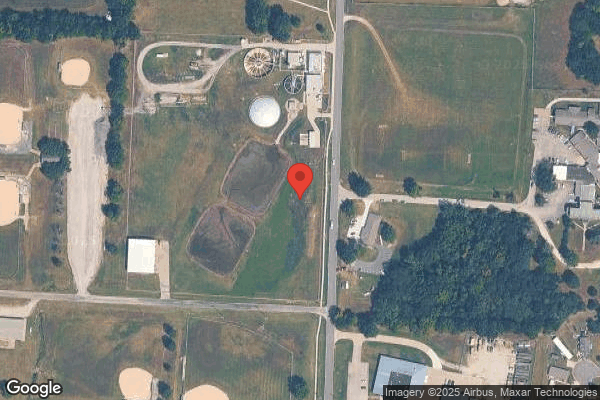
2001 JEFFERSON PARKWAY, HARRISONVILLE, MO 64701 (816) 380-4731
For profit - Limited Liability company 128 Beds PRIME HEALTHCARE MANAGEMENT Data: November 2025
Trust Grade
33/100
#388 of 479 in MO
Last Inspection: April 2024

Within standard 12-15 month inspection cycle. Federal law requires annual inspections.

Overview

Golden Years Center for Rehab and Healthcare has received a Trust Grade of F, indicating significant concerns about the quality of care provided. With a state rank of #388 out of 479 facilities in Missouri, they fall in the bottom half, and #6 out of 8 in Cass County means that only two local options are worse. Although the facility's trend is improving, showing a decrease in issues from 28 in 2024 to just 2 in 2025, it still has a concerning number of 63 issues noted during inspections. Staffing is a weakness, with only 1/5 stars and lower RN coverage than 92% of Missouri facilities, which means there may not be enough registered nurses to catch potential problems. Specific incidents include a failure to maintain cleanliness in the kitchen, such as not refrigerating certain food items properly, and neglecting to provide required training for nurse aides on important topics like dementia care and abuse prevention. Overall, while there is some improvement, significant weaknesses in staffing and food safety practices remain a concern for families considering this facility.

Trust Score
F
33/100
In Missouri
#388/479
Bottom 19%
Safety Record
Low Risk
No red flags
Inspections
Getting Better
28 → 2 violations
Staff Stability
⚠ Watch
56% turnover. Above average. Higher turnover means staff may not know residents' routines.
Penalties
✓ Good
$15,298 in fines. Lower than most Missouri facilities. Relatively clean record.
Skilled Nurses
⚠ Watch
Each resident gets only 11 minutes of Registered Nurse (RN) attention daily — below average for Missouri. Fewer RN minutes means fewer trained eyes watching for problems.
Violations
⚠ Watch
63 deficiencies on record. Higher than average. Multiple issues found across inspections.
★☆☆☆☆
1.0
Overall Rating
★☆☆☆☆
1.0
Staff Levels
★★☆☆☆
2.0
Care Quality
★☆☆☆☆
1.0
Inspection Score
Stable
2024: 28 issues
2025: 2 issues

The Good

  • Full Sprinkler Coverage · Fire safety systems throughout facility
  • No fines on record

Facility shows strength in fire safety.

The Bad

1-Star Overall Rating

Below Missouri average (2.5)

Significant quality concerns identified by CMS

Staff Turnover: 56%

Near Missouri avg (46%)

Frequent staff changes - ask about care continuity

Federal Fines: $15,298

Below median ($33,413)

Minor penalties assessed

Chain: PRIME HEALTHCARE MANAGEMENT

Part of a multi-facility chain

Ask about local staffing decisions and management

Staff turnover is elevated (56%)

8 points above Missouri average of 48%

The Ugly 63 deficiencies on record

Mar 2025 2 deficiencies
CONCERN (D) 📢 Someone Reported This

A family member, employee, or ombudsman was alarmed enough to file a formal complaint

Potential for Harm - no one hurt, but risky conditions existed

Deficiency F0658 (Tag F0658)

Could have caused harm · This affected 1 resident

Based on interview and record review, the facility failed to ensure procedures were in place and followed in order to ensure physician notification was completed and documented regarding missed medica...

Read full inspector narrative →
Based on interview and record review, the facility failed to ensure procedures were in place and followed in order to ensure physician notification was completed and documented regarding missed medications for two sampled residents (Residents #1, #2) out of four sampled residents, and failed to ensure blood pressure monitoring was completed for one resident with a physician's order to administer medication based on the resident's blood pressure (Resident #1). The facility census was 76 residents. Review of the facility Medication Administration Policy dated December 2012 showed: -Medications must be administered in accordance with physician orders. -For residents not in their room or otherwise unavailable to receive medication, the MAR may be flagged (identified for further attention) and the nurse will return to administration of the medication at a later time. -If a medication is withheld, refused or given at a time other than the scheduled time, the individual administering the medication shall circle and initial the MAR for that drug and dose. -The individual administering must initial the resident's MAR after giving the medication. 1. Review of Resident #1's the resident's Medication Administration Record (MAR) dated 2/1/25 through 2/28/25 showed: -Diagnoses of hypothyroidism (or underactive thyroid, happens when the thyroid gland does not make enough thyroid hormones to meet the body's needs) high hypertensive heart disease (a condition that develops when high blood pressure hypertension damages the heart muscle over time). -Levothyroxine 88 micrograms (mcg) , give one tablet by gastrostomy tube (G-tube, a flexible tube inserted into the stomach through a small incision in the abdominal wall that provides a direct route for administering food, fluids, and medications) one time daily for thyroid replacement with documentation was blank on 2/1/25, 2/2/25, 2/10/25, 2/15/25, 2/16/25, 2/21/25, 2/23/25, and 2/24/25. -Midodrine HCL 5 mg one via G-tube as needed for hypotension (low blood pressure) tablet as needed for hypotension, systolic blood pressure (higher number) blood pressure less than 90 had no frequency for administration, no instruction regarding frequency for taking his/her blood pressure, and there was no documentation from 2/1/25 through 2/28/25 of any blood pressures taken. Review of the resident's progress notes for 2/1/25 through 2/28/25 showed no documentation regarding the reason for missed doses of his/her medications and no documentation of notification to the resident's physician regarding the resident's missed doses of medications. Review of the resident's MAR dated 3/1/25 through 3/13/25 showed: -Levothyroxine 88 mcg was not documented as given two times on 3/9/25 and 3/10/25. -Midodrine HCL 5 mg one via G-tube as needed for hypotension (low blood pressure) tablet as needed for hypotension, systolic blood pressure (higher number) blood pressure less than 90 had no frequency for administration, no instruction regarding frequency for taking his/her blood pressure, and there was no documentation from 3/1/25 through 3/13/25 of any blood pressures taken. Review of the resident's progress notes for 3/1/25 through 3/13/25 showed no documentation regarding the reason for missed doses of his/her medications and no documentation of notification to the resident's physician regarding the resident's missed doses of medications. During an interview on 3/13/25 at 10:17 A.M. the resident said: -The nurses often did not give him all of his/her medications. -He/she would tell the nurses when they had not given all of his medications, but they still would not give him all of his/her medications. -This upset him and frustrated him/her because he needed all of his/her medications. -The nurses also did not take his/her blood pressure to see if he/she needed a blood pressure medication that he/she was supposed to get based on what his/her blood pressure was, if they did not take his/her blood pressure they would not know if he/she needed that medication. 2. Review of Resident #2's MAR dated 2/1/25 through 2/28/25 showed: -Diagnoses of epilepsy (a brain disease that causes seizures), schizoaffective disorder (a mental health condition that is marked by a mix symptoms, such as loss of touch with reality and significant disruptions in a person's emotional state), and violent behaviors. -Quetiapine antipsychotic medication) 100 mg via tube at bedtime, not documented as given on 2/14/25. -Zyprexa (antipsychotic medication) 10 mg twice daily not documented as given for his/her evening dose four times on 2/3/25, 2/4/25, 2/12/25, and 3/16/25. During an interview on 3/15/25 at 1:42 P.M. Licensed Practical Nurse (LPN) A said: -If a medication was not available for administration, he/she would notify the pharmacy the medication was not available, would notify the Director of Nursing (DON) and the resident's physician that the medication was not given and the reason the medication was not given. -He/she would write a progress note identifying what medication was not given, the reason the medication was not given and who was notified that the medication was not given. During an interview on 3/15/25 at 3:40 P.M. the Assistant Administrator and the Assistant Director of Nursing (ADON) said: -If a medication was not available, licensed nurses were to notify the pharmacy close to the time the medication was scheduled to have been given so the medication could be given. -If a medication was not administered the licensed nurse was to notify the DON and the resident's physician that the medication was not given and the reason the medication was not given. -Notification to the physician could be by telephone contact with the physician or a fax (electronic communication) to the physician. -When a medication was not administered for any reason, a progress note should be written by the licensed nurse stating what medication was not given, the reason the medication and stating all who were notified, including the pharmacy, the DON or ADON, and the resident's physician. -The ADON sometimes looked over some MARs but there was not a system to routinely review MARs for missed medications. MO00249036 MO00250919
CONCERN (D) 📢 Someone Reported This

A family member, employee, or ombudsman was alarmed enough to file a formal complaint

Potential for Harm - no one hurt, but risky conditions existed

Tube Feeding (Tag F0693)

Could have caused harm · This affected 1 resident

Based on observation, interview and record review, the facility failed to ensure and document measurement of the resident's gastrostomy tube (G-tube/PEG tube, a flexible tube inserted into the stomach...

Read full inspector narrative →
Based on observation, interview and record review, the facility failed to ensure and document measurement of the resident's gastrostomy tube (G-tube/PEG tube, a flexible tube inserted into the stomach through a small incision in the abdominal wall that provides a direct route for administering food, fluids, and medications ) to ensure correct placement in the resident's stomach prior to giving fluids, medications and feedings for two sampled residents (Residents #1 and #4) out of four sampled residents. The facility census was 76 residents. A policy for administration of medication via G-tube was requested and not received. Review of https://www.ncbi.nlm.nih.gov/books/NBK593216/ the National Institutes of Health, National Library of Medicine, Enteral (also known as tube feeding) Tube Management, dated 2021 showed: -The placement of an enteral tube is immediately verified after insertion by an X-ray; after X-ray verification, the tube should be marked to indicate the point on the tube where the feeding tube penetrates the abdominal wall; the mark or number on the tube at the entry point should be documented in the resident's medical record. -At the start of every shift, nurses evaluate if the incremental marking or external tube length has changed. If a change is observed, bedside tests such as visualization or pH testing of tube aspirate can help determine if the tube has become dislocated. If in doubt, a radiograph should be obtained to determine tube location. -Older methods of checking tube placement included observing aspirated (using a syringe, a tube with a nozzle and piston or bulb for sucking in and ejecting liquid) contents or the administration of air with a syringe while auscultating listening with a stethoscope (a medical instrument for listening to sounds in the body) - however, research has determined these methods are unreliable and should no longer be used to verify placement. 1. Review of Resident #1's Physician's Order's Sheet (POS) on 3/14/24 showed: -Diagnoses of gastrostomy. -Enteral feed order (a method of providing nutrition directly into the stomach or intestines through a tube) every shift flush enteral tube every shift routine water flush with 5 - 10 milliliters (ml) of water between each medication. -Baclofen 20 milligrams (mg) via G-tube three times daily for muscle spasms. -Gabapentin 300 mg via G-tube three times a day for neuropathy (nerve damage). Review of the resident's Medication Administration Record (MAR) dated March 2025 showed: -Baclofen 20 mg via G-tube three times daily for muscle spasms. -Gabapentin 300 mg via G-tube three times a day for neuropathy (nerve damage). -Enteral feed order (a method of providing nutrition directly into the stomach or intestines through a tube); every shift flush enteral tube every shift routine water flush with 5 - 10 milliliters (ml) of water between each medication. -Enteral feed order; every shift routine water flush 180 ml every shift for maintenance. Observation on 3/15/24 at 11:48 A.M. showed: -Without first checking the resident's G-tube for placement, Licensed Practical Nurse (LPN) A flushed the resident's G-tube with approximately 80 ml of water. -LPN A then administered the resident's Baclofen and flushed the resident's G-tube with 20 ml of water. -LPN a then administered the residents Gabapentin and flushed the resident's G-tube with about 89 ml of water. 2. Review of Resident #2's MAR dated March 2025 showed: -Check PEG tube placement previous to flushes, medications, feedings via integrity of the tube (inspect the tube) and residual (aspirate stomach contents from the tube) -PEG tube is to be flushed with 30 ml of water previous to any medication administration, then flush with 15 ml of water after each medication, then after all medications have been administered flush with 30 ml of water for patency to keep the tube patent (unobstructed). -Flush PEG tube every four hours with 200 ml of water. -Zyprexa 10 mg via PEG tube twice daily for schizoaffective disorder (a mental health condition that is marked by a mix symptoms, such as loss of touch with reality and significant disruptions in a person's emotional state). -Diazepam 5 mg via G-tube every eight hours for seizures. Observation on 3/15/25 at 11:57 A.M. showed: -Without first inspecting and checking the length of the resident's G-tube for correct placement, LPN A flushed the resident's G-tube with approximately 50 ml of water. -LPN A then administered the resident's Zyprexa 10, flushed the resident's G-tube with about 30 ml of water, then administered the resident's Diazepam 5 mg. -LPN A then flushed the resident's G-tube with about 80 ml of water. 3. During an interview on 3/15/25 at 1:42 P.M. LPN A said: -He/she had not checked placement of Resident #1's and Resident #2's G-tube prior to administering their medications via their G-tubes. -Had he/she checked placement, he/she would have pushed air into the G-tube and listened for the sound of air by placing a stethoscope over the resident's stomach. -He/she had never heard of checking placement of a G-tube by checking the measurement of the tube. During an interview on 3/15/25 at 3:40 P.M. the Assistant Administrator and the Assistant Director of Nursing (ADON) said: -G-tube placement was to be checked prior to flushing with water, administering medications, and giving tube feedings. -They had not known to check placement of G-tubes by measuring the tube. -The ADON said he/she had heard that licensed nurses were no longer to check placement by injecting air into the tube and listening for air with a stethoscope, but he/she did not know what was to be done in place of that method. -He/she did not know how to find information on the current correct method for checking placement of G-tubes. MO00250919
Apr 2024 27 deficiencies
CONCERN (D)

Potential for Harm - no one hurt, but risky conditions existed

Deficiency F0578 (Tag F0578)

Could have caused harm · This affected 1 resident

**NOTE- TERMS IN BRACKETS HAVE BEEN EDITED TO PROTECT CONFIDENTIALITY** Based on interview, and record review, the facility failed to ensure one sampled resident's (Resident #61) code status was chang...

Read full inspector narrative →
**NOTE- TERMS IN BRACKETS HAVE BEEN EDITED TO PROTECT CONFIDENTIALITY** Based on interview, and record review, the facility failed to ensure one sampled resident's (Resident #61) code status was changed from a full code (if a person's heart stopped beating and or or they stopped breathing, all resuscitation procedures would be provided to keep them alive) to a Do Not Resuscitate (DNR - a legal document that means a person has decided not to have cardiopulmonary resuscitation attempted on them if their heart stops or they stop breathing) status, out of 17 sampled residents. The facility census was 67 residents. Review of the facility's policy, Advance Directives, dated December 2016 showed: -Upon admission, the resident would have been provided with written information concerning the right to refuse or accept medical treatment and to formulate an advance directive if he or she choose to do so. -If a resident was incapacitated and unable to receive information about his or her right to formulate an advance directive, the information may have been provided to the resident's legal representative. -Prior to or upon admission of a resident, the Social Services Director or designee would have inquired of the resident, his/her family member about the existence of any written advance directives. -Information about whether or not the resident had executed an advance directive should have been displayed prominently in the medical record. -The plan of care for each resident would have been consistent with his/her documented treatment preferences and or advance directive. -Changes or revocations of a directive must have been submitted in writing to the Administrator. -The Care Plan Team would have been informed of such changes or revocations so that appropriate changes could have been made in the resident assessment and care plan. -The Director of Nursing Services or designee would have notified the Attending Physician of advance directives to that appropriate orders could have been documented in the resident's medical record and plan of care. 1. Review of Resident #61's undated face sheet showed he/she was admitted to the facility on [DATE] with the following diagnoses: -Respiratory failure (a condition in which your blood does not have enough oxygen). -Hemiplegia and Hemiparesis following a cerebral infarction (weakness on one side of the body resulting from damage to the brain from an interruption of its blood supply). -Gastrostomy status (an opening into the stomach through the abdominal wall for the introduction of food). -Tracheostomy status (a surgical procedure to help air reach the lungs by creating an opening into the windpipe from the outside of the neck. -The resident was a full code. Review of the resident's Advance Directive dated 2/8/24 showed: -The resident had a DNR status. -The physician signed the DNR sheet on 2/8/24. Review of the resident's care plan dated 3/13/24 showed the resident did not have an Advance Directive. Review of the resident's Quarterly Minimum Data Set (MDS-a federally mandated assessment tool completed by the facility for care planning) dated 3/13/24 showed: -They were unable to obtain a Brief Interview for Mental Status (BIMS) score. -He/She had had a stroke. -He/She was Hemiplegic. -He/She had respiratory failure. Review of the resident's Physician's Order Sheet (POS) dated April 2024 showed the resident was a full code. During an interview on 4/19/24 at 9:00 A.M. Licensed Practical Nurse (LPN) A said: -The resident had a DNR status. -He/She had admitted the resident and knew he/she had an Advance Directive denoting the resident was DNR. -He/She verified the resident had an Advance Directive which showed he/she had a DNR status. -The Advance Directive sheet was dated 2/8/24. -He/She verified that the resident's face sheet and POS showed the resident was a full code. -That was not correct the resident should have had DNR status. -He/She changed the face sheet and POS to reflect the DNR status. -The nurse who admitted the resident was responsible to ensure the resident's wishes were reflected on the chart. -He/She did not know if the residents' charts were ever audited to ensure the most up to date code status was on the chart. During an interview on 4/22/24 at 9:15 A.M. LPN C said: -A resident's code status would have been found on the face sheet or POS. -The nurse who admitted the resident was responsible for ensuring they had a current code status and it was documented in the chart. -He/She did not know who was responsible to audit the residents code status. During an interview on 4/22/24 at 9:30 A.M. Certified Nursing Assistant (CNA) A said: -He/She did not know where a resident's code status would be found. -He/She would have to ask the nurse what a resident's code status was. During an interview on 4/22/24 at 12:40 P.M. the Assistant Director of Nursing (ADON) said: -The resident was a full code when he/she came into the facility. -They were not able to contact the residents family who was out of state for an advance directive. -When they finally got an advance directive from the family the resident's code status should have been changed to DNR and it was missed. -He/She was responsible for ensuring the residents' code status was current. During an interview on 4/22/24 at 1:15 P.M. the Director of Nursing said: -Residents should have a code status upon admission. -The Admitting Nurse was responsible for ensuring the resident had a code status. -A resident's code status should have been listed on the face sheet and POS.
CONCERN (D)

Potential for Harm - no one hurt, but risky conditions existed

Deficiency F0655 (Tag F0655)

Could have caused harm · This affected 1 resident

**NOTE- TERMS IN BRACKETS HAVE BEEN EDITED TO PROTECT CONFIDENTIALITY** Based on interview and record review, the facility failed to provide the resident with a written summary of a baseline care plan...

Read full inspector narrative →
**NOTE- TERMS IN BRACKETS HAVE BEEN EDITED TO PROTECT CONFIDENTIALITY** Based on interview and record review, the facility failed to provide the resident with a written summary of a baseline care plan that included instructions needed to provide the resident with care until the comprehensive care plan was developed for two sampled residents (Resident #41 and #60) out of 17 sampled residents. The facility census was 67 residents. Review of the facility's policy titled Care Plans - Baseline dated as revised December 2016 showed: -A baseline care plan would be developed within the first 48 hours of the resident's admission. -The interdisciplinary team would implement a baseline care plan to meet the resident's immediate care needs. -The baseline care plan would be used until the staff could conduct the comprehensive assessment and develop an interdisciplinary person-centered care plan. -The resident and their representative will be provided a summary of the baseline care plan that includes but it not limited to: --The initial goals of the resident. --A summary of the resident's medications and dietary instructions. --Any services and treatments to be administered by the facility and personnel acting on behalf of the facility. --Any updated information based on the details of the comprehensive plan, as necessary. 1. Review of Resident #41's tracking form dated 1/19/24 showed the resident was admitted to the facility on [DATE]. Review of the resident's nursing admission screening/history (used as part of the baseline care plan) dated 1/19/24 and listed as in progress showed: -The resident admitted to the facility for skilled therapy and nursing for wounds. -A nursing assessment was partially completed. -No medications were listed under the medication section. -There was no last page to show: --Who completed the screening. --If anyone else was involved in the screening. --Whether the form was reviewed with the resident or anyone else. During an interview on 4/16/24 at 10:35 A.M., the resident said he/she didn't know anything about a care plan. Review of the resident's interdisciplinary notes since 1/19/24 admission through 4/16/24 showed nothing was documented about a baseline care plan. Review of the resident's quarterly Minimum Data Set (MDS-a federally mandated assessment tool completed for care planning) dated 3/12/24 showed the following staff assessment of the resident: -Cognitively intact. -Had wounds. -Received multiple high-risk medications. -Used a wheelchair and a walker. -Had impaired range of motion on one side of his/her lower extremity. -Required assistance from staff for most personal cares. -Had a catheter (a tube passed through the urethra into the bladder to drain urine). -Was incontinent of bowel. During an interview on 4/18/24 at 10:04 A.M., the Director of Nursing (DON) said it looked like the resident's baseline care plan was not done. 2. Review of Resident #60's tracking form dated 3/21/24 showed the resident was admitted to the facility on [DATE]. Review of the resident's baseline care plan dated 3/22/24 showed the form was completed but it did not have any names or signatures of anyone to show the baseline care plan meeting was held or that the resident was provided with a copy of the baseline care plan. Review of the resident's admission MDS date 4/1/24 showed the following staff assessment of the resident: -Cognitively intact. -Had wounds -Received several high-risk medications. -Used a wheelchair. -Had impaired range of motion on both sides of his/her upper and lower extremities. -Required assistance from staff for most personal cares. -Was frequently incontinent of bladder and was always incontinent of bowel. During an interview on 4/19/24 at 1:27 P.M., the resident said he/she did not know anything about a baseline care plan meeting and did not have a copy of a baseline care plan. 3. During an interview on 4/18/24 at 10:04 A.M., the DON said the baseline care plan was usually done in the resident's room with the resident. During an interview on 4/19/24 at 3:05 P.M., Assistant DON (ADON)/Wound care nurse/Licensed Practical Nurse (LPN) said the nurses were responsible for completing the baseline (48-hour) care plans. During an interview on 4/22/24 at 8:41 A.M., the MDS nurse said the nurses were responsible for doing a 48-hour care plan when a resident was first admitted . During an interview on 4/22/24 at 1:14 P.M., the DON said: -The baseline care plans were in the computer. -The staff were not printing the baseline care plan out. -No one was signing the baseline care plan. -No one was printing out a summary of the baseline care plan for the resident or family.
CONCERN (D)

Potential for Harm - no one hurt, but risky conditions existed

Deficiency F0658 (Tag F0658)

Could have caused harm · This affected 1 resident

**NOTE- TERMS IN BRACKETS HAVE BEEN EDITED TO PROTECT CONFIDENTIALITY** 2. Review of Resident #33's face sheet showed he/she was admitted to the facility on [DATE] with the following diagnoses: -Hemip...

Read full inspector narrative →
**NOTE- TERMS IN BRACKETS HAVE BEEN EDITED TO PROTECT CONFIDENTIALITY** 2. Review of Resident #33's face sheet showed he/she was admitted to the facility on [DATE] with the following diagnoses: -Hemiplegia and Hemiparesis (muscle weakness). -Major Depressive disorder (a common and serious medical illness that negatively affects how you feel, the way you think and how you act). -Cerebral Infarction (a stroke- a result of disrupted blood flow to the brain due to the problems with blood flow). Review of the resident's quarterly MDS dated [DATE] showed: -His/Her Brief Interview of Mental Status (BIMS) score was 15 out of 15 indicating he/she was cognitively intact. -He/She had had a stroke. -He/She had Hemiplegia. -He/She had Depression. Review of the resident's care plan dated 2/7/24 showed: -He/She had had periods of confusion and forgetfulness. -He/She had lost his/her train of thought and had difficulty paying attention. -Staff was to administer medication per order. Observation on 4/15/24 at 10:00 A.M. showed there were two blue oblong pills and one white round pill sitting in a pill cup on the bedside table. During an interview on 4/15/24 at 10:00 A.M. the resident said: -The nurse last night had left the pills. -He/She had forgotten to take them last night. -Sometimes the nurse would leave the pills so he/she could take them at a later time. Review of the resident's Physician's Order Sheet (POS) dated April 2024 showed: -Acetaminophen (pain medication) P.M. Extra Strength tablet 500-25 milligram (mg) for sleep, give two tablets by mouth at bedtime for insomnia. -Glycopyrrolate (medication used to decrease secretions) tablet 2 mg, give 2 mg by mouth three times a day for secretions. -The resident did not have an order to leave pills at bedside. During an interview on 4/18/24 at 8:30 A.M. Certified Medication Technician (CMT) B said: -The resident had pills in a cup at bedside in the morning. -The pills were his/her night medications in the cup. -The resident did not have a physician's order to leave medications at bedside. -Staff were supposed to watch the resident take the medications to ensure they did not choke. -The two blue pills were Tylenol PM. -The one white pill was Glycopyrrolate. -Staff was not supposed to leave medications at bedside. During an interview on 4/19/24 at 1:20 P.M. LPN A said: -Staff should never leave the resident's medication at bedside unless there was a physician's order. -Staff had education from the facility about leaving medications at bedside. -The DON was responsible for ensuring medications were not left at bedside. During an interview on 4/22/24 at 1:15 P.M. the DON said: -Pills should not have been left at the resident's bedside. -The nurse or CMT who administered the medication should have watched the resident take them. -The resident did not have a physician's order to leave medications at bedside. Based on observation, interview and record review, the facility failed to accurately document the administration of pain medication for one sampled resident (Resident #41) and failed to ensure one sampled resident (Resident #33) had taken his/her prescribed medications out of 17 sampled residents. The facility census was 67 residents. Review of the facility's policy titled Administering Pain Medication dated as revised October 2010 showed the policy did not address where to document the administration of opioids (pain medications used to treat severe pain). Review of the facility's policy, Administering Medications, dated December 2012 showed: -The Director of Nursing Services would supervise and direct all nursing personnel who administer medication. -Residents may self-administer their own medications only if the Attending Physician, in conjunction with the Interdisciplinary Care Planning Team, has determined that they have the decision-making capacity to do so safely. Review of the facility's undated policy, Medication Administration, showed: -(Staff) was to administer the medication and observe that the medications were swallowed. -Never leave any drug in the resident's room. 1. Review of Resident #41's care plan dated 2/8/24 showed the resident experienced pain in his/her lower back, foot and wounds and Oxycodone (an opioid pain medication) was one of his/her pain medications. Review of the resident's quarterly Minimum Data Set (MDS a federally mandated assessment tool completed by facility staff for care planning) dated 3/12/24 showed the resident was cognitively intact and received opioid pain medications. Review of the resident's Medication Administration Record (MAR) dated April 2024 showed: -A physician's order for Oxycodone 15 milligrams (mg), one tablet every four hours as needed. -On 4/9/24 and 4/16/24 the administration of Oxycodone had a 9 in the administration box. -When a medication was coded as a 9, it indicated the medication was not administered and it referred a progress note. -The resident received eight Oxycodone tablets for the month of April through 4/17/24 (not including 4/9/24 and 4/16/24 noted above). Record review of the resident's nurses' notes dated 4/9/24 and 4/16/24 showed no documentation regarding why the Oxycodone was signed out but not administered. Review of the resident's Individual patient narcotic record dated 3/23/24 for Oxycodone 15 mg showed: -Oxycodone 15 mg was administered 36 times (26 more times than documented on the MAR) from 4/1/24-4/17/24. -Oxycodone 15 mg was documented as given on 4/9/24 and 4/16/24 when the MAR indicated it was not administered. During an interview on 4/19/24 at 2:38 P.M., Licensed Practical Nurse (LPN) B said they were supposed to fill out the narcotic count sheet and the MAR when administering the resident's Oxycodone. During an interview on 4/22/24 at 9:08 A.M., the resident said he/she asked for his/her Oxycodone about three times a day. During an interview on 4/22/24 at 1:14 P.M., the Director of Nursing (DON) said: -He/She would expect a nurses' note when a 9 was documented on the MAR. -The nurses should have documented the administration of the resident's Oxycodone on both the MAR and the narcotic count sheet.
CONCERN (D)

Potential for Harm - no one hurt, but risky conditions existed

ADL Care (Tag F0677)

Could have caused harm · This affected 1 resident

**NOTE- TERMS IN BRACKETS HAVE BEEN EDITED TO PROTECT CONFIDENTIALITY** Based on observation, interview and record review, the facility failed to ensure bathing/showers were completed at least once we...

Read full inspector narrative →
**NOTE- TERMS IN BRACKETS HAVE BEEN EDITED TO PROTECT CONFIDENTIALITY** Based on observation, interview and record review, the facility failed to ensure bathing/showers were completed at least once weekly and at the resident's preference for two sampled residents (Resident #13, and #54) out of 17 sampled residents. The facility census was 67 residents. Review of the facility's shower policy dated October 2010 showed: -No indication of how often a shower/bath should be offered or given. -The purposes of the procedure. -General guidelines. -Equipment and supplies. -Steps in the procedure. -Information recorded on the residents' Activity of Daily Living (ADL) record and/or the residents medical record as: --The date and time the shower was performed. --The name and title of individual who assisted the resident with the shower. --All assessment data pertaining to the resident's skin condition obtained during the shower. --The reason why and the intervention taken if the resident refused the shower. --The signature and title of the person recording the data. -Notify the supervisor if the resident refused the shower. -Notify the physician of any skin areas that may need to be treated. 1. Review of Resident 13's admission Record showed he/she admitted to the facility on [DATE] and readmitted on [DATE] with the following diagnoses: -Colostomy status (an alternative exit from the colon created to divert waste through a hole in the colon and through the wall of the abdomen). -Essential (primary) hypertension (HTN-abnormally high blood pressure that's not the result of a medical condition). Review of the resident's shower sheets dated 3/1/24 to 4/15/24 showed: -No shower sheets for the week of 3/3/24 to 3/9/24. -No shower sheets for the week of 3/17/24 to 3/23/24. -No shower sheets for the week of 3/31/24 to 4/6/24. -No shower sheets for the week of 4/7/24 to 4/13/24. During an interview on 4/15/24 at 11:44 A.M., the resident said he/she would like a shower once a week. During an interview on 4/22/24 at 11:11 A.M., Certified Nursing Assistant (CNA) F said: -The resident usually did not refuse his/her showers. -Every once in a while he/she would refuse depending on his/her pain. -When he/she refused then usually he/she got a shower at a different time. 2. Review of Resident 54's admission Record showed he/she admitted to the facility on [DATE] with the following diagnoses: -Essential (primary) hypertension. -Age related physical debility (the quality or state of being weak, feeble, or infirm especially physical weakness). -Unspecified glaucoma (a build-up of fluid in the eye, which presses on the retina and the optic nerve). Review of the resident's shower sheets dated 3/1/24 to 4/15/24 showed: -No shower sheets for the week of 3/10/24 to 3/16/24. -No shower sheets for the week of 3/31/24 to 4/6/24. During an interview on 4/15/24 at 11:05 A.M., the resident said: -He/She liked showers at least once a week or more. -He/she didn't have a shower at any time between 3/30/24 and 4/12/24. -He/She kept track of everything that he/she or anyone else did in a notebook. During an interview on 4/22/24 at 11:11 A.M., CNA F said: -The resident very seldom refused a shower. -He/She liked his/her showers. 3. During an interview on 4/22/24 at 11:11 A.M., CNA F said: -He/She worked on the Rehab unit. -Residents got showers two times a week. -There were two shower aides, one did weekdays the other did weekends. -He/She checked the shower book every day he/she worked to check if anyone had missed a shower. -If someone had missed a shower, he/she offered to give them one. During an interview on 4/22/24 at 11:37 A.M., CNA G said: -Residents got showers two times a week. -The facility had two shower aides. -Neither of the shower aides were working today. During an interview on 4/22/24 at 11:45 A.M., Licensed Practical Nurse (LPN) C said: -He/she worked weekends and Mondays. -Residents typically got showers twice a week. -The facility bath aide came to the Rehab unit to do the showers. -Not sure what days the aide came. -Hospice residents also got showers twice a week from the hospice aides. -He/she was not sure if Residents #13 and #54 refused showers or not. During an interview on 4/22/24 at 1:13 P.M., the Director of Nursing (DON) said: -Residents should be offered a shower at least weekly. -There was a schedule to follow by room number as to what day the residents received showers. -Shower sheets should be filled out for each resident when they received a shower. -If a resident refused a shower the shower sheet was still filled out and refused was written on it. -The shower sheets were in a binder at the nurse's station. -The Assistant DON (ADON) audited the shower sheets weekly to be sure residents were getting showers. -If a resident was refusing showers staff talked to the resident to encourage the shower. -Sometimes the resident's family was called to encourage the shower. -If a resident was on hospice the facility staff should still be offering and giving showers to the resident.
CONCERN (D)

Potential for Harm - no one hurt, but risky conditions existed

Deficiency F0692 (Tag F0692)

Could have caused harm · This affected 1 resident

**NOTE- TERMS IN BRACKETS HAVE BEEN EDITED TO PROTECT CONFIDENTIALITY** Based on observation, interview, and record review, the facility failed to ensure physician ordered weekly weights were complete...

Read full inspector narrative →
**NOTE- TERMS IN BRACKETS HAVE BEEN EDITED TO PROTECT CONFIDENTIALITY** Based on observation, interview, and record review, the facility failed to ensure physician ordered weekly weights were completed for one sampled resident (Resident #61) who had lost weight and was receiving tube feeding out of 17 sampled residents. The facility census was 67 residents. Review of the facility's policy, Weighing and Measuring the Resident, dated March 2011 showed: -The purposes of the procedure were to determine the resident's weight and height, to provide a baseline and ongoing record of the resident's body weight as an indicator of the nutritional status of the resident. -Weight was usually measured upon admission and monthly. -The following information should have been recorded in the resident's medical record: --The date and time the procedure was preformed. --The name and title of the individual who had performed the procedure. --The height and weight of the resident. 1. Review of Resident #61's face sheet showed he/she was admitted to the facility on [DATE] with the following diagnoses: -Respiratory failure (a condition in which your blood does not have enough oxygen). -Hemiplegia and Hemiparesis following a cerebral infarction (stroke - weakness on one side of the body resulting from damage to the brain from an interruption of its blood supply). -Gastrostomy status (an opening into the stomach through the abdominal wall for the introduction of food). -Tracheostomy status (a surgical procedure to help air reach the lungs by creating an opening into the windpipe from the outside of the neck). Review of the resident's care plan dated 3/13/24 showed: -He/She received his/her nutrition per his/her feeding tube. -He/She was to have nothing by mouth (NPO) status. -He/She had a diagnosis of a stroke. -Staff was to monitor his/her weight as per order and as needed, dated 1/5/24. Review of the resident's Quarterly Minimum Data Set (MDS-a federally mandated assessment tool completed by the facility for care planning) dated 3/13/24 showed: -They were unable to obtain a Brief Interview for Mental Status BIMS score. -He/She had had a stroke. -He/She was Hemiplegic (paralysis of one side of the body). -He/She had respiratory failure. -He/She had weight loss. -He/She had a feeding tube. Review of the resident's weights showed: -On 1/12/24 he/she weighed 194.6 pounds. -On 3/2/24 he/she weighed 183.8 pounds. -He/She had a 5.55% weight loss in three months. -There was no documentation of the resident's weight from 3/3/24 to 4/19/24. Review of the resident's Physician's Order Sheet (POS) dated April 2024 showed: -Weekly weights on Thursday, day shift for weight management. -The resident was NPO. Observation on 4/19/24 at 10:00 A.M. showed the resident was receiving tube feedings. During an interview on 4/19/24 at 1:20 P.M. Licensed Practical Nurse (LPN) A said: -The Restorative Aides (RA) were supposed to weigh the residents. -Sometimes the RA's were pulled to work on the floor as Certified Nursing Assistants (CNA)s. During an interview on 4/19/24 at 1:40 P.M. RA A/ CNA K said: -They were told in report which residents were to have been weighed that shift. -The resident's weight would have been documented on the computer. -Weighing the resident was the CNA or Nurses' responsibility. -The residents were weighed monthly. -Some of the residents were weighed weekly. -The resident should have been weighed weekly. -He/She worked part time as a RA. -At least once a week he/she was pulled to the floor to work as a CNA. -Today he/she was scheduled to work as a RA but was pulled to the floor to working as a CNA. -No one does the RA work if he/she was pulled to the floor to work as a CNA. During an interview on 4/19/24 at 1:50 P.M. Certified Medication Technician (CMT) B said: -The residents were weighed every month unless the physician's order said to weigh them more often. -The RA's were responsible to weigh the residents. -No one probably weighed the residents if the RA was pulled to work as a CNA on the floor. -Weights should have been charted on the computer system under vital signs/weights. During an interview on 4/22/24 at 1:15 P.M. the Director of Nursing (DON) said: -Residents who had a feeding tube should have been weighed weekly. -The weights should have been documented on the computer. -The RA's should have been weighing the resident. -Any nursing staff could have weighed the resident. -He/She was ultimately responsible to ensure weights were done.
CONCERN (D)

Potential for Harm - no one hurt, but risky conditions existed

Deficiency F0698 (Tag F0698)

Could have caused harm · This affected 1 resident

Based on interview and record review, the facility failed to have ongoing communication and collaboration with the dialysis (the process of removing blood from an artery (as of a kidney patient), puri...

Read full inspector narrative →
Based on interview and record review, the facility failed to have ongoing communication and collaboration with the dialysis (the process of removing blood from an artery (as of a kidney patient), purifying it by dialysis, adding vital substances, and returning it to a vein) center regarding dialysis care and services for one sampled resident (Resident #18) out of 17 sampled residents. The facility census was 67 residents. Review of the facility's policy titled Care of a resident with end-stage renal (kidney) disease dated as revised September 2020 showed the policy did not address communication between the facility and the dialysis center. 1. Review of Resident #18's care plan dated 3/7/23 showed the resident received dialysis. Review of the resident's annual Minimum Data Set (MDS-a federally mandated assessment tool completed by facility staff and used for care planning) dated 3/13/24 showed the following staff assessment of the resident: -Cognitively intact. -Had a diagnosis of end-stage kidney disease. -Received dialysis. Review of the resident's Physician's Order Sheet (POS) dated 4/18/24 showed a physician's order for dialysis every Monday and Friday. During an interview on 4/18/24 at 10:04 A.M., the Director of Nursing (DON) said: -He/She could not find any of the resident's dialysis sheets (which communicated information to and from the dialysis center). -The nurse was supposed to fill out the dialysis form before the resident went to dialysis and send it with the resident to dialysis. -The dialysis clinic should fill out the bottom part and send it back with the resident. -If the form did not come back with the resident, he/she would expect a nurses' note. During an interview on 4/19/24 at 3:05 P.M., the Assistant DON (ADON)/wound nurse/Licensed Practical Nurse said: -They were supposed to have a notebook at the nurses' desk with dialysis forms in it. -The nurse should fill out the dialysis form and send it to dialysis. -If the resident came back to the facility from the dialysis center without the form, the nurse should call the dialysis facility.
CONCERN (D)

Potential for Harm - no one hurt, but risky conditions existed

Medication Errors (Tag F0758)

Could have caused harm · This affected 1 resident

**NOTE- TERMS IN BRACKETS HAVE BEEN EDITED TO PROTECT CONFIDENTIALITY** 2. Review of Resident #24's Face Sheet, undated, showed the resident was admitted to the facility on [DATE] with the following d...

Read full inspector narrative →
**NOTE- TERMS IN BRACKETS HAVE BEEN EDITED TO PROTECT CONFIDENTIALITY** 2. Review of Resident #24's Face Sheet, undated, showed the resident was admitted to the facility on [DATE] with the following diagnoses: -Schizoaffective disorder (a chronic mental health condition causing paranoia, hallucinations or delusions, and symptoms of a mood disorder, such as mania and depression). -Anxiety (feelings of fear, dread, and uneasiness that occurred as a reaction to stress). -Major depressive disorder (a mood disorder that caused a persistent feeling of sadness and loss of interest). Review of the resident's Prescriber MMR Recommendation, dated 8/22/23, showed: -The pharmacist reviewed Duloxetine (a drug used to treat depression) and Lurasidone (also called Latuda, a drug used to treat schizophrenia). -The pharmacist requested the physician respond to a dose reduction/discontinuation. -The review showed no response from the physician. Review of the resident's Prescriber MMR Recommendation, dated 11/16/23, showed: -The pharmacist reviewed Duloxetine and Lurasidone. -The pharmacist requested the physician respond to a dose reduction/discontinuation. -The review showed no response from the physician. Review of the resident's Prescriber MMR Recommendation, dated 1/16/24, showed: -The pharmacist reviewed Duloxetine and Lurasidone. -The pharmacist requested the physician respond to a dose reduction/discontinuation. -The review showed no response from the physician. Review of the resident's annual MDS dated [DATE], showed: -The resident scored a 15 out of 15 on the Brief Interview for Mental Status (BIMS). --This showed that the resident was cognitively intact. Review of the resident's care plan dated 2/21/24, showed: -The resident's psychosocial well-being continued to be at risk due to depression, anxiety, and schizoaffective disorder. -Medications per order and monitor effectiveness and side effects. Review of the resident's POS dated April 2024, showed: -Duloxetine, 60 milligrams (mg) in the morning for major depressive disorder. -Lurasidone 60 mg at bedtime for schizoaffective disorder. During an interview on 4/19/24 at 1:30 P.M., Licensed Practical Nurse (LPN) B said: -The pharmacist made recommendations then put them in the Director of Nursing (DON) mailbox. -The DON or Assistant DON (ADON) put them in the doctors books and the doctors looked at the reviews when they did their rounds. On 4/22/24 at 9:52 A.M. a call was placed to the facility's Medical Director. There was no answer, and a voicemail was left requesting a return call. Return call was not received. During an interview on 4/22/24 at 1:13 P.M., the DON said: -The pharmacist completed MRRs monthly. -When completed they were uploaded into the resident's electronic health record (EHR). -Each physician had a binder at the nurse's station and the MRRs went in the binder. -The physicians should address the pharmacists recommendations and acknowledge that they looked at it and should sign the review form. -The physicians should respond to all recommendations. -He/She audited the MMRs for the physician's signature monthly when they came in. -If there was a recommendation the physician should have documented a response. Based on interview and record review, the facility failed to ensure psychotropic (any drug that affects brain activities associated with mental processes and behavior) medications were administered for a specific condition and as needed orders were limited to 14 days without review at 14 days and without documented physician rationale for one sampled resident (Resident #41); and to ensure the resident received a gradual dose reduction (GDR) for psychotropic medications after it was recommended by a pharmacist in a Medication Regimen Review (MRR) for one sampled resident (Resident #24) out of 17 sampled residents. The facility census was 67 residents. Review of the facility's policy titled Medication Utilization and Prescribing - Clinical Protocol dated as revised in July 2016 showed: -The physician and the staff would identify the indications for a prescribed medication. -An attempt at determining the likely cause of symptoms should be made. -The physician and staff would review the rationale for existing medications that lack a clear indication or are being used intermittently on an as needed basis. -The physician would review medications that are being used intermittently on an as needed basis. -Medications should be prescribed based on clinical signs or symptoms. Review of the facility's policy Medication Regimen Reviews, dated April 2007 showed: -The Consultant Pharmacist was responsible for performing a MRR for every resident in the facility monthly. -The Consultant Pharmacist would document his/her findings and recommendations on the monthly drug/medication regimen review report. -The Consultant Pharmacist would provide a written report to physicians for each resident with an identified irregularity. -Copies of MRR reports, including physician responses, will be maintained as part of the permanent medical record. Review of the facility's Antipsychotic Medication Use policy, dated December 2016, showed: -Antipsychotic medications were prescribed at the lowest possible dosage for the shortest period and were subject to a gradual dose reduction and re-review. -Based on assessing the resident's symptoms and overall situation, the physician determined whether to continue, adjust, or stop existing antipsychotic medication. 1. Review of Resident #41's care plan dated 2/8/24 showed the resident required psychoactive medication for depression (a mood disorder that consists of intense sadness and a loss of interest or loss of pleasure in activities and/or life) and anxiety (psychiatric disorder that involve extreme fear, worry and nervousness). Review of the resident's quarterly Minimum Data Set (MDS-a federally mandated assessment tool completed by facility staff for care planning) dated 3/12/24 showed the following staff assessment of the resident: -Cognitively intact. -Some of his/her diagnoses included a stroke, dementia (a progressive mental disorder characterized by memory problems, impaired reasoning, and personality changes), an anxiety disorder, and depression. -Some of the medications the resident received included antidepressants, a hypnotic (medications that induce sleep), and opioids (pain medications used to treat severe pain). Review of the resident's Medication Administration Record (MAR) dated March 2024 showed Lorazepam (an antianxiety medication) 0.5 milligrams (mg) every six hours as needed (start date 3/25/24) was administered once and was ineffective. Review of the resident's Physician's Order Sheet (POS) dated April 2024 showed the following physician's orders: -Amitriptyline (an antidepressant) 100 mg at bedtime for supplement. -Depakote (an antiepileptic) 250 mg twice a day for behaviors. -Lorazepam (an antianxiety) 0.5 mg every six hours as needed (start date 3/25/24). Review of the resident's MAR dated April 2024 showed Lorazepam 0.5 mg every six hours as needed was administered once in April and was effective. During an interview on 4/19/24 at 3:05 P.M., the Assistant Director of Nursing (ADON)/wound nurse/Licensed Practical Nurse (LPN) said: -The nurse should call the physician(s) and clarify the diagnoses for Amitriptyline and Depakote. -There was usually a diagnosis for psychiatric medications. -The resident did have a lot of behaviors for a while. -He/She usually monitored the as needed orders for antianxiety medications. -He/She knew the as needed antianxiety medications should be ordered for 14 days and then he/she would call the physician to determine whether to renew the order or not. During an interview on 4/22/24 at 1:14 P.M., the Director of Nursing (DON) said: -The admitting nurse puts in all admission orders. -He/She reviewed new admission medication orders but it's not an official process. During an interview on 4/22/24 at 1:14 P.M., the Outgoing Administrator said: -The DON or ADON should complete an audit of the medications for residents who were newly admitted . -As needed antianxiety medications should only be for 14 days and then re-evaluated. -The diagnoses should be clarified with the doctor for Amitriptyline and Depakote.
CONCERN (D)

Potential for Harm - no one hurt, but risky conditions existed

Garbage Disposal (Tag F0814)

Could have caused harm · This affected 1 resident

Based on observation and interview, the facility failed to ensure the lids of the dumpster were closed after facility staff place trash the dumpsters. This practice affected one outdoor area. The faci...

Read full inspector narrative →
Based on observation and interview, the facility failed to ensure the lids of the dumpster were closed after facility staff place trash the dumpsters. This practice affected one outdoor area. The facility census was 67 residents. 1. Observation on 4/15/24 at 9:59 A.M. and 11:21 A.M., showed both outdoor dumpsters were left open. 2. Observation on 4/16/24 at 2:20 P.M, showed two lids of one dumpster were left open. 3. Observation on 4/17/24 at 12:36 P.M,, showed the lids of both dumpsters were left open. During an interview on 4/17/24 at 12:38 P.M., the Dietary Manager (DM) said he/she expected all departments within the facility who used the dumpsters to place items in to keep the dumpsters closed and keep the raccoons out.
CONCERN (D)

Potential for Harm - no one hurt, but risky conditions existed

Safe Environment (Tag F0921)

Could have caused harm · This affected 1 resident

Based on observation and interview, the facility failed to maintain the siding located on the outside of the former dementia unit and the siding on the outside wall behind the kitchen in good repair, ...

Read full inspector narrative →
Based on observation and interview, the facility failed to maintain the siding located on the outside of the former dementia unit and the siding on the outside wall behind the kitchen in good repair, which created openings that pests could get into. This practice potentially affected an unknown number of residents. The facility census was 67 residents. 1. Observation on 4/15/24 at 8:36 A.M., showed the siding on the outside wall of the dementia unit with a bird that went into one of the gaps in the missing siding. 2. Observation on 4/16/24 at 2:17 P.M., with the Maintenance Director showed an approximately 6 feet (ft.) wide by 2 ft. high section of siding behind the air conditioning unit outside the kitchen that was damaged with the insulation that was under the siding visible. During an interview on 4/16/24 at 2:19 P.M., the Maintenance Director said the siding was damaged before he/she started his/her tenure and the water from the damaged downspout contributed to the damage in that area. 3. Observation on 4/16/24 at 2:23 P.M., with the Maintenance Director, showed an approximately 47 ft. long section of siding on the outside wall of the former dementia unit that was damaged with several gaps that pests could potentially get into. During an interview on 4/16/24 at 2:26 P.M., the Maintenance Director said the siding was damaged before his/her tenure at the facility which began in 2/22.
CONCERN (E)

Potential for Harm - no one hurt, but risky conditions existed

Deficiency F0567 (Tag F0567)

Could have caused harm · This affected multiple residents

Based on interview and record review, the facility failed to ensure residents who allowed the facility to manage their resident funds, received interest payments and failed to ensure signed authorizat...

Read full inspector narrative →
Based on interview and record review, the facility failed to ensure residents who allowed the facility to manage their resident funds, received interest payments and failed to ensure signed authorization forms were present for three residents (Residents #11, #32 and #1) selected for the resident trust review. The facility census was 67 residents. 1. Review of the reconciled bank statements, dated April 2023 through March 2024, showed the absence of any interest payments on the any of the bank statements. During an interview on 4/18/24 at 10:55 A.M. the Corporate Director of Fiscal Services said: -He/she did not see any interest on the bank statements. -He/she was not aware of any changes made to the account. 2. Review of Resident #11's authorization records showed there was no authorization form to manage funds found for the resident. 3. Review of Resident #32's authorization records showed there was no authorization form to manage funds found for the resident. 4. Review of Resident #1's authorization records showed there was no authorization form to manage funds found for the resident. 5. During an interview on 4/18/24 at 2:39 P.M., the Business Office Manager (BOM) said: -Residents #11, #32, and #1 were residents who had legal guardians (a person who has been appointed by a court or otherwise has the legal authority to make decisions relevant to the personal and property interests of another person who is deemed incompetent, called a ward). -Those residents were admitted to the facility before the start of his/her tenure, which started in 1/23. -Whenever he/she received an authorization form from a resident who allowed the facility to manage that resident's funds, he/she placed the authorizations in a file. -He/she thought the authorizations were behind the guardianship paperwork in the folder with all the authorizations.
CONCERN (E)

Potential for Harm - no one hurt, but risky conditions existed

Safe Environment (Tag F0584)

Could have caused harm · This affected multiple residents

**NOTE- TERMS IN BRACKETS HAVE BEEN EDITED TO PROTECT CONFIDENTIALITY** Based on observation and interview, the facility failed to maintain the water at the handwashing faucet in resident rooms 517, 5...

Read full inspector narrative →
**NOTE- TERMS IN BRACKETS HAVE BEEN EDITED TO PROTECT CONFIDENTIALITY** Based on observation and interview, the facility failed to maintain the water at the handwashing faucet in resident rooms 517, 520 and 523 at a temperature at or above 105 ºF (degrees Fahrenheit); failed to maintain sprinkler heads over the the therapy area, the Main Dining Room (MDR) and the side Dining room without dust; and failed to maintain two stand up lifts without cracks in the base of those lifts. This practice potentially affected at least 30 residents who resided in those areas, used those area or required assistance of the stand-up lifts. The facility census was 67 residents. 1. Observation on 4/16/24 with the Maintenance Director, showed: -At 9:06 A.M., the water temperature at the handwashing sink in resident room [ROOM NUMBER], was 97.2 ºF after the water was allowed to run for two minutes in that room. -At 9:23 A.M., the water temperature at the handwashing sink in resident room [ROOM NUMBER], was 88.8 ºF after the water was allowed to run for two minutes or more. -At 9:25 A.M., the water temperature at the handwashing sink in resident room [ROOM NUMBER], was 84.5 ºF after the water was allowed to run for two minutes or more. 2. Observation on 4/18/24 showed: -At 11:39 A.M., the water temperature at the handwashing sink in resident room [ROOM NUMBER], was 92.3 ºF, after the water was allowed to run for two minutes in that room. -At 11:41 A.M., the water temperature at the handwashing sink in resident room [ROOM NUMBER], was 103.1 ºF after the water was allowed to run for two minutes in that room. During an interview on 4/17/24 at 2:18 P.M., about water temperatures the Maintenance Director said: -He/she was the one who did the temperature testing of the water. -He/she watched the thermometer until the temperature stopped rising on the thermometer. -He/she did not let the water run for at least two minutes. -The most recent temperatures that were obtained on 4/8/24 the water was not run for 2 minutes or more. 3. Observation on 4/16/24 at 10:54 A.M., showed one stand-up lift in the 400 Hall with a crack in the base of that lift. During an interview on 4/16/24 at 10:55 A.M., Certified Nursing Assistant (CNA) C said he/she did not notice the crack in the base of the stand-up lift until the crack was pointed out to him/her. Observation on 4/18/24 at 3:51 P.M., with CNA B showed: -The stand up lift on the 400 Hall was cracked. -The base of the stand-up lift on the 200 Hall was also cracked. During an interview on 4/18/24 at 3:55 P.M., CNA B said: -He/she did not know how long the base has been cracked on those two lifts. -Facility staff still used the lifts because there were not replacements lift to be used at that time. -He/she would write a work order so that the lifts could be repaired. -He/she did not know who was in charge of ordering of parts for the lifts. During an interview on 4/19/24 at 9:20 A.M. Licensed Practical Nurse (LPN) A said: -He/she expected the employees to make sure all the parts worked. -He/she expected employees to check for cracks and other damages. -If they find any kind of damages, they should make a work order and notify the maintenance department. During a phone interview on 4/22/24 at 12:18 P.M., the Director of Nursing (DON) said: -Previously, before the cracked based of the stand-up lift was shown to him/her, he/she may not have expected facility staff to check the base of the lift, but he/she wanted them to check the operation of the stand-up lift. -If a lift that was damaged, belonged to the facility, he/she expected facility staff to fill out a wok order and let the Maintenance Director know about that. -If the lift was a rental, then they would let the company they rented hat lift from, know about any damage to the lift. 4. Observation on 4/16/24, with the Maintenance Director showed: -At 1:34 P.M., the presence of dust on sprinkler heads in the main dining room. -At 1:36 P.M., the presence of dust on the sprinkler heads in the side dining room. -At 1:42 P.M., the presence of dust on the sprinkler heads at the nurse's station. During an interview on 4/16/24 at 1:46 P.M., the Maintenance Director said he/she needed to do a better job of cleaning the sprinkler heads in those areas.
CONCERN (E)

Potential for Harm - no one hurt, but risky conditions existed

Transfer Notice (Tag F0623)

Could have caused harm · This affected multiple residents

**NOTE- TERMS IN BRACKETS HAVE BEEN EDITED TO PROTECT CONFIDENTIALITY** Based on interview and record review, the facility failed to notify the ombudsman (a resident advocate who provides support and ...

Read full inspector narrative →
**NOTE- TERMS IN BRACKETS HAVE BEEN EDITED TO PROTECT CONFIDENTIALITY** Based on interview and record review, the facility failed to notify the ombudsman (a resident advocate who provides support and assistance with problems and/or complaints regarding the facility) of the resident discharges/transfers for two sampled residents (Residents #48 and #23) and one supplemental resident (Resident #268) out of 17 sampled residents. The facility census was 67 residents. Review of the facility's undated policy titled Transfer and Discharge) showed the policy did not include notification of the ombudsman when residents were transferred or discharged . 1. Review of Resident #48's health status note dated 3/16/24 at 6:56 A.M. showed the resident was sent to the hospital due to seizures. Review of the resident's admission summary showed the resident returned to the facility on 3/23/24. Review of an email dated 4/8/24 from the ombudsman showed the ombudsman reported not receiving transfer/discharge logs from the facility since September 2023. 2. Review of Resident #23's discharge assessment dated [DATE] showed the resident was discharged to the hospital with his/her return anticipated. Review of the resident's entry tracking form dated 1/9/24 showed the resident returned to the facility. 3. Review of Resident #268's discharge assessment dated [DATE] showed the resident was discharged to the hospital with his/her return anticipated. Review of the resident's entry tracking form dated 4/4/24 showed the resident returned to the facility. 4. During an interview on 4/22/24 at 10:20 A.M., the Social Services Designee (SSD) said: -He/She was working as the SSD for about six months. -He/She emailed a list of resident discharges to the ombudsman the last week of the month. -He/She had been emailing them to a .com email address (when the email address was a .org email address). -The email was being sent to the local ombudsman. During an interview on 4/22/24 at 1:14 P.M., the outgoing Administrator said: -Social Services was responsible for sending the list of discharges/transfers to the ombudsman. -The SSD was sending the list to an incorrect email address.
CONCERN (E)

Potential for Harm - no one hurt, but risky conditions existed

Comprehensive Care Plan (Tag F0656)

Could have caused harm · This affected multiple residents

**NOTE- TERMS IN BRACKETS HAVE BEEN EDITED TO PROTECT CONFIDENTIALITY** Based on interview and record review, the facility failed to ensure one sampled resident's (Resident #2) care plan (written out ...

Read full inspector narrative →
**NOTE- TERMS IN BRACKETS HAVE BEEN EDITED TO PROTECT CONFIDENTIALITY** Based on interview and record review, the facility failed to ensure one sampled resident's (Resident #2) care plan (written out plan for the care of the resident) reflected the resident's need to receive Physical Therapy (PT), Occupational Therapy (OT), and Speech Therapy (ST); out of 17 sampled residents. The facility census was 67 residents. Record review of the facility's Goals and Objectives, Care Plans policy dated April 2009 showed: -Care plans shall incorporate goals and objectives that lead to the resident's highest obtainable level of independence. -Care plan goals and objectives are defined as the desired outcome for a specific resident problem. -When goals and objectives are not achieved, the resident's clinical record will be documented as to why the results were not achieved and what new goals and objectives have been established. Care plans will be modified accordingly. -Care plan goals and objectives are derived from information contained in the resident's comprehensive assessment and: --Are resident oriented. --Are behaviorally stated. --Are measurable. --Contain timetables to meet the resident's needs in accordance with the comprehensive assessment. 1. Review of Resident #2's admission Record showed he/she admitted on [DATE] with a dignsos of Cerebral Palsy (condition marked by impaired muscle coordination and/or other disabilities, typically caused by damage to the brain before or at birth). Review of the Resident's Physicians Order Summary (POS) dated April 2024 showed PT, OT, and ST to evaluate and treat as indicated order dated 1/21/24. Review of the resident's admission Minimum Data Set (MDS - a federally mandated assessment tool completed by the facility staff for care planning) dated 1/31/24 showed: -Occupational therapy started 1/18/24. -Physical Therapy started 1/18/24. -Speech therapy started 1/20/24. Review of the resident's Care Plans dated 2/12/24 showed: -At risk for falls related to Cerebral Palsy. -Requires max to total assist with his/her cares due to Cerebral Palsy. -No Care Plan for PT, OT, or ST. During an interview on 4/19/24 at 2:20 P.M., MDS Coordinator said: -He/She wrote all the care plans. -He/She talked to each resident before writing their care plan. -He/She or the Director of Nursing (DON) updated the care plans. -Care plans should have been completed upon admission, and updated quarterly, with any significant change, and annually. -The facility had changed computer systems last year and some of the care plans were not done or up to date. During an interview on 4/22/24 at 1:13 P.M., the DON said: -The MDS Coordinator is responsible for writing the care plans and updating them. -Any Department Head (i.e., Social Services, dietary, etc.) would update their portion of a resident's care plan.
CONCERN (E)

Potential for Harm - no one hurt, but risky conditions existed

Deficiency F0657 (Tag F0657)

Could have caused harm · This affected multiple residents

**NOTE- TERMS IN BRACKETS HAVE BEEN EDITED TO PROTECT CONFIDENTIALITY** Based on interview and record review, the facility failed to update residents' care plans with a change of condition and/or need...

Read full inspector narrative →
**NOTE- TERMS IN BRACKETS HAVE BEEN EDITED TO PROTECT CONFIDENTIALITY** Based on interview and record review, the facility failed to update residents' care plans with a change of condition and/or needs for five sampled residents (Residents #65, #41, #13, #19, and #52) and to invite a resident to his/her care plan meeting for one sample resident (Resident #37) out of 17 sampled residents. The facility census was 67 residents. Review of the facility's Goals and Objectives, Care Plans policy dated April 2009, showed: -Care plans incorporated goals and objectives that led to the resident's highest obtainable level of independence. -Goals and objectives were entered on the resident's care plan so all disciplines had access to needed information and were able to report if the desired outcomes were being achieved. -Goals and objectives were reviewed and revised when: --The resident had a significant change. --When the outcome was not achieved. --At least quarterly. 1. Review of Resident #65's annual Minimum Data Set (MDS- a federally mandated assessment instrument completed by facility staff for care planning) dated 5/10/23, showed: -The resident scored an 11 out of 15 on the Brief Interview for Mental Status (BIMS). --This showed that the resident was moderately cognitively impaired. Review of the resident's electronic physician orders showed the resident was admitted to Hospice (end of life care) on 3/26/24. Review of the resident's care plan, undated, showed: -The resident's care plan was last updated on 5/24/23. -No new or revised goals and objectives following 5/24/23. -The resident's care plan did not show the resident was admitted to hospice and the coordination of care.3. Review of Resident #37's face sheet showed he/she had been admitted to the facility on [DATE]. Review of the resident's Quarterly MDS dated [DATE] showed his/her Brief Interview for Mental Status (BIMS) score was 15 out of 15 indicating he/she was cognitively intact. Review of the resident's most recent care plan was dated 1/8/24. -There was no updated care plan. -There was no documentation the resident or family had been invited to the care plan meeting. During an interview on 4/15/24 at 12:04 P.M. the resident said: -He/She has never been invited to a care plan meeting. -He/She would have went to the care plan meeting if he/she had been invited. During an interview on 4/19/24 at 2:20 P.M. the MDS Coordinator said: -Care Plans should have been completed upon admission, quarterly, with any significant change, and annually. -The facility had changed computer systems last year and some of the care plans were not done or were not up to date. -The resident's care plan for this quarter was over due. -He/She was not able to find any documentation which showed the resident or family had been invited to any care plan meetings. 4. Review of Resident #13's admission Record showed he/she admitted [DATE] with the following diagnoses: -Unilateral (affecting one side of a joint) primary osteoarthritis (articular [a thin layer of specialized connective tissue] cartilage degeneration without any known reason) of the left knee. -Hypertension (HTN-abnormally high blood pressure that's not the result of a medical condition. -Long term use of Anticoagulants (medications that help prevent blood clots by thinning the blood. Review of the resident's Baseline Care plan was completed on 9/24/23. Review of the resident's Care Plans showed: -Was last updated on 11/3/23. -All Care Plan goals showed overdue. -Did not indicate if goals had been achieved or not. -Did not indicate any new goals or objectives had been established. 5. Review of Resident #19's admission Record showed he/she admitted [DATE] with the following diagnoses: -Dementia (a general term for a decline in mental ability resulting in memory loss, and other mental abilities severe enough to interfere with daily functioning) with psychotic disturbance (hallucinations [usually visual], delusions and delusional misidentifications). -Generalized anxiety disorder (anticipation of impending danger and dread accompanied by restlessness, tension, fast heart rate, and breathing difficulty not associated with an apparent stimulus). -Neuromuscular dysfunction of bladder (a disorder of urinary bladder control due to damage to the spinal cord or to the nerves supplying the bladder). -Retention of urine. Review of the resident's Care Plans dated 8/15/23 showed: -Requires psychoactive medication (substances that, when taken affect mental processes) for diagnosis of: --Anxiety and a history of agitation and being combative, he/she also has a diagnosis of dementia. -Can easily become agitated and annoyed with staff, he/she also has periods of anxiety. -Has an indwelling (Foley) catheter (a tube with retaining balloon passed through the urethra into the bladder to drain urine) due to a neurogenic bladder. -All Care Plan goals showed overdue since 8/23/23. -Did not indicate if goals had been achieved or not. -Did not indicate any new goals or objectives had been established. 6. Review of Resident #52's admission Record showed he/she admitted [DATE] with the following diagnoses: -Chronic Obstructive Pulmonary Disease (COPD- a disease process that decreases the ability of the lungs to perform ventilation). -Tracheostomy (surgical opening into the wind pipe into which a tube is inserted to allow passage of air and removal of secretions) status. -Hypertension (HTN- high blood pressure). -Anxiety disorder. -Depression (a state of intense sadness or despair that has advanced to the point of being disruptive to an individual's social functioning and/or activities of daily living). Review of the resident's Care Plans dated 7/18/23 showed: -Next review/update was due 10/16/23. -All Care Plan goals showed overdue. -Did not indicate if goals had been achieved or not. -Did not indicate any new goals or objectives had been established. 7. During an interview on 4/19/24 at 2:20 P.M. the MDS Coordinator said: -Care Plans should have been completed upon admission, quarterly, with any significant change, and annually. -The facility had changed computer systems last year and some of the care plans were not done or were not up to date. -The resident's care plan for this quarter was over due. -He/She was not able to find any documentation which showed the resident or family had been invited to any care plan meetings. During an interview on 4/22/24 at 8:41 A.M., the MDS Coordinator said he/she tried to update care plan as he/she saw things change. During an interview on 4/22/24 at 12:00 P.M., the MDS Coordinator said: -He/She or the DON updated care plans. -The nurses did not update the care plans. During an interview on 4/22/24 at 1:13 P.M., the DON said: -Resident's on hospice should have it on their care plan. -Care plans were updated quarterly by the MDS Coordinator. -The resident and or family should have been invited to the care plan meeting. -There should have been documentation the resident or family had been invited to the care plan meeting in the resident's chart. -Sometimes the baseline care plan had been missed. -He/She was not aware of any care plans that were over due. -When resident issues were brought up in meetings the MDS Coordinator was asked to take care of it. -Anyone on the Interdisciplinary Team (IDT) could update care plans. -The IDT team included the Social Services department and dietary. 2. Review of Resident #41's care plan dated 2/8/24 showed the resident: -Had a decline in the level of care he/she required and was on Intravenous (IV) antibiotics for wounds. -Had a decline in activities partially due to being on IV antibiotics. -Was at risk for nutritional problems and was on IV antibiotics. -Had a wound infection and he/she was on IV antibiotics for the wound infection. -Was at risk for dehydration due to his/her wound infection for which he/she was receiving IV antibiotics. Review of the resident's quarterly MDS dated [DATE] showed the following staff assessment of the resident: -Cognitively intact. -Had a wound infection and septicemia (clinical name for blood poisoning by bacteria). -Was receiving an antibiotic. Review of the resident's Medication Administration Record (MAR) dated April 2024 showed the resident did not receive any IV antibiotics 4/1/24 to 4/18/24. Observation on 4/15/24 at 9:50 A.M., 4/16/24 at 1:20 P.M., 4/17/24 at 10:23 A.M. and 4/18/24 at 6:27 A.M. showed the resident was not receiving IV antibiotics.
CONCERN (E)

Potential for Harm - no one hurt, but risky conditions existed

Deficiency F0680 (Tag F0680)

Could have caused harm · This affected multiple residents

**NOTE- TERMS IN BRACKETS HAVE BEEN EDITED TO PROTECT CONFIDENTIALITY** Based on interview and record review, the facility failed to have an activity program directed by a qualified Activity Director....

Read full inspector narrative →
**NOTE- TERMS IN BRACKETS HAVE BEEN EDITED TO PROTECT CONFIDENTIALITY** Based on interview and record review, the facility failed to have an activity program directed by a qualified Activity Director. The facility census was 67 residents. Review of the facility's undated Activity Director job description showed the following requirements: -High school diploma or General Educational Development (GED). -Two years experience in a social or recreational program within the last five years, one of which was full-time in a patient activities program in a health care setting; or a qualified occupational therapist or occupational therapy assistant; or must have completed a training course approved by the state. 1. During an interview on 4/22/24 8:59 A.M., Activity Director/Human Resources/Medical Records said: -He/She was in school now, getting an associate degree in human resources. -He/She had not had any training in activities. -He/She had not taken the Activity Director class. During an interview on 4/22/24 at 11:34 A.M., the Activity Director/Human Resources/Medical Records said: -He/She had a high school diploma. -He/She was a Certified Nursing Assistant (CNA)and a Certified Medication Technician (CMT). -He/She had been doing medical records at the facility for about six years. -He/She had been doing human resources at the facility since August 2023. -He/She helped the previous Activity Director but not on a full-time basis. -He/She's been doing activities for about one year on a part-time basis. -When he/she first started doing the activities at the facility, someone talked to him/her about taking an Activity Director class, but no one said anything about it since. During an interview on 4/22/24 at 1:14 P.M., the outgoing Administrator said: -Some of the requirements for the Activity Director included: --The individual had to be [AGE] years old or more. --Had a high school diploma or a GED. -There was an Activities Director certificate that could be done. -He/She would have to pull the requirements to list them all.
CONCERN (E)

Potential for Harm - no one hurt, but risky conditions existed

Deficiency F0688 (Tag F0688)

Could have caused harm · This affected multiple residents

**NOTE- TERMS IN BRACKETS HAVE BEEN EDITED TO PROTECT CONFIDENTIALITY** 2. Review of Resident #61's face sheet showed he/she had been admitted to the facility on [DATE] with the following diagnoses: -...

Read full inspector narrative →
**NOTE- TERMS IN BRACKETS HAVE BEEN EDITED TO PROTECT CONFIDENTIALITY** 2. Review of Resident #61's face sheet showed he/she had been admitted to the facility on [DATE] with the following diagnoses: -Hemiplegia (muscle weakness or partial weakness on one side of the body) and Hemiparesis (the loss of the ability to move or feel anything, a paralysis on one side of the body that can affect the arms, legs, and facial muscles) following cerebral infarction (stroke- damage to the brain from an interruption of its blood supply). Review of the resident's care plan dated 1/4/24 showed: -He/She was at risk for pain and discomfort due to his/her contractures. -He/She was receiving OT for therapeutic exercises. -He/She was to be up in the Broda chair Monday, Wednesday, and Friday for mental and physical wellness. Review of the Therapy communication to Restorative Nursing Program, dated 2/26/24 showed: -RA program five times a week for 90 for bilateral upper extremities and splint management. -Hoyer lift (a mechanical device that lifts a patient from one surface to another) transfers. -Use Broda Chair (a type of wheel chair that provides support). -Gentle stretching to right hand, left elbow and left hand. -Left hand a carrot (a type of hand splint the size of a carrot to aid in contractures). -Left elbow, elbow splint. -Right hand, splint. -Patient to wear six to eight hours a day, remove (splints) before you leave for the day. -The document was signed by the RA on 3/8/24. Review of the resident's Quarterly Minimum Data Set (MDS -a federally mandated assessment tool completed by the facility for care planning) dated 3/13/24 showed: -He/She was not able to complete a Brief Interview for Mental Status (BIMS). -He/She had a stroke. -He/She had Hemiplegia. Review of the Restorative Nursing Sheet for March 2024 showed from March 11 to March 31,2024 there was no documentation the RA work was completed for the resident. Review of the Restorative Nursing Sheet for April 2024 showed from April 1 to April 19 2024 showed the RA worked with the resident four out of 15 opportunities. Review of the resident's April 2024 Physician's Order Sheet (POS) showed the following orders: -RA program five times a week for 90 days for bilateral upper extremities for preventative range of motion and splint management, dated 2/26/24. -Resident to be up in Broda chair Monday, Wednesday, and Friday for mental and physical wellness, dated 2/15/24. Observation on 4/15/24 at 2:47 P.M. during initial tour showed: -The resident was laying in bed. -His/Her hands were contracted inward. -He/She did not have a brace on his/her contracted hands. -His/Her braces were on the night stand. -The braces were silver metal with a blue foam on the inside. Observation on 4/17/24 at 12:09 P.M. during initial tour showed: -The resident was laying in bed. -His/Her hands were contracted inward. -He/She did not have a brace on his/her contracted hands. -His/Her braces were on the night stand. Observation on 4/18/24 at 10:00 A.M. showed -The resident was laying in bed. -His/Her hands were contracted inward. -He/She did not have a brace on his/her contracted hands. -His/Her braces were on the night stand. During an interview on 4/18/24 at 10:05 A.M., LPN A said: -The resident has had two strokes. -One on each side. -His/Her hands were very contracted. -The RA was to work with the resident daily, per physician's order. -The RA was to have applied hand braces. -He/She did not know why the resident did not have braces on today. -The RA or the CNAs should have got him/her up in the Broda chair. -He/She did not know if there was an RA working today. -The RAs were frequently pulled to the floor to work as CNAs. During an interview on 4/18/24 on 11:30 A.M. the Assistant Director of Nursing (ADON) said: -The RA was sick today. -He/She did not think anyone was doing his/her job today. -According to the RA's documentation he/she was to have worked with the resident five times a week for 90 days, dated 2/26/24. -There was no documentation the RA worked with the resident at all in March. -The RA had only worked with the resident four times in April. -The RAs were frequently used as CNAs. -If it wasn't documented it was not done. -The nurses could also have done range of motion exercises but there was no documentation that was done. -The nursing staff should have ensured the resident had his/her braces on. -The nursing staff should have ensured the resident was in the Broda chair per the physician's orders. -They did not have an RA for a while. -They now have two part time RAs working and they should have ensured the resident was up in his/her chair with his/her braces on and did range of motion with his/her arms. -It did not look like any of the above had been done. During an interview on 4/18/24 at 2:00 P.M. with the DON said they often have to pull the RA to the floor to work as a CNA. Observation on 4/19/24 at 8:05 A.M. showed: -The resident was laying in bed. -His/Her hands were contracted inward. -He/She did not have a brace on his/her contracted hands. During an interview on 4/19/24 at 10:00 A.M., Certified Medication Technician (CMT) B said: -The RA is often pulled to the floor to work as a CNA at least a couple of times a week. -He/She had not seen the resident out of bed. -The RA or the nurse should have ensured he/she had his/her splints on. During an interview on 4/19/24 at 10:30 A.M., LPN A said: -The facility did not have an RA for a while maybe six months. -The facility uses the RA as a CNA on the floor at least a couple of times a week. -No one else does the work. During an interview on 4/19/24 at 11:24 A.M. the Staffing Coordinator said: -The RA was pulled at least once a week to the floor to work as a CNA. -There was a time that they did not have an RA maybe a couple of months ago. -Currently there were two part time RAs but sometimes they have had to work the floor as CNAs. Observation on 4/19/24 at 1:16 P.M. showed -The resident was laying in bed. -His/Her hands were contracted inward. -He/She did not have a brace on his/her contracted hands. -He/She had a rolled wash cloth in his/her hands. -His/Her braces were on the night stand. During an interview on 4/22/24 at 12:30 P.M., the Occupational Therapy Assistant said: -The RA was required to watch the last therapy session with the resident so they knew what to do with them. -The resident was discharged from therapy 2/26/24. -The RA was to ensure the resident was wearing a splints in his/her hands. -The RA should have been working five times a week with the resident doing upper body stretches. -He/She knew the RA was not doing his/her job. -He/She had not said anything to the DON. -The Nurses were also trained on what they needed to do with the resident. -Recently there have trained two part time RAs. -He/She did not know how often the RA's were pulled to work on the floor as CNAs. -Once the resident was discharged from therapy he/she did not know if the Nursing staff audited the charts to ensure the RA work was done as the physician had ordered. -He/She would have to see about working with the resident again if the RAs were not working with him/her. 3. Review of Resident #37's face sheet showed he/she was admitted to the facility on [DATE] with the following diagnoses: -Difficulty in walking. -Weakness. -Osteoarthritis of the knee (when the flexible tissue at the ends of bones wear down). Review of the resident's care plan dated 1/18/24 showed: -He/She was at risk for falls related to his/her obesity, medications, discomfort in his/her knees, and history of falls. -He/She was receiving physical therapy/occupational therapy for wheel chair management, self care, and ambulation. Review of the resident's Quarterly MDS, dated [DATE] showed: -He/She had no impairment in his/her upper arms. -He/She used a walker for mobility. -He/She used a wheel chair for mobility. Review of the April 2024 POS showed the following orders: -Discontinue skilled occupational therapy services after today's treatment. -RA program two to three times a week for bilateral upper extremities therapy exercise, dated 2/7/24. Review of the Therapy communication to Restorative Nursing Program, dated 2/7/24 showed: -RA program two to three times a week for bilateral upper extremity therapy for 90 days, dated 2/7/24. -The patient was to perform 10 to 15 minutes on the bike. -May be done with RA exercises. -Order signed by RA on 2/7/24. Review of February 2024 Restorative Nursing Sheet showed no documentation from 2/7/24 to 2/29/24. Review of March 2024 Restorative Nursing Sheet showed: -Out of 9 opportunities the resident did therapy on the bike three times. -Out of 9 opportunities the resident did upper arm exercises once. -Out of 9 opportunities the resident refused RA therapy four times. -There was no documentation the RA attempted to do therapy with the resident at a different time. -The RA did not sign the sheet. Review of April 2024 Restorative Nursing Sheet showed: -Out of 6 opportunities the resident did therapy on the bike two times. -Out of 9 opportunities the resident did not do any upper arm exercises. -Out of 9 opportunities the resident refused RA therapy one time. -There was no documentation the RA attempted to do therapy with the resident at a different time. -The RA did not sign the sheet. During an interview on 4/15/24 at 9:30 A.M. the resident said: -He/She was supposed to have a RA work with him/her three times a week. -It was not always happening. -The RAs were pulled to the floor to work as CNAs. 4. During an interview on 4/22/24 at 1:15 P.M. the DON said: -If a resident had an order for the RA to work with them it should have been done. -The RAs were pulled to work on the floor as CNAs once or twice a week. -The RA should have signed or initialed the therapy sheet when they finished working with the resident. -The RAs should have documented on the therapy sheets and put them in the notebook at the Nurses station. -The RA's do the restorative nursing program with the residents who need it. -The RA's train with the facility therapists. -The RA's got a full week (three shifts) working with the therapists. -The RA's chart on a paper form that was kept in a binder at the nurses station. -The form should have the date and time and the RA's signature on it for each time they worked with each resident. -He/She would expect the RA to perform the restorative services each resident had ordered. -The RA's may get pulled to work the floor as a CNA once or twice a week. Based on observation, interview and record review, the facility failed to ensure Restorative Aide (RA-Assist residents with exercises designed by rehabilitation staff to help improve the use of limbs and body functions) services were provided as ordered to prevent further decline of Range of Motion (ROM - the range on which a joint can move) in accordance with therapy recommendations to for three sampled residents (Resident #2, #61, and #37) out of 17 sampled residents. The facility census was 67 residents. Review of the facility's policy, Restorative Nursing Services, dated July 2017 showed: -Residents would have received restorative nursing care as needed to help promote optimal safety and independence. -Restorative nursing care consists of nursing interventions that may or may not be accompanied by formalized rehabilitative services. -Residents may have been started on a restorative nursing program upon admission, or during the course of stay or when discharged from rehabilitative care. -Restorative goals and objects were to have been individualized and resident-centered and were to have been outlined in the resident's plan of care. -Restorative goals may include, but were not limited to supporting and assisting the resident in: --Adjusting or adapting to changing abilities. --Developing, maintaining or strengthening his/her physiological and psychological resources. 1. Review of Resident #2's admission Record showed he/she admitted on [DATE] with a diagnosis of Cerebral Palsy (condition marked by impaired muscle coordination and/or other disabilities, typically caused by damage to the brain before or at birth). Review of the resident's care plan dated 2/12/24 showed he/she was at risk for falls related to Cerebral Palsy. Review of the resident's Physicians Order Summary (POS) dated April 2024 showed Physical Therapy (PT), Occupational Therapy (OT), and Speech Therapy (ST) to evaluate and treat as indicated. Review of the resident's Communication to RA Nursing Program dated 4/2/24 showed: -Reason for referral: to maintain current level of function. -Patient shall benefit from restorative nursing program for bilateral lower extremity exercise and static stand balance (ability to hold body position while still) to maintain current level of function. -Current functional status: --Bed Mobility Contact Guard Assist (CGA)/minimum assist. --Transfers moderate assist. --Standing in parallel bars moderate assist. -Weakness/barriers: --Decreased ability with communication. --Impulsive/fast movement equals fall risk. -Recommendations/Approaches: --Three times a week static standing in parallel bar one to two minutes with two to three repetitions with moderate assist. --Omicycle (brand name bike leg/arm exercise machine) for bilateral lower extremities at level 1 times 10 minutes. -Precautions: -- Fall risk. Review of the resident's RA Nursing log dated April 2024 showed: -Resident started on 4/2/24. -Received RA therapy only twice a week and not three times a week from 4/2/24 through 4/17/24. -Did not show what type of RA therapy was given per therapy recommendations. -Did not show the amount of time for the therapy. During an interview on 4/22/24 at 8:58 A.M., the Director of Nursing (DON) said: -He/She was not sure if the resident was receiving RA services or not. -There were two staff training to do RA services at this time. -He/She was not sure if either had started working with the resident doing RA services yet. During an interview on 4/22/24 at 11:11 A.M., Certified Nursing Assistant (CNA) F said: -He/She worked on the Rehabilitation Unit. -The facility had a RA that worked with residents who were through with PT services, depending on the resident's mobility and other things. -He/She was not sure if the RA had worked with the resident. During an interview on 4/22/24 at 11:37 A.M., CNA G said: -There were two CNA's training for the RA program. -He/She didn't know if they had started doing RA yet. During an interview on 4/22/24 at 11:45 A.M., Licensed Practical Nurse (LPN) C said: -He/She worked on the Rehabilitation Unit on weekends and Mondays. -There was an RA who had done some RA services on the unit. -Believed the RA worked with the resident over the weekend. During an interview on 4/22/24 at 12:07 P.M., RA A said: -He/She had received training once on doing exercises with arms and legs. -Had a sheet that showed which residents needed RA and how to do the exercises. -He/She had worked with the resident. -He/She had assisted the resident onto the Omnicycle (assists patients who struggle to participate in therapeutic exercise due to strength, pain, coordination, neurological, orthopedic, or cardiopulmonary challenges) and helped him/her stand with the gait belt. -Had not work over the weekend. -Had not worked with the resident for about two weeks at least. -He/She got pulled to the floor for CNA work most of the time.
CONCERN (E)

Potential for Harm - no one hurt, but risky conditions existed

Respiratory Care (Tag F0695)

Could have caused harm · This affected multiple residents

**NOTE- TERMS IN BRACKETS HAVE BEEN EDITED TO PROTECT CONFIDENTIALITY** Based on observation, interview, and record review, the facility failed to ensure oxygen tubing was changed weekly and stored in...

Read full inspector narrative →
**NOTE- TERMS IN BRACKETS HAVE BEEN EDITED TO PROTECT CONFIDENTIALITY** Based on observation, interview, and record review, the facility failed to ensure oxygen tubing was changed weekly and stored in sanitary condition with the date it was changed written on it for two sampled residents, (Residents #268 and #17); to ensure a nebulizer (machine that converts medications into a mist to be inhaled by a patient) masks/pipes and tubing were cleaned, and stored in a sanitary condition for three sampled residents (Residents #33, #268, and #267) out of 17 sampled residents. The facility census was 67 residents. A policy was requested and not received at the time of exit. 1. Review of Resident #33's face sheet showed he/she was admitted to the facility on [DATE] with a diagnosis of Chronic Obstructive Pulmonary Disease (COPD - a group of lung diseases that block air flow and make it difficult to breathe). Review of the resident's quarterly Minimum Data Set (MDS - a federally mandated assessment tool completed by the facility for care planning) dated 2/17/24 showed: -His/Her Brief Interview for Mental Status (BIMS) score was 15 out of 15 indicating he/she was cognitively intact. -He/She had COPD. -Respiratory treatments were not checked. Review of the resident's April 2024 Physician's Order Sheet (POS) showed the following order: -Change maxi-mist tubing, canister and bag, label all weekly every Monday night for infection control, dated 10/13/22. -Ipratroplum-Albuterol Solution (a combination of two medications used to prevent wheezing, difficulty breathing, chest tightness and coughing for people who have COPD) 0.5 -2.5 (3) milligrams/3 milliliters (mg/ml) one vial inhale orally three times a day for bronchitis (a lower respiratory condition), dated 1/11/24. Review of the resident's care plan dated 9/21/23 showed: -He/She had a diagnosis of COPD. -He/She was at risk for respiratory problems. -Staff was to change Maxi Mist tubing, canister and bag weekly on Monday nights and as needed. -Rinse the Maxi Mist canister after use and place on paper towel to dry. -Return to bag for cleanliness three times a day for infection control. Observation and interview with the resident on 4/15/24 at 10:00 A.M. during initial tour showed: -His/Her nebulizer was on the bedside table. -The mouth piece was laying on the table not in a bag. -There was a brown tinge around the mouth piece. -The resident said he/she did not know if the staff ever washed the mouthpiece. 2. Review of Resident #268's face sheet showed he/she was admitted to the facility on [DATE] with the following diagnoses: -Congestive Heart Failure (CHF - a condition in which the heart doesn't pump blood as well as it should). -COPD. Review of the resident's care plan dated 8/8/23 showed: -He/She had a current diagnosis of COPD and CHF. -His/Her oxygen was to have been at 3 liters per nasal cannula (the oxygen tube that went in a person's nose) continuously. -Change oxygen tubing and date new bag weekly. -Administer COPD medications per orders. Review of the resident's MDS five day assessment dated [DATE] showed: -His/Her BIMS score was 15 out of 15 indicating he/she was cognitively intact. -He/She had Pneumonia (an infection that inflames the air sacs in one or both lungs which may fill with fluid). -He/She had COPD. -He/She had Respiratory Failure. -He/She was on continuous oxygen therapy. Review of the resident's April 2024 POS showed the following orders: -Change oxygen tubing and date the new bag weekly on night shift, dated 7/18/23. -Oxygen at 3 liters per nasal cannula continuously every shift, dated 7/18/23. -Ipratroplum-Albuterol solution 0.5 - 2.5 (3) mg/3 ml, one vial to have been inhaled every four hours as needed for Shortness of Breath or wheezing, dated 9/7/23. Observation and interview with the resident on 4/15/24 at 9:46 A.M. during initial tour showed: -He/She was on oxygen. -The oxygen tubing was not dated. -He/She had a Continuous Positive Airway Pressure (CPAP - a machine that uses mild air pressure to keep breathing airways open while you sleep) machine at bedside without a mask. -The tubing for the CPAP machine was laying on the bedside table. -The tubing was not in a bag. -The tubing was not dated. -He/She said he/she was supposed to use the CPAP machine at night. -He/She has not used it for a couple of weeks as there was no mask. -He/She thought he/she was supposed to have been on oxygen at all times. -He/She did not know when the staff had change the oxygen tubing last. 3. Review of Resident #267's face sheet showed he/she was admitted to the facility on [DATE] with a diagnosis of COPD. Review of the resident's Quarterly MDS dated [DATE] showed: -His/Her BIMS score was 15 out of 15 indicating he/she was cognitively intact. -He/She had COPD. -He/She had shortness of breath. Review of the resident's April 2024 POS showed a physician order for Ipratroplum-Albuterol Solution 0.5 -2.5 (3) mg/3 ml, one vial inhale orally four times a day for COPD dated 4/13/24. Review of the resident's undated Care Plan did not address the resident was on medication for COPD as it was a new order on 4/13/24. Observation and interview with the resident on 4/15/24 at 11:04 A.M. during initial tour showed: -His/Her nebulizer was on a bedside tray table. -The nebulizer mask was not in a bag or dated. -He/She said he/she had just started to use the nebulizer a few days ago. -He/She said he/she had not seen the staff clean the nebulizer mask. 4. Review of Resident #17's face sheet showed he/she was admitted [DATE] with a diagnosis of COPD. Review of the resident's quarterly MDS assessment dated [DATE] showed: -He/She had a BIMS score of 12 out of 15 indicating he/she was moderately cognitively impaired. -He/She had COPD. -He/She was on oxygen therapy. Review of the resident's care plan dated 3/6/24 showed: -He/She had a current diagnosis of COPD. -He/She was on oxygen at 2 liters per nasal cannula to maintain oxygen saturation of 90% and above, dated 1/16/23. -Staff was to change oxygen tubing and date new bag weekly on Mondays at bedtime, dated 1/16/24. Observation on 4/15/24 at 11:32 A.M. during initial tour showed: -His/Her oxygen tubing was wrapped around the oxygen concentrator (a machine that takes air from your surroundings, extracts oxygen and filters it into purified oxygen to breathe). -The oxygen tubing was not in a bag or dated. -The resident declined to talk. Review of the resident's April 2024 POS showed the following orders: -Change oxygen tubing and date new bag weekly every Monday night shift, dated 9/11/23. -Oxygen via nasal cannula at 2 liters per minute to maintain oxygen level of 90% and above, dated 5/12/22. 5. During an interview on 4/19/24 at 1:20 P.M. Licensed Practical Nurse (LPN) A said: -The night Certified Nursing Assistant (CNA) was responsible for changing the oxygen tubing weekly. -The oxygen tubing should have been stored in a bag with the date written on it showing when it had been changed. -A CPAP or nebulizer mask should have been cleaned after each use by the nurse, then stored in a clean bag. -All oxygen equipment such as masks should have been at the resident's bedside for use. -When the oxygen tubing was changed the CNAs should chart it on the computer under Activities of Daily Living. -The charge nurse was responsible for ensuring masks were cleaned and oxygen tubing was changed. During an interview on 4/19/24 at 1:40 P.M. CNA F said: -The CNAs changed the residents' oxygen tubing out every few weeks. -The nurses were responsible for cleaning the nebulizer masks or CPAP masks. -The oxygen tubing when not in use or the nebulizer or CPAP masks should have been stored in a clean bag with the date they were changed written on it. -When the oxygen tubing was changed it should have been documented on the computer. During an interview on 4/22/24 at 1:15 P.M. the Director of Nursing said: -If a resident was on oxygen the tubing should have been changed maybe weekly. -Oxygen equipment should have been at the resident's bedside. -If the oxygen was not in use it should have been stored in a clean bag with the date it had been changed written on the bag. -The Nurses were responsible for cleaning the CPAP or nebulizer masks after each use. -The masks should have been stored in a clean bag with the date on it.
CONCERN (E)

Potential for Harm - no one hurt, but risky conditions existed

Deficiency F0727 (Tag F0727)

Could have caused harm · This affected multiple residents

Based on interview and record review, the facility failed to ensure a Registered Nurse (RN) was providing services at least eight consecutive hours a day, seven days a week. The facility census was 67...

Read full inspector narrative →
Based on interview and record review, the facility failed to ensure a Registered Nurse (RN) was providing services at least eight consecutive hours a day, seven days a week. The facility census was 67 residents. The RN Coverage policy was requested and not provided at the time of exit. Review of the facility's Staffing policy, dated April 2007, showed: -The facility maintained adequate staffing for each shift to ensure that resident's needs and services were met. -Licensed RN staff were available to provide and monitor the delivery of resident care services. 1. Review of the Center for Medicare and Medicaid Services (CMS) Staffing Report dated April 1 - June 30, 2023 showed the facility triggered for the following areas: -One Star Staffing Rating. -Excessively Low Weekend Staffing. Review of the CMS Staffing Report dated July 1 - September 30, 2023 showed the facility triggered for One Star Staffing Rating. Review of the CMS Staffing Report dated October 1 - December 31, 2023 showed the facility triggered for One Star Staffing Rating. Review of the facility's undated current employee list, showed: -Three RN's were employed at the facility. --The Director of Nursing (DON). --Regional Director of Nursing PRN (as needed). --RN A. Review of the facility's staffing schedule dated 4/1/24 to 4/14/24, showed: -On 4/4/24 the DON was out of the facility. -No other RN was on the staffing schedule. During an interview on 4/19/24 at 10:42 A.M., the Staffing Coordinator said there was no RN in the building on 4/4/24. During an interview on 4/22/24 at 1:13 P.M., the DON said: -There was always RN coverage Monday through Friday. -On weekends there was generally not an RN at the facility. -He/She was on-call every other weekend. -There was not always RN coverage in the building. -There should be an RN in the building at least eight hours a day every day of the week.
CONCERN (E)

Potential for Harm - no one hurt, but risky conditions existed

Drug Regimen Review (Tag F0756)

Could have caused harm · This affected multiple residents

**NOTE- TERMS IN BRACKETS HAVE BEEN EDITED TO PROTECT CONFIDENTIALITY** 3. Review of resident #24's Face Sheet, undated, showed the resident was admitted to the facility on [DATE] with the following d...

Read full inspector narrative →
**NOTE- TERMS IN BRACKETS HAVE BEEN EDITED TO PROTECT CONFIDENTIALITY** 3. Review of resident #24's Face Sheet, undated, showed the resident was admitted to the facility on [DATE] with the following diagnoses: -Schizoaffective disorder (a chronic mental health condition causing paranoia, hallucinations or delusions, and symptoms of a mood disorder, such as mania and depression). -Gastro-Esophageal Reflux Disease (GERD- when stomach acid repeatedly flowed back into the tube connecting the mouth and stomach causing discomfort and vomiting). -Anxiety (feelings of fear, dread, and uneasiness that occurred as a reaction to stress). -Major depressive disorder (a mood disorder that caused a persistent feeling of sadness and loss of interest). Review of the resident's Prescriber MMR Recommendation, dated 8/22/23, showed: -The pharmacist reviewed Duloxetine (a drug used to treat depression), and Lurasidone (also called Latuda, a drug used to treat schizophrenia). -The pharmacist requested the physician respond to a dose reduction/discontinuation. -The review showed no response from the physician. Review of the resident's Prescriber MMR Recommendation, dated 11/16/23, showed: -The pharmacist reviewed Duloxetine and Lurasidone. -The pharmacist requested the physician respond to a dose reduction/discontinuation. -The review showed no response from the physician. Review of the resident's Prescriber MMR Recommendation, dated 1/16/24, showed: -The pharmacist reviewed Omeprazole (a drug used to treat GERD), Duloxetine and Lurasidone. -The pharmacist requested the physician respond to a dose reduction/discontinuation. -The review showed no response from the physician. Review of the resident's annual MDS dated [DATE], showed: -The resident scored a 15 on the Brief Interview for Mental Status (BIMS). --This showed that the resident was cognitively intact. Review of the resident's care plan dated 2/21/24, showed: -The resident's psychosocial well-being continued to be at risk due to depression, anxiety, and schizoaffective disorder. -Medications per order and monitor effectiveness and side effects. Review of the resident's POS dated April 2024, showed: -Duloxetine 60 mg in the morning for major depressive disorder. -Omeprazole 20 mg, at bedtime. -Lurasidone 60 mg at bedtime for schizoaffective disorder. 4. Review of Resident #41's Face Sheet, undated, showed the resident was admitted to the facility on [DATE] with the following diagnoses: -Osteomyelitis of the vertebra (an inflammation or swelling of bone tissue). -Lower back pain. -Pressure ulcer ((localized injury to the skin and/or underlying tissue usually over a bony prominence, as a result of pressure, or pressure in combination with shear and/or friction) of the sacral region (the bottom of the spine). Review of the resident's admission MDS dated [DATE], showed: -The resident scored a 14 on the BIMS. --This showed the resident was cognitively intact. Review of the resident's care plan, dated 2/8/24, showed: -The resident had pain and discomfort in his/her lower back as well as overall discomfort. -Administer pain medications as ordered by physician. Review of the resident's Prescriber MMR Recommendation, dated 2/16/24, showed: -The resident had a potential duplicate order for Oxycodone (a drug used to treat moderate to severe pain) PRN (as needed) and Oxycodone/APAP (a pain reliever) PRN. -The review showed no response from the physician. Review of the resident's POS dated April 2024, showed: -Oxycodone, 15 mg, one tablet every four hours as needed for pain. -Tylenol (APAP) tablet, 325 mg, two tablets every six hours as needed for pain. 5. During an interview on 4/19/24 at 1:12 P.M., Certified Medication Technician (CMT) B said: -He/She was unaware of who processed the MRR's. -He/She had seen them come through and had seen the facility physician with the forms but was unsure of what happened to them. During an interview on 4/19/24 at 1:30 P.M., Licensed Practical Nurse (LPN) B said: -The pharmacist made recommendations then put them in the Director of Nursing (DON) mailbox. -The DON or Assistant DON (ADON) put them in the physician's books and the physicians looked at the reviews when they did their rounds. During an interview on 4/19/24 at 3:05 P.M., the ADON/wound nurse/LPN said: -He/She received the MRRs and printed them. -He/She put the MRRs in the physicians' books at the nurses' station. -The responses went to him/her. -He/She entered the orders if the physicians made any order changes. -If the physicians didn't want any changes made based off of the MRRs, he/she was supposed to note the physician was aware of recommendation and declined the recommendation. -Social Services was responsible for completing the AIMS assessment. During a phone interview on 4/22/24 at 9:52 A.M. to the Medical Director: -There was no answer, a voicemail was left requesting a return call. -A return call was not received. During an interview on 4/22/24 at 10:15 A.M., the Social Worker said he/she had only been at the facility for three weeks. During an interview on 4/22/24 at 1:13 P.M., the DON said: -The pharmacist completed MRRs monthly. -When completed they were uploaded into the resident's electronic health record (EHR). -Each physician had a binder at the nurses' station, he/she put the printed MRR recommendations in the binder. -The physician should acknowledge they looked at the recommendation and document either yes, they agree with the recommendation or no, they don't agree with the recommendation and why and should sign it. -The MRRs reminded the physicians to evaluate for GDRs for psychotropic medications. -The physicians should respond to all recommendations. -He/She audited the MRRs once a month to make sure there was a response from the physician on the MRR form. -He/She then scanned the forms into the electronic health record, and he/she put the orders in the electronic health record if the physician changed an order. -If there was a recommendation the physician should have documented a response. 2. Review of Resident #19's admission Record showed he/she was admitted on [DATE] with the following diagnoses: -Dementia (a general term for a decline in mental ability resulting in memory loss, and other mental abilities severe enough to interfere with daily functioning) with psychotic disturbance (hallucinations [usually visual], delusions and delusional misidentifications). -Generalized anxiety disorder (anticipation of impending danger and dread accompanied by restlessness, tension, fast heart rate, and breathing difficulty not associated with an apparent stimulus). Review of the resident's Consultant Pharmacist's note dated 11/16/23 showed to update AIMS at least every six months due to antipsychotic use. Review of the resident's quarterly MDS dated [DATE] showed: -Moderately impaired cognition. -Diagnoses of Dementia (non-Alzheimer's) and Anxiety. Review of the resident's POS dated April 2024 showed: -Hydroxyzine HCL (antianxiety agent) 25 mg by mouth (po), give 12.5 mg po every 12 hours as needed (PRN) for itching -start 12/21/'23. -Seroquel (Antipsychotic/antimanic agent) 25 mg, give 25 mg po two times a day (BID) related to visual hallucinations -start 1/3/'24. Review of the resident's Electronic Health Record (EHR) showed: -There were no AIMS reports available for review. -On 4/22/24 at 10:00 A.M. the resident's AIMS reports were requested. -On 4/22/24 at 2:50 P.M. the resident's AIMS report showed: --Initial dated 4/22/24 at 11:46 A.M. --Status: In progress --Score: 0.0 --The scoring section showed: ---The higher the score the greater impact on the resident. Based on interview and record review, the facility failed to ensure the Medication Regimen Review (MRR) was responded to for four sampled residents (Resident #42, #19, #24 and #41) out of 5 residents reviewed for MRR out of 17 sampled residents. The facility census was 67 residents. Review of the facility's policy titled Medication Regimen Reviews dated as revised in April 2007 showed: -The Consultant Pharmacist was responsible for performing a MRR for every resident in the facility monthly. -The Consultant Pharmacist would document his/her findings and recommendations on the monthly drug/medication regimen review report. -The Consultant Pharmacist would provide a written report to physicians for each resident with an identified irregularity. -Copies of MRR reports, including physician responses, will be maintained as part of the permanent medical record. Review of the facility's policy titled Medication Utilization and Prescribing - Clinical protocol dated as revised in July 2016 showed the Consultant Pharmacist was responsible for the completion of a monthly MRR to review to help identify potentially problematic medications. 1. Review of Resident #42's admission record showed he/she was admitted in 2021 and showed some of the resident's diagnoses included: -Schizoaffective disorder (a mental condition that causes loss of contact with reality and mood problems). -Bipolar disorder (a disorder characterized by extreme mood swings from depression to mania). -Major depressive disorder (depressed mood most of the day and a loss of interest in normal activities and relationships). -Anxiety disorder (psychiatric disorder that involve extreme fear, worry and nervousness). -Post-traumatic stress disorder (PTSD-can develop after experiencing or witnessing a traumatic event in which symptoms can include flashbacks, nightmares, severe anxiety and uncontrollable thoughts about the event). -Huntington's disease (a progressive breakdown of nerve cells in the brain that affects muscle control, mental capabilities and behaviors). Review of the resident's electronic health record showed the most recent Abnormal Involuntary Movement Scale (AIMS - an assessment for possible permanent movement disorders resulting from antipsychotic (class of medicines used to treat psychosis and other mental and emotional conditions) medication use) was dated 1/8/23. Review of the resident's care plan dated 3/7/23 showed: -The resident displayed behavioral symptoms related to diagnoses of bipolar disorder, schizoaffective disorder, anxiety disorder, and PTSD. -The resident required the use of psychoactive medication. Review of the resident's Consultant Pharmacist's note dated 8/22/23 showed: -Recommendations were made regarding attempting a gradual dose reduction (GDR) of psychotropic (any drug that affected brain activities associated with mental processes and behavior) medications and completing the AIMS (specific recommendations were not made in this note). -There was no response to the recommendations in the resident's electronic health record and there was no MRR or response to the MRR in the MRRs provided by the facility to the surveyors. Review of the resident's quarterly Minimum Data Set (MDS-a federally mandated assessment tool completed by facility staff for care planning) dated 2/21/24 showed: -Some of the resident's diagnoses included Huntington's disease, anxiety disorder, depression, bipolar disorder, schizophrenia, and PTSD. -The resident received antianxiety, antidepressant, and antipsychotic medication. -A GDR of the antipsychotic medication was not attempted. -The physician did not document a GDR as clinically contraindicated. Review of the resident's Physician's Order Sheet (POS) dated April 2024 showed the following physician's orders for psychotropic medications: -Paliperidone (an antipsychotic medication) Extended-Release tablet, 6 milligrams (mg), give one tablet one time a day for schizophrenia dated 5/11/22. -Buspar (an antidepressant) Tablet 10 mg, give two tablets three times a day for depression dated 11/13/22. -Zoloft (an antidepressant) 100 mg, give one tablet by mouth one time a day for depression dated 7/2/23. -Zoloft 50 mg, give 50 mg one time a day and give with Zoloft 100 mg for depression dated 7/2/23.
CONCERN (E)

Potential for Harm - no one hurt, but risky conditions existed

Deficiency F0761 (Tag F0761)

Could have caused harm · This affected multiple residents

Based on observation, interview, and record review, the facility failed to monitor the medication refrigerator temperatures and to remove expired medications which had no open dates from the Rehabilit...

Read full inspector narrative →
Based on observation, interview, and record review, the facility failed to monitor the medication refrigerator temperatures and to remove expired medications which had no open dates from the Rehabilitation Unit medication refrigerator. The facility census was 67 residents. The facility policy titled Administering Medications dated December 2012 showed: -Medications shall be administered in a safe and timely manner, and as prescribed. -The expiration/beyond use date on the medication label must be checked prior to administering. -When opening a multidose container, the date opened shall be recorded on the container. 1. Observation on 4/18/24 at 6:33 A.M., of the Rehabilitation Unit medication refrigerator showed: -A paper refrigerator temperature log was laying on top of the medication refrigerator. -The log was dated 2024. -The log had columns for daily temperatures for each month of the year. -All columns were blank for January through April 18, 2024. 2. Observation on 4/18/24 at 6:33 A.M., of the Rehabilitation Unit medication refrigerator showed two expired medications: -A plastic undated zip lock bag with 15 individual foil wrapped Acetaminophen (pain reliever) 650 milligrams (mg) suppositories (a solid medical preparation in a roughly conical or cylindrical shape, designed to be inserted into the rectum to dissolve) with an expiration date of January 2023. -An opened container of 12 glycerin (treats occasional constipation) suppositories with no open date and an expired date of 3/7/24. 3. During an interview on 4/18/24 at 6:35 A.M., Licensed Practical Nurse (LPN) D said: -He/She worked the night shift. -He/She did not know who was responsible to fill out the temperature log for the medication refrigerator. -He/She did not know which shift it should be done on. -He/She did not know who was responsible to check for expired medications in the medication refrigerator. During an interview on 4/18/24 at 6:45 A.M., Certified Medication Technician (CMT) C said: -He/She worked the day shift. -He/She did not know who was responsible to fill out the temperature log for the medication refrigerator. -He/She did not know which shift it should be done on. -He/She checked for expired medications in the medication cart. During an interview on 4/18/24 at 7:10 A.M., LPN E said: -He/She worked the day shift. -He/She did not know who was responsible to fill out the temperature log for the medication refrigerator. -He/She did not know which shift it should be done on. -He/She did not know who was responsible to check for expired medications in the medication refrigerator. During an interview on 4/22/24 at 1:13 P.M., the Director of Nursing (DON) said: -The medication room refrigerator temperature log was to be filled out daily. -Night shift nursing staff was responsible for checking the medication refrigerator temperature and filling out the log sheet. -He/She or the Assistant DON (ADON) were responsible to audit the temperature logs to ensure they were filled out. -The medication refrigerator temperature range should be between 36°F (degrees Fahrenheit) and 46°F. -If the medication refrigerator temperatures were too high or too low the nursing staff was to: --Notify maintenance. --Remove medications from the medication refrigerator and place in another medication refrigerator that was within the temperature range until the issue was fixed. -He/She or the ADON should have checked the medication refrigerator for expired medications. -Medication carts were to be checked by him/her, the ADON, the charge nurse and/or CMT's for expired medications. -He/She, the ADON, or a designee was responsible to audit for expired medications. -Expired medications should have been pulled from the medication refrigerator and locked in the medication room to be destroyed. -The pharmacy should have been notified for replacement if necessary.
CONCERN (E)

Potential for Harm - no one hurt, but risky conditions existed

Dental Services (Tag F0791)

Could have caused harm · This affected multiple residents

**NOTE- TERMS IN BRACKETS HAVE BEEN EDITED TO PROTECT CONFIDENTIALITY** Based on observation, interview, and record review, the facility failed to ensure four sampled residents, (Resident #37, #268, #...

Read full inspector narrative →
**NOTE- TERMS IN BRACKETS HAVE BEEN EDITED TO PROTECT CONFIDENTIALITY** Based on observation, interview, and record review, the facility failed to ensure four sampled residents, (Resident #37, #268, # 267, and #32) who had broken or missing teeth were seen by a dentist out of 17 sampled residents. The facility census was 67 residents. Review of the facility's policy, Dental Services dated December 2016 showed: -Routine and emergency dental services were available to meet the resident's oral health services in accordance with the resident's assessment and plan of care. -Routine and 24-hour emergency dental services were provided to residents through a contract agreement with a licensed dentist that comes to the facility monthly. -Social services representatives would assist residents with appointments, transportation arrangements, and for reimbursement of dental services under the state plan, if eligible. -All dental services provided were to have been recorded in the resident's medical record. 1. Review of Resident #37's face sheet showed a diagnosis of Chronic Obstructive Pulmonary Disease(COPD a group of lung diseases that block air flow making it hard to breathe). Review of the resident's Nursing admission Screening/History dated 12/12/23 showed he/she had upper and lower dentures. Review of the resident's quarterly Minimum Data Set (MDS - a federally mandated assessment tool completed by the facility for care planning) dated 3/13/24 showed: -His/Her Brief Interview for Mental Status (BIMS) showed a score of 15 out of 15 indicating he/she was cognitively intact. -He/She was able to eat independently. -He/She was on a mechanically altered diet. -It did not show the resident had broken dentures. -It did not show the resident had broken or missing teeth. Review of the resident's care plan dated 3/13/24 showed: -He/She was at risk for nutritional problems related to his/her varied oral intake. -He/She was on a regular diet. -It did not show he/she had any dental issues. Review of the resident's physician's visit dated 3/18/24 showed: -Mouth, throat, voice were checked. -Did not show the resident had any dental issues. Review of the resident's Physician's Order Sheet (POS) dated April 2024 showed: -He/She was on a regular diet, thin consistency. -There was no order for the resident to see a dentist. Observation on 4/15/24 at 12:05 P.M. during initial tour showed the resident did not have any teeth. During an interview on 4/15/24 at 12:05 P.M. the resident said: -His/Her dentures had been broken for a while. -His/Her dentures needed to be repaired. -He/She had not seen a dentist since he/she had been at the facility. -He/She had told the nurse that he/she had wished to see the Dentist to get his/her dentures fixed. Review of the resident's physician's visit dated 4/10/24 showed: -Mouth, throat, voice were checked. -Did not show the resident had any dental issues. During an interview on 4/19/24 at 1:20 P.M. Licensed Practical Nurse (LPN) A said: -The resident had his/her own dentures. -He/She was not aware if the dentures needed repair. During an interview on 4/19/24 at 1:50 P.M. Certified Medication Technician (CMT) A said: -The resident had some dentures. -He/She did not know if there were any issues with the dentures. 2. Review of Resident #53's face sheet showed he/she was admitted to the facility on [DATE] with a diagnosis of Hemiplegia (muscle weakness on one side). Review of the resident's Nursing admission Screening/History dated 12/1/22 showed he/she had broken teeth. Review of the resident's authorization for dental care showed the resident signed the authorization form on 8/17/23. Review of the resident's care plan dated 3/6/24 showed: -He/She needed Social Services for oversight. -He/She was to see dental care scheduled as needed. Review of the resident's quarterly MDS dated [DATE] showed: -His/Her BIMS score was 14 out of 15 indicating he/she was cognitively intact. -He/She had had a stroke. -He/She had mouth or facial pain with chewing. -Broken teeth was not checked. Review of the resident's POS dated April 2024 showed: -He/She was on a regular diet, thin consistency. -There was no order for the resident to see a dentist. Observation on 4/15/24 at 11:35 A.M. during initial tour showed most of the resident's teeth were broken. During an interview on 4/15/24 at 11:35 A.M. the resident said: -He/She had been at the facility for a year and a half. -He/She would like to have all his/her teeth pulled and have dentures made. -He/She had signed a paper to see a dentist a while ago but never heard anything more about seeing the dentist. -He/She had asked the nurse a couple of times about seeing the dentist. 3. Review of Resident #267's face sheet showed he/she was admitted on [DATE] with the following diagnoses: -Mass fracture of first cervical vertebra (broken neck bones). -Fracture of third Thoracic Vertebra (broken back bones). Review of the resident's quarterly MDS dated [DATE] showed: -His/Her BIMS score was 15 out of 15 indicating he/she was cognitively intact. -He/She needed partial assistance with oral hygiene. -Abnormal mouth tissue was not checked. -No natural teeth was not checked. Review of the resident's care plan dated 2/14/24 showed: -Social service was needed for oversight and long term care needs. -Podiatrist, audiology, eye care and dental care scheduled as needed. -He/She was at risk for nutritional problems related to his/her decline in physical condition. -He/She was at risk for nutritional problems related to his/her fall with multiple fractures. Review of the resident's POS dated April 2024 showed: -He/She was on a regular diet with thin consistency. -There was no order to see a dentist. Observation and interview on 4/15/24 at 11:04 A.M. during initial tour showed: -He/She did not have any top teeth. -He/She had bottom teeth. During an interview on 4/15/24 at 11:04 A.M. the resident said: -He/She only had teeth on the bottom. -He/She did not have any dentures on the top related to no bone mass on the top. -He/She had been in the facility for 11 months and had not seen a dentist. -He/She would like to be seen by a dentist so he/she could keep the teeth he/she had on the bottom. -He/She had told the nurse when he/she first came that he/she would like to see a dentist but it never happened. 4. Review of Resident #32's face sheet showed he/she was admitted to the facility on [DATE] with the following diagnoses: -Muscle wasting and atrophy, multiple sites (muscles that have lost their nerve supply waste away). -Disorders of bone density and structure (the amount of bone mineral in bone tissue). Review of the resident's quarterly MDS dated [DATE] showed: -His/Her BIMS score was 15 out of 15 indicating he/she was cognitively intact. -He/She needed partial assistance with oral hygiene. -Abnormal mouth tissue was not checked. -No natural teeth was not checked. Review of the resident's care plan dated 2/14/24 showed: -He/She needed Social Services for long term care and oversight. -Dental care was to have been scheduled as needed. Review of the resident's POS dated April 2024 showed: -He/She was on a regular diet, thin consistency. -He/She may have dental services as needed. Observation on 4/15/24 at 11:15 A.M. during initial tour showed: -He/She only had two teeth on the top. -The rest of his/her teeth were broken or missing. During an interview on 4/15/24 at 11:15 A.M. the resident said: -He/She had not seen a dentist since he/she came to the facility. -He/She was ready to have his/her remaining teeth pulled and have dentures made. -He/She had told the nurse maybe a year ago but nothing had been done to make a dental appointment. 5. During an interview on 4/19/24 at 1:20 P.M. LPN A said: -Dental cares were documented on the computer. -Social Services was responsible to make dental appointments for the residents. -The care plan should have showed if the resident had dentures or broken teeth. -The care plan should have been updated monthly. -Residents #37, #53, #267, and #32 had dentures or their own teeth. -He/She was not aware of any dental issues. -He/She did not know how often the residents should have been seen by a dentist. During an interview on 4/19/24 at 1:50 P.M. Certified Medication Technician (CMT) A said: -He/She did not know who to tell if someone needed to see the dentist. -The resident's care plan should have included if a resident had dental issues. -Resident #37 had dentures. -Resident #53 had some teeth remaining and they were in bad shape. -Resident #267 had some bottom teeth. -Resident #37 had some teeth on top. During an interview on 4/19/24 at 2:00 P.M. the Social Worker (SW) said: -If a resident needed to see the dentist he/she would have set up the appointment. -The dentist was scheduled to come to the facility next week. -Residents #37, #53, #267, and #32 were not on the schedule to see the dentist next week. -He/She was not able to find any documentation that Residents #37, #53, #267, and #32 had seen a dentist. -When a resident came into the facility a full assessment which should have included looking at the resident's teeth should have been done. -He/She was not able to find any assessments for Residents #37, #53, #267, and #32. During an interview on 4/19/24 at 2:20 P.M. the MDS Coordinator said: -Care plans should have been completed upon admission, quarterly, with any significant change, and annually. -The facility had changed computer systems last year and some of the care plans were not done or up to date. -The residents' care plan should have addressed any dental issues. -Dental issues should have been charted under hygiene. -He/She talked with each resident before he/she did their care plan. -Resident #37 had dentures. -Resident #267 had some teeth. -Resident #32 did not have dentures. -Resident #53 has his/her own teeth, they were not in the best condition and some extractions had been done. -According to the nursing notes Resident #53 was put on an antibiotic for tooth/ear infection dated 4/19/24. -He/She was not able to find documentation to show that Residents #37, #53, #267, and #32 had seen a dentist. During an interview on 4/22/24 at 1:15 P.M. the Director of Nursing (DON) said: -There was a dentist who came to the facility each month. -The residents could see the dentist as they needed to. -If a resident had an issue such as broken teeth or broken dentures he/she would have expected the resident to have an appointment set up to see the dentist within 24 hours.
CONCERN (E)

Potential for Harm - no one hurt, but risky conditions existed

Deficiency F0804 (Tag F0804)

Could have caused harm · This affected multiple residents

**NOTE- TERMS IN BRACKETS HAVE BEEN EDITED TO PROTECT CONFIDENTIALITY** Based on observation, interview and record review, the facility failed to implement measures to adequately respond to situations...

Read full inspector narrative →
**NOTE- TERMS IN BRACKETS HAVE BEEN EDITED TO PROTECT CONFIDENTIALITY** Based on observation, interview and record review, the facility failed to implement measures to adequately respond to situations raised by two sampled residents (Resident #37 and #33) in the resident council meetings regarding receiving cold food out of 17 sampled residents; failed to ensure hot foods were at or close to 120 ºF (degrees Fahrenheit) and cold foods were served at a temperature of 41 ºF at the time of room tray service on the 500, 300 and the 200 Hall; and failed to ensure hot foods were served at or close to a temperature of 120 ºF who received room trays on the 200 and 300 Hall. The facility census was 67 residents. 1. Review of the resident council minutes dated 3/19/24, showed the residents raised the issue of cold food. Review of the resident council department response form dated 3/19/24 showed the following written response from the Dietary Manager (DM) regarding the resident question about cold food showed: - He/she (the DM) was filling in as a DM temporarily. - He/she did not know anything about the cold food and would look into it. - He/she would figure out a solution to keep the food hot. 2. Review of Resident #37's quarterly Minimum Data Set (MDS a federally mandated assessment tool required to be completed by facility staff for care planning) dated 3/13/24 showed the resident was cognitively intact with a Brief Interview Mental Status (BIMS) score of 15. During an interview on 4/15/24 at 10:01 A.M., the resident said he/she received cold food almost everyday and he/she raised that issue at resident council. 3. Review of Resident #33's quarterly MDS dated [DATE] showed the resident was cognitively intact with a BIMS score of 15. During an interview on 4/15/24 at 10:03 A.M., the resident said the food was cold and he/she said something about food being cold at the resident council meeting. 4. Observation on 4/15/24 during the lunch meal preparation and service showed: -At 12:06 P.M., the temperature of the burger patties at the steam table was 151.1 ºF -At 12:27 P.M., the cart with meal trays for the Rehabilitation Unit (the 500 Hall), left the kitchen. -At 12:30 P.M., Certified Medication Technician (CMT) A started to deliver trays to residents who were gathered in the Rehab Unit dining room. -From 12:35 P.M. to 12:45 P.M., CMT A served residents in rooms 507, 504, 502, 511, 514, 515, 517, and 510. -At 12:46 P.M., a temperature test of the burger sandwich and tater tots on the test tray was done; the burger was 89.1 ºF, while the tater tots were 90.7 ºF. During an interview on 4/15/24 at 12:48 P.M., CMT A said he/she worked three days per week and did not see anyone from the dietary department come to Rehab Unit to monitor temperatures of room trays. Observation on 4/15 24 at 12:51 P.M., the temperature of the pineapple chunks was 59.5 ºF, which was 18 degrees above what it should be, at the time of service. During an interview on 4/15/23 at 1:21 P.M., the DM said he/she had not had anyone from the dietary department go to the Rehab Unit to monitor food temperatures. 5. During the resident council interview on 4/16/24 at 10:09 AM, the following was said about food temperatures: -The meals were never hot. That morning the breakfast of scrambled eggs and biscuits and gravy was cold. -Sometimes, facility staff will heat it up meals but it took a while as they were still passing meals to other people. During an interview on 4/16/24 at 11:38 AM, the Activities Director said concerns were shared with the departments head where the concern was verbalized from. During an interview on 4/16/24 12:23 PM, the Social Service Designee (SSD) said: -He/she had a formal grievance on the food in general and regarding the food being cold and portion size. -He/she went to the DM and was going to follow up with the kitchen team, offer to microwave cold food. -The DM made sure food temps were hot when served. -It was mostly the residents who ate room trays, who complained about food temperatures. 6. Observation on 4/17/24 at 12:20 P.M., during the lunch meal service, showed: -The sandwich from a tray served on the 200 Hall, was 113 ºF. -Certified Nursing Assistant (CNA) A was a witness to the temperature. During an interview on 4/17/24 at 12:22 P.M., CNA A said: -He/she worked three days per week. -He/she has not seen any one from the dietary department check room tray temperatures when he/she delivered room trays. During an interview on 4/19/24 at 10:13 A.M., the DM said: -He/she spoke to the dietary staff about taking the temperatures at the first serving of food, but not the last serving. -He/she did not know that the temperature of food at the time of service to the residents, should be 120 ºF. She has been the DM since 3/19/24.
CONCERN (E)

Potential for Harm - no one hurt, but risky conditions existed

Infection Control (Tag F0880)

Could have caused harm · This affected multiple residents

**NOTE- TERMS IN BRACKETS HAVE BEEN EDITED TO PROTECT CONFIDENTIALITY** Based on interview and record review, the facility failed to maintain an infection prevention and control program to help preven...

Read full inspector narrative →
**NOTE- TERMS IN BRACKETS HAVE BEEN EDITED TO PROTECT CONFIDENTIALITY** Based on interview and record review, the facility failed to maintain an infection prevention and control program to help prevent the development and transmission of communicable diseases when the facility failed to provide Tuberculosis (TB-a communicable disease that affects the lungs, that is characterized by fever, cough, difficulty in breathing, abnormal lung tissue and function) testing for five sampled residents (Resident #33, #48, #60, #61, and #173) out of five sampled residents. The facility census was 67 residents. Review of the facility's Tuberculosis, Screening Residents for, policy, dated July 2013, showed: -The facility screened all residents for TB. -The facility screened referrals for admission and readmission for information regarding exposure to or symptoms of TB. -TB skin tests (TST) completed within the last 12 months were reviewed. -Residents without documentation of a previous TST received a two-step TST upon admission. -If the results of the first TST were negative then a second TST was administered one to three weeks after the initial test was read. -The physician screened each new resident for possible signs and symptoms of TB by assessing: --Cough for more than three weeks. --Loss of appetite. --Fatigue. --Weight loss. --Night sweats. --Bloody sputum (saliva and mucus coughed up from the lungs). --Fever. --Chest pain. 1. Review of Resident #33's undated Physician Order Summary, showed: -No order for the resident to be screened for TB. -No order for the resident to receive a TST. Review of the resident's TB screening, dated 12/21/19, showed: -The resident received the first step TST on 12/23/19. -It was read on 12/25/19 with a negative result. Review of the resident's Immunization Record, undated, showed: -The resident received a second step TST on 1/6/20. -It was read on 1/9/20 with a negative result. Review of the resident's Yearly Screen for TB symptoms, dated 1/20/21, showed: -The resident was screened for TB. -Note: No TB screenings after 1/20/21 were provided by the facility. Review of the resident's quarterly Minimum Data Set (MDS- a federally mandated assessment instrument completed by facility staff for care planning) dated 2/9/24, showed: -The resident scored a 15 on the Brief Interview for Mental Status (BIMS). --This showed the resident was cognitively intact. -The resident was diagnosed with Chronic Obstructive Pulmonary Disease (COPD, a disease that caused airflow blockage and breathing-related problems), a stroke, and hemiplegia (weakness or the inability to move on one side of the body). 2. Review of Resident #48's undated Physician Order Summary, showed: -There was an order for an annual Purified Protein Derivative (PPD- skin test method used to diagnose silent TB infection). -No directions were specified for this order. Review of the resident's face sheet, undated, showed the resident was admitted to the facility on [DATE] with the following diagnoses: -Traumatic Brain Injury (TBI an injury that affects how the brain works). -Tracheostomy (a procedure to help air and oxygen reach the lungs by creating an opening into the windpipe from outside the neck). -Seizures (uncontrolled electrical activity between brain that causes temporary stiffness, twitching or limpness in muscle tone or movements). Review of the resident's annual MDS, dated [DATE], showed: -The resident was rarely/never understood. -This was a score of zero on the BIMS. --This showed the resident was severely cognitively impaired. Review of the resident's Medication Administration Record (MAR) and Treatment Administration Record (TAR) dated March 2024 showed no PPD was given. Review of the resident's medical record showed: -TB test results were requested. -No other records of a TB test or screening were provided by the facility. 3. Review of Resident #60's face sheet showed the resident admitted to the facility on [DATE] with the following diagnoses: -Type 2 diabetes (of a problem in the way the body regulates and uses sugar as a fuel). -Hemiplegia (weakness or inability to move one side of the body) left side. -Obstructive Sleep Apnea (OSA a disorder in which a person frequently stops breathing during sleep). Review of the residents hospital discharge paperwork, dated 3/21/24, showed (by resident interview): -The resident did not currently have TB. -The resident had not been in contact with someone who had TB. -The resident had no symptoms of TB. -NOTE: no testing for TB was noted on the hospital paperwork. Review of the resident's admission MDS, dated [DATE], showed: -The resident scored a 15 on the BIMS. -This showed the resident was cognitively intact. Review of the resident's physician orders, dated April 2024 showed there were no physician orders for the resident to receive a TST or screening. Review of the resident's medical record showed: -TB test results were requested. -No other records of a TB test or screening were provided by the facility. 4. Review of Resident #61's undated face sheet showed the resident admitted to the facility on [DATE] with the following diagnoses: -Acute respiratory failure (the inability to get enough oxygen). -Tracheostomy. -Hemiplegia. Review of the resident's annual MDS, dated [DATE], showed: -The resident was rarely/never understood. -This was a score of zero on the BIMS. --This showed the resident was severely cognitively impaired. Review of the resident's physician order summary dated April 2024 showed there were no physician orders for the resident to receive a TST or screening. Review of the resident's medical record showed: -TB test results were requested. -No other records of a TB test or screening were provided by the facility. 5. Review of Resident #173's face sheet, undated, showed the resident was admitted to the facility on [DATE] with the following diagnoses: -Aftercare following joint replacement surgery. -Presence of right artificial hip joint. -Obstructive sleep apnea. Review of the resident's physician order summary dated April 2024 showed there were no physician orders for the resident to receive a TST or screening. Review of the resident's medical record showed: -TB test results were requested. -No other records of a TB test or screening were provided by the facility. 6. During an interview on 4/17/24 3:57 P.M., the Outgoing Administrator said: -He/She was unable to find documentation of TST tests for Resident #33, #48, #60, #61, and #173. -The TST's used to be part of the admissions packet. -A new system for TST's was implemented and the TST's responsibilities were given to nurses. -No one did anything past removing the TST's form from the admission packet. -He/She had no idea the TST's were not being done. During an interview on 4/19/24 at 1:30 P.M., Licensed Practical Nurse (LPN) B said: -Residents received TB test on admission unless they said they had a positive result in the past. -Physicians ordered a chest x-ray if that happened. -The facility should test all new residents for TB. -The admitting nurse was responsible for giving resident's the TB skin test. During an interview on 4/19/24 at 1:42 P.M., LPN A said: -Nurses were responsible for admitting new residents. -TB tests were given by the admitting nurse to all new residents. -This was documented on the resident's Medication Administration Record (MAR)/Treatment Administration Record (TAR). During an interview on 4/22/24 at 1:13 P.M., the Director of Nursing (DON) said: -He/She expected newly admitted residents to be TB tested upon admitting to the facility. -The residents should have received the two step TST. -The admitting nurse was responsible for ensuring the test was given to the resident they were admitting. -No one tracked when the TST was given or read. -The TST should be in the immunizations tab in the electronic health record (EHR). -If there was a physician order for the TST it would also be documented on the MAR/TAR. -If no records were found in those areas, they could be somewhere else in the building but he/she had been unable to find them. -If records were unavailable then the residents did not receive their TST.
CONCERN (E)

Potential for Harm - no one hurt, but risky conditions existed

Deficiency F0883 (Tag F0883)

Could have caused harm · This affected multiple residents

**NOTE- TERMS IN BRACKETS HAVE BEEN EDITED TO PROTECT CONFIDENTIALITY** Based on interview and record review, the facility failed to maintain an infection prevention and control program to help preven...

Read full inspector narrative →
**NOTE- TERMS IN BRACKETS HAVE BEEN EDITED TO PROTECT CONFIDENTIALITY** Based on interview and record review, the facility failed to maintain an infection prevention and control program to help prevent the development and transmission of communicable diseases when the facility failed to offer pneumococcal (lung inflammation caused by bacterial or viral infection) and/or influenza (flu-a highly contagious viral infection of the respiratory passages causing fever, severe aching, and often occurring in an epidemic) vaccines for five sampled residents (Resident #33 #48, #60, #61 and #173) out of five residents sampled for immunizations. The facility census was 67 residents. Review of the facility's Vaccination of Residents policy, dated August 2017, showed: -All resident were offered vaccines that aided in preventing infections diseases unless the vaccine was medically contraindicated, or the resident had already been vaccinated. -Resident's or resident representatives were provided information and education regarding the benefits and potential side effects of the vaccinations. -Any education provided was documented in the resident' s medical record. -All new residents were assessed for current vaccination status upon admission. -Residents or resident representative could refuse vaccines. -Refusals were documented in the resident's medical record. Review of the facility's Influenza Vaccine policy, dated August 2016, showed: -All residents were offered the influenza vaccine annually. -Residents were provided information about risks and benefits of the vaccines. -Between October 1st and March 31st each year the influenza vaccine was offered to residents unless vaccine was medically contraindicated. -Vaccines administered were documented with the person administering the vaccine, date of vaccine, lot number and expiration date in the resident's medical record. -Resident refusals were also documented in the medical record. Review of the facility's Pneumococcal Vaccine, dated August 2016, Showed: -All residents were offered the pneumococcal vaccine. -Upon admission residents were assessed for eligibility to receive the pneumococcal vaccine series, and when indicated, offered the vaccine series within 30 days of admission to the facility, unless medically contraindicated. -Assessments of the pneumococcal vaccination status were conducted with in five working days of the resident's admission. -The resident or legal representative received information and education regarding the benefits and potential side effects of the pneumococcal vaccine. -Refusals were documented in the resident's medical record. -Received vaccines were recorded in the resident's medical record with date of vaccination, lot number, expiration date, person administering and the site of vaccination. 1. Review of Resident #33's admission Minimum Data Set (MDS- a federally mandated assessment instrument completed by facility staff for care planning) dated 2/7/24, showed: -The resident scored a 15 on the Brief Interview for Mental Status (BIMS). --This showed that the resident was cognitively intact. -The resident was diagnosed with Chronic Obstructive Pulmonary Disease (COPD, a disease that caused airflow blockage and breathing-related problems), a stroke, and hemiplegia (weakness or the inability to move on one side of the body). Review of the resident's Physician Order Summary (POS), dated April 2024 showed: -the resident may have the pneumonia vaccine if indicated. -No directions specified for order. -No other records of a pneumonia vaccine being offered or administered were provided by the facility. 2. Review of Resident #48's annual MDS, dated [DATE], showed: -The resident was rarely/never understood. -This was a score of zero on the BIMS. --This showed the resident was severely cognitively impaired. Review of the resident's POS dated April 2024 showed: -No order for the resident to receive the pneumonia vaccine. -No order showing the resident was medically contraindicated to receive the pneumonia vaccine. Review of the resident's medical record showed no other records of a pneumonia vaccine being offered or administered or that it was medically contraindicated were provided by the facility. 3. Review of Resident #60's admission MDS, dated [DATE], showed: -The resident scored a 15 on the BIMS. --This showed the resident was cognitively intact. -Type 2 diabetes (of a problem in the way the body regulates and uses sugar as a fuel). -Hemiplegia (weakness or inability to move one side of the body) left side. -Obstructive sleep apnea (a disorder in which a person frequently stops breathing during sleep). Review of the residents hospital discharge paperwork, dated 3/21/24, showed: -It was unknown if the resident had received a pneumococcal vaccine in the last five years. -The resident refused the influenza vaccine. Review of the resident's POS dated April 2024 showed the resident had no orders for a pneumococcal and influenza vaccine. Review of the resident's medical record showed no other records of a pneumococcal or influenza vaccine was offered or received, or medically contraindicated were provided by the facility. 4. Review of Resident #61's annual MDS, dated [DATE], showed: -The resident was rarely/never understood. -The resident was severely cognitively impaired. -Acute respiratory failure (the inability to get enough oxygen). -Tracheostomy. -Hemiplegia. Review of the resident's POS dated April 2024 showed the resident had no orders for the influenza or pneumococcal vaccines. Review of the resident's medical record showed no other records of a pneumococcal or influenza vaccine was offered or received, or medically contraindicated were provided by the facility. 5. Review of Resident #173's face sheet showed the resident was admitted to the facility on [DATE] with the following diagnoses: -Aftercare following joint replacement surgery. -Presence of right artificial hip joint. -Obstructive sleep apnea. Review of the resident's POS dated April 2024 showed the resident had no orders for the flu or pneumococcal vaccines. Review of the resident's medical record showed no other records of a pneumococcal or influenza vaccine was offered or received, or medically contraindicated were provided by the facility. 6. During an interview on 4/17/24 at 3:57 P.M., the Outgoing Administrator said: -He/She was unable to find documentation of the immunizations for Resident #33 #48, #60, #61 and #173). -The immunizations used to be part of the admissions packet. -A new system for resident immunizations was implemented. -The responsibility was given to the nurses. -No one did anything past removing the immunizations form from the admission packet. -He/She had no idea the immunizations were not being done. During an interview on 4/19/24 at 1:30 P.M., Licensed Practical Nurse (LPN) B said: -Residents received pneumococcal and influenza immunizations on admission unless they say they already had them or refused. -If the vaccines were offered it should be documented in their record. -The admitting nurse was responsible for giving resident immunizations. -The pneumonia vaccine was given every five years. -Sometimes the hospital records showed vaccination status. -Influenza and pneumococcal vaccines were offered and/or given by the admitting nurse to all new residents. -This was documented on the resident's Medication Administration Record (MAR) or Treatment Administration Record (TAR). During an interview on 4/19/24 at 1:42 P.M., LPN A said: -Nurses were responsible for admitting new residents. -Immunizations were given by the admitting nurse. -Nurses got permission from the resident for all vaccines. -Nurses were able to give the influenza and pneumococcal vaccines if the residents agreed to have them. -He/She had not given any vaccines with recently admitted residents. -The Assistant Director of Nursing (ADON) tracked all the immunizations. During an interview on 4/22/24 at 1:13 P.M., the Director of Nursing (DON) said: -The pneumococcal and influenza vaccines were offered to new residents admitted to the facility. -The admitting nurse was responsible for offering and documenting what immunizations were offered or given to the resident. -He/She was responsible for follow up and auditing the immunizations were being completed. -He/She expected all residents be offered the pneumococcal and influenza vaccines. -Forms were completed to show if the resident accepted or declined the vaccines. -It should be documented in the admission packet and in the immunization book. -If there were not records then the immunizations were not offered or completed.
CONCERN (E)

Potential for Harm - no one hurt, but risky conditions existed

Deficiency F0887 (Tag F0887)

Could have caused harm · This affected multiple residents

**NOTE- TERMS IN BRACKETS HAVE BEEN EDITED TO PROTECT CONFIDENTIALITY** Based on interview and record review, the facility failed to maintain an infection prevention and control program to help preven...

Read full inspector narrative →
**NOTE- TERMS IN BRACKETS HAVE BEEN EDITED TO PROTECT CONFIDENTIALITY** Based on interview and record review, the facility failed to maintain an infection prevention and control program to help prevent the development and transmission of communicable diseases when the facility failed to provide the COVID-19 (an acute disease in humans caused by a virus, which caused fever, cough and could progress to severe symptoms and in some cases death, especially in older people and those with underlying health conditions) vaccine for three sampled residents (Resident #60, #61 and #173) out of five residents sampled for immunizations. The facility census was 67 residents. Review of the facility's Vaccination of Residents policy, dated August 2017, showed: -All resident were offered vaccines that aided in preventing infectious diseases unless the vaccine was medically contraindicated, or the resident had already been vaccinated. -Resident's or resident representatives were provided information and education regarding the benefits and potential side effects of the vaccinations. -Any education provided was documented in the resident's medical record. -All new residents were assessed for current vaccination status upon admission. -Residents or resident representative could refuse vaccines. -Refusals were documented in the resident's medical record. Review of the facility's Infection Control policy, dated 8/1/23, showed: -The facility followed a planned approach. -Education was provided about the vaccine upon admission. 1. Review of Resident #60's admission Minimum Data Set (MDS- a federally mandated assessment instrument completed by facility staff for care planning) dated 4/1/24, showed: -The resident scored a 15 on the Brief Interview for Mental Status (BIMS). --This showed that the resident was cognitively intact. -Type 2 diabetes (of a problem in the way the body regulates and uses sugar as a fuel). -Hemiplegia (weakness or inability to move one side of the body) left side. -Obstructive sleep apnea (a disorder in which a person frequently stops breathing during sleep). Review of the resident's Physician's Order Sheet (POS) dated April 2024 showed the resident had no orders for a COVID-19 vaccine. Review of the resident's medical record showed no other records that a COVID-19 vaccine, or education regarding the risks and benefits, were offered to the resident. 2. Review of Resident #61's annual MDS, dated [DATE], showed: -The resident was rarely/never understood. -This was a score of zero on the BIMS. --This showed the resident was severely cognitively impaired. -Acute respiratory failure (the inability to get enough oxygen). -Tracheostomy (a procedure to help air and oxygen reach the lungs by creating an opening into the windpipe from outside the neck) -Hemiplegia (weakness or the inability to move on one side of the body). Review of the resident's POS dated April 2024 showed the resident had no orders for the COVID-19 vaccine. Review of the resident's medical record showed no other records that a COVID-19 vaccine, or education regarding the risks and benefits, was offered to the resident. 3. Review of Resident #173's face sheet, undated, showed the resident was admitted to the facility on [DATE] with the following diagnoses: -Aftercare following joint replacement surgery. -Presence of right artificial hip joint. --Obstructive sleep apnea. Review of the resident's POS dated April 2024 showed the resident had no orders for the COVID-19 vaccine. Review of the resident's medical record showed no other records that a COVID-19 vaccine, or education regarding the risks and benefits, was offered to the resident. 4. During an interview on 4/17/24 at 3:57 P.M., the Outgoing Administrator said: -He/She was unable to find documentation of COVID-19 immunizations for Resident #60, #61 and #173. -The COVID-19 immunizations used to be part of the admissions packet. -A new system for COVID-19 immunizations was implemented. -The responsibility was given to the nurses. -No one did anything past removing the immunization form from the admission packet. -He/She had no idea the COVID-19 immunizations were not being done. During an interview on 4/18/24 at 10:20 A.M., the Assistant Director of Nursing (ADON) said: -When new residents were admitted the admitting nurse talked to the resident regarding the COVID-19 vaccine, or they called the resident's representative. -The facility provided education before they received permission for the vaccine. -Once permission was received the facility ordered the vaccine. -Nursing went to the rooms of all residents and talked to the resident and offered them the vaccine. -Education was provided regarding the risks and benefits. -Consent sheets were obtained and put in the resident's file. During an interview on 4/19/24 at 1:30 P.M., Licensed Practical Nurse (LPN) B said: -Residents were asked on admission if they wanted or needed immunizations, including COVID-19. -The ADON usually did the vaccinations with the residents. -The COVID-19 vaccine was offered to residents during flu season. -He/She had not recently given immunizations to new residents at the time of admission. During an interview on 4/19/24 at 1:42 P.M., LPN A said: -Nurses were responsible for admitting new residents. -Immunizations were given by the admitting nurse. -They received permission from the resident or representative to give the COVID-19 vaccine. -Nurses gave the COVID-19 vaccine if the resident wanted it. -He/She had not given the COVID-19 vaccine recently with new admits. -The ADON tracked all the immunizations. During an interview on 4/22/24 at 1:13 P.M., the Director of Nursing (DON) said: -The COVID-19 vaccine and education were offered to all new residents. -The admitting nurse was responsible for reviewing that information with all new residents. -He/She followed up if necessary. -He/She expected all new residents to be offered the COVID-19 vaccine. -Education and consent were inside of the admission packet. -The consent was signed by the resident or representative. -If they declined it was documented on the form. -The form then went to the nurse to give the vaccine. -The consent then went to the immunization book at nurse's station. -If the consent was not in the book or in the Medication Administration Record (MAR) or Treatment Administration Record (TAR) it was not done.
CONCERN (F)

Potential for Harm - no one hurt, but risky conditions existed

Food Safety (Tag F0812)

Could have caused harm · This affected most or all residents

Based on observation and interview, the facility failed to maintain the floors under and behind the ice-machine free of debris; failed to ensure that items which were labeled refrigerate after opening...

Read full inspector narrative →
Based on observation and interview, the facility failed to maintain the floors under and behind the ice-machine free of debris; failed to ensure that items which were labeled refrigerate after opening, were refrigerated; failed to wrap a bowl of pureed pineapple in the kitchen reach-in refrigerator; failed to ensure the fan vent cover in the walk-in refrigerator, was free of dust; failed to label items (syrup and vinegar) with what they were in the containers those items were in; failed to ensure three cutting boards were free from stains and numerous grooves which caused those cutting boards to not be easily cleanable; failed to ensure the spatulas were maintained in an easily cleanable condition; failed to maintain the wall behind the dishwasher free of black colored debris; failed to maintain the floor under the six-burner stove free of debris; failed to maintain the cover of the blower over the door across from the coffee maker station, free from a heavy buildup of dust, and failed to maintain the sprinkler heads free from a grease. This practice potentially affected all residents. The facility census was 67 residents. 1. Observation on 4/15/24 from 9:05 A.M. to 1:10 P.M., during the lunch meal preparation, showed: -A heavy buildup of debris including cups, paper, dust, and food debris behind and under the ice machine. -A heavy buildup of dust on the fan over door across from coffee station, -Two bottles of soy sauce which showed to refrigerate after opening were opened and stored on the lower shelf of a table next to the food preparation table. -A bowl of an unidentified yellow substance in the kitchen reach-in refrigerator. -Three cutting boards with numerous stains and grooves which caused the cutting boards to not be easily cleanable. -Three spatulas which were frayed or spilt open -Three cutting boards with debris on them, which were stored in the utensil containers. -The presence of black debris on the pipes behind the dishwasher. -One container with a brown colored liquid which was not labeled with what was in the container -One container of an unidentified clear liquid substance that was not labeled. -The presence of debris under the six-burner stove. During an interview on 4/15/24 at 9:35 A.M., the Dietary Manager (DM) said: -He/she took over the management part of the kitchen on 3/19/24. -He/she did not know about those pipes behind the dishwasher but realized those pipes needed to be cleaned. -The dietary employees should look at the all the scratches on the cutting boards. -He/she had not done an in-service to dietary staff regarding the cutting boards. During an interview on 4/15/24 at 9:45 A.M., Dietary [NAME] (DC) A said he/she placed the syrup in the bottle without labeling the bottle. During an interview on 4/15/24 at 1:09 P.M., the DM said: -The dietary staff was supposed to clean behind and under the ice machine every night. -The blower vent over the door across from the coffee table, should be cleaned every week. -He/she asked a maintenance person on the previous week to remove the vent cover to clean it. -He/she expected dietary staff to use labels for substances that were not easily identified. -He/she expected staff to read the labels on the condiment containers and follow the labels. -He/she expected the night shift staff to clean and mop before they left for the evening. -He/she expected dietary staff to cover and protect the food in the refrigerator. -The spatulas should have been replaced when they started getting frayed.
CONCERN (F)

Potential for Harm - no one hurt, but risky conditions existed

Deficiency F0947 (Tag F0947)

Could have caused harm · This affected most or all residents

Based on interview and record review, the facility failed to provide the required nurse aide in-services that included dementia (progressive loss of intellectual functioning, with impairment of memory...

Read full inspector narrative →
Based on interview and record review, the facility failed to provide the required nurse aide in-services that included dementia (progressive loss of intellectual functioning, with impairment of memory, abstract thinking, and personality change, resulting from disease of the brain) and Abuse/Neglect/Exploitation training for three sampled Certified Nursing Assistants (CNA) (CNA B, H and J) from April 2023 through April 2024. The facility census was 67 residents. Review of the facility's In-Service Training Program, Nurse Aide Policy, dated December 2016, showed: -All nurse aide personnel participated in regularly scheduled in-services training classes. -All personnel were required to attend regularly scheduled in-service training classes. -In-service training was based on the outcome of the annual performance reviews, which addressed weaknesses identified in the reviews. -Annual in-services included: --Continued competence of nurse aides. --No less than 12 hours per employee per employment year. --Address the special needs of the residents, as determined by facility staff. --Included training that addressed the care of residents with cognitive impairment. --Included training in dementia management and abuse prevention. -All training classes attended by the employee were entered on the respective employee's Employee Training Attendance Record. -Records were filed in the employee's personnel file and maintained by the department supervisor. 1. Review of the facility's employee hire list, undated, showed: -CNA B was hired in 11/8/2018. -CNA H was hired in 9/13/2012. -CNA J was hired in 7/29/2021. Review of the facility's In-Service Training, attendance record showed: -May 2023. --Disaster Plan-Fire Safety, Abuse/Neglect, Resident Rights was presented. ---CNA B and CNA H were not in attendance. -June 2023 --No training record was provided by the facility. -July 2023 --Corporate compliance, CNA skills (Activities of Daily Living (ADL)s, transfers, gait belt, resident rights. ---CNA B and CNA J were not in attendance. -August 2023 --No training record was provided by the facility. -September 2023 --No training record was provided by the facility. -October 2023 --COVID-19 prevention, signs and symptoms, vaccine information, bio-hazard information, Infection Control Policy, masks, see attached for details (no additional information was attached). ---CNA B was not in attendance. -November 2023 --No training record was provided by the facility. -December 2023 --Corporate compliance, fire safety, blood borne pathogens. ---CNA B, CNA H and CNA J were not in attendance. -January 2024 --No training record was provided by the facility. -February 2024 --Health Insurance Portability and Accountability Act (HIPAA- a federal law that created national standards to protect sensitive patient health information from being disclosed without the patient's consent or knowledge), wounds, chain of command, payroll changes. ---CNA H was not in attendance. -March 2024 --Dementia, Cultural Diversity, Elopement. ---CNA B, CNA H and CNA J were not in attendance. During an interview on 4/18/24 at 10:07 A.M., the Incoming Administrator said: -The training sign-in sheets provided were all that were found. -He/She confirmed the three sampled employees had been employed for a year or more. -If they did not sign the sign-in sheet it was assumed they did not receive the training. During an interview on 4/19/24 at 1:12 P.M., Certified Medication Technician (CMT) B said: -He/She received training throughout the year. -The facility had a skills fair, but he/she could not remember when it was. -He/She had abuse/neglect training recently but did not remember when. -In-services for abuse/neglect was usually every six months. -He/She had dementia training but was unsure of when it was. -He/She received training on resident rights, infection control, communication, but could not recall when. -He/She knew training was on a regular basis. During an interview on 4/19/24 at 1:55 P.M., CNA D said: -He/She had been employed at the facility about six months. -He/She had never been to an in-service at this facility. -He/She had seen a couple of fliers, but did not attend the in-service, probably due to his/her work schedule. -He/She had not been to an abuse or neglect training at this facility. -He/She had not received dementia training from this facility. -They don't really have regular in-services at this facility. -He/She was unsure what a skills fair was. -He/She had training on lifts and other topics while in CNA school in 2018. During an interview on 4/19/24 at 2:01 P.M., CNA E said: -He/She had worked at the facility for less than a month. -He/She did not receive any abuse, neglect, exploitation or dementia training since he/she started working at this facility. -He/She had not done a skills fair since working here. -He/She had no videos or any type of formal training since starting at this facility. During an interview on 4/19/24 at 2:17 P.M., the Staffing Coordinator said: -Usually, the administrator or the Director of Nursing (DON) organized in-services. -The facility recently had abuse, neglect, exploitation training, it was offered every year. -In-services were usually on the last pay day of the month. -The DON had sign in sheets for all in-services that staff signed when they attended. During an interview on 4/22/24 at 1:13 P.M., the DON said: -Each CNA had 12 hours of training each year. -There were in-services once a month and as needed. -The in-services had not been consistently offered in the last year. -When an in-service was presented, staff signed in on a sheet of paper -He/She could not find all the sign-in sheets from the last year's ins-services. -There was a list of topics that needed to be offered to all staff, including CNA's. -He/She could not remember what they were. -Nursing was responsible for tracking training hours. -It was documented on the sign-in sheets that could not be found. -If there was no documentation of CNA training it meant the training was not completed.
Jan 2024 1 deficiency
CONCERN (D) 📢 Someone Reported This

A family member, employee, or ombudsman was alarmed enough to file a formal complaint

Potential for Harm - no one hurt, but risky conditions existed

Pressure Ulcer Prevention (Tag F0686)

Could have caused harm · This affected 1 resident

**NOTE- TERMS IN BRACKETS HAVE BEEN EDITED TO PROTECT CONFIDENTIALITY** Based on observation, interview and record review, the facility failed to ensure one sampled resident (Resident #1) with a facil...

Read full inspector narrative →
**NOTE- TERMS IN BRACKETS HAVE BEEN EDITED TO PROTECT CONFIDENTIALITY** Based on observation, interview and record review, the facility failed to ensure one sampled resident (Resident #1) with a facility acquired pressure ulcer (localized damage to the skin and/or underlying soft tissue usually over a bony prominence or related to a medical or other device) that became infected requiring antibiotic therapy had weekly assessments of his/her skin and to ensure assessment, staging and measurements and description of the wound bed and drainage, and that the resident's care plan was revised to address his/her coccyx (tailbone) pressure and his/her pressure ulcer infection, and failed to ensure weekly licensed nurse skin assessments and weekly wound documentation for one sampled resident (Resident #8) admitted to the facility with two unstageable (not stageable due to coverage of the wound bed with slough - tan/yellow dead tissue or eschar - dry, black hard dead tissue) pressure ulcers, out of eight sampled residents. The facility census was 71 residents. Review of the facility Wound Policy, undated showed: -Licensed nursing staff would complete a head-to-toe skin assessment weekly and as needed. -The skin assessment would be documented on a skin assessment form; any unusual findings would be documented on the form with a follow up note in the nurse's notes further describing the area of concern. -Consult wound care providers when appropriate. -Until wound care providers can assess and order treatment, the treatment is determined based on tissue type and drainage. -For moderate to heavily draining wounds, calcium alginate (a wound dressing that maintains a moist wound environment that helps remove non-living tissue and promotes heeling) is appropriate, cover with a secondary dressing to hold in place; change as needed for soiling or drainage. -For highly exudating (drainage that seeps out) wounds, cover with non-adherent (absorbent, gauze specially constructed to not stick to a healing wound) dressing, change as needed for soiling or drainage. -For wounds that have slough (moist material, usually cream or yellow in color that is a by-product of the inflammatory phase of wound healing) or UNSTABLE (soft, not firmly attached) eschar (a collection of dry, dead tissue within a wound that is typically dry, black, firm, and usually adhered to the wound bed and edges) present, a debridement (removal of damaged tissue or foreign objects from a wound) agent is required, change dressing daily and as needed for soiling or drainage. -For deep or tunneling wounds, fill the open space with calcium alginate rope or other packing agent; loosely pack; cover with secondary dressing. -All orders must be approved by a physician within 24 hours of discovering the open area or change in treatment. -Nurses may not diagnose, just describe. -Measurements must be completed weekly by the same licensed person when at all possible. -At the time a skin issue is discovered it must be measured; length width and depth must be documented if using measuring instrument. -It is acceptable to measure using common household objects (i.e., dime size, quarter size, size of half dollar) until actual measurements can be obtained per facility protocol. -A wound assessment should be documented in the nurse's notes (or other documentation location) with each dressing change. -It is recommended to chart on a TAR or other location that the dressing is intact every shift that a dressing change is not performed. 1. Review of Resident #1's Hospice (end of life care) Consent showed he/she was admitted to hospice services on 2/14/23 (prior to his/her facility admission). Review of the resident's facility care plan dated 6/1/23 showed: -No identification that he/she was at risk for or developed a pressure ulcer. -No care plan interventions to address the resident's open coccyx pressure ulcer. -No identification or interventions to address that the resident developed an infection in his/her open coccyx pressure ulcer. Review of the resident's electronic medical record (EMR) Assessments section including from 9/1/23 through 11/15/23 showed: -No weekly licensed nurse skin assessments. -No weekly wound documentation regarding the resident's coccyx open pressure ulcer. Review of the resident's progress notes dated 9/1/23 through 11/15/23 showed no progress notes that described the resident's pressure ulcer stage, measurements, wound bed, tissue type and color, drainage, odor. Review of the resident's Medication Administration Records (MAR) and Treatment Administration Record (TAR) for 9/1/23 through 9/30/23 showed no documentation of treatment for the resident's coccyx. Review of the resident's MAR and TAR for 10/1/23 through 10/31/23 showed no documentation of treatment for the resident's coccyx. Review of the resident's quarterly Minimum Data Set (MDS-a federally mandated assessment tool to be completed by facility staff for care planning) dated 11/15/23 showed: -He/She was admitted to the facility on [DATE]. -He/She was severely cognitively impaired. -He/She had no pressure ulcers and no other open/injured skin problems. -He/She received hospice services. Review of the resident's Order Summary Report (Physician's Orders) for active orders as of 1/5/24 showed: -Medihoney (Wound/Burn Dressing External Gel - medical grade honey in a moisture-retentive suspension that supports the removal of dead tissue and provides a moist wound environment that and aids in wound healing), apply to coccyx topically every day shift every other day shift for wound care, dated 11/21/23. -No physician's order for Calcium Alginate. -Note: This was the first information in the resident's medical record that showed the resident had a pressure ulcer. Review of the resident's electronic medical record EMR Assessments section including from 11/15/23 through 12/5/23 showed: -No weekly licensed nurse skin assessments. -No weekly wound documentation regarding the resident's coccyx open pressure ulcer. Review of the resident's MAR and TAR for 11/1/23 through 11/30/23 showed documentation that Medihoney Wound/burn Dressing Dermal dressing gel, apply to coccyx topically every day shift every other day was administered on 11/21/23, 11/23/23, 11/25/23, 11/27/23, 11/29/23. Review of the resident's progress notes dated 11/15/23 through 12/5/23 showed no progress notes that described the resident's pressure ulcer stage, measurements, wound bed, tissue type and color, drainage, odor. Review of the resident's MAR and TAR for 12/1/23 through 12/31/23 showed documentation that Medihoney Wound/burn Dressing Dermal dressing gel, apply to coccyx topically every day shift every other day was administered every other day from 12/1/23 through 12/31/23. Review of the resident's EMR Assessments section including from 12/5/23 through 1/5/24 showed: -No weekly licensed nurse skin assessments. -No weekly wound documentation regarding the resident's coccyx open pressure ulcer. Review of the resident's progress notes dated 12/5/23 through 1/5/24 showed: -No progress notes that described the resident's open coccyx pressure ulcer stage, measurements, wound bed, tissue type and color, drainage, odor. -No progress notes that documented the change in the resident's open coccyx pressure ulcer and change in treatment to include Calcium Alginate. Review of the facility Weekly Wound Report dated 12/19/23 showed: -Areas to identify resident room number, name, type of wound, site (location on body) of wound, acquired in house (at the facility), date acquired (date of wound onset), stage (the system used by healthcare providers to determine the severity of a pressure ulcer), the length, measurements, description, if a treatment was in place and ant lab tests. -Two resident's had surgical wounds, one resident had a wound classified as other and no residents with pressure ulcers. -Resident #1's name and coccyx wound were not documented on the report. Review of the resident's licensed nurse progress note dated 12/21/23 at 10:33 A.M. showed: -Wound care to coccyx done as ordered. --NOTE: Documentation did not include the description of the resident's coccyx wound, pressure ulcer stage, and/or measurements. Review of the resident's licensed nurse progress note dated 12/23/23 at 3:07 P.M. showed: -The resident's wound care was completed by the Licensed Practical Nurse (LPN). -The licensed nurse spoke with the resident's spouse by telephone. -The resident's spouse asked if the resident's coccyx wound was better than the previous day. -The licensed nurse told the resident's spouse that the resident's coccyx wound did not look worse from three days prior when he/she had last worked. --NOTE: Documentation did not include the description of the resident's coccyx wound, pressure ulcer stage, and/or measurements. Review of the resident's licensed nurse progress note dated 12/26/23 at 1:20 P.M. showed: -The wound nurse completed the resident's coccyx wound treatment and noted drainage with foul odor. -The resident's Nurse Practitioner (NP) was present at the facility and ordered one gram of Rocephin (an antibiotic) intramuscular (IM) for five days for wound infection. --NOTE: Documentation did not include the description of the resident's coccyx wound, pressure ulcer stage, and/or measurements. Review of the resident's progress note dated 12/26/23 at 1:51 P.M. showed: -Hospice was updated regarding the new antibiotic order. -The resident's spouse was updated regarding new orders. --NOTE: Documentation did not include the description of the resident's coccyx wound, pressure ulcer stage, and/or measurements. Review of the resident's licensed nurse progress note dated 12/27/23 at 2:48 P.M. showed: -The resident continued on Rocephin IM (antibiotic) for infected coccyx wound. -Wound care was performed, coccyx with open area with foul odor and small amount of dark green drainage. --NOTE: Documentation did not include the description of the resident's coccyx wound, pressure ulcer stage, and/or measurements. Review of the resident's licensed nurse progress note dated 12/28/23 at 5:38 A.M. showed: -The resident continued on IM antibiotic for coccyx infection. --NOTE: Documentation did not include the description of the resident's coccyx wound, pressure ulcer stage, and/or measurements. Review of the resident's licensed nurse progress note dated 12/28/23 at 10:32 A.M. showed: -Resident remains on Rocephin IM for wound infection. -Treatment was done by the wound nurse, the wound remained with drainage and foul odor. --NOTE: Documentation did not include the description of the resident's coccyx wound, pressure ulcer stage, and/or measurements. Review of the resident's licensed nurse progress note dated 12/29/23 at 5:14 A.M. showed: -He/she continued on antibiotic for wound infection. -His/her dressing was intact with minimal drainage noted. --NOTE: Documentation did not include the description of the resident's coccyx wound, pressure ulcer stage, and/or measurements. Review of the resident's licensed nurse progress note dated 12/29/23 at 12:21 P.M. showed: -He/she remained on IM Rocephin. -Wound care was done by in house wound nurse. --NOTE: Documentation did not include the description of the resident's coccyx wound, pressure ulcer stage, and/or measurements. Review of the resident's licensed nurse progress note dated 12/30/23 at 11:20 A.M. showed: -Wound care was done by wound nurse. --NOTE: Documentation did not include the description of the resident's coccyx wound, pressure ulcer stage, and/or measurements. Review of the resident's licensed nurse progress note dated 1/1/24 at 7:12 P.M. showed: -The dressing on the resident' coccyx was changed. --NOTE: Documentation did not include the description of the resident's coccyx wound, pressure ulcer stage, and/or measurements. Review of the resident's licensed nurse progress note dated 1/2/24 at 12:42 P.M. showed: -Wound care was done by wound nurse. --NOTE: Documentation did not include the description of the resident's coccyx wound, pressure ulcer stage, and/or measurements. Review of the resident's licensed nurse progress note dated 1/4/24 at 1:39 P.M. showed: -Wound care was done by wound nurse. --NOTE: Documentation did not include the description of the resident's coccyx wound, pressure ulcer stage, and/or measurements. Review of the resident's hospice notebook on 1/5/24 showed no documentation of the resident's open coccyx pressure ulcer measurements, wound bed, tissue type, drainage/odor. Observation and interview on 1/5/24 at 10:52 A.M. showed: -The resident was covered and lying in bed on his/her left side in bed. -On the resident's overbed table were wound care supplies including Medihoney and calcium alginate. -LPN A was present in the resident's room and said the resident had a large open wound on his/her coccyx; he/she had just completed the resident's wound care using Medihoney and calcium alginate; the resident's open coccyx wound had a foul odor and had been recently treated with an antibiotic. During an interview on 1/5/24 at 11:07 A.M., LPN A said: -At the end of his/her shift on 1/4/24 the wound nurse had told him/her to use calcium alginate along with the Medihoney for the resident's wound treatment. -He/She used Medihoney and calcium alginate for the resident's wound care on 1/5/24. -There was no order in the resident's EMR for calcium alginate. -He/She tried to call the wound nurse on 1/5/24 regarding an order for calcium alginate but there was no answer. Observation and interview with the Director of Nursing (DON) on 1/5/24 2:04 P.M. showed: -The resident was lying in his/her bed. -The resident had an open pressure ulcer that had slough (moist material, usually cream or yellow in color that is a by-product of the inflammatory phase of wound healing) in the wound bed, undermining (damage under the tissue that is larger than what appears at the surface - a pocket of dead space) at the wound edges and a foul odor. -The DON measured the resident's coccyx wound and said it measured 7 centimeters (cm) long by 5 cm wide with a depth of 1.5 cm, had 50% - 60 % slough in the wound bed, and there was undermining at the wound edges. -The resident's physician would be contacted for updated orders for the resident's coccyx wound. During an interview on 1/5/24 at 2:05 P.M. the Administrator and DON said: -They had not been aware the resident had an open pressure ulcer on his/her coccyx until asked regarding the resident's open coccyx pressure ulcer. -The Administrator had just called the wound nurse and the wound nurse had told him/her the resident's wound was being documented by the hospice nurse. -There was no assessment documentation in the resident's hospice notebook regarding the resident's open coccyx pressure ulcer. -The wound nurse was responsible for assessing and documenting residents' pressure ulcers, documenting his/her findings in the resident's EMR and on the Weekly Wound Report. -The resident's open coccyx pressure ulcer assessment was not documented in the resident's EMR. -The resident's open coccyx pressure ulcer assessment was not documented on the Weekly Wound report. Review of the resident's telephone physician order dated 1/5/24 at 2:32 P.M. showed: -Flush and clean wound on coccyx with normal saline, apply skin prep (a solution that forms a film to protect the skin by reducing friction) to peri (surrounding) skin; apply Santyl (a prescription medicine that removes dead tissue from wounds so they can start to heal) to wound bed and pack with calcium alginate; cover with abdominal dressing (a thick dressing used for padding and for absorbing fluids that drain from open wounds) twice daily and as needed/soiling. -Wound is 7 cm long by 5 cm wide by 1.5 cm deep. --NOTE: The order was obtained after the wound was observed by the state surveyor. During an interview on 1/5/23 at 2:45 P.M. the Administrator and DON said: -The resident's wound should have been assessed and documented weekly in his/her EMR and on the Weekly Wound Report. -The DON should have been notified when the skin on the resident's coccyx opened and with changes in the resident's coccyx wound. -The Administrator said the wound nurse had been aware for a long time that all wounds whether the resident is on hospice or not have to be assessed and documented in the resident's EMR and on the Weekly Wound Report. -The LPN/Wound Nurse could not stage a wound but could measure and describe wounds and document the resident's wound; the Wound Nurse could have gotten a facility Registered Nurse (RN) to stage the resident's wound; there were RNs at the facility and also a corporate RN was available when needed. -The Wound Nurse should have discussed the resident's wound weekly in Risk Meetings, including reviewing if there had been changes in treatments and worsening or improvement of the resident's wound. -Licensed nurses should have completed and documented weekly skin assessments and for the resident. During an interview on 1/11/24 at 10:35 A.M. the facility wound nurse said: -The resident developed an open pressure ulcer sometime in November 2023. -He/She had thought that because the resident was on hospice, the hospice was assessing the resident's wound and documenting the assessment in the resident's hospice notebook. -He/She notified the practitioner (NP) and obtained an order for treatment with Medihoney. -The resident's pressure ulcer worsened, got larger and had new depth and on 1/4/24 he/she talked with the NP and got an order to add calcium alginate to the resident's pressure ulcer treatment orders; he/she did not write the NP's order for calcium alginate in the resident's EMR but told another licensed nurse to treat the resident's pressure with Medihoney and calcium alginate; he/she thought the LPN would have written the order for calcium alginate. -He/She should have written the order for calcium alginate. -Previously the resident's open coccyx wound had been treated with an antibiotic due to drainage and a foul odor and there continued to be drainage and a foul odor on 1/4/24. -Prior the resident's coccyx having an open area, Calmoseptine (an effective, multipurpose moisture barrier ointment that protects and helps heal skin irritations) was used to protect his/her skin from frequent loose stools. --Note: There was no documentation in the resident's EMR regarding the use of Calmoseptine on the resident' coccyx prior to the physician's order for Medihoney. -He/She had not entered an assessment of the resident's coccyx wound in the resident's EMR and had not documented the resident's pressure ulcer on the facility Weekly Wound Report. -He/She had discussed the resident's open coccyx pressure wound in the weekly Risk Meetings a couple of times but had not discussed the resident's open pressure ulcer each week in the Risk Meetings. -He/she should have measured the resident's coccyx wound each week and should have entered the measurements along with a description of the wound bed, any drainage, odor and the surrounding skin condition in the resident's EMR. -As an LPN, he/she could not stage pressure ulcer but could measure pressure ulcers and document the measurements along with a description of the resident's wound bed, drainage and odor. -He/She could have gotten a facility Registered Nurse (RN) to go with her to assess and provide a stage for the residents open coccyx pressure ulcer. -He/She should have documented the resident's coccyx wound weekly on the facility Weekly Wound Report and each time she was at the Risk Meeting, he/she should have reported on the condition of the resident's pressure ulcer and if there had been improvement or worsening. During a telephone interview on 1/16/24 the resident's hospice RN case manager said: -The resident had received hospice services beginning on 2/14/23, prior to his/her facility admission when he/she was at another facility and hospice services continued after his/her facility admission. -The facility notified him/her regarding the resident's pressure ulcer, he/she could not recall the date of the notification but said the resident had the pressure ulcer for some time. -The facility had notified hospice regarding treatments and when there was improvement or worsening of the pressure ulcer; the pressure ulcer had worsened recently. -Typically, the resident's hospice did not assess, measure or stage hospice residents' pressure ulcers; that information is obtained from the facility. -Hospice had not assessed, measured, staged the resident's pressure ulcer. -He/she had not seen the resident's pressure ulcer because he/she had not been at the facility during a dressing change; another hospice nurse may have been present during a dressing change but wound not have assessed/measured the resident's pressure ulcer. -Hospice had not been asked by the facility to assess, measure, stage and track the resident's pressure ulcer. -Orders for treatments for the resident's pressure would come from the resident's facility physician rather than hospice. -He/She thought the facility did need to assess, measure, stage and track the resident's pressure ulcer. During an interview on 1/19/23 at 10:35 A.M. the resident's physician said: --With all of the resident's comorbidities (the existence of more than one chronic or long-term condition or disease or at the same time that is associated with worse health outcomes), being on hospice, and his/her declining health, his/her pressure ulcer was inevitable - most residents with his declining health would develop a pressure ulcer; his/her pressure ulcer was unavoidable. -The facility wound nurse should have assessed and documented the resident's pressure ulcers weekly. -The facility wound nurse should have tracked the resident's pressure ulcers weekly on the facility pressure ulcer weekly tracking form. 2. Review of Resident #8's quarterly MDS dated [DATE] showed: -He/She was admitted to the facility on [DATE]. -He/She had an unstageable pressure that was present on his/her facility admission. Review of the resident's EMR Assessments section including from 8/25/23 through 1/19/23 showed: -No weekly licensed nurse skin assessments. -No weekly wound documentation regarding the resident's ischial (the bones on which the body rests when sitting) pressure ulcers. Review of the resident's care plan dated 9/11/23 showed: -He/She was admitted with unstageable pressure injuries on his/her right and left ischial areas. -He/She was to have weekly skin assessments per the schedule. -He/She was seen by the facility wound nurses. Review of the resident's progress notes dated 8/25/23 through 1/9/24 showed no progress notes that described the resident's open coccyx pressure ulcer stage, measurements, wound bed, tissue type and color, drainage, and if odor was present. Review of the facility Weekly Wound Report dated 12/19/23 showed the resident's name and pressure wound were not documented on the report. Review of the resident's licensed nurse progress late entry note dated 1/10/23 showed: -He/She returned from hospital. -A later undated late entry showed the area on his right hip was a pressure wound that was 5 cm long by 3.5 cm wide, no odor was noted and the area had pink granulation tissue. -His/Her outer right foot had a 1 cm by 1.5 cm raised area that appeared to be a callous. Observation on 1/18/24 at 1:34 P.M. showed: -The resident had an open pressure ulcer on his/her right ischial area that appeared to be about 5 cm by 3.5 cm, there was no drainage; there was a large area of scar tissue around the open area with an appearance of a former deep pressure ulcer. -The resident's left ischial area had no open areas and a large area of scar tissue with an appearance of a former deep pressure ulcer. -The resident had a dry callous area on his/her right foot that was about 1 cm by 1.5 cm. During an interview on 1/18/24 at 1:52 P.M. the wound nurse said: -When admitted , the resident had very large deep pressure ulcers on the back of both hips. -The resident's left hip was healed and his/her right hip pressure area was nearly healed; the callous on the resident's right foot was unchanged. During an interview on 1/19/24 at 2:14 P.M. the wound nurse said: -The resident had been on hospice since his/her admission to the facility. -He/she had not documented the resident's pressure ulcers because he/she had thought the hospice nurses were documenting the resident's wounds. -He/she now knew he/she was responsible for documenting all resident pressure ulcers whether the resident was on hospice or not on hospice. -He/she was also responsible for ensuring all resident pressure ulcer assessments are entered onto the facility weekly pressure ulcer report. During an interview on 1/19/23 at 10:35 A.M. the resident's physician said: -The facility wound nurse should have assessed and documented the resident's pressure ulcers weekly. -The facility wound nurse should have tracked the resident's pressure ulcers weekly on the facility pressure ulcer weekly tracking form. MO00228716 MO00230413
Mar 2023 2 deficiencies
CONCERN (D) 📢 Someone Reported This

A family member, employee, or ombudsman was alarmed enough to file a formal complaint

Potential for Harm - no one hurt, but risky conditions existed

Pressure Ulcer Prevention (Tag F0686)

Could have caused harm · This affected 1 resident

**NOTE- TERMS IN BRACKETS HAVE BEEN EDITED TO PROTECT CONFIDENTIALITY** Based on observation, interview and record review, the facility failed to ensure one resident with a pressure ulcers (localized ...

Read full inspector narrative →
**NOTE- TERMS IN BRACKETS HAVE BEEN EDITED TO PROTECT CONFIDENTIALITY** Based on observation, interview and record review, the facility failed to ensure one resident with a pressure ulcers (localized damage to the skin and/or underlying soft tissue usually over a bony prominence or related to a medical or other device) had a completed assessment of his/her skin upon readmission from an acute care hospital and that a new pressure ulcer risk assessment was completed for one sampled resident (Resident #1) and to ensure assessment, staging and measurements for one resident's (Resident #2) facility-acquired pressure ulcer, out of five sampled residents. The facility census was 69 residents. Record review of the facility Wounds policy, revised [DATE] showed: -Licensed staff will upon admission perform a head to toe body audit within two hours of a resident's admission. -The findings will be documented on the admission assessment form. Any items not documented on the admission assessment form will be charted in the nurse's notes. -Licensed staff members will upon admission complete a risk scale once the head to toe body assessment is complete. 1. Record review of Resident #1's Minimum Data Set (MDS-a federally mandated assessment tool to be completed by facility staff for care planning) dated [DATE] showed: -He/she was cognitively intact. -He/she had two Stage II (partial thickness skin loss presenting as a shallow open sore with a red or pink wound bed; may also present as an open or intact fluid filled blister) pressure ulcers. Record review of the facility Weekly Wound Report dated [DATE] showed: -The form had areas to identify the type of wound, the site, whether acquired in-house, date acquired, stage, length, width, diameter (a straight line passing from side to side through the center), description, if treatment was in place and if any labs were ordered; there was no area to record the depth of wounds. -The resident had a Stage III pressure ulcer (full skin tissue loss)on his coccyx (tail bone area), not acquired in-house, no date acquired, that measured 3 centimeters (cm) in length, 2 cm in width; depth was not recorded. -He/she had a Stage III pressure on his/her buttock (Right/left not specified), not acquired in-house, no date acquired, that measured 8.5 cm in length, 2.2 cm in width; depth was not recorded. -He/she had a Stage III pressure on his/her sacral area ( the large, triangular bone at the base of the spine), not acquired in-house, no date acquired, that measured 6.5 cm in length, 2.1 cm in width; depth was not recorded. Record review of the resident's MDS tracking records (records that show resident discharges, transfers, readmissions and death in the facility) showed: -He/she was discharged , return anticipated on [DATE]. -He/she reentered the facility from an acute care hospital on [DATE]. Record review of the resident's physician's orders showed: -Diagnoses of carrier or suspected carrier of methicillin resistant Staphylococcus aureus (MRSA - a type of bacteria that is resistant to several antibiotics), lymphedema (an abnormal buildup of lymph, a protein-rich fluid just below the skin, in any part of the body as a result of malfunction in the body system that drains lymph) and candidiasis (yeast infection) unspecified. -Admit to hospice (end of life) services dated [DATE]. -Clean right gluteal (buttocks) open area (excluding above wound) with wound cleanser (wc) or normal saline (ns - sodium solution), pat dry, apply Magic Butt Paste (a prescription medication for stubborn diaper rash that has gone beyond red and now includes open, oozing, bleeding wounds) three times daily and as needed. -Cleanse right gluteal open area with wc/ns, pat dry, pack right open gluteal wound near rectum with ¼ strength Dakins (a dilute solution of the chemical commonly known as bleach used to prevent and treat skin infections) soaked gauze - (wring out), including undermining (significant secondary skin loss occurs underneath the outwardly visible wound margins resulting in more extensive damage beneath the skin) areas, cover with ABD pad (a highly absorbent wound dressing), change every other day and as needed for soiling dated [DATE]. -Cleanse wound to coccyx with wound cleanser, apply collagen powder (a wound filler that turns into a gel when in contact with wound moisture), cover with a dry dressing, change daily and as needed if soiled or falling off dated [DATE]. Record review of the resident's medical record showed no assessment of the resident's skin following his/her readmission on [DATE], including no admission licensed nursing assessment, no weekly skin assessments and no progress notes that documented the resident's wounds and provided a wound type, stage, and measurements. Record review of the resident's MDS tracking records showed he/she expired in the facility on [DATE]. During an interview on [DATE] at 12:30 P.M., the facility Licensed Practical Nurse (LPN) Wound Nurse said: -He/she had no documentation of the resident's wounds after he/she was readmitted to the facility on hospice on [DATE]. -He/she had completed wound care for the resident but had not measured the resident's wounds. -Prior to the resident's readmission his/her wounds were assessed, measured and documented by the facility outside wound company. -After the resident was readmitted on hospice services, it was the hospice company's responsibility to assess and document the resident's wounds. -He/she had seen nothing from the hospice company records about the resident's wounds and he/she had documented nothing on the facility Weekly Wound Report regarding the resident's wounds. -The resident's wounds were worse when he/she came back from the hospital; he/she could not say why he/she thought the resident's wounds were worse, he/she had not measured or described, documented the resident's wounds. 2. Record review of Resident #2's quarterly MDS dated [DATE] showed: -He/she was severely cognitively impaired. -He/she was at risk for pressure ulcers. -He/she had no pressure ulcers. Record review of the resident's most recent Skin Observation Tool dated [DATE] showed: -He/she had redness on his/her right buttock. -There were no Skin Observation Tools completed after [DATE]. Record review of the resident's medical record on [DATE] showed: -No assessment of or documentation of his/her Stage II pressure ulcer. -No progress note describing his/her pressure ulcer from [DATE] through [DATE]. Observation and interview on [DATE] at 11:42 A.M. showed: -The resident had a Stage II pressure ulcer on his/her right buttock; the wound bed was light pink and there was no drainage. -The facility Wound Nurse applied Santyl (a prescription medicine that removes dead tissue from wounds so they can start to heal) to the calcium alginate (highly absorptive, made of soft, non-woven calcium alginate fibers that forms a protective gel when exposed to wound moisture) rather than to the wound bed. -He/she knew he/she was supposed to apply nickel thick Santyl to the resident's wound bed and then apply the calcium alginate over the wound but he/she could never get the Santyl to stay on any of the wound without it rolling off the wound, so he/she put the Santyl on the calcium alginate and then put the calcium alginate on the wound bed. 3. During an interview on [DATE] at 12:30 P.M. the Wound Nurse said: -He/she was an LPN and could not stage wounds. -Wound assessments for residents the outside wound company saw were completed by the outside wound company weekly. -Hospice was supposed to do the wound assessments for residents on hospice; he/she did not know how often wound assessments for hospice residents were completed; he/she had not looked at the resident's hospice record. -He/she could describe and measure wounds and document what he/she saw. -He/she was using Santyl and calcium alginate because that is what the facility had been doing for open wounds. -He/she talked to the resident's physician and asked did he/she want Santyl and calcium alginate or something else. -He/she did not know what stage of wounds Santyl and calcium alginate was used for or what it was supposed to do for the pressure ulcer. -He/she had not documented anything in the resident's medical record about the resident's pressure ulcer other than putting in the physician's order for the Santyl and calcium alginate. -He/she had not asked a Registered Nurse (RN), such as the Director of Nursing (DON) to assess, stage and measure the resident's pressure ulcer. During an interview on [DATE] at 1:12 P.M. the DON said: -It was out of the LPN Wound Nurse's scope of practice (provide more basic nursing care to patients and usually work under the supervision of RNs) to stage a resident's pressure ulcer. -The Wound Nurse could measure wounds and document what he/she saw. -The hospice RN and a facility RN could assess the resident's new wound together when it first occurred. -It was the responsibility of the facility to ensure all wounds, including hospice resident's wounds, are assessed and documented weekly, including the stage and measurements of pressure ulcers; the wound nurse should have contacted him/her or another facility RN for an assessment and stage of the resident's wound; the wound nurse had not contacted him/her regarding the resident's wound. -Weekly Wound reports should be completed weekly for all types of wounds. -For residents seen by the wound company, the Wound Nurse was to document the wound company's current assessment of wounds on the Weekly Wound Report. MO00213927
CONCERN (E) 📢 Someone Reported This

A family member, employee, or ombudsman was alarmed enough to file a formal complaint

Potential for Harm - no one hurt, but risky conditions existed

Infection Control (Tag F0880)

Could have caused harm · This affected multiple residents

**NOTE- TERMS IN BRACKETS HAVE BEEN EDITED TO PROTECT CONFIDENTIALITY** Based on observation, interview, and record review, the facility failed to use acceptable infection control measures while provi...

Read full inspector narrative →
**NOTE- TERMS IN BRACKETS HAVE BEEN EDITED TO PROTECT CONFIDENTIALITY** Based on observation, interview, and record review, the facility failed to use acceptable infection control measures while providing wound care when staff did not perform hand hygiene at indicated times, did not use surface barriers (a variety of supplies, such as paper towels, used to prevent cross contamination of items during resident care), and contaminated items including gloves, dressings and scissors used during wound care, for two sampled residents (Residents #2 and #3), out of five sampled residents. The facility census was 69 residents. Record review of MedlinePlus.gov Wet to Dry Dressing Changes, dated 3/15/21, showed the following steps for infection control during wound care: -Wash hands, put on new gloves, remove dressing, discard used dressing and gloves in the appropriate receptacle. -Wash hands, put on new gloves, clean wound, discard all used supplies, remove gloves and dispose in an appropriate receptacle. -Wash hands, put on new gloves, apply ordered treatment (ointments, creams, specialized wound care products), and cover with clean dressing. Record review of the facility Wound policy, undated showed: -Follow universal precautions (an approach to infection control to protect healthcare workers from bloodborne pathogens (germs) in human blood and certain other body fluids, regardless of a residents' infection status) and good hand washing techniques. A facility hand hygiene policy was requested and not received. 1. Record review of Resident #2's quarterly Minimum Data Set (MDS-a federally mandated assessment tool to be completed by facility staff for care planning), dated 2/8/23, showed: -He/she was severely cognitively impaired. -He/she was at risk for pressure ulcers. -He/she had no pressure ulcers. Record review of the resident's physician's orders showed: -Apply Santyl (prescription medicine that removes dead tissue from wounds so they can start to heal) and calcium alginate (highly absorptive, made of soft, non-woven calcium alginate fibers that forms a protective gel when exposed to wound moisture) to wounds, cover with dressing one time daily and as needed, dated 2/23/23. Observation on 2/27/23 at 11:42 A.M., showed the Licensed Practical Nurse (LPN) Wound Nurse: -Without first washing/sanitizing his/her hands, placed supplies for the resident's wound care on the treatment cart with no surface barrier and without first having sanitized the top of the treatment cart. -Entered the resident's room where the resident was lying in bed, without first having washed/sanitized his/her hands. -Placed wound care supplies on the resident's night stand without use of a surface barrier and without first having sanitized the surface of the night stand. -Without first washing/sanitizing his/her hands, removed gloves from his/her pocket and placed them on his/her hands. -Pulled the resident's covers back, positioned the resident on his/her left side, loosened the resident's incontinence brief, removed the resident's soiled dressing from his/her right hip revealing a Stage II pressure ulcer (partial thickness skin loss presenting as a shallow open sore with a red or pink wound bed; may also present as an open or intact fluid filled blister), cleansed the resident's wound, removed his/her gloves, put new gloves on without first washing/sanitizing his/her hands, cut out two small pieces of calcium alginate (highly absorptive, non-woven fibers made from from sea weed or algae that forms a protective gel when exposed to wound moisture) with scissors on a key ring with numerous keys that he/she picked up from the resident's over bed table and cleansed with an alcohol soaked pad, placed Santyl on the calcium alginate pieces and then put the calcium alginate pieces on the resident's open wound. -He/she then removed his/her gloves, did not wash/sanitize his/her hands, opened the small occlusive dressing (a dressing designed to maintain a moist environment for wound healing while protecting the wound from the environment) package and then peeled back the edges of the dressing; then without washing/sanitizing his/her hands put on gloves he/she pulled from his/her pocket and placed the dressing over the resident's open wound. -He/she then replaced the resident's bed covers, removed his/her gloves, gathered supplies and exited the resident's room without washing or sanitizing his/her hands. -He/she placed the medication cup with the remaining Santyl and the used cotton swab on top of the treatment cart without using a barrier. -Without sanitizing his/her scissors, he/she placed his/her scissors and key ring on the treatment cart and then in his/her pocket. -Then without washing/sanitizing his/her hands he/she went to Resident #3's room with Resident #2's Santyl still on top of the treatment cart. 2. Record review of Resident #3's significant change MDS, dated [DATE], showed: -He/she was cognitively intact. -He/she had three unstageable (known but unable to determine stage due to coverage of the wound bed with dead tissue) pressure ulcers that were present on his/her facility admission. Record review of the resident's electronic medical record (EMR) physician's orders showed: -Apply nickel thick Santyl ointment to both heels topically, apply calcium alginate, apply padded dressing and wrap with gauze daily, dated 1/31/23. Observation on 2/27/23 at 11:57 P.M., showed the Wound Nurse: -Did not wash/sanitize his/her hands and gathered supplies for the resident's wound care including dressings, Santyl which he/she placed into a medication cup along with a wooden tongue blade, and packaged calcium alginate. -Without sanitizing the top of the treatment cart, he/she placed the supplies on top of the treatment cart without use of a barrier near where Resident #2's extra Santyl in the medication cup with a used cotton swab. -Entered the resident's room with wound cleansing and dressing supplies and left the resident's Santyl on top of the treatment cart near Resident #2's medication cup with Santyl. -Without sanitizing the resident's over bed table, placed unpackaged gauze squares, wound cleanser, packaged calcium alginate, and his/her sanitized scissors and key ring on the resident's over bed table and placed additional packaged padded dressings and unpackaged gauze wrap on the resident's bed covers without use of a surface barrier. -Without washing/sanitizing his/her hands, he/she put on gloves, lifted the resident's right heel from a wash cloth, cleansed the resident's right heel wound which was covered with dark brown and black eschar (dead tissue that sheds or falls off from full thickness skin loss wounds; it is typically tan, brown or black and may have a hard outer layer) and placed the resident's heel back on the same washcloth. -Without washing/sanitizing his/her hands, he/she changed gloves, and cut calcium alginate to the size of the resident's wound with scissors he/she cleansed with an alcohol soaked pad. -He/she then opened the resident's room door with his/her same gloved hands, picked up Resident #2's Santyl with the cotton swab, re-entered the resident's room, and closed the resident's door with his/her gloved hand and placed Resident #2's Santyl on the resident's over bed table. -When asked which Santyl cup he/she had brought into the resident's room, he/she opened the resident's room door with the same gloves, went to the treatment cart and seeing the Santyl cup with the tongue blade said that was the resident's Santyl. -He/she handed Resident #2's Santyl to a nurse at the adjacent nurse's station and asked him/her to dispose of Resident #2's Santyl. -He/she said he/she usually disposed of all supplies before leaving resident's room's after completing their treatments, but had placed Resident #2's unused Santyl on top of the treatment cart and left it on the treatment cart. -He/she then re-entered the resident's room with the correct cup with Santyl for the resident and placed the Santyl on the resident's over bed table. -Without washing/sanitizing his/her hands, he/she removed his/her gloves and put on gloves he/she removed from his/her pocket, lifted the resident's right heel and placed Santyl on the eschar with his/her gloved hand, saying it was difficult to use the tongue blade to put the Santyl on the resident's heel so he/she always used his/her finger, then placed calcium alginate on the resident's right heel wound, placed a padded gauze dressing over the wound, wrapped the wound with rolled gauze, and placed his/her right heel back on the same washcloth. -Without washing/sanitizing his/her hands, he/she removed his/her gloves and put on gloves he/she removed from his/her pocket, lifted the resident's left heel and placed Santyl on the eschar with his/her gloved hand, then placed calcium alginate on the resident's left heel wound, placed a padded gauze dressing over the wound, wrapped the wound with rolled gauze and placed his/her left heel back on the soiled washcloth. -He/she then washed his/her hands at the resident's sink, exited the resident's room with the wound cleanser, and put the wound cleanser in the treatment cart. -He/she put his/her unsanitized scissors on the key ring in his/her pants pocket. 3. During an interview on 2/27/23 at 12:30 P.M., the Wound Nurse said: -He/she completed Resident #2 and Resident #3's wound care in the same manner as he/she always completed wound care. -He/she had not washed/sanitized his/her hands before, during or after Resident #2's wound care; he/she had changed gloves during Resident #2's wound care. -He/she should have washed/sanitized his/her hands before gathering supplies, before putting on gloves, after removing gloves, after cleansing resident's wounds, after completing wound care; he/she only changed his/her gloves. -He/she had not washed hands before or during Resident #3's wound care; he/she had changed gloves. -He/she had washed his/her hands after completing Resident #3's wound care. -He/she did not sanitize the top of the treatment cart before starting wound care, he/she did not use barriers for wound care supplies on the treatment cart or in resident rooms, and he/she did not sanitize the wound cleanser bottle before returning it to the treatment cart. -He/she used alcohol wipes to cleanse the scissors; he/she did not know if there were any sanitizing wipes in the treatment cart for the scissors or other items needing cleansing. -He/she kept gloves in his/her jacket pocket, because there were never enough gloves in resident rooms. -He/she kept the scissors on the key ring in his/her pants pocket when not in use and put the scissors directly on surfaces he/she had not sanitized without using a barrier when using them for wound care. -He/she should have used a barrier for wound care supplies, he/she could have used paper towels as a barrier. -He/she said he/she should have removed the washcloths after cleansing the resident heels and placed clean unused washcloths under the resident's heels. During an interview on 3/1/23 at 1:12 P.M., the Director of Nursing said the wound nurse should have: -Washed/sanitized his/her hands before gathering supplies, used a barrier for supplies on the treatment cart and in resident rooms. -Washed/sanitized his/her hands before starting wound care for the resident's, after removing soiled dressings, after cleansing wounds, after applying dressings and when leaving resident's rooms. -Should have taken the bandage scissors off the key ring and sanitized them with sanitizing wipes before using them for wound care and should not have placed them on surfaces without a barrier or in his/her pockets; all multi use items used in resident rooms needed to be wiped with the sanitizing wipes before returning them to the treatment cart; he/she would have preferred the wound nurse had used the sanitizing wipes rather that alcohol wipes to cleanse scissors. -He/she should not have placed the resident's heels back on the same wash cloths after cleansing his/her heels; the wound nurse should have placed clean unused washcloths under the resident's heels.
Dec 2022 1 deficiency
CONCERN (D) 📢 Someone Reported This

A family member, employee, or ombudsman was alarmed enough to file a formal complaint

Potential for Harm - no one hurt, but risky conditions existed

Transfer Requirements (Tag F0622)

Could have caused harm · This affected 1 resident

Based on interview and record review, the facility failed to provide an appropriate discharge notice for one sampled resident (Resident #1) out of three sampled residents, when the facility transferre...

Read full inspector narrative →
Based on interview and record review, the facility failed to provide an appropriate discharge notice for one sampled resident (Resident #1) out of three sampled residents, when the facility transferred the resident to the hospital and refused to re-admit him/her back to the facility. The facility census was 75 residents. Record review of the facility's Admission, Transfer, and Discharge Criteria dated June 2020, showed: -It is the policy of the facility to assess residents for appropriate placement on the dementia units and to assess and identify residents who are appropriate for discharge from the secured unit. -Residents will be reassessed on-going basis at least quarterly. -A determination could be made by the Interdisciplinary team to transfer the resident to an acute care center (acute hospital or inpatient psychiatric stay) for further evaluation and treatment related to the resident requiring a different level of care at that time. -The facility will assist with placement either within the facility to a different unit or outside the facility to a different institution that accepts the needs of the resident's current condition. 1. Record review of Resident #1's admission Record showed he/she was admitted with the following diagnoses: -Alzheimer's disease (is a brain disorder that slowly destroys memory and thinking skills and eventually the ability to carry out the simplest tasks). -Adjustment disorder (is an emotional or behavioral reaction to a stressful event of change in a person's life). -Depression. -Anxiety. Record review of the resident's annual Minimum Data Set (MDS-a federally mandated assessment tool required to be completed by facility staff for care planning) dated 10/19/22 showed the resident: -Was severely cognitively impaired. -Had inattention behavior and disorganized thinking. -Physical behaviors four to six days per week. -Verbal behaviors one to three days per week. -Behaviors interfered with personal cares, activity and socializing. -Behaviors impacted other residents. -Received antipsychotic, antidepressant, and antianxiety medications during the look back period. Record review of the resident's Behavior Note dated 10/26/22 at 7:10 P.M., showed: -Resident continues to have outburst with yelling, crying and striking out at others. -Resident was placed on one to one for safety of others due to behaviors. -Physician was notified and gave an order to send the resident to the hospital for evaluation and treatment for behaviors. -Family was notified of the resident's behaviors and the order to send the resident to the hospital. Record review of the resident's Notice of Transfer dated 10/26/22 showed the resident was sent to the hospital for behavior evaluation and treatment. Record review of the resident's Health Status Note dated 10/27/22 showed the resident was admitted to the behavioral unit for evaluation and treatment. Record review of the resident's Social Service Note dated 11/3/22 showed: -The facility called to check on how the resident was doing at the hospital. -The hospital had not done any medication changes yet due to the resident having a urinary tract infection (UTI) and wanting the UTI cleared up. -The resident was still displaying behaviors like crying, threatening staff and attempting to hit others. During an interview on 12/14/22 at 12:10 P.M., Administrator said: -The facility would not readmit the resident due to his/her behaviors. -He/she would not put the other residents at risk of being hit or pinched by the resident. -He/she did not issue a discharge letter, just told the hospital the facility would not readmit the resident upon discharge. -The facility could no longer meet the resident's cares and needs. -The facility had tried to find placement for the resident with no luck. MO00210604
Aug 2022 19 deficiencies
CONCERN (D)

Potential for Harm - no one hurt, but risky conditions existed

Deficiency F0567 (Tag F0567)

Could have caused harm · This affected 1 resident

**NOTE- TERMS IN BRACKETS HAVE BEEN EDITED TO PROTECT CONFIDENTIALITY** Based on interview and record review, the facility failed to update the authorization to manage resident funds for one sampled r...

Read full inspector narrative →
**NOTE- TERMS IN BRACKETS HAVE BEEN EDITED TO PROTECT CONFIDENTIALITY** Based on interview and record review, the facility failed to update the authorization to manage resident funds for one sampled resident (Resident #23) by failing to obtain a signature of authorization from the resident's legal guardian, when the status of that resident was changed from having self determination to needing a guardian. The facility census was 67 residents. 1. Record review of Resident #23's paperwork showed: - The resident signed to allow the facility to manage his/her funds when he/she was admitted on [DATE]. - The resident became a ward (a person, usually a minor or of unsound mind, for whom a guardian has been appointed by a court or one who has become directly subject to the authority of that court) of the County Public Administrator on 9/23/19. During an interview on 8/24/22 at 9:56 A.M., the Business Office Manager (BOM) said: - The facility did not get his/her authorization updated at that time. - That resident's status was changed before his/her tenure at the facility which started on 10/21/21. - He/she said he/she has not had a chance to go through all the residents which had funds managed by the facility and see which residents' information needed to be updated.
CONCERN (D)

Potential for Harm - no one hurt, but risky conditions existed

Deficiency F0578 (Tag F0578)

Could have caused harm · This affected 1 resident

**NOTE- TERMS IN BRACKETS HAVE BEEN EDITED TO PROTECT CONFIDENTIALITY** Based on interview, and record review, the facility failed to ensure a current copy of each resident's Advanced Directive (legal...

Read full inspector narrative →
**NOTE- TERMS IN BRACKETS HAVE BEEN EDITED TO PROTECT CONFIDENTIALITY** Based on interview, and record review, the facility failed to ensure a current copy of each resident's Advanced Directive (legal document which allows you to plan and make your own end-of-life wishes known in the event you are unable to communicate) for one sampled resident (Resident #61) out of 17 sampled residents. The facility census was 67 residents. Record review of Revisor.mo.gov's article Title XII Public Health and Welfare-Chapter 190 dated [DATE] showed: -An Outside the Hospital Do-Not-Resuscitate Order (OHDNR) requires a written physician's order signed by the patient and the attending physician, or the patient's representative and the attending physician, in a form promulgated by rule of the department which authorizes emergency medical services personnel to withhold or withdraw cardiopulmonary resuscitation from the patient in the event of cardiac or respiratory arrest. Record review of the facility's policy Advanced Directives dated [DATE] showed: -Prior to or upon admission, the Social Services Director was to inquire of the resident and/or his/her legal representative about the existence of any written advanced directives. -Information about the resident's decision regarding an advanced directive was to be prominently displayed in the resident's medical record. -The Director of Nursing (DON) was to notify the attending physician of advanced directives so the appropriate order can be documented in the resident's plan of care. 1. Record review of Resident #61's Face Sheet showed he/she was admitted [DATE]: -With a diagnosis of heart failure (occurs when the heart muscle doesn't pump blood as well as it should). -With an advanced directive specifying Do Not Resuscitate (DNR-a type of advance directive in which a person states that healthcare providers should not attempt to perform cardiopulmonary resuscitation [restarting the heart] if his/her heart or breathing stopped). Record review of the resident's electronic Order Summary Report showed a physician's order for DNR dated [DATE]. --NOTE: No documentation an OHDNR form was signed by the resident and/or physician was available in the resident's medical record. Record review of the resident's admission Minimum Data Set (MDS-a federally mandated assessment tool completed by facility staff used for care planning) dated [DATE] showed: -The resident had a Brief Interview for Mental Status (BIMS-a screening tool used to assist with identifying a resident's current cognition and to help determine if any interventions need to occur) score of 13 out of 15 which demonstrated the resident was cognitively intact. Record review of the resident's electronic medical record on [DATE] showed no documentation an OHDNR document was completed by the resident and/or physician. --NOTE: On [DATE] at 8:46 A.M. a copy of the resident's OHDNR was requested from the administrator. The form was signed by the resident and physician on [DATE], 41 days after the resident was admitted to the facility and after the DNR was entered as a physician's order in the resident's electronic Order Summary Report. During an interview on [DATE] at 11:11 A.M., Licensed Practical Nurse (LPN) F said: -He/she looked at the residents face sheets to find their code status (the type of emergent treatment a person would or would not receive if their heart or breathing were to stop). -He/she was unaware of how to find the legal document in the resident's chart. During an interview on [DATE] at 9:16 A.M., LPN E said: -Staff would not attempt to resuscitate a resident whose face sheet listed them as a DNR. -If the OHDNR order was not completed, the resident should not be listed as a DNR or have an order for a DNR. During an interview on [DATE] at 9:42 A.M., Registered Nurse (RN) A said: -The OHDNR sheet must be signed by the resident and physician before an order can be entered into the computer listing the resident as a DNR. -No resident should ever be listed as a DNR before the paperwork was completed. -He/she knew a resident's code status by looking at their face sheet. During an interview on [DATE] at 9:55 A.M., LPN C said if he/she didn't know a resident's code status, he/she would check the resident's physician's orders. During an interview on [DATE] at 10:18 A.M., the Social Services Director (SSD) said: -The OHDNR form must be signed by the resident and physician before a DNR order was entered. -The resident came to the facility with paperwork from the hospital that listed him/her as a DNR, but the required legal documents were not sent. -An order for DNR status should never be entered before all the legal paperwork was signed. -He/she had the resident sign the legal document for OHDNR after a copy was requested and he/she could not find one. During an interview on [DATE] at 11:58 A.M., the Director of Nursing (DON) said: -An order for DNR could not be entered into the resident's chart before the legal document was completed by the resident and the physician. -If a resident was listed as DNR, the staff was expected to withhold cardiopulmonary resuscitation (CPR-a medical procedure involving repeated compression of a patient's chest, performed in an attempt to restore the blood circulation and breathing of a person who has suffered cardiac arrest). -Staff were expected to know a resident's code status by reviewing the resident's chart. During an interview on [DATE] at 12:03 P.M., the Administrator said: -The resident had come from a different facility and had an order from that facility for DNR so the order was entered. -The legal paperwork for this resident was not completed before the order was entered.
CONCERN (D)

Potential for Harm - no one hurt, but risky conditions existed

Incontinence Care (Tag F0690)

Could have caused harm · This affected 1 resident

**NOTE- TERMS IN BRACKETS HAVE BEEN EDITED TO PROTECT CONFIDENTIALITY** Based on observation, interview and record review, the facility failed to obtain and follow a complete detailed physician's orde...

Read full inspector narrative →
**NOTE- TERMS IN BRACKETS HAVE BEEN EDITED TO PROTECT CONFIDENTIALITY** Based on observation, interview and record review, the facility failed to obtain and follow a complete detailed physician's order for type, care and monitoring of a Suprapubic catheter (a urinary bladder catheter inserted through the skin about one inch above the symphysis pubis); and to follow infection control practices by ensuring a Suprapubic catheter drainage bag (a bag that holds drained urine) was kept off the floor for one sampled resident (Resident #18) who was at risk for Urinary Tack Infections (UTI - an infection of one or more structures in the urinary system); out of 17 sampled residents. The facility census was 67 residents. Record review of Missouri Certified Nursing Assistant (CNA) Manual Nursing Assistant in Long term Care Facility Student Reference, Revised 2010 showed: -Indwelling catheter (is a catheter tube passed through the urethra into the bladder to drain urine) care should be provided at least every shift and if soiled. -The catheter drainage tubing and bag must be maintained below the level of the bladder. -The catheter drainage tubing and bag must not touch the floor. -The catheter drainage bag should be checked for urine and kinks in tubing every 2 hours. -Suprapubic catheter care includes monitoring the skin at insertion site and observing the dressing for any drainage. Record review of the Facility's Catheter, Suprapubic and indwelling catheter care policy and procedure dated 7/2019 showed: -A physician's order is required for all catheters and should include the type of catheter, size of the catheter and size of the bulb and frequency to change the catheter. -Ensure Infection control and preserving dignity by: --Being sure the catheter tubing and drainage bag are kept off the floor. --Secure drainage bag to bed frame never the side rail (must not touch the floor). --Being sure that catheter is kept covered from view for privacy. -The facility would provide daily suprapubic catheter site care for established catheter cleanse the site with soap and water or a pre-moistened perineal wipe and dry with towel or gauze. -Assess the stoma (site) and the surrounding skin for infections (redness, swelling, warmth and tenderness). Notify physician if there are signs of infection present. -Document the date and time procedures, amount of urine, color, odors, blood presences or anything unusual. Document the resident tolerance. 1. Record review of Resident #18's admission Face Sheet showed he/she was admitted to the facility on [DATE] and readmitted on [DATE] with diagnoses of: -History of urinary tract infection. -Neuromuscular dysfunction of the bladder (a disorder of urinary bladder control due to damage to the spinal cord or to the nerves supplying the bladder). Record review of the resident's admission Minimum Data Set (MDS-a federally mandated assessment tool completed by facility staff for care planning) dated 6/6/22 showed he/she: -Was severely cognitively impaired. -Was non-verbal. -Was usually able to understand others and was not able to make his/her needs known. -Required total assistance from two staff for all cares and transfers. -Had a Suprapubic catheter in place upon admission. Record review of the resident's Physician's Order (PO) dated 6/21/22 showed: -Cleanse his/her Suprapubic catheter site and apply new drain gauze every shift. -Did not have a complete detailed physician's order for his/her Suprapubic catheter that included the type of catheter, size of the catheter and size of the bulb, frequency to change the catheter and ongoing monitoring and care of the Suprapubic catheter. Record review of the resident's Medication Administration Record (MAR) dated 8/2022 showed: -A physician's order to cleanse the Suprapubic catheter site and apply new drain gauze every shift. -There was not a complete detailed physician's order for his/her Suprapubic catheter that included the type of catheter, size of the catheter and size of the bulb, frequency to change the catheter and ongoing monitoring and care of the Suprapubic catheter. Record review of the resident's medical record as of 8/22/22 showed the resident did not have a documented Suprapubic catheter care plan. Observation on 8/22/22 at 9:59 A.M., of the resident showed: -His/her bed was in the lowest position, within inches from the floor. -His/her Suprapubic catheter drainage bag was in a cloth privacy bag (home-made fabric cover) and was attached to the bed frame. -The drainage bag was lying on the ground with no other barrier. Observation on 8/22/22 at 12:53 P.M., of the resident showed: -His/her Suprapubic catheter drainage bag was in a privacy bag and attached to the bed frame. -The drainage bag remained lying on the ground with no other barrier. Observation on 8/22/22 at 2:11 P.M., of the resident during care showed: -The resident had a dry unsoiled dressing to his/her suprapubic site. -His/her bed was in the lowest position, within inches from the floor. -His/her Suprapubic catheter drainage bag was in a privacy bag and attached to the bed frame. -The drainage bag was lying on the ground with no other barrier. Observation on 8/23/22 at 9:50 A.M. showed the resident's bed was raised up and catheter bag was not touching the ground. Had the same cloth privacy bag. During an interview on 8/25/22 at 8:10 A.M., Licensed Practical Nurse (LPN) C said: -The resident's Suprapubic catheter site care was to be completed by nursing staff. -The CNA would be responsible for emptying the drainage bag and providing personal care as needed. -The night shift nursing staff had just provided Supra-pubic catheter site care. -All staff should ensure the resident's catheter drainage bag should be below his/her bladder and not touching the ground. During an interview on 8/25/22 at 11:45 A.M., CNA C said: -He/she was new to the facility. -He/she would check the resident's catheter drainage bag for placement and empty the resident's catheter bag if needed. -The resident's catheter drainage bag should not be touching the ground. -At the nursing station was a list of residents that included the type of care required, such as needing assistance with transfers or if the resident had catheter. During an interview on 8/26/22 at 10:44 A.M., Infection Preventionist (IP) said: -The resident's catheter drainage bag should be placed below the bladder and in a privacy bag. -He/she would expect the resident's catheter drainage bag not to be touching or laying on the ground. -He/she would expect the drainage bag and tubing to be changed or cleaned with disinfecting wipes. -Physician orders were audited by the Director of Nursing (DON) and the Assistant Director of Nursing (ADON). -He/she would expect resident's to have a detailed physician's order for the Suprapubic catheter. During an interview on 8/26/22 at 11:58 A.M., the DON and Administrator said: -He/she would expect to have a complete detailed physicians order for the resident's Suprapubic catheter to include the size, type and care of the catheter. -The ADON would print off the last months POS to compare with the next month POS to ensure accuracy, completeness of physician's orders at the beginning of each new month. -He/she did not know whether the ADON was comparing the POS to the MAR monthly to ensure the physician's orders were carrying over to the MAR's, were current and accurate orders. -He/she would expect catheter drainage bags to be placed in privacy bag below the bladder. -The drainage bag should not be touching the floor. -If it was touching the floor, he/she would expect the drainage bag to be replaced and the privacy bag as well.
CONCERN (D)

Potential for Harm - no one hurt, but risky conditions existed

Deficiency F0691 (Tag F0691)

Could have caused harm · This affected 1 resident

**NOTE- TERMS IN BRACKETS HAVE BEEN EDITED TO PROTECT CONFIDENTIALITY** Based on interview and record review, the facility failed to ensure physician orders were detailed for a colostomy (ostomy, an a...

Read full inspector narrative →
**NOTE- TERMS IN BRACKETS HAVE BEEN EDITED TO PROTECT CONFIDENTIALITY** Based on interview and record review, the facility failed to ensure physician orders were detailed for a colostomy (ostomy, an alternative exit from the colon created to divert waste through a hole in the colon and through the wall of the abdomen stoma) care to include the type of appliances, skin barriers and skin care; to obtain physician orders for self-care of colostomy; to complete a self-care assessment for the residents ability to perform own care; and to document a detailed skin assessment of the colostomy site for one sampled resident (Resident #1) out of 17 sampled residents. The facility census of 67 residents. The facility colostomy care policy was requested and was not received at the time of exit. 1. Record review of Resident #1's face-sheet showed he/she was admitted to the facility on [DATE] and readmitted on [DATE] with diagnoses of having a colostomy and history of stroke. Record review of the resident's Weekly Skin Assessment Sheets dated 3/8/22 showed no documentation related to the assessment of the resident's colostomy site. Record review of the resident's Discharge Minimum Data Set (MDS-a federally mandated assessment tool completed by facility staff for care planning) dated 4/12/22 showed he/she: -Was cognitively intact with a Brief Interview for Mental Status (BIMS) score of 14 out 15. -He/she was able to understand others and make his/her needs known. -Required limited assistance of one or two staff members for toileting. -Had been independent with own personal cares, he/she required assistance of one staff member for setup for cares. -Required a wheelchair for mobility. -Had a colostomy at the time of admission. Record review of the resident's medical record and documents provided showed the resident last weekly skin assessment was completed on 3/8/22. Record review of the resident's Medication Administration Record (MAR) dated 7/1/22 to 7/31/22 showed: -A physician's order for colostomy care as needed as (PRN, no date when was ordered). -No physician's order including the type or size of colostomy supplies needed and how often to change the colostomy. -No physician order for the resident to provide own colostomy care. During an interview on 8/22/22 at 11:04 A.M. the resident said he/she: -Was able to provide his/her own personal cares including his/her colostomy care. -Had changed the colostomy bag and emptied the colostomy bag. -Did not remember any nursing staff monitoring or assessing his/her ability to provide his/her own colostomy care. Record review of the resident's MAR dated 8/1/22 to 8/24/22 showed: -The resident had a physician's order for colostomy care as needed as (PRN). -No physician's order including the type or size of colostomy supplies needed and how often to change the colostomy. No physician order for the resident to provide own colostomy care. Record review of the resident's medical record as of 8/23/22 showed: -There was no documentation that showed the resident's colostomy care had been provided by Certified Nursing Assistant (CNA's) and/or licensed nursing staff. -He/she had no documented assessment of the resident colostomy stoma site. Record review of the resident's medical record as of 8/23/22 showed he/she did not have an colostomy care plan or a nursing assessment of the resident's ability to provide own colostomy care. During an interview on 8/24/22 at 10:24 A.M., Certified Medication Technician (CMT) C said: -The resident was in the process of learning how to care for his/her colostomy with assistance from facility staff. -He/she was not aware if the resident had to have a physician's order or a self-care assessment. During an interview on 8/24/22 at 10:36 A.M., Registered Nurse (RN) A said: -The facility staff provided the resident's colostomy care, including emptying and changing the bag. -He/she would expect to have a physician's order and nursing self-care assessment for the resident to provide his/her own care. During an interview on 8/25/22 at 11:40 A.M., CNA B said: -The resident provided his/her own personal care including his/her own colostomy care. -During showers he/she required assistance, but did most of his/her own cares. -There was a list of residents that included the type of care they required, including needing assistance with transfers or if the resident had any special cares such as a colostomy. During an interview on 8/25/22 at 11:45 A.M., CNA C said: -He/she was new to the facility. -The resident provided his/her own colostomy care of emptying of the colostomy bag. -There was a list of residents that included the type of care they required, including needing assistance with transfers or if the resident had any special cares such as a colostomy. During an interview on 8/26/22 at 10:44 A.M., Infection Preventionist (IP) said: -Colostomy care included changing the bag and assessment of the surrounding skin. -He/she was not aware the resident was able to provide his/her own colostomy care. -He/she would expect to have a physician order for self-care of colostomy. -He/she would expect to have a nursing assessment of the resident's ability to provide his/her own colostomy care. -There should be a detailed physician's order for the colostomy that would include the size, the type of care required and assessment of the surrounding skin and stoma. During an interview on 8/26/22 at 11:58 A.M., Director of Nursing (DON) and Administrator said: -He/she would expect CNA's to change and empty the resident's colostomy bag and licensed nursing staff were responsible for changing out the whole system (wafer and an Adapt flat barrier rings can be used to fill in or caulk uneven skin contours near the stoma to create a flatter surface and help prevent ostomy drainage) and monitoring the skin around the stoma. -He/she would expect to have detailed physician orders for the resident's colostomy to include the type of appliances, skin barriers and skin care. -If a resident was providing his/her own colostomy care, he/she would expect to have a physician's order for self-care and a completed nursing assessment of the resident's ability to perform his/her own colostomy care. -He/she would expect nursing to be documenting the assessment and care of the colostomy in the resident progress notes and on the MAR. -He/she would expect weekly assessments and the colostomy should be noted on the resident shower sheets. -He/she expected physician's orders on the MAR and TAR to be checked by nursing staff every shift.
CONCERN (D)

Potential for Harm - no one hurt, but risky conditions existed

Deficiency F0692 (Tag F0692)

Could have caused harm · This affected 1 resident

**NOTE- TERMS IN BRACKETS HAVE BEEN EDITED TO PROTECT CONFIDENTIALITY** Based on observation, interview and record review, the facility failed to ensure physician's dietary orders were transcribed to ...

Read full inspector narrative →
**NOTE- TERMS IN BRACKETS HAVE BEEN EDITED TO PROTECT CONFIDENTIALITY** Based on observation, interview and record review, the facility failed to ensure physician's dietary orders were transcribed to the Medication Administration Record (MAR) monthly, to ensure physician's dietary supplement orders were followed, and to ensure dietary interventions were being monitored and documented to prevent gradual weight loss that became significant for one sampled resident (Resident #42) out of 17 sampled residents. The facility census was 67 residents. Record review of the Facility's Nutrition/Unplanned Weight Loss policy and procedure dated 9/2012, showed the facility will monitor and document the weight and dietary intake of the residents which permits readily available comparisons over time. The threshold for significant unplanned weight loss/undesired weight loss included a 10 percent weight loss within six months was considered significant. Weight loss greater than 10 percent was considered severe. The procedure showed: -The physician will assess the possible causes of weight loss with the nursing and dietary staff before ordering interventions. -The Dietician will estimate calorie, nutrient and fluid needs and with the physician will determine whether the resident's current intake is adequate to meet his/her nutritional needs. -The physician along with the interdisciplinary team will identify conditions and medications that may be causing weight loss. -The physician and staff will identify pertinent interventions based on identified causes and overall resident condition, prognosis and treatment wishes. -The physician will authorize and the staff will implement appropriate, general or cause-specific interventions as indicated to include resident choice, nutritional and hydration needs, diet modifications, functional factors, environmental factors, medication, chewing and swallowing abnormalities, supplementation, feeding tubes, and end of life interventions. -The physician and staff shall monitor resident who have been identified as having impaired nutrition (or those at risk). -Monitoring may include evaluating to determine if the interventions are being implemented and whether they are effective in attaining the established nutritional and weight goals 1. Record review of Resident #42's Face Sheet showed he/she was admitted to the facility on [DATE], with diagnoses including failure to thrive (a loss of appetite, eats and drinks less than usual, loses weight, and is less active), anemia (low iron), muscle weakness, multiple sclerosis (a disease that impacts the brain, spinal cord and optic nerves, which make up the central nervous system), and anorexia (an eating disorder characterized by an abnormally low body weight, intense fear of gaining weight and a distorted perception of self). Record review of the resident's Dietary Profile dated 1/3/22, showed: -The resident was alert and oriented to staff and surroundings. He/She did not eat breakfast, but lunch was his/her main meal. The resident had no known food allergies and ate with regular utensils. -The resident fed himself/herself in the assisted dining room with minimal encouragement to complete meals. -The resident's oral intake was poor and the resident had a history of poor nutrition and malnutrition. -The resident had no chewing or swallowing problems. -The resident was to receive a regular diet, Two Cal supplement (a high calorie, protein dense, liquid nutrition) with meals three times daily. -Staff would continue to monitor and refer to the Registered Dietician for further recommendations. Record review of the resident's Dietary Notes showed: -1/25/22 the resident triggered for significant weight loss. The resident had a history of anorexia. The resident was on regular diet, with a regular texture and consistency. The resident had a physician's order for Two Cal supplement at meals. Recommend providing Two Cal 90 milliliters (ml), three times daily with meals. Encourage adequate food and fluid intake. Provide snacks throughout the day as needed. -2/22/22 showed the resident's weight appeared to fluctuate the past 2 months. The resident was recently started on an anti-depressant medication (used to treat depression (a common and serious medical illness that negatively affects how you feel, the way you think and how you act)). The resident had a history of anorexia. He/she was on regular diet with thin liquids. The physician's order was for Two Cal with meals, amount not specified. Recommend providing Two Cal 90 ml with medication pass instead of with meals. Provide Super Cereal and Power Pudding with breakfast and lunch/dinner. Record review of the resident's quarterly Minimum Data Set (MDS-a federally mandated assessment tool to be completed by facility staff for care planning) dated 6/29/22, showed the resident: -Had some memory loss. -Was totally dependent on staff for transfers and used a wheelchair for mobility. -Ate with set up assistance only, had no chewing or swallowing problems and had no significant weight loss over the lookback period. Record review of the resident's Physician's Order Sheet (POS) dated August 2022, showed the following physician's orders: -Regular diet, regular consistency with thin liquids (order dated 12/23/21). -Super cereal with breakfast and power pudding with lunch and dinner (order dated 3/1/22). -House supplement 90 cubic centimeters (cc) with medication pass four times daily (ordered 4/12/22). Record review of the resident's Medication Administration Record (MAR) dated 6/2022, 7/2022 and 8/2022 showed: -There were no dietary orders for super cereal with breakfast, power pudding with lunch and dinner or Two Cal supplement 90 cc three times daily with meals on any of the records. -There was no documentation showing if/when the nursing staff provided the dietary supplements to the resident or when they were provided. -There was no documentation showing how much of the dietary supplements the resident ate/drank. Record review of the resident's Weight record showed the resident received daily weights. Documentation showed the facility also monitored the resident's change in weight and there were many fluctuations in the resident's daily weights (indicating there may have been some inaccuracies in the recorded weights at times). The monthly weight of the resident was as follows: 3/30/22=125.8 pounds. 4/29/22=118.8 pounds. 5/28/22=116.5 pounds. 6/28/22=117 pounds. 7/31/22=115 pounds. 8/22/22=113 pounds. Documentation showed the resident had a gradual weight loss over the past 6 months that showed 11.3 percent weight loss in 6 months (weight loss was significant). Record review of the resident's Care Plan dated 8/23/22 showed the resident was at risk for nutritional problems related to varied intake, failure to thrive and diagnosis of multiple sclerosis. Due to his/her disease process, there may be continued weight loss. The goal was for the resident to maintain his/her current weight of 112 pounds within 5 percent gain/loss through the next review. Interventions showed: -The resident received a regular diet and was able to feed himself/herself with set up as needed. -Allow the resident to make his/her own food choices from the daily menu with guided assistance by staff. Encourage healthy food choices. -The resident had a house supplement with med pass as per order, and also had super cereal at breakfast and power pudding at lunch and dinner. -The resident received vitamin supplements. -Monitor labs as ordered and notify the physician of results. -Offer alternative food if/when needed (not eating, doesn't like food given, etcetera). -Provide Registered Dietician consultation as needed. -Report difficulty swallowing, chewing or pocketing of food. Record review of the resident's Diet Card showed resident dietary choices for the breakfast lunch and dinner meals. The resident's diet card did not show the resident was to have super cereal for breakfast or that she was to receive power pudding at lunch and dinner. The resident's dietary card showed the resident was not to receive toast and foods were to be served in bowls. There were no dietary supplement orders on the resident's diet card. Record review of the resident's Medical Record showed: -There was no documentation showing the resident was receiving the dietary supplements as ordered. -There was no documentation showing the amount of power pudding, super cereal or Two Cal the resident ate/drank. -There was no documentation showing how much food the resident was eating at each meal. -There was no documentation in the resident's medical record showing how the facility was monitoring what the impact the dietary interventions were having on the resident's weight. -There were no dietary notes, nursing notes or any additional documentation in the resident's medical record that showed the resident was refusing super cereal, power pudding or Two Cal supplement. Observation on 8/24/22 at 8:30 A.M., showed the resident was sitting up in his/her wheelchair in the dining room waiting for breakfast. The resident was dressed for the weather and pleasant. Nursing staff served the resident scrambled eggs, sausage and French toast with syrup in separate bowls. The resident also received hot cereal. The resident was eating without assistance and without any assistive devices. The resident ate very well. He/She was provided with water and juice. There was no observation of the resident receiving his/her Two Cal supplement. Observation on 8/24/22 at 12:38 P.M., showed the resident was in the dining room eating lunch. The resident's diet card showed the resident was to have roast beef, mashed potatoes with brown gravy, roasted cauliflower, with pears, bread and choice of beverage. It did not show the resident was to have power pudding. The resident had in three separate bowls turkey, cauliflower and mashed potatoes with gravy. He/She also had water and lemonade. The resident was eating independently and was eating all of his/her food items. At 12:47 P.M. the resident had finished eating his/her cauliflower, turkey and 50% of his/her mashed potatoes. He/She was eating pineapple chunks. The resident was not served power pudding. When the resident finished eating his/her pineapple, he/she said he/she really liked his/her lunch today. During an interview on 8/24/22 at 12:39 P.M., the Speech Therapist said: -Nursing staff was concerned about the resident eating after the resident had an isolated choking incident months ago (he/she did not remember the exact date or time period), -He/She spoke with additional nursing staff and they noted no additional incidents of choking, chewing or swallowing problems. -He/She spoke with the resident and the resident said he/she was not having any issues with chewing or swallowing. -There was no further concerns and he/she did not assess the resident nor put him/her on caseload. -He/She was not informed of the resident's weight loss and the isolated incident of choking was not related to weight loss. Observation on 8/25/22 at 8:27 A.M., showed the resident was sitting in the dining room with other residents waiting for breakfast. Staff was passing out beverages to the residents honoring their preferences and choices. The resident's breakfast was served at 8:37 A.M., in three separate bowls. The resident received oatmeal, scrambled eggs and a sausage patty. Staff asked the resident if he/she was going to eat and the resident said yes. The resident began to eat his/her meal without any issues or concerns. He/She was not given any dietary supplements. He/She ate all of his/her meal. During an interview on 8/25/22 at 9:14 A.M., Dietary Aide B said: -The nurses would give them a copy of the resident's diet orders, then they print out the meal ticket according to what the diet order said. -The resident had a regular diet and his/her diet ticket did not say that he/she was to receive any fortified foods, super cereal or power pudding. -If the resident was supposed to receive fortified foods, it should be on the diet ticket. -The resident had to receive his/her meal in separate bowls which was on the ticket, but they were not aware that the resident was to have any fortified foods. -He/She made power pudding for those residents who had orders for it and it was on their meal ticket. -Power pudding was a pudding with extra calories for people who need extra nutrients and who have lost weight. -He/She was not sure what super cereal was but they do put extra butter and sugar in the cereal. -He/She was not aware of the resident's weight loss and they did not provide him/her with power pudding or cereal. During an interview on 8/25/22 at 9:22 A.M., Certified Medication Technician (CMT) B said: -He/she had been working in the dining room and knew the residents who received dietary supplements. -The CMT's provide the Two Cal supplements to those residents who have orders for it and they document it on the resident's MAR. -They also document how much the resident consumed of the dietary supplements (fortified foods) on the MAR. -The resident used to receive power pudding but he/she no longer received it. -He/She did not know why the resident stopped receiving power pudding, but he/she had not received it for a long time. -He/She thought the resident still had an order for power pudding but he/she was not sure if the resident had an order for Two Cal. -The order for the resident's dietary supplements used to be documented on the MAR and when they switched over to the new electronic record, it fell off and he/she had not seen the orders for it on the MAR since then. -Only orders for Two Cal supplements remained on the MAR, but the order for fortified foods dropped off the MAR so they were not documenting it. He/She said when it was on the MAR they would document how much the resident ate. During an interview on 8/25/22 at 11:29 A.M., the Infection Preventionist said: -The order for dietary supplements was supposed to be taken by the nurses and put on the Physician's Orders Sheet and on the MAR. -The order for supplements, super cereal, and Power pudding(fortified foods) should be documented on the MAR so the nursing staff can document daily if it was given to the resident. -They have a focus meeting weekly with the Director of Nursing (DON), Assistant Director of Nursing (ADON), Administrator, MDS Coordinator, Dietary Manager and Social Service Director, where they discuss high risk areas including residents with weight loss. -They discuss weekly weights and interventions and they make changes for the resident as needed. -Any new orders were followed up and if there was an order for supplements then the dietary staff was made aware at the meeting and was provided with the dietary order so it could be placed on the diet card. -Once the diet order was on the diet card, the dietary staff implement the order. -All staff should follow up to ensure the diet orders were followed. -The DON and ADON usually reconciled the physician's orders with the POS and MAR/TAR to ensure the orders were correct, current and carried over to the MAR/TAR monthly. Observation on 8/25/22 at 12:30 P.M., showed the resident was sitting in the dining room. He/She had pudding in a small bowl, and was eating the pudding. At 12:38 P.M. staff served the resident's lunch in separate bowls. The resident began eating spinach, barbeque sandwich and tater tots. During an interview on 8/25/22 at 12:52 P.M., Licensed Practical Nurse (LPN) C said: -The CMT usually gave Two Cal supplements with the resident's medication pass and it should be on the MAR along with any dietary supplements (super cereal and power pudding). -The dietary staff were supposed to receive a list of all residents who received power pudding and super cereal and they knew how many to make for residents who had orders for it. -The CMT would give the resident the dietary supplement and document how much of it they ate on the resident's MAR. -Since they changed to the new the electronic records, there have been orders that have dropped off, but otherwise if there was an order on the POS, it should also be on the MAR. -If he/she sees a new dietary order, he/she would tell the Dietary Manager so they could put it on the resident's diet card. -He/She was unaware that the resident had orders for power pudding, super cereal and Two Cal. -The resident did not have a good appetite and his/her family brought in a lot of junk food and soda for the resident which also affected his/her eating. -If there was a physician's order for the resident to receive super cereal, power pudding and Two Cal, it should be followed. -If the resident refused the dietary interventions, that should have also been documented in the resident's nursing notes and on the MAR. -If the resident continued to refuse the dietary supplements, the nurse should notify the resident's physician and ask to discontinue the order. -The nurses used to reconcile the POS to the MAR. The nurse that took the diet order would make sure the order was also on the MAR but he/she was not sure who did it now that everything was on the new electronic record system. Observation on 8/25/22 at 1:14 P.M. showed the resident had eaten all of his/her spinach, half of his/her barbeque sandwich and tater tots. During an interview on 8/25/22 at 1:15 P.M. CMT B said: -He/She gave the resident the power pudding today and the resident loved it and ate it all. -The resident normally ate very well at meals. During an interview on 8/26/22 at 11:59 A.M., the DON said: -When the physician gave the order for dietary supplements, the nurse receiving the order was supposed to enter it into the electronic system. -The nurse was supposed to give a communication to dietary of the dietary order and they could also give a copy of the order to the Dietary Manager. -The dietary orders should go onto the resident's dietary card-because the dietary staff won't know to give the supplements otherwise. -The nurse should transcribe the dietary orders to the resident's MAR. -He/She expected the resident's dietary order to be followed. -When the nursing staff provided the dietary supplements to the resident, they should document on the MAR and the amount consumed should also be documented on the MAR. -If the resident was not receiving the dietary supplements, they should have documented that in the resident's medical record and notified the physician so the orders could be changed or discontinued. -The resident's dietary supplement orders never got onto the resident's MAR, it only went into the electronic system on the POS. -Usually the ADON prints off the POS at the beginning of each month to compare it to the next month POS for accuracy and completeness. -He/She did not know whether the ADON was comparing the POS to the MAR monthly to ensure the orders are carrying over, were current and accurate. During an interview on 8/26/22 at 1:22 P.M., the DON and the Corporate Liaison said: -It was possible that the weight of the resident was inaccurate because they weighed the resident today and the resident weight was 129 pounds. -They looked at the resident's daily weight record and saw varying weight shifts and they did not think all of the weights were accurate. -The resident was not weighed consistently by the same person. -They did not know if when the resident was weighed, he/she was weighed using the same scale each time. -It was also possible that some weights were documented to include the resident's wheelchair and some were documented without it. -They did not know when their scales had last been calibrated. -The DON said they had a weekly risk meeting but they had not been reviewing residents with weight loss recently. -The Corporate Liaison said they should have been monitoring more closely to determine if the resident's documented weights were correct because when they weighed the resident today in the wheelchair, her weight after subtracting the wheelchair was 129 pounds. -They should have caught the discrepancies in the resident's weights and they should have reviewed the resident's weight loss to determine if the resident was actually losing weight.
CONCERN (D)

Potential for Harm - no one hurt, but risky conditions existed

Tube Feeding (Tag F0693)

Could have caused harm · This affected 1 resident

**NOTE- TERMS IN BRACKETS HAVE BEEN EDITED TO PROTECT CONFIDENTIALITY** 2. Record review of Resident #18's admission Face Sheet showed he/she was admitted to the facility on [DATE] and readmitted on [...

Read full inspector narrative →
**NOTE- TERMS IN BRACKETS HAVE BEEN EDITED TO PROTECT CONFIDENTIALITY** 2. Record review of Resident #18's admission Face Sheet showed he/she was admitted to the facility on [DATE] and readmitted on [DATE] with diagnoses of: -Tracheostomy. -No diagnosis noted for feeding tube. Record review of the resident's admission MDS dated [DATE] showed he/she: -Was severely cognitively impaired. -Was non-verbal. -Was usually able to understand others and was not able to make his/her needs known. -Required total assistance from two staff for all cares and transfers. -Had a feeding tube in while at the facility. Record review of the resident's Physician's Order Sheet (POS) dated 8/2022 showed: -One can (237 ml) of Nutren 2.0 (supplemental formula) bolus feeding six times a day. (Did not include a diagnosis) -Check feeding tube placement prior to bolus feeding (did not indicate how to check feeding tube placement). -Flush the feeding tube every four hours with 225 ml of room temperature water. Check placement prior to water flush every 4 hours. Record review of resident's Dietary Progress Note dated 8/18/22 at 11:30 A.M. showed: -The resident had returned from the hospital. -He/she remained nothing by mouth (NPO) and was to receive a supplemental formula of Nutren 2.0 (237 ml) six times a day per his/her feeding tube. -Continue the resident's water flushes of 225 ml every four hours. Record review of the resident's Medical Record as of 8/22/22 showed he/she did not have a care plan for his/her percutaneous endoscopic gastrostomy (PEG tube a flexible feeding tube is placed through the abdominal wall and into the stomach). Observation on 8/22/22 at 2:13 P.M., the resident's bolus feeding showed LPN C: -Prepared the supplemental bolus feeding. -Cleaned his/her hands with hand sanitizer wipes prior to entering the resident's room and gathered supplies needed. -Washed his/her hands with soap and water and put on gloves. -Checked placement of the resident's PEG tube by auscultation (listening for air pushed into the PEG-tube) with his/her stethoscope. -Did not check for gastric residual volume (GRV) and did not flush PEG-tube with water prior to administering the resident's bolus feeding. -Obtained a carton of supplemental formula from the resident's closet, was labeled as TwoCal HN 2.0 calorie (cal. A total of 475 calories) and 237 ml/8 ounce (oz). -Administered one carton of TwoCal formula per bolus feeding. -Had a dry and clean Split Gauze drainage dressing (used to help keep the skin dry and clean around drains and tubes) around G-tube site. -Flushed the tubing with 60 cubic centimeters (cc) of water after bolus feeding. -Removed the gloves and washed his/her hands after cares. During an interview on 8/22/22 at 2:46 P.M. LPN C said: -The resident did not have a Physician's order for TwoCal HN 2.0 Cal., -He/she gave the resident TwoCal HN without a written physician's order. -The resident had an order for one can (237 ml) of Nutren bolus feeding six times a day. -The Physician's order was to check placement prior to giving the bolus feeding (did not indicate how to check feeding tube placement). -The Physician's order was to check the PEG tube placement prior to the water flush, the flush the resident's PEG tube every four hours with 225 ml's of room temperature water. -The Physician's order for the type of formula for tube feeding had been changed, to help with the resident's wound healing. -The new Physician's order should have been transcribed to the resident's POS and Medication Administration Record (MAR). -Documentation of the tube feedings, water flushes and monitoring of the tube feeding site should be on the MAR or Treatment Administration Record (TAR). Record review of resident's POS dated 8/22/22 at 5:00 P.M., showed: -A new Physician's order for TwoCal 2.0, 237 ml per PEG tube six times a day. -No detailed Physician's order indicating type of tube feeding (bolus or continuous), how to check for placement, and to include GRV. During an interview on 8/23/22 at 12:31 P.M., LPN C said he/she normally checked for residual after he/she listened for placement of the PEG-tube but he/she forgot to during bolus feeding on 8/22/22. During an interview on 8/25/22 at 8:14 A.M., LPN B said: -He/she would check placement of the resident PEG-tube by auscultation and then check for GRV. -He/she would flush in between each medication at least 5 ml's of water and final flush of 30 ml's of water. -He/she would flush with water prior to the resident bolus feeding with the amount of water ordered and flush after the bolus feeding, as part facility protocol. -He/she would expect to have a Physician's order for monitoring the resident PEG tube site and document in the resident MAR. During an interview on 8/26/22 at 10:44 A.M., the Infection Preventionist (IP) said: -He/she would expect water flushes before and after bolus tube feedings and before, between each medication and after completing the medication pass. -The resident's Physician order for water flushes with medication should include how much water and when to flush the tube, including with medication administration. -He/she would check placement by pushing in about 5 ml's of air and would listen for a whoosh. -He/she would also check the GRV prior to bolus feedings. Depending on amount of return if need to call the resident's Physician or hold a feeding. -Physician orders were audited by the Director of Nursing (DON) and the Assistant Director of Nursing (ADON). During an interview on 8/26/22 at 11:58 A.M., the DON and Administrator said: -He/she would expect the resident's Physician's orders to be followed. -He/she would expect to have a complete detailed physician's order for the resident's tube feeding to include type of formula, the route and amount, method and rate of administration and how to and when to check placement and GRV. -He/she expected the Physician's orders to show the amount of water flush before and after medications and with bolus feeding. -The nurse should check for residual prior to administering any bolus feeding to the resident by cleaning the area inserting the piston to the syringe and pull back to see if any residual comes out. -There should not be any residual but it should state on the order to check for residual and what to do if there is residual, such as when to notify the physician. -He/she said they do not expect to have water flush prior to bolus feeding unless there is an order for it. -He/she was aware that one of the nurses had oscillated to check for placement, instead of checking for residual and tube length for placement. -He/she was aware that oscillating was no longer an accepted standard of practice and would be planning to in-service nursing staff, but had not completed the training at that time. Based on observation, interview, and record review, the facility failed to ensure physician's orders were complete for the resident's tube feeding (a medical device used to provide nutrition to people who cannot obtain nutrition by mouth, are unable to swallow safely, or need nutritional supplementation. The state of being fed by a feeding tube is called enteral feeding or tube feeding) to show how the facility was going to monitor the tube to ensure patency, to check Gastric Residual Volume (GRV) and flushing the gastrostomy tube (also called G-tube or percutaneous endoscopic gastrostomy (PEG) tube, is a tube that is placed directly into the stomach through an abdominal wall incision for administration of food, fluids, and medications) before, during and after medication administration and bolus (the administration of a limited volume of enteral formula over brief periods of time) feedings, and to have detailed documentation of the tube feeding process for two sampled residents (Resident#10 and #18) out of 17 sampled residents. The facility census was 67 residents. Record review of facility's Enteral Tube Feeding via Syringe (Bolus) policy and procedure revised on 3/2021, showed: -Verify physician orders, including the resident identifiers, prescribed route based on the enteral feeding tube location, assess the site, enteral feeding devices, prescribed formula, administration method, volume, and rate, the type and frequency of water flushes. -Verify placement of the tubing (does not indicate how). -If placement verified, flush tubing with at least 30 milliliter (ml) of warm water or as prescribed amount. -Check GRV, aspirate the external tube contents and volume with an eternal syringe and inspect the visual characteristic of the tube aspirated. -Flush tubing with a least 30 ml of water or prescribed amount. -Attach sixty ml syringe to the tube and unclamp the tube. -Pour in the prescribed amount of formula to be given. Unclamp the tube and allow feeding to flow by gravity. -Follow the feeding with 30 to 60 ml of warm water. -Replace the end of the tube and reclamp. -Monitor for tolerance of the feeding. -Documentation should include date and time of the process/feeding and include check placement (how) and GRV amount, all assessments, amount of feeding given and water amounts administered. 1. Record review of Resident #10's Face Sheet showed he/she was admitted on [DATE], with diagnoses including: -Diabetes. -Pain. -Seizures (a burst of uncontrolled electrical activity between brain cells (also called neurons or nerve cells) that causes temporary abnormalities in muscle tone or movements (stiffness, twitching or limpness), behaviors, sensations or states of awareness). -Anoxic brain damage (the lack of oxygen to the brain resulting in the death of brain cells). -Quadriplegia (paralysis of all four limbs). -Respiratory failure (a serious condition that makes it difficult to breathe on your own). -Anxiety disorder (a feeling of worry, nervousness, or unease, typically about an imminent event or something with an uncertain outcome). -High blood pressure. Record review of the resident's Physician's Order Sheet (POS) dated August 2022, showed physician's orders for: -Glucerna 1 can (237 ounces (oz)) via feeding tube 6 times daily (6/28/22). -Flush tube with 225 ml water every 4 hours (6/29/22). -The physician's order did not show any orders for water flushes before and after administration of medications (crushed or liquid) or administration of liquid nutrition into the gastronomy tube. -The physician's order did not show orders for checking the position of the resident's gastronomy tube prior to administration of any medication or fluids into it. Record review of the resident's quarterly Minimum Data Set (MDS-a federally mandated assessment tool to be completed by facility staff for care planning) dated 8/3/22, showed the resident: -Was alert but not oriented. -Was totally dependent on staff for bathing, dressing, transfers, mobility, grooming and did not walk. -Received tube feeding (to maintain nutritional status). -Received 51 percent or more calories and 501 cubic centimeters (cc) fluid or more per day through tube feeding. Record review of the resident's Care Plan updated 8/18/22, showed the resident received his/her nutrition through a feeding tube due to anoxic brain damage (caused by a complete lack of oxygen to the brain) resulting from seizures, and was to receive no food by mouth. Documentation showed the resident's nutritional needs would be met for weight maintenance. The care plan showed the resident received Folic Acid (a vitamin B complex), a multi-vitamin, and vitamin D daily and received Prostat liquid (protein supplement) 30 ml twice daily via his/her feeding tube. The resident's current weight was 126 pounds. Interventions showed staff would: -Administer medications and water flushes per physician's order. -Administer water flushes of 225 ml every 4 hours. -Change piston syringe (a tube with a nozzle and piston or bulb for sucking in and ejecting liquid in a thin stream, or fitted with a hollow needle for injecting or withdrawing fluids) daily. -Cleanse feeding tube site daily, pat dry and apply a dressing. -Elevate the resident's head of bed to 30 degrees at all times. -Obtain weekly weights or as ordered (weekly weights every Sunday on the day shift, for weight management) -The Registered Dietician will review nutritional needs monthly or as needed (the resident saw the Registered Dietician on 8/18/22) -Supplemental food order showed the resident received Glucerna 1 can (237 oz) per feeding tube 6 times a day. Observation on 8/22/22 at 9:59 A.M., showed the resident was laying in his/her bed The bed was in a low position and the head of the bed was up at least 30 degrees. The resident's eyes were closed and he/she seemed to be resting comfortably. The resident's tube feeding site was covered with a dressing that was initialed and dated 8/22/22. The resident was not receiving continuous tube feeding and there was no tube feeding machine connected to the resident's gastronomy tube. Observation and interview on 8/23/22 at 12:13 P.M., showed the resident was in bed with his/her eyes closed but he/she was coughing up phlegm through his/her tracheostomy (a surgical procedure which consists of making an incision on the anterior aspect of the neck and opening a direct airway through an incision in the trachea). The head of his/her bed was up at least 30 degrees. Licensed Practical Nurse (LPN) C was in the resident's room and said he/she was ensuring the resident was able to clear his/her phlegm. He/she repositioned the resident's oxygen mask over his/her tracheostomy. He/she said he/she had given the resident 244 cc water flush and was going to give the resident's medication then start his/her tube feeding via bolus syringe. LPN C then: -Used alcohol wipes to wipe her hands after adjusting the resident's oxygen. -LPN C unclamped the resident's feeding tube then placed the syringe into the tube. -Using a stethoscope (a medical instrument for listening to the action of someone's heart or breathing, typically having a small disk-shaped resonator and two tubes connected to earpieces), he/she listened to the resident's abdomen as he/she used the syringe (which was inserted into the resident's tube) and inserted air into the feeding tube. -LPN C poured 1.5 milligrams (mg) (in liquid) into the syringe and waited for it to go into the feeding tube, then he/she began pouring in the resident's liquid nutrition into the syringe (feeding the resident). -After all of the liquid nutrition was administered, LPN C clamped the resident's feeding tube and secured it. -LPN C did not use the syringe to check for residual stomach contents prior to giving medication or starting the resident's liquid nutrition, he/she did not flush the resident's tube after administering medication through the tube (prior to administering liquid nutrition), and he/she did not flush the tube after administering liquid nutrition. -At 12:31 P.M., LPN C said he/she usually checked for residual after he/she listened for placement of the tube, but he/she forgot to do so that time. During an interview on 8/25/22 at 12:44 P.M., LPN C said: -The facility policy and procedure for tube feeding said that they were to auscultate (examine a patient by listening to sounds from (the heart, lungs, or other organs), typically using a stethoscope) to check for placement of the gastric tube prior to giving any medications and/or feeding. -He/she was supposed to check for residual contents prior to giving the tube feeding by inserting the syringe into the tube and pulling back to 10 cc on the syringe. If there was residual contents, he/she would wait to give the feeding for a little while and then check again later. -When giving medications he/she would crush pill, add 5 cc of water, administer the medication through the tube, then administer 30 cc of water into the tube. -If the resident had a liquid medication, he/she would administer 5 cc of water into the tube, then administer the liquid medication, then administer 30 cc of water into the tube afterward. -Prior to administering the resident's tube feeding, he/she would administer 30 cc water flush into the tube, then after administering the tube feeding, he/she would administer 60 cc water flush into the tube. -He/she had heard that they were not recommended to auscultate to check for gastric tube placement, but he/she had been doing it that way for a long time and he/she was comfortable with doing it that way. -He/she had not received any in-services on tube feeding procedures in a long time.
CONCERN (D)

Potential for Harm - no one hurt, but risky conditions existed

Respiratory Care (Tag F0695)

Could have caused harm · This affected 1 resident

**NOTE- TERMS IN BRACKETS HAVE BEEN EDITED TO PROTECT CONFIDENTIALITY** Based on observation, interview, and record review, the facility failed to properly store the oxygen nasal cannula/tubing (used ...

Read full inspector narrative →
**NOTE- TERMS IN BRACKETS HAVE BEEN EDITED TO PROTECT CONFIDENTIALITY** Based on observation, interview, and record review, the facility failed to properly store the oxygen nasal cannula/tubing (used to deliver oxygen through the resident's nose) and nebulizer mask/tubing (used for aerosol breathing treatments) in a manner to prevent the spread of infection for two sampled residents (Resident #70 and #40) out of 17 sampled residents. The facility census was 67 residents. Record review of the facility's policy titled Oxygen Administration dated October 2010 showed facility staff were to document in the resident's electronic chart when tubing was changed. Record review of the facility's policy titled Administering Medications through a Small Volume Nebulizer dated October 2010 showed: -Facility staff were to store the nebulizer mask and tubing in a plastic bag with the resident's name and the date the mask/tubing was opened. -Facility staff were to change the mask/tubing every seven days. 1. Record review of Resident #40's Face Sheet showed he/she was admitted on [DATE] with the following diagnoses: -Chronic Obstructive Pulmonary Disease (COPD a condition involving constriction of the airways and difficulty or discomfort in breathing). -Repeated Falls. Record review of the resident's most recent Care Plan dated 10/28/21 showed: -The resident required staff assistance for all activities of daily living (ADLs). -The resident required supervision to transfer in and out of bed. -Staff were to observe oxygen precautions. -Staff were to change oxygen tubing per facility policy. Record review of the resident's quarterly Minimum Data Set (MDS-a federally mandated assessment tool completed by facility staff used for care planning) dated 6/29/22 showed: -The resident had a Brief Interview for Mental Status (BIMS-a screening tool used to assist with identifying a resident's current cognition and to help determine if any interventions need to occur) score of 11 which demonstrated the resident was moderately cognitively impaired. Observation on 8/21/22 at 1:58 P.M. showed: -An oxygen tank (an oxygen storage vessel, the oxygen is held under pressure in gas cylinders) with a nasal cannula tubing attached. -The nasal cannula tubing was wrapped around the tank with nothing covering the nose pieces and not dated. -There was no bag in the room for storing the nasal cannula tubing. Observation on 8/23/22 at 9:26 A.M. showed: -The resident's nasal cannula tubing was not dated. -The resident's nasal cannula tubing was lying on the bed with no barrier or covering. -There was no bag in the room for storing the nasal cannula tubing. Observation on 8/25/22 at 7:43 A.M. showed: -The resident's nasal cannula tubing was lying directly on the floor. -The nasal cannula tubing was not covered or dated. -There was no bag in the room for storing the nasal cannula tubing. Observation on 8/26/22 at 8:58 A.M. showed: -The resident's nasal cannula tubing was wrapped around the oxygen tank uncovered. -The nasal cannula tubing was not dated. -There was no bag in the room for storing the nasal cannula tubing. Record review of the resident's Medication Administration Record (MAR) dated 8/26/22 showed: -An order to change oxygen tubing and date new bag weekly every Monday. -A staff member signed this task was completed on 8/22/22 -NOTE: There was no bag in the room after the MAR had been dated indicating the bag had been changed on 8/22/22. -NOTE: There was no date on the nasal cannula tubing indicating it had been changed on 8/22/22. 2. Record review of Resident #70's Face Sheet showed he/she was admitted to the facility on [DATE] with the following diagnosis of aftercare following joint replacement surgery. Record review of the resident's admission MDS dated [DATE] showed the resident had a BIMS score of 13 which demonstrated the resident was cognitively intact. Record review of the resident's MAR dated 8/26/22 showed: -An order for Ipratropium-Albuterol Solution (Ipratropium is a bronchodilator that helps keep airways open; Albuterol decreases inflammation in the lungs) to be given three times a day. -Staff signed the resident's MAR showing the medication was given three times a day since 8/8/22. -NOTE: No order to change nebulizer (a device for producing a fine spray of liquid, used for example for inhaling a medicinal drug) mask or tubing. Observation on 8/21/22 at 1:58 P.M. showed: -The resident's nebulizer was on the bedside table with no barrier or covering. -No bag large enough for the nebulizer mask or tubing was in the resident's room. -Nebulizer mask and tubing were not dated. Observation on 8/22/22 at 1:45 P.M. showed: -Nebulizer mask was in a plastic bag dated 8/19/22. -NOTE: On 8/21/22 an observation was made of the nebulizer mask and tubing not being in a bag. 3. During an interview on 8/25/22 at 8:55 A.M., Certified Nursing Assistant (CNA) E said: -Oxygen and nebulizer masks and tubing were to be changed weekly. -He/she expected an order to change the masks and tubing. -Oxygen and nebulizer masks and tubing needed to be dated. -Oxygen and nebulizer masks and tubing were to be stored in a plastic bag. -Oxygen tubing should never touch the floor. -If he/she ever found oxygen tubing on the floor, he/she would find a bag and place the tubing in the bag. During an interview on 8/25/22 at 9:16 A.M., Licensed Practical Nurse (LPN) E said: -The tubing for oxygen and nebulizers should be dated. -If he/she found undated tubing, he/she would discard and replace with a new one. -It was not acceptable to pick up oxygen or nebulizer masks and/or tubing from the floor and use. -All tubing, whether a nasal cannula or nebulizer, should be in a plastic bag and dated. -There should be an order to replace tubing of any type. -All tubing for oxygen and nebulizers were to be replaced weekly or more often if needed. During an interview on 8/25/22 at 9:42 A.M., Registered Nurse (RN) A said: -Oxygen tubing and nebulizer masks and tubing were to be changed a minimum of weekly. -Oxygen tubing and nebulizer masks and tubing were to be stored in a plastic bag with the date opened and initials of staff member on the bag. -If there was no date on the oxygen tubing or nebulizer mask it must be thrown away and replaced as staff cannot know when it was opened. During an interview on 8/25/22 at 9:55 A.M., LPN C said: -There should have been an order to change oxygen tubing and nebulizer masks and tubing. -If tubing or masks were not dated they should be discarded and a new set opened for that resident. -Oxygen and nebulizer masks and tubing were to be stored in a plastic bag. During an interview on 8/26/22 at 11:58 A.M., the Director of Nursing (DON) said: -Oxygen tubing and nebulizer tubing and masks were to be dated. -Tubing and masks were to be stored in a plastic bag. -There was to be an order to change the tubing and masks weekly. -If staff found tubing or a mask that was not dated, they were to discard and replace with a new set and date the tubing and/or mask with the date opened. -Tubing and masks should never be on the floor.
CONCERN (D)

Potential for Harm - no one hurt, but risky conditions existed

Deficiency F0698 (Tag F0698)

Could have caused harm · This affected 1 resident

**NOTE- TERMS IN BRACKETS HAVE BEEN EDITED TO PROTECT CONFIDENTIALITY** Based on observation, interview and record review, the facility failed to obtain and transcribe detailed physician orders for di...

Read full inspector narrative →
**NOTE- TERMS IN BRACKETS HAVE BEEN EDITED TO PROTECT CONFIDENTIALITY** Based on observation, interview and record review, the facility failed to obtain and transcribe detailed physician orders for dialysis (process of cleansing the blood by passing it through a special machine - necessary when the kidneys are not able to filter the blood) care and monitoring of dialysis line (port) or dialysis shunt monitoring and care; to obtain diet order, transcribe and follow-up on recommended dialysis nutrition orders; to document ongoing observations and monitoring for the resident before, and after dialysis treatments; and to provide ongoing management of nutritional and fluid intake including documentation of weights, resident compliance with food and fluid restrictions or the provision of meals before, during and/or after dialysis and monitoring intake and output measurements as ordered for one sampled resident (Resident #1) out of 17 sampled residents. The facility census was 67 residents. The facility did not provide a Dialysis policy at time of exit. 1. Record review of Resident #1's Face Sheet showed he/she was admitted to the facility on [DATE] and readmitted on [DATE] with diagnoses of: -Chronic Kidney Disease, Stage 4, (CKD is a condition characterized by a gradual loss of kidney function over time, may require dialysis or kidney transplant). -Type 2 Diabetes Mellitus (a complex disorder of carbohydrate, fat, and protein metabolism that is primarily a result of a deficiency or complete lack of insulin secretion in the pancreas or resistance to insulin). -Severe Protein-calorie Malnutrition (happens when you are not consuming enough protein and calories, which can be cause by other chronic disease or cancer]. -History of COVID-19 (a new disease caused by a novel (new) coronavirus). Record review of the resident's Discharge Minimum Data Set (MDS-a federally mandated assessment tool completed by facility staff for care planning) dated 4/12/22 showed he/she: -Was cognitively intact with a Brief Interview for Mental Status (BIMS) score of 14 out 15. -Was able to understand others and make his/her needs known. -Required limited assistance of one or two staff members for toileting. -Had been independent with his/her own personal cares, he/she required assistance of one staff member for setup for cares. -Required a wheelchair for mobility. -No documentation related to dialysis services. Record review of the resident's Physician Order Sheet (POS) dated July 2022 showed: -The resident's dialysis center name and phone number and the days listed as Monday, Wednesday and Friday with chair time at 2:15 P.M. to 5:45 P.M. and transportation either by facility van or contracted van. -Check for bruit (turbulent blood flow through the blood vessel) and thrill (a vibration felt in the blood vessel) every shift (twice daily) dated 7/1/22. --This order was held by the physician on 7/27/22 due to the resident now had a temporary dialysis catheter (which was a central venous catheter port (CVC-also known as dialysis line. This is a flexible, hollow tube is inserted into a large vein in the neck, chest or groin, close to the heart).that would not produce bruit or thrill. --The order to check for bruit and thrill was discontinued on 7/30/22. -No documentation of a physician's order to indicate the type of temporary dialysis catheter the resident had, how to care for the temporary dialysis catheter, or for monitoring the temporary dialysis catheter. -No physician's orders noted to monitor the dialysis site for any signs and symptoms of infection or ensure dressing in place. -Had physician order for fluid restriction of 1200 cubic centimeters (cc) a day. -Had no physician order for any type of diet or if had diabetic or renal diet. Record review of the resident's Medication Administration Record (MAR) dated 7/1/22 to 7/31/22 showed: -On 7/30/22 the order to check his/her shunt was discontinued. -No physician's orders noted to monitor the dialysis site for any signs and symptoms of infection or ensure dressing in place. -No documentation staff monitored the resident's temporary dialysis catheter to ensure the dressing was in place, signs of bleeding, or signs and symptoms of infection. -He/she had no physician's order transcribed related to monitoring his/her fluid restriction and no documentation by nursing staff of monitoring his/her fluid intake. Record review of the resident's progress notes for July 2022 showed no documentation related to the resident's temporary dialysis catheter. Record review of the resident's facility communication form for dialysis dated 7/29/22 showed: -The facility nurse documented the resident's vital signs prior to dialysis with no other information documented related to the resident's current condition that day. -No times documented. -The dialysis staff documented pre and post weight and vital signs. -Not signed by dialysis nurse. -The resident's post dialysis condition upon return to the facility had no documentation noted. Record review of the resident's MAR dated 8/1/22 to 8/31/22 showed: -The resident had no physician's order transcribed related to his/her left central venous catheter line. -No physician's order transcribed related to fluid restriction. Record review of the resident's dialysis Nutrition Communication Fax sheet sent 8/2/22 at 5:30 P.M. showed: -The resident had a central venous catheter port. -Recommended diet of 2500 calorie and to include 100 grams (gm) protein and to limit the amounts of 2 gms of sodium/salt, 2 gm of potassium, 1 gm of phosphorus. -Had a 1200 cc fluid restriction. -Supplement provided during dialysis was zone bar. -Phosphorus levels were increased. -Provided Nutrition resources of My diet on dialysis at a Care Facility had a sample menu. -NOTE: All August 2022 dialysis communication sheets were requested, facility only provided the 8/2/22 document. Record review of the resident's nurse's notes dated 8/2/22 showed no documentation that addressed the resident's dialysis nutrition communication that recommended a diet change had been reviewed or changed. Record review of the resident dietary note dated 8/18/22 at 1:52 P.M., showed: -Registered Dietician had reviewed dialysis note: Remains on 1200 ml fluid restriction/day. -Eating 50-100% of meals. -On 7/30/22, his/her weight was 193 pounds which showed a weight loss of 8 pounds in July. -Weight pattern fluctuated up and down. -Weight change could be fluid related due to dialysis. -Suggested adding large portions of meat and eggs to increase protein intake due to dialysis. Observation on 8/22/22 at 11:04 A.M. showed the resident had a clean dressing in place to his/her dialysis port that was located on his/her right clavicle. During an interview on 8/22/22 at 11:04 A.M. the resident said: -He/she went to dialysis three times a week. -He/she had temporary port for dialysis. -He/she was suppose go to dialysis on 8/22/22, but he/she was not going. -He/she was worn out and the transportation driver was nuts. -He/she was suppose to get a new shunt replaced on 8/23/22. -The port had been hurting, he/she had not reported to the nursing staff or dialysis staff. -The dialysis staff monitor and care for his/her dialysis port. -He/she was scared with the port placement, due to the risk of causing a heart issue. -He/she was worried since the dialysis port went directly into the vein that leads to the heart. -Did not remember nursing staff monitoring or assessing his/her old shunt or the temporary site port. Record review of the resident's behavioral note dated 8/22/22 at 11:17 A.M. showed: -The resident said he/she didn't want to go to dialysis today because his/her legs were hurting. -The resident asked for Hydrocodone(narcotic pain medication) for pain which was given at 9:52. A.M. -The resident said his/her pain was a nine on a scale of one to 10, with 10 being the worst pain. -The resident said he/she was out of the facility yesterday with his/her family member and now his/her legs were hurting. -Staff asked the resident to wait until he/she knew the effects of the pain medication, before making a decision about going or not going to dialysis. -The resident said he/she understood at that time. The resident said his/her legs were still too painful to go to dialysis. -The resident was educated about risks of not going to dialysis. He/she was educated about benefits of going to dialysis and that he/she did not go to dialysis on Friday, so he would be missing more than just today. -The resident continued to refuse to go to dialysis today. -The resident's primary physician was notified and dialysis clinic notified of the resident refusing dialysis. During an interview on 8/22/22 at 11:25 A.M., Registered Nurse A (RN) said: -He/she was charge nurse for the resident's unit. -The resident had complaints of leg pain and was given pain medication to see if it would help. -The resident did not want to go to dialysis that day. -RN A was not aware of the resident's complaint of any dialysis port pain. -He/she had not assessed the dialysis port that morning. Record review of the resident's health status note dated 8/23/22 at 11:08 A.M. showed: -The resident had been given a shower that morning as part of the pre-op instructions. -Medication was given with a small amount of water, some medications were held per order. -The resident remained nothing by mouth since midnight on 8/22/22. -The resident's pain medication was given that morning per resident's request. -The resident was currently out to Hospital for creation of left upper extremity Arterio-venous Fistula (AV, is an irregular connection between an artery and a vein). Record review of the resident's nursing health status note dated 8/23/22 at 6:19 P.M. showed: -The resident returned to the facility with his/her left upper extremity (LUE) in a sling. -He/she had a pain pill at 4:20 P.M. and could have pain pills as needed (PRN) every four hours for pain. -The resident was not to lift anything over 10 pounds. -He/she was to keep dressing and sling in place until dialysis on 8/24/22. -The resident was sitting in his/her room eating a sandwich brought in from his/her family member. -The resident will need to follow-up with the surgeon, when scheduled. Record review of the resident's Physician Order dated 8/23/22 at 7:00 P.M. showed: -No lifting over 10 pounds. -Keep the dressing and sling in place to his/her left upper extremities until he/she saw the dialysis team on 8/24/22. -Follow-up with the surgeon when scheduled. -Hydrocodone-Acetaminophen(narcotic pain medication) Tablet 5-325 milligrams (mg), Give one tablet by mouth every four hours, as needed for pain. -NOTE: there were no diet orders documented. Observation on 8/25/22 at 8:02 A.M. showed the resident: -Was in the dining room. -Had a mechanical soft regular diet, did not indicate on diet slip any special diet changes. -He/she had eaten 100% of breakfast. -Had two 8 ounce (oz) cups on the table in front of him/her. -Had a sling on his/her left arm. -Had a new shunt in his/her left upper arm, had no dressing and had slight swelling noted. During an interview on 8/25/22 at 8:02 A.M. the resident said: -He/she had a new shunt put in. -The dialysis team was not able to use the shunt yet, it was still healing. -The dialysis team had removed the dressing on 8/24/22. During an interview on 8/25/22 at 8:14 A.M. Licensed Practical Nurse (LPN) B said: -The resident was on fluid restrictions. -There was a physician's order but there was no place to document the amount of fluid intake or if he/she was compliant with the order. -The resident was non complaint with his/her diet and the amount of fluids he/she had. -There was no where on the electronic MAR to document amounts of fluid intake or to document monitoring intakes. -Used to be able to document intakes and monitoring when it was paper documentation. -He/she would expect to have an order for monitoring the dialysis site. -He/she should check the dialysis port or shunt as ordered and document on the resident's MAR. During an interview on 8/26/22 at 11:58 A.M., the Director of Nursing (DON) and the Administrator said: -He/she would expect to have detailed physician's orders for the type of dialysis shunt or line, for site care and monitoring required for the resident's. -He/she would expect tracking of the resident's fluid restriction documented on MAR. -He/she would expect a physician's order on the MAR or Treatment Administration Record (TAR) to be checked by nursing staff every shift. -He/she would expect nursing to document the dialysis site assessment and care in the resident's progress notes or on his/her MAR. -He/she would expect physician's orders on the MAR and TAR to be checked by nursing staff every shift.
CONCERN (E)

Potential for Harm - no one hurt, but risky conditions existed

Deficiency F0568 (Tag F0568)

Could have caused harm · This affected multiple residents

**NOTE- TERMS IN BRACKETS HAVE BEEN EDITED TO PROTECT CONFIDENTIALITY** Based on interview and record review, the facility failed to provide documentation that change was returned to two sampled resid...

Read full inspector narrative →
**NOTE- TERMS IN BRACKETS HAVE BEEN EDITED TO PROTECT CONFIDENTIALITY** Based on interview and record review, the facility failed to provide documentation that change was returned to two sampled residents (Residents #23 and #24), after money was spent on their behalf during a shopping trip. The facility also failed to provide records pertaining to the following areas within resident trust: reconciled bank statements for [DATE], [DATE], [DATE] and [DATE]; a listing of the residents' transactions over the past few months ([DATE] through [DATE] at least); a list of residents who were discharged with resident funds; a list of residents who were deceased with resident funds; and quarterly statements from [DATE] through [DATE]. This practice affected 29 residents who allowed the facility to manage their funds. The facility census was 67 residents. 1. Record review of a receipt dated [DATE], showed $50.00 was spent for an item for Resident #23 with change of $20.39. There was no documentation to show that the change was returned to the resident. 2. Record review of a receipt dated [DATE] showed $40.00 was spent for an item for Resident #24, with change of $10.39. There was no documentation to show that the change was returned to the resident. This receipt showed only $0.39 was returned to the resident but no accounting of the $10.00. Record review of a receipt dated [DATE] showed $40.00 was spent for an item for Resident #24, with change of $10.39. There was no documentation to show that the change was returned to the resident. Record review of a receipt dated [DATE] showed $40.00 was spent for an item for Resident #24, with change of $9.85. There was no documentation to show that the change was returned to the resident. Record review of a receipt dated [DATE] showed $40.00 was spent for an item for Resident #24, with change of $9.85. There was no documentation to show that the change was returned to the resident. During an interview on [DATE] at 10:47 A.M., the BOM said his/her office does not take change and deposit that change back into resident's accounts since that process was changed by the previous BOM before he/she started as the BOM in [DATE]. During an interview on [DATE] at 11:03 A.M., Activity Assistant A said: - He/she and another Activity Person did the shopping for the residents based on a list provided by the residents. - He/she returned the change that is left over from the shopping trips to each resident, but they do obtain any signatures from the residents as documentation of how much money or when that money was returned to the residents. During an interview on [DATE] at 2:27 P.M., the Activity Director said the Activity Assistants normally sign the shopping lists and there is not a procedure to sign the receipts for the residents to prove that residents got their change back. 3. During an interview on [DATE] at 2:45 P.M. and again on [DATE] 11:10 A.M. the BOM and the Corporate Director of Special Projects were asked for the reconciled bank statements for [DATE], and [DATE], [DATE] and [DATE]; a listing of the residents' transactions over the past few months ([DATE] through [DATE]); a list of residents who were discharged with resident funds; a list of residents who were deceased with resident funds; and quarterly statements from [DATE] through [DATE]. During an interview on [DATE] at 11:20 A.M., the Corporate Director of Special Projects said: -Some of the documentation that was requested could not be accessed because the server for the 3rd party company was down and that information could not be accessed. -He/she had been in communication with the third party financial records management company throughout the morning. During an interview about backup systems for the Business Office on [DATE] at 2:12 P.M., the Administrator said: - There use to be a backup system until a previous BOM changed it. - A malfunction which involved the servers from the third party financial records management company, has not happened in the past. During an interview on [DATE] at 2:19 P.M., the Corporate Director of Special Projects said the servers of the 3rd party company still malfunctioned and he/she had continued to be in communication with the third party financial records management company. During a phone interview on [DATE] at 10:13 A.M. the Company's Chief Operating Officer said: - The servers of the third party financial records management company has been down since the evening of [DATE]. - All the files that the facility had within the third party financial records management company were locked up. - The backups were easily obtainable but servers were needed to access the data. - They are in the middle of loading the data up which took time. - By next Monday ([DATE]),everything should be up and running.
CONCERN (E)

Potential for Harm - no one hurt, but risky conditions existed

Safe Environment (Tag F0584)

Could have caused harm · This affected multiple residents

**NOTE- TERMS IN BRACKETS HAVE BEEN EDITED TO PROTECT CONFIDENTIALITY** Based on observation, interview, and record review, the facility failed to maintain bed sheets free from stains and to change th...

Read full inspector narrative →
**NOTE- TERMS IN BRACKETS HAVE BEEN EDITED TO PROTECT CONFIDENTIALITY** Based on observation, interview, and record review, the facility failed to maintain bed sheets free from stains and to change those sheets for five days of the survey for one sampled resident (Resident #40) out of 17 sampled residents. The facility also failed to maintain ceiling fans in the Golden Meadows dining room, the Memory Care Unit and the Social Worker's Office, free of a heavy buildup of dust; to maintain the floors of the resident rooms 110, 105, 310, 208, 201, free of a grime buildup; to maintain a stand up lift used on 400 Hall, without grime and food crumbs on its base; and to maintain a shower chair in the Memory Care Unit shower room in good repair. This practice potentially affected at least 40 residents who resided in or use these areas. The facility census as 67 residents. A request for the bed linen policy was made to the Corporate Liaison on 8/26/22; the policy was not received. 1. Record review of Resident #40's Face Sheet showed he/she was admitted [DATE] with diagnoses of Chronic Obstructive Pulmonary Disease (COPD a condition involving constriction of the airways and difficulty or discomfort in breathing); and repeated falls. Record review of the resident's most recent Care Plan dated 10/28/21 showed: -The resident required staff assistance for all activities of daily living (ADLs). -The resident required supervision to transfer in and out of bed. -Staff were to keep linens clean, dry, and wrinkle free to prevent a pressure ulcer (damage to an area of the skin caused by constant pressure on the area for a long time). Record review of the resident's quarterly Minimum Data Set (MDS-a federally mandated assessment tool completed by facility staff used for care planning) dated 6/29/22 showed the resident had a Brief Interview for Mental Status (BIMS-a screening tool used to assist with identifying a resident's current cognition and to help determine if any interventions need to occur) score of 11 which demonstrated the resident was moderately cognitively intact. Observation on 8/21/22 at 1:58 P.M. showed: -The resident's fitted sheet was stained with three reddish brown spots, each approximately 1 inch in diameter. -The stains were on the left side of the bed which faced the resident's door and could be seen from the hallway. Observation on 8/22/22 at 10:37 A.M. showed the resident's fitted sheet was still stained with the three reddish brown spots, and additional dark red spots were now present. Observation on 8/23/22 at 9:09 A.M. showed: -The resident's fitted sheet was stained with three reddish brown spots and the previously noted dark red spots. -In addition, there were also dark red smears in the middle of the bed. -Stains covered approximately one foot of the sheet. Observation on 8/23/22 at 12:26 P.M. showed Certified Nursing Aide (CNA) B entered the resident's room to refill his/her ice cup which was next to the resident's unmade bed. During an interview on 8/23/22 at 12:27 P.M., CNA B said: -CNAs are responsible for changing the resident's bedding. -Staff were to change bedding any time it is soiled or stained. Observation on 8/25/22 at 7:43 A.M. showed Housekeeping Aide B was cleaning the resident's room; when finished cleaning the resident's room and the same stained bedding remained in place. During an interview on 8/25/22 at 8:45 A.M., the resident said having to sleep in a dirty bed made him/her feel like hell. During an interview on 8/25/22 at 8:55 A.M., CNA E said: -CNAs are responsible for changing the resident's bedding. -If he/she saw stained or dirty bedding, he/she would expect it to be changed immediately. -If housekeeping saw a dirty bed he/she would expect them to tell nursing staff so the bedding could be changed. During an interview on 8/25/22 at 9:16 A.M., Licensed Practical Nurse (LPN) E said: -CNAs or nurses will replace stained, dirty, or torn bedding. -He/she expected any staff to either change stained bedding themselves or notify direct care staff immediately so the direct care staff could change the bedding. -If housekeeping sees dirty bedding they would normally remove the bedding and notify the direct care staff to remake the bed with clean bedding. During an interview on 8/25/22 at 9:42 A.M., Registered Nurse (RN) A said: -Bedding should be changed if soiled. -If housekeeping saw dirty bedding, they were to remove the bedding or notify the direct care staff. During an interview on 8/25/22 at 9:55 A.M., LPN C said: -All residents bedding was to be changed twice a week and when soiled. -If housekeeping saw dirty bedding, he/she expected housekeeping to notify direct care staff immediately so the bedding could be changed. During an interview on 8/25/22 at 10:33 A.M., Housekeeping Aide A said: -If he/she found bedding that was stained or dirty, he/she would remove the bedding and notify direct care staff to remake the bed with clean sheets. -The condition of this resident's bedding was unacceptable and needed changed. Observation on 8/25/22 at 11:02 A.M. showed Housekeeping Aide A removing dirty bedding from the resident's bed and remade the bed with clean bedding. During an interview on 8/26/22 at 11:58, the Director of Nursing (DON) said: -He/she expected staff to change bedding if soiled. -Housekeeping should notify direct care staff if they find soiled, dirty, or stained bedding so the bedding can be changed. 2. Observation on 8/21/22 at 2:58 P.M., showed a heavy buildup of dust on the ceiling fans over the Golden Meadows dining room. Observation on 8/21/22 at 6:45 P.M. showed 13 residents in the Golden Meadows Dining Room dining under the fans, with the fans on, with a heavy buildup of dust on the blades over them. During an interview on 8/22/22 at 3:32 P.M., the Housekeeping Supervisor said he/she could not honestly say when was the last time the fans in the Golden Meadows dining room were cleaned. 3. Observation on 8/21/22 at 6:24 P.M., showed eight residents in the memory Care Unit Dining Room, dining with the fans on, with a heavy buildup of dust on the blades over the residents. Observations with the Maintenance Director on 8/22/22, showed the following in the Memory Care Unit. - At 2:48 P.M., there was a heavy buildup of dust behind a drawer in resident room [ROOM NUMBER]. - At 2:54 P.M., there was a heavy buildup of dust on the blades of the fan in the Memory Care Unit Shower room. - At 3:10 P.M., there was a buildup of grime and dust behind the bed in resident room [ROOM NUMBER]. - At 3:19 P.M., there was a buildup of dust in the restroom ceiling vent in resident room [ROOM NUMBER]. - At 3:20 P.M., there was a heavy buildup of dust on the blades of the fan next to the Memory Care Nurse's station. - At 3:23 P.M., there was a heavy buildup of dust on the blades of the fan in the Memory Care Dining Room with a string of dust hanging from one of the blades. During an interview on 8/22/22 at 3:06 P.M., the Housekeeping Supervisor said the fans in the Memory Care shower room should be cleaned when it was visibly dirty or every 30 days and he/she was not sure the last time the fan was cleaned. During an interview on 8/22/22 at 3:30 P.M., the Housekeeping Supervisor said he/she did not know the last time the fan in the Memory Care Dining Room was cleaned. 4. Observations during the life safety code tour of the facility on 8/23/22, showed: - At 10:33 A.M., a buildup of grime was present behind a drawer in resident room [ROOM NUMBER], in which a housekeeper was present at the time of the observation. - At 12:24 P.M., there was a heavy buildup of dust on the ceiling fan in the Social Worker's (SW) Office. - At 12:53 P.M., a buildup of grime as present under a bed in resident room [ROOM NUMBER]. - At 12:55 P.M., a heavy buildup of dust was present on two oscillating fans in resident room [ROOM NUMBER]. - At 1:06 P.M., there was a heavy buildup of dust under the bed in resident room [ROOM NUMBER]. During an interview on 8/23/22 at 12:25 P.M. the SW said residents do come in to his/her office, he/she has not notified the housekeeping department to clean the fan, and he/she had not noticed the heavy buildup of dust on the fan in the past. During an interview on 8/23/22 at 3:15 P.M. the Housekeeping Supervisor said the following after looking at the dust and grime buildup in resident rooms [ROOM NUMBERS]: - He/she had been in the position of Housekeeping Supervisor for about two weeks. - He/she was working on a deep cleaning schedule for the housekeepers to use. - The housekeeping staff should get behind the dressers, drawers, and beds at least once per week, - It had been longer than two weeks that housekeeping staff has gotten to those areas that he/she saw. - Because of the inconsistency of supervisors over the last few months, the housekeeping staff has not had good guidance in cleaning procedures. 5. Observation on 8/22/22 at 2:55 P.M. and on 8/24/22 at 2:02 P.M. showed a 19 inch (in.) rip in the back support of the shower chair in the Memory Care Unit shower room. During an interview on 8/24/22 at 2:03 P.M., Certified Medication Technician (CMT) A said the chair had been in that condition for a few months and he/she was not sure if the Maintenance Department or Central Supply Person has been notified about that shower chair. During an interview on 8/24/22 at 2:25 P.M., the Central Supply Coordinator said no one notified him/her about the shower chair in the Memory Care. If they had notified him/her he/she would have ordered a new backing. 6. Observation on 8/23/22 at 2:32 P.M., showed a build-up of grime and food crumbs on the base of a stand-up lift that was observed on the 400 Hall. During an interview on 8/23/22 at 2:35 P.M.,CNA A said he/she should clean the lift at least once per day but he/she has not had time to clean it on that day and the lift is used for residents who reside on the 200, 300 and the 400 Halls. Complaint MO 00205028.
CONCERN (E)

Potential for Harm - no one hurt, but risky conditions existed

Deficiency F0802 (Tag F0802)

Could have caused harm · This affected multiple residents

**NOTE- TERMS IN BRACKETS HAVE BEEN EDITED TO PROTECT CONFIDENTIALITY** Based on observation, interview and record review, the facility failed to ensure the dinner meal was served in a timely manner a...

Read full inspector narrative →
**NOTE- TERMS IN BRACKETS HAVE BEEN EDITED TO PROTECT CONFIDENTIALITY** Based on observation, interview and record review, the facility failed to ensure the dinner meal was served in a timely manner according to the listed meal schedule, on 8/21/22. This practice potentially affected 63 residents who ate food from the kitchen. The facility census was 67 residents. 1. Record review of the undated document which stated the facility meal times, showed dinner was supposed to be served at 5:00 P.M. Record review of the resident council minutes dated 5/12/22 showed late meals was one of the concerns raised during that meeting. Record review of Resident Council minutes dated 6/9/22, showed there was not any written followup to the concerns raised in the meeting on 5/12/22. During an interview on 8/21/22 at 3:25 P.M., Dietary Aide (DA) A said the turkey burgers did not come in on the most recent food and ingredient delivery to the facility, so they would change to making egg salad. Observations on 8/21/22 showed - At 4:46 P.M., Dietary [NAME] (DC) placed the eggs in ice to cool them off after he/she came back from supervising the residents who smoked. - At 5:03 P.M., DA A chopped watermelon as a side dish. - At 5:30 P.M., no plates had been served. - At 6:02 P.M., the first dish was prepared but not served. - At 6:23 P.M., the first cart was delivered to Memory care Unit. - At 6:25 P.M., the residents on the Memory Care Unit staff, were served. During an interview on 8/21/22 at 5:30 P.M., DC B said: - Memory Care Unit should be served at 4:45 P.M. - All other areas should be served between 5:00 P.M. and 5:30 P.M., but dinner ran late that day. During an interview on 8/21/22 at 6:26 P.M., Certified Medication Technician (CMT) C said the residents usually receive dinner at 5:30 P.M., or so. During an interview on 8/21/22 at 6:35 P.M., Resident #31, identified by his/her quarterly Minimum Data Set (MDS-a federally mandated assessment tool completed by the facility for care planning) dated 5/18/22, as a resident who understands others, a resident who was able to himself/herself understood, and had a Brief Interview for Mental Status ([BIMS] a screening tool used to assist with identifying a resident's current cognition and to help determine if any interventions need to occur ) score was 15, which showed he/she was cognitively intact, said the meal was late that day, because the kitchen was short staffed. During an interview on 8/21/22 at 6:42 P.M., Resident #16, identified by his/her quarterly MDS dated [DATE], as a resident who understands others, a resident who was able to himself/herself understood, and had a BIMS score was 15, which showed he/she was cognitively intact, said the dinner meal was extremely late that day; they have to wait for meals quite often, but not that late. During an interview on 8/23/22 at 11:48 A.M., Resident #66, a resident identified by his/her quarterly MDS dated [DATE], as a resident who understands others, a resident who was able to himself/herself understood, and had a BIMS score was 14, which showed he/she was cognitively intact, said: - Late food was an ongoing problem. - The food could be 30-40 minutes late. - They have not mentioned it, they just sit and wait until the food comes. - Everything but breakfast is late. During an interview on 8/23/22 at 12:04 P.M., Resident #24, a resident identified by his/her quarterly MDS dated [DATE], as a resident who understands others, a resident who was able to himself/herself understood, and had a BIMS score was 15, which showed he/she was cognitively intact, said: -There were times the residents have waited until 6:15 P.M. or later to get food at dinner time. - The normal serving time was around 5:15 P.M. - There have been a few times that breakfast has been late. - When food was late that caused him/her to feel more hungry. - They have been trying to work on the late food. - On Sunday, 8/21/22, the Egg Salad Sandwich was good but it was late. During an interview on 8/23/22 at 12:15 P.M., Resident # 271, a resident identified by his/her quarterly MDS dated [DATE], as a resident who understands others, a resident who was able to himself/herself understood, and had a BIMS score was 12, which showed he/she had moderate cognitive impairment, said: - Sometimes there were not enough people in the kitchen. - The food comes about half hour late. During a phone interview 8/30/22 at 12:15 P.M., Registered Dietitian (RD) A said - He/she has only been to the facility two times. - He/she has not had a chance to work with the Interim Dietary Manager (DM). - He/she felt like the dietary department was short staffed.
CONCERN (E)

Potential for Harm - no one hurt, but risky conditions existed

Menu Adequacy (Tag F0803)

Could have caused harm · This affected multiple residents

Based on observation, interview and record review, the facility failed to ensure all the necessary items were available for the dinner meal on 8/21/22; to notify the Registered Dietitian (RD) when the...

Read full inspector narrative →
Based on observation, interview and record review, the facility failed to ensure all the necessary items were available for the dinner meal on 8/21/22; to notify the Registered Dietitian (RD) when the dietary department changed from one entrée to another entrée on 8/21/22; and to ensure the recipe for super cereal was available for dietary staff to use while making the super cereal, for one observed resident (Resident #42). This practice potentially affected 62 residents who ate food from the facility kitchen. The facility census was 67 residents. 1. Record review of the weekly menu entitled Week at a Glance for General/Regular Week 1, dated 3/7/2022 showed the meal that was to be served on 8/21/22 was Philly style turkey burger, seasoned green beans, strawberries and whipped topping hamburger bun, 2% milk, and hot beverage. Record review of the order sheet dated 8/15/22, showed the turkey burgers were not ordered at the time for the meal on 8/21/22. During an interview on 8/21/22 at 3:32 P.M., Dietary [NAME] (DC) A said: - Turkey burgers did not come in on the truck with the food delivery. - They were making a change to making the Egg Salad and marinated cucumber salad. Observation on 8/21/22 at 4:27 P.M. showed the absence of turkey burgers in the walk-in refrigerator. During an interview on 8/21/22 at 6:47 P.M. DC A said: - He/she only started three weeks ago. - He/she did not have all the ingredients needed for the original meal. - The turkey burgers were the main ingredient that was missing. - The whipped cream for the strawberries was also missing. During an interview on 8/21/21 at 7:18 P.M., the Administrator said: - The turkey burgers were not ordered on the 8/15/22 order. - The food order should be completed twice per week. - He/she did not get training in ordering the items. - He/she just calls the person who oversaw food ordering from the company. - The Registered Dietitian (RD) came to the building monthly but was only at the building for one day and he/she (the RD) did not spend a lot of time with the production part. During an interview on 8/22/22 at 9:29 A.M., DC B said: - He/she did not know how to contact the RD if changes were made from one entrée to another. - They note the change in the menu book and the RD will review that when he/she visited the facility. During a phone interview on 8/30/22 at 12:15 P.M., RD A said: - He/she has only been to the facility twice. - He/she has not had a chance to work with the Interim DM. - There is a substitution sheet that dietary staff fills out with the reason why they had to change the menu item and that sheet should be signed by the DM - There should be a call into the RD so that when he/she could review when his/her monthly visit tot he facility. - He/she did not get a call. During a phone interview on 8/30/22 at 12:32 P.M., RD B said: - He/she served as the RD for the facility from about March 2021 to March 2022. - He/she worked with three different DM in 12 months. - The facility's dietary department is supposed send an email and fill out a menu substitution log, which an RD would review and sign during the monthly visit. -The menu change made on 8/21/22, were big enough changes that they should send an e-mail to an RD. 2. Record review of the undated recipe for Super Cereal received from RD A showed the following ingredients for 12 servings of super cereal: - 1 quart and 3 cups of water, 2 cups of non fat dry milk, ¾ cup of evaporated milk, 1 quart of cereal/quick oats, ½ pound (lbs.) of margarine, 1 cup of brown sugar, and 1 cup granulated sugar. - Combine water, dry milk and evaporated milk (1st listed). Bring to a boil. - Pour in oatmeal and cook over low heat, until done, about 5 minutes. - Add margarine, sugars and evaporated milk (2nd listed). - [NAME] additional 5 minutes to thicken. Record review of Resident #42's Physician's Order Sheet (POS) dated August 2022, showed the following physician's orders: - Regular diet, regular consistency with thin liquids (order dated 12/23/21). - Super cereal with breakfast and power pudding with lunch and dinner (order dated 3/1/22). Observation on 8/25/22 during the breakfast meal from 8:37 A.M. through 8:52 A.M., showed Resident #42 received oatmeal cereal but it was not known if that cereal was super cereal or not. During an interview on 8/25/22 at 9:19 A.M. DC B said there was not a recipe for Super Cereal, but he/she used brown sugar, milk, water and butter, while he/she made the cereal. During an interview on 8/31/22 at 10:47 A.M., RD A said the company produced a written recipe for super cereal and there should be a written recipe that the dietary staff used for super cereal.
CONCERN (E)

Potential for Harm - no one hurt, but risky conditions existed

Deficiency F0804 (Tag F0804)

Could have caused harm · This affected multiple residents

Based on observation and interview, the facility failed to ensure the hot foods (sausage and eggs) of breakfast meal was at or close to 120 degrees Fahrenheit (ºF) at the time of service to resid...

Read full inspector narrative →
Based on observation and interview, the facility failed to ensure the hot foods (sausage and eggs) of breakfast meal was at or close to 120 degrees Fahrenheit (ºF) at the time of service to residents on the Memory Care Unit on 8/25/22. This practice potentially affected 12 residents who resided on the Memory Care Unit. The facility census was 67 residents. 1. Observation of the breakfast food at the steam table on 8/25/22 at 7:52 A.M., showed the temperatures for the food served was scrambled eggs were 156.4 ºF, oatmeal cereal was 183 ºF, sausage was 142 ºF, and hot cereal was 175.3 ºF. Observation on 8/25/22 at 8:28 A.M., showed the food cart was delivered to the Memory Care Unit. Observation on 8/25/22 from 8:29 A.M. through 8:32 A.M., showed Certified Medication Technician (CMT) A provided assistance to Resident #21, in getting that resident dressed. Further observation showed (CMT) A was the only staff on the Memory Care Unit at the time During an interview on 8/25/22 at 8:33 A.M., CMT A said he/she was the only one from nursing staff who worked on the unit at the time. Observation on 8/25/22 at 8:36 P.M., CMT A had to pour drinks before he/she started to serve the breakfast meal. Observation on 8/25/22 at 8:38 A.M., CMT A started serving plates to the residents who were gathered in the Memory Care Unit dining room. Observation on 8/25/22 at 8:44 A.M., Certified Nurse's Aide (CNA) B came on the unit to help serve breakfast. Observation with CNA B on 8/25/22 at 8:52 A.M., showed the following temperatures of food items on the test tray: - Sausage was 93 ºF. - Scrambled eggs were 92.4 ºF. During an interview on 8/25/22 at 8:53 A.M., CNA B said Resident #20 was sleeping at the time and his/her tray was the last tray to be served. Observation on 8/25/22 at 8:54 A.M., with CNA B showed the following temperatures of food items on Resident #20's tray: -Sausage was 92 ºF. -Scrambled eggs were 91.4 ºF. During an interview on 8/25/22 at 8:59 A.M., Licensed Practical Nurse (LPN) B said: - He/she had not seen anyone from the dietary department come to the Memory Care Unit to check temperatures. - Some residents did not have the ability to complain about the temperature of the food. During an interview on 8/25/22 at 9:06 A.M., Dietary Aide (DA) B said: -Sometimes, during the day shift, they may have the time to check food temperatures but not in the evenings. -He/she does not know if the food warmers keep the food warm like they should. During an interview on 8/25/22 at 9:13 A.M., LPN B said: -If there was another staff person in Memory Care that morning, the food could have been served faster. -He/she called the Assistant Director of Nursing (ADON) to say there was not another staff person back on the Memory Care Unit and the ADON said to tell CNA B to go to Memory Care. During an interview on 8/25/22 at 9:16 A.M., CNA B said he/she helped out on 200, 300 and 400 before being assigned to the Memory Care Unit. During an interview on 8/25/22 at 12:48 P.M., the ADON said he/she was not aware that there was only person on Memory Care on 8/25/22. - He/she felt the lack of staffing interfered with food temperatures at times. - The carts may not hold temperature as well.
CONCERN (F)

Potential for Harm - no one hurt, but risky conditions existed

Deficiency F0800 (Tag F0800)

Could have caused harm · This affected most or all residents

Based on observation, interview and record review, dietary staff failed to follow the recipe directions for Egg Salad Sandwich to maintain the temperature at or below 41 degrees Fahrenheit (ºF) i...

Read full inspector narrative →
Based on observation, interview and record review, dietary staff failed to follow the recipe directions for Egg Salad Sandwich to maintain the temperature at or below 41 degrees Fahrenheit (ºF) in the kitchen before the time of service. This practice potentially affected 63 residents who ate food from the kitchen. The facility census was 67 residents. 1. Record review of the directions for the Egg Salad Sandwich showed: - Chill all ingredients prior to use. - Boil boil eggs till hard, then refrigerate at 41 ºF for several hours. - Peel eggs and chop. - Combine all remaining ingredients (relish, mayonnaise, mustard, red peppers) in a bowl and mix well. Observation on 8/21/22 from 3:37 P.M. through 6:21 P.M. showed: - Eggs were placed in boiling water. - Dietary [NAME] (DC) B placed the eggs in ice to cool them off cooling off eggs. - Between 5:17 P.M. and 5:42 P.M., the additional ingredients were mixed with eggs to make the egg salad. - The dietary staff did not chill all ingredients prior to use. - The pan which contained the egg salad mix was placed on ice in a well on the steam table that was off. - Bread slices were laid out for the egg salad to be added. - Between 4:46 P.M. and 5:50 P.M., the egg salad was never placed in a refrigerator for several hours to cool it down. - At 5:58 P.M., the temperature of the egg salad was at 57.6 ºF. - At 6:21 P.M., the temperature of the egg salad was at 55.6 ºF. During an interview on 8/25/22 at 9:21 A.M., DC B said on 8/21/22 they did not check temperatures, because there were only three dietary persons and they were in a hurry. Record review of the 2017 FDA (Food and Drug Administration) Food Code, 3-501.1 Time/Temperature Control for Safety Food, Hot and Cold Holding. A) Except during preparation, cooking, or cooling, or when time is used as the public health control as specified under §3-501.19, and except as specified under paragraphs (B) and C of this section, TIME/TEMPERATURE CONTROL FOR SAFETY FOOD shall be maintained: (2) At 41ºF or less.
CONCERN (F)

Potential for Harm - no one hurt, but risky conditions existed

Food Safety (Tag F0812)

Could have caused harm · This affected most or all residents

Based on observation, interview and record review, the facility failed to ensure paper towels were available at the handwashing sink next to the food preparation table; to ensure the handwashing sink ...

Read full inspector narrative →
Based on observation, interview and record review, the facility failed to ensure paper towels were available at the handwashing sink next to the food preparation table; to ensure the handwashing sink next to the food preparation table was not blocked by boxes; to ensure the handwashing sink next to the automated dishwasher was not obstructed by a food cart and a red washing bucket; to discard 12 containers of half and half dairy product was discarded by the use by date; to discard two gallons of milk by the use by date; to remove an area of mildew or mold form the upper part of the ice machine; to maintain the gasket (a mechanical seal which fills the space between two or more mating surfaces, generally to prevent leakage from or into the joined objects), to store one bag of onions off the floor; to ensure light fixtures, sprinkler heads and door frames, were free of a dust buildup in the kitchen area; to ensure a cup of coffee at the food preparation table was covered; to ensure there was not debris in one of the utensil drawers; to remove debris from the floor under the ice machine and under refrigerator #1; to remove debris from the burners; to handle clean dishes with methods to prevent contamination; to remove grime and debris from the floor of the walk-in fridge; and to remove cutting boards from service that had numerous nicks, grooves and stains that were not easily cleanable. This practice potentially affected at least 62 residents who ate food from the kitchen. The facility census was 67 residents. 1. Observations on 8/21/22 from 1:52 P.M. through 6:25 P.M., showed: - The absence of paper towels at the handwashing sink next to the food prep table. - 12 containers of half and half dairy product which were in the walk-in refrigerator with a best by date of 8/19/21. - Two gallons of 2% milk which were in the walk-in refrigerator with a best by date of 8/16/21. - One bag of onions stored on the floor in the dry good storage room. - One open container of soy sauce, that read refrigerate after opening that was on the shelf in the dry good storage room. -The presence of mildew on the upper part of the ice machine - The presence of dust on a sprinkler head over the ice machine, on a door frame between the main kitchen and the hallway leading to the ice machine and a buildup of dust in the vents over the door to the outside. - The presence of food and burnt-on debris on the six-burner stove. - The presence of debris in one of the utensil storage containers. - The presence of brown lettuce and a bowl of molded beans in refrigerator #1. - The presence of grime on the shelves of refrigerator #1. - The presence of debris including grime, a cup and papers, behind the ice machine. - Dietary [NAME] (DC) A unpacked clean bowls with his/her fingers inside the bowls as he/she moved them from the dish rack to storage. - The presence of debris including one yogurt container, a foam cup under reach in refrigerator #1. - The presence of one red bucket in the hand washing sink next to the automated dishwasher. - DC A washed his/her hands at the sink next to the food preparation table then had to walk across the kitchen to dry his/her hands at the handwashing sink next to the automated dishwasher. - DC A touched the lid of a trash container and did not change gloves. - One unlabeled container of white powdery substance in the dining room. - One oven mitten with a 1.5 inch (in.) rip - Two white cutting boards and one black cutting board with numerous grooves and indentations which made it difficult to clean them. - An 87 inch (in.) length of the gasket around the walk-in refrigerator door that was damaged. - Two boxes in front of the handwashing sink next to the food preparation table. - One container of milk which sat out from after lunch until 5:47 P.M., the milk was 57 ºF. During an interview on 8/21/22 at 6:48 P.M., DC B said: - It has been difficult to clean the kitchen properly, because the dietary department did not have that extra person. - They are supposed to check refrigerator #1 every three days for molded items and they needed to clean the shelves with a rag because the shelves are zip tied in. - The door from hallway into kitchen has not been cleaned in a while. During an interview on 8/21/22 at 7:03 P.M., the Administrator said: - Some of the items on the floor including the onions, were on the floor since the Thursday prior to the survey. - The food delivery truck came to deliver food items on that Thursday. - The dust on the sprinkler heads should be removed. - The vents should be removed to be cleaned properly. - The Maintenance department is supposed to clean the vents. - He/she agreed that soy sauce that was on the shelf in the dry storage room should have been placed in the refrigerator because it was labeled refrigerate after opening During an interview on 8/21/22 at 7:39 P.M., DC A said he/she was rushing at the time he/she washed dishes. During an interview on 8/21/22 at 7:44 P.M., DC B said there should be at least three staff in the evening and at least four staff in the day shift, for the kitchen to operate properly. During an interview on 8/22/22 at 9:27 A.M., DA B said: - The utensil drawer should be cleaned every night. - He/She notified the Maintenance department about the gasket peeling away from the door of the walk-in refrigerator about three months ago. - The unidentified substance in the container in the dining room was thickener and it should be labeled. During a phone interview on 8/30/22 at 12:15 P.M., Registered Dietitian (RD) A said - He/She has only been at the facility twice. - He/She has not had a chance to work with the Interim Dietary Manager (DM). - He/She felt like the dietary department was short staffed. - He/She felt like they needed to do some cleaning while he/she was there. During a phone interview on 8/30/22 at 12:32 P.M., RD B said: - He/She served as the RD for Golden Years from about March 21 to March 22. -There was always sanitation and deep cleaning issues that they had to work on. - Some of the deep cleaning things got neglected because the dietary staff were just trying to get through the day with just two or three people. - The evening shifts were always a struggle. Record review of the 1999 and 2009 Food and Drug Administration (FDA) Food Code and Missouri Food Codes, showed: - In Chapter Time/Temperature Control for Safety Food, Hot and Cold Holding. A) Except during preparation, cooking, or cooling, or when time is used as the public health control as specified under §3-501.19, and except as specified under paragraphs B and C of this section, TIME/TEMPERATURE CONTROL FOR SAFETY FOOD shall be maintained: (2) At 41ºF or less. -In Chapter 3-305.11 Food Storage. (A) Except as specified in paragraphs (B) and (C) of this section, Food shall be protected from contamination by storing the FOOD: (1) In a clean, dry location; (2) Where it is not exposed to splash, dust, or other contamination; and (3) At least 15 cm (6 inches) above the floor. - In Chapter 3-305.14, During preparation, unpackaged Food shall be protected from environmental sources of contamination, - In Chapter 4-202.11, regarding Food-Contact Surfaces; Multi-use FOOD-CONTACT SURFACES shall be: (1) SMOOTH; (2) Free of breaks, open seams, cracks, chips, inclusions, pits, and similar imperfections; (3) Free of sharp internal angles, corners, and crevices; and 4) Finished to have SMOOTH welds and joints; In Chapter 4-501.11, showed Good Repair and Proper Adjustment. A) EQUIPMENT shall be maintained in a state of repair and condition that meets the requirements specified under Parts 4-1 and 4-2. (B) EQUIPMENT components such as doors, seals, hinges, fasteners, and kick plates shall be kept intact, tight, and adjusted in accordance with manufacturer's specifications. - In Chapter 4-501.12, Surfaces such as cutting blocks and boards that are subject to scratching and scoring shall be resurfaced if they can no longer be effectively cleaned and SANITIZED, or discarded if they are not capable of being resurfaced. Surfaces such as cutting blocks and boards that are subject to scratching and scoring shall be resurfaced if they can no longer be effectively cleaned and SANITIZED, or discarded if they are not capable of being resurfaced. - In Chapter 4-601.11, EQUIPMENT FOOD-CONTACT SURFACES and UTENSILS shall be clean to sight and touch. - In Chapter 4-602.13, non-FOOD-CONTACT SURFACES of EQUIPMENT shall be cleaned at a frequency necessary to preclude accumulation of soil residues; - In Chapter 6-501.12, paragraph A, The physical facilities shall be cleaned as often as necessary to keep them clean. - In Chapter 6-501.14, part A, Intake and exhaust air ducts shall be cleaned and the filters changed so they are not a source of contamination by dust, dirt, and other materials.
CONCERN (F)

Potential for Harm - no one hurt, but risky conditions existed

Deficiency F0813 (Tag F0813)

Could have caused harm · This affected most or all residents

Based on observation, interview and record review, the facility failed to ensure that items stored in the resident use refrigerator were labeled with a date they were placed in the fridge, a resident'...

Read full inspector narrative →
Based on observation, interview and record review, the facility failed to ensure that items stored in the resident use refrigerator were labeled with a date they were placed in the fridge, a resident's name to identify who the items belonged to; to remove items that had expired according to the date on the package;and to maintain the resident use refrigerator free of food stains within the refrigerator and along the gasket which went around the inside part of the refrigerator. This practice potentially affected an unknown number of residents whose food was stored in that refrigerator. The facility census was 67 residents. Record review of the Policy entitled Foods Brought by Family/Visitors revised in 2/14, showed: - Family members should inform nursing staff of their desire to bring foods into the facility. - The Dietitian or a Nurse Supervisor should assure that the food is not in conflict with the resident's prescribed diet plan. - Perishable foods must be stored in re-sealable containers with tightly fitting lids in the refrigerator. - Containers will be labeled with the resident's name, the item and use by date. - The nursing staff is responsible for discarding perishable foods on or before the use by date. 1. Observation of the resident food storage fridge on 8/21/22 from 2:34 P.M. through 2:44 P.M., showed: - A package of food from a restaurant expired on 6/5/22. - A package of coleslaw without a name or date. - A key lime pie that was brought in for a specific resident that was not dated with the date that it was brought in. - One package of cheese without a date that it was received into the facility and the cheese had expired on 6/26/22. - One package of tortilla wraps without a date that it was received. - One package of salad without a date that it was received and with the presence of lettuce that began to turn brown. - The absence of a date that three items were brought into the facility and stored in the freezer. - Numerous stains in the freezer section of the fridge. - Numerous stains within the gasket of the refrigerator part. During an interview on 8/21/22 at 2:46 P.M., Dietary [NAME] (DC) B said: - He/she was not sure if new staff or staff from the nursing or activity departments will take items from resident's relatives and loved ones and place them in the refrigerator without a date. - Dietary Staff are supposed to clear the fridge part at least once per week. - It looks like it has been longer than a week that the refrigerator which held the residents' food, had been cleaned.
CONCERN (F)

Potential for Harm - no one hurt, but risky conditions existed

Infection Control (Tag F0880)

Could have caused harm · This affected most or all residents

**NOTE- TERMS IN BRACKETS HAVE BEEN EDITED TO PROTECT CONFIDENTIALITY** 3. Record review of the facility's policy titled Wound Care, dated October 2010, showed staff were to: -Use a disposable cloth t...

Read full inspector narrative →
**NOTE- TERMS IN BRACKETS HAVE BEEN EDITED TO PROTECT CONFIDENTIALITY** 3. Record review of the facility's policy titled Wound Care, dated October 2010, showed staff were to: -Use a disposable cloth to establish a clean field (also known as a barrier) on the resident's bedside table and all supplies were to be on the clean field. -Remove the dressing from wound, pull gloves off over dressing (enveloping the dressing), and discard both in the appropriate receptacle, then wash hands, and put on new gloves for the next step of the procedure. -Wipe all reusable supplies with alcohol before returning items to treatment cart. -Not return any disposable supplies (such as gauze or cotton applicators) to the treatment cart. Record review of the facility's Handwashing policy and procedure, dated 7/2019, showed it was the policy that hand hygiene was the primary way to prevent the spread of infection. Procedures showed employees must wash their hands for at least 20 seconds with soap and water: -When hands are visibly soiled. -Before and after resident contact. -Upon and after coming in contact with a resident's intact skin. -Before and after assisting a resident with toileting. -After contact with a resident's mucous membranes, bodily fluids, or excretions. -After handling used or soiled linens, urinals, dressings, bedpans and catheters. -After removing gloves. Record review of MedlinePlus.gov's article titled Wet to Dry Dressing Changes, dated 3/15/21, showed the following steps for infection control during wound care: -Wash hands, put on new gloves, remove dressing, discard used dressing and gloves in the appropriate receptacle. -Wash hands, put on new gloves, clean wound, discard all used supplies, remove gloves and dispose in an appropriate receptacle. -Wash hands, put on new gloves, apply ordered treatment (ointments, creams, specialized wound care products), and cover with clean dressing. -NOTE: A minimum of three pairs of gloves necessary for any wound care procedure. Record review of Resident #27's face sheet showed he/she was admitted [DATE] with diagnoses that included other specified soft tissue disorders (tissue [such as tendon, muscle, skin, and fat] that typically connects, supports, or surrounds bone and internal organs). Record review of the resident's Quarterly Minimum Data Set (MDS-a federally mandated assessment tool completed by facility staff used for care planning), dated 6/8/22, showed the resident had an unhealed Stage III Pressure Ulcer (full-thickness skin loss potentially extending into the subcutaneous tissue layer). Observation on 8/21/22 at 4:41 P.M., during the resident's wound care treatment showed Licensed Practical Nurse (LPN) A: -Arranged supplies for the resident's wound care on the bedside table with no barrier. -Removed the resident's wound dressings from two sites (both located on the resident's left hip) and cleansed the first wound (located on the lower left hip near buttocks) without changing gloves or washing his/her hands. -Removed his/her gloves, washed hands, and put on new gloves. -Reached into his/her pocket with clean gloves and removed his/her pen to date the new dressing for the first wound, then returned the pen to his/her pocket. -Applied the new dressing to the first wound (lower left hip near buttocks) with the same gloves. -Cleansed the second wound (located toward the top of the resident's left hip) and then patted the wound dry with the same gloves. -Applied collagen powder to the second wound with a cotton applicator, then dipped the used applicator back into the powder and applied it to the wound two additional times. -Screwed the lid back onto the skin prep bottle while wearing the same gloves. -Removed his/her gloves, washed his/her hands, and put on new gloves. -Reached into his/her pocket with clean gloves and removed his/her pen to date the new dressing, then returned the pen to his/her pocket. -Applied the new dressing to the second wound. -Removed his/her gloves, gathered non-used supplies with his/her bare hands. -Returned all supplies to the treatment cart without cleaning the items, including disposable gauze and cotton applicators (both were unable to be cleaned and should have been disposed). During an interview on 8/23/22 at 1:18 P.M., LPN A said: -He/she would have used individual skin prep pads instead of skin prep from a multi-use bottle. -There was nothing else he/she would have done differently. Record review of the resident's Order Summary Report dated 8/23/22 showed: -Order to begin 6/23/22. The wound care for the wound on the resident's left hip was to be cleansed with normal saline and patted dry. -Nickel-thick Santyl (a debriding agent) was to be applied and wound bed was to be covered with calcium alginate (a wound dressing used to manage exudates [a fluid with a high content of protein and cellular debris that has escaped from blood vessels and has been deposited in tissues or on tissue surfaces, usually as a result of inflammation] in partial to full-thickness wounds, providing a moist environment for healing), then covered with a secondary dressing. During an interview on 8/25/22 at 9:16 A.M., LPN E said: -During wound care, gloves must be removed after removing a wound dressing, hands washed, and new gloves applied before cleaning the wound. -Cotton applicators used to apply powder to a wound must be thrown away after each use and a new applicator used if more powder is required, even if using on the same wound. During an interview on 8/25/22 at 9:42 A.M., Registered Nurse (RN) A said: -During wound care, gloves must be removed after removing a wound dressing, hands washed, and new gloves applied before cleaning the wound. -Cotton applicators used to apply powder to a wound cannot be placed back into the powder once it has touched the wound, a new applicator must be used, even if it is on the same wound. During an interview on 8/25/22 at 9:55 A.M., LPN C said: -Gloves should always be changed after removing a wound dressing. -Cotton applicators cannot be dipped in powder after touching a wound; a new applicator must be used, regardless if it will be used for the same wound. During an interview on 8/26/22 at 11:58 A.M., the Director of Nursing (DON) said: -Gloves should be changed after removing a wound dressing. -Cotton applicators are single use and cannot be dipped in any medication more than once, even if for the same wound. 4. Record review of Resident #42's Face Sheet showed he/she was admitted to the facility on [DATE], with diagnoses including failure to thrive, anemia (low iron), muscle weakness, multiple sclerosis, and history of urinary tract infection. Record review of the resident's admission MDS, dated [DATE], showed he/she had confusion, needed total assistance with bathing, needed extensive assistance with transfers, toileting and was incontinent of bowel and bladder. Record review of the resident's Care Plan, dated 1/4/22, showed: -The resident was forgetful and confused at times, was diagnosed with multiple sclerosis. -He/she was incontinent of bladder and bowel and showed interventions to anticipate the resident's incontinence needs and to provide incontinence upon waking, before and after meals, before bedtime and as needed. Observation on 8/22/22 at 11:50 A.M., during the resident's incontinence care showed: -The resident was sitting in his/her wheelchair in his/her room. Certified Nursing Assistant (CNA) C and CNA A, without washing their hands, gloved and transferred the resident to his/her bed. -Once in bed the CNA's began incontinence care. CNA C and CNA A assisted with pulling the resident's clothing off. CNA A removed the resident's brief and provided incontinence care to the resident. -After cleaning the resident, using the same gloves and without washing or sanitizing his/her hands, CNA A put a clean brief on the resident. -He/she then removed his/her gloves and washed his/her hands. 5. Record review of Resident #23's Face Sheet showed he/she was admitted to the facility on [DATE] with diagnoses including stroke, pain, depression, cognitive communication deficit, high blood pressure, and diabetes. Record review of the resident's significant change MDS, dated [DATE], showed the resident was totally dependent for incontinence care, toileting, dressing, grooming, used wheelchair for mobility and had one sided limitation in range of motion. Record review of the resident's Care Plan, dated 7/16/22, showed the resident was non-ambulatory and needed total assistance with all cares including toileting. Observation on 8/22/22 at 1:57 P.M., during the resident's incontinence care showed: -The resident was sitting in his/her wheelchair in his/her room. -CNA C and CNA A were in the resident's room and transferred the resident to his/her bed. They were both wearing gloves. -Once they transferred the resident, they began incontinence care. CNA C placed the trash can next to the resident's bed, and put a clean brief on the resident's bed. -CNA A removed the resident's pants and pulled his/her brief down. The resident was incontinent of feces. CNA C and CNA A provided incontinent care to the resident. -Without removing gloves and washing or sanitizing his/her hands, CNA C put the clean brief under the resident and then continued to clean feces off of the resident's left leg and bottom. -When they were done cleaning the resident Both CNA's assisted to fasten the resident's brief then they removed the linen from the resident's bed (while the resident was still in bed). -Both then doffed (removed) their gloves, washed their hands and CNA C left to get new linen. -CNA A continued to wash his/her hands. CNA C came back into the room with clean linen. CNA C and CNA A donned (applied) a new pair of gloves then CNA A put the new linen on the resident's bed. 6. During an interview on 8/22/22 at 2:32 P.M., CNA A and CNA C said: -They are to wash their hands upon entering the room, between dirty to clean tasks, and before leaving the resident's room. -When providing incontinence care they are to change their gloves anytime the gloves are visibly soiled and before touching something that is clean. -Regarding Resident #42, CNA A said he/she realized that he/she kept the same gloves on while providing incontinence care to the resident and he/she should have doffed his/her gloves and washed or sanitized his/her hands then donned a new pair of gloves before he/she put a clean brief on the resident. -CNA C and CNA A said they should not have put the clean brief on Resident #23 until after he/she was completely cleaned and they were sure all of the feces was wiped off of the resident. During an interview on 8/25/22 at 12:52 P.M., LPN C said: -Nursing staff should wash their hands before administering resident care, after removing gloves, and between residents. -During incontinence care they should wash hands and put on gloves upon entry, after completing the resident's incontinence care, between dirty to clean tasks and after they finish care, before they leave. -If they are cleaning feces, he/she would not expect the nursing staff to put a clean brief under the resident before ensuring that the resident is completely clean. He/She had observed staff do this in the past and had corrected staff. -They should have removed all of the soiled padding, linen and then doffed their gloves, washed their hands, donned a new pair of gloves and put a clean brief on the resident to prevent cross contamination. During an interview on 8/26/22 at 11:59 A.M., the DON said: -The nursing staff should wash their hands upon entering the resident's room prior to starting incontinence care, after providing incontinence care before putting on a clean brief and before leaving the resident's room. -Nursing staff should always wash or sanitize their hands between dirty to clean tasks. -He/She would expect not expect the nursing staff to place a clean brief under the resident until they were sure the resident was cleaned. Based on observation, interview, and record review, the facility failed to include the following in their Water Management Plan: diagrams from hot water heaters and the destinations of water from those hot water heaters, corrective actions that the facility would implement as a result of changes in municipal or facility water quality and members of the water management team; to ensure documentation of the most previous backflow testing (using valves on the backflow testing device, known as backflow preventers to ensure they're working properly to prevent contaminated water from going back into the building) was conducted. The facility also failed to follow appropriate infection control practices during wound care for one sampled resident (Resident #27); and to ensure infection control measures were performed to prevent cross contamination during incontinence care for two sampled residents (Resident #23 and #42) out of 18 sampled residents. The facility census was 67 residents. Record review of page 3 of Centers for Disease Control and Prevention (CDC) Legionella Environmental Assessment Form, dated 6/15, showed: -Obtain a written copy of the program policy. -Page 1 of the assessment noted that requirements for any occupant rooms taken out of service during specific parts of the year. -Note: It is important to gain an understanding of where and how water flows, starting where it enters the facility and including its distribution to and through buildings to the points of use. Obtain copies of these and/or draw a diagram and include with the completed assessment. -Page 3 Obtain a written copy of the program policy. -Page 5 Does the facility monitor incoming water parameters (e.g., residual disinfectant, temperature, pH)? -Page 14 Is there a standard operating procedure (SOP) for shutting down, isolating, and refilling/flushing for water service areas that have been subjected to repair and/or construction interruptions. Record review of the Centers for Medicare and Medicaid Services (CMS) Quality Safety and Oversight (QSO), dated 6/2/17 and revised on 7/6/18, showed: Facilities must have water management plans and documentation that, at a minimum, ensure each facility: Conducts a facility risk assessment to identify where Legionella and other opportunistic waterborne pathogens (e.g. Pseudomonas, Acinetobacter, Burkholderia, Stenotrophomonas, nontuberculous mycobacteria, and fungi) could grow and spread in the facility water system. 1. Record review of the facility's waterborne illness plan entitled Developing a Legionella Water Management Program, dated 1/14/20, showed: -The absence of diagrams which referred to which hot water heaters provided hot water to which areas of the facility. -The absence of a plan on what kinds of corrective actions the facility would take to account for changes in water quality such as water main breaks and construction. -The absence of a listing of members of the water management team. During an interview on 8/25/22 at 11:27 A.M., the Administrator said: -The diagrams may be located in another book. -The facility needed to obtain chlorine test strips as a part of their response to changes in municipal water quality and there was backup water on site, but those were not written within its waterborne illness plan. *Note: No diagrams were presented by the end of business on 8/25/22. 2. Record review of the facility's completed inspections, dated August 2021 to July 2022, showed the absence of backflow inspections. During an interview on 8/25/22 at 3:12 P.M., the Maintenance Director said he/she reached out to the backflow inspection company and verified that they did not do an inspection last year.
CONCERN (F)

Potential for Harm - no one hurt, but risky conditions existed

Room Equipment (Tag F0908)

Could have caused harm · This affected most or all residents

Based on observation and interview, the facility failed to maintain the kitchen steam table in working order; to maintain two washers and two clothes' dryers in the laundry in working order; and to ha...

Read full inspector narrative →
Based on observation and interview, the facility failed to maintain the kitchen steam table in working order; to maintain two washers and two clothes' dryers in the laundry in working order; and to have a system to indicate that the clothes' dryers were not working. The facility census was 67 residents. 1. During an interview on 8/21/22 at 5:48 P.M., Dietary [NAME] (DC) B said: - No pans could be placed in the middle well of the steam table because it would not shut off. - The dietary staff were going to serve meals that needed to be kept cold that day. - There have been four maintenance persons that have tried to fix the steam table, but were unsuccessful. Observation on 8/21/22 at 5:50 P.M. showed the absence of a switch from the middle well of the steam table. During an interview on 8/21/22 at 7:32 P.M., the Administrator said he/she was not notified by maintenance regarding the steam table. 2. Observation with the Housekeeping Supervisor on 8/23/22 from 2:18 P.M. through 2:23 P.M. showed: - Two clothes' dryers in the laundry which were not working without any signs or warnings on the clothes' dryers were not working. - Two washers which were not working with out of order signs on them. During an interview on 8/23/22 at 2:21 P.M., Laundry Aide (LA) A said if one more washer worked properly, it would make life easier. During an interview on 8/23/22 at 2:22 P.M., the Housekeeping Supervisor said he/she was familiar with the facility's lockout/tag out system (establishes the employer's responsibility to protect employees from hazardous energy sources on machines and equipment during service and maintenance of broken equipment). During an interview on 8/24/22 at 1:48 P.M., the Regional Director of Operations, said: - The dryers have been working off and on. - The washers have been down longer than the dryers. - They replaced one washing machine. - A few bids have been put out for the washing machines. - Facility personnel should notify Maintenance and disclose that they (the washers and dryers) were not in working order. - There should be a sign to indicate that the washer or the dryer is put of order, at least. During an interview on 8/25/22 at 4:18 P.M., the Administrator said: - Washer A needed a circuit board. - Washer B is completely shot and there were no parts available for Washer B. - Clothes' dryer A had not worked since 2019 and it needed to be removed. - Clothes' Dryer B had electrical issues in which it could be turned on but it would turn off by itself. - They removed Clothes' Dryer B from service because they were worried that that clothes' dryer would become an electrical issue for the laundry.
CONCERN (F)

Potential for Harm - no one hurt, but risky conditions existed

Deficiency F0925 (Tag F0925)

Could have caused harm · This affected most or all residents

Based on observation, interview and record review, the facility failed to ensure that openings that could let pests in, the attic area above the dry goods storage area and the Memory Care Unit hot wat...

Read full inspector narrative →
Based on observation, interview and record review, the facility failed to ensure that openings that could let pests in, the attic area above the dry goods storage area and the Memory Care Unit hot water heater room, were maintained in good repair; and to clean up dead insect carcasses in the 300 Hall soiled utility room, the 400 Hall medication room, and the 200 Hall climate control unit room. This practice potentially affected at least 40 residents who resided in or used those areas. The facility census was 67 residents. 1. Observations of the attic area over the kitchen dry goods storage room, with the Maintenance Director on 8/22/22 at 10:27 A.M. and 11:22 A.M., showed the presence of wasps which flew around in the attic, bird and mouse droppings, dried vegetation, and a dead carcass of an animal that was not identifiable. During an interview on 8/22/22 at 10:34 A.M. the Maintenance Director said he/she needed to spray the wasps. Observation of the outside of the attic area on 8/22/222 at 10:36 A.M., showed a 2.5 inch (in.) opening that was not sealed, that wasps used, to fly into the attic. During an interview on 8/22/22 at 10:38 A.M., the Maintenance Director said he/she was unaware of that opening and would have to find a way to seal the opening. 2. Observation with the Maintenance Director on 8/22/22 at 3:13 P.M., showed a 7 in. wide opening in the screen between the outside and the Memory Care Unit hot water heater room, and the presence of several nests made by mud daubers (a kind of wasp which build their nests from mud). During an interview on 8/22/22 at 3:15 P.M., the Maintenance Director said the opening to the outside had been there as long he/she has worked at the facility. 3. Observation with the Maintenance Director on 8/23/22 at 10:34 A.M., showed many dead bugs on the floor of the mechanical room within the 300 Hall soiled utility room. During an interview on 8/23/22 at 10:35 A.M., the Maintenance Director said the mechanical room needed to be swept. Observation with the Maintenance Director on 8/23/22 at 12:46 P.M., showed many dead insects on the floor next to the refrigerator in the 400 Hall medication room. Observation with the Maintenance Director on 8/23/22 at 12:56 P.M., showed the presence of numerous dead insects on the floor of the climate control unit room with in the 200 Hall soiled utility room. Record review of the 2017 Food and Drug Administration (FDA) Food Code, showed the following: Chapter 6-202.15 Outer Openings, Protected. (A) Except as specified in paragraphs (B), (C), and (E) and under paragraph (D) of this section, outer openings of a Food Establishment shall be protected against the entry of insects and rodents by: (1) Filling or closing holes and other gaps along floors, walls, and ceilings; (2) Closed, tight-fitting windows; and (3) Solid, self-closing, tight-fitting doors. Chapter 6-501.111 Controlling Pests. The premises shall be maintained free of insects, rodents, and other pests. The presence of insects, rodents, and other pests shall be controlled to eliminate their presence on the premises by: A) Routinely inspecting incoming shipments of food and supplies; B) Routinely inspecting the premises for evidence of pests; C) Using methods, if pests are found, such as trapping devices or other means of pest control as specified under; and D) Eliminating harborage conditions.
Dec 2019 11 deficiencies
CONCERN (D)

Potential for Harm - no one hurt, but risky conditions existed

Deficiency F0567 (Tag F0567)

Could have caused harm · This affected 1 resident

Based on record review and interview, the facility failed to use the personal funds of a resident exclusively for the resident and only when authorized in writing for three residents (Resident #3, #4 ...

Read full inspector narrative →
Based on record review and interview, the facility failed to use the personal funds of a resident exclusively for the resident and only when authorized in writing for three residents (Resident #3, #4 and #8) out of a sample of eight. The facility census was 79. 1. Record review of the facility maintained Resident Trust Fund Ledger (PNA Quarterly Statement) for the period 01/01/19 through 11/30/19, showed the following withdrawal from Resident #3's account: 10/23/19 $50.00 Beautician During an interview on 12/03/19 at 4:07 P.M., the Business Office Manager said written documentation was not obtained from Resident #3 or his/her guardian for the Beautician withdrawal. 2. Record review of the facility maintained Resident Trust Fund Ledger (PNA Quarterly Statement) for the period 01/01/19 through 11/30/19, showed the following withdrawal from Resident #4's account: 11/06/19 $12.00 Beautician During an interview on 12/03/19 at 4:07 P.M., the Business Office Manager said written documentation was not obtained from Resident #4 or his/her guardian for the Beautician withdrawal. 3. Record review of the facility maintained Resident Trust Fund Ledger (PNA Quarterly Statement) for the period 01/01/19 through 11/30/19, showed the following withdrawals from Resident #8's account: 08/28/19 $22.00 Beautician 09/25/19 $50.00 Beautician 10/23/19 $14.00 Beautician 10/23/19 $14.00 Beautician 11/20/19 $22.00 Beautician During an interview on 12/03/19 at 4:07 P.M., the Business Office Manager said written documentation was not obtained from Resident #8 or his/her guardian for the any of the Beautician withdrawals.
CONCERN (D)

Potential for Harm - no one hurt, but risky conditions existed

Deficiency F0645 (Tag F0645)

Could have caused harm · This affected 1 resident

**NOTE- TERMS IN BRACKETS HAVE BEEN EDITED TO PROTECT CONFIDENTIALITY** Based on interview and record review, the facility failed to provide a Preadmission Screening and Resident Review level I or lev...

Read full inspector narrative →
**NOTE- TERMS IN BRACKETS HAVE BEEN EDITED TO PROTECT CONFIDENTIALITY** Based on interview and record review, the facility failed to provide a Preadmission Screening and Resident Review level I or level II (PASRR- a federally mandated preliminary assessment to determine whether a resident may have a mental illness (MI) or an intellectual disorder (ID), to determine the level of care needed. A level I is required for all residents and a level II is required if the resident tests positive for any MI or ID) DA-124 for one sampled resident (Resident #12) out of 18 sampled residents. The census was 79 residents. Record review of the facility's admission criteria dated 2001 MED-PASS, Inc. Revised December 2016 showed: -Assure that the facility receives appropriate medical records prior to or upon the resident's admission. -Nursing and medical needs of individuals with mental disorders or intellectual disabilities will be determined by coordination with the Medicaid PASRR to the extent practicable. -Potential residents with mental disorders or intellectual disabilities will only be admitted if the State mental health agency has determined (through the PASRR program) that the individual has a physical or mental condition that requires the level of services provided by the facility. Record review of the facility's Preadmission Screening and Resident Review Critical Element Pathway form CMS-20090 dated 5/2017 showed: -Use this pathway for a resident who has or may have a serious mental disorder, intellectual disability or a related condition to determine if facility practices are in place. --To identify residents with one of these conditions. --To determine if Level I PASRR screening has been conducted. --Review facility policies and procedures regarding Level I screening (e.g., the criteria that would require a Level II evaluation) and referral for Level II PASRR evaluation and determination. -Referrals have been made to the appropriate state-designated authority for Level II PASRR evaluation and determination if needed. --If a Level II evaluation should have been done but was not, what mental health or disability services are being provided (e.g., social service interactions or counseling)? 1. Record review of the resident #12's electronic health record (EHR) showed he/she was admitted on [DATE] with the following diagnoses: -Parkinson's disease (a chronic nervous disease characterized by a fine slowly spreading tremor, muscle weakness, muscle stiffness and a peculiar gait). -Dementia (a general term for a decline in mental ability resulting in memory loss, and other mental abilities severe enough to interfere with daily functioning). -Depression (a state of intense sadness or despair that has advanced to the point of being disruptive to an individual's social functioning and/or activities of daily living). -Anxiety (anticipation of impending danger and dread accompanied by restlessness, tension, fast heart rate, and breathing difficulty not associated with an apparent stimulus). -Increased confusion (lack of understanding or uncertainty) and hallucinations (an experience involving the apparent perception of something not present). Record review of the resident's annual Minimum Data Set (MDS - a federally mandated assessment tool completed by the facility staff for care planning) dated 2/9/19 and quarterly MDS dated [DATE] showed: -Dementia. -Parkinson's Disease. -Anxiety Disorder. -Depression (other than bipolar). -Psychotic Disorder (two of the main symptoms are delusions and hallucinations), (other than schizophrenia). Record review of the resident's care plan last updated on 2/22/19 showed: -At risk for behavioral symptoms related to diagnoses of: --Dementia. --Depression. --Anxiety. --History of hallucinations. -Psychotropic drug use related to: --Psychosis (a severe mental disorder in which thought and emotions are so impaired that contact is lost with external reality). --Depression. --Anxiety. --Hallucinations. -Cognitive loss/deterioration related to: --Parkinson's disease. --Dementia disease -At risk for disturbed thought process related to: --Hallucinations with Parkinson's disease. --Dementia diagnoses. During an interview on 12/3/19 at 3:15 P.M., the Social Service Director (SSD) said he/she was unable to locate a copy of the resident's DA-124 PASRR level I or level II from when the resident was admitted . During an interview on 12/6/19 at 1:53 P.M., the SSD said: -He/she did not do the PASRR's when the resident was admitted . -He/she started doing the PASRR's in 2017 and was unaware that the resident did not have a level I or II PASRR completed. -He/she said the resident was private pay. -He/she was unaware that all residents needed a PASRR screening to be completed on admission. -He/she thought just Medicare and Medicaid residents needed a PASRR screening for payment reimbursement to the facility. During an interview on 12/6/19 at 2:52 P.M., The Director of Nursing (DON) said: -All residents should have a PASRR level I completed before being admitted even if the resident is private pay. -The SSD is responsible for reviewing resident PASRR's to ensure they are completed. -A new SSD should review to see if all residents have a PASRR and that it is completed. -Resident PASRR's should be reviewed quarterly or sooner if a resident has a significant change in cognition.
CONCERN (D)

Potential for Harm - no one hurt, but risky conditions existed

ADL Care (Tag F0677)

Could have caused harm · This affected 1 resident

**NOTE- TERMS IN BRACKETS HAVE BEEN EDITED TO PROTECT CONFIDENTIALITY** Based on observation, interview, and record review the facility failed to assist a resident who was not able to carry out activi...

Read full inspector narrative →
**NOTE- TERMS IN BRACKETS HAVE BEEN EDITED TO PROTECT CONFIDENTIALITY** Based on observation, interview, and record review the facility failed to assist a resident who was not able to carry out activities of daily living by not providing personal hygiene in a timely manor for one sampled resident (Resident #25) out of 18 sampled residents. The facility census was 79 residents. 1. Record review of Resident #25's face sheet showed he/she was admitted to the facility on [DATE] with the following diagnoses: -Paraplegia (a weakness in part of the body); -Chronic Obstructive Pulmonary Disease (COPD) (a group of lung diseases that block air flow making it difficult to breathe); -Sepsis (a life threatening complication of an infection); -Diabetes (a group of diseases that result in too much sugar in the blood); -Pneumonia (an infection that inflames the air sacs in one or both lungs); and -The resident was not able to make decisions independently. Record review of the resident's annual Minimum Data Set (MDS a federally mandated assessment tool completed by the facility for care planning) dated 8/31/19 showed: -The resident was a paraplegic (weakness on one side of the body); -The resident was a diabetic; and -The resident was totally dependent on staff for activities of daily living (ADLs). Record review of the resident's care plan dated 9/19/19 showed: -The resident required total assistance for ADLs related to paraplegia; -The resident was at risk for skin breakdown related to sedentary lifestyle, incontinent episodes, total assist with ADLs and oxygen tubing; -The staff was to turn the resident every two hours; -The staff was to reposition the resident every two hours; -The staff was to assist with transfer, the resident requires total assist of two; and -The staff was to use a mechanical lift for transfers. Record review of the resident's December 2019 POS showed the resident had a physician's order dated 11/21/19 for Loperamide (anti diarrhea medication) 2 milligram (mg) capsule, take two capsules by mouth three times a day. Observation on 12/4/19 at 7:30 A.M., showed: -The resident was in his/her room in bed; -The resident put on the call light at 7:30 A.M.; -At 7:45 A.M., Licensed Practical Nurse (LPN) E came into the residents room; -LPN E asked the resident what he/she wanted; -The resident said he/she needed to be changed (he/she had been incontinent of bowels); -LPN E gave the resident his/her morning medications; -LPN E turned off the resident's call light; -LPN E left the room; -At 7:50 A.M., a Dietary Aid brought in his/her breakfast tray; -The Dietary Aid asked if he/she needed anything; -The resident said he/she wanted to be changed before breakfast; -The Dietary Aid left the room; -At 8:00 A.M., the resident put on his/her call light; -At 8:10 A.M., a Certified Nursing Assistant (CNA) came into the room; -The CNA asked the resident what he/she needed; -The resident said he/she needed to be changed; -The resident said he/she wanted to get out of bed; -The CNA said he/she was working with a resident across the hall; -When the CNA was done he/she would come back to help the resident; -The CNA turned off the call light; -The CNA left the room; -At 8:20 A.M., the CNA left the room across the hall into a different resident's room; -At 8:27 A.M., the resident turned on his/her call light; -At 8:32 A.M., Certified Medication Technician (CMT) B came into the room; -CMT B asked the resident what he/she needed; -The resident said he/she was dirty and needed to be changed; -The resident said he/she wanted to get out of bed and into his/her wheelchair; -CMT B said he/she would need help; -CMT B said he/she would be right back with help to clean up the resident; -At 8:37 A.M., CMT B and another nurse came into the resident's room to get him/her cleaned up; and -The resident had been incontinent of his/her bowels. Observation on 12/5/19 at 2:30 P.M., showed: -The resident had put on his/her call light; -At 2:50 P.M., CNA A came into the room; -CNA A told the resident that he/she would have to wait because his/her partner would not be at work for another 20 minutes; -CNA A shut off the call light; -CNA A left the room (the resident did not tell the CNA what he/she needed nor did CNA A ask what the resident needed); -At 2:55 P.M., CNA A came back into the room; -CNA A then asked the resident what he/she needed; -The resident said he/she needed to be changed; -The resident wanted to get up for his/her smoke break; -CNA A left the room; -At 3:05 P.M., CNA A came back with a nurse; -They changed the resident (he/she had been incontinent of bowels); and -They got the resident into his/her wheelchair with a mechanical lift. During an interview on 12/6/19 at 9:40 A.M., CMT A said: -The call lights should be answered in five minutes; -If a second person was needed to help then you should be in the room in 10 minutes to help the resident. During an interview on 12/6/19 at 10:00 A.M., the Assistant Director of Nursing (ADON) said: -Call lights should be answered within five minutes; -If the staff needs a helper they need to tell the resident they need a second person; -There are a lot of people here it doesn't need to be a CNA, the nurses can help; and -The staff should be able to help the resident in 15 minutes or less. During an interview on 12/6/19 at 2:56 P.M., the Director of Nursing (DON) said: -The staff should answer a call light within five minutes; -The staff should ask the resident what was needed; -If the staff needed the assistance of a second staff member they should be back in the room in 15 minutes to do the cares; and -An hour for a resident to wait for help was too long. MO00162826
CONCERN (E)

Potential for Harm - no one hurt, but risky conditions existed

Deficiency F0568 (Tag F0568)

Could have caused harm · This affected multiple residents

Based on record review and interview, the facility failed to reconcile the resident trust fund account monthly. The facility census was 79. 1. Record review of the facility's maintained Resident Trust...

Read full inspector narrative →
Based on record review and interview, the facility failed to reconcile the resident trust fund account monthly. The facility census was 79. 1. Record review of the facility's maintained Resident Trust Fund Account (RTF) for the period 01/2019 through 10/2019, showed the facility-provided bank statements were not reconciled to the total of resident funds. Record review showed the attempted reconciliation off for the following: Month RTF Ledgers RTF Bank #1 Statement Balance 01/2019 $11,363.40 $6,529.07 Facility Funds in RTF - <$4,834.33> (The Difference of Ledgers and Bank Statement #1). 02/2019 $12,412.58 $18,303.89 Facility Funds in RTF - $5,891.31 (The Difference of Ledgers and Bank Statement #1). 03/2019 $12,008.02 $13,951.48 Facility Funds in RTF - $1,943.46 (The Difference of Ledgers and Bank Statement #1). 04/2019 $12,252.74 $9,791.78 Facility Funds in RTF - <$2,460.96> (The Difference of Ledgers and Bank Statement #1). 05/2019 $10,112.39 $7,553.41 Facility Funds in RTF - <$2,558.98> (The Difference of Ledgers and Bank Statement #1). 06/2019 $14,868.61 $5,366.38 Facility Funds in RTF - <$9,502.23> (The Difference of Ledgers and Bank Statement #1). 07/2019 $10.112.39 $225.48 Facility Funds in RTF - <$9,886.91> (The Difference of Ledgers and Bank Statement #1). 08/2019 $11,458.15 $18,731.09 Facility Funds in RTF - $7,272.94 (The Difference of Ledgers and Bank Statement #1). 09/2019 $11,739.44 $18,115.20 Facility Funds in RTF - $6,375.76 (The Difference of Ledgers and Bank Statement #1). 10/2019 $10,488.87 $12,937.28 Facility Funds in RTF - $2,448.41 (The Difference of Ledgers and Bank Statement #1). Record review of the facility maintained Resident Trust Fund Checking Account shows the facility has two Resident Trust Checking Accounts: Account #1 in Kansas City, MO and Account #2 in Sioux Falls, SD. Record review of the facility's maintained reconciliation does not show documentation to verify both bank statements plus Resident Petty Cash at the facility reconcile to the total of the resident ledgers. During an interview on 12/03/19 at 2:30 P.M., the Future Care Accounts Payable Staff said resident petty cash at the facility is not included in the reconciliation. Staff also said the facility will plug in the difference in the Facility Funds in RTF to make the reconciliation balance. There is no way to make the checking account balance with the resident funds ledger. During an interview on 12/04/19 at 11:21 A.M., the Future Care CFO said when the money in Account #1 gets lower than the resident ledgers total, the facility will move funds from Account #2 to Account #1.
CONCERN (E)

Potential for Harm - no one hurt, but risky conditions existed

Deficiency F0578 (Tag F0578)

Could have caused harm · This affected multiple residents

**NOTE- TERMS IN BRACKETS HAVE BEEN EDITED TO PROTECT CONFIDENTIALITY** 3. Record review of Resident #12's electronic medical record (EMH) showed the resident: -admitted to the facility on [DATE]. -Ha...

Read full inspector narrative →
**NOTE- TERMS IN BRACKETS HAVE BEEN EDITED TO PROTECT CONFIDENTIALITY** 3. Record review of Resident #12's electronic medical record (EMH) showed the resident: -admitted to the facility on [DATE]. -Had a code status of DNR. Record review of the resident's OHDNR showed: -It was signed by the resident on 6/1/16. -It was signed by the resident's Physician without a date. 4. Record review of Resident #40's EMH showed the resident: -admitted to the facility on [DATE]. -Had a code status of DNR. Record review of the resident's OHDNR showed: -It was signed by the resident on 7/22/16. -It was signed by the resident's Physician without a date. 5. During an interview on 12/4/19 at 9:22 A.M., Licensed Practical Nurse (LPN) A said: -The POS should have the correct code status. -Registered Nurse (RN) A reviewed the POS for accuracy monthly. During an interview on 12/4/19 at 1:30 P.M., the Social Worker said the physician should date the the OHDNR when he/she signed it. During an interview on 12/6/19 2:51 P.M., the Director of Nursing (DON) said: -The POS should have the correct code status order. -The OHDNR should be dated when signed. -A nurse is assigned to review the POS for accuracy. -Physicians are supposed to date when they sign the OHDNR. -Any nurse can check if the OHDNR is dated when the Physician signed it. -Monthly checks of the OHDNR orders are done by the weekend RN supervisor to ensure it is completed. Based on interview and record review, the facility failed to ensure the accuracy of the resident's code status (whether or not the resident wants to be resuscitated during respiratory or cardiac arrest) on the Physician's Order Sheet (POS) for one sampled resident (Resident #43) and failed to ensure the out of the hospital do not resuscitate (OHDNR-documents the instructions in an out-of-hospital setting not to initiate resuscitation if a person suffers cardiac or respiratory arrest) orders were dated when signed by the physician for three sampled residents (Residents #20, #12 and #40) out of 18 sampled residents. The facility census was 79 residents. Record review of the facility's Do Not Resuscitate (DNR - an order from a doctor that resuscitation should not be attempted if a person suffers cardiac or respiratory arrest) orders policy revised 2/1/11 showed the policy did not address the resident's code status on the POS or the inclusion of a date when the physician signed the residents' OHDNR. 1. Record review of Resident #43's entry tracking record showed the resident admitted to the facility on [DATE]. Record review of the resident's undated face sheet showed the resident was a full code (all life-saving measures are taken in order to treat a patient after/during a respiratory or cardiac arrest). Record review of the resident's social service's note dated 6/20/19 showed the resident was a full code. Record review of the resident's OHDNR showed it was signed by the resident on 6/21/19 and by the resident's physician on 7/3/19. Record review of the resident's care plan dated 7/5/19 showed the care plan did not include the resident's code status. Record review of the resident's quarterly Minimum Data Set (MDS-a federally mandated assessment tool completed by facility staff for care planning) dated 9/26/19 showed the resident was severely cognitively impaired and had a diagnosis of dementia (a progressive mental disorder characterized by memory problems, impaired reasoning and personality changes). 2. Record review of Resident #20's OHDNR showed: -It was signed by the resident's responsible party and dated. -The physician signed it but did not date it. Record review of the resident's undated face sheet showed the resident was a DNR. Record review of the resident's December 2019 POS showed he/she was a DNR.
CONCERN (E)

Potential for Harm - no one hurt, but risky conditions existed

Deficiency F0658 (Tag F0658)

Could have caused harm · This affected multiple residents

**NOTE- TERMS IN BRACKETS HAVE BEEN EDITED TO PROTECT CONFIDENTIALITY** 3. Record review of Resident #67's face sheet showed the resident was re-admitted on [DATE] with the following diagnoses: -Chron...

Read full inspector narrative →
**NOTE- TERMS IN BRACKETS HAVE BEEN EDITED TO PROTECT CONFIDENTIALITY** 3. Record review of Resident #67's face sheet showed the resident was re-admitted on [DATE] with the following diagnoses: -Chronic pain; -Fracture of right leg; and -Osteoarthritis (a type of arthritis that occurs when the flexible tissue at the ends of bones wears down). Record review of the resident's quarterly Minimum Data Set MDS dated [DATE] showed: -The resident had pain management treatment; -The resident frequently had pain (daily); and -The resident was on opioids. Record review of the resident's care plan dated 11/13/19 showed: -The resident was at risk for chronic pain related to chronic pain syndrome diagnosis; -The staff was to provide medication per physician's order; -The resident was on a 25 mcg/hr Fentanyl patch every 72 hours with rotation with each application; and -The Fentanyl patch should be checked every shift for placement. Record review of the resident's July 2019 MAR showed: -The resident had an order for Fentanyl patch 25 mcg/hr to be applied every 72 hours; -The resident was to have the Fentanyl patch rotated every application; and -There were 11 opportunities to document the application and rotation of the Fentanyl patch, 11 were missed. Record review of the resident's August 2019 MAR showed: -The resident had an order for Fentanyl patch 25 mcg/hr to be applied every 72 hours; -The resident was to have the Fentanyl patch rotated every application; and -There were 10 opportunities to document the application and rotation of the Fentanyl patch, 10 were missed; Record review of the resident's September 2019 MAR showed: -The resident had an order for Fentanyl patch 25 mcg/hr to be applied every 72 hours; -The resident was to have the Fentanyl patch rotated every application; and -There were 10 opportunities to document the application and rotation of the Fentanyl patch, 10 were missed. Record review of the resident's October 2019 MAR showed: -The resident had an order for Fentanyl patch 25 mcg/hr to be applied every 72 hours; -The resident was to have the Fentanyl patch rotated every application; and -There were 10 opportunities to document the application and rotation of the Fentanyl patch, eight were missed. Record review of the resident's November 2019 MAR showed: -The resident had an order for Fentanyl patch 25 mcg/hr to be applied every 72 hours; -The resident was to have the Fentanyl patch rotated every application; and -There were 10 opportunities to document the application and rotation of the Fentanyl patch, nine were missed. Record review of the resident's December 2019 POS showed: -The resident had an order for a Fentanyl 25 mcg/hr patch; -One patch was to be applied topically (on the skin) every 72 hours; -The site (where the patch was applied) was to be rotated; and -The order was dated 1/19/19. Record review of the resident's December 2019 MAR showed: -The resident was to have the Fentanyl patch applied every three days; -The 12/2/19 date was not initialed as given; -The black space was circled; -Every shift had been initialed which showed that the patch had been checked to be on the resident; -In December one opportunity out of one was missed to show the application of the site had been rotated; and -The patch was to be applied every third day. During an interview on 12/6/19 at 9:40 A.M., Certified Medication Technician (CMT) A said: -All patches would be put on the residents according to the physician's orders; and -The site should have been charted. During an interview on 12/6/19 at 10:00 A.M., the Assistant Director of Nursing (ADON) said: -The patch should have been administered according to the physician's order; -The site where the patch was applied should be rotated; -The site where the patch was applied should have been documented; -The patch itself should have the date it was applied written on it; -The person who applied the patch should have put their initials on it; and -Every shift was expected to initial they have verified the patch was on the resident. During an interview on 12/6/19 at 2:56 P.M., the DON said: -He/she had investigated why the Fentanyl patch had not been applied; -The nurse who missed applying the patch had been called into his/her office; -The nurse gave no reason why the patch was not applied on 12/2/19; -It was just missed,; -The staff should have documented each time where the patch was placed; and -The staff should follow the physician's orders. Based on observation, interview and record review, the facility failed to accurately document the administration of as needed pain medication for two sampled residents (Residents #43 and #57), failed to rotate the site of a pain patch or document the location of the site of the pain patch for two sampled residents (Residents #57 and #67), and failed to administer a pain patch for one sampled resident (Resident #67) out of 18 sampled residents. The facility census was 79 residents. Record review of the facility's policy titled Pain Medication revised 5/12/11 showed instructions to staff to: -Obtain the location of the pain, the pain intensity, pain quality and the effectiveness of non-medication interventions. -Document in the residents' medical records subjective and objective evidence of pain, the condition of the pain site, the drug name, dose, time, date and route of administration. The facility did not have a policy regarding the rotation of the pain patch. 1. Record review of Resident #43's care plan dated 7/5/19 showed the resident had pain related to cellulitis (an infection of deep skin tissue). Record review of the resident's quarterly Minimum Data Set (MDS-a federally mandated assessment tool completed by facility staff for care planning) dated 9/26/19 showed the following staff assessment of the resident: -Was severely cognitively impaired. -Some of his/her diagnoses included dementia (a progressive mental disorder characterized by memory problems, impaired reasoning and personality changes) and anxiety disorder (a psychiatric disorder that involves extreme fear, worry and nervousness). -Received opiod pain medications (pain medications used to treat severe pain) six out of the last seven days. Record review of the resident's individual patient narcotic (a medication used for pain relief that is highly addictive) record dated 10/23/19-12/3/19 and November 2019 Medication Administration Record (MAR) for Hydrocodone (an opioid)-Acetaminophen 7.5/325 milligrams (mg) every six hours as needed showed: -26 times when Hydrocodone-Acetaminophen 7.5/325 mg was administered in November 2019 on the narcotic record and it was not documented as being administered on the front of the November 2019 MAR. -25 times when Hydrocodone-Acetaminophen 7.5/325 mg was administered in November 2019 on the narcotic record and it was not documented as being administered on the front of the November 2019 MAR. -25 times when the reason it was given and the results were not documented on the MAR. During an interview on 12/6/19 at 10:50 A.M., Licensed Practical Nurse (LPN) A said: -The resident usually has pain in his/her back or all over. -They should document the administration of as needed controlled pain medication on the narcotic count sheet as well as on the MAR. -The MAR should include the reason the pain medication was given, the pain scale before and after the administration and the effectiveness of the pain medication. -They should include any non-medication interventions attempted and their effectiveness. During an interview on 12/6/19 2:51 P.M., the Director of Nursing (DON) said: -The MAR and the narcotic count sheet should reflect the same as needed pain medication administration. -He/she would expect the nursing staff to document the reason why an as needed pain medication was given, the pain scale before and after the as needed pain medication administration, any non-medication interventions attempted, and the effectiveness of the interventions and pain medication. 2. Record review of Resident #57's annual MDS dated [DATE] showed the following staff assessment of the resident: -Was severely cognitively impaired. -Some of his/her diagnoses included dementia, anxiety and depression (a mental disorder in which the individual has intense sadness or despair that affects their daily life). -Received scheduled pain medication, as needed pain medication, non-medication interventions for pain, experienced frequent pain with his/her worst pain level being a six out of 10 with 10 being the worst. -Received opioid pain medications seven out of the last seven days. Record review of the resident's care plan dated 10/31/19 showed the resident was at risk for chronic pain related to a history of low back pain, neck pain, shoulder pain, headaches and arthritis. During an interview on 12/2/19 at 11:58 A.M., the resident said, It hurts all over. A. Record review of the resident's individual patient narcotic records dated 10/26/19-12/4/19 and November 2019 MAR for Hydrocodone-Acetaminophen 5/325 mg every four hours as needed showed: -46 times when Hydrocodone-Acetaminophen 5/325 mg was administered in November 2019 on the narcotic record and it was not documented as being administered on the front of the November 2019 MAR. -47 times when Hydrocodone-Acetaminophen 5/325 mg was administered in November 2019 on the narcotic record and it was not documented as being administered on the front of the November 2019 MAR. -47 times when the reason it was given and the results were not documented on the MAR. B. Record review of the resident's November 2019 MAR showed: -A physician's order dated 10/1/19 for Fentanyl 12 micrograms per hour (mcg/hr) patch (patch containing opioid pain medication), apply one patch topically every 72 hours for pain (which was discontinued on 11/11/19). -No documentation of the site of the Fentanyl patch on 11/1/19, 11/4/19, 11/7/19 and 11/10/19. -A physician's order dated 11/11/19 for Fentanyl 25 mcg/hr, one patch every 72 hours for pain. -No documentation of the site of the Fentanyl patch on 11/13/19, 11/16/19, 11/19/19, 11/22/19, 11/25/19 and 11/28/19. Record review of the resident's December 2019 MAR showed: -A physician's order dated 11/11/19 for Fentanyl 25 mcg/hr, one patch every 72 hours for pain. -No documentation of the site of the Fentanyl patch on 12/1/19 and 12/4/19. During an interview on 12/6/19 at 10:50 A.M., LPN A said: -The resident usually has pain in his/her back, legs and/or feet. -They should document the administration of as needed controlled pain medication on the narcotic count sheet as well as on the MAR. -The MAR should include the reason the pain medication was given, the pain scale before and after the administration, the effectiveness. -They should include any non-medication interventions attempted and their effectiveness. During an interview on 12/6/19 2:51 P.M., the DON said: -The MAR and the narcotic count sheet should reflect the same as needed pain medication administration. -He/she would expect the nursing staff to document the reason why an as needed pain medication was given, the pain scale before and after the as needed pain medication administration, any non-medication interventions attempted, and the effectiveness of the interventions and pain medication. -The Fentanyl patch site location should be documented and rotated.
CONCERN (E)

Potential for Harm - no one hurt, but risky conditions existed

Pharmacy Services (Tag F0755)

Could have caused harm · This affected multiple residents

Based on observation, interview and record review, the facility failed to ensure the narcotic (medications with a potential for abusive use and dependence upon the medication) count sheet was signed b...

Read full inspector narrative →
Based on observation, interview and record review, the facility failed to ensure the narcotic (medications with a potential for abusive use and dependence upon the medication) count sheet was signed by both the on-coming and the off-going staff to verify the correct count of narcotics for the 200/500 halls licensed nurse and Certified Medication Technician (CMT) medication carts. This deficient practice had the potential to affect all residents who used controlled medications on the 200 and 500 halls. The facility census was 79 residents. Record review of the facility controlled substances policy dated 2001 MED-PASS, Inc. (Revised December 2012) showed: -Only authorized licensed nursing and/or pharmacy personnel shall have access to Schedule II (this class of drugs includes both illicit and prescription drugs) controlled drugs maintained on premises. -An individual resident controlled substance record must be made for each resident who will be receiving a controlled substance. -Nursing staff must count controlled medications at the end of each shift --The nurse coming on duty and the nurse going off duty must make the count together. --The two nurses must document and report any discrepancies to the Director of Nursing services. 1. Record review of the 200/500 halls licensed nurse narcotic count sheet dated October 2019 and December 2019 showed a total of 24 signatures were missing: -On 10/8/19; 7:00 A.M. to 3:00 P.M. off going and on coming shifts. -On 10/8/19; 11:00 P.M. to 7:00 A.M. off going and on coming shifts. -On 10/15/19; 7:00 A.M. to 3:00 P.M. off going shift. -On 10/15/19; 11:00 P.M. to 7:00 A.M. on coming shift. -On 10/17/19; 7:00 A.M. to 3:00 P.M off going shift. -On 10/17/19; 3:00 P.M. to 11:00 P.M. on coming shift. -On 10/22/19; 11:00 P.M. to 7:00 A.M. on coming shift. -On 10/23/19; 7:00 A.M. to 3:00 P.M. off going shift. -On 10/24/19; 7:00 A.M. to 3:00 P.M. off going shift. -On 10/24/19; 3:00 P.M. to 11:00 P.M. off going shift. -On 10/25/19; 11:00 P.M. to 7:00 A.M. off going shift. -On 10/26/19; 7:00 A.M. to 3:00 P.M. off going shift. -On 10/28/19; 7:00 A.M. to 3:00 P.M. off going shift. -On 10/28/19; 11:00 P.M. to 7:00 A.M. off going or shift. -On 10/29/19; 7:00 A.M. to 3:00 P.M. off going shift. -On 10/29/19; 11:00 P.M. to 7:00 A.M. on coming shift. -On 10/30/19; 7:00 A.M. to 3:00 P.M. off going shift. -On 10/30/19; 3:00 P.M. to 11:00 P.M. on coming shift. -On 10/30/19; 11:00 P.M. to 7:00 A.M. on coming shift. -On 12/2/19; 11:00 P.M. to 7:00 A.M. off going shift. -On 12/3/19: 7:00 A.M. to 3:00 P.M. on coming shift. -On 12/3/19; 7:00 A.M. to 3:00 P.M. off going shift. Record review of the 200/500 halls CMT narcotic count sheet dated September 2019 to October 2019 showed 31 signatures were missing: -On 9/15/19; 7:00 A.M. to 3:00 P.M. off going shift. -On 9/16/19; 7:00 A.M. to 3:00 P.M. off going shift. -On 9/16/19; 11:00 P.M. to 7:00 A.M. on coming shift. -On 9/17/19; 11:00 P.M. to 7:00 A.M. on coming shift. -On 9/18/19; 3:00 P.M. to 11:00 P.M. off going shift. -On 9/18/19; 11:00 P.M. to 7:00 A.M. on coming shift. -On 9/21/19; 11:00 P.M. to 7:00 A.M. off going shift. -On 9/22/19; 7:00 A.M. to 3:00 P.M. off going shift. -On 9/22/19; 11:00 P.M. to 7:00 A.M. on coming shift. -On 9/22/19; 11:00 P.M. to 7:00 A.M. off going shift. -On 9/23/19; 7:00 A.M. to 3:00 P.M. off going shift. -On 9/23/19; 11:00 P.M. to 7:00 A.M. off going shift. -On 9/24/19; 7:00 A.M. to 3:00 P.M. on coming shift. -On 9/24/19; 7:00 A.M. to 3:00 P.M. off going shift. -On 9/24/19; 11:00 P.M. to 7:00 A.M. on coming shift. -On 9/24/19; 11:00 P.M. to 7:00 A.M. off going shift. -On 9/25/29; 11:00 P.M. to 7:00 A.M. on coming shift. -On 9/25/19; 11:00 P.M. to 7:00 A.M. off going shift. -On 9/27/19; 7:00 A.M. to 3:00 P.M. on coming shift. -On 10/1/19; 11:00 P.M. to 7:00 A.M. on coming shift. -On 10/1/19; 11:00 P.M. to 7:00 A.M. off going shift. -On 10/3/19; 3:00 P.M. to 11:00 P.M. on coming shift. -On 10/3/19; 3:00 P.M. to 11:00 P.M. off going shift. -On 10/7/19; 11:00 P.M. to 7:00 A.M. off going shift. -On 10/7/19; 11:00 P.M. to 7:00 A.M. on coming shift. -On 10/8/19; 11:00 P.M. to 7:00 A.M. off going shift. -On 10/8/19; 11:00 P.M. to 7:00 A.M. on coming shift. -On 10/9/19; 11:00 P.M. to 7:00 A.M. off going shift. -On 10/9/19; 11:00 P.M. to 7:00 A.M. on coming shift. -On 10/10/19; 11:00 P.M. to 7:00 A.M. off going shift. -On 10/10/19; 11:00 P.M. to 7:00 A.M. on coming shift. During an interview on 12/4/19 at 7:11 A.M., Licensed Practical Nurse (LPN) B said: -Both the off going and on coming nurses sign the narcotic count sheet when they are finished counting the narcotics. -There should not be any blank signature spaces on the narcotic count sheet. During an interview on 12/6/19 at 2:52 P.M., the Director of Nursing (DON) said: -The narcotic count sheet is signed by both the off going and on coming nurse when the narcotics are counted each shift. -The DON is responsible for checking the narcotic count sheet monthly. -He/She will now be checking the narcotic count sheet weekly.
CONCERN (E)

Potential for Harm - no one hurt, but risky conditions existed

Deficiency F0760 (Tag F0760)

Could have caused harm · This affected multiple residents

**NOTE- TERMS IN BRACKETS HAVE BEEN EDITED TO PROTECT CONFIDENTIALITY** Based on observation, interview, and record review the facility failed to ensure the residents were free from any significant me...

Read full inspector narrative →
**NOTE- TERMS IN BRACKETS HAVE BEEN EDITED TO PROTECT CONFIDENTIALITY** Based on observation, interview, and record review the facility failed to ensure the residents were free from any significant medication errors by incorrectly administering the insulin (medication used to treat high blood sugar) by not priming the insulin correctly and wasting two units prior to giving the ordered amount of insulin for three sampled residents (#37, #25, and #65) out of 18 sampled residents. The facility census was 79 residents. Record review of the facility's policy Insulin Administration, dated September 2014 showed: -The nursing staff shall have access to specific instructions from the manufacturer on all forms of insulin delivery prior to their use; -The insulin pens contained insulin cartridges to deliver insulin subcutaneously (the top layer of skin) through a needle; and -The nurse was to prime the needle with two units of insulin prior to use. Record review of the Mayo Clinic's Patient Education Policy dated August 12, 2018, How to Use an Insulin Pen, showed: -Priming your pen means removing the air from the needle and cartridge that may collect during normal use and ensures that the pen was working correctly; -If you do not prime the insulin pen before each injection you may get too much or too little insulin: -To prime the pen turn the dose knob to two units; and -Waste that amount. 1. Record review of Resident #37's face sheet showed he/she had been re-admitted on [DATE] with the following diagnosis: -Diabetes (a group of diseases that result in too much sugar in the blood). Record review of the resident's care plan dated 6/21/19 showed: -The resident had a diagnosis of diabetes; and -The staff was to administer insulin as ordered. Record review of the resident's quarterly Minimum Data Set (MDS a federally mandated assessment tool completed by the facility staff for care planning) dated 9/20/19 showed: -The resident's hearing was highly impaired; -The resident was not able to speak; -The resident was totally dependent on staff for all activities of daily living; -The resident was a Diabetic; and -The resident was on insulin. Record review of the resident's Physician Order Sheet (POS) dated December 2019 showed: -The resident had an order to have his/her blood sugar checked three times a day; and -The resident had an order to have five units of Novolog insulin (a fast acting insulin) administered subcutaneously three times a day. Observation on 12/4/19 at 7:04 A.M., of the morning medication pass with Licensed Practical Nurse (LPN) E showed: -LPN E checked the resident's blood sugar; -The blood sugar result was 146; -LPN E did not alcohol wipe the hub (part of the insulin pen that the syringe was screwed on to); -LPN E primed the insulin pen with one unit of insulin; and -LPN E administered five units of Novolog insulin to the resident. 2. Record review of Resident #25's face sheet showed he/she was admitted on [DATE] with the following diagnoses: -Paraplegia (a weakness in part of the body); -COPD (chronic obstructive pulmonary disease - a group of lung diseases that block air flow making it difficult to breathe; -Sepsis (a life threatening complication of an infection); and -Diabetes. Record review of the resident's care plan dated 9/19/19 showed: -The resident had a diagnosis of diabetes; and -The staff was to administer the insulin as ordered. Record review of the resident's POS dated December 2019 showed: -The resident was to have his/her blood sugar checked three times a day; -The resident had an order to have four units of Novolog insulin administered subcutaneously three times a day; -The resident had an order to have sliding scale Novolog insulin administered subcutaneously three times a day for blood sugars over 201; and -The resident had an order to have 26 units of Levemir insulin (a long acting insulin) administered subcutaneously twice daily. Observation on 12/4/19 at 7:15 A.M. showed: -LPN E checked the resident's blood sugar; -The blood sugar was 78; -LPN E did not alcohol wipe the hub (part of the insulin pen that the syringe was screwed on to); -LPN E primed the insulin pen with one unit of insulin; -LPN E administered four units of Novolog insulin (a fast acting insulin) to the resident; -LPN E did not alcohol wipe the hub; -LPN E primed the insulin pen with one unit of insulin; and -LPN E administered 26 units of Levemir insulin to the resident. 3. Record review of Resident #65's face sheet showed he/she had been readmitted on [DATE] with the following diagnoses: -Dysphasia (difficulty speaking); -Gastro esophageal reflux disease (GERD a digestive disorder which the stomach acid irritates the lining); and -Diabetes; Record review of the resident's care plan dated 8/9/19 showed: -The resident had a diagnosis of diabetes; and -The staff was to administer the insulin as ordered. Record review of the resident's POS dated December 2019 showed: -The resident had an order to have his/her blood sugar checked four times a day; -The resident had an order to have 10 units of Humalog insulin (a fast acting insulin) administered subcutaneously three times a day; and -The resident had an order to have 35 units of Lantus insulin (a long acting insulin) administered subcutaneously at bedtime. Observation on 12/4/19 at 7:25 A.M. showed: -LPN E checked the resident's blood sugar; -The blood sugar was 324; -LPN E did not alcohol wipe the hub; -LPN E primed the insulin pen with one unit of insulin; and -LPN E administered 10 units of Humalog insulin to the resident. During an interview on 12/4/19 at 7:30 A.M., LPN E said: -He/she did everything just as he/she usually does; -He/she made sure to prime the insulin with one unit of insulin; -He/she did not forget to do anything; -That was how he/she was taught to do insulin; and -He/she had education from the facility on using the insulin pens. During an interview on 12/6/19 at 10:00 A.M., the Assistant Director of Nursing (ADON) said: -The staff has had a lot of education on insulin administration; -When you give insulin via the insulin pen the hub should be cleaned with an alcohol wipe; -The needle would then be attached; -The needle would be primed with two units of insulin; and -The nurse would squirt the two units into the trash can. During an interview on 12/6/19 at 2:56 P.M., the Director of Nursing (DON) said: -The staff was expected to clean the hub of an insulin pen before applying the needle; -The staff was expected to prime the insulin pen with two units of insulin before giving the medication; and -The staff has been educated on this.
CONCERN (E)

Potential for Harm - no one hurt, but risky conditions existed

Deficiency F0761 (Tag F0761)

Could have caused harm · This affected multiple residents

Based on observation, interview, and record review the facility failed to ensure the resident's medications were stored at the proper temperature to preserve their integrity by not monitoring the temp...

Read full inspector narrative →
Based on observation, interview, and record review the facility failed to ensure the resident's medications were stored at the proper temperature to preserve their integrity by not monitoring the temperature of the refrigerators that the medications and vaccines were stored in potentially affecting all of the residents in the facility for one sampled medication room out of three sampled medication rooms and by not ensuring medications were stored correctly in one sampled medication cart of three sampled medication carts. The facility census was 79 residents. Record review of the facility's policy, Medication Storage, revision date 2/1/11 showed antiseptics, disinfectant, and germicides will be stored separately from regular medications. 1. Observation on 12/4/19 at 6:00 A.M., of the 300/400 nurses cart showed: -There was one loose blue and white capsule in a drawer; and -There was one loose round grey pill in a different drawer. Observation on 12/4/19 at 6:20 A.M., of the Certified Medication Technician (CMT)'s cart on 300/400 hallway showed: -A resident's tube of Diclofenac Sodium 1% gel (a pain medication rubbed onto the skin) was opened without an opened date written on the tube; -Bleach wipes were in with the residents' nebulizer (breathing medication) medications; -A resident's Fluticasone Prop (nasal spray) 50 micrograms (mcg) (a nasal spray used for allergies) was opened without an opened date written on it. Observation on 12/4/19 6:41 A.M., of the medication room on the 300/400 hallway with Licensed Practical Nurse (LPN) D showed: -The temperature for the medication refrigerator was 28 degrees Fahrenheit (ºF) verified by LPN D; -The temperature log was filled in except for 12/3/19; -It is done by day shift; -The residents' insulin was stored in that refrigerator; -Instructions on the temperature log showed it should be between 37 ºF and 47 ºF; -The nurse did not turn the temperature in the medication refrigerator up; and -The nurse did not report to the charge nurse or the maintenance person, that the temperature was out of range. During an interview on 12/4/19 at 6:42 A.M., LPN D said: -Any medication that has been opened should have the date it was opened written on it; -Bleach wipes should not be in with the residents medications; -There should not be any loose pills in the medication drawers; and -The temperature in the medication refrigerator should be within the range it said on the temperature log. During an interview on 12/6/19 at 9:40 A.M., CMT A said: -If the refrigerator temperature is not within range you need to tell the charge nurse; -The correct temperature was on the temperature log; -It should be checked every day; -There should never be any loose pills in the drawers; -Any medication that has been opened was supposed to have the date it was opened written on it; and -The bleach wipes should be in the bottom drawer not with the medications. During an interview on 12/6/19 at 2:56 P.M., the Director of Nursing (DON) said: -There should not be any loose pills in the drawers of the medication carts; -The resident's medications that have been opened should have the date they were opened written on them; -The nurse who found that the medication refrigerator's temperature was not within range should look at the medications; -The nurse should look at the medications (to make sure they were not frozen); -The nurse should have adjusted the temperature; -The nurse should have notified the maintenance person that there had been a problem; and -The staff knows not to put cleaning supplies in with the resident's medications.
CONCERN (F)

Potential for Harm - no one hurt, but risky conditions existed

Food Safety (Tag F0812)

Could have caused harm · This affected most or all residents

Based on observation and interview, the facility failed to keep the kitchen and walk-in freezer and refrigerator floors clean to avoid foodborne illness; failed to separate dented cans of food; failed...

Read full inspector narrative →
Based on observation and interview, the facility failed to keep the kitchen and walk-in freezer and refrigerator floors clean to avoid foodborne illness; failed to separate dented cans of food; failed to maintain safe, sanitary, and easily cleanable food preparation equipment and serving utensils; failed to ensure cutting boards were in good condition to avoid food safety hazards; and failed to properly contain waste in close-lidded dumpsters to prevent the harboring and/or feeding of pests. These deficient practices potentially affected all residents who ate food from the kitchen. The skilled nursing facility census was 79 residents with a licensed capacity for 132. 1. Observations during the initial kitchen inspection on 12/2/19 between 8:56 A.M. and 12:11 P.M., showed the following: -There were darkly stained pink mugs and clear plastic cups on rack shelves, -The coffee mugs had excessive scoring on their inside, -On a can dispenser rack in the dry storage room a 7 pound (lb) can of chocolate pudding that was dented at the top and bottom, and a 104 ounce (oz) can of sliced apples that was dented at the bottom and on one side towards top, -There was plastic, paper, food debris, and spillage on the floors of the walk-in freezer and refrigerator, -A large knife in a wooden block had food debris on the serrated edge, -A grey handled scoop in a plastic drawer unit had food on the outside of the bowl, -The plastic drawer with tongs and ladles had crumbs in it, -Numerous metal scoop spoons and drainage spoons in a plastic drawer unit had residue in their bowls, -The toaster machine had paint chipping at the front top and paper pealing around the controls, -A tray in a metal drawer under the two-sink food preparation area with measuring spoons in it had food debris in the bottom, -Two yellowed and stained plastic spatulas in a metal drawer had chipped edges, -The floor under three adjoining baker's racks was dirty, -There was a bowl on the floor underneath the three-sink area, -The manual can opener blade had paper residue on it, -A white cutting board was heavily scored and another white cutting board had black stains on it, -There was a cup, food, and paper under the dishwashing machine, and -There were crumbs on the shelf underneath the steamtable food preparation area and on the food tray slide side. 2. Observations during the Life Safety Code outer perimeter inspection with the Maintenance Director on 12/2/19 at 2:10 P.M., showed a fenced in dumpster area where one dumpster had one lid open and another had two lids open and one lid missing. During an interview on 12/2/19 at 2:13 P.M., the Maintenance Director said he/she had contacted the waste removal company to replace the missing lid about three weeks ago. 3. Observation during the follow-up kitchen inspection on 12/3/19 between 9:03 A.M. and 9:28 A.M., showed all previous observations mentioned above (all except the crumbs on the shelf underneath the steamtable food preparation area and on the food tray slide side) remained; with the addition of the following: -a 106 oz can of pumpkin Calabaza that was deeply dented on the side were on the can dispenser rack in the dry storage room, -The dry storage floor had paper and sugar packets underneath storage racks, -The floor underneath the coffee and tea preparation area had paper, a mug, and trash debris underneath, and -There was a plate and plastic lid underneath the dishwasher machine. During an interview on 12/4/19 at 9:14 A.M., the Dietary Manager said the following: -The dietary night crew were responsible for mopping and sweeping the kitchen floors, -The night cook was responsible for cleaning the dry storage and walk-in floors, -If dented cans are found while being put away they call the vendor to replace them, -If dented cans are found after being put away they are just thrown out, -The dietary staff are to notify the manager if cutting boards are getting bad and he/she determines if they need replaced, and -Whoever uses the food preparation equipment and utensils is responsible for cleaning them after each use.
CONCERN (F)

Potential for Harm - no one hurt, but risky conditions existed

Infection Control (Tag F0880)

Could have caused harm · This affected most or all residents

**NOTE- TERMS IN BRACKETS HAVE BEEN EDITED TO PROTECT CONFIDENTIALITY** 2. Record review of Resident #37's face sheet showed he/she had been re-admitted on [DATE] with the following diagnoses: -Diabet...

Read full inspector narrative →
**NOTE- TERMS IN BRACKETS HAVE BEEN EDITED TO PROTECT CONFIDENTIALITY** 2. Record review of Resident #37's face sheet showed he/she had been re-admitted on [DATE] with the following diagnoses: -Diabetes (a group of diseases that result in too much sugar in the blood); -High blood pressure; -Heart failure; and -The resident was able to make his/her own decisions. Record review of the resident's care plan dated 6/21/19 showed: -The resident had a diagnosis of diabetes; and -The staff was to administer insulin as ordered. Record review of the resident's quarterly Minimum Data Set (MDS a federally mandated assessment tool completed by the facility for care planning) dated 9/20/19 showed: -The resident's hearing was highly impaired; -The resident was not able to speak; -The resident was totally dependent on staff for all activities of daily living; -The resident was a Diabetic; and -The resident was on insulin. Record review of the December 2019 Physician's Order Sheet (POS) showed: -The resident had an order to have his/her blood sugar checked three times a day; and -The resident had an order to have five units of Novolog insulin administered subcutaeously three times a day. Observation on 12/04/19 at 7:04 A.M. of the morning medication pass with Licensed Practical Nurse (LPN) E showed: -The nurse checked the resident's blood sugar; -The blood sugar result was 146; -The nurse did not cleanse the hub (part of the insulin pen that the syringe was screwed on to) with an alcohol wipe; and -The nurse administered five units of Novolog insulin (a fast acting insulin) to the resident. 3. Record review of Resident #25's face sheet showed he/she was admitted on [DATE] with the following diagnoses: -Paraplegia (a weakness in part of the body); -Chronic Obstructive Pulmonary Disease (COPD) (a group of lung diseases that block air flow making it difficult to breathe); -Sepsis (a life threatening complication of an infection); -Diabetes; -Pneumonia (an infection that inflames the air sacs in one or both lungs); and -The resident was not able to make decisions independently. Record review of the resident's annual MDS dated [DATE] showed: -The resident was a paraplegic (weakness on one side of the body); -The resident was a diabetic; -The resident was on insulin; and -The resident was totally dependent on staff for activities of daily living (ADLs). Record review of the resident's care plan dated 9/19/19 showed: -The resident had a diagnosis of diabetes; -The staff was to administer the insulin as ordered; -The resident was at risk for impaired oxygen exchange related to daily tobacco use; -The resident was at risk for impaired oxygen exchange related to COPD diagnosis; -The staff was to change the oxygen tubing on the night shift every Monday; and -The resident required total assistance for ADLs related to paraplegia. A. Record review of the resident's December 2019 POS showed: -The resident was to have his/her blood sugar checked three times a day; -The resident had an order to have four units of Novolog insulin administered subcutaneously three times a day; -The resident had an order to have sliding scale Novolog insulin administered subcutaneously three times a day for blood sugars over 201; -The resident had an order to have 26 units of Levemir insulin administered subcutaneously twice daily; and -The resident was to have oxygen on at three liters per nasal cannula (through the nose) when in bed to keep his/her oxygen level above 90%. Observation on 12/4/19 at 7:15 A.M. showed: -The nurse checked the resident's blood sugar; -The blood sugar result was 78; -The nurse did not cleanse the hub with an alcohol wipe; and -The nurse administered five units of Novolog insulin (a fast acting insulin) to the resident. B. Observation on 12/5/19 at 8:45 A.M. showed: -The resident was not in the room; -The resident's oxygen tubing was looped over his/her television; -The tubing was hanging onto his/her nightstand; -The oxygen was turned on at three liters; -There was a bag taped to the concentrator (machine that makes oxygen); and -The tubing was not in the bag to keep it clean. Observation on 12/5/19 at 12:30 P.M. showed: -The resident was in the dining room; -The resident was using a portable oxygen tank while at lunch; -The oxygen tubing in the resident's room was laying on a used paper pad on the resident's bed; and -The oxygen was turned on at three liters. During an interview on 12/5/19 at 1:10 P.M. the resident said: -He/she was wearing the same oxygen tubing that had been laying on the bed; -The staff had not changed the tubing; and -The staff changes the oxygen tubing once a week. During an interview on 12/6/19 at 9:40 A.M. Certified Medication Technician (CMT) A said: -Oxygen tubing should be stored in a bag with the date on it; -Oxygen tubing should not be hanging off of the television onto the resident's night stand; and -Oxygen tubing would be changed out if it was on the resident's bed. 4. During an interview on 12/6/19 at 10:00 A.M. the Assistant Director of Nursing (ADON) said: -The staff has had a lot of education on insulin administration; -When insulin was given via the insulin pen the hub should be cleaned with an alcohol wipe; -The needle would then be attached; -Oxygen tubing should never be hanging off of the television onto the resident's night stand; -Oxygen tubing should not have been left laying on a paper pad; -The staff should have changed the oxygen tubing; and -Oxygen tubing should be in a bag with the date on it if not in use. During an interview on 12/6/19 at 2:56 P.M. the DON said: -The staff was expected to clean the hub of an insulin pen before applying the needle; -The staff has been educated on this; -Oxygen tubing should never be hanging off of the television onto the resident's night stand; -Oxygen tubing should not have been left laying on a paper pad; -The staff should have changed that out for a new one; and -Oxygen tubing should be in a bag with the date on it if not in use. 5. Record review of Resident #65's face sheet showed he/she had been readmitted on [DATE] with the following diagnoses: -Dysphasia, Gastro esophageal reflux disease (a digestive disorder which the stomach acid irritates the lining; -Diabetes; -The resident was able to make everyday decision himself/herself; and -The resident was not able to make financial decisions. Record review of the resident's care plan dated 8/9/19 showed: -The resident had a diagnosis of diabetes; and -The staff was to administer the insulin as ordered. Record review of the resident's quarterly MDS dated [DATE] showed: -The resident was diabetic; -The resident was on insulin; and -The resident needed supervision for most ADLs. Record review of the resident's December 2019 POS showed: -The resident had an order to have his/her blood sugar checked four times a day; -The resident had an order to have 10 units of Humalog insulin (a fast acting insulin) administered subcutaneously three times a day; and -The resident had an order to have 35 units of Lantus insulin administered subcutaneously at bedtime. Observation on 12/4/19 at 7:25 A.M. showed: -The nurse check the resident's blood sugar; -The blood sugar result was 324; -The nurse did not alcohol wipe the hub; and -The nurse administered 10 units of Humalog insulin to the resident. 6. Record review of Resident #11's face sheet showed he/she had been readmitted on [DATE] with the following diagnoses: -Pneumonia; -Sepsis; and -Acute respiratory failure (when fluid builds up in air sacs in your lungs, the lungs cannot release oxygen into your blood, your organs cannot get enough oxygen rich blood to function). Record review of the resident's quarterly MDS dated [DATE] showed the resident had COPD. Record review of the resident's care plan dated 5/29/19 showed: -The resident was at risk for respiratory problems related to COPD; and -The staff was to administer medications as ordered. Record review of the resident's December 2019 POS showed: -The resident had an order for the Lonhala Magnair 25 micrograms (mcg)s; -The resident was to inhale one vial per nebulizer twice daily for shortness of air; and -The physician's order was dated 10/16/19. Observation on 12/2/19 at 3:07 P.M. showed: -The resident had a nebulizer sitting at the bedside all put together; and -The nebulizer was in a black case. During an interview on 12/2/19 at 3:10 P.M. the resident said: -The nebulizer was new (Lanhala); -It only takes two minutes for a breathing treatment; -The company sends a new mouthpiece every month; -It does not have to be cleaned; and -His/hers has never been cleaned. During an interview on 12/4/7:30 A.M. LPN E said: -He/she did everything just as he/she usually does; -He/she did not forget to do anything; -That was how he/she was taught to do insulin; and -He/she had education from the facility on using the insulin pens. During an interview on 12/06/19 at 09:27 A.M. the DON said: -The Lonhala nebulizers are new in the facility; -The residents like them because it takes two minutes for the breathing treatments compared to the eight minutes the other nebulizers take for a breathing treatment; -The CMT's were responsible for cleaning the residents' nebulizers on Mondays; and -The mouthpiece is changed out monthly so they don't need to clean them. During an interview on 12/6/19 at 10:00 A.M. the Assistant Director of Nursing (ADON) said: -The staff has had a lot of education on insulin administration; -When you give insulin via the insulin pen the hub should be cleaned with an alcohol wipe; and -The needle would then be attached. During an interview on 12/6/19 at 10:00 A.M., CMT A said: -The nebulizers were cleaned on Mondays; -You don't have to clean the Lonhala nebulizer; -A new mouth piece is sent to the resident every month; -He/she has never cleaned it; and -There are three or four residents in the facility that have one. During an interview on 12/6/19 at 10:15 A.M., LPN C said: -There were two residents on his/her hallway that use the Lonhala nebulizer; -It was supposed to be washed out every day with the room hand sanitizer (antibacterial soap); -The antibacterial soap that is in the resident's rooms; -It is then put back together for the next use; -It does not need to dry; -It is supposed to be put in the box it comes in or in a bag; and -The company sends a new mouth piece every month. During an interview on 12/6/19 at 2:56 P.M. the DON said: -The staff was expected to clean the hub of an insulin pen before applying the needle; and -The staff has been educated on this. Based on observation, interview and record review, the facility failed to establish and maintain a comprehensive, facility-specific infection prevention and control program designed to help prevent the development and transmission of waterborne pathogens (a bacterium, virus, or other microorganism that can cause disease), and failed to provide documented assessments for such an outbreak, in accordance with Centers for Medicare and Medicaid Services (CMS)guidelines. This deficient practice had the potential to affect all residents, visitors, and staff who reside in, visit, use, or work in the facility; the facility failed to ensure insulin (a medication used to lower the blood sugar) was administered in a sanitary manor by not cleansing the insulin pen hub (the area where the needle is attached for medication administration), before administration for three sampled residents (Residents #37, #25, and #65); failed to store oxygen tubing in a sanitary manor for one sampled resident (Resident #25); and failed to clean a nebulizer (a machine that administers breathing treatments), for one sampled resident (Resident #11) out of 18 sampled residents. The facility census was 79 with a licensed capacity for 132. Record review of the facility's policy, Insulin Administration, revision date September 2014 showed: -Only appropriately licensed or certified personnel shall draw and administer insulin; and -The nursing staff will have access to specific instructions (from the manufacturer if appropriate) on all forms of insulin delivery systems prior to their use. The facility had no policy for cleaning a nebulizer. The facility had no policy for oxygen tubing. Record review of Novolog's Manufacturer's instructions, Instructions for Use, revision date 11/2019 showed before using the insulin pen pull off the pen cap and wipe the rubber stopper with an alcohol swab. Record review of Humalog's Manufacture's instructions, Using the Humalog Pen, dated 8/2019 showed before using the insulin pen wipe the small rubber seal on the end of the cartridge with an alcohol swab. Record review of Lantus Manufacture's Instructions, Patient Information on Lantus, dated 11/2019 showed before using the insulin pen; wipe the rubber seal with alcohol before attaching the needle. Record review of the Manufacture's instructions, Lonhala Magnair (Nebulizer) revision date 1/2018 showed: -Clean the handset (part of the nebulizer that was held in the hand) before the first use; -Clean the handset after each use; -Use only clear liquid dishwashing soap to wash the handset parts; -Do not use antibacterial soap (it can damage the handset); -Rinse all the handset parts well with warm running water for 10 seconds; -Wash all handset parts in warm soapy water (water and clear liquid dishwashing soap) for 10 seconds; -Rinse the handset parts well with warm running water for 10 seconds to remove all of the soap; -To clean the aerosol head (part of the nebulizer that holds the medicine) rinse each side well with warm running water for 10 seconds; -Hold the aerosol head by the handle, swish it back and forth in warm soapy water for 10 seconds; -Rinse both sides of the aerosol head well with warm running water for 10 seconds on each side; -Put the handset parts on a lint free towel to air dry; -Allow all parts of your Lonhala Magnair to air dry completely; and -Do not put the parts back together until ready to use again for your next treatment. 1. Record review on 12/4/19 at 12:47 P.M., of the facility's Legionella Water Management Program binder provided by the Maintenance Director, showed an absence of the following: -A facility-specific risk assessment that considers the American Society of Heating, Refrigerating, and Air Conditioning Engineers (ASHRAE) industry standard, -A completed Centers for Disease Control (CDC) toolkit including control measures such as physical controls, temperature management, disinfectant level control, visual inspections, and environmental testing for pathogens, -A schematic or diagram of the facility's water system, -A facility-specific infection prevention program or plan to deal with outbreaks of Legionella and/or other water borne pathogens, -A program and flowchart that identifies and indicates specific potential risk areas of growth within the building, -Assessments of each individual potential risk level, -Testing protocols and acceptable ranges for control measures with a method of monitoring them specifically at this facility, -Facility-specific interventions or action plans for when control limits are not met, and -Documentation of any site log book being maintained with any cleanings, sanitizings, descalings, and inspections mentioned. During an interview on 12/4/19 at 1:37 P.M., the Maintenance Director said the following: -Some waterborne pathogen prevention guidelines were provided on a previous survey, -He/She had further looked up some documents online, -They were not aware of the CDC toolkit, and -He/She did not know the diagram of the facility's water system needed to be more specific.
Understanding Severity Codes (click to expand)
Life-Threatening (Immediate Jeopardy)
J - Isolated K - Pattern L - Widespread
Actual Harm
G - Isolated H - Pattern I - Widespread
Potential for Harm
D - Isolated E - Pattern F - Widespread
No Harm (Minor)
A - Isolated B - Pattern C - Widespread

Questions to Ask on Your Visit

  • "Why is there high staff turnover? How do you retain staff?"
  • "Can I speak with families of current residents?"
  • "What's your RN coverage like on weekends and overnight?"

Our Honest Assessment

Strengths
  • • Licensed and certified facility. Meets minimum state requirements.
Concerns
  • • 63 deficiencies on record. Higher than average. Multiple issues found across inspections.
  • • $15,298 in fines. Above average for Missouri. Some compliance problems on record.
  • • Grade F (33/100). Below average facility with significant concerns.
  • • 56% turnover. Above average. Higher turnover means staff may not know residents' routines.
Bottom line: Trust Score of 33/100 indicates significant concerns. Thoroughly evaluate alternatives.

About This Facility

What is Golden Years Center For Rehab And Healthcare's CMS Rating?

CMS assigns GOLDEN YEARS CENTER FOR REHAB AND HEALTHCARE an overall rating of 1 out of 5 stars, which is considered much below average nationally. Within Missouri, this rating places the facility higher than 0% of the state's 100 nursing homes. A rating at this level reflects concerns identified through health inspections, staffing assessments, or quality measures that families should carefully consider.
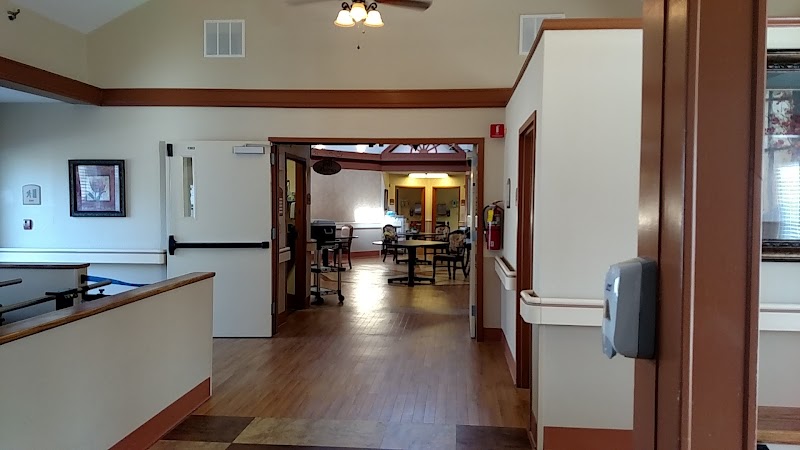
How is Golden Years Center For Rehab And Healthcare Staffed?

CMS rates GOLDEN YEARS CENTER FOR REHAB AND HEALTHCARE's staffing level at 1 out of 5 stars, which is much below average compared to other nursing homes. Staff turnover is 56%, which is 10 percentage points above the Missouri average of 46%. High turnover can affect care consistency as new staff learn residents' individual needs.

What Have Inspectors Found at Golden Years Center For Rehab And Healthcare?

State health inspectors documented 63 deficiencies at GOLDEN YEARS CENTER FOR REHAB AND HEALTHCARE during 2019 to 2025. These included: 63 with potential for harm. While no single deficiency reached the most serious levels, the total volume warrants attention from prospective families.
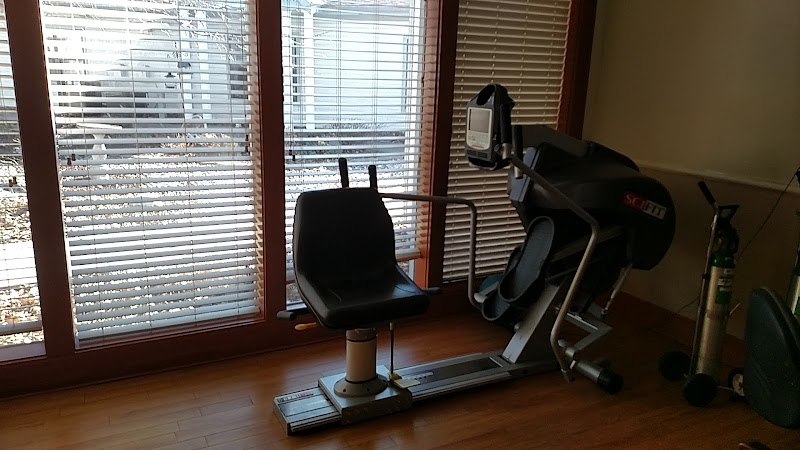
Who Owns and Operates Golden Years Center For Rehab And Healthcare?

GOLDEN YEARS CENTER FOR REHAB AND HEALTHCARE is owned by a for-profit company. For-profit facilities operate as businesses with obligations to shareholders or private owners. The facility is operated by PRIME HEALTHCARE MANAGEMENT, a chain that manages multiple nursing homes. With 128 certified beds and approximately 69 residents (about 54% occupancy), it is a mid-sized facility located in HARRISONVILLE, Missouri.

How Does Golden Years Center For Rehab And Healthcare Compare to Other Missouri Nursing Homes?

Compared to the 100 nursing homes in Missouri, GOLDEN YEARS CENTER FOR REHAB AND HEALTHCARE's overall rating (1 stars) is below the state average of 2.5, staff turnover (56%) is near the state average of 46%, and health inspection rating (1 stars) is much below the national benchmark.

What Should Families Ask When Visiting Golden Years Center For Rehab And Healthcare?

Based on this facility's data, families visiting should ask: "How do you ensure continuity of care given staff turnover, and what is your staff retention strategy?" "Can you walk me through typical staffing levels on day, evening, and night shifts?" "Can I visit during a mealtime to observe dining assistance and food quality?" "How do you handle medical emergencies, and what is your hospital transfer rate?" These questions are particularly relevant given the facility's high staff turnover rate and the below-average staffing rating.

Is Golden Years Center For Rehab And Healthcare Safe?

Based on CMS inspection data, GOLDEN YEARS CENTER FOR REHAB AND HEALTHCARE has a clean safety record: no substantiated abuse findings (meaning no confirmed cases of resident harm), no Immediate Jeopardy citations (the most serious violation level indicating risk of serious injury or death), and is not on the Special Focus Facility watch list (a federal program monitoring the lowest-performing 1% of nursing homes). The facility has a 1-star overall rating and ranks #100 of 100 nursing homes in Missouri. While no facility is perfect, families should still ask about staff-to-resident ratios and recent inspection results during their visit.

Do Nurses at Golden Years Center For Rehab And Healthcare Stick Around?

Staff turnover at GOLDEN YEARS CENTER FOR REHAB AND HEALTHCARE is high. At 56%, the facility is 10 percentage points above the Missouri average of 46%. High turnover means new staff may not know residents' individual needs, medications, or preferences. It can also be disorienting for residents, especially those with dementia who rely on familiar faces. Families should ask: What is causing the turnover? What retention programs are in place? How do you ensure care continuity during staff transitions?

Was Golden Years Center For Rehab And Healthcare Ever Fined?

GOLDEN YEARS CENTER FOR REHAB AND HEALTHCARE has been fined $15,298 across 1 penalty action. This is below the Missouri average of $33,232. While any fine indicates a compliance issue, fines under $50,000 are relatively common and typically reflect isolated problems that were subsequently corrected. Families should ask what specific issues led to these fines and confirm they've been resolved.

Is Golden Years Center For Rehab And Healthcare on Any Federal Watch List?

GOLDEN YEARS CENTER FOR REHAB AND HEALTHCARE is not on any federal watch list. The most significant is the Special Focus Facility (SFF) program, which identifies the bottom 1% of nursing homes nationally based on persistent, serious quality problems. Not being on this list means the facility has avoided the pattern of deficiencies that triggers enhanced federal oversight. This is a positive indicator, though families should still review the facility's inspection history directly.