ROSEWOOD REHAB AND HEALTHCARE CENTER

1415 WEST WHITE OAK, INDEPENDENCE, MO 64050 (816) 254-3500
For profit - Limited Liability company 300 Beds AMA HOLDINGS Data: November 2025 3 Immediate Jeopardy citations
Trust Grade
0/100
#448 of 479 in MO
Last Inspection: August 2023

Over 2 years since last inspection. Current conditions may differ from available data.

Overview

Rosewood Rehab and Healthcare Center has received a Trust Grade of F, indicating significant concerns about the quality of care provided. With a state rank of #448 out of 479 and being last in Jackson County, this facility is in the bottom half of nursing homes in Missouri, highlighting its poor standing. Although the facility is improving, as it reduced issues from 6 in 2024 to 3 in 2025, it still faces serious problems, including high staffing turnover at 69%, which is concerning compared to the state average of 57%. Specific incidents noted by inspectors include a failure to properly supervise a resident with dementia, which tragically led to their death, and another resident was injured during a transfer due to inadequate assistance. While the facility does have a decent quality measures rating of 4 out of 5, the overall picture shows a need for families to carefully consider these serious issues when researching care options.

Trust Score
F
0/100
In Missouri
#448/479
Bottom 7%
Safety Record
High Risk
Review needed
Inspections
Getting Better
6 → 3 violations
Staff Stability
⚠ Watch
69% turnover. Above average. Higher turnover means staff may not know residents' routines.
Penalties
⚠ Watch
$31,381 in fines. Higher than 80% of Missouri facilities, suggesting repeated compliance issues.
Skilled Nurses
⚠ Watch
Each resident gets only 14 minutes of Registered Nurse (RN) attention daily — below average for Missouri. Fewer RN minutes means fewer trained eyes watching for problems.
Violations
⚠ Watch
62 deficiencies on record. Higher than average. Multiple issues found across inspections.
★☆☆☆☆
1.0
Overall Rating
★☆☆☆☆
1.0
Staff Levels
★★★★☆
4.0
Care Quality
★☆☆☆☆
1.0
Inspection Score
Stable
2024: 6 issues
2025: 3 issues

The Good

  • 4-Star Quality Measures · Strong clinical quality outcomes
  • Full Sprinkler Coverage · Fire safety systems throughout facility
  • No fines on record

Facility shows strength in quality measures, fire safety.

The Bad

1-Star Overall Rating

Below Missouri average (2.5)

Significant quality concerns identified by CMS

Staff Turnover: 69%

23pts above Missouri avg (46%)

Frequent staff changes - ask about care continuity

Federal Fines: $31,381

Below median ($33,413)

Moderate penalties - review what triggered them

Chain: AMA HOLDINGS

Part of a multi-facility chain

Ask about local staffing decisions and management

Staff turnover is elevated (69%)

21 points above Missouri average of 48%

The Ugly 62 deficiencies on record

3 life-threatening 1 actual harm
May 2025 3 deficiencies 1 Harm
SERIOUS (G) 📢 Someone Reported This

A family member, employee, or ombudsman was alarmed enough to file a formal complaint

Actual Harm - a resident was hurt due to facility failures

Free from Abuse/Neglect (Tag F0600)

A resident was harmed · This affected 1 resident

**NOTE- TERMS IN BRACKETS HAVE BEEN EDITED TO PROTECT CONFIDENTIALITY** Based on observation, interview, and record review, the facility failed to ensure Resident #72 and #238 were free from abuse whe...

Read full inspector narrative →
**NOTE- TERMS IN BRACKETS HAVE BEEN EDITED TO PROTECT CONFIDENTIALITY** Based on observation, interview, and record review, the facility failed to ensure Resident #72 and #238 were free from abuse when the residents got into a resident to resident altercation. Staff failed to separate the residents in accordance with their policy after the altercation and the residents remained roommates for 48 hours. Both residents reported being scared of the other resident. Staff failed to ensure Resident #240 was free from abuse when the resident entered Resident #215's room leading to an altercation. Resident #240 had significant facial bruising and family reported the resident to be sad and would not come out of his/her room after an altercation with Resident #215. The facility failed to ensure five sampled residents (Resident #26, #38, #187, #238, and #240) were free from physical abuse from Resident #307 who had a known history of verbal and physical aggression. All residents resided on a locked memory care unit. Thirty five residents were sampled. The facility census was 259. Review of the facility's Abuse Prevention and Prohibition Program policy, dated 10/24/22, showed: -The purpose of the policy was to ensure the facility established, operationalized, and maintained an abuse prevention and prohibition program designed to screen and train employees, protect residents, and to ensure a standardized method for prevention, identification, investigation, and reporting of abuse, neglect and mistreatment, misappropriation of property and crime in accordance with federal and state requirements. -Each resident had the right to be free from mistreatment and abuse. -The facility had a zero-tolerance for abuse and mistreatment. -The administrator was responsible for coordination and implementing the facility's abuse prevention policies, procedures, training programs and systems. -The facility ensured protection of residents during an abuse investigation. -If the allegations were regarding a resident-to-resident altercation, the residents were separated immediately, pending the investigation. 1. Review of Resident #72's admission Record showed the resident admitted to the facility on [DATE] with the following diagnoses: -Alzheimer's Disease (a slowly progressive disease of the brain that is characterized by impairment of memory and eventually by disturbances in reasoning, planning, language, and perception). -Dementia (a progressive organic mental disorder characterized by chronic personality disintegration, confusion, disorientation, stupor, deterioration of intellectual capacity and function, and impairment of control of memory, judgment, and impulses). -Bipolar Disorder (a mental health condition that causes extreme mood swings. These include emotional highs, also known as mania or hypomania, and lows, also known as depression). -Anxiety Disorder (anticipation of impending danger and dread accompanied by restlessness, tension, fast heart rate, and breathing difficulty not associated with an apparent stimulus). -Depressive Disorder (a persistent mood disorder characterized by sadness and loss of interest or pleasure in daily activities). Review of Resident #72's care plan, dated 10/7/19, showed: -The resident was an elopement risk/wanderer and ambulates about the unit related to impaired cognition. -The resident had a behavior problem such as: --Sexually inappropriate behaviors. --Hallucinations. --Delusions. -The staff to monitor the resident and record/report to the physician any risk for: --Harming others. --Increased anger. --Labile mood or agitation. --Feels threatened by others. --Thoughts of harming someone. -Staff to intervene as appropriate. Review of Resident #72's Annual Minimum Data Set (MDS - a federally mandated assessment instrument completed by facility staff for care planning), dated 3/14/25, showed the resident assessed as mildly cognitively impaired. No behaviors were documented. Review of Resident #238's admission Record showed the resident admitted to the facility on [DATE] with the following diagnoses: -Psychosis (a mental state involving loss of contact with reality and causing deterioration of normal social functioning) NOS (Not otherwise specified). -Dementia. -Major depressive Disorder. -Anxiety Disorder. -Post Traumatic Stress Disorder (PTSD-a psychiatric condition that may occur in people who have experienced or witnessed a traumatic event or series of traumatic events. The individual often experiences the event or events as emotionally or physically harmful or life-threatening). -Mild Cognitive Impairment. -Muscle Weakness. -Unsteadiness on Feet. -Cognitive Communication Deficit. Review of Resident #238's admission MDS, dated [DATE], showed the resident assessed as mildly cognitively impaired. Hallucinations and delusions were noted. Review of Resident #238's care plan, dated 1/15/25, showed: -The resident had impaired cognitive function related to dementia. -Staff to cue, reorient and supervise as needed. -The resident had depression related to dementia. -The staff to keep environment noise at a minimum as possible. -The resident had a diagnosis of PTSD, which has affected his/her overall health/well-being. -Behaviors related to this trauma have included: --Hallucinations. --Delusions. --Paranoia. -- Seeing/hearing people. -Staff to ensure that other residents were not in the resident's room or invading his/her space. -Staff to redirect other residents from the resident's room or area. -Staff to make sure the resident remained safe. Review of Resident #238's progress note, dated 5/10/25 at 9:16 A.M., showed the patient in a physical altercation with another patient, patient does have a skin tear on his/her left arm and face. Patient stated he/she fell, started neuros, vital signs are stable per patient. Staff called his/her family, admin (administrator), and house supervisor. Review of Resident #72's progress note, dated 5/10/25 at 9:04 A.M., showed the patient in a physical altercation with another resident, patient said he/she was defending himself/herself. He/She had a skin tear on his/her left arm staff cleaned and covered, patient did not fall, family called and informed, house supervisor and administrator called as well, left note for the nurse practitioner in the binder. Review of the facility undated incident report showed: -On 5/10/25 it was reported Resident #72 and Resident #238 were in an unwitnessed disagreement. -Resident #72 stated Resident #238 came to his/her side of the room and threw water on him/her due to his/her television being too loud. -Resident #72 stated Resident #238 then threw his/her television on the floor and made contact with him/her, which resulted in both residents being on the floor. -Resident #238 stated he/she went to Resident #72's side of the room and told Resident #72 to turn his/her television down, and Resident #72 turned his/her television up louder. -Resident #238 stated he/she then threw water at Resident #72 and his/her legs gave out and he/she fell on the floor. -Resident #238 stated after he/she fell on the floor, Resident #72 made contact with him/her. -Resident #238 had a skin tear on his/her left forearm and an abrasion to his/her cheek (either side of the face, below the eye). -Resident #72 had a skin tear on his/her left forearm. -On 5/11/25, the house supervisor and the DON placed Resident #238 on frequent observations. Review of Resident #238's Weekly Skin Observation, dated 5/10/25 at 1:30 P.M., showed: -Abrasion to the right side of his/her chin, 0.1 x 2 centimeter (cm). -Skin tear to his/her left forearm, 1.6 x 2.1 x 0.1 cm. Review of Resident #72's Weekly Skin Observation, dated 5/10/25 at 7:11 P.M., showed the resident had a skin tear to his/her left forearm. Observation and interview on 5/12/25 at 11:10 A.M., with Resident #238 showed: -The resident was in his/her room with the curtains and door shut, watching television. -The resident had bruising on his/her left side of face, bruising around his/her mouth and lips, and a bandage on his/her left arm. -The resident said he/she and his/her roommate got in a fist fight this past Friday. He/She notified staff. He/She went to have the roommate turn down his/her television and he/she lost balance and fell to the floor. The resident said at that time, his/her roommate jumped on top of me, pinning me down on the floor, and began punching me. He/She was finally able to get from underneath Resident #72 (roommate) and pull himself/herself off the floor by using the resident's furniture. The resident to resident altercation was about 10 minutes long and then staff entered the room. He/She hit his/her head while falling to the floor during the altercation. -The resident cried while recalling the scenario and stated, I have been scared to even leave my side of the room. Observation and interview on 5/12/25 at 11:25 A.M., showed Resident #72: -The resident lay in his/her bed. -The resident said his/her roommate (Resident #238) came on his/her side of the room a couple days ago, asked him/her to turn down the television and started swinging on him/her. The roommate then threw his/her plastic cup of water on him/her and threw his/her television on the floor. The roommate lost his/her footing and fell on the floor, but was shortly able to get himself/herself up from the floor. Staff then came into the room. -The resident had visible bruising on his/her right arm. During an interview on 5/14/25 at 9:42 A.M., Certified Nurses Aide (CNA) F said: -He/She broke up the incident between the residents on 5/10/25 at about 9:15 A.M. -The residents were in their room when the resident to resident altercation occurred -Resident #238 was upset because another resident had come into their room. -Resident #238 put on the light because the other resident wandered into his/her room. He/she went in and assisted the other resident out of the room. Resident #238 was still upset. -Resident #238 wanted to talk to the social worker about the other resident coming into the room and he/she told Resident #238 there was no social worker on the weekend. -Resident #238 put the light on again. -He/She went into the resident's room. The whole floor was wet. Resident #72's belongings were also on the floor. Resident #238 was sitting in his/her recliner. Resident #72 was standing in the middle of the floor, trying to catch his/her breath. -Resident #238 had blood all over his/her face. -Resident #72 had a scratch on his/her lower arm. -He/She asked Resident #72 what happened and he/she responded Resident #238 attacked him/her and he/she was defending him/herself. -He/She asked Resident #238 what happened and he/she responded Resident #72 would not turn the television down and it was too loud, so he/she stated hammering on Resident #72 and then he/she fell to the ground. -He/She did not receive any further instruction on what to do with the residents to keep them both safe. -The supervisor went upstairs and got an extra CNA to sit with Resident #238 in his/her room. -Resident #72 stated right after the altercation, he/she was scared to go back in the room, because Resident #238 had attacked him/her. -He/She later entered the resident's room to check on Resident #238 who stated he/she was going to strangle Resident #72 if he/she came back in their room. -Resident #72 remained at the nurse's station for about 2 hours and then went back to his/her room unsupervised. During an interview on 5/12/25 at 12:31 P.M., the Director of Nursing (DON) said: -He/She was aware of the resident to resident altercation between Resident #72 and Resident #238, because he/she was notified by staff members when it occurred. -He/She was aware Resident #238 had bruising on his/her lips and mouth, and an abrasion to his/her left side of face, and a wound on his/her left arm. -He/She was aware Resident #72 had bruising on his/her left arm. -He/She would have expected the aggressor of the incident to be placed on 1:1 observation, the residents to be separated, and the family and physician to be notified. -Resident #238 was the aggressor and family of both residents had been notified. -The house supervisor notified him/her of the resident to resident altercation and it occurred because Resident #72 had his/her television on loud and Resident #238 asked Resident #72 to turn it down. Resident #238 then threw a water pitcher at Resident #72 and the two residents began punching each other. During an interview on 5/12/25 at 12:54 P.M., the Social Services Director said: -He/She received a notification about the resident to resident altercation. -He/She visited with Resident #238 on 5/11/25. -Resident #238 presented slightly agitated during his/her visit with him/her. -Resident #238 stated it was bullshit and that the zombies keep coming into my room. During an interview on 5/12/25 at 2:50 P.M., the DON said: -The residents have been together for a few months and this was their first incident. -Resident #238 was placed on 1:1 after the incident on 5/10/25 at 9:30 A.M., he/she was removed from 1:1 during the night shift related to staffing. -Resident #238 was placed back on 1:1 observation on 5/12/25, after facility staff were told that resident #238 expressed fear to the surveyor. -There was a plan to change rooms after the incident when he/she can find another resident who would be compatible with Resident #238. -Resident #238 would now remain on 1:1 observation until a room change occurred. -He/She was going to find out how Resident #238 got taken off 1:1 observation over the weekend. During an interview on 5/13/25 at 1:57 P.M., Regional Director of Operations said: -He/She was not working on 5/10/25. -He/She became aware of the resident to resident altercation on the evening of 5/10/25. -He/She was told that if a resident to resident was unwitnessed it was not reportable. -As far as he/she knew, the residents felt safe until 5/12/25. During an interview on 5/13/25 at 2:27 P.M., the Nurse Practitioner (NP) said: -He/She was not notified when the resident to resident incident occurred on 5/10/25. -He/She found out about the incident when he/she came to work on 5/12/25. -He/She saw both residents on 5/12/25. -He/She was under the impression Resident #72 had his/her television too loud and as a result, Resident #238 went over to Resident #72 and they ended up hitting each other. -On 5/12/25, he/she observed Resident #72 had red marks on his/her right forearm about 5 cm long. -On 5/12/25, he/she observed Resident #238 had purple bruises on his/her lips, and abrasion on his/her left eye, and a red mark on his/her right side of cheek. -From his/her observation, it appeared Resident #238 was hit in the face by Resident #72. During an interview on 5/14/25 at 10:37 A.M., the Physician said: -He/She was aware of the resident to resident altercation. -He/She could not recall when he/she was notified of the altercation. -He/She expects the facility to follow the policy after a resident to resident altercation. -He/She expects that all residents be made to feel and kept safe at all times. -The residents should have been separated and not behind closed doors after the incident. During an interview on 5/23/25 at 1:38 P.M., the DON said: -The abuse policy stated residents involved in resident to resident altercations should be separated, but did not say for how long. -He/she defined abuse as being done intently. On the memory care unit the facility had a lot of behaviors that arose and he/she would have to look up the guidelines on if those behaviors were considered abuse. -Willful intent was to hurt someone was main definition of abuse and that no negative outcome was needed to be classified as abuse. -All residents have the right to be free from abuse. -He/she did not identify the resident to resident incident between Resident #72 and Resident #238 as abuse. -Resident #72 and Resident #238 remained in the same room after the altercation on 5/10/25 through 5/12/25. 2. Review of Resident #240's admission Record showed he/she was admitted to the facility on [DATE] with the following diagnoses: -Dementia. -Cognitive communication deficit (difficulty with communication stemming from problems with cognitive processes like attention, memory, and problem-solving). -Restlessness. -Depression. Review of Resident #240's admission MDS, dated [DATE], showed the resident assessed as cognitively impaired. No behaviors documented. Review of Resident #240's care plan, dated 4/10/25, showed: -The resident was an elopement risk/wanderer. -The resident was disoriented to place. -Staff to monitor the resident's location every 15 min and document. -Staff to distract the resident from wandering by offering pleasant diversions, structured activities, food, conversation, television, or a book. -The resident was at risk for falls. -The resident had activities of daily living self-care performance deficit related to impaired cognition. -The resident had a behavior problem that caused him/her to wander into other residents' rooms related to his/her confusion. -The staff to intervene as necessary to protect the rights and safety of others. -The staff to remove the resident from situations and take to alternate location as needed when wandering. Review of Resident #215's Quarterly MDS, dated [DATE], showed the resident: -admitted to the facility on [DATE]. -assessed as cognitively impaired. -had a diagnosis of dementia. -had a history of verbal behaviors. Review of Resident #240's progress note, dated 4/27/25 at 5:00 P.M., showed Licensed Practical Nurse (LPN) D documented overhearing some commotion on west hall while residents were heading to dinner and on rushing over to investigate found resident lying prone next to Resident #215's doorway, shouting. On turning over the resident he/she was noted with a hematoma to his/her right eyebrow. Another resident was noted next to him/her, shouting at him/her too. Resident #240's range of motion was within normal limits. Bruising to bilateral knees noted and a small skin tear right wrist which was cleansed and covered. Some more bruising noted to left elbow. The resident stated he/she fell. The resident assisted up and walked to the nurse's station where neurological assessments were initiated. Ice pack applied to hematoma for 20 minutes. House supervisor, physician, and durable power of attorney notified. Review of Resident #240's progress note dated 4/27/25 at 5:52 P.M., showed LPN E was acting as house supervisor when the charge nurse caring for Resident #215 called him/her down to the unit. When he/she arrived at unit, was told Resident #215 had an altercation with another resident at approximately 5:00 PM. The other resident (Resident #240) sat at the nurse's station with a bump along the right eyebrow and a skin tear to the right wrist. Nurse stated no one witnessed the altercation, but the nurse stated he/she heard screams and observed the other resident (Resident #240) laying on the ground in front of Resident #215's room. When the nurse approached the situation, Resident #215 was heard saying Do you want another one. After assessing the injured resident (Resident #240), LPN E went to see Resident #215 to get his/her description of the incident. Resident #215 was asked what happened between him/her and the other resident and he/she stated, he/she came in my room. He/She was not supposed to be in my room, I didn't want him/her in there, so I pushed him/her out. LPN E asked how he/she pushed the resident out, if he/she could describe the motion and he/she stated, I pushed him/her out by the shoulders like this. While holding up his/her arms to meet either side of my shoulders without actually touching me. When LPN E asked the other resident (Resident #240) how he/she sustained the bump to his/her face, he/she stated it happened when he/she fell down. LPN E called the DON to notify him/her of the situation and was instructed Resident #215 needed to be sent out to be evaluated and to place Resident #215 on a 1:1 until he/she was taken out of the facility. Resident #215 was placed on a 1:1 immediately and LPN E called Resident #215's family member to notify him/her of what was going on. After explaining the situation and answering all questions he/she had, the family member stated he/she would come pick Resident #215 up and take him/her to the hospital. The DON notified the family member would be transporting the resident to the hospital. Resident will continue on 1:1 until he/she leaves with his/her family. Review of the facility Incident Report, dated 4/27/25, showed: -There was a resident to resident incident between Resident #240 and Resident #215. -Around 5:00 P.M., LPN D overheard a commotion on the west hall and upon entering the hallway, LPN D saw Resident #240 lying in a face down position on the floor next to Resident #215's room. -Resident #215 was standing next to Resident #240 and stated, Do you want another one? -Resident #240 told LPN D that he/she fell. -Resident #215 stated, he/she came into my room. He/She was not supposed to be in my room. I didn't want him/her there, so I pushed him/her out. -Resident #215 stated, I pushed him/her out by his/her shoulders. -Resident #240 had a hematoma above his/her right eye, a skin tear to his/her right wrist, bruising to his/her bilateral knees, and bruising to his/her left elbow. -Resident #240 was cognitively impaired. -Resident #215 was cognitively impaired. -The facility did not substantiate the incident as abuse due to being unwitnessed. Review of Resident #240's skin assessment dated [DATE] showed: --Bruising on the resident's left elbow. --Bruising on the resident's right knee. --Bruising on the resident's left knee. --Hematoma to the resident's right eyebrow. --Bruising to the resident's right upper arm. --Skin tear to the resident's right wrist. During an interview on 5/21/25 at 3:15 P.M., LPN D said: -He/She was working as the charge on 4/27/25 when the resident to resident altercation occurred between Resident #240 and Resident #215. -He/She heard commotion down the hall and upon arrival to the incident, he/she observed Resident #240 face down on the floor with Resident #215 standing over Resident #240 yelling at him/her and stated, Do you want another one? -He/She then helped Resident #240 up off the floor and started his/her nursing assessments, which included: --Head to toe assessment, pain scale, and neurological checks. -Resident #240 stated he/she was in pain. -He/She called the physician and the house supervisor to notify them of the resident to resident altercation. -Resident #215 was placed on one on one observation. -Resident #240's face was visibly bruised and swollen and he/she took Resident #240 to the nurse's station and applied ice to the resident's face for 20 minutes. -Facial bruising and noted injuries on the resident's skin assessment were all received from the resident to resident altercation that occurred the day prior on 4/27/25. During an interview on 5/21/25 at 9:35 A.M., LPN E said: -He/She was working as the unit manager on 4/27/25 when the resident to resident altercation occurred between Resident #240 and Resident #215. -He/She was the one who assessed the Resident #240's skin after the resident to resident altercation. The resident had bruising on his/her left elbow, his/her knees, and his/her upper arm, a hematoma on the eyebrow and a skin tear. -The injuries noted on Resident #240's skin assessment dated [DATE] were a result from the resident to resident altercation on 4/27/25. -He/She interviewed Resident #240 after the incident occurred who stated he/she fell. -He/She interviewed Resident #215 after the incident occurred who stated Resident #240 was coming in his/her room, so he/her pushed Resident #240. -He/She placed a progress note in the risk management system stating Resident #215 pushed Resident #240, which caused Resident #240 to fall and receive injuries. During an interview on 5/13/25 at 2:30 P.M., the NP said: -There was a resident to resident altercation between Resident #240 and Resident #215 a couple weeks ago that caused significant bruising on Resident #240's face. -The bruising was the result of Resident #240 being shoved by Resident #215, which caused Resident #240 to fall to the ground. During an interview on 5/14/25 at 9:58 A.M., Resident #240's Durable Power of Attorney (DPOA) A said: -He/She was aware Resident #240 went into another resident's room a couple weeks ago and the other resident pushed Resident #240 down and he/she bumped his/her head and twisted his/her knee. -He/She came to visit the resident a couple weeks ago, after the resident to resident altercation and saw significant bruising on the resident's face. -He/She denied the resident as having the facial bruising prior to the resident to resident altercation. -He/She visited the resident on a regular basis at least once per week. -The facility had the resident's knee x-rayed and there were no fractures noted on the x-ray after the altercation a couple weeks ago. -The facility contacted him/her and stated Resident #240 fell on 5/11/25. -The facility had not contacted him/her regarding any other resident to resident altercations. -He/She felt the resident had become increasingly sad and smiled less since being moved to the locked unit and the altercations. -The family does not feel the resident was safe from other residents on the locked unit. 3. Review of Resident #307's admission record showed the resident admitted to the facility on [DATE] and some of his/her diagnoses included dementia with agitation, unsteadiness on feet, PTSD, and selective mutism (an anxiety disorder where a person, capable of speaking, becomes unable to speak in specific situations or with certain people, despite speaking normally in other settings. It's not a choice, but rather an anxiety-related inability to speak). Review of Resident #307's baseline care plan, dated 3/5/25, showed the resident had the potential for behaviors and a diagnosis of PTSD. Review of Resident #307's care plan, developed on 3/7/25, showed: -The resident had a diagnosis of PTSD, which affected his/her overall health and well-being. -The resident had been in prison for 27 years. -Behaviors related to this trauma included agitation towards others and selective mutism. -The desired outcome was the resident would be provided assistance to address the effects of trauma during the review period as demonstrated by no trauma-related behaviors and expressions of feelings of safety and support. -Interventions included: --Evaluate recommendations of psychiatric and behavioral health professionals and implement as appropriate. -Another problem identified was the resident had impaired cognitive function related to dementia. -The desired outcome was the resident would maintain his/her current level of cognitive function through the review date. Review of Resident #307's admission MDS, dated [DATE], showed the resident had moderately impaired cognitive skills for decision-making and no behaviors documented. Review of Resident #307's Level I (initial screening of individuals who have or may have a mental illness and/or an intellectual disability or related condition prior to their admission to a nursing facility. A positive Level 1 screen necessitates an in-depth evaluation of the individual, by the state-designated authority, known as Level II , which must be conducted prior to admission to the facility), submitted 4/16/25, showed: -The resident had diagnoses of PTSD and dementia. -The resident did not have any area of impairment due to serious mental illness. -The resident experienced one psychiatric treatment episode that was more intensive than routine follow-up care. -Due to mental illness, the resident experienced at least one episode of significant disruption to the normal living situation requiring supportive services to maintain functioning while living in the community or intervention by housing or law enforcement officials. -The resident was moderately withdrawn/depressed. -The resident's aggression was documented as at maximum level. -The resident's unstable mental condition was monitored by a physician or licensed mental health professional at least monthly and behavior symptoms are currently exhibited or psychiatric conditions are currently exhibited. -The resident displayed consistent unsafe/poor decision-making requiring reminders, cues, or supervision at all times to plan, organize and conduct daily routines and has issues with memory, mental function, or ability to be understood/understand others. Review of Resident #26's admission record showed the resident admitted to the facility on [DATE] and some of his/her diagnoses included major depressive disorder, dementia, and PTSD. Review of Resident #26's care plan, updated 3/16/25, showed: -The resident had impaired cognitive function and required assistance from staff with his/her daily care needs related to his/her diagnosis of dementia. -The resident reported his/her roommate hit him/her while he/she was in bed. Review of Resident #26's quarterly MDS, dated [DATE], showed the resident assessed as cognitively intact. Review of resident #26's incident note, dated 3/16/25 at 11:00 A.M., showed: -Resident #26 reported that while he/she was lying in bed, Resident #307 punched him/her in the left side of his/her chin with a closed fist. -Resident #26 reported he/she got up to leave the room and Resident #307 stood with two closed fists in front of him/her staring at him/her. -There were no apparent injuries. Review of the facility investigation, dated 3/16/25, showed on 3/16/25 Resident #26 reported Resident #307 approached him/her while lying in bed and made contact with his/her head. During an interview on 5/21/25 at 1:05 P.M., LPN K said: -On 3/16/25, Resident #26 reported Resident #307 hit him/her in the face. -Resident #26 was alert and could tell what was going on. -There were no apparent injuries. During an interview on 5/16/25 at 12:57 P.M., CNA F said Resident #26 told him/her that Resident #307 hit him/her. During an interview on 5/14/25 at 2:36 P.M., Resident #26 said he/she felt safe now. He/She was unable to describe what happened on 3/16/25. During an interview on 5/23/25 at 1:50 P.M., the DON said no one witnessed Resident #307 hit Resident #26. 4. Review of Resident #238's admission record showed the resident admitted to the facility on [DATE] and some of his/her diagnoses included dementia, major depressive disorder, anxiety disorder (psychiatric disorder that involve extreme fear, worry and nervousness), and PTSD. Review of Resident #238's undated care plan showed he/she had a diagnosis of dementia and he/she was mostly independent with self-care needs. Review of Resident #238's quarterly, MDS dated [DATE], showed the resident assessed as having moderately impaired cognitive skills. Review of Resident #238's nurse's note dated 3/22/25 showed Resident #238 sat on the bed when Resident #307 was standing over Resident #238 grabbing Resident #238's hand trying to get Resident #238 out of bed. Review of the facility investigation, dated 3/22/25, showed: -Resident #238 said he/she was asleep in bed when Resident #307 began shaking him/her. -Resident #238 said it woke him/her up and he/she saw Resident #307 shaking his/her fist above him/her. -Resident #238 said Resident #307 attempted to swing at him/her, but missed. -Resident #238 said
CONCERN (D) 📢 Someone Reported This

A family member, employee, or ombudsman was alarmed enough to file a formal complaint

Potential for Harm - no one hurt, but risky conditions existed

Deficiency F0627 (Tag F0627)

Could have caused harm · This affected 1 resident

**NOTE- TERMS IN BRACKETS HAVE BEEN EDITED TO PROTECT CONFIDENTIALITY** Based on interview and record review, the facility failed to provide the resident with an appropriate discharge notice and faile...

Read full inspector narrative →
**NOTE- TERMS IN BRACKETS HAVE BEEN EDITED TO PROTECT CONFIDENTIALITY** Based on interview and record review, the facility failed to provide the resident with an appropriate discharge notice and failed to allow one supplemental resident (Resident #307) to return to the facility after having been transferred to the hospital or found an alternate facility to accept him/her out of 31 supplemental residents. The facility census was 259. Review of the Transfer and Discharge Planning policy, dated 10/24/22, showed: -The purpose of the policy was to ensure adequate preparation and assistance was provided to residents prior to transfer or discharge from the facility. -Social Services staff participated and assisted the resident with transfers and discharges and preparing the Discharge Summary and Discharge Care Plans as part of the Interdisciplinary Team (IDT- a group of health care professionals with various areas of expertise who work together toward the goals of their clients). -Social Services staff conducted a Discharge Planning Assessment and helped orient the resident to the impending discharge. -Social Services staff coordinated discharge with the IDT, the resident, and the residents' representative. -Social Services staff documented the discharge planning, preparation, and the resident's post discharge needs on the discharge planning assessment form in the electronic health record. -Social Services staff coordinated with the resident and the resident's family to discuss discharge needs. -Social Services staff assisted in developing the Discharge Summary and Discharge Care Plan that was developed by the IDT team. -The receiving provider will receive necessary information to facilitate a smooth transition and continuity of care. -A copy of the Discharge Summary was provided to the resident and/or the resident's family member upon discharge when return was not anticipated. -Summary of the resident's stay included diagnosis, course of illness, treatment, and pertinent lab, radiology, and other consultation results. -A copy of the discharge summary and discharge care plan was maintained in the residence medical record. 1. Review of Resident #307's face sheet showed he/she was admitted to the facility on [DATE] with the following diagnoses: -Dementia (a group of thinking and social symptoms that interferes with daily functioning). Metabolic encephalopathy (a brain disorder that arises from electrolyte imbalances, organ dysfunction or toxic exposure). -Post Traumatic Stress Disorder (PTSD - when a person has difficulty recovering after an experience or witnessed a terrifying event). -Selective Mutism (a rare disorder that prevents a person from speaking). -Chronic kidney disease (When the kidneys could no longer filter the blood). -Suicidal ideations (Thoughts about or planning suicide). Review of Resident #307's admission Minimum Data Set (MDS-a federally mandated assessment tool completed by facility staff for care planning), dated 3/10/25, showed the following staff assessment of the resident: -Had moderately impaired cognitive skills for decision-making. -Some of his/her diagnoses included Alzheimer's Disease (a progressive loss of brain cells that leads to memory loss and the decline of other thinking skills), Dementia and PTSD. -Displayed mood signs and/or symptoms that indicated mild depression. Review of the resident's Nurse Practioner's Consultation, dated 3/17/25, showed: -The resident had a resident to resident altercation over the weekend and he/she was the aggressor. -He/She hit the other resident in the face. -He/She has had other issues prior to a recent evaluation at a Psychological facility. -He/She was currently sitting with a one to one staff member at the facility. Review of the resident's Brief Interview for Mental Status, dated 5/9/25, showed the resident was not able to complete the interview. Review of the resident's care plan, dated 5/11/25, showed: -He/She had a behavioral history of violence, being territorial and agitation toward others. -He/She was aggressive with his/her roommate, dated 3/16/25. -He/She was in another resident's room being aggressive toward him/her, dated 3/22/25. -He/She was aggressive with two other residents, dated 4/21/25. -He/She was aggressive with another resident, dated 5/11/25. -He/She was sent out to a Geriatric/Psychiatric (Geri/Psych Psych facility for elderly) facility on 3/28/25. -He/She was placed on one-on-one observation dated 4/21/25. -He/She was sent to a Geri/Psych facility for evaluation related to aggressive behaviors, dated 4/22/25. -He/She was placed on one-on-one observation dated 5/11/25. Review of the resident's Facility Transfer Form, dated 5/13/25 at 9:58 A.M., showed the resident was being transferred to a nearby hospital to obtain a medical clearance for Psychological admission due to combative and aggressive behavior. Review of the Notice of Proposed Discharge for the resident, dated as effective 5/13/25, showed: -The resident was being discharged to a nearby hospital because the discharge was necessary for his/her welfare, and his/her needs could not have been met by the facility. -The family member verbalized understanding of the document on 5/13/25. -The Social Services Director signed it on 5/14/25. Review of the Notice of the second Proposed Discharge for the resident, dated as effective 5/13/25, showed: -The resident was being discharged to a nearby hospital for the following reasons: --The discharge was necessary for his/her welfare, and his/her needs could not have been met by the facility. --The safety of individuals in the facility was endangered by his/her presence. -The family member verbalized understanding of the document on 5/13/25. -The Social Services Director signed it on 5/14/25. Review of the resident's nurse's note, dated 5/13/25, showed the resident was discharged to the hospital for evaluation for medical clearance for psychiatric admission due to combative and aggressive behaviors. Review of the resident's progress note, dated 5/13/25, showed: -The Assistant Director of Nursing (ADON) documented that he/she spoke with the resident's responsible party about his/her recent increased behaviors. -The resident was sent to the hospital during the day shift. -They were working with the hospital to find appropriate placement for the resident. -The facility did not feel it was capable of providing the care needed during this time. During an interview on 5/19/25 at 11:57 A.M., the Ombudsman said: -The facility normally emailed discharges to him/her. -Sending the resident to the hospital was not an appropriate location for a discharge. -He/She had not received an email for notification of discharge for the resident on 5/13/25. -He/She was not in the office, so he/she was not sure if the facility had sent it in the mail. Review of an email from the Ombudsman to the surveyor, dated 6/4/25 at 10:27 A.M., showed the Ombudsman said they never received any type of discharge notice regarding the resident. During an interview on 5/20/25 0 at 9:16 A.M., the ADON said: -They were working on trying to find alternate placement for the resident. -The Administrator had directed him/her to find alternate placement for the resident. -The Administrator had spoken with the Regional Director of Operations and the Hospital Liaison. -He/She was not in on the discussion of why they couldn't meet the resident's needs. -He/She had no part in making the decision to not allow him/her to return to the facility. -He/She was asked to call the family and inform them the resident was not coming back to the facility from the hospital. During an interview on 5/20/25 at 2:04 P.M., the Social Services Director said: -He/She did the discharge letters. -He/She usually found out after a resident went to the hospital that the resident was sent out of the facility. -He/She would always find out if there was verbal acknowledgement when the resident was sent out to the hospital and not to return to the facility, if not, he/she would reach out to inform the resident's family they were not coming back to the facility. -He/She was told the resident was going to the hospital after the resident's discharged on 5/13/25 -The next morning he/she was informed the resident was not coming back to the facility by other staff members. -On 5/13/25 he/she gave the discharge notice for 5/12/25 to go to hospital, so only one box was checked for reason, as he/she thought the resident would be returning to the facility. -The second discharge notice stated the resident was being discharged completely. -He/She did not know if it was a 30-day discharge notice or if it was an immediate discharge notice. -Later he/she heard from other staff it was supposed to have been an immediate discharge notice. -He/She would normally have helped with finding alternate placement for the resident. -He/She would have sent out referrals to other nursing homes. -He/She was told the resident was going to a nearby hospital, but then heard that he/she went to a different hospital. -He/She was not sure how to document the paperwork since the resident had already been discharged . -He/She sent referrals to 16 facilities on Friday 5/16/25. -In the referral he/she stated that the resident was in the hospital. -He/She had not talked to anyone at the hospital. -There was a Clinical Liaison who worked out of the facility that gave him/her a list of facilities to send the referrals to. -When the resident went to the hospital, he/she thought he/was just going to the hospital and would return so he/she had not sent any referrals at that point, because he/she thought the resident was just in the hospital. -On Friday 5/16/25 he/she was told to send out referrals to other facilities. During an interview on 5/21/25 at 2:35 P.M., the Clinical Liaison said: -The resident was at the hospital and he/she had been notified by the Administrator due to resident to resident altercations that after a psychiatric hospital stay, they were not going to allow the resident to return to the facility. -He/She notified the hospital they were not taking the resident back. -He/She gave the hospital some ideas of places for a referral. -He/She had not seen the resident while he/she was in the hospital. During an interview on 5/23/25 at 12:26 PM., the Hospital Case Manager said: -The resident was still at the hospital. -The Clinical Liaison said the facility refused to accept the resident back. -They were having a hard time finding a place that would accept the resident. During an interview on 5/23/25 at 1:50 P.M., the Director of Nursing (DON) said: -He/She was not in charge of the discharge notices. -He/She knew the facility was to allow the resident to return to the facility after a stay at the hospital. During an interview on 5/23/25 at 3:21 P.M., the Administrator said: -He/She was aware of the requirements for discharge notices and understood what it meant. -He/She knew they could not discharge a resident to the hospital and not take them back to the facility, they would have to take the resident back after he/she was discharged from the hospital. -He/She thought the resident was still at the hospital. -He/She would have to check with his/her admission people to see where the resident was. They were both gone for the weekend. -The clinical liaison was working with the hospital to try to find different placement for the resident. -They were not taking the resident back and they were aware of the requirement to let the resident return. MO00254351
CONCERN (D) 📢 Someone Reported This

A family member, employee, or ombudsman was alarmed enough to file a formal complaint

Potential for Harm - no one hurt, but risky conditions existed

Deficiency F0740 (Tag F0740)

Could have caused harm · This affected 1 resident

**NOTE- TERMS IN BRACKETS HAVE BEEN EDITED TO PROTECT CONFIDENTIALITY** Based on interview and record review, the facility failed to provide appropriate treatment and behavioral health services per po...

Read full inspector narrative →
**NOTE- TERMS IN BRACKETS HAVE BEEN EDITED TO PROTECT CONFIDENTIALITY** Based on interview and record review, the facility failed to provide appropriate treatment and behavioral health services per policy for one sampled resident (Resident #307) who had a known history of physical aggression and wandering. The resident admitted on [DATE], with a history of post-traumatic stress disorder (PTSD-can develop after experiencing or witnessing a traumatic event in which symptoms can include flashbacks, nightmares, severe anxiety and uncontrollable thoughts about the event) to a locked memory care unit. The facility staff failed to consistently implement a plan of care related to behavioral health services to reduce resident behavior and maintain resident safety. The facility staff failed to update the plan of care after incidents of aggression with new interventions. The facility did not have a system in place to ensure the interdisciplinary team (IDT) was involved in assessing the resident's behavioral needs and implementing new interventions after each altercation. As a result of the facility failure to provide behavioral treatment and services for the resident has been sent the emergency room and hospitalized on multiple occasions and continued to have physical behaviors towards other residents. Thirty five residents were selected for sample. The facility census was 259 residents. Review of the facility's Behavior-Management policy, undated, showed: -The purpose of the policy was to: --Implement the most desirable and effective interventions to change, modify, decrease, or eliminate behaviors that were distressing to the resident and/or were decreasing or negatively impacting the resident's quality of life. --The facility was responsible for providing behavior health care and services that created an environment that promoted emotional and psychosocial well-being that met each resident's needs and included individualized approaches to care. -The key components of behavior management were: --Identification of residents whose behaviors may pose a risk to others. --Develop individual and practical care strategies base on assessed needs. --Implement the behavior management program. --Provide ongoing assessment, monitoring, and evaluation of effectiveness of behavior management program including the effectiveness of psychoactive drugs. -The goal of the IDT (a group of health care professionals with various areas of expertise who work together toward the goals of their clients) was to promptly identify behavior management issues and develop an effective management program. -When a resident displayed behavior symptoms (crying, yelling, hitting, etc.), Licensed Nursing Staff assessed the behavioral symptoms to determine possible causal factors, contacted the attending physician, and implemented non-drug interventions to alleviate the behavioral symptoms. -The facility must provide necessary behavioral health care and services which include: --Ensure that necessary care and services were person centered and reflect the resident's goals for care and maximize the residents' dignity, autonomy, privacy, socialization, independence, choice, and safety. --Ensure that direct care staff interact and communicate in a manner that promotes mental and psychosocial well-being. -Licensed nursing staff document the behaviors in the resident's medical record. -Staff document notification of the attending physician, notification of the resident's family and/or responsible party, and the incident within 24 hours of the incident. -The charge nurse assigns a staff member to monitor the resident as needed to protect the resident as well as others. -Nursing staff continues to monitor the residents' behavior to determine what events precipitated the behavior and document the following information: --Date and time of behavior. --Location of resident when the behavior occurred. --Description of the behavior. --What may have caused the behavior. --Any interventions used and the effect it had on the resident. -In assessing the resident for potential behavioral factors, licensed nursing staff consider factors and document in the medical record: --Physical condition of the resident (pain, discomfort, hunger or thirst, fatigue, toileting needs). --Environmental conditions (room temperatures, noise, overcrowding). --Psychosocial or emotional stressors (change in the resident's customary routine, frustration, fear of the unknown, possible abuse by other residents, incompatibility with roommate, inability to communicate needs). -Managing behavior problems includes building a positive and trusting relationship with the resident. --Use effective verbal and nonverbal communication techniques. --Redirect or divert the resident's attention to positive topic, activity, or object. 1. Review of Resident #307's admission record showed the resident admitted to the facility on [DATE] and some of his/her diagnoses included dementia (a progressive mental disorder characterized by memory problems, impaired reasoning and personality changes) with agitation, unsteadiness on feet, PTSD, and selective mutism (an anxiety disorder where a person, capable of speaking, becomes unable to speak in specific situations or with certain people, despite speaking normally in other settings. It's not a choice, but rather an anxiety-related inability to speak). Review of Resident #307's Level I Pre-admission Screening and Resident Review (PASARR-used to identify all individuals who have a mental illness and/or an intellectual disability or related condition prior to their admission to a nursing facility), submitted 3/12/25, showed: -The resident had diagnoses of PTSD and dementia. -The resident did not have any area of impairment due to serious mental illness. -The resident experienced one psychiatric treatment episode that was more intensive than routine follow-up care. -Due to mental illness, the resident experienced at least one episode of significant disruption to the normal living situation requiring supportive services to maintain functioning while living in the community or intervention by housing or law enforcement officials. -The resident was moderately withdrawn/depressed. -The resident's aggression was documented as at maximum level. -The resident's unstable mental condition was monitored by a physician or licensed mental health professional at least monthly and behavior symptoms are currently exhibited or psychiatric conditions are currently exhibited. -The resident displayed consistent unsafe/poor decision-making requiring reminders, cues, or supervision at all times to plan, organize and conduct daily routines and has issues with memory, mental function, or ability to be understood/understand others. Review of Resident #307's baseline care plan, dated 3/5/25, showed: -The problems identified included the resident had the potential for behaviors and had a diagnosis of PTSD. -Interventions included: --The resident will verbalize feelings associated with their past trauma through the next review. --Social Services visits as needed. --Provide and encourage favorite activities for distraction. --Medication as ordered. --Observe behaviors and try to determine cause. Review of Resident #307's social history and initial assessment completed by the former Social Worker, dated 3/7/25, showed: -The resident was in prison for 27 years. -The reason for the resident's admission to the facility was due to dementia with agitation and PTSD. -The resident was not able to write letters or sign documents. -The resident was not able to read or understand his/her own mail. -The resident was confused, had a flat affect, walked independently, was nonverbal, had good vision, and poor hearing. -There was no section to add triggers or care interventions. Review of Resident #307's trauma informed care, dated 3/7/25, showed the former Social Worker documented: -The trauma of being in prison for 27 years affected his/her overall health and well-being. -The resident's PTSD was due to being in prison for 27 years. -There was no section to add triggers or care interventions. Review of Resident #307's care plan, developed on 3/7/25, showed: -The problem identified was the resident had a diagnosis of PTSD, which affected his/her overall health and well-being. -The resident had been in prison for 27 years. -Behaviors related to this trauma included agitation towards others and selective mutism. -The desired outcome was the resident would be provided assistance to address the effects of trauma during the review period as demonstrated by no trauma-related behaviors and expressions of feelings of safety and support. -Interventions included: --Evaluate recommendations of psychiatric and behavioral health professionals and implement as appropriate. --Make sure the resident knows when someone enters his/her room. --Do not sneak up on the resident or startle him/her. --Write down your name and what you are doing on his/her communication board. --Back away slowly if the resident becomes agitated and make sure he/she is safe. --Psychiatric and behavioral health referrals. --Reassure the resident of his/her safety on the unit. -Another problem identified was the resident had impaired cognitive function related to dementia. -The desired outcome was the resident would maintain his/her current level of cognitive function through the review date. -Interventions included: --Administer medications as ordered. --Cue, re-orient, and supervise the resident as needed. --Write simple yes/no questions to determine his/her needs. --Inform Social Services of behavior episodes and attempt to determine underlying cause. -Another problem identified was the resident had a behavioral history of violence, being territorial, and agitation towards others. -The desired outcome was he/she would have fewer episodes of being agitated towards others. -Interventions included: --Intervene as necessary to protect the rights and safety of others. --Approach in a calm manner. --Divert the resident's attention. --Take him/her to an alternate location as needed. -Another problem identified was the resident had a diagnosis of PTSD and behaviors related to this trauma have included agitation towards others and selective mutism. -The desired outcome was he/she would be provided assistance to address the effects of trauma as demonstrated by no trauma-related behaviors and expressions of feelings of safety and support. -Interventions included: --Make sure the resident knows you are in his/her room. --Do not sneak up on or startle the resident. --Write on his/her communication board. --Back away slowly if the resident becomes agitated. --Make sure the resident is safe. Review of Resident #307's admission Minimum Data Set (MDS-a federally mandated assessment tool completed by facility staff for care planning), dated 3/10/25, showed the following staff assessment of the resident: -Had adequate hearing and vision. -Did not speak. -Was rarely or never understood by others and rarely or never understood others. -Had short-term and long-term memory impairment. -Knew the location of his/her room. -Had moderately impaired cognitive skills for decision-making. -Displayed mood symptoms that indicated mild depression (a mood disorder that consists of intense sadness and a loss of interest or loss of pleasure in activities and/or life). -Had no behavioral symptoms. -Had no range of motion limitations. -Walked with supervision. -Required supervision only for most self-cares. -Had diagnoses that included dementia and PTSD. Review of Resident #307's nurse's note, dated 3/16/25 at 5:15 P.M., showed: -Another resident (Resident #26) reported this resident approached him/her while he/she was lying in his/her bed and punched him/her in his/her chin at 11:00 A.M. -The other resident then reported he/she removed himself/herself from the room then turned around to get his/her cell phone and saw Resident #307 with both fists balled up staring at him/her. -New orders were received for Complete Blood Count (CBC - a test that gives information about blood cells), Basic Metabolic Panel (BMP - a blood test that measures sugar levels, electrolytes, fluid balance, and kidney function), and a urine analysis (UA - a test of urine used to detect and manage a wide range of disorders, such as urinary tract infections, kidney disease and diabetes) for the next morning. -Resident #26 was moved to another room. -There were no apparent injuries observed to the resident. Review of the facility investigation, dated 3/16/25, showed on 3/16/25 around 11:00 A.M.: -Resident #26 reported Resident #307 approached him/her while he/she was lying in bed and made contact with his/her head. -Labs were ordered. -Resident #307 was provided with a private room. -They completed abuse and neglect in-servicing. -The training provided to employees included abuse and neglect. -Behavior management training was not documented as included in the training that was provided to staff. -Resident #307 was unable to give a description of what happened. Review of Resident #307's nurse's note, dated 3/16/25, showed Resident #307 was placed on one-on-one care at 12:30 P.M., because Resident #26 reported Resident #307 punched him/her in the chin. Review of Resident #307's behavior care plan, updated 3/16/25, showed a private room was provided and labs were ordered due to Resident #307 being aggressive with Resident #26. Review of Resident #307's nurse practitioner's (NP) note, dated 3/17/25, showed: -The resident had an altercation with another resident and was placed on one-on-one observation. -The resident was very confused and did not speak. -He/She did not see a one-on-one care giver and he/she would talk to nursing administration about that. -The resident had agitation, PTSD, and Alzheimer's disease (a progressive loss of brain cells that leads to memory loss and the decline of other thinking skills) with agitation. -Labs would be drawn including CBC, BMP, and UA CNS (culture and sensitivity) if indicated. -A new order for Ativan 0.5 milligrams (mg) every six hours as needed for 14 days. -He/She would find out about the one-on-one monitoring of Resident #307. Review of Resident #307's nurse's note, dated 3/18/25, showed the resident's primary care physician reviewed the resident's CBC and CMP results and gave no new orders. During an interview on 5/21/25 at 1:05 P.M., Licensed Practical Nurse (LPN) K said: -On 3/16/25, Resident #26 reported to him/her Resident #307 hit him/her in the face. -Resident #26 was alert and could tell you what was going on. -The Director of Nursing (DON) told him/her to move Resident #26 to another room and place Resident #307 on one-on-one observation and he/she did that. -Resident #307 didn't like anyone close to him/her. -Resident #307 got upset if anyone walked in his/her room. -Resident #307 would stand in his/her doorway and stare. -Resident #307 just wanted to be alone. -Resident #307 did not allow one-on-one supervision in his/her room, so staff had to sit outside his/her room. During an interview on 5/14/25 at 12:31 P.M., the DON said after Resident #26 reported Resident #307 hit him/her in his/her face while he/she was asleep in bed, new interventions for Resident #307 included a private room due to Resident #307 being territorial. During an interview on 5/23/25 at 1:50 P.M., the DON said: -No one witnessed Resident #307 hit Resident #26. -Resident #307 was territorial. Review of the resident to resident altercation note, dated 3/20/25, showed: -The altercation was discussed with the IDT. -Intervention included Resident #26 was moved to another room. Review of the facility investigation, dated 3/22/25, showed: -Resident #238 said he/she was asleep in bed when Resident #307 began shaking him/her. -Resident #238 said it woke him/her up and he/she saw Resident #307 shaking his/her fist above him/her. -Resident #238 said Resident #307 attempted to swing at him/her, but missed. -Resident #238 said he/she grabbed Resident #307's arms to keep him/her from attempting to hit him/her again. -Resident #238 said an employee entered the room and immediately separated the residents. -There were no apparent injuries. -Interventions included immediately separated residents, re-directed Resident #307 to his/her private room, and skin assessment. Review of Resident #307's March 2025 nurse's notes showed no documentation regarding 3/22/25. Review of Resident #307's care plan, updated 3/22/25, showed: -Resident #307 was in another resident's room being aggressive towards the other resident. -There were no new interventions documented on the resident's care plan after the 3/22/25 incident. During an interview on 5/23/25 at 10:30 A.M., Resident #238 said he/she was hit in the side of the head by somebody who was sick and confused and it made him/her mad. Review of the resident to resident altercation note, dated 3/24/25, showed: -The IDT discussed the resident to resident altercation. -The residents were separated. -Head to toe assessment was completed with no concerns noted. Review of Resident #307's behavior note, dated 3/24/25 at 8:00 A.M., showed: -Resident #307 was observed taking food from other residents at his/her table aggressively during breakfast. -Staff intervened and gently redirected Resident #307. -After breakfast, Resident #307 was found in several residents' rooms on multiple occasions and was kindly redirected to his/her room each time. -Resident #307 was found in another resident's room with the other resident's breakfast scattered on the floor. -Resident #307 was returned to his/her room with two staff assisting. -During Resident #307's shower, he/she became agitated and resisted assistance from the shower aide and refused to continue showering and attempted to leave the shower room. --Resident #307 was placed on one-on-one observation. Review of the facility investigation dated 3/24/25 showed: -Resident #307 took food from Residents #130, #139, and #215. -Resident #307 was in Resident #43's room with food scattered on the floor. Resident #43 was not in his/her room. -Resident #307 was placed on one-on-one care. -Resident #307 was sent out to the hospital on 3/24/25. -Resident #307 returned to the facility with new medication orders. -The facility worked on getting Resident #307 accepted to a psychiatric facility. -The cover page showed abuse and neglect in-servicing was completed, but the investigation showed no abuse and neglect in-servicing for 3/24/25. -Review of the investigation showed staff did not document that behavior management training was provided to staff. -There was no documented IDT meeting for 3/24/25. Review of Resident #307's behavior care plan, updated 3/24/25, showed facility staff updated the care plan with interventions that included one-on-one observation due to behaviors for an unspecified time and to send the resident to the hospital for a medication review (resident returned from the hospital on 3/25/25). Review of Resident #307's one-on-one records, dated 3/24/25, showed one-on-one observation was provided day, evening, and night shifts on 3/24/25. Staff did not document the time the resident left for the hospital and when he/she returned to the facility. During an interview on 5/16/25 at 12:19 P.M., Certified Nurse Aide (CNA) K said: -He/She saw Resident #307 in the dining room taking other residents' food on an unknown date. -He/She's never been assigned to do one-on-one observation with Resident #307. -They have had training on behaviors, but he/she didn't remember when. -The training he/she received regarding Resident #307 was to remove him/her from the area. -He/She didn't know any of Resident #307's triggers, but one of Resident #307's triggers may be when other residents wander into his/her room. -Resident #307 wandered and got into other residents' beds. -Mostly they did one-on-one observation or sent Resident #307 out for behaviors or aggression. -He/She doesn't feel like there's enough staff on their unit because they do have aggressive residents and a few residents with behaviors. -It's hard to keep track of the residents with behaviors and be able to prevent anything from happening. During an interview on 5/16/25 at 2:02 P.M., the former Social Worker said: -Resident #307 took food off other residents' trays. -To his/her knowledge, the facility did not provide any training/education on Resident #307's triggers and/or interventions for staff to use with Resident #307. -When Resident #307 had behaviors, they would go over them in risk management meetings weekly. -They did one-on-one observation of Resident #307 a lot of times to try to prevent him/her from getting into someone else's room. -They also sent Resident #307 out for evaluation in the emergency room or for psychiatric stays. -They didn't talk about how to minimize Resident #307's triggers or how to keep him/her calm. During an interview on 5/16/25 at 1:33 P.M., Certified Medication Technician (CMT) G said Resident #307 punched him/her in the arm when he/she was trying to get him/her to exit the dining room when the resident was taking food off trays. During an interview on 5/21/25 at 1:05 P.M., LPN K said Resident #307 at times would move to someone else's seat in the dining room and wasn't re-directable. Review of Resident #307's NP note, dated 3/24/25, showed: -The resident had resident-to-resident altercations over the weekend. -The resident was aggressive and agitated. -He/She tried to walk the resident to his/her room with another staff member and the resident tried to fight them. -The resident was now on one-on-one monitoring. -He/She consulted with the resident's primary care physician and they were adding Depakote 125 mg three times a day. -Nursing administration was in the process of getting the resident out for a psychiatric evaluation. Review of Resident #307's nurse's note, dated 3/24/25 at 4:45 P.M., showed Resident #307 left the facility via ambulance to a local hospital for a psychiatric evaluation. During an interview on 5/14/25 at 12:31 P.M., the DON said: -Resident #307 was sent to the hospital on 3/24/25, because he/she was going in and out of other residents' rooms, knocked a breakfast tray on the floor, and his/her aggression was ramping up. Review of Resident #307's nurse's note, dated 3/25/25 at 1:00 A.M., showed: -The resident returned from the hospital with two bottles of Trazodone (an antidepressant medication used to treat depression) 50 mg at bedtime for sleep and Depakote sprinkles (an anticonvulsant medication generally used to prevent seizures or as a mood stabilizer) 125 mg at bedtime for mood. -The resident was presently in his/her room sitting on his/her bed awake. Review of Resident #307's Medication Administration Record (MAR), dated March 2025, showed: -The following physician orders: --3/5/25: Trazodone 50 mg at bedtime for insomnia. --3/5/25: Quetiapine ((brand name Seroquel) an antipsychotic (class of medicines used to treat psychosis and other mental and emotional conditions) medication) 50 mg twice daily for mood. --3/17/25: Lorazepam (an anti-anxiety medication) 0.5 mg, give every six hours as needed for anxiety and agitation for 14 days. --3/24/25: Depakote Delayed Release 125 mg three times a day for agitation and behaviors. -Trazodone, Quetiapine, and Depakote were administered as ordered through 3/28/25. -Lorazepam was not administered 3/17/25-3/28/25 including after any of the resident to resident incidents. Review of Resident #307's attending physician's progress note dated 3/25/25 showed: -The resident had PTSD. -He/She was not aware of any breakthrough psychiatric issues at this time except for the fact he/she went out to a psychiatric facility after some violent behavior. -We are trying to get the resident to an in-patient psychiatric place. Review of the facility investigation, dated 3/27/25, showed: -Resident #230 was found on the floor in his/her room and Resident #307 was in Resident #230's bed. -It could not be determined whether Resident #307 pulled Resident #230 out of his/her bed or not. -Resident #230 was severely cognitively impaired. -Resident #230 was unable to give a description of what happened. -There was no documentation regarding whether staff attempted to interview Resident #307. -There was no documentation regarding having an IDT meeting to discuss the incident. -No additional interventions were added. -Resident #307 was sent to a psychiatric facility on 3/28/25. Review of Resident #307's behavior note, dated 3/27/25, showed: -The resident was found in another resident's room lying on his/her bed while the resident that resides in the room was lying on the floor. -Resident #307 was escorted out of the room and to his/her own room. -Resident #307 was placed on one-on-one monitoring. Review of Resident #307's care plan, updated 3/27/25, showed the resident was found in another resident's bed, no new interventions were added to the care plan. Review of Resident #307's care plan, updated 3/28/25, showed the resident was discharged to a psychiatric facility. During an interview on 5/16/25 at 12:19 P.M., CNA K said: -He/She found Resident #230 on his/her floor and Resident #307 was in Resident #230's bed. -He/She and the nurse helped get Resident #307 out of Resident #230's bed and walked Resident #307 out of Resident #230's room. -Resident #307 was placed on one-on-one observation after being found in Resident #230's bed. During an interview on 5/16/25 at 12:39 P.M., CMT F said: -He/She worked the evening on 3/27/25. -After Resident #307 was wandering into different resident rooms and found in another resident's bed, he/she was assigned one-on-one observation of Resident #307. -He/She was told to keep an eye on Resident #307 with one-on-one observation. -During his/her one-on-one observation of Resident #307 on 3/27/25, Resident #307 was in his/her room, went to the television area, and then tried to get into another unknown resident's room, so he/she re-directed Resident #307. -He/She said he/she told Resident #307 no and he/she followed his/her instructions. -They educated him/her to back up and not get too close to Resident #307. -He/She was trained to remove Resident #307 from the area in a situation like when he/she was found in another resident's bed. -He/She didn't know of any of Resident #307's triggers other than maybe when other residents wander into his/her room. -Resident #307 wandered himself/herself and got into other resident beds at times. -The facility's response to any of Resident #307's behaviors was usually doing one-on-one observation or sending him/her out to the hospital or other facility. -He/She doesn't feel like there's enough staff on their unit, because they have aggressive residents and a few residents with behaviors. -It's hard to keep track of all the residents and prevent everything. Review of Resident #307's Social Services Note, dated 3/28/25, showed: -The resident was having behaviors such as taking food off other residents' plates, pulling residents out of bed, and showing residents his/her fist. Review of Resident #307's discharge assessments showed the resident was discharged on 3/28/25 to an in-patient psych facility after a bed opened up. Review of Resident #307's behavior care plan, updated 3/28/25, showed the updated intervention included sending the resident to a geriatric psychiatric facility. During an interview on 5/14/25 at 12:31 P.M., the DON said the facility sent Resident #307 out to geriatric psychiatric facility for medication adjustment and evaluation in response to the events on 3/28/25. Review of Resident #307's Level I PASARR, submitted 4/16/25, showed: -The resident had diagnoses of PTSD and dementia. -The resident did not have any area of impairment due to serious mental illness. -The resident experienced one psychiatric treatment episode that was more intensive than routine follow-up care. -Due to mental illness, the resident experienced at least one episode of significant disruption to the normal living situation requiring supportive services to maintain functioning while living in the community or intervention by housing or law enforcement officials. -The resident was moderately withdrawn/depressed. -The resident's aggression was documented as at maximum level. -The resident unstable mental condition was monitored by a physician or licensed mental health professional at least monthly and behavior symptoms are currently exhibited or psychiatric conditions are currently exhibited. -The resident displayed consistent unsafe/poor decision-making requiring reminders, cues, or supervision at all times to plan, organize and conduct daily routines and has issues with memory, mental function, or ability to be understood/understand others. Review of Resident's #307's tracking forms showed the resident returned to the facility on 4/18/25. Further review of the resident's care plan, updated 3/28/25, showed staff did not update the resident's care plan with new interventions for his/her behaviors after he/she returned from the hospital. Review of Resident #307's MAR dated April 2025 showed: -A physician's order dated 4/18/25 for Trazodone 50 mg at bedtime for insomnia (the same order the resident had upon discharge on [DATE]) was administered 4/18/25-4/21/25. -A physician's order, dated 4/18/25, for Depakote Sprinkles 125 mg, three tablets, three times daily (increased from Depakote Delayed Release 125 mg three times a day for agitation and behaviors) was administered 4/18/25-4/21/25. -A new physician's order, dated 4/19/25, for Sertraline 25 mg, three tablets daily for PTSD was administered 4/19/25-4/22/25. -A physician's order, dated 4/23/25, for Seroquel 50 mg three times daily for PTSD was administered 4/19/25-4/21/25 (increased from two times a day to three times a day). -A new physician's order, dated 4/18/25, for Melatonin 3 mg, two tablets at bedtime for insomnia was administered 4/18/25-4/21/25. -A physician's order dated 4/18/25 for Trazodone 50 mg every 24 hours as needed at bedtime for insomnia was not administered 4/18/25-4/21/25. -As needed Lorazepam was not ordered. Review of the facility investigation, dated 4/21/25, showed staff documented on 4/21/25 around 11:15 A.M: -Resident #307 has selective mutism and dementia. -Resident #187 had Alzheimer's Disease. -Resident #307 was sitting in a chair watching television when Resident #187 walked by and stopped next to Resident #307. -Resident #307 was witnessed reaching up and hitting Resident #187 with a closed fist on Resident #187's right hip. -No words were exchanged between Resident #307 and Resident #187. -There were no apparent injuries. -Resident #307 was protective of his/her personal space. -It appeared Resident #187 stopped next to Resident #307 and he/she felt he/she needed Resident #187 out of his/her personal space, resulting in Resident #307 striking Resident #187 to get him/her to move out of his/her way. -Resident #307 was placed on one-on-one supervision. -The facility provided education on abuse and de-escalation of behaviors for residents with dementia. -There was no documentation regarding whether an interview was attempted with Resident #307 regarding the incident. -There was no documentation of an IDT meeting being held. Review of Resident #307's nurse's note, dated 4/21/25, showed: -Resident #307 was sitting in his/her chair when Resident #187 st
Nov 2024 2 deficiencies
CONCERN (E) 📢 Someone Reported This

A family member, employee, or ombudsman was alarmed enough to file a formal complaint

Potential for Harm - no one hurt, but risky conditions existed

Infection Control (Tag F0880)

Could have caused harm · This affected multiple residents

Based on observation, interview, and record review, the facility failed to implement and maintain an effective infection control and prevention program when staff failed to follow the facility's infec...

Read full inspector narrative →
Based on observation, interview, and record review, the facility failed to implement and maintain an effective infection control and prevention program when staff failed to follow the facility's infection control policies and guidance by the Centers for Disease Control (CDC) related to Coronavirus Disease 2019 (Covid-19 - an infectious disease caused by severe acute respiratory syndrome) when staff failed to complete follow-up Covid-19 tests for two residents (Resident #2 and Resident #4) who had shared rooms with residents who became positive for Covid-19 and when staff failed to follow infection control practices related to hand washing and personal protective equipment (PPE - items such as masks, gowns,and gloves) usage when working in areas/rooms with Covid-19 positive residents. The facility census was 260. Review of the CDC's website titled, Interim Infection Prevention and Control Recommendations for Healthcare Personnel (HCP) During the Coronavirus Disease 2019 (COVID-19) Pandemic, dated 05/08/23, showed the following: -Asymptomatic patients with close contact with someone with SARS-CoV-2 (Covid-19) infection should have a series of three viral tests for SARS-CoV-2 infection. Testing is recommended immediately (but not earlier than 24 hours after the exposure) and, if negative, again 48 hours after the first negative test and, if negative, again 48 hours after the second negative test. This will typically be at day one (where day of exposure is day zero), day three, and day five; -HCP who enter the room of a patient with suspected or confirmed SARS-CoV-2 infection should adhere to Standard Precautions and use a NIOSH Approved particulate respirator with N95 filters (face masks) or higher, gown, gloves, and eye protection (i.e., goggles or a face shield that covers the front and sides of the face). Review of facility policy titled, Hand Hygiene, revised 10/24/2022, showed the following: -The facility considers hand hygiene the primary means to prevent the spread of infections; -Facility staff follow the hand hygiene procedures to help prevent the spread of infections to other staff, residents, and visitors; -Facility staff, visitors, and volunteers mush perform hand hygiene, wash hands with soap and water or alcohol-based hand hygiene products can and should be used to decontaminate hands, immediately upon entering a resident occupied area and immediately upon exiting a resident occupied area; -Hand hygiene is always the final step after removing and disposing of personal protective equipment. Review of the facility's policy titled Covid-19 Testing & Quarantine, revised 06/13/23, showed the following: -Purpose of the policy was to prevent Covid -19 from entering nursing homes, detect cases quickly, and stop transmission; -The facility will test residents and facility staff, including individuals providing services under arrangement and volunteers, for Covid-19 in accordance with the CDC guidelines, unless more stringent state or local testing guidelines exist; -Close contact means someone who has been within six feet of a Covid-19 positive person for a cumulative total of 15 minutes or more over 24 hour period; -Covid-19 testing will be conducted in a manner that is consistent with current standards of practice; -The facility will perform testing for all residents and facility staff identified as close contacts or on the affected unit(s) if using a broad-based approach, regardless of vaccination status; -Testing is recommended immediately (but not earlier than 24 hours after the exposure) and, if negative, again 48 hours after the first negative test and, if negative again after the second negative test. This will typically be at day 1 (where day of exposure is day 0), day 3 and day 5. Review of the facility's policy titled Standard and Enhanced Precautions, revised 4/1/24, showed the following: -To ensure the use of appropriate personal protective equipment to improve infection control as required in the care of residents; -The facility will utilize current guidance from the CDC and the Centers for Medicare & Medicaid Services (CMS) to determine the appropriate PPE to be utilized during the care of residents to minimize the risk of infection or spread of infection; -Standard Precautions refers to the infection prevention practices that apply to all residents, regardless of suspected or confirmed diagnosis or presumed infection status. Standard precautions are based on the principle that all blood, body fluids, secretions, excretions except sweat, regardless of whether they contain visible blood, no-intact skin, and mucous membranes may contain transmissible infectious agents. 1. Review of Resident #1's face sheet (resident's information at a quick glance) showed the following: -admission date of 04/14/22; -Diagnoses included unspecified dementia, Covid-19, and hyperlipidemia (high levels of fat in blood). Review of the resident's care plan, undated, showed the following: -The resident had confirmed Covid-19 infection; -Encourage the resident back in his/her room as needed; -Encourage to wear a mask as needed; -Determination to discontinue isolation precautions will be as directed by state and/or local health department; -Meticulous hand hygiene before and after each encounter with the resident and others according to policy and procedure. Review of the resident's progress note dated 11/18/24, at 2:29 P.M., showed the social service staff called the resident's durable power of attorney (DPOA) and left a message informing them that the resident had Covid-19. Review of the resident's Covid-19 testing showed on 11/18/24 the resident tested positive for Covid-19. Review of the resident's progress note dated 11/26/24, at 6:24 A.M., showed Licensed Practical Nurse (LPN) B documented the resident remained on Covid-19 precautions. 2. Review of Resident #2's face sheet (resident's information at a quick glance) showed the following: -admission date of 03/24/21; -Diagnoses included unspecified dementia, bipolar disorder (a mental illness that causes unusual shifts in a person's mood, energy, activity levels, and concentration), and major depressive disorder (mood disorder that is characterized by a low mood and negative emotions). Review of the resident's care plan, undated, showed the resident preferred to be in his/her room. Review of the resident's COVID-19 tests showed on 11/18/24 the resident tested negative for Covid-19. Review of the resident's progress note dated 11/18/24, at 2:10 P.M., showed the social service staff called the resident's DPOA and informed them that the resident moved to a different room. (The resident had been in the same room as Resident #1 who tested positive for Covid-19.) Review of the resident's Covid-19 tests showed on 11/25/24 the resident tested negative for Covid-19. (Staff waited seven days between COVID tests.) 3. Review of Resident #3's face sheet showed the following: -admission date of 07/05/24; -Diagnoses included Covid-19, chronic obstructive pulmonary disease (COPD- is a common lung disease that makes it difficult to breathe), and unspecified dementia. Review of the the resident's care plan, undated, showed the following: -The resident had confirmed COVID-19 infection; -Encourage the resident back in his/her room as needed; -Encourage the resident to wear a mask as needed; -Meticulous hand hygiene before and after each encounter with the resident and others according to policy and procedure. Review of the resident Covid-19 testing showed on 11/18/24 the resident tested positive for Covid-19. Review of the resident's progress notes showed the following: -On 11/18/24, at 2:34 P.M., the social service staff attempted a call to the resident's DPOA, but did not make contact; -On 11/26/24, at 6:45 A.M., LPN B documented that the resident remained on Covid-19 precautions; -On 11/26/24, at 10:13 A.M., LPN C documented that the resident remained on Covid-19 precautions. 4. Review of Resident #4's face sheet showed the following: -admission date of 01/24/24; -Diagnoses included unspecified dementia, unspecified severe protein-calorie malnutrition, and essential hypertension (high blood pressure). Review of the resident's Covid-19 tests showed on 11/18/24, the resident tested negative for Covid-19. Review of the resident's progress dated 11/18/24, at 2:25 P.M., showed the social service staff called the resident's DPOA and informed them that the resident moved to room a different room. (The resident had been in the same room as Resident #3 who tested positive for Covid-19.) Review of the resident's Covid-19 tests showed on 11/25/24, the resident tested negative for Covid-19. (Staff waited seven days between Covid-19 tests.) 5. During an interview on 11/25/24, at 5:37 P.M., Certified Nurse Aide (CNA) E said Resident #1 and Resident #3 had roommates that did not test positive for Covid-19 and were moved to different rooms. During an interview on 11/26/24, at 10:09 A.M., CNA F said both residents had roommates, Resident #2 and Resident #4, that were moved to different rooms after testing negative. Resident #2 and Resident #4 should be retested due to close contact with Resident #1 and Resident #3. During an interview on 11/26/24, at 10:27 A.M., the Unit Manager (UM) said the following: -Two residents, Resident #1 and Resident #3, were the only residents left that were Covid-19 positive; -Residents were tested weekly, if one resident tested positive and their roommate tested negative the roommate was moved to a different room and the Covid-19 positive resident was put on isolation; -The IP made the Covid-19 testing schedule for residents and staff; -Residents being moved out of Covid-19 positive rooms should be retested in 48 hours. During an interview on 11/26/24, at 11:33 A.M., the Infection Preventionist (IP) said the following: -Residents are tested every 24 hours, 72 hours, and the 5th day and then weekly after two weeks; -Resident #1 and Resident #3 tested positive for Covid-19 on 11/18/24. Each resident had a roommate; -Resident #2 and Resident #4 tested negative for Covid-19 on 11/18/24 and were moved to separate rooms with new roommate; -Resident #2 and Resident #4 were not tested for Covid-19 again until 11/25/24; -The new roommates of Resident #2 and Resident #4 were not tested for Covid-19 again until 11/25/24; During an interview on 11/26/24, at 12:44 P.M., the Director of Nursing (DON) said the following: -The facility was performing contract tracing on residents; -The residents are tested for Covid-19 on the 1st, 3rd, 5th day and every 3 to 7 days after that; -The IP handles the testing schedule and tells staff when they need to test; -Roommates of Covid-19 positive residents should be tested again after 24 hours, 72 hours, and the 5th day after moving to a new room away from the Covid-19 positive room; -All residents were monitored for signs and symptoms of Covid-19. During an interview on 11/26/24, at 2:30 P.M., the Administrator said the following: -He would consult with the DON and IP regarding the most current CDC guidelines in regard to when residents are to be tested for Covid-19; -He expected the IP to stay up to date on and follow CDC guidelines and facility policy regarding Covid-19. 6. Observations on 11/25/24, at 12:12 P.M., of Resident #1's door and the area around the door showed the following: -One sign that read keep door closed; -One sign that read droplet protection; -One sign that read contact precautions; -Two large bins, one for trash and one for linens; -A three drawer container with the following supplies: N-95 mask, bio hazard bags, face shields, and plastic gloves; -A basket containing clean, washable gowns. Observation on 11/25/24, at 12:23 P.M., of Resident #3's door and the area around the door showed the following: -One sign that read keep door closed; -One sign that read droplet protection; -One sign that read contact precautions; -Two large bins, one for trash and one for linens; -A three drawer container with the following supplies: N-95 mask, bio hazard bags, face shields, and plastic gloves; -A basket containing clean, washable gowns. Observations on 11/25/24, of Certified Medical Technician (CMT) D, showed the following: -At 3:22 P.M., CMT D walked down the hallway with two other staff. CMT D was not wearing a mask. CMT D put on his/her mask when he/she saw the surveyor; -At 3:23 P.M., CMT D walked into Resident #3's room, a Covid-19 isolation room, without donning PPE or sanitizing hands prior to and upon exiting the room; -At 3:24 P.M., CMT D walked into Resident #1's room, a Covid-19 isolation room, without donning PPE or performing hand hygiene prior to and upon exit of the room. During an interview on 11/25/24, at 5:21 P.M., CMT D said the following: -PPE included gowns, gloves, face shield, mask. and hand hygiene; -Staff are required to wear PPE anytime they enter a Covid-19 isolation room; -Staff have to perform hand hygiene, don a N-95 mask, gloves, and gowns prior to entering a Covid-19 isolation room; -Upon exiting the Covid-19 isolation room staff are to remove the PPE, dispose of it properly, and perform hand hygiene; -Staff are required to wear a KN-95 mask while working on the unit; -CMT D said that Resident #1 and Resident #3 were on Covid-19 isolation. During an interview on 11/25/24, at 5:37 P.M., CNA E said the following: -Staff are required to don PPE anytime they entered a Covid-19 isolation room; -Staff are required to wear KN-95 mask while working on the unit; -Hand hygiene is performed before donning gloves, when removing gloves, when entering a resident room, and when exiting a resident room; -Staff were told in report that Resident #1 and Resident #3 tested positive for Covid-19 and are on isolation. During an interview on 11/26/24, at 10:04 A.M., LPN C said the following: -Resident #1 and Resident #3 were on isolation for positive Covid-19 test; -Staff are required to don PPE anytime they enter an isolation room regardless of if they are or are not providing cares; -Staff are required to wear KN-95 mask while working on the unit; -Hand hygiene should be performed before donning PPE and after removing PPE, after using restroom, entering resident room, touching doors, providing cares and treatments. During an interview on 11/26/24, at 10:09 A.M., CNA F said the following: -Hand hygiene should be performed before/after providing care, entering/leaving room, and any contact with residents; -Staff are required to wear a KN-95 mask at all times on the unit because of Covid-19 positive residents; -Inservice had been provided recently on when to wear N-95/KN-95 mask and how to properly wear them; -Resident #1 and Resident #3 were on Covid-19 isolation. Observation on 11/26/24, at 10:26 A.M., of Resident #3's room showed the following: -The door to the resident's room, a Covid-19 isolation room, open and resident sitting in a wheelchair, in the room in front of a window; -A sign on the door read keep door closed; -Floor Tech G, the DON, and CNA E walked by the room and did not address the door being open; -Floor Tech G wore a KN-95 mask covering that did not cover his/her nose. During an interview on 11/26/24, at 10:31 A.M., Floor Tech G said the following: -He/she was wearing a KN-95 mask because the air in the Covid unit was not as filtered ; -The floor tech was not sure if there were any residents with Covid-19, but thought there might be two; -The floor tech was provided training on how to properly wear a KN-95 mask and it should be worn covering the nose and the mouth. Observation on 11/26/24, at 10:35 A.M., of Resident #3's showed the following: -The door to the resident's room, a Covid-19 isolation room, was open; -The Infection Preventionist (IP) donned PPE, wearing the N-95 mask over mouth and nose, but not unfold the mask to ensure a seal on the IP's chin. -The IP entered the room, spoke to the resident, exited the room, shut the door, removed PPE, and performed hand hygiene. Observation on 11/26/24, at 10:55 A.M., showed a hospice nurse stood on 2 south (a Covid-19 positive hall) with the KN-95 mask below his/her chin. During an interview on 11/26/24, at 10:27 A.M., the Unit Manager (UM) said the following: -Two residents, Resident #1 and Resident #3, were the only residents left that were Covid-19 positive; -Staff are required to wear a KN-95 mask while working on the floor; -Staff are to don PPE before and after entering Covid-19 isolation room. Hand hygiene is to be performed prior to donning PPE and after removal of PPE. During an interview on 11/26/24, at 11:33 A.M., the IP said the following: -Hospice staff are required to follow the facility's policy and procedures regarding PPE and masking when they are in the facility; -If staff see a Covid-19 isolation room with the door open, staff should don PPE, visit with the resident, address the resident's needs and close the door after exiting the room; -Staff are required to perform hand hygiene and don PPE anytime staff are entering a Covid-19 isolation room, regardless of how long staff will be in the room. During an interview on 11/26/24, at 12:44 P.M., the DON said the following: -Staff were to wear KN-95 mask properly and at all times while working on the unit while there are Covid-19 positive residents; -The IP was responsible for training new staff on the proper way to wear mask during orientation; -PPE is required anytime staff enter a Covid-19 isolation room regardless of time in room and cares provided; -Hand hygiene should be performed before donning PPE, after removing PPE, before and after providing care to resident; -Hospice staff are to follow the facility's guidelines on masking when in the facility. During an interview on 11/26/24, at 2:30 P.M., the Administrator said he expected all staff to follow facility policy regarding PPE and masking. MO00245514
CONCERN (E) 📢 Someone Reported This

A family member, employee, or ombudsman was alarmed enough to file a formal complaint

Potential for Harm - no one hurt, but risky conditions existed

Safe Environment (Tag F0921)

Could have caused harm · This affected multiple residents

**NOTE- TERMS IN BRACKETS HAVE BEEN EDITED TO PROTECT CONFIDENTIALITY** Based on observation, interview, and record review, the facility to provide a safe, functional, sanitary, and comfortable enviro...

Read full inspector narrative →
**NOTE- TERMS IN BRACKETS HAVE BEEN EDITED TO PROTECT CONFIDENTIALITY** Based on observation, interview, and record review, the facility to provide a safe, functional, sanitary, and comfortable environment for all residents, staff, and public when staff failed to maintain two beds and failed to keep flooring cleanable and sanitary. The facility census was 260. Review of the facility's policy titled Maintenance Services, revised 10/24/22, showed the following: -Purpose of the policy was to protect the health and safety of residents, visitors, and facility staff; -The Maintenance Department maintained all areas of the building, grounds,and equipment; -The maintenance department was responsible for maintaining the buildings, grounds, and equipment in a safe and operable manner at all times; -Functions of the maintenance department may include, but are not limited to, maintaining a building free from hazards, establishing priorities in providing repair service, maintaining all mechanical, electrical, and patient care equipment in safe operating condition, providing routinely scheduled maintenance service to all areas, other services that may become necessary or appropriate; -The Director of Maintenance was responsible for conducting regular inspections that may include, but are not limit to, bed frames. 1. Observation on 11/25/24, at 12:16 P.M., of room [ROOM NUMBER]-L showed the following: -The bed was a high/low adjustable bed; -The base of the bed was made of round pipe with the edges of the pipe exposed on the side away from the wall; -An area approximately 3 foot (ft) X 3 ft, under the head of the bed, where the edge of the exposed pipe sat had deep gouges in the tile; -An area approximately 20 X 20, inside the 3 ft X 3 ft area, was missing tile that had been worn off from the edge of the pipe; -An area approximately 2 ft X 1 ft, under the foot of the bed, where the edge of the exposed pipe sat had deep gouges in the tile, -An area approximately 10 X 5, inside the 2 ft X 1 ft area, was missing tile that had been worn off from the edge of the pipe, -The pipe edges were missing the stoppers that kept the bed from moving freely on the floor. Observation on 11/25/24, at 2:42 P.M., of room [ROOM NUMBER]-R showed the following: -The bed was a high/low adjustable bed; -The base of the bed was made of round pipe with the edges of the pipe exposed on the side away from the wall; -An area approximately 1 ft X 2 ft, under the head of the bed, where the edge of the exposed pipe sat had deep gouges in the tile; -An area approximately 2 ft X 1 ft, under the foot of the bed, where the edge of the exposed pipe sat had deep gouges in the tile, -The pipe edges were missing the stoppers that kept the bed from moving freely on the floor. During an interview on 11/26/24, at 10:09 A.M., Certified Nurse Aide (CNA) F said the following: -The residents' rooms were cleaned daily; -Bed L in room [ROOM NUMBER] and Bed R in room [ROOM NUMBER] were missing the brakes/stoppers for the base of the bed; -The brakes/stoppers prevented the beds from moving freely on the floor and also protected the floors; -The floors, in the condition they were in, were not cleanable surfaces; -The bed bases, with exposed pipe edges, were a hazard to the resident; -He/she would report to maintenance that the beds were missing parts. During an interview on 11/26/24, at 10:57 A.M., the Unit Manager (UM) said the following: -The residents' rooms were cleaned daily; -The staff should report any floor or bed issues to the UM; -The UM reported maintenance issues to the Maintenance Director through an electronic system (TELS program); -Bed L in room [ROOM NUMBER] and bed R in room [ROOM NUMBER] were hazards to the residents, since the beds were missing parts; -The floors in room [ROOM NUMBER] and 211 were not cleanable surfaces. During an interview on 11/26/24, at 12:44 P.M., the Director of Nursing (DON) said the following: -Staff would notify the UM of any issues/concerns regarding the condition of equipment and floors; -The UM would notify maintenance using the TELS program of any issues/concerns; -The floors in rooms [ROOM NUMBERS] were not cleanable surfaces and needed to be striped and resealed; -The exposed base of bed L in room [ROOM NUMBER] and bed R in room [ROOM NUMBER] were a hazard to residents; -Housekeeping was ordering the brakes/stoppers for the beds in rooms [ROOM NUMBERS]. During an interview on 11/26/24, at 1:56 P.M., the Regional Maintenance Director (RMD) said the following: -The Maintenance Director and department heads were responsible for the upkeep of equipment and the building; -The facility used the TELS program for weekly, monthly, and quarterly routine inspections; -Work orders are put in the TELS program and assigned to one of the maintenance staff; -Work orders are assigned by priority; -No work order had been filed regarding the floors and beds in room [ROOM NUMBER] and 211 until today; -Housekeeping was ordering the brakes/stoppers for the beds in rooms [ROOM NUMBERS]. -Housekeeping would be removing the tiles and replacing them in rooms [ROOM NUMBERS]. During an interview on 11/26/24, at 2:30 P.M., the Administrator said the following: -Staff should report any maintenance issues to the UM; -The UM used the TELS program to enter a work order; -Management was responsible for following up on work orders to ensure the issue has been resolved; -All equipment should be set up per manufactures' recommendations and should not be a hazard to the residents; -All floors should be cleanable surfaces. MO00245514
Aug 2024 2 deficiencies 1 IJ
CRITICAL (J) 📢 Someone Reported This

A family member, employee, or ombudsman was alarmed enough to file a formal complaint

Immediate Jeopardy (IJ) - the most serious Medicare violation

Accident Prevention (Tag F0689)

Someone could have died · This affected 1 resident

**NOTE- TERMS IN BRACKETS HAVE BEEN EDITED TO PROTECT CONFIDENTIALITY** Based on interview and record review, the facility failed to ensure two sampled residents (Resident #1 and #6) out of ten sample...

Read full inspector narrative →
**NOTE- TERMS IN BRACKETS HAVE BEEN EDITED TO PROTECT CONFIDENTIALITY** Based on interview and record review, the facility failed to ensure two sampled residents (Resident #1 and #6) out of ten sampled residents received adequate supervision and assistance. On [DATE], staff did not check on Resident #1, who had a diagnosis of dementia and a known history of pulling his/her indwelling catheter, from 12:00 A.M. until 7:00 A.M. At 7:05 A.M., the resident was found lying on his/her side in a pool of blood, urine, and feces. EMS pronounced the resident deceased . On [DATE], CNA A transferred Resident #6 with a Hoyer lift (mechanical lift) by him/herself resulting in the resident sustaining an abrasion to the resident's foot. The facility census was 275 residents. The Administrator was notified on [DATE] at 5:18 P.M., of an Immediate Jeopardy (IJ) which began on [DATE]. The IJ was removed on [DATE] as confirmed by surveyor onsite verification. Review of the facility's undated Rounding Policy showed: -All residents are to be rounded on no less than every two hours. -This includes all independent residents as well. -If a resident is in need of attention, you must deliver that care. -There are certain residents that require more frequent rounding, please review the resident [NAME] in Plan of Care and discuss with your charge nurse the expectations. 1. Review of Resident #1's admission Record showed the resident admitted on [DATE], with diagnoses including: -Metabolic encephalopathy (a problem in the brain caused by a chemical imbalance in the blood that can lead to personality changes). -Benign prostatic hyperplasia with lower urinary tract symptoms (a condition in men in which the prostate gland is enlarged and not cancerous resulting in difficulty with urination). Review of the resident's Quarterly Minimum Data Set (MDS-a federally mandated assessment instrument completed by facility staff for care planning), dated [DATE], showed the resident: -Severely cognitively impaired. -No behaviors. -Used a walker for mobility. -Required partial, moderate assistance with bathing, dressing, and bathroom privileges. -Required set up and supervision for meals and walking. -Had an indwelling catheter and was frequently incontinent of bowel. -Had diagnoses including: -- Obstructive uropathy (a disorder of the urinary tract that occurs due to obstructed urinary flow). --Dementia. --Malnutrition. Review of the resident's Order Summary Report, dated [DATE], showed: -Catheter care every shift. -Catheter securement device in place every shift. -Foley Catheter (transports urine from the bladder to the outside of the body) 18 French, 30 cubic centimeter (cc) balloon, change as needed (PRN). Review of the resident's undated Care Plan showed: -Full Code Status. --If cardiac arrest, do CPR, call 911. -Resident has ADL (activities of daily living) self-care performance deficit related to impaired cognition. -The resident was at risk for falls related to an unwitnessed fall on [DATE]. ---Ensure call light within reach. -The resident had an indwelling urinary catheter due to obstructive uropathy. --Maintain patency and prevent acute urinary tract symptoms. ---Catheter care every shift. ---Monitor and report blood or excess debris in tubing or bag. Review of the resident's Nursing Note, dated [DATE] at 3:12 A.M., showed: -The resident was confused and restful. -Blood was noted on the floor from the bathroom to his/her bed. -He/she had pulled his/her Foley catheter from his/her urethra. -Call made to the provider. -To reinsert the catheter. -His/her room was cleaned. -His/her catheter was reinserted as ordered and the resident received a shower. Review of the resident's Medication Administration Record (MAR) dated [DATE] through [DATE], showed: -Catheter care and securement device in place documented as completed on [DATE] for the night shift. -Catheter change PRN documented as completed on [DATE] at 4:08 AM. Review of the facility Investigation Summary, dated [DATE], showed: -On [DATE] at approximately 7:05 A.M., Restorative Aide (RA) A arrived at the resident's room. -The resident was noted to be lying on his/her left side beside the bed. -The resident's catheter was noted to be dislodged with the bulb still inflated with blood noted on the resident and the floor. -RA A stepped in the doorway of room and called for assistance from (Registered Nurse) RN A. -RN A was unable to determine if the resident had a pulse. RN A obtained a pulse oximetry and readings reported were heart rate 37 beats per minute (normal range is 60 to 100 beats per minute) and oxygen 89% (normal range is 95% to 100%). -Licensed Practical Nurse (LPN) A contacted 911 while RN A was assessing the resident. -RA A left the room to obtain the automated external defibrillator (AED - a medical device designed to analyze the heart rhythm and deliver an electric shock to victims of ventricular fibrillation to restore the heart rhythm to normal). -RA A returned with AED, MDS Coordinator, and the crash cart. -RN A stayed with resident to monitor for changes and noted his/her vitals started to fluctuate. -EMS arrived. Review of the resident's Nursing Note, dated [DATE] at 5:36 P.M., showed: -At 7:10 A.M. on [DATE], the Assistant Director of Nursing (ADON) was notified by the MDS Coordinator there was an issue on 3 North. -ADON arrived at the facility at 7:20 A.M. and went directly to the unit. -Upon entering the room, the resident was noted to be lying on the floor beside the bed. -The resident was lying on his/her back with his/her knees bent up. -His/her Foley catheter bag with tubing and inflated bulb were on the floor at his/her feet. -The resident had on a t-shirt and a sheet beside him/her. -His/her pants and brief were beside his/her recliner. -There was blood and feces on the resident, floor, and bed. During an interview on [DATE] at 8:47 P.M., Certified Nursing Assistant (CNA) A said: -He/She was working the night shift on [DATE] through [DATE]. -He/She provided care for the resident around midnight. -The resident was in bed with his/her catheter in place. -He/She emptied the catheter while in the room. -The resident was alert and did not appear to be in any distress. -The resident was sitting on the edge of the bed, which was in a low position. -He/She had reported to the evening nurse and LPN A earlier the resident had some blood in his/her brief and catheter tubing. -Around 1:00 A.M. on [DATE] he/she was notified of break-ins in the parking lot, which included his/her car. -He/She left the facility between 2:00 A.M. and 3:00 A.M. -There was a supervisor present when he/she left the facility and he/she was aware he/she was leaving. -When he/she left there was one nurse and one aide to care for the residents on the unit. -He/She did not feel that was enough staff to meet the needs of the residents. -He/She was not aware of the resident's death until he/she was contacted by the ADON. During an interview on [DATE] at 8:16 A.M., CNA B said: -He/She worked the night shift of [DATE] through [DATE]. -There was another CNA (CNA A) with him/her on the shift until about 1:30 A.M. -Once the other CNA left, he/she was responsible for all the residents. -CNA A did not give report before leaving. -He/she was off the unit from about 1:30 A.M. to 4:45 A.M. after discovery of car break-in -Upon returning to the unit there were several call lights going off and the nurse was at the computer. -He/She did not recall seeing the resident throughout his/her shift. -He/She was answering call lights and had another resident fall early in the shift. -If a resident did not have the call light on, he/she did not have contact with the resident. -He/She did not have time to check on the residents, but it should have been done. -He/She said there was so much going on with the staff car break-ins and the call lights. -He/She was not aware of the resident's death until he/she was contacted by the ADON. -He/She was doing the best he/she could just to keep the call lights answered. -There were about five staff outside due to the break-ins, as well as him/her, talking about the break-ins, and then to the police. -There was not enough staff to provide the cares for the residents. During an interview on [DATE] at 7:53 P.M., LPN A said: -He/She was working a night shift on [DATE] through [DATE]. -He/She had not seen the resident throughout his/her shift. -He/She had been notified during oncoming shift report that the resident had pulled his/her catheter out and may have some blood in his/her urine. -He/She did not know the resident was in any kind of distress. -Unless the aides report concerns, he/she would not know if anything was going on. -The resident should have been checked on. -CNA A left the facility at 3:00 A.M. because someone broke into his/her car. -When CNA A was leaving, he/she just said he/she was leaving and no replacement came. -The house supervisor was aware of the CNA leaving for the remainder of the shift. -From about 3:00 A.M. was left with only one CNA (CNA B) to work the unit. -He/She observed CNA B busy checking on residents, was up and down the halls, and answering call lights. -He/She did not know when the last time the resident was seen alive. -Restorative Aide (RA) A found the resident. -The resident was laying on the floor covered head to foot with feces and blood all over the place. -He/She called 911 and brought the crash cart. -When EMS arrived they said that due to the resident's age and unknown time down they did not revive the resident. -He/She did not know if the resident was deceased , but the resident looked purple in color. -Emergency personnel told him/her the resident had been like that for at least two hours. -There was blood and feces smeared all over the resident's body. During an interview on [DATE] at 10:32 A.M., RA A said: -At 7:05 A.M., he/she entered the resident's room to provide restorative therapy services to the resident. -Upon entering the resident's room he/she noticed the resident unresponsive with blood on the floor. -The resident was laying on his/her side on the floor in front of the bed. -There was a catheter on the floor with the balloon inflated. -There was feces on the bed that appeared to be solidified. -There was a pungent odor of feces and blood in the room. -When he/she returned to the room with RN A, they turned the resident onto his/her back and noticed stiffness in the body. -The resident's shirt had blood all over the front and feces/urine on the front and back. -RN A assessed the resident to have a pulse and measured an oxygen level while the resident was still on his/her side. -The resident was pale with bluish purple discoloration to the side of his/her face. -RN A was checking the resident for a pulse and repeatedly calling the resident's name. -RN A told LPN A to call 911. -He/She ran to get another nurse and the crash cart. -The MDS Coordinator grabbed the AED and verified the resident was a full code with LPN A, shortly thereafter EMS arrived. -Once EMS had entered the room all facility staff exited the room. During an interview on [DATE] at 7:07 P.M., RN A said: -On [DATE] he/she arrived at the facility at around 6:40 A.M. and went to the nurses station. -He/She only saw LPN A from the night shift. -There was no unusual concerns during report from LPN A. -As they finished report RA A came to him/her asking for him/her to go to the resident's room. -Upon entering the resident's room at approximately 7:05 A.M., he/she realized there was something very wrong. -He/She first noticed blood splattered in a half-moon shape at the end of the bed. There was a strong odor of blood, urine, and feces in the room. -He/she noticed the resident laying on his/her left side in a dried pool of blood. -The resident was not wearing pants or undergarments. His/her catheter was pulled out and the balloon inflated. -There was no bedding on the bed and the bed was covered in feces and blood. -The chair had smeared blood on it. -The resident was covered in a layer of dried blood from his/her belly button down to his/her feet. -The resident was wearing a t-shirt covered in dried blood. -RA A checked for a radial pulse and was not able to obtain a pulse. -He/She left the room to get a pulse oximetry machine. -The readings on the machine said pulse of 37 and oxygen of 89%. -He/She asked LPN A to call 911 and RA A went to get help from the MDS Coordinator. -RA A and MDS Coordinator brought the AED and the crash cart to the room. -They turned the resident onto his/her back and noticed the entire side of the resident's face was purple. -The resident's legs were very stiff and remained in a bent position, even when turned on his/her back. -The pulse oximetry showed different numbers with movement. -When the resident was turned over the discoloration to his/her face moved and appeared to dissipate somewhat. -He/She believed the resident was still alive due to the readings on the pulse oximetry. -When EMS arrived he/she left to get a face sheet for the resident. -EMS placed EKG (electrical signals to the heart) leads on the resident and reported the resident to be in asystole (when your heart's electrical system fails entirely, which causes your heart to stop pumping). -He/She was told due to the resident's age, diagnoses, unknown amount of time the resident was down and rigor mortis (the post-mortem stiffening of muscles caused by the depletion of adenosine triphosphate (ATP) from the muscles) being present no lifesaving efforts were made by EMS. -He/She did not recall any responses from the resident during the assessment and contact with the resident. -He/She did not observe any chest wall movement during the assessment. -LPN A reported not seeing the resident throughout the entire night shift he/she worked. -LPN A reported a CNA left the floor around 3:00 A.M. -At 7:17 A.M. he/she contacted the Nurse Practitioner to report the resident's death. During an interview on [DATE] at 4:07 P.M., the Assistant Fire Chief said: -He/she confirmed there was a call from the facility about a resident with barely a pulse. -Upon arrival they found an obviously deceased person with a large amount of blood and feces on him/her and all over the room. -The dayshift had found the resident during morning rounds. During an interview on [DATE] at 9:54 A.M., the Paramedic said: -The resident was on the floor when they arrived. -The resident's Foley catheter was pulled out and on the floor. -There was a ton of blood on the bed and floor. -There was dried feces on the bed. -There were non-dried feces on the resident's floor and on the resident. -The overall concern was the condition the resident was found in. -The resident was expired upon their arrival. -The resident's catheter was pulled out once before, maybe the night before. During an interview on [DATE] at 3:16 P.M., the MDS Coordinator said: -He/She was in his/her office on the 3rd floor on [DATE] when RA A came to him/her to go to the resident's room. -RN A reported the resident having a pulse. -He/She took the AED to the room and was getting the crash cart and LPN A. -Staff did not put the AED on the resident. -EMS arrived within five minutes of the 911 call. -He/She saw blood and feces everywhere and the resident's catheter was out on the floor. -He/She did not know when the resident was last checked by staff. -The resident was pale and still on the floor on his/her side. -The resident was not wearing pants or undergarments. -There was blood and feces covering the resident from his/her legs down and on the floor. -His/Her main concern was the catheter due to it being pulled out and the balloon was still inflated. -He/she expected the staff to check the catheter during rounds frequently to ensure it was working and secured in place. -The policy and expectation was for residents to be checked around every two hours. During an interview on [DATE] at 2:09 P.M., the ADON said: -On [DATE] he/she received a call from the MDS Coordinator and EMS as the resident was not doing well. The MDS Coordinator denied there was a code blue event at that time. -Upon arrival to the facility EMS was exiting the building. -When he/she entered the resident's room the resident was laying on his/back with the left knee bent. -The catheter was on the floor at the resident's feet with the bulb inflated. -There was blood and feces on the floor and bed. -The resident was pale. -There was blood and feces on the resident. -There was blood smeared on the floor and seat of the recliner. -There were big droplets of blood on the floor, dark red in color. -It was his/her understanding the resident was last checked on around 1:00 A.M. on [DATE]. -He/She expected the staff to have checked the resident during the shift. During an interview on [DATE] at 5:00 P.M., the Administrator said: -On the night of the resident's death there was a lot of confusion in the facility due to cars being broken into. -If the resident was in need, the resident could've used the call light to get assistance. The staff would respond to residents using the call light system to check on them. -The expectation was for residents to be rounded on every two to three hours and call lights to be answered in a timely manner. During an interview on [DATE] at 11:46 A.M., the resident's Power of Attorney said: -The resident had seemed like he/she was doing well. -The resident had dementia which had gotten worse over the last few months. -The resident had been struggling with his/her blood sugars and it was suggested the resident go to a nursing home for rehab. -The resident's death was very unexpected. -He/She was told the resident was found in his/her bed during rounds nonresponsive and 911 was called. During an interview on [DATE] at 1:49 P.M., the Nurse Practitioner said: -He/She was notified of the resident's death immediately by RN A. -It was reported to him/her the resident was found on the floor with blood on him/her. -The staff called 911, EMS came to the facility and said the resident was deceased and rigor mortis had already set in prior to their arrival. -RN A reported the resident's face was purple. -He/She did not know what the cause of death was. -He/She said it would have taken longer than 15 minutes for rigor mortis to set in and would not be present at the time of EMS arrival if the resident had an acute change at or about 7:05 A.M. -He/She said the goal is to check on residents every two hours. -There was usually one nurse and two CNAs for 48-50 people on the unit. During an interview on [DATE] at 2:30 P.M., the Physician said: -The cause of death for the resident was hard to say and he/she had not signed the death certificate yet. -He/she felt the catheter being pulled out was not the cause. -Due to the resident's diagnosis of cardiovascular disease, it was likely the cause of death. -He/she expected staff to round like they are supposed to in a timely manner. -If the protocol was to round every two hours, then staff should have checked on the resident every two hours. -It is possible the resident expired at midnight and was not found until 7:00 A.M. 2. Review of the facility's Total Mechanical Lift policy, dated [DATE], showed the purpose of the policy was to instruct staff how to use a mechanical lift appropriately to facilitate transfers of residents. Review of Resident #6's admission Record showed the resident was admitted on [DATE] with diagnoses including hemiplegia and hemiparesis following cerebral infarction (stroke) affecting the left non-dominant side. Review of the resident's Quarterly MDS, dated [DATE], showed the resident: -Was cognitively intact. -Functional impairment on one side. -Wheelchair for mobility. -Required substantial/maximal assistance with bathing. -Dependent for chair/bed-to-bed transfer. -Dependent for tub/shower transfer. Review of the resident's undated Care Plan showed: -The resident was at risk for fall related to recent stroke. --The resident will have no injury falls. ---To transfer assist with Hoyer lift with two assist. -The resident had Activities of Daily Living (ADL) self-care performance deficit related to hemiplegia/hemiparesis, impaired balance and mobility. --The resident will remain at current ADL function. ---Transfers up to dependent assist with two with a Hoyer lift. -The resident had hemiplegia/hemiparesis related to stroke. --The resident will remain free of complications or discomfort related to hemiplegia/hemiparesis. During an interview on [DATE] at 7:37 P.M. CNA C said: -He/She was transferring the resident on [DATE] between 7:30 A.M. and 8:00 A.M. when the resident's foot was injured. -He/She was using the Hoyer lift alone. -As he/she was transferring the resident in the Hoyer from the shower chair to the resident's bed, the resident's foot got caught on the control box of the Hoyer, resulting in the injury. -He/She had the resident elevated in the sling and began to move the Hoyer lift. -Another CNA came into the room in the middle of the transfer after the foot was hit on the control box and assisted with completing the transfer. -He/She is aware the Hoyer is to be used with two staff. -The resident was becoming agitated while sitting in the shower chair and he/she decided to transfer the resident alone instead of waiting for another staff to help him/her. Review of the resident's Injury Investigation Report, dated [DATE] at 4:40 P.M., showed: -The resident's foot was brushed against the control box on the Hoyer lift during transfer post shower from shower chair to bed. -One CNA started to transfer the resident by him/herself in the Hoyer lift to assist the resident to bed. -In the middle of cares, a second CNA returned to assist. -The resident had an abrasion to his/her left toes. Review of the resident's Order Summary Report dated [DATE] showed abrasions to left dorsal foot: paint with skin prep, ensure surrounding areas is painted as well. Do not wash off between applications, one time a day and as needed if soiled or unscheduled removal. During an interview on [DATE] at 10:56 A.M. the resident said: -He/She sustained an injury on [DATE] while being transferred. -After his/her shower he/she was brought back to his/her room. -One CNA C was using the Hoyer to transfer him/her from the shower chair to his/her bed. -During the transfer with just one staff member his/her left foot got lodged on the control box on the Hoyer, pinching the top of his/her foot. -He/She said the injury was an accident. During an interview on [DATE] at 2:09 P.M., the ADON said: -He/She expects two staff to be present when using all mechanical lifts, Hoyer lifts. -Staff are expected to hook the lift up correctly, be sure to ask for assistance and be gentle. -Although the policy does not indicate two people are to be utilized for lift operation, the manufacturer's guidelines state two people are required to use the lift safely. During an interview on [DATE] at 5:00 P.M., the Administrator said he/she expected staff to follow the policy while using mechanical lifts. NOTE: At the time of the survey, the violation was determined to be at the immediate and serious jeopardy level J. Based on observation, interview and record review completed during the onsite visit, it was determined the facility had implemented corrective action to address and lower the violation at the time. A final revisit will be conducted to determine if the facility is in substantial compliance with participation requirements. At the time of exit, the severity of the deficiency was lowered to the D level. This statement does not denote that the facility has complied with State law (Section 198.026.1 RSMo.) requiring that prompt remedial action be taken to address Class I violation(s). MO00240194, MO240120
CONCERN (E) 📢 Someone Reported This

A family member, employee, or ombudsman was alarmed enough to file a formal complaint

Potential for Harm - no one hurt, but risky conditions existed

Deficiency F0725 (Tag F0725)

Could have caused harm · This affected multiple residents

**NOTE- TERMS IN BRACKETS HAVE BEEN EDITED TO PROTECT CONFIDENTIALITY** Based on interview and record review, the facility failed to ensure there were enough staff present to meet the care needs for o...

Read full inspector narrative →
**NOTE- TERMS IN BRACKETS HAVE BEEN EDITED TO PROTECT CONFIDENTIALITY** Based on interview and record review, the facility failed to ensure there were enough staff present to meet the care needs for one sampled resident (Resident #1) out of 10 sampled residents, when on [DATE] Resident #1 had not been checked on for approximately seven hours due to the lack of enough staff on 3 North, was found in his/her room with a large amount of blood and feces smeared all over the room, the indwelling catheter on the floor with the bulb inflated, and the resident was deceased with rigor mortis present. The facility census was 275 residents. Review of the Facility Assessment, dated 12/2023, showed: -The purpose of the assessment is to determine what resources are necessary to care for residents competently during both day-to-day operations and emergencies. -Use this assessment to make decisions about your direct care staff needs, as well as your capabilities to provide services to the residents in your facility. -Using a competency-based approach focuses on ensuring that each resident is provided care that allows the resident to maintain or attain their highest practicable physical, mental, and psychosocial well-being. -Number of beds licensed to provide care for: 185. NOTE: Facility bed details licensed for 300 bed effective [DATE]. -Average weekly admissions of 31 residents. -Average weekly discharges of 27 residents. -May accept residents with or may develop the following: --Psychiatric or mood disorders: Psychosis (hallucinations, delusions, etc.), impaired cognition, mental disorder, depression, bipolar disorder (i.e., mania or depression), schizophrenia, post-traumatic stress disorder, anxiety disorder, behavior that needs interventions. History of substance abuse. Personality disorders. --Musculoskeletal system: Fractures, osteoarthritis, other forms of arthritis, MS, weakness, muscle wasting, abnormal posture, difficulty walking, abnormal gait and mobility. --Genitourinary System: renal insufficiency, nephropathy, neurogenic bowel or bladder, renal failure, end stage renal disease, benign prostatic hyperplasia, obstructive uropathy, urinary incontinence. -Services and Care offered based on resident's needs: --Mobility and fall, fall with injury prevention: transfers, ambulation, contracture prevention and care, supporting resident independence in doing as much of these activities by himself/herself, daily risk management meeting for IDT to review falls. --Bowel and bladder: bowel and bladder toileting programs, incontinence prevention and care, intermittent or indwelling or other urinary catheter, ostomy, responding to requests for assistance to the bathroom or toilet promptly to maintain continence and promote resident dignity. --Mental health and behavior: Manage the medical conditions and medication-related issues causing psychiatric symptoms and behavior, identify and implement interventions to help support individuals with issues such as dealing with anxiety, care of someone with cognitive impairment, care of individuals with depression, trauma, PTSD, other psychiatric diagnoses, intellectual or developmental disabilities. Review behaviors weekly in risk management. Referrals to psych and behavioral health as needed. -Facility resources needed to provide competent support and care for the resident population every day and during emergencies. --Direct care staff total licensed or certified: ---Days 36 direct care staff. ---Evenings 24 direct care staff. ---Nights 18 direct care staff. Review of the Facility's undated Rounding Policy showed: -All residents are to be rounded on no less than every two hours. -This includes all independent residents as well. Review of the facility's Midnight Census, dated [DATE], showed: -The total facility census was 275 residents. -3 North census was 45 residents. Review of the facility needs document per unit for [DATE] showed: -Most resident's for 3 North were on skilled care and services. -Nine residents were always incontinent. -Six residents were dependent for assistance with the sit-to-stand mechanical lift. -Two residents required substantial/maximum assistance with the sit-to-stand mechanical lift. -Four residents required partial/moderate assistance with the sit-to-stand mechanical lift. -Six residents were dependent for assistance with toileting. -One resident required substantial/maximum assistance with toileting. -Five residents required partial/moderate assistance with toileting. -Two residents had PEG (feeding tube) tubes. -One resident had a catheter. Review of the facility's Direct Care staffing sheet, dated [DATE], showed Certified Nursing Assistant (CNA) A for 3 North clocked out on [DATE] at 3:47 A.M., leaving Licensed Practical Nurse (LPN) A and CNA B for the unit. Review of the facility staffing sheets and time clock records from [DATE] to [DATE] showed no staff were brought in to replace CNA A once he/she left the unit. 1. Review of Resident #1's admission Record showed the resident was admitted on [DATE] with diagnoses including metabolic encephalopathy (a problem in the brain caused by a chemical imbalance in the blood that can lead to personality changes), benign prostatic hyperplasia with lower urinary tract symptoms (a condition in men in which the prostate gland is enlarged and not cancerous resulting in difficulty with urination), and need for assistance with personal care. Review of the resident's Quarterly MDS, dated [DATE], showed the resident: -As severely cognitively impaired. -Was depressed with low energy, poor appetite, and sometimes socially isolated. -Had no behaviors. -Used a walker for mobility. -Required partial moderate assistance with bathing, dressing, and bathroom privileges. -Required set up and supervision for meals and walking. -Had an indwelling catheter and was frequently incontinent of bowel. --Dementia (a progressive organic mental disorder characterized by chronic personality disintegration, confusion, disorientation, stupor, deterioration of intellectual capacity and function, and impairment of control of memory, judgment, and impulses). Review of the Investigation Summary, dated [DATE], showed: -On [DATE] at approximately 7:05 AM, Restorative Aide (RA) arrived to the resident's room. -The resident was noted to be lying on his/her left side beside the bed. -The resident's catheter was noted to have been dislodged with the bulb still inflated with blood noted on the resident and the floor. -RA A stepped in the doorway of room and called for assistance from Registered Nurse (RN) A. -RN A was unable to determine if the resident had a pulse. -RN A obtained a pulse oximeter and readings reported were heart rate of 37 beats per minute (normal resting heart rate for adults ranges from 60 to 100 beats per minute) and oxygen of 89% (normal pulse oximeter reading for your oxygen saturation level is between 95% and 100%). -LPN A contacted 911 while RN A was assessing the resident. -RA A left the room to obtain an AED (a portable device that can be used to treat a person whose heart has suddenly stopped working). -RA A return with AED, MDS Coordinator, and the crash cart. -RN A stayed with resident to monitor for changes and noted vitals started to fluctuate. -EMS arrived and update provided from RN A. During an interview on [DATE] at 8:47 P.M., CNA A said: -He/She was working the night shift on [DATE] through [DATE]. -He/She last provided cares for Resident #1 around midnight. -Resident #1 was in bed with his/her catheter in place. -Resident #1 asked for water, he/she gave him/her some water and emptied the catheter while in the room. -The resident was alert and did not appear to be in any distress. -Resident #1 was sitting on the edge of the bed, which was in a low position. -He/She had reported to the evening nurse and LPN A earlier the resident had some blood in his/her brief and catheter tubing. -Around 1:00 A.M. on [DATE] he/she was notified of break-ins in the parking lot, which included his/her car. -He/She left the facility between 2:00 A.M. and 3:00 A.M. -There was a supervisor present when he/she left the facility and aware he/she was leaving. -When he/she left there was one nurse and one aide to care for the residents on the unit. -The charge nurse knew he/she was leaving after the window in his/her car was broken out. -He/She did not feel that was enough staff to meet the needs of the residents, because even with two CNAs there is too much to do. During an interview on [DATE] at 7:53 P.M., LPN A said: -He/She worked the night shift [DATE] through [DATE] and from about 3:00 A.M. was left with only one CNA (CNA B) to work the unit. -CNA A left the facility at 3:00 A.M. with no replacement provided by the house supervisor. -He/She had not seen the resident throughout his/her shift. -He/She had been notified during oncoming shift report the resident had pulled his/her catheter out and may have some blood in his/her urine. -He/She observed CNA B busy checking on residents and answering call lights. -He/She did not know when the last time the resident was seen alive. -RA A found the resident laying on the floor covered head to foot with feces and blood all over the place. -He/She did not know if the resident was deceased , but the resident looked purple. -He/She did not feel there was enough staff to provide cares for the residents. During an interview on [DATE] at 8:16 A.M., CNA B said: -After CNA A left the unit on [DATE] about 1:30 P.M., he/she was responsible for all the residents. -CNA A did not give report before leaving. -He/she was off the unit from about 1:30 A.M. to 4:45 A.M. after discovery of car break in. -Upon returning to the unit there were several call lights going off and the nurse was at the computer. -During his/her shift there was a fall and he/she was kept busy answering call lights. -He/she did not check on the resident during his/her shift. -If the resident did not have the call light on, he/she did not have contact with the resident. -He/She said there was so much going on with the break-ins on staff cars and call lights. -He/She was not aware of the resident's death until he/she was contacted by the Assistant Director of Nursing (ADON). -There was not enough staff to check on everybody every two hours. During an interview on [DATE] at 7:07 P.M., RN A said: -On [DATE] he/she arrived at the facility at around 6:40 A.M. and went to the nurses station and found only LPN A from the night shift. -During report with LPNA A, Restorative Aide (RA) A reported a need to go to the resident's room. -LPN A reported CNA A left at around 3:00 A.M. -LPN A reported not seeing the resident throughout the entire night shift he/she worked. During an interview on [DATE] at 1:49 P.M., the Nurse Practitioner said: -He/She said the goal is to check on residents every two hours. -He/She expected the resident to at least be looked in on between midnight and 7:05 A.M. -There was usually one nurse and two CNAs for the 48-50 people on the unit. -He/She said there should be more staff to provide cares for the residents. During an interview on [DATE] at 2:30 P.M. the Physician said: -He/she expected the staff to round like they were supposed to in a timely manner. -If the protocol was to round every two hours, then staff should have checked on the resident every two hours. -It was possible the resident succumbed at midnight and was not found until 7:00 A.M. During an interview on [DATE] at 3:16 P.M. the MDS Coordinator said: -He/She expected the staff to check the resident catheter during rounds frequently to ensure the catheter was secured in place. -The policy and expectation for nursing staff was for residents to be checked and or rounded around every two hours. -On [DATE], when the resident was not checked between 12:00 A.M. and 7:00 A.M. was not in compliance with facility policy and expectations. -When asked if there was enough staff he/she shook his/her head no. During an interview on [DATE] at 5:00 P.M. the Administrator said: -On the night of the resident's death there was a lot of confusion in the facility due to car break-ins. -If the resident was in need, the resident could have used the call light to get assistance. -The staff would respond to residents using the call light to check on them. -The expectation was for residents to be rounded on every two to three hours and call lights to be answered. During an interview on [DATE] at 4:00 P. M., the Staffing Coordinator said: -Staffing ratio was done according to the facility assessment provided. -Expectations for direct care staff: --Day shift: one nurse, one CMT, three CNAs, and one bath aide on Monday, Tuesday, Thursday and Friday per unit. --Evening shift: one nurse, one CMT, three CNAs, and one bath aide on Monday, Tuesday, Thursday and Friday per unit. --Night shift: one nurse, and two CNAs per unit, except 3 North because it was the heaviest care. -The night of [DATE] there were four staff that left the facility due to break-ins. -He/She did not know if any staff were replaced. -Staff were supposed to clock in for day shift at 6:30 A.M., evening shift at 2:30 P.M. and night shift at 10:30 P.M. -Staff were expected to stay until the next shift comes in and do walking rounds together. -Staff were allowed to leave on their meal breaks, but were to clock out when leaving the facility. -He/She said there were three staff scheduled on 3 North to ensure there was enough staff to care for the residents. MO00240120
Jun 2024 2 deficiencies 1 IJ
CRITICAL (J) 📢 Someone Reported This

A family member, employee, or ombudsman was alarmed enough to file a formal complaint

Immediate Jeopardy (IJ) - the most serious Medicare violation

Accident Prevention (Tag F0689)

Someone could have died · This affected 1 resident

**NOTE- TERMS IN BRACKETS HAVE BEEN EDITED TO PROTECT CONFIDENTIALITY** Based on observation, interview, and record review, the facility failed to ensure the resident environment was free from acciden...

Read full inspector narrative →
**NOTE- TERMS IN BRACKETS HAVE BEEN EDITED TO PROTECT CONFIDENTIALITY** Based on observation, interview, and record review, the facility failed to ensure the resident environment was free from accident hazards, when one resident (Resident #2) was not secured appropriately with a lap belt in the facility van during transport on 5/20/24. The van abruptly stopped and the resident flew out the wheelchair onto the floor of the van and suffered a femoral fracture of the right leg that required surgical repair. There were 14 residents selected for sample. The facility census was 260. The Administrator was notified on 6/17/27 at 5:30 P.M. of an Immediate Jeopardy (IJ) Past Non-Compliance which occurred on 5/20/24. Prior to any further facility transports, immediate in-servicing was completed for proper placement in the van and safety belt use with each transport. The IJ was corrected 5/21/24. Review of the facility Fall Management Program Policy, dated 10/24/22, showed: -To prevent resident falls and minimize complications with falls through the development of a Fall Management Program. -The facility will provide the highest quality care in the safest environment for the resident residing the facility. Review of Van Driver A's undated employee training record showed: -All new transport drivers undergo a two day ride along with a current driver, followed by three days where the new employee drives while being observed by an experienced driver. -The new driver is not allowed to operate independently until they have demonstrated competency in all areas. -Completed training between 2/29/24 through 3/7/24. Review of the van maintenance records for 5/24 and 6/24 showed no concerns or needs for restraint systems. 1. Review of Resident #2's admission Record showed the resident admitted on [DATE] with diagnoses including dependence on renal dialysis, acquired absence of left toes, unsteadiness on feet, muscle weakness, abnormalities of gait and mobility, displaced transverse fracture of shaft of right femur. Review of the resident's Minimum Data Set (MDS - a federally mandated assessment instrument completed by facility staff for care planning), dated 5/31/24, showed: -The resident was cognitively intact. -Functional abilities were dependent on wheelchair for mobility, mechanical lift for transfers and impaired range of motion on both sides. Review of the resident's undated Care Plan showed: -Had activities of daily living (ADL) self-care performance deficit related to 2/21/24 Hoyer lift tipped. --Would remain at current ADL function through next review period. ---Staff provided training. ---Resident was propelled in wheelchair. ---Transfer with Hoyer lift and two assist. ---Resident was non-weight bearing. -Was at risk for falls related to impaired mobility. -4/12/24 fall in wheelchair van. --Will have no major injury falls through review. ---4/12/24 staff contacted wheelchair company to have driver educated on properly locking in a wheelchair. ---Different wheelchair was obtained. Review of the resident's Administration Note, dated 5/20/24, showed: -The resident left for dialysis at 9:47 A.M. Review of the resident's Nursing Note, dated 5/20/24, showed: -It was reported at 10:00 A.M. the resident had a fall while out on transport in one of the facility vans on the way to dialysis from the facility. -The driver had to make a hard stop inadvertently, causing the resident to slide out of his/her wheelchair and onto the van floor. -Driver called 911 and the resident was transported to the hospital by (emergency medical services) EMS for evaluation and treatment. Review of the Facility Investigation, dated 5/20/24, showed: -Fall while being transported in the facility van. -The resident was being transported to dialysis in the facility transport van. -Resident chair was properly secured and seat belt in place. -Mid-transfer a second vehicle cut off the transportation van causing the van driver to hit the brakes to avoid an accident. -Though there was no accident, when the vehicle was coming to an abrupt stop, the resident partially slid out of the wheelchair. -911 was called and EMS transported the resident to the hospital. Review of the resident's Hospital Record, dated 5/20/24, showed: -Presented to the emergency department on 5/20/24 due to right femoral diaphysis (main or midsection (shaft) of a long bone) fracture on the way to dialysis after an abrupt stopped vehicle. -On exam resident was sedated due to recent traction of right leg and unable to give any history. -Orthopedic service had been involved in open reduction, internal fixation (ORIF - a type of surgery used to stabilize and heal a broken bone) has been planned. -Right thigh visibly deformed. -Resident unable to provide much history because of pain. Review of the resident's Orthopedic Consult Note, dated 5/21/24, showed: -Reason for consult: fracture closed. -Extremity pain, extremity swelling, and joint swelling. -To operating room (OR) for Intramedullary nailing (IMN - surgery to repair a broken bone and keep it stable) right femur. Review of the resident's Hospital Discharge summary, dated [DATE], showed: -Discharge diagnosis was acute right displaced right femoral fracture. -Presented on 5/20/24 due to right femoral diaphysis fracture on way to dialysis after an abrupt stop in vehicle while in wheelchair. -Orthopedic consult, IMN right femur 5/21/24. -Resident received one unit packed red blood cells likely related to injury and procedure. -Resident to discharge back to long-term care. Review of the resident's Progress Note, dated 5/28/24, showed: -Resident had recent fracture, apparently fractured his/her femur in the wheelchair van. -Required surgery. -Recent right femur fracture secondary to a fall, status post ORIF. During an interview on 6/13/24 at 9:51 A.M., the resident said: -He/She was riding in the facility van on 5/20/24. -The wheelchair was secured in place. -The driver slammed on the brakes causing him/her to fall out of the wheelchair. -As a result he/she broke his/her leg. -The fire department had to come help get him/her out of the van to go to the hospital. -He/She had to have an operation to repair the broken leg. -He/She was secured in the facility van with the single shoulder strap. -That is how he/she was always secured in the facility van, other drivers used two straps during transport. -He/She had come to the facility due to an infection in his/her left foot. -He/She got a broken leg riding in the van to dialysis, extending his/her stay. During an observation and interview on 6/13/24 at 1:38 P.M., Van Driver A said: -He/She pointed to the floor explaining how the wheelchair was to be secured in the mid-section of the van. -There were four points to secure each wheel of the wheelchair. -He/She used all four points to secure the resident's wheelchair. -He/She pointed out two separate straps to use to secure the resident in the wheelchair in the center of the van. -There was only one strap used to secure the resident, the shoulder strap, at the time of the resident was injured. -The shoulder strap extended from the top left to the lower right of the resident's body. -He/She could not use a lap strap due to the resident being too big to be placed in the back of the van. -During the demonstration, he/she was unable to locate and demonstrate the lap belt for the center of the van. -He/She had to slam on the brakes due to another driver pulling in front of the van. -Upon having to slam on the brakes, the resident came out of the wheelchair which resulted in a broken leg. -He/She contacted 911 to help get the resident to the hospital. -All residents being transported in the facility van which use a wheelchair were to be secured in the back of the van due to being more secure. -The shoulder and lap belt is connected, crossing the body from left to right, forming a v-shape in the back of the van. -He/She did not expect to have to slam on the brakes. -The lap belt was to keep the resident secured in place. -He/She said the resident falling out of the wheelchair and sustaining a broken leg was preventable. During an interview on 6/13/24 at 4:02 P.M. the Director of Nursing (DON) said: -The moment Van Driver A alerted staff of the incident on the bus the administrator was involved. -He/She was told the resident had fallen and EMS was called. -The administrator did an investigation. -The lap belt should have been used to prevent to injury. During an interview on 6/13/24 at 4:05 P.M., the Administrator said: -The lap belt should have been in place. -The resident falling out of the chair and sustaining a broken bone was preventable. -The purpose of the seat belts was to ensure the resident was secure and safe. During an interview on 6/17/24 at 3:09 P.M., the Nurse Practitioner said: -The resident broke his/her leg on the way to dialysis. -The resident ended up out of the wheelchair on the floor of the van. -The resident ended up at the hospital and had to have surgery to repair the broken leg. -He/She expected the resident to be secured in the van. -The resident was supposed to be restrained appropriately. -The incident could have been prevented and the lap belt should have been applied. During an interview on 6/18/24 at 12:56 P.M., the resident's spouse said: -The resident was not strapped in securely in the wheelchair in the facility van on 5/20/24. -He/She was told by the Administrator and the DON the lap belt was not in use when the van came to an abrupt stop, the resident flew out of the wheelchair and sustained a broken leg. -He/She wanted to make sure the facility has the appropriate restraints and training to securely and safely transport the residents of the facility. -He/She does not think the resident will fully recover as the resident cannot straighten his/her leg since the incident. MO00236642
CONCERN (E) 📢 Someone Reported This

A family member, employee, or ombudsman was alarmed enough to file a formal complaint

Potential for Harm - no one hurt, but risky conditions existed

Safe Environment (Tag F0584)

Could have caused harm · This affected multiple residents

**NOTE- TERMS IN BRACKETS HAVE BEEN EDITED TO PROTECT CONFIDENTIALITY** Based on observation, interview, and record review, the facility failed to ensure the resident's environment was clean, safe, an...

Read full inspector narrative →
**NOTE- TERMS IN BRACKETS HAVE BEEN EDITED TO PROTECT CONFIDENTIALITY** Based on observation, interview, and record review, the facility failed to ensure the resident's environment was clean, safe, and comfortable when on 6/13/24 odors, stains, and debris were noted in the common carpeted areas on the second floor, third floor, and fourth floor and failed to keep the trim in good repair in resident common areas, and one resident's room maintained for cleanliness and sanitation. The facility census was 260 residents. A policy was requested regarding cleaning the carpets and flooring but not provided. 1. Observation on 6/13/24 at 8:40 A.M., showed an musty odor in the air as exiting off the elevator on the second floor. Observation on 6/13/24 at 9:35 A.M., showed the carpeted floors on the fourth floor south had debris scattered over the carpet. Observation on 6/13/24 at 9:42 A.M., showed the carpet in the alcove on the fourth floor north had debris scattered throughout the alcove. Observation on 6/13/24 at 10:02 A.M., showed a large stain on the carpet between rooms [ROOM NUMBERS]. Observation and interview with Family Member A on 6/13/24 at 10:29 A.M., showed: -Family Member A stood on the resident's floor and picked his/her feet up and down which made a sticking sound, showing the floor was dirty and had not been mopped. -He/She said the floors felt like they had not been cleaned. -He/She believed something had been spilled and not cleaned up properly. Observation on 6/13/24 at 10:42 A.M. through 11:54 A.M. showed: -Upon entering the carpeted area of the third floor a stale, musty odor was present. -There were visible stains on all carpets throughout the third floor. -There was trash, food, and debris on the carpets and tile flooring. -Noted trim in the hallways in front of rooms 340, 335, 352, and 334 was missing or unattached with nails exposed. -The floor in the dining room was littered with food, debris, and was sticky when walked on. During an observation on 6/17/24 at 11:34 A.M., the common area close to room [ROOM NUMBER] showed: -Large dark stains on the floor. -Trash, food, and debris on the floor. During an observation on 6/17/24 at 11:40 A.M., the floor at the fourth floor south nurses station showed dark brown/black staining, food, trash and other debris ground into the carpet. During an interview on 6/17/24 at 12:06 P.M., Licensed Practical Nurse (LPN) A said: -He/She was not sure how long it had been since the floor had been cleaned at the fourth floor south nurses station. -He/She grimaced while observing the food and debris on the floor at the fourth floor south nurses desk. -He/She assumed all of the staff would make notice of the condition of the floor. During an observation on 6/17/24 at 11:41 A.M., the common area close to room [ROOM NUMBER] showed: -Food left in a chair for resident use. -Food and debris on the floor. Observation on 6/17/24 at 11:42 A.M., showed the floor in room [ROOM NUMBER] was soiled with a dark brown clay-like substance with the odor of feces. During an observation and interview on 6/17/27 at 11:46 A.M., the Assistant Director of Nursing (ADON) said: -Maintenance and Environmental Services take care of the cleaning and repairs. -The ADON picked up the brown substance, and was unable to clarify what the substance was. Observation on 6/17/27 at 11:59 A.M., showed a soiled brief on the floor of room [ROOM NUMBER]. Observation on 6/17/24 at 12:17 P.M., showed the trim board between rooms [ROOM NUMBERS] was not attached to the wall and hanging outwards to the hallway. During an interview on 6/17/24 at 12:22 P.M., the EVSS said: -room [ROOM NUMBER] should have been cleaned the day before. -He/She made sure room [ROOM NUMBER] was cleaned three days before. -He/She had not yet made it to the fourth floor. During an interview on 6/17/27 at 12:25 P.M. the DON said: -Waste on the floor is considered a sanitation and infection control concern. -Nursing staff is to clean the bulk of the waste from the floor, then environmental services is to complete the process to sanitize the area. -The EVSS should be doing daily rounds. During an interview on 6/13/24 at 9:49 A.M., Housekeeper A said: -He/She had worked at the facility part time for four months. -He/She cleaned wherever he/she was told to clean. -It took 5-15 minutes to clean resident rooms. -When he/she cleaned resident rooms he/she swept, mopped all floors, cleaned the toilet, sink and wiped down all surfaces. During an interview on 6/13/24 at 1:04 P.M., Certified Medication Technician (CMT) A said: -The floors were sticky in resident rooms. -He/She used a wet towel and moved it around with his/her foot. -He/She would notify housekeeping of any issues with the floors. During an interview on 6/13/24 at 1:20 P.M., the Director of Environmental Services said: -He/She started this position two weeks ago. -Resident rooms were cleaned daily, sometimes twice a day. -He/She did visual rounds and asked random residents how their cleaning service was and if they had any issues. -He/She did this daily. -Housekeepers were expected to high dust, wipe all surfaces, clean bathrooms, dust and mop all floors in resident rooms. -He/She had no complaints from the residents. -He/She believed the housekeepers were using two different chemicals to clean the sticky floors which caused the stickiness. -Sticky floors should be cleaned with water first then with cleaner. -Carpets were vacuumed daily unless shorthanded. -There was a Floor Technician on each floor of the facility. During an interview on 6/13/24 at 1:22 P.M., the Environmental Services Supervisor (EVSS) said: -The housekeeping staff has been mixing chemicals which made the floors sticky. -He/She was not sure if there were material data sheets for the chemicals to ensure they were mixing chemicals safely. -Carpets should be vacuumed daily in the evening. -He/She was not sure how often the carpets were to be shampooed. -Odors in the building could be resolved by using the carpet extractor to clean the carpets. -His/Her perception of the conditions of the carpets at that time were soiled and old. During an interview on 6/13/24 at 3:58 P.M. the Director of Nursing (DON) said floors were swept every day. During interviews on 6/13/24 at 3:58 P.M. and 4:02 P.M. the Administrator said: -The new Environmental Services Director was working on a schedule for shampooing the carpets. -He/She expected carpets to be cleaned on a regular basis, weekly, and as needed. -He/She expected maintenance to secure any loose or missing floor trim. -The new EVSS was in the process of scheduling the carpet cleaning. -He/She expected the carpets to be cleaned on a regular schedule. -He/She expected the tile floors to be cleaned daily and the carpets to be cleaned weekly and as needed. -He/She expected the facility to be free of odors and the carpets to be clean. -He/She expected the trim and molding to be replaced or fixed. -It was unacceptable for them to be missing or not repaired. Mo00237303
Aug 2023 16 deficiencies
CONCERN (D)

Potential for Harm - no one hurt, but risky conditions existed

Deficiency F0578 (Tag F0578)

Could have caused harm · This affected 1 resident

**NOTE- TERMS IN BRACKETS HAVE BEEN EDITED TO PROTECT CONFIDENTIALITY** Based on interview and record review, the facility failed to ensure two sampled residents (Resident #140 and #241) or the reside...

Read full inspector narrative →
**NOTE- TERMS IN BRACKETS HAVE BEEN EDITED TO PROTECT CONFIDENTIALITY** Based on interview and record review, the facility failed to ensure two sampled residents (Resident #140 and #241) or the resident's family members were offered the right to formulate and/or obtain existing advanced directives (legal documents that provide instructions for medical care and only go into effect if you cannot communicate your own wishes) out of 35 sampled residents. The facility census was 250 residents. Review of the facility Advanced Directives policy dated 10/24/22 showed: -If a resident did not have an Advanced Directive, the Facility would provide the resident and/or resident's next of kin with information about advanced directives upon request. -An Advanced Directive was defined as a resident's written preference regarding treatment options. -Upon admission, the Admissions Staff or designee would provide written information to the resident concerning his/her right to make decisions concerning medical care, including the right to accept or refuse medical or surgical treatment, and the right to formulate advanced directive. -If the resident did not have an Advanced Directive, the Admissions Staff or designee would inform the resident that the facility could provide the resident with a copy of the Advanced Directive form. -The Interdisciplinary Team (a group of health care professionals with various areas of expertise who work together with a common purpose toward goals for the resident) would annually review the Advanced Directive with the resident or responsible party to ensure that the directive still reflected the wishes of the resident. 1. Review of Resident #140's electronic medical record (EMR) dated 8/1/22 to 8/18/23 showed: -No Advanced Directive. -No documentation that the resident's family members were offered an opportunity to investigate if a family member could be assisted to become a surrogate (one appointed to act in place of another) decision maker for the resident. -He/she had a family member as a contact person. Review of the resident's Annual Minimum Data Set (MDS- a federally mandated assessment instrument completed by facility staff for care planning) dated 8/16/23 showed: -He/she was admitted to the facility on [DATE]. -He/she was severely cognitively impaired. During an interview on 8/23/23 8:53 A.M. the third floor Social Services Director (SSD) said: -He/she was responsible for ensuring residents had the opportunity to formulate Advanced Directives. -Advanced Directives were addressed on resident admission, with any significant change in status, on readmission and annually. -The resident did not have a surrogate decision maker and was cognitively impaired. -He/she had a family member who had minimal contact with him/her. -He/she needed to have a discussion with the resident's family member regarding a surrogate decision maker for the resident. 2. Review of Resident #241's MDS tracking records showed he/she was originally admitted to the facility on [DATE]. Review of the resident's EMR dated 5/13/23 through 8/18/23 showed: -No Advanced Directives. -No documentation that the resident was offered an opportunity to formulate Advanced Directives. -He/she had a family member contact. -He/she had a family member as a contact person. Review of the resident's quarterly MDS dated [DATE] showed: -He/she was cognitively intact. During an interview on 8/18/23 at 9:49 A.M. the resident said: -He/she did not recall that any facility staff had talked with him/her regarding if he/she wanted Advanced Directives. -His/her sibling helped him/her but had not been named as a surrogate decision maker in the event he/she needed help making decisions. -He/she could currently make his/her own decisions. During an interview on 8/23/23 at 8:53 A.M. the third floor SSD said: -He/she thought he/she may have had a discussion with the resident about Advanced Directives. -He/she would have to check the resident's EMR to see if that discussion occurred. 3. During an interview on 8/23/23 at 8:53 A.M. the third floor Social Services Director (SSD) said: -If a resident had an Advanced Directive, it would be uploaded into their EMR. -On admission, residents were asked if they had an advanced directive so the facility could obtain it and have it on file. -He/she was responsible for ensuring residents had an opportunity to formulate Advanced Directives on admission and annually as well as asking residents if they were happy with their Advanced Directive or if they would like to make changes. During an interview on 8/23/23 at 2:30 P.M. the Director of Nursing (DON) said: -Social Services was responsible for Advanced Directives. -Advanced Directives were reviewed during admission and annually.
CONCERN (D) 📢 Someone Reported This

A family member, employee, or ombudsman was alarmed enough to file a formal complaint

Potential for Harm - no one hurt, but risky conditions existed

Grievances (Tag F0585)

Could have caused harm · This affected 1 resident

**NOTE- TERMS IN BRACKETS HAVE BEEN EDITED TO PROTECT CONFIDENTIALITY** Based on interview and record review, the facility failed to exercise reasonable care for the protection of the resident's prope...

Read full inspector narrative →
**NOTE- TERMS IN BRACKETS HAVE BEEN EDITED TO PROTECT CONFIDENTIALITY** Based on interview and record review, the facility failed to exercise reasonable care for the protection of the resident's property from loss or theft by not completing grievance investigations timely for two sampled residents (Resident #9 and #102) out of 35 sampled residents. The facility census was 250 residents. Review of the facility's Grievances and Complaints Policy, dated 10/24/22, showed: -Any resident was able to file a grievance or complaint concerning theft of property. -Any alleged misappropriation of property was to be reported to the administrator immediately (not more than 24 hours after the alleged incident). -The facility identified a Grievance Official who was responsible for: --Oversight of grievance process. --Tracking grievances through to their conclusion. --Led any necessary investigations by the facility. --Issued written grievance decisions to the resident. -The department director of an involved employee was notified of the nature of the complaint and that an investigation was underway. -The investigation report included: --The administrator was provided with a completed Resident Grievance/Complaint Investigation Report within five working days of the incident. --The administrator was responsible for ensuring any follow up action was taken in a timely manner. --The facility informed the resident of the findings of the investigation and any corrective actions recommended in a timely manner. 1. Review of Resident #9's admission Minimum Data Set (MDS- a federally mandated assessment instrument completed by facility staff for care planning) dated 6/23/23, showed: -The resident scored a 14 on the Brief Interview for Mental Status (BIMS), an assessment tool that shows a score between 3 of 15 which shows the resident's mental status. This tool helps determine the resident's attention, orientation and ability to register and recall new information. These items are crucial factors in care planning decisions. --This showed that the resident was cognitively intact. -The resident was diagnosed with anxiety (a feeling of unease, such as worry or fear that can be mild or severe), high blood pressure and bipolar disorder (a brain disorder that causes changes in a person's mood, energy, and ability to function). Review of the facility's Grievance/Complaint Report, dated 7/25/23, showed: -The resident reported missing brown flowery pants, watermelon pajamas and 7-8 pair of underwear. -Flowery pants were on the clean laundry rack and delivered to the resident. -Resident reported they were not his/her pants and told the social service director (SSD) to take them back, he/she did not want them. -On 8/18/23 the items were still missing. -Administrator initials were next to items which signified it was approved for the items to be replaced or the value refunded. -No date was indicated as to when the administrator approved the replacement/refund of the items. During an interview on 8/16/23 at 10:41 A.M., the resident said: -He/She was missing clothing: a brown pair of pants with flowers on them, a pair of watermelon pajamas and seven to eight pair of underwear. -The social worker and laundry aide tried to give him/her an old pair of brown pants that didn't fit and he/she gave them back. -The social worker went through his/her room and couldn't find the clothing. -The social worker had not reviewed any findings with him/her. During an interview on 8/18/23 at 9:46 A.M., Certified Nurse Assistant (CNA) A said: -Residents would tell the nurse about missing items and the nurse would make a report about it. -If residents were missing clothing the nursing staff called down to laundry to see if they could find it. -CNA's also helped residents look for items before notifying the nurse. During an interview on 8/18/23 at 10:02 A.M., CNA B said: -When there was missing laundry, nursing called downstairs or actually went downstairs to find the item. -CNA's checked resident rooms for missing items. -There was a process to replace missing items if needed. During an interview on 8/18/23 at 10:44 A.M., CNA C said: -Missing clothing items were searched for in the resident rooms and laundry room by nursing and laundry staff. -If items were not found then they were replaced with similar items found in the unclaimed laundry area. -Usually items were not actually missing but misplaced. During an interview on 8/18/23 at 11:05 A.M., the third floor SSD said: -Grievances for missing items went to the SSD for the floor to be completed. -Typically a search was done first, if the item was not found then it was given to the appropriate department head to complete the investigation. -Department heads completed investigations then returned to the SSD so he/she could follow up with the resident or family member and see if they were satisfied with resolution. During an interview on 8/21/23 at 8:46 A.M., Licensed Practical Nurse (LPN) A said: -For missing clothing complaints the CNA's went to laundry to look for it. -Nursing let the house supervisor know and the house supervisor made everyone aware of the missing item. -Grievance forms were not completed for missing clothing. -He/She was unaware if clothing was replaced for this resident. -He/She had been employed at the facility for a couple of months. During an interview on 8/23/23 at 8:38 A.M., the third floor SSD said: -He/She had originally thought the grievance was resolved and closed as the brown pants and underwear were returned to the resident. -The resident later said the pants were not his/hers. -He/She went back to the administrator and discussed contacting the resident's family member and asked them to find similar pants and pajamas and the facility would reimburse the family member for the cost. 2. Review of Resident #102's annual MDS, dated [DATE], showed: -The resident scored a 15 on the BIMS, -This showed that the resident was cognitively intact. Review of the resident's face sheet, undated, showed the resident was diagnosed with anxiety disorder, heart failure and peripheral vascular disease (PVD the reduced circulation of blood to a body part other than the brain or heart), and type 2 diabetes (a condition that happens because of a problem in the way the body regulates and uses sugar as a fuel). Review of the Facility's Grievance/Complaint Report, dated 6/26/23, showed: -On 6/21/23 the resident requested $50.00 from his/her trust account. - He/She placed the money in a potato chip can and put it in the drawer of his/her night stand. -When he/she went to get the money on 6/25/23 the can was missing from his/her night stand drawer. -The can was found behind the night stand and the money was gone. -The room was searched and the money was not found. -On 8/18/23 the money was reimbursed. During an interview on 8/16/23 at 2:13 P.M., the resident said: -He/She was missing $50.00. -It had been gone for a while now. -The facility was going to get him/her a lock box to keep the money in. -He/She reported it to one of the nurses and to the third floor SSD. -The SSD was going to look into it. -The SSD said he/she was going to give the money back to the resident but the resident had not yet received it. -It had been about two months ago the resident made the complaint. During an interview on 8/18/23 at 11:05 A.M., the third floor SSD said: -He/She did not realize the resident had not gotten the reimbursement. -He/She was going to check with the Assistant Administrator. During an interview on 8/21/23 at 8:46 A.M., LPN A said: -He/She was not employed at the facility when the resident's money went missing. -The resident had not mentioned anything to him/her about missing money or not being reimbursed for it. 3. During an interview on 8/22/23 at 2:37 P.M., the Director of Nursing (DON) said: -He/She was unsure what steps were taken by the third floor SSD to finish out the investigation for Resident #9's missing clothing. -Department managers assisted with investigations in the area they were responsible for. -All grievances were discussed during morning meetings, which included open and still working grievances. -Social services spearheaded the investigation and worked with department heads to resolve the issue. -Both of the resident's missing clothing articles were discussed at morning meetings. During an interview on 8/22/23 at 2:37 P.M., the administrator said: -The Interdisciplinary Team (IDT) was ultimately responsible for completing grievances. -He/She was unaware of Resident #102 missing any money. -There should have been a grievance or complaint that went through the investigative process. -Investigations took time to gather all information accordingly. -The investigation covered all areas of the process. -Complaints and grievances were discussed at morning meetings. -Morning meetings include grievance discussion which included open working grievances. -Social services spearheads the investigation and works with department heads to solve the issue. -The IDT was ultimately responsible for completing grievances and complaints. -He/she would follow up with the third floor SSD for updates on the investigation. MO00222323
CONCERN (D)

Potential for Harm - no one hurt, but risky conditions existed

Deficiency F0645 (Tag F0645)

Could have caused harm · This affected 1 resident

**NOTE- TERMS IN BRACKETS HAVE BEEN EDITED TO PROTECT CONFIDENTIALITY** Based on interview and record review, the facility failed to complete a Level 1 Preadmission Screening and Resident Review (PASR...

Read full inspector narrative →
**NOTE- TERMS IN BRACKETS HAVE BEEN EDITED TO PROTECT CONFIDENTIALITY** Based on interview and record review, the facility failed to complete a Level 1 Preadmission Screening and Resident Review (PASRR- a federally mandated screening process for individuals with serious mental illness and/or intellectual disability/developmental disability related diagnosis) for three sampled residents (Residents #84, #247 and #39) out of 35 sampled residents. The facility census was 250 residents. Review of the facility's PASRR Policy, dated 10/24/22, showed: -The purpose of the policy was to achieve placement of individuals in the least restrictive environment possible and be able to receive all services required by their physician and mental condition. -The facility ensured all Level I PASRR's were completed by the transferring facility, upon admission, or as soon as possible, by the facility for all applicants. -Nursing staff completed PASRR screenings for residents admitted to the facility without a screening. 1. Review of Resident #84's quarterly Minimum Data Set (MDS- a federally mandated assessment instrument completed by facility staff for care planning) dated 7/8/23, showed: -The resident was admitted to the facility on [DATE]. -The resident scored a 15 on the Brief Interview for Mental Status (BIMS), an assessment tool that shows a score between 3 and 15 which shows the resident's mental status. This tool helps determine the resident's attention, orientation and ability to register and recall new information. These items were crucial factors in care planning decisions. --This showed that the resident was cognitively intact. -The resident was diagnosed with Parkinson's disease (a progressive disease of the nervous system marked by tremor, muscular rigidity, and slow, imprecise movement), bipolar disorder (a mood disorder that can cause intense mood swings), and anxiety disorder (a mental condition characterized by excessive fear of or apprehension about real or perceived threats, leading to altered behavior). Review of the resident's Electronic Health Record (EHR) showed the resident did not have a PASRR in the attached documents. During an interview on 8/23/23 at 8:38 A.M., the third floor Social Services Director (SSD) said: -He/She was responsible for third floor residents. -He/She started helping with second floor on the north side due to that SSD had left his/her position last week. -Social services was responsible for completing the PASSR when new resident were admitted . -PASRR's were scanned and filed in the EHR under the miscellaneous tab. -The assistant administrator helped SSD's get the PASRR's. -He/She had access to contact the Central Office Medical Review Unit (COMRU-a state office responsible for processing PASRR's) to obtain completed copies of the PASRR. 3 Review of Resident's #39's admission MDS dated [DATE] showed: -The resident admitted to the facility on [DATE]. -The PASRR section showed staff indicated the resident was not currently considered by the state level II PASRR process to have serious mental illness and/or intellectual disability or a related condition. -The resident's diagnoses included psychotic disorder (a mental disorder in which there is a severe loss of contact with reality), anxiety disorder (psychiatric disorder that involve extreme fear, worry and nervousness) and PTSD all which indicate a major mental disorder diagnosis on the the Level I. Review of the resident's miscellaneous documents in his/her EHR showed no Level I or II PASRR. The Level I PASRR was requested from facility staff on 8/18/23 and 8/21/23 and not received. During an interview and record review on 8/23/23 at 8:38 A.M. showed: -The third floor SSD said: --He/She was responsible for third floor residents. --He/She started helping with second floor due to not having a SSD on that unit. --Social services was responsible for completing the Level I (DA 124-C) PASRR when new residents were admitted . --They should be completed within the first 30 days of admission if they were not completed prior to admission. --PASRR's were scanned and filed in the EHR under the miscellaneous tab. --The assistant administrator helped SSD's get the PASRR's. --He/She had access to contact COMRU to obtain completed copies of the PASRR. -The third floor SSD reviewed the resident's miscellaneous tab for a Level I/PASRR and did not see it there. During an interview on 8/23/23 at 2:03 P.M., the Director Of Nursing (DON) said: -Resident PASRR's were supposed to be completed by the admissions coordinator or SSD. -The DON did not track if PASRR's were completed. -He/She expected SSD or admissions to track those. 2. Review of Resident #247's diagnosis list in his/her EHR showed he/she had a diagnosis of PTSD dated 7/5/23. Review of the resident's EHR dated 7/5/23 to 8/22/23 showed no evidence the resident had a Level I or Level II PASRR completed and on file. Review of the resident's admission MDS dated [DATE] showed: -He/she was admitted to the facility on [DATE]. -He/she was cognitively intact. -He/she had a diagnosis of PTSD. During an interview on 8/23/23 at 8:53 A.M. the third floor SSD said: -He/she was in the process of working on the residents PASRR. -He/she needed to submit a Level I PASRR for the resident.
CONCERN (D)

Potential for Harm - no one hurt, but risky conditions existed

Deficiency F0655 (Tag F0655)

Could have caused harm · This affected 1 resident

**NOTE- TERMS IN BRACKETS HAVE BEEN EDITED TO PROTECT CONFIDENTIALITY** Based on interview and record review, the facility failed to provide one sampled resident (Resident #247) with a summary of his/...

Read full inspector narrative →
**NOTE- TERMS IN BRACKETS HAVE BEEN EDITED TO PROTECT CONFIDENTIALITY** Based on interview and record review, the facility failed to provide one sampled resident (Resident #247) with a summary of his/her baseline care plan and to include the resident's diagnosis of Post-Traumatic Stress Disorder (PTSD - a mental health condition triggered by a terrifying event - either experiencing it or witnessing it; symptoms may include flashbacks, nightmares and severe anxiety, as well as uncontrollable thoughts about the event) out of 35 sampled residents. The facility census was 250 residents. Review of the facility Care Planning policy dated 4/24/22 showed: -The facility would develop a person-centered baseline care plan for each resident within 48 hours of admission. -The baseline care plan would include the initial goals of the resident. -The baseline care plan summary must be provided to the resident and/or the resident's representative by the time the comprehensive care plan was completed. -Resident medical records must contain evidence that the baseline care plan summary was given to the resident and/or the resident's representative. 1. Review of Resident #247's electronic health record (EHR) dated 7/5/23 to 8/22/23 showed no evidence the resident was given a summary of his/her baseline care plan. Review of the resident's baseline care plan dated 7/6/23 showed: -No mention of or interventions for the resident's diagnosis of PTSD. -The area for the signature of the resident was blank. -There was no evidence his/her baseline care plan summary was given to him/her. Review of the resident's admission Minimum Data Set (MDS-a federally mandated assessment instrument completed by facility staff for care planning) dated 7/12/23 showed: -He/she was admitted to the facility on [DATE]. -He/she was cognitively intact. -He/she had a diagnosis of PTSD. During an interview on 8/17/23 at 10:13 A.M. the resident said: -He/she was at the facility for rehabilitation services. -He/she had not been given a copy of his/her baseline care plan and had not been given a copy of his/her full care plan. -He/she wanted to go to an Assisted Living Facility when he/she was discharged from therapy. During an interview on 8/23/23 at 9:24 A.M. the Lead MDS/Care Plan Coordinator said: -The resident should have been given a copy of his/her baseline care plan. -The resident's diagnosis of PTSD and his/her plan to go to an Assisted Living Facility upon discharge should have been included in a summary of his/her baseline care plan. During an interview on 8/23/23 at 2:23 P.M. the Director of Nursing (DON) said: -Resident's should be given a summary of their baseline care plans. -Baseline care plans should address discharge plans. -The residents PTSD should have been included in his/her baseline care plan.
CONCERN (D)

Potential for Harm - no one hurt, but risky conditions existed

Quality of Care (Tag F0684)

Could have caused harm · This affected 1 resident

Based on interview and record review, the facility failed to have parameters listed in the medication orders for Acetaminophen containing medications for one sampled resident (Resident #5) of out of 3...

Read full inspector narrative →
Based on interview and record review, the facility failed to have parameters listed in the medication orders for Acetaminophen containing medications for one sampled resident (Resident #5) of out of 35 sampled residents. The facility census was 250 residents. Review of the facility policy titled Medication-Administration revised October 24, 2022 showed: -The licensed nurse would know the following information about any medication he/she would have administered any precautions or special considerations. -The residents Medication Administration Record (MAR) would be reviewed for special considerations for administration including acceptable professional standards and principles. 1. Review of Resident #5's Medication Review Report dated 8/21/23 showed the following orders: -Hydrocodone-Acetaminophen (narcotic pain medication with Acetaminophen compounded in it) 5 milligrams (mg.) of Hydrocodone with 325 mg of Acetaminophen compounded together. Give one tablet by mouth every six hours as needed for pain. -Hydrocodone-Acetaminophen 5 mg of Hydrocodone with 325 mg of Acetaminophen compounded together. Give one tablet by mouth two times a day. -Both orders were dated 6/14/22. -Both orders failed to have the parameters of not to exceed three grams of Acetaminophen in 24 hours from all sources. During an interview on 8/22/23 at 1:48 P.M., Licensed Practical Nurse (LPN) E said: -All medications that have Acetaminophen in them need to have the parameter of not to exceed three grams of Acetaminophen in 24 hours from all sources in the medication order. -When a medication did not have this as part of the order, the doctor would be notified and the order received from the doctor. -The nurse who entered the orders should have caught this. -More than three grams of Acetaminophen could be toxic. During an interview on 8/22/23 at 1:53 P.M., LPN F said: -All Acetaminophen containing medications needed to have the not to exceed three grams of Acetaminophen in 24 hours from all sources as a parameter. -When it was discovered that an Acetaminophen order did not have the parameter the Nurse Practitioner (NP) would be notified. -Once the NP gave the order the parameter would be added to the order. -It was important to have this because more than three grams of Acetaminophen could be bad and toxic for the liver. During an interview on 8/23/23 at 8:37 A.M., the Director of Nursing (DON) said: -It was his/her expectation that all orders that contained Acetaminophen would have the parameter of not to exceed three grams of Acetaminophen in 24 hours from all sources. -It was his/her expectation that all nurses would have ensured that this parameter was added to all orders that contained Acetaminophen. -It was his/her expectation that when the parameter was missing on an order the nurse that discovered it would have contacted the doctor or NP and received the order to add the parameter. -It was the responsibility of the Assistant Director of Nursing to audit all the new orders added to a residents medical record. -It was ultimately his/her responsibility to ensure that all medications that contained Acetaminophen had the parameter on all the orders.
CONCERN (D)

Potential for Harm - no one hurt, but risky conditions existed

Pressure Ulcer Prevention (Tag F0686)

Could have caused harm · This affected 1 resident

Based on observation, interview, and record review, the facility failed to ensure the correct setting for a Low Air Loss mattress (LAL - a mattress that provides airflow to help keep skin dry as well ...

Read full inspector narrative →
Based on observation, interview, and record review, the facility failed to ensure the correct setting for a Low Air Loss mattress (LAL - a mattress that provides airflow to help keep skin dry as well as to relieve pressure with alternating air cells that expand and contract to shift pressure) for one sampled resident (Residents #190) with a Stage IV pressure ulcer (full thickness tissue loss with exposed bone, tendon or muscle; dead tissue may be present on some parts of the wound bed; it often includes undermining -the destruction of tissue or ulceration extending under the skin edges so that the pressure ulcer is larger at its base than at the skin surface and tunneling - a passage way of tissue destruction under the skin surface that has an opening at the skin level from the edge of the wound) pressure ulcers (localized injury to the skin and/or underlying tissue usually over a bony prominence, as a result of pressure, or pressure in combination with shear and/or friction) out of 35 sampled residents. The facility census was 250 residents. Review of the facility Physician's Orders policy dated 1/24/2022 showed physician's orders will include a description complete enough to ensure clarity of the physician's plan of care. A Low Air Loss mattress policy was requested and not received. The manufacturer's setting instructions for Resident #190's Low Air Loss mattress was requested and not received. 1. Review of Resident #190's physician's order dated 1/19/23 showed: -LAL mattress set to manufacturer's recommendations. -Check each shift to ensure proper inflation. Review of the resident's Quarterly Minimum Data Set (MDS- a federally mandated assessment instrument completed by facility staff for care planning) dated 6/6/23 showed: -He/she had one stage IV pressure ulcer not present on his/her facility admission. -He/she had a pressure relieving device for his/her bed. Review of the resident's care plan dated 7/20/23 showed: -He/she had an actual impairment. -He/she was on a LAL mattress. -There were no instructions regarding the settings of his/her LAL mattress. Observation on 8/16/21 at 9:12 A.M. showed: -The resident was laying on his/her LAL mattress. -The LAL setting was 300 pounds. Review of the resident's electronic health record (EHR) on 8/16/23 showed his/her current weight was 150 pounds. Observation on 8/21/23 at 10:36 A.M. showed: -The resident was laying on his/her LAL mattress. -The LAL setting was 80 pounds. Observation on 8/21/23 from 10:40 A.M. to 11:20 A.M. of wound care showed: -The resident's LAL mattress was set at 80 pounds. -He/she had a stage IV pressure ulcer on his/her coccyx. During an interview on 8/21/23 at 11:27 A.M. Registered Nurse (RN) B said the resident's weight was 150 pounds. During an interview on 8/22/23 at 2:30 P.M. Licensed Practical Nurse (LPN) F said: -LAL mattresses were set according to resident's weight. -He/she tried to look at the settings on all LAL mattresses. -If an order for a LAL mattress said according to manufactures guidelines, he/she would think it meant to have the setting according to the resident's weight. -In checking the resident's LAL mattress, he/she would check the resident's weight and his/her weight to what the setting was; he/she did this daily. -The resident weighed about 150 pounds, so the LAL mattress should have been set for 150 pounds. During an interview on 8/23/23 at 2:09 P.M. the facility Wound Nurse said: -The resident had a chronic stage IV pressure ulcer. -Charge nurses should check the setting on the LAL mattress each shift and make sure it was set to the resident's current weight. -Ensuring the correct setting for the resident's LAL mattress was very important to promote healing of his/her stage IV pressure ulcer and to prevent further skin breakdown. During an interview on 8/23/23 at 2:19 P.M., the Director of Nursing (DON) said: -The licensed nurse should be checking the setting on the LAL mattress when the resident was being put in his/her bed. -The Certified Nurse Aides could be responsible for the LAL mattress settings when putting the resident in bed, as long as they get the setting from the charge nurse. -80 pounds would not be the correct setting for the resident and 300 was too high and not the correct setting for the resident. -Ideally the resident's LAL mattress should be set to the manufactures recommendation, if the manufacture said to set the LAL mattress according to the resident's weight then the LAL mattress should be set according to the resident's most current weight. -When opening information specific to the resident in the facility EHR, the resident's most current weight was shown on the screen.
CONCERN (D)

Potential for Harm - no one hurt, but risky conditions existed

Deficiency F0692 (Tag F0692)

Could have caused harm · This affected 1 resident

**NOTE- TERMS IN BRACKETS HAVE BEEN EDITED TO PROTECT CONFIDENTIALITY** Based on observation, interview, and record review, the facility failed to ensure hydration opportunities and assistance was pro...

Read full inspector narrative →
**NOTE- TERMS IN BRACKETS HAVE BEEN EDITED TO PROTECT CONFIDENTIALITY** Based on observation, interview, and record review, the facility failed to ensure hydration opportunities and assistance was provided to three sampled residents (Residents #75, #98, and #232) who were dependent upon staff for their hydration needs out of 35 sampled residents. The facility census was 250 residents. Review of the facilities Nutrition/Hydration Management policy and procedure, revised 10/24/22, showed nutrition management included: -Maintaining acceptable parameters of nutritional status. -Developing, implementing and on-going assessment of the nutrition/hydration program through the Interdisciplinary process. Review of the facility census, dated 8/16/23 showed 48 residents were living on the 2 South secured unit. 1. Review of Resident #75's admission Record showed he/she was originally admitted with the following diagnoses: -Alzheimer's disease (a slowly progressive disease of the brain that is characterized by impairment of memory and eventually by disturbances in reasoning, planning, language, and perception). -Unspecified protein-calorie malnutrition. -Unspecified dementia (a progressive organic mental disorder characterized by chronic personality disintegration, confusion, disorientation, stupor, deterioration of intellectual capacity and function, and impairment of control of memory, judgment, and impulses) with agitation. -Cognitive communication deficit (impairment in thought organization, sequencing, attention, memory, planning, problem solving, and safety awareness), dated 6/21/23. -Dysphagia, oral phase (problems with using the mouth, lips and tongue to control food or liquid). Review of the resident's Comprehensive Care Plan, undated showed the resident: -Had an Activities of Daily Living (ADL - dressing, grooming, bathing, eating, and toileting) deficit related to impaired cognition. The resident was able to feed himself/herself, but required much encouragement. -Could be physically aggressive related to dementia. Staff were to assess and anticipate his/her needs including thirst. -May be at nutritional risk due to complex medical history and advanced age. Staff were to assist the resident as needed during meals. Review of the resident's quarterly Minimum Data Set (MDS - a federally mandated assessment instrument completed by facility staff for care planning), dated 7/25/23 showed the resident: -Was severely cognitively impaired. -Had continuous inattention and disorganized thinking. -Required one-person physical assistance for eating and drinking that included oversight, encouragement and cueing. -Was diagnosed with or was at risk for malnutrition. -Held food in his/her mouth and/or cheeks or had residual food held in the mouth after meals. Observation on 8/16/23 at 10:11 A.M. showed: -The resident was lying on his/her bed. -A breakfast tray was on the resident's bedside table in his/her room. -The resident's plate contained a slice of bacon, a piece of toast and approximately half a serving of eggs. -The resident had a carton of milk and a container of orange juice with a foil lid. Neither beverage had been opened for the resident. -There was no water in the resident's room. Observation on 8/17/23 at 10:52 A.M. showed there was no water or other beverage in the resident's room. Review of the resident's Medication Review Report, dated 8/18/23 showed the resident: -Was on a regular diet, regular texture. Regular consistency liquids (thin liquids such as milk, juice, tea and water). -Did not have orders for fluid restriction. Observation on 8/18/23 at 12:42 P.M. in the dining room showed: -The resident had finished his/her eight ounce container of milk. -The resident had no other beverages in front of him/her. -Staff did not ask the resident if he/she wanted more to drink before wheeling him/her out of the dining room. Observation on 8/21/23 at 9:44 A.M. showed there was no water or other beverages in the resident's room. Observation on 8/22/23 at 11:33 A.M. showed: -The resident was in bed. -A breakfast tray was in the resident's room consisting of an uneaten bowl of fortified oatmeal, a biscuit with sausage gravy, an unopened carton of whole milk and an unopened container of orange juice with a foil lid. -No water or other beverages were in the resident's room. 2. Review of Resident #98's admission Record showed he/she had the following diagnoses: -Need for assistance with personal cares. -Dementia. -Unspecified protein-calorie malnutrition. -Age-related physical debility. -Dysphagia, oral phase. Review of the resident's Cardiology Practitioner's note dated 5/19/23 showed upon physical exam the resident was noted to be mildly malnourished. Review of the resident's Comprehensive Care Plan, undated showed the resident: -Was at risk for ADL self-care performance deficit related to dementia. The resident may need up to extensive assistance of one staff with meals due to being easily distracted. -May be at nutritional risk due to complex medical history, advanced age, and diagnosis of protein-calorie malnutrition. Review of the resident's quarterly MDS, dated [DATE] showed the resident: -Was severely cognitively impaired. -Had trouble concentrating. -Required extensive one-person physical support for eating and drinking. -Was diagnosed with or was at risk for malnutrition. Observation on 8/16/23 at 9:10 A.M. showed there was no water or other beverage in the resident's room. Observation on 8/17/23 at 11:03 A.M. showed there was no water or other beverage in the resident's room. Observation in the dining room on 8/18/23 showed: -At 12:40 P.M. staff gave the resident an eight ounce carton of milk. The resident did not have another beverage in front of him/her. -At 12:45 P.M. the resident picked up an empty glass and put it to his/her lips while tilting his/her head back. He/She then sat the empty glass back on the table. The carton of milk was unopened. -At 12:49 P.M. after the resident had finished his/her mixed vegetables and most of his/her baked potato he/she raised the empty glass again to his/her mouth and slightly tilted his/her head back. -At 12:51 P.M. The Unit Manager didn't appear to notice the resident's milk carton had not been opened. -At 1:00 P.M. the resident had eaten the top portion of his/her bun and a bite of hamburger patty. -At 1:00 P.M. the resident's milk carton was opened and by 1:04 P.M. the resident had drank all his/her milk. -At 1:06 P.M. the resident left the dining room without being offered another beverage. Observation on 8/21/23 at 10:04 A.M. showed there were no beverages in the resident's room and no container for water. 3. Review of Resident #232's admission Record showed he/she was admitted to the facility on [DATE] with the following diagnoses: -Unspecified dementia. -Moderate protein-calorie malnutrition. Review of the resident's Comprehensive Care Plan, undated showed the resident: -Had a self-care deficit related to poor endurance, weakness, poor safety awareness, impulsivity and syncope (sudden loss of consciousness followed by rapid and complete recovery). The resident needed limited to extensive assistance with eating. -Had impaired cognitive function with memory loss and confusion. Staff were to cue, reorient and supervise as needed. -May be at nutritional risk due to complex medical history and advanced age. Provide a handled cup with lid at meals as the resident allows. Offer diet as ordered. -Had a potential for skin breakdown related to sedentary lifestyle and incontinence of bowel and bladder. Encourage to eat and drink as needed. -Has bowel and bladder incontinence and wears disposable briefs. Encourage adequate fluid intake. Review of the resident's initial Cardiac Note, dated 7/14/23 showed review of symptoms included moderate protein-calorie malnutrition. Review of the resident's quarterly MDS, dated [DATE] showed the resident: -Was severely cognitively impaired. -Had continuous inattention, fluctuating disorganized thinking and trouble concentrating. -Required one-person physical assistance with supervision, oversight, encouragement and cueing for eating and drinking. -Was diagnosed with or was at risk for malnutrition. Observation on 8/16/23 at 10:13 A.M. showed there was no water or other beverage in the resident's room. Observation on 8/17/23 at 10:55 A.M. showed there was no water or other beverage in the resident's room. Review of the resident's Medication Review Report, dated 8/18/23 showed the resident: -Was on a no-added salt (NAS) mechanical soft texture diet (a diet specifically prepared to alter the consistency of food for people who have trouble chewing and swallowing; examples include ground meats, soft cooked vegetables, oatmeal, pureed fruits and foods that break apart without a knife). Regular consistency liquids. -Did not have orders for fluid restriction. Observation on 8/21/23 at 9:47 A.M. showed there were no water or other beverage in the resident's room. 4. Observation on the 2 South secured care unit at the nursing station, TV sitting areas in each of three hallways, and in resident rooms between 9:00 A.M. and 11:55 A.M. showed: -Only two residents were observed to have cups in their rooms. No other residents had water available in their rooms or containers for water. -There was no hydration station on the unit and staff did not bring a beverage cart around to residents or offer beverages to residents between the breakfast and lunch meals other than giving those who took oral medications enough water for them to swallow pills. Observation on 8/16/23 between 12:00 noon and 1:10 P.M. in the dining room showed: -Residents were provided with one to two beverages at the start of the lunch meal in glasses that appeared to be six ounce and eight ounce sizes. Several residents only received one beverage. -Except in one instance, residents were not offered an additional beverage when they finished their drink(s). Observation on 8/18/23 at the 2 South nursing station, TV sitting areas, and common areas between 10:15 A.M. and 12:00 P.M. showed there was no hydration station on the unit and staff did not offer beverages to residents during this time. Observation on 8/18/23 between 12:05 P.M. and 1:15 P.M. in the dining room showed: -Residents were provided one to two beverages in containers that appeared to be six and eight ounce sizes. Several residents only received one beverage. -Most residents were given an eight ounce carton of milk and some received a second beverage of water, coffee, or what looked like flavored drink mix. -Except in one instance, residents were not offered an additional drink when they finished their beverage(s). Observation on 8/21/23 between 9:15 A.M. and 10:30 A.M. on 2 South showed: -There was no hydration station on the unit. -At 10:05 A.M. two unknown residents sitting near the nurses' station were handed an approximately four ounce cup filled about ¾ full with water. -No residents in any TV or common areas were offered water or other beverages. Observation on 8/22/23 between 11:23 A.M. and 11:55 A.M. on 2 South showed: -There was no hydration station on the unit. -Several residents were sitting in the [NAME] wing TV area. -One unknown resident on the [NAME] wing stated he/she wanted some water, but didn't know where to get it. There was no staff in the area to hear the resident's complaint. -No resident in the [NAME] wing TV area or other common areas of the unit were offered water or other beverages. Observation on 8/22/23 between 11:56 A.M. and 12:45 P.M. in the dining room showed: -Staff passed out eight ounce cartons of milk and passed out drink mix, iced tea, coffee and water in what looked like six and eight ounce glasses or cups. Residents got one to two beverages, with most residents receiving two beverages. -Staff did not offer additional beverages to residents who had finished their drink(s). During an interview on 8/22/23 at 12:51 P.M. Certified Nursing Assistant (CNA) D said: -The staff did not pass ice or water in the residents' rooms; he/she didn't know if it was because they were on the dementia unit. -He/She thought the facility should at least have water pitchers available. -They did not pass out water to the residents, but gave them water if residents specifically asked for it. During an interview on 8/22 at 1:05 P.M. CNA E said: -Residents got a small cup of water at medication passes and beverages during meals. -Staff didn't usually pass out water to residents throughout the day unless residents specifically asked for it. During an interview on 8/23/23 at 9:53 A.M. the Activities Director said: -The facility's other secured unit got coffee three mornings a week passed by the Activities Department. Not many residents on 2 South liked coffee so the Activities Department did not offer them a coffee or beverage social. -He/She thought nursing passed water to the residents. -When it was hot the Activities Department might pass out popsicles in the afternoon. During an interview on 8/23/23 at 11:46 A.M. Agency Registered Nurse (RN) A said: -If a resident finished their beverage at a meal staff should ask them if they wanted more to drink. -Staff should offer beverages at least every two hours unless the resident was sleeping. During an interview on 8/23/23 at 2:05 P.M. with the Director of Nursing (DON) and Regional Corporate Nurse, the DON said: -Nurses could tell if a resident was adequately hydrated by doing a skin turgor test (slightly pinching and pulling up the skin on the top of the hand to see how quickly it returns to normal) and seeing if the resident's eyes and mouth were moist. -Staff should follow the resident's intake at meals. -Staff should ensure drinks were available to residents and were offered between each meal. -If the resident finished his/her beverage during a meal he/she expected staff to offer another beverage. -All nursing staff were responsible for the residents' hydration needs.
CONCERN (D)

Potential for Harm - no one hurt, but risky conditions existed

Respiratory Care (Tag F0695)

Could have caused harm · This affected 1 resident

Based on observation, interview and record review, the facility failed to ensure staff clarified orders with the physician for use of either Bi-level Positive Airway Pressure (BiPAP a machine set to u...

Read full inspector narrative →
Based on observation, interview and record review, the facility failed to ensure staff clarified orders with the physician for use of either Bi-level Positive Airway Pressure (BiPAP a machine set to use two levels of mild air pressure, one for inhalations and one for exhalations, delivered by mask to keep breathing airways open during sleep) or Continuous Positive Airway Pressure (CPAP the same as the BiPAP machine with settings to deliver continuous mild air pressure rather than bi-level pressure to keep breathing airways open during sleep) and for oxygen concentrator use; to obtain orders and instructions for the cleaning and storage of these devices and related supplies, and to assess and document the use of the BiPAP/CPAP and oxygen concentrator, ensure the cleansing and sanitary storage of the resident's BiPAP/CPAP nasal mask and tubing, and ensure the resident's oxygen concentrator tubing was dated and properly stored when not in use for one sampled resident (Resident #230) out of 35 sampled residents. The facility census was 250 residents. The facility's Respiratory Care policy was requested and was not provided. 1. Review of Resident #230's admission record showed he/she had the following diagnoses: -Obstructive sleep apnea (OSA a condition in which breathing pauses during sleep because of narrowed or blocked airways), dated 1/28/23. -Chronic Obstructive Pulmonary Disease (COPD a disease process that decreases the ability of the lungs to perform ventilation), dated 1/28/23. Review of the resident's Nurse Practitioner's (NP) Note dated 4/7/23 showed: -The resident was seen for a new pulmonary (relating to the lungs) consult for COPD and OSA. -The resident had worn a BiPAP the last 23 years and was compliant with nightly use and said he/she lost his/her power cord since he/she had been back at the facility and had not been able to wear the BiPAP. The resident said his/her family member had been calling the company to get a new power cord. -The resident had BiPAP at bedside for OSA. Settings were unavailable to review. -The resident used supplemental oxygen as needed for COPD. Review of the resident's NP's Note dated 5/15/23 showed: -The resident was seen for a pulmonary follow-up for COPD and OSA and uncontrolled allergies. -The resident was on room air (no supplemental or concentrated oxygen) today and was still compliant with his/her BiPAP nightly. -The resident had not required oxygen since previous visit. -BiPAP nightly. He/She was compliant with use. OSA well controlled on current settings (settings were not mentioned in the note). Continue to wear BiPAP every night as uncontrolled and untreated OSA could trigger arrhythmia's (irregular heart beat), cause an increase in blood pressure and blood sugar levels, and increase risk of heart attack and stroke. Review of the resident's undated comprehensive care plan showed: -The resident had impaired respiratory function and utilized a CPAP while sleeping. -The CPAP mask was to be cleansed with soap and water and allowed to air dry after use. -The resident had symptoms of shortness of air (SOA) related to COPD. -He/She was to have oxygen therapy as ordered and as indicated by oxygen saturation (O2 SAT) levels (the percentage of oxygen in a person's blood. --Normal O2 SAT levels range between 95% and 100%). Review of the resident's Nurse's Note dated 7/29/23 at 6:32 A.M. showed the resident slept all night with his/her CPAP. Review of the resident's physician's orders, Medication Administration Record (MAR) and Treatment Administration Record (TAR) dated 8/1/23 through 8/21/23 showed: -Change O2 tubing weekly on Wednesdays every night shift for SOA starting 7/26/23 and ending 8/4/23. Documentation showed it was changed out on 8/2/23. -Change O2 tubing as needed starting 7/25/23 and ending 8/4/23. -NOTE: There was no physician's order for oxygen administration and no documentation of administration of oxygen on or prior to 8/21/23. -NOTE: There was no physician's order for BiPAP or CPAP and no documentation of administration of BiPAP or CPAP on or prior to 8/21/23. Observation on 8/16/23 at 11:40 A.M. showed the resident: -Was lying in bed. -His/her BiPAP/CPAP nasal mask was lying uncovered inside the opened drawer of his/her nightstand. -His/her BiPAP/CPAP machine was off. -His/her oxygen concentrator was near the foot of his/her bed with the oxygen tubing curled up and on top of his/her oxygen concentrator. The tubing was not in a protective plastic bag and was not labeled and dated. During an interview on 8/16/23 at 11:42 A.M. the resident said: -He/she used the BiPAP every night when he/she was sleeping. Staff had never cleaned the BiPAP mask or tubing, but had replaced the tubing and mask once since he/she was first admitted in January, 2023. Staff had not provided a bag or container to place the BiPAP/CPAP mask inside. -He/she sometimes used the oxygen concentrator at night with the BiPAP/CPAP machine. Staff hadn't provided a bag for storing the O2 concentrator tubing. Observation on 8/18/23 at 10:17 A.M. showed the resident: -Was lying in bed. -His/her BiPAP/CPAP nasal mask was lying uncovered directly touching the top of his/her nightstand. -His/her BiPAP/CPAP machine was off. -His/her oxygen concentrator was near the foot of his/her bed with the oxygen tubing curled up and positioned on his/her oxygen concentrator. The tubing was not in a dated protective bag. During an interview on 8/18/23 at 10:18 A.M. the resident said: -He/She didn't think the staff changed out the O2 concentrator tubing weekly, but they had changed it out multiple times since his/her admission. -Staff had never left a bag to put the O2 concentrator tubing or BiPAP mask inside. Observation on 8/21/23 at 9:40 A.M. showed the resident: -Was lying in bed. -His/her BiPAP/CPAP nasal mask was lying uncovered directly touching the top of his/her nightstand. -His/her BiPAP/CPAP machine was off. -His/her oxygen concentrator was near the foot of his/her bed with the oxygen tubing curled up on top of his/her oxygen concentrator. The tubing was not in a dated and labeled protective plastic bag. During an interview on 8/21/23 at 9:41 A.M. the resident said: -Staff hadn't cleaned the BiPAP mask and tubing or changed the tubing on the concentrator since 8/18/23. Staff had never cleaned the BiPAP tubing or mask. -No bags had been provided for storing the BiPAP/CPAP mask and O2 concentrator tubing. During an interview on 8/22/23 at 1:05 P.M. Certified Nurse Assistant (CNA) D said: -The resident used a BiPAP machine. The resident always had the BiPAP mask on when he/she went into the resident's room in the mornings. He/She thought the O2 concentrator was connected to the BiPAP machine. -CNA's did not change out the O2 concentrator tubing or cleanse the BiPAP/CPAP tubing or mask. The nurses might do that but he/she wasn't sure. Observation on 8/23/23 at 11:22 A.M. showed the resident: -Was lying in bed. -His/her BiPAP/CPAP nasal mask was lying uncovered directly touching the top of his/her nightstand. -His/her BiPAP/CPAP machine was off. -The O2 concentrator was not in the resident's room. During an interview on 8/23/23 at 11:22 A.M. the resident said: -Staff took the O2 concentrator out of his/her room that morning and said he/she was not going to need it anymore. -He/She would continue to use the BiPAP every night. During an interview on 8/23/23 at 11:46 A.M. Agency Registered Nurse (RN) A said: -He/She noticed earlier in the morning the resident was wearing his/her CPAP mask when he/she entered the room to check the resident's blood sugar levels. -The resident did not have an order for CPAP or BiPAP use. -The resident should have an order because the order had to show the BiPAP/CPAP settings, use instructions, and maintenance needs. During an interview on 8/23/23 at 12:35 P.M. Agency RN A said: -He/She hadn't cleaned the nose mask or tubing that morning. -The nurse should clean the nose mask and tubing after the resident was up for the day and was no longer using the CPAP/BiPAP machine. This should be done daily if the resident used the device daily. -Staff should use soap and water to cleanse the tubing and mask and air dry the tubing and mask on paper towels or a clean towel if that was the physician's orders for cleansing. -Orders should show the correct CPAP/BiPAP settings. The resident had no orders for a CPAP or BiPAP and applicable settings. -If the machine used water physician orders should show that need and specify if the water was to be distilled. The orders should specify who would fill the device with water, such as the evening or night shift nurse. -The face mask should be stored in a clean bag after it was air dried. -The resident had no orders or instructions whatsoever related to the use of a CPAP or BiPAP. During an interview on 8/23/23 at 2:05 P.M. the Director of Nursing (DON) said: -If a resident had an O2 concentrator in their room there should be an order for it and for changing out the tubing. -The tubing should be stored in a bag which was labeled and dated. -If a resident used a CPAP or BiPAP machine they should have orders for its use. -Orders for a CPAP or BiPAP should include the settings. -If the CPAP or BiPAP used water that should be part of the order instructions. -There should be orders for replacing oxygen device supplies. -There should be a schedule for cleaning the CPAP/BiPAP mask and tubing. -If the CPAP or BiPAP was used at night, the tubing and mask should be cleansed the next day after use if that was the physician's orders. -The use and maintenance of the CPAP and BiPAP machine should be documented on the TAR.
CONCERN (D)

Potential for Harm - no one hurt, but risky conditions existed

Dental Services (Tag F0791)

Could have caused harm · This affected 1 resident

**NOTE- TERMS IN BRACKETS HAVE BEEN EDITED TO PROTECT CONFIDENTIALITY** Based on observation, interview, and record review, the facility failed to ensure dental services were provided to address loose...

Read full inspector narrative →
**NOTE- TERMS IN BRACKETS HAVE BEEN EDITED TO PROTECT CONFIDENTIALITY** Based on observation, interview, and record review, the facility failed to ensure dental services were provided to address loose teeth in a timely manner for one sampled resident (Resident #140) out of 35 sampled residents. The facility census was 225 residents. Review of the facility Dental Services policy dated 10/24/23 showed: -Instruction to refer and/or assist residents to obtain dental services as indicated for routine and emergency dental care including making appointments for the resident, if needed or requested and arranging transportation to and from the dentist's office. 1. Review of Resident #140's physician's order dated 10/27/22 showed an order for a regular diet, regular texture, regular consistency. Review of the resident's physician's order dated 4/3/23 showed dental consult related to a loose tooth. Review of the resident's progress notes, assessments and miscellaneous sections in his/her electronic health record (EHR) dated 4/3/23 to 8/22/23 showed: -No information regarding the resident's dental status. -No information regarding completion of his/her physician's ordered dental consult related to loose tooth. Review of the resident's care plan dated 8/10/23 showed: -No mention of any loose teeth. -No documentation of follow up for his/her physician's ordered dental consult. Review of the resident's Annual Minimum Data Set (MDS-a federally mandated assessment tool completed by facility staff for care planning) dated 8/16/23 showed: -He/she was admitted to the facility on [DATE]. -He/she was severely cognitively impaired. -He/she had no mouth or facial pain, discomfort or difficulty with chewing. -He/she had no loose teeth or bleeding gums. Observation on 8/18/23 at 10:05 A.M. of the resident showed: -He/she was alert and laying in his/her bed. -His/her top and bottom teeth appeared to have receding gums (a condition in which your gums pull back from the tooth surface). During an interview on 8/22/23 at 2:30 P.M. Licensed Practical Nurse (LPN) G said: -He/she was not aware of the resident having loose teeth. -The resident was able to chew and eat without difficulty or pain. During an interview on 8/23/23 at 8:53 A.M. the third floor Social Services staff said: -He/she was not aware of the resident having any dental issues. -He/she was not aware the resident's physician had ordered a dental consult in April of 2023 related to loose teeth. During an interview on 8/23/23 at 10:02 A.M. the Director of Nursing (DON) said: -He/she was not aware of the resident having any dental pain. -He/she was not aware of the physician's order for a dental consult related to loose tooth on bottom. -He/she would check to see if the resident had a dental consult and would provide that information to the surveyor. -Note: As of 8/29/23 at 2:15 P.M. no information had been received regarding the resident having a dental consult in relation to his/her physician's order for a dental consult for loose teeth dated 4/3/23.
CONCERN (E)

Potential for Harm - no one hurt, but risky conditions existed

Deficiency F0567 (Tag F0567)

Could have caused harm · This affected multiple residents

Based on interview and record review, the facility failed to ensure resident funds were placed in an account separate from the facility operating account. The facility failed to provide residents refu...

Read full inspector narrative →
Based on interview and record review, the facility failed to ensure resident funds were placed in an account separate from the facility operating account. The facility failed to provide residents refunds of their personal funds from the operating account in a timely manner for eight supplemental residents (Resident #656, #657, #658, #659, #660, #661, #662, #663). The total amount of personal funds withheld and not returned to the resident or responsible parties was $17,450.34. The facility census was 250 residents at the time of survey. 1. Review of the facility's maintained Accounts Receivable (A/R) Aging report for the period 1/2023 to 8/21/2023, showed personal funds still being held in the facility's operating account for the following residents: -Resident #656 had $125.00 held in the facility operating account. -Resident #657 had $791.00 held in the facility operating account. -Resident #658 had $2779.96 held in the facility operating account. -Resident #659 had $170.10 held in the facility operating account. -Resident #660 had $3165.57 held in the facility operating account. -Resident #661 had $1594.09 held in the facility operating account. -Resident #662 had $216.61 held in the facility operating account. -Resident #663 had $1655.00 held in the facility operating account. -Resident #664 had $6953.01 held in the facility operating account. --A total of $17,450.34 was being held in the facility operating account and not returned to the residents / residents responsible parties. 2. Review of the facility's maintained A/R Aging report showed sampled supplemental residents with their personal funds still held in the facility ' S operating account. The following was annotated from the facility ' S A/R Aging report, dated 8/21/23, for the month of August 2023: -Resident #656 was a private paid resident for his/her room and board, discharged from the facility on 12/21/17 and had a balance in his/her resident trust fund account of $125. -Resident #657 was a private paid resident for his/her room and board, discharged from the facility on 9/27/22 and had a balance in his/her resident trust fund account of $791. -Resident #658 was a private paid resident for his/her room and board, discharged from the facility on 2/10/23 and had a balance in his/her resident trust fund account of $2779.96. -Resident #659 was a private paid resident for his/her room and board, discharged from the facility on 12/21/22 and had a balance in his/her resident trust fund account of $170.10. -Resident #660 was a private paid resident for his/her room and board, discharged from the facility on 10/20/22 and had a balance in his/her resident trust fund account of $3165.57 -Resident #661 was a private paid resident for his/her room and board, discharged from the facility on 12/30/22 and had a balance in his/her resident trust fund account of $1594.09. -Resident #662 was a private paid resident for his/her room and board, discharged from the facility on 9/8/22 and had a balance in his/her resident trust fund account of $216.61. -Resident #663 was a private paid resident for his/her room and board, discharged from the facility on 6/16/23 and had a balance in his/her resident trust fund account of $1655.00. -Resident #664 was a private paid resident for his/her room and board, discharged from the facility on 1/8/23 and had a balance in his/her resident trust fund account of $6953.01. 3. During an interview on 8/21/23 at 10:52 A.M., the Business Office Manager said he/she: -Reviewed the A/R Aging report on a regular basis and had noticed the residents refunds had not been done. -The responsibility of resolving these issues relied with their corporate office. -He/she had brought these residents to the attention of their corporate accounting staff during he last couple of months with no resolution. -He/she would discuss the situation with the Administrator and the corporate person to get it resolved.
CONCERN (E)

Potential for Harm - no one hurt, but risky conditions existed

Deficiency F0657 (Tag F0657)

Could have caused harm · This affected multiple residents

**NOTE- TERMS IN BRACKETS HAVE BEEN EDITED TO PROTECT CONFIDENTIALITY** Based on interview and record review the facility failed to document participation of the resident and/or the resident's represe...

Read full inspector narrative →
**NOTE- TERMS IN BRACKETS HAVE BEEN EDITED TO PROTECT CONFIDENTIALITY** Based on interview and record review the facility failed to document participation of the resident and/or the resident's representative(S) regarding care plan development for one sampled resident (Resident #201): to ensure three sampled residents (Resident #247, #18 and #230) were invited to his/her care plan meeting; and to invite the resident's responsible party to care plan meetings for one sampled resident (Resident #37) out of 35 sampled residents. The facility census was 250 residents. Review of the facility's Care Planning Policy, dated 10/24/22, showed: -The purpose of the policy was to ensure a comprehensive person-centered Care Plan was developed for each resident based on their individual assessed needs. -The Care Plan served as a course of action where the resident (resident's family and/or guardian or other legally authorized representative), resident's attending physician, and the Interdisciplinary Team (IDT) worked to help the resident move toward resident-specific goals that addressed the resident's medical, nursing, mental and psychosocial needs. -The Comprehensive Care Plan was prepared by the IDT team, which included: --The resident and/or his/her family or legal representative. --Attending physician. --Resident Assessment Coordinator. --The nurse who was responsible for the resident. --The Dietary Supervisor and/or the Registered Dietician. --Social Service staff member responsible for the resident. --The Director of Nursing (DON). --Therapists as applicable. --Certified Nursing Assistants (CNA) responsible for the resident's care. -If the resident and his/her resident representative participation was determined not practicable for the development of the resident's care plan, an explanation should be included in the resident's medical record. -The facility invited the resident and their family to care planning meetings. -Care plan meetings were scheduled at the convenience of the resident as best as possible. 1. Review of Resident #201's Care Plan Letter, dated 6/22/23, viewed in the miscellaneous section of the resident's Electronic Health Record (EHR), showed: -The letter was addressed to Dear family or friend. -The date of the meeting was 7/5/23. -There was no identifying information showing which resident this letter was referring to. -There was no identifying information showing which family member this letter was addressed to. -The letter was electronically signed by the third floor Social Services Director (SSD). Review of the resident's IDT Multidisciplinary Care Conference form, dated 7/5/23, showed: -No boxes were checked indicating who was at the conference. -There were no comments in the area labeled Resident/Family concerns and expectations. Review of the resident's progress notes located in the resident's EHR showed no notes were entered indicating the resident and/or their representative or family member were invited to or declined to attend the care plan meeting. Review of the resident's quarterly Minimum Data Set (MDS- a federally mandated assessment instrument completed by facility staff for care planning) dated 7/8/23 showed: -The resident scored a 15 on the Brief Interview for Mental Status (BIMS), an assessment tool that shows a score between 3 and 15 which shows the resident's mental status. This tool helps determine the resident's attention, orientation and ability to register and recall new information. These items are crucial factors in care planning decisions. -This indicated the resident was cognitively intact. During an interview on 8/18/23 at 10:02 A.M., CNA B said residents were invited to care plan meetings. During an interview on 8/18/23 at 11:05 A.M., the third floor SSD said residents and their family and representatives received care plan invites. During an interview on 8/21/23 at 2:08 P.M., Licensed Practical Nurse (LPN) B said residents were invited to care plan meetings. 2. Review of Resident #37's entry tracking form showed the resident was re-admitted to the facility on [DATE]. Review of the resident's IDT multidisciplinary care conference with an effective date of 1/20/23 showed: -The resident was re-admitted to the facility on [DATE] (which had not occurred yet and should have been 1/17/23). -MDS Coordinator A was the only person marked as in attendance at the meeting. -It did not indicate whether the resident's responsible party was invited. Review of the resident's discharge MDS showed the resident was discharged on 1/29/23 with return anticipated. Review of the resident's entry tracking form showed the resident was re-admitted to the facility on [DATE]. Review of the resident's IDT multidisciplinary care conference dated 3/3/23 showed: -The resident was re-admitted to the facility on [DATE]. -MDS Coordinator A was the only person marked as in attendance at the meeting. -It did not indicate whether the resident's responsible party was invited. Review of a care plan letter provided by the facility as the resident's care plan letter dated 2/22/23 showed: -There was no resident name or family member name on the letter. -The resident's care plan conference would be held 3/21/23 and 15 minutes would be allowed for the meeting. -The next care plan would be in 90 days. -It was signed by Social Services, Second Floor. Review of the resident's MDS showed an annual MDS was completed on 3/9/23 and the resident was severely cognitively impaired. Review of the resident's IDT multidisciplinary care conference dated 4/17/23 showed: -Those in attendance included the Social Worker, Activities and MDS Coordinator A. -It did not indicate whether the resident's responsible party was invited. Review of the resident's MDS showed a significant change MDS was completed on 4/21/23. Review of the resident's MDS showed a quarterly MDS was conducted on 7/18/23. Review of the resident's IDT multidisciplinary care conference dated 7/22/23 showed: -Those in attendance included the Social Worker, Activities and MDS Coordinator A. -It did not indicate whether the resident's responsible party was invited. Review of the resident's EHR showed no notes regarding any care plan meetings or invitations to care plan meetings in any IDT notes from 1/17/23 to 8/21/23 at 11:24 A.M. and there were no additional care plan letters. During an interview on 8/22/23 at 1:48 P.M., the resident's responsible party said: -He/She had not been invited to care plan meetings. -He/She had not attended any care plan meetings because he/she didn't know about them. During an interview on 8/23/23 at 8:38 A.M., Social Services, Third Floor said: -He/she's on the 3rd floor but had been helping with the 2nd floor Social Services because that position was open. -They received a list of which MDS were due for a week and he/she sent out invitations to the designated person for a meeting two weeks in advance. -They sent the letters through a communication system in which they selected who they wanted to send the letters to. -The letters could be sent through text and/or e-mail. -They could probably add the resident's name to the letter but they had not been doing that. -They sent the letters to the residents as well as their responsible party. -He/She didn't know if there was a way to see if the text or email was received or sent properly. -He/She didn't know if they could receive a message if the email or text was not deliverable. -There should be an assessment IDT note if the resident's responsible party was invited and/or attended the meeting. -They were supposed to put when the responsible party attended or if they didn't respond at the bottom of the IDT Multidisciplinary Care Conference form under the resident/family concerns and since they weren't filled, he/she could not tell if the responsible party was invited and/or declined. 4. Review of Resident #18's annual MDS, dated [DATE] showed: -The resident was cognitively intact. -It was very important to the resident to have family involved in discussions about his/her care. Review of the resident's IDT Multidisciplinary Care Conference notes dated 9/26/22 showed: -No IDT members had be identified, including the MDS Coordinator, as having been present at or contributed to the 9/26/22 Care Conference. -There was no documentation on the form as to any issues addressed. -There was no documentation the resident's care needs had been reviewed or that the resident, resident's family members or his/her guardian were present or contributed information. Review of the resident's IDT Multidisciplinary Care Conference notes dated 12/8/22 showed: -No IDT members had been involved in the resident's Care Conference. The MDS Coordinator was the only IDT member involved in the resident's quarterly review. -There was no documentation showing the resident, resident's family or his/her guardian were present or contributed information. Review of the resident's IDT Multidisciplinary Care Conference notes dated 3/3/23 showed: -No IDT members had been identified except the MDS Coordinator as having contributed information to the quarterly review. -There was no documentation the resident, his/her family or his/her guardian were present, refused the meeting or contributed information. Review of the resident's annual MDS, dated [DATE] showed: -The resident was cognitively intact. -It was very important to the resident to have family involved in discussions about his/her care. Review of the resident's EHR from 9/22 to 8/23/23 showed: -There was no documentation of quarterly IDT Multidisciplinary Care Conference notes for June, 2023. -There was no documentation the resident, his/her family or his/her guardian had been invited to care conference meetings. During an interview on 8/16/23 at 12:59 P.M. the resident said: -He/She couldn't recall ever having been invited to or going to any care plan meetings. -His/Her family members hadn't mentioned going to any care plan meetings. -He/She didn't know whether or not his/her guardian had ever been to any care plan meetings. 5. Review of Resident #230's admission MDS, dated [DATE] showed: -The resident was cognitively intact. -It was very important to the resident to have family involved in discussions about his/her care. Review of the resident's IDT Multidisciplinary Care Conference notes dated 4/24/23 showed: -Social Services, Activities, and the MDS Coordinator provided attended the meeting. -There was no documentation on the form showing the resident and his/her family attended the meeting, refused the meeting or provided information. Review of the resident's EHR showed: -There was no letter to the resident or his/her family indicating they had been invited to or informed of the resident's care plan meeting. -There was no note showing the resident had been invited in person or that the family had been contacted by phone to invite them to the care plan meeting. During an interview on 8/16/23 at 2:27 P.M. the resident said: -He/She had never gone to a care planning meeting. -Two family members were his/her responsible party. -His/Her family members might have been invited to a care planning meeting, but he/she had not been. 6. During an interview on 8/22/23 at 9:15 A.M., the third floor SSD said: -Residents and family members were invited to care plan meetings. -Residents received a hand delivered copy of what was sent to the family member. -This was documented in the resident's miscellaneous tab in their EHR. During an interview on 8/22/23 at 2:37 P.M., the Administrator said: -Residents and/or resident representatives, or anyone they requested were invited to care plan meetings. -He/She suggested to talk to the third floor SSD for more information as he/she did not have the specific information. During an interview on 8/23/23 at 8:38 A.M., the third floor SSD said: -The SSD for their assigned floor invited residents, and designated care plan conference person, to care plan meetings. -Electronic letters usually went to the responsible party or closest family member. -Notices were generated electronically through an automated system. -The notice was sent via text or email. -Letters generated were generic and were sent out electronically in mass emailing or text notification. -The invite was automatically uploaded into the miscellaneous tab in each residents EHR. -There was nothing indicated as to who the letter was specifically sent to. -The IDT assessment section of the Care Conference form and progress notes indicated when residents were invited. During an interview on 8/23/23 at 9:24 A.M., the Lead MDS Coordinator said: -The SSD for their designated floor was responsible for inviting residents and family members to care plan meetings. -Activities, SSD's, MDS, therapy, and dietary were all invited to care plan meetings. -Many times it was just the MDS person due to being down on staff in activities and social services. -Each responsible staff person completed their own area on the conference form. During an interview on 8/23/23 at 2:03 P.M., the DON said: -The SSD for their designated floor was responsible for inviting residents and representatives to care plan meetings -He/She was unaware of what format the invites were sent out to residents and family. 3. Review of #247's electronic health record (EHR) dated 7/5/23 to 8/22/23 showed no documentation the resident was invited to his/her care plan meeting. Review of the resident's admission MDS dated [DATE] showed: -He/she was admitted to the facility on [DATE]. -He/she was cognitively intact. During an interview on 8/17/23 at 10:13 A.M. the resident said: -He/she had not been invited to his/her care plan meeting. -He/she wanted to be involved in his/her care plan. During an interview on 8/23/23 the third floor SSD said: -The resident should have been invited to his/her care plan meeting. -He/she could not recall if the resident had been invited but he/she did recall that the resident had not attended his/her care plan meeting.
CONCERN (E)

Potential for Harm - no one hurt, but risky conditions existed

ADL Care (Tag F0677)

Could have caused harm · This affected multiple residents

**NOTE- TERMS IN BRACKETS HAVE BEEN EDITED TO PROTECT CONFIDENTIALITY** Based on interview and record review, the facility failed to provide Activities of Daily Living (ADL), bathing/showering, for fo...

Read full inspector narrative →
**NOTE- TERMS IN BRACKETS HAVE BEEN EDITED TO PROTECT CONFIDENTIALITY** Based on interview and record review, the facility failed to provide Activities of Daily Living (ADL), bathing/showering, for four sampled residents (Resident #27, #47, #93 and #138,) out of 35 sampled residents by not providing scheduled baths or showers, causing poor hygiene. The facility census was 250 residents. Review of the facility's Showering a Resident policy, dated 10/24/22, showed: -A bath/shower was given to the residents to provide cleanliness, comfort and to prevent body odor. -Residents were offered a shower a minimum of once weekly and given per resident request. -Report any broken skin, bruises, rashes, cut, skin discoloration or reddened areas to the charge nurse. -Update the resident's care plan as needed. -Note: No procedure for documentation of bathing/showering and/or resident refusal was noted. Review of the bath sheet binder behind the third floor south nurse station showed: -Bath/shower sheets were noted for some residents. -Bath/shower sheets were not consistently documented on. -Bath/shower sheets were not in the book for multiple residents. 1. Review of Resident #27's quarterly Minimum Data Set (MDS- a federally mandated assessment instrument completed by facility staff for care planning) dated 7/19/23, showed: -The resident scored a 13 on the Brief Interview for Mental Status (BIMS an assessment tool that shows a score between 3 of 15 which shows the resident's mental status. This tool helps determine the resident's attention, orientation and ability to register and recall new information. These items are crucial factors in care planning decisions). --This showed that the resident was cognitively intact. -Review of the resident's Functional Status for personal hygiene (how the resident managed combing hair, brushing teeth, shaving, washing/drying face and hands) showed: --The resident required extensive assistance: staff provided weight-bearing support. --The resident was totally dependent on staff: resident did none of the effort to complete his/her bath/shower. Review of the resident's face sheet, undated showed the resident had a diagnosis of post-polio syndrome (Polio, an infectious viral disease that affected the central nervous system and could have caused temporary or permanent paralysis), tremors, and high blood pressure Review of the resident's ADL Care Plan, undated, showed: -The resident had a self-care performance deficit related to weakness. -The resident did not like to get out of bed. -The resident was getting up for showers. -The resident required limited to extensive assistance with bathing/showering. Review of the resident's bath/shower documentation chart dated August 1-21, 2023, showed: -The resident received a bath/shower on August 1st and August 8th. -Other dates were left blank. -The resident's bath/shower days were scheduled for Tuesdays and Fridays. -August 15th documentation indicated the activity did not occur. Review of the resident's actual bath sheets/form showed the resident had a bath on August 4th, 8th and 11th. During an interview on 8/16/23 at 2:20 P.M., the resident said: -He/She only wants a bath/shower once a week. -He/She had not been getting weekly baths/showers. -He/She waited for two weeks for a bath/shower. -Administration kept moving the shower aides to other floors and there was not consistency with staff. 2. Review of Resident #47's quarterly MDS dated [DATE], showed: -The resident scored a 15 out of 15 on the BIMS. --This showed that the resident was cognitively intact. -Review of the resident's Functional Status for personal hygiene showed: --The resident required extensive assistance: staff provided weight-bearing support. --The resident was totally dependent on staff: resident did none of the effort to complete his/her bath/shower. Review of the resident's face sheet, undated, showed the resident had the following diagnoses: -Legal blindness. -Acquired absence of right leg above the knee. -Gout (a build-up of a substance called uric acid in the blood). Review of the resident's ADL Care Plan, undated, showed: -The resident required assistance with all ADL's related to impaired mobility, cognition and vision. -The resident's needs were met. -The resident was dependent on staff and required mechanical lift transfers for showering and bathing. Review of the resident's bath/shower documentation chart dated August 1-22, 2023, showed: -The resident received a bath/shower on August 8th and 15th. -The resident's bath/shower days were scheduled for Tuesdays and Fridays. -August 1st documentation indicated the activity did not occur. During an interview on 8/16/23 at 1:12 P.M., the resident said he/she was not getting baths but once every three weeks. 3. Review of Resident #93's quarterly MDS dated [DATE], showed: -The resident scored a 15 out of 15 on the BIMS. --This showed that the resident was cognitively intact. -Review of the resident's Functional Status for personal hygiene showed: --The resident required limited assistance: resident was highly involved in activity, staff provide guided maneuvering of limbs or other non-weight bearing assistance. --Staff provided weight-bearing support. --The resident required partial to moderate assistance for bathing/showering. Review of the resident's face sheet, undated showed the resident had the following diagnosis of-Morbid obesity (being 100 pounds or more above your ideal body weight), muscle weakness, muscle wasting and atrophy (the wasting or thinning of muscle mass). Review of the resident's ADL Care Plan, undated, showed: -The resident had an ADL self-care performance deficit related to a recent fall causing a decline in ADL function. -The resident was provided up to dependent assistance for bathing/showering. Review of the resident's bath/shower documentation chart dated August 1-22, 2023, showed: -The resident was scheduled for baths/showers on Mondays and Thursdays. -The resident received a bath/shower on August 7th, 14th and 17th. -The resident's chart showed on August 10th the resident did not receive a bath/shower stating the activity did not occur. During an interview on 8/16/23 at 1:52 P.M., the resident said: -He/she did not have a shower since last Tuesday (8/8/23). -He/she was supposed to have a shower on Tuesdays and Fridays. -He/she wanted a shower and refused bed baths. 4. Review of Resident #138's quarterly MDS dated [DATE], showed: -The resident scored a 15 out of 15 on the BIMS. --This showed that the resident was cognitively intact. -Review of the resident's Functional Status for personal hygiene showed: --The resident required supervision with one person physical assistance: the resident needed oversight, encouragement and cueing. --The resident required substantial/maximal assistance for bathing/showering. Review of the resident's face sheet, undated, showed the resident has diagnosis of Hemiplegia (the loss of ability to use one side of the body) affecting left side, history of a stroke (when blood flow to the brain is blocked or there is sudden bleeding in the brain) and major depressive disorder (mood disorder that causes a persistent feeling of sadness and loss of interest). Review of the resident's ADL Care Plan, undated, showed: -The resident had an ADL self-care performance deficit related to hemiplegia. -The resident needed up to extensive assistance from staff for bathing/showering. Review of the resident's bath/shower documentation chart dated August 1- 21, 2023, showed: -The resident was scheduled for bathing/showering for Tuesdays and Fridays. -The resident received a bath/shower on August 15th and 18th. -August 1st showed the resident did not have a bath/shower with the explanation the activity did not occur. During an interview on 8/16/23 at 1:43 P.M., the resident said: -He/She would like a bath/shower. -He/She said it had been a couple of weeks since his/her last bath/shower. 5. During an interview on 8/18/23 at 9:46 A.M., Certified Nursing Assistant (CNA) A said: -Baths/showers were scheduled twice a week for each resident. -There was a bath aide who came in but he/she was moved to a different hall. -He/She was not sure who the new bath aide was. During an interview on 8/18/23 at 10:02 A.M., CNA B said: -The floor had one bath/shower aide but they were transferred to another unit. -There was not a regular bath/shower aide on this unit (third floor south). -The facility tried to have bath/shower aides on Mondays, Tuesdays, Thursdays and Fridays on each eight hour shift. -Bath/shower aides were supposed to track when residents got their baths/showers. -He/She helped do baths/showers if he/she had time. -Bath/shower aides were responsible for documenting when resident's got baths/showers and included if the residents refused. During an interview on 8/18/23 at 10:44 A.M., CNA C said: -The bath/shower aides did the resident bathing. -There was an open position for a bath/shower aide. -Agency staff was coming in and getting bathing/showering done. During an interview on 8/21/23 at 8:46 A.M., Licensed Practical Nurse (LPN) A said: -Bath/shower aides were scheduled for Mondays, Tuesdays, Thursdays and Fridays. -When the scheduled staff called in then the floor CNA's stepped in and provided baths/showers. -There was a list of when residents received baths behind the nurse's desk. -Documentation of baths was tracked in the EHR. -Shower sheets were filled out by the aide giving the bath/shower. -The sheets then go in the binder and kept behind the nurse station. -Agency staff came in and did baths/showers. -Sometimes the position did not get filled and baths/showers were provided by floor aides. During an interview on 8/21/23 at 2:08 P.M., LPN B said: -There was a shower aide on third floor south. -It was not always the same person. -Staffing was sometimes difficult to maintain. -The facility brought in agency nurses to staff the vacant position. -If a bath/shower aide called in then the facility tried to fill the position with facility staff who were Pro Re Nata (PRN as needed). -The facility also called evening staff and tried to get someone to come in early to provide baths/showers. -Aides working the floor were also available do baths/showers. During an interview on 8/22/23 at 2:37 P.M., the Director of Nursing (DON) said: -He/She was unaware of any complaints from resident's regarding not enough staff to provide bathing/showering. -One bath/shower aide called out yesterday. -Extra staff was assigned to evening shifts to help cover any need for bathing/showering. -If residents refused a bath/shower that should be documented on bath sheets and in the EHR. -Residents should receive at least two baths per week, more often if requested. -He/She expected staff to follow the bath/shower schedule.
CONCERN (E)

Potential for Harm - no one hurt, but risky conditions existed

Deficiency F0679 (Tag F0679)

Could have caused harm · This affected multiple residents

**NOTE- TERMS IN BRACKETS HAVE BEEN EDITED TO PROTECT CONFIDENTIALITY** Based on observation, interview and record review, the facility failed to provide, based on the comprehensive assessment and car...

Read full inspector narrative →
**NOTE- TERMS IN BRACKETS HAVE BEEN EDITED TO PROTECT CONFIDENTIALITY** Based on observation, interview and record review, the facility failed to provide, based on the comprehensive assessment and care plan and the preferences of each resident, an ongoing program to support residents in their choice of meaningful activities, both facility-sponsored group and individual activities and independent activities, designed to meet the interests of and support the physical, mental, and psychosocial well-being of each resident, encouraging both independence and interaction in the community for eight sampled residents (Residents #37, #39, #75, #98, #151, #232, #233 and #505) out of 35 sampled residents. The facility census was 250 residents. Review of the facility's Activities Program policy dated as revised 10/24/22 showed: -The facility was to encourage residents to participate in activities to make life more meaningful, to stimulate and support physical and mental capabilities to the fullest extent and to enable the resident to maintain the highest attainable social, physical and emotional functioning. -The facility activity program was designed to meet the needs, interests and preferences of residents. -The activities were varied to address the needs and interests identified through the assessment process. -The activity program may address activities including, but not limited to social activities, indoor and outdoor activities, activities away from the facility, religious programs, creative activities, educational activities and exercise activities. -Activities should be offered daily, including evenings and weekends. -Activities provided included individual, small group and large groups. -The Interdisciplinary Team (IDT) evaluated the Activity Assessment completed by the Activities Director and considered the resident's medical condition and prognosis in identifying relevant recreational and cultural activities. -The initial Activity Assessment was completed by the Activities Director (or designee) within seven days of admission to gather information regarding the resident's preferences. -An individualized care plan was developed and implemented after completing the initial activity assessment. -The resident's activity plan would be reviewed and updated at least quarterly and with any change of condition. -Activities were tailored to meet the needs of residents with cognitive impairment or other special needs. -Residents were allowed to choose what activities to participate in. -Activities staff would maintain records that documented the frequency of each activity offered and which residents participated in that activity. -The activities staff would maintain accurate records of each resident's participation in group, independent and room visit involvement. 1. Review of Resident #151's care plan initiated 10/30/21 and revised 7/12/23 showed: -The resident was dependent on staff for meeting his/her emotional, intellectual, physical, and social needs related to cognitive deficits. -The resident demonstrated impaired cognitive function related to a diagnosis of dementia (a progressive mental disorder characterized by memory problems, impaired reasoning and personality changes). -Instructions to introduce the resident to other residents with similar backgrounds and interests and encourage/facilitate interaction. -The resident enjoyed music, looking at art, going outside, walking on the unit, eating snacks and drinking punch. -The resident wandered the unit aimlessly. -Instructions to distract the resident from wandering by offering pleasant diversions such as structured activities, food, conversation, television (no preferences documented) and books (no preferences documented). -Instructions to provide structured activities such as walking inside and outside, pictures and memory boxes. -The resident was at risk for a psychosocial well-being problem related to diagnoses of anxiety (psychiatric disorder that involves extreme fear, worry and nervousness), paranoid personality disorder (displays long-term pattern of distrust and suspicion of others without adequate reason) and major depression (a state of intense sadness or despair that has advanced to the point of being disruptive to an individual's social functioning and/or activities of daily living). Review of the resident's annual Minimum Data Set (MDS-a federally mandated assessment tool completed by facility staff for care planning) dated 9/30/22 showed the following staff assessment of the resident: -Had short-term and long-term memory problems. -Music and pets were very important to him/her. Review of the resident's Activities Quarterly Participation Review dated 6/27/23 showed the resident liked to watch television (no preferences documented), walk around the unit, go outside, pet visits, snacks, talking to the staff, visits from his/her family and friend. Record review of the resident's Record of One-on-One Activities dated June 2023 showed the resident was provided with the following one-on-one activities: -Walked around the unit twice. -Saw one movie. -Was told jokes once. -Listened to music twice. -One social. Review of the resident's quarterly MDS dated [DATE] showed the following staff assessment of the resident: -Had long-term and short-term memory problems. -His/Her mood symptoms indicated moderate depression. -Had behavior problems not directed toward others one to three days out of the past seven days. -Rejected cares one to three days out of the past seven days. -Wandered daily. -Walked on the unit with supervision. -Had no range of motion limitations. -Some of his/her diagnoses included dementia, Parkinson's Disease (a chronic neurological disease characterized by a fine slowly spreading tremor, muscle weakness, muscle stiffness and a peculiar gait), anxiety disorder, depression and psychotic disorder (a mental disorder in which there is a severe loss of contact with reality). Review of the resident's Record of One-on-One Activities dated July 2023 showed the resident was provided with the following one-on-one activities: -Outside once. -Walked around the unit once. -One movie. -Music once. -Entertainment once. -One social. -Bucket toss once. During an interview on 8/16/23 at 12:45 P.M., the resident's family member said: -The resident had early onset dementia and Parkinson's disease. -No activities were conducted on the unit. -There was an activity person on the unit for a while but now there were no activities on the unit at all. -There have been no activities since around April 2023. -There were no meaningful activities. -It would be nice to have the residents go outside or have some music. -All they did was leave television on for the residents by the nurses' station. -They passed out ice cream at the nurses' station a couple of times. Observation on 8/18/23 showed: -At 10:31 A.M.: --The resident was at a table in front of the television by the nurses' station with four other residents at the table. --His/Her back was to the television and he/she was not engaged in any activity. -At 10:33 A.M., staff gave the resident medication and drinks of water. -At 10:34 A.M., the resident stood up and walked independently in the lounge area. -At 10:35 A.M., the resident sat back down in the same spot. During an interview on 8/18/23 at 12:21 P.M., the resident's family member said: -The resident was an artist. -The resident sometimes enjoyed music. -He/She and two other family members visited the resident. Observation on 8/21/23 showed: -At 8:50 A.M.: --The resident was walking in the hallway from the dining room towards the unit hall. --The resident had a sugar substitute packet crumpled up in his/her hands and was fidgeting with it. --The resident was unable to answer any questions. -At 9:01 A.M., the resident was walking down the hall and went into the television area by the nurses' station and looked outside. -At 9:11 A.M., the resident continued to walk the hallway and through the living room area, looking through the window in the door that led onto other half of the unit. -At 9:12 A.M., the living room television was on the news and the resident sat down and watched the television through 9:24 A.M. -At 9:33 A.M., the resident was sitting in a chair in the center of a hallway (where there was no television) and was not engaged in any activity. -At 9:58 A.M., the resident was sitting in the living room by the nurses' station looking at the television. He/She got up and walked down hall. -At 10:05 A.M., the resident came to the nurses' station holding a green and red stuffed bear, sat it on the nurses' station, picked it back up and walked off down the hall. -At 10:38 A.M., the resident was sitting in the living room by the nurses' station watching a morning show on the television. -At 10:41 A.M.: --The Activities Assistant brought a beach ball to the living room area where the resident and four other residents were. --The Activities Assistant tossed the ball to the resident once and he/she tossed it back. --The Activities Assistant did one catch back and forth with two other residents, said that was fun and that he/she was going to go to the other unit and he/she left the unit. -At 10:49 A.M., the resident remained sitting in the living room area approximately ten feet from the nurses' station. Several people were laughing together at the nurses' station, the resident started laughing from across the room. -At 10:54 A.M.: --The resident got up, tried to open an exit door but was unable. --The resident went and stood by the television. --The resident started opening cabinet doors and moved two fans on top of the cabinet. -At 11:11 A.M., the resident was walking in the hall with another resident who was talking to him/her. -At 11:24 A.M., the resident was walking around the nurses' station. Observation on 8/22/23 at 9:49 A.M. showed: -The resident was in bed awake, not engaged in any activity and no stimulation present. -The resident had a television in his/her room and it was not on. -There were no decorations, no art, nothing personalized, nothing on the resident's walls or dressers other than one toy dragon sitting on his/her bedside dresser. Review of the resident's Record of One-on-One Activities dated August 2023 showed the resident was provided with the following one-on-one activities: -Two pet visits. -One social. -Walked around the unit once. -Music once. -Television once. During an interview on 8/22/23 at 9:57 A.M., Licensed Practical Nurse (LPN) C said: -The previous activity person used to work with the resident in the mornings. -The resident participated but usually not for a long time because he/she would get up and walk around. -A new activity person just started. -They used to have artwork by the residents hung on the walls but somebody took them down. During an interview on 8/22/23 at 9:25 A.M., the Lead MDS Coordinator said: -The resident had dementia and wandered around a lot. -The resident didn't sit down much. -The resident said hi to people. During an interview on 8/23/23 at 9:53 A.M., the Activities Director said: -The resident loved the dog. -The resident's parent and two siblings visited. -Activity staff walked with the resident and gave him/her snacks. -He/She gave the resident a sticky dart ball and he/she walked away with it. -He/She gave the resident a bean bag and he/she walked away with it. -He/She liked soft music. -He/She didn't know the resident was an artist. -Tossing the ball one or two times to one or two residents would not be considered an activity. 2. Review of Resident's #37's significant change MDS dated [DATE] showed the following staff assessment of the resident: -Severely cognitively impaired. -Activities that were very important to him/her included music, pets and going outside during nice weather. -Activities that were somewhat important to him/her included keeping up with the news, doing his/her favorite activities and religious activities. -The resident reported mood symptoms that indicated moderate signs of depression. -The resident reported he/she experienced little or no interest or pleasure in doing things; he/she felt down, depressed or hopeless; and spoke or moved slowly half or more days of the past 14 days. -The resident reported he/she reported he/she felt tired or had no energy nearly every day during the past 14 days. -The resident reported he/she had trouble concentrating several days during the past 14 days. -The resident reported he/she had trouble falling asleep. -The resident participated in the assessment. -The resident's family or responsible party did not participate in the assessment. Review of the resident's Documentation Survey Report dated June 2023 showed: -The resident watched television 22 days out of 30. -The resident actively participated in an activity categorized as other once. Review of the resident's Record of One-on-One Activities dated June 2023 showed the resident watched a movie twice, was provided with joke time once, refused corn hole once, socialized once, had a pet visit once and had coffee with snacks once. Review of the resident's Documentation Survey Report dated July 2023 showed the resident watched television/movies 21 days out of 31, had two pet visits, listened to music twice and attended one social hour. Review of the resident's Record of One-on-One Activities dated July 2023 showed the resident went outside twice, refused coloring, was provided with socialization once, entertainment once, music once and corn hole once. Review of the resident's Activities Participation Review dated 7/16/23 showed: -The resident preferred one-on-one activities and small groups. -Some of the resident's favorite activities were one-on-one visits and watching television (no details provided). -The resident took an afternoon nap occasionally. -The resident liked to go outside and drink coffee when the weather was nice. -There was no additional information regarding prior interests/hobbies or any specifics on what kind of television he/she liked. Review of the resident's quarterly MDS dated [DATE] showed the following staff assessment of the resident: -Severely cognitively impaired. -Did not provide responses to the mood interview questions. -The staff assessed the resident's mood symptoms because the resident did not answer the mood questions. -The staff assessed the resident's mood symptoms as indicating mild signs of depression. -Had no behaviors. -Required extensive assistance of one person with locomotion on the unit. -Used a wheelchair. -Had limitations in range of motion on one side in his/her upper and lower extremities. -Some of his/her diagnoses included dementia, depression, a lung disease and a heart disease. -Received hospice care (end of life care). Review of the resident's care plan initiated 3/3/22 and revised 7/19/23 showed: -The resident was dependent on staff for meeting emotional, intellectual, physical, and social needs because of cognitive deficits. -The resident was hard of hearing and may have difficulty in understanding at times. -The resident received medication for depression. -The goal was that the resident would maintain involvement in cognitive stimulation, social activities as desired. -Interventions included: --Encourage him/her to do activities that he/she liked. --Invite him/her to scheduled activities. --Provide him/her with the activities calendar. --Ask him/her simple yes/no questions. --Eliminate as many background noises as possible. --Encourage activities and social interactions with staff and other residents. Review of the resident's Record of One-on-One Activities dated August 2023 showed the resident was provided with a pet visit once, music twice, and socialization twice. Review of the resident's Documentation Survey Report dated August 2023 showed the resident watched television/movies eight days out of 23, had one pet visit (also listed on the one-on-one activities record), three social hours (two were also listed on the one-on-one activities record), and 12 other activities. Observation on 8/16/23 at 12:26 P.M. showed the resident was asleep in bed. During an interview on 8/16/23 at 1:47 P.M., the resident's family member/responsible party said: -The facility had no activities at all for the resident. -The facility did not do anything with the resident for activities. -The resident was on hospice now and was declining. -The resident didn't really come out of his/her room much so they should be doing something with him/her in his/her room and providing visits with him/her. Observation on 8/17/23 at 11:15 A.M. showed the resident was asleep in bed. Observation on 8/18/23 at 10:25 A.M. showed: -The resident was lying in bed awake. -The resident did not engage in conversation. -The resident waved his/her hand as in dismissal and closed his/her eyes. -There was no music, television or any type of activity intervention. Observation on 8/18/23 at 12:40 P.M. showed the resident was pushed in his/her wheelchair by staff from the dining room to his/her room. Observation on 8/21/23 at 9:03 A.M. showed the resident was in bed and staff were trying to wake him/her up for breakfast. Observation on 8/21/23 at 9:24 A.M. showed the resident was lying awake in bed and declined to allow LPN C to look at his/her foot that previously had a wound on it. Observation on 8/22/23 at 9:54 A.M. showed: -The resident was sitting in the living room area by the nurses' station. -The television was on but the resident was not watching it. -There were other residents in the area but he/she was not interacting with anyone. -An employee gave him/her a glass of ice water. During an interview on 8/22/23 at 9:57 A.M., LPN C said the resident sat in the living room but did not participate in anything. Observation on 8/22/23 at 10:49 A.M. showed: -The resident was in the living room area by the nurses' station, saying repeatedly get me out of here and I wanna get out of here. -An employee took the resident to his/her room. During an interview on 8/23/23 at 9:25 A.M., the Lead MDS Coordinator said he/she saw the resident sitting out where the television was and he/she would drink his/her coffee. During an interview on 8/23/23 at 9:53 A.M., the Activities Director said: -The resident didn't seem to be in a very good mood a lot of the time. -The resident had played with a ball or dice toss. -The resident loved snacks, liked going outside when it was not too hot and loved western movies. Observation on 8/23/23 at 11:29 A.M. showed the resident was sitting in the living room area in his/her wheelchair and was not engaged in any activity. Observation on 8/23/23 at 12:32 P.M., showed the resident was sitting in the living room area by the nurses' station with his/her head down. 3. Review of Resident #39's admission MDS dated [DATE] showed activities that were reported by the resident as very important to him/her included music, reading, pets, news, doing his/her favorite activities, being outdoors and religious programs. Review of the resident's Activities Quarterly Participation Review dated 6/7/23 showed: -The resident participated in independent activities. -The resident liked to watch television, listen to different kinds of music, read cattle magazines, read the newspaper and do crossword puzzles. -The resident liked to have family and friends visit him/her. -The resident liked to talk with staff and his/her peers. Review of the resident's quarterly MDS dated [DATE] showed the following staff assessment of the resident: -Was severely cognitively impaired. -Had minimal depressed mood symptoms. -Had no behaviors. -Walked with supervision. -Had a stroke and had hemiplegia (paralysis of one side of the body) or hemiparesis (a slight paralysis or weakness on one side of the body. -Some of his/her diagnoses included anxiety disorder, psychotic disorder and post-traumatic stress disorder (PTSD can develop after experiencing or witnessing a traumatic event in which symptoms can include flashbacks, nightmares, severe anxiety and uncontrollable thoughts about the event). Review of the resident's care plan dated 3/15/23 and revised 6/16/23 showed: -Some of the resident's diagnoses included dementia, anxiety disorder, depression and psychosis. -The resident was dependent on staff for meeting emotional, intellectual, physical, and social needs. -The resident had impaired cognitive function related to dementia. -The resident sometimes needed assistance with walking. -Activity interventions included: --Invite him/her to scheduled activities. --Provide one-on-one activities when resident was unable to attend out of room events. --Provide the resident with the activities calendar. Review of the resident's Record of One-on-One Activities dated June 2023 showed the activities the resident was provided with included one social, one movie, music once, telling jokes once, read to him/her once and tried to play darts. Review of the resident's Record of One-on-One Activities dated July 2023 showed the activities the resident was provided with included going outside once, walking around the unit once, music once, two movies, entertainment once, corn hole once and the resident declined a card game once. Review of the resident's Record of One-on-One Activities dated August 2023 showed the activities the resident was provided with included two pet visits, one social and watching television once. Observation and interview on 8/18/23 at 9:35 A.M. showed: -The resident was lying in bed watching television. -The resident said: --He/She wanted to go back home. --He/She liked to watch television, especially television he/she could learn from. --He/She wanted to go fishing. --He/She was tired of being here. --He/She saw commercials with all kinds of places he/she would rather be. --He/She liked rock music like Queen and Aerosmith. --He/She played his/her music loud at his/her house. --He/She did not have a radio in his/her room. --He/She had a friend that visited and his/her spouse visited about once a week. Observation on 8/18/23 at 10:40 A.M. showed the resident was lying in bed asleep. Observation and interview on 8/21/23 at 8:41 A.M. showed: -The resident was lying in bed watching television. -The resident said he/she played basketball when he/she was in school. Observation on 8/21/23 at 10:13 A.M. and at 10:39 A.M. showed the resident was sitting in the hall lounge area watching television with other residents. Observation on 8/21/23 at 10:57 A.M. showed: -The resident got up from television area in the hallway, walked up to the nurses' station and sat down in the living room area by the nurses' station and was not engaged in any activity. -He/She asked LPN C what happened to the couch that used to be there. LPN C told the resident they took it downstairs to be fixed. Observation on 8/21/23 at 11:16 A.M. showed the resident walked toward his/her room. Observation and interview on 8/22/23 at 9:16 A.M. showed: -The resident was lying in bed with his/her television on. -The resident said he/she tried watching television in the two areas on the unit but all the other residents sat around and argued. -The resident said he/she just wanted to go home. During an interview on 8/22/23 at 9:57 A.M., LPN C said: -The resident participated in some activities but nothing in particular. -The resident sometimes observed activities and sometimes participated in activities. Observation on 8/22/23 at 10:11 A.M. showed the resident walked into the living room area by the nurses' station, sat down and watched television. Observation on 8/22/23 at 10:51 A.M. showed the resident remained in the living room watching television. Observation and interview on 8/23/23 at 9:10 A.M. showed: -The resident was lying in bed watching television. -The resident said he/she didn't like to go out to the television area in the hall or by the nurses' station because the other residents sat around there and argued and made a lot of noise. During an interview on 8/23/23 at 9:25 A.M., the Lead MDS Coordinator said: -He/She did not know the resident well. -He/She had seen the resident sitting by the nurses' station or down at the other sitting area with other residents on the unit. During an interview on 8/23/23 at 9:53 A.M., the Activities Director said: -The resident liked to go outside, watch television in his/her room, pet visits and family visits. -The resident did walk around the unit a little bit but liked to be in his/her room a lot. 4. Review of Resident #505's care plan initiated 8/9/23 showed: -The resident could become agitated at times. -The resident had cognitive impairment. -Some of the resident's diagnoses included depression, insomnia (inability to fall or stay asleep) and dementia with agitation. -Activity interventions included: --Invite the resident to scheduled activities. --Provide the resident with the activities calendar. --Provide one-on-one bedside and/or in-room visits and activities if the resident is unable to attend out of room events. Review of the resident's Activity Interview for Daily and Activity Preferences dated 8/14/23 showed reading, music, pets, keeping up with the news, doing things in group, doing his/her favorite activities, going outside when the weather was nice and religious activities were all somewhat important. Review of resident's admission MDS dated [DATE] showed the following staff assessment of the resident: -Reading, music, pets, keeping up with the news, doing things in group, doing his/her favorite activities, going outside when the weather was nice and religious activities were all somewhat important. -Had short-term and long-term memory problems. -His/Her mood symptoms indicated mild depression. -He/She had no behaviors. -Had a diagnosis of dementia. Review of the resident's admission Activity assessment dated [DATE] showed: -The resident liked to read books (no details provided), newspapers or magazines including roofing magazines, all kinds of music and dogs. -The resident did not like the news, group activities or doing his/her favorite activities. -No further interests, past hobbies or details regarding hobbies were included. Observation and interview on 8/18/23 showed: -At 9:54 A.M.: -The resident was sitting on his/her bed, his/her lights were off and the television was on an oldies station. -The resident was not able to answer most questions about what he/she liked. -The resident said he/she watched television including Royals' baseball games and Chiefs football games. -At 10:39 A.M., the resident was lying in bed with his/her eyes closed but moving around. -At 12:43 P.M., the resident was sitting on the edge of his/her bed and was not engaged in any activity. Observation on 8/21/23 at 8:52 A.M. showed the resident was sitting in a wheelchair in his/her room and was not engaged in any activity. Observation on 8/22/23 at 9:31 A.M. showed the resident was in bed awake and his/her television was on. During an interview on 8/22/23 at 9:57 A.M., LPN C said the resident didn't participate in the activities. Record review of the resident's Record of One-on-One Activities dated August 2023 showed the resident was provided with the following one-on-one activities: -A welcome to the facility visit. -Three pet visits. -Television once. During an interview on 8/23/23 at 9:25 A.M., the Lead MDS Coordinator said the resident was fairly new to the facility and he/she spent a lot of time in his/her bed. During an interview on 8/23/23 at 9:53 A.M., the Activities Director said: -The resident stayed in his/her room. -The resident didn't like activities. -The resident liked to watch television and liked pet visits. 5. Observation on the mornings of 8/16/23 and 8/17/23 showed no activities were observed on the unit. Observation on 8/18/23 from 10:25 A.M. to 12:43 P.M. showed no activities were observed on the unit. Observation on 8/21/23 from 10:34 A.M. to 11:51 A.M. showed the only activities observed were: -The Activities Assistant walked down the hall with four residents for a few minutes. -The Activities Assistant tossed a beach ball once with three residents. Observation on 8/22/23 from 9:16 A.M. to 11:47 A.M. showed no activities were observed on the unit. During an interview on 8/23/23 at 9:53 A.M., the Activities Director said: -He/She had a high school diploma, previously worked as a Certified Nursing Assistant (CNA), had no college hours and no activity experience. -He/She was told he/she would have to pay for the Activity Director's class. -He/She had been saving up money to take the Activity Directors' class. -He/She just now saved up enough money in the past couple months and was on a waiting list for an Activity Directors' class. -He/She had been the Activities Director since September 2022. -A couple months after he/she started working as the Activities Director, the Assistant Administrator asked him/her if he/she was in class and he/she told him/her he/she was not. -There was no Activities Assistant on the unit for months. -The new Activities Assistant on the unit transferred from housekeeping to activities. -This was the second week the Activities Assistant had been the Activities Assistant on the unit. -He/She trained the Activities Assistant last week. -He/She did the initial activity assessments. -If the resident could not tell him/her their interests, he/she called the family to find out their interests. -They document group and one-on-one activities. -They were currently doing one-on-one activities once a week. -The goal was to do one-on-one activities twice a week. During an interview on 8/23/23 at 12:30 P.M., -The Administrator said he/she thought the Activity Director was scheduled to take the Activity Director's class. -The Administrator acknowledged the Activity Director had been the Activity Director for almost a year without taking the class. -The Assistant Administrator said he/she would expect activities to be provided to meet each resident's individual needs. -The Assistant Administrator said he/she looked at the Activity assessments to make sure they were done on time. During an interview on 8/23/23 at 4:00 P.M., the Administrator said he/she thought they had a year for the Activity Director to complete the class. 6. Review of the facility census dated 8/16/23 showed 48 residents resided on the 2 South secured unit. Review of the 2 South Activity Calendar, dated August, 2023 showed: -8/16/23 1:1 visit and pet visit. Nail Care at 10:00 A.M. Darts at 1:00 P.M. and Social time at 2:00 P.M. -8/17/23 1:1 visit and pet visit. Exercise at 10:00 A.M. Music at 1:00 P.M. and Movie at 2:00 P.M. -8/18/23 1:1 visit and pet visit. Store dice at 10:00 A.M. Social time at 1:00 P.M. and Movie at 2:00 P.M. -8/21/23 1:1 visit and pet visit. Coloring at 10:00 A.M. Bucket list at 1:00 P.M. and Social time at 2:00 P.M. -8/22/23 1:1 visit and pet visit. Exercise at 10:00 A.M. Store dice at 1:00 P.M. and Craft at 2:00 P.M. 7. Review of Resident #75's admission Record showed he/she was originally admitted to the facility on [DATE] and most recently admitted on [DATE], with the following diagnoses: -Alzheimer's disease (a slowly progressive disease of the brain that is characterized by impairment of memory and eventually by disturbances in reasoning, planning, language, and perception). -Unspecified dementia (a progressive organ
CONCERN (E)

Potential for Harm - no one hurt, but risky conditions existed

Deficiency F0680 (Tag F0680)

Could have caused harm · This affected multiple residents

Based on interview and record review, the facility failed to ensure the activities program was directed by a qualified professional who was a qualified therapeutic recreation specialist or an activiti...

Read full inspector narrative →
Based on interview and record review, the facility failed to ensure the activities program was directed by a qualified professional who was a qualified therapeutic recreation specialist or an activities professional who was licensed or registered, if applicable, by the State in which practicing and was eligible for certification as a therapeutic recreation specialist or as an activities professional by a recognized accrediting body on or after October 1, 1990; or had two years of experience in a social or recreational program within the last five years, one of which was full-time in a therapeutic activities program; or was a qualified occupational therapist or occupational therapy assistant; or had completed a training course approved by the State. The facility census was 250 residents. Review of the facility's Activities Director Job Description dated 6/1/05 showed: -The Activity Director was responsible for the coordination, development, maintenance of a quality activity program by utilizing staff expertise, family and community resources in accordance with the comprehensive assessment, interests, physical, mental and psycho-social well-being of each resident. -The Activity Director must meet one of the following criteria: --High school diploma or equivalent with five years total experience in activities, three years of experience as an Activity Director and the completion of a basic orientation course of at least 36 hours. --A two-year Associate Degree with three years total experience in activities, three years of experience as an Activity Director and the completion of a basic orientation course of at least 36 hours. --A four-year Baccalaureate Degree with one year experience as an Activities Director and the completion of a basic orientation course of at least 36 hours. -The Activity Director must earn a minimum of ten hours of continuing education per year pertaining to activity programming. 1. During an interview on 8/23/23 at 9:53 A.M., the Activities Director said: -He/She had a high school diploma, previously worked as a Certified Nursing Assistant (CNA), had no college hours and no activity experience prior to September 2022. -He/She was told he/she would have to pay for the Activity Director's class. -He/She has been saving up money to take the Activity Directors' class. -He/She just now saved up enough money in the past couple months and was on a waiting list for an Activity Directors' class. -He/She had been the Activities Director since September 2022. -A couple months after he/she started working as the Activities Director, the Assistant Administrator asked him/her if he/she was in class and he/she told him/her he/she was not. -The new Activities Assistant on the unit transferred from housekeeping to activities last week. -He/She trained the new Activities Assistant last week. -He/She did the initial activity assessments and documented resident participation in the Activity program. During an interview on 8/23/23 at 12:30 P.M., -The Administrator said he/she thought the Activity Director was scheduled to take the Activity Director's class. -The Administrator acknowledged the Activity Director had been the Activity Director for almost a year without taking the class. -The Assistant Administrator said he/she would expect activities to be provided to meet each resident's individual needs. -The Assistant Administrator said he/she looked at the Activity assessments to make sure they were done on time. During an interview on 8/23/23 at 4:00 P.M., the Administrator said he/she thought they had a year for the Activity Director to complete the Activity Director class to be qualified as the Activity Director.
CONCERN (F)

Potential for Harm - no one hurt, but risky conditions existed

Food Safety (Tag F0812)

Could have caused harm · This affected most or all residents

Based on observation, interview, and record review, the facility failed to keep the Dry Storage (DS) room, walk-in refrigerator, and walk-in freezer floors clean; to retain operable thermometers in al...

Read full inspector narrative →
Based on observation, interview, and record review, the facility failed to keep the Dry Storage (DS) room, walk-in refrigerator, and walk-in freezer floors clean; to retain operable thermometers in all refrigerators/freezers to confirm adequate temperature ranges; to maintain sanitary utensils and food preparation equipment; to consistently measure and document hot food temperatures at the ovens and/or stoves to ensure they were suitably cooked, and cooked longer if needed, to lessen the chance of bacterial contamination; to maintain plastic cutting boards in good condition to avoid food safety hazards (cross-contamination); and to separate damaged foodstuffs, in accordance with professional standards for food service safety. These deficient practices had the potential to affect all residents, visitors, volunteers, and staff who ate food from the kitchen. The facility's census was 250 residents with a licensed capacity for 300 residents at the time of the survey. 1. Review of the meal times provided by the Dietary Manager (DM) on 8/16/23 at 9:06 A.M. showed that breakfast was served at 7:30 A.M., lunch at 12:00 P.M., and dinner at 5:30 P.M. Observation on 8/16/23 between 9:06 A.M. and 12:33 P.M. during the initial kitchen inspection showed the following: -The walk-in refrigerator by the DS room had three butter pods on the floor under the racks. -The DS large can dispenser rack had a 6 pound (lb.) 9 ounce (oz.) can of tomato sauce with a large dent on the side by the top rim. -There were crumbs under the DS racks at the south and west ends. -A 1 gallon (gal.) jug of soy sauce approximately (app.) 3/5 full on a shelf in the DS had a label which read, Refrigerate After Opening for Quality. -There were clumps of a wax-like substance under the rack in the #3 walk-in refrigerator. -There was foil, plastic, paper, 3 pieces (pcs.) of broccoli, some sliced carrots, and a 4 oz. vanilla ice cream cup under the racks in the walk-in freezer. -The manual can opener blade had bits of paper on it. -On the east shelf by a food preparation table there were whisks in one plastic storage tub and tongs in another, both with crumbs in the bottom. -The brown, blue, red, and white cutting boards were excessively scored to the point of plastic bits flaking off. -A gray 12-compartment storage bin on the west rack had a small empty unit labeled [NAME] Crackers with an abundance of white sugar-like granules in bottom. -There was a metal scoop on the floor between a cooking appliance and the short wall behind it. Observation on 8/16/22 at 11:54 A.M. during the initial facility walk-through showed the following: -The north refrigerator in the kitchenette on the fourth floor had no thermometer inside. -The freezer in the service hall behind that kitchenette had a temperature log from the previous month on it with no temperatures written on it. Observation on 8/17/23 between 9:03 A.M. and 10:00 A.M. during the kitchen follow-up inspection showed the following: -The walk-in refrigerator by the DS had 3 butter pods on the floor under racks. -The DS large can dispenser rack had a 6 lb. 9 oz. can of tomato sauce with a large dent on the side by the top rim. -There was foil, plastic, paper, and a 4 oz. vanilla ice cream cup under the racks in the walk-in freezer. -The 4-slice toaster crumb trays were almost full. Review on 8/17/23 09:49 A.M., of the kitchen's meal temperature log binder sheets, dated from 6/1/23 to 8/17/23, showed temperatures were taken for breakfast and lunch, but none for dinner. During an interview on 8/18/23 at 8:51 A.M. the DM said the following: -The cooks and the baker were responsible for cleaning the floors weekly. -He/She would expect that if a food stuff label read it was to be stored at a certain temperature that it would be. -Damaged cans were separated in the DS and the vendor was called for a credit. -Dietary staff know to report damaged food preparation items to him/her for reorder. -Food preparation items should be cleaned after each use. -He/She would expect food to be free of foreign substances. -All refrigerators and freezers should have thermometers inside them and the temperatures should be logged twice daily.
CONCERN (F)

Potential for Harm - no one hurt, but risky conditions existed

Infection Control (Tag F0880)

Could have caused harm · This affected most or all residents

**NOTE- TERMS IN BRACKETS HAVE BEEN EDITED TO PROTECT CONFIDENTIALITY** 2. Review of the facility's policy, Hand Hygiene, dated October 24, 2022 showed: -Facility staff were trained and regularly in-s...

Read full inspector narrative →
**NOTE- TERMS IN BRACKETS HAVE BEEN EDITED TO PROTECT CONFIDENTIALITY** 2. Review of the facility's policy, Hand Hygiene, dated October 24, 2022 showed: -Facility staff were trained and regularly in-serviced on the importance of hand hygiene in the preventing the transmission of healthcare-associated infections. -Wash hands with soap and water; -After unprotected (ungloved) contact with blood, other body fluids soiled with blood and other body fluids, wound drainage and soiled dressings. -In between glove changes. -Alcohol-based hand hygiene products could and should be used to decontaminate hands; -After removing personal protective equipment. -Hand hygiene was always the final step after removing and disposing of personal protective equipment. Review of the facility's policy, Medication Administration Subcutaneous Insulin, dated 1/22 showed: -Perform hand hygiene. -Prepare syringe or pen and safety needle. -Swab rubber cap of vial with antimicrobial agent. -Put on gloves -Inject insulin slowly. -Remove gloves. -Perform hand hygiene. Review of Resident #130's face sheet showed he/she was admitted to the facility on [DATE] with a diagnosis of Diabetes Mellitus II [condition that affects the way the body processes blood sugar (glucose)]. Review of the resident's August 2023 Physician's Order Sheet (POS) showed the following orders: -Finger stick glucose monitoring before meals (AC) and bedtime (HS) dated 4/7/23. -Insulin Glargine Solution 100 unit/milliliter (ml) inject 70 units subcutaneously two times a day for Diabetes. Observation on 8/17/23 at 7:45 A.M. of medication pass with Licensed Practical Nurse (LPN) A, showed: -He/she tested the resident's blood sugar with a glucometer (a device for determining the approximate concentration of glucose in the blood from a small drop of blood placed on a disposable test strip). -He/she did not clean the hub of the insulin pen before administering the medication. -He/she cleansed the glucometer. -He/she did not cleanse his/her hands after removing gloves. 3. Review of Resident #188's face sheet showed he/she was admitted to the facility on [DATE] with a diagnosis of Diabetes. Review of the resident's August 2023 POS showed the following orders: -Check blood sugar before meals and at bedtime. -Humalog 100 unit/ml sliding scale. Observation on 8/17/23 at 8:00 A.M. of medication pass with LPN A, showed: -He/she cleansed hands and applied gloves. -He/she took the resident's blood sugar. -He/she took off his/her left glove. -He/she cleaned the tray the contaminated lancet (needle used to obtain blood to test blood sugar) was on with his/her bare hand. -He/she applied a new glove to his/her left hand without cleansing it first. 4. Review of Resident #111's face sheet showed he/she was admitted to the facility on [DATE] with a diagnosis of Diabetes. Review of the resident's August 2023 POS showed the following orders: -Finger stick glucose monitoring two times a day for Diabetes, dated 6/12/21. -Insulin Detemir 100 unit/ml inject 15 units subcutaneously in the morning for diabetes, dated 7/24/22. Observation on 8/17/23 at 8:00 A.M. of medication pass with LPN A, showed: -He/she took the resident's blood sugar. -He/she did not cleanse the insulin hub before administering insulin. 5. Review of Resident #146's face sheet showed he/she was admitted to the facility on [DATE] with a diagnosis of Diabetes. Review of the resident's August 2023 POS showed the following orders: -Humalog 100 unit/ml inject 10 units subcutaneously before meals for diabetes, dated 9/21/21. -Humalog 100 unit/ml inject as per sliding scale 201 to 250 give six units. -Lantus 100 unit/ml inject 75 units subcutaneously in the morning for Diabetes, dated 7/19/23. Observation on 8/17/23 at 8:15 A.M. of medication pass with LPN A, showed: -He/she took the resident's blood sugar which was 215. -He/she did not cleanse the Humalog insulin Hub before administering 16 units. 6. During an interview on 8/17/23 at 8:30 A.M. LPN A, said: -He/she should have cleansed his/her hands every time he/she changed gloves. -He/she should have cleansed the hub of the insulin pens or vials. During an interview on 8/17/23 at 10:00 A.M. the Director of Nursing (DON) said the staff has had a lot of education. During an interview on 8/21/23 at 10:30 A.M. the Assistant Director of Nursing (ADON) said: -He/she had seen the Nurse administer the insulin without cleaning the hub first. -The Nurse should have cleaned the hub with alcohol first. -The Nurse should have cleansed his/her hands with Alcohol-based hand rub (ABHR) or Soap and water when working with anything dirty or whenever they remove their gloves. Based on observation, interview, and record review, the facility failed to establish and maintain a comprehensive, facility-specific infection prevention and control program designed to help prevent the development and transmission of water-borne pathogens (a bacterium, virus, or other microorganism that can cause disease), and failed to provide documented assessments for such an outbreak with accepted response protocols, in accordance with Centers for Medicare and Medicaid Services (CMS) guidelines. This deficient practice had the potential to affect all residents, visitors, volunteers, and staff who resided, visited, used, or worked in the facility. The facility failed to ensure staff was following infection control guidelines during medication pass by not cleaning the hub on the insulin pen and not cleansing hands after glove changes for four sampled residents (Resident #130, #188, #146, and #111) out of 35 sampled residents. The facility census was 250 residents with a licensed capacity for 300 residents at the time of the survey. 1. Observation on 8/16/23 at 9:06 A.M. during the Life Safety Code (LSC) kitchen inspection showed a three-sink area, a chemical dish-washing machine, a sink food preparation table, a handwashing sink, and an ice machine. Observation between 8/17/23 and 8/22/23 during the facility LSC room-by-room inspections with the Director of Maintenance (DOM) showed the following: -There was a facility-wide fire sprinkler system. -There was a boiler room, a beauty shop, and a dish-washing room on the first floor. -There were at least 55 private and semi-private resident rooms with sinks and bathrooms, two bathhouses, janitor's closets with mop hopper sinks, a kitchenette with a sink and an ice machine, and staff bathrooms on each of the upper three floors. Review of the facility's 22-page water-borne pathogen prevention program entitled Risk Management Plan for Legionella (A [NAME] of pathogenic Gram-negative bacteria that includes the species L. pneumophila, causing legionellosis (all illnesses caused by Legionella) including a pneumonia-type illness called Legionnaires' disease and a mild flu-like illness called Pontiac fever) Control, from the facility's disaster manual binder labeled Emergency Plan, last reviewed and updated on 2/7/22 and obtained from the 2-North nurse station, showed the following: -Though the title page had the correct facility listed, the table of contents page and page 1 listed an entirely different facility in the footer. -At least three of the four staff listed as the Risk Management Team on page one had not worked at the facility for some time. -The second page water flow diagram reflected a 1-story facility, not the actual 4-story facility. -On page 3 at point 2.1.3, Incoming Water, it listed Kansas City, Missouri, as their water provider, though the facility was located in Independence, Missouri. -On page 5, Inventory of System Components, the page was left blank. -On page 6 it read that the facility had 65 resident rooms when in reality there were at least 55 private and semi-private rooms on each of the three floors. -Pages 9 and 10 contained guidelines to do a qualitative risk assessment, but none was conducted and/or included. -Pages 11 through 13 were further guidelines and examples on creating a water-borne pathogen prevention program. -Page 14 again listed two staff members who had not worked at the facility for some time. -On page 16 at point 4 it stated that a full review of the plan would be conducted on an annual basis. -The twentieth page listed Independence, Missouri, as their water provider. -There was no facility-specific risk assessment that considered the American Society of Heating, Refrigerating, and Air Conditioning Engineers (ASHRAE) industry standard #188. -There was no completed Centers for Disease Control (CDC) toolkit including control measures such as physical controls, temperature management, disinfectant level control, visual inspections, and environmental testing for pathogens. -There was no facility-specific infection prevention program or plan to deal with outbreaks of Legionella and/or other waterborne pathogens. -There were no facility-specific testing protocols and acceptable ranges for control measures with a method of monitoring them at this facility, with interventions or action plans for when control limits were not met. -There was no documentation of any site log book being maintained with any cleanings, sanitizings, descalings, and inspections mentioned. During an interview on 8/22/23 at 11:35 A.M., the DOM said: -He/She had been hired at the facility about a month ago. -He/She had not had time to review the facility's water-borne pathogen prevention program. -He/She had not been told of any responsibilities in regards to their prevention program. During an interview on 8/22/23 at 1:09 P.M. the Administrator said: -He/She had been working at the facility in their current capacity for about a year and a half. -He/She had been educated on water-borne pathogen prevention program requirements by taking on-line courses and instructions during their parent company's summit.
May 2023 1 deficiency
CONCERN (D) 📢 Someone Reported This

A family member, employee, or ombudsman was alarmed enough to file a formal complaint

Potential for Harm - no one hurt, but risky conditions existed

Deficiency F0557 (Tag F0557)

Could have caused harm · This affected 1 resident

**NOTE- TERMS IN BRACKETS HAVE BEEN EDITED TO PROTECT CONFIDENTIALITY** Based on interview and record review, the facility failed to ensure a resident's dignity was maintained by failing to ensure he/...

Read full inspector narrative →
**NOTE- TERMS IN BRACKETS HAVE BEEN EDITED TO PROTECT CONFIDENTIALITY** Based on interview and record review, the facility failed to ensure a resident's dignity was maintained by failing to ensure he/she was properly clothed prior to leaving his/her room for one sampled resident (Resident #2) out of three sampled residents. The facility census was 258 residents. Record review of the facility's undated Applying Customer Service Skills training document showed: -Remember to always put residents FIRST. -F Find: makes resident a priority, greets all residents, offers assistance and actively seeks opportunities to provide resident and families with care services. -I Inquire: Seeks to fully understand the resident's needs, asks open ended questions. Uses active listening skills and exercises patience and attentiveness when residents reach out for support. -R Respect: Treats resident in an appreciative manner. Has a polite, professional and positive attitude when engaging others. -S Solve: solves resident's problems, looks for opportunities to say yes and share professional knowledge, empowers self to take care of residents and families by utilizing available resources and tools. -T Thank: thanks the resident, families, vendors, co-workers, supervisors and management and creates an environment that is welcoming to others. NOTE: staff are trained with the FIRST guide and must sign an acknowledgement upon completion of orientation. 1. Record review of Resident #2's admission Record showed he/she was admitted on [DATE] with the diagnosis of cognitive communication deficit, muscle weakness and lack of coordination. Record review of the resident's Significant Change Minimum Data Set (MDS- a federally mandated assessment instrument completed by facility staff for care planning) showed the resident: -Was cognitively intact. -Required extensive assistance with dressing, toileting and personal hygiene. Record review of the resident's undated Care Plan showed the resident: -Depended on staff for meeting emotional, intellectual, physical and social needs related to physical limitations. -Had an Activities of Daily Living (ADL) self-care performance deficit related to multiple comorbidities. -Needed up to extensive assistance of one with dressing and personal hygiene. -Was incontinent of bowel and bladder, and needs up to one person extensive assistance with toileting. -Had bowel and bladder incontinence and wears briefs related to the incontinence. -Was assisted with toileting needs. During an interview on 5/1/23 at 10:45 A.M., the Director of Nursing (DON) said: -He/she was informed there were concerns with how a resident was treated by a staff person on 4/30/23. -The employee was suspended and an investigation was started. -There was an allegation that Certified Nursing Assistant (CNA) A had a poopy attitude towards Resident #2. -The resident was assisted with dressing by the Restorative Aide (RA) due to the CNA's attitude with the resident. During an interview on 5/1/23 at 11:54 A.M., the RA said: -He/she worked with Resident #2 daily. -On 4/30/23 he/she assisted the resident with dressing. -The resident had voiced no concerns. During an interview on 5/1/23 at 2:42 P.M., the resident said: -CNA A went off and kept telling him/her to come out of his/her room. -He/she asked CNA A to pull his/her pants up, but the CNA A refused. -He/she was taken to visit with his/her family with his/her lower half exposed. -The resident was asked by the surveyor how it made him/her feel, his/her eyes welled up with tears and said I have never been like that in front of my niece. -CNA A did finally pull his/her pants up but in front of his/her family. -He/she felt like his/her pants should have been pulled up in his/her room in private. During an interview on 5/1/23 at 3:35 P.M., the Social Service Worker said: -He/she was informed of an incident with the resident over the weekend so he/she had spoken to the resident today about those concerns. -The resident complained CNA A put him/her in the hallway in front of family with his/her pants down to his/her knees. -While talking to the resident about the incident the resident was tearful and visibly upset about the incident. During an interview on 5/1/23 at 4:25 P.M., the Administrator said: -Staff was expected to treat all residents with dignity as per the customer service training received in orientation. -All staff signed an acknowledgement of the customer service training during orientation. During an interview on 5/1/23 at 6:34 P.M., the Licensed Practical Nurse (LPN) A said: -He/she was approached by the family complaining that CNA A told the resident he/she needed to dress him/herself and then put the resident in the hallway 1/2 dressed. -The resident was in toileting at the time of the incident. -The resident was tearful when discussing the incident with LPN A. -He/she felt like the resident was upset due to the way CNA A was speaking to the resident during the incident. During an interview on 5/9/23 at 10:33 A.M., CNA A said: -The resident had needed to have his/her pants adjusted. -He/she adjusted the resident's pants in the hall. -He/she denied being rude to the resident or the resident's family. -He/she denied the resident's pants being around his/her knees. MO00217781
Feb 2023 1 deficiency
CONCERN (D) 📢 Someone Reported This

A family member, employee, or ombudsman was alarmed enough to file a formal complaint

Potential for Harm - no one hurt, but risky conditions existed

Resident Rights (Tag F0550)

Could have caused harm · This affected 1 resident

**NOTE- TERMS IN BRACKETS HAVE BEEN EDITED TO PROTECT CONFIDENTIALITY** Based on interview and record review, the facility failed to treat one sampled resident (Resident #3) with dignity and respect w...

Read full inspector narrative →
**NOTE- TERMS IN BRACKETS HAVE BEEN EDITED TO PROTECT CONFIDENTIALITY** Based on interview and record review, the facility failed to treat one sampled resident (Resident #3) with dignity and respect when a staff member approached the resident unannounced and abruptly removed a cigarette from the resident's mouth, out of four sampled residents. The facility census was 254 residents. Record review of the facility Tobacco Free Campus policy dated 10/20/21 showed: -The facility was a smoke free facility. -Smoking was not permitted in the building on the grounds. 1. Record review of Resident 3's undated admission Record showed he/she was admitted on [DATE] with the following diagnosis: -Anxiety (anticipation of impending danger and dread accompanied by restlessness, tension, fast heart rate, and breathing difficulty not associated with an apparent stimulus). -Bipolar Disorder (mood disorders characterized usually by alternating episodes of depression and mania). -Posttraumatic Stress Disorder ((PTSD) was a psychiatric disorder that may occur in people who have experienced or witnessed a traumatic event, series of events or set of circumstances). Record review of the resident's admission Minimum Data Set (MDS-a federally mandated assessment instrument completed by facility staff for care planning) dated 2/2/23 showed: -He/she was cognitively intact. -He/she was independent with ambulation. Record review of the resident's admission documents showed he/she signed the tobacco free campus policy on 2/14/23. Record review of the resident's written statement on 2/19/23 showed: -On 2/10/23 at around 2:15 P.M. he/she went outside and lit a cigarette. -As the resident made his/her way to the parking lot he/she heard footsteps closing in from behind him/her. -The Director of Nursing (DON) then pulled his/her cigarette out of his/her mouth, threw the cigarette on the ground and stomped on it. -The DON told the resident there was no smoking here. -The DON told him/her to give him/her the cigarettes and lighter and to go back inside. -The DON said the resident would be drug tested for nicotine when the resident least expected it. -He/she was embarrassed. During an interview on 2/20/23 at 11:50 A.M. the DON said: -He/she observed two residents smoking in the parking lot from his/her office window on 2/10/23 in the afternoon. -When he/she went outside, one resident went inside, while Resident #3 continued in the parking lot. -He/she had asked the resident not to smoke prior to the incident on campus. -He/she had observed the resident outside with his/her walker and a cigarette resident's left hand. -Both hands were on the walker. -He/she asked to remove the cigarette from the resident and then he/she put the cigarette out. During an interview on 2/20/23 at 11:55 A.M. the Administrator said: -He/she spoke with the resident on 2/20/23 in the morning. -The resident reported being upset and embarrassed about the DON asking for his/her cigarettes. -Other alternatives were offered for the resident instead of smoking or alternate placement. During an interview on 2/20/23 at 12:46 P.M. the Social Services Worker said: -The facility had a no smoking policy. -There were two or three residents who still wanted to smoke. -Residents were not supposed to have tobacco products. During an interview on 2/20/23 at 1:23 P.M. the resident said: -He/she was aware the facility had a no smoking policy. -He/she was embarrassed after the confrontation in the parking lot with the DON. -He/she was walking in the parking lot and heard the DON approach from behind him/her. -He/she stopped to take a puff off his/her cigarette when the DON ripped the cigarette from his/her lips. -The DON said he/she could not live in the building if he/she smoked, and this made him/her feel threatened. -The receptionist was a witness to the incident. During an interview on 2/20/23 at 3:16 P.M. the Receptionist said: -On 2/10/23 at 2:15 P.M. he/she saw the resident walking in the parking lot with his/her walker. -He/she was walking up the sidewalk to clock in for work. -He/she observed the DON come from behind the resident and rip the cigarette from the resident's mouth. -He/she saw the DON get really close to the resident but could not hear what the DON was saying. -The resident came to him/her later in the evening and said the DON had threatened him/her and it scared him/her. During an interview on 2/20/23 at 3:45 P.M. with Licensed Practical Nurse (LPN) B said: -He/she overheard other staff talking about the DON ripping a cigarette from the resident's mouth. -The resident approached him/her and asked if he/she had heard about what happened. -The resident was embarrassed. During an interview on 2/21/23 at 11:54 A.M. the Administrator said: -The incident had an impact on the resident's dignity and the resident was embarrassed. -He/she would have expected the DON to remind the resident of the rules, ask the resident to put out the cigarette, redirect the resident and check into alternatives for the resident's smoking habit. -If the resident wants to smoke, he/she would expect social services to make efforts to relocate the resident to a smoking facility. During an interview on 2/21/23 at 12:27 P.M. the resident's physician said: -There was a no smoking policy in the facility. -He/she expected residents that smoked before admission to not smoke on admission, they could wear a nicotine patch. -He/she expected residents to be treated with respect. During an interview on 2/21/23 at 12:14 the Regional Director of Operations said: -The incident was an infringement on the resident's dignity and the situation could have been softer and better handled. -He/she never wanted residents to feel embarrassed or fearful. -He/she expected residents to be informed and acknowledge the no smoking policy upon admission. During an interview on 2/21/23 at 1:21 P.M. the resident said: -He/she felt like a whipped child after the incident with the DON. -He/she feels the DON needed to keep his/her hands to self. MO00214281
Dec 2021 21 deficiencies 1 IJ
CRITICAL (J)

Immediate Jeopardy (IJ) - the most serious Medicare violation

Free from Abuse/Neglect (Tag F0600)

Someone could have died · This affected 1 resident

**NOTE- TERMS IN BRACKETS HAVE BEEN EDITED TO PROTECT CONFIDENTIALITY** Based on interview, and record review, the facility failed to follow its policies and procedures to ensure residents were free f...

Read full inspector narrative →
**NOTE- TERMS IN BRACKETS HAVE BEEN EDITED TO PROTECT CONFIDENTIALITY** Based on interview, and record review, the facility failed to follow its policies and procedures to ensure residents were free from sexual abuse. The facility failed to assess residents to determine risks, including capacity to consent to sexual contact. The failure impacted one resident (Resident #126) who was assessed to have impaired cognitive function related to Alzheimer's and dementia. Twice the resident was found unclothed, in a bed with a resident assessed as cognitively intact (Resident #205), who was also unclothed, and once was found on top of Resident #126. The failure also impacted one unknown resident, when Resident #290, a resident with a diagnosis of dementia with behavioral disturbances, was found on top of him/her in bed. The deficient practice also impacted two closed record sampled residents, including Resident #289 who had a diagnosis of dementia with behavioral disturbances, a history of aggressive sexual advances towards others residents (including Resident #203) by trying to touch them, kiss them, and make graphic sexual comments to them. Lastly, the facility failed to ensure an unidentified resident was not sexually abused by Resident #222, who had severe cognitively impairment. An unknown resident reported Resident #222 took all of his/her clothes off and touched the resident on the chest and genital areas. Resident #222 admitted to taking an unidentified resident's brief off. A sample of 37 residents and six closed records were reviewed. The facility census was 250 residents. The Administrator was notified on 12/8/21 at 3:40 P.M. of an Immediate Jeopardy (IJ) which began on 12/6/21. The IJ was removed on 12/9/21 as confirmed by surveyor onsite verification. Record review of the facility's Resident Rights policy, dated 8/11, in the undated facility admission packet showed that residents should not be subjected to physical, verbal, sexual, emotional and mental harm or abuse. Record review of the facility's Sexual Intimacy policy, dated 8/16, showed: -When residents with dementia (a progressive organic mental disorder characterized by chronic personality disintegration, confusion, disorientation, stupor, deterioration of intellectual capacity and function, and impairment of control of memory, judgment, and impulses) or impaired cognition express their sexuality by engaging in intimate and/or sexual behavior with another resident, the facility has an obligation to the residents involved, their designated responsible parties, and staff to assess the residents' abilities to consent and participate in sexual intimacy to avoid negative outcomes and maintain protective oversight. -The definition of capacity: the ability to understand the nature and effect of one's acts in a specific moment in time; an individual may have capacity in one area and not in another. -The definition of competency: refers to global function in making personal decisions across a wide range of domains; a legal finding conducted to allow the court to determine an individual's mental capacity. -The definition of intimacy: expression of the natural desire for people to be connected. Physical closeness includes physical touching, such as nonsexual touching, hugging and caressing. Intimacy is not a synonym for sex; however sexual activity frequently occurs within an intimate relationship. -The definition of protective oversight: 24 hour a day awareness of the location of the resident, ability to intervene on behalf of the resident, supervision of all aspects of care and responsibility for the welfare of the resident except when the resident is on voluntary leave. -The definition of sexual abuse: subjecting another person to sexual contact by force. It includes, but is not limited to sexual harassment, coercion and assault. -Each resident has the right to fulfill his/her need to have social interactions with other people as they wish, unless having the relationship is clinically contraindicated based upon a documented assessment. -Residents will be assessed to determine their capacity to consent to engage in sexual activity, as appropriate, if they suffer from dementia or impaired cognition. -Residents are presumed to have the capacity to consent, absent evidence to the contrary based upon physical and psychological assessments. -Residents have the right to be protected from nonconsensual physical contact of a sexual nature which does not necessarily involve sexual intercourse. -The form in Appendix A, Sexual Intimacy History Assessment, is to be completed upon admission. -When residents are found engaging in some type of sexual contact when they have not been assessed for their ability to consent staff must respond by following the Abuse and Neglect policy; notifying the Administrator, Director of Nursing or his/her designee, residents' physicians and responsible parties for each of the residents; completing an investigation; and documenting an account of the incident and investigation. -Residents who have a diagnosis of dementia or another form of cognitive impairment will be assessed utilizing the Sexual Consent Assessment form in Appendix B of this policy. -Nursing staff will notify the residents' responsible parties of an encounter as soon as possible when the Assessments and care planning process have not been initiated. -Residents who have questionable ability to consent to sexual expression have the right to an assessment to evaluate their competence in making such a decision and, when necessary, for their responsible party to be involved in decisions about their sexual expression. -Interdisciplinary Team (IDT) meetings including each resident and his/her responsible party separately should be scheduled no later than 72 hours from the initial notification of the DON (Director of Nursing) and social services staff. -The IDT meeting should include a discussion involving a determination of the residents' past values and if the relationship is consistent with life-long values; a determination regarding whether past values fully apply in the present situation; a determination, based upon current levels of cognition, if the residents involved have the same rights to privacy and free association as other residents who have no cognitive impairments; a determination regarding the extent that others should be allowed to make decisions about this relationship; a determination if each resident is capable of entering into a relationship without coercion; and the results of the Sexual Consent Assessment will be utilized in further decision-making and care planning. -The facility shall provide initial staff orientation and on-going staff training regarding intimacy and/or sexual expression as well as sensitivity awareness about residents' sexual rights, sexual abuse, and staff responsibilities. -The facility shall obtain consultation regarding intimacy and/or sexual expression in cases that are considered to be complex or controversial. Record review of the facility's Abuse Prevention Program policy, dated 3/18, showed: -The facility affirms the right of their residents to be free from abuse (verbal, mental, sexual, or physical) and prohibits acts of abuse against its residents. -Sexual abuse is defined as non-consensual sexual contact of any type with a resident. -Prevention of abuse will include facility assessment to determine risks that contribute to abusive situations; resident assessment to ensure person-centered care approaches are individualized and communicated to facility staff; and a review of incident patterns to ensure resident safety. 1. Record review of Resident #126's face sheet showed he/she was admitted to the facility on [DATE] with the following diagnoses: -Alzheimer's Disease (a slowly progressive disease of the brain that is characterized by impairment of memory and eventually by disturbances in reasoning, planning, language, and perception). -Major Depressive Disorder (a state of intense sadness or despair that has advanced to the point of being disruptive to an individual's social functioning and/or activities of daily living). -Dementia. -Generalized Anxiety Disorder (a psychiatric disorder causing feelings of persistent anxiety). -Cognitive Communication Deficit. Record review of the resident's medical record showed no documentation a Sexual Consent Assessment was completed. Record review of the resident's care plan, dated 8/18/20 with the last update on 11/23/21, showed: -The resident was dependent on staff for meeting emotional, intellectual, physical, and social needs. -The staff should allow the resident to make simple decisions about his/her care and clothes to provide a sense of control. -The resident was an elopement risk/wanderer related to diagnosis of Alzheimer's Disease and the goal was that the resident's safety would be maintained through the review date. -The resident had a communication problem due to his/her dementia related to a diagnoses of Alzheimer's Disease and the goal was that the resident would be able to make basic needs known using simple words and answer simple yes/no questions. -The resident had impaired cognitive function related to Alzheimer's and Dementia. Record review of the resident's admission Minimum Data Set (MDS-a federally mandated assessment tool used by facility staff for care planning), dated 8/20/20, showed he/she: -Was severely cognitively impaired with a BIMS (brief interview for mental status) of six out of 15. -Did not have behaviors such as abusing others sexually, pacing, rummaging, public sexual acts, or disrobing in public. -Behaviors did not put the resident at risk for illness or injury and did not impact others. -Did wander 1 - 3 days during the look back period. -Wandering did not put the resident at risk. Record review of the resident's Behavior Notes, dated 9/1/20, showed: -The resident was found with an unidentified resident on top of him/her in another resident's room. -The resident said the other resident just touched his/her chest and tried to remove an article of clothing. -The residents were separated and he/she was escorted out of the room and placed on 15 minute checks. -No injuries were sustained. -The house supervisor and the physician were notified. A message was left for the residents' responsible parties. Record review of the resident's incapacity letter, dated 9/15/20, showed: -The resident's physician (Physician A) signed the letter, which stated the resident is unable to receive and evaluate information or communicate decisions to such an extent that he/she even with appropriate services and assistive technologies, lacks capacity to manage essential requirements for food, clothing, shelter, safety, or other care; such that serious physical injury, illness or disease is likely to occur, and to such an extent that he/she lacks the ability to manage financial resources without supervision or assistant. -The letter also stated it is the resident's physician's opinion that the power of attorney for the resident should be allowed to serve in that capacity to meet his/her needs. Record review of the resident's behavior note, dated 11/27/21 at 8:45 P.M., showed: -Resident #126 was found undressed and in bed with Resident #205, who was also naked. -The resident resisted but did go back to his/her room. -The DON was notified and the resident's family was called with a message left. -Resident refused skin assessment, but staff reported no issues when he/she was getting dressed. -The resident was pacing around the halls trying to get back to the other resident's room. Staff redirected the resident. Record review of the undated facility investigation of the 11/27/21 incident showed: -The investigation included a soft file check list which included a face sheet, Physician Order Sheet (POS), nurses notes, care plan, incident report, witness statements, resident interviews, skin assessment, lab or X-Ray if applicable, most recent BIMS - redo if a change, wander risk if applicable, summary, documentation of follow up actions if applicable (therapy evaluation, psychiatric (psych) referral, etc.), and any other applicable documents (grievance forms, resident council minutes, etc.) --Witness statements and resident interviews were highlighted with a note beside the resident interviews for the Social Services Designee (SSD) to do an intimacy assessment. --Documentation of follow up actions had a notation beside it that was highlighted for 15 minute checks. -An updated care plan for the resident, dated 11/30/21, showed the resident had a consensual relationship with another resident and both residents were agreeable and consenting to the relationship. -A sexual intimacy history for the resident, dated 11/30/21, showed the resident identified Resident #205 as a person he/she was in a relationship with. -No documentation a Sexual Consent Assessment was completed per facility policy, although the resident had diagnoses including Alzheimer's disease, dementia, and Cognitive Communication Deficit. Record review of 15 minute check sheets from 11/27/21 through 12/3/21 showed: -The 15 minute checks started on 11/27/21 at 7:00 P.M. -There were no initials on 11/28/21 at 6:30 A.M. and 6:45 A.M. -The 15 minute checks were completed through 11/30/21. -The 15 minute checks resumed on 12/1/21 at 10:30 P.M. with no documentation as to why and ended on 12/3/21 at 6:30 A.M. Record review of the resident's care plan, dated 11/30/21, showed the resident had a consensual relationship with another resident and both residents were agreeable and consenting to the relationship. Record review of the resident's social services note, dated 11/30/21, showed: -SSD A spoke with the resident's family member concerning the incident over the weekend involving the resident. -The resident's family member stated as long as there was no harm and the resident agreed with the contact from the other resident, he/she had no concerns. -The resident's family member spoke about resident dating life and laughed and told jokes. Record review of the resident's Sexual Intimacy History, dated 11/30/21, showed: -The resident answered yes to the following questions: --Are you comfortable giving or receiving affection such as a soothing touch, hug, or a kiss? --Are you accustomed to sleeping alone in bed? --Are you currently involved in a relationship? --Are you seeking to have a relationship with someone in the facility? If so, explain. The form indicated Resident #205. -The resident answered no to the following questions: --Do you have any concerns regarding your interactions with this person. If so, explain. --Any known history of abuse, mistreatment, or trauma: sexual, physical, emotional, verbal. --Do you have any known history of sexually transmitted infections? -The resident did not have a Sexual Intimacy History prior to 11/30/21. -No documentation a Sexual Consent Assessment was completed per facility policy, although the resident had diagnoses including Alzheimer's Disease, dementia, and Cognitive Communication Deficit. Record review of the resident's behavior note, dated 12/4/21 at 12:20 A.M., showed: -The resident was found in bed with a resident. -The resident was half way naked and the other resident was naked. -The resident was asked to put his/her top on and was escorted to his/her room. -The supervisor was notified. During an observation and interview with the resident on 12/6/21 at 2:15 P.M., showed: -The resident had a hold of Resident #237's hand and attempted to pull him/her to his/her room. -The resident said Resident #237 was his/her boyfriend/girlfriend. -Resident #126 did not know Resident #237's name. -The resident eventually released Resident #237's hand and went to his/her room. -He/She said he/she did not remember going into another resident's room or another resident coming into his/her room. -He/She did not recall being undressed or in bed with another resident. During an interview on 12/6/21 at 2:20 P.M., Certified Medication Technician (CMT) B said the resident wanders into everyone's rooms, and staff have to redirect him/her frequently. During an interview on 12/6/21 at 5:20 P.M., the resident's family member said: -The facility staff called him/her and said his/her family member was found in a room with a member of the opposite sex, but that it was an innocent interaction. -He/She said the staff told him/her the resident was able to recall the entire interaction, which he/she thought was strange due to the resident's dementia and the resident not able to recall or remember certain family members. -He/She said it was ok as long as his/her family member was not harmed, he/she wanted the resident to have friends at the facility. -He/She was not aware the resident and the resident he/she was found with were undressed at the time. -The resident would not have consented to this before his/her dementia and would not have done something like this prior to his/her dementia. -The resident did not have the cognitive ability to consent to an intimate relationship and he/she believed the resident would not have wanted that kind of contact if he/she had the ability to make decisions. -He/She was contacted about a similar situation about six months ago, but to his/her knowledge it was also an innocent interaction and the residents were fully dressed. -He/She was not aware of any other situations with the resident being in other resident rooms, being undressed, or being found in bed with members of the opposite sex. During an interview on 12/07/21 at 8:48 A.M., Social Services Designee (SSD) A said: -He/she went to an Inter-Disciplinary Team (IDT) meeting about the event on 11/26/21, which included the DON, Assistant Director of Nursing (ADON), and he/she could not remember who else was present. -He/she was told Resident #126 needed an assessment but the situation wasn't specified. He/she read about it in the nurse's notes. -Nursing attempted to contact the resident's family members the same day of the event, but neither family responded that day. -He/she called Resident #126's next of kin the following day and told the next of kin the resident was found under the covers, undressed, with another resident of the opposite sex. -Resident #126 had an inactive Durable Power of Attorney (DPOA) because it was missing signatures, but the DPOA only addressed finances. -He/she was not aware of any attempts to obtain DPOA for any reason other than finances. -Resident #126's DPOA reacted normal when told of situation, spoke of Resident #126's history, laughed and joked. -The DPOA said Resident #126 could have a significant other. -He/she was only aware of the sexual behaviors on 11/26/21. -The two residents involved referred to each other as girlfriend/boyfriend. -Resident #126 has a history of wandering. 2. Record review of Resident #205's face sheet showed he/she was admitted to the facility on [DATE] with the following diagnoses: -Alzheimer's Disease. -Dementia. -Anxiety Disorder. -Depression. -Bipolar Disorder (A disorder associated with episodes of mood swings ranging from depressive lows to manic highs). Record review of the resident's care plan, dated 10/7/19, and updated on 10/1/21 showed the resident was an elopement risk/wanderer related to impaired cognition. Record review of the resident's quarterly MDS, dated [DATE], showed the resident: -Was cognitively intact, with a BIMS of 14 out of 15. -Did not have behaviors such as abusing others sexually, public sex acts, or disrobing publicly. -Did not have behaviors that impacted self or others. -Did not wander. Record review of the resident's behavior note, dated 11/27/21, showed: -The resident was found in a another resident's room. -The resident was undressed in bed with Resident #126, who was also naked. -The resident resisted but did go to his/her room. -The resident was already on 15 minute checks when this incident occurred. -The DON was notified and the resident's family was called with a message left. -No documentation the resident's physician was notified or that the facility staff made contact with the resident's DPOA. Record review of 15 minute check sheets from 11/27/21 through 12/3/21 showed: -The 15 minute checks started on 11/27/21. -There were two sheets for 11/27/21. -One sheet showed 15 minute checks starting at 7:15 A.M. and the other sheet showed 15 minute checks starting at 3:30 A.M. -The sheet showing the 15 minute checks starting at 7:15 A.M. was missing initials at 12:45 P.M., 1:00 P.M., 1:15 P.M., 1:30 P.M., and 1:45 P.M. -There were no initials on 11/28/21 at 6:30 A.M. and 6:45 A.M. -The 15 minute checks were completed through 11/30/21. -The 15 minute checks resumed on 12/2/21 at 6:30 A.M. with no documentation as to why and ended on 12/3/21 at 6:30 A.M. Record review of the undated investigation of the 11/27/21 incident showed: -The investigation included a soft file check list which included a face sheet, POS, nurses notes, care plan, incident report, witness statements, resident interviews, skin assessment, lab or X-Ray if applicable, most recent BIMS - redo if a change, wander risk if applicable, summary, documentation of follow up actions if applicable (therapy evaluation, psychiatric (psych) referral, etc.), and any other applicable documents (grievance forms, resident council minutes, etc.) --Witness statements and resident interviews were highlighted with a note beside the resident interviews for the SSD to do an intimacy assessment. --Documentation of follow up actions had a notation beside it that was highlighted for 15 minute checks. -An updated care plan for the resident dated 11/30/21 showed the resident had a consensual relationship with a resident of the opposite sex and both residents were agreeable and consenting to the relationship. -A sexual intimacy history for the resident dated 11/30/21 showed Resident #126 was the resident identified that he/she was having a relationship with. - No documentation a Sexual Consent Assessment was completed per facility policy, although the resident had diagnoses including Alzheimer's Disease and dementia. Record review of the resident's care plan, dated 11/30/21, showed the resident had a consensual relationship with another resident and both residents were agreeable and consenting to the relationship. Record review of the resident's Sexual Intimacy History, dated 11/30/21, showed: -The resident answered yes to the following questions: --Are you comfortable giving or receiving affection such as a soothing touch, hug, or a kiss? --Are you accustomed to sleeping alone in bed? --Are you currently involved in a relationship? --Are you seeking to have a relationship with someone in the facility? If so, explain. The form indicated Resident #126. -The resident answered no to the following questions: --Do you have any concerns regarding your interactions with this person. If so, explain. --Any known history of abuse, mistreatment, or trauma: sexual, physical, emotional, verbal. --Do you have any known history of sexually transmitted infections? -The resident did not have a Sexual Intimacy History prior to 11/30/21. Review of the resident's behavior note, dated 12/4/21, showed: -The resident was found lying on his/her bed with a resident of the opposite sex (Resident #126). -The resident had no brief on and the other resident had no top on. -The other resident was redirected to his/her bedroom and the house supervisor was notified. During an interview on 12/6/21 at 1:41 P.M., Resident #205 said: -He/she wished he/she had a significant other there. -He/she and a resident were friends, but they ran his/her friend right out of his/her room. -The facility didn't let them have time alone together. -That's why he/she was ready to get out of there. -He/she didn't have a significant other he/she sees on a regular basis. -They frowned upon that there. -The unknown resident lived in the facility too. -He/she didn't know the last name of the resident or where the resident lives in the facility. -He/she didn't sneak into the other resident's room, because he/she didn't want to get in trouble. -Nobody other than staff and his/her roommate came into his/her room. 3. During an interview on 12/8/21 at 10:33 A.M., CNA U said: -A couple of weeks ago, Resident #126 was found in bed with Resident #205. -He/She was not sure which staff found the residents, but when he/she arrived to the room, both residents were fully naked in the bed with the blanket over them. -Resident #205 was leaning over the top of Resident #126, who was laying on his/her back on the bed), kissing Resident #126. -He/She separated the residents and had them get dressed. -They were not in either one of their rooms, but in the room and bed of another resident on the unit. -The roommate of the bed the residents were in yelled out that a member of the opposite sex was in his/her room. -That was when the other CNA working that day found the residents in another resident's bed. -The CNA that found them left them in the room together to come get him/her, and that was when he/she arrived to the room to separate the residents. -Resident #205 had also been seen approaching another resident, but that resident was able to tell him/her no. -Apparently Resident #205 was supposed to be on 15 minute checks prior to the incident, but that was not communicated to him/her or the other CNA that found the residents that shift. -He/She and the other CNA were agency staff and did not always get the information on how to care for the residents. During an interview on 12/8/21 at 4:50 P.M., CNA K said: -He/she had seen Resident #205 coming up the hall around 9:30 P.M. or 10:00 P.M., but could not remember the date. -A CMT had told Resident #205 he/she could sit on the couch. -He/she could not locate Resident #126 later and found him/her in Resident #205's room. -He/she did a room to room search and he/she saw four feet at the end of the bed. -Resident #126 was in Resident #205's bed and neither of the residents had any clothes on. -He/she believed the residents heard him/her coming because Resident #126 rolled over, grabbed a shirt, and covered his/her chest area. -Resident #205 was on the inside of the bed on his/her side and Resident #126 was on the outer side of the bed. -He/she asked what they were doing and Resident #126 started cussing him/her out and screaming to get out, and it was none of my business. -Resident #205 was naked, uncovered, and was visibly aroused. -He/she went to get the CMT on duty, but the CMT did not do anything. -There was no charge nurse available. -Another CNA came and helped get Resident #126 and take him/her out of the room. -He/she figured they would do an incident report and request a witness statement, but no one ever asked him/her to write one. -There was no licensed nurse to assess the residents at that time. -No one called the house supervisor and the residents were never assessed. During an interview on 12/6/21 at 11:45 A.M., the DON said: -It was his/her understanding that Resident #126 was found in Resident #205's room on 11/27/21. -It was his/her understanding that Resident #126's family gave permission for the resident to be sexually intimate with Resident #205. During an interview on 12/6/21 at 12:56 P.M., CMT B said: -Resident #126 loved going into other residents' rooms. -They brought Resident #126 into the common area to watch a movie or to do an activity with him/her when he/she went into other residents' rooms. -They charted Resident #126's wandering on the MAR. -Resident #126 was the only resident who wandered from room to room. -They placed Resident #205 on 15 minutes check for the incident on 12/4. -The nurse had the 15 minute check documents. -He/she thought they were still doing the 15 checks. During an interview on 12/06/21 at 1:09 P.M., Licensed Practical Nurse (LPN) B said: -He/she worked in all the units so he/she wasn't in this unit all the time. -Resident #126 had inappropriate sexual behaviors. -He/she tried to kiss another resident one time but they stopped it. -Someone placed Resident #126 on 15 minutes checks, but he/she thought those had been completed. -Someone also placed Resident #205 on 15 minute checks. -He/she had not experienced Resident #205 having any sexual behaviors. -He/she only heard about Resident #126's sexual behaviors. -If staff knew about any sexually inappropriate behaviors, staff should have told the DON and documented it somewhere. During an interview on 12/6/21 at 1:14 PM., CMT A said: -He/she had worked on the other side of the Secure Care Unit (SCU). -He/she did care for Resident #126 at times and knew this resident. -He/she had to keep re-directing Resident #126 out of other residents rooms. -Resident #126 would say he/she was going to go to bed with another resident and had to be re-directed. -Resident #126 was cognitively impaired. -He/she was not aware of sexual behaviors of the resident. -If he/she had found two residents together unclothed in bed, he/she would have the residents get dressed and report this to the charge nurse so the information could be documented in the medical record. -He/she did not think this would be sexual abuse and would be a behavior. During an interview on 12/6/21 at 1:15 P.M., CNA D said: -He/she worked the whole floor. -He/she worked for an agency. -He/she didn't know of any residents with sexually inappropriate behaviors. -Resident #126 wandered into others' rooms. -They just redirected him/her. -He/she told the charge nurse. -He/she documented the wandering in the Point of Care (POC) under the resident. -He/she would inform the charge nurse of any sexually inappropriate behaviors if he/she observed any. -He/she worked there for the past three weeks and nobody had told him/her anything about residents having relations or trying to have relations with each other. -Residents did occasionally wander into other rooms, but when that happened the residents were redirected. -If a resident exhibited sexually inappropriate behaviors he/she would have informed the charge nurse and documented in the computer health record under resident behaviors. During an interview on 12/06/21 01:36 P.M., CNA G said: -Resident #126 liked to go in resident rooms and kiss other residents. -If he/she were to find residents in an inappropriate sexual situation, he/she would notify the nurse, do 15 minute checks, and chart the sexual behavior. -Resident #126 had been on 15 minute checks frequently because of his/her sexual behaviors. -Resident #126 liked to go into other resident's rooms but was easily redirected. -Resident #126 just likes to kiss and caress residents of the opposite sex. During an interview on 12/06/21 at 1:41 P.M., CMT B said: -Resident #205 did not have a significant other at the facility. -He/she was friends with a resident of the opposite sex. -The facility does not allow the resident's to spend time alone with each other. -The family must approve of any residents being in a relationship. -Residents must be in a relationship prior to progressing it to a sexual relationship. -The only residents in the facility that were in a relationship were a married couple. During an interview on 12/6/21 at 1:46 P.M., SSD A said: -There was a situation that occurred with Resident #205 and his/her boyfriend/girlfriend, Resident #126. -Over a weekend, the residents were both found undressed in bed together. -He/she found this information out when he/she came in on Monday morning. -He/she asked Resident #126 if he/she was forced
CONCERN (D)

Potential for Harm - no one hurt, but risky conditions existed

Deficiency F0637 (Tag F0637)

Could have caused harm · This affected 1 resident

**NOTE- TERMS IN BRACKETS HAVE BEEN EDITED TO PROTECT CONFIDENTIALITY** 1. Record review of Resident #146's face sheet showed he/she was admitted to the facility on [DATE] with the following diagnoses...

Read full inspector narrative →
**NOTE- TERMS IN BRACKETS HAVE BEEN EDITED TO PROTECT CONFIDENTIALITY** 1. Record review of Resident #146's face sheet showed he/she was admitted to the facility on [DATE] with the following diagnoses: -Congestive Heart Failure (CHF - a serious condition in which the heart doesn't pump blood as efficiently as it should). -Presence of Cardiac pacemaker. -Unspecified Dementia (a progressive organic mental disorder characterized by chronic personality disintegration, confusion, disorientation, stupor, deterioration of intellectual capacity and function, and impairment of control of memory, judgement, and impulses) with behavioral disturbances. -Unspecified Psychosis not due to a substance or known physiological condition. -Major Depressive Disorder (a mental disorder characterized by a feeling of profound and persistent sadness or despair and is frequently accompanied by a loss of interest in things that were once pleasurable), recurrent and unspecified. -Hypertension (high blood pressure). Record review of the resident's undated Physician Order Summary showed he/she admitted to Hospice (care that focuses on relieving symptoms and supporting patients with a life expectancy of six months or less) for CHF on 06/09/21. Record review of resident's undated care plan showed the resident: -Requested Do Not Resuscitate (DNR) status, and was on Hospice. -DNR status would be honored; -DNR upon absence of vital signs; -End stage disease process. Additionally, the care plan instructed staff to: -Keep the resident as comfortable as possible in the final stages of life; -Assist in all activities of daily living he/she cannot complete; -Consult chaplain as needed -Encourage adequate food and fluids but allow to refuse due to comfort issues; -Give resident/family opportunities to express feelings; -Hospice to help with bathing, arrange for agreeable schedule; -Hospice to provide agreed upon supplies, services, medications and treatments; -Inform Hospice of any concerns; -Maintained dignity and keep as comfortable as possible; -Notify Hospice for all medications, treatment, equipment needs and status changes; -Notify Hospice if pain regimen was not working; -Notify Hospice of any status changes or needs; -Speak in soothing words to help relax and decrease anxiety; -Use pain scale as appropriate. Notify Hospice if current pain medications did not provide needed comfort. Record review of the resident's significant change MDS, dated on 8/4/21, showed: -The resident received Hospice services. -The resident had a condition or chronic disease that may result in a life expectancy of less than six months. -The resident's significant change MDS occurred more than 14 days after he/she was admitted to Hospice services, During an interview on 12/13/21 at 2:30 PM., MDS Coordinator A said: -He/she did all of the MDS updates for the second floor. -If resident updates were not documented in the ARD, he/she was not aware a significant change. -He/she talked to staff and assessed residents and used that information to make updates to care plans and when updating MDS. -The MDS and any significant change MDS should be completed per the required timeframes. -He/She did not know why a significant change MDS was not completed timely for this resident. -There have been a lot of changes with the new ownership. -He/she was in this position for about four months. During an interview on 12/14/21 at 9:46 A.M., MDS Coordinator B said: -He/she was made aware of changes or conditions that go on the MDS by the staff in the facility. -This was done via the 24 hour report, physician orders, from Social Services, and phone calls. -When a resident went on hospice he/she would get an email from the social worker and it would also be reflected on the resident census. -When a resident went on Hospice it would trigger a Significant Change MDS assessment to be done. During an interview on interview on 12/14/21 at 12:04 P.M., the Director of Nursing (DON) said: -MDS Coordinator read the 24 hour report and any new orders in order to update the MDS. -He/she expected the MDS to be accurate and up to date. -MDS's should be completed on time. -Pay changes, funding source changes would also alert the MDS Coordinator to make updates to the MDS. Based on interview and record review, the facility failed to complete the significant change in physical or mental condition timely after hospice admission for one sampled resident's (Resident #146) out of 37 sampled residents. The facility census was 250 residents. Record review of the facility's Minimum Data Set (MDS - a federally mandated assessment instrument completed by facility staff for care planning) Completion and Submission Timeframes, dated 2/2015, showed: -MDS assessments are conducted and submitted in accordance with current Federal and State submission timeframes. -The MDS Coordinator or designee is responsible for ensuring that the resident assessments were submitted to the Centers for Medicare and Medicaid (CMS) Quality Improvement Evaluation System (QIES) Assessment Submission and Processing (ASAP) system in accordance with Federal and State guidelines. -Significant Change in Status Assessments are required to be completed with an Assessment Reference Date (ARD) of 14 calendar days after determination of significant change in status. -MDS Competition Date was 14 calendar days after determination of significant change in status.
CONCERN (D)

Potential for Harm - no one hurt, but risky conditions existed

Assessment Accuracy (Tag F0641)

Could have caused harm · This affected 1 resident

**NOTE- TERMS IN BRACKETS HAVE BEEN EDITED TO PROTECT CONFIDENTIALITY** Based on interview and record review, the facility failed to accurately complete a Significant Change Minimum Data Set (MDS - a ...

Read full inspector narrative →
**NOTE- TERMS IN BRACKETS HAVE BEEN EDITED TO PROTECT CONFIDENTIALITY** Based on interview and record review, the facility failed to accurately complete a Significant Change Minimum Data Set (MDS - a federally mandated assessment tool completed by facility staff for care planning) for two sampled resident (Residents #73 and #71) out of 37 sampled residents. The facility census was 250 residents. Requested policy on MDS accuracy and no policy received from facility. 1. Record review of Resident #73's Face Sheet showed he/she was admitted to the facility on [DATE] with the following diagnoses: -Unspecified Atrial Fibrillation (abnormal heart rhythm). -Type 2 Diabetes Mellitus (a complex disorder of carbohydrate, fat, and protein metabolism that is primarily a result of a deficiency or complete lack of insulin secretion in the pancreas or resistance to insulin) without complications. -Hyperlipidemia (high levels of lipids in the blood), unspecified. -Hypertension (high blood pressure). -Unspecified Dysplasia (presence of abnormal cells within a tissue or organ) of Prostate. -Major Depressive Disorder (a state of intense sadness or despair that has advanced to the point of being disruptive to an individual's social functioning and/or activities of daily living), Single Episode, Unspecified. Record review of the resident's physician's orders showed he/she admitted to hospice with a diagnosis of senile degeneration of brain on 9/14/21. Record review of the resident's undated care plan showed: -He/she had a terminal prognosis related to senile degeneration of the brain and was on hospice services. -His/her dignity and autonomy will be maintained at highest level. -His/her comfort will be maintained. -Assess his/her coping strategies and respect resident wishes. -Consult with his/her physician and Social Services to have Hospice care for the resident in the facility. -Encourage the support system of family and friends. -Encourage him/her to express feelings, listened with non-judgmental acceptance and compassion. -Work cooperatively with the hospice team to ensure his/her spiritual, emotional, intellectual, physical and social needs were met. Record review of the resident's admission MDS, dated [DATE], showed the resident: -Was on Hospice. -The resident did not have a condition or chronic disease that may result in a live expectance of less than six months. 2. Record review of the Resident #71's face sheet, printed on 12/14/21, showed: -The resident had a severe cognitive deficit (intellectual disability causing significant limitations in the ability to learn and function). -The resident was diagnosed with: --Dementia (a progressive organic mental disorder characterized by chronic personality disintegration, confusion, disorientation, stupor, deterioration of intellectual capacity and function, and impairment of control of memory, judgement, and impulses). --Protein-calorie malnutrition (not consuming enough protein and calories. leading to muscle loss, fat loss, and your body not working as it usually). --Muscle wasting and atrophy (loss of muscle tissue). Record review of the resident's Physician Order Summary, showed the facility physician admitted the resident into Hospice due to terminal malnutrition on 9/23/21. Record review of the resident's MDS, significant change updated on 9/29/21, showed: -The resident was not on Hospice. -The resident did not have a condition or chronic disease that may result in a live expectance of less than six months. During an interview on 12/06/21 at 1:27 P.M., Hospice Nurse A said the resident was admitted to Hospice on 9/23/21. 3. During an interview on 12/14/21 at 9:46 A.M., MDS Coordinator B said: -He/she was made aware of changes or conditions that go on the MDS by the staff in the facility. -This was done via the 24 hour report, physician orders, from Social Services, and phone calls. -When a resident went on hospice he/she would get an email from the social worker and it would also be reflected on the resident census. -When a resident went on Hospice it would trigger a Significant Change MDS assessment to be done. -Hospice would be marked as yes. -Did the resident have a condition or chronic disease that may result in a life expectancy of less than six months would be marked yes. -Both questions should be answered yes if a resident was on hospice. -If both questions were not answered correctly, it would be an error, and a correction would have to be submitted to correct the error.
CONCERN (D)

Potential for Harm - no one hurt, but risky conditions existed

Deficiency F0657 (Tag F0657)

Could have caused harm · This affected 1 resident

**NOTE- TERMS IN BRACKETS HAVE BEEN EDITED TO PROTECT CONFIDENTIALITY** Based on interview and record review, the facility failed to update and revise care plans to reflect residents' current conditio...

Read full inspector narrative →
**NOTE- TERMS IN BRACKETS HAVE BEEN EDITED TO PROTECT CONFIDENTIALITY** Based on interview and record review, the facility failed to update and revise care plans to reflect residents' current condition and needs for two sampled residents (Residents #71 and #290) out of 37 sampled residents. The facility census was 250 residents. Record review of the facility's Care Plans-Comprehensive policy, updated 7/18, showed: -Care plans were revised as information about the resident's condition change. -Changes in the resident's current condition must be reported to the Minimum Data Set (MDS) coordinator or Assistant Director of Nursing (ADON) so a review of the resident's assessment and care plan can be made. 1. Record review of the Resident #71's face sheet, printed on 12/14/21 showed the resident was admitted to the facility on [DATE] and had the following diagnoses: -Dementia (a progressive organic mental disorder characterized by chronic personality disintegration, confusion, disorientation, stupor, deterioration of intellectual capacity and function, and impairment of control of memory, judgement, and impulses). -Protein-calorie malnutrition (not consuming enough protein and calories, leading to muscle loss, fat loss, and your body not working as it usually). -Muscle wasting and atrophy (loss of muscle tissue). Record review of the resident's Order Summary Report (OSR) showed the facility physician admitted the resident into Hospice (care that focuses on relieving symptoms and supporting patients with a life expectancy of six months or less) due to terminal malnutrition on 9/23/21. Record review of the resident's significant change Minimum Data Set ((MDS) a federally mandated assessment instrument completed by facility staff for care planning), dated 9/29/21, showed the MDS did not reflect the resident was on hospice. Record review of the resident's care plan, undated, showed staff did not document the resident was admitted to Hospice. During an interview on 12/06/21 at 1:27 P.M., Hospice Nurse A said the resident was admitted to Hospice on 9/23/21. 2. Record review of the Resident #290's admission Record showed he/she: -Was admitted to the facility on [DATE] and with a diagnosis of dementia with behavioral disturbances (a progressive organic mental disorder characterized by chronic personality disintegration, confusion, disorientation, stupor, deterioration of intellectual capacity and function, and impairment of control of memory, judgment, and impulses with behaviors). -A family member was his/her responsible party. Record review of the resident's Behavior Notes, dated 8/23/20 at 8:41 P.M., completed by agency staff Licensed Practical Nurse (LPN) K showed: -The resident was in the television area kissing another resident. -A Certified Nurses Aide (CNA) reported the incident to the charge nurse and separated the residents. -The other resident was redirected two times after trying to lead the resident into his/her room. -Both residents were easily re-directed. -The residents were placed on fifteen minute checks. -The resident was presently in his/her room asleep in a chair. Record review of the resident's Incident Note, dated 9/1/20 at 11:11 P.M., completed by Certified Medication Technician (CMT) C showed: -He/she had knocked and walked into the resident's room. -He/she found another resident lying on the bed on his/her back with his/her arms at his/her sides. -Resident #290 was on top of him/her. -The resident got off of the other resident and when asked what he/she was doing, he/she said nothing. -After being questioned again he/she said they were just kissing, he/she knew they should not be doing this and he/she would not do this again. -The residents were separated and the other resident was escorted out of the room. Record review of the resident's Care Plan, revised 12/1/20, showed the resident: -Had self-performance deficits in Activity of Daily Living (ADLs-bathing, grooming, dressing) due related to cognitive impairment. -Was at risk of elopement related to impaired cognition. -Was resistant to ADL care at times related to not comprehending what was going on due to a diagnosis of dementia. -Demonstrated impaired cognition with memory loss and disorientation. -The care plan had not been updated to reflect the resident's sexual behaviors. 3. During an interview on 12/13/21 at 2:30 PM., MDS Coordinator A said: -He/she did all of the MDS updates for the second floor. -He/she was not able to update the care plan without being made aware of the change. -Nurses should update care plans as they see changes. -He/she talked to staff and assessed residents and used that information to make updates to care plans and when updating MDS. -He/She should have been notified by nursing staff of sexual behaviors or if a resident was new to hospice. -He/She also worked as a House Supervisor, so he/she is sometimes notified of sexual behaviors that way. -Care plans are updated with the MDS schedule. -If he/she was made aware of a significant change he/she updated the care plan at that time. -He/she expected care plans to be accurate. -He/She noticed a lot of care plans were not accurate and he/she was trying to get them updated. -There have been a lot of changes with the new ownership. -He/she was in this position for about four months. During a telephone interview on 12/13/21 at 4:16 P.M., Licensed Practical Nurse (LPN) M said: -He/she could update the care plan as needed. -All nurses could update the care plans. -Care plans should include if the resident had behaviors, including sexual and if the resident was on hospice. -The care plans were usually updated by the MDS Coordinator. -He/she would notify the MDS Coordinator if any of the care plans needed to be updated. During an interview on 12/14/21 at 12:04 P.M., the Director of Nursing (DON) said: -MDS Coordinators, nurses, social workers, and anyone updated the care plan if there was a change of condition. -MDS coordinator read the 24 hour report and any new orders in order to update the MDS and care plans. -The care plan should be updated to reflect behaviors, including sexual behaviors, and admission to hospice. -He/she expected the care plans to be accurate and up to date.
CONCERN (D)

Potential for Harm - no one hurt, but risky conditions existed

ADL Care (Tag F0677)

Could have caused harm · This affected 1 resident

**NOTE- TERMS IN BRACKETS HAVE BEEN EDITED TO PROTECT CONFIDENTIALITY** Based on observation, interview, and record review, the facility failed to ensure dependent residents had baths or showers accor...

Read full inspector narrative →
**NOTE- TERMS IN BRACKETS HAVE BEEN EDITED TO PROTECT CONFIDENTIALITY** Based on observation, interview, and record review, the facility failed to ensure dependent residents had baths or showers according to the resident's bath schedule and as needed for three sampled residents (Residents #80, #102, and 165) out of 37 sampled residents. The facility census was 250 residents. 1. Record review of Resident #80's admission Record showed he/she was admitted to the facility on [DATE] with the following diagnoses: -Hemiplegia and Hemiparesis (muscle weakness or partial paralysis on one side of the body) following a stroke affecting the right dominant side. -Acquired absence of Left leg above the knee. -End stage renal disease (ESRD- the kidneys have stopped working). -Dependence on renal dialysis (process of cleansing the blood by passing it through a special machine - necessary when the kidneys are not able to filter the blood). Record review of the resident's Care Plan, dated 9/18/21, showed he/she needs: -Assistance with all his/her Activity of Daily Living (ADL- dressing, grooming, bathing, eating, and toileting) self-care performance deficit related to: --Weakness and multiple comorbidities. --Left above the knee amputation (AKA). --Bathing/Showering needs up to dependent assistance. Record review of the resident's admission Minimum Data Set (MDS - a federally mandated assessment tool completed by the facility staff for care planning), dated 9/24/21, showed the resident: -Had a brief interview for mental status (BIMS) score of 15 out of 15, cognitively intact. -Had no signs of delirium (altered state of consciousness, consisting of confusion, distractibility, disorientation, disordered thinking and memory, and defective perception - illusions and hallucinations). -Had a limitation in his/her lower extremity on both sides. -Was dependent on one person assist with bathing. Record review of the undated Three North bath schedule showed that the resident was scheduled for baths/showers on Tuesdays and Fridays. Record review of the undated Three North alternate bath shower schedule showed that the resident was scheduled for baths/showers on Wednesdays and Saturdays when there were no bath aides on Tuesdays or Fridays. Record review of the resident's electronic bath/shower sheets for November 2021, showed he/she received a shower on 11/2/21 and 11/16/21 and refused on 11/5/21 and 11/23/21. There was no documentation to show staff offered, or the resident refused, a bath five times during the month. Record review of the resident's Physician's Order Summary (POS), dated December 2021, showed he/she went to dialysis on Tuesdays, Thursdays, and Saturdays at 10:30 A.M. Record review of the resident's electronic bath/shower sheets for 12/1/21 - 12/7/21 showed he/she refused on 12/3/21 and received a shower on 12/7/21. Review showed it had been 10 days since the last time staff documented they offered a shower to the resident. During an interview and observations of the resident on 12/8/21 at 10:00 A.M., 12/10/21 at 10:30 A.M., and 12/13/21 at 10:10 A.M., showed: -He/She had not received his/her showers. -His/Her shower days are on Tuesday and Thursday in the mornings before dialysis. -The resident was in bed wearing a hospital gown. -Hair uncombed. 2. Record review of Resident #102's admission Record showed he/she was admitted to the facility on [DATE] and showed the following diagnoses: --Spinal Stenosis - (narrowing of the spinal canal), cervical (neck) region. --Low back pain. --Heart failure (a chronic condition in which the heart doesn't pump blood as well as it should). --Chronic Obstructive Pulmonary Disease (COPD - a disease process that decreases the ability of the lungs to perform ventilation). Record review of the resident's Care Plan, dated 9/30/21, showed he/she needs: -Assistance with all his/her ADL's related to limited physical mobility. -Able to do some of his/her hygiene, staff to provide assistance with what he/she was unable to do. -Required total assistance for bathing. Record review of the resident's Quarterly MDS dated [DATE] showed: -Had a BIMS score of 15 out of 15, cognitively intact. -Had no signs of delirium. -Had an impairment in both his/her upper and lower extremities on both sides. -Was dependent on one person assist with bathing. Record review of the undated Three North bath schedule showed that the resident was scheduled baths/showers on Tuesdays and Fridays. Record review of the undated Three North alternate bath shower schedule showed that the resident was scheduled baths/showers on Wednesdays and Saturdays when there were no bath aides on Tuesdays or Fridays. Record review of the resident's electronic bath/shower sheets for November 2021 showed: -He/She received a shower on 11/2/21 and 11/19/21. -He/she had not refused any showers. -The resident missed seven showers. Record review of the resident's electronic bath/shower sheets, for 12/1/21 - 12/14/21, showed he/she had not received a shower and had not refused a shower, he/she had missed a total of four showers during this time period. During an interview on 12/6/21 at 9:32 A.M., the resident said: -He/she had not had a shower in three weeks. -There was no shower aide. -He/She washes up in the sink as much as he/she can. -He/She was incontinent and gets his/her groin area washed when his/her incontinent brief gets changed. During an interview on 12/9/21 at 10:02 A.M., the resident said: -He/She still had not had a shower. -He/She does wash up in sink from face to groin area and top of legs where he/she was able to reach. -His/her shower days are Tuesdays and Fridays in the mornings. During an interview on 12/13/21 at 10:50 A.M., the resident said: -He/she still had not had a shower over the weekend. 3. Record review of Resident #165's admission Record showed he/she was admitted to the facility on [DATE] with the following diagnoses: -Amyotrophic Lateral Sclerosis (ALS-a nervous system disease that weakens muscles and impacts physical function). -Dysarthria (weakness in the muscles used for speech, which often causes slowed or slurred speech) and Anarthria (severe form of dysarthria). Record review of the resident's Care Plan, dated 10/14/21, showed he/she needs: -Assistance with all his/her ADL's related to ALS including: -Extensive assistance of one staff with bathing/showering. Record review of the resident's significant change MDS, dated [DATE], showed: -Had a BIMS score of 15 out of 15, cognitively intact. -Had no signs of delirium. -Had an impairment in both his/her upper and lower extremities on both sides. -Required physical help in part with bathing with one person assist. -Used a motorized wheelchair for mobility. -Paraplegia (loss of movement of both legs and generally the lower trunk). Record review of the undated Three North bath schedule showed that the resident was scheduled baths/showers on Tuesdays and Fridays. Record review of the undated Three North alternate bath shower schedule showed that the resident was scheduled baths/showers on Wednesdays and Saturdays when there were no bath aides on Tuesdays or Fridays. Record review of the resident's electronic bath/shower sheets, for November 2021, showed: -The resident received a shower on 11/2/21, 11/16/21, and 11/30/21. -He/she had not refused any showers. -The resident missed six showers. Record review of the resident's electronic bath/shower sheets, for 12/1/21 - 12/14/21, showed he/she had received a shower on 12/3/21 and had missed three showers during this time period. During an interview on 12/7/21 at 11:04 A.M., the resident's adult child was visiting and said the resident: -Does not always get a bath. -Had not had a bath for three weeks. -Was scheduled for a bath today and had not had it. Observation of the resident on 12/7/21 at 11:04 A.M., showed: -The resident was up in his/her wheelchair. -He/She was wearing a hospital gown. -His/Her hair uncombed. During an interview on 12/7/21 at 11:05 A.M., the resident said: -He/She does not get a bath every week. -It has been several weeks and he/she had not had a bath. -He/She was not getting dressed today until he/she gets a bath. During an interview on 12/8/21 at 9:12 A.M., the resident said he/she never received a shower/bath yesterday. Observation of the resident on 12/8/21 at 9:12 A.M., showed: -The resident in bed, hair uncombed. During an interview on 12/10/21 at 11:44 A.M., the resident said he/she still had not received a shower. Observation of the resident on 12/10/21 at 11:44 A.M., showed: -The resident up in wheelchair, hair uncombed. 4. During an interview on 12/10/21 at 10:47 A.M., Certified Nursing Assistant (CNA) N said: -He/She worked for a staffing agency and had worked at this facility for about one month. -He/She did not do resident showers. -The facility bath aides did the showers. -He/She was not sure if there was a shower aide scheduled for today. -He/She saw either a Physical Therapist or an Occupational Therapist taking a resident to the shower earlier today. -The CNAs get a report sheet when they come on shift and the nurse goes over with the CNAs what their duties are for the day and what residents' needs are. During an interview on 12/10/21 at 11:28 A.M., the Fourth Floor Nursing Supervisor said: -He/She was covering Three North. -The facility had been down two shower aides. -One new shower aide was just hired and needs to be oriented before starting. -The CNAs do the showers per the alternate shower schedule when there is no shower aide. During an interview on 12/10/21 at 11:30 A.M., Licensed Practical Nurse (LPN) F/Three North Charge Nurse said: -He/She does not always work this unit, floats to other units also. -Knew there was no shower aide today. -Had not had time to assign a CNA to do showers. -The Charge Nurse assigns the showers to the CNAs when there are no shower aides available for a unit. -Had not had a chance to assign showers to the CNAs. -The CNA doing the shower lets the nurse know if a resident refused. -The CNA charts the showers in the electronic charting. During an interview on 12/13/21 at 10:27 A.M., LPN H said: -He/She works for a staffing agency and had worked two days at this facility as the Charge Nurse. -The daily staffing sheet showed no bath aide assigned for today. -Did not know who was responsible to give baths when no bath aide was scheduled. During an interview on 12/13/21 at 10:58 A.M., CNA J said: -There was no bath aide scheduled for today. -There were only two CNAs scheduled for 3 halls. -He/She and the other CNA were still getting residents up and dressed and will get showers done if they are able to. During an interview on 12/14/21 at 12:05 P.M., the Director of Nursing (DON) said: -Residents should be offered a shower twice a week. -If a resident prefers a shower just once a week, his/her care plan should be updated to show that. -The facility had bath aides that just do resident showers. -The Charge Nurses were responsible to assign showers to the CNAs when there was no bath aide. -The floor supervisors audit resident shower records monthly. -The Nurses, CNAs, and bath aides are re-in-serviced by the floor supervisor to ensure residents received showers. -The agency staff may not have charted that a resident had a shower. -The electronic charting had the letters RR for a resident refusing a shower. -The electronic charting had the letters NA also and some staff may have used that to indicate refusal. -Agency staff are oriented each shift as to how the charting was for the facility. -Agency staff should know to chart RR for refusal and should chart accurately. Complaint MO00193523
CONCERN (D)

Potential for Harm - no one hurt, but risky conditions existed

Deficiency F0698 (Tag F0698)

Could have caused harm · This affected 1 resident

**NOTE- TERMS IN BRACKETS HAVE BEEN EDITED TO PROTECT CONFIDENTIALITY** Based on interview and record review, the facility failed to ensure accurate communication was maintained between the dialysis c...

Read full inspector narrative →
**NOTE- TERMS IN BRACKETS HAVE BEEN EDITED TO PROTECT CONFIDENTIALITY** Based on interview and record review, the facility failed to ensure accurate communication was maintained between the dialysis center and the facility for one sampled resident (Resident #80) out of 37 sampled residents. The facility census was 250 residents. A policy for dialysis communication was requested and not received at the time of exit. Record review of the undated facility and the dialysis center communication form showed the following areas to be filled out by the facility and the dialysis center: -The facility fills out the top half of the form with: --The resident's name and caregiver; --Primary care physician's name; --Date and time of arrival; --From what facility and the phone and fax numbers; --The resident's VS (vital signs- Blood Pressure, Pulse, Respirations, Temperature) and date and time taken; --Time of last meal, if resident needs a meal or snack, and type of diet he/she is on; --If the resident was on a fluid restriction and the amount; --Any significant alerts; --The facility nurse, name, and signature; -The dialysis center fills out the bottom half of the form with: --Dialysis center name, phone, and fax numbers; --The time the resident discharged from the center; --Where the resident went when he/she left; --A reason area; --The resident's Pre-dialysis and Post-dialysis weights with the amount of fluid removed; --The resident's VS and the time taken; --Labs drawn and the results; --Medications or treatments given at dialysis; --The resident's tolerance to procedure; ---Follow up orders; --Appointments made and any problems or alerts; --The dialysis nurse name and signature. 1. Record review of Resident #80's admission Record showed he/she was admitted to the facility on [DATE] with the following diagnoses: -End stage renal disease (ESRD-the kidneys have stopped working). -Dependence on renal dialysis (process of cleansing the blood by passing it through a special machine - necessary when the kidneys are not able to filter the blood). Record review of the resident's Care Plan, dated 9/18/21, showed: -He/She has ESRD and receives Dialysis; -Will have no signs or symptoms of complications from dialysis through the review period; -Do not draw blood or take blood pressure (BP) in the arm with the graft; -Encourage him/her to go for the scheduled dialysis appointments; -Monitor labs and report to doctor as needed; -Monitor vital signs; -Notify physician of significant abnormalities as needed; -Monitor, document, and report as needed any signs or symptoms of infection to access site: --Redness, swelling, warmth or drainage; -Monitor, document, and report as needed for signs or symptoms of renal insufficiency: --Changes in level of consciousness, changes in skin turgor, oral mucosa, changes in heart and lung sounds. -Monitor, document, and report as needed for signs or symptoms of the following: --Bleeding, hemorrhage (bleeding from a ruptured blood vessel, especially when profuse bleeding), bacteremia (bacteria in the bloodstream), and septic shock (widespread infection causing organ failure and dangerously low blood pressure). -Monitor, document, and report as needed new or worsening peripheral (away from the center) edema (swelling). Record review of the resident's Physician's Order Summary, dated October 2021, showed: -The resident went to a dialysis center with a sitting chair time of 10:30 A.M., dated 10/7/21. -His/Her dialysis days were Tuesday, Thursday, and Saturday, dated 10/10/21. -Monitor vital signs and report any abnormalities to the dialysis provider and primary physician, dated 10/7/21. -Monitor for shortness of breath, chest pain, swelling, nausea, vomiting, diarrhea, extreme weakness, increased confusion, or fatigue every shift and report any signs and symptoms to dialysis provider and primary physician, dated 10/7/21. Record review of the resident's 10/5/21 Dialysis Communication Form showed only the following: -The resident went to dialysis. -Facility VS for the resident. -A discharged time from the dialysis center. -Dialysis VS and a pre-dialysis weight, no post-dialysis weight. --NOTE: The top half of the form did not include: ---Any medications the resident had before going to dialysis. ---The last time the resident ate, if needs a meal or snack, and the type of diet he/she was on. ---If the resident was on a fluid restriction and the amount. --NOTE: The bottom half of the form did not include: ---The amount of fluid removed during dialysis. ---If labs were drawn and the results. ---Any medications that may have been given at dialysis. ---The resident's tolerance to the procedure. ---Any follow-up orders if any. Record review of the resident's 10/7/21 and 10/9/21 Dialysis Communication Form showed no dialysis charting. Record review of the resident's 10/12/21 Dialysis Communication Form showed only the following: -The time the resident arrived at dialysis. -The facility VS for the resident. --NOTE: The top half of the form did not include: ---Any medications the resident had before going to dialysis. ---The last time the resident ate, if needs a meal or snack, and the type of diet he/she was on. ---If the resident was on a fluid restriction and the amount. --NOTE: The bottom half of the form did not include: ---The time the resident discharged from the center. ---The resident's post dialysis VS. ---The pre and post dialysis weights and amount of fluid removed during dialysis. ---If labs were drawn and the results. ---Any medications that may have been given at dialysis. ---The resident's tolerance to the procedure. ---Any follow-up orders if any. Record review of the resident's 10/14/21, 10/16/21, and 10/19/21 Dialysis Communication Forms showed no dialysis charting for these days. Record review of the resident's 10/21/21 Dialysis Communication Form showed only the following: -The facility VS for the resident. --NOTE: The top half of the form did not include: ---Any medications the resident had before going to dialysis. ---The last time the resident ate, if needs a meal or snack, and the type of diet he/she was on. ---If the resident was on a fluid restriction and the amount. --NOTE: The bottom half of the form did not include: ---The time the resident discharged from the center. ---The resident's post dialysis VS. ---The pre and post dialysis weights and amount of fluid removed during dialysis. ---If labs were drawn and the results. ---Any medications that may have been given at dialysis. ---The resident's tolerance to the procedure. ---Any follow-up orders if any. Record review of the resident's 10/23/21 and 10/26/21 Dialysis Communication Forms showed no dialysis charting. Record review of the resident's 10/28/21 Dialysis Communication Form showed only the following: -The facility VS for the resident. -A discharged time from the dialysis center. -The resident's dialysis VS. -The resident's pre and post dialysis weights while at dialysis. -The resident tolerated the procedure well. --NOTE: The top half of the form did not include: ---Any medications the resident had before going to dialysis. ---The last time the resident ate, if needs a meal or snack, and the type of diet he/she was on. ---If the resident was on a fluid restriction and the amount. --NOTE: The bottom half of the form did not include: ---The amount of fluid removed during dialysis. ---If labs were drawn and the results. ---Any medications that may have been given at dialysis. ---Any follow-up orders if any. Record review of the resident's 10/30/21 and 11/2/21 Dialysis Communication Forms showed no dialysis charting. Record review of the resident's 11/4/21 Dialysis Communication Form showed only the following: -The resident's Physician's name and the resident's caregivers name. -The facility VS for the resident. -The resident's medications received at facility. -The resident's last meal before dialysis and the type of diet. -The resident did not have a fluid restriction. -The facility's nurse name and signature. -Handwritten across the bottom of the page was a weight no indication of pre or post dialysis. --NOTE: The top half of the form was filled out. --NOTE: The bottom half of the form did not include: ---The time the resident discharged from the center. ---The resident's post dialysis VS. ---The hand written weight across the bottom of the form did not indicate if it was a pre or post dialysis weights and amount of fluid removed during dialysis. ---If labs were drawn and the results. ---Any medications that may have been given at dialysis. ---The resident's tolerance to the procedure. ---Any follow-up orders if any. Record review of the resident's 11/6/21 Dialysis Communication Form showed no dialysis charting. Record review of the resident's 11/9/21 Dialysis Communication Form showed only the following: -The facility VS for the resident. -The resident's medications received at facility. -The resident's last meal before dialysis and the type of diet. -The facility's nurse name and signature. --NOTE: The top half of the form did not include: ---If the resident was on a fluid restriction and the amount. --NOTE: The bottom half of the form did not include: ---The time the resident discharged from the center. ---The resident's post dialysis VS. ---The pre and post dialysis weights and amount of fluid removed during dialysis. ---If labs were drawn and the results. ---Any medications that may have been given at dialysis. ---The resident's tolerance to the procedure. ---Any follow-up orders if any. Record review of the resident's 11/11/21 and 11/13/21 Dialysis Communication Form showed no dialysis charting. Record review of the resident's 11/16/21 Dialysis Communication Form showed only the following: -The facility VS for the resident. -The time the resident arrived at dialysis. -The resident's medications received at facility. -The resident's last meal before dialysis and the type of diet. -The facility's nurse name and signature. --NOTE: The top half of the form did not include: ---If the resident was on a fluid restriction and the amount. --NOTE: The bottom half of the form did not include: ---The time the resident discharged from the center. ---The resident's post dialysis VS. ---Pre and post dialysis weight and the amount of fluid removed during dialysis. ---If labs were drawn and the results. ---Any medications that may have been given at dialysis. ---The resident's tolerance to the procedure. ---Any follow-up orders if any. Record review of the resident's 11/18/21 Dialysis Communication Form showed: -A note from a surgical center for the resident to have Nothing By Mouth (NPO) at midnight. Record review of the resident's 11/19/21 Dialysis Communication Form showed: -Dialysis access procedure post discharge instructions for angioplasty (a way to reopen narrowed or blocked blood vessels) of fistula (a connection made between an artery and a vein for dialysis treatment). Record review of the resident's 11/20/21 Dialysis Communication Form showed only the following: -The only Respirations and Temperature VS for the resident. -The resident's medications received at facility. -The resident's last meal before dialysis and the type of diet. -The facility's nurse name and signature. -No time listed when the resident returned to the facility -The resident completed the Hemodialysis treatment. -The resident's pre and post dialysis weight and amount of fluid removed. -The resident's dialysis VS. -The dialysis center did not do labs. -The resident tolerated the treatment well. -The resident's right arm was edematous. -The dialysis center wanted to know who the resident saw at his/her procedure on 12/19/21. Record review on 12/9/21 of the resident's electronic Dialysis Communication Form showed no dialysis charting for Tuesday 11/23/21, Thursday 11/25/21, Saturday 11/27/21, Tuesday 11/30/21, Thursday 12/2/21, Saturday 12/4/21, and Tuesday 12/6/21. Record review of the resident's Nurses Notes, dated 11/8/21 at 6:02 P.M., showed the resident went to dialysis. Record review of the resident's Nurses Notes, dated 11/8/21 at 7:59 P.M., showed the resident returned from dialysis with no complaints. Record review of the resident's Nurses Notes, dated 11/8/21 at 8:18 P.M., showed: -The resident said the papers from dialysis were in his/her bag. -Upon looking in the resident's bag the nurse found papers from past visits and a hospital visit. -The nurse put the resident's paperwork into the out box. During an interview on 12/8/21 at 9:30 A.M., the resident said: -A private transportation company takes him/her to and from dialysis on Tuesdays, Thursdays, and Saturdays. -The nurse takes his/her VS before he/she goes. -He/She was supposed to give the dialysis paperwork to the Certified Nursing Assistant (CNA) or the nurse. -Sometimes he/she forgets to give the paperwork when they don't ask for it. During an interview on 12/10/21 at 11:00 A.M., Licensed Practical Nurse (LPN) E said: -The nurse should fill out the resident's Dialysis Communication Form top portion with: --The resident's VS. --Any medications the resident had before going to dialysis. --The last time the resident ate before going to dialysis. --And other information on the form. -The resident takes the form to dialysis. -The dialysis center fills out the bottom portion with: --The time the resident left the dialysis center. --The resident's pre and post dialysis weight. --The resident's VS and amount of fluid removed. --Any medications the resident may have received. --How the resident tolerated the procedure. --Any follow-up orders. -The resident brings the form to dialysis. -The Certified Nursing Assistant (CNA) bringing the resident back to the floor gives the form to the nurse. -The nurse puts the form in the out box for Medical Records to pick up. -The out box is at the back of the nurse's station. -Paperwork that needs to be put into the electronic charting goes there. -Medical Records staff pick it up and file to the electronic charting. During an interview on 12/14/21 at 12:05 P.M., the Director of Nursing (DON) said: -The nurse should fill out the top of the dialysis form that the resident takes with him/her to dialysis. -The dialysis center fills out the other part of the dialysis form. -The dialysis form comes back with the resident from dialysis. -The CNA who brings the resident back to the unit should get the paperwork from the resident and give it to the nurse. -The nurse should review the dialysis information then put it into the out box to be recorded. -The nurse should call the dialysis center when a resident does not bring back the dialysis form. -The nurse should chart that the resident went to dialysis on his/her dialysis days. -The nurse should chart if they had to call the dialysis center for any updates if the dialysis form is not brought back to the facility. -There is no audit system at this time to see if each dialysis session paperwork is put into the electronic system. -He/she does tell the floor supervisors to check if the dialysis information is entered into the electronic system. -He/She was not sure if the floor supervisors do this or not.
CONCERN (D)

Potential for Harm - no one hurt, but risky conditions existed

Deficiency F0745 (Tag F0745)

Could have caused harm · This affected 1 resident

**NOTE- TERMS IN BRACKETS HAVE BEEN EDITED TO PROTECT CONFIDENTIALITY** Based on interview and record review, the facility failed to provide medical-related social services for one sampled resident (R...

Read full inspector narrative →
**NOTE- TERMS IN BRACKETS HAVE BEEN EDITED TO PROTECT CONFIDENTIALITY** Based on interview and record review, the facility failed to provide medical-related social services for one sampled resident (Resident #126), who was severely cognitively impaired, out of 37 sampled residents. The facility census was 250 residents. The facility did not have a policy for Social Services. 1. Record review of Resident #126's face sheet showed: - The resident's diagnoses were: -Alzheimer's Disease (a slowly progressive disease of the brain that is characterized by impairment of memory and eventually by disturbances in reasoning, planning, language, and perception). -Major Depressive Disorder (a state of intense sadness or despair that has advanced to the point of being disruptive to an individual's social functioning and/or activities of daily living). -Dementia (a progressive organic mental disorder characterized by chronic personality disintegration, confusion, disorientation, stupor, deterioration of intellectual capacity and function, and impairment of control of memory, judgment, and impulses). -Generalized Anxiety Disorder (a psychiatric disorder causing feelings of persistent anxiety). -Cognitive Communication Deficit. Record review of the resident's care plan, last updated on 11/23/21, showed: -The staff should allow the resident to make simple decisions about his/her care and clothes to provide a sense of control. -The resident was an elopement risk/wanderer related to diagnosis of Alzheimer's Disease and the goal was that the resident's safety would be maintained through the review date. -The resident had a communication problem due to his/her dementia related to a diagnoses of Alzheimer's Disease and the goal was that the resident would be able to make basic needs known using simple words and answer simple yes/no questions. -The resident had impaired cognitive function related to Alzheimer's, dementia. Record review of the resident's incapacity letter, dated 9/15/20, showed: - The resident's physician signed the letter, which stated the resident is unable to receive and evaluate information or communicate decisions to such an extent that he/she even with appropriate services and assistive technologies, lacks capacity to manage essential requirements for food, clothing, shelter, safety, or other care; such that serious physical injury, illness or disease is likely to occur, and to such an extent that he/she lacks the ability to manage financial resources without supervision or assistant. - The letter also stated that it is the physician's opinion that the power of attorney for the resident should be allowed to serve in that capacity to meet his/her needs. Record review of the resident's annual Minimum Data Set (MDS-a federally mandated assessment tool used by facility staff for care planning), dated 7/20/21, showed the resident was severely cognitively impaired, with a BIMS (brief interview for mental status) of four out of 15. Record review of the resident's quarterly MDS, dated [DATE], showed the resident was severely cognitively impaired, with a BIMS of four out of 15. During an interview on 12/14/21 at 9:56 A.M., Social Services Designee (SSD) B said: -He/she thought the Durable Power of Attorney (DPOA) was active, but he/she found that it was not. -Another doctor must deem the incompetent in order to enact the health DPOA. -Only one doctor had deemed him/her incompetent. -Social services was responsible for ensuring this was completed. During an interview on 12/14/21 at 12:04 P.M., Director of Nursing (DON) said: -If a doctor deemed a resident incompetent, they would look at the advanced directives to see if they need one or two letters. -If a resident was deemed incapacitated and advanced directives are activated, we would enter it in as active. -In this resident's case, they would have expected the family to request another doctor or psychiatrist to do another incapacitation letter in order to activate the DPOA. -The resident did not have an active DPOA. -Social Services was responsible for this process.
CONCERN (E)

Potential for Harm - no one hurt, but risky conditions existed

Notification of Changes (Tag F0580)

Could have caused harm · This affected multiple residents

**NOTE- TERMS IN BRACKETS HAVE BEEN EDITED TO PROTECT CONFIDENTIALITY** Based on interview and record review, the facility failed to ensure the physician and family were notified of possible sexual ab...

Read full inspector narrative →
**NOTE- TERMS IN BRACKETS HAVE BEEN EDITED TO PROTECT CONFIDENTIALITY** Based on interview and record review, the facility failed to ensure the physician and family were notified of possible sexual abuse for two sampled residents (Resident #126 and #205); for one closed record resident (Resident #290) and for sexually inappropriate behaviors for one sampled resident (Resident #222) out of 37 sampled residents and six closed sample residents. The facility census was 250 residents. Record review of the facility's Abuse Prevention Program policy, dated 3/18, showed: -Any allegation of abuse will be reported immediately to the facility Administrator or his/her designee, who will follow Federal requirements for reporting to the state licensing agency, law enforcement, resident's representative and resident's primary physician. Record review of the facility's Physician Communication policy, dated 5/09 and reviewed 2/13, showed: -There was a higher level of acuity and urgent interactions with clinical staff and physicians in regard to long-term care residents versus the general population. -Physician involvement in long-term care was essential to the delivery of quality long-term care. -Attending physician would lead the clinical decision-making for residents under his/her care. -Attending physician provided a high level of knowledge, skill, and experience needed in caring for a medically complex population in a climate of high public expectations and stringent regulatory requirements. -The Medical Director, attending physicians and clinical staff must adhere to guidelines for efficient communication that enhanced overall quality of resident care. -Face to face or telephone communication must be documented in the Interdisciplinary Notes in the resident's record, document the person spoken to. The substance of the communication, and stated plan of action. Must be the method of communication for immediate concerns. -Specific signs, symptoms and laboratory values that suggested an acute illness and that required an immediate medical assessment will be reported to the attending physician as soon as possible after they are identified. -Sudden onset of new or sever worsening of confusion and/or agitation required immediate action even before contacting the attending physician. -Any substantial change in physical condition, functional status, or new physical sign which did not require immediate notification would be discussed with the physician on rounds. A policy for notification of family was requested and not received at the time of exit. 1. Record review of Resident #126's face sheet showed he/she was admitted to the facility on [DATE] with the following diagnoses: -Alzheimer's Disease (a slowly progressive disease of the brain that is characterized by impairment of memory and eventually by disturbances in reasoning, planning, language, and perception). -Major Depressive Disorder (a state of intense sadness or despair that has advanced to the point of being disruptive to an individual's social functioning and/or activities of daily living). -Dementia. -Generalized Anxiety Disorder (a psychiatric disorder causing feelings of persistent anxiety). -Cognitive Communication Deficit. Record review of the resident's admission Minimum Data Set (MDS-a federally mandated assessment tool used by facility staff for care planning), dated 8/20/20, showed he/she: -Was severely cognitively impaired with a BIMS (brief interview for mental status) of six out of 15. -Did not have behaviors such as abusing others sexually, pacing, rummaging, public sexual acts, or disrobing in public. -Behaviors did not put the resident at risk for illness or injury and did not impact others. -Did wander 1 - 3 days during the look back period. -Wandering did not put the resident at risk. Record review of the resident's Behavior Notes, dated 9/1/20, showed: -The resident was found with a resident on top of him/her in the other resident's room. -The resident said the other resident just touched his/her chest and tried to remove an article of clothing. -The residents were separated and he/she was escorted out of the room and placed on 15 minute checks. -No injuries were sustained. -A message was left for the residents' responsible parties. -No documentation of follow-up calls to ensure the resident's family had been notified of the incident. Record review of the resident's quarterly MDS, dated [DATE], showed: -The resident was severely cognitively impaired, with a BIMS of four out of 15. -Did not have behaviors such as abusing others sexually, pacing, rummaging, public sexual acts, or disrobing in public. -Behaviors did not put the resident at risk for illness or injury and did not impact others. -The resident wandered four to six days out of the lookback period. Record review of the resident's behavior note, dated 11/27/21 at 8:45 P.M., showed: -The resident was found in a different resident's room. The resident was undressed in bed with Resident #205, who was also naked. -The resident resisted but did go back to his/her room. -The resident's family was called with a message left. -Resident refused skin assessment but staff reported no issues when he/she was getting dressed. -The resident was pacing around the halls trying to get back to the other resident's room. Staff redirected the resident. -No documentation the resident's physician was notified. Record review of the undated facility investigation of the 11/27/21 incident showed: -There was no documentation of notification of physician or family. Record review of the resident's social services note, dated 11/30/21, showed: -Social Services Designee (SSD) A spoke with the resident's family member concerning the incident over the weekend. -The resident's family member stated as long as there was no harm and the resident agreed with the contact from the other resident, he/she had no concerns. Record review of the resident's behavior note, dated 12/4/21 at 12:20 A.M., showed: -The resident was found in bed with a resident. -The resident was half way naked and the other resident was naked. -The resident was asked to put his/her top on and was escorted to his/her room. -The supervisor was notified. -There was no documentation of family or physician notification. During an interview with the resident's family member on 12/6/21 at 5:20 P.M., he/she said: -The facility staff called him/her at the end of November and said his/her family member was found in a room with a member of the opposite sex, but that it was an innocent interaction. -He/She said the staff told him/her the resident was able to recall the entire interaction, which he/she thought was strange due to the resident's dementia and the resident not able to recall or remember certain family members. -He/She was not aware the resident and the resident he/she was found with were undressed at the time. -The resident did not have the cognitive ability to consent to an intimate relationship and he/she believed the resident would not have wanted that kind of contact if he/she had the ability to make decisions. -He/She was contacted about a similar situation about six months ago, but to his/her knowledge it was also an innocent interaction and the residents were fully dressed. -He/She was not aware of any other situations with the resident being in other resident rooms, being undressed, or being found in bed with members of the opposite sex. 2. Record review of Resident #205's face sheet showed he/she was admitted to the facility on [DATE] with the following diagnoses: -Alzheimer's Disease. -Dementia. -Anxiety Disorder. -Depression. -Bipolar Disorder (A disorder associated with episodes of mood swings ranging from depressive lows to manic highs). Record review of the resident's annual MDS, dated [DATE] and his/her quarterly MDS dated [DATE], showed the resident: -Was cognitively intact, with a BIMS of 14 out of 15. -Did not have behaviors such as abusing others sexually, public sex acts, or disrobing publicly. -Did not have behaviors that impacted self or others. -Did not wander. Record review of the resident's behavior note dated 11/27/21 showed: -The resident was found in a different resident's room. -The resident was undressed in bed with Resident #126, who was also naked. -The resident resisted but did go to his/her room. -The resident refused a skin assessment, but the resident's chest, back and legs were seen with no issues noted. -The resident was already on 15 minute checks when this incident occurred. -The resident's family was called with a message left. -No documentation the resident's physician was notified. Record review of the undated investigation of the 11/27/21 incident showed: -There was documentation of notification of physician or family. Record review of the resident's Nursing Notes, dated 11/28/21, showed the resident's family member/Durable Power of Attorney (DPOA) called the facility. No documentation the staff notified the resident's family member/DPOA of the incident from 11/27/21. Review of the resident's behavior noted, dated 12/4/21, showed: -The resident was found lying on his/her bed with a resident (Resident #126). -The resident had no brief on and the other resident had no top on. -The other resident was redirected to his/her bedroom and the house supervisor was notified. -There was no documentation of family or physician notification. 3. During an interview on 12/6/21 at 1:46 P.M., SSD A said: -There was a situation that occurred with Resident #205 and his/her boyfriend/girlfriend, Resident #126. -Over a weekend, the residents were both found undressed in bed together. -He/she found this information out when he/she came in on Monday morning. -He/she had only been made aware of one incident for these two residents. -Resident #126 was cognitively impaired and could not give consent for sexual activity. -Resident #126 had a family member who made all of the resident's decision and was the resident's DPOA. -He/she had contacted Resident #126's DPOA a couple of days later about the incident and was told by the DPOA the resident was allowed to date. During an interview on 12/7/21 at 11:59 A.M., Physician A said: -He/she was not aware of any sexual activity for Residents #126 and #205 and could not recall if the facility had contacted him/her about the situation. -If the facility had contacted him/her about a situation, he/she would have expected the staff to have documented that in the resident's medical record. -He/She was under the impression Resident #126's family member was aware of the situation and had approved it. During an interview on 12/8/21 at 8:48 A.M., SSD A said: -When he/she was informed of the incident on 11/27/21 between Resident #126 and #205, the department heads were involved. -He/She left messages for both residents' family members. -He/She was able to reach Resident #126's family member a couple of days after the incident and told him/her the resident was found in bed under the covers, undressed, with a member of the opposite sex in that resident's room. -Resident #126's DPOA was not active yet since it needs a second physician's signature. -He/She attempted to contact Resident #205's family and believes one of the nurse's spoke to his/her family about the incident. -When he/she told Resident #126's family member, he/she reacted normally. -He/She did not go into details with the family if this had happened before. -He/She said Resident #126's family member talked about his/her history, laughed, and joked and said it was ok for the resident to have a boyfriend/girlfriend. -He/She was not aware of any incidents involving Resident #126 prior to 11/27/21 or after 11/27/21. -He/She was unaware the residents were found in another resident's room on 11/27/21, he/she was under the impression they were found in Resident #205's room. -He/She was unaware Resident #205 was found on top of Resident #126 while they were nude in another resident's bed. -He/She had not communicated that information to Resident #126's family since he/she was not aware of the exact circumstances the residents were found in. --NOTE: There was no documentation Resident #205's family was contacted about the incident on 11/27/21, 12/2/21, or 12/4/21. During an interview on 12/8/21 at 10:23 A.M., Licensed Practical Nurse (LPN) P said: -He/She was the house supervisor at the time of the incident and asked the oncoming house supervisor what he/she should do. -He/She was told to contact the residents' families and make sure the contact was consensual. -As far as he/she could tell both residents wanted that type of contact. -He/She left messages for both residents' family members then turned it over to the oncoming house supervisor since he/she was going to work on a different floor the next shift. During an interview on 12/13/21 at 2:48 P.M., the MDS Coordinator A said: -He/she was an MDS Coordinator and also a house supervisor. -He/she was the house supervisor the night Resident #126 and Resident #205 were found unclothed together. -He/she had not been notified the residents had been found together unclothed. -He/she expected the staff to notify him/her if any residents were found unclothed together or of any sexual behaviors. -The physician and family needed to be notified. -He/she would have notified the Assistant Director of Nursing (ADON) and Director of Nursing (DON). -The family should have been notified and told the plan in place to protect the residents. -Resident #126 was cognitively impaired and could not make decisions. -He/she did not know Resident #205 very well, because he/she was just moved to the Secured Care Unit (SCU). 5. Record review of Resident #222's face sheet showed he/she was admitted to the facility on [DATE] with the following diagnoses: -Unspecified dementia with behavioral disturbance. -Major depressive disorder, recurrent, unspecified. -Insomnia, unspecified. Record review of the resident's guardianship papers, dated 7/2/18, showed the resident had been deemed incapable of making his/her decisions through the court and a legal guardian was appointed. Record review of a written letter from the resident's guardian, dated 1/31/20, showed the guardian requested monthly updates in reference to the resident via email in a notarized letter to the facility. Record review of the resident's quarterly MDS, dated [DATE], showed he/she: -Was severely cognitively impaired with a BIMS of 4 out of 15. -Did not have behaviors, including public sexual acts or disrobing in public. -Did not wander. Record review of the resident's Behavioral Note, dated 8/31/20 at 7:09 A.M., showed; -The resident was found in bed with another resident. -As staff walked in, the resident was telling staff to get out of the residents room. -The resident has been walking two other residents around, holding their hands. -The resident continued with 15 minute checks. -No documentation the resident's guardian or physician was notified. Record review of the resident's Behavioral Note, dated 9/1/20 at 7:05 A.M., showed: -The resident was found in two residents' rooms last night. -The resident was standing over another resident's bed just looking at the resident. -Staff caught the resident getting off of a different resident's bed. -No documentation the resident's guardian or physician was notified. Record review of the resident's Behavioral Note, dated 9/13/20 at 6:32 A.M., showed; -The resident admitted to taking his/her roommate's brief off. -The resident was found still in his/her room, naked from the waist down. -The resident was also found trying to go into another resident's room. -No other behaviors noted, continued 15 minute checks. -No documentation the resident's guardian or physician was notified. Record review of the resident's quarterly MDS, dated [DATE], showed he/she: -Was severely cognitively impaired with a BIMS of 4 out of 15. -Did not have behaviors, including public sexual acts or disrobing in public. -Did not wander. -His/Her behaviors did not impact self or put self at risk and did not impact others. Record review of the resident's Sexual Intimacy History Assessment, dated 10/21/20, showed staff asked the resident about sexual contact indicating the resident could have sexual contact with other residents. --NOTE: There was no documentation the resident's guardian was included in the assessment or approved of the assessment. Review of the resident care plan, dated 10/21/20, showed: -Resident #222 is having a consensual relationship with another resident. -Resident #222 stated I only have sex with who I want to have sex with as per the care plan. -Allow both parties the right to maintain and exercise their relationship. -Ensure families are aware of the relationship. -Monitor relationship to ensure that both parties are agreeable and consenting-if one party is not, intervene to ensure his/her protection, safety and right to choose relationship. -Resident placed on 15 minute check for 72 hours; initiated 11/04/20. Record review of the resident's annual MDS, dated [DATE], showed he/she: -Was severely cognitively impaired with a BIMS of 3 out of 15. -Did not have behaviors, including public sexual acts or disrobing in public. -Did wander 1 - 3 days during the look back period. -His/Her behaviors did not impact self or put self at risk and did not impact others. Record review of the resident's Behavioral Note, dated 4/8/21 at 6:35 A.M., showed: -The resident was reported by another resident as taking all of the reporting resident's clothes off and touching the resident on the chest and genital areas. -The resident was found with all of his/her clothes off. -No documentation the resident's guardian or physician was notified. Record review of the resident's Behavioral Note, dated 5/27/21 at 6:35 A.M., showed: -The resident started going room to room starting about 4:00 A.M -The resident was standing naked next to his/her roommate's bed, and was furious because staff saw the resident. -No documentation the resident's guardian or physician was notified. Record review of the resident's quarterly MDS's, dated 6/1/21, 8/25/21, and 11/16/21, showed: -Was severely cognitively impaired with a BIMS of 3 out of 15. -Did not have behaviors, including public sexual acts or disrobing in public. -Did not wander. -His/Her behaviors did not impact self or put self at risk and did not impact others. During an Interview on 12/13/21 at 5:09 P.M., the resident's guardian said: -He/She had been contacted three times by the facility in reference to the resident's behaviors, including a light scuffle recently and over the last year there was a nudity issue. -The nudity issue was due to the resident being found with another resident who was not wearing any pants. -He/She was not contacted about the noted incident on 4/8/21. -Contact with the facility on 4/1/21 and 5/2/21 did not reveal any concerns related to sexually inappropriate behaviors. -He/She had only been notified twice of sexually inappropriate behaviors. -He/She was unaware and not informed of the updated care plan in reference to the resident having a consensual relationship with another resident on 10/21/20. -The guardian was not contacted in reference to the sexual intimacy history assessment completed on 10/21/20. 6. During an interview on 12/6/21 at 1:46 P.M., SSD A said the nurses were responsible for notifying the residents' family and physician of sexual situations. During a telephone interview on 12/13/21 at 1:14 P.M. House Supervisor A said the nurses were responsible for notifying the residents' family and physician if sexual abuse occurred. During an interview on 12/13/21 at 2:48 P.M., the MDS Coordinator A (also a House Supervisor) said: -The nurses were responsible for notifying the resident's family and physician of any sexual behaviors. -When the nurse notified the family they were responsible for giving the details and advising the family of the plan in place to protect the resident. During an interview on 12/14/21 at 12:14 P.M. the ADON and DON said: -The nurses were responsible for reporting the sexual abuse/behaviors to the residents' family and physician. -The nurse was responsible for giving detailed information of the situation when reporting to the family and physician. 4. Record review of the Resident #290's admission Record showed the resident: -Was admitted to the facility on [DATE] and had the following diagnosis, dementia with behavioral disturbances (a progressive organic mental disorder characterized by chronic personality disintegration, confusion, disorientation, stupor, deterioration of intellectual capacity and function, and impairment of control of memory, judgment, and impulses with behaviors). -Had a family member as his/her responsible party. Record review of the resident's Behavior Notes, dated 8/23/20 at 8:41 P.M. completed by an agency staff, LPN K showed: -The resident was in the television area kissing a resident. -A Certified Nursing Assistant (CNA) reported the incident to the charge nurse and separated the residents. -The resident of the opposite sex was redirected two times after trying to lead the resident into his/her room. -The female resident was not identified in the behavior notes. -There was no staff documentation showing the physician and family were notified. Record review of the resident's Care Plan, revised 12/1/20, showed the resident: -Had self-performance deficits in Activity of Daily Living (ADLs-bathing, grooming, dressing) due related to cognitive impairment. -Was at risk of elopement related to impaired cognition. -Was resistant to ADL care at times related to not comprehending what was going on due to a diagnosis of dementia. -Demonstrated impaired cognition with memory loss and disorientation. During a telephone interview on 12/17/21 at 9:03 A.M., agency nurse LPN K said: -He/she had worked on 8/23/21 as an agency nurse. -He/she had seen the two residents walking together and holding hands before the sexual situation occurred. -He/she had been told by a CNA or Certified Medication Assistant (CMT) the residents were found kissing, but these behaviors occurred all of the time. -He/she was concerned about this and contacted another nurse in the building, but was not sure if it was the house supervisor. -He/she asked about the situation between the two residents and was told by the nurse this happened all the time between them. -The nurse stated it was consensual sexual contact and no one needed to be notified and no incident report needed to be completed. -He/she felt this was sexual abuse due to the residents being on a dementia unit. -The residents' family and physician were not notified.
CONCERN (E)

Potential for Harm - no one hurt, but risky conditions existed

Report Alleged Abuse (Tag F0609)

Could have caused harm · This affected multiple residents

**NOTE- TERMS IN BRACKETS HAVE BEEN EDITED TO PROTECT CONFIDENTIALITY** Based on interview and record review, the facility failed to report sexual abuse to the State Agency (SA) or local law enforceme...

Read full inspector narrative →
**NOTE- TERMS IN BRACKETS HAVE BEEN EDITED TO PROTECT CONFIDENTIALITY** Based on interview and record review, the facility failed to report sexual abuse to the State Agency (SA) or local law enforcement when one resident (Resident #126) who was assessed to have impaired cognitive function related to Alzheimer's and dementia, was twice found unclothed, in a bed with a resident assessed as cognitively intact (Resident #205). Resident #205 was also unclothed, and once was found on top of Resident #126. The facility also failed to report abuse when Resident #290, a resident with a diagnosis of dementia with behavioral disturbances, was found on top of an unknown resident in bed. Additionally, the facility failed to report when Resident #289, who had a diagnosis of dementia with behavioral disturbances, a history of aggressive sexual advances towards others residents (including Resident #203) by touching them, kissing them, and making graphic sexual comments to them. Lastly, the facility failed to report when an unidentified resident was sexually abused by Resident #222, who had severe cognitively impairment. The unknown resident reported Resident #222 took all of his/her clothes off and touched the resident on the chest and genital areas. Resident #222 admitted to taking the unidentified resident's brief off. A sample of 37 residents and six closed records were reviewed. The facility census was 250 residents. Record review of the facility's Abuse Prevention Program policy, dated 3/18, showed: -The facility affirms the right of their residents to be free from abuse (verbal, mental, sexual or physical) and prohibits acts of abuse against its residents. -Sexual abuse is defined as non-consensual sexual contact of any type with a resident. -Prevention of abuse will include facility assessment to determine risks that contribute to abusive situations; resident assessment to ensure person-centered care approaches are individualized and communicated to facility staff; and a review of incident patterns to ensure resident safety. -The facility will develop and implement policies and procedures to assist in the identification and reporting of events, trends and patterns that may constitute abuse or that may require further investigation. -Any allegation of abuse will be reported immediately to the facility Administrator or his/her designee, who will follow Federal requirements for reporting to the state licensing agency, law enforcement, resident's representative and resident's primary physician. Record review of the facility's Sexual Intimacy policy, dated 8/16, showed: -When residents with dementia (a progressive organic mental disorder characterized by chronic personality disintegration, confusion, disorientation, stupor, deterioration of intellectual capacity and function, and impairment of control of memory, judgment, and impulses) or impaired cognition express their sexuality by engaging in intimate and/or sexual behavior with another resident, the facility has an obligation to the residents involved, their designated responsible parties, and staff to assess the residents' abilities to consent and participate in sexual intimacy to avoid negative outcomes and maintain protective oversight. -The definition of capacity: the ability to understand the nature and effect of one's acts in a specific moment in time; an individual may have capacity in one area and not in another. -The definition of competency: refers to global function in making personal decisions across a wide range of domains; a legal finding conducted to allow the court to determine an individual's mental capacity. -The definition of intimacy: expression of the natural desire for people to be connected. Physical closeness includes physical touching, such as nonsexual touching, hugging and caressing. Intimacy is not a synonym for sex; however sexual activity frequently occurs within an intimate relationship. -The definition of protective oversight: 24 hour a day awareness of the location of the resident, ability to intervene on behalf of the resident, supervision of all aspects of care and responsibility for the welfare of the resident except when the resident is on voluntary leave. -The definition of sexual abuse: subjecting another person to sexual contact by force. It includes, but is not limited to sexual harassment, coercion and assault. -Each resident has the right to fulfill his/her need to have social interactions with other people as they wish, unless having the relationship is clinically contraindicated based upon a documented assessment. -Residents will be assessed to determine their capacity to consent to engage in sexual activity, as appropriate, if they suffer from dementia or impaired cognition. -Residents are presumed to have the capacity to consent, absent evidence to the contrary based upon physical and psychological assessments. -Residents have the right to be protected from nonconsensual physical contact of a sexual nature which does not necessarily involve sexual intercourse. -The form in Appendix A, Sexual Intimacy History Assessment, is to be completed upon admission. -When residents are found engaging in some type of sexual contact when they have not been assessed for their ability to consent staff must respond by following the Abuse and Neglect policy; notifying the Administrator, Director of Nursing or his/her designee, residents' physicians and responsible parties for each of the residents; completing an investigation; and documenting an account of the incident and investigation. -Residents who have a diagnosis of dementia or another form of cognitive impairment will be assessed utilizing the Sexual Consent Assessment form in Appendix B of this policy. -Nursing staff will notify the residents' responsible parties of an encounter as soon as possible when the Assessments and care planning process have not been initiated. -Residents who have questionable ability to consent to sexual expression have the right to an assessment to evaluate their competence in making such a decision and, when necessary, for their responsible party to be involved in decisions about their sexual expression. -Interdisciplinary Team (IDT) meetings including each resident and his/her responsible party separately should be scheduled no later than 72 hours from the initial notification of the DON (Director of Nursing) and social services staff. -The IDT meeting should include a discussion involving a determination of the residents' past values and if the relationship is consistent with life-long values; a determination regarding whether past values fully apply in the present situation; a determination, based upon current levels of cognition, if the residents involved have the same rights to privacy and free association as other residents who have no cognitive impairments; a determination regarding the extent that others should be allowed to make decisions about this relationship; a determination if each resident is capable of entering into a relationship without coercion; and the results of the Sexual Consent Assessment will be utilized in further decision-making and care planning. -The facility shall provide initial staff orientation and on-going staff training regarding intimacy and/or sexual expression as well as sensitivity awareness about residents' sexual rights, sexual abuse, and staff responsibilities. -The facility shall obtain consultation regarding intimacy and/or sexual expression in cases that are considered to be complex or controversial. 1. Record review of Resident #126's face sheet showed he/she was admitted to the facility on [DATE] with the following diagnoses: -Alzheimer's Disease (a slowly progressive disease of the brain that is characterized by impairment of memory and eventually by disturbances in reasoning, planning, language, and perception). -Major Depressive Disorder (a state of intense sadness or despair that has advanced to the point of being disruptive to an individual's social functioning and/or activities of daily living). -Dementia. -Generalized Anxiety Disorder (a psychiatric disorder causing feelings of persistent anxiety). -Cognitive Communication Deficit. Record review of the resident's care plan, last updated on 11/23/21, showed: -The resident was dependent on staff for meeting emotional, intellectual, physical and social needs. -The staff should allow the resident to make simple decisions about his/her care and clothes to provide a sense of control. -The resident was an elopement risk/wanderer related to diagnosis of Alzheimer's Disease and the goal was that the resident's safety would be maintained through the review date. -The resident had a communication problem due to his/her dementia related to a diagnoses of Alzheimer's Disease and the goal was that the resident would be able to make basic needs known using simple words and answer simple yes/no questions. -The resident had impaired cognitive function related to Alzheimer's and Dementia. Record review of the resident's admission Minimum Data Set (MDS-a federally mandated assessment tool used by facility staff for care planning), dated 8/20/20, showed he/she: -Was severely cognitively impaired with a BIMS (brief interview for mental status) of six out of 15. -Did not have behaviors such as abusing others sexually, pacing, rummaging, public sexual acts, or disrobing in public. -Behaviors did not put the resident at risk for illness or injury and did not impact others. -Did wander 1 - 3 days during the look back period. -Wandering did not put the resident at risk. Record review of the resident's Behavior Notes, dated 9/1/20, showed: -The resident was found with an unidentified resident on top of him/her in another resident's room. -The resident said the other resident just touched his/her chest and tried to remove an article of clothing. -The residents were separated and he/she was escorted out of the room and placed on 15 minute checks. -No injuries were sustained. -NOTE: No documentation by facility staff the incident reported to the SA or local law enforcement. Record review of the resident's incapacity letter, dated 9/15/20, showed: -The resident's physician (Physician A) signed the letter, which stated the resident was unable to receive and evaluate information or communicate decisions to such an extent that he/she even with appropriate services and assistive technologies, lacks capacity to manage essential requirements for food, clothing, shelter, safety, or other care; such that serious physical injury, illness or disease is likely to occur, and to such an extent that he/she lacks the ability to manage financial resources without supervision or assistant. -The letter also stated that it was the resident's physician's opinion that the power of attorney for the resident should be allowed to serve in that capacity to meet his/her needs. Record review of the resident's quarterly MDS, dated [DATE], showed: -The resident was severely cognitively impaired, with a BIMS of four out of 15. -Did not have behaviors such as abusing others sexually, pacing, rummaging, public sexual acts, or disrobing in public. -Behaviors did not put the resident at risk for illness or injury and did not impact others. -The resident wandered four to six days out of the lookback period. Record review of the resident's medical record showed no documentation a Sexual Consent Assessment was completed. Record review of the resident's behavior note, dated 11/27/21 at 8:45 P.M., showed: -The resident was found in a different resident's room. The resident was undressed in bed with a resident, Resident #205, who was also naked. -The resident resisted, but did go back to his/her room. -The Director of Nursing (DON) was notified and the resident's family was called with a message left. -Resident refused skin assessment, but staff reported no issues when he/she was getting dressed. -The resident was pacing around the halls trying to get back to the other resident's room. Staff redirected the resident. -NOTE: No documentation by facility staff the incident was reported to the SA or local law enforcement. Record review of the undated facility investigation of the 11/27/21 incident showed: -No documentation a Sexual Consent Assessment was completed per facility policy, although the resident had diagnoses including Alzheimer's disease, dementia, and Cognitive Communication Deficit. -No documentation by facility staff the incident was reported to the SA or local law enforcement. Record review of the resident's care plan, dated 11/30/21, showed the resident had a consensual relationship with a resident of the opposite sex and both residents were agreeable and consenting to the relationship. Record review of the resident's social services note, dated 11/30/21, showed: -SSD A spoke with the resident's family member concerning the incident over the weekend involving a resident of the opposite sex. -The resident's family member stated as long as there was no harm and the resident agreed with the contact from the other resident, he/she had no concerns. Record review of the resident's Sexual Intimacy History, dated 11/30/21, showed: -The resident answered yes to the following questions: --Are you comfortable giving or receiving affection such as a soothing touch, hug, or a kiss? --Are you accustomed to sleeping alone in bed? --Are you currently involved in a relationship? --Are you seeking to have a relationship with someone in the facility? If so, explain. The form indicated Resident #205. -The resident answered no to the following questions: --Since living with us have you noted any changes in the way you show your companion you are? Explain. --Do you have any concerns regarding your interactions with this person. If so, explain. --Any known history of abuse, mistreatment, or trauma: sexual, physical, emotional, verbal. --Do you have any known history of sexually transmitted infections? -The resident did not have a Sexual Intimacy History prior to 11/30/21. Record review of the resident's behavior note, dated 12/4/21 at 12:20 A.M., showed: -The resident was found in bed with a resident of the opposite sex. -The resident was half way naked and the other resident was naked. -The resident was asked to put his/her top on and was escorted to his/her room. -The supervisor was notified. -NOTE: No documentation by facility staff the incident was reported to the SA or local law enforcement. During an interview with the resident's family member on 12/6/21 at 5:20 P.M., he/she said: -The facility staff called him/her and said his/her family member was found in a room with a member of the opposite sex, but that it was an innocent interaction. -He/She said the staff told him/her the resident was able to recall the entire interaction, which he/she thought was strange due to the resident's dementia and the resident not able to recall or remember certain family members. -He/She said it was ok as long as his/her family member was not harmed, he/she wanted the resident to have friends at the facility. -He/She was not aware the resident and the resident he/she was found with were undressed at the time. -He/She would not have consented to this, his/her family member before his/her dementia would not have done something like this prior to his/her dementia. -The resident did not have the cognitive ability to consent to an intimate relationship and he/she believed the resident would not have wanted that kind of contact if he/she had the ability to make decisions. -He/She was contacted about a similar situation about six months ago, but to his/her knowledge it was also an innocent interaction and the residents were fully dressed. -He/She was not aware of any other situations with the resident being in other resident rooms, being undressed, or being found in bed with members of the opposite sex. 2. Record review of Resident #205's face sheet showed he/she was admitted to the facility on [DATE] with the following diagnoses: -Alzheimer's Disease. -Dementia. -Anxiety Disorder. -Depression. -Bipolar Disorder (A disorder associated with episodes of mood swings ranging from depressive lows to manic highs). Record review of the resident's care plan, updated 10/1/21, showed the resident was an elopement risk/wanderer related to impaired cognition. Record review of the resident's annual MDS, dated [DATE] and his/her quarterly MDS dated [DATE], showed the resident: -Was cognitively intact, with a BIMS of 14 out of 15. -Did not have behaviors such as abusing others sexually, public sex acts, or disrobing publicly. -Did not have behaviors that impacted self or others. -Did not wander. Record review of the resident's behavior note, dated 11/27/21, showed: -The resident was found in a different resident's room. -The resident was undressed in bed with another resident Resident #126, who was also naked. -The resident resisted, but did go to his/her room. -The resident refused a skin assessment, but the resident's chest, back and legs were seen with no issues noted. -The resident was already on 15 minute checks when this incident occurred. -No documentation the facility notified the SA or local law enforcement. Record review of the undated facility investigation of the 11/27/21 incident showed: -No documentation a Sexual Consent Assessment was completed per facility policy, although the resident had diagnoses including Alzheimer's disease, dementia, and Cognitive Communication Deficit. -No documentation by facility staff the incident was reported to the SA or local law enforcement. Record review of the resident's care plan, dated 11/30/21, showed the resident had a consensual relationship with a resident of the opposite sex and both residents were agreeable and consenting to the relationship. Record review of the resident's medical record showed no documentation a Sexual Consent Assessment was completed. Record review of the resident's Sexual Intimacy History, dated 11/30/21, showed: -The resident answered yes to the following questions: --Are you comfortable giving or receiving affection such as a soothing touch, hug, or a kiss? --Are you accustomed to sleeping alone in bed? --Are you currently involved in a relationship? --Are you seeking to have a relationship with someone in the facility? If so, explain. The form indicated Resident #126. -The resident answered no to the following questions: --Since living with us have you noted any changes in the way you show your companion you are? Explain. --Do you have any concerns regarding your interactions with this person? If so, explain. --Any known history of abuse, mistreatment, or trauma: sexual, physical, emotional, verbal. --Do you have any known history of sexually transmitted infections? Review of the resident's behavior noted, dated 12/4/21, showed: -The resident was found lying on his/her bed with Resident #126. -The resident had no brief on and the other resident had no top on. -The other resident was redirected to his/her bedroom and the house supervisor was notified. -No documentation the facility notified the SA or local law enforcement. 3. During an interview on 12/6/21 at 11:45 A.M., the DON said: -It was his/her understanding that Resident #126 was found in Resident #205's room on 11/27/21. -It was his/her understanding that Resident #126's family gave permission for the resident to be sexually intimate with Resident #205. -It was his/her understanding that Resident #126's family gave consent, he/she did not need to report the incident to the SA or law enforcement. During an interview on 12/6/21 at 1:46 P.M., the SSD A said: -Resident #205 had been moved to the SCU after trying to leave another floor to meet a porn star and go to a hotel. -There was a situation that occurred with Resident #205 and his/her boyfriend/girlfriend, Resident #126. -Over a weekend, the residents were both found undressed in bed together. -He/she found this information out when he/she came in on Monday morning. -He/she asked Resident #126 if he/she was forced to get in bed with him/her and he/she said no and believed Resident #205 was his/her boyfriend/girlfriend. -He/she had only been made aware of one incident for these two residents. -He/she was unaware if a physician or psychologist had assessed the residents to see if they could cognitively consent to sexual activity. -Resident #126 was cognitively impaired and could not give consent for sexual activity. -Resident #126 had a family member who made all of the resident's decision and was the resident's Durable Power of Attorney (DPOA). -He/she had contacted Resident #126's DPOA about the incident and was told by the DPOA the resident was allowed to date. -Resident #126 had behaviors of wandering into resident rooms and could make basic needs known. -Resident #205 started to cognitively decline and had to be placed on the SCU with the use of a wandergard. -The DON was responsible for reporting sexual abuse to the State Agency (SA) and completing an investigation. -He/she believed this was reported to the SA. -He/she was not aware of any other instances between to the residents. -He/she had only been told of one sexual situation between these two residents. During an interview on 12/8/21 at 8:48 A.M., SSD A said: -When he/she was informed of the incident on 11/27/21 between Resident #126 and #205, the department heads were involved. -He/She was not aware of any incidents involving Resident #126 prior to 11/27/21 or after 11/27/21. -He/She was unaware Resident #205 was found on top of Resident #126 while they were unclothed in another resident's bed. -He/She did not report to the SA, he/she thought that it was the DON or Administrator who did that. During an interview on 12/8/21 at 12:21 P.M., the DON said: -The 9/1/20 incident involving Resident #126 was not called into the SA. -The incident on 11/27/21 did not need to be called to the SA since both residents were able to consent to the interaction. -He/She was not aware the residents were found in another resident room, he/she thought they were found in Resident #205's room. -He/She was not aware Resident #205 was found on top of Resident #126. -An investigation was not initiated on the 12/4/21 incident involving Resident #126 being found in bed unclothed since the residents were deemed able to consent to the interaction During an interview on 12/13/21 at 2:48 P.M., the MDS Coordinator A said: -He/she was an MDS Coordinator and also a house supervisor. -He/she was the house supervisor the night Resident #126 and Resident #205 were found unclothed together. -He/she had not been notified the residents had been found together unclothed. -He/she expected the staff to notify him/her if any residents were found unclothed together or of any sexual behaviors. -He/she would have notified the Assistant Director of Nursing (ADON) and DON. -The Administrator and DON were responsible for reporting sexual abuse to the SA. 6. Record review of Resident #222's face sheet showed he/she was admitted to the facility on [DATE] with the following diagnoses: -Unspecified dementia with behavioral disturbance. -Major depressive disorder, recurrent, unspecified. -Insomnia, unspecified. Record review of guardianship papers, dated 7/2/18, showed the resident had been deemed incapable of making his/her decisions through the court and a legal guardian was appointed. Record review of the resident's quarterly MDS, dated [DATE], showed he/she: -Was severely cognitively impaired with a BIMS of 4 out of 15. -Did not have behaviors, including public sexual acts or disrobing in public. -Did not wander. Record review of the resident's Behavioral Note, dated 8/31/20 at 7:09 A.M., showed: -The resident was found in bed with another resident. -As staff walked in, the resident was telling staff to get out of the residents room. -The resident had been walking two other residents around, holding their hands. There was no staff documentation that showed the SA was notified. Record review of the resident's Behavioral Note, dated 9/13/20 at 6:32 A.M., showed: -The resident admitted to taking his/her roommate's brief off. -The resident was found still in his/her room, naked from the waist down. -The resident was also found trying to go into another resident's room. -No other behaviors noted, continued 15 minute checks. -No documentation the SA was notified. Record review of the resident's medical record showed no documentation of a Sexual Intimacy History or Sexual Consent Assessment for the resident. Record review of the resident's quarterly MDS, dated [DATE], showed he/she: -Was severely cognitively impaired with a BIMS of 4 out of 15. -Did not have behaviors, including public sexual acts or disrobing in public. -Did not wander. -His/Her behaviors did not impact self or put self at risk and did not impact others. Review of the resident care plan, dated 10/21/20, showed: -Resident #222 was having a consensual relationship with another resident. -Resident #222 stated I only have sex with who I want to have sex with as per the care plan. -Allow both parties the right to maintain and exercise their relationship. -Ensure families are aware of the relationship. -Monitor relationship to ensure that both parties are agreeable and consenting-if one party is not, intervene to ensure his/her protection, safety and right to choose relationship. -Resident placed on 15 minute check for 72 hours; initiated 11/04/20. Record review of the resident's annual MDS, dated [DATE], showed he/she: -Was severely cognitively impaired with a BIMS of 3 out of 15. -Did not have behaviors, including public sexual acts or disrobing in public. -Did wander 1 - 3 days during the look back period. -His/Her behaviors did not impact self or put self at risk and did not impact others. Record review of the resident's Behavioral Note, dated 4/8/21 at 6:35 A.M., showed: -The resident was reported by another resident as taking all of the reporting resident's clothes off and touching the resident on the chest and genital areas. -The resident was found with all of his/her clothes off. -No documentation the SA was notified. Record review of the resident's medical record showed no documentation of a Sexual Intimacy History or Sexual Consent Assessment for the resident. The facility was unable to identify who the resident was that reported the incident. No investigation was found into the incident to determine if the resident being touched had been assessed. Record review of the resident's Behavioral Note, dated 5/27/21 at 6:35 A.M., showed: -The resident started going room to room starting about 4:00 A.M. -The resident was standing naked next to his/her roommate's bed, and was furious because staff saw the resident. -No documentation the SA was notified. The facility was unable to identify who the resident was that reported the incident. No investigation was found into the incident to determine if the resident being touched had been assessed. 7. During an interview on 12/6/21 at 1:46 P.M., SSD A said the DON was responsible for reporting sexual abuse to the SA. During an interview on 12/13/21 at 2:48 P.M., the MDS Coordinator A (also a House Supervisor) said the Administrator and DON were responsible for reporting sexual abuse to the SA. During a telephone interview on 12/14/21 at 4:16 P.M., LPN M said: -The House Supervisor was responsible for reporting abuse to the DON. -The DON was responsible for reporting sexual abuse to the SA. During the Quality Assurance (QA) interview on 12/14/21 at 10:03 A.M., the Administrator and DON said: -A morning meeting was held with all department heads. -If any abuse had occurred, this would be brought up in the morning meeting. -The House Supervisors, ADON, and DON were responsible for reporting any abuse to the SA. During an interview on 12/14/21 at 12:14 P.M., the ADON and DON said: -The House Supervisor was responsible for reporting any sexual abuse to the DON. -The DON was responsible for reporting the sexual abuse to the SA or would instruct the House Supervisor to report to the SA. 4. Record review of the Resident #290's admission Record showed he/she: -Was admitted to the facility on [DATE] and had the following diagnosis, dementia with behavioral disturbances (a progressive organic mental disorder characterized by chronic personality disintegration, confusion, disorientation, stupor, deterioration of intellectual capacity and function, and impairment of control of memory, judgment, and impulses with behaviors). -Had a family member as his/her responsible party. Record review of the resident's medical record showed no documentation of a Sexual Intimacy History or Sexual Consent Assessment for the resident. Record review of the resident's Physician's Progress Notes, dated 8/18/20, showed the resident was not able to provide the physician with information and could not answer questions with accuracy. Record review of the resident's Behavior Notes, dated 8/23/20 at 8:41 P.M. completed by an agency staff Licensed Practical Nurse (LPN) K, showed: -The resident was in the television area kissing a resident of the opposite sex. -A CNA reported the incident to the charge nurse and separated the residents. -The other resident was redirected two times after trying to lead the resident into his/her room. -Both residents were easily re-directed. -The other resident was not identified in the behavior notes. -Documentation did not include notification of the state agency. Record review of the resident's Incident Note, dated 9/1/20 at 11:11 P.M. completed by Certified Medication Technician (CMT) C, showed: -He/she had knocked and walked into the resident's room. -He/she found a resident on the bed, on his/her back with his/her arms at him/her sides. -Resident #290 was on top of him/ her. -The resident got off of the resident and when asked what he/she was doing he/she said nothing. -After being questioned again he/she said they were just kissing, he/she knew they should not be doing this and he/she would not do this again. -The residents were separated and the other resident was escorted out of the room. -Documentation did not include notification of the state agency. Record review of the resident's untitled physician letter, dated 9/10/21, showed: -The resident was unable to receive and evaluate information and communicate decisions to such an extent he/she, even with appropriate services and assistive technologies, lacks capacity to manage essential requirements for food, clothing, shelter, safety, or other care such that serious physical injury, illness or disease was likely to occur. -Therefore in my opinion, the resident's DPOA should be allowed to serve in the capacity to meet the resident's needs. Record review of the resident's Care Plan, revised 12/1/20, showed the resident: -Had self-performance deficits in Activity of Daily Living (ADLs-bathing, grooming, dressing) due related to cognitive impairment. -Was at risk of elopement related to impaired cognition. -Was resistant to ADL care at times related to not comprehending what was going on due to a diagnosis of dementia. -Demonstrated impaired cognition with memory loss and disorientation. 5. Record review of Resident #203's quarterly MDS, dated [DATE], showed the resident: -A BIMS of 2, indicating severe cognitive impairment. -Did not exhibit behaviors. -Diagno[TRUNCATED]
CONCERN (E)

Potential for Harm - no one hurt, but risky conditions existed

Investigate Abuse (Tag F0610)

Could have caused harm · This affected multiple residents

**NOTE- TERMS IN BRACKETS HAVE BEEN EDITED TO PROTECT CONFIDENTIALITY** Based on interview and record review, the facility failed to follow their policy and procedures to ensure a thorough investigati...

Read full inspector narrative →
**NOTE- TERMS IN BRACKETS HAVE BEEN EDITED TO PROTECT CONFIDENTIALITY** Based on interview and record review, the facility failed to follow their policy and procedures to ensure a thorough investigation of resident to resident sexual contact was completed to determine whether sexual abuse occurred. This deficient practice affected one resident (Resident #126) who was assessed to have impaired cognitive function related to Alzheimer's and dementia, was twice found unclothed, in a bed with a resident assessed as cognitively intact (Resident #205). Resident #205 was also unclothed, and once was found on top of Resident #126. The facility also failed to thoroughly investigate when Resident #290, a resident with a diagnosis of dementia with behavioral disturbances, was found on top of an unknown resident in bed. Additionally, the facility failed to thoroughly investigate when Resident #289, who had a diagnosis of dementia with behavioral disturbances, a history of aggressive sexual advances towards others residents (including Resident #203) by touching them, kissing them, and making graphic sexual comments to them. Lastly, the facility failed to thoroughly investigate when an unidentified resident reported Resident #222 took all of his/her clothes off and touched the resident on the chest and genital areas. Resident #222 admitted to taking the unidentified resident's brief off. A sample of 37 residents and six closed records were reviewed. The facility census was 250 residents. Record review of the facility's Abuse Prevention Program policy, dated 3/18, showed: -The facility affirms the right of their residents to be free from abuse (verbal, mental, sexual or physical) and prohibits acts of abuse against its residents. -Sexual abuse is defined as non-consensual sexual contact of any type with a resident. -Prevention of abuse will include facility assessment to determine risks that contribute to abusive situations; resident assessment to ensure person-centered care approaches are individualized and communicated to facility staff; and a review of incident patterns to ensure resident safety. -The facility will develop and implement policies and procedures to assist in the identification and reporting of events, trends and patterns that may constitute abuse or that may require further investigation. -Facility staff will investigate and report any allegations of abuse within timeframes required by Federal law. -Any allegation of abuse will be reported immediately to the facility Administrator or his/her designee, who will follow Federal requirements for reporting to the state licensing agency, law enforcement, resident's representative and resident's primary physician. 1. Record review of Resident #126's face sheet showed he/she was admitted to the facility on [DATE] with the following diagnoses: -Alzheimer's Disease (a slowly progressive disease of the brain that is characterized by impairment of memory and eventually by disturbances in reasoning, planning, language, and perception). -Major Depressive Disorder (a state of intense sadness or despair that has advanced to the point of being disruptive to an individual's social functioning and/or activities of daily living). -Dementia. -Generalized Anxiety Disorder (a psychiatric disorder causing feelings of persistent anxiety). -Cognitive Communication Deficit. Record review of the resident's care plan, updated on 11/23/21, showed: -The resident was dependent on staff for meeting emotional, intellectual, physical and social needs. -The staff should allow the resident to make simple decisions about his/her care and clothes to provide a sense of control. -The resident was an elopement risk/wanderer related to diagnosis of Alzheimer's Disease and the goal was that the resident's safety would be maintained through the review date. -The resident had a communication problem due to his/her dementia related to a diagnoses of Alzheimer's Disease and the goal was that the resident would be able to make basic needs known using simple words and answer simple yes/no questions. -The resident had impaired cognitive function related to Alzheimer's and Dementia. Record review of the resident's admission Minimum Data Set (MDS-a federally mandated assessment tool used by facility staff for care planning), dated 8/20/20, showed he/she: -Was severely cognitively impaired with a BIMS (brief interview for mental status) of six out of 15. -Did not have behaviors such as abusing others sexually, pacing, rummaging, public sexual acts, or disrobing in public. -Behaviors did not put the resident at risk for illness or injury and did not impact others. -Did wander 1 - 3 days during the look back period. -Wandering did not put the resident at risk. Record review of the resident's Behavior Notes, dated 9/1/20, showed: -The resident was found with another resident on top of him/her in another resident's room. -The resident said the other resident just touched his/her chest and tried to remove an article of clothing. -The residents were separated and he/she was escorted out of the room and placed on 15 minute checks. -No injuries were sustained. -NOTE: No documentation by facility staff the incident was investigated. Record review of the resident's incapacity letter, dated 9/15/20, showed: -The resident's physician (Physician A) signed the letter, which stated the resident was unable to receive and evaluate information or communicate decisions to such an extent that he/she even with appropriate services and assistive technologies, lacks capacity to manage essential requirements for food, clothing, shelter, safety, or other care; such that serious physical injury, illness or disease is likely to occur, and to such an extent that he/she lacks the ability to manage financial resources without supervision or assistant. -The letter also stated that it was the resident's physician's opinion that the power of attorney for the resident should be allowed to serve in that capacity to meet his/her needs. Record review of the resident's quarterly MDS, dated [DATE], showed: -The resident was severely cognitively impaired, with a BIMS of four out of 15. -Did not have behaviors such as abusing others sexually, pacing, rummaging, public sexual acts, or disrobing in public. -Behaviors did not put the resident at risk for illness or injury and did not impact others. -The resident wandered four to six days out of the lookback period. Record review of the resident's behavior note, dated 11/27/21 at 8:45 P.M., showed: -The resident was found in a resident's room. The resident was undressed in bed with a Resident #205, who was also naked. -The resident resisted but did go back to his/her room. -The DON was notified and the resident's family was called with a message left. -The resident was pacing around the halls trying to get back to the other resident's room. Staff redirected the resident. -NOTE: No documentation by facility staff the incident was thoroughly investigated, including interviews of staff who were there and witnessed the incident, an interview with the cognitive intact resident, or the residents in whose room they were found in. Record review of the undated facility investigation of the 11/27/21 incident showed: -The investigation included a soft file check list which included a face sheet, Physician Order Sheet (POS), nurses notes, care plan, incident report, witness statements, resident interviews, skin assessment, lab or X-Ray if applicable, most recent BIMS - redo if a change, wander risk if applicable, summary, documentation of follow up actions if applicable (therapy evaluation, psychiatric (psych) referral, etc.), and any other applicable documents (grievance forms, resident council minutes, etc.) --Witness statements and resident interviews were highlighted with a note beside the resident interviews for the Social Services Designee (SSD) to do an intimacy assessment. --Documentation of follow up actions had a notation beside it that was highlighted for 15 minute checks. -An updated care plan for the resident dated 11/30/21 showed the resident had a consensual relationship with a resident of the opposite sex and both residents were agreeable and consenting to the relationship. -A sexual intimacy history for the resident dated 11/30/21 showed the resident identified Resident #205 as a person he/she was in a relationship with. -There were no witness statements, staff interviews or documentation of notification of physician or family. -NOTE: No documentation by facility staff the incident was thoroughly investigated. The facility staff did not interview staff who were there and witnessed the incident or the cognitively intact resident, or the residents in whose room they were found in. Record review of the resident's care plan, dated 11/30/21, showed the resident had a consensual relationship with a resident of the opposite sex and both residents were agreeable and consenting to the relationship. Record review of the resident's behavior note, dated 12/4/21 at 12:20 A.M., showed: -The resident was found in bed with another resident. -The resident was half way naked and the other resident was naked. -The resident was asked to put his/her top on and was escorted to his/her room. -The supervisor was notified. -NOTE: No documentation by facility staff the incident was investigated. During an interview with the resident's family member on 12/6/21 at 5:20 P.M., he/she said: -The facility staff called him/her and said his/her family member was found in a room with a member of the opposite sex but that it was an innocent interaction. -He/She said the staff told him/her the resident was able to recall the entire interaction, which he/she thought was strange due to the resident's dementia and the resident not able to recall or remember certain family members. -He/She said it was ok as long as his/her family member was not harmed, he/she wanted the resident to have friends at the facility. -He/She was not aware the residents were undressed at the time. -He/She would not have consented to this, his/her family member would not have done something like this prior to his/her dementia. -The resident did not have the cognitive ability to consent to an intimate relationship and he/she believed the resident would not have wanted that kind of contact if he/she had the ability to make decisions. -He/She was contacted about a similar situation about six months ago, but to his/her knowledge it was also an innocent interaction and the residents were fully dressed. -He/She was not aware of any other situations with the resident being in other resident rooms, being undressed, or being found in bed together. 2. Record review of Resident #205's face sheet showed he/she was admitted to the facility on [DATE] with the following diagnoses: -Alzheimer's Disease. -Dementia. -Anxiety Disorder. -Depression. -Bipolar Disorder (A disorder associated with episodes of mood swings ranging from depressive lows to manic highs). Record review of the resident's care plan, updated on 10/1/21, showed the resident was an elopement risk/wanderer related to impaired cognition. Record review of the resident's annual MDS, dated [DATE] and his/her quarterly MDS dated [DATE], showed the resident: -Was cognitively intact, with a BIMS of 14 out of 15. -Did not have behaviors such as abusing others sexually, public sex acts, or disrobing publicly. -Did not have behaviors that impacted self or others. -Did not wander. Record review of the resident's behavior note, dated 11/27/21, showed: -The resident was found in a different resident's room, undressed and in bed with Resident #126, who was also naked. -The resident resisted, but did go to his/her room. -The resident was already on 15 minute checks when this incident occurred. -NOTE: No documentation by facility staff the incident was thoroughly investigated. The facility staff did not interview staff who were there and witnessed the incident or the cognitively intact resident, or the residents in whose room they were found in. Record review of the undated investigation of the 11/27/21 incident showed: -The investigation included a soft file check list which included a face sheet, POS, nurses notes, care plan, incident report, witness statements, resident interviews, skin assessment, lab or X-Ray if applicable, most recent BIMS - redo if a change, wander risk if applicable, summary, documentation of follow up actions if applicable (therapy evaluation, psychiatric (psych) referral, etc.), and any other applicable documents (grievance forms, resident council minutes, etc.) --Witness statements and resident interviews were highlighted with a note beside the resident interviews for the SSD to do an intimacy assessment. --Documentation of follow up actions had a notation beside it that was highlighted for 15 minute checks. -An updated care plan for the resident dated 11/30/21 showed the resident had a consensual relationship with a resident and both residents were agreeable and consenting to the relationship. -A sexual intimacy history for the resident dated 11/30/21 showed Resident #126 was the resident identified the he/she was having a relationship with. -There were no witness statements, staff interviews or documentation of notification of physician or family. -NOTE: No documentation by facility staff the incident was thoroughly investigated. The facility staff did not interview staff who were there and witnessed the incident or the cognitively intact resident, or the residents in whose room they were found in. Record review of the resident's care plan, dated 11/30/21, showed the resident had a consensual relationship with another resident and both residents were agreeable and consenting to the relationship. Review of the resident's behavior noted, dated 12/4/21, showed: -The resident found lying on his/her bed with a resident of the opposite sex (Resident #126). -The resident had no brief on and the other resident had no top on. -The other resident was redirected to his/her bedroom and the house supervisor was notified. -There was no documentation of an investigation completed. 3. During an interview on 12/6/21 at 11:45 A.M., the DON said: -He/She did not do an investigation after Resident #126 and Resident #205 were found naked in bed together on 11/27/21. -It was his/her understanding that Resident #126 was found in Resident #205's room on 11/27/21. -It was his/her understanding that Resident #126's family gave permission for the resident to be sexually intimate with Resident #205. -He/She did not do an investigation after Resident #126 and Resident #205 were found in bed together on 12/4/21 since Resident #126's family had already consented to the relationship. -Because it was his/her understanding that Resident #126's family gave consent, he/she did not need to investigate the incident. During an interview on 12/6/21 at 1:46 P.M., the SSD A said: -Resident #205 had been moved to the SCU after trying to leave another floor to meet a porn star and go to a hotel. -There was a situation that occurred with Resident #205 and his/her boyfriend/girlfriend, Resident #126. -Over a weekend, the residents were both found undressed in bed together. -He/she found this information out when he/she came in on Monday morning. -He/she asked Resident #126 if he/she was forced to get in bed with him/her and he/she said no and believed Resident #205 was his/her boyfriend/girlfriend. -He/she had only been made aware of one incident for these two residents. -He/she was unaware if a physician or psychologist had assessed the residents to see if they could cognitively consent to sexual activity. -Resident #126 was cognitively impaired and could not give consent for sexual activity. -Resident #126 had a family member who made all of the resident's decision and was the resident's Durable Power of Attorney (DPOA). -He/she had contacted Resident #126's DPOA about the incident and was told by the DPOA the resident was allowed to date. -Resident #126 had behaviors of wandering into resident rooms and could make basic needs known. -Resident #205 started to cognitively decline and had to be placed on the SCU with the use of a wandergard. -The DON was responsible for completing an investigation. -He/she was not aware of any other sexual contact between to the residents. -He/she had only been told of one sexual situation between these two residents. During an interview on 12/8/21 at 8:48 A.M., SSD A said: -When he/she was informed of the incident on 11/27/21 between Resident #126 and #205, the department heads were involved. -The DON and ADON asked him/her to do a Sexual Intimacy Assessment and he/she was told what to do. -He/She read what happened from the electronic medical record notes, he/she did not interview the residents or staff. -He/She left messages for both residents' family members. -He/She was able to reach Resident #126's family member a couple of days after the incident and told him/her the resident was found in bed under the covers, undressed, with a member of the opposite sex in that resident's room. -When he/she told Resident #126's family member, he/she reacted normally. -He/She did not go into details with the family if this had happened before. -He/She was not aware of any incidents involving Resident #126 prior to 11/27/21 or after 11/27/21. -He/She was unaware the residents were found in another resident's room on 11/27/21, he/she was under the impression they were found in Resident #205's room. -He/She was unaware Resident #205 was found on top of Resident #126 while they were undressed in another resident's bed. -He/She had not communicated that information to Resident #126's family since he/she was not aware of the exact circumstances the residents were found in. During an interview on 12/8/21 at 12:21 P.M., the DON said: -There was not an investigation on the 9/1/20 incident involving Resident #126. -There was not a complete investigation for the 11/27/21 incident involving Resident #126 and Resident #205. -The incident on 11/27/21 did not need an investigation since both residents were able to consent to the interaction. -He/She was not aware the residents were found in another resident room, he/she thought they were found in Resident #205's room. -He/She was not aware Resident #205 was found on top of Resident #126. -An investigation was not initiated on the 12/4/21 incident involving Resident #126 being found in bed unclosed since the residents were deemed able to consent to the interaction. During an interview on 12/13/21 at 2:48 P.M., the MDS Coordinator A said: -He/she was an MDS Coordinator and also a house supervisor. -He/she was the house supervisor the night Resident #126 and Resident #205 were found unclothed together. -He/she had not been notified the residents had been found together unclothed. -He/she expected the staff to notify him/her if any residents were found unclothed together or of any sexual behaviors. -The nurses were responsible for completing the incident reports. -He/she would have notified the ADON and DON. 6. Record review of Resident #222's face sheet showed the resident was admitted to the facility on [DATE] with the following diagnoses: -Unspecified dementia with behavioral disturbance. -Major depressive disorder, recurrent, unspecified. -Insomnia, unspecified. Record review of guardianship papers, dated 7/2/18, showed the resident had been deemed incapable of making his/her decisions through the court and a legal guardian was appointed. Record review of the resident's quarterly MDS, dated [DATE], showed he/she: -Was severely cognitively impaired with a BIMS of 4 out of 15. -Did not have behaviors, including public sexual acts or disrobing in public. -Did not wander. Record review of the resident's Behavioral Note, dated 8/31/20 at 7:09 A.M., showed; -The resident was found in bed with another resident. -As staff walked in, the resident was telling staff to get out of the residents room. -The resident had been walking 2 other residents around, holding their hands. -There was no staff documentation that showed an investigation was completed. Record review of the resident's Behavioral Note, dated 9/1/20 at 7:05 A.M., showed; -The resident was found in two residents' rooms last night. -The resident was standing over another resident's bed just looking at the resident. -Staff caught the resident getting off of a different resident's bed. -There was no staff documentation that showed an investigation was completed. Record review of the resident's Behavioral Note, dated 9/13/20 at 6:32 A.M., showed; -The resident admitted to taking his/her roommate's brief off. -The resident was found still in his/her room, naked from the waist down. -The resident was also found trying to go into another resident's room. -There was no staff documentation that showed an investigation was completed. Record review of the resident's quarterly MDS, dated [DATE], showed he/she: -Was severely cognitively impaired with a BIMS of 4 out of 15. -Did not have behaviors, including public sexual acts or disrobing in public. -Did not wander. -His/Her behaviors did not impact self or put self at risk and did not impact others. Review of the resident care plan dated 10/21/20 showed: -Resident #222 having a consensual relationship with another resident. -Resident #222 stated I only have sex with who I want to have sex with as per the care plan. -Allow both parties the right to maintain and exercise their relationship. -Ensure families are aware of the relationship. -Monitor relationship to ensure that both parties are agreeable and consenting-if one party is not, intervene to ensure his/her protection, safety and right to choose relationship. -Resident placed on 15 minute check for 72 hours; initiated 11/04/20. Record review of the resident's annual MDS, dated [DATE], showed he/she: -Was severely cognitively impaired with a BIMS of 3 out of 15. -Did not have behaviors, including public sexual acts or disrobing in public. -Did wander 1 - 3 days during the look back period. -His/Her behaviors did not impact self or put self at risk and did not impact others. Record review of the resident's Behavioral Note, dated 4/8/21 at 6:35 A.M., showed: -The resident was reported by another resident as taking all of the reporting resident's clothes off and touching the resident on the chest and genital areas. -The resident was found with all of his/her clothes off. -There was no staff documentation that showed an investigation was completed. Record review of the resident's medical record showed no documentation of a Sexual Intimacy History or Sexual Consent Assessment for the resident. The facility was unable to identify who the resident was that reported the incident. No investigation was found into the incident to determine if the resident being touched had been assessed. Record review of the resident's Behavioral Note, dated 5/27/21 at 6:35 A.M., showed: -The resident started going room to room starting about 4:00 A.M. -The resident was standing naked next to his/her roommate's bed, and was furious because staff saw the resident. -There was no staff documentation that showed an investigation was completed. The facility was unable to identify who the resident was that reported the incident. No investigation was found into the incident to determine if the resident being touched had been assessed. Record review of the resident's quarterly MDSs, dated 6/1/21, 8/25/21, and 11/16/21, showed: -Was severely cognitively impaired with a BIMS of 3 out of 15. -Did not have behaviors, including public sexual acts or disrobing in public. -Did not wander. -His/Her behaviors did not impact self or put self at risk and did not impact others. 7. During an interview on 12/6/21 at 1:46 P.M., the SSD A said the DON and/or ADON were responsible for completing an investigation. During an interview on 12/13/21 at 2:48 P.M., the MDS Coordinator A (also a House Supervisor) said: -The nurses were responsible for completing incident reports. -The DON was responsible for completing any sexual abuse investigations. During a telephone interview on 12/14/21 at 4:16 P.M., LPN M said: -The House Supervisor was responsible for reporting to the DON. -The DON was responsible for completing the investigation. During the Quality Assurance (QA) interview on 12/14/21 at 10:03 A.M., the Administrator and DON said: -A morning meeting was held with all department heads. -If any abuse had occurred, this would be brought up in the morning meeting. -The DON was responsible for investigating abuse allegations. During an interview on 12/14/21 at 12:14 P.M. the ADON and DON said: -The House Supervisor was responsible for reporting any sexual abuse to the DON. -Social Services, the DON and the ADON were responsible for investigating allegations of sexual abuse. 4. Record review of the Resident #290's admission Record showed the resident: -Was admitted to the facility on [DATE] and had the following diagnosis, dementia with behavioral disturbances (a progressive organic mental disorder characterized by chronic personality disintegration, confusion, disorientation, stupor, deterioration of intellectual capacity and function, and impairment of control of memory, judgment, and impulses with behaviors). -Had a family member as his/her responsible party. Record review of the resident's medical record showed no documentation of a Sexual Intimacy History or Sexual Consent Assessment for the resident. Record review of the resident's Physician's Progress Notes, dated 8/18/20, showed the resident was not able to provide the physician with information and could not answer questions with accuracy. Record review of the resident's Behavior Notes, dated 8/23/20 at 8:41 P.M. completed by an agency staff Licensed Practical Nurse (LPN) K, showed: -The resident was in the television area kissing another resident. -A CNA reported the incident to the charge nurse and separated the residents. -Both residents were easily re-directed. -The residents were placed on fifteen minute checks. -There was no staff documentation that showed an investigation was completed. Record review of the resident's Incident Note, dated 9/1/20 at 11:11 P.M. completed by Certified Medication Technician (CMT) C, showed: -He/she had knocked and walked into the resident's room. -He/she found a resident on the bed, on his/her back with his/her arms at him/her sides. -Resident #290 was on top of him/ her. -The resident got off of the resident and when asked what he/she was doing he/she said nothing. -After being questioned again he/she said they were just kissing, he/she knew they should not be doing this and he/she would not do this again. -The residents were separated and the other resident was escorted out of the room. -An incident report had been completed, but there was no documentation of who the female resident was. -There was no staff documentation that showed an investigation was completed. Record review of the resident's untitled physician letter, dated 9/10/21, showed: -The resident was unable to receive and evaluate information and communicate decisions to such an extent he/she, even with appropriate services and assistive technologies, lacks capacity to manage essential requirements for food, clothing, shelter, safety, or other care such that serious physical injury, illness or disease was likely to occur. -Therefore in my opinion, the resident's DPOA should be allowed to serve in the capacity to meet the resident's needs. Record review of the resident's Care Plan, revised 12/1/20, showed the resident: -Had self-performance deficits in Activity of Daily Living (ADLs-bathing, grooming, dressing) due related to cognitive impairment). -Was at risk of elopement related to impaired cognition. -Was resistant to ADL care at times related to not comprehending what was going on due to a diagnosis of dementia. -Demonstrated impaired cognition with memory loss and disorientation. During an interview on 12/13/21 at 9:15 A.M., the DON said: -He/she was not sure of who the residents of the opposite sex were in the incidents that occurred on 8/23/20 and 9/1/20. -The staff did not report any of these incidents to him/her and should have reported. -He/she did not complete an investigation. During a telephone interview on 12/17/21 at 9:03 A.M., agency nurse LPN K said: -He/she had worked on 8/23/21 as an agency nurse. -He/she had seen the two residents walking together and holding hands before the sexual situation occurred. -He/she had been told by a CNA or CMT the residents were found kissing but these behaviors occurred all of the time. -He/she was concerned about this and contacted another nurse in the building, but was not sure if it was the house supervisor. -He/she asked about the situation between the two residents and was told by the nurse this happened all the time between them. -The nurse stated it was consensual sexual contact and no one needed to be notified and no incident report needed to be completed. -He/she was uncomfortable with this and knew this was under his/her nursing license as the nurse for the shift on the unit. -He/she felt this was sexual abuse due to the residents being on a dementia unit. -He/she decided to start fifteen minute checks on the resident, keep a close eye on him/her, and report this on the 24 hour report so hopefully someone in management would see the information. -He/she also reported this to the oncoming nurse at shift change. -He/she did not remember who the female resident was. 5. Record review of Resident #203's quarterly MDS, dated [DATE], showed the resident: -A BIMS of 2, indicating severe cognitive impairment. -Did not exhibit behaviors. -Diagnoses including dementia and depression. Record review of Resident #289's admission Record showed the resident: -Had a diagnosis of dementia with behavioral disturbances. -Had a DPOA for healthcare. Record review of the resident's Care Plan, dated 3/18/18, showed the resident had impaired cognitive function with memory loss and confusion at times. Record review of the resident's quarterly MDS, dated [DATE], showed the resident: -Was moderately cognitively impaired. -Did not exhibit behaviors. -Was ambulatory with the assistance of one staff member. Record review of the resident's care plan dated 8/5/21 showed the resident: -Had a history of aggressive sexual advances towards female staff including try to touch them. -Had also made inappropriate (sexual) requests to staff and residents. Record review of the resident's Behavior Note completed by LPN L, dated 7/25/21 at 9:12 P.M., showed: -Around 5:00 P.M. CNA T notified this nurse that the resident was in his/her room with another resident, kissing him/her. -When the other resident was redirected by the CNA he/she refused to leave the residents room. -The CNA came and got LPN L who went to the resident's room and saw the resident standing in front of Residents #289's wheelchair kissing him/her and Resident #289 had his/her hands on the other resident's hips. -The resident was redirected out of the room by this nurse, before he/she left the room the resident of told Resident #289 that he/she would see him/her again later and he/she agreed. As we left the room the resident [TRUNCATED]
CONCERN (E)

Potential for Harm - no one hurt, but risky conditions existed

Deficiency F0678 (Tag F0678)

Could have caused harm · This affected multiple residents

**NOTE- TERMS IN BRACKETS HAVE BEEN EDITED TO PROTECT CONFIDENTIALITY** Based on interview and record review, the facility failed to ensure staff maintained current cardiopulmonary resuscitation (CPR-...

Read full inspector narrative →
**NOTE- TERMS IN BRACKETS HAVE BEEN EDITED TO PROTECT CONFIDENTIALITY** Based on interview and record review, the facility failed to ensure staff maintained current cardiopulmonary resuscitation (CPR- an emergency lifesaving procedure consisting of chest compressions, often combined with artificial breathing, to manually preserve intact brain function, circulation and breathing to an unresponsive person) certification, failed to know if CPR certified staff were available each shift who could provide CPR to residents who needed it, and failed to monitor which staff had maintained CPR certification. The facility census was 250 residents. Record review of the facility's Cardiopulmonary Resuscitation/Emergency Response Policy dated 4/2012 and revised 6/2016 showed: -Nursing staff would be provided guidelines for providing prompt and appropriate emergency interventions to persons at the facility with full code, (all resuscitation procedures would be provided to keep the person alive), status throughout ongoing training, validation of competency, and performance roles. -Registered Nurses (RNs), Licensed Practical Nurses (LPNs) and Certified Medical Technicians (CMTs) were accountable for maintaining current qualifications to provide Basic Life Support CPR according to the American Heart Association's current recommendations. -Competency to the Code/Emergency Response standard of care/practice would be validated upon hire and throughout ongoing code drills. 1. Record review of documentation provided by the Human Resources Director showed: -A list of 8 staff members who were documented to have current CPR certification. -Copies of current CPR cards for 7 additional staff members. Note: The facility had a total of 297 staff. Record review of staffing sheets from [DATE] to [DATE] showed at least one CPR certified staff member working all shifts in the facility. During an interview on [DATE] at 9:27 A.M., LPN Q said: -He/she hoped the other nurses had their CPR cards. -His/her CPR card had just expired. -The facility allowed him/her to work with an expired CPR card. -He/she was not asked to provide a current CPR card when he/she was hired. During an interview on [DATE] at 11:00 A.M., the Staffing Coordinator of Nursing said: -For this facility, staffing agency nurses were not allowed to come without their CPR certification card. -If he/she requested it, the staffing agency would send nursing licenses and CPR certification cards. -He/she did not request this information from the staffing agency all the time. -He/she did not know who, of all the staff, had CPR certification. -Human Resources was supposed to track this and the information was not shared with him/her. -He/she did not know which person actually tracks staff CPR certification information. -He/she assumed everyone had their required credentials, but did not have access to that information. During an interview on [DATE] at 11:32 A.M., the Staffing Coordinator of Nursing said: -RNs and LPNs were supposed to have current CPR certification. -CMTs did not have to have current CPR certification. -He/she did not have access to the information regarding who has current CPR certification to do staffing. -He/she knew the staff nurses and the agency nurses were required to have current CPR certification. -The employee information packets for agency nurses should have the CPR certification information in them. During an interview on [DATE] at 12:04 P.M., the Director of Nursing (DON) said: -The expectation of nursing staff was that they would keep their CPR certification current. -Human Resources should have been tracking who was CPR certified and who was not. -He/she didn't think Human Resources had ever communicated with the staffing coordinator regarding staff CPR certification. -When the facility signed a contract with a staffing agency, the expectation was that the agency nursing staff would have current CPR certification. During an interview on [DATE] at 12:07 A.M., the Human Resources Director said: -He/she had just recently started keeping track of who had CPR certification. -Before that, nobody had been tracking this. -The list of CPR certified staff and the copies of CPR cards for additional staff were all the documentation he/she was able to provide.
CONCERN (E)

Potential for Harm - no one hurt, but risky conditions existed

Deficiency F0679 (Tag F0679)

Could have caused harm · This affected multiple residents

**NOTE- TERMS IN BRACKETS HAVE BEEN EDITED TO PROTECT CONFIDENTIALITY** Based on observation, interview, and record review, the facility failed to provide meaningful activities to meet the interests o...

Read full inspector narrative →
**NOTE- TERMS IN BRACKETS HAVE BEEN EDITED TO PROTECT CONFIDENTIALITY** Based on observation, interview, and record review, the facility failed to provide meaningful activities to meet the interests of and support the physical, mental, and psychosocial well-being of five sampled residents residing on the 200 North Secure Care Unit (SCU)(Residents #42, #71, #90, #188, and #207) out of 37 sampled residents; and failed to provide activities for residents residing on the 200 North SCU. The facility census was 250 residents. There was no record of activities scheduled or posted for the 200 North SCU. Record review of the facility's Activity Program Policy, original date of August 1998 and most recently reviewed in May 2016, showed: -The Activity Program was designed to provide therapeutic benefit and maintenance of normal activity which support the individual resident's needs. -Activities were scheduled daily and residents were given an opportunity to contribute to the planning, preparation, conducting, clean-up and critique of the program. -The Activity Program consists of individual, small and large group activities which were designed to meet the needs and interests of each resident and included at a minimum: --social activities. --indoor and outdoor activities. --religious programs. --creative activities. --intellectual and educational activities. --exercise activities. --individualized activities, --in-room activities. --community activities. -Activity programs were planned in coordination with the resident's comprehensive assessment. -Individualized and group activities were provided that: --reflected the scheduled, choices and rights of the residents. --were offered at hours convenient to the residents, including evenings, holidays, and weekends. --reflected the cultural and religious interests of the residents. --appealed to both men and women as well as all age groups of residents resident at the facility. -Residents were encouraged but not forced to participate in scheduled activities. Record review of the facility's Daily Census report, dated 12/6/21, showed: -There were 24 residents residing on the 200 North SCU. 1. Record review of Resident #42's face sheet showed: -He/She was admitted to the facility on [DATE] and had the following diagnoses: -Dementia (a progressive organic mental disorder characterized by chronic personality disintegration, confusion, disorientation, stupor, deterioration of intellectual capacity and function, and impairment of control of memory, judgment, and impulses) with behavioral disturbances, and -Major Depressive Disorder (a state of intense sadness or despair that has advanced to the point of being disruptive to an individual's social functioning and/or activities of daily living). Record review of the resident's annual Minimum Data Set (MDS-a federally mandated assessment tool required to be completed by facility staff used for care planning), dated 12/29/20, showed: -The resident was severely cognitively impaired with a Brief Interview for Mental Status (BIMS) of 2 out of 15. -The resident felt that it was very important to: --Have snacks available between meals. -The resident felt it was somewhat important to: --Have books, newspapers and magazines to read. --Be around animals such as pets. --Do things with groups of people. --Do favorite activities. --Go outside to get fresh air when the weather was good. Record review of the resident's care plan on 3/31/21, showed: -The resident will express satisfaction with type of activities and level of activity involvement when asked. --The resident needed a variety of activity types and locations to maintain interests. --The resident needed assistance/escorted to activity functions. Record review of the resident's Quarterly/Annual Participation Review, dated 9/8/21, showed: -The resident participated in groups and 1:1 visits. -The resident enjoyed song selections, watching TV with his/her peers in common areas, walking on the unit for exercise and parties. -The resident's activity-related focuses remained appropriate/current as per current care plan. -The resident's activity goals were met. -The resident had effective activity/related interventions/approaches in reaching his/her goals. Record review of the resident's annual MDS, dated [DATE], showed: -The resident was severely cognitively impaired with a BIMS of 3 out of 15. -The resident felt that it was very important to: --Have snacks available between meals. --Have family or close friends involved in discussions for care. --Listen to music. --Do things with groups of people. --Be around animals such as pets. --Do favorite activities. -The resident felt it was somewhat important to: --Go outside to get fresh air when the weather was good. Record review of the resident's Quarterly/Annual Participation Review, dated 12/6/21, showed: -The resident participated in groups, events, parties, and 1:1 visits. -The resident enjoyed music therapy, watching TV with his/her peers in common areas, walking on the unit for exercise and parties. -The resident's activity-related focuses remained appropriate/current as per current care plan. -The resident's activity goals were met. -The resident had effective activity/related interventions/approaches in reaching his/her goals. There were no Daily Activity Attendance records available to review. During an observation on 12/06/21 at 10:15 A.M., the resident was seen sitting in a chair in the common area looking at the TV, but the TV was not on. During an observation on 12/06/21 at 10:38 A.M., the floor charge nurse placed a call to maintenance stating he/she needed someone to come up and fix the TV. During an observation on 12/10/21 at 11:00 A.M., showed: -The resident sat in the common area. -He/she was not talking to anyone. -He/she was not watching TV. 2. Record review of Resident #71's face sheet showed: -His/Her diagnoses included: dementia with behavior disturbance and major depressive disorder. Record review of the resident's annual MDS, dated [DATE], showed: -The resident was severely cognitively impaired with a BIMS of 3 out of 15. -The resident felt that it was very important to: --Have snacks available between meals. --Go outside to get fresh air when the weather was good. -The resident felt it was somewhat important to: --Have family or close friends involved in discussions for care. --Listen to music. --Do things with groups of people. --Be around animals such as pets. --Do favorite activities. Record review of the resident's Quarterly/Annual Participation Review, dated 9/24/21, showed: -The resident participated in 1:1 visits with staff. -The resident enjoyed visits from family. -The resident liked snacks. -The resident preferred curling up in his/her recliner with a blanket. -The resident's activity-related focuses including needs, strengths and preferences remained current with care plan. -The resident met his/her activity goals. Record review of the resident's significant change MDS, dated [DATE], showed: -The resident was severely cognitively impaired. -The resident felt that it was very important to: --Have snacks available between meals. --Have family or close friends involved in discussions for care. -The resident felt it was somewhat important to: --Do favorite activities. Record review of the resident's Quarterly/Annual Participation Review, dated 10/1/21, showed: -The resident preferred 1:1 visits for short periods. -The resident's favorite activity was 1:1 visits, talking to his/her family, and eating snacks. -The resident's activity-related focuses including needs, strengths and preferences remained current with care plan. -The resident met his/her activity goals. Record review of the resident's care plan revised on 10/20/21, showed: -The resident had little interest in group activities. -The resident engaged in 1:1 settings. --The resident was encouraged to participate in 1:1 activities 2-3 times per week as tolerated. --The resident's preferred activities were 1:1 visits, family visits, and eating snacks. There were no Daily Activity Attendance records available to review. During an observation on 12/06/21 at 10:13 A.M., Certified Nursing Assistant (CNA) B entered the resident's room brought him/her a snack and left without speaking to the resident. The resident was not doing an activity. During an interview on 12/06/21 at 10:13 A.M., CNA B said he/she brought the resident a snack. During an observation on 12/06/21 at 10:30 A.M., the resident was shouting out that he/she was hungry. No staff entered the room at that time. During observations from 12/6/21 - 12/10/21 the resident was only observed to be in his/her room or the dining room. The resident was not involved in any activities during this time. 3. Record review of Resident #90's face sheet showed: -The resident's diagnoses included: dementia with behavioral disturbance, major depressive disorder, and anxiety disorder (anticipation of impending danger and dread accompanied by restlessness, tension, fast heart rate, and breathing difficulty not associated with an apparent stimulus). Record review of the resident's care plan, dated 2/24/20, showed: -The resident was dependent on staff for meeting emotional, intellectual, physical and social needs. --The resident would maintain involvement in cognitive stimulation, social activities as desired. --The resident needed assistance/escort to activity functions. --He/She enjoyed going for walks on the unit, music therapy, pet therapy, parties, and events. --He/She was invited to scheduled activities. --He/She was provided a program of activities that was of the interest and empowered the resident by encouraging/allowing choice, self-expression and responsibility. --He/She liked to stay busy. --He/She was very sociable. -The resident had periods of being agitated and resistant. --The resident's disruptive behaviors were minimized by diverting attention with staff walking and talking to the resident, offering a snack or drink, and playing music. Record review of the resident's MDS, annual dated 1/26/21, showed: -The resident was severely cognitively impaired with a BIMS of 3 out of 15. -The resident felt it was important to: --Have snacks available between meals. --Listen to music he/she liked. --Be around animals and pets. --To do activities with groups of people. --To do his/her favorite activities. --Go outside when the weather was good. --The resident felt it was somewhat important to: --Have books, newspapers, and magazines to read. --Participate in religious services and practices. Record review of the Activity Quarterly/Annual Participation Review, dated 7/14/21, showed: -The resident participated in small groups for a short time and 1:1 visits. -The resident enjoyed going for walks on the unit, liked to stay busy, music therapy, pet therapy, and social time. -The resident's activity related focuses remained appropriate and current with care plan. -The resident's goals were met. Record review of the Activity Quarterly/Annual Participation Review, dated 10/6/21, showed: -The resident participated in small groups for a short time and 1:1 visits, but wandered off. -The resident enjoyed going for walks on the unit, liked to stay busy, music therapy, pet therapy, and social time. -The resident's activity related focuses remained appropriate and current with care plan. -The resident's goals were met. There were no Daily Activity Attendance records available to review. During an observation on 12/06/21 at 10:48 A.M., the resident was getting aggressive with a drink tumbler, threatening to hit another resident with it, telling the other resident to get his/her own baby. Resident #90 reached out and hit the resident, saying stop it, move him/her away from me. Registered Nurse (RN) A moved the resident away from Resident #90 to be close to the nurse's station. RN A then took a drink cart down the hall to give the other residents a drink. Observation showed no activities going on. During an observation on 12/06/21 at 11:00 A.M. another resident sat next to Resident #90. That resident reached out to Resident #90 and touched Resident #90. Resident #90 got up and left. Observation showed no activities going on. During an observation at 12/06/21 2:00 P.M., there was no music played or activities being conducted. Residents were sitting, watching TV or wandering. Resident #90 was wandering, taking another resident by the hand, led him/her down the hall telling the resident they needed to go buy a car. During an observation on 12/07/21 at 8:47 A.M., no activities were seen. Residents were watching TV and wandering. Resident #90 was sitting at the table in the common area, not interacting with anyone. During an observation on 12/09/21 at 10:58 A.M., Resident #90 was sitting next to another resident. Resident #90 told the resident to move far away as he/she wasn't going to listen to him/her anymore. Charge Nurse said Resident #90's name in a calm voice asking if he/she needed anything. Resident continued walking down the hall checking other resident room doors. CNA B gently said Resident #90's name and reminded him/her not to go in other resident rooms. Resident #90 returned to the common area and sat next to a different resident. The resident got up and moved down the hall. Observation showed no activities going on. During an observation on 12/10/21 at 11:00 A.M., the resident was sitting in the common area, not interacting with anyone and no one sitting next to him/her. Observation showed no activities going on. 4. Record review of Resident #188's face sheet showed: -The resident's diagnoses included: dementia with behaviors, major depressive disorder, and anxiety disorder. Record review of the resident's admission MDS, dated [DATE], showed: -The resident was moderately cognitively impaired with a BIMS of 9 out of 15. -It was very important to the resident to: --Be outside and get fresh air. --Have snacks between meals. -It was somewhat important to the resident to: --Do favorite activities. --Do activities with groups of people. --Listen to music. --Have newspapers, books, and magazines to read. --Be around animals and pets. --Have family and close friends involved in discussions of care. There were no Daily Activity Attendance records available to review. Record review of the resident's Activities - Initial Review, dated 11/8/21, showed: -The resident interests included watching TV, music therapy, and socializing with peers and staff. -The resident wished to participate in activities. --Group activities. --1:1 with staff --Independent activities: puzzles and reading. Record review of the resident's care plan, dated 11/10/21, showed: -The resident was dependent on staff for meeting emotional, intellectual, physical and social needs related to cognitive deficits. --The resident was involved in cognitive stimulation and social activities. --Provide a program of activities that was of interest and empowers the resident. --The resident enjoyed looking at art and going outside in nice weather. During an observation on 12/06/21 at 12:59 P.M., the resident was walking around the unit. The TV was on. No books, magazines, or puzzles were observed for the resident to use. No activities were being conducted. During an observation on 12/08/21 at 4:09 P.M., eight residents, including Resident #188 were observed in the common area. No activities were being conducted. The TV was on. No books, puzzles, or magazines were observed. 5. Record review of Resident #207's face sheet showed: -The resident's diagnoses included: dementia with behavioral disturbance, major depressive disorder, and anxiety disorder. Record review of the resident's initial care plan, dated 12/24/19 and revised on 2/24/21, showed: -The resident was dependent on staff for meeting emotional, intellectual, physical, and social needs due to cognitive deficits. --The resident maintained involvement in cognitive stimulation, social activities as desired. --Provided a program of activities that was of interest and empowers the resident. -The resident had mood/depression indicators related to overall condition, also demonstrates increased restlessness. --Develop/provide a program of activities that was meaningful and of interest. --The resident enjoyed reminiscing about school teaching and being around children. Record review of the resident's annual MDS, dated [DATE], showed: -The resident was severely cognitively impaired with a BIMS of 3 out of 15. -It was very important for the resident to: --Listen to music. --Interact with animals and pets. --Participate in his/her favorite activities. --Participate in religious services. --Have family and close friends involved in discussions of care. --Have a smack between meals. -It was somewhat important for the resident to: --Interact with groups of people. --Go outside. Record review of the resident's Activities - Quarterly/Annual Participation Review, dated 8/18/21, showed: -The resident participated in groups, 1:1 visits, and events. -The resident enjoyed listening to the TV in the common area, socializing with staff/peers, going out in the courtyard, music therapy, hymns, and church service. -The activity-related focuses remained appropriate as per current care plan. -The goals were met. Record review of the resident's Activities - Quarterly/Annual Participation Review, dated 11/10/21, showed: -The resident participated in groups, 1:1 visits, and events. -The resident enjoyed listening to the TV in the common area, socializing with staff/peers, going out in the courtyard, music therapy, hymns, and church service. -The activity-related focuses remained appropriate as per current care plan. The goals were met. During an observation on 12/08/21 at 4:30 P.M., the resident was in the TV room with no other residents nearby. He/she was looking toward the TV. During an observation on 12/10/21 at 11:00 A.M., the resident was sitting in common area, not talking to or interacting with anyone. Observation showed no activities going on. During an observation on 12/10/21 at 11:16 A.M., the resident continued sitting in the TV area. Observation showed no activities going on. 6. Observations on 12/06/21 from 9:34 A.M. to 11:22 A.M., showed no activities being conducted with residents. Residents were wandering and/or watching the television in one of the common areas. The TV in the common area by the nurse's station was not working. Observations on 12/06/21 from 12:59 P.M. to 1:47 P.M., showed no activities being conducted. No reading materials were observed in the common areas. No music was being played. Observations on 12/08/21 from 4:00 P.M. to 5:31 P.M., showed no activities being presented to the residents. Residents were observed to be wandering. Observations on 12/09/21 from 9:21 A.M. to 12:42 P.M., showed no planned activities being conducted. Residents were wandering, watching TV, and in and out of their rooms. No music was heard being played. 7. During an interview on 12/06/21 at 1:47 P.M., Registered Nurse (RN) A said: -He/She did not do activities. During an interview on 12/10/21 at 11:08 A.M., CNA B said: -There was an activity person on this floor. -The activity person was in the hospital for the last couple of weeks. -No one has taken his/her place. -Sometimes CNA A plays music for the residents. During an interview on 12/10/21 at 11:26 A.M., CNA A said: -The activities person was in the hospital. -Sometimes he/she played Christmas music for the residents when he/she returned from breaks. During an interview on 12/13/21 at 1:35 P.M., the Activities Coordinator for the fourth floor said: -It was National hot cocoa day, and he/she was doing a hot cocoa bar, passing cocoa to resident's who wanted some. -Sometimes he/she came down to 2 north SCU when he/she knew the Activities Coordinator wasn't there. -The Activities Coordinator for 2 north SCU was out and he/she was taking his/her place while he/she is out. -There were two Activities Coordinators on 2nd floor, one for north and one for south. -The regular coordinator had been out for two weeks. -There was no actual plan in place as to who was covering and when. -He/she came down when he/she could. -He/she came to 2 north SCU twice in the last two weeks. -Most of the residents on this floor come to the activities, but needed cues on how to participate. -Most enjoyed watching the activity. -The residents liked sensory toys, coloring sheets, and memory games with matching, and hot cocoa day. -They try to celebrate any national food day as an activity. During an interview on 12/14/21 at 10:49 A.M., Social Services Designee (SSD) C said: -The Social Services Department supervised the Activities Coordinators. -All SSDs follow the same protocol for activities. -The Activities Coordinator on 2 north SCU was on a leave of absence for an undetermined amount of time. -The 2 south SCU Activities Coordinator was filling in for him/her. -The 2 south Activities Coordinator was to provide 1:1 activities, coloring, arts crafts, some type of exercise, ball toss, etc. -The activities on 2 north SCU were not getting done. -SSD C was redoing the 2 north Activities schedule. -An example of activities was to send out morning mail every start of the day, then follow the calendar, and do 1:1 with residents between scheduled activities. -Activities Coordinators were also responsible for providing input to care plans, assessments, MDS, and activities. -Mini activities should be planned throughout. -He/she was unsure if there was an activities calendar for 2 north due to the absence of the Activities Coordinator. -The activities for 2 south SCU was responsible for ensuring the assessment and MDS were kept up to date. -Normally Activities Coordinators collaborate in planning.
CONCERN (E)

Potential for Harm - no one hurt, but risky conditions existed

Quality of Care (Tag F0684)

Could have caused harm · This affected multiple residents

**NOTE- TERMS IN BRACKETS HAVE BEEN EDITED TO PROTECT CONFIDENTIALITY** 6. Record review of Resident #125's face sheet showed he/she was admitted to the facility on [DATE] with the following diagnoses...

Read full inspector narrative →
**NOTE- TERMS IN BRACKETS HAVE BEEN EDITED TO PROTECT CONFIDENTIALITY** 6. Record review of Resident #125's face sheet showed he/she was admitted to the facility on [DATE] with the following diagnoses: -Heart failure (disorder that impairs the ability of the heart to fill with or pump a sufficient amount of blood throughout the body). -Dementia. Record review of the resident's Care Plan, last revised 11/2/21, showed no Hospice care plan. Record review of the resident's Physician Order Sheet showed he/she was admitted to Hospice services on 11/23/21 due to heart failure. Record review of the resident's Hospice book, dated 11/23/21, showed: -An unsigned Physician Orders/Treatment Profile. Record review of the resident's significant change MDS, dated [DATE], showed the resident: -Was significantly cognitively impaired. -Was on Hospice services. 7. Record review of Resident #146's admission Record showed the resident was admitted to the facility on [DATE] with the following diagnoses: -Congestive Heart Failure (CHF-a chronic condition in which the heart does not pump blood as it should). -High blood pressure. Record review of the resident's Long Term Care Coordinated Task Plan of Care, dated 6/8/21 (to start on 6/9/21), showed: -A Hospice nurse would visit the resident on Wednesdays and Thursdays. -A Hospice aide would visit the resident on Mondays and Thursdays. -A Hospice social worker would visit the resident twice a month and as needed. -A Hospice chaplain would visit the resident twice a month and as needed. -A Hospice volunteer would visit the resident twice a month and as needed. Record review of the resident's OSR showed a physician's order to admit to Hospice for CHF, dated 06/09/21. Record review of the resident's significant change MDS, dated [DATE], showed the resident was admitted to Hospice services. Record review of the resident's Care Plan, revised 12/2/21, showed the resident was admitted to Hospice services for CHF. Record review of the unit Hospice book on 12/8/21 at 9:33 A.M. showed: -There was no resident care information. -There were no visit notes in the book. Record review of the resident's Hospice book on 12/13/21 showed: -There was no documentation that showed a bathing schedule, CNA visits, Nurses visits, social services involvement, or if chaplain visits were scheduled or had been completed by Hospice.Based on interview and record review, the facility failed to have a coordination of care between Hospice (end of life) and the facility and failed to ensure staff were instructed where and how to retrieve the Hospice providers electronic documentation for eight sampled residents (Residents #10, #71, #73, #125, #146, #176, #209, and #211) out of 37 sampled residents. The facility census was 250 residents. Record review of the facility's Hospice Care policy, revised on 10/15, showed: -Hospice services are provided to augment the services provided by the facility. The facility retained protective oversight of the resident and continued to provide services for the resident as before the Hospice admission. -Hospice services provided a comprehensive, individualized care plan based on the current needs of the residents and will be placed in the clinical record once admitted . The plan of care was updated as the resident's condition dictated. -It was the responsibility of the Hospice service to communicate this plan of care to the appropriate staff with each visit. -Exercised protective oversight for each resident that received hospice services, if there was a change of condition or an incident, the facility charge nurse and nursing supervisors collaborated with Hospice staff and determined the best approach for the resident. Facility staff lead and involved not only the Hospice staff, but also the resident, his/her family and/or responsible party (as appropriate), and the resident's attending physician. All interventions would be documented in the resident's records in the interdisciplinary notes and telephone orders as appropriate. 1. Record review of Resident #73's admission Record showed he/she was admitted to the facility on [DATE] with the following diagnoses: -Unspecified Atrial Fibrillation (abnormal heart rhythm). -Essential (Primary) Hypertension (high blood pressure). -Unspecified Dysplasia (presence of abnormal cells within a tissue or organ) of Prostate. -Major Depressive Disorder (a state of intense sadness or despair that has advanced to the point of being disruptive to an individual's social functioning and/or activities of daily living), Single Episode, Unspecified. Record review of the resident's Order Summary Report (OSR) showed the following physician's order: admitted to hospice with diagnosis of senile (having or showing the weaknesses or diseases of old age, especially a loss of mental faculties) degeneration of brain on 9/14/21. Record review of the resident's significant change Minimum Data Set (MDS-a federally mandated assessment tool required to be completed by facility staff for care planning), dated 9/29/21, showed the resident was admitted to Hospice services, and had a condition or chronic disease that may result in a life expectancy of less than six months. Record review of the resident's revised care plan, dated 10/4/21, showed: -He/she had a terminal prognosis related to senile degeneration of the brain and was on Hospice services. -His/her dignity and autonomy will be maintained at highest level. -The residents comfort will be maintained. -Assessed the resident's coping strategies and respected resident wishes. -Consulted with physician and Social Services to have Hospice care for the resident in the facility. -Encouraged the support system of family and friends. -Encouraged the resident to express feelings, listened with non-judgmental acceptance and compassion. -Worked cooperatively with hospice team to ensure the resident's spiritual, emotional, intellectual, physical, and social needs are met. Record review of the resident's Hospice book on 12/13/21 showed: -The resident's physician's orders. -There was no documentation that showed a bathing schedule, Certified Nursing Assistant (CNA) visits, Nurses visits, social services involvement, or if chaplain visits were scheduled or had been completed by Hospice. 2. Record review of Resident #176's admission Record showed he/she was admitted to the facility on [DATE] with the following diagnoses: -Osteomyelitis (swelling of bone) of Vertebra (back), Sacral (lower back) and Sacrococcygeal (lower back to tailbone) region. -Other Acute Osteomyelitis, right ankle and foot. -Pressure Ulcer (localized injury to the skin and/or underlying tissue usually over a bony prominence, as a result of pressure, or pressure in combination with shear and/or friction) of Sacral Region, Stage 4 (Full thickness tissue loss with exposed bone, tendon or muscle. Slough or eschar may be present on some parts of the wound bed. Often includes undermining and tunneling). -Pressure Ulcer of Right Heel, Unstageable (Wound bed cannot be visualized to stage). Record review of the resident's OSR showed he/she admitted to Hospice with a diagnosis of Osteomyelitis Sacral Region on 8/10/21. Record review of the resident's admission MDS, dated [DATE], showed the resident was admitted to Hospice services, and had a condition or chronic disease that may result in a life expectancy of less than six months. Record review of resident's revised care plan, dated 8/26/21, showed: -Resident admitted to facility and to Hospice at same time. -He/She requested DNR (a request not to have life saving measures if your heart stops or if you stop breathing status), and was on Hospice. -End stage disease process. -He/She would be kept as comfortable as possible in the final stages of life. -Assisted in all activities of daily living he/she cannot complete. -Consulted chaplain as needed. -Encouraged adequate food and fluids, but allowed to refuse due to comfort issues. -Give resident/family opportunities to express feelings. -Hospice helped with bathing, arranged for agreeable schedule. -Hospice provided agreed upon supplies, services, medications and treatments. -Informed Hospice of any concerns. -Maintained dignity and kept comfortable as possible. -Notified Hospice for all medications, treatment, equipment needs, and status changes. -Notified Hospice if pain regimen was not working. -Notified Hospice of any status changes or needs. -Spoke in a soothing words to help relax and decrease anxiety. -Used pain scale as appropriate. Notified Hospice if current pain medications did not provide needed comfort. -He/she wanted no interventions for his/her wounds. Record review of the resident's Hospice book on 12/13/21 showed: -The resident's physician's orders. -There was no documentation that showed a bathing schedule, CNA visits, Nurses visits, social services involvement, or if chaplain visits were scheduled or had been completed by Hospice. 3. Record review of Resident #209's admission Record showed he/she was admitted to the facility on [DATE] with the following diagnoses: -Senile Degeneration of Brain, not elsewhere classified. -Dementia (a progressive organic mental disorder characterized by chronic personality disintegration, confusion, disorientation, stupor, deterioration of intellectual capacity and function, and impairment of control of memory, judgment, and impulses) without behavioral disturbances. Record review of the resident's OSR showed he/she was admitted to Hospice with a diagnosis of Senile Degeneration of the brain on 9/8/20. Record review of resident's revised care plan, dated 9/18/21, showed: -Resident was admitted and put on Hospice the same day. -Resident requested DNR status, and is on Hospice. -DNR upon absence of vital signs. -The resident was on Hospice for End stage senile degenerative brain disease process. -He/She would be kept as comfortable as possible during the final stages of life. -The resident would be assisted in all Activates of Daily Living he/she cannot complete. -Consulted chaplain as needed. -Encouraged adequate food and fluids, but allowed to refuse due to comfort issues. -Gave the resident/family opportunities to express feelings. -Hospice helped with bathing, arranged for an agreeable schedule. -Hospice provided agreed upon supplies, services, medications and treatments. -Inform Hospice of any concerns. -Maintained dignity and kept as comfortable as possible. -Notified Hospice for all medications, treatments, equipment needs, and status changes. -Notified Hospice if pain regimen was not working. -Notified Hospice of any status changes or needs. Record review of the resident's Quarterly MDS, dated [DATE], showed the resident was on Hospice services and had a condition or chronic disease that may result in a life expectancy of less than six months. Record review of the resident's Hospice book on 12/13/21 showed: -The resident's physician's orders. -There was no documentation that showed a bathing schedule, CNA visits, Nurses visits, social services involvement, or if chaplain visits were scheduled or had been completed by Hospice. 5. Record review of Resident #71's face sheet showed: -The resident had a severe cognitive deficit. -The resident was diagnosed with dementia. -Protein-calorie malnutrition (not consuming enough protein and calories. leading to muscle loss, fat loss, and your body not working as usual). -Muscle wasting and atrophy (loss of muscle tissue). Record review of the resident's Physician OSR showed an order for hospice due to terminal malnutrition, dated 9/23/21. Record review of the resident's significant change MDS, dated [DATE], showed the MDS did not show the resident was on Hospice. Record review of the resident's care plan, undated, showed no evidence of the resident being admitted to Hospice. During an interview on 12/06/21 at 1:27 P.M. Hospice Nurse A said the resident was admitted to Hospice on 9/23/21. Record review of the resident's Hospice book on 12/13/21 showed: -There was no documentation that showed a bathing schedule, CNA visits, Nurses visits, social services involvement, or if chaplain visits were scheduled or had been completed by Hospice.4. Record review of Resident #10's admission Record showed he/she was admitted on [DATE] with the following diagnoses: -Multiple Sclerosis (MS: a chronic, typically progressive disease involving damage to the sheaths of nerve cells in the brain and spinal cord, whose symptoms may include numbness, impairment of speech and of muscular coordination, blurred vision, and severe fatigue). -Breast cancer. -Cancer of the lip, mouth, and pharynx. Record review of the resident's OSR showed physician's order, dated 12/11/20, for admit to Hospice with the diagnosis of MS. Record review of the resident's significant change MDS, dated [DATE], showed the resident was admitted to Hospice. Record review of the resident's Care Plan, dated 11/11/21, showed the resident was on Hospice care for end stage disease process of MS. Record review on 12/13/21 of the Three North Hospice book, showed: -All residents' Hospice information was in one book. -No weekly Hospice nursing or aide charting showing that the resident had been seen. Record review of the resident's Hospice information in the book on 12/13/21 showed: -No current updates. -No weekly Hospice nursing or aide charting showing that the resident had been seen.8. Record review of Resident #211's admission Record showed the resident was admitted to the facility on [DATE] with the following diagnoses: -End stage heart failure. -High blood pressure. Record review of the resident's OSR showed the physician ordered to admit the resident to Hospice services for end stage heart failure, dated 5/21/21. Record review of the resident's significant change MDS, dated [DATE], showed the resident was admitted to Hospice services. Record review of the resident's Care Plan, revised 6/7/21, showed the resident: -Was admitted to Hospice services for end stage heart failure. -Needed facility staff to coordinate care with Hospice for pain, status changes, and concerns. Record review of the resident's Hospice book on 12/13/21 showed: -There was no documentation that showed a bathing schedule, CNA visits, Nurses visits, social services involvement, or if chaplain visits were scheduled or had been completed by Hospice. 9. During an interview on 12/9/21 at 10:26 A.M., Hospice Nurse C said: -A Hospice nurse visited the residents twice a week. -Hospice staff communicate with the facility staff on each visit, and sit in on resident care plan meetings. -There should be a red binder at the nurses' station desk, on each of the units. -The binder should include resident medications, physician information, hospice contact information, and any resident needs for the facility staff or Hospice to provide. During an interview on 12/10/21 at 01:36 P.M., Licensed Practical Nurse (LPN) B said: -The Hospice book had everything in it. -The facility staff did not use the Hospice book. -The facility staff received verbal reports from Hospice staff. During an interview on 12/10/21 at 2:10 P.M. the Hospice Social Worker said the facility staff could view all of the Hospice information for any Hospice residents through an online portal. During an interview on 12/10/21 at 2:16 P.M., the Director of Nursing (DON) said he/she was unaware that Hospice information could be viewed through an online portal. During an interview on 12/13/21 at 10:24 A.M., LPN H said Hospice nurses chart their visits in the Hospice book at the nurses' station. During an interview on 12/13/21 at 10:24 A.M., LPN N said Hospice nurses chart in the Hospice communication book which was in the cabinet at nurses' station. During an interview on 12/13/21 at 10:29 A.M., CNA F said he/she was unaware of how to get Hospice information. During an interview on 12/13/21 at 11:22 A.M., Hospice Nurse B said: -The Hospice nurses used to chart in the resident's facility Hospice book when they were doing paper charting. -They no longer chart in the Hospice book at the facility. -They use computer/laptops electronic charting now to chart the visits. -He/She did not think the facility staff had access to the Hospice electronic charting. -The Hospice nurses verbally communicated to the facility nursing staff what was going on with their resident. -Each unit at the facility had a Hospice binder with who does a resident cares, the care plan, and the Hospice aide cares. -There was a general log-in access code in the binder for the facility nurses to use to log into the Hospice electronic charting. During an interview on 12/13/21 at 12:07 P.M., CNA L said: -Hospice staff gave verbal report to nurses, not CNAs. -Nurses notified CNAs of any changes or concerns. During an interview on 12/13/21 at 12:26 A.M., CNA M said: -The Hospice staff gave verbal report to nurses. -The nurses notified CNAs of what to do with residents. -The house supervisors or charge nurses provided all information regarding hospice care to CNAs. During an interview on 12/13/21 at 2:20 P.M., MDS Coordinator A said: -Hospice staff communicated through the portal or hospice book, which contained all notes. -The Hospice book was a general notebook between the Nurse Practitioner (NP), Physician, and Hospice staff. -NP, Physician, and Hospice all used the book to enter orders and communicate with each other. -The Hospice book was the main form of communication between facility and Hospice service. -Facility and Hospice staff didn't always see each other, which was why the Hospice book was necessary. During an interview on 12/14/21 at 12:01 P.M., Director of Nursing (DON) said: -Each unit had their own Hospice book that contained documentation of every Hospice resident on that unit. -Each resident in the Hospice book had a plan of care (POC), what services were provided, who was responsible for each service, what supplies are ordered, and emergency information. -Hospice staff documented visit information in their EMR. -The Hospice EMR is accessed through the portal. -He/she was unsure if agency staff were aware of how to use the portal to access the Hospice EMR. -He/she expected staff would be unaware there was a portal or how to access that information. -Staff would have to be in-serviced on how to access the hospice information through the portal. -The staff are unaware on how to access the Hospice portal. -The portal was active and available to use.
CONCERN (E)

Potential for Harm - no one hurt, but risky conditions existed

Accident Prevention (Tag F0689)

Could have caused harm · This affected multiple residents

**NOTE- TERMS IN BRACKETS HAVE BEEN EDITED TO PROTECT CONFIDENTIALITY** 2. Record review of the facility's Fall Prevention policy, revised on 10/16, showed: -Nursing initiated a Potential to Fall care...

Read full inspector narrative →
**NOTE- TERMS IN BRACKETS HAVE BEEN EDITED TO PROTECT CONFIDENTIALITY** 2. Record review of the facility's Fall Prevention policy, revised on 10/16, showed: -Nursing initiated a Potential to Fall care plan upon being admitted or readmitted . -Minimum Data Set (a federally mandated assessment instrument completed by facility staff for care planning) (MDS) Coordinators would care plan fall interventions based on the resident's risk assessment score and individual needs at the time of resident's assessment. -All falls will be reviewed daily by the Director of Nursing (DON), Assistant Director of Nursing (ADON), or House Supervisor to ensure adequate care plan interventions have been put in place. -Care plan interventions would be specific to the needs of the resident. -The individualized care plan interventions were reviewed with the resident and family. -Wheelchairs and ambulation aids were included in the facility's maintenance program. -Assessed the appropriateness of assistive devices (e.g., walker, cane, and wheelchairs), the need for personal assistance, and the presence of restraints. -If an assistive device was used, is the device being used correctly and effectively? Record review of Resident #146's admission Record showed the resident was admitted to the facility on [DATE] and had a diagnosis of dementia (a progressive organic mental disorder characterized by chronic personality disintegration, confusion, disorientation, stupor, deterioration of intellectual capacity and function, and impairment of control of memory, judgment, and impulses). Record review of the resident's quarterly Minimum Data Set (MDS-a federally mandated assessment tool required to be completed by staff for care planning), dated 10/26/21, showed the resident: -Was moderately cognitively impaired. -Needed the limited assistance of one staff member when using his/her wheelchair. -Did not ambulate independently. -Did not have falls. -Was frequently incontinent of bowel and bladder. Record review of the resident's Nurses Note, dated 12/2/21 at 4:36 P.M., showed: -The resident fell in the bathroom and was found on the floor. -His/her legs were stretched out under the toilet. -The wheelchair brakes were not locked. -The resident stated he/she was getting off the toilet and slid off. -The resident was assessed with no injuries and did not have pain. -The family and physician were notified. -An investigation was completed. Record review of the resident's fall care plan, updated on 12/2/21, showed an intervention of an anti-roll back device (a device to prevent the wheelchair from rolling backwards) to the back of the resident's wheelchair. Observation on 12/10/21 at 1:11 P.M., showed: -The resident was in his/her wheelchair. -There was no anti-roll back device on the back of his/her wheelchair. Observation on 12/14/21 at 10:27 A.M., showed: -The resident was in his/her wheelchair. -There was no anti-roll back device on the back of his/her wheelchair. During an interview on 12/14/21 at 10:28 A.M., LPN B said: -The resident's wheelchair did not have an anti-roll back device on the back of the wheelchair. -When a resident fell and an intervention was added, the nurses were responsible for notifying maintenance to place a device on the wheelchair. -The anti-roll back device should have been added to the resident's wheelchair immediately. During an interview on 12/14/21 at 12:05 P.M., the ADON and DON said: -When a resident fell the nurses were responsible for updating the intervention in the resident's care plan. -The nurse was responsible for putting in a work order with maintenance for any devices that needed to be added. -This should be communicated by electronic mail. -He/she would expect the new device to be added immediately or if the fall happened over the weekend the following Monday. -He/she was not aware the resident was supposed to have an anti-roll back device on the back of his/her wheelchair. Based on observation, interview, and record review, the facility failed to prevent accident hazards by not keeping two medication carts locked when unattended and failed to ensure fall interventions were put into place for one sampled resident (Resident #146) out of 37 sampled residents. The facility census was 250 residents. A policy for medication carts was requested and was not received at time of exit. 1. During an observation on 12/8/21 at 3:52 P.M., on the Three North unit showed: -A medication cart unlocked in the common area near the Nurses Station. -Two nurses and two Certified Nursing Assistants (CNA) at the Nurses Station. -Two residents in wheelchairs who could maneuver themselves in the common area near the unlocked medication cart. -One resident in a chair who moved him/herself from the wheelchair to the chair in the common area near the unlocked medication cart. Observation on 12/8/21 at 4:15 P.M. on the Three North unit, showed: -The medication cart still unlocked. -A nurse took an item out of the cart and did not lock the cart. -The same residents as above were near the cart. -Several other staff walked by the unlocked cart. Observation on 12/8/21 at 4:41 P.M. on the Three North unit, showed: -The medication cart continued to be unlocked. -A nurse re-stocked wipes and gloves and then took the cart to the medication room. Observation on 12/8/21 at 5:05 P.M. on the Three North unit, showed: -The nurse took the medication cart from the medication room down the center hall. -The nurse took medications into a resident's room and left the cart unlocked and unattended outside of the resident's room. Observation on 12/8/21 at 5:07 P.M. on the Three North unit, showed: -The medication cart was unlocked outside of room [ROOM NUMBER] and no nurse was around. Observation on 12/8/21 at 5:09 P.M. on the Three North unit, showed: -The nurse was at the medication cart and took medications into another room and left the cart unlocked. Observation on 12/9/21 at 1:42 P.M., showed: -A medication cart on the second floor South Side Secured Unit was unlocked. -The medication cart was left unattended for five minutes. -Residents on the South Side Secured Unit have diagnoses of dementia (a general term for a decline in mental ability resulting in memory loss, and other mental abilities severe enough to interfere with daily functioning) and freely wander around the unit. -Multiple residents were wandering around the unlocked medication cart. During an interview on 12/8/21 at 5:15 P.M., the Three North Unit Charge Nurse/Licensed Practical Nurse (LPN) E said medication carts should never be left unlocked when unattended. During an interview on 12/10/21 at 11:30 A.M., the Three North Unit Charge Nurse/LPN F said medication carts should never be left unlocked when unattended. During an interview on 12/10/21 at 11:28 A.M., the Fourth Floor Nursing Supervisor covering the Three North Unit said no medication carts should ever be left unlocked when unattended. During an interview on 12/14/21 at 12:05 P.M., the Director of Nursing (DON) said: -Medication carts should not be left unlocked and unattended. -The medication cart should be locked while the nurse was passing medications to residents.
CONCERN (E)

Potential for Harm - no one hurt, but risky conditions existed

Staffing Information (Tag F0732)

Could have caused harm · This affected multiple residents

Based on observation, interview, and record review, the facility failed to post complete staffing information to include the the facility census and the actual hours worked for Registered Nurses (RNs)...

Read full inspector narrative →
Based on observation, interview, and record review, the facility failed to post complete staffing information to include the the facility census and the actual hours worked for Registered Nurses (RNs), Licensed Practical Nurses (LPNs), Certified Nursing Assistants (CNAs), and Certified Medication Technicians (CMTs) directly responsible for resident care for each shift, in locations throughout the facility that are easily accessible to residents and visitors. The facility census was 250 residents. 1. Record review and observation of staff sheets, dated 12/10/21, 12/11/21, 12/12/21, and one undated showed: -The staffing sheet was posted at the receptionist's desk, under a glass countertop, on the first floor at the entry of the facility. -A copy of this staffing sheet was not posted in a prominent place accessible to residents on the second, third, or fourth floors where residents resided. Observation on 12/10/21 at 10:26 A.M., of unit 3-South showed: -Staffing and assignment sheets for the unit were posted on the wall behind the nurses' station. -These sheets did not include the staff to resident ratio or census for the facility. -The staffing assignment sheets did not include the number of RNs, LPNs, CMTs, and CNAs on duty for the 24 hour shift or the total nursing hours per shift. -These sheets could not be read from outside the nurses' station. During an interview on 12/13/21 at 10:12 A.M., LPN C on unit 4-South said: -Staffing and assignment sheets were typically kept on the nurses' station counter. -The unit census was written only on the staff report sheets (used to give information from staff from one shift to the next). Observation on 12/13/21 at 10:13 A.M., of unit 4-South showed: -Staffing and assignment sheets for the unit were laying on the counter at the nurses' station. -These sheets did not include the census for the facility. -The staffing assignment sheets did not include the number of RNs, LPNs, CMTs, and CNAs on duty for the 24 hour shift or the total nursing hours per shift. -These sheets could not be read from outside the nurses' station. During an interview on 12/13/21 at 10:14 A.M., LPN O on unit 4-North said: -If a resident or visitor wanted to see a staff assignment sheet more closely, he/she would have to ask and a staff member would provide it for that person. Observation on 12/13/21 at 10:17 A.M., of unit 4-North showed: -Staffing and assignment sheets were posted behind the nurses' station desk. -These sheets did not include the census for the facility. -The staffing assignment sheets did not include the number of RNs, LPNs, CMTs, and CNAs on duty for the 24 hour shift or the total nursing hours per shift. -These sheets could not be read from outside the nurses' station. Observation on 12/14/21 at 9:17 A.M., of unit 4-South showed: -Staffing and assignment sheets were laying on the nurses' station counter. -These sheets did not include the census for the facility. -The staffing assignment sheets did not include the number of RNs, LPNs, CMTs, and CNAs on duty for the 24 hour shift or the total nursing hours per shift. -These sheets could not be read from outside the nurses' station. Observation on 12/14/21 at 9:21 A.M., of unit 4-North showed: -Staffing and assignment sheets were posted on a bulletin board behind the nurses' station desk. -These sheets did not include the census for the facility. -The staffing assignment sheets did not include the number of RNs, LPNs, CMTs, and CNAs on duty for the 24 hour shift or the total nursing hours per shift. -These sheets could not be read from outside the nurses' station. Observation on 12/14/21 at 9:27 A.M., of unit 3-South showed: -Staffing and assignment sheets were posted behind the nurses' station desk. -These sheets did not include the census for the facility. -The staffing assignment sheets did not include the number of RNs, LPNs, CMTs, and CNAs on duty for the 24 hour shift or the total nursing hours per shift. -These sheets could not be read from outside the nurses' station. Observation on 12/14/21 at 9:42 A.M., of unit 3-North showed: -Staffing and assignment sheets were posted behind the nurses' station desk. -These sheets did not include the census for the facility. -These sheets could not be read from outside the nurses' station. Observation on 12/14/21 at 9:50 A.M., of unit 2-North showed: -Staffing and assignment sheets were posted on a clipboard behind the nurses' station desk. -These sheets did not include the census for the facility. -The staffing assignment sheets did not include the number of RNs, LPNs, CMTs, and CNAs on duty for the 24 hour shift or the total nursing hours per shift. -These sheets could not be read from outside the nurses' station. Observation on 12/14/21 at 9:55 A.M., on Unit 2-South showed: -Staffing and assignment sheets were posted on a cupboard behind the nurses' station desk. -These sheets did not include the census for the facility. -The staffing assignment sheets did not include the number of RNs, LPNs, CMTs, and CNAs on duty for the 24 hour shift or the total nursing hours per shift. -These sheets could not be read from outside the nurses' station. Observation on 12/14/21 at 10:05 A.M., at the facility entry reception desk showed: -The staffing sheet was posted at the receptionist's desk, under a glass countertop. -This staffing sheet was not posted elsewhere in the facility. During an interview on 12/13/21 at 11:00 A.M., the Staffing Coordinator for Nursing said: -The staffing coordinator would create a master copy of the facility staffing. -The unit charge nurses were provided staffing sheets for their units at the beginning of their shifts. -These are updated as needed on the units by the charge nurses and the master copy was also updated by the staffing coordinator or the shift house supervisors. -The assignment sheets should go in a sleeve on the back of the door behind the nurses' station -The staffing sheets on the individual units would show which staff were responsible for specific areas of the unit. -These sheets do not have the facility census on them. -The facility census and staffing sheets for 24 hours were at the reception desk at the facility front door. -There was nothing like these sheets on the individual units or floors. During an interview on 12/13/21 at 11:00 A.M., the Staffing Coordinator for Nursing said: -The staffing coordinator would create a master copy of the facility staffing. -The unit charge nurses were provided staffing sheets for their units at the beginning of their shifts. -These are updated as needed on the units by the charge nurses and the master copy was also updated by the staffing coordinator or the shift supervisors. -The assignment sheets should go in a sleeve on the back of the door behind the nurses' station. -The staffing sheets on the individual units would show which staff were responsible for specific areas of the unit. -This does did have the facility census on it. -The facility census and staffing sheets for 24 hours were at the reception desk at the facility front door. -There was nothing like these sheets on the individual units or floors. During an interview on 12/14/21 at 11:32 A.M., the Staffing Coordinator for Nursing said: -The staffing coordinator made the master staffing sheets each day. -There was someone responsible for staffing at all times. -The evening and night house supervisors should update the master staffing sheet as needed. -He/she would distribute updated staffing sheet each morning to the units. -The night house supervisor made the staffing sheets that include the facility ratio and resident census, and those were placed at the front facility reception desk each morning. During an interview on 12/14/21 at 12:04 P.M., the Assistant Director of Nursing (ADON) and the Director of Nursing (DON) said: -The expectation of posting of staffing would be the 24 hour report sheets at the entry way of the facility. -These staffing sheets had the census, which was posted nightly by the house supervisor. -The staffing coordinator came in at 6:30 A.M. in the mornings. -The charge nurses were handed their assignments for their unit by the staffing coordinator. -When the charge nurses arrived at their units, they were to make their assignment sheets which displayed what hall the staff were working and what duties they would have. -The facility census and staff to resident ratio, including the number of RNs, LPNs, CMTs, and CNAs on duty for the 24 hour shift or the total nursing hours per shift, was only placed downstairs.
CONCERN (E)

Potential for Harm - no one hurt, but risky conditions existed

Food Safety (Tag F0812)

Could have caused harm · This affected multiple residents

Based on observation, interview, and record review, the facility failed to keep the kitchen, dry storage, walk-in refrigerator and walk-in freezer floors clean; failed to retain thermometers in all re...

Read full inspector narrative →
Based on observation, interview, and record review, the facility failed to keep the kitchen, dry storage, walk-in refrigerator and walk-in freezer floors clean; failed to retain thermometers in all refrigerators to confirm adequate temperature ranges; failed to maintain sanitary utensils and food preparation equipment; failed to change the deep fryer oil in a timely manner; failed to maintain plastic cutting boards and utensils in good condition to avoid food safety hazards; failed to separate damaged food; and failed to ensure the proper refrigeration of food. These deficient practices potentially affected all residents who ate food from the kitchen. The facility's census was 250 residents with a licensed capacity for 300. 1. Observations during the Kitchen inspection on 12/7/21 between 10:10 A.M. and 11:26 A.M., showed the following: -There were crumbs and paper debris under the racks in walk-in freezer #1. -There were crumbs, a plastic cup, and paper debris under the racks in walk-in freezer #2. -There were crumbs, food debris, pieces of foil, and a 16 ounce (oz.) plastic lidded cup of beef base under the racks in walk-in refrigerator #1. -There were crumbs, paper debris, a butter pad, and a juice cup under the racks in walk-in refrigerator #2. -A 1 gallon (gal.) jug of soy sauce approximately 1/2 full on a bottom rack in the dry storage room read refrigerate after opening on the label. -There was paper and plastic debris on the floor under the racks in the dry storage room. -A large 97 oz. can of evaporated milk on the can dispensing rack in the dry storage room was heavily dented on one side. -A large 114 oz. can of ketchup on the can dispensing rack in the dry storage room was heavily dented on one side towards the top. -The oil in two deep fryers was so blackened that the bottom grates inside were not visible. -The range hood baffles (metal filters that capture grease droplets from rising hot air and condenses them to drain into a filter tray, with the intent of reducing food contamination) above the deep fryers and tilt skillet showed visible accumulation of lint. -A sticker on the range hood read that it was last professionally cleaned on 7/26/21. -Plastic green lids in a tub on a bottom rack south of the steam table were heavily covered with flaking plastic bits. -One red, one purple, one yellow, and one green handled scoop in a utensil drawer all had plastic bits flaking off of them. -Two large white cutting boards and one smaller white cutting board were heavily scored with plastic flaking off of them. -The manual can opener on a food preparation table across from the main ovens had paper debris on the blade. -There was foil and plastic under the racks by the northwest exit door and foil pieces on the floor behind the main ovens. -One blue handled serrated knife on a wall mounted magnetic strip by the northwest door had food debris on the blade, and another similar one had food debris on it, and a chip in the cutting blade. -A white handled knife on an adjacent wall mounted magnetic strip had a heavily damaged white plastic handle and a chipped point. Observations during the pantry inspections on 12/7/21 between 11:28 A.M. and 12:11 P.M., showed the following: -The third floor pantry's toaster was heavily laden with crumbs. -The fourth floor pantry had one refrigerator with no thermometer inside and the greenish-gray plastic plate covers had chips around the rims. Observations during the follow-up Kitchen inspection on 12/8/21 at 1:04 P.M. and 1:20 P.M., showed the following: -There were crumbs and paper debris under the racks in walk-in freezer #1. -There were crumbs, a plastic cup, and paper debris under the racks in walk-in freezer #2. -There were crumbs, food debris, pieces of foil, and a 16 oz plastic lidded cup of beef base under the racks in walk-in refrigerator #1. -There were crumbs, paper debris, a butter pad, and a juice cup under the racks in walk-in refrigerator #2. -A 1 gal jug of soy sauce approximately 1/2 full on a bottom rack in the dry storage room read refrigerate after opening on the label. -There was paper and plastic debris on the floor under the racks in the dry storage room. -A large 114 oz. can of ketchup on the can dispensing rack in the dry storage room was heavily dented on one side towards top. - The oil in two deep fryers was so blackened that the bottom grates inside were not visible. -The range hood baffles (metal filters that capture grease droplets from rising hot air and condenses them to drain into a filter tray, with the intent of reducing food contamination) above the deep fryers and tilt skillet showed a visible accumulation of lint. -Plastic green lids in a tub on a bottom rack south of the steam table were heavily covered with flaking plastic bits. -One red, one purple, one yellow, and one green handled scoop in a utensil drawer all had plastic bits flaking off them. -Two large white cutting boards and one smaller white cutting board was heavily scored with plastic flaking off of them. -The manual can opener on a food preparation table across from the main ovens had paper debris on the blade. -There was foil and plastic under the racks by the northwest exit door and foil pieces on the floor behind the main ovens. -One blue handled serrated knife on a wall mounted magnetic strip by the northwest door had food debris on the blade, and another similar one had food debris on it, and a chip in the cutting blade. -A white handled knife on an adjacent wall mounted magnetic strip had a heavily damaged white plastic handle and a chipped point. During an interview on 12/10/21 at 9:27 A.M., the Dietary Manager said the following: -The Storeroom Coordinator was responsible for cleaning and sweeping the dry storage and walk-in floors every Monday, Wednesday, and Friday, and the cooks and dietary aides were to do the kitchen floors. -The deep fryer oil was to be changed by the cook after every use, but it was only used about once a month and the oil change was undocumented. -He/She, the Production Manager, cooks, and dietary aides were all responsible for reporting damaged food preparation equipment and he/she would decide if it needed replaced. -The Storeroom Coordinator or Production Manager checked in deliveries and would separate any damaged cans and leave on the dock for credit from the food vendor. -The range hood baffles were cleaned by the dietary staff monthly by being scrubbed and ran through the dishwasher. -If a food label read refrigerate after opening he/she would expect it to be done. -Food preparation equipment should be cleaned after each use. Record review of the 1999 and 2009 Food and Drug Administration (FDA) Food Code and Missouri Food Codes, showed: -Chapter 4-101.11: Materials that are used in the construction of utensils and food-contact surfaces of equipment may not allow the migration of deleterious substances or impart colors, odors, or tastes to food and under normal use conditions shall be: (A) Safe; (B) Durable, corrosion-resistant, and nonabsorbent; (C) Sufficient in weight and thickness to withstand repeated wear washing; (D) Finished to have a smooth, easily cleanable surface; and (E) Resistant to pitting, chipping, crazing, scratching, scoring, distortion, and decomposition. -In Chapter 4-501.12, Surfaces such as cutting blocks and boards that are subject to scratching and scoring shall be resurfaced if they can no longer be effectively cleaned and sanitized, or discarded if they are not capable of being resurfaced. Surfaces such as cutting blocks and boards that are subject to scratching and scoring shall be resurfaced if they can no longer be effectively cleaned and sanitized, or discarded if they are not capable of being resurfaced.
CONCERN (E)

Potential for Harm - no one hurt, but risky conditions existed

Deficiency F0840 (Tag F0840)

Could have caused harm · This affected multiple residents

Based on interview and record review, the facility failed to update written contracts for the use of outside resources and/or sign and date contracts after a change of ownership occurred. The facility...

Read full inspector narrative →
Based on interview and record review, the facility failed to update written contracts for the use of outside resources and/or sign and date contracts after a change of ownership occurred. The facility census was 250 residents. A policy was requested related to use of outside resources and the facility did not have a policy related to this. 1. Review showed the facility had a change of ownership on 10/19/2021. Record review of the facility's Medical Director Agreement showed: -An outlined agreement of the Medical Director to provide services to the facility. -The document was signed by the Medical Director on 4/15/10. Record review of the facility's Services Agreement for psychiatric services showed: -An outlined agreement to provide psychiatric services dated 10/11/19. -The contract was signed by the former facility Administrator on 10/14/19. -The contract was signed by the authorized representative of the psychiatric group on 10/15/19. Record review of the Consulting Services Agreement for dining services showed: -An outlined agreement for dietician services. -The contract was signed by the dining services president on 2/20/21. -There was no facility signature or date. Record review of the Facility Agreement for behavioral health services showed the contract was signed by the former Administrator on 9/10/21 and by the behavioral health representative on 9/10/21. Record review of the facility's Hospice -Skilled Nursing Facility Contract showed: -An outlined agreement to provide Hospice services dated 10/19/21. -The contract was signed by the former Administrator but not dated. -The Hospice signature and date were not completed. During an interview on 12/9/21 at 2:40 P.M., the Director of Nursing (DON) and Administrator said: -Some of the contracts were new. -Other contracts were not updated and were continued after the change of ownership. During an interview on 12/14/21 at 9:57 A.M., the DON and Administrator said: -The contracts were not updated for outside resources. -The Administrator was responsible for updating the contracts after the change of ownership.
CONCERN (E)

Potential for Harm - no one hurt, but risky conditions existed

Deficiency F0843 (Tag F0843)

Could have caused harm · This affected multiple residents

Based on interview and record review, the facility failed to update an existing hospital transfer agreement after a change of ownership and to put forth a good faith effort to obtain other hospital tr...

Read full inspector narrative →
Based on interview and record review, the facility failed to update an existing hospital transfer agreement after a change of ownership and to put forth a good faith effort to obtain other hospital transfer agreements for hospitals used by the facility. The facility census was 250 residents. A policy was requested related to transfer agreements and the facility did not have a policy related to this. 1. Review showed the facility had a change of ownership on 10/19/2021. Record review of the Facility Transfer Agreement, dated 8/20/18, showed: -A written transfer agreement signed by the former Administrator and the CEO of the hospital. -The transfer agreement outlined transfer of patients, responsibilities of the transferring facility and receiving facility, and billing. During an interview on 12/14/21 at 9:57 A.M., the DON and Administrator said: -There were no other transfer agreements to area hospitals. -The transfer agreement had not been updated after the change of ownership. -The facility utilized multiple other hospitals to transfer residents when hospital services were needed. -The Administrator was responsible for updating the transfer agreements and/or obtaining transfer agreements.
CONCERN (F)

Potential for Harm - no one hurt, but risky conditions existed

Deficiency F0865 (Tag F0865)

Could have caused harm · This affected most or all residents

Based on interview and review of facility documentation, the facility failed to ensure a Quality Assurance Performance Improvement (QAPI) plan was developed to drive quality assurance (QA) measures th...

Read full inspector narrative →
Based on interview and review of facility documentation, the facility failed to ensure a Quality Assurance Performance Improvement (QAPI) plan was developed to drive quality assurance (QA) measures that addressed resident care and safety. This failure had the potential to affect all 250 residents who currently live in the facility. 1. Record review of the facility policy, revised 01/2008, showed: -The quality improvement committee was appointed to provide oversight for the quality assurance program. -The functions of the quality improvement committee: --Determine quality improvement programs. -Assess effectiveness of staff in designing, measuring, assessing, and improving the resident care and organizational functions by: ---Reviewing the clinical outcome benchmark data. ---Reviewing data relevant to the needs and expectations of our customers. ---Reviewing customer complaints. ---Reviewing reports from the departments and process improvement teams. --Act on reports from the quality improvement team. --Facilitate communications of team progress and improvements through the levels of the organization. -The quality improvement committee would meet at least monthly. During the QA interview on 12/14/21 at 10:03 A.M., the Director of Nursing (DON) and the Administrator said: -The facility met for QA meetings monthly and also had a more extensive QA meeting quarterly. -The quarterly meeting included the Medical Director, Administrator, DON, Assistant Director of Nursing (ADON), pharmacy services, laboratory services, Activity Director, Social Services, housekeeping, maintenance, and the facility wound nurse. -They used the facility quality measure reports, audits, grievances and incidents to identify quality concerns. -The Administrator started at the facility in the middle of 10/2021. -The Administrator was unsure if he/she had attended a QA meeting. -During a weekly meeting with Social Services, behaviors were reviewed and interventions were reviewed. -Staff look at the residents laboratory results, review medications and if needed bring a psychiatrist on board for residents with behaviors. -Sexual behaviors had not been identified as a quality of care issue in the QA program and no plan was in place to assess, address, and monitor, the behaviors identified.
CONCERN (F)

Potential for Harm - no one hurt, but risky conditions existed

Infection Control (Tag F0880)

Could have caused harm · This affected most or all residents

**NOTE- TERMS IN BRACKETS HAVE BEEN EDITED TO PROTECT CONFIDENTIALITY** Based on interview and record review, the facility failed to meet the requirements for a comprehensive, facility-specific infect...

Read full inspector narrative →
**NOTE- TERMS IN BRACKETS HAVE BEEN EDITED TO PROTECT CONFIDENTIALITY** Based on interview and record review, the facility failed to meet the requirements for a comprehensive, facility-specific infection prevention and control program designed to help prevent the development and transmission of waterborne pathogens (a bacterium, virus, or other microorganism that can cause disease), including documented assessments for such an outbreak, in accordance with Centers for Medicare and Medicaid Services (CMS) guidelines. This deficient practice had the potential to affect all residents, visitors, and staff who reside in, visit, use, or work in the facility. The facility census was 250 with a licensed capacity for 300. 1. Record review of the facility's disaster manual entitled The Rosewood Emergency Plan, last reviewed and updated on 1/15/21 and obtained from the 2nd floor's South Nurse Station, showed a 3-page document under the tab Water Program that did not include the following CMS requirements for a waterborne pathogen program: -A facility-specific risk assessment that considers the American Society of Heating, Refrigerating, and Air Conditioning Engineers (ASHRAE) industry standard. -A completed Centers for Disease Control (CDC) toolkit assessment including control measures such as physical controls, temperature management, disinfectant level control, visual inspections, and environmental testing for pathogens. -A facility-specific infection prevention program or plan to deal with outbreaks of Legionella (A [NAME] of pathogenic Gram-negative bacteria that includes the species L. pneumophila, causing legionellosis (all illnesses caused by Legionella) including a pneumonia-type illness called Legionnaires' disease and a mild flu-like illness called Pontiac fever) and/or other waterborne pathogens. -A program and/or flowchart that identified and indicated specific potential risk areas of growth within the building. -Assessments of each individual area's potential risk level. -Documentation of any site log book being maintained with any dated cleanings, sanitizings, descalings, and inspections mentioned. During an interview on 12/13/21 at 9:02 A.M., the Administrator said the following: -He/She had just taken over as Administrator about six weeks ago. -He/She did not know who was responsible for implementing the waterborne pathogen program at the facility. -He/She was somewhat familiar with CMS requirements for such a program. During an interview on 12/13/21 at 9:58 A.M., the Maintenance Director said the following: - The HVAC (heating, ventilation, and air-conditioning) Technician was responsible for testing the facility's water for Chloramine (a secondary disinfectant most commonly formed when ammonia is added to chlorine to treat drinking water to provide longer-lasting disinfection as the water moves through pipes to consumers) levels. -He/She guessed they would need to get paperwork for all the other requirements.
CONCERN (F)

Potential for Harm - no one hurt, but risky conditions existed

Room Equipment (Tag F0908)

Could have caused harm · This affected most or all residents

Based on observation, interview, and record review, the facility failed to repair or replace three kitchen appliances to maintain safe operating condition according to manufacturers' specifications fo...

Read full inspector narrative →
Based on observation, interview, and record review, the facility failed to repair or replace three kitchen appliances to maintain safe operating condition according to manufacturers' specifications for the preparation of meals for the residents. This deficient practice had the potential to affect all residents who ate food from the kitchen. The facility's census was 250 residents with a licensed capacity for 300 residents. 1. Observations during the initial kitchen inspection on 12/6/21 at 9:40 A.M., showed the facility's electric convection oven, an electric combi oven (a combi has a combination mode which uses both dry heat and steam to maintain exact humidity levels, thus providing more control of the moisture levels in food), and an electric pass-thru refrigerator were not in proper working order. During an interview on 12/07/21 at 2:31 P.M., the Dietary Manager (DM) said the following: -The top combi oven and the lower convection oven were out of service, but he/she thought the facility may have gotten bids for their replacement. -The pass-through refrigerator was also not working and they had not heard of any plans to replace it. During an interview on 12/8/21 at 3:13 P.M., the DM said the following: -All three kitchen appliances that were out of service were electrical. -He/She did not know what the time frame was for ordering new ones. Record review of the three quoted bids for the electric convection oven, electric combi oven, and electric pass-thru refrigerator, provided by the Maintenance Director, showed they were dated from 8/26/21 through 10/28/21. During an interview on 12/9/21 at 2:57 P.M., the Maintenance Director said the following: -He/She had bids for all three non-working kitchen appliances. -He/She did not know why they had not been ordered yet. -The delay was probably due to the recent ownership change. During an interview on 12/10/21 at 9:27 A.M., the DM said the following: -The convection oven had been inoperable since 2019. -The combi oven had been inoperable for about 11 months. -The pass-thru refrigerator had been inoperable for over a year and a half. -Those three appliances being inoperable for so long affected the daily workings of the kitchen. -There was a new facility ownership change that started about a month and a half ago that may have something to do with the delays. During an interview on 12/13/21 at 9:02 A.M., the Administrator said the following: -He/She would expect kitchen appliances to be repaired or replaced in a timely manner. -It should not normally take over year to facilitate.
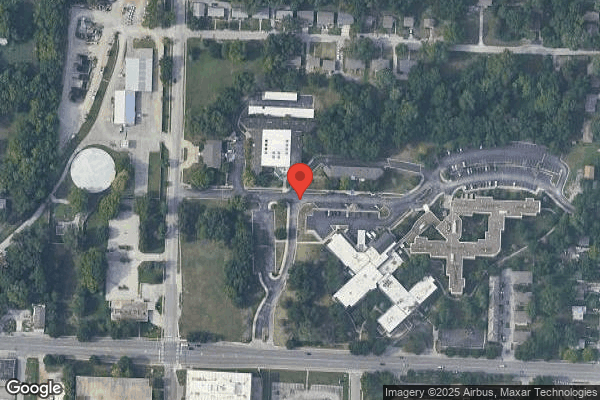
Jul 2019 14 deficiencies
CONCERN (D)

Potential for Harm - no one hurt, but risky conditions existed

Resident Rights (Tag F0550)

Could have caused harm · This affected 1 resident

**NOTE- TERMS IN BRACKETS HAVE BEEN EDITED TO PROTECT CONFIDENTIALITY** Based on observation, interview and record review, the facility failed to ensure the dignity of two sampled residents (Resident ...

Read full inspector narrative →
**NOTE- TERMS IN BRACKETS HAVE BEEN EDITED TO PROTECT CONFIDENTIALITY** Based on observation, interview and record review, the facility failed to ensure the dignity of two sampled residents (Resident #187 and #262) by failing to keep the resident's catheter (a flexible tube inserted through a narrow opening into a body cavity, particularly the bladder, for removing fluid) bags in a privacy bag out of 35 sampled residents. The facility census was 279 residents. 1. Record review of Resident #187's Face Sheet showed he/she was admitted on [DATE], with diagnoses including Alzheimer's disease (a progressive brain disorder that causes a gradual and irreversible decline in memory, language skills, perception of time and space, and vitamin B 12 deficiency), urinary tract infection, wheezing, shortness of breath, edema (excess fluid in the tissues), prostate cancer, high blood pressure, diabetes and urinary retention. Record review of the resident's quarterly Minimum Data Set (MDS-a federally mandated assessment tool to be completed by facility staff for care planning) dated 6/12/19, showed he/she: -Was alert with memory problems. -Needed total assistance from staff for bathing, dressing, grooming, hygiene, eating and toileting and -Was incontinent and used a urinary catheter. Record review of the resident's Care Plan dated 6/14/19, showed the resident had a new catheter due to urine retention and obstructive uropathy (a condition where the flow of urine is blocked), which put the resident at a increased risk for infection. The goal was for the resident's catheter to maintain patency and prevent acute urinary tract infection symptoms through the review period. Interventions showed nursing staff was to: -Change his/her catheter as ordered/needed. -Check the catheter bag placement to be below his/her bladder level and off the floor. -Ensure the resident had a dignity bag when he/she was up in his/her chair and in bed. -Empty the catheter bag each shift and as needed. -Encourage fluids as tolerated. -Monitor and report blood/excess debris in tubing/bag. -Monitor for signs and symptoms of urinary tract infection: pain/burning on urination, elevated temp, foul smelling urine and -Provide catheter care per shift with dressing changes as ordered. Record review of the resident's Physician's Order Sheet (POS) dated July 2019, showed: -Catheter Care every shift for infection prevention and -Catheter bag change every day shift every Wednesday and as needed for care. Observation and interview on 7/22/19 at 9:11 A.M., showed the resident was laying in bed on his/her back with his/her eyes closed and resting comfortably. His/her catheter bag was below the bladder but was not in a privacy bag. There was yellow urine in the bag and it was visible to anyone who entered the resident's room. The resident's privacy bag was hanging on the side of the resident's bed beside the resident's catheter bag. Certified Nursing Assistant (CNA) D said: -He/she was working on the hall with the resident, but he/she had not changed or emptied the resident's catheter bag this morning. -The resident's catheter bag was supposed to be in a privacy bag at all times and -The night shift probably forgot to put it back into the privacy bag after emptying it. 2. Record review of Resident #262's Face Sheet showed he/she was admitted to the facility on [DATE], with diagnoses including wounds, edema (excess fluid in the tissues), muscle spasms, and kidney disease. Record review of the resident's quarterly MDS dated [DATE], showed he/she: -Was alert and oriented with few memory problems. -Needed total assistance with transfers, bathing and toileting. -Had range of motion impairment in both lower extremities and -Had an indwelling catheter. Record review of the resident's Care Plan dated 6/6/19, showed the resident had an indwelling urinary catheter due to an unstageable wound to his/her coccyx (small triangular bone at the base of the spinal column). The goal was to maintain patency and prevent acute urinary tract infection symptoms through the review period. The interventions instructed staff to: -Provide catheter care per shift. -Change the resident's indwelling catheter as ordered/needed. -Check the resident's catheter bag placement to be below bladder level and off the floor. -Ensure the resident has a dignity bag when up in his/her chair and in bed. -Empty the resident's catheter bag each shift and as needed. -Encourage fluids as tolerated. -Ensure that the resident is not lying on the tubing and ensure that is not underneath him/her while sitting in the wheelchair. -Monitor and report blood/excess debris in tubing/bag and -Monitor for signs and symptoms of a urinary tract infection: pain/burning on urination, elevated temp, foul smelling urine. Record review of the resident's POS dated 7/2019, showed physician's orders for: -Catheter-change as needed for wound to right ischium (the curved bone forming the base of each half of the pelvis). -Provide catheter care every shift and -Change the resident's catheter bag every day shift on Wednesday. Observation and interview on 7/15/19 at 9:02 A.M., showed the resident was sitting up in his/her bed eating a regular breakfast of eggs, toast, sausage with cold cereal milk and orange juice. His/Her call light was within reach and he/she had no odors. The resident's catheter bag was below his/her bladder hanging at the side of his/her bed, but it was not in a privacy bag and was visible to anyone entering the resident's room. There was yellow urine in the bag which was at the side of his/her bed. There was no privacy bag visible. The Activity Aide came into the resident's room to deliver the resident's mail and walked over to the side of the resident's bed to hand it to the resident. The resident said she was not pleased this morning because staff woke her up at 1:30 A.M. to do procedures and she was not aware they were going to do so. He/She said he/she was unaware that his/her catheter bag was not in a privacy bag but it was supposed to be in one. During an interview on 7/22/19 at 10:01 A.M., Licensed Practical Nurse (LPN) D said: -The resident's who have catheter bags should also have privacy bags. -The resident's catheter bag should be placed in the privacy bag at all times. -Those residents who are up in their wheelchairs were encouraged to use leg bags so the catheter bag would remain covered while they were up and -If the resident was up and did not have a leg bag, they should have a privacy bag. During an interview on 7/22/19 at 1:58 P.M., the Director of Nursing (DON) said catheter bags should be stored in privacy bags at all times.
CONCERN (D)

Potential for Harm - no one hurt, but risky conditions existed

Deficiency F0569 (Tag F0569)

Could have caused harm · This affected 1 resident

**NOTE- TERMS IN BRACKETS HAVE BEEN EDITED TO PROTECT CONFIDENTIALITY** Based on record review and interview, the facility failed to submit a Third Party Liability (TPL) form (a form which is sent to ...

Read full inspector narrative →
**NOTE- TERMS IN BRACKETS HAVE BEEN EDITED TO PROTECT CONFIDENTIALITY** Based on record review and interview, the facility failed to submit a Third Party Liability (TPL) form (a form which is sent to MO Health Net, which gives an accounting of the remaining balance of the resident's funds in the resident trust account), which is required to be sent within 30 days after death, to Missouri (MO) Health Net after the death of two sampled residents (Residents #1000 and #1001). The facility census was 279 residents. 1. Record review of the resident funds paperwork for expired residents, showed Resident #1000 expired on [DATE] with $50.17 in his/her account. During an interview on [DATE] at 11:12 A.M., the Business Office Manager (BOM) said the TPL form was not sent in until [DATE]. A day count of the calendar showed that was 75 days after the resident expired. 2. Record review of the paperwork for expired residents showed Resident #1001 expired on [DATE] with $1566.40 in his/her account. During an interview on [DATE] at 11:17 A.M., the BOM said the TPL form was not sent in until [DATE]. A day count of the calendar showed that was 55 days after the resident expired. During an interview on [DATE] at 11:18 A.M., the BOM said both occurrences took place, while he/she was out on a leave of absence. During an interview on [DATE] at 11:29 A.M., the Business Office Director said he/she was confused about the time limits for residents who passed away because he/she was under the impression that the facility had 60 days.
CONCERN (D)

Potential for Harm - no one hurt, but risky conditions existed

Accident Prevention (Tag F0689)

Could have caused harm · This affected 1 resident

**NOTE- TERMS IN BRACKETS HAVE BEEN EDITED TO PROTECT CONFIDENTIALITY** Based on observation, interview and record review, the facility failed to ensure fall interventions were implemented and in plac...

Read full inspector narrative →
**NOTE- TERMS IN BRACKETS HAVE BEEN EDITED TO PROTECT CONFIDENTIALITY** Based on observation, interview and record review, the facility failed to ensure fall interventions were implemented and in place for two sampled residents (Resident's #228 and #18) who had a history of falls out of 35 sampled residents. The facility census was 279 residents. 1. Record review of Resident #228's Face Sheet showed he/she was admitted to the facility on [DATE], with diagnoses including cancer, high blood pressure, acute respiratory failure with hypoxia (deficiency in the amount of oxygen reaching the tissues), history of falling, anxiety, depression and chronic obstructive pulmonary disease (COPD-a lung disease characterized by chronic obstruction of lung airflow that interferes with normal breathing and is not fully reversible). Record review of the resident's Nursing assessment dated [DATE], showed he/she: -Was admitted from another nursing facility with oxygen via nasal cannula. -Was alert, oriented, could make his/her needs known and was pleasant without any behavioral signs/symptoms. -Wore glasses and had no hearing impairment. -Had an unknown fall history and -Was chairfast and was incontinent. Record review of the resident's Fall Risk assessment dated [DATE], showed a score of 75 (a score of 45 or above represented a high risk for falls). Record review of the resident's admission Minimum Data Set (MDS-a federally mandated assessment tool to be completed by facility staff for care planning) dated 6/17/19, showed he/she: -Had significant memory loss. -Had verbal behavioral symptoms that did not interfere with his/her care. -Needed extensive assistance with toileting and bathing and needed limited assistance with transfers, dressing, eating and mobility. -Needed assistance of one person for transfers and was unsteady on his/her feet. -Used a wheelchair for mobility. -Had shortness of breath and was using oxygen therapy and -Had falls within two to six months prior to admission. Record review of the resident's Care Plan dated 6/19/19, showed the resident was at risk for falls related to COPD. The goal was for the resident to have no falls and would have no falls related to the use of the high low bed through the next review period. Interventions instructed nursing staff to: -Ensure general fall precautions-wet floor signs, well lit walkways and clutter free environment etc. -Ensure properly fitting shoes are worn when up. -Ensure his/her call light was within reach. -Provide frequent staff contact as needed. -Keep the resident's bed in the lowest position and -MDS staff was to complete a fall risk assessment quarterly. Record review of the resident's Nursing Notes showed: -On 6/21/2019 at 5:00 A.M., the resident was found on the floor near his/her roommates bed. The resident acquired a skin tear to his/her right elbow and an abrasion to the right side of his/her forehead. -The resident's physician and responsible party were notified. Nursing staff started neurological checks (neurological checkpoints to monitor: level of consciousness, ability to move extremities, eye responses and change in pupils and vital signs) with the resident's assessment. - The resident's spouse arrived and sat with the resident and -Staff continued to provide post fall monitoring. Record review of the resident's Care Plan updated on 6/21/19, showed added fall interventions instructed nursing staff to: -Monitor the resident for increased weakness. -Move the resident closer to the nurses station. -Remind the resident, as needed, to use his/her call light and wait for assistance. -Provide reminders as needed not to transfer or walk without staff assistance and -Provide a soft touch call light. Record review of the resident's Nursing Notes showed: -On 6/24/2019 at 11:15 A.M., the Housekeeper reported that the resident was on the floor in his/her room. Upon entering the resident's room, the resident was laying in the floor on his/her back. He/She had his/her knees bent and feet flat on the floor. The resident said, Well I was just getting around and then I just fell down. The writer asked the resident if he/she hurt anywhere and he/she said, my butt. Nursing staff performed range of motion on the resident and he/she had full range of motion. The nurse started neurological checks and they were within normal limits. -The resident's physician, spouse and Hospice were notified. -The nursing staff continued post fall monitoring of the resident. -On 6/27/2019 the nurse was walking past the resident's door and noticed him/her walking. The nurse went into the resident's room to get him/her and as the nurse approached the resident, the resident turned to sit on his/her roommates bed. The resident was not close enough and sat down on the floor. He/she did not hit his/her head or back. When the nurse asked the resident what he/she was doing, the resident said, get me into my bed this is my bed. The nurse requested assistance from additional nursing staff to assist the resident off of the floor. The resident had no injuries and -The resident's physician, responsible party and Hospice were notified and the nursing staff continued post fall follow up monitoring. Record review of the resident's Care Plan updated on 6/27/19, showed an updated fall intervention that instructed nursing staff to place a picture of the resident on the wall so he/she recognizes his/her side of the room. Record review of the resident's Nursing Notes showed: -On 7/8/2019 at 9:45 P.M., the resident called for help. When nursing staff got to his/her room, they found the resident sitting on the edge of his/her bed. The resident said, I was sitting on the floor, but I got myself up. The resident was having shortness of breath, so the nurse applied oxygen at 3 liters per the physician's order. The resident denied hitting his/her head, and the resident's level of care remained the same as prior to the incident. There were no apparent injuries noted at this time. The resident's wheelchair was sitting next to him/her with the wheels locked. The resident had properly fitting shoes on . -The nurse initiated neurological checks and notified the resident's responsible party, physician and Hospice and -The nursing staff continued post fall monitoring. Record review of the resident's Care Plan updated on 7/8/19 and again on 7/10/19, showed additional interventions instructing nursing staff to: -Provide the resident with a high low bed with a concave mattress and mat due to an increase in falls and impaired self safety awareness (7/8/19). -Anticipate the resident's needs, and to assist him/her with wheelchair mobility as needed. -Ensure his/her bed is in working order and report any malfunctions to maintenance. -Ensure that bed controls are put out of the resident's reach for safety. -Place a mat on floor beside the resident's bed. -Never walk away from the resident's bed in the highest position and -Raise the resident's bed to a comfortable level when giving cares, then return the bed to the lowest position before leaving his/her bedside. During an observation and interview on 7/15/19 at 9:25 A.M., showed the resident was sitting up in bed with an overhead table across his/her lap, eating a regular breakfast. He/she was alert with some orientation, but had confusion. The resident was wearing a hospital gown. He/She was laying on a pressure relief concave mattress, and his/her bed was in a very high position. There was a fall mat laying against the wall in front of his/her bed. At 9:27 A.M., Certified Nursing Assistant (CNA) E came into the resident's room, moved the resident's tray table and then lowered his/her bed into a low position. CNA E said the resident was a fall risk and should have his/her fall mat on the floor next to his/her bed while he/she was in bed. CNA E then placed the fall mat on the floor beside the resident. During an interview on 7/22/19 at 9:38 A.M., CNA D said: -The resident was a fall risk and often tried to get out of bed so they were supposed to keep his/her bed in a low position with a mat next to his/her bed when the resident was in bed. -They usually get the resident up for meals, and his/her spouse would sometimes come and feed the resident in the dining room, then take him/her back to his/her room and transfer him/her into bed. -If/When the resident received a room tray, the resident should still be in a low bed though the mat won't be on the floor because the tray table would have to be across the resident for him/her to eat. -The resident's head of bed should be up so the resident is sitting up in bed. -The resident's bed should not have been in a high position. -Sometimes when they have agency staff working, they did not always put the fall interventions in place (such as fall mats). -Agency staff were all given a profile on all of the resident's they will be assigned and the profile told them how to care for the residents and -He/she also completed a walk through with the agency staff and inform them of what they needed to do for the resident, but they don't always follow it. During an interview on 7/22/19 at 9:56 A.M., Licensed Practical Nurse (LPN) D said: -The resident is a fall risk and has had falls. -He/she has a fall mat for fall intervention. -The resident used to feed himself/herself but now nursing staff have to assist the resident to eat and if they are in the room with the resident, the bed may need to be in a higher position so they can feed him/her. -The tray tables don't go very low, so it was difficult to have the resident in the lowest position in bed while he/she is eating and -If the resident is in bed and there is no one in the resident's room, the resident's bed should be as low as it can be and the tray table should be in the lowest position it can be and the resident should be sitting up comfortably in order to eat. 2. Record review of Resident #18's Face Sheet showed he/she was admitted to the facility on [DATE] with diagnoses including dementia, high blood pressure, anxiety disorder, seizures and diabetes. Record Review of the resident's MDS dated [DATE], showed he/she: -Was alert, oriented with minimal confusion. -Needed extensive assistance with bed mobility, transfers, bathing, dressing and toileting. -Had range of motion limitations on one side of his/her upper and lower extremities. -Used a wheelchair for mobility and -Had no falls since the prior assessment period. Record review of the resident's Care Plan dated 7/3/19, showed the resident had a self-care performance deficit related to impaired mobility. The resident needed extensive assistance of two persons with bed mobility and used a high low bed with a mat beside it. It showed the resident was at risk for falls related to a history of falls, impaired mobility, poor safety awareness, and the use of antidepressant medication. Interventions instructed staff to: -Anticipate and meet his/her needs as needed. -Provide two person assistance for transfers and he/she needed encouragement to stand at times. -Provide a wheelchair for mobility. -Ensure his/her call light is within reach and encourage him/her to use it for assistance as needed. -Ensure the resident is wearing appropriate footwear when ambulating or mobilizing in his/her wheelchair. -Provide rehabilitative therapy for weakness and -Review information on past falls and attempt to determine the cause of his/her falls. Record possible root causes. Alter/remove any potential causes if possible. Educate the resident/family/caregivers as to causes. Record review of the resident's Nursing Notes showed: -On 5/16/2019 at 9:55 A.M., as the resident was starting to stand up from the shower chair, the bath aid saw the resident lean forward to reach for the counter and the shower chair tilted forward and the resident and bath aide lost their balance and fell to the floor. -Staff is unsure if resident hit her head and -Staff made sure resident was safe and went to get help. Record review of the resident's Fall Investigation dated 5/28/19 showed the nursing staff assessed the resident and started neurological checks. The resident had no injuries and all range of motion and neurological checks were within normal limits. The nursing staff notified the resident's physician and responsible party and continued to monitor the resident. The investigation showed the facility assessed the cause of the fall and reviewed fall interventions. Observation on 7/16/19 at 2:28 P.M., showed the resident was laying down in his/her bed. The resident's bed had a concave mattress and was in a low position. There was a mat on the floor next to his/her bed. He/She had his/her eyes closed and was resting comfortably without signs/symptoms of pain or discomfort. The resident had his/her call light within reach and his/her wheelchair was next to his/her bed. Observation on 7/18/19 at 6:42 A.M., showed the resident was laying down in his/her bed on his/her back resting with his/her eyes closed. The resident's bed was in a low position and the floor mat was folded up behind the foot of the resident's bed. The resident's call light was within the resident's reach. hew wheelchair was across from her bed (not within reach of the resident). The resident was resting comfortably. Observation and interview on 7/22/19 at 9:23 A.M., showed the resident was sitting up in his/her wheelchair in his/her room. He/She was dressed for the weather with adequate shoes on. He/She said: -He/she had not had a fall in a long time. -He/she needed staff to assist him/her to get in and out of bed and into his/her wheelchair and -He/she was supposed to have the floor mat on the floor next to his/her bed when he/she was in bed because of past falls. During an interview on 7/22/19 at 9:38 A.M., CNA D said: -The resident was a fall risk and should have his/her fall mats down whenever he/she was in bed. -The resident usually did not get out of bed without assistance, but whenever they put the resident in bed, usually after lunch, they will put the resident's mat down as a fall intervention and -He/she was not aware of whether they used the fall mats on the evening shift or night shift, but they were supposed to make sure the resident's mat was on the floor next to his/her bed when he/she was in bed. During an interview on 7/22/19 at 1:58 P.M., the Director of Nursing (DON) said she expected fall interventions to be in place and followed.
CONCERN (D)

Potential for Harm - no one hurt, but risky conditions existed

Respiratory Care (Tag F0695)

Could have caused harm · This affected 1 resident

**NOTE- TERMS IN BRACKETS HAVE BEEN EDITED TO PROTECT CONFIDENTIALITY** 4. Record review of Resident #228's Face Sheet showed he/she was admitted to the facility on [DATE], with diagnoses including ca...

Read full inspector narrative →
**NOTE- TERMS IN BRACKETS HAVE BEEN EDITED TO PROTECT CONFIDENTIALITY** 4. Record review of Resident #228's Face Sheet showed he/she was admitted to the facility on [DATE], with diagnoses including cancer, high blood pressure, acute respiratory failure with hypoxia (deficiency in the amount of oxygen reaching the tissues), history of falling, anxiety, depression and chronic obstructive pulmonary disease (COPD-a lung disease characterized by chronic obstruction of lung airflow that interferes with normal breathing and is not fully reversible). Record review of the resident's Nursing assessment dated [DATE] showed he/she: -Was admitted from another nursing facility with oxygen via nasal cannula (a lightweight tube which on one end splits into two prongs which are placed in the nostrils and from which a mixture of air and oxygen flows). The resident's oxygen saturation level (the balance of oxygen in the blood-normal blood oxygen levels in humans are between 95-100 percent) was at 91 percent. -Was alert, oriented, could make his/her needs known and was pleasant without any behavioral signs/symptoms. -Wore glasses and had no hearing impairment. -Had an unknown fall history and -Was chair fast and was incontinent. Record review of the resident's admission MDS dated [DATE], showed he/she: -Had significant memory loss. -Had verbal behavioral symptoms that did not interfere with his/her care. -Needed extensive assistance with toileting and bathing and needed limited assistance with transfers, dressing, eating and mobility. -Needed assistance of one person for transfers and was unsteady on his/her feet. -Used a wheelchair for mobility and -Used oxygen. Record review of the resident's Care Plan dated 6/19/19, showed the resident had altered respiratory status and difficulty breathing related to COPD, the resident had oxygen therapy and was at risk for complications. The goal was for the resident to have no complications related to shortness of breath or signs and symptoms of poor oxygen absorption. Interventions showed nursing staff was to: -Administer medication breathing treatments as ordered and monitor for effectiveness and side effects. -Elevate the head of bed as needed. -Monitor and document changes in the resident's orientation, increased restlessness, anxiety, and air hunger. -Monitor for signs and symptoms of respiratory distress and report to the physician and -Provide oxygen per physician's orders and encourage the resident to wear (his/her oxygen) as ordered. Record review of the resident's POS dated 7/2019, showed physician's orders for Oxygen at 3 liters via nasal cannula continuously every shift for acute respiratory failure with hypoxia. Observation and interview on 7/15/19 at 9:25 A.M., showed the resident was sitting up in bed with an overhead table across his/her lap, eating a regular breakfast. He/she was alert with some orientation, but had confusion. The resident was wearing a hospital gown. He/she was laying on a pressure relief concave mattress, and his/her bed was in a very high position. The resident's oxygen concentrator (a device that concentrates the oxygen from ambient air to supply an oxygen-enriched gas stream) was in front of the resident's bed (at the foot of the bed) against the wall and was on and running at 3 liters. The resident's nasal cannula was laying on the floor, coiled, in front of the oxygen concentrator. There was an oxygen storage bag at the side of the oxygen concentrator. The resident said he/she was supposed to have his/her oxygen on. The resident was not showing signs of respiratory distress. Observation and interview on 7/15/19 at 9:27 A.M., showed: -Certified Nursing Assistant (CNA) E came into the resident's room, moved the resident's tray table and then lowered his/her bed. -CNA E said: --The resident was supposed to have his/her oxygen on at all times because it was continuous. --The resident sometimes takes his/her nasal cannula off and -CNA E walked around to the foot of the resident's bed, picked the resident's nasal cannula off of the floor and placed it into the resident's nose. Observation and interview on 7/16/19 at 2:13 P.M., showed the resident had his/her privacy curtain pulled. The resident was laying in his/her bed with his/her head of bed up. The resident's bed was in a low position with fall mat on the floor next to his/her bed. The resident's oxygen concentrator was on and running, but the nasal cannula was not in the resident's nose-it was laying under the resident's linen beside the resident, in his/her bed. The resident did not show any signs of respiratory discomfort or shortness of breath. The resident said he/she was feeling better today. His/Her call light was within reach. Observation on 7/19/19 at 9:06 A.M., showed the resident was in front of the nursing station sitting up in his/her specialized wheelchair eating his/her breakfast. The resident's oxygen concentrator was sitting next to the resident and he/she was wearing his/her nasal cannula. The oxygen was on at 3 liters. The resident said he/she wanted to lay down. At at 9:15 A.M., CNA F assisted the resident into his/her room. At 9:25 A.M., the resident was sitting up in his/her specialized wheelchair with his/her nasal cannula in his/her nose. CNA F was with the resident. LPN D said the resident had been having some labored breathing this morning and his/her oxygen saturation levels were at 79%. LPN D instructed CNA F to ensure the resident kept the nasal cannula in his/her nose and after transferring him to bed to ensure the head of the resident's bed was up, as the resident breathed better in a sitting position. CNA F used a gait belt to assist the resident into a standing position and the resident was able to bear weight and transfer to his/her bed. Once in bed, CNA F assisted the resident to a better position in bed and raised the head of the resident's bed up. The resident removed the nasal cannula from his/her nose and CNA F reminded the resident that he/she needed the oxygen to breathe better and assisted the resident to put the nasal cannula back on. CNA F then lowered the resident's bed and placed the fall mat on the floor beside his/her bed. The resident seemed to relax a little once in bed. At 9:40 A.M., the resident was still laying in his/her bed with his/her nasal cannula in his/her nose. During an interview on 7/22/19 at 10:01 A.M., LPN D said: -This resident frequently removed his/her nasal cannula and sometimes he/she would throw it down to the foot of his/her bed. -The resident has also, on one occasion, tied the oxygen tubing and breathing treatment tubing together and thrown it on the floor. -They try to continue to encourage the resident to keep his/her nasal cannula in his/her nose, but the resident would continue to remove it, so they have to continuously place it back on the resident. -He/she checked on the resident hourly and nursing staff checked on him/her every two hours or as they passed his/her room. -The resident's health is such that he/she will continue to decline and having his/her oxygen on will not improve his/her condition. -The resident's Nasal cannula should be within the reach of the resident even if the resident removed it and -Oxygen nasal cannulas, tubing and facemasks used with oxygen concentrators, nebulizers (an electrically powered machine that turns liquid medication into a mist so that it can be breathed directly into the lungs) and breathing equipment should be stored in plastic bags when not in use. They should not be on the floor, in the wheelchair seat or laying on anything uncovered. They have plastic bags they provide for storage of oxygen supplies that is made available to all nursing staff. During an interview on 7/22/19 at 1:58 P.M., the DON said: -Oxygen should be accessible to to the resident (even if he/she removed the nasal cannula). -The resident's care plan should show that the resident often removed his/her nasal cannula and staff was to encourage him/her to wear it and -The resident's care plan should show that resident's oxygen should be accessible and on the resident. Based on observation, interview and record review, the facility failed to ensure physician's orders for use of Trilogy (A trilogy machine is one that is also a ventilator. This ventilator helps to treat respiratory infections or respiratory diseases where a person needs assistance because they can not breathe on their own. The trilogy can deliver either BiPAP (also referred to as (BPAP) Bilevel Positive Airway Pressure, and is very similar in function and design to a CPAP machine (Continuous Positive Airway Pressure (CPAP - a machine that provides constant flow of pressurized air by way of a mask that helps to maintain an open airway) and the cleaning and sanitary storage of CPAP masks for two sampled residents with a history of respiratory disease (Resident #10 and Resident #22), to ensure a policy for CPAP/BiPAP/Trilogy use and in the facility disaster plan and to ensure oxygen was accessible to one sampled resident with a history of respiratory disease and shortness of breath (Resident #228) out of 35 sampled residents. The facility census was 279 residents. Record review of the requested policy list provided to the facility and returned to the survey team on 7/19/19 showed the facility had no CPAP/BiPAP policy to address the use of CPAP/BiPAP/Trilogy machines. 1. Record review of Resident #10's Face Sheet showed he/she: -Was admitted to the facility on [DATE] and -Had diagnoses including chronic obstructive pulmonary disease (Chronic Obstructive Pulmonary Disease (COPD - a progressive lung disease process that causes airflow blockage and breathing-related problems) and dependence on supplemental oxygen. Record review of the resident's admission Minimum Data Set (MDS-a federally mandated assessment tool required to be completed by staff for care planning) dated 4/4/19 showed: -He/she was cognitively intact. -He/she used oxygen and -He/she used BiPAP/CPAP. Record review of the resident's care plan dated 4/15/19 showed: -He/she utilized a Trilogy and oxygen and -Interventions included to provide oxygen and Trilogy as ordered, clean the resident's mask after use and ensure the Trilogy setting is as ordered. Record review of the resident's Physician's Orders Sheet (POS) dated 7/1/19 showed: -Oxygen at 4 liters (L) per nasal cannula (a small plastic tube with prongs at one end for delivery of oxygen to the nose) and -There was no physician's order for the resident's Trilogy. Record review of the resident's Medication Administration Record (MAR) and Treatment Administration Records (TAR) dated 7/1/19 showed no mention of or care instruction for the resident's CPAP/CPAP mask care. Observations of the resident's room at the following dates and times showed the following: -On 7/15/19 at 9:09 A.M. the resident's long oxygen tubing attached to his/her oxygen concentrator was not dated and his/her Trilogy mask was laying uncovered on his/her overbed table, not dated and the resident was not present in his/her room. - 7/15/19 at 2:07 P.M. the resident's long oxygen tubing attached to his/her oxygen concentrator was not dated and his/her Trilogy mask was laying uncovered on his/her overbed table, not dated and the resident was not present in his/her room. -7/16/19 at 9:18 A.M. the resident's long oxygen tubing attached to his/her oxygen concentrator was not dated and his/her Trilogy mask was laying uncovered on his/her overbed table, not dated and the resident was not present in his/her room and -7/18/19 at 8:11 A.M. the resident's long oxygen tubing attached to his/her oxygen concentrator was not dated and his/her Trilogy mask was laying uncovered on his/her overbed table, not dated and the resident was not present in his/her room. Observation of the resident's room and interview with the resident on 7/19/19 at 1:22 P.M. showed: -The residents long oxygen tubing attached to his/her oxygen concentrator was not dated and his/her Trilogy mask was laying uncovered on his/her overbed table and was not dated and -The resident was alert and seated in his/her wheel chair in his/her room and said that nothing happened with his/her mask, no one did anything with his/her mask, it just sat on his/her overbed table after he/she took it off in the morning until the evening when he/she used the mask for sleeping. During an interview on 7/22/19 at 12:55 P.M. Licensed Practical Nurse (LPN) F said: -He/she had been working as charge nurse in the resident's living area for one and one half weeks and had not done anything with the resident's Trilogy mask in that time. -There was nothing on the resident's TAR regarding the resident's Trilogy mask. -He/she did not know the resident had a machine in his/her room. -He/she had only been in the resident's room maybe once and -Usually when a resident has a CPAP mask, the mask is to be washed daily with soap and water, rinsed, air dried and stored in a plastic bag. During an interview on 7/22/19 the LPN Third Floor nursing supervisor said: -The resident has a CPAP/BiPAP or Trilogy that he/she pretty much self-guides. -He/she did see the resident had a physician's order for oxygen and did not see an order for CPAP/BiPAP or Trilogy and no physician's order related to the resident's mask and -The physician's order for the resident's mask should specify how to clean/sanitize, when to replace and this information should be on the resident's TAR. 2. Record review of Resident #22's Face Sheet showed he/she: -Was originally admitted to the facility on [DATE] and readmitted to the facility on [DATE] and -Had a diagnosis of sleep apnea (a serious sleep disorder that occurs when a person's breathing stops repeatedly during sleep). Record review of the resident's annual MDS dated [DATE] showed: -He/she was cognitively intact and -He/she received oxygen therapy. Record review of the resident's care plan dated 7/11/19 showed: -He/she used a Trilogy and -Instruction to ensure he/she had the Trilogy on at night and setup properly. Record review of the resident's MAR and TAR dated 7/1/19 through 7/31/19 showed no mention of or care instruction for the resident's CPAP/CPAP mask care. Observation on 7/15/19 at 8:43 A.M. showed: -The residents Trilogy was on his/her night stand and -His/her Trilogy mask was uncovered and his/her mask and oxygen tubing were not dated. Observation on 7/16/19 showed: -The resident was alert and laying in his/her bed; -His/her Trilogy and his/her Trilogy mask was laying on his/her night stand and was not covered with a plastic bag; -His/her mask and oxygen tubing were not dated and -He/she said his/her mask just stays on his/her night stand, nothing is done with his/her mask, no one cleans it and no one puts it in a plastic bag. Observation on 7/16/19 at 2:49 P.M. showed: -The resident's Trilogy and Trilogy mask were laying on his/her nightstand and -The resident's Trilogy mask was not covered with a plastic bag. Observation and interview on 7/18/19 at 7:24 A.M. showed: -The resident was alert, seated in his/her wheelchair. -His/her Trilogy and Trilogy mask was on his/her night stand. -His/her mask and oxygen tubing were not dated. -His/her mask was uncovered. -He/she said that he/she uses his/her Trilogy at night because he/she had sleep apnea - he/she had been using the Trilogy for two years and -His/her mask just sits on his/her night stand all day until he/she uses it at night, no one cleans his/her mask and no one puts his/her mask in a plastic bag. During an interview on 7/22/19 at 11:04 P.M. the LPN Fourth Floor Nursing Supervisor said: -The resident did not have a current physician's order for his/her Trilogy. -The resident had been in and out of the hospital several times and he/she assumed his/her physician's orders for Trilogy was never gotten on his/her readmission paperwork to the facility. -When a resident went to the hospital and comes back he/she was supposed to check the resident's physician's orders and make sure everything was correct. -The practice for masks is that they were to be washed daily with soap and water, rinsed, and allowed to air dry. -On 7/19/19 he/she put a physician's order in the resident's POS regarding cleaning the resident's mask daily on the day shift, prior to that there was no physician's order and nothing in place for the licensed nurses to wash and rinse the resident's mask daily for care of the resident's mask and -He/she would check regarding if the resident's mask was to be covered with a plastic bag after air drying. During an interview on 7/22/19 at 11:33 the LPN Fourth Floor Nursing Supervisor said after the resident's mask air dried the licensed nurses were to put it in a plastic bag. 3. During an interview on 7/22/19 at 1:58 P.M. the Director of Nursing (DON) said: -There were to be physician's orders for Trilogy. -The physician's order for Trilogy needed to specify the settings if the Trilogy functioned as CPAP/BiPAP. -The physician's orders for Trilogy also needed to specify the care of the resident's mask. -Resident's masks were to be washed with soap and water, rinsed, air dried and then covered with a plastic bag and -Oxygen tubing and masks were to be dated.
CONCERN (D)

Potential for Harm - no one hurt, but risky conditions existed

Deficiency F0697 (Tag F0697)

Could have caused harm · This affected 1 resident

**NOTE- TERMS IN BRACKETS HAVE BEEN EDITED TO PROTECT CONFIDENTIALITY** Based on observation, interview and record review, the facility failed to ensure topical pain medication was applied for one sam...

Read full inspector narrative →
**NOTE- TERMS IN BRACKETS HAVE BEEN EDITED TO PROTECT CONFIDENTIALITY** Based on observation, interview and record review, the facility failed to ensure topical pain medication was applied for one sampled resident (Resident #176) out of 35 sampled residents. The facility census was 279 residents. Record review of the facility's policy titled Pain Management last reviewed on 2/2013 showed the facility would manage or prevent pain with the current clinical standards of practice and the resident's goals and preferences. 1. Record review of Resident #176's admission Record showed he/she was admitted to the facility on [DATE] with the following diagnoses: -History of falling. -Unsteadiness on feet and -Muscle weakness. Record review of the resident's Medication Review Report (MRR) showed the following physician's orders dated 7/27/18 to apply muscle rub cream 10-15% to the right hip every day shift and every night shift for pain. Record review of the resident's annual Minimum Data Set (MDS-a federally mandated assessment tool required to be completed by staff for care planning) dated 2/27/19 showed he/she: -Was cognitively intact. -Was on a scheduled pain regimen and -Had occasional daily pain with a pain rating of four on a numeric scale. (A person rates their pain on a scale of 0 to 10 or 0 to 5. Zero means no pain, and 5 or 10 means the worst possible pain). Record review of the resident's Treatment Administration Record (TAR) dated 5/2019 showed: -Muscle rub cream 10-15% apply to the right hip every day shift and every night shift for pain. -This topical treatment was not completed five out of 31 times on the day shift and --The staff did not document why the treatment was not applied to the resident's hip. Record review of the resident's care plan dated 6/14/19 showed the resident: -Had a history of leg pain and -Needed the staff to apply the muscle rub as ordered by the physician. Record review of the resident's TAR dated 6/2019 showed: -Muscle rub cream 10-15% apply to the right hip every day shift and every night shift for pain. -This topical treatment was not completed seven out of 30 times on the day shift and --The staff did not document why the treatment was not applied to the resident's hip. Record review of the resident's TAR dated 7/2019 showed: -Muscle rub cream 10-15% apply to the right hip every day shift and every night shift for pain. -This topical treatment was not completed two out of 18 times on the day shift and --The staff did not document why the treatment was not applied to the resident's hip. During an interview and observation on 7/18/19 at 9:17 A.M., the resident said: -The resident was in his/her wheelchair in his/her room. -The staff do not always apply the muscle rub to his/her hip. -He/she had a hip replacement in the past. -When the muscle rub was applied, he/she had less pain in his/her hip area and -The muscle rub helped with his/her hip/leg pain. During an interview on 7/22/19 at 11:08 A.M., Licensed Practical Nurse (LPN) C said: -The resident had a muscle rub for his/her right hip. -When he/she worked with the resident last week, the resident wanted the muscle rub applied to his/her hip for pain and -If the muscle rub was not applied, the nurses were responsible for documenting why the treatment was not done. During an interview on 7/22/19 at 1:58 P.M., the Director of Nursing (DON) said: -The nurses were responsible for ensuring the resident received the muscle rub per the physician's orders and -If the topical treatment was not done, the nurse was responsible for documenting why the treatment was not applied.
CONCERN (D)

Potential for Harm - no one hurt, but risky conditions existed

Deficiency F0698 (Tag F0698)

Could have caused harm · This affected 1 resident

**NOTE- TERMS IN BRACKETS HAVE BEEN EDITED TO PROTECT CONFIDENTIALITY** Based on observation, interview and record review, the facility failed to ensure the resident's physician's order Sheet (POS) sh...

Read full inspector narrative →
**NOTE- TERMS IN BRACKETS HAVE BEEN EDITED TO PROTECT CONFIDENTIALITY** Based on observation, interview and record review, the facility failed to ensure the resident's physician's order Sheet (POS) showed where the resident attended dialysis (the clinical purification of blood by dialysis, as a substitute for the normal function of the kidney) treatments, how frequently the resident went to dialysis for treatment, how nursing staff was to monitor and care for the resident's dialysis site and to ensure ongoing communication between the facility and dialysis clinic for one sampled resident (Resident #171) who received dialysis, out of 35 sampled residents. The facility census was 279 residents. 1. Record review of Resident #171's Face Sheet showed he/she was admitted to the facility on [DATE], with diagnoses including high blood pressure, diabetes and end stage renal failure (kidney failure). Record review of the resident's Physician's Order Sheet (POS) dated 7/2019, showed: -Diet order for a modified renal diet, regular consistency with thin liquids; double portions at breakfast. -Hold high blood pressure medications on Monday, Wednesday, and Friday before dialysis. May be given after dialysis after checking the resident's blood pressure once daily, for hypotension (low blood pressure) reaction during dialysis-may be given after dialysis on Monday, Wednesday and Friday. Give per previous schedule on Tuesday, Thursday, Saturday and Sunday and -There were no physician's orders for dialysis, there were no orders stating where the resident attended dialysis, when the resident went to dialysis (frequency), where the resident's dialysis site was located or how the facility was to care for and monitor his/her dialysis site. Record review of the resident's Minimum Data Set (MDS-a federally mandated assessment tool to be completed by facility staff for care planning) dated 5/31/19, showed he/she: -Was alert and oriented. -Needed total assistance with bathing, dressing, toileting, bed mobility, transfers. -Used a wheelchair for mobility and -Had range of motion limitations in both lower extremities. Record review of the resident's Care Plan 5/31/19, showed the resident was receiving dialysis with end stage kidney disease, and was at risk for complications related to his/her disease process. Interventions instructed nursing staff to: -Encourage the resident to go for the scheduled dialysis appointments. -Monitor the resident's dialysis site as needed. -Monitor the resident's labs and report to the physician as needed. -Monitor the resident's vital signs (blood pressure, temperature, pulse and respirations) and notify the physician of any signs and symptoms of infection or significant abnormalities. -Monitor/document/report as needed, any signs and symptoms of infection to the resident's dialysis access site: redness, swelling, warmth or drainage. -Monitor/document/report as needed for any signs and symptoms of renal insufficiency. -Monitor/document/report as needed any signs and symptoms of bleeding, bacteria in the blood stream and septic shock (a significant drop in blood pressure resulting from an infection reaches the bloodstream and causes inflammation in the body). -Monitor/document/report as needed any new/worsening edema (fluid in the tissues) and -The care plan did not show where the resident attended dialysis, the frequency/days he/she attended or how the facility would maintain communication with the dialysis clinic for continuum of care for the resident. Record review of the resident's Medical Record showed there was no documentation showing ongoing communication with the dialysis clinic for continuum of care for the resident. Observation and interview on 7/16/19 at 3:22 P.M., showed the resident was sitting up in his/her bed. The resident was dressed in a a gown and his/her feet were elevated on a pillow. There was also a pillow at the left side beside his/her arm. The resident showed his/her dialysis site and it was located on his/her left chest area, above his/her breast (by his/her shoulder). There was a clean dressing on it and there were no odors or signs/symptoms of infection. The resident was alert and oriented and said: -He/she attended dialysis three times weekly on Monday, Wednesday and Friday and the ambulance service transported him/her to the clinic. -He/she had good attendance at dialysis and had not had any complications. -He/she had no pain at the site. -The nursing staff at dialysis cared for his/her dialysis site and completed his/her dressing changes and -The nursing staff at the facility did not do any dressing changes or cleaning around his/her dialysis site. During an interview on 7/22/19 at 10:14 A.M., Licensed Practical Nurse (LPN) D said: -The resident went to dialysis on Monday, Wednesday and Friday. -Staff do not do any cares on the resident's dialysis site at the facility; staff do not change the bandage or clean the site itself. All of the resident's dialysis care is completed at the dialysis clinic. -When the resident goes to dialysis, staff send the resident's face sheet, physician's order sheet and ambulance transfer form. -Staff did not receive or send a communication sheet with the resident and did not receive any communication from the dialysis clinic when the resident returned from dialysis showing the resident's pre or post dialysis weight, fluids drawn while the resident was at dialysis or vital signs. -Staff received communication from dialysis as needed if there were any changes in his/her medication, when labs were completed, if there were any complications while the resident was at dialysis. -Staff weighed the resident monthly, but did not get resident weights before and after the resident completed dialysis treatments. -Staff were unaware of how much fluid was pulled off of the resident at any given treatment. They were informed when the resident's blood pressure dropped once while the resident was at dialysis. -(After looking at the resident's medical record) he/she did not see any documentation in the resident's medical record that showed they had any ongoing communication with the dialysis clinic on a weekly basis. -He/she did not see a physician's order for dialysis, and he/she did not see any physician's orders for how they were to monitor the resident's dialysis shunt and -There were interventions for monitoring the resident for infection in his/her care plan. During an interview on 7/22/19 at 1:58 P.M., the Director of Nursing (DON) said: -Nursing staff should be documenting that they sent a communication sheet with the resident to dialysis even if the dialysis center does not send any communication back, or if the return communication is blank. -There should be physician's orders for dialysis that say when the resident goes to dialysis and with what frequency (what days the resident goes to dialysis). -If the nurses do not do any cares for the resident's dialysis site, the physician's order should also show that dialysis completes the dressing changes weekly and nursing staff is to contact the dialysis center for any concerns and -The physician's order should show how the facility is to care and/or monitor the resident's dialysis site and for signs and symptoms of infection.
CONCERN (D)

Potential for Harm - no one hurt, but risky conditions existed

Drug Regimen Review (Tag F0756)

Could have caused harm · This affected 1 resident

**NOTE- TERMS IN BRACKETS HAVE BEEN EDITED TO PROTECT CONFIDENTIALITY** Based on interview and record review, the facility failed to ensure Gradual Dose Reduction (GDR) pharmacy recommendations were a...

Read full inspector narrative →
**NOTE- TERMS IN BRACKETS HAVE BEEN EDITED TO PROTECT CONFIDENTIALITY** Based on interview and record review, the facility failed to ensure Gradual Dose Reduction (GDR) pharmacy recommendations were acted upon for three sampled residents (Resident #278, #67, and #214) out of 35 sampled residents. The facility census was 279 residents. Record review of the facility's Pharmacy Consultant: Medication Regimen Review (MMR) revised 1/2/19 showed: -A licensed pharmacist shall perform a Drug Regimen Review (DRR) for residents at least monthly or upon request of the facility or medical provider. -The pharmacist would document the irregularities and provide a written report to the Director of Nursing (DON) or designee. -The DON or designee would provide all writing findings of irregularities and corresponding recommendations to the appropriate attending physician and would ensure a written response within 20 business days from the receipt of the MRR report. -The attending physician was required to document their acceptance or rejection of recommendation and -If the physician disagrees with the pharmacy recommendation, he/she was required to document a clear rationale for the declination of the pharmacy recommendation. 1. Record review of Resident #278's admission Record showed he/she was admitted to the facility on [DATE] with the following diagnoses: -Dementia (a progressive organic mental disorder characterized by chronic personality disintegration, confusion, disorientation, stupor, deterioration of intellectual capacity and function, and impairment of control of memory, judgment, and impulses) with behavioral disturbances. -Major depressive disorder (a state of intense sadness or despair that has advanced to the point of being disruptive to an individual's social functioning and/or activities of daily living) and -Anxiety disorder. Record review of the resident's Pharmacy Consultant Note dated 8/15/18 showed: -See one GDR recommendation and -The note did not state what medication was recommended for a GDR. Record review of the resident's Medication Review Report (MRR) showed the resident had physician's orders dated 2/6/19 for Duloxetine HCl (used to treat major depressive disorder in adults) delayed release particles, give one 60 milligram (mg) capsule one time a day for depression. Record review of the resident's care plan revised 3/2/19 showed he/she: -Was at risk for side effects related to anti-depressant medication usage and -Needed the pharmacist to monitor the resident's DRR monthly. Record review of the resident's quarterly Minimum Data Set (MDS-a federally mandated tool required to be completed by facility staff for care planning purposes) dated 5/14/19 showed he/she: -Was moderately cognitively impaired and -Had no issues with his/her mood. Record review of the resident's Pharmacy Consultant Note dated 6/4/19 showed see one GDR recommendation for Duloxetine. Record review of the resident's Note to Attending Physician/Prescriber printed on 6/17/19 showed: -All agents following within the psychotropic drugs (drugs which affect psychic function, behavior, or experience) fall under GDR guidelines. -Please change the physician's order to Duloxetine HCI delayed release particles: give one 30 mg capsule once daily. -On 7/16/19, the physician agreed with the GDR for the reduction of Duloxetine HCI and --This was completed 42 days after the GDR recommendation was made. The Note to Attending Physician/Prescriber with the GDR recommendations for 8/15/18 and 6/4/19 were requested on 7/19/19 and were not received from the facility. 2. Record review of Resident #214's admission Record showed he/she was admitted to the facility on [DATE] with the following diagnoses: -Dementia with behavioral disturbances. -Major depressive disorder and -Anxiety disorder. Record review of the resident's Pharmacy Consultant Note dated 10/9/18 showed: -See one GDR recommendation and -The note did not state what medication was recommended for a GDR. Record review of the resident's care plan revised on 10/25/18 showed the resident: -Was at risk for adverse side effects related to anti-depressant and psychotropic medication use and -The pharmacist and physician would monitor the resident's medications for adverse reactions and appropriateness of the medication use. Record review of the resident's Pharmacy Consultant Note dated 2/5/19 showed: -See one GDR recommendation and -The note did not state what medication was recommended for a GDR. Record review of the resident's quarterly MDS dated [DATE] showed he/she: -Was severely cognitively impaired. -Had no issues with his/her mood and -Had no behaviors during the look back period. Record review of the resident's Pharmacy Consultant Note dated 6/3/19 showed one GDR recommendation for Seroquel (used for the treatment of schizophrenia, bipolar disorder, and major depressive disorder). Record review of the resident's MRR dated 7/19/19 showed the resident had the physician's ordered psychotropic medications: -Depakote Sprinkles (used to treat mood disorders) capsule delayed release 125 mg: give one capsule two times per day for dementia with behavioral disturbances. -Duloxetine HCl delayed release particles: give one 30 mg capsule one time a day for depression and -Seroquel tablet 25 mg: give one half tablet, 12.5 mg, before meals for anxiety. The Note to Attending Physician/Prescriber with the GDR recommendations for 10/9/18 and 2/5/19 were requested on 7/19/19 and not received from the facility. 3. Record review of Resident #67's admission Record showed he/she was admitted to the facility on [DATE] with the following diagnoses: -Dementia with behavioral disturbances and -Major depressive disorder. Record review of the resident's MRR showed the resident had the following physician ordered medications on 9/17/18: -Sertraline HCl (used to treat depression and anxiety) tablet 50 mg: give one tablet at bedtime for dementia with behaviors and -Trazadone HCl (used to treat depression) tablet 50 mg: give one tablet at bedtime for behaviors. Record review of the resident's Pharmacy Consultant Note dated 1/2/19 showed one GDR recommendation for Sertraline. Record review of the resident's Pharmacy Consultant Note dated 4/1/19 showed one GDR recommendation for Trazadone. Record review of the resident's Psychiatric Progress Note dated 4/23/19 showed the psychiatrist recommended the resident's Trazadone be discontinued as part of the GDR. Record review of the resident's Physician's Orders Sheet notes dated 4/23/19 written by the resident's psychiatrist showed the psychiatrist did not write physician's orders to discontinue Trazadone. Record review of the resident's MRR dated 7/19/19 showed the resident had the following physician ordered medications: -Sertraline HCl tablet 50 mg: give one tablet at bedtime for dementia with behaviors and -Trazadone HCl tablet 50 mg: give one tablet at bedtime for behaviors. The Note to Attending Physician/Prescriber with the GDR recommendations for 1/2/19 and 4/1/19 were requested on 7/19/19 and not received from the facility. During an interview on 7/19/19 at 12:00 P.M., the Director of Nursing (DON) said: -This resident was followed by psychiatric services for all psychotropic medication reviews and recommendations. -There were no psychiatrist notes for the GDR on 1/2/19. -The psychiatric had a written note to discontinue the resident's Trazadone medication. -He/she was under the impression the psychiatrist changed his/her mind about discontinuing the resident's Trazadone medication. -The psychiatrist did not write an order to discontinue the Trazadone on the Physician's Orders Sheet notes and -He/she had tried to contact the psychiatrist about the resident's Trazadone discrepancies but he/she was on vacation. 4. During an interview on 7/19/19 at 12:43 P.M., Licensed Practical Nurse (LPN) B said: -The residents GDRs are printed off and brought to him/her by the DON. -He/she gave concerns to the doctor and then the doctor would give recommendations. -The doctor has to document a rationale for any of the medications that were not reduced. -If the resident was followed by psychiatric services, the physician would refer the psychiatric medications to the psychiatric doctor for GDRs. -He/she would get the new physician's orders and write the new orders for the medications if changes were made. -There should be a documented rationale from the physician if the residents GDR was not completed and -The nurse became busy so the interview was continued at another time. During an interview on 7/22/19 at 10:25 A.M., LPN B said: -The written GDRs were filed under consult in the residents' medical record. -The GDRs for Resident #278, #67, and #214 could not be located. -He/she was not sure what happened to the GDRs for these residents. -He/she did not get Resident #278's GDR completed timely because he/she was out for two weeks on vacation and -The GDRs should be completed within a week but he/she did not always get done within a week. During an interview on 7/22/19 at 1:58 P.M., the DON said: -The pharmacist did monthly reviews and electronically sent the GDR recommendations to him/her. -He/she separated the GDRs per floor and gave the GDR requests to the nurses to complete. -When the physician or psychiatrist was in the facility, the nurse was responsible for going over the GDR request with the physician or psychiatrist and write new medication orders as needed if changes were made. -The GDRs should go in the chart or down to MR to be scanned in to the residents' electronic medical records. -He/she could not locate the requested GDR request forms for Resident #278, #67, and #214 and -There should be a written rationale from the residents' physician or psychiatrist if the medication was not reduced.
CONCERN (D)

Potential for Harm - no one hurt, but risky conditions existed

Deficiency F0813 (Tag F0813)

Could have caused harm · This affected 1 resident

Based on observation and interview, the facility failed to ensure that food stored in a resident use refrigerator located at the third floor south nurse's station, was properly labeled and dated to di...

Read full inspector narrative →
Based on observation and interview, the facility failed to ensure that food stored in a resident use refrigerator located at the third floor south nurse's station, was properly labeled and dated to distinguish resident food from staff food. This practice potentially affected an unknown number of residents who may have food brought in to them by visitors such as family and/or friends. The facility census was 279 residents. Record review of the facility's policy entitled Resident's Right to have food brought in by visitors, dated 1/16/2019, showed: -Purpose: To honor the resident's right to a homelike environment by choosing to have food brought in by family/visitors while ensuring safe and sanitary storage, handling and consumption. -Food brought in that is not consumed immediately will be stored appropriately to ensure safety. -Perishable foods must be stored in containers with tight-fitting lids in a refrigerator and labeled for use by date. -The use by date may not exceed 3 days from the day the food was prepared . After the use by date the food must be discarded. -Non-perishable foods must be stored in resealable containers with tight fitting lids. -Foods with obvious signs of potential foodborne danger/illness will be immediately discarded, (i.e. mold, foul odor, expired packaging dates, and - No recommendation for labeling the food with the resident's name. 1. Observations on 7/18/19 at 6:39 A.M. with Certified Nurse's Assistant (CNA) A, showed: -Three containers of food not labeled. -One jar of unlabeled jelly. -Two bottles of unlabeled salad dressing. -One unlabeled container of molded orange slices. -One unlabeled container of molded bread in a container, and -One container of unlabeled carrots. During an interview on 7/18/19 at 6:52 A.M., CNA A said: -He/she agreed that any food that goes into that refrigerator, should be labeled and -Before that day, the employees were not aware of the guidelines for storing food in that refrigerator. During an interview on 7/18/19 at 6:55 A.M., Licensed Practical Nurse (LPN) A said he/she was not aware of the guidelines for storing food in the refrigerator until that day.
CONCERN (E)

Potential for Harm - no one hurt, but risky conditions existed

Safe Environment (Tag F0584)

Could have caused harm · This affected multiple residents

**NOTE- TERMS IN BRACKETS HAVE BEEN EDITED TO PROTECT CONFIDENTIALITY** Based on observation and interview, the facility failed to maintain shower chairs in second floor shower rooms (224B and 292B) i...

Read full inspector narrative →
**NOTE- TERMS IN BRACKETS HAVE BEEN EDITED TO PROTECT CONFIDENTIALITY** Based on observation and interview, the facility failed to maintain shower chairs in second floor shower rooms (224B and 292B) in good condition and to maintain the ceiling vents of the 2nd floor dining room free of a heavy dust buildup. This practice potentially affected at least 70 residents who resided on the second floor. The facility census was 279 residents. 1. Observations with Maintenance Person B on 7/15/19, showed: -At 12:29 P.M., shower chair in shower room [ROOM NUMBER] B with a 9 inch (in.) tear in the back support and -At 1:58 P.M., shower chair in shower room [ROOM NUMBER]B with two tears, a 3 in. tear and a 5.5 in. tear. During interviews at the times of the observations, Maintenance Person B acknowledged the tears in the shower chairs and said that needed to be addressed. 2. Observations on 7/18/19 at 7:00 A.M., showed eight areas in the 3rd floor dining room where a buildup of dust was present on the ceiling adjacent to those ceiling vents. During an interview on 7/18/19 at 7:19 A.M. the Assistant Environmental Services (EVS) Director said he/she did not know the last time the ceiling vents were cleaned.
CONCERN (E)

Potential for Harm - no one hurt, but risky conditions existed

Deficiency F0761 (Tag F0761)

Could have caused harm · This affected multiple residents

Based on observation, interview and record review, the facility failed to ensure expired medications were destroyed within 30 days of expiration in one of six medication rooms. The facility census was...

Read full inspector narrative →
Based on observation, interview and record review, the facility failed to ensure expired medications were destroyed within 30 days of expiration in one of six medication rooms. The facility census was 279 residents. Record review of the facility Medications Disposal policy revised November 2018 showed: -When medications cannot be returned to the pharmacy for credit, they will be destroyed in a timely manner utilizing the correct protocols. -Medications that required destruction included expired medications in any form and -Medications must be returned to the pharmacy or destroyed within 30 days of the date they were discontinued or expired. 1. Observation of the Two South medication room showed on 7/18/19 at 6:10 A.M. showed: -One Warfarin (blood thinner) 2 milligram (mg) tablet expired on 5/20/19. -One Warfarin 2 mg tablet expired on 5/21/19. -Three Warfarin 2 mg tablets expired on 5/18/19. -Three Warfarin 2 mg tablets expired on 12/4/18. -One Warfarin 2.5 mg tablet expired on 6/7/19. -One Warfarin 2.5 mg tablet expired on 6/6/19. -One Warfarin 2.5 mg tablet expired on 6/5/19. -One Warfarin 2.5 mg tablet expired on 6/25/19. -One Warfarin 2.5 mg tablet expired on 5/29/17 and -One Warfarin 2.5 mg tablet expired on 6/16/19. During an interview on 7/18/19 at 6:10 A.M. Licensed Practical Nurse (LPN) E said: -He/she did not know why these medications were being kept and -These medications should be destroyed. During an interview on 7/22/19 at 4:05 P.M. the Director of Nursing (DON) said: -He/she expected expired medications be destroyed and -Licensed nurses and Certified Medication Technicians (CMT) were to look for medication expiration dates every time they pass medication.
CONCERN (E)

Potential for Harm - no one hurt, but risky conditions existed

Food Safety (Tag F0812)

Could have caused harm · This affected multiple residents

Based on observation, interview, and record review, the facility failed to maintain the ceiling of, and under the freezer and under the refrigerator located in the third floor pantry, from where meals...

Read full inspector narrative →
Based on observation, interview, and record review, the facility failed to maintain the ceiling of, and under the freezer and under the refrigerator located in the third floor pantry, from where meals were served to the residents on the third floor. This practice potentially affected at least 70 residents who ate food on the third floor. The facility census was 279 residents. 1. Observations of the third floor pantry on 7/18/19, showed: -At 5:46 A.M., there was a debris buildup under the refrigerator and counters in third floor pantry and -At 5:49 A.M., there was a heavy dust buildup on the grate in the ceiling of third floor pantry. 2. Observations on 7/18/19 at 9:09 A.M., with Servers A and B and the Lead Cook, showed the debris buildup under the refrigerator, freezer and the counter tops and the heavy buildup of dust on the ceiling of the pantry. During an interview on 7/18/19 at 9:11 A.M., the Lead [NAME] said: -The area under freezer and refrigerator should be swept after every meal. -The evening shift employees are supposed to sweep and mop and -Servers A and B said they did not work on the third floor pantry on the previous day. Record review of the 1999 and 2009 Food and Drug Administration (FDA) Food Code and Missouri Food Codes, showed: -In Chapter 6-501.14, part A, Intake and exhaust air ducts shall be cleaned and the filters changed so they are not a source of contamination by dust, dirt, and other materials. -In Chapter 6-501.12, paragraph A, The physical facilities shall be cleaned as often as necessary to keep them clean.
CONCERN (E)

Potential for Harm - no one hurt, but risky conditions existed

Garbage Disposal (Tag F0814)

Could have caused harm · This affected multiple residents

Based on observation, interview and record review, the facility failed to ensure the lid of the dumpster was closed for three days during the survey. The facility census was 279 residents. 1. Observat...

Read full inspector narrative →
Based on observation, interview and record review, the facility failed to ensure the lid of the dumpster was closed for three days during the survey. The facility census was 279 residents. 1. Observations on 7/15/19 at 10:07 A.M., and 11:05 A.M., showed the dumpster lid was open and at 11:03 A.M., two employees dumped trash into the dumpster and did not close the lid. 2. Observations on 716/19 on 11:01 A.M., 11:19 A.M., 12:50 P.M., and 1:50 P.M., showed both lids of the dumpster open. During an interview on 7/16/19 at 2:06 P.M., the Assistant Maintenance Director said each and every individual person that uses the dumpster lids is responsible for closing the lids after they use the dumpster to discard trash. 3. Observations on 7/19/19 at 8:33 A.M., 9:30 A.M., 9:37 A.M., and 1:06 P.M., showed the dumpster lid open. Record review of the 2009 Food and Drug Administration (FDA) Food Code Chapter 5-501.110 entitled Storing Refuse, Recyclables, and Returnables, showed: Refuse, recyclables, and returnables shall be stored in receptacles or waste handling units so that they are inaccessible to insects and rodents. Chapter 5-501.113 entitled Covering Receptacles, showed: Receptacles and waste handling units for refuse, recyclables, and returnables shall be kept covered: (A) Inside the food establishment if the receptacles and units: (1) Contain food residue and are not in continuous use; or (2) After they are filled; and (B) With tight-fitting lids or doors if kept outside the food establishment.
CONCERN (E)

Potential for Harm - no one hurt, but risky conditions existed

Infection Control (Tag F0880)

Could have caused harm · This affected multiple residents

**NOTE- TERMS IN BRACKETS HAVE BEEN EDITED TO PROTECT CONFIDENTIALITY** 4. Record review of Resident #577's admission Record showed he/she was admitted to the facility on [DATE] with a diagnosis of CO...

Read full inspector narrative →
**NOTE- TERMS IN BRACKETS HAVE BEEN EDITED TO PROTECT CONFIDENTIALITY** 4. Record review of Resident #577's admission Record showed he/she was admitted to the facility on [DATE] with a diagnosis of COPD. Record review of the resident's Order Summary Report (OSR) showed the following physician's order dated 7/12/19 for oxygen at two liters via nasal cannula (tube in the nose) continuously for shortness of air. Record review of the resident's initial care plan showed the resident was on continuous oxygen at two liters. Observation on 7/15/19 at 10:51 A.M., showed: -The resident was not in his/her room and -The resident's nasal cannula was lying on top of the oxygen concentrator and the oxygen tubing was lying on the floor. Observation on 7/15/19 at 10:54 A.M., showed: -The resident was in his/her wheelchair in the hallway self-propelling down the hall and -The resident's oxygen tubing and nasal cannula was dragging beneath and behind him/her on the floor. Observation on 7/19/19 at 9:08 A.M., showed the nasal cannula was in a bag hanging on the resident's oxygen concentrator and the tubing was on the floor. During an interview on 7/22/19 at 10:22 A.M., CNA B said: -The residents' nasal cannula should be stored in a plastic bag. -All oxygen tubing should be up off the floor or it was considered contaminated and -The CNAs were responsible for ensuring the tubing was stored correctly. During an interview on 7/22/19 at 10:25 A.M., LPN B said: -When not in use all oxygen tubing including the nasal cannula should be in stored in a bag. -Thee resident's oxygen tubing should not be dragging the floor or laying on the concentrator or floor and -CNAs were responsible for taking the oxygen tubing and placing it in the bags and ensuring the tubing was stored correctly. During an interview on 7/22/19 at 11:02 A.M., CNA D said: -The CNAs should put the oxygen tubing in a bag when it was not in use and -The residents' oxygen tubing should not be on the floor or on top of the concentrator at any time. During an interview on 7/22/19 at 11:08 A.M., LPN C said: -The CNAs were responsible for ensuring oxygen tubing was stored in a bag and not on the floor and -The CNAs should ensure the residents tubing was not dragging the floor or on the floor. During an interview on 7/22/19 at 1:58 P.M., the DON said: -He/she expected the staff to store oxygen tubing and the nasal cannula in a plastic bag when not in use. -When in use, the oxygen tubing should not be dragging the floor or on the floor and -CNAs, Certified Medication Technicians, and LPNs all should ensure the proper storage of oxygen tubing. 2. Record review of Resident #228's Face Sheet showed he/she was admitted to the facility on [DATE], with diagnoses including cancer, high blood pressure, acute respiratory failure with hypoxia (deficiency in the amount of oxygen reaching the tissues), history of falling, anxiety, depression and chronic obstructive pulmonary disease (COPD-a lung disease characterized by chronic obstruction of lung airflow that interferes with normal breathing and is not fully reversible). Record review of the resident's admission Minimum Data Set (MDS a federally mandated assessment tool to be completed by facility staff for care planning) dated 6/17/19, showed he/she: -Had significant memory loss. -Had verbal behavioral symptoms that did not interfere with his/her care. -Needed extensive assistance with toileting and bathing and needed limited assistance with transfers, dressing, eating and mobility. -Needed assistance of one person for transfers and was unsteady on his/her feet. -Used a wheelchair for mobility and -Used oxygen. Record review of the resident's POS dated 7/2019, showed physician's orders for Oxygen at 3 liters via nasal cannula continuously every shift for acute respiratory failure with hypoxia. Observation on 7/15/19 at 9:25 A.M., showed the resident was sitting up in bed with an overhead table across his/her lap, eating a regular breakfast. He/she was alert with some orientation, but had confusion. The resident's oxygen concentrator (a device that concentrates the oxygen from ambient air to supply an oxygen-enriched gas stream) was in front of the resident's bed (at the foot of the bed) against the wall and was on and running at 3 liters. Observations showed: -The resident's nasal cannula was laying on the floor, coiled, in front of the oxygen concentrator. -There was an oxygen storage bag at the side of the oxygen concentrator. -The resident's wheelchair was sitting beside the resident's oxygen concentrator and there was a nasal cannula and tubing that was sitting in the seat of the wheelchair, uncovered. -The oxygen tubing was connected to a portable oxygen tank that was on the back of the resident's wheelchair. -The oxygen was not on and -There was a plastic bag beside the oxygen tank on the back of the wheelchair. Observation on 7/19/19 at 9:08 A.M., the resident was not in his/her room. The resident's wheelchair was sitting against the wall by the window. There was portable oxygen on the back of the resident's wheelchair. In the seat of the resident's wheelchair was oxygen tubing and the nasal cannula that was uncovered. There was a plastic bag on the back of the resident's wheelchair. The oxygen was not on. During an interview on 7/22/19 at 9:14 A.M., CNA D said the oxygen tubing and nasal cannula were supposed to be placed in a plastic bag when they were not in use. During an interview on 7/22/19 at 10:01 A.M., LPN D said: -Oxygen nasal cannula, tubing and facemasks used with oxygen concentrators, nebulizers and breathing equipment, should be stored in plastic bags when not in use. They should not be on the floor, in the wheelchair seat or laying on anything uncovered and -They have plastic bags they provide for storage of oxygen supplies that is made available to all nursing staff. 3. Record review of Resident #253's Face Sheet showed he/she was admitted to the facility on [DATE], with diagnoses of osteomyelitis (inflammation of bone or bone marrow, usually due to infection) of the left shoulder, lack of coordination, difficulty walking, dementia, depression, diabetes, and pain. Record review of the resident's Wound Weekly Observation Tool showed: - on 6/7/2019 the resident had a non-healing lesion to his/her left shoulder. The area measured 1.2 centimeters (cm) in length by 1.3 cm in width by 0.1 cm in depth, with no odor, moderate drainage, with the peri-wound (skin surrounding the wound) intact. The treatment order was in place. Record review of the resident's Care Plan dated 6/14/19, showed the resident had a full thickness tissue loss, surgical wound at his/her left shoulder. Interventions instructed nursing staff to: -Initiate treatment for the resident's wound. -Inform the wound care provider of any breakdown in skin integrity to ensure the wound care consultant is aware of the resident's skin status and initiation of treatment order (or obtain treatment orders). -Initiate daily wound documentation. Document appearance and drainage as indicated. -Notify the resident's family of breakdown in the resident's skin. -Notify the wound nurse when breakdown is noted and as needed for re-evaluation and -Cleanse with wound cleanser, cover with bordered gauze one time daily on the day shift. Document wound and check placement of dressing daily and as needed. Record review of the resident's annual MDS dated [DATE], showed he/she: -Was alert with significant memory deficits. -Needed limited assistance with bed mobility, transfers, and toileting; extensive assistance with dressing and hygiene and was totally dependent on staff for bathing. -Did not ambulate and used a wheelchair for mobility. -Was at risk for developing wounds and had an open lesion and -Was provided with preventive wound care and ointments/dressings for his/her lesion. Record review of the resident's Wound Weekly Observation Tool showed: -On 7/12/19 the resident's wound measured 1.2 cm by 1.3 cm by 0.1 cm. The peri-wound tissue was intact with well defined wound edges. The current treatment plan was to cleanse the wound with wound cleanser, apply calcium alginate, a dry gauze, secure with hyperfix (a medical tape dressing)and change the dressing daily and as needed. Observation on 7/16/19 at 2:31 P.M., showed the resident was laying on her back in bed with eyes closed resting comfortably without signs or symptoms of pain or distress. The resident had a bandage on his/her left shoulder area that was dated 7/16/19. There was no odor or drainage noted at the site. Observation on 7/18/19 at 8:52 A.M. showed LPN D began preparing the supplies for completing the resident's wound care. He/she used hand sanitizer and gloved, placed the supplies on a paper towel, locked his/her medication cart, brought the supplies into the residents room and placed them on a clean towel that was on the resident's the tray table. LPN D then: -He/She removed his/her gloves then left the resident's room to get paper towels and re-entered the resident's room to place them on the tray table. -He/She then left the resident's room again to get a bottle of hand sanitizer, re-entered the resident's room and placed it on the tray table. -He/she then, without washing or sanitizing his/her hands, re-gloved and removed the resident's bandage. -He/she then removed his/her gloves, used hand sanitizer, then re-gloved. -He/she cleaned the resident's wound with wound cleanser using a cotton four by four pad (the wound was a dime sized area at his/her right shoulder at the fold where his/her armpit was-there was no drainage or odor at the site). -LPN D de-gloved, sanitized his/her hands, re-gloved, then pat the wound dry using a four by four gauze. -Without washing or sanitizing his/her hands, he/she re-gloved, put a small pre-cut gauze with calcium alginate on it on the wound, then placed the self adhesive dressing on top. -He/She de-gloved then labeled the dressing. -He/She gloved and collected all of the soiled dressings, placed them in the trash, placed a new trash liner in the trash bag, then took the soiled trash out of the residents room and -LPN D then de-gloved, sanitized his/her hands and left the residents room. During an interview on 7/18/19 at 9:10 A.M., LPN D said: -The resident's wound was a surgical wound that has never healed. -The resident's daughter said that the resident needed to have another surgery on the area, and until he/she has the surgery, the area will not heal. -He/She did not know why the wound was not expected to heal, but they continued to treat it per physician's orders. -He/She forgot to wash or sanitize his/her hands after placing the resident's supplies down. -Sometimes he/she gets in a hurry and -He/She thought that he/she had sanitized his/her hands before he/she removed the resident's dressing, but if not, he/she should have sanitized his/her hands before removing the resident's dressing. During an interview on 7/22/19 at 1:58 P.M., the DON said: -He/She expected the nurse to wash his/her hands prior to providing resident care, after getting his/her wound care supplies ready, after touching the dirty dressing, before applying the clean dressing, and after wound care was completed and -Nursing staff should wash their hands anytime they go from completing a dirty to clean task. Based on observation, interview and record review, the facility failed to provide urinary catheter (a small tube inserted into the bladder to drain urine) care in a manner to prevent urinary tract infection for one sampled resident (Resident #22); to ensure infection control practices were implemented to prevent cross contamination during wound care for one sampled resident (Resident #253); and to ensure oxygen equipment was stored and/or used in a way to prevent contamination for two sampled residents (Resident #228 and #577) out of 35 sampled residents. The facility census was 279 residents. Record review of the facility Catheter Care policy, revised May 2016 showed: -Residents who have catheters will receive daily personal care utilizing methods to prevent urinary tract infections. -Catheter care will be provide at least every shift and after every incontinent bowel movement. -To ensure adequate infection control when utilizing a urinary catheter: --Urinary drainage bags must be placed in dignity bags at all times. --Wash hands and put on gloves. --Expose the perineal area. --Using wash cloths/wipes, gently cleanse around the area (catheter insertion site). --Wash the catheter tubing from the opening of the area outward four inches or farther is the catheter tubing is visibly soiled. --Using fresh wash cloths/wipes continue washing and rinsing the perineal area and --Remove gloves and wash hands. Record review of the facility's policy Oxygen Therapy revised 8/2007 showed the staff should store the oxygen tubing in a plastic bag with the residents' name of the bag when not in use. 1. Record review of Resident #22's Face Sheet showed he/she: -Was originally admitted to the facility on [DATE] and readmitted to the facility on [DATE] and -Had diagnoses including urinary tract infection (onset date 7/5/19), obstructive and reflux uropathy (structural or functional hindrance of normal urine flow and backward flow of urine into the kidney, sometimes causing kidney damage), and retention of urine. Record review of the resident's care plan dated 4/19/19 showed: -The resident had an indwelling urinary catheter and a goal that his/her catheter would function normally; -Interventions included: --Catheter care each shift. --Check (collection) bag placement to be below bladder level and off the floor and --Dignity bag (bag that covers and conceals fluid in the drainage bag) when up in chair and in bed. Record review of the resident's Physician's Orders Sheet (POS) dated 7/1/19 showed: -Catheter care every shift for infection prevention. -Change Foley catheter monthly and as needed using 18 French (Fr)/30 cubic centimeter (cc) balloon (device for retaining the catheter in the bladder) and -Caldazinc (moisture barrier cream that prevents and helps heal skin irritation including from urine/feces). Observation on 7/19/19 at 8:34 A.M. showed: -Certified Nursing Assistant (CNA) G washed his/her hands. -Placed the resident's catheter collection bag on the floor while attempting to drain urine from the tubing into the drainage bag then hooked the catheter bag onto the resident's bed frame. -Looked for a dignity bag on the side of the resident's bed and not finding a dignity bag on the resident's bed,hooked the resident's catheter bag on his/her bed frame, took the dignity bag off the resident's wheelchair, was unable to attach the dignity bag onto the residents bed frame, and returned the dignity bag to the resident's wheelchair. -Cleansed Caldazinc cream from the resident's groin with disposable wipes. -Cleansed Caldazinc from the resident's catheter port areas (the further most portion of the catheter near where the catheter connects to the drainage bag tube) using a scrubbing motion. -Repeatedly wiped the length of the resident's catheter with a back and forth direction with three separate wipes until he/she removed the Caldazinc from the resident's catheter. -Then he/she wiped around the resident's urinary opening. -He/she then wiped the length of the resident's catheter, moving away from the resident's body. -He/she then removed his/her gloves, washed his/her hands, put on new gloves, positioned the resident on his/her side and cleansed the resident's bottom with wipes and -The unit nurse supervisor, present in the resident's room went out, obtained a dignity bag, then attached it to the resident's bed and placed the resident's catheter drainage bag in the dignity bag. During an interview on 7/19/19 at 1:22 P.M. CNA G said: -He/she had incorrectly let the resident's catheter touch the floor. -There should have been a dignity bag on the side of the resident's bed. -He/she wiped the resident's catheter in a back and forth motion to get the cream off the catheter. -He/she then wiped where the resident's catheter came out of his/her body and then down the resident's catheter. -He/she then removed his/her gloves and washed his/her hands before he/she wiped the resident's bottom. -He/she guessed he/she should have wiped the resident's catheter only away from the residents body and he/she guessed he/she should have washed his/her hands more, especially before wiping around the area where the resident's catheter came out of his/her body and -He/she was trying to get the cream off the resident's catheter. During an interview on 7/22/19 at 11:04 A.M. the Licensed Practical Nurse (LPN) and Fourth Floor Nursing Supervisor said: -Urinary catheter collection bags are to be kept off the floor, if the bag comes in contact with the floor, it has to be cleansed. -The CNA should have removed his/her gloves, washed/sanitized his/her hands and put on clean gloves after cleansing the resident's groin before proceeding to catheter care. -From peri care to catheter care, gloves are to be changed and hands sanitized/washed. -The CNA should not have wiped the resident's catheter back and forth. -The CNA should have first cleansed the Caldazinc from the resident's catheter, then should have removed his/her gloves, washed/sanitized his/her hands and then should have cleansed around the resident's urinary opening. -He/she educated the CNAs regarding hand hygiene on 7/19/19. During an interview on 7/22/19 at 1:58 P.M. the Director of Nursing (DON) said: -Nursing staff were to wash their hands and have new gloves on prior to washing around the resident's urinary area. -Resident's catheters were always be wiped away from the resident's body, never back and forth. -The CNA should have first cleansed the cream from the resident's groin, then he/she should have removed his/her gloves, washed/sanitized his/her hands and put on new gloves. -He/she then could have cleansed the cream from the resident's catheter. -He/she should then have removed his/her gloves, washed/sanitized his/her hands, put on new gloves and then should have washed around the resident's urinary opening and then down the resident's catheter away from the resident's body and -Catheter bags should be stored in privacy bags.
CONCERN (E)

Potential for Harm - no one hurt, but risky conditions existed

Safe Environment (Tag F0921)

Could have caused harm · This affected multiple residents

Based on observation and interview, the facility failed to prevent the drainage area beneath the chemical mixing area of the laundry from being clogged with debris. The facility census was 279 residen...

Read full inspector narrative →
Based on observation and interview, the facility failed to prevent the drainage area beneath the chemical mixing area of the laundry from being clogged with debris. The facility census was 279 residents with a licensed capacity of 300 residents. 1. Observations and interview with Maintenance Assistant B on 7/15/19, showed: -At 10:35 A.M. the drainage area below the chemical mixing area was cogged with debris which did not allow proper drainage and -At 10:36 A.M., Maintenance Assistant B said he/she did not know how long that drainage area had been clogged. During an interview on 7/15/19: -At 10:37 A.M. Laundry Aide said he/she did not know how long that drainage area had been clogged. -At 10:38 A.M., LA B said he/she just started employment recently and did not know how long that drainage area had been clogged, and -At 10:45 A.M., the Lead Environmental Services Associate said the buckets and the trash containers had been there for several months.
Understanding Severity Codes (click to expand)
Life-Threatening (Immediate Jeopardy)
J - Isolated K - Pattern L - Widespread
Actual Harm
G - Isolated H - Pattern I - Widespread
Potential for Harm
D - Isolated E - Pattern F - Widespread
No Harm (Minor)
A - Isolated B - Pattern C - Widespread

Questions to Ask on Your Visit

  • "What changes have you made since the serious inspection findings?"
  • "What safeguards are in place to prevent abuse and neglect?"
  • "Why is there high staff turnover? How do you retain staff?"
  • "Can I speak with families of current residents?"
  • "What's your RN coverage like on weekends and overnight?"

Our Honest Assessment

Strengths
  • • Licensed and certified facility. Meets minimum state requirements.
Concerns
  • • Multiple safety concerns identified: Federal abuse finding, 3 life-threatening violation(s), 1 harm violation(s), $31,381 in fines. Review inspection reports carefully.
  • • 62 deficiencies on record, including 3 critical (life-threatening) violations. These warrant careful review before choosing this facility.
  • • $31,381 in fines. Higher than 94% of Missouri facilities, suggesting repeated compliance issues.
  • • Grade F (0/100). Below average facility with significant concerns.
Bottom line: This facility has a substantiated abuse finding. Extreme caution advised. Explore alternatives.

About This Facility

What is Rosewood Rehab And Healthcare Center's CMS Rating?

CMS assigns ROSEWOOD REHAB AND HEALTHCARE CENTER an overall rating of 1 out of 5 stars, which is considered much below average nationally. Within Missouri, this rating places the facility higher than 0% of the state's 100 nursing homes. A rating at this level reflects concerns identified through health inspections, staffing assessments, or quality measures that families should carefully consider.

How is Rosewood Rehab And Healthcare Center Staffed?

CMS rates ROSEWOOD REHAB AND HEALTHCARE CENTER's staffing level at 1 out of 5 stars, which is much below average compared to other nursing homes. Staff turnover is 69%, which is 23 percentage points above the Missouri average of 46%. High turnover can affect care consistency as new staff learn residents' individual needs. RN turnover specifically is 58%, which is notably high. RNs provide skilled clinical oversight, so turnover in this role can affect medical care quality.

What Have Inspectors Found at Rosewood Rehab And Healthcare Center?

State health inspectors documented 62 deficiencies at ROSEWOOD REHAB AND HEALTHCARE CENTER during 2019 to 2025. These included: 3 Immediate Jeopardy (the most serious level, indicating potential for serious harm or death), 1 that caused actual resident harm, and 58 with potential for harm. Immediate Jeopardy findings are rare and represent the most serious regulatory concerns. They require immediate corrective action.

Who Owns and Operates Rosewood Rehab And Healthcare Center?

ROSEWOOD REHAB AND HEALTHCARE CENTER is owned by a for-profit company. For-profit facilities operate as businesses with obligations to shareholders or private owners. The facility is operated by AMA HOLDINGS, a chain that manages multiple nursing homes. With 300 certified beds and approximately 259 residents (about 86% occupancy), it is a large facility located in INDEPENDENCE, Missouri.

How Does Rosewood Rehab And Healthcare Center Compare to Other Missouri Nursing Homes?

Compared to the 100 nursing homes in Missouri, ROSEWOOD REHAB AND HEALTHCARE CENTER's overall rating (1 stars) is below the state average of 2.5, staff turnover (69%) is significantly higher than the state average of 46%, and health inspection rating (1 stars) is much below the national benchmark.

What Should Families Ask When Visiting Rosewood Rehab And Healthcare Center?

Based on this facility's data, families visiting should ask: "What changes have been made since the serious inspection findings, and how are you preventing similar issues?" "What safeguards and monitoring systems are in place to protect residents from abuse or neglect?" "How do you ensure continuity of care given staff turnover, and what is your staff retention strategy?" "Can you walk me through typical staffing levels on day, evening, and night shifts?" These questions are particularly relevant given the facility's Immediate Jeopardy citations, the substantiated abuse finding on record, the facility's high staff turnover rate, and the below-average staffing rating.

Is Rosewood Rehab And Healthcare Center Safe?

Based on CMS inspection data, ROSEWOOD REHAB AND HEALTHCARE CENTER has documented safety concerns. The facility has 1 substantiated abuse finding (meaning confirmed case of resident harm by staff or other residents). Inspectors have issued 3 Immediate Jeopardy citations (the most serious violation level indicating risk of serious injury or death). The facility has a 1-star overall rating and ranks #100 of 100 nursing homes in Missouri. Families considering this facility should ask detailed questions about what corrective actions have been taken since these incidents.

Do Nurses at Rosewood Rehab And Healthcare Center Stick Around?

Staff turnover at ROSEWOOD REHAB AND HEALTHCARE CENTER is high. At 69%, the facility is 23 percentage points above the Missouri average of 46%. Registered Nurse turnover is particularly concerning at 58%. RNs handle complex medical decisions and coordinate care — frequent RN changes can directly impact care quality. High turnover means new staff may not know residents' individual needs, medications, or preferences. It can also be disorienting for residents, especially those with dementia who rely on familiar faces. Families should ask: What is causing the turnover? What retention programs are in place? How do you ensure care continuity during staff transitions?

Was Rosewood Rehab And Healthcare Center Ever Fined?

ROSEWOOD REHAB AND HEALTHCARE CENTER has been fined $31,381 across 2 penalty actions. This is below the Missouri average of $33,393. While any fine indicates a compliance issue, fines under $50,000 are relatively common and typically reflect isolated problems that were subsequently corrected. Families should ask what specific issues led to these fines and confirm they've been resolved.

Is Rosewood Rehab And Healthcare Center on Any Federal Watch List?

ROSEWOOD REHAB AND HEALTHCARE CENTER is not on any federal watch list. The most significant is the Special Focus Facility (SFF) program, which identifies the bottom 1% of nursing homes nationally based on persistent, serious quality problems. Not being on this list means the facility has avoided the pattern of deficiencies that triggers enhanced federal oversight. This is a positive indicator, though families should still review the facility's inspection history directly.