ASPIRE SENIOR LIVING JONESBURG
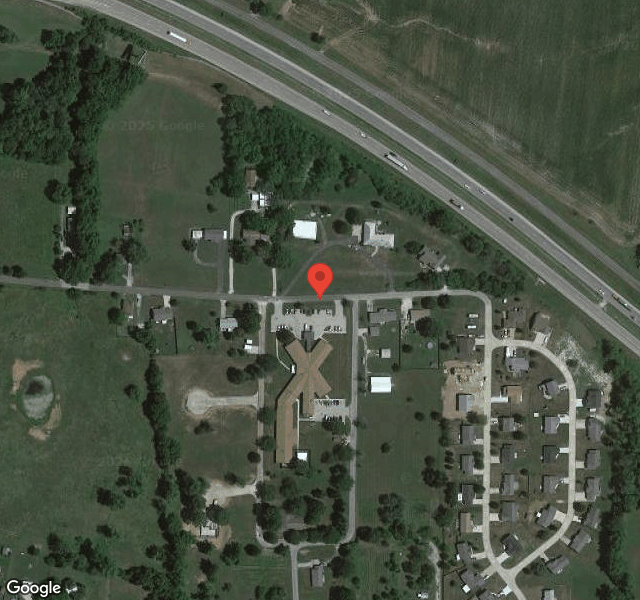
308 CEDAR AVENUE, JONESBURG, MO 63351 (636) 488-5400
For profit - Partnership 81 Beds ASPIRE SENIOR LIVING Data: November 2025
Trust Grade
60/100
#134 of 479 in MO
Last Inspection: August 2024

Within standard 12-15 month inspection cycle. Federal law requires annual inspections.

Overview

Aspire Senior Living in Jonesburg, Missouri has a Trust Grade of C+, indicating it is slightly above average for nursing homes, but not without issues. It ranks #134 out of 479 facilities in Missouri, placing it in the top half, and is the top choice among the three facilities in Montgomery County. The facility is improving, having reduced its issues from 10 in 2024 to just 2 in 2025. However, staffing is a concern, as it received a below-average rating of 2 out of 5 stars, with a turnover rate of 42%, which, while better than the state average, still suggests some instability. Specific incidents noted by inspectors include inadequate nursing staff to meet resident needs, failure to serve food according to dietary requirements, and poor food storage practices, all of which raise potential health risks for residents. On a positive note, the facility has no fines on record and offers more RN coverage than 91% of Missouri facilities, which can help catch issues that other staff may overlook.

Trust Score
C+
60/100
In Missouri
#134/479
Top 27%
Safety Record
Low Risk
No red flags
Inspections
Getting Better
10 → 2 violations
Staff Stability
○ Average
42% turnover. Near Missouri's 48% average. Typical for the industry.
Penalties
✓ Good
No fines on record. Clean compliance history, better than most Missouri facilities.
Skilled Nurses
⚠ Watch
Each resident gets only 23 minutes of Registered Nurse (RN) attention daily — below average for Missouri. Fewer RN minutes means fewer trained eyes watching for problems.
Violations
⚠ Watch
44 deficiencies on record. Higher than average. Multiple issues found across inspections.
★★★☆☆
3.0
Overall Rating
★★☆☆☆
2.0
Staff Levels
★★☆☆☆
2.0
Care Quality
★★★☆☆
3.0
Inspection Score
Stable
2024: 10 issues
2025: 2 issues

The Good

  • Full Sprinkler Coverage · Fire safety systems throughout facility
  • No fines on record
  • Staff turnover below average (42%)

    6 points below Missouri average of 48%

Facility shows strength in fire safety.

The Bad

3-Star Overall Rating

Above Missouri average (2.5)

Meets federal standards, typical of most facilities

Staff Turnover: 42%

Near Missouri avg (46%)

Typical for the industry

Chain: ASPIRE SENIOR LIVING

Part of a multi-facility chain

Ask about local staffing decisions and management

The Ugly 44 deficiencies on record

Feb 2025 1 deficiency
CONCERN (D) 📢 Someone Reported This

A family member, employee, or ombudsman was alarmed enough to file a formal complaint

Potential for Harm - no one hurt, but risky conditions existed

Report Alleged Abuse (Tag F0609)

Could have caused harm · This affected 1 resident

**NOTE- TERMS IN BRACKETS HAVE BEEN EDITED TO PROTECT CONFIDENTIALITY** Based on record review and interview, facility staff failed to report to the Department of Health and Senior Services (DHSS) wit...

Read full inspector narrative →
**NOTE- TERMS IN BRACKETS HAVE BEEN EDITED TO PROTECT CONFIDENTIALITY** Based on record review and interview, facility staff failed to report to the Department of Health and Senior Services (DHSS) within the two-hour required timeframe a resident to resident altercation between two residents (Resident #1, and Resident #2) when Resident #1 slapped Resident #2. The facility census was 56. 1. Review of the facility's abuse, neglect, exploitation or mistreatment policy, dated 1/30/24, showed the purpose of the policy is to ensure all alleged violations related to mistreatment, exploitation, neglect, or abuse are thoroughly investigated and reported to the proper authorities within the required time frames. All alleged violations of abuse, neglect, exploitation or mistreatment are reported immediately, but not later than two hours after the allegation is made to the administrator of this facility and to other officials to include State Survey Agency and adult protective services where state law provides for jurisdiction in long term care facilities. 2. Review of the facility's investigation form, dated 1/22/25, showed staff documented after the noon meal Resident #1 hit Resident #2. Review showed a typed anonymous note left under the administrator's door on 1/24/25 at 7:30 A.M. Review of the anonymous note left under the administrator's door, undated, showed the following Resident #1 had slapped Resident #2 on 1/22/25 in the afternoon, and wanted to bring it to your attention since we were not sure if it had been reported. Review of the facility investigation did not contain documentation staff reported the altercation to DHSS with in the two hour time frame. 3. Review of Resident #1's Minimum Data Set (MDS), a federally mandated assessment instrument required to be completed by facility staff, dated 1/16/25, showed staff assessed the resident as severe cognitive impairement, with a diagnosis of dementia. Review of resident's progress notes, dated 1/22/25 through 1/24/25, did not contain documentation staff reported to DHSS of the resident to resident altercation with the two hour timeframe. 4. Review of Resident #2's MDS, dated [DATE], showed staff assessed the resident with a mild cognitive impairement and a diagnosis of dementia. Review of resident's progress notes, dated 1/22/25 through 1/24/25, did not contain documentation staff reported to DHSS of the resident to resident altercation with the two hour timeframe. During an interview on 1/30/25 at 10:41 A.M., Certified Nurse Assistant (CNA) A said Resident #1 and Resident #2 were in another resident's room when he/she heard yelling coming from the room. CNA A said he/she went to room and he/she saw Resident #1 slap Resident #2 in the face. He/she said the residents were immediately separated and he/she reported this to Registered Nurse (RN) A. During an interview on 1/30/24 at 1:27 P.M., the administrator said she came in on 1/24/25 at approximately 7:45 A.M., and saw a note left under her door about an altercation between Resident #1 and Resident #2. She immediately started investigating. She said it seemed the charge nurse had dropped the ball, because the charge nurse thought social services had reported it to her. During an interview on 2/3/25 at 9:07 A.M., RN A said he/she was the charge nurse at the time of the incident but didn't see what happened. RN A said he/she heard staff say, They hit each other, He/She said when staff were seen going up the hall to talk to the administrator he/she assumed they were reporting this to her. RN A said he/she did not follow up with staff to see what actually happened between the two residents. RN A said, I take responsibility, I did not report this to the administrator. During an interview on 2/3/25 at 9:42 A.M., the administrator said she expects staff to report any incident of resident altercations. The administrator said she expected staff to report any incident of violence within the required timeframe so it could be reported to the state timely. MO00248498
Jan 2025 1 deficiency
CONCERN (D) 📢 Someone Reported This

A family member, employee, or ombudsman was alarmed enough to file a formal complaint

Potential for Harm - no one hurt, but risky conditions existed

Free from Abuse/Neglect (Tag F0600)

Could have caused harm · This affected 1 resident

Based on record review and interview, facility staff failed to ensure one resident (Resident #1) remained free from verbal and physical abuse when Certified Nursing Assistant (CNA A) threatened Reside...

Read full inspector narrative →
Based on record review and interview, facility staff failed to ensure one resident (Resident #1) remained free from verbal and physical abuse when Certified Nursing Assistant (CNA A) threatened Resident #1 with rough treatment. The facility census was 60. The administrator was notified on 12/24/24 of past Non-Compliance which occurred on 12/24/24. On 12/24/24, staff notified the administrator they witnessed CNA A telling Resident #1 he/she would manhandle the resident if the resident did not cooperate with care. Staff immediately suspended CNA A, assessed the resident for injuries, and notified the required parties and agencies. The administrator terminated CNA A on 12/26/24. The administrator in-serviced all staff, on abuse and neglect policies and procedures by 12/30/24. 1. Review of the facility's Abuse, Neglect, and Misappropriation Policy, dated 1/30/24, showed the purpose is to ensure each resident's right to be free from abuse, neglect, and corporal punishment of any type by anyone. Review showed abuse is a willful infliction of injury, unreasonable confinement, intimidation, or punishment with resulting harm, pain, or mental anguish. Willful is defined as the individual acting deliberately, not that the individual intended to inflict harm or injury. 2. Review of Resident #1's Quarterly Minimum Data Set (MDS), a federally mandated assessment tool, dated 10/18/24, showed staff assessed the resident as follows: -Cognitive intact; -Diagnosis of Parkinson's disease, wedge compression fracture of the vertebra, pain, and vertigo; -Depressed mood several days of the week; -Moderate assistance needed to transfer from a bed to a chair, and go from sitting to standing position; -Impairment to both legs. Review of the resident's plan of care, dated 11/1/24, showed staff assessed the resident as follows: -Weakness and delayed response from Parkinson's disease; -Chronic pain due to compression fractures; -Risk of falling due to impaired balance and weakness; -Ability to transfer, walk in room, walk in corridor, toilet, maintain personal hygiene, has deteriorated due to progression of Parkinson's disease. Review of the facility's investigation summary, dated 12/24/24, showed staff documented the social worker observed CNA A threatening the resident with being manhandled and handling Resident #1 in an aggressive manner on 12/24/24. Review showed staff documented the resident said CNA A had handled him/her in a rough manner and him/her, he/she would manhandle him/her after the resident told CNA A he/she could not stand. Review showed the social worker documented he/she heard CNA A tell the resident twice he/she would manhandle the resident and witnessed CNA A handling the resident in an aggressive manner. Review showed staff documented CNA A was suspended pending inestigation, and terminated 12/26/24. Review of the administartor written statement, dated 12/24/24 at 8:50 A.M. showed the administrator documented with the BOM present showed the resident said CNA A told him/her to get up, grabbed his/her legs, sat him/her up on the side of the bed and told him/her to stand. The resident told the CNA he/she couldn't stand, so the aide grabbed him/her and put him/her in the wheelchair. The aide then pushed him/her in the bathroom and asked him/her to hold the railing. When the resident said he/she couldn't grab the railings, the CNA grabbed him/her again and put him/her on the toilet. The resident said the CNA told him/her, he/she was going to be manhandled after he/she told the aide he/she could not stand. The resident said the aide was rough with him/her. During an interview on 1/3/25 at 10:42 A.M., the social worker said he/she was in the room of the resident assisting the resident's roommate when CNA A came in to assist Resident #1. Resident #1 said you are hurting me to CNA A, so CNA A stepped away, but when he/she returned CNA A told the resident we are going to try again, but if you don't try I'm going to manhandle you. Then CNA A grabbed the resident from the front under the resident's arms and moved him/her abruptly to his/her wheelchair causing the locked wheelchair to rock. CNA A then moved the wheelchair to the bathroom and tried to gey the resident to hold the grab bars, but the resident could not reach the grab bars, so CNA A said I'm going to have to manhandle you again. CNA A then lifted the resident up from the chair by yanking his/her pants and abruptly pushed him/her torso down on the toilet seat without allowing the resident to pivot his/her feet. The social worker said he/she asked CNA A to leave. During an interview on 1/3/25 at 11:09 A.M., CNA A said he/she worked with the resident a few times and the resident could pivot his/her feet and stand with assistance. CNA A said the resident was resisting him/her as he/she was trying to get the resident out of bed, so he/she said to the resident, you have to help me or I will need to manhandle you. CNA A said he/she did not know why he/she said this, and it was not OK for him/her to do so. CNA A said he/she bear-hugged the resident to get him/her up from bed and placed the resident in the wheelchair. CNA A said he/she then took the resident to the bathroom and the resident was unable to hold the grab bar so he/she bear-hugged the resident again and lowered him/her to the toilet. During an interview on 1/3/25 at 11:47 A.M., the resident said the CNA who came in the room, him/her to get up. The resident said he/she told the CNA he/she cannot get up and the CNA said I'll just manhandle you. The resident said the CNA grabbed him/her under the arms, stood him/her up at the side of the bed and then shoved him/her back down on the bed. The resident did not remember how he/she got in the wheelchair. The resident said, I don't remember what happened in the bathroom, because I was crying so hard. MO00247019
Oct 2024 1 deficiency
CONCERN (D) 📢 Someone Reported This

A family member, employee, or ombudsman was alarmed enough to file a formal complaint

Potential for Harm - no one hurt, but risky conditions existed

Transfer Requirements (Tag F0622)

Could have caused harm · This affected 1 resident

Based on interview and record review, facility staff failed to provide an appropriate emergency discharge notice for one resident (Resident #1) and failed to allow Resident #1 to return to the facilit...

Read full inspector narrative →
Based on interview and record review, facility staff failed to provide an appropriate emergency discharge notice for one resident (Resident #1) and failed to allow Resident #1 to return to the facility when the resident was ready for discharge from the hospital. The facility census was 62. 1. Review of the facility's Transfer and Discharge policy, undated, showed staff were directed to: -Ensure resident rights are protected when the facility can no longer provide care or services needed; -The facility must notify the resident at least thirty days prior to the anticipated transfer; -A transfer or discharge will not be done except when the safety of individuals in the facility is endangered, due to the clinical or behavioral status of the resident, and as documented/confirmed by a physician; -Preparation and orientation of the resident is essential to ensure safe and orderly transfer or discharge from the facility. Sufficient preparation means that the facility informs the resident where he/she is going and takes steps under its control to ensure safe transportation. The facility will involve the resident and the resident's family/representative in selecting the new residence; -The notice must include: -Specific location to which the resident is to be transferred or discharged ; -Explanation of the right to appeal the transfer or discharge to the State; -Information on how to obtain an appeal form; -Information on obtaining assistance in completing and submitting the appeal hearing request and; -Name, address (mail and email) and telephone number of the representative of the Office of the State Long-Term Care Ombudsman. 2. Review of Resident #1's Discharge Minimum Data Set (MDS), a federally mandated assessment instrument required to be completed by facility staff, dated 10/18/24, showed an admission date of 01/11/23 and discharge date of 10/18/24. Review of the resident's progress notes, dated 10/18/24, showed staff documented the resident was issued an immediate discharge and will not be returning to the facility. The Director of Nursing (DON) and administrator provided the resident with the letter of immediate discharge. Staff documented referrals were sent to other facilities, but did not contain documentation the resident was provided with acceptance of admission to an alternative facility. Review of the resident's Immediate Discharge Notice, undated, showed staff documented the reason for the immediate discharge as facility staff unable to provide adequate care to the resident and ensure safety of others in the facility. Review showed the immdediate discharge would be effective immediately on 10/18/24. The notice did not include documentation of the appeal process, specific location where the resident will be discharged or transferred to, or the Office of the State Long-Term Care Ombudsman contact information. During an interview on 10/19/24 at 4:30 P.M., the resident's family member said the resident was at the hospital and the facility is refusing to take the resident back. He/She said the facility administrator called and said the resident hit someone. He/She said that why they are not taking the resident back. The family member said the facility did not provide a discharge notice. He/She said the resident is at a local hospital ER and is ready for discharge but there is nowhere for him/her to go. The resident is just sitting in the ER on a gurny and they said it could be four days or so until they find a bed for him/her. During an interview on 10/19/24 at 5:15 P.M., the administrator who said the facility issued an emergency discharge notice to the resident in person and the family by phone. The administrator said they sent the emergency discharge to the hospital and had the hospital as the discharge location. During an interview on 10/19/24 at 5:30 P.M., the administrator said she would not be taking the resident back. MO00243813
Aug 2024 8 deficiencies
CONCERN (D)

Potential for Harm - no one hurt, but risky conditions existed

Deficiency F0583 (Tag F0583)

Could have caused harm · This affected 1 resident

Based on observations, interviews and record review, facility staff failed to close the computer screens from view which showed resident information when left unattended for two (Resident #44 and #46)...

Read full inspector narrative →
Based on observations, interviews and record review, facility staff failed to close the computer screens from view which showed resident information when left unattended for two (Resident #44 and #46) out of five sampled residents and on two medication carts. The facility census was 60. 1. Review of the facility's Protecting, Promoting and Ensuring Resident Rights policy, dated 1/30/24, showed the resident has the right to personal privacy and secure confidential personal and medical records. 2. Observation on 08/21/24 at 2:33 P.M., showed Registered Nurse (RN) J entered Resident #44's room and did not minimize or lock the compter screen on the treatment cart. Observation showed the residents medical information displayed. Observation on 08/21/24 at 2:51 P.M., showed RN J entered Resident #46's room. and did not minimize or lock the compter screen on the treatment cart. Observation showed the residents medical information displayed. During an interview on 08/21/24 at 3:12 P.M., RN J said staff should close the screen or lock it when stepping from the cart to maintain privacy of the resident. He/She was nervous and didn't think of it. 3. Observation on 08/21/24 at 8:15 A.M., showed a medication cart on 200 hall unattended with a computer screen open with resident medication information visible to the public. Observation showed residents passed by the computer screen. Observation on 08/22/24 at 1:00 P.M., showed a medication cart on 400 hall unattended with a computer screen open with resident medication information visible to the public. Observation showed residents passed by the computer screen. During an interview on 08/22/24 at 1:03 P.M., Licensed Practical Nurse (LPN) G said he/she should not have left the computer screen open but forgot to close it. He/She said it is a violation of the privacy of a resident. 5. During an interview on 08/23/24 at 9:26 A.M., the Director of Nursing (DON) said computer screens on top of the medication carts should be locked to protect the resident's privacy. He/She said they occasionally monitor for this and staff should not be leaving the screens open and visible to the public. During an interview on 08/23/24 at 9:53 A.M., the administrator said computer screens should be closed or set on a lock screen when unattended. He/She said they were not aware of staff leaving the screens open. He/She said the DON and the administrator are responsible for protecting the residents privacy.
CONCERN (D)

Potential for Harm - no one hurt, but risky conditions existed

Staffing Information (Tag F0732)

Could have caused harm · This affected 1 resident

Based on observation, interview and record review, facility staff failed to post the required nurse staffing information in an manor easily accessible for residents and visitors, and failed to include...

Read full inspector narrative →
Based on observation, interview and record review, facility staff failed to post the required nurse staffing information in an manor easily accessible for residents and visitors, and failed to include the required data in the posting. The facility census was 60. 1. Review of the facility's Nurse Staffing Information policy, undated, showed: -The facility must post the following information daily: facility name, current date, the total number and the actual hours worked by the following categories of licensed and unlicensed nursing staff directly responsible for resident care per shift: Registered Nurse (RN), Licensed Practical Nurses (LPN) and Certified Nurse Aides (CNA), and the resident census; -The facility must post the nurse staffing data as specified above daily at the beginning of each shift; -Must be posted in a prominent place readily accessible to residents and visitors. 2. Review of the facility's Staff Hour Posting, dated July 1, 2024, showed staff did not document the census or document actual hours worked for 28 of 31 days in July 2024. 3. Review of the facility's Staff Hour Posting, dated August 22, 2024 showed staff did not document the census for 19 of 22 days or document actual hours worked for 22 of 22 days in August 2024. 4. Observation on 08/22/24 at 9:50 A.M., showed the nurse staff posting did not contain the total number of hours. 5. During an interview on 08/22/24 at 9:55 A.M., LPN H said the posting should include how many workers there are total. The hours should also be written out for each position as actual hours worked. If there are no total hours it is not completed. He/She said the charge nurse overnight is responsible for filling out the posting. During an interview on 08/23/24 at 09:26 A.M., the Director of Nursing (DON) said the night shift nurse is responsible to complete the staff hour posting and should contain the census, total staff hours and shift hours and is aware the staff does not fill the form out right. He/She said if staff changes during the day, the charge nurse is responsible to update the form but it is not getting done. The DON said ultimately he/she is responsible to ensure the posting is up to date and posted. During an interview on 08/23/24 at 09:54 A.M., the administrator said the charge nurse is responsible to update the staff posting at the beginning of each shift and should include the census, how many staff are working and the total number of hours.
CONCERN (E)

Potential for Harm - no one hurt, but risky conditions existed

Safe Environment (Tag F0584)

Could have caused harm · This affected multiple residents

**NOTE- TERMS IN BRACKETS HAVE BEEN EDITED TO PROTECT CONFIDENTIALITY** Based on observation, interview and record review, facility staff failed to provide a comfortable and homelike environment for r...

Read full inspector narrative →
**NOTE- TERMS IN BRACKETS HAVE BEEN EDITED TO PROTECT CONFIDENTIALITY** Based on observation, interview and record review, facility staff failed to provide a comfortable and homelike environment for residents, when staff failed to maintain walls, floors, lighting, and sink countertops in good repair. The facility census was 60. 1. Review of the facility's Physical Environment policy, undated, showed: -The facility will provide a safe, functional, sanitary and comfortable environment for residents, staff and the public; -The facility must be designed, constructed, equipped, and maintained to protect the health and safety of residents, personnel and the public; -Resident rooms must be designed and equipped for adequate nursing care, comfort, and privacy of residents; -Maintain all mechanical, electrical, and patient care equipment in safe operating condition; -The policy did not contain direction or guidance to report facility repairs or routine inspection of the facility. 2. Observation on 08/20/24 at 10:55 A.M., showed occupied resident room [ROOM NUMBER] on the secured unit with a gap in the flooring between the room and hallway. Observation on 08/20/24 at 11:06 A.M., showed occupied resident room [ROOM NUMBER] bathroom on the secured unit with a large piece of tile missing from the floor in front of the toilet. Observation on 08/20/24 at 11:11 A.M. showed occupied resident room [ROOM NUMBER] with multiple brown stains to the floor next to the toilet. Observation on 08/20/24 at 11:17 A.M., showed occupied resident room [ROOM NUMBER] bathroom with dark brown stains to the toilet bowl. Observation on 08/20/24 at 11:39 A.M., showed occupied resident room [ROOM NUMBER] with a section of baseboard peeled back from the wall next to the bathroom and a fall mat frayed and cracked. Observation showed gap is in the threshold between the room and the hallway. Observation on 08/21/24 at 08:26 A.M., showed occupied resident room [ROOM NUMBER] on the secured unit with a gap in the floor between the room and hallway. Observation on 08/21/24 at 08:27 A.M., showed occupied resident room [ROOM NUMBER] bathroom on the secured unit with a large piece of tile missing from the floor in front of the toilet. Observation on 08/21/24 at 08:28 A.M. showed occupied resident room [ROOM NUMBER] with multiple brown stains to the floor next to the toilet. Observation on 08/21/24 at 08:30 A.M., showed occupied resident room [ROOM NUMBER] bathroom with dark brown stains to the toilet bowl. Observation on 08/22/24 at 10:43 A.M., showed occupied resident room [ROOM NUMBER]'s sink vanity top had a large strip ripped off the front under the sink. The edges were rough to the touch and had stained particle board exposed. Observation on 08/22/24 at 11:00 A.M., showed the light in the bathroom between room [ROOM NUMBER] and 402 did not turn on. 3. During an interview on 08/22/24 at 1:06 P.M., Nurse Aid (NA) I said he/she writes repair requests in the maintenance log book located at the nurses desk. During an interview on 08/22/24 at 1:17 P.M., Licensed Practical Nurse (LPN) H said staff are directed to write down repair requests in the maintenance log book at the nurses desk. During an interview on 08/23/24 at 8:19 A.M., the Housekeeping Supervisor said he/she reports broken or malfunctioning items to maintenance by writing it down in a log book, Maintenance normally gets the repairs done quickly. During an interview on 08/23/24 at 8:23 A.M., the Maintenance Supervisor said staff put repair requests in the a log book located at both nurses desk. He/She said he/she is responsible for the repairs but intimately the administrator is responsible. He/She said he/she was not aware of the repairs needed in the resident's rooms. He/She does rounds of the building everyday. During an interview on 08/23/24 at 9:56 A.M., the administrator said maintenance has a binder with work requests to go by when doing repairs. Staff meet every morning to make sure the repairs are being finished. Maintenance is responsible for the repairs but he/she is ultimately responsible to make sure they repairs are finished.
CONCERN (E)

Potential for Harm - no one hurt, but risky conditions existed

Deficiency F0625 (Tag F0625)

Could have caused harm · This affected multiple residents

**NOTE- TERMS IN BRACKETS HAVE BEEN EDITED TO PROTECT CONFIDENTIALITY** Based on interview and record review, facility staff failed to provide written information to the resident and/or the resident's...

Read full inspector narrative →
**NOTE- TERMS IN BRACKETS HAVE BEEN EDITED TO PROTECT CONFIDENTIALITY** Based on interview and record review, facility staff failed to provide written information to the resident and/or the resident's representative of the bed hold policy for three residents (Resident #27, #50, and #163) of three sampled residents who discharged to the hospital. The facility census was 60. 1.Review of the facility's Bed Hold policy, undated, showed the following: -The facility will notify all residents, and/or their representative of the bed hold policy guidelines upon admission to the facility, at the time of transfer to the hospital or leave and at the time of non-covered therapeutic leave; -If the resident or representative wants to hold the bed, a signed authorization of the bed hold selection notice must b e obtained with each physician approved hospitalization; -Signed authorization must be received within 48 hours of the transfer or leave, if it occurs during the week and by the first business day following the transfer if it occurs on a weekend or holiday. 2. Review of Resident #27's medical record showed the resident discharged to the hospital on [DATE]. Review showed the record did not contain documentation staff notified the resident or the resident's responsible party of the facility's bed-hold policy. 3. Review of Resident #50's medical record showed the resident discharged to the hospital on [DATE]. Review showed the record did not contain documentation staff notified the resident or the resident's responsible party of the facility's bed-hold policy. 4. Review of Resident #163's medical record showed the resident discharged to the hospital on [DATE], 06/24/24 and 07/18/24. Review showed the record did not contain documentation staff notified the resident or the resident's responsible party of the facility's bed-hold policy. 5. During an interview on 08/22/24 at 11:37 A.M., the administrator said bed hold paperwork is printed off and sent with the resident on discharge to the hospital and do not make copies for the medical record. During an interview on 08/23/24 at 8:38 A.M., Registered Nurse (RN) K said nurses are responsible to complete bed holds when a resident goes to the hospital. He/She is not sure they are being done. During an interview on 08/23/24 at 9:26 A.M., the Director of Nursing (DON) said there is a bed hold book at the nurse station for the charge nurses to pull a sheet from when a resident is discharged to the hospital but a signed copy is not kept for the record. He/She said he/she is not sure if the nurses are sending them with the resident but the hospital does call and ask if the facility is holding the bed. During an interview on 08/23/24 at 9:54 A.M., the administrator said the nurse is supposed to send the bed hold with the resident to the hospital on discharge and thought they had a binder at the nurse station. He/She said the nurse is supposed to make copies and keep a log when one is completed or sent out with the resident. He/She said he/she is responsible to ensure the bed holds are completed and was not aware the bed holds were not signed or copied for the medical record.
CONCERN (E)

Potential for Harm - no one hurt, but risky conditions existed

Comprehensive Care Plan (Tag F0656)

Could have caused harm · This affected multiple residents

**NOTE- TERMS IN BRACKETS HAVE BEEN EDITED TO PROTECT CONFIDENTIALITY** Based on observation, interview and record review, facility staff failed to develop a comprehensive person-centered care plan to...

Read full inspector narrative →
**NOTE- TERMS IN BRACKETS HAVE BEEN EDITED TO PROTECT CONFIDENTIALITY** Based on observation, interview and record review, facility staff failed to develop a comprehensive person-centered care plan to meet the resident's medical, nursing, mental and psychosocial needs for three residents (Resident #41, #44, and #164) out of ten sampled residents. The facility census was 60. 1. Review of the facility's Care Plan Comprehensive policy, dated March 2015, showed: -The comprehensive care plan will be based on a thorough assessment that includes, but is not limited to, the Minimum Data Set (MDS), a federally mandated assessment tool; -Assessment of each resident is ongoing process and the care plan will be revised as changes occur in the resident's condition; -The interdisciplinary team is responsible for the periodic review and updating of care plans when a significant change has occurred, at least quarterly, and when changes occur that impact the resident's care; -A well developed care plan will be oriented to assessing and planning for care to meet the resident's medical, nursing, mental and psychosocial needs. 2. Review of Resident #41's Quarterly MDS, dated [DATE], showed staff assessed the resident as: -Severe cognitive impairment; -Constant inattention with disorganized thinking; -Delusional; -Physical behaviors and other behaviors directed at others 1-3 days in the 7 day lookback period; -Rejected care one to three days in the seven day lookback period; -Hospice; -Diagnosis of dementia. Review of the resident's Medication Administration Record (MAR), dated 08/01/24 through 08/22/24, showed the following: -On 08/01/24, the resident received Lorazepam (for anxiety) for yelling and hitting the table and chair; -On 08/12/24, the resident had disruptive and yelling behaviors; -On 08/14/24, the resident had disruptive behaviors with the following unsucessful interventions: toileted, provided a snack, and assessed for pain. Review of the resident's care plan, dated 08/20/24, showed the care plan did not contain direction or guidance for the residents clapping and loud tones, physical behavior history, rejection of care, or hospice services. Observation on 08/20/24 at 10:45 A.M., showed the resident in his/her wheelchair in the dining room with other residents. The resident clapped his/her hands and scooted around in the dining room in his/her wheelchair. Observation on 08/20/24 at 12:10 P.M., showed the resident in his/her wheelchair in the dining room during the noon meal. He/She clapped his/her hands loudly and in a loud tone repeated bahbahbah. The resident scooted around in the chair and grimaced. Observation on 08/20/24 at 3:47 P.M., showed the resident in bed, restless and talking to self. He/She was alone in his/her room but could be heard from the hallway. Observation on 08/23/24 at 8:11 A.M., showed the resident clapping loudly during the morning meal. The room was full of his/her peers. Staff passed trays and did not intervene. One resident said, that's enough, directed toward the resident. During an interview on 08/23/24 at 8:38 A.M., the MDS Coordinator said the resident might have declined since his/her last review. He/She did not know of any behavior changes because the staff didn't tell him/her of any. If he/she knew, the care plan would have been updated. The MDS Coordinator said he/she thought hospice was added to the care plan since the resident has been on hospice since late last year and didn't know it wasn't. He/She said the care plan is what directed the staff to provide care. 3. Review of Resident #44's Annual MDS, dated [DATE] showed staff assessed the resident as: -Moderate cognition impairment; -At risk for pressure ulcers; -Open lesion other than ulcer or cuts; -Non surgical dressing to areas other than to feet; -Diagnosis of dementia. Review of the resident's Physician Order Sheets (POS), showed an order dated 07/30/24, to clean the right shin wound with wound cleanser, apply a barrier prep to the wound edges, apply a topical medication to the wound bed, and cover with a dry dressing and change it daily for a non-pressure wound. Review of the resident's history and physical, dated 06/14/24, showed a diagnosis of bilateral lower extremity swelling. Review of the resident's care plan, dated 08/20/24, showed the care plan did not contain direction for the resident's swelling or lower extremity wound. Observation on 08/20/24 at 10:45 A.M., showed the resident in a wheelchair with both his/her legs swollen and a bandage on the right shin. Observation on 08/21/24 at 10:13 A.M., showed the resident in his/her wheelchair in his/her room. Registered Nurse (RN) J provided wound care to the resident's right shin. Both lower extremities swollen. During an interview on 08/21/24 at 10:13 A.M., RN J said the resident often refuses to lay down during the day. He/She said the resident's wound is circulatory and would benefit from elevating his/her legs to enhanse healing. 4. Review of Resident #164's Entry MDS, dated [DATE] showed the resident admitted to the facility on [DATE]. Review of the resident's baseline care plan, dated 08/20/24, showed the care plan did not contain direction for elopement, wandering risk or psychosocial concerns. Review of the resident's nurse notes, dated 08/22/24 at 1:43 P.M., staff documented the resident exit seeked and raised his/her fist as the staff. 5. During an interview on 08/23/24 at 8:38 A.M., the MDS Coordinator said care plans are updated quarterly or if there is something that is special that comes up between then such as if the resident has had issues with falls, a physician appointment, newly admitted to hospice, or anything out of the resident's normal. He/She said if the staff do not report changes to him/her then it is unknown the resident has had a change. The MDS Coordinator said families will tell him/her what preferences the resident has during care plan meetings and the care plan will also be updated with that knowledge. New behaviors or changes in behaviors are reported to him/her by the staff and then the care plan will be updated. If he/she is not informed by staff or morning meeting, he/she is not aware of any changes to the resident. He/She said it is his/her responsibility to ensure the care plans are up to date. During an interview on 08/23/24 at 9:26 A.M., the Director of Nursing (DON) said the care plan should define the care of the residents such as what likes and dislikes they have and paint a picture of the resident, so staff know how to provide care. The care plans should be updated at least quarterly and with any changes in condition. He/She said the MDS nurse is responsible to check daily notes on each hall and update care plans at that time of any new issues or concerns and update the care plan on verbal updates from the charge nurses. He/She said he/she was not aware the care plans were not updated. He/She said he/she is ultimately responsible to ensure the work is done. During an interview on 08/23/24 at 9:54 A.M., the administrator said care plans are updated by the MDS Coordinator quarterly and as needed for significant changes, falls, weight loss, diet changes, and intiation to hospice. The care plan should paint a picture of the resident's care so the staff know what to do. The care plan should address behavior interventions, fall risks, toileting needs and any changes in those. He/She said the DON oversee's the care plans and corporate oversees the process.
CONCERN (E)

Potential for Harm - no one hurt, but risky conditions existed

Deficiency F0727 (Tag F0727)

Could have caused harm · This affected multiple residents

Based on interview and record review, facility staff failed to provide the services of a Registered Nurse (RN) for at least eight (8) consecutive hours per day, seven days a week. The facility census ...

Read full inspector narrative →
Based on interview and record review, facility staff failed to provide the services of a Registered Nurse (RN) for at least eight (8) consecutive hours per day, seven days a week. The facility census was 60. 1. Review of the Facility Assessment, reviewed July 2024, showed the facility to have an RN at least 8 hours per day, seven days a week. Review of the facility's Nurse Staffing, dated 08/01/24 through 08/22/24, showed staff did not provide an RN eight hours a day on 8/3/24, 8/4/24, and 8/17/24. During an interview on 08/23/24 at 8:38 A.M., RN K said there are times when there is not an RN in the building and has been times that the only other RN aside from him/her was the Director of Nursing (DON). He/She said the DON tries to keep RN coverage on duty but one is not always available. RN K said he/she fills in when he/she can on the weekends. During an interview on 08/23/24 at 9:26 A.M., the DON said he/she tries to keep RN coverage of 8 hours everyday to include the weekends, but just doesn't always have one available. He/She said a RN has been hired to work every other weekend. The DON said he/she is available by phone when not in the facility. During an interview on 08/23/24 at 9:54 A.M., the Administrator said the facility tries to have RN coverage at least 8 hours a day, seven days per week but when unable to fulfil that role, a RN is available by phone 24 hours a day, seven days a week. He/She said staff are shifted when necessary and the facility has been advertising for the position. Currently, one staff RN is out on medical leave and have hired a RN who will fill in every other weekend.
CONCERN (E)

Potential for Harm - no one hurt, but risky conditions existed

Deficiency F0761 (Tag F0761)

Could have caused harm · This affected multiple residents

Based on observation, interview, and record review, facility staff failed to destroy medications in a timely manner for seven residents (Resident #1, #6, #20, #21, #23, #25, #33, and #37). Staff faile...

Read full inspector narrative →
Based on observation, interview, and record review, facility staff failed to destroy medications in a timely manner for seven residents (Resident #1, #6, #20, #21, #23, #25, #33, and #37). Staff failed to discard expired medications from one out of two sampled medication carts. Failed to ensure medications were stored in a safe and effective manner, by not ensuring medications were properly labeled and contained in their original package until time of administration on two of two sampled medication carts. The facility census was 60. 1. Review of the facility's Medication Storage policy, dated March 2015, showed: -Medications must be stored in the container in which they were received; -No discontinued, outdated, or deteriorated drugs or biologicals may be retained for use. All such drugs must be returned to the issuing pharmacy or destroyed in accordance with established guidelines. Review of the facility's Medication Destruction policy, revised March 2015, showed: -All medications not returned to the issuing pharmacy will be destroyed; -Two licensed nurses or one licensed nurse and facility pharmacist will destroy all medications, except controlled substances which will require DON supervision. 2. Observation on 08/20/24 at 10:18 A.M., showed storage room cabient labeled To be destroyed, contained discontinued medications as follows: -One card with thirteen tablets of Haloperidol (Antipsychotic) 0.5 milligrams (mg) with an order date of 09/06/23 for Resident #1; -One card with four tablets of Haloperidol 0.5 mg with an order date of 09/06/23 for Resident #1; -One card with twenty-eight tablets of Hyoscyamine (Antispasmodic) 0.125 mg with an order date of 05/24/23 for Resident #25; -One card with ten tablets of Movantik (Opioid) 25 mg with an order date of 08/15/23 for Resident #20; -One card with three tablets of Movantik 25 mg with an order date of 08/15/23 for Resident #20; -One card with one tablet of Movantik 25 mg with an order date of 08/15/23 for Resident #20; -One card with twenty tablets of Hydroxyzine (Antihistamine) 25 mg with an order date of 08/15/23 for Resident #37; -One card with twenty-eight tablets of ondansetron (Antiemetic) 4 mg with an order date of 01/17/23 for Resident #33; -One card with three tablets of ondansetron 4 mg with an order date of 02/14/23 for Resident #23. -One card with twenty-seven tablets of mirtazapine (Antidepressant) 30 mg with an order date of 10/03/23 for Resident #6; -One card with twenty-seven tablets of mirtazapine 30 mg with an order date of 09/06/23 for Resident #6; -One card with twelve tablets of an antidiabetic 30 mg with an order date of 10/15/23 for Resident #23; -A plastic bag with seven medication bottles; -A plastic bag with four medication bottles; -A plastic bag of various pill packs and medication bottles. During an interview on 08/21/24 at 10:32 A.M., Licensed Practical Nurse (LPN) H said narcotics get destroyed with the Director of Nursing (DON). He/She said all other medications get returned to pharmacy by placing them in the red totes in the medication storage room. He/She he/said is not sure about what is in the cabinet or why they are in there. He/She said he/she does not do anything with the cabinet. He/She said all nursing staff on all shifts are responsible for maintaining the medication storage rooms. During an interview on 08/21/24 at 10:34 A.M., the Director of Nursing (DON) said if a resident's medications are discontinued the facility attempts to return them to pharmacy if possible. He/She said that there is a red tote in the medication storage room to put the medications that need to be returned. He/She said if the resident passes away those medications should be destroyed. He/She said it is his/her expectation that medications be destroyed 1-2 weeks. He/She said the medications in the medication storage room cabinet are meds that need to be destroyed. He/She said he/she did not know the medications were in there for that long and he/she is not sure why they would be. He/She said the medications should have been destroyed within two weeks. He/She said any of their nurses can destroy meds. He/She said all nursing staff are responsible for maintaining the medication room. During an interview on 08/21/24 at 11:08 A.M., the administrator said it is the responsibility of the DON and the charge nurse to maintain the medication storage room which includes destroying medications. He/She said some medications are placed in the red tote to be returned to pharmacy but all other medications that need to be destroyed should be done as soon as possible. He/She was unaware there were any medications waiting to be destroyed. He/She said it is her expectation that they are destroyed right away using the drug buster. 3. Observation on 08/20/24 at 10:45 A.M., showed the evening shift medication cart contained one bottle of gas relief pills 80 mg with an expiration date of 7/24. 4. Observation on 08/20/24 at 10:39 A.M., of the day shift medication cart showed the following loose pills: -One round white tablet; -One round yellow tablet; -One round yellow tablet. Observation on 08/20/24 at 10:45 A.M., showed the evening shift medication cart contained one small round pink tablet. During an interview on 08/20/24 at 10:49 AM Registered Nurse (RN) J said cleaning the medication carts is a joint effort between all staffs on all shifts. H/She said there are no set days to check carts and that staff should be checking carts as needed. He/She said pharmacy also comes once a month to do cart audits. He/She said there should not be expired medications because staff should be checking medications as they pass them. He/She said the medication that was found is given rarely and it must have gotten overlooked. During an interview on 08/21/24 at 10:34 A.M., the DON said any certified medication technician (CMT) or nurse on the medication cart is responsible for maintaining that cart on their shift. He/She said there should not be any loose pills or expired medications in the medication cart. He/She said staff have been educated on it and it should not happen. During an interview on 08/21/24 at 11:08 A.M., the administrator said the DON and charge nurses' responsibility to maintain medication carts and should be checking them daily. He/She said there should not be any loose pills or expired medications in the medication carts and he/she said he/she was not aware any were found.
CONCERN (E)

Potential for Harm - no one hurt, but risky conditions existed

Deficiency F0801 (Tag F0801)

Could have caused harm · This affected multiple residents

Based on interview and record review, the facility staff failed to designate a person to serve as the Director of Food and Nutrition Services with the appropriate qualifications, when the facility did...

Read full inspector narrative →
Based on interview and record review, the facility staff failed to designate a person to serve as the Director of Food and Nutrition Services with the appropriate qualifications, when the facility did not employ a qualified dietitian or other clinically qualified nutrition professional full-time. This failure has the potential to affect all residents. The facility census was 60. 1. Review of the facility's Dietary Supervisor (DS) position description, undated, showed the minimum requirements for the position included Certified Dietary Manager Certification (CDM) or equivalent credential required. During an interview on 08/20/24 at 11:03 A.M., the DS said he/she had been the DS for about three years. The DS said he/she started the CDM course a couple of years ago, but never finished. The DS said he/she had not completed other dietary management training. The DS said he/she was aware of the requirement to complete the CDM or equivalent certification. The DS said the dietician comes to the facility about every other month. During an interview on 08/22/24 at 11:45 A.M., the administrator said the DS quit without notice after day one of this survey so the housekeeping supervisor was helping out in the kitchen. The administrator said the facility's registered dietician works as a consultant on a part-time basis and the facility did not have any certified or clinically qualified nutritional staff employed full-time. The administrator said he/she was not sure if the DS met the requirements for the position before quitting.
Apr 2024 1 deficiency
CONCERN (D) 📢 Someone Reported This

A family member, employee, or ombudsman was alarmed enough to file a formal complaint

Potential for Harm - no one hurt, but risky conditions existed

Infection Control (Tag F0880)

Could have caused harm · This affected 1 resident

**NOTE- TERMS IN BRACKETS HAVE BEEN EDITED TO PROTECT CONFIDENTIALITY** Based on observation and interview, facility staff failed to use appropriate infection control procedures to prevent or reduce t...

Read full inspector narrative →
**NOTE- TERMS IN BRACKETS HAVE BEEN EDITED TO PROTECT CONFIDENTIALITY** Based on observation and interview, facility staff failed to use appropriate infection control procedures to prevent or reduce the risk of spreading bacteria, when staff failed to wash or sanitize their hands in between glove changes when providing wound care for four residents (Resident #1, #2, #3, and #4) of four sample residents. The facility census was 62. 1. Review of the facility's policy titled, Wound Care and Treatment, dated 03/2015, showed staff were directed to do the following: -Hand washing must be done as outlined in the guidelines; -Put gloves on; -Remove the soiled dressing and place in the trash bag; -Remove the gloves and discard in the bag; -Wash your hands and put on clean gloves; -Clean the wound according to the order; -Remove gloves, place in trash bag, and put on a clean pair of gloves; -Apply clean dressing as ordered; -Wash your hands. 2. Review of the Resident #1's Quarterly Minimum Data Set (MDS), a federally mandated assessment, dated 01/03/24, showed the staff assessed the resident as follows: -Severe cognitive impairment; -Risk for pressure ulcers; -Stage III (Full thickness skin loss involving damage or necrosis of subcutaneous tissue that may extend down to, but not through, underlying fascia) pressure ulcer. Observation on 04/12/24 at 12:40 P.M., showed Licensed Practical Nurse (LPN) A entered the resident's room to provide wound care to the resident's left foot toe. LPN A prepped the resident for wound care, removed gloves and then replaced them without hand hygiene. LPN A removed the residents bandages. With the same soiled gloves, LPN A opened the treatment cart and removed a barrier to place under the resident's foot. LPN A removed his/her gloves and applied new gloves without hand hygiene. Observation showed he/she cleaned the residents wound, removed his/her gloves, and applied new gloves without hand hygiene. With the same soiled gloves, LPN A bandaged the wound, covered the resident with his/her blanket, adjusted the bed and placed the call light and remote within reach. 3. Review of the Resident #2 Quarterly MDS, dated [DATE], showed staff assessed the resident as follows: -Severe cognitive impairment; -Risk for pressure ulcers; -Stage III pressure ulcer. Observation on 04/12/24 at 1:55 P.M., showed LPN A entered the resident's room to provide wound care to the resident's left heel. Observation showed he/she applied his/her gloves. LPN A removed the residents heel protector, sock, and bandage. Observation showed LPN A continued to wear the same gloves, cleaned and dried the wound. LPN A removed his/her gloves and applied new gloves without hand hygiene. LPN A applied the triple antibiotic ointment, applied the wound treatment, dated and initialed the wound dressing. With the same soiled gloves, LPN A applied the residents sock, heel protector, and blankets. 4. Review of the Resident #3 Quarterly MDS, dated [DATE], showed staff assessed the resident as follows: -Severe cognitive impairment; -Risk for pressure ulcers; -Stage II (Partial thickness loss of dermis presenting as a shallow open ulcer with a red or pink wound bed, without slough or bruising.)pressure ulcer. Observation on 04/12/24 at 2:15 P.M., showed LPN A entered the resident's room to provide wound care to the resident's right ankle. Observation showed LPN A applied gloves without hand hygiene. Observation showed LPN A removed the resident's sock and wound bandage. With same gloves LPN A cleaned the right ankle wound. LPN A changed his/her gloves without hand hygiene and applied the resident's Medihoney ointment (medical-grade honey intended for wound care) and bandage. 5. Review of the Resident #4 Annual MDS, dated [DATE], showed staff assessed the resident as follows: -Moderate cognitive impairment; -Risk for pressure ulcers; -Stage II pressure ulcer. Observation on 04/12/24 at 2:32 P.M., LPN A entered the resident's room to provide wound care to the resident's sacrum. LPN A applied gloves without hand hygiene. LPN A cleaned the resident's wound and removed his/her gloves. LPN A did not wash his/her hands and touched the wound packing sponge, cut a piece to wound size, placed the reminder of the packing back into the package and placed it in the treatment care. During an interview on 04/12/24 at 3:15 P.M., LPN A said he/she should have used gloves before touching the packing sponge. He/She said they have no protocol on storing it, but they are allowed to use it on multiple residents. He/She said he/she would not consider it clean since he/she touched it, but he/she didn't think about it before because his/her hands were clean. During an interview on 4/16/24 at 1:57 P.M., the Director of Nursing (DON) said staff should use gloves when handling the foam dressing. He/She said touching the foam is an infection control concern and lead to infections. 6. During an interview on 04/12/24 at 3:15 P.M., LPN A said staff should clean their hands when they enter and exit a resident's room, in between dirty and clean tasks, and glove changes. He/She said he/she did not provide hand hygiene during wound care because he/she was nervous. He/She said it is a risk for spreading germs and infection. During an interview on 4/16/24 at 1:57 P.M., the DON said it is his/her expectation that nurses who are performing wound care should wash their hands before and between glove changes. He/She said nurses should change their gloves between clean and dirty tasks, so they do not spread germs. During an interview on 4/16/24 at 2:10 P.M., the administrator said he/she expects his/her staff to perform hand hygiene when entering and exiting a resident's room and between tasks during wound care. He/She said he/she expects staff to wear gloves when prepping wound care supplies. He/She said it is an infection control concern. MO00234467
Jul 2023 14 deficiencies
CONCERN (D) 📢 Someone Reported This

A family member, employee, or ombudsman was alarmed enough to file a formal complaint

Potential for Harm - no one hurt, but risky conditions existed

Report Alleged Abuse (Tag F0609)

Could have caused harm · This affected 1 resident

Based on record review and interview, facility staff failed to implement policies and procedures for reporting when staff failed to notify local law enforcement agency for a potential theft of pain me...

Read full inspector narrative →
Based on record review and interview, facility staff failed to implement policies and procedures for reporting when staff failed to notify local law enforcement agency for a potential theft of pain medication and failed to notify the State Survey agency for a resident to resident altercation after Resident #48 punched Resident #46 in the shoulder. The facility census was 59. 1. Review of the facility's Abuse policy, dated November 2017, showed: -The nursing home Administrator or designee will report abuse to the state agency per State and Federal requirements; -The facility will ensure that any reasonable suspicion of crimes committed against a resident of this facility will be reported to the appropriate Law Enforcement Agency as established by section 6703(b)(3) of the Patient Protection and Affordable Care Act of 2010. When there is reasonable suspicion that a crime has occurred, then in addition to reporting the allegation of abuse to the State Survey Agency, the incident must be reported to the local law enforcement; -The facility will adhere to reporting time frames as outlined for reporting to the State Survey Agency for reporting to law enforcement; -If the crime is not abuse or result in serious bodily injury, the report must be made within 24 hours. 2. Review of the facility's Unusual Occurrence Investigation, dated 7/10/23 showed: -On 7/7/23 the Director of Nursing (DON) was notified a 56 tablet card of Norco 5/325mg (milligram) (a narcotic pain medication) and the disposition sheet was missing for Resident #19; -The DON notified the state survey agency on 7/7/23. -The facility did not notify the local law enforcement agency of the missing medication. During an interview on 7/11/23 at 2:18 P.M., the DON said he/she had not contacted the law enforcement agency regarding the missing medication because the facility could not prove someone took it. During an interview on 7/12/23 at 11:30 A.M., the DON said he/she had notified the local law enforcement agency and the medication was still missing. 3. Review of Resident #48's Annual Minimum Data Set (MDS) a federally mandated assessment instrument, dated 6/6/23, showed staff assessed the resident as: -Severely cognitively impaired; -Inattentive behaviors that fluctuate; -Disorganized thoughts continuously; -Short tempered and easily annoyed in the past 7-11 days; -Had delusions; -Had physical and verbal behaviors 4-6 days in the 7 day lookback period; -Behaviors significantly impacted his/her care; -Rejected care 4-6 days in the 7 day lookback period; -Wandered daily; -Behaviors or other symptoms worsened since last MDS assessment; -Had diagnosis of Aphasia (difficulty speaking), Non-Alzheimer dementia, anxiety, psychosis and major depressive disorder. Review of the resident's nurse's notes, dated 6/14/23 at 2:35 P.M., showed: Resident is pacing halls and angrily trying to make something only he/she can see go away. Attempts to redirect the resident were successful for a brief moment. As the nurse was walking to the nurses station, the resident walked quickly up to Resident #46 and struck him/her on the upper right scapular area with a closed fist. The nurse informed the administrator in reference to contact made with another resident. Call placed to non-emergency transport company for transport to the hospital. Review of the Unusual Occurrence Investigation report, dated 6/14/23, showed the facility did not contact the State Survey agency regarding the resident to resident incident that occurred on 6/14/23. During an interview on 6/13/23 at 2:18 P.M., the DON said he/she did not contact the state agency because the resident was immediately sent to the hospital. MO00221135
CONCERN (D)

Potential for Harm - no one hurt, but risky conditions existed

Tube Feeding (Tag F0693)

Could have caused harm · This affected 1 resident

Based on observation, interviews and record review facility staff failed to ensure one resident (Resident #3) who received tube feeding (supplies liquid nutrition) through a gastrostomy tube (G-tube, ...

Read full inspector narrative →
Based on observation, interviews and record review facility staff failed to ensure one resident (Resident #3) who received tube feeding (supplies liquid nutrition) through a gastrostomy tube (G-tube, a tube that is placed directly into the stomach through an abdominal wall incision for administration of food, fluids, and medications) received the appropriate treatment and services. The census was 59. 1. Review of the facility's Enteral Nutritional Therapy (Tube Feeding) policy, dated March 2015 showed staff are instructed to check the pump flow rate every shift and clear pump at the end of shift to document volume infused. Review of Resident #3's Annual Minimum Data Set (MDS), a federally mandated assessment tool, dated 4/06/23, showed facility staff assessed the resident as: -Severe cognitive impairment; -Totally dependent for feeding and hygiene; -Diagnosis included unspecified intellectual disabilities, dysphagia (difficulty swallowing) and aphasia (brain disorder where a person has trouble speaking or understanding other people speaking). Review of the resident's Physician's Order Sheet (POS), dated July 2023 showed an order for tube feeding via stomach tube at 50 milliliters (ml) per hour (hr) by pump for 20 hours daily. Hold feeding one hour before and one hour after Phenytoin (seizure medication) to be given. Review of the resident's dietician note, dated 06/23/2023 showed the resident is non-verbal. Nothing by mouth with nutrition via tube feeding at 50 ml/hr over 20 hrs with 125 ml water flush every six hours. This meets resident's nutritional needs. Review of the resident's Medication Administration Record (MAR), dated July 1 through July 13, 2023, showed the following: -Staff documented tube feedings were delivered at 50 mls/hr for 20 hours per day; -There were no exceptions documented on the MAR; -Staff documented Phenytoin was given at 9:00 A.M. and 6:00 P.M. Review of the resident's nurse's noted, dated 4/13/23 through 7/13/23, showed the notes did not contain documentation the resident did not receive tube feedings for 20 hrs/day. Observation on 07/11/23 at 11:32 A.M., showed the resident's tube feeding bag and tubing, dated 7/10/23 hung on a pole at bedside and was not running. Observation on 07/12/23 at 11:18 A.M., showed the tube feed bag hung on a pole at the bedside and the end of the feed tubing was laying on the floor. Observation on 07/12/23 at 3:03 P.M., showed the tube feed bag hung on a pole at the bedside and the end of the feed tubing was laying on the floor. Observation on 07/13/23 at 7:56 A.M., showed the tube feed tubing was routed through a pump and under the resident's blanket. The pump was not running. The tube feed bag was dated 7/12/23 at 2:30 A.M. and 1200 ml of 1500 mls remained in the bag. Observation on 07/13/23 at 11:20 A.M., showed tube feed bag hung on a pole at the bedside and the end of the feed tubing was laying on the floor. The tube feed bag was dated 7/12 at 2:30 A.M. and 1200 mls of 1500 mls remained in the bag. Observation on 07/14/23 at 9:37 A.M., showed the feeding pump was illuminated with a delivery rate at 50 mls/hr. The feed tubing was under the resident's blanket and 800 mls of 1000 mls remained in the bag dated 7/14 at 2 AM. During an interview on 7/14/23 at 8:13 A.M., License Practical Nurse (LPN) G said the tube feeding pump should run 20 hrs per day. LPN G said the pump would be illuminated when it was on. LPN G also said the nurse was responsible for making sure the pump was on. LPN G said he/she did not look at the tube feed volume the previous day and did not know if nursing staff were communicating with the dietician. He/She also said tubing should not be on the floor. During an interview on 7/14/23 at 11:03 A.M., LPN C said the resident's tube feeding ran at 50 mls/ hrs with two hour hold times for medications twice a day. LPN C said tubing should not be on the floor. LPN C said nurses document tube feeding on the nurse report sheets but did not know if the sheet was kept. LPN C also said there were times the tube feeding was stopped because of resident bloating or discomfort, but that information was not documented in the medical record or passed on to the doctor or dietician. During an interview on 7/14/23 at 1:35 P.M., the Director of Nursing (DON) said the charge nurse responsible for ensuring tube feedings were on. The DON also said if the tube feeding was turned off for other than medication administration it should be documented in the progress notes.
CONCERN (D)

Potential for Harm - no one hurt, but risky conditions existed

Deficiency F0740 (Tag F0740)

Could have caused harm · This affected 1 resident

**NOTE- TERMS IN BRACKETS HAVE BEEN EDITED TO PROTECT CONFIDENTIALITY** Based on observations, interviews and record review, the facility staff failed to review, revise and develop individualized inte...

Read full inspector narrative →
**NOTE- TERMS IN BRACKETS HAVE BEEN EDITED TO PROTECT CONFIDENTIALITY** Based on observations, interviews and record review, the facility staff failed to review, revise and develop individualized interventions for one resident (Resident #48) who had behaviors and failed to provide the required Nurse Aide dementia training in the past 12 months. The facility census was 59. 1. Review of the facility assessment dated [DATE], showed: -22 Residents have behavioral health needs; -All staff will be trained on hire and annually regarding care and management of persons with dementia; -Certified Nurse Aides will be trained on hire and annually regarding dementia management training. Review of the facility's Census and Conditions dated 7/11/23 showed: -29 residents with dementia or Alzheimer's Disease; -22 residents with behavioral healthcare needs. Review of the facility's Care Plan Comprehensive policy, dated March 2015 showed: -The Interdisciplinary Team (IDT) with input from the resident, family and/or legal representative will develop and maintain a comprehensive care plan for each resident that identifies the highest level of functioning the resident may be expected to attain; -A well-developed care plan will be oriented to assessing and planning care to meet the resident's medical, nursing mental and psychosocial needs. 2. Review of Resident #48's annual Minimum Data Set (MDS) a federally mandated assessment tool, dated 6/6/23, showed staff assessed the resident as: -Severely cognitively impaired; -Inattentive behaviors that fluctuate; -Disorganized thoughts continuously; -Short tempered and easily annoyed in the past 7-11 days; -Delusions; -Physical and verbal behaviors 4-6 days in the 7 day lookback period; -Behaviors significantly impacted his/her care; -Rejected care 4-6 days in the 7 day lookback period; -Wandered daily; -Behaviors or other symptoms worsened since last MDS assessment; -Diagnosis of Aphasia (difficulty speaking), Non-Alzheimer dementia, anxiety, psychosis and major depressive disorder. Review of the resident's care plan, dated 12/13/22 showed the following: -Receives antipsychotic medication related to depression and dementia; -Assess if behavioral symptoms present a danger to the resident and/or intervene as needed; -Monitor behavior and response to medication; -Quantitatively and objectively document his/her behavior; -Experiences wandering and is impulsive at times with changes in mood and behavior; -Call family to assist with de-escalate behavioral episodes; -Avoid overstimulation; -convey and attitude of acceptance toward resident; -Follow familiar routines as getting up early; -Maintain a calm environment and approach; -Has impaired decision making related to dementia; -Calm resident if signs of distress develop; -Limit/structure resident's choices, allow to choose color of shirt; -Has a memory problem related to frontal-temporal dementia; -Assign consistent caregivers as much as possible; -Avoid leaving during an activity; -Encourage small group programs; -Provide environmental stimuli. Further review of the resident's care plan showed the record did not contain documentation or direction to staff regarding his/her tearfulness, aggression toward others, or behavior related to his/her bowel movement. Additionally, it did not contain documentation to address staff placing the resident's clothes on backwards. Review of the resident's nurse's notes, dated January 2023 through July 13, 2023 showed the following: -3/6/23 MDS note: Verbal but does not make needs known. He/She is very confused and gets agitated easily. He/She regularly has his/her hands in the back of the pants and pulls bowel movement out of his/her brief, dropping it down halls and in random places. It usually requires two staff to clean him/her up after, as he/she gets very combative with staff when trying to calm him/her. He/She will try to kick, hit, punch and cuss at staff during care. He/she is ambulatory and wanders the halls independently and in/out of everyone else's room; -4/6/23 Interdisciplinary Team (IDT) note: Has episodes of crying and has aggressive episodes towards others and during care; -5/31/23 MDS charting: He/She is very confused and gets agitated easily and often becomes physically violent. He/She regularly has hands in the back of his/her pants and pulls bowel movement out of his/her brief, dropping it down halls and in random places. Care generally requires two staff as he/she gets combative with staff when trying to clean him/her up, change clothes, etc. He/She will kick, hit, punch and cuss at staff during care. He/she goes in/out of all rooms; -6/2/23 MDS Note: He/She is very confused and gets agitated with staff and other residents easily. He/she often becomes combative with care. It takes two staff to assist with most Activities of Daily Living (ADL)s because he/she will hit, punch, kick and cuss at staff during care. He/She frequently walks around the unit with hands down the back of pants and will often dig bowel movement out of his/her brief and drop pieces of it down the halls and in other resident rooms; -6/4/23 MDS charting: Verbal but does not make needs known. He/she is very confused and gets agitated easily and often becomes physically violent. He/she regularly has hands in the back of his/her pants and pulls BM out of his/her brief, dropping it down the halls and in random places. He/She requires two staff to clean him/her up, change the clothing, etc because he/she will hit, kick, punch and cuss at staff during care. He/she goes in/out of others rooms; -6/14/23 Behavior: He/She is pacing halls and angrily trying to make something only he/she can see go away. Redirection successful for a brief moment. As nurse walking away resident quickly walked up to a peer and struck them on the upper right scapular area with a closed fist then began to pace again. Observation on 7/11/23 at 11:40 A.M., showed the resident ambulated up and down the hallway on the secured unit. He/She walked up to his/her peers and staff and spit and muttered nonsensically. Further observation showed he/she wore a shirt that zipped in the back. Observation on 7/11/23 at 2:44 P.M., showed the resident go into and out of other resident occupied rooms. He/She wore a shirt that zipped in the back. Observation on 7/12/23 at 10:08 A.M., showed the resident grab a bag of popped corn from a counter and place the bag into his/her mouth. He/She wore a jumpsuit that zipped in the back. Further observation showed he/she walked up to peers and staff and muttered nonsensically. Observation on 7/13/23 at 8:43 A.M., showed the resident on the bed of a vacant room. He/She wore a shirt that zipped in the back. During an interview on 7/13/23 at 2:34 P.M., the Medical Director said the resident is not an appropriate fit for the facility related to his/her behaviors. He/She said most of the time the resident is pretty calm and easily redirected, but other times the resident will become anxious or increasingly agitated when there is a change in stimuli around him/her such as group activities or loud conversations. The Medical Director said the resident will flip like a switch with no warning to staff to intervene and changing medications does not always work. He/She said he/she feels the facility does the best with the resident they can but should work to find a better suited placement but to the resident aggression toward others. During an interview on 7/14/23 at 9:07 A.M., Licensed Practical Nurse (LPN) A said the resident is restless daily and staff try to redirect with food, fluids or quiet time in the resident's room, but it's not always successful. He/She said the resident does get in his/her peer's personal space and has a history of physical aggression. LPN A said the facility tries to keep the same staff working on the secured unit for continuity, but does not know what the care plan says regarding the resident's behaviors. During an interview on 7/14/23 at 1:07 P.M., the Director of Nursing (DON) and administrator said the facility is working on trying to find a more suitable living arrangement for the resident due to unpredictable behaviors that might be better managed in another environment. Resident behaviors should be in the care plan so staff know how to give the resident the appropriate care based on his/her needs. 3. Review of Policies provided to the facility showed it did not contain a policy for required in-services/training. During an interview on 7/14/23 at 1:07 P.M., the DON and administrator said a dementia in-service had not been conducted in the past 12 months. The DON said failing to provide a dementia in-service could be a problem if the staff do not know how to care for or approach a resident.
CONCERN (E)

Potential for Harm - no one hurt, but risky conditions existed

Deficiency F0568 (Tag F0568)

Could have caused harm · This affected multiple residents

Based on record review and interview, the facility failed to establish and maintain a process to follow generally accepted accounting principles to reconcile the Resident Trust Fund Account monthly. T...

Read full inspector narrative →
Based on record review and interview, the facility failed to establish and maintain a process to follow generally accepted accounting principles to reconcile the Resident Trust Fund Account monthly. The facility census was 59. 1. Review of the facility's policies showed the facility staff did not provide a policy for reconciling the resident trust fund. Review of reconciled resident trust bank statement balances and resident trust fund balance reports for the period from July 2022 through June 2023 showed staff did not reconcile the accounts at the end of each month. Further review showed reconciled bank statement and resident trust balances as follows: -July 22 Reconciled bank balance was $65,746.10, Trust balance was $65,218.30; -August 22 Reconciled bank balance was $69,661.05, Trust balance was $68,948.20; -September 22 Reconciled bank balance was $64,744.57, Trust balance was $64,702.08; -October 22 Reconciled bank balance was $65,907.8, Trust balance was $65,865.37; -November 22 Reconciled bank balance was $65,048.95, Trust balance was $65,006.46; -December 22 Reconciled bank balance was $68,469.77, Trust balance was $68,427.28; -January 23 Reconciled bank balance was $65,237.31, Trust balance was $65,189.82; -February 23 Reconciled bank balance was $64,791.96, Trust balance was $64,749.47; -March 23 Reconciled bank balance was $64,995.99 ,Trust balance was $64,953.50; -April 23 Reconciled bank balance was $64,568.75, Trust balance was $64,547.09; -May 23 Reconciled bank balance was $67,609.21, Trust balance was $67,592.72; -June 23 Reconciled bank balance was $68,294.65, Trust balance was $68,288.22. During an interview on 7/13/23 at 3:20 P.M., the Business Office Manager (BOM) said he/she did not understand why the bank balance and resident trust balance were different. The BOM said he/she reviews the resident trust fund balance monthly but never really looked at it compared to the monthly bank statement. During an interview on 07/14/23 at 1:38 P.M., the administrator said the BOM, corporate staff and he/she reviewed the resident trust every month. The administrator did not know why the balances were different and said the one he/she signed was reconciled correctly.
CONCERN (E)

Potential for Harm - no one hurt, but risky conditions existed

Deficiency F0578 (Tag F0578)

Could have caused harm · This affected multiple residents

**NOTE- TERMS IN BRACKETS HAVE BEEN EDITED TO PROTECT CONFIDENTIALITY** Based on interview and record review the facility staff failed to document residents' code status consistently, Do Not Resuscita...

Read full inspector narrative →
**NOTE- TERMS IN BRACKETS HAVE BEEN EDITED TO PROTECT CONFIDENTIALITY** Based on interview and record review the facility staff failed to document residents' code status consistently, Do Not Resuscitate (DNR) or Full Code (Resuscitate refers to cardiopulmonary resuscitation-CPR) for three residents (Resident #23, #31, and #48). The facility census was 59. 1. Review of the facility's Advance Directive Policy, dated [DATE], showed: -Upon admission of a resident, the social services designee will inquire of the resident, and/or his/her family members, about the existence of any written advanced directives; -Information about whether or not the resident has executed an advance directive shall be displayed prominently in the medical record under the advanced directive tab. 2. Review of Resident #23's Face Sheet in their Electronic Medical Record (EMR) showed staff documented the resident as full code status. Review of the resident's Outside of the Hospital DNR form showed the resident revoked his/her DNR status on [DATE]. Review of the resident's Physician Order Sheet (POS), dated [DATE], showed an active order of DNR status. Review of the resident's Care Plan, dated [DATE], showed the resident wishes to be a full code. Review of the resident's medical record showed the record did not contain clarification of the resident's code status. 3. Review of Resident #31's Face Sheet in their EMR showed staff documented the resident as DNR status. Review of the resident's Care Plan, dated [DATE], showed the resident wishes to be a DNR. Review of the resident's POS, dated [DATE], showed an active order of Full Code status. Review of the resident's medical record showed the record did not contain clarification of the resident's code status. 4. Review of Resident #48's Face Sheet in their EMR showed staff documented the resident as DNR status. Review of the resident's Care Plan, dated [DATE], showed the resident wishes to be a Full Code. Review of the resident's POS, dated [DATE] through [DATE], showed an active order of DNR status. Review of the resident's medical record showed the record did not contain clarification of the resident's code status. 5. During an interview on [DATE] at 1:20 P.M., the Social Services Director (SSD) said he/she would think the nurse or MDS coordinator was responsible for ensuring code status orders were correct. During an interview on [DATE] at 9:07 A.M., Licensed Practical Nurse (LPN) A said advanced directives are reviewed during the admission process. He/She said that the orders, care plan and face sheet should match or the resident could get a treatment or lack of treatment based on what the resident wishes. During an interview on [DATE] at 10:52 A.M., the Director of Nursing (DON) said the nurse in the care plan meeting should have updated orders to reflect current code status and told others who update their pieces (face sheet, care plan, etc.). During an interview on [DATE] at 1:07 P.M., the Administrator and DON said advanced directives are reviewed during admission paperwork and care plan and orders should be updated to reflect the residents wishes. The DON said if the documents do not match then the resident may get treatment they do not desire.
CONCERN (E)

Potential for Harm - no one hurt, but risky conditions existed

Deficiency F0645 (Tag F0645)

Could have caused harm · This affected multiple residents

**NOTE- TERMS IN BRACKETS HAVE BEEN EDITED TO PROTECT CONFIDENTIALITY** Based on interview and record review, the facility staff failed to ensure residents had a DA-124 Level I screen (used to evaluat...

Read full inspector narrative →
**NOTE- TERMS IN BRACKETS HAVE BEEN EDITED TO PROTECT CONFIDENTIALITY** Based on interview and record review, the facility staff failed to ensure residents had a DA-124 Level I screen (used to evaluate for the presence of psychiatric conditions to determine if a preadmission screening/resident review (PASARR) Level II screen is required) completed as required, for three residents (Residents #21, #48, and #52). The census was 59. 1. Review of the facility's policies showed the facility did not provide a policy for PASARR screening. 2. Review of Resident #21's quarterly Minimum Data Set (MDS), a federally mandated assessment instrument completed by facility staff, dated 6/15/23, showed the following: -Date of admission 6/1/21; -No screening information regarding PASARR, Level II PASARR, or conditions related to serious mental illness/intellectual disabilities/related conditions; -Diagnoses included major depressive disorder (a mental health disorder characterized by persistently depressed mood or loss of interest in activities, causing significant impairment in daily life), bipolar disorder (a disorder associated with episodes of mood swings ranging from depressive lows to manic highs), anxiety, seizure disorder, and psychosis. Review of the resident's medical record, showed the record did not contain documentation of a DA-124 Level I screen or documentation of a PASARR Level II screen. 3. Review of Resident 48's annual MDS, dated [DATE], showed the following: -Date of admission: [DATE]; -No screening information regarding PASARR, Level II PASARR, or conditions related to serious mental illness/intellectual disabilities/related conditions; -Diagnosis of major depressive disorder, traumatic brain injury, non-Alzheimer dementia, anxiety, and psychosis. Review of the resident's medical record, showed the record did not contain documentation of a DA-124 Level I screen or documentation of a PASARR Level II screen. 4. Review of Resident #52's quarterly MDS, dated [DATE], showed the following: -Date of admission: [DATE]; -No screening information regarding PASARR, Level II PASARR, or conditions related to serious mental illness/intellectual disabilities/related conditions; -Diagnosis of non-Alzheimer dementia and psychosis. Review of the resident's medical record, showed the record did not contain documentation of a DA-124 Level I screen or documentation of a PASARR Level II screen. 5. During an interview on 7/17/23 at 1:07 P.M., the Director of Nursing said that he/she is responsible for completing the resident PASARR on admission and if it is kicked back then a Level II would be completed. He/She said Resident #48 and #52 had Level 1's completed at a prior facility and did not trigger for a Level II screening and Resident #21 did trigger for a Level II but feels the paperwork is filed in medical records and did not get uploaded to the resident's electronic medical record. He/She said there is training online to complete the screening but has not completed it.
CONCERN (E) 📢 Someone Reported This

A family member, employee, or ombudsman was alarmed enough to file a formal complaint

Potential for Harm - no one hurt, but risky conditions existed

Deficiency F0658 (Tag F0658)

Could have caused harm · This affected multiple residents

Based on staff interview and record review, facility staff failed to meet professional standards of care when nursing staff did not count scheduled narcotics at change of shift when the medication car...

Read full inspector narrative →
Based on staff interview and record review, facility staff failed to meet professional standards of care when nursing staff did not count scheduled narcotics at change of shift when the medication cart changed from one staff member to another. The facility census was 59. 1. Review of the facility's Scheduled Medications policy, dated March 2015, showed: -Scheduled medications will have disposition records that are in a binder on the medication cart or area instructed by the Director of Nursing (DON); -All schedule II, III, IV, V medications must be counted (comparing number of pills to disposition record) at every change of shift by two Certified Medication Technician (CMT)s, or one CMT and one licensed nursing staff; Both personnel must sign verification of correct count for Schedule II, III, IV and V medications; -If, at any time, the count is incorrect, the CMT must notify licensed nursing staff, who will call the DON or designee for instruction. Review of the facility's Narcotic Count policy, dated March 2015, showed: -One Registered Nurse (RN), Licensed Practical Nurse (LPN) or CMT going off duty and one RN, LPN, or CMT coming on duty must count and justify accuracy of narcotics supply for each individual resident at the change of each shift; -Narcotic records are reconciled by a physical count of the remaining narcotic supply at each shift change by the incoming and outgoing licensed nurse; -After the supply is counted and justified, the nurse/CMT records the date and his/her signature, verifying that the count is correct; -If the count is not accurate, the nurse going off duty is to remain on duty unto the count is reconciled and the DON must be notified for further instruction; -Discrepancies found at any time are to be immediately reported to the DON. Review of the facility's Unusual Occurrence Investigation dated 7/10/23, showed: -On 7/6/23 at 7:00 P.M., showed the shift count was accurate, verified by two licensed nursing staff; -On 7/6/23 at 8:45 P.M., LPN H left the facility for an emergency and placed the narcotic keys on the medication cart on the secured unit. LPN H did not wait for another licensed staff or CMT to count before leaving; -On 7/6/23 LPN H was relieved by RN J who began to work on a new admission's paperwork and did not count the narcotics; -On 7/6/23 LPN I relieved LPN H for the remainder of the evening and did not count the narcotics; -On 7/7/23 at 6:00 A.M., LPN I noticed only one card of Norco for the resident and thought it odd but did not report it to the DON; -On 7/7/23 at 7:00 A.M., LPN I and the oncoming staff did not complete a shift to shift count; -On 7/7/23 at 3:00 P.M., LPN M. noticed during shift change a 56 tablet card of Norco 5/325 mg was missing from the medication cart along with the disposition record for that card. He/She notified the DON of the inaccuracy. Review of the facility's On-Coming and Off-Going Count Sheet dated 6/28/23 at 11 P.M., through 7/14/23 at 7:00 A.M., showed: -On 7/6/23 at 7:00 A.M., a count was signed off by two licensed nurses; -On 7/6/23 at 3:00 P.M., a count was signed off by two licensed nurses; -On 7/6/23 at 7:00 P.M., a count was signed off by two licensed nurses; -On 7/7/23 at 7:00 A.M., a count was signed off by two licensed nurses; -On 7/7/23 at 3:00 P.M., a count was signed off by two licensed nurses. During an interview on 7/12/23 at 2:59 P.M., LPN I said the nurse working the secured unit informed him/her they needed to leave due to a personal emergency. He/She said he/she sent another nurse to cover the hall until LPN I could get the medications passed to the residents. LPN I said he/she did not count the narcotics when he/she accepted the cart but should have. He/She said it was noticed there was only the AM dose card of the Norco but didn't think about it since the sheet to verify was also gone and assumed the card was emptied and re-ordered. LPN I did not count with the oncoming shift the next day 7/7/23 but said he/she is trained to count the narcotics every shift with the oncoming/offgoing nurses or CMTs. During an interview on 7/12/23 at 3:29 P.M., LPN H said he/she could not remember when he/she counted with the nurse but thinks he/she did when coming on duty the night of July 6. He/She said an emergency came up and had to leave, so left the narcotic keys on top of the medication cart and did not count the cards with another CMT or Licensed nurse. LPN H said failing to count could cause a CMT or Licensed nurse to lose their license. During an interview on 7/13/23 at 2:34 P.M., the Medical Director said he/she was alerted to the missing medication by the DON. He/She said he/she feels the facility handled the investigation appropriately and expects staff to complete an accurate count of narcotics by the facility policy. During an interview on 7/14/23 at 1:07 P.M., the DON said staff are expected to count the narcotics when the medication cart changes hands. He/She said failing to count could result in narcotic discrepancies. MO00221135
CONCERN (E)

Potential for Harm - no one hurt, but risky conditions existed

ADL Care (Tag F0677)

Could have caused harm · This affected multiple residents

**NOTE- TERMS IN BRACKETS HAVE BEEN EDITED TO PROTECT CONFIDENTIALITY** Based on observation, interview, and record review facility staff failed to assist seven out of fifteen sampled dependent reside...

Read full inspector narrative →
**NOTE- TERMS IN BRACKETS HAVE BEEN EDITED TO PROTECT CONFIDENTIALITY** Based on observation, interview, and record review facility staff failed to assist seven out of fifteen sampled dependent residents (Resident #5, #10, #21, #28, #41, #56 and #57) with grooming and bathing as needed. The facility census was 59. 1. Review of the facility's Activities of Daily Living (ADL) policy, dated March, 2015, showed the policy did not give staff direction for bathing and grooming. 2. Review of Resident #5's Quarterly Minimum Data Set (MDS), a federally mandated assessment tool, dated 6/17/23 , showed facility staff assessed the resident as: -Cognitively intact; -Totally dependent on two plus persons for transfers; -Totally dependent on two plus persons for toilet use: -Required physical help of one person for bathing. Review of the resident's care plan, dated 5/25/23 showed the goal for the resident was to not exhibit complications of prolonged immobility and would be kept clean, dry, odor free and well groomed. Review of the resident's shower sheets between 5/1/23 and 7/13/23 showed staff documented they assisted the resident with a shower on 5/1/23, 5/25/23, 6/9/23, and 6/14/23. Observation on 7/11/23 at 11:00 A.M., showed the resident had greasy, disheveled hair and heavy facial hair growth. Further observation showed the resident had a strong foul odor. Observation on 7/12/23 at 9:00 A.M., showed the resident was dressed in the same food stained clothing as the previous day and still had a strong foul odor. The resident's hair appeared greasy and disheveled. During an interview on 7/11/23 at 11:00 A.M., the resident said he/she staff assisted him/her with a shower every once in awhile and said, it could be better. 3. Review of Resident #10's Quarterly MDS, dated [DATE], showed staff assessed the resident as follows: -Cognitively intact; -Required extensive extensive assistance from two plus persons for transfers; -Required extensive assistance from one person for toilet use; -Required physical help from one person for bathing. Review of the resident's care plan, dated 6/5/23, showed the resident would have no complication due to prolonged immobility and remain clean, odor free, and well groomed. Review of the resident's shower sheets between 5/1/23 and 7/13/23 showed staff documented they assisted the resident with a shower on 5/30/23 and 6/20/23. Observation on 7/11/23 at 11:20 A.M., showed the resident in the hallway in his/her wheelchair. The resident's skin appeared greasy and his/her hair was disheveled. Observation on 7/12/23 at 10:52 A.M., showed the resident in the same clothing as the previous day with no changed in the appearance of the greasy skin and hair. During an interview on 7/12/23 at 10:53 A.M., the resident said he/she could not remember the last time he/she took a shower. He/She added he/she would like a shower at least once a week. 4. Review of Resident #21's Quarterly MDS, dated [DATE] showed staff assessed the resident as: -Severely cognitively impaired; -Had no behaviors or rejection of care; -Dependent on two staff for dressing, personal hygiene, and bathing; -Had functional limitations to both upper and lower extremities; -Diagnosed with Traumatic Brain Injury (brain dysfunction caused by an outside force/or violent blow to the head). Review of the resident's care plan dated 6/16/23 showed the plan directed staff as follows: -The resident required staff assistance for shampoo/showers twice a week and as needed; -Provide assistance with grooming facial hair daily and as needed; -Provide nail care to hands as needed; -Groom resident on a daily basis. Review of the facility's Weekly Shower schedule, undated showed the resident was scheduled to receive a shower weekly on Monday and Thursday. Review of the resident's shower sheets between 5/1/23 and 7/13/23 showed staff documented they assisted the resident with a shower on 5/4/23, 6/25/23 and 7/4/23. Observation on 7/11/23 at 11:19 A.M., showed the resident in the activity room with long facial hair and long, jagged fingernails with dark debris under the nail. The resident put his/her fingers in his/her mouth. Observation on 7/11/23 at 2:47 P.M., showed the resident in the activity room with long facial hair and long, jagged fingernails with dark debris under the nail. The resident was licking his/her fingers. Observation on 7/12/23 at 8:21 A.M., showed the resident in the activity room with long facial hair and long, jagged fingernails with dark debris under the nail. 5. Review of Resident #28's Quarterly MDS, dated [DATE], showed staff assessed the resident as follows: -Cognitively intact; -Totally dependent on two plus persons for transfers; -Totally dependent on two plus persons for toilet use; -Totally dependent on two plus persons for bathing. Review of the resident's care plan, dated 6/19/23, showed the resident would remain odor free, clean, and well groomed. Review of the resident's shower sheets between 5/1/23 and 7/13/23 showed staff documented they assisted the resident with showers on 6/14/23, and 6/19/23. Observation on 7/11/23 at 3:19 P.M., showed the resident in bed with facial hair growth, greasy appearing hair, and food debris on his/her hospital gown. Observation on 7/13/23 at 8:15 A.M., showed the resident in bed with a stained hospital gown on, disheveled hair, and facial hair growth. During an interview on 7/14/23 at 8:15 A.M., the resident said staff only assisted him/her to shower once a week or so, but I would like more then that. 6. Review of Resident #41's Annual MDS, dated [DATE], showed staff assessed the resident as follows: -Cognitively intact; -Required supervision from one person for transfers; -Required extensive assistance from one person for toilet use; -Required physical help from one person for bathing. Review of the resident's care plan showed the care plan contained only staff direction to assist the resident with dressing. Review of the resident's shower sheets between 5/1/23 and 7/13/23 showed staff documented they assisted the resident with a shower on 5/3/23, 5/9/23, 5/20/23, 5/24/23, 6/17/23. Observation on 7/11/23 at 11:25 A.M., showed the resident dressed in disheveled clothing and had dry, flaky skin. During an interview on 7/11/23 at 11:27 A.M., the resident said staff only assisted him/her with one shower a week, but would like at least two. 7. Review of Resident #56's Quarterly MDS, dated [DATE], showed facility staff assessed the resident as: -Moderate cognitive impairment; -Diagnoses included osteomyelitis (serious infection of the bone), wound infection, septicemia (blood infection), diabetes; -Totally dependent for transfers with two person assist; -Totally dependent for personal hygiene with one person assist. Review of the resident's care plan, dated 4/27/23, showed staff were directed to provide one person assistance for ADLs. Review of the resident's shower sheets for May and June 2023 showed staff documented they assisted the resident with a shower on 5/8/23, 5/11/23 and 7/03/23. During an interview on 7/13/23 at 8:07 A.M., the resident said he/she only had four showers since admission in late April. The resident said he/she refused two showers. Once because he/she was in pain and pain medications ran out over the weekend, and once because staff came at 9:00 P.M. to offer the shower. The resident said he/she had not had a shower this week and he/she was supposed to get two showers a week. The resident said when he/she was admitted , facility staff told him/her there would be two showers per week. During an interview on 7/14/23 at 8:59 A.M., Certified Occupational Therapy Assistant (COTA) E said therapy staff worked with Resident #56 on showers originally and released showers to nursing using a mechanical lift for transfers about two or three weeks after admission. COTA E was not sure of the facility policy for showers. COTA E said a lot of residents came to therapy with skin and wetness issues and he/she did not think resident hygiene was adequate. COTA E said he/she talked with the administrator and Director of Nursing (DON) frequently about residents not being clean and voiced concerns at daily Interdisciplinary Team meetings. 8. Review of Resident #57's Significant Change MDS, dated [DATE], showed staff assessed the resident as follows: -Cognitively impaired; -Totally dependent on two plus persons for transfers; -Totally dependent on two plus persons for toilet use; -Totally dependent on two plus persons for bathing. Review of the resident's care plan, dated 5/5/23, showed the resident's ability to perform personal hygiene has decreased and directed staff would provide two plus person assistance. Review of the resident's shower sheets between 5/1/23 and 7/13/23 showed staff documented they assisted the resident with a shower on 5/10/23 and a bed bath on 6/20/23 and 7/7/23. Observation on 7/11/23 at 11:30 A.M., showed the resident in bed with greasy skin and greasy appearing hair. Observation on 7/13/23 at 2:00 P.M., showed the resident to still have greasy appearing skin and hair. 9. During an interview on 7/14/23 at 8:26 A.M., Licensed Practical Nurse (LPN) C said residents should get at lest two showers a week. They were missing some showers due to low staffing. Staff should document showers on shower sheets and the Assistant Director of Nursing (ADON) was responsible for tracking the showers. During an interview on 7/14/23 at 9:00 A.M., Certified Nurse Assistant (CNA) F said staff should provide residents with showers twice a week but they were having trouble getting them done. Staff documented showers on shower sheets. During an interview on 7/14/23 at 9:07 A.M., LPN A said staff provided showers on the secured unit at least twice weekly and believed they were completed as scheduled. He/she said if staff were unable to get to showers then they should be passed on to the next shift or the next day as able. He/She said sometimes resident have behaviors and would not cooperate with a shower and they would provide a sponge bath. Staff completed shower sheets when they provided a shower and turned into the nurse. LPN A said staff completed nail care and shaving assistance in the shower and as needed. During an interview on 7/14/23 at 9:10 A.M., LPN A said staff should assist residents to shower twice a week or more if hospice can help. If they did not get this done, they documented in the shower sheets. During an interview on 7/14/23 at 9:21 A.M., CNA B said staff are supposed to complete showers twice a week and believed they were being completed on the secured unit. He/She said if he/she noticed a resident does not appear to be showered, he/she would try to get them completed. CNA B said residents should get nail care and shaving done during showers but sometimes the residents will refuse. Residents should not have debris under the nails at any time. Some residents could put their fingers in their mouth which could make them sick if they were not cleaned. He/she said staff should complete shower sheets when they complete baths/showers and turn those in to the nurse. During an interview on 7/14/23 at 9:40 A.M., CNA L said staff should complete showers twice a week and document in shower sheets. When they were short staffed, they do not get them done. During an interview on 7/14/23 at 9:45 A.M., the Social Services Director said residents who don't get a shower may have an emotional impact on the residents. During an interview on 7/14/23 at 9:56 A.M., the ADON said staff should assist residents with showers twice a week but they were not getting them done. The ADON said he/she was responsible for tracking showers. During an interview on 7/14/23 at 10:52 A.M., the Director of Nursing (DON) said staff should assist residents to bathe/shower twice a week but this was not happening due to staffing issues. During an interview on 7/14/23 at 1:07 P.M., the DON and Administrator said staff should assist residents to shave and provide nail care on shower days and at least every weekend. If the nails were visibly soiled, they should be cleansed at that time. The DON said staff should complete shower sheets and ask the residents sign it if they refuse a shower, but the staff do not always complete the sheets. Both the DON and Administrator said if was is not documented it was not done. During an interview on 7/14/23 at 1:15 P.M., the Administrator and the DON said staff should assist residents with a shower at least twice a week, but they were short on staff and not able to get them done.
CONCERN (E)

Potential for Harm - no one hurt, but risky conditions existed

Accident Prevention (Tag F0689)

Could have caused harm · This affected multiple residents

**NOTE- TERMS IN BRACKETS HAVE BEEN EDITED TO PROTECT CONFIDENTIALITY** Based on observation, resident and staff interview and record review, facility staff failed to ensure the resident environment r...

Read full inspector narrative →
**NOTE- TERMS IN BRACKETS HAVE BEEN EDITED TO PROTECT CONFIDENTIALITY** Based on observation, resident and staff interview and record review, facility staff failed to ensure the resident environment remained free of accident hazards when facility staff failed to ensure electronic cigarettes were kept secure for one resident (Resident #10), failed to ensure hazardous chemicals were stored in a safe manner not accessible to residents, and failed to ensure one resident (Resident #23) took all medications prior to leaving the resident's room, leaving two potassium pills on the resident's bedside table. The facility census was 59. Review of the facility's policy Resident Rules and Regulations, undated, showed the following: - For safety reasons, the resident and any visitor to this facility is hereby advised not to smoke cigars, cigarettes, and vapes except under supervision and/or in designated smoking areas. Residents may not retain matches, lighters, or electronic cigarettes/chargers. 1. Review of Resident #10's quarterly Minimum Data Set (MDS) a federally mandated assessment tool, dated 6/3/23, showed staff assessed the resident as follows: -Cognitively intact; -Required extensive assistance from two plus persons for transfers; -Required extensive assistance from one person for toilet use; -Required physical assistance from one person for bathing. Observation on 7/12/23 at 11:13 A.M., showed the resident in the middle of 100 hall with a cloud of what appeared to be smoke around them. Further observation showed the resident used an electronic cigarette to vape in the hall. During an interview on 7/12/23 at 11:15 A.M., the resident said he/she knows they are not supposed to vape inside the building and wishes he/she would not have been honest about what he/she was doing. During an interview on 7/14/23 at 8:30 A.M., Licensed Practical Nurse (LPN) C said residents are not allowed to vape inside the building or keep electronic cigarettes and chargers in their room. He/She said family members keep bringing them in and they do not know when it happens. During an interview on 7/14/23 at 9:01 A.M., Certified Nurse Assistant (CNA) L said vaping is not allowed in the building. He/She said if a resident is seen vaping, the product is taken away and put in the smoking storage area. During an interview on 7/14/23 at 9:05 A.M., LPN A said vaping is not allowed in the building. He/She said if this is seen, staff tell administration and it is taken away. During an interview on 7/14/23 at 9:42 A.M., the Social Services Director said residents should not be vaping in the building, and they have been told that. During an interview on 7/14/23 at 9:53 A.M., the Assistant Director of Nursing said residents are not allowed to vape inside the building, staff should remove the device and explain it to the resident again. During an interview on 7/14/23 at 1:11 P.M., the Director of Nursing (DON) and the administrator said vaping is not allowed in the building. If it is discovered a resident is vaping in the building, it will be removed from the resident and put in the smoking box for their use in designated areas. 2. Review of policies provided by the facility, showed the records did not contain a policy for chemical storage. Observation on 7/11/23 at 11:02 A.M., showed the spa room door strike plate on the secured unit covered by cloth tape. The unsecured/unattended spa room contained an aerosol can labeled foaming cleanser marked keep out of reach of children and a spray bottle of Pure hard surface cleanser labeled harmful or fatal if swallowed. Observation on 7/11/23 at 3:00 P.M., showed the unlocked cabinets in the secured unit activity room contained two partially full spray bottles of Pure hard surface cleanser labeled harmful or fatal if swallowed, keep out of reach of children. During an interview on 7/11/23 at 11:45 A.M., Housekeeper D said normally chemicals are not stored in the shower rooms and just forgot to pick them up. He/She said the doors normally are not taped open, but he/she does not have a key. The housekeeper said leaving chemicals unattended on the secured unit could result in a resident inhaling or ingesting them and getting hurt. Observation on 07/12/23 at 10:05 A.M., showed the key to the 400 hall clean utility room in the door knob lock. Observation showed residents in the area and the room unattended by staff. Further observation showed an 18 ounce container of all-purpose heavy duty foaming cleaner stored unsecured inside the room. Observation showed human health hazard warnings printed on the product label. Observation on 07/12/23 at 12:00 P.M., showed the key to the 300 hall housekeeping office hung on the door frame accessible to residents. Observation showed the room unattended by staff and the room contained a two gallon bottle of bleach stored unsecured inside the room. Observation also showed an unlocked housekeeping cart with an 18 ounce container of all-purpose heavy duty foaming cleaner and additional bottles of cleaning chemicals stored unsecured on the cart. Observations showed multiple human health warnings printed on the product labels. Observation on 07/12/26 at 12:30 P.M., showed the key to the housekeeping closet on the memory care unit hung on the door frame accessible to residents. Observation showed residents walked up and down the hall by the room and the room was unattended by staff. Observation showed a 32 ounce bottle of all-purpose cleaner with bleach stored unsecured inside the room. During an interview on 07/14/23 at 8:45 A.M., the maintenance director said chemicals should be stored behind locked doors and not accessible to residents. The maintenance director said the facility may have residents that would know how to use the keys in the doors. The maintenance director said the keys hung by the doors were already there when he/she started about three weeks ago and he/she did not think about the keys making the areas with chemicals accessible to residents. During an interview on 7/14/23 at 9:07 A.M., LPN A said chemicals should not be stored in unlocked areas on the secured unit due to risk of residents obtaining them and getting on their skin or drinking them. He/She said he/she was not aware the chemicals were on the unit. During an interview on 7/14/23 at 1:07 P.M., the DON and administrator said tape should not be on the door latches and the doors should be locked. The administrator said chemicals should be locked at all times and should not be stored on the secured unit at all. 3. Review of Resident #23's quarterly MDS, dated [DATE], showed staff assessed the resident as: -Cognitively intact -Diagnoses include kidney failure, Alzheimer's disease, anxiety disorder, lung disease, -Medications taken in the last seven days included antipsychotics, antianxiety, antidepressant and opioids Observation on 7/12/23 at 9:25 A.M., showed a small medicine cup with two pills on the resident's bedside table. During an interview on 7/12/23 at 9:26 A.M., the resident said the pills are potassium. The resident said he/she took other pills and left those there. The resident said the medication tech left the room after watching him/her take some of the other pills. During an interview on 7/13/23 at 1:32 P.M., LPN G said the facility policy is to watch residents take all medications and there was no reason for pills to be in a cup on bedside table. LPN G said the person passing medications was responsible. During an interview on 7/14/23 at 10:52 A.M., the DON said staff should watch residents take medication and there should not be medications on the bedside table. The DON said the person who passed medications was responsible for making sure the resident took all medications. During an interview on 7/14/23 at 1:22 P.M., the administrator said a resident should not have pills on their bedside table. The administrator said the staff member administering medications was responsible for ensuring the resident took all medications.
CONCERN (E)

Potential for Harm - no one hurt, but risky conditions existed

Deficiency F0761 (Tag F0761)

Could have caused harm · This affected multiple residents

Based on observation, interview, and record review facility staff failed to store and label medications in safe and effective manner in one of one medication storage rooms, and one of two medication s...

Read full inspector narrative →
Based on observation, interview, and record review facility staff failed to store and label medications in safe and effective manner in one of one medication storage rooms, and one of two medication storage carts. The facility census was 59. 1. Review of the facility's Medications, Storage Of Policy, dated March, 2015, showed staff were directed as follows: -No discontinued, outdated, or deteriorated drugs or biologicals may be retained for use. All such drugs must be returned to the issuing Pharmacy or destroyed in accordance with established guidelines; -Medications must be stored in the container they were received in. 2. Observation on 7/13/23 at 8:40 A.M., showed the medication storage room contained one Medline lubricating jelly box of 144 packets with an expiration date of June 2023. Observation on 7/13/23 at 9:00 A.M., showed the 500 hall medication cart contained the following: -One round yellow tablet; -One oval shaped blue tablet; -One orange round tablet; -One oval yellow tablet. 3. During and interview on 7/14/23 at 9:05 A.M., Licensed Practical Nurse (LPN) C said all loose or expired medications are discussed with the director of nursing and then destroyed. During an interview on 7/14/23 at 10:31 A.M., LPN A said expired or damaged medication should be destroyed. He/She was not aware of the loose medication in the medication cart. During an interview on 7/14/23 at 1:07 P.M., the director of nursing and the administrator said out of date or damaged medication must be destroyed. If it is a narcotic two licensed nurses are required to destroy the medication.
CONCERN (E)

Potential for Harm - no one hurt, but risky conditions existed

Deficiency F0883 (Tag F0883)

Could have caused harm · This affected multiple residents

**NOTE- TERMS IN BRACKETS HAVE BEEN EDITED TO PROTECT CONFIDENTIALITY** Based on interview and record review, the facility staff failed to maintain and follow current guidance and procedures for immun...

Read full inspector narrative →
**NOTE- TERMS IN BRACKETS HAVE BEEN EDITED TO PROTECT CONFIDENTIALITY** Based on interview and record review, the facility staff failed to maintain and follow current guidance and procedures for immunizations of residents against pneumococcal pneumonia (infection caused by bacteria) in accordance with national standards of practice and failed to offer, administer, and document the administration or refusal of the pneumococcal immunization for two of eight residents (Residents #3 and #41) sampled. The facility census was 59. 1. Review of the facility's policies showed staff did not provide a resident immunization policy. Review of the U.S. Department of Health and Human Services Centers for Disease Control and Prevention (CDC), pneumococcal and influenza vaccine timing for adults, dated 2023, showed the following: -Four types of pneumonia vaccines are acceptable for adults 65 years or older. PCV13: 13-valent pneumococcal conjugate vaccine (Prevnar13), PCV15: 15-valent pneumococcal conjugate vaccine (Vaxneuvanc), PCV20: 20-valent pneumococcal conjugate vaccine (Prevnar20), and PPSV23: 23-valent pneumococcal polysaccharide vaccine (Pneumovax); -For adults 65 years or older who have never received a pneumonia vaccine or vaccination history is unknown: Administer one dose of PCV20 or one dose of PCV15 followed by one dose of PPSV23 at least one year later; -For adults 65 years or older who have received PCV13 but have not completed their recommended pneumococcal vaccine series with PPSV23, one dose of PCV20 may be used if PPSV23 is not available. If PCV20 is used, their pneumococcal vaccinations are complete. Review of the facility's admission package, Immunization: consent or refusal section, showed: -The facility has provided me with information regarding the risks and benefits of the influenza and pneumococcal vaccines. I have been given the Centers for Disease Control Vaccine Information sheets on pneumococcal vaccines; -Consent or refusal options are provided for PPSV23 and PCV 13 vaccines -The admission package did not contain consent or refusal options for PCV15 or PCV20 vaccines. 2. Review of Resident #3's Annual Minimum Data Set (MDS), a federally mandated assessment tool used to plan care, dated 4/06/23, showed facility staff assessed the resident as: -Age was 67 -Severe cognitive impairment; -Pneumococcal immunization was up to date. Review of the resident's medical record showed the resident received an unknown type of pneumococcal vaccination in 2006. Further review showed the medical record did not contain documentation of additional pneumococcal immunization being offered or declined. 3. Review of Resident #41's Annual MDS, dated [DATE], showed facility staff assessed the resident as: -Age was 67 -Cognitively intact; -Penumococcal immunization was offered and declined. Review of the resident's admission package, dated 6/13/22, showed the resident consented to receive the pneumococcal immunization. Review of the resident's medical record showed the record did not contain documentation the resident received the pneumococcal immunization. 4. During an interview on 7/14/23 at 10:01 A.M., the Director of Nursing (DON) / Infection Preventionist (IP) said pneumonia immunizations are ordered by the doctor or nurse practitioner during resident wellness visits and are sporadic. The DON/IP said he/she did not review or monitor resident pneumococcal immunization status but the Assistant Director of Nursing (ADON) might. The DON/IP said immunization status is checked on admission when residents can accept or decline immunization and all residents should have documentation their medical record. The DON/IP also said pneumococcal immunizations were ordered by the doctor through the pharmacy so he/she left it up to the doctor. The DON/IP said he/she did not keep a copy of the CDC immunization recommendations and did not use reports to track resident immunization status. During an interview on 7/14/23 at 1:45 P.M., the ADON said facility staff did not keep track of resident pneumococcal immunization status because the nurse practitioner ordered the immunizations. The ADON also said facility staff did not monitor resident pneumococcal immunization status. During an interview on 7/14/23 at 1:35 P.M., the administrator said the ADON reviewed resident flu and pneumococcal immunization status and there should be documentation in the medical record.
MINOR (B)

Minor Issue - procedural, no safety impact

Grievances (Tag F0585)

Minor procedural issue · This affected multiple residents

Based on interview and record review, facility staff failed to provide resident council with a written response to grievances. The facility census was 59. 1. Review of the facility's policy Section 50...

Read full inspector narrative →
Based on interview and record review, facility staff failed to provide resident council with a written response to grievances. The facility census was 59. 1. Review of the facility's policy Section 504 Grievance Guidelines showed the policy did not contain direction for staff concerning written responses to a grievance. Review of the resident council minutes for the months of May, June, and July 2023 showed staff did not document they provided a written response to resident council grievances. 2. During an interview on 7/12/23 at 2:40 P.M., resident council members said it takes a long time to hear about concerns brought to the facility's attention from council meeting and they do not get a written response about what will be done from facility staff. During an interview on 7/14/23 at 8:52 A.M., Certified Nurse Assistant (CNA) L said they take residents concerns to the administrator to check on. During an interview on 7/14/23 at 8:58 A.M., Licensed Practical Nurse (LPN) A said if he/she could take care of the concern for the resident he/she would immediately. If not the administrator would be told. During an interview on 7/14/23 at 1:09 P.M., the administrator and the director of nursing said social services will tell a resident in person about the resolution of the concern. They do not offer a written response.
MINOR (C)

Minor Issue - procedural, no safety impact

Deficiency F0575 (Tag F0575)

Minor procedural issue · This affected most or all residents

Based on observation, interview and record review, facility staff failed to post the telephone number for the Department of Health and Senior Services (DHSS) Adult Abuse and Neglect Hotline (used to r...

Read full inspector narrative →
Based on observation, interview and record review, facility staff failed to post the telephone number for the Department of Health and Senior Services (DHSS) Adult Abuse and Neglect Hotline (used to report allegations of abuse and neglect) in a form and manner accessible to residents and visitors, and failed to post the name, address and phone number for the Long-Term Care Ombudsman and resident rights on the secured unit. The facility census was 59. 1. Review of the facility's policies showed the facility did not provide a policy for the required postings. Observations from 7/11/23 at 10:00 A.M. through 7/14/23 at 10:00 A.M., showed the facility did not post the name, address, and toll free telephone number for the Adult Abuse and Neglect Hotline in an accessible location for residents or visitors to use if needed or post the name, address and phone number for the Long-Term Care Ombudsman and resident rights in a form and manner accessible to the residents and visitors on the secured unit. During an interview on 7/14/23 at 9:07 A.M., Licensed Practical Nurse (LPN) A said there are no postings on the secured unit. He/She said that if a resident or family would need the number, residents and family would have to ask the staff and are usually very verbal on issues. During an interview on 7/14/23 at 9:21 A.M., Certified Nurse Aide (CNA) B said the hotline, ombudsman and resident rights are posted outside the secured unit. He/She said residents would have to ask staff for the number. During an interview on 7/14/23 at 1:07 P.M., the Administrator and Director of Nursing (DON) said the resident rights and Ombudsman information is posted on the open wings of the building, and the abuse and neglect hotline is posted in the emergency binder at the nurse station on the secured unit. The Administrator said residents and families on the secured unit can ask staff for the number or get it from the open wing.
MINOR (C)

Minor Issue - procedural, no safety impact

Infection Control (Tag F0880)

Minor procedural issue · This affected most or all residents

Based on interview and record review, facility staff failed to review and update their Infection Prevention and Control Program (IPCP) on an annual basis. The facility census was 59. Review of the fa...

Read full inspector narrative →
Based on interview and record review, facility staff failed to review and update their Infection Prevention and Control Program (IPCP) on an annual basis. The facility census was 59. Review of the facility's Infection Prevention and Control Program binder, undated, showed it contained a blank cover page to be used to document annual reviews. Review of the facility's Change of Ownership documentation, showed the current facility ownership was effective 6/01/21. During an interview on 7/14/23 at 11:55 A.M., the Director of Nursing (DON)/ Infection Preventionist (IP) said the facility's Infection Prevention and Control policies were not reviewed or updated annually. The DON/IP said the new owners provided the manual but he/she hasn't done anything with it. He/She said the policies are supposed to be reviewed every year and he/she did not know why they were not.
Mar 2022 18 deficiencies
CONCERN (D)

Potential for Harm - no one hurt, but risky conditions existed

Abuse Prevention Policies (Tag F0607)

Could have caused harm · This affected 1 resident

Based on interview and record review, the facility failed to complete the required nurse aide registry checks upon hire for two of five sampled employees hired by the facility since the last standard ...

Read full inspector narrative →
Based on interview and record review, the facility failed to complete the required nurse aide registry checks upon hire for two of five sampled employees hired by the facility since the last standard survey. The facility census was 53. 1. Review of the facility's Abuse Policy, undated, showed, the following: -It is the policy of this facility that each resident will be free from abuse; -Residents will be protected from abuse, neglect, and harm while they are residing at the facility. 2. Review of the facility's Application/Hiring policy, dated April 2011, showed the Certified Nurse Aide (CNA) registry must be checked for all employees regardless of position the applicant has applied for. 3. Review of LPN H's employee file, showed: -Date of hire 12/7/21; -The file did not contain documentation the CNA registry was checked. Review of RN A's employee file showed: -Date of hire 8/6/21; -The file did not contain documentation the CNA registry was checked. During interview on 2/25/22 at 11:47 A.M., the business office manager (BOM) said it is his/her responsibility to check the CNA registry. He/she is aware of the two employees and missed them. He/She said the CNA registry check should be completed on all new hires and kept in his/her employee file. During an interview on 3/4/22 at 9:42 A.M., the Administrator said the BOM is responsible for completing CNA registry checks upon hire and rehire to the facility. He/she was unaware of the missing CNA registry checks.
CONCERN (D)

Potential for Harm - no one hurt, but risky conditions existed

Transfer Requirements (Tag F0622)

Could have caused harm · This affected 1 resident

Based on interview and record review, facility staff failed to complete a comprehensive discharge summary or recapitulation of stay for one out of three sampled residents (Resident #54). The facility ...

Read full inspector narrative →
Based on interview and record review, facility staff failed to complete a comprehensive discharge summary or recapitulation of stay for one out of three sampled residents (Resident #54). The facility census was 53. 1. The facility did not provide a policy to direct staff for transfer and discharge requirements from the facility. Review of resident #54's Discharge Return Not Anticipated Minimum Data Set (MDS), a federally mandated assessment completed by facility staff to assess the resident, dated 12/7/21, showed staff documented the resident was discharged to the community. Review of the resident's medical record showed it did not contain documentation of a discharge summary, which includes a recapitulation of the resident's stay, a final summary of the resident's status, and reconciliation of all pre- and post- discharged medications. During an interview on 3/1/22 at 9:57 A.M., the MDS Coordinator said he/she did not know facility staff were required to complete a discharge summary, and provide a copy to the resident and/or the resident's representative. During an interview on 3/1/22 at 10:40 P.M., Licensed Practical Nurse (LPN) F and LPN G said they did not know what a discharge notice was or who was responsible to complete a written discharge notice until a couple of days ago. They also said they did not know they had to provide a copy to the resident or the resident's representative During an interview on 3/1/22 at 12:21 P.M., the Social Service Director (SSD) said the business office was responsible for documenting the recapitulation of stay and discharge summary form on all resident transfers. He/She said he/she was not trained on the process. During an interview on 3/1/22 at 12:40 P.M., the Director of Nursing (DON) said the discharge summaries were not being completed. He/She said they should be done. He/She said the charge nurse is responsible for documenting the recapitulation of stay and discharge summary. During an interview on 3/1/22 at 1:32 P.M., the Administrator said the MDS Coordinator and the SSD are responsible for completing the recapitulation of stay and discharge summary. He/She said he/she was not aware the process was not being done.
CONCERN (D)

Potential for Harm - no one hurt, but risky conditions existed

Deficiency F0688 (Tag F0688)

Could have caused harm · This affected 1 resident

**NOTE- TERMS IN BRACKETS HAVE BEEN EDITED TO PROTECT CONFIDENTIALITY** Based observation, interview and record review, facility staff failed to ensure two residents (Resident #13 and #38) with contra...

Read full inspector narrative →
**NOTE- TERMS IN BRACKETS HAVE BEEN EDITED TO PROTECT CONFIDENTIALITY** Based observation, interview and record review, facility staff failed to ensure two residents (Resident #13 and #38) with contractures (changes to joint tissues that can lead to tightening, and immobility) received appropriate treatment and services to prevent further decrease in range of motion (ROM) (motion of a joint). The facility census was 53. 1. Review of the facility's Range of Motion Policy, dated May 2006, showed staff as follows: -Range of motion may be defined as the extent of movement within a given joint which is normally achieve through the action of a muscle or groups of muscles; -To prevent contractures (fibrotic changes which begin to occur in muscles and other joint tissues within three to four days of immobility); -To maintain normal range of motion; -To maintain and build muscle strength; -To stimulate circulation; -To prevent deformities; -To prevent contractures form becoming worse if they are already present; 2. Review of resident #13's Quarterly Minimum Data Set (MDS), a federally mandated assessment tool, dated 11/26/21 showed staff assessed the resident as; -Cognitively Intact; -Impairment to one of his/her upper extremities (limbs); -Impairment to both of his/her lower extremities; -No Restorative Program was performed in the seven day look back period (period of time used to assess the resident). Review of the Physician's progress note, dated 7/12/2021, showed the physician documented the following: -Contracture to Left and Right ankle; -Unspecified contracture to left hand; -Risk for pain due to contractures. Review of the physician's order sheets (POS's) dated, February 2022, showed an order, dated 7/14/19, for Restorative Therapy three times per week to maintain range of motion and core strength. Review of the plan of care, reviewed on 2/25/22, showed staff were not give direction in regards to care for the residents contractures. Observation on 2/22/22 at 11:02 A.M., showed the resident in his/her room in his/her chair. He/she had his/her left hand clinched. He/She said he/she was unable to open his/her left hand. Observation on 2/23/22 at 8:49 A.M., showed the resident in his/her bed. His/her left hand was clinched, and his/her feet rested on the bed. During an interview the resident said he/she had pain, but it is mostly in his/her legs and feet. He/She said he/she used to get therapy, but it stopped a long time ago. He/She said staff does not put anything in his/her left hand or work with his/her hand. He/She said staff does not provide restorative therapy. Observation on 2/24/22 at 4:36 A.M., showed the resident in his/her bed, with his/her hand clinched. His/her feet rested on the bed. 3. Review of Resident 38's Quarterly MDS, dated [DATE], showed staff assessed the resident as follows: -Severe Cognitive Impairment; -Does not reject care or evaluation; -Totally dependent on two staff members for bed mobility, and transfers; -Totally dependent on one staff member for locomotion on the unit, dressing, eating, and personal hygiene; -Impairment to both sides of his/her upper and lower extremities (limbs); -Diagnoses of Traumatic brain dysfunction (dysfunction caused by trauma), Cerbrovascular Accident (CVA) (stroke), and hemiplegia; -Received no Restorative Therapy. Review of the resident's Occupational Therapy (OT) discharge instructions, dated [DATE], showed therapy documented: -Staff educated to apply hand splints every morning in order to maintain a neutral wrist position, decrease his/her risk of contractures, maintain joint mobility and Range of Motion (ROM); -Recommendations discussed with him/her and/or caregivers, Include education on his/her bilateral upper extremity (BUE) resting hand splints. Review of the resident's plan of care, dated 10/7/21, showed staff are directed as follows: -He/She is unable to reposition himself/herself; -His/Her bilateral (both) upper extremities (limbs) are contracted; -His/Her legs are drawn up; -Reposition every two hours; The plan of care did not contain direction for staff in regards to hand splints. Review of progress notes, dated 12/2020 to 2/2022, showed they did not contain documentation in regards to the resident's BUE hand splints. Review of the POSs, dated February 2022, showed they did not contain a physician's order for hand splints. Observation on 2/22/22 at 10:54 A.M., showed the resident in bed. His/Her hands were clinched. He/She did not have splints in place. Observation on 2/24/2 at 4:28 A.M., showed the resident in bed. His/Her hands were clinched. He/She did not have splints in place. During an interview on 2/25/22 at 12:26 P.M., Certified Nurse Aide (CNA) I said resident #13 is supposed to have a splint to his/her left hand, and resident #38 was supposed to have splints to his/her hands and legs. He/She said the restorative nurse aide (RNA) is responsible for applying the splints, but the facility did not have an RNA. He/She said he/she was not sure who was responsible since there was not a RNA, but splints should be applied at least once a day. During an interview on 3/1/22 at 9:57 A.M., the MDS nurse said the facility does not have a RNA, but he/she would hope the CNAs would try to help out with it. He/she said if a resident receives restorative therapy it should be in the care plan. During an interview on 3/1/22 at 12:40 P.M., the Director of Nursing (DON) said Restorative nursing is not being provided on a daily basis. He/She said it has been at least six months since there has been a restorative aide, and when they did have one he/she would be pulled to the floor. He/She said CNA's are responsible for applying splints but they are not being applied consistently. He/She said he/she believes some of the residents may be getting contracted due to not having ROM exercises. During an interview on 3/1/22 at 1:32 P.M., the Administrator said the facility has not had a RNA for at least three months and right now it is provided by the CNAs. He/She said the CNAs are responsible for applying splints to residents who need them. He/she said some residents may have been affected by no restorative therapy, but could depend on other factors.
CONCERN (D)

Potential for Harm - no one hurt, but risky conditions existed

Deficiency F0868 (Tag F0868)

Could have caused harm · This affected 1 resident

Based on record review and interview, the facility failed to maintain a quality assessment and assurance (QAA) committee that meets at least quarterly and as needed to identify issues with respect to ...

Read full inspector narrative →
Based on record review and interview, the facility failed to maintain a quality assessment and assurance (QAA) committee that meets at least quarterly and as needed to identify issues with respect to which quality assessment and assurance activities are necessary. The facility census was 53. 1. Review of the QAA/QAPI (Quality Assurance/Performance Improvement) manual, updated October 4, 2016, showed: -The program must focus on systems of care, outcomes, and services for residents and staff; -The program must maintain the QAA committee that consist of the Director of Nursing Services, Medical Director or his/her designee; at least 3 members of the facility staff which one must be the Administrator, Owner, Board Member or the individual in a leadership role and the Infection Control/Prevention Officer; -The program must meet at least quarterly and as needed to evaluate under the QAPI program activities, issues with respect to quality assurance and assessment, and PIPs (Performance Improvement Plans). 2. During an interview on 2/22/22 at 10:06 A.M., the administrator said QA (Quality Assurance) meetings should be held monthly but it has not been happening due to the need to cover the floor and should include the Medical Director and leadership team. During an interview on 3/1/22 at 9:55 A.M., the administrator said the last QA meeting was held at least 6 months ago. During an interview on 3/1/22 at 9:57 A.M., the MDS (Minimum Data Set) Coordinator said the facility holds morning meetings daily to cover what is needed to do and who is responsible but not a formal QA meeting. He/she has not seen the Medical Director at any meetings. During an interview on 3/1/22 at 12:40 P.M., the director of nursing said QA meetings should be monthly but haven't had them due to having to work on the floor a lot. In addition said, the administrator, the DON, and department managers should attend. He/she couldn't remember when a meeting was held last.
CONCERN (E)

Potential for Harm - no one hurt, but risky conditions existed

Safe Environment (Tag F0584)

Could have caused harm · This affected multiple residents

Based on observation, interview, and record review, facility staff failed to maintain a clean, comfortable homelike environment for three residents when they failed to ensure two resident's (Resident ...

Read full inspector narrative →
Based on observation, interview, and record review, facility staff failed to maintain a clean, comfortable homelike environment for three residents when they failed to ensure two resident's (Resident #454 and #27's) rooms were in good repair, and failed to maintain medical equipment in one resident (Resident #38)'s room in a sanitary manner. Facility staff also failed to ensure resident common areas were in good repair. The facility census was 53. 1. The facility did not provide a policy for staff in regards to reporting areas of physical environment concerns. Observation from 2/22/22 at 10:17 A.M., to 2/23/22 at 1:47 P.M., showed resident #454's walls had deep gouges, and areas that had chipped paint. Observations from 2/22/22 at 10:51 P.M., to 2/24/22 at 4:31 A.M., showed resident #27's walls had deep gouges, and areas that had no paint. 2. Review of the facility's Cleaning Guidelines- Suction Equipment Policy, dated March 2015, showed staff were directed to: -The facility provides guidelines for cleaning and sanitizing suction equipment to safeguard the health and safety of its residents; -Clean the exterior of the suction machine with disinfectant; -Allow all items to air dry on clean surface; -Change connecting tubing or disinfect between uses. Observations from 2/22/22 at 10:54 A.M., to 2/24/22 at 4:28 A.M., showed resident #38 had a suction machine in his/her room, and a metal pole which held a pump for his/her enteral feeding tube. The suction machine and tubing were uncovered, and visibly soiled with dry white matter. The metal pole and pump were visibly soiled with dried tan liquid. During an interview on 3/1/22 at 9:56 A.M., (Certified Nursing Aide) CNA I said medical equipment should be sanitized after each use with disinfecting wipes to clean down the equipment. Further, he/she said any structure issues would be reported to the maintenance department. During an interview on 3/1/22 at 9:57 A.M., the Minimum Data Set (MDS) Coordinator said if staff find something in the facility such as a broken items or chipped paint, he/she tells the maintenance department. He/She said IV poles, suction machines, and other medical equipment should be cleansed weekly by the night shift nursing staff. During an interview on 3/1/22 at 10:40 A.M., Licensed Practical Nurse (LPN) F and LPN G said staff are directed to use a sanitary wipe to sanitize medical equipment before and after using on a resident. Further, LPN F and LPN G said if there were maintenance issues, staff would tell maintenance and the administrator of the environment issues. During an interview on 3/1/22 at 12:40 P.M., the Director of Nursing (DON) said nursing staff should clean medical equipment after every use. He/She said if they find issues such as chipped paint, loose doorknobs or other building issues, they should tell maintenance. During an interview on 3/1/22 at 1:32 P.M., the Administrator said medical equipment should be sanitized weekly by nursing staff unless it is a mechanical lift, then it should be done after each use. He/She said if staff find issues in a residents room there is a maintenance log at the nursing station, or they should tell maintenance there is an issue. During an interview on 3/10/22 at 1:50 P.M., the Maintenance Director said all staff are responsible to complete maintenance request forms which are located at the nursing station and turn them into him/her. He/she said its his/her responsibility to make sure items listed are addressed. He/She said he/she is aware of the chipped paint and missing paint in resident #27 and #454's room. He/She said he/she will fix it when he/she is able. 5. Observation from 2/22/22 to 2/25/22 showed above the nurse's station the ceiling had no ceiling tiles with exposed dry wall. Wires hung from the ceiling in metal housings with red caps. During an interview on 2/22/22 at 10:06 A.M., the Administrator said the ceiling at the nursing station recently fell due to a sprinkler head rupture. He/she said new drywall is up. During an interview on 3/10/22 at 1:45 P.M., the Administrator said the ceiling fell 1/21/22.
CONCERN (E)

Potential for Harm - no one hurt, but risky conditions existed

Transfer Notice (Tag F0623)

Could have caused harm · This affected multiple residents

**NOTE- TERMS IN BRACKETS HAVE BEEN EDITED TO PROTECT CONFIDENTIALITY** Based on interview and record review, facility staff failed to provide notification to the resident, and/or the resident's repre...

Read full inspector narrative →
**NOTE- TERMS IN BRACKETS HAVE BEEN EDITED TO PROTECT CONFIDENTIALITY** Based on interview and record review, facility staff failed to provide notification to the resident, and/or the resident's representative(s) and the ombudsman (a resident advocate who provides support and assistance with problems and/or complaints regarding the facility) of resident transfers or discharges and the reasons for the transfer, in writing for two sampled residents (Resident #13 and #256). The facility census was 53. 1. The facility did not provide a policy to direct staff for transfer and discharge requirements from the facility. 2. Review of resident #13's Discharge Return Anticipated Minimum Data Set (MDS), a federally mandated resident assessment tool, dated [DATE], showed staff documented the resident was discharged to the hospital. Review of the resident's medical record showed it did not contain documentation of verification the resident, resident's representative or ombudsman were notified in writing of the discharge. 3. Review of resident #256 Discharge Return Anticipated MDS, dated [DATE], showed staff documented they discharged the resident to the hospital. Review of the resident's medical record showed it did not contain documentation of verification the resident, resident's representative or ombudsman were notified in writing of the discharge. 4. During an interview on [DATE] at 9:57 A.M., the MDS Coordinator said he/she was not aware the ombudsman should be contacted when a resident is transferred or discharged from the facility. During an interview on [DATE] at 10:40 P.M., Licensed Piratical Nurse (LPN) F and LPN G said they were not told until a couple of days ago, after the survey began, the ombudsman was to be contacted if the resident was discharged to the community or expired. They said it has not been done. During an interview on [DATE] at 12:21 P.M., the Social Service Director (SSD) said he/she was directed to contact the family, emergency contact and/or guardian and a home health agency, but did not say if he/she was required to contact the ombudsman. During an interview on [DATE] at 12:40 P.M., the Director of Nursing said he/she did not know if the ombudsman was contacted, or should be contacted with a resident discharge or transfer. During an interview on [DATE] at 1:32 P.M., the Administrator said the nursing staff are responsible for sending written notices to resident and the ombudsman.
CONCERN (E)

Potential for Harm - no one hurt, but risky conditions existed

Deficiency F0625 (Tag F0625)

Could have caused harm · This affected multiple residents

Based on interview and record review, facility staff failed to provide written information to the resident and/or the resident's representative of the bed hold policy for two sampled residents (Reside...

Read full inspector narrative →
Based on interview and record review, facility staff failed to provide written information to the resident and/or the resident's representative of the bed hold policy for two sampled residents (Resident #13 and #256). The facility census was 53. 1. Review of the Facility's Bed Hold Policy Guidelines, undated, showed: -The facility will notify all residents, and/or their representative of the bed hold policy guidelines. This notification shall be given upon admission to the facility, at the time of transfers to the hospital or leave or at the time of non-covered therapeutic leave; -Medicare Part A does not pay for any type of bed hold. If the resident is discharged to the hospital or goes out of the facility for over-night leave of absence, the bed may be held by paying the current rate for bed being reserved. 2. Review of Resident #13's Discharge- Return Anticipated Minimum Data Set (MDS), a federally mandated assessment tool completed by facility staff, dated, 1/23/22, showed staff documented the resident was cognitively intact, and discharged to the hospital on 1/23/22. Review of the resident's medical record showed it did not contain documentation staff notified the resident or the resident's responsible party of the facility's semi private room rate or bed-hold policy. 3. Review of Resident #256's medical record showed staff assessed the resident as cognitively intact. Review of the resident's medical record showed the resident was discharged to the hospital on 2/15/22. Review of the resident's medical record showed it did not contain documentation staff notified the resident or the resident's responsible party of the facility's semi private room rate or bed-hold policy. 4. During an interview on 3/01/22 at 10:40 A.M., Licensed Practical Nurse (LPN) F and LPN G, said staff were directed to give the bed hold documents to the emergency medical technicians (EMTs). They said a bed hold form was not provided to the resident or the resident's representative. They said they were informed a couple of days ago the staff were to complete the form and provide it to the resident or the resident's representative. During an interview on 3/2/22 at 12:21 P.M., the Social Service director (SSD), said he/she was recently told he/she would be completing the bed hold form. He/She said he/she was not trained and did not realize it was part of his/her job responsibilities. During an interview on 3/1/22 at 9:57 A.M., the MDS Coordinator said the social worker was responsible for obtaining the bed hold documents for all the residents that are discharged , when the facility anticipates the resident return. During an interview on 3/1/22 at 1:32 P.M., the Administrator said nursing completes the bed hold forms during transfers and social services is responsible for completing the forms upon admission.
CONCERN (E)

Potential for Harm - no one hurt, but risky conditions existed

Comprehensive Care Plan (Tag F0656)

Could have caused harm · This affected multiple residents

**NOTE- TERMS IN BRACKETS HAVE BEEN EDITED TO PROTECT CONFIDENTIALITY** Based on observation, interview and record review, facility staff failed to ensure comprehensive care plans were developed, incl...

Read full inspector narrative →
**NOTE- TERMS IN BRACKETS HAVE BEEN EDITED TO PROTECT CONFIDENTIALITY** Based on observation, interview and record review, facility staff failed to ensure comprehensive care plans were developed, including baseline care plans, revised and updated in a timely manner for six residents (Resident #5, #15, #21, #22, #31, and #47) out of fourteen sampled residents. The facility census was 53. 1. Review of the facility's Care Plan Comprehensive policy, dated March 2015, showed: -The interdisciplinary care plan team, with input from the resident, family, and/or legal representative, will develop and maintain a comprehensive care plan for each resident that identifies the highest level of functioning the resident may be expected to attain; -The comprehensive care plan will be based on a thorough assessment that includes, but is not limited to, the Minimum Data Set (MDS), a federally mandated assessment tool completed by facility staff; -Assessments of each resident are an ongoing process and the care plan will be revised as changes occur in the resident's condition; -The resident's comprehensive care plan is developed within seven days of the completion of the resident's comprehensive assessment (MDS and Care Area Assessments (CAA's)); -The interdisciplinary care team is responsible for the periodic review and updating the care plans when there is a significant change in the resident's condition has occurred, at least quarterly, and when changes occur that impact the resident's care (i.e., change in diet, discontinuation of therapy, changes in care areas that do not require a significant change assessment). 2. Review of the facility's Care Planning - Interdisciplinary Team policy, dated March 2015, showed: -The care plan is based on the resident's comprehensive assessment and is developed by a Care Planning/Interdisciplinary Team which includes, but is not limited to the physician, dietary manager, social service worker, activity director, therapists, consultants (as appropriate), Director of Nursing (as applicable), the charge nurse responsible for resident's care, nursing assistants responsible for resident's care, and others as appropriate or necessary to meet the needs of the resident; -The resident, the resident's family and/or legal representative/guardian or surrogate are encouraged to participate in the development of and revisions to the resident's care plan. 3. Review of Resident #5's Quarterly Minimum Data Sheet (MDS) a federally mandated assessment tool completed by facility staff, dated 11/15/21, showed staff assessed the resident as cognitively intact. Review of the medical record showed the resident had an advanced directive of Full Code. Review of the care plan, dated 1/14/21, showed it did not contain direction for staff in regards to the resident's advanced directives. 4. Review of Resident #15's admission MDS, dated [DATE], showed staff assessed the resident as follows: -Cognitively intact; -Requires limited assistance from one staff member for personal hygiene; -Did not receive hospice services and did not have a condition or chronic disease that may result in a life expectancy of less than six months. Review of the resident's medical record showed he/she was admitted to hospice services on 1/7/22. Review of the care plan, dated 12/18/21, showed it did not contain documentation of personal hygiene requirements or hospice services. Observation on 2/22/22 at 11:27 A.M., showed the resident in bed with long facial hair. 5. Review of Resident #21's Annual MDS, dated [DATE], showed staff assessed the resident as follows: -Cognitively intact; -Very important to keep up with the news and do favorite activities; -Somewhat important to listen to music, have favorite books and newspapers to read, and get fresh air on nice days; -Requires extensive assistance from two staff for bed mobility, dressing, and personal hygiene; -Dependent on two staff for transfers and toileting; -No behaviors or refusals of care. Review of the care plan, dated 12/5/16, showed it did not contain documentation of activity preferences. Observation on 2/22/22 at 2:01 P.M., the resident was in bed, television was on. Observation on 2/23/22 at 8:01 A.M., the resident was in bed, television was on. Observation on 2/23/22 at 10:36 A.M., the resident was in bed with eyes closed, television was on. During an interview on 2/24/22 at 11:03 A.M., the resident said he/she prefers to watch television. 6. Review of Resident #22's quarterly MDS, dated [DATE], showed: - Severe cognitive impairment; - No mood issues; - No behaviors; - Diagnosis of Dementia. Review of the resident's care plan, dated 12/18/21, did not contain documentation of the resident's activity preferences. Observations from 2/22/22 through 2/23/22, showed the resident did not participate in any activities. 7. Review of resident #31's admission MDS, dated [DATE], showed staff assessed the resident as follows: -Cognitively Intact; -Is very important for him/her to listen to music he/she likes; -Is very important for him/her to be around animals, such as pets; -Is very important for him/her to keep up with the news; -Is somewhat important for him/her to do his/her favorite activities; -Is somewhat important for him/her to go outside to get fresh air when the weather is good; -Is somewhat important for him/her to participate in religious services or practices; -Received as needed (PRN) pain medication in the five day look back period (period of time used to assess the resident); -Had pain in the five day look period; -Has diagnosis of arthritis. Review of the resident's Physician Order Sheet's (POS)'s, dated February 2022, showed the following orders: -12/20/21-Code Status: Do Not Resuscitate (DNR), a request to not have life prolonging interventions performed if your heart stops or you stop breathing; -12/21/21- Acetaminophen (Tylenol) (over the counter pain reliever) 325 milligrams (mg) one tablet every four hours PRN for fever or pain; -1/6/22- Acetaminophen 500 mg one tablet two times per day for pain; Review of the plan of care, reviewed 12/31/21, showed staff were directed to: -Prevent isolation by encouraging the resident to attend activities and have frequent visitors. Further review showed it did not contain direction for staff in regards to the resident's activities of choice, his/her pain or his/her code status. During an interview on 2/22/22 at 3:22 P.M., the resident said he/she does not attend activities. He/She said he/she does not like to be in groups. He/She also said he/she does have pain, he/she said he/she has pain in his/her stomach, and head. He/She said he/she receives pain medication. 8. Review of Resident #47's Quarterly MDS, dated [DATE], showed staff assessed the resident as follows: -Cognitively intact; -Dependent on two staff for transfers; -Indwelling urinary catheter. Review of the residents' Physician's Orders, dated February 2022, showed the following: -10/21/21: code Status (type of emergent treatment a person would or would not receive if their heart or breathing were to stop): Full Code; -10/21/21: catheter care every shift and as needed; -12/31/21: change catheter monthly on the 31st. Review of the care plan, reviewed 1/28/22, showed it did not contain documentation of grab bar use, advanced directives, or catheter use. Observation on 2/23/22 at 8:23 A.M., showed the resident in bed with grab bars up on both sides, and catheter bag draining to gravity. Observation on 2/24/22 at 4:01 A.M., showed the resident in bed with grab bars up on both sides, and catheter bag draining to gravity. During an interview on 2/23/22 at 1:17 P.M., the resident said he/she uses the grab bars to move around in bed and to help with transfers. 9. During an interview on 2/25/22 at 10:24 A.M., Certified Medication Technician (CMT) B said he/she did not know where the care plans were located but they should contain information in regards to Activities of Daily Living (ADLs) (transfers, eating, bed mobility), diet, hospice, side rails or grab bars, if a resident smokes, or any other specifics regarding the residents care. During an interview on 2/25/22 at 10:42 A.M., Registered Nurse (RN) A said care plans are in the Matrix (an electronic health record) and should cover everything the facility is doing for the resident, such as skin care, antibiotic use, side rails, and hospice. During an interview on 3/1/22 at 9:57 A.M., the MDS nurse said he/she is responsible for completing care plans and they should address all issues that come up on a care area assessment (CAA) He/She said this included advanced directives, COVID information, any changes in condition that don't show up on the CAAs, behaviors, medications, falls, skin conditions, ADL function, special activity preferences, bed rails, restorative therapy, and hospice care. He/she said the care plans are located in the Matrix and everyone has access to them. He/She said care plans are updated quarterly, annually, and with any change in status. During an interview on 3/2/22 at 9:56 A.M., CNA I said the MDS Coordinator completes care plans upon admission. He/She said the information from the care plan is located inside the resident's closet door. He/She said the care plans are in the Matrix, but he/she was not sure if the CNA's had access. He/She said some CNA's did not know the information was located inside the closet. He/She said CNA's were not included in care plan meetings. During an interview on 3/2/22 at 10:40 A.M., LPN F and LPN G said the MDS coordinator was responsible for updating the care plans. They said they were unaware how quickly the care plans were updated with changes. They said the care plans were located in the matrix and in the hard charts, but the CNAs do not have access to them. They said there was a paper inside the closet doors that listed care the CNAs are to provide the residents. They said if there was a change, the papers on the doors should be updated by the MDS Coordinator. They said the care plans should include how the resident transfers, their diet, their bowel and bladder status, any equipment needed for their care, assistance required for ADLs, and medications. They said the care plan team did not include a CNA. During an interview on 3/1/22 at 12:40 P.M., the Director of Nursing said the MDS nurse is responsible for completing care plans and MDS assessments. He/she said care plans should include advanced directives, bed rails, activities, pyschotropic medications, ADLs, diet and social services. He/She said they should be updated within 24-48 hours of any changes and they are located in the Matrix. He/she said CNAs do not have access to the care plans. During an interview on 3/1/22 at 1:32 P.M., the Administrator said care plans should include advanced directives, bed rails, activities, hospice, psychotropic medications, diet, and what pertains to each department. He/she said its the MDS nurses' responsibility to complete and update the care plans. He/She said care plans should be updated within 24-48 hours of a change. He/she said care plans are in the Matrix and all nursing staff have access, if they don't know how to access it, then they should get report from another staff member.
CONCERN (E)

Potential for Harm - no one hurt, but risky conditions existed

Deficiency F0658 (Tag F0658)

Could have caused harm · This affected multiple residents

**NOTE- TERMS IN BRACKETS HAVE BEEN EDITED TO PROTECT CONFIDENTIALITY** Based on observation, interview, and record review, facility staff failed to provide care consistent with professional standards...

Read full inspector narrative →
**NOTE- TERMS IN BRACKETS HAVE BEEN EDITED TO PROTECT CONFIDENTIALITY** Based on observation, interview, and record review, facility staff failed to provide care consistent with professional standards when they failed to follow physician's orders for oxygen for one resident (Resident #13) and failed to obtain a physician's order for one resident's (Resident #27's) code status (the type of emergent treatment a person would or would not receive if their heart or breathing were to stop). The facility census was 53. 1. Review of the facility's Physician Orders Policy, dated [DATE], showed it did not contain direction for staff in regards to following physician's orders, or obtaining physician's orders for code status. 2. Review of resident #13's Annual Minimum Data Set (MDS), a federally mandated assessment tool completed by facility staff, dated [DATE], showed staff assessed the resident as: -Cognitively Intact; -Diagnoses of acute respiratory failure; -Requires the use of oxygen. Review of the resident's Physician Order Sheet's (POSs), dated February 2022, showed an order dated [DATE] for Oxygen 2 Liters per minute (LPM) via nasal cannula (N/C) (administered via nose). Observation on [DATE] at 8:49 A.M. showed the resident laid in bed with his/her oxygen on. His/Her oxygen concentrator delivered Oxygen at 3 LPM via N/C. 3. Review of resident #27's Significant Change in Status MDS, dated [DATE], showed staff assessed the resident as cognitively impaired. Review of the resident's plan of care, dated [DATE], showed staff documented the resident was a Do Not Resuscitate (DNR), indicated the resident would not want CPR performed if their heart stopped beating or they stopped breathing, code status. Review of the POSs, dated February 2022, showed they did not contain an order for the resident's code status. During an interview on [DATE] at 9:57 A.M., the MDS nurse said social services is responsible to obtain advanced directives on all residents. Social services then tells the nurse the resident's wishes and the nurse obtains a physician's order. During an interview on [DATE] at 12:40 P.M., the Director of Nursing (DON) said advanced directives should be located in the charts, or in the electronic health record (EHR) in the admission packet. He/she said if the resident is a full-code he/she wasn't sure of the process. Further, he/she said on admission a paper is filled out and should be reviewed every care plan meeting quarterly by the MDS nurse. During an interview on [DATE] at 1:32 P.M., the Administrator said advanced directives should have a physician order, and should be discussed on admission and reviewed quarterly. He/she said advanced directives should be in the care plan, on the face sheet and on the spine of the chart.
CONCERN (E)

Potential for Harm - no one hurt, but risky conditions existed

ADL Care (Tag F0677)

Could have caused harm · This affected multiple residents

**NOTE- TERMS IN BRACKETS HAVE BEEN EDITED TO PROTECT CONFIDENTIALITY** Based on observation, interview and record review, facility staff failed to ensure four residents (Residents #13, #22, #31 and #...

Read full inspector narrative →
**NOTE- TERMS IN BRACKETS HAVE BEEN EDITED TO PROTECT CONFIDENTIALITY** Based on observation, interview and record review, facility staff failed to ensure four residents (Residents #13, #22, #31 and #38), that were unable to complete their own activities of daily living (ADL), received the necessary care and services to maintain good personal hygiene. The facility census was 53. 1. Review of the facility's Daily Care Needs policy, dated March 2015, showed: -The purpose is to refresh the resident and provide cleanliness, comfort and neatness; -Before beginning care, check the bathing schedule and resident's care plan. Make note of special problems or special care needed by each resident. Resident care plans are individualized and give specific instructions on care. 2. Review of the facility's Bath (Shower) Policy, dated March 2015, showed staff were directed the purpose of a bath is to maintain skin integrity, comfort and cleanliness. 3. Review of Resident #13's Annual Minimum Data Set (MDS) a federally mandated assessment tool, dated 2/24/22, showed staff assessed the resident as follows: -Cognitively Intact; -Did not reject care; -Required total dependence on one staff member for dressing, personal hygiene, and bathing. Review of the resident's care plan, reviewed 2/25/22, showed staff were directed as follows: -Resident will be well groomed and odor free on a daily basis; -Provide staff assist for washing/drying of face, hands, and bottom daily and as needed (PRN); - Provide staff assist for grooming hair daily and PRN. Review of shower sheets showed the resident received a shower on 1/4/22 and 2/22/22. Further review showed the medical record did not contain any further shower sheets or documentation the resident received a shower. Observation on 2/22/22 at 11:02 A.M., showed the resident laid in his/her bed. His/Her hair appeared greasy and unkempt. During an interview the resident said he/she has a problem getting showers. He/She said he/she would like to receive a shower every day, and he/she feels crappy if he/she does not get one. 4. Review of resident #22's Quarterly MDS, dated [DATE], showed staff assessed the resident as: -Cognitively Impaired; -Did not reject care or evaluation; -Requires extensive assistance from one person for personal hygiene; -Diagnosis of Dementia. Review of the resident's care plan, dated 12/18/21, showed it did not contain direction for the staff in regards to the resident's personal hygiene. Observation on 2/22/22 at 10:47 A.M., showed the resident walked with his/her walker around the facility. He/She had long fingernails with a dark brown substance under them, long facial hair and his/her hair was unkempt. 5. Review of Resident #31's admission MDS, dated [DATE], showed facility staff assessed the resident as: -Cognitively Intact; -Does not reject care; -Requires limited assistance from one staff member for dressing; -Requires extensive assistance from one staff member for personal hygiene; -Bathing did not occur; Review of the resident's plan of care, dated 12/30/21, showed it did not contain direction for staff in regards to resident baths/showers. Review of shower sheets showed the resident received a shower 12/23/21, 1/6/22 and 2/8/22. Observation on 2/22/22 at 10:56 A.M., showed the resident laid in bed. His/her fingernails were long, and had a dark substance underneath them. A strong urine odor lingered in his/her room. Observation on 2/22/22 at 3:12 P.M., showed the resident laid in his/her bed. His/her hair was unkempt and his/her fingernails were long, and had a dark substance underneath them. A strong urine odor lingered in his/her room. Observation on 2/23/22 at 8:57 A.M., showed the resident laid in his/her bed. His/Her fingernails were long, and had a dark substance underneath them. A strong urine odor lingered in his/her room. During an interview on 2/24/22 at 5:55 A.M., the resident said the last time a staff member checked him/her was when they put him/her to bed. He/She said he/she would like to receive showers more often. 6. Review of Resident #38's Quarterly MDS, dated [DATE], showed facility staff assessed the resident as: -Cognitively Impaired; -Required total dependence on one staff member for personal hygiene, and bathing; -Diagnoses of Traumatic brain dysfunction (dysfunction of the brain caused by trauma), Cerebrovascular accident (CVA) (stroke), hemiplegia (paralysis to one side). Review of the resident's plan of care, reviewed 10/7/21, showed staff were directed as follows: -Will be well groomed and odor free on a daily basis; -Staff to assist with shower/shampoo two times weekly and PRN; -Depends on staff assistance for washing/drying face, hands, and bottom daily; -Depends on staff assistance for shower and shampoo two times weekly and PRN; -Depends on staff assistance for grooming hair daily; Review of the medical record showed it did not contain staff documentation the resident received a shower. Observation on 2/23/22 at 8:39 A.M., showed the resident laid in his/her bed. His/Her hair appeared to be greasy, and he/she had long hairs on his/her chin. Observation 2/25/22 at 12:05 P.M., showed the resident laid in his/her bed. He/She had long hair on his/her chin and long thumb nails with a dark substance underneath them. 7. During an interview on 2/25/22 at 10:34 A.M., Certified Nurse Aide (CNA) B said residents are shaved and provided nail care when when they receive a shower or at the residents discretion. He/She said showers get done when there is staff to do them. During an interview on 2/25/22 at 10:42 A.M. Registered Nurse (RN) A said shaving and nail care should be done at least two times a week. He/She said the CNAs are responsible unless the patient is a diabetic, and then it's the nurses responsibility. He/She said showers are getting done once a week due to low staffing. During an interview on 2/25/22 at 12:08 P.M., CNA/Certified Medication Technician (CMT) B said the facility does not have a shower aide. He/She said day shift and evening shift are responsible for showers. He/She said if showers are not given it's because the facility does not have the staff to complete them. During an interview on 2/25/22 at 12:26 P.M., CNA I said he/she has worked at the facility for seven years. He/She said when the facility has enough staff showers get completed. He/She said the facility only has two aides scheduled showers will not get done today. He/She said staff are expected to shave the residents on their shower days, and it should be done. He/She said they do not have enough staff to do get it done. During an interview on 3/1/22 at 9:57 A.M., the MDS nurse said residents should get showers twice weekly, but with the staffing situation they are being completed when possible. He/She said the residents should be shaved and nail care should be provided weekly or as needed. During an interview on 3/1/22 at 12:40 A.M., the Director of Nursing (DON) said, nursing staff should perform oral hygiene, bathing, pericare, ostomy care, shaving and nail care with showers. He/She said showers should be given twice a week. He/she said showers are being completed maybe once a week because there isn't enough staff to complete them. During an interview on 3/1/22 at 1:32 P.M., the Administrator said personal hygiene should include oral care, pericare, hair care, shaving, showers, and nail care. He/She said nail care is performed by the CNAs with the exception of diabetics whose nail care is performed by the nurses. He/she said staff are shooting for twice weekly showers, but residents are only getting maybe one. MO00197176
CONCERN (E)

Potential for Harm - no one hurt, but risky conditions existed

Deficiency F0679 (Tag F0679)

Could have caused harm · This affected multiple residents

Based on observations, interviews, and record reviews, facility staff failed to provide daily activities for all resident's in the memory care unit. The facility census was 53. 1. Review of the facili...

Read full inspector narrative →
Based on observations, interviews, and record reviews, facility staff failed to provide daily activities for all resident's in the memory care unit. The facility census was 53. 1. Review of the facility's Resident Activities Policy, dated 3/2012 showed: - The actives services of each facility will plan, organize, and carry out a program of activities to meet individual resident needs. The program is designed to give residents entertainment, communication, exercise, relaxation and an opportunity to express their creative talent. Through the activities, residents can fulfill basic psychological, social and spiritual needs; - The Activity Director plans and organizes a program of approved activities for residents on a group level and for individuals, to meet the needs of the residents. A calendar of events will be posted on the activity bulletin board to inform residents, visitors and staff of scheduled activities. All staff are responsible for assisting residents to activities of their choice; - An activity program is planned for each resident as part of their total resident care by the Activity Director, in cooperation with nursing service and with physician approval; - The Activity Director will develop a monthly activity calendar based on the resident's needs and interest. The calendar should include a wide variety of activities to meet all aspects of daily living. 2. Observation on 2/22/22 from 10:34 A.M., through 2:22 P.M., showed residents sat at the dining room tables on the memory care unit. Staff did not provide an activity. Observation on 2/23/22 from 8:23 A.M., through 9:35 A.M., showed residents sat at the dining room tables on the memory care unit. Staff did not provide an activity. Observation on 2/23/22 at 11:32 A.M., through 2:29 P.M., showed residents sat at the dining room tables on the memory care unit. Staff did not provide an activity. Observation on 2/25/22 at 9:58 A.M., showed residents sat at the dining room tables on the memory care unit. Staff did not provide an activity. Observation on 2/25/22 at 11:26 A.M., showed residents sat at the dining room tables on the memory care unit. Staff did not provide an activity. Observation on 2/25/22 at 1:58 P.M., showed residents sat at the dining room tables on the memory care unit. Staff did not provide an activity. Observations from 2/22/22 at 10:34 A.M., through 2/25/22 at 1:58 P.M., showed there was no activity calendar on the memory care unit. 4. During an interview on 2/25/22 at 10:05 A.M., Certified Nurse Aide (CNA) K said there are staff, including the activity director, who spend one on one time with residents during the day. He/She said he/she did not know if activities occurred every day and did not know where the activity calendar was located. During an interview on 2/25/22 at 1:34 P.M., CNA H said there is no activities schedule for residents on the memory care unit. He/She said they try to provide activities for the residents when they have time. During an interview on 3/1/22 at 10:40 A.M., Licensed Practical Nurse (LPN) F and LPN G said there are rarely activities offered to the residents on the memory care unit and there is no schedule for activities on the unit. LPN F said he/she occasionally worked on the unit and he/she had not observed any activities. LPN F and LPN G said there are days when there are no activities for the entire facility. During an interview on 3/1/22 at 12:40 P.M., the Director of Nursing (DON) said staff provided activities for the memory care unit residents. He/She said activities are provided to the residents an average of five times per week with at least one activity per day. He/She said the activities director is in charge of activities. During an interview on 3/1/22 at 1:32 P.M., the Administrator said the memory care unit has their own activity calendar and the residents received some kind of activity once per day. As of 3/15/22 at 10:43 A.M., survey staff were unable to obtain an interview from the Activity Director.
CONCERN (E)

Potential for Harm - no one hurt, but risky conditions existed

Deficiency F0700 (Tag F0700)

Could have caused harm · This affected multiple residents

**NOTE- TERMS IN BRACKETS HAVE BEEN EDITED TO PROTECT CONFIDENTIALITY** Based on observation, interview, and record review, facility staff failed to complete entrapment assessments for three residents...

Read full inspector narrative →
**NOTE- TERMS IN BRACKETS HAVE BEEN EDITED TO PROTECT CONFIDENTIALITY** Based on observation, interview, and record review, facility staff failed to complete entrapment assessments for three residents (Residents #14, #17, and #454) who had bed rails. The facility census was 53. 1. The facility did not provide a policy for entrapment assessments. 2. Review of Resident #14's Quarterly Minimum Data Set (MDS), a federally mandated assessment tool, dated 12/10/21, showed staff assessed the resident as: - Severe cognitive impairment; - Required supervision with one person assistance with bed mobility; - Required limited one person assistance with transfers. Review of the resident's medical record showed it did not contain an entrapment assessment, or documentation the risks and benefits of the bed rails were reviewed with the resident. Observation on 2/22/22 at 10:32 A.M., showed the resident's bed had a raised grab bar on the right side. Observation on 2/24/22 at 4:03 A.M., showed the resident's bed had a raised grab bar on the right side. Observation on 2/23/22 at 8:22 A.M., showed the resident's bed had a raised grab bar on the right side. Observation on 2/25/22 at 9:58 A.M., showed the resident's bed had a raised grab bar on the right side. 3. Review of Resident #47's Quarterly MDS, dated [DATE], showed staff assessed the resident as follows: -Cognitively intact; -Extensive assistance of one staff for bed mobility; -Dependant on two staff for transfers. Review of the resident's medical record showed it did not contain an entrapment assessment, or documentation the risks and benefits of the bed rails were reviewed with the resident. Observation on 2/23/22 at 8:23 A.M., showed the resident in bed with grab bars up on both sides of the bed. Observation on 2/24/22 at 4:01 A.M., showed the resident in bed with grab bars up on both sides of the bed. During an interview on 2/23/22 at 1:17 P.M., the resident said he/she uses the grab bars to move around in bed and to help with transfers. 4. Review of resident #454's admission MDS, dated [DATE], showed staff assessed the resident as; -Cognitively Intact; -Requires extensive assistance from two staff members for bed mobility and transfers; -Dependent on two staff members for transfers; -Diagnoses of hypothyroidism, and morbid obesity. Review of the resident's medical record showed it did not contain an entrapment assessment, or documentation the risks and benefits of the bed rails were reviewed with the resident. Observation on 2/22/22 at 10:17 A.M., showed the resident in his/her bed, with bed rails up on both sides. Observation on 2/23/22 at 8:21 A.M., showed the resident in his/bed, with bed rails up on both sides. During an interview on 3/1/22 at 10:40 A.M., Licensed Practical Nurse (LPN) F and LPN G said were not sure what forms were required when a resident used bed rails. They said the Director of Nursing (DON) completed the assessments and they did not know how often they were conducted. During an interview on 3/1/22 at 9:57 A.M., the MDS Coordinator said the bed rail assessments and entrapment assessment were to completed quarterly by him/her. He/She said the assessments were not completed because he/she was just informed it was his/her responsibility by the DON on 2/28/22. During an interview on 3/1/22 at 12:40 P.M., the DON said the bed rails assessments are to be completed quarterly by the MDS coordinator, but he/she just discovered the assessments were not being done. During an interview on 3/1/22 at 1:32 P.M., the Administrator said the bed rail assessment and entrapment assessments were completed quarterly by the nursing staff.
CONCERN (E)

Potential for Harm - no one hurt, but risky conditions existed

Medication Errors (Tag F0758)

Could have caused harm · This affected multiple residents

**NOTE- TERMS IN BRACKETS HAVE BEEN EDITED TO PROTECT CONFIDENTIALITY** Based on observation, interview and record review, facility staff failed to implement a gradual dose reduction (GDR) (is the ste...

Read full inspector narrative →
**NOTE- TERMS IN BRACKETS HAVE BEEN EDITED TO PROTECT CONFIDENTIALITY** Based on observation, interview and record review, facility staff failed to implement a gradual dose reduction (GDR) (is the stepwise tapering of a dose to determine if symptoms, conditions, or risks can be managed by a lower dose or if the dose or medication can be discontinued) for two residents (Resident #18 and Resident #22) who received psychotropic medications, and failed to ensure pharmacy reviews were completed. The facility census was 53. 1. Review of the facility's Consultant Pharmacist Provider Requirements Policy, undated, showed: - Reviewing the medication regimen of each resident at least monthly, and documenting the review and finding in the resident's medical record; - Participating in the preparation of the resident care plan for each new resident or current resident with a change in status by reviewing the following information in collaboration with the operational pharmacist. The following examples of information may be reviewed to determine any potential problems related to the medication therapy of the resident, including the presence of a diagnosis to support the medications prescribed: complete orders, including diagnoses; - Communicating to the responsible physician potential or actual problems detected relating to medication therapy; - Submitting a written report of findings and recommendations resulting from the review of medications regimen and nursing documentation records to the attending physician and director of nursing. 2. Review of Resident #18's Annual Minimum Data Set (MDS), a federally mandated assessment completed by facility staff, dated 12/10/21, showed staff assessed the resident as: -Cognitively Impaired; -Had no hallucinations or delusions; -Had no verbal or other behavioral symptoms directed towards others; -Had not rejected evaluation or care; -Required total dependence on two staff members for bed mobility, transfers, and showers; -Required total dependence on one staff member for locomotion on the unit, dressing, eating, and toileting; -Utilizes a wheelchair for mobility; -Has diagnoses of Alzheimer's Disease, Anxiety, and Depression; -Received an anitpsychotic medication seven days out of the seven day look back period (period of time assessed to complete the MDS assessment); -A GDR had not been attempted; -Physician had not documented a GDR was clinically contraindicated (not recommended). Review of the resident's physician's orders (POS)'s, dated February 2022, showed the following orders: -2/1/2019: Mirtazapine, an antidepressant, 30 Milligrams (mgs) at bedtime (HS) given for major depressive disorder; -2/1/19: Trazodone, an antidepressant, 25 mgs two time a day for major depressive disorder; -7/26/19: Zoloft, an antidepressant, 200 mgs one time a day for other symptoms and signs involving emotional state; -8/13/2019: Risperdal, an antipsychotic, 0.5 mgs every 12 hours given for Dementia in other diseases classified elsewhere with behavioral disturbance. Review of the care plan, revised on 10/8/2021, showed staff were directed to: -Attempt non-pharmacological interventions. Reduce environmental noises, ensure he/she is clean and dry, and reposition for comfort; -Attempt a gradual dose reduction if indicated; -Monitor for drug use effectiveness and adverse consequences; -Pharmacy consultant review. Review of progress notes showed the following: -10/27/21- Medication Record Review (MRR) - see report for recommendation; -11/26/21- MRR - see report for recommendation. The progress notes did not contain a Medication Record Review after 11/16/21. Observation on 2/22/22 at 10:47 A.M., showed the resident in his/her room. He/She was in his/her Broda chair (reclining wheelchair) and his/her eyes were closed. Observation on 2/23/22 at 8:34 A.M., showed the resident in his/her room. He/She was in his/her Broda chair and his/her eyes were closed. Observation on 2/24/22 at 4:34 A.M., showed the resident in his/her room. He/She was in his/her bed and his/her eyes were closed. Review of the resident's medical record showed it did not contain documentation of a GDR, GDR attempt, or clinical contraindication for the reduction of the resident's psychotropic medications. 3. Review of Resident #22's quarterly Minimum Data Set (MDS), dated [DATE], showed: - Severe cognitive impairment; - No mood issues; - No behaviors; - Required no assistance for bed mobility or transfers; - Required one person limited assistance for dressing; - Required supervision with setup assistance only for eating; - Required extensive one person assistance for toileting and personal hygiene; - Diagnosis of Dementia; -Received an anitpsychotic medication seven days out of the seven day look back period (period of time assessed to complete the MDS assessment); -A GDR had not been attempted; -Physician had not documented a GDR was clinically contraindicated (not recommended). Review of the resident's physician's orders (POS)'s, dated February 2022, showed the following orders: -9/14/21: Olanzapine (anti-psychotic medication) 2.5 milligrams (mgs) one tablet daily. -2/18/22: Olanzapine 5 mg at bedtime (HS) for the treatment of a mental health disorder.\ Review of the care plan, reviewed 12/18/21, showed staff were directed as follows: -Resident is at risk for adverse consequences related to receiving antidepressant medication for the treatment of dementia; -Pharmacy consultant review; Care plan did not contain direction for staff in regards to the resident's antipsychotic medication. Review of the medical record showed it did not contain a monthly pharmacy review since 11/26/2021. Further review showed it did not contain documentation of a GDR, GDR attempt, or clinical contraindication for the reduction of the resident's psychotropic medications. During an interview on 3/1/22 at 10:40 A.M., Licensed Practical Nurse (LPN) F and LPN G said the pharmacist should review the resident's medications on a monthly basis. They said they were not sure the last time a pharmacist reviewed the medications. LPN F and LPN G said the pharmacist is supposed to complete a recommendation and facility staff fax the recommendation to the doctor. Then it is placed in a file for the physician to review when they visit the facility. They said they did not know if there was a process to ensure the physician reviewed the recommendation or who was responsible to ensure it was completed. During an interview on 3/1/22 at 9:57 A.M., the MDS Coordinator said he/she did not do anything with pharmacy consults or know how often the pharmacist came to the facility. He/She said if the pharmacist did make a recommendation, the nurses are provided the information, so they can update the physician. During an interview on 3/1/22 at 12:40 P.M., the Director of Nursing (DON) said the pharmacist should review medications at least monthly. He/She said he/she could not recall the last time the pharmacist was in the facility. He/She said he/she received the drug regimen reviews and placed them at the nurse's station. He/She said the nursing staff then place the forms in the physician's folder, order laboratory tests or contact the physician if needed. He/She said after the physician signs the review and/or recommendations; the forms are placed in the hard chart. The DON said there is not a process in place to ensure the recommendations or reviews get to the physician, but he/she hoped staff was completing the task. During an interview on 3/1/22 at 1:32 P.M., the Administrator said the pharmacist should review resident medications monthly and offer a recommendation if a medication should be gradually reduced. He/She said the recommendations are then provided to the physician to obtain orders or further direction. He/She said the pharmacy recommendations are located in the hard chart or scanned into the electronic medical charts. He/She said the DON is responsible for making sure the pharmacy recommendations are followed up. He/She said he/she was not aware gradual dose reductions were not completed.
CONCERN (E)

Potential for Harm - no one hurt, but risky conditions existed

Deficiency F0761 (Tag F0761)

Could have caused harm · This affected multiple residents

Based on observation and interview the facility staff failed to meet professional principles of labeling of drugs and biologicals when staff failed to date opened insulin (to treat Diabetes) pens and ...

Read full inspector narrative →
Based on observation and interview the facility staff failed to meet professional principles of labeling of drugs and biologicals when staff failed to date opened insulin (to treat Diabetes) pens and discard expired/undated drugs in the medication storage room. The census was 52. 1. Review of the facility's Medications, Storage of Policy, dated March 2015, showed no discontinued, outdated, or deteriorated drugs or biologicals may be retained for use. All such drugs must be returned to the issuing pharmacy or destroyed in accordance with established guidelines. Review of the facility's policies, showed the facility did not provide direction on the labeling of insulin pens. Review of the insulin manufactures guidelines, showed Lantus (long acting insulin), Aspart (short acting insulin), Lispro (fast acting insulin) and Novolog (short acting insulin) can be used for 28 days after opening. Levemir (long acting insulin) can be used for 42 days after opening. Tresibra (long acting insulin) can be used for 56 days after opening. 2. Observation on 2/22/22 at 10:16 A.M., showed the nurse's medication cart contained the following: -One opened Aspart insulin pen with an expiration date of 11/20/21; -One opened Lantus insulin vial with an expiration date of 12/11/21; -One opened Lantus insulin pen with no open or expiration date; -One opened Novolog insulin pen with no open or expiration date; -One opened Lantus insulin pen with no open or expiration date; -One opened Lantus insulin pen with no open or expiration date; -One opened Lispro insulin pen with no open or expiration date; -One opened Tresiba insulin pen with no open or expiration date; -One opened Tresiba insulin pen with no open or expiration date; -One opened Lantus insulin pen with no open or expiration date; -One opened Novolog insulin pen with no open or expiration date; -One opened Levemir insulin vial with no open or expiration date. Observation on 2/22/22 at 10:16 A.M., showed the nurse's medication cart contained the following expired medications: -One Narcan nasal spray (treat opioid overdose) bottle with an expiration date of 10/2021; -One Biscodyl bottle (laxative) with an expiration date of 10/2021; -One ear wax removal drop bottle with an expiration date of 8/2021. Observation on 2/22/22 at 10:30 A.M., showed the day medication cart contained the following expired medications: -One ear wax removal drop bottle with an expiration date of 8/2021; -One aspirin (to treat fever and pain) bottle with an expiration date of 9/2021; -One Rena Vite (vitamin supplement) bottle with an expiration date of 1/2022; -One Biscodyl bottle with an expiration date of 10/2021; -One Ventolin inhaler (to treat respiratory disorders) with an expiration date of 1/2022; -One Geri-mox (to treat upset stomach) bottle with an expiration date of 7/2021; -One Fiber therapy bottle with an expiration of 9/2021. Observation on 2/22/22 at 10:40 A.M., showed the medication storage room contained the following expired medications: -32 100 ml (milliliter) sterile water bottles with an expiration date of 10/10/2021; -Two 250 ml sterile water bottles with an expiration date of 4/26/2020; -One Biscodyl bottle with an expiration date of 10/2021; -One Magnesium Citrate (laxative) bottle with an expiration date of 1/2022; -One Gas-ban (to treat upset stomach) bottle with an expiration date of 4/2021. During an interview on 2/23/22 at 04:05 P.M., Licensed Practical Nurse (LPN) F said when insulin pens and vials are removed from the fridge and opened, they should be dated and initialed and the insulin expires 30 days after opening it. He/she said if medications are found to be expired in the carts or the medication room, they are to be destroyed immediately. He/she said the pharmacy and facility staff check for expired medications monthly and dispose of them. During an interview on 2/23/22 at 4:15 P.M., LPN G said when insulin pens and vials are removed and opened, they should be dated and the insulin expires 30 days after opening it. He/she said if medications are found to be expired in the carts or the medication room, they are to be gotten rid of. He/she said the pharmacy checks for expired medications monthly and disposes of them. During an interview on 3/1/22 at 9:57 A.M., the Minimum Data Set (MDS) nurse said when an insulin vial or pen is opened it should be dated and it only good for 30 days once opened. The nurse responsible for the medication cart is responsible for making sure the medications are not expired. He/she also said if expired medications are found, it is to be destroyed by the person who found it. During an interview on 3/1/22 at 12:40 P.M., the Director of Nursing (DON) said insulin pens should be dated when opened and good for 28 days. In addition, said the nurses should be checking those daily when administering the medication and remove expired medications when they find them. He/she said the pharmacist and charge nurses should check the carts and medication room monthly for expired medications. During an interview on 3/1/22 at 1:32 P.M., the Administrator said insulin pens or vials should be dated when opened and only god for 28 days after opening. Also, he/she said expired medications should be removed or destroyed. He/she said the pharmacist and nurses should be auditing the carts and medication rooms monthly.
CONCERN (E)

Potential for Harm - no one hurt, but risky conditions existed

Infection Control (Tag F0880)

Could have caused harm · This affected multiple residents

**NOTE- TERMS IN BRACKETS HAVE BEEN EDITED TO PROTECT CONFIDENTIALITY** Based on observation, interview, and record review, facility staff failed to follow infection control protocols for COVID-19 (an...

Read full inspector narrative →
**NOTE- TERMS IN BRACKETS HAVE BEEN EDITED TO PROTECT CONFIDENTIALITY** Based on observation, interview, and record review, facility staff failed to follow infection control protocols for COVID-19 (an infectious disease caused by severe acute respiratory syndrome coronavirus 2 (SARS-CoV-2) when staff did not wear facemasks while in the facility and assisting residents in an appropriate manner, failed to perform hand hygiene after they touched their face masks, and failed to use appropriate infection control procedures during incontinence care for four residents (Residents #36, #51, #31, and #17). Additionally, staff failed to ensure two out of five sampled employees, were screened appropriately and in a timely manner, for tuberculosis (TB), (disease caused by bacteria called Mycobacterium tuberculosis, that usually attacks the lungs). The facility census was 53. 1. Review of the Centers for Disease Control (CDC)'s Interim Infection Prevention and Control Recommendations for Healthcare Personnel During the Coronavirus Disease 2019 (COVID-19) Pandemic, Updated 2/2/22 shows: -Source control and physical distancing (when physical distancing is feasible and will not interfere with provision of care) are recommended for everyone in a healthcare setting; -Source control refers to use of respirators or well-fitting facemasks or cloth masks to cover a person's mouth and nose to prevent spread of respiratory secretions when they are breathing, talking, sneezing, or coughing; -Health Care Professionals (HCPs) who are up to date with all recommended COVID-19 vaccine doses should wear source control when they are in areas of the healthcare facility where they could encounter patients (e.g., hospital cafeteria, common halls/corridors). 2. Observation on 2/22/22 at 12:44 P.M., showed Certified Nurse Aide (CNA) N in the dining area with his/her face mask below his/her nose. Several residents were in the dining room. Observation on 2/22/22 at 1:13 P.M., showed CNA N in the dining area with his/her face mask below his/her nose. Several residents were in the dining room. Observation on 2/22/22 at 2:06 P.M., showed CNA N in the dining area with his/her face mask below his/her nose. Several residents were in the dining room. Observation on 2/23/22 at 8:25 A.M., showed CNA N in the dining area with his/her face mask below his/her nose. Several residents were in the dining room. Observation on 2/23/22 at 8:53 A.M., showed CNA N in the dining area with his/her face mask below his/her nose. Several residents were in the dining room. Observation on 2/23/22 at 9:24 A.M., showed CNA N in the dining area with his/her face mask below his/her nose. Several residents were in the dining room. Observations on 2/23/22 at 1:28 P.M., showed CNA N fed a resident with his/her face mask below his/her nose. Observation on 2/24/22 3:45 A.M., showed Licensed Practical Nurse (LPN) O wore his/her face mask below his/her nose. He/She touched the front of his/her mask several times and did not perform hand hygiene. During an interview on 2/24/22 at 3:45 A.M., LPN O and LPN F said a facemask should cover the nose. The masks keeps sliding down. LPN O and LPN F said they were not educated to not touch the front of their mask. They said face masks should always be worn while in the facility. Observation on 2/24/22 at 3:42 A.M., showed Dietary Aide (DA) D walked through the resident hallways without a mask on. He/she paused and said oops I need to go get my mask. During interview on 2/24/22 at 3:56 A.M., DA D said staff should wear their mask at work. He/she took it off in the dining room and forgot to put it back on. Observation on 2/24/22 at 6:43 A.M., showed DA D walked by two residents with his/her mask under his/her nose and mouth. Observation on 2/25/22 at 10:10 A.M., showed Housekeeper E on the 300 hallway with his/her mask under his/her nose. He/She touched the outside of his/her mask, as he/she placed it over his/her nose. He/She did not perform hand hygiene. During an interview on 2/25/22 at 10:10 A.M., Housekeeper E said his/her mask keeps falling down. He/she said masks should be above the nose and if he/she touches his/her mask he/she should perform hand hygiene. During an interview on 2/25/22 at 10:34 A.M., CNA B said staff should wash their hands if they touch their facemask. During an interview on 3/1/22 at 12:40 P.M., the Director of Nursing (DON) said masks should cover the nose and mouth and if staff touch their mask it should be changed and hand hygiene performed. During an interview on 3/1/22 at 1:32 P.M., the Administrator said it's hard to keep the masks up. He/She said mask should cover the nose and mouth. He/She said staff shouldn't touch the front of their mask unless they sanitize or wash their hands. 3. Review of the facility's Standard and Transmission Based Precautions Policy, undated, showed staff were directed to: -Standard Precautions will be used in the care of all residents regardless of their diagnoses, or suspected or confirmed infection status. Standard precautions presumes all blood, body fluids, secretions, and excretions (except sweat), non-intact skin and mucous membranes may contain transmissible infectious agents; -Hand hygiene refers to handwashing with soap (anti-microbial or non-antimicrobial) or using alcohol based hand rubs (gels, foams, rinses) that do not require access to water; -Hands shall be washed with soap and water whenever visibly soiled with dirt, blood, or body fluids, or after direct contract with such, and before eating and after using the restroom; -Change gloves, as necessary, during the care of a resident to prevent cross-contamination from one body site to another (when moving from a dirty site to a clean one); -Remove gloves promptly after use, before touching non-contaminated items and environmental surfaces, and before going to another resident and wash hands immediately to avoid transfer of microorganisms to other resident or environments. 4. Review of the facility's Perineal Care (Incontinence Care) Policy, dated March 2015, showed staff were directed as follows: -Purpose- To prevent infection and odor; -Guidelines- Use one gloved hand to stabilize and the other to cleanse the resident, wash from front to back, rinse and pat dry. Turn the resident away from you, use a new washcloth and cleanse the resident's bottom. Rinse and dry; -Remove gloves, and wash hands; -Put top sheet over resident. 5. Review of Resident #36's, Annual Minimum Data Set (MDS), a federally mandated assessment completed by facility staff, dated 1/4/22, showed staff assessed the resident as: -Severe cognitive impairment; -Requires limited one person assistance for bed mobility; -Requires extensive one person assistance for dressing and transfers; -Requires total dependence on one person for assistance for toileting and personal hygiene; -Always incontinent of bowel and bladder; -Has diagnosis of Alzheimer's, non-traumatic brain dysfunction, anxiety, depression, diabetes, hypertension, and hyperlipidemia. Observation on 2/23/22 at 2:31 P.M., showed CNA M and CNA N entered the resident's room to provide care. CNA M did not perform hand hygiene when he/she entered the residents room, or after he/she transferred the resident to the toilet. CNA M provided incontinence care, then touched the resident's clean linens, pillow, and blanket, with the same gloves on. During an interview on 2/23/22 at 2:46 P.M., CNA M said staff are directed to use hand hygiene before and after a procedure, in between meals, and before and after providing perineal care. CNA N said he/she did realize he/she should have used hand hygiene after providing perineal care. 6. Review of Resident #51's Quarterly MDS, dated [DATE], showed staff assessed the resident as: -Has severe cognitive impairment; -Is totally dependent on two staff members for bed mobility; -Is totally dependent on one staff member for personal hygiene; -Always incontinent of bowel and bladder; -Diagnosis of late onset Alzheimer's disease (disease with disorganized thoughts that impair daily life). Observation on 2/24/22 at 5:33 A.M., showed CNA L and LPN F enter the resident's room to provide incontinence care. CNA L wiped the resident with the same soiled gloves on he/she put a clean brief on the resident. He/She then placed the soiled linens in a bag, and with the same gloves touched the resident's pants, pillows, lift pad, and shirt. During an interview on 2/24/22 at 5:33 A.M., CNA L said staff are directed to perform hand hygiene before they touch a resident, and before they move from one resident to another. He/She did not know if he/she should have changed his/her gloves or performed hand hygiene after he/she touched the resident's soiled pads and before he/she touched the resident's clean brief or other items. During an interview on 2/24/22 at 5:34 A.M., LPN F said he/she would expect staff to change their gloves, and wash their hands when they move from a dirty to clean area, or task. Review of Resident #31's admission MDS, dated [DATE], showed staff assessed the resident as: -Cognitively Intact; -Requires limited assistance from one staff member for bed mobility; -Requires extensive assistance from one staff member for personal hygiene; -Occasionally incontinent of bladder; -Diagnoses of acute myocardial infraction (heart attack) and cerebral infraction (stroke). Observation on 2/24/22 at 5:55 A.M., showed CNA L enter the resident's room to provide incontinence care. CNA L rolled urine soaked pads under the resident. He/She then touched the resident's clean gown and clean pads, with the same gloves on. 7. Review of Resident #17's Annual MDS, dated [DATE], showed staff assessed the resident as: -Cognitively Impaired; -Independent with bed mobility; -Requires limited assistance from one staff member for toileting and personal hygiene; -Occasionally incontinent of bladder; -Has diagnoses of osteoarthritis and acute pain. Observation on 2/24/22 at 6:06 A.M., showed CNA L enter the resident's room to provide incontinence care. CNA L touched the soiled pads under the resident, and with the same gloves on, he/she touched the clean brief, pad and the resident. During an interview on 2/23/22 at 2:46 P.M., CNA M, said staff are directed to use hand hygiene before and after a task, in between meals, and before and after providing perineal care. During an interview on 2/25/22 at 10:34 A.M., CNA B said hands should be washed before resident care, between dirty and clean tasks, and after care. During an interview on 2/25/22 at 10:42 A.M., Registered Nurse (RN) A said hand washing should be done when entering a room, anytime gloves are changed, when visibly soiled, and anytime they are suspected to be contaminated. During an interview on 3/1/22 at 12:40 P.M., the DON said hand hygiene should be used between residents, when gloves are changed, whenever it's thought about, between dirty and clean tasks, and when completed with tasks. During an interview on 3/1/22 at 1:32 P.M., the Administrator said hand hygiene should be performed after employee breaks, when coming and going into a resident's room, before and after patient care, after dirty tasks, before clean tasks, before and after gloving, and as much as possible during pericare. 8. Review of the Facility's Tuberculosis Control policy, undated, showed: -To provide a tuberculin skin test to all employees during pre-employment procedures, unless a previous reaction less than 10 millimeters (mm) is documented. If the initial skin test result is 0-9 mm, a second test should be given at least one week and no more than three weeks after the first test. During an interview on 3/1/22 at 12:40 P.M., the DON said nursing typically administers the TB skin test and the Assistant Director of Nursing (ADON) is responsible for overseeing the completion. He/she said employees are given a two-step TB skin test on hire and results should be read within 72 hours. Review of Social Service employee file showed the following: -Hire date of 6/16/21; -The file did not contain documentation that a second Purified Protein Derivative (PPD), injection used to diagnosis TB, was administered, a read date or results. Review of LPN H employee file showed the following: -Hire date of 12/7/21; -The file did not contain documentation that a second PPD was read or results. During an interview on 2/25/21 at 11:47 A.M., the Business Office Manager (BOM) said it is the responsibility of the ADON to track employee TB skin tests. During an interview on 3/1/22 at 9:57 A.M., the MDS nurse said the infection control nurse or any RN who is available at the time is responsible for TB testing. During an interview on 3/1/22 at 12:22 P.M., the ADON said he/she is responsible for tracking employee TB skin testing. Employees should have a two-step upon hire, and it should be read in three days. He/she was not aware two employee's second steps were not completed. During an interview on 3/1/22 at 1:32 P.M., the Administrator said employees are given a two-step TB skin test on hire and annually. He/She said it is kept in their employee file. He/She said the BOM is responsible to make sure it is done.
CONCERN (F)

Potential for Harm - no one hurt, but risky conditions existed

Deficiency F0725 (Tag F0725)

Could have caused harm · This affected most or all residents

**NOTE- TERMS IN BRACKETS HAVE BEEN EDITED TO PROTECT CONFIDENTIALITY** Based on observation, interviews and record review, the facility failed to have adequate nursing staff available to meet the nee...

Read full inspector narrative →
**NOTE- TERMS IN BRACKETS HAVE BEEN EDITED TO PROTECT CONFIDENTIALITY** Based on observation, interviews and record review, the facility failed to have adequate nursing staff available to meet the needs of the residents as determined by their facility assessment, facility odors, and extended call light wait times. This had the potential to affect all residents. The facility census was 53. 1. Review of the Facility Assessment, dated 6/21/21, showed the following: -Staff Required to Care for their facility census: -Days- One Licensed Nurse per 10 residents; -Evenings- One Licensed Nurse per 15 residents; -Nights- One Licensed Nurse per 20 residents; -Based on resident population and their needs for care and support, our general approach to staffing is to ensure that we have sufficient staff to meet the needs of the residents at any given time; -Staff are assigned to hallways based on acuity level of the residents. 2. Observation on 2/24/21 at 3:30 A.M., showed two (Licensed Practical Nurse) LPNs and one (Certified Nurse Aide) CNA in the facility for 53 residents. During an interview on 2/24/22 at 4:10 A.M., LPN O said the facility is short staffed. He/She said the residents aren't being taken care of like they are supposed to be. He/She said the staff tries to help them as much as they possibly can. He/She said the residents were only changed two times throughout the night. He/She said we get to them the best we can that's all I can say. During an interview on 2/24/22 at 4:13 A.M., LPN F said he/she was the only staff member on the memory care unit with 18 residents. He/She said he/she did not feel he/she could meet the resident's basic needs. He/She said he/she was trying to pass medications and could only get one resident out of bed. He/She said he/she can't leave the unit, and the aide on the other side of the building has four halls to himself/herself. He/She said realistically we can't take care of the residents. He/She said it hurts his/her feelings, and he/she feels the resident's mental statuses have changed. He/She thinks they are more depressed. He/She said showers are not completed because there is not enough staff to get them done. During an interview on 2/24/22 at 4:35 A.M., Certified Nurse Aide (CNA) L said the facility does not have enough staff. He/She said sometimes they can answer the call lights in a timely manner and sometimes they can't. He/She said sometimes they have to wait. He/She said some residents have to wait to get up until we have enough staff to get them up, especially if they requires a lift and we need more than one staff member. He/She said the resident's do not get the care they deserve. He/She said the weekend he/she works is pitiful, he/she said he/she works 3:00 A.M., to 3:00 P.M., and he/she is the only CNA. 3. Observation on 2/24/22 at 5:30 A.M., showed 400 hall had a strong lingering urine odor. 4. Observation on 2/24/22 at 5:55 A.M., showed CNA L enter resident #31's room to provide care. The resident's room had a strong urine odor. The resident had urine on his/her incontinence pads and a brown ring. During an interview with the resident, he/she said he/she had not been checked or changed since he/she went to bed. 5. Observation on 2/24/22 at 6:06 A.M., showed CNA L provide incontinence care to resident #17. When CNA L turned the resident he/she said the incontinence pads were soaked and there was brown ring on the pad. He/She said the brown ring was from the resident not being changed throughout the night. 6. Review of the facility's Call Light, Use of policy, dated March 2015, showed: -All facility personnel must be aware of call lights at all times; -Answer all call lights promptly whether or not you are assigned to the resident; -Answer all call lights in a prompt, calm, courteous manner. Turn off the light as soon as you enter the room. During an interview on 2/24/22 at 4:10 A.M., LPN O said when a call light goes off it can be heard. He/She said a call light can also been see on the board behind the nurse's desk. 7. Observation on 2/24/22 at 5:53 A.M., showed room [ROOM NUMBER] sounded call light. Observation on 2/24/22 at 6:08 A.M. and 6:10 A.M., showed an unidentified laundry staff pass by room [ROOM NUMBER] and did not answer the call light. Observation on 2/24/22 at 6:20 A.M., showed an unidentified housekeeper pass by room [ROOM NUMBER] and did not answer the call light. Observation on 2/24/22 at 6:22 A.M., showed resident in room yelling out hello! hello!. Observation on 2/24/22 at 6:31 A.M., and 6:41 A.M., showed an unidentified dietary staff pass by room [ROOM NUMBER] and did not answer the call light. Observation on 2/24/22 at 6:41 A.M., showed the director of nursing answered the call light indicating 59 minutes before staff answered the call light. 8. Observation on 2/24/22 at 6:11 A.M., showed room [ROOM NUMBER] call light sounded. Observation on 2/24/22 at 6:13 A.M., showed an unidentified housekeeper look into room [ROOM NUMBER] but did not answer call light. Observation on 2/24/22 at 6:20 A.M., showed an unidentified CMT or nurse enter room [ROOM NUMBER] and exit at 6:25 A.M., and did not silence call light. Observation on 2/24/22 at 6:56 A.M., showed an unidentified CNA answer the call light indicating 45 minutes before staff answered the call light. During an interview on 2/25/22 at 10:34 A.M., Registered Nurse (RN) A said call light times average around 15 to 30 minutes depending on the time of day. During an interview of 3/1/22 at 9:57 A.M., the Minimum Data Set (MDS) nurse said call light times shouldn't sound for more than 15-20 minutes, but it could depend on the time of day. During an interview on 3/1/22 at 12:40 P.M., the Director of Nursing (DON) said some days we are doing just basic care because there isn't enough staff. During an interview on 3/1/22 at 1:32 P.M., the Administrator said staffing is a struggle, but he/she feels there is enough to meet basic care needs. He/she feels residents may need to wait a little longer but, he/she does feel they are getting their needs met. He/She said wait times are usually longer for call lights depending on the time of day. He/She said they average five minutes to 15-20 minutes. He/she said anyone and everyone should answer call lights. MO00197176
CONCERN (F)

Potential for Harm - no one hurt, but risky conditions existed

Menu Adequacy (Tag F0803)

Could have caused harm · This affected most or all residents

Based on observation, interview and record review,the facility staff failed to serve food items to residents in accordance with the nutritionally calculated recipes to residents who received small and...

Read full inspector narrative →
Based on observation, interview and record review,the facility staff failed to serve food items to residents in accordance with the nutritionally calculated recipes to residents who received small and bite-sized (SB), minced and moist (MM), and pureed diets when the facility staff made substitutions to the menus for convenience of staff. Facility staff failed to serve portion sizes in accordance with the nutritionally calculated menus to all residents. Facility staff also failed to maintain a record of substitutions made to the menus. The facility census was 53. 1. Review of the facility's Menus policy dated April 2006, showed Menus shall meet the nutritional needs of the resident in accordance with the attending physician's orders and the Recommended Dietary Allowances. The menus should be approved by the facility's Resident's Council and Consultant Dietitian and signed by the consultant. When substitutions are made, changes are posted on the menu or substitution sheet. If an entire meal is substituted, for instance for a special function, the meal should be posted on the menu. Dated records of substitutions are retained for 30 days. 2. Review of the facility menus dated 02/22/22 (Week 3, Day 17), showed the menus signed by a registered dietician. Further review showed the lunch menu directed staff to provide the residents on regular diets with three ounces of sloppy joe on a bun. Observation during the noon meal service which began at 1:04 P.M., showed [NAME] Q served the residents on regular diets with four ounces of sloppy joe on a bun (more than directed by the menus). During an interview on 02/22/22 at 1:41 P.M., the cook said he/she looks at the menus for the foods and portion sizes listed for the regular diet and he/she did not realize the portion size of the sloppy joes did not match the menu. 3. Review of the facility menus dated 02/22/22 (Week 3, Day 17), showed the menus signed by a registered dietician. Further review showed the menus directed staff to provide the residents on SB and MM diets with: -a #8 (four ounce) scoop of SBMM modified sloppy joe; -a #16 (two ounce) scoop of pureed bread; -a #8 scoop of pureed oven browned potatoes; -one half cup of soft mashed vegetables (in place of the baked beans listed on the menu for regular diets). Observation on 02/22/22 at 10:25 A.M., showed a pan of ground roast beef on the steamtable. During an interview on 02/22/22 at 10:25 A.M., [NAME] Q said he/she substituted leftover roast beef for the SBMM sloppy joe listed on the menu. The cook said he/she had enough supplies to prepare sloppy joes for all residents, but he/she wanted to use up the leftover roast beef. Observation during the noon meal service which began at 1:04 P.M., showed the cook served the residents on SB and MM diets with: -a four ounce scoop of ground roast beef (not directed by the menus); -a #10 (3.2 ounce) scoop of mashed potatoes (less than directed by the menus); -four ounces of baked beans (not directed by the menus). During an interview on 02/22/22 at 1:41 P.M., the cook said he/she looks at the menus for the foods and portion sizes for the regular diet only and no one trained him/her to look at the rest of the menus. 4. Review of the facility menus dated 02/22/22 (Week 3, Day 17), showed the menus signed by a registered dietician. Further review showed the lunch menu directed staff to provide the residents on pureed diets with: -a #8 scoop of pureed sloppy joe; -a #16 scoop of pureed bread; -a #8 scoop of pureed oven browned potatoes; -a #10 (3.2 ounce) scoop of pureed baked beans. Observation on 02/22/22 at 10:25 A.M., showed [NAME] Q used leftover roast beef from the reach-in refrigerator to prepare pureed roast beef for service to residents on pureed diets at the noon meal. During an interview on 02/22/22 at 10:25 A.M., the cook said he/she substituted leftover roast beef for the pureed sloppy joe listed on the menu. The cook said he/she had enough supplies to prepare sloppy joes for all residents, but he/she wanted to use up the leftover roast beef. The cook said staff do not notify residents on pureed diets of substitutions to the menus. Observation during the noon meal service which began at 1:04 P.M., showed the cook served the residents on pureed diets with: -a #8 of pureed roast beef (not directed by the menus); -a #10 scoop of mashed potatoes (less than directed by the menus); -a #8 of pureed baked beans (more than directed by the menus). During an interview on 02/22/22 at 1:41 P.M., the cook said he/she looks at the menus for the foods and portion sizes for the regular diet only and no one trained him/her to look at the rest of the menus. 5. Review of the facility menus dated 02/22/22 (Week 3, Day 17), showed the menus signed by a registered dietician. Further review showed the lunch menus directed staff to provide the residents with sloppy joes and sugar cookies. During an interview on 02/22/22 at 10:25 A.M., [NAME] Q said he/she substituted leftover roast beef for the SBMM and pureed sloppy joes listed on the menu. The cook said he/she had enough supplies to prepare sloppy joes for all residents, but he/she wanted to use up the leftover roast beef. The cook also said they substituted angel food cake for the sugar cookies on the menu because the sugar cookie dough did not come in on the truck. Review of the facility menu records dated 02/22/22, showed the records did not contain documentation of the substitutions made to the menus. During an interview on 02/22/22 at 11:18 A.M., the Dietary Manager (DM) said they did not have a substitution log and he/she did not know staff needed to document substitutions made to the menus. Observation during the noon meal service which began at 1:04 P.M., showed the cook served the residents on SBMM and pureed diets leftover roast beef and all residents were served angel food cake. 6. During an interview on 02/22/22 at 1:41 P.M., the DM said staff are expected to follow the menus. The DM said he/she had just followed the week at a glance menus posted on his/her office door to prepare and serve the meals. The DM said the RD did show him/her how to use the spreadsheet menus and staff should use the spreadsheet menus to prepare and serve the meals. 7. During an interview on 02/24/22 at 7:28 A.M., the administrator said staff are expected to follow the menus, which included the portion sizes, as long as they have everything they need to prepare them menus. The administrator said if there is a change to the menus, staff should document the substitutions. The administrator said it is not appropriate for staff to substitute the menus with leftovers if they have everything they need to prepare what is listed on the menus.
CONCERN (F)

Potential for Harm - no one hurt, but risky conditions existed

Food Safety (Tag F0812)

Could have caused harm · This affected most or all residents

Based on observation, interview and record review, the facility staff failed to store food in a manner to prevent contamination and outdated use. Facility staff also failed to maintain kitchen equipme...

Read full inspector narrative →
Based on observation, interview and record review, the facility staff failed to store food in a manner to prevent contamination and outdated use. Facility staff also failed to maintain kitchen equipment and floors clean and in good repair to prevent the potential for bacterial growth and cross-contamination. Facility staff failed to appropriately sanitize mechanically washed kitchenware to prevent cross-contamination. Facility staff failed to wash their hands as often as necessary using approved techniques to prevent cross-contamination. Facility staff also failed to ensure staff prepared and served ready-to-eat food items with gloves or utensils to prevent cross-contamination. The facility census was 53. 1. Review of the facility's Storage of Dry Food and Supplies policy dated April 2006, showed the policy directed: -Metal or plastic containers with tight fitting covers, labeled top or side, must be used for storing opened products. -Only NSF approved storage containers and food grade vinyl bags are used for storage. -Open boxes are to be effectively re-sealed. Bulk crackers, cereal, cookies, pasta, etc. are to be stored and properly labeled in sealed containers. Food-grade plastic bags are to be tightly closed after being opened. -Food should be protected from splash, overheated pipes, or other contamination. Review of the facility's Food Safety Requirements for Food Brought in By Non-Approved Vendor Sources policy (undated), showed: -Food items not fully consumed, or food items intended for later resident consumption, shall be stored in an appropriate container, with adequate label and date, and store in designated refrigerator as determined by the facility or in the resident's personal refrigerator. -All refrigeration units, as owned by the facility, will have appropriate signage indicating for Resident Food Items, will have a working thermometer inside, and will be monitored by the designated employee per regulation Observation on 02/22/22 at 10:14 A.M., showed reach-in refrigerator #1 contained: -an 11 pound container of prepared vanilla frosting opened and undated; -an 11 pound container of prepared chocolate frosting opened and undated. Further observation showed a dried sticky substance on top of the chocolate frosting container; -an unlabeled and undated plastic container which contained a yellow pudding-like substance; -two plastic resealable bags of white cheese slices opened and undated; -a case of raw pasteurized eggs stored on shelf over three five pound bags of salad mix; -a 12 pound container of factory packaged prepared macaroni salad with a handwritten open date of 2/9 and use by date of 02/02/22 printed on the container; -a five pound carton of parmesan cheese opened and dated 5/19/21. Observation on 02/22/22 at 10:57 A.M., showed reach-in refrigerator #2 contained: -an unlabeled and undated plastic container which contained a yellow pudding-like substance; -two one quart cartons of half and half opened and undated; -a pitcher of modified (honey consistency thickened) water undated; -a pitcher of modified chocolate milk undated; -a pitcher of modified water dated 2/17/22; -a pitcher of mild (nectar consistency thickened) chocolate milk undated; -two pitchers of orange juice opened to the air and undated; -two pitchers of a pink liquid unlabeled and undated; -one pitcher of a yellow liquid unlabeled and undated. During an interview on 02/22/22 at 10:57 A.M., the Dietary Manager (DM) said staff should date and label opened food items or items removed from their original packaging. The DM said the pudding in reach-in refrigerator #2 was banana pudding from a can and he/she did not know when staff opened it. The DM said he/she is responsible to check the food storage. The DM said he/she was checking the food storage once a week on food ordering day, but due to the pandemic and staffing issues, he/she had not done a thorough check of the food storage in at least a month. Observation on 02/22/22 at 11:12 A.M., showed an opened and undated bag of potato chips on the bottom shelf of the service station counter by the steamtable. Observation on 02/22/22 at 1:54 P.M., showed staff used the pitchers of drinks from reach-in refrigerator #2 during the noon meal for service for residents. Observation on 02/22/22 at 11:35 A.M., showed the small chest freezer contained: -a resealable plastic bag of hashbrowns undated; -two resealable plastic bags 40 oz. bags of beer battered onion rings opened and undated; -a plastic bag of tater tots opened to the air and undated; -a plastic bag of french fries opened to the air and undated. Observation on 02/22/22 at 11:38 A.M., showed the large chest freezer contained: -a plastic bag of square frozen patties, identified by the DM as fish patties, opened to the air and undated; -a plastic bag of potatoes patties opened and undated; -a resealable plastic bag of frozen beef patties undated; -a plastic bag of chicken tenders opened and undated; -a plastic resealable bag of salisbury steaks opened and undated. During an interview on 02/22/22 at 11:38 A.M., the DM said staff should also ensure opened food items stored in the freezers are dated, labeled and resealed. Observation on 02/23/22 at 12:00 P.M., showed the shelves of the refrigerator in the dining room of the secured memory care unit heavily soiled with dried and sticky food debris. Observation also showed the refrigerator contained: -an opened 46 ounce container of grape juice dated 11/24; -an undated styrofoam cup of dried out macaroni salad stored opened to the air with a fork placed in the macaroni salad; -an undated and unlabeled styrofoam plate covered with aluminum foil which contained a grilled cheese sandwich and a bowl of soup; -an undated bowl of pudding stored opened to the air; -an undated grocery bag of various unlabeled and undated food items; -an insulated lunch box of various food items. During an interview on 02/22/23 at 12:00 P.M., Registered Nurse (RN) P said staff use the refrigerator for the storage of resident food. The RN also said the insulated lunch box belonged to him/her and he/she routinely stores his/her food in the refrigerator. During an interview on 02/24/22 at 7:17 A.M., the administrator said the DM is expected to monitor the food storage at least once a week when the food truck comes for delivery. The administrator said staff should date opened food items and store them in sealed containers. The administrator said dietary staff should check the food storage in the memory care refrigerator at least once a week and housekeeping staff should clean the refrigerator at least every other week. The administrator said staff should not store their food with resident food items. The administrator said staff should store their food in the breakroom or activity room refrigerators and, as far as he/she knew, all staff had been educated on that requirement. 2. Review of the facility's Cleaning Floors policy dated April 2006, showed the policy directed that kitchen floor maintenance is to be done after each meal. Review showed the policy directed staff to remove all mobile equipment from the area being mopped and to sweep the floors, pushing all debris forward, using a dustpan to remove debris. Review showed the policy also directed staff to mop under and around equipment, along the walls and in the corners. Review of the facility's Aides Cleaning Schedule (undated), showed the schedule directed the day and evening dietary aides to sweep and mop the floors daily. Review of the facility's Wet Mopping policy dated April 2006, showed the policy directed that dietary floors are to be kept in good repair. Review also showed the policy directed that areas behind and under equipment must be clean and in good repair. Observations on 02/22/22 at 12:10 P.M., showed an accumulation of food debris on the floors beneath the kitchen equipment. Observation also showed multiple areas of chipped paint across the floor in the dry goods pantry. During an interview on 02/24/22 at 7:03 A.M., the DM said he/she is responsible to monitor the cleanliness of the kitchen and he/she does so when ever he/she has time to. The DM said the kitchen did have a cleaning schedule, but things had changed due to the pandemic and staffing issues. The DM said staff should sweep and mop the floors after each shift and if staff are not able to do so after each shift, they should at least do the floors at night. The DM said he/she worked last night and he/she not sweep and mop the floors last night. The DM said staff should move the equipment to clean the floors beneath the equipment at least one a week. The DM said the paint on the floor in the dry goods pantry had been chipped for a while and he/she had not talked to the administrator or maintenance about the condition of the floor. During an interview on 02/24/22 at 7:37 A.M., the administrator said the kitchen has a cleaning schedule and the floors should be swept and mopped every night. The administrator said he/she and the maintenance director pressure wash the floors in the kitchen. The administrator said staff should pull out the equipment when they sweep and mop at night. The administrator said the floor in the dry goods pantry should not have chipped paint. 3. Review of the facility's Dishwashing policy dated April 2006, showed the policy directed staff to check the chemical dispensers for proper operation and adequate supply of chemicals. Observation on 02/22/22 at 10:37 A.M., showed staff washed kitchenware in the mechanical dishwasher. Observation showed a sodium hypochloride (a form of chlorine) sanitizer connected to the dishwasher. Further observation showed the parts per million (ppm) concentration of the sanitizer did not register when tested with a chlorine test kit on each of two full cycles of the dishwasher. Review of the product label for the sanitizer showed instruction to use a solution of 100 ppm active chlorine for sanitizing. Review of the facility's Dishmachine Temperature Log dated 02/01/22 through 02/22/22, showed staff documented checking the ppm of the sanitizer in the dishwasher three times a day at breakfast, lunch and dinner. Review showed staff documented the ppm of the sanitizer at breakfast measured 120 ppm (an amount that could not be determined with use of the chlorine test kit available) for the dates of 02/01/22 through 02/22/22. Observation also showed staff documented the ppm of sanitizer at lunch measured 100 ppm for the dates of 02/01/22 through 02/21/22 and 100 ppm at dinner for the dates of 02/01/22 through 02/14/22. Observation showed staff did not document the ppm of the sanitizer at dinner for the dates of 02/15/22 through 02/21/22. During an interview on 02/22/22 at 10:39 A.M., [NAME] Q said the sanitizer for the dishwasher is checked three times a day using the test strips available. The cook said he/she checked the dishwasher that morning. When asked how he/she got a measurement of 120 ppm, the cook said he/she did not actually check the ppm that morning and just wrote down what had been documented before. Observation on 02/22/22 at 10:40 A.M., showed the DM entered the kitchen and washed soiled dishes in the dishwasher. During an interview on 02/22/22 at 10:45 A.M., the DM said he/she did not know the sanitizer in the dishwasher did not measure the right ppm. The DM said the technician from the dishwasher service company came about two weeks ago for his/her routine maintenance check and the sanitizer dispensed properly at that time. The DM said staff should check the sanitizer daily and document on log. The DM said the test strips measure the ppm of the sanitizer in 50 count increments and 120 ppm would not be an appropriate measurement. The DM said he/she had not reviewed the log lately and did not know staff had documented the ppm concentration of the sanitizer incorrectly. During an interview on 02/24/22 at 7:23 A.M., the administrator said staff should monitor the sanitizer in the dishwasher at least weekly. The administrator said he/she would not expect staff to document the results for the concentration of the sanitizer during those checks since it is a premixed solution. The administrator said, if the sanitizer is not working properly when they check it, staff should not use the dishwasher and notify the DM and maintenance supervisor. 4. Review of the facility's Handwashing policy dated March 2015, showed the policy directed staff to soap their hands well, rub their hands together briskly, rinse and use a disposable towel to turn off the faucet and dry hands well. Review showed the policy directed staff to not touch the sink after they rinse their hands. Review showed the policy did not direct staff when to wash their hands or how long to scrub their hands with soap. Observation on 02/22/22 during the noon meal service which began at 1:04 P.M., showed [NAME] Q touched multiple surfaces in the kitchen with his/her bare hands and, without washing his/her hands, used his/her bare hands to remove hamburger buns from their packages and placed the buns on plates to prepare and serve sloppy joe sandwiches to the residents. During an interview on 02/22/22 at 1:30 P.M., the cook said he/she thought it was okay to serve hamburger buns with his/her bare hands as long as he/she washed his/her hands. Observation on 02/22/22 at 1:20 P.M., showed Dietary Aide (DA) R entered the kitchen and, without washing his/her hands, prepared a peanut and jelly sandwich using his/her bare hands to handle the bread. Observation showed the DA left the kitchen and then returned to the kitchen a short time later. Observation showed, without washing his/her hands, the DA donned a pair of gloves, placed a hot dog onto a plate and placed the plate in the microwave. Observation showed, while wearing the same pair of gloves, the DA then opened the reach-in refrigerator and obtained a container of pickle relish, cheese slices and two raw eggs. Observation showed the DA continued to use his/her gloved hands to obtain a hot dog bun from the package, place the microwaved hot dog on the bun, add condiments to the hot dog and prepare a fried egg and cheese sandwich for service to a resident at the noon meal. Observation on 02/22/22 at 1:23 P.M., showed the DM entered kitchen, washed his/her hands at the handwashing sink. Observation showed the DM scrubbed his/her hands with soap for five seconds, rinsed and then turned the faucet off with his/her wet bare hands. During an interview on 02/24/22 at 6:54 A.M., the DM said staff should wash their hands constantly between task, when going from dirty to clean, before and after glove use, and when they enter the kitchen. The DM said staff should wash their hands long enough to sing the ABC song which should take approximately 20 to 30 seconds and use a towel to turn off the faucet. The DM said he/she did not have a reason as to why he/she only washed his/her hands for five seconds and turned the faucet off with his/her bare hands. The DM also said staff should prepare and serve ready-to-eat food items with utensils or gloved hands and not their bare hands. The DM said all staff were trained on proper handwashing and infection control procedures. During an interview on 02/24/22 at 7:28 A.M., the administrator said staff should never touch ready-to-eat foods with their bare hands. The administrator said staff should wash their hands when they enter the kitchen, after they touch dirty items, before and after glove use, and after they handle raw food. The administrator said staff should scrub their hands for 20 seconds and turn the faucet off with towel. The administrator said staff are trained on proper handwashing procedures during in-services conducted throughout the year. MO00197176
Understanding Severity Codes (click to expand)
Life-Threatening (Immediate Jeopardy)
J - Isolated K - Pattern L - Widespread
Actual Harm
G - Isolated H - Pattern I - Widespread
Potential for Harm
D - Isolated E - Pattern F - Widespread
No Harm (Minor)
A - Isolated B - Pattern C - Widespread

Questions to Ask on Your Visit

  • "Can I speak with families of current residents?"
  • "What's your RN coverage like on weekends and overnight?"

Our Honest Assessment

Strengths
  • • No major safety red flags. No abuse findings, life-threatening violations, or SFF status.
  • • No fines on record. Clean compliance history, better than most Missouri facilities.
  • • 42% turnover. Below Missouri's 48% average. Good staff retention means consistent care.
Concerns
  • • 44 deficiencies on record. Higher than average. Multiple issues found across inspections.
Bottom line: Mixed indicators with Trust Score of 60/100. Visit in person and ask pointed questions.

About This Facility

What is Aspire Senior Living Jonesburg's CMS Rating?

CMS assigns ASPIRE SENIOR LIVING JONESBURG an overall rating of 3 out of 5 stars, which is considered average nationally. Within Missouri, this rating places the facility higher than 99% of the state's 100 nursing homes. This mid-range rating indicates the facility meets federal standards but may have areas for improvement.

How is Aspire Senior Living Jonesburg Staffed?

CMS rates ASPIRE SENIOR LIVING JONESBURG's staffing level at 2 out of 5 stars, which is below average compared to other nursing homes. Staff turnover is 42%, compared to the Missouri average of 46%. This relatively stable workforce can support continuity of care.

What Have Inspectors Found at Aspire Senior Living Jonesburg?

State health inspectors documented 44 deficiencies at ASPIRE SENIOR LIVING JONESBURG during 2022 to 2025. These included: 41 with potential for harm and 3 minor or isolated issues.

Who Owns and Operates Aspire Senior Living Jonesburg?

ASPIRE SENIOR LIVING JONESBURG is owned by a for-profit company. For-profit facilities operate as businesses with obligations to shareholders or private owners. The facility is operated by ASPIRE SENIOR LIVING, a chain that manages multiple nursing homes. With 81 certified beds and approximately 58 residents (about 72% occupancy), it is a smaller facility located in JONESBURG, Missouri.

How Does Aspire Senior Living Jonesburg Compare to Other Missouri Nursing Homes?

Compared to the 100 nursing homes in Missouri, ASPIRE SENIOR LIVING JONESBURG's overall rating (3 stars) is above the state average of 2.5, staff turnover (42%) is near the state average of 46%, and health inspection rating (3 stars) is at the national benchmark.

What Should Families Ask When Visiting Aspire Senior Living Jonesburg?

Based on this facility's data, families visiting should ask: "Can you walk me through typical staffing levels on day, evening, and night shifts?" "Can I visit during a mealtime to observe dining assistance and food quality?" "How do you handle medical emergencies, and what is your hospital transfer rate?" "Can I speak with family members of current residents about their experience?" These questions are particularly relevant given the below-average staffing rating.

Is Aspire Senior Living Jonesburg Safe?

Based on CMS inspection data, ASPIRE SENIOR LIVING JONESBURG has a clean safety record: no substantiated abuse findings (meaning no confirmed cases of resident harm), no Immediate Jeopardy citations (the most serious violation level indicating risk of serious injury or death), and is not on the Special Focus Facility watch list (a federal program monitoring the lowest-performing 1% of nursing homes). The facility has a 3-star overall rating and ranks #1 of 100 nursing homes in Missouri. While no facility is perfect, families should still ask about staff-to-resident ratios and recent inspection results during their visit.

Do Nurses at Aspire Senior Living Jonesburg Stick Around?

ASPIRE SENIOR LIVING JONESBURG has a staff turnover rate of 42%, which is about average for Missouri nursing homes (state average: 46%). Moderate turnover is common in nursing homes, but families should still ask about staff tenure and how the facility maintains care continuity when employees leave.

Was Aspire Senior Living Jonesburg Ever Fined?

ASPIRE SENIOR LIVING JONESBURG has no federal fines on record. CMS issues fines when nursing homes fail to meet care standards or don't correct problems found during inspections. The absence of fines suggests the facility has either maintained compliance or corrected any issues before penalties were assessed. This is a positive indicator, though families should still review recent inspection reports for the full picture.

Is Aspire Senior Living Jonesburg on Any Federal Watch List?

ASPIRE SENIOR LIVING JONESBURG is not on any federal watch list. The most significant is the Special Focus Facility (SFF) program, which identifies the bottom 1% of nursing homes nationally based on persistent, serious quality problems. Not being on this list means the facility has avoided the pattern of deficiencies that triggers enhanced federal oversight. This is a positive indicator, though families should still review the facility's inspection history directly.