COMMUNITIES OF WILDWOOD RANCH


3222 SOUTH JOHN DUFFY DRIVE, JOPLIN, MO 64804 (417) 621-0175
For profit - Corporation 120 Beds CIRCLE B ENTERPRISES Data: November 2025
Trust Grade
70/100
#59 of 479 in MO
Last Inspection: February 2025

Within standard 12-15 month inspection cycle. Federal law requires annual inspections.

Overview

Communities of Wildwood Ranch in Joplin, Missouri has a Trust Grade of B, indicating it is a good option for families seeking care. It ranks #59 out of 479 facilities in the state, placing it in the top half, and #2 out of 7 in Jasper County, meaning only one nearby facility is rated higher. The facility's performance is stable, with one issue reported in both 2024 and 2025. Staffing is a strength here with a 4 out of 5 star rating and a turnover rate of 38%, which is significantly lower than the Missouri average of 57%. However, there are some concerns, such as a serious incident where a resident fell from a bed due to staff not following safety procedures, resulting in injuries that required hospitalization. Additionally, there were issues with staff not completing required background checks, which raises questions about safety protocols in place.

Trust Score
B
70/100
In Missouri
#59/479
Top 12%
Safety Record
Moderate
Needs review
Inspections
Holding Steady
1 → 1 violations
Staff Stability
○ Average
38% turnover. Near Missouri's 48% average. Typical for the industry.
Penalties
✓ Good
No fines on record. Clean compliance history, better than most Missouri facilities.
Skilled Nurses
⚠ Watch
Each resident gets only 27 minutes of Registered Nurse (RN) attention daily — below average for Missouri. Fewer RN minutes means fewer trained eyes watching for problems.
Violations
⚠ Watch
13 deficiencies on record. Higher than average. Multiple issues found across inspections.
★★★★☆
4.0
Overall Rating
★★★★☆
4.0
Staff Levels
★☆☆☆☆
1.0
Care Quality
★★★★★
5.0
Inspection Score
Stable
2024: 1 issues
2025: 1 issues

The Good

  • 4-Star Staffing Rating · Above-average nurse staffing levels
  • Full Sprinkler Coverage · Fire safety systems throughout facility
  • No fines on record
  • Staff turnover below average (38%)

    10 points below Missouri average of 48%

Facility shows strength in staffing levels, fire safety.

The Bad

Staff Turnover: 38%

Near Missouri avg (46%)

Typical for the industry

Chain: CIRCLE B ENTERPRISES

Part of a multi-facility chain

Ask about local staffing decisions and management

The Ugly 13 deficiencies on record

1 actual harm
Feb 2025 1 deficiency
CONCERN (D)

Potential for Harm - no one hurt, but risky conditions existed

Deficiency F0757 (Tag F0757)

Could have caused harm · This affected 1 resident

Based on record review and interview, the facility failed to ensure all residents were free from unnecessary medications when staff administered blood pressure medication to one resident (Resident #22...

Read full inspector narrative →
Based on record review and interview, the facility failed to ensure all residents were free from unnecessary medications when staff administered blood pressure medication to one resident (Resident #22) when the resident's blood pressure was outside for the physician ordered parameters for administration. Review of the facility's policy titled Clinical Administering Medications, with a revised date of April 2019, showed the following: -Medications are administered in a safe and timely manner, and as prescribed; -Medications are administered in accordance with prescriber orders; -If a dosage is believed to be inappropriate or excessive for a resident, or a medication has been identified as having potential adverse consequences for the resident or is suspected of being associated with adverse consequences, the person preparing or administering the medication will contact the prescriber, the resident's attending physician, or the facility's medical director to discuss the concerns. 1. Review of Resident #22's admission Record, located in the Profile tab of the electronic medical record (EMR), showed the following: -admission date of 08/09/2; -Diagnoses included personal history of transient ischemic attack (temporary interruption of blood flow to the brain) and cerebral infarction (ischemic stroke) without residual deficits, congestive heart failure (CHF - chronic condition where the heart muscle becomes weakened and cannot pump blood efficiently), unspecified atrial fibrillation (a heart rhythm disorder), and high blood pressure. Review of the resident's quarterly Minimum Data Set (MDS) assessment, located in the MDS tab in the EMR, with an Assessment Reference Date (ARD) of 01/25/25, showed the following: -Resident had severe cognitive impairment; -Resident required substantial/maximal assistance for toileting, showering, dressing, and personal hygiene. Review of the resident's EMR under Physician Orders, showed a physician order, dated 07/09/24, for hydralazine HCl (medication used to treat high blood pressure) oral tablet 50 milligrams (mg), administer one tablet by mouth two times a day for high blood pressure. Staff to hold medication if systolic blood pressure (SBP) was less than 110 millimeters of Mercury (mm/Hg). Review of the resident's December 2024 Medication Administration Record (MAR), located in the EMR Orders tab, showed the following: -The physician order for hydralazine HCl oral tablet 50 mg, give one tablet by mouth two times a day for high blood pressure. -On 12/05/24, morning, staff administered the resident's hydralazine HCL. Staff noted the resident had a SBP of 108 mm/Hg. -On 12/05/24, evening, staff administered the resident's hydralazine HCL. Staff noted the resident had a SBP of 104 mm/Hg. -On 12/06/24, morning, staff administered the resident's hydralazine HCL. Staff noted the resident had a SBP of 104 mm/Hg. -On 12/20/24, morning, staff administered the resident's hydralazine HCL. Staff noted the resident had a SBP of 105 mm/Hg. Review of the resident's January 2025 MAR, located in the EMR Orders tab, showed the following: -The physician order for hydralazine HCl oral tablet 50 mg, give one tablet by mouth two times a day for high blood pressure. -On 01/01/25, morning, staff administered the resident's hydralazine HCL. Staff noted the resident had a SBP of 109 mm/Hg. -On 01/05/25, morning, staff administered the resident's hydralazine HCL. Staff noted the resident had a SBP of 109 mm/Hg. -On 01/05/25, evening, staff administered the resident's hydralazine HCL. Staff noted the resident had a SBP of 109 mm/Hg. -On 01/08/25, morning, staff administered the resident's hydralazine HCL. Staff noted the resident had a SBP of 104 mm/Hg. Review of the February 2025 MAR, located in the EMR Orders tab, showed the following: -The physician order for hydralazine HCl oral tablet 50 mg, give one tablet by mouth two times a day for high blood pressure. -On 02/01/25, evening, staff administered the resident's hydralazine HCL. Staff noted the resident had a SBP of 109 mm/Hg. -On 02/05/25, morning, staff administered the resident's hydralazine HCL. Staff noted the resident had a SBP of 96 mm/Hg. -On 02/07/25, morning, staff administered the resident's hydralazine HCL. Staff noted the resident had a SBP of 107 mm/Hg. -On 02/10/25, morning, staff administered the resident's hydralazine HCL. Staff noted the resident had a SBP of 105 mm/Hg. Review of the resident's Progress Note, located under the EMR Progress Notes tab, dated December 2024 to February 2025, showed staff did not document why the hydralazine HCl was administered with SBP below 110 mm/Hg. During an interview on 02/13/25, at 9:46 A.M., Certified Medicine Technician (CMT) 1 said he/she would get the resident's vitals and check the parameters that were on the medication list. If a resident's blood pressure was too high or too low, she would tell the nurse. The nurse would tell him/her if he/she should give blood pressure medication or not. CMT1 confirmed the resident had received hydralazine outside of the ordered parameters, and he/she had administered some of the doses. CMT1 said there was normally a spot in the progress note where he/she would document that the nurse said to give the medication outside parameters, and did not know why there was not a note. When he/she documented the blood pressures in the EMR it would tell him/her if it was outside the parameters. If the resident's SBP was below 110 mm/Hg the hydralazine should be held. During an interview on 02/13/25, at 10:07 A.M., Licensed Practical Nurse (LPN) 1 said if a resident required a blood pressure medication, he/she would check their pulse and blood pressure. If the blood pressure was outside of ordered parameters, they would follow the parameter order. LPN1 said if the blood pressure was below parameters he/she would hold the medication and then contact the doctor to notify them. He/she would then put in a progress note, which the Medical Director and Nurse Practitioner both read. Giving blood pressure medication below parameters could cause the resident's blood pressure to go lower. During a concurrent interview on 02/13/25, at 1:17 A.M. with the Administrator, Director of Nursing (DON), and Regional Nurse Consultant showed they said if a resident's blood pressure was outside of ordered parameters, the ordered blood pressure medication should not be given. The DON said the staff would usually notify the Medical Director or Nurse Practitioner. The DON stated that the only reason to give the medication outside of parameters was if the physician had been contacted, which would then be documented. The DON said if a medication had been held below a parameter it would be on the 24-hour report.
Jan 2024 1 deficiency 1 Harm
SERIOUS (G) 📢 Someone Reported This

A family member, employee, or ombudsman was alarmed enough to file a formal complaint

Actual Harm - a resident was hurt due to facility failures

Accident Prevention (Tag F0689)

A resident was harmed · This affected 1 resident

Based on interview and record review, the facility staff failed to ensure an environment as free for accident hazards of possible for all residents, when the facility failed to ensure staff were aware...

Read full inspector narrative →
Based on interview and record review, the facility staff failed to ensure an environment as free for accident hazards of possible for all residents, when the facility failed to ensure staff were aware of where to find care planned fall interventions and followed care planned fall intervention for one resident (Resident #1) resulting the resident falling from his/her bed, while not in the low position, and left unattended. The fall resulted in facial injuries and skin tears requiring the resident to be sent to the hospital. The facility census was 111. Review of the facility's policy Falls and Fall Risk, revised March 2018, showed the following: -Based on previous evaluations and current data, the staff will identify interventions related to the resident's specific risks and causes to try to prevent the resident from falling and to try to minimize complications from falling; -Environmental factors that contribute to the risk of falls include incorrect bed height or width; -Resident conditions that may contribute to the risk of falls include delirium and cognitive impairment; -The staff, with the input of the attending physician, will implement a resident-centered fall prevention plan to reduce the specific risk factor(s) of falls for each resident at risk or with a history of falls; -If falling recurs despite initial interventions, staff will implement additional or different interventions, or indicate why the current approach remains relevant; -If interventions have been successful in preventing falling, staff will continue the interventions or reconsider whether these measures are still needed if a problem that required the interventions has resolved. 1. Review of Resident #1's face sheet (admission data) showed the following: -admission date of 12/24/22; -Diagnoses included vascular dementia (problems with reasoning, planning, judgment, memory and other thought processes caused by brain damage from impaired blood flow to the brain) without behavioral disturbance, unsteadiness on feet, and muscle weakness. Review of the resident's fall risk assessment, dated 10/13/23, showed the following: -No history of falling within three months; -Ambulatory aide: None/bed rest/nurse assistance; -Gait: Impaired; -Mental status: Overestimates abilities/forgets limitations; -Resident is low risk: Implement standard fall prevention interventions. Review of the resident's care plan, revised on 10/14/23, showed the following: -The resident was at risk for falls. The resident prefers to be as independent as possible; -The resident will have no major injury related to falls. Review of the resident's quarterly Minimum Data Set (MDS - a federally mandated assessment tool completed by facility staff), dated 10/15/23, showed the following: -Severely impaired cognitive skills; -No behaviors; -Mobility: Roll left to right with substantial/maximum assistance; -Sit to lying: Ability to move from sitting on side of bed to lying flat on bed with substantial/maximum assistance. Review of the resident's care plan, updated 10/18/23, showed the following: -Place the resident's bed in the low position when the resident is in bed. Review of the resident's progress note dated 12/19/23, at 3:40 A.M., showed a certified nurse aide (CNA) called nurse to resident's room. The resident sat on the floor beside his/her bed. The resident said he/she just rolled off. The resident had a small skin tear to his/her left pinky finger. Review of the resident's care plan, updated 12/19/23, showed the following: -Staff to ensure the resident is positioned in the bed appropriately prior to leaving unattended. Review of the resident's nursing note dated 12/30/23, at 4:32 P.M. showed Licensed Practical Nurse (LPN) H documented staff heard the resident call for help. Staff found the resident on the floor after he/she fell out of his/her bed. The resident was noted to have multiple injuries including right facial lacerations, left eye hematoma (bruise), left hand skin tear, and right knee skin tear. The resident was alert and oriented times two per his/her baseline and conversed with the staff. Staff called emergency services to transport to the hospital. Review of the resident's care plan, dated 12/30/23, showed the following: -Staff to ensure the resident's bed in lowest position prior to leaving the resident unattended in his/her room. During interviews on 01/10/24, at 12:10 P.M. and 2:03 P.M., CNA D said the following: -On 12/30/23, at approximately 3:45 P.M., he/she changed and dressed the resident in his/her bed and placed the Hoyer sling (Hoyer lift - lift used to transfer non-weight bearing residents) under the resident; -He/she raised the resident's bed to change the resident; -He/she left the resident in bed with the bed up and went to get the Hoyer lift in another resident room; -The resident had never got out of his/her bed or tried to stand up on own; -He/she should not had left the resident's bed up in the higher position; -He/she did not know the resident was at risk for falls; -He/she thinks the resident sat up on the bed, hoisted legs over the side of the bed, and hit the metal on the bedside table which was in close proximity of the resident's bed; -He/she did not know the resident rolled out of his/her bed in a prior incident on 12/19/23; -Resident's who are fall risk should have this addressed in their care plans; -He/she did not know where to find the care plans. The care plans are probably in the charting on the computer. During interviews on 01/10/24, at 12:54 P.M. and 2:38 P.M., LPN F said the following: -The resident sometimes tried to get out of bed; -On 12/30/23, he/she found the resident face down on the floor. He/she thinks the resident hit the bedside table on the metal on the bottom of the bedside table; -He/she did not know of the incident on 12/19/23 of the resident rolling out of bed; -Staff know a resident is at risk for falls through their history, dementia, confusion or if they fell at home; -Staff should not leave a resident up in raised bed; -The care plan team consists of the department heads; -The aides should report to the Director of Nursing (DON) if the resident has a decline. Staff discuss the resident and update the care plan; -Staff communicate to the aides with charting, care plans, and the report from aides on shift to shift report; -He/she expects the nurse aides to know residents who are a fall risk; -He/she expects for staff to not leave a resident alone in a bed that is raised high. During an interview on 01/11/24, at 8:09 A.M., LPN H said the following: -Staff assisted the resident with a Hoyer lift for transfers; -The resident did not try to get out of bed; -He/she did not know of the 12/19/23 incident of the resident rolling out of bed; -On 12/30/23, CNA D left the resident's bed in a high position when he/she assisted the resident to get out of bed; -He/she found the resident on the floor with lacerations to the face and significant facial injury and multiple hematomas; -The resident's bed was in a high position; -He/she expects staff to leave the resident bed in a low position if leave the resident; -Staff knew if a resident is at risk for falls due to dementia, wandering and the resident not know own limitations; -The nurse aides have a document which contains the resident census and how the resident transfers; -The care plan should show if a resident is at risk for falls and fall interventions; -The nurse aides have access to the care plans in their documentation and the internet portal; -Nurses inform the nurse aides verbally if a resident has updated fall interventions; -Registered Nurse (RN) G updates the care plans; -He/she expects staff to leave the resident bed in a low position if leave the resident. During an interview on 01/10/24, at 2:19 P.M., RN G said the following: -On 12/19/23, the care plan intervention, positioned appropriately means the resident wiggled and the staff should make sure the resident is not on the edge of the bed and the bed was in a low position; -On 12/30/23, CNA D assisted the resident to get ready and raised up the resident's bed, left to get help for the transfer and the resident fell; -Staff should not have the bed up and the resident unattended; -He/she updates the care plan on the hall that the resident resides on; -Staff discuss any falls in the morning meeting. He/she pulls the incident report, reads the progress notes and meets with the care plan team in the morning meeting; -The care plan team includes all the department heads; -He/she informs therapy and meets at the weekly quality assurance risk meeting with the department heads and lead nurses; -Staff inform the aides if a resident fell or a fall risk with verbal or paper communication; -Nurses pass on in the nursing shift report to the aides of any falls, updates with residents; -The aides have access to care plan and can ask for the care plans; -Staff inform the aides of a resident fall and/or fall interventions through verbal report; -He/she care plans every resident as a fall risk. During interviews on 01/10/24, at 2:46 P.M. and 3:25 P.M., the Director of Nursing (DON) said the following: -On 12/19/23, the resident moved and rolled out of his/her bed; -The resident's bed was left in a high position and the resident fell from the bed; -The aide changed the resident and got the resident prepared to eat; -The aide placed the Hoyer sling (sling used with a Hoyer lift that assists with transfer non-weightbearing residents)under the resident; -The resident's bed was at the height of the aide's waist; -She expects staff to not leave residents unattended in bed in a high position. During an interview on 01/10/24, at 11:25 A.M. LPN B said the following: -He/she heard in the nursing report the resident rolled off of bed; -The resident is very confused; -The resident fell a few times in the past. During an interview on 01/10/24, at 12:39 P.M., CNA E said the following: -He/she did not understand why staff left the resident on own as staff should not leave a resident with the bed up; -The resident's bed is usually in the low position and staff should not leave the resident's bed up; -He/she did not know the resident had rolled out of his/her bed prior to this incident. -He/she did not know where to find resident care plans; -Nurses inform the nurse aides if a resident uses a Hoyer lift for transfer and if need to leave the bed in the low position. During an interview on 01/10/24, at 11:52 A.M., LPN C said the following: -The nurse aides inform the nurse if a resident falls; -The nurses assess a resident if they sustain a fall and notify the physician; -RN G completes fall investigations and updates the residents' care plans; -Staff know a resident is a fall risk from their fall history, admission information, unsteadiness on feet, confusion and mental status; -Fall interventions include bed in the lowest position, fall mat, close proximity to the nurses station and frequent rounds. During an interview on 01/10/24, at 2:46 P.M., the DON said the following: -Staff knew residents at risk for falls by the resident care plan; -RN G initiates and updates the care plans as needed and at review due dates; -Staff discuss falls in the morning meeting; -She and RN G communicate verbally to the staff of any updates to the residents' care; -The charge nurses give report to the nurse aides. The nurse aides have a paper with details of each resident care needs. Staff find out if a resident had a fall in the CNA report and communication between staff; -Staff should not leave a resident if the bed is high. Staff should make sure the bed is in the lowest position when they leave the resident; -Two staff should be in the room during a Hoyer lift transfer with a resident. During an interview on 01/10/24, at 3:25 P.M., the Administrator said the following: -Staff should know a resident at risk for falls in the residents' chart; -The nurse aides have access to residents' care plans; -Staff communicate in the morning and at the shift report of a resident fall; -Staff knew of updated fall interventions through the nursing report, word of mouth and the care plan; -The nurse aides complete shift report with each other. During an interview on 01/11/24, at 12:07 P.M., the Medical Director said the following: -He expects staff to be aware of residents at risk for falls and fall interventions; -He expects staff to not leave a resident with the bed in a high position. MO00229548, MO00229685
Dec 2023 1 deficiency
CONCERN (D) 📢 Someone Reported This

A family member, employee, or ombudsman was alarmed enough to file a formal complaint

Potential for Harm - no one hurt, but risky conditions existed

Accident Prevention (Tag F0689)

Could have caused harm · This affected 1 resident

Based on interview and record review, the facility failed to ensure all residents were as free from accident hazards as possible when staff completed a slide transfer for one resident (Resident #1) wi...

Read full inspector narrative →
Based on interview and record review, the facility failed to ensure all residents were as free from accident hazards as possible when staff completed a slide transfer for one resident (Resident #1) without ensuring the area was free from potential hazards prior to completing transfer resulting in the resident's leg getting caught in a blanket while being transferred resulting in pain. The facility had a census of 109. Review of a facility policy titled, Safe Lifting and Movement of Residents, revised July 2017, showed the following information: -Nursing staff in conjunction with rehabilitation staff shall assess resident needs for transfer assistance and will document the resident transfer and lift needs in the care plan; -Manual lifting of residents shall be eliminated when feasible. Review of a facility policy titled, Lifting Safety Precautions, revised March 2005, showed the following information: -When lifting or moving residents staff are to ensure equipment is secure; -If there are mechanical devices available to assist in moving residents more safety staff are to utilize them. 1. Review of Resident #1's face sheet (basic information sheet) showed the following information: -An admission date of 11/15/22; -Diagnoses including multiple sclerosis (MS - a chronic, typically progressive disease involving damage to the sheaths of nerve cells in the brain and spinal cord, whose symptoms may include numbness, impairment of speech and of muscular coordination, blurred vision, and severe fatigue), morbid obesity due to excess calories, type two diabetes (DMII- a chronic condition that affects the way the body processes blood sugar) with diabetic neuropathy (a type of nerve damage that can occur with diabetes typically in the legs and feet), chronic pain, and muscle weakness. Review of the resident's Minimum Data Set (MDS- a federally mandated assessment tool completed by facility staff), dated 09/01/23, showed the following: -The resident was cognitively intact; -The resident required staff assistance with transfers. Review of the resident's care plan, current as of 12/05/23, showed staff are to utilize two staff with a Hoyer lift (mechanical lift for non-weight-bearing residents) for transfers. Review of the resident's nurses' notes showed the following information: -On 12/01/23, at 12:44 P.M., staff documented the resident was transferred from his/her bed to his/her wheelchair during a facility evacuation via slide transfer. The resident stated his/her leg was caught in a blanket during the transfer and had complaints of pain to the left knee and ankle. An x-ray was ordered and obtained at 12:40 P.M.; -On 12/01/23, at 5:05 P.M., staff documented the x-ray results were obtained and were unremarkable. During an interview on 12/05/23, at 12:25 P.M., the resident said the following: -On 12/01/23, around 11:00 A.M., staff came to his/her room to evacuate him/her from the facility; -Staff tried to wheel him/her out of the room in his/her bed; -The bed would not fit through the door; -He/She was transferred from his/her bed to his/her wheelchair by approximately five facility staff; -Staff transferred him/her by sliding him/her out of bed to the wheelchair; -During the transfer his/her left foot got caught in a blanket at the foot of his/her bed twisting his/her leg; -He/She had a sharp pain in his/her left leg and foot when his/her leg got caught and he/she said ouch; -He/She had an x-ray that was negative following the transfer; -He/She is having continued pain in the left foot and lower leg in relation to his/her leg getting caught during the transfer on top of the regular pain he/she experiences in his/her legs; -The pain is manageable when he/she is not being moved, but is a ten out of ten in pain when being moved. During an interview on 12/05/23, at 1:20 P.M., Certified Nurses Assistant (CNA) A said the resident is totally dependant on staff for transfers. During an interview on 12/05/23, at 2:10 P.M., Registered Nurse (RN) B said the following: -On 12/01/23, around 11:00 A.M., a full facility evacuation was needed; -He/She assisted with transferring the resident during the evacuation; -There were five to six total staff present assisting with the transfer of the resident; -Staff were unable to wheel the resident out of his/her room while still in bed as the bed would not fit through the door; -The resident was slide transferred from his/her bed to his/her wheelchair; -During transfer the resident's foot got wrapped in a blanket at the foot of his/her bed causing the resident's leg to be pulled slightly back; -The resident did not express pain or discomfort when being slide transferred; -An x-ray was completed that did not identify any issues; -The resident was slide transferred due to the emergency situation; -When transferring a resident staff completing the transfer are responsible for ensuring the area is clear of any hazards that may impede the transfer. During an interview on 12/05/23, at 2:23 P.M., Licensed Practical Nurse (LPN) C said the following: -On 12/01/23, around 10:00 A.M., a full resident evacuation was needed; -He/She was present and assisted with the transfer of the resident during evacuation; -Staff initially tried to evacuate the resident by pushing his/her bed out of the room, but the bed was too wide to fit through the door; -Staff then completed a slide transfer of the resident from his/her bed to his/her wheelchair; -During the transfer the resident's left leg got caught in a blanket which slightly pulled the residents leg; -The resident said, Ow, my leg, when transferred; -The resident said he/she had slight pain in his/her legs at the time of transfer; -The resident has regular pain in his/her legs and takes regular pain medication for his/her pain; -The resident was assessed with no injury, redness, or swelling noted to his/her leg that got caught during transfer; -He/She did not know the protocol for transfer during emergency and that staff present decided a slide transfer was the quickest and safest option due to the Hoyer being unavailable. During an interview on 12/05/23, at 2:33 P.M., CNA D said the following: -He/She was present when the resident was transferred during evacuation; -Five staff were present for the transfer of the resident; -The resident was slide transferred from his/her bed to his/her wheelchair; -He/She did not see any issues with the transfer; -The resident did voice pain in his/her leg (not specified) following the transfer, but leg pain is common for the resident; -He/She felt the slide transfer was appropriate given the situation. During an interview on 12/05/23, at 3:33 P.M., the Director of Nursing (DON) said the following: -He/She was unaware the resident was transferred via slide transfer until after evacuation occurred; -When the resident was transferred his/her foot got caught in a blanket that slightly pulled the residents leg; -The resident reported soreness in his/her leg following the transfer; -An assessment was completed immediately with injuries noted; -An x-ray was completed that did not identify any injury; -The resident does have regular reported pain in his/her legs and takes regular pain medication related to the pain; -All transfers are to be completed safely; -The resident had a blanket covering him/her that got caught while transferring; -Staff should ensure sheets are unattached and nothing is in the way that may get caught or impede the transfer; -Staff completing transfers are responsible for ensuring it is completed in a safe manner. During an interview on 12/05/23, at 4:13 P.M., the Administrator said the following: -The resident was slide transferred with two to three staff during the emergency evacuation; -Staff can complete alternative methods of transfer in an emergency; -Staff are to transfer residents safely; -The area of transfer should be free from hazards prior to sliding a resident if using a slide transfer; -A slide transfer could potentially be completed safely in the event of an emergency with an appropriate amount of staff to assist; -Staff completing transfers are responsible for ensuring safe and appropriate transfer. MO00228201
Jul 2023 3 deficiencies
CONCERN (D)

Potential for Harm - no one hurt, but risky conditions existed

Accident Prevention (Tag F0689)

Could have caused harm · This affected 1 resident

**NOTE- TERMS IN BRACKETS HAVE BEEN EDITED TO PROTECT CONFIDENTIALITY** Based on observation, interview, and record review, the facility failed to provide protective oversight to all residents to prev...

Read full inspector narrative →
**NOTE- TERMS IN BRACKETS HAVE BEEN EDITED TO PROTECT CONFIDENTIALITY** Based on observation, interview, and record review, the facility failed to provide protective oversight to all residents to prevent possible accidents/elopements when the staff did not complete checks of wander guards (wander/elopement alarm/devices) as ordered; when the facility failed to ensure the wander guard device alarms alarmed at all panels and pagers; and when staff failed to follow policy to ensure residents were accounted after one resident (Resident #14) exited the building causing the wander guard alarm to sound. The facility had a census of 103. Review of the facility's policy titled, Elopement Precautions/Missing Resident, undated, showed the following: -The facility does not have a special care unit; -In this facility, all exit doors are alarmed; -Any resident who is an elopement risk shall have a personal electronic monitoring device placed on their wrist, ankle or assistive device; -The doors that are activated by the electronic monitoring system include all dining room doors located in each community, the front door, the exit door located in the therapy office, and the exit door at the end of Pines (resident hall); -When a door alarm sounds, the charge person assigned to the area where the door is located, or their designee, will immediately investigate; -If the cause of the alarm is not immediately known, the area outside the door will be checked at the same time an accounting of the residents inside occurs; -An alarm is never to be shut off without verifying how the alarm was activated or verifying that all resident whereabouts are known. 1. Review of Resident # 14's face sheet showed the following: -admission date of 01/20/23; -Diagnoses included dementia (impaired ability to remember, think, or make decisions that interferes with doing everyday activities) without behavioral disturbance, Alzheimer's disease (a progressive disease that destroys memory and other important mental functions), and muscle weakness. Review of the resident's physician order sheets, dated 07/27/23, showed the following: -An order, dated 03/21/23, for alarm bracelet for safety at all times, check for placement and function every shift; -An order, dated 03/21/23, staff to test wander guard every Tuesday starting 03/28/23. Review of the resident's Elopement Risk Tool, dated 04/09/23, showed the following: -The resident displays cognitive deficits, disorientation, and intermittent confusion; -The resident has a diagnosis of dementia which may increase the risk of elopement; -The resident has never left the facility without notifying staff; -The resident's wandering behaviors have affected his/her safety and well-being; -Elopement Risk Summary states that the resident has been found to be at risk for elopement and wander guard is currently in use. Review of the resident's quarterly Minimum Data Set (MDS - a federally mandated assessment tool completed by facility staff), dated 04/30/23, showed the following: -The resident had a cognition that was severely impaired; -The resident required one person to assist with bed mobility and transfers; -The resident did not walk in corridor; -The resident used a wheelchair for mobility; -The resident used a wander/elopement alarm. Review of the resident's electronic Medication Administration Record (eMAR) showed the following: -On 06/12/23, at 9:00 A.M., staff documented the wander guard was not checked by staff. Staff did not document the reason the check did not occur. -On 07/01/23, at 9:00 P.M., staff documented the wander guard was not checked by staff. Staff did not document the reason the check did not occur; -On 07/11/23, at 12:00 P.M., staff documented the wander guard was not tested by staff. Staff did not document the reason the test did not occur. Review of the resident's progress notes on 07/23/23, at 07:00 P.M., showed resident was found exit seeking in parking lot. Wander guard was in place and working. During an interview on 07/27/23, at 07:02 P.M., Certified Nurses Aide (CNA) L said the following: -They currently have two residents on the [NAME] hall that are elopement risk residents; -He/she redirects them with snacks or turns on the television; -He/she said that on the evening (07/23/23) the resident was found in the parking lot by CNA M, it was around 6:30 P.M. or 07:00 P.M.; -CNA M told CNA L that he/she heard the front doors alarm, but didn't see anyone right away; -CNA M then seen the resident in the parking lot next to the flag pole sitting in his/her wheelchair; -CNA L said that the resident was off the floor less than ten minutes; -CNA L said the nurses had been sitting at the nurses' station giving report when it all happened; -CNA L said the alarms are loud and can be heard in the halls and on the pagers that all staff have; -CNA L said he/she does not remember hearing the alarms the evening (07/23/23) of the incident; -CNA L said maintenance checks the alarms but not sure how often it gets done. During an interview on 07/27/23, at 7:23 P.M., CNA M said the following: -On the evening that the resident attempted to leave the facility, he/she was working on Pines hall, which is closest to the front doors; -CNA M said that he/she heard the front door alarm, went and checked the front entrance area, but only saw family and no residents so he/she turned the alarm off; -CNA M said the door alarmed again and he/she again did not see any residents outside, only family; -CNA M said he/she turned the alarm off again, then went to [NAME] hall to ask if they were missing any residents; -CNA M and CNA L went to the front entrance and found the resident in the front parking lot next to the flag pole sitting in his/her wheelchair; -CNA M said that if any resident sets off the front door alarm that it would not be heard on [NAME] or [NAME] halls; -He/she said staff have to constantly be listening for the alarms because they are not very loud and there are not any pagers that work on the Pines hall. Review of the resident's care plan, dated 07/27/23, showed the following: -The resident wanders, exit seeks and intrudes on other residents' privacy; -Staff will provide diversional activities and redirect when resident is wandering into other resident's rooms; -Staff will monitor and document behaviors; -Resident will be monitored with a wander guard device that sounds an alarm when the resident leaves the building; -Staff reminded to be aware of resident's location and risk for exit seeking behaviors. During observation on 07/27/23, between 7:30 P.M. to 7:45 P.M., the wander guard and doors were tested throughout the facility. When the front door was tested with a wander guard, the alarm sounded at the front entrance, however, the alarm was not heard on [NAME] or [NAME] halls. The alarm boards did not alarm and the pagers did not alarm. During an interview on 07/27/23, at 6:57 P.M., Certified Medication Technician (CMT) S said that the resident is the only resident he/she is aware of that is an elopement risk and wears a wander guard on [NAME] hall. He/she said that if the resident gets close to the doors the doors lock and the alarms sound loudly. During an interview on 07/27/23, at 6:59 P.M., Certified Nurses Aid (CNA) K said he/she tries to keep the elopement risk residents busy and redirect them when they start exit seeking. He/she said the doors will lock and alarm loudly when the wander guard device gets close to the doors. During an interview on 07/27/23, at 7:14 P.M., Licensed Practical Nurse (LPN) O said there are currently four residents on [NAME] hall that wear wander guard devices. There is a resident that attempts to exit seek out the door every other day. During an interview on 07/28/23, at 4:16 P.M., the Administrator and Director of Nurses (DON) said that if staff hear an alarm all staff should respond to it. All staff are responsible to answer wander guard alarms. Staff are to look for who triggered the alarm. Staff are expected to go outside and look for residents before turning off the alarm. The Administrator and DON said that the alarms show on the boards at the end of the halls and on all the pagers. The nurse and all the aides should have pagers on every hall.
CONCERN (E)

Potential for Harm - no one hurt, but risky conditions existed

Abuse Prevention Policies (Tag F0607)

Could have caused harm · This affected multiple residents

Based on interview and record review, the facility staff failed to implement policies and procedures to help prevent abuse when staff failed to ensure the required criminal background checks (CBC - ch...

Read full inspector narrative →
Based on interview and record review, the facility staff failed to implement policies and procedures to help prevent abuse when staff failed to ensure the required criminal background checks (CBC - check that searches for criminal misconduct) for three staff members (Registered Nurse (RN) B, Licensed Practical Nurse (LPN) D, and Social Services (SS) A); employee disqualification list (EDL - list maintained by the Department of Health and Senior Services of individuals who have been determined to have: abused or neglected a resident; misappropriated funds or property belonging to a resident) checks for four staff members (RN B, Office Staff C, LPN D, and Certified Occupation Therapy Assistant (COTA) F); and the CNA registry (Certified Nurse Aide - list of all nursing assistants who meet the requirements to practice under that title within their state) check for three staff members (RN B, COTA A and CNA E) were completed prior to staff beginning employment at the facility. The facility census was 103. Review of the facility provided policy titled, New Hire Checklist, dated February 2022, showed the following: -When an employee is hired, the appropriate personnel will complete the New Hire Checklist, indicating that all the necessary forms and paperwork have been received; -A CBC must be submitted by the facility prior to employment. Note on the form if the background check is completed through the Family Care Safety Registry (FCSR) or Missouri Health Care Association; -The EDL must be check must be completed prior to hire. Indicate the date the EDL was checked; -Check CNA Registry for all new hires. Complete this because some employees may have a Federal Indicator on the CNA Registry that does not show up when they apply for other positions. 1. Review of RN B's personnel record showed the following information: -Hire/start date of 11/20/21; -The facility completed a criminal background check and EDL check on 12/01/21 (eleven days after the RN's start date); -The facility did not complete a NA registry check. 2. Review of Office Staff C's personnel record showed the following information: -Hire/start date of 08/17/22; -The facility completed an EDL check on 08/22/22 (five days after the Office Staff's start date). 3. Review of LPN D's personnel record showed the following information: -Hire/start date of 02/06/21; -The facility completed a criminal background check and EDL check on 02/12/21 (six days after the LPN's start date). 4. Review of SS A's personnel record showed the following information: -Hire/start date of 04/05/21; -The facility completed a criminal background check on 04/07/21 (two days after the SS's start date). 5. Review of COTA F personnel record showed the following information: -Hire/start dated of 10/18/21; -The facility completed an EDL check on 10/19/21 (one day after the COTA's start date); -The facility did not complete a NA registry check. 6. Review of CNA E personnel record showed the following information: -Hire/start dated of 02/02/23; -The facility completed a NA registry check on 06/26/23 (four months and twenty-two days after CNA's start date). 7. During an interview on 07/28/23, at 1:00 P.M., the Administrator said that staff should complete all background checks, CBC, EDL check, and the NA Registry check prior to all new employees' dates of hire, including the housekeeping and therapy department staff. It should not wait to be done after the hire date. The therapy department did not realized they were required to check the NA registry for their staff. Staff should always complete all of the required checks prior to an employee starting work. The business office manager was responsible for completing the new hire checks.
CONCERN (E)

Potential for Harm - no one hurt, but risky conditions existed

Deficiency F0625 (Tag F0625)

Could have caused harm · This affected multiple residents

**NOTE- TERMS IN BRACKETS HAVE BEEN EDITED TO PROTECT CONFIDENTIALITY** 4. Review of Resident # 51's face sheet (gives basic profile information) showed the following: -admission date of 04/14/23; -Di...

Read full inspector narrative →
**NOTE- TERMS IN BRACKETS HAVE BEEN EDITED TO PROTECT CONFIDENTIALITY** 4. Review of Resident # 51's face sheet (gives basic profile information) showed the following: -admission date of 04/14/23; -Diagnoses included hemiplegia (paralysis of one side of the body) and hemiparesis (muscle weakness and or partial paralysis on one side of the body) following cerebral infarction (stroke) affecting right dominant side, and aphasia (unable to express speech). Review of the resident's MDS, dated [DATE], showed the resident discharged to the hospital with a return anticipated. Review of the resident's electronic medical record (EMR) showed a bed hold policy, dated 08/15/18, and signed by the resident's family. The form stated that the facility does not hold a Medicare bed for any individual transferred to the hospital. The individual is considered discharged when they are transferred to the hospital. The policy will be given to the resident or responsible party, in writing, at the time of transfer. Review of the resident's progress notes showed staff documented the following information: -On 04/06/23, at 10:59 A.M., the nurse documented that the resident was short of breath and left arm was twitching and shaking. The nurse notified provider and received orders to transfer resident to the hospital. -On 04/06/23, at 11:15 A.M., the nurse documented that resident left the facility via ambulance; -On 04/06/23, at 11:51 A.M., the nurse documented that the resident's family was notified of the transfer; -On 04/06/23, at 12:38 P.M., social services documented that resident was transferred to hospital, return anticipated, notice of transfer/discharge form completed. (Staff did not document regarding bed-hold policy.) Review of the resident's electronic and paper medical records showed staff did not document notification to the resident or resident's responsible party in writing of the facility's Bed Hold Policy when the resident was transferred to the hospital on [DATE]. 5. During an interview on 07/28/23, at 12:00 P.M., Licensed Practical Nurse (LPN) H said that when a resident is transferred to the hospital that nursing staff should send a copy of the resident's face sheet, current medication list, ambulance report, and a transfer/discharge form. He/she said the ambulance takes all the forms to the hospital. He/she said that nursing would not fill out the bed hold form because nursing staff would not know what amounts to put on the form. The office staff should be filling out the bed hold form the next day. He/she was not sure who the bed hold form should be sent to. The LPN said that he/she has never filled out a bed hold form for the five years he/she has been employed at the facility. 6. During an interview on 07/26/23, at 3:00 P.M., LPN P said when sending a resident to the hospital, the nurses send a face sheet, medication list, any pertinent lab results, and a hospital transfer form with the ambulance staff. 7. During an interview on 07/28/23, at 2:42 P.M., Registered Nurse (RN) Q and LPN R said when sending a resident out to hospital, the nurse should fill out the bed-hold form using the resident's preference information obtained from the front business office. They should keep a copy for the paper chart and send the original with the resident. The nurses said they did not send the bed-hold notice to the family. 7. During an interview on 07/26/23, at 3:49 P.M., the Social Service Director (SSD) said that he/she completes a written transfer notice form and sends with the resident or family. The ombudsman is notified monthly of discharged residents. The transfer notice does not have any reference to the bed hold policy. He/she does not send a bed hold policy with the resident. 8. During an interview on 07/27/23, at 11:25 A.M., the Assistant Director of Nursing (ADON) said that the nurses should notify the ambulance and the resident's family after receiving an order to send a resident to the hospital. They should send a transform form, resident face sheet, medication list, and bed hold policy with the EMS staff. Based on interview and record review, the facility failed to give written information to the resident and/or resident's representative of the facility's bed hold policy for four residents (Residents #78, #8, #19 and #51), out of four sampled residents, who were transferred out to the hospital. The facility census was 103. Review of a facility policy entitled Bed-Holds and Returns, dated October 2022, showed the following: -All residents/representatives are provided written information regarding the facility and state bed-hold policies, which address holding or reserving a resident's bed during periods of absence (hospitalization or therapeutic leave); -Residents, regardless of payer source, are provided written notice about these policies at least twice in advance of any transfer (e.g., in the admission packet) and at the time of transfer (or, if the transfer was an emergency, within 24 hours); -Multiple attempts to provide the resident representative with notice at time of discharge should be documented in cases where staff were unable to reach and notify the representative timely. Review of a facility form letter entitled Bed-Hold Notice, showed the following: -Staff to fill in resident's name, facility name, maximum number of calendar days allowed without pay during a hospitalization/therapeutic leave/vacation, room rates, facility contact person/phone number/signature, date, and time; -The resident or their representative is to sign/date/time the form, indicating whether or not they want to have the resident's bed held during the described absence from the facility. 1. Review of Resident #78's face sheet (brief information sheet about the resident) showed the following information: -admission date of 12/20/21; -Diagnoses included acute ischemia of the intestine (sudden loss of blood flow to the small intestine) and neuromuscular dysfunction of bladder (the nerves and muscles don't work together very well causing the bladder to not fill or empty correctly). Review of the resident's discharge Minimum Data Sheet (MDS - a federally mandated assessment tool completed by facility staff), dated 07/07/23, showed the resident discharged to the hospital with a return anticipated. Review of the resident's progress notes dated 07/07/23, at 7:32 P.M., showed the following: -The resident continued to have nausea, vomiting, and diarrhea. Emesis (vomit) mostly mucus/bile due to little to no food intake. The aides noted the resident had not urinated since before 6:00 A.M. Staff notified the physician and requested the resident be sent to the emergency room for evaluation due to bowel ileus (intestines are not moving correctly and cannot push food through the digestive system) found on KUB (kidney, ureter, and bladder X-ray performed to assess the abdominal area for causes of abdominal pain), urinalysis (UA - test of urine) results, inability to void, and continued nausea, vomiting, and diarrhea. The resident agreed to go. Staff notified the resident's family. The resident was sent with the ambulance at 7:20 P.M. with copy of face sheet, medication list, KUB and UA results. Report called to the emergency room (ER). Review of the resident's medical record showed staff did not document regarding providing the facility's bed-hold policy to the resident or resident's representative related to the transfer to the hospital. No bed-hold notice was located in the resident's admission packet. 2. Review of Resident #8's face sheet showed the following: -admission date of 06/29/23; -Diagnoses included dependence on acute respiratory failure and pneumothorax (the presence of air or gas in the cavity between the lungs and chest wall, causing collapse of the lung). Review of the resident's discharge MDS, dated [DATE], showed the resident discharged with return anticipated. Review of the resident's progress notes dated 07/24/23, at 1:41 A.M., showed the following: -Night shift 07/23/23 - The resident was sent to the hospital for evaluation due to shortness of breath, diminished lung sounds, edema (swelling), rapid weight gain with history of kidney disease, cardiac disease, and respiratory failure. Staff notified family. Staff notified administrator and physician notified via electronic system. Review of the resident's medical record showed staff did documentation regarding the facility's bed-hold policy being provided to the resident or resident's representative related to the transfer to the hospital. A copy of a bed-hold provide to the resident or representative was not present in the record. During an interview on 07/26/23, at 3:15 P.M., the Social Services Director (SSD) said if family is in the building, he/she gives the notice to them. He/she mailed the notice to the resident's family. He/she does not send a Bed-Hold Policy with a transfer notice, but thought maybe the nurses took care of that. 3. Review of the Resident #19's face sheet showed the following: -admission date of 09/13/16; -Diagnoses included urinary tract infection (UTI), chronic respiratory failure with hypoxia (low oxygen in the bloodstream), dementia, muscle weakness, chronic obstructive pulmonary disease (COPD - a group of diseases that cause airflow blockage and breathing-related problems), heart failure, and high blood pressure. Review of the resident's admission packet showed the resident signed acknowledgement of the facility's Bed-Hold Policy on 09/13/16. Staff had circled the paragraph indicating the facility did not hold a Medicare patient's bed for any individual transferred to the hospital. The resident is considered discharged when they are transferred to the hospital. Review of the resident's MDS, dated [DATE], showed the resident discharged with return anticipated. Review of the resident's progress notes dated 07/23/23, at 9:07 P.M., showed staff documented the following: -The nurse practitioner gave order to send the resident to hospital emergency room (ER) for evaluation due to positive Hemoccult test (a test used to check stool samples for hidden (occult) blood), decreased level of consciousness, pallor (pale appearance), lethargy (lacking energy), and anemia (not having enough healthy red blood cells or hemoglobin to carry oxygen to the body's tissues). Staff notified family. Staff notified administration and physician via electronic system. Review of the resident's medical record showed staff did not document providing the resident or the resident's representative of the facility's bed-hold policy related to the transfer to the hospital.
Dec 2022 1 deficiency
CONCERN (D) 📢 Someone Reported This

A family member, employee, or ombudsman was alarmed enough to file a formal complaint

Potential for Harm - no one hurt, but risky conditions existed

Deficiency F0602 (Tag F0602)

Could have caused harm · This affected 1 resident

**NOTE- TERMS IN BRACKETS HAVE BEEN EDITED TO PROTECT CONFIDENTIALITY** Based on record review and interview, the facility failed to protect residents from misappropriation when tablets of one residen...

Read full inspector narrative →
**NOTE- TERMS IN BRACKETS HAVE BEEN EDITED TO PROTECT CONFIDENTIALITY** Based on record review and interview, the facility failed to protect residents from misappropriation when tablets of one resident's (Resident #1) Belsomra (a schedule IV controlled substance used for adults who have trouble falling asleep) went missing while in possession of the facility. The facility census was 104. Record review of the facility's policy titled Abuse, Neglect, Misappropriation of Property, undated, showed the following: -The resident has the right to be free from abuse, neglect, misappropriation of property, and exploitation; -Misappropriation of resident property is the deliberate misplacement, exploitation, or wrongful temporary or permanent use of a resident's belongings or money without the resident's consent. Record review of the facility's policy titled Storage of Medications, revised November 2020, showed the following: -Schedule II to V controlled medications are stored in separately locked, permanently affixed compartments. Access to controlled medication is separate from access to non-controlled medications. Record review of the facility's policy titled Controlled Substances, revised April 2019, showed the following: -Controlled substances are stored in the medication room in a locked container, separate from containers for any non-controlled medications; -Controlled substances are reconciled upon receipt, administration, disposition, and at the end of each shift; -Upon receipt, nurse receiving the medication and the individual delivering the medication verify the name, dose, and quantity of each controlled substance being delivered. Both sign the controlled substance record of receipt; -Controlled medications are counted at the end of each shift. The nurse coming on duty and the nurse going off duty determine the count together; -The Director of Nursing (DON) shall investigate any discrepancies in narcotics reconciliation to determine the cause and identify any responsible parties, and give the Administrator a written report of such findings. 1. Record review of Resident #1's face sheet (a brief resident profile sheet) showed the following: -An date of 11/23/2022 with latest return date 12/08/2022; -Diagnoses included unspecified symbolic dysfunctions (symptoms and signs involving speech), muscle weakness, sepsis (bodies response to an infection), urinary tract infection (infection in the urinary system), heart failure (heart's inability to pump enough blood to meet the body's needs), and type 2 diabetes (impairment in the way the body regulates and uses sugar). Record review of the resident's November Physician Order Sheet (POS), showed the following: -An order, dated 11/23/22, for Belsomra 10 milligram (mg), one tablet at bedtime for insomnia. Record review of the resident's November 2022 Medication Administration Record (MAR) showed the following regarding the Belsomra order: -On 11/23/22, staff entered an N on the MAR indicating the medication was not administered. Staff noted the resident refused the medication; -On 11/24/22, staff entered an N on the MAR indicating the medication was not administered. Staff noted the medication was missing. Record review of the resident's care plan, with a start date of 11/25/22, showed the following: -Resident takes hypnotic medication (sleep aide). Staff to monitor sleep patterns and administer medications as ordered. Record review of the resident's November 2022 MAR showed the following regarding the Belsomra order: -On 11/25/22, staff entered a checkmark on the MAR indicating the medication was administered. During an interview on 12/12/2022, at 12:55 P.M., DON said the medication was not at the facility on 11/25/22 so it could not have been administered. Record review of the resident's November 2022 MAR showed the following regarding the Belsomra order: -On 11/26/22, staff entered an N on the MAR indicating the medication was not administered. Staff noted the reason was medication not available; -On 11/27/22, staff entered an N on the MAR indicating the medication was not administered. Staff noted the reason was medication not available. Record review of the pharmacy delivery manifest sheet showed the following: -Belsomra 10 mg tablets, delivered to the facility on [DATE]. Licensed Practical Nurse (LPN) D's signature was on the sheet as the person receiving the delivery. Record review of the resident's November 2022 MAR showed the following regarding the Belsomra order: -On 11/28/22, staff entered an N on the MAR indicating the medication was not administered. Staff noted special requirement not met; -On 11/29/22, staff entered an N on the MAR indicating the medication was not administered. Staff noted medication was held due to sombulance. Record review of the resident's admission Minimum Data Set (MDS - a federally mandated assessment tool completed by facility staff), dated 11/29/2022, showed the following: -The resident had cognitive impairments; -No behaviors. Record review of the resident's November 2022 MAR showed the following regarding the Belsomra order: -On 11/30/22, staff entered an N on the MAR indicating the medication was not administered. Staff noted resident asleep. During an interview on 12/12/22, at 2:25 P.M., a pharmacy employee said the following: -Prior to the medication being sent to the facility the pharmacy technician checks and counts the medications, and then the pharmacist checks and counts the medications; -The delivery driver is also a pharmacy technician; -The medications being sent to the facility are placed in a tote that has a red zipper tag that's removed by the facility employee; -Once the driver is at the facility and the red tag is removed by the facility employee, the employee verifies all medications are present and the correct count of each and the facility employee signs the delivery manifest sheet; -Confirmed that 14 tablets of Belsomra were delivered to facility on 11/28/22 and LPN D signed the delivery manifest sheet; -Controlled medications have a C on the med card. Belsomra is a controlled medications, but due to the type of packaging, it did not have a C on the package. Record review of the resident's December 2022 POS showed the following: -An order, dated 11/23/22, for Belsomra 10 milligram (mg), 1 tablet at bedtime for insomnia. Record review of the resident's December 2022 MAR, showed the following: -On 12/01/22, staff entered an N on the MAR indicating the medication was not administered. Staff noted other special requirement not met; -On 12/02/22, staff entered an N on the MAR indicating the medication was not administered. Staff noted resident refused; -On 12/03/22, staff entered an N on the MAR indicating the medication was not administered. Staff noted the medication was not available; -On 12/04/22, staff entered an N on the MAR indicating the medication was not administered. Staff noted the resident refused. Record review of the facility's Resident Abuse Investigation Report Form, completed on 12/08/22, showed the following: -LPN C wrote he/she and LPN E were reviewing P.M. meds and noticed that Belsomra was not being administered. The LPNs began searching the medication cart and medication room and found the medication in a clear labeled bag with only four pills in the bag. The hard box was empty. The bag was sitting in the overhead cabinet. Record review of the facility's investigation staff interviews, completed on 12/08/22, showed the following: -LPN D said he/she signed in the medication from the pharmacy, but did not realize it was a controlled substance so he/she put it in the cabinet in the locked med room with the rest of the overflow medications. During interviews on 12/12/2022, at 3:50 P.M., and 12/14/22 at 3:05 P.M., LPN D said the following: -Medications are delivered by the pharmacy on the evening shift, the pharmacy employee opens the box in front of the facility employee; -The list of meds are read and staff verify. If it's a narcotic, it's put in a different stack so the count can be verified. Once this is completed, staff sign the form and get a copy and they (the pharmacy) keeps a copy; -Check the narcotics and write the count name and count in the narcotic's book, the other medications are put in the med room; -He/she accepted the medications on the night of 11/28/22. He/she wasn't aware that Belsomra was a narcotic, and the medication was in a case and there were also four loose in the bottom of the bag; -When narcotic meds are received from the pharmacy, they're counted and signed into the green book, and they're locked in the med cart; -Staff write down the narcotics every shift change, the nurse coming on would go to the cart and you would count from the book, once confirmed and matches, you both sign in the green book; -The Belsomra was supposed to have 14, but there were only four tablets; -Upon receiving the Belsomra from the pharmacy driver, he/she put it in the overflow cabinet; -Misappropriation would be taking someone's medications, or medications being stolen or missing, or giving meds to someone that you shouldn't, that isn't ordered; -Missing medications, or a discrepancy in the count, are reported to the DON. Record review of the facility's investigation staff interviews, completed on 12/08/22, showed the following: -Certified Medication Technician (CMT) B said he/she saw the medication Sunday in the med room. He/she was looking for it to offer to the resident . The resident refused it and he/she had seen where the resident had not been taking the medication so he/she put it back in the cabinet. He/she did not realize it was a controlled substance. He/she did not look in the case for the insert at that time. During an interview on 12/12/2022, at 11:30 A.M., CMT B said the following: -Pharmacy delivers the medications to the facility, usually at night, and any nurse can accept the medications; -When the medications are received from the pharmacy, the nurse signs off on receiving them; -The nurse puts the medications in the baskets in the med room. If it is a controlled substance the medication is put in a medication case in lock box; -Med techs administer controlled substances; -Controlled substances are counted at each shift change by both parties. The count is documented in the green narcotics book and both parties sign off on the count; -An N marked on the MAR would indicated the medication was not administered; -He/she has offered the Belsomra to the resident in the past, but the resident refused due to it making him/her sleepy; -He/she found the medication, it was in a cartridge that was enclosed in a zipped bag. There were 3 or 4 loose pills in the bag with the cartridge. The medication was in the cabinet in the med room. The cabinet is not locked; -The controlled substance medication cards have a C on them indicating they're a controlled substance; -When verifying the controlled med cards, staff know how many cards they should have by verifying and it's written on the count sheet in the controlled substance book. Record review of the facility's investigation staff interviews, completed on 12/08/22, showed the following: -LPN E said he/she hadn't seen the medication come in and asked LPN C to check on it since we had been waiting for it. During an interview on 12/12/2022, at 4:20 P.M., LPN E said the following: -On 12/3/22 he/she did not give Belsomra as he/she was not able to locate the medication; -LPN C contacted the pharmacy to verify it had been delivered, and it had been on 11/28/22; -The medication was found in the med room. During an interview on 12/12/2022, at 11:40 A.M., LPN C said the following: -Pharmacy brings the medication to the nurse at the facility and the nurse counts each medication. Staff pour them all out of the bag and go through one by one for each medication; -The driver has a sheet with the list of all medications being delivered and the facility nurse signs off on that sheet as receiving all the medications; -Believes it the facility policy to verify each medication that's delivered; -Once medications brought to the med room, the controlled substances are written down on a new sheet. This includes the number of medications, the starting number, in the green book. Then they're transferred to the lock box in the med cart. Controlled medications have a C on the card; -LPN E told him/her the medication was missing, they began looking for the Belsomra and located it in the over the counter cabinet, that's not locked. There were only four pills in the bottom of the bag in a bubble pack, the container was to hold 10 tablets and there were none in the plastic container; The N marked on the MAR may mean the medication was not administered, or refused, there is a comment section that goes along with the MARs that would explain why it was not administered; -Didn't realize it was a controlled medication; -When it's a controlled medication the staff create a count sheet and it's locked in the narcotics box, these are counted at each shift change. Would know if something is missing as it would be torn out of the narcotic book; -Non controlled substances are put in the med room, they could be stacked up and sit in the med room or put in the individual boxes depending on the residents; -Med room meds may be put up the next morning, Belsomra could have been put up in the med room and sat there as there was not a sheet created for it since staff didn't know it was a controlled medication. During an interview on 12/12/2022, at 12:35 P.M., CMT A said the following: -Employee of the pharmacy drops off the medications to the facility at night; -Facility employee checks the invoice from the pharmacy employee, to make sure the medication count is correct and matches the invoice; -If the medication is a controlled substance, they're double locked. If not controlled, they're put in the med room; -If controlled substance they're written down in the green book; -No specific person puts the medications away, it's whoever has time to put the medications away; -When medications are administered they're marked off on the MAR, this includes the initials and if the resident refuses, staff mark refused. Not sure what and N stands for on the MAR; -Controlled substances are counted each shift or person change, they're counted together and the count is written in the narcotic book; -If medications are a controlled substance, there will be a C on the med card. During an interview on 12/12/2022, at 12:45 P.M., Registered Nurse (RN) F said the following: -Pretty sure the pharmacy has an invoice that lists the medications and the medications are supposed to be counted by the facility; -Controlled substances have to be signed into the green book, along with the count of how many were received, don't know if it one or two nurses that counts; -The medications are looked over and put in the med cart if the med cart is empty, or in the storage bins. Don't usually put in the med room or overflow, its usually in the resident's storage; -Controlled substances are signed off in the green book each time they're administered; -Controlled substances are counted each shift by the oncoming and off-going nurse, they count them together and this is documented in the green book; -Don't know what the letter N means on the MAR; -Don't know if there is an indicator on the medications that would tell staff if the medication is a controlled substance; -Belsomra is controlled and would need to be double locked and counted. During an interview on 12/12/2022, at 4:30 P.M., the DON and Administrator said the following: -When facility employees receive medications from the pharmacy, they should be verifying each medication, including counting the pills to make sure they're all present. Once they're verified, the form is signed by the facility staff and the pharmacy staff; -When the meds are brought from the facility, they're brought in a bin; -Staff check the med cart to see if it needs to be replenished, and the extras go into the cabinet; -If the medications are narcotics, they're added to the narcotic count in the green book; -Narcotics are counted each shift and this is documented in the green book; -Typically narcotics have a C on the med card. Belsomra came in a plastic container and did not have a C on it; -It was LPN D's responsibility to count the Belsomra to make sure all the medications were present. During interviews on 12/12/2022, at 12:55 P.M., and on 12/14/2022, at 10:30 A.M., the DON said the following: -The letter N on the MAR means the med was not administered, there are comments on another sheet that explain the reason the med was not administered; -Misappropriation would be any mishandling of medications or whatever's lost or stolen, or property that's lost or stolen; -Report missing medications to the supervisor, administration and staff report to the DON. The DON files a police report, calls the family, and notifies Department of Health and Senior Services (DHSS) in 24 hours. During an interview on 12/15/2022, at 10:15 A.M., the Administrator said the following: -If something goes missing, staff notify administrator, DON and a investigations is started; -Staff report misappropriation to ombudsman, families, law enforcement and DHSS within 24 hours. MO00210816
Jan 2020 6 deficiencies
CONCERN (D)

Potential for Harm - no one hurt, but risky conditions existed

Comprehensive Assessments (Tag F0636)

Could have caused harm · This affected 1 resident

Based on record review and interview, facility staff failed to complete an annual Minimum Data Set (MDS, a federally mandated comprehensive assessment instrument, completed by facility staff) assessme...

Read full inspector narrative →
Based on record review and interview, facility staff failed to complete an annual Minimum Data Set (MDS, a federally mandated comprehensive assessment instrument, completed by facility staff) assessment for three residents (Resident #3, #12 and #24) within the required 14 days from the assessment reference date (ARD). A sample of 19 residents was selected for review; the facility had a census of 91. Record review of the Centers for Medicare and Medicaid Services (CMS) Resident Assessment Instrument (RAI) Version 3.0 Manual, Chapter 2, Assessments for the RAI, showed the following information: -The Annual assessment is an OBRA (Omnibus Budget Reconciliation Act of 1987) comprehensive assessment for a resident that must be completed on an annual basis (at least every 366 days) unless an SCSA (Significant Change in Status Assessment) or an SCPA (Significant Correction to Previous Assessment) has been completed since staff completed the most recent comprehensive assessment; -The Annual assessment ARD is the ARD of previous OBRA comprehensive assessment plus 366 calendar days, and ARD of previous OBRA Quarterly assessment plus 92 days. 1. Record review of Resident #3's MDS submitted reports showed the following information: -admitted to the facility 12/3/18; -Quarterly assessment, ARD 3/8/19; -Quarterly assessment, ARD 6/2/19; -Staff did not complete or submit a subsequent Comprehensive or Annual Assessment within 366 days of admission. 2. Record review of Resident #12's MDS submitted reports showed the following information: -admitted to the facility 1/15/18; -Annual assessment, ARD 12/21/18; -Staff did not complete or submit an Annual assessment within 366 days. 3. Record review of Resident #24's MDS submitted reports showed the following information: -admitted to the facility 9/26/18; -Quarterly assessment, ARD 11/9/18; -Quarterly assessment, ARD 2/5/9; -Quarterly assessment, ARD 5/4/19; -Staff did not complete or submit an Annual assessment within 366 days of admission. 4. During an interview on 1/24/2020, at 11:22 A.M., MDS Coordinator C said the following: -He/she was the only MDS Coordinator from April to August 2019, and he/she got behind in completing and submitting MDS assessments; -He/she knew that some MDS assessments were late (not completed within 14 days of the ARD) and the administrator and corporate staff knew they were still behind; -Corporate staff did come to the facility to assist with MDS completion and transmissions, but they were still not caught up. Some assessments had not been completed. 5. During an interview on 1/24/2020, at 4:02 P.M., the facility administrator said he/she knew the MDS submissions were behind. The corporate MDS representative and staff from a sister facility had been onsite to assist with catching up.
CONCERN (D)

Potential for Harm - no one hurt, but risky conditions existed

Respiratory Care (Tag F0695)

Could have caused harm · This affected 1 resident

Based on observation, interview, and record review, the facility failed to ensure staff cleaned and maintained a continuous positive airway pressure machine (CPAP - treatment for obstructive sleep apn...

Read full inspector narrative →
Based on observation, interview, and record review, the facility failed to ensure staff cleaned and maintained a continuous positive airway pressure machine (CPAP - treatment for obstructive sleep apnea (breathing repeatedly stops and starts during sleep), with a hose and mask or nosepiece to deliver constant and steady air pressure) according to professional standards, failed to have a physician's order for a CPAP, failed to have a diagnosis for sleep apnea, and failed to address in the care plan the use of the CPAP for one resident (Resident #310); and failed to ensure staff changed oxygen equipment per professional standards, and failed to address in the care plan the use of oxygen for one resident (Resident #95), out of a sample of 19 residents. The facility had a census of 91. Record review of the facility's policy titled, CPAP Support, dated March 2015, showed the following information: -Used to improve arterial oxygenation in residents with respiratory insufficiency, obstructive sleep apnea, or restrictive lung disease; -Review the resident's medical record to determine his/her baseline oxygen saturation, respiratory, circulatory, and gastrointestinal status; -Review the physician's order to determine the oxygen concentration and flow, and the PEEP (positive end-expiratory pressure) setting for the machine; -Review and follow manufacturer's instructions for CPAP machine set up and delivery; -Obtain equipment and supplies; -Wash hands; -Connect filter to air flow outlet; -Connect one end of the large-bore tubing to the outlet port of the humidifier and the other to the CPAP circuit tubing; -Position the exhalation port of the mask away from the resident's face and free from obstruction; -Set CPAP settings on the machine, as prescribed; -Holding the mask to the resident's face, turn on the machine and allow him/her to become acclimated to the pressure; -Once the resident is acclimated, secure the mask on his/her face; -General guidelines for cleaning, specific cleaning instructions are obtained from the manufacturer/supplier of the CPAP device; -Wipe machine with warm, soapy water and rinse at least once a week and as needed; -Use clean, distilled water only in the humidifier chamber; -Clean humidifier weekly and air dry; -To disinfect, place a vinegar and water solution (1 to 3 ratio) in the clean humidifier. Soak for 30 minutes and rinse thoroughly; -Rinse washable filter under running water once a week to remove dust and debris. Replace this filter at least once a year; -Clean masks, nasal pillows, and tubing daily by placing in warm, soapy water and soaking/agitating for 5 minutes. Rinse with warm water and allow to air dry between uses; -Wash headgear (strap) with warm water and mild detergent as needed. Allow to air dry; -Document the general assessment, including the vital signs, in the resident's medical record; -Document the time CPAP was started and duration of the therapy; -Document how the resident tolerated the procedure. Record review of the facility's policy titled Respiratory Therapy, dated November 2011, showed the following information: -Review the resident's care plan to assess for any special circumstances or precautions related to the resident; -Assemble the equipment and supplies needed; -Distilled water used in respiratory therapy must be dated and initialed when opened, and discarded after 24 hours; -Check water levels of refillable humidifier units daily; -Check water levels of any pre-filled reservoir every 48 hours; -Change the oxygen cannula and tubing every seven days, or as needed; -Keep the oxygen cannula and tubing used as needed (PRN) in a plastic bag when not in use; -Wash filters from oxygen concentrators every seven days with soap and water. Rinse and squeeze dry; -Wash hands after procedure. 1. Record review of Resident #310's face sheet (a document that gives a resident's information at a quick glance) showed the following information: -admission date of 1/7/2020; -Diagnoses included: Congestive heart failure (a weakness of the heart that leads to a buildup of fluid in the lungs and surrounding body tissues), chronic obstructive pulmonary disease (COPD - lung disease characterized by chronic obstruction of lung airflow that interferes with normal breathing and is not fully reversible) with acute exacerbation (sudden worsening of symptoms). Record review of the physician's orders, dated January 2020, did not show an order for CPAP use at bedtime or a diagnosis of obstructive sleep apnea. Record review of the resident's 48 hour care plan, undated, showed staff did not document use of the CPAP machine. Record review of the resident's admission inventory form, titled Inventory of Personal Effects, dated 1/7/2020, did not show any documentation of a CPAP with the resident's belongings. Record review of the resident's nurse's note, dated 1/7/2020, at 4:18 P.M., showed staff documented the resident admitted to the facility and had sleep apnea with no CPAP. Record review of the resident's care plan, dated 1/8/2020, showed staff did not document any information about the use of a CPAP. Record review of the nurse's note, dated 1/9/2020, at 3:17 A.M., showed staff documented the resident had a CPAP in place and personal caregiver sleeping in the other bed in the room. Observation and interview on 1/20/2020, at 1:49 P.M., showed a CPAP machine sat on the windowsill to the right side of the resident's bed, tubing and mask intact on top of the machine. The resident's personal caregiver said he/she puts the CPAP mask on the resident at night, or during an extended nap, and turns on the machine. During an interview on 1/24/2020, at 1:57 P.M., Licensed Practical Nurse (LPN) B reviewed the resident's medical record and did not find any documentation of orders for the CPAP. During an interview on 1/24/2020, at 3:02 P.M., the resident's family member said the CPAP at the bedside is the resident's personal CPAP from his/her home. The resident did not use oxygen but has used the CPAP for many years. 2. Record review of Resident #95's face sheet showed the following information: -admission date of 6/19/19; -Diagnoses included: Wedge compression fracture of lumbar vertebra (the front of the vertebral (series of small bones forming the backbone) body collapses but the back does not, meaning that the bone assumes a wedge shape), recurrent falls, chronic obstructive pulmonary disease, Alzheimer's disease, bipolar disorder, respiratory failure, and diabetes mellitus. Record review of the resident's admission Minimum Data Set (MDS), a federally mandated comprehensive assessment instrument, completed by facility staff, dated 6/26/19, showed the resident received oxygen while being a resident at the facility and before admission to the facility. Record review of the resident's care plan, last updated on 12/27/19, showed staff did not document any information about the use of oxygen. Record review of the physician's orders, showed an order, dated 1/21/2020, for oxygen (O2) at 2L/m (2 liters of oxygen flowing over a period of one minute) by nasal cannula (NC - into the nose) as needed for shortness of breath, and an order, dated 1/24/2020, to change out oxygen tubing as needed for oxygen usage. Record review of the resident's medication administration record (MAR) showed an order for O2 at 2L/NC as needed to maintain O2 saturation greater than 90%, dated 1/20/2020, with no staff documentation on the record. Observation on 1/20/2020, at 11:35 A.M., showed the resident rested in bed with oxygen on at 2L/NC, with the oxygen tubing dated 1/11. Observation on 1/21/2020, at 1:53 P.M., showed the resident in bed with oxygen on at 2L/NC, with the oxygen tubing dated 1/11. Observation on 1/24/2020, at 1:51 P.M., showed the resident's oxygen tubing, dated 1/11 (13 days since tubing changed). During an interview on 1/24/2020, at 1:54 P.M., LPN D said orders to change O2 tubing will be on the physician order sheet and then will be recorded on the MAR. The LPN reviewed the physician's orders and did not find an order in the resident's medical record. 3. During an interview on 1/24/2020, at 4:06 P.M., with the administrator and the director of nursing (DON), the DON said staff should change oxygen tubing and clean filters every Friday on the day shift. He/she expects them to date the tubing and sign the MAR after completing these tasks. The oxygen humidifier tank should be dated when opened and changed when empty. The DON said the oxygen and CPAP should have an order and diagnosis in the residents' medical records.
CONCERN (D)

Potential for Harm - no one hurt, but risky conditions existed

Unnecessary Medications (Tag F0759)

Could have caused harm · This affected 1 resident

Based on observation, interview, and record review, the facility failed to ensure a medication error rate of less than 5% when the facility staff made two errors in 28 opportunities resulting in an er...

Read full inspector narrative →
Based on observation, interview, and record review, the facility failed to ensure a medication error rate of less than 5% when the facility staff made two errors in 28 opportunities resulting in an error rate of 7.14%. Facility staff failed to administer the correct dose of one medication and failed to administer one inhaler per professional nursing standards and manufacturer's specifications for one resident (Resident #311). The facility census was 91. Record review of the Symbicort (name brand for Budesonide/Formoterol inhaler) manufacturer's website dated April 2019, showed the following information: -This product is used to control and prevent symptoms caused by asthma or chronic obstructive pulmonary disease, (COPD - a lung disease characterized by chronic obstruction of lung airflow that interferes with normal breathing and is not fully reversible); -Symbicort should be administered as two inhalations twice daily (approximately 12 hours apart), every day by the orally inhaled route only. -After inhalation, the patient should rinse the mouth with water, spit out the water, do not swallow the water; -Thrush (fungus infection) and throat irritation are the most common side effects. Record review of the facility's policy titled Administering Medications, dated December 2012, included the following: -Medication must be administered in accordance with the orders, including any required time frame; -The individual administering the medication must check the label to verify the right resident, right medication, right dosage, right time and right method of administration before giving the medication. 1. Record review of Resident #311's face sheet (brief resident information sheet) showed the resident had diagnoses of chronic obstructive pulmonary disease (COPD) and gastro-esophageal reflux disease (GERD - stomach acid frequently flows back into the tube connecting your mouth and stomach). Record review of the resident's January 2020 physician's orders showed the following information: -Symbicort 160-4.5 microgram (mcg) inhaler - give two puffs by inhalation twice daily for COPD; -Sodium Bicarbonate 650 milligram (mg) tablet - give two tabs, for total of 1300 mg, by mouth daily for GERD. During an observation on 1/23/2020, at 8:26 A.M., Certified Medication Technician (CMT) A prepared to administer medications to the resident as the following: -The CMT obtained the resident's two inhalers, including Symbicort, and the resident's morning medications, including one tablet of sodium bicarb 650 mg (instead of the two tablets equaling 1300 mg ordered by the physician); -The CMT placed the morning medications into a medication cup; -The CMT handed the resident the first inhaler and the resident completed the administration; -The CMT handed the resident the Symbicort inhaler and the resident completed two puffs of this inhaler, returned the inhaler to the CMT, and rinsed his/her mouth with the offered water, and then swallowed the water. -The CMT then gave the resident the medications from the medication cup to take with a sip of water. During an interview on 1/23/2020, at 4:30 P.M., Licensed Practical Nurse (LPN) B reviewed the orders in the resident's medical record and said it included the order for Sodium Bicarb 650 mg, two tablets daily. The nurse reviewed the bottle in the medication cart and the label. It showed that each Sodium Bicarb tablet was 650 mg. The nurse said that residents should swish and spit water after inhalers to get the residue out of their mouth. He/she would not have the resident swallow the water after rinsing his/her mouth. During an interview on 1/24/2020, at 10:25 A.M., the Director of Nursing (DON) said he/she expects the staff to follow manufacturer guidelines, pharmacy recommendations, and physician's orders for medication administration. The staff should take a cup of water and something, such as an emesis basin, for the resident to spit the water out when administering inhalers that require the mouth to be rinsed. Staff should educate the resident to swish mouth after inhaler and spit the water, the resident should not swallow the water. The staff should first and foremost follow the physician's orders for the quantity and directions to be administered and all tablets ordered should be given.
CONCERN (E)

Potential for Harm - no one hurt, but risky conditions existed

Deficiency F0638 (Tag F0638)

Could have caused harm · This affected multiple residents

Based on record review and interview, facility staff failed to complete a quarterly Minimum Data Set (MDS, a federally mandated comprehensive assessment instrument, completed by facility staff) assess...

Read full inspector narrative →
Based on record review and interview, facility staff failed to complete a quarterly Minimum Data Set (MDS, a federally mandated comprehensive assessment instrument, completed by facility staff) assessment for four residents (Resident #2, #3, #9, and #24) out of 19 sampled residents, within 14 days from the assessment reference date (ARD). The facility had a census of 91. Record review of the Centers for Medicare and Medicaid Services (CMS) Resident Assessment Instrument (RAI) Version 3.0 Manual, Chapter 2, Assessments for the RAI, showed the following information: -The quarterly assessment is an Omnibus Budget Reconciliation Act of 1987 (OBRA) non-comprehensive assessment for a resident that must be completed at least every 92 days following the previous OBRA assessment of any type; -The quarterly assessment is used to track a resident's status between comprehensive assessments to ensure critical indicators of gradual change in a resident's status are monitored; and -The ARD must be not more than 92 days after the ARD of the most recent OBRA assessment of any type. 1. Record review of Resident #2's MDS submitted reports showed the following information: -admitted to the facility 9/12/16; -Annual assessment; ARD 5/24/19; -Quarterly assessment; ARD 8/13/19; -Staff did not complete or submit a subsequent Quarterly assessment, due within 92 days. 2. Record review of Resident #3's MDS submitted reports showed the following information: -admitted to the facility 12/3/18; -Quarterly assessment, ARD 3/8/19; -Quarterly assessment ARD 6/2/19; -Staff did not complete or submit a subsequent Quarterly assessment, due within 92 days. 3. Record review of Resident #9's MDS submitted reports showed the following information: -admitted to the facility 9/3/19; -OBRA Admission; ARD 9/10/19; -admission Assessment (14-day); ARD 9/16/19; -Staff did not complete or submit a Quarterly assessment, due within 92 days. 4. Record review of Resident #24's MDS submitted reports showed the following information: -admitted to the facility 9/26/18; -Quarterly Assessment, ARD 11/9/18; -Quarterly Assessment, ARD 2/5/9; -Quarterly Assessment, ARD 5/4/19; -Quarterly Assessment, ARD 8/17/19; -Staff did not complete or submit a subsequent Quarterly assessment, due within 92 days. 5. During an interview on 1/24/2020, at 11:22 A.M., MDS Coordinator C said the following: -He/she was the only MDS Coordinator from April to August 2019, and he/she got behind in completing and submitting MDS assessments; -He/she knew some MDS assessments were late (not completed within 14 days of the ARD) and the administrator and corporate staff knew they were still behind; -Corporate staff did come to the facility to assist with MDS completion and transmissions, but they were still not caught up. Some assessments had not been completed. 6. During an interview on 1/24/2020 at 4:02 P.M., the facility administrator said he/she knew the MDS submissions were behind. The corporate MDS representative and staff from a sister facility had been onsite to assist with catching up.
CONCERN (E)

Potential for Harm - no one hurt, but risky conditions existed

MDS Data Transmission (Tag F0640)

Could have caused harm · This affected multiple residents

**NOTE- TERMS IN BRACKETS HAVE BEEN EDITED TO PROTECT CONFIDENTIALITY** Based on record review and interview, the facility failed to transmit a Death in Facility Minimum Data Set (MDS, a federally man...

Read full inspector narrative →
**NOTE- TERMS IN BRACKETS HAVE BEEN EDITED TO PROTECT CONFIDENTIALITY** Based on record review and interview, the facility failed to transmit a Death in Facility Minimum Data Set (MDS, a federally mandated assessment instrument, required to be completed by facility staff for care planning) record within 14 days of a death in the facility for one resident (Resident #6). The facility had a census of 91. Record review of the Centers for Medicare and Medicaid Services (CMS) Resident Assessment Instrument (RAI) Version 3.0 Manual, Chapter 2, Assessments for the RAI, showed the following information: -The Death in Facility Tracking Record consists of demographic and administrative items; it must be completed when the resident dies in the facility or when on leave of absence (LOA); -The record must be completed within seven days after the resident's death, and within 14 days after the resident's death, staff should electronically transmit encoded, accurate, and complete MDS data to the CMS System. 1. Record review of Resident #6's medical record showed the following information: -admitted to the facility on [DATE] from another skilled nursing facility; -Expired in the facility on [DATE]. Record review of the resident's MDS submitted reports showed the following: -Entry Tracking [DATE]; -admission assessment [DATE]; -Staff did not transmit a report following the resident's death in the facility. 2. During an interview on [DATE], at 11:22 A.M., MDS Coordinator C said the following: -He/she was the only MDS Coordinator from April to [DATE], and he/she got behind in completing and submitting MDS assessments; -He/she knew some MDS assessments were late (not completed within 14 days of the ARD) and the administrator and corporate staff knew they were still behind; -Corporate staff did come to the facility to assist with MDS completion and transmissions, but they were still not caught up. Some assessments had not been completed. 3. During an interview on [DATE], at 4:02 P.M., the facility administrator said he/she knew the MDS submissions were behind. The corporate MDS representative and staff from a sister facility had been onsite to assist with catching up.
CONCERN (E)

Potential for Harm - no one hurt, but risky conditions existed

Deficiency F0700 (Tag F0700)

Could have caused harm · This affected multiple residents

**NOTE- TERMS IN BRACKETS HAVE BEEN EDITED TO PROTECT CONFIDENTIALITY** 3. Record review of Resident #95's quarterly MDS, dated [DATE], showed the following information: -admitted to the facility 6/19...

Read full inspector narrative →
**NOTE- TERMS IN BRACKETS HAVE BEEN EDITED TO PROTECT CONFIDENTIALITY** 3. Record review of Resident #95's quarterly MDS, dated [DATE], showed the following information: -admitted to the facility 6/19/19; -Diagnoses included fractures, atrial fibrillation, hypertension, peripheral vascular disease, diabetes mellitus, Alzheimer's disease, anxiety disorder; -Required extensive assistance from two staff for bed mobility and transfers; -Mild cognitive impairment. Record review of the resident's care plan, last updated 12/27/19, showed the following information: -Required limited assistance with transfers; -Had turn bar to the right side of bed to enable independent positioning. Record review of the resident's physician order sheet (POS), dated January 2020, showed the following information: -TLSO (thoracolumbosacral (thorax and the lumbar and sacral regions of the back) orthosis, a corset-style brace, designed to restrict the movement of the torso) brace to be worn while sitting, standing, and walking. -Brace did not need to be worn while laying down; -Mobility by wheelchair; -Staff did not document any order pertaining to bed rails. Record review of the maintenance log for bed rail measurements, dated 1/13/2020, showed no documentation for side rails on the resident's bed. Observation on 1/21/2020, at 1:06 P.M., showed the resident's bed with half side rails in place on each side of the bed. Record review of the resident's electronic medical record (EMR) and paper medical record showed staff did not complete any evaluation, risk assessment, or documentation of informed consent to use the bed side rails. 4. Record review of Resident #101's care plan, last updated 8/1/19, showed the following information: -Required extensive staff assistance for transfers; -Staff did not document information pertaining to bed rails. Record review of the resident's quarterly MDS, dated [DATE], showed the following information: -admitted to the facility 11/22/17; -Diagnoses included hypertension, diabetes mellitus, dementia, depression; -Required extensive assistance from one staff for bed mobility and transfers; -Mobility with walker or wheelchair; -Cognitively intact. Record review of the resident's physician's order sheet, dated January 2020, showed staff did not document any order pertaining to bed rails. Observation on 1/20/2020, at 2:06 P.M., showed the resident's bed with half side rails in place on each side of the bed. Record review of the resident's electronic medical record (EMR) and paper medical record showed staff did not complete any evaluation, risk assessment, or documentation of informed consent to use the bed side rails. 5. During an interview on 1/23/2020, at 1:20 P.M., the Director of Therapy Services said the following: -The physical therapist or occupational therapist evaluates a resident for bed rail needs; -The therapist sends a copy of the bed rail order to the maintenance department, including the type of rail or enabler needed. Maintenance should then install the rails and complete the safety checks and measurements; -A full listing of all bed rails in use is generated at month-end and quarterly. The list is given to maintenance to conduct routine safety checks and measurements; -Therapy notifies the nursing department, who is to complete the resident assessment and all required paperwork and computer entries. Nursing should ensure the new information is included on the MDS and care plan. 6. During an interview on 1/24/2020, at 4:06 P.M., with the administrator and the Director of Nursing (DON), the DON said therapy evaluates a resident for bed rails, then a request is placed in Mediprocity (electronic messaging system) to the DON and maintenance. Staff should fill out the enabler device form and notify the resident representative. A user defined assessment should be completed, and maintenance will measure and put rails on the resident's bed. Based on observation, record review, and interview, the facility failed to complete a side rail assessment to include a risk/benefit review and alternatives attempted prior to use, and failed to obtain informed consent for the use of side rails for four residents (Resident #29, #67, #95 and #101). The facility failed to complete bed rail measurements for one resident (Resident #95). A sample of 19 were reviewed. The facility census was 91. Record review of a facility policy entitled, Bed Safety (Revised December 2007), showed the following information: -Facility shall strive to provide a safe sleeping environment for the resident; -Resident's sleeping environment shall be assessed by the interdisciplinary team, considering the resident's safety, medical conditions, comfort, and freedom of movement, as well as input from the resident and family regarding previous sleeping habits and bed environment; -To try to prevent deaths/injuries from the beds and related equipment (including the frame, mattress, side rails, headboard, footboard, and bed accessories), the facility shall promote the following approaches: -Inspection by maintenance staff of all beds and related equipment as part of our regular bed safety program to identify risks and problems including potential entrapment risks; -Review that gaps within the bed system are within the dimensions established by the Food and Drug Administration (FDA). The review shall consider situations that could be caused by the resident's weight, movement or bed position; -Ensure that bed side rails are properly installed using the manufacturer's instructions and other pertinent safety guidance to ensure proper fit; -If side rails are used, there shall be an interdisciplinary assessment of the resident, consultation with the attending physician, and input from the resident and/or legal representative; -The staff shall obtain consent for the use of side rails from the resident or the resident's legal representative prior to their use; -Side rails may be used at the resident's request to increase a sense of security, to help manage a medical symptom or condition, or to help the resident reposition or move in bed and transfer, and no other reasonable alternatives can be identified; -Before using side rails for any reason, the staff shall inform the resident and family about the benefits and potential hazards associated with side rails. 1. Record review of Resident #29's quarterly Minimum Data Set (MDS), a federally mandated assessment instrument, completed by facility staff, dated 1/8/2020, showed the following information: -admitted to the facility 7/7/17; -Diagnoses included stroke, Achilles tendonitis (inflammation of the tendon at the back of the ankle) of the left leg, chronic obstructive pulmonary disease (COPD), shortness of breath, and depressive episodes; -Required extensive assistance from two staff for bed mobility and transfers; -Moderate cognitive impairment. Record review of the resident's care plan, last updated 1/8/2020, showed the following information: -Required extensive staff assistance for transfers; used a Hoyer lift (machine used to lift the resident's entire body); -Ensure resident's bed in lowest position when left unattended; -Staff did not document information pertaining to bed rails. Observation on 1/20/2020, at 3:23 P.M., showed the resident's bed with half side rails in place on each side of the bed. Record review of the resident's physician order sheet (POS), current as of 1/24/2020, showed the following information: -Transfers per Hoyer (mechanical) lift; -Staff did not document any order pertaining to bed rails. Record review of the resident's electronic medical record (EMR) and paper medical record did not show staff completed any evaluation, risk assessment, or documentation of informed consent to use the bed side rails. 2. Record review of Resident #67's care plan showed the following information: -On 11/6/19: Required assistance to complete daily activities of care safely, related to limited weight bearing and weakness. -Required assistance of four to six staff for transfers, activities of daily living (ADLs) and bed mobility; -Transfers using a Hoyer (mechanical lift). -Observe for additional assistive devices/positioning devices as needed; -On 12/9/19: Ensure bed in lowest position; -Staff did not document regarding the use of side rails. Record review of Resident #67's 5-day admission MDS, dated [DATE], showed the following information: -admitted to the facility 11/6/19; -Diagnoses included cellulitis of left lower limb (infection of the skin), respiratory disorders, Type 2 diabetes mellitus, muscle weakness, severe obesity, difficulty in walking; -Required extensive assistance from two staff for bed mobility and transfers; -Moderate cognitive impairment. Observation and interview on 1/21/2020, at 12:22 P.M., showed the resident's bed with half side rails in place on each side of the bed. The resident said he/she used the side rails for mobility assistance. Record review of the resident's physician order sheet (POS), current as of 1/24/2020, showed no order for the use of bed side rails. Record review of the resident's EMR and paper medical record did not show staff completed any evaluation, risk assessment, or documentation of informed consent to use the bed side rails.
Understanding Severity Codes (click to expand)
Life-Threatening (Immediate Jeopardy)
J - Isolated K - Pattern L - Widespread
Actual Harm
G - Isolated H - Pattern I - Widespread
Potential for Harm
D - Isolated E - Pattern F - Widespread
No Harm (Minor)
A - Isolated B - Pattern C - Widespread

Questions to Ask on Your Visit

  • "Can I speak with families of current residents?"
  • "What's your RN coverage like on weekends and overnight?"

Our Honest Assessment

Strengths
  • • No fines on record. Clean compliance history, better than most Missouri facilities.
  • • 38% turnover. Below Missouri's 48% average. Good staff retention means consistent care.
Concerns
  • • 13 deficiencies on record, including 1 serious (caused harm) violation. Ask about corrective actions taken.
Bottom line: Mixed indicators with Trust Score of 70/100. Visit in person and ask pointed questions.

About This Facility

What is Communities Of Wildwood Ranch's CMS Rating?

CMS assigns COMMUNITIES OF WILDWOOD RANCH an overall rating of 4 out of 5 stars, which is considered above average nationally. Within Missouri, this rating places the facility higher than 99% of the state's 100 nursing homes. This rating reflects solid performance across the metrics CMS uses to evaluate nursing home quality.

How is Communities Of Wildwood Ranch Staffed?

CMS rates COMMUNITIES OF WILDWOOD RANCH's staffing level at 4 out of 5 stars, which is above average compared to other nursing homes. Staff turnover is 38%, compared to the Missouri average of 46%. This relatively stable workforce can support continuity of care.

What Have Inspectors Found at Communities Of Wildwood Ranch?

State health inspectors documented 13 deficiencies at COMMUNITIES OF WILDWOOD RANCH during 2020 to 2025. These included: 1 that caused actual resident harm and 12 with potential for harm. Deficiencies causing actual harm indicate documented cases where residents experienced negative health consequences.

Who Owns and Operates Communities Of Wildwood Ranch?

COMMUNITIES OF WILDWOOD RANCH is owned by a for-profit company. For-profit facilities operate as businesses with obligations to shareholders or private owners. The facility is operated by CIRCLE B ENTERPRISES, a chain that manages multiple nursing homes. With 120 certified beds and approximately 106 residents (about 88% occupancy), it is a mid-sized facility located in JOPLIN, Missouri.
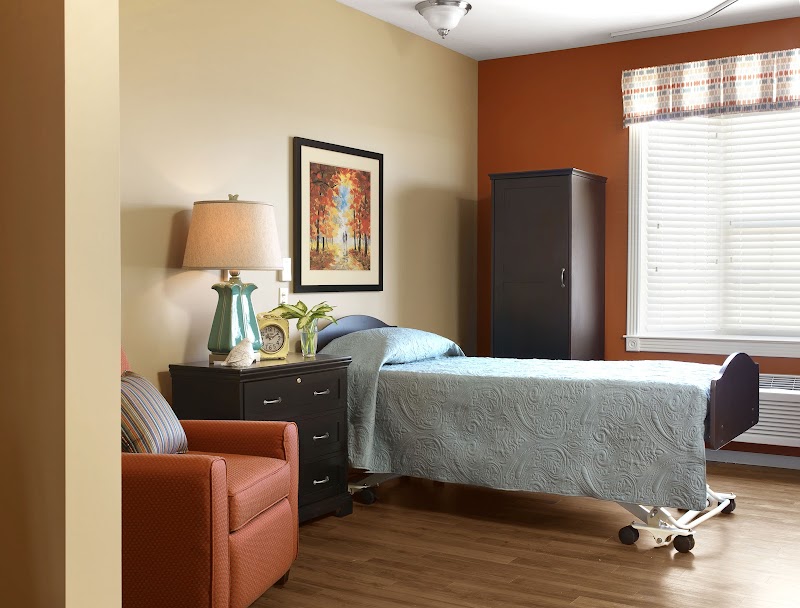
How Does Communities Of Wildwood Ranch Compare to Other Missouri Nursing Homes?

Compared to the 100 nursing homes in Missouri, COMMUNITIES OF WILDWOOD RANCH's overall rating (4 stars) is above the state average of 2.5, staff turnover (38%) is near the state average of 46%, and health inspection rating (5 stars) is much above the national benchmark.

What Should Families Ask When Visiting Communities Of Wildwood Ranch?

Based on this facility's data, families visiting should ask: "Can I visit during a mealtime to observe dining assistance and food quality?" "How do you handle medical emergencies, and what is your hospital transfer rate?" "Can I speak with family members of current residents about their experience?"

Is Communities Of Wildwood Ranch Safe?

Based on CMS inspection data, COMMUNITIES OF WILDWOOD RANCH has a clean safety record: no substantiated abuse findings (meaning no confirmed cases of resident harm), no Immediate Jeopardy citations (the most serious violation level indicating risk of serious injury or death), and is not on the Special Focus Facility watch list (a federal program monitoring the lowest-performing 1% of nursing homes). The facility has a 4-star overall rating and ranks #1 of 100 nursing homes in Missouri. While no facility is perfect, families should still ask about staff-to-resident ratios and recent inspection results during their visit.

Do Nurses at Communities Of Wildwood Ranch Stick Around?

COMMUNITIES OF WILDWOOD RANCH has a staff turnover rate of 38%, which is about average for Missouri nursing homes (state average: 46%). Moderate turnover is common in nursing homes, but families should still ask about staff tenure and how the facility maintains care continuity when employees leave.

Was Communities Of Wildwood Ranch Ever Fined?

COMMUNITIES OF WILDWOOD RANCH has no federal fines on record. CMS issues fines when nursing homes fail to meet care standards or don't correct problems found during inspections. The absence of fines suggests the facility has either maintained compliance or corrected any issues before penalties were assessed. This is a positive indicator, though families should still review recent inspection reports for the full picture.

Is Communities Of Wildwood Ranch on Any Federal Watch List?

COMMUNITIES OF WILDWOOD RANCH is not on any federal watch list. The most significant is the Special Focus Facility (SFF) program, which identifies the bottom 1% of nursing homes nationally based on persistent, serious quality problems. Not being on this list means the facility has avoided the pattern of deficiencies that triggers enhanced federal oversight. This is a positive indicator, though families should still review the facility's inspection history directly.