ARMOUR OAKS SENIOR LIVING COMMUNITY
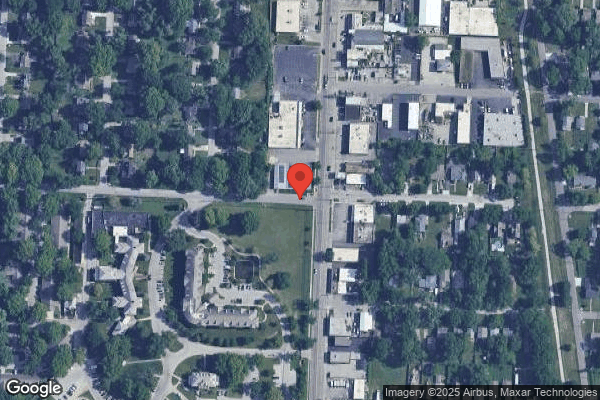
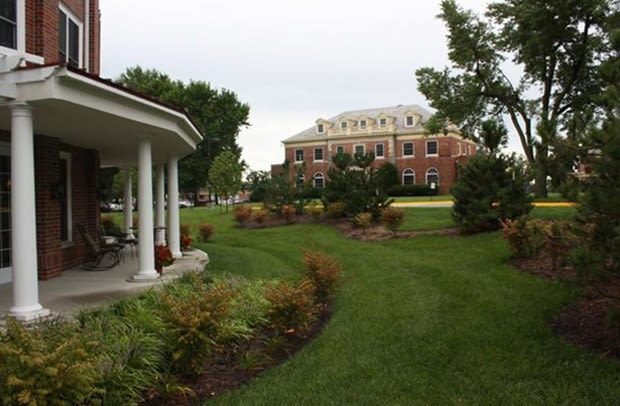
8100 WORNALL ROAD, KANSAS CITY, MO 64114 (816) 363-5141
Non profit - Corporation 38 Beds Independent Data: November 2025
Trust Grade
50/100
#132 of 479 in MO
Last Inspection: January 2024

Within standard 12-15 month inspection cycle. Federal law requires annual inspections.

Overview

Armour Oaks Senior Living Community has a Trust Grade of C, which means it is average compared to other facilities, sitting in the middle of the pack. It ranks #132 out of 479 nursing homes in Missouri, placing it in the top half, and #6 out of 38 in Jackson County, indicating that there are only five local options that perform better. The facility is improving, having reduced its issues from 12 in 2024 to just 1 in 2025. However, staffing is a significant concern, with a poor rating of 1 out of 5 stars and an alarming turnover rate of 80%, much higher than the state average of 57%. While the facility has not incurred any fines, which is a positive aspect, there have been troubling incidents, such as failing to maintain safe water temperatures for residents and neglecting food safety protocols, which could affect the health of all who live there. Overall, while there are some strengths, like the absence of fines, the high turnover rate and specific safety concerns are important factors for families to consider.

Trust Score
C
50/100
In Missouri
#132/479
Top 27%
Safety Record
Low Risk
No red flags
Inspections
Getting Better
12 → 1 violations
Staff Stability
⚠ Watch
80% turnover. Very high, 32 points above average. Constant new faces learning your loved one's needs.
Penalties
✓ Good
No fines on record. Clean compliance history, better than most Missouri facilities.
Skilled Nurses
⚠ Watch
Each resident gets only 26 minutes of Registered Nurse (RN) attention daily — below average for Missouri. Fewer RN minutes means fewer trained eyes watching for problems.
Violations
⚠ Watch
39 deficiencies on record. Higher than average. Multiple issues found across inspections.
★★★☆☆
3.0
Overall Rating
★☆☆☆☆
1.0
Staff Levels
★★★★★
5.0
Care Quality
★★★☆☆
3.0
Inspection Score
Stable
2024: 12 issues
2025: 1 issues

The Good

  • 5-Star Quality Measures · Strong clinical quality outcomes
  • Full Sprinkler Coverage · Fire safety systems throughout facility
  • No fines on record

Facility shows strength in quality measures, fire safety.

The Bad

3-Star Overall Rating

Above Missouri average (2.5)

Meets federal standards, typical of most facilities

Staff Turnover: 80%

34pts above Missouri avg (46%)

Frequent staff changes - ask about care continuity

Staff turnover is very high (80%)

32 points above Missouri average of 48%

The Ugly 39 deficiencies on record

Apr 2025 1 deficiency
CONCERN (F) 📢 Someone Reported This

A family member, employee, or ombudsman was alarmed enough to file a formal complaint

Potential for Harm - no one hurt, but risky conditions existed

Safe Environment (Tag F0921)

Could have caused harm · This affected most or all residents

**NOTE- TERMS IN BRACKETS HAVE BEEN EDITED TO PROTECT CONFIDENTIALITY** Based on observation, interview and record review, the facility failed to ensure that hot water temperatures from faucets throug...

Read full inspector narrative →
**NOTE- TERMS IN BRACKETS HAVE BEEN EDITED TO PROTECT CONFIDENTIALITY** Based on observation, interview and record review, the facility failed to ensure that hot water temperatures from faucets throughout the facility, were consistently between 105 ºF (degrees Fahrenheit) and 120 ºF. Resident rooms [ROOM NUMBER]) on the South east side of the facility, had water temperatures between 94 ºF and 99 ºF. Resident rooms 14, 21, 22, and 12 on the north side of the facility had temperatures that were 120.2- 121.4 ºF; and Resident rooms [ROOM NUMBERS] had water temperatures between 76.1 ºF and 92.3 ºF .The facility also failed to ensure that staff who are checking temperatures allowed to flow for at least 2 minutes before measuring the water temperatures. This practice potentially affected all residents. The facility census was 35 residents. Review of the facility's policy entitled Safe water Temperatures and dated 3/23, showed: It is the policy of this facility to maintain appropriate water temperatures in resident care areas. Policy Explanation and Compliance Guidelines: 1. Direct care staff will monitor residents during prolonged exposure to warm or hot water for any signs or symptoms of burns, and will respond appropriately. 2. Staff will be educated on safe water temperatures upon employment and on a regular basis. 3. Thermometers will be available as needed for use by all staff. 4. Staff will report abnormal findings, such as complaints of water too cold or hot, burns or redness, or any problems with water temperature (ex. water is painful to touch or causes redness) to the supervisor and/or maintenance staff. 5. Water temperatures will be set to a temperature of no more than 120° F and no less that 105, or the state's allowable maximum water temperature. 6. Maintenance staff will check water heater temperature controls and the temperatures of tap water in all hot water circuits weekly and as needed. 7. Documentation of testing will be maintained for 3 years and kept in the maintenance office. Review of the Section for Long Term Care Policy entitled Maximum/ Minimum Water temperatures revised 10/1/98, showed: -State Regulations require that all facilities maintain water temperatures between 105 ºF--- 120 ºF at plumbing fixtures accessible to residents. - DHSS staff shall use the dial or digital thermometers to measure water temperatures. - In some situations, water temperatures may fluctuate significantly even at the same plumbing fixtures. Measurements at any water fixture should be taken for at least two minutes in order to determine fluctuation patterns or until the temperature has been constant for at least 30 seconds. 1. Review of water temperatures in the following rooms on 4/17/25, after the faucets were allowed to flow for two minutes, showed the following: The water temperature in Resident room [ROOM NUMBER] was 76.1 ºF. The water temperature in Resident room [ROOM NUMBER] was 92.3 ºF. The water temperature in resident room [ROOM NUMBER], was 104.0 ºF. The water temperature in the shared faucet or rooms [ROOM NUMBERS] was 104.1 ºF. The water temperature in room [ROOM NUMBER] was 104.5 ºF. The water temperature in room [ROOM NUMBER] was 94.4 ºF. The water temperature in room [ROOM NUMBER] was 94.6 ºF. The water temperature in room [ROOM NUMBER], was 99.5 ºF. The water temperature in room [ROOM NUMBER], was 120.2 ºF. The water temperature in room [ROOM NUMBER], was 121.4 ºF. The water temperature in room [ROOM NUMBER] was 120.5 ºF. The water temperature in room [ROOM NUMBER], was 120.7 ºF. Observation on 4/17/24 at 1:12 P.M., showed the temperature gauge of the hot water heater was set at a temperature between 115 ºF and 116 ºF. During an interview on 4/17/25 at 1:24 P.M., the Maintenance Assistant said the water from the hot water heater delivers water to a holding tank for the facility, then the holding tank delivers hot water to a mixing valve (a component in modern plumbing systems which has the function of blending hot and cold water to achieve a warm outlet temperature) to mix with water that is colder, then delivers the water to the facility. During an interview on 4/17/25 at 5:50 P.M., the Administrator said the following about the cold water temperatures in resident rooms [ROOM NUMBERS]: - The water that goes to those rooms has to travel a longer distance. - Because the water in rooms [ROOM NUMBER] originates from the Assisted Living Facility (ALF) side and the ALF residents are not running water as often as the SNF residents. During a phone interview on 4/22/25 at 2:07 P.M., the Administrator said: - He/she was not aware of the water temperatures which varied so much prior to an incident where one resident was reported to had an issue while in the shower. - Prior to that incident he/she was unaware of any plumbers being called to the facility to look at the issue of inconsistent water temperatures at the facility. During a phone interview on 4/22/24 at 2:22 P.M., the Maintenance Person said: - He/she was not sure what occurred on 4/17/25 to cause the inconsistent water temperatures. - They did not have a correct method of how their water system would regulate hot water temperatures because of the adjustments that were made to the thermostats on the hot water heaters. - He/she was confused to why there was such a wide variance in hot water temperatures. - In the past they have not had any inconsistent with water temperatures. - Facility leadership was evaluating whether to contact a professional plumber to look at their water pipe system. - In the past, when he/she measured hot water temperatures, he/she let that water flow for one minute, before measuring the hot water temperature, because he/she was unaware of how the hot water should be measured.
Jan 2024 12 deficiencies
CONCERN (D) 📢 Someone Reported This

A family member, employee, or ombudsman was alarmed enough to file a formal complaint

Potential for Harm - no one hurt, but risky conditions existed

Report Alleged Abuse (Tag F0609)

Could have caused harm · This affected 1 resident

**NOTE- TERMS IN BRACKETS HAVE BEEN EDITED TO PROTECT CONFIDENTIALITY** Based on observation, interview and record review, the facility failed to ensure the facility reported an allegation of abuse i...

Read full inspector narrative →
**NOTE- TERMS IN BRACKETS HAVE BEEN EDITED TO PROTECT CONFIDENTIALITY** Based on observation, interview and record review, the facility failed to ensure the facility reported an allegation of abuse immediately to the Administration when on 1/1/24 Certified Medication Technician (CMT) B attempted to get Resident #30's vital signs (temperature, pulse and respirations) which resulted in the resident becoming agitated, yelling and remaining upset after the alleged incident out of 12 sampled residents. The facility started their investigation on 1/8/24 seven days after the alleged incident. The facility census was 34 residents. Review of the facility's Abuse, Neglect and Exploitation policy dated 10/2022 showed: -It was the policy of the facility to provide protection for the health, welfare and rights of each resident by developing and implementing written policies and procedure that prohibit and prevent abuse, neglect, exploitation and misappropriation of resident property. -The facility will develop and implement written policies and procedures that prohibit and prevent abuse, neglect, and exploitation of residents, establish policies and procedures to investigate any such allegations, include training for new and existing staff on activities that constitute abuse, neglect, and exploitation, and establish coordination with the Quality Assurance and Performance Improvement (QAPI) program. -The facility will provide ongoing oversight and supervision of staff in order to assure that its policies are implemented as written. -new and existing staff will receive education through planned in-services and as needed -Training will include prohibiting and preventing all forms of abuse, neglect, misappropriation and exploitation; identifying what constitutes abuse, neglect, misappropriation, and exploitation; recognizing sighs of abuse, neglect, misappropriation, and exploitation; reporting process for abuse, neglect, misappropriation, and exploitation; and understanding behavioral symptoms of residents that may increase the risk of abuse such as: --Aggressive reactions of residents. --Wandering or elopement-type behaviors. --Resistance to care. --Outbursts or yelling out. --Difficulty in adjusting to new routines or staff. -The facility will have written procedures that include reporting of all alleged violations to the Administrator, state agency, adult protective services and to all other required agencies immediately, but not later than two hours after the allegation is made if the events that cause the allegation involve abuse or result in serious bodily injury; not later than 24 hours if the events that cause the allegation do not involve abuse and do not result in serious bodily injury. 1. Review of Resident #30's Move-in Record showed he/she was admitted to the facility on [DATE] and readmitted on [DATE] with the following diagnoses: -Congestive Heart Failure (CHF a chronic condition in which the heart doesn't pump blood as well as it should). -Depression (a state of intense sadness or despair that has advanced to the point of being disruptive to an individual's social functioning and/or activities of daily living). Review of the resident's Adjustment Issues care plan, dated 10/5/23 showed: -The resident was having issues related to his/her admission, affecting his/her daily living. -Staff were to encourage ongoing family involvement. -Staff were to encourage participation in activities of choice. --The resident refused to go to activities or have activities brought to his/her room. -Note: The care plan did not show behaviors or signs or symptoms of distress related to the adjustment issue and did not show what referrals or interventions the resident might need or what staff should do other than encourage family involvement. Review of the resident's admission Minimum Data Set (MDS-a federally mandated assessment instrument completed by facility staff for care planning), dated 11/20/23 showed the resident: -Was severely cognitively impaired. -Had verbal behaviors directed towards others one to three days out of the past seven. -Behaviors did not disrupt the resident's cares or living environment. -Did not reject cares. -Required supervision to moderate assistance with most Activities of Daily Living (ADL - dressing, grooming, bathing, eating, and toileting). Review of the resident's progress note, dated 1/9/24 at 5:40 P.M. showed: -It was reported that the resident said he/she was physically and emotionally abused by a worker. The resident described what the staff member looked like and the staff person gave him/her medication. The resident said the staff person had called him/her an asshole many times before and this time said he/she was not as mature as his/her [AGE] year old child. The resident said the staff person wanted to take his/her temperature and he/she said he/she didn't want the staff touching him/her. -The resident said he/she tried to push the thermometer away and the staff used his/her strength and pushed the resident's hand to the resident's head and took the resident's temperature while the thermometer was still in the resident's hand. -The resident said he/she didn't feel safe with that staff member in his/her room, but felt safe now. -The resident said it was physical and verbal abuse and he/she didn't want it happening to anyone else. -He/She told Licensed Practical Nurse (LPN) B. -He/She had never saw or heard anyone else being abused, but he/she stayed in his/her room. -The resident said he/she didn't think the staff person should talk that way or act that way. The staff person was belligerent and rude and he/she didn't want the staff person in his/her room anymore. Review of the resident's Noncompliance care plan, dated 1/10/24 showed: -The resident was noncompliant with medical treatments and cares and often refused cares, medications and help with ADL's. -Staff were to ensure continuity of care and involve the resident in decisions affecting the resident. -Note: The care plan did not show intervention options staff could try that might be beneficial to the resident. Review of the resident's Staff to Resident Verbal and Physical Abuse Investigation Incident Summary, for an alleged incident dated 1/1/24 showed: -LPN B reported on 1/8/24 at 4:46 P.M. to the MDS Coordinator that the resident reported he/she was physically and emotionally abused by a worker. The resident described the alleged perpetrator and said he/she gave his/her medications. The alleged perpetrator was identified as CMT B. The resident said CMT B had called him/her an asshole many times and told the resident he/she wasn't as mature as his/her [AGE] year old child. The resident said CMT B wanted to take his/her temperature and he/she didn't want CMT B touching him/her. He/She tried to push the thermometer away and CMT B used his/her strength and pushed the resident's hand to his/her forehead and took his/her temperature while the thermometer was still in the resident's hand. The resident said he/she felt safe at the time, but not when CMT B was in his/her room. The resident said it was physical and verbal abuse which he/she didn't want to happen to anyone else and he/she didn't want CMT B in his/her room anymore. The resident said he/she told LPN B. -CMT B was placed on suspension pending investigation findings. -CMT B said on 1/1/24 the resident verbally abused him/her, calling him/her several curse words and insisting he/she leave him/her alone when he/she attempted to take his/her vitals. He/She attempted to explain he/she had to take his/her vitals in order to give the resident's medicine and as a routine check. When he/she attempted to place the blood pressure cuff the resident said to get away from him/her and the resident pulled his/her own arm away. He/She left the room at the time. He/She denied saying anything negative to the resident at the time. CMT B said he/she would never tell the resident or say he/she was immature because it would demean the resident. -All residents in the facility were interviewed and all denied staff being rough, rude or abusive, except for incidents which had already been investigated. -Staff were interviewed to determine if anyone witnessed negative interactions with residents or if the resident was rude or mean to staff. Review of the resident's Investigation Interview with CMT B dated 1/8/24 showed: -He/She never said the resident was immature, never called the resident names, and would never be forceful with the resident. -On 1/1/24 he/she was attempting to take the resident's vitals as part of his/her monthly vital routine. The resident was particularly grumpy and mean. -When he/she began to wrap the cuff around the resident's arm the resident yelled at him/her, calling him/her a stupid bitch and stating he/she didn't want CMT B to take his/her blood pressure. -When he/she attempted to remove the cuff the resident yanked his/her arm away and called him/her a bitch and accused him/her of abuse. -He/She told the resident he/she wouldn't take his/her blood pressure and just needed his/her cuff back. The resident let him/her take the cuff and continued to yell abuse and he/she left. -He/She didn't report the incident to the Administrator or DON because he/she thought the nurse would. -He/She decided it was a behavior and would no longer go in the resident's room by himself/herself. -From the time of the 1/1/24 incident he/she had taken another staff member with him/her when giving the resident's medications to protect himself/herself from the resident being mean to him/her. Review of the resident's Investigation Interview with LPN B dated 1/8/24 showed: -On 1/8/24 the resident told him/her he/she didn't want CMT B in his/her room anymore and explained CMT B had verbally and physically abused him/her. -When CMT B tried to take his/her temperature he resisted by pushing CMT B's hand away, but CMT B held onto his/her hand and forced the thermometer to his/her forehead and said his/her [AGE] year old was more mature than him/her. -The resident reported the allegation after 3:00 P.M. and CMT B had already left so he/she thought it had just happened on 1/8/24 and reported it to the MDS Coordinator. Review of the resident's Investigation Interview with the resident dated 1/9/24 showed: -On 1/9/24 the resident was interviewed and said there were two incidents in which CMT B was abusive to him/her and on one of the occasions CMT B was physically abusive to him/her. -He/She reported the verbal and physical abuse incident to the nurse who came in his/her room when it happened, but didn't remember the nurse who came in. -The two verbal incidents were when CMT B called him/her an asshole and when CMT B said his/her [AGE] year old child was more mature than him/her. -He/She couldn't remember which time the physical abuse had happened. During the physical abuse he/she had a thermometer in his/her hand when CMT B forced his/her hand to his/her forehead to take his/her temperature and acknowledged it was odd that he/she should be holding the thermometer instead of CMT B. -He/She confirmed repeatedly there had been no other incidents since 1/1/24. Review of the resident's Investigation Interview with the MDS Coordinator dated 1/9/24 showed: -He/She hadn't witnessed any abuse himself/herself. -LPN B reported the allegation to him/her. -He/She interviewed the resident who gave the same report he/she gave to LPN B. Review of the resident's Investigation Interview with Registered Nurse (RN) A dated 1/9/24 showed: -He/She did not witness the alleged incident, but on 1/1/24 he/she heard yelling from the resident's room. When he/she entered the room the resident was yelling abuse. -He/She asked the resident what happened. -CMT B said he/she was just trying to take the resident's vital signs and the resident was being mean. CMT B then left. -The resident told him/her CMT B called him/her an asshole and was trying to force him/her to take his/her blood pressure. The resident didn't mention CMT B forced him/her to take his/her own temperature. -He/She was dealing with a resident's transfer to the hospital and Emergency Medical Services (EMS) was there so he/she made sure the resident was safe and left the room. -He/She was caught up in what he/she was doing and failed to report the alleged incident to the DON or Administrator and forgot about it until being interviewed for the investigation. -He/She was unaware of any other problems since 1/1/24. Review of the resident's Investigation Interview with Certified Nursing Assistant (CNA) B dated 1/9/24 showed: -He/She had never heard a staff member being rude to the resident. -Within the past week CMT B asked him/her to accompany him/her while giving the resident his/her medication. -He/She had witnessed the resident being rude to CMT B on a few occasions, calling him/her names and telling CMT B to get out of his/her room. -He/She hadn't witnessed CMT B being rude or mean. -There were a few residents who would get pretty rude and the resident was one of them. Staff just have to be kind to the resident and smile and not take it personally. Review of the resident's undated Investigation Interview with CNA C showed: -He/She had never heard the resident or any other resident complain of a rude staff member or one who had been abusive and had never witnessed that himself/herself. -He/She had never been in the room with the resident and CMT B. -The resident could be tough to deal with if he/she was in a bad mood. -He/She had never heard the resident cuss at staff. Review of the resident's undated Investigation Interview with the DON showed: -The resident could be grumpy, but was easy to keep calm and talk to if a person just listened. The resident would go on for a while though. -He/She had to provide coaching to CMT B before on his/her tone of voice with residents, but had never heard CMT B call residents names or seen him/her be physically forceful with them. Review of the Investigation Interview section of the resident's investigation showed: -Ten additional staff, whose names and dates of interviews were not identified, said they had not heard of issues of staff being rude or abusive to residents. They all reported the resident could be difficult to care for if he/she was in a bad mood which was often. -The MDS Coordinator interviewed all other residents who all denied being a victim of or witnessing abuse. Review of the Investigation Conclusion showed: -The facility couldn't substantiate that physical or verbal abuse took place. -There were not enough facts provided with witnesses on either account of the alleged incident to confirm who was telling the truth and there was no physical evidence of abuse. -There was no established pattern of behavior or witness statements to confirm either party was telling the truth. -Staff failed to notify management of the alleged incident when it first was presented, therefore the facility failed to report the abuse allegation in a timely manner. The allegation was reported and investigated immediately once management was made aware. Review of the Investigation Corrective Actions showed: -The resident was interviewed and confirmed he/she felt safe in the facility as long as he/she didn't have to interact with the CMT B. -The resident would receive cares in pairs to confirm he/she was safe from other possible allegations. -CMT B was immediately suspended pending investigation and had been terminated for other performance related issues unrelated to abuse. -Staff were educated on abuse and neglect, including reporting allegations immediately to the DON or Administrator. During an interview on 1/10/24 at 11:58 A.M. LPN B said: -The resident asked him/her to come into his/her room and said he/she didn't want that other nurse to come. He/She said CMT B was always mean to him/her and said his/her [AGE] year old child was more mature than him/her. CMT B didn't know how to talk to people. CMT B was rude and mean and shouldn't be taking care of residents. -He/She knew CMT B had a [AGE] year old child so it seemed possible CMT B might have said that. -He/She spoke to CMT B to ask what happened. CMT B said he/she tried to take the resident's temperature and the resident tried to grab his/her hand. The resident said don't touch me and didn't want him/her in his/her room. CMT B said he/she told the resident he/she had to take his/her vital signs and he/she never offered to get another staff person. CMT B just went ahead and got the resident's vitals. -The resident had a right to refuse getting his/her vital signs. The staff were all educated on that. -CMT B told me after the resident grabbed him/her, he/she told the resident he/she wasn't as mature as his/her [AGE] year old child because the resident was being rude to him/her. -He/She never heard from either CMT B or the resident that CMT B forced the resident's hand to his/her forehead in an attempt to take his/her temperature. -The resident said he/she didn't want that bitch in his/her room. -Verbally CMT B comes off as being rough in his/her tone. He/She would tell a resident he/she was busy and didn't have time to do something for them. He/She had spoken to CMT B about his/her tone of voice and to come to him/her if he/she had any problems with any residents. -He/She had never seen CMT B physically rough with any residents. CMT B's tone of voice was blunt and he/she would sometimes tell a resident he/she was passing medications and was busy instead of seeing if he/she could quickly help. His/Her natural tone of voice was loud and sounded abrasive. -He/She had talked with CMT B twice about his/her tone of voice and he/she would do better for a while. -CMT B's focus was on whatever he/she was doing and he/she acted like interruptions were an inconvenience. He/She made residents feel like that. He/She could be nice to residents as well, but was very task focused. During an interview on 1/10/24 at 1:00 P.M. the resident said: -CMT B called him/her an asshole and said he/she wasn't as mature as his/her [AGE] year old child. -There was a physical incident when CMT B wanted to take his/her temperature. He/She told CMT B he/she didn't want him/her taking his/her temperature because he/she had called him/her an asshole one other time. CMT B used force as he/she used counterforce to keep his/her hands and thermometer off his/her forehead. CMT B went ahead and was trying to take his/her temperature anyway, but not with his/her full strength. CMT B kept pushing forward and forced the thermometer onto his/her forehead. -He/She yelled out he/she was being abused. -Someone opened the door and he/she told them he/she was being abused, but CMT B said no, he/she wasn't being abused and his/she was just taking his/her temperature. -The other staff left. -Days later LPN B came and talked with him/her about it and said he/she had talked with CMT B. He/She hadn't seen CMT B since. -He/She was afraid CMT B wasn't capable of cleaning up his/her act. He/She didn't want CMT B going around acting like he/she did with him/her. -He/She hadn't done anything to provoke a comment like being called an asshole. He/She thought that could be classified as either verbal abuse or rudeness. In his/her mind it was verbal abuse. In CMT B's mind he/she didn't do anything wrong. In CMT B's mind the resident should do anything he/she told them to do, but the resident had the final rule on what was done in their care. -When he/she tried to push CMT B away from taking his/her temperature CMT B said his/her [AGE] year old child was more mature than him/her. When he/she forced the thermometer on his/her forehead he/she would call that abuse. He/She had the right to say no which CMT B completely disagreed with. During an interview on 1/10/24 at 1:30 P.M. the Administrator said: -The alleged incident happened 1/1/24. -He/She interviewed RN A who said he/she de-escalated the situation and was busy with another resident's transfer to the hospital and forgot to report to the DON and Administrator. During an interview on 1/10/24 at 1:57 P.M. RN A said: -He/She was busy with trying to get a resident sent out to the hospital emergency room (ER) when he/she heard the resident yelling out hey, hey, hey. -He/She told the Emergency Medical Technicians (EMT's) he/she needed to check on the resident. -When he/she got to the resident's room CMT B was in there. When he/she opened the door CMT B had a blood pressure cuff on the resident's wrist and said he/she was trying to get the resident's blood pressure and the resident didn't want that. -He/She would have told CMT B not to get the resident's blood pressure and that the resident had a right to refuse, but the cuff was already on and at that point the resident had stopped yelling and was allowing CMT B to get his/her blood pressure. -He/She told the resident he/she would come back and they would talk. -He/She left to make sure the other resident got sent out and EMS didn't need anything else from him/her. -He/She returned to the resident's room. The resident said he/she didn't want his/her blood pressure taken and that CMT B was forcing him/her and held his/her hand close to his/her (the resident's) chest. CMT B was forcing him/her to do something he/she didn't want to do which was abusive. When the resident talked with him/her he/she was adamant about getting it reported. He/She told the resident he/she would talk with CMT B. -He/She talked with CMT B and told him/her the resident alleged he/she called him/her an asshole. CMT B just rolled his/her eyes and gave a smile like the resident's accusations weren't true and never acknowledged he/she said that. -He She could never recall the resident ever saying any other staff person was abusive. -The resident could be a little agitated at times. He/She could tell something had set the resident off. -He/She told the resident CMT B would not come back into his/her room. -He/She thought the incident in which CMT B said his/her [AGE] year old child was more mature than the resident was a separate one that happened after 1/1/24. The resident didn't mention that on 1/1/24. -CMT B came across abrasively. It was the way he/she presented himself/herself to the residents. He/She was very short with the residents. For example CMT B rushed when he/she gave residents their medications. He/She wasn't warm with the residents and was focused on getting his/her job done. -He/She felt it was a dignity issue, like someone who wasn't concerned about the resident's needs, just in getting the job done. -He/She had never heard CMT B yell at a resident. -He/She had been educated after the 1/1/24 incident by the Administrator to report to the DON or Administrator with any issues that might be abuse or need addressing. He/She was educated to put any incidents involving a resident in a progress note, complete an incident note and get all staffs' statements. During an interview on 1/12/24 at 1:09 P.M. CMT B said: -On 1/1/24 he/she went around the facility getting vital signs on all the residents. -He/She told the resident he/she had to get his/her vital signs. The resident seemed OK with that until he/she put the blood pressure cuff on his/her wrist and it started tightening. The resident said Ouch, your hurting me. Take it off me. -He/She was reaching to get the blood pressure cuff and the resident jerked his/her hand away. He/She told the resident he/she had to take the cuff off in order to keep it from tightening on his/her wrist. The resident called him/her a bitch, said he/she was fucking stupid and told him/her to get the fuck out of his/her room. -He/She pushed a button and it released pressure on the cuff. He/She told the resident he/she had to take the cuff off and wasn't leaving without the cuff. -He/She denied calling the resident an asshole at that time or any other time and denied he/she told the resident his/her [AGE] year old child was more mature than him/her. -He/She denied getting or trying to take the resident's temperature. -CNA C came into the room and asked the resident what he/she needed. The resident told CNA C to get CMT B out of his/her room. -He/She was in the process of leaving anyway, so he/she just walked out of the resident's room. The nurse never walked into the resident's room (Note: This statement was inconsistent with statements made by CNA C and RN A.) -LPN B told him/her the resident didn't want him/her in his/her room at all. -A few months back LPN B told him/her he/she came across as mean and like he/she was mad at the residents. He/She told LPN B he/she tried to stay neutral. -The DON had talked with him/her about walking away if he/she became frustrated and getting the charge nurse. That was when one of the residents refused to take medication from him/her because of his/her race. He/She might have sighed when the resident said that. -He/She should have asked the resident if he/she was OK with him/her getting the resident's vital signs prior to just taking them. He/She just assumed it would be OK. -Since the incident on 1/1/24 the resident would tell him/her, he/she didn't want his/her medications from him/her and to get out of his/her room. He/She would tell a nurse. He/She assumed the resident's being angry with him/her was just temporary. -He/She might have come across as angry with him/her on 1/1/24 because he/she told the resident he/she had to get his/her blood pressure and hadn't asked the resident if he/she could do so. He/She could have asked another CNA to get the resident's vitals. On 1/1/24 he/she had to ask the nurse to give the resident his/her medications because he/she was so angry with him/her. -He/She probably could have approached the resident with a smile and greeted him/her before he/she got started. That would have made a difference. He/She was just focused on getting the resident's blood pressure because staff have to get it before giving the resident one of his/her medications. During an interview on 1/18/24 at 10:51 A.M. the Administrator said: -He/She expected nurses to talk with staff if there were dignity issues and to report them to the DON immediately who would review the issues with him/her. -He/She and the DON would decide if Human Resources needed to be involved and have documentation in the employee's record. -Staff should do a grievance on the resident's behalf so the issue could be addressed. During an interview on 1/18/24 at 11:37 A.M. the DON said: -All staff have been educated on dignity upon hire before they ever work on the floor and dignity education was presented throughout the year in monthly meetings. -He/She had to talk to CMT B a number of months ago about paying attention to his/her tone of voice. When the residents' anxiety levels increased it tended to cause CMT B's anxiety level to increase. -If there was a possible dignity issue Social Services should complete a resident grievance. If substantiated there would be documentation in the employee's Human Resources file. -CNA's should report dignity issues to him/her. When in doubt if there was a possible dignity or abuse issue they should report to both him/her and the Administrator. -Nurses should make sure the resident was OK if they had a complaint against a staff member and they should assign a different CNA to the resident. Nurses should talk to the resident about how they were feeling and let him/her (the DON) and the Administrator know immediately of all dignity and possible abuse issues. MO00230038
CONCERN (D)

Potential for Harm - no one hurt, but risky conditions existed

Transfer Notice (Tag F0623)

Could have caused harm · This affected 1 resident

**NOTE- TERMS IN BRACKETS HAVE BEEN EDITED TO PROTECT CONFIDENTIALITY** 2. Review of Resident #32's discharge Minimum Data Set (MDS- a federally mandated assessment tool required to be completed by th...

Read full inspector narrative →
**NOTE- TERMS IN BRACKETS HAVE BEEN EDITED TO PROTECT CONFIDENTIALITY** 2. Review of Resident #32's discharge Minimum Data Set (MDS- a federally mandated assessment tool required to be completed by the facility staff) dated 10/31/23 showed a discharge return not anticipated. Review of the resident's electronic record on 1/11/24 showed no documentation of the Ombudsman being notified of the resident's discharge to the Assisted Living Center on 10/31/23. During an interview on 1/16/24 at 12:00 P.M., the Administrator said: -His/Her expectation was for the BOM to notify the state Ombudsman of resident discharge or transfers monthly. -He/She was responsible of ensuring that the state Ombudsman was notified by the BOM of resident transfer and discharges at least monthly. --Note: BOM out of building during interview process. Based on interview and record review, the facility failed to provide the Ombudsman (a resident advocate who provides support and assistance with problems and/or complaints regarding the facility) a copy of the notification of transfer from the facility for two sampled residents (Residents #17, and #32) out of 12 sampled residents. The facility census was 34 residents. The facility did not have a policy for Ombudsman notification. 1. Review of Resident #17's admission Record showed he/she admitted on [DATE] and readmitted on [DATE] with the following diagnoses: -Acute (severe and sudden onset) respiratory failure (a condition where there is not enough oxygen in body tissues) with hypoxia (insufficient oxygen in the blood). -Pneumonia (an infection that affects one or both lungs). Review of the resident's hospital record showed he/she admitted to hospital on [DATE] and discharged back to the facility on 8/21/23 for Acute Respiratory failure with Hypoxia. Review of the facility Ombudsman notification dated August 2023 showed that the facility failed to send the Ombudsman notification of any discharges to hospital. During an interview on 1/11/24 at 12:47 P.M., the Director of Nursing (DON) said: -The Business Office Manager (BOM) left the position in March 2023. -The new BOM had not been sending anything to the Ombudsman. -A bed hold notification and policy was sent to the resident's family. -The resident left to the hospital on 8/13/23 and returned on 8/21/23 to his/her original room. -The current BOM did not know he/she was supposed to be sending discharge notices to the Ombudsman. -Note: The BOM was out of the building during the interview process.
CONCERN (D)

Potential for Harm - no one hurt, but risky conditions existed

MDS Data Transmission (Tag F0640)

Could have caused harm · This affected 1 resident

**NOTE- TERMS IN BRACKETS HAVE BEEN EDITED TO PROTECT CONFIDENTIALITY** Based on interview and record review, the facility failed to submit a resident's discharge assessment for one supplemental resid...

Read full inspector narrative →
**NOTE- TERMS IN BRACKETS HAVE BEEN EDITED TO PROTECT CONFIDENTIALITY** Based on interview and record review, the facility failed to submit a resident's discharge assessment for one supplemental resident (Resident #28) out of four residents who triggered for assessment concerns. The facility census was 34 residents. There were no policies for this example. 1. Review of Resident #28's discharge assessment dated [DATE] showed it was not submitted to Centers for Medicare & Medicaid Services (CMS) and was marked do not submit to CMS on 9/8/23. Review of the Resident Assessment Instrument (RAI) Manual dated October 2023 showed the following on page 1 of chapter 5: -Nursing homes are required to submit Omnibus Budget Reconciliation Act (OBRA) required Minimum Data Set (MDS a federally mandated assess tool completed by facility staff for care planning) records for all residents in Medicare- or Medicaid-certified beds regardless of the payer source. During an interview on 1/11/24 at 7:59 A.M., the MDS Coordinator said he/she did not submit private pay resident's assessments to CMS. During an interview on 1/16/24 at 1:15 P.M., the Director of Nursing said he/she expected the MDS to be completed and submitted accurately.
CONCERN (D)

Potential for Harm - no one hurt, but risky conditions existed

Comprehensive Care Plan (Tag F0656)

Could have caused harm · This affected 1 resident

Based on interview and record review, the facility failed to develop a comprehensive care plan that included one high risk medication for one sampled resident (Resident #31) out of five residents samp...

Read full inspector narrative →
Based on interview and record review, the facility failed to develop a comprehensive care plan that included one high risk medication for one sampled resident (Resident #31) out of five residents sampled for medication review. The facility census was 34 residents. There were no policies for this example. 1. Review of Resident #31's care plan dated 12/28/23 showed no care plan for the use of anticoagulant medication. Review of the resident's admission Minimum Data Set (MDS-a federally mandated assessment tool completed by facility staff for care planning) dated 12/29/23 showed the resident was on an anticoagulant (medication used to slow down the blood clotting process) medication. Review of the resident's Physician's Order Sheet (POS) and Medication Administration Record (MAR)'s dated January 2024 showed a physician's order dated 12/22/23 for Eliquis (an anticoagulant) 5 milligrams (mg), one tablet by mouth two times a day related to heart disease. During an interview on 1/16/24 at 9:06 A.M., the MDS Coordinator said he/she did not usually care plan for anticoagulant medications. During an interview on 1/16/24 at 1:15 P.M., the Director of Nursing (DON) said he/she would expect the use of anticoagulant medication to be in the care plan.
CONCERN (D)

Potential for Harm - no one hurt, but risky conditions existed

Deficiency F0658 (Tag F0658)

Could have caused harm · This affected 1 resident

**NOTE- TERMS IN BRACKETS HAVE BEEN EDITED TO PROTECT CONFIDENTIALITY** Based on observation, interview, and record review, the facility failed to ensure medications were administered safely and were ...

Read full inspector narrative →
**NOTE- TERMS IN BRACKETS HAVE BEEN EDITED TO PROTECT CONFIDENTIALITY** Based on observation, interview, and record review, the facility failed to ensure medications were administered safely and were not left at bedside for one sampled resident (Resident #25) and to prime a insulin pen prior to administration for one sampled (Resident #23) out of 12 sampled residents. The facility census was 34 residents. Review of the facility's Resident Self-Administration of Medication Policy dated November 2017 showed: -A Resident may only self-administer medications after the facility's interdisciplinary team has determined which medications may be self-administered safely. -All Nurses and aides are required to report to the charge nurse on duty any medication found at the bedside not authorized for bedside storage. Unauthorized medications are given to the charge nurse for return to the family or responsible party. Families or responsible parties are reminded of policy and procedures regarding resident self-administration when necessary. 1. Review of Resident #25's quarterly Minimum Data Set (MDS-a federally mandated assessment tool completed by facility staff for care planning) dated 10/10/23 showed: -The resident was moderately cognitively impaired. -He/she was independent or required supervision with his/her activities of daily living (ADL's eating, dressing, bathing, and toileting). Review of the resident's Care Plan dated 10/23/23 showed: -There was no assessment or plan for self-administration of medications. -There was no assessment or plan to have medications at bedside. Review of the resident's Medication Administration Record (MAR) dated December 2023 showed: -Calcium Carbonate Tablet (Tums an antacid used to treat heartburn) 500 milligram (mg), give 1 tablet by mouth two times a day for Heartburn. -Lactulose Encephalopathy Oral Solution (used to treat constipation) 10 grams (gm)/15 milliliter (mL), give 15 mL by mouth two times a day for constipation. -GlycoLax Powder (Polyethylene Glycol 3350 - Miralax used to treat constipation) give 17 gm by mouth two times a day for constipation. -No order for medications to be left at bedside. -No order for Milk of Magnesia (used as an antacid or laxative). -No order for a throat spray. Review of the resident's MAR dated January 2024 showed: -Tums 500 mg, give 1 tablet by mouth two times a day for Heartburn. -Lactulose 10 gm/15 mL by mouth two times a day for constipation. -Miralax give 17 gm by mouth two times a day for constipation. -No order for medications to be left at bedside. -No order for Milk of Magnesia. -No order for a throat spray. Review of the resident's Physician's Order Sheet (POS) dated January 2024 showed: -Tums 500 mg, give 1 tablet by mouth two times a day for Heartburn. -Lactulose 10 gm/15 mL by mouth two times a day for constipation. -Miralax give 17 gm by mouth two times a day for constipation. -No order for medications to be left at bedside. -No order for Milk of Magnesia. -No order for a throat spray. Observation on 1/8/24 at 10:24 A.M., of the resident's room showed: -A medicine dosage cup with a large chewable tablet on the overbed table. -A medicine dosage cup with pink liquid on the overbed table. -A bottle of throat spray on the nightstand. During an interview on 1/8/24 at 10:24 A.M., the resident said: -The pink liquid was Milk of Magnesia. -The large chewable tablet was Tums. -Staff would put the medications on the table, and he/she would take them when he/she wanted. Observation on 1/10/24 at 10:21 A.M., of the resident's room showed: -A medicine dosage cup with pink liquid was on the overbed table. -A bottle of throat spray was on the nightstand. Observation on 1/11/24 at 5:54 A.M., of the resident's room showed: -A medicine dosage cup with a Tums was on the overbed table. -A bottle of throat spray was on the nightstand. Observation on 1/11/24 at 7:07 A.M., of the resident's room showed a bottle of throat spray was on the nightstand. During an interview on 1/11/24 at 9:59 A.M., Licensed Practical Nurse (LPN) A said: -The only liquid medication the resident received was Lactulose (used to treat constipation). -The resident did not have any liquid medication ordered that was pink in color. Observation on 1/16/24 at 9:15 A.M., of the resident's room showed a bottle of throat spray on the nightstand. During an interview on 1/16/24 at 9:33 A.M., Certified Medication Technician (CMT) A said: -He/she followed the instructions on the MAR regarding route, time, and dosage. -The MAR should match the POS. -Any Over the Counter (OTC) medications should be on the MAR. -Staff cannot leave medications at bedside, even if the resident tells them to just leave that medication on the table. -Staff must watch the resident take all medications. -There should be an order for an oral throat spray. -There should be an order for Milk of Magnesia. -There should be an order for everything. -If he/she saw a medication in a resident's room that was not on the MAR, he/she would take it out of the room and give it to the nurse. -He/She had not seen any medications in the resident's room. -The resident should not have an oral throat spray at bedside. -No residents were able to self-administer medications. -There should be no medications at bedside. -The resident did not have an order for an oral throat spray. -The resident did not have an order for Milk of Magnesia. -The only medications that should be given were on the MAR. -He/She would go to the nurse who would follow up with the doctor if a resident wanted a medication not on the MAR. -The resident had an order for Tums and Miralax. -The resident did not like the Miralax. -The resident had asked for Milk of Magnesia instead of Miralax. -The Tums was scheduled to be given at 8:00 A.M. and 8:00 P.M., the order did not indicate it was to be left at bedside. During an interview on 1/16/24 at 10:59 A.M., LPN B said: -The only pink liquid in the medicine cart was Milk of Magnesia, cherry flavor. -The resident did not have an order for Milk of Magnesia. -All PRN medications should be on the MAR. -There had to be an order to leave medications at bedside. -No resident's had an order for medications to be left at bedside. -There should be an order for throat spray. -There should be an order for Milk of Magnesia. -There should be an order for anything the resident was taking. -The MAR should match the POS. -All OTC medications should be on the MAR. -CMT's should follow the MAR, and only give medications that were on the MAR. -When a Certified Nursing Assistant (CNA) or CMT saw any medication at bedside, they should remove it from the resident's room and give it to the charge nurse. -If he/she saw medications at bedside, he/she would remove it and throw it away. -He/She said the resident should not have medications at bedside. -The Tums should not have been left at the resident's bedside. -The resident did not have orders for Milk for Magnesia or a throat spray. -Self-administering medications was not appropriate without an order. -All medications should be on the MAR. These should be the only medications given. -If a resident asked for a medication, staff should tell the nurse, and the nurse should call the physician. During an interview on 1/16/24 at 11:39 A.M., the Director of Nursing (DON) said: -He/she expected the MAR to be followed when passing medications. -The MAR and POS should match. -He/She did not recall any resident having an order for medications at bedside. -The resident had an order for Milk of Magnesia last summer that was discontinued and not reordered. -The resident should not have any medications at bedside, including Tums, Milk of Magnesia, and a throat spray. 2. Review of the facility's Insulin Pen Policy dated 2022 showed: -Prime the insulin pen. -Dial two units by turning the dose selector clockwise. -With needle pointing up, push the plunger, and watch to see that at least one drop of insulin appears on tip of the needle. If not, repeat until at least one drop appears. Review of Resident #23's quarterly MDS dated [DATE] showed: -He/She was cognitively intact. -He/She was diagnosed with Insulin Dependent Diabetes. -He/She received Insulin injections seven out seven days during the assessment look back period. Observation on 1/10/24 at 11:12 A.M., of Registered Nurse (RN) A showed he/she did not prime the insulin pen prior to administration of insulin. During an interview on 1/10/24 at 11:22 A.M., RN A said he/she had never been instructed to prime insulin pens prior to administering insulin even from the pharmacy. During an interview on 1/16/24 at 1:15 P.M., the DON said: -He/She would expect insulin pens be primed prior to administering. -He/She would be responsible to audit that insulin was being administered correctly. -He/She was not aware insulin pen's were not being primed.
CONCERN (D) 📢 Someone Reported This

A family member, employee, or ombudsman was alarmed enough to file a formal complaint

Potential for Harm - no one hurt, but risky conditions existed

Accident Prevention (Tag F0689)

Could have caused harm · This affected 1 resident

**NOTE- TERMS IN BRACKETS HAVE BEEN EDITED TO PROTECT CONFIDENTIALITY** 2. Review of the facility's Resident Smoking policy dated 10/2022 showed resident's who smoke will be assessed quarterly using t...

Read full inspector narrative →
**NOTE- TERMS IN BRACKETS HAVE BEEN EDITED TO PROTECT CONFIDENTIALITY** 2. Review of the facility's Resident Smoking policy dated 10/2022 showed resident's who smoke will be assessed quarterly using the Resident Safe Smoking Assessment. Review of Resident #20's Face Sheet showed the resident was admitted to the facility on [DATE] with the following diagnoses: -Nicotine dependence. -Dementia (a condition characterized by progressive or persistent loss of intellectual functioning, especially with impairment of memory and abstract thinking, and often with personality change, resulting from organic disease of the brain). Review of the resident's electronic record Smoking Safety Evaluation showed the 1/2023 quarterly evaluation was not completed. Review of the resident's electronic record Smoking Safety Evaluation showed the 4/2023 quarterly evaluation was not completed. Review of the resident's care plan revised on 6/14/23 showed: -He/She was nicotine dependent. -He/She would request nicotine replacement to meet his/her needs. -Staff would escort him/her out to smoke his/her electronic cigarette by wheelchair with supervision to the designated smoking area outside the facility. -Staff were to educate him/her on facility electronic cigarette smoking policy due to his/her history of non-compliance. -He/She had impaired cognitive function and impaired thought processes. -Staff to cue, reorient and supervise him/her as needed. Review of the resident's electronic record Smoking Safety Evaluation dated 7/27/23 showed: -He/She used tobacco. -He/She did not follow the facility's policy on location and time of smoking. Review of the resident's electronic record Smoking Safety Evaluation dated 10/27/23 showed: -He/She used tobacco. -He/She required supervision. -He/She had balance problems while sitting. -He/She had limited range of motion in arms or hands. Review of the resident's quarterly Minimum Data Set (MDS- a federally mandated assessment tool completed by the facility staff for care planning) dated 10/27/23 showed: -He/She had mild cognitive impairment. -He/She needed supervision and set-up with activities of daily living. During an interview on 1/16/24 at 10:36 A.M., Registered Nurse (RN) A said he/she did not know how often resident smoking assessments should be completed. During an interview on 1/16/24 at 1:15 P.M., the DON said: -He/She expected smoking assessments be completed quarterly. -It was expected the floor nurse or any nurse completed the smoking assessments. -It would be his/her responsibility to audit smoking assessments for completion. Based on observation, interview and record review, the facility failed to put adequate supervision measures in place to prevent a newly admitted resident, who was assessed to be an elopement risk and showed signs of confusion and exit seeking behaviors, from leaving the facility unannounced for one sampled resident (Resident #335) and to complete an Annual or quarterly Safe Smoking Assessment to assess the resident's ability to safely smoke electronic cigarette with or without supervision for one sampled resident (Resident #20) out of 12 sampled residents. The facility census was 34 residents. Review of the facility's Elopement and Wandering Resident policy/procedure, dated 2022, showed: -Residents would be assessed for their risk of elopement and unsafe wandering upon admission and throughout their stay. -The interdisciplinary team would evaluate the unique factors contributing to the elopement risk in order to develop a person-centered care plan. -Interventions to increase staff awareness of the resident's risk, modify the resident's behavior, or minimize hazards will be added to the resident's care plan and communicated to appropriate staff. -Adequate supervision will be provided to help prevent accidents or elopements. -Charge nurses will monitor the interventions, resident response to interventions, and document accordingly. -The effectiveness of interventions will be evaluated and changes made as needed. Any changes and new interventions will be communicated to relevant staff. 1. Review of Resident #335's Move-in Record showed the resident was admitted to the facility on [DATE] and had the following diagnoses: -Metabolic encephalopathy (A problem in the brain that can result in personality changes caused by a chemical imbalance of the blood affected by illness or organs not working as well as they should). -Repeated falls. -Restlessness and agitation. Review of the resident's progress notes dated 1/3/24 showed: -At 3:38 P.M. the resident was assessed to be at risk for elopement. The assessment showed the resident verbally expressed a desire to go home, packed his/her belongings to go home or stayed near an exit door. He/She wandered both aimlessly and in a goal-directed pattern with wandering likely to affect the safety or well-being of others. The resident had not yet accepted his/her admission situation. -At 3:47 P.M. the resident ambulated with a walker and needed supervision and minimal assistance with Activities of Daily Living (ADL - dressing, grooming, bathing, eating, and toileting). He/She was currently walking the halls with a family member. The resident may be a possible elopement risk. Review of the resident's Order Summary Report (OSR) showed the resident had an order for staff to check for elopement risk every shift starting on 1/3/24. Review of texts sent to facility department heads, dated 1/3/24 showed: -A text was sent at 5:19 P.M. showing: --A newly admitted resident (Resident #335's name was shown) was exit seeking and may need a locked unit. --Labs and a urinalysis to be completed. --Hourly rounds started to see if the resident would calm down, and if not, referrals for other placement would be made. --When coming to the facility be mindful and inform your staff to watch who was behind them when they are coming and going. -A text sent at 5:21 P.M. showed the new resident pulled the fire alarm. Review of the resident's progress notes dated 1/3/24 showed: -At 5:46 P.M. the resident was found to have pulled the fire alarm. When asked about it the resident said something was wrong with the place and there were fires everywhere. According to a Certified Nurse Assistant (CNA) the resident was looking out the door and then looked over and pulled the fire alarm. The resident stated this was the military and the staff were his/her soldiers. -At 6:20 P.M. the Social Services Director (SSD) was giving a report on the resident to a local medical hospital. -At 10:49 P.M. the nurse received a call from the hospital Emergency Department (ED) indicating the resident had been diagnosed with a Urinary Tract Infection (UTI - an infection of one or more structures in the urinary system), would be on antibiotic therapy (ABT) and would be returning to the facility. -The resident returned to the facility at 11:15 P.M. and was observed to be very unsteady while standing and continued to be confused. The resident preferred to keep on his/her street clothes when assisted to bed. The resident was confused and talked about being in the Reserve Officers Training Corps (ROTC) and Army Reserves. Review of the resident's progress notes dated 1/4/24 showed: -At 7:54 A.M. the resident was observed taking his/her brief off and urinating in the trash. He/She was given a urinal, but continued to show signs and symptoms of confusion. He/She was alert to self and his/her name. Staff to reassure and orient as needed. -At 10:18 A.M. the SSD the resident was referred for a memory care facility. -At 10:28 A.M. the resident was spotted by a CNA trying to exit the back door and had to be redirected. The resident continued to wander the unit and was seen trying to get onto the elevator. He/She was placed on 15 minute checks. -At 10:44 A.M. the resident wandered at night and used a walker. -At 11:53 A.M. at about 11:40 A.M. the resident pulled the fire exit door sounding the alarm. He/She was able to be retrieved before exiting out the door and redirected. Staff explained it was unsafe to leave the facility without a guest or family member. The resident appeared to be confused about the situation and insisted he/she needed to get out. At this time a Certified Medication Technician (CMT) was sitting with the resident one to one for safety and to prevent him/her pulling the fire alarm again. -At 11:54 A.M. the SSD sent referrals for placement to multiple facilities for the resident. Review of the resident's Risk for Wandering/Elopement care plan, initiated 1/4/24 showed the following interventions: -One to one supervision with the resident was initiated on 1/4/24. -Engage resident in purposeful activity. -Referral made for memory care unit. Review of the resident's progress notes, dated 1/5/24 showed: -At 1:09 P.M. the resident continued on elopement monitoring. He/She was awake sitting at the exit door on the seat of his/her walker. He/She was encouraged to sit in the common area due to his/her stating I'm going out. Snacks and fluids were offered which the resident declined. Staff was present. -At 3:00 P.M. the resident was seen eating ice cream at a social event. -At 3:32 P.M. an elopement assessment had been completed. The assessment showed the resident was severely cognitively impaired and had a history of eloping from his/her personal home; attempting to leave the facility without informing staff; expressed the desire to go home, packed his/her belongings to go home or stayed near an exit door; and wandered in a goal-directed pattern as well as aimlessly. His/Her wandering was likely to affect the safety or well-being of others and affect their privacy. He/She was recently admitted and hadn't accepted his/her situation. -At 4:08 P.M. the nurse was alerted the resident was found in the parking lot. He/She was not hurt and was able to be led back into the facility. His/Her family member was notified of the incident. The resident was placed on one to one with staff at all times. Review of the resident's Elopement Investigation Incident Summary, dated 1/5/24 for the elopement showed: -The resident followed staff outside the care center entrance on 1/5/24 around 3:08 P.M. and was later found on campus. -He/She was last seen in the dining area eating ice cream around 3:00 P.M. -The resident was fully clothed with shoes but no coat. The temperature was around 33 degrees Fahrenheit (F) with light snow. -The resident ambulated with a walker and wore glasses and both were in place. -The resident was found on campus around 3:28 P.M. and returned to the care center around 3:30 P.M. by staff without further incident. -There were no apparent falls or injuries found on assessment. Review of the resident's Elopement Investigation Resident Response Summary, dated 1/5/24 for the elopement showed: -The resident was exploring the property on 1/5/24, he/she thought it was his/her new barracks assignment with the military. The resident thought he/she was active duty and serving on base. -Staff were educated that if the resident was wandering they should remind him/her the commanding officer ordered that nobody leave the barracks without an escort. -Immediate actions were to implement one to one supervision and to notify the family member and physician. The resident's discharge had already been arranged. Review of the resident's Elopement Investigation Summary, dated 1/5/24 for the elopement showed: -The resident had been referred from a facility in another state where he/she was getting rehabilitation services. There were no memory care or behavior issues noted in the referral paperwork. -When the resident discharged from the previous facility prior to Christmas, 2023 he/she lived with family members in another state prior to his/her admission on [DATE]. -Upon admission it was noted the resident was disoriented to person and place and exit-seeking and the facility was unable to provide necessary memory care which the resident needed. -The same day of admission the Director of Nursing (DON) provided written education to all managers that they educate their staff that the resident looked and acted like a visitor and all staff should be diligent not to let anyone out of the facility unless checking with the nurse first. -Dietary Aide A arrived to work at 3:00 P.M. on 1/5/24, clocked in and reported to the facility dining room to check on his/her tasks. He/She left the dining room and went through the keypad locked door to the solarium at 3:08 P.M. The resident followed Dietary Aide A out the door. Dietary Aide A said he/she did not realize the person who left behind him/her was a resident. The person seemed to be a visitor and looked like he/she knew where he/she was going. He/She had clothes that looked like a light jacket and went out to the management parking lot behind the facility. The person looked like he/she was walking to a sister residence on campus and that was the last he/she saw of the resident. -At 3:25 P.M. the receptionist called the Administrator and informed him/her that a staff from the school physically located on the same campus as the facility was talking with someone who might be a resident. The Administrator immediately went to the parking lot and found the resident talking to the staff member from the school. The resident was clothed in boots, pants, and two shirts, one a long sleeved shirt and draped with two blankets. The Administrator and Assistant Plant Operations Director (APOD) who just arrived escorted the resident back to the facility. -The resident was assessed by the nurse. When the Administrator and resident returned to the facility nursing staff had been looking for the resident and called the front desk to notify the Administrator the resident was missing at 3:27 P.M. The physician and family were notified and the resident was placed on one to one monitoring per physician orders until his/her discharge. Review of the resident's Elopement Investigation Conclusion dated 1/5/24 for the elopement showed: -The resident left the building on 1/5/24 and was found on the campus grounds. -There was no harm to the resident. -It was 20 minutes from the time the resident left the facility until his/her return. -Review of the Elopement Investigation Corrective Actions for the 1/5/24 elopement showed the Administrator provided immediate education with Dietary Aide A and written education to all staff via e-mail and timeclock notification that when going into and out of the facility never let anyone in or out unless they have a visitor's name tag. If there was someone without a name tag or a vendor's badge redirect them back to the front desk to get a name tag. -System changes included all visitors, including residents of other campus facilities, were required to check in at the front desk and obtain a name tag before entering the facility. All visitors must ring the doorbell to be let in by staff and were to be let out by staff. Anyone attempting to leave the facility without a visitor's tag cannot be let out until first checking with the charge nurse to confirm whether or not they were a resident. During an interview on 1/10/24 at 11:28 A.M. the resident said: -He/She went outside the building once when it was real cold without a coat. -He/She thought he/she went out to see if they had salvaged any of the military's chapel, but he/she saw no evidence of the chapel. -He/She didn't remember if anyone asked him/her to go back inside or if anyone helped him/her back inside. He/She was having bad memory problems that day. He/She lost about three hours of that day and didn't have much memory of it. -The doctors diagnosed him/her with urinary problems. He/She had been very sporadic about peeing the past three weeks and told the doctor in the ER, but didn't tell anyone in the building he/she was having trouble peeing. He/She certainly had more confusion and memory issues at the time because he/she couldn't remember ever losing a part of a day before. -He/She was frustrated because his/her old unit was being deactivated and that was why he/she thought he/she was in the building (referring to the facility). -He/She liked being a participating member of the Army and the building was part of the old Army unit. -Nobody said if he/she went outside that he/she needed to take someone with him/her. It was definitely cold outside the day he/she went out. He/She was outside only ten minutes. It wasn't deathly cold. It was just cold. -He/She didn't recall how he/she got outside, but he/she had a vague idea he/she came back to the building (referring to the facility) in a vehicle, but the memory was very vague. -He had been stationed in the building once before for about 19 years. There was a break in his two points of service. The last time he/she was a supervisor for the bus assembly plant in this building. During an interview on 1/10/24 at 12:23 P.M. the APOD said: -He/She was in the Administrator's office around 3:30 P.M. when the front office got a call from a staff person from the school located on campus. The school was not affiliated with the facility corporation. The school called to inform the facility that someone who looked like they could be a resident was outside the building. The receptionist then called the Administrator. -They weren't sure where on the school grounds the possible resident was so he/she and the Administrator approached the school from different angles. -The Administrator recognized the resident and asked the resident a couple of questions. -The resident was in the school parking lot. He/She was talking with someone from the school who was in his/her car and was leaving the parking lot. -The resident was saying he/she was in the Army and the police, probably meaning the Army police, were talking to him/her. -He/She thought the resident was wearing tennis shoes and might have had a jacket hanging from his/her shoulders. He/She was not wearing a hat or gloves. It was chilly outside. There was light snow that had stuck to the grass, but hadn't stuck to the sidewalks or campus parking lots. -It took about a minute or minute and a half to find the resident and four or five minutes to get the resident back into the building. -Once inside the building the Administrator followed up with the resident and he/she went in another direction. -There was no distress he/she could see with the resident. -He/She received a text message a bit later that one of the facility staff opened the door and the resident got out. During an interview on 1/11/24 at 9:42 A.M. CNA A said: -The resident pulled the fire alarm one day, maybe the day he/she was admitted , and broke it off the wall. The resident would wander the halls and would be seen looking out the windows and doors. He/She would have to redirect him/her. The resident could read the exit signs. He/She would take the resident somewhere else and encourage him/her to sit and rest. -After pulling the alarm either the first or second time they put the resident on 15 minute checks, but someone was sitting with the resident one on one after the resident set off the alarm the second time because they had the staff to do it on that shift. -He/She heard about the resident getting off the unit with a Dietary Aide. He/She heard the Dietary Aide didn't know he/she was a resident and let him/her out the facility door and then the resident got outside. -The resident was on one to one monitoring after he/she eloped. During an interview on 1/11/24 at 9:59 A.M. the receptionist said: -He/She got a call from the school located on campus and they let him/her know someone was outside that looked like they were from the facility. -He/She got ahold of the Administrator by phone and the Administrator and APOD went out to look for the resident. -He/She later learned that someone from Dietary went out of the facility and the resident followed the Dietary staff out the door. -The resident went out the door in the solarium corridor between the facility and the Assisted Living Facility (ALF). The resident never followed the Dietary staff into the ALF or reception area. -There was no code to get out the solarium door. Anybody could open the door. Nobody could get into or out of the facility without a code. -The person who called from the school said the resident looked cold. When the resident returned inside he/she was wearing a blanket. He/She didn't know if the school provided the blanket. -He/She couldn't recall the time of day the school called or when the resident was returned to the building. During an interview on 1/11/24 at 10:10 A.M. the resident's physician said: -He/She was made aware of the resident's exit seeking behavior very soon after his/her admission on [DATE]. He/She had an order for monitoring the resident on all shifts. By that he/she meant that staff were to observe where the resident was on a frequent basis. -The treatment team discussed the resident needed more security measures than the facility could provide and started looking for a secured placement at another facility. During an interview on 1/16/24 at 9:57 A.M. the SSD said: -The resident was admitted to the facility on [DATE] around 3:00 P.M. -He/She heard the fire alarm sound around 5:30 P.M. on 1/3/24. He/She was upstairs in the nursing station as was the DON. He/She saw the resident standing by the fire alarm. CNA A said the resident had been looking out the door prior to sounding the alarm. -The resident recently moved from another state and lived alone. He/She was in a skilled nursing facility for rehabilitation purposes and then moved back to his/her private home out of state for a couple of weeks. -The resident's family member said the resident was not restless, exit-seeking or confused when in the skilled facility in the other state. On the day the resident was admitted to the facility he/she first noticed a change in the resident's cognition. On 1/4/24 the same family member said the resident left his/her home after discharge from the skilled facility and drove from his/her state to Colorado to go to a funeral which ended up being in Texas, not Colorado. The resident called him/her from Colorado saying he/she didn't know where he/she was. -The family member said the level of confusion the resident showed since his/her admission to the facility on 1/3/24 was not normal for the resident. For that reason the facility sent the resident out to the ER for an evaluation and they found he/she had a UTI. There were episodes of the resident urinating in trash cans since his/her admission. -An elopement care plan was developed on 1/4/24. -Before the resident's elopement the facility had him/her on 15 minute checks. He/She was on 15 minute checks when he/she was at the ice cream social on 1/5/24. The ice cream social was hosted by an outside group, so there were no staff in the area at the time the resident eloped. During an interview on 1/18/24 at 9:31 A.M. Licensed Practical Nurse (LPN) A said: -On 1/4/24 one of the CNA's redirected the resident from exiting the back door and from getting onto the elevator. Staff then gave the resident something to read to try to redirect his/her attention. -Later that day the resident pulled the fire alarm. Staff redirected the resident to sit elsewhere. Staff were supposed to check on the resident every 15 minutes and mark his/her whereabouts every 15 minute on a 15-minute log. Since there was an extra staff person that day he/she had a staff person sit with the resident for the rest of the day shift, although the resident's supervision status was for staff to do 15 minute checks. During an interview on 1/18/24 at 10:51 A.M. the Administrator said: -On 1/3/24 the DON sent a text to all facility managers including the Dietary Manager that there was a new resident who was exit seeking and to alert all staff in their departments. The DON provided education to nursing staff related to the resident's exit seeking behaviors. -Dietary Aide A claimed he/she never received the information about the resident. The Dietary Manager claimed he/she told all staff including Dietary Aide A. There was no documentation that department staff had been alerted about the resident's exit seeking behaviors. -He/She didn't know how long the resident was on one to one supervision on 1/4/24. It might have just been for the remainder of the shift. The DON would have advised the precautions if he was on one to one supervision. The resident was not on one to one supervision at the time he/she eloped. During an interview on 1/18/24 at 11:37 A.M. the DON said: -When the resident got to the facility on 1/3/24 he/she presented differently than how he/she was portrayed in the referral from the skilled facility. -On 1/3/24 the resident was hollering out that there were fires everywhere. He/She didn't know if the behaviors were due to the resident's UTI or if the resident had permanent behavioral issues. The hospital ER prescribed antibiotic treatment for the UTI on 1/3/24. -The evening of 1/3/24 he/she alerted all department heads by text on facility devices there was a resident that looked like a visitor. He/She provided the resident's name, room number and described his/her behaviors of wandering and exit seeking and asked managers to notify their staff to be mindful when coming into and leaving the facility as the resident might want to go out the door. -The resident was on 15 minute checks until he/she eloped on 1/5/24 at which point he/she was placed on one to one supervision until his/her discharge. On 15 minute checks the resident was still wandering, but was redirectable. Someone might have sat with the resident one to one during the time he/she was on 15 minute checks if they had the staff to do so, but he/she was not sure, and staff did not have direction from him/her to put the resident on one to one supervision until he/she eloped on 1/5/24. During an interview on 1/19/24 at 10:00 A.M. the Administrator said the school parking lot where the resident ended up on 1/5/24 was approximately the distance of a city block from the door the resident had exited. During an interview on 1/19/24 at 12:22 P.M. Dietary Aide A said: -He/She had worked evenings at the facility for about a month and a half and did not know all the residents. -He/She was not aware there was a new resident. The person he/she let out did not look like a resident. He/She looked like a visitor and didn't look as if he/she needed help. When he/she went to leave the facility the resident said hold on and asked him/her to keep the door open for him/her. Sometimes visitors' tags weren't visible, so he/she didn't think much about it. -Usually nursing staff are with residents when they walk out. He/She looked like a normal elderly person who didn't need much help. -He/She didn't know until the Administrator talked with him/her that he/she had let out a resident. -After exiting the facility he/she walked to the left to go to the ALF and the resident didn't follow so he/she assumed he/she exited the solarium door. -Later he/she learned the resident had pulled the fire alarm and tried to escape. -After the incident the Administrator told him/her not to let anyone out the building without a visitor's tag. -He/She wasn't sure how far the solarium door was from the school parking lot because he/she didn't know which of the buildings on campus was the school. -Prior to the resident's elopement nobody had told him/her there was a new resident who was exit seeking. Nobody told him/her not to let anyone out the facility without a visitor's tag or to check with nursing first if they don't have a visitor's tag. During an interview on 1/23/24 at 11:05 A.M. the Dietary Manager said: -He/She received a group text sent to facility managers that showed there was a new resident who might be an elopement risk. -The text asked managers to forward the information to our employees. -Dietary Aide A was forwarded the group text and was told verbally about the new resident prior to the resident's elopement. -Dietary Aide A said the resident had been dressed like a regular person so he/she didn't realize he/she was a resident. MO00229841
CONCERN (D)

Potential for Harm - no one hurt, but risky conditions existed

Drug Regimen Review (Tag F0756)

Could have caused harm · This affected 1 resident

**NOTE- TERMS IN BRACKETS HAVE BEEN EDITED TO PROTECT CONFIDENTIALITY** Based on interview and record review, the facility failed to respond to the pharmacist's recommendations for one sampled residen...

Read full inspector narrative →
**NOTE- TERMS IN BRACKETS HAVE BEEN EDITED TO PROTECT CONFIDENTIALITY** Based on interview and record review, the facility failed to respond to the pharmacist's recommendations for one sampled resident (Resident #31) out of 12 sampled residents. The facility census was 34 residents. Review of the facility's Medication Regimen Review (MRR) policy dated October 2022 showed: -The pharmacist shall document the findings for each MRR. -The pharmacist shall communicate any irregularities verbally to the physician, Director of Nursing (DON) and/or staff of any urgent needs. -The pharmacist shall communicate any irregularities in written communication to the attending physician, the facility's medical director and the DON. -Facility staff shall act upon all recommendations according to procedures. 1. Review of Resident #31's entry tracking form dated 12/22/23 showed the resident newly admitted to the facility on [DATE]. Review of the resident's pharmacist's note dated 12/26/23 showed: -The resident was newly admitted to the facility. -Instructions to ensure target behaviors and side effects were being monitored for medications including Escitalopram (Lexapro used to treat depression (a mood disorder that consists of intense sadness and a loss of interest or loss of pleasure in activities and/or life) and anxiety (disorder that involve extreme fear, worry and nervousness)), Bupropion (used to treat depression), and Lorazepam (used to treat anxiety). -Instructions to ensure anticoagulant (blood thinners used to prevent blood clots) monitoring was in place for Eliquis. -Instructions to consider adding blood pressure and pulse parameters to high blood pressure medication orders. Review of the resident's care plan dated 12/28/23 showed: -The resident had a diagnosis of high blood pressure. -The resident used an antidepressant and an antianxiety medication with instructions to monitor and document side effects and effectiveness every shift. -The resident received pain medication with instructions to monitor/document side effects and effectiveness. -There was no care plan for anticoagulant medication. Review of the resident's admission Minimum Data Set (MDS-a federally mandated assessment tool completed by facility staff for care planning) dated 12/29/23 showed: -Some of the resident's diagnoses included heart disease, high blood pressure, anxiety and depression. -The resident received antianxiety, anticoagulant, antidepressant, diuretic (used to reduce fluid buildup) and opioid (used to treat severe pain) medications. Review of the resident's Medication Administration Record (MAR) dated December 2023 showed: -A physician's order for Carvedilol (treats high blood pressure and heart failure by slowing down the heart rate) 6.25 milligrams (mg), one tablet two times a day for high blood pressure with rows where the resident's blood pressure was documented. -There were no parameters for when Carvedilol should have been held. -There were no orders to document the resident's pulse. -Carvedilol was held on 12/29/23 at 8:00 A.M. because the resident's blood pressure was 70/51 (the top/first number, called systolic blood pressure, measures the pressure in your arteries when your heart beats. The second/bottom number, called diastolic blood pressure, measures the pressure in your arteries when your heart rests between beats). Review of the resident's MAR dated January 2024 showed: -None of the pharmacist's 12/26/23 recommendations were included on the MAR. -A physician's order for Bupropion 100 mg, one tablet in the morning for depression. -A physician's order for Escitalopram 20 mg, one tablet one time a day for depression. -A physician's order for Lisinopril (used to treat high blood pressure and heart failure) 40 mg, one tablet in the morning for high blood pressure. -A physician's order for Carvedilol 6.25 mg, one tablet two times a day for high blood pressure with rows where the resident's blood pressure was documented. -There were no parameters for when Carvedilol should have been held. -Carvedilol was held on 1/9/24 at 8:00 A.M. because the resident's blood pressure was 103/59. -Carvedilol was held on 1/10/24 at 8:00 P.M. because the resident's blood pressure was 93/56. -There were no orders to document the resident's pulse. -A physician's order for Eliquis 5 mg, one tablet two times a day for heart disease. During an interview on 1/16/24 at 9:06 A.M., the MDS Coordinator said: -The MRR's were usually put in the physician's folder upon the pharmacist completing them. -He/She usually put in any orders needed from MRR follow-up. -He/She was off work for two weeks recently so the orders may have not been completed during the time he/she was gone. -He/She thought he/she went in and updated all the orders from the pharmacist's MRR's. -The pharmacist only wrote a note for his/her recommendations for the resident and he/she could not locate any MRR form for the December 2023 recommendations for the resident. -He/She did not know the pharmacist did a MRR for new admissions. -Blood pressure parameters were normally set by the physician. -The nurses should have clarified blood pressure parameters if there were none. During an interview on 1/16/23 at 10:47 A.M., Licensed Practical Nurse (LPN) B said: -The MRR's were given to the DON. -The pharmacist also put notes in the electronic health record and the DON would let them know if they needed to do anything for follow-up. -There were batch orders that coordinated with the medication orders depending on the type of medication and should be selected when entering the order for the medication. -If a medication was entered that needed monitoring, they should select each item to monitor such as behaviors, blood pressure, pulse, etc. -For an anticoagulant, they should monitor for bruising and the environment free of clutter. -If blood pressure parameters were not included in an order, their standard was to hold the medication if the systolic blood pressure (SBP) was less than 90 (it was held when the resident's SBP was 103/59 and 93/56 when the SBP was above 90) and to notify the physician if SBP was greater than 180. -Their standard for Carvedilol (betablockers) was to hold if the resident's heart rate was less than 50. -They should call the physician to clarify the order of any medications which needed parameters. During an interview on 1/16/24 at 1:15 P.M., the DON said: -The pharmacist completed MRR's once a month and emailed them to him/her, the MDS Coordinator and the Administrator. -The pharmacist did little MRR's here and there and those were documented on the 24-hour report. -He/She and the nurse managers needed to pay closer attention to the 24 hour report for the little MRR's. -The monitoring was a part of the batch orders that the nurse should select when entering medication orders. -They do audits on the antidepressant and antianxiety orders. -They should monitor for any bruising or bleeding for anticoagulants. -Some blood pressure medication orders came with parameters. -The resident's attending physician would usually give orders to hold the high blood pressure medication if the resident's SBP was less than 90 and to hold beta blockers for a pulse less than 50 and notify the physician. -The orders should alert the staff to take the resident's blood pressure and/or pulse and include the blood pressure and pulse parameters of when to hold it.
CONCERN (D)

Potential for Harm - no one hurt, but risky conditions existed

Deficiency F0757 (Tag F0757)

Could have caused harm · This affected 1 resident

**NOTE- TERMS IN BRACKETS HAVE BEEN EDITED TO PROTECT CONFIDENTIALITY** Based on interview and record review, the facility failed to ensure medications were ordered with adequate monitoring for one sa...

Read full inspector narrative →
**NOTE- TERMS IN BRACKETS HAVE BEEN EDITED TO PROTECT CONFIDENTIALITY** Based on interview and record review, the facility failed to ensure medications were ordered with adequate monitoring for one sampled resident (Resident #31) out of 12 sampled residents. The facility census was 34 residents. There were no policies for this example. 1. Review of Resident #31's entry tracking form dated 12/22/23 showed the resident newly admitted to the facility on [DATE]. Review of the resident's care plan dated 12/28/23 showed: -The resident had a diagnosis of high blood pressure. -There was no care plan for anticoagulant (medication used to slow down the blood clotting process) medication. Review of the resident's admission Minimum Data Set (MDS-a federally mandated assessment tool completed by facility staff for care planning) dated 12/29/23 showed: -Some of the resident's diagnoses included heart disease and high blood pressure. -The resident received anticoagulant medications. Review of the resident's Medication Administration Record (MAR) dated December 2023 showed: -A physician's order for Carvedilol (treats high blood pressure and heart failure by slowing down the heart rate) 6.25 milligrams (mg), one tablet two times a day for high blood pressure with rows where the resident's blood pressure was documented. -There were no parameters for when Carvedilol should have been held. -There were no orders to document the resident's pulse. -Carvedilol was held on 12/29/23 at 8:00 A.M. because the resident's blood pressure was 70/51 (the top/first number, called systolic blood pressure, measured the pressure in your arteries when your heart beats. The second/bottom number, called diastolic blood pressure, measured the pressure in your arteries when your heart rests between beats). Review of the resident's MAR dated January 2024 showed: -A physician's order for Lisinopril (used to treat high blood pressure and heart failure) 40 mg, one tablet in the morning for high blood pressure. -A physician's order for Carvedilol 6.25 mg, one tablet two times a day for high blood pressure with rows where the resident's blood pressure was documented. -There were no parameters for when Carvedilol should have been held. -Carvedilol was held on 1/9/24 at 8:00 A.M. because the resident's blood pressure was 103/59. -Carvedilol was held on 1/10/24 at 8:00 P.M. because the resident's blood pressure was 93/56. -There were no orders to document the resident's pulse. -A physician's order for Eliquis (an anticoagulant) 5 mg, one tablet two times a day for heart disease. -There were no orders for monitoring for an anticoagulant. During an interview on 1/16/24 at 9:06 A.M., the MDS Coordinator said: -Blood pressure and pulse parameters were normally set by the physician. -The nurses should have clarified blood pressure parameters if there were none. During an interview on 1/16/23 at 10:47 A.M., Licensed Practical Nurse (LPN) B said: -There were batch orders that coordinate with the medication orders depending on the type of medication and should be selected when entering the order for the medication. -If a medication was entered that needed monitoring, they should select each item to monitor such as behaviors, blood pressure, pulse, etc. -For an anticoagulant, they should monitor for bruising and the environment free of clutter. -If blood pressure parameters were not included in an order, their standard was to hold the medication if the systolic blood pressure (SBP) was less than 90 (it was held when the resident's SBP was 103/59 and 93/56 when the SBP was above 90) and to notify the physician if SBP was greater than 180. -Their standard for Carvedilol (betablockers) was to hold if the resident's heart rate was less than 50. -They should call the physician to clarify the order of any medications which need parameters. During an interview on 1/16/24 at 1:15 P.M., the Director of Nursing said: -The monitoring was a part of the batch orders that the nurse should select when entering medication orders. -They should monitor for any bruising or bleeding for anticoagulants. -Some blood pressure medication orders came with parameters. -The resident's attending physician would usually give orders to hold the high blood pressure medication if the resident's SBP was less than 90 and to hold beta blockers for a pulse less than 50 and notify the physician. -The orders should alert the staff to take the resident's blood pressure and/or pulse and include the blood pressure and pulse parameters of when to hold it.
CONCERN (D)

Potential for Harm - no one hurt, but risky conditions existed

Medication Errors (Tag F0758)

Could have caused harm · This affected 1 resident

Based on interview and record review, the facility failed to ensure target behaviors and side effects were being monitored for psychotropic medications (any medications that affect brain activities as...

Read full inspector narrative →
Based on interview and record review, the facility failed to ensure target behaviors and side effects were being monitored for psychotropic medications (any medications that affect brain activities associated with mental processes and behavior) for one sampled resident (Resident #31) out of 12 sampled residents. The facility census was 34 residents. There were no policies for this example. 1. Review of Resident #31's care plan dated 12/28/23 showed the resident used an antidepressant (medications used to treat depression (a common and serious medical illness that negatively affects how you feel, the way you think and how you act) and an antianxiety (used to treat anxiety (a feeling of worry, nervousness, or unease, typically about an imminent event or something with an uncertain outcome) medication with instructions to monitor and document side effects and effectiveness every shift. Review of the resident's admission Minimum Data Set (MDS-a federally mandated assessment tool completed by facility staff for care planning) dated 12/29/23 showed: -Some of the resident's diagnoses included anxiety and depression. -The resident received antianxiety and antidepressant medications. Review of the resident's Medication Administration Record dated January 2024 showed: -A physician's order for Escitalopram (used to treat depression (a mood disorder that consists of intense sadness and a loss of interest or loss of pleasure in activities and/or life) and anxiety (disorder that involve extreme fear, worry and nervousness)), 20 milligram (mg), one tablet one time a day for depression. -A physician's order for Bupropion (used to treat (used to treat depression) 100 mg, one tablet in the morning for depression. -No monitoring of target behaviors and side effects. During an interview on 1/16/23 at 10:47 A.M., Licensed Practical Nurse B said: -There were batch orders that coordinated with the medication orders depending on the type of medication and should be selected when entering the order for the medication. -If a medication was entered that needed monitoring, they should select each item to monitor such as behaviors, blood pressure, pulse, etc. -They should call the physician to clarify any orders. During an interview on 1/16/24 at 1:15 P.M., the Director of Nursing said: -The monitoring was a part of the batch orders that the nurse should select when entering medication orders. -They did audits on the antidepressant and antianxiety orders.
CONCERN (E)

Potential for Harm - no one hurt, but risky conditions existed

Assessment Accuracy (Tag F0641)

Could have caused harm · This affected multiple residents

**NOTE- TERMS IN BRACKETS HAVE BEEN EDITED TO PROTECT CONFIDENTIALITY** Based on observation, interview and record review, the facility failed to ensure the accuracy of the Minimum Data Set (MDS-a fed...

Read full inspector narrative →
**NOTE- TERMS IN BRACKETS HAVE BEEN EDITED TO PROTECT CONFIDENTIALITY** Based on observation, interview and record review, the facility failed to ensure the accuracy of the Minimum Data Set (MDS-a federally mandated assessment tool completed by facility staff for care planning) for three sampled residents (Residents #19, #31 and #3) out of 12 sampled residents. The facility census was 34 residents. Review of the facility's MDS 3.0 completion policy dated 2022 showed the facility would conduct an accurate assessment of the resident. 1. Review of Resident #19's care plan dated 3/1/23 showed: -The resident had a regular diet with mechanical soft texture (a texture-modified diet that restricts foods that are difficult to chew or swallow. Foods are finely chopped, blended, or ground to make them smaller, softer, and easier to chew) and regular, thin liquids. -The resident admitted to hospice services (end of life care) on 5/19/23. -An update on 8/5/23 showed the resident had weight loss over the last four months. -No interventions of receiving tube feeding (a medical device used to provide nutrition to individuals who cannot obtain nutrition by swallowing) or fluids intravenously (IV-a tube placed into a vein). Review of the resident's significant change MDS dated [DATE] showed the resident weighed 117 pounds. Review of the resident's quarterly MDS dated [DATE] showed the resident weighed 107 pounds. Review of the resident's quarterly MDS dated [DATE] showed the following assessment of the resident: -Weighed 99 pounds. -Did not have significant weight loss (Significant weight loss is defined as 5% or more in the last month or 10% or more in the last six months. 117 pounds down to 99 pounds is a weight loss of 18.18% in six months, which is significant). -Was not on hospice. -Was not on a mechanical soft diet. -The proportion of total calories the resident received through parenteral (feeding of nutritional products to a person through intravenous (an IV) or tube feeding was 51% or more. -The average fluid intake per day by IV or tube feeding was 501 cubic centimeter (cc)/day or more. Observation on 1/8/24 at 10:37 A.M., 10:57 A.M., and 11:14 A.M. showed the resident was not receiving tube feeding or fluids by IV. Observation on 1/10/24 at 9:34 A.M. and 10:28 A.M. showed the resident was not receiving tube feeding or fluids by IV. Observation on 1/10/24 at 10:30 A.M. showed the resident had multiple beverages that were thin consistency, was being fed food of soft consistency by hospice staff and was not receiving tube feeding or fluids by IV. Observation on 1/11/24 at 5:21 A.M. showed the resident was not receiving tube feeding or fluids by IV. During an interview on 1/11/24 at 7:59 A.M., 1/11/24 10:04 A.M. and 1/16/24 at 9:06 A.M., the MDS Coordinator said: -The resident went on hospice on 5/19/23. -He/She made an error on hospice on the MDS. -He/She should have marked yes for hospice. -He/She marked the wrong box for diet and artificial route. -The resident's diet should have been marked as mechanical soft. -The resident's mechanical soft diet started 5/4/23. -Weight loss should have been marked as yes. Review of the resident's Physician's Order Sheet (POS) dated 1/16/24 showed the resident: -Had a diet order dated 5/4/23 of a regular diet with mechanical soft texture and regular, thin fluid consistency. -Had an order for hospice dated 6/21/23. -Did not have an order for tube feeding or fluids by IV. 2. Review of Resident #31's admission MDS dated [DATE] showed: -The proportion of total calories the resident received through parenteral or tube feeding was 51% or more. -The average fluid intake per day by IV or tube feeding was 501 cc/day or more. Review of the resident's care plan dated 1/8/24 showed: -The resident had a regular diet with regular texture and regular/thin liquids. -No interventions of receiving tube feeding or fluids by IV. Observation on 1/8/24 at 10:36 A.M. showed the resident was not receiving tube feeding or fluids by IV. Observation on 1/10/24 at 8:49 A.M., showed the resident was eating a regular texture breakfast and was not receiving tube feeding or fluids by IV. Observation on 1/10/24 at 9:17 A.M., at 9:34 A.M., at 10:27 A.M., and at 11:19 A.M. showed the resident was not receiving tube feeding or fluids by IV. During an interview on 1/11/24 at 7:59 A.M. and 10:04 A.M., the MDS Coordinator said the two items were marked incorrectly on the resident's MDS. Review of the resident's POS dated 1/11/24 showed the resident: -Had a diet order dated 12/22/23 of regular texture and regular, thin fluid consistency. -Did not have an order for tube feeding or fluids by IV. 3. Review of Resident #3's care plan dated 9/15/23 showed: -The resident had a suprapubic catheter (a urinary bladder catheter inserted through the skin about one inch above the symphysis pubis). -The resident was able to feed himself/herself. -The resident had a diet order of mechanical soft texture and regular/thin fluid consistency. Review of the resident's admission MDS dated [DATE] showed the following staff assessment of the resident: -Had an indwelling catheter (a tube passed through the urethra into the bladder to drain urine). -Was always incontinent of bladder (The MDS directed users to mark urinary incontinence not rated when an indwelling catheter was in use). -Mechanically altered diet was left blank. Review of the resident's quarterly MDS dated [DATE] showed the following staff assessment of the resident: -Had an indwelling catheter. -Was always incontinent of bladder. -The resident was on a mechanically altered diet. -The proportion of total calories the resident received through parenteral or tube feeding was 51% or more. -The average fluid intake per day by IV or tube feeding was 501 cc/day or more. Observation on 1/8/24 at 11:22 A.M. showed the resident: -Was not receiving tube feeding or fluids by IV. -Had a urinary catheter. Observation on 1/10/24 at 9:45 A.M. and 11:04 A.M. through 11:27 A.M. showed the resident: -Was not receiving tube feeding or fluids by IV. -Had a urinary catheter. Review of the resident's POS dated 1/11/24 showed the resident: -Had a diet order dated 9/12/23 of regular diet with mechanical soft texture and regular, thin fluid consistency. -Did not have an order for tube feeding or fluids by IV. -Had an order for a suprapubic catheter dated 9/12/23. During an interview on 1/11/24 at 7:59 A.M. and 10:04 A.M., the MDS Coordinator said: -He/She always marked incontinent of bladder if the resident had an indwelling catheter. -He/She did not know it should be marked not rated on the MDS if the resident had an indwelling catheter. -The resident was on a mechanical soft diet. -He/She marked the wrong box for tube feeding and IV fluids. 4. During an interview on 1/16/23 at 1:15 P.M., the Director of Nursing said he/she expected the MDS's to be accurate.
CONCERN (F)

Potential for Harm - no one hurt, but risky conditions existed

Food Safety (Tag F0812)

Could have caused harm · This affected most or all residents

Based on observation, interview, and record review, the facility failed to keep the walk-in refrigerator, and walk-in freezer floors clean; failed to retain operable thermometers in all refrigerators ...

Read full inspector narrative →
Based on observation, interview, and record review, the facility failed to keep the walk-in refrigerator, and walk-in freezer floors clean; failed to retain operable thermometers in all refrigerators to confirm adequate temperature ranges; failed to maintain sanitary utensils and food preparation equipment; failed to safeguard against mold possibly getting into food and/or beverages; failed to change the deep fryer oil in a timely manner; failed to consistently document hot food temperatures at the steam table to ensure they were suitably cooked to lessen the chance of bacterial contamination; failed to maintain plastic cutting boards in good condition to avoid food safety hazards (cross-contamination); and failed to store foodstuffs within acceptable temperature parameters, in accordance with professional standards for food service safety. These deficient practices had the potential to affect all residents, visitors, volunteers, and staff who ate food from the kitchen. The facility's census was 34 residents with a licensed capacity for 38 residents at the time of the survey. 1. Observation on 1/8/24 between 9:41 A.M. and 10:43 A.M. during the initial kitchen inspection showed the following: -On a shelf above a four-slice toaster in the Dry Storage (DS) area was an open 20-ounce (oz.) squeeze bottle of grape jelly that was not dated as to when it was opened. -There was a slick moldy residue on the black partition inside the ice machine. -Dried residue was encrusted on the manual can opener on a food preparation table by the convection oven. -The grease in the deep fryer was dark enough to keep the bottom basket resting racks form being seen. -There were multiple splatters on the inside top and sides of the microwave with large droplets on its turntable plate. -An aluminum foil lined utensil drawer next to the steam table had an overabundance of food crumbs in its bottom. -An open 1-gallon (gal.) jug of soy sauce with a label which read refrigerate after opening for quality was on the bottom shelf of the wheeled cart next to the convection oven. -The wheeled cart next to the convection oven also had a foil lined utility drawer with large bits of food in the bottom. -The large green cutting boards and small green cutting board were heavily scored to the point of plastic flaking off. -There was a grape, plastic pieces, and a bread clip on the floor under racks in the walk-in refrigerator. -There was plastic, paper, and numerous pieces of various foods on the floor of the walk-in freezer. Observation on 1/10/24 at 9:23 A.M. during the follow-up kitchen inspection showed the following: -There was a slick moldy residue on the black partition inside the ice machine. -Dried residue was encrusted on the manual can opener on a food preparation table by the convection oven. -The grease in the deep fryer was dark enough to keep the bottom basket resting racks form being seen. -There were multiple splatters on the inside top and sides of the microwave with large droplets on its turntable plate. -An aluminum foil lined utensil drawer next to the steam table had an overabundance of food crumbs in its bottom. -An open 1-gallon (gal.) jug of soy sauce with a label which read refrigerate after opening for quality was on the bottom shelf of the wheeled cart next to the convection oven which also had a foil lined utility drawer with large bits of food in the bottom. -The large green cutting boards and small green cutting board were heavily scored to the point of plastic flaking off. -There was a grape, plastic pieces, and a bread clip on the floor under racks in the walk-in refrigerator. -There was plastic, paper, and numerous pieces of various foods on the floor of the walk-in freezer. -There was no thermometer in the reach-in refrigerator. Review of the food temperature logs on a clipboard lying on a food preparation table next to the steam table in the kitchenette showed the following: -The last date for recorded temperatures was in November of 2023. -Multiple meals were left unrecorded on the last seven days of that month. During an interview on 1/16/24 at 1:05 P.M. the Dietary Manager (DM) said the following: -The cooks were responsible for cleaning the walk-ins' floors every day. -He/She would expect foodstuffs to be stored at their correct temperatures. -Damaged food preparation items were either found on his/her walk-through inspections or reported to them by their dietary staff and they were discarded. -Food preparation items were cleaned by rinsing them and then running them through the dishwasher twice. -He/She would expect food to be free of foreign substances. -Refrigerators should have a thermometer inside even if there was one built in on the outside. -The deep fryer's oil was changed every two weeks because they used it a lot, but sometimes they were also waiting on their delivery for new oil.
CONCERN (F)

Potential for Harm - no one hurt, but risky conditions existed

Infection Control (Tag F0880)

Could have caused harm · This affected most or all residents

Based on observation, interview, and record review, the facility failed to establish and maintain a comprehensive, infection prevention and control program designed to help prevent the development and...

Read full inspector narrative →
Based on observation, interview, and record review, the facility failed to establish and maintain a comprehensive, infection prevention and control program designed to help prevent the development and transmission of water-borne pathogens (a bacterium, virus, or other microorganism that can cause disease), in accordance with Centers for Medicare and Medicaid Services (CMS) guidelines. This deficient practice had the potential to affect all residents, visitors, volunteers, and staff who resided, visited, used, or worked in the facility. The facility census was 34 residents with a licensed capacity for 38 residents at the time of the survey. 1. Observation on 1/8/24 between 9:41 A.M. and 10:43 A.M. during the Life Safety Code (LSC) kitchen inspection showed a three-sink area, a chemical dish-washing machine, a handwashing sink, and an ice machine. Observation on 1/11/23 between 12:47 P.M. and 1:48 P.M. during the facility LSC room-by-room inspections with the Assistant Operations Director (AOD) showed the following: -There was a facility-wide fire sprinkler system. -There was a boiler room, a beauty shop, and an employee break room in the basement. -There were at least 20 resident rooms with sinks and bathrooms, a kitchenette, a bathhouse, a janitor's closet with a mop hopper sink, and a public restroom on the first floor. Review of the facility's water-borne pathogen program entitled Water Management - Infection Control, last reviewed on 9/8/23, showed the following: -There was no facility-specific risk assessment that considered the American Society of Heating, Refrigerating, and Air Conditioning Engineers (ASHRAE) industry standard #188. -There was no completed Centers for Disease Control (CDC) toolkit including control measures such as physical controls, temperature management, disinfectant level control, visual inspections, and environmental testing for pathogens. -Under the section Water Management Plan it read under point #2 that the facility implements a water management program that considers the ASHRAE industrial standard and the CDC toolkit. During an interview on 1/16/24 at 1:45 P.M., the AOD said the following: -He/She periodically tested water temperatures and flushed pipes. -There were no tests for chloramine (A secondary disinfectant most commonly formed when ammonia was added to chlorine to treat drinking water to provide longer-lasting disinfection as the water moved through pipes to consumers) levels. -The paperwork in their water management binder was their complete program. -He/She was educated on the program with the Operations Director and he/she gradually took over the whole process. During an interview on 1/16/23 at 2:26 P.M., the Administrator said the following: -The Operations Director was responsible for the water management program there. -They had taken a course about it over the last summer and had received instructions from a previous chief executive officer (CEO).
Jun 2023 1 deficiency
CONCERN (D) 📢 Someone Reported This

A family member, employee, or ombudsman was alarmed enough to file a formal complaint

Potential for Harm - no one hurt, but risky conditions existed

Accident Prevention (Tag F0689)

Could have caused harm · This affected 1 resident

**NOTE- TERMS IN BRACKETS HAVE BEEN EDITED TO PROTECT CONFIDENTIALITY** Based on observation, interview and record review, the facility failed to ensure one sampled resident (Resident #1) was free fro...

Read full inspector narrative →
**NOTE- TERMS IN BRACKETS HAVE BEEN EDITED TO PROTECT CONFIDENTIALITY** Based on observation, interview and record review, the facility failed to ensure one sampled resident (Resident #1) was free from accidental injury when Certified Nursing Assistant (CNA B) left a bruise on the resident inner left forearm during cares out of three sampled residents. The facility census was 37 residents. Record review of the Facility Employee Handbook revised 1/28/22 showed facility employees were to: -Not engage in any type of conduct which could be injurious to a resident. -Ensure that all residents remained safe and injury free. -Ensure that all residents were treated with kindness, respect and dignity and that resident rights were respected. -Always provide a safe environment for the residents. 1. Review of Resident #1's Move In Record showed he/she was admitted on [DATE] with the following diagnoses: -Chronic obstructive pulmonary disease-(COPD - a disease process that decreases the ability of the lungs to perform ventilation). -Incontinence-(having no or insufficient control over urination or defecation) Review of the resident's significant change Minimum Data Set (MDS-a federally mandated assessment tool completed by facility staff and used for care planning) dated 6/2/23 showed he/she: -Was cognitively intact. -Had issues with his/her mood including feeling depressed, having little interest in going things, no energy and no appetite seven to 11 days out of 14 days. -Was incontinent occasionally of urine. -Required supervision of one staff member for eating. -Required extensive assistive assistance of one staff member for bed mobility, transfers, locomotion off the unit, dressing, toileting, hygiene and bathing. Review of the resident's nursing care plan dated 6/9/23 showed: -He/she had a potential for skin impairment related to age and comorbidities. -The family and physician was to be notified of any skin changes. -He/she had a self-care performance deficit related to fatigue and impaired balance. -The staff were to provide cares in pairs when any care was provided. -He/she required extensive assistance of two staff for turning in bed. -He/she required extensive assistance of two staff for toileting and hygiene. -He/she had a terminal prognosis related COPD and was admitted to hospice services on 5/19/23. -The facility staff was to observe the resident for pain and give pain medication as ordered. -He/she had bladder incontinence due to impaired mobility. -The facility staff was to check on the resident every two hours to ensure he/she was dry and clean and if incontinence care was needed, two staff should provide that care. Review of the facility incident report for the resident dated 6/25/23 showed: -The resident had a bruise on his/her inner left forearm. -The resident stated that Certified Nurse Aide (CNA) B came into his/her room and did not even talk to him/her to tell him/her what CNA B was doing. --Instead CNA B grabbed his/her left arm and turned him/her towards the wall. --He/she was scared of rolling back over so he/she would not fall so he/she slept facing the wall. -The resident was completely oriented. -No other injuries were observed post incident. -There were no predisposing environmental, physiological or situational factors. -The physician, Administrator, Director of Nursing (DON) and family were all notified. Review of the resident's facility Pain Interview conducted on 6/25/23 at 3:15 P.M., showed: -The resident had pain or hurting during the past five days. -The pain that he/she experienced was frequent. -He/she had no trouble sleeping at night due to the pain. -The pain he/she had did limit his/her day-to-day activities. -He/she described the pain as mild and received both non-medication intervention and pain medications. Review of the resident's Nurse's Note dated 6/26/23 at 10:15 A.M., showed: -The Director of Nursing (DON) assessed the resident who stated he/she was okay and felt safe. -He/she had no complaints other than wanting a positioning bar to assist him/her in turning side to side. -The DON notified Hospice (end of life care) to obtain a positioning bar. -The DON noted a bruise to the resident's left forearm about the size of a quarter which was light pink/red in color and not painful. During an interview on 6/26/23 at 12:15 P.M., the DON said: -CNA B had worked for the facility through an agency about four times prior to being hired to work primarily weekends as a facility employee. -He/she had not gotten any performance concerns on CNA B while he/she worked for the agency. -CNA B had only been a facility employee for about two weeks. -The resident came to the DON the previous Wednesday stating CNA B had been slightly rough with him/her the night before. -The DON did a training session with CNA B to educate him/her on appropriate positioning technique to use with the resident and how he/she should obtain another staff member to make sure the resident was handled carefully. -He/she then followed up with CNA B on two other occasions, even coming in the same weekend the incident happened, ensuring he/she knew what was expected and that he/she understood. -The first shift CNA B worked without the DON being present, was the night shift where the incident occurred. Record review of CNA B's facility employee record showed: -He/she had education regarding resident rights and appropriate resident positioning techniques prior to working as a facility employee. -He/she had additional education provided by the DON on 6/21/23 which was specific to the positioning technique for Resident #1. During an interview on 6/26/23 at 12:30 P.M., CNA A said: -The resident told him/her that CNA B had been rough with him/her the night before. -He/she said CNA B grabbed him/her by the arm really hard and turned him/her on his/her side without even communicating with him/her. -The resident also said that CNA B had made an inappropriate gesture to him/her when he/she said the CNA was too rough. -CNA A went and told his/her charge nurse immediately who called the DON to report the incident. During an interview on 6/26/23 at 1:05 P.M., the facility Physician said: -He/she had been made aware of the incident right after it was reported to Administration. -He/she felt that it was very unfortunate that it happened to this resident as the resident was old and very frail. -He/she felt the incident was especially unfortunate as CNA B had just been fully educated by the DON, on the best technique to use when caring for and repositioning the resident. -He/she felt the resident was not severely injured as only a small bruise was noted on the resident's inner forearm. During an interview on 6/26/23 at 1:35 P.M., the resident said: -CNA B came into his/her room without saying anything to him/her. -He/she had no idea what CNA B wanted to do. -CNA B grabbed his/her arm really hard causing him/her pain. -Instead of asking him/her to roll to his/her side, CNA B just grabbed him/her and pushed him/her onto his/her side without communicating at all. -He/she said ouch and CNA B just grunted at him/her. -He/she asked him/her what his/her name was and CNA B refused to tell him/her. -When he/she attempted to take a hold of his/her name tag, CNA B slapped his/her hand away. -He/she was afraid he/she was going to fall out of the bed after CNA B left the room, so he/she just slept all night on his/her left side. -He/she hoped CNA B would not care for him/her again as he/she was afraid CNA B would hurt him/her again. -He/she did not feel CNA B harmed him/her on purpose, instead he/she felt CNA B just did not want to communicate with him/her. -If CNA B would have communicated with him/her what was happening, he/she had the ability to help turn himself/herself, preventing him/her from getting hurt. -He/she felt that maybe CNA B was just not having a good night, possibly due to personal issues. -CNA B should probably not being taking care of older adults or children. During an interview on 6/29/23 at 3:00 P.M., the facility Administrator said: -Staff who become facility staff after having worked for an agency get the same orientation and education as all new employees. -They get the same competencies as all employees as well, including return demonstrations. -He/she had gotten no negative reports on CNA B until Resident #1 complained and the DON did one on one education with CNA B the week prior to the incident. -He/she was especially frustrated with CNA B since he/she had just been re-educated regarding the care for the resident and should have known how to care for the resident. -He/she would have expected CNA B to have communicated with the resident and not injured him/her. During an interview on 6/29/23 at 3:15 P.M., the DON said: -He/she would have expected CNA B to have used the education he/she had just gotten and provided safe care for Resident #1. -He/she would have expected CNA B to not have harmed Resident #1. During an interview on 6/30/23 at 1:35 P.M., CNA B said: -The resident was checked for incontinence and needed to be cleaned up -The resident refused to be cleaned up but he/she had slid down in the bed and needed to be pulled up in bed. -He/she told the resident that he/she was going to pull him/her up in the bed and placed his/her arms underneath the resident and pulled him/her up in bed. -As soon as he/she pulled the resident up in bed, the resident began screaming and cussing at him/her stating that he/she had been too rough with him/her and hurt him/her. -He/she never heard the resident say ouch. -He/she denied he/she pulled on the resident in rough manner. During an interview on 6/30/23 at 5:05 P.M., Registered Nurse (RN) A said: -He/she was the charge nurse on duty when the resident complained of having been injured by CNA B on the night shift. -At around shift change on 6/25/23, CNA A approached RN A stating that the resident told him/her that CNA B had been too rough with him/her the night before and hurt his/her left arm. -He/she went to speak with the resident who said that CNA B came into his/her room sometime in the night, saying nothing. -CNA B then grabbed the resident's left arm hard enough to hurt him/her, turned him/her over and left the room. -RN A performed an assessment on the resident and found two small bruises on his/her left forearm, one appeared to be about the size of a quarter and the other a bit smaller. -RN A then immediately went and called the DON to notify him/her of the allegation. MO00220523
Feb 2023 1 deficiency
CONCERN (D) 📢 Someone Reported This

A family member, employee, or ombudsman was alarmed enough to file a formal complaint

Potential for Harm - no one hurt, but risky conditions existed

Accident Prevention (Tag F0689)

Could have caused harm · This affected 1 resident

**NOTE- TERMS IN BRACKETS HAVE BEEN EDITED TO PROTECT CONFIDENTIALITY** Based on observation, interview and record review, the facility failed to ensure staff safely transferred two sampled residents ...

Read full inspector narrative →
**NOTE- TERMS IN BRACKETS HAVE BEEN EDITED TO PROTECT CONFIDENTIALITY** Based on observation, interview and record review, the facility failed to ensure staff safely transferred two sampled residents (Resident #1 and Resident #6) and to ensure staff were educated on an individual resident transfer needs out of six sampled residents. The facility census was 38 residents. Record review of the facility's undated but copyrighted 2021 The Compliance Store, LLC. Safe Resident Handling/Transfers policy showed: -The facility should ensure residents are handled and transferred safely to: --prevent or minimize risks for injury and --promote a safe, secure and comfortable experience for the resident while keeping the employees safe in accordance with current standards and guidelines. -Staff will be educated on the use of safe handling/transfer practices to include use of gait belts, upon hire. -Staff members are expected to maintain compliance with safe handling/transfer practices. -Resident lifting and transferring will be performed according to the resident's individual plan of care. 1. Record review of Resident #1's face sheet showed he/she was admitted to the facility on [DATE] with a diagnosis of chronic pain. Record review of the resident's Quarterly Minimum Data Set (MDS-a federally mandated assessment instrument completed by facility staff for care planning) dated 2/2/23 showed: -The resident had a BIMs (brief interview for mental status) of 15, indicating the resident was cognitively intact. -The resident needed one person physical assist with transfers and walking in room. -The resident needed limited assistance (staff provide non weight bearing assistance) with a one person physical assist for toileting. Record review of the resident's undated care plan showed: -The resident needed limited assistance with all Activities of Daily Living (ADL - dressing, grooming, bathing, eating, and toileting) dated 6/17/22. --Resident to transfer from bed to chair using contact guard assist of one dated 2/10/23. -Resident had the potential for falls related to unsteady gait/balance. Record review of the facility's undated investigation showed: -On 2/10/23, the Director of Nursing (DON) received a text message from Resident #1's medical Power of Attorney (POA) stating that the resident was upset about a Certified Nursing Assistant (CNA) being rough with him/her. -The Administrator interviewed the resident who confirmed that the CNA hurt his/her arm while helping him/her go to the bathroom. -On 2/10/23, the Administrator interviewed CNA A, who said he/she didn't use a gait belt because there were no gait belts available. -CNA A was suspended pending investigation and escorted off the premises. -CNA A was later terminated on 2/13/23 for poor customer care and customer service. -The Administrator found spare gait belts at the nurse's station, the CNA room, the Director of Nursing (DON) office, the supply room and the resident had a gait belt on the back of his/her wheelchair. -Five CNAs were interviewed, as well as one Licensed Practical Nurse (LPN) and the DON about stand by and minimum assist transfers. -The CNAs confirmed that a gait belt should be used for stand by and minimum assist transfers but that not all CNAs use gait belts for these types of transfers. -The LPN confirmed that a gait belt should be used for stand by and minimum assist transfers but he/she was not sure that all CNAs did this. -The DON confirmed that a gait belt should be used for stand by and minimum assist transfers but he/she knew all CNAs may not do this, based on their knowledge of the resident. -The CNA who trained CNA A on his/her first day confirmed he/she did not show him/her where the gait belts were or on the use of gait belts with residents who are stand by or minimum assist and denied he/she had been trained on transfers by the facility. -CNA D, who trained CNA A on his/her third day of orientation, confirmed the same information as the CNA who trained CNA A on his/her first day of orientation. -All interviewable residents denied abuse and/or rough handling. -CNA A did not intentionally harm or abuse the resident but he/she did not follow proper safe resident handling guidelines, did not stop handling the resident when asked and did not exhibit proper customer service. -Resident #1 was not the victim of any abuse but his/her transfer assistance was not provided appropriately. -While gait belts were provided by the facility, the facility failed to provide timely appropriate training on the use of assistive devices and transfer techniques. -The facility's safe resident handling policy states staff will receive safe resident handling training upon hire. -Review of training logs and competency checklists showed staff have not been consistently trained according to the policy, including CNA A. Record review of an email sent from the DON on 2/14/23 at 3:42 P.M. showed that CNA A was a new employee and had not received transfer training. Record review of an email sent from the DON on 2/15/23 at 9:02 A.M. showed CNA A was hired on 12/19/22. During an interview on 2/11/23 at 10:26 A.M., the resident said: -CNA A took him/her to the bathroom. -CNA A held on to the top of his/her upper arms and under his/her upper arms. -It hurt when CNA A transferred him/her. -CNA A helped him/her transfer from his/her wheelchair to the toilet and then back up and into his/her wheelchair. -He/she told CNA A not to push him/her and that CNA A was hurting him/her. -When he/she got to his/her bed, he/she told CNA A that if he/she would help him/her stand up and sit down, he/she would be fine. -CNA A held under his/her upper arms and he/she told CNA A that he/she was hurting him/her. -CNA A told him/her that he/she was not hurting him/her; CNA A was helping him/her. -He/she did not think CNA A meant to hurt him/her. -CNA A did not use a gait belt to transfer him/her. -Nursing staff did not usually use gait belts when they transferred him/her. -Nursing staff usually held him/her under his/her armpits to transfer him/her. -One of his/her arms did hurt the day after CNA A transferred him/her. -He/she didn't remember which arm hurt. During an interview on 2/11/23 at 4:04 P.M., CNA A said: - The resident turned on his/her call light. - The resident was in his/her wheelchair. -He/she picked the resident up under his/her arms to guide him/her to the toilet from their wheelchair. -After the resident used the bathroom, he/she tried to guide the resident with his/her left arm while holding the wheelchair with his/her other hand. -He/she didn't use any force when transferring the resident. - The resident didn't say anything to him/her about him/her hurting. - The resident didn't tell him/her to stop or anything like that. -The facility didn't even have any gait belts. -Nobody ever trained him/her on resident handling and transfers at the facility. -He/she asked another CNA once about a gait belt and they said there weren't any. - The resident needed a gait belt for transfers. -He/she didn't think he/she had access to the care plans. -He/she usually just went to his/her nurse to ask questions about transfers and such. 2. Record review of Resident #6's face sheet showed he/she was admitted on [DATE]. Record review of the resident's Quarterly MDS dated [DATE] showed: -The resident had a BIMS of 10, indicating the resident had a moderate cognitive impairment. -The resident needed limited assistance (staff provide no weight bearing assistance) with a one person physical assist with transfers, walking in the room and corridor, and locomotion on the unit. -The resident needed extensive assistance (staff provide weight bearing support) with a one person physical assist with toilet use. Observation on 2/11/23 at 3:16 P.M. showed: -CNA D placed a gait belt around the resident. -CNA D held the gait belt at the back and the front. -CNA E held him/her under his/her left arm on his/her armpit. -CNA D and CNA E got the resident to his/her feet from a chair to his/her bed. During an interview on 2/11/23 at 1:50 P.M., the resident said: -Staff helped him/her transfer. -Staff held onto him/her when they transferred him/her. -Sometimes staff used a gait belt when they transferred him/her but not often. 3. During an interview on 2/11/23 at 2:35 P.M., CNA C said: -He/she had been working at the facility for about one month. -He/she had not received any training on transfers at the facility. During an interview on 2/11/23 at 3:47 P.M., LPN B said his/her expectation is that CNAs would always use gait belts during transfers. During an interview on 2/15/23 at 2:16 P.M., LPN A said: -He/she would expect a CNA to use gait belts during transfers. -During a transfer, he/she would expect staff to hold both sides of the gait belt, count to three, have resident stand up, pivot with resident and then resident would sit. During an interview on 2/15/23 at 2:25 P.M., Registered Nurse (RN) A said: -During a transfer, his/her expectation would be that the staff would hold both sides of the gait belt, pivot their knees to the resident's knees and then walk them around to sit. -He/she would expect gait belts to always be used for transfers. During an interview on 2/15/23 at 4:06 P.M., the DON said: -Resident #1 required the use of a gait belt for transferring. -Resident #6 walked with a walker. -Resident #6 might have needed help transferring at times but could transfer him/herself too. -During a transfer, he/she expected staff to hold the gait belt on both sides of the resident, explain to the resident what to do, count to three, use a rocking motion, resident stands, pivot and then gently sit in the chair. -Lifting a resident by his/her arms was not appropriate. -He/she would expect staff to use a gait belt during a contact guard assist of one. During an interview on 2/17/23 at 10:48 A.M., Physician A said: -He/she would expect staff to know not to grab or transfer residents by the arms. -If a resident said staff was being rough, the staff should stop. -Resident #1 was frail but had been a reliable historian. -He/she would expect gait belts to be used during transfers. During an interview on 2/17/23 at 12:06 P.M., the Administrator said: -He/she sent Resident #1's care plan with the inactive pieces crossed out. -He/she was unable to print a different care plan. -Some of the end dates on the care plan weren't correct. -The program they used for electronic health records was outdated. -They were in the process of changing everything over to a new program. -Prior to 2/10/23, Resident #1's care plan showed under falls that gait belts should be used during transfers with a start date of 11/2/20 and an end date of 2/11/23. -Resident #1's care plan also showed under ADLs that the resident should transfer from bed to chair using contact guard assist of one with a start date of 11/2/20 and end date of 2/10/23. MO00213885
Jul 2022 11 deficiencies
CONCERN (D)

Potential for Harm - no one hurt, but risky conditions existed

Deficiency F0602 (Tag F0602)

Could have caused harm · This affected 1 resident

**NOTE- TERMS IN BRACKETS HAVE BEEN EDITED TO PROTECT CONFIDENTIALITY** Based on interview and record review, the facility failed to protect the resident's right to be free of misappropriation for one...

Read full inspector narrative →
**NOTE- TERMS IN BRACKETS HAVE BEEN EDITED TO PROTECT CONFIDENTIALITY** Based on interview and record review, the facility failed to protect the resident's right to be free of misappropriation for one sampled resident (Resident #25) out of 12 sampled residents when the resident's debit card was used for $303.69 in unauthorized purchases. The facility's census was 37 residents. Record review of the facility's undated abuse, neglect and exploitation showed: -The facility took appropriate steps to prevent misappropriation of resident property. -Misappropriation of resident property was defined as the deliberate misplacement, exploitation or wrongful use, either temporary or permanent, of a resident's belongings, prescriptions or money without the resident's consent. -Reporting was defined as immediately reporting alleged violations involving misappropriation of resident property to the Administrator and/or Director of Nursing (DON) or other officials in accordance with state law. -Immediately was defined as as soon as possible: -Any allegation of abuse, neglect, mistreatment, exploitation or injures of unknown source resulting in serious injury within two hours. -Other allegations of neglect, mistreatment, exploitation or misappropriation of resident property within 24 hours. -Results of all investigation were reported by the Administrator or DON to the state agency. -Based on investigation findings, the facility will implement corrective actions to prevent recurrence. -Corrective actions was defined as actions taken by the facility once reasonable efforts were made to determine the cause of the alleged violation. --Corrective action taken was consistent with the investigation findings and to eliminate any ongoing dangers to the resident or other residents that may be affected. -This may include in-services or other measures as appropriate. -Steps taken were documented. 1. Record review of Resident #25's face sheet showed he/she was admitted on [DATE] with the following diagnoses: -Urinary tract infection (UTI - an infection of one or more structures in the urinary system). -COVID-19 (an infectious disease caused by the SARS-CoV-2 virus). -Depression (a state of intense sadness or despair that has advanced to the point of being disruptive to an individual's social functioning and/or activities of daily living). -Chronic obstructive pulmonary disease (COPD - damage to the lungs that cannot be reversed). -Insomnia (persistent problems falling asleep or staying asleep). -The resident was his/her own person. Record review of the resident's quarterly Minimum Data Set (MDS a federally mandated assessment tool completed by the facility for care planning) dated 5/26/22 showed: -The resident was able to make self understood. -The resident was able to understand others. -The resident's Brief Interview for Mental Status (BIMS) score was 15 showing he/she was cognitively intact. Record review of the facility investigation dated 6/27/22 showed: -At 10:00 A.M. the Social Services Designee (SSD) notified the Administrator that the resident had been a victim of debit card fraud. -According to the resident's bank statement there were eight charges between May 28-29/22 totally $303.69. -The resident said that to his/her knowledge the debit card had never left his/her possession. -The resident did not know who might have used the card. -The resident had the card since the middle of May 2022. -The resident had not used the card nor had he/she given the card to anyone else. -The Administrator had taken the resident to the bank two weeks prior to get recent statements for his/her Medicaid application. -The resident did not disclose he/she had ordered a new debit card while at the bank that day. -The SSD was notified by a Certified Nursing Assistant (CNA) B that the resident's debit card was missing. -The SSD went to the resident's room where the resident was looking at his/her June 21, 2022 bank statement. -The SSD verified the resident had his/her debit card in his/her purse. -The SSD notified the Administrator of the fraudulent charges. -The resident had told the SSD that CNA D had been seen coming out of his/her room (wearing green scrubs) and he/she may have used the stolen debit card. -There was another CNA who had a very similar name and the resident was asked if he/she thought it was either of them and he/she did not know. -Both of the CNAs were suspended until the investigation was completed. -The Administrator took the resident to the bank to file a dispute for the fraudulent actives on the debit card charges. -The debit card was turned off. -The charges and overdraft fees were returned to the resident by the bank. -When the Administrator notified the police the police said to file a report on line as the amount was too small for them to come out onsite. -The online police report needed a specific time the incident occurred and since the bank was not able to produce the exact time the report was rejected. -The Administrator also called each of the vendors where charges had been made and they were not able to say what time the charges had been made. -In conclusion the resident's moneys were returned to him/her. -The facility was not able to substantiate how the charges got on the resident's card. -According to the map the Administrator had printed of the businesses the resident's cards were used at showed they were within seven minutes from the facility. Record review of the resident's bank statement dated 6/28/22 showed the following purchases were made on the residents' debit card: -The resident had highlighted the fraudulent chargers in yellow on the bank statement. -On 5/28/22 $50.97 was charged at a local liquor store. -On 5/28/22 $8.05 was charged at the same local liquor store. -On 5/28/22 $51.61 was charged at a local grocery store. -On 5/28/22 $36.20 was charged at a local clothing store. -On 5/29/22 $60.71 was charged at a local gas station. -On 5/29/22 $39.78 was charged at a local Mexican restaurant. -On 5/29/22 $47.98 was charged at a local convenience store. -On 5/29/22 $8.39 was charged at the same convenience store. -The total charges were $303.69. -There was an additional $328.00 fee for returned checks as these charges made the resident's account was overdrawn when his/her regular automatic withdrawals came in. -The resident declined to allow a photocopy be made of his/her bank statement. During an interview on 7/13/22 at 9:20 A.M., the resident said: -He/she had unauthorized charges totaling over $300 from purchases made on his/her debt card. -The debit card had been in his/her purse in his/her room. -When he/she had received his/her monthly statement from the bank it showed several purchases he/she had not made. -He/she had not left the faciity on those dates. -He/she had not had any visitors. -He/she had not handed his/her debit card to purchase anything for him/her. -He/she was very angry about someone most likely staff that had come into his/her room took his/her debit card and then went shopping. -He/she told the DON and the Administrator of the missing money. -Although the Administrator had been helping him/her file papers with the bank the incident was very aggravating. -He/she thought the debit card was stolen then later returned back to his/her purse. -He/she was having a hard time sleeping as he/she was afraid more of his/her belongings would go missing. -The Administrator had not been able to figure out what had happened as of this date. -Most of the overdraft fees have been returned from the bank and was put back into his/her bank account. -He/she did not have any idea who would have taken the debit card or clothing but he/she felt it must have been a staff member. During an interview on 7/19/22 at 9:25 A.M., the Administrator said: -The resident had notified staff he/she had charges on his/her debit card that he/she had not made. -He/she was responsible investigating money that had gone missing. -The resident has also had visitors. -He/she was not sure if the resident had any visitors on the days the debit card was missing. -He/she was not sure if the resident had left the facility during the times the debit card was used. -They had started an investigation. -During a search of the resident's room, the debit card was found in the resident's purse. -He/she had called the police, they would not come to the facility to make a report he/she was advised to make an online report. -He/she couldn't determine a certain time/date the charges had been made a person who that thought had stolen the debit card so the online report could not be submitted. -He/she had also started an online report to the State but the time lapsed on his computer and it was not sent in. -It should be sent in within 24 hours or two hours if it was considered abuse. -He/she had not completed the investigation as of today. During a follow up interview on 7/19/22 at 12:05 P.M., the Administrator said: -They had not been following their policy regarding missing items. -The State should have been notified within 24 hours of any suspected theft and they should have had details about the missing items within that time frame. -He/she had mistakenly not notified the state. -The police report needed a specific time and he/she was not able to get one from the retailers or the resident's bank so the on line police report would not take his/her report. During an interview on 7/20/22 at 10:15 A.M., the Administrator said: -Could not find anything saying the resident had left the building. -He/she had asked the resident to put his/her debit card in the safe where it could be locked up. -The resident declined as he/she would not have access to it after office hours. -During his/her investigation the resident had mentioned two staff members with like names who had worked with him/her. -The two staff members were suspended. -The two staff members were suspended until the issue was investigated. -The two staff members' suspension was lifted and they returned to work. -One of the two was later terminated for a different reason. During an interview on 7/20/22 at 10:30 A.M., the Social Service Designee (SSD) said: -Money missing from the resident's bank account was turned over to the Administrator to investigate. -The Administrator also handled all of the police reports. During an interview on 7/20/22 at 10:34 A.M., the DON said: -Since he/she has been at the facility about 10 months ago some items have gone missing. -Some of the smaller items had been recovered a cell phone, clothing, and personal items. -If a bigger item was misplaced the investigation goes directly to the Administrator such as a missing debit card. -The Administrator was responsible for the investigation, the Police, and reporting to the State. -He/she was told by the Administrator if a resident wanted a lock box in their room they would have to purchase it themselves. During a telephone interview on 7/25/22 at 11:55 A.M., the Administrator said: -The bank had refunded all monies to the resident (overdraft fees and fraudulent charges). -The resident had agreed to put his/her debit card in the safe and it is currently in the safe. -There have been no further items or money missing since the staff member was terminated. -At the time of the bank notification to the resident of the fraudulent charges the facility video was already too old to review. *Note: Attempts to interview suspended employees was unsuccessful. One number was disconnected; the other had a full voicemail box and unable to leave a message. **Note: The resident's bank fraud department was contacted, the representative said he/she was unable to verify if the charges from the fraudulent charges and over draft fees had been returned to the resident and could provide no further information. MO00203665
CONCERN (D)

Potential for Harm - no one hurt, but risky conditions existed

Report Alleged Abuse (Tag F0609)

Could have caused harm · This affected 1 resident

**NOTE- TERMS IN BRACKETS HAVE BEEN EDITED TO PROTECT CONFIDENTIALITY** Based on interview and record review, the facility failed to report to the State and the local Police within 24 hours, when a re...

Read full inspector narrative →
**NOTE- TERMS IN BRACKETS HAVE BEEN EDITED TO PROTECT CONFIDENTIALITY** Based on interview and record review, the facility failed to report to the State and the local Police within 24 hours, when a resident reported fraudulently charges on his/her credit card. This deficient practice negatively affected one sampled resident (Resident #25) out of 12 sampled residents. The facility census was 37 residents. Record review of the facility's undated abuse, neglect and exploitation showed: -Misappropriation of resident property was defined as the deliberate misplacement, exploitation or wrongful use, either temporary or permanent, of a resident's belongings, prescriptions or money without the resident's consent. -Reporting was defined as immediately reporting alleged violations involving misappropriation of resident property to the Administrator and/or Director of Nursing (DON) or other officials in accordance with state law. -Immediately was defined as as soon as possible: -Any allegation of abuse, neglect, mistreatment, exploitation or injures of unknown source resulting in serious injury within two hours. -Other allegations of neglect, mistreatment, exploitation or misappropriation of resident property within 24 hours. -Results of all investigation should have been reported by the Administrator or DON to the state agency. 1. Record review of Resident #25's face sheet showed he/she was admitted on [DATE] with the following diagnoses: -Urinary tract infection (UTI - an infection of one or more structures in the urinary system). -COVID-19 (an infectious disease caused by the SARS-CoV-2 virus). -Depression (a state of intense sadness or despair that has advanced to the point of being disruptive to an individual's social functioning and/or activities of daily living). -Chronic obstructive pulmonary disease (COPD - damage to the lungs that cannot be reversed). -Insomnia (persistent problems falling asleep or staying asleep). -The resident was his/her own person. Record review of the resident's quarterly Minimum Data Set (MDS a federally mandated assessment tool completed by the facility for care planning) dated 5/26/22 showed: -The resident was able to make self understood. -The resident was able to understand others. -The resident's Brief Interview for Mental Status (BIMS) score was 15 showing he/she was cognitively intact. Record review of the facility investigation dated 6/27/22 showed: -At 10:00 A.M. the Social Services Designee (SSD) notified the Administrator that Resident #24 had been a victim of debit card fraud. -Two staff that provided care to the resident were suspended pending the out come of the investigation. -The absence of documentation to indicate that the local police or state agency were contacted to report the allegation of misappropriation. -The Administrator had concluded his/her investigation on 7/20/22. -He/she was not able to conclusively say who had taken the resident's debit card and fraudulently used it. -He/she had assisted the resident in filling papers with the bank so their fraud department could investigate. During an interview on 7/13/22 at 9:20 A.M., the resident said: -Money was missing totaling $300 from purchases made on his/her debt card. -The debit card had been in his/her purse in his/her room. -When he/she had received his/her monthly statement from the bank it showed several purchases he/she had not made. -He/she had not left the faciity on those dates. -He/she had not had any visitors. -He/she had not handed his/her debit card to purchase anything for him/her. -He/she was very angry about someone most likely staff that had come into his/her room took his/her debit card and then went shopping. -He/she told the DON and the Administrator of the missing money. -Although the Administrator had been helping him/her file papers with the bank the incident was very aggravating. -He/she thought the debit card was then returned to his/her purse. -He/she was having a hard time sleeping as he/she was afraid more of his/her belongings would go missing. -The Administrator had not been able to figure out what had happened as of this date. During an interview on 07/19/22 at 2:41 P.M., The Administrator said: -Resident #24 had items missing that was not reported to the State within the 24 hour time frame. -He/she had started the online report to the state but was distracted and his/her computer had timed out, which shut down the program. -The report should have been sent within 24 hours, his/her expectation was to report misappropriation. -He/she was not done with the investigation as of today. -He/she had called the local police department to report the fraudulent use of the resident's debit card. -He/she was told by the local police that it was a small amount of money involved and they would not be coming out to investigate the incident. -He/she was told to file a report on-line. -He/she attempted to file a report on-line but did not have the time the incident had occurred so the computer program would not accept the information to complete the report. During an interview on 7/20/22 at 10:34 A.M. the DON said: -If a bigger item was misplaced the investigation goes directly to the Administrator such as a missing debit card. -The Administrator was responsible for the conducting the investigation, contacting the Police, and reporting to the State of a misappropriation of a resident's property.
CONCERN (D)

Potential for Harm - no one hurt, but risky conditions existed

Respiratory Care (Tag F0695)

Could have caused harm · This affected 1 resident

Based on observation, interview, and record review, the facility failed to follow the facility policy to have a nebulizer (a device used to administer medication to people in the form of a mist inhale...

Read full inspector narrative →
Based on observation, interview, and record review, the facility failed to follow the facility policy to have a nebulizer (a device used to administer medication to people in the form of a mist inhaled into the lungs) mask stored in a bag when not in use for one sampled resident (Resident #14) out of 12 sampled residents. The facility census was 37 residents. Record review of the facility's undated Oxygen and Nebulizer guidelines showed all nebulizer tubing must be kept in a bag when not in use. 1. Record review of Resident #14's record summary showed: -The resident moved into the facility on 5/17/22. -Some of the resident's diagnoses included: --Chronic obstructive pulmonary disease (COPD). --Hypoxemia (low oxygen levels in the blood). --Chronic respiratory failure (when the respiratory system fails in one or both of its gas exchange functions of oxygenation and carbon dioxide elimination) with hypoxia (low oxygen in the body tissues). Record review of the resident's care plan dated 5/17/22 showed: -The resident was at risk for respiratory distress related to COPD. -Instructions to monitor the resident's respiratory status. Record review of the resident's admission Minimum Data Set (MDS-a federally mandated assessment tool completed by facility staff for care planning) dated 5/24/22 showed the following staff assessment of the resident: -Had moderate cognitive impairment. -His/her diagnoses included lung disease. -Used oxygen. Record review of the resident's May, June and July 2022 Medication Administration Record (MAR)s showed the resident had a physician's order for nebulizer treatments twice a day for COPD. Observation on 7/13/22 at 2:41 P.M. showed the resident's nebulizer mask was on top of his/her dresser and was not in bag, not on a barrier and there was no bag present. Observation and interview on 7/14/22 at 10:19 A.M. showed: -The resident's nebulizer mask was on top of his/her dresser and was not in bag, not on a barrier and there was no bag present. -There were crumbs on the dresser where the nebulizer mask was. -The resident said he/she uses the nebulizer. -The resident said it would be nice to have a bag to put the nebulizer mask in but the facility staff have not brought him/her one. Observation and interview on 7/15/22 at 6:42 A.M. showed: -The resident said he/she used his/her nebulizer yesterday. -The resident's nebulizer mask was on top of his/her dresser and was not in bag, not on a barrier and there was no bag present. During an interview on 7/18/22 at 1:01 P.M., Certified Medication Technician (CMT) A said: -He/she or a nurse does the resident's breathing treatment. -The staff should be putting the nebulizer mask in a bag. -Any staff member can put the bag for the nebulizer in the resident's room. During an interview on 7/18/22 at 1:36 P.M., Licensed Practical Nurse (LPN) A said: -The CMTs do the resident's breathing treatments. -The resident needs a bag for the nebulizer mask. -Any staff member can put the bag for the nebulizer in the resident's room. During an interview on 7/20/22 at 10:34 A.M., the Director of Nursing (DON) said: -The bag for the nebulizer mask should be put in the room by the CMTs or nurses. -The nebulizer treatments are on the CMT MAR so the CMT is usually the one doing the nebulizer treatment. -The nebulizer mask should be in a Ziploc bag or a drawstring baggie or at least paper sack and be labeled.
CONCERN (E)

Potential for Harm - no one hurt, but risky conditions existed

Grievances (Tag F0585)

Could have caused harm · This affected multiple residents

**NOTE- TERMS IN BRACKETS HAVE BEEN EDITED TO PROTECT CONFIDENTIALITY** Based on observation, interview and record review, the facility failed to exercise reasonable care for the protection of the res...

Read full inspector narrative →
**NOTE- TERMS IN BRACKETS HAVE BEEN EDITED TO PROTECT CONFIDENTIALITY** Based on observation, interview and record review, the facility failed to exercise reasonable care for the protection of the resident's property from loss or theft by failing to document personal belongings upon admission and to follow-up timely as part of the grievance process when clothes were reported missing for three sampled residents (Resident #14, Resident #25, and Resident #33) out of 12 sampled residents. The facility census was 37 residents. Record review of the facility's undated abuse, neglect and exploitation showed: -The facility must take appropriate steps to prevent misappropriation of resident property. -Misappropriation of resident property was defined as the deliberate misplacement, exploitation or wrongful use, either temporary or permanent, of a resident's belongings, prescriptions or money without the resident's consent. -Reporting was defined as immediately reporting alleged violations involving misappropriation of resident property to the Administrator and/or Director of Nursing (DON) or other officials in accordance with state law. -Immediately was defined as as soon as possible. -Other allegations of neglect, mistreatment, exploitation or misappropriation of resident property within 24 hours. -Results of all investigation were reported by the Administrator or DON to the state agency. -Based on investigation findings, the facility will implement corrective actions to prevent recurrence. -Corrective actions was defined as actions taken by the facility once reasonable efforts were made to determine the cause of the alleged violation. -Corrective action taken was consistent with the investigation findings and to eliminate any ongoing dangers to the resident or other residents that may be affected. -This may include in-services or other measures as appropriate. -Steps taken were documented. 1. Record review of Resident #14's record summary showed he/she moved into the facility on 5/17/22. Record review of the resident's medical records showed there was no personal belongings form identifying what belongings the resident brought into the facility. Record review of the resident's admission Minimum Data Set (MDS-a federally mandated assessment tool completed by facility staff for care planning) dated 5/24/22 showed the facility staff assessed the resident as having moderately impaired cognitive skills. During an interview on 7/14/22 at 10:19 A.M., the resident said: -He/she came with five outfits when he/she moved into the facility and two outfits were lost in the first two days. -He/she told somebody his/her clothes were missing but he/she doesn't know if they looked for them. -The facility staff said he/she didn't put his/her name on his/her clothes. -His/her grandchild took pictures of his/her clothes. -His/her grandchild talked to the person at the front desk and they said they would look into his/her missing clothes. Observation on 7/14/22 at 10:55 A.M. showed: -The resident had one red shirt, one blue shirt, and two pairs of pants (one green, one gray) in his/her closet. -There were some shorts in his/her top dresser drawer. -There was one shirt and one sweatshirt in his/her middle dresser drawer. Observation on 7/15/22 at 9:34 A.M. showed: -The Social Services Designee approached the resident who was sitting in the living room and asked the resident if his/her top was labeled with the resident's name. -The Social Services Designee looked at the resident's shirt tag and said yes it was labeled with the resident's name. -The Social Services Designee suggested to the resident that they get together later that day to go through the resident's clothes and make sure they were all labeled. During an interview on 7/18/22 at 10:26 A.M., the Social Services Designee said: -He/she had photos of the resident's clothes. -He/she took the photos to laundry and looked through all the storage areas and he/she could not locate any of the resident's clothing. -He/she knows the resident's clothing had the resident's name on them because he/she marked with a marker upon the resident's arrival. -He/she asked laundry and housekeeping to look in other resident's closets in case they were misplaced. -On 7/15/22, he/she sent copies of the information regarding the resident's missing clothes to their marketing/sales employee. During an interview on 7/18/22 at 1:01 P.M., Certified Medication Technician (CMT) A said: -He/she heard there was a problem with residents' clothes going missing more than a month ago. -There had been no laundry person and the housekeeper was trying to do both laundry and housekeeping but that was not happening anymore. During an interview on 7/18/22 at 1:36 P.M., Licensed Practical Nurse (LPN) A said: -The resident mentioned missing some clothes. -The resident didn't have any pants a couple of weeks ago but one of the Certified Nursing Assistants (CNA)s found a pair of pants of his/hers and then the resident's family brought more clothes in. During an interview on 7/19/22 at 8:12 A.M., the Administrator said: -He/she asked the Social Services Designee for the resident's inventory sheet and the grievance regarding his/her missing clothes and there were none for the resident. -The resident's missing clothes were not on the grievance log. -He/she had not figured out what exactly the resident was missing so nothing had been replaced yet. -Social Services was supposed to fill out a grievance with the resident and/or family and document what was missing; then they would investigate to see if they could find it or if it was missing. During an interview on 7/20/22 at 10:34 A.M., the DON said: -The resident told him/her about the missing clothes about a week ago and he/she reported it to the Administrator. -The family notified Social Services in an email and he/she was copied in the email. -The family had pictures of the resident's clothes and the facility didn't find any of his/her missing clothes. During an interview on 7/22/22 at 11:30 A.M., a friend of the resident's said: -He/she told someone at the front desk about the resident's missing clothes about three weeks ago. -He/she had tried to address the resident's missing clothes every time he/she visits but nothing has happened. -He/she had asked any staff member that came into the resident's room while he/she was visiting and they say someone is looking for the resident's clothes. -He/she had about 20 pictures of each of the resident's clothing items that are missing. -The resident asks the facility staff about his/her clothes almost every day as he/she is upset about his/her clothes being gone. 2. Record review of Resident # 33's admission Record showed he/she was admitted on [DATE] with the following diagnoses: -Acute kidney failure (Kidneys fail to remove wastes from the blood). -Urinary Tract Infections (UTI-an infection in any part of the urinary system-kidneys, ureters, bladder and urethra). -Major Depressive Disorder (mental health disorder characterized by persistently depressed mood or loss of interest in activities, causing significant impairment in daily life). Record review of resident's Quarterly MDS dated [DATE] showed his/her cognition was intact. Record review of the original copy of the resident's Personal Possessions Inventory sheet only showed the resident's name and date of admission. During an interview on 7/13/22 3:26 P.M., the resident and his/her adult child said: -The resident was missing a combination curling iron/hair dryer and it has not been replaced. -The resident is also missing several items of clothing. -The items were reported missing, but didn't remember who they reported the missing items to. During an interview on 7/18/22 at 10:26 A.M., Social Service Designee said the resident and his/her family have not informed him/her of any missing items since he/she has been the Social Service Designee. During an interview on 7/19/22 at 11:52 A.M., the Administrator said: -He/she was unaware of the curling iron/hair dryer or clothes missing. -He/she is not sure if the Social Service Designee is aware of these items missing. During an interview on 7/20/22 at 10:35 A.M., the DON said he/she did not know the resident was missing a combination curling iron/hair dryer or clothing 3. Record review of Resident #25's face sheet showed he/she was admitted on [DATE] with the following diagnoses: -Urinary tract infection. -COVID-19 (an infectious disease caused by the SARS-CoV-2 virus). -Depression. -Chronic obstructive pulmonary disease (COPD - damage to the lungs that can not be reversed). Record review of the resident's quarterly MDS dated [DATE] showed: -The resident was able to make self understood. -The resident was able to understand others. -The resident's Brief Interview for Mental Status (BIMS) score was 15 showing he/she was cognitively intact. There was no documentation in the resident's Nurses' Notes for May, June, or July 2022 of any missing money or clothing. During an interview on 7/13/22 at 9:20 A.M. the resident said: -He/she had clothes missing; one pair of blue jeans, one pair of blue slacks, one red tie dye shirt, and two other pairs of slacks. -The clothing was sent to laundry and had not come back to the resident. -He/she told the DON and the Administrator of the missing clothing. -He/she was not sure of the date his/her clothing had been missing, but it had been since the first of this year when he/she had moved from the Assisted Living Facility to the current facility. -No word on the missing clothing. -He/she did not have any idea who would have taken his/her clothing but he/she felt it must have been a staff member. During an interview on 7/19/22 at 9:25 A.M., the Administrator said: -The resident had a history of things missing in the past and reliving that. -He/she did not know anything about missing clothing but would check the resident's inventory sheet that would show what the resident had brought with him/her when they came to the facility. During an interview on 7/19/22 at 12:05 P.M., the Administrator said: -They had not been following their policy regarding missing items. -There should have been a resolution of missing items within five days. -He/she should have made sure the resident or family agrees with the resolution. -A grievance form should have been filled out and signed by the resident once it was completed. -A copy of the grievance was supposed to go into the grievance binder with a copy to each Department Manager. -The Department Manager has three days to get back to the Administrator with a result and a copy then goes into the binder. -He/she has not reviewed the grievance binder and was not aware of any grievances. -A resident's inventory sheet should go in the resident's paper chart. -Social Services should keep a copy. -Nursing staff should have been able to add to the inventory list when new items were brought in for the residents. During an interview on 7/20/22 at 10:00 A.M., the resident said: -He/she could not remember if he/she had filed out an inventory sheet with his/her belongings on it when he/she had moved into the facility. -The staff had also looked through the laundry room, the clothing had not been found. During an interview on 7/20/22 at 10:15 A.M. the Administrator said: -The staff had looked in the laundry room for the resident's missing clothes. -The resident's inventory list was blank. -They had a problem with ensuring the inventory lists were completed for the residents. During an interview on 7/20/22 at 10:30 A.M. the Social Service Designee said the items the resident had reported missing happened before he/she started and today was his/her last day of work. 4. During an interview on 7/18/22 at 10:26 A.M., Social Service Designee said: -There's no process in place on who a resident reports to when missing clothes or other items. -He/she gets reports from the staff, residents, and family or friends of the residents. -Staff say that residents are misplacing things. -He/she came up with a form Resident personal possessions inventory. -Theft is a big problem. -He/she reports to Administrator. -There was no formal grievance process. -No one had been in the role of Social Service Designee for so long, prior to him/her starting in April. -The Administrator was the one who would investigate missing items. -He/she reported any missing items or grievances to the Administrator. During an interview on 7/19/22 at 8:12 A.M., the Administrator said: -Today was the Social Service Designee's last day. -A new Social Services Designee would be starting in two weeks and they would be responsible for grievances and missing items. -Their grievance policy was not followed regarding missing items. -Inventory was supposed to be taken upon admission and with new items brought in. -The Social Services Designee was supposed to take the grievance and document the grievance. -If the grievance involved missing property, it should have been documented on a grievance form, a copy should have been made of the form and it should have been added to the grievance log. -They were supposed to tell the residents and the residents' family members that all personal items needed to be documented on the inventory sheet. -When families brought anything new in, they checked in at the front desk and were supposed to be told to add it to the inventory sheet. -They failed to capture a list of the resident's belongings. During a follow up interview on 7/19/22 at 11:52 A.M., the Administrator said: -In April 2022 he/she had Social Service Designee start re-inventory all facility resident's belongings and update what may not be on a resident's inventory list. -The inventory list should be in the resident's electronic record and in a paper form in the resident's paper chart so if something is brought in over weekend can be added by the on shift nurse. During an interview on 7/20/22 at 10:35 A.M., the DON said: -The Social Service Designee filled out resident's inventory list on admission or when new items are brought in. -Knows that families bring items in and they don't get added by the staff or don't tell anyone they brought something in. -He/she is planning on a solution for having family bring items to the front desk to be logged on inventory sheet and labeled. -The facility will let families know of this new process if implement. -Completed grievance form was supposed to be given to him/her. -She/He would then start an investigation such as when was the last time the resident had the item, if it was on the inventory sheet, etc. -Clothing should be marked with a permanent marker. -When clothing was missing, they should check laundry and if they couldn't find the clothing, they were to notify the DON and the Administrator. MO00203263
CONCERN (E)

Potential for Harm - no one hurt, but risky conditions existed

Deficiency F0655 (Tag F0655)

Could have caused harm · This affected multiple residents

**NOTE- TERMS IN BRACKETS HAVE BEEN EDITED TO PROTECT CONFIDENTIALITY** Based on interview and record review, the facility failed to provide the resident and/or the resident's representative (if appli...

Read full inspector narrative →
**NOTE- TERMS IN BRACKETS HAVE BEEN EDITED TO PROTECT CONFIDENTIALITY** Based on interview and record review, the facility failed to provide the resident and/or the resident's representative (if applicable) with a written summary of the baseline care plan for three sampled residents (Residents #26, #14 and #22) out of 12 sampled residents. The facility census was 37 residents. Record review of the facility's undated Base Line Care Plans policy showed: -Every resident had an interdisciplinary care plan initiated within 24 hours of admission. -The care plan identified priority problems and needs to be addressed by the interdisciplinary team (IDT). -The resident and/or the family member was involved in the care planning. -The facility developed and implemented a base line care plan for each resident that included effective and person-centered care of the resident that met professional standards of quality of care. -The baseline care plan was developed within 48 hours of the resident's admission. -The facility may develop a comprehensive care plan in place of the baseline care plan if the comprehensive care plan was developed within 48 hours of the resident's admission. -A copy of the baseline care plan was provided to the resident and their representative that included the initial goals of the resident, a summary of the resident's medications and dietary instructions, any services and treatments to be administered by the facility, any updated information based on the details of the comprehensive care plan, as necessary. 1. Record review of Resident #14's face sheet showed: -The resident moved into the facility on 5/17/22. -Some of the resident's diagnoses included chronic obstructive pulmonary disease (COPD), hypoxemia (low oxygen levels in the blood), chronic respiratory failure (when the respiratory system fails in one or both of its gas exchange functions of oxygenation and carbon dioxide elimination) with hypoxia (low oxygen in the body tissues), heart failure, anxiety disorder (psychiatric disorder that involve extreme fear, worry and nervousness), chronic pain, high blood pressure, Parkinson's Disease (a chronic nervous disease characterized by a fine slowly spreading tremor, muscle weakness, muscle stiffness and a peculiar gait), osteoarthritis (a degenerative disease of the bones and joints), kidney disease and cellulitis (an infection of deep skin tissue) of his/her right lower limb. Record review of the resident's care plan started 5/17/22 showed: -The care plan was updated on 6/17/22 and 6/20/22. -The care plan addressed the resident's activities, assistance required for care needs, medications, some health conditions and hospice (end of life) care. Record review of the resident's admission Minimum Data Set (MDS-a federally mandated assessment tool completed by facility staff for care planning) dated 5/24/22 showed the following staff assessment of the resident: -Had moderately impaired cognitive skills. -Some of his/her diagnoses included lung disease, heart failure, high blood pressure, arthritis and Parkinson's Disease. Record review of the resident's medical records showed no care plan (neither base line or comprehensive) that was provided to the resident. During an interview on 7/18/22 at 11:53 A.M., the MDS Coordinator said: -There was no baseline care plan. -They developed the comprehensive care plan instead of the baseline care plan. -The resident or the resident's responsible party was not provided with his/her care plan. 2. Record review of Resident #22's face sheet showed: -The resident was admitted to the facility on [DATE]. -Some of the resident's diagnoses included peripheral vascular disease (PVD-the build-up of fatty material inside the blood vessels), heart disease, high blood pressure, depression (a mood disorder that consists of intense sadness and a loss of interest or loss of pleasure in activities and/or life), anxiety and a fracture of right radius (one of the forearm bones). Record review of the resident's baseline care plan dated 6/20/22 showed: -A problem of: new admission to nursing facility for the diagnosis of repeated falls. -An additional problem included a wrist fracture. -A goal that the resident's basic needs would be met on a daily basis. -Interventions included: --Determine the resident's dietary needs and notify the kitchen. --Evaluate the bowel and bladder status of the resident and place on appropriate toileting schedule. --Evaluate medications for possible interactions and obtain a diagnosis for each medication. --Determine bath needs and place on schedule. --Assess skin condition and treat as needed. Record review of the resident's care plan started 6/22/22 showed: -The resident required limited assistance with cares. -The resident was at risk for falls. Record review of the resident's admission MDS dated [DATE] showed the following staff assessment of the resident: -Entered from rehabilitation facility. -Required limited assistance of one person for bed mobility, walking in room and hygiene. -Required supervision for walking in the hall, transferring, dressing and toilet use. -Was independent with eating. -Had range of motion impairment on one side of his/her upper extremities. -Used a walker and a wheelchair. Record review of the resident's medical records showed no care plan (neither base line or comprehensive) that was provided to the resident. During an interview on 7/18/22 at 11:53 A.M., the MDS Coordinator said the resident and/or his/her responsible party was not provided with a copy of the care plan. 3. Record review of Resident #26's face sheet showed: -The resident admitted to the facility on [DATE]. -Some of the resident's diagnoses included a stroke with paralysis on one side and with the inability to speak, depression and high blood pressure. -The resident was receiving hospice (end of life) care. Record review of the resident's care plan started on 4/25/22 and updated on 5/4/22, 6/1/22, 7/5/22 showed: -The resident was at risk for falls. -The resident required extensive to total assistance with cares. -The resident was receiving hospice care. Record review of the resident's admission MDS dated [DATE] showed the following assessment of the resident: -Had no speech. -Usually understood others. -Was sometimes understood by others. -Had long-term and short-term memory impairment. -Cognitive skills for decision making were moderately impaired. -Had no falls. -Was on hospice. Record review of the resident's medical records showed no care plan (neither base line or comprehensive) that was provided to the resident. During an interview on 7/18/22 at 11:40 A.M., the MDS Coordinator said the resident or the resident's responsible party was not provided with his/her care plan. 4. During an interview on 7/15/22 at 9:02 A.M., the DON said he/she hasn't heard of the baseline care plan process being in place at the facility. During an interview on 7/15/22 at 9:02 A.M., the Administrator said: -The baseline care plan should be done within 24 hours of admission. -It should be given to resident and/or the resident's responsible party. -The resident and/or the resident's responsible party should sign a copy of the care plan provided. During an interview on 7/20/22 at 10:34 A.M., the DON said the MDS Coordinator was responsible for the development of the baseline care plan within one to two days of admission.
CONCERN (E)

Potential for Harm - no one hurt, but risky conditions existed

ADL Care (Tag F0677)

Could have caused harm · This affected multiple residents

**NOTE- TERMS IN BRACKETS HAVE BEEN EDITED TO PROTECT CONFIDENTIALITY** Based on observation, interview and record review, the facility failed to provide daily oral care to include brushing of teeth t...

Read full inspector narrative →
**NOTE- TERMS IN BRACKETS HAVE BEEN EDITED TO PROTECT CONFIDENTIALITY** Based on observation, interview and record review, the facility failed to provide daily oral care to include brushing of teeth to one sampled resident (Resident #20); and to provide fresh water daily to two sampled residents (Resident #20 and #33) out of 12 sampled residents. The facility census was 37 residents. Record review of the facility's undated policy titled Nutrition/Hydration Status Maintenance showed based on a resident's comprehensive assessment, the facility will ensure that a resident is offered sufficient fluid intake to maintain proper hydration and health. Record review of the facility's undated policy titled Activities of Daily Living (ADL - dressing, grooming, bathing, eating, and toileting) showed: -It is the policy of the facility to sustain an environment that humanizes and individualizes each resident's quality of life. -The care and services provided are person-centered, and honor and support each resident's preferences. -The facility will provide care and services for the following activities of daily living: --Hygiene- bathing, dressing, grooming, and oral care. 1. Record review of Resident #20's admission Record showed he/she was admitted on [DATE] with the following diagnoses: -Muscle weakness (when full effort doesn't produce a normal muscle contraction or movement, or a decrease in muscle strength) (generalized). -Chronic (persisting for a long time or constantly recurring) pain. -Major Depressive Disorder (mental health disorder characterized by persistently depressed mood or loss of interest in activities, causing significant impairment in daily life). -Anxiety Disorder (anticipation of impending danger and dread accompanied by restlessness, tension, fast heart rate, and breathing difficulty not associated with an apparent stimulus). Record review of the resident's Care Plan dated 5/3/22 showed: -He/she requires extensive assist with all ADL's. -He/she will maintain ability to participate with self-care at current level through review date. -He/she will have all needs anticipated and met by staff daily. -He/she will receive assistance with daily ADL's as evident by good grooming, neat clean appearance, with no skin breakdown, and free of body odors. Record review of the resident's Quarterly Minimum Data Set (MDS - a federally mandated assessment tool completed by the facility staff for care planning) dated 6/8/22 showed the resident's cognition was intact. Record review of the resident's electronic Oral/Dental Care record from 7/1-18/22 showed: -The resident received oral care of teeth brushed: seven times out of 18 opportunities. -The resident oral care of teeth brushed was not done: three times out of 18 opportunities. -The resident refused oral care of teeth brushed: two times out of 18 opportunities. -The resident oral care of teeth brushed was not charted: six times out of 18 opportunities. During an interview on 7/13/22 at 10:14 A.M., the resident said he/she only gets water when he/she asks for it. Observation on 7/13/22 at 10:14 A.M., showed the resident had a water pitcher (20 ounce (oz.)) on over bed table with approximately 16 oz., in it. During an interview on 7/14/22 at 9:51 A.M., the resident said: -He/she doesn't get teeth brushed. -He/she has his/her own teeth. -He/she has a tooth brush and paste at the sink. -Staff do not help him/her anymore. -He/she got tired of asking for help each day to brush his/her teeth and being told by staff they will be back to help and they don't come back. -It has been several weeks since had his/her teeth brushed. -He/she does not have any tooth pain at this time. -He/she does not get fresh water each day. -If the water pitcher isn't empty the staff don't refill it. -Will get fresh water when he/she asks for it. -At times when asks for fresh water is told by staff they will get it and they don't. -He/she feels staff should do at least daily without being asked. -Has not had fresh water since yesterday. -He/she would like fresh water at least daily or more often. Observation on 7/14/22 at 9:51 A.M., showed the resident had a water pitcher on his/her over bed table with approximately 8 oz., in it. During an interview on 7/18/22 at 10:09 A.M., the resident said: -He/she quit asking to have his/her teeth cleaned due to staff not getting him/her to the sink when up out of bed. -Staff don't offer to get supplies for him/her to do his/her self. -Feels the staff should offer to at least give him/her the supplies to do it in bed. -Over the weekend did not get his/her teeth brushed nor this morning. -Still not getting fresh water daily. -Had to ask for it otherwise it is whenever staff decide to do it. 2. Record review of Resident #33's admission Record showed he/she was admitted on [DATE] and re-admitted on [DATE] with the following diagnoses: -Urinary Tract Infection (UTI-an infection in any part of the urinary system-kidneys, ureters, bladder and urethra). -Renal insufficiency (poor function of the kidneys that may be due to a reduction in blood-flow to the kidneys caused by renal artery disease). -Neurogenic bladder (the nerves that carry messages back-and-forth between the bladder and the spinal cord and brain don't work the way they should and may cause the bladder muscles to lose ability to hold urine). Record review of the resident's Quarterly MDS dated [DATE] showed the resident's cognition was intact. Record review of the resident's Care Plan dated 5/20/20 with next review date of 8/23/22 showed: -Encourage consumption of all fluids provided at meals and snacks. -Keep ice water in resident's room within reach at all times. -Encourage resident to take a drink with each encounter by staff. During an interview on 7/13/22 at 9:29 A.M., the resident said: -He/she doesn't get fresh water each day. -The staff put ice in the pitcher and let it melt. -The water in pitcher is from yesterday. -He/she gets water with medications and meals. -Sometimes he/she just gets water every other day if there is water still in pitcher. -The staff just don't dump the old water out and give him/her new water. Observation on 7/13/22 at 9:30 A.M., showed the resident's water pitcher had about 200 milliliter (ml) in the pitcher that holds 600 ml's (20 oz) from yesterday. During an interview on 7/14/22 at 1:30 P.M., the resident said: -He/she still had not received fresh water today. -The water in his/her pitcher was leftover from other day. Observation on 7/14/22 at 1:30 P.M., showed the resident had a water pitcher on over bed table with approximately 2 oz., in it. During an interview on 7/18/22 at 9:52 A.M., the resident said: -He/She is still not getting fresh water at least daily. -He/She would like ice water and only gets it when they do fill up his/her pitcher. -The water in his/her water pitcher is from yesterday. Observation on 7/18/22 at 9:52 A.M., showed the resident's 600 ml (20 oz.) water pitcher about half full. 3. During observations while on survey from 7/13/22 through 7/15/22 and 7/18/22 through 7/20/22 showed: -No staff were observed passing water to residents. -No hydration cart out in view. 4. During an interview on 7/19/22 at 9:18 A.M., Certified Nursing Assistant (CNA) A said: -He/she assists residents who need help with teeth brushing every day. -It is the Aides responsibility to assist with that task. -Most of (his/her) residents brushed their own teeth. -He/she passes water and ice every hour. During an interview on 7/19/22 at 9:22 A.M., CNA B said: -He/she assists residents who need it with teeth brushing every day. -Sometimes at night if they ask for it. -It is done every morning at the beginning of the shift. During an interview on 7/19/22 at 9:28 A.M., Licensed Practical Nurse (LPN) A, who is also the charge nurse said: -He/she had been at the facility for less than a month. -The aides should brush teeth every morning and night, and after meals if the resident wants to. -The CNA's should be passing fresh water each shift. During an interview on 7/20/22 at 10:35 A.M., the Director of Nursing (DON) said: -CNA's should be helping the residents who need help with brushing teeth each morning when getting residents up and should be charting as part of oral cares. -He/she would like the residents to have fresh water twice a shift. -Most of the CNA's pass water at the beginning of each shift.
CONCERN (E)

Potential for Harm - no one hurt, but risky conditions existed

Accident Prevention (Tag F0689)

Could have caused harm · This affected multiple residents

**NOTE- TERMS IN BRACKETS HAVE BEEN EDITED TO PROTECT CONFIDENTIALITY** 2. Record review of Resident #2's Face Sheet showed he/she was admitted to the facility on [DATE] with the following diagnoses: ...

Read full inspector narrative →
**NOTE- TERMS IN BRACKETS HAVE BEEN EDITED TO PROTECT CONFIDENTIALITY** 2. Record review of Resident #2's Face Sheet showed he/she was admitted to the facility on [DATE] with the following diagnoses: -Seizures (a sudden uncontrolled electrical disturbance in the brain). -Anemia (a condition in which the blood doesn't have enough healthy red blood cells). -Urine retention (a condition in which your bladder doesn't empty completely each time you urinate). -Edema (swelling caused by excess fluid trapped in your body's tissues). -Open angle glaucoma (a condition that causes nerve damage to nerve at the back of the eye). Record review of the resident's care plan dated 11/27/18 showed: -The resident was able to complete bed mobility, transfers and ambulation independently. -The resident was at risk for falls due to unsteady gait at times and shuffling gait dated 5/3/18. -Staff was to complete the fall risk assessment quarterly and PRN (as needed) dated 5/3/18. -Ensure floors were free from spills or clutter related to a fall dated 6/21/22. -The resident had a diagnosis of seizure disorder and was prescribed medication management. -Staff was to assist the resident to a side lying position during seizure to provide safety and prevent falls. Record review of the resident's Fall Risk assessment dated [DATE] showed: -Had one or two falls in the past three months. -Had a balance problem while standing. -Had a balance problem while walking. -Had decreased muscular coordination. -Required the use of an assistive device. -Took one or two systolic blood pressure medications in the last seven days. -Had a medication change in the last five days. -Had seizures. -Fall risk score was 14 (a score above 10 represents HIGH RISK). Record review of the resident's Quarterly MDS dated [DATE] showed: -Minimal difficulty hearing. -Wore a hearing aid. -Usually was able to understand others. -Wore corrective lenses. -Needed supervision to transfer from bed to chair. -Brief Interview for Mental Status ((BIMS), an assessment tool that shows a score between 3 of 15 which shows the resident's mental status. This tool helps determine the resident ' s attention, orientation and ability to register and recall new information. These items are crucial factors in care planning decisions.) score was 8 moderately impaired. Record review of the resident's Fall Investigation Tool dated 6/21/22 at 2:50 A.M. showed: -The Nurse was notified the resident was observed to be on the floor. -Upon arrival to the resident's room he/she was observed to be laying flat on his/her back close to his/her recliner. -The resident stated he/she had slide out of his/her recliner. -Range of Motion was initiated. -Mild weakness was observed in his/her upper and lower extremities. -With the assistance of three people and with the gait belt secured around the resident's waist he/she was assisted off of the floor into his/her bed. -The resident stated he/she his/her head did not hit the floor. -The resident denied pain at that time. -Vital signs were initiated. -The following were notified of the resident's non-injury fall; the DON and the Administrator via texts. -The DPOA was called. -The resident's physician was notified via answering service. -The resident was in bed with the call light placed within reach. -The resident was not taken to the hospital. Record review of the resident's Nurses' Notes on 6/21/22 at 3:35 A.M. showed: -It was brought to the Nurse's attention the resident was observed to be on the floor. -Upon arrival to the resident's room he/she was observed laying flat on his/her back next to the recliner. -The resident stated he/she slide out of his/her recliner. -ROM was initiated. -Mild weakness was observed to upper and lower extremities. -With the assistance of three staff and a gait belt the resident was assisted off of the floor into his/her bed. -The resident did not complain of pain or discomfort at this hour. -The resident stated he/she did not hit his/her head. -The Director of Nursing and Administrator were notified of the non-injury fall via text. -The DPOA was called. -The resident's physician was notified via answering service. -At the time of the fall the resident had slipper (non slip) socks on. -The call light was placed within the resident's reach. Record review of the resident's Narrative Note 72 hour charting related to fall (non-injury) dated 6/22/22 at 2:56 A.M. showed: -The resident was alert and oriented times three (X3) (to person, place, and time). -The resident was on fall follow up without further incident. -No complaint of pain or discomfort. -Encouraged to use the call light for assistance at all times. -Ambulation via walker with a guarded gait. -Resident was in bed with the call light placed within reach. Record review of the resident's Narrative Note 72 hour charting related to fall (non-injury) dated 6/23/22 at 3:39 A.M. showed: -The resident was alert and oriented X3 (to person, place, and time). -The resident was on fall follow up without further incident. -No complaint of pain or discomfort. -Encouraged to use the call light for assistance at all times. -Ambulation via walker with a guarded steady gait. -Resident was in bed with the call light placed within reach. Record review of the resident's Narrative Note 72 hour charting related to fall (non-injury) dated 6/23/22 at 12:03 P.M. showed: -Resident continues to be monitored for a follow up for a non-injury fall. -No injury noted from fall. -He/she has been up to his/her walker ambulating in the room and out onto the unit without incident. -Resident denies any pain or discomfort at this time. -Staff will continue to monitor. Record review of the resident's Nurses' Notes dated 6/23/22 at 11:14 P.M. showed: -The resident continues on fall follow up with no visible signs of injury. -No new complaints of pain or discomfort. Record review of the resident's Narrative Note 72 hour charting related to fall (non-injury) dated 6/24/22 at 3:22 A.M. showed: -The resident was alert and oriented X3 (to person, place, and time). -Follow up completed without further incident. -No complaint of pain or discomfort. -Encouraged to use the call light for assistance at all times. -Ambulation via walker with a steady guarded gait. -Resident was in bed with the call light placed within reach. -Head of bed was elevated. Record review of the resident's Physician's Progress note dated 6/27/22 at 2:30 P.M. showed: -The physician was there for a follow up visit. -The resident had no new issues. -Physical exam the vital signs were left blank. -The patient (resident) appeared in no apparent distress. -The resident was oriented X3 without any focal deficits (a problem with nerve, spinal cord, or brain function). -Musculoskeletal exam revealed equal and symmetric strength throughout. -No documentation of a fall. Record review of the resident's complete medical record showed the absence of: -Updates to the resident's care plan post fall. -Completed neurological checks for 72 hours as outlined in the facility policy post fall. During an interview on 7/19/22 at 1:35 P.M., the Administrator said: -Fall investigations were not being done correctly. -Staff should have followed the protocol. -Neuro checks should have been done. -The Fall investigation was not completed as it should have been, there should have been a root cause and this should have been added to the resident's care plan. -The Director of Nursing was responsible to ensure this had been done. -This was all the paperwork he/she could find regarding the fall investigation, there was a lot missing such as neuro checks, the fall investigation, the root cause, and implementing interventions. During an interview on 7/20/22 at 8:22 A.M., CNA A said examples of fall interventions would include: -Know the resident's habits and abilities. -Try to anticipate their needs, such as needing to use the bathroom. -Check on the residents every two hours and more often if needed. During an interview on 7/20/22 at 8:26 A.M. Licensed Practical Nurse (LPN) A said: -If a CNA finds a resident had fallen they tell him/her. -He/she would assess for movement and injury, ask the resident what happened. -If injured he/she would send the resident to the hospital. -He/she would notify the DON, Physician, family, and the Administrator. -He/she would follow any new orders from the Physician. -The DON was responsible for completing the investigation. -Fall interventions would include lowering the resident's bed, floor mats, shoes or appropriate footwear, no throw rugs, call lights within reach, use of gait belts, checking the care plan for other interventions. During an interview on 7/20/22 at 10:35 A.M. the DON said: -The MDS person should do a follow up and put interventions in the care plan. -Unwitnessed falls should have charting immediately and for 72 hours. -Neuro checks should be completed on all falls. -The root cause of the fall should be determined and care planned. -If there is a fall the Nurse should have notified the DON, family, and Physician. -The facility did not have a formal fall investigation sheet. -The Nurse should have completed the Fall Investigation Tool. -The Neuro checks had been documented on paper but can now be documented in the electronic chart. -The Charge Nurse or DON was responsible to ensure the proper documentation was charted. 3. Record review of Resident #241's face sheet showed he/she was re-admitted on [DATE] with the following diagnoses: -Malignant neoplasm of prostate (cancer in the gland that produces seminal fluid). -Repeated falls. -Polyneuropathy (the simultaneous malfunction of many nerves throughout the body). -Congestive Heart Failure (a condition in which the heart does not pump blood as well as it should). -Spinal Stenosis (a narrowing of the spinal canal). -Chronic pain (long term pain). -Difficulty in walking. -Unsteadiness on feet. -Lack of coordination. Record review of the resident's baseline Care Plan dated 3/8/22 showed: -Needed limited assistance with all activities of daily living related to weakness and unsteadiness on feet (dated 7/7/22). -Had the potential for falls related to slightly unsteady gait, impaired decision making, and memory loss. -Staff was to ensure the call light was within reach and encouraged the resident to use it. -Staff was to ensure floors were free from spills or clutter. -Staff was to ensure lighting was adequate and glarefree. -Staff was to ensure appropriate footwear when ambulating or up in the wheelchair. -Staff was to gather information on past falls and attempt to determine the cause of falls. -Staff was to encourage use of wheelchair during times of pain and weakness. Record review of the resident's Quarterly MDS dated [DATE] showed: -Needed supervision for transferring between bed and chair. -Able to walk in the corridor with supervision only. -Needed supervision to go to the toilet. -Brief Interview for Mental Status (BIMS) score was 15 cognitively intact. Record review of the resident's Nurses' Notes dated 7/5/22 at 9:59 P.M. showed: -At approximately 8:50 P.M. the Nurse was informed by the Certified Medication Technician (CMT) the resident was on the floor. -Upon entering the room the resident was observed to be sitting upright on his/her buttocks with both legs outstretched in front of his/her body, both arms were at his/her sides and his/her back was leaned against the wall of the bathroom. -He/she was fully dressed with both shoes on. -He/she denied pain. -When asked what had happened he/she replied that he/she had went to the bathroom. When he/she went back to sit in his/her chair, he/she just slid down on his/her butt. -The resident was assessed for any injuries. -He/she denied any pain. -Grips were equal to (both) hands. -Was able to move all extremities without difficulty. -Was able to bend both legs at the knees, and extend same with upper extremities at elbows without difficulty of facial grimacing or voiced complaints. -No skin tear, bleeding, abrasions, or new bruising was noted. -He/she was transferred into a wheelchair with a two person assistance as he/she desired. -Neuro checks were initiated with vital signs stable. -Pupils were equal and reactive to light. -He/she denied hitting his/her head. -No raised or open areas noted to his/her scalp. -He/she denied dizziness prior to the fall. -Vital signs with Neuro checks per protocol. -Physician was notified via answering service. -DON to be notified. -Resident observed sitting in his/her wheelchair watching television. -He/she continues to deny pain or discomfort at this time. -No documentation the DON or Administrator was notified. Record review of resident's Nurses' Notes dated 7/6/22 at 2:44 A.M. showed: -No complaints of pain at this hour. -He/she had requested pain medication at the start of the shift rating his/her pain at 7 out of 10. -A PRN (as needed) Oxycodone (narcotic pain medication)10 milligram (mg) tablet was given per the Physician's order. -He/she was on fall follow up (non injury) without further incident. -He/she was encouraged to use the call light for assistance at all times. -He/she was encouraged to ambulate ad lib (as desired) via self propelled wheelchair. -He/she was in bed with the head of bed elevated and the call light within reach. Record review of the resident's Nurses' Notes dated 7/6/22 at 2:11 P.M. showed: -The resident was on follow up fall monitoring for a fall that occurred early this morning. -He/she has been in bed most of the day. -He/she is alert and oriented X3 (person, place, and time). -He/she was able to make his/her needs known. -No injuries were noted from the fall, but the resident states he/she was sore from the fall. -PRN pain medication was administered per the resident's request. -Staff would continue to monitor. Record review of the resident's Nurses' Notes dated 7/7/22 at 3:07 A.M. showed: -He/she continues on antibiotic related to cellulitis. -Pain medication requested for all over body aches. -PRN Oxycodone was given per request. -He/she was in bed with the call light placed within reach. -He/she continues on 72 hour charting and observation relate to a non-injury fall. -He/she was encouraged to use the call light for assistance at all times. Record review of the resident's Nurses' Notes dated 7/7/22 at 2:39 P.M. showed: -Staff was called to the room by the resident stating, he/she was unable to move and that he/she was incontinent. -He/she stated he/she wanted to go to the Emergency Room. -The resident's Physician was notified and the resident was sent out to a nearby hospital per Physician's order. -He/she returned to the facility at this time with paperwork from the hospital stating that he/she had bruised muscles. -The resident was sent back to the facility with 15 tablets of Flexeril (muscle relaxer) 10 mg tablets to be given three times a day PRN. -The Physician was notified. -Orders from the Physician were noted. Record review of resident's Nurses' Notes dated 7/8/22 at 3:19 A.M. showed: -He/she requested pain medication related to all over body pain. -Oxycodone was given per Physician's order. -Resident in bed with call light placed within reach. Record review of the resident's Nurses' Notes for antibiotic and fall follow up dated 7/8/22 at 10:28 A.M. showed: -The resident was out of the facility for a Physician's appointment. -No assessment was done. During an interview on 7/13/22 at 10:49 A.M. the resident said: -He/she has had a couple of falls from weakness in his/her legs. -He/she believed the falls were related to his/her prostate cancer that metastasized (spread to other sites in the body) the made his/her legs weak. -His/her legs have been swollen the Physician had placed him/her on water pills then a couple of weeks later put him/her on antibiotics for the swelling in his/her legs. -Now he/she had to use wheel chair. During an interview on 7/13/21 at 1:00 P.M. the DON said: -He/she was not aware the resident had a fall on 7/5/22. -Staff were to report any falls to him/her. Record review of the resident's Fall Investigation Tool on 7/15/22 at 9:20 A.M. showed: -The resident had lost his/her balance and fell into the wall, slid down the wall onto his/her bottom. -This was a no injury fall. -His/her condition prior to incident was normal. -He/she was alert and orient as usual. -No neurological observation was needed. -The Physician was notified on 7/15/22 at 10:22 A.M. -He/she was not sent to the hospital. -The DON was notified on 7/15/22 at 9:30 A.M. -The Administrator was notified on 7/15/22 at 9:30 A.M. -The family was notified on 7/15/22 at 10:30 A.M. Record review of the resident's Nurses' Notes dated 7/15/22 at 10:18 A.M. showed: -The resident was found in the sitting position on his/her bathroom floor. -He/she stated he/she had lost his/her balance, fell up against the wall and slid down the wall into the sitting position. -He/she stated he/she had not hit his/her head and did not fall hard enough to hurt himself/herself. -He/she was able to move all four extremities without pain or incident. -He/she was assisted up to his/her feet by two staff members and was placed in his/her wheelchair. -He/she was advised to used the call light for assistance and he/she verbalized understanding. -Physician and next of kin were notified of his/her fall. -Staff will continue to monitor. Record review of the resident's Nurses' Notes dated 7/17/22 at 1:04 P.M. showed: -The resident was on fall follow up. -He/she had no visible sign of injury. -He/she had no new complaints of pain. Record review of the resident's Nurses' Notes fall follow up dated 7/18/22 at 3:09 A.M. showed: -He/she was encouraged to use the call light at all times. -He/she was ambulating via wheelchair self propelled. -He/she was in bed with the call light placed within reach. -Head of bed was elevated. -Resident was on fall follow up with no visible sign of injury or new complaints of pain. Record review of the resident's Nurses' Notes dated 7/18/22 at 3:46 P.M. showed: -The resident continues to be monitored for follow up related to a fall. -No complaints of pain or discomfort throughout the day shift. -No injuries noted from the fall. -The resident was steady on his feet for transfers and using a wheelchair for locomotion. -Staff will continue to monitor. Record review of the resident's complete medical record showed the absence of: -Updates to the resident's care plan post fall. -Completed neurological checks for 72 hours as outlined in the facility policy post fall. During an interview on 7/19/22 at 11:52 A.M., the Administrator said: -Fall Investigation Incident Reports should start with looking at: -The resident's environment at the time of the fall. -The medication the resident was on at the time of the fall. -The root cause of the fall. -The neurological check form should be completed if an unwitnessed fall. -If a resident has another fall during the 72 hour the neuro checks of a fall, the neuro checks should be restarted from beginning of the new fall. During an interview on 7/19/22 at 1:35 P.M., the Administrator said: -Fall investigations were not being done correctly. -A complete investigation Fall Investigation Tool should have been completed which would have included a root cause and what interventions should have been put in place. -He/she would expect that an unwitnessed fall investigation the nurse would notify the DON, Administrator, Physician, and Family. -Neuro checks should have been completed. -A complete investigations should have been completed which would have included a root cause and what interventions should have been put in place. -Some of the unwitnessed falls did not have neuro checks which included this resident. -Skin checks were not being done as they should have been. During an interview on 07/20/22 at 10:35 A.M., the DON said: -A Fall Investigation Tool should be done on each fall a resident has. -The neurological check form should start immediately and charted for 72 hours for each fall. -An Agency nurse may not know how to put the Incident Report into the computer, they write nurses notes for the 72 hours. -He/She does audits to check to be sure Fall Investigation Tool are done. -The nurses have been educated to do the neurological check form. -The MDS Coordinator does the follow up for the Root Cause of a fall. -A Root Cause looks at Care Plan to see if a fall is recurrent or UTI, age, safety. -The DON and MDS Coordinator follow up on this for interventions and add to the Care Plan. Based on interview and record review, the facility failed to follow their fall monitoring policy for three sampled residents (Resident #2, #30 and #241). The facility failed to complete and thoroughly document on the Fall Investigation Tool after each resident's fall; to update care plans after the resident's falls; to ensure appropriate notifications were made after resident's falls, and to document post fall monitoring out of 12 sampled residents. The facility census was 37 residents. Record review of the facility's Resident Fall Monitoring Policy dated 10/18/2012 showed: -The facility will identify residents at risk for falls and will plan care and implement interventions to minimize fall occurrences and injury due to falls. -All residents are assessed for fall risk upon admission, quarterly, and with a significant change. -A Fall Assessment is completed when a resident is determined to be at risk for falls. -If a fall occurs, the licensed staff: --Assesses for injury, immediately investigates the cause using the Fall Investigation Tool. --Determines the interventions to prevent future occurrences. --The plan of care is updated to reflect changes in the resident's status, new interventions in place to prevent recurrence of the fall or minimize potential for injury. -The Physician, family, Director of Nursing (DON) and Administrator are notified and an incident report is completed. -Post fall documentation on every shift for 72 hours is to include: --Vital signs (VS-Blood Pressure [BP], Pulse [P], Respirations [R], Temperature [T], Oxygen Saturation [O2]). --Range of Motion (ROM - the range on which a joint can move). --Skin checks. --Change in cognitive status. --Evidence of pain and or swelling, including assessment and intervention when pain is evident. -Neuro checks (neurological checkpoints to monitor level of consciousness, ability to move extremities, eye responses and change in pupils and vital signs) are to be done for any unwitnessed fall and documented using the neurological assessment form: --Every 15 minutes times four. --Then every 30 minutes times two. --Then every hour times two. --Then every shift times 72 hours. -If the neuro checks show any significant change indicating a potential for a closed head injury condition, notify the Physician immediately and seek immediate medical attention. -Resident falls will be reviewed during the weekly fall meeting and monitored through the Quality Assurance process. 1. Record review of the Resident # 30's admission Face Sheet showed he/she was admitted on [DATE] with the following diagnoses: -Heart attack 11/2/18. -Muscle weakness 11/2/18. -Unsteadiness on feet 11/2/18. -Atrial fibrillation (A-Fib-abnormal heart rhythm) 11/2/18. -Congestive Heart Failure (CHF-chronic condition in which the heart doesn't pump blood as well as it should) 11/2/18. -Major Depressive Disorder (mental health disorder characterized by persistently depressed mood or loss of interest in activities, causing significant impairment in daily life) 11/2/18. -Atherosclerotic heart disease (build-up of fats, cholesterol, and other substances in and on the artery walls causing obstruction of blood flow) without angina pectoris (severe pain in the chest spreading out to other areas cause by inadequate blood supply to the heart) 11/2/18. -Dementia (a general term for a decline in mental ability resulting in memory loss, and other mental abilities severe enough to interfere with daily functioning) 11/2/18. -Urinary Tract Infection (UTI-an infection in any part of the urinary system-kidneys, ureters, bladder and urethra) 7/5/22. Record review of the resident's Care Plan dated 11/16/18 with next quarterly review for 7/19/22 showed: -Falls: --At risk for falls due to poor balance, occasional unsteady gait, impaired decision making and history of falls. 11/16/18. --Will not sustain any serious injuries related to falls through next review. --Fall risk assessment quarterly and as needed (PRN). 11/16/18. --Encourage and assist resident to put on appropriate non-skid foot wear when out of bed. 11/16/18. --Keep call light within reach at all times when in room. 11/16/18. --Keep pathways well lit and free of clutter. 11/16/18. --Keep walker or wheelchair within reach at all times. 11/16/18. --Resident will walk around with non-skid socks on. 1/15/19. --Remind her to wear non-skid socks or shoes when out of bed. 1/15/19. --Educate resident to not put pillows in chair to sit on due to it becoming slippery causing her to slide out of chair. 1/22/19. --Monitor for orthostatic hypotension (postural hypotension - is a form of low blood pressure that happens when standing after sitting or lying down). Encourage resident to sit on the side of her bed and allow feet to dangle prior to transfer. 4/8/20. --Increase rounds to every one hour related to non-injury fall on 7/10/22. Record review of the resident's Fall Risk Assessment Report Date 6/6/2022 showed: -A total score above 10 represented a high risk. -The resident's fall risk score was 17. Record review of the resident's Quarterly Minimum Data Set (MDS - a federally mandated assessment tool completed by the facility staff for care planning) dated 6/7/22 showed: -Cognition was severely impaired. -Had two or more non-injury falls since the last quarterly MDS on 4/12/22. Record review of the resident's medical record from 7/1/22 through 7/14/22 showed: -The resident had six falls. -The resident went to the emergency room (ER) after a fall on 7/4/22. -Only one Fall Investigation Tool was filled out on 7/6/22, record review of that document showed the absence of: --What medications the resident was on at the time of the fall. --The root cause of the fall. --What interventions were put into place to prevent further falls. -No Fall Investigation Tool for the other five falls. -No neurological assessment forms completed for the six falls. -No updates were done to the resident's care plan other than on 7/10/22. Record review of the resident's Health Status Notes dated 7/1/22 at 11:37 A.M., showed: -Resident found to have an extremely swollen right knee. -The knee is warm to the touch. -Resident denies pain. -Physician notified and received new order for a Stat (immediately) 2-view x-ray of the right knee. Record review of the resident's Health Status Notes dated 7/1/22 at 1:09 P.M., showed: -Resident's roommate called staff to room to report that this resident had fallen. -Staff responded to room and the resident was found on the side of his/her bed in the kneeling position. -The resident's knees were not touching the floor. -The resident's as holding his/herself up on the side of the bed. -The call light was placed within reach and resident encouraged to use for help. -No injuries noted. -Resident continued to be monitored by staff. Record review of the resident's Nurses Notes dated 7/3/22 at 12:35 A.M., showed: -Roommate reported the resident's fall to a Certified Nursing Aide (CNA). -Nurse and CNA found the resident on floor with no pants on, no non-skid socks on and a t-shirt. -The resident had a gash in the middle of his/her forehead which was tender to the touch. -The resident said: --Feet first trying to go to bathroom and fell. --Pain level 5/10, Headache, not a lot. per resident. - Complained of left arm pain with ROM. -Noted inner Right Upper Extremity (RUE-arm) swollen, bruised, and tender to touch. -Physician contacted requested STAT XRAY A.M., 2 VIEWS Head and inner RUE. -Physical Therapy (PT) ordered to evaluate multiple falls due to gait stability. Record review of the resident's Nurses Notes dated 7/4/22 at 9:23 P.M., showed: -Resident found on floor next to bed laying down. -Resident does not appear to be in distress. -When asked what happened, the resident laughed. -The resident had multiple falls this weekend. -Resident sent to ER for evaluation and Treatment. -Durable Power of Attorney (DPOA) and Physician notified. Record review of the resident's return to the facility, fall follow up note dated 7/5/22 at 2:50 A.M., showed. -Resident was diagnosed with a Urinary Tract Infection (UTI). -Resident was started on antibiotics. -The nurse went to administer the resident's scheduled medication and found the resident sitting in an upright position by his/her bed. -When asked what happened the Resident said I don't know. -The resident was assisted by two people off the floor to his/her bed. -The Physician, DON, Administrator, and DPOA were notified of this new fall. -To prevent further falls a wheelchair and commode was placed next to bed and call light within reach. Record review of the resident's Nurses Notes dated 7/6/22 at 4:02 A.M., showed: -Resident's call light was on and was answered by the CNA'S. -Resident was observed to be on the floor by the door to his/her room, sitting in an upright position. -When asked what happened, the resident said that he/she got up. -ROM was initiated. -Weakness is observed to upper & lower extremities. -Resident was assisted off the floor with the assist of two persons. -At the time of fall the resident was clothed, had slipper socks and shoes on. -The resident's wheelchair was about four feet away from him/her. -The Physician, DON, Administrator, and DPOA were notified of fall. -VS and Neuro-checks were initiated. -Resident was placed at the Nurse's station to prevent further falls. Record review of the resident's Nurses Notes dated 7/10/22 at 10:42 P.M., showed: -At approximately 7:15 P.M. this nurse was summoned by CNA to resident's room. -The CNA observed resident sitting on her buttocks near doorway of room. -This nurse entered room and observed resident lying supine (face up) with a pillow under his/her head, alert awake and verbally appropriate. -The resident denied pain or discomfort and able to move all extremities (MAE's) without difficulty, -No facial grimacing noted and resident voiced no complaints. -The resident's grips to hands were equal, and pupils equal and responsive to light (PERL). -The resident's scalp intact with no raised open areas, no bleeding, no new abrasions, no new lacerations and no new skin tears. -The resident said: I just slid down. -Resident's wheelchair was nearby in unlocked position. -The resident was fully dressed with non-skid socks onto both feet and one shoe on. -The CNA reported he/she had just assisted resident to bed. -With two person [NAME]
CONCERN (E)

Potential for Harm - no one hurt, but risky conditions existed

Deficiency F0761 (Tag F0761)

Could have caused harm · This affected multiple residents

Based on observation, interview, and record review, the facility failed to ensure residents' prescription medications that had been opened had the date the medication was opened written on the contain...

Read full inspector narrative →
Based on observation, interview, and record review, the facility failed to ensure residents' prescription medications that had been opened had the date the medication was opened written on the container; to ensure medication containers were clean, and to ensure residents personal belongings were not mixed in with medications. The facility census was 37 residents. Record review of the facility's policy, Medication Storage in the Facility, dated 10/4/18 showed: -Outdated, contaminated, or deteriorated medications and those in containers that were cracked, soiled, or without secure closures were to be immediately removed from stock, disposed of according to procedures for medication disposal. -Medication storage areas were kept clean, well-lit, and free of clutter. -Medication storage conditions were monitored on a monthly basis and corrective action was taken if problems were identified. 1. Observation on 7/15/22 at 6:20 A.M. of the Nurses' treatment cart with Licensed Practical Nurse (LPN) B showed: -A resident's prescribed medication, Opium tin (a narcotic pain reliever) 10 milligram (mg) /milliliter (ml) bottle bottle was dirty and sticky where the medication dripped down on the side of the bottle. -The bottle was opened without an opened date written on it. -In the locked narcotic box were items belonging to various residents that included: --A Driver's Licence, Social Security Card, Medical ID necklace, three packages of cigarettes, narcotic medications. -A resident's prescribed Morphine sulfate (a narcotic pain medication) 30 ml bottle was opened without an opened date written on it. -A resident's prescribed Diclofenac Sodium (a medication used to treat pain and swelling) 1% topical gel tube was opened without an opened date written on it. -A resident's prescribed Santyl ointment (a medication that removes dead tissue from wounds so they can heal) tube was opened without an open date on it. -The tube of Santyl was greasy with ointment on the outside of the tube. During an interview on 7/15/22 at 6:20 A.M., LPN B said: -The residents' medication that have been opened should have the date it was open written on it. -The medications should have been kept clean, not have dripped down the side of the container. -He/she did not know why there were resident belongings in the locked narcotic box. -Those belongings should have been locked up in the Social Services office as the residents have been at the facility for a long time. -Cigarettes should not have been in the same compartment as residents' medications. -He/she tries to keep the medication cart clean. -Anyone who uses the medication cart was responsible for keeping it clean and tidy. During an interview on 7/15/22 at 7:40 A.M. LPN A said: -Anyone who uses the medication cart was responsible for keeping it clean and tidy. -Cigarettes should not have been in the same compartment as residents' medications. -The residents' medication that have been opened should have the date it was open written on it. -The medications should have been kept clean, not have dripped down the side of the container. -There should not have been resident belongings in the locked narcotic box. During an interview on 7/15/22 at 12:45 P.M. the Director of Nursing (DON) said: -If a medication had been opened it should have the date it was opened written on it. -The medication containers should have been cleaned. -Residents' belongings should not have been locked in the medication cart unless they had just admitted over the weekend. -The two residents' belongings should have been locked in the Social Services office since they had been admitted a while ago. -Residents' cigarettes should not be in the same drawer with medications.
CONCERN (F)

Potential for Harm - no one hurt, but risky conditions existed

Deficiency F0727 (Tag F0727)

Could have caused harm · This affected most or all residents

Based on interview and record review, the facility failed to have a Registered Nurse (RN) on duty eight hours a day, seven days a week. This deficient practice had the potential to negativly affect al...

Read full inspector narrative →
Based on interview and record review, the facility failed to have a Registered Nurse (RN) on duty eight hours a day, seven days a week. This deficient practice had the potential to negativly affect all residents residing at the facility.The facility's census was 37 residents. Record review of the facility's undated Registered Nurse Staffing Policy, showed: -The facility interpreted state and federal guidelines to say the facility must use the services of a RN for at least eight consecutive hours a day, seven days a week. -The Director of Nursing (DON) or designated staffing coordinator scheduled at least one eight-hour shift each day on the nursing schedule. -The eight hour shift will be suffice by the RN each day the DON is on site for at least eight consecutive hours. -When the DON is not on site for eight consecutive hours, the designated staffing coordinator will schedule an RN to be the charge nurse for the day shift (7:00 A.M. to 3:00 P.M.). -If an RN is not available for the 7:00 A.M. to 3:00 P.M., the DON or designated Staffing Coordinator will schedule an RN as either: --Charge nurse for the 3:00 P.M. to 11:00 P.M. or the 11:00 P.M. to 7:00 A.M. shifts. --A nurse supervisor in addition to the scheduled Licensed Practical Nurse (LPN) charge nurse. -This requirement was met either by an established employee of the facility or by a third party staffing agency. -If the facility was unable to establish consistent RN staffing according to these regulations, the Administrator will apply for an RN waiver through the Center for Medicaid and Medicare Services (CMS) RN waiver guidelines. 1. Record review of the facility's daily staffing sheet, dated 7/16, 17, and 18/22, showed: -The DON was on the schedule as the RN on duty. -The DON was the only RN on the schedule. -The census was 37 residents. 2. During an interview on 7/13/22 at 1:30 P.M., the DON said: -He/she had not had a day off since he/she was hired last year. -He/she was taking time off from 7/15/22 through 7/19/22. -He/she said the facility had a PRN (as necessary) RN on staff. -The facility also used agency RN's to cover for him/her. During an interview on 7/18/22 at 9:30 A.M., Certified Nursing Assistant (CNA) C said: -He/she did the staffing schedules. -There was no RN scheduled for 7/15/22 through 7/19/22 while the DON was on vacation. -He/she was unaware that an RN needed to be scheduled eight hours a day seven days a week. -He/she believed the regulation to be a Licences Practical Nurse (LPN) would be acceptable. During an interview on 7/18/22 at 9:45 A.M., LPN A said: -There was no RN over the weekend. -There was no RN working today. -There should have been an RN working eight hours a day. During an interview on 7/19/22 at 9:00 A.M., the Administrator said: -There was not an RN in the building on Saturday, 7/16/22; Sunday 7/17/22 or Monday, 7/18/22. -The DON was the only RN employed at the facility. -He/she was on vacation 7/16/22 through 7/19/22. -There should be an RN in the facility eight hours a day. -There was an agency RN working today. -The DON was ultimately responsible for approving the staffing. During an interview on 7/20/22 at 10:35 A.M., the DON said: -There should be an RN here eight hours a day, seven days a week. -He/she had been on vacation the last three days. -The facility recently hired two PRN RN's.
CONCERN (F)

Potential for Harm - no one hurt, but risky conditions existed

Food Safety (Tag F0812)

Could have caused harm · This affected most or all residents

Based on observation, interview, and record review, the facility failed to keep the kitchen, Dry Storage room, and walk-in refrigerator and walk-in freezer floors clean; to retain operable thermometer...

Read full inspector narrative →
Based on observation, interview, and record review, the facility failed to keep the kitchen, Dry Storage room, and walk-in refrigerator and walk-in freezer floors clean; to retain operable thermometers in all freezers to confirm adequate temperature ranges; to maintain sanitary utensils and food preparation equipment; to safeguard against foreign material possibly getting into food; to maintain plastic cutting boards and utensils in good condition to avoid food safety hazards; to follow correct hair hygiene practices; and to separate damaged foodstuffs. These deficient practices potentially affected all residents, visitors, volunteers, or staff who ate food from the kitchen. The facility's census was 37 residents with a licensed capacity for 38 residents. 1. Observations during the initial kitchen inspection on 7/13/22 between 8:52 A.M. and 12:15 P.M. showed the following: -In the basement Dry Storage room there was no thermometer in a freezer to confirm correct temperatures. -In the basement walk-in refrigerator there was a package of mint leaves, a partial package of cheese slices, and a container of beef stock under the storage racks. -On the dry storage side of the kitchen on a large can dispenser rack there was a 6 pound (lb.) 10 ounce (oz.) can of creamed corn and a 6 lb. 15 oz. can of three-bean salad dented on their sides, and another can of creamed corn with two dents on the bottom rim. -There was a small plastic dessert bowl under the food preparation table by the ice machine and a jelly pod under the baker's rack in in the kitchen dry storage area. -There was an over-abundance of crumbs and two dried liquid splotches on the walk-in freezer floor. -The dishwashing machine had six of its nozzles clogged with an unknown light beige substance. -The red, brown, & gray cutting boards were all heavily scored to the point of not being easily cleaned. -There was a metal ladle hanging on the baker's rack behind the coffee machine with a dried substance in its bowl. -Two long knives on a magnetic wall rack had dark rust-like spots on blades. -A scraper in the drying rack next to the 3-sink unit had a melted plastic handle. -A small brown handled spatula had chips along the edge of its blade. Observations during the kitchenette inspection on 7/13/22 at 12:33 P.M. showed the following: -There was a running box fan with excessive amounts of lint built up on its blade guard aimed at the steam table during food service. -The food server at the kitchenette's steam table did not wear a hairnet. Observations during the follow-up kitchen inspection 7/14/22 at 11:39 A.M. showed the following: -In the basement walk-in refrigerator there was a partial package of cheese slices and a container of beef stock under the storage racks. -On the dry storage side of the kitchen on a large can dispenser rack there was a 6 pound (lb.) 10 ounce (oz.) can of creamed corn and a 6 lb. 15 oz. can of three-bean salad dented on their sides. -There was a small plastic dessert bowl under the food preparation table by the ice machine and a jelly pod under the baker's rack in in the kitchen dry storage area. -There was an over-abundance of crumbs and two dried liquid splotches on the walk-in freezer floor. -There was a metal ladle hanging on the baker's rack behind the coffee machine with a dried substance in its bowl. -Two long knives on a magnetic wall rack had dark rust-like spots on blades. -The dishwashing machine had two of its nozzles clogged with an unknown light beige substance. Observations during the follow-up kitchenette inspection on 7/15/22 at 12:49 P.M. showed the server at the steam table had his/her hair in a bun on the top of their head and only the bun was covered with what appeared to be a hairnet. During an interview on 7/18/22 at 8:42 A.M., the Dietary Manager said the following: -The dietary aides and cooks were responsible for cleaning the floors after each shift, which would be twice daily. -Damaged food stuffs are separated to be picked up by their food vendor for credit. -Damaged food preparation items are usually reported to him/her by the cook. -All dietary staff should wear hairnets, but they did not come on last Tuesday's order as expected, so they ran out. Record review of the 1999 and 2009 Food and Drug Administration (FDA) Food Code and Missouri Food Codes, showed: -Chapter 4-101.11: Materials that are used in the construction of utensils and food-contact surfaces of equipment may not allow the migration of deleterious substances or impart colors, odors, or tastes to food and under normal use conditions shall be: (A) Safe; (B) Durable, corrosion-resistant, and nonabsorbent; (C) Sufficient in weight and thickness to withstand repeated wear washing; (D) Finished to have a smooth, easily cleanable surface; and (E) Resistant to pitting, chipping, crazing, scratching, scoring, distortion, and decomposition. -Chapter 4-501.12, Surfaces such as cutting blocks and boards that are subject to scratching and scoring shall be resurfaced if they can no longer be effectively cleaned and sanitized, or discarded if they are not capable of being resurfaced. Surfaces such as cutting blocks and boards that are subject to scratching and scoring shall be resurfaced if they can no longer be effectively cleaned and sanitized, or discarded if they are not capable of being resurfaced.
CONCERN (F)

Potential for Harm - no one hurt, but risky conditions existed

Infection Control (Tag F0880)

Could have caused harm · This affected most or all residents

**NOTE- TERMS IN BRACKETS HAVE BEEN EDITED TO PROTECT CONFIDENTIALITY** Based on observation, interview, and record review, the facility failed to meet the requirements for a comprehensive infection p...

Read full inspector narrative →
**NOTE- TERMS IN BRACKETS HAVE BEEN EDITED TO PROTECT CONFIDENTIALITY** Based on observation, interview, and record review, the facility failed to meet the requirements for a comprehensive infection prevention and control program designed to help prevent the development and transmission of water-borne pathogens (a bacterium, virus, or other microorganism that can cause disease), including documented assessments for such an outbreak and a plan to deal with them, in accordance with Centers for Medicare and Medicaid Services (CMS) guidelines. The facility also failed to ensure two sampled residents (Resident #14 and #26) were tested/screened for tuberculosis (TB-a communicable disease that affects especially the lungs, that is characterized by fever, cough, difficulty in breathing, abnormal lung tissue and function). The facility census was 37 residents. Record review of the facility's undated water-borne pathogen prevention program entitled Facility Legionella Policy and Procedure, printed out and provided by the Administrator, showed a mostly educational, 15-page document that failed to include CMS requirements such as, but not limited to: -A facility-specific risk assessment that considers the American Society of Heating, Refrigerating, and Air Conditioning Engineers (ASHRAE) industry standard. -A completed Centers for Disease Control (CDC) toolkit assessment including control measures such as physical controls, temperature management, disinfectant level control, visual inspections, and environmental testing for pathogens. -A schematic or diagram of the facility's water system. -Assessments of each individual area's potential risk level. -Testing protocols and acceptable ranges for control measures with a method of monitoring them specifically at this facility. -Facility-specific interventions or action plans for when control limits are not met. -Documentation of any site log book being maintained with any dated cleanings, sanitizings, descalings, and inspections mentioned. Review of CMS' Survey & Certification Memo 17-30 dated June 2, 2017 titled Requirement to Reduce Legionella Risk in Healthcare Facility Water Systems to Prevent Cases and Outbreaks of Legionnaires ' Disease (LD), showed nursing home facilities were immediately required to develop and adhere to policies and procedures that inhibit microbial growth in building water systems that reduce the risk of growth and spread of legionella and other opportunistic pathogens in water. 1. Record review of the facility's Emergency Preparedness binder entitled Disaster Manual, dated 3/3/22 and obtained from the main nurse office, showed an absence of a water-borne pathogen prevention program. Observations during the kitchen Life Safety Code (LSC) inspection on 7/13/22 at 9:11 A.M., showed there was an ice machine, a three-sink area, and an area with a low-heat, chemical dish-washing machine. Observations during the LSC facility basement inspection with the Director of Plant Operations (DPO) on 7/14/22 between 9:59 A.M. and 10:31 A.M., showed the following: -There was a hot water heater in the Mechanical Room. -The Laundry Room had a sink and two washing machines. -The Employee Breakroom had a sink. -There was a Storage Room with a sink and a shower. -There were two Restrooms. During an interview on 7/15/22 at 9:37 A.M., the Administrator said that he/she had a Legionella infections (a serious type of pneumonia called Legionnaires' Disease) and a mild flu-like illness called Pontiac fever program on the computer, but it was not printed out anywhere that people could refer to. Observations during the LSC facility room-by-room inspection with the DPO on 7/15/22 between 11:34 A.M. and 12:49 P.M., showed the following: -There were two sinks, an ice machine, and a steam table in a kitchenette by the Main Dining Room. -A Soiled Utility room had a sink and a hopper. -There were two resident Shower Rooms. -Each of the 24 resident rooms had a sink and either a private bathroom or shared bathroom. During an interview on 7/18/22 at 12:13 P.M., the Administrator said that he/she would appreciate any further references that would help strengthen their existing Legionella program and meet all the requirements. 3. Record review of Resident #26's admission Record showed he/she admitted on [DATE] with the following diagnoses: -Hemiplegia and Hemiparesis (muscle weakness or partial paralysis on one side of the body). -Depression (a state of intense sadness or despair that has advanced to the point of being disruptive to an individual's social functioning and/or activities of daily living). Record review of the resident's Nursing Note, dated 5/3/22, first TB skin test showed: -The resident was offered the 1st step TB skin test. -The resident refused. Record review of the resident's medical records showed no documentation of any further TSTs or a chest x-ray to rule out TB. 4. During an interview on 7/20/22 at 10:34 A.M., the Director of Nursing (DON) said: -If a resident refused a TST, they should find out when the resident last had a TST. -He/she could not find any TST for Resident's #14 and #26. -If a resident refuses a TST 1st step a chest x-ray should be done to rule out TB. 2. Record review of the facility's undated TB Testing Policy and Procedure Policy and Procedure showed: -All new admissions will receive a Mantoux PPD two-step test to rule out TB within one week of admission. -If the initial result was 0-9 mm, the second test will be given at two weeks after the first test. -Record of results of the skin test in mm in a prominent place on the resident's medical record. -Documentation of a chest x-ray ruling out active pulmonary TB within one month prior to admission, along with an evaluation to rule out signs and symptoms of TB may be acceptable by the facility on an interim basis until the Mantoux PPD two step test is completed. -The two-step test was recommended due to the booster phenomenon (when the TB test itself stimulates the ability to react to tuberculin, causing a false positive reaction to subsequent tests). -All skin test results of 5 mm or more for an individual immunocompromised or 10 or more for all others, require a chest x-ray within one week, along with an evaluation to rule out current TB disease. -Record results of the skin test in mm in a prominent place on the resident's medical record. -An evaluation to determine if the signs and symptoms of TB (unexplained weight loss, fever or persistent cough) were present must be performed. Record review of Resident #14's record summary showed: -The resident moved into the facility on 5/17/22. -Some of the resident's diagnoses included: --Chronic obstructive pulmonary disease (COPD). --Hypoxemia (low oxygen levels in the blood). --Chronic respiratory failure (when the respiratory system fails in one or both of its gas exchange functions of oxygenation and carbon dioxide elimination) with hypoxia (low oxygen in the body tissues). Record review of the resident's medical records showed: -A nurse's note, dated 5/3/22, showed that staff documented the resident refused the first TST. -No documentation of any TSTs or a chest x-ray to rule out TB.
Sept 2019 13 deficiencies
CONCERN (D)

Potential for Harm - no one hurt, but risky conditions existed

Safe Environment (Tag F0584)

Could have caused harm · This affected 1 resident

**NOTE- TERMS IN BRACKETS HAVE BEEN EDITED TO PROTECT CONFIDENTIALITY** Based on observation, interview and record review, the facility failed to ensure that the room of Residents #33 and #34 free of ...

Read full inspector narrative →
**NOTE- TERMS IN BRACKETS HAVE BEEN EDITED TO PROTECT CONFIDENTIALITY** Based on observation, interview and record review, the facility failed to ensure that the room of Residents #33 and #34 free of a heavy pungent urine odor during three days of the survey. This practice potentially affected two residents who resided in that room. The facility census was 37 residents. 1. Record review of Resident #33's Care Plan dated 9/13/19 showed: - Problem: the resident is occasionally incontinent of bladder. - Goal: The resident would be free of skin breakdown and Urinary Tract Infections (UTIs- an infection in any part of your urinary system) due to incontinence and - Interventions included providing resident with incontinence pads, assist resident with incontinence care as needed, educate resident on importance of reporting any signs and symptoms of UTI's pain/burning with urination, frequency of urination, or foul urine odor Record review of the resident's Minimum Data Set (MDS- a federally mandated assessment tool required to be completed by facility staff for care planning) dated 9/3/19, showed he/she was occasionally incontinent. 2. Record review of Resident #34's care plan dated 9/5/19, showed: - Problem: the resident has had occasional incontinent episode of bladder. - Goal: the resident will be free of UTIs or breakdown due to incontinence and - Interventions: included encouraging the resident to use the call light and request for assistance as needed to use the restroom, resident will be educated on proper car if there were any incontinent episode, and educate resident on importance of reporting any signs and symptoms of UTI's pain/burning with urination, frequency of urination, or foul urine odor. 3. Observations on 9/16/19 at 10:51 A.M., and 2:04 P.M., on 9/17/19 at 12:19 P.M., and 2:56 P.M., and on 9/18/19 at 10:19 A.M., and 11:24 A.M., showed a very pungent urine odor in the room of Residents #33 and #34. During an interview on 9/17/19 at 12:22 P.M., Certified Nurse's Assistant (CNA) B said he/she noticed the strong urine odor in the room of Residents #33 and #34 and the odor came from Resident #33. During an interview on 9/18/19 at 10:19 A.M., Resident #34's family member said the room has had a strong urine odor since both residents were moved into that room on 8/27/19. During an interview on 9/18/19 at 10:31 A.M., Licensed Practical Nurse (LPN) said Resident #33 was incontinent and that contributed to the urine smell in the room. During an interview on 9/18/19 at 11:24 A.M., Housekeeper B said he/she noticed a urine odor in the room but was not sure where in the room the odor came from. During an interview on 9/18/19 at 12:01 the MDS Coordinator said: - Resident #33 was the incontinent resident in that room; - He/she smelled the urine odor when he/she walked into the room just around 11:55 A.M., -He/she believed the odor emanated from Resident #33's chair and the resident himself/herself; - He/she smelled urine odor in that room before 9/18/19 and -Resident #34 the other resident is not incontinent. It is just that particular resident had one episode of urinary incontinence during the 7 day lookback period for the MDS dated [DATE]. During an interview on 9/18/19 at 1:17 P.M., the Administrator said the urine odor definitely came from Resident #33's chair which the facility would replace, and the urine odor came from the resident's clothing.
CONCERN (D)

Potential for Harm - no one hurt, but risky conditions existed

Abuse Prevention Policies (Tag F0607)

Could have caused harm · This affected 1 resident

Based on interview and record review, the facility failed to ensure criminal background check (CBC) and Employee Disqualification Listings (EDL) were checked timely upon hiring new employees for two o...

Read full inspector narrative →
Based on interview and record review, the facility failed to ensure criminal background check (CBC) and Employee Disqualification Listings (EDL) were checked timely upon hiring new employees for two of three sampled employee files. The facility census was 37 residents. Record review of the facility's Abuse/Neglect policy and procedure dated November 2010, showed comprehensive policies and procedures have been developed to aid the facility in preventing abuse, neglect or mistreatment of the residents. The abuse prevention program provides policies and procedures that govern protocols for conducting background checks. In addition: -Conducting background investigations to avoid hiring persons or admitting new residents who have been found guilty (by court of law) of abusing, neglecting, or mistreating individuals or those who have had a finding of such an action entered into the state nurse aide registry or state sex offender registry. 1. Record review of the following employee files showed the following: -Certified Medication Technician (CMT) B was hired on 6/7/19. The CBC was requested on 6/14/19 and the EDL was completed on 6/14/19. Neither the CBC nor the EDL were completed timely and according to the facility policy and -Minimum Data Set (MDS) Coordinator was hired on 8/16/19. The CBC was completed on 9/16/19 and the EDL was completed on 9/16/19. Neither the CBC nor the EDL were completed timely and according to the facility policy. During an interview on 9/16/19 at 12:39 P.M., the Human Resource Director said that he/she had gotten behind on completing the employee criminal background checks and was going to have his/her assistant begin to complete them so they were all done timely.
CONCERN (D)

Potential for Harm - no one hurt, but risky conditions existed

Quality of Care (Tag F0684)

Could have caused harm · This affected 1 resident

**NOTE- TERMS IN BRACKETS HAVE BEEN EDITED TO PROTECT CONFIDENTIALITY** Based on interview and record review, the facility failed to ensure physician orders were transcribed and/or followed for one sa...

Read full inspector narrative →
**NOTE- TERMS IN BRACKETS HAVE BEEN EDITED TO PROTECT CONFIDENTIALITY** Based on interview and record review, the facility failed to ensure physician orders were transcribed and/or followed for one sampled resident's pacemaker checks; to follow a physician's order for daily wound care for one sampled resident (Resident #26), and to ensure a resident had a valid physician's order to have a medication at his/her bedside and failed to assess the resident for the ability of the resident to self-administer medication left at his/her bedside for one sampled resident (Resident #15) out of 15 sampled residents. The facility census was 37 residents. 1. Record review of Resident #15's Face Sheet showed he/she was admitted to the facility on [DATE] with the following diagnoses: -Chronic Obstructive Pulmonary Disease (COPD - a disease process that decreases the ability of the lungs to perform ventilation); and -Pneumothorax (collapsed lung). Record review of the resident's Care Plan dated 5/7/19 showed: -The resident had the following diagnoses: --COPD; --Lung cancer; --Shortness of breath; --Pulmonary embolism (PE - blood clot in the lung); --Pneumothorax; -Staff were directed to administer Ipratropium-Albuterol (also known as DuoNeb - an inhaled medication delivered by a nebulizer (a device used to administer medication to people in the form of a mist inhaled into the lungs) as needed as ordered by the resident's physician for COPD; and -Staff were to report any abnormal lung sounds, respiratory distress, or oxygen levels below 90 percent (%) to the charge nurse and the resident's physician. Record review of the resident's quarterly Minimum Data Set (MDS - a federally mandated assessment instrument completed by facility staff for care planning) dated 7/16/19 showed he/she: -Was cognitively intact with a BIMS (Brief Interview for Mental Status) score of 15 out of 15; -Required extensive staff assistance with bed mobility, transfers, walking, locomotion, dressing, toileting, personal hygiene, and bathing; and -Required staff supervision for eating. Record review of the resident's Telephone Order Sheet (TOS) showed: -A physician's order for Ventolin inhaler (a medication used to treat COPD), two puffs daily as needed with no diagnosis or indication for use dated 9/2/19; and -No order by the physician for the Ventolin inhaler to be kept at the resident's bedside. --NOTE: The order for the resident's Ventolin inhaler was not transcribed to the resident's active medication list on the resident's Medication Administration Record (MAR). Record review of the resident's electronic medical record showed: -Medications pending approval file included the resident's physician order for Ventolin inhaler, two puffs daily as needed dated 9/2/19; -Ventolin inhaler, two puffs daily as needed was not on the resident's Active Medication profile; -Ventolin inhaler, two puffs daily as needed was not on the resident's MAR; and -No documentation the resident was assessed for the ability to keep the medication at his/her bedside or that the resident had the ability to self-administer his/her medication. During an interview on 9/16/19 at 11:40 A.M., the resident said he/she had an inhaler at his/her bedside to use when he/she was short of breath. During an interview on 9/18/19 at 10:15 A.M., Certified Medication Technician (CMT) A said: -The resident had an inhaler at his/her bedside; -The resident should have a physician's order for the inhaler and to keep the inhaler at his/her bedside; and -He/She could not find an order on the resident's electronic MAR for a Ventolin inhaler. Observation on 9/18/19 at 10:30 A.M. showed a Ventolin inhaler on the resident's bedside table in his/her room. During an interview on 9/18/19 at 10:34 A.M., Licensed Practical Nurse (LPN) A said: -A resident should have an assessment to demonstrate the resident was found safe to be able to keep medications at his/her bedside and to self-administer a medication; -He/She could not find an assessment in Resident #15's medical record to self-administer his/her Ventolin inhaler; -A resident should have an order from the resident's physician to be able to keep a medication at his/her bedside and to be able to self-administer a medication; -He/She could not find an active order for Ventolin inhaler for Resident #15; -He/She could not find an order for the resident to be able to keep the Ventolin inhaler at this/her bedside; -He/She did not know the resident had a Ventolin inhaler in his/her room; -He/She was not sure how the resident received a Ventolin inhaler to keep at his/her bedside since the resident did not have an active order for Ventolin inhaler; -He/She saw the resident's Ventolin order was sent to the pharmacy and was awaiting approval since 9/2/19; and -He/She was not sure who was responsible to ensure orders sent to the pharmacy were followed up and added to the active medication list on the resident's MAR. During an interview on 9/18/19 at 3:21 P.M., the Director of Nursing (DON) said: -When a physician writes an order, he/she expected staff to transcribe the order into the resident's electronic medical record, then fax the order to pharmacy; -A copy of the physician's order is then put into the order box to be reviewed to make sure it has been entered into the resident's electronic medical record and to make sure the medication had been filled; -He/She was not sure why the resident's Ventolin inhaler ordered on 9/2/19 was still in the medication pending file in the resident's electronic record; -He/She would have expected the medication to have been moved to the resident's active medication profile; -He/She would expect staff to assess a resident to be able to self-administer medications; -He/She would expect a physician's order for a resident to have a medication stored at his/her bedside and to be able to self-administer a medication; and -He/She would expect staff to report to the charge nurse if a resident had a medication at his/her bedside. 2. Record review of Resident 26's Face Sheet showed he/she was admitted to the facility on [DATE] with a diagnosis of Cardiac Pacemaker (an electrical device that stimulates the heart at a fixed rate). Record review of the resident's TOS dated 4/22/19 showed a physician's order for cardiac pacemaker checks every three months. Record review of the resident's electronic medical record dated 4/22/19 to 5/29/19 showed no documentation of the resident's cardiac pacemaker check. Record review of the resident's Care Plan dated 5/29/19 showed he/she: -Had a cardiac pacemaker; -Had an open wound to his/her left ankle; -Had a chronic non-pressure ulcer to his/her left ankle; -Staff were directed to follow the resident's physician's orders for wound treatments; and -There was no documentation directing staff how to care for or interventions related to the resident's cardiac pacemaker. Record review of the resident's electronic medical record dated 5/30/19 to 8/14/19 showed: -No documentation of the resident's cardiac pacemaker check; and -The resident's pacemaker check would have been due on or around 7/22/19. Record review of the resident's quarterly MDS dated [DATE] showed he/she: -Was cognitively intact with a BIMS of 15 out of 15; -Had a cardiac pacemaker; -Required staff supervision for bed mobility, transfers, locomotion, dressing, eating, toileting, personal hygiene, and bathing; and -Had a venous stasis ulcer (open lesion caused by poor circulation from the tissue) and/or arterial stasis ulcer (open lesion caused by poor circulation to the tissue). Record review of the resident's Physician's Order Sheet (POS) dated September 2019 showed: -Pacemaker check every three months dated 4/22/19; and -Cleanse venous stasis ulcer the left inner ankle with normal saline and pat dry. Apply triple antibiotic ointment (TAO) to the wound bed only, then apply a thin layer of ointment compound (nystatin/zinc/hydrocortisone) to the periwound (skin around the open wound bed). Cover the wound with abdominal (ABD) thick wound dressing pad, then Kerlix (woven gauze that is non-adhesive used to wrap wounds and burns) and secured with tape. Change the dressing every day, dated 9/3/19. Record review of the resident's Treatment Administration Record (TAR) dated September 2019 showed: -Cleanse venous stasis ulcer the left inner ankle with normal saline and pat dry. Apply triple antibiotic ointment (TAO) to the wound bed only, then apply a thin layer of ointment compound (nystatin/zinc/hydrocortisone) to the periwound (skin around the open wound bed). Cover the wound with abdominal (ABD) thick wound dressing pad, then Kerlix (woven gauze that is non-adhesive used to wrap wounds and burns) and secured with tape. Change the dressing every day, dated 9/3/19; -No documentation staff completed the resident's wound care treatment on the following dates: 9/4/19, 9/6/19, 9/7/19, 9/8/19, 9/10/19, 9/11/19, 9/14/19, and 9/15/19; and -Staff did not document completing the resident's wound care per the resident's physician's orders eight out of 15 opportunities. Record review of the resident's electronic medical record dated 8/15/19 to 9/18/19 showed: -No documentation of the resident's cardiac pacemaker check; and -The resident's pacemaker check would have been due on or around 7/22/19. During an interview on on 9/15/19 at 3:35 P.M., the resident said: -The dressing on his/her ankle was supposed to be changed daily; -Staff change his/her ankle dressing during the week, but do not complete his/her wound care on the weekends; and -His/her ankle wound care had not been completed the previous day and had not been completed as of the time of the interview on 9/15/19. During an observation and interview with the resident on 9/16/19 at 10:04 A.M., he/she said: -His/Her wound care had not been completed since Friday 9/13/19; -Staff do not do his/her wound care on the weekends; -The doctor at his/her outside wound care provider said the wound care was ordered to be completed daily; and -The observation of the dressing on the resident's left ankle showed the dressing was lightly soiled and did not have a date when the dressing was applied. During an interview on 9/18/19 at 10:17 A.M., LPN A said: -Staff should follow the resident's physician's orders; -Staff should complete the resident's wound care orders daily and document the wound care treatment on the resident's TAR; -Staff should mark the dressing with the staff person's initials and date after the treatment has been completed; -He/She was not sure who was responsible to ensure the resident's wound care treatments were being completed as ordered; -He/She was not sure if the resident had a follow-up appointment for pacemaker checks at this time; and -He/She was not sure who was responsible to make sure follow-up appointments for pacemaker checks were made and followed. During an interview on 9/18/19 at 3:30 P.M., the DON said: -Staff had not followed the physician's order to have the resident's pacemaker checked every three months according to the resident's TOS dated 4/22/19; -He/She did not know why the order had not been followed; -He/She called the resident's cardiologist to obtain a remote pacemaker check machine ordered and delivered to the facility on 9/18/19; -He/She expected staff to follow the resident's physician's orders; -Staff should have completed the resident's wound care treatment daily per the resident's physician's orders and documented the wound care treatment on the resident's TAR; -He/She was responsible for auditing the resident's charts to ensure medications and treatments are completed per the resident's physician's orders; and -He/She had not had the opportunity to audit the residents' MARs and TARs since taking over as DON in July 2019.
CONCERN (D)

Potential for Harm - no one hurt, but risky conditions existed

Accident Prevention (Tag F0689)

Could have caused harm · This affected 1 resident

**NOTE- TERMS IN BRACKETS HAVE BEEN EDITED TO PROTECT CONFIDENTIALITY** Based on observation, interview, and record review, the facility failed to thoroughly document and investigate falls for one sam...

Read full inspector narrative →
**NOTE- TERMS IN BRACKETS HAVE BEEN EDITED TO PROTECT CONFIDENTIALITY** Based on observation, interview, and record review, the facility failed to thoroughly document and investigate falls for one sampled resident (Resident # 4) out of 15 sampled residents. The facility census was 37 residents. The facility did not provide a policy regarding fall protocol. 1. Record review of Resident #4's most recent comprehensive Minimum Data Set (MDS-a federally mandated assessment to be completed by facility staff for care planning) dated 12/27/18 showed he/she was admitted to the facility on [DATE] with the following diagnoses: - Cerebrovascular Accident (CVA), Transient Ischemic Attack (TIA), or Stroke; - Other sequelae following unspecified cerebrovascular disease; - Glaucoma (a condition of increased pressure within the eyeball, causing gradual loss of sight); - Dementia (a chronic or persistent disorder of the mental processes caused by brain disease or injury and marked by memory disorders, personality changes, and impaired reasoning); - Seizure Disorder or Epilepsy; - Depression; - Restlessness and agitation; - Disorientation, unspecified and - Cognitive communication deficit. Record review of the resident's care plans last updated on 6/11/19 showed the following staff interventions: -Provide extensive assist from one staff member for bed mobility, ambulation, locomotion, and eating/drinking; -The resident has the potential for falls due to limited mobility, shuffling gait with use of walker, memory loss with impaired decision making; -Report any changes in gait and balance to the charge nurse and Physician; -Assist the resident with putting on corrective lenses prior to walking/sitting on the hallways; -Ensure non-slip socks/footwear are applied while out of bed and during transfer; -Ensure his/her room is free of clutter and -Assist and supervise the resident with ambulating with his/her walker. Record review of the resident's quarterly MDS dated [DATE] showed he/she: -Had severe cognitive impairment; -Utilized a walker and a wheelchair for mobility and -Had two falls without injury. Record review of the resident's medical record showed fall assessments with a total score above 10 indicated high risk for falls. The resident had the following fall assessments completed: -On 9/20/18 he/she had a score of 22; -On 12/13/18 he/she had a score of 24; -On 3/15/19 he/she had a score of 22 and -On 9/18/19 he/she had a score of 26. Record review of the resident's Nurse's notes showed documentation he/she had falls on the following dates: -4/6/19; -4/13/19; -5/2/19; -5/29/19; -6/11/19 and -Fall follow up notes were present on 7/8/19 and 7/9/19, but there was no documentation of a corresponding fall. Record review of the resident's fall investigations showed there was no documentation found that showed that thorough investigations were completed for falls dated 4/6/19, 4/13/19, 5/2/19, 6/11/19, and an unknown date in July 2019. During an interview on 9/18/19 at 3:40 P.M., the Director of Nursing (DON) said: -A fall should be reported by whomever witnesses it; -Nursing staff should be summoned immediately and should check the resident's vital signs and complete a basic health assessment; -He/she expected the charge nurse for that shift to initiate the required notifications to the resident's physician and family (as applicable), and would alert staff on duty of the fall and any additional/new precautions or supports that were needed; -The facility currently had no formal process for informing staff on all shifts of immediate support changes that may be needed following a fall or other serious incident/injury and -He/she would initiate fall investigations and oversee the completion.
CONCERN (D)

Potential for Harm - no one hurt, but risky conditions existed

Drug Regimen Review (Tag F0756)

Could have caused harm · This affected 1 resident

**NOTE- TERMS IN BRACKETS HAVE BEEN EDITED TO PROTECT CONFIDENTIALITY** Based on interview and record review, the facility failed to ensure that monthly pharmacy Drug Regimen Review (DRR) recommendati...

Read full inspector narrative →
**NOTE- TERMS IN BRACKETS HAVE BEEN EDITED TO PROTECT CONFIDENTIALITY** Based on interview and record review, the facility failed to ensure that monthly pharmacy Drug Regimen Review (DRR) recommendations were completed, reviewed, and acted upon by the physician for one sampled resident (Resident #4) out of 15 sampled residents. The facility census was 37 residents. Record review of the facility's Consultant Pharmacist Reports: IIIA1: Medication Regimen Review (MRR) (Monthly Report) Policy dated August 2011 showed: -The consultant pharmacist performs a comprehensive medication regimen review (MRR) at least monthly; -The MRR includes evaluating the resident's response to medication therapy to determine that the resident maintains the highest practicable level of functioning and minimizes adverse consequences related to medication therapy; -Resident-specific irregularities and/or clinically significant risks resulting from or associated with medications are documented in the resident's active record and reported to the Director of Nursing (DON) and/or prescriber as appropriate; -Recommendations of the consultant pharmacist are acted upon and documented by the facility staff and/or the prescriber and -The physician accepts and acts upon suggestions or rejects suggestions and provides an explanation for disagreeing. Record review of the facility's Consultant Pharmacist Reports: IIIA2: Documentation and Communications of Consultant Pharmacist Recommendations Policy dated August 2011 showed: -A record of the consultant pharmacist's observations and recommendations is made available in an easily retrievable form to nurses, physicians, and the care planning team; -The consultant pharmacist documents potential or actual medication-related problems, irregularities, and other medication regimen review findings appropriate for prescriber and/or nursing review; -Comments and recommendations concerning medication therapy are communicated in a timely fashion. The timing of these recommendations should enable a response prior to the next medication regimen review; -Recommendations are acted upon and documented by the facility staff and/or the prescriber and -If the prescriber does not respond to recommendations directed to him/her within a reasonable time frame/within 30 days, the DON and/or the consultant pharmacist may contact the Medical Director. 1. Record review of Resident #4's face sheet showed he/she was admitted to the facility on [DATE] and his/her diagnoses included: -High blood pressure; -Stroke; -Hyperlipidemia (an abnormally high concentration of fats or lipids in the blood); -Vertigo (a sensation of spinning and dizziness); -Dementia (a chronic or persistent disorder of the mental processes caused by brain disease or injury and marked by memory disorders, personality changes, and impaired reasoning); -Seizure Disorder (episodes of uncontrolled electrical activity in the brain) or Epilepsy (a neurological disorder marked by sudden recurrent episodes of sensory disturbance, loss of consciousness, or convulsions, associated with abnormal electrical activity in the brain); -Depression (feelings of severe despondency and dejection) and -Restlessness (the inability to rest or relax as a result of anxiety or boredom) and agitation (a state of anxiety or nervous excitement). Record review of the resident's electronic medical record including 12 months of the Registered Pharmacist (RPh) DRR review showed: -There was no DRR documentation present for May 2019; -On 6/6/19 the RPh note had MRR see report; --The report was not present; --The physician's review documentation was not present; -On 7/919 the RPh note had MRR see report; --The report was not present; --The physician's review documentation was not present; -On 8/6/19 the RPh note had MRR see report; --The report was not present; --The physician's review documentation was not present; -On 9/3/19 the RPh note had MRR see report; --The report was not present and --The physician's review documentation was not present. During an interview on 9/18/19 at 3:40 P.M., the Director of Nursing (DON) said: -It was his/her responsibility to ensure that all residents were included in the monthly DRR. -There was a book in the nurse's station to place documents for the physician to review during his/her weekly visits; -The facility did not have a formal process in place to ensure that DRRs were placed in this book on a regular basis and -If there was a pharmacy recommendation following a DRR, the charge nurse on the 7:00 A.M. to 3:00 P.M. shift was responsible for ensuring that the physician reviewed those recommendations.
CONCERN (D)

Potential for Harm - no one hurt, but risky conditions existed

Medication Errors (Tag F0758)

Could have caused harm · This affected 1 resident

**NOTE- TERMS IN BRACKETS HAVE BEEN EDITED TO PROTECT CONFIDENTIALITY** Based on interview and record review, the facility failed to ensure the pharmacist's recommendation for a gradual dose reduction...

Read full inspector narrative →
**NOTE- TERMS IN BRACKETS HAVE BEEN EDITED TO PROTECT CONFIDENTIALITY** Based on interview and record review, the facility failed to ensure the pharmacist's recommendation for a gradual dose reduction was completed for Elavil (an antidepressant) for one sampled resident (Resident #15) and for Klonopin (a benzodiazepine used to treat anxiety) for one sampled resident (Resident #28) out of 15 sampled residents. The facility census was 37 residents. Record review of the facility Consultant Pharmacist Reports policy dated 8/2011 showed: -The consultant pharmacist performs a comprehensive Medication Regimen Review (MRR) at least monthly; -Findings and recommendations are reported to the Director of Nursing (DON) and the attending physician, and if appropriate, the medical director and/or the administrator; -Recommendations are acted upon and documented by the facility staff and/or the prescriber; -The physician accepts and acts upon the suggestion or rejects the recommendation and provides an explanation for disagreeing; and -Comments and recommendations concerning medication therapy are communicated in a timely fashion. The timing of these recommendations should enable a response prior to the next MRR. 1. Record review of Resident #15's Face Sheet showed he/she was admitted to the facility on [DATE]. Record review of the resident's Care Plan dated 5/7/19 showed: -The resident was prescribed an antidepressant medication for the diagnosis of depression and insomnia; -The resident had the following diagnoses: --Major Depressive Disorder (a mood disorder that interferes with daily life); --Insomnia (habitual sleeplessness; inability to sleep); and --Other sleep disorders. Record review of the resident's Drug Regimen Review (DRR) dated 7/9/19 showed: -The resident was on Elavil 10 milligrams (mg) nightly for insomnia; -Any medication used to induce sleep should be re-evaluated for gradual dose reduction (GDR) quarterly; -Due to the current low dose, please consider a trial discontinuation of his/her Elavil; -The physician was provided a space to agree with the recommendation or to disagree with the recommendation with a reason; and -No documentation the resident's physician reviewed and/or acknowledged the consulting pharmacist's recommendation as of 9/18/19. Record review of the resident's quarterly Minimum Data Set (MDS - a federally mandated assessment instrument completed by facility staff for care planning) dated 7/16/19 showed he/she: -Was cognitively intact with a BIMS (Brief Interview for Mental Status) score of 15 out of 15; -Received an antidepressant medication seven out of seven days during the look-back period; -Required extensive staff assistance with bed mobility, transfers, walking, locomotion, dressing, toileting, personal hygiene, and bathing; and -Required staff supervision for eating. Record review of the resident's August 2019 and September 2019 Physician's Order Sheet (POS) and Medication Administration Record (MAR) showed: -Elavil 10 mg at 8:00 P.M. for insomnia dated 4/17/19; and -Elavil 10 mg was documented as administered per the resident's physician's order in August and September 2019. Record review of the resident's DRR dated 9/3/19 showed: -The resident was on Elavil 10 mg nightly for insomnia; -Any medication used to induce sleep should be re-evaluated for GDR quarterly; -Due to the current low dose, please consider a trial discontinuation of his/her Elavil; -The physician was provided a space to agree with the recommendation or to disagree with the recommendation with a reason; -No documentation the resident's physician reviewed and/or acknowledged the consulting pharmacist's recommendation as of 9/18/19; and -The resident's physician was in the facility during the time of the survey on 9/16/19. 2. Record review of Resident #28's Face Sheet showed he/she was admitted to the facility on [DATE] and readmitted on [DATE]. Record review of the resident's August 2019 POS and MAR showed: -Klonopin 0.25 mg as needed daily at 6:00 P.M. for anxiety dated 7/14/19; and -No documentation Klonopin 0.25 mg was administered to the resident during the month of August 2019. Record review of the resident's DRR dated 8/6/19 showed: -The resident had an active order for as needed (PRN) Klonopin; -If the resident's physician felt it was appropriate for the PRN order to be extended beyond 14 days, he/she was to ensure proper documentation existed in the resident's medical record and indicate the duration for the PRN order; -Alternatively, would the resident's physician like to discontinue the resident's PRN Klonopin; -The physician was provided a space to agree with the recommendation or to disagree with the recommendation with a reason; -No documentation the resident's physician reviewed and/or acknowledged the consulting pharmacist's recommendation as of 9/18/19; and -The resident's physician was in the facility during the time of the survey on 9/16/19. Record review of the resident's significant change MDS dated [DATE] showed he/she: -Was cognitively intact with a BIMS of 15 out of 15; -Required staff supervision for bed mobility, transfers, walking, locomotion, dressing, eating, toileting, personal hygiene, and bathing; and -Received an antidepressant seven out of seven days during the look-back period. Record review of the resident's Care Plan dated 8/28/19 showed: -The resident had the following diagnoses: --Altered mental status ( a disruption in how your brain works that causes a change in behavior); --Insomnia; --Dementia (a chronic or persistent disorder of the mental processes caused by brain disease or injury and marked by memory disorders, personality changes, and impaired reasoning); --Anxiety (a feeling of worry, nervousness, or unease, typically about an imminent event or something with an uncertain outcome); -His/her anxiety would be managed with medication intervention and individual care as needed; and -Administer Klonopin daily as ordered by the resident's physician for anxiety. Record review of the resident's September 2019 POS and MAR showed: -Klonopin 0.25 mg as needed daily at 6:00 P.M. for anxiety dated 7/14/19; and -No documentation Klonopin 0.25 mg was administered to the resident from 9/1/19 - 9/17/19. Record review of the resident's DRR dated 9/3/19 showed: -The resident had an active order for PRN Klonopin; -If the resident's physician felt it was appropriate for the PRN order to be extended beyond 14 days, he/she was to ensure proper documentation existed in the resident's medical record and indicate the duration for the PRN order; -Alternatively, would the resident's physician like to discontinue the resident's PRN Klonopin; -The physician was provided a space to agree with the recommendation or to disagree with the recommendation with a reason; -No documentation the resident's physician reviewed and/or acknowledged the consulting pharmacist's recommendation as of 9/18/19; and -The resident's physician was in the facility during the time of the survey on 9/16/19. 3. During an interview on 9/18/19 at 2:11 P.M., Licensed Practical Nurse (LPN) A said: -He/She was not certain who was responsible to ensure the residents' physician reviewed the monthly DRR; -He/She thought that maybe the DON was responsible to ensure the physician reviewed and responded to the monthly DRR; -If the physician had seen the DRR, he/she should document somewhere in the resident's medical record; -The physician was in the building on 9/15/19 and should have reviewed the DRRs from 9/3/19; -The staff communicate with the physician with a book in a drawer in the nurse's station the physician had access to; -The DRR for Resident #15 from 7/9/19 and 9/3/19 were in the book in the physician's drawer; -The DRR for Resident #28 from 8/6/19 and 9/3/19 were in the book in the physician's drawer; and -He/She did not know when the DRRs were placed in the physician's drawer or why the physician had not reviewed or acknowledged the DRRs in the drawer. During an interview on 9/18/19 at 3:17 P.M., the DON said: -He/She was responsible to ensure a DRR was completed monthly for all residents; -If the consultant pharmacist made a recommendation, he/she would let the physician know about the recommendation for review; -He/She just took over as DON a couple of months ago, so he/she was not certain of the process of notifying the physician of the recommendations and to ensure the physician reviewed and acknowledged the recommendations; -There was a book at the nurse's station to communicate with the physician; -The physician was usually good about going through the book for nursing communication related to the residents; -The DRR found in the book during the LPN interview were actually just put in the book that day by him/her; and -The physician was in the facility almost every week.
CONCERN (D)

Potential for Harm - no one hurt, but risky conditions existed

Unnecessary Medications (Tag F0759)

Could have caused harm · This affected 1 resident

**NOTE- TERMS IN BRACKETS HAVE BEEN EDITED TO PROTECT CONFIDENTIALITY** Based on observation, interview, and record review, the facility failed to ensure the medication administration error rate was l...

Read full inspector narrative →
**NOTE- TERMS IN BRACKETS HAVE BEEN EDITED TO PROTECT CONFIDENTIALITY** Based on observation, interview, and record review, the facility failed to ensure the medication administration error rate was less than five percent (%). The facility had two medication errors out of 29 opportunities for a medication administration error rate of 6.9% The facility census was 37 residents. Record review of Humulin 70/30 product insert showed: -The insulin was an intermediate-acting insulin, consisting of a combination of rapid-acting and long-acting insulin; and -Should be administered approximately 30 - 45 minutes before a meal. Record review of Novolog 70/30 product insert showed: -The insulin was fast-acting; and -Novolog 70/30 should be administered 15 minutes before or within 15 minutes of starting a meal. 1. Record review of Resident #15's Face Sheet showed he/she was admitted to the facility on [DATE]. Record review of the resident's Care Plan dated 5/7/19 showed: -The resident had a diagnosis of Diabetes; -Blood glucose monitoring four times daily; and -Administer Humalog (a fast acting insulin) as ordered by the resident's physician. Record review of the resident's quarterly Minimum Data Set (MDS - a federally mandated assessment instrument completed by facility staff for care planning) dated 7/16/19 showed he/she: -Was cognitively intact with a BIMS (Brief Interview for Mental Status) score of 15 out of 15; -Required extensive staff assistance with bed mobility, transfers, walking, locomotion, dressing, toileting, personal hygiene, and bathing; and -Required staff supervision for eating. Record review of the resident's Physician's Order Sheet (POS) and Medication Administration Record (MAR) dated September 2019 showed Humulin 70/30, 26 units at 7:00 A.M. Observation of the resident on 9/17/19 at 7:53 A.M. showed: -The resident was sitting at the dining room table eating his/her breakfast; -No documentation by the facility staff the resident's blood glucose monitoring had been completed prior to his/her eating breakfast; and -No documentation the resident received his/her Humulin 70/30 prior to eating his/her breakfast. During an observation and interview on 9/17/19 at 8:12 A.M. showed: -The resident was exiting the dining room; -He/She said he/she had completed eating his/her breakfast; -Licensed Practical Nurse (LPN) A asked the resident to go to the nursing station to obtain his/her blood glucose sample; -LPN A administered 26 units of Humulin 70/30 to the resident. 2. Record review of Resident #24's Face Sheet showed he/she was admitted to the facility on [DATE]. Record review of the resident's quarterly MDS dated [DATE] showed he/she: -Was cognitively intact with a BIMS of 15 out of 15; -Had a diagnosis of Diabetes; -Received insulin seven out of seven days during the look-back period; -Required staff supervision for eating; and -Required extensive staff assistance for bed mobility, transfers, locomotion, walking, personal hygiene, toileting, and bathing. Record review of the resident's POS and MAR dated September 2019 showed Novolog 70/30, 40 units at 7:00 A.M. Observation of the resident on 9/17/19 at 7:53 A.M. showed: -The resident was sitting at the dining room table eating his/her breakfast; -No documentation by the facility staff the resident's blood glucose monitoring had been completed prior to his/her eating breakfast; and -No documentation the resident received his/her Novolog 70/30 prior to eating his/her breakfast. During an observation and interview on 9/17/19 at 8:20 A.M. showed: -The resident was exiting the dining room; -LPN A assisted the resident to the nursing station and obtained his/her blood glucose level; -LPN A administered 40 units Novolog 70/30 to the resident; and -The resident said he/she had already had his/her breakfast prior to his/her blood glucose testing and insulin administration. 3. During an interview on 9/17/19 at 8:38 A.M., LPN A said: -He/She did not get a chance to perform the residents' blood glucose test or administer their insulin prior to the residents eating breakfast due to he/she was late to work that day; -The night shift nurse did not perform the residents' blood glucose test or administer their insulin prior to the residents eating breakfast that morning; -He/She had performed blood glucose testing and insulin administration on three other residents while they had breakfast in their rooms when he/she arrived to work that morning; and -Blood glucose testing and insulin administration should have been completed prior to the resident eating his/her meal. During an interview on 9/18/19 at 3:41 P.M., the Director of Nursing (DON) said: -He/She expected staff to complete blood glucose testing and insulin administration prior to the resident eating; and -If a nurse was going to arrive to work late, he/she would expect the nurse covering the shift at the time the blood glucose testing and insulin administration to complete the test and administer the insulin before the resident eats his/her meal.
CONCERN (D)

Potential for Harm - no one hurt, but risky conditions existed

Deficiency F0760 (Tag F0760)

Could have caused harm · This affected 1 resident

**NOTE- TERMS IN BRACKETS HAVE BEEN EDITED TO PROTECT CONFIDENTIALITY** Based on observation, interview, and record review, the facility failed to ensure the residents were free from significant medic...

Read full inspector narrative →
**NOTE- TERMS IN BRACKETS HAVE BEEN EDITED TO PROTECT CONFIDENTIALITY** Based on observation, interview, and record review, the facility failed to ensure the residents were free from significant medication errors during insulin administration for one sampled resident (Resident #15) and one supplemental resident (Resident #24). The facility census was 37 residents. Record review of Humulin 70/30 product insert showed: -The insulin was an intermediate-acting insulin, consisting of a combination of rapid-acting and long-acting insulin; and -Should be administered approximately 30 - 45 minutes before a meal. Record review of Novolog 70/30 product insert showed: -The insulin was fast-acting; and -Novolog 70/30 should be administered 15 minutes before or within 15 minutes of starting a meal. 1. Record review of Resident #15's Face Sheet showed he/she was admitted to the facility on [DATE]. Record review of the resident's Care Plan dated 5/7/19 showed: -The resident had a diagnosis of Diabetes; -Blood glucose monitoring four times daily; and -Administer Humalog (a fast acting insulin) as ordered by the resident's physician. Record review of the resident's quarterly Minimum Data Set (MDS - a federally mandated assessment instrument completed by facility staff for care planning) dated 7/16/19 showed he/she: -Was cognitively intact with a BIMS (Brief Interview for Mental Status) score of 15 out of 15; -Required extensive staff assistance with bed mobility, transfers, walking, locomotion, dressing, toileting, personal hygiene, and bathing; and -Required staff supervision for eating. Record review of the resident's Physician;s Order Sheet (POS) and Medication Administration Record (MAR) dated September 2019 showed Humulin 70/30, 26 units at 7:00 A.M. Observation of the resident on 9/17/19 at 7:53 A.M. showed: -The resident was sitting at the dining room table eating his/her breakfast; -No documentation by the facility staff the resident's blood glucose monitoring had been completed prior to his/her eating breakfast; and -No documentation the resident received his/her Humulin 70/30 prior to eating his/her breakfast. During an observation and interview on 9/17/19 at 8:12 A.M. showed: -The resident was exiting the dining room; -He/She said he/she had completed eating his/her breakfast; -Licensed Practical Nurse (LPN) A asked the resident to go to the nursing station to obtain his/her blood glucose sample and -Administered 26 units of Humulin 70/30 to the resident. 2. Record review of Resident #24's Face Sheet showed he/she was admitted to the facility on [DATE]. Record review of the resident's quarterly MDS dated [DATE] showed he/she: -Was cognitively intact with a BIMS of 15 out of 15; -Had a diagnosis of Diabetes; -Received insulin seven out of seven days during the look-back period; -Required staff supervision for eating; and -Required extensive staff assistance for bed mobility, transfers, locomotion, walking, personal hygiene, toileting, and bathing. Record review of the resident's POS and MAR dated September 2019 showed Novolog 70/30, 40 units at 7:00 A.M. Observation of the resident on 9/17/19 at 7:53 A.M. showed: -The resident was sitting at the dining room table eating his/her breakfast; -No documentation by the facility staff the resident's blood glucose monitoring had been completed prior to his/her eating breakfast; and -No documentation the resident received his/her Novolog 70/30 prior to eating his/her breakfast. During an observation and interview on 9/17/19 at 8:20 A.M. showed: -The resident was exiting the dining room; -LPN A assisted the resident to the nursing station and obtained his/her blood glucose level; -LPN A administered 40 units Novolog 70/30 to the resident; and -The resident said he/she had already had his/her breakfast prior to his/her blood glucose testing and insulin administration. 3. During an interview on 9/17/19 at 8:38 A.M., LPN A said: -He/She did not get a chance to perform the residents' blood glucose test or administer their insulin prior to the residents eating breakfast due to he/she was late to work that day; -The night shift nurse did not perform the residents' blood glucose test or administer their insulin prior to the residents eating breakfast that morning; -He/She had performed blood glucose testing and insulin administration on three other residents while they had breakfast in their rooms when he/she arrived to work that morning; and -Blood glucose testing and insulin administration should have been completed prior to the resident eating his/her meal. During an interview on 9/18/19 at 3:41 P.M., the Director of Nursing (DON) said: -He/She expected staff to complete blood glucose testing and insulin administration prior to the resident eating; and -If a nurse was going to arrive to work late, he/she would expect the nurse covering the shift at the time the blood glucose testing and insulin administration to complete the test and administer the insulin before the resident eats his/her meal.
CONCERN (D)

Potential for Harm - no one hurt, but risky conditions existed

Deficiency F0761 (Tag F0761)

Could have caused harm · This affected 1 resident

Based on observation, interview and record review, the facility failed to ensure medications were labeled correctly with expiration dates documented on the medications, and there were no expired medic...

Read full inspector narrative →
Based on observation, interview and record review, the facility failed to ensure medications were labeled correctly with expiration dates documented on the medications, and there were no expired medications in the medication cart or in the medication refrigerator. This deficient practice potentially affected all residents who received medications out of the nursing medication cart and medication refrigerator. The facility census was 37 residents. 1. Observation on 9/16/19 at 9:47 A.M. of the Nurse's Medication Cart showed it was located in the nursing station room. Licensed Practical Nurse (LPN) A unlocked the medication cart and it showed the following: -Hyoscyamine (used to treat many different stomach and intestinal disorders, including peptic ulcer and irritable bowel syndrome) 0.125 milligrams (mg) bottle with a start date of 2/20/19 and no expiration date; -Loperamide HCI (over the counter anti-diarrhea stock medication) with an expiration date of 8/2019; -Three Albuterol (used to treat wheezing and shortness of breath caused by breathing problems such as asthma) solution packages containing three albuterol vials each that were not labeled with the resident's name; -Three loose Albuterol Solution vials that were loose in the medication cart and were not labeled with the resident's name; -In the locked Narcotics box was a card of Tramadol (an opioid pain medication used to treat moderate to moderately severe pain) 50 mg tablets. The expiration date was 6/4/19; -In the locked Narcotic box was a card of Hyoscyamine 0.125 mg tablets to be administered as needed. There were seven pills left on the card. The label had no name, a start date of 2/20/19, and no expiration date and -In the locked Narcotic box was DHL (Benadryl/Haldol/Lorazepam mix) in a syringe that was labeled with a start date of 2/20/19, but had no expiration date. During an interview on 9/16/19 at 10:05 A.M., LPN A said: -He/she did not see expiration dates on the Hyoscyamine and DHL. He/she said those medications were all from the same pharmacy for the same resident and he/she did not know why they did not put the expiration dates on those medications but, he/she would call the pharmacy to ask if they would put the expiration dates on the medication from now on; -The Loperamide and Tramadol should have been discarded since they were both expired; -The Director of Nursing (DON) usually checks the medication cart for expired medications and to ensure the medications are labeled at least quarterly; -Any PRN (as needed) medications were checked to ensure that the medications were being used and if they had not been used in 90 days they were discarded and -He/she would take all of the unlabeled and expired medications out of the cart to give to the DON for disposal. 2. Observation and of the medication refrigerator on 9/16/19 10:00 A.M. showed LPN A unlocked the refrigerator and unlocked the locked box inside of the refrigerator. The refrigerator was clean, had no food or beverages inside and the temperature was within normal range. The refrigerator contents showed: -Inside the locked box was a bottle of liquid Ativan (used to treat anxiety) with a start date of 2/20/19 and no expiration date; -A bottle of Latanoprost eye drop solution (used to treat increased pressure inside the eye). The bottle showed the bottle expired in 42 days. The bottle showed it was filled on 8/16/18 and -Two additional bottles of Latanoprost eye drop solution. The bottles showed each bottle expired in 42 days. The bottles showed they were filled on 5/18/19. During an interview on 9/16/19 at 10:15 A.M. LPN A said: -He/she was unaware that the Latanoprost was expired but if the bottles expired 42 days from the fill date they would be expired; -He/she saw the start date on the liquid Ativan but did not see an expiration date. He/she said this medication also came from the same pharmacy as the Hyoscyamine and was for the same resident and -He/she would pull these medications for the DON to discard. During an interview on 9/18/19 at 3:56 P.M., the DON said: -The nurse and Certified Medication Technician (CMT) were responsible to make sure there were no expired or unlabeled medications stored in the medication carts and medication refrigerators; -He/She expected any medications that were unlabeled or expired to be removed from the medication delivery system and -He/She did not know who was responsible to audit the medication refrigerator and medication carts to ensure they did not contain unlabeled or expired medications.
CONCERN (D)

Potential for Harm - no one hurt, but risky conditions existed

Garbage Disposal (Tag F0814)

Could have caused harm · This affected 1 resident

Based on observation, interview and record review, the facility failed to ensure the dumpster lids closed without a gap that could allow small animals into the dumpster. The facility census was 37 res...

Read full inspector narrative →
Based on observation, interview and record review, the facility failed to ensure the dumpster lids closed without a gap that could allow small animals into the dumpster. The facility census was 37 residents. 1. Observations on 8/15/19 at 3:46 P.M., and 6:00 P.M., showed a 4.5 inch gap between the lids of the dumpster, when the dumpster lids were closed. During an interview on 8/15/19 at 6:02 P.M., the Dietary Manager (DM) said he/she understood why there should not be a gap between the lids to let in critters. Record review of 5-501.113 Covering Receptacles showed: Receptacles and waste handling units for refuse, recyclables, and returnables shall be kept covered: (A) Inside the Food establishment if the receptacles and units contain food residue and are not in continuous use; or (2) After they are filled; and B) With tight-fitting lids or doors if kept outside the Food Establishment - In Chapter 5-501.15, receptacles and waste handling units for refuse, recyclable's, and returnables used with materials containing food residue and used outside the food establishment shall be designed and constructed to have tight-fitting lids, doors, or covers; and receptacles and waste handling units for refuse and recyclable's such as an on-site compactor shall be installed so that accumulation of debris and insect and rodent attraction and harborage are minimized and effective cleaning is facilitated around, and if the unit is not installed flush with the base pad, under the unit.
CONCERN (D)

Potential for Harm - no one hurt, but risky conditions existed

Safe Environment (Tag F0921)

Could have caused harm · This affected 1 resident

**NOTE- TERMS IN BRACKETS HAVE BEEN EDITED TO PROTECT CONFIDENTIALITY** Based on observations and interviews, the facility failed to ensure the fans used in the laundry and in the corridor close to re...

Read full inspector narrative →
**NOTE- TERMS IN BRACKETS HAVE BEEN EDITED TO PROTECT CONFIDENTIALITY** Based on observations and interviews, the facility failed to ensure the fans used in the laundry and in the corridor close to resident room [ROOM NUMBER] were free of a heavy dust buildup; to maintain the shower chair in one shower room in good repair, and to maintain the commode seat in the shared restroom of resident rooms [ROOM NUMBERS] in good repair. This practice potentially affected all residents and facility staff. The facility census was 37 residents with a capacity of 38 residents. 1. Observations with the Assistant Plant Operations Manager (APOM) on 9/16/19, showed: - At 9:40 A.M., there was a heavy buildup of dust on the fan that was being used in the clothes folding area of the laundry; - At 9:41 A.M., Housekeeper A said the fan has been like that for about a month; - At 10:26 A.M., there was a ¾ inch (in.) of broken area in both of the supports of the purple shower chair in one of the shower rooms; - At 10:29 A.M., Certified Nurse's Assistant (CNA) A said he/she used that shower chair earlier that morning, but did not notice the damaged areas; - At 10:45 A.M., the corridor fan next to resident room [ROOM NUMBER] had a heavy dust buildup, and - At 10:52 A.M., there were peeling areas of the commode seat in the shared restroom of resident rooms [ROOM NUMBERS]. During interviews on 9/17/19, the following was said: - At 1:45 P.M., the Director of Nursing (DON) said the CNAs were supposed to report damaged equipment to the charge nurse, DON, or the housekeeping department; - He/she has not had the opportunity to train facility staff to place an out of service sign or items needs repair sign on items that are damaged; - In addition they can go to the DON about damaged items and -At 3:01 P.M., the APOM said they have trained housekeepers to look for damaged toilet seats.
CONCERN (E)

Potential for Harm - no one hurt, but risky conditions existed

Infection Control (Tag F0880)

Could have caused harm · This affected multiple residents

**NOTE- TERMS IN BRACKETS HAVE BEEN EDITED TO PROTECT CONFIDENTIALITY** Based on observation, interview and record review, the facility failed to ensure infection control practices to prevent cross co...

Read full inspector narrative →
**NOTE- TERMS IN BRACKETS HAVE BEEN EDITED TO PROTECT CONFIDENTIALITY** Based on observation, interview and record review, the facility failed to ensure infection control practices to prevent cross contamination were implemented by failing to store oxygen and breathing treatment nasal cannulas, tubing and face masks in accordance with infection control standards of practice for two residents (Resident #8 and #28); to follow infection control protocols for cleaning/disinfecting the glucometer during blood glucose testing for one sampled resident (Resident #15) and one supplemental resident (Resident #24) and during medication pass for one sampled resident (Resident #14); to ensure handwashing and glove changing during wound care for one sampled resident (Resident #26); to appropriately store a Foley catheter bag and graduate for one sampled resident (Resident #22); to ensure newly admitted resident received a two-step tuberculosis test or a chest X-ray to rule out tuberculosis for two sampled residents (Resident#28 and #15), and to review a resident's signs and symptoms of tuberculosis annually for two sampled residents (Resident #22 and #26), out of 15 sampled residents and one supplemental resident. The facility census was 37 residents. Record review of the facility Respiratory Equipment policy dated 8/15/14 showed: -Oxygen tubing, cannula (tube that goes in the nose to deliver oxygen), and/or mask should be stored in a dated plastic bag when not in use; and -Nebulizer (a device used to administer medication to people in the form of a mist inhaled into the lungs) mouthpiece and/or masks should be stored in a dated, clear plastic bag when not in use. 1. Record review of Resident #8's Face Sheet showed he/she was admitted to the facility on [DATE]. Record review of the resident's Care Plan dated 1/18/19 showed he/she: -Had a diagnosis of Chronic Obstructive Pulmonary Disease (COPD - a disease process that decreases the ability of the lungs to perform ventilation); -Required oxygen per nasal cannula (NC) at 2-3 Liters per minute (L/min); -Had a portable oxygen concentrator to use when he/she was out of his/her room; and -Required nebulizer treatments as ordered by his/her physician. Record review of the resident's quarterly Minimum Data Set (MDS - a federally mandated assessment instrument completed by facility staff for care planning) dated 7/2/19 showed he/she: -Was cognitively intact with a BIMS (Brief Interview for Mental Status) of 15 out of 15; -Required limited staff assistance with bed mobility, transfers, walking, locomotion, dressing, eating, toileting, personal hygiene, and bathing; and -Required oxygen therapy. Observation on 9/15/19 at 3:04 P.M., of the resident's room showed a nebulizer machine sitting on his/her nightstand with the face mask laying on top of the nebulizer machine uncovered. Observation on 9/16/19 at 10:51 A.M. and at 11:02 A.M. showed: -The resident was not utilizing his/her portable oxygen concentrator at that time; -The portable oxygen concentrator was on at 3 L/min.; -The oxygen cannula to the resident's portable oxygen concentrator was in the resident's chair, not in a plastic bag; and -A nebulizer machine was sitting on his/her nightstand with the face mask laying on top of the machine uncovered. Observation on 9/17/19 at 8:52 A.M. and on 9/18/19 at 9:43 A.M. showed: -A nebulizer machine was sitting on his/her nightstand with the face mask laying on top of the machine uncovered; and -The resident's portable oxygen concentrator was on the floor next to the resident's chair with the oxygen cannula wound up on top of the portable oxygen concentrator uncovered. 2a. Record review of Resident #28's Face Sheet showed he/she was admitted to the facility on [DATE] and readmitted on [DATE] with a diagnosis of COPD. Record review of the resident's significant change MDS dated [DATE] showed he/she: -Was cognitively intact with a BIMS of 15 out of 15; and -Required staff supervision for bed mobility, transfers, walking, locomotion, dressing, eating, toileting, personal hygiene, and bathing. Record review of the resident's Care Plan dated 8/28/19 showed: -The resident had a diagnosis of COPD; and -Staff were directed to administer nebulizer treatments as ordered by his/her physician. Observation on 9/15/19 at 2:42 P.M., on 9/16/19 at 9:45 A.M. and at 11:48 A.M., on 9/17/19 at 8:54 A.M., and on 9/18/19 at 9:17 A.M. of the resident's room showed: -There was a nebulizer machine sitting on a chair beside a night stand and the face mask was sitting on top of it uncovered; and -There was an oxygen concentrator sitting beside a chair with a nasal cannula and tubing coiled up on top of it uncovered. During an interview on 9/18/19 at 1:53 P.M., Certified Nursing Assistant (CNA) B said: -Oxygen tubing and nebulizer masks should be stored in a plastic bag when not in use; and -All staff were responsible to ensure the resident's oxygen tubing and nebulizer masks were stored appropriately when not in use. During an interview on 9/18/19 at 2:05 P.M., Licensed Practical Nurse (LPN) A said: -Oxygen tubing and nebulizer masks should be stored in a plastic bag when not in use; and -All staff were responsible to ensure the resident's oxygen tubing and nebulizer masks were stored appropriately when not in use. During an interview on 9/18/19 at 3:13 P.M., the Director of Nursing (DON) said: -He/She expected staff to store oxygen tubing and nebulizer masks in a plastic bag when not in use. 2b. Record review of the resident's Immunizations form showed: -The first-step tuberculosis (TB - a communicable disease that affects especially the lungs, that is characterized by fever, cough, difficulty in breathing, abnormal lung tissue and function) skin test was administered on 5/24/19 and read on 5/26/19; and -No documentation a second-step TB skin test was administered and/or read. 3a. Record review of Resident #15's Face Sheet showed he/she was admitted to the facility on [DATE]. Record review of the resident's Care Plan dated 5/7/19 showed: -The resident had a diagnosis of Diabetes; -Blood glucose monitoring four times daily; and -Administer Humalog (a fast acting insulin) as ordered by the resident's physician. Record review of the resident's quarterly MDS dated [DATE] showed he/she: -Was cognitively intact with a BIMS score of 15 out of 15; -Required extensive staff assistance with bed mobility, transfers, walking, locomotion, dressing, toileting, personal hygiene, and bathing; and -Required staff supervision for eating. Record review of the resident's Physician's Order Sheet (POS) and Medication Administration Record (MAR) dated September 2019 showed Humulin 70/30, 26 units at 7:00 A.M. Observation on 9/17/19 at 8:12 A.M. showed: -LPN A placed a barrier on top of the medication cart; -Donned clean gloves without washing or sanitizing his/her hands; -With contaminated gloves, he/she removed the glucometer (a machine used to obtain a blood glucose reading obtained by a small sample of blood from the finger) that was wrapped up in a bleach wipe from to top of the medication cart and placed the glucometer on top of the barrier, contaminating the barrier; -With contaminated gloved hands, he/she removed the resident's insulin from the medication drawer, sanitized the top of the insulin pen and attached the needle and placed the insulin pen on top of the barrier; -Obtained the resident's blood glucose sample with the glucometer; -With the same contaminated gloves, removed a new bleach wipe and wrapped the glucometer in the bleach wipe and placed the wrapped meter on top of the medication cart, not on the barrier; -With the same contaminated gloved hands, administered the resident's insulin, then placed the insulin pen in the medication cart and -Removed his/her gloves, and without washing or sanitizing his/her hands, LPN A pushed the resident's wheelchair out of the nurse's station into the hallway. 3b. No documentation in the resident's electronic medical record or paper medical record of a TB skin test after the resident's admission to the facility. 4. Record review of Resident #24's Face Sheet showed he/she was admitted to the facility on [DATE]. Record review of the resident's quarterly MDS dated [DATE] showed he/she: -Was cognitively intact with a BIMS of 15 out of 15; -Had a diagnosis of Diabetes; -Received insulin seven out of seven days during the look-back period; -Required staff supervision for eating; and -Required extensive staff assistance for bed mobility, transfers, locomotion, walking, personal hygiene, toileting, and bathing. Record review of the resident's POS and MAR dated September 2019 showed Novolog 70/30, 40 units at 7:00 A.M. Observation on 9/17/19 at 8:20 A.M. showed: -LPN A, without washing his/her hands after pushing Resident 15's wheelchair into the hallway, pushed Resident #24's wheelchair into the nursing station; -Without washing or sanitizing his/her hands, donned clean gloves; -With contaminated gloved hands, he/she placed blood glucose monitoring supplies on the contaminated barrier; -He/She removed the glucometer from the bleach wipe and placed it on the contaminated barrier; -He/She removed the resident's insulin vial and an insulin syringe from the medication drawer; -With contaminated gloved hands, he/she sanitized the top of the insulin vial and withdrew the prescribed amount of insulin into the syringe and placed the syringe on the contaminated barrier; -With contaminated gloved hands, he/she obtained the resident's blood glucose sample then placed the contaminated meter on top of the barrier; -With contaminated gloved hands, he/she assisted the resident in removing his/her arm from his/her shirt then administered the resident's insulin; -LPN A removed his/her gloves, and without washing or sanitizing his/her hands, assisted the resident with redressing, then documented the resident's insulin administration in the computer charting; -With ungloved hands, LPN A removed the contaminated glucometer from the contaminated barrier to retrieve the blood glucose test results, placed the glucometer back on the barrier, then touched the computer keyboard with contaminated hands to document the resident's blood glucose test results; -LPN A removed the insulin vial from the contaminated barrier, and without sanitizing the vial, placed it in the medication cart; -With ungloved hands, he/she picked up the contaminated glucometer, wrapped it in a bleach wipe and placed the wrapped meter on top of the medication cart; -LPN A then picked up the contaminated glucometer supplies from the top of the contaminated barrier, and placed them in the medication drawer without sanitizing them; and -Without washing or sanitizing his/her hands, he/she touched the resident's wheelchair and pushed the wheelchair out of the nurse's station to the dining room. 5. Record review of Resident #14's Face Sheet showed he/she was admitted to the facility on [DATE]. Record review of the resident's significant change MDS dated [DATE] showed the he/she: -Was severely cognitively impaired with a BIMS of 0 out of 15; -Required limited staff assistance with eating; -Required extensive staff assistance with bed mobility, transfers, dressing, toileting, personal hygiene, and bathing; and -Required total staff assistance with transfers and locomotion. Observation on 9/17/19 at 8:33 A.M. showed: -LPN A had not washed or sanitized his/her hands after removing his/her gloves when completing the blood glucose monitoring for Resident #24; -With contaminated ungloved hands, he/she opened the resident's Nitroglycerin (a medication used to treat abnormal heart rhythm) patch packaging, and partially removed the patch from the packaging; -He/She dated the patch, then sanitized his/her hands, before walking to the resident's room; -He/She knocked on the resident's door, then without washing or sanitizing his/her hands, donned clean gloves and removed the resident's old Nitroglycerin patch; -With contaminated gloved hands, he/she obtained the resident's pulse, then applied the new patch to the resident's chest; and -He/She removed his/her gloves, and without washing or sanitizing his/her hands, touched the resident's walker, them washed his/her hands in the sink. During an interview on 9/17/19 at 8:38 A.M., LPN A said: -He/She should have washed his/her hands after removing his/her gloves and before donning clean gloves; -He/She should have washed or sanitized his/her hands after removing his/her gloves and before touching the resident, the resident's wheelchair, or Resident #14's Nitroglycerin patch; -He/She should not have touched the contaminated glucometer with his/her ungloved hands; -He/She should not have touched the resident's insulin pen, insulin vial, or any blood glucose testing supplies with contaminated gloved hands; and -He/She should not have placed contaminated blood glucose supplies on the same barrier with clean blood glucose supplies. During an interview on 9/18/19 at 3:13 P.M., the DON said: -He/She expected staff to wash and/or sanitize their hands before donning gloves; -He/She expected staff to have a clean barrier for clean supplies and a dirty barrier for contaminated supplies when completing blood glucose monitoring; -He/She expected staff to remove their gloves, and wash or sanitize their hands after removing their gloves before donning clean gloves; -It was not appropriate to touch the resident or the resident's environment, including medication vials or glucose monitoring supplies, with contaminated gloves; and -It was not appropriate to place contaminated supplies in the medication cart without first sanitizing them. 6a. Record review of Resident #22's Face Sheet showed he/she was admitted to the facility on [DATE]. Record review of the resident's Care Plan dated 2/21/18 showed: -The resident required assistance with urinary catheter (a tube passed through the urethra into the bladder to drain urine) care; -Staff were to assist the resident with catheter care and calculating urinary output, however the resident was able to toilet independently; -The resident had a suprapubic (a urinary bladder catheter inserted through the skin about one inch above the symphysis pubis) catheter; -Staff were to provide catheter care every shift; -Staff were to assist the resident to change his/her catheter bag to his/her leg bag during waking hours; and -Staff were to monitor urinary output every shift. Record review of the resident's quarterly MDS dated [DATE] showed he/she: -Was cognitively intact with a BIMS of 15 out of 15; -Was independent with eating; -Required staff supervision with bed mobility, transfers, walking, locomotion, dressing, toileting, personal hygiene, and bathing; and -Had a urinary catheter. Observation on 9/16/19 at 10:31 A.M., 10:51 A.M., and 11:02 A.M., and on 9/17/19 at 8:52 A.M., showed a urinary catheter bag dated 8/24/19 with an uncovered, urinary graduate with dried urine sediment along the sides and bottom of the graduate dated 8/27/19 sitting on top of the catheter bag, uncovered in a wash basin on the floor in the bathroom. Observation on 9/18/19 at 9:44 A.M. showed a urinary catheter bag dated 8/24/19 with an uncovered, urinary graduate (a device used to measure urine output) with dried urine sediment along the sides and bottom of the graduate dated 8/27/19 sitting on top of the catheter bag, uncovered in a wash basin on the floor under the sink in the resident's room and not in the bathroom. During an interview on 9/18/19 at 1:54 P.M., CNA A said: -The resident's graduate should be rinsed out after each use and stored in the bathroom in a plastic bag; -The resident's graduate should be changed every week; -If the resident's graduate was dated 8/27/19, it should have been thrown away and replaced before 9/18/19; -The resident's catheter bag should be stored in the bathroom in a plastic bag; and -Any staff could make sure the resident's Foley catheter bag and graduate were rinsed and stored appropriately. During an interview on 9/18/19 at 1:57 P.M., Certified Medication Technician (CMT) A said: -The resident's catheter bag should be stored in a plastic bag in the bathroom; -The resident's urine graduate should be rinsed out after each use and stored in a plastic bag in the bathroom; -The resident's urine graduate should be thrown away and replaced at least weekly; -He/She did not know why the resident would have a graduate dated 8/27/19 as it should have been replaced before 9/18/19; and -Any staff could make sure the resident's Foley catheter bag and graduate were rinsed and stored properly. During an interview on 9/18/19 at 2:09 P.M., LPN A said: -The resident's catheter bag should be stored in a plastic bag in the bathroom; -The resident's urine graduate should be rinsed out after each use and stored in a plastic bag in the bathroom; -The resident's urine graduate should be thrown away and replaced at least weekly; -He/She did not know why the resident would have a graduate dated 8/27/19 as it should have been replaced before 9/18/19; and -Any staff could make sure the resident's Foley catheter bag and graduate were rinsed and stored properly. During an interview on 9/18/19 at 3:13 P.M., the DON said: -Staff should rinse a urine graduate out and store it in a plastic bag in the resident's bathroom; -Staff should store a night time Foley catheter bag in a plastic bag in the resident's bathroom after it was replaced with a leg bag during the day; -He/She expected the urine graduates to be dated and changed at least weekly; and -He/She expected staff to store oxygen tubing and nebulizer masks in a plastic bag when not in use. 6b. Record review of the resident's paper medical record and the resident's electronic medical record showed no documentation by the facility staff the resident was assessed for an annual signs and symptoms of tuberculosis since 1/3/18. 7a. Record review of Resident 26's Face Sheet showed he/she was admitted to the facility on [DATE]. Record review of the resident's Care Plan dated 5/29/19 showed he/she: -Had an open wound to his/her left ankle; -Had a chronic non-pressure ulcer to his/her left ankle; and -Staff were directed to follow the resident's physician's orders for wound treatments. Record review of the resident's quarterly MDS dated [DATE] showed he/she: -Was cognitively intact with a BIMS of 15 out of 15; -Required staff supervision for bed mobility, transfers, locomotion, dressing, eating, toileting, personal hygiene, and bathing; and -Had a venous stasis ulcer (open lesion caused by poor circulation from the tissue) and/or arterial stasis ulcer (open lesion caused by poor circulation to the tissue). Record review of the resident's POS dated September 2019 showed to cleanse venous stasis ulcer the left inner ankle with normal saline and pat dry. Apply triple antibiotic ointment (TAO) to the wound bed only, then apply a thin layer of ointment compound (nystatin/zinc/hydrocortisone) to the periwound (skin around the open wound bed). Cover the wound with abdominal (ABD thick wound dressing pad), then Kerlix (woven gauze that is non-adhesive used to wrap wounds and burns) and secured with tape. Change the dressing every day, dated 9/3/19. Observation on 9/18/19 at 9:53 A.M. showed: -LPN A set a barrier on the resident's dresser and placed the resident's wound care supplies, including the bottle of wound cleanser, two cups with dry gauze squares in the cups, one container of ointment compound, one container of Eucerin cream, one packet of TAO, one package with the ABD dressing pad, two packets with cotton-tipped swabs, two packets of Telfa dressings, kerlix dressing, and tape, on top of the barrier; -LPN A donned clean gloves without washing or sanitizing his/her hands, then pulled a pair of scissors out of his/her shirt pocket; -Without sanitizing the scissors, he/she cut the dressing on the resident's left ankle/foot and removed the soiled dressing, then placed the contaminated scissors on the clean barrier with the wound care supplies; -With the same contaminated gloved hands, he/she picked up the wound cleanser bottle and one of the cups with dry gauze, and sprayed the wound cleanser to saturate the gauze, placed the contaminated wound cleanser bottle on the now contaminated barrier with the wound care supplies; -With the same contaminated gloved hands, he/she removed the saturated gauze and cleaned the resident's open wound on his/her lower left ankle; -With the same contaminated gloved hands, he/she removed another saturated gauze from the cup and cleaned the resident's open wound on his/her upper left ankle; -LPN A removed his/her gloves and washed his/her hands, donned clean gloves, and removed gauze from the second cup and pat dry the open wound on the resident's lower left ankle, and then removed additional dry gauze from the second cup and pat dry the open wound on the resident's upper left ankle; -With the same contaminated gloved hands, he/she removed the unopened TAO packet and an unopened cotton-tipped swab packet, opened both, then applied TAO with a cotton-tipped swab to the wound bed of the open wound on the resident's lower left ankle; -With the same contaminated swab and contaminated gloved hands, LPN A applied TAO to the resident's wound bed on the open wound on his/her upper left ankle; -With the same contaminated gloved hands, removed another swab packet from the contaminated barrier and the container of ointment, opened the swab packet and ointment container, dipped the swab in the container and applied the ointment to the skin around the resident's two open left ankle wounds, then placed the contaminated container of ointment on the contaminated barrier with the other wound care supplies; -With the same contaminated gloved hands, he/she removed the Telfa packet from the contaminated barrier, removed the Telfa form the packets and placed one on each open wound on the resident's left ankle; -With the same contaminated gloved hands, he/she removed the tape from the contaminated barrier, tore off strips of tape and adhered the top of the tape strips to the side of the resident's dresser; -With the same contaminated gloved hands, he/she removed the roll of kerlix from the contaminated barrier and wrapped the resident's left foot and ankle; -LPN A removed his/her gloves, washed his/her hands, donned clean gloves, removed the container of Eucerin cream from the contaminated barrier, opened the container, and with his/her gloved hands, removed cream from the container and applied it to the areas of the resident's left leg and foot not covered in kerlix; -With the same contaminated gloved hands, he/she assisted the resident put his/her socks on, then removed his/her gloves, and without washing or sanitizing his/her hands, removed soiled supplies from the contaminated barrier, disposed of soiled supplies in the trash, gathered the trash bag from the trash can; -With ungloved, contaminated hands, he/she moved the contaminated Eucerin cream container to the back of the resident's dresser without a barrier; -With ungloved, contaminated hands, he/she removed the contaminated wound cleanser bottle, contaminated wound care compound container, and contaminated scissors from the contaminated barrier and exited the resident's room; -He/She placed the contaminated wound cleanser bottle and contaminated wound care compound container on top of the medication cart without a barrier, opened the medication cart drawer, and placed the contaminated supplies in the drawer; -With ungloved, contaminated hands, he/she was still holding the scissors, took the contaminated scissors to the nurse's station, opened the bleach wipes container, and sanitized the scissors with his/her contaminated hands. 7b. Record review of the resident's paper medical record and the resident's electronic medical record showed no documentation by the facility staff the resident was assessed for an annual signs and symptoms of tuberculosis since 2/14/18. During an interview on 9/18/19 at 10:17 A.M., LPN A said: -He/She should wash or sanitize his/her hands before donning clean gloves; -He/She should wash or sanitize his/her hands after removing gloves; -He/She should have sanitized the scissors after removing them from his/her shirt pocket before cutting into the resident's soiled dressing; -He/She should have washed his/her hands and changed his/her gloves after cleansing the resident's wounds and before applying the dressings; -He/She did not know he/she should remove his/her contaminated gloves after removing the soiled dressing and before cleaning the wound; -He/She was not aware he/she should not use the same swab when applying TAO to both wound beds; -He/She did not know he/she should sanitize the wound cleanser bottle, Eucerin cream container, and wound care ointment container after touching them with his/her contaminated gloves when he/she completed wound care; -He/She should not have put the contaminated wound cleanser bottle and wound care ointment container in the medication cart with other supplies; and -He/She should not have put contaminated wound care supplies on the same barrier with unused or clean wound care supplies. During an interview on 9/18/19 at 3:30 P.M., the DON said: -He/She expected staff to wash their hands and don clean gloves when entering a resident's room; -He/She expected staff to wash their hands after removing their gloves; -He/She expected staff to sanitize scissors before using them during wound care; -It was not appropriate for staff to pull scissors out of their pocket and use them without first sanitizing them; -Staff should remove their gloves, wash or sanitize their hands, and don clean gloves after removing a soiled dressing before cleansing a wound; -It was not appropriate to use the same swab to apply TAO on both wound beds; -He/She expected staff not use one swab for each application of TAO for each wound; -Staff should remove their gloves and wash or sanitize their hands before touching the resident or anything in the resident's environment after completing wound care; and -Staff should have sanitized the wound care supplies after touching them with contaminated gloves before putting them on the resident's dresser, on top of the medication cart, or in the medication cart drawers. 8. During an interview on 9/18/19 at 2:05 P.M., LPN A said: -Residents who have been in the facility should have an annual sign and symptoms questionnaire completed and in their medical record; -Newly admitted residents should have a two-step TB test completed upon admission to the facility; -The TB skin test should be in either the resident's paper medical record or in the resident's computer medical record; -He/She was not sure who was responsible to make sure the annual TB sign and symptom sheet was completed; -He/She was not sure who was responsible to ensure the resident's two-step TB skin test was completed upon admission; and -Newly admitted residents could have the TB skin test in their electronic medical record, however the computer will lock the TB test and not let staff to go back in to put in the results, so the results could be in the nursing notes. During an interview on 9/18/19 at 3:13 P.M., the DON said: -He/She thought the night nurse was responsible for initiating the admission TB skin test; -Staff should document when the TB skin test was administered and when the TB skin test was read on the resident's electronic medical record; -A resident's TB skin test should be read 48 hours after it was administered; and -A second step TB skin test should be administered approximately two weeks after the first TB skin test was read.
CONCERN (F)

Potential for Harm - no one hurt, but risky conditions existed

Food Safety (Tag F0812)

Could have caused harm · This affected most or all residents

Based on observation, interview and record review, the facility failed to prevent the following: the existence of food debris within the spray wand nozzles, peeling paint of a section of the ceiling o...

Read full inspector narrative →
Based on observation, interview and record review, the facility failed to prevent the following: the existence of food debris within the spray wand nozzles, peeling paint of a section of the ceiling over the walkway between the steam table and the baking prep area; the existence of a damaged gasket on the door of the walk-in refrigerator; the existence of two damaged cutting boards on the clean utensil rack, the absence of a thermometer from the reach-in refrigerator and the improper storage of caramel and chocolate syrup according to the instructions on the label. This practice potentially affected all residents. The facility census was 37 residents. 1. Observations on 8/15/19, showed: - At 2:45 P.M., two nozzles in the upper spray wand and one nozzle in the lower spray wand dishwasher nozzles with food debris; - At 2:47 P.M., a 5 inch (in.) area of ceiling with the coating peeling away; - At 2:54 P.M., a 23 in. section of the reach -in refrigerator gasket was torn and damaged with grime was present on all gaskets; - At 2:55 P.M., there was the absence of a thermometer from within the reach-in refrigerator; - At 2:56 P.M., a 27.5 in. section of gasket in walk-in fridge damaged, with buildup of grime present on the gaskets of the walk-in refrigerator; - At 3:04 P.M., Dietary [NAME] (DC) A said the cutting boards were replaced, they were used a lot, and some new one may have been ordered but have not been put into service yet; - At 3:07 P.M., DC A said there usually was a thermometer hanging on the shelf but after looking and scanning the whole reach-in fridge, he/she did not see it; - At 3:08 P.M., DC A was not aware of the damaged gasket on the walk-in fridge; - At 3:09 P.M., DC A said he/she placed a work order for gaskets for reach-in refrigerator; - At 3:18 P.M., the Dietary Manager (DM) said he/she would take those two cutting boards home; - At 4:11 P.M., there was dust on light fixture over the food preparation table; - At 4:40 P.M., the DM said the cleaning of the lights and other ceiling fixtures are not the schedule; -At 4:42 P.M., the DM said he/she did not know what the facility was going to do about the peeling paint close to where the dishes were stored; - At 5:33 P.M., one container of chocolate syrup and one container of caramel topping stored in cabinet even though the labels on each bottles, stated to refrigerate after opening; - At 5:37 P.M., Dietary Aide (DA) A said those items were always stored in the cabinet. The part of the label which stated (refrigerate after opening) has never been noticed before; - At 5:59 P.M., a buildup of grease and grime was noticed under and behind the deep fryer, and -At 5:55 P.M., the DM said he/she noticed the debris in the nozzles of the dishwasher spray wands. During an interview on 9/16/19 at 1:42 P.M., about a work order being placed for the repair of the gaskets on the reach-in refrigerator, the Administrative Assistant, who keeps track of work orders, said he/she did not find a work order for the repair of the gaskets on the reach-in refrigerator. Record review of the 1999 and 2009 Food and Drug Administration (FDA) Food Code and Missouri Food Codes, showed: - In Chapter 3-202.11 Temperature.(A) Except as specified in paragraph B) of this section, refrigerated, TIME/TEMPERATURE CONTROL FOR SAFETY FOOD shall be at a temperature of 5oC (41oF) or below when received, - In Chapter 3-305.14, During preparation, unPACKAGED FOOD shall be protected from environmental sources of contamination, - In Chapter 4-501.11, showed Good Repair and Proper Adjustment. A) EQUIPMENT shall be maintained in a state of repair and condition that meets the requirements specified under Parts 4-1 and 4-2. (B) EQUIPMENT components such as doors, seals, hinges, fasteners, and kick plates shall be kept intact, tight, and adjusted in accordance with manufacturer's specifications. - In Chapter 4-501.12, Surfaces such as cutting blocks and boards that are subject to scratching and scoring shall be resurfaced if they can no longer be effectively cleaned and sanitized, or discarded if they are not capable of being resurfaced. Surfaces such as cutting blocks and boards that are subject to scratching and scoring shall be resurfaced if they can no longer be effectively cleaned and sanitized, or discarded if they are not capable of being resurfaced. - In Chapter 4-601.11, EQUIPMENT FOOD-CONTACT SURFACES and UTENSILS shall be clean to sight and touch. - In Chapter 4-602.13, non-FOOD-CONTACT SURFACES of EQUIPMENT shall be cleaned at a frequency necessary to preclude accumulation of soil residues - In Chapter 6-501.14, part A, Intake and exhaust air ducts shall be cleaned and the filters changed so they are not a source of contamination by dust, dirt, and other materials. - In Chapter 6-501.12, paragraph A, The physical facilities shall be cleaned as often as necessary to keep them clean.
Understanding Severity Codes (click to expand)
Life-Threatening (Immediate Jeopardy)
J - Isolated K - Pattern L - Widespread
Actual Harm
G - Isolated H - Pattern I - Widespread
Potential for Harm
D - Isolated E - Pattern F - Widespread
No Harm (Minor)
A - Isolated B - Pattern C - Widespread

Questions to Ask on Your Visit

  • "Why is there high staff turnover? How do you retain staff?"
  • "Can I speak with families of current residents?"
  • "What's your RN coverage like on weekends and overnight?"

Our Honest Assessment

Strengths
  • • No major safety red flags. No abuse findings, life-threatening violations, or SFF status.
  • • No fines on record. Clean compliance history, better than most Missouri facilities.
Concerns
  • • 39 deficiencies on record. Higher than average. Multiple issues found across inspections.
  • • Grade C (50/100). Below average facility with significant concerns.
  • • 80% turnover. Very high, 32 points above average. Constant new faces learning your loved one's needs.
Bottom line: Mixed indicators with Trust Score of 50/100. Visit in person and ask pointed questions.

About This Facility

What is Armour Oaks Senior Living Community's CMS Rating?

CMS assigns ARMOUR OAKS SENIOR LIVING COMMUNITY an overall rating of 3 out of 5 stars, which is considered average nationally. Within Missouri, this rating places the facility higher than 99% of the state's 100 nursing homes. This mid-range rating indicates the facility meets federal standards but may have areas for improvement.
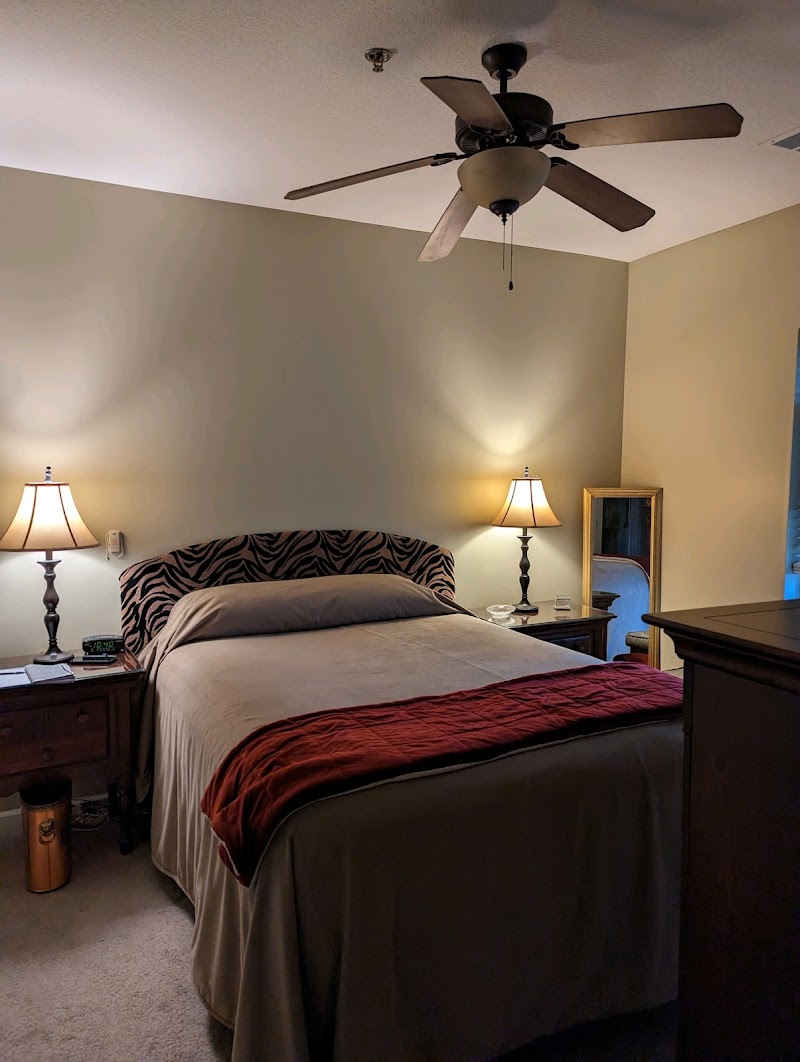
How is Armour Oaks Senior Living Community Staffed?

CMS rates ARMOUR OAKS SENIOR LIVING COMMUNITY's staffing level at 1 out of 5 stars, which is much below average compared to other nursing homes. Staff turnover is 80%, which is 34 percentage points above the Missouri average of 46%. High turnover can affect care consistency as new staff learn residents' individual needs.

What Have Inspectors Found at Armour Oaks Senior Living Community?

State health inspectors documented 39 deficiencies at ARMOUR OAKS SENIOR LIVING COMMUNITY during 2019 to 2025. These included: 39 with potential for harm.
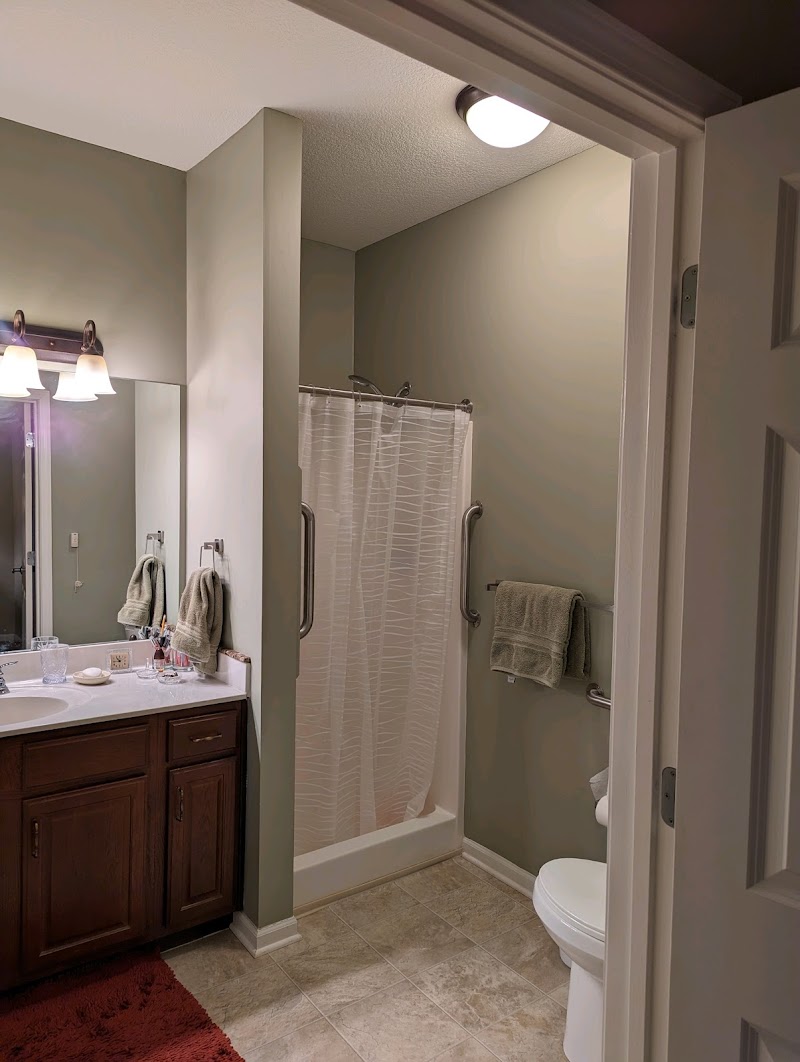
Who Owns and Operates Armour Oaks Senior Living Community?

ARMOUR OAKS SENIOR LIVING COMMUNITY is owned by a non-profit organization. Non-profit facilities reinvest revenue into operations rather than distributing to shareholders. The facility operates independently rather than as part of a larger chain. With 38 certified beds and approximately 33 residents (about 87% occupancy), it is a smaller facility located in KANSAS CITY, Missouri.
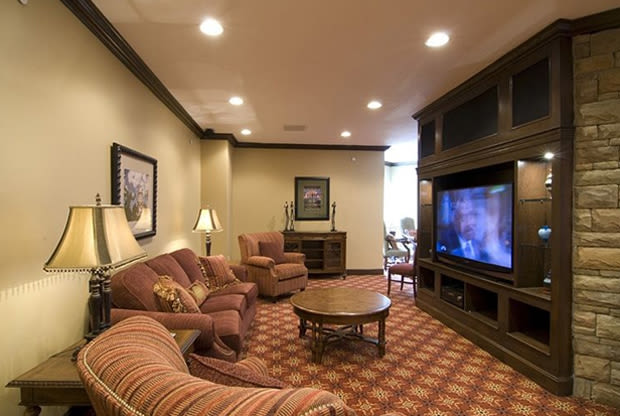
How Does Armour Oaks Senior Living Community Compare to Other Missouri Nursing Homes?

Compared to the 100 nursing homes in Missouri, ARMOUR OAKS SENIOR LIVING COMMUNITY's overall rating (3 stars) is above the state average of 2.5, staff turnover (80%) is significantly higher than the state average of 46%, and health inspection rating (3 stars) is at the national benchmark.

What Should Families Ask When Visiting Armour Oaks Senior Living Community?

Based on this facility's data, families visiting should ask: "How do you ensure continuity of care given staff turnover, and what is your staff retention strategy?" "Can you walk me through typical staffing levels on day, evening, and night shifts?" "Can I visit during a mealtime to observe dining assistance and food quality?" "How do you handle medical emergencies, and what is your hospital transfer rate?" These questions are particularly relevant given the facility's high staff turnover rate and the below-average staffing rating.

Is Armour Oaks Senior Living Community Safe?

Based on CMS inspection data, ARMOUR OAKS SENIOR LIVING COMMUNITY has a clean safety record: no substantiated abuse findings (meaning no confirmed cases of resident harm), no Immediate Jeopardy citations (the most serious violation level indicating risk of serious injury or death), and is not on the Special Focus Facility watch list (a federal program monitoring the lowest-performing 1% of nursing homes). The facility has a 3-star overall rating and ranks #1 of 100 nursing homes in Missouri. While no facility is perfect, families should still ask about staff-to-resident ratios and recent inspection results during their visit.

Do Nurses at Armour Oaks Senior Living Community Stick Around?

Staff turnover at ARMOUR OAKS SENIOR LIVING COMMUNITY is high. At 80%, the facility is 34 percentage points above the Missouri average of 46%. High turnover means new staff may not know residents' individual needs, medications, or preferences. It can also be disorienting for residents, especially those with dementia who rely on familiar faces. Families should ask: What is causing the turnover? What retention programs are in place? How do you ensure care continuity during staff transitions?

Was Armour Oaks Senior Living Community Ever Fined?

ARMOUR OAKS SENIOR LIVING COMMUNITY has no federal fines on record. CMS issues fines when nursing homes fail to meet care standards or don't correct problems found during inspections. The absence of fines suggests the facility has either maintained compliance or corrected any issues before penalties were assessed. This is a positive indicator, though families should still review recent inspection reports for the full picture.

Is Armour Oaks Senior Living Community on Any Federal Watch List?

ARMOUR OAKS SENIOR LIVING COMMUNITY is not on any federal watch list. The most significant is the Special Focus Facility (SFF) program, which identifies the bottom 1% of nursing homes nationally based on persistent, serious quality problems. Not being on this list means the facility has avoided the pattern of deficiencies that triggers enhanced federal oversight. This is a positive indicator, though families should still review the facility's inspection history directly.