BISHOP SPENCER PLACE, INC, THE
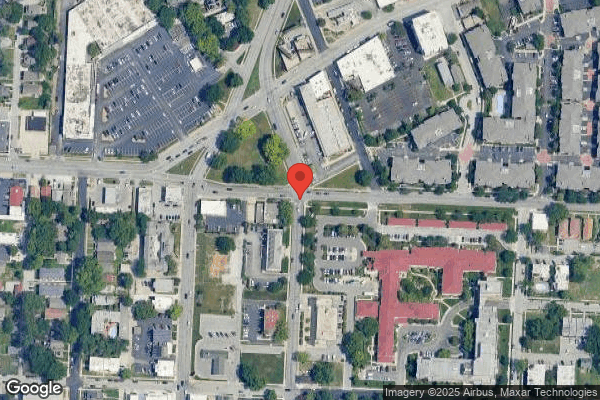
4301 MADISON AVENUE, KANSAS CITY, MO 64111 (816) 931-4277
Non profit - Corporation 57 Beds Independent Data: November 2025 1 Immediate Jeopardy citation
Trust Grade
46/100
#136 of 479 in MO
Last Inspection: February 2024

Within standard 12-15 month inspection cycle. Federal law requires annual inspections.

Overview

Bishop Spencer Place, Inc. has a Trust Grade of D, indicating below-average performance with some significant concerns. It ranks #136 of 479 facilities in Missouri, placing it in the top half, and #7 of 38 in Jackson County, meaning only six local options are better. However, the facility is worsening, with issues rising from three in 2023 to eleven in 2024. Staffing is a strength, earning a 4 out of 5 stars, with a turnover rate of 53%, which is below the Missouri average. Despite receiving average fines of $8,021, the facility has critical issues; for example, a resident was given ten times the prescribed dose of morphine, which led to an immediate jeopardy situation. Furthermore, cleanliness and food safety standards were not met in the kitchen, and there were failures in managing resident trust account funds after death. Overall, while staffing is a positive aspect, the facility has serious areas requiring improvement.

Trust Score
D
46/100
In Missouri
#136/479
Top 28%
Safety Record
High Risk
Review needed
Inspections
Getting Worse
3 → 11 violations
Staff Stability
⚠ Watch
53% turnover. Above average. Higher turnover means staff may not know residents' routines.
Penalties
⚠ Watch
$8,021 in fines. Higher than 77% of Missouri facilities, suggesting repeated compliance issues.
Skilled Nurses
✓ Good
Each resident gets 55 minutes of Registered Nurse (RN) attention daily — more than average for Missouri. RNs are trained to catch health problems early.
Violations
⚠ Watch
24 deficiencies on record. Higher than average. Multiple issues found across inspections.
★★★☆☆
3.0
Overall Rating
★★★★☆
4.0
Staff Levels
★★★★☆
4.0
Care Quality
★★★☆☆
3.0
Inspection Score
Stable
2023: 3 issues
2024: 11 issues

The Good

  • 4-Star Staffing Rating · Above-average nurse staffing levels
  • 4-Star Quality Measures · Strong clinical quality outcomes
  • Full Sprinkler Coverage · Fire safety systems throughout facility
  • No fines on record

Facility shows strength in staffing levels, quality measures, fire safety.

The Bad

3-Star Overall Rating

Above Missouri average (2.5)

Meets federal standards, typical of most facilities

Staff Turnover: 53%

Near Missouri avg (46%)

Higher turnover may affect care consistency

Federal Fines: $8,021

Below median ($33,413)

Minor penalties assessed

The Ugly 24 deficiencies on record

1 life-threatening
Jul 2024 2 deficiencies 1 IJ
CRITICAL (J) 📢 Someone Reported This

A family member, employee, or ombudsman was alarmed enough to file a formal complaint

Immediate Jeopardy (IJ) - the most serious Medicare violation

Deficiency F0760 (Tag F0760)

Someone could have died · This affected 1 resident

**NOTE- TERMS IN BRACKETS HAVE BEEN EDITED TO PROTECT CONFIDENTIALITY** Based on interview and record review, the facility failed to ensure one sampled resident (Resident #1) was free from a significa...

Read full inspector narrative →
**NOTE- TERMS IN BRACKETS HAVE BEEN EDITED TO PROTECT CONFIDENTIALITY** Based on interview and record review, the facility failed to ensure one sampled resident (Resident #1) was free from a significant medication error. On 7/12/24 Resident #1 was administered 5 milliliters (ml) (100 mg (milligrams)/5 ml) oral solution of morphine concentrate (a opiate medicine used to treat moderate to severe pain) instead of the physician ordered 0.5 ml (10 mg) by mouth PRN (as needed) every 6 hours for pain. Narcan (a medicine that can save someone from a prescription Opioid medicine overdose) was ordered by the physician due to the dosage being 10 times the amount ordered and administered. The facility census was 48 residents. The Administrator was notified on 7/24/24 at 2:12 P.M., of an Immediate Jeopardy (IJ) which began on 7/12/24. The IJ was removed on 7/24/24 as confirmed by surveyor onsite verification. Review of the facility's Medication Administration policy, dated 6/29/2023, showed: -Purpose was to administer medications at approximate times as an individual would in their home environment while continuing to comply with physician orders. -The policy was to assure that prescribed medications are administered safely, accurately and in accordance with good nursing practice while accommodating the resident's routines and requests in medication administration. -Procedure: --Physician orders for specific medication administration times shall be followed. --The individual administering the medication must enter their initials into the resident's electronic MAR (medication administrator record) after giving each medication and before administering the next ones. -All reasonable accommodation for resident requests regarding medication administration will be followed by nursing staff. Review of the facility's Safe Medication Administration Practices, Long-term Care policy, dated 5/20/24, showed: -To promote a culture of safety and prevent medication errors, nurse must adhere to the five rights of medication administration. -These rights are to identify the right resident by using at least two resident-specific identifiers, select the right medication, administer the right dose, administer the medication at the right time, and administer the medication by the right route. -Recent literature identifies nine rights of medication administration - which, in addition to the five right, include the right documentation, the right action (or reason for prescribing the medication), the right form, and the right response. -The term medication error refers to a mistake that occurs during the medication administration process. -When a mistake occurs, it's considered an error regardless of whether it harmed a resident. -Federal regulations require that long-term care residents remain free from any significant medication errors. -Implementation: --Avoid distractions and interruptions when preparing and administering medication to prevent medication errors. --Check the resident's medical record to make sure that all required documents, medication information, sensitivities, history and physical examination findings, diagnoses, and laboratory results are present and current. --Confirm the resident's identity using at least two resident identifiers. -Administering high-alert medications: --Identify high-alert medications based on your facility's approved list. --High-alert medications include opioids. --Carefully monitor medication dosing, especially if dosing adjustments are necessary based on narrow therapeutic windows. -Familiarize yourself with all medications that you administer and be aware of potential (adverse drug event) ADEs that might occur. -Know where to obtain resources to confirm potential ADEs if you aren't familiar with the medications in use. 1. Review of the Morphine Sulfate Oral Solution package insert, dated January 2012, showed -Take care to avoid dosing errors due to confusion between different concentrations and between milligram (mg)/and milliliters (ml), which could result in accident overdose and death. -Respiratory depression: Increased risk in elderly, debilitated patients, those suffering from conditions accompanied by hypoxia, hypercapnia, or upper airway obstruction. (5.2) - Controlled substance: Morphine sulfate is a Schedule II controlled substance with an abuse liability similar to other opioids. (5.3) - (Central Nervous System- made up of brain and spinal cord) CNS effects: Additive CNS depressive effects when used in conjunction with alcohol, other opioids, or illicit drugs. (5.4) - Elevation of intracranial pressure: May be markedly exaggerated in the presence of head injury, other intracranial lesions. (5.5) - Hypotensive effect: Increased risk with compromised ability to maintain blood pressure. (5.6) - Special Risk Groups: Use with caution and in reduced dosages in patients with severe renal or hepatic impairment, Addison's disease, hypothyroidism, prostatic hypertrophy, or urethral stricture, elderly, CNS depression, toxic psychosis, acute alcoholism and delirium tremens, may aggravate or induce seizures. (5.9) - Impaired mental/physical abilities: Caution must be used with potentially hazardous activities. (5.10) Review of Resident #1's Face Sheet showed the resident: -Was admitted on [DATE]. -Had diagnoses including dementia and Parkinson's Disease (a progressive disorder that affects the nervous system and the parts of the body controlled by the nerves). -discharged on 7/13/24. Review of the resident's Discharge Minimum Data Set (MDS - a federally mandated assessment instrument completed by facility staff for care planning), dated 7/13/24, showed the resident was severely cognitively impaired. Review of the resident's Medical Status Summary, dated 7/10/24, showed the resident: -Was admitted to hospice services (end of life care) related to dementia. -Was on a pain management program. Review of the Resident's Physician Orders, dated July 2024, showed: -Morphine concentrate 100 mg/5 mL oral solution, give 0.5 mL by mouth (10 mg total dose) as needed (PRN) every (Q) 2 hours PRN for pain, ordered 7/10/24. -Naloxone (Narcan) 4 mg/actuation nasal spray, nasal PRN Q 5 minutes PRN, spray 1 mg each nare for suspected opioid overdose emergency with signs of breathing problems and severe sleepiness or not being able to respond. May repeat in 4 minutes if symptoms recur, ordered 7/10/24. Review of the resident's July 2024 MAR showed: -Morphine concentrate administered on 7/12/24 at 12:16 A.M., 2:12 A.M., 5:12 A.M., 10:09 A.M., 3:43 P.M., no other administration documented for this date. -Naloxone (Narcan) administered on 7/12/24 at 1:10 P.M. Review of the resident's Nurse Notes, dated 7/12/24 at 4:40 P.M., showed: - Assistant Director of Nursing (ADON) administered the resident his/her morphine concentrate for pain. - ADON spoke with Certified Medication Technician (CMT) A related to the dose and amount to pull from the stock. - ADON administered 5 ml of morphine concentrate to the resident. -When the ADON returned to document administration, he/she realized he/she gave the incorrect dose of morphine concentrate. - ADON assessed the resident to have a respiratory rate of 16 with shallow (of little depth) breaths per minute (Normal respirations are 16 to 20 per minute). - ADON notified the Director of Nursing (DON) and the physician. - ADON administered Narcan at 1:10 P.M. nasally into left nare. - ADON assessed the resident's respiratory rate of 18 breaths per minute, regular breathing through mouth at 1:15 PM. - ADON reassessed resident at 1:20 P.M., 1:30 P.M., 1:45 P.M., and 2:00 P.M., showing regular respiratory rate of 18 breaths per minute. -At 4:00 P.M., the resident's spouse requested pain medication and morphine concentrate 0.5 mL was administered without difficulty. Review of the facility Medication Error Report, dated 7/12/24, showed: -Morphine concentrate 100 mg/5 mL oral solution, give 0.5 mL by mouth (10 mg total dose) PRN every 2 hours as needed for pain was ordered for the resident. -ADON administered 5 mL of morphine concentrate. -Medication was double checked with CMT A. -Prior to administration the resident was restless and complained to his/her spouse of pain. -When ADON returned to document the dose given, he/she noticed on the narcotic sheet the dose previously given was 0.5 mL. - ADON spoke with the DON, spouse, and physician. -The physician asked how the resident was doing and requested Narcan be given. -The resident's respiratory rate was 16 breaths per minute and shallow prior to Narcan administration. -Narcan was administered at 1:10 P.M., nasally. -The ADON stayed with the resident for 15 minutes monitoring his/her respiratory status and pain. -The resident had an increase in respiratory rate and depth after the administration of Narcan. During an interview on 7/23/24 at 2:21 P.M., CMT A said: -If a narcotic needs to be given, a nurse will come to the hall and administer the narcotic. -CMTs are not allowed to administer narcotics in long-term/skilled care. -He/she was unaware of how the ADON was notified that the resident needed his/her morphine. -The ADON asked CMT A about the dosage of the morphine concentrate. -CMT A observed the ADON pull up the morphine concentrate in a syringe and was going to put the morphine in a medication cup. -He/She told the ADON the resident would not get the medication correctly if administered from a medication cup. -He/she tried to tell the ADON the amount pulled for administration was the wrong dose by saying, I don't think that is right. -The ADON kept reading the orders on the box for the morphine concentrate. -When the ADON returned to CMT A's cart to sign out the morphine concentrate, the ADON realized he/she had given the wrong amount. -The ADON administered Narcan to the resident as a result of giving too much morphine concentrate. During an interview on 7/23/24 at 2:50 P.M., the ADON said: -Narcotics cannot be given by CMTs. -He/she recalled the medication error regarding the resident on 7/12/24. -He/she was not sure who asked him/her to give the resident his/her morphine concentrate. -He/She asked CMT A where the morphine concentrate was located. -CMT A showed him/her where the medication was in the locked narcotic drawer. -CMT A was standing with him/her as he/she pulled out the medication to be administered. -He/she misread the administration amount and pulled up more than the ordered dose. -He/she put the morphine concentrate in a medication cup and administered the medication to the resident. -When he/she returned to sign out the medication and he/she noticed he/she was signing out more than everyone else had previously. -He/she informed the DON of the error and together they contacted the physician. -He/she has given narcotics on the floor about three times since he/she started in April 2024. -He/she verified the morphine concentrate 5 mL (100 mg) was given at 12:50 P.M. followed by Narcan administered at 1:10 P.M. -He/she was aware of the appropriate medication practices and he/she needed to follow them. -He/she did not verify the appropriate dose to be administered. -He/she should have looked at the label on the bottle, checked the MAR, and the order if needed. -The administration of 100 mg of morphine concentrate instead of the ordered amount of 10 mg of morphine was a preventable event. -He/she felt if CMT A had not been side by side with him/her at the time he/she was pulling up the medication, he/she would of went to another licensed nurse to verify the dose instead of CMT A. During an interview on 7/23/24 at 3:52 P.M., the DON said: -CMTs are not allowed to administer narcotics of any kind, they are supposed to get a nurse to come to the hall to administer any and all narcotics. -On 7/12/24 there was hospice staff with the resident and requested that he/she be given morphine concentrate for pain. -Hospice nurses do not administer medications in the facility. -The ADON said he/she would give the medication. -The hospice staff were not present at the time the ADON administered the morphine concentrate 100 mg. -The ADON notified him/her immediately upon discovering morphine concentrate was administered at 100 mg instead of 10 mg as ordered. -Together they contacted the physician, who ordered Narcan be given. -There was not a policy in place to have liquid morphine be verified by another licensed nurse. -The medication error was preventable. -He/she expected safe medication administration practices for all nurses. During an interview on 7/24/24 at 8:02 A.M., the Physician said: -He/She was aware of the medication error on 7/12/24 involving the resident. -He/She ordered morphine concentrate 0.5 mg (10 mg) every two hours as needed for pain consistent with hospice/palliative care. -Agreed with the dose of 5 mL (100 mg) was a significant medication error. -Due to the dose being 10 times the amount ordered, he/she felt Narcan was an appropriate pathway. -Although no clinical harm was done, it doesn't negate the fact an error was made. -There are checks and balances in place to minimize the risk of this kind of medication error. During an interview on 7/24/24 at 2:09 PM the Administrator said: -He/she was aware of the medication error on 7/12/24. -He/she expected staff to follow procedure as the procedures are in place to protect the resident. -Although the medication was significant, he/she wants to cultivate a positive culture for reporting to rectify errors if/when they occur and contact the doctor immediately. NOTE: At the time of the survey, the violation was determined to be at the immediate and serious jeopardy level J. Based on observation, interview and record review completed during the onsite visit, it was determined the facility had implemented corrective action to address and lower the violation at the time. A final revisit will be conducted to determine if the facility is in substantial compliance with participation requirements. At the time of exit, the severity of the deficiency was lowered to the D level. This statement does not denote that the facility has complied with State law (Section 198.026.1 RSMo.) requiring that prompt remedial action be taken to address Class I violation(s). MO00239368
CONCERN (D) 📢 Someone Reported This

A family member, employee, or ombudsman was alarmed enough to file a formal complaint

Potential for Harm - no one hurt, but risky conditions existed

Quality of Care (Tag F0684)

Could have caused harm · This affected 1 resident

**NOTE- TERMS IN BRACKETS HAVE BEEN EDITED TO PROTECT CONFIDENTIALITY** Based on interview and record review, the facility failed to ensure two sampled residents (Resident #2 and #3) were free from me...

Read full inspector narrative →
**NOTE- TERMS IN BRACKETS HAVE BEEN EDITED TO PROTECT CONFIDENTIALITY** Based on interview and record review, the facility failed to ensure two sampled residents (Resident #2 and #3) were free from medication errors, out of 10 sampled residents. On 3/25/24 Resident #2 was given the wrong medication when the Certified Medication Technician (CMT) handed the medication to Licensed Practical Nurse (LPN) A, who then administered the medication to the wrong resident, and on 4/4/24 Resident #3 was given his/her medication twice. A family member had given the medication to the resident and it was not signed out on the Medication Administration Record (MAR). When the resident returned to the facility the medication was given to the resident for the second time. The facility census was 48 residents. Review of the facility's Medication Administration policy, dated 6/29/2023, showed: -Purpose was to administer medications at approximate times as an individual would in their home environment while continuing to comply with physician orders. -The policy was to assure that prescribed medications are administered safely, accurately and in accordance with good nursing practice while accommodating the resident's routines and requests in medication administration. -Procedure: --Physician orders for specific medication administration times shall be followed. --The individual administering the medication must enter their initials into the resident's electronic MAR after giving each medication and before administering the next ones. -All reasonable accommodation for resident requests regarding medication administration will be followed by nursing staff. Review of the facility's Safe Medication Administration Practices, Long-term Care policy, dated 5/20/24, showed: -To promote a culture of safety and prevent medication errors, nurse must adhere to the five rights of medication administration. -These rights are to identify the right resident by using at least two resident-specific identifiers, select the right medication, administer the right dose, administer the medication at the right time, and administer the medication by the right route. -Recent literature identifies nine rights of medication administration - which, in addition to the five right, include the right documentation, the right action (or reason for prescribing the medication), the right form, and the right response. -The term medication error refers to a mistake that occurs during the medication administration process. -When a mistake occurs, it's considered an error regardless of whether it harmed a resident. -Federal regulations require that long-term care residents remain free from any significant medication errors. -A medication error that doesn't cause resident harm is referred to as a potential adverse drug event (ADE) because the actions of the resident or clinician averted the error before it affected the resident. -A potential ADE is also referred to as a near miss or close call. -Implementation: --Avoid distractions and interruptions when preparing and administering medication to prevent medication errors. --Check the resident's medical record to make sure that all required documents, medication information, sensitivities, history and physical examination findings, diagnoses, and laboratory results are present and current. --Confirm the resident's identity using at least two resident identifiers. -Administering high-alert medications: --Identify high-alert medications based on your facility's approved list. --High-alert medications include opioids. --Carefully monitor medication dosing, especially if dosing adjustments are necessary based on narrow therapeutic windows. -Familiarize yourself with all medications that you administer and be aware of potential ADEs that might occur. -Know where to obtain resources to confirm potential ADEs if you aren't familiar with the medications in use. 1. Review of Resident #2's Face Sheet showed the resident was admitted on [DATE] with diagnoses including cystitis (infection of the urinary bladder) and neuromuscular dysfunction of the bladder. Review of the resident's Quarterly Minimum Data Set (MDS - a federally mandated assessment instrument completed by facility staff for care planning), dated 4/30/24, showed the resident was cognitively intact. Review of the facility Medication Error Report, dated 4/4/24, showed: -The resident was given the medication Rifaximin (an antibiotic used to treat irritable bowel syndrome) that he/she did not have an order for. -LPN A assisted with medication pass. -As the CMT was pulling the medication, he/she said the name of a different resident. -LPN A took the medication to the resident named. -Once administered, it was realized the resident was not ordered the medication. -LPN A assessed the resident and monitored the resident. -No adverse reaction was noted. Review of the resident's Physician Orders for April 2024 showed: -No orders for Rifaximin. Review of the resident's MAR for April 2024 showed no orders or administration of Rifaximin. During interview on 7/31/24 at 1:53 P.M. LPN A said: -He/she was helping CMT B on another hall pass medications. -While CMT B was preparing the medication to be administered, he/she said another resident's name. -CMT B handed the medication to LPN A to administer. -He/she administered the medication to the resident. -CMT B asked if the medication had been given, LPN A confirmed the medication was given. -CMT B realized the medication was administered to the wrong resident. -The resident was assessed and monitored and had no negative effects. -The resident was made aware of the error and the physician had been notified. -LPN A discussed ways to prevent further errors like this from happening with CMT B. -LPN A confirmed the medication, Rifaximin, was given to the resident and the resident did not have an order for the medication. During an interview on 7/31/24 at 2:15 P.M., CMT B said: -LPN A was helping him/her with passing medications. -He/she felt LPN A misheard the resident's name. -The resident received medication ordered for another resident. -The resident did not have any adverse effects as a result of the error. -He/She and LPN A discussed ways to prevent errors like that happening again. During an interview on 7/23/24 at 4:28 P.M., the resident said: -He/she did not recall the medication error in which he/she received the wrong medication on 4/4/24. -He/She felt he/she didn't recall the incident because nothing happened as a result. During an interview on 7/24/24 at 8:02 A.M., the Physician said: -He/she was aware of the error in which the resident received medication he/she was not ordered. -He/she confirmed there were no negative effects as a result of the medication error. During an interview on 7/24/24 at 2:09 P.M. the Administrator said: -He/she knew about the resident receiving the wrong medication on 4/4/24. -The resident did not have any negative effects as a result. 2. Review of Resident #3's Face Sheet showed the resident was admitted on [DATE] with diagnoses including paralysis of the left side of the body after a stroke. Review of the resident's Quarterly MDS, dated [DATE] showed the resident was mildly cognitively impaired. Review of the resident's Physician Orders for March 2024 showed: -Baclofen (a drug used to treat muscle spasms) 20 mg, take one tablet oral three times a day (TID) every day for muscle spasms. -Acetaminophen (a drug for pain) 325 mg, take two tablets oral TID every day for pain management. -Tizanidine (a drug for hypertension) 2 mg by mouth TID every day. -Gabapentin 300 mg by mouth every eight hours every day, take one tablet TID daily. *Note: facility liberilized medication pass times were 7:00 A.M. to 10:00 A.M., 11:00 A.M. to 2:00 P.M., and 4:00 P.M. to 7:00 P.M. Review of the resident's MAR for March 2024 showed all medications documented as given on 3/25/24 at all three medication passes. Review of the resident's Nurse Notes, dated 3/25/24 at 4:03 P.M., showed: -The resident had taken his/her 2:00 P.M. medications twice (medications not signed off when given to the family member to administer). -Resident returned early to his/her room. -When the resident was questioned about his/her 2:00 P.M. scheduled medications, the resident could not recall if he/she received the medications. -The medications administered again were Tizanidine 2 mg tablet, Gabapentin 300 mg, and Acetaminophen 325 mg tablet two tablets. -The resident was evaluated by the physician in house and determined the resident did not have any negative side effects to be alarmed about. Review of the facility Medication Error Report dated 3/25/24 showed: -Resident was given his/her 2:00 P.M. medications twice because the scheduled medications were given to the family member without signing the medications off in the MAR. -The nurse realized the medications had not been signed off and the resident did not recall if the medications were given. -The following medications were given twice Acetaminophen 325 mg two tablets, Gabapentin 300 mg, and Tizanidine 2 mg. -The resident was evaluated by the provider in house who reported the resident was stable and the double dose did not have any negative side effects. During an interview on 7/23/24 at 4:22 P.M. the resident said: -He/she did get his/her medications twice on 3/25/24. -He/she did not have any negative reactions as a result of taking his/her medications twice. -He/she had been with his/her family member. -When he/she left with his/her family member, staff would send his/her medications with his/her family member. -His/her family member had given him/her the medication while he/she was out. -Upon returning the staff administered the medications to him/her again. During an interview on 7/23/24 at 4:25 P.M. the resident's family member said: -When he/she took the resident out of the facility, the staff would give him/her the medications to give to the resident. -On 3/25/24 the staff had given him/her the medication to be given on or about 2:00 P.M. -He/she gave the resident the medications about 2 P.M. -When they returned to the facility the staff administered the scheduled medications for the second time. -They reported to him/her the medications were not signed off as given which prompted them to give the resident the medications again. -The resident did not have any negative effects. During an interview on 7/24/24 at 8:02 A.M. the Physician said: -He/she was aware of the resident receiving a double dose of his/her 2:00 P.M. medications on 3/25/24. -The resident did not have any adverse effects as a result of the medication error.
Feb 2024 9 deficiencies
CONCERN (D)

Potential for Harm - no one hurt, but risky conditions existed

Deficiency F0645 (Tag F0645)

Could have caused harm · This affected 1 resident

Based on interview and record review, the facility failed to obtain a complete Preadmission Screening and Resident Review (PASRR - a federal requirement to help ensure that individuals are not inappro...

Read full inspector narrative →
Based on interview and record review, the facility failed to obtain a complete Preadmission Screening and Resident Review (PASRR - a federal requirement to help ensure that individuals are not inappropriately placed in nursing homes for long term care) Level I Screening for one sampled resident (Resident #12) out of 15 sampled residents. The facility census was 53 residents. Review of the facility's Behavior Assessment and Monitoring Policy dated 3/13/23 showed: -The interdisciplinary team will utilize information from the PASRR process as well as complete a comprehensive assessment of the resident needs, strengths, goals, life history and preference using the Resident Assessment Instrument (RAI) process specified by Centers for Medicare and Medicaid Services (CMS). -The Preadmission and PASRR Process: identifying potential mood and behavioral changes, support and care plan interventions is part of the assessment process as well as coordination of care. It is the policy of the facility to screen all potential admissions on an individualized basis for behavioral health needs. -Social Services will complete a Social Services Initial Assessment which includes PASRR Level II Completion (as applicable). 1. Review of Resident #12's PASRR Level I Screening dated 9/1/21 showed: -The PASRR Level I form was completed by a local hospital. -Question #4 in Section B was blank. -- Has the person had serious problems in level(s) of functioning in the last six months? -Question #5 in Section B was blank. --Has the person received intensive psychiatric treatment in the past two years? -The resident did not sign the form. -NOTE: As a result of questions #4 and #5 being left blank the determination of completing a Level II screening could not be made. Review of the resident's quarterly Minimum Data Set (MDS - a federally mandated assessment tool completed by the facility staff for care planning) dated 12/7/23 showed the resident: -Was cognitively intact. -Had a diagnosis of Major Depressive Disorder (a mood disorder that caused a persistent feeling of sadness and loss of interest and could interfere with daily life). During an interview on 2/5/24 at 12:53 P.M., the Director of Nursing (DON) said: -He/She thought the preadmission PASRR Level I Screening was reviewed by the admission Coordinator. -None of the floor nursing staff review the PASRR forms. During an interview on 2/5/24 at 1:00 P.M., the admission Coordinator said: -The Social Worker at the hospital was supposed to completely fill out the PASRR Level I form, then have the hospital physician sign it. -The resident was admitted before he/she was the admission Coordinator. -The previous admission Coordinator should have checked the form before admitting the resident. -There was not a more recent Level I Screening. -Questions #4 and #5 in Section B were not answered. -Question #5 was the question that could have triggered a PASRR level II questionnaire. -He/she did not know if a PASRR Level II should or should not have been done based on the form. -Knowing the resident's history, he/she believed the resident did not need a PASRR Level II. During an interview on 2/6/24 at 12:46 P.M., the DON said: -When a PASRR Level I form was received, it should have been filled out completely. -The resident was admitted before the current admission Coordinator started. -The incomplete PASRR Level I received for the resident fell through the cracks. -It should have been reviewed by the previous admission Coordinator. -If questions #4 and #5 were not filled out, they could not determine if they could properly take care of the resident. -It should be complete. -The facility was now using online PASRR forms. -He/She did not know how often the residents were reassessed. -They should be reassessed periodically to ensure that the facility was still able to provide the proper care.
CONCERN (D)

Potential for Harm - no one hurt, but risky conditions existed

Deficiency F0658 (Tag F0658)

Could have caused harm · This affected 1 resident

**NOTE- TERMS IN BRACKETS HAVE BEEN EDITED TO PROTECT CONFIDENTIALITY** Based on observation, interview and record review, the facility failed to ensure a pain patch was not left on the resident's bre...

Read full inspector narrative →
**NOTE- TERMS IN BRACKETS HAVE BEEN EDITED TO PROTECT CONFIDENTIALITY** Based on observation, interview and record review, the facility failed to ensure a pain patch was not left on the resident's breakfast tray for one sampled resident (Resident #105) and to ensure a nursing staff member did not leave medications in the resident's room for the resident to self-administer without a nursing staff member present for one sampled resident (Resident #19) out of 15 sampled residents. The facility census was 53 residents. Review of the facility's policy titled Self-Administration of Medication dated as revised 3/8/21 showed instructions to assess residents to determine if they were capable of self-administering over-the-counter medications. 1. Review of Resident #105's care plan dated 1/24/24 showed the resident experienced pain. Review of the resident's admission Minimum Data Set (MDS-a federally mandated assessment tool completed by facility staff for care planning) dated 1/30/24 showed the following staff assessment of the resident: -Cognitively intact. -Experienced occasional pain with a pain level of eight out of ten being the worst pain level he/she experienced. Review of the resident's medical record showed no self-administration of medication assessment. Observation and interview on 1/31/24 at 9:52 A.M. showed: -The resident was lying in bed in his/her room. -A white patch without any packaging was sitting directly on the resident's breakfast tray. -The patch had writing in black marker on the side that was facing down on the tray that was difficult to read but appeared to be the date (1/31) and staff initials. -The patch was approximately one inch away from the resident's breakfast plate which still had food on it. -The resident said the nurse put some kind of cream on his/her feet and the nurse told the resident he/she was leaving the patch on the resident's tray because he/she needed to wait a little while after applying the cream before applying the pain patch. Observation and interview on 1/31/24 at 1:07 P.M. showed: -Part of a white patch could be seen on the top of the resident's right foot with the resident's sock partially covering the patch. -The resident said the nursing staff put the pain pads on his/her feet. Review of the resident's Medication Administration Record (MAR) dated January 2024 showed: -A physician's order for Capsaicin 0.025% topical cream (used to help relieve a certain type of pain known as neuralgia (shooting or burning pain in the nerves), apply topically twice a day in the morning and at bedtime every day for muscle and/or joint pain and it was administered in the morning on 1/31/24. -A physician's order for Lidocaine 4% topical patch, apply two patches topically twice daily every day to painful feet and they were administered in the morning on 1/31/24. During an interview on 2/2/24 at 8:20 A.M., Licensed Practical Nurse (LPN) C said: -He/She left an unopened Lidocaine pain patch on a resident's bedside table during the morning medication pass and stepped out in the hall to the medication cart. -He/She knew not to leave any type of medication in a resident's room without being in there and he/she should have taken it out with him/her until ready to apply it. During an interview on 2/6/24 at 12:35 P.M., the Director of Nursing (DON) said he/she would not expect the nurse to leave a pain patch out on a resident's tray unattended. 2. Review of Resident #19's admission MDS dated [DATE] showed the staff assessed the resident as moderately cognitively impaired. Review of the resident's medical record showed no self-administration of medication assessment. Observation on 1/31/24 at 12:28 P.M. showed: -The nurse was not in the resident's room. -The resident was observed holding a pill cup to his/her mouth and swallowing two medications out of the cup. -The medications included one pink, oblong pill and one white, oblong pill. Review of the resident's MAR dated January 2024 showed: -The resident was given nine medications the morning of 1/31/24. -The resident was given two 500 mg tablets of Acetaminophen (pain medication) at 12:21 P.M. on 1/31/24. During an interview on 2/6/24 at 11:00 A.M., LPN B said: -Nursing staff should not leave medications at the bedside. -Nursing staff needed to watch the resident to ensure the resident took the medications and did not choke. During an interview on 2/6/24 at 12:35 P.M., the DON said: -He/She would not expect a resident's medication to be left in the resident's room. -He/She would expect the nursing staff to watch the resident take their medication.
CONCERN (D)

Potential for Harm - no one hurt, but risky conditions existed

Pressure Ulcer Prevention (Tag F0686)

Could have caused harm · This affected 1 resident

**NOTE- TERMS IN BRACKETS HAVE BEEN EDITED TO PROTECT CONFIDENTIALITY** Based on observation, interview, and record review, the facility failed to ensure a physician ordered special mattress was in pl...

Read full inspector narrative →
**NOTE- TERMS IN BRACKETS HAVE BEEN EDITED TO PROTECT CONFIDENTIALITY** Based on observation, interview, and record review, the facility failed to ensure a physician ordered special mattress was in place to minimize a Stage III wound (a full thickness tissue loss. Subcutaneous fat may be visible but bone, tendon or muscle is not exposed. Slough may be present but does not obscure the depth of tissue loss. May include undermining or tunneling) for one sampled resident (Resident #2) out of 15 sampled residents. The facility census was 53 residents. Review of the facility's policy, Skin Care - Wound Care), dated 2/6/24 showed: -The Wound Care Team and/or the primary nurses were responsible for providing care for the patient with a skin wound. -Ordered or recommended wound care would have been provided by facility staff while properly following all standards of practice for wound care. -Staff was to have implemented Individualized Plan of Care. -Staff was to have implemented measures to manage tissue load to minimize pressure, friction and shear. -Staff was to have provided ordered and recommended wound care in accordance with accepted wound and infection control standards of practice. 1. Review of Resident #2's face sheet showed he/she was admitted to the facility on [DATE] with a diagnosis of a pressure ulcer to his/her right upper back, Stage III. Review of the resident's admission Minimum Data Set (MDS - a federally mandated assessment tool completed by the facility for care planning), dated 12/11/23 showed: -His/Her Brief Interview for Mental Status (BIMS) score was 13 out of 15 indicating he/she was cognitively intact. -He/She had a Stage III pressure ulcer. -He/She should have had a pressure reducing device for his/her bed. Review of the resident's Care Plan dated 12/11/23 showed the resident was to have a Low Air Loss (LAL - a mattress designed to distribute the patient's body wight over a broad surface area and help prevent skin breakdown) mattress to assist with wound healing. Observation on 1/31/24 at 11:25 A.M. with Registered Nurse (RN)/Wound Care Nurse (WCN) A showed: -The resident had a Stage III pressure ulcer on the right side of his/her lower back. -The pressure ulcer was a quarter size, Stage III with 100% white slough (a layer of dead skin). -There was no LAL mattress on the resident's bed. During an interview on 1/31/24 at 11:35 A.M. RN/WCN A said: -He/She did wound treatment on the resident daily. -The resident had a Stage III pressure ulcer. -The resident mostly laid on his/her back. -They encouraged the resident to lay or his/her side or to get up into the wheelchair. -When the staff encouraged the resident to lay on his/her side it should have been documented in the nurses' notes. -He/She did not think staff charted when the resident was encouraged to lay on his/her side was charted. -The resident's care plan should have indicated that he/she had a pressure ulcer. -The resident should have had a LAL mattress. -It should have been documented he/she had a LAL which he/she had in the other room. -He/She had changed rooms about two weeks ago and the LAL mattress should have been on his/ her bed but it was not. -All of the residents' beds can function as a LAL the motor only needed to be applied to the bed. -There was no documentation on the resident's care plan of having a pressure ulcer or what staff should be doing with him/her such as getting him/her off of his/her back. -The Certified Nursing Assistants (CNA)s had assignment sheets that told them what to do with the resident, a LAL mattress should have been listed on the assignment sheet. -The Charge Nurse was responsible to ensure Physician's orders were followed through. -The Wound Nurse would have been responsible to ensure there were precautions and procedures in place to help the pressure ulcer to heal. -Somehow the LAL mattress order was missed. During an interview on 1/31/24 at 11:45 A.M. the resident said: -He/She had a LAL mattress in his/her other room before he/she was moved. -He/She did not know why he/she did not have one on this bed. -He/She did not get up out of bed very often any more as it was too hard for him/her. During an interview on 2/1/24 at 10:30 A.M. CNA F said: -He/She got an assignment sheet at the beginning of the shift that showed what they were supposed to do with the residents. -He/She did not know anything about the resident having a sore on his/her back or what was to have been done with it. -He/She did not know if the resident should have had a LAL mattress. -He/She did not have an assignment sheet for today. During an interview on 2/1/24 at 10:45 A.M. the Assistant Director of Nursing (ADON) said: -The wound should have been care planned. -The care plan should have told the staff what to do for the pressure ulcer. -The resident should have had a LAL mattress. -The order for the LAL mattress was missed. -The Wound Care Nurse should have ensured the resident had a LAL mattress on his/her bed especially if he/she was doing wound care daily. -The LAL mattress should have been on the CNA's assignment sheet. -The LAL mattress was not on the CNA's assignment sheet. Review of the resident's CNA's assignment sheet dated 2/1/24 showed: -Skin area was blank. -Assistive devices was blank. -No documentation of a LAL mattress. Review of the resident's February 2024 Physician's Order Sheet (POS) showed the following order: -Wound care nurse to assess and treat as indicated, dated 12/14/23. -LAL mattress, dated 2/1/24. During an interview on 2/2/24 at 7:45 A.M. CNA J said: -The resident did not have a LAL mattress listed on his/her assignment sheet. - The LAL mattress should have been on the assignment sheet if the Physician had ordered it. -He/She had worked with the resident and did not think he/she had a LAL mattress on his/her bed before today. During an interview on 2/2/24 at 8:00 A.M. Licensed Practical Nurse (LPN) B said: -The resident had a pressure ulcer. -The resident had been in a different room a couple of weeks ago and had a LAL mattress there. -The resident went to the hospital and when he/she came back he/she went to a different room. - The resident had a physician's order for a LAL mattress and for some reason it was not put on his/her bed when he/she was moved to a different room before today. -The resident did not get out of bed much and needed the LAL mattress to help the pressure ulcer. -The Charge Nurse should have ensured all orders were completed. During an interview on 2/5/24 at 2:00 P.M. RN/WCN A said: -The resident had a Stage III pressure ulcer. -He/She did wound treatments on the resident. -He/She did not notice there was no LAL mattress on the residents bed and should have seen that. -The resident was in the hospital for a while and when he/she came back he/she was in a different room. -The resident refused to get out of bed and should have had a LAL mattress on his/her bed but somehow that was missed. -The Charge nurse should have caught the LAL mattress order. During an interview on 2/5/24 at 2:20 P.M. the ADON said: -The resident was in the hospital from [DATE] to 11/28/23 and returned on 12/4/23. -When he/she came back from the hospital he/she was put into a different room. -Staff missed putting the LAL mattress on his/her bed to help with wound care. -The Charge Nurse should have ensured the order was carried over. During an interview on 2/6/24 at 12:30 P.M. the Director of Nursing (DON) said: -If a resident had a Stage III pressure ulcer and would not get out of bed, he/she would have expected a LAL mattress on their bed. -All of the beds could have been LAL mattress beds all the staff needed to do was to put the motor and attach it to the bed. -The Nurses were responsible to ensure the Physician's orders had been carried out. -The LAL mattress order should have been care planned.
CONCERN (D)

Potential for Harm - no one hurt, but risky conditions existed

Deficiency F0883 (Tag F0883)

Could have caused harm · This affected 1 resident

**NOTE- TERMS IN BRACKETS HAVE BEEN EDITED TO PROTECT CONFIDENTIALITY** Based on interview and record review, the facility failed to complete the Pneumococcal Immunization Informed Consent form correc...

Read full inspector narrative →
**NOTE- TERMS IN BRACKETS HAVE BEEN EDITED TO PROTECT CONFIDENTIALITY** Based on interview and record review, the facility failed to complete the Pneumococcal Immunization Informed Consent form correctly before having the resident and nurse sign it; and failed to re-offer the immunization for one sampled resident (Resident #8) out of five residents sampled for immunizations. The facility census was 53 residents. Requested a policy for Pneumococcal Immunization and received an updated Consent for Vaccine form. 1. Review of Resident #8's face sheet showed he/she was admitted on [DATE] and re-admitted on [DATE] with the following diagnoses: -Chronic (persisting for a long time or constantly recurring) Obstructive Pulmonary Disease (COPD-condition involving constriction of the airways and difficulty or discomfort in breathing) with acute (sudden onset) lower respiratory infection. -Chronic Respiratory Failure (condition in which the blood does not have enough oxygen or has too much carbon dioxide). -Dependence on supplemental oxygen. Review of the resident's Pneumococcal Immunization Informed Consent form dated 1/6/2013 showed: -Areas for consent to receive, refused because already received with a blank line for a date, or other reason. -None of the three areas were filled out on the form. -The form was signed by the resident and by a staff member and each dated on 8/25/18. During an interview on 2/5/24 at 11:18 A.M., the Director of Nursing (DON) said: -The resident had refused the Pneumococcal immunization. -The nurse had not checked the refused box due to the refusal box showed refused because already received and had a date line and the resident had not previously received the vaccine and did not want it. During an interview on 2/5/24 at 12:41 P.M., the resident said: -He/She may have refused the pneumonia vaccine back then, that was six years ago. -He/She would like to receive the pneumonia vaccine now if able to receive it. During an interview on 2/6/24 at 12:34 P.M., DON said: -The Pneumococcal Immunization Informed Consent form should have been filled out completely when the resident and the nurse each signed the form in 2018. -The form should not have been signed by the resident or the nurse before being completely filed out. -The pneumonia vaccine was offered to residents when they were admitted and given with the resident's consent or consent of their family representative. -The pneumonia vaccine was not offered to residents yearly.
CONCERN (E)

Potential for Harm - no one hurt, but risky conditions existed

Deficiency F0569 (Tag F0569)

Could have caused harm · This affected multiple residents

**NOTE- TERMS IN BRACKETS HAVE BEEN EDITED TO PROTECT CONFIDENTIALITY** Based on interview and record review, the facility failed to disperse remaining resident trust account funds and to convey withi...

Read full inspector narrative →
**NOTE- TERMS IN BRACKETS HAVE BEEN EDITED TO PROTECT CONFIDENTIALITY** Based on interview and record review, the facility failed to disperse remaining resident trust account funds and to convey within 30 days of death, a final accounting of the resident trust fund account to the individual or probate jurisdiction administering the resident's estate in accordance with state law after the residents expired for three sampled residents (Residents #106, #107, and #108) out of three expired residents sampled for disbursement of funds. The facility census was 53 residents. Review of the facility's policy titled Management of Residents' Funds dated 2024 showed: -A representative of the business office would review the resident's records upon notification of a resident's death. -If the resident had any funds being held by the facility, the funds should be transferred to the resident's representative, the state or probate jurisdiction administering the resident's estate. Review of the Personal Funds Account Balance Report form dated [DATE] showed: -Nursing facilities were required to submit a written account of the remaining personal funds for any deceased resident who received aid, care, assistance or services paid by the Department of Social Services which includes all of the resident's remaining funds held by the nursing home. -Within 60 days from the date of the resident's death, send the completed form and a copy of the complete accounting of the resident's personal funds account to the Missouri HealthNet Division Third Party Liability Unit. 1. Review of the facility's resident trust fund account, showed the following: -Resident #106 expired on [DATE]. $400.57 remained in the trust account and the facility had not disbursed those funds after the resident expired. The resident was on Medicaid. -Resident #107 expired on [DATE]. $164.17 remained in the trust account and the facility had not disbursed those funds after the resident expired. It did not include the resident's payment source. -Resident #108 expired on [DATE]. $100.00 remained in the trust account and the facility had not disbursed those funds after the resident expired. The resident was on Medicaid. During an interview on [DATE] at 10:22 A.M., the Accounting Specialist said: -They still have the money of the three sampled residents with credit who have expired. -The money was not issued back to the family or Medicaid. -The money in Resident #107's account had been held for a long time and they couldn't find anybody to return money to. -Residents #106 and #108 were on Medicaid. -He/She did not think Resident #107 was on Medicaid and he/she didn't know if there was family to send it to. -They were supposed to send Medicaid money back to Medicaid. During an interview on [DATE] at 9:09 A.M. the Administrator said: -The personal finance account paperwork had not been filed for any of the sampled residents. -He/She would have to find out who was responsible for completing the paperwork and returning funds after the death of a resident. During an interview on [DATE] at 2:13 P.M., the Administrator said the accounting specialist was responsible for completing the forms and returning the residents' money.
CONCERN (E)

Potential for Harm - no one hurt, but risky conditions existed

Respiratory Care (Tag F0695)

Could have caused harm · This affected multiple residents

**NOTE- TERMS IN BRACKETS HAVE BEEN EDITED TO PROTECT CONFIDENTIALITY** 4. Review of Resident #12's Face Sheet showed a diagnosis of Obstructive Sleep Apnea. Review of the resident's POS dated 9/2/21 ...

Read full inspector narrative →
**NOTE- TERMS IN BRACKETS HAVE BEEN EDITED TO PROTECT CONFIDENTIALITY** 4. Review of Resident #12's Face Sheet showed a diagnosis of Obstructive Sleep Apnea. Review of the resident's POS dated 9/2/21 showed an order for a CPAP on at home settings at night. Review of the resident's POS dated 1/4/23 showed to wash CPAP mask and hose out with soap and water and leave it out to air dry on the bedside table every Monday. Review of the resident's annual MDS dated [DATE] showed: -The resident was cognitively intact. -CPAP was not marked. Review of the resident's quarterly MDS dated [DATE] showed: -The resident was cognitively intact. -CPAP was not marked. Review of the resident's electronic Medication Administration Record (MAR) and Treatment Administration Record (TAR) dated January 2024 showed: -Wash CPAP mask and hose out with soap and water and leave it out to air dry on the bedside table every Monday. -CPAP on at home settings at night. Observation on 1/31/24 at 9:29 A.M., of the resident's room showed: -The CPAP machine was on the bedside table. -The CPAP mask was on the bedside table. -The CPAP mask was not in a bag. Observation on 1/31/24 at 1:31 P.M., of the resident's room showed: -The CPAP machine was on the bedside table. -The CPAP mask was on the bedside table. -The CPAP mask was not in a bag. During an interview on 1/31/24 at 1:31 P.M., the resident said: -He/She was able to set up, put on the mask, and turn on the CPAP machine by himself/herself. -He/She had a gallon jug of distilled water to use in the CPAP humidifier. Review of the resident's electronic MAR and TAR dated February 2024 showed: -Wash CPAP mask and hose out with soap and water and leave it out to air dry on the bedside table every Monday. -CPAP on at home settings at night. Observation on 2/1/24 at 10:38 A.M. of the resident's room showed: -The CPAP machine was on the bedside table. -The CPAP mask was on the bedside table. -The CPAP mask was not in a bag. During an interview on 2/1/24 at 10:38 A.M., the resident said: -He/She used the CPAP every night. -He/She filled the reservoir with distilled water, put the CPAP mask on, turned the CPAP machine on at night, and turned it off in the morning. -Staff did not need to help him/her. -In the morning, he/she laid the CPAP mask on the bedside table. -Staff never gave him/her a bag to keep the mask in. Observation on 2/2/24 at 6:26 A.M., of the resident showed: -The resident was lying in bed in the dark. -The resident was wearing the CPAP mask. -The CPAP machine was audible. Observation on 2/2/24 at 9:54 A.M., of the resident's room showed: -The CPAP machine was on the bedside table. -The CPAP mask was on the floor between the bedside table and the bed. -The CPAP mask was not in a bag. During an interview on 2/2/24 at 12:17 P.M., CNA D said: -When not in use, the CPAP mask should be in a bag. -The staff should put the CPAP mask in a plastic bag if the resident did not. -When the plastic bag was not there, staff got a new one. -At nighttime the empty bag was put in the resident's bedside table drawer. -When he/she found a CPAP mask on the floor, he/she cleaned it, and told the nurse. Observation on 2/2/24 at 12:21 P.M., of the resident's room showed: -The CPAP machine was on the bedside table. -The CPAP face mask was still on the floor between the bedside table and the bed. -The CPAP mask was not in a bag. Observation on 2/2/24 at 12:23 P.M., of the resident's room showed: -CNA D brought a new bag for the CPAP mask. -He/She picked the CPAP mask up off the floor. -He/She placed the CPAP mask in the bag and laid it on the bedside table. During an interview on 2/2/24 at 12:36 P.M., the ADON said staff should make sure the CPAP mask was in a bag when not in use. During an interview on 2/5/24 at 9:59 A.M., the MDS Coordinator said staff should make sure the CPAP mask was in a bag when not in use. 5. During an interview on 2/6/24 12:34 P.M., the Director of Nursing (DON) said: -Oxygen tubing should not be hung on the concentrator without being in a bag when not in use. -Oxygen tubing should be in a plastic bag when not in use. -The plastic bag for the tubing should not touch the floor. -The plastic bag for the tubing should be dated and changed weekly. -The nurses were responsible to ensure the physician's orders were carried out. -The staff were expected to change out the Oxygen tubing on Sunday nights and should have ensured the date was written on the bag or the tubing itself. -Nursing staff was responsible to take care of a resident's CPAP machine. -Staff should have cleaned the CPAP mask daily. -Nursing staff should have ensured there was distilled water for the CPAP machine. -If a resident used Oxygen or a CPAP machine it should have been on their care plan. -The expectation was the CPAP mask should be in a bag when not in use. 2. Review of Resident #304's face sheet showed he/she was admitted to the facility on [DATE] with a diagnosis of COPD. Review of the resident's admission MDS dated [DATE] showed: -The resident's Brief Interview for Mental Status (BIMS) score was 12 out of 15 indicating he/she was moderately cognitively impaired. -He/She had COPD. -He/She was on Oxygen therapy. Review of the resident's care plan dated 1/26/24 showed: -A head to toe assessment was to have been completed within 24 hours of admission. -Staff was to review admission orders with the resident. -There was no documentation of Oxygen use on the care plan. Review of the resident's Physician Order Sheet (POS) dated February 2024 showed the following orders: -Staff was to check the Oxygen level every shift and as needed (PRN) for respiratory signs and symptoms. -If the Oxygen level was below 94% nursing was to refer to PRN Oxygen order. -Staff was to administer Oxygen at 2 to 4 liters PRN for oxygen levels below 94%, dated 1/25/24. Observation on 1/31/24 at 11:45 A.M. showed: -The resident did not have his/her Oxygen on his/her face. -The resident's Oxygen tubing was hanging on the bed rail, running. -There was no Oxygen bag in the resident's room to store the tubing in when not in use. Observation on 2/1/24 at 9:27 A.M. showed: -The resident's Oxygen tubing was wound around the bed rail, not in a bag, not in use, running. -The resident's second Oxygen tubing was wound around the Oxygen tank on the back of the residents wheelchair that he/she was sitting in, not in a bag. During an interview on 2/2/24 at 6:30 A.M. CNA K said: -Oxygen tubing when not in use should be in a bag. -The nurses were responsible to have changed out the Oxygen tubing, weekly. -The date the tubing was changed should have been written on the bag or on the tubing. Observation on 2/5/24 at 3:00 P.M. showed: -The resident's Oxygen tubing was wound around the bed rail, not in a bag, not in use. -The resident's Oxygen tubing was wound around the Oxygen tank on the back of the resident's wheelchair that he/she was sitting in, not in use. During an interview on 2/5/24 at 3:10 P.M. Licensed Practical Nurse (LPN) B said: -The CNA's were supposed to change out the Oxygen tubing weekly. -The CNA's should have dated the Oxygen tubing when it was changed. -If Oxygen was not in use the tubing should have been stored in a plastic bag. 3. Review of Resident #305's face sheet showed he/she was admitted to the facility on [DATE] with a diagnosis of Obstructive Sleep Apnea (A potentially serious sleep disorder in which breathing repeatedly stops and starts). Review of the resident's POS dated February 2024 showed the following orders: -The resident had Obstructive Sleep Apnea. -Staff was to assist the resident in the application of his/her CPAP nightly, dated 1/26/24. -Staff was to clean the resident's CPAP mask cushion with soap and water on a daily basis, allow to dry. Dated 1/26/24. Review of the resident's care plan dated 1/26/24 showed: -Nursing was to complete a head to toe assessment within 24 hours of admission. -Nursing was to review admission orders with the physician. Review of the resident's admission MDS dated [DATE] showed: -The resident's BIMS score was 12 out of 15 indicating he/she was moderately cognitively impaired. -The resident had pulmonary (lung) disease. -Under special treatments and programs, CPAP was not checked. Observation on 2/1/24 at 10:20 A.M. showed: -The resident's CPAP mask was sitting on the dresser not in a bag. -There was no water in the water reservoir in the CPAP machine. -There was no distilled water in his/her room. Observation on 2/2/24 at 6:20 A.M. showed: -The resident's CPAP mask was sitting on the dresser not in a bag. -There was no distilled water in his/her room or in the water reservoir in the CPAP machine. During an interview on 2/2/24 at 6:20 A.M. the resident said: -They had not given him/her distilled water for his/her CPAP machine. -Staff had not cleaned his/her CPAP mask. During an interview on 2/2/24 at 6:30 A.M. CNA K said: -If a resident had a CPAP machine the mask should be in a bag when not in use. -The CPAP mask should be washed daily by the CNA's. -Nursing should have provided distilled water for the resident's CPAP. -He/she did not know the resident had a CPAP machine. -He/she had not cleaned the mask. -There was no distilled water in the resident's CPAP reservoir. During an interview on 2/2/24 at 7:37 A.M. LPN A said: -He/She did knot know the resident had a CPAP machine. -The CPAP mask should have been cleaned by night shift CNA after they woke up in the morning. -The nurse should have ensured the resident had distilled water for his/her CPAP machine. -The distilled water was locked up in a supply room and the nursing staff had the key. Observation on 2/5/24 at 2:20 P.M. of the resident showed: -The resident's CPAP mask was sitting on the dresser, not in a bag. -The resident's CPAP mask was tan around the edge. -There was no water in the reservoir of the CPAP machine. During an interview on 2/5/24 at 2:20 P.M. the resident said: -The staff had not cleaned the CPAP mask. -The staff had not brought him/her any distilled water for the CPAP machine. During an interview on 2/6/24 at 10:00 A.M. the Assistant Director of Nursing (ADON) said: -Oxygen tubing should have been changed out weekly on Sunday nights by the nursing staff. -The Oxygen tubing or the bag the Oxygen tubing was stored in should have had the date written on it when it was changed. -Oxygen tubing should have been stored in a bag when not in use. -The mask to a CPAP machine should have been cleaned daily by the CNA's. -If the CPAP machine had a reservoir for water then the staff should have ensured there was distilled water. -The nurse should have provided distilled water for the resident's CPAP machine. Based on observation, interview, and record review, the facility failed to ensure resident's oxygen tubing was stored in a bag and dated when staff had changed out the tubing for two sampled residents, (Resident #8 and Resident #304), and to ensure a resident's Continuous Positive Airway Pressure (CPAP - a machine that uses mild air pressure to keep breathing airways open while sleeping) machine had distilled water for the reservoir, and to ensure the resident's CPAP mask was cleaned daily for one sampled resident (Resident #305) and the CPAP mask was stored appropriately in a bag when not in use for one sampled resident (Resident #12) out of 15 sampled residents. The facility census was 53 residents. Review of the facility's Policy Oxygen Therapy for Adults in Long Term Care Setting, dated 8/4/22 showed: -Oxygen therapy medically prescribed for residents would have been administered according to health and safety guidelines and delivered either by Oxygen mask, nasal cannula, or nasal catheter. -A nasal cannula is tube-like and placed into the resident's nose and held in place by an elastic band placed around the resident's head. -Ensure Oxygen tubing is not dragging or touching the floor. -Store all cannulas, Oxygen tubing, and nebulizer (a device that turns liquid medication into a mist) masks in a plastic bag when not in use. -Disposable nasal cannulas (tubing with prongs that insert into a resident's nose to deliver oxygen), nebulizer masks and tubing will be changed weekly on the night shift and plastic storage bag will be changed and dated weekly on the night shift. -Prevent all Oxygen tubing from dragging or touching the floor by using a bag or container to store excess tubing. -Check the mask, tank, humidifying jar to be sure the equipment is in good working order. -Ensure there is clean water in the humidifying jar. -Periodically re-check the water level in the humidifying jar. The Policy for the CPAP machine was requested and not provided. 1. Review of Resident #8's face sheet showed he/she was admitted on [DATE] and re-admitted on [DATE] with the following diagnoses: -Chronic (persisting for a long time or constantly recurring) Obstructive Pulmonary Disease (COPD-condition involving constriction of the airways and difficulty or discomfort in breathing) with acute (sudden onset) lower respiratory infection. -Chronic Respiratory Failure (condition in which the blood does not have enough oxygen or has too much carbon dioxide) with Hypoxia (low oxygen levels in the body tissues). -Dependence on supplemental Oxygen. Review of the resident's Care Plan dated 9/15/23 showed: -He/she required staff assistance with Activities of Daily Living (ADL - dressing, grooming, bathing, eating, and toileting) secondary to acute respiratory failure. -He/She used Oxygen at 2 Liters (L-measurement for the flow of Oxygen received from an Oxygen delivery device) per nasal cannula. Review of the resident's Quarterly Minimum Data Set (MDS - a federally mandated assessment tool completed by the facility staff for care planning) dated 12/6/23 showed he/she was on Oxygen therapy. Observation on 1/31/24 1:51 P.M., showed: -An Oxygen concentrator (a medical device that separates nitrogen from the air around a person so they can breathe up to 95% pure oxygen) in the resident's room. -The Oxygen tubing was laying across the top of the concentrator. -The Oxygen tubing with nasal cannula was not in a storage bag. -There was no storage bag attached to the concentrator. Observation on 2/1/24 9:30 A.M., showed: -An Oxygen concentrator in the resident's room. -The Oxygen tubing with nasal cannula was laying across the top of the concentrator. -The Oxygen tubing with nasal cannula was not in a storage bag. -There was no storage bag attached to the concentrator. Observation on 2/5/24 9:46 A.M., showed: -The resident was using Oxygen per nasal cannula from the concentrator. -There was no storage bag attached to the concentrator for tubing storage when not in use. During an interview on 2/5/24 12:53 P.M., Certified Nursing Assistant (CNA) H said: -Oxygen tubing not in use should be in a dated labeled bag. -Oxygen tubing should not be laying on a concentrator or other surface when not in use. Observation on 2/6/24 9:32 A.M., showed: -The resident was using Oxygen per nasal cannula from the concentrator. -There was no storage bag attached to the concentrator for tubing storage when not in use. During an interview on 2/6/24 9:35 A.M., Registered Nurse (RN) B said: -A resident's Oxygen tubing should be in a storage bag labeled and dated when not in use. -The bag should be changed every week and dated. -The tubing should not be hanging anywhere without being bagged when not is use.
CONCERN (E)

Potential for Harm - no one hurt, but risky conditions existed

Deficiency F0761 (Tag F0761)

Could have caused harm · This affected multiple residents

Based on observation, interview, and record review, the facility failed to ensure three of the four medication carts were locked when the nursing staff was not within direct line of sight of the medic...

Read full inspector narrative →
Based on observation, interview, and record review, the facility failed to ensure three of the four medication carts were locked when the nursing staff was not within direct line of sight of the medication cart. The facility census was 53 residents. Review of the facility's policy, Storage of Medications, dated as retrieved on 2/6/24 showed: -The nursing staff would be responsible for maintaining medication storage and preparation areas in a clean, safe, and sanitary manner. -Compartments containing drugs and biologicals (a therapeutic substance, such as a vaccine or drug) should have been locked when not in use. -Carts used to transport such items should not have been left unattended if open or otherwise potentially available to others. 1. Observation on 1/31/24 at 11:25 A.M. with Registered Nurse (RN)/Wound Care Nurse (WCN) showed: -He/She went into a resident's room to do wound care. -He/She left the treatment cart in the hallway unlocked, while he/she was in the room for 20 minutes. -Two residents passed within two feet of the unlocked treatment cart while the nurse was in the resident's room doing wound care with his/her back to the door. -The treatment cart had residents' medications prescribed by the physician in it. -There were five tubes of Santyl (medication used to remove damaged tissue from chronic skin ulcers) in the treatment cart prescribed by the physician. -There were three tubes of Zinc Oxide (medication used to treat skin irritations) in the treatment cart, prescribed by the physician. During an interview on 1/31/24 at 12:00 P.M. RN/WCN said: -He/She should have locked the treatment cart while in the room doing wound care with a resident. -There were residents who were confused and wandered who could have opened the treatment cart. 2. Observation on 2/2/24 at 7:17 A.M. during medication pass with Licensed Practical Nurse (LPN) B showed: -He/She went into a resident's room to check his/her blood sugar level. -The accu check machine (device used to check a patient's blood sugar level) did not work. -He/She came out to the medication cart, unlocked it to see if there were batteries to replace the ones in the accu check machine. -There were no batteries in the medication cart. -He/She walked down to the end of the hallway to obtain a different accu check machine. -He/She left the medication cart unlocked for three minutes. -Two residents walked by the unlocked medication cart within two feet of the cart. 3. Observation on 2/2/24 at 8:50 A.M. of the medication cart on B Hall showed: -Certified Medication Technician (CMT) B left the medication cart unlocked in the hallway, while he/she went into the dining room to give a resident his/her medication. -CMT B's back was to the cart for two minutes. -One resident walked by within two feet of the unlocked medication cart. 4. During an interview on 2/6/24 at 10:00 A.M. the Assistant Director of Nursing said: -The medication carts should have been locked if the Nurse or CMT were not within direct observation of the cart. -The Clinical Education Specialist had done frequent education with the staff about keeping the medication carts locked when not in front of the cart. During an interview on 2/6/24 at 11:00 A.M. LPN B said the medication cart should have been kept locked if staff were not in front of the cart. During an interview on 2/6/24 at 11:10 A.M. CMT C said: -Medication carts should have been locked if staff were not in front of the medication cart, using it. -The facility had provided a lot of education on keeping the medication carts locked. During an interview on 2/6/24 at 12/30 P.M. the Director of Nursing said: -He/She expected the staff to ensure the medication carts were locked if they were not in front of the cart using it. -The staff has had education on locking the medication carts.
CONCERN (E)

Potential for Harm - no one hurt, but risky conditions existed

Infection Control (Tag F0880)

Could have caused harm · This affected multiple residents

**NOTE- TERMS IN BRACKETS HAVE BEEN EDITED TO PROTECT CONFIDENTIALITY** 2. Review of the facility's Hand Hygiene, IPC-001 Policy, last revised 3/1/22, showed: -The purpose of the policy was to provide...

Read full inspector narrative →
**NOTE- TERMS IN BRACKETS HAVE BEEN EDITED TO PROTECT CONFIDENTIALITY** 2. Review of the facility's Hand Hygiene, IPC-001 Policy, last revised 3/1/22, showed: -The purpose of the policy was to provide a guideline to prevent the dissemination of disease through the contact means of transmission. -Hand hygiene was the single most important means of preventing the spread of disease. -All employees complied with hand hygiene guidelines and procedures. -All employees performed hand hygiene with either soap and water or alcohol-based hand rub for routine decontamination of hands. -Routine indications for hand hygiene included: --Before and after direct contact with patients. --After removing gloves. --When moving from a contaminated body site to a clean body site during patient care. -Gloves were to be worn when there was contact with blood or other potentially infectious materials, mucous membranes and nonintact skin. -Perform hand hygiene after glove removal. Review of Resident #355's face sheet, undated, showed the resident was admitted to the facility on [DATE] with the following diagnoses: -An encounter for surgical aftercare following surgery on the skin and subcutaneous (beneath, or under, all the layers of the skin) tissue. -Necrotizing fasciitis (a rare bacterial infection that spreads quickly in the body and can cause death). Review of the resident's Minimum Data Set (MDS- a federally mandated assessment instrument completed by facility staff for care planning) entries showed the resident had not been admitted to the facility long enough to complete the admission MDS. Review of the resident's physician orders, dated 1/29/24, showed: -Clean wound with Vashe (a wound cleanser solution), pat dry. -Paint tissue surrounding the wound with no sting skin barrier and allow to dry. -Fill undermining (significant erosion underneath the outwardly visible wound resulting in more extensive damage beneath the skin surface) with Prisma Collagen (biodegradable gel). -Fill remaining wound bed with black foam. -Cover with drape and cut a quarter size hole in drape and place pad. -Manage three times a week and as needed. -Wound care nurse to assess and treat as indicated. Review of the resident's baseline care plan (necessary healthcare information to properly care for the resident immediately upon admission), dated 1/30/24, showed the resident had a wound on the front of his/her neck. Observation on 2/2/24 at 9:37 A.M. of wound care performed by RN A, showed: -He/She poured Vashe into a cup. -He/She sanitized hands. -He/She reported he/she had previously cleaned the bedside table and was waiting for it to dry. -He/She put wound care supplies on cleaned table without a barrier. -He/She put clean gloves on. -He/She adjusted the resident's bed. -He/She removed gloves. -He/She did not use hand sanitizer or wash hands. -Some of the pre-packaged gauze pads fell off table on to the floor. -He/She picked them up and put them in the trash. -He/She used the wall mounted hand sanitizer and left the room to get more gauze. -He/she returned to the room and used the wall mounted hand sanitizer upon re-entering the room then applied gloves. -He/She cleaned the pair of scissors, removed gloves, and applied new gloves. -He/She did not use hand sanitizer or wash hands prior to putting on clean gloves. -He/She removed the resident's C-Collar (a neck brace used to prevent rotation of the head) which was visibly soiled from food stains and other unidentifiable debris. -He/She removed the gloves and put on new gloves without using hand sanitizer or washing hands. -He/She removed the soiled adhesive covering which covered the wound and threw it away with the tubing that was attached to the wound and connected to tubing going to the wound vac (a type of therapy to help wounds heal). -He/She removed one glove from the box and wrapped it around the end of tubing which connected the wound vac to the tubing from the wound. -He/She removed the gloves and applied new gloves without using hand sanitizer or washing hands. -He/She used a disposable measuring tape and measured the wound. -He/She removed the glove on his/her right hand and opened a new gauze packet. -He/She wrote the wound measurements on the gauze package. -He/She applied a new glove to the right hand without using hand sanitizer or washing hands. -He/She used a cotton swab to measure all areas of the wound, including the right, left, top and bottom sides of the wound. -He/She used the same cotton swab to probe all sides of the wound measuring for tunneling. -He/She used the same disposable measuring tape for each measurement of the wound. -He/She removed the right glove. -He/She wrote measurements on a gauze pad package and removed other glove then put on two new gloves without using hand sanitizer or washing hands. -He/She placed clean supplies, including cleaned scissors on the residents abdomen. -The resident was wearing a soiled hospital gown. -He/She placed gauze on wound. -He/She removed gloves and applied new gloves without using hand sanitizer or washing hands. -He/She cleaned around the wound, removed gloves, and sanitized hands as he/she left the room. -He/She returned to the room, sanitized hands, applied new gloves and used scissors to cut new foam. -He/She did not sanitize scissors between use. -He/She cut the new foam with the same scissors. -He/She removed gloves and applied new gloves without using hand sanitizer or washing hands to tuck collagen into tunneling in the wound. -He/She removed gloves, applied new gloves without using hand sanitizer or washing hands. -He/She applied the adhesive seal to resident's skin. -He/She removed gloves, applied new gloves without using hand sanitizer or washing hands. -He/She applied the new foam. -He/She removed gloves, applied new gloves without using hand sanitizer or washing hands. -He/She removed new tubing from package and applied to resident over the foam and covered with adhesive tape. -He/She used the soiled scissors to cut the new adhesive covering. -He/She connected the new tubing from the wound to the tubing connected to wound vac without sanitizing the tube pieces where they connected. -He/She removed gloves and turned wound vac back on. -He/She described a substance in the tubing as a pink sanguineous (containing blood) material, approximately 10-20 cubic centimeters (cc), not actually measurable. During an interview on 2/5/24 at 12:01 P.M., RN A said: -He/She had worked at the facility since October 2023. -He/She sanitized scissors in between patients. -He/She had two pairs of scissors and cleaned them once he/she was done doing cares with the resident. -He/She defined a clean procedure as working from a surface that was sanitized then he/she opened packages and kept all supplies on the sanitized table or surface. -Unless he/she put a drape over the surface then it would not be considered clean. -He/She sanitized his/her hands when he/she entered and exited each resident's room. -He/She did not normally sanitize while in the room and between glove changes. -He/She sanitized his/her hands if he/she came in contact or close contact to a colostomy bag (a plastic bag that collects fecal matter from the digestive tract through an opening in the abdominal wall) for example. -He/She did not think changing the cotton swab between measuring and tunneling the wound was necessary since the normal flora (the microorganisms that exist on or within the human body) of the body and the flora of the wound was the same. -He/She confirmed he/she did not wipe the ends of the tubing with alcohol wipes but used a glove to protect and contain the end of the tube. -He/She did not wear a mask during the wound care as the bacteria was contained in the wound and it was not air borne. During an interview on 2/6/24 at 12:34 P.M., the DON said: -Staff were expected to sanitize or wash their hands before entering the resident's room. -Staff were expected to wash their hands anytime they are touching any piece of equipment. -Staff were expected to wash hands or sanitize before and after measuring a wound during wound care. -Staff were expected to wash hands or sanitize each time they changed gloves during cares. -Staff were expected to remove gloves and wash hands after touching soiled items and before putting on new gloves. -Staff were expected to wash or sanitize hands before leaving the resident's room. -Scissors should be cleaned before and after each use. -Wound care required a clean field with a sterile barrier placed on a bed side table. -He/She did not consider residents hospital gowns to be clean or sterile area. -During wound care clean supplies should remain on the table, dirty supplies should not be on the clean or sanitized area. -An actual barrier was a paper placed on a clean table top that was bleach wiped. -He/She expected nurses to use a new swab with each measurement during wound care to keep from cross contaminating. -Nurses should have used a clean swab and clean/new disposable ruler between measurements. -Both ends of the tubes attached to the wound and to the wound vac should be cleaned with alcohol wipes prior to reattaching.4a. Review of the facility's policy, Skin Care - Wound Care, dated 2/6/24 showed: -Ordered or recommended wound care would have been provided by the facility staff while properly following all standards of practice for wound care and infection control practices. Review of Resident #2's face sheet showed he/she was admitted to the facility on [DATE] with a diagnosis of a pressure ulcer of the right upper back, Stage III wound (a full thickness tissue loss. Subcutaneous fat may be visible but bone, tendon or muscle is not exposed. Slough may be present but does not obscure the depth of tissue loss. May include undermining or tunneling). Review of the resident's admission MDS dated [DATE] showed: -His/Her Brief Interview for Mental Status (BIMS) score was 13 out of 15 indicating he/she was cognitively intact. -He/She had a Stage III pressure ulcer. Review of the resident's February 2024 Physician's Order Sheet (POS) showed the following order: -Clean the wound with Vashe (a liquid wound cleanser), then pat dry. -Apply Santyl (ointment used to remove damaged tissue from chronic skin ulcers), nickel thick, to wound bed for enzymatic debridement (a chemical debridement that softens unhealthy tissue). -Cover with a plain contact layer, telfa (a non sticking wound dressing) and medipore (a type of tape made from a soft cloth) tape. -Change daily. Observation on 1/31/24 at 11:25 A.M. with RN/Wound Care Nurse (WCN) A showed: -He/She cleansed his/her hands then applied a pair of gloves. -He/She did not clean the top of the dresser or place a clean barrier before laying down the dressings. -He/She removed the soiled dressing. -He/She did not change gloves or cleanse his/her hands. -He/She cleaned the pressure ulcer. -He/She did not change gloves or cleanse his/her hands. -He/She put on the new dressing. -He/She then discarded his/her gloves and cleansed his/her hands. During an interview on 1/31/24 at 11:40 A.M. RN/WCN A said: -He/She did not forget to do anything. -He/She would not have done anything differently. -He/She did wound care on the resident daily. During an interview on 2/2/24 at 7:30 A.M. Licensed Practical Nurse (LPN) B said: -Staff should always cleanse their hands when gloves were changed. -If staff were doing wound care they should clean the top of the surface with a bleach wipe or put down a barrier such as a paper towel to put the dressings on. During an interview on 2/6/24 at 10:00 A.M. the Assistant Director of Nursing (ADON) said: -During wound care the equipment or supplies should be on a clean field or a table that had been bleach wiped or a barrier should have been put on the table. -Hand hygiene should have been done before and after each glove change. -Hand hygiene should have been done after cleaning the equipment such as the blood pressure machine. -The Clinical Education Specialist does frequent education with the staff concerning hand hygiene. During an interview on 2/6/24 at 12:30 P.M. the DON said: -When doing cares he/she would have expected the staff to wash their hands before and after cares. -He/She would have expected staff to wash their hands after each glove change. 4b. Review of Resident #2's face sheet showed he/she was admitted to the facility on [DATE] with the following diagnoses: -Hypertension (high blood pressure). -Acute pain related to trauma. Review of the resident's admission MDS dated [DATE] showed: -His/Her Brief Interview for Mental Status (BIMS) score was 13 out of 15 indicating he/she was cognitively intact. -He/She had fractures (broken bones) with multiple trauma. -He/She had Hypertension. -He/She was on scheduled pain medications. Review of the resident's POS dated February 2024 showed the following orders: -Metoprolol Tartrate (medication used to treat high blood pressure) 25 milligram (mg) tablet, take 1/2 of a tablet twice a day for hypertension. -Lidocaine (a pain medication used to ease pain by numbing the nerves) 4% topical (on the skin) patch, apply one patch topically to area of pain every A.M. and remove patches every H.S. (night) for pain management. Observation of medication pass on 2/2/24 at 7:17 A.M. with LPN B showed: -He/She took the resident's blood pressure on a portable blood pressure machine. -The resident's blood pressure was 128/63 within limits of administering Metropolol. -He/She took a pair of scissors out of his/her pocket to cut open the package containing the Lidocaine patch without cleaning the scissors first. -He/She stuck the scissors back in his/her pocket without cleaning them. -He/She administered the Metropolol to the resident. -He/She cleaned the blood pressure machine without gloves on. -He/She did not cleanse his/her hands after cleaning the blood pressure machine. During an interview 2/6/24 at 11:10 A.M. Certified Medication Technician (CMT) C said: -Staff should always clean their scissors before and after using them. -If staff cleaned a blood pressure machine gloves should be worn. -Staff should always wash or sanitize their hands after removing gloves. During an interview on 2/6/24 at 12:30 P.M. the DON said if staff took a pair of scissors out of their pocket he/she would expect them to clean the scissors before and after using them. 3. Review of the facility's Management of Foley Catheters undated Policy showed: -Do not place the drainage bag any place where it will become contaminated. --i.e., on the floor. Review of Resident #30's Face Sheet showed he/she was admitted on [DATE] and re-admitted on [DATE] with the following diagnoses: -Urinary Tract Infection (an infection in any part of the urinary system). -Acute kidney failure (the kidneys are no longer able to filter waste from the blood). -Retention of urine (difficulty urinating and completely emptying the bladder). During an interview on 1/31/24 at 11:55 A.M., the resident's family member said: -He/She had concerns about the resident's Foley catheter bag and the cover it was in. -It was under the resident's wheelchair when he/she was up. -The cloth bag did not cover the urine bag completely. -The cloth bag dragged on the floor, and it appeared dirty. -He/She felt the cover bag should be changed more often and washed. Observation on 1/31/24 at 11:55 A.M., showed: -The resident was sitting in his/her wheelchair in the dining room/common area. -The Foley catheter bag was partially in a cloth dignity bag attached under the resident's wheelchair. -The cloth dignity bag was lying on the floor and appeared to be dirty. -Part of the catheter tubing was touching the floor. Observation on 2/1/24 at 11:00 A.M., showed: -The resident was sitting in his/her wheelchair in the dining room/common area. -The Foley catheter bag was partially in a cloth dignity bag attached under the resident's wheelchair. -The cloth dignity bag was lying on the floor and appeared to be dirty. -Part of the catheter tubing was touching the floor. During an interview on 2/5/24 at 12:49 P.M., Certified Nursing Assistant (CNA) H said: -The Foley catheter bag should be fully in a dignity bag at all times. -The Foley catheter bag and/or dignity bag should not be on the floor at any time. -The Foley catheter tubing should not be touching the floor at any time. During an interview on 2/6/24 at 9:37 A.M., RN B said: -Foley catheter bags were kept in dignity bags. -When a resident was up in a wheelchair the dignity bag with the catheter bag in it should be attached to the back of the chair or under the chair. -The catheter bag and/or dignity bag and tubing should not be on the floor at any time. -The cloth dignity bags were washable and should be changed weekly or when dirty. During an interview on 2/6/24 at 12:34 P.M., the DON said: -When a resident with a Foley catheter was up in a wheelchair it should be hooked to the wheelchair lower than the resident's bladder. -The cloth dignity covers should get changed a couple of times a week. -The cloth dignity covers were laundered with the resident's laundry and reused as long as the resident was using the cover. -The catheter bag, the tubing or the cover should never be touching the floor.Based on observation, interview and record review, the facility failed to properly screen and follow their policy for tuberculosis (TB-a communicable disease that affects especially the lungs, that is characterized by fever, cough, difficulty in breathing, abnormal lung tissue and function) for one sampled resident (Resident #47) out of five residents sampled for TB screening. The facility also failed to implement infection control practices by not following infection control protocols during wound care for one sampled resident (Resident #355); to ensure the Foley catheter (a tube passed into the bladder to drain urine) tubing was not touching the floor and the drainage bag was properly placed in a clean dignity/privacy bag (a bag to place a Foley catheter drainage bag into to keep out of view) for one sampled resident (Resident #30); and to follow the standard of practice for wound care and infection control practice for one sampled resident (Resident #2) out of 15 sampled residents. The facility census was 53 residents. 1. Review of the facility's policy titled Tuberculosis, Residents Screening and Handling of for dated 2024 showed any resident without documented negative Tuberculin Skin Test (TST), Blood Assay for Mycobacterium TB (BAMT-blood tests to screen for TB) or chest x-ray within the previous 12 months received a baseline (two-step) TST upon admission. Review of Resident #47's entry tracking record showed the resident admitted to the facility on [DATE]. Review of the resident's admission Tuberculin Testing Record showed: -The resident's first-step TST was administered on 12/29/23 and read on 1/1/24. -No second-step TST was administered. During an interview on 2/6/24 at 10:32 A.M., Registered Nurse (RN) B said: -The nurses did the first TST upon admission and read it two days later. -They had a sheet for TST documentation and it went in a folder. -They looked in the folder and the second TST was supposed to be done within seven to 21 days. During an interview on 2/6/24 at 12:35 P.M., the Director of Nursing (DON) said: -The admitting nurse was to administer the residents' first TST. -They had a book that the form went in and there was a calendar in the book to track when the first-step TSTs should be read and when the second-step TST should be administered and read. -The first TST was read 48-72 hours after administration. -Once the first TST was read, the forms were put in the book for 10 days later to administer the second-step TST and read it 48-72 hours after administration. -When the nurses arrived for their shift, they were supposed to open the book and see if any TSTs needed to be administered or read that day.
CONCERN (F)

Potential for Harm - no one hurt, but risky conditions existed

Food Safety (Tag F0812)

Could have caused harm · This affected most or all residents

Based on observation and interview, the facility failed to keep the walk-in freezer floors clean; to retain operable thermometers in all freezers to confirm adequate temperature ranges; to maintain sa...

Read full inspector narrative →
Based on observation and interview, the facility failed to keep the walk-in freezer floors clean; to retain operable thermometers in all freezers to confirm adequate temperature ranges; to maintain sanitary food preparation equipment; to change the deep fryer oil in a timely manner; and to maintain plastic cutting boards in good condition to avoid food safety hazards (cross-contamination), in accordance with professional standards for food service safety. These deficient practices had the potential to affect all residents, visitors, volunteers, and staff who ate food from the kitchen. The facility's census was 53 residents with a licensed capacity for 57 residents at the time of the survey. 1. Observation on 1/31/24 between 9:07 A.M. and 11:30 A.M. during the initial kitchen inspection showed the following: -There were plastic strips, a bread clip, and a pen under the racks in the walk-in freezer. -The walk-in freezer had no thermometer inside. -The oil in the deep fryer was so dark the bottom basket resting rack was not visible. -The manual can opener had an unknown residue on its blade. -The light blue, red, and yellow cutting boards were excessively scored to the point of plastic bits flaking off. -The microwave had splatters on the inside roof. -The toaster had a multitude of crumbs in the bottom and the crumb trays were missing. During an interview on 1/31/24 between 9:21 A.M. and 10:09 A.M. the Dietary Manager (DM) said the following: -He/She did not see a thermometer in the walk-in freezer and would put one in there directly. -They used the deep fryer on a daily basis. Observation on 2/1/24 at 9:53 A.M. during the follow-up kitchen inspection showed the following: -The deep fryer oil was so dark the bottom rack was not visible. -The manual can opener had the same unknown residue on its blade. -The light blue, red, and yellow cutting boards were excessively scored. -The microwave had splatters on the inside roof. -The toaster had a multitude of crumbs inside and was missing its crumb trays. During an interview on 2/1/24 at 2:23 P.M. the DM said the following: -The cooks were responsible for cleaning the walk-ins' floors before, during, and after the morning and evening shifts. -Food preparation items were cleaned after every use and they were used daily. -Damaged food preparation items were reported to them by their dietary staff, they were discarded, and new ones reordered. -He/She would expect food to be free of foreign substances. -The deep fryer's oil was tested daily and they used its filtering system after lunch and at night to keep it clean, then it was changed twice a week by the cooks.
Aug 2023 1 deficiency
CONCERN (D) 📢 Someone Reported This

A family member, employee, or ombudsman was alarmed enough to file a formal complaint

Potential for Harm - no one hurt, but risky conditions existed

Deficiency F0624 (Tag F0624)

Could have caused harm · This affected 1 resident

**NOTE- TERMS IN BRACKETS HAVE BEEN EDITED TO PROTECT CONFIDENTIALITY** Based on interview and record review, the facility failed to arrange for a safe and orderly discharge for one sampled resident (...

Read full inspector narrative →
**NOTE- TERMS IN BRACKETS HAVE BEEN EDITED TO PROTECT CONFIDENTIALITY** Based on interview and record review, the facility failed to arrange for a safe and orderly discharge for one sampled resident (Resident #2) when he/she was discharged to a lodging facility after the resident and family members voiced concerns about his/her transfer and outside services were not in place at the time of discharge out of seven sampled residents. The facility census was 46 residents. Review of the facility Discharge Summary and Plan dated 11/20/16 showed: -Policy Statement: -It is the policy of this facility that residents who have a planned discharge from the facility have a completed discharge plan and recapitulation of stay completed to facilitate continuity of care after discharge. -Post-discharge continuity of care is well known to improve health outcomes for discharged residents and to help prevent readmissions to the hospital. -Over view of components of the policy from the regulations: --A post-discharge plan of care that is developed with the participation of the resident and, with the residents consent, the resident representative(s), which will assist the resident to adjust to his or her new living environment. --The post discharge plan of care must indicate where the individual plans to reside, any arrangements that have been for the resident's follow up care and any post-discharge medical and non-medical services. -The final discharge summary will include a separate discharge plan of care which will assist post-discharge care providers and the resident in the transitions of care process. -Upon decision of discharge from the facility, the interdisciplinary team (IDT) will communicate regularly with the resident and the representative about the resident's preferences for discharge and necessary steps for the appropriate transition of care. --Communication regarding discharge plan and coordination will begin at the time of the resident's admission to the facility. --Frequency of ongoing communication about discharge planning will be determined by the resident's preference, the resident's progress toward discharge goals and the complexity of the needed discharge plan. ---At a minimum the individualized resident discharge plan will be reviewed during the comprehensive care plan process with the resident and the resident representative. --When the resident nears their discharge goals, the IDT will gather the information needed for post-discharge care and complete a discharge summary. --The short stay coordinator and the social worker will gather information from each member of the IDT involved in the resident's care will contribute to the summary. --The summary will include, but is not limited to: ---The reason for the transfer or discharge ----Document the reason for transfer or discharge and disposition location. 1. Review of Resident #2's Facesheet showed he/she was admitted on [DATE] and discharged on 7/28/23 with the diagnoses that include: -Malignant neoplasm of the lower lobe (lung cancer). -Acute respiratory failure. -Chest pain. -Pressure Ulcer of the sacral region. -Cognitive communication deficit. -Muscle weakness. -Need for assistance with personal care. Review of the resident's admission Minimum Data Set (MDS-a federally mandated assessment instrument completed by facility staff for care planning) dated 8/15/23 showed the resident: -Was cognitively intact. -Required set up for bathing. -Was unsteady with all mobility. -Had diagnoses of cancer and malnutrition. -Required oxygen and opioid pain management. Review of the resident's Physician Orders List showed: -Activity level as tolerated 7/17/23 through 7/28/23. -Sacrum treatment (a triangular bone in the lower back formed from fused vertebrae and situated between the two hipbones of the pelvis): apply skin prep and cover with mepilex sacral dressing twice weekly and as needed. -Left arm skin tear treatment: cleanse with normal saline and cover with mepilex border, change twice weekly and as needed. -Oxygen at 2 liters per nasal cannula at baseline, titrate to keep saturation greater than 90%. -Resident to discharge on [DATE] with home health services to include physical therapy, occupational therapy and skilled nursing care. -No food on 7/28/23 at 2:30 A.M. May have clear liquids only up until 8:30 A.M. Resident is going for a port-a-cath (also referred to as a port, is an surgical implanted device that allows easy access to a patient's vascular system to be placed and the appoint time is 10:30 A.M. The facility is to provide transportation. Review of the resident's Social Worker (SW) note dated 7/20/23 showed: -The resident was under the impression that he/she could stay at the facility for as long as he/she wanted and through the duration of his/her chemotherapy. -The resident gave up his/her residence and had no long-term plans outside of long-term care placement. -The resident reported a weight loss of 10 pounds in a 2 day period due to cancer treatments. -The resident was worried his/her body would not be able to handle the cancer treatments. -The resident had a goal to get stronger during his/her stay, but struggled with exhaustion and pain from the cancerous tumors and radiation treatments. -The resident had a huge fear of falling when walking with a walker without a seat and needed a wheelchair. -The resident was not able to return to the lodging facility (a home away from home for people facing cancer and their caregivers when cancer treatment is far away; a guest suite with private bath, as well as inviting spaces with all the comforts of home, including a communal kitchen, dining area, laundry rooms, and places to gather or find a quiet respite at no cost to guests) due to the resident's care needs. -Family Member A was not in agreement with the resident going to the lodging facility. -Family Member A was in agreement with applying for the state's broad program of health insurance designed to assist the nation's elderly to meet hospital, medical, and other health costs and then going to a long term care facility while undergoing cancer treatments. -SW explained the resident would be able to go to long term care after his/her care at the facility. -The resident agreed to applying for state's broad program of health insurance and going to long term care after his/her discharge. -The resident voiced concerns about going to the lodging facility and not having any additional care provided. -The lodging facility canceled his/her potential admission and said the resident could be admitted without a new referral once the resident showed more improvement. Review of the resident's SW note dated 7/26/23 showed: - Notice of Medicare Non-Coverage (NOMNC, is a notice that indicates when your care is set to end from a home health agency (HHA), skilled nursing facility (SNF), comprehensive outpatient rehabilitation facility (CORF), or Hospice.) delivered to resident and his/her financial liability to begin 7/29/23. -Social worker discussed discharge with respect to NOMNC and the plan is to discharge to another skilled facility. Review of the resident's SW note dated 7/27/23 showed: -The other facility declined acceptance of the resident. -Additional referrals were sent to several facilities. -SW left the family member a message with respect to the decline from the other facility. Review of the resident's SW note dated 7/28/23 showed: -SW contacted the resident's interventional radiology to confirm resident's return to the facility. -The skilled nurse advised, through the SW, that the daughter needed to pick up the resident's oxygen, personal effects, medications and documents. -SW found placement at a lodging facility. -The resident still voiced concerns about standing for any length of time to cook, advised to utilize frozen meals and a four wheeled walker to prepare meals. -Resident to go to port-a-cath placement, return to facility, discharge from facility and go to lodging facility with family. -Referral sent for home health services. Review of email communication dated 8/1/23 for home health services showed the resident had not been accepted for services and no orders were sent until 8/1/23 for discharge on [DATE]. Review of the resident's Discharge Summary showed the resident was discharging to the lodging facility after his/her procedure for port-a-cath placement. During an interview on 8/23/23 at 3:29 P.M. SW A said: -He/she had been working with the resident's son in reference to the resident's discharge. -He/she was geared towards the resident being discharged to long term care facility. -On Thursday 7/27/23 another long term care facility that was going to accept the resident had bailed. -He/she was going out of town and the other SW took over the discharge. -The facility sent the resident to the lodging facility. -The resident began having problems at the lodging facility and was sent to another long term care facility. -The process included a resident assessment and a care plan meeting with therapy. -The resident completed the state's aid insurance application and referrals were sent out for potential long term care transfer, although there were no written responses from any of the referrals. -The resident was discharged from their facility due to insurance reasons. -The resident was not able to stay due to they had no state aid insurance beds available. -It was social services responsibility to ensure services were in place prior to resident discharge. -He/she was not able to verify if any services were in place prior to the resident's discharge. During an interview on 8/24/23 at 11:35 A.M., Family Member A said: -The resident was discharged due to his/her insurance no longer paying for his/her stay. -Everyone was scrambling to find a place for the resident to go. -The facility did not give any options for transfer and told the resident to find a place or be out on the street. -SW B was rude and told him/her the resident had to be out by Friday (7/28/23). -There was no explanation as to why insurance was no longer paying for the resident's stay. -There was no option for the resident to stay and pay out of pocket for his/her stay. -The resident was supposed to be able to stay at the facility until state aid insurance came through, then seek additional placement which accepted that insurance. During an interview on 8/24/23 at 12:04 P.M., the resident said: -He/she did not understand any of the discharge from the facility. -It seemed like the whole thing was a rushed deal and he/she was pushed out on the street. -That day he/she had just had a procedure and wasn't supposed to be out in the sun. -He/she got sick because of the rushed, confusing discharge. -He/she felt he/she did not have control over anything. -All of his/her medications were messed up which has resulted in him/her being in a lot of pain. -He/she was afraid because he/she did not know if his/her son would be able to find a new place. -He/she could not understand why the facility would push him/her out the door. During an interview on 8/24/23 at 1:40 P.M., the Cancer Support SW said: -The resident contacted him/her about a week after going to the lodging facility upset. -He/she contacted the facility with concerns of the lodging facility not being an appropriate placement for the resident. -The facility alleged the resident was deemed independent prior to discharge. -He/she located an appropriate placement for the resident at another long term care facility. -He/she did not understand how the discharge to the lodging facility was appropriate as it was not a care facility. -The resident was discharged because he/she ran out of Medicare days. -The resident was under severe mental distress until after he/she was transferred to the long term facility. -As a result of his/her mental distress and confusion about the discharge the resident became extremely sick. During an interview on 8/24/23 at 4:03 P.M., the Lodging Facility Worker said guests must be able to take care of themselves or have a caregiver with them in order to stay at lodging facility. During an interview on 8/29/23 at 9:00 A.M., the Administrator said: -The resident had a different type of discharge. -The resident was not accepted at any long term care facilities and was sent to a boarding facility. -The facility may or may not admit based on the resident's ability to discharge from the facility. -The ability to discharge was usually known prior to admission to the facility. -Once orders were received for a discharge it is discussed with the resident and/or family. -He/she expected services to be offered if the resident accepts them. -It was possible there were no services in place for the resident upon discharge. During an interview on 8/29/23 at 10:31 A.M., SW B said: -The resident was discharged to the lodging facility because his/her insurance would no longer pay for his/her stay and all the referrals for long term care were denied because of the resident's cancer treatment and state aid insurance pending status. -The biggest concerns about the resident's discharge to the lodging facility was there was no caregiver. -The resident required stand by assistance with all activities and could not tolerate standing for long periods to cook. -He/she advised the resident to order food or eat frozen meals that could be prepared in the microwave. -The resident was unable to remain in the facility due to the NOMNC. -There was no reason why the resident was not offered the option to stay and pay out of pocket. -There was a referral for home health services sent on the day of discharge. -It was expected those referrals be sent prior to discharge. -It was not confirmed if services of any kind were in place or accepted prior to the resident being discharged . -He/she confirmed the lodging facility did contact the facility with concerns after the resident's discharge. -He/she could not confirm if the resident performed activities independently prior to discharge. MO00222776
Jun 2023 2 deficiencies
CONCERN (D) 📢 Someone Reported This

A family member, employee, or ombudsman was alarmed enough to file a formal complaint

Potential for Harm - no one hurt, but risky conditions existed

Deficiency F0602 (Tag F0602)

Could have caused harm · This affected 1 resident

**NOTE- TERMS IN BRACKETS HAVE BEEN EDITED TO PROTECT CONFIDENTIALITY** Based on interview and record review, the facility failed to protect two sampled residents (Resident #1 and #2) from exploitatio...

Read full inspector narrative →
**NOTE- TERMS IN BRACKETS HAVE BEEN EDITED TO PROTECT CONFIDENTIALITY** Based on interview and record review, the facility failed to protect two sampled residents (Resident #1 and #2) from exploitation when Server A obtained and used Resident #1's debit card and accepted two personal checks from Resident #2 for personal expenses out of six sampled residents. The facility census was 52 residents. On 6/6/23, the Administrator was notified of the past noncompliance which occurred on 3/29/23, 4/2/23, 4/4/23 and 4/11/23. The facility administration was notified on 4/13/23 of potential misappropriation and or exploitation, an investigation was started. Facility staff were educated on abuse and neglect policy including exploitation and misappropriation, before the start of the next shift. Server A was terminated on 4/17/23. The deficiency was corrected on 4/14/23. Record review of the facility's policy for Abuse, Neglect and Exploitation, revised 9/14/21 showed: -The purpose of the policy was to protect and prevent residents against all forms of neglect, abuse and exploitation. -The definition of exploitation was the unfair treatment or use of a resident, or the taking of a selfish or unfair advantage of a resident for personal gain, through manipulation, intimidation, threats or coercion. -Facility staff were educated on exploitation during their initial employee orientation and at a minimum, annually. Record review of the facility policy for Gifts and Business Courtesies revised 4/30/18 showed: -The purpose of the policy was to provide guidelines related to accepting and giving gifts or business courtesies consistent with the values of the facility and the standards for ethical business practices. -No employees were to ever accept any gifts or business courtesies under circumstances where the item was intended or appeared to be intended to induce or reward, or result in the purchase of goods or services. -Employees were not to accept cash or cash-equivalent gifts from residents. 1. Review of Resident #1's Facility Face Sheet showed he/she was admitted on [DATE] with the following diagnoses: -Encephalopathy (any abnormal condition of the structure or function of brain tissues, especially chronic, destructive, or degenerative conditions). -Cerebrovascular disease (a group of conditions that affect blood flow and the blood vessels in the brain). Review of the resident's quarterly Minimum Data Set (MDS-a federally mandated assessment tool completed by facility staff and used for care planning) dated 3/2/23 showed he/she: -Was cognitively intact. -Had no issues with mood or negative behaviors. -Required supervision of one staff member for bed mobility, eating, and locomotion on and off the unit. -Required limited assistance of one staff member for dressing. -Required extensive assistance of on staff member for transfers, toileting, personal hygiene and bathing. Review of the resident's Nursing Care Plan dated 3/8/23 showed: -He/she required staff assistance with daily activities due to impaired mobility. -He/she used a wheelchair for mobility. -He/she had a positioning device on his/her bed to make mobility and transferring easier. 2. Review of Resident #2's Facility Face Sheet showed he/she was admitted on [DATE] with the following diagnoses: -Chronic respiratory failure (illness with difficulty breathing). -Weakness. Review of the resident's quarterly MDS dated [DATE] showed he/she: -Was cognitively intact. -Had minimal issues with mood and no negative behaviors. -Required supervision of one staff member for locomotion on and off the facility and eating. -Required limited assistance of one staff member for bed mobility. -Required extensive assistance of one staff member personal hygiene, bathing, dressing, transferring, and toileting. Review of the resident's Nursing Care Plan dated 4/10/23 showed: -He/she required staff assistance with daily activities due to impaired mobility. -He/she used a wheelchair for mobility. -He/she had a positioning device on his/her bed to make mobility and transferring easier. 3. Review of the Facility Exploitation Investigation dated 4/17/23 showed: -On 4/13/23, an envelope from Resident #2 to Server A was found and it contained a check in the amount of $200 signed by Resident #2 with Server A as recipient. -Resident #2 told the Administrator that he/she gave the gift of money on three separate occasions without expectation of the money being paid back to him/her. -Resident #2's interview with the facility Administrator showed: --Server A appeared to Resident #2 to be having a bad day. --Server A had been left to serve the entire dining room himself/herself. --Resident #2 told him/her that he/she could come to his/her room to talk if it would make him/her feel better. --Server A came to Resident #2's room and stated that he/she was concerned about getting to work the next day as he/she didn't have money for gas and his/her supervisor denied an advance of pay to help cover transportation costs. --Server A asked Resident #2 to loan him/her 100 dollars and he/she would pay the resident back after payday. --Resident #2 agreed, deciding to give the money as a gift and wrote gift in the memo section of the check. --On 4/2/23, Server A returned to speak with Resident #2, thanking him/her for the money and asking the resident if he/she could have another 100 dollars. --On 4/11/23, Resident #2 got a call on his/her room phone and it was Server A, stating that he/she could not come to work due to his/her nephew dying and he/she could use 200 dollars to help travel to the funeral. --Resident #2 write another check, (Check # 13395) and left it for him/her in a sealed envelope at the front desk of the facility. --Resident #2 stated that he/she gave the money because he/she felt sorry for Server A, however by the third check, he/she was began to feel taken advantage of, and did not plan to give him/her any more money. -Resident #1's interview with the facility Administrator showed: --Resident #1 stated that on 4/4/23, he/she was visiting with residents in the assisted dining room when Server A approached him/her asking for some help. --Resident #1 assumed the employee meant money, so he/she asked Server A if $40 would help out. --Server A responded that he/she would be very grateful for any help provided to him/her. --Resident #1 then proceeded to give Server A his/her debit card and pin number. --Server A went to a convenience store and withdrew $40, returning to the facility with the debit card, PIN number note and transaction slip after the transaction was completed. During an interview on 5/24/23 at 12:45 P.M., Resident #1 said: -Server A had missed the last couple of days of work. -After a meal on 4/4/23, he/she asked Server A if everything was okay, as he/she feels like the staff are family. -Server A said he/she missed work because he/she had no money to put gas in his/her car to get to work, but he/she felt things would get better soon. -Resident #1 asked Server A if $40 would help out as he/she knew gas prices were really high right now. -Server A said the money would help, so Resident #1 gave him/her a debit card with PIN number. -At no point did Server A ask for money, Resident #1 gave him/her the money as a gift. During an interview on 5/24/23 at 2:45 P.M., Resident #2 said: -At the dinner meal on 3/29/23, Server A, looked stressed as he/she had been left by himself/herself in the dining room. -Resident #2 asked Server A if he/she was ok as he/she looked stressed and like he/she was going to cry. -Resident #2 then told Server A that if he/she needed to talk, he/she could always come to Resident #2's room. -Later on that evening, Server A stopped by Resident #2's room stating he/she had no money to buy gas to get to work, asking if the resident could advance him/her money for gas. -Resident #2 agreed to write Server A, a check for $200 and even though Server A said he/she would pay the money back after payday, Resident #2 told him/her that it was a gift and wrote gift in the memo column of the check. -Server A came to Resident #2 again on 4/2/23 and the resident gave him/her a check for $100, which Resident #2 said was also a gift. -Resident #2 hoped Server A would not come back for more money after that, however on 4/11/23, Server A called the resident on his/her room phone asking for more money as a family member had passed away and he/she needed money to the funeral. -Resident #2 wrote another check for $200. -He/she wanted to help Server A, who seemed to be having a bad time, however, he/she began to feel taken advantage of and used by Server A. -He/she had decided that the last check he/she wrote would be the end of him/her giving Server A any money. During an interview on 5/30/23 at 1:30 P.M., the Director of Nursing (DON) said: -He/she would have expected that no employees would take money from any residents at any time. -All staff were educated upon hire regarding receiving gifts from residents and Server A should have known better. During an interview on 5/30/23 at 1:45 P.M., the Administrator said: -All staff had been educated upon hire regarding not taking any money or gifts from residents even if the resident offered. -He/she would have expected the staff member follow the facility policy and not accept any money from residents. Record review of Server A employee file showed: -He/she had been hired on 10/10/22. -He/she had been educated upon hire during new employee orientation prior to working with residents. -He/she was suspended pending the facility investigation on 4/13/23 and terminated on 4/17/23. Record review of state agency documentation showed Server A was mailed a certified letter to contact the agency on 6/13/23. MO00216957
CONCERN (D) 📢 Someone Reported This

A family member, employee, or ombudsman was alarmed enough to file a formal complaint

Potential for Harm - no one hurt, but risky conditions existed

Deficiency F0658 (Tag F0658)

Could have caused harm · This affected 1 resident

**NOTE- TERMS IN BRACKETS HAVE BEEN EDITED TO PROTECT CONFIDENTIALITY** Based on interview and record review, the facility staff failed to administer two doses of Xarelto 20 milligrams (mg) (a medicat...

Read full inspector narrative →
**NOTE- TERMS IN BRACKETS HAVE BEEN EDITED TO PROTECT CONFIDENTIALITY** Based on interview and record review, the facility staff failed to administer two doses of Xarelto 20 milligrams (mg) (a medication used to treat and prevent blood clots and used to treat atrial fibrillation, an irregular, often fast heart beat which causes poor blood flow, leading to stroke) by mouth every day in the evening for one sampled resident (Resident #3) out of six sampled residents. The facility census was 52 residents. Review of the facility's Medication Administration Policy dated 5/30/23 showed the policy was created to insure that prescribed medications were administered safely, accurately and in accordance with good nursing practice while accommodating the resident's routines and requests. 1. Review of Resident #3's facility Face Sheet showed he/she was admitted [DATE] with the following diagnoses: -Post operative Whipple-(surgery that removes the head of the pancreas, the distal bile duct, the gallbladder, regional lymph nodes and the duodenum, done to treat cancer of the digestive system); -Atrial fibrillation. Review of the resident's Physician's Order Sheet (POS) dated November 2022 showed a physician order for Xeralto 20 milligrams (mg) by mouth daily for prevention dated 11/4/22. Review of the resident's Medication Administration Record (MAR) dated November 2022 showed: -Xeralto 20 milligrams (mg) by mouth daily for prevention dated 11/4/22; --On 11/8/22 Licensed Practical Nurse (LPN) B placed a red N in the box where the Xarelto should have been documented as given; ---According to the symbols guide on the MAR, a red N meant that the medication was Not Administered; ---Further documentation on the MAR showed the Xarelto was not administered due to the medication not being available; --On 11/9/22 LPN A placed a red N in the box where the Xarelto should have been documented as given; ---According to the symbols guide on the MAR, a red N meant that the medication was Not Administered; -On 11/10/22 Xeralto 20 mg was not documented as administered prior to the resident discharging from the facility to the hospital; -Xeralto 20 mg was not documented as administered three out of six opportunities. Review of the resident's Departmental Notes dated 11/9/22 at 4:31 P.M., showed LPN A wrote that the Xarelto 20 mg tablet scheduled for 11/9/22 at 5:00 P.M., was not administered due to the medication was not available. Review of the resident's Nursing Care Plan dated 11/9/22 showed: -He/she was on blood thinning medication so facility staff needed to be closely monitored for bleeding; -He/she was in the facility for short term therapy in order to return home. Review of an interview conducted by the facility Administrator on 5/30/23 with Nurse Practitioner (NP) A showed: -He/she did not have a record that he/she was contacted regarding any missed medication for Resident #3; -He/she did a full record review of Resident #3; -He/she typically received notifications for missed resident medications of significance but did not show receiving any missed medication notifications for Resident #3. Review of an interview conducted by the facility Administrator on 5/30/23 with the Director of Nursing (DON) showed: -He/she did not recall having been made aware of medications that were not available; -He/she coached his/her staff to notify the pharmacy of missing mediations, to use the Stat Safe, or notify the provider for alternate orders if a necessary medication was not available. During an interview on 5/24/23 at 2:28 P.M., LPN A said: -The pharmacy usually did two to three deliveries per day, one in the late evening; -His/her practice was to request a missing mediation from the pharmacy; -If for some reason the medication was not delivered and still missing, he/she would normally consult a Registered Nurse (RN) if available, or a supervisor if there was one available as he/she was a relatively new nurse and still asked a lot of questions; -If the medication showed up later, he/she would usually consult another nurse as to whether the medication was okay to give later; -He/she could have also contacted the physician for questions; -He/she could not recall as to whether the medication was given later in the day or not, however he/she did not go back and document that the medication was given. During an interview on 5/25/23 at 2:05 P.M., LPN B said: -He/she worked the day shift from 6:45 A.M., to 7:15 P.M.; -His/her usual practice would have been to look throughout the entire medication cart to see if the medication was misplaced within the medication cart; -If he/she was unable to find the medication, he/she would usually put through an order for the medication in hopes that it would be delivered later in the evening so it could be given; -He/she would usually also call the pharmacy just to ensure that they got the order and attempt to obtain a delivery time set; -He/she could not recall why he/she did not go back and document if the medication had been given for that day or not. During an interview on 5/30/23 at 1: 30 P.M., the DON said: -Both LPNs were newer LPNs; -There was no documentation by the LPNs regarding the resident's Xeralto administration on 11/8/22, 11/9/22 and 11/10/22; -He/she would expect staff to document on the resident's MAR when a medication was administered; -Staff should notify the resident's physician if the medication was not available. During an interview on 5/30/23 at 1:45 P.M., the NP said: -He/she had gone over the resident's Nurse's Notes as he/she did not really remember the situation as it had been so many months ago; -He/she did not believe that he/she was ever notified the resident did not get the prescribed Xeralto on 11/8/22, 11/9/22 or prior to going to the hospital on [DATE]. MO00218781
Dec 2022 1 deficiency
CONCERN (D) 📢 Someone Reported This

A family member, employee, or ombudsman was alarmed enough to file a formal complaint

Potential for Harm - no one hurt, but risky conditions existed

Free from Abuse/Neglect (Tag F0600)

Could have caused harm · This affected 1 resident

**NOTE- TERMS IN BRACKETS HAVE BEEN EDITED TO PROTECT CONFIDENTIALITY** Based on interview and record review, the facility failed to ensure one sampled resident (Resident #1) was free from verbal and ...

Read full inspector narrative →
**NOTE- TERMS IN BRACKETS HAVE BEEN EDITED TO PROTECT CONFIDENTIALITY** Based on interview and record review, the facility failed to ensure one sampled resident (Resident #1) was free from verbal and physical abuse when Resident #2 called the resident stupid, idiot and/or dumb and then hit the resident twice in the face with a rolled up newspaper out of three sampled residents. The facility census was 53 residents. Record review of the facility's Abuse, Neglect, and Exploitation policy, dated 9/14/21 showed: -Residents will be free of physical, emotional, and sexual abuse, neglectful treatment and misappropriation of funds and resources. -Abuse is the willful infliction of injury, unreasonable confinement, intimidation, or punishment with resulting physical harm, pain or mental anguish, and includes deprivation of goods or services necessary to attain or maintain wellbeing. Willful, as used in this definition, means the individual acted deliberately, not that the individual intended to inflict injury. -Verbal abuse includes the use of language that willfully contains disparaging and derogatory terms to residents or within their hearing distance. -Physical abuse includes hitting, slapping, pinching, and kicking and also includes controlling behavior through corporal punishment. 1. Record review of Resident #1's Face Sheet showed he/she was admitted to the facility on [DATE] and discharged on 12/20/22 with diagnoses that include: -Alzheimer's disease (a slowly progressive disease of the brain that is characterized by impairment of memory and eventually by disturbances in reasoning, planning, language, and perception). -Dementia (a progressive organic mental disorder characterized by chronic personality disintegration, confusion, disorientation, stupor, deterioration of intellectual capacity and function, and impairment of control of memory, judgment, and impulses), in other diseases classified elsewhere, without behavioral disturbance. Record review of the resident's admission Minimum Data Set (MDS - a federally mandated assessment instrument completed by facility staff for care planning), dated 12/9/22 showed: -The resident was severely cognitively impaired. -The resident had no known behaviors. Record review of the resident's progress notes dated 12/12/22 showed: -The resident is alert and oriented to self and was up in his/her wheelchair throughout the day next to the nursing station. -At 12:45 P.M. the resident was swatted twice in the face with a newspaper by another resident. -The two residents were separated and no injury was found related to the incident. -The resident's family was notified. Record review of Resident #2's Face Sheet showed he/she was admitted to the facility on [DATE] and discharged on 12/13/22 with diagnoses that included: - Alzheimer's disease. -Dementia in other diseases classified elsewhere, without behavioral disturbance. -Personal history of urinary tract infections (UTI). Record review of Resident #2's admission MDS, dated [DATE] showed: -The resident was severely cognitively impaired. -The resident had verbal behaviors (e.g.: yelling, cursing, screaming, threatening) towards others one to three days in the past seven. -He/she rejected cares one to three days out of the past seven. -He/she wandered one to three days out of the past seven. Record review of Resident #2's Comprehensive care plan showed: -A Rehabilitation care plan, dated 11/18/22 which showed the resident was at the facility short term. -A Communication care plan, dated 11/24/22 which showed the resident had difficulty understanding others and staff were to use simple, direct communication. -There was no behavioral care plan showing verbal or physical aggression. Record review of Resident #2's progress note, dated 12/11/22 at 7:28 P.M. showed: -The resident was being disruptive and was unable to be redirected by staff. A therapy activity blanket was offered as was food, beverages, and a newspaper. -The resident told a staff member he/she was going to shoot the staff member in the f .ing head and kill them. -The resident swung at the staff member with his/her arms and yelled out several offensive statements. -The resident requires continuous, close monitoring for safety reasons. Record review of Resident #2's progress note, dated 12/11/22 at 8:03 P.M. showed: -Wanderguard in place. Alarm sounded and lights blinked when the resident neared the exit. -The resident was not easily redirected. Resident yelling and screaming and attempting to leave the unit. Record review of Resident #2's progress note, dated 12/12/22 at 2:34 A.M. showed the resident refused all attempts to take vital signs and was agitated at the beginning of the evening/night shift, cussing at staff, calling them the N word and bitches. The resident had multiple attempts to get to the exit door, but was brought back to the nurses' station by staff. Record review of Resident #2's progress note, dated 12/12/22 at 12:37 P.M. showed the Nurse Practitioner (NP) was notified of the resident hitting another resident in the face with either a newspaper or a magazine. An order was obtained to send the resident to the emergency room (ER) for evaluation and treatment for behaviors that included hitting another resident. Combativeness towards staff now noted. Record review of Resident #2's ER discharge instructions, dated [DATE] showed: -The resident was seen in the ER related to aggression/psychiatric evaluation. -Among other tests and labs, a urine culture test was completed and a computerized tomography (CT -consists of X-ray scans from different angles for cross-sectional images of bone and soft tissues) of the head without contrast due to altered mental status. -The patient was prescribed cephalexin monohydrate (antibotic) 250 milligrams (mg) orally four times daily for five days related to diagnosis of UTI. Record review of Resident #1's investigation incident note, dated 12/12/22 at 7:49 P.M. showed: -A full head to toe assessment was completed for Resident #1 at approximately 1:30 P.M. following an incident where another resident became combative and hit the resident in the face with a newspaper. -This was reported by Restorative Aide (RA) I who witnessed the incident. -According to RA I, Resident #2 was sitting with Resident #1 and stated he/she was going to take Resident #1 to church, mistaking Resident #1 for a relative. -Resident #1 refused to go. -Resident #2 yelled profanities and hit Resident #1 in the face with a newspaper. -Resident #1's vital signs were obtained. Resident #1 complained of back pain only and said it was chronic pain he/she always had. -There were no injuries or skin issues noted. -Resident #1 is oriented only to self, often repeating himself/herself. -The resident's family member was contacted and informed of the incident at approximately 2:00 P.M. Record review of Resident #2's investigation incident note, dated 12/12/22 at 7:53 P.M. showed: -At approximately 12:45 P.M. RA I reported Resident #2 became combative towards another resident. -Before lunch Residents #2 and #1 were witnessed sitting together when Resident #2 confused Resident #1 with a family member and attempted to take Resident #1 to church. -Resident #1 refused to go to church. -Resident #2 began yelling profanities and hit Resident #1 on the face with a newspaper. -The two residents were immediately separated and 1:1 monitoring was provided for Resident #2. -The NP was notified at the time and gave orders to transfer Resident #2 to the hospital ER. -Resident #2's family member was contacted at approximately 1:00 P.M. Record review of the facility's internal investigation for the 12/12/22 incident showed: -The following staff were interviewed and gave witness statements: --RA I said on 12/12/22 at approximately 12:00 P.M. Resident #1 was rolling his/her wheelchair in the hallway saying he/she was looking for church and was an idiot because he/she couldn't find it. Resident #2 rolled toward the resident and said You are an idiot and swatted a rolled newspaper at the resident's face, striking Resident #1's mouth and/or nose area. --RA II said on 12/12/22 at approximately 12:00 P.M. he/she was assisting another resident in walking and saw Resident #2 bop Resident #1 in the face with a rolled up newspaper. He/she could not hear what either resident was saying. -The Administrator received a report at approximately 12:00 P.M. on 12/12/22 of a resident to resident altercation. He/she was notified Resident #2 swung a rolled up newspaper toward the face of Resident #1 and an investigation began immediately. -Resident #2 was immediately placed on 1:1 supervision and the physician and residents' families were notified. -Resident #1 was assessed by Registered Nurse (RN) I for pain, swelling, and injury. Resident #1 was reported to be startled and crying, but uninjured. -Resident #2 received an order from the NP to transfer the resident to the ER for evaluation and treatment. -Resident #2 was treated in the ER for a UTI and returned to the facility. -Resident #2 was placed on 1:1 supervision for the remainder of his/her stay. Resident #2 discharged to home on [DATE] at 4:30 P.M. as previously arranged. -The Chief Operations Officer and Director of Quality and Risk were notified of the incident at approximately 12:30 P.M. The Department of Health and Senior Services was notified at 1:26 P.M. through the on-line submission process. -The investigation conclusion found abuse unsubstantiated due to Resident #2's altered mental status related to his/her UTI. It was concluded behaviors occurred because of the infection since Resident #2 had no prior history of aggressive behaviors toward other residents. -The resident has already discharged and is no longer a threat to other residents. The resident had no prior history of aggressive behaviors toward other residents. Record review of Resident #2's progress note, dated 12/13/22 at 2:09 A.M., showed: -At 1:30 A.M. the resident returned to the facility via ambulance. -The nurse received report from the ER nurse that they were sending a prescription for an antibiotic treatment for a UTI. -The nurse also spoke with the psychiatric ER provider who discussed a UTI can cause an increase in confusion and for this reason did not see a reason for a psychiatric evaluation at the time. -The first dose of antibiotics (cephalexin) were given in the ER and the orders for cephalexin were faxed to the pharmacy. -The resident's vitals were taken. The resident was calm upon return from the ER except for occasional hollering. -The resident was sitting in his/her wheelchair as he/she declined help to get into bed. During an interview on 12/21/22 at 10:25 A.M., with the Administrator and the Director of Nursing (DON) the Administrator said: -Resident #1 had been at the facility a couple of weeks and was discharged on 12/20/22. Resident #2 had been at the facility four or five weeks and was discharged on 12/13/22. -Both residents sat together at a table throughout much of the day while they were both at the facility. They interacted quite a bit with each other during their stay. They both thought they knew the other. -He/she interviewed witnesses and was told by RA I that Resident #1 said he/she felt like an idiot because he/she couldn't find the church. Resident #2 was overheard telling Resident #1 You are an idiot before being observed by both RA I and RA II to strike Resident #1 with a newspaper. The strike did not leave a red mark on Resident #1. -There was a sound when Resident #1 was struck and the swat was observed to be intentional and not playful in nature. -He/she had completed his/her investigation and found Resident #2 was physically aggressive with Resident #1. During the interview on 12/21/22 at 10:25 A.M., with the Administrator and DON the DON said: -Resident #2 was resistive to cares and could become combative. -When Resident #2 was resistive to cares staff are to walk away and get another person to assist the resident. The resident would usually be OK by the time someone else assisted him/her. -Staff working with Resident #2 on the day shift on 12/12/22 reported they had noticed nothing different about Resident #2's behavior until he/she hit Resident #1. -Nursing staff on the day shift reported they had not noticed any signs or symptoms of a UTI such as complaints of pain, increased urination or increased behaviors the morning of 12/12/22. -The resident was treated for a UTI while at the ER on [DATE] and was put on oral antibiotics. The ER had discharged the resident the same day back to the facility. -Resident #2 was on 1:1 status on 12/12/22 and on 12/13/22 until he/she was discharged home with skilled services as planned. The resident's family chose to take the resident home. During an interview on 12/21/22 at 12:04 P.M. RA II said: -He/she was assisting a resident in walking and RA I doing leg exercises with another resident when he/she saw Resident #2 hit Resident #1 in the mouth with his/her newspaper a couple of times. Resident #2 was saying Resident #1 was one of his/her relatives and he/she was going to beat his/her butt. He/she couldn't clearly make out anything else being said. -He/she assisted the resident he/she was walking with to a seat and he/she and RA I told Resident #2 he/she couldn't hit Resident #1. -He/she and RA I helped separate the residents into two separate dining areas. -He/she took Resident #1 into one dining room and initially Resident #2 tried to follow them, but RA I redirected Resident #2 back to a table. -He/she noticed Resident #2 seemed a little more confused than normal. -From that moment on they had someone sitting with Resident #2 on one on one. -He/she had never seen Resident #2 aggressive with or hit any resident before. -Resident #2 could sometimes be verbally upset with staff and would misunderstand what staff said. -Resident #2 could be confused. He/she didn't recognize one of his/her family members one day when they visited. -Resident #2 normally sat in the common area near the nurses' station often drinking coffee so staff saw Resident #2 frequently throughout the day. -The morning of 12/12/22 seemed no different than any other morning. Residents #1 and #2 ate breakfast at a table together and had been talking after breakfast for quite a while. He/she did not know what set Resident #2 off. He/she had noticed nothing different about Resident #2 the morning of 12/12/22 until Resident #2 intentionally hit Resident #1. -He/she had been trained by the facility that abuse could be verbal or physical and was a willful act like purposely hitting or kicking someone. Resident #2 had purposely hit Resident #1. During an interview on 12/21/22 at 12:37 P.M., RA I said: -He/she was doing leg exercises with a resident right before lunch when he/she heard Resident #1 say he/she was so dumb because he/she couldn't find the church. -Resident #2 followed Resident #1 in the hallway and told Resident #1 he/she was dumb and hit him/her in the face twice with a rolled up newspaper. Resident #2 was agitated and thee hit was intentional. He/she had been unable to get to the residents in time to prevent Resident #2 from hitting resident #1. -RA II took Resident #1 into one of the dining rooms and he/she stayed with Resident #2 who tried to follow Resident #1. He/she and a couple of nurses redirected Resident #2, who was confused and agitated and thought Resident #1 was one of his/her family members. -He/she had never seen Resident #2 hit anyone before. The morning of 12/12/22 on the day shift he/she hadn't noticed anything different about Resident #2's behavior until he/she hit Resident #1 with the newspaper. Since the two residents had been at the facility they were always found sitting at the table together. Both were confused. -He/she didn't think Resident #2 hit Resident #1 very hard. It sounded more like a tap, but it was intentional. -He/she was assigned to sit with Resident #2 one on one within arm's length on the day shift on 12/13/22 and his/her behavior seemed normal. During an interview on 12/12/22 at 1:05 P.M., Assistant Director of Nursing (ADON) I said: -He/she was in his/her office with the door open and heard Resident #2 tell Resident #1 he/she was stupid and heard Resident #1 say No I'm not. -He/she overheard RA II say Resident #2 just hit Resident #1 on the face with a newspaper. Then RA I said something indicating he/she had witnessed it also. -He/she didn't see the actual hit himself/herself. -They moved Resident #1 to another dining area and Licensed Practical Nurse (LPN) I, checked Resident #1 for injuries and did an incident report. -RN I was the supervisor on 12/12/22 and checked Resident #1 from head to toe for injuries at around 1:30 P.M. -He/she also looked at Resident #1 and saw no redness on his/her face. -Resident #2 would resist cares and sometimes kick out during cares, but he/she had never seen or heard him/her be combative with another resident or have problems with other residents, male or female, before 12/12/22. Resident #2 normally would socialize and seemed to have a good time with other residents. He/She liked attending sing-a-longs and music programs with other residents. -Most of the time Residents #1 and #2 got along beautifully and he/she had never heard Resident #2 call Resident #1 stupid before or be hateful to other residents. Both were diagnosed with dementia. -By the day shift on 12/13/22 Resident #2 seemed his/her normal self and there were no behavioral incidents between Resident #2 and any other residents. During an interview on 12/12/22 at 2:18 P.M., LPN I said: -On 12/12/22 around lunch time he/she was told by RA I and RA II that Resident #1 was trying to find a bible study and Resident #2 said Resident #1 was one of his/her relatives. RA I and RA II both said they observed Resident #2 pick up a newspaper and slap at Resident #1, hitting him/her twice in the face. -He/she had not witnessed the incident between Residents #1 and #2. -Usually Residents #1 and #2 got along well. Resident #1 is calm and confused. He/she often asks the same simple questions repeatedly such as who am I or Do you know me? He/she had never had any acts of aggression. -He/she never saw Resident #2 physically act out toward another resident. Resident #2 was calmer during the day. In the evening he/she might say he/she would kick everybody's butt but never acted out physically that he/she had ever observed or heard about. Resident #2 would curse at staff and sometimes residents so he/she could be verbally aggressive. When Resident #2 did that staff kept him/her where they could easily observe the resident and would separate Resident #2 from other residents and try to engage him/her with coloring books and books. -He/she checked Resident #1 on 12/12/22 following the incident and saw no redness or signs of injury. During interview on 12/12/22 at 2:53 P.M., RN I said: -He/she was the supervisory nurse on 12/12/22. -RA I reported to him/her that he/she witnessed Resident #2 hit Resident #1 with a newspaper. -He/she had not heard or seen the incident and had staff write up their statements. -He/she and the other staff kept the two residents separated on 12/12/22 and Resident #2 was placed on a one to one status for monitoring and safety. -The NP was on the unit at the time and had Resident #2 sent to the ER. The ER diagnosed Resident #2 with a UTI and said that might have affected resident's behaviors. -Resident #2 was more combative and agitated on the night shift with nursing staff than he/she was on the day shift. He/She had never seen or heard of the resident having physical behaviors with other residents prior to 12/12/22, but RA I described Resident #2's aggressive behavior on 12/12/22 toward Resident #1 as intentional. -The witnesses said Resident #2 acted deliberately when hitting Resident #1 with the newspaper. MO00211094
Jul 2022 4 deficiencies
CONCERN (D)

Potential for Harm - no one hurt, but risky conditions existed

Respiratory Care (Tag F0695)

Could have caused harm · This affected 1 resident

**NOTE- TERMS IN BRACKETS HAVE BEEN EDITED TO PROTECT CONFIDENTIALITY** Based on observation, interview, and record review, the facility failed to ensure oxygen nasal cannula (is the oxygen delivery t...

Read full inspector narrative →
**NOTE- TERMS IN BRACKETS HAVE BEEN EDITED TO PROTECT CONFIDENTIALITY** Based on observation, interview, and record review, the facility failed to ensure oxygen nasal cannula (is the oxygen delivery tube with two small prongs that fit in the nostrils a medical device to provide supplemental oxygen therapy to people who have lower oxygen levels) tubing was stored per facility policy when not in use for one sampled resident (Resident #33) out of 12 sampled residents. The facility census was 44 residents. Record Review of Oxygen Therapy for Adults in Long Term Care Setting policy dated 11/2/19 revised 9/21/21 showed: - All nasal cannulas, oxygen tubing, and nebulizer masks are to be stored in a plastic bag when not being used. -All nasal cannulas and oxygen tubing is to be prevented from dragging or touching the floor by use of a plastic bag to store tubing. 1. Record review of Resident #33's admission Record showed he/she was admitted to the facility on [DATE] and readmitted on [DATE] with the following diagnoses: -Dependence on supplemental Oxygen (occurs when there is not enough oxygen in your bloodstream to supply your tissues and cells, then you need supplemental oxygen to keep your organs and tissues healthy). -Congestive Heart Failure (CHF-disorder that impairs the ability of the heart to fill with or pump a sufficient amount of blood throughout the body). Record review of the resident's admission Minimum Data Set (MDS-a federally mandated assessment tool required to be completed by facility staff for care planning) dated 3/17/22 showed the resident: -Was cognitively impaired. -Used oxygen therapy. Record review of the resident's Physician Orders dated July 2022 showed supplemental oxygen was ordered at two liters per nasal cannula as needed titrated to keep oxygen saturation level greater than 90%. Record review of the resident's care plan dated July 2022 showed the resident used supplemental oxygen as needed. Observation of the resident's room on 7/13/22 at 2:11 P.M., 7/14/22 at 1:05 P.M.; 7/15/22 at 10:45 A.M. and 7/15/22 at 1:05 P.M. showed: -The nasal cannula was wrapped around the oxygen tank on the resident's wheelchair. -There was no plastic bag to store the nasal cannula in when not in use. During an interview on 7/18/22 at 9:07 A.M., Certified Medication Technician (CMT) A said: -Oxygen tubing to include nasal cannulas would be stored in a plastic bag when not used. -There should be a bag on the concentrator and the wheelchair. -There would be a plastic bag for every nasal cannula the resident had. During an interview on 07/18/22 at 9:11 A.M., Registered Nurse (RN) A said: -Nasal cannulas were to be store in a plastic bag when not in use. -When a resident had a nasal cannula for the concentrator and wheelchair there was to be a plastic bag for each nasal cannula. During an interview on 7/18/22 at 9:15 A.M., Certified Nurse's Aide (CNA) A said: -The nasal cannula was to be stored in a plastic bag when not used. -Each nasal cannula the resident had would have a plastic storage bag. -The bag was to be dated and replaced weekly. During an interview on 7/18/22 at 9:24 A.M., Director of Nursing (DON) said: -The nasal cannula was to be stored in a plastic bag when not used. -If a resident had a concentrator and wheelchair with an oxygen tank, each was to have a plastic bag to store the nasal cannula in when not used. -There was to be a plastic bag for every nasal cannula a resident had in the room if it was opened and not in use.
CONCERN (E)

Potential for Harm - no one hurt, but risky conditions existed

Deficiency F0698 (Tag F0698)

Could have caused harm · This affected multiple residents

**NOTE- TERMS IN BRACKETS HAVE BEEN EDITED TO PROTECT CONFIDENTIALITY** Based on observation, interview and record review, the facility failed to ensure residents receiving dialysis (a treatment for k...

Read full inspector narrative →
**NOTE- TERMS IN BRACKETS HAVE BEEN EDITED TO PROTECT CONFIDENTIALITY** Based on observation, interview and record review, the facility failed to ensure residents receiving dialysis (a treatment for kidney failure that removes waste and excess fluids) had physician's orders indicating where and when the resident was to go for dialysis appointments and to ensure ongoing communication between the facility and dialysis centers was maintained to provide continuum of care and to develop individualized comprehensive care plans that included the resident's dialysis goals and interventions for two sampled residents (Resident #21 and Resident #41) out of 12 sampled residents. The facility census was 44 residents. Record review of the facility Caring for a Dialysis Resident policy dated 5/20/21 showed: -The care of the resident receiving dialysis services must reflect ongoing communication, coordination and collaboration between the facility and the dialysis staff. -Coordination of care includes: --Times of dialysis therapy and dialysis access orders. --Dialysis clinic appointment and laboratory schedule. --Information transmitted to the dialysis unit by the facility prior to dialysis. --Information transmitted to the facility by the dialysis unit after dialysis. -The facility would initiate a written communication form that would accompany the resident off-site to the dialysis unit and returned completed by the dialysis unit staff for every visit. -The facility would communicate with the dialysis any/all changes in the resident's condition including weight changes, medication orders, Registered Dietician (RD) recommendations, advanced directive information, altered skin integrity risk/occurrences, any new or unusual dialysis site/condition assessment, psychosocial changes, medication regimen changes, and any concerns identified since the last visit to the dialysis unit. -The dialysis unit would provide the facility with written information and verbal review of such information necessary for the facility to provide care to the resident receiving dialysis including wet weight, dry weight, assessment of shunt site, labs drawn at the dialysis unit including copies of results, any/all complications or changes in condition while the resident is at the dialysis unit, medications administered to the resident at the dialysis unit, vital signs at completion of dialysis treatment, any unusual occurrences/observations noted by the dialysis unit staff, and any changes to the residents schedule for following treatments. 1. Record review of Resident #21's Face Sheet showed: -He/she was admitted to the facility on [DATE]. -He/she had a diagnosis of dependence on renal dialysis. Record review of the resident's admission Minimum Data Set (MDS-a federally mandated assessment tool required to be completed by facility staff for care planning) dated 11/4/21 showed he/she received dialysis services. Record review of the resident's quarterly Minimum Data Set, dated [DATE] showed: -He/she had mild cognitive impairment. -He/she received dialysis services. Record review of the resident's undated care plan showed: -No identification of a Problem/Need related to the resident's dependence on dialysis. -No Goal and Target Date related to the resident's dependence on dialysis. -No Approaches (interventions) related to the resident's dependence on dialysis. Record review of the resident's Physician's Orders sheet (POS) for July 2021 showed: -A diagnosis of dependence on renal dialysis. -No physician's orders to specify the location and schedule of the resident's dialysis treatments. Observation and interview on 7/13/22 at 10:01 A.M. showed the resident was alert and seated in his/her wheel chair in his/her room. -He/she said he/she goes to dialysis three times a week. -The nurses listen with a stethoscope and feel his/her dialysis shunt (a catheter aids the connection from a hemodialysis access point to a major artery) every day. 2. Record review of Resident #41's Face Sheet showed: -He/she was admitted to the facility on [DATE]. -He/she had a diagnosis of dependence on renal dialysis. Record review of the resident's admission MDS dated [DATE] showed: -He/she was cognitively intact. -He/she received dialysis services. Record review of the resident's care plan dated 6/27/22 showed: -No care plan description that he/she was dependent on dialysis. -No care plan goal related to the resident's dependence on dialysis. -No interventions related to the resident's dependence on dialysis. Record review of the resident's POS for July 2021 showed: -A diagnosis of dependence on renal dialysis. -No physician's orders to specify the location and schedule of the resident's dialysis treatments. Observation and interview on 7/14/22 at 8:39 A.M. showed: -The resident was alert and seated in his/her room. -He/she had a dialysis fistula (a surgically placed shunt) in his/her right forearm. -He/she went to dialysis three times a week. -He/she did not take any form or report to the dialysis and did not take anything back to the facility from the dialysis center on his/her dialysis days. During an interview on 7/15/22 at 6:29 A.M., Agency Licensed Practical Nurse (LPN) A said: -He/she had worked the night shift. -Regarding care for the resident, he/she did not prepare or send any documentation/communication form to the dialysis center with the resident. -He/she had not been told regarding sending any information to the dialysis center with the resident. -He/she had been working at the facility for eight weeks. Observation and interview on 7/19/22 at 11:30 A.M. showed the resident: -Was in his/her room, was alert and well groomed. -Had a dialysis fistula in his/her right forearm. -He/she took no form or paperwork from the facility to dialysis appointments -He/she was not aware of an communication between the facility and the dialysis center. -He/she had not brought back any form or paperwork to the facility from his/her dialysis appointments except for one occasion when he/she brought back his/her monthly dialysis lab results and gave them to the nurse upon return to the facility. 3. During an interview on 7/19/22 at 10:51 A.M., Registered Nurse (RN) B said: -He/she assesses each resident every morning. -For dialysis residents he/she assessed the resident's dialysis graft for bruit (the swooshing sound heard with a stethoscope that indicates blood flow) and thrill (the vibration felt when touching the graft with the graft that indicates blood flow) every day, and on dialysis days looked for bleeding or hematoma (an area of blood that collects outside of larger blood vessels) upon the residents return to the facility. -Sometimes the dialysis centers had called the facility to get information or to give the facility information regarding a resident. -Dialysis centers sometimes did not need printed information such as the resident's face sheet and medication sheet but if a resident was going to dialysis for the first time, he/she would send that information to the dialysis center. -If it was not the resident's first dialysis appointment, the dialysis center would already have all the information regarding the resident, but if the dialysis center had questions about the resident they could call the facility. -He/she had no recent information from dialysis centers regarding how much fluid was taken off at dialysis or any other information regarding residents with dialysis treatments. During an interview on 7/19/22 at 11:35 A.M., LPN B said: -Nursing staff get a weight for dialysis residents each morning. -He/she assessed the residents' dialysis fistulas for bruit and thrill every day. -When a resident returned to the facility from a dialysis treatment, he/she also checked the resident's dialysis fistula to make sure there was no bleeding. -He/she knew of no communication information or form that went with residents to and from dialysis appointments. During an interview on 7/19/22 at 11:41 A.M. MDS Coordinator A said: -Residents #21 and #41 received dialysis and did not have specific care plans addressing dialysis. -He/she expected dialysis care plans to address assessment for bruit and thrill, monitoring of fluid intake, diet, and weight probably. -Presently the facility had no way to address dialysis in the electronic care plans. -The facility needed to develop a dialysis care template that could be individualized for each resident with dialysis treatments. -He/she assessed if residents received dialysis during the MDS assessment process. -He/she did sometimes look at physician's orders on the day a resident's care plan meeting was held. During an interview on 7/19/22 at 12:42 A.M. Social Worker B said: -Care plan meetings are held in the social worker office. -Social workers sent out notifications and made phone calls to families and to therapy regarding scheduled care plan meetings. -A licensed nurse was usually in care plan meetings; the social worker at least talked to a nurse on the day of residents care plan meetings if the a nurse was unable to attend the meeting. -Dialysis should be addressed in care plans. -He/she had not made sure dialysis was in the care plans for residents with dialysis. -He/she thought there needed to be specific interventions about dialysis. -He/she had communication with dialysis centers; for example if the dialysis center called the facility regarding a resident refusing dialysis the dialysis center lets the facility know, usually the dialysis center called the nurses; sometimes he/she answered the call from the dialysis center and let the nurse know the concern. During an interview on 7/19/22 at 1:08 P.M., the Director of Nursing (DON) said: -He/she would expect an individualized care plan and physician's orders including the name of the dialysis center, the schedule of the resident's dialysis, monitoring of the residents fistula, any fluid restriction, the residents diet, labs ordered, and daily weights. -For residents with dialysis he/she expected a care plan statements, goals and individualized interventions specifically addressing dialysis. -There was not a dialysis communication system or form sent to and from dialysis for each resident receiving dialysis. -The facility did get some communication from Resident #21's dialysis center by the dialysis centers calling the facility, not on each appointment, but when the resident refused dialysis or if there was a concern such as a bruise from the dialysis treatment. -He/she did not know of any communication with Resident #41's dialysis center other than an occasion when his/her dialysis center let the facility know his/her fistula had bleeding and had a reinforced dressing; so the dialysis center did call the facility but there was no routine communication. -Important communication between the facility and the dialysis centers included any changes in labs, changes in fluid consumption, nutritional recommendations, refusal of treatment, and any bleeding.
CONCERN (E)

Potential for Harm - no one hurt, but risky conditions existed

Deficiency F0800 (Tag F0800)

Could have caused harm · This affected multiple residents

Based on observation, interview and record review, the facility failed to properly store food in the refrigerated walk-in unit and to practice sanitary and hygienic practices before, during and after ...

Read full inspector narrative →
Based on observation, interview and record review, the facility failed to properly store food in the refrigerated walk-in unit and to practice sanitary and hygienic practices before, during and after food preparation tasks. These practices potentially affect an unknown number of residents who received their meals from the facility's kitchen. The facility census was 44 residents. 1. Observations on 7/15/22 between 5:03 A.M. and 7:29 A.M. in the kitchen, showed: -The Executive Chef (EC) walking around the various food preparation tables with a digital thermometer testing and taking food temperatures. -The EC had a surgical, infection control mask covering his/her mouth and nose. -The EC had facial hair protruding out from the sides of his/her surgical mask, resembling that of a beard. -The EC did not have his/her facial hair covered with a hair restraint. -In the refrigerated walk-in, there was a gallon container of Catalina French Dressing with its contents dripping over and on the outside of the container. -In the refrigerated walk-in unit there were several different types of cheeses (Parmesan, cubed Cheddar and Blue cheese crumbles) on a shelf in their original bag containers, not marked and dated as to when they were opened or how long they had been opened. -On a dry goods shelf, a gallon of soy sauce approximately two-thirds full which read, Refrigerate after opening, was not refrigerated. -Several trash cans had dried, crusted debris on the outside of them with their lids either off, missing or broken. -On a shelf above a food preparation table, spice containers were dirty, greasy, gritty and grimy to the touch. -Inside the juice machine, several different beverage nozzles (orange, apple, grape and cranberry juices) and their place settings were covered over with multi-colored, dried, crusted and sticky residue from their respective flavors. During an interview on 7/19/22 at 11:10 A.M., the Sousse Chef said: -The staff were supposed to wipe off the condiment containers every time they use them. -The staff were supposed to mark and date the opened items when they opened them, but was not having the total cooperation of the staff to do so. -He/she was unaware of the spice containers' condition but understood the need to have them cleaned on a regular basis. -He/she was unaware of the sauce that was supposed to be refrigerated. -The staff was supposed to clean the juice machine nozzles every night and will have them start cleaning the inside of the machine as well. During an interview on 7/19/22 at 12:10 A.M., the Executive Chef said: -The staff were supposed to wipe off the condiment containers every time they use them, but suspected because they were short-staffed sometimes, the staff was compromising the quality of their work techniques in order to keep up with their residents' food requests and demands. -He/she expected the staff to mark and date the opened items when they opened them, -He/she was unaware of the spice containers' condition but understood the need to have them cleaned on a regular basis. -He/she was unaware of the sauce that was supposed to be refrigerated. -The staff was supposed to clean the juice machine nozzles every night and will have them start cleaning the inside of the machine as well. -The vendor would visit and clean and deep clean the juice machine every month. Review of the dietary's cleaning schedule (undated) showed the kitchen spices were not on the cleaning schedule and the juice machine was on the monthly cleaning schedule, cleaned and serviced by the supplier. Record review of the 2013 edition of the Food and Drug Administration (FDA) Food Code Chapter 2-402.11, showed, (A) Except as provided in (paragraph) (B) of this section, FOOD EMPLOYEES shall wear hair restraints such as hats, hair coverings or nets, beard restraints, and clothing that covers body hair, that are designed and worn to effectively keep their hair from contacting exposed FOOD; clean EQUIPMENT, UTENSILS, and LINENS; and unwrapped SINGLE-SERVICE and SINGLE-USE ARTICLES. This section does not apply to FOOD EMPLOYEES such as counter staff who only serve BEVERAGES and wrapped or PACKAGED FOODS, hostesses, and wait staff if they present a minimal RISK of contaminating exposed FOOD; clean EQUIPMENT, UTENSILS, and LINENS; and unwrapped SINGLE-SERVICE and SINGLEUSE ARTICLES. Record review of the 2013 edition of the Food and Drug Administration (FDA) Food Code Chapter 3-501.17, showed, (A) Except when PACKAGING FOOD using a REDUCED OXYGEN PACKAGING method as specified under § 3-502.12, and except as specified in (paragraph) (E) and (F) of this section, refrigerated, READY-TO-EAT, TIME/TEMPERATURE CONTROL FOR SAFETY FOOD prepared and held in a FOOD ESTABLISHMENT for more than 24 hours shall be clearly marked to indicate the date or day by which the FOOD shall be consumed on the PREMISES, sold, or discarded when held at a temperature of 5ºC (41ºF) or less for a maximum of 7 days. The day of preparation shall be counted as Day 1. (B) Except as specified in (paragraph) (E) - (G) of this section, refrigerated, READY-TO-EAT TIME/TEMPERATURE CONTROL FOR SAFETY FOOD prepared and PACKAGED by a FOOD PROCESSING PLANT shall be clearly marked, at the time the original container is opened in a FOOD ESTABLISHMENT and if the FOOD is held for more than 24 hours, to indicate the date or day by which the FOOD shall be consumed on the PREMISES, sold, or discarded, based on the temperature and time combinations specified in (paragraph) (A) of this section and: (1) The day the original container is opened in the FOOD ESTABLISHMENT shall be counted as Day 1; and (2) The day or date marked by the FOOD ESTABLISHMENT may not exceed a manufacturer's use-by date if the manufacturer determined the use-by date based on FOOD safety. Record review of the 2013 edition of the Food and Drug Administration (FDA) Food Code Chapter 4-601.11, showed, (A) EQUIPMENT FOOD-CONTACT SURFACES and UTENSILS shall be clean to sight and touch. (B) The FOOD-CONTACT SURFACES of cooking EQUIPMENT and pans shall be kept free of encrusted grease deposits and other soil accumulations. (C) Non-FOOD-CONTACT SURFACES of EQUIPMENT shall be kept free of an accumulation of dust, dirt, FOOD residue, and other debris. Record review of the 2013 edition of the Food and Drug Administration (FDA) Food Code Chapter 4-602.13, showed, Non-FOOD-CONTACT SURFACES of EQUIPMENT shall be cleaned at a frequency necessary to preclude accumulation of soil residues.
CONCERN (E)

Potential for Harm - no one hurt, but risky conditions existed

Deficiency F0804 (Tag F0804)

Could have caused harm · This affected multiple residents

Based on observation, interview and record review, the facility failed to ensure that foods were prepared in accordance with the current Food and Drug Administration (FDA) standards in order to preser...

Read full inspector narrative →
Based on observation, interview and record review, the facility failed to ensure that foods were prepared in accordance with the current Food and Drug Administration (FDA) standards in order to preserve their nutrients. This practice potentially affects all residents and staff who eat foods from the kitchen. The facility census was 44 residents. 1. Observations on 7/15/22 between 5:03 A.M. and 7:29 A.M. in the kitchen, showed: -At 5:45 A.M. the Sousse Chef (SC) placed a tray of pork breakfast sausage links into the oven. -The oven was set at a temperature of 350ºF (degrees Fahrenheit - unit of measurement as a temperature scale). -At 6:10 A.M. the SC removed the tray of pork sausage links from the oven and took the temperatures. -The temperature of the pork sausage links read in excess of 200ºF. -The SC stopped taking the temperature of the sausage links when the temperatures reading were reading over 200ºF. During an interview on 7/15/22 at 6:13 A.M., the SC said: -The sausage links were of pork and fully cooked in their frozen state. -Pork meats were supposed to be cooked between 145ºF and 150ºF and, reheated to 160ºF. -Their residents would complain or send back their sausage links if the sausage links did not look dark brown or crispy on the outside when they were served. During an interview on 7/19/22 at 6:11 A.M., the Executive Chef said: -He/she knew that the sausage links were of pork and fully cooked in their frozen state. -He/she knew that the pork meats were supposed to be cooked between 145ºF and 150ºF and, reheated to 160ºF. -He/she knew that foods overcooked would compromise the nutritional value of the food, making them less nutritional. -Their residents would complain or send back their sausage links if they did not look dark brown or crispy on their outside when they were served. -The staff was trying to find the balance in cooking the sausage links between crispy and being cooked correctly before taking them to the residents. -He/he was having the same problem with the residents wanting their vegetables overcooked and mushy compared to them being cooked at the right temperature for the right length of time. -Thought it was a possibility that the staff was trying to cut corners in their work techniques in order to keep up with the demands of their residents' requests. Record review of the 2013 edition of the Food and Drug Administration (FDA) Food Code, Chapter 2-103.11, showed, The person in charge shall ensure that: (G) Employees are properly cooking [potentially hazardous food] time/temperature control for safety food, being particularly careful in cooking those foods known to cause severe foodborne illness and death, such as eggs and comminuted meats, through daily oversight of the employees' routine monitoring of the cooking temperatures using appropriate temperature measuring devices properly scaled and calibrated as specified under Section 4-203.11 and Paragraph 4-502.11(B). Record review of the 2013 edition of the Food and Drug Administration (FDA) Food Code Chapter 3-202.11, showed, (A) Except during preparation, cooking, or cooling, or when time is used as the public health control as specified under Section 3-501.19, and except as specified under paragraph (B) and in paragraph (C) of this section, TIME/TEMPERATURE CONTROL FOR SAFETY FOOD shall be maintained: (1) At 57 ºC (Celsius) (135 ºF) or above (for hot foods), except that roasts cooked to a temperature and for a time specified in paragraph 3-401.11(B) or reheated as specified in paragraph 3-403.11(E) may be held at a temperature of 54 ºC (130 ºF) or above; or (2) At 5 ºC (41 ºF) or less (for cold foods).
Sept 2019 5 deficiencies
CONCERN (D)

Potential for Harm - no one hurt, but risky conditions existed

Drug Regimen Review (Tag F0756)

Could have caused harm · This affected 1 resident

**NOTE- TERMS IN BRACKETS HAVE BEEN EDITED TO PROTECT CONFIDENTIALITY** Based on observation, interview and record review, the facility failed to ensure Gradual Dose Reduction (GDR) pharmacy recommend...

Read full inspector narrative →
**NOTE- TERMS IN BRACKETS HAVE BEEN EDITED TO PROTECT CONFIDENTIALITY** Based on observation, interview and record review, the facility failed to ensure Gradual Dose Reduction (GDR) pharmacy recommendations were acted upon including a physician's rationale for not reducing the medication for two sampled residents (Resident #45 and #18) out of 12 sampled residents. The facility census was 46 residents. Record review of the facility's policy Tapering Medications and Gradual Drug Dose Reduction revised 7/2016 showed: -The Pharmacist and Physician will review periodically whether current medications are still necessary in their current doses; -Residents who use antipsychotic drugs (a group of psychoactive drugs (pertaining to a drug or other agent that affects such normal mental functioning as mood, behavior, or thinking processes) commonly but not exclusively used to treat psychosis) shall receive GDRs and behavioral interventions, unless clinically contraindicated, in an effort to discontinue these drugs; and -All medications shall be considered for possible tapering. Tapering that is applicable to antipsychotic medications shall be referred to as GDR. 1. Record review of the resident #45's Face Sheet showed he/she was admitted to the facility on [DATE] with a diagnosis of depressive disorder (a mental disorder characterized by a feeling of profound and persistent sadness or despair and is frequently accompanied by a loss of interest in things that were once pleasurable). Record review of the resident's Note to Attending Physician/Prescriber dated 11/14/18 showed the following pharmacy GDR recommendation: -The resident received Zoloft (used to treat depression) 50 milligrams (mg) daily since 4/2018; -Please consider a dosage reduction of Zoloft to 25 mg per day or document the clinical rationale for continuing the current dose; -On 11/20/19 the resident's physician wrote will consider and --The physician did not write a clinical rationale for continuing the current dose of Zoloft. Record review of the resident's Care Plan updated 2/18/19 showed he/she: -Had a diagnosis of depression and adjustment disorder; -Needed a pharmacy review of medications monthly and -Needed the staff to monitor the resident's mood and target behaviors. Record review of the resident's Note to Attending Physician/Prescriber dated 5/18/19 showed the following pharmacy GDR recommendation: -The resident received Zoloft 50 mg daily for one year; -Please consider a dosage reduction of Zoloft to 25 mg per day or document the clinical rationale for continuing the current dose; -On 5/20/19 the resident's physician wrote will consider and --The physician did not write a clinical rationale for continuing the current dose of Zoloft. Record review of the resident's annual Minimum Data Set (MDS-a federally mandated assessment tool required to be completed by facility staff for care planning) dated 6/6/19 showed he/she: -Was cognitively intact; -Felt down, depressed or hopeless one day per week and -Did not have any other depressive symptoms. Observation on 9/17/19 at 12:13 P.M. showed: -The resident was in his/her room reading a newspaper and -The resident was pleasant and did not display any depression indicators. Record review of the resident's Physician's Orders Sheet (POS) dated 9/2019 showed the resident had the following physician's ordered medications Zoloft 50 mg daily for depression. 2. Record review of Resident #18's Face Sheet showed he/she was admitted to the facility on [DATE] with diagnoses of: -Adjustment Disorder with Depressed Mood (a condition in which reaction to stress impacts the person's ability to function due to feelings of sadness and/or hopelessness) and -Depressive Disorder. Record review of the resident's Depression Care Plan, dated 1/31/19 showed: -The resident was at risk for side effects from antidepressant medications (drugs used to prevent or treat depression) and -Pharmacy consultation reviews would be performed monthly. Record review of the resident's POS, dated September, 2019 showed he/she had been prescribed Mirtazapine (generic for Remeron - an antidepressant), 15 mg nightly for depression starting on 2/20/19. Record review of the resident's Pharmacy GDR recommendation, dated 6/12/19, showed: -During the first year in which the resident was admitted on a psychopharmacological medication (a drug used to manage behavior, stabilize mood or treat psychiatric (mental) disorders) the facility should attempt to taper the medication during at least two separate quarters (with at least a month between attempts) unless clinically contraindicated. Please consider a dosage reduction of Remeron from 15 mg daily to 7.5 mg daily or document rationale, including risks and benefits, for continuing current dose and -The Physician responded on 6/25/19 with Will consider and did not indicate agreement of the recommendation or disagreement with a rationale. Record review of the resident's Nurse Practitioner progress note, dated 7/1/19, showed no mention of the drug Mirtazapine. Record review of the resident's Physician progress notes, dated 8/6/19 and 8/21/19 showed no mention of the medication Mirtazapine. 3. During an interview on 9/19/19 at 8:42 A.M. Licensed Practical Nurse (LPN) B said: -He/she did not see the Pharmacy recommendations; and -The Unit Manager would follow-up with the Physician as needed regarding medication reviews. During an interview on 9/19/19 at 8:43 A.M., Registered Nurse (RN) A said: -When the pharmacy left a recommendation, the nurse was responsible for calling the physician; -The physician should give a rationale if he/she did not want to reduce the resident's medications and -He/she was new to the day shift and believed this was the process. During an interview on 9/19/19 at 9:02 A.M., LPN A (also the Unit Manager) said: -He/she was responsible for insuring the pharmacy reviews were completed; -The pharmacist would let the facility know when he/she was coming; -The pharmacist completed the reviews of the residents' medications; -The pharmacist would send him/her the recommendations that day via e-mail; -He/she printed the recommendations off and placed them in the physician's box for him/her to review; -The physician usually reviewed the recommendations within a week; -He/she was responsible for writing the new physician's orders and scanning the documents into the resident's medical record and -The physician usually wrote will consider on the pharmacy recommendations but did not list a rationale for not reducing the medications. During an interview on 9/19/19 at 9:10 A.M. RN B (also the Assistant Director of Nursing (ADON) said: -The Pharmacist sends an E-mail to the ADON, DON and Administrator the day before he/she comes to the facility; -A second E-mail is sent by the Pharmacist to the ADON, DON and Administrator following his/her medication reviews; -Pharmacy reviews are printed and handed to the Physician during his/her weekly visits. Otherwise, the Pharmacy recommendations are placed in the Physician's box because the Physician is sometimes at the facility on weekends as well; -The Physician reviews are normally completed within a week and -The Unit Manager or DON follows up with the Physician related to Pharmacy reviews as needed. During an interview on 9/19/19 at 12:33 P.M., the Director of Nursing (DON) and the MDS Coordinator (previous DON) said: -The Pharmacist does the medication reviews monthly and E-mails them to supervisors and managers of the facility; -The Unit Manager was responsible for printing off the pharmacy recommendations for the physician; -When the physician came into the facility, he/she would make his/her comments based on what's appropriate for the resident on the pharmacy GDR form and -The physician should document a rationale for not changing the medication or following the pharmacy GDR recommendations.
CONCERN (D)

Potential for Harm - no one hurt, but risky conditions existed

Medication Errors (Tag F0758)

Could have caused harm · This affected 1 resident

**NOTE- TERMS IN BRACKETS HAVE BEEN EDITED TO PROTECT CONFIDENTIALITY** Based on interview and record review, the facility failed to ensure a resident receiving hospice services (end of life care focu...

Read full inspector narrative →
**NOTE- TERMS IN BRACKETS HAVE BEEN EDITED TO PROTECT CONFIDENTIALITY** Based on interview and record review, the facility failed to ensure a resident receiving hospice services (end of life care focused on comfort rather than cure) who was prescribed an as-needed (Pro Re Nata, PRN) anxiolytic medication (antianxiety - a medication used to treat an anxiety disorder (a mental health disorder characterized by feelings of worry, anxiety or fear that are strong enough to interfere with one's daily activities) had orders initially limited to 14 days and that a physician or prescribing practitioner directly examined the resident to assess his/her current condition to determine if the PRN antianxiety medication was still needed, including documenting the need and benefit to the resident and indicating a specified duration for the medication when extending the antianxiety beyond 14 days for one sampled resident (Resident #25) out of 12 sampled residents. The facility census was 46 residents. Record review of the facility's Antipsychotic (used in the treatment of psychosis (a severe mental disorder in which thought and emotions are so impaired that contact is lost with external reality)/Antianxiety Medication Use policy, revised 7/19/16 showed if antianxiety medications were administered as PRN dosages repeatedly over several days, the Physician should discuss the situation with staff and evaluate the resident to determine whether the use is appropriate and the symptoms are responding to the medication. 1. Record review of Resident #25's Face Sheet showed he/she was admitted to the facility on [DATE] and was diagnosed with Idiopathic (of unknown cause) Pulmonary Fibrosis (a serious lung disease resulting in scarring of the tissue in the small air sacs of the lungs, which causes the lungs to stiffen, impairing lung function). Record review of the resident's Receiving Hospice Services Related to Diagnosis of Idiopathic Pulmonary Fibrosis Care Plan, dated 5/21/18 and last revised 7/26/19, showed an intervention to assess and evaluate for signs and symptoms of anxiety and restlessness and administer medications as ordered. Record review of the resident's Medication Administration Record (MAR), dated July, 2019 showed the resident's orders for Lorazepam (generic for Ativan - an antianxiety medication), 2 milligram (mg(/per milliliter (ml) oral concentrate, give 0.5 mg (0.25 ml) by mouth (PO) or sublingually (SL - under the tongue) every four hours for anxiety. The record showed the medication had not been administered in July, 2019. Record review of the resident's Pharmacy Medication Regimen Review (MRR), dated 7/25/19 showed there were no recommendations related to medications. Record review of the resident's MAR, dated August, 2019 showed the resident's PRN Lorazepam orders for 2 mg/ml oral concentrate, give 0.5 mg (0.25 ml) PO or SL every four hours as needed for anxiety. The MARs showed Lorazepam PRN had not been taken during the month of August, 2019. Record review of the resident's MRR, dated 8/27/19 showed there were no recommendations related to the resident's medications. Record review of the resident's Physician Order Sheet (POS), dated September, 2019 showed: -The resident had orders starting 5/15/18 for hospice services for Idiopathic Pulmonary Fibrosis; -The resident had orders for Lorazepam 2 mg/ml concentrate starting 7/10/19, give 0.5 mg (0.25 ml) PO or SL every four hours as needed for anxiety. The order showed no stop date. Record review of the resident's MAR, dated September, 2019 showed orders for Lorazepam, 2 mg/ml oral concentrate, give 0.5 gm (0.25 ml) PO or SL every four hours for anxiety. The record showed the resident had not taken Lorazepam PRN from 9/1/19 through the morning of 9/19/19. Record review of the resident's MRR, dated 9/13/19 showed there were no recommendations related to the resident's medications. During an interview on 9/19/19 at 8:42 A.M. Licensed Practical Nurse (LPN) B said: -All PRN medications, including psychotropic medications (drugs that affect brain activities associated with mental processes and behavior) were good for 30 days; -He/she was not aware that PRN psychotropic medications needed to be limited to a specified number of days; -If the PRN was not used, the Charge Nurse should notify the physician to see if the PRN medication should be discontinued and -Hospice was notified for residents receiving hospice services to see if they want to re-evaluate the medications. During an interview on 9/19/19 at 9:02 A.M. Registered Nurse (RN) C said: -The physician should review all PRN psychotropic medications every 30 days; -If the physician doesn't discontinue them, the nurse asks the physician if he/she wants to discontinue the psychotropic PRN and -The physician must see the resident before a PRN psychotropic medication is renewed. During an interview on 9/19/19 at 9:13 A.M. RN B (also Acting Director of Nursing (ADON) said: -PRN Psychotropic medications are initially limited to 14 days with re-evaluation of the resident before the physician can renew the PRN medication; -Antipsychotic medications are always limited to 14 days even after renewing; -The Nurse Manager reviews each resident's orders and notifies the physician when a PRN antipsychotic drug is over 14 days or when another PRN psychotropic medication has no stop date; -When doing the MRR the Pharmacist should note any irregularities with PRN psychotropic medications and -The protocol applies to residents receiving hospice services as well. During an interview on 9/19/19 at 9:31 A.M. LPN A (also Unit Manager) said: -Residents can initially have PRN psychotropic medications for up to 14 days; -Before PRN psychotropic medications can be renewed the physician must re-evaluate the resident; -PRN antipsychotic orders can be written for up to 14 days and other renewed psychotropic medications must specify a time period which can only be up to 30 days according to facility policy; -Any PRN not used for 30 days should be discontinued; -It is not supposed to be different for hospice residents; -Pharmacy should note any irregularity with PRN psychotropic or other medications on the MRR; -He/she reviewed resident medications and the resident's PRN antianxiety medication order had been missed by mistake and -For residents receiving hospice services he/she follows up with the facility physician regarding medication issues and the physician communicates with the hospice provider. During an interview on 9/19/19 at 10:40 A.M. the Director of Nursing (DON) said: -Residents should be evaluated if PRN psychotropic medications are needed after 14 days; -Antianxiety medications renewed after 14 days should indicate a stop date; -The charge nurse communicates with the hospice nurse about medication needs; -The hospice nurse communicates with the hospice physician and -It is the hospice nurse, not a physician, who sees the resident if the PRN psychotropic medication is extended beyond the initial 14 day period.
CONCERN (D)

Potential for Harm - no one hurt, but risky conditions existed

Deficiency F0790 (Tag F0790)

Could have caused harm · This affected 1 resident

Based on observation, interview and record review, the facility failed to ensure dental services were obtained for one sampled resident (Resident #249) out of 12 sampled residents who had teeth in poo...

Read full inspector narrative →
Based on observation, interview and record review, the facility failed to ensure dental services were obtained for one sampled resident (Resident #249) out of 12 sampled residents who had teeth in poor repair. The facility census was 46 residents. Record review of the facility's Dental Services policy revised July 2016 showed: -Routine and emergency dental services were provided to the residents through: --A contract agreement with a local dentist; --A referral to the residents' personal dentist; --A referral to community dentists; --Or, a referral to other healthcare organizations that provide dental services; -The facility has a contract with a dentist that comes to the facility monthly basis; -All dental services provided are recorded in the resident's medical record and -Nursing services were responsible for notifying Social Services of a resident's need for dental services. 1. Record review of Resident #249's Face Sheet showed he/she was admitted to the facility 6/7/18. Record review of the resident's Physician's Orders Sheet (POS) showed a physician's order on 6/8/18 for dental consultations and treatments. Record review of the resident's Minimum Data Set (MDS-a federally mandated assessment tool required to be completed by facility staff for care planning) dated 6/6/19 showed he/she: -Was cognitively intact and -Had no issues with his/her teeth. Record review of the resident's Dietician Notes dated 7/2/19 showed: -The resident was having more difficulty chewing due to the condition of his/her teeth; -The resident ordered a baked potato at lunch saying he/she thought he/she could gum it and -He/she offered the resident ground meats with his/her meals and he/she did not want to try any today with this meal. Record review of the resident's Social Service Notes dated 7/15/19 showed: -He/she spoke with the resident's family member about seeing a dentist and the family member wanted the resident to be seen; -The resident had lost a tooth and a crown and -He/she called the dentist and the dentist was going to come out as soon as he/she could to see the resident. Record review of the resident's Dietician Note dated 7/16/19 showed: -The resident had poor intake with his/her meal today and ordered vegetable soup despite encouragement; -The Dietician provided the always available menu to help expand his/her lunch selection; -The resident's family member was there and expressed he/she would like the resident to see the facility dentist and -The resident expressed he/she would like to see a dentist in the community that he/she had seen before. Record review of the resident's care plan updated 9/10/19 showed he/she had teeth in poor repair and was reluctant to order an altered texture diet at this time. During an observation and interview on 9/16/19 at 12:44 P.M., the resident said: -He/she had teeth in poor repair and sometimes had teeth that hurt; -He/she wanted to have dentures; -He/she had not had any dental services while at the facility; -The resident showed the surveyor his/her teeth and --The resident had several teeth missing and teeth in poor repair. Record review of the resident's Medical Record on 9/17/19 showed no dental consult was completed for the resident. During an interview on 9/18/19 at 10:45 A.M., Social Worker A said: -He/she was responsible for referring residents to the dentist for an in-house visit; -The resident had not complained of any issues with his/her teeth until July 2019; -He/she called the dentist related to the resident's teeth being in poor repair in July 2019; -The dentist was supposed to come and see the resident that week; -He/she assumed the resident had been seen by the dentist; -The resident and the resident's family did not say anymore to him/her about the resident's teeth so he/she assumed the issue was taken care of and -He/she was unsure if the dentist had seen the resident. During an interview on 9/18/19 at 11:16 A.M., Social Worker A said: -He/she had called the resident's dentist; -The dentist said he/she did see the resident on 7/17/19 but he/she could not locate any notes related to the visit; -The dentist was following up to try to locate his/her notes; -The dentist usually would leave his/her assessment here with someone at the facility when he/she was here; -He/she was unsure of who the dentist left the assessments with when he/she saw residents in the building and -He/she could not locate any dental assessments for the resident here at the facility. During an interview on 9/18/19 at 12:53 P.M., Social Worker A said: -He/she had talked to the dentist again and -The dentist had been unable to find any notes related to seeing the resident in July 2019. During an interview on 9/18/19 at 10:53 A.M., Licensed Practical Nurse (LPN) A (also the Unit Manager) said: -After the in-house dentist saw a resident he/she could give an outside referral for dental services and -He/she was responsible for completing dental referrals to outside dental facility. During an interview on 9/19/19 at 8:28 A.M., Certified Nurses Assistant (CNA) A said: -The resident did complain to him/her about his/her teeth falling out; -The resident said he/she was not comfortable with his/her teeth falling out and -He/she had notified the charge nurse but could not remember which nurse was notified. During an interview on 9/19/19 at 8:43 A.M., Registered Nurse (RN) A said: -Nursing can initially take care of a residents dental issues when they arise; -If it involved insurance the nurse's would let the social worker know and -Nursing and Social Services would both be responsible for follow up to ensure the dental services were completed for a resident. During an interview on 9/19/19 at 10:39 A.M., the Director of Nursing (DON) and the MDS Coordinator (previous DON) said: -The Social Worker was responsible for ensuring the dental services were initiated when a resident complained of issues with his/her teeth and -The Social Worker and the nursing Unit Manager were responsible for ensuring the resident received dental services.
CONCERN (E)

Potential for Harm - no one hurt, but risky conditions existed

Deficiency F0655 (Tag F0655)

Could have caused harm · This affected multiple residents

**NOTE- TERMS IN BRACKETS HAVE BEEN EDITED TO PROTECT CONFIDENTIALITY** 4. Record review of Resident #250's Face Sheet showed he/she was admitted to the facility on [DATE] for skilled services. Record...

Read full inspector narrative →
**NOTE- TERMS IN BRACKETS HAVE BEEN EDITED TO PROTECT CONFIDENTIALITY** 4. Record review of Resident #250's Face Sheet showed he/she was admitted to the facility on [DATE] for skilled services. Record review of the resident's baseline Care Plan dated 9/12/19 showed the resident: -Was newly admitted to the facility with a diagnosis of hyperglycemia (high blood sugar level); and -Had an Activities of Daily Living (ADL - dressing, grooming, bathing, eating, and toileting) plan of care. Record review of the resident's admission Nurses Note dated 9/12/19 showed: -The resident arrived to the facility for skilled services related to hyperglycemia; -The resident was alert and oriented, able to speak and read written words; and --The staff did not document if the baseline care plan was reviewed with the resident. During an interview on 9/16/19 at 1:17 P.M., the resident said: -He/she was not sure if the staff went over the baseline care plan with him/her upon admission; and -He/she did not remember signing or reviewing the care plan. 5. During an interview on 9/17/19 at 2:47 P.M., the Administrator said: -The baseline care plan were completed upon admission by the Registered Nurse supervisor; -The Unit Manager was responsible for having the resident and/or family review and sign the baseline care plan; and -He/she had put a system in place for this last year but for some reason the staff were not getting the baseline care plans reviewed and signed by the resident and/or family member. During an interview on 9/18/19 at 10:12 A.M. Registered Nurse (RN) C said: -He/she and other Nurse Supervisors did the baseline care plan; and -The Minimum Data Set (MDS) Coordinator reviewed the baseline care plan with the resident and his/her family. During an interview on 9/18/19 at 2:43 P.M., RN A said: -The admitting RN was responsible for completing baseline care plans upon admission; and -The RN should go over the baseline care plan with the resident and/or family member and document this in the nurses note. During an interview on 9/19/19 at 9:06 A.M. RN B (also the Assistant Director of Nursing (ADON)) said: -The Nurse Supervisor was responsible for writing up the baseline care plan upon admission, usually within the first three hours, but no later than 24 hours; -He/she thought the Nurse Supervisor presented and reviewed the baseline care plan to the resident; and -He/she wasn't sure if the resident and family or representative signed the baseline care plan or how the Nurse Supervisor documented they reviewed it with the resident. During an interview on 9/19/19 at 10:39 A.M., the MDS Coordinator (previous Director of Nursing-DON) said: -The RN supervisor was responsible for completing baseline care plans upon admission; -The RN supervisor or the Unit Manager was responsible for reviewing the care plans with resident and/or family member and document this in the nurses note; and -The resident and/or family member should sign the care plan and it should be scanned in to the residents' medical record. During an interview on 9/19/19 at 12:33 P.M. the DON and the MDS Coordinator (previous DON) said: -Baseline care plans were supposed to be completed by the RN Supervisor upon admission; -The RN supervisor was to go over the care plan with the resident and family; and -This should be documented in the nurses note and the care plan should be signed by the resident or family. 2. Record review of Resident #100's Face Sheet showed he/she was admitted to the facility on [DATE] and was diagnosed with End Stage Renal Disease (ESRD - the last stage of chronic kidney disease, where the kidneys function at only 10 to 15 percent and dialysis (clinical purification of blood as a substitute for the normal function of the kidney) or a kidney transplant is necessary to stay alive). Record review of the resident's admission note, dated 9/11/19 showed the resident: -Was alert and oriented times three (to self, place and time) and -Received dialysis three days a week and was on a renal diet. Record review of the resident's baseline care plan, dated 9/11/19 showed: -The resident had needs related to: --ESRD and Dialysis; --Fall risk status; --Hyper-pigmentation on the right buttock, suspected of being due to pressure; --A specialized diet of mechanically altered (moist, soft textured food and ground meats) foods and honey-thick liquids that was nutritionally appropriate for ESRD and Diabetes Mellitus (DM - a disease that occurs when blood sugar levels are too high) and -There was no signature page or other documentation showing the resident and his/her representative had reviewed the baseline care plan. Record review of the resident's nursing notes for 9/12/19 showed no documentation that a baseline care plan had been given to the resident or reviewed with the resident or responsible party. During an interview on 9/18/19 at 9:51 A.M. the resident said: -He/she was on a restrictive diet for his/her kidneys; -Nobody talked to him/her about goals for his/her stay or about his/her Care Plan and -He/she hadn't seen a Care Plan since his/her admission. 3. Record review of Resident #252's Face Sheet showed he/she was admitted to the facility on [DATE] with diagnoses of: -Metabolic Encephalopathy (abnormal brain structure or abnormal brain function caused by a chemical imbalance in the blood due to toxins, illness or organs which are not working as they should); -Difficulty walking and -Oropharyngeal Dysphasia (encompasses problems with swallowing and chewing necessary for moving food and fluid through the oral cavity into the back of the throat and through the esophagus (tube that connect the back of the throat to the stomach). Record review of the resident's admission Note dated 8/30/19 showed the resident: -Was alert to self and recognized his/her legal representative who was at the facility at the time of admission; -Had limited mobility on lower extremities (legs); -Required a pureed diet (solid food has been pressed or strained to a soft, smooth consistency similar to pudding) and nectar-thickened liquids and -Did not have his/her baseline care plan reviewed with him/her and his/her representative. Record review of the resident's baseline care plan dated 8/30/19 showed: -The resident had needs related to: --Assistance in finding a place to live; --Decision-making regarding daily life tasks; --Diagnosis of Metabolic Encephalopathy, requiring assistance with transfers (moving from one surface such as a bed to another surface such as a chair), nutrition, and ADLs; --Short Term rehabilitation (services to provide activities and therapy to help restore lost skills and regain maximum self-sufficiency) which was added to the basesline care plan on 9/4/19; --Swallowing difficulties necessitating a pureed diet and nectar thickened liquids, added to the baseline care plan on 9/5/19; --Fall Precautions, added to the baseline care plan on 9/9/19; and -There was no signature by the resident or his/her representative or other documentation showing the baseline care plan was given to or reviewed with the resident and his/her representative. Record review of Nursing Notes from 8/30/19 through 9/18/19 showed no documentation that the baseline care plan was ever reviewed with the resident and his/her representative. Based on observation, interview and record review, the facility failed to provide a baseline care plan to the resident and/or the resident's representative for four sampled residents (Resident #98, #100, #252 and #250) out of 12 sampled residents. The facility census was 46 residents. Record review of the facility Care Plans - Baseline policy, revised November 2017 showed: -Resident baseline care plans would be developed within 48 hours of admission; -The purpose of completion of resident baseline care plans within 48 hours of a resident's admission included to ensure the resident and representative, if applicable, were informed of the initial plan for delivery of care and services by receiving a written summary of the baseline care plan; -The resident and representative would be provided with a written summary of the baseline care plan; -There would be documentation in the clinical record that the baseline care plan summary was given to the resident and representative and -The facility had the option of completing a comprehensive care plan instead of a baseline care plan as long as the comprehensive care plan was completed within 48 hours - a written summary of the comprehensive care plan would be provided to the resident and the resident representative. 1. Record review of Resident #98's Face Sheet showed he/she: -Was admitted to the facility on [DATE] and -Had diagnoses including (Wedge compression fracture of first lumbar vertebra, subsequent encounter for fracture with routine healing up a fracture in the mid lower spinal column occurs when part of a vertebra, or bone in the spine, collapses into a wedge shape) and chronic pain. Record review of the residents care plan problem statement (an identification of conditions and concerns), goal and approaches (interventions) dated 8/27/19 showed: -He/she was newly admitted to the facility; -He/she had a diagnosis of lumbar compression fracture and wounds (open skin areas) on both his/her lower legs; -He/she would have a comprehensive care plan developed based on assessed strengths and weaknesses within in 21 days of his/her admission; -The interdisciplinary including nursing, therapy services, pastoral care, family and the resident would develop appropriate and measurable goals and -A description of his/her abilities and needs and approaches (actions performed to help the resident to reach goals). Observation of the resident on 9/16/19 at 3:17 P.M. showed: -He/she was seated in his/her wheel chair and -He/she was alert and cognitively intact. During an interview on 9/16/19 at 3:17 P.M. the resident said: -He/she had not been given a care plan when he/she was admitted to the facility and -He/she would like to know what was in his/her care plan.
CONCERN (E)

Potential for Harm - no one hurt, but risky conditions existed

Infection Control (Tag F0880)

Could have caused harm · This affected multiple residents

**NOTE- TERMS IN BRACKETS HAVE BEEN EDITED TO PROTECT CONFIDENTIALITY** 2. Record review of Resident #6's Face Sheet showed he/she admitted to the facility on [DATE] with a diagnosis of pneumonia (inf...

Read full inspector narrative →
**NOTE- TERMS IN BRACKETS HAVE BEEN EDITED TO PROTECT CONFIDENTIALITY** 2. Record review of Resident #6's Face Sheet showed he/she admitted to the facility on [DATE] with a diagnosis of pneumonia (inflammation of one or both lungs with consolidation). Record review of the resident's Physician's Orders Sheet (POS) dated 9/2019 showed the resident had a physician's order for Oxygen at two liters via nasal cannula (tube in the nose) and titrate (adjust) to keep oxygen saturations (measurement of oxygen in the blood) above 90%. Record review of the resident's baseline Care Plan dated 9/6/19 showed he/she: -Had diagnoses of pneumonia and hypoxia (low oxygen in the blood) and -Used oxygen. Observation on 9/16/19 at 10:02 A.M., showed: -The resident had an oxygen concentrator in his/her room and -Part of the oxygen tubing and nasal cannula were lying on his/her chair not bagged or dated. Observation on 9/16/19 at 11:31 A.M., showed: -The resident had an oxygen concentrator in his/her room; -Part of the oxygen tubing and nasal cannula were lying on his/her chair not bagged or dated and -The resident's wheel chair foot pedals were lying on top of the tubing. Observation on 9/17/19 at 12:18 P.M., showed: -The resident had an oxygen concentrator in his/her room; -Part of the oxygen tubing and nasal cannula were lying on his/her chair not bagged or dated and -The resident's wheel chair foot pedals, a gown, and a hoyer lift pad were lying on top of the tubing. 3. Record review of Resident #249's Face Sheet showed he/she was admitted to the facility on [DATE] and had a diagnosis of Chronic Obstructive Pulmonary Disease (COPD - a disease process that decreases the ability of the lungs to perform ventilation). Record review of the resident's Care Plan updated 12/7/18 showed he/she: -Had a diagnosis of congestive heart failure (disorder that impairs the ability of the heart to fill with or pump a sufficient amount of blood throughout the body) and -Used oxygen as needed. Record review of the resident's MDS dated [DATE] showed he/she: -Was cognitively intact and -Did not use oxygen. Record review of the resident's POS dated 9/2019 showed a physician's order for Oxygen at two liters via nasal cannula and titrate to keep oxygen saturations above 90% as needed. Observation on 9/16/19 at 9:44 A.M. and 12:51 P.M. showed: -The resident had an oxygen concentrator in his/her room; -The resident's oxygen tubing and nasal cannula were wrapped around the top of the oxygen concentrator and -The tubing and nasal cannula were not bagged or dated. Observation on 9/17/19 at 12:10 P.M. showed: -The resident had an oxygen concentrator in his/her room; -The resident's oxygen tubing and nasal cannula were wrapped around the top of the oxygen concentrator and -The tubing and nasal cannula were not bagged or dated. 4. During an interview on 9/19/19 at 8:28 A.M., Certified Nurses Assistant (CNA) A said: -All oxygen tubing should be stored in a bag; -He/she would wipe off the nasal cannula and store all tubing in a bag when not in use and -CNAs were normally responsible for putting the residents' oxygen tubing away. During an interview on 9/19/19 at 9:02 A.M., LPN A (also the Unit Manager) said: -CNAs were responsible for putting oxygen tubing in the bag when not in use and -All staff should be responsible for ensuring it was stored properly. During an interview on 9/19/19 at 9:58 A.M., the Administrator said: -The facility did not have a policy on oxygen storage and -The facility was in the middle transitioning policies from the new corporation. During an interview on 9/19/19 at 12:33 P.M., the DON and the MDS Coordinator (previous DON) said: -All oxygen tubing should be stored in a sanitary manor so it was clean and not dirty; and -All staff were responsible to ensure it was in a plastic bag when not in use. Based on observation, interview and record review, the facility failed to ensure hand hygiene during personal care for one sampled resident (Resident #8) and to ensure infection control best practices were used for oxygen tubing when stored for two sampled residents (Resident #6 and #249) out of 12 sampled residents. The facility census was 46 residents. Record review of the facility Hand Hygiene policy dated 7/8/19 showed: -All employees will perform hand hygiene with either soap and water or alcohol-based hand rub for routine decontaminating of hands; -Alcohol-based hand rubs are recommended to routinely decontaminate hands in healthcare settings; -Wash hand with soap and water when hands are visibly soiled; -Routine indications for hand hygiene include- --Before and after direct contact with residents or their environment; --After removing glove and --When moving from a contaminated body site to a clean body site during resident care. 1. Record review of Resident #8's Face Sheet showed: -He/she was admitted to the facility on [DATE] and -He/she had diagnoses including unspecified lack of coordination and muscle weakness. Record review of the resident's care plan dated 7/14/19 showed: -He/she was at risk for falls and -Staff was to toilet him/her as he/she needed. Record review of the resident's admission Minimum Data Set (MDS a federally mandated assessment tool completed by facility staff for care planning) dated 7/21/19 showed he/she: -Had moderately impaired cognitive skills; -Was frequently incontinent of urine and -Needed extensive one staff person assistance for toileting. Observation on 9/16/19 at 1:58 P.M. showed: -Licensed Practical Nurse (LPN) C entered the resident's room and put on gloves without first having used hand sanitizer or washing his/her hands; -The resident was seated on his/her toilet; -LPN C assisted the resident to stand and wiped feces from the resident's buttocks and anal area with disposable wipes; -LPN C then removed his/her gloves, did not sanitize or wash his/her hands, put on new gloves and put a clean brief on the resident, pulled up the resident's pants, assisted the resident to sit in his/her wheelchair, flushed the resident's toilet and moved the resident to the front of his/her sink; -LPN C then removed his/her gloves and without first sanitizing or washing his/her hands put on new gloves; -LPN C then placed toothpaste on the resident's toothbrush and handed the toothbrush to the resident, turned on the sink water faucet and filled a small cup with water for the resident; -The resident's toothpaste had fallen off his/her toothbrush and LPN C placed toothpaste on the resident's toothbrush and -LPN then removed his/her gloves, exited the resident's toilet room, used the hand sanitizer dispenser located on the resident's wall just outside his/her toilet room door, sanitized his/her hands and exited the resident's room. During an interview on 9/16/19 at 2:04 P.M. LPN C said: -He/she should have washed his/her hands or used hand sanitizer after he/she cleaned bowel movement from the resident's bottom;and -He/she should have washed or sanitized his/her hands each time he/she removed his/her gloves. During an interview on 9/18/19 at 1:31 P.M. LPN C said: -On 9/16/19 he/she had not been concerned that the resident would fall; -On that day the resident was not unsteady on his/her feet; and -Not using hand sanitizer during his/her care of the resident that day hand been an oversight on his/her part. During an interview on 9/19/19 at 12:31 P.M. the Director of Nursing (DON) said he/she expected that LPN C would have performed hand hygiene, at least sanitizing his/her hands, when caring for the resident at least before getting to putting toothpaste on the resident's toothbrush.
Understanding Severity Codes (click to expand)
Life-Threatening (Immediate Jeopardy)
J - Isolated K - Pattern L - Widespread
Actual Harm
G - Isolated H - Pattern I - Widespread
Potential for Harm
D - Isolated E - Pattern F - Widespread
No Harm (Minor)
A - Isolated B - Pattern C - Widespread

Questions to Ask on Your Visit

  • "What changes have you made since the serious inspection findings?"
  • "Can I speak with families of current residents?"
  • "What's your RN coverage like on weekends and overnight?"

Our Honest Assessment

Strengths
  • • Licensed and certified facility. Meets minimum state requirements.
Concerns
  • • Multiple safety concerns identified: 1 life-threatening violation(s). Review inspection reports carefully.
  • • 24 deficiencies on record, including 1 critical (life-threatening) violation. These warrant careful review before choosing this facility.
  • • Grade D (46/100). Below average facility with significant concerns.
Bottom line: Trust Score of 46/100 indicates significant concerns. Thoroughly evaluate alternatives.

About This Facility

What is Bishop Spencer Place, Inc, The's CMS Rating?

CMS assigns BISHOP SPENCER PLACE, INC, THE an overall rating of 3 out of 5 stars, which is considered average nationally. Within Missouri, this rating places the facility higher than 99% of the state's 100 nursing homes. This mid-range rating indicates the facility meets federal standards but may have areas for improvement.
How is Bishop Spencer Place, Inc, The Staffed?

CMS rates BISHOP SPENCER PLACE, INC, THE's staffing level at 4 out of 5 stars, which is above average compared to other nursing homes. Staff turnover is 53%, compared to the Missouri average of 46%.

What Have Inspectors Found at Bishop Spencer Place, Inc, The?

State health inspectors documented 24 deficiencies at BISHOP SPENCER PLACE, INC, THE during 2019 to 2024. These included: 1 Immediate Jeopardy (the most serious level, indicating potential for serious harm or death) and 23 with potential for harm. Immediate Jeopardy findings are rare and represent the most serious regulatory concerns. They require immediate corrective action.

Who Owns and Operates Bishop Spencer Place, Inc, The?

BISHOP SPENCER PLACE, INC, THE is owned by a non-profit organization. Non-profit facilities reinvest revenue into operations rather than distributing to shareholders. The facility operates independently rather than as part of a larger chain. With 57 certified beds and approximately 43 residents (about 75% occupancy), it is a smaller facility located in KANSAS CITY, Missouri.
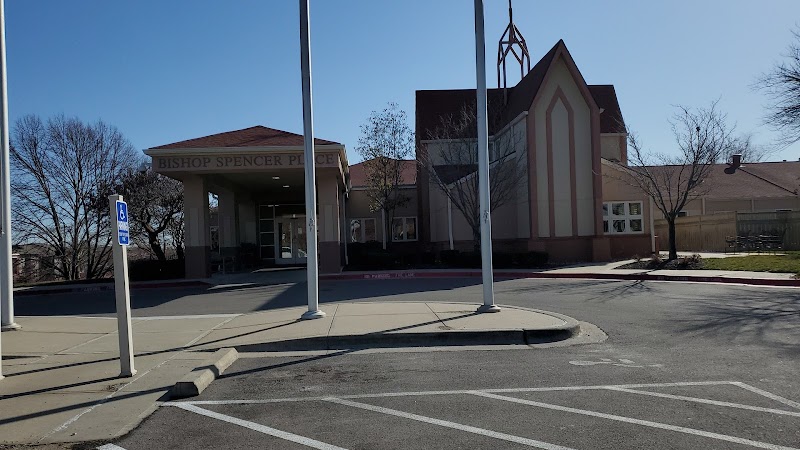
How Does Bishop Spencer Place, Inc, The Compare to Other Missouri Nursing Homes?

Compared to the 100 nursing homes in Missouri, BISHOP SPENCER PLACE, INC, THE's overall rating (3 stars) is above the state average of 2.5, staff turnover (53%) is near the state average of 46%, and health inspection rating (3 stars) is at the national benchmark.

What Should Families Ask When Visiting Bishop Spencer Place, Inc, The?

Based on this facility's data, families visiting should ask: "What changes have been made since the serious inspection findings, and how are you preventing similar issues?" "Can I visit during a mealtime to observe dining assistance and food quality?" "How do you handle medical emergencies, and what is your hospital transfer rate?" "Can I speak with family members of current residents about their experience?" These questions are particularly relevant given the facility's Immediate Jeopardy citations.

Is Bishop Spencer Place, Inc, The Safe?

Based on CMS inspection data, BISHOP SPENCER PLACE, INC, THE has documented safety concerns. Inspectors have issued 1 Immediate Jeopardy citation (the most serious violation level indicating risk of serious injury or death). The facility has a 3-star overall rating and ranks #1 of 100 nursing homes in Missouri. Families considering this facility should ask detailed questions about what corrective actions have been taken since these incidents.

Do Nurses at Bishop Spencer Place, Inc, The Stick Around?

BISHOP SPENCER PLACE, INC, THE has a staff turnover rate of 53%, which is 7 percentage points above the Missouri average of 46%. Moderate turnover is common in nursing homes, but families should still ask about staff tenure and how the facility maintains care continuity when employees leave.

Was Bishop Spencer Place, Inc, The Ever Fined?

BISHOP SPENCER PLACE, INC, THE has been fined $8,021 across 1 penalty action. This is below the Missouri average of $33,159. While any fine indicates a compliance issue, fines under $50,000 are relatively common and typically reflect isolated problems that were subsequently corrected. Families should ask what specific issues led to these fines and confirm they've been resolved.

Is Bishop Spencer Place, Inc, The on Any Federal Watch List?

BISHOP SPENCER PLACE, INC, THE is not on any federal watch list. The most significant is the Special Focus Facility (SFF) program, which identifies the bottom 1% of nursing homes nationally based on persistent, serious quality problems. Not being on this list means the facility has avoided the pattern of deficiencies that triggers enhanced federal oversight. This is a positive indicator, though families should still review the facility's inspection history directly.