BRIDGEWOOD HEALTH CARE CENTER
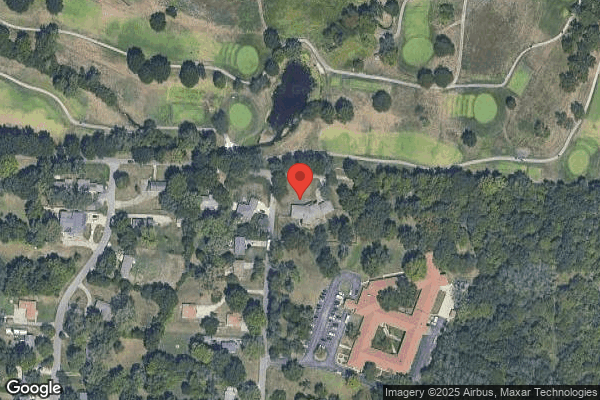
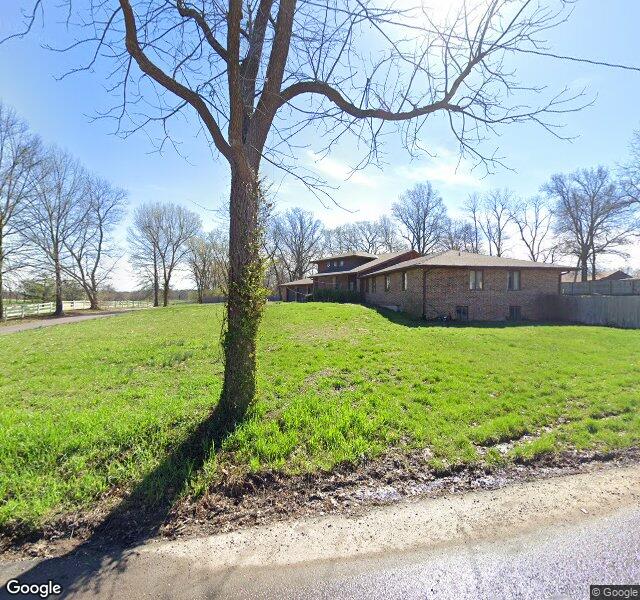
11515 TROOST, KANSAS CITY, MO 64131 (816) 943-0101
For profit - Limited Liability company 166 Beds RELIANT CARE MANAGEMENT Data: November 2025 10 Immediate Jeopardy citations
Trust Grade
0/100
#352 of 479 in MO
Last Inspection: April 2025

Within standard 12-15 month inspection cycle. Federal law requires annual inspections.

Overview

Bridgewood Health Care Center in Kansas City, Missouri, has received a Trust Grade of F, indicating a poor rating with significant concerns about resident care. It ranks #352 out of 479 facilities in Missouri, placing it in the bottom half, and #26 out of 38 in Jackson County, meaning only a few local options are worse. The facility is worsening, as issues increased from 24 in 2024 to 28 in 2025. Staffing is a major concern, with a low rating of 1 out of 5 stars and a turnover rate of 71%, significantly higher than the Missouri average of 57%. There have been alarming incidents reported, including physical and sexual abuse among residents and failure to maintain comfortable indoor temperatures, which left residents suffering from heat discomfort. While the facility has some RN coverage, it is less than 97% of state facilities, raising concerns about the overall quality of care.

Trust Score
F
0/100
In Missouri
#352/479
Bottom 27%
Safety Record
High Risk
Review needed
Inspections
Getting Worse
24 → 28 violations
Staff Stability
⚠ Watch
71% turnover. Very high, 23 points above average. Constant new faces learning your loved one's needs.
Penalties
⚠ Watch
$569,888 in fines. Higher than 85% of Missouri facilities, suggesting repeated compliance issues.
Skilled Nurses
⚠ Watch
Each resident gets only 5 minutes of Registered Nurse (RN) attention daily — below average for Missouri. Fewer RN minutes means fewer trained eyes watching for problems.
Violations
⚠ Watch
105 deficiencies on record. Higher than average. Multiple issues found across inspections.
★☆☆☆☆
1.0
Overall Rating
★☆☆☆☆
1.0
Staff Levels
★☆☆☆☆
1.0
Care Quality
★☆☆☆☆
1.0
Inspection Score
Stable
2024: 24 issues
2025: 28 issues

The Good

  • Full Sprinkler Coverage · Fire safety systems throughout facility
  • No fines on record

Facility shows strength in fire safety.

The Bad

1-Star Overall Rating

Below Missouri average (2.5)

Significant quality concerns identified by CMS

Staff Turnover: 71%

24pts above Missouri avg (46%)

Frequent staff changes - ask about care continuity

Federal Fines: $569,888

Well above median ($33,413)

Significant penalties indicating serious issues

Chain: RELIANT CARE MANAGEMENT

Part of a multi-facility chain

Ask about local staffing decisions and management

Staff turnover is very high (71%)

23 points above Missouri average of 48%

The Ugly 105 deficiencies on record

10 life-threatening 6 actual harm
Apr 2025 20 deficiencies
CONCERN (D) 📢 Someone Reported This

A family member, employee, or ombudsman was alarmed enough to file a formal complaint

Potential for Harm - no one hurt, but risky conditions existed

Free from Abuse/Neglect (Tag F0600)

Could have caused harm · This affected 1 resident

**NOTE- TERMS IN BRACKETS HAVE BEEN EDITED TO PROTECT CONFIDENTIALITY** Based on observation, interview, and record review, the facility failed to ensure one resident (Resident#64) out of 36 sampled r...

Read full inspector narrative →
**NOTE- TERMS IN BRACKETS HAVE BEEN EDITED TO PROTECT CONFIDENTIALITY** Based on observation, interview, and record review, the facility failed to ensure one resident (Resident#64) out of 36 sampled residents was free from abuse. The resident sat next to Resident #92 on a bench when he/she was struck by Resident #92 several times in the head. The facility census was 157 residents. Review of the facility policy titled, Abuse and Neglect, revised 4/30/24, showed: -To outline procedures for reporting and investigating complaints of abuse, neglect and misuse of funds/property, to define terms of types of abuse/neglect and misappropriation of funds and property, and to ensure that a due process for appeals to the accused is outlined. -To ensure immediate reporting of all abuse allegations to the Administrator or designee and the Director of Nursing or designee and outside persons or agencies. -To establish actions related to the alleged perpetrator and to ensure investigation and assessment of all residents involved is completed. -Mistreatment, neglect, or abuse of residents is prohibited by this facility. -This facility is committed to protecting our residents from abuse by anyone including, but not limited to, facility staff, other residents, consultants, volunteers, and staff from other agencies providing services to the individual, family members or legal guardians, friends, or any other individuals. -Employees were trained through orientation and on-going training on issues related to abuse prohibition practices, such as; dealing with aggressive residents, reporting allegations without fear of reprisal, recognized signs of burn out, frustration or stress that night have lead to abuse and the definition that constituted abuse. -Trainings for new hire employees would be done on the facility's learning management system with the training on preventing and reporting abuse. -The facility would have identified and corrected by providing interventions in which abuse was more likely to occur. -This would have included, assessment of the physical environment, which might have made abuse more likely to have occurred, the deployment on staff each shift in sufficient numbers to meet the residents needs and that staff were knowledgeable of resident care needs. -Prevention would have also included assessment care planning and monitoring residents with needs or behaviors which might have led to conflict or neglect. -The facility would have identified events, patterns and trends that might have constituted abuse and investigated thoroughly, notified the Administrator and proper authorities. -Assessed the environment for circumstances that might have made abuse more likely to occur. -On a regular basis, supervisors will monitor the ability of the staff to meet the needs of residents and staffs understanding of individual resident care needs. -Situations such as inappropriate language, insensitive handling, or impersonal care will be corrected as they occur. 1. Review of Resident 64's facility face sheet showed he/she was admitted to the facility on [DATE] with diagnoses that included: -Bipolar disorder (formerly called manic depression, is a mental health condition that causes extreme mood swings). -Unspecified psychosis (a mental disorder characterized by a disconnection from reality) not due to a substance or known physiological condition. -Disorganized Schizophrenia. -Anxiety (anticipation of impending danger and dread accompanied by restlessness, tension, fast heart rate, and breathing difficulty not associated with an apparent stimulus). Review of Resident 64's quarterly Minimum Data Set (MDS - a federally mandated assessment tool used by facilities for care planning), dated 3/24/25, showed: -His/Her Brief Interview of Mental Status (BIMS) score of 10 which indicated the resident was moderately cognitively impaired. -Had no behaviors documented during the look back period. Review of the Resident #92's facility face sheet showed resident admitted to the facility on [DATE] with the following diagnosis: -Paranoid schizophrenia (a pattern of behavior where a person feels distrustful and suspicious of other people and acts accordingly). -Generalized anxiety disorder (ongoing anxiety and worry that are difficult to control and interfere with day-to-day activities). Review of Resident #92's PASRR Level II Assessment, dated 6/11/20, showed: -Schizophrenia. -Delusional disorder (mental health condition in which a person can't tell what's real from what's imagined). -Psychotic disorder (severe mental disorders that cause abnormal thinking and perceptions). -Antisocial Personality disorder (a personality disorder characterized by persistent disregard of the rights of other people, failure to comply with laws and social customs, and irresponsible and reckless behavior). -Impatient/demanding with staff. -Easily agitated. -Required a secure unit due to being disoriented and confused -Required ongoing behavioral monitoring and supports to insure safety due to wandering, disorientation, hallucinations (a sensory perception that does not result from an external stimulus and that occurs in the waking state) /delusions (fixed false beliefs), and combative behaviors. Review of Resident #92's quarterly MDS, dated [DATE], showed: -His/Her BIMS score was 13 which indicated the resident was cognitively intact. -Had no behaviors documented during the look back period. Review of Resident #92's care plan, updated 4/25/25, showed: -Resident was sitting on a bench next to peer. Resident struck peer (Resident #64) several times in the head unprovoked then walked away. -When asked by a nurse what happened the resident responded Did he die yet. -Resident was accompanied by staff and separated from the community. The resident asked for chips from the Administrator. The resident told the Administrator he/she would be next. -The resident had a behavior problem (agitation and anger) related to her/his mental illness. --Interventions included: ---Administered medications as ordered. ---Developed more appropriate methods of coping and interacting. ---Intervened as necessary to protect the rights and safety of others. ---Provided reality orientation, remained calm, encouraged and non-judgmental way. -The resident had potential to be physically aggressive related to poor impulse control. --Interventions included: ---Administered medications as ordered. ---Provided physical and verbal cues to alleviate anxiety; gave positive feedback, assisted in verbalization of source of agitation, assisted to set goals for more pleasant behavior, encouraged seeking out of staff member when agitated. ---Gave the resident as many choices as possible about care and activities. ---When resident became agitated: intervene before agitation escalated; guided away from source of distress; engaged calmly in conversation; if response was aggressive, staff were to walk calmly away, and approach later. Review of progress note for Resident #92 dated 4/25/25 at 2;28 P.M. showed: -Resident #92 sat on the bench next to Resident #64. -Resident #92 hit Resident #64 several times in the head. -Resident #92 hit Resident #64 and was not provoked by Resident #64. -While staff ran to incident, Resident #92 walked away from the area. -LPN A asked what happened and Resident #92 stated Did he die yet. -Resident # 92 was accompanied by staff and separated from the community. -Resident #92 asked for chips from Administrator, -Resident #92 told administrator he/she would be next. -Resident #92 continued talking and paced aggressively. -Police were called at that time, Resident #92 was then detained and sent to the hospital for a 96-hour hold for evaluation and treatment. -While Resident #92 was being detained he/she was inappropriately laughing and stated he/she whooped his/her butt. Review of the facility investigation, dated 4/25/25, showed: -On or about 11:50 A.M. there was physical aggression. -Residents #64 and #93 were involved in the incident. -Statements were received from the witnesses. -All responsible parties notified. -Resident #64 was assessed for injuries and none were noted. -NP gave orders to send Resident #92 to the hospital for a psychological evaluation. -Police had to be called to assist Resident #92 to go with the emergency medical services, but no report was taken. -Hospital called the facility and reported that Resident #64 had no injuries and both residents had no negative medical finding, and both residents would be returning to the facility. -The facility determined the altercation was not abuse and did not need to be reported. -41 residents were questioned as to whether they felt safe in the facility, and all reported yes. -Neither residents was available to give witness statements. Review of facility witness statement, dated 4/25/45, showed Activities Assistant said: -Around 11:50 A.M., he/she was talking to another resident. -He/She then saw Resident #92 hit Resident #64. -He/She yelled for the residents to stop. -Resident #64 started to fall off the bench. -Resident #92 struck at Resident #64 four more times while he/she was responding to them. -He/She walked Resident #92 away from the situation. During an interview on 4/28/25 at 10:47 A.M., Activities Assistant said: -Resident #92 was sitting next to Resident #64. -He/she was keeping an eye on the residents. -Resident #92 turned to Resident #64 and threw a couple of fast punches. -He/She was uncertain how many punches landed on Resident #64's face. -He/She responded immediately to the situation but Resident #92 had already gotten up and started to walk away. -Resident #64 did not appeared injured. -The nurse had responded to Resident #64, so he/she escorted Resident #92 out of the area. -Resident # 64 was sitting up on the ground talking to the nurse. Review of facility witness statement, dated 4/25/25, from Licensed Practical Nurse (LPN) A showed: -Both residents sat next to each other outside during the smoking time. -Resident #92 turned towards Resident #64. -Without any anger or behaviors being seen, Resident #92 struck Resident #64 with his/her hand. -Resident #64 put his/her arm up and fell off the bench. -He/She was on the way to separate the residents when a Code [NAME] (code phrase used when staff needed assistance from all available staff with an aggressive/combative resident) was called. -Resident #92 got up from the bench and walked away. -He/She then responded to Resident #64 and assisted him/her off the ground. -Resident #64 had no injury or blood from where he/she was struck. -Resident #64 said he/she was fine and needed help getting up. During a phone interview on 4/28/25 at 10:52 A.M., LPN A said: -He/She was both the residents' nurse. -Both residents were usually friendly towards each other. -When the incident occurred, there were no precipitating factors. -He/She was approximately 20 feet away from the residents when the incident occurred. -Resident #64 was hit and doubled over. -He/She saw Resident #92 hit Resident #64 suddenly without giving any signs that he/she was going to do so. -Resident #64 vital signs were monitored. -He/She could not tell if Resident #92 hit Resident #64 with a closed fist or not. -Resident #64 was unsure if he/she was hit. Review of the facility witness statement, dated 4//25/25, from Certified Nursing Assistant (CNA) M showed: -Both residents sat next to each other on a bench in the hangout area smoking. -Resident #92 turned towards Resident #64 without any aggression and hit him with a closed hand. -Resident #64 put his/her arm over his/her face. -He/She immediately rushed over to separate the residents. -He/She called a Code Green. -Resident #92 was able to strike Resident #64 a few more times before staff could respond. -Resident #92 was easily redirected and walking away from Resident #64. -Resident #64 had fallen to the ground and was assisted up. -He/She saw no blood or any other abnormalities. -Resident #64 said he/she was fine and just wanted help to get up. During observation and interview at the hospital on 4/25/25 at 3:20 P.M., of Resident #64, showed: -The resident said he/she felt safe at the facility. -He/She denied anything happened. -When questioned what happened with Resident #92, he/she said that the resident hit him/her in the face. -Resident #92 did not mean to hit him. -He/She was friends with Resident #92. -He/She had no pain. -He/She wanted to go back to the facility. -The resident had no signs of injury or bruising to the face where the resident said he/she was struck. During an interview on 4/25/25 at 3:28 P.M., hospital Registered Nurse (RN) said: -Resident #64 was brought to the emergency room after the resident was hit in the head. -The resident had no loss of consciousness and had not stopped breathing. -The resident had not required pain medication. -The resident was being sent back to the facility with no new orders. During observation and interview at the facility on 4/28/25 at 9:11 A.M., Resident #64 said: -He/she did not know what happened on 4/25/25. -He/She felt safe in the facility and had no issues with anyone in the facility. -He/She was not fearful of any residents or staff at the facility. -He/She did not remember being struck on 4/25/25. The resident had no sign of injury or bruising on his/her face or head. During an interview on 4/28/25 at 9:21 A.M., Resident #92 said: -He/She felt safe in the facility. -He/She had no problems or issues with any residents or staff at the facility. -He/She did not hit anyone on 4/25/25. During an interview on 4/28/25 at 12:51 P.M., Physician A said: -This interaction between the residents was surprising since these two residents usually had no issues with each other. During an interview on 4/28/25 at 1:00 P.M., the Administrator said: -He/She had performed the investigation. -He/She did not feel the act was intentional, but more of a behavioral issue. -Resident #92 had not just randomly hit another resident before. -Resident #92 had no behaviors before he/she hit Resident #64. -Resident #64 had no injuries. -Neither resident remembered the event when asked on 4/28/25. -The residents were friends and were together before many times and no issues had arose.
CONCERN (D)

Potential for Harm - no one hurt, but risky conditions existed

Quality of Care (Tag F0684)

Could have caused harm · This affected 1 resident

**NOTE- TERMS IN BRACKETS HAVE BEEN EDITED TO PROTECT CONFIDENTIALITY** Based on interview and record review, the facility failed to complete a self-administration assessment, provide education, and o...

Read full inspector narrative →
**NOTE- TERMS IN BRACKETS HAVE BEEN EDITED TO PROTECT CONFIDENTIALITY** Based on interview and record review, the facility failed to complete a self-administration assessment, provide education, and obtain physician approval for one resident (Resident #143), out of 28 sampled residents, to complete his/her own wound care. The facility staff also failed to follow facility policy related to post fall assessments for two sampled residents who had unwitnessed falls (Resident #123 and #128). The facility census was 157 residents. Review of the Resident Self-Administration of Medication Policy, dated 5/18/24, showed: -It is the policy of this facility to support each resident right to self-administer medication. A resident may only self-administer medications after the facility interdisciplinary team (IDT) has determined which medications may be self-administered safely. -Each resident is offered the opportunity to self-administer medications during the routine assessment by the facility's IDT team. -Residents preference will be documented on the appropriate form and placed in the medical record. -When determining if self-administered is clinically appropriate for a resident, the IDT team should at a minimum consider the following: --The medications appropriate and safe for self-administration. --The resident's physical capacity to: open medication bottles. --The resident's cognitive status, including their ability to correctly name their medications and know what conditions they are taken for. --The resident's capability to follow directions and tell time to know when medications need to be taken. --The resident's comprehension of instructions for the medications they are taking, including the does, timing, and signs of side effects, and when to report facility staff. --The resident's ability to understand refusal of medication is, and appropriate steps taken by staff to educate when this occurs. --The resident's ability to ensure that medication is stored safely and securely. -The results of the IDT assessment are recorded on the Self-Administration of Medication Assessment, which is placed in the resident's medical record. 1. Review of Resident #143's admission Sheet showed he/she was admitted to the facility on [DATE] with the following diagnoses: -Cellulitis (an infection of deep skin tissue) of the right lower limb. -Cellulitis of the left lower limb. -Peripheral Vascular Disease (PVD - inadequate flow of blood to the extremities). Review of the resident's progress notes, dated 8/8/24, showed: -The resident had PVD. -The resident had chronic venous hypertension with an ulcer to his/her bilateral lower extremity(BLE). -Non-pressure chronic ulcer of unspecified part of his/her right lower leg with unspecified severity. -Non-pressure chronic ulcer of unspecified part of his/her left lower leg with unspecified severity. Review of the resident's care plan, revised date 2/13/25, showed: -The resident had resisted for staff to care for his/her wounds so he/she requested items for self-care. -Allow the resident to make decisions about treatment regime, to provide sense of control. -Staff should offer assistance. -The resident prefers to do the treatments on his/her own. -The facility needs to make sure he/she had supplies. -Encourage as much participation/interaction by the resident as possible during care activities. -If resident resists cares, reassure resident, leave and return 5-10 minutes later and try again. Record review of the resident's physician orders showed: -Clean BLE with wound cleanser, apply silver ointment (normlgel ag 1.5oz/45g) Place ABD pads (gauze pads used to absorb discharge from wounds) on affected area, apply kerlix (gauze bandage), and secure with tape. Change dressing daily. Change as needed for soilage and/or saturation. Start date 4-16-25 -The PO did not indicate if the resident was able to perform his/her own treatments. Review of the resident's medical record showed no documentation staff assessed the resident's ability to complete self-care for wound treatments. Record review of the resident's quarterly Minimum Data Set (MDS-a federally mandated assessment tool required to be completed by facility staff for care planning) dated 2/20/25 showed he/she: -Was cognitively intact. -Had two venous and arterial ulcers (open lesion caused by poor circulation) present. During an interview on 4/15/25 at 1:48 P.M., the resident said: -He/She changes his/her own wound care bandages. -He/She lets staff know when he/she needs more supplies. During an interview on 4/22/25 at 1:13 P.M., Certified Medication Technician (CMT) E said: -Sometimes the resident would do his/her own wound care. -The resident would refuse to let staff to help him/her with the cares. -Staff provides him/her with supplies when he/she would ask for it. During an interview on 4/22/25 at 1:22 P.M., Licensed Practical Nurse (LPN) B said: -The wound care nurse would come on Tuesday and Fridays and check on him/her. -There should be some kind of assessment done on the resident for self-care. -The Director of Nursing (DON)would be responsible for assessing if the resident could perform the cares him/herself. During an interview on 4/23/25 at 10:31 A.M., Regional Nurse/Acting DON said: -There should be an order for the resident to perform his/her own wound care. -There should be an assessment done to make sure the resident can perform his/her self-cares. -Interdisciplinary team ensures the resident can perform their own self-care. 2. Review of the facility's Head Injury Policy, dated 5/18/24, showed: -It is the policy of this facility to report potential head injuries to the physician and implement interventions to prevent further injury. -Assess resident following a known, suspected, or verbalized head injury. The assessment shall include, at a minimum: --Vital signs. --General condition and appearance. --Neurological evaluation for changes in physical functioning, behavior, cognition, level of consciousness, dizziness, nausea, irritability, and slurred speech or slow to answer questions. -Evaluation of the head, eyes, ears, and nose for significant changes in vision, hearing, smell, or bleeding, -Any injuries to head, neck, eyes, or face, including lacerations, abrasions, or bruising. -Pain assessment. -Monitor for 72 hours following the incident or until the resident is asymptomatic for a period of time specified by the physician. 3. Review of Resident #128's admission Record showed the resident admitted to the facility 10/30/23 with the following diagnoses: -Dementia (a progressive organic mental disorder characterized by chronic personality disintegration, confusion, disorientation, stupor, deterioration of intellectual capacity and function, and impairment of control of memory, judgment, and impulses). -Subdural hemorrhage (localized blood filled swelling between the layers of the covering of the brain). -Traumatic Brain Injury (TBI - damage to the brain resulting from external mechanical force, such as rapid acceleration or deceleration, impact, blast waves, or penetration by a projectile). Review of the resident's Care Plan, dated 11/8/23, showed: -The resident at risk for falls- dated 11/8/23. --Review information on past falls and attempt to determine the root cause for falls. Record possible root cause. -The resident had a history of dementia and impaired cognition due to a history of a head injury- dated 2/7/24. --Ask yes/no questions to determine the resident's needs. --Cue, reorient, and supervise as needed with activities of daily living (ADL - dressing, grooming, bathing, eating, and toileting). -The resident had an actual fall dated 1/9/25 and updated on 3/14/25. --Continue interventions on the at risk care plan and complete neurological checks dated 1/9/25. --For no apparent acute injury, determine and address causative factors for the fall dated 3/18/25. --Provide activities that promote exercise and strength building when possible. Provide 1 on 1 activities if bedbound dated 3/18/25. Review of the resident's Minimum Data Set (MDS - a federally mandated assessment instrument completed by facility staff for care planning), dated 12/23/24, showed: -The resident was cognitively intact. - No falls since the last assessment. Review of the resident's Discharge Minimum Data Set (MDS - a federally mandated assessment instrument completed by facility staff for care planning) dated 1/9/25 showed: -The resident was moderately cognitively impaired. -Had two or more non-injury falls since the last assessment. Review of the resident's Progress Notes, dated 1/9/25, showed: -At 4:30 A.M. the resident was found lying on his/her back next to the bed. The resident said he/she scooted to the floor trying to get up to go to the bathroom. Total body assessment completed and the resident denied hitting his/her head. Resident assisted up from the floor to a wheelchair, provided a urinal and call light. Root cause documented as the lights were out, the resident needed to use the bathroom and scooted to the floor. Interventions were to recommend use of a urinal and one was provided to the resident. -At 4:30 A.M. a neurological evaluation was documented as the resident was alert and oriented with clear speech. No additional neurological assessments were documented in the resident's electronic record by facility staff. -At 3:30 P.M. staff documented the resident had at least three falls that day. The resident was sent out (to the hospital) after the last fall. The resident was noted to be more confused than his/her baseline. Review of the resident's Incident Audit Report, dated 1/9/25 at 4:30 A.M., showed: -Resident found lying on his/her back next to the bed. The resident said he/she scooted to the floor trying to get up to go to the bathroom. Total body assessment completed and the resident denied hitting his/her head. Resident assisted up from the floor to a wheelchair, provided a urinal and call light. Root cause documented as the lights were out, the resident needed to use the bathroom and scooted to the floor. Interventions were to recommend use of a urinal and one was provided to the resident. -No neurological checks were completed for the resident's unwitnessed fall. Review of the resident's Incident Audit Report, dated 1/9/25 at 2:00 P.M., showed: -The investigation did not include neurological checks for the resident's unwitnessed fall from the time the resident was discovered on the floor until the resident was sent to the hospital. Review of the resident's Progress Notes, dated 3/14/25, showed: -At 1:41 A.M. staff documented the resident had returned from the hospital the previous evening after having a recent stroke. -At 11:06 A.M. the nurse found the resident lying on the floor on his/her left side. The nurses assessed the resident, completed vital signs, and a neurological check, then assisted the resident to bed. -No other neurological checks were completed after the resident's unwitnessed fall. Review of the resident's Incident Audit Report, dated 3/14/25 at 10:13 A.M., showed: -On 4/21/25 the Incident Status was In Progress. The Administrator signed off on the investigation on 4/18/25. -The nurse found the resident lying on the floor on his/her left side. The nurses assessed the resident, completed vital signs and a neurological check, then assisted the resident to bed. -The investigation did not include neurological checks for the resident's unwitnessed fall. During an interview on 4/22/25 at 12:56 P.M., CNA G said: -He/She was not aware of the resident having any falls. -The nurse was responsible to do neurological checks after a resident fell. During an interview on 4/22/25 at 1:13 P.M., Certified Medication Technician (CMT) E said: -He/She had worked at the facility for over a year and was familiar with the resident. -He/She did not recall the resident as having any falls in the last few months. -The nurse did the neurological checks and fall investigations. During an interview on 4/22/25 at 1:22 P.M., Licensed Practical Nurse (LPN) B said: -He/She did not normally work on the unit the resident resided on. -He/She was aware of a fall a few weeks ago. The resident had a big decline in condition and rolled out of bed. -To his/her knowledge the resident had not had any additional falls after that one. -Staff should document neurological checks in the resident's electronic medical record. During an interview on 4/23/25 at 10:38 A.M., the Regional Nurse/Acting DON said: -Neurological checks were completed in time intervals, starting every 15 minutes, then every 30 minutes, then hourly, then per shift for 72 hours after the fall. 4. Review of Resident #123's admission Face Sheet showed he/she was admitted to the facility on [DATE] with diagnoses: -Dementia. -Sepsis (infection triggers a severe overreaction of the body's immune system leading to widespread inflammation and potentially affecting multiple organs). Record review of the resident's Quarterly MDS, dated [DATE], showed the resident: -Was severely cognitively impaired. -Was able to express ideas and wants. -Had the ability to understand others and had clear comprehension. -Had a diagnosis of dementia. -Had two or more falls during the look back period. -Uses a wheelchair for mobility. -Lower extremity impairment on both sides. -Upper extremity impairment on one side. -Needs substantial/maximal assistance with the helper doing more than half the effort for the rest of self-care items. -Needs partial/moderate assistance for rolling left to right and from lying to sitting on the side of the bed. -Needs substantial/maximal assistance with the helper doing more than half of the effort for sit to stand, and transferring. Review of the resident's Incident Audit Report, dated 3/2/25 at 12:37 A.M., showed: -On 3/14/25 the Incident Status was In Progress with the DON signing off on the investigation on 3/17/25. -The staff standing at resident door heard a loud noise the resident was found sitting on the floor on buttocks asked resident what happened resident stated I don't know. A total body assessment was completed; no bruising, no bleeding, no pain, and no discomfort was noticed. Staff assisted resident up on to his/her feet and assisted back into bed with call light within in reach. Family was notified. Record review of the resident's Neurological Focused Evaluation (NFE), dated 3/2/25, showed: -There was no documentation showing that a neurological evaluation took place for the 12:37 A.M. fall. -The first NFE that was documented was not until 8:40 P.M. on 3/2/25. -Staff did not document neurological checks per facility policy. Review of the resident's Fall Risk Evaluation, dated 3/2/25 at 12:51 A.M., showed: -The resident would be high risk for falls with a score above 10, his/her score was 11. -There were no check marks in the circles for History of falls (past 3 months). -There were no check marks in the circles for Level of consciousness/mental status. -There were no check marks in the circles for Ambulation/elimination status. -There were no check marks in the circles for Systolic blood pressure. -There were no check marks in the boxes for Risk for Falls. -There were no check marks in the boxes for Clinical Suggestions. Review of the resident's care plan, updated on 4/15/25, showed: -Resident was at low/moderate risks for falls. -The resident was found sitting on the floor on 3/1/25 when staff asked what happened resident said I do not know. -Interventions were: --Assess the resident for proper fitting clothes initiated on 7/15/24. --Educated resident about not trying to transfer oneself without assistance initiated on 11/30/24. --Educate resident/family/caregivers about safety reminders and what to do if fall occurs initiated on 7/15/24. --Notify hospice team of falls initiated on 3/1/25. --Ensure bed in lowest position initiated on 4/15/25. During an interview on 4/22/25 at 10:07 A.M., Assistance Administrator said: -CMT found the resident and told the nurse. -Hourly checks were done. -Staff asked the resident what happened he/she said I do not know. -Only three neurological checks were done. -Staff did not do the full required amount of checks. During an interview on 4/22/25 at 12:46 P.M., CNA F said: -If a resident were to fall, he/she would contact the nurse. -The nurse would do the neurological checks on the resident. -There would be a star on the name tag of a resident if he/she was a fall risk. -He/She was not aware Resident #123 had fallen. During an interview on 4/22/25 at 12:55 P.M., CNA G said: -He/She was not aware of Resident #123 had fallen. -If a resident were to fall, he/she would contact the nurse. -The nurse would do the neurological checks on the resident. During an interview on 4/22/25 at 1:13 P.M., CMT E said: -If a resident were to fall, he/she would contact the nurse. -The nurse would do the neurological checks on the resident. -He/She was not aware of Resident #123 had fallen. During an interview on 4/22/25 at 1:22 P.M., LPN B said: -He/She was the charge nurse today on the medical unit, but he/she was usually on the men's unit. -The nurse would do the neurological checks on the resident if the fall was unwitnessed. -Staff fill out paper documentation for neurological checks in addition to point click care electronic system. -The electronic medical record would have pop up alerts to perform neurological checks if a resident had fallen. -He/She was not aware of resident #123 had fallen. During an interview on 4/23/25 at 10:31 A.M., Regional Nurse/Acting DON said: -If the fall is unwitnessed the resident would be monitored for 72 hours and neurological checks would be performed. -Neurological checks would be performed every 15 minutes for the first hour. -Then neurological checks would be every hour for the first 72 hours.
CONCERN (D)

Potential for Harm - no one hurt, but risky conditions existed

Deficiency F0688 (Tag F0688)

Could have caused harm · This affected 1 resident

**NOTE- TERMS IN BRACKETS HAVE BEEN EDITED TO PROTECT CONFIDENTIALITY** Based on observation, interview, and record review, the facility failed to follow up on recommendations from occupational therap...

Read full inspector narrative →
**NOTE- TERMS IN BRACKETS HAVE BEEN EDITED TO PROTECT CONFIDENTIALITY** Based on observation, interview, and record review, the facility failed to follow up on recommendations from occupational therapy to order and apply a left hand orthotic splint for Resident #72. Additionally, the facility failed to complete a physical therapy referral and assessment to determine Resident #31's mobility needs and the need for an assistive device (wheelchair) after recommended by the hospital orthopedist; failed to assess and document the resident's mobility status and continued need for a wheelchair; and failed to refer the resident to physical therapy for assessment and/or assistance with obtaining an operable wheelchair for the resident to use when mobilizing in the facility. This deficient practice impacted two out of 28 sampled residents. The facility census was 157 residents. Review of the facility's policy titled Therapy: Specialized Rehabilitative Services, revised 5/18/24, showed: -To have ensured collaboration between therapy, nursing and Minimum Data Set (MDS - a federally mandated assessment instrument completed by facility staff for care planning) for the functional care of the patient. -All new orders received are transcribed by a Licensed/Registered nurse. -New recommendations from therapy services were effectively communicated to nursing and the primary care physician. -The care plan of individuals that received specialized rehabilitative services will be monitored and revised as indicated by a licensed professional. -When treatment orders were obtained by the Director of Nursing (DON)/Designee of MDS Coordinator, they will be transcribed to the Physician's Orders. 1. Review or Resident #72's Admissions Record showed the resident admitted to the facility on [DATE] with the following diagnosis: -Contracture (fixed tightening of muscle, tendons, ligaments, or skin that prevented normal movement of the associated body part) left wrist. -Hemiplegia (Loss of strength in the arm, leg, and sometimes face on one side of the body) and hemiparesis (muscular weakness or partial paralysis restricted to one side of the body) following stroke affecting left non-dominate side. Review of the resident's Quarterly MDS assessment, dated 1/11/24, showed: -The resident was cognitively intact. -The resident had a hemiplegia and hemiparesis. -The resident had a contracture. -Upper extremity had impairment on one side. -Lower extremity had impairment on one side. Review of the resident's Therapy Recommendation Form, dated 3/7/24, showed: -The reason for the review was for splint recommendation. -Physical Therapy recommended left hand orthotic splint for the resident. -The splint was to be applied and worn for up to eight hours a day or as tolerated by the resident. -The form was signed by a Certified Occupation Therapist Assistant (COTA). -The COTA dated the signature on 3/7/24. -The form did not have a physician response. -The form did have a physician signature. Review of the resident's Occupational Therapy Discharge summary, dated [DATE], showed a recommendation for him/her to wear a left wrist splint up to eight hours as tolerated. Review of the resident's Quarterly MDS assessment, dated 2/18/25, showed: -The resident had a hemiplegia and hemiparesis. -The resident had a contracture. -Upper extremity had impairment on one side. -Lower extremity had impairment on one side. -Occupational therapy ended on 3/7/24. -The resident was cognitively intact. Review of the resident's Medication Administration Record (MAR)/Treatment Administration Record (TAR), dated February 2025, March 2025, and April 2025, showed no splint placement or contracture site monitoring orders. Review of the resident's care plan, dated 4/2/25, showed the resident's contractures and splint placement was not addressed in his/her care plan. Review of the resident's Order Summary Report, dated 4/15/25, showed no physician orders for splint placement and no orders to monitor the his/her contracture site. Observation on 4/15/25 at 11:58 A.M., 4/16/25 at 12:32 P.M., and 4/18/25 at 10:33 A.M., showed the resident had a contracture on his/her left wrist and was not wearing a splint on that wrist and a splint was not located in the resident's room. During an interview on 4/22/25 at 9:18 A.M., Licensed Practical Nurse (LPN) C said: -It would be his/her expectation that when a resident had a contracture there would be an order for a splint to be placed and there would be a splint available. -It would be his/her expectation if a resident required a splint, therapy would have recommended a splint. -If therapy recommended a splint, the nurse would have written an order for the doctor to sign. -The order would have included when to place the splint on, where to place the splint, and the duration the splint would have been worn it and the order would say how often and how long. -The orders for the splint should be on the MAR/TAR. -It was his/her expectation even when the resident refused to wear the splint it would have been documented on the MAR/TAR. -If the splint was discontinued, there would be a rational from the doctor as to the reason, but the contracture site should still be monitored. During an interview on 4/22/25 at 9:30 A.M., Certified Nursing Assistant (CNA) G said: -The resident had a contracture. -The resident had a splint, but was unsure if the resident had a splint now. -He/She had not put a splint on the resident for an unknown length of time. -If a resident was supposed to wear a splint, it would be in the care plan, and the CNAs would place it on the resident. During an interview on 4/22/25 at 9:33 A.M., LPN B said: -The resident had a contracture to his/her left wrist. -The resident did not have a splint and did not have orders for a splint. -The contractures would have been addressed in the care plan. -If a resident had an splint applied, it would have been charted on the TAR. -The Care Plan Coordinator formulated the care plan. -The contracture site would have been documented on every shift. -He/She was unable to show where he/she had charted on the contracture site. -He/She was unable to show where the contracture or splint was addressed in the care plan. -The nurse should have contacted the physician when there were missing orders for the contracture site or splint placement. During an interview on 4/18/25 at 2:55 P.M., the resident said he/she did not want a splint and would not have wore it even is he/she had one. During an interview on 4/23/25 at 10:26 A.M., acting Director of Nursing (DON) said: -When therapy ordered the splint it should have been sent to the physician for the order to be signed. -The order from the physician would have said when to place the splint on and for how long. -All therapy recommendations should have been forwarded to the physician, and if the physician did not order it there should have been a rational documented as to why the suggestion was not followed. 2. Review of Resident #31's face sheet showed the resident admitted on [DATE], with diagnoses including high blood pressure, osteoarthritis (degeneration of joint cartilage and the underlying bone, causing pain and stiffness, especially in the hip, knee, and thumb joints), chronic obstructive pulmonary disease (COPD-a condition involving constriction of the airways and difficulty or discomfort in breathing), extrapyramidal movement disorder (neurological conditions that affect voluntary and involuntary movements), edema (swelling in the tissues), and obesity. Review of the resident's Hospital Record, dated 7/7/24, showed the resident seen in the emergency room related to pain in his/her right ankle. The hospital completed a physical assessment and x-rays and the results showed the resident sustained an ankle fracture. The hospital sent the resident home with a wheelchair and a boot with orders for follow up with the orthopedic clinic. Review of the resident's Physician's Orders showed: -Wheelchair with stirrups (ordered 7/7/24). -Consult with orthopedics related to his/her right ankle fracture (ordered 7/10/24). Review of the resident's Physician's Note, dated 9/3/24, showed the physician completed a full assessment and exam of the resident. The physician documented: -The resident complained of right ankle pain and was seen at the orthopedic clinic. Resident given a boot to wear but did not like it and would not wear it. -The resident's pain had improved since his/her initial fracture and he/she had a follow up appointment on 9/20/24. -The resident was currently using a wheelchair for mobility due to pain from his/her right ankle fracture. -The resident's right ankle was swollen and the resident had generalized tenderness of the right ankle, but there was no bruising noted. -The resident would not participate in a range of motion assessment. Review of the resident's Hospital Orthopedic Note, dated 12/10/24, showed the resident's right ankle fracture was healed, he/she was safe to be weight bearing as tolerated and due to decreased mobility, he/she may need a wheelchair for mobility. Review of the resident's Plan of Care Note, dated 12/10/24, showed: -The Social Service Director (SSD) received a phone call from the hospital in regards to the resident's orthopedic appointment today and was informed that the resident's fracture was completely healed. -The SSD was informed that it was encouraged that the resident attend PT as there was no need for him/her to be in a wheelchair at this time. -The resident asked for a letter from the hospital stating that he/she did need a wheelchair but staff there denied him/her the letter as they would've been falsifying documentation. The resident then began arguing with the hospital staff. Review of the resident's Nursing Notes, dated 12/10/24 to 4/18/25, showed: -no documentation of the resident being referred to PT, receiving or denying services. -no notes showing staff spoke with the resident about attending PT to maintain his/her mobility status -no documentation the facility was monitoring the resident's ongoing mobility status and changes in ability. Review of the resident's Rehabilitation Notes showed no PT referral, assessments, or notes related to the resident's right ankle fracture or the need for rehabilitative services. Review of the resident's quarterly Minimum Data Set (MDS-a federally mandated assessment tool to be completed by facility staff for care planning), dated 3/11/25, showed resident: -Was alert and oriented with minimal cognitive incapacity. -Had no behavioral symptoms or signs of delirium. -Needed supervision with bathing, dressing, toileting, transfers and hygiene. -Did not ambulate during the lookback period. -Used a manual wheelchair for mobility and was able to self-propel. Review of the resident's care plan, dated 3/31/25, showed the resident at risk for falls related to gait/balance problems, using psychoactive medication and being unaware of safety needs. It showed the resident had an alteration in musculoskeletal status related to a fracture of his/her right ankle following a fall. Interventions included: -Ensure the resident is wearing appropriate footwear when ambulating. -Physical Therapy to evaluate and treat as ordered or as needed. -Follow physician's orders for weight bearing status. See physician's orders and/or physical therapy treatment plan. -Provide an orthopedic consultation as ordered by the resident's physician. -The resident will utilize a wheelchair for mobility related to his/her right ankle fracture. Observation and interview on 4/15/25 at 11:26 A.M., showed the resident sat on the side of his/her bed with his/her glasses on and a partially folded wheelchair beside his/her bed. The resident said: -He/She started using the wheelchair after breaking his/her ankle. -He/She went to orthopedic appointments, but did not have any physical therapy in the facility. -He/She can walk but has numbness in his/her legs and feet and uses the wheelchair for ambulating when tired or numbness occurs. -He/She can only walk behind the wheelchair because it is broken. -Around 3/20/25, they were coming back from an outing and the transportation person accidentally broke his/her wheelchair and it will no longer completely open so he/she cannot sit down in it. -He/She told maintenance personnel, and they said they couldn't do anything about it. He/She also told the social worker about it, but nothing has been done and it's been about a month since the wheelchair broke. -He/She would like to get another wheelchair, but he/she has not been able to get another one. -Upon checking the wheelchair and trying to open it, it would not pull open to a position where one could sit down. Observation on 4/15/25 at 2:22 P.M., showed the resident standing at his/her doorway, with the wheelchair in front of him/her. The resident used the wheelchair as an assistive device as he/she ambulated down the hallway, pushing it while he/she walked behind it. During an interview on 4/18/25 at 10:14 A.M., Certified Nursing Assistant (CNA) J said: -The resident's wheelchair was broken, but he/she didn't know how long it had been broken or since the resident had been without a working wheelchair. -The resident usually will walk behind the wheelchair, but he/she will also ambulate without the wheelchair. -The resident had a past injury to his/her foot or ankle and was given the wheelchair at that time, but that had been a while ago and he/she thought the doctor had cleared the resident to ambulate independently. -The resident does not receive any rehabilitation services (he/she did not know if the resident had ever received any physical therapy). -The resident had complained about the wheelchair not working and he/she thought the maintenance staff were aware, but the resident had not received another wheelchair. -He/She did not know if there were any surplus wheelchairs in the facility. -He/She had offered the resident to use a walker several times and the resident refuses the walker, even a walker with a seat. -He/She did not know why the wheelchair had not been replaced, but the resident was able to ambulate without it. During an interview on 4/18/25 at 10:32 A.M., Licensed Practical Nurse (LPN) D said: -He/She did not know how long the resident's wheelchair had been broken, but he/she was aware it would not open for the resident to sit down. -The resident said he/she needed the wheelchair, because sometimes his/her legs hurt while ambulating and he/she needed to sit down. -They have been trying to get him/her a wheelchair, but they don't have one. -The resident at some point needed the wheelchair, but he/she can currently walk without any issue. -The resident currently walks with the wheelchair. He/she walks behind it -He/She has asked the resident if he/she wanted a walker instead of the wheelchair so if/when the resident gets tired he/she can sit, but the resident did not want to use a walker. -The resident did not want to walk. -All of the staff were aware the resident's wheelchair will not open so the resident can sit down, but he/she did not know if or why it wasn't replaced. -The Director of Nursing (DON) told him/her the resident's replacement wheelchair was on order, but he/she has worked here three weeks and the resident had not received a replacement wheelchair. He/She was told they did not have any spare wheelchairs in the building. During an interview on 4/21/25 at 12:19 P.M., Physical Therapist A said: -They had worked with the resident a long time ago and they only saw him/her a couple times. -They discharged the resident on 6/21/24 after evaluating and treating the resident related to complaint of pain to his/her right knee, and at that time the resident was walking 300-400 feet and his/her balance and strength was excellent. -At that time he/she was not recovering from a broken right ankle. -He/She was not aware that the resident had a fractured right ankle and they did not receive a referral to assess or provide rehabilitative services to him/her. -They would not recommend having any resident push a wheelchair or use it as a walking device because it not safe. The wheelchair can get away from the resident. -They would give the resident a wheelchair to sit in to mobilize or a walker which is safer because it has hand brakes. -He/She had seen the resident walking with the wheelchair and it was not ideal for the resident to walk behind the wheelchair like he/she is currently doing. -No one had requested a replacement wheelchair for the resident. They would need to complete an assessment so they could order one for him/her. During an interview on 4/23/25 at 9:46 A.M., the Administrator said: -The rehabilitation staff usually made the recommendation for residents to use wheelchairs and they will order the wheelchair for the resident. -There was no reason why a resident should be using a broken wheelchair and the resident should have the replacement timely. -He/She was aware that the resident was using a wheelchair but he/she did not know the status of whether a new wheelchair was on order for replacement. -A month was too long to wait for a wheelchair replacement. During an interview on 4/23/25 at 10:26 A.M., the acting DON said: -If a resident has a wheelchair, it should be in good working order. -If the wheelchair doesn't open, the resident should not use it. -If a resident's wheelchair needed to be ordered, in the meantime they are able to rent a wheelchair or get a wheelchair from a sister facility for the resident to use until the replacement wheelchair is available (if they do not have an extra wheelchair in the facility). -Regarding the resident, there was no reason why he/she needed a wheelchair currently, because he/she can walk independently. -Normally the resident would have a PT/OT screening completed by their rehabilitation staff, but he/she did not know when the resident was last screened or what the assessment revealed.
CONCERN (D)

Potential for Harm - no one hurt, but risky conditions existed

Deficiency F0691 (Tag F0691)

Could have caused harm · This affected 1 resident

**NOTE- TERMS IN BRACKETS HAVE BEEN EDITED TO PROTECT CONFIDENTIALITY** Based on interview and record review, the facility failed to complete a competency assessment and provide self-care instructions...

Read full inspector narrative →
**NOTE- TERMS IN BRACKETS HAVE BEEN EDITED TO PROTECT CONFIDENTIALITY** Based on interview and record review, the facility failed to complete a competency assessment and provide self-care instructions for one resident (Resident #143) who completed his/her own colostomy (an alternative exit from the colon created to divert waste through a hole in the colon and through the wall of the abdomen) care out of 28 sampled residents. The facility census was 157 residents. 1. Review of Resident #143's admission Sheet showed the resident admitted to the facility on [DATE]. Review of the resident's progress notes, dated 8/8/24, showed: -The resident had a colostomy in the right upper quadrant of his/her abdomen. -The resident requested to have colostomy bags in his/her room so he/she could change his/her colostomy. -Physician asked nursing staff to put some colostomy bags in the resident's room. Review of the resident's medical record showed no documentation staff assessed the resident's ability to complete self-care for colostomy care. Review showed no documentation by facility staff related to education on his/her colostomy care and/or maintaining infection control during colostomy care. Review of the resident's care plan, revised on 2/13/25, showed: -The resident had resisted for staff to care for his/her colostomy, requesting items for self-care. -The resident would participate in care performing colostomy cares through the next review date. -Allow the resident to make decisions about treatment regime, to provide sense of control. -Staff should offer assistance. -The resident prefers to do the treatments on his/her own. -The facility needs to make sure he/she had supplies. -Encourage as much participation/interaction by the resident as possible during care activities. -If resident resists cares, reassure resident, leave and return 5-10 minutes later and try again. Review of the resident's quarterly Minimum Data Set (MDS-a federally mandated assessment tool required to be completed by facility staff for care planning), dated 2/20/25, showed he/she: -Was cognitively intact. -Supervision or touching assistance-helper provides verbal cues or touching/steadying assistance as resident completes activity. -Had a colostomy. During an interview on 4/15/25 at 1:48 P.M., the resident said: -He/She changes his/her own colostomy bag. -He/She lets staff know when he/she needs more supplies. During an interview on 4/22/25 at 12:55 P.M., Certified Nursing Assistant (CNA) G said the resident likes to change his/her own colostomy. During an interview on 4/22/25 at 1:13 P.M., Certified Medication Technician (CMT) E said: -Sometimes the resident would do his/her own colostomy care. -The resident would refuse staff to help him/her with the cares. -Staff provided him/her with supplies. -The resident would keep colostomy bags in his/her room. During an interview on 4/22/25 at 1:22 P.M., Licensed Practical Nurse (LPN) B said: -The resident takes care of his/her own colostomy. -There should be some kind of assessment done on the resident for self-care. -The Director of Nursing (DON) would be responsible for assessing if the resident could perform the cares him/herself. During an interview on 4/23/25 at 10:31 A.M., Regional Nurse/Acting DON said: -There should be an assessment done to make sure the resident can perform his/her self-cares. -Interdisciplinary team ensures the resident can perform their own self-care.
CONCERN (D)

Potential for Harm - no one hurt, but risky conditions existed

Respiratory Care (Tag F0695)

Could have caused harm · This affected 1 resident

**NOTE- TERMS IN BRACKETS HAVE BEEN EDITED TO PROTECT CONFIDENTIALITY** Based on observation, interview, and record review, the facility failed to ensure one sampled resident (Resident #55) had a phys...

Read full inspector narrative →
**NOTE- TERMS IN BRACKETS HAVE BEEN EDITED TO PROTECT CONFIDENTIALITY** Based on observation, interview, and record review, the facility failed to ensure one sampled resident (Resident #55) had a physician's order for a Continuous Positive Airway Pressure (CPAP) machine (a medical device used to deliver a continuous stream of pressurized air to the patient's airways through a mask, keeping the airway open), CPAP machine use was care planned, and failed to ensure the CPAP machine and face mask were kept off of the floor and covered when not in use. Additionally, the facility failed to properly store a respiratory nebulizer mask/mouthpiece (a medical device used to deliver medication in the form of mist) and tubing when not in use for one sampled resident (Resident #111) out of 28 sampled residents. The facility census was 157 residents. Review of the facility Oxygen policy and procedure, revised 5/14/24, showed there were no procedures that referred to how face masks or CPAP machines were to be stored to prevent contamination. 1. Review of Resident #55's Face Sheet showed the resident was admitted on [DATE], with diagnoses including asthma (a chronic lung condition characterized by inflammation and narrowing of the airways (bronchi), leading to recurrent episodes of wheezing, coughing, shortness of breath, and chest tightness), pneumonia (an infection of the lungs that causes inflammation of the lung tissue), and allergic rhinitis (a chronic inflammatory condition of the nasal passages caused by an allergic reaction to environmental allergens such as pollen, dust mites, pet dander, and mold), schizophrenia (a serious mental illness that affects a person's ability to think, feel, and behave), and Bipolar Disorder (a mental health condition characterized by significant shifts in mood, energy, and activity levels, encompassing periods of elevated mood (mania) and periods of depressed mood (depression). Review of the resident's Care Plan, dated 3/5/25, showed the resident had altered respiratory status/difficulty breathing related to lying flat due to a diagnosis of asthma. Interventions showed: -Administer medication/puffers as ordered. Monitor for effectiveness and side effects. -Keep the resident's head of bed elevated due to the resident getting shortness of air when lying flat. -Monitor/document changes in orientation, increased restlessness, anxiety, and air hunger. -Monitor for signs and symptoms of respiratory distress and report to the physician as needed. -Monitor/document/report abnormal breathing patterns to the resident's physician. -Advise resident to minimize contact with known offending allergens. -Assist resident in identifying asthma triggers and strategies for prevention. -Educate resident regarding role of stress in precipitating asthma attacks. -Educate resident to use pursed-lip breathing. -Educate resident/family/caregivers regarding side effects and overuse of inhalers and nebulizers. -The care plan did not show the resident had or used a CPAP machine. Review of the resident's quarterly Minimum Data Set (MDS-a federally mandated assessment tool to be completed by facility staff for care planning), dated 3/13/25, showed the resident: -Was alert and oriented without cognitive memory loss. -Needed only supervision for bathing, dressing, transferring, toileting, eating, and ambulating. -Had shortness of breath while lying flat. -Did not have or use a CPAP machine or receive oxygen during the lookback period. Review of the resident's Physicians Order Sheet (POS), dated April 2025, showed there were no physician's orders for the resident's CPAP machine or use prior to 4/16/25. Physician's orders showed: -CPAP to be worn during hours of sleep. Resident able to maintain every night shift for sleep apnea (a condition where breathing stops or becomes shallow during sleep) (dated 4/16/25). -Clean and dry CPAP tubing and mask daily, in the morning for sleep apnea (dated 4/17/25). -Change bag for CPAP mask and tubing every Sunday every night shift every Sun for CPAP use date and initial bag (dated 4/20/25). Observation on 4/15/25 at 11:15 A.M., while on tour showed the resident was in his/her room, the resident's CPAP machine was sitting under his/her bed and the face mask was on the floor and uncovered. Observation and interview on 4/16/25 10:09 A.M., showed the resident was in his/her room and the resident's CPAP machine was under his/her bed and the face mask was also on the floor, uncovered. The resident said: -He/She was independent and did not really need nursing staff to assist him/her with much. -He/She used his/her CPAP machine every night and whenever he/she laid down. -He/She had been using it since he/she was admitted to the facility. -He/She was aware the CPAP machine was on the floor under his/her bed and the face mask was not in a bag. -He/She kept the CPAP under his/her bed, because he/she did not have anywhere else to store it. -Nursing staff do not give him/her a bag to store the face mask in. -He/She said she does have asthma and he/she was in the hospital for pneumonia about two months ago. Observation and interview on 4/16/25 at 10:26 A.M., Licensed Practical Nurse (LPN) E came into the resident's room and saw the resident's CPAP machine under the resident's bed on the floor and said: -He/She was not aware the resident used a CPAP machine. -The CPAP machine nor face mask should be stored under the resident's bed. -The face mask should have been in a plastic bag. -He/She would get something to put the resident's face mask in and a better storage placement for the CPAP machine. During an interview on 4/23/25 at 9:13 A.M., LPN D said: -He/She was aware the resident wore a CPAP for sleep apnea at night and sometimes during the day during naps. -LPN D didn't know how long the resident has had the CPAP machine, because he/she was new to the facility. -He/She noticed the resident had the CPAP machine, but did not notice there was no physician's order for it. -There should be physician's orders for the CPAP machine and the CPAP face mask should be off the ground and stored in a plastic bag when not in use. During an interview on 4/23/25 at 10:26 A.M., the acting Director of Nursing (DON) said: -There should be physician's orders for all respiratory equipment. -Neither the resident's CPAP machine nor face mask should be on the floor. -Face masks should be placed in a plastic bag and should not be under the resident's bed. -The nursing staff can and should provide bags for the resident's face mask weekly or whenever they see that the resident does not have one. -There should be a care plan for the use of the resident's CPAP machine and storage. -All nursing staff were responsible for checking to ensure the face mask was covered anytime they entered the resident's room or completed rounds throughout the day and evening. 2. Review of Resident #111's admission Record showed, he/she had diagnoses that included: -Chronic Obstructive Pulmonary Disease (COPD, prevents airflow to the lungs, causing breathing problems). -Respiratory failure (occurs when the respiratory system cannot adequately provide oxygen to the body, leading to hypoxemia, is a lack oxygen). Review of the resident's Care Plan, revised on 12/5/24, showed: -He/She has altered respiratory status/difficulty breathing. -The care plan did not include how often to change the tubing and mask or how to store the tubing and mask when not in use. Review of the resident's Quarterly MDS, dated [DATE], showed he/she: -Was cognitively intact. -Was able to understand others and make his/her needs known. Review of the resident's POS, dated April 2025, showed: -Ipratropium-Albuterol Solution 0.5-2.5 (3) Milligrams (mg)/3 milliliter (ml) (It works by opening airways and reducing inflammation in your lungs to help you breathe better) one applicator inhale orally four times a day related to diagnosis of respiratory failure. Observation on 4/15/25 at 9:39 A.M., of the resident's room showed: -He/She had nebulizer tubing and the mask was not stored in a plastic bag. -Tubing and the mask were laid on top of the nebulizer machine uncovered. Observation on 4/16/25 at 9:43 A.M. of the resident's room showed, his/her nebulizer face mask and tubing laid uncovered on top of his/her bedside table. During an interview on 4/16/25 at 11:44 A.M., the resident said: -He/She required the use of oxygen as needed and nebulizer breathing treatment for shortness of breath. -The nursing staff setup and monitor the nebulizer treatments. -He/She not did not have plastic bag for nebulizer supplies. Observation on 4/16/25 at 11:56 A.M., of the resident's room showed his/her nebulizer face mask and tubing laid on the dresser and were not covered or stored in a plastic bag when not in use. Observation on 4/26/25 at 11:31 A.M., of the resident's room showed his/her nebulizer machine and tubing was located on top of the his/her dresser. The tubing and mask were not covered or stored in a plastic bag when not in use. During an interview on 4/22/25 at 9:45 A.M., Certified Medication Technician (CMT) E said: -The resident's nebulizer treatment were completed by licensed nursing staff. -O2 and nebulizer supplies should be stored in a plastic bag when not in use. -The storage plastic bag should be dated with date tubing was last changed, -Nursing staff were responsible for changing the nebulizer and O2 supplies at least weekly. During an interview on 4/22/25 at 10:29 A.M., Certified Nursing Assistant (CNA) D said O2 and nebulizer supplies should be stored in a plastic bag when not in use. During an interview on 4/22/25 at 1:40 P.M., CMT A and CMT B said: -O2 and Nebulizer supplies should be stored in a plastic bag when not in use. -Nursing staff were responsible for ensure stored properly and changing of the tubing. During an interview on 4/22/25 at 1:45 P.M., LPN B said: -Nebulizer tubing, mask/mouthpiece should be stored in a plastic bag when not in use. -The nebulizer tubing and storage bag should be dated and have the name of the resident. -Nursing staff and CMTs were responsible for ensuring nebulizer supplies were stored stored properly and tubing changed weekly. During an interview on 4/23/25 at 9:38 A.M., LPN A said: -Nebulizer tubing/mask/mouthpiece should be stored in a plastic bag when not in use. -Nursing staff would be responsible to ensure nebulizer supplies were stored in a plastic bag when not in use. During the interview on 4/24/25 at 10:26 A.M., Regional Nurse said: -He/She would expect the nebulizer face mask/mouthpiece to be stored in a plastic bag when not in use. -The nebulizer storage bag should be labeled with the date changed and the resident's name. -All nursing staff would be responsible to ensure nebulizer face masks and tubing were stored in a plastic bag when not in use.
CONCERN (D) 📢 Someone Reported This

A family member, employee, or ombudsman was alarmed enough to file a formal complaint

Potential for Harm - no one hurt, but risky conditions existed

Deficiency F0740 (Tag F0740)

Could have caused harm · This affected 1 resident

**NOTE- TERMS IN BRACKETS HAVE BEEN EDITED TO PROTECT CONFIDENTIALITY** Based on observation, interview, and record review, the facility failed to document completing intensive monitoring after a resi...

Read full inspector narrative →
**NOTE- TERMS IN BRACKETS HAVE BEEN EDITED TO PROTECT CONFIDENTIALITY** Based on observation, interview, and record review, the facility failed to document completing intensive monitoring after a resident to resident altercation and to review and revise interventions after the altercation that occurred on 4/16/25 to support the resident's behavioral health needs for one sampled resident (Resident #209) out of 28 sampled residents and eight supplemental residents. The facility census was 157 residents. Review of the facility's Intensive Monitoring policy and procedure, dated 4/30/24, showed the purpose was to ensure a system was in place for residents who required increased monitoring for crisis, behavioral and psychiatric issues. -Intensive monitoring is defined as periodic (hourly, every two hours, or every shift) check by a facility staff member. One to one monitoring is a designated employee will monitor the resident at all times (within eyesight). -Residents who require intensive monitoring will have an assigned employee within eyesight until the resident has stabilized or returned to prior level of functioning. Educated on the reason for intensive monitoring, including triggers and interventions for that specific resident. The employee will interact with the resident throughout to receive therapeutic interventions. -The interdisciplinary team will address the resident's behavioral concerns and ensure interventions are in place to address the resident's needs. Once the resident has stabilized and returned to prior level of functioning, the facility's interdisciplinary team will meet to discuss determination of discontinuation of intensive monitoring. -The staff will document intensive monitoring in the resident's electronic medical record. 1. Review of Resident #209's Face Sheet showed the resident admitted with diagnoses including Aspergers syndrome (a condition forming part of the autistic spectrum, characterized chiefly by repetitive patterns of behavior, preoccupation with restricted interests, and difficulties with social interaction, without intellectual impairment or significant problems with verbal communication), paranoid schizophrenia (a subtype of schizophrenia characterized by prominent delusions and hallucinations, particularly those of persecution or grandeur. It's also associated with suspiciousness and distrust, leading to challenges in relationships and social interactions), attention deficit hyperactivity disorder (a neurodevelopmental disorder characterized by persistent patterns of inattention, hyperactivity, and/or impulsivity that interfere with functioning and development), impulse disorder (a group of behavioral conditions characterized by an inability to control impulses, urges, or actions, leading to harmful or damaging behaviors), obsessive compulsive disorder (a mental health condition characterized by persistent, unwanted thoughts (obsessions) and/or repetitive behaviors (compulsions) dissociative identity disorder (a mental condition characterized by the presence of two or more distinct personality states that take control of an individual's behavior), and mild intellectual disability. Review of the resident's Minimum Data Set (MDS), a federally mandated assessment tool to be completed by facility staff for care planning, dated 1/5/25, showed facility staff assessed the resident as: -Severely cognitively impaired, -Had delusions,physical, verbal, and other behaviors 1-3 days during the lookback period. -Was not alert and oriented with inattention and disorganized thought. -Had no limitations in mobility or range of motion. -Used anti-psychotic and anti-anxiety medications. Review of the resident's quarterly MDS dated [DATE], showed the resident: -Was not alert and oriented with inattention and disorganized thought. -Had verbal physical and other behaviors, wandering and delusions. -Had no limitations in mobility or range of motion. -Used anti-psychotic and anti-anxiety medications. Review of the resident's Care Plan, updated 2/2/25, showed the resident at risk for the following signs and symptoms related to the diagnosis of intellectual disability. Difficulties talking or talking late, difficulty communicating or socializing with others, difficulty with problem-solving or logical thinking, having problems remembering things, inability to connect actions with consequences, inability to do everyday tasks like getting dressed or using the restroom without help, learning and developing more slowly than others, and trouble learning. He/She also has a behavior problem - is immature and playful like a child, engages in rough horseplay, such as running by and hitting peers while running by, peers take offense and get agitated. Interventions showed: -Administer medications as ordered. Monitor/document for side effects and effectiveness. -Administer as needed medications as ordered when non-pharmacological interventions are not effective. -Anticipate and meet the resident's needs. -Caregivers to provide the opportunity for positive interaction, attention. Stop and talk with him/her as passing by. -If reasonable, discuss the resident's behavior. Explain/reinforce why behavior is inappropriate and/or unacceptable to the resident. -Intervene as necessary to protect the rights and safety of others. Approach/Speak in a calm manner. Divert attention. Remove from situation and take to alternate location as needed. -Praise any indication of the resident's progress/improvement in behavior. -The resident has manifestations of behaviors related to his/her mental illness that may create disturbances that affect others. These behaviors include verbal outbursts, rejection of cares, wanders and mumbles to himself/herself, he/she doesn't sleep well and is up wandering at night. -Notify guardian/physician as needed. -Psych consult for medication adjustments as needed/ordered. -Encourage me to participate in social and diversional activities and groups and encourage independence. -Ensure a safe environment. -Limit changes to my routines and offer behavior modification program. -Use calm and gentle approaches with me. -Please respect my personal space. Review of the resident's Psychiatric Mental Status Exam, dated 3/9/25, showed the resident was at baseline regarding his/her behaviors and was compliant with medications. Review of the resident's Physician's Note, dated 4/4/25, showed the physician completed a full body assessment of the resident. There were no new recommendations. The physician noted the resident's diagnosis of schizophrenia and lack of impulse control. No changes in medications were made at this time. Review of the resident's Tasks section of the electronic record (the location where staff document behavior monitoring for the resident) showed, the most recent behavior monitoring documented was dated 2/24/25. Documentation of the resident's most recent one to one monitoring showed 4/4/25. There was no behavior, or one to one monitoring documented after 4/4/25. Review of the resident's Incident Note, dated 4/16/25, showed: -While resident was standing by the TV area, trying to fix the TV, another resident came up and started punching him/her in back of the head. When Resident #209 turned around the resident began hitting Resident #209 in the face. Staff intervened and redirected the resident away. -Resident #209 had slight redness forming on and around his/her right eye. Review of the resident's Investigation Report, dated 4/16/25, showed Resident #209 was banging on the television which woke up another resident. The resident came into the room and began hitting Resident #209 in the back of the head then turned him/her around and hit him/her in the face, resulting in redness around Resident #209's right eye. Review of the resident's Nursing Notes, from 4/16/25 to 4/21/25, showed no follow up documentation of staff monitoring of the resident after the incident on 4/16/25. Review of the resident's electronic medical record showed no documentation of staff providing or documenting continuous monitoring for protective oversight or monitoring of his/her behavior after the incident. There were no social service notes regarding any changes in the resident's behavior or interventions after the incident that were implemented. Review of the resident's medical record, dated April 2025, showed no documentation of intensive monitoring was completed after the incident on 4/16/25. Review of the resident's Care Plan showed the most recent update was on 2/25/25. The care plan did not include information regarding the altercation that occurred on 4/16/25 or any interventions implemented for staff monitoring and to ensure the resident's safety. During an interview on 4/21/25 at 9:46 A.M., the Assistant Administrator said: -When a resident is on protective oversight, that meant the staff would provide continuous monitoring of the resident. -Continuous monitoring was not providing one to one monitoring, but it was providing observation of the resident or to watch the resident for any additional behavior or status change. -He/She brought in the Intensive Monitoring policy and said this was the policy for continuous monitoring. During an interview on 4/21/25 at 12:42 P.M., Certified Nursing Assistant (CNA) L said: -When they have a resident on intensive monitoring, they have to keep eyes on the resident at all times. -They were supposed to document the monitoring in the resident's electronic record from the start of monitoring the resident until they were told to stop monitoring. -He/She was not in the building when the incident occurred with the resident, he/she had already left for the day. -When he/she came back to work the following day, they were told to continue monitoring the resident. -When Resident #209 was on intensive monitoring, they have to keep eyes on the resident at all times because he/she was unpredictable and will run down the hallway, and he/she was impulsive when he/she was around other residents-he/she will hit people. -They also notify the nurse of what the resident's behaviors were and any changes in condition and then the nurse was supposed to document that in his/her notes in the resident's electronic record. -After the incident on 4/16/25 the resident was placed on intensive monitoring. Observation and interview on 4/22/25 at 9:41 A.M., showed the resident was walking on the hall with CNA N. CNA N said he/she was with the resident today because when the resident was up they were keeping an eye on the resident and monitoring his/her behavior to ensure he/she was at baseline (his normal activity and behavior) and to prevent any further altercations. During an interview on 4/22/25 at 10:13 A.M., Licensed Practical Nurse (LPN) A said: -The incident happened on the night shift so he/she was not working, but he/she found out about it when he/she came in the following day. -He/She was told the resident was being loud and the other resident came over and hit the resident in the face. -Both residents were assessed and both were placed on protective oversight/intensive monitoring. -The staff kept the residents apart and the other resident was sent out of the facility and has not returned. -Resident #209 normally would stay away from that resident. -Protective oversight/intensive monitoring meant the resident is being watched by a staff and they don't have to be within reachable distance like on one to one, but they have to be seen at all times by staff. -They document the protective oversight monitoring in the resident's electronic record on the behavior monitoring notes (called hot rack) and then the CNA' document in the CNA charting in the resident's electronic record. -To his/her knowledge, the resident did not have any behaviors on the weekend or since the incident on 4/16/25. -The resident's baseline behaviors were very disruptive in the community, because the resident did not know or respect personal space and boundaries, has childlike behaviors, functions between 5 to 7 years old and has delusions, so when he/she was up they have to watch him/her and will usually assign someone to keep an eye on him to mitigate any issues that may come up for him/her or with other residents. During an interview on 4/23/25 at 10:26 A.M., the acting Director of Nursing (DON) said: -After an incident including resident to residents, nursing staff should document on hot rack charting (residents who need to be charted on for behaviors, falls needing more attention from nursing or incidents) for 72 hours based on how significant the issues were (if there was pain, injury, falls, behaviors and/or changes in condition). -The interdisciplinary team should have met with the resident to ensure there are no further injuries issues and they will initiate additional services as needed (to include counseling services). -The Social Service Director's notes should also be in the resident record to show their intervention regarding the behaviors and implementation of services or interventions after the incident. -When a resident is on protective oversight/intensive monitoring, usually that is one to one monitoring and documentation automatically should be triggered in the resident's electronic record. -If the resident was on protective oversight and was not on one to one monitoring, the staff assigned have to see the resident every hour and document in the resident's electronic record every hour.
CONCERN (D)

Potential for Harm - no one hurt, but risky conditions existed

Drug Regimen Review (Tag F0756)

Could have caused harm · This affected 1 resident

**NOTE- TERMS IN BRACKETS HAVE BEEN EDITED TO PROTECT CONFIDENTIALITY** Based on interview and record review, the facility failed to ensure pharmacy recommendations were followed up on in a timely man...

Read full inspector narrative →
**NOTE- TERMS IN BRACKETS HAVE BEEN EDITED TO PROTECT CONFIDENTIALITY** Based on interview and record review, the facility failed to ensure pharmacy recommendations were followed up on in a timely manner for two sampled residents (Resident's #55 and #128) out of 28 sampled residents. The facility census was 157 residents. Review of the facility's Medication Regimen Review (MMR or Drug Regimen Review) policy and procedure, dated 6/26/24, showed the drug regimen of each resident is reviewed at least once per month by a licensed pharmacist and includes a review of the resident's medical chart. -The MMR or Drug Regimen Review includes a review of the medical record in order to prevent, identify, report and resolve medication-related problems, medication errors or other irregularities. -The requirements associated with the MMR apply to all residents. -The pharmacist shall communicate any irregularities to the facility through verbal communication to the attending physician, Director of Nursing (DON) and or staff of any urgent needs or written communication to the attending physician or DON. -The pharmacist shall schedule at least one monthly visit to the facility. -The pharmacist shall communicate any recommendations and identified irregularities via written communication within 10 working days of the review. -If the pharmacist should identify any irregularities that require urgent action, the DON or designee is to be informed verbally. -The pharmacist will complete the MMR and ensure it is documented in the resident's electronic health record. -Facility staff shall act upon all recommendations. 1. Review of Resident #55's Face Sheet showed the resident was admitted on [DATE], with diagnoses including asthma (a chronic lung condition characterized by inflammation and narrowing of the airways (bronchi), leading to recurrent episodes of wheezing, coughing, shortness of breath, and chest tightness), pneumonia (an infection of the lungs that causes inflammation of the lung tissue), and allergic rhinitis (a chronic inflammatory condition of the nasal passages caused by an allergic reaction to environmental allergens such as pollen, dust mites, pet dander, and mold), schizophrenia (a serious mental illness that affects a person's ability to think, feel, and behave) and Bipolar Disorder (a mental health condition characterized by significant shifts in mood, energy, and activity levels, encompassing periods of elevated mood (mania) and periods of depressed mood (depression)). Review of the resident's Physician's Orders (POS) dated April 2025, showed physician's orders for: -Topiramate 25 milligrams (mg) twice daily for anticonvulsant related to schizophrenia/Bipolar Disorder (dated 11/5/24). -Dulera 100-5 inhalation aerosol, inhale two puffs twice daily for shortness of breath related to asthma (dated 11/5/24). -Budesonide-Formoterol inhalation aerosol, inhale two puffs two times daily for shortness of breath related to asthma (dated 11/5/24). Review of the resident's monthly Pharmacy Notes showed the Pharmacist completed drug regimen reviews monthly. Recommendations showed the following: -11/25/24 Pharmacy Note to Nursing: Please clarify indication for use of topiramate (mood stabilization versus for seizures-there is no diagnosis of seizures in the electronic record) on Physician's Order Sheet (POS)/Medication Administration Record (MAR). Please add specific infection site for treatment levofloxacin treatment course on POS. The area for the physician's response and signature was left blank. -12/15/24 Pharmacy Note to Nursing: Please clarify indication for use of topiramate (mood stabilization versus for seizures-there is no diagnosis of seizures in the electronic record) on POS/MAR. Please add to Budesonide-Formoterol and Dulera in instructions Rinse Mouth after Use on POS/MAR. Pharmacist Communication with Physician: Noted resident currently may receive Budesonide-Formoterol inhale two puffs twice daily (11/5/24) and Dulera 100-5 inhale two puffs twice daily (11/5/24) for asthma. Please evaluate continued need for duplicate inhalation therapies with a long acting steroid routinely; or state below if a change in the current therapy regimen is clinically contraindicated. The area for the physician's response and signature was left blank. -2/17/25 This nurse added to rinse mouth after use to medication order. -2/25/25 Order received to discontinue Dulera on 2/23. Updated in the resident's electronic record. Review of the resident's Pharmacy Review Notes, from 12/15/24 to 4/21/25, showed: -The nurse responded to the pharmacy recommendation on 12/15/24 to nursing to add to instructions for Budesonide-Formoterol Dulera to rinse mouth after use on 2/17/25. -The physician responded to the pharmacy recommendation on 12/15/24 to the physician to please evaluate continued need for duplicate inhalation therapies with long-acting inhaler routinely; or state below if a change in the current therapy regimen is clinically contraindicated on 2/25/25. -Documentation showed the nursing staff and physician did not respond to the pharmacy recommendations timely. During an interview on 4/22/25 at 10:32 A.M., Licensed Practical Nurse (LPN) A said he/she did not know why there was a lag in response for this resident's recommendations, the nurse should have notified the physician and made a note regarding the physician's response or that the physician was notified of the recommendation. 2. Review of Resident #128's Face Sheet showed he/she was admitted to the facility on [DATE] with the following diagnoses: -Atrial Fibrillation (A-fib - abnormal heart rhythm). -Cerebrovascular accident (CVA - stroke). -Non-Traumatic Acute Subdural Hemorrhage (bleeding near brain after head injury). -Hypertension (HTN - high blood pressure). -Benign Prostatic Hyperplasia (BPH-enlargement of the prostate gland blocks the urethra (tube that carries urine from bladder out of body causing problem urinating). Review of the resident's Pharmacy Review Note, dated 5/29/24, showed: -Resident had a history of recent falls, dementia, and depression. -The resident was currently receiving Rexulti (a medication used to treat depression) 4 mg every night (3/30/24), Escitalopram (an antidepressant) 5 mg every morning (10/31/23) and Trazadone (an antidepressant) 50 mg three times a day (12/4/23). -Please evaluate medical risk versus benefit and if your patient would benefit from a gradual dose reduction (GDR) on one or more medications or state below a change in the current therapy regimen was clinically contraindicated. -The area for the physician's response and signature was left blank. Review of the resident's Pharmacy Review Note, dated 10/18/24, showed: -Tamsulosin (Flomax - helps relax the muscles in the prostate and the opening of the bladder), please add instructions Give with Food - Do Not Crush Contents of Capsule on POS/MAR. -The resident has a diagnosis of HTN and currently received Propranolol (a beta blocker used to treat high blood pressure) 40 milligram (mg) twice daily. Please evaluate possible alternative use of a beta blocker to avoid potential adverse events; or state below if a change in the current therapy regimen was clinically contraindicated. -The area for the physician's response and signature was left blank. Review of the resident's Pharmacy Review Note, dated 11/25/24, showed: -Please follow up 10/24 physician recommendation and link physician response in progress notes under Pharmacy Review Note section for tracking. -Tamsulosin, please add instructions Give with Food - Do Not Crush Contents of Capsule on Physician Order Sheet/Medication Administration Record. -The area for the physician's response and signature was left blank. Review of the resident's Pharmacy Review Note, dated 12/17/24, showed to please follow up 5/24 and 10/24 physician recommendation regarding GDR request and link physician response in progress notes under Pharmacy Review Note section for tracking. Review of the resident's POS, dated 4/22/25, showed: -Tamsulosin instruction to Give with Food - Do Not Crush Contents of Capsule was added on 12/7/24 (Recommendation was made on 10/24). -Propranolol discontinued on 3/13/25 (Recommendation was made on 10/24). 3. During an interview on 4/22/25 at 10:32 A.M., Licensed Practical Nurse (LPN) A said: -When the Pharmacist comes in to do their medication review, if they have recommendations, the recommendations go to the DON. -They are either informed of the recommendations directly from the DON or the recommendation could be in the pending orders. -All of the nurses have access to the pending orders and the unit nurses should be looking at that daily. -He/She tried to look at the pending orders in the morning and in the evening before he/she leaves for the day. -The nurses will then confirm the order and follow the recommendation or physician's order. -He/She will usually write a note to inform the physician of the recommendation, but usually the physician would look at the recommendation and determine whether to follow it or not. -The facility used the same physician group, but they have had different physicians and nurse practitioners rotating from the group coming to the facility. -The physician was supposed to visit the resident at least quarterly, but he/she or the Nurse Practitioner would be responsible for responding to any pharmacy recommendations. -The rotation in physicians and nurse practitioners may be why the recommendation responses have been delayed. During an interview on 4/23/25 at 10:26 A.M., the acting DON said: -The Pharmacist can download their recommendations directly into the resident's electronic medical record, and then he/she will email the DON and Regional Nurse. -The DON was supposed to print the recommendations out and sending them to the physician in email or in person. -The new orders will show in the resident's medical record. if the DON or Charge is not looking at new orders in 24 hours then they will not see the new orders. -The facility nursing staff were responsible for ensuring the physician is signing or responding to recommendations within 72 hours. -Right now the psychiatrist is completing gradual dose reductions on all residents with psychotropic medications. -He/She could not find anything on these sampled residents.
CONCERN (D)

Potential for Harm - no one hurt, but risky conditions existed

Medication Errors (Tag F0758)

Could have caused harm · This affected 1 resident

**NOTE- TERMS IN BRACKETS HAVE BEEN EDITED TO PROTECT CONFIDENTIALITY** Based on interview and record review, the facility failed to ensure the physician/psychiatrist responded to the pharmacist's rec...

Read full inspector narrative →
**NOTE- TERMS IN BRACKETS HAVE BEEN EDITED TO PROTECT CONFIDENTIALITY** Based on interview and record review, the facility failed to ensure the physician/psychiatrist responded to the pharmacist's recommendation for gradual dose reductions of psychotropic medications in a timely manner for two sampled residents (Resident #31 and #128) out of 28 sampled residents. The facility census was 157 residents. Review of the facility's Medication Regimen Review (MMR or Drug Regimen Review) policy and procedure, dated 6/26/24, showed the drug regimen of each resident is reviewed at least once per month by a licensed pharmacist and includes a review of the resident's medical chart. -The MMR or Drug Regimen Review includes a review of the medical record in order to prevent, identify, report and resolve medication-related problems, medication errors or other irregularities. -The requirements associated with the MMR apply to all residents. -The pharmacist shall communicate any irregularities to the facility through verbal communication to the attending physician, Director of Nursing (DON) and or staff of any urgent needs or written communication to the attending physician or DON. -The pharmacist shall schedule at least one monthly visit to the facility. -The pharmacist shall communicate any recommendations and identified irregularities via written communication within 10 working days of the review. -If the pharmacist should identify any irregularities that require urgent action, the DON or designee is to be informed verbally. -The pharmacist will complete the MMR and ensure it is documented in the resident's electronic health record. -Facility staff shall act upon all recommendations. 1. Review of Resident #31's Face Sheet showed the resident was admitted on [DATE], with diagnoses including depression, anxiety, personality disorder (deeply ingrained pattern of behavior of a specified kind that deviates markedly from the norms of generally accepted behavior, typically apparent by the time of adolescence, and causing long-term difficulties in personal relationships or in functioning in society), delusional disorder (a mental illness characterized by the presence of one or more delusions that persist for at least a month, without other prominent symptoms of psychosis like hallucinations, disorganized speech, or negative symptoms), obsessive compulsive disorder (a mental health condition characterized by recurrent, unwanted thoughts (obsessions) and/or repetitive behaviors (compulsions)), paranoid schizophrenia (a subtype of schizophrenia characterized by prominent delusions and hallucinations, particularly those of persecution or grandeur. It's also associated with suspiciousness and distrust, leading to challenges in relationships and social interactions) and extrapyramidal movement disorder (EPS - side effects caused by certain medications, particularly antipsychotics are neurological conditions that affect voluntary and involuntary movements). Review of the resident's Physician's Order Sheet (POS), dated April 2025, showed physician's orders for: -Divalproex Sodium Tablet Delayed Release 500 milligrams (mg) two tablets twice daily for mood disorder (active 3/5/24 start date 3/6/24). -Bupropion 100 mg two times a day related to depression (active 12/27/22 start date 4/8/2025). -Buspirone 10 mg three times a day related to anxiety (active 3/31/25 start date 4/1/25). -Olanzapine 5 mg one time a day related to paranoid schizophrenia (active 3/39/25 start date 3/30/25). -Olanzapine 20 mg at bedtime related to paranoid schizophrenia (active 8/16/22 start date 2/18/25). -Benztropine Mesylatet 0.5 mg two times a day related to extrapyramidal movement disorder (active 2/18/25 start date 2/18/25). -Haloperidol 10 mg four times a day related to paranoid schizophrenia (active 8/28/24 start date 8/28/24). -Haloperidol 100 milliliters (ml) inject 1 ml intramuscularly every day shift every 14 day(s) related to schizophrenia (active 6/16/24 start date 6/16/24). -Prazosin 2 mg at bedtime related to post traumatic stress disorder (active 3/6/24 start date 3/5/24). -Duloxetine delayed Release Sprinkle 60 mg once in the morning related to depression (active 8/17/22 start date 8/16/22). Review of the resident's Drug Regimen Reviews, dated October 2024 through February 2025, showed the Pharmacist's monthly medication review and recommendations: -10/13/24: Patient has a diagnosis of schizophrenia. Please review psychotropic medication regimen with Psychiatry regarding the appropriateness of a Gradual Dose Reduction (GDR) or if the change in therapy regimen would likely cause decompensation (rehospitalization) and therefore is clinically contraindicated in their progress note. The area for the physician's response and signature was left blank. -11/25/24: Please review psychotropic med indications against listed diagnoses for appropriateness and accuracy for therapy on the POS, please clarify indication for use of benztropine on the POS/Medication Administration Record (MAR). The area for the physician's response and signature was left blank. -12/15/24: Please follow up 10/24 physician's recommendation and add responses in progress notes under Pharmacy Review Note section for tracking, Please review psychotropic med indications against listed diagnoses for appropriateness and accuracy for therapy on POS, lease clarify indication for use of benztropine (such as EPS) on POS/MAR. The area for the physician's response and signature was left blank. -1/26/25: Please follow up 10/24 physician's recommendation and add responses in progress notes under Pharmacy Review Note section for tracking. The area for the physician's response and signature was left blank. -2/18/25: Follow up to 12/15/24 Pharmacy Review Note - Please review psychotropic med indications against listed diagnoses for appropriateness and accuracy for therapy on POS. The area for the physician's response and signature was left blank. Review of the resident's Psychiatric Mental Status Exam reports showed the following psychiatric medication reviews after 10/13/24: -10/28/24: showed the psychiatrist reviewed the resident's psychotropic medications and labs. There were no changes made to his/her psychiatric medications and it was not noted whether a GDR in any of his/her medications was indicated or not indicated. -11/18/24: showed the psychiatrist reviewed the resident's psychotropic medications and labs. There were no changes made to his/her psychiatric medications and it was not noted whether a GDR in any of his/her medications was indicated or not indicated. -12/21/24: showed the psychiatrist reviewed the resident's psychotropic medications and labs. There were no changes made to his/her psychiatric medications and it was not noted whether a GDR in any of his/her medications was indicated or not indicated. -1/25/25: showed the psychiatrist reviewed the resident's psychotropic medications and labs. There were no changes made to his/her psychiatric medications and it was not noted whether a GDR in any of his/her medications was indicated or not indicated. -2/9/25: showed the psychiatrist reviewed the resident's psychotropic medications and labs. There were no changes made to his/her psychiatric medications and it was not noted whether a GDR in any of his/her medications was indicated or not indicated. -3/19/25: showed the psychiatrist reviewed the resident's psychotropic medications and labs. New orders for readjustment of Olanzapine (added to AM regiment) for paranoia. -There was no response to the recommendation for the appropriateness of a GDR that was recommended by the pharmacist on 10/13/24 besides a readjustment in medication (Olanzepine) on 3/19/25. Review of the physician's Notes showed there were no responses to the pharmacy recommendations documented in the physician's notes. During an interview on 4/22/25 at 10:32 A.M., Licensed Practical Nurse (LPN) A said: -When the pharmacist comes in to do their medication review, if they have recommendations, the recommendations go to the Director of Nursing (DON). -They are either informed of the recommendations directly from the DON or the recommendation could be in the pending orders. -All of the nurses have access to the pending orders and the unit nurses should be looking at that daily. -He/She tried to look at the pending orders in the morning and in the evening before he/she leaves for the day. -The nurses will then confirm the order and follow the recommendation or physician's order. -The rotation in physicians and nurse practitioners may be why the recommendation responses have been delayed. -They also have three psychiatrists that come in but only one was responsible for making changes regarding psychiatric medications and following up on the recommendations from the pharmacist for psych medications. -He/She did not know why the psychiatrist had not responded to the recommendation for the resident. 2. Review of Resident #128's Face Sheet showed he/she was admitted to the facility on [DATE] with the following diagnoses: -Depression (a state of intense sadness or despair that has advanced to the point of being disruptive to an individual's social functioning and/or activities of daily living). -Dementia (a progressive organic mental disorder characterized by chronic personality disintegration, confusion, disorientation, stupor, deterioration of intellectual capacity and function, and impairment of control of memory, judgment, and impulses). -Traumatic Brain Injury (TBI - damage to the brain resulting from external mechanical force, such as rapid acceleration or deceleration, impact, blast waves, or penetration by a projectile). -Substance abuse. Review of the resident's Pharmacy Review Note, dated 5/29/24, showed: -The resident had a history of major depression, dementia, substance abuse and falls. -Resident currently was on Rexulti (an atypical antipsychotic medication used to treat major depressive disorder and agitation associated with dementia due to Alzheimer's disease) 4 milligrams (mg) every night start date 3/30/24, Escitalopram (a type of antidepressant) 5 mg every morning start date 10/31/23, and Trazodone (used to treat depression) 50 mg three times a day start date 12/4/23 for impulse control. -Please assess medical risk versus benefit and if your patient would benefit from a gradual dose reduction (GDR) of one or more therapy agents; or state below that a change in the current therapy regimen was clinically contraindicated. -The area for the physician's response and signature was left blank. Review of the resident's Pharmacy Review Note, dated 6/26/24, 7/22/24, 8/24/24, and 9/27/24, showed to please follow up May 2024 physician recommendation and link physician response in progress notes under Pharmacy Review Note section for tracking. The area for the physician's response and signature was left blank. Review of the resident's Pharmacy Review Note, dated 10/18/24, showed to please follow up May 24 physician recommendation and link physician response in progress notes under Pharmacy Review Note section for tracking. The area for the physician's response and signature was left blank. Review of the resident's Pharmacy Review Note, dated 11/25/24, showed to please follow up October 2024 physician recommendation and link physician response in progress notes under Pharmacy Review Note section for tracking. The area for the physician's response and signature was left blank. Review of the resident's Pharmacy Review Note, dated 12/17/24, showed to please follow up May 24 and October 24 physician recommendation regarding GDR request and link physician response in progress notes under Pharmacy Review Note section for tracking. The area for the physician's response and signature was left blank. Review of the resident's Pharmacy Review Note, dated 2/21/25, showed GDR requested in October 2024 was acknowledged. Review of the resident's POS, dated 4/22/25, showed: -Rexulti discontinued with an unknown discontinued date. -Escitalopram discontinued on 1/12/25. -Trazadone discontinued on 1/12/25. 3. During an interview on 4/22/25 at 10:32 A.M., Licensed Practical Nurse (LPN) A said: -When the pharmacist comes in to do their medication review, if they have recommendations, the recommendations go to the DON. -They are either informed of the recommendations directly from the DON or the recommendation could be in the pending orders. -All of the nurses have access to the pending orders and the unit nurses should be looking at that daily. -He/She tried to look at the pending orders in the morning and in the evening before he/she leaves for the day. -The nurses will then confirm the order and follow the recommendation or physician's order. -He/She will usually write a note to inform the physician of the recommendation, but usually the physician would look at the recommendation and determine whether to follow it or not. -The facility used the same physician group, but they have had different physicians and nurse practitioners rotating from the group coming to the facility. -The physician was supposed to visit the resident at least quarterly but he/she or the Nurse Practitioner would be responsible for responding to any pharmacy recommendations. -The rotation in physicians and nurse practitioners may be why the recommendation responses have been delayed. -They also have three psychiatrists that come in but only one was responsible for making changes regarding psychiatric medications and following up on the recommendations from the pharmacist for psychiatric medications. During an interview on 4/23/25 at 10:26 A.M., the acting DON said: -The Pharmacist can download their recommendations directly into the resident's electronic medical record, and then he/she will email the DON and Regional Nurse. -The DON was supposed to print the recommendations out and sending them to the physician in email or in person. -The new orders will show in the resident's medical record. if the DON or Charge is not looking at new orders in 24 hours then they will not see the new orders. -The facility was responsible for ensuring the physician is signing or responding to recommendations within 72 days. -Right now the psychiatrist is completing gradual dose reductions on all residents with psychotropic medications. -A GDR should be attempted according to the regulation. -After the pharmacist makes the recommendation, they will print that information out and notify the physician. -They have to look at the orders to see the changes in medications. -If there were no changes in medication (decrease or dose reduction), the psychiatrist should document whether they are in agreement or not with the recommendation. -The Psychiatrist should document why the GDR was not recommended in their notes. They do not put the verbiage GDR not recommended in their documentation anymore, they will just write no new suggestions. -The physician/Psychiatrist response should not be three months or more from the date the recommendation was made. -He/She was not aware the GDRs were not done for these residents.
CONCERN (E) 📢 Someone Reported This

A family member, employee, or ombudsman was alarmed enough to file a formal complaint

Potential for Harm - no one hurt, but risky conditions existed

Safe Environment (Tag F0584)

Could have caused harm · This affected multiple residents

**NOTE- TERMS IN BRACKETS HAVE BEEN EDITED TO PROTECT CONFIDENTIALITY** 4. Observation on tour on 4/15/25 at 10:30 A.M., showed the following: -room [ROOM NUMBER]-observation showed the bathroom toile...

Read full inspector narrative →
**NOTE- TERMS IN BRACKETS HAVE BEEN EDITED TO PROTECT CONFIDENTIALITY** 4. Observation on tour on 4/15/25 at 10:30 A.M., showed the following: -room [ROOM NUMBER]-observation showed the bathroom toilet seat loose and water on the left side of the toilet base, on the floor. The floor in the resident's room showed scuffs, debris and dirt all over the floor. -room [ROOM NUMBER]-observation showed the floor with soil imbedded in the floor and dirt and debris on the floor. -room [ROOM NUMBER]-observation showed the floor with soil imbedded in the floor and dirt and debris, including a reddish dried-on spill on the floor by the bed closest to the door. -room [ROOM NUMBER]-observation showed the floor soiled around the baseboards and dried spilled liquids on the floor. Observation of bathroom floor showed the floor had black stains around the toilet. Inside the toilet bowl was a dark brown substance and brown stains around the bowl. Part of the vanity was broken. -room [ROOM NUMBER]-observation showed the floor dirty, with caked on debris around the resident's bed and in the center of the room. Observation on 4/15/25 at 11:09 A.M., showed housekeeping staff on the unit, cleaning resident rooms and mopping the hallway on the unit. During an interview on 4/15/25 at 11:18 A.M., Certified Nursing Assistant (CNA) K said: -Housekeeping staff clean the resident rooms daily. -The housekeeping staff wipe down the resident's room, vanity and sink and they clean the bathrooms and sweep and mop the floors daily. -They also sweep and mop the hallway. Observation on 04/16/25 12:04 P.M., showed: -room [ROOM NUMBER]-observation showed the floor in the resident's room not clean with scuffs, debris and caked in dirt all over the floor. The bathroom toilet seat continued to be loose and with water on the left side of the toilet base on the floor. -room [ROOM NUMBER]-observation showed the floor continued to be dirty with soil imbedded in the floor and dirt and debris on the floor. -room [ROOM NUMBER]-observation showed the floor continued to be dirty with the same red spill on the floor next to the resident's bed. -room [ROOM NUMBER]-observation showed the floor continued to be soiled around the baseboards and imbedded dirt and stains on the floor. Part of the vanity showed broken. -room [ROOM NUMBER]-observation showed the floor with dirt and caked on debris around the resident's bed and in the center of the room. During an interview on 4/23/25 at 9:51 A.M., Housekeeping A said: -When they go in to clean resident rooms, they dust, clean the bathrooms, wipe down all countertops, light switches, bedrails, sweeping in the room and bathroom and mop. -When they do detail (deep) cleaning, they do all of the same plus clean window seals, mop the walls, clean the baseboards, light switches, and they clean inside drawers. -They will sweep and mop the floors, but the floors in the resident rooms are supposed to be cleaned by the Floor Techs. -The Floor Techs are supposed to strip, mop and wax the floors. They have to get all of the dirt off of the floor first. -There were two housekeepers assigned on the men's unit and they were supposed to clean every day. During an interview on 4/23/25 at 9:58 A.M., the Assistant Administrator said: -The housekeeping staff was responsible for wiping down the resident's room and cleaning the bathroom daily. They were also responsible for sweeping and mopping the floor in the resident rooms daily. -The floor staff was supposed to deep clean two rooms daily and that included stripping, sweeping and mopping the floors. -There was a period when the floor machines were not working properly, but new machines were purchased about a month ago. -He/She had seen the floors in several rooms on the men's unit and they were not cleaned as they should be. -The resident rooms were also not cleaned as they should be. Based on observation, interview, and record review, the facility failed to ensure resident wheelchairs were in good repair and in good working condition for two residents (Residents #123, and #31) out of 28 sampled residents. Additionally, the facility failed to ensure resident rooms and resident use areas were kept clean and free from soil and grime, and failed to ensure the resident-use kitchenette area, including a separate mini freezer and mini fridge with freezer was clean and free of pests. The facility census was 157 residents. Review of the Infection Prevention and control Program policy, dated 6/26/24, showed: -Equipment Protocol: --All reusable items and equipment requiring cleaning, disinfection, or sterilization shall be cleaned in accordance with our current procedures governing the cleaning and sterilization of soiled or contaminated equipment. --See Cleaning and Disinfection or Resident Care Equipment Policy and other policies regarding cleaning of equipment (this policy was requested, but not received). Review of the Housekeeping-Deep Cleaning policy, revised dated 12/27/24, showed: -All Areas should be monitored on a daily basis and all resident living areas and non-living areas should be clean and odor free. -Residents Room Deep Clean: -All furniture will be removed, cleaned behind, and upholstered furniture will be thoroughly cleaned. -Carpets and upholstered furniture will be inspected, and spot cleaned as needed. -Daily cleaning: --Pickup all trash and put into trash can and empty. --Dust mop or sweep floor. 1. Review of Resident #31's hospital record, dated 7/7/24, showed the resident seen in the emergency room related to pain in his/her right ankle. The hospital completed a physical assessment and x-rays and the results showed the resident sustained an ankle fracture. The hospital sent the resident home with a wheelchair and a boot with orders for follow up with the orthopedic clinic. Review of the resident's Physician's Orders showed: -Wheelchair with stirrups (ordered 7/7/24). Review of the resident's Physician's Note, dated 9/3/24, showed the physician completed a full assessment and exam of the resident. The physician documented: -The resident was currently using a wheelchair for mobility due to pain from his/her right ankle fracture. Review of the resident's Hospital Orthopedic Note, dated 12/10/24, showed the resident's right ankle fracture was healed, he/she was safe to be weight bearing as tolerated and due to decreased mobility, he/she may need a wheelchair for mobility. Review of Resident #31's quarterly Minimum Data Set (MDS-a federally mandated assessment tool to be completed by facility staff for care planning), dated 3/11/25, showed resident: -Was alert and oriented with minimal cognitive incapacity. -Did not ambulate during the lookback period. -Used a manual wheelchair for mobility and was able to self-propel. Review of the resident's care plan, dated 3/31/25, showed the resident at risk for falls related to gait/balance problems, using psychoactive medication and being unaware of safety needs. It showed the resident had an alteration in musculoskeletal status related to a fracture of his/her right ankle following a fall. Interventions included: -Monitor/document for risk of falls. Educate resident/family /caregivers on safety measures that need to be taken in order to reduce risk of falls. (If resident has a care plan for falls, refer to this). -The resident will utilize a wheelchair for mobility related to his/her right ankle fracture. Observation and interview on 4/15/25 at 11:26 A.M., showed the resident sat on the side of his/her bed with his/her glasses on and a partially folded wheelchair beside his/her bed. The resident said: -He/She started using the wheelchair after breaking his/her ankle. -He/She can walk but has numbness in his/her legs and feet and uses the wheelchair for ambulating when tired or numbness occurs. -He/She can only walk behind the wheelchair because it is broken. -Around 3/20/25, they were coming back from an outing and the transportation person accidentally broke his/her wheelchair and it will no longer completely open so he/she cannot sit down in it. -He/She told maintenance personnel, and they said they couldn't do anything about it. He/She also told the social worker about it, but nothing has been done and it's been about a month since the wheelchair broke. -He/She would like to get another wheelchair, but he/she has not been able to get another one. -Upon checking the wheelchair and trying to open it, it would not pull open to a position where one could sit down. Observation on 4/15/25 at 2:22 P.M., showed the resident standing at his/her doorway, with the wheelchair in front of him/her. The resident used the wheelchair as an assistive device as he/she ambulated down the hallway, pushing it while he/she walked behind it. During an interview on 4/18/25 at 10:14 A.M., Certified Nursing Assistant (CNA) J said: -The resident's wheelchair was broken, but he/she didn't know how long it had been broken or since the resident had been without a working wheelchair. -The resident usually will walk behind the wheelchair, but he/she will also ambulate without the wheelchair. -The resident had complained about the wheelchair not working and he/she thought the maintenance staff were aware, but the resident had not received another wheelchair. -He/She did not know if there were any surplus wheelchairs in the facility. -He/She had offered the resident to use a walker several times and the resident refuses the walker, even a walker with a seat. -He/She did not know why the wheelchair had not been replaced, but the resident was able to ambulate without it. During an interview on 4/18/25 at 10:32 A.M., Licensed Practical Nurse (LPN) D said: -He/She did not know how long the resident's wheelchair had been broken, but he/she was aware it would not open for the resident to sit down. -The resident said he/she needed the wheelchair, because sometimes his/her legs hurt while ambulating and he/she needed to sit down. -They have been trying to get him/her a wheelchair, but they don't have one. -The resident at some point needed the wheelchair, but he/she can currently walk without any issue. -The resident currently walks with the wheelchair. He/she walks behind it -He/She has asked the resident if he/she wanted a walker instead of the wheelchair so if/when the resident gets tired he/she can sit, but the resident did not want to use a walker. -The resident did not want to walk. -All of the staff were aware the resident's wheelchair will not open so the resident can sit down, but he/she did not know if or why it wasn't replaced. -The Director of Nursing (DON) told him/her the resident's replacement wheelchair was on order, but he/she has worked here three weeks and the resident had not received a replacement wheelchair. He/She was told they did not have any spare wheelchairs in the building. During an interview on 4/21/25 at 12:19 P.M., Physical Therapist A said: -He/She was not aware that the resident had a fractured right ankle and they did not receive a referral to assess or provide rehabilitative services to him/her. -They would not recommend having any resident push a wheelchair or use it as a walking device because it not safe. The wheelchair can get away from the resident. -They would give the resident a wheelchair to sit in to mobilize or a walker which is safer because it has hand brakes. -He/She had seen the resident walking with the wheelchair and it was not ideal for the resident to walk behind the wheelchair like he/she is currently doing. -No one had requested a replacement wheelchair for the resident. They would need to complete an assessment so they could order one for him/her. During an interview on 4/23/25 at 9:46 A.M., the Administrator said: -The rehabilitation staff usually made the recommendation for residents to use wheelchairs and they will order the wheelchair for the resident. -There was no reason why a resident should be using a broken wheelchair and the resident should have the replacement timely. -He/She was aware that the resident was using a wheelchair but he/she did not know the status of whether a new wheelchair was on order for replacement. -A month was too long to wait for a wheelchair replacement. During an interview on 4/23/25 at 10:26 A.M., the acting DON said: -If a resident has a wheelchair, it should be in good working order. -If the wheelchair doesn't open, the resident should not use it. -If a resident's wheelchair needed to be ordered, in the meantime they are able to rent a wheelchair or get a wheelchair from a sister facility for the resident to use until the replacement wheelchair is available (if they do not have an extra wheelchair in the facility). During an interview on 4/23/25 at 10:31 A.M., Regional Nurse/Acting Director of Nursing (DON) said: -Wheelchairs should be in good condition and in good working condition. -If a wheelchair was broken the facility could rent a wheelchair until the broken one had been repaired or until the new one comes in. -Maintenance and Therapy should look at the wheelchairs to see if they could fix them first before they ordered a new one. 2. Observation on 4/15/25 at 2:27 P.M., 4/16/25 at 11:32 A.M., and 4/21/25 at 8:49 A.M. of Resident #123 in his/her room showed: -The resident was lying in bed with eyes closed. -Had a wheelchair next to his bed that the left arm pad was ripped, and the right arm was missing. During an interview on 4/22/25 at 2:00 P.M., Certified Medication Technician (CMT) A said: -He/She believes Therapy looks at the wheelchairs, but there was a maintenance book where they can report broken ones. During an interview on 4/23/25 at 10:31 A.M., Regional Nurse/Acting Director of Nursing (DON) said: -Wheelchairs should be in good condition and in good working condition. -If a wheelchair was broken the facility could rent a wheelchair until the broken one had been repaired or until the new one comes in. -Maintenance and Therapy should look at the wheelchairs to see if they could fix them first before they ordered a new one. 3. Observation on 4/23/25 at 9:10 A.M., in the resident use kitchenette on the medical unit showed: -Dead bugs around the mini freezer/fridge. -Three dead insects inside the mini fridge, no food was in it. -Mini fridge with freezer both had food debris in them. -Separate mini freezer had spilled liquid in it. -Trim on the walls was coming off and needed to be repaired. During an interview on 4/23/25 at 9:14 A.M., Housekeeper B said: -He/She was working on the medical unit that day. -He/She was usually on Men's unit and did not know about the resident kitchenette on the medical unit. During an interview on 4/23/25 at 9:15 A.M., Housekeeper A said: -His/Her responsibility was to sweep and mop the resident kitchenette. -It was the responsibility of the nurse aides to clean and straighten up everything else.
CONCERN (E)

Potential for Harm - no one hurt, but risky conditions existed

Abuse Prevention Policies (Tag F0607)

Could have caused harm · This affected multiple residents

Based on interview and record review, the facility failed to check the Nurse Aide Registry for federal indicators of abuse and failed to complete Criminal Background Checks (CBC) in accordance with fa...

Read full inspector narrative →
Based on interview and record review, the facility failed to check the Nurse Aide Registry for federal indicators of abuse and failed to complete Criminal Background Checks (CBC) in accordance with facility policies and procedures to ensure employee eligibility to work in a long-term care facility. This affected 10 out of 10 sampled employees. The facility census was 157 residents. Review of the facility's Background Investigations policy, dated 12/27/24, showed: -The Human Resource department will conduct all applicable background investigation(s) on each individual making application for employment with this company and on any current employee if such background investigation is appropriate for position for which the individual has applied. -For all applicants applying for a position as a Certified Nurse Aide (Certified Nursing Assistant - CNA), the human resources department will contact the nurse aide registry of the state in which the individual is certified and/or previously employed to verify that the applicants certification is in good standing. --NOTE: The policy did not include that all staff, not just CNA's would have a Nurse Aide Registry check. 1. Review of Employee 1's employment files showed he/she was hired as an Activity Aide on 6/19/24. No documentation the Nurse Aide Registry was checked upon hire. 2. Review of Employee 2's employment files showed he/she was hired as a Human Resources Manager on 10/29/24. No documentation of a criminal background check being completed and no documentation the Nurse Aide Registry was checked upon hire. 3. Review of Employee 3's employment files showed he/she was hired as Housekeeping staff on 3/4/25. No documentation the Nurse Aide Registry was checked upon hire. 4. Review of Employee 4's employment files showed he/she was hired as a Dietary Aide on 9/17/24. No documentation of a criminal background check completed and no documentation the Nurse Aide Registry was checked upon hire. 5. Review of Employee 5's employment files showed he/she was hired as a Maintenance Director on 3/4/24. No documentation the Nurse Aide Registry was checked upon hire. 6. Review of Employee 6's employment files showed he/she was hired as a Certified Medication Technician on 3/4/25. No documentation the Nurse Aide Registry was checked upon hire. 7. Review of Employee 7's employment files showed he/she was hired as a CNA on 1/6/25. No documentation of a criminal background check completed and no documentation the Nurse Aide Registry was checked upon hire. 8. Review of Employee 8's employment files showed he/she was hired as a CNA on 12/10/24. No documentation of a criminal background check completed and no documentation the Nurse Aide Registry was checked upon hire. 9. Review of Employee 9's employment files showed he/she was hired as a Licensed Practical Nurse (LPN) on 6/19/24. No documentation the Nurse Aide Registry was checked upon hire. 10. Review of Employee 10's employment files showed he/she was hired as the Minimum Data Set (MDS - a federally mandated assessment instrument completed by facility staff for care planning) Coordinator on 11/18/24. No documentation of a criminal background check completed and no documentation the Nurse Aide Registry was checked upon hire. 11. During an interview on 4/23/25 at 10:38 A.M., the Regional Nurse/Acting Director of Nursing said: -Background checks should be ran through the Human Resources Director. -The background checks and nurse aide registry checks should be completed within time frames from the regulation. -Nurse aide registry checks should be completed for all staff. -Some of the staff sampled came from a sister facility. -New background checks and registry checks should have been completed when the staff were hired with this facility.
CONCERN (E)

Potential for Harm - no one hurt, but risky conditions existed

Accident Prevention (Tag F0689)

Could have caused harm · This affected multiple residents

**NOTE- TERMS IN BRACKETS HAVE BEEN EDITED TO PROTECT CONFIDENTIALITY** A policy for fall investigations was requested and not received at the time of exit. Review of the facility's Fall Prevention P...

Read full inspector narrative →
**NOTE- TERMS IN BRACKETS HAVE BEEN EDITED TO PROTECT CONFIDENTIALITY** A policy for fall investigations was requested and not received at the time of exit. Review of the facility's Fall Prevention Policy, dated [DATE], showed: -When a resident who does not have a history of falling experiences a fall, the resident will be placed on the facility's Fall Prevention Program. -Each resident's risk factors and environmental hazards will be evaluated when developing the resident's comprehensive plan of care. --Interventions will be monitored for effectiveness. --The plan of care will be revised as needed. -When any resident experiences a fall, the facility will: --Assess the resident. --Complete a post-fall assessment. --Complete an incident report. --Notify physician and family. --Review the resident's care plan and update as indicated. --Document all assessments and actions. --Obtain witness statements in the case of injury. 1. Review of Resident #128's admission Record showed the resident admitted to the facility [DATE] with the following diagnoses: -Dementia (a progressive organic mental disorder characterized by chronic personality disintegration, confusion, disorientation, stupor, deterioration of intellectual capacity and function, and impairment of control of memory, judgment, and impulses). -Subdural hemorrhage (localized blood filled swelling between the layers of the covering of the brain). -Traumatic Brain Injury (TBI - damage to the brain resulting from external mechanical force, such as rapid acceleration or deceleration, impact, blast waves, or penetration by a projectile). Review of the resident's Care Plan, dated [DATE], showed: -The resident at risk for falls- dated [DATE]. --Review information on past falls and attempt to determine the root cause for falls. Record possible root cause. -The resident had a history of dementia and impaired cognition due to a history of a head injury- dated [DATE]. --Ask yes/no questions to determine the resident's needs. --Cue, reorient, and supervise as needed with activities of daily living (ADL - dressing, grooming, bathing, eating, and toileting). -The resident had an actual fall dated [DATE] and updated on [DATE]. --Continue interventions on the at risk care plan and complete neurological checks dated [DATE]. --For no apparent acute injury, determine and address causative factors for the fall dated [DATE]. --Provide activities that promote exercise and strength building when possible. Provide 1 on 1 activities if bedbound dated [DATE]. Review of the resident's Minimum Data Set (MDS - a federally mandated assessment instrument completed by facility staff for care planning), dated [DATE], showed: -The resident was cognitively intact. -No falls since the last assessment. Review of the resident's Discharge Minimum Data Set (MDS - a federally mandated assessment instrument completed by facility staff for care planning), dated [DATE], showed: -The resident was moderately cognitively impaired. -Had two or more non-injury falls since the last assessment. Review of the resident's Progress Notes, dated [DATE], showed: -At 4:30 A.M. the resident was found lying on his/her back next to the bed. The resident said he/she scooted to the floor trying to get up to go to the bathroom. Total body assessment completed and the resident denied hitting his/her head. Resident assisted up from the floor to a wheelchair, provided a urinal and call light. Root cause documented as the lights were out, the resident needed to use the bathroom and scooted to the floor. Interventions were to recommend use of a urinal and one was provided to the resident. -At 3:30 P.M. staff documented the resident had at least three falls that day. The resident was sent out (to the hospital) after the last fall. The resident was noted to be more confused than his/her baseline. Review of the resident's Incident Audit Report, dated [DATE] at 4:30 A.M., showed: -On [DATE] the Incident Status was In Progress with the Director of Nursing (DON) signing off on the investigation on [DATE]. -Resident found lying on his/her back next to the bed. The resident said he/she scooted to the floor trying to get up to go to the bathroom. Total body assessment completed and the resident denied hitting his/her head. Resident assisted up from the floor to a wheelchair, provided a urinal and call light. Root cause documented as the lights were out, the resident needed to use the bathroom and scooted to the floor. Interventions were to recommend use of a urinal and one was provided to the resident. -Predisposing factors included the resident had a gait imbalance and impaired memory. -No root cause for the fall was documented until [DATE], after the facility investigation was requested during the survey process. Review of the resident's Incident Audit Report, dated [DATE] at 2:00 P.M., showed: -On [DATE] the Incident Status was In Progress. It was created by the DON on [DATE]. -The fall investigation was not done at the time of the resident's fall. -The fall investigation did not include witness or staff statements. -The fall investigation did not include a root cause for the fall. Review of the resident's Progress Notes, dated [DATE], showed: -At 1:41 A.M. staff documented the resident had returned from the hospital the previous evening after having a recent stroke. -At 11:06 A.M. the nurse found the resident lying on the floor on his/her left side. The nurses assessed the resident, completed vital signs, and a neurological check, then assisted the resident to bed. Review of the resident's Incident Audit Report, dated [DATE] at 10:13 A.M., showed: -On [DATE] the Incident Status was In Progress. The Administrator signed off on the investigation on [DATE]. -The nurse found the resident lying on the floor on his/her left side. The nurses assessed the resident, completed vital signs and a neurological check, then assisted the resident to bed. -The fall investigation was completed at the time of the resident's fall. -The fall investigation did not include witness or staff statements. -The root cause for the fall was the resident had a new diagnosis of a stroke. Interventions were to place floor mats and pillows for comfort. Observation on [DATE] at 11:45 A.M., showed the resident in bed with one leg hanging over the side of the bed. The bed was in a low position with floor mats beside the bed. Observation on [DATE] at 10:30 A.M. showed the resident was in a specialized wheelchair next to his/her bed. The resident's bed had a low air loss mattress with perimeter bumpers on each side of the bed. Floor mats were on the floor next to the resident's bed. During an interview on [DATE] at 12:46 P.M., Certified Nursing Assistant (CNA) F said: -He/She normally worked on the unit the resident resided on and had been with the facility for a few months. -He/She did not know why the resident had a specialty mattress and thought perhaps it was for cardiopulmonary resuscitation (CPR - a life-saving emergency procedure used when someone's heart has stopped beating or they are not breathing). -The mats on the resident's floor were for fall precautions. -He/She did not know if the resident had any falls in the past. -He/She thought the nurse or the DON completed fall investigations. -He/She did not have access to care plans. Any interventions for residents were given during verbal report. During an interview on [DATE] at 12:56 P.M., CNA G said: -He/She was not aware of the resident having any falls. -The resident had a recent stroke. -The resident had a low air loss mattress with bumpers to keep him/her in bed so he/she did not roll out of bed. -The floor mats were by the resident's bed for fall precautions. -He/She could review the resident's care plan for new interventions. During an interview on [DATE] at 1:13 P.M., Certified Medication Technician (CMT) E said: -He/She had worked at the facility for over a year and was familiar with the resident. -He/She did not recall the resident as having any falls in the last few months. -The resident had a perimeter mattress and mats on the floor as a fall precaution. -He/She had access to the resident's care plan to find any fall interventions. -The nurse did the fall investigations. -If he/she had not witnessed a resident fall but found a resident on the floor, he/she would write a statement of what he/she saw, and when he/she had seen the resident prior to the fall. During an interview on [DATE] at 1:22 P.M., Licensed Practical Nurse (LPN) B said: -He/She did not normally work on the unit the resident resided on. -He/She was aware of a fall a few weeks ago. The resident had a big decline in condition and rolled out of bed. -To his/her knowledge the resident had not had any additional falls after that one. -The nurse's were responsible to start the fall investigation. -A fall investigation would include interviewing residents, any potential witnesses. Staff should also describe where the resident was and position of the resident after the fall. Staff should describe the scene as best as they could. -The DON would complete and sign off on the investigation and would do the root cause statement. -The MDS Coordinator would add any new interventions to the care plan. -The floor mats were there due to the previous fall and hospice (end of life) added bumpers on the resident's bed. -He/She did not have access to the care plans. During an interview on [DATE] at 9:52 A.M., the MDS Coordinator said: -He/She updated resident care plans. -He/She got the information to update care plans after reviewing the resident's medical record, visually assessing the resident, and interviews with the resident and staff. -All nursing staff could update care plans. -All nursing staff could update care plans after a fall with new fall interventions. During an interview on [DATE] at 10:38 A.M., the Regional Nurse/Acting DON said: -Fall investigations should be completed by the DON. The nurse on duty would start the investigation in the electronic record. -The fall investigation should include a root cause analysis and update the care plan with any new interventions. 2. Review of Resident #123's admission Face Sheet showed he/she was admitted to the facility on [DATE] with diagnoses: -Dementia. -Sepsis (infection triggers a severe overreaction of the body's immune system leading to widespread inflammation and potentially affecting multiple organs). Record review of the resident's Quarterly MDS, dated [DATE], showed the resident: -Was severely cognitively impaired. -Was able to express ideas and wants. -Had the ability to understand others and had clear comprehension. -Had a diagnosis of dementia. -Had two or more falls during the look back period. -Uses a wheelchair for mobility. -Lower extremity impairment on both sides. -Upper extremity impairment on one side. -Needs substantial/maximal assistance with the helper doing more than half the effort for the rest of self-care items. -Needs partial/moderate assistance for rolling left to right and from lying to sitting on the side of the bed. -Needs substantial/maximal assistance with the helper doing more than half of the effort for sit to stand, and transferring. Review of the resident's Incident Audit Report, dated [DATE] at 12:37 A.M., showed: -On [DATE] the Incident Status was In Progress with the DON signing off on the investigation on [DATE]. -The staff standing at resident door heard a loud noise the resident was found sitting on the floor on buttocks asked resident what happened resident stated I don't know. A total body assessment was completed; no bruising, no bleeding, no pain, and no discomfort was noticed. Staff assisted resident up on to his/her feet and assisted back into bed with call light within in reach. Family was notified. -No root cause for the fall was documented. Review of the resident's Fall Risk Evaluation, dated [DATE] at 12:51 A.M., showed: -The resident would be high risk for falls with a score above 10, his/her score was 11. -There were no check marks in the circles for History of falls (past 3 months). -There were no check marks in the circles for Level of consciousness/mental status. -There were no check marks in the circles for Ambulation/elimination status. -There were no check marks in the circles for Systolic blood pressure. -There were no check marks in the boxes for Risk for Falls. -There were no check marks in the boxes for Clinical Suggestions. Review of the resident's care plan, updated on [DATE], showed: -Resident was at low/moderate risks for falls. -The resident was found sitting on the floor on [DATE] when staff asked what happened resident said I do not know. -Interventions were: --Assess the resident for proper fitting clothes initiated on [DATE]. --Educated resident about not trying to transfer oneself without assistance initiated on [DATE]. --Educate resident/family/caregivers about safety reminders and what to do if fall occurs initiated on [DATE]. --Notify hospice team of falls initiated on [DATE]. --Ensure bed in lowest position initiated on [DATE]. Observation on [DATE] at 2:27 P.M., [DATE] at 11:32 A.M., [DATE] at 8:49 A.M,. in the resident's room showed: -The resident was lying in bed with his/her eyes closed. -His/her bed was in low position. -There were no fall mats on the floor. During an interview on [DATE] at 10:07 A.M., Assistance Administrator said: -There was no fall investigation completed on Resident #123. -CMT found resident and told the nurse. -Hourly checks were done. -He/She does not know who the CMT was. -The resident was severely cognitively impaired. -Staff asked the resident what happened he/she said I do not know. -Staff provided him/her with the call light after checking the resident over before leaving. -The resident was able to use the call light. During an interview on [DATE] at 12:46 P.M., CNA F said: -If a resident were to fall, he/she would contact the nurse. -He/She was not aware Resident #123 had fallen. During an interview on [DATE] at 12:55 P.M., CNA G said: -He/She was not aware of Resident #123 had fallen. -If a resident were to fall, he/she would contact the nurse. During an interview on [DATE] at 1:13 P.M., CMT E said: -If a resident were to fall, he/she would contact the nurse. -The nurse would do the fall investigations. -He/She was not aware of Resident #123 had fallen. During an interview on [DATE] at 1:22 P.M., LPN B said: -He/She was the charge nurse today on the medical unit, but he/she was usually on the men's unit. -The nurse would do the fall investigations. -The nurse's asses the resident. -Documentation would describe where the resident was found and the position of the resident. -DON would investigate the root cause of the fall. -He/She was not aware of resident #123 had fallen. During an interview on [DATE] at 10:31 A.M., Regional Nurse/Acting DON said: -Fall investigations should be done by the interdisciplinary team. -Risk management should be done by whoever was on duty. -Nursing and Therapy were a part of the team and would investigate the root cause of the fall. 3. Review of Resident #87 admission Face Sheet showed he/she had a diagnosis of Dementia with agitation. Review of the resident's Quarterly MDS, dated [DATE], showed the resident: -Severely cognitive impaired. -Able to make his/her needs known and able to understand others. Review of Resident #109 admission Face Sheet showed he/she had a diagnosis of Chronic Obstructive Pulmonary Disease (COPD - a disease process that decreases the ability of the lungs to perform ventilation). Review of the resident's Quarterly MDS, dated [DATE], showed the resident: -Cognitive Intact. -Able to make his/her needs known and able to understand others. During an observation and interview on [DATE] at 10:18 A.M., of Resident #87 and Resident #109's shared room showed: -Resident #87 had two cans of aerosol bug spray located on his/her bed side table. -Resident #109 said they had bugs (roaches) in their room and the bugs were worse at night. Observation on [DATE] at 9:48 A.M., of the residents' room showed: -Resident #87 had two cans of aerosol bug spray on his/her bedside table. -Resident #109 had bottle of bug spray hooked onto the trash can located under the resident sink. During an interview and observation on [DATE] at 9:48 A.M., Resident #109 showed: -Resident #87 had two cans of aerosol can of bug spray left on his/her bedside table. -He/She tied up the trash at night and place it under sink. -Then, he/she then turns the light off and waits about 30 minutes, then turns the light back on see the roaches run. He/She will grab the bottle of bug spray to kill the brown bugs (roaches) he/she found. -He/She would then sweep up the dead bugs up throw them away. -The facility staff were not aware the residents have the aerosol bug spray in their room. -His/Her roommate also had two can of aerosol spray on bedside table. During an interview on [DATE] at 9:45 A.M., CMT E said: -The residents were not allowed to keep bug spray or aerosol cans in the resident rooms. -If found, he/she would remove the bug spray and educate the resident's family and the resident that the resident was not allowed to have bug spray left in the resident room. -He/She would also notify the charge nurse about the bug spray found in the resident room. -A facility staff member will make resident rounds and would include checking the resident room for any safety concerns, to include monitor for any chemical aerosol bug sprays in resident room. During an interview on [DATE] at 10:15 A.M., Social Services Designee (SSD) and Social Services Worker (SSW) said: -The SSD and SSW check in with the resident at least weekly. -The resident should not have any aerosol spray can in room. -The all staff would be responsible for safety checks of the resident room during cares, and during daily rounds every shift. -He/she was not aware the resident had bug spray in their rooms. During an interview on [DATE] at 10:29 A.M., CNA D said: -Residents were not allowed to have aerosol cans in rooms. -If he/she found bug spray, he/she would remove from the room and ask the resident were he/she got bug spray from. -He/she would notify the charge nurse. -He/she was not aware the resident had bug spray in their rooms. During an interview on [DATE] at 1:30 P.M., Housekeeper A said: -He/She had not seen pest control spray in residents room. -He/She was not aware the resident's had aerosol bug spray in their room. During an interview on [DATE] at 1:40 P.M., CMT A and CMT B said: -The residents should not have bug spray, or any type of aerosol can, in the resident room. -He/She would notify nursing if found bug spray in the resident room. -He/she were not aware the resident had bug spray in their rooms. During an interview on [DATE] at 1:45 P.M., LPN B said he residents were not to have any type of aerosol spray can in room to include bug spray. -He/she was not aware the resident had bug spray in their rooms. During an interview on [DATE] 9:15 A.M., the Assistant Administrator said: -He/She was not aware residents had bug spray in their room. -He/She would expect care staff to remove the bug spray in resident room. -Residents #87 and #109 had an aerosol can of bug spray on the bedside table. -Residents #87 and #109 said they were aware they were not suppose have the bug spray in their room. During an interview on [DATE] at 10:26 A.M., the Regional Nurse said: -The facility does not allow residents to keep aerosol bug spray in their rooms. -He/She would expect facility staff to monitor for safety concern and to remove from the resident room immediately. -Safety check of residents and resident surroundings were to be completed by CNA's daily. -Administration staff would complete environmental safety rounds at least weekly and note any safety issues at that time. -He/she was not aware the resident had bug spray in their room. Based on observation, interview, and record review, the facility failed to conduct a thorough fall investigation, and update the care plans with new interventions to prevent further falls for two sampled residents who had unwitnessed falls (Resident #123 and #128). Additionally, and failed to ensure each residents environment was free of accident hazards when two residents (Resident #87 and Resident #109) had aerosol cans of bug spray and spray bottle of bug spray left in their room, out of 28 sampled residents and eight supplemental residents. The facility census was 157 residents.
CONCERN (E)

Potential for Harm - no one hurt, but risky conditions existed

Deficiency F0712 (Tag F0712)

Could have caused harm · This affected multiple residents

**NOTE- TERMS IN BRACKETS HAVE BEEN EDITED TO PROTECT CONFIDENTIALITY** Based on interview and record review, the facility failed to ensure residents were seen by a physician at least every 30 days fo...

Read full inspector narrative →
**NOTE- TERMS IN BRACKETS HAVE BEEN EDITED TO PROTECT CONFIDENTIALITY** Based on interview and record review, the facility failed to ensure residents were seen by a physician at least every 30 days for the first 90 days and then at least every 60 days thereafter for three sampled residents (Resident #123, #128, and #143) out of 28 sampled residents. The facility census was 157 residents. A policy for physician visits was requested but not received by the end of survey. 1. Review of Resident #128's Face Sheet showed he/she was admitted to the facility on [DATE] with the following diagnoses: -Depression (a state of intense sadness or despair that has advanced to the point of being disruptive to an individual's social functioning and/or activities of daily living). -Dementia (a progressive organic mental disorder characterized by chronic personality disintegration, confusion, disorientation, stupor, deterioration of intellectual capacity and function, and impairment of control of memory, judgment, and impulses). -Atrial Fibrillation (A-fib - abnormal heart rhythm). -Traumatic Brain Injury (TBI - damage to the brain resulting from external mechanical force, such as rapid acceleration or deceleration, impact, blast waves, or penetration by a projectile). -Cerebrovascular accident (CVA - stroke). -Non-Traumatic Acute Subdural Hemorrhage (bleeding near brain after head injury). Review of the resident's Quarterly Minimum Data Set (MDS - a federally mandated assessment instrument completed by facility staff for care planning), dated 3/16/25, showed the resident was severely cognitively impaired. Review of the resident's medical record July 2024 - April 2025, showed the following physician's visits: -On 8/15/24 the resident's physician visited the resident. -On 8/20/24 the medical NP visited the resident. -On 8/27/24 the medical NP visited the resident. -No documentation the physician saw the resident at least once every 30 days for the first 90 days after admission. -No documentation the medical NP or the resident's physician visited the resident since 8/27/24. 2. Review of Resident #123's admission Face Sheet showed he/she was admitted to the facility on [DATE] with the following diagnoses: -Unspecified Dementia, unspecified severity, without behaviors disturbance (a progressive organic mental disorder characterized by chronic personality disintegration, confusion, disorientation, stupor, deterioration of intellectual capacity and function, and impairment of control of memory, judgment, and impulses). -Sepsis (infection triggers a severe overreaction of the body's immune system leading to widespread inflammation and potentially affecting multiple organs). Record review of the resident's Quarterly MDS dated [DATE], showed the resident: -BIMS (brief interview for mental status) was 2 out of 15, indicating severe cognitive impairment. -Was able to express ideas and wants. -Had the ability to understand others and had clear comprehension. -Had a diagnosis of dementia. -Had two or more falls during the look back period. -Uses a wheelchair for mobility. -Lower extremity impairment on both sides. -Upper extremity impairment on one side. -Needs supervision or touching assistance with the helper providing verbal cues or touching/steadying assistance when eating. -Needs substantial/maximal assistance with the helper doing more than half the effort for the rest of self-care items. Review of the resident's medical record from March 2024 - April 2025, showed the following physician visits: -On 3/14/24 the medical Nurse Practitioner (NP) visited the resident. -On 4/22/24 the medical NP visited the resident. -On 5/18/24 the medical NP visited the resident. -On 6/16/24 the medical NP visited the resident. -On 7/24/24 the medical NP visited the resident. -No documentation of physician visits or NP visits between 7/24/24 through 11/16/24. -On 11/16/24 the resident's physician visited the resident. (This was the first recorded visit after admission from the medical physician.) -No documentation of physician visits or NP visits between 11/16/24 through 4/11/25. -On 4/11/25 the resident's physician visited the resident. (This was the second recorded visit after admission from the medical physician.) -On 4/20/25 the medical NP visited the resident. -No documentation the physician saw the resident at least every 30 days for the firsts 90 days and every 60 days thereafter. 3. Review of Resident #143's Face Sheet showed he/she was admitted to the facility on [DATE] with the following diagnoses: -Cellulitis (an infection of deep skin tissue) of the Right Lower Limb. -Cellulitis of the Left Lower Limb. -Hypertension (high blood pressure). -Acute respiratory failure with hypoxia (a condition where the body's tissues do not receive enough oxygen. This can be due to a lack of oxygen in the air, issues with breathing, or problems with blood flow). -Nausea. -Bipolar Disorder (mood disorders characterized usually by alternating episodes of depression and mania). -Peripheral Vascular Disease (PVD - inadequate flow of blood to the extremities). Record review of the resident's quarterly MDS dated [DATE] showed he/she: -Was cognitively intact. -Had two venous and arterial ulcers present. Review of the resident's medical record July 2024 - April 2025, showed the following physician visits: -On 8/23/24 the medical NP visited the resident. -On 10/10/24 the resident's physician visited the resident. (This was the first recorded visit after admission from the medical physician.) -On 11/8/25 the resident's physician visited the resident. (This was the second recorded visit after admission from the medical physician.) -On 11/19/24 the medical NP visited the resident. -On 12/21/24 the medical NP visited the resident. -On 1/15/25 the medical NP visited the resident. -On 2/6/25 the resident's physician visited the resident. -On 2/25/25 the resident's physician visited the resident. -On 2/26/25 the medical NP visited the resident. -On 3/6/25 the resident's physician visited the resident. -On 4/3/25 the medical NP visited the resident. -No documentation the physician saw the resident at least once every 30 days for the first 90 days after admission, and at least once every 60 thereafter. 4. During an interview on 4/23/25 at 9:43 A.M., Licensed Practical Nurse (LPN) F said: -He/She had been in this position for three weeks. -He/She had not seen the physician since he/she started work here. -He/She did not know the frequency in which the physician visits. During an interview on 4/23/25 at 10:31 A.M., the Director of Nursing (DON) said: -No one was auditing to make sure the physicians visited on time. -The physician was supposed to visit the residents every 30 days for the first 90 days after admission. -The NP can see the resident in between physician visits. -The physician should visit the residents every 60 days. -The facility changed physician services a couple of months ago, probably in September 2024. -Physicians should document their visit in the resident's medical record. During an interview on 4/23/25 at 11:00 A.M., the Regional Nurse/Acting Director of Nursing (DON) said: -The physician was supposed to visit the residents every 30 days for the first 90 days after admission. -The NP can see the resident in between physician visits. -The previous physician was physically present at visits and let the medical NP sign encounters. -No one was auditing to make sure the physicians' visited on time. -The physician should visit the residents every 60 days. -The facility changed physician services a couple of months ago, probably in September 2024. -Physicians should document their visit in the resident's medical record.
CONCERN (E)

Potential for Harm - no one hurt, but risky conditions existed

Deficiency F0761 (Tag F0761)

Could have caused harm · This affected multiple residents

Based on observation, interview, and record review, the facility failed to ensure narcotic (a substance used to treat moderate to severe pain) medications were stored securely under a double lock syst...

Read full inspector narrative →
Based on observation, interview, and record review, the facility failed to ensure narcotic (a substance used to treat moderate to severe pain) medications were stored securely under a double lock system on the medication cart, failed to ensure staff did not store their meals in the medication refrigerator, failed to ensure two nursing staff accounted for narcotics at the end of each shift, failed to ensure there were no loose pills in the medication carts, failed to ensure cleaning agents were not stored with the residents' medications, failed to document the disposition of medications for one closed record resident after his/her death (Resident #154), and failed to ensure medications that had been discontinued were promptly removed from the medication cart and sent back to the pharmacy or were destroyed. The facility census was 157 residents. Review of the facility's policy, Controlled Substance Administration and Accountability Policy, dated 5/14/24, showed: -The facility would have safeguards in place in order to prevent loss, diversion, or accidental exposure. -All controlled substances were to have been accounted for by having been recorded on the designated usage form. -The Controlled Drug Record served the dual purposed of recording both narcotic disposition and patient administration. -The charge nurse or other designee conduced a daily visual audit of the required documentation of controlled substances. -Spot checks were to have been preformed to verify; -Controlled substances that were destroyed were appropriately documented. -Areas without an automated dispensing system utilizes a substantially constructed storage unit with two locks and a paper system for 24 hour recording of controlled substance use. -Non-stock drugs were to have been returned to the pharmacy when no longer needed for the patient. -Two licensed staff must witness return of controlled substances. -Two licensed staff must witness the disposal of controlled substances. -For areas without automated dispensing systems, two licensed nurses were to have accounted for all controlled substances at the end of each shift. Review of the facility's policy, Medication Storage Policy, dated 5/18/24 showed: -The facility was to have ensured all medications housed on our premises would have been stored in the medication rooms with proper sanitation, segregation and security. -Scheduled II drugs (narcotics) were to have been stored under double lock and key. -Disinfectants were to have been stored separately from the medications. -All medication rooms were to have been routinely inspected by the consultant pharmacist for discontinued medications. 1. Observation of the Certified Medication Technician (CMT) medication cart (men's unit) on 4/18/25 at 10:50 A.M. with Licensed Practical Nurse (LPN) D showed: -There was one round white loose pill in the drawer of the medication cart. -Narcotic medications were stored in a drawer without a double lock system. -The Narcotic Count Sheet had not been completed since 3/31/25. -From 3/1/25 to 3/31/25 the narcotic count did not contain all information that was required to be on the form. The form was missing the following: -On 3/10/25 A.M., a second signature was missing, did not show an ending card count. -On 3/10/25 P.M., did not show a card count at the beginning or end of the shift. -On 3/11/25 A.M., did not show an ending card count. -On 3/11/25 P.M., there was no card count at the beginning of the shift, at the end of the shift it showed 18 cards were left. It did not show two cards were subtracted (based on the last time card count was documented) or the name of the resident. -On 3/12/25 A.M., did not show an ending card count. -On 3/12/25 P.M., did not show a second signature, did not show a beginning count. -On 3/13/25 A.M., did not show a second signature, did not show an ending card count. -On 3/13/25 P.M., did not show any documentation. -There was no documentation from 3/14/25 to 3/19/25. -Unknown date showed an ending count of 19 cards. -On 3/20/25 A.M., showed a starting count of 16 cards, but did not show an ending card count. -On 3/20/25 P.M., did not show a beginning or ending card count. -On 3/21/25 A.M., did not show a second signature, or a beginning or ending card count. -On 3/21/25 P.M., did not show a second signature or a beginning or ending card count. -On 3/22/25 A.M., did not show a second signature, showed 17 cards at the beginning of the shift, and no ending card count. -On 3/22/25 P.M., did not show a second signature or a beginning or ending card count. -On 3/23/25 A.M., did not show a second signature or a beginning card count. -On 3/23/25 P.M., did not show a second signature or a ending card count. -On 3/24/25 A.M., did not show a second signature or a beginning or ending card count. -There was no documentation for 3/24/25 P.M. shift. -On 3/25/25 A.M., showed a beginning card count of 13 did not show an ending card count. There was no documentation of the four cards that had been subtracted between 3/22/25 and 3/5/25. -On 3/25/25 P.M., did not show a second signature or a beginning or ending card count. -On 3/26/25 A.M., did not show a second signature or a ending card count. -On 3/26/25 P.M., did not show a second signature or a beginning card count. -On 3/27/25 A.M., did not show a second signature or a ending card count. -On 3/27/25 P.M., did not show a second signature or a beginning card count. Documentation showed an ending card count of 12, no documentation to show one card that was subtracted since 3/25/25 or the name of the resident corresponding with the one card that was used. -On 3/28/25 A.M., did not show a second signature or a beginning or ending card count. -On 3/28/25 P.M., did not show a second signature or a beginning or ending card count. -On 3/29/25 A.M. was blank. -On 3/29/25 P.M., the on coming and off going signature was the same, and did not show a beginning or ending card count. -There was no documentation on 3/30/25 A.M. or P.M. shifts. -On 3/31/25 A.M., did not show a second signature or a ending card count. -On 3/31/25 P.M., did not show a beginning count, and the ending count was 13. -The Narcotic Count Sheet had not been completed since 3/31/25. -There was no sheet for April 2025 (missing April 1 to April 18). -The missing sheet was verified by LPN D. Observation on 4/18/25 at 11:00 A.M., of the CMT medication cart on the Men's Hall cart with CMT C showed: -One round yellow pill in a medication cup pre-popped. -Bleach wipes in the container stored with medications. -Resident #58's medications which had been discontinued a couple of weeks ago were still in the drawer: -Clonazepam (a medication used to treat anxiety, convulsions, agitation) 1.0 mg six pills on the card. -Clonazepam 0.5 mg eight pills on the card. -Clonazepam 0.5 tablet 28 pills on the card. Record review of Resident #58's April 2025 Physician's Order Sheet showed no current orders for Clonazepam. 2. Review of the Women's Unit Nurses' Medication Cart Narcotic Count Sheet for March 2025 showed the form did not contain all required information and was missing the following: -On 3/5/25: did not show the name of the resident whose card was subtracted. One card was subtracted without a name associated with it. -On 3/7/25 A.M., did not show an ending card count. -On 3/7/25 P.M., there was no documentation. -On 3/8/25 A.M., did not show an ending card count. -On 3/8/25 A.M., did not show a beginning or ending card count. -On 3/9/25 A.M., did not show the name of the resident whose card was subtracted. One card was subtracted without a name associated with it. -On 3/9/25 P.M., there was no documentation. -On 3/10/25 A.M., did not show the name of the resident whose card was subtracted. One card was subtracted without a name associated with it. -On 3/10/25 P.M., did not show an ending card count. -On 3/11/25 A.M., did not show an ending card count. -On 3/13/25 A.M., showed the ending card count was 24. -On 3/13/25 P.M., showed the beginning card count was 23. Documentation did not account for one of the cards. -On 3/15/25 P.M., did not show the name of the resident whose card was subtracted. One card was subtracted without a name associated with it. -On 3/16/25 A.M., did not show the name of the resident whose card was subtracted. One card was subtracted without a name associated with it. -On 3/17/25 P.M., did not show a beginning or ending card count. -On 3/18/25 A.M., did not show a second signature, or a beginning or ending card count. -On 3/18/25 P.M., did not show a second signature or a beginning or ending card count. -On 3/19/25 A.M., did not show the name of the resident whose card was subtracted. One card was subtracted without a name associated with it. -On 3/20/25 A.M., did not show an ending card count. -On 3/20/25 P.M., did not show a beginning or ending card count. -On 3/21/25 A.M., showed the ending card count was 21. -On 3/21/25 P.M., did not show a second signature, showed the beginning card count was 20 and did not account for one card that was missing. Showed 1 card subtracted and 2 cards were added, ending count showed 21. -On 3/22/25 A.M., did not show a second signature. -On 3/22/25 P.M., did not show a second signature. -On 3/23/25 A.M., did not show a second signature, did not show an ending card count. -On 3/23/25 P.M., did not show either signature, showed 1 card was added, but did not show the name of the resident whose card was added, and the ending card count was 22. -On 3/24/25 A.M., did not show a second signature, the beginning card count was 21 and documentation did not account for the one missing card, did not show an ending card count. -On 3/24/25 P.M., showed the beginning card count was 22, one card was added, did not show the name of the resident whose card was added, ending card count was 23. -On 3/25/25 A.M., showed the beginning card count was 22, the ending card count was 23, did not show a card was added or the name of the resident whose card was added. -On 3/25/25 P.M., showed the beginning card count was 17 and the documentation did not account for the six missing cards, did not show the names of the residents whose cards had been subtracted, the ending card count was 18 cards and did not show 1 card was added or the name of the resident whose card had been added. -On 3/26/25 A.M., did not show a beginning or ending card count. -On 3/26/25 P.M., did not show any documentation. -On 3/27/25 A.M. did not show a second signature. The documentation showed the beginning count was 17, but did not account for the missing card. The documentation showed one card was added for an ending count of 18. -On 3/27/25 P.M., did not show a beginning or an ending card count. -On 3/28/25 A.M., did not show a beginning or an ending card count. -On 3/28/25 P.M., did not show a beginning or an ending card count. -On 3/29/25 A.M., did not show a beginning or an ending card count. -On 3/29/25 P.M., showed a beginning card count of 20, the documentation did not show 2 cards were added or the name of the residents whose cards were added. -On 3/30/25 A.M., showed 1 card was subtracted, did not show the name of the resident whose card had been subtracted. -On 3/30/25 P.M., showed the ending card count was 19. -On 3/31/25 A.M., did not show a beginning or an ending card count. -On 3/31/25 P.M., did not show a second signature, showed 1 card subtracted and 1 card added, an ending card count was 20 cards (19 - 1 +1 =19) 1 card was missing. Review of the Women's Unit Nurses' Medication Cart Narcotic Count Sheet for April 2025 on 4/18/25 at 10:50 A.M. showed the following were missing: -The ending card count on 3/31/25 showed 20 cards. -On 4/1/25, there was no documentation for the A.M. or P.M. card counts. -On 4/2/25 A.M., showed the beginning card count was 19. (1 card was missing). -On 4/3/25 P.M., showed the ending card count was 19. -On 4/4/25 A.M., did not show a beginning or an ending card count. -On 4/4/25 P.M., did not show a second signature, a beginning or an ending card count. -On 4/5/25 A.M. or P.M., did not show any documentation. -On 4/6/25 A.M., did not show a second signature, or a beginning or ending card count. -On 4/6/25 P.M., did not show a beginning or an ending card count. -On 4/7/25 A.M., showed the beginning card count was 20. One card was added with no documentation of when or which resident's card. Three cards were subtracted, did not show which residents' cards were subtracted. -On 4/7/25 P.M., two cards were added, but did not show which residents' cards were added. -On 4/8/25 A.M., One card was added, but did not show which resident's card was added. -On 4/8/25 P.M., did not show a beginning card count, One card was added, but did not show which resident's card was added and the ending count was 21. -On 4/9/25 A.M., did not show a beginning or an ending card count. -On 4/9/25 P.M., did not show a beginning or an ending card count. -On 4/10/25 A.M., did not show a beginning or an ending card count. -On 4/10/25 P.M., did not show a second signature, did not show a beginning or an ending card count. -On 4/11/25 A.M., showed the beginning card count was 20, one card was missing, 1 card was added, did not show which resident's card was added. -On 4/11/25 P.M., showed the beginning card count was 21, 1 card was added, but did not show an ending card count. -On 4/12/25 A.M., did not show a beginning or ending card count. -On 4/12/25 P.M., did not show a beginning or ending card count. -On 4/13/25 A.M., did not show a beginning or ending card count. -On 4/13/25 P.M., showed the beginning card count was 19, the documentation did not account for 2 missing cards. -On 4/14/25 A.M., did not show a beginning or ending card count. -On 4/14/25 P.M., did not show a beginning or ending card count. -On 4/15/25 A.M., showed a beginning card count was 20, one card added without documentation, 1 card was added, but did not show which resident's card was added. -On 4/15/25 P.M., did not show any documentation. -On 4/16/25 A.M., did not show an ending card count. -On 4/16/25 P.M., did not show a beginning or an ending card count. The card count was 21. -On 4/17/25 A.M., did not show a second signature or a beginning or an ending card count. -On 4/17/25 P.M., showed the beginning card count was 22, documentation did not account for one card. -On 4/18/25 A.M., showed one card was subtracted which did not show the resident's name. -On 4/18/25 P.M., showed the day nurse had pre-signed the evening count. Observation on 4/18/25 at 10:55 A.M., of the resident's medication refrigerator (Women's unit) showed an employees lunch was in with the residents' medications. 3. Review of Resident #154's closed record on 4/18/25 at 11:05 A.M. showed: -The resident had passed away in the facility on 3/12/25. -There was no documentation of what the facility did with his/her medications. 4. During an interview on 4/18/25 at 11:10 A.M., CMT C said: -He/She had told the nurse about Resident #58's medications a couple of weeks ago, but they were still in the medication cart. -The medications should have been removed from the cart the same day that they were discontinued. -The narcotics should have been in a double locked compartment on the medication cart. -He/She did not know why they did not switch out the medication cart with the second one on the unit as it had a double locked compartment that was not needed for those medications as they were not narcotics. -Two nursing staff should have counted and signed the narcotic sheets when they came on shift and at the end of the shift. -The narcotic count was often not done. -He/She had not told anyone the DON that the narcotic count was not done. -The DON would have been responsible to ensure the narcotics were counted and documented correctly. -Bleach wipes should not have been in the same drawer of the medication cart as the residents' medications. -He/She should not have pre signed the narcotics sheet. -Who ever used the medication cart was responsible for ensuring that it was kept clean. -There should not have been any loose pills in the medication cart. -He/She did not have anywhere to keep his/her lunch cold so he/she put it in the medication refrigerator and knew he/she should not have done that. -He/She should not have pre-popped a resident's medication. During an interview on 4/18/25 at 11:20 A.M., LPN D said: -The narcotic count should have been completed at the beginning and ending of each shift with two nursing staff counting the narcotics and signing the sheet together. -The narcotic count should have included two signatures, the beginning and ending card count, how many cards were added or subtracted and the name of the resident whose card had been added or subtracted. -He/She had not said anything to the DON about the missing signatures or incomplete narcotic count sheet. -The DON was supposed to come around and do spot checks to ensure the narcotic card count was correct and completely filled out. -He/She should not have pre-signed the narcotic count without the second nurse counting with him/her. During an interview on 4/18/25 at 11:25 A.M., LPN D said: -If a medication was discontinued it should have been taken out of the medication cart that day and returned to the pharmacy. -The nurse should have documented in the nurses notes or on the narcotic sheet when it was returned. -If a resident left the facility or passed away the nurse should have sent the medications back to pharmacy and documented where medications had been sent. -There should not have been any loose pills in the medication cart, the person who worked with that cart should have ensure it was clean. -The bleach wipes should not have been in with the residents' medications. -There were other refrigerators that staff could have put their lunch in the medication refrigerator was not acceptable. During an interview on 4/21/25 at 2:02 P.M., the Administrator said: -He/She could not find any documentation of what happened to the resident's medications who had passed away. -His/Her medications should have been taken out of the cart and destroyed or sent back to pharmacy by the next day. -Staff should have documented in the nurses' notes the disposition of the medications. During an interview on 4/23/25 at 10:30 A.M., the Acting DON/Corporate Nurse said: -The narcotics should have been kept in a locked cart with an interior locked compartment. -There should not have been bleach wipes in with the residents' medications in the medication cart. -There should not have been any loose pills in the medication cart. -The staff who had used the medication cart should have kept it clean. -The staff should not have pre popped medications. -When a resident's medication had been discontinued or the resident had passed away the medications should have been removed from the cart immediately and sent back to pharmacy . -The nurse should have documented in the nursing notes or on the medication sheet the disposition of the medications. -Staff should not have pre signed the narcotic count. It should have been counted and signed with a second nurse. -The staff should have counted the narcotics with a second staff member before and after shift and completely documented on the narcotic count sheet. -There should have been the resident's name when a card was added or subtracted. -There should not have been any missing dates on the narcotic count sheet. -The Charge Nurse was responsible for ensuring the narcotics were accounted for and kept under double lock and key.
CONCERN (E)

Potential for Harm - no one hurt, but risky conditions existed

Food Safety (Tag F0812)

Could have caused harm · This affected multiple residents

Based on observation, interview and record review, the facility failed to maintain the ceiling vents free of dust, rust, and other black substances potentially mold, and failed to repair the trim on t...

Read full inspector narrative →
Based on observation, interview and record review, the facility failed to maintain the ceiling vents free of dust, rust, and other black substances potentially mold, and failed to repair the trim on the wall around the walk-in cooler and the back door next to the ice machine. The facility census was 157 residents. Review of the facilities Dietary-Equipment Operations, Infection Control, and Sanitation policy, revision dated 2/2/24 showed: The Dietary staff shall maintain the sanitation of the Dietary Department through compliance with written, comprehensive cleaning schedules developed for the facility by the Dietary Manager. Walls and Ceilings: -Walls and ceilings must be free of chipped and/or peeling paint. -Walls and ceilings must be washed thoroughly at least twice a year. -Heavily soiled surfaces must be cleaned more frequently and as required. It is important to repair peeling paint areas as soon as they appear. -The type of surface will determine the type of detergent and cleaning method. -Painted walls and ceilings shall be washed with a mild detergent solution, rinsed using a clean cloth, and dried to eliminate streaking. -Ceramic tile, stainless steel, and other surfaces must be cleaned according to products manufacturers instructions. 1. Observation during initial kitchen observations on 4/15/25 from 9:33 A.M., showed the following: -Dust, rust, and other black substance potentially mold on ceiling vents. -Trim around back door by ice machine and by walk in cooler coming off the walls. 2. Observation during the lunch meal preparation on 4/17/25 from 9:00 A.M. through 12:30 P.M., showed the following: -Dust, rust, and other black substance on ceiling vents. -Trim around back door by ice machine coming off and by walk in cooler. During an interview on 4/23/25 at 8:52 A.M., Dietary Manager (DM) said: -It is maintenance responsibility to clean the vents, and it would be done twice a month. -It is maintenance responsibility to repair the trim. -The trim had been put on the maintenance list, but they had not gotten to it yet. During an interview on 4/23/25 at 10:31 A.M., Regional Nurse/Acting Director of Nursing (DON) said: -Maintenance should come in after hours to clean and do repairs. -Maintenance was responsible for any repairs that need to be done for the facility.
CONCERN (E) 📢 Someone Reported This

A family member, employee, or ombudsman was alarmed enough to file a formal complaint

Potential for Harm - no one hurt, but risky conditions existed

Antibiotic Stewardship (Tag F0881)

Could have caused harm · This affected multiple residents

Based on interview and record review, the facility failed to maintain an antibiotic stewardship program to ensure the appropriate use of antibiotics within the facility when staff did not include the ...

Read full inspector narrative →
Based on interview and record review, the facility failed to maintain an antibiotic stewardship program to ensure the appropriate use of antibiotics within the facility when staff did not include the required information to track infections. This had the potential to affect any resident receiving an antibiotic medication. The facility census was 157 residents. Review of the facility's Antibiotic Stewardship Program (ASP) policy, dated 6/30/23, showed: -The purpose was to optimize antibiotic use in the nursing home and reduce unnecessary use of laboratory tests and antibiotics using a systematic approach. -The facility will track and monitor antibiotic prescribing practices and resistance patterns among its residents. -The facility antibiotic steward will review and audit the Infection Log weekly in the facility's electronic medical record and ensure that each field of the Infection Entry including orders pertaining to the infection and treatments pertaining to the infection are completed accurately with the following: --Resident name; antibiotic name; indication for antibiotic. Review of the facility's Infection Prevention and Control Program policy, dated 6/26/24, showed: -An antibiotic stewardship program will be implemented as part of the overall infection prevention and control program. -Antibiotic use protocols and a system to monitor antibiotic use will be implemented as part of the antibiotic stewardship program. -The Infection Preventionist, with oversight from the Director of Nursing (DON), serves as the leader of the antibiotic stewardship program. 1. Review of the facility's Infection Control Tracking and Trending log book, dated April 2024 to March 2025, showed: -No documentation of infection tracking and trending for April 2024, May 2024, June 2024, and July 2024. -August 2024 showed the infection by unit report was run on 2/17/25. --Documentation of antibiotic prescriptions that month indicated three residents were on an antibiotic. No documentation related to the additional two residents prescribed an antibiotic to indicate the rationale for the antibiotic or to ensure the antibiotic was indicated. -September 2024 showed the infection by unit report was run on 2/17/25. --Documentation of antibiotic prescriptions that month indicated 11 residents were on an antibiotic. Four residents listed as receiving an antibiotic were not included in the monthly surveillance log as having an infection. --Six residents listed on the monthly surveillance log as having an infection and receiving an antibiotic had infection type as unknown. --Signs and symptoms were blank on four residents, and asymptomatic (no symptoms) for one resident. -October 2024 showed the infection by unit report was run on 2/17/25. --Documentation of antibiotic prescriptions that month indicated 13 residents were on an antibiotic. Six residents listed as receiving an antibiotic were not included in the monthly surveillance log as having an infection. Four residents not identified as receiving an antibiotic were included in the surveillance log. --Eight residents listed on the monthly surveillance log as having an infection and receiving an antibiotic had infection type as unknown. --Signs and symptoms were blank on three residents. --Documentation of antibiotic prescriptions that month indicated 10 residents were on an antibiotic. Three residents listed as receiving an antibiotic were not included in the monthly surveillance log as having an infection. - Six residents not identified as receiving an antibiotic were included in the surveillance log as receiving an antibiotic. --Eight residents listed on the monthly surveillance log as having an infection and receiving an antibiotic had infection type as unknown. --Signs and symptoms were blank on four residents. -December 2024 showed the infection by unit report was run on 2/17/25. --Documentation of antibiotic prescriptions that month indicated eight residents were on an antibiotic. Five residents listed as receiving an antibiotic were not included in the monthly surveillance log as having an infection. - One resident not identified as receiving an antibiotic was included in the surveillance log as receiving an antibiotic. --Three residents listed on the monthly surveillance log as having an infection and receiving an antibiotic had infection type as unknown. --Signs and symptoms were blank on one resident. -January 2025 showed the infection by unit report was run on 2/17/25. --Documentation of antibiotic prescriptions that month indicated 11 residents were on an antibiotic. Nine residents listed as receiving an antibiotic were not included in the monthly surveillance log as having an infection. One resident not identified as receiving an antibiotic was included in the surveillance log as receiving an antibiotic. --Three residents listed on the monthly surveillance log as having an infection and receiving an antibiotic had infection type as unknown. --Signs and symptoms were blank on five residents. -February 2025 showed the infection by unit report was run on 3/7/25. --Documentation of antibiotic prescriptions that month indicated 13 residents were on an antibiotic. Seven residents listed as receiving an antibiotic were not included in the monthly surveillance log as having an infection. --Two residents listed on the monthly surveillance log as having an infection and receiving an antibiotic had infection type as unknown. --Signs and symptoms were blank on six residents. -March 2025 showed the infection by unit report was run on 3/31/25. --Documentation of antibiotic prescriptions that month indicated 13 residents were on an antibiotic. Twelve residents listed as receiving an antibiotic were not included in the monthly surveillance log as having an infection. During an interview on 4/22/25 at 10:32 A.M., the Assistant Administrator said: -He/She was also functioning as the facility's Infection Preventionist. -He/She took over the duties as Infection Preventionist in either February or March 2025. -The Infection Control Log Book should contain 12 months of infection tracking and trending. -The Infection Control Log should include the resident's name and room number, the type of infections, if the infection was facility acquired or present upon admission, the type of infection, and if any antibiotics were prescribed each month, and signs or symptoms to demonstrate the need for an antibiotic. -If there was not a documented need or reason for an antibiotic, he/she would expect staff to contact the physician to order labs or document signs and symptoms of an infection or to have the antibiotic discontinued. -The book did not have the last 12 months of infection tracking and trending.
CONCERN (E)

Potential for Harm - no one hurt, but risky conditions existed

Deficiency F0883 (Tag F0883)

Could have caused harm · This affected multiple residents

**NOTE- TERMS IN BRACKETS HAVE BEEN EDITED TO PROTECT CONFIDENTIALITY** Based on interview and record review, the facility failed to ensure three sampled residents (Residents #149, #143, and #128) and...

Read full inspector narrative →
**NOTE- TERMS IN BRACKETS HAVE BEEN EDITED TO PROTECT CONFIDENTIALITY** Based on interview and record review, the facility failed to ensure three sampled residents (Residents #149, #143, and #128) and one supplemental resident (Resident #93) were educated on, offered, and/or had the opportunity to decline Influenza and pneumonia vaccinations out of 28 sampled residents and five supplemental residents. The facility census was 157 residents. Review of the facility's Influenza and Pneumococcal Immunization policy, dated 6/30/23, showed: -All residents residing in the facility are offered Influenza and Pneumococcal immunizations to prevent infection and the spread of communicable diseases. -As part of the admission process, the resident or the resident's legal representative will be provided education on the benefits and potential side effects of both the Influenza and Pneumococcal immunization. -The resident or legal representative will be told the Influenza immunizations are provided yearly between October 1 and March 31) unless the immunization is medically contraindicated, the facility has evidence that the resident has already been immunized during this time period, or the resident' or the resident's legal representative has refused the immunization. -The resident or legal representative will be told the Pneumococcal immunizations are offered upon admission and a second Pneumococcal immunization may be recommended after five years from the first immunization. The Pneumococcal immunization will not be given if the immunization is medically contraindicated, the facility has evidence to support the resident received the immunization, or the resident or their legal representative has refused the immunization. Review of the facility's Infection Prevention and Control Program, dated 6/26/24, showed: -Influenza and Pneumococcal immunization: --Residents will be offered the Influenza vaccine each year between October 1 and March 31, unless contraindicated or received the vaccine elsewhere during that time. --Residents will be offered the Pneumococcal vaccines recommended by the Centers for Disease Control (CDC) upon admission, unless contraindicated or received the vaccines elsewhere. --Education will be provided to the residents and/or representatives regarding the benefits and potential side effects of the immunizations prior to offering the vaccines. --Residents have the opportunity to refuse the immunizations. --Documentation will reflect the education provided and details regarding whether or not the resident received the immunizations. 1. Review of Resident #149's admission Record showed he/she was admitted to the facility on [DATE]. Review of the resident's Annual Immunization Consent Form, dated 11/27/24, showed: -A check mark beside I agree to receive the Influenza Immunization and have been educated on the benefits and potential side effects of the Influenza Immunization. -A check mark beside I agree to receive the Pneumococcal Immunization and have been educated on the benefits and potential side effects of the Pneumococcal Immunization. --No signature on the signature line of the form for either the Influenza vaccine or the Pneumococcal vaccine. Review of the resident's medical record showed no documentation the resident had received the Influenza or Pneumococcal vaccines. 2. Review of Resident #143's admission Record showed he/she was admitted to the facility on [DATE]. Review of the resident's medical record showed no documentation the resident's Influenza and/or Pneumococcal vaccination status was reviewed upon admission to the facility. Review of the resident's Annual Immunization Consent Form, dated 11/14/24, showed: -A check mark beside I agree to receive the Influenza Immunization and have been educated on the benefits and potential side effects of the Influenza Immunization. -A check mark beside I agree to receive the Pneumococcal Immunization and have been educated on the benefits and potential side effects of the Pneumococcal Immunization. --The signature line showed Verbal Consent Received dated 11/14/24. Review of the resident's Medication Administration Record (MAR)/Treatment Administration Record (TAR), dated November 2024, December 2024, January 2025, February 2025, March 2025, and April 2025, showed: -No documentation the Influenza vaccine was administered per the resident's consent. -No documentation the Pneumococcal vaccine was administered per the resident's consent. 3. Review of Resident #128's admission Record showed he/she was admitted to the facility on [DATE]. Review of the resident's medical record showed no documentation the resident was educated on or had the opportunity to accept or refuse the Pneumococcal vaccine since admission to the facility. Further review showed no documentation the resident had received the Influenza or Pneumococcal vaccines. 4. Review of Supplemental Resident #93's admission Record showed he/she was admitted to the facility on [DATE]. Review of the resident's medical record showed no documentation the resident was educated on or had the opportunity to accept or refuse the influenza and/or Pneumococcal vaccine since admission to the facility. Further review showed no documentation the resident had received the Influenza or Pneumococcal vaccines. 5. During an interview on 4/22/25 at 10:41 A.M., the Assistant Administrator said: -He/She was also functioning as the facility's Infection Preventionist. -He/She took over the duties as Infection Preventionist in either February or March 2025. -The nursing staff admitting a resident was responsible for obtaining consents and administering Influenza and Pneumococcal vaccines. During an interview on 4/22/25 at 1:58 P.M., Licensed Practical Nurse B said: -He/She was not sure who was responsible for ensuring Influenza and Pneumococcal vaccine consents were obtained or who was responsible for administering the vaccines. -He/She thought it could be the Director of Nursing who was responsible for vaccines.
CONCERN (E)

Potential for Harm - no one hurt, but risky conditions existed

Deficiency F0887 (Tag F0887)

Could have caused harm · This affected multiple residents

**NOTE- TERMS IN BRACKETS HAVE BEEN EDITED TO PROTECT CONFIDENTIALITY** Based on interview and record review, the facility failed to ensure four sampled residents (Residents #149, #143, #3, #128) and ...

Read full inspector narrative →
**NOTE- TERMS IN BRACKETS HAVE BEEN EDITED TO PROTECT CONFIDENTIALITY** Based on interview and record review, the facility failed to ensure four sampled residents (Residents #149, #143, #3, #128) and one supplemental resident (Resident #93) were offered or had documentation of previous COVID (a new disease caused by a novel (new) coronavirus) vaccinations out of 28 sampled residents and five supplemental residents. The facility census was 157 residents. Review of the facility's Infection Prevention and Control Program, dated 6/26/24, showed: -Residents will be offered the COVID-19 vaccination when vaccine supplies are available to the facility. -Education about the vaccine, risks, benefits, and potential side effects will be given to residents or resident representatives prior to offering the vaccine. -Residents or resident representatives will have the opportunity to accept or refuse a COVID-19 vaccination, and change their decision based on current guidance. -Documentation will reflect the education provided and details regarding whether or not the resident received the vaccine. 1. Review of Resident #149's admission Record showed he/she was admitted to the facility on [DATE]. Review of the resident's medical record showed no documentation of the resident's COVID vaccine status or that the resident received education for the risks or benefits of the vaccine since admission to the facility. 2. Review of Resident #143's admission Record showed he/she was admitted to the facility on [DATE]. Review of the resident's medical record showed no documentation of the resident's COVID vaccine status or that the resident received education for the risks or benefits of the vaccine since admission to the facility. 3. Review of Resident #3's admission Record showed he/she was admitted to the facility on [DATE]. Review of the resident's medical record showed no documentation of the resident's COVID vaccine status or that the resident received education for the risks or benefits of the vaccine since admission to the facility. 4. Review of Resident #128's admission Record showed he/she was admitted to the facility on [DATE]. Review of the resident's medical record showed no documentation of the resident's COVID vaccine status or that the resident received education for the risks or benefits of the vaccine since admission to the facility. 5. Review of Supplemental Resident #93's admission Record showed he/she was admitted to the facility on [DATE]. Review of the resident's medical record showed no documentation of the resident's COVID vaccine status or that the resident received education for the risks or benefits of the vaccine since admission to the facility. 6. During an interview on 4/22/25 at 10:32 A.M., the Assistant Administrator said: -He/She was also functioning as the facility's Infection Preventionist. -He/She took over the duties as Infection Preventionist in either February or March 2025. -He/She expected the nursing staff that did the resident's admission should be the person responsible to ensure a resident's COVID vaccine status or offer and/or administer the COVID vaccine upon admission to the facility. -Staff should document the resident's COVID status in the resident's electronic medical record. -The nursing staff admitting a resident was responsible for verifying a resident's COVID vaccine status, obtaining consent and/or administering the COVID vaccine. During an interview on 4/22/25 at 1:58 P.M., Licensed Practical Nurse B said: -He/She was not sure who was responsible for ensuring COVID vaccine consents were obtained or who was responsible for administering the vaccines. -He/She thought it could be the Director of Nursing who was responsible for vaccines.
CONCERN (E)

Potential for Harm - no one hurt, but risky conditions existed

Safe Environment (Tag F0921)

Could have caused harm · This affected multiple residents

**NOTE- TERMS IN BRACKETS HAVE BEEN EDITED TO PROTECT CONFIDENTIALITY** Based on observation, interview, and record review, the facility failed to ensure the resident outside smoking area was free pot...

Read full inspector narrative →
**NOTE- TERMS IN BRACKETS HAVE BEEN EDITED TO PROTECT CONFIDENTIALITY** Based on observation, interview, and record review, the facility failed to ensure the resident outside smoking area was free potential flammable hazard related to missing brick which had exposed exterior building structure and insulation material exposed, loose on the ground next to smoke bench, failed to ensure resident rooms and resident gathering areas were kept clean and free from caked on soil and grime for one supplemental resident (Resident #500); and the facility failed to ensure the medication room's sink and floors were clean out of the 28 sampled residents and eight supplemental residents. The facility census was 157 residents. Review of the Housekeeping-Deep Cleaning policy revised dated 12/27/24 showed: -All Areas should be monitored on a daily basis and all resident living areas and non-living areas should be clean and odor free. -Residents Room Deep Clean: -All furniture will be removed, cleaned behind, and upholstered furniture will be thoroughly cleaned. -Carpets and upholstered furniture will be inspected, and spot cleaned as needed. -Daily cleaning: --Pickup all trash and put into trash can and empty. --Dust mop or sweep floor. 1. Observation on 4/16/25 at 12:02 P.M., the resident's outside smoke area showed: -Resident #111 and an unknown resident sat on bench located on small porch area with a drop off with no railing and were smoking cigarettes. -Resident #111 and the unknown resident sat on bench next to building wall that had missing exterior bricks with exposed building framing and insulation materials exposed. -Some of the insulation material laid on ground next to wall where residents were smoking. -There were dried leaves and downed tree branches in the yard area. -During Open Smoking and resident hang out time, the resident was wondering around the enclosed yard (smoke area) while smoking cigarettes. Observation on 4/17/25 at 9:32 A.M., of the smoke area showed: -Residents in the area by the base of the building wall where bricks were missing which had exposed framing and insulation materials. Some insulation material laid-on ground next to bench where residents were smoking. Observation on 4/22/25 at 10:19 A.M., of outside smoke area showed: -Residents in the outside smoking gathering area, some of there resident were smoking at that time. -Observed a unknown resident's walking around the smoking area and Resident #111 and one unknown residents were sitting on bench by the the section of building with missing brick and exposed insulation material. 2. Review of Resident #500's admission Record showed, he/she was admitted on [DATE] with diagnoses that included: -Schizoaffective Disorder, Bipolar type (is a mental illness that can affect your thoughts, mood and behavior). -Obsessive-compulsive personality Disorder (is a condition marked by an extensive preoccupation with perfectionism, organization and control). -Agoraphobia with panic disorder (is a phobic-anxious syndrome where patients avoid situations or places in which they fear being embarrassed, or being unable to escape or get help if a panic attack occurs). Observation on 4/28/25 at 9:15 A.M., of the resident's room showed: -He/She did not have a blind on the window, the window screen was dirty, bent and not in place. -He/she did not have crank to be able to open the window. -Located in the resident's bathroom was the bedroom window shade that had a brown substance on it. -The resident's bedside table had items that slid behind the drawer which had been left behind from another resident. -Had crumbs and debris inside the bedside table drawer. -The resident's room floor, bathroom floor, base boards and corner had brownish-black grime build up noted. 3. During an interview on 4/15/25 at 11:18 A.M., Certified Nursing Assistant (CNA) K said: -Housekeeping staff clean the resident rooms daily. -The housekeeping staff wipe down the resident's room, vanity and sink and they clean the bathrooms and sweep and mop the floors daily. -They also sweep and mop the hallway. During an interview on 4/22/25 at 10:15 A.M., Social Services Designee (SSD) and Social Services Worker (SSW) said all staff would be responsible for safety checks of the resident room during cares, smoke area and during daily rounds every shift. During an interview on 4/22/25 at 10:53 A.M., Maintenance Director said: -He/She was aware of missing exterior building bricks. -He/She did not realize residents were sitting on bench smoking by the exposed insulation material. -The outside railing had never been placed on small porch area since he/she had started at the facility. -The railing had always been lying on the ground next to the small porch area. -He/She would be responsible for ensuring that exterior wall secure and covered. -All staff would be responsible to ensure smoking and gathering space was safe for the residents. During an interview on 4/23/25 at 9:51 A.M., Housekeeping A said: -When they go in to clean resident rooms, they dust, clean the bathrooms, wipe down all countertops, light switches, bed rails, sweeping in the room and bathroom and mop. -When they do detail (deep) cleaning, they do all of the same plus clean window sills, mop the walls, clean the baseboards, light switches and they clean inside drawers. -They will sweep and mop the floors, but the floors in the resident rooms are supposed to be cleaned by the Floor Techs. -The Floor Techs are supposed to strip, mop and wax the floors. They have to get all of the dirt off of the floor first. -There were two housekeepers that work on the men's unit and they were supposed to clean every day. During an interview on 4/23/25 at 9:58 A.M., the Assistant Administrator said: -The housekeeping staff was responsible for wiping down the resident's room and cleaning the bathroom daily. They were also responsible for sweeping and mopping the floor in the resident rooms daily. -The floor staff was supposed to deep clean two rooms daily and that included stripping, sweeping and mopping the floors. -There was a period when the floor machines were not working properly, but new machines were purchased about a month ago. -He/She had seen the floors in several rooms and they were not cleaned as they should be. -The resident rooms were also not cleaned as they should be. During an interview on 4/23/25 at 10:26 A.M., the Regional Nurse said: -Staff are to monitor the smoke area prior to resident daily gathering times and smoke times. -He/she would expect all staff to notified the maintenance for any repairs needed and repairs completed timely by maintenance staff. -Safety check of residents and resident surroundings were to completed by Certified Nursing Assistant (CNA) daily. -Administration staff would complete environmental safety rounds at least weekly and note any repairs or safety issue at that time. 4. Review of the facility's policy Medication Storage Policy, dated 5/18/24 showed: -It was the policy of this facility to ensure all medications housed on our premises would have been stored in the medication rooms according to the manufacturer's recommendations and was sufficient to ensure proper sanitation. Observation of Women's unit medication room on 4/18/25 at 11:45 A.M. with Certified Medication Technician (CMT) D showed: -The floor was dirty and stained. -The only sink in the medication room was rusty. -The counters had stains on them. During an interview on 4/18/25 at 12:00 P.M. CMT D said: -The medication room always looked like this. -He/She would not want to wash his/her hands in that sink. -He/She had never seen anyone clean the medication room. -Maybe the nurses were responsible for cleaning the room. During an interview on 4/18/25 at 12:30 P.M. Licensed Practical Nurse (LPN) D said: -Housekeeping should have been cleaning the medication room daily with a nurse watching. -It had been a while since anyone had cleaned the medication room. -Nursing staff would have procured medications and resident supplies from the medication room. -He/She did not wash his/her hands in the sink of the medication room as it was rusty. -They have had education from the facility about ensuring surfaces were clean. During an interview on 4/23/25 at 10:30 A.M. the Interim Director of Nursing/Corporate Nurse said he/she would have expected housekeeping to clean the medication room daily with nursing staff in observance. The sinks, counters and floors should have been kept clean. Complaint# MO 00253330
CONCERN (F)

Potential for Harm - no one hurt, but risky conditions existed

Infection Control (Tag F0880)

Could have caused harm · This affected most or all residents

**NOTE- TERMS IN BRACKETS HAVE BEEN EDITED TO PROTECT CONFIDENTIALITY** Based on observation, interview, and record review the facility failed to maintain 12 months of infection control tracking with ...

Read full inspector narrative →
**NOTE- TERMS IN BRACKETS HAVE BEEN EDITED TO PROTECT CONFIDENTIALITY** Based on observation, interview, and record review the facility failed to maintain 12 months of infection control tracking with complete and accurate documentation of infections each month, the type of infection, signs and symptoms, and correct number of infections within the facility. This failure had the potential to affect all residents within the facility. The facility failed to ensure four sampled residents (Residents #149, #143, #3, and #128) and one supplemental resident (Resident #93) out of 28 sampled residents and five supplemental residents and seven staff (Employee #1, #2, #3, #4, #5, #8, and #9) out of 10 sampled staff were screened and/or tested for tuberculosis (TB - a communicable disease that affects especially the lungs, that is characterized by fever, cough, difficulty in breathing, abnormal lung tissue and function) per policy; and failed to ensure staff provided a clean surface to lay medical equipment on during a resident's glucose check for one unidentified resident. The facility census was 157 residents. Review of the facility's Infection Prevention and Control Program, dated 6/26/24, showed: -The facility has established and maintains an infection prevention and control program designed to provide a safe, sanitary, and comfortable environment and to help prevent the development and transmission of communicable diseases and infections as per accepted national standards and guidelines. -The designated Infection Preventionist is responsible for oversight of the program and serves as a consultant to staff on infectious diseases, resident room placement, implementing isolation precautions, staff and resident exposures, surveillance, and epidemiological investigations of exposures of infectious diseases. -A system of surveillance is utilized for prevention, identifying, reporting, investigating, and controlling infections and communicable diseases for all residents, staff, volunteers, visitors, and other individuals providing services under a contractual arrangement based upon a facility assessment and accepted national standards. -The Infection Preventionist serves as the leader in surveillance activities, maintains documentation of incidents, findings, and any corrective actions made by the facility and reports surveillance findings to the facility's Quality Assessment and Assurance Committee. 1. Review of the facility's Infection Control Tracking and Trending log book, dated April 2024 to March 2025, showed: -No documentation of infection tracking and trending for April 2024, May 2024, June 2024, and July 2024. -August 2024 showed the infection by unit report was run on 2/17/25. -No facility map to indicate the type or location of infections in the facility. --The documentation indicated there were a total of seven infections identified that month. --Documentation showed of the seven infections, only one had an onset date in August 2024. -September 2024 showed the infection by unit report was run on 2/17/25. -Facility map showed five skin/cellulitis (an infection of deep skin tissue) infections, one Urinary Tract Infection (UTI - an infection of one or more structures in the urinary system), and five other infections for a total of 11 infections. --The documentation indicated there were a total of 17 infections identified that month. --Documentation showed of the 17 infections, only 10 had an onset date in September 2024. --Six residents listed on the monthly surveillance log as having an infection and receiving an antibiotic had infection type as unknown. --Signs and symptoms were blank on four residents and asymptomatic (no symptoms) for one resident. -October 2024 showed the infection by unit report was run on 2/17/25. -Facility map showed eight skin/cellulitis infections, one UTI, two pneumonia infections, and two other infections for a total of 13 infections. --The documentation indicated there were a total of 22 infections identified that month. --Documentation showed of the 22 infections, only 12 had an onset date in October 2024. --Eight residents listed on the monthly surveillance log as having an infection and receiving an antibiotic had infection type as unknown. --Signs and symptoms were blank on three residents. -November 2024 showed the infection by unit report was run on 2/17/25. -Facility map showed three skin/cellulitis infections, two UTI, three pneumonia infections, and three other infections for a total of 11 infections. --The documentation indicated there were a total of 23 infections identified that month. --Documentation showed of the 23 infections, only 11 had an onset date in November 2024. --Eight residents listed on the monthly surveillance log as having an infection and receiving an antibiotic had infection type as unknown. --Signs and symptoms were blank on four residents. -December 2024 showed the infection by unit report was run on 2/17/25. -Facility map showed two UTI, three pneumonia infections, and two other infections for a total of 7 infections. --The documentation indicated there were a total of 23 infections identified that month. --Documentation showed of the 23 infections, only four had an onset date in December 2024. --Three residents listed on the monthly surveillance log as having an infection and receiving an antibiotic had infection type as unknown. --Signs and symptoms were blank on one resident. -January 2025 showed the infection by unit report was run on 2/17/25. -Facility map showed five skin/cellulitis infections, five UTI, four pneumonia infections, and two other infections for a total of 16 infections. --The documentation indicated there were a total of nine infections identified that month. --Documentation showed of the nine infections, only seven had an onset date in January 2025. --Three residents listed on the monthly surveillance log as having an infection and receiving an antibiotic had infection type as unknown. --Signs and symptoms were blank on five residents. -February 2025 showed the infection by unit report was run on 3/7/25. -Facility map showed three skin/cellulitis infections, three UTI, four pneumonia infections, and two other infections for a total of 12 infections. --The documentation indicated there were a total of 19 infections identified that month. --Documentation showed of the 19 infections, only seven had an onset date in February 2025. --Two residents listed on the monthly surveillance log as having an infection and receiving an antibiotic had infection type as unknown. --Signs and symptoms were blank on six residents. -March 2025 showed the infection by unit report was run on 3/31/25. -Facility map showed three skin/cellulitis infections, five UTI, three pneumonia infections, and one other infections for a total of 12 infections. --The documentation indicated there were a total of seven infections identified that month. --Documentation showed of the seven infections, only one had an onset date in March 2025. During an interview on 4/22/25 at 10:32 A.M., the Assistant Administrator said: -He/She was also functioning as the facility's Infection Preventionist. -He/She took over the duties as Infection Preventionist in either February or March 2025. -The Infection Control Log Book should contain 12 months of infection tracking and trending. -The Infection Control Log should have any infections identified by color code on the facility map. -The Infection Control Log should include the resident's name and room number, the type of infections, if the infection was facility acquired or present upon admission, the type of infection, and if any antibiotics were prescribed each month. -The book did not have the last 12 months of infection tracking and trending. It was missing several months and contained information from 2022 and 2023 instead of the current 12 month calendar year. 2. Review of the facility's Tuberculosis Testing policy, dated 6/29/23, showed: -Each resident and employee of the facility is tested for TB after entering the facility to prevent the spread of infection. -Upon hire, a new employee will receive a two step Purified Protein Derivative (PPD - a method used to diagnose silent (latent) tuberculosis (TB) infection) skin test. Each employee will also have an annual one step TB test. -Upon admission and readmission, each resident will receive a two step PPD. Each resident will also have an annual one step TB. If the resident has not been hospitalized for the year, they will receive a signs and symptoms checklist to monitor for communicable diseases. 3. Review of Resident #149's admission Record showed he/she was admitted to the facility on [DATE]. Review of the resident's Medication Administration Record (MAR) and Treatment Administration Record (TAR) showed: -No documentation on the resident's MAR/TAR dated November 2024 of a TB skin test upon admission to the facility. -A TB skin test was administered on 12/1/24 and read on 12/4/24 on the resident's MAR/TAR dated December 2024. -No additional TB skin tests or TB screening was documented by facility staff. 4. Review of Resident #143's admission Record showed he/she was admitted to the facility on [DATE]. Review of the resident's MAR/TAR showed: -No documentation on the resident's MAR/TAR, dated July 2024, of a TB skin test upon admission to the facility. -A TB skin test was administered on 8/4/24. No documentation the TB skin test was read by facility staff. -No documentation of a second TB test. 5. Review of Resident #3's admission Record showed he/she was admitted to the facility on [DATE]. Review of the resident's MAR/TAR showed: -No documentation on the resident's MAR/TAR, dated February 2024, of a TB skin test upon admission to the facility. -A TB skin test was administered on 3/1/25. The undated TB skin test results showed zero millimeters (mm) induration, indicating a negative skin test. -No documentation of a second TB test. 6. Review of Resident #128's admission Record showed he/she was admitted to the facility on [DATE]. Review of the resident's medical record showed: -No documentation of a two step TB skin test upon admission to the facility. -No documentation of an annual TB skin test or signs and symptoms check list since admission to the facility. 7. Review of Supplemental Resident #93's admission Record showed he/she was admitted to the facility on [DATE]. Review of the resident's medical record showed no documentation of a two step TB skin test upon admission to the facility. Review of the resident's MAR/TAR, dated December 2024, showed a TB skin test was administered on 12/8/24. No documentation the TB skin test was read by facility staff. No documentation of a second step TB test was done. 8. Review of Employee 1's employment files showed he/she was hired as an Activity Aide on 6/19/24. No documentation of a two step TB skin test upon hire. The first TB skin test was completed on 12/9/24, over five months after his/her employment with the facility. There was no documentation of a second step TB test. 9. Review of Employee 2's employment files showed he/she was hired as a Human Resources Manager on 10/29/24. No documentation of a two step TB skin test upon hire. 10. Review of Employee 3's employment files showed he/she was hired as Housekeeping staff on 3/4/25. No documentation of a two step TB skin test upon hire. 11. Review of Employee 4's employment files showed he/she was hired as a Dietary Aide on 9/17/24. No documentation of a two step TB skin test upon hire. 12. Review of Employee 5's employment files showed he/she was hired as a Maintenance Director on 3/4/24. Documentation of his/her TB skin tests showed the test results were documented a (-) and did not include the mm induration. 13. Review of Employee 8's employment files showed he/she was hired as a Certified Nursing Assistant (CNA) on 12/10/24. No documentation of a two step TB skin test upon hire. 14. Review of Employee 9's employment files showed he/she was hired as a Licensed Practical Nurse (LPN) on 6/19/24. Documentation of his/her TB skin tests showed a first step TB skin test was completed with no documentation a second step TB skin test was administered and/or read. 15. During an interview on 4/22/25 at 10:41 A.M., the Assistant Administrator said: -He/She was also functioning as the facility's Infection Preventionist. -He/She took over the duties as Infection Preventionist in either February or March 2025. -The nursing staff admitting a resident was responsible for administering the first step TB skin test. The nurse working on the unit the day it was supposed to be read was responsible for reading and documenting the results in the resident's medical record. -The nurse working the unit would be responsible for the yearly TB skin test or completing the yearly sign and symptoms sheet. -Human Resources was responsible to ensure staff had a two step TB skin test upon hire. -All TB skin tests should be read 48-72 hours after administration. -Documentation of the TB skin test should include the date it was administered, the date it was read, and the results in mm of induration. During an interview on 4/22/25 at 1:58 P.M., LPN B said: -Nursing staff administer the resident's admission and/or yearly TB skin tests. -Staff should document the administration and results in the resident's electronic medical record. -TB skin results are read 48-72 hours after administration and should have results documented in mm induration. 16. Observation of the medication pass on 4/18/25 at 12:15 P.M., with Licensed Practical Nurse (LPN) D showed: -He/She took medical supplies into an unidentified resident's room to checked the unidentified resident's blood sugar level. -He/She did not sanitize or set down a clean barrier before setting down the supplies on the resident's bedside tray table. -The resident's bedside tray table had food crumbs and the resident's personal items sitting on it. -He/She laid the lancet (a sharp used to obtain a blood sample by pricking the skin), an alcohol wipe (the foil package was open), and the glucometer (machine used to calculate the resident's blood sugar level) on the bedside tray table. -He/She picked the opened alcohol wipe up off the the bedside tray table and wiped the resident's finger, picked the lancet up off of the bedside tray table and pricked the resident's finger. -When the resident was able to produce a drop of blood the nurse tested the blood sample with the glucometer which had been sitting on the bedside tray table. During an interview on 4/18/25 at 12:30 P.M., LPN D said: -He/She had not thought about cleaning off the resident's bedside tray table or laying down a paper towel as a barrier before checking the resident's blood sugar. -They have had education from the facility about ensuring surfaces were clean. During an interview on 4/23/25 at 10:30 A.M. the Interim Director of Nursing/Corporate Nurse said when staff were doing blood sugars they should have ensured there was a sanitary area to lay their supplies on.
CONCERN (F)

Potential for Harm - no one hurt, but risky conditions existed

Deficiency F0947 (Tag F0947)

Could have caused harm · This affected most or all residents

Based on interview and record review, the facility failed to provide the required annual 12 hours of in-service training for three out of five sampled Certified Nursing Assistants (CNAs) (Employee 13,...

Read full inspector narrative →
Based on interview and record review, the facility failed to provide the required annual 12 hours of in-service training for three out of five sampled Certified Nursing Assistants (CNAs) (Employee 13, 14, and 15). This had the potential to affect all of the residents residing in the facility. The facility census was 157 residents. 1. Review of the Facility Assessment, dated 3/26/24, showed: -Facility assessment would be used identify the type of staff members, other health care professionals, and medical practitioners that were needed to provide support and care for residents. -In-Service training. -All staff annual training was to include: --Compliance training one hour. --Health Insurance Portability and Accountability Act (HIPPA it is a federal law enacted in 1996 to protect the privacy and security of patient health information) one hour. --Preventing, recognizing, and reporting abuse 45 minutes. --Resident rights half an hour. --Sexual harassment for employees half an hour. --Workplace violence half an hour. --Abuse/Neglect/Reporting one hour. --Training was five hours and 15 minutes. --Some courses required to take may count towards the required Certified Nurse Aide (CNA) 12-hour training. --CNA no less than 12 hours per year: --Dementia (a progressive organic mental disorder characterized by chronic personality disintegration, confusion, disorientation, stupor, deterioration of intellectual capacity and function, and impairment of control of memory, judgment, and impulses) management. --Disaster planning and procedures. --Medication administration for all licensed nurses and Certified Medication Technicians (CMT). --Resident assessments. --Measurements for vital signs, urine, intake and output, glucose, catheter (a tube passed through the urethra into the bladder to drain urine) care. --Care for residents with Alzheimer's disease (a slowly progressive disease of the brain that is characterized by impairment of memory and eventually by disturbances in reasoning, planning, language, and perception), dementia, mental illness, and specialized care. Review of Employee 13's training record showed he/she was hired on 1/30/24 and had 5 hour and 15 minutes of required training since 4/10/24. The documented training did not include abuse and neglect, dementia care, behavior care, or resident rights. Review of Employee 14's training record showed he/she was hired on 4/11/19 and had 5 hours and 30 minutes of required training since 4/10/24. The documented training did not include dementia care or behavior care. Review of Employee 15's training record showed he/she was hired on 11/9/22 and had 5 hours and 15 minutes of required training since 4/10/24. The documented training did not include abuse and neglect, dementia care, behavior care, or resident rights. During an interview on 4/22/25 at 9:28 A.M., CNA G said: -He/She received in-services on every payday. -The annual CNA training was done on the computer training system. -The modules were assigned and staff were required to take them. -He/She was uncertain who checked to ensure the training was done. During an interview on 4/22/24 at 9:24 A.M., Licensed Practical Nurse (LPN) A said: -In-services were held on paydays. -CNAs received some in-services at the facility and some trainings were done the computer. -Staff to include CNAs were responsible for doing the computer training, but he/she was unsure who verified the training was done. During an interview on 4/23/25 at 10:26 A.M., the acting Director of Nursing (DON) said: -Training was done through a computer system. -It was the responsibility of the DON and Human Resources (HR) Manager to ensure that the training was done. -If the CNAs did not have the required training it was the responsibility of the former DON and the HR manager. -He/She had given the surveyors all the trainings that could be found. -If the staff did not have the required training, it was because the staff chose not to do the trainings on the computerized training system.
Mar 2025 3 deficiencies 1 IJ
CRITICAL (J) 📢 Someone Reported This

A family member, employee, or ombudsman was alarmed enough to file a formal complaint

Immediate Jeopardy (IJ) - the most serious Medicare violation

Free from Abuse/Neglect (Tag F0600)

Someone could have died · This affected 1 resident

**NOTE- TERMS IN BRACKETS HAVE BEEN EDITED TO PROTECT CONFIDENTIALITY** Based on observation, interview and record review, the facility failed to ensure two residents (Residents #49 and Resident #14) ...

Read full inspector narrative →
**NOTE- TERMS IN BRACKETS HAVE BEEN EDITED TO PROTECT CONFIDENTIALITY** Based on observation, interview and record review, the facility failed to ensure two residents (Residents #49 and Resident #14) out of 17 sampled residents were free from abuse. On [DATE], Resident #49 was sexually abused by his/her roommate, Resident #50. Resident #49 reported to facility staff that Resident #50 fondled his/her private area over his/her underwear around 12:00 A.M. Facility staff failed to implement interventions to protect the resident, resulting in Resident #50 sexually abusing Resident #49 again at 1:00 A.M., and again at 2:00 A.M. Resident #49 told Resident #50 to leave and kicked the resident in the stomach. On [DATE], Resident #52 threw a hard plastic cup at Resident #14, hitting him/her in the mouth which resulted in the resident receiving two sutures to close a deep cut in his/her upper lip. The facility census was 153 residents. The Administrator was notified on [DATE] at 4:45 P.M. of the Immediate Jeopardy (IJ) which began on [DATE]. The IJ was removed on [DATE], as confirmed by surveyor onsite verification. Review of the facility Resident Rights Policy, dated [DATE], showed: -Purpose was to ensure that resident rights are protected. -Resident has the right to be free from verbal, sexual, mental and physical abuse, corporal punishment and involuntary seclusion. -See Abuse and Neglect policy. Review of the facility Abuse and Neglect Policy, dated [DATE], showed: -Abuse is the willful infliction of injury, intimidation or punishment with resulting physical harm, pain or mental anguish. -Instances of abuse of all residents, irrespective of any mental or physical condition, cause physical harm, pain or mental anguish. -Physical abuse is purposefully beating, striking, wounding, or injuring any resident or any manner whatsoever mistreating or maltreating a resident in a brutal or inhumane manner. -Physical abuse also includes, but is not limited to, hitting, slapping, punching, biting, and kicking. -Sexual abuse was non-consensual contact of any type with a resident including any kind of unwanted touching of the genital area. -All residents had the right to be free from sexual abuse. -The alleged perpetrator was to be immediately removed from the victim. Review of the facility's undated handbook for Crisis Prevention Intervention (CPI- the technique taught and used to de-escalate and/or physically redirect residents with mental illness who have an escalated behavior) showed: -Safety interventions range from verbal and environmental non-restrictive interventions to non-restrictive disengagements and restrictive interventions. The goal is to choose the safety intervention that is a last resort, reasonable and proportionate. -Disengagements and restrictive interventions are not risk-free and are highly traumatic for everyone involved. It can affect a person physically and mentally. These effects can be long lasting or even life-threatening. -Many individuals in your care might have already been through traumatic experiences. A disengagement or restrictive intervention can trigger previous traumatic experiences. -Holding. A restrictive safety intervention necessary to restrict a person's range of movement to prevent the infliction of harm to self or others. -Standing Hold: Medium Level Restriction - Staff begin in the low level restriction. Apply the Outside Principle by placing the palm of your furthest hand at the resident elbow. Apply the Inside Principle, bringing your nearest arm underneath and resting your arm over the person's forearm. Cup your hand to avoid gripping and squeezing. Stand close, adjusting your furthest leg so you remain balanced and stable. Use your body to maintain contact at the shoulder, hip and thigh. Encourage the person to keep their arms in front of their body. 1. Review of Resident #49's Preadmission Screening and Resident Review (PASRR - a federal requirement to help ensure that individuals are not inappropriately placed in nursing homes for long term care), dated [DATE], showed: -He/she had the following diagnoses: --Major Depressive Disorder (MDD), also known as clinical depression, is a common mental health condition characterized by persistent feelings of sadness, hopelessness, and loss of interest or pleasure in previously enjoyable activities). --Anxiety Disorder. --Psychotic Disorder. -He/she had a stroke in 2023 and was unable to use the left side of his/her body. -Due to the effects of the stroke, he/she needed assistance with all of his/her daily activities. Review of Resident #49's quarterly Minimum Data Set (MDS-a federally mandated assessment tool completed by facility staff and used for care planning), dated [DATE], showed he/she: -Was cognitively intact. -He/she had no negative behaviors over the review period. Review of Resident #50's PASRR dated [DATE], showed he/she had diagnoses of: --Neurocognitive Disorder with Lewy Bodies Dementia (a progressive brain disorder characterized by the accumulation of abnormal protein deposits called Lewy bodies in the brain which can cause a wide range of symptoms such as sleep disorders and hallucinations and delusions). --Schizophrenia (a severe psychiatric disorder with symptoms of emotional instability, detachment from reality, and withdrawal into the self). --Anxiety Disorder (a psychiatric disorder causing feelings of persistent anxiety). --Psychotic Disorder (a group of symptoms that describe a severe mental disorder where a person loses touch with reality). --Schizoaffective Disorder (a mental condition that causes loss of contact with reality and mood problems). --Bi-Polar Disorder (a disorder associated with episodes of mood swings ranging from depressive lows to manic highs). -He/she required 24-hour monitoring and care due to the severity of his/her dementia. -He/she was a registered sex offender in another state from 30 years prior. -He/she required assistance with everything from hygiene and medication administration, to finding his/her room and bathroom due to his/her severe Lewy Bodies dementia. -He/she was only oriented to person. Review of Resident #50's quarterly MDS dated [DATE], showed he/she: -Was not cognitively intact. -Showed no negative behaviors over the review period. Review of Resident #50's undated Individualized Service Care Plan (ISCP) showed: -Overall monitoring. --Watch for any adverse reactions to psychotropic medications such as an unsteady gait, shuffling gait, falls, refusal to eat, behavior symptoms not usual to the resident. --Observe and report changes in usual routine, sleep patterns, decease in functional abilities, decrease in range of motion, withdrawal or resistance to care. --Do resident face checks. -Monitoring Safety. --Signs and symptoms of dementia include memory loss, difficulty communicating, or finding words, difficulty handling complex tasks, issues with planning and organizing, issues with coordination and motor functions, confusion and disorientation, personality changes, depression, anxiety, inappropriate behavior, agitation and hallucinations. Review of the facility's Registered Nurse Investigation (RNI), dated [DATE], showed: -A little after 12:00 A.M., on [DATE], Resident #49 informed Certified Nursing Assistant (CNA) R that Resident #50 had fondled his/her private area around midnight. -CNA R informed Licensed Practical Nurse (LPN) D. -The alleged incident was not escalated. -When the Director of Nursing (DON) was making his/her morning rounds, Certified Medication Technician (CMT) F informed the DON of what happened. -An investigation began and the day shift nurse performed a room change. -Resident #50 was moved to a private room and placed on one-to-one staff observation. -The Medical Nurse Practitioner (NP) happened to be in the facility and spoke with both residents. -Resident #49 reported that Resident #50 fondled his/her private area over his/her underwear around 12:00 A.M., and he/she reported it to CNA R. -He/she stated that no staff came to see the resident after he/she reported the incident. -The resident stated Resident #50 fondled him/her again at 1:00 A.M., and 2:00 A.M., Resident #50 had his/her hand under the covers and over his/her underwear near his/her private area. -He/she stated that at 2:00 A.M., after the incident, he/she told Resident #50 to leave and kicked him/her in the stomach. During an interview on [DATE] at 1:30 P.M., the DON said: -Around midnight on [DATE] Resident #49 was fondled over his/her underwear by Resident #50. -Resident #49 told his/her aide who told the charge nurse, but the charge nurse dismissed it. -Resident #49 told him/her that no one ever came down to speak to him/her about what happened, and he/she was never moved out of the room where it happened. -Resident #49 told Resident #50 to get away and even said he/she kicked Resident #50 in the stomach, but he/she was never moved out of the room. -The DON did not find out about it until he/she was making morning round between 9:15 A.M., and 10:15 A.M., when he/she began his/her investigation and moved Resident #50 out of the room. Review of Resident #49's written statement, dated [DATE], showed: -Around midnight Resident #50 was over his/her bed with Resident #50's hand under the blanket fondling the resident. -He/she pressed his/her call light and CNA R came to speak with him/her. -CNA R said he/she told LPN D, but nothing happened after that. -Around 1:00 A.M., the same thing happened. -He/she yelled at Resident #50 and the resident stopped. -At 2:00 A.M., Resident #50 had his/her head under the blanket with his/her head down there. -Resident #49 yelled, what the fuck are you doing? and kicked the resident in the stomach. -Resident #50 was touching him/her over his/her underwear. -The police came and gave him/her case number. During an interview on [DATE] at 11:15 A.M. Resident #49 said: -He/she was sound asleep around 12:00 A.M., when he/she woke up to Resident #50's hand under the covers with Resident #50's hand over Resident #49's underwear over his/her genital area. -He/she told the resident to get away and immediately put his/her call light on, and CNA R came down to see him/her. -He/she told CNA R what had happened and CNA R said he/she would go tell the charge nurse. -Again, around 1:00 A.M., the same thing happened where the resident woke up to Resident #50 with his/her hand under the covers with his/her hand over Resident #49's underwear on top of his/her genital area. -Once again, the resident told Resident #50 to get away and smacked at his/her hand. -Resident #50 paced around the room for a minute then got into his/her bed. -Resident #49 once again informed CNA R what happened and CNA R said he/she had told the charge nurse before and would tell the charge nurse again. -At 2:00 A.M., Resident #49 woke up to Resident #50 having his/her head under the covers with his/her head near Resident #49's genital area. -This time, Resident #49 kicked at the resident and told him/her to get the fuck out, to which Resident #50 left the room and Resident #49 fell asleep. -At no time did the charge nurse come in a speak with him/her and he/she spent the whole night in the same room as the man who sexually assaulted him/her. -It made him/her feel really weird and he/she decided that if Resident #50 did anything again, Resident #49 had a pen on his/her table that he/she was going to use to stab Resident #50 in the neck. During an interview on [DATE] at 2:25 P.M., CNA R said: -At around midnight on [DATE], Resident #49 turned his/her call light on and said that Resident #50 had touched his/her genitals over his/her underwear, stating, he/she tried to touch my piece! -The resident told CNA R he/she had told Resident #50 to get the fuck off me! -He/she immediately went and told LPN D what happened to Resident #49. Review of the Resident #50's written statement dated [DATE] showed, he/she said nothing happened. I just want a room. During an interview on [DATE] at 3:10 P.M., Resident #50 said: -Nothing happened! -That's ridiculous! -I have no idea where I am or what room I am in! During an interview on [DATE] at 1:38 P.M., LPN D said: -Resident #50 was confused. -Resident #49 was alert and oriented. -CNA R told him/her around 6:30 A.M., on [DATE] when he/she was counting pills. There was a lot going on during that time, so CNA R had to whisper to him/her what happened. -CNA R reported to him/her that the resident said somebody touched him/her and LPN D had told CNA R to hold on a minute. -He/she was told during shift change so he/she forgot to tell the next shift. -He/she did not remember CNA R telling him/her before 6:30 A.M. During an interview on [DATE] at 2:15 P.M., the NP said: -He/She was aware of Resident #50's history and sex offender status. -He/she thought this behavior was more likely due to Resident #50's Lewy Bodies diagnosis. -He/she understood that Resident #49's reaction could result in abuse. -He/she would have hoped these types of incidents would never happen, but they unfortunately still do. During an interview on [DATE] at 4:00 P.M., the DON said: -Resident #50 should likely have been in a private room with a history of having been a sex offender, however, with the number of residents in the facility, there was just no way. -He/she would have expected Resident #49 have never been sexually assaulted. -He/she believed this was sexual abuse. During an interview on [DATE] at 4:20 P.M., the Administrator said he/she would have expected the resident never have been abused by his/her roommate. During an interview on [DATE] at 4:30 P.M., the facility Regional Director said: -The facility was one of only two facilities who accepted sex offenders and with the number they have currently in the facility, there would have been no way to keep them all in private rooms or even rooming together. -Resident #50's offense was when he/she was very young and he/she had shown no increased sexual interest since admission. 2. Review of Resident #14's undated Facility admission Record showed the resident was admitted on [DATE] with the following diagnoses: -Quadriplegia (a medical condition characterized by the partial or complete loss of motor and sensory function in all four limbs (arms and legs). It is typically caused by damage to the cervical (neck) region of the spinal cord). Review of Resident #14's Nursing Care Plan, dated [DATE], showed: -The resident was limited on his/her mobility due to quadriplegia. -Staff was to assist the resident in all necessary daily activities. -He/she used an electric wheelchair for mobility. -Staff was to ensure correct positioning in his/her wheelchair and assist as needed. -He/she had the potential for being verbally aggressive. -Staff was to assist the resident in coping skills and offer support. -Staff was to provide positive feedback for positive behaviors. -He/she stated no real triggers, however he/she did not like to be treated like he/she couldn't do things just because he/she was in a wheelchair. Review of Resident #14's quarterly MDS, dated [DATE], showed he/she: -Was cognitively intact. -Had no negative behaviors over the review period. -Was totally dependent on one to two staff members for all daily activities. -Used a power wheelchair. Review of Resident #52's undated Facility admission Record showed he/she was admitted [DATE] with the diagnoses of a stroke. Review of Resident #52's Nursing Care Plan, dated [DATE], showed: -The resident had symptoms related to his/her bi-polar disorder, TBI, and depression. -The staff was to assist him/her with staying on task, maintaining a routine, decreasing stimulation when he/she was showing anxiety, offer music, and warm baths. -The staff was not to argue with the resident. -The staff was to be aware of body stance and the resident's personal space. -The staff was to offer activities to keep him/her from getting bored. -The staff was to offer non-invasive coping mechanisms first to try to reduce anxiety level and assist the resident in finding the cause of the anxiety. -The resident had a history of a resident-to-resident altercation, so staff was to watch for signs of escalation. -His/her safety plan showed his/her triggers were when people shove him/her. -His/her coping skills were smoking, watching television, and talking to someone. Review of Resident #52's quarterly MDS, dated [DATE], showed he/she: -Was cognitively intact. -Had no negative behaviors over the review period. -Ambulated via wheelchair. -Had movement limitations on one arm and both legs. Review of Resident #52's Nurse's Notes, dated [DATE] at 1:18 P.M., showed: -LPN I was alerted to come to the resident's room. -Before arriving to the room, the resident was being removed from the room. -The police were called and upon interview, the resident admitted to getting upset with Resident #14 and throwing a cup which had hit Resident #14 in the mouth. -The resident was moved to another room and Resident #14 went to the hospital. Review of Resident #14's Nurse's Notes, dated [DATE] at 6:05 P.M., showed: -At approximately 1:00 P.M., LPN I was called to the resident's room and upon arrival noticed the resident had blood coming from his/her mouth. -Prior to arriving to the room the resident's roommate, Resident #52 was being removed from the residents' room. -Upon assessment of the resident's mouth, it appeared the resident's tooth had gotten lodged in his/her lower lip. -The NP was notified and gave an order to have the resident sent to the hospital for evaluation and possible sutures. -The police were also notified and took the residents' statements. -The resident was sent to the hospital at approximately 1:30 P.M. -Resident #52 was moved to another room. Review of the facility's RNI, dated [DATE], showed: -At around 1:16 P.M. on [DATE], Resident #52 threw a cup at Resident #14 and busted his/her upper and lower lips. -The provider was notified, and Resident #14 was sent out to the hospital for evaluation and treatment. During an interview on [DATE] at 2:28 P.M., Resident #14 said: -His/her roommate threw a heavy plastic drinking cup at him/her and cut his/her lip. -He/she had to go to the hospital and get two stitches in his/her lip. -He/she had just asked Resident #52 to move out of the way and that was when Resident #52 threw the cup at him/her. -He/she has no idea why Resident #52 threw the cup. Observation on [DATE] at 2:28 P.M. of Resident #14's lip showed: -Two small sutures in his/her upper lip. -Some slight swelling and redness were noted for both his/her upper and lower lip. During an interview on [DATE] at 11:25 A.M., Resident #52 said: -Resident #14 rammed into Resident #52 with his/her electric wheelchair. -When he/she did that, Resident #52 got angry and threw the cup. During an interview on [DATE] at 4:00 P.M., the DON said this was abuse as Resident #14 was injured to the point of needing sutures. During an interview on [DATE] at 4:20 P.M., the Administrator said: -He/she would have expected that no abuse occurred in the first place, but it did not seem these two residents had any issues in the past. -There were no witnesses, but the residents were separated as soon as Resident #14 notified the staff of what happened. -He/she believed this was an abusive situation as Resident #14 required a hospital visit and sutures to his/her lip. During an interview on [DATE] at 2:15 P.M., the NP said: -He/she was surprised at this altercation as these residents did not have a history of altercations. -He/she understood the concern given Resident #14 needed sutures for his/her lip. -He/she understood how this was an abusive situation since Resident #14 needed stitches. NOTE: At the time of the abbreviated survey, the violation was determined to be at the immediate jeopardy level J. Based on observation, interview and record review completed during the onsite visit, it was determined the facility had implemented corrective action to remove the IJ violation at the time. A final revisit will be conducted to determine if the facility is in substantial compliance with participation requirements. At the time of exit, the severity of the deficiency was lowered to the D level. This statement does not denote that the facility has complied with State law (Section 198.026.1 RSMo.) requiring that prompt remedial action be taken to address Class I violation(s). MO00250145, MO00250206
CONCERN (D) 📢 Someone Reported This

A family member, employee, or ombudsman was alarmed enough to file a formal complaint

Potential for Harm - no one hurt, but risky conditions existed

Deficiency F0557 (Tag F0557)

Could have caused harm · This affected 1 resident

**NOTE- TERMS IN BRACKETS HAVE BEEN EDITED TO PROTECT CONFIDENTIALITY** Based on interview and record review, the facility failed to maintain resident dignity when Certified Medication Technician (CMT...

Read full inspector narrative →
**NOTE- TERMS IN BRACKETS HAVE BEEN EDITED TO PROTECT CONFIDENTIALITY** Based on interview and record review, the facility failed to maintain resident dignity when Certified Medication Technician (CMT) E spoke to Resident #56 in an inappropriate manner, using foul language. This deficient practiced affected one sampled resident (Resident #56) out of seventeen sampled residents. The facility census was 153 residents. The Administrator was notified on 3/5/25 of the past noncompliance which began on 2/26/25. The facility immediately completed education for staff on the Dignity and Respect policy. The deficiency was corrected on 2/26/25. Review of the facility policy for Dignity and Respect, revised 6/29/23, showed: -The policy was created to ensure that all residents were treated with dignity and respect. -Every resident had the right to be treated with dignity and respect. Review of the facility policy for Customer Service, revised 7/31/23, showed: -The purpose of the policy was to set expectations for customer service and professional behavior expected of all facility staff. -Appropriate conduct was required while in person, by telephone or written correspondence. -Courtesy and respect for residents was required by staff at all times. 1. Review of Resident #56's Facility admission Record showed he/she was admitted on [DATE] with the following diagnoses: -Dementia with Behavioral Disturbance (changes in behavior, mood, perception, and thought that can occur in individuals with dementia, often alongside cognitive decline). -Traumatic Brain Injury (TBI-traumatic brain injury (TBI - damage to the brain resulting from external mechanical force, such as rapid acceleration or deceleration, impact, blast waves, or penetration by a projectile). Review of the resident's quarterly Minimum Data Set (MDS-a federally mandated assessment tool completed by facility staff and used for care planning), dated 2/28/24, showed he/she: -Was cognitively intact. -Had no negative behaviors during the look back period. Review of the resident's Individual Care Service Plan (ICSP), dated 3/4/25, showed: - If the resident made inappropriate comments towards female staff, please set clear limits and let him/her know this is inappropriate behavior, letting him/her know staff and residents were professional relationships. -The staff was to report to the charge nurse any changes in ability to communicate, possible factors which could cause communication issues, make communication worse or better. -The staff was to avoid attempting to over reorient the resident to current place and time as this could cause distress. -The staff was to assist with helping the resident stay on task. -The staff was to avoid arguing or getting defensive or confronting the resident. -The staff was to have been consistent, keep a routine as much as possible. -The staff was to be respectful, honest, and non-judgmental with the resident at all times, calmly redirecting the resident's inappropriate behavior. -The staff was to discuss any resident behavior that may have been inappropriate and ways to make his/her behaviors better. Review of the facility's Registered Nurse Investigation (RNI), dated 2/26/25 at 11:30 A.M., showed: -At around 9:45 A.M., on 2/26/25 while in the main dining room, Resident #56 said something unintelligible under his/her breath while near CMT E. -Upon overhearing the resident say something that he/she felt was derogatory and potentially directed at him/her, CMT E responded back to the resident, Shut your ass up! -The statement was overheard by the facility Administrator and CMT B. -There were no other witnesses. During an interview on 3/4/25 at 10:45 A.M., the facility Administrator said: -He/she entered the main dining room on 2/26/25 and was observing between 9:45 A.M. and 10:00 A.M. -He/she overheard CMT E say in the direction of the resident, Shut your ass up! -He/she did not know what provoked that response as he/she did not hear what, if anything, was said by the resident. -He/she then went and asked CMT B if he/she heard what he/she thought he/she heard. -CMT B told the Administrator that yes, that was indeed what CMT E had said to the resident. -It was inappropriate behavior. -He/she would have expected CMT E to have not reacted to the resident even if he/she said something derogatory to the CMT. During an interview on 3/4/25 at 11:15 A.M., CMT B said: -He/she was passing medications in the main dining room around 10:00 A.M. -He/she heard the resident say something to CMT E like his/her having a fat butt, or something similar. -CMT E replied to what the resident saying, Shut your ass up! -He/she heard what CMT E said very clearly. -He/she was really surprised and figured CMT E knew not to talk to a resident that way. -The facility Administrator was there and asked if CMT B heard what CMT E said. During an interview on 3/4/25 at 11:50 A.M., the resident said: -He/she did not remember anything as he/she had a brain injury that damaged his/her memory. -He/she does not really remember anything for very long. MO00250240
CONCERN (D) 📢 Someone Reported This

A family member, employee, or ombudsman was alarmed enough to file a formal complaint

Potential for Harm - no one hurt, but risky conditions existed

Report Alleged Abuse (Tag F0609)

Could have caused harm · This affected 1 resident

**NOTE- TERMS IN BRACKETS HAVE BEEN EDITED TO PROTECT CONFIDENTIALITY** Based on interview and record review, the facility failed to report an allegation of sexual abuse timely for one sampled residen...

Read full inspector narrative →
**NOTE- TERMS IN BRACKETS HAVE BEEN EDITED TO PROTECT CONFIDENTIALITY** Based on interview and record review, the facility failed to report an allegation of sexual abuse timely for one sampled resident (Residents #49), out of seventeen sampled residents. On 2/25/25, Resident #49 told Certified Nurse Aide (CNA) R of the abuse and CNA R told Licensed Practical Nurse (LPN) D. CNA R and LPN D did not immediately report the allegation to administrative staff. The facility census was 153 residents. The Administrator was notified on 3/5/25 of the past noncompliance which began on 2/25/25. The facility immediately completed education for all staff on the Abuse, Neglect policy reporting procedures. The deficiency was corrected on 2/25/25. Review of the facility Abuse and Neglect Policy, dated 6/12/24, showed: -Sexual abuse was non-consensual contact of any type with a resident including any kind of unwanted touching of the genital area. -All residents had the right to be free from sexual abuse. -The facility was to report all alleged violations to a superior staff member immediately. -The licensed nurse was responsible for escalating the report to the Director of Nursing (DON). 1. Review of Resident #49's Preadmission Screening and Resident Review (PASRR - is a federal requirement to help ensure that individuals are not inappropriately placed in nursing homes for long term care), dated 12/5/23, showed: -He/she had the following diagnoses: --Major Depressive Disorder (MDD), also known as clinical depression, is a common mental health condition characterized by persistent feelings of sadness, hopelessness, and loss of interest or pleasure in previously enjoyable activities). --Anxiety Disorder. --Psychotic Disorder. -He/she had a stroke in 2023 and was unable to use the left side of his/her body. -Due to the effects of the stroke, he/she needed assistance with all of his/her daily activities. Review of Resident #49's quarterly Minimum Data Set (MDS), a comprehensive assessment of resident needs, dated 12/27/24, showed he/she was cognitively intact. Review of Resident #50's PASRR, dated 6/12/24, showed he/she had diagnoses of: --Neurocognitive Disorder with Lewy Bodies Dementia (a progressive brain disorder characterized by the accumulation of abnormal protein deposits called Lewy bodies in the brain which can cause a wide range of symptoms such as sleep disorders and hallucinations and delusions). --Schizophrenia (a severe psychiatric disorder with symptoms of emotional instability, detachment from reality, and withdrawal into the self). --Anxiety Disorder (a psychiatric disorder causing feelings of persistent anxiety). --Psychotic Disorder (a group of symptoms that describe a severe mental disorder where a person loses touch with reality). --Schizoaffective Disorder (a mental condition that causes loss of contact with reality and mood problems). --Bi-Polar Disorder (a disorder associated with episodes of mood swings ranging from depressive lows to manic highs). -He/she required 24-hour monitoring and care due to the severity of his/her dementia. -He/she was a registered sex offender in another state from 30 years prior. -He/she required assistance with everything from hygiene and medication administration, to finding his/her room and bathroom due to his/her severe Lewy Bodies dementia. -He/she was only oriented to person. Review of Resident #50's quarterly MDS, dated [DATE], showed he/she was cognitively intact and had no negative behaviors over the review period. Review of the Registered Nurse Investigation (RNI), dated 2/25/25, showed: -A little after 12:00 A.M., on 2/25/25, Resident #49 informed CNA R that Resident #50 had fondled his/her private area around midnight. -CNA R informed LPN D. -The alleged incident was not escalated. -When the DON was making his/her morning rounds, Certified Medication Technician (CMT) F informed the DON of what had happened. During an interview on 12/27/25 at 1:30 P.M., the DON said: -Around midnight on 2/25/25 Resident #49 was fondled over his/her underwear by Resident #50. -Resident #49 told his/her aide who told the charge nurse, but the charge nurse dismissed it. -Resident #49 told him/her that no one ever came down to speak to him/her about what happened. -The DON did not find out about it until he/she was making morning round between 9:15 A.M., and 10:15 A.M., when he/she began his/her investigation. Review of Resident #49's written statement, dated 2/25/25, showed: -Around midnight Resident #50 was over his/her bed with Resident #50's hand under the blanket fondling the resident. He/she pressed his/her call light and CNA R came to speak with him/her. -CNA R said he/she told LPN D, but nothing happened after that. -Around 1:00 A.M., the same thing happened. He/she yelled at Resident #50 and the resident stopped. -At 2:00 A.M., Resident #50 had his/her head under the blanket with his/her head down there. Resident #49 yelled, what the fuck are you doing? and kicked the resident in the stomach. During an interview on 2/28/25 at 11:15 A.M., Resident #49 said: -He/she was sound asleep around 12:00 A.M., when he/she woke up to Resident #50's hand under the covers with Resident #50's hand over Resident #49's underwear, over his/her genital area. -He/she told the resident to get away and immediately put his/her call light on. CNA R came down to see him/her. -He/she told CNA R what had happened and CNA R said he/she would tell the charge nurse. -Again, around 1:00 A.M., the same thing happened. Once again, he/she told Resident #50 to get away and smacked at his/her hand. -Resident #49 once again informed CNA R what happened, and CNA R said he/she had told the charge nurse before and would tell the charge nurse again. -At 2:00 A.M., he/she woke up to Resident #50 having his/her head under the covers with his/her head near Resident #49's genital area. This time, Resident #49 kicked at the resident and told him/her to get the fuck out, to which Resident #50 left the room and Resident #49 fell asleep without informing CNA R the last time. -At no time did the charge nurse come in a speak with him/her and he/she spent the whole night in the same room with Resident #50. During an interview on 2/28/25 at 2:25 P.M., CNA R said: -Around midnight on 2/25/25 Resident #49 turned his/her call light on and said Resident #50 had touched his/her genitals over his/her underwear, stating, he tried to touch my piece! -He/she immediately went and told LPN D what happened. -He/she probably should have called the DON when the residents had not been separated towards the end of the shift. -He/she did report what happened to CMT F that morning during report. During an interview on 2/28/25 at 1:38 P.M., LPN D said: -CNA R told him/her around 6:30 A.M. on 2/25/25 when he/she was counting pills. There was a lot going on during that time, so CNA R had to whisper to him/her what happened. -CNA R reported to him/her the resident said somebody touched him/her and LPN D had told CNA R to hold on a minute. -He/she was told during shift change, so he/she forgot to tell the next shift. He/she had not reported the abuse. -He/she did not remember CNA R telling him/her before 6:30 A.M. He/she knows CNA R did not tell him/her earlier, because he/she was busy sending someone to the hospital. -He/she and CNA R sat most of the night, so there was no way CNA R told him/her earlier. -When CNA R told him/her, he/she was sure he/she told CNA R to check on the residents. -There were a million things going on. He/she should have stopped what he/she was doing and listened better and do one thing at a time. -There was a lot of people telling him/her a lot of different things. During an interview on 3/5/25 at 4:00 P.M., the DON said: -He/she would have expected that as soon as CNA R told LPN D that LPN D would have immediately notified him/her. -All the staff had all of the Administrative staff's phone numbers so there was no reason he/she was not notified until the morning of 2/25/25 around 9:15 A.M. During an interview on 3/5/25 at 4:20 P.M., the Administrator said: -He/she would have expected the staff to have notified Administrative staff immediately after the incident happened. -It was inappropriate for LPN D to dismiss CNA R's report and not notify the DON or Administrator. During an interview on 3/14/25 at 2:15 P.M., the Nurse Practitioner said: -He/she would have expected LPN D to have immediately notified the abuse coordinator. -He/she would have expected CNA R to follow up with LPN D or Resident #49 to ensure someone from Administration was notified. MO00250145
Jan 2025 3 deficiencies 1 IJ (1 affecting multiple)
CRITICAL (K) 📢 Someone Reported This

A family member, employee, or ombudsman was alarmed enough to file a formal complaint

Immediate Jeopardy (IJ) - the most serious Medicare violation

Free from Abuse/Neglect (Tag F0600)

Someone could have died · This affected multiple residents

**NOTE- TERMS IN BRACKETS HAVE BEEN EDITED TO PROTECT CONFIDENTIALITY** Based on observation, interview, and record review, the facility failed to ensure five sampled residents (Resident #23, #28, #34...

Read full inspector narrative →
**NOTE- TERMS IN BRACKETS HAVE BEEN EDITED TO PROTECT CONFIDENTIALITY** Based on observation, interview, and record review, the facility failed to ensure five sampled residents (Resident #23, #28, #34, #44, and #46) were free from physical abuse. During a staff to resident abuse, Resident #44 was pushed to the corner of the wall, and held in place with a forearm against the resident chest area, resulting in bruising. During a resident to resident altercation, Resident #28 was attacked by Resident #23, ending up with both residents on the floor, hitting and pulling each other's hair and banging each other's head on the floor. Resident #23 sustained bruising to both eyes. Resident #28 was bit in the face, resulting in the resident's right upper cheek being punctured and a bump to the back right side and middle center of his/her head. On 1/12/25, Resident #34 was in the hallway, without his/her required 1-1 staff oversight. Resident #25 came up behind Resident #34, grabbed Resident #34, and took Resident #34 to the ground, banging Resident #34's head on the ground. Resident #25 yelled out I told you I would get you. Resident #34 expressed fear of Resident #25, whose room is located directly across the hall from Resident #34. Lastly, Resident #33 threw a four-legged chair with metal legs at Resident #46, resulting in redness to the shoulder and chest area and a small knot on his/her left outer upper arm. Twenty-six residents were sampled. The facility census was 161. The Administrator was notified on 1/28/25 at 4:45 P.M. of the Immediate Jeopardy (IJ) which began on 1/12/25. The IJ was removed on 1/29/25, as confirmed by surveyor onsite verification. Review of the facility Resident Rights Policy, dated 7/5/23, showed: -Purpose was to ensure that resident rights are protected. -Resident has the right to be free from verbal, sexual, mental and physical abuse, corporal punishment and involuntary seclusion. -See abuse and neglect policy. Review of the facility Abuse and Neglect Policy, dated 6/12/24, showed: -Abuse is the willful infliction of injury, intimidation or punishment with resulting physical harm, pain or mental anguish. -Instances of abuse of all residents, irrespective of any mental or physical condition, cause physical harm, pain or mental anguish. -Physical abuse is purposefully beating, striking, wounding, or injuring any resident or any manner whatsoever mistreating or maltreating a resident in a brutal or inhumane manner. -Physical abuse also includes, but is not limited to, hitting, slapping, punching, biting, and kicking. Review of the facility's undated handbook for Crisis Prevention Intervention (CPI- the technique taught and used to de-escalate and/or physically redirect residents with mental illness who have an escalated behavior) showed: -Safety interventions range from verbal and environmental non-restrictive interventions to non-restrictive disengagements and restrictive interventions. The goal is to choose the safety intervention that is a last resort, reasonable and proportionate. -Disengagements and restrictive interventions are not risk-free and are highly traumatic for everyone involved. It can affect a person physically and mentally. These effects can be long lasting or even life-threatening. -Many individuals in your care might have already been through traumatic experiences. A disengagement or restrictive intervention can trigger previous traumatic experiences. -Holding. A restrictive safety intervention necessary to restrict a person's range of movement to prevent the infliction of harm to self or others. -Standing Hold: Medium Level Restriction - Staff begin in the low level restriction. Apply the Outside Principle by placing the palm of your furthest hand at the resident elbow. Apply the Inside Principle, bringing your nearest arm underneath and resting your arm over the person's forearm. Cup your hand to avoid gripping and squeezing. Stand close, adjusting your furthest leg so you remain balanced and stable. Use your body to maintain contact at the shoulder, hip and thigh. Encourage the person to keep their arms in front of their body. 1. Review of Resident #44's admission Record showed he/she admitted to the facility on [DATE] with the following diagnoses: -Schizophrenia (a chronic mental illness that interferes with a person's ability to think clearly, to distinguish reality from fantasy, to manage emotions, make decisions, and relate to others). -Psychosis (a mental state involving loss of contact with reality and causing deterioration of normal social functioning) NOS (Not otherwise specified). Review of the resident's Quarterly Minimum Data Set (MDS - a federally mandated assessment instrument completed by facility staff for care planning), dated 12/24/24, showed he/she was cognitively intact. Review of the resident's Individualized Service Care Plan (ISCP) dated 1/25/25 showed: -Mental health Interventions/De-escalation. --Staff should avoid arguing or getting defensive with the resident. --Staff should be respectful, honest and nonjudgmental at all times. --Staff should respect his/her personal space. Residents that hallucinate are often fearful of people coming near them. Staff should be careful when using reassuring touch. -Behavior/Mood. --CALM (Crisis Alleviation Method for behavior events) technique if needed. --Staff should intervene as necessary to protect the rights and safety of others. --Staff should approach and speak in a calm manner. --Staff should divert the resident attention and remove the resident to alternate location as needed. Review of the facility undated video showed: -In the bottom left hand corner of the video was the title back hall activity room. -Resident #44 was standing in the common area holding a coffee. -Activity Aide A walked toward Resident #44. -Resident #44 and the Activity Aide were looking at one another. -Activity Aide A had his/her hand on the door to the wash room and opened it wider. -Resident #44 backed into the doorway. -Activity Aide A stepped back and then forward and went into the door frame of the laundry room. -Resident #24 was at the table standing looking toward the open doorway to the laundry room. Resident #24 pointed to staff in the hallway. -Certified Medical Technician (CMT) A looked into the laundry room and walked away. -Resident #44 and Activity Aide A were off camera. Review of the resident's Incident Statement, dated 1/25/25, showed: -Approximately 12:30 P.M. to 1:00 P.M., Resident #24 came to the Licensed Practical Nurse (LPN) H and said Activity Aide A had pushed Resident #44 into the washer, breaking the washer and then pushed Resident #44 against the wall with his/her forearm, and held Resident #44 on/his upper torso. -Resident #44 was assessed for injury and a small abrasion on the resident's left elbow was found. -When Resident #44 was asked what happened, he/she said he/she hit the wall. Review of the resident's Psychosocial Post-Incident Questionnaire, dated 1/25/25, showed: -The resident was a victim. -He/she was trying to get coffee and he/she told Activity Aide A to leave him/her alone. -Activity Aide A pushed him/her into the washer. Review of the resident's undated written statement showed: -Activity Aide A pushed him/her into the wall in the back locked unit common area. -Activity Aide A used his/her elbow to move the resident back into the wall. During an interview and observation on 1/28/25 at 12:00 P.M., the resident said: -One of the staff told him/her shut up and that he/she could not have any more coffee. -Activity Aide A pushed him/her into the washer. -Resident #24 saw Activity Aide A do it. There were more staff in the room, but he/she was not sure of their names. -He/She was not afraid of Activity Aide A, but was upset with Activity Aide A and did not want to work with Activity Aide A again. -He/She wanted to press charges against Activity Aide A. -The washroom door was open in the common area, when Activity Aide A grabbed him/her and pushed against the washer. Activity Aide A then pushed him/her toward the dryer, until he/she was against the wall between the dryer and the wall in the corner. -Activity Aide A then held him/her in place with a forearm against his/her chest. -An observation with the Director of Nurses (DON) showed the resident: -Had a softball size bruise above the elbow with a raised rash and moon shaped scrape in the center. -The bruising was yellow to light green around the edge of the bruising. -The DON described the bruise as softball size, with a half inch scab. The DON said the color of the bruising indicated it was two or three days old and matched the timeline of the altercation with Activity Aide A. Review of Resident #24's MDS, dated [DATE], showed he/she was cognitively intact. Review of Resident #24's undated written statement showed: -He/She witnessed Activity Aide A throw Resident #44 into the washer and then throw Resident #44 into the wall inside the washroom. -Activity Aide A then put his/her arm on Resident #44's neck and threatened to beat up Resident #44. During an interview on 1/28/25 at 12:10 P.M., Resident #24 said: -Activity Aide A whipped the s--t out of Resident #44. -He/She told the facility to call the cops. -He/She was at the table when Activity Aide A backed Resident #44 into the washer and threw Resident #44 at the wall. Then Activity Aide A put his/her elbow on Resident #44's chest, maybe throat area. -He/She heard Resident #44 say stop when in the washroom with Activity Aide A. -The other staff on the unit did not say anything or try to stop Activity Aide A. Review of CMT A's written statement, dated 1/25/25, showed: -He/She had asked Resident #44 to pick up his/her trash and clean up the sugar packets on the table as the floor had just be mopped. -Resident #44 told him/her to shut up b---h. -Activity Aide A told Resident #44 to not talk to the staff like that. -Resident #44 asked Activity Aide A what he/she was going to do about it. -Activity Aide A pushed Resident #44 in the laundry room and exchanged words. During an interview on 1/28/25 at 12:10 P.M., CMT A said: -He/She was pouring coffee when he/she asked the resident to pick up sugar packets from the floor as it had just been cleaned. -The resident called him/her a swear word and Activity Aide A responded to the resident and said to not talk that way. -The resident asked Activity Aide A what he/she was going to do about it. Activity Aide A then pushed the resident into the laundry room. -Activity Aide A grabbed the resident's shirt when he/she pushed the resident in the laundry room. -He/She was standing in the doorway to the hallway with the coffee cart and could see Activity Aide A had pinned the resident against the wall. He/she thought Activity Aide A had the resident by the collar of the resident's shirt. -The resident had used racial slurs and Activity Aide A told the resident, he/she could not be disrespectful to other staff. Activity Aide A never raised his/her voice, but was firm with the resident. -Activity Aide A was not appropriate and the situation could have been handled differently. Activity Aide A should not have grabbed the resident. -He/She could have stood between the resident and Activity Aide A and let the resident walk away. -Resident #24 was sitting at the table as well as a couple of other residents. Resident #24 yelled at Activity Aide A. Resident #24 called the police. -He/she did not stop Activity Aide A, because it all happed fast. Review of Resident #47 Quarterly MDS, dated [DATE], showed he/she was cognitively intact. During an interview on 1/28/25 at 12:44 P.M., Resident #47 said: -He/She was not paying attention and did not remember much. -Resident #44 picked a fight with Activity Aide A. -Activity Aide A grabbed Resident #44. During an interview on 1/28/25 at 1:00 P.M., Certified Nursing Assistant (CNA) H said: -Activity Aide A was passing coffee when CMT A asked everyone to clean up their mess on the floor. -The resident cussed at CMT A and called him/her a swear word. -Activity Aide A asked the resident to stop and walked toward the resident. -The resident went to push Activity Aide A and Activity Aide A grabbed the resident's arms. -He/She and CMT A told Activity Aide A to leave the room. -Activity Aide A went straight into the washroom with the resident and ended up by the dryer. -He/She could not see how Activity Aide A held on the resident. -Resident #24 was angry and went to go tell. Review of Activity Aide A's written statement, dated 1/25/25, showed: -Resident #44 was being disrespectful to the staff. He/She told Resident #44 to stop the name calling toward staff. -He/She walked toward Resident #44 to grab Resident #44's coffee and again told Resident #44 to stop name calling. -He/She walked toward Resident #44 with his/her hands up and used CPI (Crisis Prevention Institute- a de-escalation training program) and placed Resident #44 in a hold and told Resident #44 to calm down. -He/She let go of Resident #44, they talked, and hugged it out. During an interview on 1/28/25 at 1:29 P.M., Activity Aide A said: -There was a lot of tension in the air from residents using racial slurs and swear words with the staff. -It started with Resident #24 while he/she was serving coffee. -Staff had asked the residents to stay in the common area with the coffee as the floors had just been cleaned. -The residents started calling the staff racial slurs and swear words. Resident #24 stirred the problem. -Resident #44 used racial slurs with him/her when he/she served the coffee with sugar and cream. -Resident #44 acted like he/she was going to throw coffee on him/her so he/she stepped back. -His/Her hands were up straight in the air like please do not come toward to me. -He/She used CPI and turned Resident #44 around, with one hand on the shoulder and one hand on the arm to turn Resident #44 to back to a designated area. -The washroom was close, the door was open, Resident #44 was closest to this space. It was in the corner and while not a lot of space it was away from the other residents. Review of Activity Aide A's Employee Discipline Notice, dated 1/28/25, showed an investigation was conducted and with evidence of abuse to a resident on 1/25/25 and per policy his/her employment was terminated. During an interview on 1/28/25 at 2:00 P.M., the Administrator said: -On 1/25/25 Resident #24 came up to the front with the charge nurse and said Activity Aide A slammed Resident #44 into the washing machine and broke the washer and then threw Resident #44 across the room. -Resident #24 wanted to call the police. -Resident #44 said nothing happened and Resident #44 had a scant abrasion on the left elbow. Resident #44 did not want to talk. Resident #44 said he/she did not know how he/she received the abrasion when asked what happened. -The washing machine was checked and it was not broke. -CMT A did not want to make a statement, but said Activity Aide A pushed Resident #44. -On 1/25/25, he/she initially did not think it was abuse and did not believe there was any intention of Activity Aide A to hurt Resident #44. -Today he/she understood Activity Aide A pushing Resident #44 was abuse after the bruising was found. During an interview on 1/31/25 at 2:00 P.M., the DON said: -Resident #44 called CMT A a swear word. Activity Aide A said do not talk that way. Activity Aide A squared up and pushed Resident #44 and held Resident #44 against the wall. -This was abuse. -He/she would have expected staff to use verbal de-escalation. -Activity Aide A was trained on CPI and should never have put his/her hands on Resident #44. -He/she would have expected the other staff to intervene. -Initially there was no evidence of serious injury, but staff failed to follow-up and document the resident injury. During an interview on 1/28/25 at 5:20 P.M., the Director of Operations said: -Resident #44 went into the closet and staff could be seen with arms up on the camera. -If a resident was escalating, the staff should have provided de-escalation. -If additional staff were present they should monitor, deescalate and intervene, then report immediately. Review of the local police department report, dated 1/29/25, showed: -Elder abuse was reported on 1/28/24 about 6:39 P.M. -On 1/25/25 only a minor abrasion was observed. -Resident #44 was later discovered to have a bruise and abrasion. During an interview on 1/31/25 at 3:12 P.M., the Administrator said: -Activity Aide A pushing Resident #44 was abuse. -There was no time a staff person should push a resident. Activity Aide A should have tapped out. -Other staff present should have intervened when the body language changed and the incident became verbal. 2. Review of Resident #28's Preadmission Screening and Resident Review (PASRR - is a federal requirement to help ensure that individuals are not inappropriately placed in nursing homes for long term care), dated 3/14/19, showed he/she: -Required psychiatric support services including: medication therapy, administration, monitoring, inpatient psychiatric treatment, therapy or counseling and group therapy or counseling, and a secured unit. -He/She had difficulty interacting appropriately and communicating effectively with others. -He/She had a history of altercations. -He/She avoided interpersonal relationships and was socially isolated. -He/She had difficulty concentrating, difficulty in sustaining focused attention to complete common tasks. -He/She needed a secure unit nursing home level of care for cares and safety. -He/She required implementation of systemic plans to change inappropriate behavior, medication therapy and monitoring, a structured environment, and development of personal support networks. Review of Resident #28's face sheet showed he/she admitted [DATE] with the following diagnoses: -Schizophrenia. -Psychosis. -Anxiety (anticipation of impending danger and dread accompanied by restlessness, tension, fast heart rate, and breathing difficulty not associated with an apparent stimulus). -Depression (a state of intense sadness or despair that has advanced to the point of being disruptive to an individual's social functioning and/or activities of daily living). Review of Resident #28's quarterly MDS, dated [DATE], showed the resident was cognitively intact. Review of Resident #23's PASRR, dated 12/10/20, showed: -He/She required psychiatric support services: inpatient psychiatric follow-up or consultation, and a secured behavioral unit. -He/She had a history of emotional reaction to issues with peers, which leads to confrontation, verbal and physical aggression -Behavioral assessment found he/she was intrusive or invades others space, was verbally abusive, disturbed other residents and was suspicious of others. -He/She required 24 hours per day supervision and oversight due to limited cognition and impaired memory, impulsivity and lack of insight or judgement. -He/She required nursing staff assistance to provide redirection of behaviors, to guide her through interpersonal conflict to decrease risk of physical aggression toward others or that directed to by others. -He/She needed a structure environment in which staff were available to assist him/her to learn new social skills with modeling and discussion about how she might handle conflict with peers vs physical aggression. -He/She required ongoing medical and psychiatric follow-up to promote maximum stability. -He/She need monitoring of behavioral symptoms and provision of behavioral supports. -The facility need to establish a behavior plan to address physical aggression toward others. The plan should include signs to watch for how he/she may be experiencing increased anxiety, stress, frustration and how to support him/her when he/she was frustrated or anxious, how to redirect behaviors before they lead to physical aggression. 1-1 supportive staff. -He/She required a secured facility and supervision on any community outing. Review of Resident #28's undated care plan showed: -He/she had a history of command hallucinations to harm others, is reactive to his/her surroundings, sexual vulnerability, and physical aggression to others. -Protective oversight would be maintained: Direct care staff would observe and report behaviors identified; he/she would be redirected by staff for negative behaviors observed, and long term care psych would evaluate and treat for observed changes and behaviors with invasive interventions as needed. -His/her safety plan included PRN (as needed) medication, review of his/her diagnosis and education if he/she did not understand the diagnosis, to help him/her focus on relaxation and happiness. -He/she had manifestation of behaviors related to his/her mental illness and brain ablations that may create disturbances that affect others. The behaviors include verbal and physical aggression, poor impulse control, sexually inappropriate behaviors, false allegations toward peers, low cognitive ability. -He/she had been educated on the importance of respecting boundaries and not touching others without permission, was given positive feedback for good behavior. -If he/she were disturbing others, he/she would be encouraged to a more private area to voice concerns and feelings to assist in decreasing episodes of disturbing others. -He/she was physically aggressive and fought with staff and residents related to poor impulse control. Staff were to provide physical and verbal cues to alleviate anxiety, give positive feedback, assist in verbalization of source of agitation, assist to set goals for more pleasant behavior and encourage seeking out staff members when agitated. -If he/she were agitated, staff should intervene before agitation escalated, guiding him/her away from source of distress. Review of Resident #23's face sheet showed he/she admitted [DATE] with the following diagnoses: -Bipolar Disorder (mood disorders characterized usually by alternating episodes of depression and mania). -Schizoaffective Disorder (a mental condition that causes loss of contact with reality and mood problems). Review of Resident #23's quarterly MDS, dated [DATE], showed the resident was severely cognitively impaired. Review of the facility investigation, dated 1/17/25, showed: -About 11:00 P.M., Resident #23 was upset he/she could not go to another unit. Night Supervisor A went to have a conversation with Resident #23. Resident #23 became agitated and scratched the back of Night Supervisor A's head. Resident #23 briefly calmed down and went to his/her room. Resident #28 entered the room to check on Resident #23. Resident #23 became agitated and bit Resident #28 in the face under his/her left eye. Resident #23 and Resident #28 were sent to the hospital. -The event was abuse. Review of Resident #23's hospital paperwork, dated 1/17/25, showed he/she was seen for assault, closed head injury and forehead hematoma (bruise). Review of Resident #28's hospital paperwork, dated 1/17/25, showed he/she was seen for a human bite, given a tetanus injection and amoxicillin (antibiotic for infection), and was prescribed antibiotics for 10 days. During an interview on 1/22/25 at 2:00 P.M. Guardian A, Resident #23's guardian, said: -Resident #23 was in a fight and may have started it. -Resident #23 was admitted to the hospital. -Resident #23 had a bruise and bump over his/her left eye and both eyes had black bruising when he/she visited Resident #23 on 1/21/25. Observation and interview on 1/21/24 12:24 P.M., Resident #28 said: -Resident #23 pulled his/her hair. -Resident #23 bit his/her cheek, punched him/her and hit his/her head on the ground. -Resident #23 could be dangerous and it made it him/her upset. -He/She had a dried dark red colored scab about 1 cm by 0.1 cm on his/her right upper cheek. -He/She had a small bump on the back right side of his/her head and small bump in the middle center of the back of his/her skull. Observation and interview on 1/23/25 at 9:40 A.M., Resident #23 said: -He/She got into a fight with Resident #28 that was why he/she was at the hospital. -The fight started because he/she became agitated while on the phone in his/her room. -Resident #28 was outside Resident #23's room talking. -Resident #23 was unsure who Resident #28 was talking to, but became upset. -He/She threw down his/her phone and went out to the hall. -Resident #28 was in the hall and he/she started hitting him/her. -Resident #28 pushed him/her down to the floor. -Resident #28 never hit him/her. -While both residents were on the floor Resident #23 grabbed Resident #28's hair. -While on the floor he/she bit Resident #28's face. -Staff arrived and separated the residents. -He/She is not afraid to be at the facility. -He/She really likes the facility and the staff. -He/She wants to return to the facility. -Resident #23 had a dark purple to light purple discoloration to both eyes. -The measurements for both eyes were 5 cm long and 3 cm high. -The discoloration went from below both eyes to the middle of each eye lid. -Resident #23 said he/she received the injuries to his/her eyes while he/she and Resident #28 and were were fighting on the floor and his/her head was striking the floor. -He/She said Resident #28 was not hitting his/her head on the floor, but his/her head hit the floor secondary to the fight on the ground. During an interview on 1/23/25 at 5:30 P.M., Night Supervisor A said: -On 1/19/25 he/she was called to the back hall of the unit for Resident #23. -Resident #23 was having behaviors and wanted to leave the unit to go to another unit. -Resident #23 had come toward him/her. -He/She asked Resident #23 to back up. -Resident #23 ran toward him/her and hit him/her in the head. He/She still had visible scratches. -He/She left the unit to de-escalate Resident #23 in case he/she was a trigger. -He/she got a call a short time later Resident #23 and Resident #28 had gotten into it. -Law enforcement was called, Resident #23 was escorted out and Resident #28 was sent to the hospital. -He/She saw Resident #28 had a patch under his/her eye and was bleeding after Resident #23 had bit Resident #28. During an interview on 1/24/25 at 9:27 A.M., LPN B said: -About 10:00 P.M., Resident #23 wanted to go to another unit. When he/she attempted to redirect Resident #23, Resident #23 begun to act out. -He/She called Night Supervisor A to intervene. -Resident #23 attacked Night Supervisor A and then stormed into his/her room. -He/She went to the nursing station to call the doctor and make report. -He/She did not assign any staff to monitor Resident #23. -Resident #28 decided to go speak to Resident #23. Resident #23 was heard telling Resident #28 to get out. Resident #28 backed out of the room while pointing a finger at Resident #23. -He/She ran from the nursing station when Resident #23 and Resident #28 were on the ground. -He/She did not stop Resident #28 from going into Resident #23 after Resident #23 had just had a altercation with Night Supervisor A. Resident #28 and Resident #23 were friends and had the right to go into each other rooms. -After Resident #23 attacked Resident #28, Resident #23 was placed on 1-1 supervision. During an interview on 1/27/25 at 1:00 P.M., CNA N said: -Resident #23 ran up on Nursing Supervisor A and started hitting him/her. Night Supervisor A just left as a Code [NAME] (facility response to a behavioral event) was called. -Resident #23 then went to his/her room. -He/She thought they were just to let Resident #23 cool down in his/her room as he/she did not have a roommate at the time. -Resident #28 went to Resident #23's room. No staff stopped him/her, he/she was not told to watch Resident #23 or that it was not safe for other residents to go into the room until Resident #23 cooled down. -Resident #28 was not there for long when he/she saw Resident #28 back out of Resident #23's room. -Resident #23 ran up on Resident #28 and started hitting Resident #28 in the hallway, then it was on. Resident #23 and Resident #28 were in a fight. During an interview on 1/31/25 at 2:34 P.M., the DON said: -Resident #23 wanted to visit a friend on another locked unit and was upset when told no. -Resident #23 had escalated, Night Supervisor A was called. -Resident #23 then attacked Night Supervisor A. -Within 30 minutes Resident #28 went to talk to Resident #23. -Resident #23 said to get out. -Resident #28 made a finger gesture at Resident #23, Resident #23 bit Resident #28. -Resident #28 fought back. Resident #28 left with two black eyes and a swollen forehead with a goose egg on the forehead. -The altercation was resident to resident abuse and it was preventable. -The staff on the hall should have monitored Resident #23 after the altercation with Night Supervisor A per policy. -Staff on the hall could have redirected Resident #28 from the room. During an interview on 1/31/25 at 3:25 P.M., the Administrator said: -Resident #28 went into the room to check on Resident #23. -Resident #23 was upset, Resident #28 went to calm down Resident #23. When Resident #28 got ready to leave, Resident #23 and Resident #28 got into it. -This was resident to resident abuse. During an interview on 1/27/25 at 12:45 P.M., Medical Physician A said: -Staff were expected to follow their policies and do what was needed to mitigate further occurrence. During an interview on 1/27/25 at 3:00 P.M., Psychiatric Nurse Practitioner A said: -Staff should have been available for Resident #23 after the altercation with staff. -Staff should have redirected Resident #28 away to prevent the altercation with Resident #23. -Resident #23 should have had an opportunity to cool down. 3. Review of Resident #34's admission Record showed he/she admitted [DATE] with the following diagnoses: -Borderline Personality Disorder (BPD-a mental illness marked by an ongoing pattern of varying moods, self-image, and behavior). -Depression. -Schizoaffective Disorder. -Anxiety. -Autistic Disorder (a disability that affects how people communicate with the world). Review of Resident #34's Quarterly MDS, dated [DATE], showed he/she was cognitively intact. Review of Resident #34's undated ICSP showed: -Crisis Intervention (trauma/Post-Traumatic Stress Disorder (PTSD - a disorder in which a person has difficulty recovering after experiencing or witnessing a shocking, scary, or dangerous event): --He/She was to have behavior monitoring. --He/She required intensive 1-1 monitoring. --He/She was encouraged to verbalize cause for aggression. --He/She should be allowed personal space. -Monitoring/Safety: --Staff were to monitor, document, and report as needed signs of depression, hopelessness, anxiety, sadness, insomnia, anorexia, verbalizing negative statements, repetitive anxious or health related complaints and tearfulness. -Behavior/Mood --Staff were to provide physical and verbal cues to alleviate anxiety, give positive feedback, assist verbalization of source of agitation, assist to set goals for more pleasant behavior, encourage seeking out a staff member when agitated. -Staff should use simple clear language when communicating. Review of Resident #25's PASRR, dated 6/7/10, showed: -He/She met the state or federal criteria for serious mental illness as specifically defined by the PASRR. -He/She was recommended the f
CONCERN (D) 📢 Someone Reported This

A family member, employee, or ombudsman was alarmed enough to file a formal complaint

Potential for Harm - no one hurt, but risky conditions existed

Deficiency F0741 (Tag F0741)

Could have caused harm · This affected 1 resident

**NOTE- TERMS IN BRACKETS HAVE BEEN EDITED TO PROTECT CONFIDENTIALITY** Based on interview and record review, the facility failed to ensure resident safety for one sampled resident (Resident #34) when...

Read full inspector narrative →
**NOTE- TERMS IN BRACKETS HAVE BEEN EDITED TO PROTECT CONFIDENTIALITY** Based on interview and record review, the facility failed to ensure resident safety for one sampled resident (Resident #34) when the facility staff did not maintain 1-1 supervision (one staff person to one resident) when designated to maintain the highest practicable physical, mental, and psychosocial well-being of each resident. Observations showed the facility not following their policy related to one on one staff oversight during the overnight shift for Residents #34, #24, and #47. Twenty six residents were sampled. The facility census was 161. Review of the facility Intensive Monitoring, dated 4/30/24, showed: -Intensive monitoring was defined as periodic checks by a facility staff member. -One to One (1-1) monitoring was a designated employee assigned by a facility supervisor. Residents who require intensive monitoring of one to one will have a dedicated staff member within eyesight. -Resident who require intensive monitoring of one to one will have an assigned employee within eyesight until resident has stabilized or returned to prior level of function. Educated on the reasoning for the intensive monitoring including triggers and interventions for that specific resident. The employee will interact with the resident throughout to receive therapeutic interventions. 1. Review of Resident #34's admission Record showed he/she admitted [DATE] with the following diagnoses: -Borderline Personality Disorder (BPD-a mental illness marked by an ongoing pattern of varying moods, self-image, and behavior). -Depression (a state of intense sadness or despair that has advanced to the point of being disruptive to an individual's social functioning and/or activities of daily living). -Schizoaffective Disorder (a mental condition that causes loss of contact with reality and mood problems). -Anxiety (anticipation of impending danger and dread accompanied by restlessness, tension, fast heart rate, and breathing difficulty not associated with an apparent stimulus). -Autistic Disorder (a disability that affects how people communicate with the world). Review of the resident's Preadmission Screening and Resident Review (PASRR- is a federal requirement to help ensure that individuals are not inappropriately placed in nursing homes for long term care), dated 2/13/24, showed: -He/She was presently at his/her current facility and on a locked unit. -He/She had been unable to transition to a less restrictive environment due to his/her continued behaviors and multiple hospital encounters through the emergency department and inpatient. -His/Her needs were too great for previous facility and he/she required continued inpatient services due to suicidal ideations, aggression, and impulsivity. -Per Minimum Data Set (MDS - a federally mandated assessment instrument completed by facility staff for care planning) Section Q his/her placement was anticipated to be a long term stay. -He/She did not have a support network and her care team did not believe discharge was a safe option. -His/Her current psychiatric supports included: psychiatric follow up or consultation, medication administration, secured behavioral unit, individualized therapy or counseling, safety precautions for suicide and elopement, and required 1-1. -Behavioral assessment found he/she was intrusive or invaded others space, was impatient or demanding, wandered, was verbally abusive, was verbally threatening, was uncooperative with nursing staff, cursed or swear, disturbed others, was physical threatening, reclusive, injured self, was suspicious of others, had a passive death wish, had suicide threats, and verbalized or cried out. -He/She had chronic suicidal ideations as well as recent suicide attempts in June and July 2024. -He/She had limited insight and judgment. -He/She required 24-hour oversight for his/her safety and the safety of others. He/She required a long term placement in a locked unit of a skilled facility. -He/She need the following support services: individualized support plan, individualized treatment plan, behavioral support plan from Department of Mental Health (DMH), monitoring of behavioral symptoms, trauma informed services, tools of choice or other positive behavioral support services. -The facility should address in the resident plan of care suicidal ideations, self-injurious behavior, aggressive outbursts, mood liability, agitation, and emotional dysregulation. -The structured environment required instructions provided to the resident at his/her level of understanding, environmental supports to prevent elopement, individual personal space, consistent routines, scheduled daily tasks and activities, and assess and plan for the level of supervision required to prevent harm to self or others. Review of the resident's undated care plan showed: -On 2/27/24, it was identified he/she had a history of behavioral challenges that required protective oversight in a secure setting. He/she had a history of self harming behaviors where he/she had wrapped a cord around his/her throat, made allegations of rape, homicidal threats to staff and others, was intrusive and impulsive. Interventions included: --A behavior modifications contract was put in place 3/28/24. --A continuous 1-1 was initiated 5/10/24. --He/she was given only plastic spoons at all meals and staff were to collect and dispose of the plastic spoons after each meal due to self-harming behavior initiated 5/28/24. -On 5/17/24, it was identified he/she on assessment was high risk for suicide. Interventions included: --Items were removed from his/her room that could be used in his/her suicidal plan 5/17/24. --Intensive monitoring 5/17/24. -On 2/27/24, he/she had emotional distress triggered by overwhelming emotions or feelings or memories. On 2/27/24, he/she had behavior related to mental illness, poor impulse control, wandering, verbal aggression and self-harming behavior. Interventions included: --1-1 monitoring related to suicidal ideation attempts and behaviors 6/28/24. Review of the resident's undated ICSP (Individualized Care Service Plan) showed: -Crisis Intervention (trauma/ PTSD): --He/She was to have behavior monitoring. --He/She required intensive 1-1 monitoring. --He/She was encouraged to verbalize cause for aggression. --He/She should be allowed personal space. --Safety Planning Intervention: warning signs for impending crisis-rapid speech, increased pacing, internal coping strategies to activities that distract from suicidal ideations like music therapy, he/she wants a dog, part time job, and to move to Individualized Supported Living (ISL) through the DMH. --His/Her triggers include yelling, being called a bitch, when others are upset, being reprimanded, voices in my head, feeling ignored, sirens and loud noises, people in his/her face. --His/Her signals of distress include agitation, anxiety and getting very emotional. --His/Her coping skills or interventions including asking for an as needed (PRN) medication, listening to music, writing in a journal, talking to someone, basketball, being active and pacing the hallway, watching television, reading books, Christian music to get the voices out of his/her head, dancing and spending time with friends. -Safety: --Due to self-harming behaviors, he/she will use plastic spoons at all meals and staff is to collect and dispose of these plastic spoons after each meal. --His/Her past crisis moments include cutting self-harm, tying a string around his/her neck and trying to kill him/herself. --He/She could expand his/her learning by talking to the doctor, talking to the counselor, talking to the medication technician and nurses, and reading his/her chart. --He/She liked music when in crisis. --He/She wanted to work on coping skills and to not get so pissed off and not yelling at staff. --He/She wanted off 1-1. --Staff were to watch him/her closely for signs of self-harm. -Monitoring/Safety: --Staff were to monitor, document, and report as needed any risk for harm including suicidal plan, past attempts of suicide, risky actions, saying goodbye to family, giving possessions away, writing notes, intentional harm to self or attempted harm to self, refusals to eat or drink, refusals of medications or therapies, sense of hopelessness or helplessness, impaired judgement and safety awareness. --Staff were to monitor, document, and report as needed signs of depression, hopelessness, anxiety, sadness, insomnia, anorexia, verbalizing negative statements, repetitive anxious or health related complaints and tearfulness. -Activities: --He/She enjoyed playing cars, board games, bingo, video games, bowling, volunteering and helping others. --He/She enjoyed yoga, drawing, jewelry making, listening to music, soft rock music, dancing and exercising. --He/She enjoyed bird watching, cookouts, social gatherings, walks, parties, shopping, and going out to eat. -Behavior/Mood --Staff were to provide physical and verbal cues to alleviate anxiety, give positive feedback, assist verbalization of source of agitation, assist to set goals for more pleasant behavior, encourage seeking out a staff member when agitated. --Staff should guide the resident away from distress. -Mental Health Interventions/De-escalation: --Staff should assist with helping to stay on task, avoid arguing or getting defensive, avoid giving attention when he/she started to boast about self. -Staff should be consistent and keep the routine. --Staff should be mindful of sensory sensitivities, be respectful, honest and non judgmental,. --Staff should calmly redirect inappropriate behavior. --Staff should decrease stimulation around him/her when he/she showed signs of anxiety, direct excess energy in a positive way. -Staff should not get in a power struggle. -He/She should be encouraged to participate in groups, encouraged independence, ensure the environment was safe. -His/Her changes in routine should be limited and be offered diversional activity. -Staff should use simple clear language when communicating. Review of the resident's Resident Agreement, dated 10/30/24, showed: -He/She had an in-service with the administrator and if he/she could be behavioral free, he/she would receive cigarettes of his/her choosing every Friday for 30 days. -He/She could vent to staff if he/she were having problems. -He/She would be seen twice weekly to vent and verbalize feelings during focus interviews. Review of the resident's Quarterly MDS, dated [DATE], showed: -He/she was cognitively intact. -He/she had physical behaviors symptoms directed toward others. -He/she had verbal behavioral symptoms directed toward others. -he/she had other behavioral symptoms not directed toward others. Review of the resident's facility Mental Status Exam, dated 1/2/25, showed: -The exam was completed by Nurse Practitioner B. -The reason for the visit was the resident was on a 1-1. -The resident remained on a 1-1 since his/her last episode of self-harm. -He/She was educated to use his/her coping skills or activities to decrease anxiety symptoms. Review of the resident's 1-1 record showed: -He/She was on 1-1 for physical and verbal aggression as well as suicidal ideation. -He/She must always be in eyesight no more than 3 feet away from the staff. -There was no documentation 1/1/25 through 1/8/25. -1/9/25, the day shift was undocumented 7:00 A.M. to 7:00 P.M. -1/10/25, 1/11/25, 1/12/25- The night shift was undocumented 7:00 P.M. to 7:00 A.M. Review of the resident's Facility Investigation, dated 1/12/25, showed: -On 1/12/25 about 3:06 P.M., there was an incident of physical aggression involving Resident #34 and Resident #25. -Resident #34 was on the phone at the nursing station talking to his/her parents when Resident #25 rolled his/her wheelchair up behind Resident #34. -Resident #25 stood up and hit Resident #34 in the back of the head, continued to hit Resident #34 and grabbed Resident #34's hair as they fell to the ground. -Resident #25 shoved Resident #34's forehead into the floor and knocked Resident #34's head into the floor. -Resident #34 was given an ice pack for his/her forehead and had a raised area to the right side of his/her forehead. -Resident #34 was transferred to the hospital for treatment. Review of the resident's hospital record, dated 1/12/25, showed he/she was seen for a head injury and hematoma. Review of the resident's Psychosocial Post-Incident Questionnaire, dated 1/12/25, showed: -He/She would try to have staff support him/her by protecting him/her from Resident #25. -He/She did not feel safe around Resident #25. -He/She had a headache from the incident. -He/She was at his/her wits end. During an interview on 1/21/25 at 11:28 A.M., Resident #34 said: -Last week he/she was on the phone with his/her parents and Resident #25 came up behind him/her and grabbed the back of his/her hair, took them to the floor and started banging his/her head on the floor. -Resident #25 lives across from me and I am scared. I want off this unit. -He/She had went to the hospital. -He/She did not remember who was his/her 1-1 or where they were. -He/She has not been him/herself and was afraid to around Resident #25 since Resident #25 had assaulted him/her. -He/She told the Administrator he/she was afraid and all the staff he/she talked too. During an interview on 1/23/25 at 4:11 P.M., CNA G said: -He/She had been on a 1-1 a couple of times with the resident. -He/She was the resident's 1-1 and was charting at a table on the hall while Resident #34 was on the phone. Resident #25 already had his/her hands on Resident #34 when he/she looked up from charting. -He/She could not intervene as he/she did not have CPI (Crisis Prevention Intervention) training. -Resident #34 was on the phone with his/her parents when Resident #25 came up behind and grabbed Resident #34. When he/she noticed what was going on, he/she asked Resident #25 to let go of Resident #34. Resident #34 ended up on the floor at the nurses station. -When assigned a 1-1 it meant to follow the resident everywhere except the restroom. A resident could close the door when in the restroom. -He/She would play videos, word search, shop online and talk with Resident #34 when on 1-1. Review of CNA G's training record showed no CPI training completed prior to 1/12/25. During an interview on 1/24/25 at 12:40 P.M., CMT E said: -On 1/12 Resident #34 was at the nursing station on the phone. -He/She was at the nursing station and passing medications through the door to other residents while Resident #34 was on the other side of the nursing station on the phone. The nursing station had glass all around it with opening between the glass and the counter where the phone was passed to Resident #34. -He/She did not see when or how Resident #25 grabbed Resident #34, he/she saw Resident #34 falling to the floor and Resident #25 on top of Resident #34. -No other staff helped to intervene before he/she placed himself/herself in between Resident #25 and Resident #34. -He/She told Resident #25 to sit down in his/her chair and pushed Resident #25's arms from hitting him/her. -Resident #34 was crying on the floor as his/her head was banged into the floor. -Resident #34 was crying for awhile. -Resident #34's staff member, assigned as 1-1, was new. -Resident #34 was on a continuous 1-1 which meant he/she had to always be within eyesight and arms reach. -The 1-1 should have jumped in and try to separate Resident #25 from Resident #34. Staff do not have to use their hands to separate residents. -Resident #34 said he/she was afraid of Resident #25. During an interview on 1/31/25 at 3:00 P.M., the Administrator said: -Resident #34 was on 1-1 and the staff person assigned was not close enough to intervene. -Resident #25 grabbed Resident #34 by the hair and pulled Resident #34 to the floor. -The CMT was inside the nursing station and when he/she responded could not get Resident #25 to loosen his/her grip. -Resident #34 had reported fear of Resident #25, he/she was reminded of his/her 1-1 and educated the 1-1 was available to support him/her. Review of the resident's 1-1 record showed: -There was no documentation on 1/13/25 and 1/14/25. -On 1/17/25, the night shift was undocumented from 7:00 P.M. to 7:00 A.M. Review of the resident's progress note, dated 1/17/25, showed: -He/She had cut him/herself on the left wrist with a plastic spoon. -The resident was sent to the hospital. During an interview on 1/22/25 at 6:00 P.M., CNA K said: -On 1/17/25, he/she was assigned as 1-1 to the resident after another staff person had to leave. Two other residents stopped him/her and Resident #34 walked on down the hall. -Resident #34 scratched his/her arm with a plastic fork. -A 1-1 should be within arms length watching the assigned resident at all times. -He/She should of had the resident wait for him/her or told the other residents he/she had to go. -He/She did not know where Resident #34 got the fork. During an interview on 1/24/25 at 12:55 P.M., Resident #34 said: -CNA K was in the day room when he/she tried to cut him/herself. -When CNA K was assigned as his/her 1-1, CNA K did not usually stay with him/her. CNA K would wander off and do other things and not pay attention to the resident. -He/She felt left alone when CNA K would not stay with him/her. -The day he/she cut at his/her arm, he/she wanted to talk with staff about how he/she felt. Review of the resident's progress note, dated 1/18/25, showed he/she was returned from the hospital with a new order of Haldol (a mediation to treat nervous, emotional and metal conditions) and Celexa (a medication for depression). Review of the daily staffing sheet, dated 1/19/25, showed: -1-1's were to sign service sheets each shift. -5 residents were assigned 1-1, which included Resident #34, #24, and #47. Review of the resident's 1-1 record showed: -There was no documentation 1/18/25 and 1/19/25. -1/21/25 had three signatures with no times of which shift were covered. Observation of Resident #34 on 1/19/25 at 10:40 P.M. and 11:35 P.M., showed: -The resident's door was closed and his/her 1-1 was not in sight. The resident was lying in bed. -All doors on the hall were closed during the observation. One staff person was observed on the hall sitting in a chair in front of a bed side table with his/her phone. During an interview on 1/19/25 at 11:26 P.M., Certified Nurses Aide (CNA) O said: -While Resident #47 was sleeping he/she watched the floor. -Resident #47 door was closed because he/she was sleeping or in bed. During an interview on 1/19/25 at 11:31 P.M., CNA P said: -He/she was 1-1 for Resident #24. -He/she was sitting at a bedside table on the hall watching the floor. -Resident #24 was in his/her room in bed with the door closed. -He/she was to be within arms reach and or 6 foot to help the Resident #24 be calm. -Resident #24 was in bed he/she was calm. Observation showed all doors on the hall were closed. CNA P was on the hall sitting at the bedside table and the nurse was sitting on where the two halls meet. During an interview on 1/19/25 at 11:50 P.M., the Director of Nurses (DON) said: -Staff providing 1-1 supervision should be close enough to intervene for safety with the resident assigned. The doors should not be closed between the staff and the resident. -The facility had a challenge with call-ins, where there was not always enough staff to be dedicated solely to the resident who was assigned a 1-1. -Resident #34's unit had one CNA assigned to the hall and the 1-1 was not dedicated to Resident #34. -There was no 1-1 for Resident #34. -The assigned 1-1's for Resident #47 and #24 had not followed protocol for 1-1 assignment. Doors should not be closed between the residents and the staff. During an interview on 1/21/25 at 11:33 A.M., CNA L said: -He/She had been a 1-1 for the resident two to three times and knew the resident well. -He/She would fix the resident's hair, Internet shop, and exercise walking up and down the hall with the resident while on 1-1. -1-1 for the resident meant he/she needed to be able to see the resident and keep the resident from harming him/herself and or others. During an interview on 1/22/25 at 3:46 P.M. the Regional Director said: -When a resident was on a dedicated 1-1, the purpose of the 1-1 is where one staff was with one resident and the resident was within eyesight. -Resident #34 had been on a continuous 1-1 due to his/her history of self-harming behavior. -The resident was likely to self-harm with whatever was within reach as a response to stimuli from his/her mental health diagnosis with no staff support. During an interview on 1/22/25 at 3:54 P.M. the Administrator said: -Residents were assigned to 1-1 when a resident needed more monitoring. -A 1-1 meant the staff person should be close enough to the resident to address a need if one should arise. -The staff should be able to see the resident at all times, with no closed doors between the staff and the resident. -Staff, when on 1-1, could talk to the resident and observe the resident interactions. -Staff should not also be working the hall and floor when on a 1-1. -Staff should not be assigned other duties when on 1-1. During an interview on 1/22/25 at 5:45 P.M., Licensed Practical Nurse (LPN) E said: -A few weeks before Resident #25 attacked Resident #34. -Resident #34 was assigned a continuous 1-1, which meant staff were to have eyes on him/her all the time during the assigned shift. The resident should also be in arms in reach. -Resident #34 was on the 1-1 for self-harming behavior. Resident #34 had self-harmed just the prior week. -On 1/17/24 Resident #34 tried to use a plastic fork or spoon to scratch his/her arm. -He/She was walking down the hallway leaving work when he/she saw Resident #34 out of the corner of his/her eye take a broken plastic utensil and begin to rub his/her arm. He/She grabbed the broken utensil and hung on until Resident #34 let go. -He/she did not see Resident #34's assigned 1-1, CNA K, anywhere near the resident. During an interview on 1/23/25 at 6:07 P.M., CMT D said: -Resident #34 was on a continuous 1-1 for self-harming behaviors. -Staff should be with the resident continuously within arms reach and be eyeball to eyeball. -Doors should not be closed between the staff assigned and the resident assigned. -When the resident was in the bathroom the door should remain cracked. During an interview on 1/24/25 at 9:27 A.M., LPN B said: -The resident was on a 1-1 for saying he/she would kill or hurt him/herself. -He/She had no significant instances of self-harm on his/her shifts. -Occasionally the resident would scratch his/her arm with pen. The last time the resident had scratched him/herself with pen was about three weeks ago. -The resident was mostly on a soft 1-1 watch because there was not enough staff. -A soft 1-1 meant the staff could be assigned to the hall and check on the resident every once in a while. The resident could close his/her door if the lights were off. During an interview on 1/24/25 at 10:51 A.M. CNA J said: -He/She had been on a 1-1 with the resident. -He/She watched, observed, talked about things the resident liked when on 1-1. -He/She was responsible to make sure no harm came to the resident. The resident was to be in arm's length, within eyesight. -Doors were not to be closed unless the resident was in the bathroom and then privacy was given. During an interview and observation on 1/24/25 at 12:55 P.M., Resident #34 said: -He/she felt like cutting when he/she had no one to talk to. -When there is no one with him/her, he/she feels unimportant and gets focused on him/herself. -Observation showed his/her left arm had five small scrapes with one bigger than the others and redness. -The resident said he/she had only broken the skin. During an interview on 1/27/25 at 12:45 P.M. Medical Physician A said: -When a resident was placed on 1-1, there should be some staff presence in their company at all times. -He/She did not know all of the direct protocols at the facility and was not sure what all the processes in place were for monitoring. -His/Her team had taken over September 2024. During an interview on 1/27/25 at 3:00 P.M. the Psychiatric Nurse Practitioner A said: -Resident #34 had been on a continuous 1-1. -The 1-1 staff should have been close enough to catch Resident #34 on the way down to the floor by Resident #25. -Staff should be close enough and working together to prevent altercations. -The resident had known self-harm behavior and a staff person should have been with the resident at all times. During an interview on 1/28/25 at 11:30 A.M. CNA M said: -He/She had done a 1-1 for the resident. -When a 1-1 was initiated the resident was never left alone by staff, the resident was always within eyesight. During an interview on 1/29/25 at 4:38 P.M., the Social Service Director A said: -He/She had started with the facility in October 2024 and the resident was on a continuous 1-1, he/she had been told the resident had been on a 1-1 for over a year. During an interview on 1/31/25 at 2:20 P.M., the DON said: - Resident #34 should have had his/her 1-1 close enough to intervene when Resident #25 hit Resident #34 from behind. -If the staff did not intervene because of CPI training the staff should not have been on the floor working. During an interview on 1/31/25 at 3:00 P.M., the Administrator said: -Resident #34 was on 1-1 and the staff person assigned was not close enough to intervene. -Resident #25 grabbed Resident #34 by the hair and pulled Resident #34 to the floor. -The CMT was inside the nursing station and when he/she responded could not get Resident #25 to loosen his/her grip. During an interview on 1/31/25 at 3:36 P.M. the Regional Director said: -1-1 monitoring was decided by the Administrator discretion as the need was found. -If a 1-1 was assigned with a resident, the resident should be in eyesight with no doors or walls between the staff and the resident. -If the 1-1 had been present during Resident #34 and Resident #25's incident, it may have been preventable. If the staff was not CPI trained they could not be hands on; but the staff could have stood in the middle of the two residents.
CONCERN (E) 📢 Someone Reported This

A family member, employee, or ombudsman was alarmed enough to file a formal complaint

Potential for Harm - no one hurt, but risky conditions existed

Investigate Abuse (Tag F0610)

Could have caused harm · This affected multiple residents

**NOTE- TERMS IN BRACKETS HAVE BEEN EDITED TO PROTECT CONFIDENTIALITY** 2. Review of Resident #1's admission Record showed he/she was admitted to the facility with diagnoses that included: -Dementia (...

Read full inspector narrative →
**NOTE- TERMS IN BRACKETS HAVE BEEN EDITED TO PROTECT CONFIDENTIALITY** 2. Review of Resident #1's admission Record showed he/she was admitted to the facility with diagnoses that included: -Dementia (a progressive organic mental disorder characterized by chronic personality disintegration, confusion, disorientation, stupor, deterioration of intellectual capacity and function, and impairment of control of memory, judgment, and impulses). -Paranoid Schizophrenia (a form of schizophrenia [a chronic mental illness that interferes with a person's ability to think clearly, to distinguish reality from fantasy, to manage emotions, make decisions, and relate to others] characterized by persistent preoccupation with illogical, absurd, and changeable delusions, usually of a persecutory, grandiose, or jealous nature, accompanied by related hallucinations). -Anxiety. -Narcissistic Personality Disorder (NPD is a mental health condition characterized by a persistent pattern of grandiose sense of self-importance, excessive need for admiration, and lack of empathy). Review of the facility Revised Staffing Sheet, dated 1/16/25, showed the following staff worked the night shift: -Licensed Practical Nurse (LPN) G. -Certified Medication Technician (CMT) E. -CNA B. Review of the resident's quarterly Minimum Data Set (MDS - a federally mandated assessment instrument completed by facility staff for care planning), dated 1/17/25, showed he/she: -Was cognitively intact. -Had delusions (fixed false beliefs). -Had verbal behaviors towards others four to six days during the look-back period. -Had other behaviors not directed towards others (hitting or scratching self, throwing or smearing food or bodily fluids) one to three days during the look-back period. -Rejected care daily during the look-back period. Review of the resident's Progress Notes by the Director of Nursing (DON), dated 1/17/25, showed: -He/She attempted to speak with the resident regarding the allegation a staff member hit him/her in the face while in his/her room the night before. -The resident said the administrator supervised the Assistant Director of Nursing (ADON) beat him/her up and left him/her on the floor for 24 hours, then sent him/her to the hospital as if he/she were having behaviors. -It was unclear the timing of the incident he/she reported. -The resident asked the DON to leave. Review of the facility's Administration/Registered Nurse (RN) Investigation (RNI), dated 1/17/25, showed: -The date of the incident was 1/16/25. -The type of incident was physical aggression involving head. -Person involved was Resident #1. -Witnesses were Resident #40 and CNA B. -Beside the witness names were the following notes: --Resident #40 - did not see anything. --CNA B - staff, did not see anything. -Investigative Narrative note showed: --He/She (the DON) attempted to speak with Resident #1 twice about the allegations. The resident was not receptive to any type of conversation. The resident called the public offenders office and requested to go out via ambulance. When the ambulance arrived the resident refused to leave his/her room to leave with them. --Throughout the investigation, the names of Resident #40 and CNA B came up. He/She interviewed both of them. --Resident #40 said he/she heard about the allegation, but did not see the incident. --CNA B said that he/she and Resident #40 were having a loud conversation in the laundry area when Resident #1 came out yelling. He/She ignored Resident #1 and continued to talk to Resident #40 in a lower volume. Resident #1 continued yelling, cursing, and using racial slurs toward him/her. Resident #1 completed his/her laundry and went back to his/her room. Sometime between 11:00 P.M. - 12:00 A.M. the police came. The house supervisor moved him/her to another hall and covered the unit until another CNA arrived to replace CNA B. --The police arrived a second time around 3:00 - 4:00 P.M. -Video footage could not confirm anyone entering Resident#1's room where he/she alleged someone came and hit him/her. All parties listed above could not corroborate any part of Resident #1's story. Resident #1 would not participate in the investigation. -NOTE: No documentation any other residents or staff assigned to be working in the area (including LPN G and CMT E) at that time were interviewed. No documentation of who the alleged perpetrator was. Review of the resident's Skin Assessment, dated 1/19/25, showed no documentation of discoloration or bruising to the resident's left cheekbone. Observation on 1/21/25 at 11:03 A.M., showed a light yellow discoloration on his/her left cheekbone approximately 1 centimeter (cm) in length by 0.3 cm in width. During an interview on 1/21/25 at 2:00 P.M., the DON said: -He/She interviewed the resident and staff member named in the allegation by telephone. -He/She did not have their written statements. -He/She did not interview anyone else since no one else was named in the allegation. During an observation and interview on 1/24/25 at 12:20 P.M., showed: -Resident #1 had a light yellow discoloration on his/her left cheekbone approximately 0.5 cm in length and 0.1 cm in width. -The resident said he/she was doing laundry on 1/16/25. Resident #40 had told staff he/she wanted a candy bar. The nurse and CNA were talking bad and insulting him/her and Resident #40. He/She did not know the names of the staff involved. -He/She went back to his/her room after putting laundry in the dryer. -While he/she was sitting in his/her doorway in a wheelchair, the CNA squeezed past him/her to go into his/her room with a hamburger in his/her right hand. The CNA walked all the way into his/her room to the window, facing the window. -Resident #1 turned around, entered his/her room, and told the CNA to get out. -The CNA put the hamburger in his/her left hand, spun around, and hit him/her in the face with his/her right fist twice. The first hit was between his/her eye and ear, in the left cheekbone area. The second hit was on the left side of his/her head behind his/her left ear. -He/She did not know the name of the staff person that came into his/her room. He/She described the staff person as a shorter, black female wearing a knitted hat and coat. -His/Her room door was open at the time. He/She did not think any residents or others were in the hall at the time, but Resident #40 was at the nurse's station. -He/She called the police, but they did not come. He/She called for an ambulance, but the police canceled the ambulance. -Staff did try to assess him/her the following morning, but he/she would not allow them to because they are the enemy. -He/She declined to go to the hospital. During an interview on 1/24/25 at 12:46 P.M., Resident #40 said: -He/She was not sure when the allegation occurred, it could have been two weeks ago, but he/she did not think it was last week. -At that time Resident #1 came to him/her, noticed Resident #1 had some light redness to his/her cheek. Resident #1 said he/she was hit by a staff member, but he/she did not say which staff member or when it occurred. -He/She did not see staff hit Resident #1 and did not report staff hitting Resident #1. He/She assumed Resident #1 would tell someone if it had occurred. During an interview on 1/24/25 at 1:15 P.M., CMT E said: -He/She was working on the night of 1/16/25. -He/She did not notice any staff or residents wearing heavy coats, hoodies, or hats. -He/She did not see or hear of any staff or residents going into Resident #1's room or of anyone hitting Resident #1 on 1/16/25. -He/She heard about the allegation a couple of days later. -He/She denied hitting the resident. During an interview on 1/27/25 at 4:04 P.M., CNA B said: -He/She was working on the night of 1/16/25 with LPN G and CMT E. -He/She was talking with another resident who was asking for a cigarette and putting his/her hand up the vending machine. -While this was going on, Resident #1 suddenly starting yelling at him/her. He/She was telling Resident #1 he/she was just following rules regarding the conversation he/she was having with the other resident and that he/she was not directing the conversation at him/her but talking to another resident. -Resident #1 started yelling, calling him/her a racial slur, then Resident #1 went to his/her room. -Next thing he/she knew, the police arrived saying Resident #1 was assaulted. -He/She did not go to the resident's room and he/she did not hit the resident. -He/She would not go into the resident's room due to the amount of feces on the walls and floor. -He/She did not notice any discoloration to the resident's cheek/face that night. During an interview on 1/28/25 at 6:20 P.M., LPN G said: -He/She was the nurse working on the night of 1/16/25. -Resident #1 was mad someone was using the washer and started yelling, calling staff a racial slur, and accusing staff of living off the government and not working. -A staff member, he/she does not know the staff person's name, starting walking towards Resident #1's room in an effort to divert him/her from the laundry area. -When Resident #1 saw the staff member walking toward his/her room, he/she self-propelled his/her wheelchair, going past the staff member, went into his/her room and slammed the door. The staff member never entered the resident's room. -Resident #1 did not report to him/her that anyone had hit him/her that night. -He/She did not see any bruising or discoloration when the resident came out of his/her room a couple of hours later to do his/her laundry. -He/She found out about it a couple of days later when he/she returned to work and the resident had called the fire department asking for the police department. The police offered to have him/her go to the hospital, but Resident #1 refused. They told the resident they would not take a report. MO00247546 Based on interview and record review, the facility failed to complete a thorough investigation related to allegations of abuse for three resident (Resident #1, #7, and #28) out of 26 sampled residents. The facility did not investigate and did not have a system in place to ensure both residents had the capacity to consent to sexual activity when Resident #7 and Resident #28 were observed engaging in sexual activity. The facility also failed to investigate an allegation that Resident #7 gave Resident #28 a medication for anxiety he/she cheeked. The facility failed to complete an investigation and interview all potential witnesses when Resident #1 alleged Certified Nurses Assistant (CNA) B hit him/her in the face. The facility census was 161 residents. Review of the facility Sexual Activity Abuse and Neglect Policy, dated 5/14/24, showed: -Residents that are wishing to engage in sexual activity will be allowed to participate in these activities as long as both parties consent and have the ability to consent. Nonconsensual acts and acts of impact negatively on the resident community such as public displays shall not be allowed. -If the resident has a guardian or cognitive impairment an assessment should be completed to determine the resident's ability to consent. This assessment will be completed by the interdisciplinary team with the assistance of the resident physician and or psychiatrist as needed. -The assessment shall include the following: 1) awareness of the relationship including the awareness of who is initiating the relationship and comfort level with sexual intimacy; 2) ability to avoid exploitation including resident's values and ability to refuse unwanted advances; 3) awareness of potential risk associated with the relationship. -The resident guardian will be initiated to provide their guidance. Review of the facility Abuse and Neglect Policy, dated 6/12/24, showed: -The facility will investigate all allegations and types of incident of abuse in accordance to facility procedure for reporting or response. -The licensed nurse will respond to the needs of the resident involved and protect the resident from any further incident. The facility shall call 911 for medical emergency. Remove the accused employee from resident care areas and or separate residents. Notify the administrator or designee. Notify the physician, resident legal representative, medical director. Monitor and document the resident condition and response to intervention. Document action taken in the medical record. Complete an incident report. Revise the resident care plan if the resident medical, nursing, physical, mental or psychosocial needs or preferences change as a result of the incident of abuse. -The Administrator or designee will: complete an administrative investigation to include personal statements from staff and residents who were involved or witnessed any allegation of of abuse. The Administrator or designee would suspend any accused employee of abuse pending the completion of the investigation. Report within 24 hours. -The administrative investigation will consist of any pertinent information describing the situation investigated, the names of all staff, residents involved, the root cause of the incident, the recommendation from the investigation including the facts that prove or disprove the alleged situation that occurred, the plan of correction or action taken by Administrative staff, all statements attached from the resident and staff involved and any training or medication that the Administration feels needs to be provided to staff or residents to ensure education has been provided to prevent future similar situations. -Within five working days of the incident, report sufficient information to describe the results of the investigation and indicate any corrective actions taken if the allegation was verified. 1. Review of Resident #28's face sheet showed he/she admitted [DATE] with the following diagnoses: -Schizophrenia (a chronic mental illness that interferes with a person's ability to think clearly, to distinguish reality from fantasy, to manage emotions, make decisions, and relate to others). -Psychosis (a mental state involving loss of contact with reality and causing deterioration of normal social functioning) NOS (not otherwise specified). -Anxiety (anticipation of impending danger and dread accompanied by restlessness, tension, fast heart rate, and breathing difficulty not associated with an apparent stimulus). -Depression (a state of intense sadness or despair that has advanced to the point of being disruptive to an individual's social functioning and/or activities of daily living). -He/she had a legal guardian. Review of Resident #28's quarterly MDS, dated [DATE], showed the resident was cognitively intact. Review of Resident #28's Capacity to Consent to Sexual Activity Form, dated 12/13/23, showed: -He/she had a guardian. -He/she had the ability to understand a yes or no decision was marked yes. -He/she had the ability to understand relevant information was marked yes. -He/she had the ability appreciate the situation and likely consequences was marked yes. -He/she had the ability to manipulate information rationally was marked yes. -The second page of the assessment form step 3 scoring the assessment was blank. -The second page of the assessment form step 4 documenting the assessment was blank, which included the resident name, the date of assessment, including the signatures of the guardian and the evaluator. Review of Resident #7's face sheet, dated 1/10/25, showed he/she admitted [DATE] with the following diagnosis: -Stimulant dependence. -Mood disorder. -Bi-polar Disorder (a disorder associated with episodes of mood swings ranging from depressive lows to manic highs). -Anxiety, -Post Traumatic Stress Disorder (PTSD). -Adjustment Disorder -Antisocial Personality Disorder. -Intermittent Explosive Disorder. -Attention Deficit Hyperactivity Disorder (ADHD). -He/she had a legal guardian. Review of Resident #7's quarterly MDS, dated [DATE], showed the resident was cognitively intact. Review of Resident #7's Capacity to Consent to Sexual Activity Form, dated 9/18/24, showed: -He/she had a guardian. -If someone wanted to have sex with him/her they would ask. -He/she was comfortable with intercourse. -He/she decided by him/herself if he/she wanted to have sex. -He/she could say no if he/she did not want to have sexual contact. -If someone he/she cared for left the facility he/she would move on. -The second page of the assessment form step 3 scoring the assessment was blank. -The second page of the assessment form step 4 documenting the assessment was blank, which included the resident name, the date of assessment, the conclusion based on examination, the signatures of the resident, guardian, evaluator, social services, and the administrator. Review of Resident #7's social service progress note, dated 1/7/25, showed the charge nurse was notified the resident was observed in the dining hall having oral sex performed on him/her by Resident #28. The guardian, DON, and physician were notified. Review of Resident #28's behavior note dated 1/7/25 showed he/she was observed in the dining room performing oral sex with Resident #7. The guardian and facility Administrator were notified. Review of the medical record for both Resident #7 and Resident #28 showed facility staff did not complete an investigation to determine whether or not it was sexual abuse. During an interview on 1/24/25 at 10:44 A.M., Activity Aide B said: -A few minutes before lunch, he/she heard staff and residents yell Resident #7 and Resident #28 were having oral sex in the corner of the dining room. -When he/she had responded, Resident #7 was on the ground trying to fix his/her pants and Resident #28 walked off the unit. During an interview on 11/24/25 at 10:51 A.M., Certified Nurse Aide (CNA) J said: -CNA H came and told him/her Resident #7 and Resident #28 were having oral sex in the back corner of the dining room. -When he/she approached, Resident #28 was getting up from a sitting position and Resident #7 was messing with his/her pants. -There was no other staff around. -Resident #28 said nothing and he/she told Resident #7 to fix his/her pants. During an interview on 1/22/25 at 2:25 P.M., Resident #7 said: -He/she was just sitting the dining room talking to Resident #28. -He/she denied sex or that his/her pants were down. During an interview on 1/22/25 at 2:33 P.M., Resident #28 said: -Resident #7 liked to touch him/her, sometimes he/she liked it and sometimes he/she did not. -He/she did not like to be touched or do things in the dining room, because everyone could see. -He/she gave Resident #7 oral sex, when Resident #7 gave him/her a pill to calm down. Review of Resident #48's annual MDS, dated [DATE] showed the resident was cognitively intact. During an interview on 11/24/25 at 11:39 A.M., Resident #48 said: -He/she saw Resident #28 and Resident #7 in the corner of the dining room. -CNA H told Resident #7 to pull his/her pants up when Resident #7 stood up. During an interview on 1/24/25 at 11:46 A.M., the Regional Director said: -Resident #28 was shown several pictures to identify the pill Resident #7 had given him/her. -Resident #28 identified clonazapam (a medication classified as anti-convulsant). -Resident #7 was prescribed clonazapam 0.5 milligrams (mgs) for anxiety twice daily. During an interview on 1/24/25 at 12:06 P.M., Social Worker A said: -Capacity to consent was determined by the facility with a list of questions on the assessment form. -The team for assessment included social services, the DON and the Administrator. The physician and or psychiatric could be contacted if needed. -There was no reason to fill in the name of the resident on the second page if the name of the resident was on the first page. -The assessment form should have signatures for all available to sign. -Resident #28's assessment form for capacity to consent was completed 12/13/23 and at that time the guardian was not contacted and not all the questions were completed. -Resident #7's assessment form for capacity to consent was completed 9/18/24, he/she could not recall if the guardian was contacted or if the physician was contacted to determine capacity. During an interview on 1/27/25 at 3:00 P.M. Nurse Practitioner A said: -He/she was notified of a sexual encounter between Resident #7 and Resident #28. -He/she was on the fence whether or not Resident #7 or Resident #28 had the capacity to consent, she was not part of the discussion when the from was completed. -He/she said the facility needed to follow their protocols regarding investigations into allegations of abuse. During an interview on 1/29/25 at 4:38 P.M., Social Worker B said: -Resident #7 and Resident #28 had a form to determine the ability of capacity to consent. -The capacity to consent forms were completed with the Administrator and or DON. -All questions on the assessment form should be completed and follow-up with the residents regarding yes or no answers. All spaces on the form should be complete and signatures complete. -He/she had read the risk management notification there had been sexual contact between Resident #7 and Resident #28. He/she has spoken to both Resident #7 and Resident #28 and completed a post incident questionnaire. -When he/she initially spoke to Resident #28, Resident #28 was in high spirits and reported Resident #7 said it was his/her birthday and wanted birthday sex. Resident #7 when interviewed said Resident #28 asked him/her for the sexual contact and Resident #7 said yes. The second time he/she spoke to Resident #28, Resident #28 said Resident #7 had given him/her a pill for the sexual contact. -He/she made a note in the resident medical records. During an interview on 1/31/25 on 2:38 P.M., the Director of Nurses (DON) said: -Resident #7 said it was his/her birthday and Resident #28 gave him/her oral sex. -The staff had initially told him/her Resident #7 and Resident #28 both had guardians and both had consent. -To determine Resident #7 and Resident #28 had the capacity to consent the assessment forms should have been complete, with areas on the form addressed and with appropriate signatures. Resident #7 and Resident #28's forms were incomplete. The determination should also include psychiatric consult and guardian contact. The Social Worker cannot determine capacity by him/herself. -The incident between Resident #7 and Resident #28 should have been reported and investigated by the definition of abuse. -Abuse cannot be ruled out without an investigation of the incident. During an interview on 1/31/25 on 3:27 P.M. the Administrator said: -The social worker completed the capacity to consent forms. -A complete investigation should include witness statements, review of the residents' involved medical records, a registered nurse incident form and a follow-up P2I2 (a follow up post incident questionnaire). A registered nurse incident report form was not completed because he/she believed the residents had the capacity to consent. -He/she felt like the residents capacity to consent was a gray area. He/she interviewed both Resident #7 and Resident #28 and both consented. -Resident #7 and Resident #28 had a capacity to consent form. The forms were missing signatures and not all spaces on the form were complete. He/she had never consulted with psych regarding the residents' ability to consent. -He/she should have completed a investigation. During an interview on 1/31/25 on 3:36 P.M., the Regional Director said: -The investigation was a two fold process completed by the Administrator and the DON. -The DON should ensure witness statements were completed with both residents and staff. -The Administrator should follow-up with interviews and re-interview when appropriate. -Management should be notified all incidents involving all residents' for regional guidance. -The Administrator was responsible to set the guidance for all staff. -He/she was not notified of the resident to resident incident involving Resident #7 and Resident #28. -To determine capacity of consent the facility had developed an assessment form. Resident #7 and Resident #28's forms were not complete if all spaces were not identified. -The forms do not negate the responsibility of the facility to investigate, without an investigation it cannot be determined if the incident was a reportable abuse. -The investigation should have been completed.
Jan 2025 2 deficiencies
CONCERN (D) 📢 Someone Reported This

A family member, employee, or ombudsman was alarmed enough to file a formal complaint

Potential for Harm - no one hurt, but risky conditions existed

Notification of Changes (Tag F0580)

Could have caused harm · This affected 1 resident

**NOTE- TERMS IN BRACKETS HAVE BEEN EDITED TO PROTECT CONFIDENTIALITY** Based on interview and record review, the facility failed to notify the resident legal guardian for one sampled resident (Reside...

Read full inspector narrative →
**NOTE- TERMS IN BRACKETS HAVE BEEN EDITED TO PROTECT CONFIDENTIALITY** Based on interview and record review, the facility failed to notify the resident legal guardian for one sampled resident (Resident #1) of a change in condition out of 15 sampled residents. The facility census was 157 residents. Review of the facility policy for Notification of Changes revised 5/14/24 showed: -The purpose of the policy was to ensure the facility staff promptly notified the resident or resident's representative when there was a change requiring such notification. -Examples of situations requiring the notification of the resident's representative was any time the resident had a significant change in condition and any time the resident was transferred out of the facility. -A resident who was incapable of making his/her own decisions and requiring a guardian, should have had that guardian notified of any transfers so those designated individuals could have assisted in making appropriate decisions on the resident's behalf. 1. Review of Resident #1's Facility admission Record showed he/she was admitted on [DATE] with the following diagnoses: -Schizophrenia (a severe psychiatric disorder with symptoms of emotional instability, detachment from reality, and withdrawal into the self). -Narcissistic personality disorder (a mental health condition that is characterized -Unspecified dementia without behavioral disturbance (a mental disorder that causes a gradual decline in memory and other cognitive skills, which makes it difficult to perform daily activities but does not involve negative behaviors). Anxiety Disorder (a psychiatric disorder causing feelings of persistent anxiety). -Diabetes type II (a complex disorder of carbohydrate, fat, and protein metabolism that is primarily a result of a deficiency or complete lack of insulin secretion in the pancreas or resistance to insulin) -Colostomy (an alternative exit from the colon created to divert waste through a hole in the colon and through the wall of the abdomen). Review of the resident's Nursing Care Plan dated 10/29/24 showed he/she had a guardian assigned to assist him/her in making decisions. Review of the resident's quarterly Minimum Data Set (MDS- a federally mandated assessment tool completed by facility staff and used for care planning) dated 11/23/24 showed he/she was moderately cognitively intact. Review of the resident's Nursing Notes dated 12/30/24 at 6:30 P.M. showed: -The resident called 911. -He/she was transported to the hospital. -There was no documentation showing the guardian was notified. During an interview on 1/3/25 at 11:28 A.M. Public Administrator (PA) Deputy A said: -The PA was assigned guardian ship of the resident, the PA office was not notified of the resident's transfer to the hospital. -The facility staff had all the numbers available to them to have called and notified at least one of the PA deputies, none had been notified of the resident's transfer to the hospital and no messages had been left at the PA office. -The PA would have expected someone from the facility to have notified them of the resident's change of condition and transfer to the hospital each time the resident was transferred. During an interview on 1/3/25 at 12:08 P.M. Licensed Practical Nurse (LPN) E said: -He/she had not called the guardian to notify them that the resident had been transferred to the hospital. -He/she should have called. During an interview on 1/3/24 at 3:45 P.M. the Director of Nursing (DON) said: -He/she would have expected the Charge Nurse on duty when the resident was transferred to the hospital, to have notified the guardian. -Any time a resident had a change of condition and/or was transferred to the hospital, the guardian was to have always been notified of that transfer. During an interview on 1/3/24 at 4:00 P.M. the facility Administrator said he/she would have expected the Charge Nurse to have notified the guardian of the resident's change of condition and ultimate transfer to the hospital. MO00246876
CONCERN (D) 📢 Someone Reported This

A family member, employee, or ombudsman was alarmed enough to file a formal complaint

Potential for Harm - no one hurt, but risky conditions existed

Deficiency F0604 (Tag F0604)

Could have caused harm · This affected 1 resident

**NOTE- TERMS IN BRACKETS HAVE BEEN EDITED TO PROTECT CONFIDENTIALITY** Based on observation, interview and record review, the facility failed to protect one sampled resident (Resident #23) from restr...

Read full inspector narrative →
**NOTE- TERMS IN BRACKETS HAVE BEEN EDITED TO PROTECT CONFIDENTIALITY** Based on observation, interview and record review, the facility failed to protect one sampled resident (Resident #23) from restraint when on 12/22/24 Licensed Practical Nurse (LPN) E, Certified Medication Technician (CMT) D and Resident #29 held Resident #23 down on the floor by his/her arms and legs out of 15 sampled residents. The facility census was 157 residents. Review of the facility's undated Resident Rights information guide showed restraints were not to have been used for the purposes of discipline or staff convenience. 1. Review of Resident #23's Preadmission Screening and Resident Review (PASRR, a required assessment tool used to ensure individuals who have a mental disorder, or intellectual disabilities are not inappropriately placed in nursing homes for long term care), dated 12/10/20, showed: -He/She had the following diagnoses: --Psychotic Disorder (a group of symptoms that describe a severe mental disorder where a person loses touch with reality). -- Schizoaffective Disorder (a mental condition that causes loss of contact with reality and mood problems). --Unspecified Mood Disorder (a variety of conditions characterized by a disturbance in mood as the main feature). --Psychotic Disorder with delusions (a mental disorder in which there is a severe loss of contact with reality as well as fixed false beliefs). --Mild Cognitive Impairment-(subtle changes in thinking and memory). --Major Neurocognitive Disorder Due to a Surgical Ablation-(a minimally invasive surgical procedure that uses a laser to destroy abnormal brain tissue, sometimes used to treat seizure disorders). --Seizure Disorder- (uncontrolled periods of jerking of the body caused by abnormal electrical activity in the brain). -He/she made poor decisions with issues staying on task. -He/she displayed episodes of severely aggressive behaviors at his/her previous facility. Review of the resident 23's Nursing Care Plan dated 10/31/24 showed: -The resident was at risk for having delusions, aggression, fearful hallucinations and irritability. -The staff were to avoid arguing with the resident. -The staff should have been reassuring with the resident, to prevent escalation. -The staff were to have knowledge of the resident's behaviors, redirect when any negative behaviors were observed and observed for any changes in his/her behaviors. -He/she had behaviors due to both his/her psychiatric diagnoses as well as the brain ablation which caused a traumatic brain injury. -If he/she was having a behavior, the staff were to have taken him/her out to a more private area. -His/her safety plan included knowing his/her crisis moments including: --Having gotten held down because he/she did not want to take a shower. --Having gotten held down because he/she wanted his/her white yarn cut and wanted to get scissors. Review of the resident 23's quarterly Minimum Data Set (MDS-a federally mandated assessment tool completed by facility staff and used for care planning) dated 12/19/24 showed he/she: -Was not cognitively intact. -Had delusions. -Had physical behaviors directed at others such as hitting, kicking, scratching, and inappropriate sexual behaviors occurring one to three days out of seven. -Had verbal behaviors directed at others such as threatening, screaming and cursing occurring one to three days out of seven. -Had other behaviors not directed towards others such as pacing, rummaging through other's belongings, scratching, or hitting self, public sexual acts and disruptive sounds four to six days out of seven. Review of Resident #29's quarterly MDS dated [DATE] showed he/she: -Was cognitively intact. -He/she had delusions. -He/she had physical behaviors directed towards others such as hitting, biting and kicking, one to three times over the previous seven days.| -Had diagnoses of anxiety, Post Traumatic Stress Disorder (MDS-an anxiety that can develop after witnessing a traumatic event), psychotic disorder and schizophrenia. Observation of the facility's video dated 12/22/24 at 12:05 P.M. showed: -The resident had his/her arm up and motioned toward Licensed Practical Nurse (LPN) E. -LPN E raised his/her right forearm in a blocking motion. -LPN E took hold of both of the resident's forearms in a push and pull motion. -Certified Nurses Aide (CNA) A's arm was over the back of LPN E as LPN E and Resident #29 pulled the Resident #23 to the floor. -LPN E was on his/her knees holding Resident #23's upper extremities while Resident #29 was holding Resident #23's legs. -Certified Medication Technician (CMT) D stepped over Resident #23 and Resident #29. -LPN E stands up, CMT D takes LPN E's place in holding Resident #23's upper extremity, Resident #29 continues to hold Resident #23's legs. -Resident #29 releases Resident #23's legs and stands up. -Resident #23 is flat on the floor on his/her belly, with his/her arms partially under his/her chest. CMT D is on his/her knees next to Resident #23's back with his/her arms on Resident #23's shoulder back area. -CMT D stands up, Resident #23 continues to lay on the floor on his/her belly and raises his/her head up. -Resident #23 stood up and walked off the unit with the Staffing Coordinator. Review of the Facility Registered Nurse Investigation (RNI) dated 12/23/24 at 1:28 P.M., showed: -On 12/22/24 after LPN E sent the resident's clothing to be laundered, the resident was seen arguing with LPN E. -The resident was heard swearing at LPN E stating LPN E was a bitch and was not to touch his/her things. -LPN E explained to the resident that his/her clothing had been removed from his/her room so they could be washed. -Once the resident was at the nurse's station, he/she continued to yell and swear at LPN E while LPN E attempted to explain that LPN E was trying to help him/her when the resident punched LPN E in the left eye. -The video was reviewed and showed LPN E attempting to grab the resident's hands to try and stop him/her from kicking. -The resident continued to kick and swing at LPN E, while trying to pull away causing their bodies to turn both losing their balance and landing on the floor. -While LPN E and the resident were on the floor, CNA A tried to help LPN E to prevent injury to LPN E or the resident. -Resident #29 placed himself/herself in the situation and placed his/her hands on a Resident #23's legs trying to help the staff which occurred for less than one minute. -Once staff realized Resident #29 was holding Resident #23's legs, they asked him/her to remove himself/herself from the situation. -After speaking with involved staff and residents while also reviewing the video footage, the facility determined the incident was not abuse or neglect. -There were no injuries to any residents. During an interview on 1/3/25 at 1:00 P.M. the Staffing Coordinator said: -He/she was on the unit, on the phone with the Administrator and was walking away from LPN E and Resident #23. -When he/she turned around, Resident #23 an LPN E were on the floor and the resident was calm. -He/she got direction from the Administrator to bring the resident up to the lobby to await hospital transport. -He/she did not redirect any residents during the incident. -He/she did not believe that restraining a resident was ever appropriate. During an interview on 1/3/25 at 1:38 P.M., CNA A said: -He/she was cleaning another resident's room. -Every Sunday, LPN E and other staff assist in cleaning up resident rooms and collecting dirty laundry from residents who do not do a good job of keeping their rooms clean and laundry done. -Resident #23 was a resident who never cleaned his/her room as he/she should so LPN E always helped to clean it and gather dirty clothes. -As he/she was coming out of the other resident's room, he/she saw Resident #23 up in LPN E's face. -Resident #23 hit LPN E in the eye and began spitting at his/her face. -LPN E attempted to block Resident #23 from hitting him/her again and in the process, Resident #23 lost footing and they both went to the floor, so CNA A came to assist LPN E in getting Resident #23 under control. -He/she told the other residents around the incident to get back, but they did not listen and Resident #29 even held Resident #23's legs down. -CNA A got on the floor and placed his/her hand near the resident's mouth so LPN E would not get spit on again. -Resident #23 calmed down right after falling to the floor so other staff were able to take him/her off the unit to continue to de-escalate. During an interview on 1/9/25 AT 2:45 P.M., CMT D said: -He/she was in the medication room attached to the nurse's station when he/she heard something outside the nurse's station so he/she went to look out the nurse's station window. -He/she saw LPN E and Resident #23 on the floor so he/she went out to assist. -He/she took over for LPN E by holding the resident's arms down on the floor. -No residents should have been assisting to restrain Resident #23, and he/she did tell the residents to back away from Resident #23. -He/she did not recall telling Resident #29 to get up off Resident #23. During an interview on 1/2/25 at 3:03 P.M. LPN E said: -LPN E had observed Resident #23 going in and out of other resident's room and when he/she asked the resident why the resident was going into other resident's rooms, the resident stated, I am looking for clothes to wear. All of mine are dirty. -LPN E told Resident #23 that was why he/she needed to clean his/her room and gather his/her clothes. -Resident #23 did not want to clean is/her room, so LPN E gathered up the resident's dirty clothes bagged them to go to laundry and straightened up the room. -When Resident #23 found his/her room clean and laundry bagged, he/she became very angry. -Resident #23 confronted LPN E by yelling at him/her then proceeded to hit LPN E in the left eye. -He/she attempted to block the resident's hitting by blocking the resident to the wall. -LPN E took the resident by his/her forearms in attempt to turn him/her around and de-escalate the resident. -The resident began spitting in LPN E's face trying to kick LPN E, and during the attempt to get him/her under control, they both ended up on the floor. -Several residents were surrounding them while Resident #23 was on the floor and Resident #29 even went to the floor and held Resident #23's legs down. -He/she should not have held the resident down or allowed Resident #29 to assist in holding the resident down. -It all happened so fast he/she believed he/she was not thinking straight or he/she would have done a better job redirecting Resident #23 and the other residents. During an interview on 1/2/25 at 12:20 P.M. the Regional Director said: -All the techniques used by LPN E were in accordance with his/her training in CPI. -CPI allowed for holding the resident, pushing and pulling of the resident. CPI did not allow holding on the floor. -Resident #29 should not have helped. During an interview on 1/2/35 at 12:30 P.M. the facility Nurse Practitioner (NP) said: -LPN E had to get control of the situation to keep the resident involved as well as the other residents safe. -The other staff involved should have made a sincere attempt to get the other residents away from the escalated resident. During an interview on 1/3/25 at 2:30 P.M. Resident #29 said: -He/she saw Resident #23 swinging at LPN E. -He/she saw LPN E and Resident #23 fall to the floor and he/she held Resident #23's legs down so Resident #23 could no longer hurt LPN E. During an interview on 1/3/25 at 3:10 P.M. the Director of Nursing (DON) said: -He/she would have expected the staff involved in the incident do as much as possible to redirect the other residents away from the escalated resident. -Resident #29 should have never assisted in restraining the resident on the floor. -Residents should never get involved in de-escalating a situation or defending a staff member. -No resident should have ever been held down against their will. During an interview on 1/3/25 at 3:30 P.M. the Administrator said: -He/she would have expected staff to have kept the other residents away from the escalated resident. -Residents should never get involved in de-escalating residents. -No resident should have ever gotten held down due to a behavior or any other reason. -Resident #29 should have not helped in the deescalation of Resident #23. During an interview on 1/17/25 at 10:31 A.M. CPI Trainer said: -CPI has replaced the former intervention used for behavioral intervention. -Staff were to use the non-restrictive interventions for disengagement using holding skills depending on the the resident risk harm. -No staff has been taught to place a resident on the ground and use pressure to hold them in place. -Staff should be clearing the hall when a code is called and a resident should not hold another resident. MO00247086
Dec 2024 5 deficiencies
CONCERN (E) 📢 Someone Reported This

A family member, employee, or ombudsman was alarmed enough to file a formal complaint

Potential for Harm - no one hurt, but risky conditions existed

Notification of Changes (Tag F0580)

Could have caused harm · This affected multiple residents

**NOTE- TERMS IN BRACKETS HAVE BEEN EDITED TO PROTECT CONFIDENTIALITY** Based on interview and record review, the facility failed to notify the physician and/ the resident representative or legal guar...

Read full inspector narrative →
**NOTE- TERMS IN BRACKETS HAVE BEEN EDITED TO PROTECT CONFIDENTIALITY** Based on interview and record review, the facility failed to notify the physician and/ the resident representative or legal guardian for three sampled residents (Resident #4, #5 and #7) who went without their medications out of 20 sampled residents. The facility census was 153 residents. Review of the facility When to Notify Management Policy dated 8/2/24 showed: -The purpose of this policy is to ensure that the facility management and regional director are notified for concerns related to the protective oversight of residents and facility operations. -The administrator and/or Director of Nursing (DON) will be responsible for notifying the Regional Management related topics, who will then notifies the Director of Operations for the following criteria: -Nursing related concerns including, but not limited to: medication unavailability and medication errors. Review of the facility Notifying Clinicians Policy dated 6/26/24 showed: -Purpose was to ensure the clinicians are properly notified of a residents change in condition and overall, health and/or mental status. -The clinician shall be notified of changes in conditions, emergent situations, routine diagnostics and concerns of the resident's overall health status. -Examples include medications not available. 1. Review of Resident #4's admission Record showed the resident was admitted on [DATE], readmitted on [DATE] with diagnoses including Schizophrenia and sexual disorder. Review of the resident's Annual Minimum Data Set (MDS - a federally mandated assessment instrument completed by facility staff for care planning) dated 9/19/24 showed the resident was severely cognitively impaired. Review of the resident's Progress Notes dated 11/07/24 showed: -Olanzapine 20 mg for schizophrenia (a chronic mental illness that interferes with a person's ability to think clearly, to distinguish reality from fantasy, to manage emotions, make decisions, and relate to others) define, on order and not given. -Medroxyprogesterone 5 mg for hypersexual behaviors (excessive sexual thoughts, urges, or behaviors that are difficult to control and cause distress), on order and not given. **NOTE** No documentation if the resident physician or guardian notified. Review of the resident's Progress Notes dated 11/30/24 and 12/1/24 showed: -Quetiapine 200 mg for schizophrenia, on order and not given. **NOTE** No documentation the resident physician or guardian notified. During an interview on 12/11/24 at 2:12 P.M. the resident said: -According to the staff, they send for his/her medications, but the pharmacy does not send the medications, so he/she has not been getting his/her medications. -He/She will take his/her medications as prescribed as long as the facility has them to give to him/her. -He/She felt condemned for all the things he/she has done to get drugs. -He/She wants to keep taking the purple pill that helps with his/her sexual urges. 2. Record review of Resident #5's admission Record showed the resident was admitted on [DATE] with the diagnoses including schizophrenia and sexual dysfunction. Review of the resident's Quarterly MDS dated [DATE] showed the resident was severely cognitively impaired. Review of the resident's undated Physician's Orders showed: -Clonazapine 100 mg, given one tablet by mouth one time a day for schizophrenia. -Clonazapine 100 mg, given three tablets by mouth at bedtime for schizophrenia. -Clonazapine 50 mg, given one tablet by mouth at bedtime for schizophrenia. -Paxil 20 mg give one tablet by mouth in the morning for hypersexuality and other sexual dysfunction. Review of the resident's Progress notes showed:: -11/23/24 showed the resident refused Paxil 20 mg. -11/24/24 Paxil 20 mg on order and not given, nurse notified. -11/25/24 Paxil 20 mg on order and not given, will notify nurse. -11/26/24 Paxil 20 mg on order and not given, nurse checking order. -11/27/24 and 11/28/24 showed the resident refused medications. -11/29/24 and 11/30/24 showed Paxil 20 mg on order and not given, nurse will check order. -12/1/24 and 12/2/24 showed Paxil 20 mg on order and not given. -12/3/24 and 12/4/24 showed Paxil 20 mg on order and not given, notified nurse. **NOTE** No documentation the resident physician or guardian notified. During an interview on 12/1/24 at 2:35 P.M. the resident said sometimes he/she does not get his/her medications, even when he/she is not refusing medications. During an interview on 12/13/24 at 11:53 A.M. Certified Medication Technician (CMT) A said: -He/She recalled the resident was out of Paxil which medication above is this on 11/24/24 and 12/3/24 when he/she was passing medications. -He/She always told the nurse about any residents without their medications, but he/she could not recall which nurse was for the two days. -Unknown if the physician or guardian was contacted. During an interview on 12/13/24 at 12:09 P.M. CMT B said: -On 11/24/24 and 12/3/24 the resident was out of Paxil. -He/She heard the nurse discussing the resident was out of Paxil in report. -He/She notified the nurse if there was a missing medication. -He/She did not know if the physician or guardian had been contacted. During an interview on 12/13/24 at 12:18 P.M. CMT C said: -He/She recalled the resident being out of his/her Paxil on 11/25/24 and 12/4/24 when he/she was passing medications. -The Paxil just came in within the last week or so. -He/She had been asking for the Paxil for a long time. -He/She was not aware of the physician or guardian being contacted. 3. Review of Resident #7's admission Record showed the resident was admitted on [DATE], readmitted on [DATE] with diagnoses including schizophrenia, bipolar disorder, post-traumatic stress disorder (PTSD), antisocial personality disorder and intermittent explosive disorder. Review of the resident's Quarterly MDS dated [DATE] showed the resident was cognitively intact. Review of the resident's Physician Orders showed: -Abilify Maintena 400 mg, inject intramuscularly one time a day every 28 days for schizophrenia. -Restoril 30 mg, give 30 mg by mouth at bedtime for sleep. -Klonopin 0.5 mg, give 0.5 mg by mouth two times a day for anxiety disorder. -Amlodipine 5 mg, give two tablets by mouth one time daily for hypertension (HTN-high blood pressure). -Propanolol 10 mg, take ½ tablet by mouth twice daily for anxiety, aggressive behaviors related to HTN. -Atenolol 50 mg, give one tablet by mouth twice daily for HTN. -Levetiracetam 500 mg, take four tablets by mouth twice daily for epileptic syndromes. -Lacosamide 100 mg, give one tablet twice daily for epileptic syndromes. -Prazosin 2 mg, take two capsules by mouth at bedtime for schizophrenia. -Depakote ER 500 mg, give three tablets by mouth every morning and at bedtime for schizophrenia. Review of the resident's Progress Note showed: -11/23/24 and 11/24/24 at 6:47 P.M. showed Restoril 30 mg, waiting on medication, not given. -11/25/24 showed Restoril 30 mg and Atenolol 50 mg on order, not given, nurse notified. -11/26/24 showed Prazosin 2 mg, Restoril 30 mg and Atenolol 50 mg on order, not given, nurse notified. -11/27/24 showed Restoril 30 mg waiting on insurance to approve medication, not available and Atenolol define 50 mg on order, not given, nurse notified. -11/28/24 showed Lacosamide 100mg, Restoril 30 mg, and Prazosin 2 mg waiting on medication to arrive, nurse notified. -11/29/24 showed Lacosamide 100mg, Restoril 30 mg, and Prazosin 2 mg waiting on medication to arrive, seizure activity noted, nurse notified. -11/30/24 showed Lacosamide 100mg, Atenolol 50 mg and Prazosin 2 mg on order, not given, notified nurse. -12/1/24 at 7:30 A.M. showed Lacosamide 100mg and Atenolol 50 mg on order, not given, notified nurse, contact pharmacy. **NOTE**No documentation the resident physician or guardian notified. During an interview on 12/11/24 at 3:06 P.M. the resident said he/she could not confirm whether or not he/she was getting all of his/her medications. During an interview on 12/13/24 at 12:09 P.M. CMT B said: -He/She could not recall if Resident #7 was out of medications on 11/25/24 and 11/26/24. -He/She knew there were issues with Resident #7's insurance. -He/She felt the missing medications could have contributed to the resident's behaviors when Resident #7 assaulted Resident #6 on 12/3/24. -Medications are part of the resident's behaviors. -He/She did not know if the physician or guardian had been contacted. During an interview on 12/13/24 at 12:51 P.M. the Unit Manager said: -He/she was not aware the resident not having medications available to administration. -He/She was not sure if the physician had been notified of the resident's medications not being given. -The resident attacked another resident on 12/3/24 and again on 12/4/24 in front of staff. 4. During an interview on 12/13/24 at 11:14 A.M. Licensed Practical Nurse (LPN) A said: -Resident #4 was not getting his/her Seroquel (generic medication for Quetiapine). -He/She was aware Resident #5 was out of Paxil and remembers contacting the pharmacy on 12/2/24 about the medication. -He/She was not aware of Resident #7 being out of several medications for several days. -He/She did not contact the physician or the guardian in reference to the residents' medication not available for administration. -He/She did not contact the physician about the residents' not getting his/her medications. -He/She did not inform the guardian or administrative staff of the resident missing their medications. During an interview on 12/13/24 at 1:40 P.M. the Nurse Practitioner said: -He/She was not notified that Resident's #4, #5 and #7 had not received his/her medication. -He/She should have been notified the resident was without their medications as he/she may have been able to prescribe alternate medications or interventions. During an interview on 12/13/24 at 2:50 P.M. the Administrator said: -He/She was not aware of the medications not being given and not available. -He/She expected to be notified when medications were refused, unavailable or not given as the medication management was a part of the resident's person-centered plan of care. -He/She expected the physician and responsible parties to be notified when medications are not being given for any reason. MO00246037 MO00246043
CONCERN (E) 📢 Someone Reported This

A family member, employee, or ombudsman was alarmed enough to file a formal complaint

Potential for Harm - no one hurt, but risky conditions existed

Free from Abuse/Neglect (Tag F0600)

Could have caused harm · This affected multiple residents

**NOTE- TERMS IN BRACKETS HAVE BEEN EDITED TO PROTECT CONFIDENTIALITY** Based on interview, and record review, the facility failed to protect four sampled residents (Resident #6, #7, #8 and #9) from a...

Read full inspector narrative →
**NOTE- TERMS IN BRACKETS HAVE BEEN EDITED TO PROTECT CONFIDENTIALITY** Based on interview, and record review, the facility failed to protect four sampled residents (Resident #6, #7, #8 and #9) from abuse when on 12/3/24 Resident #7 went into Resident #6's room and began hitting Resident #6, Resident #6 then began hitting Resident #7 prompting staff to intervene to separate the residents. Resident #7 was sent to the hospital for psychiatric evaluation. On 12/3/24 Resident #9 went to Resident #8's room and struck Resident #8, then Resident #8 began hitting Resident #9 prompting staff to intervene to separate the residents. Resident #8 sustained bruising to his/her the face and was sent to the hospital for medical evaluation, and Resident #9 was sent to the hospital for psychiatric evaluation out of 20 sampled residents selected for review. The facility census was 153 residents. Review of the facility Abuse and Neglect Policy dated 6/12/24 showed: -It is the policy of this facility to report all allegations of abuse immediately to the administrator of the facility and to other appropriate agencies in accordance with current state and federal regulation within prescribed time frames. -Abuse is the willful infliction of injury, intimidation or punishment with resulting physical harm, pain or mental anguish. -Instances of abuse of all residents, irrespective of any mental or physical condition, cause physical harm, pain or mental anguish. -Physical abuse is purposefully beating, striking, wounding, or injuring any resident or any manner whatsoever mistreating or maltreating a resident in a brutal or inhumane manner. -Physical abuse also includes, but is not limited to, hitting, slapping, punching, biting, and kicking. Review of the facility Resident Rights Policy dated 7/5/23 showed: -Purpose was to ensure that resident rights are protected. -Resident has the right to be free from verbal, sexual, mental and physical abuse, corporal punishment and involuntary seclusion. -See abuse and neglect policy. 1. Review of Resident #6's Preadmission Screening and Resident Review (PASRR, DA-124C, a required form to be submitted for any client who requests admission to a Medicaid certified bed regardless of the client's payment source; this includes dually certified beds both Medicare and Medicaid) dated 8/4/23 showed: -Presented with extremely agitated behavior and increasingly aggressive. -Appeared to have hallucinations of people who were not there. -Had multiple inpatient admissions with the longest of 3.5 years. -Current psychiatric support and services including: --Inpatient psychiatric treatment. --Secured behavioral unit. -Special medical treatments included medication monitoring. -History of elopement and delusions, requires supervision to take medications, unable to care for his/her basic need without supervision. -Recent symptoms include aggression, hallucinations, increased anger and agitation, and poor impulse control. -Would be safest in a long-term skilled care facility at this time for medication administration, supervision and monitoring for mental illness symptoms. -Behaviors to be addressed in the plan of care include aggression and hallucinations. -Medication therapy and monitoring services. Review of Resident #6's admission Record showed the resident was admitted on [DATE] with diagnoses including paranoid schizophrenia (a chronic mental illness that interferes with a person's ability to think clearly, to distinguish reality from fantasy, to manage emotions, make decisions, and relate to others) and antisocial personality disorder (a mental health condition that involves a chronic pattern of behavior that disregards the rights and well-being of others). Review of the residents #6's Quarterly Minimum Data Set (MDS - a federally mandated assessment instrument completed by facility staff for care planning) dated 11/26/24 showed the he/she was cognitively intact. Review of Resident #7's PASRR dated 7/14/23 showed: -Specified reason for nursing facility application, admission or continued stay include: --Medical treatment and/or monitoring for chronic conditions. --Behavioral difficulties and/or mental illness symptoms requiring 24 hour monitoring and management. --Alternative care options are unavailable. --Per hospital records guardian wanting patient in level two, due to risky, destructive behaviors and poly substance use. -Diagnoses including: --Unspecified Schizophrenia Spectrum and other psychotic disorder. --PTSD --Intermittent Explosive Disorder. --Anxiety Disorder. --Bipolar Disorder. --Mood disorder due to known physiologic condition with mixed features. --Seizure Disorder. -History of difficulty with anger management, lack of respect for authority, and destroyed property of others, including trying to burn the house down. -Lack of remorse and conscience, has been known to touch girls inappropriately and make inappropriate sexual comments. -Unstable mood, psychosis, poor decision making, lacks impulse control, auditory and visual hallucinations and agitation. -Extensive psychiatric inpatient and outpatient treatment. -Psychiatric supper and services including: --Psychiatric follow-up and consultation. --Inpatient psychiatric treatment. --Medication administration, management and monitoring. --Secured behavioral unit. --Safety precautions for elopement. -Behaviors including: --Verbally abusive. --Verbally threatening. --Disturbs other residents. --Physically threatening. --Several reported instances of agitation and altercations between the resident and peers. --Staff responses include physical intervention, PRN medication for anxiety and agitation, redirection, education and supportive cares. -Symptoms and history to include: auditory and visual hallucinations, impulsive behaviors, aggressive and assaultive behavior, irritability and agitation, difficulty interacting and communicating appropriately with others, self-care deficit, medication and treatment non-compliance. -If discharged to the community he/she would most likely discontinue his/her medications and end up back in the hospital. -It appeared that the attempt for him/her to successfully maintain in an unlocked setting failed. -Mental health and behavioral needs include: behavioral support plan, monitoring of behavioral symptoms, trauma informed services, tools of choice or other behavioral support services. -Medication therapy and monitoring services including: --Psychiatric follow up to prescribe and manage medications. --Medication set up and administration by staff and monitoring for compliance with prescribed medication. --Monitoring of interaction or adverse effects. --Monitoring of therapeutic effect in managing mental health symptoms including labs as indicated. --Address, report, and implement plan to manage patient refusal and noncompliance. --Provide education, training in drug therapy management. --Pharmaceutical services and medication review. -Provision of a structured environment including assess and plan for the lever of supervision required to prevent harm to self or others. -Crisis Intervention Services including assault precautions and elopement precautions. Review of Resident #7's admission Record showed the resident was admitted on [DATE], readmitted on [DATE] with diagnoses including schizophrenia, bipolar disorder (mood disorders characterized usually by alternating episodes of depression and mania), post-traumatic stress disorder (PTSD - intense, disturbing thoughts and feelings related to their experience that last long after the traumatic event has ended), antisocial personality disorder (a mental health condition that involves a chronic pattern of behavior that disregards the rights and well-being of others) and intermittent explosive disorder (a mental health condition that causes people to have impulsive and frequent episodes of anger or violence that are disproportionate to the situation). Review of the resident #7's Quarterly MDS dated [DATE] showed the resident was cognitively intact. Review of the facility Follow-up Investigation Report dated 12/3/24 at 7:31 P.M. showed: -Code Greens (resident behavioral call out to all staff) was called on 12/3/24 at 7:31 P.M. -Resident's reported that Resident #7 went to Resident #6's room and hit Resident #6 in the face. -Resident #6 began swinging back at Resident #7 and they both ended up on the floor. -Staff separated the residents, Resident #7 was escorted to the dining room. -Resident #7 was sent to the hospital for medication review. -Resident #7 alleged Resident #6 was giving his/her boy/girlfriend medications, however there was no proof of the allegations. -This was a resident-to-resident encounter with no serious injury, no abuse could be proven. -This was a case of Resident #7 had multiple previous instances with behaviors and not being re-directable when he/she is upset or does not believe staff. Review of the Resident #6's psychosocial Post-Incident Impact Questionnaire dated 12/5/24 showed: -The resident was the victim. -Resident #7 just walked up and started hitting Resident #6 for no reason. -He/She did not feel he/she could have done anything differently. -He/She did not feel safe at the time of the assessment. During an interview on 12/11/24 at 3:06 P.M. Resident #7 said he/she punched Resident #6 on purpose because he/she wanted to enforce no selling drugs in the facility. During an interview on 12/11/24 at 3:16 P.M. Resident #6 refused interview. During an interview on 12/13/24 at 10:40 A.M. Licensed Practical Nurse (LPN) A said he/she believed Resident #7 striking Resident #6 was abuse. During an interview on 12/13/24 at 12:26 P.M. the Unit Manager said: -Resident #7 thought Resident #6 was giving his/her significant other pills so Resident #7 attacked Resident #6. -Resident #7 was sent to the hospital for evaluation and returned to the facility. -Resident #7 attacked Resident #6 the following day, 12/4/24, in front of staff. -Felt like the scenarios was abuse by definition. During an interview on 12/13/24 at 1:40 P.M. the Nurse Practitioner said the altercation between Residents #6 and #7 on 12/3/24 was abuse according to the state statute. During an interview on 12/13/24 at 2:48 P.M. the Director of Nursing (DON) said the altercation between Resident #6 and #7 was abuse because one resident hit another resident. During an interview on 12/13/24 at 2:50 P.M. the Administrator said the altercation between Resident #6 and #7 was abuse. 2. Review of Resident #8's admission Record showed the resident was admitted on [DATE], readmitted on [DATE] with diagnoses including paranoid schizophrenia and antisocial personality disorder. Review of the resident #8's Quarterly MDS dated [DATE] showed the resident was cognitively intact. Review of Resident #9's admission Record showed the resident was admitted on [DATE] with diagnoses including schizoaffective disorder and auditory hallucinations. Review of the resident #9's Quarterly MDS dated [DATE] showed the resident was cognitively intact. Review of the facility Investigation dated 21/3/24 at 9:45 P.M. showed: -A Code [NAME] was called for an altercation between Resident #8 and #9. -Resident #9 was upset and started hitting Resident #8 in the face. -Staff separated the residents and Resident #8 was escorted to the dining area to be assessed. -Resident #8 had redness and swelling to his/her nose and was sent to the hospital for evaluation. -Resident #9 thought Resident #8 hurt one of the nurses. -When Resident #9 found out the nurse was not hurt, he/she was sorry and said he/she had the wrong idea. -Resident guardians and physicians were contacted. -Resident #9 was sent to the hospital and was admitted . During and interview on 12/11/24 at 1:08 P.M. the Medical Records person said: -He/She was here on 12/3/24 when Resident #8 and #9 had an altercation. -Resident #9 stated to him/her the he/she beat Resident #8. -He/She felt Resident #9 definitely intended to hit and cause harm to Resident #8. -Resident #8 hit Resident #9 first. -Residents #8 and #9 went to the hospital for aggressive behaviors. During an interview on 12/11/24 at 2:43 P.M. Resident #9 said: -He/She was in the bathroom on 12/3/24 when Resident #8 stuck a pen out at him/her. -Resident #8 heard he/she was being mean to some female staff. -He/She was attacked by Resident #8 and beat his/her ass. -He/She was kept at the hospital to eat and adjust his/her medications. During an interview on 12/11/24 at 2:56 P.M. Resident #8 said: -There were three of them smoking in the bathroom on 12/3/24, when the third person left the bathroom and then Resident #9 snapped on him/her. -He/She was using all his/her power and force to hold Resident #9 down. -He/She did go to the hospital to get checked out. -He/She is fine with Resident #9 now. During an interview on 12/13/24 at 12:26 P.M. the Unit Manager said: -Resident #9 heard Resident #8 hit a nurse and went to assault Resident #8 on 12/3/24. -Resident #8 had a bruised nose for several days. -Resident #8 was sent to the hospital for a medical evaluation since he/she was hit in the nose. -Resident #9 was sent to the hospital for a psychiatric evaluation and was admitted for inpatient psychiatric treatment. -Felt like the scenario was abuse by definition. During an interview on 12/13/24 at 1:40 P.M. the Nurse Practitioner said the altercation between Resident #8 and #9 on 12/3/24 was abuse according to the state statute. During an interview on 12/13/24 at 2:48 P.M. the DON said the altercations on 12/3/24 between Resident #8 and #9 was abuse because one resident hit another resident. During an interview on 12/13/24 at 2:50 P.M. the Administrator said the altercations on 12/3/24 between Resident #8 and #9 was abuse. MO00246043 MO00246047
CONCERN (E) 📢 Someone Reported This

A family member, employee, or ombudsman was alarmed enough to file a formal complaint

Potential for Harm - no one hurt, but risky conditions existed

Transfer Requirements (Tag F0622)

Could have caused harm · This affected multiple residents

**NOTE- TERMS IN BRACKETS HAVE BEEN EDITED TO PROTECT CONFIDENTIALITY** Based on interview and record review, the facility failed to coordinate the transfer of three sampled residents (Resident # 17, ...

Read full inspector narrative →
**NOTE- TERMS IN BRACKETS HAVE BEEN EDITED TO PROTECT CONFIDENTIALITY** Based on interview and record review, the facility failed to coordinate the transfer of three sampled residents (Resident # 17, #18 and #19) after a hospital visit back to the facility; and the facility failed to send transfer paperwork with Resident #17 and Resident #18 to coordinate care out of 20 sampled residents. The facility census was 153 residents. Review of the facility policy dated 11/6/23 Access to Medical Records and Medication in an Emergency showed: -If the resident is transferred to a facility not managed by the transferring facility, the current facility can print all needed records through the use of printer connected to the system. -If the facility has no working printer capability the user can remotely print all records including the physician orders. -The paper records should be provided to the transferee facility. 1. Review of the Resident #19's quarterly Minimum Data Set (MDS - a federally mandated assessment instrument completed by facility staff for care planning) dated 10/26/24 showed the resident was cognitively intact. Review of the resident progress note dated 12/14/24 showed he/she was sent to the hospital for a fall. Review of the resident's facility transfer written notification dated 12/14/24 showed: -He/she was transferred to an acute hospital for emergent or urgent care. -His/her return was anticipated. -The time was 8:15 A.M. During an interview on 12/15/24 at 10:14 A.M. Hospital Registered (RN) Nurse A said: -The facility sent the resident to the emergency room (ER) for evaluation after a fall. -The resident was cleared medically and discharged from the ER. -The facility had been attempted to contact for 4 hours without an answer. -4 extensions were tried and multiple voicemail's were left. -The resident had to remain in the ER overnight even though the resident was cleared for discharge. During an interview on 12/18/24 at 9:10 A.M. Registered Nurse (RN) A said: -The facility was called for 12 hours with no answer. -The resident arrived about 8:00 P.M. on 12/15/24. -There were 4 to 5 options on the phone when the phone answered and no option took you to a person only to a named person office voicemail's. A voicemail was left message on each option. -The resident had to spend all night in the ER even though the resident had cleared all emergent needs. -The resident was young and ambulatory and could have been sent back to the facility by a cab but the resident had a guardian so the facility had to be reached. During an interview on 12/18/24 at 9:33 A.M. Licensed Practical Nurse (LPN) D said: -He/she has worked the night shift on 12/13/24, 12/14/24 and 12/15/24 7:00 P.M. to 7:00 A.M. -The resident was sent out prior to his/her shift during the day on 12/14/24 and returned on 12/15/24 during the day shift. -He/she had received no calls on his/her shift from the hospital. -There was no phone on the unit but the resident's phone. -If the hospital would have called they would have called the front desk and the Night Supervisor would have relayed the message to his/her personal phone or by walkie talkie. During an interview on 12/18/24 at 10:22 A.M. the resident said: -He/she had went to the hospital. -He/she would have come back sooner but no one at the facility would answer the phone. The phone would just ring. -He/she would have rather returned back to the facility to his/her own bed. He/she had to sleep in a hospital bed. -He/she did not get much sleep at the hospital, the bed was ungodly uncomfortable. He/she would have been better on the floor. 2. Review of the Resident #18's quarterly MDS dated [DATE] showed the resident was cognitively intact. Review of the resident facility transfer written notification dated 12/15/24 showed: -He/she was transferred to the hospital. -His/her return was anticipated. -The time of transfer was 11:25, A.M. or P.M. was not documented. During an interview on 12/17/24 at 12:36 P.M. the Hospital Emergency Director said: -The resident was not sent with any paperwork. Emergency Medical Services (EMS) had reported the facility said their printers were down and nothing was available. -The hospital staff had made several attempted to contact the facility by phone to collect a report. -Initially the hospital staff had difficulty understanding the resident's need for emergency support. -The hospital found an old admission with the resident guardian contact to get consent for treatment. -The resident coordination for treatment could not be done as the facility was unable to be reached. -The resident transfer for return to the facility could not be coordinated as the facility was unable to be reached. 3. Review of the resident #17's PPS 5-day scheduled MDS dated [DATE] showed the resident was cognitively intact. Review of the resident facility transfer written notification dated 12/16/24 showed: -He/she was transferred to an acute hospital. -His/her return was anticipated. -The resident was unable to sign and the resident guardian was notified by voicemail. -The time of transfer was left blank. Review of the resident census dated 12/16/24 showed he/she transferred to the hospital on [DATE]. During an interview on 12/17/24 at 12:36 P.M. the Hospital Emergency Director said: -The hospital staff had made several attempted to contact the facility by phone to collect a report. -The facility send no paperwork with the resident and no information on the resident guardian. -The hospital was only provided in report that the resident had broken a window. -The facility was called multiple times. When the phone answered it provided 4 options on each attempt one of the options was pushed and voicemail's were left. -The resident coordination for treatment could not be done as the facility was unable to be reached. -The resident transfer for return to the facility could not be coordinated as the facility was unable to be reached. -The local police department non emergent line was called to make contact with the facility. During an interview on 12/18/24 at 5:00 P.M. LPN D said: -He/she worked 12/13/24, 12/14/24 and 12/15/24 the night shift from 7:00 P.M. to 7:00 A.M. -He/she has sent the resident in the early hours of 12/16/24. -The facility was having problems with internet going in and out. -He/she has no access to a printer, the face sheet, the medication list, the bedhold paperwork and the guardianship information was not sent to hospital. -The paramedics had written the resident's name and the resident date of birth on the paramedic glove. -He/she verbally shared the resident medications he/she had in the last 3 hours. -The resident did not return the building prior to the end of his/her shift at 7:00 A.M. -The Night Supervisor will often come to the units and help with resident behaviors if needed or if staffing is short. -On 12/15/24 night shift on the front hall of the unit a Certified Nurses Aide (CNA) had left and had not returned, so the night supervisor took the CNA's place. -The phones did not ring back to the unit. -The phone on the unit was for the residents and it had access to call out not to call in. -He/she used his/her cell phone to communicate most of the time. -If the hospital had called someone would have to notify him/her to come to the front or get a number for him/her to call back. -If no one answers the phone at the front desk it could roll over to the medical unit. 4. During an interview on 12/18/24 at 9:50 A.M. the Assistant Director of Nurses (ADON) said: -The staff had access to the resident electronic medical records. -Hard copies of the resident face sheet, physician orders and guardian information should be sent with a resident on transfer to the hospital. -There is no reason a hard copy is not sent unless the system is not working or the printers are not working. -If hard copies were not available all information should have been provided during report to the hospital. -Each unit had a phone on the residents at times the phones did not work due to resident rough handling and had to be repaired daily. -The front desk had an attendant all hours and would usually walkie talkie or call staff cell phones if a call was received for the nurses on the units. -The medical unit phone can get calls transferred back to the phone and is available for staff use as well. During an interview on 12/18/24 at 10:06 A.M. the Night Supervisor said: -He/she had worked from 7:00 P.M. to 7:00 A.M. each night of the weekend. -He/she as responsible to walk the units making rounds, taking residents on smoke breaks and making sure things were peaceful. -He/she would also pass snacks and answer resident questions. -About 20 percent of his/her time was spent at the front desk doing midnight census to ensure the resident count matched. -On his/her shift two resident's were sent out. Resident #17 and Resident #18. -He/she was not present when Resident #18 had went out and was not par to the process. -He/she said the nurses on the unit were in charge of the transfer and would usually send a face sheet and make notifications to who they needed to. -The printers were down and not working during the night shift, no paperwork was provided to the EMS. -He/she received no calls from the hospital, had the phone rung it should ring to the entire building to each unit. He/she would have heard the phone ring. During an interview on 12/19/24 at 3:10 P.M. the Director of Nurses (DON) and Administrator said: -The charge nurse on the unit should send a face sheet, medication list and complete a bed hold transfer for each resident sent to the hospital. -The resident contacts are all listed on the resident face sheet. -The staff could also provide information in report and if someone was not available for report the staff should call again. -If the equipment is not working the staff should notify EMS the equipment is not working and verbally provide report. Then the information could also be faxed or email directly form the electronic medical record. -The staff should call the hospital in report and provide any information needed including the guardian information. -The main line to the building should be answered. -The Night Supervisor was responsible to answer the phones in between rounds. -The phone when not answered does provide options to go to mailboxes for the admission, the nurse on medical, the business office and the Administrator. The mailboxes send the messages to the staff emails. -The calls to the hospital should be returned within 30 minutes. -The Night Supervisor was responsible to ensure staff was in place, charts complete, and answer the phones. -The Night Supervisor is not supposed to be working the floor rather finding a replacement if and when one is needed due to short staffing. MO00246676 & MO00246634
CONCERN (E) 📢 Someone Reported This

A family member, employee, or ombudsman was alarmed enough to file a formal complaint

Potential for Harm - no one hurt, but risky conditions existed

Deficiency F0740 (Tag F0740)

Could have caused harm · This affected multiple residents

**NOTE- TERMS IN BRACKETS HAVE BEEN EDITED TO PROTECT CONFIDENTIALITY** Based on interview, and record review, the facility failed to effectively manage behaviors for three sampled residents (Resident...

Read full inspector narrative →
**NOTE- TERMS IN BRACKETS HAVE BEEN EDITED TO PROTECT CONFIDENTIALITY** Based on interview, and record review, the facility failed to effectively manage behaviors for three sampled residents (Resident #4, #5, and #7) by not administering medications for specific mental health diagnoses and behaviors related to those diagnoses, resulting in sexually charged behaviors on 12/3/24 between Resident #4 and #5 in the community shower room; and an altercation and psychiatric evaluation on 12/3/24 involving Resident #7 out of 20 sampled residents. The facility census was 153 residents. Facility assessment dated pending 12/27/24 was incomplete and unable to review. Review of the facility Behavioral Health Services Policy dated 10/31/24 showed: -It was the policy of the facility to ensure all resident receive necessary behavioral health services to assist them in reaching and maintaining their highest level of mental and psychosocial functioning. -Behavioral health encompasses a resident ' s whole emotional and mental well-being, which includes, but is not limited to, the prevention and treatment of mental and substance use disorders, psychosocial adjustment difficulty, and trauma or post-traumatic stress disorders. -The facility will consider the acuity of the resident population, including residents with mental disorders, psychosocial disorders, or substance use disorders, and those with a history of trauma and/or post-traumatic stress disorder, as reflected in the facility assessment. -The assessment and care plan will include goals that are person-centered and individualized to reflect and maximize the resident's dignity, autonomy, privacy, socialization, independence, choice and safety. -The care plan will use pharmacological interventions on when non-pharmacological interventions are ineffective or clinically indicated. Review of the facility Sexual Activity/Abuse and Neglect Policy dated 5/14/24 showed: -The purpose of this policy is to ensure that the facility provides protective oversight and care for all resident requesting to engage in sexual activity/intercourse while at the same time protecting their rights. -Non-consensual acts and acts that impact negatively on the resident community, such as public displays, shall not be allowed. -Residents engaging in sexual activity must be respectful of the needs and privacy of their roommate and other residents. Review of the facility Abuse and Neglect Policy dated 6/12/24 showed: -It is the policy of this facility to report all allegations of abuse immediately to the administrator of the facility and to other appropriate agencies in accordance with current state and federal regulation within prescribed time frames. -Abuse is the willful infliction of injury, intimidation or punishment with resulting physical harm, pain or mental anguish. -Instances of abuse of all residents, irrespective of any mental or physical condition, cause physical harm, pain or mental anguish. -Physical abuse is purposefully beating, striking, wounding, or injuring any resident or any manner whatsoever mistreating or maltreating a resident in a brutal or inhumane manner. -Physical abuse also includes, but is not limited to, hitting, slapping, punching, biting, and kicking. 1. Review of Resident #4 ' s Preadmission Screening and Resident Review (PASRR, DA-124C, a required form to be submitted for any client who requests admission to a Medicaid certified bed regardless of the client's payment source; this includes dually certified beds both Medicare and Medicaid) dated 1/27/17 showed: -Major illness of Schizoaffective Disorder (a psychotic disorder characterized by loss of contact with the environment, by noticeable deterioration in the level of functioning in everyday life). -Lengthy history of substance abuse and non-compliance with treatment and legal issues. -Maximum assistance and monitoring as client needed close supervision to ensure compliance, lengthy history of non-compliance with medications and treatment plan. -If admitted to a nursing facility, the individual needed or continued to need services of lesser intensity including: --Implementation of systematic plans to change inappropriate behavior. --Medication therapy and monitoring to change inappropriate behavior or alter manifestations of psychiatric illness. --Medication review by psychiatrist quarterly. -Staff responses to maladaptive behavior includes medications as needed. -Current need to receive special medical treatment or support for medications monitoring. -I ' ve been awful happy but they haven't ever settled me down with medicine. -Additional information to consider related to Lever of Service needed: --Concerns from guardian and family of resident returning to the community due to inappropriate sexual behaviors as well as mental state. Review of Resident #4's admission Record showed the resident was admitted on [DATE], readmitted on [DATE] with diagnoses including Schizophrenia and sexual disorder. Review of Resident #4's Annual Minimum Data Set (MDS - a federally mandated assessment instrument completed by facility staff for care planning) dated 9/19/24 showed the resident was severely cognitively impaired. Review of Resident #4's Physician Orders showed: -Medroxyprogesterone 10 milligram (mg), take one tablet by mouth at bedtime for sexual disorders/hypersexual activity. -Depakote 500 mg, take two tablets by mouth every morning and at bedtime for schizophrenia. -Olanzapine 20 mg, give one tablet by mouth every morning for schizophrenia. -Quetiapine 200 mg, give one tablet by mouth every day at bedtime for schizophrenia. -Invega Sustenna 234 mg/1.5 milliliters (ml), inject intramuscularly every dayshift every 28 days for schizophrenia. Review of Resident #4's undated care plan showed: -Resident had requested to have sexual activity if he chooses a partner or friend. --Resident will not have any adverse side effects, issues, or concerns with sexual activity. ---Should the resident request to have sexual relations, the administrator shall be notified to allow access to privacy. -The resident used psychotropic medications related to behavior management. --The resident will be and remain free of psychotropic drug related complications. ---Administer psychotropic medications as ordered by physician. ---Monitor for side effects and effectiveness every shift. Review of Resident #4's Progress Notes showed -11/07/24 Olanzapine 20 mg for schizophrenia, on order and not given and Medroxyprogesterone 5 mg for hypersexual behaviors, on order and not given. -11/30/24 Quetiapine 200 mg for schizophrenia, on order and not given. -12/1/24 Quetiapine 200 mg for schizophrenia, on order and not given. Review of Resident #5's PASRR dated 4/5/19 showed: -Diagnoses including schizophrenia. -Needs maximum assistance with: --Monitoring because he/she lacks insight and judgement, poor impulse control, and history of aggression and sexually inappropriate behavior. --Medications, needs close monitoring to ensure medications are taken. --Behavioral condition, requires redirect and as needed medication when escalated. Review of Resident #5's admission Record showed the resident was admitted on [DATE] with the diagnoses including schizophrenia and sexual dysfunction. Review of Resident #5's Quarterly MDS dated [DATE] showed the resident was severely cognitively impaired. Review of Resident #5's undated Physician's Orders showed: -Clonazapine 100 mg, given one tablet by mouth one time a day for schizophrenia. -Clonazapine 100 mg, given three tablets by mouth at bedtime for schizophrenia. -Clonazapine 50 mg, given one tablet by mouth at bedtime for schizophrenia. -Paxil 20 mg give one tablet by mouth in the morning for hypersexuality and other sexual dysfunction. Review of Resident #5's undated Care Plan showed: -The resident had a history of behavioral challenges that require protective oversight in a secure setting, hypersexual, paces, wanders and history of elopement. --Resident will have no serious injuries due to behaviors. ---Pharmaceutical interventions as needed. -10/25/24 the resident attempted to hump a peer. --Ensure protective oversight. -The resident had a history of having sexual contact with other residents. --The resident had been educated on appropriate and safe sexual practices and understands that consent is important. Review of Resident #5's Progress note showed: -11/23/24 at 11:30 A.M. showed the resident refused Paxil 20 mg. -11/24/24 at 9:07 A.M. showed Paxil 20 mg on order and not given, nurse notified. -11/25/24 at 11:35 A.M. showed Paxil 20 mg on order and not given, will notify nurse. -11/26/24 at 9:45 A.M. showed Paxil 20 mg on order and not given, nurse checking order. -11/29/24 at 8:32 A.M. showed Paxil 20 mg on order and not given, nurse will check order. -11/30/24 at 9:17 A.M. showed Paxil 20 mg on order and not given, nurse checking order. -12/1/24 at 11:06 A.M. showed Paxil 20 mg on order and not given. -12/2/24 at 11:15 A.M. showed Paxil 20 mg on order and not given. -12/3/24 at 10:32 A.M. showed Paxil 20 mg on order and not given, notified nurse. Review of the facility investigation undated Investigation Report showed: -Resident #4 was in the shower room on 12/3/24 at approximately 5:07 A.M. when Resident #5 entered the shower room. -Resident #4 and #5 engaged in sexual contact in the community shower area and refused to stop when redirected by staff. Review of Resident #4's Progress Notes dated 12/3/24 at 5:07 A.M. showed: -The resident was in the shower and he/she let Resident #5 in the shower with him/her. -The resident allowed Resident #5 to touch his/her genitalia several times. -Staff attempted to verbally redirect both residents without success. -Resident #5 began fondling Resident #4's anal area. -Resident #4 then smiled and put his/her mouth on Resident #5 genitalia several times. -Resident #4 then got on his/her hands and knees and turned his/her anus towards Resident #5. -Resident #4 was smiling and encouraged Resident #5 to put his/her genitalia into his/her anus. -Resident #5 attempted but was unsuccessful in penetrating Resident #4. -Staff attempted several times to verbally redirect both residents without success. -Resident #5 then covered his/her genitals and ran out of the shower room laughing. Review of Resident #5's Progress note dated 12/4/24 at 10:03 A.M. showed Paxil 20 mg on order and not given, nurse notified. During an interview on 12/11/24 at 2:12 P.M. Resident #4 said: -Resident #5 was playing with him/her the other day, 12/3/24, in the shower. -He/She was not coerced and he/she did not coerce Resident #5 to engage in sex. -He/She did not acknowledge that staff attempting to redirect him/her and Resident #5. -He/She understands sexual consent. -He/She has asked for condoms and has not gotten condoms or education on safe sex. -According to the staff, they send for his/her medications, but the pharmacy does not send the medications, so he/she has not been getting his/her medications. -He/She will take his/her medications as prescribed as long as the facility has them to give to him/her. -He/She felt condemned for all the things he/she has done to get drugs. -He/She wants to keep taking the purple pill (Medroxyprogesterone) that helps with sexual urges. During an interview on 12/11/24 at 2:35 P.M. Resident #5 said: -He/She willingly engaged with Resident #4 on 12/3/24 in a sexual manner in the community shower room. -He/She was not forced or coerced to engage in sexual activity with Resident #4. -Sometimes he/she does not get his/her medications, even when he/she is not refusing medications. During an interview on 12/13/24 at 11:14 A.M. Licensed Practical Nurse (LPN) A said: -Although he/she was not working on 12/3/24 when Resident #4 and #5 engaged in sexual activity in the community shower room in front of staff, he/she was aware of the incident. -Resident #5 had been sexually active with another resident prior to 12/3/24. -Resident #4 not getting his/her Seroquel could have impacted his/her behavior negatively. -Resident #4 does not easily redirect. -He/She was aware of Resident #5 being out of Paxil and remembers contacting the pharmacy on 12/2/24 about the medication. -Resident #5 not getting his/her Paxil could have contributed to the sexual behaviors on 12/3/24. -Missing a single dose of some medications can create problems for those with mental health and behavior disorders. -Medication administration and management is a part of the person centered care plan to treat and manage behaviors. During an interview on 12/13/24 at 11:53 A.M. Certified Medication Technician (CMT) A said: -He/She recalled Resident #4 being out of Paxil on 11/24/24 and 12/3/24 when he/she was passing medications. -He/She always told the nurse about any residents without their medications, but he/she could not recall which nurse was for the two days. -When he/she noticed a resident without a medication, he/she notified the nurse, and then checked the back up and overflow carts to see if the medication was in one of those two storage areas. During an interview on 12/13/24 at 12:09 P.M. CMT B said: -On 11/24/24 and 12/3/24 Resident #5 was out of Paxil. -He/She reordered the Paxil on the computer and followed up with the nurse. -He/She was not sure what the Paxil was for. -He/She heard the nurse discussing Resident #5 being out of Paxil in report. -He/She usually tells the nurse when a medication is not available to administer and leaves it up to the nurse. -If the Paxil was for the resident ' s behaviors, the resident not getting the medication could have contributed to the sexual behaviors in the community shower on 12/3/24. During an interview on 12/13/24 at 1:40 P.M. the Nurse Practitioner said: -He/She was not aware of Resident #4 and #5 not getting their medications. -For Residents #4 and #5, not having their medications could cause exacerbations of their behaviors resulting in the hypersexual engagement in the community shower room on 12/3/24. During an interview on 12/13/24 at 12:18 P.M. CMT C said: -He/She recalled Resident #5 being out of his/her Paxil on 11/25/24 and 12/4/24 when he/she was passing medications. -The Paxil just came in within the last week or so. -He/She had been asking for the Paxil for a long time. -He/She knew the Paxil was to calm down sexual urges for Resident #5. -When a medication is not available, he/she orders the medication, unless it was already ordered. -A list of all residents missing medication and what medication is missing is given to the nurse every day. -He/She went to the Director of Nursing (DON) with concerns about the Paxil in an effort to try to get the medication in for the resident. -He/She observed LPN A get on the phone with pharmacy and get on the computer trying to get the Paxil, becoming so frustrated that LPN A took his/her concerns to the DON. -He/She noticed a difference in Resident #5 when on the Paxil, he/she has less sexually charged behaviors toward staff and other residents. During an interview on 12/13/24 at 12:33 P.M. Unit Manager A said: -He/She recently became the unit manager. -Since becoming Unit Manager, he/she has begun to track prior authorizations (PA) and medications not available. -He/She was not sure why Resident #5 was out of Paxil, no PA form for the medication needed. -He/She signed the medication as given in the electronic medical record (EMR), but denied giving the medication as there was none available to give on 11/28/24. During an interview on 12/13/24 at 2:48 P.M. the DON said: -Expected the situation on 12/3/24 with Resident #4 and #5 to be handled. -Resident #4 and #5 have diagnoses of schizophrenia and hypersexuality and have missed medications to treat their mental health. -Missing those medications could have a negative impact on the residents' mental health and contribute to the hypersexual activity the residents participated in on 12/3/24. -Administering medication as ordered is a part of adequately managing the resident's behaviors and compliance with the person-centered plan of care. -Expected the medication issue to be resolved before 12/3/24. During an interview on 12/16/24 at 7:31 P.M. LPN B said: -He/She was the night shift supervisor on the morning of 12/3/24 when Resident #4 and #5 engaged in sexual activity in the community shower room in front of staff. -He/She did not see anything happen but was called to the unit to assist as needed. -He/She stood at the doorway while LPN C attempted to verbally redirect the residents. -He/She was told the staff should not have attempted to redirect the residents as they were consenting. -He/She felt as though the area did not provide appropriate privacy as it was the community shower room. During an interview on 12/16/24 at 7:38 P.M. LPN C said: -He/She was checking in medications on 12/3/24 at approximately 5:00 A.M. when he/she noticed Resident #5 wiggle the shower door. -Resident #4 was in the shower room, opened the door from inside the shower room, and let Resident #5 in the shower room with him/her. -He/She knocked on the door for the resident's to open the shower room door. -He/She used his/her key to unlock the door. -When he/she opened the door he/she observed Resident #5 standing in the shower room and Resident #4 in the shower area naked, wiggling his/her genitalia at Resident #5. -Resident #5 walked to the corner of the shower area and exposed his/her genitalia to Resident #4. -As the residents began to touch, fondle and sexually pleasure each other, he/she attempted to verbally redirect the residents without success. -He/She was unsure how to handle the situation as the community shower room was not a private area and he/she did not have any protection to offer the residents at that time. -Resident #4 and #5 refused to stop engaging until they were content with stopping their actions. -Although there were no residents that walked by or observed the incident, there were several residents that heard the commotion and others came to the shower room after Resident #4 and #5 left the shower room. -They had noticed Resident #4 was without his/her medications, was having behaviors and a lot of Code Greens (resident behavioral call out to all staff) called, that is when the staff started checking medications and implemented a new system. -The new medication check system includes generating a list every day of those residents without medications and what those medications are that are missing. --Follow up is done on the dayshift to try to get the medication delivered from pharmacy. -It appeared there were several PA's that were not complete and the reason why several medications were not filled and delivered. -He/She was aware Resident #5 was out of his/her Paxil from 11/24/24 through 12/7/24. -This was the first time he/she had seen any resident go so long without a medication being refilled and delivered to the facility. -Resident #5 takes Paxil for hypersexuality and sexual behaviors. -He/She noticed a significant difference when resident was not taking the Paxil as the resident will masturbate in his/her room and gets touchy with staff of opposite gender. -He/She noticed Resident #5 was more sexual in general and then realized he/she was out of his/her Paxil. -He/She went to the unit manager with concerns about the medication not being available for administration and was told they were waiting for it to come from pharmacy. -He/She felt Resident #5 not getting his/her medications was the reason the resident was having sexual behaviors. 2. Review of Resident #7's PASRR dated 7/14/23 showed: -Specified reason for nursing facility application, admission or continued stay include: --Medical treatment and/or monitoring for chronic conditions. --Behavioral difficulties and/or mental illness symptoms requiring 24 hour monitoring and management. --Alternative care options are unavailable. --Per hospital records guardian wanting patient in level two, due to risky, destructive behaviors and poly substance use. -Diagnoses including: --Unspecified Schizophrenia Spectrum and other psychotic disorder. --PTSD --Intermittent Explosive Disorder. --Anxiety Disorder. --Bipolar Disorder. --Mood disorder due to known physiologic condition with mixed features. --Seizure Disorder. -History of difficulty with anger management, lack of respect for authority, and destroyed property of others, including trying to burn the house down. -Lack of remorse and conscience, has been known to touch girls inappropriately and make inappropriate sexual comments. -Unstable mood, psychosis, poor decision making, lacks impulse control, auditory and visual hallucinations and agitation. -Extensive psychiatric inpatient and outpatient treatment. -Psychiatric supper and services including: --Psychiatric follow-up and consultation. --Inpatient psychiatric treatment. --Medication administration, management and monitoring. --Secured behavioral unit. --Safety precautions for elopement. -Behaviors including: --Verbally abusive. --Verbally threatening. --Disturbs other residents. --Physically threatening. --Several reported instances of agitation and altercations between the resident and peers. --Staff responses include physical intervention, PRN medication for anxiety and agitation, redirection, education and supportive cares. -Symptoms and history to include: auditory and visual hallucinations, impulsive behaviors, aggressive and assaultive behavior, irritability and agitation, difficulty interacting and communicating appropriately with others, self-care deficit, medication and treatment non-compliance. -If discharged to the community he/she would most likely discontinue his/her medications and end up back in the hospital. -It appeared that the attempt for him/her to successfully maintain in an unlocked setting failed. -Mental health and behavioral needs include: behavioral support plan, monitoring of behavioral symptoms, trauma informed services, tools of choice or other behavioral support services. -Medication therapy and monitoring services including: --Psychiatric follow up to prescribe and manage medications. --Medication set up and administration by staff and monitoring for compliance with prescribed medication. --Monitoring of interaction or adverse effects. --Monitoring of therapeutic effect in managing mental health symptoms including labs as indicated. --Address, report, and implement plan to manage patient refusal and noncompliance. --Provide education, training in drug therapy management. --Pharmaceutical services and medication review. -Provision of a structured environment including assess and plan for the lever of supervision required to prevent harm to self or others. -Crisis Intervention Services including assault precautions and elopement precautions. Review of Resident #7's admission Record showed the resident was admitted on [DATE], readmitted on [DATE] with diagnoses including schizophrenia, bipolar disorder, post-traumatic stress disorder (PTSD), antisocial personality disorder and intermittent explosive disorder. Review of Resident #7's Quarterly MDS dated [DATE] showed the resident was cognitively intact. Review of Resident #7's Physician Orders showed: -Abilify Maintena 400 mg, inject intramuscularly one time a day every 28 days for schizophrenia. -Restoril 30 mg, give 30 mg by mouth at bedtime for sleep. -Klonopin 0.5 mg, give 0.5 mg by mouth two times a day for anxiety disorder. -Amlodipine 5 mg, give two tablets by mouth one time daily for hypertension (HTN-high blood pressure). -Propanolol 10 mg, take ½ tablet by mouth twice daily for anxiety, aggressive behaviors related to HTN. -Atenolol 50 mg, give one tablet by mouth twice daily for HTN. -Levetiracetam 500 mg, take four tablets by mouth twice daily for epileptic syndromes. -Lacosamide 100 mg, give one tablet twice daily for epileptic syndromes. -Prazosin 2 mg, take two capsules by mouth at bedtime for schizophrenia. -Depakote ER 500 mg, give three tablets by mouth every morning and at bedtime for schizophrenia. Review of Resident #7's undated Care Plan showed the resident: -Had a history of PTSD, affects resident symptoms and may flare up without any known trigger. -Alterations in reactivity from the traumatic event including aggressiveness and self-destructive behavior. --Resident will be able to identify triggers. --Resident will learn and utilize positive coping strategies. --Resident will demonstrate control of emotions and relaxation techniques. ---Administer medication appropriately and monitor for side effects. ---Assess resident for suicidal and homicidal ideations to ensure safety of the resident and others. -Per PASRR will need drug therapy and monitoring. --Will remain medication compliant. ---Medication setup and administration by staff and monitoring for compliance with prescribed medications. -Behavior management. --Undesirable behaviors will be monitored and managed. ---Evaluated medication schedule and possible pharmacological causes of delusions and repetitive behavior. -Potential to be physically aggressive related to poor impulse control. --Will not harm self or others. ---Administer medications as ordered. ---Monitor and document for side effects and effectiveness. -History of behaviors that include physical and verbal aggression, poor impulse control, self-destructive behavior, and destruction of property. --Ensure protective oversight is provided. ---Administer medications are ordered. ---Monitor and document for side effects and effectiveness. -Uses psychotropic medications related to behavior management. --Will be/remain free of psychotropic drug related complications including movement disorder, discomfort, hypotension, gait disturbance, constipation/impaction or cognitive/behavioral impairment. ---Administer psychotropic medication as ordered by physician. ---Monitor for side effects and effectiveness every shift. ---Discuss with physician and family for ongoing use of medications. ---Review behaviors and interventions and alternate therapies attempted and their effectiveness as per facility policy. Review of Resident #7's Progress Note dated: -11/23/24 at 5:45 A.M. showed: --The resident showed an indicator of delirium through disorganized thinking. --The resident exhibited the following behaviors: ---Physical behavioral symptoms directed toward others. ---Verbal behavioral symptoms directed toward others. ---Other behavioral symptoms not directed at others. -11/23/24 at 4:30 P.M. showed the resident had several behaviors, kicked a window, refused medication, unable to redirect, calmed down to smoke. -11/23/24 at 6:47 P.M. showed Restoril 30 mg, waiting on medication, not given. -11/24/24 at 3:20 P.M. showed resident kicked open the glass covering the door in the dining area claimed he/she was looking for stolen items, redirected by staff. -11/24/24 at 6:09 P.M. showed Restoril 30 mg medication on order. -11/25/24 at 1:25 A.M. showed: --Unprovoked, kicked door of unit and refused to communicate with staff. --Once staff walked away the resident kicked open the nourishment door and grabbed the fire extinguisher. --Manager was able to talk the resident down, retrieve the fire extinguisher and the resident calmed down. -11/25/24 at 6:22 P.M. showed Restoril 30 mg and Atenolol 50 mg on order, not given, nurse notified. -11/25/24 at 8:24 P.M. showed: --Code green call due to the resident taking a peer ' s TV off the wall. --Resident sent to the hospital for evaluation. -11/26/24 at 6:58 P.M. showed Prazosin 2 mg, Restoril 30 mg and Atenolol 50 mg on order, not given, nurse notified. -11/27/24 at 8:56 A.M. showed Atenolol 50 mg on order, not given, nurse notified. -11/27/24 at 6:38 P.M. showed Restoril 30 mg waiting on insurance to approve medication, not available. -11/28/24 at 6:10 P.M. showed Lacosamide 100mg, Restoril 30 mg, and Prazosin 2 mg waiting on medication to arrive, nurse notified. -11/29/24 at 9:02 A.M. showed Lacosamide 100mg waiting on medication to arrive, nurse notified, seizure activity noted. -11/29/24 at 6:26 P.M. showed Lacosamide 100mg, Restoril 30 mg, and Prazosin 2 mg waiting on medication to arrive, nurse notified. -11/30/24 at 8:39 A.M. showed Lacosamide 100mg and Atenolol 50 mg on order, not given, notified nurse. -11/30/24 at 7:35 P.M. showed Lacosamide 100mg, Atenolol 50 mg and Prazosin 2 mg on order, not given, notified nurse. -11/30/24 at 7:50 P.M. showed the resident was kicking the door and the resident was redirected by staff. -11/30/24 at 11:26 P.M. showed: --Resident having seizure activity which was also reported at shift change of earlier episodes. --Nurse Practitioner (NP) notified due to Lacosamide not being covered by insurance and last Keppra level low on 11/1/24. --New order for Depakote to 1500 mg twice daily and recheck labs in five days. -12/1/24 at 7:30 A.M. showed Lacosamide 100mg and Atenolol 50 mg on order, not given, notified nurse, contact pharmacy. -12/3/24 at 7:31 P.M. showed: --Code green call to the resident's hall for an altercation involving the resident. --The resident went into the peer's room and began hitting the peer. --The peer struck the resident in an effort to defend him/herself. --Staff separated the residents and escorted the resident to the dining room. --All parties notified and the resident was sent to the hospital. Review of the facility investigation dated 12/3/24 at 7:31 P.M. showed: -On 12/3/24 at approximately 7:31 P.M. Resident #7 went into Resident #6 ' s room and began hitting Resident #6 in the face. -Resident #6 started swinging back at Resident #7 and they both ended up on the floor. -Staff separated the residents. -Resident #6 was not injured. -Resident #7 was sent to the hospital for medication review. -The was a resident-to-resident encounter with no serious injury. -Resident #7 was sent to the hospital and kept for medication review. During an interview on 12/11/24 at 3:06 P.M. Resident #7 said: -He/She thought another resident was selling drugs to his/her boy/girlfriend and he/she was upset about it. -He/She punched Resident #6 in the face on purpose, to enforce no selling drugs in the facility. -He/She reported to staff and felt as though the staff were overlooking that Resident #6 selling drugs in the facility. During an interview on 12/13/24 at 10:40 A.M. LPN A said: -He/She was not aware of Resident #7 being out of several medications for several days. -He/She did not know why Resident #7 was out of medications for up to seven days. -The CMTs are responsible for notifying the nurse when residents are out of medications. -When he/she is notified he/she usually forwards the information to the Unit Manager. -Residents should not be without medication for even one day. -He/She did not know who was responsible for auditing medications and medication administration records (MAR). -Resident #7 not having his/her medications could have impacted the resident's behaviors which resulted in the resident assaulting another resident on 12/3/24. -As a result of the assault on 12/3/24, Resident #7 was sent to the hospital for a psychological evaluation and returned to the facility. During an interview on 12/13/24 at 11:56 A.M. CMT A said: -He/She recalled Resident #7 was out of several medicati
CONCERN (E) 📢 Someone Reported This

A family member, employee, or ombudsman was alarmed enough to file a formal complaint

Potential for Harm - no one hurt, but risky conditions existed

Deficiency F0760 (Tag F0760)

Could have caused harm · This affected multiple residents

**NOTE- TERMS IN BRACKETS HAVE BEEN EDITED TO PROTECT CONFIDENTIALITY** Based on interview and record review, the facility failed to ensure three sampled residents (Resident #4, #5 and #7) received me...

Read full inspector narrative →
**NOTE- TERMS IN BRACKETS HAVE BEEN EDITED TO PROTECT CONFIDENTIALITY** Based on interview and record review, the facility failed to ensure three sampled residents (Resident #4, #5 and #7) received medications for chronic medical and mental health diagnosis resulting in exacerbation of behaviors for all three residents out of 20 sampled residents. The facility census was 153 residents. Review of the facility Medication Administration Policy dated 6/26/24 showed: -Medications are administered by licensed nurses, or other staff who are legally authorized to do so in this state, as ordered by the physician and in accordance with professional standards of practice, in a manner to prevent contamination or infection. -It is the policy of this facility to ensure the safe and effective administration of all medications by utilizing best practiced guidelines. Review of the facility medication Orders Policy dated 5/18/24 showed: -The facility shall use uniform guidelines for the order of medication. -Call or fax the medication order to the provider pharmacy if electronic health record states to. 1. Review of Resident #4's Preadmission Screening and Resident Review (PASRR, DA-124C, a required form to be submitted for any client who requests admission to a Medicaid certified bed regardless of the client's payment source; this includes dually certified beds both Medicare and Medicaid) dated 1/27/17 showed: -Major illness of Schizoaffective Disorder (a psychotic disorder characterized by loss of contact with the environment, by noticeable deterioration in the level of functioning in everyday life). -If admitted to a nursing facility, the individual needed or continued to need services of lesser intensity including: --Medication therapy and monitoring to change inappropriate behavior or alter manifestations of psychiatric illness. -Current need to receive special medical treatment or support for medications monitoring. Review of the resident's admission Record showed the resident was admitted on [DATE], readmitted on [DATE] with diagnoses including Schizophrenia and sexual disorder. Review of the resident's Annual Minimum Data Set (MDS - a federally mandated assessment instrument completed by facility staff for care planning) dated 9/19/24 showed the resident was severely cognitively impaired. Review of the resident's Physician Orders showed: -Medroxyprogesterone 10 milligram (mg), take one tablet by mouth at bedtime for sexual disorders/hypersexual activity. -Olanzapine 20 mg, give one tablet by mouth every morning for schizophrenia. -Quetiapine 200 mg, give one tablet by mouth every day at bedtime for schizophrenia. Review of the resident's undated care plan showed: -The resident used psychotropic medications related to behavior management. --The resident will be and remain free of psychotropic drug related complications. ---Administer psychotropic medications as ordered by physician. Review of the resident's Progress Notes dated 11/07/24 showed: -Olanzapine 20 mg for schizophrenia, on order and not given. -Medroxyprogesterone 5 mg for hypersexual define behaviors, on order and not given. **NOTE** No documentation the resident physician or guardian notified. Review of the resident's Progress Notes dated 11/30/24 and 12/1/24 showed: -Quetiapine 200 mg for schizophrenia, on order and not given. **NOTE** No documentation the resident physician or guardian notified. During an interview on 12/11/24 at 2:12 P.M. the resident said: -According to the staff, they send for his/her medications, but the pharmacy does not send the medications, so he/she has not been getting his/her medications. -He/She will take his/her medications as prescribed as long as the facility has them to give to him/her. -He/She felt condemned for all the things he/she has done to get drugs. -He/She wants to keep taking the purple pill that helps with sexual urges. During an interview on 12/13/24 at 1:40 P.M. the Nurse Practitioner said: -He/She was not aware the resident was not getting his/her medications. -The resident not having his/her medications could cause exacerbations of his/her behaviors resulting in the hypersexual engagement in the community shower room on 12/3/24. -He/She should have been notified the residents were without their medications as he/she may have been able to prescribe alternate medications or interventions. During an interview on 12/13/24 at 2:48 P.M. the Director of Nursing (DON) said: -The resident had diagnoses of schizophrenia and hypersexuality and have missed medications to treat his/her mental health. -Missing those medications could have a negative impact on the residents' mental health and contribute to the hypersexual activity the resident participated in on 12/3/24. -Administering medication as ordered is a part of adequately managing the resident's behaviors and compliance with the person-centered plan of care. -There was no acceptable reason for any resident to go without their medication. -The missed medications are medication errors in which none had been addressed at that time. -Expected to be notified of medications not available and for staff to find out the root cause of why medications are not available. -Expected the medication issue to be resolved before 12/3/24. During an interview on 12/16/24 at 7:38 P.M. LPN C said: -They had noticed the resident was without his/her medications, and having behaviors and a lot of code greens called, that is when the staff started checking medications and implemented a new system. -The new medication check system includes generating a list every day of those residents without medications and what those medications are that are missing. --Follow up is done on the dayshift to try to get the medication delivered from pharmacy. -It appeared there were several PA's that were not complete and the reason why several medications were not filled and delivered. 2. Review of the Resident #5's PASRR dated 4/5/19 showed: -Diagnoses including schizophrenia. -Needs maximum assistance with: --Medications, needs close monitoring to ensure medications are taken. Review of the resident's admission Record showed the resident was admitted on [DATE] with the diagnoses including schizophrenia and sexual dysfunction. Review of the resident's Quarterly MDS dated [DATE] showed the resident was severely cognitively impaired. Review of the resident's undated Physician's Orders showed Paxil 20 mg give one tablet by mouth in the morning for hypersexuality and other sexual dysfunction. Review of the resident's undated Care Plan showed: -The resident had a history of behavioral challenges that require protective oversight in a secure setting, hypersexual, paces, wanders and history of elopement. --Resident will have no serious injuries due to behaviors. ---Pharmaceutical interventions as needed. Review of the resident's Progress notes showed: -11/23/24 showed the resident refused Paxil 20 mg. -11/24/24 Paxil 20 mg on order and not given, nurse notified. -11/25/24 Paxil 20 mg on order and not given, will notify nurse. -11/26/24 Paxil 20 mg on order and not given, nurse checking order. -11/27/24 and 11/28/24 showed the resident refused medications. -11/29/24 and 11/30/24 showed Paxil 20 mg on order and not given, nurse will check order. -12/1/24 and 12/2/24 showed Paxil 20 mg on order and not given. -12/3/24 and 12/4/24 showed Paxil 20 mg on order and not given, notified nurse. **NOTE** No documentation the resident physician or guardian notified. During an interview on 12/1/24 at 2:35 P.M. the resident said sometimes he/she does not get his/her medications, even when he/she is not refusing medications. During an interview on 12/13/24 at 12:09 P.M. CMT B said: -On 11/24/24 and 12/3/24 the resident was out of Paxil. -He/She reordered the Paxil on the computer and followed up with the nurse. -He/She was not sure what the Paxil was for. -He/She heard the nurse discussing the resident being out of Paxil in report. -He/She usually tells the nurse when a medication is not available to administer and leaves it up to the. -If the Paxil was for the resident's behaviors, the resident not getting the medication could have contributed to the sexual behaviors in the community shower on 12/3/24. During an interview on 12/13/24 at 12:18 P.M. CMT C said: -He/She recalled the resident being out of his/her Paxil on 11/25/24 and 12/4/24 when he/she was passing medications. -The Paxil just came in within the last week or so. -He/She had been asking for the Paxil for a long time. -He/She knew the Paxil was to calm down sexual urges for the resident. -When a medication is not available, he/she orders the medication, unless it was already ordered. -A list of all residents missing medication and what medication is missing is given to the nurse every day. -He/She went to the DON with concerns about the Paxil in an effort to try to get the medication in for the resident. -He/She observed LPN A get on the phone with pharmacy and get on the computer trying to get the Paxil, becoming so frustrated that LPN A took his/her concerns to the DON. -He/She noticed a difference in the resident when on the Paxil, he/she has less sexually charged behaviors toward staff and other residents. During an interview on 12/11/24 at 2:35 P.M. the resident said sometimes he/she does not get his/her medications, even when he/she is not refusing medications. During an interview on 12/13/24 at 12:33 P.M. Unit Manager A said: -He/She recently became the unit manager. -Since becoming Unit Manager, he/she has begun to track prior authorizations (PA) and medications not available. -He/She was not sure why the resident was out of Paxil, no PA form for the medication needed. -He/She signed the medication as given in the electronic medical record (EMR), but denied giving the medication as there was none available to give on 11/28/24. During an interview on 12/13/24 at 1:40 P.M. the Nurse Practitioner said: -He/She was not aware of the resident was not getting his/her medications. -The medications not given for this resident can directly impacted mood stabilization, which could have caused the resident to assault another resident on 12/3/24. -He/She should have been notified the residents were without their medications as he/she may have been able to prescribe alternate medications or interventions. During an interview on 12/13/24 at 2:48 P.M. the DON said: -The resident had diagnoses of schizophrenia and hypersexuality and have missed medications to treat his/her mental health. -Missing those medications could have a negative impact on the residents' mental health and contribute to the hypersexual activity the resident participated in on 12/3/24. -Administering medication as ordered is a part of adequately managing the resident's behaviors and compliance with the person-centered plan of care. -There was no acceptable reason for any resident to go without their medication for 14 days. -The missed medications are medication errors in which none had been addressed at that time. -Expected to be notified of medications not available and for staff to find out the root cause of why medications are not available. -Expected the medication issue to be resolved before 12/3/24. During an interview on 12/16/24 at 7:38 P.M. LPN C said: -He/She was aware the resident was out of his/her Paxil from 11/24/24 through 12/7/24. -This was the first time he/she had seen any resident go so long without a medication being refilled and delivered to the facility. -The resident takes Paxil for hypersexuality and sexual behaviors. -He/She noticed a significant difference when resident was not taking the Paxil as the resident will masturbate in his/her room and gets touchy/feely with staff of opposite gender. -He/She noticed the resident was more sexual in general and then realized he/she was out of his/her Paxil. -He/She went to the unit manager with concerns about the medication not being available for administration and was told they were waiting for it to come from pharmacy. -He/She felt the resident not getting his/her medications was the reason the resident was having sexual behaviors. 3. Review of the Resident #7's PASRR dated 7/14/23 showed: -Diagnoses including: --Unspecified Schizophrenia Spectrum and other psychotic disorder. --PTSD --Intermittent Explosive Disorder. --Anxiety Disorder. --Bipolar Disorder. --Mood disorder due to known physiologic condition with mixed features. --Seizure Disorder. -History of difficulty with anger management, lack of respect for authority, and destroyed property of others, including trying to burn the house down. -Lack of remorse and conscience, has been known to touch girls inappropriately and make inappropriate sexual comments. -Unstable mood, psychosis, poor decision making, lacks impulse control, auditory and visual hallucinations and agitation. -Symptoms and history to include: auditory and visual hallucinations, impulsive behaviors, aggressive and assaultive behavior, irritability and agitation, difficulty interacting and communicating appropriately with others, self-care deficit, medication and treatment non-compliance. -If discharged to the community he/she would most likely discontinue his/her medications and end up back in the hospital. -Medication therapy and monitoring services including: --Psychiatric follow up to prescribe and manage medications. --Medication set up and administration by staff and monitoring for compliance with prescribed medication. --Monitoring of interaction or adverse effects. --Monitoring of therapeutic effect in managing mental health symptoms including labs as indicated. --Address, report, and implement plan to manage patient refusal and noncompliance. --Provide education, training in drug therapy management. --Pharmaceutical services and medication review. Review of the resident's admission Record showed the resident was admitted on [DATE], readmitted on [DATE] with diagnoses including schizophrenia, bipolar disorder, post-traumatic stress disorder (PTSD), antisocial personality disorder and intermittent explosive disorder. Review of the resident's Quarterly MDS dated [DATE] showed the resident was cognitively intact. Review of the resident's Physician Orders showed: -Restoril 30 mg, give 30 mg by mouth at bedtime for sleep. -Atenolol 50 mg, give one tablet by mouth twice daily for HTN. -Lacosamide 100 mg, give one tablet twice daily for epileptic syndromes. -Prazosin 2 mg, take two capsules by mouth at bedtime for schizophrenia. Review of the resident's undated Care Plan showed the resident: -Had a history of PTSD, affects resident symptoms and may flare up without any known trigger. -Per PASRR will need drug therapy and monitoring. --Will remain medication compliant. ---Medication setup and administration by staff and monitoring for compliance with prescribed medications. -Behavior management. ---Evaluated medication schedule and possible pharmacological causes of delusions and repetitive behavior. -Potential to be physically aggressive related to poor impulse control. ---Administer medications as ordered. -History of behaviors that include physical and verbal aggression, poor impulse control, self-destructive behavior, and destruction of property. ---Administer medications are ordered. -Uses psychotropic medications related to behavior management. ---Administer psychotropic medication as ordered by physician. Review of the resident's Progress Note dated 11/23/24 at 5:45 A.M. showed: -The resident showed an indicator of delirium through disorganized thinking. -The resident exhibited the following behaviors: --Physical behavioral symptoms directed toward others. --Verbal behavioral symptoms directed toward others. --Other behavioral symptoms not directed at others. Review of the resident's Progress Notes showed: -11/23/24 the resident had several behaviors, kicked a window, refused medication, unable to redirect, calmed down to smoke; and Restoril 30 mg, waiting on medication, not given. -11/24/24 the resident kicked open the glass covering the door in the dining area claimed he/she was looking for stolen items, redirected by staff; and Restoril 30 mg medication on order. -11/25/24 showed the resident unprovoked, kicked door of unit and refused to communicate with staff. Once staff walked away the resident kicked open the nourishment door and grabbed the fire extinguisher. The Unit Manager was able to talk the resident down, retrieve the fire extinguisher and the resident calmed down. Restoril 30 mg and Atenolol 50 mg were on order, not given, nurse notified. A code green was call due to the resident taking a peer's TV off the wall. The resident sent to the hospital for evaluation. -11/25/24 showed Restoril 30 mg and Atenolol 50 mg on order, not given, nurse notified. -11/26/24 showed Prazosin define 2 mg, Restoril 30 mg and Atenolol 50 mg on order, not given, nurse notified. -11/27/24 showed Restoril 30 mg waiting on insurance to approve medication, not available and Atenolol define 50 mg on order, not given, nurse notified. -11/28/24 showed Lacosamide define 100mg, Restoril 30 mg, and Prazosin 2 mg waiting on medication to arrive, nurse notified. -11/29/24 showed Lacosamide 100mg, Restoril 30 mg, and Prazosin 2 mg waiting on medication to arrive, seizure activity noted, nurse notified. -11/30/24 showed Lacosamide 100mg, Atenolol 50 mg and Prazosin 2 mg on order, not given, notified nurse. The resident having seizure activity which was also reported at shift change of earlier episodes. Nurse Practitioner (NP) notified due to Lacosamide not being covered by insurance and last Keppra level low on 11/1/24. A new order for Depakote 1500 mg twice daily and recheck labs in five days was ordered. -12/1/24 at 7:30 A.M. showed Lacosamide 100mg and Atenolol 50 mg on order, not given, notified nurse, contact pharmacy. **NOTE**No documentation the resident physician or guardian notified. During an interview on 12/13/24 at 10:40 A.M. LPN A said: -He/She was not aware of the resident being out of several medications for several days. -He/She did not know why the resident was out of medications for up to seven days. -The CMTs are responsible for notifying the nurse when residents are out of medications. -When he/she is notified he/she usually forwards the information to the Unit Manager. -Residents should not be without medication for even one day. -He/She did not know who was responsible for auditing medications and medication administration records (MAR). -The resident not having his/her medications could have impacted the resident's behaviors which resulted in the resident assaulting another resident on 12/3/24. -As a result of the assault on 12/3/24, the resident was sent to the hospital for a psychological evaluation and returned to the facility. During an interview on 12/13/24 at 11:56 A.M. CMT A said: -He/She recalled the resident was out of several medications when he/she was passing medications on 11/23/24,11/24/24, 11/27/24, and 11/30/24. -He/She notified the nurse and contacted the pharmacy in an attempt to get the medications. -They were informed the insurance was not covering medications and there were supposed to be some in the overflow storage. -The resident did have several seizures in one day as a result of not getting his/her medications as prescribed. -He/She was educated by the nurse to give the medications he/she did have to the resident. -There were several PAs that needed to be completed for the resident's medications. -The pharmacy was supposed to reach out to the insurance claim department to get the medications replenished. -He/She did not know if the physician or responsible party was aware the resident was out of medications for several days. -The CMT is responsible for reordering medications for the residents. -If a medication does not come in the CMT was to report to the nurse and/or nurse manager. -Notification of a missing or out of stock medication should be reported immediately. -If a medication has been ordered and it does not come the same day, the nurse should be notified. During an interview on 12/13/24 at 12:03 P.M. CMT B said: -He/She could not recall if the resident was out of medications on 11/25/24 and 11/26/24. -He/She notified the nurse if there was a missing medication. -He/She knew there were issues with the resident's insurance. -He/She felt the missing medications could have contributed to the resident's behaviors when the resident assaulted Resident #6 on 12/3/24. -Medications are part of the resident's behavior management. During an interview on 12/13/24 at 12:51 P.M. the Unit Manager said: -Was not aware of the resident not having medications available to administration. -He/She was not sure if the physician had been notified of the resident's medications not being given. -The resident attacked another resident 12/3/24 and again on 12/4/24 in front of staff. -He/She and LPN A were responsible for ensuring all residents had medications as ordered to be administered. -He/She and LPN A were responsible for notifying the physician and responsible parties of resident's not getting their medications. -He/She gets a list daily of medications not available for residents and he/she follows up with the pharmacy to figure out why the medications have not been sent. -If he/she needs to get a PA filled out, new prescription from the doctor or something the facility is responsible for he/she will get it done and sent out. -The Administrator, DON and ADON are aware of medications not available. During an interview on 12/16/24 at 7:38 P.M. LPN C said: -The resident was without his/her medications from 11/23/24 through 11/30/24. -The resident not being offered or able to take the medications was a contributing factor to the resident striking another resident on 12/3/24. 4. During an interview on 12/13/24 at 2:50 P.M. the Administrator said: -He/She was not aware of the medications not being given and not available. -He/She expected to be notified when medications were refused, unavailable or not given as the medication management was a part of the resident's person-centered plan of care. During an interview on 12/16/24 at 7:38 P.M. LPN C said: -Typically, CMTs order medications seven days prior to the medication running out. -He/She notified the Unit Manager but was not aware of any other notifications made to the physician or responsible party for Resident #4, #5 or #7 about missing medications. MO00246037 MO00246043
Nov 2024 1 deficiency 1 IJ
CRITICAL (J) 📢 Someone Reported This

A family member, employee, or ombudsman was alarmed enough to file a formal complaint

Immediate Jeopardy (IJ) - the most serious Medicare violation

Accident Prevention (Tag F0689)

Someone could have died · This affected 1 resident

**NOTE- TERMS IN BRACKETS HAVE BEEN EDITED TO PROTECT CONFIDENTIALITY** Based on observation, interview and record review, the facility failed to ensure medications were securely stored for two medica...

Read full inspector narrative →
**NOTE- TERMS IN BRACKETS HAVE BEEN EDITED TO PROTECT CONFIDENTIALITY** Based on observation, interview and record review, the facility failed to ensure medications were securely stored for two medication carts when on 11/2/24 and 11/3/24 staff left two medication carts unlocked and unattended and four residents (Residents #1, #2, and #3, and #4) were able to obtain medications from the carts. Residents #1, #2 and #3 accessed the unlocked cart obtaining Metformin (a drug for diabetes), Seroquel (a drug for psychiatric disorders), and Buspirone (a drug used to treat anxiety). Resident #4 accessed the narcotic box and took sixteen 5 milligram (mg) tablets of Oxycodone (narcotic). Resident #4 said he/she ingested 11 tablets. The facility census was 154 residents. The Administrator was notified on 11/13/24 at 4:45 P.M., of the Past Non-Compliance Immediate Jeopardy (IJ) which began on 11/3/24. Upon discovery, all staff were in-serviced on medication storage. The IJ was corrected 11/5/24. Review of the facility Medication Storage Policy, revised 5/18/24, showed: -The purpose of the policy was to ensure all medications housed on facility premises were stored using proper security. -All drugs were to be stored in locked medications carts with only authorized personnel having access to the keys to the medication carts. -During mediation pass, medications must be under the direct observation of the person administering medications or locked in the medication storage cart. -All narcotics and controlled medications were to be stored under double lock and key. 1. Review of Resident #1's Preadmission Screening and Resident Review (PASRR, a required assessment tool used to ensure individuals who have a mental disorder or intellectual disabilities are not inappropriately placed in nursing homes for long term care), dated 12/10/20, showed: -He/She had the following diagnoses: --Bi-Polar Disorder (a disorder associated with episodes of mood swings ranging from depressive lows to manic highs). --Psychotic Disorder (a group of symptoms that describe a severe mental disorder where a person loses touch with reality). -- Schizoaffective Disorder (a mental condition that causes loss of contact with reality and mood problems). --Unspecified Mood Disorder (a variety of conditions characterized by a disturbance in mood as the main feature). --Psychotic Disorder (a mental disorder in which there is a severe loss of contact with reality). --Traumatic Brain Injury related to a frontal lobe ablation (a surgical procedure to the front and side of the brain, done to treat seizure disorders) in attempt to control a chronic seizure disorder (TBI-damage to the brain usually due to an external force), -He/she had a history of substance abuse in the past, including methamphetamine (a powerful and highly addictive stimulant drug that effects the brain) and marijuana (a mind-altering drug produced by the Cannabis sativa plant). -He/she made poor decisions with issues staying on task. Review of the resident's quarterly Minimum Data Set (MDS-a federally mandated assessment tool completed by facility staff and used for care planning), dated 8/14/24, showed he/she: -Was cognitively intact. -Had delusions (misconceptions or beliefs that are firmly held, contrary to reality). Review of the resident's nursing care plan, dated 11/3/24, showed: -He/she had a history of illicit drug use. -The resident was to obtain his/her medications only from the staff in the designated area only. 2. Review of Resident #2's PASRR dated 3/13/20, showed: - Diagnoses including Schizoaffective Disorder and methamphetamine use. -History of unpredictable behaviors. -He/she made poor decisions. Review of the resident's nursing care plan, dated 10/6/24, showed: -He/she required medication monitoring, set-up and administration. -He/she had a history of behaviors requiring protective oversight. -He/she had a history of illicit drug use. -The resident was to obtain his/her medications only from the staff in the designated area only. -The medication cart was to never be unattended and/or unlocked. Review of the resident's quarterly MDS, dated [DATE], showed he/she: -Was cognitively intact. -Had no negative behaviors during the look-back period. 3. Review of Resident #3's PASRR, dated 1/14/19, showed: -The resident had the following diagnoses: --Schizophrenia (a severe psychiatric disorder with symptoms of emotional instability, detachment from reality, and withdrawal into the self). --Marijuana use. --Other poly-substance abuse (two or more illicit drugs taken together intentionally). -He/she showed poor decision making, poor judgement and poor insight. -His/her problematic behaviors included drug abuse. -He/she required close medication monitoring. Review of the resident's nursing care plan, dated 7/29/24, showed: -He/she had a history of illicit drug use. -He/she required close monitoring when his/her medications were administered to ensure he/she swallowed them as he/she had held the medications in his/her mouth so he/she could crush and snort them. -If he/she was seen loitering around the medication cart, the facility staff were to redirect him/her away from the cart. -The staff were to notify the charge nurse if the resident was every observed attempting to take medications not prescribed to him/her. -The resident was to obtain his/her medications only from the staff in the designated area only. -The medication cart was to never be unattended and/or unlocked. Review of the resident's annual MDS, dated [DATE], showed he/she: -Was cognitively intact. -Showed no negative behaviors during the look-back period. 4. Observation of the facility video, dated 11/2/2024 from 7:35 P.M. until 8:00 P.M., showed: -At 7:35 P.M., Licensed Practical Nurse (LPN) A was seen walking away from the medication cart. -At 7:39 P.M., LPN B was seen walking away from the medication cart. -At 7:55 P.M., Resident #1 jumped up onto a medication cart and sat swinging his/her legs back and forth and Resident #2 was observed without a jacket on, standing near the medication cart. -At 7:59 P.M., Resident #2 returned with a jacket on and began to go through the medication cart, removing a medication card and placing it under his/her jacket before walking down the hall. -While Resident #2 was going through the cart, Resident #1 jumped off the cart, opened the drawer and began taking medication cards out and placing the cards under his/her shirt, before moving away from the medication cart. -At 8:00 P.M., Resident #3 walked up to the cart, opened a drawer and began to take medication cards. Certified Nurse Aide (CNA) A saw him/her, ran up and took the cards from Resident #1 and #3. Record review of the Facility Registered Nurse Investigation (RNI), dated 11/3/24 at 11:24 A.M., showed: -The Incident involved medication diversion. -Residents #1, #2, and #3 were involved. -All required individuals were notified after the incident on 11/2/24 at 9:20 P.M. -The Regional Director reviewed three different camera angles to obtain all the footage from the incident which revealed the following: --At 7:35 P.M., the day shift and night shift nurses counted the medications in the mediation cart. --Resident #2 was noted around the medication cart in the far back next to the medication cart in question. --Resident #3 was sitting in a chair in front of the second medication cart. --Emergency Medical Services arrived to take another resident to the hospital. --At 7:37 P.M., Resident #3 got up and moved over in front of the second cart, at first, watching the nurses and then turning his/her attention to the resident going to the hospital. --At 7:58 P.M., there was no staff noted in the hallway, only the residents and the medication cart in question. --Resident #2 was standing in the mouth of the hallway and Resident #1 jumped up on the medication cart, sitting on the cart, swinging his/her legs. --At 7:59 P.M., CNA A walked past the residents, not telling Resident #1 to get down off the medication cart, just walking by. --Resident #1 then jumped off the cart, opened the drawer and began taking medication cards out and placing the cards under his/her shirt, before moving away from the medication carts. --At 8:00 P.M., Resident #3 walked up to the cart, opened a drawer and began to take medication cards when CNA A saw him/her, ran up and confiscated the cards from Resident #1 and #3. --The charge nurse was notified by Administration as what was observed on the camera regarding the medication cart having been unlocked and resident taking the medications. --Upon further investigation and searching the resident's room, Resident #2 returned an empty pack of Buspirone and admitted to taking two pills from the pack. --Resident #1 had a medication card of Metformin and Resident #3 had a medication pack of Seroquel, and although Resident #1 admitted to removing two Metformin tablets, both residents denied ingesting any medications. --Resident #3 admitted in interview to having found the medication cart unlocked and accessible. --All three residents were closely monitored, and staff education immediately began. Review of Resident #1's undated written statement showed: -He/she took pills from Resident #3. -The medication cart was unlocked and he/she helped himself/herself to the pills. -He/she took Resident #3's pain pills. -He/she just grabbed the pills out of the medication cart. -He/she took just one card of medication. During an interview on 11/18/24 at 1:30 P.M., Resident #1 said: -He/she took the medication from Resident #3. -He/she thought he/she took two pain pills. -He/she just took one card as the medication cart was unlocked. Review of Resident #2's written statement, dated 11/3/24, showed: -On the evening of 11/2/24, Resident #3 and Resident #1 saw the medication cart was unlocked, so they decided to steal from it. -All he/she knew was that when he/she came out of the quiet room, Resident #1 and Resident #3 were stuffing medication cards into their shirts and pants. -Later on that night, the facility staff searched his/her room and asked if he/she knew where any of the pills were. -He/she told the staff that he/she had an empty prescription card and he/she showed it to the staff stating someone else put it there and that was all he/she knew. During an interview on 11/13/24 at 12:06 P.M., Resident #2 said: -Resident #1 and Resident #3 did it. -They kept saying to do it, so he/she did it and took a medication card. -He/she did not ingest any medicine. Review of Resident #3's written statement, dated 11/3/24, showed: -He/she took some medications out of the medication cart and there were seven in the card. -He/she got the medication card because he/she heard another resident hollering about it. -The medication cart was already open when he/she took the medication card. -He/she did not get to take any more, because Resident #1 got all but one card, so one card was all he/she got. During an interview on 11/13/24 at 12:14 P.M., Resident #3 said: -He/she took some medicine from the medication cart, but he/she didn't ingest any medicine because the staff got the medication card from him/her. -He/she found the cart unlocked. Review of LPN A's undated written statement showed: -He/she noticed there were some crushed medications which needed to be administered so he/she walked away from the medication cart to administer those with the oncoming nurse attending to the cart. -Ambulance staff also arrived to take another resident to the hospital so he/she also had to provide the paperwork for the hospital transfer. -He/she then counted narcotics with LPN B and gave LPN B the keys. -There were residents standing and sitting around the medication cart and they were told to leave during the cart count. -He/she finished the medication cart count, assisted another resident to the bathroom and went to clock out for home. -He/she found no issues with the medication cart count at shift change and he/she knew he/she locked the cart. During an interview on 11/21/24 at 4:45 P.M., LPN A said: -He/she had nothing to do with the medication cart having been unlocked. -He/she counted the medications with the oncoming nurse who then had the keys. -He/she knew he/she locked the cart when he/she left to administer the crushed medications. -He/she had no idea how the residents got into the medication cart to take any medication cards. Review of LPN B's written statement, dated 11/2/24, showed: -He/she was not working the unit where the medication cards were taken. -He/she just offered to help count narcotics as the oncoming nurse on that unit was running late and he/she wanted to help. -He/she counted with LPN A and kept the keys to the narcotic box until the night shift nurse could get there to re-count. -All that he/she knew was that once the oncoming nurse arrived on the unit, he/she counted with LPN A and went to the unit where he/she was assigned. During an interview on 11/21/24 at 6:00 P.M., LPN B said: -He/she was just helping out the day shift and counting the medication cart as the night shift nurse was running late. -He/she simply counted and kept the narcotic keys until the night shift nurse arrived and he/she counted again with that person. -By the time he/she counted with the night shift, everything had been figured out regarding the missing medication cards. During an interview on 11/13/24 at 4:30 P.M., Nurse Practitioner (NP) A said: -He/she was notified of the incident a little while after it happened. -He/she ordered some lab work to check for any potential issues. -He/she did not believe that any of the three residents actually ingested any medications. -Resident #1 at some point said he/she took two Metformin, yet his/her blood glucose levels were normal. -As small as Resident #1 was, he/she would have expected to have seen the resident's blood glucose levels low. -None of the residents showed any negative reactions from taking the medication cards. -He/she expected all facility staff to always lock their medication carts and always keep their keys on their person out of the reach of the residents. -These particular residents all have histories of substance abuse so they are especially vulnerable to finding a way to get any extra medications they could get. During an interview on 11/14/24 at 2:45 P.M., the Administrator said: -He/she was notified of the first incident by the DON and they immediately began education regarding medication cart management. -He/she expected that all facility staff who provided medications to residents keep the medication cart locked when not attended. -He/she could not tell by the videos who left the cart unlocked. The staff denied leaving the cart unlocked; however, there was no damage to the cart. The facility determination is the cart was left unsecured. 5. Review of a document from the Drug Enforcement Administration (DEA) website showed: -Taking too many oxycodone 5 mg tablets could lead to extreme drowsiness, muscle weakness, confusion, cold/clammy skin, pinpoint sized pupils, slow heart rate, fainting, coma and possible death. Review of Resident #4's PASRR dated 2/3/22, showed: -admitted with diagnoses including: --Schizoaffective Disorder. -- Bi-Polar Disorder. --Anxiety Disorder (anticipation of impending danger and dread accompanied by restlessness, tension, fast heart rate, and breathing difficulty not associated with an apparent stimulus). --Panic Disorder (a form of anxiety that causes recurring and unexpected panic attacks). --Mood Disorder (a variety of conditions characterized by a disturbance in mood as the main feature). --Schizophrenia. -He/she had a substance related disorder. -His/her medications were to have been ordered, stored, and administered by the facility staff. -He/she was appropriate for long term care placement. Review of the resident's quarterly MDS, dated [DATE], showed he/she: -Was cognitively intact. -Showed verbal aggression toward others one to three days per week. -Showed other behavioral symptoms not directed at others such as wandering, rummaging, screaming, scratching or hitting self, one to three days per week. Review of the resident's nursing care plan, dated 9/2/24, showed: -He/she had a history of substance and alcohol abuse. -He/she was to attend therapeutic education groups. -He/she had a history of bringing contraband into the facility. -The resident was caught smoking marijuana in his/her room [ROOM NUMBER]/3/24. -The staff was to provide education for the resident in regard to the rules of not having any contraband in the facility. -On 11/3/24, the resident was noted to have taken a card of Oxycodone from an unlocked and unattended medication cart, according to him/her, taking 11 Oxycodone tablets. -The resident was sent to the hospital and upon return was immediately placed on one-to-one staff observation. -The staff increased their assessments of the resident and he/she showed no negative signs or symptoms from ingesting the medication. -The resident was to obtain his/her medications only from the staff in the designated area only. -The medication cart was to never be unattended and/or unlocked. Review of the Facility RNI, dated 11/4/24 at 11:23 A.M., showed: -The incident was related to a diversion of medication. -There was one witness to the incident. -All required individuals were notified of the incident including the police. -Certified Medication Technician (CMT) B was checking his/her narcotic count and noticed that a card of Oxycodone 5 milligram (mg) tablets was missing from his/her upcoming medication pass. -CMT B looked through the medication cart and the trash can on the cart. -He/she immediately notified LPN B before searching the cart again. -He/she then notified Unit Manager A, LPN C of the missing medication card. -LPN C then came and also searched for the medication card without locating it. -LPN C located the key to the shred box and searched it as well without finding anything. -The DON was then notified of the missing medication card of Oxycodone. -While LPN C was on the phone with the DON, Resident #5 came to LPN D and CMT B stating he/she saw Resident #4 remove a card of medication from the medication cart. -The staff had just begun looking for the medication card in resident's rooms when LPN C was notified Resident #4 potentially had the medication card so immediately went to his/her room. -While in the resident's room, LPN C noticed a pair of black basketball shorts on the floor at the foot of the resident's bed. When LPN C picked up the shorts from the floor, the missing card of Oxycodone was wrapped up inside of the shorts on the floor. -LPN C took the card back to the medication cart to compare it to the controlled substance sheet/log for the Oxycodone card. -LPN C noted there should had been 24 tablets in the medication card, but there were only eight tablets left in the pack. -LPN C updated the DON and physician who ordered the resident to go to the hospital for evaluation and treatment. -While awaiting the ambulance, LPN D interviewed Resident #4 who initially denied talking the medication care, blaming other residents. -The resident's vital signs were stable and he/she showed no signs of impairment. -Upon the resident's return to the facility, the resident admitted to having ingested 11 of the Oxycodone tablets. -He/she attempted to state that he/she gave the remaining pills to other residents and staff who all denied having any knowledge of the incident. Review of Resident #4's written statement, dated 11/3/24, showed the drawer was unlocked so he/she took the card of Oxycodone. During an interview on 11/13/24 at 11:31 A.M., Resident #4 said: -He/she was coming down the hall from getting a soda, saw the medication cart unlocked with the keys in the narc box, he/she opened it, took the first card and stuffed it down his/her pants. -He/she took the medication card and took 11 of the pills, four of them at 3:00 P.M., four of them at 5:00 P.M., and three of them at 6:00 P.M. -He/she gave the other five to resident's and staff. -The CMT should have been told to keep his/her keys and lock the medication cart. Review of CMT B's written statement, dated 11/3/24, showed: -He/she had his/her cart locked the whole day and the keys were in his/her possession. -He/she did recall throwing the keys away when he/she organized the cart so could have thrown the keys away. During an interview on 11/3/24 at 2:37 P.M., CMT B said he/she left the keys in the narcotic box with the cart unlocked when he/she went to fill the water pitcher for the medication cart. Review of Resident #5's quarterly MDS dated [DATE] showed he/she was cognitively intact. Review of Resident #5's written statement, dated 11/3/24, showed: -He/she saw Resident #4 walk around the medication cart when CMT B walked away. -Resident #4 then bent down, opened the medication cart drawer and pulled something out. -Resident #4 then backed up toward the vending machines before walking forward like he/she was coming out of the vending room. During an interview on 11/13/24 at 11:15 A.M., Resident #5 said: -He/she saw Resident #4 take something from the medication cart right before the 4:30 P.M., smoke break. -At shift change he/she told CMT B and LPN D what happened. Review of Resident #4's hospital Patient Visit Information sheet, dated 11/3/24, showed: -He/she was treated after taking Oxycodone throughout the day. -He/she was stable to return to the facility. -He/she voiced no thoughts of harming himself/herself or others and stated he/she did not take the medication in attempt to end his/her life. -It was recommended the resident avoid drug and alcohol use in the future. -He/she was to follow up with his/her physician in two to three days. During an interview on 11/13/24 at 11:18 A.M., Unit Manager A said: -He/she was leaving for the day when he/she saw that CMT B showed a card of Oxycodone 5 mg were missing from a medication cart. -CMT B told LPN C who was the charge nurse. -LPN C then searched the medication cart and overflow cart before search both carts himself/herself without locating the card of Oxycodone. -He/she notified the DON of the incident and staff began looking in resident's rooms for the medication card. -As he/she was finishing his/her call to the DON, Resident #5 came and told CMT B that he/she had seen Resident #4 getting into the medication cart. -He/she went to Resident #4's room and found the medication card of Oxycodone rolled up in his/her basketball shorts. During an interview on 11/13/24 at 3:04 P.M., LPN D said: -The medication card of oxycodone was discovered between 3:00 P.M., and 4:00 P.M., during the narcotic count with CMT B. During an interview on 11/13/24 at 4:30 P.M., NP A said: -He/she was informed about Resident #4 having stolen Oxycodone from an unlocked medication cart because the keys had been left inside the narcotic box. -Resident #4 had a strong history of illicit drug use and had recently been caught smoking marijuana in the facility. -He/she does not believe the resident actually ingested any of the oxycodone as he/she did not test positive for opiates. -If any other resident, especially a resident who did not have a history of drug use had ingested 11 Oxycodone tablets in the time frame the resident allegedly ingested the medication, would likely go to sleep and not wake up. -It was very dangerous to leave keys in the narcotic box and the medication cart unlocked as the residents residing in the facility were very vulnerable to stealing medications and harming themselves. -He/she would have expected CMT B to have locked the cart and taken the keys with him/her, never leaving the medication cart unlocked and unattended. -The frustrating part was that CMT B had been educated to lock his/her cart and always keep the keys with him/her, just a couple of hours prior to the incident. During an interview on 11/14/24 at 2:30 P.M., the DON said: -After the first medication misappropriation, all staff who provided medication to residents were educated on keeping the medication carts locked when not passing medications and to always have the medication cart keys with them. -The last of the staff, including CMT B had just been educated on medication cart management about two hours before the second incident happened with the Oxycodone. -He/she expected all CMTs and licensed staff to never leave a medication cart unattended and unlocked. -If the medication cart was unlocked, he/she expected the person responsible for that medication cart to be directly in front of the cart. -He/she expected the person in charge of the medication cart to always keep the keys to the cart with them at all time. During an interview on 11/14/24 at 2:45 P.M., the Administrator said: -There were no videos of this incident. Resident #5 was the only witness. -He/she expected all facility staff who provided medications to residents keep the medication cart always locked when not attended. CMT B should not have left the keys in or on the cart unattended and walked away for any reason. -He/she expected the staff in charge of the medication cart to keep the keys with them at all times, never leaving them in the narcotics drawer. #MO00244597 #MO00244569
Oct 2024 1 deficiency
CONCERN (E) 📢 Someone Reported This

A family member, employee, or ombudsman was alarmed enough to file a formal complaint

Potential for Harm - no one hurt, but risky conditions existed

Deficiency F0740 (Tag F0740)

Could have caused harm · This affected multiple residents

Based on interview and record review, the facility failed to provide appropriate treatment and services for one out of 16 residents (Resident #19) with behavioral health needs and a history of post-tr...

Read full inspector narrative →
Based on interview and record review, the facility failed to provide appropriate treatment and services for one out of 16 residents (Resident #19) with behavioral health needs and a history of post-traumatic stress disorder (PTSD), who displayed self-harming behaviors. On 9/1/2024, the resident was hospitalized due to his/her psychiatric needs after using a disposable razor blade to cut his/her forearm. The resident returned to the facility on 9/11/24, requiring one on one supervision. The resident was taken off one-on-one supervision and it was restarted again on 9/24/24 after he/she had an increase in behaviors. The facility did not have a system in place to ensure the interdisciplinary team was involved in assessing the resident's needs related to supervision and participating in decision making prior to implementing changes in the resident's care related to supervision. On 9/29/24, the resident was removed from one-on-one supervision, without input from the IDT team. The resident cut his/her right forearm- requiring six sutures at the Emergency Room- using a chewing tobacco can lid, bent to a sharp edge. Additionally, the facility staff failed to consistently implement the resident's plan of care related to behavioral services. The facility census was 164 residents. Review of the Facility Assessment, dated 10/1/24, showed: -The facility had the ability to treat Psychiatric/Mood Disorders such as psychosis (hallucinations and delusions), mental disorders, bi-polar disorder, schizophrenia, PTSD, anxiety disorder, behaviors that needed interventions, personality disorders, and schizoaffective disorder. -The facility used the Interdisciplinary Team (IDT) to discuss any changes in the residents' care and the changes in the residents' plan of care, providing education to staff that provide direct resident care to determine whether the facility could continue to provide appropriate care for a resident with changes in condition or a new diagnosis. -The facility was to reach out to the management team for assistance with education and finding the resources that could be needed to continue to manage a resident with a change of condition or new diagnosis. -The facility was to reach out to their corporate office to assist with resources or assistance in locating needed resources if there were resources needed for a resident that the facility did not currently have. -The facility staff was to provide person centered/directed care with psycho/social/spiritual support by- --Building relationships with residents, getting to know the residents and engaging the residents in conversations. --Finding out what each resident's preferences and routines were; what made a good day for them, and what upsets them, incorporating this information into the care planning process. --Making sure staff caring or the residents have the information needed. --Recording and discussing treatment and care preferences. --Supporting emotional and mental well-being, supporting helpful coping mechanisms. --Supporting residents having familiar belongings. --Providing culturally competent care, learning about residents' culture and religious references, staying open to requests and preferences as related to their culture and religion. --Providing or supporting access to religious preferences, using or encouraging prayer as appropriate/desired by the resident. --Providing opportunities for social activities/life enrichment including individual, small and community groups. --Identifying hazards and risks for residents. --Offering and assisting residents and family caregivers or other proxy as appropriate, to be involved in person-centered care planning and advance care planning. --Providing family/representative support. 1. Review of Resident 19's quarterly Minimum Data Set (MDS-a federally mandated assessment tool completed by facility staff and used for care planning), dated 7/25/24, showed he/she was cognitively intact. Review of the resident's change of condition Preadmission Screening and Resident Review (PASRR, a federal requirement to help ensure that individuals with serious mental disorder and/or intellectual disability are not inappropriately placed in nursing homes for long term care), dated 9/17/24, showed the following: -The resident was evaluated on 9/11/24. -Diagnoses including: --Schizoaffective disorder (a mental condition that causes loss of contact with reality and mood problems). --Bi-Polar Disorder (a disorder associated with episodes of mood swings ranging from depressive lows to manic highs). --Psychotic Disorder (a mental disorder in which there is a severe loss of contact with reality) --PTSD (a disorder in which a person has difficulty recovering after experiencing or witnessing a terrifying event). --Anti-social Personality Disorder (a condition characterized by repetitive behavioral patterns that are contrary to usual moral and ethical standards and cause a person to experience continuous conflict with society). --Polysubstance Dependence (the use and dependence on more than one illicit drug). --Attention Deficit Hyperactivity Disorder (ADHD, a developmental disorder typically characterized by a persistent pattern of inattention and/or hyperactivity - a physical state in which a person is abnormally and easily excitable or exuberant, as well as forgetfulness, loss of control or impulsiveness, and distractibility). --Adjustment Disorder (a short-term condition that can affect a person's behavior, feelings, and thoughts after they experience a significant life change or stressor). --Major Depression Disorder (a state of intense sadness or despair that has advanced to the point of being disruptive to an individual's social functioning and/or activities of daily living). --Mild Intellectual Disability (a developmental disorder that affects a person's ability to understand concepts and solve problems). -Per the Change of Condition application, the resident has had an increase in physical aggression as well as self-harm and an increase in behavioral, psychiatric or mood related symptoms that have not responded to treatment. -The resident continues to call 911, the state, and making false allegations about staff. -Self harms by cutting frequently. Usually occurs when frustrated. Frequent threats of self-harm. -On 7/10/24, resident on 1:1 due to SI. Self-inflicted injury to the area of transition located in the depression between the arm and the forearm. -He/she recently cut himself/herself with a razor he obtained from another resident. On 9/1/24, deep self-inflicted cuts to right forearm. -Verbally abusive, cursed, and name called. -Showed an indicator of delirium through disorganized thinking, screaming, yelling, aggression, delusions and self-harm. -admitted to an inpatient psychiatric hospitals three to four times, staying for three to four days, since admission to the facility. -He/she was returned to the facility after each admission. -Resident is demanding, realistic expectations. Does not respond to redirection. -Resident has ongoing severe behavioral issues requiring daily as needed medications and 1:1 staffing at least every other day. Engages in self-harm, verbalizes suicidal thoughts, destroys property and is verbally and physically abusive. He requires 24-hour supervision due to safety concerns. Behaviors are inadequately controlled in current living situation despite medication. Continues to need a structured, secured setting with adequate staffing to manage his behavioral difficulties. Resident is inappropriate for a nursing home setting due to severity of mental illness and ongoing dangerous and aggressive behaviors. Resident is at risk for harm as well as harm to others. Continues to act out aggressively in response to facility rules or if he/she does not have needs met immediately. Resident refused to speak with assessor. Department of Mental Health approved placement with redetermination in 60-days. Review of the resident's undated Nursing Care Plan showed: -He/she had a long history of mental illness. -The facility to provide long term psychiatric management and counseling along with one-on-one staff interventions as needed. -At the time he/she was admitted , he/she was deemed safe for admission to a skilled nursing facility. -He/she had poor judgement, impulsive behaviors, angry outbursts, and suicidal threats resulting in repeated hospital admissions. -The facility staff were directed to: --be aware of his/her triggers and if he/she escalates, allow him/her to smoke an extra cigarette and allow him/her to talk to someone about his/her feelings. --remind the resident of his/her coping skills which were talking to family, make sure he/she got his/her money on time, ensure he/she received medications on time and have someone available to advocate for him/her when the resident is struggling with depression and having anxious thoughts. -- encourage the resident to express emotions in a safe environment, allowing the freedom to acknowledge feelings and release any repressed emotions which could be exacerbating his/her distress and ideation's. --listen calmly to the resident. --give the resident his/her medications at the ordered time. --provide one cigarette in the morning and then if he/she exhibits no behaviors, he/she could get another cigarette at the next smoke break. --not to argue with the resident. -Notify the facility charge nurse if the resident experiences hallucinations, delusions, has difficulty focusing, withdrawing from activities, inability to make decisions, poor hygiene, acting fearful, isolating, irritability, talking to himself/herself, mumbling, gesturing as if having a conversation, darting eye movements, anxiety and/or aggression. -The facility staff were directed to: --not to ignore the resident or his/her needs-as this caused escalation. --provide the resident with structure daily. -The resident voiced thoughts of self-hanging and self-cutting in the past, as he/she desired to get out of the facility, apologizing afterwards. -The resident was to remain safe during his/her long-term care stay. -The facility staff to provide the lowest restricted, structured environment while maintaining protective oversight. -The facility staff to assess the resident for potential suicidal or homicidal ideation's and provide protective oversight. -The facility staff to ensure no items were available to the resident which he/she could use to harm/cut himself/herself. Review of the resident's Telehealth visit, dated 9/20/24, showed: -The resident was upset over a change in his/her medication. The medication was administered per the physician's order. -The resident was educated to ask the facility staff to his/her questions about the ordered medications. -The resident denied any suicidal/homicidal thoughts, or any audio/visual hallucinations. -The resident was educated on schizophrenia and advised the resident to notify the staff of any negative feelings. Review of the resident's Telehealth visit, dated 9/23/24, showed: -The resident was seen for a follow-up regarding his/her anxiety, sleep, mood and medication reconciliation. -The resident was encouraged to attend activities and use his/her coping skills to reduce anxiety. -The staff were educated on safety precautions and the resident's medications were reviewed. Review of the resident's Behavior Note, dated 9/23/24 at 9:33 P.M., and written by the Administrator showed: -At approximately 7:30 P.M., the resident became physically aggressive, attacking the staff in front of the Administrator's office after having been redirected to wait for the Administrator who was occupied at the time. -He/she became upset, making verbal threats stating he/she was going to kick someone's ass. -The physician was notified who ordered a intramuscular (IM) PRN medication with facility staff safely holding the resident to prevent harm -No resident or staff injuries occurred. -The facility psychiatric NP as well as the Administrator were present at the time of the incident. During an interview on 10/4/24 at 2:25 P.M., the Administrator said: -The resident had been having an increase in behaviors especially over the past couple of weeks prior to his/her self-harm episode of 9/29/24. -The resident had been screaming at staff and other residents, threatening staff and being physically aggressive with staff which was why he/she was placed on one-on-one staff observations back on 9/24/24. Review of the resident's nurse's notes, dated 9/27/24 at 3:22 P.M., showed: -The resident remained in the facility Administrator's office and allowed to verbalize and vent his/her feelings and concerns. -He/she remained on one-on-one staff observation for an increase in escalation and general negative behaviors and was allowed to go outside and smoke as well as to spend time with his/her boyfriend/girlfriend. -The resident was apologetic for his/her recent behaviors of yelling, screaming, being combative with staff. -The discharge process as well as the process for finding alternate placement was discussed with the resident and he/she verbalized understanding. Review of the resident's nurse's note, dated 9/28/24 completed by LPN E at 7:14 A.M., showed: -The resident came out of his/her room around 5:00 A.M., stating he/she was still having a problem with hearing voices. -When asked what the voices were telling him/her, the resident stated he/she was not suicidal and did not want to hurt anyone, just wanted to be sent out to the hospital. -The Administrator was notified and there appeared to be no valid reason to send him/her to the hospital. -This was explained to the resident. -Facility staff then followed the resident closely for monitoring. Review of the resident's nurse's note, dated 9/28/24 completed by LPN E at 1:42 P.M., showed: -The resident complained of hearing voices. -Licensed Practical Nurse (LPN) E encouraged him/her to call the suicide and crisis lifeline #988 with LPN E present. -When the resident spoke with the operator for #988, they asked the resident if he/she wanted to harm himself/herself or hurt someone else to which he/she said no. -The operator asked the resident if he/she had taken his/her medication and he/she got angry and hung up the phone. -LPN E followed the resident asking him/her what he/she wanted LPN E to do to which he/she stated he/she wanted the doctor called because his/her medication was not working. -LPN E placed a call to psychiatric NP A who gave an order for a medication change. During an interview on 10/4/24 at 1:34 P.M., LPN E said: -The resident had an increase in hearing voices as well as other behaviors which appeared to be attention seeking. - He/she last showed suicidal ideation the beginning of September 2024. -The resident was extremely attention seeking and demanded much of staff's time. -The resident's behaviors were very sporadic and at any moment could go from being good and calm to being angry and wanting to self-harm. -The resident had a history of doing whatever he/she could do to be sent to the hospital. -Most of the time, the resident did not need a hospital stay, he/she just liked the extra attention. -The resident had an episode a few days ago where he/she complained of hearing voices and he/she had been instructed by members of the IDT team to have the resident call the suicide and crisis lifeline hotline #988 when the resident escalated. -He/she had the resident call #988 and it seemed to escalate the resident more which he/she relayed to the IDT team. Review of the resident's medical record, dated from 9/24/24 through 9/28/24, showed: -No IDT meetings were held regarding the resident's increase in behaviors such as screaming at staff and peers, threatening staff, and being physically aggressive with staff. -The resident was placed on and taken off of one-on-one staff observations without documentation of an IDT meeting. Review of the facility staffing sheets, dated 9/24/24, showed the resident was on one- on-one (a facility staff member specifically assigned to keep the resident in constant view 24 hours per day to keep the resident safe from self-harm) staff observation. He/she was discontinued from the one-on-one monitoring the morning of 9/29/24. Review of the facility one-on-one staff observation sheets for 9/24/24 through 9/29/24, showed the resident was on one- on-one (a facility staff member specifically assigned to keep the resident in constant view 24 hours per day to keep the resident safe from self-harm) staff observation on 9/24/25. He/she was discontinued from the one to one the morning of 9/29/24. Review of the resident's hourly face checks sheets, dated 9/29/24, showed the resident's supervision level changed from one-on-one staff observations to hourly face checks (monitoring), which were completed by the CNA staff. Review of the resident's nurse's note, dated 9/29/24 at 2:33 P.M., showed: -The resident came out of his/her room with his/her right arm bleeding, stating he/she cut himself/herself with the lid from a can of chewing tobacco. -He/she had thrown the can over the balcony on the back hall smoke deck. -He/she stated that he/she found the can in his/her clothes in his/her closet but did not know how it got there. -The facility staff had completed environmental rounds the night previous to the incident on the night shift and the resident's closet was checked with no can found in his/her closet. -The bottom portion of the chewing tobacco can was found on the ground outside the smoking deck. -The resident stated the top of the can that he/she cut himself/herself with was flushed down the toilet. -The resident stated he/she caused harm to himself/herself because the staff told him/her that he/she could not leave the hall. -The facility Administrator and NP were notified. -The NP gave orders to send the resident to the hospital for evaluation and treatment. During an interview on 10/1/24 at 11:00 A.M., Certified Nursing Assistant (CNA) K said: -He/she was working with residents on the patio area on 9/29/24. -At around 1:30 P.M., on 9/29/24, Resident #19 approached CNA K and showed him/her that he/she had cut himself/herself, stating Look what I did. -The resident's arm was dripping blood so he/she called for help. -Multiple staff members responded. -The resident had been out on the unit and was having staff observations every hour per the hourly face check sheet on 9/29/24. During an interview on 10/4/24 at 2:01 P.M., the DON said: -He/she thought the staff were completing more frequent observations of the resident than hourly face checks. -Staff were to provide hourly face checks for every resident no matter their behaviors. -He/she believed the resident should have had 15-30 minute staff observations immediately after coming off one-on-one staff observations on 9/25/24. -He/she had not seen the resident's observation paperwork prior to the incident on 9/29/24. During an interview on 10/4/24 at 2:25 P.M., the Administrator said: -After the resident came off one-on-one staff observation, they would have expected the staff do hourly face checks. -For the resident to be okayed to come off one-on-one staff observation, the staff would request a medication review/change from the psychiatric NP or physician and get the okay from the psychiatric NP for the resident's one-on-one staff observation to actually be discontinued. -The staff would then have a full IDT meeting about the resident and their behaviors, triggers, and recommendations. -He/she did not see an IDT note for the resident to come off one-on-one staff observation on 9/25/24, so he/she wasn't sure why a note did not get made regarding that IDT meeting. -The IDT was to have met to discuss the resident's behaviors, such as escalating when his/her wants were not immediately met, being argumentative and combative with the staff, and whether or not those behaviors still warranted increased resident observations. -After each self-harming behavior the resident had, the staff was to have had a full IDT meeting about the resident and their behaviors, triggers, and recommendations after the resident's behaviors got worse. During an interview on 10/1/24 at 12:55 P.M., psychiatric NP A said: -He/she had attempted several medication changes in the past and had done a full assessment/visit with the resident right before he/she had the self-harming episode. -Per the facility nursing staff the resident had done well for about three months but then began having an increase in self-harming and disruptive behaviors over the past few weeks. -The resident had been on one-one-one staff observations quite frequently and the staff usually notified him/her and asked for a recommendation after the IDT meeting to determine if the resident should be removed off one-on-one staff observations. -On 9/29/24 he/she did not recall the resident's one-on-one staff observation was discontinued. -He/she would have expected the staff to not immediately begin hourly face checks after discontinuing the one-on-one staff observation as the resident would have been vulnerable to self-harm and would have needed more frequent observation than hourly. -He/she had not been involved in the IDT meeting which was completed after the resident self-harmed back on September 1, 2024; however, he/she did recall when on the unit he/she shared with the nursing staff to closely watch the resident when the resident was discontinued the one on one. -He/she expected the facility keep the resident on one-on-one staff observations unit the resident left the facility. The resident would self-harm again if there was no close observation. He/she told the Administrator. Review of the resident's Nursing Advanced Skin Check, dated 9/29/24 at 2:33 P.M., showed: -There was a new skin issue located on the right inner forearm. -The laceration needed to be closed with sutures. -The resident did not complain of any pain. Review of a hospital visit summary, dated 9/29/24 at 5:24 P.M., showed: -The resident had a history of aggressive/destructive behaviors at the facility. -He/she endorsed current suicidal ideation's as he/she did not want to live anymore. -He/she confirmed the vertical wrist laceration was an attempt to end his/her own life. -The hospital social worker called every psychiatric facility in the state with no psychiatric beds available for a new admission. -The hospital was unable to pursue psychiatric hospitals in another state as the legal guardian was not available by phone to provide formal consent. -Per the facility LPN A, the resident had been on one-on-one staff observation for months, had the recent medication change, and been seen by the facility psychiatric NP earlier on the day the resident self-harmed. -The recommendations from the hospital showed that the resident would have benefited from an inpatient psychiatric placement for the purposes of stabilization and medication re-evaluation. -The hospital recommendation was for the resident to return to the facility with one-on-one staff observations and medication adjustment. Observation of Resident #19's right inner forearm laceration on 10/1/24 at 10:10 A.M., showed: -An approximately eight centimeters (cm) laceration with five sutures present closing the laceration with no bandage covering the laceration. -The wound appeared to be clean with no redness or swelling present. During an interview on 10/1/24 at 10:10 A.M., Resident #19 said: -He/she went to the ER and got six stitches but one of the stitches already fell out. -He/she did not want to kill himself/herself. -He/she just wanted to get out of here. -He/she only cuts himself/herself when he/she wants to leave. 2. Review of Resident #19's undated Nursing Care Plan showed: -The facility staff were directed to: --be aware of his/her triggers and if he/she escalates, allow him/her to smoke an extra cigarette and allow him/her to talk to someone about his/her feelings. --remind the resident of his/her coping skills which were talking to family, make sure he/she got his/her money on time, ensure he/she received medications on time and have someone available to advocate for him/her when the resident is struggling with depression and having anxious thoughts. -- encourage the resident to express emotions in a safe environment, allowing the freedom to acknowledge feelings and release any repressed emotions which could be exacerbating his/her distress and ideation's. --listen calmly to the resident. --give the resident his/her medications at the ordered time. --provide one cigarette in the morning and then if he/she exhibits no behaviors, he/she could get another cigarette at the next smoke break. -Notify the facility charge nurse if the resident experiences hallucinations, delusions, has difficulty focusing, withdrawing from activities, inability to make decisions, poor hygiene, acting fearful, isolating, irritability, talking to himself/herself, mumbling, gesturing as if having a conversation, darting eye movements, anxiety and/or aggression. -The facility staff were directed to: --not to ignore the resident or his/her needs-as this caused escalation. --provide the resident with structure daily. -The resident voiced thoughts of self-hanging and self-cutting in the past, as he/she desired to get out of the facility, apologizing afterwards. -The resident was to remain safe during his/her long-term care stay. -The facility staff to provide the lowest restricted, structured environment while maintaining protective oversight. Review of a hospital visit summary, dated 9/29/24 at 5:24 P.M., showed: -The hospital social worker called every psychiatric facility in the state with no psychiatric beds available for a new admission. -The hospital was unable to pursue psychiatric hospitals in another state as the legal guardian was not available by phone to provide formal consent. -Per the facility LPN A, the resident had been on one-on-one staff observation for months, had the recent medication change, and been seen by the facility psychiatric NP earlier on the day the resident self-harmed. -The recommendations from the hospital showed that the resident would have benefited from an inpatient psychiatric placement for the purposes of stabilization and medication re-evaluation. -The hospital recommendation was for the resident to return to the facility with one-on-one staff observations and medication adjustment. Review of the Registered Nurse Investigation (RNI), dated 9/29/24, showed: -When the resident returned from the hospital, he/she was immediately place on one-to-one staff observation for safety and protective oversight. -The facility staff had an IDT meeting, speaking with the resident and encouraging him/her to use his/her coping skills when he/she got upset instead of self-harming. Review of the resident's IDT Meeting Notes, dated 9/30/24 at 2:47 P.M., showed: -The team met with the resident regarding his/her recent behaviors, asking why he/she continued to have increased types of behaviors, whether it was self-harming, physical/verbal aggression, or holding onto his/her medications in his/her mouth without swallowing them. -The resident stated he/she wanted to get into a facility closer to his/her family, which was the reason for his/her behaviors. -The team reviewed alternatives for the resident to utilize when he/she became agitated. -The resident agreed that he/she would attempt to use the skills discussed as opposed to letting his/her anxiety to overwhelm him/her. -The team reinforced with the resident that he/she could always come to the facility staff if he/she needed help and he/she voiced understanding. -The team reviewed alternatives for the resident to utilize when he/she became agitated. -The IDT team consisted of the Administrator, DON, Social Worker, MDS Coordinator, sometimes the NP and sometimes the charge nurse. During an interview on 10/4/24 at 2:01 P.M., the Director of Nursing (DON) said: -He/she expects the staff providing one-on-one staff observations to engage with the resident by talking, seeing what the resident would like to do, not just sitting or doing their own thing. -He/she expects the staff provide consistency for this resident. If they do not, he/she is more likely to pit staff against one another and have an increase in behaviors. -For instance, if a CMT gave him/her his/her medications at 1:30 P.M., instead of 2:00 P.M., the resident would get upset with any CMT who waited until the 2:00 P.M. administration time and act out. -He/she would have expected the charge nurse set the tone for the consistency of the resident's care by communicating with the staff regarding the resident's needs and how best to care for him/her. This was an expectation as nursing practice charge nurses give report to CNAs. -The CNAs were to always use their phone App to access the resident's care plan to assist in providing his/her care and keeping his/her behaviors controlled. -If the staff did not have a phone, there were tablets available for the staff to use to access the nursing care plans. During an interview on 10/1/24 at 9:50 A.M., Hall Monitor (HM) D said: -He/she had done one-on-one staff observations with the resident off and on for the past three weeks; where he/she was with the resident at all times never allowing the resident to get out of his/her sight. -During the one -on- one he/she and the resident get along well, talked and laughed a lot during the day. -The resident got upset easily if the resident did not get what was wanted it. -He/she usually gave into the resident- so the resident would not get upset. -He/she could use his/her phone App to access the resident care plan, but he/she knew the resident so well he/she did not use it. -He/she got report before the start of his/her shift, from the staff who was on one-on-one during the previous shift. -He/she did not recall getting any report from the charge nurse prior or during the shift regarding the resident or any resident. -He/she relied on his/her relationship with the residents in the building to know what they needed. During an interview on 10/1/24 at 11:45 A.M., Certified Medication Technician (CMT) E said: -He/she had done a lot of one-on-one observations with the resident over the past few weeks since the resident cut himself/herself back in the middle of September 2024. -He/she had to set boundaries with the resident, or the resident would take over the day. -He/she always made sure to follow all the rules and would not give in to the resident. He/she did not give the resident extra cigarettes or allowed the resident to get his/her medications early. -When he/she worked on the resident's unit the resident would take all his/her time and other residents needed attention, too. -During a regular day, if there were 10 incidents where a resident needed something, seven of those calls would be from this resident. -The resident was obsessed with his/her medication, coffee and cigarettes. -The resident got upset if he/she did not get his/her medications at a certain time, got upset over having to crush some of his/her medications. -If he/she did not get extra coffee and cigarettes, the resident would escalate. -He/she always got report from the person doing the previous one-on-one. -He/she usually did not have much communication with the charge nurse. During an interview on 10/1/24 at 12:55 P.M., psychiatric NP A said: -When the resident was having attention seeking behavior, he/she expected the staff to engage with the resident, remind the resident of their coping skills and meet the resident's needs at the time. -The resident was obsessed with his/her medications, smoking and coffee and would smoke and drink c
Sept 2024 3 deficiencies 1 IJ
CRITICAL (J) 📢 Someone Reported This

A family member, employee, or ombudsman was alarmed enough to file a formal complaint

Immediate Jeopardy (IJ) - the most serious Medicare violation

Free from Abuse/Neglect (Tag F0600)

Someone could have died · This affected 1 resident

Based on observation, interview, and record review, the facility failed to protect two residents (Resident #11 and Resident #12) from physical abuse. On 9/9/24 about 3:00 A.M., Certified Nurse Aide (C...

Read full inspector narrative →
Based on observation, interview, and record review, the facility failed to protect two residents (Resident #11 and Resident #12) from physical abuse. On 9/9/24 about 3:00 A.M., Certified Nurse Aide (CNA) F punched Resident #12. The resident and CNA F fell and rolled on the floor punching each other. CNA D and CNA G watched and did not attempt to separate Resident #12 and CNA F. A Code [NAME] (emergency response) was called and staff separated the resident and CNA F. Licensed Practical Nurse (LPN) D assessed Resident #12 and noted redness. CNA F pushed past the LPN D and other staff going toward Resident #12 and CNA F punched Resident #12 in the face three times. Resident #12 sustained a cut above the left eye, bruising under and around the left eye and brow, and a broken nose. On 9/8/24 about 7:00 P.M., Hall Monitor (HM) C hit and punched Resident #11. The facility census was 166. The Administrator was notified on 9/11/24 at 12:00 P.M., of the Immediate Jeopardy (IJ) which began on 9/8/24. The IJ was removed on 9/12/24, as confirmed by surveyor onsite verification. Record review of the facility's Abuse and Neglect policy, revised 6/12/24, showed: -Physical abuse was defined as purposely beating, striking, wounding, or injuring any resident or any manner whatsoever mistreating or maltreating a resident in a brutal or inhumane manner. -Physical abuse included handling a resident with any more force that was reasonable for a resident's proper control, treatment, or management. -Physical abuse also included, but is not limited to, hitting, slapping, punching, biting, and kicking. -Physical abuse also included corporal punishment, which was physical punishment used as a means to correct or control behavior. -The facility was committed to protecting our residents from abuse by anyone including, but not limited to, facility staff, other residents, consultants, volunteers, and staff from other agencies that provided services to the individual, family members, legal representatives, friends or any other individuals. 1. Review of Resident #12's Preadmission Screening and Resident Review (PASRR, DA-124C, a required form to be submitted for any client who requests admission to a Medicaid certified bed regardless of the client's payment source; this includes dually certified beds both Medicare and Medicaid), dated 8/13/19, showed he/she had the following diagnoses: --Schizophrenia (a severe psychiatric disorder with symptoms of emotional instability, detachment from reality, and withdrawal into the self). -- Schizoaffective Disorder (a mental condition that causes loss of contact with reality and mood problems). Review of the resident's Nursing Care Plan, dated 5/31/24, showed: -The facility staff was to provide specific services that assisted the resident with managing his/her behaviors and mental illness. -The behavioral health plan was indicated due to his/her history of poor impulse control, aggression, and inappropriate behaviors. -Facility staff were to have been aware of his/her triggers which were missing smoke breaks and coffee. -The facility staff were to have known his/her coping skills which were smoking, drinking coffee, talking to staff members, and quiet time where he/she was allowed to relax and calm down. -The resident had behaviors related to his/her mental illness that created disturbances which affected others such as yelling, cursing and name calling at staff. Review of the resident's annual Minimum Data Set (MDS-a federally mandated assessment tool completed by facility staff and used for care planning), dated 8/21/24, showed: -He/She was cognitively intact. -He/She had no behaviors. Observation of the facility's video footage, dated 9/9/24 at 2:50 A.M., of the incident that occurred showed: -The resident was standing in a doorway. -CNA F walked up to the resident and appeared to speak to the resident. -Then the resident pushed CNA F away from him/her. -CNA F walked over to the opposite wall and set his/her keys on a ledge and then bend down to tie his/her shoe. -The resident ran from the doorway towards CNA F. -The resident then swung at CNA F with his/her left hand, but missed and used right hand to grab a handful of hair -CNA F then threw a punch with his/her left hand that appeared to strike the resident on the right side of his/her face. -The resident grabbed CNA F in a hug. -CNA F punched and struck the resident, but view was blocked CNA F's body. -The resident's upper body recoiled back. -The resident used his/her left hand to grab another handful of hair. -Both the resident and CNA F fell to the floor. -Agency CNA D was observed in the background just standing and watching the incident not assisting the staff or the resident. -Both the resident and CNA F were rolling around on the ground. -CNA G came around the corner, in the foreground, and stood watching, but did not assist to break up the altercation. -Both the resident and CNA F were still wrestling around on the ground, got up and then fell to the ground again. -CNA F threw another punch at the resident. -The resident and CNA F got up and were still holding each other arms around each other. -The resident pushed CNA F against the wall. -The resident pulled CNA F's hair. -The resident and CNA F moved down the hall sliding CNA F against the wall. -The resident and CNA F fell to the floor again still holding onto each other. -Agency CNA D and CNA G continued to watch and did not trying to separate the resident and CNA F. -The resident and CNA F go off the camera into a common area room. -Other staff respond to the room off camera. -CNA F comes out of the common room with another staff member, the resident was still in the common room off camera. -CNA F started to put his/her shoes back on. -CNA F was talking with staff member then broke away from the staff and ran back into the common area room out of view of the camera. -CNA F was forced out of the common area room by staff and walked out of view of the camera away from the common area room. -The resident was still off camera in common area room. Review of the Physician's Certification Statement for Non-Emergency Transportation, dated 9/9/24, showed Resident #12 had an altercation with staff and had a left eye hemoatoma (localized bleeding outside of blood vessels, due to either disease or trauma including injury or surgery and may involve blood continuing to seep from broken capillaries). Review of hospital discharge paperwork, dated 9/9/24, showed: -The resident had a corneal abrasion (scrape), Hyphema (bleeding on front part of the eye between the cornea and the iris), and a broken nose. -The hospital did not specify the reason of these injuries. Review of the Facility Registered Nurse Investigation, dated 9/9/24, showed: -The type of incident was physical aggression involving the head. --The resident was in the game room talking to CNA F. --The resident pushed CNA F. --CNA F put his/her belongings down on the floor. --CNA F began to swing at the resident. --The resident ran at CNA F and grabbed CNA F's hair. --Both the resident and CNA F fell to the floor. --Staff separated the resident and CNA F. --CNA D and CNA G walked CNA F off the unit. --Licensed Practical Nurse (LPN) D had assessed the resident and the resident had no injuries. --CNA F broke away from staff and went to the resident and stuck him. --LPN D saw CNA F strike the resident in the face three to four times. --CNA F separated from the resident and taken off the unit. --CNA F was immediately suspended. -The injury was the result of abuse. Review of Witness Statement, dated 9/9/24, from Night Supervisor A showed: -He/She was sitting in the front lobby when notified of the situation by agency CNA D over the radio. -He/She responded to the unit. -Agency CNA D and agency CNA G were with the resident. -CNA F was grabbing his/her shoes and hair. -He/She asked CNA F to leave the unit. -Agency CNA D and agency CNA G were escorting CNA F off the unit. -CNA F broke free from agency CNA D and agency CNA G. -CNA F charged at the resident and struck Resident #12 multiple times in the face. -Agency CNA D, agency CNA G, and LPN D were trying to get CNA F off the resident. -Staff were able to remove CNA F from the area. -The Administrator was called. -The resident left eye was blackened and swollen with a small cut above the eye. -Was advised by the Administrator to have the resident sent to the hospital for evaluation and to call the police. During an interview on 9/11/24 at 12:52 P.M., Night Supervisor A said: -He/She was at the front desk working on the midnight census report. -He/She was notified of the incident over the radio on 9/9/24 about 3:00 A.M. -He/She responded to the unit. -Two staff were with the resident and one was with CNA F. -CNA F appeared calm and then broke away from the staff. -CNA F ran over to the resident and struck him three or four times. -Staff are never to strike a resident that is not a proper restraint de-escalation technique. -The resident was sent to the hospital for evaluation. Review of Witness Statement, dated 9/9/24, from agency CNA G showed: -He/She was in the middle of the hall. -He/She heard arguing. -He/She saw Resident #11 and CNA F fall to the floor. -He/She used the radio to notify every one of the incident that was occurring. Review of Witness Statement, dated 9/9/24, from CNA H showed: -He/She was on break when he/she heard over the radio of the incident. -He/She headed to the unit. -He/She saw other staff with CNA F. -He/She saw the resident in the corner of the common area room. -CNA F broke away from the staff and started fighting the resident again. Review of Witness Statement, dated 9/9/24, from Resident #12 showed: -CNA F told the resident to go to his/her room. -He/She told CNA F that he/she didn't have to. -CNA F walked up to him/her aggressively. -He/She jerked forward and CNA F popped him/her in the eye. -He/She grabbed CNA F's hair. -Punches were thrown between the resident and CNA F. -Staff broke up the fight. During observation and interview on 9/10/24 at 12:30 P.M., Resident #12 said: -He/She and CNA F got into it and were wrestling up and down the hall. -CNA F hit him/her in the left eye. -CNA F hit him/her 12-15 times. -He/She was not feeling any pain after the fight was over. -He/She had dark bruising below and above the left eye, and a small cut that was covered by tape to the corner of the left eye. -The tape was about one centimeter in length. Review of agency CNA D Witness Statement, dated 9/9/24, showed: -The resident wanted to be out of his/her room. -CNA F told the resident to go back to his/her room. -CNA F approached the resident and told the resident to calm down. -The resident then punched CNA F and slammed him/her to the floor. -CNA F tried to get the resident off him/her, but the resident continued to fight and pull CNA F's hair. -Agency CNA D notified everyone over the radio of the situation that was happening. -Agency CNA D and agency CNA G grabbed the resident to get the resident hands off CNA F's hair. During an interview on 9/10/24 at 1:30 P.M., Agency CNA D said: -His/Her shift started at 7:00 P.M. -The resident got in agency CNA D face and was cussing at him/her. -CNA F was trying to calm the resident down. -At 3:00 A.M. CNA F tried to redirect the resident and the resident pushed CNA F. -CNA F said so you are going to push me. -The resident tackled CNA F, grabbed CNA F's hair, and slammed CNA F to the ground. -Both Resident #12 and CNA F fell to the ground. -CNA F pushed the resident against the wall to hold the resident in place. -Agency staff were not allowed to intervene in these situations per their agency since the staff had not been trained on how to intervene with residents when the residents were physically attacking staff or other residents. -Agency staff have training on abuse and neglect through the agency, but are not trained on the extreme behaviors at the facility and how to handle them. During a phone interview on 9/10/24 at 1:04 P.M., CNA F said: -The incident occurred on 9/9/24 about 2:30 A.M. -The resident kept approaching the agency CNA D. -Agency CNA D became scared of Resident #12, because he/she kept approaching agency CNA D. -The resident kept going outside to the smoke area. -The resident was not listening to instructions that were given to him/her by CNA F. -The resident kept getting more and more agitated. -He/She was trying to get Resident #12 to return to his/her room and calm down. -The resident pushed him/her and tried to grab his/her hair. -The resident threw him/her around. -The resident pulled his/her hair out. -He/She did not strike the resident at any time. During an interview on 9/10/24 at 1:23 P.M., LPN D said: -He/She was notified of the altercation on 9/9/24 about 2:45 A.M. over the radio. -He/She responded to the men's unit. -He/She saw both the resident and CNA F in the common area room. -Both the resident and CNA F were on their knees and the resident had CNA F's hair in his/her hands. -Neither CNA F nor the resident had any visible injuries. -He/She could not recall which staff separated resident and CNA F. -CNA F was told to go home. -CNA F broke away from the agency CNA D and G that were escorting him/her off the unit. -CNA F ran back into the common area room where the resident was sitting on the floor. -CNA F struck the resident three or four times with a closed fist in the face. -He/She got between CNA F and the resident -Staff grabbed CNA F and escorted him/her off the unit. -He/She assessed the resident and he/she had a knot above his/her left eye and a small cut above the eye that was bleeding. -He/She called the Administrator and the doctor. -Orders were received from the doctor to send the resident to the hospital for evaluation. During an interview on 9/12/24 at 1:50 P.M., Director of Nursing (DON) said: -He/She had been notified of the abuse allegation between CNA F and the resident on 9/9/24. -All staff had been trained on abuse and neglect prior to this incident and included CNA F. -It was his/her expectation that no staff would hit a resident. -Hitting a resident was abuse. -It was his/her expectation that when CNA F got into a altercation with a Resident #12, CNA F would have used what he/she had been trained and not hit Resident #12. -It was his/her expectation that once the incident was over between Resident #12 and CNA F that would not have gone back after the incident was over and hit Resident #12. During an interview on 9/12/24 at 2:00 P.M., the Administrator said: -He/She had been notified of the abuse allegation between CNA F and the resident on 9/9/24. -All staff including CNA F had been trained on abuse and neglect prior to this incident. -It was his/her expectation that no staff hit a resident. --It was his/her expectation that if CNA F got into an altercation with a the resident that CNA F would have used his/her training, and CNA F would have been taken off the unit. -Hitting a resident was abuse. -It was his/her expectation that once the altercation was over that CNA F would not have broken free from other staff and then go and hit the resident in retaliation. -This altercation may have been avoided had the staff called and received permission for unscheduled smoke break for the resident. During a phone interview on 9/16/24 at 11:30 A.M., Nurse Practitioner (NP) A said: -The on-call NP was notified of the situations that involved CNA F and the resident that occurred on 9/9/24. -CNA F should not have struck the resident under any situation, -Staff have been trained in the appropriate methods of how to handle residents in these type of situations without hitting them. -It was his/her expectation that once the incident was over that CNA F would not have gone back and struck the resident. 2. Review of Resident #11's Preadmission Screening and Resident Review, dated 5/31/23, showed he/she had the following diagnoses: --Schizophrenia. --Psychotic Disorder (a mental disorder in which there is a severe loss of contact with reality). --PTSD (a disorder in which a person has difficulty recovering after experiencing or witnessing a terrifying event). --Anxiety Disorder (a psychiatric disorder causing feelings of persistent anxiety). --Conduct Disorder (group of behavioral and emotional problems characterized by a disregard for others). -- Mixed receptive-expressive language disorder (a communication disorder in which both the receptive and expressive areas of communication may be affected in any degree, from mild to severe). --Moderate Mental Retardation (individuals with cognitive impairments that corresponded to an intelligence quotient (IQ) score between 35-40 and 50-55 and deficits in adaptive functioning that presented before the age of 18. --Cerebral Palsy (a disability resulting from damage to the brain before, during, or shortly after birth and outwardly manifested by muscular in coordination and speech disturbances). Review of the resident's Nursing Care Plan, dated 8/29/24, showed: -The facility staff was to provide specific services that assisted the resident with managing his/her behaviors and mental illness. -The behavioral health plan was indicated due to his/her history of poor impulse control, aggression, and inappropriate behaviors. -Facility staff were to have been aware of his/her triggers which were arguing with the resident, getting defensive, and not listening to the resident. -The facility staff were to have known his/her coping skills which were being respectful, being honest, nonjudgmental, and respect his/her personal. -The resident had behaviors related to his/her mental illness that created disturbances which affected others such as seeing things that are not there, becoming fearful and reactive verbally and physically. Review of the resident's admission Minimum Data Set (MDS-a federally mandated assessment tool completed by facility staff and used for care planning), dated 7/2/24, showed: -He/She was severely cognitively impaired. -He/She had no behaviors. Observation of the facility's video footage of the incident, dated 9/8/24 at 6:50 P.M., showed: -Hall Monitor (HM) C came on the unit with his/her backpack. -HM C said something to a resident on the hall. -HM C walked to a door and stopped. -The resident could be seen pacing and taking off his/her shirt on another camera view with HM B trying to calm the resident down. -The resident can be seen running towards HM B and HM B had his/her hands up and tried to stop the resident. -The resident ran past HM B and turned the corner of the hall. -The resident ran straight at HM C. -HM C turned and saw the resident almost on top of him/her. -The resident had his/her fist balled up and was ready to swing at HM C. -The resident threw a punch at HM C at the same time HM C also threw a closed handed punch at the resident. -The resident and HM C tangled up and fell to the floor. -The resident and HM C both got up and can be seen exchanging punches. -The resident threw HM C down the hall and HM C fell to the floor. -The resident ran to HM C and got on top of HM C. -HM C got up again and can be seen exchanging punches with the resident. -Then HM C pushed the resident down the hall. -HM B then responded along with Resident #20 and Resident #12 to pull Resident #11 and HM C apart. -Both the resident and HM C were separated and HM C was taken off the hall. Review of Nurse's Progress Note dated 9/9/24 at 11:47 A.M. showed: -LPN E responded to the men's unit after the incident was over. -The resident and HM C were separated. -An unnamed resident told LPN E that the resident ran up on HM C and hit him. -HM C defended self while unnamed staff responded to the unit and separated the resident from HM C. -Administrator, DON, and NP notified. -The resident refused to say what HM C said to the resident that caused the incident. -Resident assessed for injuries and there were no injuries, swelling, or bruising at that time. -The resident said he/she was not hurt. Review of the Facility Registered Nurse Investigation, dated 9/8/24, showed: -Type of incident was physical aggression involving head. -Persons involved were the resident and HM C. -Statements were received from witnesses and affected persons. -Physician was notified at 9/8/24 at 7:10 P.M. -HM C was reported to have said to the resident let's have a good day and asked the resident what was wrong. -HM C reported to HM B that the resident took a fake swing at him/her. -The resident heard this and took off his/her shirt and started running down the hall. -HM B attempted to stop the resident. -The resident struck HM C from behind and struck HM C on the left side of HM C's face. -HM C swung back at the resident. -The resident was placed on one-to-one observation and orders received to send the resident to the emergency room for evaluation. -This altercation was abuse even though there were no injuries. Review of HM C written statement, dated 9/8/24, statement showed: -He/She had just come on to the unit. -He/She asked the resident who was yelling to calm down. -He/She was talking to HM B. -The resident struck HM C in the mouth. -The resident was taken to the ground. -He/She then gathered all his/her items then went and gave his/her statement. During a phone interview on 9/10/24 at 2:30 P.M., HM C said: -That it was going to be a good night. -He/She did not threaten the resident. -He/She was getting ready to put things up and got jumped by the resident. -He/She did not hit the resident. -He/She was just trying to hold the resident. -The resident was pulled off him/her by HM B. -He/She gave a statement to the Administrator then went home. -That was all he/she remembered. Review of HM B's written statement, dated 9/9/24, showed: -After social time around 7:00 P.M. both the resident and HM C came on to the unit. -HM C told him/her that if the resident swung on him/her there would be a problem. -The resident overheard this and got agitated while HM C walked down the hall. -He/She tried to calm the resident down and block the resident path, but the resident got around him/her. -The resident attacked HM C. -HM C defended himself/herself. -Resident #20 helped to break Resident #11 and HM C up along with himself/herself. During an interview on 9/10/24 at 2:01 P.M., HM B said: -He/She was on the unit when the resident and HM C came on the unit. -HM C said there would be a problem if the resident acted like he/she was going to hit HM C. -This was at around 7:00 P.M. -The resident heard the statement that HM C had said and turned and removed his/her shirt. -He/She tried to stop the resident. -The resident ran towards HM C and struck him/her with his/her fist. -HM C retaliated and struck the resident with his/her fist. -Both the resident and HM C fell to the floor and were exchanging blows. -He/She was able to separate the resident and HM C with the help of Resident #20. -He/She took the resident back to his/her room and calmed him/her down. -The resident had no visible injuries. Review of Resident #20's undated written statement showed: -He/She was lying in bed and heard the altercation. -He/She saw HM B trying to break up the resident and HM C. -He/She helped break up the altercation. -Staff came and separated the resident and HM C. During an interview on 9/10/24 at 12:55 P.M., Resident #20 said: -The incident happened during shift change. -The resident was walking another staff member off the unit. -Then HM C came on the unit and said loudly it was going to be a good night tonight. -He/She then was walking back to his room and heard noise out in the hallway. -He/She went back out to the hall to see what was going on. -He/She saw the resident and HM C on the floor. -He/She saw the resident and HM C exchanging punches with each other on the ground. -He/She helped staff and separated the resident and HM C. -HM C was taken off the unit and the resident was taken to his/her room. During an interview on 9/10/24 at 12:43 P.M., Resident #26 said: -There was an argument between the resident and HM C. -The resident wanted to go to the front hall and HM C asked the resident to wait until after shift change. -The resident had gone back to his/her room and then came right back out and ran down the hall and punched HM C in the face and back of the head. -HM C gave the resident a bear hug from behind. -The resident and HM C lost their balance and fell to the floor. -The resident kicked and struck with his/her fists HM C. -Resident # 20 broke it up and pulled Resident #11 away from HM C. -HM B told the resident to stop and stood between the resident and HM C. During an interview on 9/10/24 at 12:59 P.M., Resident #12 said: -The resident attacked HM C and hit HM C a few times from behind. -HM C fought back and slugged the resident a few times. -He/She did not know what the resident was upset about. -Both the resident and HM C ended up on the floor. -The resident and HM C they were hitting each other while on the floor. During an interview on 9/12/24 at 1:50 P.M., Director of Nursing (DON) said: -He/She had been notified of the abuse allegation between HM C and the resident. -All staff had been trained prior to the incident on abuse and neglect and that included HM C. -It was his/her expectation that if a HM C got into an altercation with a the resident the staff would have used what he/she had been taught and not hit the resident. -It was his/her expectation that no staff would hit a resident. -It was abuse anytime staff hit a resident. During an interview on 9/12/24 at 2:00 P.M., the Administrator said: -He/She had been notified of the incident on 9/8/24 between HM C and the resident. -All staff had been trained on abuse and neglect prior to the incident and that included HM C. -It was his/her expectation that if HM C got into an altercation with a the resident the staff would have used the training, he/she had received and not hit a resident. -It was his/her expectation that no staff would hit a resident. -Hitting a resident was abuse. During a phone interview on 9/16/24 at 11:30 A.M., NP A said: -The on-call NP was notified of the situation that involved HM C and the resident on 9/8/24. -Staff were not to hit or strike residents under any situation. -Staff had been trained in the appropriate methods of how to handle residents in these type of situations without hitting them. -It was his/her expectation that staff never hit a resident and use what he/she had been trained and that included HM C. NOTE: At the time of the abbreviated survey, the violation was determined to be at the immediate jeopardy level J. Based on observation, interview and record review completed during the onsite visit, it was determined the facility had implemented corrective action to remove the IJ violation at the time. A final revisit will be conducted to determine if the facility is in substantial compliance with participation requirements. At the time of exit, the severity of the deficiency was lowered to the G level. This statement does not denote that the facility has complied with State law (Section 198.026.1 RSMo.) requiring that prompt remedial action be taken to address Class I violation(s). MO00241759 and MO00241753
CONCERN (D) 📢 Someone Reported This

A family member, employee, or ombudsman was alarmed enough to file a formal complaint

Potential for Harm - no one hurt, but risky conditions existed

Transfer Notice (Tag F0623)

Could have caused harm · This affected 1 resident

Based on interview and record review, the facility failed to provide an appropriate discharge location on the immediate discharge letter for one sampled resident (Resident #11) out of 20 sampled resid...

Read full inspector narrative →
Based on interview and record review, the facility failed to provide an appropriate discharge location on the immediate discharge letter for one sampled resident (Resident #11) out of 20 sampled residents. The facility census was 160 residents. Record review of the facility's policy entitled Resident Transfer/Discharge, Immediate Discharge and Therapeutic Leave Policy, revised 5/14/24, showed: -A discharge referred to the movement of a resident from a bed in one certified facility to a bed in another certified facility or other appropriate location in the community when return to the original facility was not expected. -The facility could have discharged a resident as a Facility-Initiated Discharge if the welfare and needs of the resident could not have been met; the resident no longer needed the services provided by the facility; the safety of individuals in the facility was endangered; the health of individuals in the facility would have been endangered; the resident had failed, after reasonable and appropriate notice, to pay their bill; or the facility ceased to operate. -The physician was to document in the resident's medical record, the exact reason the resident was being emergently discharged -The facility was to notify a representative of the Office of the State Long-Term Care Ombudsman. -The written notice was to include the reason for the discharge, the effective date of the discharge, the location to which the resident was being discharge with the specific address, the resident's right to appeal the discharge the name, address, email and telephone number of the designated regional long-term care ombudsman office. 1. Review of Resident #11's Preadmission Screening and Resident Review (PASRR, DA-124C, a required form to be submitted for any client who requests admission to a Medicaid certified bed regardless of the client's payment source; this includes dually certified beds both Medicare and Medicaid), dated 5/7/23, showed he/she had the following diagnoses: -Schizophrenia (a severe psychiatric disorder with symptoms of emotional instability, detachment from reality, and withdrawal into the self). -Psychotic Disorder (a mental disorder in which there is a severe loss of contact with reality). -Anxiety Disorder (a psychiatric disorder causing feelings of persistent anxiety). -Adult Attention Deficit Disorder (ADHD- a developmental disorder that affects a person's behavior and is characterized by a combination of inattention, hyperactivity, and impulsivity). -Post-Traumatic Stress Disorder (PTSD-An anxiety disorder that can develop after someone experiences of witnesses a traumatic event). -Conduct Disorder (a mental disorder which presents itself through a repetitive and persistent pattern of behavior which included theft, lies, and physical violence). -Mild Intellectual Disability (a classification for people who have slower development in social, daily living and conceptual skills). -The resident had a history of physical aggression and violence towards other, wandering away from home, non-compliance with his/her medications poor hygiene, and non-compliance with aftercare therapy and psychiatric care. -He/she was easily agitated, initiating arguments with previous staff, requiring physical previous staff intervention. -He/she had also spent time in prison as well as recent time in jail for assaulting his/her case worker. Review of the resident's admission Minimum Data Set (MDS-a federally mandated assessment tool completed by facility staff and used for care planning), dated 7/2/24, showed he/she: -Was not cognitively intact. -Had not shown any recent negative behaviors. Review of the facility Immediate Notice of Discharge, dated 9/10/24, showed: -The resident was being discharged to a Mental Health Clinic. -The resident was being immediately discharged due to an inability for the resident's needs to be met by the facility and a concern for the health and safety of both the resident as well as other residents and facility staff as he/she had assaulted a staff member as well as other residents within the facility. -The destination listed on the Immediate Notice of Discharge an outpatient mental health clinic, not an appropriate location to meet the resident's assessed needs. During an interview on 9/12/24 at 3:30 P.M., the facility Administrator said: -The facility sent the resident out to get a psychiatric evaluation at the hospital on 9/9/24 and the Administrator thought they were going to keep the resident for at least 96 hours. -On 9/10/24 at approximately 4:00 P.M., the Administrator got a call from the Mental Health Facility stating the resident had arrived there for treatment, but was too acute for them to keep him/her. -The Administrator advised the Mental Health Facility to send the resident back to the hospital as he/she needed his/her medications evaluated. Once the resident had stabilized he/she could return to the Mental Health Facility. -He/she asked the facility Social Worker to draft an Immediate Discharge Letter for the resident listing the Mental Health Facility as the discharge location. -He/she had listed the destination for Immediate Discharge as the Mental Health Clinic, because he/she thought the resident was going back to the Mental Health Clinic upon discharge from the hospital for treatment. -He/she was aware that residents could not be discharged to a Mental Health Clinic. During an interview on 9/12/24 at 3:45 P.M., the facility Social Worker said: -He/she was asked by the Administrator to draft an Immediate Discharge letter to be sent in email form to the resident's guardian showing the resident was being discharged to the Mental Health Clinic/Facility. -He/she then drafted the letter and emailed it to the resident's guardian. -He/she was not aware the destination that he/she was asked to list on the Immediate Discharge Notice letter was not an appropriate destination as it was an outpatient mental health clinic. -He/she just listed the destination as he/she was told to do by the facility Administrator. #MO 00241867
CONCERN (D) 📢 Someone Reported This

A family member, employee, or ombudsman was alarmed enough to file a formal complaint

Potential for Harm - no one hurt, but risky conditions existed

Accident Prevention (Tag F0689)

Could have caused harm · This affected 1 resident

Based on observation, interview, and record review, the facility failed to keep one resident, (Resident #19) free from self harm by not following the facility protocol for signing out disposable razor...

Read full inspector narrative →
Based on observation, interview, and record review, the facility failed to keep one resident, (Resident #19) free from self harm by not following the facility protocol for signing out disposable razors with the charge nurse, supervising the resident while he/she was shaving and then returning the disposable razor to the charge nurse for safe disposition, when on 9/1/24 the resident presented to staff with a superficial cut on his/her left forearm where he/she stated he/she had cut himself/herself with a broken disposable razor where the protective plastic covering had been broken off exposing the blade. 20 residents were sampled. The facility census was 166 residents. Review of the facility policy for Sharps and Hazardous Waste, revised 6/26/24, showed: -The purpose of the policy was to ensure that sharp objects and contaminated objects were disposed in a safe manner. -All sharp objects were to have been disposed of into a sharps container. -The sharps containers were to have been disposed of once they were ¾ full. -Full sharps containers were to have been sealed and kept locked in a designated area until the responsible company came and picked up the container. During an interview on 9/12/24 at 2:30 P.M., the facility Administrator and DON said: -The facility put the new protocol in place six weeks prior in attempt to prevent incidents exactly like this one. -The new protocol had the disposable razors all located in the Central Supply room which only the charge nurse had a key. -The CNA was to request the disposable razor from the charge nurse and once the CNA got the razor, the CNA was to observe the resident while they shaved. -Once the resident was done shaving, the CNA was to return the razor to the charge nurse to dispose of in the sharps container. 1. Review of Resident #19's Preadmission Screening and Resident Review (PASRR, DA-124C, a required form to be submitted for any client who requests admission to a Medicaid certified bed regardless of the client's payment source; this includes dually certified beds both Medicare and Medicaid), dated 4/22/16, showed he/she had the following diagnoses: --Schizoaffective disorder schizoaffective disorder (a mental condition that causes loss of contact with reality and mood problems). --Bi-Polar Disorder (a disorder associated with episodes of mood swings ranging from depressive lows to manic highs). --Psychotic Disorder (a mental disorder in which there is a severe loss of contact with reality) --PTSD (a disorder in which a person has difficulty recovering after experiencing or witnessing a terrifying event). --Anti-social Personality Disorder (a condition characterized by repetitive behavioral patterns that are contrary to usual moral and ethical standards and cause a person to experience continuous conflict with society). --Polysubstance Dependence (the use and dependence on more than one illicit drug). --Attention Deficit Hyperactivity Disorder (ADHD, a developmental disorder typically characterized by a persistent pattern of inattention and/or hyperactivity - a physical state in which a person is abnormally and easily excitable or exuberant, as well as forgetfulness, loss of control or impulsiveness, and distractibility). --Adjustment Disorder (a short-term condition that can affect a person's behavior, feelings, and thoughts after they experience a significant life change or stressor). --Major Depression Disorder (a state of intense sadness or despair that has advanced to the point of being disruptive to an individual's social functioning and/or activities of daily living). --Mild Intellectual Disability (a developmental disorder that affects a person's ability to understand concepts and solve problems). -He/se presented with a flat affect, isolating behavior and anxiety. -He/she was described at withdrawn, with a history of suicidal ideation's but was not an imminent danger to himself/herself or others and had not showed any suicidal or aggressive behaviors for an extended period of time. -He/she was forgetful at times and made poor decisions. -He/she required long-term 24-hour nursing facility placement to monitor behaviors, manage medications, provide safety, and assist with daily decision making. Review of the resident's Nursing Care Plan, revised 7/4/23, showed: -He/she had a long history of mental illness with a history of expressing a desire to hang himself/herself or cut himself/herself as he/she like to go to the hospital frequently to get away. -The facility was to provide long term psychiatric management and counseling along with one-on-one staff interventions as needed. -At the time he/she was admitted , he/she was deemed safe for admission to a skilled nursing facility. -He/she had voiced thoughts of self-hanging and self-cutting in the past, but had voiced doing so as he/she desired to get out of the facility, apologizing afterwards. -The resident was to remain safe during his/her long-term care stay. -The facility staff were to provide medication therapy as ordered by the physician and psychiatrist. -The facility staff were to provide the lowest restricted, structured environment while maintaining protective oversight. -He/she had poor judgement, impulsive behaviors, angry outbursts, and suicidal threats resulting in repeated hospital admissions. -The facility staff was to ensure that the resident was swallowing his/her medications as he/she had a history of holding his/her medications back and not swallowing them. -The facility staff was to have been aware of his/her triggers and if he/she escalated, they were to have allowed him/her to smoke an extra cigarette and allow him/her to talk to someone about his/her feelings. -The facility staff were to remind the resident of his/her coping skills which were talking to family, making sure he/she got his/her money on time making sure he/she got his/her medications on time and having someone available to advocate for him/her when he/she was struggling with depression and having anxious thoughts. -The facility staff were to assess him/her for potential suicidal or homicidal ideation's and provide protective oversight. -The facility staff were to encourage him/her to express his/her emotions in a safe environment allowing him/her the freedom to acknowledge his/her feeling and release any repressed emotions which could be exacerbating his/her distress and ideation's. -The facility staff were to listen calmly to the residents. -The facility staff were to ensure there were no items available to the resident which he/she could use to harm/cut himself/herself. -The facility staff was to observe the resident while he/she was having and collect the disposable razor afterwards, discarding the razor into the sharps container. Review of the resident's quarterly Minimum Data Set (MDS-a federally mandated assessment tool completed by facility staff and used for care planning), dated 7/25/24, showed he/she was cognitively intact. Review of the resident's psychiatric Nurse Practitioner (NP) note, dated 8/25/24, showed: -The resident was seen at the facility for routine psychiatric support and follow-up. -He/she was advised by the NP after additional education regarding schizophrenia, to advise the facility staff any time he/she had feelings that were not his/her baseline. -He/she was educated on all diagnoses, triggers and coping skills which would assist the resident on a daily basis. -The resident showed no symptoms that were not at his/her baseline. -The resident reported no suicidal thoughts at the time of the psychiatric assessment. Review of the resident's Nurse's Notes, dated 9/1/24 at 2:00 P.M., showed: -The resident was upset that his/her Buspar (a medication commonly used to treat anxiety) had been stopped by the psychiatric NP. -The resident stated that he/she had pocketed disposable razors weeks ago, went into his/her room and cut his/her left forearm. -He/she stated that since they had taken his/her medication, he/she did not want to live anymore. -The resident's guardian and physician were notified and the resident was sent to the hospital for a psychiatric evaluation. Review of the facility's Registered Nurse Investigation (RNI), dated 9/1/24, showed: -The type of incident was self-harming involving Resident # 11. -There were no witnesses. -The resident had been asking about some of his/her medications. -He/she was upset the physician discontinued one of the medications he/she had been on previously. -It was explained to the resident that the medication had been discontinued due to his/her behaviors having been much better. -The resident went to his/her room and when he/she came out he/she was noted to have a fresh laceration where an old scar had been. -The resident first stated that he/she had the razor for over 30 days and had hid it in his/her room. -Prior to going to the hospital, he/she stated he/she obtained the razor from a nurse three to four days prior, but could not recall if it was day shift or night shift and could not provide a description of the nurse. -The physician was notified as well as the resident's guardian, facility Administrator and Regional representative. -The resident went to the hospital and was subsequently sent to the psychiatric center for a psychiatric evaluation and treatment for suicidal ideation's. -The facility was unable to determine how the resident obtained the razor and a full facility sweep was completed to ensure no more sharp objects were found with which residents could harm themselves. -He/she was placed on one to one staff observation. Review of the resident's Hospital Discharge Note, dated 9/4/24 at 8:15 A.M., showed: -He/she had been admitted through the emergency room on 9/1/24 with potential suicidal ideation's (SI) with a superficial laceration to his/her left forearm. -The laceration required no intervention as there was no bleeding or swelling noted. -The resident was therefore transferred to the psychiatric center affiliated with the hospital for treatment of possible SI, laceration to arm and bi-polar disorder. -He/she was discharged back to the facility in a stable condition with outpatient psychiatric appointments scheduled for 9/6/24 and 9/13/24. -Recommendations were made for additional protective oversight upon discharge and until the resident had a follow-up psychiatric appointment. During an observation on 9/11/24 at 10:40 A.M., showed: -The resident had a 2 ½ inch to three inch scar on his/her left arm going up and down between his/her wrist and elbow. -The scarred area appeared to have been recently picked at. -There were five additional scars on his/her left forearm and one on his/her right forearm which were all healed scars. During an interview on 9/11/24 at 10:40 A.M., Resident #11 said: -A staff member had given him/her a disposable razor. He/she could not remember who or when he/she was given the razor. -When he/she finished using the razor, he/she pretended to give the razor back by acting like he/she wrapped it up in toilet paper and gave just the toilet paper to the staff member. -No staff watched him/her shave. -He/she was just upset at the time when he/she cut himself/herself, but would not say why he/she was upset. -He/she broke the plastic razor head and got the razor out which was what he/she use to cut himself/herself. -He/she went to the hospital to have the cut checked out. -The cut did not require stitches. -The hospital also wanted to make sure he/she was not suicidal. -He/she was in the hospital for three days. During an interview on 9/11/24 at 2:15 P.M., the Staffing Coordinator said: -He/she was the manager on duty on 9/1/24 when the incident occurred. -He/she was not aware of the resident showing any signs that he/she wanted to harm himself/herself. -He/she heard the Code Blue called overhead and immediately went to the unit where the resident resided. -The nursing staff had the resident sitting up in a chair and were attempting to stop the bleeding on the resident's left arm. -The resident had cut himself/herself over another old scar. -The nurses had the cut area covered with a gauze bandage and were applying pressure to the area to stop the bleeding. -The blood was coming through the bandage and blood was dripping on the floor. -He/she had never seen or known the resident to cut himself/herself before. -The resident did not say why he/she cut himself/herself at the time of the incident. -The resident handed the broken disposable razor where plastic had broken off to expose the blade over to the staff right after the incident. -The resident told the staff at the time that he/she did not remember when or where he/she got the razor. -The facility had a new protocol where the disposable razors were kept in Central Supply and only the charge nurse could check the razors out. -Once the charge nurse got the razor, the gave it to the CNA who was to the observe the resident while they shaved. -The CNA was to then return the razor to the charge nurse who was to safely dispose of the razor in the sharps container. -He/she had broken the plastic off of the razor leaving the razor portion which he/she used to cut himself/herself. -The resident had a habit of picking at his/her scars when he/she wanted attention or wanting something extra such as coffee or extra cigarettes. During an interview on 9/11/24 at 2:44 P.M., CNA J said: -The resident had a history of doing things like not swallowing his/her pills, picking at old scars, etc., to get staff's attention or when he/she wants something extra. -The resident had just taken his/her medications when his/her roommate yelled out the resident had cut himself/herself. -The resident then came out of his/her room with a broken razor in his/her hand and bleeding from his/her left arm. -The resident stated he/she had it for around for three days, but he/she would not say how he/she got the razor. -It looked like the resident had broken off the plastic from around the razor and left the handle and sharp portion of the blade. -The resident had not shaved during CNA J's shift and actually had several days of beard growth. -He/she had no idea how the resident got the razor or when he/she would have been able to get it. -He/she was aware of the new protocol regarding the charge nurses checking out the razors and the CNA observing residents while they shaved. -He/she had been educated on the new protocol and the resident had not shaved during his/her shifts. During an interview on 9/11/24 at 3:35 P.M., CNA K said: -He/she was standing near the medication cart and the resident had just come and gotten his/her medications. -About five minutes after the resident went to his/her room, his/her roommate yelled that the resident had cut himself/herself. -The resident then came out of his/her room bleeding from his/her left arm. -He/she sat the resident into a chair while a Code Blue was called and the nurses came to attend to the resident to stop the bleeding. -The resident said he/she had gotten the razor three days prior to the incident, but would not say how he/she got it. -The resident had broken off the top plastic portion of the razor leaving the sharp part and stated that was what he/she used to cut himself/herself. -The resident had not shaved in at least three days as he/she had the same facial growth. -He/she had been educated on the new protocol where the CNAs could not get razors without the charge nurse checking out the razor. -He/she knew he/she was to observe the residents while they shaved, but the resident had not shaved on his/her shift. During an interview on 9/12/24 at 1:30 P.M., Resident #11 said: -He/she did not remember when he/she got the disposable razor. -He/she did not remember who gave him/her the disposable razor. -When asked why he/she cut himself/herself he/she said he/she did not know why. -When asked if he/she wanted to die and that was why he/she cut himself/herself, he/she said he did not want to die. -When asked if cutting himself/herself worked for his/her anxiety to calm him/her down, he/she said he/she did not know. During an interview on 9/12/24 at 2:30 P.M., the facility Administrator and DON said: -He/she had no idea how the resident got the disposable razor. -The facility put the new protocol in place several weeks prior in attempt to prevent incidents exactly like this one. -All facility staff had been educated on the new protocol. -It was unclear as to whether he/she had this razor hidden in his/her overnight bag for a long time (before the new procedure went into effect). -The resident had a history of cutting, however he/she had not cut for a few years as far as the Administrator was aware. -He/she was not aware of the resident showing any escalation or signs of being upset prior to the cutting. -He/she would have expected the facility staff follow the new protocol for checking out the razor and monitoring the residents while they shaved. MO00241537
Aug 2024 4 deficiencies
CONCERN (D) 📢 Someone Reported This

A family member, employee, or ombudsman was alarmed enough to file a formal complaint

Potential for Harm - no one hurt, but risky conditions existed

Deficiency F0557 (Tag F0557)

Could have caused harm · This affected 1 resident

Based on observation, interview and record review, the facility failed to maintain the dignity of one sampled resident (Resident #4) out of 10 sampled residents. The facility census was 162 residents....

Read full inspector narrative →
Based on observation, interview and record review, the facility failed to maintain the dignity of one sampled resident (Resident #4) out of 10 sampled residents. The facility census was 162 residents. Review of the facility's policy titled Dignity and Respect, revised on 6/29/23 showed: -Every resident had the right to be treated with dignity and respect. -All staff would speak to and treat all residents with dignity and respect. 1. Review of Resident #4's care plan dated as revised on 3/20/24 showed: -The resident was at risk for: -Fatigue. --Activity intolerance due to Chronic Obstructive Pulmonary Disease (COPD - a disease process that decreases the ability of the lungs to perform ventilation). -The resident: --Refused to get out of bed. --Had bowel incontinence with instructions for staff to assist the resident as needed. --Had impairment to skin integrity related to the resident's refusal to get out of bed and/or reposition in bed. Review of the resident's quarterly Minimum Data Set (MDS-a federally mandated assessment tool completed by facility staff for care planning) dated 6/7/24 showed the following staff assessment of the resident: -Cognitively intact. -Understood others and others understood him/her. -No behaviors. -Had no range of motion impairment in his/her upper or lower extremities. -Required substantial/maximal assistance from staff in which the helper did more than half of the effort with toileting hygiene and personal hygiene. -Was totally dependent on staff for toileting transfer. -Was occasionally incontinent of bladder. -Was frequently incontinent of bowel. -Some of his/her diagnoses included anxiety disorder (psychiatric disorder that involve extreme fear, worry and nervousness), depression (a mood disorder that consists of intense sadness and a loss of interest or loss of pleasure in activities and/or life), lung disease, respiratory failure, severe obesity, and moisture associated skin damage (skin damage caused by excess moisture including incontinence). During an interview on 8/13/24 at 10:11 A.M.: -The resident said: --Certified Nursing Assistant (CNA) E was rough with him/her and was rude to him/her. --He/She felt belittled by CNA E. --CNA E did not talk to him/her like he/she was a human or an adult. --He/She did not have any pads for his/her bed when CNA E came into his/her room. --CNA E came in and asked the resident why he/she didn't ask the day shift to get him/her a pad for his/her bed. --He/She tried to tell CNA E that he/she tried to get the day shift to get him/her a new pad for his/her bed but they never did. --In the first recording, CNA E did not say what he/she was doing. --CNA E was providing incontinence care in the first recording when he/she started saying ow. --He/She told one employee about the way CNA E treated him/her and that employee suggested he/she record interactions with CNA E. --He/She was able to use a bed pan and he/she covered that up but he/she could not get pads for himself/herself and he/she could not wipe himself/herself when he/she's wet or soiled. -The resident played audio recordings of CNA E interacting with him/her. -An audio recording from 8/1/24 showed: --CNA E spoke to the resident in a gruff and disrespectful way throughout the recordings. --CNA E asked the resident why he/she didn't make the day shift give him/her a new pad. --The resident responded that he/she tried. --CNA E asked about why the resident did not have any wipes. --CNA E said, You ain't got nothing up under you, Lord, Jesus Christ, this is ridiculous! --CNA E did not say what he/she was doing after that. --The next thing heard was when the resident said ouch, repeatedly said ow! and told CNA E to stop being so rough. --CNA E said, I'm not being rough! You can ask them to do this. I'm the only one bothering to do this. --CNA E then said he/she was done, and the resident could roll back into position -The resident said on 8/7/24, he/she asked CNA E to wipe urine off him/her. -An audio recording from 8/7/24 showed: --The resident said ow! --CNA E said he/she was rubbing as soft as he/she could and asked the resident if he/she wanted to do it himself/herself. -An audio recording from 8/10/24 showed: --CNA E said he/she was going to give the resident the opportunity to wipe his/her own bottom and asked the resident what he/she wanted to do. --CNA E said he/she didn't have the time for somebody to say that he/she had been hurting him/her. --The resident said he/she could not wipe his/her own bottom. --CNA E said he/she was going to wipe the resident's bottom but if it hurt, he/she was leaving. During an observation and interview on 8/14/24 at 1:05 P.M., -The Administrator listened to the three audio tapes of the resident and CNA E. -The Administrator asked the resident why he/she did not report this to anyone. -The resident said he/she felt like he/she could not trust anyone. -The Administrator asked the resident about calling him/her. -The resident got out his/her phone, the Administrator looked at it and the resident had the wrong phone number for him/her. -The resident corrected the Administrator's phone number in his/her phone. -The Administrator said CNA E needed to be educated on how to do and say things. -The Administrator said CNA E talked like that all the time. -The Administrator said CNA E was just brusk (abrupt, short, and rude in manner or speech). During an interview on 8/14/24 at 9:00 P.M., CNA E said: -The resident's skin on his/her bottom was damaged. -He/She asked the resident if he/she wanted to clean himself/herself up. -The resident probably could not clean himself/herself on his/her own, but maybe if he/she tried. -He/She thought he/she was just trying to help the resident. -He/She was not trying to hurt the resident. -He/She was trying to do the best he/she could. -He/She didn't think anything was wrong with anything he/she said to the resident or anything he/she did to the resident. During an interview on 8/15/24 at 11:40 A.M., the Administrator and the Director of Nursing said: -CNA E would be educated on tone of voice and how to explain what he/she was doing. -The resident could feel undignified by the way CNA E interacted with him/her. MO00239917
CONCERN (D) 📢 Someone Reported This

A family member, employee, or ombudsman was alarmed enough to file a formal complaint

Potential for Harm - no one hurt, but risky conditions existed

Notification of Changes (Tag F0580)

Could have caused harm · This affected 1 resident

Based on interview and record review, the facility failed to notify the resident's guardian (a person who looks after and is legally responsible for someone who is unable to manage their own affairs) ...

Read full inspector narrative →
Based on interview and record review, the facility failed to notify the resident's guardian (a person who looks after and is legally responsible for someone who is unable to manage their own affairs) of changes in the resident's condition for one sampled resident (Resident #6) out of 10 sampled residents. The facility census was 162 residents. Review of the facility's policy titled Residents' Rights dated as revised on 7/5/23 showed the facility must immediately inform the resident and notify the resident's legal representative when there was a change in the resident's condition. 1. Review of Resident #6's care plan dated 2/9/24 showed the resident had a guardian to assist in decision-making due to mental illness. Review of the resident's quarterly Minimum Data Set (MDS-a federally mandated assessment tool completed by facility staff for care planning) dated 5/30/24 showed one of the resident's diagnoses included schizophrenia (a chronic mental illness that interferes with a person's ability to think clearly, to distinguish reality from fantasy, to manage emotions, make decisions, and relate to others). Review of the resident's behavior note dated 8/12/24 at 7:00 P.M. showed Licensed Practical Nurse (LPN) C documented: -The resident was verbally aggressive towards the Certified Medication Technician (CMT) because he/she was upset about his/her medications being crushed. -The resident expressed increased pain due to his/her swollen right arm and stated that his/her current pain medications were not effective. -The resident spit in the face of a staff member and threatened to harm staff. -The resident was sent out to the hospital for medical attention as ordered by the nurse practitioner. -Administration, medical doctor, and the guardian were notified. Review of the hot rack note dated 8/12/24 showed LPN C documented: -The resident returned from the hospital at approximately 11:00 P.M. with new orders. -The resident had a wound incision on his/her right forearm to drain a pus abscess. -There was no documentation showing the resident's guardian was notified of the resident's return from the hospital, the abscess on the resident's forearm or the new order for antibiotics. Review of the resident's order note dated 8/12/24 showed the resident was prescribed Clindamycin (an antibiotic) 300 milligrams (mg), give 600 mg every six hours for right forearm abscess for 10 days. Review of the resident's communication with guardian note dated 8/13/24 at 3:30 P.M. showed the Administrator and Social Services Director spoke to the guardian regarding the resident spitting in a staff member's face on 8/12/24. No documentation the resident's guardian was informed the resident was sent to the hospital, the resident's wound, or the change in the resident's medication. Review of the resident's Medication Administration Record dated August 2024 showed the resident started taking Clindamycin 300 mg, give 600 mg every six hours beginning 8/14/24. Review of the resident's admission record dated 8/15/24 showed the resident had a legal guardian. During an interview on 8/15/24 at 1:36 P.M., LPN C said: -He/She called the guardian once and got no answer. -He/She called the guardian a second time and left a voicemail regarding the resident going to the hospital. -He/She did not call the guardian to inform him/her that the resident returned from the hospital, that the resident had something done to his/her arm, or that the resident was prescribed antibiotics. -He/She does not know which phone number he/she called when he/she left the voicemail. During an interview on 8/15/24 at 11:40 A.M., the Administrator and Director of Nursing said notification of the guardian should be one of the first things that happen when there are changes like hospitalization status and medications. During an interview on 8/16/24 at 11:18 A.M., the resident's guardian said: -He/She provided the facility with all their phone numbers including their emergency phone number. -He/She provided the facility with a green sheet with all contact numbers on it. -He/She emailed the Administrator, Director of Nursing, Social Services all contact information on 4/10/24. -He/She was not notified of the resident being sent to the hospital on 8/12/24 and therefore, did not consent to treatment. -He/She did not receive a voicemail from anyone from the facility on 8/12/24. -He/She was not notified of the resident returning from the hospital. -He/She was not notified of the resident having something cut on his/her arm or that the resident was prescribed and administered antibiotics. -He/She didn't even know what hospital the resident was sent to. -The facility has not given him/her the documents from the resident's hospitalization he/she requested. MO00240549
CONCERN (D) 📢 Someone Reported This

A family member, employee, or ombudsman was alarmed enough to file a formal complaint

Potential for Harm - no one hurt, but risky conditions existed

Accident Prevention (Tag F0689)

Could have caused harm · This affected 1 resident

**NOTE- TERMS IN BRACKETS HAVE BEEN EDITED TO PROTECT CONFIDENTIALITY** Based on interview and record review, the facility failed to follow their policy to maintain a secure environment for one sample...

Read full inspector narrative →
**NOTE- TERMS IN BRACKETS HAVE BEEN EDITED TO PROTECT CONFIDENTIALITY** Based on interview and record review, the facility failed to follow their policy to maintain a secure environment for one sampled resident (Resident #1) out of six residents sampled for resident safety, who was allowed to leave the facility without guardian permission on 8/3/24 and as of 8/15/24 had not returned to the facility. The facility census was 162 residents. The Administrator was notified on 8/15/24 of Past Non-Compliance which occurred on 8/3/24. On 8/3/24 facility administration identified the resident left the facility without permission, began the facility investigation, made necessary notifications and facility staff were in-serviced on 8/3/24 and 8/4/24. On 8/3/24 the receptionist received corrective action and on 8/4/24 the receptionist received training. Review of the facility's Resident Outside Pass policy dated as revised on 6/29/23 showed: -The facility would obtain permission to go on an outside pass from the legal guardian, if applicable. -The facility would obtain specific information on: --Who the resident was allowed to be released with. --Where the resident was allowed to go. --How long the resident was allowed to be absent. --When the resident would be leaving. --Any additional information that was to be passed on to the responsible party. -24-hour advance notice of the resident's absence from the facility is requested for continuity purposes. -Orders would be obtained to allow the resident to go on outside pass with medications as determined by the primary care physician. -The charge nurse/designee would complete the outside pass form prior to the resident leaving the facility. Review of the facility's Elopements and Wandering Residents policy dated as revised on 6/12/24 showed: -An elopement was when a resident left the premises or a safe area without authorization and/or any necessary supervision to do so. -Residents would be assessed for risk of elopement and unsafe wandering upon admission and throughout their stay by the interdisciplinary care plan team. -Adequate supervision would be provided to help prevent elopements. 1. Review of Resident #1's guardianship fee record dated 1/30/24 showed: -The resident was an incapacitated/disabled person. -The resident had a Public Administrator (PA-a county official with the responsibility to handle the affairs of someone who has no known or available relative, friend, guardian or executor) as a guardian. Review of the resident's hospital records dated 3/15/24 showed: -The resident had a PA as his/her legal guardian. -The resident attempted to manipulate staff into making additional phone calls by stating he/she had not used the phone when he/she had used the phone for quite some time. -The resident fled a residential care facility and his/her whereabouts were unknown until recently. -After the resident fled the residential care facility, he assaulted a family member and wrecked an individual's vehicle without a driver's license. Review of the resident's Level II Evaluation (confirms whether the applicant has a mental illness or intellectual/developmental disability, assesses the individual's need for nursing facility services and assesses whether the individual requires specialized services or specialized rehabilitative services) dated 4/7/24 showed: -The resident had significant mental illness. -The resident was in a long-term care facility since 2017. -The resident moved to a lower restrictive environment (residential care facility) in October 2023. -In November 2023, the resident ran from the facility and was brought back. -In January 2024, the resident had someone come and pick him/her up. -The guardian did not know where the resident was until his/her hospitalization in March 2024 and left against medical advice two weeks prior. -The resident had delusions (fixed false beliefs) about being married. -The resident's current interventions required elopement precautions due to the resident's previous elopement which resulted in the resident not having any housing, the resident not taking his/her medications and using Fentanyl (an opioid pain medication) and cannabis (Marijuana is a mind-altering (psychoactive) drug). Review of the resident's tracking form dated 4/10/24 showed the resident was admitted to the facility. Review of the resident's medical records showed no elopement assessment upon admission. Review of the resident's admission Minimum Data Set (MDS-a federally mandated assessment completed by facility staff for care planning) dated 4/16/24 showed the resident had a serious mental illness. Review of the resident's care plan dated 4/22/24 showed: -The resident had a guardian to assist in decision-making due to the resident's mental illness. -The problem identified was that the resident was a very high risk for elopement and had a history of multiple elopements from residential care facilities and now required more supervision. -The desired outcome was that the resident would be monitored closely and remain safe. -The interventions included: --Complete an elopement assessment on admission, readmission and quarterly. --The resident resided in a secure facility and would have supervision when out at the hangout area and while out of facility for appointments. --Face checks/intensive monitoring would be completed per facility protocol. --Resident's photo and information was kept in the elopement book. -The care plan was updated on 8/4/24 to include the resident's elopement on 8/3/24. Review of the facility's in-service dated 6/18/24 showed the receptionist attended education on resident outside passes and elopements. Review of the resident's quarterly MDS dated [DATE] showed the following staff assessment of the resident: -Was cognitively intact. -Had no behaviors and no mood indicators of depression. -Was independent with all self-cares. -Had a diagnosis of unspecified mood disorder (a mental health problem that affects a person's emotional state in which a person experiences long periods of extreme happiness, extreme sadness, or both). -Received antipsychotic medications (a group of psychoactive drugs (pertaining to a drug or other agent that affects such normal mental functioning as mood, behavior, or thinking processes) commonly but not exclusively used to treat psychosis) on a routine basis. -Did not use any mobility devices. Review of the resident's medical records showed no quarterly elopement assessment. Review of the resident's physician's progress note dated 7/28/24 showed the resident: -Had a diagnosis of schizophrenia (a chronic mental illness that interferes with a person's ability to think clearly, to distinguish reality from fantasy, to manage emotions, make decisions, and relate to others). -Overdosed on opioids three times and used methamphetamine (a stimulant that is highly addictive and affects the brain and body). -Resided on a locked unit due to his/her chronic medical and psychiatric conditions. Review of the resident's behavior note dated 8/3/24 showed Licensed Practical Nurse (LPN) A documented: -Around 10:05 A.M., the resident went to the lobby and asked to go hang out in the car with an individual the resident's alleged was his/her spouse. -The resident left the building and did not return. -The police, the resident's guardian, and the Administrator were informed of the resident's elopement. Review of the city's police department case number card showed the police were notified on 8/3/24. Review of the receptionist's written statement dated 8/3/24 showed: -He/She let the resident out of the building on 8/3/24 around 10:30 A.M. with his/her spouse because the resident said the Assistant Administrator said he/she could, and the resident did not return. -He/She called the Social Worker before letting the resident go out with the visitor but there was no answer. Review of the facility's resident sign in and out log dated 8/3/24 showed the resident did not sign out. Review of the resident's elopement evaluation dated 8/3/24 at 12:30 P.M. showed the resident: -Had a history of elopement at home. -Had a history of elopement at another facility. -Verbally expressed his/her desire to go home. Review of the resident's Administrator investigation dated 8/3/24 at 2:00 P.M. showed: -The Administrator received a phone call on 8/3/24 around 1:30 P.M. and was notified the resident was not in the facility. -The resident eloped from the facility. -The receptionist was the witness. -Disciplinary action was taken by suspension of the receptionist pending investigation. -The guardian and physician were notified on 8/3/24. -They initiated a search for the resident outside the facility and they were unable to locate the resident. -The receptionist said: --The resident had a visitor that identified as being the resident's spouse. --The resident said the Assistant Administrator told him/her he/she could go on an outside pass. --He/She attempted to call and verify the resident had permission to go out of the building with the Social Worker but did not get an answer. --He/She did not know the Assistant Administrator's phone number. --He/She did not call the Administrator. --He/She was told by the resident he/she was going out to sit in the car, which was supposed to be for an hour. --The resident did not have a resident outside pass form. --The resident went out around 10:15 A.M. -Certified Medication Technician (CMT) A said he/she looked for the resident to administer his/her medications and could not find him/her on the unit. -CMT A said he/she went to the receptionist to see if the resident was on outside pass around 12:45 P.M. -The Assistant Administrator said he/she did not speak to the resident about an outside pass or give him/her permission to go on an outside pass with the person he/she identified as his/her spouse. -Camera footage showed the resident left the facility around 10:15 A.M. with another individual in a car. -The police department was notified of the resident's elopement. -The receptionist was suspended pending investigation. -The receptionist and all staff educated on resident outside policy, elopements and wandering residents. -All staff were educated to verify with the Administrator prior to letting any resident go for an outside pass or the Social Worker when the Administrator was unavailable. Review of an in-service dated 8/4/24 showed the receptionist was in-serviced on the resident out on pass procedure. Review of the communication with the resident's guardian note dated 8/5/24 documented as a late note by the Social Services Director showed the Social Services Director contacted the resident to encourage the resident to return and the resident stated he/she would not be returning, and no one could force him/her to. During an interview on 8/13/24 at 12:11 P.M., the Social Services Director said: -The resident did not tell him/her that he/she wanted to leave the facility. -The resident previously eloped from a residential care facility. -The resident was on a locked unit and the guardian had to give consent for the resident to leave the facility. -The resident had not left the facility since he/she came to the facility. -The guardian had not given consent for the resident to leave the facility. -The receptionist let the resident leave the facility with someone who had a car and he/she left in the car with that individual and the resident had not returned. -The receptionist knew not to let the resident leave the facility and should have called someone when the resident's visitor said he/she was there to take the resident out, when there was no paperwork confirming the approval of the resident going out of the facility with the visitor. -They notified the police and gave them information on the resident, the individual the resident left with and their car. -He/She called the individual the resident left with and spoke with the resident and educated the resident on the risks of him/her not being at the facility such as a lack of his/her medications and the lack of a controlled environment. -They in-serviced all staff after the incident. During an interview on 8/13/24 at 1:12 P.M., Hall Monitor A said: -He/She worked the resident's unit on the day the resident left. -He/She had not heard the resident talk about wanting to leave. -The resident went on smoke break around 9:30 A.M. -The resident told him/her that he/she was supposed to go out with his/her spouse. -He/She told the resident he/she could not let him/her out and that he/she had to wait for someone to call him/her up to the front of the building if the visit was approved. -The resident went to group hangout around 10:00 A.M., which lasted about two hours. -Lunch was right after group. -After lunch, they were checking on each individual resident and the CMT noticed the resident was not there. -He/She asked the nurse about it and the nurse was unaware of the resident leaving. -He/She was trained that the resident could not be let off the unit to leave the building without the resident being called up to the front of the building. During an interview on 8/13/24 at 1:30 P.M., the Medical Records employee said: -He/She had not heard the resident say anything about wanting to leave the building. -He/She did not think the resident had left the building since he/she admitted to the facility. -He/She was the Manager on Duty the day the resident left the building. -Around 1:15 P.M., the receptionist told him/her the resident was outside with a friend and they were supposed to be sitting in the car. -The receptionist went to look in the car and saw the car was no longer there. -He/She notified the Administrator the resident was gone. -The Administrator told him/her to call the police. -If a resident was leaving the facility for more than four hours, there was a packet of forms that needed to be completed. -If a resident was leaving the facility for less than four hours, they needed to call the Administrator to make sure the outside facility pass was approved. -The receptionist was responsible for looking for the pass and getting a copy of the driver's license and insurance of the individual he/she was going out with and to make sure they had their medication if needed. -The receptionists were trained on the process of residents going on an outside the facility pass. -The receptionist who let the resident out was not new to the facility. During an interview on 8/13/24 at 1:48 P.M., the Assistant Administrator said: -The resident asked him/her about the process of obtaining an outside the building pass about a month ago and he/she told the resident his/her guardian would have to approve it through the Social Worker. -The Administrator called him/her after the resident left the building to ask if he/she had given the resident permission to leave the facility. -He/She did not give the resident permission to leave the facility. -The resident told the receptionist he/she gave permission for the resident to leave the facility. -The receptionist did not call him/her to confirm the resident was given permission to leave the facility. -The resident had a guardian and the guardian had to give permission for the resident to leave the facility. -The Social Worker was the one who would have received permission from the guardian for the resident to leave the facility. -They utilize a shared calendar where all residents who had approval for outside passes were entered. -If the resident's outside pass was not the calendar, the receptionist should have called someone such as the Social Worker or the Administrator to confirm whether the resident was approved for an outside pass or not. During an interview on 8/13/24 at 2:35 P.M., LPN A said: -They learned the resident outside pass procedure in orientation and in additional in-services. -He/She was the charge nurse on the resident's unit the day the resident left. -The process usually included notifying the nurse, having the outside the facility paperwork, and obtain guardian approval. -Usually, the Administrator or the Social Worker informed him/her of any approved passes. -No one told him/her the resident was going out of the facility that day. -He/She had never heard the resident say he/she wanted to go out of the facility. -He/She saw the resident after breakfast and then the resident was off the unit for group. -Normally the receptionist called him/her over the walkie talkie to tell him/her a resident needed to go up front for an outside pass. -When the staff were doing hourly checks on the residents, they could not find the resident. -He/She went to the receptionist to ask about the resident. -The receptionist told him/her that after group, the resident's (alleged) spouse arrived and said they were going out to smoke in his/her car in the parking lot. -He/She talked to the Administrator after they discovered the resident was gone. -The Administrator contacted the resident's guardian. -He/She called the resident and he/she did not answer his/her phone. -They went outside to look for the resident. -The Manager on Duty was there. -The Administrator came to the facility. -He/She drove around and looked for cars parked off the road. -The Administrator called all the department managers and they searched for the resident. During an interview on 8/13/24 at 2:54 P.M., CNA A said: -Usually, the receptionist called the unit and told them to bring the resident to the front of the building if they have been approved for a pass. -The resident told him/her the night before that his/her spouse was coming to visit. -The resident never talked to him/her about wanting to leave. -He/She did not see the resident the day he/she left. -The receptionist told him/her the resident left with someone in a car. -The Administrator and Director of Nursing (DON) were supposed to be informed of any approved passes. During an interview on 8/13/24 at 3:16 P.M., Hall Monitor B said: -He/She had never heard the resident say anything about wanting to leave. -The resident told him/her his/her spouse was coming to pick him/her up. -He/She saw the resident after breakfast and saw the resident in the hall. -Residents had to sign out and sign back in the facility when out on pass. -Other staff told him/her the resident was missing and he/she helped look for the resident in the building. During an interview on 8/14/24 at 9:04 A.M., the receptionist said he/she refused to answer any questions regarding the resident's elopement and that he/she no longer worked at the facility. During an interview on 8/14/24 at 9:27 A.M., the resident's Public Administrator's assistant said: -Their office was informed that the resident left the facility and had not returned. -They told facility staff from the beginning that the resident was a flight risk. -Facility staff told them that the resident told a staff member he/she was going outside to smoke and talk with his/her boyfriend/girlfriend. -The resident has mental illness and needed to be in a secure facility. -The resident was not supposed to leave the facility. -They did not give the resident consent to leave the facility. -The resident needed a locked unit and the facility staff let the resident leave without permission. During an interview on 8/15/24 at 11:30 A.M., the resident's physician said: -The resident was put in the facility for a reason. -The resident needed to be in a secure facility. During an interview on 8/15/24 at 11:40 A.M., the Administrator and Director of Nursing said: -The resident was a known elopement risk. -They had a process in place for outside passes. -The receptionist failed to follow the resident outside pass policy. -They were supposed to do elopement risk assessments upon admission, quarterly and as needed. During an interview on 8/20/24 at 7:56 A.M., CMT A said: -He/She was working as a CMT on the resident's unit. -He/She was looking for the resident to give him/her his/her medications. -He/She asked the resident's roommate if he/she had seen him/her and he/she suggested looking in their room. -He/She looked in the resident's room, dining room, the outside area in the back of the facility and he/she was not in any of those places. -He/She asked the receptionist and he/she said the resident had stepped out up from and was supposed to be back. -He/She checked the resident sign-out log and the resident had not signed out. -That was when they started notifying everyone that the resident was missing. MO00240000
CONCERN (E) 📢 Someone Reported This

A family member, employee, or ombudsman was alarmed enough to file a formal complaint

Potential for Harm - no one hurt, but risky conditions existed

Deficiency F0744 (Tag F0744)

Could have caused harm · This affected multiple residents

**NOTE- TERMS IN BRACKETS HAVE BEEN EDITED TO PROTECT CONFIDENTIALITY** Based on observation, interview and record review, the facility failed implement interventions for dementia (a progressive menta...

Read full inspector narrative →
**NOTE- TERMS IN BRACKETS HAVE BEEN EDITED TO PROTECT CONFIDENTIALITY** Based on observation, interview and record review, the facility failed implement interventions for dementia (a progressive mental disorder characterized by memory problems, impaired reasoning and personality changes) care to promote the highest possible level of well-being for one sampled resident (Resident #3) with dementia which negatively affected sampled Residents #2, #4, #9 and #10 out of 10 residents sampled. The facility census was 162 residents. Review of the facility's Elopements and Wandering Residents policy dated as revised 6/12/24 showed: -Wandering was defined as random or repetitive locomotion that may be goal-directed (such as searching for something like an exit) or non-goal directed, or aimless. -The facility should establish and utilize a systematic approach to monitoring and managing residents at risk for unsafe wandering, including identification and assessment of risk, evaluation and analysis of hazards and risks, implementing interventions to reduce hazards and risks, and monitoring for effectiveness and modifying interventions when necessary. -The interdisciplinary team would evaluate the unique factors contributing to risk to develop a person-centered care plan. -Interventions to increase staff awareness of the resident's risk, modify the resident's behavior, or to minimize risks associated with hazards would be added to the resident's care plan and communicated to appropriate staff. -Adequate supervision would be provided to help prevent accidents. -Charge nurses and unit managers would monitor the implementation of interventions, response to interventions, and document accordingly. -The effectiveness of interventions would be evaluated, and changes would be made as needed. -Any changes or new interventions would be communicated to relevant staff. 1. Review of Resident #3's admission record dated 7/22/24 showed the resident had diagnoses including Alzheimer's disease (a progressive loss of brain cells that leads to memory loss and the decline of other thinking skills) and dementia, cognitive communication deficit (trouble reasoning and making decisions while communicating), and insomnia (the inability to fall asleep or stay asleep). Review of the resident's health status note dated 7/23/24 at 6:48 P.M. showed: -The resident wandered about the unit often in other residents' rooms. -It was difficult to redirect the resident at times due to baseline cognition. -The resident's interactions with other residents was not positive due to the resident entering into other residents' rooms without their permission and trying to take others' belongings and the other residents were upset. Review of the resident's behavior note dated 7/24/24 at 8:59 A.M. showed: -A loud noise was heard from the resident's room. -The resident was grabbing at his/her roommate's (Resident #10 at the time) clothing. -The residents were separated. -There were no injuries. Review of the resident's hot rack note dated 7/24/24 showed the resident: -Was alert to self only. -Had a pattern of wandering. -Wandered in and out of other residents' rooms mistaking others' personal belongings as his/her own and was not easily directed. -Wandered at night. Review of the resident's hot rack note dated 7/25/24 showed the resident: -Was alert to self only. -Had a pattern of wandering. -Wandered in and out of other residents' rooms mistaking others' personal belongings as his/her own and was not easily directed. -Wandered at night. Review of the resident's admission Minimum Data Set (MDS-a federally mandated assessment tool completed by facility staff for care planning) dated 7/28/24 showed the following staff assessment of the resident: -Severely cognitively impaired. -Had inattention such as difficulty focusing and/or was easily distracted. -Had disorganized thinking such as rambling, irrelevant conversation, unclear or illogical flow of ideas and/or unpredictable switching from subject to subject. -Had no behavioral symptoms. -Walked independently. -Some of his/her diagnoses include Alzheimer's Disease and dementia, cognitive communication deficit, and insomnia (inability to fall asleep or stay asleep). Review of the resident's care plan dated 8/2/24 showed: -The problem identified was the resident was at risk for wandering. -The desired outcome was the resident's safety would be maintained. -Interventions included: --Clearly identify the resident's room and bathroom. --Engage the resident in purposeful activity (no examples were included). --Identify if there is a certain time of day the resident wandered (none were included). --Identify if there is a pattern and purpose to the resident's wandering (none were included). --Identify wandering behaviors (none were included). Review of the resident's elopement evaluation dated 8/2/24 showed: -The resident's wandering behaviors were likely to affect the safety or well-being of himself/herself and/or others. -The resident's wandering behavior was likely to affect the privacy of others. Review of the resident's elopement evaluation dated 8/4/24 showed: -The resident wandered aimlessly. -The resident's wandering behaviors were likely to affect the safety or well-being of himself/herself and/or others. -The resident's wandering behavior was likely to affect the privacy of others. Review of the resident's respiratory evaluation dated 8/7/24 at 2:48 P.M. showed the resident slept intermittently and wandered at night. Review of the resident's interdisciplinary team note dated 8/7/24 at 8:30 P.M. showed: -The resident was physically aggressive with another resident. -There were no injuries and the resident denied being in pain. -The resident's physician and the department managers were notified. Review of the facility's investigation dated 8/7/24 of an incident between Resident #2 and Resident #3 showed: -The incident type was physical aggression. -Resident #2 said he/she was in his/her room in his/her wheelchair. -Resident #2 said Resident #3 came into his/her room and was going through his/her belongings. -Resident #2 said he/she started to take the items out of Resident #3's hands and told Resident #3 to leave. -Resident #2 said Resident #3 started putting his/her hands up towards his/her neck and he/she pushed Resident #2 away. -Resident #2 said Resident #3 did not choke him/her because he/she pushed Resident #3's hands away. -Resident #2 said he/she called out for help and staff came to assist. -Staff separated the residents and redirected Resident #3 from the room. -Notifications to the guardian, physician, psychiatrist, Administrator, Director of Nursing (DON) and regional staff were notified. -There were no injuries to either resident. -Resident #3 was unable to say what happened. -Resident #2 said he/she was not fearful. -The incident was not preventable and was not a previous, ongoing problem that the facility could have seen due to prior history. -They contacted the guardian regarding alternative placement. Review of the resident's communication note dated 8/8/24 showed the Administrator documented: -He/She spoke with the resident's responsible party regarding alternate placement due to the resident's diagnosis. -The alternate placement was another facility that was owned by the same company. -The resident's responsible party said he/she would tour the other facility. Review of the resident's care plan dated 8/8/24 showed: -The resident had impaired cognitive function and/or impaired thought processes related to dementia. -The problem identified was the resident had a behavior problem related to Alzheimer's and dementia and wandered into peers' rooms uninvited. -The desired outcome was to ensure protective oversight. -Interventions included: --Administer medications as ordered. --Caregivers to provide opportunity for positive interactions and attention. --Caregivers to stop and talk with the resident as passing by him/her. --If reasonable, discuss the resident's behavior. --Explain and /or reinforce why the resident's behavior is inappropriate and/or unacceptable to the resident. --Intervene as necessary to protect the rights and safety of others. --Speak to the resident in a calm manner. --Divert the resident's attention. --Remove the resident from the situation and take to alternate location as needed. --Provide a program of activities that is of interest and accommodates resident's status. -The problem identified was the resident wandered into a peer's room and the peer accused the resident of trying to choke him/her. -The desired outcome was the resident will be redirected by staff when wandering to prevent the resident from going into other resident's rooms. -Interventions included: --Assessed by staff. --Redirected to his/her room. --The resident's spouse, physician and the psychiatrist were notified of the incident. Review of the resident's health status note dated 8/11/24 showed the resident tried to take a shirt from another resident. Review of the resident's communication note dated 8/12/24 showed the Administrator documented: -He/She spoke with the resident's responsible party. -The resident was noted to wander on the unit. -He/She discussed the referrals for a discharge to another facility that were sent on 8/8/24. -The resident's responsible party requested to meet on 8/14/24 to discuss options. During an interview on 8/13/24 at 9:54 A.M., Certified Medication Technician (CMT) B said: -The resident wandered a lot. -They just let him/her wander. During an interview on 8/13/24 at 10:00 A.M., Certified Nursing Assistant (CNA) B said: -They watch him/her for his/her wandering. -They were trained to: --Get the resident who was wandering away from the area and try to re-direct them. --Don't try to grab the resident. --Ways he/she has re-directed the resident included saying the resident's name and re-directing him/her to a chair in another area or taking him/her outside. Review of Resident #2's MDS dated [DATE] showed the resident was cognitively intact. During an interview on 8/13/24 at 11:13 A.M., Resident #2 said: -He/She was in his/her room in his/her wheelchair when Resident #3 wandered into his/her room and would not leave. -He/She was not happy about Resident #3 being in his/her room. -Resident #3 started picking up some of his/her stuff like his/her shoes. -He/She told Resident #3 loudly to please leave his/her room multiple times. -Resident #3 told him/her no. -He/She told the resident to get out of his/her room. -Resident #3 started pushing into him/her. -Resident #3 tried to put his/her hands on his/her neck. -Resident #3 was growling. -He/She tried to use his/her elbow to get Resident #3 to move away from him/her. -He/She called out for help. -Staff came to his/her room and got Resident #3 out of his/her room. -He/She did not have any injuries. -Resident #3 wandered into his/her room again one day but he/she felt better prepared and just used his/her call light and someone (he/she did not know who) came and got Resident #3 out of his/her room. During an interview on 8/13/24 at 11:35 A.M., Resident #3 was unable to be understood and could not answer any questions about him/her going into Resident #2's room. During an interview on 8/13/24 at 12:02 P.M., the Social Services Director said: -Resident #3 was a wanderer. -There were no injuries from the incident with Resident #2 and Resident #3. -Resident #2 told him/her that he/she was not too upset and was not fearful. -There had been one previous incident when Resident #3 was going through someone's clothes, so they did a room move. -The employees were educated to monitor Resident #3's wandering but he/she did not know what exactly that entailed. -They didn't have anyone who could monitor Resident #3 one-on-one. -They talked to the resident's responsible party about what they could use to put on the resident's door to make it easily identifiable to the resident, but they had not come up with anything to put on the door. -After the incident with Residents #2 and Resident #3, he/she started trying to find alternate placement for Resident #3. -He/She explained to Resident #3's responsible party that there were residents on the unit who were cognizant and did not like Resident #3's wandering. -The resident's responsible party declined sending the resident to another facility owned by the same company. During an interview on 8/13/24 at 1:30 P.M., Medical Records said: -He/She did not see Resident #3 wander too much. -They were supposed to tell Resident #3 not to go in other residents' rooms and to re-direct him/her to watch television. During an interview on 8/13/24 at 1:48 P.M., the Assistant Administrator said: -He/She has seen Resident #3 wander often. -Resident #3 was very confused and difficult to re-direct. -He/She was not sure what staff were told to do about Resident #3's wandering. -He/She heard Resident #3 was being considered for a move to a different facility. During an interview on 8/13/24 at 2:35 P.M., Licensed Practical Nurse (LPN) A said he/she was trained to re-direct residents who were wandering. During an interview on 8/13/24 15 2:54 P.M., CNA A said: -Resident #3 was kind of new to the facility. -They just watch Resident #3 because he/she liked to go into other residents' rooms. -Resident #3 did like to help clean up like sweeping the floor or wiping things off with a washcloth. Review of Resident #4's quarterly MDS dated [DATE] showed the resident was cognitively intact. Review of Resident #10's MDS dated showed the resident was cognitively impaired. During an interview on 8/14/24 at 10:11 A.M., -Resident #4 said: --Resident #3 wandered into his/her room. --He/She had to run Resident #3 out of his/her room a couple of times. --Resident #3 got to his/her fan once. --Resident #3 had Resident #10's (Resident #4's roommate) trash in his/her arms once. --He/She felt like he/she could not sleep because he/she was worried Resident #3 would come into his/her room at night and take his/her things. --Resident #3 came into his/her room often, maybe two to three times a week, or maybe even more. --Resident #3 left when he/she told him/her to. --He/She had told the CNAs. --The CNAs know Resident #3 comes into their room. --The CNAs don't prevent Resident #3 from coming into his/her room, but they do come and get Resident #3 once he/she tells them he/she's in their room. -Resident #10 said Resident #3 wandered into their room lots of times. Observation on 8/14/24 at 11:00 A.M. showed there was nothing clearly identifying the resident's room or differentiating it from any other room. Review of Resident #9's annual MDS dated [DATE] showed the resident was moderately cognitively impaired. During an interview on 8/14/24 at 11:00 A.M., Resident #9 (Resident #3's current roommate) said: -Resident #3 goes around from room to room. -One time he/she told Resident #3 to leave his/her stuff alone and Resident #3 put up his/her fists, so he put up his/her fists, but nothing happened. -He/She locked up his/her stuff because Resident #3's goes through his/her things. -He/She did not have a way to lock up some of his/her drawers. -Resident #3 took three of his/her towels. -He/She was so mad when Resident #3 took his/her towels that he/she was shaking. -He/She didn't sleep for three nights because he/she was watching Resident #3 to make sure he/she didn't take anything else from him/her. -He/She does not like being Resident #3's roommate. Observation on 8/14/24 at 12:11 P.M. showed: -Resident #3 was walking one of the halls on his/her unit. -Resident #3 went to a medication cart and picked up a piece of paper. -LPN B removed the paper from the resident's hands and asked him/her to help fold some laundry. During an interview on 8/14/24 at 12:45 P.M., CNA C said: -Resident #3 wandered around the unit. -He/She was told to watch the resident to make sure he/she didn't put things in his/her mouth or do something to other residents so he/she just keeps an eye on Resident #3. -Some of the residents on the unit do not like Resident #3 going into their rooms and they have complained about it. -He/She did not see the incident between Resident #2 and Resident #3 but he/she knew there were no injuries. During an interview on 8/14/24 at 1:29 P.M., LPN B said: -Resident #3 walked around the unit all day. -They have been trained to re-direct the resident. -He/She tried to get Resident #3 to do things like folding or sitting by him/her. -Resident #3 goes into other resident rooms and he/she had to be re-directed. -The other residents come to the staff and let them know if Resident #3 is in somebody's room so they can take care of it. -Resident #3's roommate had not complained to him/her about Resident #3. -Resident #3 was not on one-on-one monitoring but someone was always around. During an interview on 8/14/24 at 8:35 P.M., CNA D said: -He/She was passing snacks around 8:30 P.M. when he/she heard Resident #2 yelling, Get out of my room! -Resident #3 was trying to get his/her hands on Resident #2's neck. -He/She was able to get Resident #3 out of Resident #2's room. -Residents #2 and #3 were not injured. -Resident #3 still goes into other residents' rooms and touches their stuff. -He/She did not receive training on how to handle residents who wander. -He/She just kept re-directing the resident the whole shift on every shift. -Resident #9 was usually very quiet and stayed in his/her room. -One time he/she heard Resident #9 cursing at Resident #3. -Resident #9 said to Resident #3, I'm going to fuck you up! -Resident #9 stood up and said to Resident 3, I'm going to beat your ass! -He/She had never heard Resident #9 be like that before. -Resident #9 said Resident #3 was touching his things and took his/her remote. -He/She told Resident #3 to stop, but he/she didn't really understand. -He/She told Resident #9 they would help re-direct Resident #3 to the common area where the television was. -It's difficult to keep an eye on Resident #3 with 60 other residents on the unit. During an interview on 8/14/24 at 9:09 P.M., CNA E said: -He/She heard Resident #2 hollering. -He/She and the nurse went to Resident #2's room. -He/She left and let the nurse handle it. -Resident #3 did not usually go to bed. -Resident #3 usually wandered all night. -He/She tries to redirect Resident #3 but he/she tries to fight him/her. -Resident #3 frequently went into other residents' rooms. -They try to catch Resident #3 before he/she gets into other residents' rooms. During an interview on 8/15/24 at 11:30 A.M., the resident's physician said: -The staff could only do so much with what they had. -They couldn't put all the residents on one-on-one. -The resident would still wander if moved to a memory care unit. During an interview on 8/15/24 at 11:40 A.M., the DON and Administrator said: -The resident wandered and was re-directed by staff. -The staff could talk to the resident, re-directed the resident and he/she would follow the staff member. -The resident couldn't remember what he/she was told due to his/her disease process of Alzheimer's disease. -Agitation was also part of the disease process. -The staff were educated on how to keep the resident from wandering and keeping him/her busy. -They tried to keep the resident near the nurses' station. -They tried to provide the resident with fidget work. -They re-directed the resident to the television area. -Television distracted the resident. -The resident liked music. -Staff played music in the television area. -The resident had a previous incident with Resident #10 when they were roommates. -The resident attempted to take a basket from Resident #10 and Resident #10 attempted to take the basked back from the resident. -Then Resident #10 grabbed the resident and the resident grabbed Resident #10 back. -There were no injuries during the incident between Resident #3 and Resident #10. -They made a room change so the resident and Resident #10 were no longer roommates. -They were not aware of any issues between Resident #3 and Resident #9 (current roommate). -They were seeking a memory care unit for the resident. During an interview on 8/15/24 at 12:12 P.M., the resident's responsible party said: -The facility staff let him/her know about the incident with the resident and Resident #2. -The facility staff talked to him/her about touring another one of the facility's corporation's homes. -The facility told him/her the other facility owned by their corporation was the only facility that would accept the resident out of the facilities they sent referral information to. -He/She toured the other facility and found it depressing and told the facility he/she did not want the resident to be discharged to that facility. MO00240226
Jul 2024 1 deficiency 1 Harm
SERIOUS (G) 📢 Someone Reported This

A family member, employee, or ombudsman was alarmed enough to file a formal complaint

Actual Harm - a resident was hurt due to facility failures

Free from Abuse/Neglect (Tag F0600)

A resident was harmed · This affected 1 resident

**NOTE- TERMS IN BRACKETS HAVE BEEN EDITED TO PROTECT CONFIDENTIALITY** Based on observation, interview, and record review, the facility failed to ensure one sampled resident (Resident #1) was free fr...

Read full inspector narrative →
**NOTE- TERMS IN BRACKETS HAVE BEEN EDITED TO PROTECT CONFIDENTIALITY** Based on observation, interview, and record review, the facility failed to ensure one sampled resident (Resident #1) was free from abuse when on [DATE], the resident was struck in the face by Resident #2 which resulted in Resident #1 having a broken nose. The facility census was 165 residents. The Administrator was notified on [DATE] of Past Non-Compliance which occurred on [DATE]. An all staff in-service was completed on resident abuse and neglect by [DATE]. The deficiency was corrected [DATE]. Review of the facility's Abuse and Neglect policy, updated [DATE], showed: -Physical abuse was defined as purposely beating, striking, wounding, or injuring another resident or mistreating or maltreating a resident in a brutal of inhumane manner. Physical abuse included hitting, slapping, punching, biting and kicking, and also included corporal punishment. -Mental abuse was the use of verbal or nonverbal conduct with causes or has the potential to cause the resident experience humiliation, intimidation, fear, shame, agitation or degradation. -The facility was committed to protecting residents from abuse by anyone including, but not limited to, facility staff, other residents, consultants, volunteers, staff from other agencies providing services to the individual, family members, legal representatives, friends or any other individual. 1. Review of Resident #1's Preadmission Screening and Resident Review (PASRR, DA-124C, a required form to be submitted for any client who requests admission to a Medicaid certified bed regardless of the client's payment source; this includes dually certified beds both Medicare and Medicaid), dated [DATE], showed: -He/She had a history of mood disorder due to traumatic brain injury, auditory hallucinations, (a perception, in the absence of external stimulus, that appears real to the person experiencing it, which can involve any of the senses), poor concentration, poor judgement, forgetfulness at times, communication problems, and suicidal ideation. -He/She had a history of polysubstance abuse, episodes of agitation, memory impairment and problems with aggression, cognitive disturbance. -Multiple ED visits due to homicidal threats with agitation. Review of Resident #1's admission Record showed the resident was admitted on [DATE] with the diagnoses: -Intracranial injury with loss of consciousness greater than 24 hours (traumatic brain injury). -Unspecified dementia (significant cognitive decline affecting daily life). -Major depressive disorder (a serious mood disorder that negatively affects how a person feels, thinks and handles daily activities). -Bipolar disorder (a mental health condition characterized by extreme mood swings including emotional highs and lows). -Anxiety disorder (a mental health condition characterized by chronic excessive worry about various aspects of life). -Schizophrenia (a chronic and severe mental disorder that affects how a person thinks, feels and behaves). -Paranoid schizophrenia (a mental disorder characterized by prominent delusions and auditor hallucinations). -Mood disorder (a mental health condition that involves significant disturbances in a person's mood). Review of Resident #1's Care Plan, dated [DATE], showed: -He/She had a history of behavioral challenges that required protective oversight. -He/She had a history of polysubstance abuse, personality disorder, auditory hallucinations, suicidal ideations, and expressing homicidal threats in his/her past as well as becoming physical threatening. Interventions included pharmaceutical interventions and 1:1 observation as needed. -He/she had a long history of mental illness and frequent psychiatric hospital admissions. -He/She had impaired thought processes related to a head injury resulting in cognitive loss, and would make up stories of abuse, suicidal ideation and making threats in order to go to the hospital. Interventions included: simple, directive sentences, providing necessary cues; stopping and returning if he/she became agitated and reorienting and supervising as needed. -He/She was at risk for signs/symptoms related to diagnosis of schizophrenia; aggression, anxiety, inability to make decisions, delusions, hallucinations, fearfulness, irritability, difficulty focusing, talking to self, making hand gestures as if having a conversation. Interventions included: as needed medications per the physician's order; avoiding arguing or getting defensive with him/her; focusing on how the hallucination made him/her feel rather than content of hallucination; being careful when using reassuring touch; being respectful and non-judgmental with him/her; notifying the charge nurse if he/she exhibited symptoms of schizophrenia. Review of Resident 1's Quarterly Minimum Data Set (MDS- a federally mandated assessment instrument completed by facility staff for care planning), dated [DATE], showed the resident was cognitively intact. Review of Resident #2's PASRR, dated [DATE], showed: -The resident was unable to participate in Level II interview due to active psychosis. -He/She had diagnoses of: bipolar disorder, schizophrenia, and psychotic disorder. -He/She had a history of audio/visual hallucinations, persecutory delusions, inappropriate sexual behavior, comments and gestures toward nursing staff, frequent pacing, suspicious/paranoid behavior, depressed mood, wandering the unit, belief a family member had died, legal charges relating to burglary and a sexual offense. -He/She also had a history of walking around naked in public, displaying behaviors such as outing putting a cigarette out on a sofa, freezing when entering a grocery store, attempting to kick another person, inappropriate sexual displays, muttering conversation under his/her breath and inappropriate laughter on a frequent basis and disorganized thought processes. He/She was incarcerated for 10 years due to these behaviors. -He/She required frequent direction and redirection and firm limit setting. -He/She was not able to participate in group activities that required an average amount of concentration and focus. -He/She required 1:1 observation intermittently due to aggressive behaviors. Review of Resident #2's admission Record showed the resident was admitted on [DATE] with the diagnoses: -Schizophrenia, unspecified. -Bipolar disorder. -Schizoaffective disorder (a chronic mental health condition that combines symptoms of schizophrenia and mood disorder). -Major depressive disorder. -Anxiety disorder. Review of Resident #2's Care Plan, dated [DATE], showed: -He/She had a history of behavioral challenges that required protective oversight. Interventions included pharmaceutical interventions as needed; 1:1 observation as needed; CALM technique (a therapeutic approach used in mental health care to help individuals manage emotional regulation), as needed. -He/she had a long history of mental illness and frequent psychiatric hospital admissions. -He/She was at risk for signs/symptoms related to diagnosis of schizophrenia; aggression, anxiety, inability to make decisions, delusions, hallucinations, fearfulness, irritability, difficulty focusing, talking to self, making hand gestures as if having a conversation. Interventions included: as needed medications per the physician's order; avoiding arguing or getting defensive with him/her; focusing on how the hallucination made him/her feel rather than content of hallucination; being careful when using reassuring touch; being respectful and non-judgmental with him/her; notifying the charge nurse if he/she exhibited symptoms of schizophrenia. -He/She was at risk for signs/symptoms of bipolar disorder and depression and might display high or low emotions. Interventions included: helping him/her stay on task; calm redirection for inappropriate behavior; short, clear explanations or directions; using a firm, calm approach; avoiding a power struggle with him/her; decreased stimulation if displaying anxiety. Review of Resident #2's Quarterly MDS, dated [DATE], showed the resident was cognitively intact. Review of Resident 1's Progress Notes, dated [DATE] at 7:27 A.M., showed he/she was standing in the hallway when a peer approached him/her and punched him/her in the face causing major bleeding and a large laceration on the upper part of his/her nose. The Medical doctor gave the order to send him/her to the hospital. Review of Resident 1's hospital Patient Visit Information, dated [DATE], the resident had bilateral nasal bone fractures and superficial laceration to nasal bridge. Review of the facility's Administrator/RN investigation, dated [DATE], showed: -The incident was one of physical aggression involving the head. -Involved parties were Resident #1, Resident #2 and Hall Monitor (HM) A. -On [DATE] at approximately 6:00 P.M., HM A heard a clapping noise while speaking to another resident. -Resident #2 had hit Resident #1 and Resident #1 had fallen to the floor. -A Code Blue, (an emergency code used to indicate a resident is experiencing a life-threatening condition), was called because Resident #1 had fallen to the floor. -Resident #2 calmly walked away and stated he/she was upset because his/her parents had not come to see him/her or called him/her. -Resident #1 said he/she didn't know what happened and asked who did it. -The residents were immediately separated and Resident #2 was taken off the unit by the staff. -Immediate assessment of Resident #1 was done by the charge nurse. -Resident #1 had a bloody nose and continued to try to blow his/her nose, which prevented the bleeding from stopping. -Orders were received to send Resident #1 to the Emergency Department (ED) for evaluation. -Orders were received to sent Resident #2 to the hospital for psychiatric evaluation. -Resident #2 returned from the hospital at 11:30 P.M. with no new orders and was placed on 1:1 observation for protective oversight and resident safety. -On [DATE] at 3:30 A.M., Resident #1 returned from the hospital with orders for antibiotics (a medication used to treat infection), and pain medication due to fractured nasal bones. He/She was moved to the medical unit. -The conclusion of the investigation was that the injury was not caused by abuse or neglect, was not preventable and was not a previous ongoing problem that the facility could have foreseen. Review of Resident 1's Progress Notes, dated [DATE] at 3:16 P.M., showed he/she returned from the hospital that day at 2:00 P.M. Per discharge information, the resident had a fractured nose. Review of Resident 1's Progress Notes, dated [DATE] at 3:38 P.M., showed he/she verbalized pain, burning, stiffness at nasal area. Observation on [DATE] at 3:10 P.M. showed Resident #1 had a small laceration on this bridge of his/her nose, but no swelling or discoloration present. During an interview on [DATE] at 3:10 P.M., Resident #1 said: -Resident #2 drop kicked him/her and he/she went up in the air and came back down and landed on his/her face. -The two residents had only had one previous interaction before, back when it was cold. -He/She did not say anything to Resident #2 before he/she hit him/her. -HM A was there and helped him/her up to his/her hands and knees. -He/She didn't want to see Resident #2 in the hallway. -Review of Resident #2's written statement, dated [DATE], showed: -He/She had never been to the hospital since he/she had been there. -He/She was tired of living at the facility and took matters into his/her own hands. During a interview on [DATE] at 10:00 A.M., Resident #2 said: -Resident #1 hit him/her first and he/she had to defend him/herself. -He/She was picking on him/her all day, running his/her mouth and talking. -He/She could not remember what he/she said. -He/She didn't know if anyone heard him/her. -He/She didn't remember if he/she used a fist or an open hand. -He/she was not trying to harm him/her. -His/Her hand was hurt and his/her jaw was sore where Resident #1 hit him/her. -He/She didn't know if anybody saw it. -He/She was sent to the hospital first. During an interview on [DATE] at 10:35 A.M., Resident #1 said: -He/She had never talked to Resident #2 before. -It was a lie that he/she hit Resident #2 first. -Resident #2 kicked him/her and he/she had a treadmark on his/her nose. Review of the HM A's written statement, dated [DATE], showed: -He/She was talking with another resident in the back hall. -He/She heard a slap and Resident #2 hit Resident #1 in the face. -Resident #1 hit the floor and he/she called a Code Blue, because he/she went down. -Resident #2 calmly walked away as if nothing had happened and said he/she was upset because his/her parents had not come or called. During an interview on [DATE] at 10:50 A.M., HM A said: -The incident between Residents #1 and #2 was completely unexpected. -He/She was in the hall speaking with another resident. -He/She heard a slapping noise, turned and saw Resident #1 was on the ground. -Resident #2 then walked off; there was just one hit. -He/She called for a Code Blue because Resident #1 was down on the ground. -Resident #2 did not say anything and was not agitated at all. He/she gave no indication of anger, this happened out of the blue. -He/She asked Resident #2 why he/she did it and Resident #2 said his/her parents did not come to see him/her and was upset. -Resident #2 had been good all day, had not had issues. During an interview on [DATE] at 3:00 P.M., the Director of Nursing (DON) said: -There was no video of the incident between the two residents and the hit was unwitnessed. -It didn't take anything for Resident #2 to lash out. -Resident #1 had not been talking to Resident #2 that day, it was all in his/her mind. -Resident #2 had been moved to a different hallway and his/her medications were reevaluated. -There was no rhyme or reason for Resident #2's behavior; he/she could be smiling one moment and try to hit the next. -Resident #2's triggers could be triggered by family issues. -After the incident, Resident #2 was placed on 1:1 observation until his/her family picked him/her up for vacation and would be until further advised. During an interview on [DATE] at 3:30 P.M., the Administrator said: -Resident #1 had no history of old fractures in his/her nose. -A Code Blue (staff called to assist due to an emergency situation) was called because Resident #1 fell to the floor. -Both residents' stories about the incident were different. -Resident #1 makes up stories often. -Resident #1 did nothing to provoke Resident #2 to strike. -Resident #2 was angry because his/her family did not come. -There had not been any interaction seen by the staff between the two residents that day, and Resident #2 had not shown any triggers that day. -The staff were present on the hall and where they should have been. MO00239265
Jun 2024 2 deficiencies 1 IJ (1 affecting multiple)
CRITICAL (K) 📢 Someone Reported This

A family member, employee, or ombudsman was alarmed enough to file a formal complaint

Immediate Jeopardy (IJ) - the most serious Medicare violation

Safe Environment (Tag F0584)

Someone could have died · This affected multiple residents

**NOTE- TERMS IN BRACKETS HAVE BEEN EDITED TO PROTECT CONFIDENTIALITY** Based on observation, interview, and record review, the facility failed to ensure a comfortable and homelike environment by not ...

Read full inspector narrative →
**NOTE- TERMS IN BRACKETS HAVE BEEN EDITED TO PROTECT CONFIDENTIALITY** Based on observation, interview, and record review, the facility failed to ensure a comfortable and homelike environment by not maintaining the indoor air temperatures of resident rooms in the facility between 71.0 °F (degrees Fahrenheit) and 81.0 °F for 20 sampled residents (Residents #1, #2, #3, #4, #5, #6, #7, #8, #9, #12, #13, #14, #15, #16, #17, #18, #19, #20, #21, and #22) with room temperatures ranging from 82.0 degrees Fahrenheit (°F) to 86.7 °F. Resident #1 reported he/she had to sleep in the common area due to the discomfort of her personal room. Resident #2 said he/she felt his/her heart was in distress. Resident #3 said he/she had hot sweats when trying to nap during the day and has had to go sleep in the TV room twice because of the heat. Resident #4 said his/her room needed a new motor for the air-conditioner (A/C) for two weeks, he/she slept on top of his/her bedding because it was too hot to sleep under and he/she was hot and sweaty. The facility failed to have a comprehensive monitoring system including documentation for the air temperatures to maintain documentation for all ongoing maintenance for cooling units in the facility and to conduct random monitoring. This had the potential to affect all residents in the building. The facility census was 164 residents. The Administrator was notified on 6/14/24 at 5:11 P.M., of the Immediate Jeopardy (IJ) which began on 6/14/24. The IJ was removed on 6/20/24, as confirmed by surveyor onsite verification. Review of the facility's policy titled Emergency Operations Plan dated October 2017 showed: -In the case of heating, ventilation, and air conditioning (HVAC) failure, the charge nurse should be notified. -The charge nurse should notify the facilities manager of any HVAC failure. -The facilities manager will contact repair companies. -If repair companies response times exceeded two hours for repairs, contact additional repair companies as needed. -In cases of extreme heat, resident comfort and safety shall be top priority. -In cases of extreme heat, fans will be utilized if the HVAC outage is expected to be of short duration. -Interior temperatures should not exceed 81 °F. -Residents will be relocated to a cooler location inside the facility if possible. -Dietary and nursing will ensure residents will have ample ice water on hand unless contraindicated. -Conduct daily temperature checks. -Hourly facility temperatures shall be performed and documented for tracking during air conditioning outages. -The room temperature thermometers and the temperature logs shall be given to the staff by the Maintenance Director or a designee of the maintenance director in the event they are needed. Until needed, both the thermometer and logs will be kept in the maintenance office. -In cases of dangerous heat or prolonged exposure, the Director of Nursing (DON) and/or Administrator may choose to initiate a facility evacuation to a shelter or mutual aid facility. Review of the facility's A/C repair log dated 5/29/24 showed: -31 resident room A/C units out of 73 resident rooms were not working properly. -21 resident room A/C units were ok. -One resident room A/C unit had no power. -One resident room A/C unit had power, but would not run. -18 resident room A/C units were not running. -Three resident room A/C units had mild air. -One resident room A/C unit was noisy and had mild air. -Three resident room A/C units were noisy, but ok. -One resident room A/C unit was possibly ok and needed a knob. -Two resident room A/C units were ok, but had panel errors. -One resident room A/C unit needed receptacle with fuses and knobs. -One resident room A/C unit had a panel error. -The following repairs had been made to five resident room A/C units: --One resident room A/C unit that was documented as being ok during the initial audit, but fuses were replaced on 5/30/24. --Two resident room A/C units that were not running had fuses replaced and were ok. --Three resident room A/C units that were documented as not running showed: ---No power was written next to all three. ---Two of them had fuses? written next to no power and the fuses? was check-marked on two of them. Review of the Weather Underground's website for local weather for the city and state where the facility was located from 6/14/24 through 6/16/24, showed the daily high temperatures and heat index were: -On 6/14/24; Daily high temperature of 87 °F. -On 6/15/24; Daily high temperature of 87 °F. 1. Observation on 6/14/24 from 1:07 P.M. to 4:00 P.M. with the Minimum Data Set (MDS-a federally mandated assessment completed by facility staff for care planning) Coordinator showed: -Resident room [ROOM NUMBER] was 84.6 °F. -Resident room [ROOM NUMBER] was 84.0 °F. (The Facility Maintenance Director and the Regional Maintenance Director were also present). -Resident room [ROOM NUMBER] was 82.9 °F. -Resident room [ROOM NUMBER] was 82.7 °F. -Resident room [ROOM NUMBER] was 82.7 °F. -Resident room [ROOM NUMBER] was 81.9 °F. -Resident room [ROOM NUMBER] was 84.0 °F. Observation on 6/14/24 from 5:42 P.M. to 6:44 P.M. with the Assistant Director of Nursing (ADON) showed: -Resident room [ROOM NUMBER] was 82.4 °F. -Resident room [ROOM NUMBER] was 83.7 °F. -Resident room [ROOM NUMBER] was 81.7 °F. -Resident room [ROOM NUMBER] was 81.2 °F. -Resident room [ROOM NUMBER] was 86.0 °F. -Resident room [ROOM NUMBER] was 84.0 °F. -Resident room [ROOM NUMBER] was 82.9 °F. -Resident room [ROOM NUMBER] was 85.6 °F. -Resident room [ROOM NUMBER] was 86.7 °F. -Resident room [ROOM NUMBER] was 82.5 °F. -Resident room [ROOM NUMBER] was 85.8 °F. -Resident room [ROOM NUMBER] was 82.9 °F. Observation on 6/15/24 from 3:43 P.M. to 4:46 P.M. with the DON and Staffing Coordinator showed: -Resident room [ROOM NUMBER] was 82.0 °F. 2. Review of Resident #2's admission MDS dated [DATE], showed the following staff assessment of the resident: -Cognitively intact. -Some of his/her diagnoses included heart failure, high blood pressure, kidney disease, and anxiety (psychiatric disorder that involve extreme fear, worry and nervousness). Observation and interview on 6/14/24 at 1:57 P.M., showed: -The resident said: --He/She was hot. --His/her A/C unit was not working, and the controls were covered so he/she could not change the setting. --He/She had a heart condition, and the heat was causing distress on his/her heart. -The resident was wearing a sleeveless night gown. -The A/C unit in the resident's room was not blowing any air and the controls were covered up and not accessible. -The room temperature was 84.0 °F. 3. Review of Resident #1's quarterly MDS dated [DATE], showed the following staff assessment of the resident: -Cognitively intact. -Had verbal, physical and other behavioral symptoms. -Some of his/her diagnoses included psychotic disorder (severe mental disorders that cause abnormal thinking and perceptions), schizophrenia (a chronic mental illness that interferes with a person's ability to think clearly, to distinguish reality from fantasy, to manage emotions, make decisions, and relate to others) post-traumatic stress disorder (PTSD can develop after experiencing or witnessing a traumatic event in which symptoms can include flashbacks, nightmares, severe anxiety and uncontrollable thoughts about the event) and an anxiety disorder. Observation on 6/14/24 at 2:02 P.M. showed: -The resident was wearing a spaghetti-strap short dress. -The A/C unit was not blowing any air. -The room temperature was 84.8 °F. During an interview on 6/14/24 at 2:15 P.M., the resident said: -He/She had been sleeping in the relaxation room because his/her room was too hot, and it made him/her sweat when he/she slept in his/her room. -He/She reported that his/her room was hot to the Administrator and the night shift aide. -Maintenance said they were ordering a part to fix his/her air conditioning unit about four days ago. 4. Review of Resident #5's quarterly MDS dated [DATE], showed the following staff assessment of the resident: -Had short-term and long-term memory impairment. -Had severely impaired cognitive skills for decision-making. -Had verbal and physical behaviors. -Some of his/her diagnoses included high blood pressure, bipolar disorder (a disorder characterized by extreme mood swings from depression to mania), psychotic disorder (severe mental disorder that cause abnormal thinking and perceptions) and schizophrenia (a chronic mental illness that interferes with a person's ability to think clearly, to distinguish reality from fantasy, to manage emotions, make decisions, and relate to others). Observation and interview on 6/14/24 at 2:12 P.M., showed: -The resident was wearing a sleeveless dress and was lying on his/her bed. -The resident did not respond to attempts of questions about his/her comfort level in his/her room. -The room temperature was 82.9 °F. 5. Review of Resident #3's annual MDS dated [DATE], showed the following staff assessment of the resident: -Cognitively intact. -Had verbal and other behavioral symptoms. -Some of his/her diagnoses included irregular heart rhythms, high blood pressure, diabetes (a deficiency or complete lack of insulin secretion in the pancreas or resistance to insulin), schizophrenia, PTSD, and an anxiety disorder. Observation and interview on 6/14/24 at 2:42 P.M., showed: -The resident was wearing shorts and a short-sleeve shirt. -The resident said: --His/Her A/C unit was not putting out any cool air and it was hot in his/her room. --It's been hot in his/her room about two weeks. --He/She did not tell anyone his/her room was hot, but his/her roommate told someone. --He/She has woken up in a hot sweat when napping in his/her room. --He/She slept in the chair in the television room a couple of times because it's been so hot in his/her room and the television room was cooler. -The room temperature was 82.7 °F. Observation and interview on 6/14/24 at 5:58 P.M. showed: -The A/C was not working. -The resident's window was open. -There were no blinds on the resident's window. -The room temperature was 81.2 °F per surveyor thermometer and 80.7 °F per facility thermometer. 6. Review of Resident #4's annual MDS dated [DATE] showed the following staff assessment of the resident: -Cognitively intact. -Some of his/her diagnoses included high blood pressure, seizure disorder, bipolar disorder, schizophrenia, and an anxiety disorder. Review of Resident #12's annual MDS dated [DATE] showed the following staff assessment of the resident: -Severely cognitively impaired. -Some of his/her diagnoses included heart failure, high blood pressure, diabetes, seizure disorder, schizophrenia, and an anxiety disorder. Observation and interview on 6/14/24 at 2:47 P.M. showed: -Resident #4 was wearing shorts and a short sleeve shirt. -Resident #12 was wearing a sleeveless dress. -There was no fan in the room. -The A/C unit in the room was not blowing cool air. -Resident #4 said: --It's hot in his/her room. --They needed a new motor in their A/C unit for two weeks. --He/She sleeps on top of his/her bedding because it was too hot to sleep under the bedding and he/she got sweaty. -The room temperature was 82.7 °F. 7. Review of Resident #13's quarterly MDS dated [DATE], showed the following staff assessment of the resident: -Cognitively intact. -Some of his/her diagnoses included a lung disease, bipolar disease and schizophrenia. Review of Resident #14's quarterly MDS dated [DATE], showed the following staff assessment of the resident: -Cognitively intact. -Some of his/her diagnoses include diabetes, schizophrenia, and an anxiety disorder Observation and interview on 6/14/24 at 2:51 P.M., showed: -The A/C unit was turned off. -The MDS Coordinator turned it on. -The A/C unit was really loud. -The MDS Coordinator said Resident #14 had told him/her previously their A/C unit was loud. -The room temperature was 81.9 °F. 8. Review of Resident #6's quarterly MDS dated [DATE], showed the following staff assessment of the resident: -Cognitively intact. -Some of his/her diagnoses included diabetes, psychotic disorder, schizophrenia, and an anxiety disorder. Observation on 6/14/24 at 2:56 P.M., showed: -The resident was not in his/her room. -The A/C unit was on but the air it was blowing was not cool. -The room temperature was 84.0 °F. Observation on 6/14/24 at 5:50 P.M., showed: -There were no blinds on the window. -The resident was wearing pants and a t-shirt. -The A/C unit was not working. -The resident said: --He/She was hot and uncomfortable. -The room temperature was 86.0 °F per surveyor thermometer and 83.8 °F per facility thermometer. 9. Review of Resident #15's quarterly MDS dated [DATE], showed the following staff assessment of the resident: -Cognitively intact. -Some of his/her diagnoses included a seizure disorder and schizophrenia. Review of Resident #16's annual MDS dated [DATE], showed the following staff assessment of the resident: -Severely cognitively impaired. -Some of his/her diagnoses included Alzheimer's Disease (a progressive loss of brain cells that leads to memory loss and the decline of other thinking skills), a stroke, multiple sclerosis (a neurological disease in which there is impaired sensory and motor nerve function), seizure disorder, anxiety disorder, schizophrenia and a lung disease. Observation and interview on 6/14/24 at 6:18 P.M., showed: -Residents #15 and #16 said the temperature in their room was ok. -The room temperature was 82.9 °F per surveyor thermometer and 80.7 °F per facility thermometer. 10. Review of Resident #17's quarterly MDS dated [DATE], showed the following staff assessment of the resident: -Severely cognitively impaired. -Some of his/her diagnoses included heart disease, high blood pressure, stroke, hemiplegia (complete paralysis on one side of the body) or hemiparesis (partial weakness on one side of the body). Review of Resident #18's MDS dated [DATE], showed the following staff assessment of the resident: -Cognitively intact. -Some of his/her diagnoses included high blood pressure, kidney disease, and diabetes. Observation and interview on 6/14/24 at 6:20 P.M., showed: -Resident #17 had a fan blowing on him/her. -Resident #17 said: --It's hot in their room every day. --He/She did not tell anyone his/her room was hot. --He/She did not want to talk about it anymore. -Resident #18 said: --It got warm in their room today. --Today was the first day it was warm in their room. --He/She did not tell anyone his/her room was too warm. -Resident #18 was wearing jeans and a short-sleeve shirt. -The shade was pulled down and covered the window. -Air was slightly coming out of the A/C unit. -The room temperature was 84.0 °F per surveyor thermometer and 82.0 °F per facility thermometer. 11. Review of Resident #19's quarterly MDS dated [DATE], showed the following staff assessment of the resident: -Cognitively intact. -Some of his/her diagnoses included dementia (a progressive mental disorder characterized by memory problems, impaired reasoning, and personality changes), psychotic disorder, schizophrenia, and an anxiety disorder. Observation and interview on 6/14/24 at 6:22 P.M., showed: -The resident was wearing shorts and a short-sleeve shirt. -The resident said: --It was hot in his/her room. --The window shade did not come down. -The window shade could not be pulled down over the window. -The room temperature was 85.6 °F per surveyor thermometer and 81.8 °F per facility thermometer. 12. Review of Resident #20's quarterly MDS dated [DATE], showed the following staff assessment of the resident: -Unable to complete the mental status assessment. -Did not have short-term or long-term memory problems. -Some of his/her diagnoses included diabetes, bipolar disorder schizophrenia, and an anxiety disorder. Observation and interview on 6/14/24 at 6:25 P.M., showed: -The resident said: --He/She was hot. --The facility was supposed to fix their A/C unit years ago. --He/She's told everyone under the sun that his/her room was hot. --The hall was cooler than his/her room, so he/she opened his/her door at night to try to cool his/her room off. -The room temperature was 86.7 °F per surveyor thermometer and 83.0 °F per facility thermometer. 13. Review of Resident #22's admission MDS dated [DATE], showed the following staff assessment of the resident: -Cognitively intact. -Had a diagnosis of schizophrenia. Observation on 6/14/24 at 6:32 P.M., showed: -The window shade was down all the way. -The room temperature was 82.5 °F per surveyor thermometer and 80.7 °F per facility thermometer. 14. Review of Resident #21's annual MDS dated [DATE], showed t the following staff assessment of the resident: -Cognitively intact. -Had a diagnosis of schizophrenia. Observation and interview on 6/14/24 at 6:34 P.M., showed: -The A/C unit in their room did not work. -There was a curtain covering the top 1/4th of the window. -The resident said: --It was too hot in his/her room. --His/her roommate opened their window. -The A/C unit did not work. -There was a curtain covering the top 1/4th of the window. -The room temperature was 85.8 °F per surveyor thermometer and 83.6 °F per facility thermometer. 15. Review of Resident #7's quarterly MDS dated [DATE], showed the following staff assessment of the resident: -Moderately cognitively impaired. -Some of his/her diagnoses included bipolar disorder, schizophrenia, PTSD, and an anxiety disorder. Observation and interview on 6/14/24 at 6:00 P.M. showed: -The A/C unit was not working. -There was a fan in the room. -The window was covered. -The resident said he/she was hot. -The room temperature was 82.4 °F degrees. 16. Review of Resident #8's annual MDS dated [DATE], showed the following staff assessment of the resident: -Cognitively intact. -Some of his/her diagnoses included bipolar disease, schizophrenia, PTSD an anxiety disorder. Observation on 6/14/24 at 6:11 P.M. showed: -There was no glass in the resident's window. -The A/C unit was not working. -The room temperature was 83.7 °F per surveyor thermometer and 81.9 °F per facility thermometer. 17. Review of Resident #9's annual MDS dated [DATE], showed the following staff assessment of the resident: -Cognitively intact. -Some of his/her diagnoses included irregular heart rhythm, heart failure, high blood pressure, kidney disease, diabetes, anxiety disorder, schizophrenia, lung disease and respiratory failure. Observation on 6/15/24 at 3:43 P.M. showed: -The resident was bedbound with only a sheet covering him/her. -The A/C unit was not working. -The room temperature was 81.0 °F per surveyor thermometer, 82.0 per resident thermometer and 82.0 °F per facility thermometer. 18. During an interview on 6/14/24 at 12:57 P.M., the DON said: -They were working on their A/C. -The facility purchased portable A/C units a day or two ago. -They put up thermometers by the thermostats to ensure accuracy. During an interview on 6/14/24 at 1:05 P.M., the Regional Maintenance Manager said: -They had 10 Portacool (a cooler that uses energy from hot air to evaporate water, which cools the air) units running throughout the building because he/she knew the outside temperature was going to get hot. -They bought five smaller A/C units so they would be prepared if they had any resident room A/C units that were not working, they could place them in the individual resident rooms. During an interview on 6/14/24 at 1:46 P.M., the Regional Maintenance Manager said: -They were doing routine maintenance on the A/C units. -They had one A/C unit that the pump went out on in the dining room, and they replaced it. -There were generally two reasons the A/C units were not working, and those reasons were that the units lacked air flow or there was not the correct amount of freon in the units. During an interview on 6/14/24 at 2:18 P.M., the Regional Maintenance Manager said the facility Maintenance Director had been checking room temperatures randomly. During an interview on 6/14/24 at 2:51 P.M., the MDS Coordinator said the night nurse reported to the day nurse that it was hot at the nurses' station on the women's unit, but they had the smoke deck doors open. During an interview on 6/14/24 at 3:50 P.M., the facility Maintenance Director said: -He/She had been taking daily, random temperatures of one room on each of the three units and two temperatures in the basement since the beginning of May 2024. -He/She did an audit on all the air conditioner units about a week ago and 22 of the units had no power -The plan was to service each of the A/C units that were not working and to determine what was wrong with them. During an interview on 6/14/24 at 4:50 P.M., the Regional Maintenance Director said: -No one reported to him/her any high temperatures, out of range temperatures (above 81 °F) in resident rooms or common areas, or A/C units not working. -Facility maintenance was responsible for monitoring and reporting any increased temperatures or A/C equipment not working to his/her supervisor and the facility Administrator. During an interview on 6/20/24 at 3:05 P.M., the DON said: -He/She would have expected the room temperatures to always be kept between 71 °F and 81 °F. -If there were any temperatures 81 °F, he/she would have expected the staff to contact him/her, the Administrator, and the Director of Maintenance. -He/She would have expected the Director of Maintenance to come to the facility to perform temperature checks in the building and if there were significant issues to trouble shoot the problem. -If they were unable to fix the problem, he/she would have expected them to call in outside assistance to help. -He/She would have expected the staff to keep the residents as cool as possible, increase water consumption, increase assessments to ensure no residents got too hot, move residents to cooler areas, offer cool towels obtain fans for the rooms. -On 5/30/24 when the issues first were found, he/she would have expected them to fully trouble shoot the problem and follow through with temperature monitoring, as well as do all of the above to keep residents comfortable. NOTE: At the time of the survey, the violation was determined to be at the immediate and serious jeopardy level K. Based on observation, interview and record review completed during the onsite visit, it was determined the facility had implemented corrective action to address and lower the violation at the time. A revisit will be conducted to determine if the facility is in substantial compliance with participation requirements. At the time of exit, the severity of the deficiency was lowered to the E level. This statement does not denote that the facility has complied with State law (Section 198.026.1 RSMo.) requiring that prompt remedial action be taken to address Class I violation(s). MO00237577
CONCERN (D) 📢 Someone Reported This

A family member, employee, or ombudsman was alarmed enough to file a formal complaint

Potential for Harm - no one hurt, but risky conditions existed

Deficiency F0742 (Tag F0742)

Could have caused harm · This affected 1 resident

Based on interview and record review, the facility failed to provide appropriate treatment and services to deescalate one sampled resident (Resident #2) out of 22 sampled residents, who was displaying...

Read full inspector narrative →
Based on interview and record review, the facility failed to provide appropriate treatment and services to deescalate one sampled resident (Resident #2) out of 22 sampled residents, who was displaying emotional and behavioral adjustment difficulty. The facility census was 164 residents. 1. Review of Resident #2's Preadmission Screening and Resident Review (PASRR, a federally required assessment to ensure that individuals who have a mental disorder or intellectual disabilities are not inappropriately placed in nursing homes for long term care), dated 6/4/10, showed the following diagnoses: --Schizophrenia (a severe psychiatric disorder with symptoms of emotional instability, detachment from reality, and withdrawal into the self). --Psychosis (a mental disorder in which there is a severe loss of contact with reality). --Personality Disorder (a condition characterized by repetitive behavioral patterns that are contrary to usual moral and ethical standards and cause a person to experience continuous conflict with society). --Obsessive Compulsive Disorder (OCD-is an anxiety disorder characterized by intrusive thoughts that produce uneasiness, apprehension, fear, or worry; by repetitive behaviors aimed at reducing the associated anxiety; or by a combination of such obsessions and compulsions). --Mood Disorder (a variety of conditions characterized by a disturbance in mood as the main feature). --Post Traumatic Stress Disorder (PTSD-a disorder in which a person has difficulty recovering after experiencing or witnessing a terrifying event) Review of the resident's Nursing Care Plan, dated 3/26/24, showed: - A history of being aggressive and impulsive and could act out violently if triggered. - Facility staff to provide living skills training, a personal support network and a structured environment for the resident. - Resident to attend at least four therapeutic and education groups per week to assist the resident with gaining peer support as well as receiving the resources needed to address past trauma. - Facility staff to provide specific services to assist the resident with managing his/her behaviors and mental illness. -The behavioral health plan indicated due to his/her history of risk-taking behavior, aggression and inappropriate behaviors. -Facility staff to be aware of his/her triggers- which included being lied to. -Facility staff to know his/her coping skills- which were smoking, listening to music, exercising, talking to specific staff members, and quiet time where he/she was by himself/herself. -Resident had behaviors related to his/her mental illness that created disturbances which affected others such as yelling, cursing and name calling directed at staff. -Resident to participate in individual counseling to address his/her triggers, grief and loss as well as his/her PTSD. -Facility staff to listen to what the resident says, behave in a calm manner, especially when the resident was at a high level of anxiety. -With the resident having PTSD, he/she could be often fearful, so the facility staff should provide a calm, relaxing and reassuring environment to help alleviate his/her anxiety and promote a feeling of safety. -His/her triggers were violating his/her personal space, yelling at him/her and being ignored. -Facility staff should have been aware of his/her triggers and attempt to remove the resident from the trigger. Review of the resident's quarterly Minimum Data Set (MDS-a federally mandated assessment tool completed by facility staff and used for care planning), dated 5/2/24, showed he/she was cognitively intact. Observation of the incident video dated 6/15/24 showed: -At 5:46 08 P.M., Resident #2 approached LPN A with his/her hands out. LPN A had put his/her hands up to block the resident. -At 5:46 15 P.M., Resident #2 grabbed LPN A's left arm and shoved LPN A. LPN A and the resident slapped at each other's hands. -At 5:46 16 P.M., LPN A stepped toward the resident, with his/her arms out. -At 5:46 18 P.M., Resident #2 motioned backwards and fell to the floor. Record review of the Administration Registered Nurse (RN) Investigation (RNI) dated 6/15/24 showed: -The incident involved Resident #2 and LPN A on 6/15/24. -The resident reported he/she was pushed by LPN A after he/she used the phone to call his/her family member. -The resident had received a package and it was to have included a watch and a check, however the check was not inside the package as the family member had told him/her. -The resident saw LPN A and pushed him/her. -LPN A and Resident #2 then swatted at one another before LPN A rushed the resident causing him/her to fall to the floor. -The resident had a history of generalized pain and was medicated for pain. -The resident did complain of some knee pain so an x-ray was completed and pain medication was administered. -There was no injury found. -LPN A had first used proper blocking technique. Then LPN A stepped forward toward the resident and pushed the resident. The resident fell to the floor. Review of Resident #2's written statement dated 6/15/24 showed: -He/she went to use the phone to call his/her family member but the family member did not answer. -The family member thought the resident got the check sent in a package with a watch, however there was no check in the package and the resident wanted his/her family member to know. He/she called the police and asked them to leave a message and go to his/her family member's apartment. -LPN A said he/she was going to unplug the phone because the resident called the police. -He/she called his/her family member a few more times with no answer. -He/she got frustrated and pushed LPN A. -The resident and LPN A were swatting at each other. -He/she pushed LPN A again and LPN A shoved him/her down. -He/she got up by himself/herself and asked LPN A what LPN A was scared of. During an interview on 6/20/24 at 10:15 A.M., Resident #2 said: -Someone had stolen his/her check. -LPN A pushed him/her and it made him/her mad. -He/she was not scared of LPN A. Record review of LPN A's undated written statement showed: -He/she was trying to get a flashlight out of his/her medication cart when Resident #2 came around the corner and pushed him/her. -He/she was not pushed hard so he/she thought the resident was playing as the resident frequently did. -After LPN A unlocked his/her medication cart, the resident pushed him/her again to which LPN A asked the resident to stop as he/she was busy with another resident. -The resident then began to yell about money accusing the facility of not giving him/her, his/her check. -He/she called a Code Green. -While attempting to get his/her medication cart keys back out, the resident tried to hit him/her. -He/she put his/her arms up to protect himself/herself from the hit. -He/she then grabbed his/her walkie talkie again and the resident fell. -He/she was then able to call for a Code [NAME] again and proper staff responded. During an interview on 6/25/24 at 3:38 P.M., LPN A said: -He/she was attempting to get a flashlight out of his/her medication cart when Resident #2 came around the corner and pushed him/her. -He/she had worked at the facility for over five years and knew the resident well and thought the resident was being playful with him/her. -He/she had not been told of any issues with the resident and he/she was not aware that the resident was upset, nor did the resident appear upset. -The resident did not say anything when he/she pushed LPN A, so the LPN was confused as to what was going on. -LPN A told the resident to stop as he/she was busy helping another resident at the time. -The resident then began to yell about money stating that LPN A or someone at the facility had stolen a check from him/her. -At the point the resident began to yell, LPN A took his/her walkie talkie out and thought he/she called a Code Green. -As LPN A was attempting to get his/her medication cart keys back out, the resident grabbed LPN A's walkie talkie, throwing it at him/her and again pushed and attempted to take a swing so LPN A blocked the hit. -The resident then shoved again and instead of backing away as he/she knew he/she should have done, he/she stepped forward towards the resident putting his/her hands up to block and in turn, shoved the resident causing the resident to fall to the floor. -The resident continued to yell so LPN A called another time for a Code [NAME] and extra staff came to assist, allowing LPN A to remove himself/herself from the incident. During an interview on 6/21/24 at 2:00 P.M., the Director of Nursing (DON) said: -He/she would have expected that LPN A follow the resident's nursing care plan and not walk toward the resident when the resident was escalated. -He/she would have expected LPN A to de-escalate the resident and not shove the resident backward. MO00237674
May 2024 2 deficiencies
CONCERN (D) 📢 Someone Reported This

A family member, employee, or ombudsman was alarmed enough to file a formal complaint

Potential for Harm - no one hurt, but risky conditions existed

Deficiency F0557 (Tag F0557)

Could have caused harm · This affected 1 resident

Based on interview and record review, the facility failed to maintain one sampled resident's (Resident #1) dignity, when staff made light of the resident being upset, not using appropriate de-escalati...

Read full inspector narrative →
Based on interview and record review, the facility failed to maintain one sampled resident's (Resident #1) dignity, when staff made light of the resident being upset, not using appropriate de-escalation techniques, touching the resident on the back while following the resident into the unit, causing the resident to further escalate his/her behaviors out of six sampled residents. The facility census was 162 residents. Review of the facility policy for Dignity and Respect revised 6/29/23 showed: -The policy was created to ensure that all residents were treated with dignity and respect. -Every resident had the right to be treated with dignity and respect. Review of the facility policy for Customer Service revised 7/31/23 showed: -The purpose of the policy was to set expectations for customer service and professional behavior expected of all facility staff. -Appropriate conduct was required while in person, by telephone or written correspondence. -Courtesy and respect for residents was required by staff at all times. 1. Review of Resident #1's Preadmission Screening and Resident Review (PASRR, DA-124C, a required form to be submitted for any client who requests admission to a Medicaid certified bed regardless of the client's payment source; this includes dually certified beds both Medicare and Medicaid), dated 6/7/22, showed he/she had the following diagnoses: -Schizophrenia (a severe psychiatric disorder with symptoms of emotional instability, detachment from reality, and withdrawal into the self). -Psychotic Disorder (a mental disorder in which there is a severe loss of contact with reality). -Delusional Disorder (a mental disorder characterized by fixed, false beliefs). -Chronic schizophrenic stimulant disorder due to methamphetamine and cocaine usage(schizophrenia caused by the use of illicit drugs such as stimulants and methamphetamines). -Panic disorder (an anxiety disorder characterized by unexpected and repeated episodes of intense fear accompanied by physical symptoms that may include chest pain, heart palpitations, shortness of air, dizziness or abdominal distress). Review of the resident's quarterly Minimum Data Set (MDS-a federally mandated assessment tool completed by facility staff and used for care planning) dated 2/28/24 showed he/she was cognitively intact. Review of the resident's Nursing Care Plan dated 3/6/24 showed: -He/she had ongoing paranoid delusional behaviors. -He/she had a history of refusing medications, activities and nursing/medical care. -The facility staff was to allow the resident to call the Administrator or go to the Administrator's office to where he/she could vent his/her feelings. -The facility staff was to redirect him/her without arguing, asking him/her to use his/her coping skills. -The facility staff was to allow him/her to a call his/her family guardian to vent feelings and get direction. -The facility staff was to use a calm voice and patience to de-escalate the resident. Observation of the facility video footage of the incident dated 5/23/24 showed: --4:16 P.M., the Administrator and the resident came through the first set of unit doors. --4:17 P.M., the resident came through the door toward the open unit door with the Administrator following behind him/her. --4:17 02 P.M., The resident got through the open unit door with the Administrator behind him/her. --16 03 P.M., The Administrator lightly pushed on the resident's back with his/her left hand. --4:17 04 P.M., the resident tried to shut the door on the Administrator but the Administrator was in the way. --4:17 07 P.M., the resident charges through the door coming at the Administrator pushing the Administrator appearing to attempt to strike the Administrator, but the Administrator blocks the resident's left hand. --4:17 10 P.M., the resident ran out the door. --4:17 17 P.M., the Administrator left the unit shaking his/her head and smiling. Review of the facility Administrative/Registered Nurse Investigation dated 5/23/24 showed: -The resident had alleged abuse. -The incident involved Resident #1 and the Administrator. -All required parties were notified. -The Administrator was asked to give his/her statement and was suspended pending investigation. -The resident stated the Administrator had pushed him/her. -The resident also stated that he/she was bribed by Staffing Coordinator A with money, not to tell anyone what happened. -Upon review of the camera, the resident was being escorted back to his/her room by the Administrator and the resident was upset because MDS Coordinator A had taken a lighter and two razors from him/her. -The Administrator was noted as pushing the resident near his/her right shoulder as the resident was closing the door in the Administrator's face. -The resident then tried to hit the Administrator, looking upset in the video. -The Administrator did not look distressed during the interaction. -Once the resident hit the Administrator's hands, he/she turned around and ran down the hall. -The Administrator then walked out of the unit door back toward the dining area. -The Administrator stated that there was no intent to harm the resident. -The Administrator stated that he/she and the resident had a good relationship and that he/she could joke with the resident about how he/she should act when having a behavior. -Staffing Coordinator A stated he/she never gave the resident any money and the resident stated there were no witnesses to the money having been given. -The resident had no injury upon assessment. -The resident stated he/she felt safe but felt as though the Administrator did not like him/her. -The conclusion was that there was no abuse, but there was an indication of the Administrator having infringed on the resident's dignity by playing with the resident while he/she was upset and angry. -It was also noted the Administrator did not use two hands as stated by the resident but rather was touching him/her on his/her shoulder and the resident had an issue with that interaction as he/she was already upset. Review of Staffing Coordinator A's written statement dated 5/25/24 showed he/she did not know what the resident was talking about as he/she never gave the resident any money. During an interview on 5/25/24 at 11:45 A.M., Staffing Coordinator A said: -He/she never gave the resident any money. -He/she was not present during the alleged incident but he/she had never known the Administrator to ever be abusive or inappropriate with any residents. -The Administrator and the resident always had a great relationship. Review of the written statement provided by Certified Medication Technician (CMT) A showed: -He/she was down the hall and only saw the resident. -He/she did not see the resident get pushed. -He/she just saw the resident swing at the Administrator. -He/she did not know anything about the Staffing Coordinator allegedly giving the resident money. -He/she had heard before the incident that the Administrator offered to buy the resident fast food the following day. Review of the resident's written statement dated 5/24/24 showed: -He/she left the room after MDS Coordinator A stole his/her lighter and eyebrow shaver. -He/she confronted the Administrator about it and was told to go back to his/her hall. -When he/she went to the hall, the Administrator pushed him/her and shut the door on him/her. -CMT A saw the incident. -The incident was all over him/her spraying some perfume and having the lighter and eyebrow shaver. -Staffing Coordinator A gave him/her 12 dollars and the Administrator bought him/her fast food so he/she wouldn't snitch. Review of the resident's second written statement dated 5/25/24 showed the Administrator pushed him/her and shut the door. During an interview on 5/25/24 at 12:30 P.M., the resident said: -He/she had taken a lighter and MDS Coordinator A took it back. -He/she went to talk to the Administrator to ask him/her where the lighter was. -The Administrator told him/her that it was in the office and that he/she couldn't have it. -The Administrator then walked the resident back to his/her unit and when they got to the door, the Administrator said, You know you can't have a lightand then pushed his/her back. -He/she then pushed the Administrator back before the Administrator closed the door to the unit. -The Administrator then bought him/her fast food and Staffing Coordinator A gave him/her 12 dollars so he/she wouldn't snitch. Review of the written stated completed by the Administrator on 5/24/24 showed: -On 5/23/24 at about 1:00 P.M., the resident came to the door in from of the dining room doors. -The Administrator asked the resident what he/she was doing, and he/she stated that his/her family member/Guardian had blocked all of his/her phone calls and stating that his/her Guardian was not going to bring him/her any food on Friday. -The Administrator discussed the issue with the resident and told the resident if he/she did not have any behaviors through the night, he/she would get him/her fast food. -The resident agreed and asked if the Administrator would call his/her Guardian to which the Administrator said no as the Guardian had blocked his/her calls for a good reason. -At around 4:10 P.M., the resident came to the Administrator's office demanding to know who had taken his/her lighter. -The Administrator explained to him/her that the lighter was in the office that it was not allowed on the unit for safety reasons. -The Administrator escorted the resident away from other residents back to his/her unit. -The two were talking as they walked back to the unit and the Administrator touched the resident on his/her back stating that the resident knew he/she couldn't have a lighter. -At that point the resident turned around to come back through the door. -The Administrator attempted to close the door, backing up through the door. -The resident then went back through to the unit and the Administrator closed the door. -The Administrator later went to speak with the resident and the resident stated that the Administrator had pushed him/her. -The Administrator told him/her that he/she was not pushed, that the Administrator was just trying to reiterate that he/she was not allowed to have a lighter on the unit. -The resident stated that he/she understood and told the Administrator, I love you. -The Administrator said that he/she loved the resident, too as the resident hugged the Administrator. -The resident then stated that they were good. -On 5/24/24 while rounding, the resident asked the Administrator if he/she was going to get his/her fast food. -The Administrator stated that he/she would, and asked the resident what he/she wanted to eat. -Around noon, the Administrator went back to the resident's room to ask him/her again what he/she wanted to eat. -The resident showed him/her what food he/she wanted and the Administrator ordered the food before leaving the resident's room. -The resident came to the Administrator's office around 12:15 P.M., to get his/her food and the Administrator escorted the resident to the front lobby to eat. -The resident thanked the Administrator and walked away. During an interview on 5/25/24 at 12:05 P.M., the Administrator said: -It was never his/her intent to ever harm the resident. -Earlier in the day around lunch time the resident was standing in the doorway leading into the front lobby. -He/she asked the resident what was going on and the resident asked the Administrator if he/she could call the resident's family/Guardian, as he/she had been blocked from making any calls to them. -The Administrator knew that the resident always escalated if he/she could not speak with his/her family/Guardian, so the Administrator told the resident that if he/she had no behaviors throughout the day and night, he/she would buy him/her fast food the following day. -The resident agreed but asked if the Administrator could call his/her family/Guardian for him/her. -The Administrator said no as he/she had been blocked from calling them for a reason and would un-block him/her as soon as he/she was ready. -Later on in the day a little after 4:00 P.M., the resident came to the Administrator's office asking who had his/her lighter. -The Administrator told him/her that the light was in the office as he/she knew he/she wasn't allowed to have lighters. -The Administrator then escorted the resident back to his/her unit. -The two were talking and laughing on the way to the unit and as they got to the door, the Administrator lightly pushed the resident on his/her shoulder and chuckling said, You know you can't have lighters and razors in your room, in a playful way as they had been talking earlier playfully. -The resident then turned around and came at the Administrator shoving at him/her before the Administrator could get the door closed. -If he/she would have thought about the fact that the resident was having behaviors because he/she wanted to leave and could not get his/her family/Guardian on the phone, the Administrator would never have handled the situation so lightly and playfully. Review of the written statement of MDS Coordinator A dated 5/24/24 showed: -On 5/23/24, while on the unit, two residents told him/her that the resident had a vape pen and was offering it to residents. -The resident left the room and MDS Coordinator A saw a lighter on his/her table along with two razors. -The lighter and razors were removed and given to Staffing Coordinator A to place in the Administrator's office for safety. -Later, while out by the Administrator's office, the resident came up yelling at him/her wanting the lighter. -The resident was told he/she could not yell and could not have lighters in his/her room. -The resident continued to yell. -The Administrator placed his/her hand on the resident's shoulder to walk him/her back to the unit. -The MDS Coordinator stepped away after the two walked through the doorway past the elevator. -He/she did not see the Administrator push the resident at any time. -He/she did not take the lighter from the resident, rather finding it in the resident's room. During an interview on 5/25/24 at 11:00 A.M., MDS Coordinator A said: -The resident's family/Guardian blocked his/her calls upsetting the resident as he/she wanted to discuss going to a different facility. -One the morning on 5/23/24, the Administrator had spoken with the resident who expressed being upset with his/her family/Guardian for blocking him/her. -The Administrator told the resident that if he/she had no behaviors during the night, the Administrator would buy him/her fast food the following day. -The Administrator has had a very different, close relationship with the resident for quite some time. -The Administrator was the resident's go-to when he/she was upset and the resident really relied on the Administrator when he/she was escalated or upset. -Any time the resident had a melt-down, the Administrator was always the one he/she wanted called to calm him/her down. -The resident and Administrator had always had a playful relationship as well, so even when the resident had been upset in the past, the Administrator had always been able to lighten the situation without upsetting the resident. -He/she had never known of the resident ever having gotten upset with the Administrator in the past and knew that the Administrator would have never pushed the resident meaning any harm. During an interview on 5/30/24 at 2:42 P.M., the Corporate Regional Director said: -He/she would have expected the Administrator to have walked the resident back to the unit in a professional manner rather than a playful manner, maintaining the resident's dignity. -He/she did not believe any abuse occurred and that it was just a poor decision on the part of the Administrator. -The resident could do very well for long periods of time, and then flip and escalate very quickly. -He/she did not believe that any money was given to the resident as it was verified that the family/Guardian gave the resident money every week. MO00236607
CONCERN (D) 📢 Someone Reported This

A family member, employee, or ombudsman was alarmed enough to file a formal complaint

Potential for Harm - no one hurt, but risky conditions existed

Safe Environment (Tag F0584)

Could have caused harm · This affected 1 resident

**NOTE- TERMS IN BRACKETS HAVE BEEN EDITED TO PROTECT CONFIDENTIALITY** Based on observation, interviews and record review, the facility failed to ensure temperatures inside Resident #6 and 7's room w...

Read full inspector narrative →
**NOTE- TERMS IN BRACKETS HAVE BEEN EDITED TO PROTECT CONFIDENTIALITY** Based on observation, interviews and record review, the facility failed to ensure temperatures inside Resident #6 and 7's room were maintained between 71 and 81 degrees Fahrenheit (ºF) when the outside temperature rose to 82.1 degrees ºF, and to follow its policy for maintaining room temperatures at a comfortable level while the air conditioning system in the resident's room was not appropriately functioning affecting two sampled residents out of seven sampled residents. The facility census was 162 residents. Review of the facility's undated policy for Utility Failure showed: -The policy was in place to ensure that resident comfort remained paramount in the operation of the facility and that plans for utility failure were in place to ensure equipment was maintained. -It was the responsibility of the facility staff to maintain room temperatures housing residents between 71 degrees ºF, and 81 degrees ºF. -If the room temperature rose above 81 degrees ºF, fans were to have been provided and hourly temperature checks were to have been done by facility staff until the temperature remained below 81 degrees ºF. 1. Review of Resident #6's Facility admission Record showed he/she was admitted on [DATE] with the following diagnoses: -Acute pulmonary edema (fluid build-up in the lungs). -Chronic congestive heart failure (disorder that impairs the ability of the heart to fill with or pump a sufficient amount of blood throughout the body). -Acute respiratory failure (a sudden onset of an inability to get enough oxygen to the lungs making it difficult or impossible to breath on one's own). -Morbid obesity with a body mass index (BMI) of 70 or greater (a complex, chronic disease in which a person's BMI is 40 or higher). Review of the resident's annual Minimum Data Set (MDS-a federally mandated assessment tool completed by facility staff and used for care planning) dated 3/10/24 showed the resident was cognitively intact. Review of the resident's Nursing Care Plan dated 3/20/24 showed: -He/she had shortness of breath and decreased cardiac output due to heart failure. -Facility staff was to monitor for increased restlessness, anxiety and air hunger -Facility staff was to evaluate the resident's lung sounds, skin color and temperature. -The resident had a behavior of placing items on his/her air conditioner unit causing the air to not be as cold. -The facility staff was to encourage the resident to not use the air conditioner unit as a table. 2. Record review of Resident #7's Facility admission Record showed he/she was admitted on [DATE] with the following diagnoses: -Atherosclerotic heart disease (thickening of the artery walls). -High blood pressure. Review of the resident's annual MDS dated [DATE] showed he/she was minimally cognitively intact. 3. Observation of the temperatures within the residents' room (Resident #6 and Resident #7 are roommates) on 5/29/24 at 3:11 P.M., showed: -A temperature of 82.1 degrees ºF. -A box fan was sitting on the sink facing the resident but was not blowing hard enough to help. -No other fans were in the room. -The air conditioning (a/c) unit in the room was set to on instead of auto which caused room temperature air to come out instead of cold air. -The a/c unit in the room's setting was changed to auto in attempt to allow cold air to come out. During an interview on 5/29/24 at 3:11 P.M., Resident #6 said: -He/she told Social Worker A and some unknown Certified Nurses Aide (CNA)'s the previous Monday on 5/27/24 that it was too warm in his/her room. -Nothing had been done about it. -He/she had his/her own thermometer in the room on his/her table and at one point it had been 84 degrees ºF. -He/she also had his/her own fan and somehow, it got broken. -He/she had mentioned the broken fan to the same staff on the same day as the heat and nothing had been done about that either. -He/she would just like it to be cooler in his/her room and to have his/her broken fan replaced. Observation of the temperature in the residents' room at 4:40 P.M., showed a temperature of 79.9 degrees ºF. During an interview on 5/29/24 at 4:45 P.M., the Administrator said: -The air conditioner repair company was on site in another area of the building. -They came and looked at the a/c unit and at first, thought it just needed to be charged. -After further examination of the a/c unit, the compressor was broken and would need to be replaced. -The compressor could not be acquired until the following Monday 6/3/24. -He/she sent a worker to purchase a window air conditioning unit for the resident's room as well as a new fan to replace the resident's broken fan. -He/she was having the staff check the temperature in the resident's room throughout the night and until the temperature remained well under the mandated temperature. During an interview on 5/30/24 at 10:00 A.M., Social Worker A said: -Resident #6 had told him/her that it was hot in his/her room on either 5/27/24 or 5/28/24. -He/she went to the residents' room and it was warm, however, the resident had the window open and the a/c unit was not on the correct setting. -He/she shut the window, educated the resident to keep the window closed, and set the a/c unit to the correct setting. -Before he/she left the room, cooler air was blowing out of the a/c unit. -He/she then told Maintenance Worker A about the residents' a/c unit so it could be checked again later in the day. During an interview on 5/30/24 at 10:30 A.M., Maintenance Worker A said: -Social Worker A did come to him/her regarding Resident #6's a/c unit and the warm temperature in the room. -The resident's window was once again open. -He/she re-educated the resident about keeping his/her window closed. -After being notified, he/she went to the room and checked the a/c unit and the setting was wrong and the a/c unit appeared to be dirty. -He/she set the a/c unit to the correct setting and cleaned it. -By the time he/she left, it appeared to be blowing out colder air. -He/she did not recall checking any temperatures in the residents' room. Observation of the residents' room on 5/30/24 at 10:40 A.M., showed: -The temperature in the room was 76.1 degrees ºF. -A window a/c unit was in place blowing toward Resident #6 and a new fan with a remote control was sitting next to his/her bed and was on. During an interview with Resident #6 on 5/30/24 at 10:40 A.M., showed: -He/she was now comfortable. -The facility brought in a window a/c unit on 5/29/24 around 5:30 P.M. -The new fan with remote was brought to him/her at the same time as the window a/c unit and he/she was very pleased they replaced his/her broken fan. During an interview on 5/30/24 at 2:36 P.M., Maintenance Worker A said: -Social Worker A did come to him/her earlier in the week, regarding Resident #6's a/c unit and the warm temperature in the room. -After being notified, he/she went to the room and checked the a/c unit appeared to be dirty. -He/she took the a/c unit apart and cleaned it. -The room temperature went from 82.0 degrees ºF to 77 degrees ºF and appeared to be working much better. -Resident #6 gets very hot and Resident #7 gets cold, so there is a bit of a roommate temperature discrepancy. -He/she does not recall taking any follow up room temperatures as the a/c unit appeared to be functioning well again. MO00236776
May 2024 2 deficiencies 1 IJ
CRITICAL (J) 📢 Someone Reported This

A family member, employee, or ombudsman was alarmed enough to file a formal complaint

Immediate Jeopardy (IJ) - the most serious Medicare violation

Free from Abuse/Neglect (Tag F0600)

Someone could have died · This affected 1 resident

**NOTE- TERMS IN BRACKETS HAVE BEEN EDITED TO PROTECT CONFIDENTIALITY** Based on observation, interview and record review, the facility failed to protect one sampled resident (Resident #6) from physic...

Read full inspector narrative →
**NOTE- TERMS IN BRACKETS HAVE BEEN EDITED TO PROTECT CONFIDENTIALITY** Based on observation, interview and record review, the facility failed to protect one sampled resident (Resident #6) from physical abuse when on 4/23/24 about 8:30 P.M., Certified Nursing Assistant (CNA) A grabbed, shoved, and pushed the resident down the hall and then up against the wall. Hall Monitor (HM) A and CNA C watched the physical abuse and did not intervene. CNA A continued to work his/her shift until 7:00 A.M., on 4/24/24. The sample was 16 residents. The facility census was 163 residents. The Administrator was notified on 4/29/24 at 4:45 P.M. of the past noncompliance Immediate Jeopardy (IJ) which began on 4/23/24. The facility completed education for all staff on the Abuse, Neglect policy. Involved staff were suspended and terminated. The IJ was corrected on 4/26/24. Record review of the facility's Abuse and Neglect policy, updated 1/5/23, showed: -Physical abuse was defined as purposely beating, striking, wounding, or injuring another resident or mistreating or maltreating a resident in a brutal of inhumane manner. Physical abuse included hitting, slapping, punching, biting and kicking, and also included corporal punishment. -Mental abuse was the use of verbal or nonverbal conduct which causes or has the potential to cause the resident humiliation, intimidation, fear, shame, agitation or degradation. -The facility was committed to protecting residents from abuse by anyone including, but not limited to, facility staff, other residents, consultants, volunteers, staff from other agencies providing services to the individual, family members, legal representatives, friends or any other individual. 1. Review of Resident #6's Preadmission Screening and Resident Review (PASRR, DA-124C, a required form to be submitted for any client who requests admission to a Medicaid certified bed regardless of the client's payment source; this includes dually certified beds both Medicare and Medicaid), dated 10/25/23, showed he/she had the following diagnoses: --Schizophrenia (a severe psychiatric disorder with symptoms of emotional instability, detachment from reality, and withdrawal into the self). --Bi-Polar Disorder (a disorder associated with episodes of mood swings ranging from depressive lows to manic highs). --Psychotic Disorder (a mental disorder in which there is a severe loss of contact with reality) --Dissociative Identity Disorder (a mental health condition that involves experiencing a loss of connection between thoughts, memories, feelings, surroundings, behaviors and identity). --PTSD (a disorder in which a person has difficulty recovering after experiencing or witnessing a terrifying event). --Personality Disorder (a condition characterized by repetitive behavioral patterns that are contrary to usual moral and ethical standards and cause a person to experience continuous conflict with society). --Obsessive Compulsive Disorder (OCD-is an anxiety disorder characterized by intrusive thoughts that produce uneasiness, apprehension, fear, or worry; by repetitive behaviors aimed at reducing the associated anxiety; or by a combination of such obsessions and compulsions). Review of the resident's quarterly Minimum Data Set (MDS-a federally mandated assessment tool completed by facility staff and used for care planning), dated 2/1/24, showed he/she was cognitively intact. Review of resident's Counseling Services, dated 4/8/24, showed he/she: -Had impulsive behaviors. -Had increase in anxiety. -Had an excellent ability to recognize his/her triggers and a willingness to work on using his/her coping skills. Review of the resident's Nursing Care Plan, dated 4/21/24, showed: -The facility staff was to provide specific services to assist the resident with managing his/her behaviors and mental illness. -The behavioral health plan was indicated due to his/her history of risk-taking behavior, aggression and inappropriate behaviors. -Facility staff were to have been aware of his/her triggers which were people who were ignorant or stupid and being lied to. -The facility staff were to have known his/her coping skills which were smoking, listening to music, exercising, talking to specific staff members, and quiet time where he/she was by himself/herself. -The resident had behaviors related to his/her mental illness that created disturbances which affected others such as yelling, cursing and name calling directed at staff. Observation of the facility's undated and untimed video footage of the incident that occurred on 4/23/24 at 8:30 P.M., showed: -CNA A was behind the snack cart in the hallway. -HM A was standing in the middle of the hallway observing the incident as it happened. -CNA C was standing up against the wall next to the snack cart observing the incident as it happened. -Resident #11 was standing in the middle of the hallway near CNA B, who was in the snack room, and watched the incident. -No other staff or residents were present. -Resident #6 approached the snack cart and appeared to exchange words with CNA A. -Resident #6 then snatched a small bag of chips off the snack cart. -CNA A snatched the chips back as more words appeared to be exchanged between the two. -Resident #6 then snatched the chips back and CNA A came around the snack cart, shoved the resident, grabbed the resident, shoving him/her down the hallway backwards and then slammed the resident into the wall several feet down the hallway before the resident pushed CNA A off of him/her. -HM A and CNA C stood watching the exchange as CNA B ran out of the snack room, down the hallway and stepped in between CNA A and Resident #6. Review of the Facility Registered Nurse Investigation, dated 4/25/24, showed: -On 4/23/24, an incident of alleged abuse occurred and involved: Resident #6 and CNA A, witnessed by Resident #11, HM A, CNA B, and CNA C. -Resident #6 snatched the bag of chips off the snack cart that CNA A was monitoring. -CNA A then snatched the bag back, so the resident pushed at CNA A. -CNA A then grabbed the resident and pushed him/her down the hall. -Resident #6 stated he/she was not hurt and didn't think of it as a big deal. -Resident #6 said that he/she didn't tell anyone about the incident that night. -CNA A said the resident snatched the chips away to which he/she told the resident not to do that, because he/she was still passing out chips to other residents. -CNA A stated the resident then called him/her a faggot and a bitch, so he/she pushed the resident away and grabbed his/her wrists to restrain the resident. -Resident #6 stated that he/she felt safe and was not threatened by what happened. -Resident #6 later complained of back pain so an x-ray was taken of the resident's back which was negative. Review of CNA A's Employee statement, dated 4/24/24, showed: -CNA A was passing out the 8:30 P.M., snacks when Resident #6 came up asking for potato chips. -CNA A told the resident he/she needed to grab a piece of paper towel to place the chips on, as there weren't enough chips for everyone to have a full bag. -When the resident heard this, he/she reached over and grabbed the last bag of chips. -CNA A grabbed the chip bag back and told the resident not to grab the bag, as the other residents had gotten a paper towel to place their chips on and he/she was to do the same. -Resident #6 then attempted to grab the bag again to which CNA A told him/her that he/she would get no chips. -The resident then started to cry, called CNA A a faggot bitch and said he/she wanted to fight CNA A. -The resident then walked up to CNA A and got into CNA A's face calling him/her names. -CNA A then pushed the resident and grabbed the resident's hands to restrain him/her. -When attempting to restrain the resident did not work, CNA A and the resident was separated. -CNA A was then sent to the back hall and the resident was removed from the unit. During an interview on 4/29/24 at 1:08 P.M., CNA A said: -The whole incident was in his/her statement. -When asked if he/she would like to tell his/her side of the story or add anything he/she responded, Resident #6 was up in my face calling me names and I needed to get him/her away from me and the snack tray. -He/she further stated, I have nothing else to say. -CNA A then hung up the phone. Review of Resident #6's undated written statement showed CNA A pushed the resident after the resident took a bag of chips. During an interview on 4/29/24 at 11:40 A.M., Resident #6 said: -He/she went to the snack cart wanting a bag of chips. -There was no one else in line to get snacks. -He/she asked CNA A for a bag of chips and CNA A told him/her that he/she would need to get a paper towel as there weren't enough chips for everyone to have their own bag. -He/she then snatched the bag off the snack cart. -CNA A snatched the bag back, so he/she tried again. -CNA A then grabbed, pushed and drove him/her down the hall about 15-20 feet, and then flipped me off. -I just couldn't figure out why the whole thing happened, like why did he/she do that to me? -His/her back hurt badly the following day so an x-ray was done. Review of HM A's written statement, dated 4/25/24, showed: -CNA A was passing out snacks and Resident #6 came up when CNA A was almost done passing out snacks. -CNA A had given Resident #6 a little bit of chips and was about to give him/her more, because CNA A was rationing the chips. -Resident #6 tried taking a whole bag of chips and CNA A took the chips back. -When the resident attempted to grab the bag of chips again, CNA A grabbed the resident's hands and walked the resident down the hallway and into the wall. -Resident #6 tried to hit CNA A but CNA B broke it up, walked the resident into his/her room and gave the resident the bag of chips. During an interview on 4/29/24 at 2:07 P.M., CNA C said: -It was his/her first time on that hall and he/she was training with CNA A. -CNA A was passing out sandwiches and chips. -Resident #6 cut into the line and grabbed a bag of chips off the snack tray. -There weren't enough chips for everyone to have a bag, so CNA A was having the residents place some chips on a paper towel a few at a time. -When the resident snatched the chips, CNA A snatched them back. -The resident then pushed CNA A and CNA A pushed the resident back. -Another worker separated the two. -It all happened so fast, he/she didn't even get a chance to intervene. -Night Shift Supervisor A was far down the hall so when he/she was told what happened, Night Shift Supervisor A kept HM A on the hall and moved CNA A to another part of the hall for the resident of the night. During an interview on 4/29/24 at 1:40 P.M., HM A said: -He/she was in the snack room eating. -CNA A was passing out chips and was rationing them by having the residents get a paper towel an putting some chips on the paper towel. -He/she was not there to see the whole incident as he/she came into the hallway later. -He/she just saw the resident grab CNA A's wrists so CNA A pushed him/her. -CNA B then came into the hall and showed CNA A out of the way. -He/She did not intervene, because he/she did not see the altercation until the end. During an interview on 4/29/24 at 12:05 P.M., CNA B said: -It looked like CNA A was fighting with the resident. -He/she came out of the snack room as CNA A shoved the resident up against the wall. -He/she ran and got in between them to stop the altercation. Review of Resident #11's quarterly MDS, dated [DATE], showed he/she was cognitively intact. Review of Resident #11's written witness statement dated 4/25/24 showed: -Resident #6 grabbed the chips and threw them down. -CNA A started pushing Resident #6 down the hallway and kept pushing him/her. -CNA B then stepped in front of the resident and the resident started cussing at CNA A. During an interview on 4/29/24 at 3:02 P.M., Resident #11 said: -Resident #6 came up to the snack cart. -No one else was in line, but CNA A told the resident to get a paper towel to put some chips on because there wasn't enough chips for everyone. -The resident grabbed the chip bag and CNA A grabbed it back. -The resident grabbed the bag again and threw it down, shoving CNA A. -CNA A got upset and pushed the resident back, pushed him/her down the hall and into the wall. -CNA B then came and separated them. -CNA B then gave the resident the bag of chips and sent him/her to his/her room. -Resident #6 looked like he/she was going to fight CNA A. Review of Night Shift Supervisor A's written statement, dated 4/25/24, showed: -After the incident with CNA A, Resident #6 and the Night Shift Supervisor went outside, so the resident could smoke and calm down. -He/she asked the resident what happened between him/her and CNA A and the resident told him/her that CNA A grabbed him/her. -The Night Shift Supervisor asked the resident if CNA A hit the resident and the resident said he/she was not hit. -The Night Shift Supervisor asked the resident to show him/her how the resident was grabbed to which the resident said he/she did not feel comfortable grabbing the Night Shift Supervisor. -He/she spoke with HM A and asked the resident to show him/her on HM A how CNA A grabbed the resident. -The resident asked if HM A could show the Night Shift Supervisor on him/her so HM A grabbed a hold of the resident's hand to demonstrate having been grabbed. -The Night Shift Supervisor then left HM A with the resident outside and he/she went and texted administration. During an interview on 4/29/24 at 1:01 P.M., Night Shift Supervisor A said: -He/she spoke with CNA B and Resident #6 who told him/her what happened. -The resident stated CNA A grabbed him/her. -When Night Shift Supervisor A asked the resident to show him/her how CNA A grabbed, the resident did not feel comfortable doing that. -He/she then spoke with CNA B with the resident present and CNA B then showed Night Shift Supervisor A how the resident was grabbed. -He/she did not know the resident was pushed. -He/she had not seen the video, so had no idea the extent of the abuse. -The resident and CNA B made it sound like the incident was no big deal. Review of CNA A's Facility Employment Education showed he/she was educated and tested on the Abuse and Neglect policy as well as dignity and resident's rights on 2/13/24. During an interview on 5/3/24 at 1:00 P.M., the Director of Nursing (DON) said: -He/she had no idea why CNA A would have reacted the way he/she did. -He/she would have expected CNA A to recognize the resident was escalating and use the resident's coping skills. -He/she would have expected CNA A to negotiate with the resident and if that did not work, to allow the resident to have the bag of chips. -CNA A had been well educated as to how to handle residents with behaviors prior to working at the facility. -He/she would have expected the staff who were witnessing the abuse to immediately intervene to attempt to stop it from occurring. During an interview on 5/3/24 at 1:15 P.M., the Facility Administrator said: -He/she was extremely disappointed in how the staff acted in this situation. -All staff were fully educated prior to caring for any residents in the facility. -The education had a strong focus on caring for residents with mental health diagnoses and how to de-escalate those residents. -Those doing the interviews make it a point to emphasize the type of resident cared for at the facility so those prospective staff know the facility is not a traditional nursing home. -He/she would have expected CNA A to negotiate with the resident, attempt to de-escalate the situation and not argue or do anything to make the situation more volatile. -There was never a time that laying hands on a resident in anger, shoving a resident, or pushing a resident up against the wall, was acceptable behavior on the part of a staff member. -Resident #6 was not a resident who caused a lot of trouble, had any resident to resident altercations, or fought with staff. -The resident could annoy others from time to time, but his/her triggers and interventions were easily accessed by the staff, so CNA A should have well known how to handle the resident once he/she began to escalate and intervene appropriately. During an interview on 5/7/24 at 2:00 P.M., Nurse Practitioner (NP) A said: -There was absolutely no time that it would have ever been acceptable to the CNA to lay his/her hands on the resident and shove the resident up against the wall. -The staff should always know resident triggers and interventions for every resident. -The psychiatric physicians and NPs had been working very closely with the facility to ensure that facility staff were using appropriate techniques with all mental health residents to keep both the resident and the staff member safe in the event a resident becomes angry and violent. -He/she would have expected the staff members to use appropriate de-escalation techniques, negotiate, and if needed, give in and give the resident what he/she wanted. -He/she would have expected that all staff who were present to witness the altercation, to intervene and stop the incident from escalating. MO00235214
CONCERN (E) 📢 Someone Reported This

A family member, employee, or ombudsman was alarmed enough to file a formal complaint

Potential for Harm - no one hurt, but risky conditions existed

Report Alleged Abuse (Tag F0609)

Could have caused harm · This affected multiple residents

Based on observation, interview, and record review, facility staff (Certified Nursing Assistant (CNA) A, CNA B, CNA C, Hall Monitor (HM) A, and the Night Shift Supervisor A) failed to report allegatio...

Read full inspector narrative →
Based on observation, interview, and record review, facility staff (Certified Nursing Assistant (CNA) A, CNA B, CNA C, Hall Monitor (HM) A, and the Night Shift Supervisor A) failed to report allegations of abuse to the facility Administrator as instructed by the facility policy resulting in a delay of an investigation. On 4/23/24 about 8:30 P.M., CNA A grabbed Resident #6, shoved and pushed him/her down the hall and then up against the wall. Hall Monitor A and CNA C watched the abuse occur. CNA B came around the corner intervened and separated the resident from CNA A and then reported the incident to the evening administration. The facility census was 163 residents. The Administrator was notified on 5/3/24 of the past noncompliance which began on 4/23/24. The facility inserviced all staff on the reporting policy and made notifications to appropriate agencies. The deficiency was corrected 4/25/24. Record review of the facility's Abuse and Neglect policy, updated 1/5/23, showed: -Physical abuse was defined as purposely beating, striking, wounding, or injuring another resident or mistreating or maltreating a resident in a brutal of inhumane manner. Physical abuse included hitting, slapping, punching, biting and kicking, and also included corporal punishment. -The facility was committed to protecting residents from abuse by anyone including, but not limited to, facility staff, other residents, consultants, volunteers, staff from other agencies providing services to the individual, family members, legal representatives, friends or any other individual. -Facility staff was to immediately report abuse to a Supervisor or and Facility Administrator. 1. Review of Resident #6's Preadmission Screening and Resident Review (PASRR, DA-124C, a required form to be submitted for any client who requests admission to a Medicaid certified bed regardless of the client's payment source; this includes dually certified beds both Medicare and Medicaid) dated 10/25/23 showed he/she had the following diagnoses: --Schizophrenia (a severe psychiatric disorder with symptoms of emotional instability, detachment from reality, and withdrawal into the self). --Bi-Polar Disorder (a disorder associated with episodes of mood swings ranging from depressive lows to manic highs). --Psychotic Disorder (a mental disorder in which there is a severe loss of contact with reality) --Dissociative Identity Disorder (a mental health condition that involves experiencing a loss of connection between thoughts, memories, feelings, surroundings, behaviors and identity). --PTSD (a disorder in which a person has difficulty recovering after experiencing or witnessing a terrifying event). --Personality Disorder (a condition characterized by repetitive behavioral patterns that are contrary to usual moral and ethical standards and cause a person to experience continuous conflict with society). --Obsessive Compulsive Disorder (OCD-is an anxiety disorder characterized by intrusive thoughts that produce uneasiness, apprehension, fear, or worry; by repetitive behaviors aimed at reducing the associated anxiety; or by a combination of such obsessions and compulsions a severe psychiatric disorder with symptoms of emotional instability, detachment from reality, and withdrawal into the self). Observation of the facility's undated and untimed video of the incident that occurred on 4/23/24 at 8:30 P.M., showed: -CNA A was behind the snack cart in the hallway. -HM A was standing in the middle of the hallway observing the incident as it happened. -CNA C was standing up against the wall next to the snack cart observing the incident as it happened. -Resident #11 was standing in the middle of the hallway near CNA B, who was in the snack room, and watched the incident. -No other staff or residents were present during the incident. -Resident #6 approached the snack cart and appeared to exchange words with CNA A. -Resident #6 then snatched a small bag of chips off the snack cart. -CNA A snatched the chips back as more words appeared to be exchanged between the two. -Resident #6 then snatched the chips back and CNA came around the snack cart, shoved the resident, grabbed the resident, shoving him/her down the hallway backwards and then slammed the resident into the wall several feet down the hallway before the resident pushed CNA A off of him/her. -HM A and CNA C stood watching the exchange as CNA B ran out of the snack room, down the hallway and stepped in between CNA A and Resident #6. During an interview on 4/29/24 at 1:08 P.M., CNA A said: -The whole incident was in his/her statement. -When asked if he/she would like to tell his/her side of the story or add anything he/she responded, Resident #6 was up in my face calling me names and I needed to get him/her away from me and the snack tray. -He/she further stated, I have nothing else to say. -CNA A then hung up the phone. During an interview on 4/29/24 at 2:07 P.M., CNA C said: -It was his/her first time on that hall and he/she was training with CNA A. -CNA A was passing out sandwiches and chips. -Resident #6 cut into the line and grabbed a bag of chips off the snack tray. -There weren't enough chips for everyone to have a bag, so CNA A was having the residents place some chips on a paper towel a few at a time. -When the resident snatch the chips, CNA A snatched them back. -The resident then pushed CNA A and CNA A pushed the resident back. -Another worker separated the two. -It all happened so fast, he/she didn't even get a chance to intervene. -Night Shift Supervisor A was far down the hall, so when he/she was told what happened, Night Shift Supervisor A kept HM A on the hall and moved CNA A to another part of the hall for the resident of the night. -He/she had been educated to notify the Administrator, but thought Night Shift Supervisor A knew about it so he/she would call the Administrator. During an interview on 4/29/24 at 12:05 P.M., CNA B said: -It looked like CNA A was fighting with the resident. -He/she came out of the snack room as CNA A shoved the resident up against the wall. -He/she ran and got in between them to stop the altercation. -He/she texted Staffing Coordinator A around 1:30 A.M., on 4/24/24 stating there had been an altercation between Resident #6 and CNA A and telling Staffing Coordinator A to look at the video at around 8:30 P.M., on 4/23/24. -He/she had been educated to notify a supervisor or the Administrator. -He/she was sure Night Shift Supervisor A was there when the incident took place so he/she didn't think he/she needed to call the Administrator. During an interview on 4/29/24 at 1:01 P.M., Night Shift Supervisor A said: -He/she spoke with CNA B and Resident #6 who told him/her what happened. -The resident stated that CNA A grabbed him/her. -When Night Shift Supervisor A asked the resident to show him/her how CNA A grabbed, the resident did not feel comfortable doing that. -He/she then spoke with CNA B with the resident present and CNA B then showed Night Shift Supervisor A how the resident was grabbed. -He/she did not know the resident was pushed. -He/she had not seen the video, so had no idea the extent of the abuse. -The resident and CNA B made it sound like the incident was no big deal. -He/she did not call the Administrator as the event didn't seem to warrant it. During an interview on 4/29/24 at 1:40 P.M., HM A said: -He/she was in the snack room eating. -CNA A was passing out chips and was rationing them by having the residents get a paper towel and putting some chips on the paper towel. -He/she was not there to see the whole incident as he/she came into the hallway later. -He/she just saw the resident grab CNA A's wrists so CNA A pushed him/her. -CNA B then came into the hall and showed CNA A out of the way. -He/she was sure Night Shift Supervisor A was there for the incident, so he/she would notify the Administrator. During an interview on 5/3/24 at 1:00 P.M., the Director of Nursing (DON) said: -He/she would have expected that the staff members who witnessed the altercation to notified the Administrator per the policy. During an interview on 5/3/24 at 1:15 P.M., the Facility Administrator said: -He/she was extremely disappointed in how the staff acted in this situation. -He/she had educated all staff that they were to notify him/her every time an incident that could have been abuse occurred no matter what time the incident happened.
Feb 2024 3 deficiencies 1 Harm
SERIOUS (G) 📢 Someone Reported This

A family member, employee, or ombudsman was alarmed enough to file a formal complaint

Actual Harm - a resident was hurt due to facility failures

Free from Abuse/Neglect (Tag F0600)

A resident was harmed · This affected 1 resident

**NOTE- TERMS IN BRACKETS HAVE BEEN EDITED TO PROTECT CONFIDENTIALITY** Based on observation, interview, and record review, the facility failed to ensure five sampled residents (Resident #8, #22, #26,...

Read full inspector narrative →
**NOTE- TERMS IN BRACKETS HAVE BEEN EDITED TO PROTECT CONFIDENTIALITY** Based on observation, interview, and record review, the facility failed to ensure five sampled residents (Resident #8, #22, #26, #37 and #53) were free from abuse when on 1/6/24, Resident#8 and Resident #22 hit each other resulted in Resident #8 having an injury to his/her left shoulder and Resident #22 an injury to his/her left eye. On 1/14/24, Resident #26 and Resident #3 hit each other without any injury and Certified Nurses Aide (CNA) E inappropriately called, texted and video chatted with Resident #53 out of 11 sampled residents. The facility census was 152 residents. Review of the facility's Abuse and Neglect policy, updated 1/5/23, showed: -Physical abuse was defined as purposely beating, striking, wounding, or injuring another resident or mistreating or maltreating a resident in a brutal of inhumane manner. Physical abuse included hitting, slapping, punching, biting and kicking, and also included corporal punishment. -Mental abuse was the use of verbal or nonverbal conduct with causes or has the potential to cause the resident experience humiliation, intimidation, fear, shame, agitation or degradation. -The facility was committed to protecting residents from abuse by anyone including, but not limited to, facility staff, other residents, consultants, volunteers, staff from other agencies providing services to the individual, family members, legal representatives, friends or any other individual. 1. Review of Resident #22's Preadmission Screening and Resident Review (PASRR, DA-124C, a required form to be submitted for any client who requests admission to a Medicaid certified bed regardless of the client's payment source; this includes dually certified beds both Medicare and Medicaid) dated 7/14/23 showed: -Was diagnosed with: --Schizophrenia (a severe psychiatric disorder with symptoms of emotional instability, detachment from reality, and withdrawal into the self). --Adjustment Disorder (excessive reactions to stress that involve negative thoughts, strong emotions and changes in behavior). --Reactive Attachment Disorder of Infancy or Early Childhood: --PTSD as a result of being sexually and physically abused as a child. --Antisocial Personality Disorder (a condition characterized by repetitive behavioral patterns that are contrary to usual moral and ethical standards and cause a person to experience continuous conflict with society).--Attention Deficit Hyperactivity Disorder (ADHD, a developmental disorder typically characterized by a persistent pattern of inattention and/or hyperactivity - a physical state in which a person is abnormally and easily excitable or exuberant, as well as forgetfulness, loss of control or impulsiveness, and distractibility) --Intermittent Explosive Disorder. Review of Resident #22's admission Record showed the resident was admitted on [DATE] with the diagnoses: -Bipolar Disorder (mood disorders characterized usually by alternating episodes of depression and mania). -Anxiety Disorder (anticipation of impending danger and dread accompanied by restlessness, tension, fast heart rate, and breathing difficulty not associated with an apparent stimulus). -Post Traumatic Stress Disorder (PTSD is a disorder that develops in some people who have experienced a shocking, scary, or dangerous event). Review of Resident #22's undated Care Plan showed the resident had the potential to be physically aggressive related to poor impulse control. Review of Resident #22's Quarterly Minimum Data Set (MDS- a federally mandated assessment instrument completed by facility staff for care planning), dated 11/10/23, showed the resident was cognitively intact. Review of Resident #8's admission Record showed the resident was admitted on [DATE] with the diagnoses: -Bipolar Disorder. -Major Depressive Disorder (a state of intense sadness or despair that has advanced to the point of being disruptive to an individual's social functioning and/or activities of daily living). -Traumatic Brain Injury (TBI - damage to the brain resulting from external mechanical force, such as rapid acceleration or deceleration, impact, blast waves, or penetration by a projectile). Review of Resident #8's Quarterly MDS, dated [DATE], showed the resident was cognitively intact. Review of Resident #8's undated Care Plan showed the resident had the potential to be physically aggressive related to anger, depression, and poor impulse. Review of Resident #22's Progress Note, dated 1/6/24, showed the resident threw the facility phone and was involved in an altercation with a Resident #8 resulting in both Resident #22 and Resident #8 being injured and sent to the emergency room (ER). Review of Resident #8's Progress Note, dated 1/6/24, showed the resident was in an altercation with Resident #22, resulting in Resident #8 being sent to the ER for an injury to his/her left upper arm. Review of Resident #22's facility Investigation, dated 1/7/24, showed: -At approximately 11:00 P.M., Resident #8 reported there was an altercation. -Resident #22 confronted Resident #8 about missing clothing and money. -Resident #22 pushed Resident #8 and began choking Resident #8. -Resident #8 poked Resident #22 in the eye to get loose and leave the room. -Resident #8 sustained a wound to the left upper arm. -Resident #22 sustained a red, watery left eye. -Resident #22 and Resident #8 were sent to the ER for evaluation. Review of Resident #22's hospital discharge document, dated 1/7/24, showed: -The resident was seen for a altercation, conjunctival laceration (when the conjunctiva is injured by something hitting or poking the eye) of his/her left eye with associated subconjunctival hemorrhage (occurs when a tiny blood vessel breaks just underneath the clear surface of your eye) and left orbital contusion (bruising of the skin and soft tissue surrounding the eye). -Diagnosis of eye bruise (contusion). -Subconjunctival hemorrhage. -Narcotic pain medication given in the ER. Review of Resident #8's ER discharge papers, dated 1/7/24, showed the resident was seen for abrasions and discharged with a prescription for antibiotic ointment and wound care treatment. Observation and interview on 1/16/24 at 2:18 P.M., Resident #22 showed: -The resident had a reddened left eye. -He/she complained of pain to his/her left eye at night. -He/she had gotten into an altercation with Resident #8. -Resident #8 tried to dig his/her thumbs in his/her eye and popped four blood vessels in his/her eye. -He/she said the altercation was over some food, because he/she would not share with Resident #8. -He/she denied any intent to harm and was just trying to get Resident #8 off of him/her. Observation and interview on 1/16/24 at 2:25 P.M., Resident #8 said: -The resident had a bandage to his/her left upper arm. -He/she complained of pain in his/her left upper arm. -Resident #22 asked him/her about some missing clothes and stuff, then he/she choked him/her. - Resident #22 was trying to kill him/her. -I was trying to breathe. During an interview on 1/16/24 at 3:32 P.M. with Nurse Practitioner A said: -Resident #22 does not instigate conflict and is not usually in the middle of things. -He/she felt that Resident #22 was a victim and stood his/her ground with Resident #8. -He/she felt the altercation between Resident #22 and Resident #8 was an isolated event. 2. Review of Resident #37's PASARR, dated 3/12/21, showed the resident: -Had a history of delusions. -Had a significant family history of mental illness. -Diagnoses of anxiety disorder, impulse control disorder, oppositional defiant disorder, bipolar disorder, pervasive development disorder and several other psychiatric diagnoses. -Had never been able to live alone due to physical aggression. -Required a safety plan to address emergencies of aggression and threats to others and self. Review of Resident #37's admission Record showed the resident was admitted on [DATE] with the diagnoses: -Paranoid schizophrenia (a form of schizophrenia [a chronic mental illness that interferes with a person's ability to think clearly, to distinguish reality from fantasy, to manage emotions, make decisions, and relate to others] characterized by persistent preoccupation with illogical, absurd, and changeable delusions, usually of a persecutory, grandiose, or jealous nature, accompanied by related hallucinations). -Major depressive disorder -Attention Deficit Hyperactivity Disorder (ADHD, a developmental disorder typically characterized by a persistent pattern of inattention and/or hyperactivity - a physical state in which a person is abnormally and easily excitable or exuberant, as well as forgetfulness, loss of control or impulsiveness, and distractibility). -Impulse disorder (behavioral condition that make it difficult to control your actions or reactions). -Obsessive compulsive disorder (OCD) features a pattern of unwanted thoughts and fears known as obsessions. Review of Resident #37's Quarterly MDS, dated [DATE], showed the resident was moderately cognitively impaired. Review of Resident #37's undated Care Plan showed the resident has the potential to be physically aggressive related to a resident to resident altercation. Review of Resident #26's PASARR, dated 8/3/23, showed the resident: -Had extremely agitated behavior with hallucinations. -Required inpatient psychiatric treatment in a secured behavioral unit. -Had mood disturbances, symptoms of increased arousal, hallucinations and delusions. Review of Resident #26's admission Record showed the resident admitted to the facility 8/22/23 with diagnoses that included: -Paranoid Schizophrenia. -Schizoaffective Disorder. -Antisocial Personality Disorder. -Major Depression. -Attention Deficit Hyperactivity Disorder. -Malingerer (to pretend or exaggerate incapacity of illness). Review of Resident #26's Quarterly MDS, dated [DATE], showed the resident had moderate cognitive impairment. Review of Resident #37's progress note, dated 1/14/24, showed the resident was involved in a resident to resident altercation due to allegations of stolen items which resulted in Resident #37 and Resident #26 being sent to the ER. Resident #37 received an antibiotic related to a left orbital wall fracture. Review of Resident #26's progress note, dated 1/14/24, showed the resident was involved in a resident to resident altercation which resulted in a code green and the other resident sent to the ER. Review of Resident #37's hospital discharge, dated 1/15/24, showed: -The resident was seen for an assault, evaluation and examination of his/her face. -The resident said he/she was punched in the face. -He/she had blood around his/her nose like he/she might have had a bloody nose. -Fracture possibly chronic or congenital, acute fracture was not excluded. -Traumatic origin was not excluded of uncertain chronicity. -Prophylaxis antibiotic given. -Follow up with ophthalmology. -Final diagnosis: physical assault and orbital wall fracture, closed, initial encounter. During an interview on 1/16/24 at 1:19 P.M., Resident #26 said: -Since he/she had been in the facility he/she had been struck twice by other residents and walked away. -This time he/she defended him/herself. -Resident #37 was accusing him/her stealing stuff. -Resident #37 came up the hall saying he/she had his/her phone and money, then came at him/her. -While being attacked he/she bit his/her own top lip. -He/she believes Resident #37 was mentally ill and maybe he/she shouldn't have smacked his/her hands away. -He/she does feel he/she should have the right to defend him/herself. -When he/she pushed Resident #37 against the wall it was to keep him/her from hurting him/her. -Resident #37 was trying to claw at him/her and starting throwing punches. -I said fuck it and threw some. Observation and interview on 1/16/24 at 1:53 P.M., Resident #37 showed: -He/she had light bruising to his/her left eye. -He/she denied pain and said it only hurts at night. -Resident #26 hit him/her in the face first. -He tried to kill me and hurt me pretty bad. During an interview on 1/16/24 at 3:32 P.M., with Nurse Practitioner (NP) A said: -Resident #37 sustained an orbital fracture about a year ago as a result of a past altercation and it was suspected the orbital fracture is chronic. -Resident #26 was very manipulative. -He/she does not know if anything more could be done different or better for Resident #26. 3. Review of the facility Employees Dating Resident Policy, dated 7/31/23, showed: -Employees are not allowed to have dating relationships with residents of the facility. -The policy was in effect at all times while a resident is living at the facility. -Employees who participate in a dating relationship may be disciplines up to and included termination for the first offense. Review of Resident #53's facility sheet showed the resident was admitted [DATE] and had the following diagnosis: -Traumatic Brain Injury (TBI - head injury) -Intermittent Explosive Disorder -Mild Intellectual Disability. Review of the resident's cell phone text thread with CNA E showed: -On 1/28/24 CNA E wrote: --He/she wanted to be with the resident because the resident treated him/her like CNA E had never been treated before. --He/she was afraid if his/her spouse found about the resident. --Just looking at the resident made him/her happy. --I love you. --He/she wished he/she was in the resident's bed. -He/she was about to get off work and they would need to quit talking. --Goodnight, I love you. -On 1/28/24 the resident wrote: --I love you. --I miss you. --He/she wished CNA E was in his/her bed. --He/she was going to get money and put it on CNA E's card. -On 1/29/24 CNA E wrote: --He/she was at work and would be there until 6:00 A.M., love you. --I miss you. --He/she wished he/she was with the resident or the resident was with him/her and his/her kids. --He/she sent a youtube of love songs to the resident. -On 1/29/24 the resident wrote: --I miss you. --Video chat. On 1/30/24 the CNA E wrote: --Love you sweet dreams. --He/she sent a picture of a child and someone in a hospital bed. On 1/30/24 the resident wrote: --He/she did not know how to help CNA E. --He/she loved CNA E. --He/she was asking CNA E if he/she was ok. --I love you. --Do you still want me, are you ok, I love you. --He/she did not want CNA E mad at him/her because he/she was busy. On 1/31/24 the CNA E wrote: --He/she sent a picture of him/herself. --He/she wished he/she was with the resident. --He/she had responded to pictures of people kissing the resident sent and said he/she wished he/she could be doing it all the time. --He/she sent a video of two people in bed together from the intranet to the resident. On 1/31/24 the resident wrote: --He/she sent several pictures of people kissing from the intranet. On 2/1/24 the CNA E wrote: --Good morning, he/she just called to tell the resident I love you. --He/she knew the resident had called, texted, and video called, he/she was ok. --The resident should not have called. --He/she sent a love quote to the resident. --He/she tried to video chat the resident and the resident must be at lunch, he/she would try later. He/she loved the resident. --He/she sent more pictures about love with quotes. --I really miss you, wish I could hold you and kiss you. --He/she was fighting with his/her spouse and in-laws. --He/she needed to talk to the resident. --He/she needed to talk to the resident with crying emoji. He/she sent the message 4 times. --He/she did not tell the Administrator about them, his/her spouse told the Administrator and he/she needed to talk to him/her. On 2/1/24 the resident wrote: --He/she was sorry when CNA E said that he/she should not have called earlier. --He/she sent pictures of people kissing from the intranet. --He/she loved CNA E and hoped to see CNA E soon. Review of the the resident's facility investigation, dated 2/1/24, showed: -CNA E was an agency employee and had inappropriate communication with the resident. -CNA E spouse called the facility at 7:45 P.M. and reported the resident was calling and texting CNA E's phone. -CNA E had told his/her spouse about the plan to marry the resident. -The resident provided his/her phone to management when asked which showed the text communication. -The resident had been speaking with CNA E for about one month. -The resident stated he/she felt like he/she was taken advantage of. -CNA E said they were just talking and he/she knew it was not appropriate for him/her to talk to the resident. -CNA E denied any inappropriate communication with the resident. -CNA E's communication with the resident was defined as abuse. Review of the resident's cell phone text thread with CNA E showed: On 2/2/24 the CNA E wrote: --Good morning, he/she would still like to talk to the resident about what happened if the resident could please call or text back. --He/she really needed to talk to the resident about last night, to please call or text. Review of the resident's statement, dated 2/2/24, showed he/she was trying to help CNA E after he/she told the resident his/her spouse was hitting him/her. During an interview on 2/2/24 at 1:11 P.M., the resident said: -He/she was taken advantage of by CNA E who was taking care of him/her. -It was against the rules but he/she was not aware it was against the rules. -It had started about a month and at first CNA E talked about music, then CNA E started hugging on him/her, and he/she hugged on CNA E. -It kind of scared him/her at first. -CNA E gave him/her something to look forward to every day. -CNA E told him/her after a week he/she was married. -He/she felt deceived, and like an idiot because of what happened got a lot of people in trouble. -He/she did not want anyone in trouble. During an interview on 2/8/24 at 11:26 A.M., the resident said: -He/she had met CNA E at the facility and had gotten close to CNA E in January 2024. -CNA E had given him/her a personal phone number to talk and text. -CNA E was going to leave his/her spouse for the resident. -CNA E and the resident had not any sexual contact. They had hugged. During an interview on 2/8/24 at 4:52 P.M., Agency CNA E said: -He/she did not know the resident until they had exchanged phone numbers. -He/she and the resident talked, texted, and video chatted. -The resident said I love you first. He/she only said it back. -He/she had only hugged the resident. -He/she had told the resident he/she missed the resident. -He/she had not signed anything that said he/she could not have a relationship with the resident. -He/she was only talking to the resident. -The resident wanted to be with him/her. -He/she could see how it might have given the resident false hope. -He/she realized he/she did not follow policy and that he/she needed to stop trying to reach the resident. -He/she had tried to reach the resident again earlier that day. -He/she never told the resident to not tell anyone, to his/her knowledge only his/her spouse knew. -He/she would stop texting. During an interview on 2/8/24 at 5:30 P.M., the Administrator said: -CNA E should not have engaged in an intimate relationship with the resident. -When CNA E's spouse had called him/her and reported the relationship, he/she contacted CNA E and told him/her to stop communication. -CNA E continued to send texts to the resident after CNA E reported an understanding to stop the texting. -He/she thought the incident was abuse. During an interview on 2/9/24 at 10 A.M., the NP said: -CNA E's contact with the resident was absolutely not appropriate. -A relationship like this could cause the resident to need further therapy. MO00231458, MO00231234, MO00230306, MO00229888
CONCERN (D) 📢 Someone Reported This

A family member, employee, or ombudsman was alarmed enough to file a formal complaint

Potential for Harm - no one hurt, but risky conditions existed

Accident Prevention (Tag F0689)

Could have caused harm · This affected 1 resident

**NOTE- TERMS IN BRACKETS HAVE BEEN EDITED TO PROTECT CONFIDENTIALITY** Based on interview and record review, the facility failed to ensure the residents' environment was free from accident hazards wh...

Read full inspector narrative →
**NOTE- TERMS IN BRACKETS HAVE BEEN EDITED TO PROTECT CONFIDENTIALITY** Based on interview and record review, the facility failed to ensure the residents' environment was free from accident hazards when one sampled resident (Resident #48) accessed an opened medication cart and obtained an unspecified amount of medication and ingested the medication out of 11 sampled residents. The census was 152 residents. Review of the facility Medication Administration and Monitoring, dated 9/20/23, showed no instruction for the safeguard of medications on the facility unit. 1. Review of Resident #48's facility Face Sheet, dated 2/1/24, showed he/she admitted [DATE] with the following diagnoses: -Major Depressive Disorder (a state of intense sadness or despair that has advanced to the point of being disruptive to an individual's social functioning and/or activities of daily living). -Schizoaffective Disorder (a mental condition that causes loss of contact with reality and mood problems). -Anxiety Disorder (anticipation of impending danger and dread accompanied by restlessness, tension, fast heart rate, and breathing difficulty not associated with an apparent stimulus). Review of the resident's Preadmission Screening and Resident Review (PASRR, DA-124C, a required form to be submitted for any client who requests admission to a Medicaid certified bed regardless of the client's payment source; this includes dually certified beds both Medicare and Medicaid), dated 12/15/21, showed: -Borderline Personality (BPD-a mental illness marked by an ongoing pattern of varying moods, self-image, and behavior). -Autism Disorder (neurological and developmental disorder that effects how people interact with others, communicate, learn and behave). -Bipolar Disorder (a mental health disorder with both manic and depressive phases in mood). -Obsessive Compulsive Disorder (OCD- is an anxiety disorder characterized by intrusive thoughts that produce uneasiness, apprehension, fear, or worry; by repetitive behaviors aimed at reducing the associated anxiety; or by a combination of such obsessions and compulsions). -Oppositional Defiant Disorder (a behavior disorder). -Post traumatic Stress Disorder (PTSD- a mental health disordered triggered by a terrifying event). -Attention Deficit Disorder (ADHD - a chronic condition including attention dificulty). -He/She had self-harming behavior. -He/She had a suicidal attempt where he/she wrapped a cord around his/her throat and tightening it. -He/She has told staff he/she wants to kill or harm staff. -He/She was sexually inappropriate with others. -He/She was intrusive and impulsive. Review of the resident's facility undated care plan showed: -10/28/22, Problem: He/She had a behavioral problem related to mental illness, poor impulse control, verbal aggression and self-harming. -10/28/22, Interventions: --He/She should have praise on any indication of his/her progress/ improvement in behavior. --His/her behavior episodes should be monitored and an attempt to determine the underlying cause. The location, time of day, persons involved and situation should be considered. The behavior should be documented and the potential cause. --The facility staff should intervene as necessary to protect the rights and safety of others. Approach him/her in a calm manner, divert attention and remove from the situation and take to alternate placement as needed. Review of the resident's quarterly Minimum Data Set (MDS-a federally mandated assessment tool required to be completed by staff for care planning) dated 11/24/23, showed: -He/she was cognitively intact. -He/she had little interest or pleasure in doing things zero days in the look back period. -He/she was felling down, depressed or hopeless zero days in the look back period. -His/her social isolation score was zero. -He/she did not display physical, verbal or any other behavior during the look back period. -He/she received antipsychotics, antidepressants, and anti-anxiety medications. Review of the resident's care plan entry, dated 1/16/24, showed: -On 1/15/24, the resident had taken a bottle of pills from the medication cart and ran to his/her room. A Code [NAME] (behavioral emergency). was called, when the staff got to his/her room, there were three capsules on the sink, it was calculated the amount of pills missing and three capsules were missing not accounted for. The resident said he/she was depressed and wanted to go to the hospital. -Interventions included: All nursing education and test administration on the policy of administering medication, as well as locking the medication cart and not leaving the cart unattended; the resident was assessed by the facility nurse, vitals done and psychiatric was contacted and an order was obtained to send the resident to the hospital; the resident was sent to the hospital for evaluation. During an interview on 1/16/24 at 9:42 P.M., the Administrator said: -The resident had taken three 40 mg pills of Ingrezza (a neuromuscular transmission blocker) and ingested them. -Staff saw the resident grab the medication from the medication cart and intervened. -The resident was sent to the emergency room (ER) about 7:15 P.M., on 1/15/24 directly after occurrence. -The resident was cleared medically in the ER, the hospital was looking for psych bed. -The resident said he/she did not want to be there, alternative placement was being reviewed. Review of the resident's facility investigation, dated 1/16/24, showed: -On 1/15/24 he/she had a self-inflicted injury, with no known harm. -A Code [NAME] was called about 7:00 P.M -The resident had gotten a bottle of Ingrezza 40 mg tablets and ingested the contents. -The resident said he/she took the medication to self-harm. -The resident said he/she was depressed and wanted to cut him/herself and go to the hospital. -The resident had pulled the drawer of the med cart and took the bottle with immediately swallowing the contents. -The resident handed over the bottle and only 3 pills were left in the bottle, 3 more pills were retrieved form the resident sink in his/her room. -The bottle was filled 12/26/23 and approximately 2-3 capsules were missing from calculation. -The resident was sent to the ER and on return placed on 1:1. Review of the resident's facility progress notes dated 1/18/24 at 4:00 P.M., showed he/she had returned from the hospital via cab. He/she was alert and oriented with no distress. He/she said that while he/she was pacing he/she saw the drawer on the medication cart was slightly open and the lock was not all the way in so he/she pulled the drawer open and took the medication. He/she was feeling depressed about family members who had passed. During an interview on 1/23/24 at 1:16 P.M., Certified Nursing Assistant (CNA) F said: -He/She was present when the resident had snatched the pills in a bottle from the medication cart. He/She described it being very quick. -He/She had heard the resident pull the drawer, he/she looked up and saw the resident tilt the pill bottle up to his/her mouth. He/She did not know how many the resident had swallowed. -He/She called a Code Green. -The resident earlier in the day, had talked about a dreamy friend, then the resident said the friend had broken up with him/her, the resident went down hill from there prior to the incident. The resident had begun to get more and more agitated. Then the resident had taken the pills. During an interview on 1/23/24 at 2:10 P.M., the resident said: -He/She felt like the facility staff were unavailable. -He/She/he felt suicidal and wanted to harm the staff. -He/She was sad and angry. The staff do not listen. -He/she saw the medication cart was open and took what he/she first saw and was able to grab. -He/She wanted to die and that is why he/she took the pills. -The MDS Coordinator and Administrator were present during the interview. During an interview on 1/23/24 at 2:32 P.M., the Administrator and the Nurse Practitioner (NP) said: -The Administrator said the resident had been on 1:1 without incident and there did not appear to be something that triggered the resident before the resident self-harmed with the pill bottle. The resident had a friend who was sent to the hospital and the resident wanted to be sent out to. He/She watched the video when the resident took the pills, the resident had just walked over to the cart and pulled open the door. Prior to the staff person had pushed the lock on the medication cart, the staff person did not check the drawers to ensure they were locked before the staff person had taken his/her break. -The NP said the resident had a history of self-harming behaviors, the facility should keep the resident on 1:1. The resident was safe in the facility. When the resident was sent to the hospital, the resident was just sent right back and the resident just kept repeating the behavior. The resident should be provided therapeutic conversation while on 1:1. -Both the Administrator and the NP said the resident was baseline and would continue on a dedicated 1:1. During an interview on 2/27/24 at 9:48 A.M., Deputy Case Manager B said: -He/she had been assigned to the resident the public administrator office since 2021. -He/she expected the facility staff to keep the resident as safe as possible. MO00230380
CONCERN (E) 📢 Someone Reported This

A family member, employee, or ombudsman was alarmed enough to file a formal complaint

Potential for Harm - no one hurt, but risky conditions existed

Deficiency F0741 (Tag F0741)

Could have caused harm · This affected multiple residents

**NOTE- TERMS IN BRACKETS HAVE BEEN EDITED TO PROTECT CONFIDENTIALITY** 2. Review of Resident #22's PASRR dated 7/14/23 showed: -Was diagnosed with: --Schizophrenia: (a severe psychiatric disorder wit...

Read full inspector narrative →
**NOTE- TERMS IN BRACKETS HAVE BEEN EDITED TO PROTECT CONFIDENTIALITY** 2. Review of Resident #22's PASRR dated 7/14/23 showed: -Was diagnosed with: --Schizophrenia: (a severe psychiatric disorder with symptoms of emotional instability, detachment from reality, and withdrawal into the self). --Adjustment Disorder: (excessive reactions to stress that involve negative thoughts, strong emotions and changes in behavior). --Post Traumatic Stress Disorder. --Antisocial Personality Disorder: (a condition characterized by repetitive behavioral patterns that are contrary to usual moral and ethical standards and cause a person to experience continuous conflict with society). --Attention Deficit Hyperactivity Disorder (ADHD, a developmental disorder typically characterized by a persistent pattern of inattention and/or hyperactivity - a physical state in which a person is abnormally and easily excitable or exuberant, as well as forgetfulness, loss of control or impulsiveness, and distractibility) --Intermittent Explosive Disorder: --Seizure Disorder, secondary to being prenatally exposed to drugs and alcohol. -Had a history of difficulty with behavior. -Demonstrated lack of respect for authority. -Had unstable mood, psychosis, poor decision making, lacks impulse control, auditory and visual hallucination and agitation. -Extensive inpatient and outpatient psychiatric treatment throughout his/her lifetime. -Stated he/she wanted to hurt a nurse. -Had had verbal arguments with peers, yelling and posturing. -Demonstrated lack of remorse and conscience. -Has been known to touch females inappropriately and make inappropriate sexual comments. -Does not control his/her anger when he/she does not get his/her way. -Was engaged in risk-taking and impulsive behavior. -Was prescribed a variety of psychotropic medications for psychiatric diagnoses. -During evaluation was guarded and uncooperative. -Denied the need for psychiatrist or psychiatric medications. -Did not have good insight or judgement as he did not understand his situation. -History of medication and treatment non-compliance. -On 6/22/23 it appears that the attempt for him/her to successfully maintain in an unlocked setting failed given his/her acute and chronic medical and psychiatric conditions, treatment and medication non-compliance, aggressive and assault behaviors, and risk for decompensation, nursing facility placement is recommended at this time. Review of the resident's admission Record showed the resident was admitted on [DATE] with the diagnoses: -Schizophrenia. -Bipolar Disorder (mood disorders characterized usually by alternating episodes of depression and mania). -Anxiety Disorder (anticipation of impending danger and dread accompanied by restlessness, tension, fast heart rate, and breathing difficulty not associated with an apparent stimulus). -PTSD. -Adjustment Disorder. -Antisocial Personality Disorder. Review of the resident's undated Care Plan showed: -7/28/23, Problem: Behavior Management. -7/28/23, Interventions: --Encourage self-calming behaviors. --Ensure safety of the resident and others. --Utilize diversion techniques. -11/18/23, Problem: --He/she was involved in a resident to resident altercation where he/she hit a peer due to he/she believed the peer was stealing his/her trousers. -11/18/23 Interventions: --Both were immediately separate and assessed by the nurse. --The resident states his/her triggers are when people put their hands on him/her or when people take his/her things. --The resident states his/her coping skills are to listen to music on his/her phone and play video games on his/her phone. --Placed on one on one supervision. --Room move initiate and the residents are now separated by a locked door. Review of the resident's quarterly MDS dated [DATE] showed the resident: -Was cognitively intact. -Socially isolates sometimes. -Had delusions. -Had wandering behaviors 1 to 3 days out of 7 days. Review of the resident's Progress Note dated 12/3/23 showed the resident was having aggression towards a peer. Review of the resident's Progress Note dated 12/8/23 showed the resident was involved in an altercation with a peer. Review of the resident's care plan entry dated 12/8/23 showed: -Problem: He/she had the potential to be physically aggressive related to poor impulse control. -Interventions: --Analyze times of day, places, circumstances, triggers and what de-escalates behavior and document. --Assess and address for contributing sensory deficits. --The residents triggers are people stealing from him. --The residents behaviors are de-escalated by listening to music, telling jokes (laughing) and playing video games. Review of the resident's Progress Note dated 12/10/23 showed the resident was involved in a verbal altercation with a peer. Review of the resident's Progress Note dated 12/12/23 showed the resident had several behaviors towards staff and peers, including sexually inappropriate behavior and aggression. Review of the resident's Progress Note dated 12/13/23 showed resident displayed non-compliance with treatment. Review of the resident's care plan entry dated 12/15/23 showed: -He/she had a behavior problem of verbal and physical aggression and destruction of property by hitting or kicking doors and walls, initiated 12/15/23. -Interventions: --Encourage us of coping skills. --If reasonable, discuss the resident behavior. --Intervene as necessary to protect the rights and safety of others. --Offer PRN (as needed) medication if unable to calm down with coping skills. Review of the resident's Progress Note dated 12/16/23 showed the resident displayed aggressive behavior towards peers and staff. Review of the resident's Progress Note dated 12/18/23 showed the resident was trading personal items and wanting extra money which resulted in a verbal altercation with a peer. Review of the resident's Progress Note dated 12/19/23 showed the resident was demanding to smoke outside of regular smoke times, and kicking a mop bucket. Review of the resident's care plan entry dated 12/19/23 showed: --A code green was called when he/she wanted to smoke prior to smoke time and he/she knocked over a mop bucket. -Interventions: --Guardian notified. --Limitation received for resident to not attend hangout and reduce smoking to 5 cigarettes per day for 14 days. Review of the resident's Progress Note dated 12/21/23 showed the resident exhibited increase anxiety and agitation. Review of the resident's Progress Note dated 12/23/23 showed the resident threw a lit cigarette at a peer while outside smoking. Review of the resident's Progress Note dated 12/26/23 showed the resident was kicking the nurse cart and verbally threatening a peer. Review of the resident's Progress Note dated 1/6/24 showed the resident threw the facility phone and was involved in an altercation with a peer resulting in both parties being injured and sent to ER. Review of the resident's care plan entry dated 1/7/24 showed: -On 1/6/24 at approximately 11:00 P.M. the roommate came out stating he/she and the resident had been in an altercation. He/she was observed to have a red left eye and his/her eye was watering. -Interventions: --Interdisciplinary Team to meet with the resident and updated behavior contract. --Psychiatry to review medications. --Therapeutic room move completed and moved to the back hall. --Placed on resident focus list. Review of the resident's Investigation dated 1/7/24 showed: -There was incident of physical aggression involving another resident. -There was a code green called by staff. -The resident had confronted a peer about missing clothing and money. -The peer poked the resident in the eye to get loose and leave the room. -The resident sustained a red, watery left eye. -Both resident were sent to the ER for evaluation. -Determination was the incident was not abuse. Review of the resident's hospital discharge document dated 1/7/24 showed: -Resident #22 was seen for altercation, conjunctival laceration (when the conjunctiva is injured by something hitting or poking the eye) to his/her left eye with associated subconjunctival hemorrhage (occurs when a tiny blood vessel breaks just underneath the clear surface of your eye) and left orbital contusion (bruising of the skin and soft tissue surrounding the eye). -Diagnosis of eye bruise (contusion). -Subconjunctival hemorrhage. -Narcotic pain medication given in the ER. Review of the resident's behavior contract dated 1/8/24 showed: -He/she would begin this contract on 1/8/24 to assist in ensuring his/her success here at the facility, the contract would be used to assist in determining his/her future privileges and will be reviewed 4/8/24, 90 days post implementation of contract. -Goals: --He/she wanted to move to a less restrictive environment. --He/she did not want to be physically/verbally aggressive to him/herself or others. --He/she wanted to be able retain his/her privileges with assisting maintenance. --He/she wanted to follow the rules set forth. -Rewards if goals are met: --He/she would be able to continue assisting with maintenance duties. --He/she would be allowed to move to a less-restrictive environment. --He/she would be allowed to retain his/her privileges in the hangout. --He/she would be allowed a free play one hour for video games by him/herself (supervised) (Every Friday 1-2 PM). -Limitations if Goals are not met: --He/she would not be able to attend the Hangout w/ limitation set forth by guardian. --He/she would prolong his/her discharge to a less-restrictive environment. --He/she would be limited in his/her ability to assist with maintenance. -Intervention: --The resident will meet with Administrator/Social Services if no codes/behavioral emergencies within a two day time span. (Monday, Wednesday, Friday) -Special Note: The resident was able to follow the guidelines of contract set forth for 90 days, the IDT team will advocate on their behalf to the resident guardian in regard to agreed upon rewards. If they choose to not follow the agreed upon terms of the contract then the time-table for the rewards will be postponed. During an interview on 1/16/24 at 2:18 P.M., the resident said: -He/she got into an altercation with another resident. -He/she denied any issues before or since the incident. -They had no problems getting along. -Denied any issues with any of the other residents. -Observed the resident to have a reddened left eye. -Complained of pain to his/her left eye at night. -He/she denied intent to harm and was just trying to get Resident #8 off of him/her. During an interview on 1/23/24 at 2:06 P.M., Administrator in Training/ HM (AIT) H said: -The resident liked to listen to rap music. -The resident had been defiant, very aggressive with staff and other behaviors. -The resident thought he/she didn't get a plate and a code green was called. -The resident did have a plate and had to be directed to where it was located. -The resident had been buying, selling and trading items and was recently accused of stealing. -Smoking calms the resident and find out what was going on. -There were no real signs most of the time the resident was going to act out. -The resident had a couple of behaviors per week. -He/she would check the resident's chart in Point Click Care (PCC) for triggers and diversion activities. -Was trained to use the CALM technique as a generic tool for all residents. -The CALM technique worked for the resident. -Ways to ensure the resident safety include paying attention to what is going on, checking rooms, knowing who hangs out with who, supervising activities, supervising activities and being attentive. -If something does happen, separate immediately and get to the bottom of the problem. -He/she will immediately separate residents and try to find out what is going on. -He/she was always engaged with the residents. -The resident was getting along prior to the altercation. During an interview on 2/8/24 at 12:02 P.M. HM (AIT) I said: -The resident's are buying, selling and trading items, which they are not supposed to be doing. -He/she has caught them and attempts to divert the behaviors. -He/she feels it can be stopped by staff by paying attention to the residents and what they are doing. -He/she was unclear about the information listed on the (ICSP). -He/she said there was no time to look up the information when there is a behavioral emergency. -Staff is supposed to look up the information at the beginning of each shift, for all 30 people on their hall. -He/she does not feel it was possible to know all information for all the residents. -He/she does not feel the ICSP is a realistic tool, as some people do not have access on their phone and there are not enough tablets in the facility. -If someone is on one to one with a resident, the staff should be within arms reach of the resident. -If on two on one, then the staff just has to be in the room. -When a code green was called it was like a stampede in the facility. -The staff are not always using all of the CALM techniques. -If there are not enough staff, they can use a two man restraint. -On 12/19/23 the resident had kicked a mop bucket due to the way the staff was talking to him/her. -The resident was put in a five man restraint but no interventions from the resident's care plan were utilized. During an interview on 2/9/24 at 10:05 A.M., Nurse Practitioner A said: -Generally behaviors are related to medication issues. -He/she feels medication management should be done in the facility and residents not sent to the ER unnecessarily. -The resident was perfectly capable of insight. 3. Review of Resident #37's PASARR dated 3/12/21 showed the resident: -Had a history of delusions. -Had a significant family history of mental illness. -Diagnoses of paranoid schizophrenia, anxiety disorder, impulse control disorder, oppositional defiant disorder bipolar disorder pervasive development disorder and several other psychiatric diagnoses. -Reports of physical aggressive towards staff and other residents for two to three days. -Monosyllabic (a word or utterance of only one syllable), blunted affect, paranoid, suspicious, thought clocking, detached, poor insight and judgement, and disheveled. -Eloped from facility and attempted to jump in front of a car. -Had grandiose delusions. -Uncooperative with hygiene, intrusive and invades others space. -Verbally and physically aggressive. -Uncooperative with treatments. -Unable to live in a less restrictive environment. -Requires a safety plan to address emergencies of aggression and threats to others and self. -Plan should identify clear steps that will be taken to support individual during a crisis situation. Review of the resident's admission Record showed the resident was admitted on [DATE] with the following diagnoses: -Paranoid schizophrenia (a form of schizophrenia [a chronic mental illness that interferes with a person's ability to think clearly, to distinguish reality from fantasy, to manage emotions, make decisions, and relate to others] characterized by persistent preoccupation with illogical, absurd, and changeable delusions, usually of a persecutory, grandiose, or jealous nature, accompanied by related hallucinations). -Major depressive disorder. -Attention Deficit Hyperactivity Disorder (ADHD, a developmental disorder typically characterized by a persistent pattern of inattention and/or hyperactivity - a physical state in which a person is abnormally and easily excitable or exuberant, as well as forgetfulness, loss of control or impulsiveness, and distractibility). -Impulse disorder (behavioral condition that make it difficult to control your actions or reactions). -Obsessive compulsive disorder (OCD) features a pattern of unwanted thoughts and fears known as obsessions. Review of the resident's Quarterly MDS dated [DATE] showed the resident: -Was moderately cognitively impaired. -No mood indicators documented. -Had delusions. -Had wandering behaviors one to three days out of seven. Review of the resident's undated Care Plan showed: -8/13/21, Problem: The resident has manifestations of behaviors related to his/her mental illness that may create disturbances that affect others including verbal outbursts, rejection of care, wandering and mumbling to him/herself and doesn't sleep well. -8/13/21 Interventions: --Administer and monitor medications. --Administer PRN medications when non-pharmacological intervention are noneffective. --Give positive feedback for good behavior. --Notify guardian as needed. --Psychiatry consult for medication adjustments as needed. -11/25/21, Problem: The resident has the potential to be physically aggressive related to a resident to resident altercation. -11/25/21, Interventions: --Analyze times of day, places, circumstances, triggers, and what de-escalates behavior and document. --Assess and anticipate resident's needs. -1/6/22, Problem: The resident had a behavior problem related to mental health diagnoses. -1/6/22, Interventions: --Anticipate and meet the resident's needs. --Caregivers to provide opportunity for positive interaction and attention, stop and talk with him/her while passing by. --Intervene as necessary to protect the right and safety of others. --Provide a program of activities that is of interest and accommodates resident's status. --Triggers for behaviors are people wanting to beat him/her up, calling him/her names, when people think he/she is poor and not a billionaire. --Behavior was de-escalated by buying him/her pizza, ring or nice things such as jewelry or gold. -10/25/22, Problem: The resident had the potential to be verbally aggressive related to poor impulse control, initiated 10/25/22. -10/25/22, Interventions: --Assess resident's coping skills and support system. --Assess resident's understanding of the situation. Review of the resident's progress note dated 12/2/23 showed the resident was aggressive with staff and required a five man take down and PRN injection for behaviors. Review of the resident's care plan entry dated 12/2/23 showed: -A code green was called on a peer and the resident for physical aggression. The staff intervened immediately. As the resident continued to be aggressive and agitated, approved CALM hold techniques were done. -Interventions included: --The resident states triggers are when people are mean, don't understand, or yell at him/her; when he/she doesn't get his/her money. --Coping skills are smoking, taking a shower, talking to calm him/her, watching music videos, and reading the bible. --The resident was assessed and no injuries or distress. --Will add to the resident focus list. --Triggers, coping skills, and interventions will be updated and care planned. Review of the resident's care plan entry dated 12/15/23 showed: -On 12/12/23 at approximately 7:00 P.M. a code green was called due to the resident having increased anxiety and agitation. -Interventions included: --Resident requested a PRN. --Order received and given as ordered. Review of the resident's progress note dated 12/17/23 showed the resident was involved in a resident to resident altercation because another resident did not want to talk to him/him and the resident punched him/her in the chest. Resident was placed on soft one on one upon return from the ER. Review of the resident's care plan entry dated 12/19/23 showed: -On 12/17/23 a code green was called for resident to resident altercation as a result of the resident wanting to talk to another resident. When the other resident refused to talk, the resident struck a peer on the chest. The resident became increasingly agitated when staff were attempting to talk to him/her which resulted in a five man take down using the proper CALM technique. -Interventions included: --Resident was allow to vent out his/her feelings but started to resist and became combative. --Resident was sent to the ER with two additional escorts. --Behavior contract put in place. --Increase activities to keep busy and occupied. --Placed on one to one upon return from ER. Review of the resident's progress note dated 1/7/24 showed the resident was kicking doors because he/she wanted to take a shower during a time not allotted for showers. Review of the resident's progress note dated 1/11/24 showed the resident was involved in a verbal resident to resident altercation. Review of the resident's progress note dated 1/14/24 showed the resident was involved in a resident to resident altercation due to allegations of stolen items which resulted in both residents being sent to the ER. The resident received an antibiotic related to the left eye orbital wall fracture. Review of the resident's care plan entry dated 1/14/24 showed: -Around 2:00 P.M. a code green was call for a resident to resident altercation due to the resident believing his/her peer had stolen his/her phone and a hat. During the interview with the resident after the altercation, the resident became physically aggressive and hit staff on the chest. -Interventions included: --Both were immediately separated. --The resident stated he/she was hearing demonic voices. --New order to send the resident to the ER for evaluation and treatment. --The resident was placed in an approved five man hold and once he/she calmed down was taken to a quiet area. --Returned from ER with a new order for antibiotic related to orbital wall fracture. Review of the resident's care plan entry dated 1/15/24 showed: -The resident returned from the hospital with a orbital wall fracture that is not an acute fracture. -Interventions included: --Administer antibiotics as directed. --Administer PRN pain medication as needed for complaint of pain or discomfort. --Follow up with ophthalmology on 1/16/24. Review of the resident's hospital discharge date d 1/15/24 showed: -The resident was seen for an assault for evaluation and examination of his/her face. -Resident said he/she was punched in his/her face. -Did have blood around his/her nose like he/she might have had a bloody nose. -Fracture possibly chronic or congenital, acute fracture is not excluded. -Traumatic origin is not excluded of uncertain chronicity. -Prophylaxis antibiotic given. -Follow up with ophthalmology. -Final diagnosis: physical assault and orbital wall fracture, closed, initial encounter. During an interview on 1/23/24 at 1:41 P.M., Administrator in Training/ HM (AIT) H said: -The resident was on very heavy medications and sleeps until about 2:00 P.M. -The resident was usually grumpy and cranky when he/she gets up to smoke. -The resident was very motivated. -Smoking and snacks were good rewards for the resident. -The resident was has delusions about his/her identity and sometimes acts those identities. -The resident has a history of multiple code green responses and has hit many staff and residents. -The resident has had a couple of days in a row that he/she is good, then will just wake up one day and doesn't want to be bothered. -When the resident gets up in a foul mood he/she is very aggressive and can attack unprovoked. -When responding to the resident it is important to make him/her understand what is being said and talk to each other in the same way. -There are times when the resident's cannot be redirected. -With the resident staff always have to be on the look out for his/her behaviors because things can go wrong very easily. -Most of the code greens means everybody is on alert. -Lately there has been a lot of buying, selling and trading between the residents. -The resident had behaviors multiple times per week, about one time per week he/she will have some serious behaviors. -Sometimes the resident's behaviors are meltdowns and not aggressive. -Training specific to the resident should be to speak to him/her in a calm tone, like they were taught in CALM training. During an interview on 1/16/24 at 3:32 P.M., with Nurse Practitioner A said: -There are plans for new interventions including brain mapping. -The resident was a very good candidate due to his/her age, attention seeking and acts out especially during the holiday season. -The resident was very aggressive and that is not out of the norm for him/her and is baseline explosive. -The resident was on several medications. -He/she recommends very controlled and consistent staff to ensure the resident's safety and others around him/her. -The resident sustained an orbital fracture about a year ago as a result of an altercation, it is suspected the orbital fracture is chronic. During an interview on 2/8/24 at 11:09 A.M., the resident said: -A code green was when someone was fighting somebody or killing somebody. -He/she had been in a code green because the staff want to fight him/her over stupid shit. -The staff act like caged animals during a code green and it makes him/her mad. -The shot in the ass no longer hurts when he/she gets one. -Now the staff just stop the situation and talk to him/her to calm down. -If the staff wanted to calm him/her more often, they could get him/her a cigarette or soda. -Every code green he/she gets put on the ground unless he/she puts him/herself on the ground. -He/she does not feel safe because if there was a fire the staff would leave him/her there. -One of these days the staff won't like the outcome of pushing his/her buttons. During an interview on 2/9/24 at 10:05 A.M. Nurse Practitioner A said: -Generally behaviors are related to medication issues. -He/she feels medication management should be done in the facility and residents not sent to the ER unnecessarily. -The resident was perfectly capable of insight. -The resident was fixated and not easily redirected. -The resident should be offered PRN medication prophylactically to prevent behaviors. -Attempting to redirect the resident could be a trigger. 4. Review of resident 50's PASARR dated 3/19/18 showed: -The resident started hearing voices at age [AGE] years. -He/she listens to the voices and was scared by them. -Reported command auditory hallucinations regarding requests for the resident to step out in front of traffic and/or harm him/herself. -History of being defensive and argumentative, poor judgement and insight, very non-compliant and manipulative. -History of alcohol and illicit drug use. -Required frequent redirection and reassurance. -Can be intrusive and inappropriate with others. Review of the resident's admission Record showed the resident was admitted on [DATE], readmitted on [DATE], with diagnoses including: -Schizophrenia. -Major Depressive Disorder. -Antisocial Personality Disorder. -TBI. Review of the resident's Quarterly MDS dated [DATE] showed the resident: -Was cognitively intact. -Socially isolated at times. -No behaviors assessed or documented. -Diagnoses of Depression and Schizophrenia. Review of the resident's undated Care Plan showed: -3/9/21, Problem: The resident had a behavior problem, episodes of agitation, anger, threats of self-harm resulting in code green. -3/9/21 Interventions included: --Intervene as necessary to protect the rights and safety of others. --Monitor behavior episodes and attempt to determine underlying cause. -10/8/22 Problem: The resident had manifestations of behaviors related to his/her mental illness that may create disturbances that affect others. On 10/8/22 the resident has a peer to peer altercation after accusing peer of opening door. -10/8/22, Interventions included: --Meet with Administrator to vent feelings meet with social services. --If resident is disturbing others, encourage him/her to go to more private area to voice concerns and feelings to assist in decreasing episodes of disturbing others. -11/16/22, Problem: The resident has a history of behavioral challenges that require protective oversight. -Desired Outcome: --Resident will have no serious injuries due to behaviors. -11/16/22, Interventions included: --Required frequent redirection and reassurance. --CALM technique if needed. --One on one interventions if needed. --Pharmaceutical interventions as needed. -6/5/23, Problem: --Resident was listening to music and he/she went up to peer and started to shadowbox with peer. --This startled a peer and he/she punched him/her in the gut and grazed his/her lip, initiated 6/5/23. -6/5/23, Interventions included: --Brought to Administrator's office where he/she was assessed by nurse. --Education provided on horseplaying and shadowboxing. --Both residents apologized to each other. --No harm was intended by either resident. --Interdisciplinary team organized with both of them. --No CALM techniques was necessary. -12/18/23, Problem: --The resident had the potential to be physically aggressive related to poor impulse control, on 12/18/23 the resident attempted to hit staff over being redirected over taking a drink of soda. -12/18/23 Interventions included: --Communication, provide physical and verbal cues to alleviate anxiety. --Give resident as many choices as possible about care and activities. --When the resident becomes agitated, intervene before agitation escalates. -1/27/24, Problem: On 1/26/24 a code green was called after the resident was seen in a peers room on top of him/her and he/she swung at the peer striking him/her on the left side of his/her face three times. -1/27/24 Interventions included: --On 1/26/24 moved to the back hall. --Medications reviewed. --Care plan updated. --Resident to meet with interdisciplinary team and put together a behavior contract. --Resident was placed on one on one. Review of the resident's behavior contract dated 12/20/23 showed: -If he/she had no codes Monday-Friday he/she will be allowed a soda on Thursdays and Fridays on the following week at facility cost. -There were no goals, no timelines indicated. During an interview on 2/1/24 at 11:03 A.M. Licensed Practical Nurse (LPN) B said: -The resident was walking with a staff member complaining about another resident. -He/she noticed the resident was upset and followed the resident towards the resident's room he/she was upset with. -As he/she made his/her way towards the room, he/she could hear the residents arguing. -He/she could hear as the resident was striking the other resident prior to entering the room. -He/she called a code green over his/her walkie and was yelling at the resident to stop. -He/she observed the resident hitting the other resident in the face with a closed fist. -The resident did not stop striking the other resident. -He/she then approached the resident, grabbed the resident, pulled him/her backwards away from the other resident and physically removed him/her from the room. -As he/she was physically removing the resident from the room, when other staff assisted with the process. -He/she was unable to relay any specific triggers or interventions related to the resident's mental health diagnosis or behavior management care plan. He/she would not know what was on the care plan without reading it. -He/she had CALM training about a year ago and again within the last couple of months. -Did not know what the acronym for CALM meant, but explained the purpose was for protective oversight to ensure safety of residents and staff if they needed to hold or restrain someone, it was safe. <
Dec 2023 5 deficiencies 1 IJ
CRITICAL (J) 📢 Someone Reported This

A family member, employee, or ombudsman was alarmed enough to file a formal complaint

Immediate Jeopardy (IJ) - the most serious Medicare violation

Free from Abuse/Neglect (Tag F0600)

Someone could have died · This affected 1 resident

**NOTE- TERMS IN BRACKETS HAVE BEEN EDITED TO PROTECT CONFIDENTIALITY** Based on observation, interview and record review, the facility failed to ensure six sampled residents (Resident #29, #35, #26, ...

Read full inspector narrative →
**NOTE- TERMS IN BRACKETS HAVE BEEN EDITED TO PROTECT CONFIDENTIALITY** Based on observation, interview and record review, the facility failed to ensure six sampled residents (Resident #29, #35, #26, #25, #33, and #44) were free from abuse. On 12/14/23 Resident #1 with known aggressive behaviors struck Resident #29 multiple times on the top of his/her head and torso with a metal chair causing multiple contusions to the right side of his/her head and above the hairline. He/she also sustained bilateral rib fractures to ribs 2 through 8, deep defensive wounds to both hands and a left hip red contusion with indentation. Also, on 12/1/23, Resident #36 punched Resident #35 in the mouth resulting in Resident #35 needing two stitches in his/her lower right lip. On 12/10/23, Resident #31 punched Resident #26 in the mouth resulting in Resident #26's lip to be split. On 12/10/23, Utility Aide A placed his/her hands on both of Resident #33's shoulders from behind and pushed the resident down the hall towards the resident's room. On 12/16/23, Resident #30 hit Resident #25 in the right jaw resulting in breaking Resident #25's jaw and on 12/16/23, Utility Aide B struck Resident #44 in the back of his/her head. This effected six out of 26 sampled residents. The facility census was 163 residents. The Administrator was notified on 12/14/23 at 4:30 P.M., of the Immediate Jeopardy (IJ) which began on 12/14/23. The IJ was removed on 12/18/23, as confirmed by surveyor onsite verified. Review of the facility's Abuse and Neglect policy, updated 1/5/23, showed: -Physical abuse was defined as purposely beating, striking, wounding, or injuring another resident or mistreating or maltreating a resident in a brutal of inhumane manner. Physical abuse included hitting, slapping, punching, biting and kicking, and also included corporal punishment. -The facility was committed to protecting residents from abuse by anyone including, but not limited to, facility staff, other residents, consultants, volunteers, staff from other agencies providing services to the individual, family members, legal representatives, friends or any other individual. -Prevention will include assessment, care planning, and monitoring of residents with needs or behaviors which may lead to conflict. 1. Review of Resident #1's Level One Nursing Facility Pre-admission Screening for Mental Illness, Intellectual Disability or Related Condition (PASRR), date 6/24/16, showed: -Mood swings of manic behavior and depression. -Paranoid and visual hallucinations. -Delusional. -Flight of Ideas. -Difficulty interacting appropriately/communicating effectively with others. -Difficulty in adapting to typical changes associated with social interactions. -Manifests agitation, exacerbated signs and symptoms associated with the illness. -History of altercations, evictions, firing, and fear of strangers. -Poor insight and judgement. -Mild Intellectual Disability. -Mood swings of manic behavior and depression. -Paranoid and visual hallucinations, delusions. Review of Resident #1's facility face sheet showed the resident admitted to the facility on [DATE] with the following diagnoses: -Paranoid Schizophrenia (characterized by predominantly positive symptoms of schizophrenia, including delusions and hallucinations). -Bipolar Disorder (a disorder associated with episodes of mood swings ranging from depressive lows to manic highs). -Anxiety Disorder (a mental health disorder characterized by feelings of worry, anxiety, or fear that are strong enough to interfere with one's daily activities). -Depression (a depressed mood or loss of pleasure or interest in activities for long periods of time). -Borderline Personality disorder (BPD - a mental illness marked by an ongoing pattern of varying moods, self-image, and behavior). -Schizophrenia (A disorder that affects a persons ability to think, feel and behave clearly). -Impulse Disorder. Review of the resident's care plan, dated 7/28/23, showed: -The resident had a Guardian that will assist in decision making due to mental illness. -Monitor behavior episodes and attempted to determine underlying cause. Consider location, time of day, persons involved, and situations. Document behavior and potential causes. -The resident uses psychotropic medications related to paranoid schizophrenia. -The resident uses antidepressant medication related to depression. Review of the resident's quarterly Minimum Data Set (MDS-a federally mandated assessment tool used by the facility for care planning purposes), dated 11/9/23, showed: -He/she was severely cognitively impaired. -He/she had physical behaviors directed toward others one to three days a week. Review of Resident #29's facility face sheet showed the resident admitted to the facility on [DATE] with the following diagnoses: -Stroke. Review of Resident #29's admission MDS, dated [DATE], showed the resident was severely cognitively impaired. Review of Resident #29's care plan, dated 12/4/23, showed: -He/she was at risk for impaired communication. -Allow adequate time for resident's response. -Provide clear, simple instructions. Review of Resident#29's Incident Note, dated 12/14/23 at 2:35 A.M., showed: -The resident was on the medical unit in COVID isolation and was verbally and physically assaulted by Resident #1. Resident #29 was transferred to the hospital and Resident #1 was transferred to a different hospital. Licensed Practical Nurse (LPN) C notified the on call medical provider and spouse. Review of Resident #1's Incident Note, dated 12/14/23 at 2:49 A.M., showed: -The resident was on the medical unit in COVID isolation and verbally and physically assaulted Resident #29. Resident #29 was transported to the hospital and Resident #1 was transferred to a different hospital. LPN C notified the on-call medical provider and Power of Attorney (POA) for Resident #1. When Resident #1 was asked, he/she stated that he/she beat Resident #29 up and told him/her that he/she was not gay and that he/she had a spouse. Resident #1 did not specify what caused him/her to beat up Resident #29. A Code [NAME] (additional assistance needed from staff) was called and Resident #1 was taken out of the room. Resident #1 displayed disorganized thinking and looseness of association. A skin assessment was performed on Resident #1 with no redness, bruising, or open areas noted at the time of the assessment. Review of Resident #29's Incident Note, dated 12/14/23 at 10:55 A.M., showed: -When LPN C entered Resident #1 and Resident #29's room, Resident #29 was laying on the floor. LPN C saw blood and instructed a staff to get the crash cart. LPN C instructed another staff member to call 911 and Certified Nurses Aide (CNA) B to wait at the front door to let EMS in when they arrived. Upon accessing Resident #29, he/she was alert and oriented and did not communicate that he/she was in any pain when asked. Resident #29 had blood coming from his/her head area on the side that he/she was laying on. Resident #29 also had blood on his/her hand toward the wrist and the area was exposed. Review of the facility's Registered Nurse (RN) Investigation, dated 12/14/23, showed: -The Director of Nursing (DON) completed the investigation. -This incident was not witnessed. -About 1:00 A.M. on 12/14/23, a Code [NAME] was called on the medical unit involving Resident #1 and Resident #29. LPN C was at his/her medication cart and heard loud thumping noises. CNA D went to respond to the sound and saw Resident #29 laying on the floor. LPN C instructed staff to get the crash cart, CNA B to call 911 and wait at the front door to let EMS in when they arrived. Resident #29 was alert and oriented and did not communicate that he/she was in any pain when asked. Resident #29 had blood coming from his/her head area on the side that he/she was laying on. Resident #29 also had blood on his/her hand toward the wrist and area was exposed. A pillow was placed under Resident #29's head. The pillow was placed to make sure Resident #29 was getting oxygen from his/her nasal cannula. A chair was noted flipped over, sitting next to Resident #29. Resident #1 was removed from the room and was being monitored by another staff. EMS arrived and transported Resident #29 to the hospital. Resident #1 was transported by EMS to a different hospital. -CNA B's written statement, dated 12/13/23, showed he/she was sitting at the nurse's station when CNA D called him/her to the COVID unit. Resident #29 was laying face down with a chair over his/her back. Resident #1 said Resident #29 was trying to come on to him/her, so he/she beat Resident #29. After LPN C came into the room, he/she was instructed to get another nurse and call 911 and wait for EMS to arrive. -CNA D's written statement, dated 12/13/23, showed he/she heard a loud crash. He/she went to the COVID unit and saw Resident #29 laying on the floor with a chair on top of him/her. Resident #29 had bone exposed on his/her wrist and bruising to his/her head. Resident #1 was laying in his/her bed. He/she asked Resident #1 if he/she hit Resident #29. Resident #1 said he/she did, because Resident #29 was a homosexual. He/she notified LPN C and stayed with Resident #29 until more help arrived to assist. -CNA C's written statement, dated 12/13/23, showed he/she was sitting at the Nurse's station with CNA B when he/she was called to come to Resident #29's room. Resident #29 was face down on the floor bleeding, with a chair on his/her back. Resident #1 said he/she beat Resident #29 because he/she was not gay, he/she had a spouse. LPN C arrived and told staff to call 911. -LPN C's written statement, dated 12/14/23, showed he/she was standing at his/her cart and heard loud thumping noises. CNA D went down the hall and checked the rooms. He/she went down the hall behind CNA D after locking his/her cart. CNA D said hurry up it is pretty bad. Resident #29 was on the floor. He/she called a Code Blue (medical emergency) and assistance came. When he/she entered the room Resident #29 was laying on the floor. He/she got his/her vital signs, put a pillow under his/her head, to make sure he/she was getting oxygen via nasal cannula. He/she called 911 and waited with Resident #29 until EMS arrived. When EMS arrived Resident #29 was transported to the hospital. -Conclusion of the investigation read: A loud thumping noise was heard and a staff member went to check in the room. CNA D saw Resident #29 laying on the floor while Resident #1 was laying on his/her bed calmly. CNA D called for LPN C's attention. LPN C saw Resident #29 on the floor and noted blood on the floor and a open area on the right hand with blood on it. EMS was contacted and Resident #29 was sent to the hospital for evaluation. Resident #1 was sent to a different hospital for psych evaluation related to physical aggression. -The incident was identified as abuse. Review of Resident #1 and Resident #29's police report, dated 12/14/23, showed: -On 12/41/23 at 1:13 A.M. police responded to the facility in regard to an assault. -Upon arrival Resident #1 was sitting on the floor outside of his/her room. -Resident #29 was lying flat with his/her face downward, motionless on his/her room floor with apparent blood on his/her lower left arm and around his/her head. -EMS took custody of Resident #29 and advised that he/she was unable to speak due to his/her medical nature. -Resident #1 stated Resident #29 shot him/her with a revolver handgun once in the stomach and once in the head. -Resident #1 advised that Resident #29 began making sexual advances towards him/her by Resident #29 coming close and by Resident #29 shoving his/her foot in Resident #1's face. -Resident #1 advised he/she broke two of Resident #29's toes. -Resident #1 advised that Resident #29 was laying on the ground in their room and that he/she informed staff that Resident #29 was on the floor. -Facility staff gave diagnoses for Resident #1 as Paranoid Schizophrenia, Borderline Personality disorder, Anxiety disorder, Bipolar disorder, and Impulse disorder. -The officer was told Resident #1's Schizophrenia specifically includes sexual assault ideations to where he/she believes others are trying to engage in unwanted sexual acts with him/her. During an interview on 12/14/23 at 10:30 A.M., Hospital Registered Nurse (RN) A said: -He/she was the charge nurse for the medical intensive care unit (ICU). -The emergency room (ER) reported Resident #29 was brought in sometime after 1:00 A.M., and had allegedly been assaulted by his/her roommate with a chair. -The hospital placed Resident #29 was on trauma protection status, because he/she was assaulted. During an interview on 12/14/23 at 10:45 A.M., Resident #29's Family Members A, B, and C said: -Family Member A was called by hospital staff and was told the resident was transferred to the hospital after an assault by another resident. -Family Member B said Resident #29 had 6 broken ribs on each side. The resident had only been in the facility for 2 weeks and had been transferred there from the hospital after 3 strokes. During an interview on 12/14/23 at 11:00 A.M., Hospital RN B said Resident #29 was intubated and had 6 fractured ribs bilaterally 2 through 8. Observation on 12/14/23 at 11:00 A.M., of Resident #29 while in the ICU at the hospital showed: -He/she had 3 cuts on the right above his/her hairline all approximately 3-4 centimeters (cm) in length. -He/she had a 6 cm cut at his/her right eyebrow. -He/she had 2 1-2 cm cuts on his/her right eyelid. His/her right eyebrow area was reddened and very swollen. -He/she had a ping pong ball sized contusion and with an indentation to his/her left hip bony prominence which was where the chair was reportedly resting. -Both of the resident's wrists were wrapped as they had reported defensive cuts on both wrists. There was blood seeping through both wrist bandages. The left bandage appeared to be a compression dressing. During an interview on 12/14/23 at 1:46 P.M., Agency CNA B said: -He/she had heard Resident #1 could be aggressive. -He/she last checked on Resident #1 and Resident #29 about 8:00 P.M. It was about 1:00 A.M. when he/she was at the nurse's station with Agency CNA C and CNA D said, come here now, hurry up. -Resident #1 was on the bed with his/her eyes open and following all staff with his/her eyes that entered the room. -Resident #29 was on the floor, face down with a chair on top of his/her back. -Resident #1 said, I beat [him/her] because [he/she] tried to come on to me and I am not gay. -Resident #29 said nothing and was barely breathing. -The nurse came in with the Assistant Administrator and instructed him/her to leave. -He/she worked on the medical unit and had not had any facility training for resident triggers and or behaviors. -He/she was given report on the residents to care for, but not their triggers. During an interview on 12/14/23 at 1:59 P.M., Agency CNA C said: -CNA D called to him/her and Agency CNA B and said come, come, come with urgency. -Resident #29 was on the floor face down with a padded chair with metal legs on top of his/her back. -Resident #1 said he/she had beat Resident #29. -Resident #1 said he/she was not gay. -Resident #29 was bloody, face down with blood around his/her head, the floor and blood on his/her hands. -Resident #29 was sent to the hospital. -Prior to the incident he/she last checked on the residents about 12:00 A.M. and they were both in bed. -He/she had some training, it was not his/her first time working at the facility, but he/she did not know all of the resident triggers. During an interview on 12/14/23 at 1:17 P.M., Agency LPN C said: -He/she had been working at the facility for about three weeks. -Was told by staff that Resident #1 was not to be approached due to aggression and to call a Code [NAME] when having behaviors. -About 1:30 A.M. on 12/14/23 he/she was at his/her medication cart when he/she heard three loud banging noises and asked CNA B if he/she heard the noise and CNA B said it was the television up front. -CNA D started checking the resident's rooms to see where the noise came from. -CNA D asked this nurse for help in Resident #1 and Resident # 29's room and described the scene as bad. -Resident #29 was on the floor with blood on the floor by his/her head. -He/she told other staff to get the crash cart, call 911 and a Code Blue (medical emergency extra staff needed). -Resident #29 was laying twisted on the floor with his/her left arm turned upward and the right arm and hand had blood and a open area. -There was an upside down chair to the left side of Resident #29 on the floor. -He/she assessed Resident #29 for other injuries, took vital signs, and placed a pillow under the resident's head to make sure the resident was getting oxygen through his/her nasal cannula due to low oxygen saturation. -Resident #29 did not respond to any questions he/she asked, eyes were open. -Resident #1 was sitting on his/her bed with knees pulled up and arms raped around his/her legs. -Resident #1 stated he/she was not gay. -He/she called 911 again to see when EMS was going to arrive at the facility. -He/she stayed with Resident #29 until EMS arrived. During an interview on 12/14/23 on 1:35 P.M., the Assistant Administrator said: -About 1:30 A.M., on 12/14/23 staff on the medical unit contacted him/her after they heard banging in a resident room and found Resident #1 agitated and Resident #29 on the floor. -He/she entered the room with the nurse. -Resident #29 was on the ground, he/she looked bruised. -A crash cart was called for. -Resident #1 was isolated. -Resident #29 had blood on or near his/her wrist, it looked like it may have been cut. -Resident #29 said nothing. Resident #1 was rambling. -The police were called. -He/she told the police not to interview Resident #1, because of his/her mental health. -It looked like Resident #1 was aggressive with Resident #29, but no one knows what happened as there was no one in the room at the time but Resident #1 and Resident #29. During an interview on 12/14/23 12:30 P.M., Resident #1 said: -Resident #29 was touching his/her arm and leg and he/she tried to be nice, but Resident #29 wouldn't stop so that's when he/she hit Resident #29. -He/she hit Resident #29 with a chair. During an interview on 12/15/23 at 12:34 P.M. Nurse Practitioner (NP) said: -There was no level of predictability this incident would happen between Resident #1 and Resident #29. -Did not think putting Resident #1 and Resident #29 would be a problem. -He/she was notified of the incident on 12/14/23. During an interview on 12/15/23 at 1:52 P.M., Hospital RN C said: -Resident #29 had sutures to his/her right wrist from defensive wounds. -He/she had tendon exposure to his/her right wrist. -The assault had most definitely exacerbated Resident #29's underlying co-morbidities and he/she will not live due to this assault. -Resident #29 has not come off the ventilator. During an interview on 12/18/23 at 2:30 P.M., Hospital RN C said Resident #29 passed away on 12/16/23 after family consultation and the resident going into multi-system organ failure. 2. Review of Resident #35's facility face sheet showed the resident admitted to the facility on [DATE] with diagnoses that included: -Autistic Disorder (a developmental disability caused by differences in the brain). -Attention-Deficit Hyperactivity Disorder (a chronic condition including attention difficulty, hyperactivity and impulsiveness). -Major depression. Review of Resident #35's Annual MDS, dated [DATE], showed: -The resident was cognitively intact. -No behaviors towards others exhibited during the assessment period. Review of the Resident #36's PASRR, dated 9/22/23, showed: -Suspicious of others. -Paranoia and delusions. -Alcohol and drug use. -Elopes/leaves the facility. -Auditory hallucinations. -Ongoing delusions that some one is trying to kill him/her. Review of Resident #36's facility face sheet showed the resident admitted to the facility on [DATE] with diagnoses that included: -Paranoid Schizophrenia (characterized by predominantly positive symptoms of schizophrenia, including delusions and hallucinations). -Post Traumatic Stress Disorder (a disorder in which a person has difficulty recovering after experiencing or witnessing a terrifying event). -Bipolar Disorder (a disorder associated with episodes of mood swings ranging from depressive lows to manic highs). -Anti social personality disorder (person tends to lie, break laws, act impulsively, and lack regard for their own safety or the safety of others). -Schizoaffective disorder (a mental health condition including schizophrenia and mood disorder symptoms). -Major depression. Review of Resident #36's admission MDS, dated [DATE], showed: -The resident was cognitively intact. -No behaviors towards others exhibited during the assessment period. Review of Resident #36's care plan, dated 10/10/23, showed: -CALM technique employed if needed. -Resident often talks to unseen others and is delusional and paranoid. -Elopement assessment upon admission, readmission and quarterly. -Provide calming and reassuring environment. -Resident may often have difficulty communicating due to racing thoughts or inability to concentrate, avoid rushing the resident and allow him/her more time to answer or respond to promote security and still a sense of value. Review of the facility's Registered Nurse (RN) Investigation, dated 12/1/23, showed: -Type of incident showed physical aggression involving head. -Persons involved in the incident were Resident #35 and Resident #36. -Statements were received from one witness and the affected resident. -The guardian and the physician were notified by the charge nurse for both residents. -Code [NAME] was called on Resident #36 for physical aggression. -Resident #36 was in the hangout smoking, sitting next to Resident #35. -Resident #36 hit Resident #35 in the mouth. -Residents were immediately separated. -Physician orders received to send both residents for for psychological evaluation and medical evaluation respectively. -Resident #36 reports that he/she hit the resident, because he/she raped somebody and that God told him/her to hit Resident #35. -The incident was not preventable as Resident #36 did not exhibit any agitation or anxiety prior to hitting Resident #35. -Resident #36 has a diagnosis of Paranoid schizophrenia (a part of a spectrum of related conditions that involve psychosis) and auditory hallucinations. Review of Resident #35 and Resident #36's police report, dated 12/1/23, showed: -On 12/1/23 at 4:25 P.M. police responded to the facility in regard to a disturbance. -Resident #36 stated he/she punched Resident #35 outside while smoking, because Resident #35 raped resident. -Resident #36 stated he/she did not say anything to staff, because the female did not say anything about the rape. -Resident #35 stated he/she was outside and Resident #36 walked up to him/her and punched him/her in the lip. -Activities Aide B stated he/she was outside when he/she saw Resident #36 walk up to Resident #35 while outside smoking and punch Resident #35 in the face. -Resident #35 was observed to have a busted lip and Resident #36 had a small scar on the left knuckle. -Staff requested Resident #35 to be sent to one hospital for evaluation and treatment and Resident #36 be sent to a different hospital due to aggression. During an interview on 12/6/23 at 1:43 P.M., Activity Aide B said: -Resident #36 asked for two cigarettes and went to sit on a bench. -Resident #35 was already sitting on a different bench. -Resident #36 got up and walked over to Resident #35 and hit Resident #35 in the mouth. -Resident #36 sat back down just as calmly, but you could see anger in his/her face after the incident. During an interview on 12/6/23 at 1143 A.M., Resident #35 said: -He/she had two stitches in his/her bottom left lip. -He/she had only been on the men's unit and did not interact with female residents. -He/she did not know why Resident #36 hit him/her in the mouth. -He/she feels safe living at the facility. -His/her guardian was looking to transfer him/her to a different facility. -He/she wants assault charges pressed on Resident #36. -He/she was doing good, will be glad when the stitches come out, he/she had very little to no pain. During an interview on 12/14/23 at 3:00 P.M., Deputy Case Manager A said: -Resident #36's explanation for hitting Resident #35 was not based in reality. -Resident #36 lacked basic reasoning skills. -It had been a common issue for Resident #36 to attack unprovoked, others around him/her at prior placements. -Resident #36 was increasingly agitated and there was nothing the facility staff would have been able to do to know or prevent Resident #36 from attacking another resident. 3. Review of Resident #26's facility face sheet showed the resident admitted to the facility 8/22/23 with diagnoses that included: -Paranoid Schizophrenia. -Schizoaffective Disorder. -Antisocial Personality Disorder. -Major Depression. -Attention Deficit Hyperactivity Disorder. -Malingerer (to pretend or exaggerate incapacity of illness). Review of Resident #26's Quarterly MDS, dated [DATE], showed: -Moderate cognitive impairment. -No untoward behaviors exhibited during the assessment period. Review of Resident #31's PASSR, dated 4/27/23, showed: -Delusional thoughts and behaviors. -Traumatic brain injury. -Disturbance in thought process, reality testing and paranoia. -Reports that he/she was Jesus. -Expansive mood, racing thoughts, risk taking behavior, grandiosity, distractibility, mood liability. -Wandering and agitation. Record review of Resident #31's facility face sheet showed the resident admitted to the facility on [DATE] with diagnoses that included: -Paranoid Schizophrenia. -Schizoaffective Disorder. -Post Traumatic Stress Disorder. -Bipolar Disorder. -Attention Deficit Hyperactivity Disorder. -Major Depression. Review of Resident #31's care plan, dated 6/19/23, showed: -Assessment and implementation of behavioral support plan. -Monitoring of behavioral symptoms. -Provide for individual personal space. -Establish consistent routines. -Provide schedule of daily tasks and activities. -Crisis plan should identify clear steps that will be taken to support individual during a crisis situation, specify who to contact for assistance, how staff should work together with individual during the crisis, as well as identify when the physician, emergency medical services and/or law enforcement should be contacted. Review of Resident #31's Quarterly MDS, dated [DATE], showed: -The resident was cognitively intact. -Delusions, behavioral symptoms not directed toward others and wandering occurred during the assessment period. Review of the facility's RN investigation, dated 12/10/23, showed: -Type of incident showed physical aggression involving head. -Persons involved in the incident were Resident #26 and Resident #31. -Statements were received from one witness and the affected residents. -The guardian and physician were notified by the charge nurse for both residents. -Code [NAME] was called for physical aggression involving Resident #31. -Resident #31 was informed by another resident that one of his/her peers, Resident #26, had his/her phone charger. -Resident #31 confronted Resident #26 and was told that he/she did not have his/her phone charger. -Resident #31 swung at Resident #26 hitting him/her on the left side of the mouth. -Residents were immediately separated. -Resident #26 was noted to have a small cut on both the upper and lower lips. -Resident #31 was moved to the front hall and placed on 1:1 observation. During an interview on 12/11/23 at 2:31 P.M., Administrator in Training (AIT) H said: -When he/she passed Resident #31 and Resident #26 in the hallway they were just talking in normal voices about a phone charger. Then he/she heard something hit the floor and turned around and went to separate the two residents. -It was a Bible that hit the floor. -A Code [NAME] was called on the unit. -Resident #31 accused Resident #26 of stealing his/her phone charger. -When Resident #26 denied having the phone charger that was when Resident #31 hit Resident #26 in the mouth. During an interview on 12/11/23 at 2:11 P.M., Resident #26 said: -How do I keep walking away from other residents when they keep hitting me? -He/she was frustrated, because he/she is getting hit. During an interview on 12/11/23 at 2:46 P.M., Resident #31 said: -He/she was tired of being at the facility and wants out. -Was told he/she would only be at the facility for 90 days for medication adjustment. -His/her phone charger was stolen by another resident. -He/she was told that Resident #26 had taken his/her phone charger. -He/she was very angry during the interview and was yelling that he/she wanted out of the facility and he/she was about to fight. 4. Review of Resident #25's face sheet showed he/she admitted on [DATE] with the following diagnosis: -Schizophrenia. -Anxiety. -Depression. Review of the resident Quarterly MDS, dated [DATE], showed he/she was cognitively intact. Review of Resident #30's PASRR, dated 12/27/21, showed: -He/she had the following diagnosis: Schizoaffective Disorder and Bi-polar Disorder. -He/she was verbally abuse, verbally threatening, cursed and swore, disturbed others, and was physically threatening. -He/she had difficulty staying on track of conversation and would jump from one topic to another. -He/she used a wheelchair unassisted. Review of Resident #30's face sheet showed he/she admitted on [DATE] with the following diagnosis: -Depression. Chronic Obstructive Pulmonary Disorder (COPD). -Headaches. Review of the resident's Annual MDS, dated [DATE], showed he/she was cognitively intact. Review of the facility investigation, dated 12/16/23, showed: -There was incident was physical aggression involving the head. -Resident #25 was sent to the hospital for evaluation. -Resident #30 had asked Resident #45 for chocolates. Resident #25 had brought a teddy bear for Resident #45. Resident #25 asked Resident #30 if he/she wanted to see the bear. Resident #30 said Resident #25 touched him/her and then Resident #30 hit Resident #25. -Resident #25 returned from the hospital with a displaced mandibular condyle inferiorly (upper jaw bone) and flattening; -Resident #25's new orders indicated medication for pain management, a soft food diet and follow-up with the maxillofacial surgical team. Review of Resident #25's hospital clinical summary, dated 12/16/23, showed: -He/she received received a CT Scan (imaging test to detect internal injuries) of the maxillofacial bones (bones of the face) without contrast. -He/she had a minimal inferior displacement of the left mandibular condyle without significant dislocation and chronic flattening of the left mandibular condyle. -He/she was provided Naproxen at 500 milligrams (mg) for pain management. Review of Resident #45's Quarterly MDS, dated [DATE], showed he/she was mildly cognitively impaired. During an interview on 12/18/23 at 9:41 A.M., Resident #45 said: -Resident #30 had come to get candy from him/her and Resident #25 had come to give him/her a gift. -Resident #30 and Resident #25 got into a fight, Resident #30 hit Resident #25 and Resident #25 hit Resident #30. -Resident #30 and Resident #25 were cussing loudly. <
CONCERN (D) 📢 Someone Reported This

A family member, employee, or ombudsman was alarmed enough to file a formal complaint

Potential for Harm - no one hurt, but risky conditions existed

Transfer Notice (Tag F0623)

Could have caused harm · This affected 1 resident

**NOTE- TERMS IN BRACKETS HAVE BEEN EDITED TO PROTECT CONFIDENTIALITY** Based on interview and record review, the facility failed to provide a discharge notice for one sampled resident (Resident #36) ...

Read full inspector narrative →
**NOTE- TERMS IN BRACKETS HAVE BEEN EDITED TO PROTECT CONFIDENTIALITY** Based on interview and record review, the facility failed to provide a discharge notice for one sampled resident (Resident #36) out of 26 sampled residents. The facility census was 163 residents. Review of the facility's Resident Transfer/Discharge, Immediate Discharge, and Therapeutic Leave Policy, dated 7/12/22, showed: -A facility-initiated transfer or discharge was a transfer or discharge which the resident objected to, which did not originate through a resident's verbal or written request, and/or was not in alignment with the resident's stated goals for care and preferences. -Discharge referred to the movement of a resident from a bed in one certified facility to a bed in another certified facility or other location in the community when return to the original facility was not expected. -The facility could discharge or transfer a resident as a facility-initiated transfer or discharge for the following reasons: the resident's needs or welfare could not be met by the facility; the safety of individuals in the facility was endangered. -With the exception of ceasing to operate, the resident's medical record must be documented with the reason(s) for any facility initiated discharge. -Residents who were sent emergently to the hospital were considered facility-initiated transfers, because the resident's return was generally expected. -Residents who were sent to the emergency room must be permitted to return to the facility, unless the resident met one of the criteria under which a facility could initiate a discharge. -The facility should work with the hospital to determine if the resident's condition and needs upon discharge from the hospital were within the scope of care. -Any decision to immediately discharge a resident should be approved by the administrator or his/her designee. Immediate discharge may be appropriate in the following circumstances: suicide attempt, actual harm to self or others, leaving against medical advice, and repeat and total destruction of property of the facility or others. -When the facility transferred or discharged the resident to another facility or provider, the following information, (at a minimum), should be provided to the new facility or provider: contact information for the physician responsible for the care of the resident; the resident's representative; advance directive information; all special instructions or precautions for ongoing care, as appropriate; comprehensive care plan goals; all other necessary information, including a copy of the resident's discharge summary, to ensure a safe and effective transition of care. Review of the Resident #36's Level One Nursing Facility Pre-admission Screening for Mental Illness, Intellectual Disability or Related Condition (PASRR), dated 9/22/23 showed: -Suspicious of others. -Paranoia and delusions. -Alcohol and drug use. -Elopes/leaves the facility. -Auditory hallucinations. -Ongoing delusions that some one is trying to kill him/her. Review of the resident's facility face sheet showed the resident admitted to the facility on [DATE] with the following diagnoses: -Paranoid Schizophrenia (characterized by predominantly positive symptoms of schizophrenia, including delusions and hallucinations). -Post Traumatic Stress Disorder (a disorder in which a person has difficulty recovering after experiencing or witnessing a terrifying event). -Bipolar Disorder (a disorder associated with episodes of mood swings ranging from depressive lows to manic highs). -Anti social personality disorder (person tends to lie, break laws, act impulsively, and lack regard for their own safety or the safety of others). -Schizoaffective disorder (a mental health condition including schizophrenia and mood disorder symptoms). -Major depression. Review of the resident's care plan, dated 10/10/23, showed: -Resident often talks to unseen others and was delusional and paranoid. -Elopement assessment upon admission, readmission, and quarterly. -Provide calming and reassuring environment. -Resident may often have difficulty communicating due to racing thoughts or inability to concentrate, avoid rushing the resident and allow him/her more time to answer or respond to promote security and still a sense of value. Review of the resident's admission Minimum Data Set (MDS- a federally mandated assessment tool used by the facility for care planning purposes), dated 10/5/23, showed he/she was cognitively intact. Review of the facility's Registered Nurse (RN) Investigation, dated 12/1/23, showed the resident was sent to the hospital for psychiatric evaluation. During an interview on 12/29/23 at 2:21 P.M., Hospital Social Worker A said: -The facility had not provided a letter of discharge, only refusal to take back. During an interview on 1/2/24 at 10:24 A.M., Hospital Social Worker A said: -On 12/5/23, the facility's Customer Service Consultant said they had not provided discharge to the resident, but they would probably move the resident to another sister facility. -The facility provided no 30 day discharge notice, no letter at all. During an interview on 1/2/24 at 10:54 A.M., Ombudsman A said: -On 12/18/23, the hospital social worker had reached out regarding the facility responsibility regarding discharge planning. -The facility had not provided a letter of notice or intent to discharge the resident and was failing to allow the resident to return. During an interview on 1/2/24 at 10:13 A.M., the Administrator said the resident was never given a notice of discharge. MO00229590
CONCERN (D) 📢 Someone Reported This

A family member, employee, or ombudsman was alarmed enough to file a formal complaint

Potential for Harm - no one hurt, but risky conditions existed

Safe Transfer (Tag F0626)

Could have caused harm · This affected 1 resident

**NOTE- TERMS IN BRACKETS HAVE BEEN EDITED TO PROTECT CONFIDENTIALITY** Based on interview and record review, the facility failed to allow one sampled resident (Resident #36) to return to the facility...

Read full inspector narrative →
**NOTE- TERMS IN BRACKETS HAVE BEEN EDITED TO PROTECT CONFIDENTIALITY** Based on interview and record review, the facility failed to allow one sampled resident (Resident #36) to return to the facility after a hospital admission out of 26 sampled residents. The facility census was 163 residents. Review of the facility's Resident Transfer/Discharge, Immediate Discharge, and Therapeutic Leave Policy, dated 7/12/22, showed: -A facility-initiated transfer or discharge was a transfer or discharge which the resident objected to, which did not originate through a resident's verbal or written request, and/or was not in alignment with the resident's stated goals for care and preferences. -Discharge referred to the movement of a resident from a bed in one certified facility to a bed in another certified facility or other location in the community when return to the original facility was not expected. -The facility could discharge or transfer a resident as a facility-initiated transfer or discharge for the following reasons: the resident's needs or welfare could not be met by the facility; the safety of individuals in the facility was endangered. -With the exception of ceasing to operate, the resident's medical record must be documented with the reason(s) for any facility initiated discharge. -Residents who were sent emergently to the hospital were considered facility-initiated transfers, because the resident's return was generally expected. -Residents who were sent to the emergency room must be permitted to return to the facility, unless the resident met one of the criteria under which a facility could initiate a discharge. -The facility should work with the hospital to determine if the resident's condition and needs upon discharge from the hospital were within the scope of care. -Any decision to immediately discharge a resident should be approved by the administrator or his/her designee. Immediate discharge may be appropriate in the following circumstances: suicide attempt, actual harm to self or others, leaving against medical advice, and repeat and total destruction of property of the facility or others. -When the facility transferred or discharged the resident to another facility or provider, the following information, (at a minimum), should be provided to the new facility or provider: contact information for the physician responsible for the care of the resident; the resident's representative; advance directive information; all special instructions or precautions for ongoing care, as appropriate; comprehensive care plan goals; all other necessary information, including a copy of the resident's discharge summary, to ensure a safe and effective transition of care. Review of the Resident #36's Level One Nursing Facility Pre-admission Screening for Mental Illness, Intellectual Disability or Related Condition (PASRR), dated 9/22/23 showed: -Suspicious of others. -Paranoia and delusions. -Alcohol and drug use. -Elopes/leaves the facility. -Auditory hallucinations. -Ongoing delusions that some one is trying to kill him/her. Review of the resident's facility face sheet showed the resident admitted to the facility on [DATE] with the following diagnoses: -Paranoid Schizophrenia (characterized by predominantly positive symptoms of schizophrenia, including delusions and hallucinations). -Post Traumatic Stress Disorder (a disorder in which a person has difficulty recovering after experiencing or witnessing a terrifying event). -Bipolar Disorder (a disorder associated with episodes of mood swings ranging from depressive lows to manic highs). -Anti social personality disorder (person tends to lie, break laws, act impulsively, and lack regard for their own safety or the safety of others). -Schizoaffective disorder (a mental health condition including schizophrenia and mood disorder symptoms). -Major depression. Review of the resident's care plan, dated 10/10/23, showed: -Resident often talks to unseen others and is delusional and paranoid. -Elopement assessment upon admission, readmission and quarterly. -Provide calming and reassuring environment. -Resident may often have difficulty communicating due to racing thoughts or inability to concentrate, avoid rushing the resident and allow him/her more time to answer or respond to promote security and still a sense of value. Review of the resident's admission Minimum Data Set (MDS- a federally mandated assessment tool used by the facility for care planning purposes), dated 10/5/23, showed he/she was cognitively intact. Review of the facility's Registered Nurse (RN) Investigation, dated 12/1/23 showed the resident was sent to the hospital for psychiatric evaluation. During an interview on 12/29/23 at 2:21 P.M., Hospital Social Worker A said: -The resident was ready for discharge and to return to his/her original placement on 12/18/23. -The facility had not provided a letter of discharge, only refusal to take back. -The facility had abandoned the resident at the hospital. During an interview on 1/2/24 at 10:24 A.M., Hospital Social Worker A said: -On 12/5/23, the facility's Customer Service Consultant said they had not provided discharge to the resident, but they would probably move the resident to another sister facility. -On 12/8/23, the Customer Service Consultant said he/she would have to talk to the Administrator regarding the readmission. -On 12/12/23, the Customer Service Consultant was left a message for a return call. -On 12/13/23, the Director of Nursing (DON) said he/she would need to talk to the Customer Service Consultant regarding the placement of the resident to another facility. -On 12/14/23, the Customer Service Consultant was left a message for a return call. -On 12/15/23, the Customer Service Consultant was notified of intent to discharge early the next week in which he/she replied a need to talk with the facility Administrator. -On 12/18/23, the Customer Service Consultant said DMH would have to come out and see if the resident had change of condition. When asked what that meant the Customer Service Consultant said they would have to talk to the Administrator -On 12/19/23, the Customer Service Consultant was spoken to about discharge back to the facility on [DATE]. -On 12/20/23, the Customer Service Consultant was called to coordinate a discharge and reminded the facility they had not gone through the process of a discharge. -On 12/20/23, the Administrator emailed for an update of information on the resident. The Administrator was emailed back asking what was needed and there was no further reply. -On 12/26/23, the Customer Service Consultant said he/she had not heard what the plan was and that he/she needed to talk to the Administrator. -The Ombudsman was contacted and said to contact the hotline. During an interview on 1/2/24 at 10:37 A.M., the Customer Service Consultant said: -He/she was in charge for the admission referrals for the Kansas City area for the corporation and this facility was one of the homes. -The hospital called and left several messages and he/she told them DMH would be doing a reevaluation on change of condition. -It was the facility Administrator and admission team's decision to admit or not readmit for all residents. -He/she told the facility Administration the hospital had called or left messages regarding the resident readmission. During an interview on 1/2/24 at 10:54 A.M., Ombudsman A said: -On 12/18/23, the hospital social worker had reached out regarding the facility responsibility regarding discharge planning. -The facility had not provided a letter of notice or intent to discharge the resident and was failing to allow the resident to return. -The Administrator's direct email was provided. -He/she instructed the hospital to make a call to the hotline. During an interview on 1/2/24 at 10:13 A.M., Administrator said: -He/she had received emails regarding the return of the resident and was aware the hospital wanted to return the resident. -He/she had requested follow up information regarding the resident's medications and behaviors and never heard a response back. -Department of Mental Health (DMH) had been contacted to do a change of condition with the resident PASRR while he/she was in the hospital, the hospital was notified of this. -The guardian said the resident had assaulted two people while in the hospital. -The resident was never given a notice of discharge. -He/she would not allow the resident to return because of his/her behaviors. -He/she understood this was not following the facility policy or the regulatory requirement and had to think about the safety of all residents in his/her building. MO00229590
CONCERN (D) 📢 Someone Reported This

A family member, employee, or ombudsman was alarmed enough to file a formal complaint

Potential for Harm - no one hurt, but risky conditions existed

Deficiency F0646 (Tag F0646)

Could have caused harm · This affected 1 resident

**NOTE- TERMS IN BRACKETS HAVE BEEN EDITED TO PROTECT CONFIDENTIALITY** During an interview on 1/3/23 at 1:00 P.M., MDS Coordinator said: -He/she was the one who should request a new PASRR evaluation ...

Read full inspector narrative →
**NOTE- TERMS IN BRACKETS HAVE BEEN EDITED TO PROTECT CONFIDENTIALITY** During an interview on 1/3/23 at 1:00 P.M., MDS Coordinator said: -He/she was the one who should request a new PASRR evaluation for residents who need one. -He/she was behind due to working the floor. During an interview on 1/3/23 at 1:10 P.M., the Administrator said; -All staff are to monitor residents for behaviors and follow the chain of command for reporting. -The nurse was to report to the Administrator and DON who then reports to the MDS Coordinator to be put on the residents Care Plan and if needed a Significant Change MDS and/or PASRR. -All interventions tried to redirect the resident should be charted in the resident's medical record at the time of the incident. During an interview on 1/3/24 at 1:35 P.M., the DON said: -The MDS Coordinator was pulled to the floor constantly and that is why care plan updates, MDS updates, and requests for updated PASRR were not done. -The DON was ultimately responsible for all nursing processes and so he/she was responsible to ensure the resident medical records including the resident care plans, requests for updated PASRR related to resident baseline changes were completed. Based on interview and record review, the facility failed to make a referral to the state mental health authority for a Level II Preadmission Screening and Resident Review (PASRR) evaluation when Resident #1 experienced a significant change in behavioral health needs requiring a 38-day stay in inpatient psychiatric treatment and when the resident did not respond to current care plan/treatment measures, requiring physical and chemical interventions and multiple hospitalizations related to behaviors. The facility policy did not include when a referral should be made for a Level II evaluation. This deficient practice effected one out of 25 sampled residents. The facility census was 163 residents. Review of the facility PASRR Assessment & DA 124 A & B policy, dated 4/6/17 and reviewed on 7/9/21, showed: -The purpose of the policy is to utilize the PASRR assessment to develop a plan of care that shows continuity from previous history of behaviors and placement. -The policy is to ensure that a procedure is set up that communicates to the Social Services Director, MDS Minimum Data Set (MDS-a federally mandated assessment tool used by the facility for care planning purposes)/Care Plan Coordinator/Case Manager and Director of Nursing (DON) issues and concerns that need to be addressed in the plan of care for the resident to reach and maintain the resident's highest level of mental and psychosocial functioning. -The Customer Service Consultant will give a copy of the PASRR to the DON, MDS/Care Plan Coordinator and Social Services Director. -The DON, MDS/Care Plan Coordinator and Social Services Director will meet and develop a plan of care that shows continuity from previous history of behaviors and placement. -The PASRR will be utilized as an instrument to assist the facility in maintaining as much as possible, previous treatment modalities that were effective in the resident's life prior to placement at the facility. -The MDS Coordinator will ensure that all recommendations made in the PASRR are address in the care plan. -The DA-124 A,B, & C forms will be completed by the MDS Coordinator as needed. -In the event the facility is without an MDS Coordinator, the DON/Assistant Director of Nursing (ADON) will complete. -The policy did not include when a referral should be made to the state mental health authority for a significant change in status. Review of the facility policy titled, Comprehensive Care Plans and Baseline Care Plans, dated 1/19/22 showed: -The facility must develop a comprehensive care plan for each resident that includes measurable objectives and timetables to meet a resident's medical, nursing, and mental and psychosocial needs that are identified in the comprehensive assessment. -Review PASRR when applicable, to include any past history into the resident's current plan of care. -The care plan will be oriented toward: --Preventing avoidable declines in functioning or functional levels. --Managing risk factors. --Addressing resident strengths. --Involving resident/family/responsible party. --Assessing and planning for care sufficient to meet the care needs of new admissions. --Involving the direct care staff with the care planning process relating to the resident's expected outcomes, and addressing additional care planning areas that could be considered in the facility setting. Review of Resident #1's Level II Nursing Facility Pre-admission Screening for Mental Illness, Intellectual Disability or Related Condition (PASRR), dated 6/24/16, showed: -Diagnoses of chronic paranoid schizophrenia and mild intellectual disability. -Potential problem was he/she is paranoid/suspicious of being around people of color. -Mood swings of manic behavior and depression. -Paranoid and visual hallucinations. -Delusional. -Flight of Ideas. -Difficulty interacting appropriately/communicating effectively with others. -Difficulty in adapting to typical changes associated with social interactions. -Manifests agitation, exacerbated signs and symptoms associated with the illness. -Minimal level of combativeness. -Maximum level at causing management problems -Poor for rehabilitation. -History of altercations, evictions, firing, and fear of strangers. -Poor insight and judgement. -Mild Intellectual Disability. -Mood swings of manic behavior and depression. -Paranoid and visual hallucinations, delusions. -Functional limitations in adaptation in last six months. -Precautions were close supervision, assault, fall, and seizure. Review of the resident's hospital Discharge summary, dated [DATE], showed: -Transferred to hospital on 6/20/23 from a sister facility with chief complaint of violent behavior, -Due to mood instability and psychosis after throwing chairs, a microwave, struck a staff member, became very aggressive towards others, and non-compliance of medications. -Was admitted to the geriatric psychiatric unit. -On 6/21/23, he/she began to become very aggressive against other peers for no reason and threatening harm to others. -He/she pushed a nurse and then was transferred to a more higher acuity unit at the hospital. -Discharge Diagnoses was Schizoaffective disorder. -Other medical problems were: --Schizophrenia (a disorder that affects a persons ability to think, feel and behave clearly). --Paranoid delusion (reflect profound fear and anxiety along with the loss of the ability to tell what is real and what is not real). --Aggressive behaviors. --Acute psychosis (a brief period of delusion, hallucination, disorganized thoughts and/or speech with reduced motivation and/or initiative-taking compared to baseline state). --Catatonic schizophrenia (rare severe mental disorder characterized by striking motor behavior, typically involving either significant reductions in voluntary movement or hyperactivity and agitation). --Acute exacerbation of chronic paranoid schizophrenia. -discharged to the facility on 7/28/23 after 38 days of in-patient psychiatric treatment. Review of the resident's admission Record showed the resident admitted to the facility on [DATE] with the following diagnoses: -Paranoid Schizophrenia (characterized by predominantly positive symptoms of schizophrenia, including delusions and hallucinations). -Bipolar Disorder (a disorder associated with episodes of mood swings ranging from depressive lows to manic highs). -Anxiety Disorder (a mental health disorder characterized by feelings of worry, anxiety, or fear that are strong enough to interfere with one's daily activities). -Depression (a depressed mood or loss of pleasure or interest in activities for long periods of time). -Borderline Personality (BPD - a mental illness marked by an ongoing pattern of varying moods, self-image, and behavior). -Schizophrenia. -Impulse Disorder. Review of the resident's care plan, dated 7/28/23, showed: -He/she had a PASRR from 6/24/16. -The resident had a Guardian that will assist in decision making due to mental illness. -Monitor behavior episodes and attempted to determine underlying cause. Consider location, time of day, persons involved, and situations. Document behavior and potential causes. -The resident uses psychotropic medications related to paranoid schizophrenia. -The resident uses antidepressant medication related to depression. -New problem was initiated on 10/13/23, he/she was leaning over a peer and the peer struck him/her and received a laceration below eye and nasal bone fracture. --Intervention was to send him/her to the hospital for evaluation and treatment and redirected. -New problem was initiated on 10/13/23, he/she had a behavior problem related to paranoid schizophrenia, bipolar and anxiety. --Desired outcome was to ensure protective oversight is provided through next review. --Interventions were: ---8/10/23, resident urinated on the floor and unable to redirect. He/she became agitated and attempted to swing at staff. Five man C.A.L.M. (Crisis Alleviation Lessons and Methods) was done for protection. ---As needed (PRN) medication was administered and effective. ---8/11/23, Code [NAME] (call for additional staff) called due to staff directed him/her to empty his/her trash and he/she kicked the staff member in the stomach. ---He/she calmed down after Code [NAME] called. ---Education was given to him/her and he/she states understanding. ---8/13/23, Code [NAME] due to him/her exhibiting physical aggression towards a staff member. ---He/she attempted to swing at staff however no contact was made. ---He/she was redirected but was very anxious. ---PRN medication was administered. ---He/she was monitored and was able to calm down after PRN medication and sitting on couch. ---8/14/23, he/she was having verbal outbursts, hitting on the table and attempting to throw chairs. ---PRN medications administered. ---9/18/23, he/she refused to take last nights medications. ---Now he/she was exhibiting aggressive and physical behavior as well as verbal. ---New order obtained and administered. ---9/23/23, behavior of cussing at peers and staff, attempting to intimidate peers and staff by striking a Ninja pose and swinging hands, aiming at staff and peers as if he/she was shooting a gun at them, and hit staff member open handed and dug his/her fingernails into the staff members hand. ---PRN medication shot was administered and escorted to his/her room. ---9/24/23, Code [NAME] called, he/she was kicking wheelchairs as he/she walked past them. ---Removed from situation and escorted to room. ---9/24/23, Code [NAME] called because he/she was exposing him/herself in the common area. ---He/she said his/her friend wanted to see it. ---Was escorted back to his/her room. -Initiated the following interventions on 10/13/23: --Administer medications as ordered. --Monitor/document for side effects and effectiveness. --Caregivers to provide opportunity for positive interaction and attention. --Stop and talk with him/her as passing by. --Intervene as necessary to protect the rights and safety of others. --Approach/speaking a calm manner, divert attention, remove from the situation and take to alternate location as needed. --Monitor behavior episodes and attempt to determine underlying cause. --Consider location, time of day, persons involved, and situations. --Document behavior and potential causes. --Provide a program of activities that is of interest and accommodate his/her status. --Likes to put him/herself on the floor, sit on the floor and sleep on the floor. --He/she had auditory and visual hallucinations, will place him/herself on the floor and scoot, verbal and physical outbursts, likes to intimidate staff by posing in a Ninja stance, will urinate on the floor, kicks wheelchairs as he/she walks by, and runs in hallway. -New problem was initiated on 11/10/23, new problem was added that he/she was having increased aggression, grabbed the arm of a staff and bent it behind him/her, grabbed him/her by the neck/hair and ended up scratching him/her on the chest. --Desired outcome he/she will have fewer delusions and not cause harm. --The interventions were psych to review his/her medications and redirect him/her to his/her room where he/she laid down. --Intervention dated 11/13/23, he/she was making statements about demons breaking his/her bones. --He/she also states that he/she will rape all the people due to they are dirty. --He/she did request PRN medication. Review of the resident's Behavior Note, dated 9/6/23, showed: -He/she was noted with outburst yelling, hitting on the tables, and throwing chairs. -PRN shot was given and effective. Review of the resident's quarterly Minimum Data Set (MDS-a federally mandated assessment tool used by the facility for care planning purposes), dated 11/9/23, showed: -He/she was severely cognitively impaired. -He/she had physical behaviors directed toward others one to three days a week. Review of the resident's Behavior Note, dated 11/11/23, showed: -He/she was on Medical unit in the hall when this writer walked onto the unit, resident walked up to this writer. -He/she stated, Let me out on the streets, I don't want to be here. -When asked why, he/she pulled his/her pants down and stated they are sticking pencils in my penis and rectum. I am not gay. -When asked who, he/she had no answer. Can you send me to a heterosexual place? -Explained to resident that if his/her Guardian wanted different placement the facility could look for a place for him/her. -He/she then pulled his/her pants down again in front of the nurse, MDS, and Administrator. -The resident was asked to pull clothes up and we could go to his/her room to look at his/his body, he/she agreed. -While in room he/she lifted his/her shirt, chest revealed no issues, his/her lower back had scratches and older abraded area to right side. -He/she pulled pants down to look at legs no new areas, old scabbed areas to right shin, buttocks noted to have chaffing, and superficial scratches. -He/she was incontinent of bladder at times and at times was resistive to being assisted with pericare. -He/she was encouraged to toilet frequently, but not always compliant. -Received a call from the Administration to send him/her to the hospital for evaluation and treatment due to increased physical/aggressive and disruptive behavior. -Physician was notified order received and the resident was sent to hospital. -A voice mail was left for the guardian. Review of the resident's Behavior Note, dated 11/17/23, showed: -At around 9:30 A.M., resident was noted with increased verbal, physical, disruptive, and threatening behavior throwing things, chairs, and blocking other residents room. -Unable to redirect resident had a PRN order Olanzapine (antipsychotic to treat schizophrenia) 10 mg intramuscularly injection (IM) and was given as directed, with no effect. -He/she continued threatening unable to redirect Administrations aware. -At around 12:30 P.M., resident threatened that he/she would kill somebody before he/she gets out of here and started yelling get me out of here, get me out of here -Physician was notified about resident's behavior, order received to send to hospital for evaluation and treatment. -Voice mail left for the guardian. Review of the resident's Incident Note, dated 12/2/23, showed: -At 3:20 A.M., he/she had a verbal outburst and physical aggression behavior talking to television banging the window behind the nursing station going to double exit and said he/she was leaving. -Physician notified and gave a one time order for PRN medication. -At 8:51 A.M., he/she was in the dining room yelling at staff and being verbally and physically aggressive. -Redirection attempted and was unsuccessful. -Code [NAME] called proper staff responded. -Physician notified of incident and for PRN order for medication. -Order was given to send out for evaluation and medication review would be completed. -Administration notified. -Resident sent to the hospital. During an interview on 1/3/23 at 1:10 P.M., the Administrator said; -Resident #1 did get sent to the hospital for significant change in behaviors several times and a PASRR change in status evaluation was never requested for him/her.
CONCERN (D) 📢 Someone Reported This

A family member, employee, or ombudsman was alarmed enough to file a formal complaint

Potential for Harm - no one hurt, but risky conditions existed

Accident Prevention (Tag F0689)

Could have caused harm · This affected 1 resident

Based on interview and record review, the facility staff failed to ensure the resident environment remains as free of accident hazards as is possible. The facility failed to maintain proper storage of...

Read full inspector narrative →
Based on interview and record review, the facility staff failed to ensure the resident environment remains as free of accident hazards as is possible. The facility failed to maintain proper storage of medication for one sampled resident (Resident #32) when on 12/8/23, a bottle of Melatonin (a medication used to help induce sleep) 3 milligrams (mg) was left on top of the medication cart and the resident took the bottle and ingested 5 tablets. The facility census was 163 residents. Review of the facility policy for Medication Storage and Destruction, revised 10/20/22, showed: -The purpose of the policy was to ensure that all medication were properly stored. -All medications used for residents were to be kept locked in the medication cart. Review of Resident #32's Preadmission Screening and Resident Review (PASRR-a federal requirement to help ensure that individuals are not inappropriately placed into nursing homes for long term care), dated 8/12/19, showed he/she had the following diagnoses: -Schizophrenia (a mental problem that causes loss of contact with reality and mood problems),Vascular dementia-(a common form of dementia caused by a lack of oxygen to the brain), Borderline personality disorder-(a mental illness marked by an ongoing pattern of varying moods, self-image and behaviors), Cocaine abuse with intoxication, Hallucinogen abuse. -He/she had a long history of substance abuse, having used multiple types of substances such as alcohol, PCP, amphetamines, cannabis, and cocaine. -He/she had a history of making poor decisions. -He/she required medication monitoring -He/she showed a history of risky behavior, poor insight and judgement. -He/she required long term medication education, counseling, set-up and administration. Review of the resident's Nursing Care Plan, dated 11/14/23, showed: -He/she had cognitive impairment/function with dementia including impaired decision making. -The facility staff was to administer medications as ordered and watch for any negative side effects and effectiveness. -The facility staff was to review medications and record possible causes of cognitive deficit including any new medications, dosage increases, drug interactions, or drug toxicity. Review of the resident's annual Minimum Data Set (MDS-a federally mandated assessment tool completed by facility staff and used for care planning), dated 11/25/23, showed he/she: -Was mildly cognitively impaired. -Had issues with mood including having little interest in doing things nearly every day, trouble falling asleep or sleeping too much nearly half the days, and tired or low energy nearly every day. -Had shown no behaviors. Review of the resident's Nurse's Notes, dated 12/9/23 at 10:15 P.M., showed: -During staff rounds, the resident was noted to have an opened bottle of Melatonin labeled 3 milligrams (mg) tablets with him/her. -He/she stated he had the medication with him/her since 12/8/23 when he/she took it from the top of the medication cart. -When asked if he/she took any of the medication, he/she stated yes, but did not remember how many he/she took. -His/her vital signs were obtained and were all within normal limits. -Neurological assessments were begun showing no alteration in his/her baseline mental status. -The physician was notified and the resident was sent to the hospital for evaluation. -The resident's guardian was notified as was facility Administration. -He/she returned from the hospital at 12:30 A.M., with no issues and no new orders. -He/she remained on neurological assessments. -He/she was educated about notifying the staff whenever he/she had issues or concerns pertaining to his/her care. Record review of the resident's Physician's Order Sheet (POS), dated 12/11/23, showed he/she had no physician's order for Melatonin. During an interview on 12/11/23 at 12:00 P.M., the facility Administrator said: -The resident reported to the hospital emergency room (ER) that he/she took five tablets. -The hospital reported back to the facility that the resident took five tablets of Melatonin 3 mg tablets as his/her Melatonin levels showed 15 to 30 mgs present in his/her system. -Optimal levels of Melatonin are from 10-85 mgs. During an interview on 12/11/23 at 1:12 P.M., Agency LPN A said: -He/she was not caring for the resident, but happened to answer the phone when the hospital called the report on the resident. -The hospital reported to him/her the resident had ingested ten 3 mg tablets of Melatonin per the resident's Melatonin levels in the ER. During an interview on 12/11/23 at 12:30 P.M., LPN C said: -He/she was assigned to the unit where the resident resided on 12/8/23 and 12/9/23, but he/she was not working on the medication cart that had contained the Melatonin. -An agency Certified Medication Technician (CMT) was working on the unit with him/her and was not familiar with the residents. -The agency CMT appeared to be overwhelmed, so LPN C offered and administered the medications for a portion of the unit both the morning and bedtime medications in attempt to take some of the burden off the agency CMT. -He/he did not see any medication bottles on top of any of the medication carts while he/she worked. -He/she never observed any medications left out on any medication carts. -Medications were not to be left out on the medication cart. During an interview on 12/11/23 at 1:43 P.M., the resident said: -He/she saw someone had left the medication out on top of the medication cart on 12/8/23. -He/she wanted to get some sleep and the staff refused to give him/her his/her Trazadone (a medication used for depression that is also a sedative) so he/she just took the bottle from the top of the medication cart. -He/she thought he/she ingested about five tablets of the Melatonin. During an interview on 12/11/23 at 2:30 P.M., the Nurse Practitioner (NP) said: -He/she did not believe the ingestion of Melatonin by the resident would cause any medical complications. -He/she believed the medication should have been properly locked inside the medication cart so residents could not obtain the medication inappropriately. During an interview on 12/12/23 at 4:15 P.M., the Director of Nursing (DON) said: -All medications were to be locked up and kept away from the residents. -He/she expected medication to be locked at all times it was not attended to by facility nursing staff and that no medications ever be left on top of the cart. During an interview on 12/12/23 at 4:20 P.M., the facility Administrator said: -He/she expected the staff to keep the medication cart locked with no medications ever sitting out on top of the cart. -He/she expected staff to notice if a medication was sitting out and alert a nurse so the medication could be locked up prior to any resident ingesting the medication. MO00228575
Nov 2023 2 deficiencies 1 IJ
CRITICAL (J) 📢 Someone Reported This

A family member, employee, or ombudsman was alarmed enough to file a formal complaint

Immediate Jeopardy (IJ) - the most serious Medicare violation

Free from Abuse/Neglect (Tag F0600)

Someone could have died · This affected 1 resident

**NOTE- TERMS IN BRACKETS HAVE BEEN EDITED TO PROTECT CONFIDENTIALITY** Based on observation, interview, and record review, the facility failed to protect one sampled resident (Resident #14) out of 15...

Read full inspector narrative →
**NOTE- TERMS IN BRACKETS HAVE BEEN EDITED TO PROTECT CONFIDENTIALITY** Based on observation, interview, and record review, the facility failed to protect one sampled resident (Resident #14) out of 15 sampled residents from physical abuse, when on 11/26/23 about 12:30 A.M., Administrator in Training (AIT) C punched the resident in the stomach and forcibly took the resident to the ground, held the resident on the ground while on top of the resident, resulting in the resident having a scrape on the right knee and a closed fracture to the seventh rib on the left side. The facility census was 159 residents. The Administrator was notified on 11/29/23 at 1:20 P.M., of an Immediate Jeopardy (IJ) which began on 11/26/23. The IJ was removed on 11/30/23, as confirmed by surveyor onsite verification. Review of the facility's Abuse and Neglect policy, updated 1/5/23, showed: -Physical abuse was defined as purposely beating, striking, wounding, or injuring another resident or mistreating or maltreating a resident in a brutal or inhumane manner. Physical abuse included hitting, slapping, punching, biting and kicking, and also included corporal punishment. -The facility was committed to protecting residents from abuse by anyone including, but not limited to, facility staff, other residents, consultants, volunteers, staff from other agencies providing services to the individual, family members, legal representatives, friends or any other individual. -Prevention will include assessment, care planning, and monitoring of the residents with needs or behaviors which may lead to conflict. Review of the undated facility's policy titled, Crisis Alleviation Lessons and Methods (CALM) Program Manual, showed CALM is a method utilized to provide a mechanism to manage clients in crisis. Before restraints or holds are used can the team feel comfortable with the following concepts (parts of the process) including not using holds or restraints as punishment and staff emotions are kept in check, and staff have taken into consideration all the needs and request of the person in crisis, and the person in crisis is going to hurt themselves or someone else if we do not intervene. A hold is defined as not allowing a person to move freely about space using human force and a restraint is defined as restricting movement using human force, mechanical devices, or chemicals. Record review of the facility's Crisis Alleviation Lessons and Methods (CALM), policy dated 2/26/21, showed: -After time of hire, all employees working with behavioral residents would become CALM certified within 90 days of hire. -All CALM certified employees would maintain a current certification and attend a refresher course yearly for CALM hold techniques, de-escalation technique to ensure that employees maintained knowledge and preparedness in the event CALM hold techniques should be utilized. -The Administrator and Director of Nursing (DON) would be responsible for educating staff on updates of facility CALM policies and procedures during scheduled in-services bi-weekly/monthly and as needed to ensure that CALM practices were being utilized correctly. Record review of the faciltiy Behavioral Health Policy dated 1/5/23 showed: -Behavioral Emergency = Code Green- The LPN/RN/Administrator/DON or Code Team Lead must oversee use of approved CALM hold techniques and release of any Resident who poses imminent danger to self or others. -There are only two reasons that staff will utilize approved CALM hold techniques. They are as follows: --When a Resident is in imminent danger of harming themselves. --When a Resident is in imminent danger of harming others. -NOTE: A Code [NAME] can be called to be proactive in ensuring that enough qualified staff are present and to warrant the potential need of utilizing approved CALM hold techniques. -Approved CALM hold techniques are never utilized for punitive reasons, discipline or for staff convenience. Residents are never threatened by the use of CALM as a scare tactic or a threat by staff. -Any staff that responds to a Code [NAME] where approved CALM hold techniques are used, all staff must fill out a Code [NAME] and Room Search Review Sheet. This will include writing about the events that lead up to the Code Green, if approved CALM hold techniques were properly used, and any concerns regarding the approved CALM hold techniques utilized. -All Code [NAME] and Room Search Reviews filled out by the responding staff will become part of the Administrative investigation to ensure that the behavioral crisis was handled professionally, that it could not have been avoided, and was handled by CALM certified staff using appropriate techniques, following the policies of the facility. -When the Resident is no longer a threat to self or others, and does not meet the criteria to utilize approved CALM hold techniques, then the LPN/Charge Nurse/Team Lead will need to follow the Behavior Emergency Policy for further direction on handling the behavioral crisis. -Any Resident who requires approved CALM hold techniques must have a complete skin assessment with vital signs monitored for 72 hours. The Physician and Legal Guardian will be notified of assessment finding and other concerns regarding the resident's behavior emergency crisis. -Following the Behavioral Emergency Policy is vital and all areas that the Behavioral Emergency Policy addresses must be clearly understood and documented. -Please NOTE: The Management Team Member on call, Administrator/Designee, and DON/Designee must be notified as soon as possible if a Code [NAME] has been called. The LPN/Charge Nurse will be encouraged to use BIRPEE documentation to ensure quality of care and accurate and complete documentation of the Code [NAME] or any behavioral issues. 1. Review of Resident #14's Level One Nursing Facility Pre-admission Screening for Mental Illness, Intellectual Disability or Related Condition (PASSR), dated 1/13/23, showed: -Resident exhibited hallucinations, delusions, and disorganized behavior; -Moderately withdrawn and depressed; -Suspicious and paranoid; -Wanders; -Abnormal thought processes; -Aggressive - physical and verbal; -Long history of explosive angry outbursts, frequently occurring when he/she is not compliant with medications or when he/she has used illicit substances or alcohol. Review of the resident's face sheet showed the resident admitted to the facility on [DATE] with diagnoses that included: -Paranoid Schizophrenia (characterized by predominantly positive symptoms of schizophrenia, including delusions and hallucinations); -Antisocial Personality Disorder (a mental health disorder characterized by disregard for other people); -Bipolar Disorder (a disorder associated with episodes of mood swings ranging from depressive lows to manic highs); -Psychotic Disorder with delusions ( the affected person has a diminished or distorted sense of reality and cannot distinguish the real from the unreal); -Psychoactive Substance Dependence (an impaired capacity to control substance taking behavior in terms of its onset, termination, or levels of use); -Anxiety Disorder (a mental health disorder characterized by feelings of worry, anxiety, or fear that are strong enough to interfere with one's daily activities); -Depression (a depressed mood or loss of pleasure or interest in activities for long periods of time). Review of the resident's care plan, dated 11/14/23, showed: -The resident had a Guardian that will assist in making decisions for the resident; -The resident used anti-anxiety medications related to anxiety disorder; -The resident used antidepressant medication related to depression; -The resident used psychotropic medications related to paranoid schizophrenia; -The resident's behaviors were not listed on the resident's care plan. Review of the resident's admission Minimum Data Set (MDS - a federally mandated assessment tool used by facilities for care planning), dated 11/19/23 showed he/she was cognitively intact. During an interview on 11/28/23 at 8:00 P.M., AIT C said: -He/she had been working at the facility for about 8 months. -He/she had been trained in CALM (a technique used by staff to deescalate with residents). -That night (11/26/23) he/she went to Resident #14 and Resident #28's room to use the bathroom. -He/she had sat down to watch a video on his/her phone on Resident #28's side of the room. He/She was not on break he/she was on the clock. Resident #28 had told him/her before, he/she could go in the room and take a seat when he/she wanted. -Resident #28 had told him/her he could take a seat in the chair by the window. -He/she coughed. -Resident #14 woke up and came over and said are you creeping on him/her? -He/she asked Resident #14, what's your issue? -Resident #14 then smacked him/her with open right hand across his/her face. -He/she reacted and hit Resident #14 in the stomach, because he/she was not sure if the resident was going to hit him/her again. -He/she knew it was not the best decision, but it was the best decision in the moment. -He/she hit Resident #14 around the abs, lower stomach, the rib area. -Resident #14 smacked him/her only once. -He/she thought Resident #14 would come back at him/her, so he/she tackled Resident #14 to the ground. -Resident #28 woke up. -He/she told Resident #28 to get AIT F. -He/she and Resident #14 were on the ground and he/she was holding the resident by the head, when the resident got out of his/her hold. -He/she was on top of Resident #14. Resident #14 was on the ground on his/her stomach. He/she had the resident's left arm pinned and he/she was trying to grab the right arm, because the resident was trying to get up. -He/she had not used the CALM. technique. -He/she was taught to use CALM, to use less weapons to detain a resident, and to not cause harm to a resident when they were having a behavior. -He/she felt threatened and unsafe by Resident #14. He/she was in the dark and in a corner and reacted. -He/she felt he/she caused harm to Resident #14 but felt it was appropriate to cause harm in the moment. -He/she would probably respond the same way again if he/she was in the dark. -He/she could understand why Resident #14 might have been frustrated waking up to find him/her in the room. -He/she was not supposed to be in the room and if Resident #14 had asked him/her to leave in a proper manner it would have been a different story. Review of the resident's facility progress notes, dated 11/26/23, showed: -The resident was asking why Administrator in Training (AIT) C was in his/her room. -The resident said he/she grabbed AIT C by the throat and slapped his/her face. -AIT C said he/she hit Resident #14 on the stomach and got the resident to the floor. -The resident was assessed and noted scrape on right knee, right elbow, and complaints of pain to left rib and back of left leg. -The resident was sent to local hospital for evaluation. -The resident returned from the hospital with diagnosis of closed fracture of one rib of left side. Review of the resident's hospital discharge paperwork, dated 11/26/23, showed: -Abrasion to the right knee. -Nondisplaced fracture involving the anterior left seventh rib. During an interview on 11/29/23 at 11:30 A.M., Resident #28 said: -He/she told staff to come in his/her room and chill for a break. -He/she woke up to Resident #14 and AIT C fighting. -AIT C told him/her to get help. During an interview on 11/27/23 at 10:44 A.M., AIT F said: -Resident #28 came running and told him/her Resident #14 and AIT C were fighting. -He/she called a Code [NAME] (a code for a high behavior) on his/her way to the room. -He/she could not get into the resident's room through the hallway door because AIT C and Resident #14 were on the other side of the door, so he/she went through the adjoining room. -He/she saw AIT C and Resident #14 getting off the floor. -AIT C said he/she was on his/her phone sitting down in the resident room when Resident #14 walked up and slapped AIT C. -AIT C said he/she felt threatened and hit Resident #14 in the stomach. -He/she requested AIT C go to the TV room to immediately separate them. -Resident #28 said he/she did not witness it, but heard a big thump and ran for help. -AIT F wondered why AIT C was in the room. He/she said we don't stay in resident rooms. -AIT C said he/she hit Resident #14 out of fear when Resident #14 slapped him/her. -Resident #14 said he/she slapped AIT C, because AIT C was in the room. During an interview on 11/27/23 at 12:18 P.M., Guardian B said: -He/she was Resident #14's guardian. -He/she received a call about the situation from a nurse in the middle of the night. -The nurse stated Resident #14 tried to hit a staff member and the staff member hit him/her back. -An altercation occurred and the resident was sent to the hospital due to rib pain. -He/she has spoken with the resident and the staff member was identified by the resident. -The hospital doctor stated the resident said a staff member was coughing and it woke him/her up. -Resident got up because he/she thought his roommate was sick/coughing. -The resident did not deserve to be assaulted. During an interview on 11/29/23 at 11:00 A.M., Resident #14 said: -AIT C broke my rib with his/her knee. -He/she was definitely scared. -He/she was scared of some of the Hall Monitors. -Resident #28 was his/her roommate and he/she was glad that he/she went for help. Review of the resident's Registered Nurse (RN) Investigation, dated 11/29/23, showed: -The incident happened on 11/26/23 at 12:30 A.M., the persons involved were Resident #14 and AIT C. -Witness to the incident was Resident #28. -AIT C was sitting on a chair next to Resident #28's bed. -Resident #14 asked AIT C why he/she was there. -AIT C told Resident #14 he/she was given permission by Resident #28 to stay inside the room. -Resident #14 and AIT C had a verbal argument, Resident #14 walked over and grabbed AIT C in the neck, and slapped AIT C on the face. -AIT C punched Resident #14 on the abdomen and got him/her on the floor. -Resident #28 went out and asked for help. -Conclusion/Outcome of the investigation showed the incident was abuse. During an interview with Physician A on 11/29/23 at 1:20 P.M., he/she said his/her expectation is that the staff would follow their policies and procedures in response to incidents like this. During an interview on 12/11/23 at 3:28 P.M., the CALM. Coordinator, Regional Human Resources Manager, who provides oversight for training in the CALM technique, said: -This was not an example of the technique. -The technique required multiple staff. -AIT C did not follow the instructions for the CALM technique -This was not acceptable. During an interview with the Administrator on 11/29/23 at 12:10 P.M., he/she said: -The results of the investigation showed the CALM technique was not used in this incident. -His/her expectation would be that the staff would use the CALM. technique in any situation that requires a hold type of intervention. -AIT C abused Resident #14 based on his/her investigation. NOTE: At the time of the abbreviated survey, the violation was determined to be at the immediate and serious jeopardy level J. Based on observation, interview and record review completed during the onsite visit, it was determined the facility had implemented corrective action to address and lower the violation at the time. A revisit will be conducted to determine if the facility is in substantial compliance with participation requirements. At the time of exit, the severity of the deficiency was lowered to the D level. This statement does not denote that the facility has complied with State law (Section 198.026.1 RSMo.) requiring that prompt remedial action be taken to address Class I violation(s). MM00227907 & MO00227957
CONCERN (D) 📢 Someone Reported This

A family member, employee, or ombudsman was alarmed enough to file a formal complaint

Potential for Harm - no one hurt, but risky conditions existed

Deficiency F0583 (Tag F0583)

Could have caused harm · This affected 1 resident

**NOTE- TERMS IN BRACKETS HAVE BEEN EDITED TO PROTECT CONFIDENTIALITY** Based on interview and record review, the facility failed to provide privacy to one sampled resident (Resident #/14) of 15 sampl...

Read full inspector narrative →
**NOTE- TERMS IN BRACKETS HAVE BEEN EDITED TO PROTECT CONFIDENTIALITY** Based on interview and record review, the facility failed to provide privacy to one sampled resident (Resident #/14) of 15 sampled residents, when on 11/26/23 Administrator in Training (AIT) C sat in the resident's room in the middle of the night, and further failed to protect the resident's privacy on 11/27/23 when visitation with the resident's guardian was in an open public lobby area. The facility census was 159 residents. The facility policy titled, Resident Rights, dated 7/5/23, showed: -Privacy and Confidentiality of Resident and Medical Records: --Personal privacy includes accommodations, medical treatment, written and telephone communications, personal care, visits, and meetings of family and resident groups, but this does not require Facility to provide a private room for the resident. --Resident is treated with consideration, respect, and in full recognition of his/her dignity and individuality, including privacy in treatment and in care for his/her personal needs. --Resident shall be permitted to communicate, associate and meet privately with persons of his/her choice whether on resident's initiative or the other person's initiative, unless to do so would infringe upon the rights of other residents. 1. Review of Resident #14's facility face sheet showed the resident admitted to the facility on [DATE] with diagnoses that included: -Paranoid Schizophrenia (characterized by predominantly positive symptoms of schizophrenia, including delusions and hallucinations). -Antisocial Personality Disorder (a mental health disorder characterized by disregard for other people). -Bipolar Disorder (a disorder associated with episodes of mood swings ranging from depressive lows to manic highs). -Psychotic Disorder with delusions (the affected person has a diminished or distorted sense of reality and cannot distinguish the real from the unreal). -Psychoactive Substance Dependence (an impaired capacity to control substance taking behavior in terms of its onset, termination, or levels of use). -Anxiety Disorder (a mental health disorder characterized by feelings of worry, anxiety, or fear that are strong enough to interfere with one's daily activities). -Depression (a depressed mood or loss of pleasure or interest in activities for long periods of time). Review of the resident's admission Minimum Data Set (MDS - a federally mandated assessment tool used by facilities for care planning), dated 11/19/23, showed he/she was cognitively intact. During an interview on 11/27/23 at 12:18 P.M., Guardian B said: -The staff member (AIT C) had permission from the resident's roommate to go into his/her room and sit and rest when he/she wanted. -The hospital doctor stated the resident said a staff member was coughing and it woke him/her up. -The resident got up because he/she thought his roommate was sick/coughing. During an interview on 11/28/23 at 8:00 P.M., AIT C said: -He/she sat down to watch a video on his/her phone on Resident #28's side of the room while Resident #28 and Resident #14 were sleeping (on 11/26/23). -He/she was not particularly supposed to be in the room. -He/she was not on a break, he/she was on the clock in the resident room. -Resident #28 had told him/her he/she could take a seat in the chair by the window. -He/she coughed. -Resident #14 woke up and came over and said are you creeping on him/her? -He/she could understand why Resident #14 might have been frustrated waking up to finding him/her in the room. During an interview on 11/29/23 at 11:00 A.M., Resident #14 said: -On 11/26/23 he/she woke up and saw AIT C just hanging out in a chair in his/her room, over by Resident #28's bed. -He/she doesn't know why AIT C was even in his/her room at night in the dark on 11/26/23. -AIT C was not working, AIT C was just hanging out. -He/she was upset to wake up to AIT C in his/her room. During an interview on 11/27/23 at 12:18 P.M., Guardian B said: -He/she went to see the resident on 11/26/23 in the afternoon. -He/she was told they had to visit with the resident in the lobby area by the administrative staff. -He/she was unable to talk to the resident as their visitation was in a public common area (front lobby) with no privacy. -He/she felt the resident should be able to talk without being overheard. During an interview on 11/29/23 at 11:00 A.M., Resident #14 said: -Yeah, my guardian was here to talk to me. -We really didn't talk about too much, because he/she didn't want everybody in the lobby area to eavesdrop on the conversation. During an interview on 11/29/23 at 2:06 P.M., AIT G said: -He/she doesn't go in a resident's room at all unless he/she was providing cares. -When he/she does go in a resident's room, he/she always lets another staff member know he/she was there. -He/she would never go in a resident's room to take a break or rest in the room. During an interview on 11/29/23 at 2:20 P.M., AIT H said: -He/she has never taken his/her break in a resident's room. -That just wouldn't be right to go in their room for a break. During an interview on 11/29/23 at 1:05 P.M., Administrator said: -He/she would not expect employees to use the resident rooms for their break times. -Staff try and provide privacy during visitation from family, friends, and guardians. -Resident's deserve privacy during these visits. -Visitors were discouraged from going back on the unit to visit, as there was a lot of distractions from the other residents. -Family is suggested to use the front lobby area, as there are sofas, chairs, and tables there. MO00227957
Nov 2023 4 deficiencies 1 IJ
CRITICAL (J) 📢 Someone Reported This

A family member, employee, or ombudsman was alarmed enough to file a formal complaint

Immediate Jeopardy (IJ) - the most serious Medicare violation

Free from Abuse/Neglect (Tag F0600)

Someone could have died · This affected 1 resident

**NOTE- TERMS IN BRACKETS HAVE BEEN EDITED TO PROTECT CONFIDENTIALITY** Based on observation, interview, and record review, the facility failed to protect one sampled resident (Resident #1) out of 12 ...

Read full inspector narrative →
**NOTE- TERMS IN BRACKETS HAVE BEEN EDITED TO PROTECT CONFIDENTIALITY** Based on observation, interview, and record review, the facility failed to protect one sampled resident (Resident #1) out of 12 sampled residents from physical abuse when on 11/10/23 about 2:30 A.M., Licensed Practical Nurse (LPN) A, Certified Nurses Aide (CNA) A, and Administrator in Training (AIT) A forcibly took the resident to the ground, kicked the resident, drug the resident by his/her legs and arms from the common dining area into the hallway resulting in the resident's pants being pulled down around his/her ankles, and then continued toward the resident's room. Once in the resident's room, AIT B physically broke the resident's bed and hit the resident in his/her face with a fist. The facility had 161 residents. The Administrator was notified on 11/14/23 at 12:45 P.M., of the Immediate Jeopardy (IJ) which began on 11/10/23. The IJ was removed on 11/16/23, as confirmed by surveyor onsite verification. Review of the facility's Abuse and Neglect policy, updated 1/5/23, showed: -Physical abuse was defined as purposely beating, striking, wounding, or injuring another resident or mistreating or maltreating a resident in a brutal or inhumane manner. Physical abuse included hitting, slapping, punching, biting and kicking, and also included corporal punishment. -The facility was committed to protecting residents from abuse by anyone including, but not limited to, facility staff, other residents, consultants, volunteers, staff from other agencies providing services to the individual, family members, legal representatives, friends or any other individual. -Prevention will include assessment, care planning, and monitoring of residents with needs or behaviors which may lead to conflict. Record review of the facility's Crisis Alleviation Lessons and Methods (C.A.L.M.), policy dated 2/26/21, showed: -After time of hire, all employees working with behavioral residents would become C.A.L.M. certified within 90 days of hire. -All C.A.L.M. certified employees would maintain a current certification and attend a refresher course yearly for C.A.L.M. hold techniques, de-escalation technique to ensure that employees maintained knowledge and preparedness in the event C.A.L.M. hold techniques should be utilized. -The Administrator and Director of Nursing (DON) would be responsible for educating staff on updates of facility C.A.L.M. policies and procedures during scheduled in-services bi-weekly/monthly and as needed to ensure that C.A.L.M. practices were being utilized correctly. During an interview on 11/16/23 at 1:42 P.M., the Regional Human Resources Manager said: -He/she was the certified instructor for all staff during their orientation, the training was in-person. -He/she was asked to review a snippet of the camera video, maybe about 45 seconds and determine if proper C.A.L.M. technique was used. -Staff are trained they can block with a leg, they may not kick, LPN A was observed to kick. This was not proper C.A.L.M. technique. -A 5 man take down required 5 staff persons, if you do not have 5 staff persons you wait and can to a 2 person chair take down. Two staff person may take a resident to a seated position and wait for additional staff. -It was improper C.A.L.M. technique to respond with a hit or a kick. -C.A.L.M. teaches staff to block and move. -A resident should not be taken to the floor without 5 staff persons. -If C.A.L.M. techniques are needed a Code [NAME] should be called. -The staff should have used a 2 person hold until more staff had arrived if the resident was having a behavior that could not be redirected and called a Code Green. -AIT B was trained in C.A.L.M on hire 4/20/22 and again on 12/28/22. -CNA A was trained in C.A.L.M. on hire 12/28/22. -LPN A was trained in C.A.L.M. on hire 2/9/23 and again on 4/21/23. -AIT A was trained in C.A.L.M. on 4/21/23. Review of Resident #1's Face Sheet, dated 11/10/23, showed he/she admitted to the facility 7/28/23 and had the following diagnoses: -Paranoid Schizophrenia (a chronic mental illness that interferes with a person's ability to think clearly, to distinguish reality from fantasy, to manage emotions, make decisions, and relate to others). -Borderline Personality Disorder (BPD-a mental illness marked by an ongoing pattern of varying moods, self-image, and behavior). -Anxiety Disorder (anticipation of impending danger and dread accompanied by restlessness, tension, fast heart rate, and breathing difficulty not associated with an apparent stimulus). -Major Depressive Disorder (a mental disorder characterized by a feeling of profound and persistent sadness or despair and is frequently accompanied by a loss of interest in things that were once pleasurable). -Impulse Disorder. -Low Back Pain. Review of the resident's facility progress notes, dated 11/10/23, showed: -At 2:50 A.M., the resident was physically aggressive towards others and destructive toward his/her bed. He/she was taken to his/her room with a 4 person take down. The resident had walked up to CNA A, grabbed CNA A's arm and twisted it behind CNA A's back. CNA A asked the resident to let go, when the resident grabbed CNA A by the neck and hair and dropped him/herself to the floor. The resident was asked to not come back out of his/her room and the resident slammed the door to his/her room so hard the door was stuck. Administrative staff were notified. The resident had not opened the door back up and when checked on was lying on the floor. The note was written by LPN A. During an interview on 11/16/23 at 2:23 P.M., the Administrator said: -He/she was contacted by LPN A on 11/10/23 at 3:30 A.M., and told the resident had a behavior, the resident had pulled CNA A's hair, choked and pulled CNA A to the floor. The resident was assisted to his/her room, possibly needed a PRN medication; but calmed down. The resident's room was tore up, the bed was broke and the TV knocked over. The resident slept on the mattress that was left on the floor. -He/she was told the resident's bed was broke and the resident needed a new one, the bed was replaced the morning of 11/10/23. -He/she knew the resident could be agitated easily so instructed staff to keep an eye on the resident and do frequent checks. This would allow the resident time to relax and calm down. -He/she had only spoke to LPN A. He/she instructed to notify the physician, and document. During an interview on 11/15/23 at 11:00 A.M., the Receptionist said: -On 11/10/23 at 5:30 A.M., AIT A was distraught about a incident on the medical unit. -AIT A told him/her: --The resident put CNA A's arm behind CNA A's back and CNA A called AIT B who then pushed, hit, broke the resident's bed and put the bed on top of the resident. --The nurse did nothing and no code green was called. --The resident was said to be hurt badly. During an interview on 11/15/23 at 11:12 A.M., LPN B said: -He/she arrived to be facility about 6:10 A.M. to do paperwork. -When he/she clocked in, the resident was in the front foyer against the wall. -Someone said to call a code green on the resident, he/she did not know why, the resident was just sitting there. -AIT B and AIT D came in from one of the locked units and asked if a 2 man hold was needed, he/she said no, the resident was not acting out. -The resident was saying [NAME] and tigers were biting him/her. -The resident was redirected to the dining room, continued to say [NAME] and tigers were biting him/her and moved from the couch to the floor. -He/she called the Administrator, because of the resident's delusions. -The resident had no swelling or dried blood on his/her face. Review of the resident's facility progress notes, dated 11/10/23, showed: -At 7:00 A.M., the resident was sitting cross legged in the dining room with his/her body facing towards the foyer. He/she repeatedly stated stop it, the [NAME] and tigers are biting me, can't you see. He/she was swinging his/her arms. He/she was unable to be redirected from a delusional thought process. The note was written by LPN B. During an interview on 11/15/23 at 2:31 P.M., the Staffing Coordinator said: -He/she arrived to the facility on [DATE] at 3:00 A.M. -The resident was on the floor in the main dining room. -LPN B said the resident told him/her AIT B, CNA A, and LPN A beat' him/her up. -He/she did not know a code green was not called until AIT A was called about 7:00 A.M. -AIT A reported there was no code and there was an altercation. -Between 9:00 A.M. and 10:00 A.M., the resident said they beat me up and broke my bed and kicked me in my face. -At 9:00 A.M. on 11/10/23, the resident had a mark on his/her nose and dried blood in his/her facial hair . The resident had what looked like a small mark on his/her forehead. -The resident identified CNA A, AIT B and LPN A by name. -CNA A and AIT B returned 11/10/23 at 6:00 P.M., and worked the night shift. LPN A was off rotation. AIT A did not show for work. During an interview on 11/16/23 at 2:23 P.M., the Administrator said: -On 11/10/23 he/she arrived about 8:30 A.M., the resident was in the main dining room. -He/she had received report the resident was delusional, saying [NAME] and tigers were biting him/her. He/she would have expected the nurses to ask what the resident meant. During an interview on 11/14/23 at 3:00 P.M., Counselor A said: -On 11/10/23, the Dietary Manager told him/her AIT A had said the resident on the medical unit had been beat. -On 11/10/23 in the late morning he/she walked into the cafeteria and saw the resident on the ground with blood caked on his/her nose. The resident was on the ground and was not talking. The Administrator was in a meeting, so he/she went to LPN B to care for the resident. -He/she then called AIT A. -He/she was told by AIT A: --AIT B, LPN A and CNA A had abused the resident after the resident grabbed CNA A's hair. --There was no code green called. --Two of the staff kicked the resident. --They took the resident to the bedroom, AIT B came in and beat the resident, threw the resident's bed on top of the resident and spat on the resident. During an interview on 11/15/23 at 11:12 A.M., LPN B said: -About 9:30 A.M., Counselor A said the resident had a bloody nose, he/she evaluated and there was dried black blood on the resident's nares. -The resident could have picked his/her nose, the resident picks and scratches self. -The resident was acting normal and showed no signs of distress. -He/she could usually redirect the resident, the resident did not respond to him/her; however it was normal for the resident to lie down in hallways on furniture. -The resident typically on the unit was in the common room. During an interview on 11/16/23 at 2:23 P.M., the Administrator said: -On 11/10/23, the Counselor said the resident had a bloody nose about noon and LPN B was available to assess. -At that time no one had reported abuse on or about the resident. -He/she talked to AIT A about 10:00 A.M., on 11/10/23. AIT A said he/she assisted the resident to his/her room and AIT B had thrown the resident's bed on top of the resident and jumped on the resident. He/she told AIT A to come in to a make a written statement. He/she then called AIT B, CNA A and LPN A and asked what had happened, who reported the resident room was torn up before the resident was brought back. During an interview on 11/16/23 at 10:40 A.M., the Director of Nurses (DON) said: -On 11/10/23 about 10:00 A.M., the resident was in the dining room, the resident refused to speak with him/her. -LPN B took over as he/she had a good rapport with the resident. -It was not until 11/11/23 when AIT A made a written statement he/she was notified of abuse. -On 11/11/23 he/she requested staff to make contact to the physician and send the resident out for an evaluation once abuse was suspected. Review of the resident's facility progress notes, dated 11/11/23, showed: -At 3:55 P.M. the administrator had requested the resident to be sent to the hospital due to his/her increased physical aggression and disruptive behavior. -At 11:33 P.M. he/she returned from the hospital. Review of the resident Emergency Department (ED), dated 11/11/23, showed: -He/she had complaint of body aches for unknown period of time and reported aggressive behavior at the nursing home. -EMS reported the resident was aggressive and possibly physically assaulted other residents. -The resident said he/she was assaulted and that was why his/her nose bled earlier. -The resident had signs of trauma to the head including swelling around the nose and external dried blood around the nares (nostrils). -The resident's legal guardian was contacted for approval of diagnostic testing. -He/she had impacted age indeterminate nasal fractures. Review of the resident's hospital after visit summary, dated 11/11/23, showed: -The reason for his/her visit was for aggressive behavior and muscle pain. -He/she was diagnosed with nasal fracture, sinusitis, and dental infection. -He/she had imaging test of the CT cervical spine (cat scan of the neck) without contrast, CT head (cat scan of the head) without contrast, CT sinus facial bones (cat scan of face, nose area) without contrast and a chest x-ray. Review of the resident's facility progress notes, dated 11/12/23 showed at 10:23 A.M., he/she reported he/she was struck in the nose by a staff member. Review of the resident's Registered Nurse (RN) Investigation, dated 11/12/23, showed: -The Administrator completed the investigation. -The resident had an incident on 11/10/23 of physical aggression involving his/her head. -AIT A, AIT B, LPN A, and CNA A were identified as witnesses. -The narrative note read: CNA A had turned the light off in the common area and the resident grabbed his/her arm and twisted it behind his/her back. CNA A asked the resident to let go of his/her arm. CNA A yelled for assistance from the nurse and called a Code Green. CNA A said the resident grabbed him/her by the neck and dropped to the ground. CNA A said the resident pulled his/her hair, scratched and kicked at him/her. The resident then choked CNA A and dropped to the floor taking CNA A to the floor. LPN A stated the resident was taken to his/her room and when they got to the room it was tore up. The resident's bed was broken and water was all over the room. LPN A asked the resident to not go back out of the room and the resident slammed the door hard enough that the door was stuck. The resident opened the door then went back inside. AIT B stated he/she assisted the resident to his/her room and left. The resident was attempted interview on 11/10/23 at 3:00 P.M. and refused. -CNA A written statement, dated 11/9/23, showed he/she had turned the light off to the common room when the resident came up and grabbed his/her arm off the switch and twisted it behind his/her back. He/she told the resident to let go and yelled for LPN A. The resident grabbed his/her neck as the resident dropped to the floor, kicking and flinging. LPN A and AIT A assisted in getting the resident off him/her. That is when more help came to assist the resident back to his/her room. He/she heard banging from the resident room and since the resident was known for attacking other residents, he/she and LPN A checked on the resident and found the resident's bed was broke in half, the room was trashed, the floor was soaked and the resident was sitting in the middle of it all. -LPN A written statement, dated 11/10/23, showed he/she was at the nurses station when he/she heard CNA A tell the resident to let go of him/her. The resident grabbed CNA A's neck and they both went to the ground. He/she grabbed the resident's leg. He/she and the staff pulled the resident to his/her room. The resident's bed was in pieces. The resident was told to not leave his/her room and the resident slammed the door so hard it was stuck. -AIT A written statement, dated 11/11/23 at 2:00 PM, showed he/she was a witness to CNA A yelling to take down a resident. He/she grabbed one of the resident's legs and LPN A had the other. While he/she was holding the resident's leg, CNA A was kicking the resident. LPN A lost his/her grip of the leg and kicked the resident saying you don't put your hands on us. LPN A told CNA A and AIT A to take the resident to his/her room. AIT B ran in behind them and he/she let go of the resident's leg and CNA A let go and AIT B stomped on the resident's face, picked up the resident's bed and threw it on top of the resident. AIT B jumped on top of the bed with the resident under it. The bed broke and was moved off the resident. AIT B spit on the resident's face and kicked and punched the resident. LPN A and AIT A said to AIT B to stop, but he/she did not stop until CNA A said to stop. He/she left the unit to vent to other staff. -AIT B written statement with an incomplete date showed a code was called on the medical unit and he/she went over to assist with the resident back to his/her room. -The Administrator written statement showed: On 11/10/23 he/she attempted to talk to the resident and he/she refused. On 11/11/23, the resident said he/she choked and pulled the staff's hair. On 11/12/23, the resident said he/she was struck in the face by the staff member in his/her room. The resident said it happened the other day when the staff were in his/her room. -The conclusion of the investigation read: AIT A heard CNA A yell for assistance. AIT A and LPN A grabbed the resident's legs in attempt to stop the resident. AIT A said LPN A and CNA A kicked the resident. AIT A said the resident was taken to his/her room and AIT B came in the room and was physically aggressive, striking the resident in the face. Video review noted AIT A, AIT B, LPN A and CNA A used improper C.A.L.M. technique and made kicking motion with feet toward the resident. 11/12/23 the resident said he/she pulled the staff's hair and choked CNA A and he/she was struck in the face. During an interview on 11/13/23 at 12:50 P.M., the resident said: -He/she had whoop ass from CNA A. -AIT B broke his/her bed and punched him/her in the nose. -It was hard to breathe. During an interview on 11/13/23 at 1:25 P.M., CNA A said: -Somewhere between 3:00 A.M. and 4:00 A.M. he/she told the resident to leave the lights off in the common area. -The common area was used for watching television and dining. -The resident kept turning the light on. -He/she told the resident to leave the light off, when the resident twisted his/her arm behind his/her back. He/she told the resident not to do that. -The resident backed up and threw his/her hands up and went forward to CNA A and grabbed him/her by the neck. -He/she yelled for LPN A. -His/her walkie did not work, so he/she called AIT B on his/her personal cell phone for help. -LPN A started yelling and told us to do a 2 man assist to the resident room. -The resident dropped to the floor. -The resident was fighting, he/she held the resident's arms down and LPN A said we should take the resident to his/her room. -He/she held the resident's arms down, because the resident's face was in his/her face. -AIT B came in the middle of our redirect and assisted when they were by the nurse's station to get the resident to his/her room. -He/she and AIT B were the first ones out of the resident room, AIT A and LPN A followed after. -When they walked out, the resident was on the floor by his/her mattress. -The resident was known to attack residents, so he/she and LPN A went back to the resident room, looked in the doorway and saw the resident had broken his/her bed and the resident was in the middle of the room in a karate stance with water all over the floor. -The resident's roommate was asleep through it all. -He/she was the only CNA for the night and was responsible for all the cares. -The takedown was directed by LPN A. -He/she did not hit or kick the resident. -He/she did not witness how the bed broke. -LPN A notified the Administrator what had happened. During an interview on 11/15/23 at 11:48 A.M., AIT A said: -He/she went to work on 11/9/23 at 6:00 P.M. and was assigned to the medical unit. -On 11/10/23 about 2:30 A.M., he/she was on break taking a nap in the resident common area. -He/she woke up to hearing CNA A and LPN A saying to put the resident in a hold. -He/she went over and grabbed one of the resident's legs and LPN A had the other leg. The resident was holding onto CNA A's hoodie and CNA A was holding onto the resident's shirt. The resident was thrown to the floor by CNA A. The resident was kicking and got loose from LPN A and the resident's pants came down. LPN A kicked the resident, CNA A kicked the resident and CNA A had the resident on the floor holding the resident down around the shoulder chest area. -When he/she, CNA A and LPN A were taking the resident to his/her room, AIT B ran down the hall. AIT B bust in behind them and stomped the resident in his/her face. AIT B took the resident's bed, threw it on top of the resident and broke the bed. CNA A and AIT B then kicked at the resident while under the mattress. LPN A and AIT A yelled for AIT B to stop, AIT B did not stop until CNA A said to stop. -The resident was laying on the ground beat up when we all walked out. -He/she closed the resident door and the staff, LPN A, CNA A and AIT B said they would report to the Administrator the resident did that to him/herself. -LPN A said he/she would call the Administrator. -He/she, CNA A, LPN A, or AIT B used proper C.A.L.M. technique. He/she followed the instruction of LPN A who was in charge. -Proper C.A.L.M. would not use the force. -He/she did not kick or hit the resident. He/she told AIT B and CNA A to stop when in the resident's room. During an interview on 11/27/23 at 3:15 P.M., LPN A said: -He/she was at the nurses' desk on 11/10/23 about 12:30 A.M. doing charting. -He/she heard CNA A say let go of his/her arm, CNA A's arm was twisted and behind his/her back. -He/she took a trashcan and wedged it in-between them. -The resident grabbed CNA A's hair and pulled CNA A to the ground. -The resident was kicking like a wild Banshee, the resident kicked him/her. -The whole thing was about 10-15 minutes and the entire time the resident was tussling to get loose. -He/she grabbed the resident's legs to pull the resident off of CNA A. -AIT A grabbed the other leg. -He/she and AIT A each had one of the resident's legs and CNA A had one of the resident's arms and took the resident to his/her room by pulling him/her on the ground because the resident was fighting. -Midway to the room in the resident hall, AIT B offered to help. -When they arrived to the resident room, the room was in disarray, the bed was broke. -The resident then put his/her mattress on top of him/her. -The resident was kicking and fighting under the mattress. -Proper C.A.L.M. technique was not used. The three of them could not take down the resident with C.A.L.M. alone. -There should have been 4 staff for a resident take down. -He/she made the decision it was best to just grab the resident's legs. -He/she did not call a code green, because the walkie talkie did not work, the phone for the overhead had static. -He/she did not have time to call a code green. -He/she did not kick the resident or grab the resident inappropriately. -He/she when told there was a video of the incident, said he/she had only assisted CNA A after the resident began to choke CNA A. Observation and interview on 11/13/23 at 3:13 P.M., with the Administrator showed: -The Administrator provided the video and identified the staff in the video. -The facility camera video was time stamped on 11/10/23 at 2:32 A.M. The video had no sound. -AIT A was in a chair with his/her head laying on an over-bed table and a blanket covering his/her head. -LPN A was inside the nurses station. -CNA A was in the hallway outside of the common area room near the nurses station. -Resident #1 was dressed in a shirt, pants, and shoes in the common area. -Resident #1 moved towards CNA A who was in the doorway connected to the hallway by the nurses station. -AIT A who was sitting in the chair with his/her head covered, removed the blanket from his/her head and looked towards Resident #1. -Resident #1 went towards CNA A and swung his/her arms in the direction of CNA A. -AIT A moved the over-bed table to see what was going on. -Resident #1 backed up and CNA A moved inside the entry way of the common area. -LPN A came out of the nurses station and headed towards Resident #1. -AIT A moved towards Resident #1. -Resident #1 fell to the floor while actively engaged with CNA A. -CNA A held Resident #1 down on the floor by placing his/her hands on the resident's chest. -LPN A and AIT A each had a hold of Resident #1's legs, near the ankle area which were elevated and separated in the shape of a V. -LPN A had a hold of Resident #1's left leg. -Resident #1 was struggling and kicking his/her legs at which time LPN A kicked the resident in his/her left hip area. -The resident pulled his/her left leg out of the hands of LPN A which removed his/her shoe from his/her left foot. -LPN A grabbed the resident's left leg again and pulled the leg of the resident's pants and started pulling him/her around. -LPN A again kicked the resident in the left hip side area. -AIT A kicked the resident on the right hip, back area. -CNA A continued holding the chest area of the resident. -CNA A, LPN A, and AIT A pulled the resident into the hallway by his/her legs and drug the resident on his/her back, with the resident's right arm dragging behind in the hallway in front of the nurses station. -CNA A pushed Resident #13's wheelchair out of the way while the resident was being drug on the floor by his/her legs and arms. -AIT B came up the hallway from another area and was seen walking behind CNA A, LPN A, and AIT A. The Administrator said: -The staff were not using the C.A.L.M hold. -When staff used the C.A.L.M. hold, the resident may be belly down, legs and arms were safe and the staff should have no access to the resident chest or rib area. -The staff hands should only be on a shoulder or arms and or wrists. -The resident's legs up in the air was not use of C.A.L.M. -The resident being drug from one room into the hallway toward the resident room was not use of C.A.L.M. -The staff behavior was abuse. During an interview on 11/16/23 at 2:23 P.M., the Administrator said: -He/she talked to AIT A about 10:00 A.M., on 11/10/23. AIT A said he/she assisted the resident to his/her room and AIT B had thrown the resident's bed on top of the resident and jumped on the resident. He/she told AIT A to come in to a make a written statement. He/she then called AIT B, CNA A and LPN A and asked what had happened. -AIT B and CNA A both worked the night shift of 11/10/23 after the allegation was made. They should have been pulled from the schedule. -He/she would have expected a Code [NAME] to be called. -He/she was unsure why AIT B was on the medical unit as he/she was assigned to another unit. -What happened to the resident was abuse. During an interview on 11/16/23 at 10:40 A.M., the DON said: -It was not until 11/11/23 when AIT A made a written statement he/she was notified of abuse. -On 11/11/23 he/she requested staff to make contact to the physician and send the resident out for an evaluation once abuse was suspected. -When the resident returned, the resident was said to have a dental infection and an age indeterminate nasal fracture. During an interview on 11/16/23 at 3:00 P.M., the Regional Director said: -On 11/11/23 at 5:59 P.M., the Administrator reported it appeared there was kicking by the facility staff at the resident, the Administrator was instructed to send the video to the Regional Human Resource Manager and notify state. -The Regional Human Resource Manager said this was not use of C.A.L.M. technique. -The Administrator was instructed to send the resident to the hospital on the evening of 11/11/23 for an medical evaluation. -The Administrator was informed all staff needed to be suspended, no staff could be in the building with the allegations of abuse. Review of the local law enforcement incident report, dated 11/14/23 at 1:27 P.M., showed: -Officer A was dispatched to the facility on [DATE] at 3:55 P.M. for a non-aggravated assault. -Involved persons included; AIT A, AIT B, LPN A, CNA A, the resident, Public Administrator A and the Administrator. -The Administrator on 11/11/23 heard staff members talking about a possible assault that had occurred on 11/10/23 at approximately 2:30 A.M. -CNA A, AIT A and LPN A dragged the resident on the floor through the common area dining room, hallway and then put the resident on his/her bed. While the resident was drug, AIT A and LPN A kicked the resident multiple times. While in the resident room AIT B got on top of the resident and punched the resident in his/her face. The resident had said he/she was punched in the face and nothing else. -Detective A of the Assault Squad advised to issue city charges for the suspects. A warrant application was issued for LPN A, AIT A, and AIT B. During an interview on 11/30/23 at 2:41 P.M., Public Administrator (PA) A said: On 11/11/23, LPN B at 3:05 P.M. notified him/her the resident was going to the hospital for displaying disruptive behaviors. -On 11/16/23, LPN B texted him/her and said there was investigation and it was seen on camera. The resident had a nasal fracture. -He/she was upset. He/she felt responsible for the resident and to ensure the placement took care of the resident. NOTE: At the time of the survey, the violation was determined to be at the immediate and serious jeopardy level J. Based on observation, interview and record review completed during the onsite visit, it was determined the facility had implemented corrective action to address and lower the violation at the time. A revisit will be conducted to determine if the facility is in substantial compliance with participation requirements. At the time of exit, the severity of the deficiency was lowered to the D level. This statement does not denote that the facility has complied with State law (Section 198.026.1 RSMo.) requiring that prompt remedial action be taken to address Class I violation(s). MO00227217
CONCERN (D) 📢 Someone Reported This

A family member, employee, or ombudsman was alarmed enough to file a formal complaint

Potential for Harm - no one hurt, but risky conditions existed

Resident Rights (Tag F0550)

Could have caused harm · This affected 1 resident

Based on interview the facility failed to treat one resident with respect and to care for the resident in an environment that enhanced his/her quality of life. Facility staff refused to allow Resident...

Read full inspector narrative →
Based on interview the facility failed to treat one resident with respect and to care for the resident in an environment that enhanced his/her quality of life. Facility staff refused to allow Resident #1 to utilize a resident common area after 10:00 P.M. and to have the light on in the common area. This affected one of 12 residents were sampled. The census was 161 residents. Review of the facility undated Covenant Guidelines showed: -Residents are not allowed in other resident's rooms unless the other resident invited them. -Residents are not allowed to be in other resident's rooms between 10:00 P.M. to 10:00 A.M. Sunday through Saturday. Residents may visit in the common area after 10:00 P.M. if they are not disrupting others. 1. Review of the resident face sheet, dated 11/10/23, showed he/she admitted to the facility 7/28/23 and had the following diagnoses: -Paranoid Schizophrenia (a chronic mental illness that interferes with a person's ability to think clearly, to distinguish reality from fantasy, to manage emotions, make decisions, and relate to others). -Borderline Personality Disorder (BPD-a mental illness marked by an ongoing pattern of varying moods, self-image, and behavior). -Anxiety Disorder (anticipation of impending danger and dread accompanied by restlessness, tension, fast heart rate, and breathing difficulty not associated with an apparent stimulus). -Major Depressive Disorder (a mental disorder characterized by a feeling of profound and persistent sadness or despair and is frequently accompanied by a loss of interest in things that were once pleasurable). -Impulse Disorder. During an interview on 11/13/23 at 1:25 P.M., CNA A said: -Somewhere between 3:00 A.M. and 4:00 A.M. he/she had told the resident leave the lights off in the common area. -The common area was used for watching television and dining. -The resident kept turning the light on. -He/she told the resident to leave the light off. -The staff kept the light off to keep residents out of the common area at night, if the light stayed on the residents would not go to their room and go to bed. -The residents were supposed to be in their room after 10:00 P.M. During an interview on 11/27/23 at 3:15 P.M., LPN A said: -He/she was at the nurses' desk on 11/10/23 about 2:30 A.M. doing charting. -The resident kept turning on the light in the common area. -CNA A had tried to redirect the resident and turned the light off. -None of the residents were to be in the common area after 10:00 P.M., the area was closed. -If they did not close the common area several residents would be up and roam all night. -He/she would have a group of residents all night long in the common area and the residents needed to be in their rooms. During an interview 12/1/23 at 8:31 A.M., the Administrator said: -Residents do not have a bed time, there is a period of time (10:00 P.M. to 10:00 A.M.) they can be in common areas and are requested not to be in other resident rooms. This policy is part of the covenant guidelines for residents. -There is no time the common areas are closed. -Resident #1 should have access to the common area. -The lights in the common area can be left on all the time. -This is the resident's home and residents are free to be up all night if they want to be. During an interview on 12/1/23 at 8:44 A.M., LPN B said: -He/she is the unit coordinator of the medical unit. -The residents are preferred to be in their room by 10:00 P.M., according to the covenant guidelines. -10:00 P.M. was reasonable time for residents to be in their room to get plenty of rest. -Residents cannot be forced to stay in their room. -Residents were allowed to come into the common area and watch television and lay down on the furniture. -Residents are encouraged to return to their room, it is said their room may be more comfortable. Residents are not made to leave the resident common area. -Typically the light in the common area is turned off, to keep the area quieter after 10:00 P.M., which was after the last smoke break. Low lighting remained on. -Should a resident turn on the light- staff should just leave it on. -The spaces are the resident's home and the residents should have what make them comfortable. During an interview on 12/1/23 at 8:51 A.M., Public Administrator (PA) A said: -He/she understood facilities had quiet time and rules in place. -Residents pay to be in the facility, the facility was their home and the residents should be able to access common areas within their home at any time. MO00227217
CONCERN (D) 📢 Someone Reported This

A family member, employee, or ombudsman was alarmed enough to file a formal complaint

Potential for Harm - no one hurt, but risky conditions existed

Investigate Abuse (Tag F0610)

Could have caused harm · This affected 1 resident

**NOTE- TERMS IN BRACKETS HAVE BEEN EDITED TO PROTECT CONFIDENTIALITY** Based on interview and record review, the facility failed to initiate their abuse and neglect policy to prevent further potentia...

Read full inspector narrative →
**NOTE- TERMS IN BRACKETS HAVE BEEN EDITED TO PROTECT CONFIDENTIALITY** Based on interview and record review, the facility failed to initiate their abuse and neglect policy to prevent further potential physical abuse for one sampled resident (Resident #1) out of 12 sampled residents after an allegation of abuse was made. On 11/10/23, around 6:00 AM, AIT A told Receptionist A and the Dietary Manager of the alleged abuse. Counselor A and the Staffing Coordinator were also made aware of the alleged abuse during the day on 11/10/23. On 11/10/23 about 10:00 A.M., AIT A reported to the Administrator during a telephone call that CNA A and AIT B had kicked and hit the resident. Both employees were not removed from contact with residents per the facility policy and returned for their next shift from 6:00 PM on 11/10/23 to 6:00 AM on 11/11/23. Additionally, the facility failed to notify Resident #1's legal guardian of the allegations of abuse and injuries sustained. The facility census was 161 residents. Review of the facility's Abuse and Neglect policy, updated 1/5/23, showed: -The Administrator shall initiate an incident investigation upon learning of the report of abuse. -The nursing staff was additionally responsible for reporting and investigating the appearance of bruises, lacerations, or other abnormalities as they occur. Upon report of such occurrences, the nursing supervisor is responsible for assessing the resident, reviewing the documentation, and reporting to the Administrator or designee. -The Administrator or designee takes charge of the investigation. -The person in charge of the investigation will obtain a copy of any documentation relative to the incident. -The investigation will include assessment of all residents involved and interventions to ensure protective oversight of all residents and involved residents. -Employees of this facility who have been accused of mistreatment will be immediately removed form contact with any residents and must leave the facility pending the results of the investigation and review by the Administrator. -Employees accused of possible mistreatment shall not complete the shift and will immediately be sent home. 1. Review of Resident #1's face sheet dated 11/10/23 showed he/she admitted to the facility 7/28/23 and had the following diagnoses: -Paranoid Schizophrenia (a chronic mental illness that interferes with a person's ability to think clearly, to distinguish reality from fantasy, to manage emotions, make decisions, and relate to others). -Borderline Personality Disorder (BPD-a mental illness marked by an ongoing pattern of varying moods, self-image, and behavior). -Anxiety Disorder (anticipation of impending danger and dread accompanied by restlessness, tension, fast heart rate, and breathing difficulty not associated with an apparent stimulus). -Major Depressive Disorder (a mental disorder characterized by a feeling of profound and persistent sadness or despair and is frequently accompanied by a loss of interest in things that were once pleasurable). -Impulse Disorder. -Low Back Pain. Review of the facility camera video that was time stamped on 11/10/23 at 2:32 A.M., showed: -The video had no sound. -AIT A was in a chair with his/her head laying on an over-bed table and a blanket covering his/her head. -LPN A was inside the nurse's station. -CNA A was in the hallway outside of the common area near the nurse's station. -Resident #1 was dressed in a shirt, pants, and shoes in the common area. -Resident #1 moved towards CNA A who was in the doorway connected to the hallway by the nurse's station. -AIT A who was sitting in the chair with his/her head covered, removed the blanket from his/her head and looked towards Resident #1. -Resident #1 went towards CNA A and swung his/her arms in the direction of CNA A. -AIT A moved the over-bed table to see what was going on. -Resident #1 backed up and CNA A moved inside the entry way of the common area. -LPN A came out of the nurse's station and headed towards Resident #1. -AIT A moved towards Resident #1. -Resident #1 fell to the floor while actively engaged with CNA A. -CNA A held Resident #1 down on the floor by placing his/her hands on Resident #1's chest area. -LPN A and AIT A each had a hold of Resident #1's legs, near the ankle area, which were elevated and separated in the shape of a V. -LPN A had a hold of Resident #1's left leg. -Resident #1 was struggling and kicking his/her legs at which time LPN A kicked the resident in his/her left hip area. -The resident pulled his/her left leg out of the hands of LPN A which removed his/her shoe from his/her left foot. -LPN A grabbed the resident's left leg again and pulled the leg of the resident's pants and started pulling him/her around. -LPN A again kicked the resident in the left hip side area. -AIT A kicked the resident on the right hip, back area. -CNA A continued holding the chest area of the resident. -CNA A, LPN A, and AIT A pulled the resident into the hallway by his/her legs and drug the resident on his/her back, with the resident right arm dragging behind in the hallway in front of the nurse's station. -AIT B came up the hallway from another area and was seen walking behind CNA A, LPN A, and AIT A. Review of the resident's facility Progress Notes, dated 11/10/23, showed: -At 2:50 A.M., he/she was physically aggressive towards others and destructive toward his/her bed. He/she was taken to his/her room with a 4 person take down. The resident walked up to CNA A, grabbed CNA A's arm and twisted it behind CNA A's back. CNA A asked the resident to let go, when the resident grabbed CNA A by the neck and hair and dropped him/herself to the floor. The resident was asked to not come back out of his/her room and the resident slammed the door to his/her room so hard the door was stuck. Administrative staff were notified. The resident had not opened the door back up and when checked on was lying on the floor. -At 7:00 A.M., he/she was sitting cross legged in the dining room with his/her body facing towards the foyer. He/she repeatedly stated stop it, the [NAME] and tigers are biting me, can't you see. He/she was swinging his/her arms. He/she was unable to be redirected form a delusional thought process. Review of the resident's facility Progress Notes, dated 11/11/23, showed: -At 3:55 P.M. showed the Administrator requested the resident to be sent to the hospital due to his/her increased physical aggression and disruptive behavior. -At 11:33 he/she returned from the hospital. Observation and interview on 11/13/23 at 3:13 P.M., with the Administrator showed: -The Administrator provided the video and identified the staff in the video. -He/she said the staff were not using the C.A.L.M hold. -When staff used the C.A.L.M. hold, the resident may be belly down, legs and arms were safe and the staff should have no access to the resident chest or rib area. -The staff hands should only be on a shoulder or arms and or wrists. -The resident's legs up in the air was not use of C.A.L.M. -The resident being drug from one room into the hallway toward the resident room was not use of C.A.L.M. -He/she said the staff behavior was abuse. Review of the local law enforcement incident report, dated 11/14/23 at 1:27 P.M., showed: -Officer A was dispatched to the facility at 3:55 P.M. on 11/14/23 for a non-aggravated assault. -Involved persons included; AIT A, AIT B, LPN A, CNA A, the resident, Public Administrator A and the Administrator. -The Administrator on 11/11/23 heard staff members talking about a possible assault that had occurred on 11/10/23 at approximately 2:30 A.M. -CNA A, AIT A and LPN A dragged the resident on the floor through the common area dining room, hallway and then put the resident on his/her bed. While the resident was drug AIT A and LPN A kicked the resident multiple times. While in the resident's room AIT B got on top of the resident and punched the resident in his/her face. The resident had said he/she was punched in the face and said nothing else. During an interview on 11/15/23 at 11:48 A.M., AIT A said: -He/she went to work on 11/9/23 at 6:00 P.M. and was assigned to the medical unit. -On 11/10/23 about 2:30 A.M., he/she was on break taking a nap in the resident common area. -He/she woke up to hearing CNA A and LPN A saying to put the resident in a hold. -He/she went over and grabbed one of the resident's legs and LPN A had the other leg. The resident was holding onto CNA A's hoodie and CNA A was holding onto the resident's shirt. The resident was thrown to the floor by CNA A. The resident was kicking and got loose from LPN A and the resident's pants came down. LPN A kicked the resident, CNA A kicked the resident and CNA A had the resident on the floor holding the resident down around the shoulder chest area. -When he/she, CNA A and LPN A were taking the resident to his/her room, AIT B ran down the hall. AIT B bust in behind them, took and stomped the resident in his/her face. AIT B took the resident bed, threw it on top of the resident and broke the bed. CNA A and AIT B then kicked at the resident while under the mattress. LPN A and AIT A yelled for AIT B to stop, AIT B did not stop until CNA A said stop. -The resident was laying on the ground beat up when we all walked out. -He/she closed the resident door and the staff, LPN A, CNA A and AIT B said they will report to the Administrator the resident turned into a gorilla and did that to him/herself. -LPN A said he/she would call the Administrator. -He/she left the unit and went to talk to AIT E. -When he/she had clocked out he/she told the Receptionist and the Dietary Manager. -On 11/10/23 about 9:00 A.M., the Staffing Coordinator called and requested a statement. He/she told the Staffing Coordinator what happened. At 9:30 A.M., the Administrator called and he/she told the Administrator what had happened and the Administrator said oh wow and hung up the phone. He/she was not told a written statement was needed at that time. -On 11/10/23 in the afternoon the Counselor also called and asked what had happened. -He/she was upset that the staff returned to work 11/10/23 for the night shift at 6:00 P.M., even though they were told what had happened. -On 11/11/23 he/she was asked to come in to make a statement by the Administrator and acted like he/she had not been told at all. During an interview on 11/15/23 at 2:31 P.M., the Staffing Coordinator said: -He/she arrived to the facility on [DATE] at 3:00 A.M. -The resident was on the floor in the main dining room. -LPN B said the resident told him/her AIT B, CNA A and LPN A beat him/her up. -He/she had called all staff that worked the night shift and asked for their statements. -He/she did not know a code green was not called until AIT A was called about 7:00 A.M. -AIT A reported there no code and there was an altercation. -He/she did not ask AIT A for a written statement or additional questions. -Between 9:00 A.M. and 10:00 A.M., the resident said they beat me up and broke my bed and kicked me in my face. -The resident had a mark on his/her nose and dried blood in his/her moustache. The resident had what looked like a small mark on his/her forehead. -The resident identified CNA A, AIT B and LPN A by name. -He/she then went to the Administrator and asked had he/she talked to AIT A. He/she reported to the Administrator that there was a report no code was called, and there was an altercation. The Administration asked why he/she did not ask AIT A more, his/her response was I did not know I was supposed to. -CNA A and AIT B returned 11/10/23 at 6 :00 P.M., and worked the night shift. LPN A was off rotation. AIT A did not show for work. -On 11/11/23 by the afternoon the Counselor, the Administrator and the Regional Director were told of the incident. -On 11/15/23 the Regional Director had asked him/her why he/she did not tell the Administrator, he/she reported he/she thought the Administrator had already told the Regional Director. During an interview on 11/16/23 at 1:35 P.M., the Regional Maintenance Director said: -The cameras in the facility hold video for 72 hours. -The Administrator was new to the building and did not request access to the cameras until 11/11/23 at 6:15 P.M. -His/her responsibility was to train staff with access how to review the cameras and maintain the codes for access to review the cameras. During an interview on 11/16/23 at 2:23 P.M., the Administrator said: -He/she was contacted by LPN A on 11/10/23 at 3:30 A.M., and told the resident had a behavior, the resident had pulled CNA A hair, choked and pulled CNA A to the floor. The resident was assisted to his/her room, had possibly needed a PRN medication; but had calmed down. The resident room was tore up, the bed was broke and the TV knocked over. The resident slept on the mattress that was left on the floor. -He/she was told the resident bed was broke and the resident needed a new one, the bed was replaced in the morning of 11/10/23 the old one thrown out. -He/she knew the resident could be agitated easily so instructed staff to keep an eye on the resident and do frequent checks. This would allow the resident time to relax and calm down. -He/she had only spoken to LPN A. He/she instructed to notify the physician, and document. -On 11/10/23 he/she arrived about 8:30 A.M., the resident was in the main dining room. -The Counselor said the resident had a bloody nose about noon and LPN B was available to assess. -At this time no one had reported abuse on or about the resident. -He/she talked to AIT A about 10:00 A.M., on 11/10/23. AIT A said he/she had assisted the resident to his/her room and AIT B had thrown the resident bed on top of the resident and jumped on the resident. He/she told AIT A to come in a make a written statement. He/she then called AIT B, CNA A and LPN A and asked what had happened who reported the resident room was torn up before the resident was brought back. -He/she should have called in the abuse allegation then and reported it to her Regional management. -AIT B and CNA A both worked the night shift of 11/10/23 after the allegation was made. They should have been pulled from the schedule. -The cameras were not reviewed until the Maintenance Regional Director provided access. -There was typically no review of the cameras, unless to verify written statements. -The investigation was delayed. -A full assessment of the resident should have been completed. -Staff involved should have been suspended. -What happened to the resident was abuse. During an interview on 11/16/23 at 3:00 P.M., the Regional Director said: -He/she was not notified 11/10/23 of the resident's behavior. -He/she was not notified of AIT A statement until 11/11/23 regarding LPN A allegedly kicking the resident and AIT B beating up the resident. -On 11/11/23 at 5:59 P.M., the Administrator reported it appeared there was kicking by the facility staff at the resident, the Administrator was instructed to send the video to the Regional Human Resource Manager and notify state. -The Regional Human Resource Manager said this was not appropriate use of C.A.L.M. technique. -The Administrator was informed all staff needed to be suspended, no staff could be in the building with the allegations of abuse. -His/her expectation is all behaviors or allegations of abuse should have regional notification. -The cameras should have been reviewed with the first notion of suspected abuse. -The investigation should have begun 11/10/23. During an interview on 11/30/23 at 2:41 P.M., Public Administrator (PA) A said: On 11/11/23 LPN B at 3:05 P.M. had notified the resident was going to the hospital for displaying disruptive behaviors. -On 11/16/23 LPN B had texted him/her and said there was investigation and it was seen on camera. The resident had a nasal fracture. He/she responded had there been a police report made. LPN B said the Administrator would call. -On 11/17/23 the Administrator called and provided a police report had been made, the staff were suspended and would not be back. -He/she was not notified on 11/10/23 of the resident behaviors. He/she was not notified of the resident abuse until 11/16/23. -He/she was not provided any details of the alleged abuse allegation or how many staff were involved. -He/she was upset. He/she felt responsible for the resident and to ensure the placement took care of the resident. -He/she expected notifications of the resident behaviors and any allegations of abuse to the resident. He/she expected the notification immediately. -He/she would have expected had she known the extent of the alleged behavior and the allegation of abuse on 11/10/23 the resident to have been sent to the hospital on [DATE]. -He/she would have expected the administration to keep the resident safe and remove the alleged staff from the resident care. MO00227217
CONCERN (F) 📢 Someone Reported This

A family member, employee, or ombudsman was alarmed enough to file a formal complaint

Potential for Harm - no one hurt, but risky conditions existed

Report Alleged Abuse (Tag F0609)

Could have caused harm · This affected most or all residents

**NOTE- TERMS IN BRACKETS HAVE BEEN EDITED TO PROTECT CONFIDENTIALITY** Based on interview and record review, the facility failed to report physical abuse for one sampled resident (Resident #1) out of...

Read full inspector narrative →
**NOTE- TERMS IN BRACKETS HAVE BEEN EDITED TO PROTECT CONFIDENTIALITY** Based on interview and record review, the facility failed to report physical abuse for one sampled resident (Resident #1) out of 12 sampled residents. On 11/10/23 about 2:30 A.M., Licensed Practical Nurse (LPN) A, Certified Nurses Aide (CNA) A, and Administrator in Training (AIT) A forcibly took the resident to the ground, kicked the resident, drug the resident by his/her legs and arms from the common dining area into the hallway resulting in the resident's pants being pulled down around his/her ankles, and then continued toward the resident's room. Once in the resident's room AIT B allegedly stomped the resident in the face, threw the resident's bed on top of him/her, and AIT B and CNA A kicked the resident while he/she was under the mattress. LPN A, AIT A, AIT B and CNA A continued to work until their shift ended. Receptionist A, the Dietary Manager, Counselor A, and the Staffing Coordinator heard about the alleged incident and did not immediately report to the facility Administrator/Administrator designee. Facility administration did not immediately report to the state survey agency. The employees worked on the evening of 11/10/23 after the allegations were made. The facility census was 161 residents. Review of the facility's Abuse and Neglect policy, updated 1/5/23 showed: -Employees are required to report any occurrences of potential mistreatment including alleged violations of abuse they observe, hear about or suspect to a Supervisor or the Administrator. -All residents are encouraged to report their concerns or suspected incidents of potential mistreatment to a Supervisor or the Administrator or to the Compliance Hotline. -Reports may be made without fear of retaliation. -The facility does not condone resident abuse by anyone, including employees. -It is the responsibility of the employees to report any incident or suspected incident of abuse to facility management immediately. -If the incident occurred after hours the Administrator or designee and Director of Nursing or designee will be notified at home or by cell phone and informed of such incident. -The facility must ensure that all alleged violations involving abuse are reported immediately, but not later than 2 hours after the allegation is made, if the events that cause the allegations involve abuse or result in serious bodily injury, or not later than 24 hours if the events that cause the allegation do not involve abuse and do not result in serious bodily injury, to the State Survey Agency. -If the resident complains of physical injuries or if resident harm is suspected, the resident physician will be contacted for further instructions. 1. Review of Resident#1's Face Sheet, dated 11/10/23, showed the resident admitted to the facility on [DATE] and had the following diagnoses: -Paranoid Schizophrenia (a chronic mental illness that interferes with a person's ability to think clearly, to distinguish reality from fantasy, to manage emotions, make decisions, and relate to others). -Borderline Personality Disorder (BPD-a mental illness marked by an ongoing pattern of varying moods, self-image, and behavior). -Anxiety Disorder (anticipation of impending danger and dread accompanied by restlessness, tension, fast heart rate, and breathing difficulty not associated with an apparent stimulus). -Major Depressive Disorder (a mental disorder characterized by a feeling of profound and persistent sadness or despair and is frequently accompanied by a loss of interest in things that were once pleasurable). -Impulse Disorder. -Low Back Pain. Review of facility camera video footage time stamped on 11/10/23 at 2:32 A.M., showed: -The video had no sound. -AIT A was in a chair with his/her head laying on an over-bed table and a blanket covering his/her head. -LPN A was inside the nurse's station. -CNA A was in the hallway outside of the common area near the nurse's station. -Resident #1 was dressed in a shirt, pants, and shoes in the common area. -Resident #1 moved towards CNA A who was in the doorway connected to the hallway by the nurse's station. -AIT A who was sitting in the chair with his/her head covered, removed the blanket from his/her head and looked towards Resident #1. -Resident #1 went towards CNA A and swung his/her arms in the direction of CNA A. -AIT A moved the over-bed table to see what was going on. -Resident #1 backed up and CNA A moved inside the entry way of the common area. -LPN A came out of the nurse's station and headed towards Resident #1. -AIT A moved towards Resident #1. -Resident #1 fell to the floor while actively engaged with CNA A. -CNA A held Resident #1 down on the floor by placing his/her hands on Resident #1's chest area. -LPN A and AIT A each had a hold of Resident #1's legs, near the ankle area, which were elevated and separated in the shape of a V. -LPN A had a hold of Resident #1's left leg. -Resident #1 was struggling and kicking his/her legs at which time LPN A kicked the resident in his/her left hip area. -The resident pulled his/her left leg out of the hands of LPN A which removed his/her shoe from his/her left foot. -LPN A grabbed the resident's left leg again and pulled the leg of the resident's pants and started pulling him/her around. -LPN A again kicked the resident in the left hip side area. -AIT A kicked the resident on the right hip, back area. -CNA A continued holding the chest area of the resident. -CNA A, LPN A, and AIT A pulled the resident into the hallway by his/her legs and drug the resident on his/her back, with the resident's right arm dragging behind in the hallway in front of the nurse's station. -AIT B came up the hallway from another area and was seen walking behind CNA A, LPN A, and AIT A. During an interview on 11/15/23 at 11:48 A.M., AIT A said: -He/she went to work on 11/9/23 at 6:00 P.M. and was assigned to the medical unit. -On 11/10/23 about 2:30 A.M., he/she was on break taking a nap in the resident common area. -He/she woke up to hearing CNA A and LPN A saying to put the resident in a hold. -He/she went over and grabbed one of the resident's legs and LPN A had the other leg. The resident was holding onto CNA A's hoodie and CNA A was holding onto the resident's shirt. The resident was thrown to the floor by CNA A. The resident was kicking and got loose from LPN A and the resident's pants came down. LPN A kicked the resident, CNA A kicked the resident and CNA A had the resident on the floor holding the resident down around the shoulder chest area. -When he/she, CNA A, and LPN A were taking the resident to his/her room, AIT B ran down the hall. AIT B bust in behind them, took and stomped the resident in his/her face. AIT B took the resident's bed, threw it on top of the resident, and broke the bed. CNA A and AIT B then kicked at the resident while under the mattress. LPN A and AIT A yelled for AIT B to stop, AIT B did not stop until CNA A said stop. -The resident was laying on the ground beat up when we all walked out. -He/she closed the resident's door and the staff, LPN A, CNA A, and AIT B said they will report to the Administrator that the resident did it to him/herself. -LPN A said he/she would call the Administrator. -He/she left the unit and went to talk to AIT E. -When he/she clocked out he/she told the Receptionist and the Dietary Manager. -He/she told the abuse to the staffing coordinator on 11/10/23. -At 9:30 A.M. on 11/10/23 the Administrator called and he/she told the Administrator what had happened and the Administrator said oh wow and hung up the phone. He/she was not told a written statement was needed at that time. -He/she was upset that the staff returned to work 11/10/23 for the night shift at 6:00 P.M., even though they were told what had happened. -On 11/11/23 he/she was asked to come in to make a statement by the Administrator and acted like he/she had not been told at all. During an interview on 11/15/23 at 11:00 A.M., the Receptionist said: -On 11/10/23 at 5:30 A.M., AIT A was distraught about a incident on the medical unit. -AIT A told him/her: --The resident put CNA A's arm behind CNA A's back and CNA A called AIT B who then pushed, hit, broke the resident's bed and put the bed on top of the resident. --The nurse did nothing and no code green was called. --The resident was said to be hurt badly. -He/she did not report as it was heresay, in hindsight he/she should have said something. -He/she reports what he/she sees, not what he/she hears, his/her mind was on doing what he/she was doing. During an interview on 11/14/23 at 3:50 P.M., the Dietary Manager said: -At 5:00 A.M. on 1/10/23 he/she arrived to the building. -He/she overheard AIT A say the resident was beat on the medical unit. -He/she was running late, he/she asked AIT A if the Administrator was told. AIT A said yes. -He/she went to the kitchen to do his/her work. -He/she did not call the Administrator or tell anyone as he/she was told it was done. -All allegations of abuse were supposed to be reported to the Administrator immediately. During an interview on 11/15/23 at 11:12 A.M., LPN B said: -He/she arrived to be facility about 6:10 A.M. to do paperwork. -When he/she clocked in, the resident was in the front foyer against the wall. -Someone said to call a code green on the resident, he/she did not know why, the resident was just sitting there. -AIT B and AIT D came in from one of the locked units and asked if a 2 man hold was needed, he/she said no, the resident was not acting out. -The resident was saying lions and tigers were biting him/her. -The resident was redirected to the dining room, continued to say lions and tigers were biting him/her and moved from the couch to the floor. -He/she called the Administrator, because of the resident's delusions. -The resident had no swelling or dried blood on his/her face. During an interview on 11/15/23 at 2:31 P.M., the Staffing Coordinator said: -He/she arrived to the facility on [DATE] at 3:00 A.M. -The resident was on the floor in the main dining room. -LPN B said the resident told him/her AIT B, CNA A and LPN A beat him/her up. -He/she called all staff that worked the night shift and asked for their statements. -He/she did not know a code green was not called until AIT A was called about 7:00 A.M. -AIT A reported there no code and there was an altercation. -Between 9:00 A.M. and 10:00 A.M., the resident said they beat me up and broke my bed and kicked me in my face. -The resident had a mark on his/her nose and dried blood in his/her moustache. The resident had what looked like a small mark on his/her forehead. -The resident identified CNA A, AIT B and LPN A by name. -He/she then went to the Administrator and asked had he/she talked to AIT A. He/she reported to the Administrator there was a report no code was called, and there was an altercation. -On 11/11/23 by the afternoon the Counselor, the Administrator, and the Regional Director were told of the incident. During an interview on 11/13/23 at 12:55 P.M., LPN B said: -On 11/10/23 at 6:00 A.M., the resident was in the front foyer and said he/she was bit by lions and tigers. -The resident had a scab on the bridge of his/her nose, there was no swelling. -He/she denied knowing about abuse. During an interview on 11/14/23 at 3:00 P.M., Counselor A said: -On 11/10/23, the Dietary Manager told him/her AIT A said the resident on the medical unit had been beat. -On 11/10/23 in the late morning he/she walked into the cafeteria and saw the resident on the ground with blood caked on his/her nose. The resident was on the ground and was not talking. The Administrator was in a meeting, so he/she went to LPN B to care for the resident. -He/she then called AIT A. -He/she was told by AIT A: --AIT B, LPN A and CNA A had abused the resident after the resident grabbed CNA A's hair. --Two of the staff had kicked the resident. --They took the resident to the bedroom, AIT B came in and they beat the resident, threw the resident bed on top of the resident and AIT B spat on the resident. -The staffing coordinator said the resident at 6:00 A.M., told LPN B AIT B, LPN A, CNA A kicked my ass. -He/she did not report to the Administrator, because AIT A had told him/her he/she had talked to the Administrator. Everyone, including all the staff he/she had spoken to were reporters and should have made report. -The Abuse and Neglect policy instructed staff to report to the Administrator. During an interview on 11/13/23 at 11:40 A.M., the Administrator said: -LPN A called about 3:30 A.M. (on 11/10/23) and reported the resident had a behavior. -He/she talked to AIT A on the phone about 10:00 A.M., AIT A only told him/her he/she had assisted the resident to his/her room after hearing a commotion. -AIT A did not report until 11/11/23 when he/she came in and provided his/her written statement. -He/she sent the resident to the hospital on [DATE] after AIT A provided the written statement differing from LPN A, CNA A, and AIT B. -He/she then reviewed the video the afternoon of 11/11/23. The video showed LPN A kick the resident and CNA A pull the resident to the floor. Once the resident was on the floor the staff were over him/her. -He/she called AIT B, CNA A, and LPN A and all of them denied the incident. -He/she expected staff to report suspected abuse immediately. -He/she had found out AIT A told the Receptionist and the Dietary Manager what had happened. -The Dietary Manager said he/she told AIT A to report, but AIT A said he/she already had. -The Receptionist did not report the incident. During an interview on 11/16/23 at 10:40 A.M., the Director of Nurses (DON) said: -It was not until 11/11/23 when AIT A made a written statement he/she was notified of abuse. -On 11/11/23 he/she requested staff to make contact to the physician and send the resident out for an evaluation once abuse was suspected. Review of the resident's facility Progress Notes, dated 11/12/23, showed at 10:23 A.M., he/she reported he/she was struck in the nose by a staff member. During an interview on 11/16/23 at 2:23 P.M., the Administrator said: -On 11/10/23, the Counselor said the resident had a bloody nose about noon and LPN B was available to assess. -At that time no one had reported abuse on or about the resident. -He/she talked to AIT A about 10:00 A.M., on 11/10/23. AIT A said he/she assisted the resident to his/her room and AIT B had thrown the resident's bed on top of the resident and jumped on the resident. He/she told AIT A to come in to a make a written statement. He/she then called AIT B, CNA A and LPN A and asked what had happened, who reported the resident room was torn up before the resident was brought back. -He/she should have called in the abuse allegation on AIT A's verbal allegation and reported it to his/her Regional management. -He/she did not believe she had a reportable event with an employee to resident allegation when state had come in on 11/10/23. Review of the local law enforcement incident report, dated 11/14/23 at 1:27 P.M., showed: -Officer A was dispatched to the facility on [DATE] at 3:55 P.M. for a non-aggravated assault. -Involved persons included; AIT A, AIT B, LPN A, CNA A, the resident, Public Administrator A and the Administrator. During an interview on 11/16/23 at 3:00 P.M., the Regional Director said: -He/she was not notified 11/10/23 of the resident's behavior. -He/she was not notified of AIT A's statement until 11/11/23 regarding LPN A had kicked the resident and AIT B had beat up the resident. -He/she instructed the Administrator to get access to the cameras. -On 11/11/23 at 5:59 P.M., the Administrator reported it appeared there was kicking by the facility staff at the resident, the Administrator was instructed to send the video to the Regional Human Resource Manager and notify state. -Regional expectation is all behaviors or allegations of abuse should have regional notification. -He/she should have been notified on 11/10/23. During an interview on 11/30/23 at 2:41 P.M., Public Administrator (PA) A said: -On 11/11/23, LPN B at 3:05 P.M. had notified the resident was going to the hospital for displaying disruptive behaviors. -On 11/16/23 LPN B texted him/her and said there was investigation and it was seen on camera. The resident had a nasal fracture. -He/she was not notified of the resident abuse until 11/16/23. -He/she was upset. He/she felt responsible for the resident and to ensure the placement took care of the resident. -He/she expected notifications of any allegations of abuse to the resident. He/she expected the notification immediately. -He/she would have expected to be told of the extent of the alleged behavior and the allegation of abuse on 11/10/23. MO00227217
Oct 2023 2 deficiencies 1 Harm
SERIOUS (G) 📢 Someone Reported This

A family member, employee, or ombudsman was alarmed enough to file a formal complaint

Actual Harm - a resident was hurt due to facility failures

Free from Abuse/Neglect (Tag F0600)

A resident was harmed · This affected 1 resident

**NOTE- TERMS IN BRACKETS HAVE BEEN EDITED TO PROTECT CONFIDENTIALITY** Based on interview and record review, the facility failed to ensure one sampled resident (Resident #2) was free from abuse when ...

Read full inspector narrative →
**NOTE- TERMS IN BRACKETS HAVE BEEN EDITED TO PROTECT CONFIDENTIALITY** Based on interview and record review, the facility failed to ensure one sampled resident (Resident #2) was free from abuse when Resident #1 repeatedly struck Resident #2 from behind on the face and back of head with a closed fist, resulting in Resident #2 receiving an acute non-displaced right zygomatic arch fracture, (a fracture of the bony structure in the face that connects the cheekbone to the temporal bone of the skull) , acute minimally displaced right orbital floor fracture, (a fracture of the facial bone involving the floor of the eye socket), extending into the posterolateral wall of the right maxillary sinus, (right side rear and side boundary of the sinus within the upper jaw) out of six sampled residents. The facility census was 160 residents. On 10/18/23, the Administrator was notified of the past noncompliance which occurred on 10/8/23. The facility administration was notified on the same day of the incident and the investigation was started. Facility staff were educated on abuse and neglect policy, resident intervention and behaviors before the start of the next shift. Resident care plans were updated. Alternate placement was being sought for Resident #1. The deficiency was corrected on 10/10/23. Review of the facility's Abuse and Neglect policy, updated 1/5/23 showed: -Physical abuse was defined as purposely beating, striking, wounding, or injuring another resident or mistreating or maltreating a resident in a brutal or inhumane manner. Physical abuse included hitting, slapping, punching, biting and kicking, and also included corporal punishment. -The facility was committed to protecting residents from abuse by anyone including, but not limited to, facility staff, other residents, consultants, volunteers, staff from other agencies providing services to the individual, family members, legal representatives, friends or any other individual. -Prevention will include assessment, care planning, and monitoring of residents with needs or behaviors which may lead to conflict. 1. Review of Resident #1's Preadmission Screening and Resident Review (PASARR-a federally mandated screening process for individuals with serious mental illness and/or intellectual disability/developmental disability related diagnosis who apply or reside in Medicaid Certified beds in a nursing facility regardless of the source of payment) dated 9/22/23 showed: -He/She had documented psychiatric diagnoses of: -Chronic paranoid schizophrenia (a form of schizophrenia [a chronic mental illness that interferes with a person's ability to think clearly, to distinguish reality from fantasy, to manage emotions, make decisions, and relate to others] characterized by persistent preoccupation with illogical, absurd, and changeable delusions, usually of a persecutory, grandiose, or jealous nature, accompanied by related hallucinations). -Post traumatic stress disorder (PTSD - a mental health condition that can develop after a person witnesses or experiences a traumatic event). -Bipolar disorder (a mental health condition characterized by extreme mood swings). -Antisocial personality disorder (a mental health disorder characterized by a persistent pattern of disregard for the rights of others and a lack of remorse for one's actions). -Psychotic disorder (a category of mental health disorders characterized by a disconnection from reality). -Depressive disorder (a mental health condition characterized by persistent and pervasive feelings of sadness, hopelessness and a lack of interest or pleasure in daily activities). -Schizoaffective disorder bipolar type (a mental health condition that combines features of both bipolar disorder and schizophrenia). -He/She had behavioral difficulties and/or mental illness symptoms requiring 24-hour monitoring/management. -He/She was delusional much of the time and believed people were out to get him/her or kill him/her. -He/She said he/she was in the military and killed a lot of people and killed a female police officer who was an executioner and he/she had to defend him/herself. It was unknown if he/she had actually been aggressive. Review of Resident #1's facility admission Record face sheet showed he/she was admitted to the facility on [DATE]. Review of Resident #1's quarterly Minimum Data Set (MDS - a federally mandated assessment used by facilities for care planning), dated 10/5/23 showed: -His/Her Brief Interview of Mental Status (BIMS-an assessment of cognitive status) score was 15, which indicated the resident was cognitively intact. -He/She experienced some disorganized thinking. -He/She had not displayed behaviors. Review of the facility investigation dated 10/8/23 at 3:10 P.M. showed: -At approximately 3:10 P.M., a Code [NAME] (a term used by the facility to alert staff a situation with a resident, which triggers a specific set of procedures and actions to ensure resident safety) was called. -Resident #2 was walking and talking with another peer, Resident #3, in the hallway. -They passed Resident #1 in the hallway. -Upon passing Resident #2, Resident #1 turned around and struck him/her from behind on the right side of his/her head and face. -Administrator-in-training (AIT) A was in the hall and immediately separated the residents and called a Code Green. -Resident #2 stated he/she was hit from behind and did not know what or why it happened. -Resident #2 and Resident #3 stated they did not speak to Resident #1 as he/she passed them in the hallway. -Resident #1 stated he/she hit Resident #2 because he/she was part of a gang that jumped and raped him/her while in prison about six months before. -Resident #1 and Resident #2 had not previously been in a facility together. -Resident #1 had not been physically or verbally aggressive during the day and gave no indication he/she was anxious or upset about anything. -Resident #1 was moved to the men's back hall and placed on 1:1 observation for protective oversight and resident safety. -Resident #2 was noted to have swelling under his/her right eye. -Resident #1 complained of hand pain. -Physician, Long Term Psychiatric Management (LTPM) and guardians were notified. -Per LTPM, Resident #1 was to be sent out to hospital for evaluation. -Per the physician, Resident #2 was to be monitored and sent to hospital if he/she had difficulty with his/her eye or increased pain. -Resident #2 was sent to the emergency department on 10/9/23. -There was no need for physical or chemical intervention. -The facility did not feel this was abuse or neglect, and was not preventable, a previous ongoing problem or something that could have been foreseen. Review of Resident #1's Progress Notes dated 10/8/23 at 3:38 P.M. showed: -The resident hit another resident with a closed fist in right eye, right ear and right side of head, just out of the blue, with no provoking and without verbal altercation. -When asked what happened, he/she stated Resident #2 was part of a gang that jumped him/her and raped him/her six months ago in jail. -The resident was very calm and just stood there after punching the other resident. -The resident was immediately removed from the hall and given an as-needed (PRN) Haldol (a medication used to treat various mental and mood disorders) injection. Review of Resident #1's Individual Treatment Plan dated 10/9/23 showed: -He/She admitted there were times he/she heard voices that would tell him/her there were people trying to harm him/her. -He/She had deep fear of trust. Due to his/her history with trauma, he/she struggled with the area of trust. -He/She had a hard time controlling, expressing or understanding emotions that may lead to self-injury. -His/Her triggers included violation of personal space, loud noise, being ignored and large crowds. -Interventions included allowing space needed when showing symptoms of being overwhelmed, individual counseling, music and compliance with medications. Review of Resident #2's admission Record face sheet dated 10/9/23 showed the resident was admitted to the facility on [DATE]. Review of Resident #2's quarterly MDS dated [DATE] showed his/her Brief BIMS score was 12, which indicated the resident was cognitively intact. Review of Resident #2's hospital report of Computed Tomography (CT) scan dated 10/9/23 at 9:04 P.M. showed: -Acute non-displaced right zygomatic arch fracture. -Acute minimally displaced right orbital floor fracture, extending into the posterolateral wall of the right maxillary sinus. Review of Resident #3's admission record face sheet dated 10/9/23 showed the resident was admitted to the facility on [DATE]. Review of Resident #3's quarterly MDS dated [DATE] showed his/her BIMS score was 12, which indicated the resident was cognitively intact. During an interview on 10/17/23 at 10:55 A.M., Resident #1 said: -He/She remembered the incident. -I plead the fifth and refused any attempt to ask him/her further questions. During an interview on 10/17/23 at 11:05 A.M., AIT A said: -He/She was present at the time, coming back from the snack room with another resident. -Resident #1 came out of another room, and Resident #2 and Resident #3 came in from the smoke deck area. -Resident #1 struck Resident #2 from behind. -He/She did not hear either resident say anything prior to this. -When he/she came out of the snack room, Resident #2 was on the ground and Resident #1 was striking him/her. -He/She separated the residents and called a Code Green. -Resident #1 did not need to be held and was calm. -Resident #1 was taken away to another room and Resident #2 was kept in the front office area. -Prior to the incident, Resident #1 was behaving normally. -Resident #1 was a new resident and he/she had not seen him/her triggered before. -When the residents were separated, Resident #1 acted like nothing had happened. -Resident #1 said he/she hit Resident #2 because he/she raped him/her in prison six months ago. -He/She explained to Resident #1 that Resident #2 had been at the facility six months ago and did not know him/her. -Resident #1 insisted Resident #2 did it. -Resident #1 was placed on 1:1 observation and kept on it for three days. -At the time, other staff were doing room checks, which were done every 30 minutes. -There was nothing leading up to this that would have caused him/her to think this could happen. During an interview on 10/17/23 at 11:22 A.M., Resident #3 said: -He/She did not know what the fight was about. -He/She was possibly coming from the smoking area. -He/She was talking to Resident #2 and then went toward the nurses' station when Resident #1 came out of his/her room. -Resident #1 came up from behind and started hitting Resident #2 in the back of the head and the face, causing Resident #2 to fall to the floor. -He/She started yelling for a Code Green. -He/She did not see any staff at the time. -AIT A came out of a resident's room and separated the residents. -The staff came running when the Code [NAME] was called. -He/She never saw Resident #1 be aggressive before, he/she was always laid back. During an interview on 10/17/23 at 10:45 A.M., Resident #1's guardian said: -He/She was aware of a physically aggressive situation between the resident and his/her roommate at his/her previous living situation, but did not know details. -It was possible that the resident had a delusion that caused him/her to react physically. -He/She could not say if this incident could have been predicted. During an interview on 10/17/23 at 10:50 A.M., Resident #2 said: -He/She had come in from the smoking area and was walking down the hall, and Resident #1 was behind him/her. -Resident #1 said, You are the guy that raped me six months ago. -He/She had never seen Resident #1 before he/she came to the facility. -After Resident #1 said that, he/she started hitting him/her on the face and the back of his/her head. -When he/she was hit, it caused him/her to fall and he/she went to his/her knees and forearms. -He/She could not hit back and called for help. -One of the other residents and some staff came and separated them, and staff called a Code Green. -The police were called, and they took a statement. -The staff helped immediately, then they told him/her to pack his/her things to move to a different hallway. -He/She had not had any more interaction with Resident #1. -He/She felt safe living at the facility. During an interview on 10/17/23 at 1:15 P.M., Registered Nurse (RN) A said: -He/She was the charge nurse when Resident #1 hit Resident #2. -He/She did not see the altercation, just responded to the Code Green. -Resident #1 had been quiet all day and had been watching a game on television with Assistant Administrator A. -Resident #1 had not been aggressive that he/she had ever seen. -Even after a Code [NAME] had been called, Resident #1 remained calm. -Resident #1 said Resident #2 was in a gang that raped him/her six months ago in prison. -The residents were immediately separated. -Resident #1 was sent out for a psychiatric evaluation and Resident #2 was sent to the hospital emergency department. -All of the staff were where they were supposed to be. -He/She was not aware of Resident #1 showing any previous delusions. -Resident #2 did not act aggressively or provocatively. -He/She had already left the facility for the day when the residents returned to the facility. -He/She had been trained on de-escalation and abuse/neglect. During an interview on 10/17/232 at 1:30 P.M., Assistant Administrator A said: -He/She had been watching television with Resident #1 and other residents. -At the time, Resident #1 was behaving fine, not speaking anything delusional that day. -He/She had to go cover the reception desk, so he/she sent Resident #1 back to his/her room until he/she got done, and the resident was fine with that. -There were two staff on the front hall, and a nurse. -Approximately 15 minutes later, the incident happened and the next thing he/she knew, a Code [NAME] had been called. -He/She did not see Resident #1 hit Resident #2. -The residents had been separated when he/she got there. -He/She saw that Resident #2's eye was red. -Resident #1 remained calm and showed no signs of verbal or physical aggression, and was just standing there. -Normally in a situation like this, the residents may stay upset, but Resident #1 remained calm. -He/She took Resident #1 off the unit and sent him/her to his/her room, which he/she complied with. -Resident #1 was them put on 1:1 observation. -He/She had never seen anything like this, because there was no advance sign that Resident #1 would get aggressive, so any intervention could take place. During an interview on 10/18/23 at 12:15 P.M., LPN A said: -He/She was working on the day Resident #1 starting hitting Resident #2 without provocation. -When he/she arrived for the Code Green, Resident #2 was sitting in a chair. -He/She went to see Resident #1 and he/she said he/she hit Resident #2 because he/she thought he/she was one of six men who raped him/her in prison, but then he/she realized he/she was not. -He/She only saw Resident #1 being delusional one time. -He/She had not interacted much with Resident #1 because he/she was new and he/she had not done anything else aggressive. -They would not have anticipated the resident to do this, it was completely out of the blue. -Typically, if staff see a resident being aggressive, they are proactive and may see about getting a PRN medication ordered. -He/She did not think this was premeditated. During an interview on 10/18/23 at 3:05 P.M., the MDS Coordinator said: -The resident's PASARR said to watch for aggression. -Resident #1 said he/she felt Resident #2 had raped him/her six months ago. -The resident was very delusional, but usually was quiet and polite. -This was the only physical aggression the resident had shown. -They could not predict how he/she would react to things. -The resident had been asking to take his/her PRN medications every shift since the incident. -The resident was scheduled for a psychiatric evaluation on 10/26/23. -Resident #2 was usually even-tempered and easily redirectable. During an interview on 10/18/23 at 4:00 P.M., the Director of Nursing (DON) said: -The two residents did not know each other, there was no predictability or behaviors, or other issues with them. -Since Resident #2 moved to another unit, he/she has had no issues. -Resident #1 had been asking for his PRN medications every shift since the incident. -Resident #1's PASARR gave no indication of possible aggression. During an interview on 10/18/23 at 4:25 P.M., the Administrator said: -The staff did everything that could be done. -The staff got in the middle of the residents and separated them. -There was no previous indication or ability to predict this could happen. MO00225588 MO00225898
CONCERN (D) 📢 Someone Reported This

A family member, employee, or ombudsman was alarmed enough to file a formal complaint

Potential for Harm - no one hurt, but risky conditions existed

Deficiency F0741 (Tag F0741)

Could have caused harm · This affected 1 resident

**NOTE- TERMS IN BRACKETS HAVE BEEN EDITED TO PROTECT CONFIDENTIALITY** Based on observation, interview and record review, the facility failed to keep residents separated or call for assistance when o...

Read full inspector narrative →
**NOTE- TERMS IN BRACKETS HAVE BEEN EDITED TO PROTECT CONFIDENTIALITY** Based on observation, interview and record review, the facility failed to keep residents separated or call for assistance when one sampled resident (Resident #5) began showing increasing agitation due to Resident #4 pacing repeatedly in an area Resident #5 felt was his/her space, resulting in Resident #5 striking Resident #4 on the head with his/her walker. The facility census was 160 residents. On 10/18/23, the Administrator was notified of the past noncompliance which occurred on 10/13/23. The facility administration was notified on the same day of the incident and the investigation was started. Facility staff were educated on resident intervention and behaviors before the start of the next shift. Resident care plans were updated. The residents' room placement was changed to separate hallways, and staff were instructed to always be present if either resident were in the common area. The deficiency was corrected on 10/13/23. Review of the Facility assessment dated [DATE] showed: -The facility was licensed for 166 residents with an average daily occupancy of 157 residents. -The facility housed three special care units: A men's unit with 72 residents, a women's unit with 34 residents, and a medical unit with 54 residents. -Common psychiatric/mood disorders in the facility included: Psychosis (a mental state involving loss of contact with reality and causing deterioration of normal social functioning), Impaired Cognition, Mental Disorder, Depression (a mental health condition characterized by persistent and pervasive feelings of sadness, hopelessness and a lack of interest or pleasure in daily activities), Bipolar Disorder (a mental health condition characterized by extreme and fluctuating mood swings), Schizophrenia (a chronic mental illness that interferes with a person's ability to think clearly, to distinguish reality from fantasy, to manage emotions, make decisions, and relate to others), Post-Traumatic Stress Disorder (PTSD - a disorder in which a person has difficulty recovering after experiencing or witnessing a shocking, scary, or dangerous event), Anxiety Disorder (a mental health condition characterized by excessive, persistent and often irrational worry or fear about everyday situations), Behavior that Needs Interventions, Personality disorder (a mental health condition characterized by a pattern of unstable relationships, self-image and emotions), and schizoaffective disorder (a mental condition that causes loss of contact with reality and mood problems). -The average number of residents with mental health needs were: Behavioral Health Needs - 100-166 residents; Long Term Psychiatric management - 100-166 residents. -Resident support and care needs for residents with mental health and behavioral needs included: Manage the medical conditions and medication-related issues causing psychiatric symptoms and behavior, identify and implement interventions to help support individuals with issues such as dealing with anxiety, care of someone with cognitive impairment, care of individuals with depression, trauma/PTSD, schizoaffective disorders, schizophrenia, bipolar disorder, personality disorder, other psychiatric diagnoses, intellectual or developmental disabilities, allow 1:1 time with resident. Utilize community programs for weekly counseling. 1. Review of Resident #4's Preadmission Screening and Resident Review (PASARR-a federally mandated screening process for individuals with serious mental illness and/or intellectual disability/developmental disability related diagnosis who apply or reside in Medicaid Certified beds in a nursing facility regardless of the source of payment) dated 6/24/16 showed: -He/She had documented psychiatric diagnoses of: -Chronic paranoid schizophrenia (a form of schizophrenia characterized by persistent preoccupation with illogical, absurd, and changeable delusions, usually of a persecutory, grandiose, or jealous nature, accompanied by related hallucinations). -Schizophrenia. -Bipolar affective disorder. -Impulsive control disorder (a mental health disorder characterized by inability to resist impulsive behaviors that may be harmful to oneself or others.) -Mild intellectual disability. -He/She had poor insight and judgement, and hallucinations. -He/She was delusional, had flight of ideas, periods of irritability and anxiety and sadness. -He/She had difficulty interacting and communicating appropriately with others. -He/She had a history of altercations, evictions, firing, and fear of strangers. -He/She was paranoid and suspicious being around people of color. -He/She needed close observation and 24-hour supervision related to paranoia and suspicious behaviors. Review of Resident #4's quarterly Minimum Data Set (MDS - a federally mandated assessment used by facilities for care planning), dated 8/9/23 showed his/her Brief Interview of Mental Status (BIMS-an assessment of cognitive status) score was 0, which indicated the resident was severely cognitively impaired. Review of Resident #4's admission Record face sheet showed he/she was admitted to the facility on [DATE] with the following additional diagnoses: -Borderline personality disorder. -Anxiety disorder. -Major depressive disorder. Review of Resident #4's Care Plan dated 7/28/23 showed he/She had a behavior problem related to his mental health diagnoses. Interventions included approaching him/her and speaking in a calm manner; diverting his/her attention; he/she should be removed from situation and taken to alternate location as needed. Review of Resident #4's hospital After Visit Summary dated 10/13/23 at 10:42 A.M. showed: -The resident had a head CT done (computed tomography scan, a medical imaging technique that used x-rays and a computer to create detailed cross-sectional images of the body) which was normal and showed no injury. -The resident had a cervical spine CT done which showed degenerative changes. Review of Resident #4's Progress Notes dated 10/13/23 at 3:37 P.M. showed: -At 7:20 A.M. that morning, he/she was noted to be standing in front of a peer, Resident #5, with a closed fist. -Staff jumped in to de-escalate the situation and called a Code [NAME] (a term used by the facility to alert staff a situation with a resident, which triggers a specific set of procedures and actions to ensure resident safety). -He/She was assessed and found to have a superficial laceration (a wound that only affects the outermost layers of skin) over the right eye brow. -He/She was moved to a different location and neuro-checks (a medical examination conducted to determine brain, spinal cord and nerve function) were begun. -He/She was sent to the hospital emergency department for evaluation. Review of Resident #5's admission Record face sheet showed he/she was admitted to the facility on [DATE] with the following diagnoses: -Personal history of traumatic brain injury (a medical condition that occurs when an external force or injury causes damage to the brain). -Unspecified dementia with agitation (a decline in cognitive function and memory). -Personality disorder. -Parkinson's disease (a disease characterized by tremors, muscle rigidity and slowness of movement). -Major depressive disorder. -Extrapyramidal and movement disorder (a group of neurological conditions that affect a person's control over their voluntary muscle movements). Review of Resident #5's Care Plan dated 1/3/23 showed: -He/She did not require a PASARR. -He/She had triggers of stealing and not respecting his/her room and people ignoring him/her. Interventions included respecting his/her space. -He/She had a history of mood changes and socially inappropriate/disruptive behaviors. Interventions included: administration of medications as ordered; anticipation and meeting the resident's needs; monitoring behavior episodes and attempting to determine underlying causes, including location, time of day, situations, and persons involved; minimization of potential for resident's disruptive behaviors by offering tasks which divert attention, removal of resident from situation and taking him to alternate location if needed. Review of Resident #5's quarterly MDS dated [DATE] showed his/her BIMS score was 13, which indicated the resident was cognitively intact. Review of the facility's Investigation dated 10/13/23 at 9:34 A.M. showed: -The incident occurred at approximately 7:45 A.M. -Resident #5 was waiting in the dining room for breakfast and upset that it was not time for breakfast. -Certified Nursing Assistant (CNA) A was in the process of getting him/her something to eat. -Resident #4 was pacing in the common area. -Resident #5 became upset that Resident #4 was in his/her space. -Resident #5 stood up and swung his/her walker forward, striking Resident #4 on the right side of the face above his/her eyebrow. -The residents were immediately separated and a Code [NAME] was called. -Resident #4 was noted to have an approximately 1 inch superficial laceration to right forehead above right eye. -Both residents were sent to the emergency department and received no new orders. -Staff were to be present in the common area when either resident was present. -It was not believed that this event was caused by abuse/neglect, it was not preventable, and not a previous ongoing problem that the facility could have foreseen. Review of Resident #5's Progress Notes dated 10/13/23 at 2:47 P.M. showed: -At 7:20 A.M., he/she was noted with increased physical aggression, moving his/her walker aggressively in front of peer. -Staff were unable to redirect him/her, so a Code [NAME] was called, but not utilized. -He/She was moved to another location. -The physician's group was notified; order received to send him/her to the emergency department for evalation. Review of Resident #5's Progress Notes dated 10/13/23 at 7:45 P.M. showed around 12:20 P.M., he/she returned from the emergency department with no new orders, but to continue on behavior monitoring. During an interview on 10/17/23 at 12:05 P.M., Resident #5 said: -He/She remembered the fight and remembered hitting out with his/her walker. -He/She did it because he/she wanted Resident #4 out of his/her space. -He/She remembered wanting breakfast and Resident #4 was in his/her space. -He/She thought Resident #4 was going to hit him/her. -He/She told Resident #4 to get out of his/her face. -He/She did not remember hitting Resident #4 with his/her walker. -The two of them had never had a fight before. -Resident #4 did not hit him/her back. -He/She did not remember if there were staff around or what happened afterward. -He/She did not hit out to harm Resident #4, and was just trying to clear his/her space. Observation and interview on 10/17/23 at 12:19 P.M., Resident #4 said: -He/She was standing by Resident #5, but did not say anything to him/her. -Resident #5 called him/her a punk and said, I'm going to whip your ass, then hit him/her with his/her walker. -He/She did not remember what happened after that. -The two residents lived in separate hallways. -He/she had an approximately 1 inch laceration on his/her right forehead above the eyebrow, covered with a steri-strip (medical adhesive tape used to close small to medium-sized wounds or incisions). During an interview on 10/17/23 at 12:25 P.M., Certified Nursing Assistant (CNA) B said: -He/She was working when the two residents returned from the hospital. -The staff keep Resident #5 in the dining room during meals because he/she was an aspiration risk. -Resident #5 did not like to get up in the mornings and could get agitated when hungry. -The staff would typically give him/her some yogurt or a shake and leave him/her alone for a little while to calm down. -When Resident #4 got agitated, the staff would typically clear the room of other residents. -The two residents had always been seated at other tables. -The residents liked consistency at that time of day. -Staff were typically around, getting residents up for breakfast and for shift change. During an interview on 10/17/23 at 12:40 P.M., Registered Nurse (RN) B said: -He/She was at the nurses' station and saw Resident #5 move his/her walker. -The dining room could be seen from the nurses' station. -He/She did not see him/her hit anyone with it. -Resident #4 put up his/her fist toward Resident #5. -He/She ran between the two residents. -Other staff were in the dining room getting ready for breakfast. The other staff did not come until the Code [NAME] was called. -The incident happened during shift change. -Once in a while, Resident #5 would get agitated and swing his/her walker toward staff members but he/she had not ever swung his/her walker at residents in the past. -Staff would de-escalate him/her, bring him/her to his/her room to cool down and possibly remove his/her walker. -Staff would sit with him until he cooled down. -These two residents have never had an altercation before to his/her knowledge. During an interview on 10/17/23 at 2:05 P.M., the Behavior Specialist Counselor said: -He/She did not believe Resident #5 was trying to intentionally hurt Resident #4. -Staff from another facility would not have known Resident #5 was territorial. --NOTE: The staff person who was in the room at the time was from a sister facility. -Resident #5 had never hit out at anyone before. -He/She was not aware the resident had a history of swinging at staff. -Resident #4 did not hit back. -These two residents did not need treatment plans at the time. During an interview on 10/18/23 at 12:15 P.M., Licensed Practical Nurse (LPN) A said: -Resident #5 was very territorial and if he/she felt someone was in his/her space, he/she would get defensive. He/she had a specific place in the dining room he/she liked to sit. -If someone got in his/her space, he/she would start yelling and raise his/her walker in the air. -Resident #4 usually liked to sit on one of the sofas or on the floor and watch TV. -Staff were usually present and if they saw someone get in Resident #5's space, they would move that person away and educate him/her to sit someplace else. -If staff saw Resident #5 getting agitated by Resident #4's pacing, they should have redirected both of them. -Everyone was aware that Resident #5 was territorial; after the event, staff were educated that if the two residents were in the dining room, a staff person should be in there. During an interview on 10/18/23 at 1:00, Certified Medication Technician (CMT) A said: -He/She was working the day of the incident, and was down the hall passing medications when he/she heard a commotion. -He/She locked the medication cart and ran down to see what was happening. -He/She did not see Resident #4 get in Resident #5's space. -He/She was aware that Resident #4 liked to wander and that Resident #5 was territorial. -He/She did not notice Resident #4 was nearby because he/she was always moving around. -There was nothing out of the ordinary to catch his/her attention prior to the incident. -He/She saw Resident #5 holding his/her walker above his/her head, but he/she was not swinging it. -He/She saw blood on Resident #4's head. -The two residents were in the common area and he/she ran in between them. -He/She backed Resident #5 out with him/her, and there was another staff person with Resident #4. -A Code [NAME] was called and staff came running. -Random things could set Resident #5 off depending on his/her mood that day, though usually he/she was kind of quiet and not violent. -If they saw Resident #5 get agitated, they would remove one of the residents before anything could escalated. During an interview on 10/18/23 at 1:40 P.M., CNA A said: -Resident #5 was sitting down and complaining of being hungry. -Resident #4 was pacing around the room and kept getting near Resident #5. -Resident #5 was getting upset because he/she was hungry and Resident #4 was walking nearby and getting in his/her space. -He/She had Resident #4 sit down across the room, and he/she kept getting back up and walking by Resident #5. -He/She would separate the residents and Resident #4 kept getting back up. -He/She had Resident #4 sit down more than once, at least 2-3 times. -Resident #4 would sit down and then get back up and walk around again, toward the door to the smoking area, where Resident #5 was sitting. -He/She was getting a snack for Resident #5 and Resident #4 walked over by Resident #5 again, so Resident #5 popped up and hit him/her. -He/She did not think Resident #5 hit Resident #4 on purpose, but was just swinging the walker around because he/she wanted Resident #4 out of his/her space. -Resident #5 just swung the walker around saying, Get away, get away! -He/She walked Resident #4 out of the area and took Resident #5 back to his/her room. -He/She was not aware Resident #5 was territorial, though he/she had worked with him/her before. He/She typically worked at another facility. -He/She was in the dining room by himself/herself because it was shift change. Other staff were around, but not in the room. During an interview on 10/18/23 at 1:55 P.M., the Assistant Administrator said: -CNA A could have called the charge nurse for assistance, or called for all available staff, or a Code [NAME] or for the Administrator. -CNA A never voiced that he/she was overwhelmed. -All staff were trained company-wide on where to look at resident care plans. During an interview on 10/18/23 at 3:05 P.M., the MDS Coordinator said: -The staff knew Resident #5 was territorial. He/She sat in the same chair and had a routine. -Resident #5 was pretty quiet and methodical. -The staff were still getting used to Resident #4's quirks because he/she was pretty new at the facility. -Resident #4 was paranoid and did not like people of color. -This was the first time the two residents interacted. -CNA A could have sent one of the residents to his/her room when Resident #4 was wandering near Resident #5, although he/she might not have stayed there. -CNA A could have also called for other staff. During an interview at 4:00 P.M., the Director of Nursing (DON) said: -Since CNA A was not a regular employee, he/she should have called for assistance from the charge nurse. -Resident #4 could be redirected, so CNA A could have sent him/her back to his/her room to diffuse the situation. -In a situation where de-escalation was needed, if it wasn't working, staff should call for reinforcement. -Information could be provided to other shifts and staff by use of the company-wide care plan portal, where resident care plans could be seen. Hall monitors and CNAs have access to this. -Information could also be provided when the CNAs do shift change, in the shift reports and rounds. -In this case, providing the information to CNA A about Resident #5 being territorial may have been overlooked by the night shift giving report. During an interview on 10/18/23 at 4:25 P.M., the Administrator said: -The information regarding Resident #5 being territorial was in his/her care plan. -The first thing staff would do when they came to work was get the residents ready for breakfast. -He/She was at the facility and responded to the Code Green. -It was usual for residents to come sit down in the dining room and for staff to go in and out. -They did not typically have many behaviors on the medical unit. -CNA A could have removed either resident from the dining room or called for help. This would be his/her expectation. MO00225813
Oct 2023 1 deficiency
CONCERN (D) 📢 Someone Reported This

A family member, employee, or ombudsman was alarmed enough to file a formal complaint

Potential for Harm - no one hurt, but risky conditions existed

Deficiency F0557 (Tag F0557)

Could have caused harm · This affected 1 resident

**NOTE- TERMS IN BRACKETS HAVE BEEN EDITED TO PROTECT CONFIDENTIALITY** Based on interview and record review, the facility failed to treat one sampled resident (Resident #1) with respect and dignity w...

Read full inspector narrative →
**NOTE- TERMS IN BRACKETS HAVE BEEN EDITED TO PROTECT CONFIDENTIALITY** Based on interview and record review, the facility failed to treat one sampled resident (Resident #1) with respect and dignity when staff held the resident's room door forcibly shut, to prevent him/her from repeatedly slamming his/her room door out of three sampled residents. The facility census was 160 residents. On 10/6/23, the Administrator was notified of the past noncompliance which occurred 10/4/23. The facility administration was notified on the same day of the incident and the investigation was started. Facility staff were educated on Customer Service Policy, Abuse/Neglect Policy and Behavioral Emergency Policy, including resident interventions and behaviors before the start of the next shift. Resident care plans were updated. The deficiency was corrected on 10/4/23. Review of the facility policy titled Abuse and Neglect Policy, dated 1/5/23 showed: -Use of verbal or nonverbal conduct which causes or has the potential to cause the resident to experience humiliation, intimidation, fear, shame, agitation or degradation is prohibited. -Involuntary seclusion is defined as separation of a resident from other residents or from his/her room against the resident's will is prohibited. Review of the facility policy titled Customer Service, dated 7/31/23 showed: -Employees are required to treat all residents with dignity and respect. -Employees who find themselves becoming frustrated with a resident encounter are to immediately politely refer the resident to the supervisor or manager in charge before the relationship with the resident is damaged. Review of the facility policy titled When to Notify Management, dated 1/19/22 showed: -Staff should notify management of all concerns that are related to the protective oversight of the resident immediately after clinical stabilization is achieved. --This includes any resident to staff altercation. Review of the facility policy titled Behavioral Emergency Policy, dated 1/5/23 showed: -Purpose of the policy is to provide a safe environment and provide humane care to all residents. -Outline steps to follow to correctly care for the resident in a behavioral crisis, to ensure that the resident is not being coerced, punished or disciplined for staff convenience. 1. Review of Resident #1's facility face sheet showed: -He/she was admitted to the facility on [DATE] with diagnoses that include: --Schizoaffective Disorder (a mental health condition including schizophrenia and mood disorder symptoms). --Major Depression. --Post-Traumatic Hydrocephalus (a frequent and serious complication that follows a traumatic brain injury). --Bipolar Disorder (a mental health condition that causes extreme mood swings). Review of the resident's quarterly Minimum Data Set (MDS-a federally mandated assessment used by facilities for care planning) dated 7/19/23, showed his/her Brief Interview of Mental Status (BIMS) score was 15, which indicated the resident was cognitively intact. Review of the resident's care plan dated 1/3/23 showed: -He/she has a history of behavioral challenges that require protective oversight in a secure setting. -A history of manipulative behaviors. -He/she will yell and call staff names if his/her wants are not addressed immediately. -Poor impulse control. -When resident exhibits behaviors: --Get him/her involved in activities. --Pharmaceutical interventions as needed. --One on one interventions as needed. Review of the facility investigation dated 10/4/23 showed: -The resident slammed his/her room door multiple times and continued to be verbally aggressive. -Hall Monitor A reported he/she held the door closed to prevent the resident from continuing to slam the door. -Resident #3, Resident #1's room mate reported the resident was escorted to the room by staff. -The resident was sitting on the bed yelling and cursing at staff and repeatedly slamming the door. -Staff were educated that they cannot hold the door closed as an intervention. During an interview on 10/6/23 at 10:30 A.M., the Resident #1 said: -Hall Monitor A closed the door and held it so he/she couldn't get out. -This was his/her home, and he/she did not have to put up with that crap. -They made him/her go to to his/her room and he/she wanted to get out of this place. Review of Resident #2's quarterly MDS dated [DATE] showed he/she had a BIMS score of 13 and was moderately cognitively intact. During an interview on 10/6/23 at 10:55 A.M., Resident #2 said: -He/she lived across the hall from Resident #1. -Hall Monitor A held the door shut so the resident could not get out. -The resident was cussing at Hall Monitor A for about two minutes. -Then the resident kept getting up cussing and yelling, so they put him/her back in his/her room again. -Then Hall Monitor A would hold the door again, this happened several times. Review of Resident #3's admission MDS 7/20/23 showed he/she had a BIMS score of 15 and was cognitively intact. During an interview on 10/6/23 at 11:10 A.M., Resident #3 said: -He/she was the resident's room mate. -The staff and the resident got into a fight. - The resident kept going to the door cussing and yelling. -Hall Monitor A kept closing the door. -The resident was very aggressive. -Hall Monitor A was not aggressive, just kept closing the door and he/she was very nice. During an interview on 10/6/23 at 11:20 A.M., Hall Monitor A said: -When it happened the resident was found with a staff member's phone. - The resident was yelling, cussing and screaming that he/she was not a thief. -The resident was escorted to his/her room. -The resident kept getting up and going to the door, opening the door and yelling, screaming and cussing. -He/she would then repeatedly slam the door. -He/she would go back and close the door, and once held it shut so that the resident wouldn't slam it again. During an interview on 10/6/23 at 12:05 P.M., Hall Monitor B said: -He/she assisted Hall Monitor A in escorting the resident back to his/her room. -The resident was cussing, yelling and kicking both of the staff. -Hall Monitor A kept having to close his/her door, as the resident continued to scream and cuss. -Then Hall Monitor A held the door shut so that the resident would stop slamming the door. During an interview on 10/6/23 at 12:30 P.M., the Director of Nursing (DON) said: -When he/she got the report, Hall Monitor A and B were immediately educated, as well as all the staff on not holding the door shut, as this was interpreted as false imprisonment/restraining. -The residents have the right to freely move about. During an interview on 10/6/23 at 1:00 P.M., the Administrator said: -The education to Hall Monitor A, B and all the staff, was that a Code [NAME] should have been called immediately. -Education also included a review of the CALM (Crisis Alleviations Lessons & Methods) technique. -Hall Monitor A was educated about holding the door shut, and was suspended pending the results of the investigation. -This was really a resident rights issue, and all of the staff were educated. MO00225410
Aug 2023 1 deficiency
CONCERN (E) 📢 Someone Reported This

A family member, employee, or ombudsman was alarmed enough to file a formal complaint

Potential for Harm - no one hurt, but risky conditions existed

Safe Environment (Tag F0584)

Could have caused harm · This affected multiple residents

Based on observation, interview, and record review, the facility failed to ensure a comfortable and homelike environment for 19 sampled residents (Resident #13, #11, #15, #16, #17, #18, #19, #20, #21,...

Read full inspector narrative →
Based on observation, interview, and record review, the facility failed to ensure a comfortable and homelike environment for 19 sampled residents (Resident #13, #11, #15, #16, #17, #18, #19, #20, #21, #22, #23, #24, #25, #26, #29, #30, #31, #32, and #33) out of 32 sampled residents, when the facility had temperatures above 81 degrees Fahrenheit (°F) in resident rooms, hallways, and common areas. This had the potential to effect 105 residents that resided in those areas. The facility census was 152 residents. Review of the facility's Emergency Plan, dated 2017, showed: -In the event of a heating, ventilation, and air conditioning (HVAC) failure, the charge nurse was to notify the facility manager. -The facility manager was to contact the repair company. -If the response time of the repair company exceeded two hours, additional repair companies were to be contacted. -For extreme heat, fans were to be utilized if the HVAC outage was expected to be of short duration. -The interior temperature of the building was not exceed 81°F. -Staff were to relocate residents to a cooler location inside the facility. -Staff were to perform hourly facility temperatures and document those temperatures. Review of the facility's High Temperature Plan, dated 8/25/23, showed: -Staff were to measure temperatures in every room hourly to ensure the room was below 81°F. -Residents that were in rooms that were above 81°F were to be moved to the common area until the temperature was below 81°F. Review of the National Weather Service's official local weather for the city and state where the facility was located from 8/18/23 through 8/22/23, showed the daily high temperatures and heat index were: -On 8/19/23; Daily High temp of 102°F and heat index 119°F. -On 8/20/23; Daily High temp of 98°F and heat index 117°F. -On 8/21/23; Daily High temp of 99°F and heat index 122°F. -On 8/22/23; Daily High temp of 99°F and heat index 116°F. -August 19-25 Historic Heatwave: Starting on 8/19/23 well-above normal temperatures impacted the central part of the United States, kicking off a heatwave that has not been experienced in the region in recent history. Kansas City International Airport reached high temperatures not recorded in the area since August of 2012. In contrast to the 2012 heatwave, this stretch of hot weather was accompanied by extremely high dewpoints, with frequently reached the upper 70s to middle 80s across the entire area. The combination of the extreme heat and the excessively high dewpoints led to heat indices from August 19 through August 25 to rise to 120-130 degrees. 1. Review of the facility's Summary of Work Performed from the repair company for the HVAC system showed: -On 8/11/23, the facility's outside air conditioning (AC) unit was not working correctly. The repair company stated the facility needed a new condenser motor (transfers heat from the cooling system into outdoor air, which keeps the compressor from over-heating) and was not able to find one; Maintenance Staff A stated he/she would contact a residential HVAC company. -On 8/20/23, the facility's kitchen HVAC was not working. The repair company stated there was a blown fuse (a safety device that breaks [referred to as blows or blown] internally when the electrical current exceeds a safe level to prevent damage) on the condenser motor which was the same issue as before. Maintenance Staff A wanted to replace the fuse, which the repair company did. The repair company also documented that he/she explained to Maintenance Staff A that something was wrong with the unit which was why it kept blowing fuses and Maintenance Staff A said he/she would look into it. -On 8/20/23, the facility's HVAC in the medical unit was not working properly. The repair company stated the problem was the circuit board (a board that connects electrical components to each other) on the men's unit hallway was wet and needed replaced and parts were to be ordered. -On 8/21/23, the facility's HVAC in the medical unit was not working properly. The repair company replaced the circuit board and the unit was working. -On 8/22/23, the facility's kitchen AC was not working again. The repair company found missing fuses and a leak in an unspecified hall unit that would need looked at further. -No further work orders were received. During an interview on 8/25/23 at 9:17 A.M., the Administrator said the repair company for the HVAC had been called and were expected at the facility within an hour. Observation on 8/25/23 at 9:18 A.M., showed: -The day room, near the dining room, was 81.5 °F. -RMD placed an additional industrial fan in the room. Observation on 8/25/23 at 9:38 A.M., showed: -The day room on the men's unit was 81.7 °F. -Resident #29's room was 82.0 °F. -Resident #32's room was 82.3 °F. -Resident #33's room was 82.3 °F. -The men's front hall hallway was 81.2 °F. Observation on 8/25/23 at 11:06 A.M., showed the day room, near the dining room, was 81.9 °F. Observation on 8/25/23 at 11:30 A.M. showed: -Resident #16's room was 86.7 °F. -Resident #15's room was 86.7 °F. Observation on 8/25/23 at 12:57 P.M., showed: -Resident #13's room was 83.0°F. -Resident #11's room was 83.0 °F. -Resident #17's room was 83.7 °F. -Resident #18's room was 83.7 °F. -Resident #19's room was 84.0 °F. -Resident #20's room was 84.0 °F. -Resident #21's room was 83.7 °F. -Resident #22's room was 83.7 °F. -Resident #21's room was 82.3°F. -Resident #22's room was 82.3 °F. -Resident #25's room was 82.4 °F. -Resident #26's room was 82.4 °F. -Resident 29's room was 74.3 °F. -Resident #30's room was 83.5°F, the AC unit was not turned on. -Resident #31's room was 83.5°F, the AC unit was not turned on. Observation on 8/25/23 at 4:00 P.M., showed: -Resident #13's room was 82.5 °F; he/she had been removed from the room. -Resident #11's room was 82.5 °F; he/she had been removed from the room. -Resident #15's room was 82.4 °F; he/she was not in his/her room. -Resident #16's room was 82.4 °F, he/she was not in his/her room. -Resident #17's room was 82.6 °F; he/she had been removed from the room. -Resident #18's room was 82.6 °F; he/she had been removed from the room. -Resident #19's room was 82.4 °F; he/she had been removed from the room. -Resident #20's room was 82.4 °F; he/she had been removed from the room. -Resident #21's room was 81.9 °F; he/she had been removed from the room. -Resident #22's room was 81.94 °F; he/she had been removed from the room. -Resident #25's room was 79.9 °F; he/she was removed from the room. -Resident #26's room was 79.9 °F; he/she was removed from the room. -Resident #30 room was 83.0 °F; he/she was removed from the room. -Resident #31 room was 83.0 °F; he/she was removed from the room. During an interview on 8/25/23 at 9:17 A.M., the Administrator said the HVAC repair company had been called and were on their way to the facility. During an interview on 8/25/23 at 11:13 A.M., the RMD said the HVAC repair company was at the facility working on multiple AC units. -He/she was strategically opening and closing fire doors in an attempt to spread the cool air throughout the warmer halls. -The repair company was working in the attic, which required the attic door to be open, which caused the building to be hotter. -The facility was replacing 16 air conditioning condenser motors that day. During an interview on 8/25/23 at 11:57 A.M., the RMD said: -Maintenance staff and the repair company were replacing the condenser motors in the rooms with the high temperatures first. -He/she had ordered another 20 condenser motors that would be placed within 3 business days of receiving them and would order another 20 condenser motors if needed. -The HVAC repair company would be replacing the motors. During an interview on 8/25/23 at 12:09 P.M., the Administrator said: -He/she would remove all residents from the effected rooms until their rooms were below 81 °F. -The repair company was working on the highest temperature rooms first and maintenance would recheck the temperatures in each room before allowing the residents to return to their room. During an interview on 8/25/23 at 3:25 P.M., the Administrator said: -All effected residents were moved to the dining room and men's day room until their rooms were below 81 °F. -Staff were monitoring the rooms with high temperatures to ensure residents did not return to those rooms until cooled. -He/she had called another facility and they was able and willing to take any residents that could not go back into their rooms by bed time. During an interview on 8/25/23 at 4:15 P.M., the Administrator in Training (AIT) said: -All residents had been removed from the men's hall and would not return until the entire hall was cooled. -All residents had temporarily been moved to the dining room. -Many residents had chosen to go outside instead of stay in the cooled dining room. MO00223452, MO00223249
Aug 2023 1 deficiency
CONCERN (D) 📢 Someone Reported This

A family member, employee, or ombudsman was alarmed enough to file a formal complaint

Potential for Harm - no one hurt, but risky conditions existed

Free from Abuse/Neglect (Tag F0600)

Could have caused harm · This affected 1 resident

**NOTE- TERMS IN BRACKETS HAVE BEEN EDITED TO PROTECT CONFIDENTIALITY** Based on interview and record review, the facility failed to ensure one sampled resident (Resident #4) out of five sampled resid...

Read full inspector narrative →
**NOTE- TERMS IN BRACKETS HAVE BEEN EDITED TO PROTECT CONFIDENTIALITY** Based on interview and record review, the facility failed to ensure one sampled resident (Resident #4) out of five sampled residents, was free from abuse when Resident #5 repeatedly struck Resident #4 with a closed hand, while the resident was lying in bed. The facility census was 152 residents. On 8/2/23, the Administrator was notified of the past noncompliance which occurred on 8/1/23. The facility administration was notified on the same day of the incidents and the investigations were started. Facility staff were educated on abuse and neglect policy, resident intervention and behaviors before the start of the next shift. Resident care plans were updated. The deficiency was corrected on 8/2/23. Review of the facility policy titled Abuse and Neglect, dated 1/5/23 showed: -Physical abuse - purposefully beating, striking, wounding or injuring any resident or any manner whatsoever mistreating or maltreating a resident in a brutal or inhumane manner. -Mistreatment, neglect, or abuse of residents is prohibited by this facility. -On a regular basis, supervisors will monitor the ability of the staff to meet the needs of residents and staffs understanding of individual resident care needs. -The facility will take steps to prevent mistreatment while the investigation of the incident is underway. -Resident who allegedly mistreat another resident will be removed from contact with the resident during the course of the investigation. 1. Review of Resident #5's facility face sheet showed he/she admitted to the facility on [DATE] with diagnoses that included: -Major Depressive disorder (a mental health disorder characterized by persistently depressed mood or loss of interest in activities, causing significant impairment in daily life). -Post-Traumatic Stress Disorder (PTSD - a disorder in which a person has difficulty recovering after experiencing or witnessing a terrifying event). -Schizophrenia (a serious mental illness that affects how a person thinks, feels and behaves). -Anxiety Disorder (a mental health disorder characterized by feelings of worry, anxiety or fear that are strong enough to interfere with one's daily activities). Review of Resident #5's quarterly Minimum Data Set (MDS - a federally mandated assessment used by facilities for care planning), dated 7/24/23 showed: -His/her Brief Interview of Mental Status (BIMS-an assessment of cognitive status) score was 15, which indicated the resident was cognitively intact. -He/she experienced delusions. -He/she had behavioral symptoms directed at others. Review of Resident #5's care plan dated 12/13/22 showed: -He/she had obsessive thought process, rapid mood swings, physical aggression toward others, property destruction, depressed mood, crying spells, feelings of worthlessness, sleep disturbance, auditory/visual hallucinations, substance abuse. -He/she had a history of suicidal ideations with threats and acts to harm self, easily angered, impulsive, shows marked irritability at times. -He/she had periods of agitation, pacing/excessive walking, impaired concentration, poor frustration tolerance. -He/she had a history of physical aggression/assault and discharged from multiple facilities. Review of Resident #5's Individual Treatment Plan dated 5/26/23 showed: -Resident is triggered by: --Violation of personal space. --Being yelled at. --Being ignored. -Goals: --He/she will participate in individual counseling where he/she will address grief and loss, triggers, as well as PTSD. Review of Resident #4's facility face sheet showed he/she was admitted to the facility on [DATE] with diagnoses that included: -Schizoaffective Disorder (a mental health condition including schizophrenia and mood disorder symptoms). -Impulse Disorder (chronic problems in which people lack the ability to maintain self control). -Anxiety Disorder. -Schizoid personality Disorder (a condition in which people avoid social activities and interacting with others). -Paranoid Schizophrenia (characterized by predominantly positive symptoms of schizophrenia, including delusions and hallucinations). Review of Resident #4's quarterly MDS dated [DATE] showed: -His/her BIMS score was 15. -He/she had delusions. -His/her behavioral symptoms was not directed toward others. Review of Resident #4's care plan dated 11/01/22 showed: -He/she had a history of behavioral challenges that require protective oversight in a secure setting. -He/she had impaired social interaction. -He/she was independent for meeting emotional, intellectual, physical and social needs. -He/she has a history of behavioral problem related to verbal outburst and physical altercations. Review of the facility investigation dated 8/1/23 showed: -Staff were notified by Resident #4 that Resident #5 went into his/her room and beat him/her up. - A Code [NAME] (emergency code) was called but the residents had already been separated. -Resident #4 said that he/she was asleep in his/her room and heard something coming from the bathroom. -When he/she looked up, he/she saw Resident #5 was in his/her room and he/she started hitting him/her. -Resident #5 hit Resident #4 in the back of the head and scratched him/her on the shoulder. -Resident #4 sustained superficial scratches on the shoulder and neurological assessment was within normal limits. -Responsible parties notified, police notified, Emergency Medical Services called and Resident #5 was transported to the hospital for a psychiatric evaluation. During an interview with on 8/2/23 at 12:05 P.M., the Administrator said: -At 10:19 P.M., Resident #5 walked in Resident #4's room and hit the resident with a closed hand two or three times. -Resident #5 had told staff he/she was upset with Resident #4 a little earlier. -Staff moved Resident #5 down the hall away from Resident #4. -Resident #5 went into another resident's room where the bathrooms connected to Resident #4's bathroom and then hit Resident #4 while he/she was in bed asleep. -Then Resident #5 came out and told staff and the staff called the code. -The residents were assessed, and the residents remained separated. -The police and guardians were notified. -Staff received a physician's order to send Resident #5 out for a psychiatric evaluation. -This was a flip (out of character) for Resident #5. -The resident thought he/she was possessed. -He/she had just met with the resident in the afternoon, and this happened in the evening, out of the blue. During an interview on 8/2/23 at 1:05 P.M., Resident #4 said: -All he/she knows was that Resident #5 thought he/she was talking to his/her girl. -Resident #5 said he/she was going to hit someone. -Resident #5 came into the room through the bathroom. -Resident #5 hit the left side of his/her head and his/her left shoulder blade and arm. -The staff sent him/her to the hospital and then the hospital sent him/her right back, because he/she was okay. -He/she was sort of afraid of Resident #5. -After Resident #5 hit him/her, he/she just rolled over and layed back down. -When the staff came to the room, he/she told them what happened. During an interview on 8/2/23 at 1:40 P.M., Certified Medication Technician (CMT) B said: -He/she called a code green when Resident #5 said he/she hit Resident #4. -The staff had separated the Resident #4 and Resident #5 earlier in the day for a disagreement, and Resident #5 had snuck back into Resident #4's room through the bathroom. -Usually Resident #5's trigger was a result of thinking he/she was protecting staff. -This behavior came out of the blue for him/her. During an interview on 8/2/23 at 2:00 P.M., Therapist A said: -He/she has met with Resident #5 for the past several months on average of a couple times a week individually. -Resident #5 spoke of his/her struggles with old behaviors, such as addiction. -Resident #5 had a lot of conspiracy theories, delusions. -Resident #5 was an active participant in our sessions. -Resident #5 also met with another therapist once a week, participated in group therapy, had a treatment plan and a safety plan. MO00222384
May 2023 20 deficiencies
CONCERN (D)

Potential for Harm - no one hurt, but risky conditions existed

Deficiency F0553 (Tag F0553)

Could have caused harm · This affected 1 resident

**NOTE- TERMS IN BRACKETS HAVE BEEN EDITED TO PROTECT CONFIDENTIALITY** Based on interview and record review, the facility failed to notify residents and/or family/representative of care plan (written...

Read full inspector narrative →
**NOTE- TERMS IN BRACKETS HAVE BEEN EDITED TO PROTECT CONFIDENTIALITY** Based on interview and record review, the facility failed to notify residents and/or family/representative of care plan (written out plan for the care of the resident) meetings for two sampled residents (Resident #60 and #18) out of 32 sampled residents. The facility census was 147 residents. Record review of the facility's policy titled Individualized Care Plans dated 2/26/21 showed no policy for invitation to care plan meetings. 1. Record review of Resident #60's Face Sheet showed he/she was admitted on [DATE] with the following diagnoses: -Congestive Heart Failure (CHF-a chronic condition in which the heart does not pump blood as well as it should). -Type 2 Diabetes Mellitus (a chronic condition that affects the way the body processes blood sugar). -Hypertension (high blood pressure) -Chronic Obstructive Pulmonary Disease (COPD-a lung disease that block air flow and make it difficult to breathe). -Peripheral Vascular Disease (PVD-a circulatory condition in which narrowed blood vessels reduce blood flow to the limbs). -Schizoaffective Disorder (a cycle of severe symptoms followed by periods of improvement. Symptoms include delusions, hallucinations, depression, and manic periods of high energy). Record review of the resident's Annual Minimum Data Set (MDS-a federally mandated assessment instrument completed by facility staff for care planning) dated 3/17/23 showed: -He/she was cognitively intact. -He/she required extensive assistance from staff with activities of daily living. -He/she participated in the assessment. During an interview on 5/1/23 at 2:31 P.M., the resident said he/she has not been invited to a care plan meeting since admission to facility. Record review of the resident's progress notes on 5/3/23 at 1:26 P.M. showed there was no documentation of the resident's invitation to his/her care plan meetings since admission to facility. 2. Record review of Resident #18's Face Sheet showed he/she admitted on [DATE] with the following diagnosis: -Epilepsy (a neurological disorder marked by sudden recurrent episodes of sensory disturbance, loss of consciousness, or convulsions, associated with abnormal electrical activity in the brain). -Major Depression Disorder (a mental condition characterized by a persistently depressed mood). -Paranoid Schizophrenia (a disorder that affects a person's ability to think, feel and behave clearly). Record review of the resident's quarterly MDS dated [DATE] showed: -He/she was cognitively intact. -He/she required supervision and cues from staff with activities of daily living. -He/she participated in the assessment. During interview on 5/2/23 at 1:57 P.M. the resident said he/she has not been invited to a care plan meeting for a long time. Record review of the resident's progress notes on 5/3/23 at 2:00 P.M. showed there was no documentation of the resident's invitation to his/her care plan in the past year. 3. During interview on 5/5/23 at 11:03 A.M., the MDS Coordinator said: -Residents should be invited to care plan meetings quarterly and as needed. -He/she or social services were responsible for inviting residents and/or the resident's responsible party to care plan meetings and document this in residents medical record. -He/she has not been inviting residents to care plan meetings. During interview on 5/5/23 at 12:53 P.M. the Director of Nursing (DON) said: -He/she expected all residents and/or responsible parties be invited to care plan meetings. -There should be documentation that residents and/or responsible parties were invited to care plan meetings. -The MDS Coordinator or Social Services Director are responsible to invite residents and/or responsible parties to care plan meetings.
CONCERN (D) 📢 Someone Reported This

A family member, employee, or ombudsman was alarmed enough to file a formal complaint

Potential for Harm - no one hurt, but risky conditions existed

Free from Abuse/Neglect (Tag F0600)

Could have caused harm · This affected 1 resident

**NOTE- TERMS IN BRACKETS HAVE BEEN EDITED TO PROTECT CONFIDENTIALITY** Based on interview and record review, the facility failed to ensure two sampled residents (Residents #116 and #126) out of 32 sa...

Read full inspector narrative →
**NOTE- TERMS IN BRACKETS HAVE BEEN EDITED TO PROTECT CONFIDENTIALITY** Based on interview and record review, the facility failed to ensure two sampled residents (Residents #116 and #126) out of 32 sampled residents were free from verbal and physical abuse. Resident #116 had a history of verbal and physical aggression toward other residents and Resident #126 had a history of physical aggression and poor coping skills when agitated. Resident #116 started a verbal altercation with Resident #126, positioned himself/herself in Resident #126's personal space and threatened to hit the resident as he/she had done in the past, resulting in Resident #126 hitting Resident #116. The facility census was 147 residents. Record review of the facility's Abuse and Neglect policy, updated 1/5/23 showed: -Physical abuse was defined as purposely beating, striking, wounding, or injuring another resident or mistreating or maltreating a resident in a brutal or inhumane manner. Physical abuse included hitting, slapping, punching, biting and kicking, and also included corporal punishment. -Verbal abuse was defined as using profanity or speaking in a demeaning, non-therapeutic, undignified, threatening or derogatory manner in a resident's presence. Examples included harassing a resident, mocking, insulting, ridiculing, and/or yelling at a resident with the intent to intimidate. -Mental abuse could be verbal or non-verbal conduct which has the potential to cause the resident to experience humiliation, intimidation, fear, shame, agitation or degradation. -The facility was committed to protecting residents from abuse by anyone including, but not limited to, facility staff, other residents, consultants, volunteers, staff from other agencies providing services to the individual, family members, legal representatives, friends or any other individual. -Prevention will include assessment, care planning, and monitoring of residents with needs or behaviors which may lead to conflict. 1. Record review of Resident #116's admission Record showed he/she was admitted to the facility on [DATE] and readmitted on [DATE] with diagnoses that include: -Schizoaffective disorder (a mental condition that causes loss of contact with reality and mood problems). -Bipolar (A disorder associated with episodes of mood swings ranging from depressive lows to manic highs). Record review of the resident's Risk for Harm Directed at Self and Others Care Plan, dated 8/26/22 showed: -The resident had goals to be free of harm to self and free of verbal and physical aggression toward others. -Among other interventions, staff were to: --Monitor for signs and symptoms of agitation. --Monitor for cognitive, emotional or environmental factors that may contribute to violent behaviors. --Utilize diversion techniques as needed. --Minimize environmental stimuli. --Provide clear, simple instructions, reorientation to situation, and feedback to the resident regarding his/her behavior. --Notify the Administrator if the resident poses a potential threat to self or others. Record review of the resident's Behavioral Challenges Care Plan, dated 12/14/22 showed: -The resident had a history of threatening and violent behavior toward staff and other residents and of a loss of touch with reality, agitation, poor insight and confusion. -Staff were to provide non-pharmacological interventions when possible to include 1:1 staff to resident ratio as needed and approved behavioral intervention techniques. Record review of the resident's Behavior Problems Related to Mental Illness Care Plan, updated 2/21/23, showed: -On 8/26/22 the resident was combative on the smoke deck with thoughts of persecution and was not re-directable. A Code [NAME] (behavioral emergency in which additional staff are notified for assistance in managing a resident's behaviors) was called. -On 2/20/23 the resident struck another resident over five dollars resulting in the other resident requiring four staples to the head. (Note: Interviews conducted later in the survey showed the resident he/she struck was Resident #126). -Among other interventions staff were to: --Reinforce why the behavior is inappropriate or unacceptable. --Intervene as necessary to protect the rights and safety of others. --Take to alternate location as needed. Record review of the resident's quarterly Minimum Data Set (MDS - a federally mandated assessment instrument completed by facility staff for care planning), dated 4/14/23 showed the resident: -Was cognitively intact. -Had fluctuating disorganized thinking. -Had difficulty concentrating. -Within the past week, had no verbal or physical behaviors directed at others or other behaviors. Record review of the resident's progress notes dated 5/1/23 through 5/2/23 showed: -A Behavior note written on 5/1/23 at 5:54 P.M. showed a Code [NAME] was called due to the resident's physical aggression. -The residents (Residents #116 and #126) were on the hangout during smoke time and the resident saw another resident (Resident #126) who allegedly owed him/her money. -The resident said he/she was airing out his/her frustrations and telling the other resident (Resident #126) to look for money from other residents so he/she could be paid back. -It triggered the other resident (Resident #126) when he/she (Resident #126) was approached and the resident (Resident #116)was punched on the left side of his/her face. -Residents were immediately separated. -The Program Manager, physician and legal representative were notified. -The incident was reported to the police department where both residents were asked to narrate the incident. -The resident was educated on appropriate behavior and on the facility policy regarding buying, selling, and trading. -The resident became verbally aggressive toward the Administrator and lay on his/her stomach on the floor. He/she was agitated, cussing and yelling. A PRN (pro re nata - as needed) dose of Haldol (an antipsychotic medication) 10 milligrams intramuscular (IM - in the muscle) was administered on the right deltoid (shoulder muscle) with semi-compliance from the resident. -The resident was monitored for the first 30 minutes for any signs/symptoms of adverse reaction, with none noted. Record review of the resident's 5/2/23 note, dated 10:24 A.M. showed the resident was transferring to a sister facility. New orders were obtained to send the resident to the hospital for psychological evaluation and treatment related to increased paranoia and physical aggression prior to the resident being discharged to the other facility. 2. Record review of Resident #126's admission record showed he/she was admitted to the facility on [DATE] with diagnoses that include: -Paranoid schizophrenia (a form of schizophrenia [a chronic mental illness that interferes with a person's ability to think clearly, to distinguish reality from fantasy, to manage emotions, make decisions, and relate to others] characterized by persistent preoccupation with illogical, absurd, and changeable delusions, usually of a persecutory, grandiose, or jealous nature, accompanied by related hallucinations (a sensory perception that does not result from an external stimulus and that occurs in the waking state). -Intellectual disabilities (ID - a disorder appearing before adulthood, characterized by significantly impaired cognitive functioning and deficits). Record review of the resident's Potential for Physical Aggression Related to Schizophrenia Care Plan, dated 7/30/21 showed: -The resident had goals of demonstrating effective coping skills, not harming self or others, and to seek out staff when agitated. -Staff were to anticipate the resident's needs and monitor as needed any signs of the resident posing a danger to self or others. Record review of the facility's Impaired Coping Care Plan, dated 7/30/21 showed: -The resident had a goal of being free of fear and anxiety. -Staff were to acknowledge awareness of the resident's fear and encourage the resident to verbalize feelings of fear and/or anxiety. Record review of the resident's quarterly MDS, dated [DATE] showed the resident: -Was cognitively intact. -Had fluctuating disorganized thinking. -Within the past week, had no verbal or physical behaviors directed toward others. Record review of the resident's progress notes dated 5/1/23 through 5/2/23 showed: -A Behavior note written on 5/1/23 at 5:31 P.M. showed a Code [NAME] was called for physical aggression toward another resident (Resident #116). -The residents (Residents #116 and #126) were on the hangout during smoke time and the resident heard the other resident (Resident #116) asking him/her to pay the money he/she owed the other resident (Resident #116). -The other resident (Resident #116) kept on talking and asking the resident to look for money from other residents who were out on the deck so the resident could pay the other resident (Resident #116) the money he/she owed him/her (Resident #116). -The resident said he/she got triggered and proceeded to throw a punch toward the other resident (Resident #116), hitting the other resident (Resident #116) on the left side of the face. -The residents were immediately separated and a Code [NAME] was called. -The resident was brought to the Administrator's office and verbalized he/she got upset when the other resident (Resident #116) kept asking him/her to pay the money he/she owed. -The incident was reported to the police department where both residents were asked to give a narrative of the incident. -The resident was educated on appropriate behavior, focusing on the policy regarding buying, trading and selling. -The program manager, physician, and legal guardian were notified of the situation. 3. Record review of the facility's Internal Investigation, dated 5/2/23 showed: -On 5/1/23 an alleged abuse incident took place at 4:30 P.M. involving Residents #116 and #126. -The incident was reported to the State related to abuse (a purposeful infliction of physical, sexual, or emotional harm). -A physical altercation was witnessed. -The Investigation narrative showed: --Residents #116 and #126 were at the hangout/smoke deck. --Resident #116 told Resident #126 he/she should pay him/her (Resident #116) some of his/her (Resident #126's) money that he/she owed Resident #116 because Resident #116 stated he/she witnessed Resident #126 paying other people. --Resident #116 told Resident #126 the last time Resident #126 didn't pay he/she hit Resident #126. --Resident #126 stated he/she thought Resident #116 was going to hit him/her like he/she did last time, so he/she (Resident #126) hit Resident #116 first. --Resident #126 hit Resident #116 in the jaw. --Staff intervened and called a Code [NAME] to the hangout/smoke deck. --Residents were separated and taken to the Administrator's office for assessment and interview. --Resident #126 was assessed by the nurse with no noted injury and neurological checks (neurological checkpoints to monitor level of consciousness, ability to move extremities, eye responses and change in pupils and vital signs (pulse and respiration rates, temperature, and blood pressure) were initiated. --Resident #116 received a psychotropic medication (a drug which affects psychic function, behavior, or experience) to assist with anxiety related to being struck by Resident #126. --Resident #126 was placed on 1:1 intensive monitoring. --Both residents were educated not to borrow from or loan money to other residents. Record review of the Internal Investigation witness statements for the involved residents and staff involved showed: -Resident #116's statement, dated 5/1/23, showed: --He/she saw Resident #126 paying off his/her debts to other residents. --He/she asked Resident #126 if he/she could at least pay him/her a dollar. --The two of them (Residents #116 and #126) were going back and forth. --He/she told Resident #126 it was like the last time he/she hit Resident #126 on the head and Resident #126 got up and punched him/her in the jaw before staff broke up the fight. -Resident #126's statement, dated 5/1/23, showed: --He/she was at the hangout/smoke deck. --Resident #116 kept threatening him/her because he/she owed Resident #116 money. --Resident #116 threatened to kick his/her ass so he/she (Resident #126) threw the first punch and hit Resident #116 in the jaw. -Utility Aide (UA) B's statement, dated 5/1/23, showed: --He/she saw Resident #126 laughing at Resident #116. --Then Resident #116 got serious about his/her $2.00. --He/she (UA B) was passing out cigarettes to residents and saw the residents out of the corner of his/her eye. --Then he/she saw Resident #116 jump at Resident #126 like he/she was going to hit him/her. --Then Resident #126 swung at Resident #116 and he/she (UA B) immediately separated the two residents. -Hall Monitor (HM) C's statement, dated 5/1/23, showed: --He/she got involved when Resident #116 was taunting Resident #126. --Resident #126 hit Resident #116 and then UA B got Resident #116 against the wall and he/she (HM C) got Resident #126. --Resident #126 was moving after Resident #116 again but he/she (HM C) held Resident #126. --Resident #116 was still taunting Resident #126. --All of this was caused, in his/her (HM C's) opinion, because Resident #116 was threatening Resident #126 about money. --Resident #116 continued to be loud, making obscene threats. They were racist, loud, dangerous words. 4. During an interview on 5/3/23 at 1:11 P.M. Resident #126 said: -On 5/1/23 Resident #116 got in his/her face when out on the deck and threatened to hit him/her. -Resident #116 had hit him/her before a few months ago and hurt him/her so he/she really thought Resident #116 was going to hit him/her. -He/she was afraid at the time, but felt safe when the two of them (Residents #116 and #126) were separated by staff. During an interview on 5/3/23 at 1:12 P.M. UA B said: -There was music playing on the smoke deck, so he/she didn't hear well what the two residents had been saying to each other. -Residents #116 and #126 like to horseplay with each other. -Out of the corner of his/her eye he/she saw Resident #116 get right up in Resident #126's face. He/she noticed Resident #116 looking intense like he/she might hit Resident #126. -He/she just thought Resident #126 was trying to protect himself/herself when he/she hit Resident #116. During an interview on 5/3/23 at 1:22 P.M. HM C said: -He/she, UA B, and Residents #116 and #126 as well as several other residents were all on the hangout/smoke deck. -For about 30 minutes Resident #116 was saying You racist MF and was agitated. Resident #116's voice is deep and strong and loud anyway, but he/she was even louder that day. Resident #116 kept saying he/she was being gaslighted, meaning he/she was being psychologically manipulated, and was saying God had forsaken him/her. Resident #116 started taunting Resident #126, him/her (HM C) and other residents from a distance and began yelling at Resident #126 over two dollars. Resident #116 verbally abuses other residents all the time and was volatile on a regular basis. -He/she asked Resident #116 if he/she could sit with him/her (HM C) and talk. He/she wasn't able to de-escalate Resident #116 at the time. -Looking back he/she could see Resident #116 blowing up before he/she ever got to that point. He/she was already escalated. -Staff were to call a Code [NAME] when a situation was dangerous or it looked like it could get to that point. -Once Resident #116 got in Resident #126's face it all happened pretty quickly. Resident #116 told Resident #126 he/she wanted his/her money (Resident #116's money) or he/she (Resident #116) was going to kill Resident #126. He/she thought Resident #126 hit Resident #116 because Resident #126 thought Resident #116 would hit him/her first. During an interview on 5/4/23 at 12:32 P.M. Administrator in Training (AIT) B said: -He/she got to the smoke deck after a Code [NAME] was called and the residents had already been separated. -Resident #116 continued to have more verbal aggression. -Resident #116 had behaviors of harassing people until he/she gets what he/she wants and could change the whole milieu (social environment) with his/her mouth. -The last time Resident #126 owed Resident #116 money was about two or three months ago. Resident #116 hit Resident #126 in the head with a charger and Resident #126 got a gash on his/her forehead requiring stitches because of it. That had already been reported to the State and investigated. -From what Residents #116 and #126 and the two staff witnesses said Resident #116 and #126 had an argument over two dollars. -From what he/she had been told about the 5/1/23 incident Resident #116 told Resident #126 he/she didn't want to hit him/her again like he/she did last time, meaning when Resident #116 hit Resident #126 resulting in the gash to the forehead. -Any time a resident becomes verbally aggressive staff should call a Code [NAME] before it reaches to the level of a physical altercation. -It was not typical for Resident #126 to hit other residents. He/she thought Resident #126 thought Resident #116 was going to hit him/her because it happened before and Resident #116 threatened twice to hit him and was in in Resident #126's space. -Verbal abuse included making derogatory statements, yelling and intimidating others. Making verbal threats to harm someone was definitely verbal abuse. Resident #116 was being abusive on 5/1/23 because of his/her aggressive statements and verbal threats. -Physical abuse included hitting another resident and he/she thought Resident #126 was probably physically abusive, but wasn't sure if Resident #126 could have actually gotten away from Resident #116 because he/she had not been out on the deck at the time. During an interview on 5/5/23 at 9:35 A.M. UA C said: -On 5/1/23 he/she had not been out of the deck when Residents #116 and #126 had their altercation, but had been informed of the incident. -Resident #116 could be verbally aggressive. The slightest things could set him/her off such as reminding the resident of rules or when someone interrupted his/her conversation. Resident #116 would be agitated out on the deck about half of the time. When agitated Resident #116 would start pacing, rapping, and cussing and get louder and louder. He/She would yell at residents and say hell this or bitch that. He'd yell at staff to kiss his/her ass. A lot of times Resident #116 would keep escalating once he/she started. -It was not typical for Resident #126 to hit another resident. He/She really has to have his/her buttons pushed to react. Knowing Residents #116 and #126 he/she thought Resident #126 really thought a threat was coming. -He/She had seen Resident #116 be verbally aggressive toward other residents several times. When he/she was agitated staff should talk with him/her and see what the issue is. If the resident doesn't de-escalate staff should immediately call the Administrator or DON to see if they can calm him/her down or remove the resident from other residents. -Verbal abuse included yelling, cursing and threatening others. Physical aggression included hitting others. From what he/she was told of the 5/1/23 incident it sounded like both residents were abusive toward each other. During an interview on 5/5/23 at 12:53 P.M. the Acting DON/Regional Nurse said: -Abuse was an intentional action that causes harm or distress. -Verbal abuse included yelling, screaming, using profanity, and intimidating others. Resident #116 was being intimidating toward Resident #126 and threatened to hit Resident #126 which he/she had done before causing actual harm. -Physical abuse included hitting, kicking, scratching, biting, and using force to harm. -He/she thought Resident #126 had been physically abusive toward Resident #116. -Staff should monitor resident behaviors and triggers for behaviors closely and intervene by removing the resident from the overly stimulating environment before the situation escalates. MO00217834
CONCERN (D)

Potential for Harm - no one hurt, but risky conditions existed

Deficiency F0691 (Tag F0691)

Could have caused harm · This affected 1 resident

**NOTE- TERMS IN BRACKETS HAVE BEEN EDITED TO PROTECT CONFIDENTIALITY** Based on observation, interview and record review, the facility failed to ensure physician orders were carried over for colostom...

Read full inspector narrative →
**NOTE- TERMS IN BRACKETS HAVE BEEN EDITED TO PROTECT CONFIDENTIALITY** Based on observation, interview and record review, the facility failed to ensure physician orders were carried over for colostomy (an alternative exit from the colon created to divert waste through a hole in the colon and through the wall of the abdomen stoma) care to include the type of appliances, skin barriers and skin care, and to document a detailed assessment of the colostomy site for one sampled resident (Resident #61) out 32 sampled residents. The facility census was 147 residents. A policy and procedure on colostomies requested and was not provided prior to exit on 5/5/23. 1. Record review of Resident #16's Face Sheet showed he/she was admitted to the facility on [DATE] with the following diagnoses: -Colostomy. -Hypertension (high blood pressure). -Anxiety Disorder (a feeling of worry, nervousness or unease). -Schizophrenia (a serious mental condition of a type involving a breakdown in the relation between thought, emotion and behavior). Record review of the resident's Annual Minimum Data Set (MDS-a federally mandated assessment tool completed by facility staff for care planning dated 3/17/23 showed: -He/she was moderately cognitively impaired. -He/she needed extensive to total assistance with activities of daily living. -He/she had a colostomy. Record review of the resident's Physician Orders Sheet (POS) dated 4/2023 showed there was no physician's orders for the resident's colostomy to include but not limited to: the care, type and size of appliance needed, ongoing monitoring and assessment of the resident's colostomy site. Record review of the resident's Treatment Administration Record (TAR) dated 4/2023 showed no physician order's for colostomy care. Record review of the resident's care plan dated 4/28/23 showed he/she will remain free from discomfort, complications or signs of symptoms gastro-intestinal alteration related to colostomy. Record review of the resident's POS dated 5/2023 showed there was no physician's orders for the resident's colostomy to include but not limited to: the care, type and size of appliance needed, ongoing monitoring and assessment of the resident's colostomy site. Record review of the resident's TAR dated 5/2023 showed no physician order's for colostomy care. Record review of the resident's medical record showed no detailed assessment documented of the resident colostomy, stoma and surrounding skin. Record review of the resident's weekly skin assessments showed no documentation of colostomy site. Observation and interview on 5/2/23 at 10:13 A.M., showed: -The resident's colostomy was located on his/her right lower abdomen. -His/her colostomy bag was intact without leakage and had brown semi-formed stool and was less than half full. -The resident said he/she had no issues with his/her colostomy. -The area surrounding the stoma was not red or irritated, the stoma was a beefy red. During interview on 5/5/23 at 10:15 A.M., the Certified Nursing Assistant (CNA) A said: -He/she empties the resident's colostomy bag when it is full. -He/she disposes of stool in the toilet and wipes out the bag with a wipe. -He/she lets the charge nurse know of any problems with the resident's colostomy. -The charge nurse changes the colostomy bag when needed. -He/she has had colostomy training approximately two months ago. -He/she communicates shift to shift that the resident has a colostomy. During interview on 5/5/23 at 10:35 A.M., the Licensed Practical Nurse (LPN) C said: -He/she has had no recent colostomy care training. -There should be physician orders for colostomy care. -Colostomy care should be on the TAR. -The admitting nurse is responsible for getting colostomy care orders. -The colostomy wafer (a piece of colostomy bag system that sticks to body) should be changed every three days and the colostomy bag as needed. -The nurses are responsible for weekly skin assessment/documentation related to stoma site. -Colostomy bag should be rinsed when emptied and not wiped out with a wipe. During interview on 5/523 at 12:53 P.M., the Director of Nursing (DON) said: -He/she would expect physician orders for colostomy to include care, type of appliance. -Licensed nurses are responsible for documenting stoma site assessments on weekly skin assessments and as needed in progress notes. -The DON would be responsible to see that orders have been obtained for colostomies.
CONCERN (D)

Potential for Harm - no one hurt, but risky conditions existed

Respiratory Care (Tag F0695)

Could have caused harm · This affected 1 resident

**NOTE- TERMS IN BRACKETS HAVE BEEN EDITED TO PROTECT CONFIDENTIALITY** Based on observation, interview, and record review, the facility failed to ensure physician orders were detailed for a tracheost...

Read full inspector narrative →
**NOTE- TERMS IN BRACKETS HAVE BEEN EDITED TO PROTECT CONFIDENTIALITY** Based on observation, interview, and record review, the facility failed to ensure physician orders were detailed for a tracheostomy (trach - an incision in the windpipe made to relieve an obstruction to breathing) to include care, compressor (a machine that pushes air through a bottle of water to provide fine mist moisture through tubing into trach) orders, and maintenance; to obtain physician orders for self-care of the resident's tracheostomy; to complete a self-care assessment for the resident's ability to perform his/her own trach care; and to document detailed respiratory assessments for one sampled resident (Resident #114) out of 32 sampled residents. The facility census was 147 residents. A policy and procedure for Resident self-care/self-administration requested was not provided by facility prior to exit on 5/5/23. Record review of facility policy and procedure Tracheostomy Cleaning for Inner Cannula dated 4/9/21 showed: -The facility will ensure any resident with a tracheostomy will be maintained to prevent infection and unobstructed airway. 1. Record review of Resident #114's Face Sheet showed he/she was admitted to the facility on [DATE] with the following diagnoses: -Chronic Obstructive Pulmonary Disease (COPD-a lung disease that block airflow and make it difficult to breathe). -Tracheostomy. -Lung Cancer. Record review of the resident's care plan dated 8/31/22 showed: -He/she has a tracheostomy related to lung cancer. -He/she will have no abnormal drainage around trach site. -He/she will have no signs and symptoms of infection. -Ensure trach ties are secure at all times. -Monitor/document for restlessness, agitation, confusion, increased heart rate and decreased heart rate. -Monitor/document level of consciousness, mental status and lethargy. -Monitor/document respiratory rate, depth and quality. Check and monitor every shift. -Suction as necessary. -Keep extra trach tube (a tube that provides a way to help clear mucus from the lungs and long term help with breathing) and obturator (guide used when placing a trach tube or during trach changes) at bed side. Record review of the resident's quarterly Minimum Data Set (MDS-a federally mandated assessment tool to be completed by facility staff for care planning) dated 2/17/23 showed: -He/she was cognitively intact. -He/she needed supervision and set up with activities of daily living. -He/she needed tracheostomy care. -He/she participated in assessment. Record review of the resident's Treatment Administration Record (TAR) dated 4/2023 showed: -Trach care signed off by nursing twice a day. No physician order for self-care of trach. -Trach was signed off by nursing as changed. No physician order for self-care to change own trach. -No physician order for compressor use. -No physician orders for compressor maintenance, tube and filter changes. -No physician orders to change trach mask. Record review of the resident's Physician Order Sheet (POS) dated 5/2023 showed: -Shiley (a type of trach tube) size 6 cuffless, change trach every month and as needed. -Trach care every 12 hours with no directions or details for the trach care. -Trach suctioning as needed for increased secretions. -No physician's order for self trach care. -No physician's order for self-suctioning of trach. -No physician's order for self-changing of trach tube. -No physician order's for compressor use or maintenance of tubing, water bottle and filter. Record review of the resident's TAR dated 5/2023 showed: -Trach care signed off by nursing twice a day. No physician order for self-care of trach. -No physician order for compressor use. -No physician order's for compressor maintenance, tube and filter changes. -No physician order to change trach mask. Record review of the resident's medical record from May 2022 - May 2023 showed: -He/she had no self-administration assessments related to tracheostomy and/or tracheostomy care. -He/she had no detailed respiratory assessments related to tracheostomy and/or tracheostomy care. -He/she had no detailed skin assessments related to his/her tracheostomy. Observation on 5/2/23 at 1:10 P.M. showed: -The resident's compressor blue tubing (a tube that is attached to compressor and placed over tracheostomy to deliver humidification) with brown residue throughout the tube and not covered or dated. -No visible extra trach tube or obturator at his/her bed side. -His/her bed linen with dry brown and yellow areas appeared like oral/trach secretions on both side of the head of bed. Observation on 5/3/23 at 8:15 A.M. showed: -The resident's compressor blue tubing with brown residue throughout tube with trach mask (a mask that covers the tracheostomy) attached to tubing not covered or dated. -No visible extra trach tube or obturator at his/her bed side. -His/her bed linen with dry brown and yellow areas appeared like oral/trach secretions on both side of the head of bed. Observation and interview on 5/3/23 at 9:18 A.M., resident said: -He/she does his own trach care daily. -He/she keeps an extra trach tube, obturator, and cleaning supplies in his/her wardrobe drawer. -Trach supplies were observed in the resident's wardrobe drawer. -He/she changes his/her trach tube monthly and nursing supplies. -He/she has not had any assessments done by nursing on self trach care. -He/she has never seen the tubing or filter changed on the compressor. -He/she thinks the last time sheets have been changed was a couple of weeks ago and the dried brown spots on the sheet is from his/her trach when he/she coughs. During interview on 5/3/23 at 1:40 P.M., Certified Nursing Assistant (CNA) B said: -He/she does not do anything with Resident #114's trach. -He/she notifies the charge nurse if residents have problems with tracheostomies. During an interview on 5/5/23 at 10:15 A.M., Licensed Practical Nurse (LPN) C said: -Trach care should be done every shift. -Nursing is responsible for putting in the trach orders. -The resident does his/her own trach care. -He/she has not done a self-care/administration assessment. -Emergency supplies of trach tube, obturator and hemostats (a type of clamp) should be at the resident's bedside, if not at bedside the supplies would be in the crash cart (a cart with trays or shelves containing emergency medical equipment) or medication room. -He/she was not aware the resident had a compressor. -Staff would change tubing and filter weekly for a resident with a compressor. -Nursing is responsible to make sure trach supplies are available. -He/she has not done respiratory assessments on tracheostomies. -He/she has not done weekly tracheostomy skin assessments. During an interview on 5/5/23 at 11:03 A.M. MDS Coordinator said: -He/she would expect detailed physician orders for tracheostomies. -Physician order should be obtained for self-care/administration. -He/she would expect an assessment done at least quarterly if a resident does his/her own trach cares and should be included in care plan. -The compressor should be included in the resident's care plan. During an interview on 5/5/23 at 12:53 P.M. DON said: -Tracheostomies should have detailed physician order's to include type of trach tube and care to be provided. -Self administration assessments should be done by nursing quarterly and as needed with a resident change of condition. -He/she would expect a physician's order for compressor use, maintenance, tube, trach mask and filter changes and it should be in the resident's care plan. -He/she would expect compressor tubing and trach mask to be dated and covered when not in use. -The DON is responsible to audit trach orders/documentation and assessments to ensure that it is completed. -The nurses should be documenting trach skin assessments in weekly skin assessment and as needed in progress notes. -The nurses should be documenting a detailed respiratory assessment with trach residents.
CONCERN (D)

Potential for Harm - no one hurt, but risky conditions existed

Drug Regimen Review (Tag F0756)

Could have caused harm · This affected 1 resident

**NOTE- TERMS IN BRACKETS HAVE BEEN EDITED TO PROTECT CONFIDENTIALITY** Based on interview and record review, the facility, failed to ensure residents' monthly Drug Regimen Review (DRR-thorough evalua...

Read full inspector narrative →
**NOTE- TERMS IN BRACKETS HAVE BEEN EDITED TO PROTECT CONFIDENTIALITY** Based on interview and record review, the facility, failed to ensure residents' monthly Drug Regimen Review (DRR-thorough evaluation of the medication regimen of a resident, with the goal of promoting positive outcomes and minimizing adverse consequences and potential risks associated with medication) were reviewed and acted upon for two sampled residents (Resident #60 and #18) out of 32 sampled residents. The facility census was 147 residents. Record review of the facility's Monthly Drug Regimen Review policy revised 7/5/22 showed: -The consultant pharmacist will provide the Director of Nursing (DON) each month a written report with a statement about each resident any irregularities found. -The nurse/DON will forward the pharmacist's recommendations to the attending physician within 48 hours of receiving the recommendations. -If the attending physician does not respond to recommendations within 7 days, the nurse/DON will follow up with the physician's office to obtain orders if necessary. 1. Record review of Resident #60's Face Sheet showed he/she was admitted on [DATE] with the following diagnoses: -Congestive Heart Failure (CHF-a chronic condition in which the heart does not pump blood as well as it should). -Type 2 Diabetes Mellitus (a chronic condition that affects the way the body processes blood sugar). -Hypertension (high blood pressure). -Chronic Obstructive Pulmonary Disease (COPD-a lung disease that block air flow and make it difficult to breathe). -Peripheral Vascular Disease (PVD-a circulatory condition in which narrowed blood vessels reduce blood flow to the limbs). -Schizoaffective Disorder (a cycle of severe symptoms followed by periods of improvement. Symptoms include delusions, hallucinations, depression, and manic periods of high energy). Record review of the resident's Pharmacy Recommendation Note dated 5/25/22 at 1:15 P.M. showed: -Note Text: For Nursing: Please add to Bupropion XL (an extended release anti-depressant medication) Do Not Crush on Physician Order Sheet (POS) and Medication Administration Record (MAR). --No documentation in the resident's medical record the recommendation was reviewed or acted upon by the resident's physician. Record review of the resident's Pharmacy Recommendation Note dated 6/25/22 at 11:40 A.M. showed: -Note Text: For Nursing: Please add instructions for ferrous sulfate (an iron supplement) and Bupropion XL, Do Not Crush to POS and MAR. -Please add to Wixela inhaler (a respiratory medication inhaled into lungs to treat lung diseases) rinse mouth after use on POS and MAR. --No documentation in the resident's medical record the recommendation was reviewed or acted upon by the resident's physician. Record review of the resident's Pharmacy Recommendation Note dated 7/25/22 at 5:00 P.M. showed: -Note Text: For Nursing: Please add instructions for ferrous sulfate and Bupropion XL, do not crush on POS and MAR. -Please add to Wixela inhaler instructions, rinse mouth after use on POS and MAR. --No documentation in the resident's medical record the recommendation was reviewed or acted upon by the resident's physician. Record review of the resident's Pharmacy Recommendation Note dated 8/21/22 at 5:26 P.M. showed: -Note Text: For Nursing: Please add instructions for ferrous sulfate and Bupropion XL, do not crush on POS and MAR. -Please add to Wixela inhaler instructions, rinse mouth after use on POS and MAR. --No documentation in the resident's medical record the recommendation was reviewed or acted upon by the resident's physician. Record review of the resident's Pharmacy Recommendation Note dated 9/27/22 at 6:12 P.M. showed: -Note Text: For Nursing: Please add instructions for ferrous sulfate and Bupropion XL, do not crush on POS and MAR. -Please add to Wixela inhaler instructions, rinse mouth after use on POS and MAR. --No documentation in the resident's medical record the recommendation was reviewed or acted upon by the resident's physician. Record review of the resident's Pharmacy Recommendation Note dated 10/27/22 at 1:21 P.M. showed: -Note Text: For Nursing: Please add instructions for ferrous sulfate and Bupropion XL, do not crush on POS and MAR. -Please add to Wixela inhaler instructions, rinse mouth after use on POS and MAR. --No documentation in the resident's medical record the recommendation was reviewed or acted upon by the resident's physician. Record review of the resident's Pharmacy Recommendation Note dated 11/26/22 at 4:52 P.M. showed: -Note Text: For Nursing: Please add instructions for ferrous sulfate and Bupropion XL, do not crush on POS and MAR. --No documentation in the resident's medical record the recommendation was reviewed or acted upon by the resident's physician. Record review of the resident's Pharmacy Recommendation Note dated 1/28/23 at 12:27 P.M. showed: -Note Text: For Nursing: Please add to instructions for ferrous sulfate, do not crush on current POS. --No documentation in the resident's medical record the recommendation was reviewed or acted upon by the resident's physician. Record review of the resident's Pharmacy Recommendation Note dated 1/28/23 at 12:30 P.M. showed: -Note Text: For Nursing: Please add instructions for Bupropion XL, do not crush on POS and MAR. -Please add to Wixela inhaler instructions, rinse mouth after use on POS and MAR. --No documentation in the resident's medical record the recommendation was reviewed or acted upon by the resident's physician. Record review of the resident's Pharmacy Recommendation Note dated 2/25/23 at 11:52 A. M. showed: -Note Text: For Nursing: Please add to Wixela inhaler instructions, rinse mouth after use on POS and MAR. --No documentation in the resident's medical record the recommendation was reviewed or acted upon by the resident's physician. Record review of the resident's Annual Minimum Data Set (MDS-a federally mandated assessment instrument completed by facility staff for care planning) dated 3/17/23 showed: -He/she is cognitively intact. -He/she needs extensive assist with activities of daily living. -He/she participated in the assessment. Record review of the resident's POS and MAR dated 5/2023 showed: -Do not crush instructions was not added to Bupropion XL physician order. -Do not crush instructions was not added to Ferrous Sulfate physician order. -Rinse out mouth after use instructions was added to Wixela inhaler physician order on 3/23/23, nine months after the instructions were first recommended. 2. Record review of Resident #18's Face Sheet showed he/she was admitted on [DATE] with the following diagnoses: -Epilepsy (a neurological disorder marked by sudden recurrent episodes of sensory disturbance, loss of consciousness, or convulsions, associated with abnormal electrical activity in the brain). -Major Depression Disorder (a mental condition characterized by a persistently depressed mood). -Paranoid Schizophrenia (a disorder that affects a person's ability to think, feel and behave clearly). Record review of the resident's Pharmacy Recommendation Note dated 9/27/22 at 6:18 P.M. showed: -Note Text: For Nursing: Please add cardiac (heart) monitoring parameters to check blood pressure and pulse to instructions on POS and MAR for propranolol (a heart medication that treats high blood pressure, chest pain, and uneven heartrate). --No documentation in the resident's medical record the recommendation was reviewed or acted upon by the resident's physician. Record review of the resident's Pharmacy Recommendation Note dated 10/27/22 at 1:33 P.M. showed: -Note Text: For Nursing: Please clarify indication (medical condition) for use of trazodone (an anti-depressant and sedative medication). --No documentation in the resident's medical record the recommendation was reviewed or acted upon by the resident's physician. Record review of the resident's Pharmacy Recommendation Note dated 11/26/22 at 4:58 P.M. showed: -Note Text: For Nursing: Please clarify indication (medical condition) for use of trazodone. --No documentation in the resident's medical record the recommendation was reviewed or acted upon by the resident's physician. Record review of the resident's Pharmacy Recommendation Note dated 12/24/22 at 1:55 P.M. showed: -Note Text: For Nursing: Please add cardiac monitoring parameters to check blood pressure and pulse to instructions on POS and MAR for propranolol. --No documentation in the resident's medical record the recommendation was reviewed or acted upon by the resident's physician. Record review of the resident's Pharmacy Recommendation Note dated 3/22/23 at 1:40 P.M. showed: -Note Text: For Nursing: Please add instructions for cardiac hold parameters for heartrate on propranolol on POS and MAR. --No documentation in the resident's medical record the recommendation was reviewed or acted upon by the resident's physician. Record review of the resident's Pharmacy Recommendation Note dated 4/21/23 at 1:24 P.M. showed: -Note Text: For Nursing: Please clarify indication (medical condition) for use of trazodone. --No documentation in the resident's medical record the recommendation was reviewed or acted upon by the resident's physician. Record review of the resident's Pharmacy Recommendation Note dated 4/21/23 at 1:27 P.M. showed: -Note Text: For Nursing: Please add instructions for cardiac hold parameters for heart rate on propranolol (fall history) on POS and MAR. --No documentation in the resident's medical record the recommendation was reviewed or acted upon by the resident's physician. Record review of residents quarterly MDS dated [DATE] showed: -He/she is cognitively intact. -He/she needs supervision and cues with activities of daily living. -He/she participated in the assessment. Record review of the resident's POS and MAR dated 4/2023 showed: -Propranolol physician order absent of blood pressure and pulse parameters. -Trazodone physician order showed insomnia (inability to sleep) added 2/12/23 with no related medical condition (i.e.: depression or mood disorder) per pharmacy recommendations. 3. During an interview on 5/5/23 at 10:15 A.M. Licensed Practical Nurse (LPN) C said: -Nursing is not responsible for implementing the nursing recommendations from the pharmacist. -The Unit Manager is responsible for implementing nursing recommendations from pharmacist. --NOTE: there is no unit manager for the facility, just the Director of Nursing (DON). -Nursing recommendations should be implemented within 48 to 72 hours. During interview on 5/5/23 at 12:53 P.M. the DON said: -He/she expects that pharmacy monthly recommendations are done in a timely manner. -Charge nurses are responsible to address pharmacy nursing recommendations within 72 hour of receiving. -Medical records is responsible to audit that pharmacy nursing recommendations have been completed.
CONCERN (E)

Potential for Harm - no one hurt, but risky conditions existed

Deficiency F0565 (Tag F0565)

Could have caused harm · This affected multiple residents

**NOTE- TERMS IN BRACKETS HAVE BEEN EDITED TO PROTECT CONFIDENTIALITY** Based on interview and record review, the facility failed to hold monthly Resident Council meetings and to respond to all concer...

Read full inspector narrative →
**NOTE- TERMS IN BRACKETS HAVE BEEN EDITED TO PROTECT CONFIDENTIALITY** Based on interview and record review, the facility failed to hold monthly Resident Council meetings and to respond to all concerns, recommendations from the monthly Resident Council meetings and provide written documentation of responses and/or rationale related to the concerns and recommendations. The facility census was 147 residents. A policy was requested for Resident Council meetings and was not received by the facility. 1a. Record review of the facility's Resident Council Minutes dated 2/1/23 showed: -Maintenance issues: toilets continue to run. -Housekeeping/laundry issues: clothes do not come back and it takes too long to wash clothes. Concern has been brought forward before but not resolved. -Dietary issues: The residents would like more salads, more vegetables, and more choices. -Activity issues: more activities were needed when it was cold outside, need more group activities, and they would like to have shopping trips. -Note: there were no documented responses to the residents' issues that were brought forth at this Resident Council meeting. Resident Council Minutes were requested for March 2023 and April 2023 and were not received by the facility. 1b. Record review of Resident #84's quarterly Minimum Data Set (MDS-a federally mandated assessment tool required to be completed by staff for care planning) dated 2/3/23 showed the resident was cognitively intact. During an interview on 5/3/23 at 1:28 P.M. the resident said: -He/she was the Resident Council president for the men's unit. -They used to have monthly resident council meeting and they would address concerns brought forth by the residents attending the meeting. -Concerns were brought forth related to dietary, social services, maintenance and laundry. -The following month the resolution to the concerns were told to the resident council members. -Monthly meetings had not been held recently and the concerns were not addressed. 1c. Record review of Resident #103's quarterly MDS dated [DATE] showed the resident was cognitively intact. During an interview on 5/3/23 at 1:45 P.M. the resident said: -He/she was the Resident Council president for the medical unit. -No Resident Council monthly meetings had been held for a long time to address resident council concerns and respond to the concerns. -There were concerns brought forth related to dietary and these were not addressed or resolved. 2. During an interview on 5/3/23 at 2:05 P.M. the Behavioral Health Specialist said: -The previous Activity Director (AD) had been responsible for Resident Council meetings. -He/she had been involved with the Resident Council meeting on 2/1/23 but was not responsible for the monthly meetings. -The AD left employment after that meeting. -No other meetings were conducted after 2/1/23 to address and respond to the residents' concerns. -A new AD was hired and started this week. During an interview on 5/5/23 at 12:53 P.M. the Acting Director of Nursing (DON)/Regional Nurse said: -The AD was responsible for completing Resident Council meetings on a monthly basis. -The AD was no longer employed at the facility. -The meetings were being held until he/she left. -He/she expected the Resident Council meetings to be done monthly after the AD left. -This process did not continue after the AD left. -He/she expected the residents' concerns to be addressed by each department head and the changes reported back to the Resident Council the following month.
CONCERN (E)

Potential for Harm - no one hurt, but risky conditions existed

PASARR Coordination (Tag F0644)

Could have caused harm · This affected multiple residents

**NOTE- TERMS IN BRACKETS HAVE BEEN EDITED TO PROTECT CONFIDENTIALITY** Based on interview and record review, the facility failed to ensure the follow-through of the Pre-admission Screening and Reside...

Read full inspector narrative →
**NOTE- TERMS IN BRACKETS HAVE BEEN EDITED TO PROTECT CONFIDENTIALITY** Based on interview and record review, the facility failed to ensure the follow-through of the Pre-admission Screening and Resident Review (PASRR-a federal program implemented in 1987 to: Prevent individuals with mental illness (MI), intellectual disability (ID) or related conditions (RC) from being inappropriately placed in a Medicaid certified nursing facility (NF) for long-term care) recommendations and to integrate the recommendations into the care plan for three sampled residents (Resident #75, #112, and #20) out of 32 sampled residents. The facility census was 147 residents. A PASRR policy was requested but not received from the facility. 1. Record review of Resident #75's PASRR dated 5/2/16 showed: -The resident had the following diagnoses: --Post-Traumatic Stress Disorder (PTSD - a mental health condition triggered by a terrifying event - either experiencing it or witnessing it; symptoms may include flashbacks, nightmares and severe anxiety, as well as uncontrollable thoughts about the event). --Schizoaffective disorder (a mental health disorder that is marked by a combination of schizophrenia symptoms, such as hallucinations or delusions, and mood disorder symptoms, such as depression or mania). --Depressive disorder (a mental disorder characterized by a feeling of profound and persistent sadness or despair and is frequently accompanied by a loss of interest in things that were once pleasurable). --Borderline Personality Disorder (BPD-a mental illness marked by an ongoing pattern of varying moods, self-image, and behavior). --Bipolar disorder: (a mental illness that causes unusual shifts in a person's mood, energy, activity levels, and concentration). --Suicidal attempts (when someone harms themselves with any intent to end their life, but they do not die as a result of their actions). -Self mutilation (self-harm/self-injury). -History: The resident had parents that were physically abusive and neglectful. There were also reports of sexual abuse. The resident was placed in foster care as a teenager and had been in institutions ever since. The resident had poor impulse control, poor coping skills, auditory hallucinations (hearing sounds or noises), and manipulative behaviors. -Nursing home service needs: behavior plan, medication monitoring, a structured environment, Activity of Daily Living (ADL-bathing, dressing, grooming) and personal support networks. The resident had multiple admissions due to suicidal ideation. The resident had to be restrained on many occasions due to self-harm and the staff need to be vigilant to prevent serious harm to himself/herself. Record review of the resident's admission Record showed the resident was admitted to the facility on [DATE] with the following diagnoses: --Borderline Personality Disorder. --PTSD. --Schizoaffective disorder. -Depressive disorder. --Anxiety Disorder (a psychiatric disorder causing feelings of persistent anxiety). Record review of the resident annual Minimum Data Set (MDS-a federally mandated assessment tool required to be completed by facility staff) dated 3/18/22 showed the resident: -Was cognitively intact. -Had a PASRR completed and it was determined the resident had a serious mental illness condition. Record review of the resident's PASRR care plan revised 1/10/23 showed: -The resident had hallucinations, attention seeking behaviors, history of self-harm and physical aggression. -Interventions: The resident would be in the least restricted environment while maintaining protective oversight. -The care plan did not have individualized interventions or an individualized plan on how the staff would take care of the resident based on the areas identified on his/her PASRR. 2. Record review of Resident #112's PASRR dated 3/13/20 showed: -The resident had the following diagnoses: --Paranoia: (thinking and feeling like you are being threatened in some way, even if there is no evidence, or very little evidence, that you are). --Schizoaffective disorder. -History: The resident had lived with his/her family while growing up. At the age of 18, he/she had first onset of symptoms of schizophrenia. The resident became verbally aggressive and thought evil spirits were living at a neighbor's house. Had increased delusions and aggression leading to hospitalizations. He/she had failed many medication regimens. -Nursing home service needs: A crisis intervention plan, needed to be monitored for exacerbation of psychosis and a plan to progress where he/she can achieve slow-independence based on his/her accomplishments. This resident was young and needed to work towards independence in the next one to three years. Record review of the resident's admission Record showed the resident was admitted to the facility on [DATE] and had the following diagnoses: -Sleep terrors/night terrors. -PTSD. -Schizoaffective disorder. -Paranoid schizophrenia. Record review of the resident's annual MDS dated [DATE] showed the resident: -Was cognitively intact. -Had a PASRR completed and it was determined the resident had a serious mental illness condition. Record review of the resident's PASRR care plan revised 1/10/23 showed: -The resident had a past history of elopement, odd behaviors at adulthood, verbal aggression, chronic insomnia, and thought an evil spirit lived in the neighbor's house. -Interventions: The resident would be in the least restricted environment while maintaining protective oversight. -The care plan did not have individualized interventions or an individualized plan on how the staff would take care of the resident based on the areas identified on his/her PASRR. 3. Record review of Resident #20's PASRR dated 6/13/14 showed: -The resident had the following diagnoses: --Schizophrenia (a serious mental disorder in which people interpret reality abnormally. Schizophrenia may result in some combination of hallucinations, delusions, and extremely disordered thinking and behavior that impairs daily functioning, and can be disabling). --Bipolar disorder. --Borderline personality disorder. --PTSD. --Mild ID. History: The resident grew up with family and attended six years of special education in school. The resident had not developed daily living skills and was taken care of by family. The resident lived with family until adulthood and was in and out of psychiatric hospitals with various living conditions. He/she had poor concentration, poor judgement and was impulsive. -Nursing home service needs: The resident needed an individualized crisis plan, individual and group therapy, structured social activities, development and maintenance of daily living skills. Record review of the resident's admission Record showed the resident was admitted to the facility on [DATE] and had the following diagnoses: -PTSD. -Major depressive disorder. -ID. Record review of the resident's annual MDS dated [DATE] showed the resident: -Was cognitively intact. -Had a PASRR completed and it was determined the resident had a serious mental illness condition and ID condition. Record review of the resident's PASRR care plan dated 11/29/22 showed: -The resident had behavioral challenges and needed a secure setting. The resident had manipulative behaviors, was difficult to manage and was needy. -Interventions: Medications, refer to counseling services, needed an exercise plan and the staff needed to get the resident involved in activities. -The care plan did not have individualized interventions or an individualized plan on how the staff would take care of the resident based on the areas identified on his/her PASRR. 4. During an interview on 5/5/23 at 9:19 A.M. Administrator in Training (AIT) A said: -He/she monitored the residents on the unit. -He/she was not aware of the residents' PASRR history or the plan that needed to be followed. -He/she was aware of what a PASRR contained but did not know the detailed information for Residents #75, #112, and #20. -Knowing the residents' history and following a plan would help the staff care for the residents. -The MDS Coordinator was responsible for creating the PASRR care plan. During an interview on 5/5/23 at 9:50 A.M. the Medical Records Coordinator said: -He/she worked with the residents and knew them well. -He/she monitored the halls and assisted the residents. -The MDS Coordinator was responsible for developing the PASRR care plan. -There was no PASRR care plan for Residents #75, #112, and #20. -He/she did not know the residents' history. -The PASRR information directing the care the residents required was not being followed. During an interview on 5/5/23 at 11:03 A.M. the MDS Coordinator said: -He/she was responsible for creating PASRR care plans for the residents. -He/she had completed some but they were not detailed and individualized to show what the staff were supposed to be doing for the residents on a individualize basis. -PASRR care plans were not developed for Residents #75, #112, and #20 showing what the residents' needs. -The PASRR plans needed to be integrated into the residents' care plan and followed. During an interview on 5/5/23 at 12:53 P.M. acting Director of Nursing (DON)/Regional Director said: -The MDS Coordinator was responsible for ensuring the PASRR was added to the residents' care plans. -The individualized PASRR care plan for Residents #75, #112, and #20 needed to be added and implemented.
CONCERN (E)

Potential for Harm - no one hurt, but risky conditions existed

Comprehensive Care Plan (Tag F0656)

Could have caused harm · This affected multiple residents

**NOTE- TERMS IN BRACKETS HAVE BEEN EDITED TO PROTECT CONFIDENTIALITY** 2. Record review of Resident #101's significant change MDS dated [DATE] showed the resident: -Was cognitively impaired. -He/she ...

Read full inspector narrative →
**NOTE- TERMS IN BRACKETS HAVE BEEN EDITED TO PROTECT CONFIDENTIALITY** 2. Record review of Resident #101's significant change MDS dated [DATE] showed the resident: -Was cognitively impaired. -He/she had short term and long term memory loss. -Was severely impaired decision making. -His/her activity section of MDS assessment was not completed. Record review of the resident's care plan revised 5/3/23 showed no care plan for activities. 3. Record review of Resident #127's admission MDS dated [DATE] showed the resident: -Was cognitively intact. -Enjoyed music, current news, outdoors, group activities and to participate in religious activities. Record review of the resident's care plan dated 9/9/22 showed no care plan for activities. 4. Record review of Resident #114's Face Sheet shows he/she admitted to facility on 8/12/22 with the following diagnoses: -Chronic Obstructive Pulmonary Disease (COPD-a lung disease that block airflow and make it difficult to breathe). -Tracheostomy (trach-an incision in the wind pipe made to relieve an obstruction to breathing). -Lung Cancer. Record review of the resident's quarterly MDS dated [DATE] showed: -He/she is cognitively intact. -He/she needs supervision and set up with activities of daily living. -He/she needs tracheostomy care. -He/she participated in assessment. Record review of the resident's care plan revised 8/31/22 showed: -No self-care care plan related to tracheostomy care. -No care plan related to use of a compressor (a machine that pushes air through a bottle of water to provide fine mist moisture through tubing into trach). During an interview on 5/3/23 at 9:18 A.M., resident stated: -He/she does his/her own trach care daily. -He/she changes his/her own trach tube monthly. -He/she has had a compressor since admission to the facility. 5. During interview on 5/5/23 at 11:03 A.M. the MDS Coordinator said: -He/she would expect Residents #101 and #127 to have an activity care plan. -He/she would expect Resident #114 to have a self-care care plan related to his/her trach care and the compressor to be included in his/her care plan. During interview on 5/5/23 at 12:53 P.M. the DON said he/she expected all resident care plans to be comprehensive and individualized. Based on interview and record review, the facility staff failed to develop comprehensive care plans for four sampled residents (Resident #11, #101, #127, and #114) out of 32 sampled residents. The facility census was 147 residents. Record review of the facility's Care Assessment Summary and Individualized Care Plans policy revised 2/26/21 showed: -Areas that trigger on the Minimum Data Set (MDS-a federally mandated assessment tool required to be completed by facility staff for care planning) should be care planned. -The care plan should be individualized and all areas triggered should be in the residents' care plan. 1. Record review of Resident #11's significant change MDS dated [DATE] showed the resident: -Was cognitively intact. -Received hospice (end of life) services. Record review of the resident's care plan revised 11/13/22 showed no care plan related to hospice services. Record review of the resident's Order Summary Report (OSR) on 5/2/23 showed a physician's orders dated 11/21/21 admit to hospice services related to a breast mass. During an interview on 5/5/23 at 9:50 A.M. the Medical Records Coordinator said the MDS Coordinator was responsible for all care planning. During an interview on 5/5/23 at 11:03 A.M. the MDS Coordinator said: -He/she was responsible for all care planning for the residents. -Resident #11 was on hospice services. -He/she should have created a hospice care plan for the resident. During an interview on 5/5/23 at 12:53 P.M. acting Director of Nursing (DON)/Regional Director said: -The MDS Coordinator was responsible for creating care plans for the residents. -If a resident was on hospice services, he/she expected the MDS Coordinator to create a hospice care plan.
CONCERN (E)

Potential for Harm - no one hurt, but risky conditions existed

Deficiency F0679 (Tag F0679)

Could have caused harm · This affected multiple residents

**NOTE- TERMS IN BRACKETS HAVE BEEN EDITED TO PROTECT CONFIDENTIALITY** 2. Record review of Resident #101's Face Sheet showed he/she was admitted to the facility on [DATE] and had the following diagno...

Read full inspector narrative →
**NOTE- TERMS IN BRACKETS HAVE BEEN EDITED TO PROTECT CONFIDENTIALITY** 2. Record review of Resident #101's Face Sheet showed he/she was admitted to the facility on [DATE] and had the following diagnoses: -Stroke. -Diabetes. -Dementia (a progressive organic mental disorder characterized by chronic personality disintegration, confusion, disorientation, stupor, deterioration of intellectual capacity and function, and impairment of control of memory, judgment, and impulses). -Left leg above knee amputation. Record review of resident's Activity Department Initial Note and admission assessment dated [DATE] showed: -He/she is had a religious affiliation -He/she is right hand dominant. -Activity Preferences: --Prefers activities in the P.M --Size of the group does not matter. --Will participate in group activities as well as 1:1 activities. --Enjoys checkers, bingo, arts and crafts and music therapy. Record review of resident's significant change MDS dated [DATE] showed the resident: -Was cognitively impaired. -He/she had short term and long term memory loss. -Was severely impaired decision making. -His/her activity preference section of MDS assessment was not completed. Record review of the resident's care plan revised 5/3/23 showed no individualized activity care plan. The resident's Daily Activity Attendance logs were requested from the facility and not provided. Observation on 5/2/23 at 10:46 A.M. showed the resident was in his/her room in a wheelchair with no television on, music playing or activities on the unit. No activity calendar was in his/her room. Observation on 5/2/23 at 1:39 P.M. of the resident showed he/she was sitting in a wheelchair in the dining room with no television on, music playing or activities on the unit. Observation on 5/3/23 at 1:02 P.M. showed no activities observed on the unit. The resident was sitting in his/her room with no television on or music playing. 3. Record review of Resident #127's Face Sheet showed he/she was admitted to the facility on [DATE] with the following diagnoses: -Major depressive disorder (a state of intense sadness or despair that has advanced to the point of being disruptive to an individual's social functioning and/or activities of daily living). -Blindness right eye, low vision left eye. Record review of the resident's care plan dated 9/9/22 showed no individualized activity care plan. Record review of the resident's quarterly Activity Interview, Preferences and Participation dated 3/23/23 showed: -He/she enjoys, religious services, book groups, to go outside, music therapy, art therapy, bingo and keeping up with the news. -He/she participates in 1:1 therapy activities willingly. Record review of the resident's quarterly MDS dated [DATE] showed he/she was cognitively intact. The resident's Daily Activity Attendance logs were requested from the facility and not provided. During interview on 5/1/23 at 1:30 P.M. resident said: -He/she did not have an activity calendar and has not had one for a while. -No activities were done on the unit for a long time. Observation on 5/2/23 at 1:24 P.M. showed: -No activities on were being provided on the unit. -The resident was in his/her room lying in bed with covers over his/her head. No television was on, music playing or activity calendar in his/her room. 4. During an interview on 5/5/23 at 8:33 A.M., Administrator in Training (AIT) C said: -The facility had activity calendars, and pulled one out of his/her cart dated for March. -The activity calendars were posted at the nurse's station. -The activities person was responsible for having the calendars posted. -Calendars were not posted in the residents rooms. -Was unsure who was doing the activities since the former activities person was not here. During an interview on 5/5/23 at 8:50 A.M., Life Enhancement Director said: -He/she just started in the position on 4/27/23. -The activity calendars would be his/her responsibility moving forward. -The activities calendar would be posted in the common area and in each of the resident's room. -He/she was unsure who was doing activities before him/her. -He/she has not been officially trained on the position yet, he/she was going to class soon. -He/she was unsure what documentation was be required to be filled out. -The May calendar was just put out but had been not posted on men's unit. -He/she had given the calendars to the nurse to be put out, and pulled the calendars out of the nurse's station. -He/she had planned to make rounds on all the residents to see what activities the residents preferred and would be placing those activities on the calendar. -He/she was going to start doing 1:1 activities with residents who could not do group activities, but had not started that yet. -He/she did not know that a log was to be kept and had not been keeping a log of attendance. During an interview on 5/5/23 at 8:55 A.M., AIT D said he/she said: -He/she was unsure where the May activities calendars were at. -The activity calendars were not posted in residents rooms. -The Life Enhancement Director was responsible for the activity calendars. During an interview on 5/5/23 at 8:56 A.M., Certified Medication Technician (CMT) C said: -Normally the activities calendar was posted at the nurse's station. -The calendars were not posted in the residents rooms. -When the Life Enhancement Director left, the Social Services Director (SSD) was doing the activities. -There has not been a consistent person doing activities. During an interview on 5/5/23 at 8:58 A.M., Licensed Practical Nurse (LPN) A said: -The activity calendar was posted in the resident's rooms, and was to be posted at the nurse's station. -The current activity calendar had not been delivered to him/her yet. -The facility had a person doing activities, but he/she quit. The facility did not have anyone doing them during that time, but just hired a new person. During an interview on 5/5/23 at 9:03 A.M., SSD said: -That he/she had not been doing activities, just running to the store when residents needed anything. -He/she did not know about any resident activities. -He/she did not do anything with activities to include the MDS. The Life Enhancement Director did that part of the MDS. During an interview on 5/5/23 at 12:445 P.M., Director of Nursing (DON) said: -The Life Enhancement Director was responsible for doing activities. -The current Life Enhancement Director had just started. -Prior to the current Life Enhancement Director, another staff member, the World of Focus person, was doing activities. -It was his/her expectation that all residents have access to the activities calendar. -It was his/her expectation that Section F of the MDS be filled out for activity preferences. -The SSD would fill out Section F. -It was his/her expectation that activities should have been performed by the SSD or MDS Coordinator in the absence of a Life Enhancement Director. -It was his/her expectation that each resident have an activities calendar in his/her rooms. -It was his/her expectation that activities be done daily. -It was his/her expectation that activities participation logs be kept with what activities the residents attended and what the activity was, and this would be done daily. -Activities were done daily, the residents were going to the hangout and this was the activity. -He/she knew 1:1 activities had not been done for the past two months, because they did not have a Life Enhancement Director, but the 1:1 activities would be resumed. Based on observation, interview and record review, the facility failed to provide meaningful activities to meet the interests of and support the physical, mental, and psychosocial well-being of three sampled residents (Resident #599, #127 and #101) out of 32 sampled residents. The facility census was 147 residents. Record review of facility policy entitled Activities dated 1/1/17 revised 2/26/21 showed: -The purpose of this policy was to ensure that all residents in the facility were provided an ongoing program of activities designed to meet, in accordance with comprehensive assessment, their interest and their physical, mental and psychosocial well-being. -The Life Enhancement Director coordinates section F of the comprehensive assessment and ensured that activities are designed to promote and enhance the emotional health, self-esteem, pleasure, comfort, education, creativity, success and independence for all residents, based on interview and assessing the resident's likes and dislikes. -If the resident required more intensive interventions for activities, 1:1 programming that was relevant to the resident's specific needs, interest, culture and history/background, then an individualized activities plan of care will be developed to enhance their psychosocial well-being. -To ensure that an ongoing program of activities was designed, The Life Enhancement Director would monitor large and small group activities, 1:1 programming and self-directed activities. -The Life Enhancement Director would modify the care plan interventions to resident centered approaches to promote self-expression. -The activities calendar would be posted on each unit and would include activities that were appropriate for the general therapeutic milieu population that met the specific needs, cognitive impairments, interests, and supports the quality of life while enhancing self-esteem and dignity. -Section F of the MDS (MDS - a federally mandated assessment instrument completed by facility staff for care planning) 3.0 comprehensive assessment would be reviewed on all residents ensured that the facility identified resident's interests and needs and had a plan in place for individual 1:1 and self-directed activities. -Under the direction of the Life Enhancement Director/Activities Director, documentation would be completed on each resident's activity within the facility daily. -Documentation would note participation in activities and specific resident-centered individualized programming that would include but not limited to; the emotional health, physical, cognition, promoted self-esteem, pleasure, comfort, education, creativity, success and independence. 1. Record review of Resident #599's Face Sheet showed he/she was admitted to the facility on [DATE] and had the following diagnoses: -Bipolar disorder (formerly called manic-depressive illness or manic depression) is a mental illness that causes unusual shifts in mood, energy, activity levels, concentration, and the ability to carry out day-to-day tasks. -Anxiety disorder (a psychiatric disorder causing feelings of persistent anxiety). -Paranoid Personality disorder (a mental health condition marked by a pattern of distrust and suspicion of others without adequate reason to be suspicious). Record review of the resident's admission MDS dated , 4/20/23 showed he/she: -Was cognitively intact. -Felt that it was very important to have books, newspapers, and magazines to read, to listen to music, to be around pets, to do things with groups of people, to do his/her favorite activities, and participate in religious services. The resident's Daily Activity Attendance logs were requested from the facility and not provided. Observation on 5/1/23 at 12:08 P.M. of the men's unit showed no activities calendar was posted in any resident's rooms or in the common area. During an interview on 5/1/23 at 12:10 P.M. the resident said: -The facility had no activities for him/her. -The only activity the facility provided was smoking and hang out (when the residents could come off the all the units and interact with one another in the common area where the television is on, music is played, and residents can go outside to the courtyard to smoke). -He/she wished the facility had other activities. -There was no activity calendars posted. -He/she had to leave and refused to talk any further. Observation on 5/3/23 at 10:16 A.M. of the men's unit showed no activities calendar was posted in any of the resident's rooms or in the common area. Observation on 5/4/23 at 1:46 P.M. of the men's unit showed no activities calendar was posted in any of the resident's rooms or in the common area. Observations from 5/1/23 - 5/5/23 showed no structured planned activities or any activities being provided by any of the staff with the resident.
CONCERN (E)

Potential for Harm - no one hurt, but risky conditions existed

Deficiency F0699 (Tag F0699)

Could have caused harm · This affected multiple residents

**NOTE- TERMS IN BRACKETS HAVE BEEN EDITED TO PROTECT CONFIDENTIALITY** Based on interview and record review, the facility failed to identify, assess and provide supportive interventions for two sampl...

Read full inspector narrative →
**NOTE- TERMS IN BRACKETS HAVE BEEN EDITED TO PROTECT CONFIDENTIALITY** Based on interview and record review, the facility failed to identify, assess and provide supportive interventions for two sampled residents (Resident #75, #20, #132, and #77), with a diagnosis of Post-Traumatic Stress Disorder (PTSD - a mental health condition triggered by a terrifying event - either experiencing it or witnessing it; symptoms may include flashbacks, nightmares and severe anxiety, as well as uncontrollable thoughts about the event), out of 32 sampled residents. The facility census was 147 residents. Record review of Trauma-Informed Care Implementation Center (https://www.traumainformedcare.chcs.org/what-is-trauma-informed-care/) copyright 2021 showed: -Trauma-informed care shifts the focus from What's wrong with you? to What happened to you? -A trauma-informed approach to care acknowledges that health care organizations and care teams need to have a complete picture of a patient's life situation - past and present - in order to provide effective health care services with a healing orientation. -Adopting trauma-informed practices can potentially improve patient engagement, treatment adherence, and health outcomes, as well as provider and staff wellness. It can also help reduce avoidable care and excess costs for both the health care and social service sectors. -Trauma-informed care seeks to: --Realize the widespread impact of trauma and understand paths for recovery; --Recognize the signs and symptoms of trauma in patients, families, and staff; --Integrate knowledge about trauma into policies, procedures, and practices; and --Actively avoid re-traumatization. A policy was requested and the facility did not have a policy on PTSD/trauma informed care. 1. Record review of Resident #75's Pre-admission Screening and Resident Review (PASRR-a federal program implemented in 1987 to: Prevent individuals with mental illness (MI), intellectual disability (ID) or related conditions (RC) from being inappropriately placed in a Medicaid certified nursing facility (NF) for long-term care) dated 5/2/16 showed: -The resident had a diagnosis of PTSD. -History: The resident had parents that were physically abusive and neglectful. There were also reports of sexual abuse. The resident was placed in foster care as a teenager and had been in institutions ever since. Record review of the resident's admission Record showed the resident was admitted to the facility on [DATE] with a diagnosis of PTSD. Record review of the resident annual Minimum Data Set (MDS-a federally mandated assessment tool required to be completed by facility staff) dated 3/16/23 showed the resident: -Was cognitively intact. -Had a diagnosis of PTSD. Record review of the resident's care plan dated 4/21/23 showed: Problem: The resident had a diagnosis of PTSD. A condition that developed after exposure to a serious situation. PTSD affect resident's symptoms and may flare up without any known triggers. Duration of symptoms must be greater than one month. -Outcome: Resident would be able to identify triggers. Resident would learn and utilize coping strategies. Resident would demonstrate control of emotions and relaxation techniques. -Interventions: Administer medications appropriately and monitor for side effects. Assess for suicidal ideations (thoughts of self-harm to end their life) or homicidal ideations (thoughts of hurting someone else to end their life). Allow the resident to acknowledge their feelings and express emotions in a safe environment. Encourage resident to write about the traumatic event. Establish trust with the resident listen to what they were saying, and behave in a calm manner. Note: --No identification of the resident's history or triggers that would possibly cause a PTSD episode. --No staff interventions to address the resident's PTSD, history of trauma and need for trauma informed care. --No identification of/interventions for supportive mental health services to address his/her diagnosis of PTSD and history of trauma. During an interview on 5/1/23 at 12:20 P.M. the resident said: -He/she did have a diagnosis of PTSD and did not want to talk about what happened to him/her. -His/her trigger was someone getting close into his/her face and personal space. -When this occurred, he/she would start beating the person and never remembered what happened during that time. -He/she would black out and go into a rage. 2. Record review of Resident #20's PASRR dated 6/13/14 showed: -The resident had a diagnosis of PTSD. -History: The resident grew up with family and attended six years of special education in school. The resident had not developed daily living skills and was taken care of by family. The resident lived with family until adulthood and was in and out of psychiatric hospitals with various living conditions. Record review of the resident's admission Record showed the resident was admitted to the facility on [DATE] and had a diagnosis of PTSD. Record review of the resident's annual MDS dated [DATE] showed the resident: -Was cognitively intact. -Had a diagnosis of PTSD. Record review of the resident's care plan dated 4/21/23 showed: Problem: The resident had a diagnosis of PTSD. A condition that developed after exposure to a serious situation. PTSD affect resident's symptoms and may flare up without any known triggers. Duration of symptoms must be greater than one month. -Outcome: Resident would be able to identify triggers. Resident would learn and utilize coping strategies. Resident would demonstrate control of emotions and relaxation techniques. -Interventions: Administer medications appropriately and monitor for side effects. Assess for suicidal ideations (thoughts of self-harm to end their life) or homicidal ideations (thoughts of hurting someone else to end their life). Allow the resident to acknowledge their feelings and express emotions in a safe environment. Encourage resident to write about the traumatic event. Establish trust with the resident listen to what they were saying, and behave in a calm manner. Note: --No identification of the resident's history or triggers that would possibly cause a PTSD episode. --No staff interventions to address the resident's PTSD, history of trauma and need for trauma informed care. --No identification of/interventions for supportive mental health services to address his/her diagnosis of PTSD and history of trauma. During an interview on 5/1/23 at 2:35 P.M. the resident said: -He/she had been molested and raped as a child which caused PTSD. -He/she would get uncomfortable around the opposite sex at times. -When he/she was uncomfortable around the opposite sex, he/she would move away from them. -He/she was aware of this as a trigger for his/her PTSD. -He/she no longer had any outbursts related to PTSD and has been more stable. 3. During an interview on 5/5/23 at 9:19 A.M. Administrator in Training (AIT) A said: -He/she as not aware of which residents had a diagnosis of PTSD. -He/she would not be able to identify a PTSD episode without knowing the residents' background and possible triggers. -He/she was not aware Resident #75 was triggered by having others in his/her personal space. -He/she was not aware Resident #20 was triggered at times by being around the opposite sex. -He was not aware both residents had such serious trauma in their past. -The MDS Coordinator would be responsible for putting a care plan in place related to the past history of trauma and possible triggers. -Knowing the residents' PTSD history and possible triggers would help when caring for the residents if behaviors occur. During an interview on 5/5/23 at 9:50 A.M. the Medical Records Coordinator said: -He/she was not aware which residents had a diagnosis of PTSD. -He/she was not aware of Resident #20 and #75s diagnosis of PTSD or the trauma that caused the diagnosis. -This information would allow the staff to better care for the resident by knowing possible triggers of their PTSD and possibly prevent PTSD episodes. -The MDS Coordinator was responsible for all care planning. During an interview on 5/5/23 at 10:10 A.M. the Behavioral Health Specialist said: -He/she had a degree in counseling. -Knowing a residents past history of trauma and identifying PTSD triggers would be very useful for front line staff so they knew he plan of action and how to help the residents. -If the staff knew Resident #75 did not like people close to him/her the staff could intervene when someone was in the personal space of the resident. -If staff knew Resident #20 was uncomfortable around the opposite sex at times the staff could assist the resident away from the opposite sex when he/she looked uncomfortable. -There was no care planning related to trauma informed care for the residents. 4. Record review of Resident #132's PASRR dated 12/17/21 showed: -The resident had a diagnosis of PTSD. -History: The resident reported he/she lived with his/her parents until age five and was adopted, living with the adopted family until age [AGE]. The resident reported experiencing physical and sexual abuse as a child, but did not want to talk about it. The resident was placed in a series of group homes due to behaviors. -The resident's Plan of Care should include signs to watch for that indicate increased anxiety, how to support the resident during periods of anxiety and stress, and steps to take to assist the resident in calming himself/herself. Record review of the resident's admission Record showed the resident was admitted to the facility on [DATE] with a diagnosis of PTSD. Record review of the resident's care plan dated 4/21/23 showed: Problem: The resident had a diagnosis of PTSD. -Outcome: Resident would be able to identify triggers and learn to utilize coping strategies. Resident would demonstrate control of emotions and relaxation techniques. -Interventions: --Administer medications appropriately and monitor for side effects. --Assess anxiety level and determine severity of condition and course of treatment or therapy needs. --Encourage resident to express emotions in an environment free of perceived judgment. --Encourage resident to keep a journal of stressors and emotional reactions and help resident identify triggers that prompt anxiety. --Encourage the resident to write about the traumatic event. --Establish trust. --Provide a calm environment. --Provide counseling when needed. -There was no identification of the resident's trauma history or triggers that would possibly prompt a PTSD episode. -There were no staff interventions to address the resident's PTSD and need for trauma informed care. -There was no explanation of when counseling or supportive mental health services would be warranted to address PTSD/history of trauma. Record review of the resident's annual MDS dated [DATE] showed the resident: -Was cognitively intact. -Had a diagnosis of PTSD. During an interview on 5/1/23 at 9:41 A.M. the resident said: -He/she had a diagnosis of PTSD related to physical and sexual abuse as a child. -He/She becomes afraid new staff will hurt him/her, although so far none had done that. He/She didn't trust the staff. During an interview on 5/4/23 at 11:52 A.M. the resident said: -His/her mistrust stemmed from abuse which made him/her feel powerless. -When he/she starts experiencing PTSD, he/she will isolate himself/herself. Staff think it is just him/her having behaviors. -It triggered his/her PTSD when staff are talking about him/her and when they don't let him/her explain his/her side. Staff want him/her to talk sometimes when he/she isn't yet ready and he/she feels bullied into talking. -Journaling didn't help. He/She could hardly write and was afraid other people might take his/her journal. During an interview on 5/4/23 at 12:11 P.M. Administrator in Training (AIT) B said: -He/She didn't know the contributing factors related to the resident's PTSD. -It triggered the resident when he/she thought staff were lying to him/her because he/she had trust issues. He/She didn't know if the resident's mistrust was related to PTSD. -He/She didn't know the resident's interventions related to PTSD. The care plan should show the resident's triggers and how staff were to respond. -He/She knew it helped the resident when staff were calm and caring, listened to what the resident said, and offered to help. He/She also knew the resident liked to stay by himself/herself for a short while when upset and then to talk with staff. 5. Record review of Resident #77's PASRR dated 4/14/16 showed: -The resident had a diagnosis of PTSD. -The resident could benefit from group therapy and/or counseling. Record review of the resident's admission Record showed the resident was admitted to the facility on [DATE] and had a diagnosis of PTSD. Record review of the resident's annual MDS dated [DATE] showed the resident: -Was cognitively intact. -Had a diagnosis of PTSD. Record review of the resident's care plan dated 4/21/23 showed: Problem: The resident had a diagnosis of PTSD. -Outcome: Resident would be able to identify triggers and learn to utilize coping strategies. Resident would demonstrate control of emotions and relaxation techniques. -Interventions: --Administer medications appropriately and monitor for side effects. --Assess anxiety level and determine severity and course of treatment or therapy needs. --Assess for suicidal ideations. --Allow the resident to acknowledge feelings in an environment free from perceived judgment. --Establish trust and listen to the resident. --Provide counseling services when needed. --Avoid rushing the resident and allow time to respond. -There was no identification of the resident's trauma history or triggers that would possibly cause a PTSD episode. -There were no interventions to address the resident's need for trauma informed care and what that would look like. -There was no explanation of when counseling or other supportive mental health services would be warranted to address PTSD/history of trauma. During an interview on 5/1/23 at 2:35 P.M. the resident said: -He/she had been diagnosed with PTSD. -When in prison other prisoners tried to assault him/her which caused his/her PTSD. -He/She didn't want to talk about what triggered his/her PTSD or how staff could help. During an interview on 5/4/23 at 12:11 P.M. AIT B said: -He/She didn't know if the resident had a PTSD care plan, and if he/she did, what caused the resident's trauma. -He/She knew in general what triggered the resident's behaviors, but didn't know what triggered the resident's PTSD or what staff were to do to address it. -He/She would have to look at the resident's care plan to find those interventions. 6. During an interview on 5/5/23 at 11:03 A.M. the MDS Coordinator said: -He/she was responsible for all care planning. -Sometimes he/she would add the diagnosis under the behavioral care plan. -He/she did not care plan PTSD including the source of the PTSD or triggers for PTSD. -He/she had been told by upper management to add the generic PTSD care plan to all the residents on 4/21/23. -The PTSD care plan should be individualized with a specific plan for the resident and not a generic care plan. During an interview on 5/5/23 at 12:53 P.M. Acting Director of Nursing (DON)/Regional Director said: -The residents who have a PTSD diagnosis should have an individualized plan of care. -A PTSD episode would have a different reaction and this would be different than normal behaviors. -The PTSD care plan was given by corporate to be integrated into the residents' care plans. -The care plan should be more individualized for PTSD so staff knew how to react to a PTSD episode.
CONCERN (E)

Potential for Harm - no one hurt, but risky conditions existed

Deficiency F0726 (Tag F0726)

Could have caused harm · This affected multiple residents

Based on interview and record review, the facility failed to provide nurse aides competency skills training and techniques necessary for resident care for four out of four Certified Nurse Assistants (...

Read full inspector narrative →
Based on interview and record review, the facility failed to provide nurse aides competency skills training and techniques necessary for resident care for four out of four Certified Nurse Assistants (CNA). This practice had the potential to effect all residents. The facility census was 147 residents. A policy regarding Nurse Aide training was requested from the facility. No policy was received prior to exit. 1. Record review of the facility's Facility Assessment Tool, dated 5/1/23, showed: -The facility had an Annual Training requirement of: --1 hour compliance training. --1 hour Health Information Portability and Accountability Act (HIPAA federal law that requires the creation of national standards to protect sensitive patient health information from being disclosed) training. --0.75 hours of Preventing, Recognizing and Reporting Abuse. --0.5 hours Resident Rights. --0.5 hours Resident Rights. --0.5 hours Work Place Violence. -Note: Unable to view section of Facility Assessment outlining skills check off list. Record review of the facility's 2022 Staff Training Binder showed no record of nurse aide competency skills training or monitoring was documented. Record review of the facility's 2023 Staff Training Binder showed no record of nurse aide competency skills training or monitoring was documented. Record review of CNA A's employee record, undated, showed no training or competency skills check off. A record review of CNA B's 2022 training was not completed. CNA B had started employment with the facility in February 2023. Record review of CNA C's 2022 Computer Training Summary, undated, showed no nurse aide competency training was documented. Record review of CNA C's employee record, undated, showed no training or competency skills check off. Record review of CNA D's employee record, undated, showed no training or competency skills check off. During an interview on 5/3/23 at 9:19 A.M., CNA A said: -He/she had been at the facility for nine years. -In-services were every other week on pay days. -The administrator and the Director of Nursing (DON) kept track of the sign-in sheets. -The facility also utilized a computer based training system. -He/she did not recall participating in a skills fair (a way to evaluate hands on skills needed for CNA competency monitoring). During an interview on 5/3/23 at 9:29 A.M., CNA B said: -He/she had worked at the facility for three months. -He/she had been a CNA prior to working at the facility. -He/she had orientation with another CNA. -He/She was evaluated during orientation. -He/she was not offered a skills fairs in the last three months. During an interview on 5/4/23 at 10:45 A.M., the Regional Nurse Consultant said: -The facility employed four CNA's. -CNA's only worked on the medical unit. -Two CNA's worked on the day shift, 6:00 A.M. to 6:00 P.M. -Two CNA's worked on the night shift 6:00 P.M. to 6:00 A.M. During an interview on 5/5/23 at 12:53 P.M., Regional Nurse Consultant said: -Upon hire CNA's do initial training on the computer based training program. -Then administration personnel ensure it is reviewed for the appropriate and required training. -Every pay day an in-service is presented to staff to review any current building issues or other training topics. -The facility did have competencies and skills fairs checks. -He/she as aware that no competencies evaluations or Skills Fairs have not been offered since November of 2022. -Skills fairs should be done quarterly. -The facility did not have a policy regarding CNA training.
CONCERN (E)

Potential for Harm - no one hurt, but risky conditions existed

Deficiency F0730 (Tag F0730)

Could have caused harm · This affected multiple residents

**NOTE- TERMS IN BRACKETS HAVE BEEN EDITED TO PROTECT CONFIDENTIALITY** Based on interview and record review, the facility failed to provide 12 hours of annual in-service training for nurse aides empl...

Read full inspector narrative →
**NOTE- TERMS IN BRACKETS HAVE BEEN EDITED TO PROTECT CONFIDENTIALITY** Based on interview and record review, the facility failed to provide 12 hours of annual in-service training for nurse aides employed by the facility for two out of four Certified Nurse Assistants (CNA) (CNA A and CNA C) for the months of January through [DATE]. This practice had the potential to effect all residents. The facility census was 147 residents. A policy regarding Nurse Aide training was requested from the facility. No policy was received prior to exit. 1. Record review of the facility's Facility Assessment Tool, dated [DATE], showed: -The facility had an Annual Training requirement of: --1 hour compliance training --1 hour Health Information Portability and Accountability Act (HIPAA federal law that requires the creation of national standards to protect sensitive patient health information from being disclosed) training --0.75 hours of Preventing, Recognizing and Reporting Abuse --0.5 hours Resident Rights --0.5 hours Resident Rights --0.5 hours Work Place Violence Record review of the facility's 2022 Staff Training Binder showed: -On [DATE] an in-service was presented regarding resident Outside Pass and Day pass for the medical unit. --A sign-in sheet with employee signatures was viewed. --No length of time was documented. -No training was documented for February 2022. -No training was documented for [DATE]. -No training was documented for [DATE] -No training was documented for [DATE]. -No training was documented for [DATE]. -No training was documented for [DATE]. -On [DATE] an in-service was presented on various training topics with the following length of time: --0.5 hours of training for CNA's. --One hour of training for Licensed Practical Nurses (LPN). --0.75 hours of training for the night shift. -On [DATE] an in-service was presented. --Topics included on the agenda were abuse and behaviors. --No sign in sheets were noted. -No training was documented for [DATE], -On [DATE] an in-service was presented. --No length of time was documented. --Topics included dehydration, passing ice water --Sign in sheet was noted. -On [DATE] an in-service was presented. --No time/length noted --Topics included expectations from the corporate president and work ethics -On [DATE] an in-services was presented. --No length of time was documented. --Topics included de-escalation, signature sheets, behavior emergencies and code of conduct -On [DATE] an in-service was presented. --No length of time was documented. --Topics included abuse/neglect, smoking and contraband and environment. --Sign in sheet was noted. 2. Record review of CNA A's 2022 Computer Training Summary, undated, showed: -CNA A started working at the facility on [DATE]. -On [DATE] 0.0 hours of training was recorded for behavior training. -On [DATE] 0.5 hours of training was recorded for Ethics and Corporate Compliance. -On [DATE] 0.5 hours of training was recorded for HIPAA (Health Information Portability and Accountability Act) Security Rule. -On [DATE] 0.5 hours of training was recorded for HIPAA Do's and Dont's. -On [DATE] 0.0 hours of training was recorded for Cardiopulmonary Resuscitation (CPR) certification. Record review of CNA A's employee record, undated, showed no training or competency skills check off. During an interview on [DATE] at 9:19 A.M., CNA A said: -He/she had been at the facility for nine years. -In-services were every other week on pay days. -The administrator and the Director of Nursing (DON) kept track of the sign-in sheets. -The facility also utilized a computer based training system. -He/she did not recall participating in a skills fair (a way to evaluate hands on skills needed for CNA competency monitoring). 3. Record review of CNA C's 2022 Computer Training Summary, undated, showed: -CNA C started employment on [DATE]. -On [DATE] 0.0 hours of training was recorded for behavior monitoring. -On [DATE] 0.5 hours of training was recorded for Ethics and Corporate Compliance. -On [DATE] 0.5 hours of training was recorded for HIPAA Security Rule -On [DATE] 0.5 hours of training was recorded for HIPAA Do's and Dont's. -No other training was documented for 2022. -No nurse aide competency training was documented. Record review of CNA C's employee record, undated, showed no training or competency skills check off. 4. During an interview on [DATE] at 12:53 P.M., Regional Nurse Consultant said: -He/she started being based full time at the facility in [DATE]. -Upon hire CNA's do initial training on the computer based training program. -Administration personnel were to ensure the training was reviewed for the appropriate and required training. -Since [DATE] there have been in-services every pay day. -Those in-services were presented to staff to review any current building issues or other training topics. -He/she was aware that CNA's did not receive the required 12 hours of training in 2022. -He/she was aware that CNA's were required to have 12 hours of yearly training. -The facility did not have a policy regarding CNA training.
CONCERN (E) 📢 Someone Reported This

A family member, employee, or ombudsman was alarmed enough to file a formal complaint

Potential for Harm - no one hurt, but risky conditions existed

Deficiency F0742 (Tag F0742)

Could have caused harm · This affected multiple residents

**NOTE- TERMS IN BRACKETS HAVE BEEN EDITED TO PROTECT CONFIDENTIALITY** 4. Record review of Resident # 85's admission Record showed he/she was admitted to the facility on [DATE] with the following dia...

Read full inspector narrative →
**NOTE- TERMS IN BRACKETS HAVE BEEN EDITED TO PROTECT CONFIDENTIALITY** 4. Record review of Resident # 85's admission Record showed he/she was admitted to the facility on [DATE] with the following diagnosis: -Schizophrenia (a psychotic disorder characterized by loss of contact with the environment, by noticeable deterioration in the level of functioning in everyday life). -Major Depressive disorder (a mental disorder characterized by a persistently depressed mood and long-term loss of pleasure or interest in life, often with other symptoms such as disturbed sleep, feelings of guilt or inadequacy, and suicidal thoughts). -Anxiety disorder (a psychiatric disorder causing feelings of persistent anxiety). Record review of the resident's Order Summary Report dated 12/7/21 showed an order to monitor him/her for behaviors every shift. Record review of the resident's care plan dated 1/3/23 showed: -The resident had a history of behavioral challenges that required protective oversight in a secure setting. --Non-pharmaceuticals interventions 1:1 interventions as needed. --History of delusions, hallucinations, paranoia, religiosity, restlessness, rapid pressured speech, racing thoughts, flights of ideas, disorganized thoughts, loose associations, impulsivity, poor sleep, impaired judgement and insight. --Pharmaceutical Interventions as needed. -The resident had a problem with coping. --Determine resident's coping methods. --Encourage participation in self-calming behaviors such as breathing exercises, meditation or guided imagery. --Encourage times of rest and relaxation between care activities. --Evaluate verbal expressions of fear. --Include family members in direct care activities. --Provide reassurance to resident/representative. --When possible provide continuity of care amongst care providers. -The resident was at risk for harm: self directed or other-directed. --Administer medications as prescribed. --Encourage resident to verbalize cause for aggression. --If resident posed a potential threat to injure self or others notify provider. --If resident was wandering or pacing, initiated visual supervision during acute episode. --Maintain consistent schedule with daily routine. --Minimize environmental stimuli. --Monitor for cognitive, emotional or environmental factors that might have contributed to violent behaviors. --Monitor for signs/symptoms of agitation. -Offer resident acceptable alternatives to unacceptable situation. --Provide reorientation to situation. --Provide verbal feedback to resident regarding behavior. --Utilize calming touch. --Utilize diversion techniques as needed. -The resident has manifestations of behaviors related to mental illness that might create disturbances that affected others. --These behaviors included: lying on floor and not getting up. --The resident had been physically aggressive toward staff; and has thrown water at staff and tried to punch staff several times. --The resident was involved in a peer to peer altercation with no injury noted he/she refused to come in from the smoke deck and upset his/her peer. --Administer and monitor medications as ordered. --Administer as needed medications as needed/ordered when non-pharmacological interventions are non-effective. --Give positive feedback for good behavior. --If resident was disturbing others, encourage him/her to go to a more private area to voice concerns/feelings to assist in decreased episodes of disturbing others. -Notified guardian/physician as needed. -Pharmacy consultant would review medications monthly and as needed. -Psychiatric consult for medication adjustments as needed/ordered. -Resident may have his/her own personal coffee on the unit to help to modify his/her behaviors and protesting. Record review of the resident's February 2023 Treatment Administration Record (TAR) for February 2023 showed no monitoring for behaviors documented on the TAR. Record review of the resident's Behavior Monitoring and Interventions Report dated February 2023 showed behaviors were not documented nine times out of 56 opportunities. Record review of the resident's March 2023 TAR showed no monitoring for behaviors documented on the TAR. Record review of the resident's Behavior Monitoring and Interventions Report dated March 2023 showed behaviors were not documented 10 times out of 62 opportunities. Record review of the resident's quarterly MDS dated [DATE] showed: -The resident had delusions (misconceptions or beliefs that were firmly held, contrary to reality). -The resident had other behavioral symptoms not directed toward others (such as physical symptoms such as hitting or scratching self, pacing, rummaging, public sexual acts, disrobing in public, throwing or smearing food or bodily waste, or verbal/vocal symptoms like screaming, disruptive sounds). -Behaviors of this type occurred four to six days, but less than daily. -Had the resident wandered this behavior occurred four to six days, but less than daily. Record review of the the resident's April 2023 TAR showed no monitoring for behaviors documented on the TAR. Record review of the Behavior Monitoring and Interventions Report dated April 2023 showed behaviors were not documented 16 times out of 60 opportunities. 5. Record review of Resident #138's admission Record showed he/she was admitted to the facility on [DATE] with the following diagnosis: -Paranoid Schizophrenia (a form of schizophrenia [a chronic mental illness that interferes with a person's ability to think clearly, to distinguish reality from fantasy, to manage emotions, make decisions, and relate to others] characterized by persistent preoccupation with illogical, absurd, and changeable delusions, usually of a persecutory, grandiose, or jealous nature, accompanied by related hallucinations). Record review of the the resident's Behavior Monitoring and Interventions Report dated March 2023 showed behaviors were not documented 13 times out of 62 opportunities. Record review of the resident's quarterly MDS dated [DATE] showed: -The resident had delusions. -The resident had other behavioral symptoms not directed toward others. -Behaviors of this type occurred four to six days, but less than daily. -Had the resident wandered this behavior occurred four to six days, but less than daily. Record review of the resident's Order Summary dated 4/4/23 showed no orders to monitor for behaviors. Record review of the the resident's Behavior Monitoring and Interventions Report dated April 2023 showed behaviors were not documented 22 times out of 60 opportunities. Record review of the resident's care plan dated 5/1/23 showed: -Resident had a history of behavioral challenges that required protective oversight in a secure setting. --Non-pharmaceutical interventions: 1:1 interventions as needed. --Pharmaceutical Interventions as needed. -Resident was involved in a peer to peer in the common area, after a discussion with the peer, he/she became agitated and swung once and missed the other resident and then swung again and hit the resident in the face. -The resident was at risk for disturbed sensory perception: audible. --Monitor for audible complaints. -The resident was at risk for disturbed sensory perception: visual. --Monitor for visual complaints. -The resident was at risk for harm: self directed or other-directed. --Administer medications as prescribed. -Encourage resident to verbalize cause for aggression. -If resident posed a potential threat to injure self or others notified provider. -If safe, allow resident personal space. -If wandering or pacing, initiate visual supervision during acute episode. -Maintain consistent schedule with daily routine. -Minimize environmental stimuli. -Monitor for cognitive, emotional or environmental factors that might have contributed to violent behaviors. -Monitor for signs/symptoms of agitation. -Offer the resident acceptable alternatives to unacceptable situation. -Provide clear, simple instructions. -Provide reorientation to situation. -Provide verbal feedback to resident regarding behavior. -Utilize calming touch. -Utilize diversion techniques as needed. Record review of facility reported incident dated 5/1/23 showed the resident was involved in a resident to resident incident in which the resident struck another resident with his/her fist to the other resident's face. 6. During an interview on 5/5/23 at 8:33 A.M., AIT C said: -When a resident has a behavior and cannot be redirected a Code [NAME] and all staff come to assist. -Residents are monitored for behaviors. -Staff have an application on the tablets where the resident triggers and interventions are listed. -Staff charted on the application face counts, showers, and vital signs. These staff do not monitor for behaviors, but responded when the resident had behaviors. The application had the resident's behaviors and triggers and the interventions for the resident. During an interview on 5/5/23 at 8:58 A.M., Licensed Practical Nurse (LPN) A said: -The nurses chart on behaviors. -Behaviors were to be charted on each shift. -Behaviors are charted in the Electronic Health Record (EHR) under the Point of Care tab in the Behavior Monitoring and Interventions section. -When the report is run, it would show the no behavior or what the behavior was and the interventions performed with a check mark. -If the monitoring was not done, then when the report was generated to be reviewed, then the date would be skipped. -Nurses were the only staff to chart in the EHR on behaviors. -When a resident had a behavior it would be charted in the progress notes and also in the Behavior Monitoring and Interventions section of EHR. During an interview on 5/5/23 at 12:45 P.M., Acting DON said: -It was facility policy that all residents are charted on each shift in regards to behaviors. -It was his/her expectation that all residents were charted on each shift in regards to behaviors. -It was his/her expectation that when a resident had a doctor's order to chart on behaviors each shift that it would be charted in the TAR or task section of EHR depending on where the nurse put the order to be charted. -If a date is not listed or skipped when the report was run/viewed then the monitoring was not done. -If it was not charted then the task was not done. -He/She had been working with the nursing staff on documentation, and it was obvious that more training was needed. Based on interview and record review, the facility failed to address one sampled resident's (Resident #116) behaviors, who had a history of escalating his/her verbal behaviors to physical behaviors effecting other residents, and to intervene according to the resident's care plan when he/she began a verbal altercation with another resident (Resident #126) and threatened to hit the resident as he/she had done in the recent past, resulting in Resident #126 hitting Resident #116, and to monitor and document the resident's behaviors for two sampled residents (Resident #85 and Resident #138) every shift out of 32 sampled residents. The facility census was 147 residents. Record review of the facility's Intensive Monitoring/Visual Checks policy, dated 3/25/22 showed: -All residents on each unit will be monitored by visual checks at least every two hours or may be provided more intensive monitoring every hour. -Residents may require, based on behavioral or medical issues, more intensive monitoring which would require the licensed nurse to visually check the resident more often than every two hours. -Residents showing poor impulse control, including verbal and physical aggression, may be placed on one to one or two to one (within eyesight of staff at all times) monitoring at the discretion of the Administrative staff. Record review of the facility's Behavioral Emergency Policy, dated 1/5/23, showed: -If a resident exhibits extreme behaviors, including resident to resident altercations the licensed nursing staff or nursing administration will assess the resident who is exhibiting such behaviors ensuring that the safety of the resident and others is first priority. -The Director of Nurses (DON) or designee and the Administrator or designee and the Regional Director will be notified regarding assessment findings and the licensed nurse will follow direction from the Administrator or designee. 1. Record review of Resident #116's admission Record showed he/she was admitted to the facility on [DATE] and readmitted on [DATE] with diagnoses that include: -Schizoaffective disorder (a mental condition that causes loss of contact with reality and mood problems). -Bipolar (A disorder associated with episodes of mood swings ranging from depressive lows to manic highs). Record review of the resident's Preadmission Screening and Resident Review (PASRR) II (a mandatory evaluation for residents considered for nursing home placement to determine if a person with a Mental Illness (MI) or Intellectual Disability (ID) is in the least restrictive and most appropriate setting and the individual's MI and/or ID service needs), dated 1/7/21, showed: -The client (the resident) met the federal definition of Serious Mental Illness (SMI). The facility should incorporate service needs into the resident's care plan. -The client had a long history of auditory and visual hallucinations (a sensory perception that does not result from an external stimulus and that occurs in the waking state) and substance abuse dating back to his/her early teens. -The client is in need of a safe, structured and secured environment where his/her mental and medical status can be monitored continuously for signs and symptoms of regression leading to non-compliance with medications and resulting in psychosis with agitation and aggressive behaviors. -Behaviors that necessitate crisis intervention are medication non-compliance, agitation, aggression and psychosis. -The resident's plan for behavioral crisis should include steps to be taken to support the individual during a crisis situation. -The client met the federal definition of Serious Mental Illness (SMI), but does not require specialized mental health services. The facility should incorporate service needs into the resident's care plan. Record review of the resident's Risk for Harm Directed at Self and Others Care Plan, dated 8/26/22 showed: -The resident had goals to be free of harm to self and free of verbal and physical aggression toward others. -Among other interventions, staff were to: --Monitor for signs and symptoms of agitation. --Monitor for cognitive, emotional or environmental factors that may contribute to violent behaviors. --Utilize diversion techniques as needed. --Minimize environmental stimuli. --Provide clear, simple instructions, reorientation to situation, and feedback to the resident regarding his/her behavior. --Notify the Administrator if the resident poses a potential threat to self or others. Record review of the resident's Impaired Coping Care Plan, initiated 8/26/22 showed, among other interventions, staff were to: -Encourage self-calming behaviors. -Monitor the effectiveness of the resident's immediate support system. -Reduce unnecessary stimuli. -Provide care in a confident, assured manner. Record review of the resident's Impaired Social Interaction Care Plan, dated 8/26/22 showed, among other interventions, staff were to: -Monitor for the presence of negative thoughts and feelings. -Monitor interactions with others. -Monitor the resident's speech. Record review of the resident's Behavioral Challenges Care Plan, dated 12/14/22 showed: -The resident had a history of threatening and violent behavior toward staff and other residents and of a loss of touch with reality, agitation, poor insight and confusion. -Staff were to provide non-pharmacological interventions when possible to include 1:1 staff to resident ratio as needed and approved behavioral intervention techniques. Record review of the resident's Behavior Problems Related to Mental Illness Care Plan, updated 2/21/23 showed: -On 8/26/22 the resident was combative on the smoke deck with thoughts of persecution and was not re-directable. A Code [NAME] (behavioral emergency in which additional staff are notified for assistance in managing a resident's behaviors) was called. -On 2/20/23 the resident struck another resident over five dollars resulting in the other resident requiring four staples to the head. (Note: Interviews conducted later in the survey showed the resident he/she struck was Resident #126). -Among other interventions staff were to: --Reinforce why the behavior was inappropriate or unacceptable. --Intervene as necessary to protect the rights and safety of others. --Take to alternate location as needed. --The resident's behavior was de-escalated by talking with the Administrator, talking privately with his/her guardian, and talking with certain select staff. Record review of the resident's quarterly Minimum Data Set (MDS-a federally mandated assessment instrument completed by facility staff for care planning), dated 4/14/23 showed the resident: -Was cognitively intact. -Had fluctuating disorganized thinking. -Had difficulty concentrating. -Within the past week, had no verbal or physical behaviors directed at others or other behaviors. Record review of the resident's progress notes dated 5/1/23 through 5/2/23 showed: -A Behavior note written on 5/1/23 at 5:54 P.M. showed a Code [NAME] was called for his/her physical aggression. -Residents were on the hangout during smoke time and the resident saw another resident who allegedly owed him/her money. -The resident said he/she was airing out his/her frustrations and telling the other resident to look for money from other residents so he/she could be paid back. -It triggered the other resident when he/she was approached and the resident (Resident #116) was punched on the left side of his/her face. -Residents were immediately separated. -The incident was reported to the police department where both residents were asked to narrate the incident. -The resident was educated on appropriate behavior and on the facility policy regarding buying, selling, and trading. -The resident became verbally aggressive toward the Administrator and lay on his/her stomach on the floor. He/she was agitated, cussing and yelling. A PRN (pro re nata - as needed) dose of Haldol (an antipsychotic medication) 10 milligrams intramuscular (IM - injection into the muscle) was administered on the right deltoid (shoulder muscle) with semi-compliance from the resident. -The resident was monitored for the first 30 minutes for any signs/symptoms of adverse reaction, with none noted. Record review of the resident's PRN Intervention note, dated 5/1/23 at 8:22 P.M. showed the intervention was effective and the resident did not experience any adverse reactions. Record review of the resident's 5/2/23 note, dated 10:24 A.M. showed the resident was transferring to a sister facility. New orders were obtained to send the resident to the hospital for psychological evaluation and treatment related to increased paranoia and physical aggression prior to the resident being discharged to the other facility. 2. Record review of Resident #126's admission record showed the resident was admitted to the facility on [DATE] with diagnoses that include: -Paranoid schizophrenia (a form of schizophrenia [a chronic mental illness that interferes with a person's ability to think clearly, to distinguish reality from fantasy, to manage emotions, make decisions, and relate to others] characterized by persistent preoccupation with illogical, absurd, and changeable delusions, usually of a persecutory, grandiose, or jealous nature, accompanied by related hallucinations (a sensory perception that does not result from an external stimulus and that occurs in the waking state). -Intellectual disabilities (ID - a disorder appearing before adulthood, characterized by significantly impaired cognitive functioning and deficits). Record review of the resident's PASRR II, dated 7/19/21, showed: -The client had a history of disorganized behavior, physical aggression (stabbing a family member in 2020), auditory hallucinations, polysubstance abuse, sexually inappropriate behavior, poor insight and judgment. -The client requires staff redirection and support and behavioral supports to address aggression and sexually inappropriate behavior. He/She will need a structured setting with consistent rules to encourage appropriate behavior. He/She should not have access to sharps and will need to be monitored for thoughts of harm toward others. -A plan is needed to handle an immediate behavioral crisis. The plan should identify steps to be taken to support the individual during a behavioral crisis situation. -The client met the federal definition of SMI and ID, but does not require specialized mental health services. The facility should incorporate service needs into the resident's care plan. Record review of the resident's Potential for Physical Aggression Related to Schizophrenia Care Plan, dated 7/30/21 showed: -The resident had goals of demonstrating effective coping skills, not harming self or others, and to seek out staff when agitated. -Staff were to anticipate the resident's needs and monitor as needed any signs of the resident posing a danger to self or others. Record review of the facility's Impaired Coping Care Plan, dated 7/30/21 showed: -The resident had a goal of being free of fear and anxiety. -Staff were to acknowledge awareness of the resident's fear and encourage the resident to verbalize feelings of fear and/or anxiety. 3. Record review of the facility's Internal Investigation, dated 5/2/23 showed: -On 5/1/23 an alleged abuse incident took place at 4:30 P.M. involving Residents #116 and #126. -A physical altercation was witnessed. -The Investigation narrative showed: --Residents #116 and #126 were at the hangout/smoke deck. --Resident #116 told Resident #126 he/she should pay him/her (Resident #116) some of his/her (Resident #126's) money that he/she owed Resident #116 because Resident #116 stated he/she witnessed Resident #126 paying other people. --Resident #116 told Resident #126 the last time Resident #126 didn't pay he/she hit Resident #126. --Resident #126 stated he/she thought Resident #116 was going to hit him/her like he/she did last time, so he/she (Resident #126) hit Resident #116 first. --Resident #126 hit Resident #116 in the jaw. --Staff intervened and called a Code [NAME] to the hangout/smoke deck. --Residents were separated and taken to the Administrator's office for assessment and interview. --Resident #126 was assessed by the nurse with no noted injury and neurological checks (neurological checkpoints to monitor level of consciousness, ability to move extremities, eye responses and change in pupils and vital signs (pulse and respiration rates, temperature, and blood pressure) were initiated. --Resident #116 received a psychotropic medication (a drug which affects psychic function, behavior, or experience) to assist with anxiety related to being struck by Resident #126. --Resident #126 was placed on 1:1 intensive monitoring. --Both residents were educated not to borrow from or loan money to other residents. Record review of the Internal Investigation witness statements for the involved residents and staff involved showed: -Resident #116's statement, dated 5/1/23, showed: --He/she saw Resident #126 paying off his/her debts to other residents. --He/she asked Resident #126 if he/she could at least pay him/her a dollar. --The two of them (Residents #116 and #126) were going back and forth. --He/she told Resident #126 it was like the last time he/she hit Resident #126 on the head and Resident #126 got up and punched him/her in the jaw before staff broke up the fight. -Resident #126's statement, dated 5/1/23, showed: --He/she was at the hangout/smoke deck. --Resident #116 kept threatening him/her because he/she owed Resident #116 money. --Resident #116 threatened to kick his/her ass so he/she (Resident #126) threw the first punch and hit Resident #116 in the jaw. -Utility Aide (UA) B's statement, dated 5/1/23, showed: --He/she saw Resident #126 laughing at Resident #116. --Then Resident #116 got serious about his/her $2.00. --He/she (UA B) was passing out cigarettes to residents and saw the residents out of the corner of his/her eye. --Then he/she saw Resident #116 jump at Resident #126 like he/she was going to hit him/her. --Then Resident #126 swung at Resident #116 and he/she (UA B) immediately separated the two residents. -Hall Monitor (HM) C's statement, dated 5/1/23, showed: --He/She got involved when Resident #116 was taunting Resident #126. --Resident #126 hit Resident #116 and then UA B got Resident #116 against the wall and he/she (HM C) got Resident #126. --Resident #126 was moving after Resident #116 again but he/she (HM C) held Resident #126. --Resident #116 was still taunting Resident #126. --All of this was caused, in his/her (HM C's) opinion, because Resident #116 was threatening Resident #126 about money. --Resident #116 continued to be loud, making obscene threats. They were racist, loud, dangerous words. During an interview on 5/3/23 at 1:11 P.M., Resident #126 said: -On 5/1/23 Resident #116 got in his/her face when out on the deck and threatened to hit him/her. -Resident #116 had hit him/her before a few months ago and hurt him/her (Resident #126) so he/she really thought Resident #116 was going to hit him/her. -He/she was afraid at the time, but felt safe when the two of them (Residents #116 and #126) were separated by staff. During an interview on 5/3/23 at 1:12 P.M., UA B said: -There was music playing on the smoke deck, so he/she didn't hear well what the two residents had been saying to each other. -Residents #116 and #126 like to horseplay and kid with each other. Resident #116 had a recent history of hitting Resident #126. -Staff were educated by nursing management and supervisors to separate the residents if it looks like they might become dangerous and that was what they were supposed to do for Resident #116. -Out of the corner of his/her eye, he/she saw Resident #116 get right up in Resident #126's face. -He/she noticed Resident #116 looking intense like he/she might hit Resident #126. -He/she just thought Resident #126 was trying to protect himself/herself when he/she hit Resident #116. During an interview on 5/3/23 at 1:22 P.M., HM C said: -He/she, UA B, and Residents #116 and #126 as well as several other residents were all on the hangout/smoke deck. -For about 30 minutes Resident #116 was saying You racist MF and was agitated. Resident #116's voice is deep and strong and loud anyway, but he/she was even louder that day. Resident #116 kept saying he/she was being gaslighted, meaning he/she was being psychologically manipulated, and was saying God had forsaken him/her. Resident #116 started taunting Resident #126, him/her (HM C) and other residents from a distance and began yelling at Resident #126 over two dollars. -He/she thought he/she could calm Resident #126 down because he/she could normally redirect most residents. He/She asked Resident #116 if he/she could sit with him/her (HM C) and talk. He/She wasn't able to de-escalate Resident #116 at the time. -Looking back he/she or UA B should have called a Code [NAME] around 30 minutes before they called it to get Resident #116 off the deck and away from the other residents. Looking back he/she could see Resident #116 blowing up before he/she ever got to that point. -Staff were educated by nursing management to call a Code [NAME] when a situation was dangerous or it looked like it could get to that point and to call for extra assistance when a resident's behaviors were not de-escalating. -Staff have access to the residents' care plans and he/she knew to call for assistance when unable to de-escalate Resident #116. -He/she was made aware of and also observed the resident's past behaviors. Resident #116 verbally abuses other residents much of the time. He/she had seen Resident #116 pass other residents and say something mean to them a number of times. -Once Resident #116 got in Resident #126's face it all happened pretty quickly. Resident #116 told Resident #126 he/she wanted his/her money (Resident #116's money) or he/she (Resident #116) was going to kill Resident #126. He/she thought Resident #126 hit Resident #116 because Resident #126 thought Resident #116 would hit him/her first. During an interview on 5/4/23 at 12:32 P.M. Administrator in Training (AIT) B said: -He/she got to the smoke deck after a Code [NAME] was called and the residents had already been separated. -Resident #116 continued to have more verbal aggression. -Resident #116 had behaviors of harassing people until he/she gets what he/she wants and could change the whole milieu (social environment) with his/her mouth. -He/she was educated on Resident #116's behaviors by management and supervisory nursing staff and seen them himself/herself. All staff had access to all the residents' care plans. -Resident #116 had been sleeping earlier in the day on 5/1/23 and he/she hadn't seen any agitation from him/her prior to the resident going out on the smoke deck. -The last time Resident #126 owed Resident #116 money was about two or three months ago. Resident #116 hit Resident #126 in the head with a charger and Resident #126 got a gash on his/her forehead requiring stitches because of it. That had already been reported to the State and investigated. -From what Residents #116 and #126 and the two staff witnesses said on 5/1/23 Resident #116 and #126 had an argument over two dollars. At first Resident #116 was not near Resident #126, but was agitated and yelling about the money Resident #126 owed him/her. When Resident #116 saw Resident #126 give money to another resident that triggered Resident #116. Resident #116 told Resident #126 twice he/she didn't want to hit him/her again like he/she did last time, meaning when Resident #116 hit Resident #126 resulting in the gash to the forehead. When the threat was made Resident #116 was already in Resident #126's space. Resident #126 said once he/she heard that he/she just reacted and hit Resident #116 before Resident #116 hit him/her. Once Resident #116 got in Resident #126's space it all happened very quickly. He/she had not been out on the deck at the time and didn't know if Resident #126 could have gotten away. -When Resident #116 starts to become verbally aggressive staff should try to de-escalate him/her by talking with him/her. If he/she he/she doesn't de-escalate, but isn't too aggressive staff should remove the resident from the situation and take the resident to the Administrator or DON who can talk with him/her 1:1. Sometimes they can calm Resident #116 down with a soda, snack or cigarette and then try to talk with Resident #116. If Resident #116 is excessively verbally aggressive staff should call a Code [NAME] before it reaches to a physical altercation. With Resident #116 a Code [NAME] can be the first intervention when he/she can't be redirected depending on the intensity of the verbal aggression. -Staff should try to de-escalate any resident who is upset. -Any time a resident becomes verbally aggressive and can't be redirected or de-escalated staff should call a Code [NAME] before it reaches to the level of a physical altercation. -Staff should monitor an agitated resident's behaviors. After a little bit of time passes and the resident doesn't de-escalate with staff interventions staff should remove the agitated resident from the location where other residents are around.
CONCERN (E)

Potential for Harm - no one hurt, but risky conditions existed

Pharmacy Services (Tag F0755)

Could have caused harm · This affected multiple residents

Based on interview, and record review, the facility failed to ensure the resident's prescribed narcotic medications were documented as counted and the narcotic count was verified to be accurate at the...

Read full inspector narrative →
Based on interview, and record review, the facility failed to ensure the resident's prescribed narcotic medications were documented as counted and the narcotic count was verified to be accurate at the beginning and end of each shift by two nursing staff. The facility census was 147 residents. Record review of the facility's policy, Medication Storage and Destruction Policy, dated 2023 showed: -A manual end of shift narcotics count must be completed with the on-coming nurse counting and the out-going nurse verifying. -Any nurse leaving the facility without properly conducting the narcotic count would receive disciplinary action, up to and including termination. -The Director of Nursing (DON) must ensure the end of shift narcotic count was occurring, and the records of all items dispensed was current, with no missing signatures, and correctly counted. 1. Record review of the Narcotic Count Sheet for the Women's Unit from March 26 - March 31, 2023 showed: -There were 12 shifts. -Six shifts were not signed by any nurse. Record review of the Narcotic Count Sheet on the Women's Unit for April 2023 showed: -There were 60 shifts. -43 shifts were not signed by any nurse. -Six shifts were only signed by one nurse. Record review of the Narcotic Count Sheet on the Women's Unit for May 1 - May 4, 2023 showed: -There were eight shifts. -Three shifts were not signed by any nurse. -Three shifts were only signed by one nurse. 2. Record review of the Narcotic Count Sheet on the Medical Unit for April 2023 showed: -There were 60 shifts. -28 shifts were not signed by any nurse. -30 shifts were only signed by one nurse. -Seven shifts were signed by the same person (ongoing and off-going). Record review of the Narcotic Count Sheet on the Medical Unit for May 1 - May 4, 2023 showed: -There were eight shifts. -Five shifts were not signed by any nurse. -Two shifts were only signed by one nurse. 3. During an interview on 5/4/23 at 9:00 A.M. the Infection Preventionist (IP)/Licensed Practical Nurse (LPN) said: -There should have been two signatures every shift on the Narcotic Count Sheet. -There were two shifts for nursing per day. -Two nursing staff should have signed the Narcotic Count Sheet one on-coming with one off-going. -He/she did not know why the second person had not signed the sheet. During an interview on 5/4/23 at 10:10 A.M. Certified Medical Technician (CMT) C said: -There should have been two nurses count the narcotics at the beginning and end of each shift. -One from the off-going shift and one from the ongoing shift. -Both nurses should have signed the Narcotic Count Sheet. During an interview on 5/5/23 at 12:48 P.M. the acting DON said: -Narcotic sheets should have been counted and signed by the nurse and Certified Medication Technician (CMT). -The narcotic sheets should have been counted and signed at the beginning and end of each shift by on-coming and off-going staff. -The medical records department does audits of the narcotic count sheets. -The DON and Assistant Director of Nursing (ADON) should look at the Narcotic Count Sheets periodically to ensure they had been completed.
CONCERN (E)

Potential for Harm - no one hurt, but risky conditions existed

Deficiency F0761 (Tag F0761)

Could have caused harm · This affected multiple residents

Based on observation, interview, and record review, the facility failed to ensure medication carts which included narcotics were locked when not within sight of the nursing staff, failed to ensure sta...

Read full inspector narrative →
Based on observation, interview, and record review, the facility failed to ensure medication carts which included narcotics were locked when not within sight of the nursing staff, failed to ensure staff did not keep their personal belongings in the medication carts, failed to ensure there were no loose pills in the drawers of the medication carts, and failed to ensure cleaning products were not in the same drawer as the residents' medications. Three of the six medication carts were sampled. The facility census was 147 residents. Record review of the facility's policy, Medication Storage and Destruction Policy, dated 2023 showed: -Controlled medication were to have been kept in the medicine cart's special secure drawer with a double locking system. 1. Observation of a medication pass on 5/4/23 at 8:30 A.M. with RN A showed: -He/she went into the resident's room to administer accu check (Blood sugar check), which he/she did twice. -He/she left the nurse's treatment cart unlocked outside of the resident's room facing outward to the hallway, while he/she did the accu checks for three minutes each time. -There were 10 other residents' insulin pens in the treatment cart. -There were two residents standing by the treatment cart cart within an arms length of the treatment cart for the three minutes the nurse was in the resident's room. During an interview on 5/4/23 at 8:30 A.M. RN A said: -He/she did not realize that he/she had left the treatment cart unlocked. -He/she should not have done that as there were also some of the residents' medications in it like insulins. Observation on 5/4/23 at 9:00 A.M. of the medication cart on 300 men's hall with Infection Preventionalist (IP)/Licensed Practical Nurse (LPN) showed: -There were two loose pills in the drawers, one oblong red pill, one round white pill. -Bleach wipes were in the same compartment as residents' medications. During an interview on 5/4/23 at 9:00 A.M. IP/LPN said: -Staff should always lock the medication carts if they were not in front of it. -There should not have been any loose pills in the bottom of the medication carts. -There should not have been any bleach wipes in the same compartment as the residents' medications. -The person who uses the medication cart was responsible for ensuring it was cleaned at the end of their shift. 2. Observation on 5/4/23 at 10:00 A.M. of the CMT cart on the Woman's unit with AIT/CMT C showed: -His/her keys and cell phone was in the same drawer as the residents' medications. -There was a container of opened bleach wipes sitting on top of an open sleeve of drinking cups that were used to give the residents water when they took their medications. During an interview on 5/4/23 at 10:10 A.M. CMT C said: -You should never leave the medication carts unlocked unless you were using it. -There should not have been personal items in the same drawer as the residents' medications. -There should not have been bleach wipes in the same drawer as the cups used for the residents or their medications. -There should not have been loose pills in the bottom of the drawers of the medication cart. -Staff who had used the cart were responsible for ensuring it was cleaned. 3. During an interview on 5/5/23 at 12:48 P.M. the Director of Nursing (DON) said: -He/she would not expect to see loose pills in medication cart. -He/she would not have expected to see bleach wipes in with the residents' medications. -There should not have been any personal items in the medication cart with the residents' medication. -The medication cart should have been locked if a staff member walks away from it.
CONCERN (E)

Potential for Harm - no one hurt, but risky conditions existed

Infection Control (Tag F0880)

Could have caused harm · This affected multiple residents

Based on interview and record review, the facility failed to follow their policy to ensure all residents were tested and/or screened for tuberculosis (TB - a communicable disease that affects especial...

Read full inspector narrative →
Based on interview and record review, the facility failed to follow their policy to ensure all residents were tested and/or screened for tuberculosis (TB - a communicable disease that affects especially the lungs, that is characterized by fever, cough, difficulty in breathing, abnormal lung tissue and function). The facility failed to ensure five residents (Residents #57, #66, #85, #138 and #142) were tested for TB upon admission to the facility out of 32 sampled residents. The facility census was 147 residents. Review of the facility policy entitled Tuberculosis Testing, dated 4/6/17 revised 2/26/21, showed: -Ensured each resident of the facility was tested for TB after entering the facility to prevent the spread of infection. -Upon admission and readmission, each resident would receive a two-step Purified Protein Derivative (PPD - a method used to diagnose silent (latent) TB infection) tuberculin skin test) test as ordered by the physician. -Each resident would also have a yearly one step TB test as ordered by the physician to ensure that any possible infections could be triggered proactively to prevent further spread. -If the resident had not been hospitalized for the year, the resident would have received a signs and symptoms checklist to monitor for communicable (able to be transmitted from one sufferer to another; contagious or infectious) disease. -All TB tests and Chest X-rays records would be kept on file in the according area (employee files and resident records) 1. Review of Resident #66's admission Record showed the resident was admitted to the facility 12/10/20. Review of the resident's immunizations tab in the Electronic Health Record (EHR) showed no TB test and/or screening documented for 2022. Note: TB screening requested for 2022 and was not provided by the facility. 2. Review of Resident #85's admission Record showed the resident was admitted to the facility 9/16/21. Review of the resident's immunizations tab in the EHR showed no TB test and/or screening documented for 2022. Note: TB screening requested for 2022 and was not provided by the facility. 3. Review of Resident #57's admission Record showed the resident was admitted to the facility 9/20/21. Review of the resident's immunizations tab in the EHR showed no TB test and/or screening documented for 2022. Note: TB screening requested for 2022 and was not provided by the facility. 4. Review of Resident #138's admission Record showed the resident was admitted to the facility 6/3/22. Review of the resident's immunizations tab in the EHR showed no TB test, including a two-step TB test upon admission to the facility documented for 2022. Note: TB screening requested for 2022 and was not provided by the facility. 5. Review of Resident #142's admission Record showed the resident was admitted to the facility 7/22/22. Review of the resident's immunizations tab in the EHR showed no TB test including a two-step TB test upon admission to the facility was documented for 2022. Note: TB screening requested for 2022 and was not provided by the facility. 6. During an interview on 5/5/23 at 8:58 A.M., Licensed Practical Nurse (LPN) A said: -Two-step TB tests were to be done upon admission or readmission to the facility. -The nurse that was on duty when the resident was admitted or readmitted was responsible for giving the first TB test of the two-step process. -The system would have notified the nurse when the next test was due, and it would his/her irresponsibility to give this test. -Then yearly a one-step TB test or a signs and symptoms assessment was done. -The charge nurse would be responsible for doing this when the system notified him/her the test was due. -When the TB tests were done it was charted in the immunization section of the EHR. -A signs and symptoms assessment would be charted under the assessments section of the EHR. -If the TB test or signs and symptoms assessments was not charted then it was not done. -If a resident refused TB test, was allergic to the test, had a past positive TB tested, or had been treated for TB in the past the doctor would be called and an order for a chest X-ray would be received and placed in the orders section of EHR. -The provider of the service would be called and a portable X-ray would be ordered. During an interview on 5/5/23 at 12:45 P.M., the Interim Director of Nursing said: -TB testing for residents would be done upon admission or readmission to the facility from the hospital. -It was his/her expectation the charge nurse that was on duty when the resident was first admitted or readmitted was responsible for giving the first TB test. -It was his/her expectation that when the system notified the nurse the next test of the two-step process was due the charge nurse would give that test. -When a resident was not hospitalized during the year the resident would at least have been screened or given a one-step TB test. -It was his/her expectation the charge nurse would do this once the system triggered the test to be performed. -The TB test would be documented under the immunizations tab in the EHR.-It was his/her expectation the charge nurse would notify the doctor if a resident refused the test, or was allergic to the test, or had a past positive test, or had been treated for TB in the past. -It was his/her expectation that the nurse would have received an order to do a portable chest X-ray. -It was his/her expectation the charge nurse would call the service provider and order a portable chest X-ray. -TB test and the signs and symptoms assessments were not being performed as per policy so all residents were retested in April of 2023. -If the TB test or signs or symptoms assessments were not charted then it was not performed. -He/She could not locate any documentation a TB test or screening was completed for Residents #57, #66, #85, #138, and #142
CONCERN (E)

Potential for Harm - no one hurt, but risky conditions existed

Deficiency F0883 (Tag F0883)

Could have caused harm · This affected multiple residents

Based on interview and record review, the facility failed to ensure residents were offered the Influenza vaccine (vaccines that protect against the four influenza viruses that research indicates will ...

Read full inspector narrative →
Based on interview and record review, the facility failed to ensure residents were offered the Influenza vaccine (vaccines that protect against the four influenza viruses that research indicates will be most common during the upcoming season) in a timely manner and provide documentation the resident or representative had refused, or provide a medical reason the immunization would not be given for five sampled residents (Resident #57, #66, #85, #138, and #142) out of 32 sampled residents. The facility census was 147 residents. Record review of facility Policy entitled Influenza and Pneumococcal (a name for any infection caused by bacteria called Streptococcus pneumonia, or pneumococcus) Immunizations (the action of making a person or animal resistant to a particular infectious disease or pathogen, typically by vaccination) dated 4/6/17 and revised 3/18/22 showed: -The purpose of this policy was to ensure that all residents that resided in the facility were offered influenza and pneumococcal immunizations that prevented infection and spread of communicable (able to be transmitted from one sufferer to another; contagious or infectious) diseases. -As part of the admission process, the resident or the resident's legal representative would be provided education on the benefits and potential side effects of both the Influenza and Pneumococcal Immunization. -The resident or their legal representative would be told the Influenza Immunizations are provided yearly (between October 1 and March 31) unless the immunization is medically contraindicated. 1. Record review of Resident #66's admission Record showed he/she was admitted to the facility 12/10/20. Record review of the resident's immunizations tab in the Electronic Health Record (EHR) showed no influenza vaccination documented for 10/1/22 thru 3/31/23. Record review record of the resident's medical record from 10/1/22-3/31/23 showed no documentation in his/her progress notes by facility staff the influenza vaccine was offered and/or declined and the signed declination form turned into medical records. Record review of the resident's medical record from 10/1/22-3/31/23 showed no documentation by facility staff the influenza vaccine was declined and the doctor notified of the residents declination. Note: Influenza consent or refusal was requested for the Influenza vaccination for 10/1/22 thru 3/31/23 from the facility and was not provided. 2. Record review of Resident #85's admission Record showed he/she was admitted to the facility 9/16/21. Record review of the residents immunizations tab in the EHR showed no influenza vaccination documented for 10/1/22 thru 3/31/23. Record review record of the resident's medical record from 10/1/22-3/31/23 showed no documentation in his/her progress notes by facility staff the influenza vaccine was offered and/or declined and the signed declination form turned into medical records. Record review of the resident's medical record from 10/1/22-3/31/23 showed no documentation by facility staff the influenza vaccine was declined and the doctor notified of the residents declination. Note: Influenza consent or refusal was requested for the Influenza vaccination for 10/1/22 thru 3/31/23 from the facility and was not provided. 3. Record review of Resident #57's admission Record showed he/she was admitted to the facility 9/20/21. Record review of the residents immunizations tab in the EHR) showed no influenza vaccination documented for 10/1/22 thru 3/31/23. Record review record of the resident's medical record from 10/1/22-3/31/23 showed no documentation in his/her progress notes by facility staff the influenza vaccine was offered and/or declined and the signed declination form turned into medical records. Record review of the resident's medical record from 10/1/22-3/31/23 showed no documentation by facility staff the influenza vaccine was declined and the doctor notified of the residents declination. Note: Influenza consent or refusal was requested for the Influenza vaccination for 10/1/22 thru 3/31/23 from the facility and was not provided. 4. Record review of Resident #85's admission Record showed he/she was admitted to the facility 6/3/22. Record review of the residents immunizations tab in the EHR showed no influenza vaccination documented for 10/1/22 thru 3/31/23. Record review record of the resident's medical record from 10/1/22-3/31/23 showed no documentation in his/her progress notes by facility staff the influenza vaccine was offered and/or declined and the signed declination form turned into medical records. Record review of the resident's medical record from 10/1/22-3/31/23 showed no documentation by facility staff the influenza vaccine was declined and the doctor notified of the residents declination. Note: Influenza consent or refusal was requested for the Influenza vaccination for 10/1/22 thru 3/31/23 from the facility and was not provided. 5. Record review of Resident #85's admission Record showed he/she was admitted to the facility 7/22/22. Record review of the residents immunizations tab in the EHR showed no influenza vaccination documented for 10/1/22 thru 3/31/23. Record review record of the resident's medical record from 10/1/22-3/31/23 showed no documentation in his/her progress notes by facility staff the influenza vaccine was offered and/or declined and the signed declination form turned into medical records. Record review of the resident's medical record from 10/1/22-3/31/23 showed no documentation by facility staff the influenza vaccine was declined and the doctor notified of the residents declination. Note: Influenza consent or refusal was requested for the Influenza vaccination for 10/1/22 thru 3/31/23 from the facility and was not provided. 6. During an interview on 5/5/23 at 8:58 A.M., Licensed Practical Nurse (LPN) B said: -Influenza vaccinations were to be given to residents between October and the end of March. -The charge nurse was responsible for the vaccination form to be signed by the resident or the resident representative and administration of the vaccine. -The charge nurse was responsible for The declination forms being returned to medical records. -Residents and/or the residents' representative could refuse the vaccinations. -When the Influenza vaccination would be given it would charted in the Immunization tab of the EHR. -He/she showed the surveyor where this was charted. -If the Influenza vaccination was not charted under the Immunizations tab, then it was not given. -If the resident refused the vaccination then a note should be charted in the progress notes and the signed declination form turned into medical records. -The doctor would also be informed of the refusal. During an interview on 5/5/23 at 12:45 P.M., Interim Director of Nursing (DON) said: -The Influenza vaccination should have been given when it was due between October 1st and March 31st. -The influenza vaccination would be charted under the immunization tab in the EHR. -If the influenza vaccination was not charted there then it was not given. -The facility did not provide the influenza vaccinations during the last influenza season because all the vaccinations were still in his/her refrigerator. -It was his/her expectation that the charge nurse would give this vaccination and chart it in the immunization section of the EHR. -It was his/her expectation that when a resident refused the vaccination form the declination form would be filled out and signed, and that form taken to medical records, and a note would be made in the progress notes of EHR. -It was his/her expectation that the doctor would be notified of the refusal. -It was his/her responsibility to audit to ensure the vaccines were offered, administered, or declined and the appropriate forms were returned.
CONCERN (E)

Potential for Harm - no one hurt, but risky conditions existed

Deficiency F0887 (Tag F0887)

Could have caused harm · This affected multiple residents

**NOTE- TERMS IN BRACKETS HAVE BEEN EDITED TO PROTECT CONFIDENTIALITY** Based on interview and record review, the facility failed to ensure the residents were offered the COVID (an infectious disease ...

Read full inspector narrative →
**NOTE- TERMS IN BRACKETS HAVE BEEN EDITED TO PROTECT CONFIDENTIALITY** Based on interview and record review, the facility failed to ensure the residents were offered the COVID (an infectious disease caused by the SARS-CoV 2 virus) vaccine, failed to obtain a declination if the resident refused the COVID vaccine, failed to obtain documentation a resident had a contraindication to the COVID vaccine, and failed to ensure there was documentation the residents or guardians had been provided with education on the COVID vaccine for five supplemental residents (Resident #28, Resident #144, Resident #65, Resident #10, and Resident #89) out of 32 sampled residents and 28 supplemental residents. The facility census was 147 residents. Record review of the facility's policy, COVID-19 Vaccine Mandate, dated 2023, showed: -All residents, both current and new, will be offered the COVID-19 vaccine unless the immunization was medically contraindicated or the resident had already been vaccinated. -If a resident had already received the vaccine, the facility would ask for documentation of the vaccination. -Before having been offered the vaccine, the resident(or guardian/legal representative if applicable) would have been educated on the benefits and risks of the vaccine as well as the potential side effects associated with the vaccine. -Each resident, who was their own person and who wished to receive the vaccine, would sign the Facility COVID-19 vaccine which they were receiving. -Each resident had the right to decline the vaccine. -Each resident (or guardian/legal representative) must sign the consent form for the specific COVID-19 vaccine which they were receiving. -Each resident (or guardian/legal representative who chose not to receive the vaccine would sign the Declination Form and the form would be placed in the resident's medical record. -The following things must be documented in the resident's medical record: -Facility COVID-19 Vaccine Consent Form or Declination Form. -If there was a medical contraindication to the vaccine, documentation to that effect must be made in the resident's medical record. -With the exception of residents who were medically contraindicated or who had previously been vaccinated, the medical record must include the date the education took place and the name of individual who received the education. 1. Record review of Resident #28's Annual Minimum Data Set (MDS - a federally mandated assessment tool completed by the facility for care planning), dated 2/9/23, showed: -He/she was admitted to the facility on [DATE]. -His/her Brief Interview for Mental Status (BIMS) score was three out of 15 indicating he/she was severely cognitively impaired. Record review of the resident's face sheet showed: -He/she had a guardian. Record review of the resident's medical chart showed: -There was no documentation the resident or his/her guardian had been offered the COVID vaccination before admission or since then. -There was no documentation the resident or his/her guardian had declined the COVID vaccination before admission or since then. -There was no documentation the resident or his/her guardian had been provided education on the COVID vaccination before admission or since then. -There was no documentation the resident had a contraindication to the COVID vaccine before admission or since then. -The acting Director of Nursing (DON) verified the resident did not have the above documentation. 2. Record review of Resident #144's quarterly MDS, dated [DATE], showed: --He/she was admitted to the facility on [DATE]. -His/her BIMS score was 14 out of 15 indicating he/she was cognitively intact. Record review of the resident's face sheet showed: -He/she had a guardian. Record review of the resident's medical chart showed: -There was no documentation the resident or his/her guardian had been offered the COVID vaccination before admission or since then. -There was no documentation the resident or his/her guardian had declined the COVID vaccination before admission or since then. -There was no documentation the resident or his/her guardian had been provided education on the COVID vaccination before admission or since then. -There was no documentation the resident had a contraindication to the COVID vaccine before admission or since then. -The acting DON verified the resident did not have the above documentation. 3. Record review of Resident #65's quarterly MDS, dated [DATE], showed: -He/she was admitted to the facility on [DATE]. -His/her BIMS score was 13 out of 15 indicating he/she was cognitively intact. Record review of the resident's face sheet showed: -He/she had a guardian. Record review of the resident's medical chart showed: -There was no documentation the resident or his/her guardian had been offered the COVID vaccination before admission or since then. -There was no documentation the resident or his/her guardian had declined the COVID vaccination before admission or since then. -There was no documentation the resident or his/her guardian had been provided education on the COVID vaccination before admission or since then. -There was no documentation the resident had a contraindication to the COVID vaccine before admission or since then. -The acting DON verified the resident did not have the above documentation. 4. Record review of Resident #10's quarterly MDS, dated [DATE], showed: -He/she was admitted to the facility on [DATE]. -His/her BIMS score was 13 out of 15 indicating he/she was cognitively intact. Record review of the resident's medical chart showed: -There was no documentation the resident had been offered the COVID vaccination before admission or since then. -There was no documentation the resident had declined the COVID vaccination before admission or since then. -There was no documentation the resident had been provided education on the COVID vaccination before admission or since then. -There was no documentation the resident had a contraindication to the COVID vaccine before admission or since then. -The acting DON verified the resident did not have the above documentation. 5. Record review of Resident #89's quarterly MDS, dated [DATE], showed: -He/she was admitted to the facility on [DATE]. -His/her BIMS score was 15 out of 15 indicating he/she was cognitively intact. Record review of the resident's face sheet showed: -He/she had a guardian. Record review of the resident's medical chart showed: -There was no documentation the resident or his/her guardian had been offered the COVID vaccination before admission or since then. -There was no documentation the resident or his/her guardian had declined the COVID vaccination before admission or since then -There was no documentation the resident or his/her guardian had been provided education on the COVID vaccination before admission or since then -There was no documentation the resident had a contraindication to the COVID vaccine before admission or since then -The acting DON verified the resident did not have the above documentation. 6. During an interview on 5/04/23 at 1:59 P.M. Certified Nursing Assistant (CNA) A said: -All residents should have had COVID shots. -The nurses should have given the residents the shots. During an interview on 5/5/23 at 11:30 A.M., the Infection Preventionalist (IP)/Licensed Practical Nurse (LPN) said: -He/she was new to the facility. -He/she was just starting to audit the charts to ensure vaccines were done as they should have been. -They were starting to audit the residents charts as some of the residents had not received their vaccines as they should have. -If it was not charted it was not done. -All residents should have been offered the COVID vaccine as soon as they were admitted into the facility. -If the resident or guardian refused the vaccine it should have been documented in their medical record. -The resident or guardian should have received education about the COVID vaccine. -If a resident had a medical contraindication it should have been documented in their medical record. -He/she was not sure who was ultimately responsible for ensuring all residents had been offered the COVID vaccine. During an interview on 5/5/23 at 12:15 P.M., the acting DON said: -COVID vaccinations had not been done last season as they were busy with COVID in the facility. -The residents all should have been vaccinated against COVID. -The residents should have been provided education about COVID and it should have been documented in the resident's chart that it was done. -If a resident or guardian declined the COVID vaccine they should have signed a declination sheet after they were provided education on the COVID vaccine. -38 of the 147 current residents have not had the COVID vaccine or signed the declination sheet. -If it wasn't charted, it wasn't done.
CONCERN (E)

Potential for Harm - no one hurt, but risky conditions existed

Deficiency F0947 (Tag F0947)

Could have caused harm · This affected multiple residents

**NOTE- TERMS IN BRACKETS HAVE BEEN EDITED TO PROTECT CONFIDENTIALITY** Based on interview and record review, the facility failed to provide the required nurse aide in-services that included dementia ...

Read full inspector narrative →
**NOTE- TERMS IN BRACKETS HAVE BEEN EDITED TO PROTECT CONFIDENTIALITY** Based on interview and record review, the facility failed to provide the required nurse aide in-services that included dementia (a progressive organic mental disorder characterized by chronic personality disintegration, confusion, disorientation, stupor, deterioration of intellectual capacity and function, and impairment of control of memory, judgement, and impulses) training for two out of four sampled Certified Nurse Assistants (CNA) (CNA A and CNA C) for [DATE] through [DATE]. This had the potential to effect the residents in the medical care unit. The facility census was 147 residents. A policy regarding Nurse Aide training was requested from the facility. No policy was received prior to exit. 1. Record review of the facility's Facility Assessment Tool, dated [DATE], showed: -The facility had an Annual Training requirement of: --1 hour compliance training --1 hour Health Information Portability and Accountability Act (HIPAA federal law that requires the creation of national standards to protect sensitive patient health information from being disclosed) training --0.75 hours of Preventing, Recognizing and Reporting Abuse --0.5 hours Resident Rights --0.5 hours Resident Rights --0.5 hours Work Place Violence -Note: No dementia training was listed as a requirement. Record review of the facility's 2022 Staff Training Binder showed: -On [DATE] an in-service was presented regarding resident Outside Pass and Day pass for the medical unit. --A sign-in sheet with employee signatures was viewed. --No length of time was documented. -No training was documented for February 2022. -No training was documented for [DATE]. -No training was documented for [DATE] -No training was documented for [DATE]. -No training was documented for [DATE]. -No training was documented for [DATE]. -On [DATE] an in-service was presented on various training topics with the following length of time: --0.5 hours of training for CNA's. --One hour of training for Licensed Practical Nurses (LPN). --0.75 hours of training for the night shift. -On [DATE] an in-service was presented. --Topics included on the agenda were abuse and behaviors. --No sign in sheets were noted. -No training was documented for [DATE], -On [DATE] an in-service was presented. --No length of time was documented. --Topics included dehydration, passing ice water --Sign in sheet was noted. -On [DATE] an in-service was presented. --No time/length noted --Topics included expectations from the corporate president and work ethics -On [DATE] an in-services was presented. --No length of time was documented. --Topics included de-escalation, signature sheets, behavior emergencies and code of conduct -On [DATE] an in-service was presented. --No length of time was documented. --Topics included abuse/neglect, smoking and contraband and environment. --Sign in sheet was noted. -Note: No dementia training was provided to any staff in 2022. 2. Record review of CNA A's 2022 Computer Training Summary, undated, showed: -CNA A started working at the facility on [DATE]. -CNA had been employed at the facility for over 36 months. -On [DATE] 0.0 hours of training was recorded for behavior training. -On [DATE] 0.5 hours of training was recorded for Ethics and Corporate Compliance. -On [DATE] 0.5 0.5 hours of training was recorded for HIPAA (Health Information Portability and Accountability Act) Security Rule. -On [DATE] 0.5 hours of training was recorded for HIPAA Do's and Don'ts. -On [DATE] 0.0 hours of training was recorded for Cardiopulmonary Resuscitation (CPR) certification. -Note: No dementia training was provided or participated in. Record review of CNA A's employee file showed no training record check-offs. During an interview on [DATE] at 9:19 A.M., CNA A said: -He/she had been at the facility for nine years. -In-services were every other week on pay days. -The administrator and the Director of Nursing (DON) kept track of the sign-in sheets. -The facility also utilized a computer based training system. -He/she did not recall participating in a dementia training. -All computer based training was recorded and if he/she had dementia training it would be in the computer log. 3. Record review of CNA C's 2022 Computer Training Summary, undated, showed: -CNA C started working at the facility on [DATE]. -CNA C had been employed at the facility for over 12 months. -On [DATE] 0.0 hours of training was recorded for behavior monitoring. -On [DATE] 0.5 hours of training was recorded for Ethics and Corporate Compliance. -On [DATE] 0.5 hours of training was recorded for HIPAA Security Rule -On [DATE] 0.5 hours of training was recorded for HIPAA Do's and Don'ts. -No other training was documented for 2022. -No nurse aide competency training was documented. -Note: No dementia training was provided or participated in. Record review of CNA C's employee file showed no training record check-offs. 4. During an interview on [DATE] at 9:54 A.M., Hall Monitor (HM) A said: -He/she started working at the facility in [DATE]. -He/she received training for basic things like ice passing, cleaning and face checks. -He/she received training regarding behaviors and abuse/neglect. -Sometimes training is during meetings and sometimes it is on the computer. -He/she participated in in-services, usually mandatory, and on pay days. -He/she was unaware of any dementia training. During an interview on [DATE] at 12:53 P.M., Regional Nurse Consultant said: -He/she started being based full time at the facility in [DATE]. -Dementia training should be offered quarterly. -He/she believed dementia training was covered by the computer based training program but it was offered yearly. -The Human Resources Department at the corporate office tracks the computer based training program to ensure all employees received required training. -Administration personnel were to ensure the training was reviewed for the appropriate and required training. -There has been no dementia in-service training since November of 2022. -The 2022 training binder had all of the training presented to employees in 2022. -Since [DATE] there have been in-services every pay day. -Those in-services were presented to staff to review any current building issues or other training topics. -He/she was aware that dementia training was not offered to employees. -If dementia training was not listed in the training binder then it was not completed with the employees.
MINOR (C)

Minor Issue - procedural, no safety impact

Deficiency F0888 (Tag F0888)

Minor procedural issue · This affected most or all residents

Based on interview and record review, the facility failed to ensure all staff members were fully vaccinated for COVID-19 or had a medical or religious exemption. Out of 71 sampled employees, five did ...

Read full inspector narrative →
Based on interview and record review, the facility failed to ensure all staff members were fully vaccinated for COVID-19 or had a medical or religious exemption. Out of 71 sampled employees, five did not received their second vaccine in a two series vaccine and two staff did not receive the vaccine or have an exemption. There were no positive COVID resident in the facility the last four weeks. The facility census was 147 residents. Record review of the facility's policy, COVID -19 Mandate, dated 2023 showed: -Staff refers to individuals who provide any care, treatment, or other services for the facility and its residents, including employees. -Clinical contraindications refer to conditions or risks that preclude the administration of a treatment or intervention. -According to the Centers for Disease Control (CDC), a vaccination was clinically contraindicated if an individual has a severe allergic reaction after a previous dose or to a component of the COVID-19 vaccine or an immediate allergic reaction of any severity to a previous dose or known allergy to a component of the vaccine. -Individuals were fully vaccinated if it has been two weeks or more since they completed a primary vaccination series for COVID-19. -The completion of the primary vaccination series for COVID-19 is defined as the administration of a single-dose vaccine or the administration of all required doses of multi-dose vaccine. -This policy applies to all staff of the facility. -Staff was defined as all facility employees (regardless if they provide direct care to resident, including any staff from staffing agencies). -All staff must be fully vaccinated unless they receive a medical exception or a religious exemption. -Staff would not be required to have been vaccinated if there was a recognized clinical contraindication to the COVID-19 series. -Staff may request an exemption based upon a sincerely held religious belief, practice, or observation. -All requests for a religious exemption would be evaluated on an individual basis. -If an individual was requesting a religious or medical exemption the individual should complete the form for religious or medical exemption. -The form should be returned to the individual's human resource manager or emailed to the Chief Compliance Officer or Executive Director of Human Resources. -All requests for exemption would be evaluated by the legal/compliance personnel on an individual basis. -All staff must have received their first dose of a multi-dose vaccination or the single dose of a single-dose vaccination or have received an exemption or medical delay prior to providing any care, treatment or other services for the facility or to residents. -Staff must have received their second dose of a two-dose vaccine within 30 days of the first dose. -The Human Resource Manager was responsible for obtaining Proof of Vaccination from all current employees and all potential hires. -The Human Resource Manager was responsible for ensuring that this information was uploaded into the computer system. -Additionally, the facility Infection Preventionist and other staff designated by the Administrator were responsible for making sure that all employee vaccination data was in the computer system. -Each facility must track the vaccination status of all staff who were in the building. 1. Record review of the Active Employee List showed Employee L was hired on 3/19/21: -He/she did not have a medical exemption, religious exemption, or a contraindication to the COVID-19 vaccine on file. -He/she had not had any of the COVID-19 vaccines. -He/she was currently working at the facility. 2. Record review of the Active Employee List showed Employee M was hired on 10/25/22: -He/she did not have a medical exemption, religious exemption, or a contraindication to the COVID-19 vaccine on file. -He/she had not had any of the COVID-19 vaccines. -He/she was currently working at the facility. 3. Record review of the Active Employee List showed Employee N was hired on 1/11/23: -He/she had the first multi-dose vaccination on 2/8/23. -There was no documentation showing he/she had received a second vaccine. -He/she was currently working at the facility. 4. Record review of the Active Employee List showed Employee O was hired on 11/8/22: -He/she had the first multi-dose vaccination on 11/8/22. -There was no documentation showing he/she had received a second vaccine. -He/she was currently working at the facility. During an interview on 5/5/23 at 11:35 A.M., Employee O said: -He/she got the first COVID vaccine when he/she started on 11/22. -He/she had received a multi-dose vaccine. -He/she knew he/she was to get a second vaccine. He/she just never got around to getting it. 5. Record review of the Active Employee List showed Employee P was hired on 9/6/22: -He/she had the first multi-dose vaccination on 10/11/22. -There was no documentation showing he/she had received a second vaccine. -He/she was currently working at the facility. 6. Record review of the Active Employee List showed Employee Q was hired on 2/7/23: -He/she had the first multi-dose vaccination on 10/17/22. -There was no documentation showing he/she had received a second vaccine. -He/she was currently working at the facility. 7. Record review of the Active Employee List showed Employee R was hired on 2/7/23: -He/she had the first multi-dose vaccination on 6/6/22. -There was no documentation showing he/she had received a second vaccine -He/she was currently working at the facility. During an interview on 5/5/23 at 9:25 A.M., the Infection Preventionist (IP)/Licensed Practical Nurse (LPN) said: -17 employees had a religious exemption. -Two employees were partially vaccinated (one of two vaccines). -He/she had just started as the IP. -He/she knew they needed to do audits to ensure all the employees were vaccinated or had an exemption. -He/she had not been notified by HR there were staff who did not have up to date vaccines or missing exemptions. During an interview on 5/5/23 at 12:15 P.M. the acting Director of Nursing said: -There were 71 employees. -16 staff members had a religious exemption. -There were no medical exemptions. -There were two staff members he/she could not find a vaccination or exemption for. -There were five staff members who need a second vaccine and did not have one on file. -Staff has to have one vaccine or an exemption before they start to work with the residents. -Unless the vaccine was a one-step vaccine, a second step should have be administered and documented on their computer system. -The HR office was in charge of ensuring staff was up to date with their vaccines and notifying the facility. -He/she had not been notified by HR there were staff who did not have up to date vaccines or missing exemptions. -The Chief Compliance Officer keeps track of the exemption and decides if they were acceptable. -The staff who did not have a second step of the COVID vaccine or who did not have an exemption on file would be taken off of the schedule until they are compliant.
Mar 2023 1 deficiency 1 Harm
SERIOUS (G) 📢 Someone Reported This

A family member, employee, or ombudsman was alarmed enough to file a formal complaint

Actual Harm - a resident was hurt due to facility failures

Free from Abuse/Neglect (Tag F0600)

A resident was harmed · This affected 1 resident

**NOTE- TERMS IN BRACKETS HAVE BEEN EDITED TO PROTECT CONFIDENTIALITY** Based on observation, interview, and record review, the facility failed to ensure four out of 26 sampled residents (Resident #1,...

Read full inspector narrative →
**NOTE- TERMS IN BRACKETS HAVE BEEN EDITED TO PROTECT CONFIDENTIALITY** Based on observation, interview, and record review, the facility failed to ensure four out of 26 sampled residents (Resident #1, #3, #4 and #5) were free from abuse. On 2/20/23, Resident #1 and Resident #5 began arguing about money owned to Resident #1. During the argument, Resident #1 flicked a cigarette at Resident #5. Resident #5 then pushed Resident #1 and facility staff separated the residents. Resident #1 went to his/her room, found a charger in his/her coat and went back outside to find Resident #5, with the charger wrapped around his/her hand as a weapon. Resident #5 and Resident #1 began another physical altercation, resulting in Resident #1 hitting Resident #5 with the charger- causing a one inch laceration requiring 4 staples on the top part of his/her scalp. On 2/16/23, residents formed a line to receive cigarettes. An argument broke out among the residents when a resident left their position in line and another resident took it. Resident #3 struck Resident #4 and then Resident #4 struck Resident #3 back. Resident #3 sustained an abrasion on his/her forehead, discoloration on his/her nose and eye redness. The facility census was 152 residents. On 2/22/23, the Administrator was notified of the past noncompliance which occurred on 2/16/23 and 2/20/23. The facility administration was notified on the same day of the incidents and the investigations were started. Facility staff were educated on abuse and neglect policy, resident intervention and behaviors before the start of the next shift. Resident care plans were updated. The deficiency was corrected on 2/27/23. Record review of the facility's Abuse and Neglect Policy dated 11/28/16 and revised 1/5/23 showed: -Physical abuse was defined as purposefully beating, striking, wounding or injuring any resident and included hitting and punching. -Abuse of residents was prohibited by the facility, including physical abuse. -The facility was committed to protecting the residents from abuse by anyone, including other residents. 1. Record review of Resident #5's Preadmission Screening and Resident Review (PASRR-a federally mandated screening process for individuals with serious mental illness and/or intellectual disability/developmental disability related diagnosis who apply or reside in Medicaid Certified beds in a nursing facility regardless of the source of payment) dated 7/21/21 showed: -Schizoaffective disorder (a mental condition that causes loss of contact with reality and mood problems). -Paranoid Schizophrenia (a form of schizophrenia [a chronic mental illness that interferes with a person's ability to think clearly, to distinguish reality from fantasy, to manage emotions, make decisions, and relate to others] characterized by persistent preoccupation with illogical, absurd, and changeable delusions, usually of a persecutory, grandiose, or jealous nature, accompanied by related hallucinations). -Schizophrenia. -Mild Intellectual Disability (Mild ID-slower in all areas of conceptual development and social and daily living skills). -Other Stimulant Abuse with Stimulant-Induced Psychotic Disorder with Delusions (visual or auditory hallucinations coupled with delusions and/or paranoia caused by stimulant abuse). -Resident had a history of aggression toward other residents. Record review of Resident #5's Annual Minimum Data Set (MDS - a federally mandated assessment instrument completed by facility staff for care planning) dated 1/12/23 showed the resident had a BIMS (brief interview for mental status) of 15, indicating the resident was cognitively intact. Record review of Resident #5's undated care plan showed: -Problem identified: --Resident had potential to be physically aggressive related to Schizophrenia. -Desired outcome: --Resident would demonstrate effective coping skills. --Resident would not harm self or others. --Resident would seek out staff/caregiver when agitation occurred. -Interventions/Tasks dated 7/30/21: --Administered medications as ordered and monitored/documented for side effects and effectiveness. --Assessed and anticipated resident's needs: food, thirst, toileting needs, comfort level, body positioning, pain, etc. --Monitored/documented/reported PRN (pro re nata-as needed) any signs or symptoms of resident posing danger to self and others. --Psychiatric/psychogeriatric consult as indicated. Record review of Resident #1's PASRR dated 1/5/21 showed: -Resident was moderately combative. -Resident required monitoring for impulsivity (the inability to inhibit behavioral impulses and thoughts) and psychosis (a mental state involving loss of contact with reality and causing deterioration of normal social functioning). -Resident had history of delusions, agitation and psychosis. -Resident had a diagnosis of schizophrenia. -Resident had a history of threatening and violent behavior toward staff and other residents. Record review of Resident #1's face sheet showed the resident was admitted on [DATE] with the following additional diagnoses: -Schizoaffective disorder. -Bipolar disorder (a disorder associated with episodes of mood swings ranging from depressive lows to manic highs). Record review of Resident #1's Annual MDS showed the resident had a BIMs of 15, indicating the resident was cognitively intact. Record review of Resident #1's undated care plan showed: -Problem identified: --Resident had potential to be verbally aggressive related to mental/emotional illness. --Resident and a peer were having a verbal disagreement in the hallway. Resident called peer a racial slur and the peer struck him/her in the mouth and he/she had an abrasion on his/her lip. --Resident was involved in a resident to resident where he/she was the victim. -Desired outcome: --Resident would demonstrate effective coping skills. --Resident would verbalize understanding of need to control verbally abusive behavior. -Interventions/tasks: --Psychiatrist would review medications for resident undated. --Resident would be placed on resident focus interviews for next 30 days undated. --Aggressor moved to front hall and placed on 1:1 undated. --Staff would continue to be educated on the abuse and neglect policy dated 2/7/23. --Psychiatrist, medical doctor and guardian updated. PRN administered. Placed resident on focus list with administration dated 8/9/22. --Moved to back hall dated 8/10/22. --Administered medications as ordered. Monitored/documented for side effects and effectiveness dated 8/10/22. --Assessed resident's coping skills and support system dated 8/10/22. --Assessed resident's understanding of the situation. Allow time for the resident to express self and feelings toward the situation dated 8/10/22. --Psychiatric/psychogeriatric consult as indicated dated 8/10/22. Record review of Resident #1's progress notes dated 2/20/23 showed per staff, resident and peers, Resident #1 struck Resident #5 several times. Record review of Resident #5's progress notes dated 2/20/23 showed he/she was assessed and an open area on top of his/her head was noted. Record review of Resident #5's skin assessment dated [DATE] showed the resident had a laceration about 0.5 inches in length with steri-strips applied on the top of his/her scalp. Record review of Resident #5's skin assessment dated [DATE] showed the resident had a laceration about 1 inch with 4 staples on the top part of his/her scalp. Record review of facility's Administration/Registered Nurse (RN) investigation dated 2/21/23 showed: -The incident was alleged abuse. -Resident #5 was the initial aggressor but received injury and Resident #1 was the aggressor. -Residents #20, #21, #22 and #24, along with Hall Monitors C and D were witnesses. -Resident #5 and Resident #1 were on the smoke deck smoking. -Resident #1 verbally threatened Resident #5 related to $5.00 Resident #5 allegedly owed Resident #1. -Resident #5 became upset and pushed Resident #1. -Staff intervened and Resident #1 went back into the building. -Resident #1 returned to the smoke deck without staff noticing and approached Resident #5. -Per Resident #5, he/she told Resident #1 that if Resident #1 hit Resident #5, then it was on. -Resident #1 walked up to Resident #5, swung and hit Resident #5. -Resident # 5 stood up and he/she and Resident #1 started swinging and hit each other several times before staff could separate them. -Resident #5 had a laceration to the top of his/her scalp and received 4 staples. -Resident #1 had no injury. -This was the result of abuse. -Resident #1's written statement dated 2/20/23: --He/she told Resident #5 he/she wanted his/her $5.00 while they were on the smoke deck. --Resident #5 said Resident #5 wasn't going to pay him/her. --He/she flicked his/her cigarette at Resident #5. --Resident #5 pushed him/her and Hall Monitor C broke it up. --He/she went to his/her room to change his/her coat and found his/her charger in his/her coat. --He/she went back to the smoke deck to see if Resident #5 was out there. --Resident #5 hit him/her first and he/she hit Resident #5 with the charger. -Resident #5's undated statement: --He/she owed another resident $5.00. --The other resident told him/her he/she had better pay or the other resident was going to crack him/her in his/her jaw. --He/she cussed and the other resident got up and flicked his/her cigarette at him/her. --The other resident came back outside and they started fighting. -Resident #20's written statement dated 2/20/22: --He/she saw Resident #1 come back to smoke with a charger wrapped around his/her hand. --Resident #5 said if he/she hit Resident #5, then it was on. --Resident #1 swung and hit Resident #5. --Resident #5 stood up and defended him/herself. --Then they started boxing. -Resident #22's written statement dated 2/20/202: --He/she was on the smoke deck. --Resident #1 hit Resident #5 on the head and they started fighting. -Resident #21's statement dated 2/20/21: --Resident #1 talked down on Resident #5. --Resident #5 got up and pushed Resident #1. --Staff walked Resident #1 off the smoke deck. --Resident #1 snuck back on the smoke deck with something in his/her hand and hit Resident #5 on top of his/her head with the object. --They started fighting. -Resident #24's written undated statement: --Resident #1 flicked a cigarette at Resident #5's nose. --There was a lot of verbal fighting until both started physical debate. --They were swinging and punching at each other. --There was blood on Resident #5's head. -Hall Monitor D's statement dated 2/20/23: --He/she helped break up the fight. -Hall Monitor C's written statement dated 2/20/23: --Resident #1 and Resident #5 got into an argument on the smoke deck and got face to face. --He/she stepped in between them, stopping them from getting physical. --He/she got Resident #1 inside the building. --About 3 minutes later, Resident #1 came back onto the smoke deck and they started arguing some more and then started fighting. --He/she didn't know who threw the first blow but they were both swinging and wrestling. --He/she called Hall Monitor D, who separated them. During an interview on 2/24/23 at 11:04 A.M., Resident #1 said: -He/she paid Resident #5's debt so Resident #5 didn't get beaten up. -He/she confronted Resident #5 and Resident #5 cussed him/her out and said disrespectful things. -About 15 minutes later, he/she flicked a cigarette at Resident #5 but staff intervened. -He/she went to his/her room and came out with a phone charger. -He/she hit Resident #5 in the head with the charger. -He and Resident #5 started fighting. During an observation and interview on 2/24/23 at 11:12 A.M., showed: -Resident #5 had four staples on the top of his/her head to the left of middle. -Resident #1 flicked a cigarette butt at him/her and they started fighting over money. -They were on the smoke deck. -He/she thought Resident #1 hit him/her with a phone charger. -He/she had staples in his/her head from the fight. During an interview on 2/24/23 at 2:15 P.M., Resident #20 said: -He/she saw Resident #1 with a black cell phone charger wrapped tightly around his/her hand on the smoke deck. -Both Resident #1 and Resident #5 hit each other but he/she couldn't see which one hit first. -Resident #5 had a gash on his/her head. -Record review of Resident #20's Quarterly MDS dated [DATE] showed the resident had a BIMS of 15, indicating the resident was cognitively intact. During an interview on 2/24/23 at 2:21 P.M., Resident #21 said: -He/she heard Resident #1 talking badly to Resident #5 on the smoke deck. -Resident #5 pushed Resident #1. -Resident #1 left and came back with different clothes and a hat on. -Resident #1 had a cord wrapped around his/her hand with a black block on the end. -Resident #1 hit Resident #5 on the head with the black block. -Resident #5 hit Resident #1 and they started fighting with closed fists. Record review of Resident #21's Quarterly MDS dated [DATE] showed the resident had a BIMS of 13, indicating the resident was cognitively intact. During an interview on 2/24/23 at 2:29 P.M., Resident #22 said: -Resident #1 and Resident #5 hit each other on the smoke deck. -Resident #1 hit Resident #5 with his closed fist. -Resident #5 hit Resident #1 back. Record review of Resident #22's Quarterly MDS dated [DATE] showed the resident had a BIMS of 10, indicating the resident had a moderate cognitive impairment. During an interview on 2/24/23 at 2:40 P.M., Resident #24 said: -Resident #1 started hitting Resident #5 in the head with an open hand on the smoke deck. -Hall Monitor C took Resident #1 inside. -Resident #1 came back out on the smoke deck. -Resident #1 hit Resident #5 in the head. -They said Resident #1 had a weapon but he/she didn't see it. -He/she saw closed fists. Record review of Resident #24's admission MDS dated [DATE] showed the resident had a BIMS of 15, indicating the resident was cognitively intact. During an interview on 2/24/23 at 2:53 P.M., Resident #25 said: -He/she saw some punches between Resident #1 and Resident #5. -He/she didn't see any serious injuries but he/she did see some blood. Record review of Resident #25's Quarterly MDS dated [DATE] showed the resident had a BIMS of 15, indicating the resident was cognitively intact. During an interview on 2/24/23 at 4:28 P.M., Hall Monitor C said: -Resident #1 and Resident #5 had been arguing for about a week because Resident #5 owned Resident #1 money. -They were on the smoke deck and they were angry. -He/she separated them and had Resident #1 go inside to cool off. -He/she went back out to be with Resident #5. -Resident #1 slipped out and started hitting Resident #5. -After residents had been cleared from the area, they found a broken charger and determined that was what Resident #1 used to hit Resident #5. During an interview on 2/24/23 at 4:36 P.M., Hall Monitor D said: -He/she broke up the fight between Resident #1 and Resident #5. -He/she saw a plug thing on the smoke deck after the incident but he/she didn't know what it was. During an interview on 2/24/23 at 5:40 P.M., the Administrator and DON said: -Resident #1 and Resident #5 were arguing about money on the smoke deck. -Resident #1 flicked a cigarette at Resident #5 and Resident #5 pushed Resident #1. -Hall Monitor C got Resident #1 back in the building. -Resident #1 came back out and charged at Resident #5 and they hit each other. -The phone charger was found broken. 2. Record review of Resident #3's PASSR dated 12/4/17 showed: -Resident was moderately combative. -Resident required moderate monitoring due to being aggressive at times. -Resident showed signs of depression and anxiety. -Resident had diagnoses of Schizoaffective Disorder, Post-Traumatic Stress Disorder (PTSD-a disorder that develops in some people who have experienced a shocking, scary, or dangerous event), Psychosis with aggressive behavior and history of homicidal ideation (thinking about, considering or planning a homicide). Record review of Resident #3's face sheet showed the resident was admitted on [DATE] with the following diagnoses: -Bipolar disorder. -Schizophrenia. Record review of Resident #3's Quarterly MDS dated [DATE] showed the resident had a BIMS of 15, indicating the resident was cognitively intact. Record review of Resident #3's undated care plan showed: -Problem identified: --The resident had a behavior problem related to mental illness and will continue to instigate after the situation has been settled. -Desired outcome: --Ensure protective oversight is provided. -Interventions: --Administered medications as ordered. Monitored/documented for side effects and effectiveness dated 3/3/22. --Caregivers to provide opportunities for positive interaction, attention. Stop and talk with him/her as passing by dated 3/3/22. --Intervened as necessary to protect the rights and safety of others. Approached/spoke in a calm manner. Diverted attention. Removed from situation and took to alternate location as needed dated 3/3/22. --Praised any indication of the resident's progress/improvement in behavior dated 10/26/22. Record review of Resident #4's PASRR dated 9/2/20 showed: -Resident had diagnoses of Traumatic Brain Injury (TBI-damage to the brain resulting from external mechanical force, such as rapid acceleration or deceleration, impact, blast waves, or penetration by a projectile); Intermittent Explosive Disorder (chronic disorder characterized by repeated, sudden episodes of impulsive, aggressive, violent behavior or angry verbal outbursts in which you react grossly out of proportion to the situation); Schizophrenia; Bipolar disorder; Schizoaffective disorder; and Borderline personality disorder (BPD-a mental illness marked by an ongoing pattern of varying moods, self-image, and behavior). -Resident had recurrent behavioral outbursts, failure to control aggressive impulses and poor emotional regulation. -Due to resident's uncontrolled aggression, he/she had assaulted several staff members and had been kicked out of 10 plus homes in the past year. Record review of Resident #4's Annual MDS dated [DATE] showed the resident had a BIMS of 15, indicating the resident was cognitively intact. Record review of Resident #4's undated care plan showed: -Problem identified: --Resident had manifestations of behaviors related to his/her mental illness that may create disturbances that affect others. These behaviors included verbal outbursts, physical altercations and crying. -Desired outcome: --Resident would minimize episodes of inappropriate behaviors that could affect others. -Interventions: --Administered and monitored medications as ordered dated 3/9/22. --Administered PRN medications as needed/ordered when non-pharmacological interventions are noneffective dated 3/9/22. --If resident was disturbing others, encouraged him/her to go to a more private area to voice concerns/feelings to assist in decreasing episodes of disturbing others dated 3/9/22. --Notified guardian/physician as needed dated 3/9/22. --Pharmacy consultant would review medications monthly and PRN dated 3/9/22. --Psychiatrist consult for medication adjustments as needed/ordered dated 3/9/22. --Resident was able to meet with a peer in the lobby to help minimize behaviors dated 7/20/22. -Problem identified: --Resident had potential to be physically aggressive related to anger and poor impulse. -Desired outcome: --Resident would demonstrate effective coping skills. --Resident would seek out staff/caregiver when agitation occurred. --Resident would verbalize understanding of need to control physically aggressive behavior. -Interventions: --Administered medications as ordered. Monitored/documented for side effects and effectiveness dated 12/12/22. --Assessed and addressed for contributing sensory deficits dated 12/12/22. --Assessed and anticipated resident's needs: food, thirst, toileting needs, comfort level, body positioning, pain, etc. dated 12/12/22. --Assessed by nurse and placed on 1:1 dated 12/12/22. --Provided physical and verbal cues to alleviate anxiety; gave positive feedback, assisted verbalization of source of agitation; assisted to set goals for more pleasant behavior; and encouraged seeking out staff member when agitated dated 12/12/22. --Gave the resident as many choices as possible about care and activities dated 12/12/22. Record review of Resident #3's progress notes dated 2/16/23 showed per resident, peers and staff, he/she was struck by a Resident #4. Record review of Resident #3's skin assessment dated [DATE] showed the resident had: -Abrasion on forehead between the eyes; -Discoloration/redness round area on tip of nose; and -Eye redness, sclera was white. Record review of Resident #4's progress notes dated 12/16/22 showed: -Per resident, staff and peers, he/she struck a Resident #2. -Peer didn't strike resident back. Record review of Administrator/Registered Nurse (RN) investigation dated 2/17/23 showed: -The incident was alleged abuse. -Resident #3 was the victim and Resident #4 was the aggressor. -Residents #17 and #18, along with Certified Medication Technician (CMT) A and Hall Monitor E, witnessed the incident. -Residents were waiting to smoke and Resident #19 left the spot he/she was standing in to get his/her medications. -Resident #17 called Resident #3 over to Resident #19's spot and when Resident #19 returned, he/she wanted his/her spot back. -Resident #3 and Resident #19 had a few words and then Resident #4 told Resident #3 to move from Resident #19's spot. -Resident #3 eventually moved back to the spot he/she was originally standing. -Resident #4 walked up to him/her and hit him/her several times in his/her face and head area. -Resident #3 had an abrasion and redness to his/her face area. -This was the result of abuse. -Resident #3's written statement transcribed by Facility Nurse Advisor and dated 2/16/23: --Resident #4 started yelling at him/her to move and he/she and Resident #4 went back and forth but he/she went back to his/her side of the hallway. --He/she put his/her hand up because Resident #4 was spitting on him/her while yelling. --Resident #4 punched him/her in the nose, the eye and the back of his/her head on the right side. -CMT A's written statement dated 2/16/23: --Resident #19 went to get his/her medications from CMT A and Resident #3 stood in Resident #19's spot. --Resident #19 told Resident #3 that he/she was in Resident #19's spot but Resident #3 just stood there. --Resident #4 yelled that Resident #3 was in Resident #19's spot. --Resident #3 said he/she didn't care. --Hall Monitor E tried to deescalate the situation and told the residents to get by their doors. --Hall Monitor E went back to cigarette area after things quieted. --Resident #3 walked by his/her room and words were exchanged. --Resident #4 turned around and got in Resident #3's face. --Hall Monitor E tried to intervene again. --Resident #3 held his/her hand up to Resident #4 and Resident #4 hit Resident #3 repeatedly. -Hall Monitor E's written statement dated 2/16/23: --He/she was at the smoke door passing out cigarettes when Resident #4 started yelling at Resident #3 to move away from Resident #19's door. --Resident #3 and Resident #4 started arguing so he/she separated them and walked back to pass cigarettes. --Resident #4 walked up to Resident #3 and Resident #3 put his/her hand up. --Resident #4 then hit Resident #3 in the face before he/she could separate them again. -Resident #18's written statement dated 2/16/23 was very difficult to read: --Resident #17 told Resident #3 to go to him/her because the line was shorter. --Resident #19 came over and told Resident #3 to get out of his/her spot and then they had words. --Resident #4 told Resident #3 to get out of Resident #19's spot and Resident #3 told Resident #4 that he/she needed more medication. --Resident #4 got in Resident #3's face and said he/she needed what. --Resident #4 accidentally spit on Resident #3 and Resident #3 was struck 4 or 5 times. -Resident #17's written statement dated 2/16/23 and transcribed by Facility Nurse Advisor: --He/she waved at Resident #3 when Resident #3 came out of his/her room. --Resident #3 went over and they started talking. --Resident #19 told Resident #3 that Resident #3 was in his/her spot. --Resident #3 told Resident #19 that they were all going to smoke. --Resident #4 butted in telling Resident #3 to move. --Resident #3 went back to his/her door. --He/she didn't see who hit who first but he/she did see Resident #4 hit Resident #3. During an interview on 2/24/23 at 11:20 A.M., Resident #3 said: -He/she wanted to talk with a friend so he/she crossed the hallway and talked with his/her friend. -Another resident said he/she was in his/her spot a half dozen times. -He/she told the other resident not to be a little girl and that they would all get to smoke. -Another resident started cussing at him/her and he/she went back by his/her room. -He/she told the other resident that he/she was now in his/her spot. -The other resident cussed and spit at him/her. -He/she held up his/her hands because of the spit and the other resident started to hit him/her. -He/she was dazed and he/she turned around and looked at the floor and the other resident hit him/her in the back of the head. -Staff separated them. -The other resident hit him/her with a closed fist. -He/she had scrapes on his/her nose and forehead and his/her left eye was bloody. During an interview on 2/24/23 at 11:42 A.M., Resident #4 said: -He/she was standing in line waiting on a cigarette. -Resident #19 asked Resident #3 to please move out from in front of his/her room. -He/she told Resident #3 that Resident #19 had asked him/her several times to please move. -Resident #3 started cussing and calling him/her out of his/her name. -Resident #3 put his/her hands in front of his/her face and he/she snapped. -Resident #3 open hand hit him/her in the left eye. -He/she had issues with blacking out when someone hit him/her in the face. -He/she took a couple swings at Resident #3 and hit Resident #3's nose. -Resident #3's nose was bruised. -He/she had a small scratch on his/her forearm but it was gone. During an interview on 2/24/23 at 1:57 P.M., Resident #19 said: -Resident #3 cut in line and he/she told Resident #3 that he/she had cut in line. -Resident #3 said he/she was whining like a little girl. -Resident #4 was already upset and had said a few minutes prior to the fight that he/she felt like hurting someone. -Resident #4 told Resident #3 he/she had cut in front of him/her. -Resident #3 said something about needing more medications. -Resident #4 hit Resident #3 in the nose with closed fists. -He/she didn't see Resident #3 hit Resident #4. Record review of Resident #19's Quarterly MDS dated [DATE] showed the resident had a BIMS of 15, indicating the resident was cognitively intact. During an interview on 2/24/23 at 2:03 P.M., Resident #17 said: -He/she was standing in line to smoke and Resident #3 got behind him/her because they were talking. -Resident #19 got mad because Resident #3 cut in front of him/her. -Resident #3 moved across the hall and Resident #4 and Resident #3 fought. -He/she couldn't see what happened but he/she didn't think Resident #3 started the fight. Record review of Resident #17's Quarterly MDS dated [DATE] showed the resident had a BIMS of 14, indicating the resident was cognitively intact. During an interview on 2/24/23 at 2:07 P.M., Resident #18 said: -Resident #17 asked Resident #3 to stand by him/her in the smoke line so Resident #3 stood by him/her. -Resident #19 said to stay out of his/her spot. -Resident #3 told Resident #19 to stop acting like a little girl. -Resident #4 said to get out of his/her spot. -Resident #4 spit on Resident #3 while talking. -Resident #3 pushed Resident #4. -Resident #4 hit Resident #3 with an open hand in the face and with a closed fist in the head. Record review of Resident #18's Quarterly MDS dated [DATE] showed the resident had a BIMS of 13, indicating the resident was cognitively intact. During an interview on 2/24/23 at 4:41 P.M., CMT A said: -The residents were in the smoke line and one resident got out of line to get his/her medications. -The resident went to get back in his/her spot and Resident #3 said he/she didn't care. -Resident #4 told Resident #3 to move. -Hall Monitor E was doing cigarette pass but couldn't stop them before it escalated. -He/she thought Resident #4 hit first. -Resident #3 held up a hand for Resident #4 to get out of his/her face. -Resident #4 took that as a sign of aggression and hit Resident #3. -Resident #4 could be combative and Resident #3 got verbal at times. During an interview on 2/24/23 at 4:49 P.M., Hall Monitor E said: -He/she was outside with other residents who were smoking. -He/she heard a commotion when Resident #3 and Resident #4 were getting in each other's faces. -He/she separated them and walked back to smoke deck. -They started verbally going at it again and by the time he/she got to them, they were getting physical. -He/she could not tell who threw the punch. -They had an in-service about not allowing any lines to prevent this from happening again. During an interview on 2/24/23 at 5:40 P.M., the Administrator and DON said: -The residents lined up even after staff told them not to line up for smoking. -Hall Monitor E did not enforce the no line policy, which is that residents are never to form any lines. -Hall Monitor E was disciplined and reeducated on the facility's line policy. -They had an in-service for all staff about the line policy. MO00214337, MO00214181
Jan 2023 1 deficiency
CONCERN (D) 📢 Someone Reported This

A family member, employee, or ombudsman was alarmed enough to file a formal complaint

Potential for Harm - no one hurt, but risky conditions existed

Free from Abuse/Neglect (Tag F0600)

Could have caused harm · This affected 1 resident

**NOTE- TERMS IN BRACKETS HAVE BEEN EDITED TO PROTECT CONFIDENTIALITY** Based on interview and record review, the facility failed to ensure two of five sampled resident's (Resident #1 and Resident #4)...

Read full inspector narrative →
**NOTE- TERMS IN BRACKETS HAVE BEEN EDITED TO PROTECT CONFIDENTIALITY** Based on interview and record review, the facility failed to ensure two of five sampled resident's (Resident #1 and Resident #4) were free from abuse. On [DATE], Resident #2 called Resident #1 a bitch said he/she was retarded, and then hit Resident #1 on the left side of the head multiple times. On [DATE], Resident #3 slapped Resident #4. Resident #4 cried in response and showed redness on his/her nose. The facility census was 155 residents. Record review of the facility's abuse policy dated as revised [DATE] showed: -The definition of abuse was purposefully beating, striking, wounding or injuring any resident. -Abuse of residents was prohibited by the facility. -The facility would identify and provide interventions for situations in which abuse was more likely to occur. -Abuse prevention included assessment care planning and monitoring of residents with needs or behaviors which may lead to conflict. -The facility would identify events, patterns and trends that may constitute abuse. -The facility desired to prevent abuse by establishing a resident sensitive and resident secure environment. -As part of the resident social history assessment, staff would identify residents with increased vulnerability for abuse or who have needs and behaviors that might lead to conflict. 1. Record review of Resident #1's Preadmission Screening and Resident Review (PASRR-A screening used to identify a resident who has a mental illness or is suspected of having a mental illness, an intellectual/developmental disability, or a related condition to determine if specialized services are needed during their stay in a long-term care facility) determination sheet dated [DATE] showed: -The resident had a serious mental illness. -Needed a nursing facility level of services. -Recommended services were behavioral support plan, structured environment, crisis intervention services, discharge planning, medication therapy, activities of daily living program, and personal support network. -Borderline Personality disorder (BPD - characterized by long term pattern of unstable relationships, distorted sense of self, and strong emotional reactions, often engaging in self harm). -Depression (a state of intense sadness or despair that has advanced to the point of being disruptive to an individual's social functioning and/or activities of daily living). -Schizoaffective disorder (a mental condition that causes loss of contact with reality and mood problems). Record review of Resident #1's quarterly MDS dated [DATE] showed he/she had a BIMS of 15 (cognitively intact). Record review of the Resident #2's PASRR Level II evaluation (confirms whether the applicant has a mental illness or intellectual/developmental disability, assesses the individual's need for nursing facility services and assesses whether the individual requires specialized services or specialized rehabilitative services) dated [DATE] showed the resident had the following diagnoses: -Schizophrenia. -Mood disorder. -Impulse Control Disorder. -Depression. -He/she needed to be placed in a secured behavioral unit. -He/she struck others unprovoked. Record review of the Resident #2's Quarterly Minimum Data Set (MDS-federally mandated assessment tool completed by facility staff for care planning) dated [DATE] showed his/her Brief Interview for Mental Status (BIMS) score was 12 (moderately cognitively impaired). Record review of the Administrator/Registered Nurse (RN) Investigation dated [DATE] showed: -On [DATE], resident to resident incident of alleged abuse involved Resident #2 was the aggressor and Resident #1. -The conclusion of the investigation was: --Resident #2 hit Resident #1 because he/she became upset that Resident #1 had made a statement about his/her history of behaviors. --Resident #2 said that he/she was upset because he/she had a dream that his/her mother had died on Christmas. --Resident #2 wanted to move closer to home so he/she could see his/her mother. The incident was observed. -The resident was able to give an explanation of events. -There was a physical altercation. During an interview on [DATE] at 10:45 A.M., Resident #1 said: -He/she was minding his/her own business listening to music. -Resident #2 was in a bad mood that day. -Resident #2 called him/her a Bitch and told him/her he/she was retarded. -Resident #2 hit him/her on the left side of the head three or four times. -The staff stepped in to stop the altercation. -He/she had told the police that he/she wanted to press charges against Resident #2. During an interview on [DATE] at 11:15 A.M. the Administrator In Training (AIT) said: -Resident #1 was afraid of Resident #2 and another resident who had hit him/her in the past. -Resident #2 was upset because he/she wanted to go home over Christmas and took it out on Resident #1. -The two residents were yelling at each other. -Resident #2 hit Resident #1 in the face twice. -He/she had called a code green (staff intervention) after separating the two residents. -Resident #1 was evaluated and was not hurt. During an interview on [DATE] at 9:50 A.M. the Director of Nursing (DON) said: -The incident happened at the end of day shift. -The resident had just came back to the unit from the Hangout after doing activities. -Resident #1 and Resident #2 were on the back unit by the Nurses' station. -The residents traded insults about self harm. -There was one Nurse, one Certified Medication Technician (CMT), and one Hall Monitor on the hall. -The trigger was Resident #1 wanted to go home to see his/her Mother. During an interview on [DATE] at 11:00 A.M. CMT A said: -About 1:00 P.M. Resident #1 and Resident #2 were on the back hall by the Nurses' station. -The Nurse and the hall monitor were at the Nurses' station. -He/she was about an arms length away from the two residents. -The two residents started to argue. -Two seconds later Resident #2 hit Resident #1 a couple of times in the head. 2. Record review of Resident #3's PASRR dated [DATE] showed: -The resident had the following psychiatric diagnoses: --Psychotic disorder (a mental disorder in which there is a severe loss of contact with reality). --Bipolar disorder. --Attention Deficit Hyperactivity Disorder (ADHD, a developmental disorder typically characterized by a persistent pattern of inattention and/or hyperactivity - a physical state in which a person is abnormally and easily excitable or exuberant, as well as forgetfulness, loss of control or impulsiveness, and distractibility). --Schizoaffective disorder. --Post-traumatic stress disorder (PTSD-can develop after experiencing or witnessing a traumatic event in which symptoms can include flashbacks, nightmares, severe anxiety and uncontrollable thoughts about the event). --Major depressive disorder (depressed mood most of the day and a loss of interest in normal activities and relationships). --Adjustment disorder (having emotional or behavioral symptoms within three months of a specific stressor occurring in your life; experiencing more stress than would normally be expected in response to a stressful life event and/or having stress that causes significant problems in your relationships, at work or at school; symptoms are not the result of another mental health disorder or part of normal grieving). -The resident had additional diagnoses of mild mental retardation and antisocial personality disorder (a condition characterized by repetitive behavioral patterns that are contrary to usual moral and ethical standards and cause a person to experience continuous conflict with society). -The resident had poor judgment. -The resident was oriented to self, place and time. -Long-term nursing facility care was the most appropriate and least restrictive level of services required. -Some of the services the resident needed included: --Individual, group and family psychotherapy. --Drug therapy and monitoring of drug therapy. --Structured socialization activities to diminish tendencies toward isolation and withdrawal. --Implementation of systematic plans to change inappropriate behavior. --A structured environment. -Additional services the resident may benefit from were: --Social Work services. --Secured unit/facility. Record review of Resident #3's current care plan for an admission date of [DATE] showed: -The resident had a long history of mental illnesses and frequent psychiatric hospital admissions. -The resident had poor judgement, impulsive behaviors and angry outbursts. -The resident had manifestations of behaviors related to mental illness that may create disturbances that affect others including verbal and physical aggression towards staff and other residents. Record review of Resident #3's quarterly MDS dated [DATE] showed the following staff assessment of the resident: -His/her cognition was not assessed. -Some of his/her diagnoses included anxiety disorder, bipolar disorder, schizophrenia (a chronic mental illness that interferes with a person's ability to think clearly, to distinguish reality from fantasy, to manage emotions, make decisions, and relate to others) and PTSD. -Walked with supervision. -Balance was steady when walking. -Did not use a mobility device. -Had no range of motion impairment in his/her upper or lower extremities. -Had no verbal or physical behaviors towards others. -Had other behavioral symptoms not directed toward others (such as hitting or scratching self, making disruptive sounds, etc.) one to three days out of the past seven days. During an interview on [DATE] at 11:57 A.M., the MDS Coordinator said Social Services was responsible for completing the cognitive assessment and they had not completed the section. Resident #3 was alert to self, place and season. Resident #3 could remember staff names and his/her guardian's phone number. Record review of Resident #4's quarterly MDS dated [DATE] showed the following staff assessment of the resident: -Was cognitively intact. -Some of his/her diagnoses included depression (a mood disorder that consists of intense sadness and a loss of interest or loss of pleasure in activities and/or life), anxiety disorder, bipolar and schizophrenia. -Walked with supervision. -Was steady when walking. -Did not use a mobility device. -Had no range of motion impairment in his/her upper or lower extremities. -Had no behaviors. Record review of the Administrative investigation dated [DATE] showed: -On [DATE], Resident #3 and Resident #4 walked up to a trash can. -Resident #4 threw his/her apple core in the trash can as Resident #3 started to empty his/her trash. -Resident #3 slapped Resident #4 in the nose with an open hand. During an interview on [DATE] at 10:40 A.M., AIT A said: -There were no witnesses of Resident #3 slapping Resident #4. -He/she was nearby and heard a slap. -Resident #4 was crying and said Resident #3 just came up and slapped him/her. -Resident #3 said he/she just slapped Resident #4. -Resident #4's nose was a little red but there was no bleeding. During an interview on [DATE] at 10:56 A.M., Resident #4 said: -He/She was throwing away a bottle he/she had been drinking out of. -Resident #3 kicked the trash can and then slapped him/her in the nose. -It hurt when Resident #3 slapped him/her. -There was no physical injury when Resident #3 slapped him/her. During an interview on [DATE] at 12:08 P.M., Licensed Practical Nurse (LPN), Facility Nurse Advisor A said: -Resident #3 slapped Resident #4. -Resident #4 was not injured. During an interview on [DATE] at 2:38 P.M., Resident #3 said he/she slapped Resident #4. During an interview on [DATE] at 1:00 P.M. the DON said: -A resident to resident altercation with the intent to cause harm was abuse. -If someone intentionally hit/slapped someone to cause harm, it was abuse. -He/she usually determined if it was abuse through his/her investigation. -The altercation between Resident #2 and Resident #1 was abuse when Resident #2 hit Resident #1. -Resident #2 had behaviors and had hit other residents and staff members. -When Resident #2 was mad he/she acted out by hitting. -Resident #3 intentionally slapped Resident #4 but Resident #3 had no intention of harming Resident #4. MO00211630 & MO00211642
Dec 2022 2 deficiencies 1 Harm
SERIOUS (G) 📢 Someone Reported This

A family member, employee, or ombudsman was alarmed enough to file a formal complaint

Actual Harm - a resident was hurt due to facility failures

Free from Abuse/Neglect (Tag F0600)

A resident was harmed · This affected 1 resident

**NOTE- TERMS IN BRACKETS HAVE BEEN EDITED TO PROTECT CONFIDENTIALITY** Based on observation, interview, and record review, the facility failed to ensure two of 29 sampled residents (Resident #3 and #...

Read full inspector narrative →
**NOTE- TERMS IN BRACKETS HAVE BEEN EDITED TO PROTECT CONFIDENTIALITY** Based on observation, interview, and record review, the facility failed to ensure two of 29 sampled residents (Resident #3 and #5) were free from abuse. On 12/2/22, Resident #4 struck Resident #3, who sustained a right maxillary (jawbone) fracture, right orbital (eye) fracture, and fracture of the right zygomatic (cheekbone) arch. On 12/2/22, Resident #6 struck Resident #5, who sustained an orbital face fracture to his/her left cheek and eye. The facility census was 153 residents. Record review of the facility's Abuse, Neglect and Grievance Policy and Procedures, dated 9/17/21, showed: -It was the policy of the facility that every resident had the right to be free from verbal, sexual, physical or mental abuse, corporal punishment and involuntary seclusion. -This facility was committed to protecting residents from abuse by anyone including, but not limited to, facility staff, other residents, consultants, volunteers, and staff from other agencies providing services to the individual, family members or legal guardians, friends or other individuals. -Physical abuse - purposefully beating, striking, wounding, or injuring any consumer or any manner whatsoever mistreating or maltreating a consumer in a brutal or inhumane manner. -Employees were trained through orientation and ongoing training on issues related to abuse prohibition practices, such as dealing with aggressive residents . -Residents who allegedly mistreated another resident would be removed from contact with the resident during the course of the investigation. The accused resident's condition shall be immediately evaluated to determine the most suitable therapy, care approaches, and placement considering his/her safety, as well as the safety of other residents and employees in the facility. -The facility will identify and correct by providing intervention in which abuse, neglect or misappropriation of resident property is likely to occur. This will include, assessment of the physical environment, which may make abuse or neglect more likely to occur, the deployment of staff on each shift in sufficient numbers to meet the resident's needs and that the staff are knowledgeable of the resident care needs. Prevention will also include assessment care planning and monitoring of residents with needs and behaviors which may lead to conflict or neglect. The facility will identify events, patterns and trends that may constitute abuse and investigate thoroughly. 1. Record review of Resident #3's Preadmission Screening and Resident Review (PASSR- a federally required screening tool to help ensure that individuals are not inappropriately placed in nursing homes for long term care), dated 10/21/20, showed: -Bipolar Disorder (BPD-a mental illness marked by an ongoing pattern of varying moods, self-image, and behavior). -Mild Cognitive Impairment (a thought process disorder). -Below average intellectual functioning. -Epilepsy (a seizure disorder). -Traumatic Brain Injury (TBI - damage to the brain resulting from external mechanical force, such as rapid acceleration or deceleration, impact, blast waves, or penetration by a projectile). -Memory impairment, wanders, and requires frequent redirection and verbal cues with activities of daily living. -Impulsive, wanders, paces and restless. -History of aggression and medication noncompliance. -History of verbal aggression. Record review of Resident #3's Quarterly Minimum Data Set (MDS - a federally mandated assessment instrument completed by facility staff for care planning), dated 7/7/22, showed he/she was cognitively intact and his/her Brief Interview Mental Status (BIMS) score was 15. Review of Resident #3's undated Facility Care Plan showed: -The Problem identified: --The resident had manifestations of behaviors related to his/her mental illness that may create disturbances that affect others and behaviors of verbal and physical aggression. --The resident had potential to be physically aggressive related to anger, depression, and poor impulse control. -The Desired Outcome: --The resident would minimize episodes of inappropriate behaviors that can affect others. --The resident would demonstrate effective coping skills through the review date. --The resident would not harm self or others through the review date. --The resident would seek out facility staff when agitated. --The resident would verbalize understanding need to control physically aggressive behavior. -Interventions dated 6/29/22 included: --The resident was assisted in addressing the root cause of changes in his/her behavior or mood as needed; --The staff should give positive feedback for good behavior; --If resident was disturbing others, he/she was encouraged to go to a more private area to voice concerns/feelings to assist in decreasing episodes of disturbing others. --The resident's triggers for physical aggression were feeling as though other residents or peers were being disrespectful or unjust. The residents behaviors deescalated by one to one interaction and reminders staff would address issues. --When the resident was agitated, facility staff should intervene before agitation escalated and guided away from source of distress. Facility staff should calmly engage in conversation and if the response was aggressive, facility staff should walk calmly away and approach later. Record review of Resident #4's PASRR dated 8/3/12, showed: -His/her diagnosis included: --Schizophrenia. -He/she had exhibited mild paranoid delusions, thought process was disorganized. -He/she communicated inappropriate content and had disorganized speech. -He/she had poor judgment, loose associations, was incoherent or illogical, disorganized and poor insight. -He/she was verbally and physically threatening. -He/she was suspicious of others and struck others when provoked. -He/she had auditory hallucinations and was paranoid. Record review of Resident #4's Quarterly MDS, dated [DATE], showed he/she was mildly cognitively impaired and his/her BIMS was 12. Record review of Resident #4's undated care plan showed: -The Problem identified: --He/she had manifestations of behaviors related to his/her mental illness that may create disturbances that affect others. His/her behaviors included verbal or physical aggression, property destruction and making false accusations. --He/she had the potential to be physically aggressive towards peers related to anger or poor impulse control. -The Desired outcome: --He/she would minimize episodes of inappropriate behaviors that could affect others. --He/she would demonstrate effective coping skills. --He/she would not harm others. --He/she would verbalize understanding of need to control physically aggressive behavior. -Interventions included: --3/15/21 he/she was administered medications as ordered, and administered PRN medications as needed or ordered when non-pharmacological interventions were noneffective. --He/she was provided positive feedback for good behavior. --If he/she was disturbing others, he/she would encourage him/her to go to a more private area to voice concerns or feelings to assist in decreasing episodes of disturbing others. --Pharmacy consultant would review medications monthly and PRN. --Psych consult for medication adjustments PRN and as ordered. --4/11/21 He/she was provided physical and verbal cues to alleviate anxiety, give positive feedback, assisted verbalization of source of agitation, assisted to set goals for more pleasant behavior, encouraged to seek out a staff member when agitated. --When the resident was agitated, facility staff should intervene before agitation escalated, guide him/her away form source of distress, and engage calmly in conversation. --12/2/22 Resident #4 was notified Resident #3's family may press charges against him/her and was placed on one to one facility staff assistance until discharge to a residential care facility. Record review of the facility investigation dated 12/1/22 showed: -The incident was alleged abuse between Resident #3 and Resident #4. Hall Monitor C and Hall Monitor D were witnesses. -Resident #4 said Resident #3 owed him/her $3. -Resident #4 asked Resident #3 for the money. Resident #3 said he/she did not have it. Resident #4 struck Resident #3. -Hall Monitor C noticed Resident #4 near the door for banking. Resident #4 said he/she was waiting for peers who owed him/her money. -Hall Monitor C escorted Resident #4 back to the unit. Hall Monitor C told Hall Monitor D to keep an eye on Resident #4. -Hall Monitor D followed Resident #4 and Resident #3 into the common room to check on Resident #4. -Hall Monitor D heard Resident #4 and Resident #3 talk about money and heard Resident #4 raise his/her voice. -Hall Monitor D witnessed Resident #4 struck Resident #3 on the right side of the face and Resident #3 fell to the floor. -Hall Monitor D called to Hall Monitor C as he/she was going thru the door to the front hall for a Code Green. -Resident #3 had swelling to right eye or cheek area. -Paramedics and law enforcement was called. -Resident #4 was moved to another facility. Record review of Resident #3's hospital record dated 12/4/22 showed: -He/she was assaulted with displaced facial and orbital fractures including: anterior right maxilla fracture, right maxillary sinus fracture, right orbital fracture of the lateral interior walls, fracture of right zygomatic arch, and inferior right sphenoid fracture. -He/she was documented to have a swollen right side of the face, with ecchymosis (bruising), extraocular movements intact. During an interview on 12/2/22 at 9:01 A.M., the Administrator said: -Resident #3's face was swollen and his/her lip was bleeding and he/she was sent to the hospital. -Resident #4 hit Resident #3 on the right side of the face with a closed hand. -Resident #4 said Resident #3 owed him/her $3. During an observation and interview on 12/14/22 at 12:09 P.M., Resident #3 had dark purple brown bruising on the right side of his/her face under the right eye and right cheek with blood leakage in the right eye. The resident said: -Resident #4 said to give him/her $5. He/she said no. -Resident #4 punched him/her with two hits on the right side of his/her face. -He/he had blood coming out of his/he mouth and nose. -His/her face hurts a little bit. -He/she hoped Resident #4 never came back. -He/she spent 7 days in the hospital after the attack. During an interview on 12/21/22 at 12:25 P.M., Hall Monitor D said: -Resident #4 had returned to the unit, Hall Monitor C did not give specific instruction, but said Resident #4 was in the dining area during banking and was upset about being owed money. -Resident #3 and Resident #4 were in the TV area, Resident #4 had begun to talk about money and in 3-5 seconds had gotten into an argument. -He/she saw Resident #4 hit Resident #3 in the face and Resident #3 fell to the ground. -He/she called out to Hall Monitor C who returned and grabbed Resident #4. -Resident #3's nose was bleeding and there was blood on the floor. During an interview on 12/22/22 at 1:58 P.M., Hall Monitor C said: -Resident #4 was in the banking area and had said he/she was looking for who owed him/her money. -Resident #4 was asked to leave. -Resident #4 did not identify who owed him/her money. -He/she told Hall Monitor D to keep an eye on Resident #4 because Resident #4 was looking for a resident to collect money. -He/she was halfway up the unit when Hall Monitor D called him/her back because Resident #4 had hit Resident #3. -Resident #4 showed no signs of upset or aggression before the altercation. Resident #4 was calm and cool. During an interview on 12/21/22 at 2:00 P.M., the Director of Nursing (DON) said: -Hall Monitor C had told hall Monitor D to keep an eye on Resident #4 and did not tell Administration first, Resident #4 said people owed him/her money. -Hall Monitor C began to leave the unit to report to the Administrator. -Hall Monitor D saw Resident #4 and Resident #3 walk into the TV room and heard Resident #4 voice get loud. -Hall Monitor D responded and saw Resident #3's lip was bleeding and his/her jaw was hit. During an interview on 12/22/22 at 3:58 P.M., the DON and the Administrator said: -Staff were educated on any kind of resident behaviors to report to administration, charge nurse, lead Certified Medication Technician (CMT) or team lead, Hall Monitor C did not notify a department head that Resident #4 was upset and said he/she was owed money before escorting him/her back to the unit. -Resident #4's claim of being owed money would have been investigated and interventions would have been placed. -The root cause of the abuse found in the investigation was related to resident borrowing, trading, and stealing. 2. Record review of Resident #5's PASRR dated 12/17/21 showed: -He/she was in the county jail after a physical assault in a residential care facility. -He/she had the following diagnosis: --Adjustment disorder with mixed anxiety or depressed mood. --ADHD predominantly inattentive. --Anxiety disorder. --Reactive Attachment disorder. --Borderline Personality disorder. --Pervasive Developmental Disorder. --Brain Injury. -He/she exhibited paranoid ideation and delusions depressed mood, high anxiety, auditory and visual hallucinations, verbal and physical aggression, combativeness, resistance to care, and flashbacks. -He/she had a daily pattern of becoming loud or agitated between 11:00 A.M. and 1:00 P.M. including yelling and cursing. -He/she was intrusive and invaded others space, was impatient and demanding, verbally abusive, verbally threatening, uncooperative with care, suspicious of others. Record review of Resident #5's Quarterly MDS, dated [DATE], showed mild cognitive impairment and a BIMS score of 15. Record review of Resident #6's face sheet showed he/she admitted to the facility on [DATE] with the following diagnosis: -Schizophrenia. -Anxiety. -Bipolar Disorder. -Insomnia. -Impulse Disorder. Record review of Resident #6's Quarterly MDS, dated [DATE], showed he/she was cognitively intact and his/her BIMS was 15. Record review of Resident #6's undated care plan showed: -The problem identified: --The resident has a behavior problem, agitation or anger related to his/her mental illness that may result in a code green (facility response to resident behavior) to be called. --The resident has manifestations of behaviors related to his/her mental illness that may create disturbances that affect others. -The Desired Outcome: --The resident was ensured protective oversight was provided. --The resident would minimize episode of inappropriate behaviors that could affect others. -The Interventions included: --2/9/22 He/she was reviewed personal goals with a staff member. --3/24/21 He/she was administered medications as ordered and was monitored or documented for side effects and effectiveness. --3/24/21 Staff were to minimalism potential for the residents disruptive behaviors by redirecting to encourage positive behavior choices. Provide reality orientation, remain calm, encouraging and non-judgmental. --3/25/22 He/she was assisted to develop more appropriate methods of coping and interacting. Allowed to verbalize and ventilate feelings. Encouraged to express feeling appropriately. --10/10/22 He/she would have administered and monitored medications as ordered, administered PRN medications as needed or orders when non pharmological interventions were noneffective, provided positive feedback, provided psych consult or review as needed or ordered and provided redirection and education to seek staff prior to any altercation or word exchange. --10/28/22 His/her triggers for behaviors were identified as disrespect for example when anyone were getting his/her face, privacy invaded or being yelled at by anyone. The behavior could be deescalated by giving the resident space, music, exercise, letting him/her walk away. --11/7/22 He/she was educated to allow staff to handle all code greens and disagreements with other peers. Record review of the facility investigation dated 12/2/22 showed: -The incident was alleged abuse between Resident #5 and Resident #6. Hall Monitor A and Hall Monitor B were witnesses. -Resident #6 accused Resident #5 of stealing his/her clippers. -Resident #5 was in bed, when Resident #6 was going through his/her things, Resident #5 stood up. Resident #6 pushed Resident #5 in the chest and Resident #5 fell into the bed. Resident #5 then kicked Resident #6 in the groin. Resident #6 retaliated and hit Resident #5 in the left side of the face. Resident #5 began yelling. Hall Monitor A and Hall Monitor B were on the hall and responded. Resident #5 and Resident #6 were separated. -Resident #5 had noted bruising and swelling and was sent to the hospital. -Resident #5 was diagnosed with a closed left zygoma fracture and a closed left orbital floor fracture. -Resident #6 was moved to another facility. Record review of Resident #5's hospital record dated 12/2/22 showed he/she had a injury to the head, closed fracture of left zygomatic arch and closed fracture of left orbital floor. During an interview on 12/2/22 at 11:04 A.M., the Administrator said: -Resident #5 and Resident #6 had argued over hair clippers. -Resident #6 had begun to go thru Resident #5's things, when Resident #5 grabbed Resident #6's arm. Resident #6 responded and hit Resident #5 in the chest. Resident #5 kicked at Resident #6. Resident #5 was sent to the hospital and had a orbital floor fracture and zygomatic fracture. -The incident had happened in Resident #5's room and was unwitnessed by staff. -Law enforcement was called. During an interview on 12/3/22 at 8:52 A.M., Resident #5 said: -He/she was hit in the face by Resident #6. -His/her face was busted up and he/she was sent to the hospital. -He/she was angry and scared. During an observation and interview on 12/14/22 at 11:26 A.M., Resident #5 had dark purple brown bruising on the left side of his/her face. The resident said: -Resident #6 hit him/her twice with a fist over hair clippers. -He/she kicked Resident #6 in the nuts while waiting for staff to get to the room, he/she was yelling for help. -It all happened in his/her room and there was no one else there. -He/she was lying down in his/her room when Resident #6 came into the room and accused him/her of stealing. -He/she was no longer scared. Resident #6 was no longer in the facility. During an interview on 12/21/22 at 1:04 P.M., Hall Monitor B said: -He/she was by the unit door and heard a commotion and a smack. -He/she had went to Resident #5's room and saw Resident #5's jaw and left eye was messed up. -The residents said it was over a shaver. -There was no argument between Resident #5 and Resident #6 prior to the incident. During an interview on 12/21/22 at 1:10 P.M., Hall Monitor A said: -He/she was working the front hall on the locked behavioral unit on 12/2/22. -He/she heard a smack from Resident #5's room. -He/she saw Resident #6 standing over and yelling at Resident #5. -Resident #5 was holding his/her face. During an interview on 12/21/22 at 2:10 P.M., the DON said: -Resident #5 said Resident #6 had come into his/her room and accused him/her of stealing hair clippers. -Resident #5 said he/she kicked Resident #6 in the nuts. -Resident #6 said he/she was going thru Resident #5's stuff and Resident #5 fell back onto the bed and kicked him/her in the nuts. -Resident #6 said he/she hit Resident #5 on the side of the face. During an interview on 12/21/22 at 2:13 P.M., the Administrator said: -He/she was on the hall when the incident had happened. -He/she heard Resident #5 yell loudly. -When he/she arrived Hall Monitor A had separated Resident #5 and Resident #6. -Resident #5 and Resident #6 had no ongoing physical behaviors, he/she could not have predicted the fight between Resident #5 and Resident #6. -Resident #6 had not reported his/her hair clippers missing. During an interview on 12/22/22 at 3:58 P.M., the DON and the Administrator said: -The facility staff had no indicators Resident #6 would hit Resident #5 or Resident #5 would kick Resident #6. The two residents had no earlier issues. -Staff were unaware as Resident #6 had said nothing about his/her clippers being gone. -When Resident #5 yelled, staff responded. -The root cause of the resident to resident incident was likely related to residents borrowing, trading and stealing. -All residents have been educated on no borrowing, no trading and no stealing. The education was brought to the resident council. MO00210670, MO00210686, MO00210627
CONCERN (D) 📢 Someone Reported This

A family member, employee, or ombudsman was alarmed enough to file a formal complaint

Potential for Harm - no one hurt, but risky conditions existed

Quality of Care (Tag F0684)

Could have caused harm · This affected 1 resident

Based on interview and record review, the facility failed to ensure Resident #24's lab work was completed as ordered by the physician, the results noted, and the physician notified of results for one ...

Read full inspector narrative →
Based on interview and record review, the facility failed to ensure Resident #24's lab work was completed as ordered by the physician, the results noted, and the physician notified of results for one sampled resident out of three sampled residents. The facility census was 153 residents. Recordd review of the facility's Notifying Clinicians , dated 8/23/22, showed: -Any labs that were ordered would be reviewed by the nurse/Resident Care Coordinator (RCC)/Director of Nursing (DON)/designee. -Any laboratory values that fell outside their clinical reference range would be reported to the ordering physician. -If the diagnostic study were within normal parameters, the facility would fax a copy of the report to the physician and flag the report to be read when the physician made rounds, per physician protocol. -If the diagnostic study were not within normal parameters, the facility would fax a copy of the report to the physician and follow up with a phone notification within 24 hours or receiving the report. -If the diagnostic study were critical, the facility would contact the physician/on call immediately after receiving the results, no later than 4 hours. -If a diagnostic lab was ordered and the physician indicated clinical reference ranges and notification procedures, the facility would follow the physician's orders. 1. Record review of Resident #24's admission Record face sheet showed he/she was admitted to the facility with the following diagnoses: -Chronic kidney disease, stage 3, unspecified, (kidneys have mild to moderate damage) -Nutritional deficiency, unspecified. Record review of the resident's Order Summary Report dated 12/22/22 showed: -The resident had an order for a urinalysis, culture and sensitivity (UA, CS) ordered on 10/27/22 for the resident's complaint of pain. -The resident had an order for a CMP (complete metabolic panel) on 11/10/22. -The resident had an order for a UA, CS and CMP ordered on 12/12/22. Record review of the resident's chart showed there were no results documented for the ordered lab work 10/27/22, 11/10/22 or 12/12/22. During an interview on 12/21/22 at 10:10 A.M., the resident said: -He/she thought he/she was very dehydrated. -He/she had been waiting three months for a UA. During an interview on 12/21/22 at 12:40 P.M., Registered Nurse (RN) A said: -He/she collected the resident's UA specimens he/she did not remember when. -The first UA specimen was never picked up by the lab company, so it went bad. -He/she verbally told the physician the lab did not pick up the specimen. -After three days, he/she collected another specimen from the resident, he/she did not remember when. -He/she didn't remember what happened after that. -Physicians can see lab results in their offices. -The physician ordered the UA because the resident requested it, not because he/she had any signs or symptoms that would indicate ordering a UA. -The physician's office was typically good about following up on lab work. During an interview on 12/21/22 at 11:30 A.M., the Regional Director said: -The facility had some issues with lab. -Previously, when lab would come in to the facility, they would provide facility staff a requisition so they could fill it out. -This changed about a week ago. -Now, the nurse would have to put the requisition in the computer, it would be printed and the hard copy placed in the lab's requisition book. -Now, if a courier from the lab company showed up and there was not a requisition in their book, they would leave. -The lab company also had issues with staffing. -The charge nurse, Assistant Director of Nursing (ADON) and DON should check to see if resident labs were done. -When there were lab results, they were to be sent to the doctor's office. -The facility had already begun doing lab audits because they knew this was a problem. -All staff that were supposed to collect lab work had been trained on the new system. -Either the nurses or the nurse practitioner would do rounds with the doctor, and immediately put any new orders in the computer. -The physician said he/she did not understand why the resident wanted a UA. -The resident had not complained of signs or symptoms that would indicate a UA should be done. -The resident had no negative outcome. During an interview on 12/21/22 at 11:55 A.M., the ADON said: -Typically the nurse will take the physician's orders. -He/she did not know how often orders are checked. -If there was a lab order, he/she would put it in the lab's web site and print the requisition. -He/she was under the assumption someone from the lab comes and takes the specimens. -Some lab results might not be visible in the facility's charting system. During a telephone interview on 12/22/22 at, the Regional Director said: -The nurse was to carry out the physician's orders. -Staff should be following up to ensure the orders were followed. -There should be documentation that this was done, so it can be ensured that the physician was notified, the lab work was done or the resident refused, and results received. MO00211491
Nov 2022 3 deficiencies 1 Harm
SERIOUS (G) 📢 Someone Reported This

A family member, employee, or ombudsman was alarmed enough to file a formal complaint

Actual Harm - a resident was hurt due to facility failures

Free from Abuse/Neglect (Tag F0600)

A resident was harmed · This affected 1 resident

**NOTE- TERMS IN BRACKETS HAVE BEEN EDITED TO PROTECT CONFIDENTIALITY** Based on interview, and record review, the facility failed to ensure three sampled residents (Residents #6, #10 and #13) were fr...

Read full inspector narrative →
**NOTE- TERMS IN BRACKETS HAVE BEEN EDITED TO PROTECT CONFIDENTIALITY** Based on interview, and record review, the facility failed to ensure three sampled residents (Residents #6, #10 and #13) were free from abuse. On 11/19/22, Resident #14 pushed Resident #13 to the ground causing him/her to hit his/her head on the wall, resulting in a laceration requiring an emergency room (ER) visit and two sutures in his/her head. On 11/5/22, Resident #8 struck Resident #10 three times to his/her head with a closed fist, requiring him/her to go to the ER for an evaluation. On 11/4/22 Resident #4 struck Resident #6 in the head with a closed fist. A total of 18 residents were sampled and the facility census was 156 residents. Record review of the facility's Abuse, Neglect and Grievance Policy and Procedures, dated 9/17/21, showed: -It was the policy of the facility that every resident had the right to be free from verbal, sexual, physical or mental abuse, corporal punishment and involuntary seclusion. -This facility was committed to protecting residents from abuse by anyone including, but not limited to, facility staff, other residents, consultants, volunteers, and staff from other agencies providing services to the individual, family members or legal guardians, friends or other individuals. -Physical abuse - purposefully beating, striking, wounding, or injuring any consumer or any manner whatsoever mistreating or maltreating a consumer in a brutal or inhumane manner. -Employees were trained through orientation and ongoing training on issues related to abuse prohibition practices, such as dealing with aggressive residents . -Residents who allegedly mistreated another resident would be removed from contact with the resident during the course of the investigation. The accused resident's condition shall be immediately evaluated to determine the most suitable therapy, care approaches, and placement considering his/her safety, as well as the safety of other residents and employees in the facility. -The facility will identify and correct by providing intervention in which abuse, neglect or misappropriation of resident property is likely to occur. This will include, assessment of the physical environment, which may make abuse or neglect more likely to occur, the deployment of staff on each shift in sufficient numbers to meet the resident's needs and that the staff are knowledgeable of the resident care needs. Prevention will also include assessment care planning and monitoring of residents with needs and behaviors which may lead to conflict or neglect. The facility will identify events, patterns and trends that may constitute abuse and investigate thoroughly. 1. Record review of Resident #14's Preadmission Screening and Resident Review (PASSR- a federally required screening tool to help ensure that individuals are not inappropriately placed in nursing homes for long term care), dated 11/22/17 showed: -Schizo-affective Disorder (a mental condition that causes loss of contact with reality and mood problems). -Schizophrenia- (a chronic mental illness that interferes with a person's ability to think clearly, to distinguish reality from fantasy, to manage emotions, make decisions, and relate to others). -Impulse control issues due to Post Traumatic Stress Disorder- (PTSD-a psychiatric disorder that may occur in people who have experienced or witnessed a traumatic event, series of events or set of circumstances.) -Epilepsy (a seizure disorder). -Autism with a flat affect-(a developmental disorder of variable severity that is characterized by difficulty in social interaction and communication and by restricted or repetitive patterns of thought and behavior). -History of auditory hallucinations and delusions. -No history of having been aggressive or at risk to self or others. Record review of Resident #14's nursing care plan dated 3/13/21 showed: -He/she had behaviors related to his/her mental illness which could create disturbances affecting other residents. -He/she was to have no inappropriate behaviors affecting others for the review period. -Facility staff was to encourage the resident to go to a more private area to voice concerns/feelings if he/she was disturbing other residents. -If the resident becomes aggressive towards another resident, behavioral therapy was to be notified for anger management education and communication techniques. The facility staff to praise him/her for positive interactions and behaviors. Record review of Resident #14's quarterly Minimum Data Set (MDS-a federally mandated assessment tool completed by facility staff and used for care planning) dated 10/13/22 showed: -cognitively intact. -no history of negative behaviors. -needs supervision and set-up help of one facility staff member for bed mobility, ambulation, eating, daily hygiene, bathing, toileting and dressing. Record review of Resident #13's PASRR dated 11/21/17 showed: -He/she had a severe mental illness with diagnoses including schizo-affective disorder, PTSD, psychosis with aggressive behavior, history of homicidal ideations, depression and a history of drug and alcohol abuse. -He/she showed poor concentration, poor judgement, loose associations, poor decision making. -He/she showed very intrusive behavior, however showed as being re-directable. -He/she had a history of physically aggressive behaviors and required ongoing monitoring. Record review of Resident #13's admission Record showed he/she was admitted on [DATE] with the following diagnoses: -Bipolar disorder-(a mental condition marked by alternating periods of elation and depression). -Schizoaffective disorder. -Schizophrenia. -Parkinson's disease-(a chronic nervous disease characterized by a fine slowly spreading tremor, muscle weakness, muscle stiffness and a peculiar gait). Record review of Resident #13's nursing care plan dated 3/3/22 showed: -He/she had issues with behaviors due to his/her mental illness and had a history of peer to peer altercations. -Was to be protected from injury throughout the review period. -The facility staff to separate from peers if issues were observed. -The facility staff was to provide positive feedback for positive behaviors. -He/she had impaired mobility due to his/her Parkinson's disease. -He/she was to get therapy and be observed for an increase in rigidity. -He/she was at risk for falls due to his/her Parkinson's disease. -He/she was to remain fall free. -The facility staff was to educate him /her on maintaining a safe environment. Record review of Resident #13's quarterly MDS dated [DATE] showed: -cognitively intact. -minimal mood issues and no negative behaviors. -requires supervision and set-up of one facility staff member for bed mobility, ambulation, transfers, bathing, personal hygiene, dressing, and eating. -no documented falls during the review period. Record review of the facility Administration/Registered Nurse (RN) Investigation dated 11/18/22 showed: -The incident involved physical aggression involving a resident's head. -The incident involved Resident #13 and Resident #14. -Resident #13 was by the door in the common area and Resident #14 was by the heater in the TV room. -Resident #14 was watching TV and Resident #13 asked if he/she could change the channel. -Resident #14 said no as he/she was watching a show. -Resident #13 then went up to the TV and acted as if he/she was changing the channel. -Resident #14 then walked up to the TV and pushed Resident #13's hand down onto the TV. -Resident #14 then pushed Resident #13 and the resident pushed him/her back. -The pushing continued a couple of times and the last time Resident #14 pushed Resident #13, Resident #13 fell to the floor hitting his/her head causing a head laceration. Resident #14 required an injection of 50 milligrams (mg's) Thorazine (an antipsychotic drug used to treat mental illnesses such as schizophrenia, schizo-affective disorder and bi-polar disorder) to calm down. -The physician was notified and ordered Resident #13 be sent to the ER for evaluation and treatment of a golf ball sized contusion and a two centimeter (cm) laceration to his/her head. -Resident #13 returned with sutures in his/her head. Record review of Resident #14's nurse's notes dated 11/18/22 at 9:31 P.M., showed: -It was reported to the charge nurse by Resident #14 that at approximately 7:44 P.M., Resident #13 was standing by the door and Resident #14 was by the heater in the common room. -Resident #14 was watching TV and Resident #13 asked if he/she could change the channel. -Resident #14 said no as he/she was watching a show. -Resident #13 then went up to the TV and acted as if he/she was changing the channel. -Resident #14 then walked up to the TV and pushed Resident #13's hand down onto the TV. -Resident #14 then pushed Resident #13 and Resident #13 pushed him/her back. -The pushing continued a couple of times and the last time Resident #14 pushed Resident #13, Resident #13 fell to the floor hitting his/her head causing a head laceration. -The physician was notified and ordered Resident #13 be sent to the ER for evaluation and treatment. -Resident #13 returned with sutures in his/her head. During an interview on 11/23/22 at 11:40 A.M., Resident #13 said: -Several residents were in the TV room watching a murder mystery show. -He/she was watching the show but got up and left and was gone for about 15 minutes. -He/she returned to the TV room and Resident #14 was the only one in the room watching the show. -He/she decided that he/she would play with Resident #14 and made him/her think that he/she was going to change the channel even though he/she really was just going to turn up the volume. -He/she just wanted to see what Resident #14 would do if he/she started messing with the TV controls. -As he/she was messing with the TV controls, Resident #14 got up and began to push his/her hand down onto the controls. -Resident #14 pushed his/her hand down for a while and then shoved him/her to the floor. -He/she hit his/her head on the floor and began to bleed a lot. During an interview on 11/23/22 at 12:35 P.M., Resident #14 said: -He/she had been watching the TV show for over 30 minutes. -He/she didn't mean to cause any trouble but he/she got upset with Resident #13 acted like he/she was going to change the channel causing him/her to miss the end of the TV show. -When Resident #13 acted like he/she was messing with the controls, he/she tried to push his/her hand away. -Resident #13 wouldn't quit messing with the controls so he/she pushed Resident #13 down. -Since the incident, they have made up and shook hands. -He/she was his/her own person and just at the facility to get his/her medications lined out so he/she could go home. -He/she wasn't sure why he/she got so angry. During an interview on 11/23/33 at 1:15 P.M., Hall Monitor (HM) A said: -He/she was walking up and down the hall the evening the incident took place. -He/she had actually just looked into the TV room a few seconds before the incident occurred and there were no issues. -Resident #14 walked down the hall in front of him/her just after the incident would have taken place and the resident acted like nothing was wrong. -He/she went back to the TV room and that was when he/she found Resident #13 on the floor bleeding from the head. -He/she immediately call for the charge nurse to come and attend to the resident. -There had been no sign that the residents were having any issues prior to the incident. -The residents had gotten along well before this. -Resident #14 was a great resident and he/she was not aware of any other incidents involving the resident in the past. 2. Record review of Resident #10's PASRR dated 8/8/18 showed: -He/she had a serious mental illness, including diagnoses of schizophrenia, schizo-affective disorder and psychoactive substance abuse. -He/she had a history of multiple psychiatric admissions. -He/she showed a disorganized thought process with rambling speech, hyper-talkative and disorganized behaviors. -He/she had persecutory and grandiose delusions and auditory, olfactory hallucinations. -He/she had a history of aggressive and hostile behavior, breaking a nurse's jaw and spending ten months incarcerated. -He/she had recently assaulted a family member. Record review of Resident #10's facility admission Record showed he/she was admitted on [DATE] with a diagnoses of Schizoaffective disorder, bi-polar type. Record review of Resident #10's nursing care plan dated 10/28/22 showed: -He/he had behaviors problems related to mental illness. -The facility staff was to monitor and administer medications as ordered. -The facility staff was to converse calmly with him/her when passing by. -The facility staff was to educate him/her as to what appropriate behavior was versus inappropriate behavior. -The facility staff was to monitor his/her behaviors in attempt to determine underlying causes of inappropriate behaviors. -The facility staff was to know the resident's triggers for behaviors were having a smoke break, food and water and that reggae or country music assisted in de-escalation. -He/she had poor impulse control. -The facility staff was to anticipate his/her needs and provide those needs. -The facility staff was to provide him/her with choices. -The facility staff was to intervene before he/she became agitated and re-direct him/her. Record review of Resident #10's quarterly MDS dated [DATE] showed: -cognitively intact. -no issues with mood and no negative behaviors during the review period. -requires supervision and set-up of one facility staff member for bed mobility, ambulation, transfers, bathing, personal hygiene, dressing, and eating. Record review of Resident #10's nursing care plan dated 11/7/22 showed: -He/she was resistive to care and non-compliant with mediations administration, specifically intramuscular injections (IM). -He/she was to cooperate with cares. -The facility staff was to allow him/her to make decision about treatment regimes to provide a sense of control. -The facility staff was to encourage him/her to participate /interact as much as possible during care activities. -The facility staff was to negotiate with him/her as much as possible to get cares done. -The facility staff was to praise him/her when behaviors were appropriate. Record review of Resident #8's PASRR dated 2/25/20 showed: -He/she had a serious mental illness, including diagnoses of schizo-affective disorder and bi-polar disorder. -He/she had a history of multiple psychiatric admissions. -He/she was frequently hyperactive and wandered. -He/she had a history of being non-compliant and combative with staff and peers. -He/she showed poor insight, disorganize behaviors, poor though processing and required supervision for all daily cares and medications. Record review of Resident #8's facility admission Record showed he/she was admitted on [DATE] with the following diagnoses: -Schizophrenia. -Bi-polar disorder. -Impulse disorder. Record review of Resident #8's quarterly MDS dated [DATE] showed: -cognitively intact. -minimal issues with mood and no negative behaviors during the review period. -requires supervision and set-up of one facility staff member for bed mobility, ambulation, transfers, bathing, personal hygiene, dressing, and eating. Record review of Resident #8's nursing care plan dated 10/10/22 showed: -He/she had behaviors related to his/her mental illness which could have created disturbances affecting other residents. -He/she was to have no inappropriate behaviors affecting others for the review period. -Facility staff was to encourage the resident to go to a more private area to voice concerns/feelings if he/she was disturbing other residents. -The resident's guardian should have been notified of all negative behaviors. -The psychiatrist should have been consulted for potential medication adjustments as needed. -If the resident became aggressive towards another resident, behavioral therapy was to be notified for anger management education and communication techniques. The facility staff was to praise him/her for positive interactions and behaviors. -He/she was educated to seek out staff prior to any altercation or word exchange with a peers. Record review of Resident #8's nurse's notes dated 11/5/22 at 3:01 P.M., showed: -Resident #8 struck Resident #10 in the back of the head with a closed hand. -Resident #8 stated he/she was attempting to protect a staff member, Administrator In Training (AIT) who had been slapped by Resident #10. -Resident #8 was allowed to vent and verbalize his/her feelings. -Resident #10 was placed on neurological checks and the physician was notified, as well as the guardian. Record review of Resident #9's written statement showed: -He/she saw Resident #10 start throwing punches at AIT. -He/she saw AIT stumble and while falling took ahold of Resident #10, taking him/her to the ground with him/her. -Then some of the residents on the smoke deck went to help break it up when staff came to assist. Record review of Social Worker A's written statement dated 11/5/22 showed: -He/she was sitting in the day room when he/she heard someone call out for a Code Green(the alert used in the facility to indicate out of control residents). -He/she then ran to the smoking deck to assist with restraining Resident #8. Record review of Resident #8's written statement dated 11/5/22 showed: -He/she saw Resident #10 swinging and hitting AIT on the ear ten times. -There was no other staff there to call a Code [NAME] so it was just instinct to defend AIT. -He/she swung and hit Resident #10 three times in the head. Record review of AIT written statement dated 11/5/22 showed: -Resident #10 refused to take his/her medications. -The management staff and Administrator was notified and they spoke with the resident. -The Administrator told Resident #10 he/she could take his/her medication and then he/she would let the resident smoke. -The resident had already had a cigarette, but was told if he/she took the medications, he/she could have another cigarette. -He/she was passing out cigarettes to other residents and turned around when he/she was struck in the left ear. -He/she saw that it was Resident #10 and before he/she could do anything else, he/she and Resident #10 were falling to the ground. -He/she looked up and saw Resident #8 hitting Resident #10 in the back of the head as other unknown residents began to come towards them. -He/she then screamed for a Code [NAME] and staff came to assist. During an interview on 11/17/22 at 11:25 A.M., Certified Medication Technician (CMT) A said: -He/she was on the unit at the time of the incident and was not aware of what happened until a Code [NAME] was called. -He/she tried to give Resident #10 an oral medication and he/she went off screaming that he/she did not take oral medications. -The resident began pacing up and down the hallways and even after smoking, did not calm down. -He/she notified the Administrator of the situation. -He/she had never given this resident medications before and there was a new order for Abilify (an antipsychotic medication used to treat schizophrenia, bi-polar disorder, depression and irritability associated with autism) to be given by mouth that the Nurse Practitioner (NP) had put in the computer. -He/she did not know the resident didn't take medications by mouth. -The Administrator came and talked to the resident telling him/her that if he/she would just take the medication, the Administrator would let him/her go smoke another cigarette. -The resident just continued to be upset and never really did calm down. During an interview on 11/17/22 at 11:30 A.M., Resident #8 said: -He/she just saw AIT getting hit in the ear and it was just instinct to help. -He/she just started hitting Resident #10 in the back of the head. -He/she just kind of blacked out and doesn't know why he/she did what he/she did. During an interview on 11/17/22 at 11:45 A.M., AIT said: -He/she was floating assisting staff and residents as needed and was smoking the residents at the time of the incident. -CMT A had tried to give Resident #10 his/her medication orally. -No one knew the resident did not take his/her medications orally so when CMT A tried to give the pill to the resident, he just flipped out. -They contacted the Administrator who came and tried to calm the resident down, telling him/her that if he/she would take his/her medications, he/she could have another cigarette. -The staff allowed the resident to vent, explained multiple times that he/she did not have to take the medication by mouth, encouraged him/her to listen to his/her music allowed him/her to pace, allowed him/her extra smoke times and kept a close eye on where he/she was at all times. -Nothing seemed to calm him/her down and he/she just continued to pace around the unit. -When it came to be smoke time, he/she was passing out the cigarettes when Resident #10 came to see if he/she could get another cigarette. -When he/she told Resident #10 that he/she needed to talk to the Administrator first as he/she wasn't sure he/she could smoke an extra cigarette without taking his/her medications first. -The next thing he/she knew, he/she was being hit in the ear by Resident #10. -He/she tried to push him/her away and when he/she did, they both fell to the ground. -That was when Resident #8 began to strike Resident #10 in the head. -He/she yelled out for a Code [NAME] and staff came just as a group of residents were coming to help him/her. During an interview on 11/17/22 at 12:10 P.M., the Social Worker said: -He/she had been sitting in the day room when he/she heard someone yelling for a Code Green. -He/she got up and ran to the smoke deck to assist with calming the residents down. -When he/she arrived, both Resident #10 and AIT were on the ground. During an interview on 11/17/22 at 12:20 P.M., the Corporate Nurse said: -He/she was not in the facility at the time of the incident but the staff called him/her to report what happened. -The NP had put an order in the computer for Abilify by mouth for Resident #10 as he/she had been showing some increase in behaviors. -Apparently the NP was not aware the resident did not take medications by mouth, that he/she only allowed them to be given IM. -It appeared that the only staff member who knew this resident did not take medications by mouth was the Director of Nursing (DON) and he/she never communicated or care planned this for the staff. 3. Record review of Resident #4's PASRR dated 12/1/17 showed: -He/she had a severe mental illness including schizophrenia, mood disorder, impulse control disorder and intellectual disabilities. -He/she had intellectual disabilities, had no schooling and did not know how to read or write. -He/she had auditory hallucinations telling him/her to harm himself/herself and had made suicidal statements. -He/she had a history of combative and aggressive, behavior including having been sexually inappropriate and paranoid. -He/she had a history or poor insight and judgement, disorganized, tangential, impulsive with recent episodes of arguing with others, pulling hair and hitting. -He/she had a history of refusing medications, refusing activities, being uncooperative with hygiene, yelling out, being impatient/demanding, disturbing other residents, physically threatening, striking others unprovoked, pacing, eloping and talking of suicide. Record review of Resident #4's facility admission Record showed he/she was admitted on [DATE] with the following diagnoses: -Schizo-affective disorder. -PTSD. -Bi-polar disorder. Record review of Resident #4's nursing care plan dated 10/14/22 showed: -He/she had the potential to be physically aggressive related anger and poor impulse control. -He/she was to demonstrate effective coping skills thorough the review time. -He/she was to seek out a caregiver when he/he began to feel agitated. -The facility staff was to know and use his/her contract to assist with behaviors. -The facility staff was to anticipate his/her needs to assist in maintaining good behaviors. The facility staff was to now his/her triggers which were being cussed out by peers, being called a bitch and having no money. -The facility staff was to know what interventions helped calm him/her down such as getting him/her a soda, talking with him/her, and talking with the social worker. -He/she had multiple negative peer to peer interactions and fights. -He/she was to have been separated from peers in the interaction was negative, and he/she was to and placed on one to one staff observations. -The facility staff was to attempt non-pharmacological interventions before medications were used to calm him/her. The facility staff was to give him/her positive feedback for good behavior. -If the resident was observed disturbing other residents, he/she was to have been guided away from them until he/she could behave appropriately. -He/she had issues with coping. -He/she was to be reminded of self-calming coping behaviors such as breathing exercises, meditation or guided imagery. Record review of Resident #4's quarterly MDS dated [DATE] showed he/she: -Was moderately cognitively intact. -Had minimal issues with mood. -Had verbal behaviors directed at others such as threatening, screaming and cursing. -Required supervision and set-up of one facility staff member for bed mobility, ambulation, transfers, bathing, personal hygiene, dressing, and eating. Record review of Resident #6's PASRR dated 9/20/11 showed: -He/she had severe mental illness. -He/she had diagnoses of bi-polar disorder, schizo-affective disorder, depression, and psychosis. -He/she lived with family until he/she was a senior in high school and was kicked out so lived in homeless shelters. -He/she graduated from high school with special education classes. -He/she showed poor judgement, poor insight, poor decision making, and was child-like in his/her demeanor. -He/she showed a history of verbal aggression towards staff and other residents in previous living facilities. -He/she had a history of having delusions. -He/she admitted to feeling depressed, guilty, and worthless. -He/she denied hearing voices at the time but stated he/she heard voices as a child. -He/she showed a history of suicidal ideations. Record review of Resident #6's facility admission Record showed he/she was admitted on [DATE] with the following diagnoses: -Schizo-affective disorder. -Bi-polar disorder. -PTSD. -Mild intellectual disabilities. Record review of Resident #6's nursing care plan dated 10/14/22 showed: -He/she had a potential to be physically aggressive related to anger and poor impulse control. -The facility staff was to know his/her triggers and address them before he/she escalated. -The facility staff was to anticipate his/her needs. -The facility staff was to separate him/her from other residents if he/she seemed to be escalating. Record review of Resident #6's annual MDS dated [DATE] showed he/she: -Was cognitively intact. -Had minimal mood issues and no negative behaviors. -Required supervision and set-up of one facility staff member for bed mobility, ambulation, transfers, bathing, personal hygiene, dressing, and eating. During an interview on 11/17/22 at 12:55 P.M., Resident #4 said: -He/she got mad because he/she had run out of money and Resident #6 happened to be close by so he/she took his/her anger out on Resident #6. He/she knew he/she shouldn't have hit him/her. -He/she didn't mean to and he/she apologized to Resident #6 after it happened. During an interview on 11/17/22 at 1:05 P.M., Resident #6 said: -He/she did not remember getting hit by anyone. -He/she didn't think he/she ever got hit. During an interview on 11/17/22 at 1:30 P.M., the Administrator said: -Resident #4 gets his/her money every Friday and he/she always runs out of money before Friday. -They have tried to work with him/her to get him/her to make his/her money last, but it never works. During an interview on 11/23/22 at 2:30 P.M., the Administrator said: -He/she would have expected that the staff would de-escalate residents prior to them getting physical. -He/she would have expected the DON to have communicated the medication administration preference of any residents who have specific preferences. MO00210115, MO00209531, MO00209496
CONCERN (D) 📢 Someone Reported This

A family member, employee, or ombudsman was alarmed enough to file a formal complaint

Potential for Harm - no one hurt, but risky conditions existed

Safe Environment (Tag F0584)

Could have caused harm · This affected 1 resident

**NOTE- TERMS IN BRACKETS HAVE BEEN EDITED TO PROTECT CONFIDENTIALITY** Based on interview and record review, the facility failed to maintain comfortable air temperatures in one sampled resident's roo...

Read full inspector narrative →
**NOTE- TERMS IN BRACKETS HAVE BEEN EDITED TO PROTECT CONFIDENTIALITY** Based on interview and record review, the facility failed to maintain comfortable air temperatures in one sampled resident's room (Resident #2) who complained to the facility staff multiple times that his/her room was cold out of 18 sampled residents. The facility census was 156 residents. Record review of Annex G: Utility Failure, from the facility's disaster manual entitled Emergency Manual, last reviewed and updated on after 5/27/22 and provided by the Maintenance Director, under section g, HVAC, at subsection ii showed: -In cases of extreme heat or cold, resident comfort and safety shall be top priority. -In addition to current facility daily temperature check, hourly facility temperatures shall be performed and documented for tracking during HVAC outages. -In cold weather interior temperature will not fall below 71 °F. The manual did not include: -Guidance to facility staff to monitor air temperatures in the event of prolonged exposure to hot or cold temperatures, and who to report them to. -The location of facility thermometers, and documentation to be completed in the event hot or cold air temperatures. -Guidance to facility staff to ensure the comfort and safety of the residents in the event of prolonged and/or exposure to cold temperatures. 1. Record review of Resident #2's Quarterly Minimum Data Set (MDS- a federally mandated assessment instrument completed by facility staff for care planning) dated 9/2/22 showed a Brief Interview for Mental Status (BIMS), an assessment tool that shows a score between 3 of 15 which shows the resident's mental status, with a score of 15, indicating he/she was cognitively intact. During an interview on 11/12/22 at 3:56 P.M., the resident said there was no heat in his/her room. Record review of outside temperatures from Weather Underground of the recorded temperature highs and lows from 11/12/22 to 11/14/22 showed: -11/12/22 high temperature of 30 °F, low temperature of 22 °F. -11/13/22 high temperature of 42 °F, low temperature of 18 °F. -11/14/22 high temperature of 43 °F, low temperature of 29 °F. Record review of the facility's Hourly Temperature Logs for 11/13/22 showed: - 9:00 A.M. Resident #2's room was 68.7 °F. - 3:00 P.M. room [ROOM NUMBER] was 70.3 °F and room [ROOM NUMBER] was 69.2 °F. - 6:00 P.M. room [ROOM NUMBER] was 70.3 °F and room [ROOM NUMBER] was 69.9 °F. - 7:00 P.M. room [ROOM NUMBER] was 69.6 °F. -10:00 P.M. room [ROOM NUMBER] was 69.3 °F. During an interview on 11/13/22 at 9:40 A.M. the Maintenance Director said: -Due to the concerns of the heat not working properly, he/she will offer room moves for those residents in the affected rooms. -He/she would encourage residents who refuse to move to keep their room doors open. -He/she would monitor the resident rooms temperatures every hour. Record review of the HVAC company invoice dated 11/14/22, showed the failed pump on the boiler was replaced. Record review of the facility's Hourly Temperature Logs for 11/14/22 showed: -12:00 A.M. room [ROOM NUMBER] was 70 °F. -1:00 A.M. room [ROOM NUMBER] was 70 °F. -3:00 A.M. room [ROOM NUMBER] was 70.3 °F. -5:00 A.M. room [ROOM NUMBER] was 69.4 °F. -6:00 A.M. room [ROOM NUMBER] was 69.2 °F. During an interview on 11/14/22 at 2:47 P.M., the resident said: -The heat in his/her room hadn't been working right for a month. -Maintenance had kept saying the heat was broken. -The heat was turned on yesterday and it was on last night and working but was turned off again today and Maintenance is saying it's broken again. During an interview on 11/15/22 at 3:05 P.M., Resident #2 said: -There was no direct heat in the rooms. -The staff turned up the heat in the hallway to 80 °F to heat the other rooms. -Residents were unable to close their doors due to the lack of heat in the rooms. -Some residents yell and he/she cannot sleep due to having the door open. During an interview on 11/15/22 at 6:12 P.M., the Administrator said: -The resident's heating unit in his/her room was in need of repair. -The HVAC company was due to be in the facility on 11/16/22 to repair the unit. During an interview on 11/16/22 at 10:40 A.M. the Maintenance Director said: -He/she was aware of the concerns about the heat not working properly. -The heating unit in the resident room was malfunctioning. -On 11/15/22 , the resident had reported his/her room heating unit was not working properly and complaining of his/her room being cold. During an interview on 11/17/22 at 11:10 A.M., the Maintenance Director said: -He/she had to return to the facility on the evening of 11/16/22 due to the heating unit in the resident room not working properly. -The HVAC company was onsite due to the heating system had needed repairs. -No temperatures were taken at the time due to repairs being done. During an interview on 11/17/22 at 11:13 A.M. the HVAC company representative said the temperature of the boiler was too hot causing the heating unit in the resident room to malfunction. During an interview on 11/17/22 at 11:36 A.M., the resident said: -The heating unit in his/her room was not working properly. -He/she was not happy that the heating unit fan ran constantly making noise disrupting him/her. During an interview on 11/17/22 at 3:41 P.M. the Administrator said: -Temperatures were expected to be within range as per the emergency preparedness manual. -If temperatures were not within range maintenance was expected to work to restore temperatures within range. -Staff was expected to move residents and make accommodations for the residents. MO 00209810
CONCERN (D) 📢 Someone Reported This

A family member, employee, or ombudsman was alarmed enough to file a formal complaint

Potential for Harm - no one hurt, but risky conditions existed

Transfer Requirements (Tag F0622)

Could have caused harm · This affected 1 resident

**NOTE- TERMS IN BRACKETS HAVE BEEN EDITED TO PROTECT CONFIDENTIALITY** Based on interview and record review, the facility failed to provide a resident with an appropriate discharge plan before an imm...

Read full inspector narrative →
**NOTE- TERMS IN BRACKETS HAVE BEEN EDITED TO PROTECT CONFIDENTIALITY** Based on interview and record review, the facility failed to provide a resident with an appropriate discharge plan before an immediate involuntary discharge when one sampled resident (Resident #17), was transferred to the hospital and not allowed to return to the facility out of three sampled residents. The facility census was 156 residents. Record review of the facility's Resident Transfer/Discharge, Immediate Discharge, and Therapeutic Leave Policy dated 7/12/22 showed: -A facility-initiated transfer or discharge was a transfer or discharge which the resident objected to, which did not originate through a resident's verbal or written request, and/or was not in alignment with the resident's stated goals for care and preferences. -Discharge referred to the movement of a resident from a bed in one certified facility to a bed in another certified facility or other location in the community when return to the original facility was not expected. -The facility could discharge or transfer a resident as a facility-initiated transfer or discharge for the following reasons: the resident's needs or welfare could not be met by the facility; the safety of individuals in the facility was endangered. -With the exception of ceasing to operate, the resident's medical record must be documented with the reason(s) for any facility initiated discharge. -Residents who were sent emergently to the hospital were considered facility-initiated transfers, because the resident's return was generally expected. -Residents who were sent to the emergency room must be permitted to return to the facility, unless the resident met one of the criteria under which a facility could initiate a discharge. -The facility should work with the hospital to determine if the resident's condition and needs upon discharge from the hospital were within the scope of care. -Any decision to immediately discharge a resident should be approved by the administrator or his/her designee. Immediate discharge may be appropriate in the following circumstances: suicide attempt, actual harm to self or others, leaving against medical advice, and repeat and total destruction of property of the facility or others. -When the facility transferred or discharged the resident to another facility or provider, the following information, (at a minimum), should be provided to the new facility or provider: contact information for the physician responsible for the care of the resident; the resident's representative; advance directive information; all special instructions or precautions for ongoing care, as appropriate; comprehensive care plan goals; all other necessary information, including a copy of the resident's discharge summary, to ensure a safe and effective transition of care. 1. Record review of Resident #17's admission Record face sheet showed he/she was admitted to the facility on [DATE] with the following diagnoses: -Schizoaffective disorder, bipolar type, (a very serious chronic mental condition where a person may experience psychotic symptoms such as hallucinations or delusions, as well as severe mood changes). -Cannabis, (marijuana, a psychoactive drug), use, unspecified. -Stimulant abuse. Record review of the resident's quarterly Minimum Data Set (MDS-a federally mandated assessment tool completed by facility staff and used for care planning), dated 11/8/22 showed: - He/she had a Brief Interview for Mental Status (BIMS) score of 15 of 15 indicating he/she was cognitively intact. -He/she had a history of delusions, (a belief or altered reality that was persistently held despite evidence to the contrary), and physical and verbal behaviors toward others. Record review of the resident's Care Plan dated 11/1/22 showed: -He/she had a guardian to assist with decision making due to his/her mental illness. -He/she was at risk for elopement due to expressing a desire to elope from the facility with the physical capability to do so. -He/she had ineffective coping skills. -He/she had impaired social skills. -He/she had depression related to mental illness. -He/she had disturbed sensory perception. -He/she was a risk for self-harm or other-directed harm. -He/she was to be monitored for behaviors. -He/she had manifestations of behaviors related to his/her mental illness that created disturbances affection others. This included destroying property, threats of physical aggression and becoming upset when unable to speak with his/her parent. -He/she had the potential to be physically aggressive related to anger and poor impulse control, including threats to kill the administrator, regional nurse and everyone in the facility, unprovoked physical altercation with another resident, throwing items and stating he/she heard voices telling him/her to harm or kill everyone. -He/she had a behavior problem related to mental illness, including wanting to fight staff and go home, resulting in multiple code greens (facility terminology to describe a behavioral emergency or incident needing physical support and presence when an individual poses a threat to him/herself or others), and being placed on 1:1 observations. Record review of resident' Progress Notes dated 11/8/22 at 7:30 P.M. showed: -The Administrator contacted the resident's guardian on 11/8/22 at 7:25 P.M., and notified him/her the resident was given an emergency discharge to a local psychiatric center. -The guardian gave verbal confirmation that was where he/she wanted the resident to go. -The guardian was then emailed the emergency discharge letter. -The guardian gave verbal understanding that the facility could not meet the resident's needs. Record review of the Immediate Notice of Discharge letter sent on 11/8/22 to the resident's guardian showed: -The letter was a notice of immediate discharge because the facility could not meet his/her needs. -The reasons for the discharge included his/her very loud verbal outbursts, physical altercations, destruction of property, and extreme psychosis that medications were not able to manage. -The resident also made verbal threats stating if he/she did not leave the facility that day, he would kill everybody. -On 9/27/22, he/she was speaking to a Department of Health and Senior Services (DHSS) surveyor about allegations of abuse and picked up a chair and slammed it against the glass window of the Administrator's office. -On 10/16/22, he/she struck another resident on the back of the head with a closed fist. -On 10/25/22, he/she hit another resident without provocation. -On 10/30/22, he/she wanted to fight a staff member and threw a facility laptop. He/she also threatened to kill staff members. He/she was sent to the hospital. -On 11/7/22, he/she returned to the facility and was placed on 1:1 observation for protective oversight. -On 11/8/22, he/she tried to kick the administrator's door down and was verbally aggressive, and threatened to kill everyone in the building. -The facility staff worked extensively with the resident to develop coping skills and behaviors more conducive to his/her safety and well-being. -These interventions did not produce significant changes in his/her behavior. -His/her attempts to leave his/her 1:1 or 2:1 monitoring interfered with the facility's ability to care for him/her and disturbed the therapeutic milieu of the facility. -The facility was unable to meet his/her needs at this time and he/she needed a more secure facility. -Immediate discharge was necessary to protect the health and safety of the residents and staff at the facility. -He/she was being discharged from the facility to a local psychiatric center on 11/8/22. During an interview on 11/23/22 at 9:30 A.M., the Regional Director said: -The facility initially wished to send him/her back to live with his/her guardian, however he/she threatened to kill the guardian and chop him/her into pieces. -This would have not been a safe discharge. -The resident was sent to the local psychiatric center on 11/8/22. During an interview on 11/23/22 at 2:30 P.M., the Administrator said: -They tried to work on all alternatives, but nothing worked, so they gave the resident a discharge notice and sent him/her to a local psychiatric center. -A copy of the discharge letter was sent to the resident's guardian and the Ombudsman. -It was dangerous to keep the resident in the building and a risk to staff and the safety of other residents. -He/she and two other staff members drove the resident to the local psychiatric hospital. -He/she did not receive any documentation from the hospital, but spoke with their nursing supervisor and two other staff and told them they could hotline the facility if needed but they would not take the resident back. MO00210080
Nov 2022 2 deficiencies 1 IJ
CRITICAL (J) 📢 Someone Reported This

A family member, employee, or ombudsman was alarmed enough to file a formal complaint

Immediate Jeopardy (IJ) - the most serious Medicare violation

Free from Abuse/Neglect (Tag F0600)

Someone could have died · This affected 1 resident

**NOTE- TERMS IN BRACKETS HAVE BEEN EDITED TO PROTECT CONFIDENTIALITY** Based on observation, interview, and record review, the facility failed to ensure one resident (Resident #5) out of 12 sampled r...

Read full inspector narrative →
**NOTE- TERMS IN BRACKETS HAVE BEEN EDITED TO PROTECT CONFIDENTIALITY** Based on observation, interview, and record review, the facility failed to ensure one resident (Resident #5) out of 12 sampled residents was free from physical abuse when Certified Nurses Aide (CNA) A on 10/23/22 about 7:15 P.M. stood over the resident, pushed the resident's forearms into the chair, pulling the resident chair toward him/her and then jerked the resident up and out of the chair into a standing position, then grabbed the resident by the back of the neck and began pushing the resident until the resident lost balance and fell. CNA B witnessed CNA A push the resident to the floor and did not report it to any other staff. Licensed Practical Nurse (LPN) A rounded the corner and saw the resident on the floor and did not do an assessment, and did not check on the resident after the incident for any injuries. CNA B and LPN A also failed to report the abuse to administration, resulting in CNA A working until 6 A.M. on 10/24/22. The resident left his/her light on in his/her room and was scared that CNA A would come back to his/her room. The facility had 158 residents. The Administrator was notified on 10/27/22 at 4:55 P.M., of the Immediate Jeopardy (IJ) which began on 10/23/22. The IJ was removed on 10/30/22, as confirmed by surveyor onsite verification. Record review of the facility's Abuse and Neglect Policy, dated 9/17/21, showed: -Definition of Physical Abuse: --Purposefully beating, striking, wounding, or injuring any resident or any manner whatsoever mistreating or maltreating a resident in a brutal or inhumane manner. --Physical abuse includes handling a resident with any more force than is reasonable for a resident's proper control, treatment or management. --Physical abuse also includes, but is not limited to, hitting, slapping, punching, biting, and kicking. --Physical abuse also includes corporal punishment, which is physical punishment used as a means to correct or control behavior. -Mistreatment, neglect, or abuse of residents is prohibited by this facility. -This includes: --physical abuse, sexual abuse, verbal abuse, mental abuse and involuntary seclusion. -Abuse includes deprivation of goods or services by staff that are necessary to attain or maintain physical, mental, and psychosocial well being. -The facility is committed to protecting our residents from abuse by anyone including, but not limited to, facility staff, other residents, consultants, volunteers, and staff from other agencies providing services to the individual, family members or legal guardians, friends, or any other individuals. -The facility will provide residents, family and staff, information on how and to whom they may report concerns, incidents and grievances without the fear of retribution and provide feedback on the concerns that they have expressed. -Employees of the facility who have been accused of mistreatment will be immediately removed from contact with any residents and must leave the facility pending the results of the investigation and review by the Administrator. -Upon report of such occurrences, the nursing supervisor is responsible for assessing the resident, reviewing the documentation, and reporting to the Administrator or designee. Record review of the facility's Elder Justice Act - Reporting Reasonable Suspicion of a Crime Policy, dated 7/18/22, showed: -It is the policy of the facility to fulfill its responsibilities and reporting requirements of the Elder Justice Act by notifying covered individuals of the reporting obligations, conspicuously posting of appropriate notices, and prohibiting retaliation against individuals who report reasonable suspicion of a crime. -The facility will do the following: --Annually notify each covered individual of their reporting obligations to report suspicion of a crime to the State Survey Agency and local law enforcement. --Notification is completed by the employee taking the on-line Abuse and Neglect training which includes training on this requirement. -Employee Reporting Requirements include: --Each employee shall report to the State Survey Agency and one or more law enforcement entities for the political subdivision in which the facility is located any reasonable suspicion of a crime against any individual who is a resident of, or is receiving care from the facility. --Crimes that must be reported under the Elder Justice Act include, but are not limited to, acts of assault against a resident or property, or money stolen from a resident. -Staff can either report the same incident as a single complaint or multiple individuals may file a single report that includes information about the suspected crime from each staff person. -Staff may contact the Administrator or the Director of Nursing who will investigate and make the report with the employee. -Employee must also notify the Director of Nursing if they have reasonable suspicion of a crime against any resident. -This must be done within the same time frames for notifying the State Survey Agency and local law enforcement. 1. Record review of the Resident #5's Pre-admission Screening for Mental Illness/Mental Retardation or Related Condition (PASSR) and Level Two evaluation, dated 12/1/17, showed: -Schizoaffective disorder (a mental health condition including schizophrenia and mood disorder symptoms). -Post Traumatic Stress disorder. -Psychosis (a mental disorder characterized by a disconnection from reality) with aggressive behavior. -History of homicidal ideation. -Depression (a mood disorder that causes a persistent feeling of sadness and loss of interest and can interfere with your daily activities). -Poor concentration. -Loose associations. -Poor judgment. -Required moderate monitoring due to being aggressive at times. -Required moderate monitoring due to being uncooperative at times. Record review of the resident's facility face sheet showed he/she was admitted to the facility on [DATE] with diagnoses that included: -Chronic Obstructive Pulmonary disease (a group of lung diseases that block airflow and make it difficult to breathe). -Parkinson's disease (a disorder of the central nervous system that affects movement, often including tremors). -Bipolar disorder (a disorder associated with episodes of mood swings ranging from depressive lows to manic highs). -Schizophrenia (a disorder that affects a person's ability to think, feel, and behave clearly). -Major depression. Record review of the resident's care plan, dated 3/3/22, showed: -Behavior problem related to mental illness and will continue to instigate after the situation has been settled. -Ensure protective oversight is provided through next review. -Resident has manifestations of behaviors related to mental illness that may create disturbances that affect others. -Goal of desired outcome is that the resident will minimize episodes of inappropriate behaviors that can affect others. Record review of the resident's quarterly Minimum Data Set (MDS-a federally mandated assessment tool used by the facility for care planning), dated 7/28/22, showed: -He/she had a Brief Interview of Mental Status (BIMS) score of 15, which indicated that he/she was cognitively intact. -He/she required supervision and/or set up help only for all Activities of Daily Living (ADL's - those activities that people do everyday, such as eating, bathing, walking, toileting). Record review of the facility investigation, dated 10/23/22, showed: -Alleged abuse of Resident #5. -Witness to the incident was CNA B. -Investigative notes showed: --On 10/24/22 at 4:30 P.M., Resident #5 stated to the Director of Nursing (DON), that he/she put a statement on his/her desk, which was alleged abuse on a resident in regards to an incident that happened on 10/23/22 at 7:05 P.M. -- Investigation started at this point. --On 10/25/22 the Administrator rolled the facility cameras back. --The video (surveillance) tape showed the resident was exchanging words back and forth in the dining room with CNA A. --CNA A stated that he/she was called the N-word. --After the few words were exchanged, CNA A popped up out of their chair and walked over to the resident. --Resident had both hands on the arms of the chair. --CNA A got in between the resident's legs and grasped both of the resident's wrists. --CNA A pulled the resident up by his/her wrists, turned the resident around and guided him/her towards the nurses station with his/her left hand on the resident's upper back closer to the resident's neck. --Resident was a few steps ahead of CNA A at this point and the resident turned around. --CNA A open handed pushed the resident once. --Resident turned back around and CNA A pushed resident to the ground. --Resident did not hit his/her head. --Local law enforcement was notified at 5:04 P.M. --Physician and Guardian notified. --Primary Care Physician scheduled to visit the resident the next day. -The conclusion of the investigation, it is reasonable to believe that this incident was caused by abuse, but not preventable. -CNA A made his/her own choice to do this no matter what the resident said to him/her. -CNA A has been educated on abuse/neglect starting on 9/22/22. -Determined to be the result of abuse. -Incident was observed. -Resident gave an explanation of the events. -There was a physical altercation. -Abuse confirmed through the video surveillance tape. Observation of the facility video surveillance tape on 10/26/22 at 11:30 A.M., showed: -Video time approximately 7:00 - 7:30 P.M., on 10/23/22. -CNA A held the resident's arms down on the arm rests of the chair that the resident was sitting in, in the TV room. -CNA A raised the resident up out of the chair by his/her wrists. -CNA A pushed and shoved the resident and held the resident by the back of his/her neck toward nurses station and down the hall. -CNA A shoved the resident in front of the nurses station and the resident fell to the floor. During an interview on 10/26/22 at 11:55 A.M., the resident said: -He/she was watching TV and the music got loud. -He/she was deaf in one ear. -He/she asked CNA A to turn the music down a couple of times. -When nothing happened, he/she called the CNA A an asshole. -CNA A said, What did you call me? -He/she then put his/her hands on the arm of the chair, where his/her arms were on, and it hurt. -He/she jerked him/her up and out of the chair and said, you are going to your room. -He/she then put his/her hand on his/her neck and pushed him/her. -He/she was dizzy and had a problem with his/her balance. -When he/she got in front of the nurses station, he/she tripped or the CNA A pushed him/her, but he/she doesn't know which. -CNA A had his/her hand on his/her neck the whole time and he/she fell. -He/she yelled to the staff at the nurses station and said, get help. -He/she was really scared. -He/she called the Ombudsman (an advocate who helps residents in long-term care facilities maintain and improve their quality of life by helping ensure their rights are preserved and respected) and left a message. -The next day, the Administrator asked him/her what happened, and why he/she didn't call him/her? -The Administrator showed him/her the video of the incident. -CNA A got so mad, as he/she thought that he/she called him/her the N word. -He/she gave the policeman the statement. -He/she told the policeman the CNA A almost choked him/her and he/she ended up on the floor. -The policeman put a warrant out for CNA A for assault. -He/she was very scared as CNA A was a larger person. -Then CNA A stayed in the facility all night. -He/she left a light on in his/her room and stayed in the room all night, because he/she was afraid that CNA A would come back and hurt him/her. During an interview on 10/26/22 at 1:30 P.M., CNA B said: -He/she was sitting at the nurses station when the incident occurred. -He/she saw CNA A push the resident and he/she fell on the floor. -He/she got up and told CNA A to walk away. -He/she had not told anyone about CNA A. -He/she knew that he/she should have reported it, but didn't think about it at the time. During an interview on 10/26/22 at 1:50 P.M., Licensed Practical Nurse (LPN) C said: -He/she was not on the unit when the incident occurred. -When he/she came back on the unit, he/she saw the resident on the floor. -He/she did not assess the resident and the resident walked away. -He/she felt the resident wasn't hurt, as he/she walked out to smoke. -The resident was mad, because the resident thought that he/she had seen the whole thing and did nothing. -He/she did not know that anything else had happened until the next day. -The resident had said to CNA A, you pushed me. -CNA A went back to the TV room and the resident went out to the smoke deck. -When he/she talked to CNA A about the incident, CNA A said that he/she did not push the resident. -He/she did not report the incident. -He/she completed an incident report for the fall, but didn't report it as he/she did not know the whole story. -He/she knows that he/she was to report any suspected abuse. -The resident told another nurse who reported the incident to the Administrator. During an interview on 10/26/22 at 2:00 P.M., local police department Officer E said: -He/she had talked to the resident and his/her statement matched what was seen on the video. -The resident had called CNA A an asshole. -CNA A grabbed the resident's arms, got in his/her face and they argued back and forth. -CNA A told the resident that he/she was going to his/her room. -CNA A placed his/her hands on the back of the resident's neck and was shoved to the ground. -Assault charges will be filed. During an interview on 10/26/22 at 2:15 P.M., Registered Nurse (RN) C said: -The resident approached him/her around 12:00 P.M. on 10/25/22 and said he/she was assaulted on 10/23/22. -The resident would not tell him/her who assaulted him/her. -RN reported the conversation immediately to the Regional Director and the DON. During an interview on 10/27/22 at 9:30 A.M., the DON said: -When he/she spoke with the resident, the resident reported to him/her on 10/24/22 around noon: --He/she had a disagreement with a staff member. --Would not give a name of the staff. --The resident said he/she would never call anyone the N word. --The resident had asked staff to turn the music down as it was too loud. -DON reported the incident to the Regional Director immediately, and began the investigation. During an interview with on 10/27/22 at 10:00 A.M., the Regional Director said: -The interdisciplinary team followed their facility process. -He/she let the Administrator know about the incident, as soon as he/she was notified of the incident. -The incident reportedly occurred between 7:00 P.M. and 7:30 P.M., on Sunday, 10/23/22. -CNA A did not leave the facility until end of shift around 6:00 A.M., on Monday, 10/24/22. -Administration became aware of the incident on 10/25/22 around 4:00 P.M. During an interview on 10/27/22 at 12:10 P.M., Primary Care Physician (PCP) said: -He/she had assessed the resident, and he/she has good range of motion in all extremities. -He/she had ordered X- rays of the resident's left elbow, left hip, left knee and a chest X- ray, was the resident was complaining of pain in the these extremities, and a cough. -The X rays were all negative. During an interview on 10/27/22 at 12:30 P.M., CNA A said: -The resident spit on him/her. -When the resident spit on him/her, his/her hands went out and the resident fell on the floor. -Everyone has had issues with this resident. -He/she did not put his/her hands on the resident at all, or push the resident. -He/she said That wasn't me, when asked about who was on the video. NOTE: At the time of the survey, the violation was determined to be at the immediate and serious jeopardy level J. Based on observation, interview and record review completed during the onsite visit, it was determined the facility had implemented corrective action to address and lower the violation at the time. A revisit will be conducted to determine if the facility is in substantial compliance with participation requirements. At the time of exit, the severity of the deficiency was lowered to the D level. This statement does not denote that the facility has complied with State law (Section 198.026.1 RSMo.) requiring that prompt remedial action be taken to address Class I violation(s). MO00208961 MO00208954
CONCERN (D) 📢 Someone Reported This

A family member, employee, or ombudsman was alarmed enough to file a formal complaint

Potential for Harm - no one hurt, but risky conditions existed

Resident Rights (Tag F0550)

Could have caused harm · This affected 1 resident

**NOTE- TERMS IN BRACKETS HAVE BEEN EDITED TO PROTECT CONFIDENTIALITY** Based on interview and record review, the facility failed to provide one resident (Resident #7) with a dignified existence when ...

Read full inspector narrative →
**NOTE- TERMS IN BRACKETS HAVE BEEN EDITED TO PROTECT CONFIDENTIALITY** Based on interview and record review, the facility failed to provide one resident (Resident #7) with a dignified existence when staff found the resident engaged in sexual activity. The facility failed to provide the right of self determination and sent the resident to the hospital against his/her choice after engagement in the sexual activity. The facility census was 158 residents. Record review of the facility's policy titled, Sexual Activity/Abuse and Neglect, revised 4/18/22, showed: -The purpose of this policy is to ensure that the facility provides protective oversight and care for all residents requesting to engage in sexual activity/intercourse while at the same time protecting their rights. -Residents that are wishing to engage in sexual activity/intercourse will be allowed to participate in these activities as long as both parties consent and have the ability to consent. -If a resident has been deemed to have the capacity to consent to sexual activity, the Administrator/Director of Nursing (DON)/designee will provide education to the resident as needed regarding contraceptives, protective Socially transmitted disease (STD) equipment, and privacy. -Residents with the capacity to consent to sexual activity will be permitted to have sexual activity with visitors. -Residents engaging in sexual activity must be respectful of the needs and privacy of their roommate (if applicable) and other residents. 1. Record review of Resident #7's Pre-admission Screening for Mental Illness/Mental Retardation (PASSR), dated 8/16/22, showed he/she: -Had Borderline Intellectual functioning. -Had Schizoaffective disorder, Bipolar type (a mental health condition including schizophrenia and mood disorder symptoms), and (symptoms of psychosis as well as the mania and depression). -His/her parent was guardian. Record review of Resident #7's admission Minimum Data Set (MDS-a federally mandated assessment tool used by a facility for care planning), dated 9/1/22, showed: -He/she had memory problems. -His/her decision making was moderately impaired. -He/she had continuous disorganized thinking. -He/she was cognitively intact. Record review of Resident #7's care plan, dated 10/14/22, showed: -The resident has a behavior problem. -Staff are to intervene as necessary to protect the rights and the safety of others. -Staff are to monitor behavior episodes and attempt to determine underlying cause. -The resident will be in lowest restrictive environment while maintaining protective oversight. Record review of Resident #8's facility face sheet showed diagnoses including: -Schizoid personality disorder (a condition in which people avoid social activities and interacting with others). -Paranoid schizophrenia (characterized by predominantly positive symptoms of schizophrenia, including delusions and hallucination). -He/she had a guardian. Record review of the resident's quarterly MDS, dated [DATE], showed: -His/her Brief Interview of Mental Status (BIMS) score of 15, which indicated the resident was cognitively intact. -No untoward behaviors exhibited during the assessment period. Record review of the facility investigation, dated 10/30/22, showed: -On 10/30/22 at approximately 2:30 P.M., writer observed Resident #8 rising up off top of Resident #7. Resident #8 pulled his/her pants up. Resident #7's shirt was raised exposing his/her breast. His/her brief was pulled down around his/her legs exposing his/her genitals. Resident #7 was escorted to the Women's unit and the Charge nurse performed an exam. Resident #8 was escorted to the Administrator's office. An immediate investigation was initiated. -Resident #8's statement: He/she was coming on to him/her. He/she was kissing him/her. He/she sat on his/her lap outside. Staff did not see them. He/she and the other resident were sitting by the basketball hoop. He/she and the other resident came inside and he/she was all over him/her. Then he/she guesses he/she and the other resident did it. He/she asked him/her to lay on top of him/her. He/she asked the other resident to pull his/her shorts and brief down. He/she heard footsteps and got up. -Resident #7's statement: He/she doesn't know how to explain his/herself. He/she cannot remember to be honest. He/she was hot and horny. -Resident #7 was sent to the hospital for evaluation. Local police department notified. Self report to DHSS by the Administrator. During an interview on 10/31/22 at 9:20 A.M., Resident #7 said: -He/she was horny and wanted to have sex. -He/she just did it and he/she liked it. -He/she was horny and pulled Resident #8's pants off. -They sent him/her out to the hospital because they had sex. -He/she did not want to go to the hospital. During an interview on 10/31/22 at 5:30 P.M., Resident #7's Guardian E said: -The resident was able to give consent for engaging in sex. -The resident knew exactly what he/she was doing. During an interview on 10/31/22 at 11:00 A.M., DON said: -A resident walked right passed the Hall Monitor A and came to his/her office to notify him/her of the residents having sex. -He/she immediately went to the area, and found the residents were on the couch. -Resident #7 had his/her legs up in the air and Resident #8 was pulling his/her pants up. -The residents were shocked to see him/her. -Both residents reported to him/her that the incident was consensual. -The female resident was sent back to his/her unit for a female check and the male resident never left his/her side. -They sent Resident #7 to the hospital, as that was just standard practice, he/she thinks maybe he/she went overboard sending the resident to the hospital, as there was no trauma or reports of trauma. -Resident #7's Guardian said the resident had a history of being very sexual. During an interview on 10/31/22 at 8:45 A.M., Hospital Forensic Registered Nurse (RN) C said: -He/she was notified an assault had taken place and was present to complete a rape kit. -Resident #7's Guardian declined the exam, as he/she felt Resident #7 initiated the incident. -Resident #7 did not want the exam. During an interview on 10/31/22 at 9:45 A.M., Hospital RN D said: -When Resident #7 had arrived to the hospital, he/she was erratic, wanting to lay on the floor and had paced around the room. -Resident #7 was given medication to calm down, and he/she had been fine ever since. -RN D did not know why the resident was upset upon arrival, may be his/her psychiatric diagnoses or that he/she just didn't want to be in the emergency room. During an interview on 10/31/22 at 2:30 P.M., Psychiatrist C said: -He/she had seen both Resident #7 and Resident #8. -He/she felt both of these residents had the capacity to make a decision about engaging in sex. MO00209204 MO00209210
May 2021 8 deficiencies
CONCERN (D)

Potential for Harm - no one hurt, but risky conditions existed

Deficiency F0604 (Tag F0604)

Could have caused harm · This affected 1 resident

**NOTE- TERMS IN BRACKETS HAVE BEEN EDITED TO PROTECT CONFIDENTIALITY** Based on observation, interview, and record review, the facility failed to obtain a physician's order for residents who were wea...

Read full inspector narrative →
**NOTE- TERMS IN BRACKETS HAVE BEEN EDITED TO PROTECT CONFIDENTIALITY** Based on observation, interview, and record review, the facility failed to obtain a physician's order for residents who were wearing a seat belt restraint and were not able to remove it for themselves for two sampled residents (Resident #57 and #98) out of 32 sampled residents. The facility census was 162 residents. Record review of the facility's policy titled Restraints - Physical, dated 4/6/17 showed: -The policy should be reviewed annually. -Restraints shall only be used for the safety and well being of the residents and only after other alternatives have been tried unsuccessfully. -Restraints will only be used after other alternatives have been tried unsuccessfully, and only with informed consent from the resident, physician, and or legal guardian. -Physical restraints includes soft ties that the resident cannot remove. -Practices that are not permitted include placing a resident in a chair that prevents the resident from rising. -Written policies and procedures governing the use of restraints specify with staff member may authorize the use of restraints and clearly delineate the following: Orders indicated the specific reason, type, and period of time for the use of restraints. -A definition of restraint - any manual method or physical or mechanical device, material, or equipment attached or adjacent to the resident's body that the individual cannot remove easily which restricts freedom of movement or normal access to one's body. 1. Record review of Resident #57's Face Sheet showed he/she was admitted to the facility on [DATE] with a diagnosis of Multiple Sclerosis (MS, a neurological disease that attacks the protective covering of the nerves, leading to impaired sensory and motor nerve function, and in most cases some degree of disability). Record review of the resident's care plan dated 3/13/21 showed: -The seatbelt was not included as an approach/intervention. -The care plan was updated on 5/24/21 to include seat belt application. Record review of the resident's May 2021 electronic health record showed: -No consent for the use of a seatbelt restraint prior to 5/24/21. -No education on the use of seatbelt provided to the resident prior to 5/24/21. Record review of the resident's May 2021 Physician Order Sheet (POS) showed no physician order for the use of a seatbelt restraint prior to 5/24/21. Record review of the resident's May 2021 Nurse's Notes showed: -No documentation of seatbelt usage prior to 5/24/21. -No monitoring documentation of seatbelt usage prior to 5/24/21. Record review of the resident's quarterly Minimum Data Set (MDS- a federally mandated assessment tool to be completed by facility and staff for care planning) dated 5/18/21 showed he/she: -Was alert and orientated. -The resident required supervision with Activities of Daily Living (ADL) for bed mobility, transfers, walking in room, locomotion on unit, and eating, -The resident required extensive assistance with ADL for dressing, toilet use, personal hygiene. -No falls were recorded. The resident had a documented fall on 2/25/21. -The seatbelt was not noted on the MDS. During an interview on 5/24/21 at 10:15 A.M., Certified Nursing Assistant (CNA) A said: -After transferring from hoyer lift, the resident had a seat belt placed. -The resident requested to have the seatbelt so he/she did not fall out of his/her wheelchair. -He/she was not sure if the resident could undo the seatbelt. During an interview on 5/24/21 at 11:00 A.M. the resident said: -He/she had a seatbelt on. -The seat belt was on so he/she would not fall out of the wheelchair. -He/she had fallen out the chair several months ago. Observation of the resident on 5/24/21 at 11:00 A.M., showed he/she: -Was sitting in his/her wheelchair. -The seat belt was not visible, it was covered up by clothing. -The resident could not find the seat belt under his/her clothing -Once the seatbelt was exposed, the resident was not able to unbuckle the seatbelt. During an interview on 5/24/21 at 11:20 A.M., Licensed Practical Nurse (LPN) B said: -CNA's had been educated of the expectations to ensure the seat belt was in place. -There should be a physician's order and a care plan in place for the resident's seatbelt. Record review of the resident's POS dated 5/24/21 showed; -There was no order from the physician for the use of the seatbelt -A new order was written on 5/24/21 for use of the seatbelt for safety because of the diagnosis of MS. 2. Record review of Resident #98's face sheet showed he/she was admitted on [DATE] with the following diagnoses: -Unspecified injury at unspecified level of cervical spinal cord, sequela (a severe injury that may result in loss of muscle strength in all four extremities). -Athrodesis status (fusion of a vertebrae between two bones). -The resident did not have a guardian. Record review of the resident's Informed Consent for use of Restraints dated 1/5/20 showed: -The resident had signed the consent on 1/5/20. -The Administrator and Director of Nursing (DON) also signed the consent on 1/5/20. Record review of the resident's Quarterly MDS dated [DATE] showed: -The resident was able to express himself/herself to others. -The resident was able to understand others. -The resident's Brief Interview for Mental Status (BIMS) score was 15 (cognitively intact). -The resident was a quadriplegic (paralysis of all four limbs). -The resident was totally dependent on staff. -The resident needed the assistance of two staff members to transfer from bed to wheelchair. -The residents upper extremities were impaired on both sides. -The residents lower extremities were impaired on both sides. -The resident used a motorized wheelchair. Record review of the resident's Physical restraint assessment dated [DATE] showed: -The physical restraint use being recommended said no. -A Physician's order was required. -(There was no physician's order before 5/24/21). Observation on 5/21/21 at 10:00 A.M. showed: -The resident was wearing a seatbelt across his/her waist that was attached to the wheelchair frame. -The resident was able to move his/her hand enough to control the motorized wheelchair. -The resident was able to touch the latch on the seatbelt. -The resident did not have the ability to open the latch on the seatbelt. During an interview on 5/21/21 at 10:00 A.M. the resident said: -The seatbelt was for safety. -He/she wanted the seatbelt on. -He/she was their own person. During an interview on 5/21/21 at 10:50 A.M. CNA B said: -He/she has worked at the facility for several years. -The resident has always used the seat belt since he/she was admitted . -The Charge Nurse said he/she has a waiver for it. -He/she always put it on the resident. Observation on 5/24/21 at 1:17 P.M. showed: -The resident was transferred from his/her bed to his/her electric wheelchair by a mechanical lift and two CNA's. -The CNA's then put his/her seatbelt on and buckled the latch. -The resident said it was on so he/she did not fall out. During an interview on 5/25/21 at 10:00 A.M. LPN B said: -The resident used a seatbelt. -The seatbelt was used for safety. -The seatbelt should be ordered by the physician. -The seatbelt should be on the care plans. 3. During an interview on 5/27/21 at 3:00 P.M. the DON said: -There should have been an order for the seatbelts by the Physician. -A consent should have been signed by the resident or Guardian. -A care plan should have been done within the week. -The staff had restraint training during orientation, annually, and as needed.
CONCERN (D)

Potential for Harm - no one hurt, but risky conditions existed

Report Alleged Abuse (Tag F0609)

Could have caused harm · This affected 1 resident

**NOTE- TERMS IN BRACKETS HAVE BEEN EDITED TO PROTECT CONFIDENTIALITY** 2. Record review of Resident #136's Face Sheet showed he/she was admitted to the facility on [DATE] with the following diagnoses...

Read full inspector narrative →
**NOTE- TERMS IN BRACKETS HAVE BEEN EDITED TO PROTECT CONFIDENTIALITY** 2. Record review of Resident #136's Face Sheet showed he/she was admitted to the facility on [DATE] with the following diagnoses: -Personal History of Traumatic Brain Injury (an injury that affects how the brain works). -Restlessness (the inability to rest or relax as a result of anxiety or boredom). -Agitation ( state of anxiety or nervous excitement). Record review of the resident's care plan dated 7/2/20 showed: -He/she was at risk for episodes of agitation/anger/behavior. -He/she had alleged sexual abuse by parent, and phone calls from his/her parent would trigger behaviors. -His/her guardian had restricted calls from his/her parent. -On 12/14/19 he/she made an allegation that his/her room mate sexually assaulted him/her. Staff notified the resident's physician, the DON, the Administrator, the resident's guardian, the state, and the police. The resident was sent to the emergency room (ER) and returned to the facility with no evidence of assault. -Had new orders to continue to monitor for 72 hours. -Had a therapeutic room move, staff will continue to evaluate for symptoms. -He/she had a history of verbal and physical aggression. -He/she had a history of making allegations of sexual assault by different people (other residents and staff). -No supporting documentation of his/her parent calling and triggering prior allegations. Record review of the resident's nursing note date 3/13/21 at 3;32 A.M., showed: -At approximately 3:20 A.M., the writer and a Certified Nursing Assistant (CNA) heard a loud nose from the TV area. -The resident was noted taking the table and throwing it around and yelling. -Once the resident saw the staff he/she came towards them with his/her fist rolled and accused the CNA of raping him/her. -The writer and CNA went to the back hall, the resident then kicked open the doors and was still going towards the CNA with his/her fist rolled. -The resident then sat on the floor without staff having to use calm technique. -Writer attempt to talk to resident. -Resident said F*** you, b****. F*** you cause I don't know if you're real or not. -Resident then hit the hall monitor while he/she was still sitting on the floor and began cursing. -Emergency Medical Services (EMS) was called for transfer to hospital for evaluation. -Will notify resident guardian and administrative staff. Record review of the Administrator/Registered Nurse (RN) Investigation dated 3/13/21 showed: -At approximately 3:20 A.M, Licensed Practical Nurse (LPN) C heard a loud noise from TV room. -The resident was observed yelling and pushing the table around the room. -He/she was screaming obscenities. -Resident accused LPN C of raping him/her -Resident was allowed to vent and verbalize. -Resident said f*** you, b****. F*** you cause I don't know if you're are real or not. -Nurse assessment performed, with no injuries noted. -The resident's physician was notified. -EMS was called to transfer to hospital for evaluation. -The resident's guardian, the Administrator and the DON were notified. -The resident was sent to the hospital for further evaluation and treatment. -Conclusion/Outcome of the investigation showed it was reasonable to believe that this incident was not caused by abuse or neglect and was not preventable and was not a previous ongoing problem that the facility could have foreseen due to prior history. No reasonable predictability existed due to the residents diagnosis. Record review of the hospital documentation dated 3/13/21 showed: -Chief complaint was the resident had a violent outburst at care center involving upending tables and threatening staff. Resident in room for further evaluation. -History of Present Illness showed past medical history of schizophrenia presented with erratic behavior. -Patient received Olanzapine (Antiphychotic used to treat Schizophrenia) 10 milligram (mg) 1 tablet by mouth once, while in the emergency room. -There was no mention of the allegation of being raped by a staff member while in the hospital emergency room. Record review of hospital Behavioral Health documentation dated 3/13/21 showed the resident: -Was guarded and reported information which was inconsistent with previous documentation to the hospital emergency room clinician. -Denied adverse overnight events, said he/she slept well and had a good appetite. -Said he/she felt relaxed. -Reported that he/she did not know why he/she was in the hospital. -Denied any medical history and all psychiatric history. -Denied taking medication. -Was transferred back to the facility on 3/13/21 at 9:05 P.M. Record review of the resident's nurse's notes dated 3/13/21 showed LPN D spoke with the emergency room physician who presented the plan of a complete physical work up to related to physiological issues followed by a psychiatric work up. If the resident was found to be having an acute psychiatric issue the resident would be transferred to an acute psychiatric facility. Record review of the resident's nurse's notes dated 3/13/21 showed: -He/she returned to the facility from the hospital. -He/she reported being in a good mood with a matching affect. -An order for Haldol decanote (antipsychotic) 100 mg/milliliter (ml) give 2 ml Intramuscularly (IM) every two weeks, next dose due 3/31/21. -An order for Cogentin 1 mg by mouth twice a day for extrapyramidal side effects (EPS commonly referred to as drug-induced movement disorders). -Follow up with primary care physician. -He/she was taken to his/her new room and was provided with bed clothes. -He/she settled in with no issues or complaints. Record review of the resident's quarterly MDS dated [DATE] showed he/she: -Was cognitively intact. -Had Schizophreniform Disorder (a type of psychosis in which a person cannot tell what is real from what is imagined). -Had Psychotic Disorder (a mental disorder in which there is a severe loss of contact with reality). -Had Schizophrenia (a chronic mental illness that interferes with a person's ability to think clearly, to distinguish reality from fantasy, to manage emotions, make decisions, and relate to others). Record review of the resident's undated Physician Progress Notes showed there was no documentation of physical injury to the resident or any notation of the alleged incident. During an interview on 5/27/21 at 1:15 P.M. the Corporate nurse said: -Anytime a staff member is accused of any type of misconduct with a resident, they are immediately suspended pending investigation. -The CNA who was accused was suspended at the time of the incident. During an interview on 5/27/21 at 1:15 P.M., the Administrator said: -The resident has had an inappropriate relationship with his/her parent, and the parent was a trigger for his/her behaviors. -The resident's parent called on the day of his/her outbursts. The resident always acts out whenever the parent called. -He/She spoke with the hospital physician and the resident denied the allegation of rape. -The resident had a care plan about making allegations of rape. Based on interview and record review, the facility failed to report an injury acquired during a resident to resident altercation to the Department of Health and Senior Services (DHSS) for one sampled resident (Resident #74); and to report an allegation of alleged rape, and to report the results of the investigation within five working days of the incident, for one sampled resident (Resident #136) out of 32 sampled residents. The facility census was 162 residents. Record review of the facility's Abuse and Neglect policy dated 7/8/20 showed the facility must ensure that all alleged violations involving abuse, neglect or mistreatment are reported immediately, but no later than two hours after the allegation is made if the events that caused the allegation involve abuse or result in serious bodily injury, or not later than 24 hours if the events that cause the allegation do not involve abuse and do not result in serious bodily injury to the Administrator of the facility and to other officials including the state agency (DHSS). 1. A. Record review of Resident #2's quarterly Minimum Data Set (MDS-a federally mandated assessment tool completed by facility staff and used for care planning) dated 1/22/21 showed the following staff assessment of the resident: -Was cognitively intact. -Had no mood or behavior disturbances. -Was independent with walking and all self-cares. -Some of his/her diagnoses included an anxiety disorder (psychiatric disorder that involves extreme fear, worry and nervousness), a psychotic disorder (a mental disorder in which there is a severe loss of contact with reality) and schizophrenia (a chronic mental illness that interferes with a person's ability to think clearly, to distinguish reality from fantasy, to manage emotions, make decisions, and relate to others). Record review of the resident's care plan dated 3/25/21 showed: -The resident required long-term care. -The resident had manifestations of behaviors related to his/her mental illness that may create disturbances that affect others including verbal aggression and increased delusional thinking. Record review of the resident's nurse's note dated 4/23/21 at 9:01 P.M. showed he/she was aggressive towards another resident (Resident #74). B. Record review of Resident #74's quarterly MDS dated [DATE] showed the following staff assessment of the resident: -Was cognitively intact. -Had no mood or behavior disturbances. -Was independent with walking and all self-cares. -Some of his/her diagnoses included a seizure disorder and a traumatic brain injury. Record review of the resident's care plan dated 3/8/21 showed: -The resident required long-term care. -Instructions to anticipate the resident's needs. -The resident was at risk for falls due to some of his/her medications. -The resident needed a safe environment. -Instructions to remove the resident to a calm, safe environment and allow him/her to vent/share his/her feelings when conflict arose. 3. Record review of the facility reported incident received by the DHSS which occurred on 4/23/21 showed: -On 4/23/21 around 8:45 P.M., Resident #2 pushed Resident #74 down to the floor. -There were no injuries, marks or bruising. -Families, guardians and physicians were notified. -Resident #2 was seen by psychiatry immediately after the incident. -Resident #74 was sent out to the hospital for a psychiatric evaluation. -The residents were moved to separate halls. Record review of Resident #74's nurse's note dated 4/23/21 at 9:05 P.M. showed: -He/she was walking in the hallway when another peer (Resident #2) became aggressive and pushed him/her to the floor. -The resident had an abrasion on the back of his/her head. -The resident was sent to the hospital to be evaluated and treated. Record review of Resident #74's nurse's note dated 4/24/21 showed he/she returned from the hospital at 12:00 A.M. Record review of Resident #74's nurse's note dated 4/24/21 at 5:43 P.M. showed: -The resident had increased confusion. -The nurse cleaned the resident's wound from the incident on 4/23/21. -The resident complained of a headache and was given medication for the pain. Record review of the Administrator/Registered Nurse Investigation completed by the Director of Nursing (DON) dated 5/24/21 (during the annual survey) showed Resident #74 had an abrasion on the back of his/her head after the incident on 4/23/21. During an interview on 5/26/21 at 9:25 A.M., the DON said: -He/She was at the facility during the incident and Resident #74 had a goose-egg on his/her head after the incident. -The resident went to the hospital and was back within two hours. -The findings of the investigation must have been that the other resident had no injury. During an interview on 5/26/21 at 10:29 A.M., the Administrator said: -He/she called DHSS to report the incident and spoke with Operator #8. -He/she usually reads what the nurse's note shows.
CONCERN (D)

Potential for Harm - no one hurt, but risky conditions existed

Deficiency F0679 (Tag F0679)

Could have caused harm · This affected 1 resident

**NOTE- TERMS IN BRACKETS HAVE BEEN EDITED TO PROTECT CONFIDENTIALITY** Based on observation, interview and record review, the facility failed to provide an ongoing activity program based on the inter...

Read full inspector narrative →
**NOTE- TERMS IN BRACKETS HAVE BEEN EDITED TO PROTECT CONFIDENTIALITY** Based on observation, interview and record review, the facility failed to provide an ongoing activity program based on the interests, preferences, comprehensive assessment and care plan of the resident including group and individual activities for one sampled resident (Resident #53) out of 32 sampled residents. The facility census was 162 residents. Record review of the facility's activities policy dated 2/26/21 showed: -The facility would ensure that all residents were provided an ongoing program of activities designed to meet the residents interests based on a comprehensive assessment. -The Life Enhancement Director coordinates filling out the activity interest section of the Minimum Data Set (MDS-a federally mandated assessment tool completed by facility staff and used for care planning) and ensuring activities are designed to promote the well-being of all residents based on interview and assessing the residents' likes and dislikes. -An individualized activities care plan should be developed for residents who require more intensive interventions for activities such as one-on-one programming that is relevant to the resident's specific needs and interests. -Group, one-on-one programming and self-directed activities would be offered. -The Life Enrichment Director would modify care plan interventions to resident centered approaches. 1. Record review of Resident #53's medical record showed no activity assessment with any documentation of the resident's interests. Record review of the resident's annual MDS dated [DATE] showed the following staff assessment of the resident: -It was very important to the resident to participate in his/her favorite activities. -It was somewhat important to the resident to listen to music and go outside. Record review of the resident's quarterly MDS dated [DATE] showed the following staff assessment of the resident: -Severely cognitively impaired. -Had adequate hearing and vision. -Had clear speech. -Understood others and was understood by others. -Required set-up only assistance with walking and with locomotion off of the unit. -Had no mood or behavior disturbances. -Some of his/her diagnoses included dementia (a progressive mental disorder characterized by memory problems, impaired reasoning and personality changes) and schizophrenia (a chronic mental illness that interferes with a person's ability to think clearly, to distinguish reality from fantasy, to manage emotions, make decisions and relate to others). Record review of the resident's care plan dated 2/24/21 showed: -The resident required staff assistance for all activities of daily living (ADLs - dressing, grooming, bathing, eating, and toileting) related to dementia. -The resident had a behavior problem of agitation and anger related to schizophrenia, dementia and other mental disorders. -The resident had impaired cognitive function and impaired thought processes. -No care plan related to the resident's activity interests or any interventions related to activities. Record review of the resident's activity participation for March 2021 showed he/she participated in: -Conversation on 3/3/21. -Conversation on 3/10/21. -Cards on 3/17/21. -A board game on 3/24/21. Record review of the activities quarterly participation review dated 4/5/21 showed: -The resident did not frequent group activities. -The resident occasionally played bingo with assistance from the Activity Aides. -The resident participated in one-on-one activities such as art, listening to music and conversation. -There was no goal listed. -It was documented that the resident's activity goal was met. Record review of the resident's activity participation for April 2021 showed he/she participated in: -Conversation on 4/1/21. -Conversation on 4/8/21. -Conversation on 4/15/21. -Refused one-on-one on 4/22/21. -Conversation on 4/29/21. Record review of the resident's activity participation for May 2021 showed he/she participated in: -Art on 5/1/21. -Music on 5/9/21. -Music on 5/15/21. Observation on 5/18/21 at 12:13 P.M. showed the resident was lying in bed awake with no activity and gave one-word responses. Observation on 5/19/21 at 3:03 P.M. showed the resident was asleep in bed. During an interview on 5/19/21 3:03 P.M., the Activities Director said when the resident was awake he/she participated in bingo, movies and one-on-one activities. During an interview on 5/21/21 at 5:46 A.M., the Activity Director said: -They were doing the same activities they used to but with smaller groups and spaced out (due to COVID-19). -One of the Activity Assistants does the one-on-ones with the resident. Observation on 5/24/21 at 10:40 A.M., showed the resident was asleep in bed with minimal personalization of his/her room.
CONCERN (D)

Potential for Harm - no one hurt, but risky conditions existed

Medication Errors (Tag F0758)

Could have caused harm · This affected 1 resident

**NOTE- TERMS IN BRACKETS HAVE BEEN EDITED TO PROTECT CONFIDENTIALITY** Based on interview and record review the facility failed to follow the pharmacist's recommendation for gradual dose reduction fo...

Read full inspector narrative →
**NOTE- TERMS IN BRACKETS HAVE BEEN EDITED TO PROTECT CONFIDENTIALITY** Based on interview and record review the facility failed to follow the pharmacist's recommendation for gradual dose reduction for psychotropic medications for one sampled resident (Resident #26), who had a history of falls, out of 32 sampled residents. The facility census was 162 residents. 1. Record review of Resident #26's face sheet showed he/she admitted to the facility on [DATE] with the following diagnosis Major Depressive Disorder (a mental disorder characterized by a persistently depressed mood and long-term loss of pleasure or interest in life). Record review of the resident's pharmacy consultant notes dated 5/8/20 showed: -The resident recently had a fall. -Please assess the medical risk versus benefit and if the resident would benefit from the addition of Vitamin D3 1000-2000 milligram (mg) by mouth every day or that a change in the therapy regimen is not warranted at this time. Record review of the resident's pharmacy consultant notes dated 6/4/20 showed the resident was on the following psychotropic medications: -Duloxetine (brand name Cymbalta used to treat depression and nerve pain) 60 milligram (mg) by mouth (PO) every day. -Escitalopram (brand name Lexapro used to treat depression and anxiety) 20 mg PO every A.M. -Bupropion XL (brand name Wellbutrin used to treat depression) 300 mg PO every night at bedtime. -Trazadone (used to treat depression and used as a sleeping aid) 100 mg PO every night at bedtime. -Eszopiclone (brand name Lunesta used as a sleeping aid) 3 mg PO every night at bedtime. -Please assess the medical risk versus benefit and if the resident would benefit from a gradual dosage reduction of one or more therapy agents; or state that a change in the current therapy regimen is clinically contraindicated. -Please follow up from 5/8/20 recommendation regarding adding supplemental Vitamin D. Record review of the resident's pharmacy consultant notes dated 7/7/20 showed: -Please follow up with the 6/4/20 pharmacy recommendations regarding dose reduction and place results in chart for review. Record review of the resident's pharmacy consultation notes dated 8/13/20 showed: -Please add the instructions give with food or snack to the Ibuprofen as needed (PRN) physicians order and Medication Administration Record (MAR). Record review of the resident's pharmacy consultation notes dated 8/13/20 showed: -Follow up on the 5/8/20 pharmacy recommendation regarding the addition of Vitamin D supplementation. -Follow up on the 6/4/20 pharmacy recommendation regarding dose reduction. -Place both responses in the resident's chart. Record review of the resident's pharmacy recommendation notes dated 9/22/20 showed: -Please add the instructions give prior to meals to the Omeprazole (Prilosec used to treat heartburn) order on the Physician Order Sheet (POS) and the MAR. Record review of the resident's pharmacy recommendation notes dated 10/19/20 showed: -Please add the instructions do not crush to the Bupropion XL (brand name Wellbutrin) order on the POS and the MAR. -Please add the instructions do not crush to the Pentoxyphylline ER (brand name Trental used to improve blood flow) order on the POS and the MAR. Record review of the resident's quarterly Minimum Data Set (MDS a federally mandated assessment tool completed by facility staff for care planning) dated 1/19/21 showed: -He/she was taking antianxiety (used to treat symptoms of anxiety, such as feelings of fear, dread, uneasiness), antidepressants (used to treat symptoms of depression), hypnotics (medications that induce sleep) and opioids (a class of drugs that include the illegal drug heroin, synthetic opioids such as fentanyl, and pain relievers available legally by prescription) seven out of the past seven days. -No gradual dose reduction contraindicated by physician. Record review of the resident's pharmacy recommendation notes dated 2/17/21 showed he/she was on the following psychotropic medications: -Duloxetine 60 mg by mouth every day. -Escitalopram 20 mg by mouth every morning. -Bupropion XL 300 mg by mouth every day at bedtime. -Trazodone 100 mg by mouth every day at bedtime. -Please assess medical risk versus benefit and if the resident would benefit from a gradual dosage reduction of one or more therapy agents; or state that a change in the current therapy regimen is clinically contraindicated. Record review of the resident's care plans dated 3/9/21 showed the resident was at risk for adverse reactions related to polypharmacy for diagnoses of major depressive disorder and anxiety (anticipation of impending danger and dread accompanied by restlessness, tension, fast heart rate, and breathing difficulty not associated with an apparent stimulus) and had the following interventions in place: -Discuss with the resident and his/her family the number and type of medications the resident was taking and the potential for drug interactions and side effects from over-medication. -If the resident had more than one prescribing physician, ensure that each physician had the full list of medications available, including over the counter (OTC) and medications used as needed (PRN). -Monitor for possible signs and symptoms of adverse drug reaction: falls, weight loss, fatigue, incontinence, agitation, lethargy, confusion, agitation, depression, poor appetite, constipation, and gastric upset. -Request the physician to review and evaluate medications. -Review the pharmacy consult recommendations, and follow up as indicated. -Review the medications with the resident's physician and consulting pharmacist for duplicate medications or prescriptions, proper dosing, timing and frequency of administration, adverse reactions, and supporting diagnosis. Record review of the resident's MAR dated 5/1/21 to 5/31/21 showed: -There were no changes that addressed the pharmacy recommendations for dosage reductions. -There were no instructions added to the medication orders as recommended in the pharmacy recommendations. During an interview on 5/23/21 at 2:00 P.M., the MDS Coordinator said when additional information or instructions were added to an order, the information would not transfer from month to month. During an interview on 5/27/21 at 3:15 P.M., the DON said: -After the pharmacist makes a recommendation during his/her monthly medication regimen reviews, he/she prints off the monthly report, separates the recommendations by unit, and gives it to the RCCs for follow up. -The RCCs fax the recommendations to the physicians. -The physicians fax back their responses to the recommendations and any new orders needed. -If a physician disagrees with the pharmacist's recommendation, the DON/RCC should find out why and the rationale should be documented.
CONCERN (E)

Potential for Harm - no one hurt, but risky conditions existed

Safe Environment (Tag F0584)

Could have caused harm · This affected multiple residents

**NOTE- TERMS IN BRACKETS HAVE BEEN EDITED TO PROTECT CONFIDENTIALITY** Based on observation, interview and record review, the facility failed to maintain in good repair and in good sanitary condition...

Read full inspector narrative →
**NOTE- TERMS IN BRACKETS HAVE BEEN EDITED TO PROTECT CONFIDENTIALITY** Based on observation, interview and record review, the facility failed to maintain in good repair and in good sanitary condition the residential flooring, sinks, walls and ceilings throughout the residential rooms and corridors as well as in the common areas such as the dining room and dining room chairs. These deficient practices provide opportunities for contact microorganisms to harmfully affect all of the residents who use these areas and the furniture. The facility's census was 162 residents. 1. Observations on 5/18/21 between 9:40 A.M. and 3:15 P.M., during a segment of the facility's environmental/life safety tour with the Maintenance Director (MD), showed several penetrations and holes in the walls and ceilings in the following locations: -In the men's front hallway located next to the snack room, an open area in the wall of approximately one inch in circumference surrounding a plumbing fixture. -In the men's back hallway located in the snack room, an open area in the wall of approximately six inches in circumference. -In the medical unit located in the Residential Care Coordinator's office, a hole approximately eight inches wide by 10 inches long in the ceiling where a ceiling tile was missing. -In the medical unit located in the Residential Care Coordinator's office, a hole in the wall next to the desk where an electrical outlet should have been. -In the medical unit located in the Residential Care Coordinator's office, an escutcheon plate (a flat piece of metal for protection around a sprinkler head to seal the air gap between the sprinkler head and the ceiling) was missing over the sprinkler head. -In the medical unit in the medication room, was an electrical outlet cover missing from the electrical junction box (housing/container), exposing electrical wires. -The facility floors and walls in the following locations of the residential, corridor and common areas had a residue that was sticky to the touch and to the shoes, wet in several areas with unknown liquids and dirty with dried debris and stains: --In Resident room [ROOM NUMBER], there was liquid resembling urine in the toilet room on the floor at the bottom of the commode. --In Resident room [ROOM NUMBER], liquid on the floor at the bottom of the sink. --In Resident room [ROOM NUMBER], floors that were stained with dark spots. --In Resident room [ROOM NUMBER], floors with dried, crusted debris in several locations throughout the room. -The downstairs floors in the hallway are dirty with several stained marks of all different colors, spilled liquid, debris and, stains on the wall which appears to be urine or saliva on the walls. -The residents are brought through the downstairs hallway to go to rehabilitation and therapy sessions. 2. Record review of Resident #125's admission Record showed he/she was admitted to the facility on [DATE] and had the following diagnoses: -Phenylketonuria (a rare genetic disorder which affects the way the body processes protein and left untreated, may cause brain damage, seizures, behavioral problems and/or mental disorders). -Intellectual disabilities. -Attention-Deficit Hyperactivity Disorder (ADHD) (a neurobehavioral disorder - brain disorder - that affects how you pay attention, sit still, and control your behavior). Record review of the resident's quarterly Minimum Data Set (MDS-a federally mandated assessment tool required to be completed by the facility staff for determining and planning a residents' health care and treatment) dated 4/1/21 showed: -He/she was cognitively intact. -Independent of his/her activities of daily living. -Independent of bathing assistance. -Had a steady gait at all times, needing no to ambulatory devices. -Had no impairment in his/her range of motion. During an interview on 5/18/21 at 9:54 A.M., the resident said: -He/she has to take his/her own trash out of his/her room because the staff does not clean the rooms on a daily basis. -He/she does not see the custodians on the weekends and has borrowed toilet paper several times from other residents on the weekends. -He/she has been out of paper towels for several days and have spoken to the staff on several occasions about supplying him/her paper towels as well as toilet paper, but with no success. 3. Record review of Resident #58's admission Record showed he/she was admitted to the facility on [DATE] and had the following diagnoses: -Schizophrenia (a chronic mental illness that interferes with a person's ability to think clearly, to distinguish reality from fantasy, to manage emotions, to make decisions, and relate to others). -Bipolar Disorder (mental illness that makes one have severe high and low moods and, changes in sleep patterns, energy, thinking, and behavior). -Personality Disorder. Record review of the resident's annual MDS dated [DATE] showed: -He/she was cognitively intact. -Independent of his/her activities of daily living. -Independent of bathing assistance. -Had a steady gait at all times, needing no to ambulatory devices. -Had no impairment in his/her range of motion. During an interview on 5/18/21 at 10:15 A.M., the resident said: -The facility does not clean the floors unless State is there. -Facility staff cleaned the floor yesterday but they do not everyday. -After two minutes, the sink backs up and does not drain to where the sink is almost full while running the water. -He/she went without paper towels for almost a week. 4. Record review of Resident #45's admission Record showed he/she was admitted to the facility on [DATE] and had the following diagnoses: -Paranoid Schizophrenia (a type of brain disorder that makes it difficult for one to tell the difference between fantasy and reality). -Bipolar Disorder (mental illness that makes one have severe high and low moods and changes in sleep, energy, thinking, and behavior). -Abnormalities gait and mobility. -Difficulty in walking. -Muscle weakness. Record review of the resident's annual MDS dated [DATE] showed: -He/she was cognitively intact. -Independent of his/her activities of daily living. -Independent of bathing assistance. -Had a steady gait at all times, needing no to ambulatory devices. -Had no impairment in his/her range of motion. During an interview on 5/18/21 at 10:15 A.M., the resident said: -The bathroom could not be used on several occasions because the commode, when flushed, backs up and overflows. -The window shades and curtains are stained and broken and have not been replaced in months. -The toilet paper roll dispenser is broken. -Staff only clean the rooms once a week. 5. Record review of Resident #116's admission Record showed he/she was admitted to the facility on [DATE] and had a diagnoses of Paranoid Schizophrenia (a type of brain disorder that makes it difficult for one to tell the difference between fantasy and reality). Record review of the resident's annual MDS dated [DATE] showed: -He/she was cognitively intact. -Independent of his/her activities of daily living. -Independent of bathing assistance. -Had a steady gait at all times, needing no to ambulatory devices. -Had no impairment in his/her range of motion. During an interview on 5/18/21 at 1:55 P.M., the resident said: -The housekeeping staff only clean the rooms twice a week. -When the housekeeping staff clean the rooms that is when they bring the paper towels and toilet paper. -The housekeeping staff only supply trash bags when they clean the rooms. -Has borrowed toilet paper from other residents many times because the housekeeping staff would not supply him/her with it. 6. During an interview on 5/19/21 at 11:03 A.M., the Housekeeping Supervisor said: -The floors had been sticky since the beginning of the month when the facility switch cleaning solutions, -He/She would see if the facility could switch back to the other cleaning solution mixtures from the other vendor. During an interview on 5/19/21 at 1:05 P.M., the Maintenance Director said: -The facility floors had been wet and sticky since the beginning of the month but, thought it was due to the weather and the high humidity and the condensation in the building. -The facility was going to receive bids for new flooring. -He/She acknowledged that the holes in the walls and missing ceiling tiles created compromised areas for fire control issues and would have the maintenance staff prioritize the holes and missing ceiling tiles in order to repair and replace them. During an interview on 5/21/21 at 11:15 A.M., the Administrator said: -He/She would look into the floor issues. -He/She acknowledged the wet floor and thought that it was related to the new cleaning solutions and high humidity, as well. -Would have the Maintenance Director prioritize the repairs in the walls and the replace the missing ceiling tiles. Record Review of the 2013 edition of the Food and Drug Administration (FDA) Food Code and Missouri Food Code, Chapter 6-501.11, showed, PHYSICAL FACILITIES shall be maintained in good repair. Record Review of the 2013 edition of the Food and Drug Administration (FDA) Food Code and Missouri Food Code, Chapter 6-501.12(A), showed, The physical facilities shall be cleaned as often as necessary to keep them clean.
CONCERN (E)

Potential for Harm - no one hurt, but risky conditions existed

Drug Regimen Review (Tag F0756)

Could have caused harm · This affected multiple residents

**NOTE- TERMS IN BRACKETS HAVE BEEN EDITED TO PROTECT CONFIDENTIALITY** Based on interview and record review the facility failed to act upon the residents' drug regimen reviews and/or to ensure the ph...

Read full inspector narrative →
**NOTE- TERMS IN BRACKETS HAVE BEEN EDITED TO PROTECT CONFIDENTIALITY** Based on interview and record review the facility failed to act upon the residents' drug regimen reviews and/or to ensure the physician documented the rationale when there was no change in the medication in response to the pharmacist's recommendations for four sampled residents (Residents #34, #40, #53 and #74) out of 32 sampled residents. The facility census was 162 residents. Record review of the facility's Monthly Drug Regimen Review policy dated 2/26/21 showed: -The nurse/Resident Care Coordinator (RCC)/Director of Nursing (DON) forward the monthly pharmacist's recommendations to the attending physician within 48 hours of receiving the recommendations. The nurse/RCC/DON documents the date and time that the physician was notified of the recommendation. -If the attending physician does not respond to the recommendation within seven days, the nurse/RCC/DON will follow up with the physician's office to obtain any orders if necessary. -The attending physician will indicate if they agree or disagree with the recommendation made by the pharmacist. -If the physician does not agree with the recommendation, the physician will be asked to document the reason in the resident's clinical record. 1. Record review of Resident #53's pharmacy consultant notes showed: -A recommendation dated 9/21/20 to assess the medical risk versus benefit and if the resident would benefit from a gradual dose reduction of one or both medications haldol (an antipsychotic (a group of medications that affect normal mental functioning such as mood, behavior, or thinking processes) medication) deconoate 250 milligrams (mg) intramuscularly (IM-an injection given into a muscle) every 28 days and haldol 10 mg by mouth twice daily. -An undated response to the 9/21/20 recommendation was duplicate. -A request dated 10/20/20 to follow up on the 9/20/20 recommendation. -A request dated 12/21/20 to follow up on the 9/20/20 recommendation for a dose reduction. -A recommendation dated 1/12/21 to evaluate the need for scheduled vitamin B12 (necessary for normal red blood cell function) and folate (helps make healthy red blood cells) levels for metformin (used to treat high blood sugar levels that are caused by type 2 diabetes ((the pancreas is not able to get sugar into the cells of the body where it can work properly)) monitoring (metformin may cause deficiencies in vitamin B12 and folate). --An undated response of B12 and folate yearly. --A response of labs scheduled on Physician's Order Sheet (POS). -A recommendation dated 2/16/21 to assess the medical risk versus benefit from a gradual dose reduction of haldol decanoate. --A response dated 2/18/21 of no new orders with no documentation of the rationale for the decision. -3/15/21 recommendations: --To assess the medical risk versus benefit of the addition of vitamin D3 1000-2000 mg daily (can strengthen bones and muscles) due to the resident's age and history of falls. --To please follow up regarding the 1/21/21 recommendation for the addition of vitamin B12 and folate levels to the resident's POS for metformin monitoring. --To please follow up regarding a dose reduction recommendation for haldol on 2/21/21. -An undated response to the 3/15/21 recommendation regarding vitamin D3 of carried over to Point Click Care (PCC-an electronic health record system) with no response to the other two recommendations. -The physician agreed to the 3/15/21 recommendation on 3/15/21 to add vitamin D3. -A recommendation dated 4/15/21 to please follow up on the 1/21/21 recommendation for addition of Vitamin B12 and folate levels to the resident's POS for metformin monitoring and 3/21/21 recommendation regarding vitamin D supplement. -No response to the 4/15/21 recommendation. -A recommendation dated 5/18/21 to please follow up on 1/21/21 recommendation for addition of B12, folate levels to POS for metformin monitoring and 3/21/21 recommendation regarding vitamin D supplement. Record review of the resident's quarterly Minimum Data Set (MDS-a federally mandated assessment tool completed by facility staff and used for care planning) dated 1/29/21 showed the following staff assessment of the resident: -Severely cognitively impaired. -Had no mood or behavior disturbances. -Some of his/her diagnoses included diabetes and schizophrenia (a chronic mental illness that interferes with a person's ability to think clearly, to distinguish reality from fantasy, to manage emotions, make decisions, and relate to others). Record review of the resident's care plan dated 2/24/21 showed: -The resident had a diagnosis of schizophrenia with instructions to administer medications as ordered and to monitor and document side effects and effectiveness. -Instructions to monitor behavior episodes and attempt to determine underlying cause. -The resident had a diagnosis of diabetes with instructions to administer medications as ordered and to monitor and document side effects and effectiveness. -The resident was at risk for falls due to some of his/her medications and high blood pressure. Record review of the resident's May 2021 Medication Administration Record (MAR)/POS showed: -Metformin 1,000 mg tablet, twice daily for diabetes. -No orders for B12 and folate levels yearly. -Vitamin D3 tablet, one daily added 5/21/21. -Haldol decanoate 100 mg/milliliters (ml), inject 2 ml IM every 28 days for schizophrenia. -Haldol decanoate 50 mg/ml, inject one ml IM every 28 days for schizophrenia. -Haldol 10 mg twice daily for schizophrenia, take with 2 mg for total of 12 mg. -Haldol 2 mg twice daily with the 10 mg for schizophrenia, take with 10 mg for total of 12 mg. 2. Record review of Resident #74's pharmacy consultant notes showed: -A recommendation dated 9/21/20 to assess the medical risk versus benefit and if the resident would benefit from a gradual dosage reduction of one or more of his/her medications including: --Hydroxyzine pamoate (an antihistamine used for the treatment of itchiness, anxiety and tension) 50 mg capsule, give one capsule orally at bedtime for anxiety disorder (a psychiatric disorder that involves extreme fear, worry and nervousness). --Quetiapine fumarate (Brand name is seroquel) (an anti-psychotic medication) 400 mg tablet, give one tablet orally at bedtime for schizoaffective disorder (a mental health disorder that is marked by a combination of schizophrenia symptoms, such as hallucinations or delusions, and mood disorder symptoms, such as depression or mania). --Quetiapine fumarate 50 mg, give one tablet orally two times a day for bipolar disorder (a disorder characterized by extreme mood swings from depression to mania). --Risperdal Consta (anti-psychotic medication) 50 mg, inject 50 mg IM every 14 days for schizoaffective disorder. --Risperidone (generic of Risperdal) 2 mg twice daily. --Trazodone (an antidepressant medication which has a sedative affect and therefore can help promote sleep) 300 mg tablet, give one tablet orally at bedtime related to schizophrenia. -An undated response to the 9/21/20 recommendation of no new orders without any rationale documented. -A recommendation dated 12/21/21 to add instructions for depakote (an anticonvulsant medication generally used to prevent seizures or as a mood stabilizer) delayed release (DR-has a special coating to prevent the entire tablet from breaking down at the same time) Do not crush on POS/MAR. Record review of the resident's quarterly MDS dated [DATE] showed the following staff assessment of the resident: -Cognitively intact. -Had no mood or behavioral disturbances. -Some of his/her diagnoses included anxiety disorder, bipolar, psychotic disorder (a mental disorder in which there is a severe loss of contact with reality) and schizophrenia. Record review of the resident's care plan dated 3/8/21 showed: -The resident had manifestations of behaviors related to his/her mental illness that could create disturbances that affect others such as agitation and anger. -Instructions for the pharmacist to review the resident's medications monthly. -Instructions to monitor the resident for possible signs and symptoms of adverse drug reactions. -The resident had a psychosocial well-being problem related to anxiety. Record review of the resident's May 2021 MAR/POS showed the following orders: -Divalproex Sod DR (depakote) 500 mg, two tablets every morning and at bedtime for schizoaffective disorder with no Do not crush instructions. -Hydroxyzine pamoate 50 mg capsule, give one capsule orally at bedtime for anxiety disorder. -Quetiapine fumarate (Brand name: seroquel) (an antipsychotic medication) 400 mg tablet, give one tablet orally at bedtime for schizoaffective disorder. -Quetiapine fumarate 50 mg tablet, give one tablet orally two times a day related to bipolar disorder. -Risperdal Consta 50 mg, inject 50 mg IM every 14 days for schizoaffective disorder. -Trazodone 300 mg tablet, give one tablet orally at bedtime for schizophrenia. 3. Record review of Resident #34's pharmacy consultant note dated 9/21/20 showed a recommendation to add to omeprazole (reduces the amount of acid the stomach makes) instructions give on empty stomach on POS/MAR with no response to the recommendation. Record review of the resident's quarterly MDS dated [DATE] showed no documentation of the resident having a diagnosis of gastroesophageal reflux disease (GERD-back-up of stomach acid/heartburn). Record review of the resident's care plan dated 2/25/21 showed no care plan related to omeprazole or GERD. Record review of the resident's May 2021 MAR/POS showed: -A physician's order for omeprazole DR 20 mg capsule, give one capsule orally every morning (6:00 A.M.) and at bedtime (7:00 P.M.) for GERD. -No instructions to give on an empty stomach. 4. Record review of Resident #40's pharmacy consultant notes showed: -On 6/20/20, a recommendation for carvedilol (used to treat high blood pressure and heart failure (condition in which the heart cannot pump enough blood to all parts of the body)) by relaxing blood vessels and slowing heart rate to improve blood flow) to add check pulse and to add hold parameters on POS/MAR. -On 7/7/20, a recommendation to follow the 6/20/20 recommendations. -On 9/21/20, a recommendation for carvedilol to add check pulse and to add hold parameters on POS/MAR. -On 10/20/20, a recommendation to add to divalproex ER instructions do not crush on POS/MAR. -No response to the recommendations. Record review of the resident's quarterly MDS dated [DATE] showed the resident was cognitively intact and had a diagnosis of high blood pressure. Record review of the resident's care plan dated 3/15/21 showed: -The resident had a diagnosis of schizophrenia. -Instructions to administer medications as ordered. Record review of the resident's May 2021 POS/MAR showed: -A physician's order for carvedilol tablet 12.5 mg, give 12.5 mg by mouth every morning and at bedtime for high blood pressure with no instructions to check pulse or any hold parameters. -A physician's order for divalproex sod ER 250 mg, give three tablets orally three times a day related to schizophrenia with no instructions to not crush. Record review of the resident's pharmacy consultant notes showed: -On 5/18/21, a recommendation to add to divalproex ER instructions do not crush on POS/MAR. -On 5/18/21, a recommendation for carvedilol to add check pulse and to add hold parameters (pulse, not BP) on POS/MAR -No response to the recommendations. 5. During an interview on 5/27/21 at 1:35 P.M., RCC A said: -The pharmacist's recommendations were printed out and given to each RCC. -A fax was received from the physician regarding the pharmacist's recommendations. -Any changes were added to the physician's orders by the RCC's. During an interview on 5/27/21 at 3:15 P.M., the DON said: -After the pharmacist makes a recommendation during his/her monthly medication regimen reviews, he/she prints off the monthly report, separates the recommendations by unit, and gives it to the RCCs for follow up. -The RCCs fax the recommendations to the physicians. -The physicians fax back their responses to the recommendations and any new orders needed. -If a physician disagrees with the pharmacist's recommendation, the DON/RCC should find out why and the rationale should be documented.
CONCERN (E)

Potential for Harm - no one hurt, but risky conditions existed

Deficiency F0761 (Tag F0761)

Could have caused harm · This affected multiple residents

Based on observation, interview, and record review, the facility failed, during medication pass, to ensure medications were securely locked in one of the two sampled medication carts for three sampled...

Read full inspector narrative →
Based on observation, interview, and record review, the facility failed, during medication pass, to ensure medications were securely locked in one of the two sampled medication carts for three sampled residents (Residents #150, #52, and #119) out of 32 sampled residents. The facility census was 162 residents. Record review of the facility's policy titled Monthly Inspections - Medications, dated 2/26/21 showed: -The purpose was to ensure that the facility was monitoring the storage of all medications within the facility on a routine monthly basis. -The medication carts were in good repair and locked without difficulty. -Controlled medications were locked and counted. 1. Observation on 5/21/21 at 7:00 A.M. of the morning medication pass with Registered Nurse (RN) A showed: -There were two locks on the cart. --One lock for the narcotics (a drug that relieves pain and induces drowsiness, stupor, or insensibility) drawer. --One lock for the entire cart. -There were narcotics on the Nurses' medication cart. -He/she went into Resident #150's room to check his/her blood sugar level. -He/she left the medication cart in the hallway unlocked. -He/she was not within sight of the medication cart. -Other residents were in the hallway. -He/she was in the resident's room for more than five minutes. -He/she administered the medication, went back out to the unlocked cart to chart the medication. -He/she went back into the resident's room to wash his/her hands. -He/she left the medication cart unlocked. -He/she was not within sight of the medication cart. 2. Observation on 5/21/21 at 7:20 A.M. of the morning medications pass with RN A showed: -He/she went into Resident #52's room to check his/her blood sugar level. -He/she left the medication cart unlocked. -The medication cart was out of his/her sight. -The Director of Nursing (DON) was in the hallway and walked over to the medication cart and locked it. -There was a female resident walking in the hallway. 3. Observation on 5/21/21 at 7:30 A.M. of the morning medication pass with RN A showed: -He/she went into Resident #119's room to check his/her blood sugar level. -He/she left the medication cart unlocked. -The medication cart was out of his/her sight for more than seven minutes. -Other residents were in the hall waiting to go to breakfast. 4. During an interview on 5/21/21 at 7:45 A.M. RN A said: -That was how he/she always did the medication pass. -He/she would not have done anything differently. During an interview on 5/21/21 at 8:00 A.M. the DON said: -There were two locks on each cart to ensure the residents don't get into the medications. --One lock for the narcotics drawer. --One lock for the entire cart. -Both need to be locked. During an interview on 5/25/21 at 10:00 A.M. Licensed Practical Nurse (LPN) B said: -He/she had education on orientation about medication pass. -You would always lock the medication cart if you are not getting medications out of it so the residents can't get into it. During an interview on 5/25/21 at 11:00 A.M. the Assistant Director of Nursing (ADON) said: -They have education on medication pass during orientation and annually. -The medication cart would always be locked if not in use. During an interview on 5/27/21 at 3:00 P.M. the DON said: -He/she would expect the nurses to lock the medication cart if they step away from it. -The nursing staff had annual training on it.
CONCERN (E)

Potential for Harm - no one hurt, but risky conditions existed

Room Equipment (Tag F0908)

Could have caused harm · This affected multiple residents

**NOTE- TERMS IN BRACKETS HAVE BEEN EDITED TO PROTECT CONFIDENTIALITY** Based on observation, interview, and record review, the facility failed to ensure equipment used during a medical emergency was ...

Read full inspector narrative →
**NOTE- TERMS IN BRACKETS HAVE BEEN EDITED TO PROTECT CONFIDENTIALITY** Based on observation, interview, and record review, the facility failed to ensure equipment used during a medical emergency was checked monthly and failed to have all supplies necessary for the equipment to be fully functional for three out of the four Automated External Defibrillator (AED- a portable medical device that analyzes the heart rhythm of a person in sudden cardiac arrest(a sudden cessation of the heart) which was able to deliver a shock to return a person into a normal heart rhythm) machines. The facility census was 162 residents. Record review of the [NAME] AED PLUS Administrator's Guide dated [DATE] showed: -If more than three years have elapsed since the issue date, contact [NAME] Medical Corporation to determine if additional product information updates were available. -This product guide provides information about the operation and care of the AED Plus unit. -Improper use of the device could cause death or injury. -Do not use or place the AED Plus unit in service until you have read the AED Plus Operator's and Administer guide. -Do not use or place in service if the unit's status indicator window displays a red X. -Do not use or place the AED Plus unit in service if the unit emits a beeping tone. -Apply freshly opened and undamaged electrodes (pads) within the electrode expiration date, to clean and dry skin to minimize burning. -Use only commercially available type 123 A lithium manganese dioxide batteries. -Make sure to install a new package of electrodes and connect the electrode cable to the unit after each use, to prepare for future emergencies. -If the electrodes were not attached properly the unit issues the check electrode pads or attach electrode pads voice prompt. -Check for adequate supplies. -If electrodes were not connected to the AED Plus unit, the device would fail the self test and display a red X in the status indicator window. -If the status indicator displays a red X, install new batteries. -Close the top cover of the AED Plus unit and initiate a self test by pressing the Power button. -Verify that the unit issues the Unit Ok voice prompt indicating the new batteries and electrodes were properly installed and the unit was ready for service. -Check the unit periodically to ensure that the green check symbol appears in the status indicator window. -Use the following maintenance checklist when you periodically check your AED Plus responding with a pass or fail. --Is the unit clean, undamaged, free of excessive wear. --Are there any cracked or loose parts in the housing. --Verify electrodes were connected to the AED Plus and sealed in their package. Replace if expired. --Are all cables free of cracks, cuts and exposed or broken wires. --Turn the AED Plus on and off and verify the green check indicates ready for use. --Batteries within expiration date. Replace if expired. Record review of the American Heart Association's policy, Implementing an AED Program, dated [DATE] showed: -It was important to do a weekly or monthly visual inspection of the AED's to ensure they were in working order. -The program coordinator or another designated person could do the inspections. -This person would develop a written checklist to assess the readiness of the AED's and supplies. Record review the facility's policy, Code Status/Emergency Procedures/Medical Emergencies, review date [DATE] showed: -The nurse would assess the resident for breathing and pulse. -If there was no exchange of air or no carotid (the two main arteries that carry blood to the head and neck) pulse was detected the nurse would direct the staff to call a Code Blue overhead. -The nurse would direct the staff to obtain an emergency crash cart and AED. -The nurse would ask the staff to bring a secondary crash cart if the staff was able to do so. -If the resident was a full code, the nurse would direct the staff to call 911. -The nurse would begin basic Cardiopulmonary resuscitation (an emergency procedure that combines chest compressions often with artificial ventilation in an effort to manually preserve intact brain function until further measures are taken to restore spontaneous blood circulation and breathing in a person who was in cardiac arrest) (CPR). -For a witnessed adult cardiac arrest when an AED was available, the defibrillator (a medical device that can deliver a shock to help the heart re-establish an effective rhythm) should be applied and defibrillated, if indicated, be attempted as soon as possible. 1. Record review of the Maintenance Manager's 2021 AED monthly visual checks showed: -He/she had signed each month as OK, then signed the form. -In April the AED had been in the Director of Nursing (DON's) locked office. Record review of the undated woman's unit weekly crash cart checklist showed: -The sheet was to be turned into the Medical Records Department at the end of each week. -The crash cart was to be checked daily on the 6:00 P.M. to 6:00 A.M. shift by the charge nurse. -The Resident Care Coordinator (RCC) would check the crash cart weekly before turning the checklist in on Monday. -There was no mention of the AED. -From [DATE] to [DATE] each week was checked and no lock number was recorded. -From [DATE] to [DATE] lock number 236062 was recorded to have been on the crash cart. Record review of the undated dining room's weekly crash cart checklist showed: -From [DATE] to [DATE] there was documentation of a red lock. --There was no number of the lock, no RCC signature, and no mention of the AED. -On [DATE] to [DATE] the lock number was 236085 and the RCC signed the forms. --There was no mention of the AED. -From [DATE] to [DATE] the lock was documented as 236028. -On [DATE] the lock was documented as 236019. -From [DATE] to [DATE] the lock was documented as 236028. --This was the same lock number as [DATE] to [DATE]. --The DON signed the form. --There was no documentation of the AED. -From [DATE] to [DATE] the lock was documented as 236098. --The DON signed the form. --There was no documentation of the AED. -From [DATE] to [DATE] the lock was documented as 236088. --The DON signed the form. --There was no documentation of the AED. -On [DATE] the crash cart was opened and the lock was documented as 236039. -On [DATE] the lock was documented as 236088. --This was the same lock number from [DATE] to [DATE]. -- No documentation of the AED. --The DON signed the form. Record review of the undated medical unit's weekly crash cart checklist showed: -There was no documentation before [DATE]. -On [DATE] the lock was documented as 236037. --The DON signed the form. --There was no documentation of the AED. Record review of the undated men's unit weekly crash cart checklist showed: -From [DATE] to [DATE] the lock was documented as 236084. --The RCC signed the form. --There was no documentation of the AED. -On [DATE] the lock was documented as 236079. -On [DATE] the lock was documented as 9260792. --The RCC signed the form. --No AED was documented -On [DATE] the lock was documented as 9260791. -On [DATE] the lock was documented as 9260739. --There was no documentation of the AED. -The RCC signed the form. -There was no documentation from [DATE] to [DATE]. -From [DATE] to [DATE] the lock was documented as 260794. --There was no documentation of the AED. --The RCC signed the form. -From [DATE] to [DATE] the lock was documented as 260795. --There was no documentation of the AED. --The RCC signed the form. -From [DATE] to [DATE] the lock was documented as 9260796. --There was no documentation of the AED. --The RCC signed the form. -From [DATE] to [DATE] the lock was documented as 9260797. --There was no documentation of the AED. --The RCC signed the form. -From [DATE] to [DATE] the lock was documented as 9260800. --There was no documentation of the AED. --The RCC signed the form. -On [DATE] the lock was documented as 9260799. --There was no documentation of the AED. --The RCC signed the form. Observation on [DATE] at 10:00 A.M. of the crash carts/AED machines with the DON showed: -There was one AED on the Medical Unit in the crash cart. --The AED had a charged battery but no pads. ---There was no maintenance log with the AED on the crash cart. -There was an AED in the main Dining room. --The AED had a charged battery and one set of pads. ---There was no maintenance log on the crash cart. -There was an AED in the Women's Unit. --The AED had a charged battery and no pads. ---There was no maintenance log on the crash cart. -There was an AED in the DON's office. --The AED had a charged battery and no pads. ---There was no maintenance log with the AED. ---The AED was supposed to be on the Men's Unit. During an interview on [DATE] at 10:00 A.M. the DON said: -The facility had four AEDs. -If there was a Code Blue (indicates a medical emergency such as cardiac or respiratory arrest) all of the units would send their cash carts with the AED. -He/she did not know how long the AED had been in his/her office but more than one month. During an interview on [DATE] at 10:17 A.M. the Maintenance Manager said: -He/she was responsible for checking the batteries on the AED's by turning it on and off. -He/she checked for corrosion on the battery. -He/she checked them monthly. -There were five to seven AED's in the facility. -He/she had to put a new lock on the crash cart when he/she checked the AED's because he/she had to snap it off when the AED was checked. -The locks were numbered. -They did not have any extra batteries in the facility for the AED's. -The batteries were new when the facility bought the AED's and should last for four years. -The facility bought the AED's about a year ago. -He/she did not check the rest of the supplies in the crash cart. -He/she had a sheet where he/she checked the AED's but didn't know where it was he/she would have to find in. Record review of the Do Not Resuscitate List dated [DATE] showed: -12 out of 162 residents were not to be coded. -150 out of 162 residents were a full code. Observation on [DATE] at 9:00 A.M. of the medical unit with Assistant Director of Nursing (ADON) A showed: -The crash cart was located behind the nurses' station. -The crash cart was locked with a plastic numbered lock. -There was an AED and no pads in the crash cart. During an interview on [DATE] at 9:00 A.M. ADON A said: -The RCC was responsible for checking the crash cart and AED. -Currently the RCC position was not filled. -To open the cart the lock would have to be twisted and broken (single use). -The crash cart would have to have a new lock with a different number on it whenever it was opened. -He/she had not seen anyone check the AED. -Anyone could check the AED. -Staff would check to ensure the battery was intact by pushing the on/off button. -There should be pads with each AED. -Staff had education on how to check the crash cart and AED. -The crash carts were to be checked weekly by the charge nurse. -He/she has worked at the facility for more than three years. -There have been two or three emergency situations where the crash carts were used since he/she has worked at the facility. -There were 58 residents on the medical unit. -95% of the residents on the medical unit were full codes. -If there was a Code Blue called, all units would bring their cash cart to it. -They have had the same AED on the unit and was not sure if the batteries had ever been replaced. -He/she did not know if there were extra pads or batteries available or where to get them. -The locks would have to be changed every time the crash cart was opened and the disposable locks came from Central Supply. -There was no log book on the crash cart showing the cart had been checked. -He/she went into the locked medication room and brought out the log book for the crash cart. During an interview on [DATE] at 10:45 A.M. Licensed Practical Nurse (LPN) B said: -He/she was oriented for two weeks on the Medical Unit. -He/she was not taught how to check the crash cart or the AED. -He/she thought maybe the ADON did it. -He/she had not seen it done by anyone. -He/she knew where the AED was kept but said there should be a sign above it. During an interview on [DATE] at 3:00 P.M., the DON said: -He/she was ultimately responsible for ensuring the AED was checked. -The AED should have been checked monthly. -The date as well as the month it was checked should have been recorded on the maintenance log. -Checking the AED was more than turning it on and off. -The staff should have referred to the manual. -Every AED should have had a set of pads with it. -The DON was ultimately responsible for ensuring the pads were not beyond their expiration date. -The facility should have had extra batteries for the AED. -If the Maintenance Manager was not available, the DON or RCC should check the crash cart and AED. -The crash cart should have been checked daily. -He/she should have checked that the daily checks had been document as completed. -There should have been a date that it was checked on the log book and Maintenance Manager's log book (day and month). -He/she would expect the lock to have been changed when it was checked and a different lock number weekly should have been documented on the log. -Re-education needed to be done.
Understanding Severity Codes (click to expand)
Life-Threatening (Immediate Jeopardy)
J - Isolated K - Pattern L - Widespread
Actual Harm
G - Isolated H - Pattern I - Widespread
Potential for Harm
D - Isolated E - Pattern F - Widespread
No Harm (Minor)
A - Isolated B - Pattern C - Widespread

Questions to Ask on Your Visit

  • "What changes have you made since the serious inspection findings?"
  • "What safeguards are in place to prevent abuse and neglect?"
  • "Why is there high staff turnover? How do you retain staff?"
  • "Can I speak with families of current residents?"
  • "What's your RN coverage like on weekends and overnight?"

Our Honest Assessment

Strengths
  • • Licensed and certified facility. Meets minimum state requirements.
Concerns
  • • Multiple safety concerns identified: Federal abuse finding, 10 life-threatening violation(s), Special Focus Facility, 6 harm violation(s), $569,888 in fines, Payment denial on record. Review inspection reports carefully.
  • • 105 deficiencies on record, including 10 critical (life-threatening) violations. These warrant careful review before choosing this facility.
  • • $569,888 in fines. Extremely high, among the most fined facilities in Missouri. Major compliance failures.
  • • Grade F (0/100). Below average facility with significant concerns.
Bottom line: This facility has a substantiated abuse finding. Extreme caution advised. Explore alternatives.

About This Facility

What is Bridgewood Health's CMS Rating?

CMS assigns BRIDGEWOOD HEALTH CARE CENTER an overall rating of 1 out of 5 stars, which is considered much below average nationally. Within Missouri, this rating places the facility higher than 0% of the state's 100 nursing homes. A rating at this level reflects concerns identified through health inspections, staffing assessments, or quality measures that families should carefully consider.

How is Bridgewood Health Staffed?

CMS rates BRIDGEWOOD HEALTH CARE CENTER's staffing level at 1 out of 5 stars, which is much below average compared to other nursing homes. Staff turnover is 71%, which is 24 percentage points above the Missouri average of 46%. High turnover can affect care consistency as new staff learn residents' individual needs.

What Have Inspectors Found at Bridgewood Health?

State health inspectors documented 105 deficiencies at BRIDGEWOOD HEALTH CARE CENTER during 2021 to 2025. These included: 10 Immediate Jeopardy (the most serious level, indicating potential for serious harm or death), 6 that caused actual resident harm, 88 with potential for harm, and 1 minor or isolated issues. Immediate Jeopardy findings are rare and represent the most serious regulatory concerns. They require immediate corrective action.

Who Owns and Operates Bridgewood Health?

BRIDGEWOOD HEALTH CARE CENTER is owned by a for-profit company. For-profit facilities operate as businesses with obligations to shareholders or private owners. The facility is operated by RELIANT CARE MANAGEMENT, a chain that manages multiple nursing homes. With 166 certified beds and approximately 154 residents (about 93% occupancy), it is a mid-sized facility located in KANSAS CITY, Missouri.

How Does Bridgewood Health Compare to Other Missouri Nursing Homes?

Compared to the 100 nursing homes in Missouri, BRIDGEWOOD HEALTH CARE CENTER's overall rating (1 stars) is below the state average of 2.5, staff turnover (71%) is significantly higher than the state average of 46%, and health inspection rating (1 stars) is much below the national benchmark.

What Should Families Ask When Visiting Bridgewood Health?

Based on this facility's data, families visiting should ask: "What changes have been made since the serious inspection findings, and how are you preventing similar issues?" "What safeguards and monitoring systems are in place to protect residents from abuse or neglect?" "How do you ensure continuity of care given staff turnover, and what is your staff retention strategy?" "Can you walk me through typical staffing levels on day, evening, and night shifts?" These questions are particularly relevant given the facility's Immediate Jeopardy citations, the substantiated abuse finding on record, the facility's high staff turnover rate, and the below-average staffing rating.

Is Bridgewood Health Safe?

Based on CMS inspection data, BRIDGEWOOD HEALTH CARE CENTER has documented safety concerns. The facility has 1 substantiated abuse finding (meaning confirmed case of resident harm by staff or other residents). Inspectors have issued 10 Immediate Jeopardy citations (the most serious violation level indicating risk of serious injury or death). The facility is currently on the Special Focus Facility watch list (a federal program monitoring the lowest-performing 1% of nursing homes nationwide). The facility has a 1-star overall rating and ranks #100 of 100 nursing homes in Missouri. Families considering this facility should ask detailed questions about what corrective actions have been taken since these incidents.

Do Nurses at Bridgewood Health Stick Around?

Staff turnover at BRIDGEWOOD HEALTH CARE CENTER is high. At 71%, the facility is 24 percentage points above the Missouri average of 46%. High turnover means new staff may not know residents' individual needs, medications, or preferences. It can also be disorienting for residents, especially those with dementia who rely on familiar faces. Families should ask: What is causing the turnover? What retention programs are in place? How do you ensure care continuity during staff transitions?

Was Bridgewood Health Ever Fined?

BRIDGEWOOD HEALTH CARE CENTER has been fined $569,888 across 10 penalty actions. This is 14.7x the Missouri average of $38,778. Fines at this level are uncommon and typically indicate a pattern of serious deficiencies, repeated violations, or failure to correct problems promptly. CMS reserves penalties of this magnitude for facilities that pose significant, documented risk to resident health or safety. Families should request specific documentation of what issues led to these fines and what systemic changes have been implemented.

Is Bridgewood Health on Any Federal Watch List?

BRIDGEWOOD HEALTH CARE CENTER is currently an SFF Candidate, meaning CMS has identified it as potentially qualifying for the Special Focus Facility watch list. SFF Candidates have a history of serious deficiencies but haven't yet reached the threshold for full SFF designation. The facility is being monitored more closely — if problems continue, it may be added to the official watch list. Families should ask what the facility is doing to address the issues that led to this status.