CLARA MANOR NURSING HOME
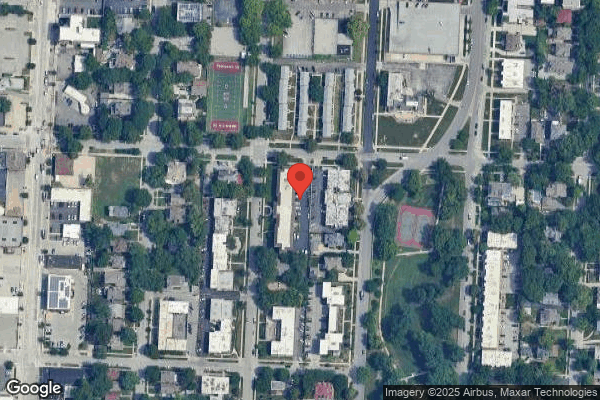
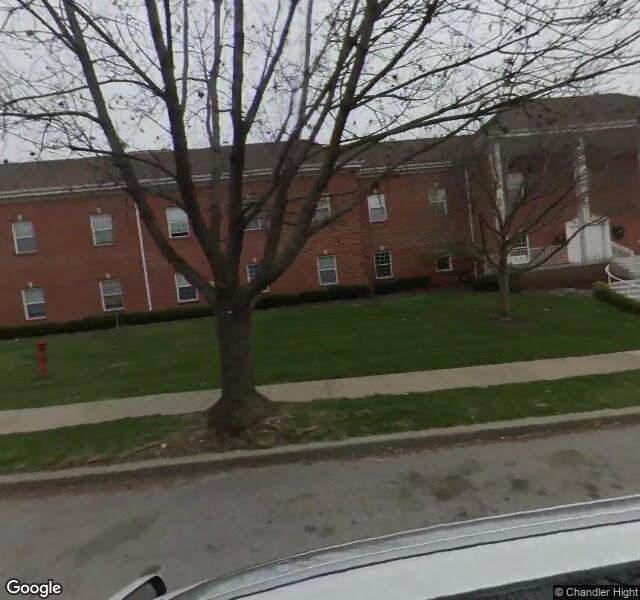
3621 WARWICK BOULEVARD, KANSAS CITY, MO 64111 (816) 756-1593
For profit - Corporation 90 Beds Independent Data: November 2025 1 Immediate Jeopardy citation
Trust Grade
0/100
#238 of 479 in MO
Last Inspection: November 2024

Within standard 12-15 month inspection cycle. Federal law requires annual inspections.

Overview

Clara Manor Nursing Home has received a Trust Grade of F, indicating significant concerns about its operations and care quality. It ranks #238 out of 479 in Missouri, placing it in the top half of facilities, but the low grade raises red flags. The facility has shown improvement over time, with issues decreasing from 40 in 2024 to just 6 in 2025. However, the staffing rating is poor at 1 out of 5 stars, and while the turnover rate is 0%, meaning staff stay long-term, there is less RN coverage than 85% of Missouri facilities, which can limit quality care. The facility has faced $54,540 in fines, which is concerning and suggests ongoing compliance problems. Specific incidents include a failure to protect residents from physical abuse, where one resident was struck in the face and injured, and another incident involving a verbal altercation that escalated without proper intervention. While the quality measures score is excellent at 5 out of 5, the overall performance reveals a mix of strengths and weaknesses that families should carefully consider.

Trust Score
F
0/100
In Missouri
#238/479
Top 49%
Safety Record
High Risk
Review needed
Inspections
Getting Better
40 → 6 violations
Staff Stability
○ Average
Turnover data not reported for this facility.
Penalties
⚠ Watch
$54,540 in fines. Higher than 98% of Missouri facilities. Major compliance failures.
Skilled Nurses
⚠ Watch
Each resident gets only 7 minutes of Registered Nurse (RN) attention daily — below average for Missouri. Fewer RN minutes means fewer trained eyes watching for problems.
Violations
⚠ Watch
101 deficiencies on record. Higher than average. Multiple issues found across inspections.
★★☆☆☆
2.0
Overall Rating
★☆☆☆☆
1.0
Staff Levels
★★★★★
5.0
Care Quality
★☆☆☆☆
1.0
Inspection Score
Stable
2024: 40 issues
2025: 6 issues

The Good

  • 5-Star Quality Measures · Strong clinical quality outcomes
  • Full Sprinkler Coverage · Fire safety systems throughout facility
  • No fines on record

Facility shows strength in quality measures, fire safety.

The Bad

2-Star Overall Rating

Near Missouri average (2.5)

Below average - review inspection findings carefully

Federal Fines: $54,540

Above median ($33,413)

Moderate penalties - review what triggered them

The Ugly 101 deficiencies on record

1 life-threatening 5 actual harm
Jun 2025 1 deficiency 1 IJ
CRITICAL (J) 📢 Someone Reported This

A family member, employee, or ombudsman was alarmed enough to file a formal complaint

Immediate Jeopardy (IJ) - the most serious Medicare violation

Free from Abuse/Neglect (Tag F0600)

Someone could have died · This affected 1 resident

**NOTE- TERMS IN BRACKETS HAVE BEEN EDITED TO PROTECT CONFIDENTIALITY** Based on interview and record review, the facility failed to protect one out of six sampled residents (Resident # 1) from physic...

Read full inspector narrative →
**NOTE- TERMS IN BRACKETS HAVE BEEN EDITED TO PROTECT CONFIDENTIALITY** Based on interview and record review, the facility failed to protect one out of six sampled residents (Resident # 1) from physical abuse. On 6/22/25, around 1:30 A.M., Certified Nurse Aide A became aware of Resident #1 and #2 getting into an altercation at the 2nd floor nursing station. Resident #1 wanted to get some ice and Resident #2 blocked the area with his/her wheelchair and would not let him enter. Resident #1 stated he cursed and threw a small amount of the remaining water in his water pitcher on Resident #2. Resident #2 yelled at Resident #1 and stated Resident #1 had called him/her racial names and threw water at him/her. Resident #1 went back to his own room. After Resident #1 left, Resident #2 told CNA A he/she was going to call his/her cousin and put a wood under his/her ass. The nurse aide advised Resident #2 to calm down and return to his/her room for the night. The facility failed to provide intervention and monitoring after the verbal incident per policy. Resident #2 went to the smoking area on the 2nd floor. Around 2:24 A.M., Resident #2 entered Resident #1's room. Resident #1 was awakened by Resident #2 striking him with a folding chair. Resident #2 then grabbed Resident #1's cell phone and placed it in his/her waistband and then forcefully grabbed Resident #1's scrotum, holding onto it while Resident #2 tried to wheel himself out of the room his/her room- which was next door. Resident #1 had bruising on his bilateral forearms and his right upper leg. Resident #1 said he was in excruciating pain from his scrotum being squeezed and was very angry that it occurred. The facility census was 86.The Administrator was notified on 6/25/25 at 2:40 P.M. of Immediate Jeopardy (IJ) which began on 6/22/25. The IJ was removed on 6/25/25.Review of the facility's undated Abuse and Neglect Policy showed:-Abuse was the willful infliction of injury, unreasonable confinement, intimidation or punishment with resulting physical harm, pain or mental anguish.-Physical abuse was the use of physical force that may result in bodily injury, physical pain or impairment and could include: punishing, slapping, hitting, shoving, striking with or without an object, pinching, kicking, burning. -All residents would be protected from abuse, neglect or mistreatment. Review of the facility's undated Behavior Management Program policy showed:-Behavior symptoms in this policy was defined as an indication or characteristic of a negative physical or psychosocial out come which could indicate negative interactions or negative attitude that resulted in unpleasant atmosphere that disturbed others.-Resident who exhibited behavior symptom concerns would be monitored and/or treated to prevent incidents per the Quality Assurance (QA) decision on how often, what and where, and when the behavior was to be monitored.-Residents who often had outburst behaviors, aggression, verbal and/or physical abusive behavior should be monitored for safety. (The process of monitoring was decided individually per case by the QA committee or safety committee.)1. Review of Resident #1's admission Record Face Sheet showed the resident admitted to the facility on [DATE]. Review of Resident #1's quarterly Minimum Data Set (MDS-a standardized assessment tool that measured health status in nursing home residents), dated 4/16/25, showed the resident assessed as cognitively intact.Review of Resident #2's admission Record Face Sheet showed the resident admitted to the facility on [DATE], with the following diagnoses:-Schizophrenia, unspecified (a disorder that affected a person's ability to think, feel and behave clearly).-Major depressive disorder (a mental disorder characterized by persistently sad mood or loss of interest in activities, causing significant impairment of daily life).-Persistent mood affective disorder (a chronic low-grade depressed mood that lasts at least two years in adults).-Psychoactive substance abuse (abuse of substances that affect the brain).-Cannabis abuse.-Suicidal ideations (thinking or planning to kill one's self).-Insomnia (a disorder that makes it difficult to sleep).Review of Resident #2's quarterly MDS, dated [DATE], showed the resident assessed as cognitively intact.Review of Resident #1's Nurse's Notes, dated 6/22/25 at 2:24 A.M., showed: -Certified Nursing Assistant (CNA) B heard Resident #2 in Resident #1's room on the same hall, fighting, screaming, and throwing objects.-Resident #3 came to the nurses' station saying Resident #2 was in Resident #1's room and hit him with a chair.-CNA B went to the scene and called Licensed Practical Nurse (LPN) A to tell LPN A he/she was down the hall, two residents were fighting, and he/she needed help.-LPN A arrived immediately to Resident #2 in the hallway in his/her wheelchair, holding Resident #1's cell phone and refusing to get it out of his/her waistband and give it back.-CNA B stated after Resident #2 hit Resident #1 with the chair, he/she snatched the phone and when Resident #1 attempted to retrieve the phone, Resident #2 grabbed Resident #1's genitals. -Resident #1 began hitting Resident #2 on the head. -Resident #2 would not give back the phone.-Resident #1 was pushing Resident #2's wheelchair out of his room and hitting Resident #2 on the head.-Staff asked Resident #1 to stop and let the staff handle it, but he kept pushing Resident #2 into the room.-Both residents were then behind the door of Resident #2's room.-During the altercation, CNA B called 911.-Witness and Resident #1 stated the other resident was in this resident's room and struck Resident #1 with a chair and took his phone.Review of Resident #2's Nurse's Note, dated 6/22/25 at 2:25 A.M., showed: -LPN A was notified by CNA B that Resident #3 came to alert staff at the nurses' station of his/her roommate and Resident #2 fighting in the room.-LPN A came down toward Resident #1's room and saw him pushing Resident #2 down the hall in his/her wheelchair saying, Give me my phone. Resident #2 kept saying no.-Resident #1 began hitting Resident #2 in the side of the head. -Staff attempted to intervene and convince Resident #1 to stop and allow the staff to handle the situation.-Resident #1 would not stop and Resident #2 stated he/she was not giving the phone back.-Resident #1 pushed Resident #2 in his/her wheelchair to his/her room next door, pushed Resident #2 into the room, and attempted to retrieve his/her phone.Review of the facility's preliminary summary of investigation started on 6/23/25 showed:-LPN A stated Resident #1 repeatedly hit Resident #2 in the face.-He/She stated he/she was called to Resident #2's room.-He/She stated CNA B told him/her Resident #1 was requesting his phone back from Resident #2.-Upon further investigation it was found on 6/22/25 after 1:30 A.M., both residents were at the 2nd floor nursing station. Resident #1 wanted to get some ice and Resident #2 blocked the area with his/her wheelchair and would not let him enter.-Resident #1 stated he cursed and threw a small amount of the remaining water in his water pitcher on Resident #2.-Resident #2 yelled at Resident #1 and stated Resident #1 had called him/her racial names and threw water at him/her.-CNA A was sitting in the room next to the nursing station.-Upon interview, Resident #1 said Resident #2 was talking to him in a rude way, so he opened his water pitcher and threw a little water on Resident #2.-Resident #1 stated Resident #2 began to yell and curse at him, so he left and went back to his own room.-CNA A said after Resident #1 left, Resident #2 said he/she was going to call his/her cousin and put a wood under his/her ass.-CNA A advised Resident #2 to calm down and return to his/her room for the night.-Resident #2 went to the smoking area on the 2nd floor.-Before 2:24 A.M., Resident #2 entered Resident #1's room.-Resident #1 stated he was sleeping in his bed and was awakened by something hard hitting him.-Resident #1 stated Resident #2 hit him with a white folding chair several times and demanded his phone.-Resident #1 said he was defending himself under the covers of his bed and blocking the chair from hitting him. He called for his roommate, Resident #3, to help him.-Resident #3 stated he/she heard Resident #1 call for help and got up to stop Resident #2 from hitting Resident #1 with the chair. He/She was able to grab the chair and took it with him/her when he/she left the room to go get help.-He/She found CNA B and had him/her go with him/her to the room.-Resident #1 stated Resident #2 got ahold of his cell phone and would not return it.-CNA B stated he/she entered the room and saw Resident #1 hitting Resident #2 stating, Let go of my fucking dick! CNA B said the resident said this a few more times.-CNA B told Resident #2 to let go, but he/she would not.-CNA B said Resident #2 pulled Resident #1 by the scrotum to the hallway and into the room of Resident #2.-CNA B continued to ask Resident #2 to let go of Resident #1 and return the cell phone, but he/she refused.-Resident #1 stated he was asking for his phone to be returned.-CNA B stated Resident #1 hit Resident #2 in the face several times, but Resident #2 would not let go of Resident #1's scrotum.-CNA B asked both of them to stop, but they would not. He/She was afraid to intervene and was unable to deescalate them. He/She went down the hallway to get additional help from staff.-Resident #1 said he was bleeding from both arms. -In Resident #2's room, Resident #2 blocked the door and would not let Resident #1 leave the room.-Resident #1 said he was in excruciating pain from Resident #2 squeezing his scrotum and not letting go of him. He stated he hit Resident #2 in the face a few times.-According to Resident #2's nursing notes and interviews with Residents #1 and #2, LPN A and CNA B came to Resident #2's room.-CNA B said they returned to the room after possibly a minute, when he/she went to get the charge nurse.Review of Resident #1's Weekly Skin Assessment, dated 6/23/25, showed he had areas on bilateral forearms with scabs and red, discolored bruising and dark red bruising on bilateral forearms.Observation and interview on 6/23/25 at 10:45 A.M., showed Resident #1:-Resident #1 had multiple dark red and red blotches and scabs on both forearms and a reddened area on his right thigh.-He was laying in bed and Resident #2 came in and started hitting him with a chair and said, You deserved it!-He had some bruising on both arms and his left leg from where he tried to shield himself.-He could not get out of bed.-His roommate came and took the chair away from Resident #2.-He sat up on his bed and Resident #2 grabbed his scrotum and his phone.-Resident #2 kept trying to hide his phone in his/her waistband.-He had never had a fight with Resident #2 before; he never really talked to him/her.-He started hitting Resident #2 to get him/her to let go of his scrotum. -His roommate went and got the nurse.-The nurse (CNA B) came in the room and told him to stop hitting and CNA B told Resident #2 to let go of him.-CNA B grabbed Resident #1's arm and Resident #1 told CNA B not to touch Resident #1.-Resident #2 wouldn't let go of his scrotum so CNA B went to get more help. CNA B was only gone for a couple seconds.-Resident #2 dragged him to his/her room by the scrotum and threw his phone on the bed.-He told Resident #2 to let go and when he/she did not, he hit him/her.-The police had already been called.-He said his scrotum was sore, but did not take any pain pills.-Earlier, possibly around 1:30 A.M., he/she had gone to the ice machine and Resident #2 was blocking him/her from getting ice.-He/She thought his cup was empty and was not purposefully throwing water on Resident #2.-He/She had asked to get through and was just messing with Resident #2.-Now that Resident #2 was gone, he/she felt safe at the facility.During an interview on 6/23/25 at 11:00 A.M., CNA B said:-He/She had finished cleaning up another resident and Resident #3, who was Resident #1's roommate, came to him/her and said Resident #2 had hit Resident #1 with a chair while he was laying down.-When he/she got to the residents, Resident #2 had ahold of Resident #1's scrotum and Resident #1 was on the floor and was hitting Resident #2. -He/She told Resident #1 to stop and he said he wouldn't until Resident #2 released his scrotum.-He/She told Resident #2 to let go of Resident #1's scrotum and he/she would not.-He/She called 911, because it appeared Resident #2 was bleeding by the mouth and there was blood on the floor.-He/She tried to grab Resident #1's arm and told Resident #2 to let go of Resident #1.-Resident #2 tried to wheel him/herself back to his/her room with Resident #1's phone. -Resident #1 kept saying to give him back his phone.-Resident #2 rolled him/herself out of the room and they went to his/her room, while he/she was holding on to Resident #1's scrotum.-Resident #2 said Resident #1 started it earlier when he/she threw water on him/her. CNA A had separated them.During an interview on 6/23/25 at 12:10 P.M., LPN A said:-He/She did not witness the entire event.-The hallway had been quiet and he/she got a call from CNA B Resident #1 and Resident #2 were having a fight in the hallway.-He/She saw Resident #1 pushing Resident #2's wheelchair.-Resident #2 was grabbing Resident #1's scrotum and his phone was tucked in the left side of his/her waistband.-Resident #2 was laughing and said he/she was not going to give his phone back.-Resident #1 would say he wanted his phone back.-He/She did not know who started the fight, but assumed Resident #2 started it, because Resident #1 would typically stick to himself.-He/She was trying to separate the residents and not let them get in Resident #2's room and close the door behind them.Review of Resident #3's quarterly MDS, dated [DATE], showed he/she was cognitively intact.During an interview on 6/23/25 at 1:30 P.M., Resident #3 said:-Resident #2 snuck into his/her room, which he/she shared with Resident #1, around 2:30 A.M. on 6/22/25.-He/She woke up because Resident #1 was shouting, Get your ass over here!-Resident #2 was in his/her wheelchair and had a chair which he/she was swinging.-Resident #2 had brought the chair in with him/her. It was white plastic with a metal frame.-Resident #1 had his arms up and was shielding himself. -He/She grabbed the chair and took it into the hallway.-He/She then went to get a staff person to assist.-He/She saw Resident #2 grab Resident #1's phone and his scrotum and would not let go. -Resident #1 was hitting Resident #2 because he/she would not release him.-Resident #2 seemed like he/she was out of it on some kind of a drug. His/her eyes were glazed and there was nobody home.During an interview on 6/24/25 at 3:00 P.M., Psychiatric Nurse Practitioner A said:-Resident #2 attacking Resident #1 was abuse.-He/She did not think the staff would have known this might happen, since Resident #2 had calmed down from earlier incidents in the day. During an interview on 6/27/25 at 4:00 P.M., the Director of Nursing (DON) said he/she thought the incident was abuse when Resident #2 hit Resident #1 with a chair. During an interview on 6/27/25 at 4:15 P.M., the Administrator said:-Resident #2 attacking Resident #1 was intentional and abuse. NOTE: At the time of the abbreviated survey, the violation was determined to be at the immediate jeopardy level J. Based on observation, interview and record review completed during the onsite visit, it was determined the facility had implemented corrective action to remove the IJ violation at the time. A final revisit will be conducted to determine if the facility is in substantial compliance with participation requirements.At the time of exit, the severity of the deficiency was lowered to the D level. This statement does not denote that the facility has complied with State law (Section 198.026.1 RSMo.) requiring that prompt remedial action be taken to address Class I violation(s).MO00256231
Feb 2025 1 deficiency
CONCERN (D) 📢 Someone Reported This

A family member, employee, or ombudsman was alarmed enough to file a formal complaint

Potential for Harm - no one hurt, but risky conditions existed

Transfer Notice (Tag F0623)

Could have caused harm · This affected 1 resident

Deficiency Text Not Available

Read full inspector narrative →
Deficiency Text Not Available
Jan 2025 4 deficiencies 2 Harm
SERIOUS (G) 📢 Someone Reported This

A family member, employee, or ombudsman was alarmed enough to file a formal complaint

Actual Harm - a resident was hurt due to facility failures

Free from Abuse/Neglect (Tag F0600)

A resident was harmed · This affected 1 resident

**NOTE- TERMS IN BRACKETS HAVE BEEN EDITED TO PROTECT CONFIDENTIALITY** Refer to F600 Event ID 66SW12 Based on observation, interview, and record review, the facility failed to ensure one sampled resi...

Read full inspector narrative →
**NOTE- TERMS IN BRACKETS HAVE BEEN EDITED TO PROTECT CONFIDENTIALITY** Refer to F600 Event ID 66SW12 Based on observation, interview, and record review, the facility failed to ensure one sampled resident (Resident #69) was free from physical abuse, when on 1/10/25 at approximately 10:00 P.M., Resident #76 willfully hit Resident #69 on his/her face, resulting in swelling and pain. Resident #72 stated Resident #76 had threatened to beat up people and was violent. The facility census was 86 residents. An Abuse/Neglect policy was requested from the facility, but was not provided. Review of the facility's Abuse and Neglect Educational Material; Policy Regarding Abuse and Neglect of Facility Residents, undated showed: -Resident rights protected them from physical and mental abuse. -Abuse was defined as a willful infliction of injury. -Physical force that may result in physical pain or impairment included: --Pushing, slapping, hitting, shoving, striking with or without an object, pinching kicking or burning. 1. Review of Resident #76's Face Sheet, undated, showed: -The resident admitted to the facility on [DATE]. -His/Her diagnoses included: --Major Depressive Disorder (a mood disorder that caused a persistent feeling of sadness and loss of interest), single episode. --Other psychoactive substance abuse (a strong desire or sense of compulsion to take the substance) --Generalized anxiety disorder (a constant about everyday issues and situations). Review of the resident's care plan dated 1/13/25 showed: -The resident had potential for sad mood related to depression. -The resident was at risk for increased behaviors. --Monitor behavior episodes and attempt to determine underlying cause. Review of the resident's Physician Orders, dated January 2025, showed: -Buspirone (medication used to treat anxiety disorders); 5 mg twice a day. -Quetiapine (medication used to treat hallucinations) 25 mg twice a day. -Hydroxyzine (medication used to treat agitation) 50 mg three times a day. During an interview on 1/13/25 at 3:19 P.M., Resident #76 said: -He/She thought Resident #69 was going through his/her belongings. -He/She hit Resident #69 in the face. -He/She was unsure if anyone else was around when it happened. -The police came and arrested him/her and took him/her to the hospital. 2. Review of Resident #69's Face Sheet, undated, showed: -The resident admitted on [DATE]. -The resident's diagnoses included: --Schizophrenia (a chronic mental illness that affects a person's thoughts, feelings, and actions). --Major Depressive Disorder --Persistent Mood Disorder (a continuous, long-term form of depression). Review of the resident's Care Plan, dated 11/21/24, showed: -The resident was resistant to cares. -The resident received antidepressant medication. -The resident had chronic pain in the lower back. During an interview on 1/13/25 at 8:45 A.M., the resident said: -Resident #76 said he/she kidnapped his/her children. -He/She was sleeping when Resident #76 came in his/her room and hit him/her in the face. -He/She had swelling and pain on the left side of his/her face. -He/She asked for pain medication and an ice pack and received it. -He/She did not want to go to the hospital. -Resident #76 harassed him/her every day about going into Resident #76's room and taking his/her belongings, which never happened. -He/She talked to staff about Resident #76's behavior and they told him/her to stay away from Resident #76. -Resident #76 also bothered other resident's, saying they went into his/her room and took belongings. -He/She felt safe now that Resident #76 was gone. Observation on 1/13/25 at 8:45 A.M. showed: -A small amount of swelling in Resident #69's left cheek. 3. During an interview on 1/13/25 at 9:00 A.M., Resident #59 (roommate of Resident #69) said: -Resident #76 was in their room. -He/She saw Resident #76 go over to the other side of the room, but the curtain was drawn and did not see what happened. During an interview on 1/13/25 at 9:15 A.M., Resident #72 said: -Resident #76 yelled a lot at the residents and had paranoid episodes, saying people were in his/her room taking his/her items. -Resident #76 threatened to beat up people. -Resident #76 was violent. Staff told Resident #76 to stay in his/her room. -He/She heard Resident#69 and #76 argue on Friday night (1/10/25), but did not see anything. -He/she felt safe without Resident #76 around. During an interview on 1/13/25 at 9:25 A.M., Resident #37 said: -Resident #76 was unruly in the evenings. -Staff told Resident #76 to return to his/her room when he/she was acting up. -On Friday he/she saw Resident #76 go into Resident #69's room. -He/She could not see the head of the bed behind the curtain, but he/she saw the motion of Resident #76 swing his/her arms as if he/she had hit Resident #69. -He/She felt safe now that Resident #76 was gone. -Staff tried to stop Resident #76 from hitting Resident #69. -He/She thought Resident #76 was going to hit the staff. -The staff ended up calling the police. During an interview on 1/13/25 at 9:35 A.M., Resident #11 (Resident #76's roommate) said: -Resident #76 was paranoid a lot. -He/She never saw anyone in their room. -He/She did not see what happened on Friday. During an interview on 1/14/25 at 9:41 A.M., CNA A said: -Resident #76 went out of the building and returned and he/she was angry, mad and paranoid. -Other resident's expressed being afraid of Resident #76. -He/She reported Resident #76's behaviors to the nurse. -On Friday Resident #76 was pacing and sweating a lot towards the end of his/her shift, around 7:00 P.M. -He/She talked to Resident #76 to try to calm him/her down and he/she told the nurse about the resident's behaviors. -Resident #76 said Resident #69 kidnapped his/her kids. -He/She tried to talk to Resident #76 and he/she calmed down a little. During an interview on 1/14/25 at 9:54 A.M., CNA B said: -Resident #76 and #69 used to be friendly with each other. -Recently they had arguments and disagreements, but nothing that went beyond that. During an interview on 1/14/25 at 10:02 A.M., Resident #69 said: -He/She was having pain in his/her back. -He/She still had pain in his/her face and jaw. -He/She had not reported it to the nurse, but was going to contact his/her doctor himself/herself. During an interview on 1/14/25 at 10:24 A.M., LPN B said: -He/She was working Friday night. -Residents #76 and #69 exhibited several hours of verbal altercations, including cussing at each other. -Resident #76 said he/she was going to kill Resident #69 while pacing in the hall. -He/She separated the resident's, directed them to remain on separate sides of the hall. -The other staff on shift were helping with other residents. -Resident #76 was sweating and acted paranoid. -Resident #76 believed people tapped into his/her phone. -Resident #76 believed Resident #69 was in his/her room going through his/her things. -He/She assured Resident #76 that Resident #69 was not in the room and explained how the setting on his/her phone worked to show that no one was tapping into their phone. -The resident returned to his/her room and LPN B returned to his/her duties. -Resident #69 came off the elevator saying he/she had gone down to smoke when Resident #76 hit him/her in the face. -Nursing staff came off the elevator with Resident #76 and instructed them both to remain on separate ends of the hall. -He/She went to Resident #69's room and assessed his/her injury. -He/She saw light redness and swelling, and the resident refused care, and asked for just an ice pack. -Twice Resident #76 tried to enter Resident #69's room, accusing Resident #69 of taking things from his/her room. -Resident #76 threatened LPN B at which time LPN B called the police. -When police arrived Resident #76 physically assaulted them as well as paramedics. -Paramedics administered a sedative and the resident was removed in handcuffs. During an interview on 1/14/25 at 10:59 A.M., Certified Medication Technician (CMT) A said: -He/She was working Friday night during the incident. -The charge nurse told him/her that Resident #76 was being volatile. -He/She did not see anything that happened until the police arrived. -Resident #76 had to be put in restraints. During an interview on 1/14/25 at 1:20 P.M., the Director of Nursing (DON) said: -Staff received quarterly training on abuse and neglect. -The DON and administrator were responsible for providing and documenting training which was offered monthly. -No residents or staff reported anything to him/her about Resident #76's past behaviors that would have indicated a problem. -Resident #76 went to the hospital last month but that was the first time he/she ever exhibited behaviors, that he/she was aware of. During an interview on 1/14/25 at 1:20 P.M. the Administrator said: -He/She was not made aware of issues between Resident #69 and Resident #76. -He/She expected the staff to separate the residents and when the issues continued to put Resident #76 on a one-on-one monitoring. -Someone should have been watching the resident. -Resident #76 was sent out to the hospital last month for behaviors, but to his/her knowledge that was the only previous issue with his/her behaviors. MO00247856
SERIOUS (G) 📢 Someone Reported This

A family member, employee, or ombudsman was alarmed enough to file a formal complaint

Actual Harm - a resident was hurt due to facility failures

Deficiency F0740 (Tag F0740)

A resident was harmed · This affected 1 resident

**NOTE- TERMS IN BRACKETS HAVE BEEN EDITED TO PROTECT CONFIDENTIALITY** Refer to F740 Event ID 66SW12 Based on observation, interview and record review, the facility failed to effectively manage behav...

Read full inspector narrative →
**NOTE- TERMS IN BRACKETS HAVE BEEN EDITED TO PROTECT CONFIDENTIALITY** Refer to F740 Event ID 66SW12 Based on observation, interview and record review, the facility failed to effectively manage behaviors by not providing appropriate behavior interventions for one sampled resident (Resident #76) when the resident physically assaulted and injured Resident #69 by hitting him/her in the face causing pain, swelling, and redness. The facility census was 86 residents. Review of the facility's Behavior Management Program, undated, showed: -A behavior symptom was defined as an indication or characteristic of a negative physical or psychosocial outcome which may have resulted in disturbing of others. -A behavior could also inhibit the resident in attaining or maintaining his/her highest practical well-being. -The purpose of the policy was to promote a healthy environment that provided comfort to all residents. -The staff may detect early changes in mental or psychosocial status for appropriate interventions, which included: medication regimen, activities, counseling, visits (not specified) or social therapy. -Residents who exhibit behavior symptom concerns were monitored and/or treated to prevent incident. -Monitoring included checking for patterns and occurrence. -Residents who exhibited behavior concerns that fluctuated should be observed or monitored for increased/decreased and factors that contribute to elevate behavior symptoms. -Residents who often exhibited outburst behaviors, aggression, verbal and/or physical abusive behavior were monitored for safety, based on each individual and decided by the safety committee or Quality Assurance (QA) team. -Residents who exhibit fluctuated behavior or new behavior symptoms or indicators: --Monitor for underlying medical conditions and notify the Director of Nursing (DON) to revise the care plan. --Daily observation and documentation on each resident's behavior flow sheet determined by the charge nurse. --All staff were responsible to communicate and recommend what behavior needs to be monitored. 1. Review of Resident #76's Face Sheet, undated, showed: -The resident was admitted to the facility on [DATE]. -His/Her diagnoses included: --Major Depressive Disorder (a mood disorder that caused a persistent feeling of sadness and loss of interest), single episode. --Other psychoactive substance abuse (a strong desire or sense of compulsion to take the substance). --Generalized anxiety disorder (a constant about everyday issues and situations). Review of the resident's initial care plan dated 1/10/24 showed the resident: -Had a history of drug use/abuse. --The goal was the resident would understand the expectations of the facility, no drug use, and sign a contract. --The only intervention was the resident would understand that breaking the contract would result in discharge. ---NOTE: This care plan was not updated or revised. Review of the resident's Pre-admission Screening/Resident Review (PASRR- a federally mandated screening process for individuals with serious mental illness, intellectual disability/developmental disability, and/or related condition who reside in a Medicaid Certified nursing facility), dated 6/13/24, showed: -The resident qualified for care. -The resident had a serious mental illness. -The resident had a history of Schizophrenia (a serious mental illness that affected how a person thought, felt and behaved). -The resident needed continued support and services. --Monitoring of behavioral symptoms. --Tools of choice or other positive behavioral support services. --Mental status to be monitored for signs/symptoms of depression, changes in mood, agitation and aggression. --Anger management may be helpful by teaching coping skills to deal with his/her emotions appropriately. --Staff to provide support and redirection as needed. -Resident would like to see a psychologist. Review of the resident's care plan showed: -There were no updates to the initial care plan of any new focus areas or interventions that addressed the resident's mood, mental status, and anger management. -There were no interventions that showed how to provide support and redirection to the resident. Review of the resident's Psychiatric Periodic Evaluation dated 10/3/24 showed: -The form was completed by an outside Psychiatric provider. -Was a psychiatry evaluation and medication management at the facility. -The resident denied feeling depressed or anxious. -The resident said the recent medication changes had helped his/her anxiety. -Staff noted no concerns, no new psychiatric issues or complaints. -Labs and medications list were reviewed, continue to monitor for changes and medication adjustment as needed. -Monitor for depression symptoms and document. -Psychological service to improve coping skills. -Safety concerns were addressed, staff were instructed regarding communication and redirection needed in caring for psychiatric and mental health residents. -Continue to monitor closely, redirect to promote safety, and utilize nursing intervention and behavioral modification. -Continue to offer activities, social events, group initiating, and resident one-on-one when needed. -Encourage sleep-wake cycle. -Monitor for changes in mood or behaviors and notify psychiatry if agitation or resident symptoms worsen. Review of the resident's care plan showed: -There were no updates, new focus areas, or new interventions that addressed safety concerns, communication, redirection, behavior modification, or placing the resident on 1:1 monitoring. Review of the resident's progress notes dated 10/24/24 showed: -The resident was agitated, kicking and screaming. -The resident was taken to the hospital for evaluation and treatment of increased agitation and aggressiveness. -The social worker notified the Administrator and Director of Nursing (DON) of the resident's behaviors and being admitted to the hospital. Review of the resident's care plan showed: -There were no updates or new focus areas initiated following the resident's hospitalization for behaviors. -There were no updates or new focus areas that addressed the resident's behaviors and interventions including 1:1 monitoring. Review of the resident's Psychiatric Periodic Evaluation dated 10/31/24 showed: -Psychiatric medication regimen was reviewed. -Continue current psychiatric medications. -Continue to monitor response and make adjustments as needed. -Resident could benefit from psychological services to enhance coping skills. -Monitor for changes in mood or behaviors. -No new psychiatric concerns/complaints noted. Review of the resident's Psychotherapy Progress Note dated 10/31/24 showed: -Was completed by an outside psychological provider. -Staff reported resident behaviors of fighting with others, emotionally labile, fighting with staff. -Therapist focused on the resident's current mental health status and progress towards management of mood and anxiety symptoms. -Therapist encouraged the resident to set short-term goals that involved only him/her and did not depend on anyone else's involvement in his/her life. -Therapist encouraged the resident to focus on attainable and short-term goals to manage mood and anxiety. -Therapist encouraged the resident to let staff know of needs as needed. -Therapist will follow up in one to three weeks. Review of the resident's progress notes dated 11/6/24 showed: -The resident was aggressively knocking on other resident's doors, yelling and screaming at them saying they owed him/her money. -The facility social worker notified the DON. -The facility social worker and DON talked with the resident. -The resident was placed on the list to be seen by psychology. Review of the resident's care plan showed: -There were no updates or new focus areas that addressed the safety of the resident or others. -There were no updates or new focus areas that addressed the resident's aggression, -There were no updates or new focus areas that addressed the resident's behaviors. -There were no updates or new focus areas that addressed the resident's behaviors and interventions including 1:1 monitoring. -There were no new interventions that addressed behavior modification when the resident became aggressive. Review of the resident's progress notes showed: -There was no documentation that mentioned changes in care needed following episodes of increased aggression and increased behaviors. -There was no documentation that mentioned psychology or psychiatry were notified of the resident's increased behaviors and aggression. Review of the resident's Psychotherapy Progress Note dated 11/7/24 showed: -The resident refused psychotherapy services. -The therapist will follow up in one to three weeks. Review of the resident's progress notes dated 11/7/24 showed: -The social worker and the DON talked with the resident. -The DON notified the psychiatrist of the resident's increased behaviors and asked for medication management and adjustment as needed. Review of the resident's Psychotherapy Progress Note dated 11/21/24 showed: -The resident refused psychotherapy services and said his/her mind was all crazy and he/she couldn't think. -The therapist will follow up in one to three weeks. Review of the resident's Psychotherapy Progress Note dated 11/27/24 showed: -The resident was extremely agitated and unreasonable. -The resident expressed distrust with residents and staff. -The resident expressed significant agitation and frustration. -The resident expressed thoughts of suicide, but did not report a plan. -Therapist attempted to reduce the resident's emotional distress and to problem solve around the crisis. -The resident reported disinterest in hospitalization. -The resident's distress and agitation were lessened with the opportunity to express difficult emotion with the therapist. -At the end of the session, the resident denied thoughts of suicide. -The therapist reported to the resident that his/her original expression of suicide would be shared with the staff. -The therapist discussed the resident's presentation and safety planning with the Administrator, DON, charge nurse, and floor nurses. --Issues of safety were discussed with all. Review of the resident's care plan showed: -There were no updates or new focus areas that addressed the safety of the resident or others. -There were no updates or new focus areas that addressed the resident's aggression, -There were no updates or new focus areas that addressed the resident's behaviors. -There were no new interventions that addressed behavior modification when the resident became aggressive. -There were no updates or new focus areas that addressed the resident's behaviors and interventions including 1:1 monitoring. Review of the resident's progress notes showed there was no documentation that mentioned changes in care needed following episodes of increased aggression and increased behaviors. Review of the resident's Psychiatric Periodic Evaluation, dated 11/28/24, showed: -Psychiatric medication regimen was reviewed. -Staff noted increased behavioral concerns as others were afraid of the resident because of his/her aggressive posture on the unit. -No new psychiatric issues or complaints were observed during the visit. -Mental status examination included: --Perseveration, pressured speech, coherent with loud tone and value speech. --Mood was noted to be irritable. --Affect was suspicious and irritable. --No response to hallucinations. --Poor concentration, insight, and judgement. -Start Seroquel (an antipsychotic used to treat hallucinations) 25 milligrams (mg) twice a day. Review of the resident's Psychiatric Periodic Evaluation, dated 12/19/24, showed: -Psychiatric medication regimen was reviewed. -The resident reported auditory hallucinations. -Staff noted increased behavioral concerns with anxiety and agitation. -No new psychiatric issues or complaints were observed during the visit. -Mental status examination included: --Perseveration, pressured speech, coherent with loud tone and value speech. --Mood was noted to be irritable. --Affect was suspicious and irritable. -Start Hydroxyzine (an antihistamine used to treat anxiety and agitation) 50 mg three times a day. Review of the resident's care plan showed: -There were no updates or new focus areas that addressed the safety of the resident or others. -There were no updates or new focus areas that addressed the resident's hallucinations. -There were no new interventions that addressed behavior modification when the resident became aggressive. Review of the resident's progress notes showed there was no documentation that mentioned changes in care needed with episodes of hallucinations and increased aggression. Review of the resident's Physician Orders, dated January 2025, showed the resident was ordered: -Sertraline (medication used to treat depression); 150 mg daily (order updated on 11/7/24). -Buspirone (medication used to treat anxiety disorders); 5 mg twice a day (order updated on 11/7/24). -Quetiapine (medication used to treat hallucinations) 25 mg twice a day (order started on 11/29/24). -Hydroxyzine (medication used to treat agitation) 50 mg three times a day (order started on 12/19/24). Review of the resident's Psychotherapy Progress Note dated 1/3/25 showed: -The resident reported significant distress over current level of functioning. -The resident expressed his/her mind was racing. -The resident reported auditory hallucinations and explained them as hearing voices of people he/she knew just talking, both day and night all the time. -The resident reported poor sleep with difficulty falling and staying asleep. -The therapist encouraged the resident to let staff know of needs as needed and appropriate. -The resident would benefit from continued psychotherapeutic support maintain current level of progress and stability. -The therapist discussed the resident's presentation and plan of care with the unit nurse, nurse manager, and the social worker. Review of the resident's care plan showed: -There were no new focus areas or interventions that addressed the resident's increased behaviors. -There were no new focus areas or interventions that addressed the resident's increased aggression towards other resident's and staff. Review of the resident's progress notes showed: -There was no documentation that addressed if changes in care were needed following episodes of increased aggression, hallucinations, and increased behaviors. -There was no documentation that addressed psychology or psychiatry was notified of the resident's increased behaviors, hallucinations, and increased aggression. Review of the resident's Psychotherapy Progress Note dated 1/9/25 showed: -The resident initially presented with agitation and anxiety. -The resident described his/her disappointment with his/her current family situation. -The resident had feelings of isolation and resentment. -The therapist helped the resident problem solve around preparing broken relationships. -The therapist determined the resident had periodic intermittent drops in mood and increased anxiety due to various personal issues, acute and chronic health conditions, strained family relationship dynamics, and ongoing situational stressors and challenges. -The therapist discussed the resident's recent presentation and plan of care with unit nurse, nurse manager, and the facility social worker. Review of the resident's care plan dated 1/13/25, showed: -The resident had a history of drug use/abuse. -The resident had potential for sad mood related to depression. --Administer medications as ordered. --Allow the resident to express feelings. --Behavioral health consults as needed. --Encourage the resident to attend activities of his/her choice. --Psychiatry consultation as needed. -The resident was at risk for increased behaviors related to a history of auditory hallucinations. --Administer medications as ordered. --Assist the resident to develop more appropriate methods of coping and interacting. --Encourage the resident to express feelings appropriately. --Caregivers were to provide opportunity for positive interactions, attention. --Stop and talk with him/her as passing by. --Monitor behavior episodes and attempt to determine underlying cause. --Consider location, time of day, persons involved, and situations. --Document behavior and potential causes. --Monitor behavior episodes and attempt to determine underlying cause. -The interventions / recommendations from the psychologist and psychiatrist were not added to the care plan. During an interview on 1/13/25 at 3:19 P.M., Resident #76 said: -He/She thought Resident #69 was going through his/her belongings. -He/She hit Resident #69 in the face. During an interview on 1/13/25 at 8:45 A.M., Resident #69 said: -Resident #76 said he/she kidnapped his/her children. -He/She was sleeping when Resident #76 came in his/her room and hit him/her in the face. -Resident #76 harassed him/her every day about going into Resident #76's room and taking his/her belongings, which never happened. -He/She talked to staff about Resident #76's behavior and they told him/her to stay away from Resident #76. -Resident #76 also bothered other residents, saying they went into his/her room and took belongings. -He/She felt safe now that Resident #76 was gone. During an interview on 1/13/25 at 9:15 A.M., Resident #72 said: -Resident #76 yelled a lot at the residents and had paranoid episodes, saying people were in his/her room taking his/her items. -Resident #76 was crazy, he/she threatened to beat up people. -Resident #76 was violent. Staff told him to stay in his/her room. -He/She heard Residents #69 and Resident #76 argue on Friday night (1/10/25), but did not see anything. -He/she felt safe without Resident #76 around. During an interview on 1/13/25 at 9:25 A.M., Resident #37 said: -Resident #76 was unruly in the evenings. -Staff told Resident #76 to return to his/her room when he/she acted up. -On Friday he/she saw Resident #76 go into Resident #69's room. -He/She could not see the head of the bed behind the curtain, but he/she saw the motion of Resident #76 swing his/her arms as if he/she had hit Resident #69. -He/She felt safe now that Resident #76 was gone. -Staff tried to stop Resident #76 from hitting Resident #69. -He/She thought Resident #76 was going to hit the staff. -The staff ended up calling the police. During an interview on 1/13/25 at 9:35 A.M., Resident #11 (Resident #76's roommate) said: -Resident #76 was paranoid a lot. -He/She never saw anyone in their room. -He/She did not see what happened on Friday. During an interview on 1/14/25 at 11:16 A.M., Resident #29 said: -He/She had seen Resident #76's explosive behaviors before Friday. -He/She was afraid of the resident and felt safer now that Resident #76 was gone. -He/She noticed that staff stayed with Resident #76 during his/her explosive behaviors and tried to keep him/her busy. During an interview on 1/13/25 at 9:43 A.M., Certified Nursing Assistant (CNA) B said: -He/She was not working Friday night. -Resident #76 had some paranoia, anger issues which increased over the last few months. -He/She reported behaviors to the nurse, he/she was unsure if anything was done. During an interview on 1/13/25 at 9:59 a.m., CNA A said: -Resident #76 had behaviors like pacing, sweating, and cussing at other residents. -He/She reported behaviors to the nurse. -Resident #76 was usually fine on the day shift, but was informed by staff and residents of his/her behaviors on the evening and night shifts. During an interview on 1/14/25 at 9:41 A.M., CNA A said: -When Resident #76 first arrived at the facility there were no behaviors. The last few months his/her behaviors increased. -Resident #76 went out of the building and returned angry, mad and paranoid. -Other resident's expressed being afraid of Resident #76. -He/She reported Resident #76's behaviors to the nurse. -He/She talked to Resident #76 to try to calm him/her down and he/she told the nurse about the resident's behaviors. During an interview on 1/14/25 at 9:54 A.M., CNA B said: -When Resident #76 first got to the facility there were no issues. -The last few months Resident #76 started showing more behaviors like cussing at other residents, accusing other residents of being in his/her room, yelling at staff and residents and pacing, generally paranoid. -He/She told the nurse about the behaviors. During an interview on 1/14/25 at 10:08 A.M., License Practical Nurse (LPN) A said: -When Resident #76 would start showing paranoia he/she would tell Resident #76 to go back to his/her room and calm down. -Resident #76 acted up on the night shift, because they didn't know how to handle the resident. -He/She separated the resident from other residents when he/she started to act up. -He/She did not report the behaviors because he/she was able to handle them. During an interview on 1/14/25 at 10:24 A.M., LPN B said: -Residents #76 and Resident #69 exhibited several hours of verbal altercations, including cussing at each other. -Resident #76 said he/she was going to kill Resident #69 while pacing in the hall. -He/She separated the residents, directing them to remain on separate sides of the hall. -Resident #76 was sweating and acting paranoid. -Resident #76 believed people were tapping into his/her phone. -Resident #76 believed Resident #69 was in his/her room. -Twice Resident #76 tried to enter Resident #69's room, accusing Resident #69 of taking things from his/her room. -Resident #76 threatened LPN B at which time LPN B called the police. -When police arrived Resident #76 physically assaulted the police as well as the paramedics. -Paramedics administered a sedative and the resident was removed in handcuffs. During an interview on 1/14/25 at 10:59 A.M., Certified Medication Technician (CMT) A said: -He/She was working Friday night during the incident. -The charge nurse told him/her that Resident #76 was being volatile. -He/She did not see anything that happened until the police arrived. -There were 11 officers and paramedics who responded to the 911 call. -Resident #76 had to be put in restraints. -Several residents told him/her they were afraid of Resident #76. -Resident #76 was usually easily redirected. -Resident #76 tended to be more aggressive toward people he/she believed to be more vulnerable. During an interview on 1/14/25 at 1:20 P.M., the DON said: -No residents or staff reported anything to him/her about Resident #76's behaviors. -Resident #76 went to the hospital last month, but that was the first time Resident #76 ever exhibited behaviors, that he/she was aware of. During an interview on 1/14/25 at 1:20 P.M. the Administrator said: -He/She was not made aware of any previous behaviors by Resident #76. -Resident #76 was sent out to the hospital last month for behaviors, but to his/her knowledge that was the only previous issue with his/her behaviors. -He/She would expect staff to separate the resident from other residents, place on one on one observation, someone should have been watching the resident, and call the police as the resident was very intimidating. MO00247856
CONCERN (D) 📢 Someone Reported This

A family member, employee, or ombudsman was alarmed enough to file a formal complaint

Potential for Harm - no one hurt, but risky conditions existed

Transfer Requirements (Tag F0622)

Could have caused harm · This affected 1 resident

**NOTE- TERMS IN BRACKETS HAVE BEEN EDITED TO PROTECT CONFIDENTIALITY** Refer to F622 Event ID 66SW12 Based on interview and record review, the facility failed to plan, coordinate, and provide a safe ...

Read full inspector narrative →
**NOTE- TERMS IN BRACKETS HAVE BEEN EDITED TO PROTECT CONFIDENTIALITY** Refer to F622 Event ID 66SW12 Based on interview and record review, the facility failed to plan, coordinate, and provide a safe and appropriate discharge when the facility initiated an immediate discharge for one sampled resident (Resident #76) out of 36 sampled residents. The resident's discharge notice stated the transfer location was Facility B, however, the resident was transported to the hospital via Emergency Medical Services. Facility B was unaware the resident was to be discharged to them. The facility census was 86 residents. Review of the facility's Discharge and Transfer Resident policy, dated 12/21/24, showed: -The purpose of the policy was to ensure the appropriate procedure for transferring and discharging a resident. -All residents who were discharged out of the facility under any circumstance was given an order from the attending physician. -Provide written instruction with verbal explanation regarding care, treatment, use of medications or devices to the resident upon discharge. -Order to discharge included the date and time of physician notification. -Involuntary discharges must: --Be reviewed by the Safety Committee. --The physician shall be consulted. --Can be immediate in the case of emergency due to: ---The safety of individuals at the facility was endangered due to clinical or behavioral status of the resident. --Issue a discharge notice letter to the resident, including the reason for the discharge, that included a 30-day notice or immediate discharge. --The Administrator would send the notice to the resident/Durable Power of Attorney (DPOA) and the local Ombudsman (an advocate for residents of nursing homes), which included the following: ---Reason for discharge. ---Effective date of discharge. ---Location to which the resident was discharged . ---A statement that the resident had the right to appeal. ---The name, mailing address, and telephone number of the Ombudsman. 1. Review of Resident #76's Face Sheet, undated, showed the resident admitted to the facility on [DATE] with the following diagnoses: -Major Depressive Disorder (a mood disorder that caused a persistent feeling of sadness and loss of interest), single episode. -Other psychoactive substance abuse (a strong desire or sense of compulsion to take the substance). -Generalized anxiety disorder (a constant about everyday issues and situations). Review of the resident's Notice of Discharge (Immediate notice), dated 1/11/25, showed: -The resident was immediately discharged for: --The safety of individuals in the facility was endangered due to clinical or behavioral status of the resident. --The health of individuals in the facility was otherwise endangered. --The discharge was necessary for the resident's welfare and the resident's needs could not be met in the facility. -In The reason for your discharge section of the form Licensed Practical Nurse (LPN) B wrote: --discharged due to extreme violent behavior, drug use, causing a safety issue and being a danger to self or other residents, physically and verbally. -Police and fire department onsite. -The notice indicated the discharge was discussed with the resident and would be going to a different facility (Facility B). -The effective date was 1/11/25 at 12:14 A.M. Review of the resident's Physician Order Sheet dated January 2025 showed: -No order for discharge. During an interview on 1/14/25 at 10:24 P.M., LPN B said: -The resident had several hours of verbal altercations with other residents. -The resident was being paranoid and yelled at other residents and staff. -The resident was physically aggressive toward police officers and paramedics. -The resident was handcuffed by the police, sedated by the paramedics, and taken to local hospital. -The resident hit another resident and started to come after staff. -He/She contacted the police and the Administrator and was instructed to provide the resident with an immediate discharge. During an interview on 1/14/25 at 10:24 A.M., LPN A said: -The Administrator and the Director of Nursing (DON) were responsible for preparing and sending out discharges and notices. During an interview on 1/14/25 at 1:20 P.M., the Administrator said: -He/She was responsible for initiating the discharge for the resident. -He/She spoke to LPN B on the phone and had him/her provide the paperwork to the resident. -LPN B gave it to the resident in person. -He/She made arrangements for the resident to go to Facility B once released from the hospital. -He/She contacted the Administrator at Facility B on the phone and made the arrangements. -The Ombudsman received a report at the end of the month with all the discharges. -The resident was in handcuffs and sedated at the time of discharge and was unable to sign the form. During an interview on 1/14/25 at 12:24 P.M., Social Services Director (SSD) B (from Facility B), said: -He/she had not received a referral from Facility A for any resident, including Resident #76. -He/She checked his/her fax, email and phone records and was unable to find a referral. During an interview on 1/14/25 at 2:15 P.M., Administrator B (from Facility B) said: -He/She had not heard from Administrator A in the last few days. -He/She was unaware of any referral from Facility A. During a phone interview on 1/17/25 at 3:00 P.M. the Ombudsman said: -The ombudsman office had filed an appeal. -He/she had contacted the facility Administrator, notified of the intent to appeal the discharge. -The facility discharge letter was incorrect. --The letter had no discharge location. --The Ombudsman information was 4 years old and was incorrect. --The contact information for the appeals unit was from two years ago and invalid. -The Administrator said he/she did not plan to let the resident return. MO00247856
CONCERN (D) 📢 Someone Reported This

A family member, employee, or ombudsman was alarmed enough to file a formal complaint

Potential for Harm - no one hurt, but risky conditions existed

Transfer Notice (Tag F0623)

Could have caused harm · This affected 1 resident

**NOTE- TERMS IN BRACKETS HAVE BEEN EDITED TO PROTECT CONFIDENTIALITY** Refer to F623 Event ID 66SW Based on interview and record review, the facility failed to provide an appropriate discharge notice...

Read full inspector narrative →
**NOTE- TERMS IN BRACKETS HAVE BEEN EDITED TO PROTECT CONFIDENTIALITY** Refer to F623 Event ID 66SW Based on interview and record review, the facility failed to provide an appropriate discharge notice for one sampled resident (Resident #76) out of 36 sampled residents, when the Discharge Notice issued to the resident had incorrect contact information for the Ombudsman, incorrect contact information in order for the resident to appeal the discharge, and did not have the correct discharge location listed on the notice. The facility census was 86 residents. Review of the facility's Discharge and Transfer Resident policy, dated 12/21/24, showed: -The purpose of the policy was to ensure the appropriate procedure for transferring and discharging a resident. -Involuntary discharges must: --Be reviewed by the Safety Committee. --The physician shall be consulted. --Can be immediate in the case of emergency due to: ---The safety of individuals at the facility was endangered due to clinical or behavioral status of the resident. --Issue a discharge notice letter to the resident, including the reason for the discharge, that included a 30-day notice or immediate discharge. --The Administrator sent the notice to the resident/Durable Power of Attorney (DPOA) and the local Ombudsman (an advocate for residents of nursing homes), which included the following: ---Reason for discharge. ---Effective date of discharge. ---Location to which the resident was discharged . ---A statement that the resident had the right to appeal. ---The name, mailing address, and telephone number of the Ombudsman. ---NOTE: The policy did not address the need for resident or authorized facility personnel signatures. 1. Review of Resident #76's Face Sheet, undated, showed: -The resident was admitted to the facility on [DATE]. -His/Her diagnoses included: --Major Depressive Disorder (a mood disorder that caused a persistent feeling of sadness and loss of interest), single episode. --Other psychoactive substance abuse (a strong desire or sense of compulsion to take the substance). --Generalized anxiety disorder (a constant worry about everyday issues and situations). Review of the resident's Notice of Discharge (Immediate notice), dated 1/11/25, showed: -The resident was immediately discharged for: -In The reason for your discharge section of the form Licensed Practical Nurse (LPN) B wrote: --discharged due to extreme violent behavior, drug use, causing a safety issue and being a danger to self or other residents, physically and verbally. -The discharge letter did not have a signature of facility staff, physician, or resident. -The effective date was 1/11/24 at 12:14 A.M. -NOTE: there were no signatures on the notice by the resident or authorized facility personnel. During an interview on 1/14/25 at 10:24 P.M., LPN B said: -He/She contacted the police and the Administrator and was instructed to provide the resident with an immediate discharge. -He/She did not sign the form and handed it to the police to take for the resident. During an interview on 1/14/25 at 10:24 A.M., LPN A said: -The Administrator and the Director of Nursing (DON) were responsible for preparing and sending out discharges and notices. During an interview on 1/14/25 at 12:24 P.M., Social Services Director (SSD) B (from Facility B), said: -He/she had not received a referral from Facility A for any resident, including Resident #76. -He/She checked his/her fax, email and phone records and was unable to find a referral. During an interview on 1/14/25 at 1:20 P.M., the Administrator said: -He/She was responsible for initiating the discharge for the resident. -The Administrator and the resident should sign the discharge notice. -He/She spoke to LPN B on the phone and had him/her provide the paperwork to the resident. -LPN B gave the discharge notice to the resident in person. -The resident was in handcuffs and sedated and was unable to sign the form. During an interview on 1/14/25 at 2:15 P.M., Administrator B (from Facility B) said: -He/She had not heard from Administrator A in the last few days. -He/She was unaware of any referral from Facility A. During a phone interview on 1/17/25 at 3:00 P.M. the Ombudsman said: -The facility discharge letter was incorrect. --The letter had no discharge location. --The Ombudsman information that was 4 years old was incorrect. --The contact information for the appeals unit was from two years ago and invalid. -The Administrator does not plan to let the resident return. MO00247856
Nov 2024 34 deficiencies 2 Harm
SERIOUS (G) 📢 Someone Reported This

A family member, employee, or ombudsman was alarmed enough to file a formal complaint

Actual Harm - a resident was hurt due to facility failures

Free from Abuse/Neglect (Tag F0600)

A resident was harmed · This affected 1 resident

**NOTE- TERMS IN BRACKETS HAVE BEEN EDITED TO PROTECT CONFIDENTIALITY** Based on observation, interview, and record review, the facility failed to ensure one sampled resident (Resident #69) was free f...

Read full inspector narrative →
**NOTE- TERMS IN BRACKETS HAVE BEEN EDITED TO PROTECT CONFIDENTIALITY** Based on observation, interview, and record review, the facility failed to ensure one sampled resident (Resident #69) was free from physical abuse, when on 1/10/25 at approximately 10:00 P.M., Resident #76 willfully hit Resident #69 on his/her face, resulting in swelling and pain. Resident #72 stated Resident #76 had threatened to beat up people and was violent. The facility census was 86 residents. An Abuse/Neglect policy was requested from the facility, but was not provided. Review of the facility's Abuse and Neglect Educational Material; Policy Regarding Abuse and Neglect of Facility Residents, undated showed: -Resident rights protected them from physical and mental abuse. -Abuse was defined as a willful infliction of injury. -Physical force that may result in physical pain or impairment included: --Pushing, slapping, hitting, shoving, striking with or without an object, pinching kicking or burning. 1. Review of Resident #76's Face Sheet, undated, showed: -The resident admitted to the facility on [DATE]. -His/Her diagnoses included: --Major Depressive Disorder (a mood disorder that caused a persistent feeling of sadness and loss of interest), single episode. --Other psychoactive substance abuse (a strong desire or sense of compulsion to take the substance) --Generalized anxiety disorder (a constant about everyday issues and situations). Review of the resident's care plan dated 1/13/25 showed: -The resident had potential for sad mood related to depression. -The resident was at risk for increased behaviors. --Monitor behavior episodes and attempt to determine underlying cause. Review of the resident's Physician Orders, dated January 2025, showed: -Buspirone (medication used to treat anxiety disorders); 5 mg twice a day. -Quetiapine (medication used to treat hallucinations) 25 mg twice a day. -Hydroxyzine (medication used to treat agitation) 50 mg three times a day. During an interview on 1/13/25 at 3:19 P.M., Resident #76 said: -He/She thought Resident #69 was going through his/her belongings. -He/She hit Resident #69 in the face. -He/She was unsure if anyone else was around when it happened. -The police came and arrested him/her and took him/her to the hospital. 2. Review of Resident #69's Face Sheet, undated, showed: -The resident admitted on [DATE]. -The resident's diagnoses included: --Schizophrenia (a chronic mental illness that affects a person's thoughts, feelings, and actions). --Major Depressive Disorder --Persistent Mood Disorder (a continuous, long-term form of depression). Review of the resident's Care Plan, dated 11/21/24, showed: -The resident was resistant to cares. -The resident received antidepressant medication. -The resident had chronic pain in the lower back. During an interview on 1/13/25 at 8:45 A.M., the resident said: -Resident #76 said he/she kidnapped his/her children. -He/She was sleeping when Resident #76 came in his/her room and hit him/her in the face. -He/She had swelling and pain on the left side of his/her face. -He/She asked for pain medication and an ice pack and received it. -He/She did not want to go to the hospital. -Resident #76 harassed him/her every day about going into Resident #76's room and taking his/her belongings, which never happened. -He/She talked to staff about Resident #76's behavior and they told him/her to stay away from Resident #76. -Resident #76 also bothered other resident's, saying they went into his/her room and took belongings. -He/She felt safe now that Resident #76 was gone. Observation on 1/13/25 at 8:45 A.M. showed: -A small amount of swelling in Resident #69's left cheek. 3. During an interview on 1/13/25 at 9:00 A.M., Resident #59 (roommate of Resident #69) said: -Resident #76 was in their room. -He/She saw Resident #76 go over to the other side of the room, but the curtain was drawn and did not see what happened. During an interview on 1/13/25 at 9:15 A.M., Resident #72 said: -Resident #76 yelled a lot at the residents and had paranoid episodes, saying people were in his/her room taking his/her items. -Resident #76 threatened to beat up people. -Resident #76 was violent. Staff told Resident #76 to stay in his/her room. -He/She heard Resident#69 and #76 argue on Friday night (1/10/25), but did not see anything. -He/she felt safe without Resident #76 around. During an interview on 1/13/25 at 9:25 A.M., Resident #37 said: -Resident #76 was unruly in the evenings. -Staff told Resident #76 to return to his/her room when he/she was acting up. -On Friday he/she saw Resident #76 go into Resident #69's room. -He/She could not see the head of the bed behind the curtain, but he/she saw the motion of Resident #76 swing his/her arms as if he/she had hit Resident #69. -He/She felt safe now that Resident #76 was gone. -Staff tried to stop Resident #76 from hitting Resident #69. -He/She thought Resident #76 was going to hit the staff. -The staff ended up calling the police. During an interview on 1/13/25 at 9:35 A.M., Resident #11 (Resident #76's roommate) said: -Resident #76 was paranoid a lot. -He/She never saw anyone in their room. -He/She did not see what happened on Friday. During an interview on 1/14/25 at 9:41 A.M., CNA A said: -Resident #76 went out of the building and returned and he/she was angry, mad and paranoid. -Other resident's expressed being afraid of Resident #76. -He/She reported Resident #76's behaviors to the nurse. -On Friday Resident #76 was pacing and sweating a lot towards the end of his/her shift, around 7:00 P.M. -He/She talked to Resident #76 to try to calm him/her down and he/she told the nurse about the resident's behaviors. -Resident #76 said Resident #69 kidnapped his/her kids. -He/She tried to talk to Resident #76 and he/she calmed down a little. During an interview on 1/14/25 at 9:54 A.M., CNA B said: -Resident #76 and #69 used to be friendly with each other. -Recently they had arguments and disagreements, but nothing that went beyond that. During an interview on 1/14/25 at 10:02 A.M., Resident #69 said: -He/She was having pain in his/her back. -He/She still had pain in his/her face and jaw. -He/She had not reported it to the nurse, but was going to contact his/her doctor himself/herself. During an interview on 1/14/25 at 10:24 A.M., LPN B said: -He/She was working Friday night. -Residents #76 and #69 exhibited several hours of verbal altercations, including cussing at each other. -Resident #76 said he/she was going to kill Resident #69 while pacing in the hall. -He/She separated the resident's, directed them to remain on separate sides of the hall. -The other staff on shift were helping with other residents. -Resident #76 was sweating and acted paranoid. -Resident #76 believed people tapped into his/her phone. -Resident #76 believed Resident #69 was in his/her room going through his/her things. -He/She assured Resident #76 that Resident #69 was not in the room and explained how the setting on his/her phone worked to show that no one was tapping into their phone. -The resident returned to his/her room and LPN B returned to his/her duties. -Resident #69 came off the elevator saying he/she had gone down to smoke when Resident #76 hit him/her in the face. -Nursing staff came off the elevator with Resident #76 and instructed them both to remain on separate ends of the hall. -He/She went to Resident #69's room and assessed his/her injury. -He/She saw light redness and swelling, and the resident refused care, and asked for just an ice pack. -Twice Resident #76 tried to enter Resident #69's room, accusing Resident #69 of taking things from his/her room. -Resident #76 threatened LPN B at which time LPN B called the police. -When police arrived Resident #76 physically assaulted them as well as paramedics. -Paramedics administered a sedative and the resident was removed in handcuffs. During an interview on 1/14/25 at 10:59 A.M., Certified Medication Technician (CMT) A said: -He/She was working Friday night during the incident. -The charge nurse told him/her that Resident #76 was being volatile. -He/She did not see anything that happened until the police arrived. -Resident #76 had to be put in restraints. During an interview on 1/14/25 at 1:20 P.M., the Director of Nursing (DON) said: -Staff received quarterly training on abuse and neglect. -The DON and administrator were responsible for providing and documenting training which was offered monthly. -No residents or staff reported anything to him/her about Resident #76's past behaviors that would have indicated a problem. -Resident #76 went to the hospital last month but that was the first time he/she ever exhibited behaviors, that he/she was aware of. During an interview on 1/14/25 at 1:20 P.M. the Administrator said: -He/She was not made aware of issues between Resident #69 and Resident #76. -He/She expected the staff to separate the residents and when the issues continued to put Resident #76 on a one-on-one monitoring. -Someone should have been watching the resident. -Resident #76 was sent out to the hospital last month for behaviors, but to his/her knowledge that was the only previous issue with his/her behaviors. MO00247856
SERIOUS (G) 📢 Someone Reported This

A family member, employee, or ombudsman was alarmed enough to file a formal complaint

Actual Harm - a resident was hurt due to facility failures

Deficiency F0740 (Tag F0740)

A resident was harmed · This affected 1 resident

**NOTE- TERMS IN BRACKETS HAVE BEEN EDITED TO PROTECT CONFIDENTIALITY** Based on observation, interview and record review, the facility failed to effectively manage behaviors by not providing appropri...

Read full inspector narrative →
**NOTE- TERMS IN BRACKETS HAVE BEEN EDITED TO PROTECT CONFIDENTIALITY** Based on observation, interview and record review, the facility failed to effectively manage behaviors by not providing appropriate behavior interventions for one sampled resident (Resident #76) when the resident physically assaulted and injured Resident #69 by hitting him/her in the face causing pain, swelling, and redness. The facility census was 86 residents. Review of the facility's Behavior Management Program, undated, showed: -A behavior symptom was defined as an indication or characteristic of a negative physical or psychosocial outcome which may have resulted in disturbing of others. -A behavior could also inhibit the resident in attaining or maintaining his/her highest practical well-being. -The purpose of the policy was to promote a healthy environment that provided comfort to all residents. -The staff may detect early changes in mental or psychosocial status for appropriate interventions, which included: medication regimen, activities, counseling, visits (not specified) or social therapy. -Residents who exhibit behavior symptom concerns were monitored and/or treated to prevent incident. -Monitoring included checking for patterns and occurrence. -Residents who exhibited behavior concerns that fluctuated should be observed or monitored for increased/decreased and factors that contribute to elevate behavior symptoms. -Residents who often exhibited outburst behaviors, aggression, verbal and/or physical abusive behavior were monitored for safety, based on each individual and decided by the safety committee or Quality Assurance (QA) team. -Residents who exhibit fluctuated behavior or new behavior symptoms or indicators: --Monitor for underlying medical conditions and notify the Director of Nursing (DON) to revise the care plan. --Daily observation and documentation on each resident's behavior flow sheet determined by the charge nurse. --All staff were responsible to communicate and recommend what behavior needs to be monitored. 1. Review of Resident #76's Face Sheet, undated, showed: -The resident was admitted to the facility on [DATE]. -His/Her diagnoses included: --Major Depressive Disorder (a mood disorder that caused a persistent feeling of sadness and loss of interest), single episode. --Other psychoactive substance abuse (a strong desire or sense of compulsion to take the substance). --Generalized anxiety disorder (a constant about everyday issues and situations). Review of the resident's initial care plan dated 1/10/24 showed the resident: -Had a history of drug use/abuse. --The goal was the resident would understand the expectations of the facility, no drug use, and sign a contract. --The only intervention was the resident would understand that breaking the contract would result in discharge. ---NOTE: This care plan was not updated or revised. Review of the resident's Pre-admission Screening/Resident Review (PASRR- a federally mandated screening process for individuals with serious mental illness, intellectual disability/developmental disability, and/or related condition who reside in a Medicaid Certified nursing facility), dated 6/13/24, showed: -The resident qualified for care. -The resident had a serious mental illness. -The resident had a history of Schizophrenia (a serious mental illness that affected how a person thought, felt and behaved). -The resident needed continued support and services. --Monitoring of behavioral symptoms. --Tools of choice or other positive behavioral support services. --Mental status to be monitored for signs/symptoms of depression, changes in mood, agitation and aggression. --Anger management may be helpful by teaching coping skills to deal with his/her emotions appropriately. --Staff to provide support and redirection as needed. -Resident would like to see a psychologist. Review of the resident's care plan showed: -There were no updates to the initial care plan of any new focus areas or interventions that addressed the resident's mood, mental status, and anger management. -There were no interventions that showed how to provide support and redirection to the resident. Review of the resident's Psychiatric Periodic Evaluation dated 10/3/24 showed: -The form was completed by an outside Psychiatric provider. -Was a psychiatry evaluation and medication management at the facility. -The resident denied feeling depressed or anxious. -The resident said the recent medication changes had helped his/her anxiety. -Staff noted no concerns, no new psychiatric issues or complaints. -Labs and medications list were reviewed, continue to monitor for changes and medication adjustment as needed. -Monitor for depression symptoms and document. -Psychological service to improve coping skills. -Safety concerns were addressed, staff were instructed regarding communication and redirection needed in caring for psychiatric and mental health residents. -Continue to monitor closely, redirect to promote safety, and utilize nursing intervention and behavioral modification. -Continue to offer activities, social events, group initiating, and resident one-on-one when needed. -Encourage sleep-wake cycle. -Monitor for changes in mood or behaviors and notify psychiatry if agitation or resident symptoms worsen. Review of the resident's care plan showed: -There were no updates, new focus areas, or new interventions that addressed safety concerns, communication, redirection, behavior modification, or placing the resident on 1:1 monitoring. Review of the resident's progress notes dated 10/24/24 showed: -The resident was agitated, kicking and screaming. -The resident was taken to the hospital for evaluation and treatment of increased agitation and aggressiveness. -The social worker notified the Administrator and Director of Nursing (DON) of the resident's behaviors and being admitted to the hospital. Review of the resident's care plan showed: -There were no updates or new focus areas initiated following the resident's hospitalization for behaviors. -There were no updates or new focus areas that addressed the resident's behaviors and interventions including 1:1 monitoring. Review of the resident's Psychiatric Periodic Evaluation dated 10/31/24 showed: -Psychiatric medication regimen was reviewed. -Continue current psychiatric medications. -Continue to monitor response and make adjustments as needed. -Resident could benefit from psychological services to enhance coping skills. -Monitor for changes in mood or behaviors. -No new psychiatric concerns/complaints noted. Review of the resident's Psychotherapy Progress Note dated 10/31/24 showed: -Was completed by an outside psychological provider. -Staff reported resident behaviors of fighting with others, emotionally labile, fighting with staff. -Therapist focused on the resident's current mental health status and progress towards management of mood and anxiety symptoms. -Therapist encouraged the resident to set short-term goals that involved only him/her and did not depend on anyone else's involvement in his/her life. -Therapist encouraged the resident to focus on attainable and short-term goals to manage mood and anxiety. -Therapist encouraged the resident to let staff know of needs as needed. -Therapist will follow up in one to three weeks. Review of the resident's progress notes dated 11/6/24 showed: -The resident was aggressively knocking on other resident's doors, yelling and screaming at them saying they owed him/her money. -The facility social worker notified the DON. -The facility social worker and DON talked with the resident. -The resident was placed on the list to be seen by psychology. Review of the resident's care plan showed: -There were no updates or new focus areas that addressed the safety of the resident or others. -There were no updates or new focus areas that addressed the resident's aggression, -There were no updates or new focus areas that addressed the resident's behaviors. -There were no updates or new focus areas that addressed the resident's behaviors and interventions including 1:1 monitoring. -There were no new interventions that addressed behavior modification when the resident became aggressive. Review of the resident's progress notes showed: -There was no documentation that mentioned changes in care needed following episodes of increased aggression and increased behaviors. -There was no documentation that mentioned psychology or psychiatry were notified of the resident's increased behaviors and aggression. Review of the resident's Psychotherapy Progress Note dated 11/7/24 showed: -The resident refused psychotherapy services. -The therapist will follow up in one to three weeks. Review of the resident's progress notes dated 11/7/24 showed: -The social worker and the DON talked with the resident. -The DON notified the psychiatrist of the resident's increased behaviors and asked for medication management and adjustment as needed. Review of the resident's Psychotherapy Progress Note dated 11/21/24 showed: -The resident refused psychotherapy services and said his/her mind was all crazy and he/she couldn't think. -The therapist will follow up in one to three weeks. Review of the resident's Psychotherapy Progress Note dated 11/27/24 showed: -The resident was extremely agitated and unreasonable. -The resident expressed distrust with residents and staff. -The resident expressed significant agitation and frustration. -The resident expressed thoughts of suicide, but did not report a plan. -Therapist attempted to reduce the resident's emotional distress and to problem solve around the crisis. -The resident reported disinterest in hospitalization. -The resident's distress and agitation were lessened with the opportunity to express difficult emotion with the therapist. -At the end of the session, the resident denied thoughts of suicide. -The therapist reported to the resident that his/her original expression of suicide would be shared with the staff. -The therapist discussed the resident's presentation and safety planning with the Administrator, DON, charge nurse, and floor nurses. --Issues of safety were discussed with all. Review of the resident's care plan showed: -There were no updates or new focus areas that addressed the safety of the resident or others. -There were no updates or new focus areas that addressed the resident's aggression, -There were no updates or new focus areas that addressed the resident's behaviors. -There were no new interventions that addressed behavior modification when the resident became aggressive. -There were no updates or new focus areas that addressed the resident's behaviors and interventions including 1:1 monitoring. Review of the resident's progress notes showed there was no documentation that mentioned changes in care needed following episodes of increased aggression and increased behaviors. Review of the resident's Psychiatric Periodic Evaluation, dated 11/28/24, showed: -Psychiatric medication regimen was reviewed. -Staff noted increased behavioral concerns as others were afraid of the resident because of his/her aggressive posture on the unit. -No new psychiatric issues or complaints were observed during the visit. -Mental status examination included: --Perseveration, pressured speech, coherent with loud tone and value speech. --Mood was noted to be irritable. --Affect was suspicious and irritable. --No response to hallucinations. --Poor concentration, insight, and judgement. -Start Seroquel (an antipsychotic used to treat hallucinations) 25 milligrams (mg) twice a day. Review of the resident's Psychiatric Periodic Evaluation, dated 12/19/24, showed: -Psychiatric medication regimen was reviewed. -The resident reported auditory hallucinations. -Staff noted increased behavioral concerns with anxiety and agitation. -No new psychiatric issues or complaints were observed during the visit. -Mental status examination included: --Perseveration, pressured speech, coherent with loud tone and value speech. --Mood was noted to be irritable. --Affect was suspicious and irritable. -Start Hydroxyzine (an antihistamine used to treat anxiety and agitation) 50 mg three times a day. Review of the resident's care plan showed: -There were no updates or new focus areas that addressed the safety of the resident or others. -There were no updates or new focus areas that addressed the resident's hallucinations. -There were no new interventions that addressed behavior modification when the resident became aggressive. Review of the resident's progress notes showed there was no documentation that mentioned changes in care needed with episodes of hallucinations and increased aggression. Review of the resident's Physician Orders, dated January 2025, showed the resident was ordered: -Sertraline (medication used to treat depression); 150 mg daily (order updated on 11/7/24). -Buspirone (medication used to treat anxiety disorders); 5 mg twice a day (order updated on 11/7/24). -Quetiapine (medication used to treat hallucinations) 25 mg twice a day (order started on 11/29/24). -Hydroxyzine (medication used to treat agitation) 50 mg three times a day (order started on 12/19/24). Review of the resident's Psychotherapy Progress Note dated 1/3/25 showed: -The resident reported significant distress over current level of functioning. -The resident expressed his/her mind was racing. -The resident reported auditory hallucinations and explained them as hearing voices of people he/she knew just talking, both day and night all the time. -The resident reported poor sleep with difficulty falling and staying asleep. -The therapist encouraged the resident to let staff know of needs as needed and appropriate. -The resident would benefit from continued psychotherapeutic support maintain current level of progress and stability. -The therapist discussed the resident's presentation and plan of care with the unit nurse, nurse manager, and the social worker. Review of the resident's care plan showed: -There were no new focus areas or interventions that addressed the resident's increased behaviors. -There were no new focus areas or interventions that addressed the resident's increased aggression towards other resident's and staff. Review of the resident's progress notes showed: -There was no documentation that addressed if changes in care were needed following episodes of increased aggression, hallucinations, and increased behaviors. -There was no documentation that addressed psychology or psychiatry was notified of the resident's increased behaviors, hallucinations, and increased aggression. Review of the resident's Psychotherapy Progress Note dated 1/9/25 showed: -The resident initially presented with agitation and anxiety. -The resident described his/her disappointment with his/her current family situation. -The resident had feelings of isolation and resentment. -The therapist helped the resident problem solve around preparing broken relationships. -The therapist determined the resident had periodic intermittent drops in mood and increased anxiety due to various personal issues, acute and chronic health conditions, strained family relationship dynamics, and ongoing situational stressors and challenges. -The therapist discussed the resident's recent presentation and plan of care with unit nurse, nurse manager, and the facility social worker. Review of the resident's care plan dated 1/13/25, showed: -The resident had a history of drug use/abuse. -The resident had potential for sad mood related to depression. --Administer medications as ordered. --Allow the resident to express feelings. --Behavioral health consults as needed. --Encourage the resident to attend activities of his/her choice. --Psychiatry consultation as needed. -The resident was at risk for increased behaviors related to a history of auditory hallucinations. --Administer medications as ordered. --Assist the resident to develop more appropriate methods of coping and interacting. --Encourage the resident to express feelings appropriately. --Caregivers were to provide opportunity for positive interactions, attention. --Stop and talk with him/her as passing by. --Monitor behavior episodes and attempt to determine underlying cause. --Consider location, time of day, persons involved, and situations. --Document behavior and potential causes. --Monitor behavior episodes and attempt to determine underlying cause. -The interventions / recommendations from the psychologist and psychiatrist were not added to the care plan. During an interview on 1/13/25 at 3:19 P.M., Resident #76 said: -He/She thought Resident #69 was going through his/her belongings. -He/She hit Resident #69 in the face. During an interview on 1/13/25 at 8:45 A.M., Resident #69 said: -Resident #76 said he/she kidnapped his/her children. -He/She was sleeping when Resident #76 came in his/her room and hit him/her in the face. -Resident #76 harassed him/her every day about going into Resident #76's room and taking his/her belongings, which never happened. -He/She talked to staff about Resident #76's behavior and they told him/her to stay away from Resident #76. -Resident #76 also bothered other residents, saying they went into his/her room and took belongings. -He/She felt safe now that Resident #76 was gone. During an interview on 1/13/25 at 9:15 A.M., Resident #72 said: -Resident #76 yelled a lot at the residents and had paranoid episodes, saying people were in his/her room taking his/her items. -Resident #76 was crazy, he/she threatened to beat up people. -Resident #76 was violent. Staff told him to stay in his/her room. -He/She heard Residents #69 and Resident #76 argue on Friday night (1/10/25), but did not see anything. -He/she felt safe without Resident #76 around. During an interview on 1/13/25 at 9:25 A.M., Resident #37 said: -Resident #76 was unruly in the evenings. -Staff told Resident #76 to return to his/her room when he/she acted up. -On Friday he/she saw Resident #76 go into Resident #69's room. -He/She could not see the head of the bed behind the curtain, but he/she saw the motion of Resident #76 swing his/her arms as if he/she had hit Resident #69. -He/She felt safe now that Resident #76 was gone. -Staff tried to stop Resident #76 from hitting Resident #69. -He/She thought Resident #76 was going to hit the staff. -The staff ended up calling the police. During an interview on 1/13/25 at 9:35 A.M., Resident #11 (Resident #76's roommate) said: -Resident #76 was paranoid a lot. -He/She never saw anyone in their room. -He/She did not see what happened on Friday. During an interview on 1/14/25 at 11:16 A.M., Resident #29 said: -He/She had seen Resident #76's explosive behaviors before Friday. -He/She was afraid of the resident and felt safer now that Resident #76 was gone. -He/She noticed that staff stayed with Resident #76 during his/her explosive behaviors and tried to keep him/her busy. During an interview on 1/13/25 at 9:43 A.M., Certified Nursing Assistant (CNA) B said: -He/She was not working Friday night. -Resident #76 had some paranoia, anger issues which increased over the last few months. -He/She reported behaviors to the nurse, he/she was unsure if anything was done. During an interview on 1/13/25 at 9:59 a.m., CNA A said: -Resident #76 had behaviors like pacing, sweating, and cussing at other residents. -He/She reported behaviors to the nurse. -Resident #76 was usually fine on the day shift, but was informed by staff and residents of his/her behaviors on the evening and night shifts. During an interview on 1/14/25 at 9:41 A.M., CNA A said: -When Resident #76 first arrived at the facility there were no behaviors. The last few months his/her behaviors increased. -Resident #76 went out of the building and returned angry, mad and paranoid. -Other resident's expressed being afraid of Resident #76. -He/She reported Resident #76's behaviors to the nurse. -He/She talked to Resident #76 to try to calm him/her down and he/she told the nurse about the resident's behaviors. During an interview on 1/14/25 at 9:54 A.M., CNA B said: -When Resident #76 first got to the facility there were no issues. -The last few months Resident #76 started showing more behaviors like cussing at other residents, accusing other residents of being in his/her room, yelling at staff and residents and pacing, generally paranoid. -He/She told the nurse about the behaviors. During an interview on 1/14/25 at 10:08 A.M., License Practical Nurse (LPN) A said: -When Resident #76 would start showing paranoia he/she would tell Resident #76 to go back to his/her room and calm down. -Resident #76 acted up on the night shift, because they didn't know how to handle the resident. -He/She separated the resident from other residents when he/she started to act up. -He/She did not report the behaviors because he/she was able to handle them. During an interview on 1/14/25 at 10:24 A.M., LPN B said: -Residents #76 and Resident #69 exhibited several hours of verbal altercations, including cussing at each other. -Resident #76 said he/she was going to kill Resident #69 while pacing in the hall. -He/She separated the residents, directing them to remain on separate sides of the hall. -Resident #76 was sweating and acting paranoid. -Resident #76 believed people were tapping into his/her phone. -Resident #76 believed Resident #69 was in his/her room. -Twice Resident #76 tried to enter Resident #69's room, accusing Resident #69 of taking things from his/her room. -Resident #76 threatened LPN B at which time LPN B called the police. -When police arrived Resident #76 physically assaulted the police as well as the paramedics. -Paramedics administered a sedative and the resident was removed in handcuffs. During an interview on 1/14/25 at 10:59 A.M., Certified Medication Technician (CMT) A said: -He/She was working Friday night during the incident. -The charge nurse told him/her that Resident #76 was being volatile. -He/She did not see anything that happened until the police arrived. -There were 11 officers and paramedics who responded to the 911 call. -Resident #76 had to be put in restraints. -Several residents told him/her they were afraid of Resident #76. -Resident #76 was usually easily redirected. -Resident #76 tended to be more aggressive toward people he/she believed to be more vulnerable. During an interview on 1/14/25 at 1:20 P.M., the DON said: -No residents or staff reported anything to him/her about Resident #76's behaviors. -Resident #76 went to the hospital last month, but that was the first time Resident #76 ever exhibited behaviors, that he/she was aware of. During an interview on 1/14/25 at 1:20 P.M. the Administrator said: -He/She was not made aware of any previous behaviors by Resident #76. -Resident #76 was sent out to the hospital last month for behaviors, but to his/her knowledge that was the only previous issue with his/her behaviors. -He/She would expect staff to separate the resident from other residents, place on one on one observation, someone should have been watching the resident, and call the police as the resident was very intimidating. MO00247856
CONCERN (D)

Potential for Harm - no one hurt, but risky conditions existed

Resident Rights (Tag F0550)

Could have caused harm · This affected 1 resident

Based on observation, interview and record review, the facility failed to ensure each resident was treated with dignity and respect by not maintaining and enhancing self-esteem, self-worth, and not in...

Read full inspector narrative →
Based on observation, interview and record review, the facility failed to ensure each resident was treated with dignity and respect by not maintaining and enhancing self-esteem, self-worth, and not incorporating individual preferences and choices during assisted feeding for one sampled resident (Resident #56) out of 18 sampled residents. The facility census was 89 residents. Review of the facility's Feeding - Helpless Patient guidelines, undated, showed: -The purpose was to ensure adequate nutrition for those residents who were unable to feed themselves. -Tell the resident they are going to be fed. -If the resident was blind, tell him/her what was being done to feed him/her. -Feed slowly to prevent choking. -Use a straw to give liquids. -When finished wipe the resident's face with a napkin or washcloth. Review of the facility's Feeding Patient-Assisting with Meals guidelines, undated, showed: -Whenever possible feed two to four residents at a time to allow more time for chewing while feeding the other resident. Review of the Resident Rights-Dignity and Privacy Policy, dated 2023, showed: -All residents had the right to: --Respect and dignity. --Competent care. -All staff must follow and respect the resident's rights. 1. Review of Resident #56's face sheet, undated, showed he/she was legally blind (severe vision loss). Review of the resident's Care Plan (a document created for a person that received healthcare, personal care, or other forms of support), dated 9/12/24, showed: -The resident had impaired vision related to blindness. -Set up meals as needed and assist with opening cartons, cutting up food, and tray orientation. -No other focus areas, goals or interventions were noted for feeding assistance. Review of the resident's quarterly Minimum Data Set (MDS-a standardized assessment tool that measured health status in nursing home residents), dated 9/13/24, showed: -The resident required substantial/maximal eating assistance (helper did more than half of the effort). -The resident was severely cognitively impaired. Observation on 11/19/24 at 5:20 P.M., showed: -The resident was sitting in his/her wheelchair in the dining room. -The resident was served a thick soup in a bowl, ham and cheese sandwich, chocolate milk and red gelatin and whipped cream in a side cup, all on a tray in front of the resident. -The resident ripped open the milk carton and drank it from the carton, spilling it on the floor, his/her socks, and clothing. -Certified Nursing Assistant (CNA) D stood next to the table and did not assist the resident. -CNA D said, wait and I will open for you. -The resident did not want to give the carton back. -CNA D took the carton out of the resident's hand poured the milk into a cup with a lid, which helped the resident drink it with less spilling. -The resident then took the lid off and drank it. -CNA D continued to stand over the resident. -CNA D put food on a spoon or fork, held in front of the resident, said Eat and put the food in the resident's mouth. -CNA D said, You want to eat? and the resident continued to drink the milk, still spilling on the floor and on his/her socks and not being offered a napkin. -CNA D asked the resident if he/she wanted to eat the sandwich. -The resident grabbed the sandwich and started eating it while hunched over in his/her wheelchair. -CNA D continued to put soup and dessert on a spoon or fork and hold in front of the resident saying eat. -CNA D tried taking the milk cup away from the resident. -The resident yanked it back spilling it on his/her clothing, not being offered help to clean it up. -CNA D continued hovering over the resident saying eat when trying to put food in front of the resident's mouth. During an interview on 11/19/24 at 6:13 P.M., CNA D said he/she had not received training from the facility regarding how to assist the resident with dining. During an interview on 11/20/24 at 5:42 A.M., CNA F said: -He/She received feeding assistance training when he/she was in CNA school. -He/She had been a CNA for 40 years. -No training since hired at the facility regarding feeding assistance. -He/She worked nights and was unaware of how residents were fed. -It was not appropriate to stand up while feeding the residents. -He/She would be patient and respectful while feeding residents. During an interview on 11/20/24 at 6:13 A.M., Licensed Practical Nurse (LPN) C said: -The resident required feeding assistance. -The CNA's do the feeding assistance. -They have their CNA classes and the CNA who they shadowed showed them the feeding assistance. -CNA D had not been monitored while feeding the resident. -CNA's should be sitting with the resident while feeding them. During an interview on 11/20/24 at 11:42 A.M., LPN B said: -He/She observed CNA's feeding the resident. -He/She had not noticed any issues. -CNA's were trained by the CNA they do orientation with. -There was no other training that he/she was aware of. During an interview on 11/21/24 at 12:44 P.M., CNA A said: -He/She had not received training on how to feed a resident. -He/She just treated them with patience and kindness. During an interview on 11/22/24 at 11:21 A.M., the Director of Nursing (DON) said: -In-services should be held monthly. -There were only about eight or nine so far this year. -Dignity and respect was talked but not always documented. -He/She did individual education when he/she saw a need, but it was not documented. -He/She did not provide individual education to CNA D regarding feeding assistance or dignity. -Staff competencies were monitored by the DON. -He/She averaged weekly monitoring due to being on the floor a lot. -Feeding residents was part of the CNA manual and would have received it during their classes. -The facility did not provide feeding assistance training. -There was no set process for feeding residents. -CNA's were expected to follow the training they received in their classes. -He/She expected CNA's to be sitting next to the resident they were feeding. -He/She would not expect them to be standing up next the resident.
CONCERN (D)

Potential for Harm - no one hurt, but risky conditions existed

Abuse Prevention Policies (Tag F0607)

Could have caused harm · This affected 1 resident

Based on interview and record review, the facility failed to conduct a Criminal Background Check (CBC) and Employee Disqualification List (EDL) check for three sampled employees (Employees D, J and K)...

Read full inspector narrative →
Based on interview and record review, the facility failed to conduct a Criminal Background Check (CBC) and Employee Disqualification List (EDL) check for three sampled employees (Employees D, J and K) and to maintain records of the Social Security number, date of birth , date of employment, experience and education, references and the result of background checks required by section 660.317 of Revised MO Statutes for two employees (Employees J and K) out of 10 employee files requested. The facility census was 89 residents. Review of the Facility's Policy entitled Nursing Home Employee/Personal Records Policy dated 2022 showed: -Policy Statement: The facility is committed to maintaining accurate and confidential employee records, ensuring compliance with all applicable laws and regulations while providing employees with appropriate access to their personal employment information. -Scope: This policy applies to all current, former, and prospective employees of the Facility Record Types: Employment Application: Including contact information, employment history, education, references, and signed authorization forms. Hiring Documents: I-9 forms, signed employment agreements, job descriptions, and onboarding paperwork. Performance Management: Performance reviews, coaching notes, disciplinary actions, and improvement plans. Attendance Records: Timecards, absences, tardiness, and leave requests. Compensation Records: Salary information, pay adjustments, benefits enrollment, and payroll deductions. Training Records: Course completion certificates, training dates, and related evaluations. Medical Records: (maintained separately in accordance with HIPAA guidelines) Review of the facility's policy on Employee Disqualifcation Lists (EDL) and Criminal Background Check (CBC) for employees dated 2019, showed: -All prospective employees must have the employee disqualification list (EDL) and Criminal Background Check (CBC) prior actual employment that require resident . -All individuals with history of abuse or are on the MO EDL shall not be hired -All CBC and EDL shall be completed no longer than 5 days prior the first employment day -EDL check; criminal background check, license or certification verification for any hired staff on any restrictions for practice must be completed before hiring. -ALL registry information shall be mailed to the FCSR (Family Care Safety Registry) within 15 days of hire. Keep track of the mailing record by the log. 1. Review of Employee D's file showed: -Employee D was hired by the facility on 7/1/24. -CBC and EDL checks were conducted by a different facility on 9/2/21. During an interview on 11/21/24 at 11:27 A.M., the Administrator said: -Employee D also worked for another facility within the corporate network. -Employee D was hired by the other facility on 9/2/21. -His/her facility used a CBC and EDL that was provided to it by the corporation and did not conduct a more recent CBC and EDL check on Employee D when he/she was hired by the facility. 2. On 11/21/24, a request was made for Employees J's and K's files -The files were not available. -There was no evidence that a CBC and EDL check had been completed for Employees J and K. -The files were not received at the time of exit. During an interview on 11/21/24 at 10:53 A.M. the Administrator said he/she could not find the files for Employees J and K.
CONCERN (D) 📢 Someone Reported This

A family member, employee, or ombudsman was alarmed enough to file a formal complaint

Potential for Harm - no one hurt, but risky conditions existed

Transfer Requirements (Tag F0622)

Could have caused harm · This affected 1 resident

**NOTE- TERMS IN BRACKETS HAVE BEEN EDITED TO PROTECT CONFIDENTIALITY** Based on interview and record review, the facility failed to plan, coordinate, and provide a safe and appropriate discharge when...

Read full inspector narrative →
**NOTE- TERMS IN BRACKETS HAVE BEEN EDITED TO PROTECT CONFIDENTIALITY** Based on interview and record review, the facility failed to plan, coordinate, and provide a safe and appropriate discharge when the facility initiated an immediate discharge for one sampled resident (Resident #76) out of 36 sampled residents. The resident's discharge notice stated the transfer location was Facility B, however, the resident was transported to the hospital via Emergency Medical Services. Facility B was unaware the resident was to be discharged to them. The facility census was 86 residents. Review of the facility's Discharge and Transfer Resident policy, dated 12/21/24, showed: -The purpose of the policy was to ensure the appropriate procedure for transferring and discharging a resident. -All residents who were discharged out of the facility under any circumstance was given an order from the attending physician. -Provide written instruction with verbal explanation regarding care, treatment, use of medications or devices to the resident upon discharge. -Order to discharge included the date and time of physician notification. -Involuntary discharges must: --Be reviewed by the Safety Committee. --The physician shall be consulted. --Can be immediate in the case of emergency due to: ---The safety of individuals at the facility was endangered due to clinical or behavioral status of the resident. --Issue a discharge notice letter to the resident, including the reason for the discharge, that included a 30-day notice or immediate discharge. --The Administrator would send the notice to the resident/Durable Power of Attorney (DPOA) and the local Ombudsman (an advocate for residents of nursing homes), which included the following: ---Reason for discharge. ---Effective date of discharge. ---Location to which the resident was discharged . ---A statement that the resident had the right to appeal. ---The name, mailing address, and telephone number of the Ombudsman. 1. Review of Resident #76's Face Sheet, undated, showed the resident admitted to the facility on [DATE] with the following diagnoses: -Major Depressive Disorder (a mood disorder that caused a persistent feeling of sadness and loss of interest), single episode. -Other psychoactive substance abuse (a strong desire or sense of compulsion to take the substance). -Generalized anxiety disorder (a constant about everyday issues and situations). Review of the resident's Notice of Discharge (Immediate notice), dated 1/11/25, showed: -The resident was immediately discharged for: --The safety of individuals in the facility was endangered due to clinical or behavioral status of the resident. --The health of individuals in the facility was otherwise endangered. --The discharge was necessary for the resident's welfare and the resident's needs could not be met in the facility. -In The reason for your discharge section of the form Licensed Practical Nurse (LPN) B wrote: --discharged due to extreme violent behavior, drug use, causing a safety issue and being a danger to self or other residents, physically and verbally. -Police and fire department onsite. -The notice indicated the discharge was discussed with the resident and would be going to a different facility (Facility B). -The effective date was 1/11/25 at 12:14 A.M. Review of the resident's Physician Order Sheet dated January 2025 showed: -No order for discharge. During an interview on 1/14/25 at 10:24 P.M., LPN B said: -The resident had several hours of verbal altercations with other residents. -The resident was being paranoid and yelled at other residents and staff. -The resident was physically aggressive toward police officers and paramedics. -The resident was handcuffed by the police, sedated by the paramedics, and taken to local hospital. -The resident hit another resident and started to come after staff. -He/She contacted the police and the Administrator and was instructed to provide the resident with an immediate discharge. During an interview on 1/14/25 at 10:24 A.M., LPN A said: -The Administrator and the Director of Nursing (DON) were responsible for preparing and sending out discharges and notices. During an interview on 1/14/25 at 1:20 P.M., the Administrator said: -He/She was responsible for initiating the discharge for the resident. -He/She spoke to LPN B on the phone and had him/her provide the paperwork to the resident. -LPN B gave it to the resident in person. -He/She made arrangements for the resident to go to Facility B once released from the hospital. -He/She contacted the Administrator at Facility B on the phone and made the arrangements. -The Ombudsman received a report at the end of the month with all the discharges. -The resident was in handcuffs and sedated at the time of discharge and was unable to sign the form. During an interview on 1/14/25 at 12:24 P.M., Social Services Director (SSD) B (from Facility B), said: -He/she had not received a referral from Facility A for any resident, including Resident #76. -He/She checked his/her fax, email and phone records and was unable to find a referral. During an interview on 1/14/25 at 2:15 P.M., Administrator B (from Facility B) said: -He/She had not heard from Administrator A in the last few days. -He/She was unaware of any referral from Facility A. During a phone interview on 1/17/25 at 3:00 P.M. the Ombudsman said: -The ombudsman office had filed an appeal. -He/she had contacted the facility Administrator, notified of the intent to appeal the discharge. -The facility discharge letter was incorrect. --The letter had no discharge location. --The Ombudsman information was 4 years old and was incorrect. --The contact information for the appeals unit was from two years ago and invalid. -The Administrator said he/she did not plan to let the resident return. MO00247856
CONCERN (D) 📢 Someone Reported This

A family member, employee, or ombudsman was alarmed enough to file a formal complaint

Potential for Harm - no one hurt, but risky conditions existed

Transfer Notice (Tag F0623)

Could have caused harm · This affected 1 resident

**NOTE- TERMS IN BRACKETS HAVE BEEN EDITED TO PROTECT CONFIDENTIALITY** Based on interview and record review, the facility failed to notify the resident and/or the resident's representative(s) of a tr...

Read full inspector narrative →
**NOTE- TERMS IN BRACKETS HAVE BEEN EDITED TO PROTECT CONFIDENTIALITY** Based on interview and record review, the facility failed to notify the resident and/or the resident's representative(s) of a transfer to a hospital, including the reason for the transfer in writing and failed to provide the Ombudsman (a resident advocate who provides support and assistance with problems and/or complaints regarding the facility) a copy of the notification for two sampled residents (Residents #14 and #30) when sent to the hospital out of 18 sampled residents. The facility census was 89 residents. Review of the facility's Bed-Hold Policy and readmission dated 2021 showed: -At the time of transfer of a resident for hospitalization the facility will provide to the resident and a family member or legal representative written notice. -Notify the family or legal representative and physician about the discharge and reason. -Logging on the discharge log (hospital transfer) by the Social Services Designee (SSD) or charge nurse to fax monthly to the Ombudsman office. -NOTE: There was not a separate policy for discharge notices. Review of a notification from the State Long Term Care Ombudsman office to state Long Term Care facilities dated November 13, 2017, showed: -On May 12, 2017, the Centers for Medicare & Medicaid Services (CMS) provided additional clarification in advance of formal interpretive guidance of 42 CFR 483.15(c)(3)(i), the reference is S&C:17-27-NH: --At the time of initial emergency transfer, sending a copy of the transfer notice to the Ombudsman only needed to occur as soon as practicable. --Copies of notices for emergency transfers must be sent to the Ombudsman, such as in a list of residents on a monthly basis. 1. Review of Resident #14's discharge Minimum Data Set (MDS - a federally mandated assessment tool completed by the facility staff for care planning) dated 2/21/24 showed he/she discharged to an acute hospital with his/her return anticipated. Review of the resident's Nurse Note dated 2/21/24 at 4:30 P.M., showed: -He/She was sent to the hospital with complaints of chest and generalized pain. -No documentation of notification to the resident, family or legal representative. Review of the resident's medical record showed no discharge notice dated 2/21/24 of his/her transfer to the hospital sent to the Ombudsman. Review of the resident's MDS entry tracking showed the resident returned from the hospital on 2/27/24. Review of the resident's Nurse Note dated 2/27/24 at 8:40 P.M., showed: -He/She returned from the hospital. -His/Her family member (emergency contact) was notified of his/her return. Review of the resident's Nurse Note dated 3/1/24 at 5:55 A.M., showed: -He/She was sent to the hospital for evaluation by the Physician. -No documentation of notification to the resident, family or legal representative. Review of the resident's medical record showed no discharge notice dated 3/1/24 of his/her transfer to the hospital sent to the Ombudsman. Review of the resident's Nurse Note dated 3/2/24 at 9:10 P.M., showed: -He/She returned from the hospital. 2. Review of Resident #30's MDS discharge assessment dated [DATE] showed he/she discharged to an acute hospital with his/her return anticipated. Review of the resident's Nurse Note dated 7/11/24 at 8:15 P.M., showed: -He/She was sent to the hospital after being found sitting with head down and had to be shook to get a response. -No documentation of notification to the resident, family or legal representative. Review of the resident's medical record showed no discharge notice dated 7/11/24 of his/her transfer to the hospital sent to the Ombudsman. Review of the resident's Nurse Note dated 7/16/24 at 6:38 P.M. showed he/she returned from hospital. Review of the resident's Nurse Note dated 8/18/24 at 9:55 P.M., showed: -He/She was sent to the hospital for complaints of chest pain and not feeling well. -No documentation of notification to the resident, family or legal representative. Review of the resident's medical record showed no discharge notice dated 8/18/24 of his/her transfer to the hospital sent to the Ombudsman. Review of the resident's Nurse Note dated 8/19/24 no time noted showed he/she returned from hospital. 3. During an interview on 11/20/24 at 10:43 A.M., Licensed Practical Nurse (LPN) B said: -A resident's family or representative should be notified by the nurse when a resident was sent to the hospital. -The family or representative should be notified as soon as possible before or right after the resident left the facility. -Notification to the family or representative should be documented in the nurse's notes of who was notified, and the time notified. -A copy of the bed hold policy was sent with the resident or sent to the family or representative. -He/She did not know a discharge notice was sent to the resident or the resident's representative. -A list of all residents discharged to the hospital should be sent monthly to the Ombudsman's office. During an interview on 11/21/24 at 12:10 P.M., the SSD said: -The facility only sent a list of residents discharged from facility and not expected to return to the Ombudsman monthly. -The facility had not been sending a list of residents discharged to the hospital to the Ombudsman. During an interview on 11/22/24 at 11:20 A.M., the Director of Nursing (DON) said: -The facility only sent a list of residents discharged from facility and not expected to return to Ombudsman monthly. -The facility had not been sending a list of residents discharged to the hospital to the Ombudsman each month. -The facility should be sending a list of hospital discharges to the Ombudsman each month. -The facility had not been notifying the Ombudsman of resident's returning to the facility from the hospital. -The facility does keep a list of what is sent to the Ombudsman each month. -The facility did not send a written notice of discharge to the resident or the resident's representative. -He/She expected the charge nurse who sent the resident out to call and notify the resident's representative of the discharge and document in the resident's nurses notes.
CONCERN (D) 📢 Someone Reported This

A family member, employee, or ombudsman was alarmed enough to file a formal complaint

Potential for Harm - no one hurt, but risky conditions existed

Safe Transfer (Tag F0626)

Could have caused harm · This affected 1 resident

**NOTE- TERMS IN BRACKETS HAVE BEEN EDITED TO PROTECT CONFIDENTIALITY** Based on interview and record review, the facility failed to allow one sampled resident (Resident #76) to return to the facility...

Read full inspector narrative →
**NOTE- TERMS IN BRACKETS HAVE BEEN EDITED TO PROTECT CONFIDENTIALITY** Based on interview and record review, the facility failed to allow one sampled resident (Resident #76) to return to the facility after an emergency discharge notice was given to the resident, during the appeal process and once the appeal showed the resident was allowed to return to the facility out of 8 sampled residents. The facility census was 89 residents. Review of the facility's Discharge and Transfer Resident policy, dated 12/21/24, showed the purpose of the policy was to ensure the appropriate procedure for transferring and discharging a resident. In case of involuntary discharge: -The Safety Committee establishes the interventions and implements immediately. -The physician shall be consulted for further interventions. -The assessment and order must be documented in the medical record. -Involuntary discharge can be immediately in an emergency if the safety of individuals at the facility was endangered due to clinical or behavioral status of the resident; The safety of individuals in the facility is endangered due to the clinical behavior status of the resident; The health of individuals in the facility would otherwise be endangered. -Discharge based on disruptive/dangerous/violent behavior that affects the safe living environment: If the resident exhibits behavior that can be dangerous to himself/herself or others, the physician must be notified for the order of involuntary/immediate discharge. -If the resident is involved in an altercation with other residents or staff that is deemed threatening and dangerous to others, contact the law enforcement agency and issue an immediate discharge. Issue a verbal notice following a written letter. Notify the physician and family for consultation and decision. Offer the resident the support for post discharge plans such as resources and contacts. Review of the facility detailed census report dated 1/2025 showed: -1/1/25 through 1/10/25 the facility had 2 empty beds. -1/11/25 through 1/15/25 the facility had 3 empty beds. -1/16/25 thorough 1/19/25 the facility had 2 empty beds. -1/20/25 through 1/22/25 the facility had 1 empty bed. Review of the facility detailed census report dated 2/2025 showed 2/8/25 through 2/28/25 the facility had 1 empty bed. Review of the facility detailed census report dated 3/2025 showed: -3/1/25 through 3/6/25 the facility had 1 empty bed. -3/7/25 through 3/10/25 the facility had 2 empty beds. -3/11/25-3/12/25 the facility had 1 empty bed. 1. Review of Resident #76's Face Sheet, undated, showed the resident was admitted to the facility on [DATE] with diagnoses including major depressive disorder (a mood disorder that caused a persistent feeling of sadness and loss of interest), auditory hallucinations, other psychoactive substance abuse (a strong desire or sense of compulsion to take the substance) and anxiety disorder (a constant worry about everyday issues and situations). Note: the resident emergency contact phone number was listed but there was no address or alternate contact documented. Review of the resident's Minimum Data Set (MDS-a federally mandated assessment tool to be completed by facility staff for care planning) dated 1/9/25, showed the resident: -Was alert and oriented with no memory problems. -Had feelings of being down at times and had delusions. -Was independent with ambulation, bathing, dressing, toileting and eating and used no assistive devices. Review of the resident's Notice of Discharge (Immediate notice), dated 1/11/25, showed: -The reason for the resident's immediate discharge stated discharge was due to extreme violent behavior, drug use, causing a safety issue and being a danger to self or other residents, physically and verbally. -The discharge letter did not have a signature of facility staff, physician, or the resident. The effective date of the resident's discharge was 1/11/24 at 12:14 A.M. Review of the resident's Discharge MDS dated [DATE] showed the resident was discharged , return not anticipated. Review of the resident's Social Service Note dated 1/17/25, showed the resident's relative (emergency contact) came to the facility to get all of the resident's belongings. There was no further documentation showing the resident had appealed the discharge notice, information regarding him/her returning to the facility or his/her transfer status to another facility, or what the facility had decided to do regarding the resident. Review of the resident's medical record showed there was no additional documentation after 1/11/25 that showed the facility tried to contact the resident, emergency contact or hospital personnel regarding the resident's discharge notice appeal or plan for the resident to transfer to another facility or to provide a corrected discharge notice to him/her or his/her emergency contact. During an interview on 2/26/25 at 10:17 A.M. Licensed Practical Nurse (LPN) A said: -He/She was not in the building when the resident was sent out but he/she was informed that the police took the resident to the hospital on 1/11/25. -He/She was not aware if the resident was still in the hospital or if he/she was discharged to another location. -The/She was informed that the resident was not returning to the facility. -He/She was unaware of the resident appealing the discharge notice. During an interview on 2/26/25 at 11:31 A.M. the Director of Nursing (DON) said: -He/She was not in the building when the resident was sent out, but he/she was informed that the resident was taken out of the building in handcuffs by the police and went to the hospital. -The resident was given an immediate discharge at the time he/she left the facility. -He/She did not know if the resident was still in the hospital or if he/she had been discharged and did not know where the resident was residing currently. -He/She had no knowledge if the resident had appealed the discharge notice, but that information would be known by the Social Service Director or the Administrator. -The resident was definitely not coming back to the facility. During an interview on 2/26/25 at 12:29 P.M., the Social Service Director said: -He/She found out about the resident's emergency discharge when he/she came in to work after the incident occurred. -Staff informed him/her that the resident had been taken to the hospital by the police after the resident became physically aggressive toward another resident. -He/She did not provide the discharge notice, that was provided by the Administrator at the time. -The Ombudsman sent him/her an email on 1/17/25 that the resident had appealed the emergency discharge, but the email did not show when the hearing was or any follow up information regarding the resident. -The Administrator said the resident would not be returning to the facility so he/she did not try to contact the resident while he/she was in the hospital and did not know when the resident was to be released from the hospital or if he/she was still hospitalized . -He/She did not know if the resident's appeal hearing decision was made or not, the Administrator would have that information. -The resident's emergency contact came to the facility to collect all of the resident's belongings but he/she did not have any contact with this person. -If they wanted to readmit resident they don't have any beds available so they would have to find another location for him/her. -He/She did not know where the resident was currently, had made no further contact with the resident or his/her emergency contact since the resident was not returning to the facility. An attempted contact on 2/26/25 at 1:27 P.M., to the resident's emergency contact showed there was no address listed and the phone number was disconnected or not in service at this time. During an interview on 2/26/25 at 2:19 P.M., Administrator B said: -He/She remembered speaking with Administrator A about the resident who was in the hospital at the time. -He/She had not agreed to accept the resident and the facility never received any admission/transfer paperwork from the facility. -They did not have a bed available to accept the resident upon his/her discharge from the hospital. During an interview on 2/26/25 at 11:59 A.M. Hospital Admissions personnel said: -The resident was admitted to the hospital from [DATE] to 1/27/25 and was discharged to home. -He/She did not show a home address or contact number for the resident. During an interview on 2/27/25 at 12:39 P.M. the Ombudsman said: -He/She reached out to the Administrator to inform him/her that he/she had assisted the resident to file an appeal to the immediate discharge notice they had given the resident on the resident's behalf. -He/She suggested to the Administrator that he/she could satisfy the regulatory requirement by finding another placement for the resident if they did not want to accept the resident back. -He/She told the Administrator that he/she understood his/her concerns for not wanting to accept the resident back, but they had to follow the regulations. He/she said he/she also provided resources for the facility regarding placement. -The Administrator told him/her that they would not accept the resident back into their facility. -The Administrator had given the resident a discharge notice that was incorrect and had a discharge location that had not been confirmed. -The Administrator/Facility could have sent a revised discharge notice and requested that the resident not return until after the appeal hearing was decided and then appeal the decision based on the resident's behaviors which would have given them time to find and confirm another placement for the resident, but the facility chose not to take any action. During an interview on 2/28/25 at 1:33 P.M. the Hospital Social Worker said: -When the resident was initially admitted to the hospital on [DATE], the facility Administrator stated the resident was being immediately discharged and the facility would not accept him/her back to the facility. -He/She called the Administrator on 1/14/25 to let them know the resident was ready to be discharged and to ask if they were accepting the resident back and the Administrator told him/her that they would not accept the resident back and the resident would not be returning to their facility. -She told the Administrator that they were supposed to try to find another placement for the resident if they were not going to accept him/her back and the Administrator told him/her that they had made a referral to another facility and gave that information to him/her. -When she called the referral, they told him/her that they never received any paperwork from the Administrator and did not have any beds available. -He/She called the Ombudsman and spoke about his/her interaction with the facility Administrator and that the referral would not be able to accept the resident for placement. The Ombudsman asked if the resident wanted to appeal the immediate discharge. -He/She asked the resident if he/she wanted to appeal the immediate discharge and the resident said he/she did want to appeal the discharge and wanted to return to the facility. -He/She notified the Ombudsman of the resident wanting to appeal the discharge and the Ombudsman said he/she would file the appeal for the immediate discharge on the resident's behalf. -He/She had the resident sign and incomplete discharge notice requesting the appeal, and he/she sent it to the Ombudsman. -He/She spoke to the facility Administrator again on 1/17/25 and asked about the progress on whether they would be accepting the resident back and the Administrator stated they would not accept the resident back into the facility. -They discharged the resident from the hospital on 1/27/25, to a homeless shelter at the resident's request. -On 2/10/25, the resident called him/her to inform him/her that his/her cell phone had been stolen while he/she was in the community. He/She also said that he/she was at another local hospital for blood clots. -He/She knew the resident had been discharged from the hospital, but he/she did not know where the resident was discharged to and had no further knowledge about his/her whereabouts or contact information. During a telephone interview on 3/4/25, the resident said: -He/She was in an altercation with another resident at the facility and was removed from the facility and taken to the hospital. -The staff at the facility never gave him/her discharge papers but they told him/her he could not return to the facility. -While at the hospital, the Hospital Social Worker spoke with him/her about the immediate discharge and said that he/she would try to assist him/her to appeal it and he/she agreed to that. -He/She did not remember signing any discharge or appeal paperwork. He/She had not heard anything about the result from the appeal. -He/She had been a resident at the facility for about a year and wanted to return. -When the hospital discharged him/her, he/she did not have anywhere to go because the facility Administrator said he/she could not come back there. -When he/she called the facility to ask about his/her disability income, staff (unknown) told him/her that he/she could not come back to live at the facility and could not step onto the property. -The hospital discharged him/her to a shelter in the community. -When he/she began having health issues, he/she went to the hospital (different hospital that where he was originally sent). -From this hospital, he/she was discharged to his/her current residence. -If the facility had accepted him/her back, he/she would have returned there. During an interview on 2/26/25 at 1:19 P.M. the Administrator said: -They sent the immediate discharge notice with the resident at the time he/she left the facility with the police (on 1/10/25) that included the resident's right to appeal, discharge location and contact information. -The police took the resident to the hospital where the resident was supposed to receive a psychiatric evaluation and treatment. -He/She went to the hospital to sign an affidavit so that the resident could receive psychiatric treatment while in the hospital, and at that time he/she told the hospital staff that they would not accept the resident back at the facility. -He/She was notified by the hospital staff on 1/14/25 that they were ready to discharge the resident and she informed them again that they would not accept the resident back due to the resident's violent behavior and his/her unwillingness to accept the resident back and risk the safety of the residents and staff in the facility. -He/she received an email from the Ombudsman on 1/17/25, stating he/she had appealed the immediate discharge on behalf of the resident and the facility should accept the resident back. The resident was still in the hospital at the time he/she received the email from the Ombudsman. -He/She informed the Ombudsman that they would not accept the resident back because the resident was violent and he/she could not ensure the resident or staff safety if they allowed the resident to return and because the police had filed an assault charge against the resident. -He/She did not make any arrangement to accept the resident back into the facility once he/she was released from the hospital and he/she did not know exactly when the resident was discharged from the hospital or where the resident was discharged to (location). -He/She found out that paperwork for the transfer to their sister facility was not sent in and their sister facility did not have a bed for the resident. -He/She did not know where the resident was discharged from the hospital to and had no follow up contact information for the resident. -On 1/23/25, he/she received another email from the Ombudsman with the appeal hearing result and he/she was aware that they lost the appeal and the resident could return to the facility, but they will not accept the resident back and now they do not have any beds available to accept the resident back into the facility. CMP ##MO 00248536
CONCERN (D)

Potential for Harm - no one hurt, but risky conditions existed

Assessment Accuracy (Tag F0641)

Could have caused harm · This affected 1 resident

**NOTE- TERMS IN BRACKETS HAVE BEEN EDITED TO PROTECT CONFIDENTIALITY** Based on observation, interview and record review, the facility failed to accurately complete the Resident Assessment Instrument...

Read full inspector narrative →
**NOTE- TERMS IN BRACKETS HAVE BEEN EDITED TO PROTECT CONFIDENTIALITY** Based on observation, interview and record review, the facility failed to accurately complete the Resident Assessment Instrument/Minimum Data Set (RAI/MDS-a document which helped nursing home staff gather information on a resident's strengths and needs), which was used to address a resident's individual care plan (a document created for a person that received healthcare, personal care, or other forms of support) when it failed to accurately assess and record the use of bed rails (a rail or board attached to the bed that can reduce the risk of residents rolling, sliding, slipping or falling out of bed and sustaining a serious injury), for one sampled resident (Resident #56) out of 18 sampled residents. The facility census was 89 residents. Review of the facility's RAI Process Protocol Policy, dated 2022, showed: -The purpose of the policy was to ensure accuracy and timeliness of all MDS assessments. -To develop a comprehensive care plan that reflected the resident's level of care and to meet their needs. -In the absence of an MDS Coordinator the Director of Nursing (DON) was responsible for training a new MDS Coordinator. -The MDS Coordinator reviewed the MDS with the Interdisciplinary Team (IDT- a team of nursing home department heads who worked together to help residents receive the care they need) to ensure the information was coded accurately and reflected the assessments, and medical records. -The MDS Coordinator or the DON was responsible for reviewing the completion of MDS items and information was documented in the care plan. 1. Review of Resident #56's face sheet, undated, showed: -The resident was admitted to the facility on [DATE]. -The resident was legally blind (severe vision loss). -The resident had dizziness. -The resident had glaucoma (an eye condition that damages the optic nerve). Review of the resident's annual MDS, dated [DATE], showed: -The resident was severely cognitively impaired. -Bed rails were not in use. Review of the resident's quarterly MDS dated [DATE], showed: -The resident was severely cognitively impaired. -Bed rails were not in use. Review of the resident's paper medical chart showed no assessment for bed rails was completed for the resident. Observation on 11/19/24 at 11:49 A.M. showed the resident sleeping in his/her bed. -The left side of the bed was against the wall. -The left side of the bed had a rail attached to head of the bed running length wise about one fourth of the length of the bed. -Both rails were upright and in position. -The right side of the bed had the same rail, same approximate size, running one fourth the length of bed. -Resident was sleeping with his/her head resting on the mattress and the bar. -Bed was in lowest position to the floor. During an interview on 11/19/24 at 2:23 P.M., Certified Nursing Assistant (CNA) A said: -He/She kept the resident's bed close to the floor. -The resident did not have bed rails. -The facility did not use them. -They cannot do restraints. During an interview on 11/19/24 at 2:41 P.M., CNA B said: -The resident had a positioning bar he/she used to move him/herself in bed. -The resident should have an assessment in the medical chart. -The DON did the MDS assessments. During an interview on 11/20/24 at 5:42 A.M., CNA F said: -The resident had side rails. -He/She was unsure why the resident had bed rails. -He/She believed they were for positioning. -He/She was unaware if the resident was assessed, if he/she was assessed it would be in his/her chart. During an interview on 11/20/24 at 6:04 A.M., CNA G said: -The resident had bed rails on his/her bed. -He/She thought the resident was assessed for bed rails but was not sure. -He/She saw the resident using them to get in and out of bed. During an interview on 11/20/24 at 6:13 A.M., Licensed Practical Nurse (LPN) C said: -The resident had bed rails on the upper quarter of the bed. -He/She was unsure why the resident had them. -The DON did the assessments and would be in the resident's care plan. During an interview on 11/20/24 at 11:42 A.M., LPN B said: -The resident did not have bed rails. -The resident may have a positioning bar, he/she was unsure. During an interview on 11/22/24 at 11:21 A.M., the DON said: -The resident had a positioning bar. -The resident did not have bed rails. -Positioning bars were smaller and bed rails were longer. -A positioning bar was about this big (gesturing with his/her hands approximately 6-8 inches apart), fastened to the bed. -The resident held it when he/she was moving in and out of the bed. -There should be a physician order for a positioning bar. -The use of the positioning bar should be indicated in the MDS. -The facility did not have bed rails, just positioning bars. -He/She would not refer to positioning bars as bed rails. -There should be an initial bed rail assessment and repeated quarterly. -Charge nurses were responsible for bed rail assessments. -Assessments should be documented on a summary form in the residents medical chart. -There may also be a progress note indicating the assessment was completed.
CONCERN (D)

Potential for Harm - no one hurt, but risky conditions existed

Deficiency F0657 (Tag F0657)

Could have caused harm · This affected 1 resident

**NOTE- TERMS IN BRACKETS HAVE BEEN EDITED TO PROTECT CONFIDENTIALITY** Based on interview and record review, the facility failed to review and revise a resident's person-centered care plan (a documen...

Read full inspector narrative →
**NOTE- TERMS IN BRACKETS HAVE BEEN EDITED TO PROTECT CONFIDENTIALITY** Based on interview and record review, the facility failed to review and revise a resident's person-centered care plan (a document created for a person that received healthcare, personal care, or other forms of support) when it failed to ensure resident safety by not addressing the use of bed rails (a rail or board attached to the bed that can reduce the risk of residents rolling, sliding, slipping or falling out of bed and sustaining a serious injury), for one sampled resident (Resident #56) and failed to ensure the resident's care plan was accurate by dating it eight days after the resident discharged from the facility for one sampled resident (Resident #90) out of 18 sampled residents. The facility census was 89 residents. Review of the facility's Policy for Care Plan, dated 2022, showed: -The purpose of the policy was to: --To effectively communicate a resident's comprehensive plan of care to all staff. --To develop a new care plan and revise an existing care plan that needed to accommodate resident's needs and instruct staff for implementation. --To identify care problems/services according to the Resident Assessment Instrument (RAI) schedule of review and evaluation. -The car plan team included: the Director of Nursing (DON), Minimum Data Set (MDS- MDS- a federally mandated assessment instrument completed by facility staff for care planning)/CP coordinator, Social Service Director, Dietary Manager, Activity Director, and other staff as indicated. -Develop new care plans for new conditions, changes. -Use the MDS information to develop the plans. -The care plan should be reviewed at least quarterly. -The charge nurses and the DON communicated the care delivery and progress to each other, and other providers of care. -The MDS Coordinator communicated with care staff and reviewed the medical records to obtain the information to develop the care plan. -The care plan addressed all Care Area Assessments (CAA). 1. Review of Resident #56's face sheet, undated, showed: -The resident was legally blind (severe vision loss). -The resident had dizziness. -The resident had glaucoma (an eye condition that damaged the optic nerve). Review of the resident's care plan dated 9/12/24, showed no care areas were indicated for the resident to have bed rails on his/her bed. Review of the resident's quarterly MDS dated [DATE], showed: -The resident was severely cognitively impaired. -Bed rails were indicated to not be in use. Observation on 11/19/24 at 11:49 A.M. showed: -The resident sleeping in bed. -The left side of the bed was against the wall. -The left side of the bed had a rail attached to head of the bed running length wise about one fourth of the length of the bed. -The right side of the bed had the same rail, same approximate size, running one fourth the length of bed. -Both side rails were upright and in position. -Resident was sleeping with his/her head resting on the mattress and the bar. During an interview on 11/19/24 at 2:23 P.M., Certified Nursing Assistant (CNA) A said: -The resident did not have bed rails. -It would be in the care plan if he/she used bed rails or a positioning bar. During an interview on 11/19/24 at 2:41 P.M., CNA B said: -The resident's bed is lower to the floor. -He/She gets out of bed by rolling and crawling. -He/She has a positioning bar he/she used to move him/herself in bed. During an interview on 11/20/24 at 5:42 A.M., CNA F said: -The resident had bed rails. -He/She was unsure why the resident had bed rails. -It would be in the resident's care plan. During an interview on 11/20/24 at 6:04 A.M., CNA G said: -The resident had bed rails on his/her bed. -He/She thought the resident was assessed for bed rails but was not sure. -He/She saw the resident using them to get in and out of bed. -He/She thought it was in the care plan but could not be sure without looking. During an interview on 11/20/24 at 6:13 A.M., Licensed Practical Nurse (LPN) C said: -The resident had bed rails on the upper quarter of the bed. -He/She was unsure why the resident had them. -He/She was unsure if it was care planned. During an interview on 11/20/24 at 11:42 A.M., LPN B said: -The resident did not have bed rails. -The resident may have a positioning bar, he/she was unsure. -Either one should be care planned. During an interview on 11/22/24 at 11:21 A.M., the DON said: -The resident had a positioning bar, not bed rails. -A positioning bar was about this big (gesturing with his/her hands approximately 6-8 inches apart), fastened to one side of the bed. -The resident held it when he/she was moving in and out of the bed. -There should be a physician order for a positioning bar. -The use of the positioning bar should be indicated in the care plan and the MDS. During a follow up interview on 11/27/24 at 9:11 A.M. the resident's guardian said: -He/She was not aware if the resident had bed rails/position device. -He/She attended previous care plan meetings, and no one had discussed bed rails/positioning device. 2. Review of Resident #90's entry tracking forms showed the resident was admitted to the facility on [DATE]. Review of the resident's nurse's note dated 11/12/24 showed the resident called the facility and stated a family member picked him/her up from the hospital and he/she was going to discharge from the facility and stay with the family member. Review of the resident's discharge assessment showed he/she was discharged with his/her return not anticipated on 11/12/24. Review of the resident's 36-page care plan initiated 11/20/24 (eight days after the resident's discharge with return not anticipated) showed all focus areas, all goals initiated and all interventions were dated 11/20/24 except for one care plan for a skin issue which was dated 10/14/24. No documentation was provided by the facility to show a care plan had been developed and utilized for the resident prior to the resident's discharge from the facility. During an interview on 11/22/24 at 11:21 A.M., the DON and the Administrator said:. -Care plans should be reviewed every three months. -The DON was currently responsible for care plans. -The resident's care plan should not have been done after he/she was discharged from the facility. -The DON was doing the care plans at this time.
CONCERN (D)

Potential for Harm - no one hurt, but risky conditions existed

Accident Prevention (Tag F0689)

Could have caused harm · This affected 1 resident

**NOTE- TERMS IN BRACKETS HAVE BEEN EDITED TO PROTECT CONFIDENTIALITY** Based on observation, interview, and record review, the facility failed to ensure staff were smoking in designated smoking areas...

Read full inspector narrative →
**NOTE- TERMS IN BRACKETS HAVE BEEN EDITED TO PROTECT CONFIDENTIALITY** Based on observation, interview, and record review, the facility failed to ensure staff were smoking in designated smoking areas; and failed to ensure two sampled residents (Resident #50 and #55) were smoking in designated smoking area and not smoking in resident rooms, out of 18 sampled residents. The facility census was 89 residents. Review of the facility's policy, Resident Smoking Policy, dated 5/03/12 showed: -Each resident who smoked would have been reassessed quarterly for the safe smoking capacity. -If a resident began to exhibit unsafe smoking practices, that resident would have been immediately reassessed. -Residents were allowed to smoke at designated times (which were posted and announced). -They were allowed to smoke in designated smoking areas. -The smoking areas were the Day Room on each Resident Care floor and outside of the facility. -Resident smoking material would have been locked up and would have been passed out by the staff member who was assigned to supervise the resident during smoking time. -If a resident was found to have been smoking in undesignated areas, he/she would have been placed on a 15-minute check, which would have been completed by the Certified Medication Technician (CMT) on that resident care floor. -The Director of Nursing (DON) and Administrator would have determined the length of monitoring (minimum of 48 hours on 15-minute monitoring). -There would have been a log of such activity. -Once the resident had successfully completed one hour of his/her monitoring period without smoking in the undesignated area the 15-minute check may have been stopped and returned to hourly checks. -The CMT would have been responsible for reporting the information to the Charge Nurse. -Any resident allowed to go outside would do so without supervision would have been assessed as a resident who was capable of safe practices. -Any resident who was in non-compliance with this policy would have an updated Plan of Care as well as documentation of such behavior. Review of the facility's policy, Substance Abuse - Resident, dated 2020 showed: -The facility prohibits the use of substance abuse including, trading, exchanging, selling, buying, and storing. -The controlled substances included narcotics, alcohols and other addictive agents were not to have ben used for the residents without a physician's order. -The following activities were strictly prohibited and may have lead to discipline, up to and including immediate discharge: --The sale, manufacture, distribution, purchase, use, or possession of alcohol, alcoholic beverages, illegal substances, non-prescribed controlled substances, or drug paraphernalia by an employee or residents on facility premises at any time. --Resident would have been subject to counsel, including possible discharge, if he/she violated this policy in any way. -This policy would have been reviewed annually by the facility (with the residents). Review of the facility's policy, Smoking Policy and Procedure - Resident Version, dated 2023 showed: -All residents and employees were to follow this policy and procedure or smoking privileges would be revoked. -Residents were to only smoke in posted designated areas during designated times posted located on the Front Porch, Car Port, and Second Floor Smoking Room. -A smoking assessment would have been completed upon admission, annually, and PRN. -Non-smoking areas would have had posted signs to ensure no smoking activity. -Staff would have made rounds every hour to monitor residents who were identified with risk behavior from history of smoking in non-designated areas. -If a resident was identified by the Administrator, DON, or Charge Nurse as having risk behavior for smoking in the room, a 15-minute to an hourly monitoring process would have begun for 14 days. -If a resident was found to have been non-compliant with the smoking policy, the staff would have implemented a Smoke Watch Log. -The resident area of non-compliance would have been monitored every 15 minutes until total compliance was confirmed. -The Administrator and staff would have monitored during daily rounds. -If a resident continues to have been non-compliant after having the smoking privileges revoked, a 30-day notice for non-compliance with the facility policy would have been issued by the Administrator. -The notice would have been given to the resident and family, guardian, and/or Designated Power of Attorney. -Prohibited smoking areas were: --Resident rooms, restrooms, shower rooms. --Staff and community bathrooms. Review of the facility's policy, Smoking Policy and Procedure - Employee Version, dated 2023 showed: -Employees were allowed to smoke in designated smoking areas only. -Ensure the combustible material were not nearby smoking areas during smoking activities. -Prohibited smoking areas were resident rooms, restrooms,staff and community bathrooms. -Designated smoking areas were the front porch, car port, and Second Floor Smoking Room. 1. Observation on 11/17/24 at 8:30 A.M. showed: -A kitchen staff member (he/she was wearing an apron and hair covering) was sitting on milk crates outside the kitchen door smoking. -There was a No Smoking sign directly on the outside of the building, behind the area the staff member was smoking. -There were 50 plus dried leaves on the ground where the staff member was smoking and flicked the cigarette ashes. Observation on 11/17/24 at 8:41 A.M. showed: -A second kitchen worker went outside of the back of the building by the kitchen door and was smoking. -There was a No Smoking sign directly on the outside of the building, behind the area the staff member was smoking. -There were 50 plus dried leaves on the ground where the staff member was smoking and flicked the cigarette ashes. Observation on 11/17/24 at 8:51 A.M. showed: -There was a half smoked cigarette in the toilet in the women's restroom. -The restroom smelled of cigarette smoke. -There was a sign on the wall by the paper towel dispenser in the restroom which said NO SMOKING. -There were no visitors in the facility at that time. Observation on 11/19/24 at 11:15 A.M. showed: -A third kitchen worker was smoking a cigarette outside of the kitchen door. -There was a NO SMOKING sign behind where the staff member stood. -He/She then walked around the side of the building to go into the side entrance, smoking the cigarette and flicking ashes on the ground. -There were leaves on the driveway. -He/She threw the cigarette on the driveway when he/she was done smoking it and returned to the building. -There was an ashtray by the door to the side entrance. 2. Review of Resident #50's face sheet showed he/she had been admitted to the facility on [DATE] with the following diagnoses: -Traumatic Brain injury with loss of consciousness of greater than one hour (brain dysfunction caused by an outside force,usually a violent blow to the head). -Psychoactive substance abuse (dependence on a drug or other substance that affects how the brain works and causes changes in mood, awareness, thoughts, feelings, or behavior). -Alcohol abuse (dependence on alcohol). -Psychotic disorder with hallucinations due to known physiological condition (a severe mental illness that cause abnormal thinking and perceptions, including seeing things that were not real). Review of the resident's medical record showed no documentation a safe smoking assessment had been completed by the facility staff. Review of the resident's Care Plan dated 7/26/24 showed: -He/She had the potential for Harm to Self related to Substance abuse, dated 4/22/22. -It was the responsibility of each resident in the facility to adhere to the substance abuse policy. -Notify the facility staff of any suspicions of drug use in/on the facility premises. -Cooperate fully with any investigation related to alleged violations of this policy. -Accept and understand the facility reserves the right to check and deny Controlled Substances from unauthorized access. -The resident would have been subject to counsel, including possible discharge, if he/she violated this policy in any way. -The facility prohibited the use of substance abuse including, trading exchanging, selling, buying, and storing, dated 4/22/22. -The following activities were strictly prohibited and may have lead up to discipline, up to and including immediate discharge: --The sale, manufacture, distribution, purchase, use, or possession of alcohol, illegal substances, or drug paraphernalia by an employee or residents on facility premises at any time, dated 4/22/22. -The resident was a smoker. -Instruct the resident about the facility policy on smoking locations, times, and safety concerns. -Notify the Charge Nurse immediately if it was suspected the resident had violated the facility smoking policy. -The resident could smoke unsupervised, dated 8/21/23. -The resident could light his/her own cigarette and was able to keep a lighter at bedside, dated 8/21/23. Review of the resident's Annual Minimum Data Set (MDS-a federally mandated assessment tool completed by facility staff for care planning) dated 10/18/24 showed: -He/She was cognitively intact. -He/She had Traumatic Brain Injury. -He/She had a Psychiatric disorder. Observation on 11/17/24 at 12:54 P.M. showed the resident had a lighter and a package of cigarettes on his/her nightstand. During an interview on 11/17/24 at 12:54 P.M. the resident said he/she kept his/her own cigarettes and lighter in his/her room. Observation and interview on 11/17/24 at 1:20 P.M. showed: -The resident was sitting in his/her room and smelled strongly of marijuana. -He/She said that he/she was a smoker but not of marijuana. Observation on 11/18/24 at 10:40 A.M. showed: -The resident was in his/her room. -He/She smelled strongly of marijuana. Observation on 11/19/24 at 4:30 P.M. showed: -There was a strong smell of marijuana coming from the resident's room. -There was a strong smell of marijuana 30 feet down the hallway. -There were cigarette ashtrays outside of the front doors (Front Porch). -There were three cigarette butts on the ground by the front door 10 feet from the ashtray. During an interview on 11/19/24 at 4:30 P.M. the resident said: -He/She threw his/her cigarette butts on the ground when done smoking on the front porch. -He/She had been smoking marijuana but had smoked it off of the property. During an interview on 11/19/24 at 4:35 P.M.: -The Administrator was notified that the resident's room smelled like marijuana. -The Administrator and Maintenance Director went into the resident's room to counsel him/her about smoking marijuana in his/her room. During an interview on 11/19/24 at 4:45 P.M. the Administrator said: -15 minute checks were initiated by staff. -The staff member was educated what to do, he/she was to check every 15 minutes, initial the form, and document what the resident was doing. -The Social Service Designee (SSD) was in charge of ensuring staff was providing the 15 minute smoke checks. Review of the Social Service Notes dated 11/20/24 showed: -It was brought to the SSD's attention that the resident's room smelled like marijuana. -The resident was placed on smoke checks after the incident occurred. -He/She had spoke with the resident over the smoking policy. -He/She had the resident sign a new policy stating that he/she would be placed on hourly checks for the next 14 days. Review of the resident's Smoking assessment dated [DATE] showed: -He/She had been assessed earlier and was safe to smoke. -He/She did not consistently use an ashtray to manage ashes and self-extinguish cigarettes. -He/She had received education and understood the policy, and had signed verifying he/she understood the smoking policy. Review of the resident's 15 minute check log on showed: -On 11/19/24 at 5:30 P.M. the staff started to do 15 minute smoking checks on the resident -On 11/19/24 from 7:15 P.M. until 11/20/24 at 7:15 A.M. there were no smoking checks documented for the resident. During an interview on 11/20/24 at 11:30 A.M. the Administrator said: -They have counseled the resident about smoking in his/her room. -He/She was to have been checked on every 15 minutes all night to ensure he/she was not smoking in his/her room but it was not done. -The night CMT should have been responsible for checking on the resident to ensure he/she was not smoking, it had not been done. Observation and interview on 11/20/24 at 12:10 P.M. with Housekeeper B showed: -Staff was doing a deep clean of the resident's room. -There was a glass jar with 50+ bags of a green grassy residual that appeared to have been marijuana in them. -There were three aluminum foil packs with black tarry substances in them. -There were three pens that had the ink cartridge removed with a black tarry residue that appeared to be drugs. -He/She said the resident uses the bottom part of the ink pen to smoke weed and maybe other substances. -He/She thought the green substance in the bags was weed (marijuana). -He/She thought the black tar like substance was another drug. During an interview on 11/20/24 at 2:00 P.M. the Maintenance Director said: -Housekeeping has been doing a deep clean in the resident's room twice a week for about a year. -They always find small plastic bags with what looks like marijuana residue in them. -This was the second time in the last couple of months they had found bags with what appeared to have marijuana in them. -Last time found a little roach cigarette (marijuana) rolled up in weed paper. -They take the weed to SD and he/she put him/her on 15 minute smoke checks. -He/She did not think the black tar substance was heroin (an illegal narcotic) maybe it was Hash (Hashish -a compressed form of marijuana). -The resident had refused a few times to allow staff to deep clean his/her room and it was documented. Continuous observation on 11/21/24 from 9:00 A.M. to 10:30 A.M. did not show any smoking checks completed for the resident. During an interview on 11/21/24 at 9:37 A.M. Housekeeper B said: -They have done a deep cleaning in that resident's room at least every other week. -They have found bags with weed residue a couple times a month. -He/She had told the Administrator or Maintenance Director. -He/She had seen aluminum packets before. -People will put the drug, maybe heroin, in an aluminum packet light it up and smoke it through the bottom of an ink pen. -When he/she had showed the Maintenance Director he/she just threw it away. During an interview on 11/21/24 at 2:00 P.M. with the Administrator said: -When they found out the resident was smoking weed in his/her room he/she had counseled him/her. -Staff was to have done 15 minute checks for an unspecified time then hourly for three days. -They did 15 minute checks until about 7:00 P.M -Night shift was educated on what was expected of them and they had not done the checks. Observation on 11/21/24 at 3:10 P.M. showed: -There was a marijuana smell coming from the resident's room. -The resident was in his/her room. -There was a three inch long silver pipe with dark colored substance in it. During an interview on 11/21/24 at 3:10 P.M. the resident said he/she was not smoking in his/her room, while he/she grabbed the silver pipe and put it in his/her coat and hurriedly left the room. Observation on 11/22/24 at 9:25 A.M. showed: -There was a strong smell of marijuana coming from the resident's room. -The smell of marijuana could be smelled from 20 feet down the hallway. -The resident was not in his/her room. -There was a lighter and empty bag with marijuana debris on his/her nightstand. During an interview on 11/22/24 at 9:30 A.M. the resident's roommate said: -His/Her roommate did smoke in the room, almost weekly. -He/She was afraid to say if the resident smoked cigarettes or marijuana. -He/She did not say anything to the staff as he/she was afraid of retribution. -He/She did not say if they were afraid of retribution from the resident or staff. 3. Review of Resident #55's face sheet showed he/she was admitted to the facility on [DATE] with the following diagnoses: did you interview any staff about this resident's smoking? NO -Amnesia (a temporary or long term memory loss). -Polyneuropathy (a disorder that affects multiple nerves simultaneously, causing them to malfunction). -He/She was their own responsible party. Review of the resident's quarterly MDS dated [DATE] showed: -The resident was moderately cognitively impaired. -Had decreased range of motion on one side. -Used a walker or wheel chair. -Had a stroke. Review of the resident's care plan dated 9/5/24 showed: -He/She was a smoker. -He/She could smoke unsupervised. -Notify the nurse immediately if it was suspected the resident had violated the facility smoking policy. -Observe clothing and skin for signs of cigarette burns. -He/She had a stroke. Observation on 11/17/24 at 10:08 A.M. showed the resident had a lighter and a package of cigarettes in his/her pocket. During an interview on 11/17/24 at 10:08 A.M. the resident said: -Last year the staff had caught him/her smoking in his/her room. -The staff told him/her not to smoke in his/her room. -He/She still smoked in his/her room. -He/She smoked in his/her room just the other day. During an interview on 11/21/24 at 10:14 A.M. the resident said: -He/She still smoked in the bathroom. -He/She would put the cigarette in the toilet when he/she was done smoking. Review of the resident's chart showed: -He/She had been assessed for smoking. -He/She was able to smoke without supervision. 4. During an interview on 11/20/24 at 6:00 A.M. Certified Medication Technician (CMT) D said: -The residents should smoke in designated areas with an ash tray or in the smoking room on the second floor. -As you came into the building by the elevator there was a sign which said This is a no smoking building. -If he/she found someone smoking in their rooms, he/she would have asked them to give up their smoking materials. -The residents keep their smoking materials with them. -The residents can go out to smoke whenever they want to. -Some residents have been caught smoking cigarettes or marijuana in their rooms. -He/She did not want to name the residents who had been smoking in their rooms. -If he/she found someone smoking in the facility, he/she would tell the Social Worker and the Charge Nurse. -If staff was to do 15-minute checks it would have been written on the 24 hour sheet. -There was nothing documented on the 24 hour sheet that showed he/she was to do 15-minute checks on any of the residents. -He/She did not know he/she was supposed to do the smoke checks last night. -Staff should not have been smoking outside the kitchen door. -No one should have been smoking in the restrooms. During an interview on 11/20/24 at 9:00 A.M. the SSD said: -The facility had a smoking policy. -If a resident was found smoking they would have been put on a smoke watch every hour for 14 days. -If a resident was found smoking in their room they would have been put on an every 15 minute smoke watch but he/she did not know how long the 15 minutes checks continued before staff did the hourly checks. -If found smoking the facility would hold the resident's cigarettes and lighter for them. -The next time the resident was found smoking he/she would have been issued a 30-day discharge. -The residents had signed a smoking contract with the facility agreeing to the terms of smoking. During an interview on 11/20/24 at 9:20 A.M. Licensed Practical Nurse (LPN) B said: -The residents were to smoke in the designated areas not in their rooms. -If a resident was caught smoking in their room their lighter and cigarettes would have been kept by the CMT. -A resident on the first floor was recently caught smoking in his/her bathroom, he/she did not want to say which resident. -The resident would have been put on a 15 minute smoke watch. -He/She had been notified that Resident #50 had been found smoking marijuana in his/her room the other day. -Resident #55 had an issue in the last year for smoking in his/her room. -Smoke checks should have been done by staff. -The Director of Nursing (DON) was responsible for ensuring staff was completing the smoke watch. -Staff were to smoke in the designated areas which would have had a sign that designated the area as a smoking area and had an ashtray. -Staff should not have been smoking outside the kitchen if there was a no smoking sign there. During an interview on 11/22/24 at 11:18 A.M. the DON and Administrator said: -If a resident was found to have been doing drugs or smoking in the facility he/she would have been put on 15 minute checks. -They were not sure how long the 15 minute checks were done before starting the hourly checks. -SSD oversaw the smoke checks. -The DON was ultimately responsible for ensuring staff had completed the smoke checks. -Staff were expected to search the resident's room for smoking equipment/drugs. -If staff found smoking equipment/drugs they were expected to confiscate them. -A smoking assessment was done on each resident that smoked at least annually. -If a resident was found smoking they would have been counseled. -The residents who wished to smoke had signed a smoking contract. -Both Resident #50 and Resident #55 had signed smoking contracts. -Staff and residents should have only smoked in designated areas. -A designated area would have had a sign designating it as a smoking area and had an ashtray. -There should not have been a cigarette in the toilet. Complaint # MO00244880
CONCERN (D)

Potential for Harm - no one hurt, but risky conditions existed

Deficiency F0698 (Tag F0698)

Could have caused harm · This affected 1 resident

**NOTE- TERMS IN BRACKETS HAVE BEEN EDITED TO PROTECT CONFIDENTIALITY** Based on observation, interview and record review, the facility failed to provide ongoing communication and collaboration with t...

Read full inspector narrative →
**NOTE- TERMS IN BRACKETS HAVE BEEN EDITED TO PROTECT CONFIDENTIALITY** Based on observation, interview and record review, the facility failed to provide ongoing communication and collaboration with the dialysis (the process of removing blood from an artery (as of a kidney patient), purifying it by dialysis, adding vital substances, and returning it to a vein) facility regarding dialysis care and services for one sampled resident (Resident #7) out of 18 sampled residents. The facility identified two residents as receiving dialysis. The facility census was 89 residents. Review of the facility's policy titled Policy on Dialysis and Care for the Shunt (a surgically created connection between an artery and a vein that provides access to the bloodstream for dialysis) dated 2023 showed instructions to: -Send a communication record for dialysis treatment each day the resident attended dialysis and complete the section of form titled Completed by [NAME] Manor Nursing Home. -Provide information and training on what information is obtained from the dialysis center, how the information is communicated between the facility and the dialysis center, how often the communication takes place, and where communication is recorded. 1. Review of Resident #7's quarterly Minimum Data Set (MDS-a federally mandated assessment tool completed by facility staff for care planning) dated 9/26/24 showed the resident received dialysis. Review of the resident's care plan dated 10/8/24 showed the resident required dialysis due to renal failure. Review of the resident's communication record for dialysis treatment forms for October 2024 and November 2024 (through 11/17/24) showed: -There were six forms present when there should have been 20 for October 2024 through 11/17/24. -Three of the six forms were not dated. Review of the resident's nurses' notes showed: -On 11/1/24, it was documented the dialysis form was sent with the resident. -On 11/18/24, it was documented that the dialysis form was sent with the resident, but it did not return with the resident. Observation and interview on 11/18/24 at 10:32 A.M. showed the resident had a shunt in his/her left arm and the resident said the nurses have a dialysis book where his/her communication forms are located and he/she went to dialysis on Mondays, Wednesdays, and Fridays. During an interview on 11/21/24 at 12:00 P.M., Licensed Practical Nurse (LPN) A said: -The nurses were supposed to send the dialysis forms with the resident to dialysis. -If the form was not sent back with the resident after dialysis, the nurse should have called the dialysis center to get the information required on the form. During an interview on 11/22/24 at 11:20 A.M., the Director of Nursing (DON) said: -There's a form that the nursing staff should fill out the top portion of and send it to dialysis with the resident. -The dialysis center was supposed to weigh the resident before and after dialysis and document it on the form along with other information. -The nursing staff should call the dialysis center and request the form if it was not returned with the resident. -When they didn't receive the dialysis form back after dialysis, they didn't know the resident's weight before and after dialysis.
CONCERN (D)

Potential for Harm - no one hurt, but risky conditions existed

Deficiency F0700 (Tag F0700)

Could have caused harm · This affected 1 resident

**NOTE- TERMS IN BRACKETS HAVE BEEN EDITED TO PROTECT CONFIDENTIALITY** Based on observation, interview, and record review, the facility failed to ensure resident safety by not following their Restrai...

Read full inspector narrative →
**NOTE- TERMS IN BRACKETS HAVE BEEN EDITED TO PROTECT CONFIDENTIALITY** Based on observation, interview, and record review, the facility failed to ensure resident safety by not following their Restraint Policy and providing bed rails (a rail or board attached to the bed that can reduce the risk of residents rolling, sliding, slipping, or falling out of bed) to one resident (Resident #56) out of 18 sampled residents. The facility census was 89 residents. Review of the facility's Side (Bed) Rail Policy, dated 2024, showed: -Residents with compromised mobility were reassessed upon admission for the use of bed rails. -Residents who used bed rails were screened or assessed monthly according to the monthly assessment schedule. -The care plan reflected the use of bed rails. -The care plan team discussed the use of bed rails during care plan meetings. -The physician was notified of the assessment and recommendations. -Residents who used bed rails were alerted to all nursing staff or frequent checks and observations. -The risks involved with the use of bed rails was discussed with the resident/resident representative and family. -Risk assessments and evaluations were completed and documented quarterly or when indicated with changes to condition, mobility levels and falls risks. 1. Review of Resident #56's face sheet, undated, showed: -The resident was legally blind (severe vision loss). -The resident had dizziness. -The resident had glaucoma (an eye condition that damages the optic nerve). -The resident was admitted on [DATE]. Review of the resident's annual Minimum Data Set (MDS- a federally mandated assessment instrument completed by facility staff for care planning), dated 3/13/24 showed: -The resident was severely cognitively impaired. -The resident used a wheelchair for mobility. -Bed rails were not used for this resident. Review of the resident's care plan dated 9/12/24, showed no care areas were indicated for the resident to have bed rails on his/her bed. Review of the resident's quarterly MDS dated [DATE], showed: -The resident was severely cognitively impaired. -Bed rails were indicated to not be in use. Review of the resident's physician order summary (POS), for October 2024 showed no order for bed rails or positioning bar. Review of the resident's POS, for November 2024 showed no order for bed rails or positioning bar. Review of the resident's paper medical chart showed no assessment for bed rails was completed for the resident. Observation on 11/19/24 at 11:49 A.M. showed the resident in his/her bed. -The left side of the bed was against the wall. -The left side of the bed had a rail attached to head of the bed running length wise about one fourth of the length of the bed. -The right side of the bed had the same rail, same approximate size, running one fourth the length of bed. -Resident was sleeping with his/her head resting on the mattress and the bar. -Bed was in lowest position to the floor. During an interview on 11/19/24 at 2:23 P.M., Certified Nursing Assistant (CNA) A said: -He/She kept the resident's bed close to the floor. -The resident did not have bed rails. -The facility did not use them. -They cannot do restraints. -It would be in the care plan if he/she used bed rails or a positioning bar. During an interview on 11/19/24 at 2:41 P.M., CNA B said: -The resident's bed is lower to the floor. -He/She gets out of bed by rolling and crawling. -He/She had a positioning bar he/she used to move him/herself while in bed. During an interview on 11/20/24 at 5:42 A.M., CNA F said: -The resident had bed rails. -He/She was unsure why the resident had bed rails. -It would be in the resident's care plan. -He/She believed they were for positioning. During an interview on 11/20/24 at 6:04 A.M., CNA G said: -The resident had falls so he/she checked on the resident very frequently. -The resident was able to get out of bed without assistance. -The resident had bed rails on his/her bed. -He/She thought the resident was assessed for bed rails but was not sure. -If the resident had an assessment it would he in his/her chart. -He/She saw the resident using the bed rails to get in and out of bed. During an interview on 11/20/24 at 6:13 A.M., Licensed Practical Nurse (LPN) C said: -The resident climbed out of bed. -The resident had bed rails on the upper quarter of the bed. -He/She was unsure why the resident had them. -He/She was unsure if it was care planned. -The assessment would be in the resident's chart. During an interview on 11/20/24 at 11:42 A.M., LPN B said: -The resident did not have bed rails. -The resident may have a positioning bar, he/she was unsure. During an interview on 11/22/24 at 11:21 A.M., the DON said: -The resident had a positioning bar, not bed rails. -A positioning bar was about this big (gesturing with his/her hands approximately 6-8 inches apart), fastened to one bed of the bed. -The resident held it when he/she was moving in and out of the bed. -There should be a physician order for a positioning bar. -The use of the positioning bar should be indicated in the care plan and the MDS. --NOTE: The side rails on the residents bed were longer than 6-8 inches. During a follow up interview on 11/27/24 at 9:11 A.M. the resident's guardian said: -He/She was not aware if the resident had bed rails/positioning bar. -He/She attended previous care plan meetings, and no one had discussed it. -He/She did not recall approving the use of bed rails/positioning bar. -He/She expected the facility to communicate those kinds of issues with him/her.
CONCERN (D)

Potential for Harm - no one hurt, but risky conditions existed

Deficiency F0813 (Tag F0813)

Could have caused harm · This affected 1 resident

Based on observation, interview and record review, the facility failed to ensure that foods stored in the resident use refrigerator was labeled with a resident's name and the date the food was brought...

Read full inspector narrative →
Based on observation, interview and record review, the facility failed to ensure that foods stored in the resident use refrigerator was labeled with a resident's name and the date the food was brought in to clearly identify it as a food brought in by visitors and guests. This practice potentially affected at least three residents whose food was stored in the refrigerator. The facility census was 89 residents. Review of the facility's policy entitled Regarding Use and Storage of Foods Brought to Residents by Family and Other Visitors dated 2109, showed: -The facility is responsible for storing food brought in by family or visitors in a way that is either separate or easily distinguishable from facility food. -Clear identify what food has been brought in by visitors for residents and guests when served. 1. Observation on 11/20/24 at 11:38 A.M. showed the refrigerator at the 2nd floor nurse's station had: -One package of ham that was expired on 11/6/24. -One container of milk that was opened and expired on 10/29/24. -Two packages of food without a name of a resident or labeled with the date the the food was brought in. During an interview on 11/20/24 at 11:41 A.M., Licensed Practical Nurse (LPN) B said he/she has not worked on his/her shift at the facility for the last several days and he/she was not sure of whose job it was to check on items that needed to be discarded from that refrigerator.
CONCERN (D)

Potential for Harm - no one hurt, but risky conditions existed

Garbage Disposal (Tag F0814)

Could have caused harm · This affected 1 resident

Based on observation and interview, the facility failed to maintain the outdoor dumpster with the lids closed. The facility census was 89 residents. 1. Observation on 11/17/24 at 9:08 A.M. 9:58 A.M. ,...

Read full inspector narrative →
Based on observation and interview, the facility failed to maintain the outdoor dumpster with the lids closed. The facility census was 89 residents. 1. Observation on 11/17/24 at 9:08 A.M. 9:58 A.M. ,and 10:15 A.M., showed the lid of the outdoor dumpster, remained open. 2 Observations on 11/18/24 at 9:49 A.M., 1:27 P.M., 2:06 P.M., and 2:47 P.M., showed the lid of the outdoor dumpster, remained open. 3. Observations on 11/18/24 at 11:20 A.M., and 12:33 P.M., showed the lid of the outdoor dumpster, remained open. During an interview on 11/18/24 at 12:35 P.M., Dietary [NAME] (DC) A said he/she expected facility staff to close the lids after they dump trash. During an interview on 11/18/24 at 12:50 P.M., the Dietary Manager (DM) said he/she expected facility staff to close the lids of the outdoor dumpster.
CONCERN (D)

Potential for Harm - no one hurt, but risky conditions existed

Medical Records (Tag F0842)

Could have caused harm · This affected 1 resident

**NOTE- TERMS IN BRACKETS HAVE BEEN EDITED TO PROTECT CONFIDENTIALITY** Based on interview and record review, the facility failed to ensure the resident's care plan was accurate by dating it eight day...

Read full inspector narrative →
**NOTE- TERMS IN BRACKETS HAVE BEEN EDITED TO PROTECT CONFIDENTIALITY** Based on interview and record review, the facility failed to ensure the resident's care plan was accurate by dating it eight days after the resident discharged from the facility for one sampled resident (Resident #90) out of 18 sampled residents. The facility census was 89 residents. Review of the facility's policy titled Care Plan dated 2019 showed: -The comprehensive care plan was required to be completed within 21 days of admission. -The Minimum Data Set (MDS-a federally mandated assessment tool completed by facility staff for care planning) coordinator follows the Resident Assessment Instrument (RAI - helps the facility staff to gather definitive information on a resident's strengths and needs, which must be addressed in an individualized care plan) manual to develop the care plan and coordinates the RAI process. -The care plan schedule follows the RAI requirements and can be reviewed and revised anytime to ensure it reflected the resident's current conditions. 1. Review of Resident #90's entry tracking forms showed the resident was admitted to the facility on [DATE]. Review of the resident's discharge assessment showed he/she was discharged to the hospital with his/her return anticipated on 10/15/24. Review of the resident's entry tracking forms showed the resident returned to the facility on [DATE]. Review of the resident's medical record showed no notes about the resident leaving the facility or being sent to the hospital 11/3/24 to 11/11/24. Review of the resident's nurse's note dated 11/12/24 showed the resident called the facility and said a family member picked him/her up from the hospital and he/she was going to discharge from the facility and stay with the family member. Review of the resident's discharge assessment showed he/she was discharged with his/her return not anticipated on 11/12/24. Review of the resident's 36-page care plan initiated 11/20/24 (eight days after the resident's discharge with return not anticipated) showed all focus areas, all goals initiated, and all interventions were dated 11/20/24 except for one care plan for a skin issue which was dated 10/14/24. During an interview on 11/22/24 at 11:20 A.M., the Director of Nursing (DON) and the Administrator said. -Care plans should be reviewed every three months. -The DON was currently responsible for care plans. -The resident's care plan should not have been done after he/she was discharged from the facility.
CONCERN (E)

Potential for Harm - no one hurt, but risky conditions existed

Deficiency F0570 (Tag F0570)

Could have caused harm · This affected multiple residents

Based on interview and record review, the facility failed to ensure the required bond amount was sufficient for the amount of the average monthly balance for the 12-month period from 11/23 through 10/...

Read full inspector narrative →
Based on interview and record review, the facility failed to ensure the required bond amount was sufficient for the amount of the average monthly balance for the 12-month period from 11/23 through 10/24. This practice potentially affected 56 residents who allowed the facility to manage their resident trust accounts. The facility census was 89 residents. 1. Review of the Resident Funds Bond Worksheet showed: -The average monthly balance for 12 months of reconciled bank statements was $123,720.44. -The directions on the Resident Fund Bond Worksheet stated that amount should be rounded to the nearest thousand up or down. When rounded up, that amount was $124,000.00 -The directions on the Resident Funds Bond Works sheet then stated to multiply that amount by 1.5, after multiplied, that amount was $186,000.00. Review of the approved bond (an insurance agreement pledging that one entity will become legally liable for financial loss caused to another by the act or default of a third person), showed the bond amount was only $150,000.00 which was less than the required amount of $186,000.00. During an interview on 11/20/24 at 2:20 P.M., the Bookkeeper A said: -They will need to increase the bond amount. -The bond amount they have is the most recent one. -He/She did not have a process to check on the average monthly balance, but he/she can start a process.
CONCERN (E)

Potential for Harm - no one hurt, but risky conditions existed

Safe Environment (Tag F0584)

Could have caused harm · This affected multiple residents

**NOTE- TERMS IN BRACKETS HAVE BEEN EDITED TO PROTECT CONFIDENTIALITY** Based on observation and interview, the facility failed to maintain the handrails in the dining room free from a buildup of food...

Read full inspector narrative →
**NOTE- TERMS IN BRACKETS HAVE BEEN EDITED TO PROTECT CONFIDENTIALITY** Based on observation and interview, the facility failed to maintain the handrails in the dining room free from a buildup of food crumbs; failed to maintain the restroom ceiling vents free of a dust buildup in the following resident rooms: 202, 203, 204, 205, 206, 209, 211, 223, 104, 103, 107, 108, 109, 111, and 112; failed to maintain the large orange fan at the north end of the first floor free from a buildup of dust; failed to maintain resident use fan in the following rooms free from a buildup of dust: resident rooms 201, 209, 104, and 111. This practice potentially affected at least 55 residents who resided in those rooms or used those areas. The facility census was 89 residents. 1. Observation on 11/17/24 at 9:24 A.M., showed: -A buildup of food crumbs in the handrails which were on the north wall of the dining room. -Roaches crawled next to where the end of the handrail joined the wall in the dining room. During an interview on 11/1/7/24 at 9:24 A.M., the Dietary Manager (DM) said he/she was responsible for cleaning the food crumbs on the handrail and he/she noticed the roaches at the end of the handrail. During an interview on 11/17/24 at 12:22 P.M., Dietary Aide (DA) B said he/she would start cleaning the handrails once per week after seeing the buildup of crumbs inside the handrail. 2. Observation and interview on 11/18/24 with the Maintenance Director showed: -At 9:48 A.M., the personal fan in resident room [ROOM NUMBER] had a buildup of dust on the fan blades and a buildup of dust inside the restroom ceiling vent. -At 9:49 A.M., there was a buildup of dust inside the restroom ceiling vent in resident room [ROOM NUMBER]. -At 9:51 A.M., there was a buildup of dust inside the restroom ceiling vent in resident room [ROOM NUMBER]. -At 9:52 A.M., there was a buildup of dust inside the restroom ceiling vent in resident room [ROOM NUMBER]. -At 9:54 A.M., there was a buildup of dust inside the restroom ceiling vent in resident room [ROOM NUMBER]. -At 9:56 A.M., there was a buildup of dust inside the restroom ceiling vent in resident room [ROOM NUMBER]. -At 10:08 A.M., there was a buildup of dust on the fan and a buildup of dust inside the restroom ceiling vent in resident room [ROOM NUMBER]. -At 10:12 A.M., there was a buildup of dust inside the restroom ceiling vent in resident room [ROOM NUMBER]. -At 11:27 A.M., there was a buildup of dust inside the restroom ceiling vent in resident room [ROOM NUMBER]. -At 12:55 P.M., there was a buildup of dust on the blades of the large orange fan at the north end of the first floor. -The Maintenance Director said he/she had not noticed the dust on the fan blades before. -At 12:59 P.M., the fan in resident room [ROOM NUMBER] had a large buildup of dust on the blades. -The Maintenance Director said he/she cleaned that fan on the previous day, 11/17/24. -At 1:02 P.M., there was a buildup of dust inside the restroom ceiling vent in resident room [ROOM NUMBER]. -At 1:08 P.M., there was a buildup of dust inside the restroom ceiling vent in resident room [ROOM NUMBER]. -The Maintenance Director said he/she had not gotten around to taking the ceiling vents down and cleaning them. - At 1:10 P.M., there was a buildup of dust inside the restroom ceiling vent in resident room [ROOM NUMBER]. - At 1:12 P.M., there was a buildup of dust inside the restroom ceiling vent in resident room [ROOM NUMBER]. - At 1:17 P.M., there was a buildup of dust inside the restroom ceiling vent in resident room [ROOM NUMBER] and there was a personal fan that was dusty in that room. - At 1:18 P.M., there was a buildup of dust inside the restroom ceiling vent in resident room [ROOM NUMBER].
CONCERN (E)

Potential for Harm - no one hurt, but risky conditions existed

Deficiency F0658 (Tag F0658)

Could have caused harm · This affected multiple residents

**NOTE- TERMS IN BRACKETS HAVE BEEN EDITED TO PROTECT CONFIDENTIALITY** Based on observation, interview and record review, the facility failed to ensure medications were not left at bedside for two sa...

Read full inspector narrative →
**NOTE- TERMS IN BRACKETS HAVE BEEN EDITED TO PROTECT CONFIDENTIALITY** Based on observation, interview and record review, the facility failed to ensure medications were not left at bedside for two sampled residents (Residents #23 and #50) and one supplemental resident (Residents #27) out of 18 sampled residents. The facility census was 89 residents. The facility did not have a policy regarding leaving medications at bedside or self medicating. 1. Review of Resident #23's face sheet showed he/she was admitted to the facility on [DATE] with the following diagnoses: -Depression (a common mental health condition that involves a long-lasting low mood or loss of interest in activities). -Psychosis (a mental disorder characterized by a disconnection from reality). -Vascular Dementia (brain damage caused by multiple strokes (damage to the brain from an interruption of its blood supply). Review of the resident's quarterly Minimum Data Set (MDS - a federally mandated assessment tool completed by the facility for care planning) dated 9/20/24 showed: -He/She was admitted for Non Traumatic Brain Disorder (brain dysfunction not caused by an accident). -He/She had Depression. -He/She was Psychotic. -He/She was taking the following medications: -Antipsychotic (a medication used to treat Psychosis). -Antidepressant (a medication used to treat Depression). -Antiplatlet (medication used to prevent blood clots). Review of the resident's care plan dated 10/8/24 showed: -He/She needed supervision to eat. -He/She had impaired cognitive function/dementia and or impaired thought processes due to Dementia. -Staff was to administer medications as ordered. -Cue, reorient and supervise as needed. Observation on 11/17/24 at 9:08 A.M. showed: -There were six pills in a medication cup on the resident's bedside tray table. -The resident was asleep. Observation on 11/17/24 at 12:56 P.M. showed: -There were six pills in the resident's medication cup on his/her bedside tray table. -The resident declined to be interviewed. Review of the resident's Physician's Order Sheet (POS) dated November 2024 showed the resident did not have an order to self administer his/her medications. 2. Review of Resident #27's face sheet showed he/she had been admitted to the facility on [DATE] with the following diagnoses: -Depression. -Psoriasis (a condition in which skin cells build up and form scaled and itchy, dry patches). Review of the resident's significant change MDS dated [DATE] showed: -He/She was cognitively intact. -Parkinson's Disease (a disorder of the central nervous system that affects movement, often including tremors) was not checked. Review of the resident's care plan dated 11/15/24 showed: -He/She was at risk for skin breakdown. -He/She had impaired visual function. -Did not show he/she could administer his/her own medications. Review of the resident's POS dated November 2024 showed: -Nystop 100,000 units/gram (gm) apply topically to breast folds two times a day for rash, dated 7/31/24. -There was no physician's order to self administer medications. -The resident was to see Physical Therapy (a combination of exercises, stretches and movements to increase a patients strength and mobility) and Occupational Therapy (health care that helps people who have physical, sensory, and cognitive issues) due to a decline in Activities of Daily Living (ADL)s, dated 11/19/24. -The resident was to have a Neurology (treats disorders of the nervous system) appointment related to Parkinson's symptoms. Observation on 11/17/24 at 10:07 A.M. showed: -The resident had Nystatin (Nystop) powder at bedside. -The resident was out of the room. Observation on 11/21/24 at 12:05 P.M. showed the resident had Nystatin powder at bedside. During an interview on 11/21/24 at 12:05 P.M. the resident said the physician said he/she could keep the medication at the bedside so he/she could apply it when he/she wanted to to his/her rash. 3. Review of Resident 50's face sheet showed he/she was admitted to the facility on [DATE] with the following diagnoses: -Traumatic Brain Injury (an injury to the brain caused by an external force). -Psychoactive substance abuse (a strong desire or sense of compulsion to take the substance). -Alcohol abuse (a pattern of drinking that interferes with day-to-day activities). -Psychotic disorder with Hallucinations (a severe mental disorder that causes a person to lose touch with reality). Review of the resident's annual MDS dated [DATE] showed: -He/She was cognitively intact. -He/She had a Traumatic Brain Injury. -He/She had a Psychotic disorder. Review of the resident's care plan dated 11/5/24 showed: -The controlled substances including narcotics, alcohols and other addictive agents were not to have been used without a physician's order, dated 4/22/22. -He/She had the potential for harm to self related to substance abuse. -Staff was to administer medications as physician ordered. -Did not show he/she could administer his/her own medications. Review of the resident's POS dated November 2024 showed there was no order to self administer his/her own medications. Observation on 11/17/24 at 12:54 P.M. showed: -There were two round white pills in a medication cup on his/her nightstand. -The resident was not in the facility. During an interview on 11/17/24 at 2:30 P.M. the resident said: -He/She had left the facility for a while today. -If he/she was not in his/her room when staff passed medications staff would leave the medication for him/her to take when he/she came back to the room. 4. During an interview on 11/20/24 at 7:00 A.M. Certified Medication Technician (CMT) D said: -You never leave the resident's medications at bedside. -You were to watch the resident take the medication. -If the resident was not in their room he/she would write the room number in the bottom of the cup put it in the medication cart and come back later to give the medication. -If the resident was not in their room or was not able to have been found he/she would then throw the medication away and write the resident refused the medication. -At least once a month when he/she came on shift he/she would have found a medication cup with medications in it from the previous shift. -He/She had told the charge nurse about the previous staff leaving the medications at bedside but it had not done any good, it still happened. -None of the residents on the first floor had a physician's order to self administer their own medications. -You could not leave the medication in the rooms as someone else might take them. During an interview on 11/20/24 at 9:30 A.M. Licensed Practical Nurse (LPN) B said: -Staff should never leave medications at the bedside. -Staff were to watch the resident take the medication. -A physician would have to write an order in order to allow the resident to self administer medications, to his/her knowledge none of the residents had an order to self administer medications so nothing should be left at their bedside. -Anyone could come into the resident's room and take the medications. -Staff has had education provided by the Administrator concerning leaving medications at bedside. -The Director of Nursing (DON) was ultimately responsible for ensuring staff did not leave medications at bedside. -He/She had seen medications left at the resident's bedside at least once a month and he/she would throw the medication away. -He/She had told the Administrator and DON when he/she had seen medications left at a resident's bedside and they had provided education but it still happened. During an interview on 11/21/24 at 9:44 A.M. Housekeeper B said: -Every day he/she saw medications left at the residents' bedside. -He/She found a lot of medications on the floor when he/she swept up the residents' rooms. -It was like a whole medication pass on the floor. During an interview on 11/22/24 at 11:18 A.M. the Administrator and DON said: -Their expectation from staff was to watch the resident take their medication. -Staff should not have left medications at the bedside. -A resident would have had to have been evaluated to self administer medications. -The physician would have written an order stating the resident could self administer medications. -They were not aware of any resident who had an order to self administer their own medications. -Staff had been educated on the correct way to pass medications. -They would expect staff to report to them if medication was left at a resident's bedside.
CONCERN (E)

Potential for Harm - no one hurt, but risky conditions existed

Deficiency F0678 (Tag F0678)

Could have caused harm · This affected multiple residents

**NOTE- TERMS IN BRACKETS HAVE BEEN EDITED TO PROTECT CONFIDENTIALITY** Based on interview and record review, the facility failed to have a process in place to ensure Cardiopulmonary Resuscitation (CP...

Read full inspector narrative →
**NOTE- TERMS IN BRACKETS HAVE BEEN EDITED TO PROTECT CONFIDENTIALITY** Based on interview and record review, the facility failed to have a process in place to ensure Cardiopulmonary Resuscitation (CPR-a lifesaving technique useful in many emergencies, in which someone's breathing or heartbeat has stopped) certifications were on file for all staff with current CPR certification and certified staff were available on all shifts. This had the potential to affect 80 residents who were a full code status (would require CPR). The facility census was 89 residents. Review of the facility policy titled Policy for Medical Emergency Response dated 2023 showed: -At least one staff member must obtain CPR certification each shift, which may be a non-nursing staff member. -The facility will maintain a record of any staff members who are trained and capable of providing CPR and will be able to demonstrate current competency. Review of the facility policy titled CPR policy dated 2023 showed: -The Administrator and DON will review staffing to ensure a CPR certified nurse is on duty for each shift. -Each licensed staff member will attend an in-service to complete CPR training or certification and will be retrained/recertified every year. -Each new licensed employee will be required to attend CPR certification. -Medical records will monitor licensed employee files yearly for compliance with CPR certification. -Medical records will notify the Administrator with a list of employees who do not meet CPR certification requirement. 1. Requested copies of CPR cards for all staff who are certified from the Administrator on: -[DATE] at approximately 11:45 A.M. -[DATE] at approximately 9:15 A.M. -[DATE] at approximately 9:00 A.M. -[DATE] at approximately 1:00 P.M., received copies of CPR cards for four staff. -[DATE] at approximately 12:00 P.M., received copies of CPR cards for two more staff. Review of the staffing schedules from [DATE] through [DATE] showed the facility does eight-hour shifts on weekdays and 12-hour shifts on weekends. Out of the sampled 41 shifts there were a total of 16 shifts without verified CPR staff. Review of discharged residents from [DATE] through [DATE] no resident's expired during this time frame. During an interview on [DATE] at 1:50 P.M., the Administrator said: -He/She does the staffing schedule. -Has at least one CPR certified staff on each shift. -When he/she hires a new employee, he/she asks if they are CPR certified and requests a copy of their card. -Not everyone gives him/her their CPR card to copy. -He/She has been trying to contact the staff who are certified to get copies of their cards since they were requested. -Should have someone monitoring and following up to get copies of CPR cards. -At this time the facility does not have a system to keep track of who has CPR cards. During an interview on [DATE] at 8:50 A.M., Certified Nursing Assistant (CNA) B said: -Had been working here for over 20 years. -Had CPR training in the past. -Not sure if his/her CPR card is current It has been a while since last did training. -The Administrator should have a copy of his/her card. During an interview on [DATE] at 8:59 A.M., CNA A said: -Had been working here about a year. -Is not CPR certified. -Doesn't remember if the facility offered CPR training or not. During an interview on [DATE] at 9:07 A.M., Licensed Practical Nurse (LPN) B said: -Had been worked here almost eight years. -Did not think his/her CPR card is current at this time. -Believes the facility had offered CPR training not sure when the last time it was offered. During an interview on [DATE] at 11:20 A.M., the Director of Nursing (DON) and the Administrator said: -There should be CPR certified staff in the facility for each shift. -The Administrator keeps track of which staff are CPR certified. -The Administrator keeps a file of CPR certified staff. -Administrator said he/she does not have copies of all the CPR cards for certified staff. -Administrator said he/she does not have a system at this time to keep track of staff CPR cards or when they are due to be renewed.
CONCERN (E)

Potential for Harm - no one hurt, but risky conditions existed

Deficiency F0692 (Tag F0692)

Could have caused harm · This affected multiple residents

**NOTE- TERMS IN BRACKETS HAVE BEEN EDITED TO PROTECT CONFIDENTIALITY** Based on observation, interview and record review, the facility failed to maintain acceptable nutritional status by not followin...

Read full inspector narrative →
**NOTE- TERMS IN BRACKETS HAVE BEEN EDITED TO PROTECT CONFIDENTIALITY** Based on observation, interview and record review, the facility failed to maintain acceptable nutritional status by not following physician instructions for weighing residents resulting in an unplanned weight loss for one sampled resident (Resident #56) out of 18 sampled residents. The facility census was 89 residents. Review of the facility's policy titled, Weight Management - Unplanned Weight Change dated 2023 showed: -The Director of Nursing (DON)/Assistant DON (ADON) would be responsible for establishing monthly/weekly weight schedule. -The appointed nursing staff were responsible for obtaining weight for each resident according to the schedule. -The staff who were responsible for weighing the residents would compare the current weight and the previous weight and re-weigh the resident if there was a five or more pound change. -Residents who exhibit weight gain or loss more than 5% in 30-day period; 7.5% in 90-day period or 10% in 180-day period shall be: --Assessed by a licensed nurse for causative factors, contributing factors, and risks. --Referred to the registered dietician for further evaluation. --Notified to the physician for medical interventions. --Referred to the weight committee for reviewing and revising the care plan. -Charge nurses were responsible for documentation, progress, and implementation of treatment. -The care plan shall reflect the interventions recommended by the dietician. -The dietitian should be consulted. -Implement dietitian recommendations and physician orders. -Interventions should be developed: --Monitor weekly weight to determine the improvement progress to change treatments or interventions. --Feeding assistance with restorative feeding. --Dietary approaches such as food preferences. --Implementation of plan and monitor for outcomes as instructed by the weight committee. -Weight loss interventions should be evaluated: --Trending the weight values (monthly for weekly weight; quarterly for monthly weight). --Review the goals and outcomes and repeat the above steps if needed. 1. Review of Resident #56's quarterly Minimum Data Set (MDS-a standardized assessment tool that measured health status in nursing home residents), dated 6/13/24, showed: -The resident was severely cognitively impaired. -The resident required substantial/maximal eating assistance (helper did more than half of the effort). -The resident weighed 157 pounds. Review of the resident's Care Plan (a document created for a person that received healthcare, personal care, or other forms of support), dated 9/12/24, showed: -The resident had impaired vision related to blindness. -Set up meals as needed and assist with opening cartons, cutting up food, and tray orientation. -The resident was at risk for nutrition deficit. -The resident will maintain adequate nutritional status as evidenced by maintaining weight. --Initiated on 3/21/24. -The resident was at risk for nutritional deficit due to a Low Concentrated Sweets (LSC- a diet designed to control blood sugar) diet. -Provide dietary services as instructed or recommended by the attending physician or the registered dietician. -The resident required extensive assistance while eating. -The resident had Diabetes Mellitus (a disease in which the body was unable to control the amount of sugar in the blood). -Monitor/document/report weight loss. Review of the resident's quarterly MDS, dated [DATE], showed: -The resident weighed 148 pounds. -The resident required substantial/maximal eating assistance. Review of the resident's 2024 weight record showed: -In June the resident weighed 156 pounds -In July the resident weighed 147 pounds. --The resident had a significant weight loss of 5.77% in 30 days. -No documentation the physician or RD was notified of the weight loss. -No weight was recorded for August. -No weight was recorded for September. -In October the resident weighed 145 pounds. -There was no weight recorded for November at the time of the survey. -From June to October 2024 the resident lost 11 pounds which was a 7.05% weight loss. Review of the October 2024 Medication Administration Record (MAR)/Treatment Administration Record (TAR), located in the resident's paper chart, showed: -Weekly weights ordered by the physician for Mondays on the 7:00 A.M. to 3:00 P.M. shift. --No weights were documented on the MAR/TAR. -The health shakes were not documented on MAR/TAR. Review of the resident's October 2024 Physician Order Summary (POS), showed: -The physician ordered weekly weights on 5/20/24. -The physician ordered health shakes with meals (no start date indicated). Review of the Vital Signs and Weights chart for October 2024, located in the resident's paper chart, showed: -No weight was recorded for 10/7/24. -Resident was weighed on 10/14/24 (146 pounds). -No weight was recorded for 10/21/24. -No weight was recorded for 10/28/24. -No weights were documented for November 2024. Review of the Nurse Progress Notes, dated 10/8/24, showed: -Health shakes were ordered by the RD, three times a day with meals to address weight loss. -No weights were documented on the Nurse Progress Notes. Review of the November 2024 MAR/TAR, located in the resident's paper chart, showed: -Weekly weights ordered by the physician for Mondays on the 7:00 A.M. to 3:00 P.M. shift. --No weights were documented on the MAR/TAR. -Health shakes three times a day was documented on the MAR/TAR. -Health shakes were given each day, three times a day, documented with initials and 100% consumed of every health shake. Review of the Nurse Progress Notes for November 2024, showed: -11/4/24 the resident weighted 147 pounds. -11/11/24 no weights documented. -11/18/24 no weights documented. During an interview on 11/19/24 at 2:23 P.M., Certified Nursing Assistant (CNA) A said: -The resident ate in the dining area where he/she helped the resident eat. -The resident had a health shake three times a day at each meal. -CNA's do the weights for each resident on the first of each month. -CNA's gave the weights to the nurses to document in the resident's chart. -He/She was unaware of the resident's current weight but was ordered a health shake. During an interview on 11/19/24 at 2:41 P.M., CNA B said: -CNA's weighed the residents on the first of each month. -CNA's gave the weights to the nurses to document. -The resident had a health shake and liked to drink them with every meal. -He/She weighed the resident on 11/1/24 and believed it was 149. -He/She wrote the weights down and gave them to the DON. -The DON put the weights in the resident's chart. Observation on 11/19/24 at 5:38 P.M. showed there was no health shake on the resident's tray. The resident ate the dinner meal and was wheeled out of the dining room. During an interview on 11/20/24 at 6:13 A.M., Licensed Practical Nurse (LPN) C said: -He/She was unaware of weight loss for the resident. -CNA's weighed the residents and gave them to the DON to document in the resident's chart. -If the resident was ordered a health shake the kitchen sent them up with the meals. -CNA's made sure the resident received their health shakes. Observation on 11/20/24 at 8:15 A.M. showed: -The resident was in the dining room with his/her breakfast tray and CNA A sitting with him/her. -There was no health shake on his/her tray. -Health shakes were on ice on the meal tray cart. During an interview on 11/20/24 at 11:42 A.M., LPN B said: -The resident was weighed weekly. -CNA's weighed the resident. -He/She had a nurse's book where he/she wrote the weights down. -When asked where the nurse's book was he/she presented it with blank areas for weight documentation. -He/She said he/she must have wrote it somewhere else. -He/She also put it on the TAR. -The resident was usually compliant with getting weighed. -If the resident was not compliant, they would try three more times and he/she was usually compliant. -If the resident refused it would be documented on the TAR and the nurse's book. -The resident had orders for health shakes for weight loss, three times a day. -The health shakes came up from the kitchen with the meal trays. -The CNA's were responsible for making sure the resident had his/her health shake. During a follow up interview on 11/21/24 at 12:44 P.M., CNA A said: -The resident usually ate more than 50% of his/her meals. -It was documented in chart. -The kitchen sent up the health shakes with the meals. -They were kept on ice on the tray carrier until the resident was done with his/her meal. -He/She made sure the resident had one. -NOTE: At this time CNA A got up and retrieved a health shake from the meal tray cart and gave it to the resident. During an interview on 11/22/24 at 11:21 A.M., the DON said: -Resident's were weighed monthly. -If the resident had an order for weekly weights, then they were weighed weekly. -The CNA's weighed the residents and reported to the charge nurse who documented the weights on MAR/TAR. -The DON tracked resident weights and the dietician was made aware of any changes. -There was a RD and he/she was unsure if he/she was able to review the resident's chart. -If the resident was ordered a health shake, they should receive it as ordered. -The health shakes were sent up by the kitchen staff on the trays with the milk. -CNA's were aware of who was ordered shakes and were responsible to ensure the resident received them. -He/She expected CNA's to offer the resident the health shake. -CNA's were responsible for reporting to the charge nurse who documented it in the TAR. During an interview on 12/2/24 at 9:05 A.M., the RD said: -He/She had only been working at the facility for one month. -He/She had to have the resident's medical paper chart to know what his/her orders were. -He/She had not charted on the resident and had no notes available to indicate if the resident triggered for weight loss. -He/She had not been there long enough to evaluate weight loss. -He/She had not seen weights prior to him/her being hired by the facility. -The DON gave him/her a list of the annual assessments and he/she looked at those for weight loss. -He/She did not have access to the resident's diet or previous RD notes. -He/She expected the facility to follow any orders regarding health shakes or weight measurements.
CONCERN (E)

Potential for Harm - no one hurt, but risky conditions existed

Respiratory Care (Tag F0695)

Could have caused harm · This affected multiple residents

**NOTE- TERMS IN BRACKETS HAVE BEEN EDITED TO PROTECT CONFIDENTIALITY** Based on observation, interview, and record review, the facility failed to ensure respiratory equipment such as oxygen tubing, C...

Read full inspector narrative →
**NOTE- TERMS IN BRACKETS HAVE BEEN EDITED TO PROTECT CONFIDENTIALITY** Based on observation, interview, and record review, the facility failed to ensure respiratory equipment such as oxygen tubing, Continuous Positive Airway Pressure (CPAP - a method of noninvasive ventilation assisted by a flow of air delivered at a constant pressure throughout the respiratory cycle), and a nebulizer (a device that was used to administer medication in the form of a mist inhaled into the lungs) were cleaned and stored in a sanitary condition for three sampled residents, (Resident #22, #34, and #62) out of 18 sampled residents. The facility census was 89 residents. Review of the facility's policy, Respiratory Therapy Policy, dated 2022 showed: -The equipment should have the individual's name and have been cleaned by the staff (the policy did not stated how often) and as needed. -Tubing, cannula, and bottle should have been stored properly in an infection controlled manner. Review of the facility's policy, Policy for Respiratory Care Equipment, dated 2022 showed: -To maintain the proper infection control technique when providing respiratory care for the residents. -To ensure the medical devices were maintained in good condition, clean and free of contamination. -All respiratory equipment should have been checked and cleaned daily/weekly and as needed. -Nebulizers: --Wipe the outside of the machine as necessary with a damp cloth. --Wash all parts in warm soapy water. --Rinse well in running tap water. --Soak overnight in a solution of white vinegar and water in a one to three ratio. --Rinse well in running tap water. --Allow to air dry. If not used that day place in a plastic bag or store in a dust free area. -Oxygen concentrator (machine that delivers oxygen): --Wipe off as necessary with a damp cloth. --The cannula (nose tubing) replace every 30 days or as needed. --The cannula could have been cleaned with a damp cloth. -CPAP machine: --Should have been cleaned once per week and as needed. --Wash parts in a mild dish washing detergent and warm water. --Rinse in clear water. --Let air dry. --Alternate two nebulizers. 1. Review of Resident #22's face sheet showed he/she was admitted to the facility on [DATE] with the following diagnosis: -Chronic Obstructive Pulmonary Disease (COPD - a group of lung diseases that block airflow and makes it hard to breathe). Review of the resident's quarterly Minimum Data Set (MDS- a federally mandated assessment tool completed by the facility for care planning) dated 9/17/24 showed: -He/She was cognitively intact. -He/She had COPD. -Did not show oxygen therapy. Review of the resident's care plan, dated 9/17/24 showed: -He/She had COPD related to smoking. -Staff was to administer aerosol (liquid particles suspended in the air) as ordered, dated 7/7/23. -He/She was at risk for difficulty breathing related to COPD. -Staff were to monitor for Shortness of Air (SOA) and administer oxygen as needed, dated 10/26/19. Review of the resident's Physician's Order Sheet (POS) dated November 2024 showed the following order: -Ipratropium bromide/albuterol (combination of medications used to treat COPD) 0.5 -3 (2.5) milligrams (mg) inhale one vial via nebulizer every six hours as needed for SOA or cough, dated 1/3/24. -There was no order for oxygen. Observation on 11/17/24 at 12:56 P.M. showed: -The nebulizer pipe was not in a bag or dated. -It was hanging off of his/her nightstand touching the floor. Observation on 11/21/24 at 10:02 A.M. showed: -The nebulizer pipe was hanging off of the nightstand lodged between the stand and the resident's bed. During an interview on 11/21/24 at 10:02 A.M. the resident said: -Staff did not change the pipe or tubing more than once a month. -Staff did not clean the pipe or put it in a bag. -He/She rinsed the pipe sometimes, but did not have any dish soap to clean it. -He/She did not know how often the pipe should have been cleaned. Observation on 11/23/24 at 11:28 A.M. showed: -The resident was asleep. -The nebulizer pipe was sitting on top of his/her nightstand. -The area he/she put his/her mouth to use it was yellowed. -The nebulizer pipe was not in a bag, it did not have a date on it. 2. Review of Resident #34's POS dated November 2024 showed the following order: -CPAP on at bedtime with a setting of 7 and off in the morning. -CPAP machine, cleanse mask and tubing daily with soap and water, dated 9/10/19. Review of the resident's quarterly MDS dated [DATE] showed: -He/She was cognitively intact. -Pulmonary (lung or breathing) issues was not checked. -CPAP was not checked. Review of the resident's care plan dated 11/12/24 showed: -He/She had altered respiratory status, difficulty breathing related to Sleep Apnea (a serious sleep disorder in which breathing repeatedly stops and starts), dated 11/12/24. -CPAP setting was at 7. -NOTE: There was no mention of cleaning or storage of the CPAP mask / tubing. Observation on 11/17/24 at 9:41 A.M. showed: -He/She had a CPAP machine sitting on the nightstand. -The CPAP mask was not in a bag. -There was no bag available in the room. Observation on 11/21/24 at 11:31 A.M. showed: -The CPAP machine was sitting on the top of the resident's nightstand. -The CPAP mask was sitting inside a drawer of the resident's nightstand mixed in with his/her belongings. -The CPAP mask was not in a bag. -Thee was no bag available in the room. During an interview on 11/21/24 at 11:31 A.M. the resident said: -Staff took care of the CPAP machine and mask. -He/She was not sure how long it had been since the staff cleaned the CPAP mask or the machine, maybe a month or so. -He/She did not think staff ever put the CPAP mask in a bag. Observation on 11/22/24 at 10:09 A.M. showed: -The CPAP machine and mask were sitting on the top of his/her nightstand. -The CPAP mask was not in a bag. -The CPAP mask was slightly yellow tinged. -There was no bag available in the room. 3. Review of Resident #62's face sheet showed he/she was admitted to the facility on [DATE] with the following diagnoses: -COPD. -Chronic Respiratory Failure (a long term condition that prevents the body from exchanging oxygen and carbon dioxide properly). Review of the resident's quarterly MDS dated [DATE] showed: -He/She was cognitively intact. -He/She had COPD. -He/She had Respiratory Failure. -He/She was on oxygen therapy. Review of the resident's care plan dated 9/13/24 showed: -Staff were to change the nasal cannula tubing and humidifier bottle weekly on Fridays. -Store oxygen tubing and cannula in a closable bag with date. -Do not place on floor, dated 1/4/24. -Change nebulizer with tubing weekly on Friday. -Store the nebulizer in a closable bag with date. -Do not place on floor dated 1/4/24. -Oxygen therapy as ordered, dated 1/4/24. -Change tubing weekly on Wednesdays, dated 6/11/24. -Oxygen tubing was to have been in a bag when not in use, dated 6/11/24. Review of the resident's POS dated November 2024 showed the following orders: -Ipratropium bromide/albuterol 0.5 -3 (2.5) mg inhale one vial via nebulizer into the lungs twice daily for COPD, dated 6/27/23. -Change oxygen tubing one weekly on Wednesdays, dated 6/27/24. Observation on 11/17/24 at 9:01 A.M. showed: -He/She was on oxygen. -The oxygen nasal cannula (tube that delivers oxygen into a person's nose) was laying on the floor not in a bag. During an interview on 11/17/24 at 9:01 A.M. the resident said: -He/She used oxygen at night. Observation on 11/17/24 at 12:00 P.M. showed: -Oxygen tubing was wound around the oxygen concentrator not in bag. -Nebulizer mask was laying on the floor not in a bag. -There was no bag available in the room. During an interview on 11/21/24 at 9:55 A.M. the resident said: -Staff changed out the tubing every couple of weeks. -He/She put the oxygen tubing in an old bag he/she had for the last month. -Staff ran water over the nebulizer mask maybe monthly, but did not use any kind of detergent to clean it. -He/She did not have any detergent in his/her room to clean the nebulizer mask. 4. During an interview on 11/20/24 at 7:00 A.M. Certified Medication Technician (CMT) D said: -The CMT or the nurse on night shift was responsible for changing out the oxygen tubing, ensuring it was in a bag with the date it had been changed out written on it. -He/She changed out the tubing if he/she had time, it had not always been done. -The nebulizer pipes/masks should have been run under the faucet to clean them, it was not usually done. -The staff had received education on ensuring the oxygen equipment was kept clean, stored in a bag, and not on the floor by the Administrator. During an interview on 11/20/24 at 9:30 A.M. Licensed Practical Nurse (LPN) B said: -Oxygen tubing should have been changed every week on the night shift by the CMT or nurse. -Oxygen tubing should have been stored in a clean/new bag with the date written on the bag that it had been change. -Oxygen tubing should never have been on the floor. -Nebulizer pipe/masks and CPAP masks should have been in a bag with the date written on it. -He/She did not know anything about what nebulizer masks/pipes or CPAP masks should have been cleaned with, maybe rinse them out after each use. -The Director of Nursing (DON) or Administrator were responsible for providing education to ensure oxygen equipment was kept clean and in a sanitary bag. -The DON and Administrator has done spot checks but changing the tubing out has not been done as it should have. During an interview on 11/22/24 at 11:18 A.M. the DON and Administrator said: -Oxygen tubing should have been changed out on Wednesday nights by the nurse. -The tubing should have been stored in a bag with the date it was changed out written on it along with the initials of the person who changed it out. -Oxygen equipment should have never been on the floor or in a drawer, or hanging down alongside of the bed. -The night nurse was responsible for ensuring the masks/pipes had been cleaned. -They have provided education to the staff many times regarding the oxygen equipment.
CONCERN (E)

Potential for Harm - no one hurt, but risky conditions existed

Staffing Information (Tag F0732)

Could have caused harm · This affected multiple residents

Based on observation, interview, and record review, the facility failed to ensure staffing was posted correctly at the beginning of each shift including the total number and actual hours of nursing st...

Read full inspector narrative →
Based on observation, interview, and record review, the facility failed to ensure staffing was posted correctly at the beginning of each shift including the total number and actual hours of nursing staff worked per shift which could have the potential to affect all visitors and residents in the facility. The facility census was 89 residents. A policy regarding posting staffing was requested but not received at the time of exit. Observation on 11/17/24 at 8:30 A.M., showed: -No posted staffing noted at the front entrance reception or the first-floor nurse's station. During an interview on 11/17/24 at 9:40 A.M., Certified Medication Technician (CMT) C said: -He/She was not sure where the staffing sheets were located, he/she said probably at the nurse's station. -The first floor had one Registered Nurse (RN), one CMT, and one Certified Nursing Assistant (CNA) for this shift. -The residents on the first floor were mostly self-care residents. -The second floor had one nurse, one CMT, and two CNAs. Observation on 11/17/24 at 12:38 P.M., of the second-floor staffing sheet showed: -The staffing sheet attached to a clipboard lying on top of the nurse's station counter not readily accessible to any resident in a wheelchair. -The staffing sheet listed the number of staff per floor and shift but did not list the total hours worked per nursing discipline. Observation on 11/18/24 at 10:10 A.M., showed: -The first-floor staffing sheet was posted at the front nurse's station on a clipboard hanging on the wall above the counter. -The staffing sheet was not readily accessible to visitors who came into the front entrance and went up to the second floor. -The second floor the staffing sheet was on a clipboard on top of the nurse's station counter not readily accessible to any resident in a wheelchair. -The staffing sheets on both floors listed the number of staff per floor and shift but did not list the total hours worked per nursing discipline. Observation on 11/19/24 at 1:43 P.M., showed: -The first floor the staffing sheet was posted at the front nurse's station on a clipboard hanging on the wall above the counter. -The staffing sheet was not readily accessible to visitors who came into the front entrance and went up to the second floor. -The second floor the staffing sheet was on a clipboard laying under the desk phone behind the counter not readily accessible to any residents or visitors. -The staffing sheets on both floors listed the number of staff per floor and shift but did not list the total hours worked per nursing discipline. Observation on 11/20/24 at 5:48 A.M., showed: -The first floor the staffing sheet was posted at the front nurse's station on a clipboard hanging on the wall above the counter. -The staffing sheet was not readily accessible to visitors who came into the front entrance and went up to the second floor. -The second floor the staffing sheet was on a clipboard on top of the nurse's station counter not readily accessible to any resident in a wheelchair. -The staffing sheets on both floors listed the number of staff per floor and shift but did not list the total hours worked per nursing discipline. Observation on 11/21/24 at 9:50 A.M., showed: -The first floor the staffing sheet was posted at the front nurse's station on a clipboard hanging on the wall above the counter. -The staffing sheet was not readily accessible to visitors who came into the front entrance and went up to the second floor. -The second floor the staffing sheet was on a clipboard on top of the nurse's station counter not readily accessible to any resident in a wheelchair. -The staffing sheets on both floors listed the number of staff per floor and shift but did not list the total hours worked per nursing discipline. During an interview on 11/22/24 at 8:50 A.M., CNA B said: -The same staff usually work the same floor each shift they work -The residents know who the staff are that work their floor. -Most of the residents have been in the facility a long time and if they had visitors come the visitors usually know the staff working the floor the resident is on. During an interview on 11/22/24 at 11:20 A.M., the DON said: -The staffing sheets are posted daily at each nurse's station on both floors where residents and visitors are able to see it. -The staffing sheets show the date, day, facility census, name of the RN on duty, the name of each staff discipline working each floor and shift. -The staffing sheets do not show the total hours work for each nursing discipline.
CONCERN (E)

Potential for Harm - no one hurt, but risky conditions existed

Deficiency F0761 (Tag F0761)

Could have caused harm · This affected multiple residents

Based on observation, interview, and record review, the facility failed to ensure the only sink in the Medication Room on the first floor was clean, failed to ensure staff was checking the refrigerato...

Read full inspector narrative →
Based on observation, interview, and record review, the facility failed to ensure the only sink in the Medication Room on the first floor was clean, failed to ensure staff was checking the refrigerator temperature which held the residents prescribed medications, failed to ensure there were no expired medications in the medication refrigerator, and failed to ensure resident's prescribed medications were stored in a dry environment. The facility census was 89 residents. Review of the facility's policy,Storing Medications/Medication Carts, dated 2019 showed: -Drugs were to have been stored at proper temperatures. -Drugs requiring storage at room temperatures were to have been stored at a temperature of not less than 36 degree Fahrenheit (F) or more than 46 degrees F. -A thermometer was to have been kept in the refrigerator containing medications to help assure proper temperatures. -Drugs were not to have been kept on hand after the expiration date which appeared on the label. -Outdated, contaminated, or deteriorated drug, and those in containers which were cracked, soiled or without secure closures were to have been immediately withdrawn from stock, re-ordered from the pharmacy and disposed of in accordance with the procedures for drug destruction. -Maintain infection control at all time. 1. Observation on 11/20/24 at 5:39 A.M. of the first floor medication room with Certified Medication Technician (CMT) D showed: -There was no temperature log for the resident's medication refrigerator. -The temperature on the thermometer inside the refrigerator showed 46 degrees F. -Underneath the freezer compartment the boxes of insulin (medication used to control high blood sugars) were wet. -Two boxes of Admelog Solostar Insulin (a fast acting medication used to control high blood sugars) pens. -Two boxes of Lispro Insulin (a short acting medication used to treat high blood sugars) pens. --One of the boxes tore apart when it was moved. -One box of Lantus Insulin (a long acting medication used to treat high blood sugars) pens. --Water ran off of the box when it was moved. -Each box contained eight Insulin pens. -One opened vial of Tuberculosis skin test (TB - a test administered by injecting a small amount of TB under the skin to determine if a person had been exposed to TB) had expired on 5/24/24. -The only sink in the medication room for staff to wash their hands was dirty and rusty. During an interview on 11/20/24 at 5:45 A.M. CMT D said: -The temperature in the medication refrigerator should have been checked every shift and charted on a log. -There was no temperature log in the medication room or at the nurses' desk. -He/She did not know who was responsible for checking the temperature of the refrigerator. -He/She did not check the temperature of the medication refrigerator. -There may have been something wrong with the refrigerator to have water run on the boxes of Insulin. -The Charge Nurse or Maintenance Director should have been notified. -He/She did not know if anyone had been notified about the wet boxes of Insulin. -He/She did not notify anyone. -Whoever was in charge of checking the medication refrigerator's temperature should have also checked to ensure there were no expired medications in the refrigerator or medication room. -The sink in the medication room should have been cleaned daily, maybe by housekeeping. 2. Observation on 11/20/24 at 8:15 A.M. of the second floor medication room with Licensed Practical Nurse (LPN) B showed: -There was no temperature log for the resident's medication refrigerator. -The temperature on the thermometer inside the refrigerator showed 38 degrees F. -There was no temperature log for the medication refrigerator in the medication room or at the Nurses' station. -One vial of TB had expired on 5/24/24. During an interview on 11/20/24 at 8:20 A.M. LPN B said: -He/She was not able to find a temperature log for the medication refrigerator. -The medication refrigerator's temperature should have been checked nightly by the night nurse and documented on the Medication Refrigerator Log which used to be attached to the refrigerator. -There should not have been any expired medications in the medication room. -The night nurse should have also checked for expired medications and removed them. -There should not have been wet Insulin boxes in the first floor medication refrigerator, they should have been removed and the temperature of the medication refrigerator should have been checked to ensure it was correct, or maintenance should have been contacted to ensure the refrigerator was ok to use. -Housekeeping should have been cleaning the medication room daily including the sink. -The Director of Nursing (DON) was ultimately responsible for ensuring staff were doing their jobs. -He/She did not contact maintenance about the refrigerator. During an interview on 11/22/24 at 11/18 A.M. the DON and Administrator said: -The night nurse was responsible for ensuring the temperature of the medication refrigerators were checked and within range. -The temperature should have been checked nightly and documented on a temperature log which should have been attached to the refrigerator. -They had not been told there were boxes of Insulin that were wet. -They would have to consult with Pharmacy to see what to do about the Insulin. -The nurse that checked the refrigerator temperature also should have ensured there were no expired medications. -Housekeeping should have been cleaning the floors and the sink in the medication rooms daily.
CONCERN (E)

Potential for Harm - no one hurt, but risky conditions existed

Food Safety (Tag F0812)

Could have caused harm · This affected multiple residents

Based on observation and interview, the facility failed to ensure that Dietary Aide (DA) A's hair completely within a hair restraint; failed to ensure a bottle of jelly was refrigerated according to t...

Read full inspector narrative →
Based on observation and interview, the facility failed to ensure that Dietary Aide (DA) A's hair completely within a hair restraint; failed to ensure a bottle of jelly was refrigerated according to the label; failed to remove the grime from under the dishwasher; failed to clean the fan vent covers in the walk-in refrigerator; failed to remove food buildup from the bread toaster knobs; and failed to ensure the fan closest to the steam table was free from dust on the blades of the fan. This practice potentially affected all residents who ate food from the kitchen. The facility census was 89 residents. 1. Observations on 11/17/24 from 8:50 A.M. through 12:50 P.M., showed: -DA A worked in the the kitchen with his/her hair not completely restrained from 8:50 A.M. through 10:58 A.M. -One bottle of jelly not in the refrigerator label which stated Refrigerate After Opening. -A buildup of grime on the pipes under the dishwasher. -A buildup of food grime and crumbs on the bread toaster knobs. -A buildup of dust on the fan vent covers of the walk-in refrigerator. During an interview on 11/17/24 at 10:01 P.M., Dietary [NAME] (DC) A said he/she expected dietary staff to place items in the refrigerator which need refrigeration and the night cook should walk the kitchen to ensure that items need to be refrigerated are refrigerated. During an interview on 11/17/24 at 10:09 A.M., the Dietary Manager (DM) said no one in the dietary department has touched the toaster. During an interview on 11/17/24 at 10:58 A.M., DA A said he/she did not obtain help to get all his/her hair within a hairnet. During an interview on 11/17/24 at 12:43 P.M., the DM said he/she cleaned the fan vent covers back in May 2024. During an interview on 11/17/24 at 12:50 P.M., the DM said the last time the area under the dishwasher was cleaned was in July 2024. Observation on 11/19/24 at 3:30 P.M., during the dinner meal preparation showed the fan closest to the steam table blowing with a heavy buildup of dust on the blades. During an interview on 11/19/24 at 3:33 P.M., DC A said the fan had not been cleaned in a while.
CONCERN (E)

Potential for Harm - no one hurt, but risky conditions existed

Infection Control (Tag F0880)

Could have caused harm · This affected multiple residents

**NOTE- TERMS IN BRACKETS HAVE BEEN EDITED TO PROTECT CONFIDENTIALITY** 16. Review of Resident #56's face sheet showed the resident was admitted with the following diagnoses: -Schizophrenia (a serious...

Read full inspector narrative →
**NOTE- TERMS IN BRACKETS HAVE BEEN EDITED TO PROTECT CONFIDENTIALITY** 16. Review of Resident #56's face sheet showed the resident was admitted with the following diagnoses: -Schizophrenia (a serious mental illness that affects how a person thinks, feels, and behaves). -Legal blindness. -Anxiety (feelings of tension, worried thoughts, and physical changes like increased blood pressure). Review of the resident's Tuberculosis test and assessment record, undated, showed: -The resident received the two-step TB test in 2022. -The resident had no review of TB signs or symptoms or TB test in 2023 or 2024. Review of the resident's quarterly Minimum Data Set (MDS- a federally mandated assessment instrument completed by facility staff for care planning) dated 9/13/24, showed: -The resident was severely cognitively impaired. 17. During an interview on 11/22/24 at 11:21 A.M., the DON said: -There should be an annual signs/symptoms review check list in the resident's file. -One should be completed on each resident. During an interview on 11/22/24 at 11:21 A.M., the Administrator said: -Normally the DON did the TB tests and the annual reviews. -Annual screenings should be in the resident's chart. -If it was not in the chart then it was not done. 18. During an interview on 11/20/24 at 5:39 A.M. CMT D said: -He/She did not know what EBP was. -He/She had no education provided by the facility about EBP. During an interview on 11/20/24 at 7:12 A.M. CMT B said: -He/She did not know what EBP was. -He/She had no education provided by the facility about EBP. -There were residents who had a Foley catheter. -There was one resident who had an open wound. During an interview on 11/20/24 at 8:15 A.M. LPN B said: -He/She did not know what EBP was. -He/She had no education provided by the facility about EBP. -There were residents who had a Foley catheter. -There was one resident who had an open wound. During an interview on 11/21/24 at 12:20 P.M. the Administrator said: -They do not currently have an Infection Preventionist (IP - a medical staff who had completed the course and was certified for Infection control), he/she had started the course. -The IP would have been in charge of the EBP and ensuring the staff had received education on what was expected of them. -They were not doing EBP at the facility. -Staff had not received education on EBP. -He/She received information from the Center for Medicare and Medicaid Services (CMS). -There were residents in the facility who had catheters, Dialysis shunts, and open wounds. -There should have been a physician's order for the resident's to have EBP. -EBP should have been included on the residents' care plans. -There should have been a sign on the resident's name plate signifying they should have had EBP. -There should have been an isolation cart with Personal Protective Equipment (PPE) outside the resident's door. -The Administrator and the DON were responsible for ensuring staff had received education. During an interview on 11/22/24 at 11:18 A.M. the DON said: -They had not been aware of EBP at the facility. -There were residents who should have been on EBP. -The Administrator received information from CMS. -He/She did not know anything about EBP. -They were not practicing EBP at this time. Observation from 11/17/24 to 11/22/24 showed: -There were no signs on residents' doors showing EBP should have been used while providing cares with the resident. -There were no isolation carts with PPE outside any of the residents' rooms. 13. Observation on 11/20/24 at 7:23 A.M., showed CMT E who was certified to administer insulin as of 7/11/2016 administer the following Insulin's to Resident #21: -Humalog (a fast-acting insulin starts within 15 minutes and lasts for about 4-6 hours) Insulin. --Did not clean the rubber end of the insulin pen with an alcohol pad. -Levemir (long-acting insulin, helps keep blood sugar levels steady) Insulin. -- Did not clean the rubber end of the insulin pen with an alcohol pad. Observation on 11/20/24 at 7:56 A.M., showed CMT E administer the following Insulin's to Resident #88: -Levemir Insulin. --Did not clean the rubber end of the insulin pen with an alcohol pad. -Novolog (a rapid-acting starts within 5-10 minutes and lasts 2-4 hours) Insulin. --Did not clean the rubber end of the insulin pen with an alcohol pad. 14. During an interview on 11/22/24 at 10:30 A.M., CMT E said: -He/she would wipe the top of an insulin vial with alcohol when administering insulin with a syringe because there was no cap on the vial. -He/she did not alcohol wipe the end of the insulin pen before placing the needle cap on the pen. -An insulin pen had a replaceable cap, and the end did not need to be alcohol wiped before placing the needle cap on. During an interview on 11/22/24 at 10:40 A.M., LPN B said Insulin pen ends should be alcohol wiped before placing the needle cap on. During an interview on 11/22/24 11:20 A.M., the DON said the end of insulin pens should be alcohol wiped off before attaching the needle cap. 15. Review of Resident #79's admission sheet showed he/she was admitted on [DATE] with the following diagnoses: -Chronic Obstructive Pulmonary Disease (COPD-condition involving constriction of the airways and difficulty or discomfort in breathing) 4/11/24. -Chronic Respiratory failure (condition in which the blood does not have enough oxygen or has too much carbon dioxide [a gas waste product produced by the body and exhaled from the lungs]) with hypoxia (low oxygen levels in the body tissues) 4/11/24. -Dependence on supplemental oxygen 4/11/24. Review of the resident's medical record showed he/she was not offered or given: -The first step of the Mantoux skin test on admission. -Chest x-ray for possible tuberculosis on admission. -Signs or symptoms evaluation for tuberculosis on admission. Based on observation, interview, and record review, the facility failed to follow their policy for tuberculosis (TB-a communicable disease that affects especially the lungs, that is characterized by fever, cough, difficulty in breathing, abnormal lung tissue and function) screening annually for five sampled residents (Residents #22, #23, #58, #79, and #56) out of five residents sampled for TB; failed to ensure proper infection control practices were followed in the monitoring of blood glucose levels for five sampled residents (Residents #36, #140, #142, #33, and #143), by not sanitizing a glucometer (machine that measures the amount of blood sugar in a resident's blood) between uses; failed to maintain records of complete screening of new employees for TB for 10 sampled employees (Employee A, B, C, D, E, F, G, H, J, and K) out of 92 new employees; failed to initiate Enhance Barrier Precautions (EBP) in the facility, including one sampled resident (Resident #7), failed to educate staff on EBP, and failed to sanitize the end of an insulin (regulates the amount of glucose [sugar] in the blood) pen for two supplemental residents (Resident #21 and #88) before placing the needle cap on the pen out of 18 sampled residents and 14 supplemental residents. The facility census was 89 residents. Review of the facility's Insulin Administration policy dated 2018 showed: -Remove the pen cap. -Wipe the rubber stopper end of pen with an alcohol swab. -Screw the needle cap onto the pen tightly. Review of the facility's TB Screening for Long Term Care Residents flow chart, dated 2023, showed: -Administer tuberculosis skin test (TST) within one month prior to or within one week after admission to the facility. -Read results of first step TST two to three days after administration. -If there were negative results administer second step of the TST within one to three weeks. -Read results of second step TST two to three days after administration. -Annual evaluation completed to rule out signs/symptoms of TB. -No further skin testing required unless exposed to infection TB or develop signs/symptoms of TB. Review of the Centers for Medicare and Medicaid Services (CMS a federal agency that provides health coverage) policy by Health Quality Innovators dated Fall 2024 showed: -EBP refers to an infection control intervention designed to reduce transmission of multidrug-resistant organisms (MDROs) that employs targeted gown and glove use during high contact resident care activities. -A resident would have been placed on EBP during high contact resident care activities; -Infection or colonization with a Centers for Disease Control and Prevention (CDC -a government agency that was the national public health agency) MDRO when contact precautions did not apply. -Wounds. -Indwelling medical devices. -Staff should have worn gowns and gloves with these high contact resident care activities. -Dressing. -Changing linens. -Bathing/Showering. -Changing briefs or assisting with toileting. -Transferring. -Device care or use; central line (a thin flexible tube that was inserted into a large vein in the neck, upper chest or groin) , urinary catheter (a flexible tube that collects urine from the bladder into a drainage bag), feeding tube (a medical device used to provide nutrition to people who cannot obtain nutrition by mouth), tracheostomy (a surgical procedure that creates an opening in the neck and into the windpipe to assist a person when breathing). -Providing hygiene. -Wound care; any skin opening requiring a dressing. -Environmental considerations include: -Personal Protective Equipment (PPE - clothing, gear, or other equipment that protects the wearer from injury or infections) outside of the room and ABHR inside and outside of the room. -Signage on the door. -Trash can placement inside the room by the exit. -Staff education should have included EBP policy and procedure. The facility did not have a policy for EBP. Review of the facility policy titled, Policy for Tuberculosis - Resident Version dated 2020 showed: -The TB log record was kept by the Administrator and DON. -The TB test results would be documented in the medical record. -Re-evaluate the resident yearly to assure absence of signs and symptoms for TB disease and document the findings in the records. 1. Review of Resident #23's Tuberculosis Test and Assessment Record showed: -The resident received a two-step TB test in 2021. -The resident had an annual TB signs and symptoms screen completed in January 2022 and January 2023. -There were no TB tests or screens since January 2023. 2. Review of Resident #22's entry tracking form showed the resident admitted to the facility on [DATE]. Review of the resident's medical record showed no documentation regarding TB testing or screening. 3. Review of Resident #58's Tuberculosis Test and Assessment Record showed: -The resident had an annual TB signs and symptoms screen completed on 6/6/23. -There were no TB tests or screens since 6/6/23. 4. During an interview on 11/21/24 at 12:00 P.M., Licensed Practical Nurse (LPN) A said: -Any of the nurses could complete signs and symptoms assessment for TB. -The nurses were supposed to document the TB screen on a TB test and assessment form. -A TB screening should be done annually. During an interview on 11/22/24 at 11:20 A.M., the Director of Nursing (DON) was present, and the Administrator said: -Signs and symptoms review for TB should have been done annually on a form and the form should be kept on the chart. -Normally the DON was responsible for completing the signs and symptoms reviews for TB but he/she had not done them because he/she had been busy with other stuff. -If the TB screening was not in the chart, it was not done. 5. Review of Resident #7's quarterly Minimum Data Set (MDS-a federally mandated assessment tool completed by facility staff for care planning) dated 9/26/24 showed the resident received dialysis (the process of removing blood from an artery (as of a kidney patient), purifying it by dialysis, adding vital substances, and returning it to a vein). Review of the resident's care plan dated 10/8/24 showed the resident needed dialysis due to renal (kidney) failure. Observation and interview on 11/18/24 at 10:32 A.M. showed: -The resident had a shunt (a surgically created connection between an artery and a vein that provides access to the bloodstream for dialysis) in his/her left arm. -There were no PPE supplies inside or outside of the resident's room. -The resident said he/she went to dialysis on Monday, Wednesday, and Friday. Observation on 11/20/24 at 6:20 A.M. showed there were no PPE supplies inside or outside of the resident's room. During an interview on 11/21/24 at 12:00 P.M., LPN A said he/she wore gloves only (not a mask) when checking the resident's dialysis shunt. Observation on 11/21/24 at 12:18 P.M. showed there were no PPE supplies inside or outside of the resident's room. During an interview on 11/22/24 at 11:20 A.M., the DON said he/she was not aware of the EBP requirements and what residents the EBP covered. 6. Review of the Facility's Undated Finger Stick and Procedure Policy, showed: -Purpose: To ensure the proper technique for infection control and proper maintenance of glucometer. Glucometer Maintenance: -Glucometers should be assigned to individual residents. If a glucometer has been used for one resident must be reused for another resident, the device must be cleaned and disinfected. Review of the manufacturer's recommendations dated 9/24, showed Germicidal wipes, germicidal disposable wipes, and bleach wipes could be used to clean and disinfect the glucometer used at the facility. Review of Resident #36's Physician's Order Sheet (POS) dated November 2024 showed a physician's order dated 12/19/23, to obtain accuchecks four times daily with meals and at bed time. Observation on 11/19/24 at 4:48 P.M., showed: -CMT A checked the resident's blood glucose level in the dining room. -CMT A did not disinfect the glucometer after checking the resident's blood glucose level. 7. Review of Resident #140's POS dated November 2024 showed a physician's order dated 8/31/20, to obtain accuchecks four times daily with meals and at bed time. Observation on 11/19/24 at 4:55 P.M., showed: -CMT A checked the resident's the blood glucose level in the dining room. -CMT A did not disinfect the glucometer after checking the resident's blood glucose level. 8. Review of Resident #142's POS dated November 2024, showed a physician's order dated 6/27/24, to obtain accuchecks four times daily with meals and at bedtime. Observation on 11/19/24 at 5:04 P.M., showed: -CMT A checked the resident's blood glucose level in the dining room. -CMT A did not disinfect the glucometer after checking the resident's blood glucose level. 9. Review of Resident #33's POS dated November 2024, showed a physician's order dated 4/25/24, to obtain accuchecks four times daily with meals and at bedtime. Observation on 11/19/24 at 5:13 P.M., showed: -CMT A checked the resident's blood glucose level in the dining room. -CMT A did not disinfect the glucometer after checking the resident's blood glucose level. 10. Review of Resident #143's POS dated November 2024, showed a physician's order dated 11/24/23, to obtain accuchecks four times daily with meals and at bedtime. Observation on 11/19/24 at 5:28 P.M., showed: -CMT A checked the resident's blood glucose level in the dining room. -CMT A did not disinfect the glucometer after checking the resident's blood glucose level. 11. During an interview on 11/20/24 at 9:34 A.M., LPN B said staff who use glucometers, should use bleach wipes to wipe the glucometer. Observation on 11/20/24 at 9:36 A.M., showed LPN A and LPN B could not find a container of bleach wipes in the first floor medication room. During an interview on 11/20/24 at 10:59 A.M., the DON said: -He/she expected the CMT to wipe off the glucometer machine with bleach or disinfectant wipes. -There should be a paper towel between the glucometer and the table when they set it down. -He/she would expect the CMT to wipe off the area where the glucometer was set down. -He/she went over the process with CMT A on the night of 11/17/24 on how glucometer checks should be done, but he/she did not keep any documentation of that in-service. -It had been months since an in-service regarding the process of checking blood glucose levels had been done. 12. Review of the facility's policy titled Policy for Tuberculosis Employee Version dated 2023, showed: -All potential employees shall be asked to participate in TB test or chest X-ray for possible tuberculosis. -The TB test is performed by subcutaneous (under the skin) injection. Reading is from 48-72 hours upon the injection. -Chest X-ray if the potential employee reports of positive result from the previous test or if the employees in not-US born. -The previous record of Mantoux (a method to determine if someone has a latent tuberculosis (TB) infection) test is acceptable if it was performed no longer than 6 months from the hired date. -The previous chest X-ray record is acceptable if it was performed no longer than 3 months from the hired date. -The licensed nurses perform the test. -The log record to be kept by the administrator or Human Resource personnel (corporate) -Perform the first step of Mantoux test. Document the location of injection and the lot of the vial. -Arrange the reading schedule after 7-10 days. -Document the result of the skin reaction to the test. -Arrange chest X- ray if needed. -Keep the result in the employee file separately than the EDL and CBC file. Review of Employee A's employment file showed: -He/She was hired on 5/8/24. -No documentation of a TB skin test since hire. Review of Employee B's employment file showed: -He/She was hired on 5/20/23. -No documentation of a TB skin test since hire. Review of Employee C's employment file showed: -He/She was hired on 7/19/23. -No documentation of a TB skin test since hire. Review of Employee D's employment file showed: -He/She was hired on 7/1/24. -No documentation of a TB skin test since hire. Review of Employee E's employment file showed: -He/She was hired on 8/14/24. -No documentation of a TB skin test since hire. Review of Employee F's employment file showed: -He/She was hired on 3/20/24. -No documentation of a TB skin test since hire. Review of Employee G's employment file showed: -He/She was hired on 4/13/24. -No documentation of a TB skin test since hire. Review of Employee H's employment file showed: -He/She was hired on 11/10/22. -No documentation of a TB skin test since hire. Review of Employee J's employment file showed: -He/She was hired on 1/27/24. -No documentation of a TB skin test since hire. Review of Employee K's employment file showed: -He/She was hired on 9/27/23. -No documentation of a TB skin test since hire. During an interview on 11/21/24 at 10:55 A.M., the Administrator said: -Once they do the readings of the TB tests they should place the results in the files. -LPN B and the DON were responsible for doing the TB testing and placing the results in the employee files.
CONCERN (E)

Potential for Harm - no one hurt, but risky conditions existed

Deficiency F0883 (Tag F0883)

Could have caused harm · This affected multiple residents

**NOTE- TERMS IN BRACKETS HAVE BEEN EDITED TO PROTECT CONFIDENTIALITY** 4. Review of Resident #56's face sheet, undated, showed the resident was admitted to the facility on [DATE] with a diagnosis of ...

Read full inspector narrative →
**NOTE- TERMS IN BRACKETS HAVE BEEN EDITED TO PROTECT CONFIDENTIALITY** 4. Review of Resident #56's face sheet, undated, showed the resident was admitted to the facility on [DATE] with a diagnosis of COPD. Review of the resident's quarterly MDS dated [DATE], showed: -The resident was severely cognitively impaired. -The pneumococcal vaccine was not given to the resident. -The pneumococcal vaccine was not offered to the resident. Review of the medical record showed the pneumonia vaccine was not offered, administered or declined. 5. During an interview on 11/21/24 at 12:00 P.M., Licensed Practical Nurse (LPN) A said: -Usually, a nurse manager got vaccine consents in September. -Any nurse could give the vaccines once consents were obtained by the nurse manager. During an interview on 11/22/24 at 9:30 A.M., LPN B said: -Residents were offered vaccines. -The administrator offered the vaccines to the residents and tracked the vaccines and documented them. -A local pharmacy came out to the facility for a vaccine clinic a couple of times in the last month or so. -The administrator tracked the vaccines and documented them. -It should be documented in the residents chart. During an interview on 11/22/24 at 11:20 A.M., the DON was present, and the Administrator said: -The pneumonia vaccine should be offered during flu season starting October 1st, but it could also be offered throughout the year. -He/She usually talked to the residents about whether they wanted to get a vaccine, provided education on the risks/benefits of the vaccines, and had them fill out a form indicating whether they wanted the vaccine or not. -He/She didn't have time this year to get it done, so he/she's having other nursing staff members do it. -They had a pharmacy come to the facility to administer COVID-19, flu, and Respiratory Syncytial Virus (RSV) vaccines on 10/29/24 and 11/12/24. -He/She was the one who kept track of when the residents received a pneumonia vaccine so another one could be administered after five years. During an interview on 11/22/24 at 11:21 A.M., the DON said: -Residents were offered the pneumonia vaccine throughout the year. -A local pharmacy came to the facility for a vaccine clinic, including the pneumonia vaccine. -The clinic for the pneumonia vaccine was not scheduled yet. -There was no pneumonia vaccine clinic held this year. -The administrator offered vaccines to the residents. During an interview on 11/22/24 at 11:21 A.M., the Administrator said: -He/She provided risks and benefit education regarding all vaccines, including pneumonia to the residents and/or responsible party or family at the time of the vaccine clinic or when it was given. -Some residents declined the pneumonia vaccine and the signed in a declination form indicating the declined. -That form should be in the residents medical files, and their electronic health record (EHR). -He/She looked in resident #56's chart and did not see a form indicating the pneumonia vaccine was offered to the resident or the guardian. 3. Review of resident #79's MDS dated [DATE] showed he/she was admitted on [DATE] with the following diagnoses: --Cardiorespiratory condition (a range of conditions that affect the heart and lungs). --Diabetes Mellitus II [condition that affects the way the body processes blood sugar (glucose)]. --Respiratory failure (condition in which the blood does not have enough oxygen or has too much carbon dioxide). --Chronic Obstructive Pulmonary Disease (COPD - a disease process that decreases the ability of the lungs to perform ventilation) -Cognition was intact. Review of the resident's undated Missouri Immunization Record -Official document showed: -Influenza vaccine was due 7/1/24. Review of the resident's medical record showed that the pneumonia and influenza vaccines were not offered, administered or declined when he/she was admitted . After the surveyor requested copies of immunization records on 11/20/24, the facility provided a form dated 11/21/24 that the resident signed indicating he/she declined the flu vaccination. Based on interview and record review, the facility failed to ensure an influenza (flu) vaccine (an annual vaccine to protect against the influenza virus) was offered to three sampled residents (Residents #22, #23, and #79) and failed to ensure pneumococcal (pneumonia) vaccine (a vaccine to protect against pneumococcal disease caused by the bacteria Streptococcus pneumoniae) was offered, administered or documented five years after a previous pneumonia vaccine for two sampled resident (Resident #23, and #56) out of five residents sampled for immunizations. The facility census was 89 residents. Review of the facility's policy titled Influenza and Pneumococcal Immunizations dated 2023 showed: -All newly admitted residents will be offered to receive the immunizations of influenza and pneumococcal in the facility. -Education was provided at the admitted or agreement time. -Flu vaccines were offered yearly. -Residents would be offered flu immunizations from October through March 31 annually unless medically contraindicated or he/she has been immunized during this time period. -The Director of Nursing (DON) would provide the schedule. -The DON was responsible for keeping record for residents who received the pneumococcal immunization. -The second pneumonia vaccine would be offered five years from the first pneumonia vaccine after consulting the Physicians or the Nurse Practitioners. -Residents or their legal representatives have the right to refuse or accept the offer of immunization. -Obtain the consent for immunizations for accepting or declining the offer. -All immunizations must be documented using the facility form. -The Minimum Data Set (MDS-a federally mandated assessment instrument completed by facility staff for care planning) Coordinator ensured the documentation of the vaccine was recorded in the MDS. 1. Review of Resident # 23's entry tracking forms showed the resident was originally admitted to the facility on [DATE]. Review of the resident's quarterly MDS dated [DATE] showed the following staff assessment of the resident: -Severely cognitively impaired. -Received the flu vaccine for the last flu season on 11/21/23. -His/Her pneumonia vaccine was not up to date and the resident declined the pneumonia vaccine. Review of the resident's immunization record showed: -The resident received a flu vaccine on 11/11/21. -No documentation of any additional flu vaccines being administered. -The resident was over [AGE] years old. -The resident's most recent pneumonia vaccine was received on 3/12/17. -There was no documentation regarding any additional pneumonia vaccines being offered or administered five years or more after 3/12/17. Review of the resident's medical record showed: -No documentation regarding flu vaccines for the flu season of 2023 or 2024. -No documentation that the resident declined a pneumonia or flu vaccine. After the surveyor requested copies of the immunization records on 11/20/24, the facility provided a form dated 11/20/24 that the resident signed indicating he/she declined the flu vaccination. 2. Review of Resident #22's admission MDS dated [DATE] showed the resident admitted to the facility on [DATE]. Record review of the resident's immunization record showed there was no documentation that the resident received the flu vaccine or declined the flu vaccine. After the surveyor requested copies of the immunization records on 11/22/24, the facility provided a form dated 11/22/24 that the resident signed indicating he/she declined the flu vaccination.
CONCERN (E)

Potential for Harm - no one hurt, but risky conditions existed

Deficiency F0887 (Tag F0887)

Could have caused harm · This affected multiple residents

**NOTE- TERMS IN BRACKETS HAVE BEEN EDITED TO PROTECT CONFIDENTIALITY** Based on interview and record review, the facility failed to ensure the 2024-2025 COVID-19 (a new disease caused by a novel (new...

Read full inspector narrative →
**NOTE- TERMS IN BRACKETS HAVE BEEN EDITED TO PROTECT CONFIDENTIALITY** Based on interview and record review, the facility failed to ensure the 2024-2025 COVID-19 (a new disease caused by a novel (new) coronavirus) vaccine was offered, administered, or documented for two sampled residents (Resident #23 and #79) out of five residents sampled for immunizations. There were 18 residents in the survey sample. The facility census was 89 residents. Review of the Centers for Disease Control and Prevention (CDC) website dated 10/3/24 showed everyone ages 6 months and older should get a 2024-2025 COVID-19 vaccine. A COVID-19 vaccine policy was requested but not provided by the facility. 1. Review of Resident #23's entry tracking forms showed the resident was originally admitted to the facility on [DATE]. Review of the resident's quarterly Minimum Data Set (MDS-a federally mandated assessment tool completed by facility staff) dated 9/20/24 showed the staff assessed the resident as severely cognitively impaired. Review of the resident's immunization record showed: -The resident received the two initial COVID-19 immunizations on 1/25/21 and 2/23/21. -The resident received one COVID-19 booster on 11/3/21. -There was no documentation regarding the 2024-2025 COVID-19 vaccine being administered or offered. 2. Review of resident #79's MDS dated [DATE] showed he/she was admitted on [DATE] with his/her cognition intact. Review of the resident's undated Missouri Immunization Record -Official document showed COVID-19 vaccine was due 8/22/24. Review of the resident's medical record showed that the COVID-19 vaccines were not offered, administered or declined when he/she was admitted . After the surveyor requested copies of immunization records on 11/20/24, the facility provided a form dated 11/21/24 that the resident signed indicating he/she declined the COVID-19 vaccinations. 3. During an interview on 11/21/24 at 12:00 P.M., Licensed Practical Nurse (LPN) A said: -Usually, a nurse manager got vaccine consents in September. -Any nurse could give the vaccines once consents were obtained by the nurse manager. During an interview on 11/22/24 at 11:20 A.M., the Director of Nursing (DON) was present, and the Administrator said: -They should be offering the COVID-19 vaccines now. -He/She usually talked to the residents about whether they wanted to get a vaccine, provided education on the risks/benefits of the vaccines, and had them fill out a form indicating whether they wanted the vaccine or not. -He/She didn't have time this year to get it done, so he/she's having other nursing staff members do it. -They had a pharmacy come to the facility to administer COVID-19 vaccines on 10/29/24 and 11/12/24.
CONCERN (E)

Potential for Harm - no one hurt, but risky conditions existed

Deficiency F0919 (Tag F0919)

Could have caused harm · This affected multiple residents

**NOTE- TERMS IN BRACKETS HAVE BEEN EDITED TO PROTECT CONFIDENTIALITY** Based on observation, and interview, the facility failed to ensure the facility's call system was audible at the attendant's are...

Read full inspector narrative →
**NOTE- TERMS IN BRACKETS HAVE BEEN EDITED TO PROTECT CONFIDENTIALITY** Based on observation, and interview, the facility failed to ensure the facility's call system was audible at the attendant's area for the residents on the 2nd floor. This practice potentially affected 46 residents who resided on the 2nd floor. The facility census was 89 residents. 1. Observations on 11/18/24 showed: -At 10:04 A.M., there was no audibility (the quality or state of being able to be heard) at the nurse's station, when the call light in resident room [ROOM NUMBER] was activated. -At 10:11 A.M., there was no audibility at the nurse's station when the call light in resident room [ROOM NUMBER] was activated. -At 10:15 A.M., there was no audibility at the nurse's station when the call light in the shower room was activated. -At 10:31 A.M., there was no audibility at the nurse's station when the call light in the whirlpool room was activated. -At 10:48 A.M., there was no audibility at the nurse's station when the call light in resident room [ROOM NUMBER] was activated. -At 10:51 A.M., there was no audibility at the nurse's station when the call light in resident room [ROOM NUMBER] was activated. -At 11:02 A.M., there was no audibility at the nurse's station when the call light in resident room [ROOM NUMBER] was activated. -At 11:03 A.M., there was no audibility at the nurse's station when the call light in resident room [ROOM NUMBER] was activated. -At 11:04 A.M., there was no audibility at the nurse's station when the call light in resident room [ROOM NUMBER] was activated. -At 11:07 A.M., there was no audibility at the nurse's station when the call light in resident room [ROOM NUMBER] was activated. -At 11:14 A.M., there was no audibility at the nurse's station when the call light in resident room [ROOM NUMBER] was activated. -At 11:16 A.M., there was no audibility at the nurse's station when the call light in resident room [ROOM NUMBER] was activated. -At 11:18 A.M., there was no audibility at the nurse's station when the call light in resident room [ROOM NUMBER] was activated. -At 11:19 A.M., there was no audibility at the nurse's station when the call light in resident room [ROOM NUMBER] was activated. -At 11:21 A.M., there was no audibility at the nurse's station when the call light in resident room [ROOM NUMBER] was activated. -At 11:27 A.M., there was no audibility at the nurse's station when the call light in resident room [ROOM NUMBER] was activated. During an interview on 11/18/24 at 10:23 A.M., Licensed Practical Nurse (LPN) A said , We keep up with the residents in response to a question regarding how do they monitor residents when they cannot hear the call lights if they are not in the hallways. During an interview on 11/18/24 at 10:54 A.M., Certified Nursing Assistant (CNA) B said the call lights only blink on the panel at the 2nd floor nurse's station, the staff just cannot hear the call lights. During an interview on 11/18/24 at 11:08 A.M., the Maintenance Director said the issue with the call lights not being audible has something to do with the panel. During an interview on 11/20/24 at 10:26 A.M., the Corporate Maintenance Person said: -The reason why the call lights on the 2nd floor were not audible was because the volume was turned down way too low because the North Stairwell door from the 2nd floor to the stairwell to the 1st floor was activated, so it overrides the volume of the call light panel. -The 2nd floor panel needed to be reset after a door to the stairwell was opened.
CONCERN (E)

Potential for Harm - no one hurt, but risky conditions existed

Safe Environment (Tag F0921)

Could have caused harm · This affected multiple residents

Based on observation and interview, the facility failed to ensure there was not a heavy buildup of dust under the vending machines in the second floor dining room and failed to ensure the threshold (a...

Read full inspector narrative →
Based on observation and interview, the facility failed to ensure there was not a heavy buildup of dust under the vending machines in the second floor dining room and failed to ensure the threshold (a horizontal strip of material that covers the gap between the floor and a door frame) of the door between the carport and the basement entrance was securely affixed to the floor. This practice potentially affected at least 25 residents who used the carport as a smoking area and an unknown number of facility staff who entered the facility through that door. The facility census was 89 residents. 1. Observation on 11/18/24 at 10:39 A.M., showed a heavy buildup of dust under the vending machines in the 2nd floor dining room. During an interview on 11/18/24 at 10:40 A.M., the Maintenance Director said: -It was difficult for staff to get under the vending machines because the vending machines are heavy and difficult to move. -He/She would have to call the vending machine company to move the machines so his/her staff can clean under the machines. 2. Observations on 11/17/24 at 12:35 P.M., 11/19/24 at 12:25 P.M., and on 11/20/24 at 11:46 A.M., showed the threshold of the door between the carport and the entrance to the basement was loose and was a tripping hazard. During an interview on 11/21/24 at 12:15 P.M., the Maintenance Director said the threshold has been loose for a few weeks.
CONCERN (F)

Potential for Harm - no one hurt, but risky conditions existed

Deficiency F0801 (Tag F0801)

Could have caused harm · This affected most or all residents

Based on interview and record review, the facility failed to ensure the Dietary Manager (DM) met one of the qualifications for a Certified Dietary Manager (CDM) by having a national certification for ...

Read full inspector narrative →
Based on interview and record review, the facility failed to ensure the Dietary Manager (DM) met one of the qualifications for a Certified Dietary Manager (CDM) by having a national certification for food service management and safety, from a national certifying body, or at least an associate's degree in food service management or in hospitality, or had 2 or more years of experience in the position of director of food and nutrition services in a nursing facility setting and has completed a course of study in food safety and management. This practice potentially affected all residents. The facility census was 89 residents. 1. Review of the new Employee hire list showed the DM was hired on 9/7/23. During an interview on 11/18/24 at 12:49 P.M., the DM said he/she has worked as as DM since September 2023 and the facility has not assisted him/her in obtaining the requirements to be a CDM. During an interview on 11/20/24 at 3:49 P.M., the Administrator said: -He/She knew that the DM had worked more than a year. -He/She has spoken with the DM about obtaining the requirements to be a CDM, but the conversation about the DM being a CDM, was as far as it went.
CONCERN (F)

Potential for Harm - no one hurt, but risky conditions existed

Menu Adequacy (Tag F0803)

Could have caused harm · This affected most or all residents

Based on observation, record review and interview, the facility failed to follow the menu on the following three occasions: Lunch on 11/17/24, lunch on 11/19/24 and dinner on 11/19/24. This practice p...

Read full inspector narrative →
Based on observation, record review and interview, the facility failed to follow the menu on the following three occasions: Lunch on 11/17/24, lunch on 11/19/24 and dinner on 11/19/24. This practice potentially affected all residents. The facility census was 89 residents. 1. Review of the Week at Glance menu dated 2024 showed the 11/17/24 lunch meal consisted of: -Fried chicken. -Mashed potatoes with gravy. -Mixed greens. -Homemade Peach Crisp. -Dinner roll. Observation during the lunch service 11/17/24 from 11:45 A.M. through 12:35 P.M., showed the Homemade Peach Crisp was not served. During an interview on 11/178/24 at 11:53 A.M., Dietary [NAME] (DC) A said he/she ran out of time to make the Homemade Peach Crisp. 2. Review of the Week at Glance menu dated 2024 showed the 11/19/24 lunch meal consisted of: -Sweet and Sour Chicken. -Steamed Rice. -Oriental Vegetables. -Mandarin Orange Gelatin. Observation during the lunch service on 11/19/24 from 11:45 through 12:20 P.M., showed the residents received a rye swirl bread sandwich with fries. The residents did not get sweet and sour chicken. 3. Review of the Week at Glance menu dated 2024 showed the 11/19/24 dinner meal consisted of the following: -Pasta Fagioli Soup. -Classic Patty Melt. -Crispy French Fries. -Whipped Gelatin. Observation during the dinner service on 11/19/24 from 5:00 P.M. through 5:40 P.M., showed: -The residents received the Pasta Fagioli Soup and a choice of a ham with cheese sandwich, a turkey with cheese sandwich, or a grilled cheese sandwich. No fries were served with the dinner meal. During an interview on 11/21/24 at 9:33 A.M., DC A said -On 11/17/24 the residents got orange ice cream instead of the peach crisp because the dietary staff ran out of time to make it. -There was not a cook to prepare certain ingredients in advance. -The residents did not get Oriental Vegetables with lunch on 11/19/24, -The residents got a rye swirl bread sandwich for lunch on 11/19/24. -He/She did not use the chicken for the Sweet and Sour Chicken because the chicken was used as a substitute for a meal on 11/14/24 because the pulled pork that should have been used was not pulled (removed from the freezer) in a timely manner for defrosting. -On 11/19/24 the dinner meal consisted of soup and ham and cheese sandwiches, turkey and cheeses sandwiches or grilled cheese sandwiches. -There were no fries for dinner meal because fries were used for lunch meal.
CONCERN (F)

Potential for Harm - no one hurt, but risky conditions existed

Deficiency F0882 (Tag F0882)

Could have caused harm · This affected most or all residents

Based on interview and record review, the facility failed to have an certified Infection Preventionist (IP) employed at the facility. The facility census was 89 residents. Review of the facility's und...

Read full inspector narrative →
Based on interview and record review, the facility failed to have an certified Infection Preventionist (IP) employed at the facility. The facility census was 89 residents. Review of the facility's undated policy, Required Primary Professional Training for Infection Preventionists, showed: -This policy was to define the primary professional training requirements for Infection Preventionists to ensure they possessed the knowledge and skills necessary to manage and prevent infections in healthcare environments. -The Infection Preventionist must complete training programs offered through CDC TRAIN (a comprehensive platform that provides access to online training materials and resources from the Centers for Disease Control and Prevention). -All completed training and certifications through CDC TRAIN must be documented and maintained in the employee's personnel record. 1. During an interview on 11/21/24 at 12:20 P.M. the Administrator said: -They have not had an IP employed at the facility since August this year. -He/She had started the course but had not finished it. During an interview on 11/22/24 at 9:30 A.M. Licensed Practical Nurse (LPN) B said he/she did not think the facility had an IP at this time. During an interview on 11/22/24 at 11:18 A.M. the Director of Nursing (DON) said the facility did not currently have an IP.
CONCERN (F)

Potential for Harm - no one hurt, but risky conditions existed

Deficiency F0925 (Tag F0925)

Could have caused harm · This affected most or all residents

**NOTE- TERMS IN BRACKETS HAVE BEEN EDITED TO PROTECT CONFIDENTIALITY** Based on observation, interview and record review, the facility failed to carry out pest control measures to limit the presence ...

Read full inspector narrative →
**NOTE- TERMS IN BRACKETS HAVE BEEN EDITED TO PROTECT CONFIDENTIALITY** Based on observation, interview and record review, the facility failed to carry out pest control measures to limit the presence of roaches in the kitchen, the dining room, and in resident rooms 214 and Resident #25's room. This practice affected all areas of the kitchen and the part of the dining room next to the kitchen. The facility census was 89 residents. 1. Observations on 11/17/24 from 8:58 A.M. through 12:47 P.M., showed: -Dead roaches in the drawer under the table with the microwave. -Roaches crawling on the wall behind reach-in refrigerator -Roaches inside of the electrical outlet behind ice machine. -Numerous roaches under the dishwasher, where there was a buildup of grime and food debris. During an interview on 11/17/24 at 9:24 A.M., the Dietary Manager (DM) said he/she was responsible for cleaning the food crumbs on the handrail and he/she noticed the roaches at the end of the hand rail. During an interview on 11/17/24 9:28 A.M., the DM said they could only scrub so much of the grime and food crumbs under the dishwasher because it was a tight spot. During an interview on 11/17/24 at 9:32 A.M., the Maintenance Director said they have the exterminator coming two times per month and the exterminators got under the dishwashers when they come to the facility. During an interview on 11/1724 at 9:46 A.M., the Maintenance Director said the pipes under the dishwasher with the grime under them can be lifted off the floor. 2. Observations on 11/17/24 at 9:22 A.M. showed: -Numerous roaches under the tea maker where the state surveyor was set up for observations. Roaches crawled on the table next to the surveyor's computer and on the wall behind the table. -Roaches crawled on the wall next to the North door from the kitchen to the hallway outside the kitchen. -Roaches crawled next to where the end of the handrail joined the wall in the dining room and a buildup of food crumbs in the handrails which were on the north wall of the dining room. During an interview on 11/17/24 at 9:24 A.M., the Dietary Manager (DM) said he/she was responsible for cleaning the food crumbs on the handrail and he/she noticed the roaches at the end of the hand rail. During an interview on 11/17/24 at 9:32 A.M., the Maintenance Director said there have been periodic shortages of staff in the kitchen over the few months and housekeeping was supposed to help in the cleaning of the dining room. 3. Observations on 11/17/24 at 10:17 A.M. showed: -Roaches crawled on the wall behind the table where the seasonings and spices were stored. -Roaches crawled inside the box with high density plastic bag. -Roaches crawled on ceiling above the reach-in refrigerators. -At 10:20 A.M., the DM said I'm so tired of roaches as a roach crawled on the table where he/she placed two cans of canned greens on the table next to the 3-compartment sink. -At 10:34 A.M., there were roaches crawling in the tea bag box. -At 11:25 A.M., one roach was observed inside the delivery tray cart (before the cart was loaded with trays of food) for the second floor. During an interview on 11/17/24 at 11:27 A.M., the DM said the dietary staff checked the cart daily, it just so happens that one roach was seen by the state surveyor. 4. Observation on 11/17/24 at 12:03 P.M. showed Dietary [NAME] (DC) A used his/her feet to stomp a roach that crawled on the wall next to the steam table that she served food from. Observation on 11/17/24 at 12:47 P.M., showed the presence of roaches in two boxes on a shelf, across from the dishwasher. During an interview on 11/17/24 at 12:49 P.M., the DM said the roaches started coming out into the kitchen in September, 2024 from the wall behind the spice storage table. During an interview on 11/17/24 at 12:51 P.M., the DM said the last he/she cleaned under the dishwasher area was about four months ago. 5. Observation on 11/18/24 at 10:49 A.M., with the Maintenance Director, showed roaches crawled on the floor and the wall of resident room [ROOM NUMBER]. Observation on 11/18/24 at 12:58 P.M., roaches were seen crawling on the floor on Resident #25's room. During an interview on 11/18/24 at 12:59 P.M. Resident #25, a resident who was identified as cognitively intact by the Minimum Data Set (MDS- a federally mandated assessment tool required to be completed by facility staff for care planning), dated 8/16/24, said he/she has seen roaches in his/her room in the past. 7. During an interview on 11/17/24 at 9:48 A.M., the Maintenance Director said they have the exterminator coming two times per month. 8. Observation on 11/18/24 at 1:47 P.M., showed an unwrapped jelly sandwhich in resident room [ROOM NUMBER] in a drawer. The resident was not in the room at the time to interview. Review of the extermination service inspection reports showed that Pest Extermination Company A, had been to the facility on the following dates over the last 6 months to treat for roaches: 4/30/24, 5/24/24, 7/25/24, 8/28/24, 9/27/24, and 10/29/24. During an interview on 11/20/24 at 10:11 A.M., the Maintenance Director said they are going to request that the extermination company comes to the facility at least twice per month so they can get better control of the pest situation in the kitchen. During an interview on 11/20/24 at 1:07 P.M.I the Health Inspector from the municipal Health Department said: -He/She was previously at the facility on 11/14/24. -He/She inspected the kitchens of long-term care facilities four times per year. -He/She saw a lot of roaches on 11/14/24. -He/She saw many roaches under the dishwasher. -At that time, he/she saw a lot of grime and debris under the dishwasher. -They're everywhere down in the kitchen. During an interview on 11/20/24 at 3:50 P.M., the Administrator said he/she has never seen so many pests in the kitchen, before this year (2024). During an interview on 11/21/24 at 12:59 P.M., the Director of Operations said he/she became aware of the pest problem about two weeks prior to the survey and at that time he/she notified Pest Extermination Company A to start going to the facility twice per month instead of once per month. Complaint # MO00244880.
CONCERN (F)

Potential for Harm - no one hurt, but risky conditions existed

Deficiency F0947 (Tag F0947)

Could have caused harm · This affected most or all residents

Based on interview and record review, the facility failed to provide the required annual 12 hours of in-service training for Certified Nursing Assistants (CNA), and maintain records which indicate the...

Read full inspector narrative →
Based on interview and record review, the facility failed to provide the required annual 12 hours of in-service training for Certified Nursing Assistants (CNA), and maintain records which indicate the subject of, and attendance at, all in-service sessions. The facility census was 89 residents. Review of the facility's CNA Continuing Education policy dated 5/25/23 showed: -All CNA's must complete a minimum of 12 hours of continuing education annually, in accordance with state and federal regulations. -Education may be provided through: --On-site training sessions. --Online learning platforms approved by the facility. --Workshops and seminars. -Supervisors will track compliance and maintain records in personnel files. -Failure to meet continuing education requirements may result in: --Written warnings. --Suspension of shifts until compliance is achieved. --Termination for repeated non-compliance. -The Director of Nursing (DON) will create an annual training schedule and ensure relevant topics are covered. -CNA's will be informed of mandatory training sessions via email, bulletin board postings, or staff meetings. -Supervisors will review training records quarterly to ensure compliance. -The Human Resource (HR) department will provide reminders of upcoming deadlines for continuing education requirements. 1. During an interview on 11/19/24 at 12:30 P.M., the Administrator said: -He/She was unable to locate any copies of in-services/education for the last year. -Was unsure of how many in-services/educations were held during the last year or what the topics would have been. During an interview on 11/20/24 at 8:50 A.M., CNA B said: -He/She had been working at the facility for over 20 years. -It had been a while since the facility had any in-services/education. -He/She had not had resident behavioral education for quite a while. -The facility does not offer any type of online computer education. During an interview on 11/20/24 at 8:59 A.M., CNA A said: -He/She had been here about a year. -It had been a while since he/she had any type of in-service or education here. -He/She had not had any education here on handling behavioral issues with residents. -He/She had resident behavioral education at another facility. -The facility does not offer any type of online computer education. During an interview on 11/20/24 at 9:07 A.M., Licensed Practical Nurse (LPN) B said: -He/She had been working here almost eight years. -He/She believes there was an in-service last month about abuse/behaviors on what to do if residents are acting up. -He/She was not working on that in-service day. -The facility had not had any in-services or education classes for staff in a very long time. During an interview on 11/21/24 at 1:59 P.M., the DON said: -He/She monitors staff competencies by randomly observing how staff perform resident cares and how staff interact with residents. -If there are concerns with a staff on any cares or interactions with residents then he/she re-educates that staff at that time. -He/She does not have a set schedule as to when he/she observes staff for competencies. -He/She observes staff when he/she is out on the floor or if he/she is made aware of a staff needing re-education. -He/She usually does eight to nine in-services a year. -He/She does not always document the in-services done. -The facility does not do any online computer education. During an interview on 11/22/24 at 11:20 A.M., the DON said: -In-services should be held monthly for all nursing staff. -CNAs should receive at least 12-hours of in-services a year. -He/She does do individual education when he/she sees there is a need but he/she does not document the education for that staff. -He/She does not always do a scheduled in-service, does talk to the CNA's often on how things should be done. -He/She did eight or nine in-services throughout the last year, but these were not documented.
Jul 2024 4 deficiencies 1 Harm
SERIOUS (G) 📢 Someone Reported This

A family member, employee, or ombudsman was alarmed enough to file a formal complaint

Actual Harm - a resident was hurt due to facility failures

Free from Abuse/Neglect (Tag F0600)

A resident was harmed · This affected 1 resident

**NOTE- TERMS IN BRACKETS HAVE BEEN EDITED TO PROTECT CONFIDENTIALITY** Based on observation, interview and record review, the facility failed to protect two sampled residents (Resident #1 and #6 ) fr...

Read full inspector narrative →
**NOTE- TERMS IN BRACKETS HAVE BEEN EDITED TO PROTECT CONFIDENTIALITY** Based on observation, interview and record review, the facility failed to protect two sampled residents (Resident #1 and #6 ) from physical abuse. On 7/3/24 at approximately 8:10 P.M., Resident #2 who smelled strongly of alcohol entered Resident #6's room and hit him/her in the mouth without provocation, causing a small cut on the resident's lower lip. On 7/22/24 at approximately 9:00 A.M., Resident #2, who smelled strongly of alcohol, became agitated and struck Resident #1 with closed fists in both cheeks approximately one inch below each eye, causing four centimeter cuts requiring a hospital emergency room visit to apply two stitches for each cut out of 10 sampled residents. The resident census was 85 residents. Review of the facility's policy for Abuse and Neglect, revised in 2022 showed: -The purpose of the policy was to ensure the residents' rights were respected and honored and to provide protection from all forms of abuse and/or neglect. -Each resident had the right to be free from abuse. -The facility was responsible to prevent resident abuse. Residents were not to have been subjected to abuse by anyone, including other residents. -Abuse was defined as the willful infliction of injury resulting in physical harm, pain or mental anguish, with physical abuse resulting in bodily injury, physical pain, or impairment. -Physical abuse included hitting, slapping, punching and kicking. -Some examples of physical abuse were bruises, black eyes, lacerations/cuts and broken bones. 1. Review of Resident #2's Preadmission Screening and Resident Review (PASRR, DA-124C, a required form to be submitted for any client who requests admission to a Medicaid certified bed regardless of the client's payment source; this includes dually certified beds both Medicare and Medicaid), dated 10/25/23, showed he/she had the following diagnoses: -Anxiety Disorder (a psychiatric disorder causing feelings of persistent anxiety). -Alcohol abuse. -Psychoactive substance abuse-(use of a variety of drugs or other agent that affects normal mental functioning as mood, behavior, or thinking processes). Review of Resident #2's quarterly Minimum Data Set (MDS-a federally mandated assessment tool competed by facility staff and used for care planning) dated 6/27/24 showed he/she: -Was cognitively intact. -Showed no issues with mood or negative behaviors. Review of Resident #6's facility admission Record showed he/she was admitted on [DATE] with the following diagnoses: -Stress fracture of his/her left ankle. -Anxiety. -Alcohol abuse. Review Resident #6's quarterly MDS dated [DATE] showed he/she: -Was cognitively intact. -Was unable to walk and used a wheelchair to ambulate and perform his/her daily activities. During an interview on 7/26/24 at 11:00 A.M., Licensed Practical Nurse (LPN) A said: -On 7/3/24 Resident #2 had smelled strongly of alcohol and stating his/her cell phone had been stolen. -The resident was getting angry and jumped off his/her bed and lunged at him/her as if he/she was going to hit him/her. -He/she called 911. -LPN C reported that Resident #2 went into Resident #6's room and hit him/her in the mouth, splitting open the resident's lower lip. -The police came but stated there was no room in the jail so Resident #2 went to the hospital. During an interview on 7/26/24 at 12:42 P.M., Resident #6 said: -He/she was sitting in his/her room watching television when Resident #2 just walked in and hit him/her in the mouth stating, you killed your roommate!. -The police came and put Resident #2 in hand cuffs, but the police said they had not room in the jail so the resident would have to go to the hospital. -He/she asked to press assault charges, but no police ever came to take his/her statement. -He/she just stayed away and stopped hanging out with Resident #2. During an interview on 7/26/24, at 3:30 P.M., LPN C said on 7/3/24 between 8:00 P.M. and 9:00 P.M. Resident #2 punched Resident #6 and cut open his/her bottom lip. 2. Review of Resident #1's facility admission Record showed he/she was admitted on [DATE] with the following diagnoses: -Spinal stenosis-(narrowing of the spinal canal). -Heart disease. -Alcohol abuse. Review of Resident 1's quarterly MDS dated [DATE] showed he/she: -Was cognitively intact. -Was unable to walk and used a wheelchair to ambulate and perform his/her daily activities. Review of Resident #2's Nurse's Notes dated 7/22/24 at 9:10 A.M., showed: -The resident came to LPN B asking for a cup of water. -LPN B told him/her that the water on his/her medication cart was not cold and the resident might want to check on the other medication cart. -The resident acted angry so he/she got a cup of cold water and took it to him in his/her room. -He/she became angry telling him/her that the cup was too small. -A couple of minutes later, he/she heard loud banging and a thud coming from the resident's room as if the resident was kicking his/her room door. -A minute later, Resident #1 came out of the room blood dripping down his/her cheeks stating his/her roommate, Resident #2 had beat him/her up. -Resident #2 was taken away to calm down while Resident #1's injuries were attended to. Review of Resident 1's Nurse's Notes dated 7/22/24 at 9:30 A.M., showed: -The resident came into the hallway with blood on his/her face, both the left and right sides. -He/she stated that Resident #2 hit him/her several times. -The resident showed he/she had lacerations to both his/her upper right cheeks. -The lacerations were cleaned but the bleeding continued so emergency medical services (EMS) were called to examine the residents. Review of Resident 1's Nurse's Notes dated 7/22/24 at 12:25 P.M., showed: -The resident's physician saw the resident and encouraged him/her to go to the emergency room for stitches to his/her cheeks. -The resident agreed to go to the hospital and was transported by EMS for evaluation and treatment. Review of Resident 1's Nurse's Notes dated 7/22/24 at 6:45 P.M., showed: -He/she returned from the emergency room with stitches to each laceration covered by steri-strips (a thin, adhesive bandage used to assist with keeping lacerated skin together and protect a wound). -His/her right eye was swollen and discolored. During an interview on 7/25/24 at 12:30 P.M., LPN B said: -He/she had heard a commotion coming from Resident #2 and Resident #1's room which sounded like banging or someone kicking the door. -He/she walked down to the room and the door was closed as the banging continued. -He/she did not hear anyone yelling and thought that Resident #2 was just kicking the door to his/her room since he/she was angry. He/she did not enter the room. -A minute later, Resident #1 came out of the room with blood coming from both of his/her cheeks, stating that Resident #2 had beat him/her up. -Resident #2 was taken from the room to calm down. -Resident #1 after contact with the physician was transported to the ER for stitches. During an interview on 7/25/24 at 1:40 P.M., Certified Nursing Assistant (CNA) A said he/she was in the shower room nearby when the incident occurred and heard the banging, but no yelling, so had no idea what was going on. Observation and interview on 7/25/24 at 2:00 P.M., with Resident #1 showed: -He/she was in the bathroom when Resident #2 came in asking for water. -He/she told Resident #2 to hold on a second and Resident #2 just started pounding on me! -He/she did not yell for help as he/she thought it could make things worse. -Resident #2 hit him/her in both cheeks with both fists. -Resident #2 had never been physically aggressive with him/her but he/she had yelled and called him/her names including the N word. -He/she was never afraid of Resident #2 and wasn't afraid of him/her if he/she returned to the facility. -He/she knew the resident drank too much and blamed it all on the alcohol. -The resident was up in his/her wheelchair. -He/she had two steri-strips covering each laceration on his/her cheeks. -Two approximately four-centimeter (cm) lacerations were noted below each eye. -Both lacerations appeared to have two stitches each. -Slight bruising was noted around the left laceration. -No swelling was noted on either cheek. 3. During an interview on 7/29/24 at 3:15 P.M., Nurse Practitioner (NP) A said: -He/she was responsible for the resident' medical care. -He/she was not aware that Resident #2 was becoming violent or that he/she was leaving the facility, drinking and then harming other residents. -He/she would have made sure the psychiatric NP knew and possible changed up his/her treatment plan and/or medications. -He/she would have expected the facility to notify him/her of all changes in resident's conditions. -He/she was not aware Resident #2 hit any residents. -He/she would have expected a staff member notify him/her. -It was not appropriate for Resident #2 to hit another resident During an interview on 7/31/24 at 1:30 P.M., the Director of Nursing (DON) said: -He/she would have expected the facility staff to keep all residents safe from abuse. -When Resident #2 injured and hit Resident #6 and #1 it was considered abuse. During an interview on 7/31/24 at 1:55 P.M., the Administrator said: -He/she would have expected the staff to intervene when Resident #2 became agitated in order to prevent any violent behaviors. -He/she would have expected the staff remove the vulnerable resident from the agitated resident. -He/she did not feel abuse could be concluded as per his/her investigation he/she found the event was not witnessed. -Resident #2 did not have blood on his/her knuckles. -Resident #1 could have accidentally hit his/her own face on something as both the lacerations were equal in size and in the same place bilaterally. -He/she did not necessarily feel it was abuse without a witness and both residents smelled of alcohol. MO00239366
CONCERN (D) 📢 Someone Reported This

A family member, employee, or ombudsman was alarmed enough to file a formal complaint

Potential for Harm - no one hurt, but risky conditions existed

Report Alleged Abuse (Tag F0609)

Could have caused harm · This affected 1 resident

**NOTE- TERMS IN BRACKETS HAVE BEEN EDITED TO PROTECT CONFIDENTIALITY** Based on interview and record review, the facility failed to report two allegations of resident to resident abuse for two sample...

Read full inspector narrative →
**NOTE- TERMS IN BRACKETS HAVE BEEN EDITED TO PROTECT CONFIDENTIALITY** Based on interview and record review, the facility failed to report two allegations of resident to resident abuse for two sampled residents (Resident #1 and Resident #6) when on 7/3/24 Resident #2 hit Resident #6 in the mouth causing a small cut on the resident's lower lip and on 7/22/24 Resident #2 hit Resident #6 causing laceration to both sides of his/her cheeks out of 10 sampled residents. The facility census was 85 residents. Record review of the facility's policy for Abuse and Neglect, revised in 2022 showed: -Each resident had the right to be free from abuse. -Abuse was defined as the willful infliction of injury resulting in physical harm, pain or mental anguish, with physical abuse resulting in bodily injury, physical pain, or impairment. Physical abuse included hitting, slapping, punching and kicking. -All incidents of abuse were to have been reported immediately to the charge nurse on duty who was to in turn, report to the Director of Nursing (DON) and/or the Administrator. -All staff were to have been educated on reporting requirements and procedures for reporting incidents of abuse as it was the responsibility of every employee to immediately report incidents of resident abuse to their immediate supervisor. -Any abuse resulting in serious bodily injury requiring medical intervention should have been reported to all required entities within two hours. 1. Review of Resident #2's Preadmission Screening and Resident Review (PASRR, DA-124C, a required form to be submitted for any client who requests admission to a Medicaid certified bed regardless of the client's payment source; this includes dually certified beds both Medicare and Medicaid), dated 10/25/23, showed he/she had the following diagnoses: -Anxiety Disorder (a psychiatric disorder causing feelings of persistent anxiety). -Alcohol abuse. -Psychoactive substance abuse (use of a variety of drugs or other agent that affects normal mental functioning as mood, behavior, or thinking processes). Record review of Resident #6's facility admission Record showed he/she was admitted on [DATE] with the following diagnoses: -Anxiety. -Alcohol abuse. Review of Resident #1's facility admission Record showed he/she was admitted on [DATE] with the following diagnoses: -Spinal stenosis (narrowing of the spinal canal). -Heart disease. -Alcohol abuse. During an interview on 7/26/24 at 11:00 A.M., Licensed Practical Nurse (LPN) A said: -On 7/3/24, LPN C had reported Resident #2 went into Resident #6's room and hit him/her in the mouth, splitting open Resident #6's lower lip. -He/she did not recall notifying anyone of the incident on 7/3/24 as the resident who was hit was the responsibility of a different nurse who would have notified all required parties. During an interview on 7/26/24 at 12:42 P.M., Resident #6 said on 7/3/24 between 8:00 P.M. and 9:00 P.M., he/she was sitting in his/her room watching television when Resident #2 just walked in and hit him/her in the mouth stating, you killed your roommate!. During an interview on 7/26/24, at 3:30 P.M., LPN C said: -On 7/3/24 between 8:00 P.M. and 9:00 P.M. Resident #2 punched Resident #6 and cut open Resident #6's bottom lip. -He/she had documented something in Resident #6's chart and wasn't sure why the chart showed no documentation. -He/she passed the incident along to the on-coming nurse and documented it on the communication sheet. -He/she notified the Director of Nursing (DON), Administrator and physician of the incident on 7/3/24. Review of Resident 1's Nurse's Notes dated 7/22/24 at 9:30 A.M., showed: -Resident #1 had came into the hallway with blood on his/her face, both the left and right sides and showed a laceration to both upper right cheeks. -Resident #1 stated Resident #2 had hit him/her several times. During an interview on 7/25/24 at 12:30 P.M., LPN B said: -Resident #1 had come out of the room with blood coming from both cheeks, stating Resident #2 had beat him/her up. -He/she reported the incident to the DON and Administrator right after the incident occurred. During an interview on 7/25/24 at 2:00 P.M., Resident #1 said: -Resident #2 hit him/her in both cheeks with both fists. -He/she reported it to LPN B. During an interview on 7/25/24 at 2:30 P.M., CNA B said: -Resident #1 had come out of the room bleeding from his/her face and said Resident #2 had hit/her. -LPN B was in the hall when the resident reported the incident, so CNA B didn't report the incident to anyone else. During an interview on 7/29/24 at 3:15 P.M., Nurse Practitioner (NP) A said: -He/she was not aware Resident #2 had hit Resident #1 and Resident #6. -He/she would have expected notification from a staff member. During an interview on 7/31/24 at 1:30 P.M., the DON said: -He/she was never notified Resident #2 had hit Resident #6 on 7/3/24 and he/she was out of town. -He/she would have expected the staff to notify him/her of all incidents where residents were injured. -He/she had not made a report to the state agency, his/her understanding was the Administrator would report. During an interview on 7/31/24 at 1:55 P.M., the Administrator said: -He/she would have expected the staff to notify him/her of all resident to resident incidents so he/she could determine what needed to be done next. -He/she did not know Resident #2 had hit Resident #6 on 7/3/24. The staff should have notified both the DON and him/her. -He/she was notified 7/22/24 that Resident #2 had hit Resident #1. -He/she had not made a report to the state agency. -He/she felt since her investigation did not show the incident was abuse he/she questioned whether or not the incident should have been reported. -The event was not witnessed and Resident #2 did not have blood on his/her knuckles. Resident #1 could have accidentally hit his/her face on something as both the lacerations were equal in size and in the same place bilaterally. He/she did not necessarily feel it was abuse without a witness and both residents smelled of alcohol. MO00239366
CONCERN (D) 📢 Someone Reported This

A family member, employee, or ombudsman was alarmed enough to file a formal complaint

Potential for Harm - no one hurt, but risky conditions existed

Investigate Abuse (Tag F0610)

Could have caused harm · This affected 1 resident

**NOTE- TERMS IN BRACKETS HAVE BEEN EDITED TO PROTECT CONFIDENTIALITY** Based on interview and record review, the facility failed to investigate an allegation of resident to resident abuse for one sam...

Read full inspector narrative →
**NOTE- TERMS IN BRACKETS HAVE BEEN EDITED TO PROTECT CONFIDENTIALITY** Based on interview and record review, the facility failed to investigate an allegation of resident to resident abuse for one sampled resident (Resident #6 ) when on 7/3/24 Resident #2 entered Resident #6's room and hit him/her in the mouth and cut his/her lip out of 10 sampled residents. The census was 85 residents. Record review of the facility's policy for Abuse and Neglect, revised in 2022 showed: -All allegations of abuse were to have been investigated immediately by facility administrative staff. -The facility was to have investigated who was involved, any injuries sustained, and if the residents needed hospital care. 1. Review of Resident #2's Preadmission Screening and Resident Review (PASRR, DA-124C, a required form to be submitted for any client who requests admission to a Medicaid certified bed regardless of the client's payment source; this includes dually certified beds both Medicare and Medicaid), dated 10/25/23, showed he/she had the following diagnoses: -Anxiety Disorder (a psychiatric disorder causing feelings of persistent anxiety). -Alcohol abuse. -Psychoactive substance abuse (use of a variety of drugs or other agent that affects normal mental functioning as mood, behavior, or thinking processes). Record review of Resident #6's facility admission Record showed he/she was admitted on [DATE] with the following diagnoses: -Anxiety. -Alcohol abuse. During an interview on 7/26/24 at 11:00 A.M., Licensed Practical Nurse (LPN) A said: -On 7/3/24 LPN C had reported to him/her that Resident #2 went into Resident #6's room, hit Resident #6 in the mouth, and split Resident #6's lower lip. -The police came but stated there was no room in the jail so Resident #2 went to the hospital. -He/she did not recall notifying anyone of the incident on 7/3/24 as the resident who was hit was the responsibility of a different nurse who would have notified all required parties. -He/she was not responsible for the investigation, only the documentation in the nurse's notes. -He/she should have made sure the 1st floor nurse notified the Director of Nursing (DON) and/or the Administrator. During an interview on 7/26/24 at 12:42 P.M., Resident #6 said: -Resident #2 just walked in and hit him/her in the mouth stating, you killed your roommate!. -The police came and put Resident #2 in hand cuffs, but the police said they had not room in the jail so the resident would have to go to the hospital. -He/she asked to press assault charges, but no police never came back to take his/her statement. During an interview on 7/26/24, at 3:30 P.M., LPN C said: -On 7/3/24, Resident #2 punched Resident #6 and cut open Resident #6's bottom lip. -He/she thought he/she had documented something in Resident #6's chart and wasn't sure why it wasn't there. -He/she had passed the incident along to the on-coming nurse and documented it on the communication sheet. -He/she was sure he/she notified the DON, Administrator and physician of the incident on 7/3/24. -He/she was not responsible for the investigation but would have notified the DON and/or the Administrator or ensure that LPN A had notified the necessary people that the incident had occurred. During an interview on 7/29/24 at 3:15 P.M., Nurse Practitioner (NP) A said: -He/she was not aware Resident #2 had become violent or that he/she was leaving the facility, drinking and on return had harmed other residents. -He/she would have made sure the psychiatric NP knew and possible changed up his/her treatment plan and/or medications. -He/she would have expected they notify him/her of all changes in the resident's conditions. During an interview on 7/29/24 at 3:50 P.M., NP B said he/she knew nothing of any incidents where Resident #2 had injured other residents. During an interview on 7/31/24 at 1:30 P.M., the DON said: -He/she would have expected the facility staff to keep all residents safe from abuse. -He/she would have expected the staff to notify the physician or NP of any resident behavior that might pose a risk to other residents. -He/she would have expected the staff to remove Resident #1 from the room as soon as staff was aware that Resident #2 was becoming agitated in attempt to prevent any residents being injured. -He/she was never notified of the 7/3/24 incident. -He/she was out of town when that incident occurred. -He/she would have expected the staff to notify him/her of all resident to resident altercations so an investigation could have been initiated. -He/she was responsible to begin the investigation for abuse and it was to be finished by the Administrator but if he/she were unavailable the Administrator would complete the entire investigation. During an interview on 7/31/24 at 1:55 P.M., the Administrator said: -He/she would have expected the staff to notify him/her of all resident to resident incidents so he/she could determine what needed to be done next. -He/she was not notified of the 7/3/24 incident and did not do an investigation. -He/she could not investigate what he/she was not aware of.
CONCERN (D) 📢 Someone Reported This

A family member, employee, or ombudsman was alarmed enough to file a formal complaint

Potential for Harm - no one hurt, but risky conditions existed

Deficiency F0742 (Tag F0742)

Could have caused harm · This affected 1 resident

**NOTE- TERMS IN BRACKETS HAVE BEEN EDITED TO PROTECT CONFIDENTIALITY** Based on interview and record review, the facility failed to provide appropriate treatment and services to deescalate one sample...

Read full inspector narrative →
**NOTE- TERMS IN BRACKETS HAVE BEEN EDITED TO PROTECT CONFIDENTIALITY** Based on interview and record review, the facility failed to provide appropriate treatment and services to deescalate one sampled resident (Resident #2) out of 10 sampled residents, who was displaying emotional and behavioral adjustment difficulty. The facility census was 85 residents. Record review of the facility's policy for Behavior Management, revised in 2022 showed: -The purpose of the policy was to maintain and promote a healthy environment that provided comfort to the residents. -The policy was also to help the facility staff detect early on, any changes in psychosocial status and appropriate interventions. -The facility staff was to monitor residents with fluctuated behaviors or new behavior symptoms for any underlying medical conditions. -The facility staff was to observe the residents daily and document on the behavioral flow sheet any intensity of behaviors. -The observations can be increased to every shift as needed. -The Director of Nursing (DON) was to review and determine the time frame for monitoring the behavior indicators. -All staff were responsible to communicate and recommend what behavior needed to be monitored more closely by using the special care plan for daily/changed approaches. -The DON was to review the medication effectiveness and report to the physician for alternative treatments or changes in dosage, frequency, or time of administration if needed. -The DON was to review the resident's care plan to identify causative factors and develop appropriate interventions. -The Care Team was to assist with reviews of psychosocial and activity needs to develop appropriate interventions. -All staff were required to attend the in-service, Tips On How to Deal With Behaviors at least twice a year. -Safety was the key so approaches were individualized depending on the resident, circumstances, incidents, situations and conclusions of investigations. -The plan was to have been communicated via the resident's care plan. Review of the Facility assessment dated [DATE] showed: -The facility staff was to have education every six months on Tips On How to Deal With Behaviors. -75 out of 85 residents residing in the building showed psychosocial needs. -Non-pharmological interventions were to have been individualized per the resident's needs. 1. Review of Resident #2's Preadmission Screening and Resident Review (PASRR, DA-124C, a required form to be submitted for any client who requests admission to a Medicaid certified bed regardless of the client's payment source; this includes dually certified beds both Medicare and Medicaid), dated 10/25/23, showed: -He/she had, Anxiety Disorder (a psychiatric disorder causing feelings of persistent anxiety), Depression complicated by alcohol abuse, and Psychoactive substance abuse-(use of a variety of drugs or other agent that affects normal mental functioning as mood, behavior, or thinking processes). -The resident had been homeless, living on the streets for approximately two years off and on. -He/she had stated his/her reason for homelessness was due to an inability to maintain a job because he/she was drinking too much. -He/she had a lack of community or family support to maintain functioning at home. -Per the psychiatric evaluation dated 9/8/23, the resident had presented to the emergency room (ER) on 9/7/23 for evaluation of intoxication. -The hospital staff knew him/her well from past ER visits. -He/she had smoked bad methamphetamine prior to coming to the ER, smoked marijuana and drank one-fifth of whiskey and some beer. -While in the ER, he/she stated he/she wanted to kill himself/herself with a plan to do a mass shooting or a mass bombing. -The following day while still in the ER, he/she stated he/she no longer felt suicidal or homicidal and he/she no longer had a plan. -He/she told the ER staff the last time he/she had a plan of suicide was a couple of years ago and he/she had never attempted suicide. -He/she did not know why he/she suddenly took so many drugs. -His/her past psychiatric history included chronic polysubstance abuse, mostly alcohol, methamphetamine. -He/she had a moderate risk of suicide with no prior attempts. -He/she stated that his/her symptoms became more severe in the context of alcohol intoxication, stating he/she got over-anxious and drank heavily causing him/her to get days mixed up, making him/her even more anxious. -He/she endorsed visual hallucinations saw ghosts once he/she got to the long-term care facility. -He/she drank a fifth of whisky beginning around the age of [AGE] years old and four to five marijuana joints per week. -His/her history of mental health care began back in 1995 with the most recent encounter in 2021. -He/she admitted to a history of aggressive and assaultive behavior a whole bunch of different times. -He/she showed worse aggression when he/she was under the influence of drugs and alcohol. -He/she had asked for Naltrexone (a medication to help prevent relapses into alcohol and drug abuse) to help with the urges and impulsive behaviors. -He/she had two previous inpatient psychiatric hospitalizations due to suicidal ideation's with a plan as well as homicidal ideation's. -He/she had a history of aggressive/assaultive behavior, restlessness, irritability, , feeling confused and mixed up, visual hallucinations, and treatment/medication non-compliance. -Given the resident's current difficulty with sobriety, limited insight/judgement, history of non-compliance and risk for decompensation, the resident would have benefited from a structured environment with 24/hour a day oversight and supervision, including a nursing facility to promote medication/treatment compliance, assistance with daily tasks, consistent access to medical/psychiatric care, sobriety and safety. -A behavioral support plan was indicated for the resident due to his/her history of unsafe/risk-taking behavior, homicidal ideation's and aggressive/assaultive behavior. -The resident needed mental and behavioral health support, monitoring of behavioral symptoms, trauma informed services and well as other positive behavioral support services. -He/she also need psychiatric follow-up to prescribe and manage his/her medications. -He/she needed medication set-up/administration by facility staff and monitoring for compliance with his/her prescribed medications. -The facility was to address, report, and implement a plan to manage resident refusals and non-compliance. -The resident was to be provided with education and training in drug therapy management. -The resident was to have been placed in a structured environment with low stimulation, minimal distractions, and instructions that he/she could understand. -The facility was to assess the resident and plan for a level of supervision needed to prevent any harm to the resident or other residents. Review of the resident's Psychiatric Evaluation dated 6/13/24 showed: -He/she had a history of polysubstance use including alcohol. -He/she had been admitted to the facility after a stay in a psychiatric hospital. -He/she was being seen for a follow-up evaluation by the psychiatric Nurse Practitioner (NP). -He/she reported to the NP that he/she was doing well, feeling that his/her mood and anxiety were stable. -He/she also denied any recent alcohol use. -The NP planned to continue the current medication. -The staff were to monitor for any changes in his/her mood or behaviors, providing supportive care to the resident. -The NP offered education to the staff with further education available upon request. Review of the resident's quarterly Minimum Data Set (MDS-a federally mandated assessment tool competed by facility staff and used for care planning) dated 6/27/24 showed he/she: -Was cognitively intact. -Showed no issues with mood or negative behaviors. Review of the resident's Nurse's Notes dated 9/18/23 at 7:00 P.M., showed: -The resident returned to the facility having a heavy smell of alcohol with associated intoxication. -He/she was notably short tempered with both staff and other residents. -He/she was continually asking the staff for multiple things and got upset when the staff answered his/her questions or when they attempted to assist him/her. -He/she was seen being argumentative with other residents on the front porch of the facility. -There was not indication the resident's behaviors were communicated to the DON, Administrator or physician. -There was no documentation of any interventions completed to discourage the resident from drinking or to de-escalate the aggressive behaviors the resident displayed. -There was no documentation the staff had been trained on de-escalation techniques or diffusing argumentative situations. Review of the resident's Nurse's Notes dated 10/21/23 at 11:00 P.M., showed: -He/she walked up the street and when he/she returned to the facility, he/she was very intoxicated. -He/she was verbally aggressive with staff and other residents. -Several residents including Resident #1 complained about the resident screaming and cursing, calling other residents names. -Prior to the incidents on the porch and on the unit, he/she was in the parking garage and was verbally abusive to an older resident, physically violating of resident's space and showing increased aggression. -The resident went from zero to 10 very quickly and was somewhat unpredictable. -No interventions were documented in the nurse's notes. Review of the resident's Nursing Care Plan dated/revised 7/23/24 showed: -He/she had a potential for injury related to his/her alcohol abuse. -He/she was to verbally express his/her needs, share his/her concerns and have no injuries related to his/her alcohol abuse. -The facility staff was to encourage his/her to talk about his/her past and make decisions and goals for his/her care. -The facility staff was to encourage him/her to ventilate his/her feelings about concerns and wishes. -The facility staff was to monitor for safety and if there was a sign or symptom of alcohol consumption or other suspected use of substance abuse. -The facility was to provide counseling services, explaining the option of Alcoholics Anonymous if needed. -The facility staff was to remind the resident to sign out on passes and be safe. -He/she had episodes of being verbally aggressive to staff and other residents. -He/she was to demonstrate effective coping skills through the review date. -The facility staff was to administer medications as ordered and monitor for their effectiveness/side effects. -The facility staff was to monitor his/her behaviors throughout the day and night and document observed behaviors and attempted interventions. -The facility staff was to teach the resident to avoid alcohol consumption. -The facility staff was to report to the physician the risk for harming others, increased anger, labile mood, agitation or thoughts of harming others. -The facility staff were to have used the resident's individualized care plan as a reference for providing the resident's care including psychosocial care. -There was no indication the facility staff members followed the care plan recommendations, knew resident triggers or resident coping skills. During an interview on 7/25/24 at 12:30 P.M., Licensed Practical Nurse (LPN) B said: -He/she was not familiar with what a PASRR was. -He/she had some previous mental health education at another facility where he/she used to work. -He/she had not had any education since working at this facility. -He/she did not like working with residents with mental illness. -He/she did not ever look at the PASRR or pre-admission paperwork on residents and had not looked at said paperwork for the resident. -When the resident became agitated on 7/22/24 and assaulted his/her roommate, he/she heard a commotion coming from the residents' room, however he/she did not go in there as he/she knew the resident was upset and thought he/she was just kicking the door and wall. -He/she did not want the resident to turn on him/her, he/she had no training to deal with the resident's behavior. -He/she did not know the resident had a history or homicidal ideation's in the past or that the resident had a history of being aggressive and assaulting others. -Had he/she been more aware of the resident's history, he/she would have been more in tune with his/her drinking and potential behaviors of aggression associated with drinking too much in order to better protect the other residents from getting hurt. -He/she had not gotten any history on the resident prior to the resident's admission. During an interview on 7/25/24 at 1:40 P.M., Certified Nursing Assistant (CNA) A said: -He/she had not had any mental health education at the facility. -He/she did not look at any resident paperwork, nor did he/she know that the resident had a history of violence. -He/she had never observed the resident being violent. During an interview on 7/25/24 at 2:30 P.M., CNA B said: -He/she had not had any mental health education at this facility. -He/she had asked if the staff could get some mental health education, but it had not yet happened. -He/she felt the staff really needed education as the residents' behaviors in the facility had gotten so much worse and the staff really did not know how to handle them. -The charge nurses told the CNA's they could not look at resident charts so he/she relied on report from the nurses and other CNA's to care for the residents' needs. -He/she was not aware of what should have been done to de-escalate the resident when he/she became. During an interview on 7/26/24 at 11:00 A.M., LPN A said: -He/she believed they gave the staff some modules to watch, regarding mental health but he/she couldn't remember for sure. -He/she did not look at the residents' PASRR's as the Social Worker usually did all of that. -He/she was aware of an incident that occurred on 7/3/24 where the resident went down to the first floor into Resident #6's room and hit the resident in the mouth unprovoked. -He/she was not aware the resident had a history of aggressive behaviors and assault. -He/she knew the resident drank from time to time and left the faciity on occasion, but had no idea the resident could be violent. -Had he/she known this about the resident, he/she would have monitored the resident more closely when he/she came to visit the first floor residents to ensure their safety. During an interview on 7/29/24 at 3:15 P.M., NP A said: -He/she was not aware the resident was becoming violent or he/she had been leaving the facility, drinking and then harming other residents. -He/she would have made sure the psychiatric NP knew and possible changed up his/her treatment plan and/or medications. -He/she would have expected the facility staff notify him/her of all changes in resident's conditions. During an interview on 7/29/24 at 3:50 P.M., NP B said: -He/she was responsible for the resident psychiatric needs. -He/she had been seeing the resident monthly and had no idea the resident was leaving the facility and drinking every day. -The resident had told him/her that he/she was not drinking alcohol at all. -No staff had informed him/her that the resident was getting drunk most days. -He/she would have expected that the staff would have made him/her aware of the resident's drinking an violent behaviors so that he/she could have changed up the treatment plan. During an interview on 7/31/24 at 1:30 P.M., the DON said: -He/she did not do a lot with the PASRR's or really know a lot about them. -The facility Social Worker did the majority of the work with the PASRR's and he/she believed that the Social Worker also added the information to the Care Plans as well but was not sure. -He/she was not aware of any staff education provided regarding mental health, behaviors or de-escalation of residents. -He/she had not had any training in working with the mentally ill either. -He/she would have expected the staff know the history of all residents and know what type of needs they all had whether medical, psychological or both. -He/she would have expected the staff do everything in their power to keep the resident from abusing alcohol within the facility and ensure they keep all the resident's de-escalated. During an interview on 7/31/24 at 1:45 P.M., the Social Worker said: -He/she handled all of the PASRR's and kept the PASRR book in his/her office. -He/she made copies of the PASRR and placed it in the chart. -He/she was very new in his/her role at the facility so wasn't sure what kind of education was provided for staff when it came to caring for residents with mental health needs. -He/she had not yet placed any PASRR recommendations in the Care Plan. -There was no policy stating that CNA's were not allowed to read resident's charts. -They had just begun holding Alcohol Anonymous (AA) meetings at the facility one time per month. -He/she did not remember seeing the resident at any of the AA meetings. -He/she did remember speaking with the resident about the meetings, however she did not recall seeing the resident there. -He/she had not shared with the physician or psychiatrist that the resident had not attended. -He/she was new to his/her role and still trying to learn how to deal with residents with mental illness. -There were notes the resident was encouraged to attend AA. During an on 7/31/24 at 1:55 P.M., the Administrator said: -He/she was the one in charge of all facility Admissions. -He/she liked to see a completed PASRR on a resident if there was one, however many of their residents had been homeless so there was not such paperwork prior to the admission. -He/she was the one who provided all the information to the staff for each new resident. -He/she would pass on the education regarding individual residents, to the charge nurses and it was their responsibility to provide that education to their staff members. -There was not really a formal education process when it came to educating staff on mental illness or behaviors. -He/she knew they needed to add that into their staff training plan. -He/she expected the charge nurses communicate all information necessary to provide -He/she would have expected all staff to know their residents well enough to know what escalated them and what de-escalated them. -He/she would have expected the staff keep the residents de-escalated and safe. -All staff had access to the residents' charts and could read them at any time they weren't busy providing resident care.
Feb 2024 2 deficiencies
CONCERN (D) 📢 Someone Reported This

A family member, employee, or ombudsman was alarmed enough to file a formal complaint

Potential for Harm - no one hurt, but risky conditions existed

Transfer Notice (Tag F0623)

Could have caused harm · This affected 1 resident

Based on interview and record review, the facility failed to provide proper notification for an immediate discharge for one sampled resident (Resident #1) out of ten sampled residents. The facility ce...

Read full inspector narrative →
Based on interview and record review, the facility failed to provide proper notification for an immediate discharge for one sampled resident (Resident #1) out of ten sampled residents. The facility census was 86 residents. Review of the facility's Discharge and Transfer Resident policy, undated, showed: -The purpose of the policy was for transferring and discharging residents. -All residents who discharged out of the facility under any circumstances will have an order from his/her attending physician. -Procedure: --Assess resident condition and determine the needs for transferring or discharging using nursing or professional judgement. --Provide a written instruction with verbal explanation regarding care, treatment, use of medications or devices to the resident or his/her responsible party. -Discharge based on disruptive, dangerous, violent behavior that affect the safe living environment. --Examples included: harm to others, suicidal attempts, physical or sexual violent/abusive behavior that was determined by the Quality Assurance Team/Safety Committee that the behavior was not controllable or able to be redirected. --The Safety Committee initiates the 24-72-hour observation. --The observation included documentation of the number of behavior occurrences, the frequency of occurrences, and the duration of the occurrence. -The discharge can be immediate in an emergency. Review of the Protocol for Discharge Planning policy, undated, showed: -The purpose of the policy was to ensure resident rights for placement and to promote independence and rehabilitation. -Documentation for discharge included: --Appropriateness of housing. --Availability of transportation. --Assessment of availability of family/other caregivers. --Community resources with appropriate referrals. --Medical equipment, supplies, and medication as indicated. --Follow up plan. --Completion of the Social Service Discharge Panning and the Post Discharge Summary. 1. Review of Resident #1's quarterly Minimum Data Set (MDS- a federally mandated assessment instrument completed by facility staff for care planning) dated 12/29/23, showed: -The resident was cognitively intact. -The resident's diagnoses included non-traumatic spinal cord dysfunction, depression (a constant feeling of sadness and loss of interest, which stops you doing your normal activities) and schizophrenia (a mental disorder characterized by disruptions in thought processes, perceptions, emotional responsiveness, and social interactions). Review of the resident's Notice of Discharge, dated 2/7/24, showed: -The resident was hand delivered the notice. -The resident was discharged due to the health of the individuals in the facility would otherwise be endangered. -The resident was discharged to the local county detention center via police transport. During an interview on 2/15/24 at 12:24 P.M., the Administrator said: -Resident #2 wanted to press charges so the police were called, and the police took Resident #1 to the detention center. -The resident was notified at that time he/she was being discharged due to being a danger to others in the facility. -The resident refused to sign the immediate discharge. -The resident acted as though he/she did not remember the whole altercation between him/her and the other residents. -He/she believed it was an appropriate discharge due to the resident being violent toward other residents. -He/she put the detention center on the letter because that was where the resident had went. -Mo00231818 -Mo00231547
CONCERN (D) 📢 Someone Reported This

A family member, employee, or ombudsman was alarmed enough to file a formal complaint

Potential for Harm - no one hurt, but risky conditions existed

Deficiency F0624 (Tag F0624)

Could have caused harm · This affected 1 resident

Based on interview and record review, the facility failed to plan for discharge for one sampled resident (Resident #1) out of ten sampled residents. The facility census was 86 residents. Review of the...

Read full inspector narrative →
Based on interview and record review, the facility failed to plan for discharge for one sampled resident (Resident #1) out of ten sampled residents. The facility census was 86 residents. Review of the facility's Discharge and Transfer Resident policy, undated, showed: -The purpose of the policy was for transferring and discharging residents. -All residents who discharged out of the facility under any circumstances will have an order from his/her attending physician. -Procedure: --Assess resident condition and determine the needs for transferring or discharging using nursing or professional judgement. --Provide a written instruction with verbal explanation regarding care, treatment, use of medications or devices to the resident or his/her responsible party. -Discharge based on disruptive, dangerous, violent behavior that affect the safe living environment. --Examples included: harm to others, suicidal attempts, physical or sexual violent/abusive behavior that was determined by the Quality Assurance Team/Safety Committee that the behavior was not controllable or able to be redirected. --The Safety Committee initiates the 24-72-hour observation. --The observation included documentation of the number of behavior occurrences, the frequency of occurrences, and the duration of the occurrence. -The discharge can be immediate in an emergency. Review of the Protocol for Discharge Planning policy, undated, showed: -The purpose of the policy was to ensure resident rights for placement and to promote independence and rehabilitation. -Documentation for discharge included: --Appropriateness of housing. --Availability of transportation. --Assessment of availability of family/other caregivers. --Community resources with appropriate referrals. --Medical equipment, supplies, and medication as indicated. --Follow up plan. --Completion of the Social Service Discharge Panning and the Post Discharge Summary. 1. Review of Resident #1's quarterly Minimum Data Set (MDS-a federally mandated assessment instrument completed by facility staff for care planning) dated 12/29/23, showed: -The resident was cognitively intact. -The resident's diagnoses included non-traumatic spinal cord dysfunction, depression (a constant feeling of sadness and loss of interest, which stops you doing your normal activities) and schizophrenia (a mental disorder characterized by disruptions in thought processes, perceptions, emotional responsiveness, and social interactions). Review of the resident's Care Plan, dated 1/4/24, showed: -The resident was taking a psychotropic medication related to antidepressant drug therapy due to diagnoses of depression. -The resident had agitation and verbally abusive behavior of yelling at staff and residents. -The resident's discharge planning included anticipation of needs regarding a walker, wheelchair, and medication prescriptions. Review of the resident's Notice of Discharge, dated 2/7/24, showed: -The resident was hand delivered the immediate discharge notice. -The resident was discharged due to the health of the individuals in the facility would otherwise be endangered. -The resident was discharged to the local county detention center via police transport. During an interview on 2/15/24 at 9:25 A.M., Resident #4 said: -The resident was not violent. -The resident would go out and come back drunk or high on something. -He/she had no issues with the resident. During an interview on 2/15/24 at 9:35 A.M., Resident #5 said: -He/she lived across the hall from the resident. -He/she did not see the resident be violent but heard he/she hit someone. During an interview on 2/15/24 at 10:02 A.M., the Social Services Designee said: -There was an incident where the resident hit Resident #2 in the head. -He/she was at the facility when it happened but did not see it. -Resident #2 wanted to press charges so the police were called. -The police came and took the resident to the detention center. -The resident was discharged that night, but the actual discharge summary was not completed until the next day. -He/she was leaving for vacation the next day and was unable to do the discharge summary for the resident. -The Administrator did the resident's discharge following the incident that happened on 2/7/24. During an interview on 2/15/24 at 10:19 A.M., Certified Nurse's Assistant (CNA) A said: -The resident was very laid back and stayed to himself/herself. -The resident had no previous issues prior to the incident where he/she hit Resident #2. During an interview on 2/15/24 at 10:35 A.M., CNA B said: -He/she had never seen the resident strike at other residents or staff. -The resident would leave the facility and come back acting strange but not violent. -The resident was normally very pleasant. During an interview on 2/15/24 at 10:42 A.M., Certified Medication Technician (CMT) A said: -The resident was normally very easy going. -The resident was acting strange the whole day prior to him/her hitting Resident #2. -The resident said he/she was seeing spaceships but was not violent. During an interview on 2/15/24 at 12:24 P.M., the Administrator said: -The resident had an altercation with Resident #2 where he/she hit Resident #2 on the head. -He/she conducted an investigation and found out the resident also hit Resident #7. -Resident #2 wanted to press charges so the police were called, and the police took the resident to the detention center. -The resident was notified at that time he/she was being discharged due to being a danger to others in the facility. -The resident refused to sign the immediate discharge. -The physician was notified. -The Social Services Designee contacted the Ombudsman. -The resident never had violent behaviors. -The resident returned to the facility on 2/10/24 at 10:30 A.M. to collect his/her belongings including his/her medications, walker, cane, and clothing. -He/She told the resident he/she was not allowed to stay at the facility due to the altercation. -The resident informed him/her that he/she would be going to the local homeless shelter in their care center. -He/she contacted the Coordinator at the homeless shelter and notified him/her the resident would be arriving. -The Coordinator at the homeless shelter contacted him/her back and notified him/her the resident was at the shelter and he/she was trying get the resident into another local nursing home. -The resident acted as though he/she did not remember the whole altercation between him/her and the other residents. -He/she believed the resident was dangerous to the other residents as he had physically hit two of them prior to the police removing the resident. -He/she believed it was an appropriate discharge due to the resident being violent toward other residents. -He/she talked to the social worker at the homeless shelter who was going to try and place the resident at another nursing facility. Mo00231818 & Mo00231547
Apr 2023 32 deficiencies
CONCERN (D)

Potential for Harm - no one hurt, but risky conditions existed

Free from Abuse/Neglect (Tag F0600)

Could have caused harm · This affected 1 resident

**NOTE- TERMS IN BRACKETS HAVE BEEN EDITED TO PROTECT CONFIDENTIALITY** Based on interview and record review, the facility failed to ensure one supplemental resident (Resident #44) was free from abuse...

Read full inspector narrative →
**NOTE- TERMS IN BRACKETS HAVE BEEN EDITED TO PROTECT CONFIDENTIALITY** Based on interview and record review, the facility failed to ensure one supplemental resident (Resident #44) was free from abuse when Resident#82 pushed him/her against the wall of the smoking room with an ashtray pedestal and then pushed him/her into a scale in the hallway resulting in a bruise to his/her hip out of out of 21 sampled residents and 14 supplemental residents. The facility census was 86 residents. Record review of the facility's policy titled Policy Regarding Abuse and Neglect dated from 2020 showed: -Each resident has the right to be free from abuse. -The facility is responsible to prevent abuse. -Residents must not be subjected to abuse by anyone, including other residents. -The suspected victim must be protected immediately by being separated or removed from the suspect. 1. Record review of Resident #44's undated face sheet showed he/she admitted to the facility on [DATE] with the following diagnoses: -Alcohol Abuse (the habitual misuse of alcohol). -Depression, Unspecified (a group of conditions associated with the elevation or lowering of a person's mood). -Anxiety Disorder, Unspecified (a psychiatric disorder causing feelings of persistent anxiety). -Restlessness and agitation. Record review of Resident #44's annual Minimum Data Set (MDS-a federally mandated assessment instrument completed by facility staff for care planning) dated 3/17/23 showed: -The resident was cognitively intact. -The resident had hallucinations and delusions. -The resident had verbal behavior symptoms directed toward others. Record review of Resident #44's nurse notes showed no documentation of the first altercation on 3/28/23 between Resident #44 and Resident #82 in the smoking room. Record review of Resident #44's nurse notes written by the Director of Nursing (DON) from 3/28/23 at 8:15 P.M. showed: -The resident was having an argument with another resident and started walking towards that resident with aggression. -The other resident pushed Resident #44 and he/she fell back into the scale. -The resident did not hit his/her head while being pushed. -The resident had complained of hip pain, but refused to go to the hospital to get checked out. -The resident was sitting in his/her wheelchair self-propelling throughout the hallway. Record review of Resident #44's nurse notes written by the DON from 3/28/23 at 11:40 P.M. showed the resident had wanted to go to the hospital to get his/her hip checked out because there was increased pain. Record review of Resident #44's nurse notes written by the DON from 3/29/23 at 5:20 A.M. showed: -The DON received report from a nurse at the hospital. -The resident had an x-ray done that was negative for breaks or fractures, but the resident did have a hip contusion (bruise). Record review of Resident #82's undated face sheet showed he/she admitted to the facility on [DATE] with the following diagnoses: -Schizoaffective Disorder (a mental health condition including schizophrenia (a disorder that affects a person's ability to think, feel, and behave clearly) and mood disorder symptoms). -Unspecified Mood Disorder. Record review of Resident #82's admission MDS dated [DATE] showed: -The resident was cognitively intact. -The resident had hallucinations and delusions. -The resident had verbal behavior symptoms directed towards others (e.g., threatening others, screaming at others, cursing at others) that occurred four to six days, but less than daily. Record review of Resident #82's nurse notes from 3/28/23 showed no documentation of the altercation in the hallway. Record review of Resident #82's behavior notes showed no documentation of the altercations on 3/28/23. Record review of Resident #82's social service notes showed no documentation of the altercations on 3/28/23. Record review of a facility investigation report dated 3/29/23 showed: -Resident #44 was upstairs in the smoking room. -Resident #82 and Resident #340 had been talking and smoking in the smoking room. -Resident #44 went up to Resident #82 and it looked like he/she was going to hit Resident #82. -Resident #82 felt threatened and pinned Resident #44 in the corner of the smoking room with an ashtray pedestal. -Resident #44 stated he/she had been hit two times by Resident #82. -Resident #340 stated Resident #82 did not purposely hit Resident #44. -Resident #340 stated Resident #82 used the ashtray pedestal to pin Resident #44 in the corner of the smoking room. -Resident #44 apologized to Resident #340 for his/her behavior. -No physical assessment was completed for either resident. -No mental assessment was completed for either resident. -When interviewing Resident #44, he/she refused to speak about the incident. -When interviewing Resident #82, he/she was upset by Resident #44's behavior and that the resident smelled of alcohol during the incident. -When interviewing Resident #340, he/she said both residents were being verbally aggressive by shouting and yelling at each other. -Resident #44 had verbal altercations with Resident #82 in the past. -Resident #82 had a history of being verbally aggressive to other residents and can be loud at times. -The interventions done at the time of the altercation included: --Continued observation of the residents. --Setting up a council meeting between both residents. --Notifying risk management. --Monitor for alcohol consumption. -The Administrator suggested: --Counseling for both residents. --Psychiatric services to visit both residents and next scheduled facility visit. --At the next Quality Assurance (QA) meeting discussing the closure of the smoking room in the evening or late night hours. -The investigation report was completed by the Administrator. NOTE: --Resident #340 admitted to the facility on [DATE] and did not have an MDS completed at time of exit. --Resident #340 was sent to the hospital on 4/13/23 and an interview could not be completed at time of exit. -Resident #44's and Resident #82's care plans were requested and not received at time of exit. During an interview on 4/11/23 at 9:53 A.M., Resident #44 said: -He/she had been in an argument with Resident #82 in the smoking room and staff had to come in and separate them. -Resident #82 had moved into to the room next to him/her on 4/10/23. During an interview on 4/11/23 at 12:57 P.M., Licensed Practical Nurse (LPN) B and Certified Medication Technician (CMT) A said: -They had only heard of the incident and were not present for the actual altercation. -Resident #44 and Resident #82 did not normally have any altercations with each other. -Resident #82 had tried to get into verbal altercations in the past with other residents. -They were both unsure why Resident #82 was moved to the room next to Resident #44. -Resident #44 and Resident #82 do not interact with each other and knew of only one altercation on the past. -No altercations between Resident #44 and Resident #82 had not been in an altercation since the last altercation. During an interview on 4/13/23 at 9:31 A.M., Resident #44 said: -He/she had not interacted with the resident since the last interview, he/she ignored and avoided Resident #82. -There had been an altercation with Resident #82 in which he/she was pushed by Resident #82 into a scale in the hallway the same night as the smoking altercation. -He/she wanted to go to the hospital to get his/her hip checked. -The police did come to the facility after the altercation, but nothing was done. During an interview on 4/13/23 at 11:43 A.M. Resident #82 said: -Resident #44 was drunk in the smoking room. -Resident #44 told him/her that he/she was talking too loudly and started to come at him/her and got in his/her face. -He/she thought Resident #44 was going to hit him/her so he/she pushed Resident #44 against the wall with the ashtray. -The Environmental Services (EVS) Supervisor had come into the smoking room to break up the fight. -He/she then went out to smoke and went back upstairs to tell the DON. -He/she had started to get back into it with Resident #44, so he/she pushed him into the scale. -Resident #44 did not hit his/her head when he/she pushed him/her into the scale. -Resident #44 called the police. -The police interviewed him/her and that was it. -He/she felt safe at the facility. -He/she knew that Resident #44 can be verbally aggressive when drinking, so he/she avoided interaction with him/her. During an interview on 4/13/23 at 12:39 P.M. the EVS Supervisor said: -When he/she found Resident #44 and Resident #82 in the smoking room, they were both tangled up with each other. -He/she was not sure what caused the fight. -He/she did not think any physical altercation between Resident #44 and Resident #82 had happened before this one. -He/she separated the residents and redirected them in opposite directions. -He/she had reported the incident to one of the evening Certified Nursing Assistants (CNAs) before he/she left the facility. -He/she had only seen Resident #44 and Resident #82 get into arguments with each other up until the altercation. -There was no video recording in the smoking room. During an interview on 4/13/23 at 12:39 P.M. the Social Services Designee (SSD) said: -He/she was only told about the altercations. -Resident #82 usually came to his/her office every morning to talk with him/her. -He/she did not think Resident #82 specifically told him/her about the altercations. During an interview on 4/13/23 at 2:48 P.M. Resident #44 said: -Resident #82 had been calling him/her names and then just came at him/her with the ashtray and pinned him/her. -Resident #82 did not hit him/her during that altercation. -The EVS Supervisor was not the staff person that separated him/her from Resident #82. -The second altercation occurred 30-45 seconds after the first altercation. -The Administrator had never come to talk to him/her about the altercations. During an interview on 4/17/23 at 9:47 A.M. LPN B said: -When a resident-to-resident altercation occurs he/she would: --Assess the situation. --Separate the residents. --Chart the altercation into both resident's charts. --Tell the Administrator about the altercation. --Get social services involved afterwards. -He/she had not been involved in any resident-to-resident altercations on his/her hall. -He/she would educate both residents about the facility rules after an altercation occurred. -He/she was unsure if any education or in-servicing was completed after the altercations. -Resident #82 was known to have his/her feelings hurt easily and would strike back at anyone verbally. -He/she thought that there had been an in-service on abuse and neglect within the last year. During an interview on 4/17/23 at 10:13 A.M. the Administrator said he/she was still looking for all of the documentation from the resident-to-resident altercation between Resident #44 and Resident #82. During an interview on 4/17/23 at 11:25 A.M. CMT A said: -When a resident-to-resident altercation occurs he/she would: --Separate the residents if the altercation is verbal. --If the altercation became physical he/she would call the charge nurse. -He/she thought that education on abuse and neglect had been completed after the altercation on 3/28/23. -He/she would report an altercation to the DON and the Administrator. -Social Services and the psychiatric doctor would need to get involved after an altercation. -He/she was not sure if the psychiatric doctor was ever informed of the altercation. -He/she did not think that Resident #44 and Resident #82 should be right next door to each other because of the recent altercations. During an interview on 4/17/23 at 11:52 A.M. RN A said: -During a resident-to-resident altercation he/she would: --Separate the residents and observe any following behaviors. --Assess the residents for injury. --Get statements from all residents involved. --Call the Medical Director and psychiatric doctor to inform them of the resident-to-resident altercation. --Chart all findings in both resident charts. -He/she thought education to staff should be done after a resident-to-resident altercation. -He/she was unsure if any in-services had been completed after the altercations between Resident #44 and Resident #82. -Social Services should get involved after each resident-to-resident altercation. -He/she was unsure if any behavioral management was being completed for Resident #44 or Resident #82. During an interview on 4/17/23 at 12:21 P.M. the SSD said: -He/she was still learning the process of everything. -If he/she did anything with a resident he/she would document it in the resident's chart. -He/she knew that there was a therapist that came to the building, but was unsure of any behavioral management was being completed for Resident #44 or Resident #82. During an interview on 4/17/23 at 12:31 P.M. the Administrator said: -He/she was only aware of the smoking altercation between Resident #44 and Resident #82. -He/she did not know anything about the altercation between Resident #44 and Resident #82 in the hallway. -He/she was unaware that there was no documentation recorded for the smoking altercation between Resident #44 and Resident #82. -He/she was not told about the smoking altercation until the next day, 3/29/23. -He/she was unaware that the interventions in place after the altercation were not fully completed. -He/she expected staff to document everything related to a resident-to-resident altercation. -He/she would expect staff to do the following during a resident-to-resident altercation: --Separate the residents. --Assess the residents for injury and continue observation of all residents involved. --Document when the physician, psychiatric doctor, and families/guardians were informed of the altercation. -He/she did not provide any education to staff after the altercations between Resident #44 and Resident #82 occurred. -If social services had been involved after the altercation between Resident #44 and Resident #82 he/she would have expected it to be charted. -Resident #44 could get verbally aggressive when he/she had been drinking. -He/she had offered services related to alcohol abuse in the past, but the resident had always refused. -He/she thought the staff involved in the resident-to-resident altercation between Residents #44 and #82 was not handled according to policy. -He/she thought Resident #82 was moved down the hall next to Resident #44 due to painting Resident #82's room. -He/she did not think it was an appropriate move. During a phone interview on 4/18/23 at 10:10 A.M. CNA B said: -He/she was in the building on 3/28/23 when the altercation between Resident #44 and Resident #82 occurred, but had not seen anything. -If he/she were to see a resident-to-resident altercation he/she would separate the residents and report it to the supervisor and any other staff person on that shift. -He/she had only seen arguments between Resident #44 and Resident #82 in the past. -There had not been any physical altercations between Resident #44 and Resident #82 until the altercations on 3/28/23. -He/she thought there had been recent education on abuse and neglect, but that is more than a month ago. -He/she did not know that Resident #82 had been moved next to Resident #44. During a phone interview on 4/18/23 at 2:45 P.M. CNA C said: -He/she was unaware of the smoking room altercation between Resident #44 and Resident #82. -Resident #44 had been drinking that night and approached Resident #82 and Resident #44 was verbally aggressive towards Resident #82. -Resident #82 told Resident #44 to get out of his/her face. -About three to four minutes later Resident #44 was approaching Resident #82 again and looked as if he/she was going to hit Resident #82. -In defense Resident #82 pushed Resident #44 into the scale. -The incident happened right by the nurses station in the hall. -Resident #44 may have hurt his/her lower back when pushed into the scale. -Resident #44 called the police and the police came to talk with both residents. -The police asked if Resident #44 wanted to go to an emergency room to get checked out, which may have been the reason the Resident #44 decided to go to the hospital. -He/she reported the altercation to the charge nurse (the DON) and the other CNAs and CMT, which was the only thing he/she had done during the altercation. -He/she had only been at the facility for two months and had not be in-serviced on abuse and neglect. -He/she did not think behavioral management had been done for either resident since the altercation. -He/she did not think the residents being moved right next to each other was appropriate because they are bound to get into it again. During a phone interview on 4/18/23 at 3:46 P.M. the DON said: -Resident #44 was in Resident #82's face and was pointing a finger at him/her, so Resident #82 pushed Resident #44 into the scale. -Resident #44 was verbally aggressive throughout the night on 3/28/23. -He/she was unaware of the altercation between Resident #44 and Resident #82 in the smoking room. -He/she had texted the Administrator after Resident #44 was pushed. -When a resident-to-resident occurs he/she would separate the residents and assess for injuries. -There had not been any resident-to-resident altercations that have happened while he/she was out of the facility. -After the initial documentation, there should have been additional follow-up documentation on Resident #44 and Resident #82. -He/she was unsure if social services talked to Resident #44 after the altercations. -After a resident-to-resident altercation occurs he/she would educate the residents involved on any expressed behaviors and to avoid the other resident(s). -No in-services were completed following the altercations between Resident #44 and Resident #82. -There had been an in-service on abuse and neglect sometime last year. During a phone interview on 4/19/23 at 2:29 P.M. the DON said: -He/she would normally document any resident-to-resident altercations on both resident's charts. -He/she must have gotten pulled away and did not realize he/she did not document the altercation on Resident#82's chart.
CONCERN (D)

Potential for Harm - no one hurt, but risky conditions existed

Report Alleged Abuse (Tag F0609)

Could have caused harm · This affected 1 resident

**NOTE- TERMS IN BRACKETS HAVE BEEN EDITED TO PROTECT CONFIDENTIALITY** Based on interview and record review, the facility failed to report the findings of an investigation of a resident-to-resident p...

Read full inspector narrative →
**NOTE- TERMS IN BRACKETS HAVE BEEN EDITED TO PROTECT CONFIDENTIALITY** Based on interview and record review, the facility failed to report the findings of an investigation of a resident-to-resident physical altercation on 3/28/23 between two supplemental residents (Resident #44 and Resident #82) in which Resident #82 pinned Resident #44 against a wall in the smoking room; and to report an additional altercation between the same supplemental residents (Resident #44 and Resident #82) in which Resident #82 pushed Resident #44 into a scale on 3/28/23 out of 21 sampled residents and 14 supplemental residents. The facility census was 86 residents. Record review of the facility's policy titled Policy Regarding Abuse and Neglect of Facility Residents dated from 2020 showed: -The suspected incident will be investigated immediately. -Division of Health and Senior Services will be contacted if investigation is found valid. Record review of the facility's policy titled Policy for Investigation and Reporting of Abuse and Neglect dated from 2020 showed: -Any incidence of abuse, neglect, or mistreatment of the resident, found valid, will be reported to the State Agency upon completion of investigation. -The time period for individual reporting is within 24 hours, if the events that cause reasonable suspicion do not result in serious bodily injury to the resident, the covered individual shall report the suspicion no later than 24 hours after forming the suspicion. 1. Record review of Resident #44's undated face sheet showed he/she admitted to the facility on [DATE] with the following diagnoses: -Alcohol Abuse (the habitual misuse of alcohol). -Depression, Unspecified (a group of conditions associated with the elevation or lowering of a person's mood). -Anxiety Disorder, Unspecified (a psychiatric disorder causing feelings of persistent anxiety). -Restlessness and agitation. Record review of Resident #44's annual Minimum Data Set (MDS-a federally mandated assessment instrument completed by facility staff for care planning) dated 3/17/23 showed: -The resident was cognitively intact. -The resident had hallucinations and delusions. -The resident had verbal behavior symptoms directed toward others. Record review of Resident #44's nurse notes written by the Director of Nursing (DON) from 3/28/23 at 8:15 P.M. showed: -The resident was having an argument with another resident and started walking towards that resident with aggression. -The other resident pushed Resident #44 and he/she fell back into the scale. -The resident did not hit his/her head while being pushed. -The resident had complained of hip pain, but refused to go to the hospital to get checked out. -The resident was sitting in his/her wheelchair self-propelling throughout the hallway. --NOTE: No documentation related to the other incident in the smoking room between Resident #44 and Resident #82. Record review of Resident #82's undated face sheet showed he/she admitted to the facility on [DATE] with the following diagnoses: -Schizoaffective Disorder (a mental health condition including schizophrenia (a disorder that affects a person's ability to think, feel, and behave clearly) and mood disorder symptoms). -Unspecified Mood Disorder. Record review of Resident #82's admission MDS dated [DATE] showed: -The resident was cognitively intact. -The resident had hallucinations and delusions. -The resident had verbal behavior symptoms directed towards others (e.g., threatening others, screaming at others, cursing at others) that occurred four to six days, but less than daily. Resident #44's and Resident #82's care plans were requested and not received at time of exit. Record review of Resident #82's nurse notes showed no documentation of the altercation on 3/28/23 between Resident #44 and Resident #82 in the smoking room. During an interview on 4/11/23 at 9:53 A.M., Resident #44 said: -He/she had been in an argument with Resident #82 in the smoking room and staff had to come in and separate him/her and Resident #82. -Resident #82 had moved to the room next to him on 4/10/23. Note: -The resident did not state that the altercation in the smoking room was physical. -The resident did not mention the second altercation in the hallway. During an interview on 4/13/23 at 9:31 A.M., Resident #44 said: -There had been an altercation with Resident #82 in which he/she was pushed by Resident #82 into a scale in the hallway the same night as the smoking altercation. -He/she wanted to go to the hospital to get his hip checked. -The police did come to the facility after the altercation, but nothing was done. During an interview on 4/13/23 at 11:43 A.M., Resident #82 said: -Resident #44 was drunk in the smoking room. -Resident #44 told him/her that he/she was talking too loudly and started to come at him/her and got in his/her face. -He/she thought Resident #44 was going to hit him/her so he/she pushed Resident #44 against the wall with the ashtray. -The Environmental Services (EVS) Supervisor had come into the smoking room to break up the fight. -He/she then went out to smoke and went back upstairs to tell the DON. -He/she had started to get back into it with Resident #44, so he/she pushed him into the scale. -Resident #44 did not hit his/her head when he/she pushed him/her into the scale. -Resident #44 called the police. -The police interviewed him/her and that was it. -He/she knew that Resident #44 can be verbally aggressive when drinking, so he/she avoided interaction with Resident #44. During an interview on 4/13/23 at 2:48 P.M., Resident #44 said: -Resident #82 had been calling him/her names and then just came at him/her with the ashtray and pinned him/her. -Resident #82 did not hit him/her during that altercation. -The EVS Supervisor was not the staff person that separated him/her from Resident #82. -The second altercation occurred 30-45 seconds after the first altercation. -The Administrator had never come to talk to him/her about the altercations. During an interview on 4/17/23 at 11:25 A.M., Certified Medication Technician (CMT) A said: -He/She would report an altercation to the DON and the Administrator. -All physical resident-to-resident altercations should be reported to the State. During an interview on 4/17/23 at 11:52 A.M., Registered Nurse (RN) A said any resident-to-resident altercation should be reported to State. During an interview on 4/17/23 at 12:31 P.M. the Administrator said: -The altercations that occurred on 3/28/23 between Resident #44 and Resident #82 had not been reported to State. -He/she was only aware of the smoking altercation between Resident #44 and Resident #82. -He/she did not know anything about the altercation between Resident #44 and Resident #82 in the hallway. During a phone interview on 4/18/23 at 3:46 P.M. the DON said: -He/she was unaware of the altercation between Resident #44 and Resident #82 in the smoking room. -He/she had texted the Administrator after Resident #44 was pushed. -He/she thought the Administrator was responsible for investigating and reporting to the State.
CONCERN (D) 📢 Someone Reported This

A family member, employee, or ombudsman was alarmed enough to file a formal complaint

Potential for Harm - no one hurt, but risky conditions existed

PASARR Coordination (Tag F0644)

Could have caused harm · This affected 1 resident

**NOTE- TERMS IN BRACKETS HAVE BEEN EDITED TO PROTECT CONFIDENTIALITY** Based on interview and record review, the facility failed to incorporate information from the Pre-admission Screening and Reside...

Read full inspector narrative →
**NOTE- TERMS IN BRACKETS HAVE BEEN EDITED TO PROTECT CONFIDENTIALITY** Based on interview and record review, the facility failed to incorporate information from the Pre-admission Screening and Resident Review (PASARR) into developing a comprehensive care plan for one sampled resident (Resident #75) out of 21 sampled residents who had a history of mental illness, suicide attempts and arson from his/her distant past. This practice of not developing a care plan based on the information from the PASARR caused facility staff and the Nurse Practitioner (NP) Psychiatrist to not be fully informed about the resident to formulate his/her care. The facility census was 86 residents. 1. Record review of Resident #75's undated face sheet showed he/she was admitted to the facility on [DATE] and had diagnoses which include: -Bipolar disorder (mental illness that causes unusual shifts in a person's mood, energy, activity levels, and concentration). -Post-traumatic stress disorder (a mental health condition that's triggered by a terrifying event--either experiencing it or witnessing it). -Schizoaffective disorder (a combination of symptoms of schizophrenia and mood disorder, such as depression or bipolar disorder. Symptoms may occur at the same time or at different times). -Suicidal ideations (a broad term used to describe a range of contemplations, wishes, and preoccupations with death and suicide). -Delusional disorders (a type of psychotic disorder with the main symptom main symptom of having an unshakable belief in something that's untrue, also known as a delusion). Record review of the Resident's Preadmission Screening and Resident Review (PASRR, DA-124C, a required form to be submitted for any client who requests admission to a Medicaid certified bed regardless of the client's payment source; this includes dually certified beds both Medicare and Medicaid dated 8/15/22, showed: -Family state: The resident reported a history of difficult childhood and rough upbringing which caused a rocky relationship with his/her mother. -Historical past: The resident was incarcerated for 15 years for arson of his/her mother's home. The resident was released from incarceration in November 2021. -The resident had psychiatric diagnoses, which included schizoaffective disorder, bipolar disorder, schizophrenia (a serious mental disorder in which people interpret reality abnormally), alcohol dependency the use of cannabis (weed or marijuana), -Previous psychiatric treatment: The resident was seen by consultation services during medical admission to a local psychiatric hospital from [DATE] through 7/29/22. -Past history of suicide intentions: Past attempt of cutting his/her wrist with hospitalization at a hospital that was not in the local area, with no date mentioned. -The resident had a history of alcohol use disorder since 1992. -The resident had disturbance in thought: On 7/25/22 when the resident was admitted to a local psychiatric hospital , the resident was confused, paranoid, and was not taking his/her medications when he/she was admitted . The resident stated to hospital staff that someone was trying to steal his/her identity and the resident felt like the televisions were recording him/her. Record review of the determination section or the Level II section of the PASRR dated 8/17/22, showed: -The resident had suspected mental illness. -The resident needed psychiatric rehabilitative services of lesser intensity which could be provided by the nursing facility. -Recommended services included Behavioral Support Plan, Medication Therapy, Structured Environment, Crisis Intervention Services, Activities of Daily Living Program, and Personal Support Network -The resident's needs could be met in the facility in a nursing facility at this time. -Monitoring of behavioral symptoms. -Provision of behavioral supports. Record review of the resident's baseline Care plan dated 7/29/22, the date of admission, showed: -The resident was admitted for long term care due to safety requires daily nursing care and disease management. -The resident had no wounds upon admission and resident was checked for pain management. -The resident had a regular diet. -The resident was independent in transfers. - IN the Psycho social Well/being Care Section, the Resident was check marked for mood fluctuated. - The resident was check marked for following the medication administrations and treatment as ordered by the physician. and Admitting diagnoses which included PTSD, Bipolar disorder, delusional, fall risk and an ineffective airway. Record review of the resident's complete medical record showed the only component addressed by the resident's care plan dated 9/11/22, was the resident's advance directive (documents that allow one to communicate their health care preferences when decision-making capacity is lost) because the resident was a full code (status of a resident, with respect to desire to be resuscitated if his/her heart would stop and/or if he/she would stop breathing). -Goal: Critical Care Plan to be followed per resident full code. -Intervention: New Custom Intervention, a copy of the advance directive is maintained in the medical record and is followed-up by the Social Service Designee. -The absence of goals for other areas documented in the PASRR such as psychiatric diagnoses, family history, historical symptoms, previous psychiatric treatment, history of aggressive or violent behavior, mod disturbance, anxiety, and past alcohol and or drug abuse. During an interview on 4/17/23 at 11:24 A.M., the Administrator said the Director of Nursing (DON) is in charge of developing care plans and the facility did not have a dedicated care plan/MDS Coordinator. During an interview on 4/17/23 at 2:06 P.M., RN A (acting DON) said: -He/she was aware the care plans weren't up to date. -He/she was unsure who updated care plans when the Administrator was not available. -Care plans should be comprehensive and updated as the residents' needs change. -The current care plans available to the staff were not going to help the staff to know what was required because they were out of date. During a phone interview on 4/21/23 at 9:55 A.M., the Nurse Practitioner for the resident's Psychiatrist said: -He/she believed the care plan should reflect the issues that actually concern the residents. -The resident left the facility a lot without any restrictions. -There should be a care plan regarding lighters in his/her room. -The care plan should reflect patients who may be suicidal. -There should be restrictions about residents coming in and out of the facility. -He/she was not familiar with the PASRR during his/her time of seeing the resident from August 2022 through March 2023. During a phone interview on 4/25/23 at 11:14 A.M., the Director of Nursing (DON) said: -He/she started employment at the facility on 2/13/23. -He/she was aware of the resident's PASRR. -He/she was trying to catch up and has not had time to develop and comprehensive care plans based on a resident's PASRR. During a phone interview on 4/25/23 at 11:17 A.M., the SSD said the following: -He/she started at the facility around the latter half of January 2023. - He/she was shown to do certain sections of the MDS. -He/she has not been shown to comprehensive care plans. -He/she had not looked at the resident's PASRR. -There was a Qualified Mental Health Professional who came to the facility if a resident has a Level II the client determination sheet) part on the PASRR. During a phone interview on 4/25/23 at 11:31 A.M., the Administrator said the following: -Comprehensive care plans are usually based on the Minimum Data Set (MDS--a federally mandated assessment tool completed by the facility for care planning). - PASRR defines whether a resident could stay within the facility. - He/she would have to review the PASRR to see which components could be included in the Care plan. 00217063.
CONCERN (D)

Potential for Harm - no one hurt, but risky conditions existed

Deficiency F0657 (Tag F0657)

Could have caused harm · This affected 1 resident

**NOTE- TERMS IN BRACKETS HAVE BEEN EDITED TO PROTECT CONFIDENTIALITY** Based on observation, interview and record review, the facility failed to ensure care plans were updated to show the resident's ...

Read full inspector narrative →
**NOTE- TERMS IN BRACKETS HAVE BEEN EDITED TO PROTECT CONFIDENTIALITY** Based on observation, interview and record review, the facility failed to ensure care plans were updated to show the resident's current health status for one sampled resident (Resident #78) out of 21 sampled residents. The facility census was 86 residents. 1. Record review of Resident #78's Face Sheet showed he/she was admitted on [DATE], with diagnoses including high blood pressure, schizophrenia (a severe psychiatric disorder with symptoms of emotional instability, detachment from reality, and withdrawal into the self), diabetes, high potassium, amputation of the left breast, and high cholesterol. Record review of the resident's Care Plan dated 9/11/22, showed the resident had oral/dental health problems related to poor oral hygiene. Interventions showed staff would: -Administer medications as ordered and monitor/document for side effects and effectiveness. -Coordinate arrangements for dental care and transportation as needed/as ordered. -Provide the resident's diet as ordered. Consult with the dietitian and change if chewing/swallowing problems are noted. -Monitor, document and report as needed, any signs or symptoms of oral/dental problems needing attention such as pain (gums, toothache, palate), sores, debris in his/her mouth, cracked or bleeding lips, missing, loose, broken, eroded, or decayed teeth, tongue (black, coated, inflamed, white, smooth). -Provide mouth care as per personal hygiene. Record review of the resident's quarterly Minimum Data Set (MDS - a federally mandated assessment instrument completed by facility staff for care planning), dated 11/25/22, showed the resident: -Was alert and oriented without confusion. -Was independent with transfers, ambulation, eating and needed supervision with toileting and bathing. -Had no dental issues to include broken or missing teeth during the three month lookback period. Record review of the resident's dental notes showed: -On 11/16/22 the dentist documented the resident had a wax try in (trial dentures are completed to confirm the fit and function of the dentures and allow the patient to preview what the dentures would look like) for dentures. -On 12/19/22 the dentist documented he/she was continuing the process. -On 2/1/23 the dentist documented the residents dentures were placed and adjusted as needed and the resident was satisfied with the fit and aesthetics. The dentist instructed staff to contact him/her if there were problems with the dentures. Record review of the resident's denture receipt dated 2/1/23 showed acknowledgement that the resident received upper and lower dentures-resident signed the document. Record review of the resident's quarterly MDS dated [DATE], showed the resident had no dental issues to include missing or broken teeth. The MDS did not show the resident wore dentures. Record review of the resident's Care Plan showed: -The resident's Care Plan was not revised since 9/2022 to show the resident's current dental status or that the resident was now wearing upper and lower dentures and interventions for maintaining them or any change in the resident's eating or chewing status. Observation and interview on 4/10/23 at 9:20 A.M., showed the resident was in his/her room dressed for the weather and eating a grapefruit without his/her dentures. He/she did not seem to be having any difficulty chewing or swallowing. He/she was alert oriented and said some of the food was good and some was not too good, but he/she had no difficulty eating and had dentures that he/she used to chew, but he/she also liked to eat without them. During an interview on 4/14/23 at 1:54 P.M., Licensed Practical Nurse (LPN) C said: -The Director of Nursing (DON) and the Administrator develop the resident comprehensive care plans. -The nurses were supposed to report any changes they see with the resident or heath care status changes to the DON and the DON was supposed to report it to the Administrator and Social Services Designee (SSD) who actually updated the care plans. -The nurses do not update the care plans. -They used to keep care plans at the nursing stations in a book but they no longer have the books. During an interview on 4/17/23 at 2:07 P.M., Registered Nurse (RN) A (acting DON) said: -The Social Service Designee and Administrator work together on developing the resident care plans. -Some of the care plans need to be updated. -The Administrator updates the care plans currently, but the nurses should be able to update the care plans or provide the information to the Administrator so that he/she can update them. -Care plans should be comprehensive and they should be updated as the resident's care needs change. -They should all be kept up to date.
CONCERN (D)

Potential for Harm - no one hurt, but risky conditions existed

Deficiency F0660 (Tag F0660)

Could have caused harm · This affected 1 resident

**NOTE- TERMS IN BRACKETS HAVE BEEN EDITED TO PROTECT CONFIDENTIALITY** Based on interview and record review, the facility failed to regularly reevaluate the discharge plan, involve the resident, addr...

Read full inspector narrative →
**NOTE- TERMS IN BRACKETS HAVE BEEN EDITED TO PROTECT CONFIDENTIALITY** Based on interview and record review, the facility failed to regularly reevaluate the discharge plan, involve the resident, address the resident's goals, and document that the resident had been asked about his/her interest in returning to the community for one sampled resident (Resident #77) out of 21 sampled residents. The facility census was 86 residents. Record review of the facility's policy, dated 2023, titled Protocol for Discharge Planning showed: -Residents were to be assessed for discharge potential upon admission, quarterly, and as needed. -Residents were to be assessed at least quarterly for the wish to discharge from the facility. -The Social Services Designee (SSD) was to conduct an interview with the resident and family on admission and quarterly for desire to discharge. 1. Record review of Resident #77's face sheet showed he/she was admitted [DATE] with a diagnosis of Chronic Obstructive Pulmonary Disease (COPD-a group of lung diseases that block airflow and make it difficult to breathe). Record review of the resident's undated care plan showed: -Discharge planning was to be assessed on the day of admission. -Discharge planning did not include resident's desire to return to the community. Record review of the resident's Social Services admission Evaluation, dated 11/23/22, showed: -The SSD marked the resident previously lived other but no further information given. -The SSD did not mark whether the resident was able to make his/her own decisions or if a Power of Attorney was in place. -The SSD marked that the resident expected to be discharged to the community. Record review of the resident's Discharge Plan/Discharge Plan Review, dated 11/22/22, showed: -Anticipated length of stay was blank. -Resident's expectation for discharge was blank. -Physician's input regarding discharge was blank. -Resident reaction to discharge plan was blank. -Community and referral resources was blank. Record review of the resident's Minimum Data Set (MDS-a federally mandated tool for care planning), dated 2/21/23, showed the resident had a Brief Interview for Mental Status (BIMS) of 13 indicating the resident was cognitively intact. During an interview on 4/11/23 at 9:41 A.M., the resident said: -He/she wanted to get an apartment as soon as possible. -The former SSD had been helping him/her with finding an apartment. -His/her spouse was also looking for community resources so he/she could discharge to the community. -He/she hated it at the facility and wanted to leave. -The Ombudsman had given him/her a list of places to go and he/she had been calling but wasn't getting anywhere. During an interview on 4/14/23 at 10:04 A.M., the resident said: -He/she had told the previous SSD and Ombudsman that he/she wanted to discharge to the community. -He/she didn't believe the SSD had done anything to help him/her with this matter. During an interview on 4/14/23 at 10:34 A.M., Certified Nursing Assistant (CNA) D said: -A resident wanting to discharge should tell the nurse, who would tell the SSD, who would tell the Administrator. -He/she was unaware the resident wanted to leave the facility. During an interview on 4/14/23 at 12:08 P.M., CNA A said he/she was unaware the resident wanted to leave the facility. During an interview on 4/14/23 at 12:15 P.M., Licensed Practical Nurse (LPN) B said: -A resident wanting to discharge should talk to the SSD. -Any staff member that is told a resident would like to discharge was to immediately tell the SSD so he/she can begin working on finding placement. -He/she was unaware the resident wanted to discharge to the community. During an interview on 4/14/23 at 12:42 P.M., the SSD said: -A resident wanting to discharge would need to come to him/her and verbalize his/her desire and he/she would begin looking for services. -He/she had recently starting doing care plans and discharge wishes was a question but he/she generally didn't ask the residents about it. -The resident had just told him/her today that he/she wanted to discharge. During an interview on 4/17/23 at 2:06 P.M., Registered Nurse (RN) A (acting Director of Nursing) said: -Residents were to be continuously assessed for a desire to discharge. -Residents were to be assessed for their desire for discharge at admission. -The Discharge Plan/Discharge Plan Review was to be completed in full upon admission.
CONCERN (D) 📢 Someone Reported This

A family member, employee, or ombudsman was alarmed enough to file a formal complaint

Potential for Harm - no one hurt, but risky conditions existed

ADL Care (Tag F0677)

Could have caused harm · This affected 1 resident

Based on observation, interview, and record review, the facility failed to provide bathing and nail care assistance for a resident dependant upon staff for those cares for one sampled resident (Reside...

Read full inspector narrative →
Based on observation, interview, and record review, the facility failed to provide bathing and nail care assistance for a resident dependant upon staff for those cares for one sampled resident (Resident #12) out of 21 sampled residents. The facility census was 86 residents. Record review of the facility's policy, dated 2021, titled Policy for Daily ADL showed: -Staff were to assist and/or encourage the residents to perform ADLs. -Staff were to follow the care plan for each resident for instructions and preferences with ADL care. 1. Record review of Resident #12's face sheet showed he/she was admitted with the following diagnoses: -Chronic Kidney Disease, Stage 5 (kidneys are severely damaged and have stopped doing their job to filter waste from the blood; waste products may build up in the blood and cause other health problems). -Anxiety (feelings of fear, dread, and uneasiness that may occur as a reaction to stress). -Age related nuclear cataract, bilateral (these form in the middle of the lens of both eyes and cause the center to become yellow or brown, and is a major cause of blindness). Record review of the resident's undated care plan showed: -Staff were to provide cares in an unhurried manner. -Staff were to provide a consistent care giver. -Staff were to check the resident's nail length and trim and clean on bath days. -The resident required one staff member and moderate assistance with bathing and personal hygiene. Record review of the resident's Quarterly Minimum Data (MDS-a federally mandated tool used for care planning), dated 2/21/23, showed: -The resident had a Brief Interview for Mental Status (BIMS) of 13 demonstrating he/she was cognitively intact. -Required limited staff assistance for personal grooming and extensive staff assistance with bathing. Record review of the resident's Resident Care Flow Record, dated March 2023, showed: -Certified Nursing Assistant (CNA) D signed that the resident received a shower on 3/2/23, 3/13/23, and 3/16/23. -Nail care was not marked as provided on any day in the month. Record review of the resident's Resident Care Flow Record, dated April 2023, showed: -CNA D signed that the resident received a shower on 4/6/23 only. -Nail care was not marked as provided on any day in the month. During an interview on 4/11/23 at 9:04 A.M., the resident said: -He/she needed some help from staff for bathing. -Staff assisted him/her with bathing once a week because that's all they had time for. -His/her nails were cut when he/she asked a staff member. Observation of the resident on 4/11/23 at 9:04 A.M. showed: -The resident's nails were approximately three centimeters past the end of the nail bed and had significant debris underneath. During an interview on 4/13/23 at 9:09 A.M., Registered Nurse (RN) A said all baths were documented on the Resident Care Flow Record. During an interview on 4/13/23 at 10:27 A.M., the resident said: -He/she was usually offered a shower once a week. -He/she had never refused a shower. Observation of the resident on 4/13/23 at 10:27 A.M. showed the resident's nails remained approximately three centimeters past the end of the nail bed and had significant debris underneath. Bath sheets were requested in writing to the Administrator on 4/13/23 at 1:55 P.M. and were not received at time of exit. During an interview on 4/14/23 at 10:34 A.M., CNA D said: -He/she assisted the resident with showers. -The facility had scheduled the resident's showers on dialysis (a procedure to remove waste products and excess fluid from the blood when the kidneys stop working properly) days and he/she occasionally refused because he/she was too tired after dialysis. -He/she would attempt to shower the resident the following day if the resident refused on his/her scheduled shower day. -He/she did not cut the resident's nails, he/she believed the family did that. During an interview on 4/14/23 at 12:08 P.M., CNA A said: -The resident frequently came to him/her and asked for a shower, shave, and to cut his/her nails. -He/she tried to accommodate the resident when he/she could, but he/she had his/her own residents to care for and didn't always have time. -He/she had never known the resident to refuse a shower. -He/she had brought the resident to his/her unit a few times to shower him/her but told the resident he/she couldn't do that all the time and the resident would need to ask his/her assigned care staff. During an interview on 4/14/23 at 12:15 P.M., RN A said: -Baths were documented on bath sheets and was unsure who had been filling out the Resident Care Flow Record. -The resident bathes him/herself with help. -The resident was scheduled to get a shower prior to his/her dialysis appointments. -Staff were to make multiple attempts to bathe a resident if the resident initially refused. -Refusals of bathing was to be documented on the bath sheets. Record review of the facility's bath sheets binder, dated 2023, showed no shower sheets present for the resident for the year. During an interview on 4/14/23 at 3:00 P.M., CNA D said: -All bath sheets for the year were in the bath sheet binder. -Even if bathing had been refused, it would be documented on a bath sheet for that resident. During an interview on 4/17/23 at 2:06 P.M., RN A (acting Director of Nursing) said: -Baths were to be documented on the bath sheets. -A resident refusing bathing should be documented in the chart and on a bath sheet. -This resident required assistance with bathing as well as dressing and nail cutting. -The resident should be bathed twice a week. -This resident sometimes needed bathed more often because he/she has an odor. -He/she had never known the resident to refuse bathing. -He/she had never had a CNA tell him/her that he had refused any cares. COMPLAINT# MO00216326 and MO00217612
CONCERN (D)

Potential for Harm - no one hurt, but risky conditions existed

Pharmacy Services (Tag F0755)

Could have caused harm · This affected 1 resident

Based on interview, and record review, the facility failed to maintain accountability of a controlled substance medication, Xanax (alprazolam is a benzodiazepine (antianxiety) medication used to treat...

Read full inspector narrative →
Based on interview, and record review, the facility failed to maintain accountability of a controlled substance medication, Xanax (alprazolam is a benzodiazepine (antianxiety) medication used to treat anxiety and panic disorders) and to ensure a safe secure storage of controlled substance medications for one sampled resident (Resident #84) , out of 21 sampled residents. The facility census was 86 residents. Record review of the facility's policy titled Medication Administration and Monitoring, dated 2017, showed: -The nursing professionals and Certified Medication Technicians (CMT) were responsible to ensure accountability of medications during the change over of the shift. Record review of the facility's policy titled Management of Schedule II Medication, dated 2017, showed: -All controlled medication shall be checked and counted each shift by two licensed nursing staff. -Medication received by the pharmacy will be stored in the proper location by the licensed nurse. -Licensed nurse who received the medication shall count and document the values on the provided sheet. -Missing or discrepancy in counting shall be notified immediately to the Director of Nursing (DON) or the administrator. -The DON or designee licensed staff shall perform weekly checking and audit the controlled medication cart and records. 1. Record review of Resident #84 admission Record showed he/she had a diagnosis of Anxiety Disorder (feelings of doom, restlessness, tension, anxious), Depression (state of sadness) . Record review of the resident's Quarterly Minimum Data Set (MDS-a federally mandated assessment tool completed by facility staff for care planning), dated 1/17/23, showed he/she: -Was alert and oriented without confusion. -He/she was able to understand others and make his/her needs known; -Had received antianxiety during look back period. Record review of the pharmacy delivery sheet dated 3/24/23 showed the resident had 30 tabs of Alprazolam (Xanax) delivered to the facility and signed as received by DON on 3/24/23 at 10:55 P.M. Record review of the facility second floor Narcotic Count Sheet dated 3/23 showed: -On 3/24/23 end of the night shift count (11:00 P.M. to 7:00 A.M.), had beginning count of 18 and ending count of 18. No medication received that day. --On 3/24/23 during night shift count, the DON had signed his/her named as the oncoming nursing staff and off going nursing staff for night shift. -On 3/25/23 7:00 A.M. to 3:00 P.M. the facility beginning total of medication of 18 and received three new narcotic medications with ending total of 21 medication. -On 3/25/23 during day shift count (7:00 A.M. to 3:00 P.M.),the DON had signed his/her named as the off going nursing staff for night shift. -No indication of what narcotic medications were received and for whom. Record review of the resident's Physician Order Sheet (POS) dated 4/1/23 to 4/31/23 showed a physician order for Xanax 0.5 milligrams (mg) take one tab by mouth at 2:00 P.M. (order date of 1/31/23). Record review of the resident's of Medication Administration Record (MAR) showed: -Had a physician order for Xanax 0.5 mg take one tab by mouth at 2:00 P.M. (was 5:00 P.M.) dated 1/31/23. -Documented by circled around nurse initial from 4/2/23 to 4/9/23. -Documented on back for the following dates of 4/3, 4/4, 4/5, and 4/6 that the Xanax medication not here from pharmacy. During an interview 4/11/23 at 10:54 A.M., Licensed Practical Nurse (LPN) B said: -The resident's Xanax medication had been ordered and the pharmacy informed him/her that the medication had been signed for and delivered on 3/24/23. -The facility administration were not able to find the resident's Xanax medication. -The administration were in process of following-up with pharmacy on missing medication. During an interview on 4/11/23 at 12:23 P.M., the DON said: -He/she had signed the pharmacy sheet for the Xanax medication, -He/she was not sure and did not remember if Xanax was actually part of medication delivered. -The Administrator was working with pharmacy staff on trying to replace the resident's Xanax medication. -The medication should of have a control substances count sheet . Record review of the facility's investigation for Resident #84's missing Xanax dated from 4/4/23 to 4/11/23 showed: -On 4/4/23, the Administrator arrived to facility and searched all carts and copied the Narcotic Count Sheet and the last Xanax control record for Resident #84. After reviewing the Narcotic Count Sheet and delivery ticket on 3/24/23, the delivered card was not added to the count to the narcotic cart on the Second Floor. -On 4/5/23, the Administrator had notified the physician of the need for another prescription of Xanax. The physician had stated that he/she would not reorder the medication until an investigation had been completed. -On 4/7/23 the facility called the pharmacy regarding the Xanax refill and asked if there was a possibility that the medication was not delivered. He/she had spoken with the pharmacist who stated that the Xanax was delivered with three cards of Norco and was signed as received by the DON. -Had spoken with the resident's physician on 4/11/23 with the findings of the investigation and agreed to reorder the medication. -Investigation conclusion: Upon review of the investigation by the Administrator showed the DON did not follow the following protocols for the facility policy of management of Schedule II medication: --All controlled medications shall be locked and secured in the medication cart or other designated location with the lock. --All controlled medications shall be stored separately from regular medications. -- All controlled medications shall be checked and counted each shift by two licensed nurse. -On 3/24/23 the DON did not sign in the narcotics and did not add medication to the narcotic card count record. --He/she did not place the controlled medication in the second floor narcotic cart. --The delivery ticket showed the DON signing for 30 tablets of Xanax and 180 tablets of Norco. (The Norco was found in the second floor medication cart but the facility did not find the Xanax). -Camera system reviewed by facility from time of delivery on 3/24/23 and did not observe the DON placing any narcotic cards into the second floor narcotic medication cart. The video showed one medication card was placed into the first floor narcotic cart (left box). --He/she placed unknown cards of medications on top of the (7:00 A.M. to 3:00 P.M.) second floor medication cart. --With the quality of video and low light levels, it is unknown the exact medications placed on the cart. -It was found that the medications for another resident received that night were in the bottom drawer of the (7:00 A.M. to 3:00 P.M.) second floor medication cart on 03/25/23, but the Xanax for Resident #84 was not found in the medication cart. During an interview on 4/13/23 at 10:43 A.M., Administrator said: -He/she had been working on the investigation or trying to figure out if the medication actually was received at the facility. -The facility was aware the DON had signed off on the medication and the facility was not sure what happened to medication after it was received. -The administrative staff have been going through the facility video for 3/24/23 and 3/25/23 and could not verify if the facility had received the resident's Xanax or the process of securing safe storage of the narcotic medication card. -The facility staff completed a search of all medication carts and medication rooms. -The DON was tired that night and did not remember the process of handling of controlled medication received on 3/24/23. -He/she did not report to state for possible missing medication, due to there was no proof the facility had actually received the medication or if the medication was missing or lost. -The pharmacy had sent the facility a copy of the pharmacy signed receipt for Xanax medication, that had the DON signature and dated 3/24/23 at 10: 55 P.M. as received. -Had obtained witness statements from facility staff that had worked that day. -He/she was notified of not having the medication on first weekend in 4/23. During an interview on 4/13/23 10:55 AM with LPN B said he/she had notified the resident's physician by texting him/her on 4/5/23 of the resident's missing medication and required a new orders for Xanax. During an interview on 4/13/23 at 1:28 P.M., Pharmacist A said: -The pharmacy had received a phone call on 4/5/23 from LPN B related to Resident #84's Xanax medication order. -The pharmacy had documentation on the delivery sheet dated 3/24/23 the resident's Xanax was signed as received by the DON. -Due to the facility's history of past drug diversion, the pharmacy required verbal orders from the resident's physician. -On 4/5/23 at 1:50 P.M. the pharmacy had called the resident's physician since there was a potential drug diversion. The physician would not provide a new order for the resident's Xanax until he/she has talked with the facility about their investigation into the missing medication. During an interview on 4/14/23 at 9:36 A.M., LPN B said: -As part of the delivery of medication process, he/she would circle medication and indicate if items not received. -He/she was not aware of facility system in place to ensure safe accountability for receiving delivered pharmacy medication to include controlled substance medication to the facility. -If medication were narcotics would be added to the facility shift change count sheet (example of three added (+) and new total number of controlled substance medication card and liquids medication would increase at time of deliver of the medications). During an interview on 4/14/23 at 9:36 A.M., Registered Nurse (RN) A (acting DON) said: -He/she would expect the process of medication received from pharmacy would include comparing medication cards received with pharmacy paperwork and only signed off if all medications were accounted for. -He/she would expect medication received be documented onto the unit Narcotic Count sheet and verify during nursing shift change by counting of controlled substance medication cards and record sheets. -He/she would expect narcotic medications need to be placed in a secure drawer in the locked unit medication cart the resident was assigned to.
CONCERN (D)

Potential for Harm - no one hurt, but risky conditions existed

Deficiency F0760 (Tag F0760)

Could have caused harm · This affected 1 resident

Based on interview and record review the facility failed to provided physician order anti-anxiety medication as prescribed for one sampled resident (Resident #84), who was without his/her anxiety medi...

Read full inspector narrative →
Based on interview and record review the facility failed to provided physician order anti-anxiety medication as prescribed for one sampled resident (Resident #84), who was without his/her anxiety medication for ten days, out of 21 sampled residents. The facility census was 86 residents. Record review of the facility's policy titled Medication Administration and Monitoring, dated 2017, showed: -Document by circle initials on the Medication Administration Record (MAR) if medication not administered and reason why. -Immediately notify the Director of Nursing (DON) and the resident's physician if not given two days in a row. -The nursing professionals and Certified Medication Technician (CMT) were responsible to ensure accountability of medication during the change over of the shift. Record review of the facility's policy titled Management of Schedule II medication, dated 2017, showed: -To ensure the safe practice and the compliance with the regulatory requirements. -The DON or designee licensed staff shall perform weekly checking and audit the controlled medication cart and records of administration. 1. Record review of Resident #84's admission Record showed he/she had diagnoses of Anxiety Disorder (feelings of doom, restlessness, tension, anxious), and Depression (state of sadness). Record review of the resident's social services admission evaluation dated 1/4/23 showed: -He/she had a diagnosis of anxiety. -Independent decision consistent/reasonable-cognitive skills for daily decision making. Record review of the resident's Quarterly Minimum Data Set (MDS-a federally mandated assessment tool completed by facility staff for care planning), dated 1/17/23, showed he/she: -Was alert and oriented without confusion. -He/she was able to understand others and make his/her needs known. -Had received antianxiety medication during the look back period. Record review of the resident's Controlled Drug Record sheet received on 2/27/23 showed the last dose Xanax was given on 4/1/23 at 2:00 P.M Record review of the pharmacy delivery sheet dated 3/24/23 showed the resident had 30 tabs of Alprazolam (Xanax) delivered to the facility and signed as received by the DON on 3/24/23 at 10:55 P.M. Record review of the resident's Physician Order Sheet (POS) dated 4/1/23 to 4/31/23 showed a physician order for Xanax 0.5 milligrams (mg) take one tab by mouth at 2:00 P.M., dated 1/31/23. Record review of the resident's of MAR dated 4/23 showed: -Had a physician order for Xanax 0.5 mg take one tab by mouth at 2:00 P.M. dated 1/31/23. -Staff had documented by circling around the nurse's initials from 4/2/23 to 4/9/23 indicating the medication was not given -Staff documented on the back of the MAR for the following dates of 4/3, 4/4, 4/5, and 4/6 that the Xanax medication was not here from pharmacy. --No documentation by the staff why the medication was circled as not administered on 4/2, 4/7, 4/8, and 4/9. -No documentation by the staff the resident's physician had been notified his/her Xanax was not available and not administered for eight days. -No documentation of monitoring the resident for signs and symptoms of increased anxiety due to no medication and no documentation of non-pharmacological interventions. During an interview on 4/10/23 at 9:27 A.M., the resident said: -He/she had a concern with him/her missing Xanax. -He/she had not had the medication for the last 10 days and nursing said the Xanax was reported missing or stolen. -He/she was staying in his/her room more due to not having his/her anxiety medication. During interview on 4/11/23 at 9:32 A.M., the resident said: -He/she had been using marijuana to help relax due to not having his/her Xanax as the physician ordered. -He/she does not have a marijuana medical card or a physician order. -He/she would normally would smoke outside but can not deal with some of his/her peers that were augmentative and intrusive toward him/her and others, which cause him/her increase anxiousness. Record review of the facility's investigation for Resident #84's missing Xanax dated from 4/4/23 to 4/11/23 showed: -On 4/5/23, the administrator had notified the physician of the need for another prescription of Xanax. The physician had stated that he/she would not reorder the medication until an investigation had been completed. The physician was notified that the resident was currently out of medication. NOTE: the last documented dose of Xanax administered to the resident was on 4/1/23. The resident had missed four doses at the time the physician was notified the medication was not available. -Had spoken with the resident's physician on 4/11/23 with the findings of the investigation and he/she agreed to reorder the medication. NOTE: the last documented dose of Xanax administered the resident was on 4/1/23. The resident had missed ten doses at the time the physician was notified the results of the investigation. During an interview 4/11/23 at 10:54 A.M., Licensed Practical Nurse (LPN) B said: -The resident's Xanax medication had been ordered and the pharmacy informed him/her that the medication had been signed for and delivered on 3/24/23. -The facility administration were not able to find the resident's Xanax medication. -The resident has been without his/her medication for several days and it had not been replaced yet. -The administration was in the process of following-up with the pharmacy on the resident's missing medication. During an interview on 4/13/23 at 10:04 A.M., Resident # 84 said: -He/she had received his/her Xanax on Wednesday 4/12/23. -It was the first time he/she received Xanax in over a week. -He/she had been in his/her room more due to his/her inability to tolerate other peers. -He/she becomes more anxious and irritated when not on his/her schedule anxiety medication. -He/she has not used other forms of substance (marijuana) for relaxation since receiving his/her Xanax again. During an interview on 4/13/23 10:55 A.M. with LPN B said: -He/she was not aware of the resident using any other substances to help with anxiety. -The resident had not displayed any anxiety during the time of not having his/her anxiety medication. -The resident normally stays in his/her room. -He/she did not provide any non-pharmacological interventions to help with the resident's anxiety. -He/she had notified the resident's physician by texting him/her on 4/5/23 of the resident's missing medication and required a new orders for Xanax. NOTE: the last documented dose of Xanax administered to the resident was on 4/1/23. The resident had missed four doses at the time the physician was notified the medication was not available. -He/she did not document that he/she had notified the resident's physician related to the resident being out of Xanax and that it was not available at that time. -The facility does not keep Xanax in the emergency medication kit (e-kit). During an interview on 4/13/23 at 1:28 P.M., Pharmacist A said: -The pharmacy had received a phone call on 4/5/23 from LPN B related to Resident #84's Xanax medication order. -On 4/5/23 at 1:50 P.M. the pharmacy had called the resident's physician since there was a potential drug diversion. The physician would not provide a new order for the resident's Xanax until he/she had talked with the facility about their investigation into the missing medication. -He/she had documentation that on 4/11/23, the pharmacy had received a new physician order for the resident's Xanax to be given two times a day at 2:00 P.M. and 5:00 P.M. During an interview on 4/14/23 at 9:36 A.M., Registered Nurse (RN) A said: -He/she would expect nursing staff to notify the resident physician immediately if medication not available. -He/she expect nursing staff to monitor and document any signs and symptoms or changes in behavior due to not having anxiety medication.
CONCERN (D)

Potential for Harm - no one hurt, but risky conditions existed

Deficiency F0761 (Tag F0761)

Could have caused harm · This affected 1 resident

**NOTE- TERMS IN BRACKETS HAVE BEEN EDITED TO PROTECT CONFIDENTIALITY** Based on observation, interview, and record review, the facility failed to ensure medications were stored in a locked compartmen...

Read full inspector narrative →
**NOTE- TERMS IN BRACKETS HAVE BEEN EDITED TO PROTECT CONFIDENTIALITY** Based on observation, interview, and record review, the facility failed to ensure medications were stored in a locked compartment for two sampled residents (Resident #80 and Resident #77) out of 21 sampled residents. The facility census was 86 residents. Record review of the facility's policy, dated 2017, titled Policy for Non-Prescribing Medication and Self-Administration of Medication showed: -Residents who self-administered their own medication were to store the medication in a designated, locked, area of their room, or have the medication stored in the facility medication storage area. -Staff were to address placement of medications on the resident's care plan. 1. Record review of Resident #80's face sheet showed he/she was admitted with a diagnosis of Chronic Obstructive Pulmonary Disease (COPD - a disease process that decreases the ability of the lungs to perform ventilation). Record review of the resident's undated care plan showed: -The resident had potential for injury related to non-compliance with medication. -The care plan did not address storage of medications. Record review of the resident's Quarterly Minimum Data Set (MDS-a federally mandated tool for care planning), dated 3/10/23, showed the resident had a Brief Interview for Mental Status (BIMS) of 15 indicating he/she was cognitively intact. During an interview on 4/11/23 at 11:00 A.M., the resident said: -He/she performed his/her own nebulizer (a small machine that turns liquid medicine into a mist that can be easily inhaled) treatment unassisted and without supervision. -Staff gave him/her the medication for his/her nebulizer treatments to keep in his/her room. -He/she put the medicine in the machine and performed the nebulizer treatment independently. -Staff gave him/her two vials of medication at a time to keep in his/her room. Observation on 4/11/23 at 11:34 A.M. showed two unopened tubes of albuterol sulfate on the resident's bedside table. During an interview on 4/11/23 at 11:34 A.M., the resident said staff leave vials of albuterol sulfate for him/her in his/her room to use as needed. Observation on 4/13/23 at 9:06 A.M. showed: -Two unopened tubes of albuterol sulfate on the resident's bedside table. -The resident was resting with his/her eyes closed. Observation on 4/13/23 at 12:52 P.M. showed two unopened tubes of albuterol sulfate remained on the resident's bedside table. 2. Record review of Resident #77's face sheet showed he/she was admitted with a diagnosis of COPD. Record review of the resident's undated care plan showed: -Staff were required for supervision of activities of daily living (ADLs). -Staff were to give the resident his/her nebulizer treatments as ordered. Record review of the resident's Quarterly MDS, dated [DATE], showed the resident had a BIMS of 13 indicating he/she was cognitively intact. During an interview on 4/14/23 at 10:07 A.M., the resident said: -Certified Medication Technician (CMT) D gave him/her eight or nine tubes of albuterol sulfate to keep in his/her room. -Resident #80 had told him/her that he/she out of albuterol sulfate, as was the facility, so the resident gave Resident #80 four unopened tubes of his/her albuterol sulfate. -He/she and Resident #80 frequently shared unopened tubes of albuterol sulfate between each other. -Staff watched him/her take oral medications and would only let him/her walk away with the unopened tubes of albuterol sulfate. -He/she performed his/her own nebulizer treatments unsupervised and unassisted. Observation on 4/14/23 at 10:16 A.M. showed the resident had eight tubes of albuterol sulfate in his/her unlocked bedside drawer. 3. During an interview on 4/13/23 at 1:00 P.M., Registered Nurse (RN) A said: -Staff were to wake a resident, notify the resident of what the medications being given were, and ensure all medications are taken, prior to leaving the room. -Unopened tubes of albuterol sulfate could not be left at the residents' bedside. -He/she was aware some residents take their medications without staff supervision. -He/she was worried about residents having medications in their room because other residents may take them. During an interview on 4/17/23 at 2:06 P.M., RN A (acting Director of Nursing) said: -Residents were not allowed to have medication of any kind in their room unless there was a physician's order. -Self-administration of albuterol sulfate treatments would require an assessment and physician's order.
CONCERN (D)

Potential for Harm - no one hurt, but risky conditions existed

Dental Services (Tag F0791)

Could have caused harm · This affected 1 resident

Based on interview, and record review, the facility failed to assist one sampled resident (Resident #50) in obtaining routine and/or emergency dental care out of 21 sampled residents. The facility cen...

Read full inspector narrative →
Based on interview, and record review, the facility failed to assist one sampled resident (Resident #50) in obtaining routine and/or emergency dental care out of 21 sampled residents. The facility census was 86 residents. Record review of the facility's policy, dated 2017, titled Policy for Ancillary Services showed: -Staff were to arrange services for dental services once a recommendation was made for such services by any care provider. -Staff were to obtain a physician's order for dental services once a recommendation was made. -Staff were to arrange for the services to be completed. -Staff were to visit with the resident to address concerns and ensure dental needs were addressed on the care plan. 1. Record review of Resident #59's face sheet showed he/she was admitted with a diagnosis of End Stage Renal Disease (ESRD-a medical condition in which a person's kidneys cease functioning on a permanent basis leading to the need for a regular course of long-term dialysis or a kidney transplant to maintain life). Record review of the resident's undated Care Plan showed staff did not address pain or dental concerns. Record review of the resident's Quarterly Minimum Data Set (MDS-a federally mandated tool for care planning), dated 2/2/23, showed the resident had a Brief Interview for Mental Status (BIMS) of 12 indicating he/she had a moderate cognitive impairment. Record review of the resident's Nurse's Notes, dated 2/8/23, showed: -Staff had observed swelling to the left side of his/her face. -Staff documented the resident stated he had an abscess on his tooth. -Staff documented that the physician was notified and an order for antibiotics was received. -Staff documented the resident had begun antibiotics for his/her tooth abscess. Record review of the resident's Nurse's Notes, dated 2/11/23, showed: -The resident was still taking antibiotics for the dental abscess. -Staff noted the resident's left side of his/her jaw continued to be swollen. Record review of the resident's Nurse's Notes, dated 2/13/23, showed: -The resident was seen by an outside healthcare provider for a separate issue and that provider requested the resident see a dentist and possibly have the tooth removed. -Staff documented that the resident was scheduled to see the dentist the following day. Record review of the resident's Nurse's Notes, dated 2/17/23, showed a dental visit had been completed and new orders were noted. Record review of the resident's Progress Notes, dated 2/17/23, showed the dentist documented: -The resident needed poor dentition (the arrangement or condition of the teeth) removed prior to other medical treatment. -The resident was to be sent to an oral surgeon for safe removal of affected teeth. -An order for an oral surgery consult. Record review of the resident's Nurse's Notes from 2/18/23 through 4/4/23, showed no further documentation of dental concerns, appointments, or notification of physician. During an interview on 4/11/23 at 10:30 A.M., the resident said: -He/she had no teeth in the back of his/her mouth. -The facility was supposed to have made him/her an appointment to see the dentist approximately a month ago. -He/she had not yet seen the dentist and did not know when it was scheduled. During an interview on 4/13/23 at 11:42 A.M., Registered Nurse (RN) A said he/she was unaware the resident needed to see the dentist. During an interview on 4/13/23 at 11:43 A.M., Certified Medication Technician (CMT) D said: -The resident had an appointment but refused to go at the scheduled time due to pain. -The resident was supposed to follow up with him/her when they wanted to try again and he/she would make an appointment. -He/she had not asked the resident about rescheduling the dental appointment. During an interview on 4/13/23 at 12:16 P.M., the resident said: -He/she refused the dental appointment because he/she had a hernia (a condition in which part of an organ is displaced and protrudes through the wall of the cavity containing it) that needed fixed first. -No one had ever asked if he/she wanted to reschedule. -He/she should have reminded them. During an interview on 4/14/23 at 12:15 P.M., RN A said: -When a resident refuses an appointment, the staff are to notify the physician. -Staff were to discuss with the resident why they were refusing to go to an appointment. -Staff were to follow up with a resident who had refused an appointment and attempt to make a new appointment. -Staff were to follow up with missed appointments; it was not the resident's responsibility to remind staff. -Staff were to document in the Nurse's Notes why a resident refused an appointment, how they followed up, and that they physician was notified. During an interview on 4/17/23 at 2:06 P.M., RN A (acting Director of Nursing) said: -He/she expected staff to follow through with making appointments, notifying the resident and family, ensuring post operation instructions were received and transcribed into the chart for any physician's order for surgery. -He/she expected staff to call and make a new appointment if a resident refused to go at their original appointment time. -He/she did not know why no one followed up on this resident's dental appointment. -He/she expected all refusals to be documented in the Nurse's Notes and the family notified.
CONCERN (D)

Potential for Harm - no one hurt, but risky conditions existed

Deficiency F0813 (Tag F0813)

Could have caused harm · This affected 1 resident

Based on observation, interview and record review, the facility failed to include a section in the facility's visitor's food policy regarding labeling food that is brought in to residents by visitors ...

Read full inspector narrative →
Based on observation, interview and record review, the facility failed to include a section in the facility's visitor's food policy regarding labeling food that is brought in to residents by visitors with a date and the resident's name and to store food items (a ham/cheese sandwich, drinks, and sliced bread) with a resident's name and a date that the foods were brought in, in the 2nd floor resident use refrigerator. This practice potentially affected at least two residents who had foods stored in the 2nd floor refrigerator. The facility census was 86 residents. Record review of the facility's policy entitled Policy Regarding Use and Storage of Foods Brought to Residents by Family and Other Visitors dated 2019, showed: - Purpose: To be compliant with regulatory requirement to respect the resident's rights to accept food from outside resources. - The facility also is responsible for storing food brought in by family or visitors in a way that is either separate or easily distinguishable from facility food. - Ensuring safe food handling once the food is brought to the facility, including safe reheating and hot/cold holding, and handling of leftovers. - Preventing contamination of nursing home food, if nursing home equipment and facilities are used to prepare or reheat visitor food. - Clearly identifying what food has been brought in by visitors for residents and guests when served. - The absence of a section which stated that employees should label foods that are brought in with the resident's name and a date. 1. Observation with Licensed Practical Nurse (LPN) B on 4/13/23 from 11:16 A.M. through 11:23 A.M., showed: - One container of yogurt that was not labeled with a date that it was opened or which resident that yogurt was for. - One ham and cheese sandwich in a bag that not labeled with a resident's name or a date that it was brought in. - Two containers of chocolate milk which were undated as to when they were brought in. - One bag with an unidentified drink that was not labeled with a date or a name. - One bag of sliced bread without a name or a date. During an interview on 4/13/23 at 11:23 A.M., LPN B said: - The yogurt should have been tossed out because it was opened and undated. - The food that is taken for residents should be labeled and dated.
CONCERN (D)

Potential for Harm - no one hurt, but risky conditions existed

Garbage Disposal (Tag F0814)

Could have caused harm · This affected 1 resident

**NOTE- TERMS IN BRACKETS HAVE BEEN EDITED TO PROTECT CONFIDENTIALITY** Based on observation and interview, the facility failed to close the lids of the outdoor dumpster while not in use and failed to...

Read full inspector narrative →
**NOTE- TERMS IN BRACKETS HAVE BEEN EDITED TO PROTECT CONFIDENTIALITY** Based on observation and interview, the facility failed to close the lids of the outdoor dumpster while not in use and failed to close the lid to trash container that was next to the food preparation table, [NAME] it was not in use. This practice potentially affected the outdoor and the kitchen areas. The facility census was 86 residents. 1. Observation on 4/10/23 at 8:49 A.M., 9:52 A.M., 10:21 A.M., and 11:05 A.M., showed the lids of the outdoor dumpster were left open. Observation on 4/10/23 at 11:05 A.M., showed Dietary Aide (DA) B went outside with a bag of trash and placed it in the dumpster and left the lids open. Observation on 4/10/23 at 9:11 A.M., 10:21 A.M., 11:05 A.M., showed the trash container next to the food preparation table was left open. Observation on 4/10/23 at 12:35 P.M., showed the trash from the trash container overflowed onto the food preparation table. During an interview on 4/10/23 at 1:38 P.M., the Administrator said he/she expected all employees to close the dumpster after throwing trash in. During an interview on 4/10/23 at 2:09 P.M., DA C said sometimes, different people from the different buildings around the facility, use the dumpster and may leave it open and he/she attempted to close the lids of the outdoor dumpster every time.
CONCERN (D)

Potential for Harm - no one hurt, but risky conditions existed

Deficiency F0825 (Tag F0825)

Could have caused harm · This affected 1 resident

**NOTE- TERMS IN BRACKETS HAVE BEEN EDITED TO PROTECT CONFIDENTIALITY** Based on observation, interview and record review, the facility failed to follow a physician order for rehabilitative services a...

Read full inspector narrative →
**NOTE- TERMS IN BRACKETS HAVE BEEN EDITED TO PROTECT CONFIDENTIALITY** Based on observation, interview and record review, the facility failed to follow a physician order for rehabilitative services and to notify the physician in a timely manner that rehabilitative services were not able to be provided for two sampled residents (Resident #39 and #72), so that alternate plans for receiving services could be initiated out of 21 sampled residents. The facility census was 86 residents. 1. Record review of Resident #39's Face Sheet showed he/she was admitted on [DATE], with diagnoses including stroke, high blood pressure, heart disease, and high cholesterol. Record review of the resident's significant change Minimum Data Set (MDS-a federally mandated assessment tool to be completed by facility staff for care planning) dated 2/28/23 showed the resident: -Was alert and oriented without confusion. -Was independent with transfer, mobility, toileting, needed supervision with eating and dressing and needed partial assistance with bathing. -Could ambulate, was unsteady on his/her feet but could stabilize without assistance. -Received no rehabilitation or therapies during the lookback period. Record review of the resident's Physician's Order Sheet (POS) dated 3/2023, showed a physician's order dated 3/11/23, to follow up with the orthopedic clinic regarding the resident's arm fracture. Record review of the resident's Physician's Note dated 3/13/23, showed the resident was seen for follow up for a recent fall with an upper arm fracture. The note showed the physician ordered a follow up with orthopedics that had not been scheduled yet. It showed the physician discussed this with the clinical staff. Record review of the resident's Nursing Notes showed: -On 3/13/23, the resident was supposed to have a follow up appointment at the orthopedic clinic. Documentation showed an appointment with orthopedics at the hospital was scheduled for 3/15/23. -There were no nursing notes showing the resident received an orthopedic evaluation or any rehabilitative therapy. Record review of the resident's Care Plan dated 3/14/23 showed the resident had limited physical mobility related to stroke, weakness and a fractured shoulder. It showed the resident was on pain medication. Goals showed the resident will demonstrate the appropriate use of his/her walker to increase mobility and will remain free of complications related to immobility, including contractures, thrombus formation, skin-breakdown and fall related injury through the next review date. Interventions showed staff would: -Invite the resident to activity programs that encourage physical activity, physical mobility, such as exercise group, walking activities to promote mobility. -Monitor, document and report as needed, any signs and symptoms of immobility. -Provide supportive care, assistance with mobility as needed and document assistance as needed. -Administer pain medications as ordered by physician and monitor/document side effects and effectiveness every shift. -Ask physician to review medication if side effects persist. -Monitor for side effects from pain medications and monitor for increased risk for falls. -The care plan interventions did not show the resident was to receive or was receiving rehabilitative or restorative therapy/exercises. Record review of the resident's hospital Outpatient Rehabilitation Referral dated 3/15/23, showed: -The resident had surgery on his/her right arm (shoulder) on 2/15/22. -There were physician's orders for a physical therapy evaluation and treatment and specific instructions were for the resident to receive range of motion and conditioning at least twice weekly for six weeks for strengthening and weight bearing capability. The resident was to follow up in two months at the Orthopedic clinic on 5/17/23. Record review of the resident's POS dated 4/2023 showed a physician's order for the resident to see orthopedics provider of choice as needed. There was no physician's order showing a clarified order for rehabilitation for the resident's right arm. Record review of the resident's Medical Record showed there were no rehabilitation or restorative notes in the resident's medical record. Observation and interview on 4/13/23 at 9:23 A.M., showed the resident was laying in bed with a shirt and briefs on. His/her walker was beside his/her bed within reach. The resident was able to move all limbs and was not wearing a brace or any orthopedic device on his/her right arm. He/She was alert and oriented and said: -He/she had been in his bed for a while since he/she returned from the hospital clinic visit. -He/she had a stroke and had difficulty with mobility, but he/she could still do a lot for himself/herself without assistance. -He/she broke his/her arm after a fall in the hallway. -He/she went to the hospital for a follow up appointment and they told him/her that he/she was supposed to receive therapy. -He/she had been back from the hospital for two weeks and he/she had not received any evaluation or therapy at all. -He/she had not refused any therapy services and no one has told him/her why he/she was not receiving therapy services. During an interview on 4/13/23 at 10:30 A.M., Licensed Practical Nurse (LPN) B said: -When the resident fell on 2/15/23, he was sent to the hospital and he came right back with a splint only, he/she did not receive a cast on his/her arm. -The resident did go to his/her orthopedic appointment at the hospital for follow up, but he/she has another appointment scheduled for 5/17/23 at the orthopedic clinic. -The hospital sent an order for an orthopedic evaluation and treatment for the resident's arm and for the resident to receive rehabilitative therapy twice weekly. -He/she did not know if the resident was receiving any therapy services because he/she had not seen the therapy staff providing any therapy or exercises with the resident. -The resident has refused rehabilitative services in the past, but there were no notes showing he/she had recently refused therapy. -The physician's therapy orders should be followed and there should be a note showing if the resident was refusing therapy. During an interview on 4/13/23 at 11:33 A.M., the Rehabilitative Manager said: -They had seen the physician's orders for evaluation, treatment and follow up therapy twice weekly, but they had not been able to get started with providing rehabilitative services to the resident because the services that were ordered for the resident were skilled services and his/her insurance did not cover them. -The resident needed occupational therapy (OT) services to follow up and they only provided physical therapy (PT) in the facility. -The PT assistants can provide restorative exercises to the resident but the OT needed to evaluate the resident first and recommend follow up treatment. -He/she could notify the OT and try to have them come to see the resident. -He/she spoke with the Director of Nursing (DON) last week about not being able to provide skilled service to the resident and possibly applying for another insurance for the resident. -The DON told him/her to speak with the Social Service Director about it, but he/she had not been able to speak with the Social Service Director yet. -He/she did not want to exercise the resident's arm and risk causing further damage so he/she will notify the OT to assess it. -He/she had not spoken to the resident's physician about not being able to provide the service and had not notified the nurse that they were unable to provide therapy to the resident. During an interview on 4/13/23 at 11:58 A.M., LPN B said: -If the rehabilitation staff was not able to provide the service to the resident, they should notify him/her so that he/she can notify the physician and get an order to have the resident sent to the hospital for therapy services. -No one in the therapy department had informed him/her that they were not able to provide therapy or rehabilitative services to the resident. -He/She did not think that the resident would cooperate, but they should have let him/her know so that he/she could notify the physician. 2. Record review of Resident #72's Face Sheet showed he/she was admitted on [DATE], with diagnoses including a left ankle fracture, elevated blood pressure, anxiety, alcohol abuse, depression, sleep apnea (a common disorder in which you have one or more pauses in breathing or shallow breaths while you sleep). Record review of the resident's quarterly MDS dated [DATE], showed the resident: -Was alert, oriented and had no confusion. -Was independent with transfers, mobility needed supervision with dressing, bathing, eating, hygiene, toileting and used a wheelchair for mobility. -Had a fracture and was unsteady, but could stabilize without staff assistance moving on and off the toilet. -Did not receive any rehabilitative services and no restorative services during the lookback period. Record review of the resident's Nursing Note dated 3/10/23, showed the resident went out for an orthopedic appointment at 10:30 A.M. The resident returned from the appointment at 11:30 A.M., with new orders for therapy to evaluate and treat the resident. Therapy was notified of the physician's orders. Record review of the resident's Therapy Evaluation dated 3/20/23, showed: -The resident's physician had referred the resident for evaluation and treatment. -The resident used a front wheeled walker and wheelchair for mobility. -The resident was being treated after a fall with fracture of his/her left ankle that was not healing. -The resident was last seen by the orthopedic physician on 3/10/23 and the resident's ankle was not healing. -The resident could walk a few yards before the resident's ankle began to swell and become painful. -The assessment showed the resident had difficulty walking and required assistance with generalized weakness, gait training, and help with range of motion of his/her left ankle. -The PT recommended restorative exercises for assistance in weakness, gait training and range of motion in order to assist with functional deficits. The resident's rehabilitation potential was good. -The goals showed the resident would receive services for 8 weeks. Record review of the resident's PT Communication to Nursing form dated 3/20/23, showed the therapy department would provide evaluation and treatment, therapeutic exercises, muscular re-education, gait training, therapeutic activities, group therapy, manual therapy, wheelchair/walker management, hot/cold pack upper and lower extremity application related to the therapy maintenance program five times weekly for eight weeks. Record review of the resident's POS dated 4/2023, showed a physician's order for the resident to see an orthopedics provider of choice as needed. There was no physician's order showing a clarified order for rehabilitation for the resident's left ankle. Record review of the resident's comprehensive Care Plan dated 4/13/23, showed: -The resident smoked cigarettes and had a potential for injury due to a history of falls. -The care plan did not show the resident's abilities and supports needed or rehabilitative needs related to his/her broken ankle. Record review of the resident's Medical Record showed there was no documentation showing the resident received any rehabilitative or restorative services. During an observation and interview on 4/10/23 at 8:53 A.M., the resident was sitting on his/her bed with glasses on, dressed for the weather with an anti-slip sock on his/her left foot. There was a wheelchair beside his/her bed. He/she was alert and oriented and said: -He/she was able to mobilize in his/her wheelchair without assistance, was able to toilet, eat, groom and bathe himself/herself without assistance. He/she said he/she smoked cigarettes, and followed smoking rules and he received medication for his/her anxiety and depression. He/she reported no issues. -He/she was placed in the facility for rehabilitation due to him/her breaking his/her ankle. -He/she received therapy initially, but then it stopped because the therapy assistant got sick and was not able to come back to the facility. -No one from the rehabilitation department had followed up with him/her to find out whether his/her therapy would start again or not. -He/she had not spoken to the rehabilitation manager, but it had been several weeks since he/she received therapy and would like to continue so he/she can walk. During an interview on 4/13/23 at 11:33 A.M., Rehabilitative Manager said: -They had received the physician's order for an evaluation and therapy maintenance for the resident. -They completed the resident's initial rehabilitation assessment on 3/20/23, and the therapy assistant worked with the resident on 3/20/23, but then the therapy assistant left the facility for personal reasons and though he/she came back to work, he/she left again and has not been back. -They did not have another assistant to provide the resident's exercises and the resident had not received any rehabilitative services since 3/20/23. -He/she said she was trying to train additional therapy assistants to assist with providing restorative exercises and was going to try to see the resident this week. -He/she said he/she had not informed the resident's physician that they were not able to provide services and he/she had not spoken with the charge nurse about the difficulty they had with providing rehabilitative services to the resident. During an interview on 4/14/23 at 1:54 P.M., LPN C said: -The resident did not go out of the facility for PT and he/she only saw the PT assistants do exercises with the resident a couple of times. -Normally, if the physical therapy assistant is not able to provide services to the resident, the Rehabilitation Manager will inform the nurse of why they were not able to complete the service and then the nurse would notify the physician. -The only way the nurses would know that the resident was not receiving therapy or restorative services, or that the therapy team was not able to provide services due to the resident's insurance, is when the therapy personnel tell them. -The therapy team should let the nurses know as soon as they determine they cannot provide the services (for whatever reason) so the nurse can notify the physician and an alternate plan for the resident can be made. During an interview on 4/17/23 at 2:07 P.M., Registered Nurse (RN) A (the acting DON) said: -He/she expects the physician's orders for therapy to be followed. -If there is a problem with the insurance source, the therapy staff should notify the nurse so that they can notify the physician and an alternate route for providing therapy to the resident can be determined. -The resident should not sit around continuing to wait for therapy to start if there was a problem initiating it. If the resident refuses therapy, they should document it and notify the physician so they can make an alternate arrangement for the resident.
CONCERN (D)

Potential for Harm - no one hurt, but risky conditions existed

Deficiency F0883 (Tag F0883)

Could have caused harm · This affected 1 resident

**NOTE- TERMS IN BRACKETS HAVE BEEN EDITED TO PROTECT CONFIDENTIALITY** Based on interview and record review, the facility failed to offer or administer the pneumonia and influenza vaccine for one clo...

Read full inspector narrative →
**NOTE- TERMS IN BRACKETS HAVE BEEN EDITED TO PROTECT CONFIDENTIALITY** Based on interview and record review, the facility failed to offer or administer the pneumonia and influenza vaccine for one closed record sampled resident (Residents #87) out of 21 sampled residents out of five sampled residents for immunizations. The facility census was 86 residents. Resident Vaccination Policy was requested on 4/10/23 at 10:09 A.M. and 4/14/23 at 3:25 P.M., not received at time of exit. Record review of The Center for Disease Control (CDC) webpage, dated 2023, titled Adult Immunization Schedule by Age showed: -The influenza vaccine was to be given annually. -The pneumococcal vaccine was to be given to anyone age [AGE] or older. 1. Record review of Resident #87's admission Minimum Data Set (MDS-a federally mandated tool used for care planning), dated 6/23/22, showed the resident: -Had renal insufficiency (poor function of the kidneys). -Had a Brief Interview of Mental Status (BIMS) of 13 indicating the resident was cognitively intact. -Had received the influenza vaccine on 9/30/21. -Was offered the pneumonia vaccine and had declined. Record review of the resident's undated Immunization Record showed the resident: -Had not received the pneumococcal vaccine that was due 7/16/16. -Neither refused nor received the influenza vaccine for the 2022 influenza season. -No documentation the resident or the resident's responsible party were offered and/or refused the influenza vaccine or pneumococcal vaccine. During an interview on 4/17/23 at 12:28 P.M., the Administrator said he/she managed all immunizations for staff and residents. During an interview on 4/17/23 at 2:06 P.M., Registered Nurse (RN) A (acting Director of Nursing) said: -He/she expected all residents to be offered vaccines per CDC guidelines. -The Administrator was responsible for ensuring all residents either received their vaccines or signed a refusal.
CONCERN (E)

Potential for Harm - no one hurt, but risky conditions existed

Deficiency F0554 (Tag F0554)

Could have caused harm · This affected multiple residents

**NOTE- TERMS IN BRACKETS HAVE BEEN EDITED TO PROTECT CONFIDENTIALITY** Based on observation, interview, and record review, the facility failed to assess the residents' ability to self-administer medi...

Read full inspector narrative →
**NOTE- TERMS IN BRACKETS HAVE BEEN EDITED TO PROTECT CONFIDENTIALITY** Based on observation, interview, and record review, the facility failed to assess the residents' ability to self-administer medications, monitor for safe administration, monitor storage of self-administered medication, and obtain a physician's order for self-administration of medications for four sampled residents (Resident #80, #77, #59, and #36) out of 21 sampled residents. The facility census was 86 residents. Record review of the facility's policy titled Policy for Non-Prescribing Medications and Self-Administration of Medication, dated 2017, showed: -Staff were to ensure residents that self-administer their own medications had the medications stored in a designated, locked, area in their room. -All bedside medications were to be approved and ordered by the physician. -Nursing staff were responsible for monitoring and ensuring the resident appropriately administered their own medication. -Nursing staff were responsible for ensuring the safety of bedside medications by checking storage of medications daily. -The care plan was to address self-administration of medications, and medication placement. -Staff were required to obtain an order from the physician for self-administration and placement of medications. -Staff were to bring the medication to the resident according the timing set by the physician and supervise the resident self-administering the medication. Record review of the facility's policy titled Medication Administration and Monitoring, dated 2017, showed: -The nursing professionals were responsible for observing and ensuring the resident consumed each given medication at the time of giving. -Staff were to remain with the resident and observe to ensure the medication was consumed. 1. Record review of Resident #80's face sheet showed he/she was admitted with the following diagnoses: -Chronic Obstructive Pulmonary Disease (COPD - a disease process that decreases the ability of the lungs to perform ventilation). -Depression (a state of intense sadness or despair that has advanced to the point of being disruptive to an individual's social functioning and/or activities of daily living). -Anxiety (anticipation of impending danger and dread accompanied by restlessness, tension, fast heart rate, and breathing difficulty not associated with an apparent stimulus). -End Stage Heart Failure (disorder that impairs the ability of the heart to fill with or pump a sufficient amount of blood throughout the body). Record review of the resident's undated care plan showed: -The resident had potential for injury related to non-compliance with medication. -The care plan did not address self-administration of any medications. Record review of the resident's Quarterly Minimum Data Set (MDS-a federally mandated tool for care planning), dated 3/10/23, showed the resident had a Brief Interview for Mental Status (BIMS) of 15 indicating the resident was cognitively intact. Record review of the resident's medical record showed no documentation that the facility assessed the resident's ability to self-administer medications safely. Record review of the resident's Physician Order Sheet (POS), dated April 2023, showed: -No physician's order for self-administration of any medication. -Escitalopram (an anti-depressant) 10 milligrams (mg) once a day. -Ferosul (an iron supplement) 325 mg once a day. -Jardiance (a medication to treat diabetes) 10 mg once a day. -Losartan Potassium (a high blood pressure medication) 25 mg once a day. -Prednisone (a steroid) 10 mg once a day. -Carvedilol (a high blood pressure medication) 3.125 mg twice a day. -Pantoprazole Sodium (a medication to reduce stomach acid) 40 mg twice a day on an empty stomach 30-60 minutes before eating. -Potassium Chloride Extended Release (a supplement) 20 milliequivalents (meq) twice a day with food and at least 120 milliliters (ml) of water/juice. -Torsemide (a medication to treat fluid retention) 20 mg two tablets once a day. -Gabapentin (for nerve pain) 300 mg two tablets once a day. -Albuterol Sulfate (medication used to increase the movement of air in the lungs) 2.5 mg inhale one vial via nebulizer (a small machine that turns liquid medicine into a mist that can be easily inhaled) every six hours. -Atorvastatin (treats high cholesterol) 40 mg once at bedtime. -Quetiapine (an antipsychotic) 25 mg once during the day. -Quetiapine 50 mg at bedtime. -Baclofen (muscle relaxant) 5 mg once every 12 hours as needed. -Hydroxyzine (an antihistamine) 25 mg once every 6 hours as needed. -Nitroglycerin 0.4 mg to be dissolved under the tongue every five minutes as needed for chest pain with a maximum of three doses. -Tramadol (pain medication) 50 mg twice a day. Observation on 4/10/23 at 8:57 A.M. showed: -Neither the resident nor the resident's roommate was in the room. -Five unidentified medications in a disposable pill cup on the resident's bedside table. During an interview on 4/11/23 at 11:00 A.M., the resident said: -He/she performed his/her own nebulizer treatment unassisted and without supervision. -Staff gave him/her the medication for his/her nebulizer treatments to keep in his/her room. -He/she put the medicine in the machine and performed the nebulizer treatment independently. -Staff gave him/her two vials of medication at a time to keep in his/her room. Observation on 4/11/23 at 11:34 A.M. showed two unopened tubes of Albuterol Sulfate on the resident's bedside table. Observation on 4/13/23 at 9:06 A.M. showed: -Two disposable medicine cups with a total of 14 unidentified medications were on the resident's bedside table. -Two unopened tubes of Albuterol sulfate on the resident's bedside table. -The resident was resting with his/her eyes closed. Observation on 4/13/23 at 12:52 P.M. showed: -There were no longer any oral medications on the resident's bedside table. -Two unopened tubes of Albuterol sulfate remained on the resident's bedside table. During an interview on 4/14/23 at 9:10 A.M., the resident said staff had left his/her medications on his/her bedside table the day before (4/13/23) because he/she had a bad day and needed to sleep. 2. Record review of Resident #77's face sheet showed he/she was admitted with the following diagnoses: -COPD. -Hypertension (HTN-high blood pressure). Record review of the resident's undated care plan showed: -Staff were required for supervision of activities of daily living (ADLs). -Staff were to give the resident his/her nebulizer treatments as ordered. Record review of the resident's Quarterly MDS, dated [DATE], showed the resident had a BIMS of 13 indicating he/she was cognitively intact. Record review of the resident's medical record showed no documentation that the facility assessed the resident's ability to self-administer medications safely. Record review of the resident's POS, dated April 2023, showed: -No physician's order for self-administration of any medication. -Amlodipine (to reduce blood pressure) 10 mg once a day. -Aspirin (anti-inflammatory drug also used to thin blood) 81 mg once a day. -Polyethylene Glycol (to prevent constipation) 17 grams (gm) as needed for constipation once daily. -Trelegy Ellipta (for treatment of COPD) 100-62.5 mcg one puff a day, rinse mouth after use. -Carvedilol (to reduce blood pressure) 25 mg two times a day. -Ipratropium 0.5 mg-Albuterol 3 mg (for preventing symptoms of COPD) via nebulizer three times a day. -Atorvastatin (for reducing cholesterol) 40 mg once a day at bedtime. -Acetaminophen (pain reliever) 500 mg two tablets every eight hours as needed for pain. -Benadryl (allergy relief) 25 mg every six hours as needed for area on right arm. During an interview on 4/14/23 at 10:07 A.M., the resident said: -Certified Medication Technician (CMT) D gave him/her eight or nine tubes of Albuterol sulfate to keep in his/her room. -Resident #80 had told him/her that he/she was out of Albuterol sulfate, as was the facility, so the resident gave Resident #80 four unopened tubes of his/her Albuterol sulfate. -He/she and Resident #80 frequently shared unopened tubes of Albuterol sulfate between each other. -Staff watched him/her take oral medications and would only let him/her walk away with the unopened tubes of Albuterol sulfate. -He/she performed his/her own nebulizer treatments unsupervised and unassisted. Observation on 4/14/23 at 10:16 A.M. showed the resident had eight tubes of Albuterol sulfate in his/her bedside drawer. 3. Record review of Resident #59's face sheet showed he/she was admitted with the following diagnoses: -End Stage Renal Disease (ESRD-a medical condition in which a person's kidneys cease functioning on a permanent basis leading to the need for a regular course of long-term dialysis or a kidney transplant to maintain life). -Noncompliance with other medical treatment and regimen. Record review of the resident's undated care plan showed medications were not addressed. Record review of the resident's Quarterly MDS, dated [DATE], showed the resident had a BIMS of 12 indicating they had moderate cognitive impairment. Record review of the resident's medical record showed no documentation that the facility assessed the resident's ability to self-administer medications safely. Record review of the resident's POS, dated April 2023, showed: -No physician's order for self-administration of any medication. -Vitamin D3 (a vitamin supplement) 50,000 units every Wednesday. -Nephlex (a prescription combination of B vitamins) once daily. -Quetiapine 25 mg once daily in the morning for agitation. -Vitamin B6 (a vitamin supplement) 100 mg once a day. -Eliquis (an anticoagulant) 5 mg twice a day. -Midodrine (to treat low blood pressure) 10 mg twice a day on Monday, Wednesday, and Friday; to be held if blood pressure was greater than 110/80. -Glucoagon 1 mg as needed for blood sugar less than 60. -Atorvastatin 40 mg once daily. -Cinacalcet (calcium reducer) 30 mg once in the evening. -Sodium Bicarb (a supplement) 650 mg twice daily. -Gabapentin 100 mg three times a day. -Sevelamer Carbonate (a phosphorus binder used for people receiving dialysis (process of cleansing the blood by passing it through a special machine - necessary when the kidneys are not able to filter the blood) 800 mg two tablets three times a day and one tablet with snacks. -Mirtazapine (an antidepressant) 15 mg at bedtime. -Ondansetron (used to treat nausea and vomiting) 4 mg as needed every 6 hours. -Diphenoxylate-Atropine (used to treat diarrhea) 2.5 one tablet every Monday, Wednesday, and Friday. -Tramadol 50 mg half a tablet as needed for pain every 8 hours. Observation on 4/10/23 at 8:57 A.M. showed: -The resident was not in his/her room. -A disposable medicine cup with three unidentified pills were sitting on the resident's windowsill. Observation on 4/11/23 at 10:26 A.M. showed a disposable medicine cup with three unidentified pills remained on the resident's windowsill. During an interview on 4/11/23 at 10:26 A.M., the resident said: -The pills were his/her phosphorus binders and had to be taken with food. -He/she did not eat yesterday (4/10/23) and that was why the pills were still sitting on the windowsill. During an interview on 4/14/23 at 9:42 A.M., the resident said: -Staff always watched him/her take his/her medicine. -He/she only had medication in his/her room if he/she forgot to take them. 4. Record review of Resident #36's face sheet showed he/she was admitted with the following diagnoses: -COPD. -Dizziness and giddiness. -Anxiety. -Depression. Record review of the resident's undated care plan showed medications were not addressed. Record review of the resident's Quarterly MDS, dated [DATE], showed the resident had a BIMS of 15 which indicated he/she was cognitively intact. Record review of the resident's medical record showed no documentation that the facility assessed the resident's ability to self-administer medications safely. Record review of the resident's POS, dated April 2023, showed: -Glucoagon (raises blood sugar levels) 1 mg as needed for blood sugar less than 60. -Acidophilus (no dose) (a probiotic used to maintain gut health) once a day. -Fenofibrate (helps lower cholesterol levels) 200 mg once a day. -Fish Oil (an over the counter medication to reduce cholesterol levels) 1,000 mg once a day. -Lisinopril (to lower blood pressure) 10 mg once a day. -Loratadine (for allergies) 10 mg once a day. -Pantoprazole Sodium 40 mg daily at bedtime. -Thera (no dose) (supplement) once a day. -Vitamin D3 (supplement) 125 mcg once a day. -Acetaminophen (pain reliever) 500 mg two tablets twice a day. Observation on 4/10/23 at 8:57 A.M. showed the resident returned to his/her room with a disposable cup of multiple unidentified medications. During an interview on 4/14/23 at 9:13 A.M., the resident said: -CMT D had given him/her their medication on 4/10/23 and let him/her take it to their room. -CMT D frequently let him/her take his/her medications to his/her room. -He/she was aware staff weren't supposed to give medications for residents to take to their room but CMT D said he/she was not a machine and medications needed to be given on time. -He/she took his/her medications to his/her room to take alone mostly every morning. Observation on 4/14/23 at 9:13 A.M. showed: -The resident was not in his/her room. -Eight unidentified pills in a disposable medication cup on the resident's bedside table. 5. During an interview on 4/13/23 at 1:00 P.M., Registered Nurse (RN) A (acting Director of Nursing) said: -Staff should never leave pills at the residents' bedside. -Staff were to wake a resident, notify the resident of what the medications being given were, and ensure all medications are taken, prior to leaving the room. -Unopened tubes of Albuterol sulfate could not be left at the residents' bedside. -He/she was aware some residents take their medications without staff supervision. -He/she was worried about residents having medications in their room because other residents may take them. -Staff were required to have a physician's order prior to allowing any resident to have medication unsupervised. -He/she believed leaving medications at the residents' bedside was not a good practice and wouldn't recommend it. During an interview on 4/17/23 at 2:06 P.M., RN A said: -Residents were not allowed to have medication of any kind in their room unless there was a physician's order and an assessment of self-administration had been completed. -Self-administration of nebulizer treatments would require an assessment and physician's order.
CONCERN (E)

Potential for Harm - no one hurt, but risky conditions existed

Safe Environment (Tag F0584)

Could have caused harm · This affected multiple residents

**NOTE- TERMS IN BRACKETS HAVE BEEN EDITED TO PROTECT CONFIDENTIALITY** Based on observation and interview, the facility failed to clean the fans in resident rooms 209, 122, 111, 105, 104, and the res...

Read full inspector narrative →
**NOTE- TERMS IN BRACKETS HAVE BEEN EDITED TO PROTECT CONFIDENTIALITY** Based on observation and interview, the facility failed to clean the fans in resident rooms 209, 122, 111, 105, 104, and the resident use area of the therapy office; to maintain the ceiling vents in the 2nd floor whirlpool room, resident rooms [ROOM NUMBER]; and to maintain the commode seats in an easily cleanable condition in resident rooms [ROOM NUMBER]. This practice potentially affected at least 25 residents who resided in or used those areas. The facility census was 86 residents. 1. Observation with the Maintenance Director (MD) on 4/11/23, showed: - At 10:06 A.M., a heavy buildup of dust was present on the fan blades in resident room [ROOM NUMBER]. - At 11:40 A.M., a heavy buildup of dust was present on the fan blades resident room [ROOM NUMBER]. - At 12:13 P.M., a heavy buildup of dust was present on the fan blades in the Director of Nursing's (DON's) office. - At 12:25 P.M., a heavy buildup of dust was present on the fan blades in resident room [ROOM NUMBER]. - At 12:38 P.M., a heavy buildup of dust was present on the fan blades in resident room [ROOM NUMBER]. - At 12:45 P.M., a heavy buildup of dust was present on the fan blades in resident room [ROOM NUMBER]. - At 2:25 P.M., a heavy buildup of dust was present on the fan blades in the therapy area. During an interview on 4/11/23 at 10:06 A.M., the MD said he/she cleaned the fans once per month. During an interview on 4/11/23 at 12:14 P.M., the DON said he/she has not scheduled with the MD, to have the fan in his/her office cleaned. During an interview on 4/11/23 at 2:26 P.M., the Therapy Director said the heavy buildup of dust on the fan has been on the fan for a few days. During an interview on 4/13/23 at 10:32 A.M., Housekeeper A said the housekeepers are supposed to clean the fans, but the housekeepers do not have any tools. 2. Observation with the MD on 4/11/23, showed: - At 10:16 A.M., a heavy buildup of dust was present inside the two ceiling vents in the 2nd floor shower room. - At 10:24 A.M., a heavy buildup of dust was present inside the two ceiling vents in the 2nd floor whirlpool room. - At 10:43 A.M., a heavy buildup of dust was present in restroom ceiling vent of resident room [ROOM NUMBER]. - At 10:52 A.M., a heavy buildup of dust was present in restroom ceiling vent of resident room [ROOM NUMBER]. - At 12:32 P.M., a heavy buildup of dust was present in restroom ceiling vent of resident room [ROOM NUMBER]. During an interview on 4/11/23 at 10:17 A.M., the MD said he/she missed the vents in the shower room and he/she said the ceiling vent in the 2nd floor shower was bad (filled with dust). 3. Observation with the MD on 4/11/23, showed: - At 9:57 A.M., there were several areas on the commode seat in resident room [ROOM NUMBER] which needed to be cleaned and there were areas which were damaged and not easily cleanable. - At 10:46 A.M., there were several indented areas on the commode seat in resident room [ROOM NUMBER], which rendered the commode seat not easily cleanable. - At 12:41 P.M., there were several damaged areas on the commode riser in resident room [ROOM NUMBER] that were not easily cleanable. During an interview on 4/11/23 at 12:42 P.M., the MD said he/she had not looked at that commode riser and would discard that one from resident room [ROOM NUMBER].
CONCERN (E) 📢 Someone Reported This

A family member, employee, or ombudsman was alarmed enough to file a formal complaint

Potential for Harm - no one hurt, but risky conditions existed

Investigate Abuse (Tag F0610)

Could have caused harm · This affected multiple residents

**NOTE- TERMS IN BRACKETS HAVE BEEN EDITED TO PROTECT CONFIDENTIALITY** Based on observation, interview and record review, the facility failed to complete a thorough investigation of two resident-to-r...

Read full inspector narrative →
**NOTE- TERMS IN BRACKETS HAVE BEEN EDITED TO PROTECT CONFIDENTIALITY** Based on observation, interview and record review, the facility failed to complete a thorough investigation of two resident-to-resident physical altercations on 3/28/23 between two supplemental residents (Resident #44 and Resident #82); to complete a timely investigation for a resident to resident altercation between two supplemental residents (Resident #58 and Resident #34), and to document monitoring of the residents after the incident to prevent further altercations out of 21 sampled residents and 14 supplemental residents. The facility census was 86 residents. Record review of the facility's policy titled Policy Regarding Abuse and Neglect of Facility Residents dated from 2020 showed: -All suspected incidents must be investigated immediately. -Report to the charge nurse on duty, which in turn will report to the Administrator or Director of Nursing (DON), and physician. -The Administrator/DON will initiate an investigation immediately upon incident reported. Record review of the facility's policy titled Policy for Investigation and Reporting of Abuse and Neglect dated from 2020 showed: -Any suspected abuse, neglect, or mistreatment of the resident will be investigated and reported immediately to the facility administrative staff (Administrator, DON, Social Service) upon the occurrence. -It is the responsibility of every employee of this facility to report to immediate supervisors and/or the administrator for any allegation of abuse. Record review of the facility's policy titled Policy for Prevention of Abuse and Neglect dated from 2020 showed: -A procedure for investigation in which one of the steps is investigate the report by addressing the below criteria: --How it happened? --Did it happen? --Physical and Mental assessment. --Collect evidence. --Review any past occurrences. --Assess for any patterns? --Interviewing involved staff, individuals, and families. -Auditing the individual's record. 1. Record review of Resident #44's undated face sheet showed he/she admitted to the facility on [DATE] with the following diagnoses: -Alcohol Abuse (the habitual misuse of alcohol). -Depression, Unspecified (a group of conditions associated with the elevation or lowering of a person's mood). -Anxiety Disorder, Unspecified (a psychiatric disorder causing feelings of persistent anxiety). -Restlessness and agitation. Record review of Resident #44's annual Minimum Data Set (MDS- a federally mandated assessment instrument completed by facility staff for care planning) dated 3/17/23 showed: -The resident was cognitively intact. -The resident had hallucinations and delusions. -The resident had verbal behavior symptoms directed toward others. Record review of Resident #44's nurse notes written by the DON from 3/28/23 at 8:15 P.M. showed: -The resident was having an argument with another resident and started walking towards that resident with aggression. -The other resident pushed Resident #44 and he/she fell back into the scale. -The resident did not hit his/her head while being pushed. -The resident had complained of hip pain, but refused to go to the hospital to get checked out. -The resident was sitting in his/her wheelchair self-propelling throughout the hallway. Record review of Resident #44's nurse notes written by the DON from 3/28/23 at 11:40 P.M. showed the resident had wanted to go to the hospital to get his/her hip checked out because there was increased pain. Record review of Resident #44's nurse notes written by the DON from 3/29/23 at 5:20 A.M. showed: -The DON received report for a nurse at a hospital. -The resident had an x-ray done that was negative for breaks or fractures, but the resident did have a hip contusion (bruise). Record review of Resident #82's undated face sheet showed he/she admitted to the facility on [DATE] with the following diagnoses: -Schizoaffective Disorder (a mental health condition including schizophrenia (a disorder that affects a person's ability to think, feel, and behave clearly) and mood disorder symptoms). -Unspecified Mood Disorder. Record review of Resident #82's admission MDS dated [DATE] showed: -The resident was cognitively intact. -The resident had hallucinations and delusions. -The resident had verbal behavior symptoms directed towards others (e.g., threatening others, screaming at others, cursing at others) that occurred four to six days, but less than daily. Resident #44's and Resident #82's care plans were requested and not received at time of exit. Record review of Resident #82's Psychiatric Evaluation dated 3/2/23 showed that was the last time he/she saw the psychiatrist. Record review of Resident #82's nurse notes showed no documentation of the altercation on 3/28/23 between Resident #44 and Resident #82 in the smoking room. Record review of Resident #82's nurse notes from 3/28/23 showed no documentation of the altercation in the hallway. Record review of an investigation report dated 3/29/23 showed: -Resident #44 was upstairs in the smoking room. -Resident #82 and Resident #340 had been talking and smoking in the smoking room. -Resident #44 went up to Resident #82 and looked like he/she was going to hit Resident #82. -Resident #82 felt threatened and pinned Resident #44 in the corner of the smoking room with an ashtray pedestal. -Resident #44 stated he/she had been hit two times by Resident #82. -Resident #340 stated Resident #82 did not purposely hit Resident #44. -Resident #340 stated Resident #82 used the ashtray pedestal to pin Resident #44 in the corner of the smoking room. -Resident #44 apologized to Resident #340 for his/her behavior. -No physical assessment was completed for either resident. -No mental assessment was completed for either resident. -When interviewing Resident #44 he/she refused to speak about the incident. -When interviewing Resident #82 he/she was upset by Resident #44's behavior and that Resident #44 smelled of alcohol during the incident. -When interviewing Resident #340 he/she said both residents were being verbally aggressive by shouting and yelling at each other. -Resident #44 had verbal altercations with Resident #82 in the past. -Resident #82 had a history of being verbally aggressive to other residents and can be loud at times. -The interventions done at the time of the altercation included: --Continued observation of the residents. --Setting up a council meeting between both residents. --Notifying risk management. --Monitor for alcohol consumption. -The Administrator suggested: --Counseling for both residents. --Psychiatric services to visit both residents and next scheduled facility visit. --At the next Quality Assurance (QA) meeting discussing the closure of the smoking room in the evening or late night hours. -The investigation report was completed by the Administrator NOTE: --Resident #340 admitted to the facility on [DATE] and did not have an MDS completed at time of exit. --Resident #340 was sent to the hospital on 4/13/23 and an interview could not be completed at time of exit. --There was no documentation of the second altercation on this investigation report. --The investigation report did not include any staff interviews. During an interview on 4/11/23 at 9:53 A.M., Resident #44 said: -He/she had been in an argument with Resident #82 in the smoking room and staff had to come in and separate Resident #44 and Resident #82. Note: -The resident did not state that the altercation in the smoking room was physical. -The resident did not mention the second altercation in the hallway. During an interview on 4/13/23 at 9:31 A.M., Resident #44 said: -There had been an altercation with Resident #82 in which he/she was pushed by resident #82 into a scale in the hallway the same night as the smoking altercation. -He/she did not think an investigation was ever done. -The police did come to the facility after the altercation, but nothing was done. During an interview on 4/13/23 at 11:43 A.M., Resident #82 said: -Resident #44 was drunk in the smoking room. -Resident #44 told him/her that he/she was talking too loudly and started to come at him/her and got in his/her face. -He/she thought Resident #44 was going to hit him/her so he/she pushed Resident #44 against the wall with the ashtray. -The Environmental Services (EVS) Supervisor had come into the smoking room to break up the fight. -He/she then went out to smoke and went back upstairs to tell the DON. -He/she had started to get back into it with Resident #44, so he/she pushed him into the scale. -Resident #44 did not hit his/her head when he/she pushed him/her into the scale. -Resident #44 called the police. -The police interviewed him/her and that was it. During an interview on 4/13/23 at 12:39 P.M., the EVS Supervisor said: -When he/she found the Resident #44 and Resident #82 in the smoking room, they were both tangled up with each other. -He/she was not sure what caused the fight. -He/she did not think any physical altercation between Resident #44 and Resident #82 had happened before this one. -He/she separated the residents and redirected them in opposite directions. -He/she had reported the incident to one of the evening Certified Nursing Assistants (CNAs) before he/she left the facility. During an interview on 4/13/23 at 12:39 P.M. the Social Services Designee (SSD) said: -He/she was only told about the altercations. -Resident #82 usually came to his/her office every morning to talk with him/her. -He/she did not think Resident #82 specifically told him/her about the altercations. -He/she was not involved in the investigation of the altercations. During an interview on 4/13/23 at 2:48 P.M. Resident #44 said: -Resident #82 had been calling him/her names and then just came at him/her with the ashtray and pinned him/her. -Resident #82 did not hit him/her during that altercation. -The EVS Supervisor was not the staff person that separated him/her from Resident #82. -The second altercation occurred 30-45 seconds after the first altercation. -The Administrator had never come to talk to him/her about the altercations. During an interview on 4/17/23 at 10:13 A.M., the Administrator said he/she was still looking for all of the documentation from the resident-to-resident altercation between Resident #44 and Resident #82. During an interview on 4/17/23 at 11:52 A.M., Registered Nurse (RN) A said any resident-to-resident altercation should be investigated by the DON and/or Administrator. During an interview on 4/17/23 at 12:31 P.M. the Administrator said: -He/she was only aware of the smoking room altercation between Resident #44 and Resident #82. -He/she did not know anything about the altercation between Resident #44 and Resident #82 in the hallway. -He/she was not told about the smoking room altercation until the next day, 3/29/23. -He/she was unaware that the interventions in place after the altercation were not fully completed. -He/she was responsible for completing the investigation. During a phone interview on 4/18/23 at 2:45 P.M. CNA C said: -He/she was unaware of the smoking room altercation between Resident #44 and Resident #82. -He/she reported the altercation to the charge nurse (the DON) and the other CNAs and CMT, which was the only thing he/she had done during the altercation. -He/She was not interviewed by management after the altercation occurred. During a phone interview on 4/18/23 at 3:46 P.M. the DON said: -He/she was unaware of the altercation between Resident #44 and Resident #82 in the smoking room. -He/she had texted the Administrator after Resident #44 was pushed. -He/she thought the Administrator was responsible for investigating any resident-to-resident altercation. The investigation report for the resident to resident altercations were requested from the Administrator at the following times: -4/13/23 at 9:25 A.M. -4/14/23 at 8:54 A.M. -4/17/23 at 9:12 A.M. 2. Record review of Resident #58's Face Sheet showed he/she was admitted on [DATE], with diagnoses including alcohol abuse, anxiety disorder and post-traumatic stress disorder (PTSD- a psychiatric disorder that may occur in people who have experienced or witnessed a traumatic event). Record review of the resident's annual MDS dated [DATE], showed the resident: -Was alert and oriented without confusion. -Had delusional and verbally aggressive behaviors, but did not have physically aggressive behaviors. -The resident's behaviors significantly disrupted his/her living environment and put the resident at risk of illness or injury. -Had diagnoses including PTSD and anxiety. -Was independent with transfers, mobility, toileting and needed supervision with bathing, dressing, eating and hygiene. -Received antipsychotic medications. Record review of the resident's Psychiatric Evaluation dated 3/2/23, showed: -The resident was seen for a follow up evaluation for medication management. The psychiatrist noted the resident was being treated for anxiety, substance abuse, depression, insomnia (sleeping disturbance) and schizoaffective disorder (a chronic mental health condition characterized primarily by symptoms of schizophrenia, such as hallucinations or delusions). -The resident reported tolerating his/her medications and felt that his/her mood and anxiety was improving. The resident reported no symptoms of uncontrolled anxiety, psychosis, harm to self or others. -Recommendations was to continue current medications and staff was to continue to monitor the resident for changes in mood and behavior and notify the psychiatrist of changes. Record review of the resident's Social Service Notes dated 4/10/23 showed the resident was yelling and screaming in the hallway when the Social Service Director (SSD) went to talk with the resident. The resident continued to yell and scream and the SSD escorted the resident to his/her room. The resident said that other residents (un-named) were jealous of him/her and he/she was tired of it. The SSD continued to talk with the resident until he/she calmed down. The note did not show that the SSD informed the charge nurse or Administrator of the resident's behavior. Record review of the resident's nursing note dated 4/11/23 showed: -The DON documented the incident occurred on 4/10/23 at 6:00 P.M. -Per another resident (unidentified), Resident #58 stumbled up the hallway from his/her room and walked up to the resident and put his/her finger in the resident's face. The resident told Resident #58 to get his/her finger out of his/her face and then Resident #58 hit the resident in the face. -The DON documented he/she was in another room when he/she heard the commotion between Resident #58 and the other resident. Resident #58 was intoxicated and cussing at everyone. -He/she escorted Resident #58 to his/her room and put him/her to bed. -Resident #58 came back out of his/her room [ROOM NUMBER] minutes later and staff escorted him/her back to his/her room and put back to bed. -The DON did not document that or when the residents' physician, family (of either resident), or Administrator were notified, there was no documentation showing an assessment was completed on both residents and there was no documentation showing any additional actions or interventions initiated after the incident occurred. There was no documentation showing follow up monitoring of the resident was initiated. Observation and interview on 4/11/23 at 9:25 A.M., showed Resident #58 ambulated out of his/her room and went to knock on another resident's door. When the resident did not answer, he/she ambulated to the nursing station and socialized with staff and peers, then ambulated to his/her room. The resident seemed to be in a good mood, laughing and smiling. The resident came back out of his/her room at 9:33 A.M., and said: -On 4/10/23, he/she went to the store for someone and he/she purchased and drank alcohol and was drunk when he/she came back to the facility. -He/she may have called some female residents bitches but he/she did not remember. -He/she did get into an argument with Resident #34, but he/she did not hit him/her at all. -He/she shoved Resident #34 back because Resident #34 came toward him/her, but he/she did not punch Resident #34 in the face. -The DON was there and witnessed it and spoke with him /her and then he/she went back to his/her room and stayed in his/her room the rest of the night. -He/she spoke with the Administrator about what happened and everything is cleared up. -Sometimes he/she drinks too much and he/she needs to stop drinking alcohol. -He/she had tried rehabilitative programs before and they did not work for him/her. Record review of Resident #34's Face Sheet showed the resident was admitted on with diagnoses including heart disease, diabetes, high blood pressure, alcohol abuse, anxiety disorder, depression, suicidal ideations and PTSD. Record review of the resident's Psychiatric Evaluation dated 2/23/23, showed the resident was receiving a follow up evaluation per staff request. The report showed the resident: -Denied using alcohol, though staff reported he/she had been drinking it. -Understood the risks of drinking alcohol and the interactions with his/her medications. -Said his/her mood and anxiety remained stable and he/she had no thoughts of self-harm. -Showed no signs or symptoms of psychosis, depression or anxiety. -Recommendations were to continue current medications, monitor for changes in behavior and mood and notify the psychiatrist with any changes. Record review of the resident's nursing notes from 2/1/23 to 3/5/23, showed the resident had no behaviors other than refusing blood sugar checks. There were no notes showing the resident had any verbal or physically aggressive behaviors. Record review of the resident's annual MDS dated [DATE], showed the resident: -Was alert and oriented without confusion. -Had symptoms of depression (lack of interest, sleeping problems, trouble concentration) but no hallucinations or delusions. -Had behaviors of refusing care, but had no behaviors of physical or verbal aggression. -Had diagnoses including depression, anxiety and PTSD. -Was independent with transfers, mobility, toileting, dressing and bathing and ambulated without assistance. -Received anti-depressant medications. Record review of the resident's nursing notes showed there were no notes regarding the resident to resident incident that occurred on 4/10/23. There was no summary showing what occurred and whether the resident was assessed for any injuries to his/her face, no vital signs (pulse, temperature, blood pressure and respirations) were documented and there were no post incident monitoring to ensure the resident was okay. There was no documentation to show the resident's physician, family or Administrator were notified or any further actions were taken after the incident. Record review of the resident's Medical Record showed there was no documentation showing the resident had a resident to resident incident on 4/10/23 or any staff interventions or post incident monitoring to the resident to ensure no further incidents occurred. During an observation and interview on 4/13/23 10:27 A.M., showed Resident #34 was in his/her room dressed for the weather. There was no signs of redness, bruising or injury to the resident's nose or face. He/she was alert and oriented and said he/she had already spoken to nursing staff and the Administrator about the incident between himself/herself and Resident #58 on 4/10/23, and he/she did not have anything else to say about the incident. Observation and interview on 4/11/23 at 9:40 A.M., of the facility video of the incident showed Resident #58 entered the right side of the frame; shirtless and ambulating toward the nursing station. Resident #58 stopped at the nursing station and was standing at the medication cart. Resident #34 entered the frame from the right and was speaking to Resident #58 and pointed his/her finger at Resident #58. Resident #58 then extended his/her right arm, pointing at Resident #34. Resident #58 then drew his/her right arm back and rapidly extended it again with his/her hand in a fist, aiming at Resident #34's face. Resident #34 blocked the punch with his/her arm, crossing his/her face to prevent the contact. Resident #34, while holding onto Resident #58's right arm then walked Resident #58 to the wall. The DON entered the frame from the left and intervened. Resident #34 let go of Resident #58's arm and all three walk out of the frame. Observation showed there did not seem to be any contact made by Resident #58 to Resident #34's face. The Administrator said: -He/she had just left the facility when the DON called to say there had been an incident between Resident #58 and #34 so he/she returned to the facility. -The DON said Resident #58 was drunk from going out into the community earlier and he/she was in the hall calling some of the female residents bitches then walked down to the nursing station. Resident #34 walked over to Resident #58 and told him/her to stop calling the resident's bitches and to go to his/her room. Resident #58 then tried to hit Resident #34 and Resident #34 held Resident #58 until nursing staff came. -The DON took Resident #58 to his/her room where he/she stayed the rest of the night. -They did not call the police because when he/she watched the video of the incident, he/she saw Resident #58 try to punch Resident #34, but he/she did not see Resident #58 make contact with Resident #34 because Resident #34 blocked the punch and grabbed Resident #58's arm. Resident #34 held Resident #58 until the DON entered the frame and then they walked toward Resident #58's room. -They did not have anyone monitoring Resident #58 after the incident because the resident went to sleep and did not leave his/her room. -They did not have anyone monitoring Resident #58 this morning. -As this interview was taking place, Resident #58 walked down the hallway toward his/her room and was yelling and cussing. The Administrator said he/she has just spoken with the resident and he/she seemed to be fine but he/she did not know why he was angry now. During an interview on 4/11/23 at 11:01 A.M., the DON said: -He/she was working in the hall at the time the incident between Resident #58 and Resident #34 occurred. -He/she was in a room giving a medication when he/she heard Resident #34 tell Resident #58 to get away from him/her. -He/ she exited the room and saw Resident #34 and Resident #58 standing in the hall by the nursing station. -Resident #34 told him/her that Resident #58 punched him/her in the face-nose/cheek area. -Resident #58 was intoxicated and he/she told him/her to go to his/her room. -Resident #58 began cussing at him/her saying fuck you bitch, as he/she walked back to his/her room while calling everyone he/she passed bitches. -He/she assessed Resident #34's face and there was some light redness at the shaft of his/her nose and cheek but there was no bruising, swelling or any additional injury. -Resident #34 said he/she was fine and did not want any first aid or ice pack. -He/she contacted the Administrator and informed him/her of the incident and reported the incident to the night nurse. -He/she instructed the nursing staff to continue to observe both residents through the night. -The facility protocol is to notify the Administrator of the incident, document the incident in the resident's nursing notes and there should be follow up documentation of resident monitoring in the resident's nursing notes for 72 hours afterward. -The nurse was supposed to make all of the notifications to the physician, family and Administrator also and document it in the nursing notes. -The nurse was supposed to document the assessment of both residents and any immediate interventions provided in the resident's nursing notes. -He/She had not seen the video and did not remember if he/she had documented a nursing note of what occurred in either resident's medical record. -The Administrator completed the investigation report. Record review of the staff monitoring documentation sheet that was at the nursing station, showed staff started monitoring Resident #58 on 4/11/23 at 10:00 A.M. there were no entries documented prior to this time on the sheet. During an interview on 4/11/23 at 11:17 A.M., CNA D said: -The charge nurse told him/her told her to start documenting hourly on Resident #58. -He/she just started monitoring the resident at 11:00 A.M. -(After looking at the monitoring sheet) They started monitoring the resident hourly starting at 10:00 A.M., today, but the document did not show the nursing staff had been monitoring him/her at all before this time. -He/she was informed of the incident between Resident #58 and Resident #34 upon coming to work this morning. -He/she had not seen Resident #58 interacting with Resident #34 at all today, but both residents like to sleep in so they may be in their rooms. -He/she saw Resident #34 and did not see any bruising or redness on his/her face when he/she went to get him/her up for breakfast. Observation and interview on 4/11/23 at 11:30 A.M., showed Housekeeper A was sitting outside of the resident's room. He/she said the Administrator told him/her to start one to one monitoring of the resident at 11:00 AM. Observation showed he/she provided one to one supervision of the resident during the day shift. During an interview on 4/14/23 at 1:54 P.M., Licensed Practical Nurse (LPN) C said: -He/she was working when the incident occurred between Resident #58 and Resident #34, but he/she did not witness the incident. -After the incident, Resident #58 went to his/her room and went to bed. -He/she told nursing staff to check on the resident every hour and document it. -There should have been documentation showing staff recorded where the resident was and what he/she was doing every hour. -Resident #58 remained in his/her room throughout the night. -He/She thought the resident was supposed to remain on hourly checks the following morning. -Resident #58 will go out in the community and come back drunk sometimes, but not frequently. -Resident #58, when drunk, is primarily verbally aggressive and will call both residents and staff really bad names and cuss at them, but he/she had never seen the resident become physically aggressive with anyone. -When Resident #58 became verbally aggressive, the staff just encourage him/her to go to his/her room and the resident will usually cooperate. -When Resident #58 is not drinking alcohol, he/she usually has no problems with anyone. -He/she was surprised that Resident #58 responded to Resident #34 this way because Resident #34 is so much bigger than him/her and he/she had never challenged Resident #34 before. -They have offered substance rehabilitation to Resident #58 before but he/she has refused to participate in it. -Any offers of rehabilitation or any substance abuse program should be documented in his/her nursing notes and care plan but he/she did not know if it was documented. -They did not offer rehabilitation or support services to Resident #58 after the incident. During an interview on 4/17/23 at 2:07 P.M., RN A (also the acting DON) said: -The resident to resident investigation should be as thorough as possible and any staff that sees the incident should document what they saw. -They should collect witness statements from anyone who saw the incident. -The DON is ultimately responsible for the incident report and it should be completed within five days. -They should document the incident, any observations, the history of resident behavior, the immediate actions taken at the time of the incident (assessment), notifications of the family and physician, any physical injury and treatment or immediate interventions. -They document the post-incident monitoring on their monitoring form. -He/she expected the staff to provide one to one monitoring initially when there is any physical aggression and that should start immediately. -Usually there is a follow up to ensure interventions to modify the behavior is implemented to try to ensure the behavior is managed and all interventions should be care planned for both residents. During an interview on 4/17/23 at 9:30 A.M., the Administrator said he/she had not completed the investigation from the incident on 4/10/23, but was still trying to finish it. Record review of the facility Investigation Report showed it was submitted by the Administrator via email on 4/20/23. MO00216795
CONCERN (E)

Potential for Harm - no one hurt, but risky conditions existed

Deficiency F0625 (Tag F0625)

Could have caused harm · This affected multiple residents

**NOTE- TERMS IN BRACKETS HAVE BEEN EDITED TO PROTECT CONFIDENTIALITY** 4. Record review of Resident #16's undated face sheet showed he/she admitted to the facility with the following diagnoses: -Cere...

Read full inspector narrative →
**NOTE- TERMS IN BRACKETS HAVE BEEN EDITED TO PROTECT CONFIDENTIALITY** 4. Record review of Resident #16's undated face sheet showed he/she admitted to the facility with the following diagnoses: -Cerebral Palsy (a group of disorders that affect a person's ability to move and maintain balance and posture. -Convulsions (a sudden, violent, irregular movement of a limb or the body). Record review of the resident's hospital records showed he/she was admitted to the hospital from the facility on 4/1/23. Record review of the resident's Medical Record showed there was no documentation showing the facility provided the resident with bed hold information or that the resident/or responsible party was notified of or provided with bed hold information. Based on interview and record review, the facility failed to ensure the bed hold was signed and a copy of the bed hold was retained and provided for two sampled residents (Resident #78 and Resident #16) and one closed record sampled residenet (Resident #86), prior to or upon hospitalization out of 21 sampled residents. The facility census was 86 residents. Record review of the facility ' s policy titled Bed Hold Policy and Readmission dated from 2021 showed: -At the time of transfer of a resident for hospitalization or therapeutic leave, [NAME] Manor will provide to the resident and a family member or legal representative written notice which specifies the duration of the bed-hold policy. -Staff follows the policy to provide this notice when the resident is discharged . 1. Record review of Resident #78's Face Sheet showed he/she was admitted on [DATE], with diagnoses including high blood pressure, schizophrenia (a severe psychiatric disorder with symptoms of emotional instability, detachment from reality, and withdrawal into the self), diabetes, high potassium, amputation of the left breast, and high cholesterol. Record review of the resident's quarterly Minimum Data Set (MDS-a federally mandated assessment tool to be completed by facility staff for care planning) dated 11/25/22, showed the resident: -Was alert and oriented without confusion. -Was independent with transfers, ambulation, eating and needed supervision with toileting and bathing. Record review of the resident's MDS tracking showed the resident was discharged to the hospital on [DATE] and was re-admitted to the facility from the hospital on [DATE]. Record review of the resident's Nursing Notes showed: -On 12/25/22 the nurse documented staff found the resident on his/her knees by his/her bed. The resident said he/she was going to the bathroom when his/her knees gave out. The resident did not have any evidence of slurred speech or lethargy. The resident was not able to bear weight and complained of bilateral hip, knee and back pain. Nursing staff notified the physician and the resident was sent to the hospital for an evaluation and treatment. - On 12/31/22 the nurse documented the resident returned to the facility with a diagnosis of urinary tract infection and was started on an antibiotic. Record review of the resident's Medical Record showed there was no documentation showing the resident or responsible party was notified of a bed hold at or during the resident's hospitalization. 2. Record review of Resident #86's Face Sheet showed he/she was admitted to the facility on [DATE], with diagnoses including high blood pressure, arthritis, left leg above the knee amputation, obesity, kidney disease and dementia. Record review of the resident's quarterly MDS dated [DATE], showed the resident: -Had a long and short term memory problem. -Was totally dependent on staff for transfers, bathing, dressing, mobility, toileting and hygiene. Record review of the resident's MDS tracking log showed the resident was discharged to the hospital on [DATE]. There was no log showing the resident returned to the facility. Record review of the resident's Nursing Notes showed on 12/31/22, the nurse documented that they received the resident's lab results and notified the physician and family. The physician ordered staff to send the resident to the hospital for further evaluation and treatment. At 10:38 A.M. the resident was sent via ambulance to the hospital. Record review of the resident's Patient Transfer Form dated 12/31/22, showed the resident was transferred to the hospital. The primary diagnosis at time of transfer was glaucoma and high blood pressure. Record review of the resident's Medical Record showed there was no documentation showing the facility provided the resident with bed hold information or that the resident/or responsible party was notified of or provided with bed hold information. Record review of the resident's Nursing Notes showed on 1/12/23 the nurse documented the resident's family came in to pick up the resident's belongings and said the resident would not be returning to the facility. 3. During an interview on 4/14/23 at 12:46 P.M., the Social Service Designee said: -He/she has been working in this position at the facility since the end of January 2023 and was new to the position. -He/she did not know whether he/she was responsible for completing the bed hold forms when the residents go to the hospital or if someone else is responsible, but he/she had bed hold forms in his/her office. -He/she was not able to locate any signed bed hold forms for Resident's #78 or #86. -He/she had not completed any of the bed hold forms for any of the residents that have gone to the hospital to date. -He/she was told that they do not keep copies of the bed hold document when residents go out to the hospital. They fill the bed hold form out and send it with the resident to the hospital but do not keep a copy of it. -He/she visited with the Ombudsman weekly when he/she comes in to the facility, and he/she kept a list of residents who have discharged from the facility on a board in his/her office. -When the Ombudsman came to visit, he/she checks the board, but has never requested a copy of the resident discharge list and he/she had not provided the Ombudsman with a copy of the list. -He/she was still learning his/her position and will find out how the bed holds are obtained so they can ensure they retain copies of them when residents are sent out to the hospital. During an interview on 4/14/23 at 1:54 P.M., Licensed Practical Nurse (LPN) C said: -When a resident is discharged to the hospital, the nurses are not responsible for providing the bed hold and getting the bed holds signed. -The Administrator and the Social Service Director were responsible for the bed hold documentation, providing the form to the resident/responsible party and getting it signed. -He/she did not know if they kept copies of the signed bed hold forms, but it should be in the resident's medical record. During an interview on 4/17/23 at 2:07 P.M., Registered Nurse (RN) A (also the acting Director of Nursing) said: -He/she expected the bed hold to be given to the resident and signed at the time the resident goes out to the hospital. -The facility should maintain a copy of the bed hold for the resident's medical record and to show it was provided to the resident. -If the resident is unable to sign the bed hold at the time they go to the hospital, the nurse should sign the bed hold and provide a copy to the resident so the hospital knows they will allow the resident to come back to the facility after their hospitalization.
CONCERN (E) 📢 Someone Reported This

A family member, employee, or ombudsman was alarmed enough to file a formal complaint

Potential for Harm - no one hurt, but risky conditions existed

Comprehensive Care Plan (Tag F0656)

Could have caused harm · This affected multiple residents

**NOTE- TERMS IN BRACKETS HAVE BEEN EDITED TO PROTECT CONFIDENTIALITY** 3. Record review of Resident #30's undated face sheet showed he/she was admitted with the following diagnoses: -Major Depressive...

Read full inspector narrative →
**NOTE- TERMS IN BRACKETS HAVE BEEN EDITED TO PROTECT CONFIDENTIALITY** 3. Record review of Resident #30's undated face sheet showed he/she was admitted with the following diagnoses: -Major Depressive Disorder. -Heart Failure. -Brief Psychotic Disorder. Record review of the resident's undated Care Plan showed: -Staff were to monitor for aggressive behaviors toward peers due to dementia. -The resident had Peripheral Vascular Disease (the reduced circulation of blood to a body part, other than the brain or heart, due to a narrowed or blocked blood vessel). -No goals or interventions, including monitoring for signs and symptoms of adverse reactions for any medication, including medications that prevent blood clotting, and medications used to treat mood disorders. Record review of the resident's POS dated April 2023, showed an order for: -Clopidogrel (an antiplatelet medicine that prevents platelets [a type of blood cell] from sticking together and forming a dangerous blood clot) 75 milligrams (mg) once a day started 3/28/22. This medication has a black box warning (the strictest type of warning that the FDA gives a medication, its purpose is to bring attention to the major risks of a medication). -Sertraline (a class of antidepressants called selective serotonin reuptake inhibitors [SSRIs] that works by increasing the amounts of serotonin, a natural substance in the brain that helps maintain mental balance) 50 mg once a day started 12/9/22. This medication has a black box warning. -Quetiapine (an atypical antipsychotic used to treat schizophrenia, bipolar disorder and depression) 25 mg twice a day and 50 mg at bedtime started 3/28/22. This medication has a black box warning. -Donepezil (a medication that treats symptoms of Alzheimer's disease like memory loss and confusion) 5 mg once a day started 3/28/22. 4. Record review of Resident #59 undated face sheet showed he/she was admitted with a diagnosis of Diabetes (a complex disorder of carbohydrate, fat, and protein metabolism that is primarily a result of a deficiency or complete lack of insulin secretion in the pancreas or resistance to insulin). Record review of the resident's undated care plan showed: -No goals or interventions for any medications. -No goals or interventions for behaviors. -No goals or interventions for diabetes. -No goals or interventions for depression. Record review of the resident's POS dated April 2023, showed an order for: -Quetiapine 25 mg once a day for agitation started 1/6/23. This medications has a black box warning. -Eliquis (an anticoagulant medication used to treat and prevent blood clots and to prevent stroke) 5 mg twice a day started 9/28/22. This medication has a black box warning. -Two types of insulin (Levemir (a long acting insulin) 20 units at bedtime and Novolog (a short acting insulin) 7 units with meals) started 9/28/22. -Mirtazapine (an atypical antidepressant and is used primarily for the treatment of a major depressive disorder) 15 mg once daily started 12/9/22. This medication has a black box warning. 5. Record review of Resident #75's undated face sheet showed the resident was admitted to the facility on [DATE] and had diagnoses which included: -Bipolar disorder (mental illness that causes unusual shifts in a person's mood, energy, activity levels, and concentration). -Post-traumatic stress disorder (a mental health condition that's triggered by a terrifying event--either experiencing it or witnessing it). -Schizoaffective disorder (a combination of symptoms of schizophrenia and mood disorder, such as depression or bipolar disorder. Symptoms may occur at the same time or at different times). -Suicidal ideations (a broad term used to describe a range of contemplations, wishes, and preoccupations with death and suicide). -Delusional disorders (a type of psychotic disorder with the main symptom main symptom of having an unshakable belief in something that's untrue, also known as a delusion). Record review of the determination section or the Level II section of the Preadmission Screening and Resident Review (PASRR, DA-124C, a required form to be submitted for any client who requests admission to a Medicaid certified bed regardless of the client's payment source; this includes dually certified beds both Medicare and Medicaid dated 8/17/22, showed: -The resident had suspected mental illness. -The resident needed psychiatric rehabilitative services of lesser intensity which could be provided by the nursing facility. -Recommended services included Behavioral Support Plan, Medication Therapy, Structured Environment, Crisis Intervention Services, Activities of Daily Living Program, and Personal Support Network -The resident's needs could be met in the facility in a nursing facility at this time. -Monitoring of behavioral symptoms. -Provision of behavioral supports. Record review of the resident's care plan dated 9/11/22 showed: -The only component addressed was the resident's advance directive (documents that allow one to communicate their health care preferences when decision-making capacity is lost) because the resident was a full code (status of a resident, with respect to desire to be resuscitated if his/her heart would stop and/or if he/she would stop breathing). -Goal: Critical Care Plan to be followed per resident full code. -Intervention: New Custom Intervention, a copy of the advance directive is maintained in the medical record and is followed-up by the Social Service Designee. -The absence of goals for other areas documented in the resident's PASRR, prescribed medications, for behaviors, . Record review of the residents nurse's notes dated 10/3/22 showed: -The resident complained of hearing voices and wanting to hurt himself/herself. -The resident refused to come into the facility at that time. -A non-emergency ambulance was called and the resident was transported to a local hospital for evaluation and treatment. -NOTE: No comprehensive care plan was developed after the incident on 10/3/22. Record review of the resident's nurse's notes dated 10/14/22 showed: -The resident collapsed and fell back hitting his/her head on the floor in the Social Service Office. Resident was transported via ambulance to a local hospital. -NOTE: No comprehensive care plan was developed after that incident on 10/14/22. Record review of the residents nurse's notes dated 11/16/22 showed: -The resident returned to the facility after being out all night with family. -The resident began shaking and dropped to the floor. -The ambulance was called to transfer resident to a local hospital. -NOTE: No comprehensive care plan was developed after the resident returned from the hospital on [DATE] at 7:00 P.M. Record review of the Physician's Order Sheet (POS) dated April 2023, showed: -A physicians' order dated 1/30/23 to administer Zyprexa (an antipsychotic medication that can treat several mental health conditions like schizophrenia and bipolar disorder) at a 15 milligram (mg) dose by mouth at bedtime once per day. -A physicians' order dated 1/30/23 to administer Trazadone (approved antidepressant for treating major depressive disorders) at a 150 mg dose, by mouth at bedtime once per day. -No comprehensive care plan was developed related to medication changes. 6. During an interview on 4/13/23 at 1:13 P.M., Registered Nurse (RN) A said: -Care plans were located in a binder at the nurse's station. -Staff were notified of what was in the care plan verbally but also had access to the care plan binder. During an interview on 4/14/23 at 12:08 P.M., Certified Nursing Assistant (CNA) A said: -There used to be a binder with care plans at the nurse's desk but it was no longer there. -Staff did not use the care plan book as it was longer available. -He/she wasn't supposed to be in the resident's chart but he/she couldn't rely on verbal reports from the nurses to know what cares each resident needed. During an interview on 4/14/23 at 12:15 P.M., Licensed Practical Nurse (LPN) B said: -Staff does not have access to care plans. -The Administrator does all the care plans for the residents. During an interview on 4/17/23 at 2:06 P.M., RN A (acting DON) said: -He/she was aware the care plans weren't up to date. -He/she was unsure who updated care plans when the Administrator was not available. -Care plans should be comprehensive and updated as the residents' needs change. -The current care plans available to the staff were not going to help the staff to know what was required because they were out of date. -Any resident taking insulin, Eliquis, Quetiapine, Mirtazapine, Clopidogrel, Sertraline, and/or Donepezil should have it listed on their care plan along with interventions. MO00217063 Based on observation, interview and record review, the facility failed to ensure the care plan was comprehensive, available to the care staff, and addressed five sampled residents' (Resident #19, #72, #30, #59, and #75) health status out of 21 sampled residents. The facility census was 86 residents. 1. Record review of Resident #72's Face Sheet showed he/she was admitted on [DATE], with diagnoses including a left ankle fracture, elevated blood pressure, anxiety, alcohol abuse, depression, sleep apnea (a common disorder in which you have one or more pauses in breathing or shallow breaths while you sleep). Record review of the resident's quarterly Minimum Data Set (MDS-a federally mandated assessment tool to be completed by facility staff for care planning) dated 1/4/23 showed the resident: -Was alert, oriented and had no confusion. -Was independent with transfers, mobility needed supervision with dressing, bathing, eating, hygiene, toileting and used a wheelchair for mobility. -Had a fracture and was unsteady, but could stabilize without staff assistance moving on and off the toilet. -Did not receive any rehabilitative services and no restorative services during the lookback period. Record review of the resident's comprehensive Care Plan dated 4/13/23, showed: -The resident smoked cigarettes and had a potential for injury due to a history of falls. -The care plan did not show the resident's abilities and supports needed, rehabilitative needs related to his/her broken ankle, any behavioral interventions related to diagnoses of anxiety and depression and interventions related to how the facility manages the resident's sleep apnea. Observation and interview on 4/10/23 at 8:53 A.M., showed the resident was sitting on his/her bed with glasses on, dressed for the weather with an anti-slip sock on his/her left foot. There was a wheelchair beside his/her bed. He/she was alert and oriented and said: -He/she was able to mobilize in his/her wheelchair without assistance, was able to toilet, eat, groom and bathe himself/herself without assistance. He/she smoked cigarettes, and followed the smoking rules and he/she received medication for his/her anxiety and depression. He/she reported no issues. -He/she was placed in the facility for rehabilitation due to him/her breaking his/her ankle. 2. Record review of Resident #19's Face Sheet showed he/she was admitted on [DATE], with diagnoses including depression, high blood pressure, stroke, diabetes, obesity, overactive bladder, pacemaker (a small device that's implanted in the chest to help control the heartbeat), sleep apnea (a disorder in which you have one or more pauses in breathing or shallow breaths while you sleep) and cerebral palsy (a neurological disorder caused by a non-progressive brain injury or malformation that occurs while the child's brain is under development-it primarily affects body movement and muscle coordination). Record review of the resident's Care Plan dated 2/16/22 showed the care plan did not show the resident had pain, received pain medications and non-pharmacological pain interventions for treatment. The resident's care plan was not comprehensive. Record review of the resident's Physician's Note dated 2/6/23, showed the physician documented he/she was seen regarding follow-up regarding the resident's shoulder pain. The resident's responsible party did not think the resident should have surgery due to being high risk. The resident would like to consider surgery. The physician documented he/she reviewed all pain interventions and documented the resident also received an injection in his/her shoulder to control pain. The physician documented that the resident was not a good candidate for surgery and recommended staff to try to get resident back in rehabilitative therapy. He/She documented he/she would continue all other medications and pain management interventions. Record review of the resident's quarterly MDS dated [DATE] showed the resident: -Was alert, oriented and without confusion. -Was independent with transfers and ambulation, needed supervision with eating and toileting and limited assistance with hygiene. -Had impairment one side of his/her upper extremity for range of motion. -Had moderate, frequent pain that affected his/her daily activities. Record review of the resident's Physician's Order Sheet (POS) dated 4/2023 showed physician's orders for: -Motrin 600 milligrams (mg) three times daily for shoulder pain 1(0/26/21). -Gabapentin 300 mg at bedtime for neuropathy (8/29/20). -Tylenol 650 mg every 6 hours as needed for pain (11/9/20). -Hydrocodone 5-325 mg twice daily for pain (1/21/23). -Biofreeze gel apply topically to knees three times daily for pain (3/2/21). -Biofreeze apply topically to right shoulder as needed (10/7/21). -There were no physician's orders for any cortisone injections. Record review of the resident's Medication Administration Record (MAR) dated 3/2023 and 4/2023, showed all physician ordered pain medications were given as ordered. Tylenol was also administered almost daily. Observation and interview on 4/14/23 at 9:18 A.M., showed the resident was ambulating down the hallway to his/her room and said: -He/she had chronic pain in his/her right shoulder and took pain medication that was scheduled. -He/she had at one time also received cortisone shots to help manage the pain and that worked well, but he/she had not received a shot since November 2022. -He/she wanted to have shoulder surgery, but his/her family did not think it would be good for him/her and the physician did not think it would be beneficial for him/her. -Currently the pain management program he/she is on has been working. -He/She was also in rehabilitation for his/her shoulder pain. During an interview on 4/14/23 at 1:54 P.M., Licensed Practical Nurse (LPN) C said: -The Director of Nursing (DON) and the Administrator develop the resident comprehensive care plans. -The nurses were supposed to report any changes they see with the resident or heath care status changes to the DON and the DON was supposed to report it to the Administrator and SSD who actually updated the care plans. -The nurses do not update the care plans. -They used to keep care plans at the nursing stations in a book but they no longer have the books. During an interview on 4/17/23 at 2:07 P.M., Registered Nurse (RN) A (acting DON) said: -They have completed x-rays and gotten labs on the resident and everything shows that there are no acute changes, but the resident's symptoms are like that of bursitis (inflammation of a bursa, a small fluid-filled sac that acts as a cushion between bone and muscle, skin or tendon). -They give the resident scheduled and as needed pain medication and he/she has put a topical pain relief ointment on the resident and it seems to control his/her her pain since the resident's responsible party does not want the resident to have surgery. -The Social Service Designee and Administrator work together on developing the resident care plans. -The care plans should be comprehensive and they should be updated as the resident's care needs change.
CONCERN (E)

Potential for Harm - no one hurt, but risky conditions existed

Deficiency F0658 (Tag F0658)

Could have caused harm · This affected multiple residents

**NOTE- TERMS IN BRACKETS HAVE BEEN EDITED TO PROTECT CONFIDENTIALITY** 2. Record review of the facility's policy titled Policy for Non-Prescribing Medications and Self-Administration of Medication, d...

Read full inspector narrative →
**NOTE- TERMS IN BRACKETS HAVE BEEN EDITED TO PROTECT CONFIDENTIALITY** 2. Record review of the facility's policy titled Policy for Non-Prescribing Medications and Self-Administration of Medication, dated 2017, showed: -Staff were to ensure residents that self-administer their own medications had the medications stored in a designated, locked, area in their room. -All bedside medications were to be approved and ordered by the physician. -Nursing staff were responsible for monitoring and ensuring the resident appropriately administered their own medication. -Nursing staff were responsible for ensuring the safety of bedside medications by checking storage of medications daily. -The care plan was to address self-administration of medications, and medication placement. -Staff were required to obtain an order from the physician for self-administration and placement of medications. -Staff were to bring the medication to the resident according the timing set by the physician and supervise the resident self-administering the medication. Record review of the facility's policy titled Medication Administration and Monitoring, dated 2017, showed: -The nursing professionals were responsible for observing and ensuring the resident consumed each given medication at the time of giving. -Staff were to remain with the resident and observe to ensure the medication was consumed. Record review of the facility's Smoking Policy and Procedure, dated 2022, showed: -Smoking assessments were not referenced. 3. Record review of Resident #80's face sheet showed he/she was admitted with the following diagnoses: -Chronic Obstructive Pulmonary Disease (COPD - a disease process that decreases the ability of the lungs to perform ventilation). -Depression (a state of intense sadness or despair that has advanced to the point of being disruptive to an individual's social functioning and/or activities of daily living). -Anxiety (anticipation of impending danger and dread accompanied by restlessness, tension, fast heart rate, and breathing difficulty not associated with an apparent stimulus). -End Stage Heart Failure (disorder that impairs the ability of the heart to fill with or pump a sufficient amount of blood throughout the body). Record review of the resident's undated care plan showed: -The resident had potential for injury related to non-compliance with medication. -The care plan did not address self-administration of any medications. -Staff were to complete an assessment for supervision of smoking upon admission, quarterly, and as needed. -Staff were to periodically check for combustible materials. -Staff were to ensure the resident had supervision while smoking. -The resident was able to smoke unsupervised. Record review of the resident's significant change MDS dated [DATE], showed: -The resident had a Brief Interview of Mental Status (BIMS) of 15 indicating the resident was cognitively intact. -He/she smoked cigarettes. -Used supplemental oxygen. Record review of the resident's Assessment for Supervision of Smoking, dated 2/2/23, showed: -The resident was able to independently demonstrate putting on a smoking apron. -Staff marked that the resident did not use oxygen. -Assistive devices were not needed. -The resident could smoke unsupervised. Record review of the resident's Quarterly MDS, dated [DATE], showed: -The resident had a BIMS of 15 indicating the resident was cognitively intact. -Used supplemental oxygen. Record review of the resident's POS, dated April 2023, showed: -No physician's order for self-administration of any medication. -Escitalopram (an anti-depressant) 10 milligrams (mg) once a day. -Ferosul (an iron supplement) 325 mg once a day. -Jardiance (a medication to treat diabetes) 10 mg once a day. -Losartan Potassium (a high blood pressure medication) 25 mg once a day. -Prednisone (a steriod) 10 mg once a day. -Carvedilol (a high blood pressure medication) 3.125 mg twice a day. -Pantoprazole Sodium (a medication to reduce stomach acid) 40 mg twice a day on an empty stomach 30-60 minutes before eating. -Potassium Chloride Extended Release (a supplement) 20 milliequivalents (meq) twice a day with food and at least 120 milliliters (ml) of water/juice. -Torsemide (a medication to treat fluid retention) 20 mg two tablets once a day. -Gabapentin (for nerve pain) 300 mg two tablets once a day. -Albuterol Sulfate (medication used to increase the movement of air in the lungs) 2.5 mg inhale one vial via nebulizer (a small machine that turns liquid medicine into a mist that can be easily inhaled) every six hours. -Atorvastatin (treats high cholesterol) 40 mg once at bedtime. -Quetiapine (an antipsychotic) 25 mg once during the day. -Quetiapine 50 mg at bedtime. -Baclofen (muscle relaxant) 5 mg once every 12 hours as needed. -Hydroxyzine (an antihistamine) 25 mg once every 6 hours as needed. -Nitroglycerin 0.4 mg to be dissolved under the tongue every five minutes as needed for chest pain with a maximum of three doses. -Tramadol (pain medication) 50 mg twice a day. -An order, with a start date of 12/21/22, for oxygen to be given continuously via nasal cannula (a device with two prongs that sits below the nose; the two prongs deliver oxygen directly into the nostrils). Observation on 4/10/23 at 8:57 A.M. showed: -Neither the resident nor the resident's roommate was in the room. -Five unidentified medications were in a disposable pill cup on the resident's bedside table. -A pack of cigarettes was on the resident's bedside table. -The resident had a oxygen at 5 liters per minute via a bipap (a type of ventilator-a device that helps with breathing). During an interview on 4/11/23 at 11:00 A.M., the resident said: -He/she performed his/her own nebulizer treatment unassisted and without supervision. -Staff gave him/her the medication for his/her nebulizer treatments to keep in his/her room. -He/she put the medicine in the machine and performed the nebulizer treatment independently. -Staff gave him/her two vials of medication at a time to keep in his/her room. -He/she kept his/her cigarettes and lighter on the bedside table. -He/she was able to go out to smoke whenever he/she wanted. Observation on 4/11/23 at 11:34 A.M. showed two unopened tubes of Albuterol Sulfate on the resident's bedside table. Observation on 4/13/23 at 9:06 A.M. showed: -Two disposable medicine cups with a total of 14 unidentified medications were on the resident's bedside table. -Two unopened tubes of Albuterol Sulfate on the resident's bedside table. -The resident was resting with his/her eyes closed. Observation on 4/13/23 at 12:52 P.M. showed: -There were no longer any oral medications on the resident's bedside table. -Two unopened tubes of albuterol sulfate remained on the resident's bedside table. During an interview on 4/14/23 at 9:10 A.M., the resident said staff had left his/her medications on his/her bedside table the day before (4/13/23) because he/she had a bad day and needed to sleep. During an interview on 4/13/23 at 10:01 A.M., the Social Services Designee (SSD) said he/she did not know the resident used oxygen. During an interview on 4/14/23 at 12:15 P.M., Registered Nurse (RN) A said: -Staff were to complete a smoking assessment for each resident upon admission and for any change of condition. -Any resident who uses oxygen was not safe to smoke unsupervised. During an interview on 4/14/23 at 12:42 P.M., the SSD said: -He/she was responsible for completing the smoking assessments. -He/she was to talk to each resident and observe them in order to fill out the smoking assessments. -When he/she started, he/she was told what to mark on each resident and had done so without making any observations. During an interview on 4/17/23 at 2:06 P.M., RN A said: -Smoking assessments were done by the SSD. -Smoking assessments should include interview and observation of each resident. -Any resident that used oxygen was required to be supervised during smoking. 4. Record review of Resident #77's face sheet showed he/she was admitted with the following diagnoses: -COPD. -Hypertension (HTN-high blood pressure). Record review of the resident's undated care plan showed: -Staff were required for supervision of activities of daily living (ADLs). -Staff were to give the resident his/her nebulizer treatments as ordered. Record review of the resident's Quarterly MDS, dated [DATE], showed the resident had a BIMS of 13 indicating he/she was cognitively intact. Record review of the resident's POS, dated April 2023, showed: -No physician's order for self-administration of any medication. -Amlodipine (to reduce blood pressure) 10 mg once a day. -Aspirin (anti-inflammatory drug also used to thin blood) 81 mg once a day. -Polyethylene Glycol (to prevent constipation) 17 grams (gm) as needed for constipation once daily. -Trelegy Ellipta (for treatment of COPD) 100-62.5 mcg one puff a day, rinse mouth after use. -Carvedilol (to reduce blood pressure) 25 mg two times a day. -Ipratropium 0.5 mg-albuterol 3 mg (for preventing symptoms of COPD) via nebulizer three times a day. -Atorvastatin (for reducing cholesterol) 40 mg once a day at bedtime. -Acetaminophen (pain reliever) 500 mg two tablets every eight hours as needed for pain. -Benadryl (allergy relief) 25 mg every six hours as needed for area on right arm. During an interview on 4/14/23 at 10:07 A.M., the resident said: -Certified Medication Technician (CMT) D gave him/her eight or nine tubes of albuterol sulfate to keep in his/her room. -Resident #80 had told him/her that he/she was out of Albuterol Sulfate, as was the facility, so the resident gave Resident #80 four unopened tubes of his/her Albuterol Sulfate. -He/she and Resident #80 frequently shared unopened tubes of Albuterol Sulfate between each other. -Staff watched him/her take oral medications and would only let him/her walk away with the unopened tubes of Albuterol Sulfate. -He/she performed his/her own nebulizer treatments unsupervised and unassisted. Observation on 4/14/23 at 10:16 A.M. showed the resident had eight tubes of Albuterol Sulfate in his/her bedside drawer. 5. Record review of Resident #59's face sheet showed he/she was admitted with the following diagnoses: -End Stage Renal Disease (ESRD-a medical condition in which a person's kidneys cease functioning on a permanent basis leading to the need for a regular course of long-term dialysis or a kidney transplant to maintain life). -Noncompliance with Other Medical Treatment and Regimen. Record review of the resident's undated care plan showed medications were not addressed. Record review of the resident's Quarterly MDS, dated [DATE], showed the resident had a BIMS of 12 indicating they had moderate cognitive impairement. Record review of the resident's POS, dated April 2023, showed: -No physician's order for self-administration of any medication. -Vitamin D3 (a vitamin supplement) 50,000 units every Wednesday. -Nephlex (a prescription combination of B vitamins) once daily. -Quetiapine 25 mg once daily in the morning for agitation. -Vitamin B6 (a vitamin supplement) 100mg once a day. -Eliquis (an anticoagulant) 5 mg twice a day. -Midodrine (to treat low blood pressure) 10 mg twice a day on Monday, Wednesday, and Friday; to be held if blood pressure was greater than 110/80. -Glucoagon 1 mg as needed for blood sugar less than 60. -Atorvastatin 40 mg once daily. -Cinacalcet (calcium reducer) 30 mg once in the evening. -Sodium Bicarb (a supplement) 650 mg twice daily. -Gabapentin 100 mg three times a day. -Sevelamer Carbonate (a phosphorus binder used for people receiving dialysis (process of cleansing the blood by passing it through a special machine - necessary when the kidneys are not able to filter the blood) 800 mg two tablets three times a day and one tablet with snacks. -Mirtazapine (an antidepressant) 15 mg at bedtime. -Ondansetron (used to treat nausea and vomiting) 4 mg as needed every 6 hours. -Diphenoxylate-Atropine (used to treat diarrhea) 2.5 one tablet every Monday, Wednesday, and Friday. -Tramadol 50 mg half a tablet as needed for pain every 8 hours. Observation on 4/10/23 at 8:57 A.M. showed: -The resident was not in his/her room. -A disposable medicine cup with three unidentified pills were sitting on the resident's windowsill. Observation on 4/11/23 at 10:26 A.M. showed a disposable medicine cup with three unidentified pills remained on the resident's windowsill. During an interview on 4/11/23 at 10:26 A.M., the resident said: -The pills were his/her phosphorus binders and had to be taken with food. -He/she did not eat yesterday (4/10/23) and that was why the pills were still sitting on the windowsill. During an interview on 4/14/23 at 9:42 A.M., the resident said: -Staff always watched him/her take his/her medicine. -He/she only had medication in his/her room if he/she forgot to take them. 6. Record review of Resident #36's face sheet showed he/she was admitted with the following diagnoses: -COPD. -Dizziness and giddiness. -Anxiety. -Depression. Record review of the resident's undated care plan showed medications were not addressed. Record review of the resident's Quarterly MDS, dated [DATE], showed the resident had a BIMS of 15 which indicated he/she was cognitively intact. Record review of the resident's POS, dated April 2023, showed: -Glucoagon (raises blood sugar levels) 1 mg as needed for blood sugar less than 60. -Humalog (fast acting insulin)16 units three times a day with meals. -Acidophilus (no dose) (a probiotic used to maintain gut health) once a day. -Fenofibrate (helps lower cholesterol levels) 200 mg once a day. -Fish Oil (an over the counter medication to reduce cholesterol levels) 1,000 mg once a day. -Lisinopril (to lower blood pressure) 10 mg once a day. -Loratadine (for allergies) 10 mg once a day. -Pantoprazole Sodium 40 mg daily at bedtime. -Thera (no dose) (supplement) once a day. -Vitamin D3 (supplement) 125 mcg once a day. -Acetaminophen (pain reliever) 500 mg two tablets twice a day. Observation on 4/10/23 at 8:57 A.M. showed the resident returned to his/her room with a disposable cup of multiple unidentified medications. During an interview on 4/14/23 at 9:13 A.M., the resident said: -CMT D had given him/her their medication on 4/10/23 and let him/her take it to their room. -CMT D frequently let him/her take his/her medications to his/her room. -He/she was aware staff weren't supposed to give medications for residents to take to their room but CMT D said he/she was not a machine and medications needed to be given on time. -He/she took his/her medications to his/her room to take alone almost every morning. Observation on 4/14/23 at 9:13 A.M. showed: -The resident was not in his/her room. -Eight unidentified pills in a disposable medication cup on the resident's bedside table. 7. During an interview on 4/13/23 at 1:00 P.M., Registered Nurse (RN) A (acting Director of Nursing) said: -Staff should never leave pills at the residents' bedside. -Staff were to wake a resident, notify the resident of what the medications being given were, and ensure all medications are taken, prior to leaving the room. -Unopened tubes of albuterol sulfate could not be left at the residents' bedside. -He/she was aware some residents take their medications without staff supervision. -He/she was worried about residents having medications in their room because other residents may take them. -Staff were required to have a physician's order prior to allowing any resident to have medication unsupervised. -He/she believed leaving medications at the residents' bedside was not a good practice and wouldn't recommend it. Based on observation, interview and record review, the facility failed to ensure results from orthopedic clinic were obtained for one sampled resident (Resident #39) who was seen for follow up for a right arm fracture and to document whether results from the service were provided to the physician; to ensure the administration of a resident's medication by leaving medications at the bedside and unattended by staff and/or residents for four residents (Resident #80, #77, #59, and #36), and to accurately assess a resident's ability to safely smoke for one sampled resident (Resident #80) out of 21 sampled residents. The facility census was 86 residents. 1. Record review of Resident #39's Face Sheet showed he/she was admitted on [DATE], with diagnoses including stroke, high blood pressure, heart disease, and high cholesterol. Record review of the resident's significant change Minimum Data Set (MDS-a federally mandated assessment tool to be completed by facility staff for care planning) dated 2/28/23 showed the resident: -Was alert and oriented without confusion. -Was independent with transfer, mobility, toileting, needed supervision with eating and dressing and needed partial assistance with bathing. -Could ambulate, was unsteady on his/her feet but could stabilize without assistance. -Used a walker for mobility. -Received no rehabilitation or therapies during the lookback period. Record review of the resident's Physician's Order Sheet (POS) dated 3/2023 showed a physician's order dated 3/11/23, to follow up with the orthopedic clinic regarding the resident's arm fracture. Record review of the resident's Physician's Note dated 3/13/23, showed the resident was seen for follow up for a recent fall with an upper arm fracture. The note showed the physician ordered a follow up with orthopedics that had not been scheduled yet. It showed the physician discussed this with the clinical staff. Record review of the resident's Nursing Notes showed: -On 3/13/23, the resident was supposed to have a follow up appointment at the orthopedic clinic. Documentation showed an appointment with orthopedics at the hospital was scheduled for 3/15/23. -There were no follow up nursing notes showing the resident went to the appointment or what the results or recommendations were from the orthopedic physician. There were no notes showing the resident's primary care physician was notified of the results of the resident's follow up appointment to the orthopedic clinic. Record review of the resident's hospital Outpatient Rehabilitation Referral dated 3/15/23, showed: -The resident had surgery on his/her right arm (shoulder) on 2/15/22. -The physician ordered a physical therapy evaluation and treatment and specific instructions were for the resident to receive range of motion and conditioning at least twice weekly for six weeks for strengthening and weight bearing capability. -The resident was to follow up in two months at the orthopedic clinic on 5/17/23. -There was no report showing the resident's progress, prognosis or limitations for follow up care. Observation and interview on 4/13/23 at 9:23 A.M., showed the resident was laying in bed with a shirt and briefs on. His/her walker was beside his/her bed within reach. The resident was able to move all limbs and was not wearing a brace or any orthopedic device on his/her right arm. He/she was alert and oriented and said: -He/she had been in his/her bed for a while since he/she returned from the hospital clinic visit. -He/she had a stroke and had difficulty with mobility, but he/she could still do a lot for himself/herself without assistance. -He/she went to the hospital for a follow up appointment regarding his/her broken arm and they told him/her that he/she was supposed to receive therapy. During an interview on 4/13/23 at 10:30 A.M., Licensed Practical Nurse (LPN) B said: -When the resident fell on 2/15/23, he was sent to the hospital and he came right back with a splint only, he/she did not receive a cast on his/her arm. -Nursing staff have to assist the resident with all cares, but the resident can be resistive to assistance. -The resident did go to his/her orthopedic appointment at the hospital for follow up, but he/she did not think they sent anything back showing what was done. She/he said the resident has another appointment scheduled for 5/17/23 at the orthopedic clinic. -The resident had an x-ray completed while he/she was at the appointment and he/she heard that the resident's arm was healing okay, but he/she did not remember who reported this information and no one documented anything in his/her medical record. At this time he/she called the hospital to obtain information and the report regarding progress from the resident's visit and x-ray results. -He/she makes the appointments and transportation for the residents for outpatient care and services and clinic follow up appointments. -The hospital clinic usually does not send any documentation back stating what was done at the appointment unless they are changing the physician's orders or they will send a follow up appointment date if needed. -He/she did not normally call the hospital to find out the report from the follow up visit but the hospital sent an order for an orthopedic evaluation and treatment for the resident's arm and for the resident to receive rehabilitative therapy twice weekly. -If a resident returns from an appointment, there is no way for him/her to know what happened at the appointment if the clinic doesn't send a report back with the resident. -He/she did not know if the clinic called to speak with any of the nurses or if the nurse called them to find out what happened or to receive the report, but no one documented anything in the resident's nursing notes. -It was important to receive the information from the clinic after any follow up appointment so they can provide the physician with information for coordination of care for the resident. During an interview on 4/17/23 at 2:07 P.M., Registered Nurse (RN) A (acting Director of Nursing) said: -If the resident sees an outside vendor or goes to a clinic or hospital for follow up care and services, and the clinic or vendor does not send the results of the service, procedure or lab/x-ray within 24 to 48 hours, the nurse should call and ask for the report because they need to know the results and they need to be able to let the physician know what occurred during the visit. -He/she expected the nursing staff to document in the resident's nursing notes that they contacted the vendor/clinic/hospital, any information they spoke about and that they notified the physician.
CONCERN (E)

Potential for Harm - no one hurt, but risky conditions existed

Respiratory Care (Tag F0695)

Could have caused harm · This affected multiple residents

**NOTE- TERMS IN BRACKETS HAVE BEEN EDITED TO PROTECT CONFIDENTIALITY** Based on observation, interview, and record review, the facility failed to properly store the oxygen nasal cannula/tubing (used ...

Read full inspector narrative →
**NOTE- TERMS IN BRACKETS HAVE BEEN EDITED TO PROTECT CONFIDENTIALITY** Based on observation, interview, and record review, the facility failed to properly store the oxygen nasal cannula/tubing (used to deliver oxygen through the resident's nose), nebulizer mask/mouthpiece (used for aerosol breathing treatments), and bi-level positive airway pressure face mask (bipap-a type of ventilator that helps with breathing) in a manner to prevent the spread of infection for two sampled residents (Resident #77 and #80) and one supplemental resident (Resident #2) out of 21 sampled residents. The facility census was 86 residents. Record review of the facility's policy, dated 10/5/21, titled Policy for Respiratory Care Equipment showed: -For nebulizers, staff were to place in a plastic bag or store in a dust free area. -For face masks and nasal cannulas, staff were to store in a plastic bag labeled with the date and resident's name. -Nasal cannulas were to be changed weekly and as needed when soiled or contaminated. 1. Record review of Resident #77's face sheet showed he/she was admitted with a diagnosis of Chronic Obstructive Pulmonary Disease (COPD-a group of lung diseases that block airflow and make it difficult to breathe). Record review of the resident's Quarterly Minimum Data Set (MDS-a federally mandated tool for care planning), dated 2/21/23, showed the resident had a Brief Interview of Mental Status (BIMS) of 13 indicating the resident was cognitively intact. Record review of the resident's Physician Order Sheet (POS), dated April 2023, showed a physician order for Ipratropium 0.5 milligram (mg)-albuterol 3 mg (2.5 mg base)/3 milliliters (ml) nebulization solution (used to treat and prevent symptoms [wheezing and shortness of breath] caused by ongoing lung disease) three times a day via nebulizer. Observation on 4/10/23 at 8:57 A.M. showed the resident's nebulizer mouthpiece was placed in the handle of the nebulizer machine with no barrier and no date. The nebulizer mouthpiece was not stored in a plastic bag. Observation on 4/11/23 at 9:27 A.M. showed: -The resident's nebulizer was in the bottom of his/her closet with the mouthpiece stuck in the handle with no barrier or date. The nebulizer mouthpiece was not stored in a plastic bag. -The mouthpiece was touching the resident's clothing and other assorted items in the closet. Observation on 4/13/23 at 9:04 A.M. showed the resident's nebulizer was in the bottom of his/her closet with the mouthpiece stuck in the handle with no barrier or date. The nebulizer mouthpiece was not stored in a plastic bag. During an interview on 4/13/23 at 12:19 P.M., the resident said: -Certified Medication Technician (CMT) D gave him/her the medication for the nebulizer and he/she did the treatment him/herself twice a day. -He/she had performed their nebulizer treatment that day and put the nebulizer back in the closet because the facility was painting and he/she was worried the machine would get dirty. Observation on 4/14/23 at 10:20 A.M. showed: -The resident's nebulizer was in the bottom of his/her closet with the mouthpiece stuck in the handle and touching clothing. -The nebulizer and mouthpiece were undated and no barrier was present. The nebulizer mouthpiece was not stored in a plastic bag. Observation on 4/17/23 at 11:20 A.M. showed the resident's nebulizer mouthpiece was stuck in the handle of the machine at the bottom of the resident's closet with no barrier and undated. The nebulizer mouthpiece was not stored in a plastic bag. 2. Record review of Resident #80's face sheet showed he/she was admitted with a diagnosis of COPD. Record review of the resident's Quarterly MDS, dated [DATE], showed the resident had a BIMS of 15 indicating he/she was cognitively intact. Record review of the resident's POS, dated April 2023, showed the physician had ordered: -Albuterol Sulfate 2.5 mg/3 ml (used to treat wheezing and shortness of breath caused by breathing problems) to be given via nebulizer every six hours. -Oxygen via nasal cannula at 4 liters (L) continuously. Observation on 4/10/23 at 8:57 A.M. showed the resident's nasal cannula, which was not in use, was wrapped up and placed in the handle of the concentrator, undated and without a barrier. The nasal cannula was not stored in a plastic bag. Observation on 4/10/23 at 3:02 P.M. showed the nebulizer mouthpiece was sitting in the handle of the machine undated and with no barrier. The nebulizer mouthpiece was not stored in a plastic bag. Observation on 4/11/23 at 11:00 A.M. showed: -The resident's nasal cannula was wrapped up and placed in the handle of the concentrator, undated and without a barrier. The nasal cannula was not stored in a plastic bag. -The resident's nebulizer mouthpiece was placed in the handle of the machine, undated and without a barrier. The nebulizer mouthpiece was not stored in a plastic bag. -The resident's bipap mask was sitting on the resident's bedside table with no barrier and undated. The bipap mask was not stored in a plastic bag. Observation on 4/13/23 at 9:01 A.M. showed: -The resident's nasal cannula was wrapped up and placed in the handle of the concentrator, undated and without a barrier. The nasal cannula was not stored in a plastic bag. -The resident's nebulizer mouthpiece was placed in the handle of the machine, undated and without a barrier. The nebulizer mouthpiece. was not stored in a plastic bag. -The resident was wearing his/her bipap mask which remained undated. The bipap mask was not stored in a plastic bag. Observation on 4/14/23 at 9:11 A.M. showed: -The resident's nasal cannula was wrapped up and placed in the handle of the concentrator, undated and without a barrier. The nasal cannula was not stored in a plastic bag. -The resident's nebulizer mouthpiece was placed in the handle of the machine, undated and without a barrier. The nebulizer mouthpiece was not stored in a plastic bag. -The resident's bipap mask was sitting on the resident's bedside table with no barrier and undated. The bipap mouthpiece was not stored in a plastic bag. During an interview on 4/14/23 at 9:11 A.M., the resident said: -He/she put on, took off, and managed all their own respiratory equipment. -Staff did not touch his/her respiratory equipment. Observation on 4/17/23 at 11:19 A.M. showed: -The resident's nasal cannula was wrapped up and placed in the handle of the concentrator, undated and without a barrier. The nasal cannula was not stored in a plastic bag. -The resident's nebulizer mouthpiece was placed in the handle of the machine, undated and without a barrier. The nebulizer mouthpiece was not stored in a plastic bag. -The resident's bipap mask was sitting on the resident's bedside table with no barrier and undated. The bipap mask was not stored in a plastic bag. 3. Record review of Resident #2's face sheet showed he/she was admitted with a diagnosis of acute respiratory failure with hypoxia (occurs when the respiratory system is unable to either adequately absorb oxygen [i.e., hypoxemia] or excrete carbon dioxide [i.e., hypercarbia]. Record review of the resident's Quarterly MDS, dated [DATE], showed the resident had a BIMS of 13 indicating he/she was cognitively intact. Record review of the POS, dated April 2023, showed: -No physician's order for oxygen. -No physician's order for nebulizer treatments. Observation on 4/10/23 at 8:57 A.M. showed: -The resident's nebulizer mouthpiece was stuck in the handle of the nebulizer with no barrier and no date. The nebulizer mouthpiece was not stored in a plastic bag. -The nebulizer mouthpiece was stained brown. -A nasal cannula, connected to the oxygen concentrator, was lying on the resident's bed with no barrier and undated. The nasal cannula was not stored in a plastic bag. During an interview on 4/10/23 at 8:57 A.M., the resident said he/she put on and took off his/her own nasal cannula when needed. Observation on 4/14/23 at 9:33 A.M. showed: -The nebulizer mouthpiece was stuck in the handle of the nebulizer with no barrier and no date. The nebulizer mouthpiece was not stored in a plastic bag. -The nebulizer mouthpiece had brown staining and white crusting on the inside of the mouthpiece. -The nasal cannula was connected to the oxygen concentrator and lying on his/her bed with no barrier and undated. The nasal cannula was not stored in a plastic bag. 4. During an interview on 4/14/23 at 10:34 A.M., Certified Nursing Assistant (CNA) D said: -All respiratory supplies were to be stored in a plastic bag and dated. -All staff were responsible for ensuring this was done. -Respiratory supplies should be replaced once a week. -Respiratory supplies found uncovered should be thrown away and replaced immediately. During an interview on 4/14/23 at 12:15 P.M., Licensed Practical Nurse (LPN) B said: -Respiratory equipment was to be stored in a bag and dated. -Respiratory equipment was to be changed weekly. -Staff knew when the equipment had last been changed by the date on the equipment. -If no date on the equipment, staff were to replace it. -If respiratory equipment was found improperly stored, staff were to replace it immediately. -All staff were responsible for ensuring respiratory equipment was replaced and stored as ordered. During an interview on 4/17/23 at 2:06 P.M., Registered Nurse (RN) A (acting Director of Nursing) said: -Reusable respiratory equipment should be dated and stored in a plastic bag when not in use. -Staff were to ensure respiratory equipment was changed weekly. -Staff were to immediately dispose of any respiratory equipment found on the floor and replace with new equipment. -Nebulizer mouthpieces stuck in the handle of the machine still needed to be covered. -Nebulizer mouthpieces found to be uncovered needed to be thrown away and replaced immediately.
CONCERN (E) 📢 Someone Reported This

A family member, employee, or ombudsman was alarmed enough to file a formal complaint

Potential for Harm - no one hurt, but risky conditions existed

Deficiency F0804 (Tag F0804)

Could have caused harm · This affected multiple residents

**NOTE- TERMS IN BRACKETS HAVE BEEN EDITED TO PROTECT CONFIDENTIALITY** Based on observation interview and record review, the facility failed to have enough facility staff available to deliver room tr...

Read full inspector narrative →
**NOTE- TERMS IN BRACKETS HAVE BEEN EDITED TO PROTECT CONFIDENTIALITY** Based on observation interview and record review, the facility failed to have enough facility staff available to deliver room trays in an expeditious matter; to maintain the salad at a temperature at or close to 41 ºF (degrees Fahrenheit) and to maintain the chicken noodle at a temperature at or close to 120 ºF at the time of service of the lunch meal test tray. This practice potentially affected at least 6 residents who received their meals closer to the end of the meal delivery service on the 2nd floor. The facility census was 86 residents. 1. Observations on 4/10/23 from 12:04 P.M. through 12:08 P.M., showed the temperatures of the following items in the kitchen, before delivery to the resident floors: -The salad was 50.3 ºF. -The green peas were 203.6 º. -The bread sticks were 158.1 ºF. -The chicken noodle soup was 152.3 ºF Observation on 4/10/23 at 12:25 P.M., showed Dietary [NAME] (DC) A placing plates of breadstick and chicken noodle soup in the cart that was to be delivered to the 2nd floor. Observation on 4/10/23 at 12:46 P.M., showed Certified Nurse's Assistant (CNA) A served 10 residents in 2nd floor dining room. During an interview on 4/10/23 at 12:58 P.M., CNA A said he/she could not deliver all the trays by himself/herself. Observation on 4/10/23 at 1:19 P.M., showed CNA A delivered the last tray to a resident on the 2nd floor. Observation on 4/10/23 from 1:20 P.M. through 1:22 P.M., of the temperatures of the test tray items showed: -The salad was 70.5 ºF. -The chicken noodle soup was 109.9 ºF. -The cottage cheese fruit mixture was 68.3 ºF. During an interview on 4/10/23 at 1:24 P.M., CNA A said: - It is hard for the foods to keep the correct temperature when he/she had to deliver all the trays by himself/herself. - He/she delivered over 20 trays during meal time. - He/she has not seen anyone from dietary department go to the floors and check the temperatures of the foods at the time of service. During an interview on 4/10/23 at 1:32 P.M., Licensed Practical Nurse (LPN) B said there was only one CNA scheduled for that day, since the other CNA's quit about a month ago, he/she was not sure of the exact date that the CNA quit. 2. Record review of Resident #13's quarterly Minimum Data Set (MDS-a federally mandated assessment tool completed by the facility for care planning) dated 2/3/23, showed he/she was cognitively intact with a Brief Interview for Mental Status (BIMS-an assessment tool that shows a score between 3 of 15 which shows the resident's mental status. This tool helps determine the resident's attention, orientation and ability to register and recall new information. These items are crucial factors in care planning decisions.) of 15 out of 15 (indicating he/she was cognitively intact). During an interview on 4/10/23 at 1:24 P.M. the resident said: - He/she did not feel like eating that day. - Usually hot foods are delivered to him/her cold. 3. Record review of Resident #60's quarterly MDS dated [DATE], showed he/she was cognitively intact with BIMS of 12 out of 15. During an interview on 4/10/23 at 1:28 P.M., the resident said: - Most of the time, the foods were delivered to him/her cold. - The chicken noodle soup was colder than normal today. - He/she noticed there was only one CNA on that day, while there were usually two CNA's. 4. Record review of Resident #54's quarterly MDS dated [DATE], showed he/she was cognitively intact with BIMS of 15 out of 15. During an interview on 4/13/23 at 1:33 P.M., the resident said: - Sometimes there were good meals and sometimes some were not appetizing. - The side dish may be hot, but the main course may be cold. 5. Record review of Resident #67's Admission's MDS dated [DATE], showed: he/she was cognitively intact with a BIMS score of 14 out of 15. During an interview on 4/13/23 at 1:35 P.M., the resident said the at times, the food was delivered to him/her cold when he/she felt the foods should be hot. During an interview on 4/14/23 at 11:53 A.M., the Administrator said he/she was the interim DM, and he/she did not send anyone to the floors to check food temperatures on test trays. Record review of written communication from the Registered Dietitian (RD) dated 4/22/23 at 11:53 A.M., showed: Food temperatures of hot foods on room trays at point of service are preferred to be at 120 degrees or greater for optimal palatability. COMPLAINT# MO00217612
CONCERN (E)

Potential for Harm - no one hurt, but risky conditions existed

Administration (Tag F0835)

Could have caused harm · This affected multiple residents

3. The CNA performance reviews were requested at the following times: -4/14/23 at 8:54 A.M. -4/17/23 at 9:12 A.M. During an interview on 4/17/23 at 10:13 A.M. the Administer said he/she was still gath...

Read full inspector narrative →
3. The CNA performance reviews were requested at the following times: -4/14/23 at 8:54 A.M. -4/17/23 at 9:12 A.M. During an interview on 4/17/23 at 10:13 A.M. the Administer said he/she was still gathering documentation for all staffing records requested. No performance review records were received at the time of exit on 4/17/23. 4. During an interview on 4/17/23 at 12:55 P.M., the Administrator said the information requested was difficult to gather because it was not organized and had not been put in a centralized location. Based on interview and record review, the facility failed to maintain facility records that were readily accessible to include staffing sheets; a record of all staff, including contracted staff, COVID-19 (a new disease caused by a novel (new) coronavirus) vaccinations, and to provide record of any performance reviews completed on Certified Nursing Assistants (CNAs) within the last 12 months. This had the potential to affect all residents. The facility census was 86 residents. 1. Staffing sheets were requested from the Administrator, in writing, on: -4/13/23 at 9:25 A.M. -4/14/23 at 8:54 A.M. -4/17/23 at 9:12 A.M. During an interview on 4/17/23 at 12:55 P.M. the Administrator said: -He/she and Corporate would gather a report that was generated from the time clock data and would send the file to him/her. -He/she would convert the data into a file format that is sent to the Payroll Based Journal (PBJ). -He/she had not reviewed the PBJ reports and did not know whether they showed if the reports had been sent or not. -He/she was not aware that the DON had not provided the monthly staffing documentation. Staffing sheets were requested verbally over the telephone from the Director of Nursing (DON) on 4/18/23 at 3:46 P.M. Staffing sheets were received via email from the Administrator 4/21/23 at 10:55 A.M. which was four working days after exit. 2. All staff, including contracted staff, COVID-19 vaccination records requested: -Verbally to the Administrator on 4/10/23 at 10:09 A.M. -In writing to the DON on 4/11/23 at 1:53 P.M. -Verbally to Administrator on 4/13/23 at 11:25 A.M. -In writing to the Administrator on 4/13/23 at 1:55 P.M. Direct hired staff COVID-19 matrix was received on 4/13/23 at 10:59 A.M. Outside vendors and contracted staff were not listed. During an interview on 4/13/23 at 11:07 A.M., the Administrator said: -He/she did not keep track of contracted staff or outside vendors COVID-19 vaccines. -There were at least three staff members, two rehabilitation therapists and the Nurse Practitioner, that were not direct hires that currently worked in the facility. Record review of Certified Nurse Aide (CNA) E's undated COVID-19 Vaccination Record showed he/she had received one of two doses in a series for COVID-19 on 5/24/22. During an interview on 4/17/23 at 12:28 P.M., the Administrator said: -He/she was responsible for monitoring all vaccinations. -There were no staff that needed a second dose of the COVID-19 vaccine. -CNA E had received both COVID-19 vaccines to complete the series but he/she did not have a copy. -CNA E had verbally told him/her that he/she had completed the series but had not provided evidence. -CNA E began working in the facility 11/22/22. Contracted staff and outside vendor COVID-19 matrix received via email from the Administrator on 4/21/23 at 1:55 P.M. which was four working days after exit. Multiple contracted staff were listed as having a medical exemption but none were able to be verified due to receiving the list after exit.
CONCERN (E)

Potential for Harm - no one hurt, but risky conditions existed

Deficiency F0836 (Tag F0836)

Could have caused harm · This affected multiple residents

Based on observation, interview and record review, the facility failed to provide sufficient information that all facility pets were vaccinated. The facility census was 86 residents. Record review of ...

Read full inspector narrative →
Based on observation, interview and record review, the facility failed to provide sufficient information that all facility pets were vaccinated. The facility census was 86 residents. Record review of the facility's policy, dated 2012, titled Policy for Pets showed: -All pets were to be up to date with required vaccinations. Record review of City of Kansas City, Missouri-Code of Ordinances, Chapter 14, dated 3/23/23, showed: -Section 14-20 required all residents within Kansas City to procure a license from the commissioner to keep a cat as a pet. -Section 14-24 required a certificate from a licensed veterinarian showing that each animal had been vaccinated against rabies in accordance with Compendium of Animal Rabies Prevention and Control issued annually by the National Association of State Public Health Veterinarians (NASPHV). 1. During an interview on 4/10/23 at 3:17 P.M., the Administrator said the facility had five cats in the facility that were all facility pets. Department of Health and Senior Services (DHSS) requested all five animal vaccination records: -Verbally to the Administrator on 4/10/23 at 3:17 P.M. -In writing to the Director of Nursing (DON) 4/11/23 at 1:53 P.M. -In writing to the Administrator on 4/13/23 at 1:55 P.M. Observation on 4/17/23 at 10:57 A.M. showed: -Two black and white cats in the building. -One black and gray striped cat in the building. -NOTE: An unidentified resident said one of the black and white cats was mean and liked to attack people. Facility pet vaccination records were not received at time of exit.
CONCERN (E)

Potential for Harm - no one hurt, but risky conditions existed

Deficiency F0888 (Tag F0888)

Could have caused harm · This affected multiple residents

Based on interview, and record review, the facility failed to develop and implement policies and procedures to ensure all staff were either vaccinated for COVID-19 (a disease caused by a virus names S...

Read full inspector narrative →
Based on interview, and record review, the facility failed to develop and implement policies and procedures to ensure all staff were either vaccinated for COVID-19 (a disease caused by a virus names SARS-CoV-2), or had an approved exemption. This failure included the initial and ongoing monitoring for compliance of facility staff vaccination/exemption status. The facility census was 86 residents. Record review of the Center for Disease Control (CDC) Revised Guidance for Staff Vaccination Requirements dated 10/26/22 showed: -Facility staff vaccination rate under 100% constituted non-compliance. -Regardless of clinical responsibility or resident contact, the policies and procedures was required to be applied to facility employees, licensed practitioners, volunteers, and contracted employees. -The facility was to have a process for ensuring all staff were fully vaccinated against COVID-19 unless a religious or medical exemption had been approved. -Facilities were required to have a process for tracking and securely documenting COVID-19 vaccination status of all employees, including contracted employees. Record review of facility's Policy for Employee Vaccination of COVID-19, dated 11/8/21, showed: -New hires were required to have the COVID-19 vaccine as part of employment. -The facility was to develop and implement a process for tracking and documenting staff vaccinations. -All employees were required to be vaccinated as a term and condition of employment. -The COVID-19 Mandatory Vaccination Policy applied to all employees, volunteers, and contracted individuals who had contact with residents. -All vaccinated employees were required to provide proof of COVID-19 vaccination. 1. All staff, including contracted staff, COVID-19 vaccination records requested: -Verbally to the Administrator on 4/10/23 at 10:09 A.M. -In writing to the Director of Nursing on 4/11/23 at 1:53 P.M. -Verbally to Administrator on 4/13/23 at 11:25 A.M. -In writing to the Administrator on 4/13/23 at 1:55 P.M. Direct hired staff COVID-19 matrix was received on 4/13/23 at 10:59 A.M. Outside vendors and contracted staff were not listed. Record review of the facility's COVID-19 Staff Vaccination Status for Providers showed: -Only direct hires were listed. -Podiatrist and assistant (observed in the facility providing cares on 4/11/23 at 2:25 P.M.) were not listed. -Therapy assistants were not listed. -Two direct hire employees, Certified Nursing Assistant (CNA) E and Certified Medication Technician (CMT) E were listed as partially vaccinated. -Four direct hire employees (CNA F, CMT F, Licensed Practical Nurse (LPN) D, and Dietary [NAME] (DC) C) were listed as pending a religious exemption. 2. Record review of the facility's Staffing Schedule, dated February to April 2023, showed: -CMT E worked 3/9/23 and 3/22/23. -CMT F worked 3/9/23, 3/14/23, 3/15/23, 3/16/23, 3/22/23, 3/23/23, 3/28/23, 3/29/23, 3/30/23, 4/5/23, 4/6/23. -LPN D worked 3/3/23, 3/4/23, 3/5/23, 3/10/23, 3/11/23, 3/12/23, 3/17/23, 3/18/23, 3/19/23, 3/30/23, 4/1/23, 4/2/23, 4/7/23, 4/8/23. -CNA E worked 3/1/23, 3/2/23, 3/4/23, 3/6/23, 3/7/23, 3/8/23, 3/10/23, 3/11/23, 3/12/23, 3/18/23, 4/8/23, 4/9/23. -CNA F worked 4/5/23 and 4/6/23. Record review of CNA E's undated COVID-19 Vaccination Record showed: -He/she had received one of two doses in a series for COVID-19 on 5/24/22. 3. During an interview on 4/13/23 at 11:07 A.M., the Administrator said: -He/she did not keep track of contracted staff or outside vendors COVID-19 vaccines. -There were at least three staff members, therapy staff and the Nurse Practitioner, that were not direct hires that currently worked in the facility. During an interview on 4/17/23 at 12:28 P.M., the Administrator said: -He/she was responsible for monitoring all vaccinations. -There were no staff that needed a second dose of the COVID-19 vaccine. -CNA E had received both COVID-19 vaccines to complete the series but he/she did not have a copy. -CNA E had verbally told him/her that he/she had completed the series but had not provided evidence. -CNA E began working in the facility 11/22/22.
CONCERN (F)

Potential for Harm - no one hurt, but risky conditions existed

Staffing Information (Tag F0732)

Could have caused harm · This affected most or all residents

Based on observation, interview, and record review, the facility failed to ensure staffing was posted correctly at the beginning of each shift including the census and the total number and actual hour...

Read full inspector narrative →
Based on observation, interview, and record review, the facility failed to ensure staffing was posted correctly at the beginning of each shift including the census and the total number and actual hours worked per shift which could have the potential to affect all residents in the facility. The facility census was 86 residents. Record review of the facility's policy titled Policy for Staffing dated from 2020 showed the staffing board must be displayed for three shifts in public areas (no name, number of Registered Nurse (RN), Licensed Practical Nurse (LPNs), and Certified Nursing Assistants (CNAs). 1. Observation on 4/14/23 at 9:25 A.M. of the daily staffing sheet on 200 hall showed: -The staffing clipboard was flipped upside down behind the nurse's station. -No census included on the sheet. -The total number and actual hours worked per shift for the nurses, Certified Medication Technician (CMTs), and CNAs was not included on the sheet. Observation on 4/17/23 at 10:01 A.M. of the staffing clipboard on 200 hall showed: -No new staffing sheets posted on the clipboard. -No weekend staffing sheets posted on the clipboard. Observation on 4/17/23 at 11:50 A.M. of the staffing clipboard on 100 hall showed: -The same staffing sheets as the 200 hall from the previous week. -No staffing sheet for the day or for the week. -No weekend staffing sheets posted on the clipboard. 2. Record review of the daily staffing sheet on 200 hall from 4/10/23 showed: -No census included on the sheet. -The total number and actual hours worked per shift for the nurses, CMTs, and CNAs was not included on the sheet. Record review of the daily staffing sheet on 200 hall from 4/11/23 showed: -No census included on the sheet. -The total number and actual hours worked per shift for the nurses, CMTs, and CNAs was not included on the sheet. Record review of the daily staffing sheet on 200 hall from 4/12/23 showed: -No census included on the sheet. -The total number and actual hours worked per shift for the nurses, CMTs, and CNAs was not included on the sheet. Record review of the staffing sheet from on 200 hall 4/13/23 showed: -No census included on the sheet. -The total number and actual hours worked per shift for the nurses, CMTs, and CNAs was not included on the sheet. 3. During an interview 4/14/23 at 9:38 A.M. RN A said: -The DON was the person in charge of the daily staffing sheets. -He/she thought that the people who worked on a specific shift was the only parts needed to make a complete staffing sheet. During an interview on 4/14/23 at 10:00 A.M. the Administrator said: -Staffing sheets should include: --The nurses working on the shift. --The names of the staff. --The facility name. -The DON had taken over staffing about six weeks ago. -He/she had never included the census when creating staffing sheets before. -He/she had never included the total number and actual hours worked per shift. -Each shift had a specific number of staff needed in the building per shift. -Staffing changed on a week to week basis depending on the care needed on the floor. During an interview on 4/17/23 at 10:03 A.M. LPN B said: -He/she had not been given new staffing sheets for the day or the week. -The staffing sheets did not usually include the facility census. During an interview on 4/17/23 at 11:33 A.M. CMT A said: -Staffing sheets should include: --The date. --The care staff for each shift. --The DON. --The census. -There was a census sheet that was usually filled out by night shift each night. -He/she was unsure if the census sheets were being completed. -The weekend staffing sheets should be included with the rest of the daily staffing sheets. During an interview on 4/17/23 at 12:44 P.M. the Administrator said: -The DON had completed the staffing sheets for the coming week of work. -He/she had not put the completed staffing sheets for the week out yet.
CONCERN (F)

Potential for Harm - no one hurt, but risky conditions existed

Deficiency F0801 (Tag F0801)

Could have caused harm · This affected most or all residents

Based on observation, interview and record review, the facility failed to ensure a director of food and nutrition services who met the qualifications of a Dietary Manager (DM), was employed since the ...

Read full inspector narrative →
Based on observation, interview and record review, the facility failed to ensure a director of food and nutrition services who met the qualifications of a Dietary Manager (DM), was employed since the previous DM left employment at the facility 63 days prior to the start of the survey. This practice potentially affected all residents. The facility census was 86 residents. 1. Observation on 4/10/23 at 8:48 A.M., through 1:22 P.M., showed the absence of a DM from the kitchen. During an interview on 4/10/23 at 9:11 A.M., Dietary [NAME] (DC) A said the previous DM resigned about six to seven months ago. Observations on 4/10/23 from 8:48 A.M. through 1:22 P.M., showed: - A roll of ground meat on a tray without a date that it was taken from the freezer without a date. - Three cutting boards with numerous indentations. - DC A placed bread sticks on pan without gloving his/her hands. - DC A said there were not thermometer probe wipes in the kitchen. - DC A cooked chicken noodle soup instead of the mushroom hamburger steak which was on the menu. During an interview on 4/14/23 at 11:46 A.M., the Administrator said: - The previous DM resigned on 2/6/23 and since that time, he/she has served as the interim DM. - He/she has placed job advertisements on an online job site. - Many of the cooks do not last. - The duties of the DM monitored the staff /cooks, monitored everything that went on in the kitchen including following the menus and food temps. Record review of written communication from the Registered Dietitian (RD) dated 4/22/23 at 11:53 A.M., showed the RD said he/she was not involved in the hiring dietary staff so he/she has not assisted in the search for a new Dietary Manager but would sit in on interviews if he/she were needed.
CONCERN (F)

Potential for Harm - no one hurt, but risky conditions existed

Menu Adequacy (Tag F0803)

Could have caused harm · This affected most or all residents

Based on observation, interview and record review, the facility failed to follow the menu on 4/10/23 by not preparing the meal that was supposed to be prepared on that date according to the Week at a ...

Read full inspector narrative →
Based on observation, interview and record review, the facility failed to follow the menu on 4/10/23 by not preparing the meal that was supposed to be prepared on that date according to the Week at a Glance Menu. This practice potentially affected all residents. The facility census was 86 residents. 1. Record review of the Week at a Glance Menu for Week 1 Day 2 showed the following lunch meal: - Mushroom hamburger steak. - Buttered egg noodles. - [NAME] peas. - Cottage cheese with fruit. - Breadstick and beverage. Observation on 4/10/23, showed: - At 10:43 A.M., Dietary [NAME] (DC) A cooked the noodles and placed the noodles in a colander. - At 11:06 A.M., DC A placed frozen packets of chicken soup into a pot for heating. - At 11:10 A.M., DC A placed breadsticks on pan to be placed into the oven for heating. - At 11:23 A.M., DC A placed the breadsticks into a pan for placing the breadsticks on steam table. During an interview on 4/10/23 at 12:41 P.M., DC A said the reason why he/she substituted the mushroom hamburger steak for chicken noodle soup, was because he/she guessed the hamburgers did not come in on the food truck did not that was delivered on the previous week. Observation on 4/10/23 at 12:45 P.M., showed a roll of ground meat on a tray in the reach-in refrigerator close to the three compartment sink. During an interview on 4/10/23 at 1:38 P.M., the Administrator said: - He/she has been the acting Dietary Manager (DM) for the last month or so. - He/she ordered ingredients for the upcoming meals off of two different menus. - He/she looked at the menus to do the ordering and did not see that burgers were on the menu. - He/she would have to look at the recipe. During an interview on 4/10/23 at 1:58 P.M., DC A said the Interim DM usually purchased hamburger patties to make it easy for the dietary staff to make that particular meal. During a follow-up interview on 4/10/23 at 2:05 P.M., the Administrator said after looking at the recipe, the dietary staff needed to make the patties for the Mushroom Hamburger steak. Record review of written communication from the Registered Dietitian (RD) dated 4/22/23 at 11:53 A.M., showed the RD stated: When staff make changes to the menu, he/she would like for them to log the changes on a menu substitution log to be reviewed by him/her monthly.
CONCERN (F)

Potential for Harm - no one hurt, but risky conditions existed

Food Safety (Tag F0812)

Could have caused harm · This affected most or all residents

Based on observation and interview, the facility failed to place the date on food that was taken from the freezer and placed into the refrigerator for defrosting; to ensure that all employees wore app...

Read full inspector narrative →
Based on observation and interview, the facility failed to place the date on food that was taken from the freezer and placed into the refrigerator for defrosting; to ensure that all employees wore appropriate hair restraints; to maintain two fans in the kitchen are free from a heavy buildup of dust and one of them from blowing air towards the steam table; to maintain the vent above the steam table free from a buildup of dust; to maintain the shelf above the six burner stove free from a buildup of dust; to maintain the nozzles of the dishwasher spray wands free from debris; to maintain three cutting boards from conditions which made them not easily cleanable; to ensure there were alcohol wipes available to wipe thermometers after use; to ensure Dietary Aide (DA) B washed his/her hands between going from soiled dishes to clean dishes; and to ensure utensils or gloved hands were used to pick up breadsticks. This practice potentially affected all residents who were served food out the kitchen. The facility census was 86 residents. 1. Observations on 4/10/13 from 8:48 A.M. through 1:23 P.M., showed: - At 8:57 A.M., a roll of ground meat on a tray without a date that it was taken from the freezer for defrosting. - A heavy buildup of dust on the large fan which blew air across one of the food preparation tables and the steam table. - The hair of Dietary Aide (DA) A was not properly restrained. - Dust on the upper shelf of the six burner stove. - Dust on the vent over the steam table along with peeling paint from ceiling - Debris inside the nozzles of the dishwasher. - Three cutting boards with numerous indentations - DA B handled soiled dishes when he/she placed them inside the dishwasher then picked up clean trays without changing gloves or washing hands. - Dietary [NAME] (DC) A took breadsticks from the box to the pan without using gloved hands or utensils to move the breadsticks. - The absence of thermometer wipes to wipe thermometers after the surveyor asked where they were located. - The fan which blew air towards the steam table and the food preparation table towards cups of salad which were exposed to the dusty fan which blew air in that direction. During an interview on 4/10/23 at 9:04 A.M., DC A said: - He/she has only been working in the kitchen for three weeks. - He/she did not know how long ago the fan was cleaned. - The previous Dietary Manager (DM) resigned about a few months and the Administrator has been the acting DM. - There were not thermometer probe wipes in the kitchen. - He/she expected his/her coworkers to wear hair nets. - There needed to be a date on the meat that was pulled from the freezer. During an interview on 4/10/23 at 2:12 P.M. DC C said he/she did not know how often the fans in the kitchen were cleaned. During an interview on 4/14/23 at 11:57 A.M., the Administrator said: - The corporate Maintenance person is supposed to clean the nozzles of the dishwasher spray wand. - DA A has only worked at the facility for a few weeks, but he/she ( the Administrator) has not noticed that DA A has not had his/her hair properly restrained in the past.
CONCERN (F)

Potential for Harm - no one hurt, but risky conditions existed

Medical Records (Tag F0842)

Could have caused harm · This affected most or all residents

Based on interview and record review, the facility failed to maintain clinical records in accordance with accepted professional standards and practices that are complete, accurately documented, and re...

Read full inspector narrative →
Based on interview and record review, the facility failed to maintain clinical records in accordance with accepted professional standards and practices that are complete, accurately documented, and readily accessible, by not providing immunization records for one sampled resident (Resident #30) out of 21 sampled residents and requested policies. The facility census was 86 residents. 1. Requested, verbally to Administrator, on 4/10/23 at 10:09 A.M. the facility's Resident Vaccination Policy. -Requested, in writing to the Administrator, on 4/14/23 at 3:25 P.M. a copy of the facility's Resident Vaccination Policy. -This policy was not received at time of exit. 2. Record review of Resident #30's face sheet showed he/she was admitted with the following diagnoses: -Major Depressive Disorder. -Heart Failure. -Brief Psychotic Disorder. A request was made for Resident #30's vaccination record in writing to the Administrator on 4/14/23 at 3:00 P.M. During an interview on 4/17/23 at 12:55 P.M., the Administrator said the information requested was difficult to gather because it was not organized and had not been put in a centralized location The resident's vaccination record was not provided at time of exit. The resident's vaccination record was provided via email from the Administrator on 4/20/23 at 1:09 P.M. which was three working days after exit. .
CONCERN (F)

Potential for Harm - no one hurt, but risky conditions existed

Staffing Data (Tag F0851)

Could have caused harm · This affected most or all residents

Based on interview and record review, the facility failed to submit the Payroll Based Journal data (PBJ- a report that provides staffing dataset information submitted by nursing homes on a quarterly b...

Read full inspector narrative →
Based on interview and record review, the facility failed to submit the Payroll Based Journal data (PBJ- a report that provides staffing dataset information submitted by nursing homes on a quarterly basis) for the last four quarters which had the potential to affect all residents. The facility census was 86 residents. 1. Record review of the facility PBJ Quarter Two (2022) from 1/1/22-3/31/22 showed no data submitted for the quarter. Record review of the facility PBJ Quarter Three (2022) from 4/1/2022-6/30/22 showed no data submitted for the quarter. Record review of the facilty PBJ Quarter Four (2022) from 7/1/22-9/30/22 showed no data submitted for the quarter. Record review of the facilty PBJ Quarter One (2023) from 10/1/2022-12/31/22 showed no data submitted for the quarter. During an interview on 4/14/23 at 10:00 A.M., the Administrator said the Director of Nursing (DON) took over staffing six weeks ago. During an interview on 4/17/23 at 10:03 A.M., Licensed Practical Nurse (LPN) B said he/she did not know who submitted the PBJ data. During an interview on 4/17/23 at 11:33 A.M. Certified Medication Technician (CMT) A said: -He/she had previously helped with staffing. -He/she was unsure of who submitted the PBJ data. During an interview on 4/17/23 at 11:59 A.M. Registered Nurse (RN) A said he/she did not know who submitted PBJ data. During an interview on 417/23 at 12:55 P.M. the Administrator said: -He/she and Corporate would gather a report that was generated from the time clock data and would send the file to him/her. -He/she would convert the data into a file format that is sent to the PBJ. -He/she had not reviewed the PBJ reports and did not know whether they showed if the reports had been sent or not. -He/she had been sending the documentation in to the PBJ but had not been checking it. -He/she was not aware the PBJ was triggering areas of not being completed. -He/she was not aware that the DON had not provided the monthly staffing documentation.
CONCERN (F)

Potential for Harm - no one hurt, but risky conditions existed

Deficiency F0947 (Tag F0947)

Could have caused harm · This affected most or all residents

Based on interview and record review, the facility failed to provide records of all in-services completed within the last 12 months including abuse and neglect training. This had the potential to affe...

Read full inspector narrative →
Based on interview and record review, the facility failed to provide records of all in-services completed within the last 12 months including abuse and neglect training. This had the potential to affect all residents. The facility census was 86 residents. 1. The last 12 months of in-services was requested at the following times: -4/14/23 at 8:54 A.M. -4/17/23 at 9:12 A.M. During an interview on 4/17/23 at 9:47 A.M., Licensed Practical Nurse (LPN) B said: -He/she was unsure if education was provided after a resident-to-resident altercation occurred on 3/28/23. -He/she had received abuse and neglect training sometime last year. -He/she was unsure of other in-service training he/she had in the last year. During an interview on 4/17/23 at 11:25 A.M., Certified Medication Technician (CMT) A said he/she thought there had been education on abuse and neglect provided after the resident-to-resident altercation occurred on 3/28/23. During an interview on 4/17/23 at 11:52 A.M., Registered Nurse (RN) A said: -Education/In-services to staff should be provided after a resident-to-resident altercation occurs. -He/she was unsure if education was provided after the altercation. During an interview on 4/17/23 at 12:31 P.M., the Administrator said: -No in-service was completed after the resident-to-resident altercation on 3/28/23 occurred. -He/she had not completed any in-service since January 2023. -He/she had not put any of the in-service documentation together yet. No in-service documentation was received at the time of exit on 4/17/23. During a phone interview on 4/18/23 at 10:10 A.M., Certified Nursing Assistant (CNA) B said he/she had recently been educated on neglect and abuse about a month prior to the resident-to-resident altercation on 3/28/23. During a phone interview on 4/18/23 at 2:45 P.M., CNA C said he/she had only been working at the facility for two months and had not received any education or in-services from the facility. During a phone interview on 4/18/23 at 3:46 P.M., the Director of Nursing (DON) said: -No in-services were provided after the resident-to-resident altercation on 3/28/23. -He/she knew an in-service regarding abuse and neglect had been done in the last year. -The Administrator had all the records for in-services.
Dec 2022 4 deficiencies
CONCERN (D) 📢 Someone Reported This

A family member, employee, or ombudsman was alarmed enough to file a formal complaint

Potential for Harm - no one hurt, but risky conditions existed

Quality of Care (Tag F0684)

Could have caused harm · This affected 1 resident

Based on interview and record review, the facility failed to ensure wound care treatments were provided per physician's orders for one sampled resident (Resident #1) out of three sampled residents. Th...

Read full inspector narrative →
Based on interview and record review, the facility failed to ensure wound care treatments were provided per physician's orders for one sampled resident (Resident #1) out of three sampled residents. The facility census was 84 residents. Record review of the facility's policy, Non-Pressure Ulcer Assessment and Treatment dated 2007 showed: -To maintain skin integrity and prevent any kind of wound development. -All non pressure ulcer would be assessed and documented weekly using the provided form. -All residents would be assessed every thirty days for skin integrity. -Documentation should have been completed on the form provided. -All non pressure ulcers would be treated according the physician order. -Ulcers/wounds were to have been assessed properly and accurately to determine types of ulcers. -Skin screening according to bath schedule. -Assessments weekly or monthly or more frequently as instructed by the Director of Nursing (DON) or Registered Nurse (RN). -Provide treatment per physician order. Record review of the facility's policy, Policy for Physician Order dated 2013 showed: -Orders should be transcribed to the treatment books. -Communicate to the next shift staff any unfinished tasks. -Follow the order to provide care and treatments. -Follow the documentation guideline for charting. 1. Record review of Resident #1's face sheet showed he/she was admitted to the facility with the following diagnoses: -Acquired absence of left leg below knee (surgical removal of part of the leg). -Diabetes (a group of diseases that result in too much sugar in the blood). -Cellulitis of right lower limb (bacteria in the skin). --Peripheral Vascular Disease (PVD-a circulatory condition in which narrowed blood vessels reduce blood flow to the limbs). -Local infection of the skin and subcutaneous tissue (the layer of tissue that underlies the skin). Record review of the resident's Quarterly Minimum Data Set (MDS-a federally mandated assessment tool completed by the facility for care planning) dated 10/14/22 showed: -Was able to understand other people. -Was able to make self understood. -Brief interview for mental status (BIMS) score was 9 out of 15 indicating he/she was moderately cognitively impaired. -PVD. -Amputation (surgical removal of a limb). -Wound infection. -Diabetes. Record review of the resident's undated care plan showed: -The resident has PVD. -Staff was to monitor the resident's extremities for signs or symptoms of injury, infection or ulcers. -Monitor the resident for excessive edema (when fluids build up in the body causing swelling) and document -The resident had Diabetes. -Staff are to inspect the resident's feet daily for open areas, sores, pressure areas, blisters, edema or redness. -Staff are to administer treatments as ordered and monitor for effectiveness. -The resident has the potential for injury/falls/safety issue/infection related to refusing to keep dressing on, refusing to lie in bed. Record review of the resident's October 2022 Physician's Order Sheet (POS) showed the following orders: -Nystatin (medication used to treat fungus) 100,000 units/gram apply topically to the resident's affected areas twice daily, dated 8/19/22. It did not say which area. -Lac hydrin(ointment for dry itchy skin) to the resident's right lower extremity twice daily and as needed (PRN), dated 10/10/22. -Paint abrasion/eschar (dead tissue) the resident's right big toe with betadine after shower or bath, dated 10/10/22. Record review of the resident's October 2022 Treatment Administration Record (TAR) showed: -Nystatin 100,000 units/gram apply topically to affected areas twice daily, dated 8/19/22. -Not documented as completed 40 out of 62 opportunities. -Lac Hydrin to the resident's right lower extremity twice daily and as needed (PRN), dated 10/10/22. -Not documented as completed 6 out of 21 opportunities. -Paint abrasion/eschar to the resident's right big toe with betadine after shower or bath, dated 10/10/22. -Not documented as completed 9 out of 20 opportunities. -Treatment record on the back of the TAR showed the staff was to describe treatment initially, when change occurs and weekly, and to summarize monthly. It was left blank. Record review of the resident's November 2022 POS showed the following orders: -Ammonium Lactate (used to treat dry skin) 12% cream generic for Lac-Hydin to be applied topically to the resident's right lower extremities twice and day and PRN, dated 10/10/22. -Nystatin 100,000 units/gram apply topically to the resident's affected areas twice daily, dated 8/19/22. -The order did not say what area it was to have been applied. Record review of the resident's Nurses' Notes dated 11/18/22 showed: -Resident refused to let staff do the dressing change to his/her wound. -Resident later allowed staff to do wound care to his/her feet but refused the full treatment. The resident's November TAR was requested and not provided by the facility. Record review of the resident's December POS showed the following orders: -Ammonium Lactate 12% cream generic for Lac-Hydin to be applied topically to the resident's right lower extremities twice and day and PRN, dated 10/10/22. -Nystatin 100,000 units/gram apply topically to his/her affected areas twice daily, dated 8/19/22. -The order did not say what area it was to have been applied. -Wrap the resident's right lower extremity with Kerlix daily, dated 11/29/22. Record review of the resident's Nurses' Notes dated 12/6/22 showed: - The resident was non compliant about leaving dressing in place. -He/she has several areas to his/her left and right posterior legs. - A long scratch was on his/her right forearm. -He/she had scraped skin off his/her right first and third toe. -Staff spoke to resident about going to hospital. -Resident also had cellulitis (where bacteria enter the skin) to his/her right lower leg with areas to his/her outer and inner leg. -Resident was sent out to the local hospital. The resident's December TAR was requested and not provided by the facility. During an interview on 12/16/22 at 12:00 P.M. Licensed Practical Nurse (LPN) A said: -If a resident refused a treatment it should be noted on the TAR by circling your initials or writing a R. -Treatments should have been done according to the physician's orders. -If it was not done education should have ben provided to the resident and documented in his/her nurses notes. -Each nurse has to do their own cares and treatments. -Not everyone does their treatments. -There were a lot of blanks in the TAR and if it was blank it was not done. -The DON would be responsible for ensuring charting and cares were done. -The DON was on medical leave and has been since Thanksgiving. -He/she was busy today and would not be getting all of his/her treatments done. -If something change it should have been written on the back of the TAR. During an interview on 12/16/22 at 1:30 P.M. LPN B said: -Most of the treatments were done on the second floor and he/she usually works on the first floor. -They do not do skin assessments as the DON does that and he/she has been gone for a while. -Nursing should follow the orders and document on the TAR when done. -If the resident refused then you would write R on the TAR. -He/she does his/her treatments but has seen blanks on the TAR so they were not done. -The DON ensures treatments are done and charted. -If a Certified Nurses Aide (CNA) finds a new wound they would tell the nurse and the nurse would tell the physician and wound care company if they were seeing the resident. During an interview on 12/16/22 at 3:30 P.M. the Director of Operations said: -The DON has been on medical leave since Thanksgiving. -The DON would have been responsible for ensuring physician's orders were completed and documented. -They have some work to do as it doesn't look like the staff was doing what they should or at least not charting. -If it wasn't charted it wasn't done. MO00210851
CONCERN (D) 📢 Someone Reported This

A family member, employee, or ombudsman was alarmed enough to file a formal complaint

Potential for Harm - no one hurt, but risky conditions existed

Pressure Ulcer Prevention (Tag F0686)

Could have caused harm · This affected 1 resident

**NOTE- TERMS IN BRACKETS HAVE BEEN EDITED TO PROTECT CONFIDENTIALITY** Based on interview, and record review, the facility failed to ensure wound care treatments were provided per physician's orders ...

Read full inspector narrative →
**NOTE- TERMS IN BRACKETS HAVE BEEN EDITED TO PROTECT CONFIDENTIALITY** Based on interview, and record review, the facility failed to ensure wound care treatments were provided per physician's orders for three sampled residents (Resident #1, #2, and #3) out of three sampled residents. The facility census was 84 residents. Record review of the facility's policy, Pressure Ulcer Treatment Policy and Procedure dated 2007 showed: -Follow established treatment program. -Assess pressure ulcer (injury to skin and underlying tissue resulting from prolonged pressure on the skin) by using wound assessment form weekly. -Use appropriate topical (on the surface of the body) therapy per physician's order. -Dressings as ordered or approved per physician. -Monitor skin surfaces per facility protocol (daily for wound). -Document on indicated facility form. Record review of the facility's policy, Policy for Physician Order dated 2013 showed: -Orders should be transcribed to the treatment books. -Communicate to the next shift staff any unfinished tasks. -Follow the order to provide care and treatments. -Follow the documentation guideline for charting. 1. Record review of Resident #1's face sheet showed he/she was admitted to the facility with a diagnosis of pressure ulcer to his/her right buttock (injury to the skin and underlying tissue resulting from prolonged pressure on the skin). Record review of the resident's quarterly Minimum Data Set (MDS - a federally mandated assessment tool completed by the facility for care planning) dated 10/14/22 showed: -He/she was able to understand other people. -He/she was able to make self understood. -His/her brief interview for mental status (BIMS) score was 9 out of 15 indicating he/she was moderately cognitively impaired. -He/she had two unhealed pressure ulcers Stage 2. (Partial-thickness loss of skin with exposed dermis, presenting as a shallow open ulcer. The wound bed is viable, pink or red, moist, and may also present as an intact or open/ruptured blister. Adipose (fat) is not visible and deeper tissues are not visible. Granulation tissue, slough and eschar are not present). Record review of the resident's undated care plan showed: -Staff was to monitor the resident's extremities for signs or symptoms of injury, infection or ulcers. -Staff was to inspect the resident's feet daily for open areas, sores, pressure areas, blisters, edema or redness. -The resident had impaired skin integrity relate to Stage 3 (a full thickness tissue loss. Subcutaneous fat may be visible but bone, tendon or muscle is not exposed. Slough may be present but does not obscure the depth of tissue loss. May include undermining or tunneling) pressure ulcer to his/her right posterior (back) thigh. -Staff was to administer medication as ordered. -Staff was to administer treatments as ordered and monitor for effectiveness. -The resident had the potential for injury/falls/safety issue/infection related to refusing to keep dressing on, refusing to lie in bed. Record review of the resident's October 2022 Physician's Order Sheet (POS) showed the following order for Santyl (medication that removes dead tissue from wounds so they can heal) ointment to be applied topically to wounds daily as directed, dated 8/4/22. It did not say which area. Record review of the resident's October 2022 Treatment Administration Record (TAR) showed: -Santyl ointment to be applied topically to the resident's wounds daily as directed, dated 8/4/22. -Not documented as completed 31 out of 31 opportunities. -Cleanse his/her left buttock wound with wound cleanser of facility choice, apply skin prep (a product that forms a barrier between the skin and an adhesive to preserve the skin integrity) to peri wound (the tissue surrounding a wound), apply Santyl to wound bed cover with ABD (thick gauze dressing) pad tape change daily, dated 9/14/22. This was not on the October POS. The order was hand written. -Not documented as completed six out of 31 opportunities. -The treatment record on the back of the TAR showed the staff was to describe treatment initially, when change occurs and weekly and summarize monthly. It was left blank. Record review of the resident's November 2022 POS showed a physician order for Santyl ointment to be applied topically to his/her wounds daily as directed, dated 8/4/22. The order did not say what area it was to have been applied. The resident's November TAR was requested and not provided by the facility. Record review of the resident's December POS showed the following orders: -Santyl ointment to be applied topically to the resident's wounds daily as directed, dated 8/4/22. -The order did not say what area it was to have been applied. The resident's December TAR was requested and not provided by the facility. 2. Record review of Resident#2's Quarterly MDS dated [DATE] showed: -His/her BIMS score was 8 out of 15 indicating he/she was moderately cognitively impaired. -He/she needed the assistance of one staff member to transfer. -He/she had a medically complex condition. -He/she had a Stage 3 pressure ulcer. Record review of the resident's care plan dated 9/11/22 showed: -He/she had a Stage 4 pressure ulcer (Full thickness tissue loss with exposed bone, tendon or muscle. Slough or eschar may be present on some parts of the wound bed. Often includes undermining and tunneling) to his/her coccyx (tailbone). -He/she had a Stage III pressure ulcer on his/her right heel. -Staff were to administer treatments as ordered. Record review of the resident's October 2022 TAR showed: -Gentamicin (used to treat bacterial infections) 0.1 % cream to be applied topically to his/her wound daily, dated 5/18/22. -Not documented as completed 12 out of 31 opportunities. Record review of the resident's November 2022 TAR showed: -Cleanse his/her coccyx wound with Hypochlorous acid (a weak acid used to clean the skin) soak 4 x 4 apply to wound for 30 minutes then apply Gentamicin. To his/her wound bed cut Hydrofera blue (a type of wound protection) wet with normal saline to be applied to wound bed cover with dry dressing to be changed every Tuesday, Thursday, and Saturday. --Treatments were documented as completed daily Monday, Tuesday, Wednesday, Thursday, and Friday 11/7-11/22 and 11/14-18, then daily Wednesday, Thursday, and Friday 11/23-25. -Gentamicin (used to treat bacterial infections) 0.1 % cream to be applied topically to wound daily, dated 5/18/22. --Not documented as completed 13 out of 30 opportunities. -Entrancing (a smoothing ointment) 0.1 % cream to be applied topically to his/her wound daily, dated 5/18/22. -Not documented as completed 15 out of 30 opportunities. Record review of the resident's December 2022 POS showed: -To cleanse the resident's coccyx wound with Hypochlorous acid soak 4 x 4 apply to wound for 30 minutes then apply Gentamicin, to wound bed cut Hydrofera blue wet with normal saline to be applied to wound bed cover with dry dressing to be changed every Tuesday, Thursday, and Saturday, dated 6/24/22. -Gentamicin 0.1 % cream to be applied topically to wound daily, dated 5/18/22. Record review of the resident's December 2022 TAR showed: -To cleanse the resident's coccyx wound with Hypochlorous acid soak 4 x 4 apply to wound for 30 minutes then apply Gentamicin, to wound bed cut Hydrofera blue wet with normal saline to be applied to wound bed cover with dry dressing to be changed every Tuesday, Thursday, and Saturday. Not dated. -Not documented as completed one out of seven opportunities. -Gentamicin 0.1 % cream to be applied topically to his/her wound daily, dated 5/18/22. -Not documented as completed 10 out of 16 opportunities. During an interview on 12/16/22 at 1:00 P.M. the resident said staff does not always get his/her wound cares done. 3. Record review of Resident #3's Significant Change MDS dated [DATE] showed: -His/her BIMS score was 2 out of 15 indicating he/she was significantly cognitively impaired. -He/she had a Stage 4 pressure ulcer. -He/she had pressure ulcer care. -He/she was on Hospice (end of life care). Record review of the resident's care plan dated 9/11/22 showed: -Staff was to give medications as ordered by the physician. -He/she had impaired skin integrity related to Stage 3 pressure ulcer to his/her sacrum/coccyx. -Staff was to administer treatments as ordered and monitor for effectiveness. -Staff was to monitor dressing every shift to ensure it was intact and adhering. -Wound care company to assess/record/monitor wound healing. Record review of the resident's October 2022 POS showed a physician's order to change his/her dressing every other day and as needed for soiling. Remove the old dressing and cleanse his/her wounds with wound cleaner, dry with gauze, apply calmoseptine (a moisture barrier ointment). Cover with bordered foam sacral dressings, dated 10/24/22. Record review of the resident's October 2022 TAR showed: -The staff were to change his/her dressing every other day and as needed for soiling. Remove old dressing and cleanse his/her wounds with wound cleaner, dry with gauze, apply calmoseptine. Cover with bordered foam sacral dressings, dated 10/24/22. -Not documented as completed two of eight opportunities. Record review of the resident's November 2022 POS showed the following physician's orders: -Staff was to cleanse his/her sacral wound with wound cleanser and pat dry. Apply saline moistened Calcium Alginate (a derivative of seaweed used for wound repair) and cover with sacral foam dressing. Supplies ordered by Hospice, dated 11/6/22. -NOTE: The previous wound care order Change dressing every other day and as needed for soiling, remove old dressing and cleanse wounds with wound cleaner, dry with gauze, apply calmoseptine (moisture barrier), cover with bordered foam sacral dressings, dated 10/24/22 was not discontinued and was not carried over to the November 2022 POS. Record review of the resident's November 2022 TAR showed: -Staff was to cleanse the resident's sacral wound with wound cleanser and pat dry. Apply saline moistened Calcium Alginate and cover with sacral foam dressing. -Not documented as completed seven out of 20 opportunities. --NOTE: The previous wound care order Change dressing every other day and as needed for soiling, remove old dressing and cleanse wounds with wound cleaner, dry with gauze, apply calmoseptine (moisture barrier), cover with bordered foam sacral dressings, dated 10/24/22 was not discontinued and was not carried over to the November 2022 TAR and not documented as completed. Record review of the resident's December 2022 POS and TAR showed: -Cleanse the resident's sacral wound with wound cleanser and pat dry. Apply saline moistened calcium Alginate and cover with sacral foam dressing. -No documentation as completed six out of 16 opportunities. 4. During an interview on 12/16/22 at 12:00 P.M. Licensed Practical Nurse (LPN) A said: -If a resident refused it should be noted on the TAR by circling your initials or writing a R. -Treatments should have been done according to the physician's orders. -If it was not done, education should have ben provided to the resident and documented in the nurses notes. -Each nurse had to do her own cares and treatments. -Not everyone does their treatments. -There were a lot of blanks on the TARs and if it was blank it was not done. -The Director of Nursing (DON) was responsible to ensure charting and cares were done. -The DON was on medical leave and has been since Thanksgiving. -He/she was busy today and would not be getting all of his/her treatments done. -If something changes it should have been written on the back of the TAR. During an interview on 12/16/22 at 1:30 P.M. LPN B said: -Most of the treatments were done on the second floor and he/she usually works on the first floor. -Nurses should follow the order and document on the TAR when done. -If the resident refused you would write R on the TAR. -He/she does his/her treatments but has seen blanks on the TAR so they were not done. -The DON ensures treatments were done and charted. During an interview on 12/16/22 at 3:30 P.M. the Director of Operations said: -The DON has been on medical leave since Thanksgiving. -The DON would have been responsible for ensuring physician's orders were completed and documented. -They have some work to do it doesn't look like the staff was doing what they should or at least not charting. -If it wasn't charted it wasn't done. MO 00210851
CONCERN (D) 📢 Someone Reported This

A family member, employee, or ombudsman was alarmed enough to file a formal complaint

Potential for Harm - no one hurt, but risky conditions existed

Incontinence Care (Tag F0690)

Could have caused harm · This affected 1 resident

**NOTE- TERMS IN BRACKETS HAVE BEEN EDITED TO PROTECT CONFIDENTIALITY** Based on observation, interview, and record review, the facility failed to provide Foley catheter (a tube with retaining balloon...

Read full inspector narrative →
**NOTE- TERMS IN BRACKETS HAVE BEEN EDITED TO PROTECT CONFIDENTIALITY** Based on observation, interview, and record review, the facility failed to provide Foley catheter (a tube with retaining balloon passed through the urethra into the bladder to drain urine) cares for two sampled residents, (Resident #1, and Resident #2) and to assess and monitor Resident #1's Foley catheter out of three sampled residents. The facility census was 84 residents. Record review of the facility's policy, Policy for Physician Order dated 2013 showed: -Communicate to the next shift staff any unfinished tasks. -Follow the order to provide care and treatments. -Follow the documentation guideline for charting. Record review of the facility's policy, Urinary Catheter Use Policy dated 2018 showed: -Catheter care should be applied upon physician order. -Documentation (the policy does not indicate what should be documented and where staff should document). 1. Record review of Resident #1's undated care plan showed: -The resident had an indwelling catheter related to neurogenic bladder ( is when a problem in your brain, spinal cord, or central nervous system makes you lose control of the bladder) and a pressure ulcer. -Encourage the resident not to manipulate drainage tubing and catheter bag to prevent dependant drainage. Record review of the resident's October 2022 Physician's Order Sheet (POS)showed an order for Foley catheter care every shift, dated 8/24/22. Record review of the resident's October 2022 Treatment Administration Record (TAR) showed: -The resident had a physician's order for Foley care to have been done every shift (three times a day). -Foley catheter care was not documented as completed 61 out of 93 opportunities. Record review of the resident's Quarterly Minimum Data Set (MDS - a federally mandated assessment tool completed by the facility for care planning) dated 10/14/22, showed: -Was able to understand other people. -Was able to make self understood. -Brief interview for mental status (BIMS) score was 9 out of 15, indicating he/she was moderately cognitively impaired. -Had an indwelling catheter. Record review of the resident's Nurses' Notes dated 10/22/22 showed: -The resident came out to the hallway yelling that his/her bladder was going to explode if the catheter was not removed. -The catheter was removed. -The resident attempted to use the urinal to urinate in and was unsuccessful and urine went all over the floor. -After urinating the resident said he/she felt better and requested to leave the catheter out. -There was no documentation the physician had been notified or that the resident's Foley catheter had been discontinued. --NOTE: There was not documentation on the resident's TAR that Foley catheter care was provided on 10/22/22 and 10/23/22. Catheter care documentation resumed on 10/24/22. Record review of the hospital record of the resident's stay dated 12/6/22 showed: -The resident was alert and oriented. -When he/she was asked if he/she was being cared for the patient (resident) said no. -He/she had to empty his/her own catheter bag. -His/her balloon that should have held the catheter in place was in the urethra not in the bladder. During an interview on 12/16/22 at 12:25 P.M. Licensed Practical Nurse (LPN) A said: -About two months ago the resident had a Foley catheter placed. -He/she pulled out the Foley catheter and split the insertion site area. -He/she then refused to allow the staff to put it back in and would sit in his/her urine. -He/she was often non-compliant. -The Foley catheter was replaced as the resident could not urinate a few days later. -He/she could not find documentation that showed when the Foley catheter was replaced but he/she had replaced it. -He/she should have documented replacing the catheter in the nurses's notes. -He/she had done peri cares on the resident. -Peri cares would have been charted on the TAR. -If it was not charted it was not done. -He/she had done peri cares on the resident and had charted it on the TAR. -He/she could not say if other staff members were doing peri cares as there were many dates that were blank. -The Director of Nursing (DON) would have been responsible for ensuring that treatments were done and charted per physician's orders, but he/she has been on medical leave since Thanksgiving. The resident's November and December TARs were requested and not provided by the facility. 2. Record review of Resident #2's Quarterly MDS dated [DATE] showed: -BIMS score was eight out of 15, indicating he/she was moderately cognitively impaired. -Needed the assistance of one person to do catheter cares. -Had an indwelling catheter. Record review of the resident's care plan dated 9/11/22 showed: -Catheter care related to indwelling catheter. -Cleanse the perineum (area between the anus and genitalia) and urinary meatus (the opening of the tube that transports urine through a tube to the outside of the body) with soap and water or a perineal rinse as part of AM and PM care. -Cleanse the perineum from front to back and cleanse the catheter away from the meatus. Record review of the resident's October 2022 POS showed to perform catheter care every shift (7-3, 3-11, 11-7), dated 7/13/21. Record review of the resident's October TAR showed: -Catheter care was to have been done three times a day. -Catheter care was not documented as completed 62 out of 93 opportunities. Record review of the resident's November 2022 POS showed to perform catheter care every shift (7-3, 3-11, 11-7), dated 7/13/21. Record review of the resident's November TAR showed: -Catheter care was to have been done three times a day. -Catheter care was not documented as completed 67 out of 90 opportunities. Record review of the resident's December 2022 POS showed to perform catheter care every shift (7-3, 3-11, 11-7), dated 7/13/21. Record review of the resident's December TAR showed: -Catheter care was to have been done three times a day. -Catheter care was not documented as completed 36 out of 48 opportunities. Observation on 12/16/22 at 12:45 P.M. showed the resident going down the hallway with the Foley bag in a dignity bag. During an interview on 12/16/22 at 1:00 P.M. the resident said: -The staff don't always get cares done. -Their care included Foley catheter care. 3. During an interview on 12/16/22 at 2:15 P.M. Certified Nursing Assistant (CNA) A said: -The resident had a different kind of catheter. -He/she thought the nurses took care of it. -He/she empties the urine out of the bag. During an interview on 12/16/22 at 2:30 P.M. LPN B said: -Staff should follow the physician's orders. -Documentation of Foley cares should have been documented on the TAR. -If it was not documented it was not done. -Catheter care should be done every shift and charted. -Sometimes it was not done. -The DON was responsible to ensure cares were done and charted but he/she has been on medical leave since Thanksgiving. During an interview on 12/16/22 at 3:45 P.M. the Director of Operations said: -He/she could see there were many blanks on the TAR for the residents. -They would have to work on that. -Not documented not done. -The DON was still on medical leave and had been since Thanksgiving time, it would have been his/her responsibility to ensure cares and treatments were done and documented on the TAR. MO 002210851
CONCERN (D) 📢 Someone Reported This

A family member, employee, or ombudsman was alarmed enough to file a formal complaint

Potential for Harm - no one hurt, but risky conditions existed

Deficiency F0727 (Tag F0727)

Could have caused harm · This affected 1 resident

Based on observation, interview, and record review, the facility failed to ensure a Registered Nurse (RN) was working eight consecutive hours a day, seven days a week. The facility census was 84 resid...

Read full inspector narrative →
Based on observation, interview, and record review, the facility failed to ensure a Registered Nurse (RN) was working eight consecutive hours a day, seven days a week. The facility census was 84 residents. Record review of the facility's policy Policy for Staffing, dated 2013 showed: -Following the Missouri regulatory requirement at the minimum operation. -Staffing was done by the Director of Nursing (DON)/Assistant Director or Nursing (ADON). -Use the services of a Registered Nurse at least eight consecutive hours a day, seven days a week. -A RN shall be on call during the time when only an LPN is on duty. 1. Observation on 12/16/22 from 11:00 A.M. to 4:30 P.M. showed: -There was no RN in the facility. -There was no Administrator in the facility. -There were two Licensed Practical Nurses (LPN) working. -The Director of Operations was on site. 2. Record review of RN A electronic time card showed: -Between 11/24/22 through 12/7/22 he/she had not worked eight shifts. -Between 12/8/22 through 12/16/22 he/she had not worked three shifts. -11 shifts in 23 days were not covered by a RN. Record review of the Staffing record showed: -There was no RN supervisor for 12/15/22. -There was no RN supervisor for 12/16/22. 3. During an interview on 12/6/22 at 11:30 A.M. the Director of Operations said: -The DON was on medical leave and had been since Thanksgiving. -The only RN that works there worked weekends and he/she had picked up some shifts. -There were about six days (24 hour periods) that there was no RN that had worked. -The DON was available by phone. During an interview on 12/16/22 at 12:00 LPN A said: -The DON had been off work for a medical reason and had not worked since Thanksgiving. -The only other RN was the weekend supervisor. -He/she has picked up some but there were about a half dozen days there was no RN working. -There have been some cares that have not been done, that the DON would have been responsible to ensure staff was doing them. During an interview on 12/16/22 at 2:00 P.M. LPN B said: -He/she had not seen the DON for a while. -He/she was not sure how long it had been. -The DON nor the Administrator were not at the facility today. During an interview on 12/16/22 at 2:30 P.M. Certified Nursing Assistant (CNA) A said: -He/she has not seen the DON since Thanksgiving time.
Jul 2021 19 deficiencies
CONCERN (D)

Potential for Harm - no one hurt, but risky conditions existed

Report Alleged Abuse (Tag F0609)

Could have caused harm · This affected 1 resident

**NOTE- TERMS IN BRACKETS HAVE BEEN EDITED TO PROTECT CONFIDENTIALITY** Based on observation, interview, and record review, the facility failed to report a resident to resident physical altercation in...

Read full inspector narrative →
**NOTE- TERMS IN BRACKETS HAVE BEEN EDITED TO PROTECT CONFIDENTIALITY** Based on observation, interview, and record review, the facility failed to report a resident to resident physical altercation involving one sampled resident (Resident #27) and another supplemental resident (Resident #101), to the state agency out of 17 sampled residents. The facility census was 58 residents. Record review of the facility policy for Investigation and Reporting of Abuse and Neglect updated 2020, showed the facility puts in place measures that facilitate and assure the reporting of abuse and neglect. The facility also assures a timely, thorough and objective investigation of all allegations of abuse, neglect or mistreatment. The policy showed: -It is the responsibility of every employee of this facility to report to immediate supervisors and/or the Administrator any allegation of abuse (if it is substantiated or not) reported by the resident, staff or responsible party, including occurrences between residents. -The Administrator and/or Director of Nursing Services shall analyze the occurrence to determine the interventions, changes in practices to prevent further occurrences. -The facility assures that the appropriate corrective, remedial, or disciplinary action occurs in accordance with applicable local, state and federal law, in response to findings from investigation. 1. Record review of Resident #27's Face Sheet showed he/she was admitted on [DATE], with diagnoses including heart failure, Chronic Obstructive Pulmonary Disease (COPD-a chronic inflammatory lung disease that causes obstructed airflow from the lungs), kidney disease, high blood pressure, pacemaker, mood disorder, and schizophrenia (a long-term mental disorder of a type involving a breakdown in the relation between thought, emotion, and behavior, leading to faulty perception, inappropriate actions and feelings, withdrawal from reality and personal relationships into fantasy and delusion, and a sense of mental fragmentation). Record review of the resident's admission Minimum Data Set (MDS-a federally mandated assessment tool to be completed by facility staff for care planning) dated 4/19/21, showed he/she: -Was alert and oriented with no mood or behavioral issues. -Was independent with transfers, bathing, dressing, toileting and eating. -Ambulated without an assistive device. -Received psychotropic medications. Record review of the resident's Care Plan dated 4/12/21, showed the resident had a behavior care plan that did not show that the resident had any verbal or physically aggressive behaviors towards others. Resident review of the resident's Physician's Order Sheet (POS) dated 7/2021, showed physician's orders for: -Setraline 25 milligrams (mg) daily for depression. -Risperdone 1 mg at bedtime for schizophrenia. Record review of the resident's Nursing Notes showed: -On 7/4/21, the resident was upset and complained that his/her roommate unplugged his/her radio. -The resident became aggressive and hit the resident in the face. -It took two staff to separate the residents. -The police were called and the resident was given a ticket for assault. Record review of the resident's Medical Record showed there was no documentation showing an investigation of the incident was completed. During an observation and interview on 7/6/21 at 9:16 A.M., Resident #27 was ambulatory without an assistive device and was dressed for the weather without odors. The resident said: -He/she had an argument with his/her former roommate, Resident #101, because he/she was messing with his/her belongings. -He/she confronted Resident #101 and the nursing staff called the police. -The police spoke with him/her about the incident and they gave him/her a ticket. -Nursing staff moved Resident #101 out of the room and down to the first floor. -He/she did not hit Resident #101. Record review of a citation dated 7/4/21, from the local police department showed the resident was to appear in court for punching another person in the face. 2. Record review of Resident #101's Face Sheet showed the resident was admitted to the facility on [DATE] with diagnoses including high blood pressure, high cholesterol, and arthritis. Record review of the resident's Medical Record showed his/her MDS had not yet been completed. Record review of the resident's Baseline Care Plan dated 6/16/21 showed there was no documentation showing the resident had any verbal or physically aggressive behaviors. Observation and interview on 7/12/21 at 11:43 A.M., showed the resident was in his/her room laying down on his/her bed. He/she was dressed for the weather and was alert and oriented. He/she had a small brown healing bruise under the corner of his/her right eye that he/she said was from where he/she was hit by Resident #27. Resident #101 said: -When the incident between him/her and Resident #27, occurred, they were roommates at the time and he/she had asked Resident #27 to move his/her belongings to his/her side of the room and waited three days for Resident #27 to do so but he/she never did. -One day, he/she moved the tray table and unplugged Resident #27's radio (which was sitting on top of the tray table) to one side of the room. -Resident #27 was upset that he/she had unplugged the radio and moved the tray table, so while he/she was in the hallway in front of the nursing station, Resident #27 came up to him/her and said he/she should not touch his/her belongings. -He/she told Resident #27 that he/she wanted to move the tray table and needed to unplug the radio to do so and Resident #27 hit him/her in the nose. -Nursing staff came to separate them and called the police. -The police came and spoke with him/her and he/she told them what happened. They told him/her they would give Resident #27 a ticket for hitting him/her. -Resident #27, really made me angry, but (he/she) didn't hurt me. -He/she had a black eye for a little while that did not hurt. -He/she moved down to the first floor and has no further contact/interaction with Resident #27. 3. During an interview on 7/8/21 at 1:16 P.M., Licensed Practical Nurse (LPN) B said: -Resident #101 was moved to the first floor a couple days ago. -He/she was informed that Resident #101 and Resident #27 had a resident to resident altercation and Resident #101 was moved on the day the incident occurred. -He/she was not aware of the details regarding the incident. During an interview on 7/8/21 at 1:31 P.M., the Director of Nursing (DON) said: -He/she was in the building when the resident to resident incident occurred. -On the day of the incident (7/4/21), Resident #27 was looking for Resident #101 and was asking staff where Resident #101 was. -Resident #27 went into the smoke room and Resident #101 was there. -The residents began arguing and exited out of the smoke room into the hallway and nursing staff was trying to separate and redirect them. -He/she was exiting the elevator and saw Resident #27 and Resident #101 arguing and saw staff trying to separate them. -Resident #27's hands were flat up against Resident #101's shoulder area. -Nursing staff said Resident #27 had just hit Resident #101. -He/she told the residents to stop and they stopped. -Resident #27 went to his/her room and Resident #101 stayed with staff and was assessed. -Resident #101 wanted to call the police and file a report so he/she assisted in calling the police and notified the Administrator. -The police came and spoke with both residents. The police gave Resident #27 a citation and he/she has a court date in August. -He/she thought Resident #27 was deliberate in his/her actions against Resident #101. -He/she notified the Administrator and the physician about the incident. -Both residents are their own responsible parties. -Resident #101 specifically asked him/her not to inform his/her child. -He/she assessed both residents and neither resident had any markings, redness or noticeable injury. -They immediately separated the residents after the incident and then permanently moved Resident #101 to the first floor. -He/she thought that the protocol for reporting was the Administrator would call the report in to the state agency. During an interview on 7/13/21 at 10:22 A.M., the Administrator said: -Regarding the resident to resident incident, he/she was not aware that there had been a physical altercation between the residents, he/she thought it was only a verbal confrontation. -He/she did not call it into the state. -Now that he/she knows it was a physical altercation between the two residents, it should have been called into the state agency.
CONCERN (D)

Potential for Harm - no one hurt, but risky conditions existed

Investigate Abuse (Tag F0610)

Could have caused harm · This affected 1 resident

**NOTE- TERMS IN BRACKETS HAVE BEEN EDITED TO PROTECT CONFIDENTIALITY** 3. Record Review of Resident #160's admission Face Sheet showed he/she was admitted to the facility on [DATE] and readmitted on ...

Read full inspector narrative →
**NOTE- TERMS IN BRACKETS HAVE BEEN EDITED TO PROTECT CONFIDENTIALITY** 3. Record Review of Resident #160's admission Face Sheet showed he/she was admitted to the facility on [DATE] and readmitted on [DATE] with diagnoses of: -Anxiety Disorder (a psychiatric disorder causing feelings of persistent anxiety). -Bipolar disorder (mood disorders characterized usually by alternating episodes of depression and mania). -Hospice (end of life care) services as of 6/18/21 with a diagnosis of Chronic Liver Disease. Record review of the resident's Social Services (SS) progress note dated 7/6/21, not timed showed the resident had reported to SSD that a man came in his/her room and took wallet and bank card. The bank was called and the card canceled. During an interview on 7/7/21 at 9:20 A.M., the resident said: He/she had concern with missing debit card. -Was not able to get cigarettes due missing card. -Had reported missing debit card to administration about a week ago. -He/she said the facility never follow-up on things. During the facility community group meeting on 7/7/21 showed no resident reported missing debit card or other missing items. During interview on 7/8/21 at 9:33 A.M., Social Services Designee/Director (SSD) said the resident had reported the allegation of missing debit card. SSD had informed Administration and they were investigating the missing debit card. During interview 7/8/21 at 10:33 A.M. with Administrator said he/she had just found out on 7/8/21 and had not started a full investigation into the missing debit card but had take the information from the resident only. During an Interview on 07/9/21 at 6:38 A.M., CNA D: -He/she had no reports from resident of missing item. -Would report any resident missing items to the charge nurse. During an interview 07/12/21 at 11:38 A.M., Licensed Practical Nurse (LPN) A said he/she had no reports of the resident missing a debit card. During interview on 7/12/21 at 3:00 P.M. SSD said: -The resident had told SSD on Tuesday 7/7/21 about missing debit card. -He/she did not document the interview with the resident. -The resident and SSD had called the bank to canceled the resident debit card. -The resident can not get a new debit card, until verify the resident through Social Security office. -He/she passed the information onto the DON and Administrator to to complete the investigation. During interview on 7/12/21 at 3:10 P.M. Administrator said: -He/she had not completed the investigation of the resident's missing debit card. -Had completed the initial intake only. During interview on 7/13/21 at 8:14 A.M., the resident said: -The facility staff assisted the resident in canceling his/her debit card. -He/she had notice the missing debit card when saw his/her wallet was in a different place. The items in the wallet had been moved out of the wallet. -He/she had reported to administration last week around 7/6/21 to 7/8/21 and the again this week. -After reported again, that is when the facility SSD assisted in canceling the resident's debit card. -He/she said the debit card went missing after he/she was readmitted to the facility and while he/she was in isolation (ISO) (in late June). -He/she remembered he/she had a visitor on the unit that day and that when notice items missing. -He/she does not have any bank statements to show if the bank card had been used. -Did not think was a facility staff was responsible for taking the card. During an interview on 7/13/21 at 8:18 A.M., CNA C said: -When the resident was an isolation room he/she reported missing a purse after he/she had a visitor while in isolation. -Resident said he/she did not want the visitor back to visit until he/she could figure out what was going on. -CNA C had already reported the resident's missing purse to the charge nurse. During an interview on 7/13/21 at 8:22 A.M., LPN A said: -The resident reported while in isolation that his/her purse was missing and he/she reported to the social worker about the resident's missing purse. -The resident did have a visitor in his/her room. -No documentation was found related to a missing purse incident by LPN A in the resident's medical record. During an interview on 7/13/21 8:40 A.M., SSD said: -The resident had stated he/she was missing a purse and then said he/she had missing items after he/she had a visitor. -It was possibly an ex-spouse who was not a spouse. -The facility was not sure how the person knew the resident was at the facility. -The only person listed as a contact was his/her family member. Record review of the resident's SS progress note dated 7/13/21 at 8:48 A.M. showed the resident reported that a new debit card will be sent to the facility within 10 business days. During interview on 07/13/21 10:53 A.M., the DON said: -Missing items investigation were to be initiated by the SSD. -The SSD had called the resident's bank to cancel the residents missing debit card. -The facility Administrator was responsible for completing the investigation for any missing items including the residents resident missing debit card. During interview 7/13/21 at 11:51 A.M., Administrator said: -He/she had not completed the investigation for resident missing debit card at time of exit. -The resident had received a visitor who was a pastor from the homeless shelter while he/she was in isolation. -The facility does not have a bank statement at this time. -The resident changed his/her story of the missing debit card and purse. -He/she aware the investigation should have be completed within five business days of when reported. Based on observation, interview and record review, the facility failed to complete an investigation after a resident to resident physical altercation occurred between a sampled resident (Resident #27) and a supplemental resident (Resident #101) and to complete investigation for misappropriation of property related to a missing debit card for one sampled resident (Resident #160) out of 17 sampled residents. The facility census was 58 residents. Record review of the facility's Abuse and Neglect policy and procedure updated 2020, showed the purpose was to ensure that each resident is treated with dignity and care, free from abuse and neglect and to take swift and immediate action to investigate and adjudicate alleged resident abuse and neglect. Misappropriation of resident property is the patterned or deliberate misplacement, exploitation, or wrongful, temporary or permanent use of a resident's belongings or money without the resident's consent. The policy showed: -Residents must not be subjected to abuse by anyone, including but not limited to facility, staff, other residents, volunteers, contractual staff or other staff agencies that provide services to residents . -The facility is responsible to prevent not only abuse, but also those practices and omissions, neglect and misappropriation of property that may lead to abuse without thorough investigation. -All suspected incidents must be investigated immediately. 1. Record review of Resident #27's Face Sheet showed he/she was admitted on [DATE] with diagnoses including heart failure, Chronic Obstructive Pulmonary Disease (COPD-a chronic inflammatory lung disease that causes obstructed airflow from the lungs), kidney disease, high blood pressure, pacemaker, mood disorder, and schizophrenia (a long-term mental disorder of a type involving a breakdown in the relation between thought, emotion, and behavior, leading to faulty perception, inappropriate actions and feelings, withdrawal from reality and personal relationships into fantasy and delusion, and a sense of mental fragmentation). Record review of the resident's Care Plan dated 4/12/21, showed the resident had a behavior care plan that did not show that the resident had any verbal or physically aggressive behaviors towards others. Record review of the resident's admission Minimum Data Set (MDS-a federally mandated assessment tool to be completed by facility staff for care planning) dated 4/19/21, showed the resident: -Was alert and oriented with no mood or behavioral issues. -Was independent with transfers, bathing, dressing, toileting and eating. -Ambulated without an assistive device. -Received psychotropic medications. Record review of the resident's Nursing Notes showed: -On 7/4/21, the resident was upset and complained that his/her roommate unplugged his/her radio. -The resident became aggressive and hit another resident in the face. -It took two staff to separate the residents. -The police were called and the resident was given a ticket for assault. Record review of the resident's Medical Record showed there was no documentation showing an investigation of the incident was completed. During an observation and interview on 7/6/21 at 9:16 A.M., Resident #27 was ambulatory without an assistive device and was dressed for the weather without odors. The resident said: -He/she had an argument with his/her former roommate, Resident #101, because Resident #101 was messing with his/her belongings. -He/she confronted Resident #101 and the nursing staff called the police. -The police spoke with him/her about the incident and they gave him/her a ticket. -Nursing staff moved Resident #101 out of the room and down to the first floor. -He/she did not hit Resident #101. Record review of a citation dated 7/4/21, from the local police department, showed the resident was to appear in court for punching another person in the face. 2. Record review of Resident #101's Face Sheet showed he/she was admitted to the facility on [DATE] with diagnoses including high blood pressure, high cholesterol, and arthritis. Record review of the resident's Medical Record showed the resident's MDS had not yet been completed. Record review of the resident's Baseline Care Plan dated 6/16/21 showed there was no documentation showing the resident had any verbal or physically aggressive behaviors. Record review of the resident's Nursing Notes showed no report of the incident between the resident and Resident #27. Record review of the resident's Medical Record showed there was no documentation showing an investigation of the incident was completed. Observation and interview on 7/12/21 at 11:43 A.M., showed Resident #101 was in his/her room laying down on his/her bed. He/She was dressed for the weather and was alert and oriented. He/she had a small brown healing bruise under the corner of his/her right eye that he/she said was from where he/she was hit by Resident #27. Resident #101 said: -When the incident between him/her and Resident #27 occurred, they were roommates at the time and he/she had asked Resident #27 to move his/her belongings to his/her side of the room and waited three days for Resident #27 to do so, but he/she never did. -On the day of the incident, he/she moved the tray table and unplugged Resident #27's radio (which was sitting on top of the tray table) to one side of the room. Resident #27 was upset that he/she had unplugged the radio and moved the tray table, so while he/she was in the hallway in front of the nursing station, Resident #27 came up to him and said he/she should not touch his/her belongings. He/she told Resident #27 that he/she wanted to move the tray table and needed to unplug the radio to do so and Resident #27 hit him/her in the nose. -Nursing staff came to separate them and called the police. The police came and spoke with him/her and he/she told them what happened. They told him/her they would give Resident #27 a ticket for hitting him/her. He/She moved down to the first floor and has no further contact/interaction with Resident #27. During an interview on 7/8/21 at 1:31 P.M., the Director of Nursing (DON) said: -He/She was in the building when the resident to resident incident occurred. -On the day of the incident (7/4/21), Resident #27 was looking for Resident #101 and was asking staff where Resident #101 was. -The residents began arguing and exited out of the smoke room into the hallway and nursing staff was trying to separate and redirect them. -He/she was exiting the elevator and saw Resident #27 and Resident #101 arguing and saw staff trying to separate them. -Resident #27's hands were flat up against Resident #101's shoulder area. -Nursing staff said Resident #27 had just hit Resident #101. -Resident #27 went to his/her room and Resident #101 stayed with staff and was assessed. -Resident #101 wanted to call the police and file a report, so he/she assisted in calling the police and notified the Administrator. -The police came and spoke with both residents. The police gave Resident #27 a citation and he/she has a court date in August. -He/she assessed both residents and neither resident had any markings, redness or noticeable injury. -They immediately separated the residents after the incident and then permanently moved Resident #101 to the first floor. -He/she completed an investigation and turned it into the Administrator. During an interview on 7/13/21 at 10:22 A.M., the Administrator said: -Regarding the resident to resident incident, he/she was not aware that there had been a physical altercation between the residents, he/she thought it was only a verbal confrontation. -The DON completed the investigation and he/she had it somewhere in his/her office. -He/she would provide the investigation for review once he/she located it. The Facility Incident/Investigation Report was requested but was not provided for review at the time of exit.
CONCERN (D)

Potential for Harm - no one hurt, but risky conditions existed

Transfer Notice (Tag F0623)

Could have caused harm · This affected 1 resident

**NOTE- TERMS IN BRACKETS HAVE BEEN EDITED TO PROTECT CONFIDENTIALITY** Based on interview and record review, the facility failed to provide written notification of transfer/discharge to the resident ...

Read full inspector narrative →
**NOTE- TERMS IN BRACKETS HAVE BEEN EDITED TO PROTECT CONFIDENTIALITY** Based on interview and record review, the facility failed to provide written notification of transfer/discharge to the resident and his/her representative and to the ombudsman for one sampled resident (Resident #32) when he/she was transferred/discharged from the facility to an acute care hospital out of 17 sampled residents. The facility census was 58 residents. Record review of the facility's Discharge and Transfer of Resident policy dated 2020 showed: -Purpose: to ensure the appropriate procedure for transferring and discharging the resident. -All discharged residents are logged and sent to the local ombudsman regarding any discharge status or for a few hours to the emergency department or hospital. Discharge to hospitals and emergency departments can be sent in a monthly log to the ombudsman's office. The method of delivery can be: hand delivery, facsimile, post mail, or email if agreed to by the ombudsman. -Procedure: --Assess the resident's condition and determine the needs for transferring or discharge using nursing or professional judgment. --Provide written instruction with verbal explanation (if appropriate) regarding care, treatment, use of medications or devices to the resident or his/her responsible party upon transferring or discharging. --Document all of the above in a nursing note. --Documentation will include the resident's condition based upon assessment at the time of discharge. Record review of the facility's Discharge Tracking Log revised 2021 showed: -The form was to be faxed monthly to the ombudsman's office. -The following fields to be logged: --Resident. --Type of discharge: Planned, Unplanned, Volunteer, Against Medical Advice (AMA). --Date of Discharge. --Date of Notice. --Reason for discharge: Medical Evaluation, Return to Community, or Move to Other Setting. --Date of Return. 1. Record review of Resident #32's admission Record showed he/she: -admitted to the facility on [DATE]. -Was his/her own responsible party. -Had a sibling who was listed under contacts as Next of Kin. Record review of the resident's assessments and tracking forms showed the resident: -discharged from the facility with return anticipated on 5/27/21 to an acute care hospital. -Re-entered the facility on 6/9/21. Record review of the resident's medical record showed no documentation regarding providing the resident and/or his/her representative with written transfer/discharge documentation related to his/her hospitalization on 5/27/21. Record review of social service records showed no documentation that the long-term care ombudsman was notified of the resident's transfer/discharge from the facility to an acute care hospital on 5/27/21. Record review showed a written statement received from the Administrator on 7/9/21, which said the resident left the faciity on 5/27/21 un-oriented per ambulance. During an interview on 7/12/21 at 3:50 P.M., the Director of Nursing (DON) said: -Discharge/Transfer written notification should be completed, signed, and given to a resident and/or his/her representative when he/she was transferred to the hospital. -If a resident was unable to sign, the nurse who was discharging/transferring the resident should make a note on the form that the resident was unable to sign, and another staff should witness and sign as well. -If a resident was unable to sign, there should be a note explaining the circumstances in the resident's nurse's notes. During an interview on 7/13/21 at 7:20 A.M., Registered Nurse (RN) A said: -He/she did not know of any discharge packet of required paperwork to send out with a resident who was being transferred to the hospital. -Nurses did not give transfer forms to a resident when a resident was being sent to the hospital. During an interview on 7/13/21 at 8:15 A.M., the Social Services Director (SSD) said: -He/she did not send hospitalization discharge/transfer information to the ombudsman, only discharges from the facility with return not anticipated. -He/she said this was at the request of the ombudsman. -He/she had been sending only permanent discharge information to the ombudsman since 2018. -Nursing staff were responsible for providing the resident with discharge/transfer documentation when residents were sent out to a hospital.
CONCERN (D)

Potential for Harm - no one hurt, but risky conditions existed

Deficiency F0625 (Tag F0625)

Could have caused harm · This affected 1 resident

**NOTE- TERMS IN BRACKETS HAVE BEEN EDITED TO PROTECT CONFIDENTIALITY** 3. Record review of Resident #32's admission Record showed he/she: -admitted to the facility on [DATE]. -Was his/her own respons...

Read full inspector narrative →
**NOTE- TERMS IN BRACKETS HAVE BEEN EDITED TO PROTECT CONFIDENTIALITY** 3. Record review of Resident #32's admission Record showed he/she: -admitted to the facility on [DATE]. -Was his/her own responsible party. -Had a sibling who was listed under contacts as Next of Kin. Record review of the resident's assessments and tracking forms showed the resident: -discharged from the facility with return anticipated on 5/18/21 to an acute care hospital. -Re-entered the facility on 5/25/21. -discharged from the facility with return anticipated on 5/27/21 to an acute care hospital. -Re-entered the facility on 6/9/21. Record review of the resident's medical record showed no documentation regarding providing the resident and/or his/her representative with written notification of the facility's bed hold policy upon transfer to the hospital on 5/18/21 and 5/27/21. Record review showed a written statement received from the facility Administrator on 7/9/21 showed: -5/18/21: the resident went to the hospital from the dialysis center. -5/27/21: the resident left the facility un-oriented per ambulance. 4. During an interview on 7/12/21 at 3:05 P.M., the Director of Nursing (DON) said: -He/she knew that residents who are going to the hospital were supposed to be sent with the bed hold documentation. -Most of the residents who go to the hospital from this facility come back to the facility. -The former DON had not been having staff complete the bed hold forms. -He/She had not seen any of the bed hold forms on the units, but they would correct this immediately. During an interview on 7/12/21 at 3:50 P.M., the DON said: -Written notification of the bed hold policy should be completed, signed, and given to the resident when discharged to the hospital. -If the resident was unable to sign, the nurse who was discharging/transferring the resident should make a note on the form that the resident was unable to sign, and another staff should witness and sign as well. -If a resident went to the hospital from the dialysis clinic: --The bed hold policy should be filled out by a nurse and placed in the resident's chart to give to the resident when they returned to the facility. --The notification could also be sent to the resident at the hospital by fax. --If the resident was aware, a nurse could call the resident at the hospital and verbally inform the resident of the facility bed hold policy. --The resident's emergency contact could be called and informed of the facility's bed hold policy. -If a resident was unable to sign the notification, there should be a note explaining the circumstances in the resident's nurse's notes. -There should always be a nurse's note in the resident's medical record for any unusual circumstances with discharge/transfer. During an interview on 7/13/21 at 7:20 A.M., Registered Nurse (RN) A said: -He/she did not know of any discharge packet of required paperwork to send out with a resident who was being transferred to the hospital. -He/she had not seen a bed hold policy form that was to be provided to residents being transferred to the hospital. During an interview on 7/13/21 at 8:15 A.M., the Social Services Director (SSD) said: -He/she reviewed the facility bed hold policy with residents at admission. -Nursing staff was responsible for providing notification of the facility's bed hold policy to residents being transferred from the facility to the hospital. Based on interview and record review, the facility failed to provide in writing the facility's bed-hold policy to the resident and/or the resident's representative prior to transfer/discharge for three sampled residents (Residents #28, #42, and #32) out of 17 sampled residents. The facility census was 58 residents. Record review of the facility's Bed Hold Policy and readmission policy revised 2021 showed: -Purpose: to comply with regulations on bed hold practices. -The facility will issue a notice before transfer and will permit the resident to return and resume residence in the nursing facility. -At the time of transfer of a resident for hospitalization or therapeutic leave, the facility will provide to the resident and a family member or legal representative written notice which specifies the duration of the bed hold policy. -Procedures: --Staff will follow the policy to provide the bed hold notice and policy when the resident is discharged . --The notice and policy are NOT provided to Emergency Medical Services (EMS) or other transportation. The notice is provided to the resident. Record review of the facility's Discharge/Transfer Log for Bed Hold Policy revised 2021 showed the following fields to be logged: -Resident. -discharge date . -Where discharged . -Bed Hold Policy Sent. -Resident /Surrogate Informed (Date, Time, and Name). 1. Record review of Resident #28's Face Sheet showed he/she was admitted on [DATE], with diagnoses including seizures, cerebral palsy (a condition marked by impaired muscle coordination and/or other disabilities, typically caused by damage to the brain before or at birth), constipation, and depression. Record review of the resident's quarterly Minimum Data Set (MDS-a federally mandated assessment tool to be completed by facility staff for care planning) dated 4/20/21, showed he/she: -Was alert and oriented with minimal cognitive impairment. -Needed total assistance with transfers (two person assistance), dressing, hygiene, bathing, and toileting (was incontinent of bowel and bladder). -Was discharged on 4/19/21 and re-admitted on [DATE]. Record review of the resident's Patient Transfer Form showed on 4/19/21, the resident went to the hospital. Record review of the resident's Medical Record showed there was no documentation showing there was a bed hold form provided to and signed by the resident and/or his/her responsible party or family member. During an interview on 7/7/21 at 10:16 A.M., Licensed Practical Nurse (LPN) A, said: -The resident was sent out to the hospital because the resident was having diarrhea and had abdominal distension in his/her upper abdomen. -They did not send the resident to the hospital with a bed hold notice. -He/She did not really know the protocol for sending the bed hold notice. -They used to have the bed hold sheets at the nursing station, but they did not have any and he/she thought the Administrator had them in his/her office. -He/she did not know they were still supposed to give the bed hold notification to the resident when they go out to the hospital. -They do explain why the resident is going to the hospital when the resident does not initiate the hospitalization. 2. Record review of Resident #42's Face Sheet showed he/she was admitted on [DATE], with diagnoses including heart failure, Atrial Fibrillation (irregular heart beat), high blood pressure, and high cholesterol. Record review of the resident's quarterly MDS dated [DATE], showed he/she: -Was alert and oriented without cognitive impairment. -Needed extensive assistance with bed mobility, transfers, dressing, bathing, and hygiene. -Was totally dependent on staff for toileting and was incontinent of bowel and bladder. -Did not walk and used a wheelchair. -Was discharged on 3/12/21 and re-admitted on [DATE]. Record review of the resident's Nursing Notes showed: -On 3/12/21, the Certified Nursing Assistant (CNA) (un-named) notified the nurse that the resident was complaining of his/her heart beating fast and [NAME] in circles, but denied chest pain, back pain, jaw pain or extremity pain. -They received authorization to send the resident to the hospital. -At 11:00 P.M., the nurse followed up on the resident's condition at the hospital and was informed the hospital was admitting the resident for observation and there was no definite diagnosis at this time. -On 3/12/21, the hospital social worker called and informed them that the resident was going to be sent back to the facility today. During an interview on 7/7/21 at 12:00 P.M., LPN A said: -The resident went into the hospital because he/she complained of his/her heart was racing but it was not a heart attack. -There was not any bed hold paperwork on the floor at the time the resident was sent to the hospital. -There was a former nurse that would get rid of any document that he/she was not familiar with and may have gotten rid of the bed hold forms. -The bed hold paperwork was probably not sent with the resident.
CONCERN (D)

Potential for Harm - no one hurt, but risky conditions existed

Comprehensive Care Plan (Tag F0656)

Could have caused harm · This affected 1 resident

**NOTE- TERMS IN BRACKETS HAVE BEEN EDITED TO PROTECT CONFIDENTIALITY** 2. Record review of Resident #22's admission Record showed he/she admitted to the facility on [DATE] with the following diagnose...

Read full inspector narrative →
**NOTE- TERMS IN BRACKETS HAVE BEEN EDITED TO PROTECT CONFIDENTIALITY** 2. Record review of Resident #22's admission Record showed he/she admitted to the facility on [DATE] with the following diagnoses: -Paraplegia (loss of movement of both legs and generally the lower trunk), complete. -Fracture of one rib, left side. -Fracture. -Other muscle spasm. -Neuromuscular Dysfunction of bladder (a disorder of urinary bladder control due to damage to the spinal cord or to the nerves supplying the bladder). -Neurogenic bowel (the nerves that carry messages back-and-forth between the bowel and the spinal cord and brain don't work the way they should and may cause the loss of normal bowel function). -Superficial mycosis (a fungal infectious disease that results in infection of the outermost layer located in skin or located in hair shaft, no living tissue is invaded), unspecified. Record review of the resident's admission MDS dated [DATE] showed: -The resident's cognition was intact. -The resident was frequently incontinent and used external catheterization (also known as condom catheters to empty bladder urine into a collection device) and intermittent catheterization (to empty the bladder by using a tubing inserted into the bladder through the urethra and removed when bladder is drained). -The resident was continent of bowel. -The following care areas were triggered: --Activities of Daily Living (ADL) function/Rehabilitation potential. --Urinary incontinence/indwelling catheter. --Falls. --Pressure Ulcer (localized injury to the skin and/or underlying tissue usually over a bony prominence, as a result of pressure, or pressure in combination with shear and/or friction). --Nutritional status. --Return to the community referral. -The following care areas were triggered as care planned: --ADL function/Rehabilitation potential. --Urinary incontinence. --Pressure Ulcer. --Return to the community referral. Record review of the resident's care plan showed: -Advance directive dated 4/6/21 as full code. -The resident is a smoker dated 4/16/21. -Did not have a care plan for any of the care areas that triggered as care planned areas on his/her MDS. Record review of the resident's Physicians Order Summary (POS) dated 4/1/21 through 4/30/21 showed: -Nystatin (an antifungal medicine used to treat certain kinds of fungal or yeast infections of the skin) cream to the groin area daily, for fungal rash start date 4/9/31. -Calmoseptine ointment (medication to treat and prevent minor skin irritations by forming a barrier on the skin to protect it) to bilateral (both) gluteus (large muscles of the buttocks) twice a day (BID) for rash start date 4/9/21. -Low air loss mattress (designed to prevent and treat pressure wounds and is composed of multiple inflatable air tubes that alternately inflate and deflate to shift the person's weight) start date 4/9/21. -An outside wound care provider to evaluate and treat start date 4/23/21. -Skin prep (a liquid film-forming dressing applied to intact skin to form a protective film) to bilateral heels daily start date 4/23/21. -Heel protectors (a cushioned type of boot to keep pressure off the heels when in bed) on whenever in bed start date 4/23/21. Record review of the resident's Nurses Notes dated 4/21/21 at 2:00 P.M., showed: -Resident complained of sore areas on buttocks area. -Noted two red areas and one open area on left lower buttocks approximately 2 centimeters (cm) by 2 cm. -Cushion for wheelchair. -Will get order for low air loss mattress. -Moisture barrier cream given and resident refuses to allow nurse to apply and wants to do it him/herself. Record review of the resident's Nurses Notes dated 4/23/21 at 9:50 A.M., showed new orders for: -Nurse Practitioner (NP) here seeing resident. -Heel protectors bilateral whenever in bed. -Skin prep to bilateral heels daily. -Outside wound care provider to evaluate and treat. -NP attempted to put pressure relief boots on and resident refused saying he/she is about to get up out of bed. -Resident non-compliant with cares and refuses to allow staff to put cream on buttocks, or do anything for him/her. Record review of the resident's Nurses Notes dated 4/27/21 at 9:50 A.M., showed: -Attempted to do skin prep to bilateral heels, apply moisture barrier to buttocks and resident refused stating that he/she does that him/her self. -Non-compliant with wearing heel protectors Record review of the resident's Nurses Notes dated 6/23/21 at 2:00 P.M., showed: -Resident refused to allow wound team to see, measure or assess wound on Monday 6/21/21. -Refuses to allow nurses to do anything for him/her. Record review of the resident's POS dated 7/1/21 through 7/31/21 showed: -Change Calmoseptine ointment to BID PRN (as needed) due to resident refusals start dated 7/6/21. -Change Nystatin to daily PRN due to resident refusals start dated 7/6/21. 3. During an interview on 7/12/21 at 3:50 P.M., the DON said: -The care plans should be comprehensive and reflect the total health status of the residents. -All things pertaining to the care of the resident should be care planned including pressure ulcers, psychotropic medications, if resident is continent or incontinent, his/her mobility, falls, etc. -The care plan/MDS Coordinator comes to the facility every two weeks to complete care plans and MDS entries and should be updating the information to the care plans. -He/She was going to be sent to the MDS/Care Plan training so he/she could also complete the care planning. -He/She was not aware the care plans were not comprehensive until he/she began to print them for the current annual survey. MO00187100 Based on observation, interview, and record review, the facility failed to ensure a comprehensive care plan was developed and implemented for two sampled residents (Resident #22, and #50) out of 17 sampled residents. The facility census was 58 residents. Record review of the facility's undated policy for care plan showed; -To effectively communicate the comprehensive plan of care to all staff who are involved and /or provide care to the residents. -To systematically direct staff to apply the protocol into care delivery. -To identify in an organizational manner the long-term care problems/services and the short-term care problems/services to the RAI (Resident Assessment Instrument- helps facility staff to gather definitive information on a resident which must be addressed in an individualized care plan) schedule of review and evaluation. -The care plan shall be comprehensively communicated to all care staff that address the long-term care problems/services and the short-term care problems/services. -The licensed nurse shall initiate the care implementations of care protocol upon problem occurring and communicate to the direct care staff verbally or in written assignment. -The charge nurses and the Director of Nursing (DON) shall communicate to each other the care delivery and the progress of care. -The Medication Administration Record (MAR), the Treatment Administration Record (TAR) and nurse notes and other clinician's notes are parts of the care plans of interventions/treatment plans and updated information. -The protocol, memos, policy and procedure for nursing practices and other practices are part of the care plan direct the care delivery and practice. -The Minimum Data Set (MDS - a federally mandated assessment tool completed by the facility staff for care planning) Coordinator follows the RAI manual to develop the care plan and coordinates the RAI process. -The MDS Coordinator communicates with care staff, licensed and non-licensed personnel and reviews the medical records in order to obtain the information for developing the care plan. -The MDS Coordinator communicates with other care providers to ensure the care plan reflects other's intervention and such as hospice services, rehab and psychological therapies. -The care plans shall be developed with all interdisciplinary team input and the resident/family members. -The care plan schedule follows the RAI requirements and can be reviewed and revised anytime to ensure it reflects the resident's current. 1. Record review of Resident #50's Face Sheet showed he/she was admitted to the facility on [DATE], with diagnoses including iron deficiency, high blood pressure, stroke, malnutrition, pain, constipation and delirium/dementia. Record review of the resident's Comprehensive Care Plan, updated 1/14/21, showed: -The resident's care plan documented the resident's advance directive and showed the resident received Hospice/end of life care, had limited physical mobility related to weakness, and was at risk for developing wounds. -There was no documentation showing the resident's level of independence with any activities of daily living or how much assistance the resident required. -There was no documentation showing interventions for delirium (associated behaviors), malnutrition (dietary), mobility, pain, continence status and care, or activities. Record review of the resident's quarterly MDS dated [DATE], showed the resident: -Was alert and oriented with minimal cognitive impairment. -Needed extensive assistance with bed mobility, transfers (two person assistance), dressing, hygiene and bathing. -Was totally dependent on staff for transfers and toileting (was incontinent of bowel and bladder). -Needed supervision with set up only for eating and had no chewing/swallowing or weight loss issues. -Did not walk and used a wheelchair. -Had pain and received opioids (narcotic pain medication). -Received Hospice (end of life) services. Observation on 7/6/21 at 10:15 A.M., showed the resident was in his/her bed laying on an air pressure mattress, with the head of his/her bed slightly raised and side rails at the head of his/her bed only. The resident was clean and groomed. His/her legs had a pillow between them and his/her call light was attached to the rail of his/her bed. His/Her tray table had two beverages on it-a large mug with water and a small carton of a flavored health shake. There was a positioning wheelchair sitting across from the resident's bed. The resident said: -The staff have to provide all of his/her personal cares. -The pillow was for comfort and also because he/she draws his/her knees up. -The Hospice staff come in to visit a couple times weekly to bathe him/her. -He/she ate independently with his/her right hand (due to left sided weakness). Observation and interview on 7/7/21 at 8:39 A.M., Certified Medication Technician (CMT) A went in to the resident's room to provide the resident with his/her medications. CMT A asked the resident if he/she was in pain and the resident said his/her knee and foot hurt. CMT A told the resident he/she had given him/her Tylenol for pain. The resident requested a topical cream containing menthol (which acts to soothe minor pain of the muscles or joints) for his/her legs. CMT A told the resident he/she would have the nurse aide put the cream on after the resident ate breakfast. CMT A said the resident had arthritis pain and he/she gave the resident scheduled Tylenol, but the resident also had oxycodone (a medication used to treat severe pain) that the nurse also gave to him/her. During an interview on 7/7/21 at 11:11 A.M., Licensed Practical Nurse (LPN) A said: -The resident was receiving a psychotropic medication due to having hallucinations and delusions that was recently discontinued. -The resident also had a history of getting out of bed without assistance when he/she thought he/she saw his/her spouse. -The resident was also having more arthritis pain, so they got an order for scheduled pain medication which seemed to work for the resident so they could manage the resident's hallucinations and pain management. -All of the resident's care and need for assistance should be in the resident's care plan.
CONCERN (D)

Potential for Harm - no one hurt, but risky conditions existed

Deficiency F0658 (Tag F0658)

Could have caused harm · This affected 1 resident

**NOTE- TERMS IN BRACKETS HAVE BEEN EDITED TO PROTECT CONFIDENTIALITY** 2. Record review of Resident # 25 admission Face Sheet showed he/she was admitted to the facility on [DATE] and readmitted on [D...

Read full inspector narrative →
**NOTE- TERMS IN BRACKETS HAVE BEEN EDITED TO PROTECT CONFIDENTIALITY** 2. Record review of Resident # 25 admission Face Sheet showed he/she was admitted to the facility on [DATE] and readmitted on [DATE] with a diagnosis of Anxiety Disorder (a psychiatric disorder causing feelings of persistent anxiety). Record review of the resident nursing notes dated 6/17/21 at 8:30 P.M. showed: -The DON had notified the resident's physician that the resident was extremely agitated. -The resident was screaming profanities at the television and screaming out for no apparent reason. -Received an order for Haldol 2 milligrams (mg) intramuscular (IM - in the muscle) to be given every 6 hours as needed for 14 days for extreme anxiety. Record review of the resident's POS dated 6/17/21 showed had a physician order for Haldol 2 mg IM to be given every 6 hours as needed for 14 days for extreme anxiety. Record review of the resident's June 2021 MAR showed no documentation the physician's order dated 6/17/21 for Haldol 2 mg IM every 6 hours as needed for 14 days for extreme anxiety was transcribed onto the MAR. During interview on 7/9/21 at 10:00 A.M., the DON said: -The resident had a physician's order for Haldol on his/her POS. -He/she should had transcribed the new order for Haldol to the resident's MAR. 3. Record review of Resident #1005's Face Sheet showed he/she was admitted to the facility on [DATE] with a diagnosis of a right leg below the knee amputation (BKA)(surgical removal of the leg below the knee). Record review of the resident's hospital discharge form dated 6/4/21 showed: -Wound care, dressing change to right BKA with Adaptic Dressing (a non-adhesive wound dressing), cover with 4 x 4 gauze pad (a cotton dressing), wrap stump with ace wrap (a self-adhesive bandage). Change within 48 hours. Record review of the resident's admission POS dated 6/4/21 did not show documentation of the order for the resident's hospital discharge wound care orders transcribed onto the resident's POS. Record review of the resident's admission MAR and Treatment Administration Record (TAR) dated 6/4/21 showed: -Dressing change to right BKA - will let staff know when he/she wants it changed dated 6/4/21. Change as needed. -Cleanse area to right BKA with wound cleanser apply Vaseline gauze and abdominal pads (a large absorbent dressing), wrap with kling ace wrap and stump shrinker (a device used to help prevent or reduce swelling). Change as needed. Resident will let staff know when he/she needs it changed. During an interview on 7/27/21 at 1:29 P.M., the DON said: -Staff should have transcribed a physician's order to both the resident's POS and to the resident's MAR/TAR. -The facility does not have a current audit system in place to monitor to ensure orders are accurately transcribed to the resident's POS, MAR, and TAR. Based on observation, interview and record review, the facility failed to ensure physician's orders for a pacemaker, to include the vendor contact information, interrogation schedule and directions for monitoring, were obtained and to ensure it was included on the resident's care plan for one sampled resident (Resident #27), failed to transcribe an order for as needed Haldol (an antipsychotic medication) to the resident's Medication Administration Record (MAR) for one sampled resident (Resident #25), and failed to ensure physician orders were transcribed to the resident's Physician's Order Sheet (POS) and to the resident's MAR for one supplemental resident (Resident #105) out of 17 sampled residents and three supplemental residents. The facility census was 58 residents. 1. Record review of Resident #27's Face Sheet showed he/she was admitted on [DATE] with diagnoses including heart failure, Chronic Obstructive Pulmonary Disease (COPD-a chronic inflammatory lung disease that causes obstructed airflow from the lungs), high blood pressure, pacemaker. Record review of the resident's Care Plan dated 4/12/21, showed there was no documentation showing the resident had a pacemaker. There was no documentation showing who monitored/interrogated the resident's pacemaker, what the interrogation schedule was for the resident, how the facility was going to monitor to ensure the device worked properly or how they were to respond if there were any concerns with the device or monitoring equipment. Record review of the resident's admission Minimum Data Set (MDS-a federally mandated assessment tool to be completed by facility staff for care planning) dated 4/15/21, showed the resident: -Was alert and oriented with no behaviors or mood concerns noted. -Was independent with ambulation without an assistive device. -Was independent with transfers, bathing, dressing, hygiene, toileting and was continent. -Was diagnosed with heart failure. Record review of the resident's Physician's Order Sheet (POS) dated 7/2021, showed the resident had a pacemaker device, but there were no physician's orders showing who was responsible for interrogating (the process of checking the pacemaker settings) the resident's pacemaker, the frequency of interrogation, and how the facility staff was to monitor the resident's pacemaker monitoring device. Record review of the resident's Medical Record showed there was no documentation showing the vendor that was responsible for monitoring the resident's pacemaker, the frequency that the resident's pacemaker was being monitored, how it was being monitored (in office or remotely), or what the results of the resident's most recent pacemaker monitoring were. There was no documentation showing any monitoring records that showed the resident's pacemaker was working correctly and the settings were being interrogated regularly. Observation and interview on 7/6/21 at 9:16 A.M., the resident was ambulatory without an assistive device and was dressed for the weather without odors. There was a monitoring device sitting on his/her windowsill. The resident said: -He/she was getting his/her medications as ordered and timely and had no issues/concerns with staff. -He/she completed his own cares and did not need staff assistance. -The nursing staff did not check his/her monitoring device. Observation and interview on 7/8/21 at 1:19 P.M., showed the resident was in his/her room sitting on his/her bed. The resident's pacemaker monitor was sitting on the windowsill next to his/her bed and was turned on but was showing no information. Observation of the resident showed there was a linear healed scar on the resident's left chest. The resident said this was where his/her pacemaker was located. Licensed Practical Nurse (LPN) A said: -The resident has a pacemaker and the company that monitors it have given them a schedule for June-August. -The facility has set up transportation for the resident to go to get it checked at the cardiologist's office. -The Nursing staff did not monitor the resident's pacemaker monitor to ensure it was working properly. -When the resident came to the facility, his/her pacemaker came with an instruction manual that showed how to set the monitoring device up. -He/She set the machine up but she did not currently know where the instruction book was (he/she thought it may be at the nursing station). The resident said he/she did not have the instruction book. -He/She pushed a button on the pacemaker monitoring machine and the screen showed that the resident's pacemaker was last read on 6/27/21. There was a green check mark. -He/she said that the date and checkmark indicated the date the pacemaker was last checked and that it was okay. -They had a schedule for when the resident's pacemaker was to be checked and the schedule was kept in the transportation book, not in the resident's medical record. -The physician did not document any orders for monitoring the resident's pacemaker and he/she did not know why. -The resident's pacemaker gets checked every month on Sunday, and the resident has an upcoming appointment with the cardiologist. -He/She did not know the results of the resident's (interrogation) at the cardiologist's office, because they did not receive any reports from the cardiologist's office. -He/She did not know what they were supposed to do in case something happened (if the resident's pacemaker or the monitoring device malfunctioned). -He/She would contact the Cardiologist to obtain orders for the resident's pacemaker. Record review of the resident's POS showed a physician's order dated 7/8/21 showing a handwritten physician's telephone order that stated pacemaker check manual remote transmission on 9/26/21 and 12/26/21. The physician's order did not show contact information for the monitoring vendor or how the facility staff were to follow up if needed. During an interview on 7/12/21 at 3:14 P.M., the Director of Nursing (DON) said: -The resident has a pacemaker monitor in his/her room and it should be monitored by the entity/physician that monitors the resident's pacemaker either monthly or quarterly. -The nursing staff said his pacemaker was being monitored regularly. -There should be physician's orders documented to show who is monitoring it and the frequency. -The nursing staff should have some basic knowledge on how the monitoring device works and what to look for if something was changed about it/malfunction. -If there were any changes to the monitoring device or if it malfunctioned, they would notify the physician and the resident's cardiologist. -Nursing staff should check the resident's pacemaker/monitor regularly. -There should be documentation in the resident's chart showing the results from the pacemaker monitoring and interrogation. -Documentation showing the resident has a pacemaker, who is monitoring/interrogating it and how it was monitored should be in the resident's care plan.
CONCERN (D)

Potential for Harm - no one hurt, but risky conditions existed

Deficiency F0661 (Tag F0661)

Could have caused harm · This affected 1 resident

**NOTE- TERMS IN BRACKETS HAVE BEEN EDITED TO PROTECT CONFIDENTIALITY** Based on interview and record review, the facility failed to ensure a discharge summary was completed including a recapitulation...

Read full inspector narrative →
**NOTE- TERMS IN BRACKETS HAVE BEEN EDITED TO PROTECT CONFIDENTIALITY** Based on interview and record review, the facility failed to ensure a discharge summary was completed including a recapitulation of the residents stay for one closed record sampled resident (Resident #9) out of two closed record sampled residents. The facility census was 58 residents. A discharge policy was requested from the facility and not received at the time of exit. 1. Record review of Resident #9's admission Record showed he/she was admitted to the facility on [DATE]: -Was a full code (do not resuscitate). -Was his/her own responsible party. -With the following diagnoses: --Hemiplegia (muscle weakness or partial paralysis on one side of the body) affecting the right dominant side. --Other Anophthalmos (birth defect where one or both eyes did not develop fully and the eye is small). --Insomnia (persistent problems of falling and staying asleep). --Essential (primary) Hypertension (high blood pressure). --Chronic pain. --Hyperlipidemia (high concentration of fats or lipids in the blood). -No discharge date added. Record review of the resident's Quarterly Minimum Data Set (MDS - a federally mandated assessment tool completed by the facility staff for care planning) dated 6/17/21 showed he/she had a BIMS (brief interview for mental status) score of 15 out of 15 and his/her cognition was intact. Record review of the resident's discharge assessment MDS dated [DATE] showed: -He/She discharged from the facility on 6/18/21. -His/Her return is not anticipated. Record review of the resident's closed record medical records review showed no discharge summary or recapitulation was included for his/her discharge. Record review of the resident's Notice of Discharge (30-day notice) dated May 17, 2021 showed: -Was addressed to the resident. -The transfer or discharge is appropriate because the resident's health has improved sufficiently so the resident no longer needs the services provided by the facility. -Based on the matters described above the facility can no longer meet your needs. -Effective date of transfer/discharge: [DATE]. Record review of the resident's right to appeal the transfer/discharge with the appropriate agency names, addresses, and phone numbers was given to the resident and he/she signed as having read and understand it on 5/17/21. Record review of Social Services Progress Notes dated 6/18/21 no time noted showed: -Resident's level of care has not changed. -Resident is alert and orientated times three and able to voice his concerns. -Resident is moving to another long-term facility today at 3:00 P.M., due to non-compliance of facility policies. -Will notify family of discharge -Resident code status is full code. Record review Nurses Notes dated 6/18/21 at 2:50 P.M., showed: -Resident Awake and alert times three. -No acute distress noted. -Up in wheelchair ready to leave. -Being discharged to another facility. -Resident denies any pain or discomfort. Record review Nurses Notes dated 6/18/21 at 3:00 P.M., showed resident en route to new facility via company vehicle accompanied by staff with all his/her personal belongings. During an interview on 7/12/21 at 3:50 P.M., the DON said: -There should be a discharge summary or recapitulation (the summarizing and restating the main points) of the resident's stay at the facility. -The discharge summary should include: --Why the resident left the facility. --Where the resident went if discharged . --The disposition of the resident's medications and belongings. -The facility should have a policy for discharging a resident and what should be included in it. -He/she is new to the facility since about the end of June 2021 and has not had time to look at all the facilities policies.
CONCERN (D)

Potential for Harm - no one hurt, but risky conditions existed

Accident Prevention (Tag F0689)

Could have caused harm · This affected 1 resident

**NOTE- TERMS IN BRACKETS HAVE BEEN EDITED TO PROTECT CONFIDENTIALITY** Based on observation, interview, and record review, the facility failed complete a comprehensive fall investigation, including n...

Read full inspector narrative →
**NOTE- TERMS IN BRACKETS HAVE BEEN EDITED TO PROTECT CONFIDENTIALITY** Based on observation, interview, and record review, the facility failed complete a comprehensive fall investigation, including neurological checks for a resident who had an unwitnessed fall, and failed to ensure a resident who had been assessed to require direct supervision during smoking was provided with staff supervision while smoking for one sampled resident (Resident #25) out sampled of 17 residents. The facility resident census of 58 residents. A policy for fall investigations was requested and not received at the time of exit. Record review of the facility Smoking Policy dated 2019 showed: -Smoking is a privilege. All residents are to follow this policy and procedure or smoking privileges will be revoked. -Residents are to only smoke in posted designated areas during designated times posted located on the first and second floor. An assigned staff member will monitor smoking activity. -The policy did not include how often residents were to be assessed for smoking safety. -The resident and/or the resident's representative was to sign the form indicating understanding and acceptance of the policy. 1. Record review of Resident #25's admission Face Sheet showed he/she was admitted to the facility on [DATE] and readmitted on [DATE]. The resident had diagnoses of: -Schizophrenia (a chronic mental illness that interferes with a person's ability to think clearly, to distinguish reality from fantasy, to manage emotions, make decisions, and relate to others). -Psychotic disorders (a mental disorder in which there is a severe loss of contact with reality). -Epilepsy, intractable (seizure disorder that does not respond to treatment). -Post-traumatic seizures (seizures that occur due to a traumatic brain injury). Record review of the resident's Assessment for Supervision of Smoking dated 10/30/19 showed he/she: -Had impaired decision making/judgment. -Had impaired short or long term memory. -Was aware of safety need of self/others and could communicate the need for help if lit material falls on them. -Could independently demonstrate putting on and taking off a smoking apron. -Could light his/her own cigarette safely. -Could hold his/her own cigarette without burning himself/herself. -Consistently and appropriately used an ashtray to manage ashes and self-extinguish cigarettes. -Did not provide cigarettes to peer who were cognitively impaired or who needed supervision. -Did not borrow cigarettes from peers and staff in a manner that was inappropriate. -Did only smoke in designated areas. -Did not use oxygen. -Was able to demonstrate his/her ability and willingness to leave an unsafe smoking situation. -Did not have any medications, diseases, or diagnoses impacting ability to smoke. -History of smoking related incidents included falling asleep. -No assistive devices were needed. -Requires the following smoking interventions included: assistance with lighting and supervised smoking. -Assessed per the Interdisciplinary Team (IDT) as requiring direct supervision during smoking. -Resident instructed, understands, and signed the smoking policy and consent was marked as yes. Record review of the resident's Annual Minimum Data Set (MDS-a federally mandated assessment tool required to be completed by facility staff for care planning) dated 7/14/20 showed he/she: -Was severely cognitively impaired. -Had no falls. -Was a smoker. Record review of the resident's Assessment for Supervision of Smoking dated 10/5/20 showed he/she: -Had impaired decision making/judgment. -Had impaired short or long term memory. -Was aware of safety need of self/others and could communicate the need for help if lit material falls on them. -Could independently demonstrate putting on and taking off a smoking apron. -Could light his/her own cigarette safely. -Could hold his/her own cigarette without burning himself/herself. -Consistently and appropriately used an ashtray to manage ashes and self-extinguish cigarettes. -Did not provide cigarettes to peer who were cognitively impaired or who needed supervision. -Did not borrow cigarettes from peers and staff in a manner that was inappropriate. -Did only smoke in designated areas. -Did not use oxygen. -Was able to demonstrate his/her ability and willingness to leave an unsafe smoking situation. -Did not have any medications, diseases, or diagnoses impacting ability to smoke. -History of smoking related incidents included falling asleep. -No assistive devices were needed. -Requires the following smoking interventions included: assistance with lighting and supervised smoking. -Assessed per the Interdisciplinary Team (IDT) as requiring direct supervision during smoking. -Resident instructed, understands, and signed the smoking policy and consent was marked as yes. The resident's care plan was requested for review and not received at the time of exit. Record review of the resident's Quarterly MDS dated [DATE] showed he/she: -Was severely cognitively impaired. -Had no falls. Record review of the resident's Fall Risk assessment dated [DATE] showed he/she was a fall risk with a score of 10 (A total score above 10 represented a high risk for falls). Record review of the resident's Nursing Notes dated 6/20/21 at 3:00 A.M. showed: -The resident was found in the elevator on the floor with his/her clothes wet. -He/she was assisted to wheelchair vital signs taken and oxygen administered. -Physician and DON were notified. -The resident said he/she need to go to bathroom, and was assisted out of bed by staff to prevent further falls. -The resident drank some water, a pop, and responding at that time. -The resident's head of bed was elevated for comfort. -Staff will continue to monitor. Record review of the resident's Nursing Notes dated 6/20/21 at 6:30 A.M. showed the resident's vital signs were obtained and were stable at that time. Record review of the resident's Nursing Notes dated 6/20/21 at 8:30 A.M. showed: -Staff went to resident's room to assess the resident. -When staff called out the resident's name, he/she did not respond. -Nursing staff performed a sternal rub (the act of rubbing the bone in the center of the rib cage) and the resident would open eyes a slant. -When nursing staff lifted the resident's extremities, they would fall back down. -Nurse placed a call to the resident's physician and left a message. -Nurse called emergency medical service (EMS) for the resident to be transported to the hospital for evaluation. -At 8:45 A.M., EMS arrived at the facility to transport the resident to the hospital. -At 8:55 A.M., the resident left the facility by EMS. Nursing staff called the resident's family member and informed him/her of the resident's transfer to the hospital and change in health condition. Record review the resident's facility transfer form dated 6/20/21 showed he/she was sent to the hospital. Under the additional pertinent information section, a handwritten note showed the resident had a fall the previous night and was unresponsive that morning. Record review of the resident's Nursing Notes dated 6/20/21 at 1:00 P.M. showed: -The resident was admitted to the hospital. -The hospital nurse said the resident was admitted to neurological (neuro - brain) intensive care unit (ICU) related to diagnosis of Urinary Tract Infection (UTI, infection of the bladder), sepsis (severe infection), encephalopathy (any abnormal condition of the structure or function of brain tissues, especially chronic, destructive, or degenerative conditions), tachycardia (fast heart beat), and hypoxia (low oxygen level). A fall investigation with neurological checks was requested and not received from the facility at the time of exit. Record review of the resident's Fall Risk assessment dated [DATE] showed he/she was a fall risk with a score of 10 (A total score above 10 represented a high risk for falls). During an interview on 7/09/21 at 9:30 A.M., Director of Nursing (DON) said: -He/she was new to this position. -The previous DON had paperwork which had not been filed. -He/She continues to find old medical records files of the residents' paperwork in piles in his/her office. -He/she had the residents smoking assessment in a binder. -He/she would expect each resident to had updated smoking assessment completed and placed in hard chart at least 6 months to a year. Observed on 7/12/21 at 12:38 P.M., showed the resident smoking on the 2nd floor closed door smoking area without supervision by facility staff. Observation on 7/12/21 at 2:40 P.M., the resident showed: -He/she exited the elevator with two unlit cigarettes in hand. -Went to 1st floor smoking area and the resident ask another resident for a light from another cigarette. -Observe the resident had extreme's tremors of hands while smoking. -No facility staff were in the smoking area or monitoring the resident while he/she was smoking. During an interview and observation on 7/12/21 at 2:45 P.M., CNA B said: -The resident had shaky hand tremors. -The resident would normally go to the first floor open smoking area across from the nursing station to smoke. -He/she was known to do a lot body touching with the lit cigarette in his/her hands. -The surveyor observed the resident scratching right side of his/her head with a lit cigarette in his/her right hand. -No facility staff in the smoking area or monitoring the resident while he/she was smoking. During an interview 7/13/21 at 7:48 A.M., Certified Medication Technician (CMT) A said: -If a resident had fallen, he/she would had notified the charge nurse. -He/She would assist the charge nurse in obtaining the residents' vital signs and assisting the resident to bed if the resident was not hurt. -The resident was not a supervised of smoker, he/she was safe to smoke by himself/herself. -He/she requests a cigarettes all the time and the facility has limit him/her to one cigarette every 30 minutes. -The facility did not have any residents who were not safe to smoke unsupervised to his/her knowledge. During an interview in 7/13/21 at 7:50 A.M., Licensed Practical Nurse (LPN) A said: -If a resident had fallen, the facility nursing staff completes an incident report and assess the resident, which would include vital sings and neuro checks. -Nursing staff would notify the resident's family and the resident's physician of the resident's fall. -If the resident had an injury from the fall, they would send the resident out to the hospital for evaluation. -He/she did not work the night the resident had fallen. -He/she was not sure if the resident's care plan had been updated for his/her fall. -He/She did not have access to the electronic medical record at this time to be able to update the residents' care plans. -The facility use to have care plan meetings on Fridays. -The DON or the Administrator would complete the fall investigations. During interview on 07/13/21 10:53 A.M., the DON said: -He/she was new to the facility had no real process in place yet. He/she only had what was in the nursing notes to review. -He/she expected the Fall Incident/Investigation process to be completed by the nursing staff and given to him/her to review to ensure had been complete thoroughly by charge nurse. -He/she would then give the Fall Incident/Investigation to the Administrator, who would be responsible for completing the investigation for the root cause of the resident fall. -All things pertaining to the care of the resident should be care planned including pressure ulcers, psychotropic medications, if resident is continent or incontinent, his/her mobility, falls, etc. -The Care Plan/MDS Coordinator comes to the facility every two weeks to complete care plans and MDS entries and should be updating the information to the care plans. -The resident had a fall on night shift on 6/19/21 during night shift. -The resident was known to have increased behaviors and would not sleep most nights. -The resident would walk halls and take the elevator to the first floor. -Social service completes the resident smoking assessment upon admission. -Expect resident to be supervised or monitored while in the second floor smoke area.
CONCERN (D)

Potential for Harm - no one hurt, but risky conditions existed

Incontinence Care (Tag F0690)

Could have caused harm · This affected 1 resident

**NOTE- TERMS IN BRACKETS HAVE BEEN EDITED TO PROTECT CONFIDENTIALITY** Based on observation, interview, and record review, the facility failed to ensure to obtain a comprehensive physician order for ...

Read full inspector narrative →
**NOTE- TERMS IN BRACKETS HAVE BEEN EDITED TO PROTECT CONFIDENTIALITY** Based on observation, interview, and record review, the facility failed to ensure to obtain a comprehensive physician order for a resident Foley catheter (or indwelling catheter, is a tube with retaining balloon passed through the urethra into the bladder to drain urine), for one sampled resident (Resident #4), who was at high risk for Urinary Tract Infection (UTI - an infection of one or more structures in the urinary system) out of 17 sampled residents. The facility resident census was 58 residents. Request the facility policy for Catheter Care and Physician Orders not received a time of exit. 1. Record review of Resident #4's admission Face-Sheet showed he/she was admitted to the facility on [DATE] with diagnosis of: -Pressure injury Stage IV (Full thickness tissue loss with exposed bone, tendon or muscle. Slough or eschar may be present on some parts of the wound bed. Often includes undermining and tunneling) of coccyx (buttocks) area. -Did not have diagnosis related to Foley catheter use. Record review of the resident's admission Minimum Data Set (MDS-a federally mandated assessment instrument completed by facility staff for care planning) dated 3/10/21 showed the resident: -Brief Interview for Mental Status (BIMS) score of 14 out of 15 and was cognitively intact. -Required total assistant of two staff for Activities of Daily Living (ADL) and transfers. -No documentation found for his/her indwelling Foley catheter. Record review of the resident's medical record showed the resident did not have a current Care Plan for his/her Foley catheter. Record review nursing progress notes dated 6/1/21 at 3:00 P.M. showed the resident had a Foley catheter and was patent with clear yellow urine. Record review of the resident's Physician's Order Sheet (POS) for 6/1/21 to 7/7/21 showed no documentation of a physician's order for his/her Foley catheter and for the care and monitoring of the resident's Foley catheter. Record review of the resident's Treatment Administration Record (TAR) from 6/1/21 to 7/7/21 showed no documentation of a physician's order or monitoring for his/her Foley catheter and for the care and monitoring of the resident's Foley catheter. During an interview on 7/06/21 at 2:07 P.M., the resident said: -He/she had a Foley catheter. -Denied any problem with catheter or infections at this time. -He/she had a coccyx wound and required a Foley catheter. Record review nursing progress notes dated 7/6/21 at 2:40 P.M. showed the resident had a Foley catheter and was patent with clear yellow urine. Observation of the resident's personal cares and interview with the Licensed Practical Nurse (LPN) A on 7/06/21 at 3:15 P.M., showed: -The resident had a full Foley drainage bag with yellow urine. -LPN A emptied the resident's drainage bag during wound care. -He/she said the Certified Nursing Assistant (CNA) should have checked the Foley drainage bag and empty the bag prior to leaving for the day. -Slight odor of the urine when emptied from the Foley catheter. During an interview on 07/09/21 at 6:38 A.M., CNA D said: -Resident with Foley catheter, he/she would provide catheter care every shift and empty bag every 2 hour or more if needed. -He/she would document care on the resident ADL's sheet. During interview on 7/12/21 at 11:40 A.M., LPN A said: -He/she should have obtained a physician's order for the resident's catheter care and monitoring of his/her Foley catheter. -Physician order would include the size of the catheter and balloon and when to change the catheter and to provide catheter care every shift. -Nursing staff should have obtained a physician's order and transcribed to resident's POS and TAR for the resident catheter care and monitor of his/her Foley catheter. -Nursing staff would document catheter change in resident's medical record and on his/her TAR. -CNA documents catheter care in the resident's ADL's flow sheets. -The resident catheter should have been care plan with catheter care instruction for nursing and CNA staff to follow. During interview on 07/13/21 at 10:53 A.M., Director of Nursing (DON) said: -He/she would expect facility nursing staff to have obtained a physician's order for residents with a Foley catheter. -He/She would expect the physician's order to include type and size of the Foley catheter, the reason and diagnosis for the Foley catheter, and type catheter care to be provided and frequency of care. -Facility nursing charge nurses are responsible for ensure resident's have complete and detailed physician's order for the Foley catheter. -Chart audit checks are to be completed on the 11:00 P.M. to 7:00 A.M. include monitoring of the physician orders.
CONCERN (D)

Potential for Harm - no one hurt, but risky conditions existed

Deficiency F0692 (Tag F0692)

Could have caused harm · This affected 1 resident

**NOTE- TERMS IN BRACKETS HAVE BEEN EDITED TO PROTECT CONFIDENTIALITY** 2. Record review of Resident #55's admission Record showed he/she: -admitted to the facility on [DATE]. -Had diagnoses which inc...

Read full inspector narrative →
**NOTE- TERMS IN BRACKETS HAVE BEEN EDITED TO PROTECT CONFIDENTIALITY** 2. Record review of Resident #55's admission Record showed he/she: -admitted to the facility on [DATE]. -Had diagnoses which included: --Intellectual Disabilities. --Chronic Kidney Disease, Moderate. --Hypothyroidism (below normal function of the thyroid gland, which regulates metabolism). --Vitamin D Deficiency. Record review of the resident's medical record showed: -No comprehensive assessment by a Registered Dietician was present. -Most recent Quarterly Nutritional Re-Evaluation completed on 11/15/19. -Most recent Dietary Progress Note was written on 11/21/20. Record review of the resident's Quarterly MDS dated [DATE] showed he/she: -Had moderate cognitive impairment. -Showed no signs or symptoms of a potential swallowing disorder. -Weighed 241 pounds. -Had no significant weight loss (loss of 5% or more in the last month or loss of 10% or more in the last six months). -Had no significant weight gain (gain of 5% or more in the last month or gain of 10% or more in the last six months). -Required no help or oversight by staff with eating. Record review of the resident's medical record showed the most recent Dietary Progress Note was written on 11/21/20, prior to the resident's significant weight loss and recommendation for a mechanically-altered diet. Record review of the resident's weight record showed: -In December 2020 the resident's weight was 238.2 pounds (lbs) -In January 2021 the resident's weight was 218 lbs, which represented 8.48% weight loss in one month. -In February 2021 the resident's weight was 205.5 lbs, which represented 5.73% weight loss in one month. Record review of the resident's physician's progress note dated 1/5/21 showed no mention or evaluation of the resident's significant weight loss. Record review of the resident's Speech Language Pathology Form dated 1/20/21 showed: -The resident was evaluated for swallow function. -The resident's Speech Language Pathology treatment diagnosis was Oropharyngeal (mouth and pharynx) Dysphagia. -Recommendation for a mechanical soft diet with thin liquids. -Recommendation for supervision: nursing assistance with setup. Record review of the resident's physician's progress note dated 2/5/21 showed no mention or evaluation of the resident's significant weight loss or need for a mechanically-altered diet. Record review of the resident's Significant Change MDS dated [DATE] showed he/she: -Was cognitively intact. -Showed no signs or symptoms of a potential swallowing disorder. -Weighed 212 pounds. -Had no significant weight loss. -Had no significant weight gain. -Required supervision (oversight, encouragement, or cueing) while eating. -Required staff support with food setup. Record review of the resident's physician's progress notes dated 2/26/21, 3/2/21, 3/5/21, and 5/14/21 showed no mention or evaluation of the resident's significant weight loss or need for a mechanically-altered diet. Record review of the resident's Quarterly MDS dated [DATE] showed he/she: -Was cognitively intact. -Showed no signs or symptoms of a potential swallowing disorder. -Weighed 201 pounds. -Had significant weight loss without being on a physician-prescribed weight-loss regimen. -Required supervision while eating. -Required no staff support with food setup. Record review of the resident's care plan last reviewed 5/25/21 showed no documentation related to the resident: -Requiring a modified-texture diet of mechanical soft. -Requiring supervision or other supports while eating. -Having significant weight loss. Record review of the resident's July 2021 Physician's Orders Sheet (POS) showed an order for a mechanical soft diet. Record review of the resident's July 2021 Resident Care Flow Record for 7/1/21 - 7/11/21 showed: -Eating: Indicate Appetite with Percentage or G - Good (75% - 100%), F - Fair (50% - 75%), P - Poor (25% - 50%), R - Refused (0% - 25%). --Six documentation opportunities were available for Breakfast, Lunch, Dinner, and three snacks per day. --Staff documentation of the resident's record of eating showed: ---7/2/21: Documentation of Good for Dinner on 7/2/21, 7/3/21, 7/8/21, and 7/9/21. ---No other documentation for any meal or snack. Observation on 7/7/21 at 8:15 showed: -The resident entered the dining area independently and sat down at a table alone. -He/she received a breakfast plate at 8:22 A.M. -The resident's breakfast plate contained: two boiled eggs, one full piece of toast, and sausage chopped into pieces approximately 3/4 inch by 3/4 inch. -The resident was also provided two cups of juice and one small carton of milk. -The resident ate both eggs, a few bites of sausage, and no toast. -He/she ate about 50% of breakfast. -The resident got up and got another cup of juice and drank it quickly, then left the dining area. -The resident received no supervision by staff while eating and drinking. -The resident received no staff encouragement to eat. Observation on 7/8/21 at 8:24 A.M. showed: -The resident was sitting at a table alone with a breakfast plate of French toast with syrup and sausage links. -All foods were cut into approximately 3/4 inch by 3/4 inch pieces. -The resident drank two cups of juice and some milk from a small carton. -After eating about 50% of breakfast, the resident left the dining area at 8:27 A.M. -The resident received no supervision by staff while eating and drinking. -The resident received no staff encouragement to eat. Observation on 7/9/21 at 8:18 A.M. showed: -The resident sat at a table alone. -He/she received a breakfast plate of two sausage patties (instead of bacon), scrambled eggs, toast with butter and jelly, and fruit-flavored hard cereal with a carton of milk. --The sausage patties were not chopped, ground, or cut up. -The resident ate both sausage patties with his/her hands. -The resident ate about 75% of his/her eggs, cereal, and toast, and drank two cups of juice. -The resident left the dining area at 8:37 A.M. -The resident received no supervision by staff while eating and drinking. -The resident received no staff encouragement to eat. Observation on 7/12/21 at 12:13 P.M. showed: -The resident sat at a table alone. -He/she received a lunch plate of a small bowl of vegetable soup and a full sandwich of turkey lunch meat and cheese on two pieces of white bread with mayonnaise and mustard. -There was no lettuce or tomato on his/her sandwich. -The resident ate most of his/her sandwich, taking large bites. -He/she then ate about 75% of his/her soup. -The resident drank a cup of juice and asked for another cup, which he/she was given by dietary staff. -He/she drank the full cup of juice, then left the dining area. -The resident received no supervision by staff while eating and drinking. -The resident received no staff encouragement to eat. During an interview on 7/6/21 at 12:53 P.M., Certified Nursing Assistant (CNA) A said: -The resident was on a mechanical diet. -Staff had to watch him/her closely when eating for choking risk and to make sure he/she was eating. During an interview on 7/12/21 at 11:59 A.M., CNA B said: -The main thing staff had to oversee for Resident #55 was that he/she would have urinary accidents, mostly at night, but sometimes during the day. -The resident had no problems swallowing or with choking. -When the resident was eating, he/she might need help opening a milk carton or something, but did not have major needs with eating. -He/she did not know if the resident had lost weight in the past. -He/she did not know if the resident had a mechanically-altered diet, but he/she might need that. -If a resident had a mechanically-altered diet or assistance with eating, CNAs could look in residents' charts, or dietary staff was good about reminding staff about resident needs for meals or snacks. During an interview on 7/12/21 at 12:24 P.M., Dietary [NAME] A said: -The resident required a mechanical soft diet. -The menu for lunch that day was turkey sandwiches, and there was no separate menu for residents who required mechanical-soft food. -He/she just chopped up the turkey lunch meat and cheese and put it on white bread with no lettuce and tomato. -The resident had no problems eating his/her lunch that day. -The resident did not currently have issues with chewing or swallowing, but did have some issues about five or six months ago, which was why he/she had to have a mechanical soft diet. -The resident did have a special order for cranberry juice with all meals due to having a tendency to have urinary tract infections. -The resident loved it and always got at least two cups of cranberry juice, and sometimes asked for more. During a follow up interview on 7/12/21 at 3:50 P.M., DON said: -If a resident had significant weight loss, he/she would expect staff: --To first figure out why the resident was losing weight, such as if the resident had problems eating: chewing/swallowing, etc. --To sit with the resident to assist with eating or to provide encouragement to eat or oversight with eating. --To consult with the Registered Dietician (RD) and physician. --To dig in to figure out the issue if the problem was not with chewing or swallowing; whether the resident just did not like the facility's food, if there were appetite issues, etc. -If a resident's MDS said he/she required supervision while eating, CNAs from the resident's unit were responsible for supervision. -If CNAs were otherwise busy and could not, then licensed nurses should supervise. -Supervision included watching over the resident while eating; sitting with the resident if needed; encouraging the resident to eat, including safe chewing/swallowing; get the resident alternatives if it seemed that he/she did not like or could not tolerate what they were served; and to provide assistance with eating if needed. -The resident's physician should be made aware of nutritional changes and significant weight loss, and that information should be included in the physician's evaluations of the resident. -If a resident had an evaluation that showed eating/swallowing issues or significant weight loss, the charge nurse on the resident's unit was responsible for bringing that to the attention of the physician. -He/She believed that a mechanical soft diet meant meats should be ground. -Significant weight loss should be care planned. -Nutrition issues of any kind should be care planned, including if the resident required a mechanically-altered diet. -The care plan should include information on a resident's specific issues, and what staff supports and interventions were needed. MO00187100 Based on observation, interview, and record review, the facility failed to ensure the correct texture of mechanically-altered foods and failed to care plan a modified-texture diet (a diet specifically prepared to alter the consistency of food in order to facilitate oral intake such as ground meats or pureed foods) for two sampled residents with physician-ordered mechanically-altered diets (Residents #50 and #55); failed to ensure supervision and encouragement during meals, failed to sufficiently monitor and document dietary intake, and failed to care plan significant weight loss to include supports and interventions to prevent weight loss for one sampled resident with significant weight loss and cognitive impairment (Resident #55) out of 17 sampled residents. The facility census was 58 residents. Record review of the facility's Weight Management: Unplanned Weight Change Policy dated 2011 showed: -Purpose: to ensure significant weight loss or gain be addressed and clinically managed. -The care plan shall reflect the interventions recommended by the dietician. -The Director of Nursing (DON)/Assistant Director of Nursing (ADON)/Minimum Data Set (MDS- a federally mandated assessment tool to be completed by facility staff for care planning) Coordinator are responsible for revising the care plan. Record review of the facility's Diet and Nutrition Care Manual: Dysphagia (difficulty or discomfort in swallowing, as a symptom of disease) Mechanically Altered or Mechanical Soft Diet (an altered textured diet that is soft and easy to chew and swallow-foods are mechanically blended, ground) dated 2019 showed: -Difficult to chew foods are chopped, ground, shredded, cooked, or altered to make them easier to chew and swallow. -Foods Allowed: --Meats, poultry, and fish must be tender and moist, and ground or chopped to less than 1/4 inch cubes as tolerated. --Breads should be pureed following a recipe. -Foods to Avoid: --Dry, tough meat or any other whole pieces of meat such as bacon, sausage, hotdogs, or bratwurst. --Sandwiches. --Hard-cooked or crispy fried eggs. --Regular breads that are not pureed. 1. Record review of Resident #50's Face Sheet showed he/she was admitted on [DATE], with diagnoses including iron deficiency, high blood pressure, stroke, malnutrition, pain, constipation and delirium/dementia. Record review of the resident's Dietary Notes dated 11/20/20 and 2/19/21, showed: -The resident received a regular mechanical soft diet. -There was no documentation showing a comprehensive or quarterly Nutritional Assessment had been completed on the resident after 2/19/21. -There were no Registered Dietician assessment or notes regarding the resident's nutritional status, ability to safely chew and swallow a regular diet or recommendation for the resident to have a regular diet based on assessment. Record review of the resident's monthly Physician's Order Sheets (POS) from January 2021 to June 2021 showed the resident's physician's diet order showed mechanical soft diet. Record review of the resident's quarterly MDS dated [DATE], showed the resident: -Was alert and oriented with minimal cognitive impairment. -Needed extensive assistance with bed mobility, transfers (two person assistance), dressing, hygiene and bathing. -Was totally dependent on staff for transfers and toileting (was incontinent of bowel and bladder). -Needed supervision with set up only for eating and had no chewing/swallowing or weight loss issues. -Did not walk and used a wheelchair. -Received Hospice services. Record review of the resident's POS 7/2021 showed a physician's diet order for a mechanical soft diet, consistent carbohydrates, house supplement three times daily with meals. There were no handwritten orders or physician's telephone orders for a change in diet to a regular diet. Record review of the resident's Medication Administration Record (MAR) dated 7/2021 showed no dietary orders. Record review of the resident's Medical Record showed: -There was no documentation showing the resident had a speech therapy assessment or a Registered Dietician assessment to determine what type of diet was recommended for the resident or for a change in his/her diet from mechanical diet to a regular textured diet. -There was no documentation showing the resident refused to eat a mechanical soft diet or that he/she was aware and educated on the risks of eating a regular diet and not following the recommended physician ordered diet and chose to eat a regular diet. Record review of the resident's Care Plan updated on 1/14/21, did not show the residents dietary status, and functional limitations or diet orders. Observation and interview on 7/6/21 at 10:15 A.M., of the resident showed: -The resident was in his/her bed laying on an air pressure mattress, with the head of his/her bed slightly raised and side rails at the head of his/her bed only. -The resident was clean and groomed. -His/her legs had a pillow between them and his/her call light was attached to the rail of his/her bed. -His/Her tray table had two beverages on it-a large mug with water and a small carton of a flavored health shake. -There was a positioning wheelchair sitting across from the resident's bed. -The resident said he/she ate independently with his/her right hand (due to left sided weakness). -Note the resident did not have any teeth and was not wearing dentures. Observation and interview on 7/7/21 at 8:42 A.M., showed: -The resident was in his/her room, sitting up in bed with his/her tray table within reach. -On his/her tray table was a plate with a regular breakfast of two boiled eggs with two sausage links (that were not ground) and toast with apple juice, milk and a health shake. -Certified Medication Technician (CMT) A was in the resident's room giving his/her medications. CMT A said: --The resident usually ate pretty well, breakfast was his/her best meal of the day and he/she was able to feed herself with minimal set up assistance from staff. -The resident said he/she was eating okay and the meal was good. -During the observation, staff came into the resident's room and brought the resident a bowl of cold cereal. -The resident was not served a mechanical soft meat. Observation on 7/9/21 at 8:27 A.M., of the resident showed: -the resident was in bed on his/her left side with head of bed up. -His/Her call light and tray table was within reach. -On his/her tray table was a regular diet of scrambled eggs, toast with jelly and three slices of bacon that was not ground. -The resident was eating independently without assistance. Observation on 7/9/21 at 11:48 A.M., showed: -Dietary staff brought up the lunch meal hot cart. -The resident was served a turkey sandwich that did not have ground meat. -The resident started eating his/her sandwich. -The resident's tray did not have a diet card showing the resident's diet orders. Observation and interview on 7/12/21 at 11:36 A.M., showed dietary staff was preparing the lunch meal. [NAME] A was serving meal trays and said: -The lunch meal for today was vegetable soup with turkey and cheese sandwiches. -The mechanical diet was also vegetable soup and turkey with cheese sandwiches. -For the residents who receive a mechanical soft diet, he/she usually took the meat and cheese and ground it in the grinder for those residents. -Mechanical diets always received ground meat. Observation on 7/12/21 at 12:00 P.M., showed: -The resident was in his/her bed (with the head of bed up) and he/she was eating a regular diet of turkey and cheese sandwich with vegetable soup, orange juice, water and a health shake. -The meat on his/her sandwich was not ground. -The resident's tray did not have a diet card showing the resident's diet orders. During an interview on 7/12/21 at 12:22 P.M., Certified Nursing Assistant (CNA) C said: -When the resident first came to the facility, he/she was supposed to have mechanical soft diet because he/she did not wear dentures, but he/she did not want his/her meat chopped/ground up certain things he/she would not eat it like that. -The dietary staff will put the resident's prescribed diet on the resident's meal tray and send the tray to the floor and the nursing staff pass the trays out. -When they get the resident meal trays from dietary, sometimes the resident's diet card comes with the tray and sometimes it does not. -The resident has been getting a regular diet for a while, not a mechanical soft diet. -He/She did not know the date the resident's diet changed or who changed the resident's diet orders. Record review of the resident's undated Diet Card, showed the resident was to receive a regular diet and health shake at all meals. There was also a green dot on the resident's diet card. During an interview on 7/12/21 at 12:35 P.M., [NAME] A said: -They did not show the resident as being on a mechanical soft diet. -According to the resident's diet card, the resident is supposed to receive a regular diet. -The green dot on the resident's diet card showed the resident received a regular diet. -He/she does not receive the actual physician's dietary orders, but he/she usually received a communication sheet showing which residents receive an altered textured diet and what that diet is. -The resident was not one of the residents that they have a communication sheet on to receive an altered textured diet. During an interview on 7/12/21 at 2:59 P.M., the DON said: -The physician's dietary orders should be followed. -The protocol for diet orders is if they have a recommendation for a diet order change, the nurse should notify the physician and request a change in the order. -If the resident is refusing the physician ordered diet, the nurse should notify the physician and educate the resident on the risks of not following the recommended diet. -The Registered Dietician should be involved as well as the Speech Therapist. -The Charge Nurse should document the change in order on the resident's POS, MAR and on the dietary communication sheet. -The Registered Dietician should be completing a quarterly or annual assessment that should also the resident's medical record and it should show the resident's recommended diet.
CONCERN (D)

Potential for Harm - no one hurt, but risky conditions existed

Respiratory Care (Tag F0695)

Could have caused harm · This affected 1 resident

**NOTE- TERMS IN BRACKETS HAVE BEEN EDITED TO PROTECT CONFIDENTIALITY** 3. Record review of Resident #39's admission Record showed he/she: -admitted to the facility on [DATE]. -Had diagnoses which inc...

Read full inspector narrative →
**NOTE- TERMS IN BRACKETS HAVE BEEN EDITED TO PROTECT CONFIDENTIALITY** 3. Record review of Resident #39's admission Record showed he/she: -admitted to the facility on [DATE]. -Had diagnoses which included COPD. Record review of the resident's July 2021 POS showed: -Diagnoses of: --Acute (sudden) Hypoxemia (oxygen deficiency). --Respiratory Failure. -Orders for: --Albuterol Sulfate (an inhaled medication used to keep airways open) 2.5 milligram (mg)/3 milliliter (ml) - Inhale one vial per nebulizer into the lungs four times daily as needed for shortness of air/COPD. --Oxygen at two liters per nasal cannula at rest for COPD. --Oxygen at six liters for ambulation per nasal cannula for COPD. --Check oxygen saturation every shift for shortness of air (SOA). --Change oxygen tubing every Monday and as needed. --No orders for changing nebulizer tubing or mask. Record review of the resident's July 2021 TAR showed: -Oxygen at two liters per nasal cannula at rest for COPD. --There was no documentation showing this treatment was administered. -Oxygen at six liters for ambulation per nasal cannula for COPD. --There was no documentation showing this treatment was administered. -Change oxygen tubing every Thursday on the 7:00 A.M. to 3:00 P.M. shift and as needed. --Note: Original treatment order showed, Change oxygen tubing every Monday and as needed; however, Monday was marked out and Thursday was handwritten onto the TAR. This change was not reflected on the July 2021 POS. --There was no documentation showing oxygen tubing had been changed in July 2021. -Albuterol Sulfate 2.5 mg/3 mL - Inhale one vial per nebulizer into the lungs four times daily as needed for SOA/COPD. --Documentation showed the treatment had been administered 10 times during the month. --Documentation for administration of this medication included dates from the previous month (6/22/21 - 6/29/21) that were handwritten onto the TAR with no documentation that the treatment was administered on those dates, or any other explanation for adding those dates to the TAR. --No documentation the resident's nebulizer mask or tubing had been changed in July 2021. -No documentation that the resident's oxygen saturation was checked every shift. Record review of the resident's care plan dated 7/17/21 showed: -He/She had oxygen therapy related to respiratory illness (COPD). Interventions included: --Oxygen settings: Oxygen via nasal cannula at 5 liters continuously, humidified. ---Note: this intervention did not match the resident's POS order for oxygen. -No information giving different oxygen settings while at rest vs. while ambulating. -No instruction related to oxygen tubing, including when to change the tubing, humidifying canister, and cannula, or how to store tubing and cannula. -No mention of the resident requiring medication administration via nebulizer. -No instruction related to nebulizer tubing, including when to change the tubing or mask, or how to store the tubing and mask. -No mention of or interventions related to the resident being resistant to or noncompliant with oxygen and nebulizer administration and assessment/care of tubing, cannulas, and masks. Observation on 7/26/21 at 11:46 A.M. in the resident's room showed: -A nebulizer sitting on a bedside table with tubing dated 7/1/21. -Nebulizer tubing and mask hanging next to the bedside table with no storage bag observed. The mask was touching the wall. -Two open packages of bagged tubing which appeared to be unused were sitting on the bedside table. One tube was dated 7/8/21 and one tube was dated 7/20/21. -An oxygen concentrator was sitting on the other side of the resident's bed against the wall. The concentrator was turned off. --The humidifier bottle on the concentrator was dated 7/20/21. It was about 3/4 full of water. --The humidifier bottle had tubing connected to the top of the canister. The tube was approximately 10 inches long. Nothing was attached to the top of the tube, which was open down into the humidifier canister. The tube was cloudy and yellowish in color; it was not clear. --Oxygen tubing was connected to the concentrator and was dated 7/8/21. --The oxygen tubing was not stored in a bag, but was strung from the concentrator, to the floor, to the foot of the resident's bed. No storage bag was observed anywhere in the room. During an interview on 7/26/21 at 11:46 A.M., the resident said: -The nebulizer tubing and mask always hung on the wall. -There was no storage bag for storing the tubing or mask, but it was fine hanging there. -Sometimes he/she took the tubing off the humidifier canister to get straight air. Then at night, he/she would reconnect the tubing to the humidifier canister to moisturize his/her sinuses. -The extra tubing was on his/her bedside table to change nebulizer and oxygen concentrator tubing himself/herself. -Nursing staff did not come in to make sure the tubing was changed. -There was no storage bag for the tubing for his/her oxygen concentrator. -He/she did all of the nebulizer tubing/mask and oxygen tubing/cannula changes himself/herself. He/she had to argue with staff because he/she had to tell them I ain't no baby and he/she needed to do things for himself/herself while he/she could. So I change all those tubes and stuff myself. At the end of the week, he/she threw away the old tubing and hooked up new tubing. --Nursing staff did not follow up to make sure it was done. During an interview on 7/26/21 at 12:00 P.M., Certified Nursing Assistant (CNA) A said: -Storage bags for oxygen tubing and nebulizer tubing and mask were provided to the resident weekly. -The resident was not always compliant with proper storage of tubing, cannula, and masks. During an interview on 7/26/21 at 12:39 P.M., Licensed Practical Nurse (LPN) E said: -Resident #39 was the only resident on the first floor who required supplemental oxygen. -The protocol for oxygen and nebulizer tubing, cannulas, and masks when they were not in use was to store the items in a bag labeled with the date. -Tubing should be changed weekly. During an interview on 7/26/21 at 12:40 P.M., Certified Medication Technician (CMT) B said: -He/She and the charge nurse worked together to make sure Resident #39's oxygen and nebulizer tubing was changed every week. -The resident would get very mad when staff would go into his/her room to change tubing, clean anything up, etc. -Sometimes when staff changed the tubing, the resident would sometimes change it back. -The resident received a new storage bag every week for his/her oxygen and nebulizer tubing. -The resident would not always use it right, meaning he/she would not use it for storing tubing. -Sometimes the resident would use the storage bag for his/her own personal use. -There had also been times when the resident would wipe off the date from tubing using an alcohol wipe. -He/She changed the tubing every week no matter what; the resident just did not always comply. -He/She marked on the TAR when the tubing was changed. -The resident would say, I'm not a baby and I'll do it myself when staff tried to assist him/her; he/she had a mind of his/her own. -He/she had to try many times, sometimes during an entire shift, to work with the resident to get the tubing changed. -He/she had developed a good relationship with the resident and he/she tried to educate the resident on being clean with his oxygen and nebulizer. 4. During an interview on 7/26/21 at 2:54 P.M., the Director of Nursing (DON) said: -There should be physician's orders on the POS for oxygen. -He/she was not sure if there should be a physician's order for frequency of cleaning/changing the resident's oxygen and nebulizer supplies, but the nursing staff were supposed to change the supplies weekly and they should be dated weekly. -The night shift nurse was responsible for changing the oxygen and nebulizer supplies weekly and for ensuring they were labeled and dated. -He/she had seen documentation on the resident's TAR to change the resident's oxygen and nebulizer supplies weekly and he/she expected nursing staff to document on the TAR when they change the resident's oxygen and nebulizer supplies. -If there were blanks on the TAR and no explanation on the back of the TAR and no nurse's notes explaining the missing treatment, it was assumed the treatment did not happen. -Oxygen nasal cannulas, tubing, masks and mouthpieces should be stored in plastic bags when not in use. -Nebulizer tubing and masks/mouthpieces should be stored in a bag when not in use. -He/she expected staff to check to ensure oxygen and nebulizer tubing and other supplies were stored properly at least once daily. -If staff saw oxygen or nebulizer tubing, cannulas, masks, or mouthpieces that were not stored in a bag, he/she expected staff to store them properly. -Tubing and masks should not be directly touching a wall. The supplies could be hung, but they must be in a storage bag. -The humidifier canister on an oxygen concentrator should be changed weekly and dated when changed. -It was not acceptable for the tubing to be removed from the top of an oxygen concentrator humidifier canister, leaving the canister open at the top. -Residents would sometimes take the tubing off the top of the humidifier canister. -If a resident used oxygen from an oxygen concentrator without being connected to the humidifier to get un-humidified air, there should be instructions or an order for that. -It was not acceptable for nebulizer tubing to be dated 7/1/21 on 7/26/21. -If a resident said he/she would handle his/her oxygen or nebulizer and related equipment on his/her own, staff were still to oversee the equipment to ensure it was changed and stored as required. -If a resident was noncompliant with any treatment or related equipment, that should be care planned. --Care planning improvement for the facility was in the works. -They were in process of auditing to ensure correction was in place. MO00187100 Based on observation, interview, and record review, the facility failed to ensure physician's orders for oxygen were documented on the Physician's Order Sheet (POS) for one supplemental resident (Resident #20); failed to ensure oxygen and nebulizer (a device used to administer medication in the form of a mist inhaled into the lungs) equipment was stored using proper infection control practices when not in use, to change the oxygen tubing and nasal cannula (the oxygen delivery tube with two small prongs that fit in the nostrils) and nebulizer tubing and mask weekly, and failed to record oxygen saturation (a measurement of how much oxygen the blood carries in comparison to its full capacity) levels and document oxygen treatment on the Treatment Administration Record (TAR) for one supplemental resident (Resident #39); failed to document when the resident's tubing was changed weekly for three supplemental residents (Resident #20, and #1003). The resident sample was 17 residents and three supplemental residents. The facility census was 58 residents. Record review of the facility's Respiratory Therapy policy and procedure dated 2017, showed: -The physician only permits oxygen use. -A prescription or physician's order specifying the disease requiring oxygen use, as well as the oxygen flow rate, an estimate of frequency, duration of use, and duration of need. -The equipment should have the individual name and must be cleaned by the staff and as needed. -Tubing, cannula, and bottle should be stored properly in an infection control manner. -All respiratory machines are assigned for individual use. -Care plans address the individual respiratory care issue. Record review of the facility's Respiratory Care Equipment policy and procedure dated 2017, showed the purpose was to maintain the proper infection control technique when providing respiratory care for the resident and to ensure the medical devices are maintained in good condition, clean and free of contamination. It showed: -All respiratory equipment shall have the physician's order to indicate the use including frequency and rate. -All respiratory equipment shall be checked and cleaned daily/weekly and as needed per Respiratory Therapist or pharmacy instructions. -Nebulizer (an electrically powered machine that turns liquid medication into a mist so that it can be breathed directly into the lungs) head should be cleaned according to the manufacturer's instructions. -Oxygen masks and tubing shall be cleaned and stored in the plastic bags or container with the label (individual's name and date). -Humidifier (water) bottle must be cleaned weekly, or as needed. 1. Record review of Resident #20's Face Sheet showed he/she was admitted to the facility on [DATE], with diagnoses including asthma (a chronic (long-term) lung disease. It affects your airways, the tubes that carry air in and out of your lungs), high blood pressure, diabetes and arthritis. Record review of the resident's POS showed physician's orders for: -Change oxygen tubing every Sunday as needed. -There was no physician's order for oxygen. Record review of the resident's TAR dated 7/1/21 to 7/31/21, showed: -Change the oxygen tubing every Sunday and as needed. Documentation showed no initials showing the resident's oxygen tubing was changed. -No documentation of a physician's order for oxygen, including when to administer or at what rate to administer the oxygen. Observation and interview on 7/23/21 at 2:28 P.M., showed the resident was sitting up in a chair in his/her room watching television. The resident was not wearing oxygen. His/her oxygen concentrator was on and the oxygen tubing was hanging over his/her bed frame and was not in a plastic bag (uncovered). There were plastic bags in the resident's room (could not see if they were labeled). The resident said: -He/she was independent with wearing his/her oxygen and only used it at night, when he/she was laying in his/her bed or as needed. -His/her nasal cannula and tubing was changed every week by the nursing staff. -Staff gave him/her a plastic bag to place his/her tubing and nasal cannula in weekly. -He/she did not need staff to come into his/her room to do anything regarding maintaining his/her oxygen tubing because he/she could do it himself/herself. 2. Record review of Resident #1003's Face Sheet showed he/she was admitted to the facility on [DATE] with diagnoses including back pain and emphysema (a lung condition that causes shortness of breath). Record review of the resident's POS dated 7/1/21 to 7/31/21 showed additional diagnoses of bronchitis (inflammation of the mucous membrane in the bronchial tubes. It typically causes bronchospasm and coughing) and Chronic Obstructive Pulmonary Disease (COPD- a chronic inflammatory lung disease that causes obstructed airflow from the lungs). There were physician's orders for: -Oxygen continuous at 3 liters (per minute) at rest and 6 liters (per minute) with exertion (activity). --NOTE: No documentation when or how often to change his/her oxygen tubing. Record review of the resident's TAR dated 7/1/21 to 7/31/21, showed there was no documentation showing how often the resident's oxygen equipment (tubing) needed to be cleaned or changed. There was no documentation showing when the resident's oxygen tubing was cleaned or changed. Observation and interview on 7/23/21 at 2:26 P.M., showed the resident was standing in the doorway to the dining area. He/she was ambulatory without assistance and was not wearing his/her oxygen. He/she went back to his/her room. Certified Nursing Assistant (CNA) C said: -The resident used his/her oxygen continuously except for when he/she went to smoke, when he/she removed it. -They were supposed to change the oxygen supplies weekly. -Oxygen tubing was to be stored in plastic bags. Observation on 7/26/21 showed the resident was laying in his/her bed with his/her nasal cannula in his/her nose. The oxygen concentrator was at 3 liters per minute. The resident had his/her eyes closed. During an interview on 7/26/21 at 11:54 A.M., Certified Medication Technician (CMT) A said: -They provide plastic bags for the resident's oxygen supplies weekly. -They change the resident's nasal cannula, oxygen tubing weekly when they replace the plastic bag. -The plastic bags are for the resident's oxygen nasal cannula and tubing to be placed in when not in use. -The residents who wear oxygen were all independent and ambulatory and sometime they are non-compliant with keeping the tubing in the plastic bags or throw them away and they have to get the resident additional bags. -They try to encourage the residents to keep the residents to keep their oxygen equipment in the plastic bags. During an interview on 7/26/21 at 12:49 P.M., Licensed Practical Nurse (LPN) A said: -They change the oxygen tubing and oxygen supplies (tubing and cannula) out weekly. -Some residents have their tubing changed more frequently. -They also supply bags for the resident's oxygen supplies to go in when they are not in use. -Some residents were non-compliant with keeping their oxygen supplies in the bags when not in use but they try to encourage the residents to do so. -When staff completes rounds they should check to ensure there are bags available and place the oxygen supplies in the bag. -The nursing staff were supposed to document on the TAR when they change the resident's oxygen supplies.
CONCERN (D)

Potential for Harm - no one hurt, but risky conditions existed

Deficiency F0698 (Tag F0698)

Could have caused harm · This affected 1 resident

**NOTE- TERMS IN BRACKETS HAVE BEEN EDITED TO PROTECT CONFIDENTIALITY** Based on observation, interview and record review, the facility failed to obtain complete and comprehensive physician's orders f...

Read full inspector narrative →
**NOTE- TERMS IN BRACKETS HAVE BEEN EDITED TO PROTECT CONFIDENTIALITY** Based on observation, interview and record review, the facility failed to obtain complete and comprehensive physician's orders for dialysis (a treatment that cleans the blood by removing wastes and excess water from the body), including orders for dialysis treatment, location of the resident's dialysis access site, and parameters for monitoring the resident's dialysis site daily, for one sampled resident (Resident #32); failed to monitor the resident's dialysis site daily, to ensure continuum of care by failing to consistently communicate with the off-site dialysis vendor, and to care plan the resident's dialysis treatment and interventions required for the resident's health and safety related to dialysis for two sampled residents (Residents #32 and #10) out of 17 sampled residents. The facility census was 58 residents. Record review of the facility's Policy for Physician Order dated 2017 showed: -Purpose: --To have physician orders transcribed from the physician order sheet (POS) to the appropriate administration record. --To ensure accuracy of physician orders. -The POS will be reviewed by a licensed nurse monthly during the changeover to capture all information for the next month. -All necessary information related to code status, allergy, special diets, and care instructions must be transcribed to the medical record. -All orders must include the reason for the order, dosages, frequency, and instruction for monitoring (if applicable). Record review of the facility's Policy on Dialysis and Care for the Shunt (dialysis access site) revised 2019 showed: -Purpose: --To ensure the proper care procedure for dialysis residents in the facility. --To develop an individual and proper care plan for a resident identified as receiving dialysis. -Obtain instruction from the dialysis center and follow the care instructions on a monitoring plan/system for fluid input and output. -Record on the monitoring sheet or care plan the location of the shunt. Inform nursing staff where the shunt is located. -Consult the physician and establish the care and monitoring system for the shunt. -Ensure the physician's orders include: --Dialysis access care. --Dialysis schedule. --Individualized dialysis prescription, such as the number of treatments per week; length of treatment time; type of dialyzer; specific parameters of the dialysis delivery system; anticoagulation; fluid restrictions; target weight; and blood pressure monitoring. -Daily care and monitoring: --Monitor for fluid volume. --Ensure care needs are provided for per the resident's condition or care plan instructions. --Follow care protocol for shunt/fistula (a surgical connection between an artery and a vein), dressing, nutritional/fluid needs, and restrictions. -Care of Access Site: --Keep the access site clean at all times. --Check the access arm for adequate circulation. --Check for signs of infection at the access site. --Check blood flow through the fistula by feeling for a thrill (vibration of blood flowing through the artery). -Policy of communication with the Dialysis Center: --Communicate with the dialysis center immediately if there is a concern: ---Notify the dialysis center and the physician if the resident refused to go to the center. ---Complications or changes in condition upon return to the facility. ---Verify the frequency of visits and schedule of visits if needed or if there is a question. ---Report and notify the center of any concerns regarding fluid volume. ---Emergency complications. -Policy of Staff In-Services/Education: provide information and training on: --Knowledge of treatment and procedures, including facility-specific guidelines/protocols and specific interventions for the resident. --Whether the nurse monitors for the implementation of the care plan, effectiveness of the plan, and any changes in the resident's condition. --What information is obtained from the dialysis center, how the information is communicated between the facility and the dialysis center, how often the communication takes place, and where communication is recorded. -Care Planning: --Evaluate the resident's response to dialysis and develop/revise the care plan in collaboration with the dialysis facility, including: --Monitoring vital signs, weights, nutritional and fluid needs or restrictions, laboratory results, specific type and location of dialysis services, interventions and goals based upon the type of dialysis, which arm to use for blood pressure, and who to notify with concerns. Record review of the facility's Communication Record for Dialysis Treatment revised 2019 showed: -Please complete this form and send with the resident to the dialysis center. -The dialysis center should complete the form and send with the resident when returning to the facility. -The top section of the form to be completed by the facility included: --Resident name. --Physician. --Dialysis center. --Date of visit. --Documentation of changes since the last dialysis treatment: ---Change in vascular access. ---Level of consciousness, vital signs, prolonged bleeding. ---Laboratory work or x-rays/imaging with new findings. ---New physician orders. ---Transferred to acute care facility. ---Other (specify). ---Medication changes. ---Code status change. Record review of the facility's Monitor Internal Arteriovenous Shunt Patency (open/unobstructed) Daily form revised 2019 showed: -The following fields for daily documentation: --Date. --Site: Left or Right. --Thrill when palpating (examine by touching): Yes or No. --Bruit (vascular sounds of blood flowing through the artery) when auscultating (examine by listening with a stethoscope): Yes or No. --Warm skin around the shunt: Yes or No. --Signs of Infection: Yes or No. --Notes and staff signature. 1. Record review of Resident #32's admission Record showed he/she: -admitted to the facility on [DATE] and had diagnoses which included: --End Stage Kidney Disease. --Dependence of Kidney Dialysis. --High Blood Pressure. --Chronic Embolism and Thrombosis (blood clots that develop in veins and cause blockage in veins, arteries, or the lungs) of Unspecified Vein. --Long Term and Current Use of Anticoagulants (a medication that prevents blood from clotting and can result in excessive bleeding internally or at the site of an injury). --High Potassium. Record review of the resident's care plan dated 10/16/19 showed: -The resident was on dialysis related to End Stage Kidney Failure. -The resident went to an outside dialysis clinic on Tuesdays, Thursdays, and Saturdays. -Goal: The resident will have immediate intervention should signs/symptoms of complications from dialysis occur. -Interventions included: --Assess bruit and thrill. --Check and change the dressing daily at access site. Document. --Encourage resident to go to scheduled dialysis appointments. The resident receives dialysis. --Monitor for over-tiredness after dialysis. --Monitor intake and output. --Monitor laboratory results and report to doctor as needed. --Monitor/document/report as needed any signs/symptoms of infection to access site: redness, swelling, warmth, or drainage. Record review of the resident's medical record for January 2021 - April 2021 showed no Dialysis Communication Forms or any other documentation of communication with the dialysis clinic. Record review of the resident's Quarterly Minimum Data Set (MDS- a federally mandated assessment tool to be completed by facility staff for care planning) dated 4/26/21 showed he/she: -Was cognitively intact. -Received dialysis treatment. Record review of the resident's medical record for May 2021 - June 2021 showed: -Dialysis Communication Forms sent to the dialysis clinic from the facility that included the resident's pre-dialysis weight and vital signs (blood pressure, pulse, respirations, and temperature) on: --5/6/21. --5/8/21. --6/12/21. -A post treatment form sent to the facility from the dialysis clinic that included the resident's dialysis treatment notes dated 6/12/21. -No other Dialysis Communication Forms were present in the resident's record. Record review of the resident's medical record for July 2021 showed: -No Dialysis Communication Forms or any other documentation of communication with the dialysis clinic. -No tracking of the resident's fluid intake or output. Record review of the resident's July 2021 POS showed: -No physician's order for dialysis treatment. -No physician's order for treatment, assessment, or monitoring of the resident's dialysis access site. -No documentation or instruction related to the location of the resident's dialysis access site. -No documentation or instruction related to monitoring the resident's fluid intake or output. Record review of the resident's July 2021 Treatment Administration Record (TAR) showed: -Check left forearm AV stent (a tube placed into a vein or artery to hold it open), bruit, and thrill daily on the 7:00 A.M. to 3:00 P.M. shift. --Documentation for 7/1/21 - 7/12/21 showed the treatment was not completed on seven out of 12 opportunities. -No documentation or instruction related to monitoring the resident's fluid intake or output. -Note: No orders were present on the July POS to assess the resident's dialysis shunt or giving the location of the resident's dialysis shunt. During an interview on 7/7/21 at 8:50 A.M., the resident said: -He/She had been on dialysis treatment for four to four and a half years. -He/She went to an outside clinic for dialysis on Tuesday, Thursday, and Saturday. -The facility did not send paperwork with him/her for the dialysis clinic, but the dialysis clinic sent paperwork back to the facility with him/her. -He/She had paperwork from his/her last visit in his/her pocket, and he/she took it out for review. The resident said he/she did not usually give it to facility nursing staff after dialysis visits, and staff usually did not ask for it. -His/Her dialysis access site was in his/her left arm. -Facility nurses checked the access site when he/she returned from the dialysis clinic to make sure it was not bleeding, then they leave it alone. 2. Record review of Resident #10's admission Record showed he/she was admitted to the facility on [DATE] with the following diagnoses: -Chronic kidney disease (CKD- is a condition characterized by a gradual loss of kidney function over time). -Dependence on renal (kidney) dialysis. -Other disorders of phosphorus (a mineral the body needs to build and repair bones, teeth and helps nerves function and makes muscles contract. The kidneys help control the amount of phosphate in the blood) metabolism (refers to all the physical and chemical processes in the body that convert or use energy). Record review of the resident's medical record for January 2021 - April 2021 showed no Dialysis Communication Forms or any other documentation of communication with the dialysis clinic. Record review of the resident's Care Plan dated 4/9/21 showed: -Goes to Dialysis related to renal failure. --Goal: The resident will have no signs or symptoms of complications from dialysis through the review date. --Interventions: assess bruit and thrill. -Monitor intake and output. -The resident has chronic renal failure related to kidney disease (STAGE 5). Record review of the resident's medical record for May 2021 - June 2021 showed no Dialysis Communication Forms or any other documentation of communication with the dialysis clinic. Record Review of the resident's Quarterly MDS dated [DATE] showed the resident had the following: -Renal failure. -ESRD. -Dialysis. Record review of the resident's medical record for June 2021 and July 2021 showed no tracking of the resident's fluid intake or output. Record review of the resident's medical record for July 2021 showed no Dialysis Communication Forms or any other documentation of communication with the dialysis clinic. Record review of the resident's POS dated July 2021 showed: -Dialysis three times a week on Monday, Wednesday, and Friday at 10:30 AM, for ESRD. -Obtain Blood Pressure and pulse once weekly on Wednesdays, record and call if lower than 90/60. -Check Left forearm AV stent for bruit and thrill daily. -No documentation or instruction related to monitoring the resident's fluid intake or output. Record review of the TAR dated July 2021 showed; -Check left forearm AV stent for bruit and Thrill daily. -From 7/1/21 - 7/11/21 showed the thrill and bruit were not documented seven out of 11 opportunities. During an interview on 7/6/21 at 2:10 P.M., the resident said: -His/her dialysis stent is in his/her upper left arm. -The nurses check the stent most of the time. -The nurses do not take his/her vital signs before he/she goes to dialysis. -He/She does not take any paperwork to dialysis. -Once in a while he/she gets paperwork form dialysis to take back to the nurse. During an observation of the resident on 7/7/21 at 10:50 A.M., showed: -He/She was in his/her wheelchair outside of the dining room waiting to go to dialysis. -Certified Nursing Assistant (CNA) A, gave him/her a sack lunch to take to dialysis. -CNA A assisted him/her to the transportation van to go to dialysis. -Did not observe any paperwork or a dialysis book with the resident when he/she left. During an interview on 7/7/21 at 10:55 A.M., Certified Nursing Assistant (CNA) A said he/she: -Sees that the resident has a sack lunch to take to dialysis. -Does not take the resident's vital signs before he/she goes. -Does not know if the resident takes any paperwork or a dialysis book with him/her when he/she leaves for dialysis. -The resident is independent and his/her fluid intake and output are not recorded daily. During an interview on 7/12/21 at 1:25 P.M., Licensed Practical Nurse (LPN) D said: -The bruit and thrill of a dialysis stent should be checked daily. -The resident is out at dialysis at this time. -He/She did not check the resident's stent for a bruit and thrill before he/she left. -He/She saw a book on the back of the resident's wheelchair and believes it was for dialysis. -The facility does not take vital signs before a resident goes to dialysis. -The dialysis facility sends information back to the facility about the resident's dialysis session in the dialysis book. 3. During an interview on 7/12/21 at 2:15 P.M., The DON said: -The resident takes the communication book to dialysis each time he/she goes. -They don't send a communication sheet with the resident on each dialysis day. -The dialysis center sends paperwork back to the facility monthly. -The resident has his/her communication book with him/her at dialysis. -It is expected that all treatments listed on the TAR are documented as complete by nursing staff. -If documentation is missing, it is assumed the treatment was not done. During an interview on 7/12/21 at 3:50 P.M., the Director of Nursing (DON) said: -There should be a physician's order for dialysis treatment. -There should be a physician's order for assessment and monitoring of a resident's dialysis access site. -The Monday - Friday day shift (7:00 A.M. to 3:00 P.M.) charge nurses were responsible for transcribing physician's orders from one month to the next. -He/She expected physician's orders to be accurate. -It was his/her responsibility to audit and oversee the accuracy of POS transcription. He/She had not been at the facility long enough to complete that process. -Assessment and monitoring of a resident's dialysis access site should be included on the TAR. -It was expected that all treatments listed on the TAR were documented as complete by nursing staff. -If documentation was missing, it was assumed the treatment was not done. -The facility protocol was to complete and send dialysis communication forms with residents to the dialysis clinic as needed. -The dialysis clinic sent communication forms back to the facility with residents about once a month. -The dialysis communication forms the facility used were different than the dialysis communication forms in the facility dialysis policy. -He/She was working on developing a more consistent communication process with dialysis clinics. -It was best practice for the facility to fill out their portion of the form and send with the resident to the dialysis clinic each visit, and for the dialysis clinic to fill out their portion and send back to the facility with the resident after each treatment. -The facility did not track fluid intake and output that he/she was aware of for residents who received dialysis treatment. --Both residents who received dialysis treatment were alert and oriented and able to regulate their fluids. --He/She believed that nursing staff had been in-serviced on the signs and symptoms of significant changes with renal issues; he/she was in process of going through training records to ensure that training was completed. -He/She did not know if facility nursing staff ensured that residents' vital signs were checked before leaving for dialysis and after returning from dialysis. -Residents should be educated by the facility dietician on a healthy renal diet and fluid intake, but he/she had not found that education documented anywhere. He/She knew that the dialysis clinic did a lot of education with residents receiving dialysis treatment. -It was expected that a resident's dialysis treatment and assessment/monitoring that the resident needed related to renal failure and dialysis treatment were care planned. --The care plan should include supports and interventions specific to each resident's needs. During an interview on 7/13/21 at 10:06 A.M., Registered Nurse (RN) A said: -He/She believed that the Certified Medication Technician (CMT) took residents' vitals before leaving for dialysis, but was not sure. -When a resident returned from dialysis, nurses were to check the dialysis access site for heat, swelling, bleeding, or anything abnormal. -The shunt/access site was checked by nurses every day. -Nurses checked bruit and thrill. -He/She documented his/her assessment/monitoring of residents' dialysis access sites on the TAR sometimes, but not all the time. -He/She did not compare the TAR with the POS before administering treatment; it was not the same as the Medication Administration Record (MAR) which was kept in the resident's book.
CONCERN (E)

Potential for Harm - no one hurt, but risky conditions existed

Deficiency F0567 (Tag F0567)

Could have caused harm · This affected multiple residents

**NOTE- TERMS IN BRACKETS HAVE BEEN EDITED TO PROTECT CONFIDENTIALITY** Based on observation, interview and record review, the facility failed to obtain Durable Power of Attorney (DPOA- a person previ...

Read full inspector narrative →
**NOTE- TERMS IN BRACKETS HAVE BEEN EDITED TO PROTECT CONFIDENTIALITY** Based on observation, interview and record review, the facility failed to obtain Durable Power of Attorney (DPOA- a person previously identified to make decisions for an individual in the event of inability to make wishes known) authorization to manage resident funds for one supplemental resident (Resident #2); failed to ensure resident access to resident trust funds (RTFs) on an ongoing basis for one supplemental resident (Resident #15) and two sampled residents (Residents #34 and #35) out of 17 sampled residents and two supplemental residents; and failed to maintain a sufficient petty cash balance at the facility to ensure residents had access to RTFs, which had the potential to affect 46 residents who had resident trust fund accounts with the facility. The facility census was 58 residents. Record review of the facility's undated Resident Trust Fund Policy showed: -An authorization form must be signed by the resident or designee or guardian in order to enroll in the resident trust fund account. -Monies deposited in the trust fund are available for withdrawal during the business office hours of Monday through Friday, 8:00 A.M. to 4:30 P.M. -As very little cash is kept in the facility ($50.00 or less), we ask that if a resident plans to request more than $25.00 at one time, to please notify the business office a few days in advance. 1. Record review of Resident #2's admission Record showed he/she: -admitted to the facility on [DATE]. -Had a sibling listed as his/her Financial DPOA. Record review of the resident's medical record showed a DPOA document signed, notarized, and in effect on 4/1/2010. Record review of the resident's Resident Trust Fund Authorization Form showed: -The resident signed the RTF authorization form himself/herself on 8/28/20. -The resident's Financial DPOA did not give signed authorization to deposit funds into the resident trust account. During an interview on 7/8/21 at 9:32 A.M. the Administrator said it was required that a resident's Financial DPOA sign the RTF Authorization Form. During an interview on 7/13/21 at 10:56 A.M., the Social Services Director (SSD) said: -The resident has a DPOA in effect for healthcare and financial decisions. -The resident's sibling was his/her payee of Social Security Benefits, and sent the resident's room and board and personal spending funds to the facility monthly. During an interview on 7/12/21 at 3:50 P.M., the Director of Nursing (DON) said the resident's sibling was his/her DPOA. 2. Record review of Resident #15's admission Record showed he/she: -admitted to the facility on [DATE]. -Was his/her own responsible party. Record review of the resident's financial record showed: -A Resident Trust Quarterly Statement dated 6/30/21 that showed the resident had a balance of $2416.24 in his/her RTF account. -The resident's last receipt for cash withdrawn from his/her RTF account was dated 6/11/21 in the amount of $50.00. During an interview on 7/6/21 at 10:00 A.M., the resident said: -He/she had federal government stimulus funds in his/her RTF account. -He/she only got money when the facility decided to give it to residents, and there was no regular schedule to receive RTF money. -He/she had asked to get money from his/her RTF account on recent unknown dates to purchase soda and cigars, but had not received money from his/her RTF account. During an interview on 7/13/21 at 8:09 A.M., the Administrator said: -The resident had not received his/her July 2021 spending money from his/her RTF account. -The only complaint he/she was aware of that the resident had about his/her RTF account was one situation where the resident thought the Administrator had left the facility and the resident would not be able to request money, but that was a misunderstanding. 3. Record review of Resident #34's admission Record showed he/she: -admitted to the facility on [DATE]. -Had a DPOA for care decisions, but was his/her own financial responsible party. Record review of the resident's financial record showed: -A Resident Trust Quarterly Statement dated 6/30/21 that showed the resident had a balance of $1415.37 in his/her RTF account. -The resident's last receipt for cash withdrawn from his/her RTF account was dated 6/21/21 in the amount of $50.00. During an interview on 7/6/21 at 9:48 A.M., the resident said getting money from his/her RTF account varies. He/she said that meant that sometimes it was easy to get money from his/her RTF account, and sometimes it was not easy. During an interview on 7/13/21 at 8:09 A.M., the Administrator said the resident had not received his/her July 2021 spending money from his/her RTF account. During an interview on 7/13/21 at 10:20 A.M., the resident said: -He/she had still not received his/her July 2021 spending money from his/her RTF account. -He/she wanted more access to his/her RTF money. -He/she had not asked the Administrator about receiving his/her monthly spending money, but usually staff announced to residents when the funds were available to get monthly spending money, and that had not yet happened yet this month. 4. Record review of Resident #35's admission Record showed he/she: -admitted to the facility on [DATE]. -Was his/her own responsible party. Record review of the resident's financial record showed: -A Resident Trust Quarterly Statement dated 6/30/21 that showed the resident had a balance of $1171.93 in his/her RTF account. -The resident's last receipt for cash withdrawn from his/her RTF account was dated 6/17/21 in the amount of $50.00. During an interview on 7/13/21 at 8:09 A.M., the Administrator said the resident had not received his/her July 2021 spending money from his/her RTF account. During an interview on 7/13/21 at 10:25 A.M., the resident said: -He/she had not received his/her July 2021 spending money from his/her RTF account. -He/she felt like not receiving his/her monthly spending money yet was a bunch of crap and he/she did not know why some months residents received their money just fine and other months residents had to wait. It made residents not want to live at the facility. -He/she had not talked with the Administrator about getting his/her monthly spending money recently, but his/her roommate had talked to the Administrator the other day and it was some story about waiting for someone from the corporate office to bring the money to the facility. -He/she was tired of it and wanted his/her money. During an interview on 7/13/21 at 8:09 A.M., the Administrator said the resident had not received his/her July 2021 spending money from his/her RTF account. 5. During observation and interview on 7/6/21 at 10:54 A.M., the Administrator said: -Observation of the facility's RTF petty cash amount showed: --$266.00 total cash. --$2145.00 total receipts of cash provided to residents. --A petty cash total of $2411.00, which represented an $89.00 shortfall of the facility's expected $2500.00 RTF petty cash balance. -The Administrator said: --The facility kept $2500.00 as the RTF petty cash balance in the facility. --The most busy time for RTF activity in the facility was usually within the first seven days of the month. --If a resident had funds in his/her RTF account, he/she could request money from his/her account at any time and get it. --If a resident was planning on requesting more than $50, the facility asked residents to let the Administrator know in advance to be certain there was enough money in the RTF petty cash account for everyone. During an interview on 7/7/21 at 12:30 P.M., the Business Office Manager (BOM) said the facility's RTF petty cash amount on hand in the facility was $3000.00, not $2500.00. During an interview on 7/13/21 at 8:09 A.M., the Administrator said: -Corporate business office staff was responsible for going to the bank to get funds for the facility's RTF petty cash account and bring those funds to the facility to replenish the petty cash. -He/she was responsible for managing the RTF petty cash account in the facility. -The amount he/she had always kept on hand in the RTF petty cash account was $2500.00. He/she would discuss with the BOM to determine what the correct amount was. -As of 7/13/21, he/she had not received funds to replenish the RTF petty cash account to the full balance. --Because of this, residents had not received their monthly spending money from their RTF accounts. -He/she did not know why the RTF petty cash account had a shortfall of $89.00, but would look into that. -If several residents came to him/her today to request money from their RTF accounts, the facility would not have the money on hand to fulfill those requests. -There should be enough money on-hand in the facility RTF petty cash account for residents with RTFs to access up to $50.00 when they wanted it. -The facility had a whole system for how they handed out RTF money; residents could request money any time, not just during the first of the month. As long as the resident had money in their account, they could get it as long as: --The Administrator was in the building and available to access the RTF petty cash account. --The facility RTF petty cash account had funds available. During an interview on 7/13/21 at 11:48 A.M., Certified Nursing Assistant (CNA) B said: -Residents did complain about not being able to get their RTF money on the weekend when they wanted to go get something to eat or drink. -Residents only had access to RTF account money on Monday through Friday during business hours, if the Administrator or Social Services Director (SSD) was available. During an interview on 7/13/21 at 11:49 A.M., Certified Medication Technician (CMT) A said: -Staff could not access RTF funds for residents in the evenings or on weekends. -The Administrator and SSD were the only facility staff who had access to RTF account funds. -Residents did get upset about access to their money and not being able to get it anytime they wanted. During an interview on 7/13/21 at 11:50 A.M., Registered Nurse (RN) A said: -Staff could not access RTF funds for residents after normal business hours on Monday through Friday. -Residents complained about not having access to their RTF money when they wanted it. MO00187100
CONCERN (E)

Potential for Harm - no one hurt, but risky conditions existed

Deficiency F0570 (Tag F0570)

Could have caused harm · This affected multiple residents

Based on interview and record review, the facility failed to produce a surety bond at an amount that sufficiently assured the security of all personal funds of residents deposited with the facility in...

Read full inspector narrative →
Based on interview and record review, the facility failed to produce a surety bond at an amount that sufficiently assured the security of all personal funds of residents deposited with the facility in the Resident Trust Fund (RTF), and failed to provide an approval letter of the last surety bond and/or rider. This deficient practice had the potential to affect 46 residents who held an account in the facility's resident trust. The facility census was 58 residents. 1. Record review of the RTF documents acquired before, completed with, and/or provided by the Business Office Manager (BOM) on 7/7/21 at 12:23 P.M. showed: -The Missouri Department of Health and Senior Services' (DHSS') Active Bonds list dated 6/8/21 and printed prior to this survey, showed the facility's bond amount at $45,000.00. -The facility's last bond rider dated 3/14/15 showed the bond limit at $45,000.00. -No approval letter from the Missouri DHSS acknowledging the $45,000.00 bond amount. -Using the Missouri State DA-640 form, Resident Funds Bond Worksheet, the average balance of the RTF to be covered by the facility's bond was $62,713.16, which, when rounded to the nearest thousand and multiplied by 1.5 per the worksheet, was $94,500.00. During an interview on 7/7/21 at 12:30 P.M., the BOM said: -The RTF average monthly balance was higher due to the deposit of residents' recent federal government stimulus checks. -The facility corporate office would work to increase the surety bond amount as soon as possible. -He/She was not certain whether the facility had received an approval letter for the facility's $45,000.00 surety bond from the Missouri DHSS. During an interview on 7/13/21 at 8:09 A.M., the facility Administrator said: -Residents last received federal government stimulus checks in April 2021 or May 2021. -He/She was not aware that the facility's surety bond amount was not sufficient to cover the average monthly RTF balance. The surety bond was handled by the corporate office. -He/She was aware that the facility surety bond and any rider increases required approval by the Missouri DHSS, but was not sure if the facility's surety bond had been sent for approval. -He/She had not seen a Missouri DHSS approval letter for the facility's surety bond; surety bonds were handled by the corporate office.
CONCERN (E)

Potential for Harm - no one hurt, but risky conditions existed

Deficiency F0678 (Tag F0678)

Could have caused harm · This affected multiple residents

**NOTE- TERMS IN BRACKETS HAVE BEEN EDITED TO PROTECT CONFIDENTIALITY** Based on interview and record review, the facility failed to maintain recertification of the facility staffs cardiopulmonary res...

Read full inspector narrative →
**NOTE- TERMS IN BRACKETS HAVE BEEN EDITED TO PROTECT CONFIDENTIALITY** Based on interview and record review, the facility failed to maintain recertification of the facility staffs cardiopulmonary resuscitation (CPR - a lifesaving technique used when a person's breathing or heartbeat has stopped) certifications from [DATE] to [DATE], and failed to ensure that staff certified in CPR were scheduled and present in the facility 24 hours a day, seven days a week. This had the potential to affect 41 residents in the facility with full code status (all life-saving measures taken). The facility census was 58 residents. Record review of the facility's Policy for Medical Emergency Response dated 2011 showed: -Purpose: to ensure staff are trained to respond properly and professionally in the emergency procedure (Code Blue). -The facility will maintain a record of any staff who are trained and capable of providing CPR and will be able to demonstrate current competency. -All nurses should maintain updated CPR certificates. -The Administrator and Director of Nursing (DON) will review staffing to ensure a CPR certified nurse is on duty for each shift. -Each new licensed employee will be required to attend CPR certification. -Medical Records will monitor licensed employee files yearly for compliance with CPR certification. -Medical Records will notify the Administrator with a list of employees who do not meet the certification requirement. Record review of the American Red Cross handbook for the Professional Rescuers Program dated 2016 and the American Heart Association (AHA) dated [DATE] showed that both required renewal of CPR certification every two years. Record review of the AHA CPR and Emergency Cardiovascular Care updated interim guidance on card extensions during the COVID-19 outbreak dated [DATE] showed: -AHA instructor and provider card extensions: --The AHA is extending instructor and provider course completion cards for 120 days (4 months) beyond their recommended renewal date, beginning with cards that expire in [DATE]. -AHA policy on expired cards for update/renewal courses: --Over the next 120 days, for providers whose cards have expired due to inability to complete training during the COVID-19 outbreak, the AHA will allow instructors to provide remediation (refers to instruction intended to fill gaps in education) during update courses. 1. Record review of the Administrator's email dated [DATE] from the CPR instructor showed a list of facility staff CPR certifications completed on [DATE] - [DATE] as follows: -13 employees obtained new CPR certifications: --Five Certified Nursing Assistants (CNA), one dietary staff, and seven housekeeping staff. -20 employees obtained recertification for CPR: --One Registered Nurse (RN), six Licensed Practical Nurses (LPNs), one Certified Medication Technician (CMT), 11 CNA's; and one dietary staff. Record review of the facility's current staffing list showed that 10 of the 33 employees who received CPR certification in [DATE] (expiration: [DATE]) currently worked at the facility. Record review of staff CPR certification cards received from the facility on [DATE] showed: -Six CPR certifications for facility staff. -Of those six staff, only three staff currently worked at the facility, as follows: --DON: certification current through 1/2023. --CNA G: certification current through 9/2021. --CNA H: certification current through 9/2021. Record review of the facility's staffing schedules dated [DATE] to [DATE] showed no CPR certified staff in the facility during the following hours: -[DATE]: 12:00 A.M. to 12:15 P.M.; 11:10 P.M. to 11:59 P.M. -[DATE]: 12:00 A.M. to 3:00 P.M.; 11:01 P.M. to 11:59 P.M. -[DATE]: 12:00 A.M. to 7:07 A.M.; 11:03 P.M. to 11:59 P.M. -[DATE]: 12:00 A.M. to 7:24 A.M.; 11:18 P.M. to 11:59 P.M. -[DATE]: 12:00 A.M. to 3:09 P.M.; 11:01 P.M. to 11:59 P.M. -[DATE]: 12:00 A.M. to 9:40 A.M.; 11:04 P.M. to 11:59 P.M. -[DATE]: 12:00 A.M. to 7:47 A.M.; 11:32 P.M. to 11:50 P.M. -[DATE]: 12:00 A.M. to 5:29 A.M.; 11:01 P.M to 11:59 P.M. -[DATE]: 12:00 A.M. to 6:23 A.M. -[DATE]: 12:07 A.M. to 6:51 A.M.; 11:05 P.M. to 11:59 P.M. -[DATE]: 12:00 A.M. to 7:35 A.M.; 11:28 P.M. to 11:59 P.M. -[DATE]: 12:00 A.M. to 9:06 A.M.; 11:23 P.M. to 11:50.P.M. -[DATE]: 12:00 A.M. to 9:36 A.M. -[DATE]: 12:09 A.M. to 3:11 P.M. -[DATE]: 12:56 A.M. to 11:41 A.M.; 5:24 P.M. to 11:59 P.M. -[DATE]: 12:00 A.M. to 11:27 A.M.; 5:57 P.M. to 11:59 P.M. -[DATE]: 12:00 A.M. to 11:59 P.M. -[DATE]: 12:00 A.M. to 11:59 P.M. -[DATE]: 12:00 A.M. to 11:00 A.M.; 8:04 P.M. to 11:59 P.M. -[DATE]: 12:00 A.M. to 12:27 P.M.; 8:05 P.M. to 11:59 P.M. -[DATE]: 12:00 A.M. to 10:05 A.M.; 5:04 P.M. to 11:59 P.M. -[DATE]: 12:00 A.M. to 9:34 A.M.; 11:02 P.M. to 11:59 P.M. -[DATE]: 12:00 A.M. to 11:55 A.M.; 11:10 P.M. to 11:59 P.M. -[DATE]: 12:00 A.M. to 7:03 A.M.; 9:55 P.M. to 11:59 P.M. -[DATE]: 12:00 A.M. to 7:50 A.M.; 9:53 P.M. to 11:59 P.M. -[DATE]: 12:00 A.M. to 9:29 A.M. 2. During an interview on [DATE] at 9:53 A.M., the Administrator said: -The new DON is the only currently CPR certified staff in the facility. -All staff CPR certifications from [DATE] expired in [DATE]. -He/She thought the COVID-19 (a new disease caused by a novel (new) coronavirus) waiver for CPR were still in effect and previously-certified staff could still perform CPR when or if needed. -The earliest the facility could get a CPR instructor into the facility for recertification of staff would be [DATE]. During an interview on [DATE] at 12:00 P.M., LPN E said: -He/she was currently CPR certified. -He/she was not sure if the facility had a copy of his/her CPR certification card. -He/she believed all licensed nurses at the facility were required to be CPR certified. -If a resident was unresponsive, he/she would: --Assess the resident for breathing and a pulse. --Would have someone check the resident's code status. --If the resident had a Full Code status: ---If the resident was on the bed, the resident should be moved to the floor. ---He/She or another staff would get the crash cart. ---He/She would begin chest compressions and would use the ambu bag or oxygen on the cart for assisting with breathing. -He/She had not imagined what he/she would do in a situation where CPR was needed if he/she was not CPR certified, because he/she was certified, and he/she thought all licensed nurses in the facility were CPR certified. During an interview on [DATE] at 1:28 P.M., CNA A said: -He/she had been CPR certified in the past, but needed to get recertified. -There were CPR/code status books at nurse's stations that gave residents' code status on that unit. -In an emergency situation that required CPR, he/she would get the nurse fast, even hollering down the hall if needed. He/She would then help with whatever the nurse needed while the nurse was doing CPR. During an interview on [DATE] at 2:50 P.M., the DON said: -There should be at least one CPR certified staff working in the facility at all times on every shift. -The facility had arranged for a CPR class for facility staff on [DATE], which was the soonest date they could get. -He/she was aware that there was an issue with getting staff CPR certified or recertified. -Staff could do part of the recertification online, but had to be physically present with an instructor to exhibit CPR skills for full recertification. -The facility had a Certified Medication Technician (CMT) who completed staff schedules, and the Administrator assisted with scheduling and reviewing of staff schedules. -He/she did not know if CPR certified staff were scheduled for each shift. During an interview on [DATE] at 3:20 P.M., the Administrator said: -All nursing staff in the facility, including CNAs, CMTs, Licnesed Practical Nurse (LPN), and Registered Nurse's (RNs) were being certified or recertified in CPR in the facility on [DATE]. -The training would be opened up to all non-nursing staff in the facility as well. -He/she reiterated that he/she believed there was a COVID-19 waiver still in effect, and that previously certified staff were still certified. -When making staff schedules, the facility did not currently have enough CPR certified staff to work on every shift. -When they did, there would be a new process with ensuring that CPR certified staff were working in the facility on each shift, such as putting a heart next to staffs' names who were CPR certified. -He/She was aware that it was required to have CPR certified staffing working in the facility 24 hours a day. -He/she was aware that the facility needed to ensure that they received documentation of staffs' CPR certification cards and kept on file in the facility. -The facility was not meeting the requirement of having CPR certified staff working in the facility 24 hours a day now, but they were working on it, and would meet that requirement after the CPR training on [DATE]. MO00187100
CONCERN (E)

Potential for Harm - no one hurt, but risky conditions existed

Pharmacy Services (Tag F0755)

Could have caused harm · This affected multiple residents

2. Record review of the facility first floor Nursing Narcotic Count Sheet dated 6/1/21 to 6/30/21 showed: -The bottom of the Narcotic Count Sheet had Must be completed each shift. Narcotic count must ...

Read full inspector narrative →
2. Record review of the facility first floor Nursing Narcotic Count Sheet dated 6/1/21 to 6/30/21 showed: -The bottom of the Narcotic Count Sheet had Must be completed each shift. Narcotic count must be correct before leaving your shift. Any Narcotic Discrepancies, the Director of Nursing (DON) must be notified immediately. -There was missing documentation for the beginning count and the ending counts for 72 nursing shifts changes out 90 opportunities for the number of narcotic cards in the cart. -There were 27 on coming shift missing nursing signatures out of 90 opportunities and 32 off going shift missing nursing signatures out of 90 opportunities. Record review of the facility first floor nursing Narcotic Count Sheet dated 7/1/21 to 7/9/21 showed: -There was missing documentation for the beginning count and ending counts for 12 nursing shifts changes out 25 opportunities for the number of narcotic cards in the cart. -There was 11 on coming shift missing nursing signatures out of 25 opportunities and 12 off going shifts missing nursing signatures out of 25 opportunities. -The on-coming 7:00 A.M., to 3:00 P.M., nurse signed off-going at the beginning of the shift on 7/9/21. 3. During an interview on 7/08/21 at 2:10 P.M. LPN A said the nursing staff count at each shift change and should document number of cards and signature of nursing staff oncoming and going off shift nurse. During an interview on 7/9/21 at 5:00 A.M., the Register Nurse (RN) A said: -He/she also signs the off going at the beginning of the shift on the narcotic count sheet so he/she does not forget to sign off at the end of his/her shift. -Signing on and off at the beginning and end of the shift on the narcotic count sheet shows that the narcotic count is correct. -Knows he/she should not sign the off-going at the beginning of the shift. During an interview on 7/12/21 at 3:50 P.M., the DON said: -The Narcotic Count Sheet should be filled out with the beginning and ending number of the narcotic cards in the cart for each shift. -The nurse should be signing the Narcotic Count Sheet at the beginning of his/her shift and at the end of his/her shift after doing the count with the other nurse. -The nurse should not be signing the off going space when signing on at the beginning of his/her shift. -He/She is aware that the Narcotic Count Sheet has not been accurately done in the past. -He/She is new since the middle of June and is working on getting in-services going to re-educate/re-train staff. COMPLAINT: MO00187100 Based on observation, interview, and record review, the facility failed to document detailed records of the Narcotic Count Sheet for accurate reconciliation of the controlled substance cards and nursing signatures at the beginning and end of each nursing shift. The facility census was 58 residents. Record review of the Missouri Department of Health Certified Medication Technician (CMT) Manual dated 2008 showed: -Drug substance count: Schedule II Control Substance (The drug has a high potential for abuse) scheduled medication shall be counted and reconciled each shift. -Inventories of controlled substance shall be counted and reconciled by two medication personal, one to whom is a licensed nurse or two medication personal, one of whom is the administrator when no nurse is available. -Controlled substance inventory record shall be used to verify that all scheduled medication had been counted and reconciled by the shift coming on duty and the shift going off duty. These records shall be maintained separate from other records by the facility for at least two years. -Complete the controlled substance count per facility policy. Record review of the facility Medication Storage Policy and Procedure dated 2021 showed licensed nursing staff are responsible for all Controlled II Substance storage and administration. A policy for labeling opened medication and accountability of controlled substance medication counts at nursing shift change was requested and not received. 1. Record review of the facility second floor Nursing Narcotic Count Sheet dated 6/1/21 to 6/30/21 showed: -The bottom of the Narcotic count sheet had Must be completed each shift. Narcotic count must be correct before leaving your shift. Any Narcotic Discrepancies, the Director of Nursing (DON) must be notified immediately. -Had missing documentation for 62 nurse shifts changes narcotic card counts out of 90 opportunities. -Had missing signature documentation for 22 out of 90 nursing signature opportunity from the on-coming nursing shifts and 27 out 90 nursing signature opportunities from the off-going nursing shift. Record Review of the facility second floor Narcotic Count Sheet from 7/1/21 to 7/8/21 showed: -Had missing documentation for 20 nursing shifts changes narcotic card counts out of 44 opportunities. -Had missing documentation for three out 22 nursing signature opportunities from the on-coming nursing shifts and four out 22 nursing signature opportunities from the off-going nursing shifts.
CONCERN (E)

Potential for Harm - no one hurt, but risky conditions existed

Deficiency F0761 (Tag F0761)

Could have caused harm · This affected multiple residents

Based on observation, interview and record review, the facility failed to properly label and date Tuberculin Purified Protein Derivative (PPD, Mantoux, is a test used to detect if you have a tuberculo...

Read full inspector narrative →
Based on observation, interview and record review, the facility failed to properly label and date Tuberculin Purified Protein Derivative (PPD, Mantoux, is a test used to detect if you have a tuberculosis infection. It will not cause tuberculosis (TB) infection) when opened and to ensure safe secure storage of resident medication by leaving three medication carts unlocked and unsupervised, failed to ensure medication room door secured and locked at all times. Facility census of 58 residents. Record review of the United States Food and Drug Administration (U.S. FDA) began requiring an expiration date on prescription and over the counter medications in 1979 stating The medicine expiration date is a critical part of deciding if the product is safe to use and will work as intended. Record review of the facility Medication Administration Policy and Procedure dated 1/2021 showed: -During administration of medication the medication cart is kept closed and locked when out of sight of the medication nurse. -The facility did not include a procedure for labeling of the medication when opened. Record review of the facility Medication Storage Policy and Procedure dated 2021 showed: -Licensed nursing staff are responsible for all controlled II substance storage and administration. -Medication carts are to be locked when not supervised. -The facility did not include a procedure for labeling of the medication when opened. 1. Observation 7/6/21 at 10:45 A.M. with Licensed Practical Nurse (LPN) B of the 1st floor medication refrigerator showed: -Tuberculin Purified Protein Derivative (PPD) was not dated when opened on the bottle or box. -PPD was received at the facility on 12/9/20, had a lot number C5762ca and expires on 1/6/23. During an interview on 7/6/21 at 10:45 A.M. LPN B said when opened medications should have the date open on the box and vial. 2. Observation on 7/9/21 at 4:37 A.M. of 2nd floor medication and nurse area showed: -There was a Certified Nurses Assistant (CNA) at the table in the cubby area and another CNA down the hall, two residents were also in the area at that time. -At 4:41 A.M. observed area behind the nursing station, the medication room door was propped open and had three medication carts stored inside and were not locked. -No staff were observed in the immediate area. -The unlocked open medication room had two medication cards in pharmacy return wire basket were: --Risperdal (risperidone, is an antipsychotic medicine; that works by changing the effects of chemicals in the brain) for paranoia and had a black box warning. --Hyoscyamine (is a antimuscarinic; control muscle spasms, treat stomach/intestinal problems) take under tongue. -The medications were left unsupervised and not secured locked drawer or behind locked closed door. -At 4:42 A.M. LPN C arrived to the 2nd floor to gather items at the nursing station desk area. --He/she did not turn to shut the door or lock the cart at that time. During an interview on 7/9/21 at 6:59 A.M. LPN C said: -Medication carts should be secured and locked when unsupervised or not in use. -Medication Room doors should be secured and locked when staff were not in the room. During an interview 7/13/21 at 7:48 A.M., Certified Medication Technician (CMT) A said: -CMT medication cart should be locked at all times when not in use or if not supervised by CMT or licensed nursing staff. -CMT A had access to the medication room. -Medication room door should not be propped open and remain locked all the time. During interview on 7/13/21 at 1:00 P.M., Director of Nursing (DON) said: -He/she would expect medication to be dated and labeled when open. -The medication carts are to be locked when not in use and unsupervised. -The Medication Room doors should be secured and locked when not in the room. -The door should not be propped open when unsupervised. -He/she said since the second floor medication room did not have any unsecured or controlled medications in that room left out and the refrigerator with controlled medication was locked he/she did not feel that was a concern with medication room being left unsupervised while open.
CONCERN (E)

Potential for Harm - no one hurt, but risky conditions existed

Food Safety (Tag F0812)

Could have caused harm · This affected multiple residents

Based on observation and interview, the facility failed to ensure refrigerated/frozen foods were sealed properly, labeled and dated and to ensure the easily cleanable surfaces were kept clean and free...

Read full inspector narrative →
Based on observation and interview, the facility failed to ensure refrigerated/frozen foods were sealed properly, labeled and dated and to ensure the easily cleanable surfaces were kept clean and free from dust and food debris. This failure potentially affected all residents who ate out of the kitchen. The facility census was 58 residents. 1. Observation on 7/6/21 at 10:53 A.M., during a tour of the kitchen showed: -Dietary staff was in the kitchen preparing the lunch meal. -There were two cooks in the kitchen, one dishwasher and a dietary aide. -The convection oven was in operation. The outside of the fryer had grease and debris on the lid. The front of the oven had dried on greasy debris running down the door and glass. -In a drawer below the spices was one muffin mix dated 12/16/20, that was wrapped in plastic. There were three additional packages of a brown powdered mix that were all opened but were not labeled or dated, and were all wrapped in plastic. There was a package of taco seasoning mix unsealed with no date, two opened spaghetti packages that were covered with saran plastic wrap with no dates. -In the refrigerator #2 was a package of shredded cheddar cheese that was unsealed and undated without an expiration date, an opened package of sliced turkey breast meat that was stored in a plastic bag without an open date or expiration date, an opened package of strawberries that was unsealed, undated and was draining on top of a covered bowl. -On the countertop next to the toaster oven was a package of donuts that were undated. -The toaster oven showed bread crumbs and debris caked on the conveyor belt and inside of the toaster. The control panel also had a greasy film and caked on debris on it and the control buttons. -Inside the freezer in the kitchen was a package of frozen french fries that were rolled in plastic without a date. -The top of the dishwashing machine had dust and debris on top of it. Observation on 7/8/21 at 9:56 A.M., showed: -There was no thermometer in the reach in refrigerator. -From 9:56 A.M. to 10:37 A.M., the garbage can next to the main can opener was left open and it was not in use. -The toaster oven showed bread crumbs and debris caked on the conveyor belt and inside of the toaster. The control panel also had a greasy film and caked on debris on it and the control buttons. -The walk in refrigerator had a milk carton, onion skin and paper on the floor of the refrigerator. 2. During an interview on 7/6/21 at 11:24 P.M., [NAME] A said: - All of the dietary staff were responsible for sealing dating and labeling food, and they cleaned after all meals daily, but the cooks were in charge of the kitchen and were ultimately responsible for ensuring the kitchen was clean and all opened foods were sealed, dated and labeled. -They were currently between Dietary Managers and the Administrator ordered all of the food. -Normally they checked the opened items to ensure everything is labeled and dated, but some of the items had not been sealed properly and other items had not been dated both in the refrigerator and in dry goods. -The dietary staff with the task of washing the dishes was responsible for cleaning the dishwasher and the surrounding area weekly and as needed. -He/She said it did not look like anyone had wiped the dishwasher down and cleaned it.
CONCERN (E)

Potential for Harm - no one hurt, but risky conditions existed

Infection Control (Tag F0880)

Could have caused harm · This affected multiple residents

**NOTE- TERMS IN BRACKETS HAVE BEEN EDITED TO PROTECT CONFIDENTIALITY** Based on observation, interview, and record review, the facility failed to ensure infection control practices were followed to p...

Read full inspector narrative →
**NOTE- TERMS IN BRACKETS HAVE BEEN EDITED TO PROTECT CONFIDENTIALITY** Based on observation, interview, and record review, the facility failed to ensure infection control practices were followed to prevent the potential spread of COVID 19 (a new disease caused by a novel (new) coronavirus) by failing ensure staff and residents appropriately wore masks. Additionally, the facility failed to ensure newly admitted residents completed a Tuberculosis skin test upon admission for three sampled residents (Residents #2001, #2004, and #2005) and failed to read the TB skin test for one sampled resident (Resident #2002) out of four sampled residents. The facility census was 68 residents. Record review of the facility's Policy for Infection Control Practice During the Crisis (COVID 19) policy, dated 2020, did not address how to wear face masks, when to wear face mask if not performing resident care, and who should wear face masks. The policy showed the facility will be compliant with Center for Disease Control and Prevention (CDC) guidance and Centers for Medicare and Medicaid Services (CMS) instruction during the pandemic. Record review of the CDC Interim Infection Prevention and Control Recommendations for Healthcare Personnel and Residents during the COVID 19 Pandemic, last updated on 9/10/21, showed: -Source control refers to use of respirators or well-fitting facemasks or cloth masks to cover a person's mouth and nose to prevent spread of respiratory secretions when they are breathing, talking, sneezing, or coughing. -Source control and physical distancing (when physical distancing was feasible and would not interfere with provision of care) are recommended for everyone in a healthcare setting. This is particularly important for individuals, regardless of their vaccination status, who live or work in counties with substantial to high community transmission or who have not been fully vaccinated. -Residents, if tolerated, should wear a well-fitting form of source control upon arrival and throughout their stay in the facility. Residents may remove their source control when in their rooms, but should put it back on when around others (e.g., HCP or visitors enter the room) and whenever they leave their room, including when in common areas or when outside of the facility. Record review of the CDC COVID-19 Data Tracker dated 9/30/21 showed [NAME] County community transmission rate was high. Record review of the facility's undated TB (TB - a communicable disease that affects especially the lungs, that is characterized by fever, cough, difficulty in breathing, abnormal lung tissue and function) Test and Assessment Record showed staff were instructed to complete the following information: -A two step TB skin test should be administered. -Staff were to document: --The date each TB skin test was administered. --Who administered the test. --Was a consent signed with education --The result of the test documented in millimeters (mm) of induration and the date of the results. --The name and title of the staff who read the test results. 1. Record review of Resident #2001's admission Record showed he/she was admitted to the facility on [DATE]. Record review of the resident's undated Tuberculosis Test and Assessment Record showed the resident did not have a TB skin test since admission to the facility on 9/23/21. 2. Record review of Resident #2004's Nurse's Notes, dated 9/24/21, showed: -He/She was admitted to the facility on [DATE]. Record review of the resident's TB Test and Assessment Record showed no documentation a TB skin test was administered to the resident upon his/her admission to the facility. 3. Record review of Resident #2005's Nurse's Notes, dated 9/24/21, showed: -He/She was admitted to the facility on [DATE]. Record review of the resident's TB Test and Assessment Record showed no documentation a TB skin test was administered to the resident after his/her admission to the facility. 4. Observation on 9/28/21 at 2:09 P.M., showed: -Resident #16 wheeled himself/herself from his/her room toward the second floor smoke room. -His/Her surgical mask covered his/her mouth, but was below his/her nose. Observation on 9/29/21 at 10:40 A.M. showed the resident in the hall not wearing a face mask. Unidentified staff walked past the resident without reminding the resident to wear a mask and without offering to get a mask for the resident while he/she was out of his/her room. Observation on 9/30/21 at 9:48 A.M., showed: -He/She exited the smoke room at 9:57 A.M. and wheeled down the hall toward his/her room without a mask. -Unidentified staff walked past the resident without reminding the resident to wear a mask and without offering to get a mask for the resident while he/she was out of his/her room. 5. Record review of Resident #2002's admission Record showed he/she was admitted to the facility on [DATE]. Record review of his/her TB Test and Assessment Record showed the first step TB skin test was administered on 9/15/21. The test had not been documented as read on 9/29/21. 6. Observation on 9/28/21 from 8:56 A.M. to 9:34 A.M., showed: -Certified Medication Technician (CMT) A prepared and passed medications to residents on the second floor, including standing directly in front of the residents, while the residents took their medications. -The entire time he/she had his/her surgical mask below his/her nose so that his/her mask covered only his/her mouth. Observation on 9/28/21 at 9:43 A.M., showed: -CMT B's face mask was not covering his/her mouth and nose as he/she walked down the first floor hallway talking to residents. -LPN B's face mask was not covering his/her mouth and nose while he/she walked on the first floor hallway toward the nurse's station and while he/she was talking to surveyors and facility staff. Observation on 9/28/21 at 12:01 P.M., showed two unidentified nursing staff near the second floor nursing station talked with their face masks below their chin. Observation on 9/28/21 at 12:36 P.M., showed: -Two unidentified staff members walked from the common area with the television, on the second floor to a room by the nurse's station with their masks pulled down, not covering their nose and mouth. -Staff members walked in and out of a room without their masks pulled up over their nose and mouth. Observation on 9/28/21 at 2:50 P.M., showed an unidentified housekeeping staff in the elevator with other staff and state surveyors with his/her mask below his/her nose. Observation on 9/29/21 at 10:35 A.M., showed: -An unidentified staff member pushed the drink cart down the resident's hallway with his/her mask pulled down under his/her nose. -The same unidentified staff member fixed his/her mask at 10:37 A.M. Observation on 9/29/21 at 12:46 P.M., showed: -An unidentified staff member pushed the medication cart down the resident's hallway with his/her mask pulled down under his/her nose and mouth. -The same unidentified staff member pulled his/her mask over his/her mouth and nose at 12:48 P.M. Observation on 9/29/21 at 1:15 P.M., showed: -An unidentified housekeeper pushed a cleaning cart into the common area on the second floor with his/her mask pulled down under his/her nose and mouth. -One unidentified resident with his/her mask pulled down under his/her nose and mouth was sitting in a chair in the common area. Observation on 9/30/21 at 8:30 A.M. and 9:30 A.M., showed the Social Services Designee (SSD) was at the reception area on the first floor not wearing a mask. He/She was talking to residents and staff that would pass by or stop the the reception desk without wearing his/her mask. Observation on 9/30/21 at 9:30 A.M., showed: -Two unidentified nursing staff at the first floor nursing station conversing with each other without a face mask covering their mouth and nose. The two unidentified nursing staff were wearing their face masks below their mouths. -CMT B was at the end of the first floor hall with his/her medication cart talking to a resident. His/her face mask was pulled down below his/her chin. Observation on 9/30/21 at 9:41 A.M., showed Residents #2004 and #2005 came out of the COVID unit with surgical masks under their chins, walked through the second floor resident halls, and entered the elevator. Residents #2004 and #2005 passed three unidentified residents and an unidentified staff member in the hall on their way to the elevator. The staff member did not remind the residents to wear their masks. Observation on 9/30/21 at 9:59 A.M. showed Resident #2006 was ambulating down the second floor hall without a face mask going toward the smoke room. He/She passed two staff members in the hall on his/her way to the smoke room who had their masks under their chins, not covering their nose or mouth. Staff did not remind the resident to wear a mask as he/she was ambulating down the hall. Observation on 9/30/21 at 10:34 A.M., showed CMT B with his/her face mask below his/her chin talking to a resident who was also not wearing a face mask. Observation on 9/30/21 at 2:42 P.M., showed the SSD walked down the resident's hallway without a mask on. Observation on 9/30/21 at 2:53 P.M., showed Housekeeper A walked up and down the resident's hallway cleaning the resident rooms with his/her mask pulled down under his/her nose and mouth. 7. During an observation and interview on 9/29/21 at 12:20 P.M., showed Certified Nursing Assistant (CNA) A passing out trays in the dining room during lunch and said: -Staff were supposed to wear their face mask over their nose and mouth as infection control practice. -The residents were supposed to wear their face mask upon entering and exiting the dining room. -The nursing staff should assist and encourage the resident to wear their face mask. During an observation and interview on 9/29/21 at 1:16 P.M., Dietary Aide A was in the kitchen preparing beverages. His/her face mask was under his/her nose. He/She pulled his/her face mask up over his/her nose and said: -He/She had attended an in-service on kitchen sanitation (to include infection control) by the Administrator. -They were supposed to wear their face masks at all times and it was supposed to cover their nose and mouth. During an interview on 9/29/21 at 1:23 P.M., [NAME] A said: -They were supposed to wear face mask (depending on what they were doing) in the kitchen. -Their face mask should be worn over their nose and mouth, though sometimes staff did not wear it as they should. 8. During an interview on 9/30/21 at 10:46 A.M., CMT C said: -Everyone should wear a face mask in the facility, both staff and residents. -Residents should wear a face mask when not in their room. -If a resident does not have a face mask on, staff should remind them to put it on or give them a face mask to wear. -The face mask should cover the mouth and nose. -He/She was bad about keeping his/her face mask on and it was usually under his/her nose. -Observation showed his/her face mask was below his/her chin. During an interview on 9/30/21 at 11:00 A.M., the SSD said: -Face masks should be worn over the mouth and nose, not below the nose or chin. During an interview on 9/30/21 at 11:05 A.M., CNA B said: -Everyone, staff and residents, should have a mask on and the mask should cover their mouth and nose. -If a resident was not wearing a mask, staff should remind them to wear a mask. During an interview on 9/30/21 at 11:15 A.M., LPN A said: -Residents should wear a face mask when they were not in their rooms. -Staff should wear face masks in resident areas. -Face masks should be worn over their mouth and nose. -It was not appropriate to wear the face mask below the nose or to have it pulled down below the chin. --Observation showed his/her face mask was below his/her chin. During an interview on 9/30/21 at 12:25 P.M., the Interim Director of Nursing (DON) said: -He/She was not able to locate the newly admitted residents TB skin test. Of the TB skin test he/she located, it appeared only a one-step TB test was completed. He/She thought it should have been a two-step TB skin test. -Residents were to wear face masks that covered their nose and mouth if they were in common areas. During an interview on 9/30/21 at 1:36 P.M., CMT D said: -Staff should wear face masks. -The face masks should cover their mouth and nose. -Residents should not come off the COVID unit without a mask. Observation on 9/30/21 at 1:36 P.M. showed CMT D: -Was not wearing a mask while in common resident areas and halls or while speaking with the surveyor. During an interview on 9/30/21 at 3:02 P.M., Housekeeper A said: -Residents and staff were supposed to wear masks in common areas. -Masks were supposed to be worn over the nose and mouth. During an interview on 9/30/21 at 4:17 P.M., the Administrator said: -Residents should wear their masks when out of their room. If they were not wearing a mask, he/she would expect staff to remind them or provide them with a mask. The masks should be worn over their mouth and nose. -He/She expected staff to wear face masks. The face masks should be worn over their mouth and nose. -It was not appropriate to wear the face masks below their nose or below their mouth. -All staff should be wearing their face masks at all times and they should be covering their nose and mouth. -He/She had given several in-services on this and infection control practices.
Understanding Severity Codes (click to expand)
Life-Threatening (Immediate Jeopardy)
J - Isolated K - Pattern L - Widespread
Actual Harm
G - Isolated H - Pattern I - Widespread
Potential for Harm
D - Isolated E - Pattern F - Widespread
No Harm (Minor)
A - Isolated B - Pattern C - Widespread

Questions to Ask on Your Visit

  • "What changes have you made since the serious inspection findings?"
  • "What safeguards are in place to prevent abuse and neglect?"
  • "Can I speak with families of current residents?"
  • "What's your RN coverage like on weekends and overnight?"

Our Honest Assessment

Strengths
  • • Licensed and certified facility. Meets minimum state requirements.
Concerns
  • • Multiple safety concerns identified: Federal abuse finding, 1 life-threatening violation(s), Special Focus Facility, 5 harm violation(s), $54,540 in fines, Payment denial on record. Review inspection reports carefully.
  • • 101 deficiencies on record, including 1 critical (life-threatening) violation. These warrant careful review before choosing this facility.
  • • $54,540 in fines. Extremely high, among the most fined facilities in Missouri. Major compliance failures.
  • • Grade F (0/100). Below average facility with significant concerns.
Bottom line: This facility has a substantiated abuse finding. Extreme caution advised. Explore alternatives.

About This Facility

What is Clara Manor's CMS Rating?

CMS assigns CLARA MANOR NURSING HOME an overall rating of 2 out of 5 stars, which is considered below average nationally. Within Missouri, this rating places the facility higher than 0% of the state's 100 nursing homes. A rating at this level reflects concerns identified through health inspections, staffing assessments, or quality measures that families should carefully consider.

How is Clara Manor Staffed?

CMS rates CLARA MANOR NURSING HOME's staffing level at 1 out of 5 stars, which is much below average compared to other nursing homes.

What Have Inspectors Found at Clara Manor?

State health inspectors documented 101 deficiencies at CLARA MANOR NURSING HOME during 2021 to 2025. These included: 1 Immediate Jeopardy (the most serious level, indicating potential for serious harm or death), 5 that caused actual resident harm, and 95 with potential for harm. Immediate Jeopardy findings are rare and represent the most serious regulatory concerns. They require immediate corrective action.

Who Owns and Operates Clara Manor?

CLARA MANOR NURSING HOME is owned by a for-profit company. For-profit facilities operate as businesses with obligations to shareholders or private owners. The facility operates independently rather than as part of a larger chain. With 90 certified beds and approximately 85 residents (about 94% occupancy), it is a smaller facility located in KANSAS CITY, Missouri.

How Does Clara Manor Compare to Other Missouri Nursing Homes?

Compared to the 100 nursing homes in Missouri, CLARA MANOR NURSING HOME's overall rating (2 stars) is below the state average of 2.5 and health inspection rating (1 stars) is much below the national benchmark.

What Should Families Ask When Visiting Clara Manor?

Based on this facility's data, families visiting should ask: "What changes have been made since the serious inspection findings, and how are you preventing similar issues?" "What safeguards and monitoring systems are in place to protect residents from abuse or neglect?" "Can you walk me through typical staffing levels on day, evening, and night shifts?" "Can I visit during a mealtime to observe dining assistance and food quality?" These questions are particularly relevant given the facility's Immediate Jeopardy citations, the substantiated abuse finding on record, and the below-average staffing rating.

Is Clara Manor Safe?

Based on CMS inspection data, CLARA MANOR NURSING HOME has documented safety concerns. The facility has 1 substantiated abuse finding (meaning confirmed case of resident harm by staff or other residents). Inspectors have issued 1 Immediate Jeopardy citation (the most serious violation level indicating risk of serious injury or death). The facility is currently on the Special Focus Facility watch list (a federal program monitoring the lowest-performing 1% of nursing homes nationwide). The facility has a 2-star overall rating and ranks #100 of 100 nursing homes in Missouri. Families considering this facility should ask detailed questions about what corrective actions have been taken since these incidents.

Do Nurses at Clara Manor Stick Around?

CLARA MANOR NURSING HOME has not reported staff turnover data to CMS. Staff turnover matters because consistent caregivers learn residents' individual needs, medications, and preferences. When staff frequently change, this institutional knowledge is lost. Families should ask the facility directly about their staff retention rates and average employee tenure.

Was Clara Manor Ever Fined?

CLARA MANOR NURSING HOME has been fined $54,540 across 8 penalty actions. This is above the Missouri average of $33,624. Fines in this range indicate compliance issues significant enough for CMS to impose meaningful financial consequences. Common causes include delayed correction of deficiencies, repeat violations, or care failures affecting resident safety. Families should ask facility leadership what changes have been made since these penalties.

Is Clara Manor on Any Federal Watch List?

CLARA MANOR NURSING HOME is currently an SFF Candidate, meaning CMS has identified it as potentially qualifying for the Special Focus Facility watch list. SFF Candidates have a history of serious deficiencies but haven't yet reached the threshold for full SFF designation. The facility is being monitored more closely — if problems continue, it may be added to the official watch list. Families should ask what the facility is doing to address the issues that led to this status.