GREGORY RIDGE HEALTH CARE CENTER
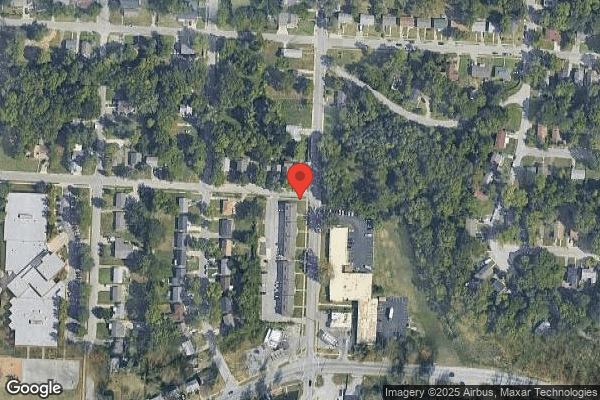
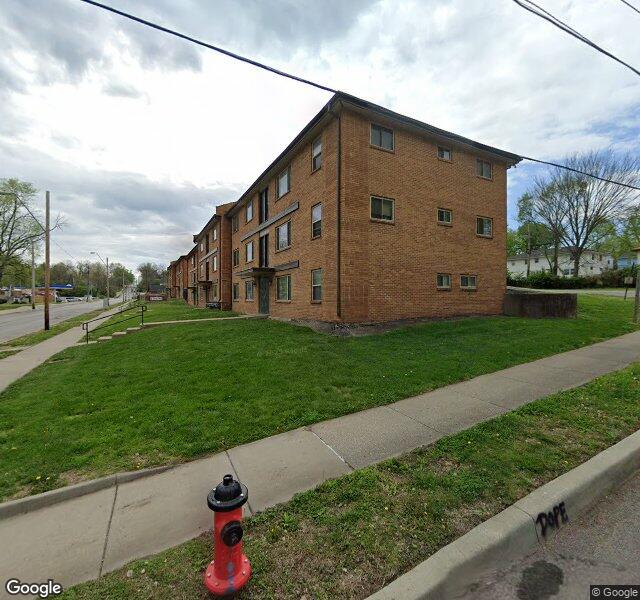
7001 CLEVELAND AVENUE, KANSAS CITY, MO 64132 (816) 333-0700
For profit - Limited Liability company 116 Beds RELIANT CARE MANAGEMENT Data: November 2025 8 Immediate Jeopardy citations
Trust Grade
0/100
#392 of 479 in MO
Last Inspection: December 2024

Within standard 12-15 month inspection cycle. Federal law requires annual inspections.

Overview

Gregory Ridge Health Care Center has received a Trust Grade of F, indicating significant concerns and poor overall quality of care. It ranks #392 out of 479 nursing homes in Missouri, placing it in the bottom half of facilities in the state, and #29 out of 38 in Jackson County, meaning only a few options are worse. While the facility's trend shows improvement, with issues decreasing from 49 in 2024 to 10 in 2025, it still faces serious challenges, including a very high staff turnover rate of 74%, which is concerning compared to the Missouri average of 57%. The facility has accumulated fines totaling $510,939, which is higher than 99% of facilities in Missouri, suggesting ongoing compliance problems. Specific incidents include a failure to provide appropriate behavioral health services for a resident with a history of self-harm, resulting in multiple injuries, highlighting serious deficiencies in care despite some strengths like a slight reduction in reported issues.

Trust Score
F
0/100
In Missouri
#392/479
Bottom 19%
Safety Record
High Risk
Review needed
Inspections
Getting Better
49 → 10 violations
Staff Stability
⚠ Watch
74% turnover. Very high, 26 points above average. Constant new faces learning your loved one's needs.
Penalties
○ Average
$510,939 in fines. Higher than 69% of Missouri facilities. Some compliance issues.
Skilled Nurses
⚠ Watch
Each resident gets only 8 minutes of Registered Nurse (RN) attention daily — below average for Missouri. Fewer RN minutes means fewer trained eyes watching for problems.
Violations
⚠ Watch
92 deficiencies on record. Higher than average. Multiple issues found across inspections.
★☆☆☆☆
1.0
Overall Rating
★☆☆☆☆
1.0
Staff Levels
★★☆☆☆
2.0
Care Quality
★☆☆☆☆
1.0
Inspection Score
Stable
2024: 49 issues
2025: 10 issues

The Good

  • Full Sprinkler Coverage · Fire safety systems throughout facility
  • No fines on record

Facility shows strength in fire safety.

The Bad

1-Star Overall Rating

Below Missouri average (2.5)

Significant quality concerns identified by CMS

Staff Turnover: 74%

28pts above Missouri avg (46%)

Frequent staff changes - ask about care continuity

Federal Fines: $510,939

Well above median ($33,413)

Significant penalties indicating serious issues

Chain: RELIANT CARE MANAGEMENT

Part of a multi-facility chain

Ask about local staffing decisions and management

Staff turnover is very high (74%)

26 points above Missouri average of 48%

The Ugly 92 deficiencies on record

8 life-threatening 2 actual harm
Jul 2025 1 deficiency
CONCERN (D) 📢 Someone Reported This

A family member, employee, or ombudsman was alarmed enough to file a formal complaint

Potential for Harm - no one hurt, but risky conditions existed

Deficiency F0602 (Tag F0602)

Could have caused harm · This affected 1 resident

**NOTE- TERMS IN BRACKETS HAVE BEEN EDITED TO PROTECT CONFIDENTIALITY** Based on observation, interview and record review, the facility failed to ensure one sampled resident (Resident #8) out of 13 sa...

Read full inspector narrative →
**NOTE- TERMS IN BRACKETS HAVE BEEN EDITED TO PROTECT CONFIDENTIALITY** Based on observation, interview and record review, the facility failed to ensure one sampled resident (Resident #8) out of 13 sampled residents, was free from misappropriation when facility staff Certified Nursing Assistant (CNA) A attempted to purchase and iPad from Resident #8 for $50. The facility census was 107 residents.On 6/5/25 the Administrator was notified of the potential failure and immediately began an investigation. The employee was placed on suspension pending the investigation. As a result of the investigation it was determined there was an attempt to engage in commerce and the employee was terminated. Training was completed on 6/10/25 for all staff related to the buying and selling of goods between staff and residents. Review of the facility Abuse and Neglect Policy dated 6/12/24 showed:-It is the policy of the facility to report all allegations of abuse/neglect/exploitation or mistreatment including injuries of unknown sources and misappropriation of resident property are reported immediately to the Administrator of the facility and to other appropriate agencies in accordance with current state and federal regulations within prescribed times frames.-Misappropriation if the deliberate misplacement, exploitation, or wrongful temporary or permanent use of a resident's belongings or money without the resident's consent including:--Unauthorized or coerced purchases or a resident's credit card.--A resident who provides a gift to staff in order to receive ongoing care, based on staff's persuasion.--Misappropriation of resident's property such as cell phone or electronic device.-Exploitation is taking advantage of a resident for personal gain through the use of manipulation, intimidation, threats, or coercion.-The facility will develop and operationalize policies and procedures for screening and training employees, protection of residents and for the preventions, identification, investigation, and reporting of abuse, neglect, mistreatment, and misappropriation of property.-The purpose is to assure that the facility is doing al that is within its control to prevent occurrences.-Supervisors should identify inappropriate behaviors such as derogatory language and neglectful care.-Prevention will also include assessment care planning and monitoring of residents with needs or behaviors which may lead to conflict or neglect.-Any employee involved in any abuse of a resident may be subject to suspension and termination even on the first offense.-Any licensed employee may be subject to reporting to state boards or agencies.-Any employee involved in any abuse of a resident may be subject to placement on an exclusion list and be unable to work in health care settings which receive federal funding. Review of the facility undated Employee Handbook showed:-To let the employee know where they stand in the organization and what is expected of them, and what the future holds, the following personnel policies have been established.-The primary purpose of our employee policies include:--Provide a ready reference to establish personnel policies to assure that our mission of providing quality health care can be maintained without interruption.-Resident [NAME] of Rights included:--Our goal is to treat each individual with the honor, respect and dignity they deserve.--This should be done in a way that allows the resident to maintain the highest level of independence possible.--The right to be free from abuse.---The resident should not be subjected to physical, sexual or emotional harm. Review of facility guidelines for the residents showed:-No trading, borrowing, selling, or stealing of personal items.-Any item borrowed, sold, or traded is not the responsibility of the facility. 1.Review of Resident #8's admission Record showed the resident was admitted with a legal guardian on 4/26/25 and readmitted on [DATE] with diagnosis including undifferentiated schizophrenia and traumatic brain injury. Review of the resident's undated Care Plan showed:-The resident had a history of making false statements.-Resident will make less false statements through next review.-Give the resident the ability to make a statement and use facts to orientate to present moment.-The resident had a guardian to assist in decision making due to mental illness.-Ensure guardian wishes are followed.-Praise resident when positive decisions are made. During an interview on 6/14/25 the resident's friend said:- The resident had a tablet he/she was trying to sell tablet online.- An employee wanted to buy the tablet.-The employee had given the resident $20 and was given the tablet.-The employee broke the tablet and still owes the resident $30-40.- The employee, CNA A, paid the resident $20 but did not give the resident the rest of the money. During an interview on 7/15/25 at 2:48 P.M. the Administrator said:-There was an investigation related to the resident's tablet.-CNA A had returned the tablet to the resident.-CNA A was terminated as a result of the incident.-The resident verbalized he/she was happy with the resolution since the tablet was returned. During an interview on 7/15/25 at 3:15 P.M. the resident said:-He/She sold a tablet, an iPad, to CNA A.-CNA A did not pay him/her the $50 like they agreed.-He/She had only gotten $20 from CNA A and was upset about not getting what they agreed.-He/She denied getting the iPad back from CNA A.-He/She said CNA A told him/her to say the iPad had been returned. Observation on 7/15/25 at 3:20 P.M. showed:-The resident alleged he/she was told to lie to the Administrator about getting the iPad back.-The Administrator asked where the iPad was located.-The resident denied having possession of the iPad or knowing the location of the iPad.-The Administrator clarified with the resident that at the time the resident reported the iPad return and satisfied with the resolution, the investigation was concluded.-The resident confirmed he/she agreed he/she had said he/she was happy with the resolution and no further action was requested at the time he/she reported the iPad was returned. During an interview on 7/22/25 at 9:18 A.M. the Director of Nursing (DON) said:-On 6/5/25 he/she was made aware of the allegations of CNA A purchasing an iPad from the resident.-The resident was upset with CNA A and was cursing in the hallway.-Once the allegations were made CNA A was suspended pending the investigation.-On 6/10/25 the resident came to him/her and reported the iPad had been returned.-The resident was apologetic and was asking if CNA A could return to work since the iPad had been returned.-He/She asked the resident to show him/her the tablet to ensure it was physically in the resident's possession.-The resident went to his/her room and returned with a white iPad with a film on the screen which looked brand new.-The resident confirmed it was the iPad he/she sold to CNA A.-The resident verbalized he/she was happy about the resolution at that time.-He/She was not sure how the iPad was returned since CNA A was suspended.-CNA A was in a relationship with another employee, who likely brought the iPad back to the resident.-No law enforcement contact was made since the iPad was returned, and the incident was resolved. NOTE: Several attempts were made to contact CNA A without success.
Apr 2025 1 deficiency 1 IJ
CRITICAL (J) 📢 Someone Reported This

A family member, employee, or ombudsman was alarmed enough to file a formal complaint

Immediate Jeopardy (IJ) - the most serious Medicare violation

Deficiency F0740 (Tag F0740)

Someone could have died · This affected 1 resident

**NOTE- TERMS IN BRACKETS HAVE BEEN EDITED TO PROTECT CONFIDENTIALITY** Based on observation, interview, and record review, the facility failed to provide appropriate treatment and behavioral health s...

Read full inspector narrative →
**NOTE- TERMS IN BRACKETS HAVE BEEN EDITED TO PROTECT CONFIDENTIALITY** Based on observation, interview, and record review, the facility failed to provide appropriate treatment and behavioral health services for one sampled resident (Resident #204) who had a known history of self-harm. The resident admitted to the facility on [DATE], with a history of self-harm and recommendation of intensive monitoring. The facility staff failed to consistently implement recommendations made in the resident's Pre-admission Screening and Resident Review (PASRR) assessment and the plan of care related to behavioral health services to ensure highest practicable well-being. The facility failed to ensure the interdisciplinary team reviewed, updated, and implemented individualized approaches to care after incidents of self-harm including: hitting a wall until his/her hand was swollen and greenish on 3/21/25; using broken glass from an overhead light to cut his/her left inner arm on 3/22/25; punching the wall with his/her right fist causing it to be swollen and bruised on 3/23/25; using a razor blade to cut the top of his/her left hand requiring sutures on 3/27/25; banging his/her head on a dresser resulting in a bruise over the left eye on 3/31/25; breaking into the smoking room and being found with his/her head in the ceiling and then slamming his/her body into a door three times, requiring the use of Zyprexa (an antipsychotic) 10 milligrams (mg) intramuscular injection (IM) a medication for self-harming behaviors as an intervention on 4/1/25; and threatening to cut him/herself and banging his/her head on the dresser resulting in two black eyes on 4/5/25. The facility failed to ensure staff had knowledge of resident care needs, including history of self-harm, interventions or resident triggers for behaviors. Facility policy showed residents who have self-harming behavior should have a staff person assigned to them within eyesight. The facility had no documentation or plan for intensive monitoring or oversight. As a result of the facility failure to provide treatment and services the resident was sent the emergency room on multiple occasions for x-rays and treatment. The census was 115. The Administrator was notified on 4/10/25 at 5:20 P.M. of the Immediate Jeopardy (IJ) which began on 4/8/25. The IJ was removed on 4/10/25, as confirmed by surveyor onsite verification. Review of the facility's Intensive Monitoring Policy, revised 4/30/24, showed: -The purpose of the policy was to ensure a system was in place for residents who required increased monitoring for crisis, behavioral, and/or psychiatric issues. -Residents who required more intensive monitoring due to crisis, behavioral/psychiatric symptoms were to be monitored by the facility staff. -Intensive monitoring was defined as periodic (hourly, every two hours, or every shift) check completed on a resident by a facility staff member. -One-to-one monitoring was completed by a designated employee assigned by a Facility Supervisor for residents who required intensive monitoring of a dedicated staff member within eyesight of the resident. -Residents who were showing poor impulse control including crisis, behavior and/or psychiatric issues may be placed on intensive monitoring or one-to-one/two-to-one monitoring at the discretion of the administrative staff or Facility Supervisor. -Based on the assessment of the resident, either intensive monitoring or one-to-one/two-to-one monitoring was to be implemented. -Resident on any type of intensive monitoring was to have an assigned employee within eyesight of the resident until the resident stabilized or returned to prior level of function. -Education on the reasoning of the intensive monitoring, including resident triggers and interventions. -The employee was to therapeutically interact with the resident while monitoring the resident. -The facility's Interdisciplinary Team was to address the resident's behavioral concerns and ensure interventions were in place to address the resident's needs including psychiatry follow-up, counseling, and any medical needs. -Once the resident stabilized and/or returned to prior level of function, the facility's Interdisciplinary Team was to meet and discuss whether to continue or discontinue the intensive monitoring. -The facility staff was to document all completed intensive monitoring. Review of Resident #204's Preadmission Screening and Resident Review (PASRR, a federal requirement to help ensure that individuals are not inappropriately placed in nursing homes for long term care), dated 12/19/24, showed: -He/she had the following diagnoses: --Schizophrenia (a severe psychiatric disorder with symptoms of emotional instability, detachment from reality, and withdrawal into the self). --Anxiety Disorder (a psychiatric disorder causing feelings of persistent anxiety). --Schizoaffective Disorder (a mental condition that causes loss of contact with reality and mood problems). --Bi-Polar Disorder (a disorder associated with episodes of mood swings ranging from depressive lows to manic highs). --Borderline Personality Disorder (BPD - a mental illness marked by an ongoing pattern of varying moods, self-image, and behavior). --Mood Disorder (a variety of conditions characterized by a disturbance in mood as the main feature). --Major Depressive Disorder (a state of intense sadness or despair that has advanced to the point of being disruptive to an individual's social functioning and/or activities of daily living). --Obsessive Compulsive Disorder (OCD, an anxiety disorder characterized by intrusive thoughts that produce uneasiness, apprehension, fear, or worry; by repetitive behaviors aimed at reducing the associated anxiety; or by a combination of such obsessions and compulsions). --Autism or Autism Spectrum Disorder (a neurological and developmental disorder that affects how people interact with others, communicate, learn, and behave). -He/she had behavioral difficulties and/or mental illness symptoms requiring 24-hour monitoring/management. -He/she had a history of hitting the wall in his/her last facility, breaking his/her hand, as well as taking a razor to his/her arm and making a deep laceration. -The resident had a history of numerous placement situations and hospitalizations usually for self-harm or threatening harm to others. -He/she also had multiple suicide attempts including overdosing and cutting himself/herself. -The resident's family voiced concerns the resident would kill himself/herself while cutting. -He/she had a long history of medication non-compliance along with his/her self-harming behaviors, erratic behaviors with multiple psychiatric hospitalizations. -The resident had shown that his/her cutting were not suicidal, but instead to relieve emotional pain, irritability, and agitation. -He/she had cut as recently as December 2024. -Along with his/her history of self-harm and non-compliance, he/she also showed a history of hallucinations, delusions, seclusiveness, destroying property, wandering, OCD, uncooperation with medications, eating, activities, hygiene, along with recently selectively muting himself/herself. -He/she had been on an inpatient psychiatric unit since 12/4/24 on 15-minute suicide watch. -He/she had had behaviors of running down a hallway and slamming himself/herself into walls and doors at the previous placement as well as jumping into the Mississippi River in order to self-harm. -He/she had one-to-one supervision as well when inpatient. -The resident had expressed a coping mechanism of utilizing a seclusion room with the door open and lights tuned low when he/she was overstimulated. -He/she had participated in being in the seclusion room several times during his/her previous psychiatric stay. -The resident showed poor insight and poor decision-making skills, difficulty with expressing his/her emotions, as well as difficulty with interpersonal relationships. -The final determination stated the resident required close supervision and monitoring to maintain his/her safety due to his/her long history of self-harm and suicidal ideations. -He/she required monitoring of behavioral symptoms, trauma informed services, and positive behavioral support services. -He/she remained at a high risk for self-injury requiring 24-hour monitoring and staff intervention to prevent self-harm, monitor eating, mutism, limited overstimulation, providing a quiet, supervised space away from others to de-escalate in times of increased anxiety/agitation. -The resident was to have a structured environment with low stimulation, minimum visual/auditory distractions, a level of supervision required to prevent harm to himself/herself or others, personal space with a daily schedule of tasks and activities. -A crisis plan was to be developed that indicated clear steps that were to be taken to support the resident during a behavioral crisis including knowing who to contact for assistance, how to work together with the resident during the crisis, and how to determine when the crisis was over. -The crisis plan was to identify the physician, emergency medical services, and/or law enforcement who were to be appropriately contacted. Review of the resident's facility Clinical admission form, dated 2/20/25 at 11:49 P.M., showed: -He/she was admitted to the facility with no family present. -He/she was ambulatory, showed no medical issues, and his/her vital signs were stable. -He/she showed no signs of issues with his/her mood, was pleasant with no noted negative behaviors. -The resident showed issues with his/her skin with previous lacerations/scars to his/her left forearm, right abdomen, and right thigh. -The care planning portion of the form showed no safety concerns, no concerns with harm to himself/herself or others, no behavior management issues, no disturbed sensory perception concerns, no concerns with social interactions, no concerns for risk of injury, no concern with coping, and did not identify any supervision needs. Review of the resident's quarterly Minimum Data Set (MDS - a federally mandated assessment tool completed by staff and used for care planning), dated 3/16/25, showed he/she: -Was cognitively intact. -Had nearly daily issues with feeling down, hopeless or depressed, having little pleasure in doing things, sleeping too much or too little, having little energy, and feeling bad about himself/herself. -Showed no negative behaviors during the 90-day look-back period. Review of the resident's undated Nursing Care Plan on 4/8/25, showed: -The resident had a problem with his/her psychosocial well-being including ineffective coping, low self-esteem, taking everything personally, an altered perception of reality and at-risk for self-harm. - The care plan did not include any interventions related to supervision needs or known triggers/stimuli that could lead to challenging behaviors. -On 3/21/25 he/she became angry, hitting the wall and throwing objects causing his/her right hand to swell and bruise. Review of the resident's Nurse's Notes, dated 3/22/25 at 4:38 A.M., showed: -On 3/22/25 the resident had been placed on one-to-one staff observation after he/she cut his/her arm in anger. -Administrator A had spoken to the resident who stated when Licensed Practical Nurse (LPN) A asked two Certified Nursing Assistants (CNAs) to watch him/her, they argued about who would provide the one-to-one staff observations as it was a shitty job which he/she said he/she took very personally as if no one wanted him/her. -It was explained to the resident he/she needed one dedicated person to provide observation. -The resident expressed understanding and felt better after discussing the issue. -The resident stated the cutting was only to make him/her feel better and he/she did not have another outlet. -Administrator A gave the resident his/her contact information telling the resident he/she could call if he/she needed to vent his/her feelings. -The resident stated he/she does not show his/her emotions until they explode. -He/she stated when he/she got manic, he/she got very anxious, his/her thoughts raced and became obsessive over certain thoughts, causing him/her to self-harm. -The resident had five new dissolvable stitches in his/her arm yet denied pain. -The resident remained on intensive monitoring and had been since returning from the hospital. -He/she had cut himself/herself in the past, not trying to kill himself/herself, but instead, cutting made him/her temporarily happy. -He/she provided coping mechanisms such as speaking with his/her family member, coloring and playing his/her Nintendo Switch, which had been damaged by his/her roommate on 3/13/25 and had not yet been replaced by the facility, which he/she had expressed frustration over numerous times. -He/she stated he/she would like his/her service dog to visit him/her, but his/her family with the dog, lived far away. -He/she stated his/her latest self-harming episode was partly, because his/her family member was in the hospital and he/she was worried about that. -He/she stated the family member was his/her best friend and they used to do everything together. -He/she had ordered food that unbeknownst to him/her, had wheat in it, which he/she was allergic to. -He/she then had been made to feel like the allergic reaction was done on purpose and was his/her fault by the Dietary Manager. -He/she broke his/her overbed light and used the casing of the light cover to cut his/her forearm. -He/she felt like a failure and felt overwhelmed as he/she was having issues with his/her roommate and felt punished as the staff was making him/her move rooms, not his/her roommate. -He/she was upset the staff had to remove the food in his/her room which contained wheat or gluten even though he/she knew he/she was allergic and had a bad reaction to those foods. Review of the resident's Nurse's Notes, dated 3/22/25 at 12:38 P.M., showed: -The resident was found sitting on the bathroom floor bleeding from his/her left forearm. -Pressure was applied to the laceration with a towel to stop the bleeding and 911 called. -The resident stated he/she cut himself/herself with the light cover in his/her room. -The resident stated he/she cut himself/herself, because he/she was angry because the staff blamed him/her for an allergic reaction he/she had the night before when he/she ordered food delivery containing wheat and/or gluten, which caused the resident to have to go to the hospital and get medication and fluids for the reaction. Review of the resident's Self-Inflicted Injury Report, dated 3/22/25, showed: -The staff called a code after having found the resident on the bathroom floor bleeding from his/her left forearm. -Pressure was applied to the cut and 911 was called. -The resident stated he/she cut himself/herself with the light cover in his/her room. -He/she was angry because he/she felt the staff blamed his/her for having an allergic reaction to some food he/she had ordered and because his/her close family member was in the hospital. -He/she was taken to the hospital for evaluation and treatment. -The incident was not witnessed. -The injury was to his/her left forearm. -He/she was completely alert and oriented. -There were no predisposing factors prior to the incident. Review of the resident's Nurse's Note, dated 3/22/25 at 3:51 P.M., showed Administrator A documented: -The resident returned from the hospital and was placed on one-to-one staff observation. -He/she was placed on an antibiotic to prevent infection and orders to keep the stitches clean and dry. During an interview on 4/9/25 at 11:45 A.M., CNA T said: -He/she was working the day shift on 3/22/25, but not providing direct care for the resident. -He/she was not aware the resident had a history of self-harming behaviors. -It would be nice to know what the resident's history was so he/she could have paid closer attention to the resident. -He/she was not aware of what the resident's triggers or interventions were, but he/she could probably find them in the care plan. -He/she had not seen the resident much during the day as each time he/she walked by the resident's room, the resident was in his/her room in bed, refusing to do any activities. -He/she happened to go into the resident's room and found the resident on the floor of the bathroom, bleeding from his/her left forearm. -He/she noticed the resident had a lot of old cutting scars on his/her left forearm on the top of his/her arm and underneath his/her arm at the time he/she found the resident. -The resident had both linear scars and X shaped scars on his/her arms. -He/she called for help and the nurse attended to the resident and sent him/her to the hospital. -The resident had broken the light above his/her bed and used the glass shards to curt himself/herself. -The resident had not been on one-to-one staff observation prior to his/her cutting. -He/she did not recall having any de-escalating technique or mental health education at the facility, but he/she had a behavioral health background, having worked in mental health facilities in the past, so he/she felt prepared to work with mentally ill residents. Review of the resident's undated care plan on 4/8/25, showed facility staff did not update the resident's care plan with the incident on 3/22/25 or add any new interventions to prevent self-harm. The care plan did not include any interventions related to supervision needs or known triggers/stimuli that could lead to challenging behaviors. Review of the resident's One-on-One Documentation Form, dated 3/23/25, showed the resident assigned one-to-one staff observation from 9:15 A.M. through 9:00 P.M. Review of the resident's Nurse's Notes, dated 3/23/25 at 9:10 P.M., showed: -The resident became angry and began hitting the wall and throwing objects. -A Code [NAME] (an overhead page indicating a resident had escalated their behavior to a point of needing extra staff assistance to keep the resident safe from harm) was called and upon assessment the resident was standing up in his/her room. -LPN F asked him/her to stop and what was wrong. -The resident stated he/she was angry at his/her guardian, because of his/her dog. -The resident's right hand was swollen and turned a greenish color. -911 was called, the physician and guardian were notified, and the resident was sent to the hospital for assessment and treatment. Review of the resident's Self-Inflicted Injury Report, dated 3/23/25, showed: -The resident became angry and began hitting the wall and throwing objects. -A Code [NAME] was called and staff came to assist. -The staff asked him/her to stop and what was wrong. -The resident stated he/she was angry with his/her guardian related to his/her dog. -Upon assessment, his/her right hand was swollen and greenish in color. -911 was called and the resident went to the hospital for evaluation and treatment. -His/her guardian was notified and stated the resident was angry as he/she did not know where his/her dogs were. -He/she was completely oriented. -There were no predisposing factors. Review of the resident's care plan showed no new interventions put in place after the 3/23/25 incident. The care plan did not include any interventions related to supervision needs or known triggers/stimuli that could lead to challenging behaviors. During an interview on 4/10/25 at 11:40 A.M., LPN F said: -He/she was working 3/23/25. -The resident had not shown any signs of escalation, but had been on his/her phone during the evening. -It appeared that one of the phone conversations the resident had caused him/her to quickly escalate. -The resident was not on one-to-one staff observation as it was only being done during the daytime hours. -No behavioral interventions were put in place after this incident. Review of the resident's Nurse's Notes, dated 3/24/25 at 11:26 A.M., showed: -He/she returned from the hospital with no new orders. -The resident remained on one-to-one staff observation for protective oversight. Review of the resident's Nurse's Notes, dated 3/24/25 at 6:58 P.M., showed: -He/she remained on behavior monitoring with no signs of negative behaviors. -He/she had been in his/her room most of the day, so he/she was discontinued from one-to-one staff observation. Review of the resident's Nurse's Notes, dated 3/27/25 at 1:30 A.M., showed: -It was discovered the resident had a 4.5 centimeter (cm) deep laceration to the back of his/her left hand. -The resident initially stated he/she had fallen and cut his/her hand, however, later disclosed he/she cut himself/herself with a razor blade. -His/her hand was dressed with gauze and 911 was called to transport the resident to the hospital for treatment. -The resident's guardian, Administrator A, and Nurse Practitioner (NP) were all notified. Review of the Registered Nurse Investigation (RNI), dated 3/27/25 at 8:31 A.M., showed: -The resident cut himself/herself with a razor blade he/she had hidden in a box of tissues. -He/she cut the top of his/her left hand. -The incident was not witnessed. -Pressure was applied to the cut and the resident was sent to the ER. -All appropriate individuals were notified. -Counseling, a new Nintendo Switch, rubber band therapy, therapy dogs were all discussed as coping skills. -The resident was placed back on one-to-one staff observation while awake and environmental room checks of the room were completed. Review of the resident's undated care plan on 4/8/25, showed facility staff did not update the care plan after the 3/27/25 incident and did not add any new interventions to prevent the resident from self-harm. The care plan did not include any interventions related to supervision needs or known triggers/stimuli that could lead to challenging behaviors. Review of the resident's Nurse's Notes, dated 3/31/25 at 3:25 P.M., showed: -The resident stated he/she fell in his/her room. -LPN A asked how he/she fell. -The resident stated he/she did not know. -LPN A observed a bruise over the resident's left eyebrow area. -The resident's room was checked for any items with which he/she could have harmed himself/herself and none were found. -It was later determined after resident interview that the resident admitted to banging his/her head on his/her dresser instead of falling. -All appropriate persons were notified. During an interview on 4/10/25 at 12:22 P.M., LPN A said: -He/she did not believe the resident was assigned one-to-one staff observation during the incident on 3/31/25. -The resident had not shown any self-harming behavior just prior to the incident. -The resident later told LPN A the resident banged his/her head either on his/her dresser or the sink, causing the bruising and the cut above his/her left eye. -The resident was sent to the hospital for evaluation and treatment. Review of the resident's care plan showed staff did not update the care plan after the 3/31/25 incident or with new intervention to prevent self-harm. Review of the resident's Nurse's Notes, dated 3/31/25 at 8:48 P.M., showed: -A peer of Resident #204 was having a behavior throwing chairs in the dining room. -The peer's behavior caused Resident #204 to trigger and he/she charged at his/her peer. -Multiple staff attempted to keep the residents apart and no blows were exchanged. -The resident got ahold of his/her peer's clothing, but he/she quickly released the clothing. -The resident calmed down after his/her peer was removed from the area. -No further issues occurred, and only superficial scratches were discovered on the resident's chest. Review of the resident's undated care plan on 4/8/25, showed facility staff did not update the care plan after the 3/31/25 incidents, including any new interventions or needs related to the resident's self-harming behaviors or safety concerns. During an interview on 4/10/25 at 10:40 A.M., LPN F said: -The resident had been fine at the beginning of the shift on 3/31/25. -He/she believed the resident's peer becoming escalated caused the resident to escalate as the resident later said the loudness and chaos of the unit made him/her upset. -He/she was not present for the incident until it was over, however, he/she would have expected the staff to remove the resident from the chaos before it caused the resident to escalate. -He/she was not aware loudness and chaos caused the resident to escalate in the past. -He/she did not believe the resident was on one-to-one staff observation at the time of the incident. Review of the resident's Nurse's Notes, dated 4/1/25 at 9:00 P.M., showed: -The resident became agitated and broke into the smoke room. -He/she was found climbing the window bars into the ceiling. Review of the resident's Nurse's Notes, dated 4/1/25 at 9:33 P.M., showed: -The resident was discovered sitting on top of the heater in the smoke room. -Staff were present and at a safe distance. -The resident agreed to go to Administrator A's office. -The resident was noted to run down the hall and into the unit door three times. -No apparent injury noted and an as needed (PRN) medication was given per the resident's request. -The resident calmed down after having been allowed to vent and verbalize his/her feelings. -All appropriate individuals were notified, and the resident was monitored for safety, increased anxiety and agitation. During an interview on 4/9/25 at 11:15 A.M., CNA I said: -He/she worked 4/1/25. -He/she was just ending his/her shift when he/she heard chaos coming from the smoke room. -When he/she got there, Resident #204 was standing up on the heater, holding onto the bars on the windows with his/her head up through the ceiling tile. -The resident had been fine all day and he/she had no signs of escalating. -As far as he/she was aware, the resident did not say why he/she did this or say anything about being upset to anyone. -Administrator A took the resident to his/her office to calm down. -He/she was not aware of what the resident's triggers or interventions were. -He/she was aware of the care plan, but had not looked at it. During an interview on 4/10/25 at 12:22 P.M., LPN A said: -He/she was just finishing up his/her day when he/she heard someone say to come to the smoke room. -On 4/1/25 the resident had broken into the smoke room and was standing on top of the heater, hanging on to the window bars, attempting to put his/her head into the ceiling. -Administrator A arrived and de-escalated the situation, taking the resident to his/her office. -The resident had shown no signs of escalation during the shift and was not on one-to-one staff observation as far as he/she could recall. -The resident did not say what upset him/her or why he/she did it. Further review of the resident's care plan on 4/8/25, showed staff did not update the care plan after the incident on 4/1/25 and no new interventions were put in place for the resident's self-harming behavior. The care plan did not include any interventions related to supervision needs or known triggers/stimuli (loudness or chaos) that could lead to challenging behaviors. The care plan did not include parameters for when pharmalogical interventions could be used. The care plan did not show an order for an intramuscular injection of Zyprexa at 10 mg ordered for an intervention PRN (as needed) medication for self-harming behaviors. Review of the resident's Nurse's Notes, dated 4/4/25 at 11:28 A.M., showed: -The resident was noted at 10:30 A.M., to be pacing back and forth while on the phone. -When he/she got off the phone, he/she began punching the walls, causing a large hole in the wall. -The resident was removed from the unit and escorted to Administrator A's office where he/she quickly de-escalated. -The resident called and spoke to one of his/her guardians who suggested the resident use his/her ear buds to drown out the chaos around him/her. -The resident's right hand was noted to be red and bruised from punching the walls in his/her room. -The NP was notified and ordered x-rays of the resident's hand. -The x-ray showed no fracture. -All appropriate individuals were notified. Further review of the resident's care plan showed staff did not update the care plan after the incident on 4/1/25 or 4/4/25. The care plan did not include any interventions related to supervision needs or known triggers/stimuli that could lead to challenging behaviors. No new interventions were put in place for the resident's self-harming behavior, including the use of ear buds as a coping mechanism. Review of the resident's One-on-One Documentation Form, dated 4/5/25, showed the resident was on one-to-one staff observation, (provided by CNA I) from 7:00 P.M. to 9:45 P.M., when he/she was sent to the hospital for thoughts of self-harm. Review of the resident's Nurse's Notes dated 4/5/25 at 9:30 P.M., showed: -The resident came to CNA H and stated he/she was about to explode and harm himself/herself by cutting. -He/she was shaking significantly and did not appear to have been in control of his/her emotions. -He/she was interviewed by the Director of Nursing (DON) and was sent out to the hospital for further evaluation. Review of the resident's medical record showed it did not contain information the resident received trauma informed services or positive behavioral support services as indicated in the resident's PASRR. The resident's medical record showed no counseling services provided to the resident, daily living skills training, development of a personal support network, drug therapy/monitoring, medically related social services, physician services, a structured environment, and structured socialization as directed by the care plan to prevent self resident's self-harming behavior. Review of the resident's One-on-One Documentation Form, dated 4/9/25, showed the resident was on one-to-one staff observation provided by CNA T from 4:30 P.M., to 5:45 A.M. During an interview on 4/9/25 at 3:45 P.M., Hospital Registered Nurse (RN) A said: -He/she had taken care of the resident on the first day he/she was in the ER on [DATE] and he/she was out of control the whole time he/she was there. -They had to keep someone with him/her at all times or they were afraid he/she would harm himself/herself. -Hospital RN A was off the day before and back on 4/9/25. -When he/she came back to work on 4/9/25 the resident was completely different. -The resident was calm and cooperative with no voiced intent to harm. -He/she believed the psychiatrist who saw the resident may have changed up some of the resident's medications, but he/she was not sure about that. -The resident told him/her that when he/she had these urges to self-harm, he/she had to do it or someone would have to physically stop him/her as the urges were too great for him/her to stop on his/her own. During an interview on 4/10/25 at 12:28 P.M., CNA H said: -He/she was not aware of what triggered the resident at any point in time when he/she self-harmed, or what interventions were in place other than one-to-one staff observation. -The resident had been on one-to-one staff observation during the day off and on throughout his/her stay at the facility. -A little while after the one-to-one caregiver left 4/5/25, the resident came and said he/she was getting upset and was about to explode and harm himself/herself. -CNA H immediately notified the charge nurse who called the NP and had the resident sent to the hospital. -He/she stayed with the resident until the resident left for the hospital. During an interview on 4/9/24 at 3:32 P.M., the resident said: -They had taken him/her off one-to-one staff observation prior to this last hospitalization on 4/5/25. -He/she had been in the ER for three or four days this time. -Sometimes when he/she was supposed t
Apr 2025 2 deficiencies
CONCERN (D) 📢 Someone Reported This

A family member, employee, or ombudsman was alarmed enough to file a formal complaint

Potential for Harm - no one hurt, but risky conditions existed

Deficiency F0557 (Tag F0557)

Could have caused harm · This affected 1 resident

**NOTE- TERMS IN BRACKETS HAVE BEEN EDITED TO PROTECT CONFIDENTIALITY** Based on interview and record review, the facility failed to maintain one sampled resident's (Resident #99) dignity when Recepti...

Read full inspector narrative →
**NOTE- TERMS IN BRACKETS HAVE BEEN EDITED TO PROTECT CONFIDENTIALITY** Based on interview and record review, the facility failed to maintain one sampled resident's (Resident #99) dignity when Receptionist A opened the resident's package without permission and then verbalized to another resident that the resident got him/her in trouble out of six sampled residents. The facility census was 115 residents. Review of the facility policy for Resident's Rights revised 7/5/23 showed: -Residents had the right to a dignified existence, self-determination and communication with access to persons and services inside and outside the facility. -The facility was to have promoted the rights of each resident. -Residents had the right to voice grievances without discrimination or reprisal. -Residents had the right to prompt communication and resolution to their grievances. Review of the facility's policy titled Dignity and Respect, revised on 6/29/23 showed: -Every resident had the right to be treated with dignity and respect. -All staff would speak to and treat all residents with dignity and respect. 1. Review of Resident #99's facility admission Record showed he/she was admitted as his/her own responsible person on 1/13/23 with the following diagnoses: -Spasmodic Torticollis (also known as cervical dystonia, is a neurological disorder characterized by involuntary muscle contractions in the neck, leading to abnormal head and neck movements and postures, often causing pain and discomfort. -Schizophrenia (schizophrenia (a chronic mental illness that interferes with a person's ability to think clearly, to distinguish reality from fantasy, to manage emotions, make decisions, and relate to others). -Post Traumatic Stress Disorder (a mental health condition that develops after experiencing or witnessing a traumatic event). Review of the Resident #99's quarterly Minimum Data Set (MDS-a federally mandated assessment tool completed by facility staff and used for care planning) showed he/she was moderately cognitively intact. Review of the resident's undated Nursing Care Plan showed: -He/she was at risk for anxiety. -The facility staff was to refrain from arguing, getting into power struggles and assist him/her to find the cause of the anxiety episode. During an interview on 4/3/25 at 2:30 P.M., the resident said: -He/she had been at the facility over a year and was his/her own responsible party. -He/she received packages frequently and had package tracker applications on his/her phone to alert him/her when a package arrived at the facility. -He/she knew the process was for the receptionist to notify the Activity Director to come and get the package. -The Activity Director or someone from that department was to allow him/her to open his/her package, log the contents and make sure to put what he/she got on the inventory sheet. -When Receptionist A opened the resident's package, and the contents were on top of the opened box. -He/she informed Receptionist A that he/she was not to open packages belonging to residents without the resident present. -Receptionist A argued with the resident stating he/she was told he/she had to open the packages. -He/she then went and reported the incident to the Activity Director. -Receptionist A a couple of days later was pointing at him/her and saying, He/she was the one who got me in trouble. -Receptionist A's comments and opening of his/her package made him/her mad and embarrassed. -He/she did not share the incident with anyone until he/she called the hotline to report it. Review of Resident #205's quarterly MDS dated [DATE] showed he/she was admitted on xx and was cognitively intact. During an interview on 4/3/25 at 2:40 P.M. Resident #205 said: -He/she was there when Resident #99 had his/her package opened without his/her presence. -Receptionist A told him/her that Resident #99 had gotten him/her into trouble. -Resident #99 was angry and the comments embarrassed him/her. Review of Receptionist A's employee file showed he/she had been educated on both resident rights and communicating effectively. During an interview on 4/3/25 at 3:30 P.M. the Director of Nursing (DON) said: -He/she would have expected Receptionist A to have followed the protocol for opening residents' packages and not have opened the package without the resident's presence. -He/she would have expected Receptionist A to have not discussed the incident or discipline with any residents or in front of anyone publicly. During an interview on 4/3/25 at 3:45 P.M. the Administrator said: -He/she would have expected Receptionist A to have never opened the resident's package without the resident's knowledge. -Receptionist A had been educated on the process for packages as well as resident's rights so would have expected him/her to have known better than to have opened the package without the resident having been present. -He/she would have expected Receptionist A to have never blamed the resident for having been disciplined. During an interview on 4/11/25 at 12:00 P.M. Receptionist A said: -He/she had only been employed at the facility for a few weeks. -He/she had not been made aware that he/she was not supposed to open residents' packages. -He/she never spoke about his/her discussion with his/her supervisor with any other residents or staff after the fact. -He/she never pointed at any residents stating they had gotten him/her into trouble. MO00251875
CONCERN (D) 📢 Someone Reported This

A family member, employee, or ombudsman was alarmed enough to file a formal complaint

Potential for Harm - no one hurt, but risky conditions existed

Deficiency F0576 (Tag F0576)

Could have caused harm · This affected 1 resident

Based on interview and record review, the facility failed to follow their facility policy by opening one sampled resident's (Resident #99 ) personal package without the resident's permission, causing ...

Read full inspector narrative →
Based on interview and record review, the facility failed to follow their facility policy by opening one sampled resident's (Resident #99 ) personal package without the resident's permission, causing the resident to be upset and angry that he/she was not allowed to open his/her own package out of six sampled residents. The facility census was 115 residents. Review of the facility policy for Resident's Rights revised 7/5/23 showed: -Residents had the right to a dignified existence, self-determination and communication with access to persons and services inside and outside the facility. -The facility was to have promoted the rights of each resident. -Residents had the right to voice grievances without discrimination or reprisal. -Residents had the right to prompt communication and resolution to their grievances. -Residents were to have been able to receive their mail promptly and unopened by facility staff. -Residents were to have been able to retain and use their personal possessions as space permitted. 1. Review of Resident #99's facility admission Record showed he/she was admitted as his/her own responsible person on 1/13/23 with the following diagnoses: -Spasmodic Torticollis (also known as cervical dystonia, is a neurological disorder characterized by involuntary muscle contractions in the neck, leading to abnormal head and neck movements and postures, often causing pain and discomfort. -Schizophrenia (schizophrenia (a chronic mental illness that interferes with a person's ability to think clearly, to distinguish reality from fantasy, to manage emotions, make decisions, and relate to others). -Post Traumatic Stress Disorder (a mental health condition that develops after experiencing or witnessing a traumatic event). Review of the resident's quarterly Minimum Data Set (MDS-a federally mandated assessment tool completed by facility staff and used for care planning) showed he/she: -Was moderately cognitively intact. -Had no negative behaviors during the review period. Review of the resident's undated Nursing Care Plan showed: -He/she was at risk for anxiety. -The facility staff was to refrain from arguing, getting into power struggles and assist him/her to find the cause of the anxiety episode. -He/she had issues with PTSD. -Facility staff was to encourage him/her to express his/her emotions in a safe environment. -Facility staff was to reduce situations which had caused signs of PTSD and/or stressors. -Facility staff was to establish consistent routines for the resident. During an interview on 4/3/25 at 2:00 P.M. the facility Administrator said: -The Activity staff was to be present when residents opened packages so they could log in any new items and add items to the residents' inventory sheet. -Receptionist A was very new to the facility and the position. -He/she could not recall if he/she had a conversation with Receptionist A after he/she mistakenly opened the resident's personal package. -There had been a lot going on at the facility and he/she could not recall if he/she had spoken to Receptionist A or not. -Receptionist A would have been educated on what to do if a package arrived for a resident and would have also been educated on resident rights and customer service. During an interview on 4/3/25 at 2:30 P.M. the resident said: -He/she had been at the facility over a year and was his/her own responsible party. -He/she received packages frequently and had package tracker applications on his/her phone to alert him/her when a package arrived at the facility. -He/she knew the process was for the receptionist to notify the Activity Director to come and get the package. -The Activity Director or someone from that department was to allow him/her to open his/her package, log the contents and make sure to put what he/she got on the inventory sheet. -A couple of weeks prior, he/she got an alert on his/her phone that he/she had a package arrive at the facility so he/she went and told Receptionist A his/her package had arrived. -Receptionist A told the resident that he/she had no package. -He/she knew there was a package as he/she had gotten the alert on his/her phone and saw the truck arrive at the facility, asking Receptionist A to please go check for the package. -Receptionist A left to go look for the package. -When Receptionist A returned, he/she had opened the resident's package, and the contents were on top of the opened box. -He/she informed Receptionist A that he/she was not to open packages belonging to residents without the resident present. -Receptionist A argued with the resident stating he/she was told he/she had to open the packages. -He/she then went and reported the incident to the Activity Director. During an interview on 4/3/25 at 2:40 P.M., Resident #205 said: -He/she was there when Resident #99 had his/her package opened without his/her presence. -He/she did not believe it was okay for the receptionist to open any resident's mail or packages. During an interview on 4/3/25 at 3:05 P.M. the Activity Director said: -The resident informed him/her of Receptionist A's opening the package without the resident's presence. -There was a breakdown in communication with the new Receptionist as he/she thought he/she was to have been the one opening the packages, when it was the responsibility of the Activity Director or an Activity Department employee to allow the resident to open the package with an employee present to log the contents and add them to the inventory sheet. -Receptionist A had been educated, however,he/she must have misunderstood. -He/she provided Receptionist A with counseling and re-education. -He/she was not aware the Receptionist then said something to any residents about getting into trouble. Review of Receptionist A's employee file showed he/she had been educated on both resident rights and communicating effectively. During an interview on 4/3/25 at 3:30 P.M. the Director of Nursing (DON) said: -He/she would have expected Receptionist A to have followed the protocol for opening residents' packages and not have opened the package without the resident's presence. -He/she would have expected Receptionist A to have not discussed the incident or discipline with any residents or in front of anyone publicly. During an interview on 4/3/25 at 3:45 P.M. the Administrator said: -He/she would have expected Receptionist A to have never opened the resident's package without the resident's knowledge. -Receptionist A had been educated on the process for packages as well as resident's rights so would have expected him/her to have known better than to have opened the package without the resident having been present. During an interview on 4/11/25 at 12:00 P.M. Receptionist A said: -He/she had only been employed at the facility for a few weeks. -He/she had not been made aware that he/she was not supposed to open residents' packages. -The resident had come to him/her as he/she was coming into the office stating the resident should have a package that arrived. -Receptionist A opened the package for the resident and gave it to the resident. -Later, his/her supervisors had a talk with him/her telling him/her that residents' packages and residents' mail were never to have been opened without the resident present and that the resident should always have been the one to actually open the package. MO00251875
Mar 2025 1 deficiency
CONCERN (D) 📢 Someone Reported This

A family member, employee, or ombudsman was alarmed enough to file a formal complaint

Potential for Harm - no one hurt, but risky conditions existed

Deficiency F0760 (Tag F0760)

Could have caused harm · This affected 1 resident

**NOTE- TERMS IN BRACKETS HAVE BEEN EDITED TO PROTECT CONFIDENTIALITY** Based on interview and record review, the facility failed to ensure residents were free from significant medication errors for o...

Read full inspector narrative →
**NOTE- TERMS IN BRACKETS HAVE BEEN EDITED TO PROTECT CONFIDENTIALITY** Based on interview and record review, the facility failed to ensure residents were free from significant medication errors for one sampled resident (Resident #1). The facility failed to transcribe a physician's order for Eliquis (an anti-blood clotting medication) 5 milligrams (mg) twice a day (BID) orally (PO) from the resident's hospital discharge orders on 12/31/24 and subsequently failed to administer the medication as ordered out of four sampled residents. The facility census was 112 residents. Review of the facility's Transcription of Orders/Following Physician's Order policy revised on 5/18/24 showed: -The purpose of this policy was to outline procedures in accurately transcribing physician's orders and to ensure all physician's orders were followed. -Upon receiving a physician's order via telephone, fax, written order, transcribed order of other, it would be documented in the resident's electronic medical records (EMR) in the orders section. -If the medication is unable to be started within 24 hours of the order, the prescribing physician should be notified and further orders obtained. -The Licensed Nurse will review medication administration records (MARS) and electronic treatment administration records (TARS) on a routine basis to monitor medications that were not administered to the resident due to unavailability, refusal, omission, etc. 1. Review of Resident #1's admission Record face sheet showed he/she was admitted to the facility on [DATE] and readmitted on [DATE]. The facility was unable to provide the Patient Discharge Medication Report from the resident's hospital discharge on [DATE]. Review of the resident's physician's Order Summary Report for the facility dated 12/31/24 showed the resident did not have an order for Eliquis. Review of the Pharmacy Manifest dated 1/1/25 at 4:48 P.M. showed: -The pharmacy had delivered Eliquis 5 mg tablets, quantity 32 tablets for the resident. -The signature of Licensed Piratical Nurse (LPN) A that medications were delivered. Review of the resident's Medication Administration Record (MAR) for 1/1/25-1/31/25 showed the resident did not receive any Eliquis. During an interview on 3/12/25 at 2:00 P.M., LPN A said: -When a resident admits back to the facility, the nurse would put the orders in from the hospital for medications and follow up care. -The orders were then sent to medical records who would scan them as a back up in case something was missed. -Sometimes the residents did not come back with paperwork. -Usually the nurse would follow up with the doctor's office or hospital if the resident did not come back with orders. -Sometimes orders would come through the social worker. -If a doctor wanted a resident to go on a medication, they were supposed to send a copy of the order back with the resident. -The doctor's office should either call and give verbal orders or fax them, but they did not always do it. -All medicine came to the facility from the pharmacy at the front desk and from there it was dispersed to the various units. -There the medications were separated for each hall and staff from the halls would come and get their medication, or if someone from the front was going to the halls, they might deliver them to the halls -Sometimes a medication would come in and if there was no order for the medication, the nurse would call and find out if there was an order. -He/She would have given the Eliquis to a nurse or Certified Medication Technician (CMT) for that unit. -It would be on the nurse to find out if there was an order in Point Click Care (PCC) (an electronic charting system). -Residents should have paperwork when they came back from the hospital or appointments, but sometimes they did not. -The nurse should call the hospital or office to find out the orders in that case. -The nurse was responsible for entering the orders correctly. -He/She did not remember who he/she gave the Eliquis pills to for the resident's unit. During an interview on 3/12/25 at 2:30 P.M. the Regional Nurse said: -When a resident went out to a medical appointment or to the emergency department, he/she should come back with the paperwork for what he/she was seen for. They should bring paperwork from every appointment. -The charge nurse would review for new orders. -This should be audited by the Director of Nursing (DON) or nurse manager to check and make sure the orders were followed. -The facility had an interim DON and he/she had not done any audits since 12/24. -The physicians should also be notifying the resident's guardian if any changes were made. -The nurse who received the Eliquis from the pharmacy was unable to remember which staff person he/she gave it to. -The facility was unable to pinpoint which staff person took the Eliquis to the men's unit. During an interview on 3/17/25 at 11:35 A.M. Physician B said: -He/She had a copy of the resident's discharge summary from 12/31/24. The medication reconciliation stated Eliquis 5 mg, twice daily for 30 days, quantity of 60, no refills. -There was an order in the resident's discharge orders on 12/31/24 which was sent to the pharmacy. -It was unclear if the Eliquis was started after the resident was discharged on 12/31/24. -The resident was sent back to the facility with the prescription. -There was a concern for the resident might develop a pulmonary embolism. -The resident's Discharge summary dated [DATE] stated it was recommended the resident continue taking Eliquis 5 mg BID. -The resident had not had any outcome from not receiving the Eliquis. During an interview on 3/17/25 at 10:00 A.M. the Nurse Practitioner said: -He/She would get the hospital discharge record from PCC. -The facility should put the discharge record in PCC. -If it was sent back with the resident, the nurse should scan it and their office could get it that way. -The discharge documents should either be scanned or faxed to their office and placed in PCC. -The resident was not taking Eliquis to his/her knowledge. Their office had not prescribed it. During an interview on 3/18/25 at 1:00 P.M. Physician A said: -His/her office did not order Eliquis for the resident. -It was his/her expectation that the facility would enter orders from the hospital appropriately and communicate with his/her office. During an interview on 3/18/25 at 2:00 P.M. the interim DON said: -He/She was working when the resident returned from the hospital, but he/she didn't remember when the resident came back. -It depended what time the resident arrived who would put the orders in the computer. -The residents typically would have paperwork from the hospital with them. -When a resident was admitted , they typically do vital signs, skin and body assessments before the orders are entered. -Whoever was working would enter the orders. During an interview on 3/18/25 at 2:20 P.M., the Administrator said: -Staff escorting a resident should ask for the hospital or office paperwork. -Sometimes the escort is not a CNA and may not know to ask for the paperwork. -The nurse that received the paperwork should enter the orders. MO00250874
Mar 2025 4 deficiencies 2 IJ
CRITICAL (J) 📢 Someone Reported This

A family member, employee, or ombudsman was alarmed enough to file a formal complaint

Immediate Jeopardy (IJ) - the most serious Medicare violation

Free from Abuse/Neglect (Tag F0600)

Someone could have died · This affected 1 resident

Deficiency Text Not Available

Read full inspector narrative →
Deficiency Text Not Available
CRITICAL (J) 📢 Someone Reported This

A family member, employee, or ombudsman was alarmed enough to file a formal complaint

Immediate Jeopardy (IJ) - the most serious Medicare violation

Infection Control (Tag F0880)

Someone could have died · This affected 1 resident

Deficiency Text Not Available

Read full inspector narrative →
Deficiency Text Not Available
CONCERN (D) 📢 Someone Reported This

A family member, employee, or ombudsman was alarmed enough to file a formal complaint

Potential for Harm - no one hurt, but risky conditions existed

Deficiency F0568 (Tag F0568)

Could have caused harm · This affected 1 resident

Deficiency Text Not Available

Read full inspector narrative →
Deficiency Text Not Available
CONCERN (D) 📢 Someone Reported This

A family member, employee, or ombudsman was alarmed enough to file a formal complaint

Potential for Harm - no one hurt, but risky conditions existed

Deficiency F0741 (Tag F0741)

Could have caused harm · This affected 1 resident

Deficiency Text Not Available

Read full inspector narrative →
Deficiency Text Not Available
Jan 2025 1 deficiency
CONCERN (D) 📢 Someone Reported This

A family member, employee, or ombudsman was alarmed enough to file a formal complaint

Potential for Harm - no one hurt, but risky conditions existed

Deficiency F0742 (Tag F0742)

Could have caused harm · This affected 1 resident

**NOTE- TERMS IN BRACKETS HAVE BEEN EDITED TO PROTECT CONFIDENTIALITY** Based on observation, interview and record review, the facility failed to provide timely de-escalation techniques for two sample...

Read full inspector narrative →
**NOTE- TERMS IN BRACKETS HAVE BEEN EDITED TO PROTECT CONFIDENTIALITY** Based on observation, interview and record review, the facility failed to provide timely de-escalation techniques for two sampled residents (Resident #9 and #43) with known mental health diagnoses out of 16 sampled residents. The facility census was 110 residents. Review of the Facility Assessment Tool dated 10/4/24 showed: -The facility accepts residents with Psychiatric/Mood Disorders, including: --Psychosis, Impaired Cognition, Mental Disorder, Depression, Bipolar Disorder, Schizophrenia, Post-Traumatic Stress Disorder, Anxiety Disorder, Behavior that needs interventions, Personality disorder, Schizoaffective Disorder, Explosive Disorder. -Psychosocial/Spiritual Supports include: --Building relationship with the residents and engagement in conversation. --Determine resident references and routines are; what makes a good day for the resident; what upsets the resident and incorporate the information into the care planning process. Ensuring staff have the information when providing are. The treatment and care preferences should be recorded. --Support emotional and mental well-being, support helpful coping mechanisms. --Support resident having familiar belongings. --Provide culturally competent care team about th resident preferences and practices with regards to culture and religion stay pen to requests and preferences and work to support those as appropriate. -Identify hazards and risks for residents. --Offer and assist resident and family caregivers or other proxy as appropriate to be involved in person centered care planning and advance care planning. --Provide family/ representative support. -Staffing for Behavioral Health services was adequate by needs and referrals or by declines noted. Review of the facility's Behavioral Emergency Policy revised 6/26/24 showed: -The purpose of the policy was to provide safe treatment and humane care to the residents in a behavioral emergency crisis and to outline steps to follow to correctly care for the resident in a behavioral crisis. -To provide safe treatment and humane care to the resident in a behavioral crisis, to outline steps to follow to correctly care for the Resident in a behavioral crisis, to ensure that the resident is not being coerced, punished or disciplined for staff convenience. -The licensed nursing staff will assess the resident who is exhibiting behaviors, ensuring that safety of the resident and others is the first priority. -Behavioral emergency which is classified as a Code [NAME] is called when a resident exhibits extreme behaviors such as suicidal, homicidal, self-mutilation, elopement, or resident to resident altercations. -A one to one monitoring of resident will be initiated immediately. -Facility staff should have provided early intervention crisis prevention techniques to de-escalate the resident and/or conflict. -Proactive management was the best plan so all staff should have been able to recognize when a resident had become or could become a danger to themselves or others. -Safe de-escalation techniques should always have been utilized first. 1. Review of Resident #9's Preadmission Screening and Resident Review (PASRR, a required assessment tool used to ensure individuals who have a mental disorder, or intellectual disabilities are not inappropriately placed in nursing homes for long term care), dated 07/25/19, showed: -He/She had the following diagnoses: --Bi-Polar Disorder (a disorder associated with episodes of mood swings ranging from depressive lows to manic highs). -- Schizoaffective Disorder (a mental condition that causes loss of contact with reality and mood problems). --Schizophrenia (a severe psychiatric disorder with symptoms of emotional instability, detachment from reality, and withdrawal into the self). --Post Traumatic Stress Disorder (PTSD-a disorder in which a person has difficulty recovering after experiencing or witnessing a terrifying event). --Borderline Personality Disorder (BPD-a mental illness marked by an ongoing pattern of varying moods, self-image, and behavior). --Polysubstance Abuse (the simultaneous or sequential use of multiple substances, --Dependent Personality Disorder (DPD- a mental health condition characterized by an excessive and pervasive need to be taken care of, leading to submissive and clinging behaviors. -He/she had a history of becoming aggressive if he/she felt put down or disrespected by others. -He/she had poor social skills/social awareness, paranoia, suspiciousness, believing others were out to harm him/her or people who might have been watching him/her. -He/she was very delusional at times, having believed he/she was telepathic. -He/she had a history of auditory and visual hallucination (a sensory perception that does not result from an external stimulus and that occurs in the waking state) and delusions (fixed false beliefs). -He/she was to have had psychiatric follow-up/consultation, medication monitoring, supported community living, individual counseling and group counseling. Review of the resident's Nursing Care Plan dated 11/4/24 showed: -He/she had symptoms of anxiety, delusions with false beliefs and fearful hallucinations. -The facility staff was to encourage the resident to voice any of his/her symptoms to staff so they could assist him/her. -The staff was to limit reassuring touch or take care with any physical touch. -The staff was not to argue with the resident nor were they to have been judgmental. -Staff was to have been aware of their body stance and facial expressions when approaching to the dent. -The staff was not to have gotten into any power struggles with the resident. -The staff was to have offered non-invasive coping mechanisms in attempt to reduce anxiety. -Staff was to take care of any problems or needs that were within their ability to address immediately. -He/she had no Safety Plan in his/her Nursing Care Plan. -He/she had a Behavior Contract. Review of the resident's quarterly Minimum Data Set (MDS-a federally mandated assessment tool completed by facility staff and used for care planning) dated 11/26/24 showed he/she: -Was cognitively intact. -Had no negative behaviors, hallucinations or delusions during the look-back period. Review of the resident's Behavior Contract dated 1/12/25 showed: -The goals of the Behavior Contract were to have no verbal aggression with peers, no physical aggression with peers, no disrupting the unit and compliance with taking his/her medications. -His/her triggers were not getting his/her needs met and having to wait. -The interventions were to take a shower, take a nap, go outside and to go home. -He/she was rewarded with a meal with the Administrator or a weekly pack of cigarettes. Review of the resident's Nurse's Notes dated 1/23/25 at 10:03 A.M., showed: -The staff heard a loud noise coming from the resident's room. -Upon entry to the room they discovered the resident's TV was broken and across the floor from where it had been. -The resident reported having been upset regarding cigarettes. Observation on 1/23/25 at 2:35 P.M., showed: -The resident asked if he/she could use the phone to call his/her family member. -He/she was told the unit phone was still broken and he/she would have to go up to the front of the facility to make the call. -He/she was told that a staff member would assist him/her in going to make the phone call in a few minutes. -The resident was still waiting to use the phone after 3:15 P.M., when the observation time ended. Review of the Facility Registered Nurse Investigation (RNI) dated 1/24/25 showed: -On 1/24/25 at around 11:15 A.M., the resident came to the Activity Coordinator stating that someone came into his/her room and raped him/her. -The Activity Coordinator reported this to the Administrator who began the investigation. -A physical assessment was completed by the nurse with no trauma noted to the resident's perineal (genital) area. -Per the resident, he/she could not remember what night the person came into his/her room, but he/she could tell the difference between races when it came to sex. -The resident stated this had happened at another facility prior to coming to the current facility. -He/she also stated that he/she had not changed his/her underpants in three days or his/her pants for two days. -The resident stated he/she wanted to go to the hospital no matter what his/her guardian recommended. -He/she said that his/her guardian as well as President Trump were a part of the problem and the reason, he/she was at the current facility. -The resident's roommate, Resident #121, was interviewed and stated he/she was awake and did not hear or see anything. -He/she did not see anyone enter their room or raping Resident #9. -Resident #9 was never able to state if it was a male or female nor what race the person was who allegedly raped him/her. -The resident went to the hospital for medical and psychiatric evaluation. -The investigation concluded the rape did not actually occur as there was no way to prove it. Review of the resident's Nurse's Notes dated 1/24/25 at 12:05 P.M., showed the resident was sent to the hospital after telling the Administrator that he/she had been raped but would not say who or when exactly it happened. Review of the resident's Nurse's Notes dated 1/24/25 at 4:08 P.M., showed the resident stated he/she thought he/she was sexually assaulted either last night or the night before. Review of the resident's Nurse's Notes dated 1/24/25 at 4:39 P.M., showed the resident called his/her guardian stating he/she told the hospital that he/she had lied and he/she was not attacked and refused for a rape kit to have been done. Review of the resident's Nurse's Notes dated 1/24/25 at 6:39 P.M., showed the resident returned from the hospital with no findings. Review of the Activity Coordinator's written statement dated 1/24/24 showed: -He/she was walking to his/her office on the unit when the resident stopped him/her and stated that he/he had been raped in his/her sleep. -The resident was carrying a bag of clothing which he/she stated he/she was wearing when the alleged rape occurred. -The resident stated he/she did not know who did it and wasn't sure exactly when the alleged rape occurred, but believed it to have been one of the previous two nights. -The Activity Coordinator went and reported the allegation to the Administrator who immediately began an investigation by bringing the resident into his/her office. During an interview on 2/5/35 at 3:00 P.M., the Activity Coordinator said: -On 1/24/25 at around 11:15 A.M., he/she was coming out of his/her office when the resident stopped him/her telling him/her that the resident had been raped. -He/she asked the resident when and by whom. -The resident was not sure but had a bag of his/her clothing in his/her hand, so he/she immediately went to the Administrator's office with the resident and the bag of clothing to report what the resident had said. -The resident had been seemingly more and more escalated over the few days and he/she was not sure why. -The resident could usually have been de-escalated by talking, playing a game or going outside, but those interventions had not worked well that week. Review of the resident's written statement dated 1/24/25 showed: -He/she was raped the night of 1/23/25 or the night of 1/24/25, he/she was not sure which night. -He/she did not take a shower on the evening of 1/23/25. -When he/she took a shower the following morning and removed his/her underwear, there was a spot on the left and he/she noticed something different when he/she removed his/her pants. -This had happened before at another facility but he/she never had proof. -He/she felt loose down there so he/she told the staff. -He/she put all his/her dirty clothing in a bag. -He/she had not changed his/her underpants for three days or his/her pants for two days. -He/she had not noticed issues with his/her underwear the night before in the bathroom, but when he/she went into the shower and the light was better, he/she noticed that it looked like it had when he/she was in the previous facility and believed he/she was raped. -He/she wanted a new guardian as the guardian was part of the problem, along with the president of the U.S. During an interview on 1/28/25 at 2:15 P.M., the resident said: -He/she had wanted to call his/her family member all the way back on Thursday 1/23/25 in the afternoon. -No one on the unit would ever let him/her make a phone call. -He/she still had not been allowed to call his/her family member. -The phone had been broken for a long time but he/she was not sure exactly when. -The residents on his/her unit had to go out of the unit to the front of the facility to make phone calls. -Not being able to speak with his/her family made him/her upset and cause him/her to have more behaviors. -He/she got so mad and upset when the staff did not do what he/she needed recently, he/she threw a TV up against the wall and broke it. -He/she thought he/she had gotten raped after he/she took a shower on 1/24/35. -He/she did not know exactly when it happened but he/she noticed that his/her underwear had a spot on them and smelled different. -He/she went to the hospital but refused to have any rape testing done. -The hospital said there was not any evidence to show that a rape ever happened. -He/she did not want to talk any further about it. Review of Resident #121's written statement dated 1/24/25 showed: -He/she was awake during the time the rape was alleged and he/she did not hear or see anything. -No one came into the residents' room on either night the resident alleged the rape could have happened. During an interview on 1/20/24 at 2:45 P.M., Resident #121 said: -He/she was roommates with Resident #9. -He/she was awake much of the nights of 1/23/25 and 1/24/25 and never heard anything that sounded like someone was being raped. -He/she never saw anyone come into their room. -He/she did not think anything happened. During an interview on 1/28/25 at 12:43 P.M., Licensed Practical Nurse (LPN) A said: -The unit phone which the residents used had been out for a couple of weeks as a resident broke it. -The residents could have been taken up to the front of the facility to use that phone and the staff should have been able to take a resident up to use the phone in a timely manner unless that staff member was busy. -He/she would have expected the staff always met the resident's needs in a timely manner as that kept the residents' behaviors under control. -The resident's behaviors had gotten much worse over time. -He/she had known the resident to for eight years and the resident was much more delusional than in the past. -The resident had broken his/her personal TV a week ago and that was not like him/her. -The only thing that de-escalated the resident was to call the Administrator and have him/her calm the resident down. During an interview on 1/29/25 at 3:45 P.M., the Regional Nurse and Administrator said: -The resident and his/her behaviors were well known. -He/she would have expected the staff to take the resident to use the phone without delay. -He/she felt that if the staff addressed the needs, no matter how big or small, it would cut down on the behaviors of the resident. -He/she knew the resident was frequently attention seeking, and therefore would have expected the staff respond accordingly. -He/she believed likely the reason the resident alleged a rape was for attention as he/she had not gotten to make a phone call to his/her family member and likely did not get his/her needs met in a timely manner. During an interview on 2/5/25 at 11:30 A.M., the facility Nurse Practitioner (NP) said: -The resident was one who escalated quickly and was very impatient. -He/she felt the resident would have been one who the staff would have needed to meet the resident's needs in a timely manner and communicate well with the resident if there was a delay. -He/she did not know the phone on the unit was broken, but if the resident wanted to use the phone at the front of the facility, he/she would have expected a staff member take the resident to use the phone in a timely manner. -He/she had been notified the resident alleged rape over the weekend and that the input from the hospital was there was no concern that a rape had occurred. -This resident had a history of alleging incidents for attention which was another reason it was important to attend to the resident's needs in a timely manner. -He/she believed that one of the reasons this resident had attention seeking and verbal/physical behaviors, such as alleging rape was because the resident did not feel his/her needs were met in a timely manner. -It would have been much easier on the staff if they would have just made time to allow him/her to use the phone instead of all the time it took to investigate and document false allegations, Code Greens or resident altercations. During an interview on 2/5/25 at 1:50 P.M., Certified Medication Technician (CMT) A said: -The phone on the unit was broken and unavailable for a long time. -He/she would help residents to make phone calls if he/she had the time. -If he/she had medication to administer, he/she would not have taken a resident to make a call as he/she would not have had the time. 2. Review of Resident #43's PASRR dated 4/24/24 showed: -He/she had the following diagnoses: -- Schizoaffective Disorder. --Schizophrenia. --PTSD. --Major Depressive Disorder (MDD-also known as clinical depression, is a common mental health condition characterized by persistent feelings of sadness, loss of interest, and other symptoms that interfere with daily life. --Obsessive Compulsive Disorder (OCD-a mental health condition characterized by intrusive, unwanted thoughts (obsessions) and repetitive behaviors (compulsions) that can cause significant distress and interfere with daily life. --Personality Disorder (a mental health condition where people have a lifelong pattern of seeing themselves and reacting to others in ways that cause problems. People with personality disorders often have a hard time understanding emotions and tolerating distress. --Generalized Anxiety Disorder (a chronic mental health condition characterized by excessive, persistent, and uncontrollable worry and tension about a variety of everyday events or activities --Avoidant Personality Disorder (a mental health condition characterized by a pervasive pattern of social inhibition, feelings of inadequacy, and hypersensitivity to negative evaluation. Individuals with AVPD avoid social interactions due to a fear of being criticized, rejected, or humiliated. -He/she did not like his/her past facility as they did not have a television or anything for him/her to do. -He/she was accused of trying to attack his/her caregiver in a car, however stated he/she grabbed onto the seatbelt as he/she did not believe he/she was being listened to by the caregiver. -He/she had a history of throwing objects and ripping things off the walls at his/her last facility. --He/she was to have had psychiatric follow-up/consultation, medication monitoring, supported community living, individual counseling and group counseling. Review of the resident's Nursing Care Plan dated 11/6/24 showed: -The staff was to provide him/her with activities he/she was interested in. -The staff was to provide the resident with feedback and updated on are and requests. -He/she especially liked to watch sports on television. -He/she liked to read. -He/she had a history of having been resistive to showering and bathing. -The staff was to ensure he/she got at least one shower per week and if he/she resisted, they were to re-approach and try again. -He/she had no Safety Plan in his/her Nursing Care Plan. Review of the resident's quarterly MDS dated [DATE] showed he/she: -Was cognitively intact. -Had hallucinations and delusions. -Had behaviors not directed at others such as: --Hitting or scratching himself/herself. --Pacing and rummaging. --Vocal/verbal symptoms such as screaming, or other disruptive sounds, one to three days a week over the look back period. Review of the resident's Nurse's Notes dated 1/23/25 at 3:06 P.M., showed: -At around noon, the resident was noted with increased physical and verbal aggressive with disruptive behavior. -He/ she emptied the trash and laundry barrels out into the floor in the hallway and threw the barrels. -No physical behaviors had been noted in the resident's medical record for several weeks to months. -The staff allowed the resident to vent his/her feelings and he/she stated he/she did not want to live in the facility any longer. -He/she was allowed to call his/her guardian and yelled at the guardian as well. -The psychiatric NP was on site and notified of the behaviors so ordered Olanzapine 10 milligrams (mgs) intramuscularly (IM) as needed for agitation and anxiety which was administered and which he/she handled well. During an interview on 1/29/25 at 3:45 P.M. the Regional Nurse and facility Administrator said the resident did not have a history of a lot of physical behaviors. During an interview on 2/5/25 at 11:30 A.M. the facility NP said: -He/she had never known the resident to have a lot of behaviors. -He/she knew the resident was needy at times but knew the resident to be easy to get along with. -He/she was not aware the resident's light had been broken nor was he/she aware the TV had been broken, both for quite some time. -He/she would have expected that both have been repaired in a timely manner. -He/she understood if the resident got frustrated and upset over not having been able to read or watch sports on TV for so long. -He/she wondered what the problem was that those things had not gotten repaired as soon as they were broken as many of the residents would have wanted to watch the TV especially. -He/she felt if the staff communicated more with each other and the residents, as well as attending to the resident's needs at the time they expressed them, they would have less behaviors on the unit During an interview on 1/23/25 at 2:30 P.M. the resident said: -He/she had been having behaviors lately mainly because he/she was so frustrated about having to wait for long to get things he/she needed. -He/she felt as though no one listened to him/her. -He/she wanted to watch sports on TV, but the TV had been broken for several weeks without it having been replaced. -He/she got angry when he/she could not get simple things that he/she wanted. -His/her light above his/her bed in his/her room had been broken since early December 2024 and had still not been replaced. -He/she liked to reach but couldn't read in his/her room in the evening as his/her light did not work. -He/she had asked multiple times when he/she was getting a new light and no one could tell him/her. -He/she had also asked to go out to another unit where there was a big screen TV to watch sports but was told he/she could not because of his/her behaviors, which he/she had not had any behaviors for a long time. -He/she just got so frustrated that he/she blew up and threw some things around the unit. During an interview on 1/23/25 at 3:15 P.M. the Administrator said: -He/she had asked for push lights to have been installed under the resident's regular lights until the new lights arrived. -The new lights had been ordered but not yet arrived at the facility. -He/she had a TV available to replace the broken TV on the unit and he/she had requested the TV have been installed as soon as possible. -Resident #117's guardian had agreed to buy a new TV for the unit since it was his/her resident who broke the TV. During an interview on 2/5/25 at 3:00 P.M. the Activity Coordinator said: -He/she never had any issues with the resident. -He/she always saw the resident as very soft spoken and polite. -The resident kept to himself/herself a lot and liked to read. -He/she had a library in his/her office where the residents could get books to read. -He/she was not aware the light in the resident's room was not working and the resident could not see to read in the room. -He/she had no idea why it would have taken so long to get the light fixed. -He/she knew that it took a lot for the resident to get escalated so he/she would have had to have been very frustrated and angry. -Most of the residents did get upset if they had to wait an unreasonable amount of time to get their needs met. During an interview on 2/6/25 at 2:00 P.M. the Maintenance Director said: -He/she had to order a light for the resident's room and the light had just arrived at the facility. -He/she installed some push lights under the resident's existing light the end of last week. -He/she wasn't sure why it took so long to get the push lights installed. -He/she planned on installing the new TV today. -He/she was not sure why the TV had taken so long to get installed. -He/she had used the last TV he/she had in his/her office a while back. MO00248525
Dec 2024 32 deficiencies 2 IJ
CRITICAL (J) 📢 Someone Reported This

A family member, employee, or ombudsman was alarmed enough to file a formal complaint

Immediate Jeopardy (IJ) - the most serious Medicare violation

Free from Abuse/Neglect (Tag F0600)

Someone could have died · This affected 1 resident

**NOTE- TERMS IN BRACKETS HAVE BEEN EDITED TO PROTECT CONFIDENTIALITY** Based on observation, interview, and record review, the facility failed to keep one sampled resident (Resident #9) free from abu...

Read full inspector narrative →
**NOTE- TERMS IN BRACKETS HAVE BEEN EDITED TO PROTECT CONFIDENTIALITY** Based on observation, interview, and record review, the facility failed to keep one sampled resident (Resident #9) free from abuse. On 12/8/24 Certified Nursing Assistant (CNA) K kicked at Resident #9. Resident #89 grabbed Resident #9 by the neck out of 23 sampled residents. The facility census was 111 residents. Review of the facility's Abuse and Neglect policy dated 1/5/23 showed: -Physical abuse included purposely beating, striking, or injuring a resident. It included but was not limited to hitting and kicking. -Verbal abuse included using profanity or speaking in a demeaning, non-therapeutic, undignified, threatening or derogatory manner in a resident's presence. Examples included yelling at a resident. -Employees are trained through orientation and ongoing training on issues related to abuse prohibition practices such as dealing with aggressive residents, and recognizing signs of burnout, frustrations, or stress that may lead to abuse. -On a regular basis, supervisors will monitor the ability of staff to meet the needs of residents and staffs understanding of individual resident care needs. Situations such as inappropriate language, insensitive handling, and impersonal care will be corrected as they occur. Review of the facility's Resident Rights policy dated 7/5/23 showed residents have the right to be free from mental and physical abuse. 1. Review of Resident #9's Face Sheet showed he/she was admitted to the facility on [DATE] with the following diagnoses: -Impulse disorder (a psychiatric condition that makes it difficult to control actions or reactions). -Borderline intellectual functioning (below average cognitive functioning). -Schizophrenia (a chronic mental illness that interferes with a person's ability to think clearly, to distinguish reality from fantasy, to manage emotions, make decisions, and relate to others). -Bipolar (mood disorders characterized usually by alternating episodes of depression and mania). -Anxiety Disorder (a psychiatric disorder causing feelings of persistent anxiety). -Post-Traumatic Stress Disorder (PTSD - a disorder in which a person has difficulty recovering after experiencing or witnessing a shocking, scary, or dangerous event). Review of the resident's quarterly Minimum Data Set (MDS - a federally mandated assessment instrument completed by facility staff for care planning) dated 11/26/24 showed the resident was cognitively intact with no behaviors. Review of Resident #89's Face Sheet showed he/she was admitted to the facility on [DATE] with the following diagnoses: -Schizoaffective disorder (a mental condition that causes loss of contact with reality and mood problems). -Intellectual disabilities. -Schizophrenia. -Bipolar. -Asperger's syndrome (a developmental disorder that makes it difficult to interact with others and understand social cues). Review of Resident #89's quarterly MDS dated [DATE] showed he/she: -Was cognitively intact. -Had verbal behaviors 1-3 days during the look back period. -Had no physical behaviors. Observation of the facility video of the incident on 12/8/24 showed: -The video was undated and not time stamped. -A resident was standing at the nurse's station with his/her back to the camera using the telephone. The charge nurse was in the nurse's station behind the clear partition and CNA K and CNA L were standing at the nurse's station next to the resident on the telephone with their backs to the camera leaning on the medication cart. -CNA L and CNA K appeared to be talking to the nurse behind the partition while the one resident was on the telephone and other residents were walking up and down the hall. -Resident #9 walked up behind CNA K, CNA K turned to face the resident. The resident began pointing to a box (later identified as the cigarette box for the unit) and down the hall. CNA L then turned around to face the resident. -Resident #9 and CNA K's facial expressions and body language demonstrated both were talking in heated, elevated, agitated tones. CNA K was forcefully pointing his/her finger towards the resident. CNA L also began talking in a heated. elevated tone. The nurse remained behind the clear partition in the nurse's station. -Resident #89 is seen walking into frame behind Resident #9, then walks off. -Resident #9 is still talking in an agitated state when the nurse comes out from behind the nurse's station and gets between Resident #9 and CNA K. CNA L walks out of the camera frame. -The resident that was on phone then walked out of camera frame and Resident #89 walks up behind Resident #9. -Resident #9 and CNA K are still talking to each other in elevated agitated tones with the charge nurse standing between them. -Resident #9 rips off his/her jacket and lunges towards CNA K attempting to throw punches at CNA K. -Resident #89 comes up behind Resident #9 and attempts to put his/her forearm around the resident's neck as if to place in a choke hold. -Unidentified staff come into frame to pull Resident #89 off of Resident #9. The nurse was still between Resident #9 and CNA K. -CNA K begins lunging at Resident #9 with the charge nurse between the two, holding onto CNA K. -The charge nurse is then seen physically restraining CNA K to keep him/her from Resident #9 as two unidentified staff are each holding an arm on Resident #9. -CNA K is then seen kicking at Resident #9. Review of the resident's Progress Behavior note dated 12/8/24 showed the resident told the Administrator the staff on his/her unit jumped on him/her. An investigation immediately ensued. Review of the facility investigation dated 12/12/24 showed: -An undated screenshot of a text message at 9:11 P.M. from the charge nurse, Licensed Practical Nurse (LPN) C, indicating the resident took a cigarette from him/her then went to the CNA to get a cigarette. The charge nurse told the resident he/she already had a cigarette from him/her. The CNA and the resident went to the smoke area. When they came back to the nurse's station with other aides, they were talking back and forth and the resident and staff were loud. The resident became aggressive and tried to attack. Two CNAs held the resident's hands while he/she moved the other CNA from the situation. An as needed medication (PRN) was administered to the resident and the resident calmed down. -Resident #9 and Resident #89 were not interviewed. -CNA L and CMT E were not interviewed. Review of LPN C's written statement dated 12/11/24 showed: -On 12/8/24 a CNA L and the resident came to the nurse's station and asked for a cigarette. -The resident was told he/she had already received a cigarette. -On return from the smoke room the resident was agitated, talking loudly, and one of the CNA K was also loudly talking. -The resident tried to attack the CNA K. -Two CNA L and CNA J held the resident while he/she held the other CNA K and moved the CNA K. **NOTE**LPN C was attempted contact for interview on 12/23/24, 12/24/24 and 12/26/24. LPN C did not return the call. Certified letter mailed for contact. During an interview on 12/17/24 at 2:18 P.M., Resident #9 said: -Staff told him/her they were going to take his/her cigarettes away during a recent incident a week or so ago. -He/She pushed the staff with his/her belly. -The staff and two residents were hitting him/her. During an interview on 12/19/24 at 10:59 A.M., Resident #89 said: -Resident #9 was talking and suddenly got mad and attacked a staff member. -The staff member and Resident #9 were both hitting each other. -He/She hit Resident #9 to get the resident off of CNA K. Review of CNA K's written statement dated 12/10/24 showed: -Resident #9 said he/she was allowed to have his/her cigarettes if he/she asked for them. -When Resident #9 had the cigarettes taken away, he/she began making threats towards the staff and fighting the staff. During an interview on 12/20/24 at 3:58 P.M., CNA K said: -Resident #9 was upset about cigarettes. He/She had asked a nurse about getting them when he/she should not have. -He/She told the resident he/she could not have them. -He/She and the resident began arguing verbally about it. -He/She denied the resident attempted to hit him/her and he/she did not attempt to hit the resident. Review of CNA J's written statement dated 12/8/24 showed: -CNA L said to the resident You have to calm down or else we're gonna have to call a Code Green! (Code [NAME] is a signal to other staff to assist with a behavioral episode). -He/She called the Code [NAME] three times on the walkie talkie. By the third call, he/she witnessed the resident start punching CNA K. -He/she then jumped up and as he/she was running to separate everyone, Resident #89 grabbed Resident #9 by the neck as he/she was swinging at CNA K. -He/she separated everyone the best he/she could, telling the other residents to go to their rooms as he/she was attempting to get Resident #9 in a two-man hold. -At this time they were still yelling for a Code [NAME] for extra help. A few minutes passed when he/she yelled for the Certified Medication Technician (CMT) to run for help since no one can hear us! Finally some help came. - Resident #9 made it seem as if he/she was a trigger, so he/she removed him/herself. During an interview on 12/20/24 at 3:27 P.M., CNA J said: -He/She did not normally work back on the secured care unit. -He/She had been in another room with two other residents when another CNA (CNA L) told him/her the nurse was giving Resident #9 cigarettes. -He/She and CNA L went to talk to CNA K in the closed smoke room about the cigarettes. CNA K showed him/her the cigarette box was almost empty. -Resident #9 was outside the smoke door but was able to get into the smoke room and was getting upset. -They were able to calm the resident down and all of them left the smoke room. -Toward the end of the shift, he/she heard staff call for a Code Green he/she went to see what/who it was regarding. -He/She saw CNA K and CNA L were trying to calm Resident #9 down, but then Resident #9 started to hit CNA K. -Resident #89 came up from behind Resident #9 and him/her in a choke hold and he/she had to pull Resident #89 off of Resident #9. He/She did not see CNA K hit or kick Resident #9, but things were happening so fast and he/she was focused on calming Resident #9 down. -Resident #9 was put in a two person hold and Resident #89 was educated to not intervene in the future because it could trigger him/her or other residents. During an interview on 12/23/24 at 12:05 P.M., the Administrator said: -He/She did not feel as though what was on the video was abuse. -The staff were not interacting with the resident appropriately. It appeared both sides were agitated and not talking calmly. -There was no audio to the video, so he/she could not tell what was actually being said. -He/She could not tell if CNA K was kicking at the resident but was giving him/her the benefit of the doubt that perhaps he/she could have been kicking to get the smoke box out of the way. --NOTE: The smoke box was not in view of the camera and was not in between the resident and CNA K at the time CNA K kicked at the resident. -The investigation provided was the complete investigation. During an interview on 12/23/24 at 4:02 P.M., the Director of Nursing (DON) said: -Abuse investigations were completed by him/her and the Administrator. -He/She had seen the video of the altercation between Resident #9 and Resident #89 and CNA K. -The investigation provided was the complete investigation. -Investigations should include interviews with all witnesses, including any staff and residents identified or involved in the incident. During an interview on 12/23/24 at 12:05 P.M., the Administrator said: -The investigation provided was the complete investigation. -No witness statements or interviews were included in the investigation. During an interview on 12/23/24 at 4:02 P.M., the DON said: -Resident to resident altercations should be thoroughly investigated. -A complete investigation would include witness statements from staff and other residents. -Statements from the residents involved in the incident should be included in an investigation. During an interview on 12/17/24 at 2:18 P.M. Resident #9 said: -Staff told him/her they were going to take his/her cigarettes away during a recent incident a week or so ago. -He/She pushed the staff with his/her belly. The staff and two residents were hitting him/her. During an interview on 12/20/24 at 3:27 P.M., CNA J said: -He/she heard Code Green. Staff were trying to calm Resident #9 down when Resident #9 started hitting CNA K. -Resident #89 came up behind Resident #9 and put him/her in a choke hold. -He/she and CNA L were able to remove Resident #89 and educated him/her about intervening in other resident behaviors. -He/She and CNA L put Resident #9 in a two person hold by holding his/her hand and arm. -He/she said the incident happened so fast he/she could not remember who was doing what, he/she was focused on holding onto Resident #9 arm and trying to calm Resident #9 down. During an interview on 12/20/24 at 3:46 P.M., CMT E said: -He/She normally works on the locked unit. -He/She was in the cafeteria area when he/she heard a commotion. -He/She saw Resident #9 and CNA K at the nurse's station. It looked like they were both hitting each other, but he/she was on sure who hit who, it looked like both were swinging from where he/she was at. -He/She called a Code [NAME] and was told to go find staff to assist. During an interview on 12/23/24 at 11:52 A.M., CNA L said: -He/She was doing rounds checking on residents getting ready for the next medication pass time. -He/She came out of a resident room and saw Resident #9 standing at the medication cart with the nurse. -The nurse handed the resident a couple of cigarettes. -He/She asked what was going on since the staff were not supposed to do that (hand out cigarettes when it was not smoke break time). -The nurse said he/she was giving out cigarettes. He/She told the nurse he/she was not supposed to do that. The nurse said he/she had been doing that all day. -He/She took the cigarettes from the resident and walked with him/her to the smoke room. -He/She spoke to CNA K and CNA J about the resident getting extra cigarettes from the nurse. -As they were discussing it, Resident #9 came into the smoke room and started screaming at the staff. -They walked to the front of the unit by the nurse's station. Resident #9 continued to scream at the staff and an altercation broke out. -He/She went to call a Code Green, and that was when the altercation happened. It happened so fast, he/she did not see anyone other than Resident #89 hit Resident #9. During an interview on 12/23/24 at 12:05 P.M., the Administrator said: -He/She did not feel as though what was on the video was abuse. -The staff were not interacting with the resident appropriately. It appeared both side were agitated and not talking calmly. -There was no audio to the video, so he/she could not tell what was actually being said. -He/She could not tell if CNA K was kicking at the resident but was giving him/her the benefit of the doubt that perhaps he/she could have been kicking to get the smoke box out of the way. -Hitting or kicking a resident would be considered abuse. --NOTE: The smoke box was not in view of the camera and was not in between the resident and CNA K at the time CNA K kicked at the resident. During an interview on 12/23/24 at 4:02 P.M., the DON said: -Abuse investigations were completed by him/her and the Administrator. -He/She had seen the video of the altercation between Resident #9, Resident #89 and CNA K. -Staff should not have been yelling or pointing at the residents. -CNA K was being held back by the nursing staff. -CNA K did kick at Resident #9. It was not clear if contact was made. -This incident should have been considered potential abuse by CNA K. MO00246305
CRITICAL (J) 📢 Someone Reported This

A family member, employee, or ombudsman was alarmed enough to file a formal complaint

Immediate Jeopardy (IJ) - the most serious Medicare violation

Infection Control (Tag F0880)

Someone could have died · This affected 1 resident

**NOTE- TERMS IN BRACKETS HAVE BEEN EDITED TO PROTECT CONFIDENTIALITY** 8. Review of the facility's Tuberculosis Testing policy, dated 6/29/23, showed: -The purpose of the policy was to ensure each re...

Read full inspector narrative →
**NOTE- TERMS IN BRACKETS HAVE BEEN EDITED TO PROTECT CONFIDENTIALITY** 8. Review of the facility's Tuberculosis Testing policy, dated 6/29/23, showed: -The purpose of the policy was to ensure each resident of the facility was tested for TB. -Upon admission and readmission each resident received a two-step purified protein derivative (PPD) tuberculin skin test (TST-a test to detect TB completed by injecting a small amount of TB protein under the top layer of skin on your inner forearm). -All TB tests and chest x-rays records were kept on file in resident medical records. Review of Resident #1's face sheet, undated, showed the resident was admitted to the facility on [DATE]. Review of the resident's annual MDS dated [DATE], showed: -The resident was cognitively intact. -The resident was diagnosed with: --Diabetes (disease that occurs when the body's blood sugar, is too high). --Anemia (a condition of not having enough healthy red blood cells to carry oxygen to the body's tissues). --High blood pressure. Review of the resident's Electronic Health Record (EHR) Immunization page, showed the resident received: -Step one of the TST on 9/4/24 and was read on 9/7/24 with a negative result. -A second step TST was not documented. 9. Review of resident #23's face sheet, undated, showed the resident was admitted to the facility on [DATE]. Review of the resident's quarterly MDS, dated [DATE], showed: -The resident was cognitively intact. -The resident was diagnosed with: --High blood pressure. --Hyperlipidemia (an abnormally high concentration of fats in the blood). --Seizure disorder (a sudden burst of electrical activity in the brain). Review of the resident's EHR Immunization page, showed the resident received: -Step one of the TST on 3/11/22. --A read date was not documented. --A second step TST was not documented. -Step one of the TST was administered on 4/5/23. --A read date was not documented. --A second step TST was not documented. -Step one of the TST was administered on 10/27/24 and was read on 10/30/24 with a negative result. --A second step TST was not documented. 10. Review of Resident #72's face sheet, undated, showed the resident was admitted to the facility on [DATE]. Review of the resident's quarterly MDS, dated [DATE], showed: -The resident was cognitively intact. -The resident was diagnosed with: --High blood pressure. --Diabetes. --Hyperlipidemia. Review of the resident's EHR Immunization page, showed the resident received: -Step one of the TST on 9/4/24 and was read on 9/7/24 with a negative result. -A second step TST was not documented. 11. Review of Resident #98's face sheet, undated, showed the resident was admitted to the facility on [DATE]. Review of the resident's annual MDS, dated [DATE], showed: -The resident was cognitively intact. -The resident was diagnosed with: --Chronic Obstructive Pulmonary Disease (COPD-a constriction of the airways causing difficulty or discomfort in breathing). --Tachycardia (an increased heart rate for any reason). --Diabetes. Review of the resident's EHR Immunization page, showed the resident received: -Step one of the TST on 3/15/24 and was read on 3/18/24 with a negative result. --A second step TST was not documented. -Step one of the TST was administered on 9/4/24 and read on 9/7/24 with a negative result. --A second step was not documented. 12. Review of resident #108's face sheet, undated, showed: -The resident was admitted to the facility on [DATE]. -The resident was diagnosed with: --Asthma (a chronic disease in which the bronchial airways in the lungs become narrowed and swollen, making it difficult to breathe). --Hyperlipidemia. Review of the resident's quarterly MDS, dated [DATE], showed the resident was cognitively intact. Review of the resident's EHR Immunization page, showed the resident received: -Step one of the TST on 10/27/24 and was read on 10/30/24 with a negative result. --A second step TST was not documented. -Step one of the TST on 9/4/24 and read on 9/7/24 with a negative result. --A second step was not documented. 13. During an interview on 12/19/24 at 10:25 A.M., the MDS Coordinator said: -Residents only received one step of the TST. -He/She was unsure why, that was what the Administrator told him/her. -Resident's had an annual one step TST, per company policy. -After that the residents received a signs and symptoms questionnaire. During an interview on 12/20/24 at 9:53 A.M. the Administrator said: -If a resident had not been hospitalized then they were able to get a one-step TST yearly. -If the resident had been in the facility for one consecutive year and they had not been exposed to TB then they would receive a signs and symptoms questionnaire. During an interview on 12/20/24 the Regional Director of Operations (RDO) said: -When a resident was admitted to the facility from anywhere then they received a two step TST. -Resident's who were discharged and returned to the facility should have an initial TST upon their initial admission. -If there was not an initial two-step TST on record then they did not have one and a TST should be performed. -Nurses were responsible for administering the first step TST upon admission but not later than 72 hours after admission. -The first step was read 48 to 72 hours after the first step was administered. -The second step was administered 14-21 days after the first was read. -Nurses were responsible for administering and reading the TST's for residents. -The DON or the Assistant Director of Nursing (ADON) followed up to ensure they were being administered. -TB tests and results were documented in the EHR and showed on the MAR as a task that needed completed. -He/She expected all staff to follow the facility's policy regarding administering and documenting resident TB tests. 4. Review of the facility's policy, General Medication Administration Process, dated 6/26/24 showed: -Staff was to wash hands prior to administering medication per facility protocol and product. -Staff was to perform hand hygiene and before preparing medication and before and after direct contact with the resident. Observation on 12/19/22 at 8:33 A.M. of medication pass on the Men's locked unit with Certified Medication Technician (CMT) D showed: -CMT D did not perform hand hygiene before starting the medication pass. -He/She did not have hand sanitizer on the medication cart. -He/She went into room [ROOM NUMBER] and administered medication to the resident. -He/She did not perform hand hygiene after administering the medication to the resident. Observation on 12/19/22 at 11:22 A.M. of medication pass on the Men's locked unit with CMT D showed: -He/She did not perform hand hygiene before starting the medication pass. -He/She did not have hand sanitizer on the medication cart. -He/She administered medications to the residents in room [ROOM NUMBER] and 210. -He/She did not perform hand hygiene after administering the medication to the residents. -He/She locked the medication cart to wake a resident up to take their medication. -He/She did not perform hand hygiene after nudging the resident. -He/She did not perform hand hygiene after unlocking the medication cart. -He/She administered medication with a glass of water he/she had poured to the resident in room [ROOM NUMBER]. -He/She took the glass after the resident drank from it and threw it away. -He/She did not perform hand hygiene after taking the glass back from the resident. -He/She administered medication to the resident in room [ROOM NUMBER] which included an inhaler (a handheld device that delivers medication into the lungs). -He/She put the lid back on the inhaler then put the inhaler in a drawer in the medication cart. -He/She did not perform hand hygiene. -He/She administered medication to the resident from room [ROOM NUMBER] along with a glass of water. -He/She did not perform hand hygiene. -He/She administered medication to the resident from room [ROOM NUMBER] along with a glass of water. -He/She pulled his/her phone out of his/her pocket and looked at it then put the phone back into his/her pocket. -He/She did not perform hand hygiene. -He/She had not worn gloves. During an interview on 12/19/22 at 12:12 P.M. CMT D said: -He/She did not have any hand sanitizer on his/her person. -He/She should have performed hand hygiene before, after medication pass, and after administering medication to each resident. -The facility had provided education on hand hygiene during medication pass a couple of months ago. During an interview on 12/20/24 at 10:00 A.M. the DON and Registered Nurse (RN) A said: -Staff should have washed their hands before, during, and after medication pass. -They should have had hand sanitizer on the medication cart. -The staff had education about hand hygiene many times. During an interview on 12/23/24 at 4:10 P.M. the DON said: -He/She expected the nursing staff to cleanse their hands before they start medication pass, after administering medications to a resident, and after they were done with medication pass. -If they pulled something out of their pocket they also should have done hand hygiene. -He/She was ultimately responsible to ensure staff was performing hand hygiene according to protocol. 5. Review of Resident #19's face sheet showed he/she was admitted to the facility on [DATE] with the following diagnoses: -Non pressure chronic ulcer of the back. -Open wound right upper arm. -He/She had a guardian. Review of the resident's care plan dated 8/11/24 showed: -He/She had actual impairment to skin integrity to right axilla area (armpit). -He/She was to avoid scratching. Review of the resident's annual MDS dated [DATE] showed: -He/She was cognitively intact. -Had unhealed pressure ulcers. -Had an infection of the foot. -Was getting dressings to the foot. Review of the resident's Physician's Order Sheet (POS) dated December 2024 showed the following order: -Cleanse open areas to lower right leg with wound cleanser, pat dry, apply silver alginate (medication used for treatment of infected chronic wounds) and cover with bordered gauze dressing (an absorptive dressing that consists of three layers), every day shift for wounds. Observation on 12/20/24 at 2:55 P.M. of wound care showed: -The resident had 5 wounds on his/her lower right leg. -LPN A used a gauze soaked in normal saline to cleanse the resident's leg. -LPN A swiped down the right side of the resident's leg using one gauze to wipe the three wounds. -LPN A swiped down the left side of the resident's leg using one gauze to wipe the two wounds. -LPN A cleansed his/her hands and changed gloves. -LPN A reached into his/her pocket to pull out a pen. -LPN A pulled the resident's curtain tighter closed with the same gloves on. -He/She applied medication to the residents wounds without changing gloves first. During an interview on 12/20/24 at 2:55 P.M. LPN A said: -He/she should have changed gloves after wiping each wound. -He/She forgot to change gloves and cleanse hands after putting his/her hand in his/her pocket and pulling the curtain shut. During an interview on 12/20/24 at 10:00 A.M. the DON and RN A said: -Staff should wash their hands every time they changed gloves. -Staff should use different gauze for each wound that was cleaned. -If staff touched anything they needed to change gloves and wash their hands. During an interview on 12/23/24 at 4:10 P.M. the DON said: -If the nurse was doing wound care and reached into his/her pocket or pulled the curtain shut they should have changed gloves and cleansed their hands. -When cleansing a wound staff should use new gauze for each wound. -The staff had a lot of education on hand washing. -He/She was ultimately responsible for ensuring staff was doing wound care appropriately. 6. Observation on 12/16/24 at 1:00 P.M. did not show anyone on the Men's locked unit was on EBP. -There were no signs on any of the resident's doors. -There was no isolation cart near any of the resident's rooms. Observation on 12/17/24 at 9:00 A.M. did not show anyone on the Men's locked unit was on EBP. -There were no signs on any of the resident's doors. -There was no isolation cart near any of the resident's rooms. Observation on 12/17/24 at 3:15 P.M. did not show anyone on the Men's locked unit was on EBP. -There were no signs on any of the resident's doors. -There was no isolation cart near any of the resident's rooms. During an interview on 12/19/24 at 8:33 A.M. CMT D said: -He/She had education about EBP provided by the former DON maybe a month ago. -If a resident was on EBP it would have been documented on the Medication Administration Record (MAR). -There would have been a sign on the resident's door stating he/she was on EBP. -There would have been an isolation cart outside the resident's room. -He/She had not seen a sign or isolation cart outside anyone's room this week. -No one at this time on the Men's locked unit was on EBP. -Resident #19 had a wound on his/her leg that nursing had been treating. -The charge nurse was responsible for alerting the staff if someone was on EBP. -If a resident was on EBP staff should have worn gloves, face mask, gown and booties. -There was no physician's order for Resident #19 to have been on EBP. -He/She was not aware that any of the residents were currently on EBP. During an interview on 12/20/24 at 10:00 A.M. the DON and RN A said: -Before this week they had not been using EBP. -Anyone who had an open wound should have been on EBP. -There should have been a sign on the resident's door indicating he/she was to have been on EBP. -There should have been an isolation cart with PPE in it at the resident's door. -The physician should have written an order for EBP. -Staff had education about EBP. -The DON was responsible for ensuring the residents who had open wounds or any kind of tubing were on EBP. During an interview on 12/23/24 at 4:10 P.M. the DON said: -Resident #19 had an open wound and should have been on EBP. -Any resident that had an open wound or any kind of tubing coming out of their body should have been on EBP. -There should have been a sign on the resident's door indicating he/she was on EBP and what kind of PPE staff was expected to wear while caring for that resident. -There should have been an isolation cart outside the resident's room with PPE for the staff to wear while caring for the resident. -There should have been a physician's order stating the resident was on EBP. -It should have been documented in the care plan the resident was on EBP. -It should have been passed on it the shift report the resident was on EBP. -He/She was ultimately responsible to ensure residents were on EBP and that staff was aware of it. -Staff had education from him/her and previously from the form DON about EBP. 7. Observation on 12/17/24 at 9:47 A.M. and on 12/19/24 at 8:33 A.M. of the medication room on 200 locked unit (men's) unit showed: -The only sink in the medication room was dirty with rust. -There were no paper towels in the medication room. -There was no hand soap in the dispenser. -The floor was dirty and sticky. During an interview on 12/19/24 at 8:33 A.M. CMT A said: -He/She did not know who was responsible for cleaning the medication room. -He/She did not clean it. -The medication room should have been cleaned daily. -The floor should have been cleaned daily. -There should have been soap and paper towels in the medication room for staff to wash their hands. -He/She had never seen anyone clean the medication room. -Housekeeping should have cleaned it. Observation on 12/19/24 at 11:00 A.M. showed: -The only sink in the medication room was dirty with rust. -There were no paper towels in the medication room. -There was no hand soap in the dispenser. -The floor was dirty and sticky. During an interview on 12/19/24 at 11:00 A.M. LPN A said: -When they were done with the medication carts they pushed them into the locked nurse's station. -He/She did not know who was responsible for cleaning the medication room, maybe housekeeping. -The medication room should have been cleaned daily. -The floor should have been cleaned daily. -There should have been soap and paper towels in the medication room for staff to cleanse their hands. -He/She had never seen anyone clean the medication room. -Housekeeping should have cleaned it. -The nurse would have to unlock the door as housekeeping didn't have a key to the medication room. During an interview 12/23/24 at 9:50 A.M. Floor Technician A said: -He/She had worked at the facility for several years and had not cleaned the medication rooms. -Cleaning the medication rooms was up to the Nursing staff. During an interview on 12/23/24 at 4:10 P.M. the DON said: -The sink and floor in the medication room should have been cleaned. -There should have paper towels and soap in the medication room for hand hygiene. -Housekeeping should have cleaned and ensured there were supplies in the medication room daily. Based on observation, interview, and record review, the facility failed to ensure staff were using appropriate infection control practices during wound care for three sampled residents, (Resident #19, #1 and #14), failed to ensure Enhanced Barrier Precautions (EBP-strategy to decrease transmission of infections and/or cross-contamination during high-contact care activities for residents in nursing homes that include wearing gowns, gloves and at times a face mask) were used for one sampled resident with open wounds (Resident #19), failed to have appropriate EBP signage on the doors and Personal Protective Equipment (PPE) available near the rooms for three sampled residents (Resident #19, #1 and #14), failed to ensure the medication room on the Men's Locked Unit was kept clean and hand hygiene products were available for staff, and failed to ensure staff preformed hand hygiene during medication pass, out of 23 sampled residents, and failed to maintain an infection prevention and control program to help prevent the development and transmission of communicable diseases when the facility failed to provide Tuberculosis (TB-a communicable disease that affects especially the lungs, that is characterized by fever, cough, difficulty in breathing, abnormal lung tissue and function) testing for five sampled resident (Resident #1, #23, #72, #98 and #108) out of five sampled residents. The facility census was 111 residents. Review of the facility Standard Precautions-Infection Control policy dated 5/14/2024 showed: -Standard Precautions refer to the infection prevention practices that apply to all residents, regardless of suspected or confirmed diagnosis or presumed infection status. --This includes hand hygiene, selection and use of Personal Protective Equipment (PPE-e.g., gloves, gowns, face masks, respirators, eye protection). Respiratory hygiene and cough etiquette, safe injection practices, environmental cleaning and disinfection, and reprocessing of reusable resident medical equipment. -Hand Hygiene is a general term for cleaning hands by handwashing with soap and water or the use of an antiseptic hand rub, also known alcohol-based hand rub (ABHR). --During the delivery of resident care services, avoid unnecessary touching of surfaces in close proximity to the resident to prevent both contamination of clean hands from environmental surfaces and transmission of pathogens from contaminated hands to surfaces. -Personal Protective Equipment refers to protective items or garments worn to protect the body or clothing from hazards that can cause injury and to protect residents from cross-transmission. Review of the facility Hand Hygiene policy dated 6/26/2024 showed: -All staff will perform proper hand hygiene procedures to prevent the spread of infection to other personnel, resident, and visitors. -Alcohol-based hand rub with 60-95% alcohol is the preferred method of cleaning hands in most clinical situations. -Wash hands with soap and water whenever they are visibly dirty, before eating, and after using the restroom. -The use of gloves does not replace hand hygiene. -If the task requires gloves, perform hand hygiene prior to donning (putting on) gloves, and immediately after removing gloves. -Use ABHR includes but not limited to: --Between resident contacts. --After handling contaminated objects. --Before applying and after removing PPE, including gloves. --Before and after handling clean or soiled dressings, linens, etc. --Before performing resident care procedures. --After handling items potentially contaminated with blood, body fluids, secretions, or excretions. --When, during resident care, moving from a contaminated body site to a clean body site. Review of the facility Clean Wound Dressing Change policy dated 5/18/2024 showed: -Provide wound care in a manner to decrease potential for infection and/or cross-contamination. -Each wound will be treated individually. -When multiple wounds are being dressed, the dressings will be changed in order of least contaminated to most contaminated (i.e. change extremity wounds before wounds contaminated with stool). -Set up clean field on the overbed table with needed supplies for wound cleansing and dressing application: --If the table is soiled, wipe clean. --Place a disposable cloth or linen saver on the overbed table. -Place only supplies to be used per wound on the clean field at one time (include wound cleanser, gauze for cleansing, disposable measuring guide and pen/pencil, skin protectant products as indicated, dressings, tape). --Use no-touch techniques to remove ointments and creams from their containers (i.e. use tongue blade or applicator). Liquid solutions should be poured directly onto gauze sponges. -Establish area for soiled products to be placed. Wash hands and put on clean gloves. Place a barrier cloth or pad next to the resident, under the wound to protect the bed linen and other body sites. -Loosen the tape and remove the existing dressing. -Remove gloves, pulling inside out over the dressing. Discard into appropriate receptacle. -Wash hands and put on clean gloves. -Cleanse the wound as ordered, taking care to not contaminate other skin surfaces or other surfaces of the wound (i.e. clean outward from the center of the wound). Pat dry with gauze. -Measure wound using disposable measuring guide. - Wash hands and put on clean gloves. -Apply topical ointments or creams and dress the wound as ordered. Protect surrounding skin as indicated with skin protectant. -Secure dressing. [NAME] with initials and date. -Discard disposable items and gloves into appropriate trash receptacle and wash hands. Review of the facility Enhanced Barrier Precautions dated 5/18/2024 showed: -EBP (gown and gloves) must be used for wounds and/or indwelling medical devices even if the resident is not known to be infected or colonized with a Multidrug-resistant Organism (MDRO). -Any wound care requiring a dressing including chronic wounds, but not limited to pressure ulcers, diabetic foot ulcers, unhealed surgical wounds, and venous stasis ulcers. -Make gowns and gloves available immediately near or outside of the resident's room. -Ensure access to alcohol-based hand rub in every resident room (ideally both inside and outside of the room). -Position a trash can inside the resident room and near the exit for discarding PPE after removal, prior to exit of the room or before providing care for another resident in the same room. -EBP are intended to be placed for the resident's entire stay in the facility or until resolution of the wound or discontinuation of the indwelling device that placed them at higher risk. 1. Review of Resident #1's admission Record showed he/she initially admitted on [DATE] and readmitted [DATE] with the following diagnoses: -Paraplegia (loss of movement of both legs and generally the lower trunk). -Pressure ulcer (PU-localized injury to the skin and/or underlying tissue usually over a bony prominence, as a result of pressure, or pressure in combination with shear and/or friction) left buttock, stage III (full-thickness skin loss extending into the tissue beneath the skin, forming a small crater). -PU Right heel stage III. -PU Left heel stage IV (Full thickness tissue loss with exposed bone, tendon or muscle. Slough or eschar may be present on some parts of the wound bed. Often includes undermining and tunneling). -Unspecified open wound right foot, subsequent encounter (any encounter after the active phase of treatment). -PU Right buttock stage IV. -Type II Diabetes Mellitus (DM-condition that affects the way the body processes blood sugar (glucose). -Acute Lymphoblastic Leukemia (a type of cancer of the blood and bone marrow that affects white blood cells) not having achieved remission. -Neuromuscular dysfunction of bladder (a disorder of urinary bladder control due to damage to the spinal cord or to the nerves supplying the bladder). Review of the resident's care plan dated 11/25/24 showed: -Limited physical mobility related to diagnosis of Paraplegia. -Area of trauma to the right buttock with potential to get worse due to non-compliance. -Pressure ulcer to left and right buttocks, and accidental puncture & laceration of skin, subcutaneously (the layer of tissue that underlies the skin) during other procedure. -Suprapubic indwelling catheter (a hollow flexible tube that is used to drain urine from the bladder and inserted through the abdominal wall into the bladder) with drainage bag (bag that collects urine) related to a Neurogenic bladder. Observation on 12/16/24, 12/17/24 and 12/18/24 throughout each day showed no EBP signage on the resident's door nor a cart for EBP supplies outside his/her room. During an interview on 12/18/24 at 1:53 P.M., Licensed Practical Nurse (LPN) B said there should be a sign on the resident's door for EBP due to the indwelling catheters and open wounds. Observation on 12/18/24 at 1:56 P.M., of the resident's wound care and dressing changes showed LPN B: -Used EBP of gown and gloves. -Opened wound supply cart in resident's room and removed items and placed on the bedside dresser without cleaning it or placing a clean barrier surface down. -Did not change gloves or wash/sanitize hands. -Cut old dressing off the resident's left foot and touched other objects in room without changing gloves or washing/sanitizing hands. -Another staff brought his/her name badge in and he/she put it in pocket under gown without changing gloves or washing/sanitizing hands. -Placed chux pad (a disposable, absorbent pad used to protect surfaces from incontinence) under the resident's feet and removed old dressing on right foot. -Did not change gloves or wash/sanitize hands. -Cleaned wounds on both resident's feet with wound cleanser and gauze. -Turned resident to right side to clean the left lateral foot better, with same gloves. -Change gloves sanitized hands and re-gloved. -Cut Xeroform (medicated Vaseline gauze) dressing to fit wound area and covered with an abdominal pad (ABD an extra thick primary or secondary dressing used for wounds) dressing on left foot. -Did not change gloves or wash/sanitize hands. -Looked through the wound supply cart for another ABD pad. -Did not change gloves or wash/sanitize hands. -Placed another ABD over top of foot for protection and wrapped with Kerlix wrap (a name brand of gauze wrap). -Changed gloves but did not wash/sanitize hands. -Removed dressing on right lateral foot near heel, two small areas and cleaned with wound cleanser and gauze. -Rubbed lower left leg, dry skin, and bottom of foot with A&D ointment (a Vaseline ointment with vitamins A and D added). -Removed gloves and put on new gloves without washing or sanitizing hands and went through cart again to find items. -Did not change gloves or wash/sanitize hands. -Placed Xeroform dressing on each area. -Searched through cart again for more Xeroform without changing gloves or washing/sanitizing hands. -Searched back through supply cart for an ABD pad without changing gloves or washing/sanitizing hands. -Placed ABD dressings over top and side of left foot. -Turned on call light with same gloves on to have another staff get more ABD pads and Kerlix wrap. -Did not change gloves or wash/sanitize hands before touching bed frame and gathering trash while waiting. -Wrapped self-adhesive ace wrap over the left foot dressing to keep in place still did not change gloves or wash/sanitize hands. -Opened Kerlix package and wrapped right foot, did not change gloves or wash/sanitize hands. -Applied A&D ointment on lower right leg. -Rolled resident to left side with the same gloves on. -Removed old buttocks dressings. -Did not change gloves or wash/sanitize hands. -Cleaned buttock area wounds with wound cleanser and gauze. -Did not change gloves or wash/sanitize hands -Went through cart drawer again to get a Q-Tip to measure depth of opened areas. -Did not change gloves or wash/sanitize hands. -Packed both holes with Dakin's solution (a type of hypochlorite solution that is made from bleach, water, and baking soda it kills most forms of bacteria and viruses and prevents germ growth in wounds) soaked Kerlix and under buttocks fold area. -Placed Xeroform over the small buttocks areas and covered with an ABD pad. -Gathered up supplies and assisted resident to turn to right side with same gloves on. -Removed old dressing and cleansed left buttocks areas with wound cleanser. -Did not change gloves or wash/sanitize hands. -Placed Xeroform over areas. -Turned on call light to get a clean brief for resident. -Did not change gloves or wash/sanitize hands. -Placed ABD pad over buttocks. -Placed clean brief under resident. -Did not change gloves or wash/sanitize hands. -Cleaned peri area with wet wipes. -Did not change gloves or wash/sanitize hands. -Readjusted resident's catheter tubing's (resident had a Foley catheter [a tube with retaining balloon passed through the urethra into the bladder to drain urine] and a Suprapubic catheter) and cleaned both catheter tubing's. -Did not change gloves or wash/sanitize hands. -Fastened the resident's brief pulled up the resident's pants. -Removed gloves, took scissors to the medication room and cleaned scissors with bleach wipes and washed hands. During an interview on 12/19/24 at 10:49 A.M., the wound company Nurse Practitioner said the resident: -Had a history of leukemia and Osteomyelitis (bone infection usually caused by bacteria). -Had gone through multiple rounds of IV antibiotics that had not helped in the wound healing process. -Refused to be admitted to a hospice (end of life) program. -Refused Nephrostomy (a passage way maintained by a thin tube placed through the back into the kidney to temporarily drain urine that is blocked) tubes to help with healing. -Wounds were healing and doing much better then when he/she first started seeing this resident. During an interview on 12/20/24 at 9:57 A.M., Certified Nursing Assistant (CNA) M said when doing catheter care: -Washed his/her hands and gown and glove up. -Clean the catheter tubing with a wet wipe starting at the top insertion area and wipe down several inches. -When finished remove gloves and wash hands. -Change gloves and wash/sanitize hands when going from a dirty area to a clean area. -The nurse us
CONCERN (D)

Potential for Harm - no one hurt, but risky conditions existed

Deficiency F0553 (Tag F0553)

Could have caused harm · This affected 1 resident

**NOTE- TERMS IN BRACKETS HAVE BEEN EDITED TO PROTECT CONFIDENTIALITY** Based on interview and record review, the facility failed to provide written invitations and hold care plan meetings to ensure r...

Read full inspector narrative →
**NOTE- TERMS IN BRACKETS HAVE BEEN EDITED TO PROTECT CONFIDENTIALITY** Based on interview and record review, the facility failed to provide written invitations and hold care plan meetings to ensure resident focused person-centered care for one sampled resident (Resident #26) out of 23 sampled residents. The facility census was 111 residents. Review of policy Comprehensive Care Plans revised 10/31/24 showed: -The facility was to develop and implement a comprehensive person-centered care plan for each resident consistent with resident rights that included measurable objectives and time frames to meet a resident's medical, nursing, and mental and psychosocial needs that were identified in the resident's comprehensive assessment. -Person-centered care means to focus on the resident as the focus of control and support the resident in making their own choices and having control over their daily lives. -The care planning process would include an assessment of the resident's strengths and needs and would incorporate the resident's personal and cultural preferences in the development of goals of care. -The comprehensive care plan would be prepared by an interdisciplinary team, that included, but not limited to: --The Attending physician or non-physician practitioner. --The Resident Assessment Instrument (RAI - helps the facility staff to gather definitive information on a resident's strengths and needs, which must be addressed in an individualized care plan) Coordinator. --The Social Service Director (SSD). --The Registered nurse with responsibility for the resident. --The resident and the resident's representative, to the extent practicable. 1. Review of Resident 26's admission Record showed the resident was admitted to the facility on [DATE]. Review of the resident's quarterly Minimum Data Set (MDS - a federally mandated assessment instrument completed by facility staff for care planning) dated 11/15/24 showed he/she was cognitively intact. During an interview on 12/18/24 at 9:23 A.M. the resident said: -He/She was not aware of care plan meetings or involved in the setting of goals. -He/She had not seen his/her care plan. -He/She would like to participate in the care planning process. During an interview on 12/19/24 at 8:44 A.M. Licensed Practical Nurse (LPN) B said: -Residents were to be invited to care plan meetings. -The Social Service Director (SSD) sent the invitations for care plan meetings to the guardians. -Staff were not made aware of when the care plan meetings were held. During an interview on 12/19/24 at 08:52 A.M. the SSD said: -He/She emailed invitations to the residents' guardians. -He/She would verbally notify the residents. -He/She would coordinate with the MDS Coordinator to see when the resident's quarterly care plan meeting would be scheduled. -He/She would usually document the verbal invitation to the resident in the resident's chart. Review of the resident's electronic medical record on 12/19/14 showed: -No documentation of written or verbal care plan invitations being provided to the resident. -No documentation of detailed care plan meetings being held which included the resident. During an interview on 12/23/24 at 9:26 A.M. the MDS Coordinator said: -The SSD sent the invitations for the care plan meetings. -The residents were to be invited. -If residents had not attended the guardian would be notified and the SSD, charge nurse, Director of Nursing (DON) or Administrator would follow up with the resident. During an interview on 12/23/24 at 9:49 A.M. with LPN B said: -The SSD sent the invitations for care plan meetings. -The residents were to be invited. During an interview on 12/23/24 at 4:02 P.M. the DON said: -He/She expected residents to participate in the development and implementation of the person-centered care plan. -He/She expected residents to be involved in the establishment of goals. -He/She expected the residents were able to review their care plans. -He/She expected a member of the Interdisciplinary Team (IDT) would document the care plan meeting in the clinical chart. -Nursing staff, SSD, activity staff, and dietary staff should all be involved in the resident care plan meetings.
CONCERN (D) 📢 Someone Reported This

A family member, employee, or ombudsman was alarmed enough to file a formal complaint

Potential for Harm - no one hurt, but risky conditions existed

Deficiency F0557 (Tag F0557)

Could have caused harm · This affected 1 resident

**NOTE- TERMS IN BRACKETS HAVE BEEN EDITED TO PROTECT CONFIDENTIALITY** Based on observation, interview, and record review, the facility failed to ensure a resident was able to purchase items his/her ...

Read full inspector narrative →
**NOTE- TERMS IN BRACKETS HAVE BEEN EDITED TO PROTECT CONFIDENTIALITY** Based on observation, interview, and record review, the facility failed to ensure a resident was able to purchase items his/her family and/or guardian provided money to purchase in a timely manner for one sampled resident (Resident #108) out of 23 sampled residents. The facility census was 111 residents. 1. Review of Resident #108's face sheet showed he/she was admitted to the facility on [DATE] and he/she had a guardian. Review of the resident's Progress Notes dated 11/6/24 showed: -He/She had been in the administrator's office asking if the funds to purchase a tablet and earphones had been received. -No further documentation related to the resident's funds or the status of purchasing a tablet and earphones. Review of the resident's quarterly Minimum Data Set (MDS - a federally mandated assessment instrument completed by facility staff for care planning) dated 11/20/24 showed he/she: -Was cognitively intact. -Had physical, verbal, and other behaviors 1-3 days during the lookback period. Review of the resident's Interdisciplinary Team Notes dated 11/21/24 showed: -A care plan meeting was held with the resident to discuss his/her cares. -The resident requested new clothes from guardian as well as a tablet with headphones. -Care plan meeting notes were faxed to the guardian. -No further documentation related to the resident's funds or the status of purchasing a tablet and headphones. Review of the resident's Behavior Notes dated 12/5/24 showed: -The resident had a behavior throwing a shoe at a staff member. -The guardian was called and said to hold off on getting the resident a tablet until his/her behaviors stop. During an interview on 12/19/24 at 1:19 P.M. the resident's guardian said: -Money was sent to the resident's account on 11/4/24 for the purchase of a tablet. The amount sent was $200. -He/She was not aware the resident did not have the tablet yet. -He/She did not tell staff to withhold the tablet from the resident for any reason or to not purchase the tablet and/or headphone for the resident due to resident behaviors. -He/She did not have record of staff calling the guardian's office to discuss with anyone in the office or get authority from anyone in the office to withhold purchasing the resident's tablet and/or headphones. -He/She would have expected the headphones and tablet would have been purchased shortly after receiving the funds. Review of the resident's Resident Trust Fund Account showed: -A deposit for $200 was made to the resident's account on 11/21/24. -As of 12/23/24 the money was still in the resident's account. During an interview on 12/20/24 at 10:45 A.M., the resident said: -He/She did not have a tablet or Bluetooth headset. -He/She was supposed to get one last month but he/she hasn't received it yet. During an interview on 12/20/24 at 10:45 A.M., the Activity Directory said: -The resident was supposed to get a tablet and Bluetooth headset from the money his/her guardian sent him/her. -He/She was going to purchase the items the next time he/she went to Walmart, which was in mid-January. -He/She only goes to Wal-Mart once a month, so he/she did not have the item on the list to purchase in December. During an interview on 12/23/24 at 3:11 P.M., the Social Services Director said: -Activities Director was supposed to purchase the resident's tablet. -He/She was not involved in the process and did not find out about it until recently when the resident told him/her. During an interview on 12/23/24 at 3:18 P.M., the Activity Director said: -He/She will get the resident's tablet at the next Walmart store run which should be the second week of January. -He/She did not know about the tablet until a couple of weeks ago, after he/she had already made the December store run. -He/She was told last week to purchase the resident a tablet but it was not purchased when he/she went to Walmart. During an interview on 12/23/24 at 3:40 P.M., the Director of Nursing (DON) said: -He/She did not recall putting in the note indicating he/she had talked to the resident's guardian to not purchase the resident's tablet. -If the funds were received, the tablet should have been purchased right away, within a week or two. -The Administrator was responsible for purchasing the resident's tablet. MO00246720
CONCERN (D)

Potential for Harm - no one hurt, but risky conditions existed

Deficiency F0569 (Tag F0569)

Could have caused harm · This affected 1 resident

**NOTE- TERMS IN BRACKETS HAVE BEEN EDITED TO PROTECT CONFIDENTIALITY** Based on interview and record review, the facility failed to follow their policy by failing to provide the resident with an up-t...

Read full inspector narrative →
**NOTE- TERMS IN BRACKETS HAVE BEEN EDITED TO PROTECT CONFIDENTIALITY** Based on interview and record review, the facility failed to follow their policy by failing to provide the resident with an up-to-date accounting of his/her trust account balance and return the resident's funds timely for one supplemental resident (Resident #168) out of three supplemental residents sampled for discharged residents. The other two residents sampled had negative balances. The facility census was 111 residents. Review of the facility's policy titled Resident Trust reviewed on 2/2/24 showed: -Upon discharge, the facility shall provide an up-to-date accounting of the resident's trust account balance. -The resident shall be issued a check for all remaining personal funds in his/her account within five days of discharge. 1. Review of Resident #168's trust statement through 9/30/24 showed a balance of $2,406.51. Review of the facility's list of residents with a resident trust fund account discharged for the past three months dated 12/16/24 showed the resident discharged to home on [DATE]. Review of Resident #168's transactions since the 9/30/24 statement showed: -The resident was sent a refund on 11/5/24 (31 days late for state requirements and facility policy and five days late for federal requirements) for $1,584.51 -The resident was charged $886.00 for October 2024 room and board (even though the resident discharged on 10/1/24) on 11/20/24. During an interview on 12/18/24 at 10:05 A.M., the Business Office Manager (BOM) said: -He/She had been the BOM for only about a week and a half. -He/She did not think the resident's money was returned timely to the resident. -They should send the money to whoever it was determined it should be sent to such as the resident or the resident's guardian. During an interview on 12/18/24 at 2:37 P.M., the Administrator said: -They had a policy they were supposed to follow when a resident who has a trust fund account was discharged . -They needed to determine who the money should go to such as the resident or their guardian. -The BOM resigned 6/1/24. -A regional person took over the business office for about a month. -Then he/she was told to deposit the checks and maintain the resident banking for a while. -Then they had a BOM that covered two of their corporation's buildings, but that person stopped coming in the beginning of November 2024. -Then they had issues with switching their internet systems. -The current BOM just started and is going through training.
CONCERN (D) 📢 Someone Reported This

A family member, employee, or ombudsman was alarmed enough to file a formal complaint

Potential for Harm - no one hurt, but risky conditions existed

Investigate Abuse (Tag F0610)

Could have caused harm · This affected 1 resident

**NOTE- TERMS IN BRACKETS HAVE BEEN EDITED TO PROTECT CONFIDENTIALITY** Based on observation, interview and record review ,the facility failed to complete a thorough investigation for an allegation of...

Read full inspector narrative →
**NOTE- TERMS IN BRACKETS HAVE BEEN EDITED TO PROTECT CONFIDENTIALITY** Based on observation, interview and record review ,the facility failed to complete a thorough investigation for an allegation of employee to resident abuse and resident to resident abuse on 12/8/24 for two sampled residents (Resident #9 and #89) out of 23 sampled resident. The facility census was 111 residents. Review of the facility's Abuse and Neglect policy dated 1/3/23 showed: -Employees are trained through orientation and ongoing training on issues related to abuse prohibition practices such as dealing with aggressive residents, and recognizing signs of burnout, frustrations, or stress that may lead to abuse. -On a regular basis, supervisors will monitor the ability of staff to meet the needs of residents and staffs understanding of individual resident care needs. Situations such as inappropriate language, insensitive handling, and impersonal care will be corrected as they occur. -An investigation will include assessment of all residents involved and interventions to ensure protective oversight of all residents and involved residents in the facility. Review of the facility's Incident and Accident Reporting policy dated 5/18/24 showed: -Conducting root cause analysis to ascertain causative/contributing factors as part of the Quality Assurance Performance Improvement (QAPI) to avoid further occurrences. -If an incident was witnessed by other people, the supervisor or designee will obtain written documentation of the event by those that witnessed it and submit that documentation to the Director of Nursing (DON) and/or Administrator. 1. Review of Resident #9's Face Sheet showed he/she was admitted to the facility on [DATE] with the following diagnoses: -Impulse disorder (a psychiatric condition that makes it difficult to control actions or reactions). -Borderline intellectual functioning (below average cognitive functioning). -Schizophrenia (a chronic mental illness that interferes with a person's ability to think clearly, to distinguish reality from fantasy, to manage emotions, make decisions, and relate to others). -Bipolar (mood disorders characterized usually by alternating episodes of depression and mania). -Anxiety Disorder (a psychiatric disorder causing feelings of persistent anxiety). -Post-Traumatic Stress Disorder (PTSD - a disorder in which a person has difficulty recovering after experiencing or witnessing a shocking, scary, or dangerous event). Review of Resident #9's quarterly Minimum Data Set (MDS - a federally mandated assessment instrument completed by facility staff for care planning) dated 11/26/24 showed the resident was cognitively intact with no behaviors. Review of Resident #89's Face Sheet showed he/she was admitted to the facility on [DATE] with the following diagnoses: -Schizoaffective disorder (a mental condition that causes loss of contact with reality and mood problems). -Intellectual disabilities. -Schizophrenia. -Bipolar. -Asperger's syndrome (a developmental disorder that makes it difficult to interact with others and understand social cues). Observation of the facility video of the incident on 12/8/24 showed: -The video was undated and not timestamped. -A resident was standing at the nurse's station with his/her back to the camera using the telephone. The charge nurse was in the nurse's station behind the clear partition and CNA K and CNA L were standing at the nurse's station next to the resident on the telephone with their backs to the camera leaning on the medication cart. -CNA L and CNA K appeared to be talking to the nurse behind the partition while the one resident was on the telephone and other residents were walking up and down the hall. -Resident #9 walked up behind CNA K, CNA K turned to face the resident. The resident began pointing to a box (later identified as the cigarette box for the unit) and down the hall. CNA L then turned around to face the resident. -Resident #9 and CNA K's facial expressions and body language demonstrated both were talking in heated, elevated, agitated tones. CNA K was forcefully pointing his/her finger towards the resident. CNA L also began talking in a heated, elevated tone. The nurse remained behind the clear partition in the nurse's station. -Resident #89 is seen walking into frame behind Resident #9, then walks off. -Resident #9 is still talking in an agitated state when the nurse comes out from behind the nurse's station and gets between Resident #9 and CNA K. CNA L walks out of the camera frame. -The resident that was on phone then walked out of camera frame and Resident #89 walks up behind Resident #9. -Resident #9 and CNA K are still talking to each other in elevated agitated tones with the charge nurse standing between them. -Resident #9 rips off his/her jacket and lunges towards CNA K attempting to throw punches at CNA K. -Resident #89 comes up behind Resident #9 and attempts to put his/her forearm around the resident's neck as if to place in a choke hold. -Unidentified staff come into frame to pull Resident #89 off of Resident #9. The nurse was still between Resident #9 and CNA K. -CNA K begins lunging at Resident #9 with the charge nurse between the two, holding onto CNA K. -The charge nurse is then seen physically restraining CNA K to keep him/her from Resident #9 as two unidentified staff are each holding an arm on Resident #9. -CNA K is then seen kicking at Resident #9. Review of the facility investigation dated 12/12/24 showed: -An undated screen shot of a text message at 9:11 P.M. from Licensed Practical Nurse (LPN) C indicating Resident #9 took a cigarette from him/her then went to the CNA L to get a cigarette. LPN C told Resident #9 he/she already had a cigarette from him/her. The CNA L and Resident #9 went to the smoke area. When they came back to the nurse's station with other aides, they were talking back and forth and the resident and staff were loud. The resident became aggressive and tried to attack. Two CNAs held the resident's hands while he/she moved the other CNA from the situation. -Resident #9 and Resident #89 were not interviewed. -CNA L and CMT E were not interviewed **NOTE**There was no Registered Nurse Incident (RNI) report in the packet. During an interview on 12/17/24 at 2:18 P.M., Resident #9 said: -Staff told him/her they were going to take his/her cigarettes away during a recent incident a week or so ago. -He/She pushed the staff with his/her belly. The staff and two residents were hitting him/her. During an interview on 12/19/24 at 10:59 A.M., Resident #89 said: -Resident #9 was talking and suddenly got mad and attacked a staff member. -The staff member and Resident #9 were both hitting each other. -He/She hit Resident #9 to get the resident off of CNA K. During an interview on 12/23/24 at 12:05 P.M., the Administrator said: -He/She did not feel as though what was on the video was abuse. -The staff were not interacting with the resident appropriately. It appeared both side were agitated and not talking calmly. -There was no audio to the video, so he/she could not tell what was actually being said. -He/She could not tell if CNA K was kicking at the resident but was giving him/her the benefit of the doubt that perhaps he/she could have been kicking to get the smoke box out of the way. --NOTE: The smoke box was not in view of the camera and was not in between the resident and CNA K at the time CNA K kicked at the resident. -The investigation provided was the complete investigation. -The investigation provided was the complete investigation. -No witness statements or interviews were included in the investigation for Resident #9, Resident #89, CNA L and CMT E. -Statements from the residents and staff involved in the incident should be included in an investigation. During an interview on 12/23/24 at 4:02 P.M., the Director of Nursing (DON) said: -Abuse investigations were completed by the DON and the Administrator. -He/She had seen the video of the altercation between Resident #9 and Resident #89 and CNA K. -The investigation provided was the complete investigation. -Investigations should include interviews with all witnesses, including any staff and residents identified or involved in the incident. -Resident to resident altercations should be thoroughly investigated. -A complete investigation would include witness statements from staff and other residents. -Statements from the residents involved in the incident should be included in an investigation. MO00246305
CONCERN (D)

Potential for Harm - no one hurt, but risky conditions existed

Transfer Notice (Tag F0623)

Could have caused harm · This affected 1 resident

**NOTE- TERMS IN BRACKETS HAVE BEEN EDITED TO PROTECT CONFIDENTIALITY** 2. Review of Resident #115's admission Record showed he/she was admitted on [DATE] with the following diagnoses: Review of the ...

Read full inspector narrative →
**NOTE- TERMS IN BRACKETS HAVE BEEN EDITED TO PROTECT CONFIDENTIALITY** 2. Review of Resident #115's admission Record showed he/she was admitted on [DATE] with the following diagnoses: Review of the resident's Nursing Progress Note on 10/29/24 at 6:58 P.M. showed: -The resident was having severe pain on his/her left side. -He/She was transferred to the hospital for evaluation. Review of the resident's electronic medical record on 12/20/24 at 3:00 P.M. showed: -There was no transfer notice of discharge. -There was no documentation that showed the Ombudsman had been notified of the discharge. A copy of the Transfer/Discharge Written Notification was requested on 12/20/24 at 3:12 P.M. and not provided. During an interview on 12/23/24 at 9:09 A.M. the Administrator said the Notice of Transfer had not been initiated. During an interview on 12/23/24 at 11:58 A.M. LPN B said: -Nursing would give the notice of transfer to the hospital. -Social Service Director (SSD) would follow up if nursing wasn't able to give the notice of transfer. -SSD would notify the Ombudsman for discharges. During an interview on 12/23/24 at 12:01 P.M. the SSD said: -If nursing did not provide a notice of transfer to the hospital, then he/she would follow up and give one. -He/she did not know that the resident did not have a notice of transfer. -He/she had not notified the Ombudsman of the transfer. During an interview on 12/23/24 at 4:02 P.M. the Director of Nursing (DON) said: -The Charge Nurse was responsible for sending the written notice of transfer. -The SSD would follow up and send if the Charge Nurse had not provided it. -He/She was not aware the resident was not given a Notice of Transfer. -He/She was not aware the Ombudsman was not notified. Based on interview and record review, the facility failed to notify the resident and/or the resident's representative(s) of a transfer to a nursing facility, including the reasons for the transfer in writing for two sampled residents (Residents #116 and #115) and failed to notify the Ombudsman (a resident advocate who provides support and assistance with problems and/or complaints regarding the facility) of the discharge for one sampled resident, (Resident #115), out of two closed record sampled residents. The facility census was 111 residents. Review of the policy Resident Transfer/Discharge, Immediate Discharge, and Therapeutic Leave revised date of 5/14/24 showed: -The transfer referred to the movement of a resident from a bed in one certified facility to a bed in another certified facility when resident expects to return to the original facility. -Notice of Discharge or Transfer: --Who must receive notice. ---Notify the resident and the resident representative the reason for the transfer or discharge in writing in a manner they understand. ---Notify a representative of the Office of the State Long-Term Care Ombudsman. --The Notice shall include the following information: ---Reason for the transfer or discharge. ---Effective date of the transfer or discharge. ---Location to which the resident is being transferred or discharged , including the specific address. ---The name, address, email, and telephone number of the designated regional long-term care ombudsman office. 1. Review of Resident #116's admission record showed: -The resident was admitted to the facility on [DATE]. -The resident was discharged /transferred to another facility on 9/17/24. -The resident was his/her own responsible party. Review of the resident's electronic medical record on 12/22/24 at 4:00 P.M., showed no notice of discharge in the resident's electronic medical record. During an interview on 12/23/24 at 8:54 A.M., Licensed Practical Nurse (LPN) B said: -The charge nurse was responsible for completing the notice of discharge. -The notice of discharge was documented in the resident's electronic medical record when completed. During an interview on 12/23/24 at 2:33 P.M., Social Services Director (SSD) said: -He/she and the Director of Nursing (DON) were responsible for ensuring that the notice of discharge was completed. -Notice of discharges should be uploaded in a resident's medical record when they discharge. During an interview on 12/23/24 at 2:40 P.M., Administrator said the facility policy was not followed on this resident and the notice of discharge was not completed.
CONCERN (D)

Potential for Harm - no one hurt, but risky conditions existed

Assessment Accuracy (Tag F0641)

Could have caused harm · This affected 1 resident

**NOTE- TERMS IN BRACKETS HAVE BEEN EDITED TO PROTECT CONFIDENTIALITY** Based on observation, interview and record review, the facility failed to accurately assess the resident's dental status on the ...

Read full inspector narrative →
**NOTE- TERMS IN BRACKETS HAVE BEEN EDITED TO PROTECT CONFIDENTIALITY** Based on observation, interview and record review, the facility failed to accurately assess the resident's dental status on the resident's Minimum Data Set (MDS-a federally mandated assessment tool completed by facility staff for care planning) on one sampled resident (Resident #27) out of 23 sampled residents. The facility census was 111 residents. Review of the facility's policy titled MDS 3.0, Care Assessment Summary and Individualized Care Plans dated as revised on 11/6/23 showed: -The purpose of the policy was to ensure that MDS 3.0 sections were completed accurately and in a timely manner by the assigned responsible parties. -The MDS addressed the holistic person, including functional status, quality of life and individual plan of care to address and meet the needs of the individual resident. -The MDS must be kept current and up to date. 1. Review of the Resident #27's admission MDS dated [DATE], showed: -The resident was cognitively intact. -The resident had no missing teeth or issues with his/her teeth. During an interview on 12/18/24 at 9:34 A.M., the resident said: -He/she did not have any natural teeth upon admission to the facility. -He/she did not have any dentures upon admission to the facility. Observation on 12/18/24 at 9:40 A.M. showed: -The resident had no natural teeth. -The resident had no dentures. During an interview on 12/20/24 at 12:56 P.M., Social Services Director (SSD) said: -The MDS Coordinator was responsible for ensuring the accuracy of a resident's MDS assessment. -A resident's MDS should have reflected a resident who had no teeth/dentures upon admission. -He/she was unaware of why the resident's MDS did not accurately reflect the resident having no natural teeth or dentures. During an interview on 12/23/24 at 8:54 A.M., Licensed Practical Nurse (LPN) B said: -The MDS Coordinator was responsible for ensuring that a resident's MDS was accurate. -When a resident was admitted to the facility without any natural teeth and no dentures, this should have been reflected on the resident's MDS. -If the resident's MDS does not reflect the accuracy of a resident's dental assessment, he/she would consider the MDS inaccurate. During an interview on 12/23/24 at 9:26 A.M., MDS Coordinator said: -He/she was responsible for accuracy of the admission MDS assessments. -If a resident did not have natural teeth or dentures upon admission to the facility, it should have been reflected on the resident's MDS. During an interview on 12/23/24 at 4:03 P.M., Director of Nursing (DON) said: -The MDS Coordinator was responsible for the accuracy of the admission MDS assessment. -If a resident did not have teeth or dentures upon admission, it should have been reflected on a resident's MDS assessment. -If a resident's MDS did not reflect the accuracy of a resident's dental assessment, he/she would consider the MDS inaccurate. -He/she expected a resident's MDS to be accurate.
CONCERN (D)

Potential for Harm - no one hurt, but risky conditions existed

Comprehensive Care Plan (Tag F0656)

Could have caused harm · This affected 1 resident

**NOTE- TERMS IN BRACKETS HAVE BEEN EDITED TO PROTECT CONFIDENTIALITY** Based on interview and record review, the facility failed to develop a comprehensive person-centered care plan for two sampled r...

Read full inspector narrative →
**NOTE- TERMS IN BRACKETS HAVE BEEN EDITED TO PROTECT CONFIDENTIALITY** Based on interview and record review, the facility failed to develop a comprehensive person-centered care plan for two sampled residents (Residents #27 and #72) out of 23 sampled residents. The facility census was 111 residents. Review of the facility's policy titled Comprehensive Care Plans dated as revised on 10/31/24 showed: -The facility staff would develop and implement a comprehensive, person-centered care plan for each resident, consistent with resident rights, that includes measurable objectives and time frames to meet a resident's medical, nursing, and mental and psychosocial needs that are identified in the resident's comprehensive assessment. -The comprehensive care plan will be reviewed and revised by the interdisciplinary team after each comprehensive and quarterly Minimum Data Set (MDS-a federally mandated assessment tool completed by the facility for care planning) assessment. 1. Review of Resident #72's admission MDS dated [DATE], showed: -The resident was admitted to the facility on [DATE]. -The resident was cognitively intact. -The resident had no history of falls upon admission to the facility. Review of the resident's care plan revised 7/25/24, showed: -The resident had a diagnosis of difficulty in walking. -The resident had a diagnosis of Unsteadiness on feet. -The resident had a diagnosis of history of falls. -Note: Falls were not care planned on the resident's care plan. Review of the resident's incident progress note dated 10/27/24 at 6:41 P.M., showed: -The resident fell to the floor in his/her room. -The resident was sent to the hospital for evaluation and treatment. During an interview on 12/23/24 at 8:54 A.M., Licensed Practical Nurse (LPN) B said: -The Director of Nursing (DON) was responsible for updating a resident's care plan after the resident fell. -He/she believed that a resident's care plan was supposed to be updated within 24 hours after a resident fell. -After a resident had a fall, new interventions should be placed on a resident's care plan to prevent future falls. During an interview on 12/23/24 at 9:26 A.M., MDS Coordinator said: -He/she was responsible for updating a resident's care plan after a resident fell. -A fall was considered a change in condition and a care plan should have been updated after a resident fell with new goals and interventions. During an interview on 12/23/24 at 2:33 P.M., Social Services Director (SSD) said: -The MDS coordinator was responsible for updating a resident's care plan after a resident fell. -He/she would expect a resident care plan to be updated after a resident fell. During an interview on 12/23/24 at 4:03 P.M., Interim DON said: -The MDS Coordinator was responsible for updating a resident's care plan after they fell. -He/she was unaware of when a resident's care plan should be updated. -He/she would expect a resident's care plan to be updated after they fell.
CONCERN (D)

Potential for Harm - no one hurt, but risky conditions existed

Deficiency F0658 (Tag F0658)

Could have caused harm · This affected 1 resident

**NOTE- TERMS IN BRACKETS HAVE BEEN EDITED TO PROTECT CONFIDENTIALITY** Based on interview and record review the facility failed to ensure medications that were prescribed by the physician were admini...

Read full inspector narrative →
**NOTE- TERMS IN BRACKETS HAVE BEEN EDITED TO PROTECT CONFIDENTIALITY** Based on interview and record review the facility failed to ensure medications that were prescribed by the physician were administered within the time frame the physician had ordered for one sampled resident (Resident #12) out of 23 sampled residents. The facility census was 111 residents. Review of the facility's policy, Medication Administration Policy, dated 6/26/24 showed: -Medications were to have been administered by licensed nurses, or other staff who were legally authorized to do so in this state, as ordered by the physician and in accordance with professional standards of practice. -Ensure that the six rights of medication administration were followed: -Right resident. -Right drug. -Right dosage. -Right route. -Right time. -Right documentation. -Administer within 60 minutes prior to or after scheduled time unless otherwise ordered by physician. 1. Review of Resident # 12's face sheet showed he/she was admitted to the facility on [DATE] with the following diagnoses: -Paranoid Schizophrenia (a mental disorder characterized by hallucinations- hearing voices, delusion, and disorganized thinking and behavior). -Bipolar Disease (a disorder associated with episodes of mood swings ranging from depressive lows to manic highs (an abnormally high level of activity or energy). -Insomnia (a persistent problem falling and staying asleep. -Chronic pain. -High risk sexual behaviors. Review of the resident's care plan dated 9/6/24 showed: -Staff needed to be consistent. Keep routine as much as possible. -Staff was to administer antidepressant medications as ordered by the physician. -He/She used psychotropic medications related to diagnosis of Paranoid Schizophrenia and Bipolar disease, administer medications as order by the physician. put in chronological order Review of the resident's quarterly Minimum Data Set (MDS- a federally mandated assessment tool competed by the facility for care planning) dated 11/26/24 showed: -He/She had a guardian. -He/She was cognitively intact. -He/She was Bipolar. -He/She was Schizophrenic. Review of the resident's Medication Administration Record (MAR) dated 12/1/24-12/17/24 showed the resident had the following physician's ordered which were given outside the one hour before or one hour after the time prescribed for administration: -Buspirone Hydrochloride (HCL) oral tablet 15 milligram (mg) by mouth three times a day for Paranoid Schizophrenia was given late nine times. -Chlorpromazine HCL tablet 100 mg by mouth three times a day for Paranoid Schizophrenia was given late three times. -Sodium Chloride one Gram (GM) by mouth once daily for hyponatremia (the level of sodium in the body was too low) was given late six times. -Hyponatremia was not on the face sheet as a diagnosis. -Atorvastatin Calcium tablet 10 mg one tablet by mouth at bedtime for Hyperlipidemia (high levels of fat particles in the blood) was given late (six hours) once. -Hyperlipidemia was not on the face sheet as a diagnosis. -Baclofen tablet 10 mg on tablet by mouth every morning and at bedtime related to chronic pain was not given at bedtime on 12/10/24. -Baclofen was given three times on 12/11/24 at 5:57 A.M., 9:37 A.M., and at 7:42 P.M. -Hydroxyzine HCL tablet 50 mg one tablet by mouth at bedtime for Paranoid Schizophrenia the regular bedtime dose was given and a second dose was given at 5:57 A.M. on 12/11/24. -Lorazepam tablet one mg by mouth two times a day related to Paranoid Schizophrenia was given three times on 12/11/24 at 5:57 A.M. (Bedtime dose on 12/10/24 was missed at 11 P.M.) 9:37 A.M. and 7:42 P.M. -Trazodone HCL tablet 150 mg give 1.5 tablet by mouth at bedtime for sleep for a total of 200 mg at bedtime was not given on 12/10/24. It was given at 5:57 A.M. on 12/11/24. -Trazodone was not given at bedtime on 12/11/24. -1.5 tablet Trazadone, of a 150 mg tablet would have equaled 225 mg not 200 mg. -Loratadine table 10 mg on tablet by mouth one time a day for diverticulosis of colon (inflammation or infection in one or more small pouches in the digestive tract) did not have a diagnosis listed on the face sheet. -MedroxyProgesterone Acetate 10 mg tablet two times a day related to Paranoid Schizophrenia (used for a hormone imbalance in women). Should have said to decrease sexual desires. During an interview on 12/16/24 at 1:26 P.M. the resident said: -He/She frequently received medications late, sometimes hours later. -He/She has a hard time sleeping and needs to receive medications on time. During an interview on 12/19/24 at 11:12 A.M. Certified Medication Technician (CMT) A said: -You have one hour before or after the time the physician prescribed to administer medications to the residents. -There have been times medications were not administered within the time frame. During an interview on 12/20/24 at 10:00 A.M. Director of Nursing (DON) and Registered Nurse (RN) A said: -Medications should have been administered one hour before or after the time they were scheduled. -The diagnosis should have matched the reason for the medication. -Medications were occasionally late. During an interview on 12/23/24 at 4:10 P.M. the DON said: -Nursing has one hour before or one hour after the time the physician wrote the prescription for. -The staff should give what the physician ordered and at that time. -Each medication should have a correct diagnosis for it. -Pharmacy does a monthly check but they are not good about ensuring the diagnosis was correct for the medications.
CONCERN (D)

Potential for Harm - no one hurt, but risky conditions existed

Deficiency F0661 (Tag F0661)

Could have caused harm · This affected 1 resident

**NOTE- TERMS IN BRACKETS HAVE BEEN EDITED TO PROTECT CONFIDENTIALITY** Based on interview and record review, the facility failed to complete a comprehensive discharge summary for one sampled resident...

Read full inspector narrative →
**NOTE- TERMS IN BRACKETS HAVE BEEN EDITED TO PROTECT CONFIDENTIALITY** Based on interview and record review, the facility failed to complete a comprehensive discharge summary for one sampled resident (Resident #116) out of two sampled closed discharge record. The facility census was 111 residents. Review of the facility's policy, Resident Transfer/Discharge, Immediate Discharge and Therapeutic Leave Policy, dated 5/14/24 showed: -The purpose of the policy was to establish policy and procedure regarding the transfer/discharge of residents. -When a resident is discharged or transferred the interdisciplinary discharge summary (recapitulation) must be completed in Point Click Care. -When a resident is transferred or discharged , the resident's attending physician must document in the medical record with the reason for the transfer/discharge. 1. Review of Resident #116's admission Record showed: -The resident was admitted to the facility on [DATE]. -The resident was discharged /transferred to another facility on 9/17/24. -The resident was his/her own responsible party. Review of the resident's electronic medical record on 12/22/24 at 4:00 P.M., showed: -No recapitulation of the resident's stay including diagnosis, course of illness/treatment, therapy, pertinent labs, radiology, and consultation results. -No reconciliation of all pre discharge medications with the resident's post discharge medications. -No post discharge plan of care developed to assist the resident to adjust to his/her living environment. During an interview on 12/23/24 at 8:54 A.M., Licensed Practical Nurse (LPN) B said: -The charge nurse was responsible for completing the discharge summaries when a resident discharges from the facility. -The discharge summaries were documented in the resident's electronic medical record when completed. -He/she would consider an incomplete discharge summary with blanks not completed. During an interview on 12/23/24 at 2:33 P.M., Social Services Director (SSD) said: -He/she and the Director of Nursing (DON) were responsible for ensuring that the discharge summaries were completed. -When a resident discharged from the facility, the charge nurse placed a discharge order in the resident's medical record. -Discharge summaries should be uploaded in a resident's medical record when they discharge. During an interview on 12/23/24 at 2:40 P.M., Administrator said the facility policy was not followed on this resident and the discharge summary was not completed correctly. During an interview on 12/23/24 at 4:03 P.M., Director of Nursing (DON) said: -All department were responsible for ensuring that discharge summaries were completed. -A resident's discharge summary should have been uploaded in a resident's electronic medical record once completed. -If a resident's discharge summary was not completed/partially completed, he/she would consider it to not have been done.
CONCERN (D)

Potential for Harm - no one hurt, but risky conditions existed

Deficiency F0676 (Tag F0676)

Could have caused harm · This affected 1 resident

**NOTE- TERMS IN BRACKETS HAVE BEEN EDITED TO PROTECT CONFIDENTIALITY** Based on observation, interview and record review, the facility failed to establish a communication device for one sampled resid...

Read full inspector narrative →
**NOTE- TERMS IN BRACKETS HAVE BEEN EDITED TO PROTECT CONFIDENTIALITY** Based on observation, interview and record review, the facility failed to establish a communication device for one sampled resident, (Resident #66) to improve the ability to carry out activities of daily living related to communication out of 23 sampled residents. The facility census was 111 residents. Review of the facility's Activities of Daily Living (ADL) policy revised 5/18/24 showed: -The facility would, based on the resident's comprehensive assessment and consistent with the resident's needs and choices ensure a resident's abilities in ADLs do not deteriorate unless deterioration is unavoidable. --Care and services would be provided for the following activities of daily living: ---Using speech, language, or other functional communication systems. -Tips for improving or maintaining ADL skills. -Evaluating reason for decline in ADL skills. 1. Review of resident #66's admission Record showed he/she was admitted [DATE] with the diagnoses to include: -Malignant neoplasm of the laryngeal cartilage (a cancerous tumor that develops in the cartilage (a strong, flexible connective tissue) of the larynx or voice box. -Aphasia (loss of ability to produce or comprehend language due to brain injury). Review of the resident's care plan revised 5/11/22 showed: -The problem was he/she had a communication problem related to non-verbal and exhibits high impaired hearing pattern. He/she would look at you when spoken too but nods head yes to questions asked and doesn't follow questions. -The goal was he/she would maintain current level of communication function through the review date of 1/19/25. -The interventions included: --Allow adequate time to respond, repeat as necessary, do not rush. --Request clarification from the resident to ensure understanding. --Face when speaking, make eye contact, turn off television and/or radio to reduce environmental noise. --Ask yes/no questions if appropriate, use simple, brief, consistent words/cues, use alternative communication tools as needed. --Monitor/document for physical/ nonverbal indicators of discomfort or distress, and follow-up as needed. --Monitor/document frustration level. Wait 30 seconds before providing resident with words. -The care plan did not show the SLP recommendation for a non-speech generating device. Review of Speech Language Pathology (SLP) Evaluation and Plan of Treatment start of care dated 7/29/24 showed: -The reason for referral was secondary to decline in expressive and receptive language and cognitive communication skills. -Prior medical history of malignant neoplasm of laryngeal cartilage and aphasia. Review of the resident's Annual Minimum Data Set (MDS - a federally mandated assessment instrument completed by facility staff for care planning) dated 9/27/24 showed: -He/She was moderately cognitively intact. -He/She was rarely understood. Review of the SLP Discharge summary dated [DATE] showed: -To facilitate optimal cognitive-communicative performance, the following strategies are recommended: measure to remove obstacles in the environment to increase safety, touch to achieve and maintain attention to tasks and visual aids to increase orientation/decrease wandering. -Additional mode of communication of non-verbal recommended primary mode of communication of a non-speech generating device. Observation on 12/17/24 at 2:22 P.M. the resident had difficulty with speech and would answer yes or no or nod to yes and shake head for no to answer questions. During an interview on 12/17/24 at 2:26 P.M. Certified Medication Technician (CMT) C said there was a poster the facility made that he/she could point at. During an interview on 12/19/24 at 10:47 A.M. CMT C said: -He/She believed the resident had a communication device. -He/She went to the resident's room and could not locate a communication device. During an interview on 12/19/24 at 10:47 A.M. the resident said no, he/she was not provided a communication device. During an interview on 12/19/24 at 1:00 P.M. the Administrator said: -The resident had received SLP therapy. -He/She could not locate a communication poster and/or book. During an interview on 12/20/24 at 8:54 A.M. CMT B said: -He/She communicated with the resident and would watch his/her gestures. -He/She would attempt to give the resident medication and if he/she would pat the stomach, he/she interpreted the gesture as refusing medications. During an interview on 12/20/24 at 9:01 A.M. the resident said: -He/She remembered he/she had SLP therapy. -He/She did not have a communication board. -He/She would like a communication board to be able to get wants/needs across better. During an interview on 12/23/24 at 9:49 A.M. Licensed Practical Nurse (LPN) B said: -He/She would observe and evaluate residents for communication needs. -Staff knew how to communicate with the residents because they spoke with them daily. -He/she was not aware the SLP recommended a non-speech generating device for the resident. During an interview on 12/23/24 4:02 P.M. the Director of Nursing (DON) said: -He/She would expect therapy recommendations to be implemented. -He/She would expect residents with unclear or no speech to have picture charts or a communication device. -He/She was not aware the resident did not have a communication device.
CONCERN (D)

Potential for Harm - no one hurt, but risky conditions existed

Quality of Care (Tag F0684)

Could have caused harm · This affected 1 resident

**NOTE- TERMS IN BRACKETS HAVE BEEN EDITED TO PROTECT CONFIDENTIALITY** Based on observation, interview, and record review, the facility failed to ensure one sampled resident (Resident #51) was seen b...

Read full inspector narrative →
**NOTE- TERMS IN BRACKETS HAVE BEEN EDITED TO PROTECT CONFIDENTIALITY** Based on observation, interview, and record review, the facility failed to ensure one sampled resident (Resident #51) was seen by a Dermatologist out of 23 sampled residents. The facility census was 111 residents. Policy requested from the facility and was not provided. 1. Review of Resident #51's admission Record showed: -He/She was admitted to the facility on [DATE]. -He/She had a guardian. Review of the resident's quarterly Minimum Data Set (MDS) dated [DATE] showed: -He/She was moderately cognitively impaired. -Other skin problems was not checked. Observation and interview of the resident on 12/17/24 at 10:25 A.M. showed: -He/She had a golfball sized cyst on the left side of his/her face. -The cyst bothers him/her and should have been taken care of months ago. -He/She said that there was a physician's appointment this fall but there was a problem with the transportation to the appointment and he/she did not go to the appointment. -Nursing staff said someone should have rescheduled the appointment but was unable to tell him/her when the appointment was. Review of the Social Service Progress Notes, dated 9/27/24 showed: -The resident had an appointment with Dermatology (skin specialist) on 9/27/24, which was canceled due to transportation. -The progress note did not show the resident's guardian had been notified of the canceled appointment. Review of the Social Service Progress Notes, dated 12/20/24 showed the make up appointment for 3/11/25 was not made until 12/20/24. During an interview on 12/20/24 at 10:00 A.M. the Social Services Director (SSD) said: -He/She was in charge of making the physician's appointments for the residents. -He/She had missed this one. -The appointment for the resident was not made until 12/20/24. -The makeup Dermatology appointment was now scheduled in March 2025. -The appointment should have been made the same week as the original appointment. -The guardian should have been notified of the missed appointment. -He/She had just notified the guardian of the new appointment date. -This was his/her responsibility and it was missed. During an interview on 12/20/24 at 12:00 P.M. Registered Nurse (RN) A and the Director of Nursing (DON) said: -If a resident had an appointment that was canceled for any reason the SSD should have rescheduled it that day or as soon as possible. -That appointment must have been missed. -The SSD was in change of making physician appointments and ensuring the resident had transportation to the appointment. During an interview on 12/23/24 at 4:10 P.M. the DON said: -If a resident missed a physician's appointment a rescheduled appointment should have been made that day. -The SSD was responsible for scheduling physician appointment and ensuring the resident had transportation to the appointment.
CONCERN (D)

Potential for Harm - no one hurt, but risky conditions existed

Pressure Ulcer Prevention (Tag F0686)

Could have caused harm · This affected 1 resident

**NOTE- TERMS IN BRACKETS HAVE BEEN EDITED TO PROTECT CONFIDENTIALITY** Based on interview and record review, the facility failed to ensure weekly skin and/or wound assessments were completed each wee...

Read full inspector narrative →
**NOTE- TERMS IN BRACKETS HAVE BEEN EDITED TO PROTECT CONFIDENTIALITY** Based on interview and record review, the facility failed to ensure weekly skin and/or wound assessments were completed each week for one sampled resident (Resident #21) out of 23 sampled residents. The facility census was 111 residents. A policy for skin and wound assessments was requested but not received at the time of exit. 1. Review of Resident #21's Face Sheet showed he/she had a diagnosis of a left heel Stage III wound (a full thickness tissue loss. Subcutaneous fat may be visible but bone, tendon or muscle is not exposed. Slough may be present but does not obscure the depth of tissue loss. May include undermining or tunneling) with a diagnosis onset date of 9/30/24. The resident also had a diagnosis of diabetes. Review of the resident's Braden Risk Assessment (a tool used to predict the likelihood of developing a pressure ulcer) dated 6/11/24 score was 21 indicating the resident was not at risk for developing pressure ulcers. Review of the resident's Clinical admission note dated 9/19/24 showed the resident arrived at the facility with blisters noted on his/her right and left lower extremities. The note did not include detailed descriptions of the wounds or measurements. Review of the resident's readmission Braden Risk assessment dated [DATE] score was 15 indicating he/she was at mild risk for developing pressure ulcers. Review of the resident's readmission progress note dated 9/19/24 showed he/she was readmitted to the facility from the hospital with a left heel pressure ulcer. The documentaion did not include a detailed assessment with description and/or measurements. Review of the resident's Progress Note dated 9/29/24 showed: -A Certified Nursing Assistant (CNA) reported the resident had blisters on both heels. -The heels were assessed, cleansed, and Skin Prep (a topical barrier between skin and adhesives) was applied. -He/She will notify the wound nurse. -No documentation of a detailed description or measurements. -No documented skin/wound assessments since the resident's readmission on [DATE]. Review of the resident's care plan updated on 9/30/24 showed: -He/She had a Stage III pressure ulcer on his/her left heel. -Wound nurse was to follow. Review of the resident's Skin and Wound Total Body Skin assessment dated [DATE] showed the resident had three new wounds. The documentation did not include the location of the wounds, the type of wounds, a detailed description, or measurements. Review of the resident's Skin Check dated 10/3/24 showed the resident had a diabetic foot ulcer (an open wound or sore that develops on the foot of someone with diabetes), this was a new skin issue. Staff documented the wound as an in-house acquired Stage I pressure ulcer (Intact skin with non-blanchable redness of a localized area usually over a bony prominence) on the resident's left heel. The wound was described as an intact blister measuring 5 centimeters (cm) in length by 5 cm in width. --NOTE: An intact blister would be considered a Suspected Deep Tissue Injury (sDTI - Deep tissue injury may be characterized by a purple or maroon localized area of discolored intact skin or a blood-filled blister due to damage of underlying soft tissue from pressure and/or shear. Presentation may be preceded by tissue that is painful, firm, mushy, boggy, and warmer or cooler as compared to adjacent tissue) and not a Stage I pressure ulcer. Staff also documented the wound as a diabetic ulcer. Review of the resident's Skin and Wound Evaluation dated 10/3/24 showed the resident had a wound on his/her left heel. The wound was not identified as being a pressure ulcer or non-pressure ulcer. The documentation did not indicate when the wound developed or if it was acquired at the facility or at the hospital. The wound was 3.6 cm by 3.4 cm. There was no further documentation to describe the wound. --NOTE: The resident's Skin Check also dated 10/3/24 showed the wound was 5 cm by 5 cm. Review of the resident's Health Status Note dated 10/3/24 showed: -He/She had pressure ulcers to his/her bilateral (both left and right) heels. -The pressure ulcers appeared to be Stage II (partial thickness loss of dermis presenting as a shallow open ulcer with a red or pink wound bed, without slough. It may also present as an intact or open/ruptured blister). The wounds were cleaned and treatment applied. -No detailed description or measurements were documented. Review of the Nurse Practitioner's (NP) note dated 10/8/24 for the date of service 10/3/24 showed an unstageable (Full thickness tissue loss in which the base of the ulcer is covered by slough (yellow, tan, gray, green or brown) and/or eschar (tan, brown or black) in the wound bed) pressure ulcer on the resident's left heel acquired on 9/30/24. Review of the resident's medical record showed the following skin/wound assessments in October 2024 showed no documentation a skin and/or wound assessment was completed on 10/10/24. Review of the resident's significant change Minimum Data Set (MDS - a federally mandated assessment instrument completed by facility staff for care planning) dated 11/8/24 showed: -He/She was cognitively intact. -Had two or more unstageable pressure ulcers. Review of the resident's medical record showed the following skin/wound assessments in November 2024: -No documentation a skin and/or wound assessment for the left heel or for the right heel was completed on 11/28/24. Review of the resident's medical record showed the following skin/wound assessments in December 2024: -No documentation a skin and/or wound assessment for the left heel or for the right heel was completed on 12/5/24. During an interview on 12/19/24 at 8:50 A.M., the resident said he/she had pressure ulcers on both of his/her heels but he/she thinks they have completely healed now. During an interview on 12/19/24 at 8:57 A.M. Licensed Practical Nurse (LPN ) A said: -The facility has a wound nurse that does weekly skin/wound assessments. -The wound nurse was responsible for documenting the skin/wound assessments in the resident's medical record. -The resident's heels have healed and now they are just doing preventative treatments During an interview on 12/23/24 at 4:02 P.M., the Director of Nursing (DON) said: -He/She expected staff to complete weekly skin/wound assessments and document the assessments in the resident's medical record. -He/She did not audit at this time to ensure this was being done.
CONCERN (D)

Potential for Harm - no one hurt, but risky conditions existed

Respiratory Care (Tag F0695)

Could have caused harm · This affected 1 resident

**NOTE- TERMS IN BRACKETS HAVE BEEN EDITED TO PROTECT CONFIDENTIALITY** Based on observation, interview, and record review, the facility failed to ensure respiratory equipment such as oxygen tubing, C...

Read full inspector narrative →
**NOTE- TERMS IN BRACKETS HAVE BEEN EDITED TO PROTECT CONFIDENTIALITY** Based on observation, interview, and record review, the facility failed to ensure respiratory equipment such as oxygen tubing, Continuous Positive Airway Pressure (CPAP - a method of noninvasive ventilation assisted by a flow of air delivered at a constant pressure throughout the respiratory cycle) were cleaned and stored in a sanitary condition for two sampled residents, (Resident #72 and #27) out of 23 sampled residents. The facility census was 111 residents. Review of the facility's policy, Oxygen Administration, dated 5/18/24 showed: -The facility was to follow the manufacturer recommendations for the frequency of cleaning oxygen equipment and filters. -Change oxygen tubing and mask, cannula (a medical device that provides supplemental oxygen to patients through two prongs that fit into the nostrils) weekly and as needed if it becomes soiled or contaminated. -Keep delivery devices covered in plastic when not in use. 1. Review of Resident #72's admission Record showed: -The resident was admitted to the facility on [DATE]. -The resident had a diagnosis of obstructive sleep apnea (a condition that occurs when the airway becomes narrow as the muscles relax during sleep which reduces oxygen in the blood and causes arousal from sleep). Review of the resident's quarterly Minimum Data Set (MDS- a federally mandated assessment tool completed by the facility for care planning) dated 9/4/24, showed: -The resident was cognitively intact. -Note: The MDS did not show oxygen therapy and did not show CPAP therapy. Review of the resident's care plan, dated 12/5/24 showed: -The resident had obstructive sleep apnea. - Note: The care plan did not show oxygen therapy and did not show CPAP therapy. Review of the resident's Physicians Order Sheet (POS) dated December 2024 showed: -Oxygen at 2 liters per nasal cannula (a medical device that delivers oxygen to a person through their nose) as needed for shortness of breath. -CPAP at bedtime, check and make sure distilled water was added. Clean every day after use at bedtime. -Note: The CPAP order was on hold and the oxygen order was active. Observation on 12/17/24 at 1:27 P.M. showed: -The nasal cannula tubing was not in a bag or dated. -The nasal cannula tubing was wrapped around a portable oxygen tank. -The CPAP mask was laying on the floor and not in a bag. During an interview on 12/17/24 at 1:27 P.M., the resident said: -He/she uses his/her oxygen as needed for shortness of breath. -The nasal cannula tubing was never covered when not in use. -He/she never recalled the nasal cannula tubing ever being changed and/or cleaned by the staff. -He/she had not used his/her CPAP machine in a while because he/she found it under his/her bed one day and covered in mice droppings. -Staff has never cleaned his/her CPAP mask and his/her mask was never covered when not in use. Observation on 12/19/24 at 8:40 A.M. showed: -The nasal cannula tubing was not in a bag or dated. -The nasal cannula tubing was wrapped around a portable oxygen tank. -The CPAP mask was laying on floor and not in a bag. Observation on 12/20/24 at 1:42 P.M. showed: -The nasal cannula tubing was not in a bag or dated. -The nasal cannula tubing was wrapped around a portable oxygen tank. -The CPAP mask was laying on the floor and not in a bag. 2. Review of Resident #27's admission Record showed: -The resident was admitted to the facility on [DATE]. -Note: The admission record had no respiratory related diagnosis. Review of the resident's quarterly MDS dated [DATE], showed: -The resident was cognitively intact. -Note: The MDS did not show oxygen therapy. Review of the resident's care plan, dated 12/5/24 showed no oxygen therapy was listed. Review of the resident's POS dated December 2024 showed: -Change and date oxygen tubing weekly on Sundays. every night shift. every Mon, Sun. -Oxygen at 2 liters per minute per nasal cannula as needed for shortness of breath. Observation on 12/18/24 at 9:41 A.M. showed: -The nasal cannula was placed in the resident's nose and running at 2 liters per minute. -The nasal cannula tubing was not dated. During an interview on 12/18/24 at 9:41 A.M., the resident said: -He/she has never seen a staff member clean and/or change out his/her nasal cannula tubing. -His/her nasal cannula tubing was never covered when not in use. Observation on 12/19/24 at 12:06 P.M. showed: -The resident's nasal cannula tubing was laying on his/her bed and not covered. -The nasal cannula tubing was not dated. -The oxygen tank was turned on and running and 2 liters per minute. Observation on 12/20/24 at 12:25 P.M. showed: -The resident's nasal cannula tubing was laying on his/her bed and not covered. -The nasal cannula tubing was not dated. During an interview on 12/23/24 at 8:47 A.M., Certified Medication Technician (CMT) F said: -He/she thought a resident's oxygen tubing would need to be changed weekly or monthly but he/she was unsure of exactly how often. -He/she would think that oxygen tubing and CPAP mask would be stored in a plastic bag when not in use by a resident. During an interview on 12/23/24 at 8:54 A.M., Licensed Practical Nurse (LPN) B said: -Oxygen tubing should be changed every Sunday. -Oxygen tubing and CPAP mask should be stored in a plastic bag when not in use by a resident. -Oxygen tubing should be labeled with the date the tubing was last changed. During an interview on 12/23/24 at 9:07 A.M., Certified Nurse Assistant (CNA) H said: -The charge nurses were responsible for changing the resident's oxygen tubing. -The oxygen tubing should be changed out once weekly. -He/she was unsure of how the oxygen tubing was to be stored when not in use by a resident. During an interview on 12/23/24 at 4:03 P.M., Director of Nursing (DON) said: -Oxygen tubing should be changed once per week. -When not in use, oxygen tubing and CPAP mask should be in a zip lock bag. -Oxygen tubing should be dated with the date that the tubing was last changed.
CONCERN (D) 📢 Someone Reported This

A family member, employee, or ombudsman was alarmed enough to file a formal complaint

Potential for Harm - no one hurt, but risky conditions existed

Deficiency F0741 (Tag F0741)

Could have caused harm · This affected 1 resident

Deficiency Text Not Available

Read full inspector narrative →
Deficiency Text Not Available
CONCERN (D)

Potential for Harm - no one hurt, but risky conditions existed

Deficiency F0773 (Tag F0773)

Could have caused harm · This affected 1 resident

**NOTE- TERMS IN BRACKETS HAVE BEEN EDITED TO PROTECT CONFIDENTIALITY** 1. Review of Resident #19's face sheet showed he/she was admitted to the facility on [DATE] with a diagnosis of bipolar disorder...

Read full inspector narrative →
**NOTE- TERMS IN BRACKETS HAVE BEEN EDITED TO PROTECT CONFIDENTIALITY** 1. Review of Resident #19's face sheet showed he/she was admitted to the facility on [DATE] with a diagnosis of bipolar disorder (a mental disorder characterized by manic highs (highly excited, over active and distracted), and lows (feelings of depression). Review of the resident's annual Minimum Data Set (MDS - a federally mandated assessment tool completed by the facility for care planning) dated 12/9/24 showed he/she was cognitively intact. Review of the resident's care plan dated 7/3/24 showed: -He/She was at risk for the following signs and symptoms related to a diagnosis of bipolar disorder. -Changing clothes multiple times a day. -Displaying high emotions and low emotions. -Signs of depression. Review of the resident's December 2024 Physician's Order Sheet (POS) showed an order for Lithium Carbonate Extended Release (ER) give 450 milligrams (mg) by mouth two times a day related to Bipolar disorder, dated 9/15/24. Review of the resident's laboratory results on 12/18/24 showed: -A lithium level laboratory test was completed on on 11/1/24. -The result was 0.4 which was low (0.6 to 1.3) was normal. -There was no documentation the physician was notified of the low lithium level. During an interview on 12/19/24 at 1:00 P.M. the Nurse Practitioner (NP) said: -The nursing staff should have called them if the level was low. -If the difference was within 0.1 they would have watched it and rechecked it the next month. -If the difference was more than 0.1 then they should have notified their office and rechecked the lab within the week. -He/She could not find documentation they had been notified by the staff. -He/She would have to reorder the lithium level as it was too low. During an interview on 12/23/24 at 4:10 P.M. the Director of Nursing (DON) said: -A low Lithium level was something that the Nursing staff should have reported to the physician that day. -The Lithium level should have been redrawn by the laboratory. -Nurses should have ensured the laboratory values were within range. -Currently they do not have an audit system in place to ensure the physician was notified of laboratory values that were out of range. Based on interview and record review, the facility failed to ensure the physician was notified of abnormal laboratory values for one sampled resident, (Resident #19) out of 23 sampled residents. The facility census was 111 residents. Review of the facility's policy, Diagnostic Testing Services Policy, dated 6/26/24 showed: -The facility would provide the appropriate diagnostic tests in accordance with the physician's orders. -Qualified nursing personnel would have received and reviewed the diagnostic test reports and communicated the results to the ordering physician within 24 hours of receipt unless the report results fall outside of clinical reference ranges and required immediate attention at which time the physician would have been notified upon receipt.
CONCERN (D)

Potential for Harm - no one hurt, but risky conditions existed

Deficiency F0790 (Tag F0790)

Could have caused harm · This affected 1 resident

**NOTE- TERMS IN BRACKETS HAVE BEEN EDITED TO PROTECT CONFIDENTIALITY** Based on observation, interview, and record review, the facility failed to ensure routine and/or emergency dental services to me...

Read full inspector narrative →
**NOTE- TERMS IN BRACKETS HAVE BEEN EDITED TO PROTECT CONFIDENTIALITY** Based on observation, interview, and record review, the facility failed to ensure routine and/or emergency dental services to meet the needs of residents were offered to two sampled residents, (Residents #26 and #98), out of 23 sampled residents. The facility census was 111 residents. Review of the facility's policy Dental Services dated 6/26/24 showed: -It is the policy of the facility to assist residents in obtaining routine and emergency dental care. -Routine dental services means an annual inspection of the oral cavity for signs of disease, diagnosis of dental disease, minor partial or full denture adjustments, and limited prosthodontic procedures such as taking impressions for dentures and fitting dentures. -Oral care and denture care shall be provided in accordance with identified needs and as specified in the plan of care. -The Social Services Director (SSD) would maintain contact information for providers of dental services that are available to facility residents. 1. Review of Resident #26's admission Record showed he/she was admitted to the facility on [DATE]. Review of the resident's Order Summary Report (OSR) showed a physician's order dated 6/17/21 may see dentist. Review of the resident's annual Minimum Data Set (MDS - a federally mandated assessment tool completed by the facility for care planning) dated 5/16/24 showed: -He/She was cognitively intact. -No dental issues. Review of the resident's Clinical admission assessment dated [DATE] showed the resident did not have any teeth. Review of the resident's care plan revised on 8/27/24 showed the resident was independent with self-care. Review of the resident's Quarterly MDS dated [DATE] showed no dental issues. During an interview on 12/18/24 at 9:24 A.M. the resident said: -He/She had dentures, but couldn't keep them in his/her mouth as they were too loose. -He/She had not been on the list to be seen by a dentist. -He/She had not seen a dentist. Observation on 12/18/24 at 9:24 A.M. of the resident's mouth showed the resident did not have any teeth. During an interview on 12/18/24 at 9:24 A.M. the resident said he/she did not wear dentures because they were too loose. 2. Review of Resident #98's admission Record showed he/she was admitted to the facility on [DATE]. Review of the resident's Order Summary Report (OSR) showed a physician's order may see dentist dated 9/26/23. Review of the resident's Clinical admission assessment dated [DATE] showed: -He/She had his/her own teeth. -The resident had broken or loose fitting full or partial dentures. -The resident had cavities and/or broken teeth. Review of the resident's Annual MDS dated [DATE] showed: -He/She was cognitively intact. -The resident had no issues with his/her teeth. Review of the resident's Monthly Summary assessment dated [DATE] noted resident had his/her own teeth but did not identify missing tooth on lower partial denture. Review of the resident's care plan initiated 10/29/24 showed: -He/She had upper/lower partial dentures. -Interventions included: --Coordinate arrangements for dental care, transportation as needed/as ordered. -- Monitor/document/report as needed any signs or symptom of oral/dental problems needing attention: Pain (gums, toothache, palate), abscess, debris in mouth, lips cracked or bleeding, teeth missing, loose, broken, eroded, decayed, tongue (black, coated, inflamed, white, smooth), ulcers in mouth, or lesions. --Please assist with denture care. During an interview on 12/17/24 at 2:00 P.M. the resident said: -His/Her teeth were starting to fall out. -He/She had not seen a dentist in quite a while. -He/She would like to see dentist. -He/she had told the staff but couldn't remember who. Observation on 12/18/24 at 1:03 P.M. of the resident's mouth showed: -He/She had multiple missing teeth. -He/She had yellow and discolored teeth in poor repair. -He/She had the lower partial plate (partial denture) in but was missing a tooth on the bottom right side of the lower partial plate. During an interview on 12/19/24 at 8:39 A.M. Certified Medication Technician (CMT) C said: -He/She would notify the nurse of dental concerns. -The nurse would then notify the Social Service Director (SSD). -The dentist would see residents at the facility. -He/She was not aware of any residents with dental concerns. During an interview on 12/19/24 at 8:44 A.M. Licensed Practical Nurse (LPN) B said: -The SSD handled dental appointments. -Nursing would be given a list when the dentist was at the facility. -He/She was not aware of Resident #28 or Resident #98 needing to see the dentist. During an interview on 12/19/24 8:52 A.M. the SSD said: -The facility had a provider for dental care. -He/She scheduled residents for dental care. -The dental provider was due to come in December 2024 but he/she did not have a date yet. -Newly admitted residents go on the list to see the dentist. -Routine dental visits are every six months. -The dental provider would see all residents on the list if guardians approved them to be seen. -He/She would receive a list from the dental provider with the residents' names for the next visit. -He/She was not aware Resident #26 had not seen a dentist. -He/She was not aware Resident #98 having loose teeth or missing a tooth on his/her partial plates. 3. Review of the Resident #27's admission MDS dated [DATE], showed: -The resident was admitted to the facility on [DATE]. -The resident was cognitively intact. -The resident had no missing teeth. Review of the resident's care plan revised 10/16/24, showed: -No mention of the resident's missing teeth. -Note: The resident has no natural teeth, and the resident does not have any dentures. During an interview on 12/18/24 at 9:34 A.M., the resident said: -He/she did not have any natural teeth upon admission to the facility. -He/she did not have any dentures upon admission to the facility. -He/she did have a hard time chewing foods with no teeth. -He/she was on a regular diet at the facility. -He/she had not been offered dental services since admission into the facility. -He/she would like to see a dentist. -He/she would like to get dentures. Observation on 12/18/24 at 9:40 A.M. showed: -The resident had no natural teeth. -The resident had no dentures. Review of the resident's electronic medical record on 12/18/24 at 10:00 A.M. showed the resident did not have any documentation related to having dental services or appointments for dental services. During an interview on 12/20/24 at 12:56 P.M., Social Services Director (SSD) said: -He/she was unsure why the resident had not yet seen a dental provider. -He/she was responsible for placing residents on the dental provider schedule. -He/she did not know the resident was edentulous (no teeth) so he/she had not set up an appointment prior to the survey. 4. During an interview on 12/23/24 at 9:26 AM MDS Coordinator said: -The SSD handled dental visits for residents. -He/She gathered information for the MDS on interview of resident, observation, and the clinical record. -He/She was not aware of resident #26's dentures did not fit. -He/She was not aware Resident #98's had concerns with his/her teeth and missing tooth on the lower partial. - During an interview on 12/23/24 at 4:02 P.M. the Director of Nursing (DON) said: -The facility had a dental provider. -The SSD scheduled residents to be seen by the dentist. -He/She expected residents would be screened for dental concerns monthly with monthly summaries. -He/She was not aware resident #26's dentures were loose and not worn. -He/She was not aware of resident #98's had concerns with his/her teeth and missing a tooth on his/her lower partial. -He/She expected a resident with dental concerns would be seen by the dentist.
CONCERN (E)

Potential for Harm - no one hurt, but risky conditions existed

Resident Rights (Tag F0550)

Could have caused harm · This affected multiple residents

**NOTE- TERMS IN BRACKETS HAVE BEEN EDITED TO PROTECT CONFIDENTIALITY** Based on observation, interview and record review, the facility failed to promote dignity for three sampled residents (Resident ...

Read full inspector narrative →
**NOTE- TERMS IN BRACKETS HAVE BEEN EDITED TO PROTECT CONFIDENTIALITY** Based on observation, interview and record review, the facility failed to promote dignity for three sampled residents (Resident ##66, #78, and #98) by entering their room without knocking out of 23 sampled residents. The facility census was 111 residents. Review of the facility's policy Dignity and Respect revised 6/29/23 showed: -The facility was to ensure every resident was treat with dignity and respect. -Every resident had the right to be treated with dignity and respect. Review of the facility's policy Resident Rights revised 7/5/23 showed: -The resident has a right to a dignified existence, self-determination, and communication with and access to persons and services inside and outside the facility. The facility must protect and promote rights of each resident. -Personal privacy include accommodations, medical treatment written and telephone communications, personal care, visits, and meetings of family and resident groups. 1. Review of resident #66's admission Record showed he/she was initially admitted to the facility on [DATE]. Review of the resident's Annual Minimum Data Set (MDS - a federally mandated assessment instrument completed by facility staff for care planning) dated 9/27/24 showed he/she was moderately cognitively intact. During an interview on 12/17/24 at 2:22 P.M. the resident said he/she felt disrespected because staff did not knock prior to entering his/her room. Observation on 12/17/24 at 2:23 P.M. showed Certified Medication Technician (CMT) B did not knock before entering for medication administration. Observation on 12/19/24 at 9:34 A.M. showed Certified Nursing Assistant (CNA) A entered the resident's room without knocking and gathered the residents dirty laundry. Observation on 12/20/24 at 9:08 A.M. showed the Maintenance Director and Maintenance Assistant entered the resident's room without knocking. 2. Review of Resident #78's admission Record showed he/she was admitted to the facility on [DATE]. Review of the resident's Annual MDS dated [DATE] showed he/she was moderately cognitively impaired. During an interview on 12/17/24 at 10:19 A.M. the resident said: -Staff would come busting through the door and did not knock. -He/She thought this was disrespectful. Observation 12/17/24 at 10:32 A.M. Certified Nurse Aide (CNA) A entered the resident's room without knocking and stripped the bed. Observation on 12/20/24 at 9:12 A.M. the Environmental Services Assistant Supervisor entered the resident's room without knocking. 3. Review of Resident #98's admission Record showed he/she was initially admitted on [DATE]. Review of the resident's annual MDS dated [DATE] showed he/she was cognitively intact. During an interview on 12/17/24 at 2:01 P.M. resident said staff did not knock before they would enter the room and were not always respectful. Observation on 12/20/24 at 09:07 A.M. Maintenance Director and Maintenance Assistant entered room without knocking. 4. During an interview on 12/23/24 at 8:46 A.M. CMT C said: -Staff round on residents every hour as a CMT. -Staff had been in-serviced on resident rights. -He/She would report a violation of resident rights to the charge nurse. -Staff were to knock and wait for an answer before entering resident's rooms. During an interview on 12/23/24 at 8:50 A.M. CNA H said: -Staff had been in-service on resident rights. -Staff were to knock and wait for answer before entering resident's rooms. During an interview on 12/23/24 at 9:49 A.M. Licensed Practical Nurse (LPN) B said: -He/She was in-serviced on resident rights upon hire. -Staff were to knock and wait for answer before entering resident's rooms. During an interview on 12/23/24 at 4:02 P. M. the Director of Nursing (DON) said: -Staff were in-serviced on resident rights. -Staff were to knock and wait for answer before entering resident's rooms. -He/She expected residents rights to be respected.
CONCERN (E) 📢 Someone Reported This

A family member, employee, or ombudsman was alarmed enough to file a formal complaint

Potential for Harm - no one hurt, but risky conditions existed

Deficiency F0568 (Tag F0568)

Could have caused harm · This affected multiple residents

**NOTE- TERMS IN BRACKETS HAVE BEEN EDITED TO PROTECT CONFIDENTIALITY** Based on interview and record review, the facility failed to prevent commingling (the mixing of funds belonging to one person wi...

Read full inspector narrative →
**NOTE- TERMS IN BRACKETS HAVE BEEN EDITED TO PROTECT CONFIDENTIALITY** Based on interview and record review, the facility failed to prevent commingling (the mixing of funds belonging to one person with funds belonging to another) of resident funds with any person other than the resident by allowing negative balances in the resident trust fund account for six supplemental residents (Residents #53, #58, #79, #100, #167 and #169) sampled for resident trust funds review and failed to complete or maintain reconciliation of the resident trust fund account to the bank statements. This deficient practice had the potential to affect all residents who have a resident trust fund. The facility census was 111 residents. Review of the facility's policy titled Resident Trust dated as reviewed on 2/2/24 showed: -Resident trust fund money would be safeguarded by the facility, using complete and separate accounting principles and prevent commingling of resident funds. -The facility shall keep an accurate and maintained accounting system for the residents that choose to have their personal funds managed. -A reconciliation of the bank statement, checkbook and the electronic health records module must be completed monthly. -The reconciliation would be completed by the company's staff accountant responsible for the facility's financials. -The reconciliation must be done by someone other than the Resident Trust Clerk. -On the first day of every month, the Resident Trust Clerk was to prepare a list of all checks that were written from the resident trust account during the prior month. -The list should include the date, check number, payee, and amount of the check. -An email would be sent to the corporate accountant responsible for the facility's reconciliation once it was updated. -The bank statement should be sent to the accountant as soon as it is received. -A reconciliation of the bank statement, checkbook and the electronic health records funds module must be completed monthly by the corporation's staff accountant. -When the reconciliation was complete, the management accountant would send a copy of the completed reconciliation and bank statement to the Resident Trust Clerk, which should be filed in the monthly resident trust folder or binder. 1. Review of the facility's resident trust fund account balance as of 12/17/24 showed the following negative balances: -Resident #79 -$4.26 -Resident #100 -$4.83 -Resident #53 -$1.99 -Resident #58 -$5.00 2. Review of Resident #167's resident trust fund transactions dated 9/11/24-10/29/24 showed: -On 10/7/24, the resident had a negative balance of -$4.23. -On 10/29/24, the resident had a negative balance of -$4.23. Review of the resident's discharge assessment dated [DATE] showed the resident discharged from the facility with his/her return not anticipated. 3. Review of Resident #169's trust fund statement for July 2024 through September 2024 showed: -On 7/30/24, the resident withdrew $2.00, leaving him/her with a -$2.00 balance. -On 8/14/24, $2.00 was deposited into the resident's account, leaving him/her with a $0.00 balance. -On 8/14/24, the resident withdrew $2.00, leaving him/her with a -$2.00 balance. -On 8/14/24, the resident withdrew another $2.00 leaving him/her with a -$4.00 balance. Review of the facility's list of residents with a resident trust fund account discharged for the past three months dated 12/16/24 showed the resident was discharged to another nursing home on 9/17/24. 4. The bank statements, resident trust fund balances and the reconciliation of the bank statements for every month for the past 12 months were requested from the facility daily from 12/16/24-12/20/24 and on 12/23/24. The facility provided reconciled bank statements for November 2023, December 2023, August 2024, and October 2024 and failed to provide the remaining eight months requested. 5. During an interview on 12/16/24 at 10:05 A.M., the Business Office Manager (BOM) said: -He/She had been the BOM for one week. -The negative amounts were due to the residents withdrawing cash when they did not have the funds. -Corporate was responsible for completing the bank reconciliations and would have all the documentation. During an interview on 12/18/24 at 1:55 P.M., the BOM said: -They should use the current account balance when distributing money to the residents to prevent negative balances. -They should not give money to the resident if the resident doesn't have any money in the resident trust fund account. -The report was small, so he/she could see how the amounts could mixed up and the wrong amounts could be read for the residents' balances. -He/She was now highlighting the residents who do not have very much money in their account on the current account balance report. During an interview on 12/18/24 at 2:37 P.M., the Administrator said: -He/She would expect the resident trust fund bank statements to be reconciled monthly. -The BOM resigned 6/1/24. -A regional person took over the business office for about a month. -He/she was told to deposit the checks and maintain the residents' banking for a while. -Then they had a BOM that covered two of their corporation's buildings, but that person stopped coming in the beginning of November 2024. -They had issues with switching their internet systems. -The current BOM just started and is going through training. -They had a system in place that should have prevented negative amounts in the resident trust fund accounts. -The resident trust fund account was supposed to be reconciled before 9:00 A.M. daily so they could have accurate amounts when residents requested their money. -The internet was down so they had to do hand-written reconciliations. -If something was not posted by the facility by accident, they would replace it since it was not the residents' fault. -They should not have any negative balances.
CONCERN (E)

Potential for Harm - no one hurt, but risky conditions existed

Deficiency F0576 (Tag F0576)

Could have caused harm · This affected multiple residents

**NOTE- TERMS IN BRACKETS HAVE BEEN EDITED TO PROTECT CONFIDENTIALITY** Based on observation, interview, and record review, the facility failed to provide privacy for residents who wished to use the f...

Read full inspector narrative →
**NOTE- TERMS IN BRACKETS HAVE BEEN EDITED TO PROTECT CONFIDENTIALITY** Based on observation, interview, and record review, the facility failed to provide privacy for residents who wished to use the facility telephone for two sampled residents (Resident #19, Resident #112) out of 23 sampled residents. This had the potential to affect all residents who used the telephone in the facility. The facility census was 111 residents. Review of the facility's policy, Resident Rights, dated 7/5/23 showed: -Residents were to have been treated with consideration, respect, and in full recognition of his/her dignity and individuality, including privacy and in care for his/her personal needs. -The resident has the right to have reasonable access to the use of a telephone where calls could have been made without being overheard. --The policy included an undated handwritten notation use of phone if want privacy - may use administrator work phone. Plans to move the phone to Minimum Data Set (MDS - a federally mandated assessment tool completed by the facility for care planning) office for medical (unit) - utilize nursing station (inside) for behavioral units. 1. Review of Resident #19's face sheet showed he/she was admitted to the facility on [DATE] with the following diagnoses: -Schizoaffective disorder ( a mental health condition including Schizophrenia (a person who has delusions (a belief or altered reality that was persistently held despite evidence to the contrary), hallucinations (a perception of having seen, heard, touched, tasted or smelled something that was not there), or disorganized speech) and mood disorders. -Bipolar disorder (when a person has mood swings with periods of high energy and lows (depression). -Anxiety. -Autistic Disorder (a lifelong developmental disability that affect how people interact with the world and communicate). -Borderline intellectual functioning (When a person is below average cognitive ability). -Post Traumatic Stress Disorder (PTSD - a disorder in which a person has difficulty recovering after an experience or had witnessed a terrifying event). Review of the resident's annual MDS dated [DATE] showed he/she was cognitively intact. Observation on 12/16/24 at 2:00 P.M. showed two residents on the locked Mens' unit standing around the nurses' station trying to use the one facility own phone trying to call out to their families. -The facility telephone and internet were down. Observation on 12/18/24 at 3:00 P.M. showed three male residents standing around the nurses' station as one male resident was on the telephone. -There was only one telephone the residents could use located at the nurses' station in the middle of the hallway. -The other residents were within two feet of the resident on the telephone and could hear everything he/she said. During an interview on 12/20/24 at 3:07 P.M. the resident said: -The phone/internet had been out of service for three days. -He/She had his/her own phone but used the facility phone to call his/her guardian. -Other residents stand by the phone and would hear everything that you say, it made him/her nervous. -There was no privacy when you talked on the phone in the hallway. -They were not able to use any other phones in the facility. -They were not able to borrow a staff member's phone. 2. Review of Resident #112's face sheet showed he/she was admitted to the facility on [DATE] with the following diagnoses: -Bipolar. -Anxiety. -He/She had a guardian. Review of the resident's care plan dated 10/18/24 showed he/she was at risk for anxiety/nervousness. Review of the resident's quarterly MDS dated [DATE] showed: -He/She was cognitively intact. -He/She had hallucinations. -He/She had delusions. -He/She had anxiety. -He/She was Bipolar. During an interview on 12/16/24 at 1:20 P.M. the resident said: -He/She had been unable to use the phone as the lines were down and has not been able to call family for three days. -There was only one phone at the Nurses' station in the hallway where anyone walking by could hear your conversations. -Sometimes he/she had to call the guardian to request something and did not need the other residents to hear what he/she said. -It makes him/her nervous when he/she could not talk to family at least every other day. During an interview on 12/19/24 at 8:10 A.M. Certified Medication Technician (CMT) A said: -The facility phones and internet had been down a couple of days. -Resident #19 had complained about the phones being out of service. -A couple of the residents have their own cell phones but most of the residents had to use the one phone at the Nurses' station in the middle of the hallway. -Anyone in the hall could hear their conversation. -The phone in the hallway was not private. During an interview on 12/19/24 at 10:29 A.M. Licensed Practical Nurse (LPN) A said: -There was a phone in the hallway that the residents use to call out. -The phone did not always work. -It had not worked the last couple of days. -If a resident used the phone in the hallway anyone in the hallway could have heard the conversation. -There was only one phone on the locked Men's unit and it was not private. During an interview on 12/23/24 at 10:45 A.M., LPN A said: -The phone outside the nurse's station on the women's unit was the only phone for the unit. -The residents used to have privacy for their phone calls, but they broke the phone, so now they can only use the phone at the nurse's station with a Certified Nursing Assistant (CNA) standing at the door to watch. -Residents on the women's unit can use the phone in the nurse's station with a staff person nearby to make sure they don't get into anything or tear up anything. -There is not a room in the women's unit residents can use for private calls due to the residents frequently breaking the phone. During an interview on 12/23/24 at 4:10 P.M. the Director of Nursing (DON) said: -On the women's unit staff could unlocked the Nurses' station and the resident's could go in there for a private phone call. -On the men's unit they use the phone in the Nurses' station while standing in the hallway. -The men's unit was not private. -If the phone lines or internet was down he/she did not have an alternative form of communication so the residents could have contacted their families.
CONCERN (E)

Potential for Harm - no one hurt, but risky conditions existed

Deficiency F0583 (Tag F0583)

Could have caused harm · This affected multiple residents

**NOTE- TERMS IN BRACKETS HAVE BEEN EDITED TO PROTECT CONFIDENTIALITY** Based on observation, interview and record review, the facility failed to ensure the right to open mail privately for two sample...

Read full inspector narrative →
**NOTE- TERMS IN BRACKETS HAVE BEEN EDITED TO PROTECT CONFIDENTIALITY** Based on observation, interview and record review, the facility failed to ensure the right to open mail privately for two sampled residents, (Resident #99 and #14) out of 23 sampled residents. This potentially affected all residents who receive mail at the facility. The facility census was 111 residents. Review of the facility's policy, Resident Rights, dated 7/5/23 showed: -Residents were to have been treated with consideration, respect, and in full recognition of his/her dignity and individuality, including privacy and in care for his/her personal needs. -The resident has the right to have reasonable access to the use of a telephone where calls could have been made without being overheard. 1. Review of Resident #99's Quarterly Minimum Data Set (MDS - a federally mandated assessment tool completed by the facility staff for care planning) dated 11/22/24 showed he/she was cognitively intact. During an interview on 12/20/24 at 2:15 P.M., the resident said: -He/She can't open his/her mail privately. -The activity person passed out the mail and he/she had to open the mail in front of him/her. -He/She understands that mail can have contraband in it and the facility needs to know what residents are getting. -He/She would prefer to open his/her personal mail privately. 2. Review of the resident's Quarterly MDS dated [DATE] showed his/her cognition was intact. During an interview on 12/23/24 at 2:55 P.M., the resident said: -He/She can't open his/her mail privately. -This does bother him/her that he/she has to open his/her personal mail in front of the activity person who passes out the mail or any other staff passing out mail. -He/She would be ok if it was addressed to him in care of the facility and not directly to him/her. 3. During an interview on 12/20/24 at 10:23 A.M., Certified Nursing Assistant (CNA) M said: -Mail was handed out by someone in administration. -The residents have to open their mail in front of the person handing the mail out. -He/she thought the residents should be able to open their mail without staff watching. During an interview on 12/23/24 at 10:59 A.M., CNA N said: -The Activity Director or Social Service worker deliver the mail to residents. -The resident's need to open their mail in front of that person delivering it. -He/she believed this was so residents don't say they didn't receive it or to be sure there is no contraband in it. During an interview on 12/23/24 at 11:23 A.M., the Activity Director said: -The mail was delivered to the facility at the receptionist desk. -The receptionist lets him/her know when the mail arrives. -If a resident received a package or a box he/she inventories it for the resident. -The residents need to open mail in front of him/her or if another staff passing out mail in front of them so there are no contraband items brought in. During an interview on 12/23/24 at 11:33 A.M., Licensed Practical Nurse (LPN) B said: -Residents need to open their mail in front of the person delivering it to be sure that they received it and be sure they are not getting things they shouldn't or not supposed to have. -Some residents will say a family or friend sent them something and then say they had not received it yet. During an interview on 12/23/24 at 3:17 P.M., the Social Services Director (SSD) said the residents do open their own mail, but in front of the activities person or who passed it out. During an interview on 12/23/24 at 4:02 P.M., The Director of Nurses (DON) said: -The residents should be able to open their mail privately without staff watching them unless they have a guardian who has placed restrictions. -Resident # 99 was his/her own responsible party and should be able to open mail without being watched. -Resident #14 had a guardian who was ok with him/her opening mail privately. MO00246531
CONCERN (E) 📢 Someone Reported This

A family member, employee, or ombudsman was alarmed enough to file a formal complaint

Potential for Harm - no one hurt, but risky conditions existed

Safe Environment (Tag F0584)

Could have caused harm · This affected multiple residents

**NOTE- TERMS IN BRACKETS HAVE BEEN EDITED TO PROTECT CONFIDENTIALITY** 8. Review of Resident #102's admission Record showed the resident was cognitively intact. Observation on 12/16/24 at 9:30 A.M. s...

Read full inspector narrative →
**NOTE- TERMS IN BRACKETS HAVE BEEN EDITED TO PROTECT CONFIDENTIALITY** 8. Review of Resident #102's admission Record showed the resident was cognitively intact. Observation on 12/16/24 at 9:30 A.M. showed: -Mice droppings in the resident's room on the floor and in the resident's bathroom. -Mice glue traps on the resident's bathroom floor. During an interview on 12/16/24 at 9:32 A.M., the resident said: -He/she often saw mice in the facility and in his/her room. -He/she saw mice during the day and during the evening hours at least every other day, if not daily. 9. Review of Resident #72's admission Record showed the resident was cognitively intact. Observation on 12/17/24 at 1:27 P.M. showed: -Mice droppings in the resident's room on the floor and in the resident's bathroom. -The resident's room was unkept and cluttered. During an interview on 12/17/24 at 1:27 P.M., the resident said: -He/she often saw mice in his/her room and bathroom. -He/she had a mouse in his/her bed one night that tried crawling up his/her pajama pants. -He/she had seen numerous mice in the dining area and in other areas of the facility. -He/she saw mice droppings on his/her oxygen equipment when he/she returned from the hospital in October 2024. MO00246720 4. Review of Resident #25's quarterly MDS dated [DATE] showed he/she was cognitively intact. Observation on 12/16/24 at 1:30 P.M. showed: -Three floor tiles in the area of the resident's bed were stained yellow. -Two floor tiles were loose. -Two ceiling tiles in the area of the resident's bed were stained gray and bowed down from the ceiling. -There was mice excrement on the floor along the wall in the area of the resident's bed. During an interview on 12/16/24 at 1:30 P.M. the resident said: -He/she had seen three mice in his/her room in the last two weeks. -He/She believed the mice came into the room through a hole under the heating unit. -He/She had talked to the maintenance man about the mice issue. -The maintenance man put sticky traps out to catch the mice in the room. -Housekeeping cleaned the room daily. -There was still mouse excrement on the floor daily. -The ceiling tiles had been stained and bowed down from the ceiling for months. 5. Review of Resident #23's quarterly MDS dated [DATE] showed he/she was cognitively intact. Observation on 12/16/24 at 1:42 P.M. showed: -There were three tiles in the area of his/her bed that were not glued to the floor. -There were two holes in the floor the size of half of a golf ball. -The floor tiles were stained yellow. -There was mouse excrement on the floor in the corner by his/her bed. -There was a small hole in the baseboard in the corner where he/she believed mice came into the room. -There was a small hole under the heating unit where he/she believed the mice came into the room. During an interview on 12/16/24 at 1:42 P.M. the resident said: -He/She had tripped on the loose floor tiles a couple of times. -He/She had talked to maintenance but they did not fix the loose floor tiles. -Housekeeping cleaned daily -He/She did not think they had ever stripped the wax off of the floor tiles. -He/She had talked to maintenance but they did not fix the holes in the baseboard in the corner or under the heating unit. Observation on 12/17/24 at 10:00 A.M. of the resident's room showed: -Two ceiling tiles from the resident's bathroom were in a pile of broken and wet pieces on the bathroom floor. -There was a puddle of liquid about 18 inches round in front of the sink in the resident's bathroom. -There were two tiles hanging from the ceiling in each of the two residents areas. -There was a large sheet over the heating unit that was yellowed with a liquid that had dripped from the ceiling. During an interview on 12/17/24 at 10:00 A.M. the resident said: -They were not able to use the restroom in their room because of the pile of ceiling tile and the puddle of water in front of the sink. -He/She and his/her roommates had to walk down the hallway to use the bathroom in the shower room. -He/She had to move his/her possessions out of the window sill because of the leak. -Maintenance was aware of the problem. -He/She believed someone in the room above them had made the toilet overflow and it flooded the ceiling in their room. -Someone overflowing the toilet and then the water coming into their ceiling had happened a couple of times before. -The leak happened between 12/16/24 at 9:00 P.M. and 12/17/24 at 9:00 A.M. 6. During an interview on 12/23/24 at 10:00 A.M. the Business Office Manager said: -He/She had seen two mice in his/her office last week. -One of the mice ran over his/her foot. -The facility had recently changed pest control companies. -The pest control company had been coming out weekly. -The pest control company had put out sticky traps. -The traps have not worked. 7. Observation on 12/23/24 at 10:15 A.M. showed a mouse ran down the hallway and into room [ROOM NUMBER] under the resident's bed. -The resident was not in the room at the time. During an interview on 12/23/24 at 10:30 A.M. Floor Technician A said: -He/She went into room [ROOM NUMBER] to get the mouse out. -There were actually two mice in the room. -They had a lot of issues with the mice everywhere in the building. -They did not have enough staff at this time to strip and wax the floors as they should have been done. During an interview on 12/23/24 at 10:45 A.M. the Maintenance Director said: -They often have issues with the ceiling and floor tiles in the residents' rooms. -In the lower level the ceiling tiles were often wet. -The residents above the lower level rooms often would put things in the toilet such as paper towels, flush them then the toilet would over flow and leaked into the rooms below. -There was an overflow that leaked into Resident #23 and Resident #25's room last week and just happened again the other day. -There were three areas in that room that the ceiling tiles became wet. -Several ceiling tiles in the bathroom fell on the floor. -There was also a puddle of water on the floor in the bathroom so the residents were not able to use their bathroom for a few hours. -The residents in that room had to use the bathroom down the hall in the shower room. -If residents were in the shower staff would have had to unlock the public bathroom for them to use. -He/She had replaced the ceiling tiles. -Sometimes the leak was from a toilet that had over flowed sometimes it was a leak from old pipes. -This was an old building and a leak happened often. -They had loose tiles on the floor. -He/She replaced the loose tiles as needed. -He/She and the maintenance staff try to spot check the resident's rooms monthly but that was not always done as they did not have enough staff. -They fixed the most pressing issues first. -They have not had enough time or staff to strip the wax off of the floors and reseal them for a long time so they did look dirty. -They did have an issue with mice as the weather turned cold they came into the building from the field behind the building. -When he/she had seen holes in the wall he/she would stuff steel wool into the hole. -They had recently changed pest control companies. -In the last month the pest control company had came out weekly to put out sticky traps in each room. -They still had mice. -Housekeeping cleaned the floors daily but there was still mice excrement on the floors. During an interview on 12/23/24 at 4:10 P.M. the Director of Nursing (DON) said: -The pest control company was coming into the facility weekly to set out sticky traps. -There was still a mouse problem throughout the building. -A couple of the resident's had received education about not feeding the mice. -Housekeeping cleaned the rooms daily and the mouse excrement should have been cleaned up. -The Maintenance department had enough staff to keep the building in good repair. -The Maintenance department replaced the ceiling and floor tiles as needed, there should not have been any loose tiles Based on observation, interview, and record review, the facility failed to ensure the residents had a safe homelike environment by not ensuring the ceiling tiles were not damaged, the floor tiles were not damaged, the ceiling did not leak, failed to ensure there was not mouse excrement on the floor, for five sampled residents, (Resident #108, #23, #25, #102, #72) and for one supplemental resident (Resident #43) out of 23 sampled residents and 12 supplemental residents. The facility failed to ensure the medication room on the Men's Locked Unit was kept clean and hand hygiene products were available for staff. The facility census was 111 residents. Policy requested and not provided by the end of survey. 1. Review of Resident #108's Face Sheet showed he/she was admitted to the facility on [DATE]. Review of the resident's quarterly Minimum Data Set (MDS - a federally mandated assessment instrument completed by facility staff for care planning) dated 11/20/24 showed he/she was cognitively intact. Observation on 12/18/24 at 9:40 A.M., 12/18/24 at 2:54 P.M., 12/19/24 at 1:20 P.M., 12/20/24 at 3:03 P.M., and 12/23/24 at 11:15 A.M. showed: -The resident's mattress was on the floor without a bedframe. -The head of the resident's bed was next to the wall approximately three feet from the entrance of the bathroom. -The baseboard next to the head of the mattress had a thick line of small brown pellets that appeared to be mouse droppings. -The floor was discolored from urine near the head of the mattress next to the baseboard leading from the bathroom door to the bed. -The baseboards along the wall near the exit door to the room was lined with mouse droppings. -A smashed sticky mouse trap behind the room door. -The flooring along the baseboards appeared to have floor wax covering and trapping insects and smashed mouse droppings. During an interview on 12/18/24 at 9:40 A.M., the resident said: -He/She had seen mice in his/her room. -Mice run around everywhere on the unit. -His/Her mattress was on the floor, mice would get into his/her bed. During an interview on 12/20/24 at 3:03 P.M., the Activities Director said: -He/She had seen mice on the unit. -The mouse situation was bad. -An exterminator was there weekly and put out traps, but it did not help. 2. Observation on 12/17/24 at 2:00 P.M., 12/18/24 at 10:30 A.M. and 1:55 P.M., 12/19/24 at 10:41 A.M., and 12/20/24 at 10:27 A.M. showed: -An unmarked, locked door at the front of the unit near the exit door. A covered linen cart was in the corner between the locked door and the exit door. -A yellow stained towel was on the floor across the threshold of the door. 3. Review of Supplemental Resident #43's quarterly MDS dated [DATE] showed the resident was cognitively intact. Observation on 12/20/24 at 11:00 A.M. showed: -The light above the resident's bed would not illuminate. -The blinds to his/her window were too small for the window leaving 3 inch gaps on each side allowing light to penetrate. The window was not covered with a curtain or any other type of window dressing. -The heating and cooling register below the window was thick with dust and debris. -Mouse droppings were on the floor along the baseboards with a torn, smashed sticky mouse trap on the floor in the corner of the room. During an interview on 12/20/24 at 11:04 A.M. the resident said: -He/She had reported to multiple staff the light above his/her bed would not turn on over the course of at least three months. -He/She did not like the blinds not covering the whole window or not having curtains because lots of light got in and he/she felt as though it was possible for people to be able to see in through the blinds. -He/She did not think staff cleaned the heating and cooling register. -There were always mouse droppings on the floor. -He/She did not know the last time anyone changed out the torn, crumpled sticky mouse trap, it had been over a month. During an interview on 12/20/24 at 11:20 A.M., Registered Nurse (RN) A said: -He/She was not aware the resident's overbed light was not working. He/She would report it to maintenance. -He/She did not know who cleaned the registers or how often. -He/She was aware of the mice issues. He/She thought the pest control company came often, maybe weekly. -He/She did not know the resident did not like having blinds that did not cover the whole window, was not sure anyone from the outside could see in the windows. Observation on 12/23/24 at 11:14 A.M. with the resident showed: -The sticky mouse trap was in the same location, torn and crumpled. -The overbed light did not work. -The register continued to be covered in dust and debris. -The blinds continued to not cover the entire window and there was an absence of window curtains. The windows were drafty. During an interview on 12/23/24 at 11:14 A.M. the resident said he/she said nothing had changed since the previous weekend. Staff came in to see the light did not work, but nothing had been done about it so far.
CONCERN (E) 📢 Someone Reported This

A family member, employee, or ombudsman was alarmed enough to file a formal complaint

Potential for Harm - no one hurt, but risky conditions existed

Deficiency F0712 (Tag F0712)

Could have caused harm · This affected multiple residents

**NOTE- TERMS IN BRACKETS HAVE BEEN EDITED TO PROTECT CONFIDENTIALITY** Based on interview and record review, the facility failed to ensure residents were seen by a physician at least every 30 days fo...

Read full inspector narrative →
**NOTE- TERMS IN BRACKETS HAVE BEEN EDITED TO PROTECT CONFIDENTIALITY** Based on interview and record review, the facility failed to ensure residents were seen by a physician at least every 30 days for the first 90 days and then at least every 60 days thereafter for three sampled residents (Resident #9, #108, and #107 ) out of 23 sampled residents. The facility census was 111 residents. 1. Review of Resident #9's Face Sheet showed he/she was admitted to the facility on [DATE] with the following diagnoses: -Impulse disorder (a psychiatric condition that makes it difficult to control actions or reactions). -Borderline intellectual functioning (below average cognitive functioning). -Schizophrenia (a chronic mental illness that interferes with a person's ability to think clearly, to distinguish reality from fantasy, to manage emotions, make decisions, and relate to others). -Bipolar (mood disorders characterized usually by alternating episodes of depression and mania). -Anxiety Disorder (a psychiatric disorder causing feelings of persistent anxiety). -Post-Traumatic Stress Disorder (PTSD - a disorder in which a person has difficulty recovering after experiencing or witnessing a shocking, scary, or dangerous event). Review of the resident's medical record showed the following physician visits: -On 4/22/24 the medical Nurse Practitioner (NP) visited the resident and completed an admission History and Physical (H&P). -On 4/30/24 the resident's physician visited the resident. This was the first visit after admission from the medical physician. -On 5/6/24 the medical NP visited the resident. -On 5/20/24 the medical NP visited the resident. --No visits from the resident's physician in May 2024. -On 6/3/24 the medical NP visited the resident. -On 6/11/24 the resident's physician visited the resident. This was the second visit after admission from the medical physician. This was more than 30 days from the last physician's visit. -On 7/16/24 the medical NP visited the resident. -On 7/23/24 the resident's physician visited the resident. -On 7/31/24 the medical NP visited the resident. -On 8/7/24 the resident's physician visited the resident. -On 8/13/24 the medical NP visited the resident. -On 9/2/24 the medical NP visited the resident. -On 9/26/24 a medical NP visited the resident noting the resident was new to this physician groups service. -On 9/30/24 the medical NP visited the resident. -On 11/14/24 the medical NP visited the resident. 2. Review of Resident #108's Face Sheet showed he/she was admitted to the facility on [DATE] with the following diagnoses: -Bipolar disorder. -Schizophrenia. -PTSD. Review of the resident's medical record showed the following physician visits: -On 5/20/24 the medical NP visited the resident. -On 5/26/24 the resident's admission H&P was completed by the resident's physician. -On 6/11/24 the resident's physician visited the resident. -On 6/17/24 the medical NP visited the resident. -On 6/25/24 the resident's physician visited the resident. -On 7/2/24 the medical NP visited the resident. -On 7/16/24 the medical NP visited the resident for a readmission assessment. -On 7/23/24 the resident's physician visited the resident. -On 8/5/24 the medical NP visited the resident. -On 8/20/24 the resident's physician visited the resident. -On 8/28/24 the medical NP visited the resident. -On 9/10/24 the medical NP visited the resident. -On 9/29/24 the medical NP visited the resident. -No documentation the medical NP or the resident's physician visited the resident between 9/29/24 - 12/23/24. 3. Review of Resident #89's Face Sheet showed he/she was admitted to the facility on [DATE] with the following diagnoses: -Schizoaffective disorder (a mental condition that causes loss of contact with reality and mood problems). -Intellectual disabilities. -Schizophrenia. -Bipolar. -Asperger's syndrome (a developmental disorder that makes it difficult to interact with others and understand social cues). Review of the resident's medical record showed the following physician visits from 12/26/23-12/23/24: -On 12/26/23 the psychiatric (psych) NP visited the resident. --No documentation the resident's physician visited from 12/23 - 2/7/24. -On 2/3/24 the psych NP visited the resident. -On 2/7/24 the medical physician visited the resident. -On 3/19/24 the medical physician visited the resident. -On 4/2/24 the medical physician visited the resident. --No documentation the resident's physician or NP visited in 5/24. -On 6/14/24 the psych NP visited the resident. -On 6/25/24 the medical physician visited the resident. -On 7/9/24 the medical physician visited the resident. -On 7/29/24 the psych NP visited the resident. -On 8/21/24 the psych NP visited the resident. -On 8/22/24 the medical physician visited the resident. -On 8/29/24 the psych NP visited the resident. --No documentation the resident's physician or NP visited in 9/24. -On 10/18/24 the medical NP visited the resident. -On 10/27/24 the psych NP visited the resident. -On 11/22/24 the medical NP visited the resident. -On 11/23/24 the psych NP visited the resident. --No documentation the resident's psych physician visited from 12/23 - 12/23/24. 4. Review of Resident #107's Face sheet showed he/she was admitted to the facility on [DATE] with the following diagnoses: -Schizoaffective disorder. -Borderline intellectual functioning. -Anxiety. -PTSD. Review of the resident's medical record showed the following physician visits: -On 7/31/24 an admission H&P visit by the medical NP. --No documentation the resident's physician visited the resident upon admission. -On 8/28/24 the medical NP visited the resident. -On 9/4/24 the resident's medical physician visited the resident. This is the first documented physician's visit for the resident since admission. -No documentation the resident has been seen by the physician or NP since 9/4/24. 5. During an interview on 12/23/24 at 4:02 P.M., the Director of Nursing (DON) said: -He/She had been in this position for about two weeks. -He/she was responsible to ensure the resident's physician visited the resident every 30 days for the first 90 days after admission. -The NP can see the resident in between physician visits. -The physician should visit the resident every 60 days. -The facility changed physician services a couple of months ago, probably in September 2024. -Physician's should document their visit in the resident's medical record. MO00246720
CONCERN (E)

Potential for Harm - no one hurt, but risky conditions existed

Staffing Information (Tag F0732)

Could have caused harm · This affected multiple residents

Based on interview and record review, the facility failed to ensure staff, residents and visitors had access to daily staffing by not posting staffing data in a prominent and readily accessible area f...

Read full inspector narrative →
Based on interview and record review, the facility failed to ensure staff, residents and visitors had access to daily staffing by not posting staffing data in a prominent and readily accessible area for all residents to have access. The facility census was 111 residents. Review of the facility's Nurse Staffing Posting Information Policy, dated 6/26/24, showed: -The purpose of the policy was to make sure nurse staffing information was readily available in a readable format to resident's and visitors at any given time. -The nurse staffing sheet was posted daily and contained: --The facility name. --Current date. --Current resident census. --Total number and actual hours worked by Registered Nurses (RN), Licensed Practical Nurses (LPN), Certified Nursing Assistants (CNA). -The facility posted the Nurse Staffing sheet at the beginning of each shift. -It was in a prominent place readily accessible to residents and visitors. Observation on 12/16/24 at 12:05 P.M. showed a wipe board hanging in the lobby of the facility which displayed the date, and number of people working by title CNA, LPN, RN. Observation on 12/16/24 at 12:56 P.M., showed no staffing was posted on the medical unit, men's unit, or the women's unit. During an interview on 12/18/24 at 9:36 A.M., CNA A said: -The staffing was posted at the nurse's station in the front of the building. -He/She was unsure if it was posted on the other units. During an interview on 12/18/24 at 10:14 A.M., CNA B said: -Staffing sheets were posted on a wipe board when you first came in the building in the lobby. -He/She thought I was also posted behind the nurse's station on the main floor. -He/She was unaware of staffing being posted elsewhere. During an interview on 12/18/24 at 10:37 A.M., the Staffing Coordinator said: -Staffing was posted by the nurse's station on the first floor. -Staffing was not noted to be staff on the other units. During an interview on 12/18/24 at 12:33 P.M., LPN B said: -Staffing was posted on the wipe board in the lobby. -It was also by the nurse's station on the main level. During an interview on 12/19/24 at 10:00 A.M., CNA D said: -Staffing should be posted in the Certified Medication Technician (CMT) room (a glass room on the unit). -Sometimes they wrote it on the wipe board in the CMT room. Observation on 12/19/24 at 10:00 A.M., showed: -No staffing written on the wipe board. -No other staffing noted to be posted. During an interview on 12/19/24 at 10:11 A.M., LPN A said: -Staffing was not posted on the women's unit. -It was posted upstairs by the nurse's station. During an interview on 12/20/24 at 9:53 A.M., the Director of Nursing (DON) said: -Normally staffing was posted in the front lobby. -All staff, residents and visitors should have had access to the staffing. -Not all residents had access to the front lobby. -There were two locked units in the facility and those residents could not access the lobby without assistance. -It should have been posted on all units. During an interview on 12/20/24 at 9:53 A.M., the Administrator said: -The Staffing Coordinator and the receptionist in the front were responsible for changing and updating the staffing. -It should be posted where staff, visitors and all residents could see it. -Residents on the locked units could not see the staffing in the lobby unless they had to go out of the facility.
CONCERN (E)

Potential for Harm - no one hurt, but risky conditions existed

Pharmacy Services (Tag F0755)

Could have caused harm · This affected multiple residents

Based on interview and record review, the facility failed to ensure the Narcotic (a substance used to treat moderate to severe pain) medication count was correct, and failed to ensure that two nursing...

Read full inspector narrative →
Based on interview and record review, the facility failed to ensure the Narcotic (a substance used to treat moderate to severe pain) medication count was correct, and failed to ensure that two nursing staff were counting the narcotics at the beginning and end of each shift. The facility census was 111 residents. Review of the facility's Administration and Accountability Policy, dated 5/14/24 showed: -All controlled substances were accounted for in the following ways: -All controlled substances obtained were recorded on the designated usage form. -Written documentation must be clearly legible with all applicable information provided. -The controlled Drug Record serves the dual purpose of recording both narcotic disposition and patient administration. -The Charge nurse or other designee should have conducted a daily visual audit of the required documentaion of controlled substances. -For patient care areas which do not utilize an automated dispensing systems the amount on hand was to have been checked against the amount used daily from the documented records. -Two licensed nurses account for all controlled substances at the end of each shift. -Any discrepancy in the count of controlled substances should have been resolved by the end of the shift during which it was discovered. -Any discrepancies which were not able to have been resolved must have been reported immediately to the DON, Charge Nurse, and the Pharmacy. 1. Review of the Controlled Drugs - Count Record (Men's Locked Unit) dated 12/1/24 through 12/19/24 showed: -There were two shifts 8:00 A.M. to 8:00 P.M. and 8:00 P.M. to 8:00 A.M. -On the day shift out of 38 opportunities, four were blank. 30 shifts were signed by the same person on-coming and off going without a second signature. -On the night shift out of 36 opportunities, 35 were blank. -The count of controlled substances cards started at 24 cards, 14 were added, 10 were subtracted the correct count should have been 28, 4 cards were unaccounted for. 2. Review of supplemental Resident #16's Individual Patient Narcotic Record on 12/19/24 at 10:00 A.M. showed the following Physician's order: -Pregabalin (medication used to treat pain) 50 milligrams (mg) capsule one capsule by mouth three times a day. -On 12/7/24 the resident had 60 capsules. -29 capsules were signed out as given. -The count should have been 31 capsules left. -The documented count was 30. -On 12/17/24 the count showed he/she had 30 capsules left. 3. Review of Resident #51's Individual Patient Narcotic Record on 12/19/24 at 10:00 A.M. showed the following Physician's order: -Lorazepam (anxiety medication) 0.5 MG one tablet by mouth three times a day. -On 11/29/24 the resident had 90 tablets. -On 12/4/24 two doses were given. -On 12/4/24 an addition four doses were signed out as given for a total of 6 tablets given. -On 12/19/24 the count was correct. 4. Review of supplemental Resident #52's Individual Patient Narcotic Record on 12/19/24 at 10:00 A.M. showed the following Physician's order: -Hydrocodone/Tylenol (combination pain medication) 5/325 MG tablets one tablet by mouth every six hours as needed. -On 11/25/24 the resident had 60 tablets. -On 11/21/24 the resident had 45 tablets. -On 11/25/24 the resident had 44 tablets. -There was no signature, date, or time the medication was given between 11/21/24 and 11/25/24. During an interview on 12/19/24 at 11:12 A.M. Certified Medication Technician (CMT) A said: -The Controlled Drugs - Count Record was not signed or counted by a second nursing staff member. -He/She counted when he/she came on shift and when he/she left the shift so he/she was signing twice. No one counted as the oncoming night shift. -That was how he/she always did the narcotic count. -Maybe the nurse on the first floor should have came to his/her unit to count with him/her. -He/She had not told anyone that a second person was not counting. -The Director of Nursing (DON) was ultimately responsible for the narcotics' count. During an interview on 12/20/24 at 2:00 P.M. Registered Nurse (RN) A said: -Two nursing staff should have counted together one on-coming and one off going then signed the Narcotic Count Sheet. -The staff should have given the medication according to the physician's order and the correct amount given. -If the count was not correct the Director of Nursing (DON) should have been notified and an investigation completed. During an interview on 12/ 23/24 at 4:10 P.M. the DON said: -An on-coming and off-going nursing staff were responsible to count the narcotics and sign the sheet at the same time ensuring the count was correct. -He/She has been doing spot checks and had not found any issues.
CONCERN (E)

Potential for Harm - no one hurt, but risky conditions existed

Deficiency F0757 (Tag F0757)

Could have caused harm · This affected multiple residents

**NOTE- TERMS IN BRACKETS HAVE BEEN EDITED TO PROTECT CONFIDENTIALITY** 3. Review of Resident #19's face sheet showed he/she was admitted to the facility on [DATE] with a diagnosis of Hypothyroidism (...

Read full inspector narrative →
**NOTE- TERMS IN BRACKETS HAVE BEEN EDITED TO PROTECT CONFIDENTIALITY** 3. Review of Resident #19's face sheet showed he/she was admitted to the facility on [DATE] with a diagnosis of Hypothyroidism (a condition in which the thyroid gland doesn't produce enough of the thyroid hormone). Review of the resident's Annual Minimum Data Set (MDS - a federally mandated assessment tool completed by the facility for care planning) dated 12/9/24 showed: -He/She was cognitively intact. -He/She had a thyroid disorder (hypothyroidism). Review of the resident's pharmacy notes to Nursing showed: -Please add instruction for leyothyroxine Do Not Crush on the POS and MAR. -The note to nursing was dated 11/23/24 and again on 12/13/24. Review of the resident's December 2024 POS on 12/20/24 showed: -Levothyroxine 125 microgram (mcg) tablet orally one time a day related to Hypothyroidism. -Take this medication on an empty stomach. -Do not take this medication with other medications. -It did not say not to crush the medication. 4 Review of Resident #25's face sheet showed: -He/she was admitted to the facility on [DATE]. -His/Her diagnoses did not show he/she had seizures (an uncontrolled jerking, loss of consciousness, blank stares, or other symptoms caused by an abnormal electrical activity in the brain), was bipolar (episodes of mood swings ranging from depression to highs (maniac periods of high activity), or had migraines (a headache accompanied by nausea and sensitivity to light or sound). Review of the resident's Quarterly MDS dated [DATE] showed he/she was cognitively intact. Review of the residents December 2024 POS showed the following order: -Valproic Acid (medication used for seizures, bipolar, or migraines) oral capsule 250 mg give two capsules by mouth in the morning, dated 9/27/24. -Did not have a reason or diagnosis as to why the resident was on Valproic acid. 5. During an interview on 12/19/24 at 8:33 A.M. Certified Medication Technician (CMT) A said: -Before giving a medication you have to check the medication to ensure it was the correct medication to give to the resident. -The physician would have wrote what reason the medication was given to the resident. -He/She did not know who would have been responsible to ensure each medication had a corresponding diagnosis. -The reason the medication was given to the resident should have been on the POS and on the MAR. During an interview on 12/19/24 at 9:30 A.M. the resident said: -He/She did not know what medications he/she took. -He/She had not had any seizures. During an interview on 12/19/24 Licensed Practical Nurse (LPN) A said: -You have to check the medication before administering it. -The physician should have had a reason the resident received the medication and would have been documented on the POS and the MAR. -The Pharmacist checks the POS every month to ensure they were correct. -If there was an issue the Director of Nursing (DON) should have fixed it. -There should have been a diagnosis and the diagnosis should have been on the POS and MAR. During an interview on 12/23/24 at 8:47 A.M., CMT F said he/she thought the DON or possibly the Administrator were responsible for monitoring the monthly drug regimen reviews from the pharmacist. During an interview on 12/23/24 at 8:57 A.M., LPN B said: -The DON was responsible for monitoring the monthly drug regimen reviews from the pharmacist. -He/She was not sure how the process worked for communicating with the physician if a recommendation was made since it all went through the DON. During an interview on 12/23/24 at 4:10 P.M. the DON said: -He/She received the notes from the pharmacy. -He/She would have notified the physician of the issue the pharmacy had seen. -The physician should have addressed any issue. -If they disagreed there would have been a note why. -The issues that the pharmacy saw should have been addressed within 72 hours. -There should have been a diagnoses for each medication and the diagnosis should have been correct. -He/She had recently taken over ensuring the pharmacy notes had been addressed and that the medications had the correct corresponding diagnosis as this had not been done. -He/She had been in the position for only a week or two. -He/She was responsible for communicating with the physician if a pharmacy recommendation was made. -Recommendations should be addressed within 72 hours. Based on interview and record review, the facility failed to ensure a resident was free from unnecessary medications and recommendations were addressed by the physician in a timely manner for four sampled residents (Residents #9, #108 and #19 and failed to ensure a medication that was prescribed had an associated diagnosis for one sampled resident (Resident #25) out of 23 sampled residents. The facility census was 111 residents. Review of the facility's Medication Regimen Review (MRR) policy dated 6/24/24 showed: -The drug regimen review should be completed by the pharmacist at least monthly. -Facility staff shall act upon the recommendations. 1. Review of Resident #9's Face Sheet showed he/she was admitted to the facility on [DATE] with the following diagnoses: -Impulse disorder (a psychiatric condition that makes it difficult to control actions or reactions). -Borderline intellectual functioning (below average cognitive functioning). -Schizophrenia (a chronic mental illness that interferes with a person's ability to think clearly, to distinguish reality from fantasy, to manage emotions, make decisions, and relate to others). -Bipolar (mood disorders characterized usually by alternating episodes of depression and mania). -Anxiety Disorder (a psychiatric disorder causing feelings of persistent anxiety). -Post-Traumatic Stress Disorder (PTSD - a disorder in which a person has difficulty recovering after experiencing or witnessing a shocking, scary, or dangerous event). Review of the resident's September 2024 Physician Order Sheet (POS) and Medication Administration Record MAR) showed: -Ibuprofen (an over the counter pain medication) 400 milligrams (mg) by mouth every 6 hours as needed for pain. -Levothyroxine (a medication used to treat thyroid conditions) - 75 micrograms (mcg) every morning for hypothyroidism (low thyroid). Review of the resident's monthly pharmacy DRR dated 9/22/24 showed: -Ibuprofen - add give food or snack. -Levothyroxine - add give whole tablet with plenty of water on an empty stomach, do not crush. Review of the resident's October 2024 POS and MAR showed: -Ibuprofen 400 mg by mouth every 6 hours as needed for pain. --The order did not contain the pharmacy recommendation to add give with food or snack. -Levothyroxine - 75 mcg every morning for hypothyroidism. --The order did not contain the pharmacy recommendation to give whole tablet with plenty of water on an empty stomach, do not crush. Review of the resident's monthly pharmacy DRR dated 10/28/24 showed to please follow up on 9/22/24 nursing recommendations and add responses in progress notes under pharmacy review, Review of the resident's November 2024 POS and MAR showed: -Ibuprofen 400 mg by mouth every 6 hours as needed for pain. --The order did not contain the pharmacy recommendation to add give with food or snack. -Levothyroxine - 75 mcg every morning for hypothyroidism. --The order did not contain the pharmacy recommendation to give whole tablet with plenty of water on an empty stomach, do not crush. Review of the resident's monthly pharmacy DRR dated 11/24/24 showed: -Ibuprofen - add give food or snack. -Levothyroxine - add give whole tablet with plenty of water on an empty stomach, do not crush. 2. Review of Resident #108's Face Sheet showed he/she was admitted to the facility on [DATE] with the following diagnoses: -Bipolar disorder. -Schizophrenia. -PTSD. Review of the resident's May 2024 POS and MAR showed: -Famotidine 20 mg twice daily for gastroesophageal reflux disease (GERD - back-up of stomach acid/heartburn). -Omeprazole 40 mg daily for GERD. -Pulmicort inhaler 90 micrograms per activation (mcg/act) one puff twice daily for asthma. Review of the resident's monthly pharmacy DRR dated 5/15/24 showed: -Add to Pulmicort Inhaler instructions rinse mouth after use. -Resident currently received Famotidine (a histamine H2 blocker - an acid reducer) 20 mg twice daily and Omeprazole (a proton-pump inhibitor (PPI) to reduce stomach acid) 40 mg daily for GERD. Please assess the medical risk versus benefit and if your patient would benefit from use of a single entity acid reduction therapy agent or state below that a change in the current therapy regimen is clinically contraindicated. --Agree (write new orders). --Disagree (please state in your progress note if therapy change is not indicated. Review of the resident's June 2024 POS and MAR showed: -Famotidine 20 mg twice daily for GERD. -Omeprazole 40 mg daily for GERD. -Pulmicort inhaler 90 mcg/act one puff twice daily for asthma. --The order did not contain the recommendation rinse mouth after use. Review of the resident's monthly pharmacy DRR dated 6/20/24 showed: -Please follow up on 5/15/24 physician recommendations regarding PPI/H2 use and link physician response in progress notes under pharmacy review note section for tracking. -Add to Pulmicort Inhaler instructions rinse mouth after use. Review of the resident's July 2024 POS and MAR showed: -Omeprazole 40 mg daily for GERD discontinued on 7/2/24. -Famotidine 20 mg twice daily for GERD discontinued on 7/2/24. -Famotidine 20 mg twice daily for GERD dated 7/12/24. -Pulmicort inhaler 90 mcg/act one puff twice daily for asthma discontinued on 7/2/24. --The order did not contain the recommendation rinse mouth after use. -Pulmicort inhaler 90 mcg/act one puff twice daily for asthma dated 7/12/24. --The order did not contain the recommendation rinse mouth after use. Review of the resident's monthly pharmacy DRR dated 7/18/24 showed to please follow up on 6/20/24 physician recommendations regarding PPI/H2 use and link physician response in progress notes under pharmacy review note section for tracking. Review of the resident's August 2024 POS and MAR showed: -Famotidine 20 mg twice daily for GERD dated 7/12/24. -Pulmicort inhaler 90 mcg/act one puff twice daily for asthma dated 7/12/24. --The order did not contain the recommendation rinse mouth after use. Review of the resident's monthly pharmacy DRR dated 8/18/24 showed to please follow up on 6/20/24 physician recommendations regarding PPI/H2 use and link physician response in progress notes under pharmacy review note section for tracking. Review of the resident's September 2024 POS and MAR showed: -Famotidine 20 mg twice daily for GERD dated 7/12/24. -Pulmicort inhaler 90 mcg/act one puff twice daily for asthma dated 7/12/24. --The order did not contain the recommendation rinse mouth after use. -Levothyroxine 150 mcg once a day (scheduled for morning pass at 8:00 A.M.) for hypothyroidism. Review of the resident's monthly pharmacy DRR dated 9/22/24 showed: -Add to Pulmicort Inhaler instructions rinse mouth after use. -Move Levothyroxine to 7:00 A.M. on POS. Review of the resident's October 2024 POS and MAR showed: -Famotidine 20 mg twice daily for GERD dated 7/12/24. -Pulmicort inhaler 90 mcg/act one puff twice daily for asthma dated 7/12/24. --The order did not contain the recommendation rinse mouth after use. -Levothyroxine 150 mcg once a day (scheduled for morning pass at 8:00 A.M.) for hypothyroidism. --The order did not contain the recommendation to move the administration time to 7:00 A.M. Review of the resident's monthly pharmacy DRR dated 10/28/24 showed: -Noted H2 is the only acid reducer currently active. Disregard physician follow-up. -Add to Pulmicort Inhaler instructions rinse mouth after use on POS/MAR. -Move Levothyroxine to 7:00 A.M. on POS/MAR. Review of the resident's November 2024 POS and MAR showed: -Pulmicort inhaler 90 mcg/act one puff twice daily for asthma dated 7/12/24. --The order did not contain the recommendation rinse mouth after use. -Levothyroxine 150 mcg once a day (scheduled for morning pass at 8:00 A.M.) for hypothyroidism. --The order did not contain the recommendation to move the administration time to 7:00 A.M. Review of the resident's monthly pharmacy DRR dated 11/24/24 showed no new suggestions this month. Review of the resident's December 2024 POS and MAR showed: -Pulmicort inhaler 90 mcg/act one puff twice daily for asthma dated 7/12/24. --The order did not contain the recommendation rinse mouth after use. -Levothyroxine 150 mcg once a day (scheduled for morning pass at 8:00 A.M.) for hypothyroidism. --The order did not contain the recommendation to move the administration time to 7:00 A.M. Review of the resident's monthly pharmacy DRR dated 12/12/24 showed: -Add to Pulmicort Inhaler instructions rinse mouth after use on POS/MAR. -Move Levothyroxine to 7:00 A.M. on POS/MAR.
CONCERN (E)

Potential for Harm - no one hurt, but risky conditions existed

Medication Errors (Tag F0758)

Could have caused harm · This affected multiple residents

**NOTE- TERMS IN BRACKETS HAVE BEEN EDITED TO PROTECT CONFIDENTIALITY** 5. Review of Resident #66's admission Record showed he/she was admitted [DATE] with the diagnoses to include: -Psychosis (a ment...

Read full inspector narrative →
**NOTE- TERMS IN BRACKETS HAVE BEEN EDITED TO PROTECT CONFIDENTIALITY** 5. Review of Resident #66's admission Record showed he/she was admitted [DATE] with the diagnoses to include: -Psychosis (a mental state involving loss of contact with reality and causing deterioration of normal social functioning) NOS (Not otherwise specified). -Anxiety Disorder (a psychiatric disorder causing feelings of persistent anxiety). -Major depression (a state of intense sadness or despair that has advanced to the point of being disruptive to an individual's social functioning and/or activities of daily living) recurrent severe without psychotic features. Review of the resident's care plan revised on 7/15/22 showed he/she was at risk for adverse reaction related to polypharmacy receiving Haloperidol and Divalproex for psychosis and Hydroxyzine for anxiety. Review of a Pharmacy Communication to the psychiatrist on 4/16/24 showed: -The pharmacist was requestioning a GDR on psychotropic medications. -The resident was on the following medications: --Haloperidol 1 mg tablet by mouth twice daily due to unspecified psychosis not due to a substance or known physiological conition effective 7/27/21. --Hydroxyzine 50 mg capsule by mouth three times daily related to anxiety disorder effective 9/25/21. --Divalproex Sodium delayed release 250 mg tablet by mouth twice daily related to unspecified psychosis not due to a substance or known physiological condition effective 10/30/21. -The pharmacist asked the physician to assess risk versus benefit and if resident would benefit from a GDR of one or more therapy agents; or state below if a change in the current therapy regimen is clinically contraindicated. -The resident's psychiatrist and/or physician did not respond to the GDR request or complete a rationale showing why the medications were not reduced. Review of the resident's Order Summary Report (OSR) for 12/2024 showed: -Haloperidol 1 mg tablet by mouth twice daily due to unspecified psychosis not due to a substance or known physiological condition. -Hydroxyzine 50 mg capsule by mouth three times daily related to anxiety disorder. -Divalproex Sodium delayed release 250 mg tablet by mouth twice daily related to unspecified psychosis not due to a substance or known physiological condition. -Note: There were no reductions to the resident's medications. During an interview on 12/23/24 at 8:47 A.M., Certified Medication Technician (CMT) F said he/she thought the Director of Nursing (DON) or possibly the Administrator were responsible for monitoring the monthly drug regimen reviews from the pharmacist. During an interview on 12/23/24 at 8:57 A.M., Licensed Practical Nurse (LPN) B said: -The DON was responsible for monitoring the monthly drug regimen reviews from the pharmacist. -He/She was not sure how the process worked for communicating with the physician if a recommendation was made since it all went through the DON. During an interview on 12/23/24 at 9:49 A.M. LPN B said: -The DON processed the medication regimen reviews (MRRs). -The DON was responsible to track that MMR/GDRs were completed. -He/She was unaware of how pharmacy concerns were addressed/processed. -DON would notify the charge nurse if an order needed to be updated/changed. During an interview on 12/23/24 at 4:02 P.M. the DON said: -The pharmacy recommendations were sent to him/her. -Pharmacy reviews and/or recommendations were completed monthly. -Pharmacy recommendations should be processed within 72 hours of receipt. -He/She compared recommendations with the orders and then would notify the provider, attending physician or psychiatric provider, if there was something to address. -He/She expected the documented rationale if the provider didn't agree with the pharmacy recommendation to be in the resident's electronic medical record. -Recommendations should be addressed within 72 hours. During an interview on 12/23/24 at 8:47 A.M., CMT F said: -The DON and possibly the Administrator were responsible for ensuring that MRR's and GDR's were completed. -He/she did not know how the MRR and GDR process worked. -He/she believed that the charge nurse, DON, and administrator were responsible for notifying the physician when the pharmacist made a recommendation about a resident's psychotropic medications. During an interview on 12/23/24 at 8:54 A.M., LPN B said: -The DON was responsible for the MRR's and GDR's. -He/she was unaware of how the MRR and GDR process. During an interview on 12/23/24 at 4:03 P.M., DON said: -He/she was responsible for ensuring that the MRR's and GDR's were completed. -He/she recently took this responsibility over from the previous DON. -He/she compared the MRR with the resident's orders in their charts and notified the physician if anything was supposed to be addressed. -The physician was responsible for documenting a rationale to any GDR recommendations from the pharmacist within 72 hours of the pharmacist recommendation. -The physician's rationale would be documented in the resident's electronic medical record if completed. -If there was no documented rationale from the physician for a resident's GDR recommendation in a resident's electronic medical record, it was not completed. -A GDR must be attempted at least once per year on psychotropic medications. -A MRR must be completed monthly. 3. Review of the Resident #102's quarterly Minimum Data Set (MDS-a federally mandated assessment tool completed by the facility for care planning) dated 8/29/24, showed: -The resident was admitted to the facility on [DATE]. -The resident was cognitively intact. Review of the resident's pharmacy's MRR dated 9/21/24 showed: -The resident was receiving olanzapine (Antipsychotic) 5 mg by mouth every morning. -The resident was receiving quetiapine (Antipsychotic) 50 mg by mouth at bedtime. -The resident was receiving trazadone (Antidepressant) 150 mg by mouth at bedtime. -The resident was receiving buspirone (Antianxiety) 5 mg by mouth three times per day. -The pharmacist recommended a GDR of one or more of the medications. -The physician did not respond to the pharmacist recommendation. Review of the resident's Order Summary Report dated 12/24 showed: -The resident was receiving olanzapine 5 mg by mouth every morning. -The resident was receiving quetiapine 50 mg by mouth at bedtime. -The resident was receiving trazadone 150 mg by mouth at bedtime. -The resident was receiving buspirone 5 mg by mouth three times per day. -Note: The medications had not been reduced. Review of the resident's electronic medical record on 12/18/24 showed no documentation that a GDR had been attempted on the resident's psychotropic medication. 4. Review of the Resident #7's quarterly MDS dated [DATE], showed the resident was cognitively intact. Review of the resident's MRR dated 12/16/23 showed: -The resident was receiving quetiapine 25 mg by mouth with meals. -The resident was receiving quetiapine 50 mg by mouth at bedtime. -The resident was receiving risperidone 1 mg by mouth twice per day. -The resident was receiving lamotrigine (mood stabilizer) 350 mg by mouth every 12 hours. -The resident was receiving lorazepam (Antianxiety) 1 mg by mouth twice per day. -The pharmacist recommended a gradual dose reduction of one or more of the medications. -The physician did not respond to the pharmacist recommendation. Review of the resident's MAR dated 11/1/24-11/30/24, showed: -The resident was receiving quetiapine 50 mg by mouth at bedtime. -The resident was receiving Seroquel 100 mg by mouth at bedtime. -The resident was receiving lamotrigine 350 mg by mouth every 12 hours. -The resident was receiving lorazepam 1 mg by mouth twice per day. -The resident was receiving risperidone 1 mg by mouth twice per day. -The resident was receiving Seroquel 50 mg by mouth three times per day. Review of the resident's electronic medical record on 12/18/24 at 1:39 P.M., showed: -No GDR attempt on resident's psychotropic medications within the last 12 months. -No rationale as to why a GDR was not attempted on the resident's psychotropic medication within the past 12 months. Based on interview and record review, the facility failed to ensure a resident was free from unnecessary psychotropic medications for five sampled residents (Residents #9, #108, #66 #102, and #7) out of 23 sampled residents. The facility census was 111 residents. Review of the facility's Gradual Dose Reduction of Psychotropic Drugs updated 5/14/24, showed: -Residents who use psychotropic drugs received gradual dose reductions and behavioral interventions, unless clinically contraindicated, to discontinue those drugs. -Psychotropic drugs were defined as any drug that affects the brain activities associated with mental processes and behaviors. -Psychotropic drugs included but were not limited to the following categories: antipsychotics, antidepressants, antianxiety, and hypnotics. -Rationale for clinical contraindications may be documented in the electronic health record. -A GDR will be attempted annually unless clinically contraindicated. 1. Review of Resident #9's Face Sheet showed he/she was admitted to the facility on [DATE] with the following diagnoses: -Impulse disorder (a psychiatric condition that makes it difficult to control actions or reactions). -Borderline intellectual functioning (below average cognitive functioning). -Schizophrenia (a chronic mental illness that interferes with a person's ability to think clearly, to distinguish reality from fantasy, to manage emotions, make decisions, and relate to others). -Bipolar (mood disorders characterized usually by alternating episodes of depression and mania). -Anxiety Disorder (a psychiatric disorder causing feelings of persistent anxiety). -Post-Traumatic Stress Disorder (PTSD - a disorder in which a person has difficulty recovering after experiencing or witnessing a shocking, scary, or dangerous event). Review of the resident's May 2024 Physician's Order Sheet (POS) and Medication Administration Record (MAR) showed Divalproex (an antiseizure medication used to treat bipolar) 250 milligrams (mg) two times daily for bipolar. Review of the resident's monthly pharmacy Drug Regimen Review (DRR) dated 5/13/24 showed Divalproex - add do not crush. Review of the resident's June 2024 POS and MAR showed: -Divalproex 250 mg two times daily for bipolar. --The order did not contain the pharmacy recommendations to add do not crush. Review of the resident's monthly pharmacy DRR dated 6/23/24 showed Divalproex - add do not crush. Review of the resident's July 2024 POS and MAR showed: -Divalproex 250 mg two times daily for bipolar. --The order did not contain the pharmacy recommendations to add do not crush. Review of the resident's monthly pharmacy DRR dated 7/16/24 showed: -Divalproex - add do not crush. -Review psychotropic medications indication against listed diagnosis for appropriateness and accuracy for therapy. Review of the resident's medical record from 7/16/24 - 9/22/24 showed no documentation the resident's physician addressed the pharmacy's recommendation to review the resident's psychotropic medications for appropriateness and accuracy for therapy. Review of the resident's August 2024 POS and MAR showed: -Divalproex 250 mg two times daily for bipolar. The order was discontinued on 8/31/24. --The order did not contain the pharmacy recommendations to add do not crush. Review of the resident's monthly pharmacy DRR dated 8/18/24 showed to please follow up on 7/16/24 nursing recommendations and add responses in progress notes under pharmacy review. Review of the resident's September 2024 POS and MAR showed no current order for Divalproex. Review of the resident's monthly pharmacy DRR dated 9/22/24 showed Divalproex - add do not crush. Review of the resident's October 2024 POS and MAR showed no current order for Divalproex. Review of the resident's monthly pharmacy DRR dated 10/28/24 showed to please follow up on 9/22/24 nursing recommendations and add responses in progress notes under pharmacy review, Review of the resident's November 2024 POS and MAR showed no current order for Divalproex. Review of the resident's monthly pharmacy DRR dated 11/24/24 showed Divalproex - add do not crush. 2. Review of Resident #108's Face Sheet showed he/she was admitted to the facility on [DATE] with the following diagnoses: -Bipolar disorder. -Schizophrenia. -PTSD. Review of the resident's May 2024 POS and MAR showed: -Divalproex DR administer 1250 mg at bedtime for major depression. -Divalproex DR administer 250 mg one time daily for major depression. Review of the resident's monthly pharmacy DRR dated 5/15/24 showed add to Divalproex DR instructions do not crush. Review of the resident's June 2024 POS and MAR showed: -Divalproex DR administer 1250 mg at bedtime for major depression. -Divalproex DR administer 250 mg one time daily for major depression. Review of the resident's monthly pharmacy DRR dated 6/20/24 showed add to Divalproex DR instructions do not crush. Review of the resident's July 2024 POS and MAR showed: -Divalproex DR administer 1250 mg at bedtime for major depression discontinued on 7/2/24. -Divalproex DR administer 750 mg at bedtime for schizophrenia dated 7/12/24. -Divalproex DR administer 250 mg one time daily for major depression discontinued on 7/2/24. Review of the resident's monthly pharmacy DRR dated 7/18/24 showed to please follow up on 6/20/24 physician recommendations regarding PPI/H2 (acid reducers)- use and link physician response in progress notes under pharmacy review note section for tracking. Review of the resident's August 2024 POS and MAR showed Divalproex DR administer 750 mg at bedtime for schizophrenia dated 7/12/24. Review of the resident's monthly pharmacy DRR dated 8/18/24 showed to please follow up on 6/20/24 physician recommendations regarding PPI/H2 use and link physician response in progress notes under pharmacy review note section for tracking. Review of the resident's September 2024 POS and MAR showed Divalproex DR administer 750 mg at bedtime for schizophrenia dated 7/12/24. Review of the resident's monthly pharmacy DRR dated 9/22/24 showed add to Divalproex DR instructions do not crush. Review of the resident's October 2024 POS and MAR showed Divalproex DR administer 750 mg at bedtime for schizophrenia dated 7/12/24. Review of the resident's monthly pharmacy DRR dated 10/28/24 showed add to Divalproex DR instructions do not crush on POS/MAR. Review of the resident's November 2024 POS and MAR showed Divalproex DR administer 750 mg at bedtime for schizophrenia dated 7/12/24. Review of the resident's monthly pharmacy DRR dated 11/24/24 showed no new suggestions this month. Review of the resident's December 2024 POS and MAR showed Divalproex DR administer 750 mg at bedtime for schizophrenia dated 7/12/24. Review of the resident's monthly pharmacy DRR dated 12/12/24 showed add to Divalproex DR instructions do not crush on POS/MAR.
CONCERN (E) 📢 Someone Reported This

A family member, employee, or ombudsman was alarmed enough to file a formal complaint

Potential for Harm - no one hurt, but risky conditions existed

Garbage Disposal (Tag F0814)

Could have caused harm · This affected multiple residents

Based on observation, interview and record review, the facility failed to dispose of garbage and refuse properly by having a roll-off dumpster and the surrounding area over-flowing of trash, equipment...

Read full inspector narrative →
Based on observation, interview and record review, the facility failed to dispose of garbage and refuse properly by having a roll-off dumpster and the surrounding area over-flowing of trash, equipment, and furniture. The facility census was 111 residents. The facility did not have a policy related to this deficiency. 1. Observation on 12/16/24 at 8:30 A.M., 12/17/24 at 8:30 A.M., 12/18/24 at 10:00 A.M., 12/18/24 at 11:06 A.M., 12/18/24 at 1:08 P.M., and 12/19/24 at 9:55 A.M., showed: -One dumpster with two closing lids in the facility's south-east parking lot. -A roll-off dumpster north of the other dumpster in the facility's south-east parking lot. -The roll-off dumpster: --Was 23 feet in length, 7 feet in width, and 4 feet in height. --Was completely full of about two layers of trash bags visible over the top of the dumpster. --There were two bags of trash in front of the dumpster on the ground and a bag of trash on the ground on the north-east side of the dumpster. --There were two toilets, two mattresses, an office chair, multiple wood boards from broken furniture, four wood pallets and trash strewn all around on the parking lot and in the field by the dumpster. During an interview on 12/18/24 at 10:00 A.M., the Dietary Manager said: -The small dumpster was the dumpster for dietary. -The other dumpster was for everyone else. -The dietary dumpster was emptied about every two or three days. -The other dumpster required a flatbed truck. -He/She was told there was a shortage of flat-bed drivers, so the other dumpster didn't get emptied. During an interview on 12/18/24 at 11:06 A.M., the Maintenance Director said: -Everybody used the roll-off dumpster, including people who did not work at the facility. -He/She instructed the staff to stop putting trash in the roll-off dumpster, but they kept doing it. -He/She contacted the dumpster rental service company last week about getting it removed from the property and they said they would send someone out. -There were no lids on the roll-off dumpster. -There should not be trash over the top of the roll-off dumpster. -It looked terrible. -One of the regional employees said they needed to get another dumpster so they could transfer some of the overflowing trash to a different dumpster. During an interview on 12/18/24 at 12:20 P.M., the Administrator said: -He/She ordered the dumpster because they were focusing on the building environment and were getting rid of old equipment and furnishings and replacing it. -He/She ordered the wrong size dumpster. -The dumpster rental service company won't empty the dumpster. -He/She was ordering a new dumpster so they could move the overflow into it. -He/She would provide documentation regarding contact with the dumpster rental service company. As of exit, no documentation was provided by the facility. MO00246556
CONCERN (E)

Potential for Harm - no one hurt, but risky conditions existed

Deficiency F0947 (Tag F0947)

Could have caused harm · This affected multiple residents

Based on interview and record review, the facility failed to provide the required 12 hours of nurse aide in-service training that included the topics of dementia (a progressive organic mental disorder...

Read full inspector narrative →
Based on interview and record review, the facility failed to provide the required 12 hours of nurse aide in-service training that included the topics of dementia (a progressive organic mental disorder characterized by chronic personality disintegration, confusion, disorientation, stupor, deterioration of intellectual capacity and function, and impairment of control of memory, judgement, and impulses), and Abuse, Neglect and Exploitation (ANE) for four out of five sampled Certified Nursing Assistants (CNA) (CNA A, CNA B, CNA E and CNA G) for January 2024 through December 2024. The facility census was 111 residents. Review of the facility's Nurse Aide (NA) Training Program Policy, dated 5/18/24, showed: -The purpose of the policy was to maintain appropriate and effective NA in-service training, ensuring the continue competence of nurse aides. -The facility and the Director of Nursing (DON) were responsible for the coordination and/or provision of NA education. -Each NA was provided at least 12 hours of in-service training annually. -The facility maintained documentation of training. -Training records were forwarded to the Human Resources (HR) Director. -The employee was responsible for attending and completing mandatory in-service trainings to maintain employment with the facility. -A review of the employee's attendance and completion records was performed at least annually. -Minimum training included: --Effective Communication. --Dementia management. --ANE. --Elements and goals of the facility's Quality Assurance and Performance Improvement (QAPI) program. --Resident Rights. --Behavioral Health. 1. Review of the facility's Active Employee List, undated, showed: -CNA A was hired on 3/14/22. -CNA B was hired on 3/30/22. -CNA E was hired on 9/11/24. -CNA G was hired on 7/18/23. Review of CNA A's Training Record, dated 1/1/24 to 12/18/24, showed there was no documentation showing CNA A had dementia training. Review of CNA B's Training Record, dated 1/1/24 to 12/18/24, showed there was no documentation showing CNA B had ANE training. Review of CNA E's Training Record, dated 1/1/24 to 12/18/24, showed: -There was no documentation showing CNA E had dementia training. -There was no documentation showing CNA E had any training hours. Review of CNA G's Training Record, dated 1/1/24 to 12/18/24, showed: -There was no documentation showing CNA G had dementia training. -CNA G received three hours of documented training. During an interview on 12/18/24 at 9:36 A.M., CNA A said: -He/She received training through in-services and on the computer-based training program. -Topics included Resident Rights, ANE, communication, dementia. -He/She had dementia training at some time during an in-service. -He/She received notifications through email when a training was due. During an interview on 12/18/24 at 10:14 A.M., CNA B said: -He/She received training on peri-care (cleaning the private areas of a resident), how to defuse a situation, personal interactions with residents, how to handle behaviors. -He/She had ANE during multiple in-services. -There was a sign-in sheet at in-services and a computer-based program as well. -There is a certain amount that had to be done each year but was unsure of the number. -If we do not have enough hours the administrator came and tell us to get it done. -The computer-based program tracked training hours and topics. -The program emailed when a training was due. During an interview on 12/18/24 at 10:37 A.M., the Staffing Coordinator said: -The Administrator reviewed all the training to make sure training was getting done. -Each CNA needed 12 hours of training each year. -Human Resources (HR) staff were responsible for tracking the training hours and worked with the administrator to ensure it was getting done. During an interview on 12/20/24 at 9:53 A.M., the Director of Nursing (DON) said: -Training was offered to staff on a regular basis through In-services and through the computer training program. -It included hand washing, ANE, peri care, transfers, infection control. -Each CNA was required to have 12 hours of mandated training a year. -The DON and HR staff were responsible for ensuring staff receive the required training. -Documentation was kept on the computer program and in-service sign-in sheets. During an interview on 12/20/24 at 9:53 A.M., the Administrator said: -The computer program tracked the training topics and hours each CNA completed. -Any in-services provide required employees to sign the sign-in sheets. -Sign-in sheets showed the date, topics, who attended, and who the presenter was. -The sign-in sheet did not reflect the length of time the presentations were. -Each in-service was approximately 15-30 minutes depending on the number participants, their questions and the information provided. -There were also bi-weekly in-services for about an hour. -This was documented on in-service sign-in sheets kept in the DON office. -The DON and HR Director were responsible for ensuring staff receive the required training. -Staff sign by their name on the pre-printed staff list. -If a staff person did not sign by their name on the in-services sign-in sheet then they may have signed the bottom, or attended a different session offered later. During an interview on 12/20/24 at 9:53 A.M., the Regional Director of Operations (RDO) said: -The computer program triggered when training was due. -It triggered each employee individually as well as the HR Director. -New hires triggered all the basic training and had to be completed during orientation. -Each CNA was required to have 12 hours a year. -It had to include dementia and ANE. -The DON and HR Director were responsible for ensuring all staff received the required training. -Training was documented on the computer training program and in-service sign-in sheets as well as corporate office.
CONCERN (F)

Potential for Harm - no one hurt, but risky conditions existed

Food Safety (Tag F0812)

Could have caused harm · This affected most or all residents

Based on observation, interview and record review, the facility failed to store food in a manner that protected it from mice, failed to date items with the date opened, failed to perform hand hygiene,...

Read full inspector narrative →
Based on observation, interview and record review, the facility failed to store food in a manner that protected it from mice, failed to date items with the date opened, failed to perform hand hygiene, failed to store kitchen items on surfaces that were easily cleanable, failed to use clean gloves, and failed to maintain the sheet pan rack in a clean manner. These deficient practices had the potential to affect all residents, visitors, volunteers, and staff who ate food from the kitchen. The facility census was 111 residents. Review of the facility's policy titled Dietary-Equipment Operations, Infection Control, and Sanitation Policy dated as last reviewed on 2/2/24 showed: -Tray carts should be washed and sanitized after each meal. -The policy did not address handwashing, glove use, food storage, and storage of items on surfaces that were not easily cleanable. 1. Observation on the initial kitchen tour on 12/16/24 at 12:19 P.M. showed: -Large, opened bags of rice and brown sugar were under the main storage prep table, were not closed or in containers, and they were not dated with the date they were opened. -Two shelf racks in a closet that had pans stored on them were rusty and not easily cleanable. Observation and interview on 12/16/24 at 2:27 P.M. showed: -Two shelf racks in a closet that had pans stored on them were rusty and not easily cleanable. -Four uncovered Styrofoam cups were stored on the bottom shelf under blender which had a surface that was chipped and peeling so that it was not easily cleanable. -Two uncovered Styrofoam cups were stored on the bottom shelf across from the refrigerators which had a surface that was chipped and peeling so that it was not easily cleanable. -A large section of the corner of a bag of au gratin mix that was stored on the spice rack near the coffee station was chewed off. -The bag of au gratin mix had mouse droppings and yellow stains on it. -Large, opened bags of rice and brown sugar were under the main storage prep table, were not closed or in containers, and they were not dated with the date they were opened. -Cook B dropped one of his/her gloves on the floor, picked it up and put it on and returned to handling food. -The sheet pan rack had built-up white food debris. -A bag of breadcrumbs on the bottom shelf of the spice rack was open, not sealed and dated. -The bag of breadcrumbs had three gnats on it and there were black discolored areas on the bag. -Two large paper bags that had brown lunch bags in them had an unknown powder on them and dark stained areas that looked like dried liquid. -Cook B said the breadcrumbs were from Thanksgiving and both the bag (of au gratin mix) and the bag of breadcrumbs should have been in a storage container and dated. Continuous observation on 12/17/24 at 9:58 A.M. showed: -Dietary Aide (DA) B was handling biscuits with gloves on. -DA B removed his/her gloves, drank from a personal soda bottle, sat the soda bottle on the prep table, did not wash his/her hands, put on new gloves, and returned to handling the biscuits. -The Dietary Manager picked up the soda and put it in his/her office. -DA B had on gloves and was spooning chicken and vegetables for the chicken pot pie into pans. -DA B removed his/her gloves, went into the Dietary Manager's office, took a drink of his/her soda. -DA B did not wash his/her hands, put on new gloves, stirred the pot pie filling, put filling on the bottom half of the biscuits, and placed the top half of the biscuits over the pot pie filling. -DA B wiped down the prep table down. -DA B wiped down the outside of the warmer. -DA did not wash his/her hands. -DA got some supplies of a drawer, filled the coffee pots up with water, and blended the mechanical soft chicken pot pie. During an interview on 12/18/24 at 1:03 P.M., DA A and [NAME] B said: -They were supposed to get new prep tables. -They should wash hands and change gloves when going from dirty to clean and when going from drinking to returning to food prep. -They should not use any gloves that fell on the floor, and they should throw them away. -The sugar and rice should have been in a sealed container. -They shouldn't use anything stored on shelves that were not easily cleanable. -They have a mouse issue, but exterminator comes weekly. -They should wash hands and change gloves in the above situations. During an interview on 12/18/24 at 1:19 P.M., the Dietary Manager said: -They normally had big containers for things like rice, sugar, and brown sugar, but he/she didn't know where they were. -Items like rice, sugar, breadcrumbs should have been stored in a sealed container and dated when opened. -They should have everything stored in containers in the kitchen to prevent exposure to mice. -Handwashing should have been performed when going from dirty to clean activities. -Handwashing should have been performed after drinking. -Gloves dropped on the floor should not have been used. -They were supposed to be approved to get new prep tables. During an interview on 12/18/24 at 2:37 P.M., the Administrator said: -He/She expected employees to wash their hands when going from dirty to clean. -He/She expected employees to throw away and not use a glove dropped on the floor. -He/She expected food to be stored to protect it from pests including mice. -He/She expected food packaging that was opened to be closed and dated the date it was opened. -Shelving should be replaced if they were not easily cleanable.
CONCERN (F) 📢 Someone Reported This

A family member, employee, or ombudsman was alarmed enough to file a formal complaint

Potential for Harm - no one hurt, but risky conditions existed

Deficiency F0925 (Tag F0925)

Could have caused harm · This affected most or all residents

**NOTE- TERMS IN BRACKETS HAVE BEEN EDITED TO PROTECT CONFIDENTIALITY** 5. Review of Resident #25's quarterly MDS dated [DATE] showed: -He/She had been admitted to the facility on [DATE]. -He/She was ...

Read full inspector narrative →
**NOTE- TERMS IN BRACKETS HAVE BEEN EDITED TO PROTECT CONFIDENTIALITY** 5. Review of Resident #25's quarterly MDS dated [DATE] showed: -He/She had been admitted to the facility on [DATE]. -He/She was cognitively intact. Observation on 12/16/24 at 1:30 P.M. showed there was mice droppings on the floor along the wall in the area of the resident's bed. During an interview on 12/16/24 at 1:30 P.M. the resident said: -He/She had seen three mice in his/her room two weeks ago. -He/She believed the mice came into the room through a hole under the heating unit. -He/She had talked to the maintenance man about the mice issue. -The maintenance man put sticky traps out to catch the mice in the room. -Housekeeping cleaned the room daily. -There was still mouse droppings on the floor daily. 6. Review of Resident #23's quarterly MDS dated [DATE] showed: -He/She was admitted to the facility on [DATE]. -He/She was cognitively intact. Observation on 12/16/24 at 1:42 P.M. showed: -There was mouse droppings and yellow substance on the floor in the corner by the resident's bed. -There was a small hole in the baseboard in the corner where he/she believed mice came into the room. -There was a small hole under the heating unit where the resident believed the mice came into the room. During an interview on 12/16/24 at 1:42 P.M. the resident said: -Housekeeping cleaned the room daily. -He/She had talked to maintenance but they did not fix the holes in the corner or under the heating unit. During an interview on 12/17/24 at 10:00 A.M. the resident said: -He/She had seen a couple of mice in his/her room within the last week. -He/She had notified maintenance of the problem. 7. During an interview on 12/23/24 at 10:00 A.M. the Business Office Manager said: -He/She had seen two mice in his/her office last week. -One of the mice ran over his/her foot. -The facility had recently changed pest control companies. -The pest control company had been coming out weekly. -The pest control company had put out sticky traps. -The traps have not worked. 8. Observation on 12/23/24 at 10:15 A.M. showed: -A mouse ran down the hallway and into room [ROOM NUMBER] under the resident's bed. -The resident was not in the room at the time. During an interview on 12/23/24 at 10:30 A.M. Floor Technician A said: -He/She went into room [ROOM NUMBER] to get the mouse out. -There were actually two mice in the room. -They had a lot of issues with the mice everywhere in the building. -They did not have enough staff at this time to strip and wax the floors as they should have been. 9. During an interview on 12/23/24 at 10:45 A.M. the Maintenance Director said: -They have enough staff. -They had an issue with mice, as the weather turned cold they came into the building from the field behind the building. -When he/she had seen holes in the wall he/she would stuff steel wool into the hole. -They had recently changed pest control companies. -In the last month the pest control company had come out to put out sticky traps in each room. -They still had mice. -Housekeeping cleaned the floors daily but there was still mice excrement on the floors. During an interview on 12/23/24 at 4:10 P.M. the Director of Nursing (DON) said: -The pest control company was coming into the facility weekly to set out sticky traps. -There was still a mouse problem throughout the building. -A couple of the residents had received education about not feeding the mice. -Housekeeping cleaned the rooms daily and the mouse excrement should have been cleaned up. 10. During an interview on 12/19/24 at 1:27 P.M., CNA P said: -He/She worked the night shift and there were mice running all around the facility. -The mice had been worse in the last month. -During the night you could see the mice come in and out of the MDS office. -The mice run through the Dining Room and down the halls and in and out of resident rooms and everywhere. -At the Nurses Station on the main unit there were two small holes one at the far end and one in the middle that the mice run in and out of. -He/She didn't think the facility was doing enough about it. -He/She didn't think the residents should have to live in this type of an environment. -He/She didn't think the staff should have to work in this type of an environment. -There were mice droppings along the edges of the floors everywhere. - Residents and staff were told by Administration and maintenance that pest control comes in weekly and put new mouse sticky traps in all the rooms. -He/She had never seen a mouse caught in one of the traps. 11. Observation on 12/23/24 at 10:13 A.M., showed: -A mouse running back and forth in room [ROOM NUMBER] between the beds and the bathroom for several minutes before it disappeared out of site under bed two. -No residents were in the room at the time. MO00246556 MO00246720 3. Review of Resident #108's Face Sheet showed he/she was admitted to the facility on [DATE]. Review of the resident's quarterly Minimum Data Set (MDS - a federally mandated assessment instrument completed by facility staff for care planning) dated 11/20/24 showed he/she was cognitively intact. Observation on 12/18/24 at 9:40 A.M., 12/18/24 at 2:54 P.M., 12/19/24 at 1:20 P.M., 12/20/24 at 3:03 P.M., and 12/23/24 at 11:15 A.M. showed: -The baseboard next to the head of the resident's mattress had a thick line of mouse droppings. The floor was also discolored yellow area near the head of the mattress next to the baseboard leading from the bathroom door to the bed. -The baseboards along the wall near the exit door to the room was lined with mouse droppings, a smashed sticky mouse trap behind the room door, the flooring along the baseboards appeared to have a floor wax covering and trapping insects and smashed mouse droppings. During an interview on 12/18/24 at 9:40 A.M., the resident said: -He/She had seen mice in his/her room. -Mice ran around everywhere on the unit. -His/Her mattress was on the floor and mice would get into his/her bed. 4. Review of Supplemental Resident #43's quarterly MDS dated [DATE] showed the resident was cognitively intact. Observation on 12/20/24 at 11:00 A.M. showed mouse droppings were on the floor along the baseboards with a torn, smashed sticky mouse trap on the floor in the corner of the room. During an interview on 12/20/24 at 11:04 A.M. the resident said: -There were always mice droppings on the floor. -He/She did not know the last time anyone changed out the torn, crumpled sticky mouse trap, it has been over a month. During an interview on 12/20/24 at 11:20 A.M., Registered Nurse (RN) A said: -He/She was aware of the mice issues. -He/She thought the pest control company came often, maybe weekly. During an interview on 12/20/24 at 3:03 P.M., the Activities Director said: -He/She had seen mice on the unit. -The mouse situation was bad. -An exterminator was there weekly and put out traps, but it did not help. Observation on 12/23/24 at 11:14 A.M. showed: -The sticky mouse trap was in the same location, torn and crumpled. -Mouse droppings were on the floor along the baseboards. Based on observation, interview and record review, the facility failed to maintain an effective pest control program for four sampled residents (Resident #108, #43, #23 #35) out of 23 sampled residents, so that the facility remained free of pests and rodents. This deficient practice had the potential to affect all residents, visitors, volunteers, and staff who reside in or visit the facility. The facility census was 111 residents. Review of the facility's policy titled Pest Control Program Policy dated 5/14/24 showed: -It was the policy of the facility to maintain an effective pest control program that eradicates and contains common household pests and rodents. -Effective pest control program was defined as measures to eradicate and contain common household pests including mice. 1. Review of the facility pest control invoices showed: -On 9/24/24 - one mouse caught on a trap. -On 10/1/24 - discovered rodent activity at bait stations. -On 11/5/24 - found rodent activity around back side of building. -On 11/19/24 - found rodent activity near dumpsters. -On 12/3/24 - found evidence of rodent activity around north and south side of building. 2. Observation on 12/16/24 at 1:57 P.M. showed a large amount of mouse droppings in the front conference room, in the corner behind the door that covered two square feet. Observation of the kitchen on 12/16/24 at 2:27 P.M. showed: -A large section of the corner of a bag of au gratin mix that was stored on the spice rack near the coffee station was chewed off. -The bag had mouse droppings and yellow stains on it. -Large, opened bags of rice and brown sugar were under the main storage prep table and were not closed or in containers. During an interview on 12/16/24 at 2:27 P.M., [NAME] B said the bag (of au gratin mix) should have been in a container but now it should have been thrown away. During an interview on 12/18/24 at 1:03 P.M., Dietary Aide (DA) A and [NAME] B said: -They have a mouse problem. -An exterminator came every week. During an interview on 12/18/24 at 12:55 P.M., the Administrator said: -They've attempted to clean up the mice situation. -There was a field behind the facility. -Residents took food to their rooms. -They encouraged residents not to keep food in their room. -They had a pest control company come once a week. -The mice had been an ongoing issue for at least the past year. -He's/She's had several complaints regarding the mice. -They were doing their best with cleaning the facility. -They did environmental rounds related to the presence of mice. -He's/She's thinking about getting a cat. During an interview on 12/18/24 at 1:14 P.M., the Maintenance Director said: -Pest control comes weekly, and they put out sticky traps and snap traps as well as small pellets in non-resident areas. -There was a field behind the facility and it's cold. -He/She changed pest control companies to try to improve the situation. During an interview on 12/18/24 at 1:19 P.M., the Dietary Manager said they should have everything stored in containers in the kitchen to prevent exposure to mice. During an interview on 12/18/24 at 2:37 P.M., the Administrator said they should have the food in the kitchen stored to protect it from mice.
Aug 2024 3 deficiencies 1 IJ
CRITICAL (J) 📢 Someone Reported This

A family member, employee, or ombudsman was alarmed enough to file a formal complaint

Immediate Jeopardy (IJ) - the most serious Medicare violation

Free from Abuse/Neglect (Tag F0600)

Someone could have died · This affected 1 resident

**NOTE- TERMS IN BRACKETS HAVE BEEN EDITED TO PROTECT CONFIDENTIALITY** Based on observation, interview, and record review, the facility failed to ensure one sampled resident (Resident #9) out of seve...

Read full inspector narrative →
**NOTE- TERMS IN BRACKETS HAVE BEEN EDITED TO PROTECT CONFIDENTIALITY** Based on observation, interview, and record review, the facility failed to ensure one sampled resident (Resident #9) out of seven sampled residents, was free from abuse when on 8/6/24 Licensed Practical Nurse (LPN) G was verbally and physically abusive. LPN G called the resident names, pulled the resident's hair and kicked the resident while the resident was laying on a mattress on the floor which resulted in a contusion to the resident's right hip and pain to his/her left knee. The resident was heard yelling and crying during the altercation and needed an injection to calm his/her agitation after the incident. Multiple staff witnessed the altercation and did not intervene. The facility census was 109 residents. The Administrator was notified on 8/29/24 at 11:29 A.M. of an Immediate Jeopardy (IJ) which began on 8/6/24. The IJ was removed on 8/30/24, as confirmed by surveyor onsite verification. Review of the facility's Abuse and Neglect Policy, reviewed and revised on 6/12/24, showed: -Abuse was defined as a willful infliction of injury, unreasonable confinement, intimidation, or punishment resulting in physical harm, pain, or mental anguish. -Physical abuse included handling a resident with any more force than was reasonable for a resident's proper control, treatment, or management. -Mistreatment was inappropriate treatment or exploitation of a resident. 1. Review of Resident #9's undated Face Sheet, showed the resident admitted to the facility on [DATE] with the following diagnoses: -Major depressive disorder (a mental health condition that caused a persistently low or depressed mood and a loss of interest in activities that once brought joy). -Anxiety disorder (a condition in which a person had excessive worry and feelings of fear, dread, and uneasiness). -Post-traumatic stress disorder (PTSD-a mental health disorder that can develop after a person is exposed to a traumatic event). -Bipolar disorder (a mental health condition characterized by extreme mood swings that include emotional highs and lows). -Schizophrenia (a chronic and severe mental health disorder that affects how a person thinks, feels and behaves). -Intermittent explosive disorder (a mental health condition characterized by sudden, intense outbursts of anger or aggression). -Moderate intellectual ability. Review of the resident's admission Minimum Data Set (MDS- a federally mandated assessment instrument completed by facility staff for care planning), dated 5/20/24, showed he/she was cognitively intact. Review of the resident's care plan, dated 6/28/24, showed: -He/she had a history of being abused as a child and PTSD with no known triggers. -The environment should be free from actual or perceived judgement and physical or perceived danger. -He/She was at risk for displaying signs and symptoms of bipolar disorder, displaying high and low emotions. Interventions included: helping him/her to stay on task; calm redirection; decreasing stimulation; using a firm and calm approach; avoiding getting in a power struggle; keeping his/her routine consistent. -He/She was at risk for displaying signs and symptoms of schizophrenia. Interventions included avoiding arguing or getting defensive with him/her; being respectful, non-judgmental and honest with him/her; respecting his/her personal space. -He/She had a history of behavioral challenges requiring protective oversight, such as being physically aggressive toward staff and peers, frequent elopements, obsessing about things, impulsive thoughts and actions, disordered thoughts. Interventions included: CALM (a communication strategy often used to de-escalate tense or potentially volatile situations) technique if needed; plans to change inappropriate behavior; 1:1 observation; pharmaceutical interventions as needed. -He/She had a long history of mental illness. He/She had a low tolerance for restrictions, becoming physically assaultive and physical and verbal aggressions. Interventions included: psychiatric management and counseling if needed; behavior modification programs as needed; interdisciplinary team and guardian involvement. -He/She had a long history of PTSD and functional impairment from symptoms, including aggressiveness and self-destructive behavior. Interventions included: encouraging the resident to express emotions in a safe environment, assessing the resident for suicidal or homicidal ideation's and ensuring the safety of the resident and others; administering medications as appropriate; assessing for anxiety. Review of the resident's Medication Administration Record (MAR), dated 8/6/24, showed: -At 2:15 A.M., he/she was given an injection of Olanzapine (a medication used to treat conditions such as schizophrenia and bipolar disorder) as ordered 10 milligrams intramuscularly as needed (PRN) for three times a day for increased agitation. Review of the resident's progress note, dated 8/6/24 at 3:45 A.M., showed: -LPN F notified by staff the resident was having a behavior. Upon arrival, he/she noted the resident throwing papers and picking up trash cans to throw at staff. -LPN F notified Certified Medication Technician (CMT) C (who was the house supervisor) for assistance with getting a PRN (as needed) medication and syringe. -While preparing the PRN medication, the resident was approached by LPN G and was told to go to his/her room. -The resident entered his/her room and LPN G followed him/her into the room. -LPN F heard the resident say stop kicking me, and stop pulling my hair. -LPN F entered the resident's room with other staff and observed the resident sitting on the bed with LPN G standing over him/her. -LPN F asked what was going on and neither LPN G or the resident answered. -LPN F asked the resident for permission to administer the PRN injection and the resident was cooperative. The PRN medication was not effective. -The resident then threw a trash can at staff into the hallway and started kicking the wall, kicking the staff, and using racial slurs. -Staff entered the room to initiate a Code [NAME] (a facility wide alert that there is a situation involving a resident who was exhibiting violent or potentially dangerous behavior), and a CALM hold and LPN G stated, No, don't call it. I got this. I got him/her by myself. -LPN F then observed LPN G kick the resident. -LPN F intervened, separated the resident, made sure he/she was safe and asked LPN G to leave the unit. -LPN G did not leave the unit immediately. -LPN F then notified the administrator and Director of Nursing (DON) and was instructed to call the Police Department (PD). -The resident's range of motion and vital signs were at baseline and the resident denied pain or discomfort. -PD was notified twice before arriving at the facility. Review of the resident's hospital visit summary, dated 8/6/24, showed he/she was seen related to contusion (bruise) of his/her right hip and left knee pain related to a physical assault. Review of the resident's progress note, dated 8/6/24 at 10:05 A.M., showed: -Resident returned from the hospital and escorted by staff 1:1 to the social worker's office. -He/she had a pleasant attitude and stated he/she was feeling better. -When asked how he/she was feeling about the incident, he/she stated he/she was not affected unless the nurse (LPN G) returned. -He/She did not want that nurse on his/her unit. Administrator was notified. Review of the facility investigation, dated 8/6/24, showed: -The incident was alleged abuse. -There was one resident witness, Resident #32, the resident's roommate. -The incident involved Resident #9 and one other staff member. -The resident was unable to identify the staff person, just that it was a staff person with black hair. -Initially he/she stated the staff person slapped him/her and he/she fell to the bed; he/she then stated he/she was pushed and dragged by his/her arms out of the bed onto his/her knees. -Staff reported to the DON the resident had been kicked and hair pulled by LPN G. -Two employees reported they witnessed the resident being abused by kicking and hair pulling. -The DON instructed the staff to call Kansas City Police Department (KCPD). -An assessment of the resident was completed by the DON when he/she arrived at the facility. -A skin assessment was done by staff and no discoloration or injury was noted to face or knees. -The resident was sent to the hospital for evaluation due to increased behaviors, destruction of property, and increased physical aggression toward staff and peers. -LPN G was detained by KCPD and taken to jail. -LPN G was suspended pending investigation. -The resident stated he/she was kicked, hair pulled, and dragged over the floor by LPN G, but his/her story was convoluted. He/She remained on 1:1 observation. Review of the resident's Psychosocial Post-Incident Impact Questionnaire, dated 8/6/24, showed: -The resident said he/she was not trying to hurt him/herself or anyone; the nurse was trying to hurt him/her. -He/She was only biting him/herself so staff would not come near him/her and he/she only hit the nurse's hand. -Walking down the hallway, pacing back and forth, and walking around the dining area helps him/her to calm and it worked if the staff would leave him/her alone. -He/She did not feel like he/she could have done anything differently, because the nurse wouldn't listen to him/her or let him/her out of his/her room and made him/her cry really hard. -He/She felt safe and was ok as long as she (the nurse) was gone. -He/She wanted to press charges against the staff member who assaulted him/her. Review of the resident's skin evaluation, dated 8/6/24 at 10:49 A.M., showed: -The resident had a new skin issue located on his/her right lateral thigh, which was bruising. Review of the resident's undated written statement showed: -This bitch pulled him/her to the ground off his/her bed and put his/her foot on his/her back, even though he/she told him/her to get his/her foot off of him/her. -Then he/she (the staff person) said he/she would bitch-slap him/her and he/she would fuck me up. Review of Agency Certified Nursing Assistant (CNA) J's written witness statement, dated 8/6/24, showed: -He/She saw LPN G kicking, hitting, and being verbally abusive toward Resident #9. LPN G also pulled the resident's hair. -The resident started crying and was yelling to the staff to stop beating on him/her. -When Agency LPN F heard what was going on, he/she immediately told LPN G to leave the unit. -LPN G refused to leave the unit and made the statement, I love fucking with him/her. During an interview on 8/7/24 at 10:00 A.M., Agency CNA J said: -He/She had never worked with LPN G before. -When the incident took place, LPN G was not suppose to be working on that unit. -The resident was calling LPN G names. -The resident was having a behavior and getting agitated. He/She has the mentality of a five-year old. -The staff put on gloves in case they had to do a safety hold to give the resident a injection. -LPN G came over from another unit, but did not offer to help the staff with the resident, just started calling the resident names. -The resident was only combative with LPN G and tried to kick him/her. The resident was on a mattress on the floor. -LPN G was standing over the resident kicking him/her. He/She would walk up on the resident, kick him/her and back up, and kept doing it. -The staff were going to put the resident in a safety hold and LPN G said, No, I got it, get out! -As soon as the staff walked out, he/she heard the resident shouting at LPN G to stop hitting me and stop pulling my hair and start crying. He/She did not see LPN G pulling the resident's hair. All of the staff heard this. -Agency LPN F told the staff what to say about this incident so he/she would not get in trouble, but he/she was the resident's nurse and should have stood up to LPN G. He/She sat there and listened to LPN G abuse the resident and did nothing. -LPN G was going to do what he/she was going to do with the resident, even if the staff had stepped between them. -The corporate staffing agency did not offer any deescalation or CALM training. A lot of staff do not know how to work with mental health patients. -The staff could not touch LPN G to stop him/her or it would have been assault. All they could do was be the eyes and ears of the situation. Review of LPN G's written employee statement, dated 8/8/24, showed: -The resident was standing in the hallway talking and he/she told the resident to come on and go to his/her room. The resident then went to his/her room. -He/She told the resident he/she was going to sit with him/her for a little while to give everyone else a break because they had been dealing with him/her for a while. -The resident told him/her to get the fuck out and he/she said no, that he/she was going to be with him/her for a while. -The resident said, I'm getting out of here and you can't stop me and acted like he/she was going to go past him/her, but didn't and went to the wall where the head of the bed was. -The resident started slapping and kicking the wall. -He/She asked the resident to stop and the resident said no. -He/She asked him/her again to stop because everyone was going to sleep. -The resident said, Fuck you, bitch, no! -He/She said this was the last time he/she was going to ask and he/she was going to count to three and assist the resident to stop his/her actions. -The resident continued to kick the wall, which made a hole in the wall. -He/She went to the resident and put his/her hands on the resident's shoulders and pulled him/her from the wall. -The resident pulled away and flopped down on his/her mattress and said, Don't you push me again! -He/She said he/she didn't push him/her, that the resident broke from him/her. -The resident said, Get the fuck away, bitch, I'll kill you! He/She leaned back on the mattress and raised his/her legs and started kicking the wall where he/she had already been kicking it. -He/She put his/her hand on the resident's head and said to stop it and go to bed. -The resident laid down on his/her bed and grabbed the top of his/her head and said, You bitch, you pulled my hair. -He/She told the resident he/she did not pull his/her hair and the resident then said he/she didn't care and began kicking the wall again. -He/She asked the aides to come in the room and move the mattress and while waiting for them, the resident called him/her racial epithets. -The aides came in the room and helped him/her move the mattress. -The resident then began to kick him/her several times, as well as kick the night stand and the wall -He/She told the resident to quit kicking him/her and the resident continued to attempt to kick him/her. -He/She used his/her foot to block the kicks. -The resident continued to call him/her a bitch and yelled, You are abusing me! -He/She said, How am I abusing you? I am blocking you from kicking me! -The other staff were outside the room. The resident was still kicking at him/her. -The other nurse came in the room with a PRN injection and an oral medication. -The resident was given the injection and the resident was swatting at the staff and initially refused. Staff checked the resident's mouth to make sure he/she swallowed. -The resident flopped back down on the mattress and the staff left the room. -The resident continued to kick at the wall and yelled for him/her to give her the blankets. -He/She got the blanket for the resident and the resident threw it right back at him/her. -Nobody came into the room after that. He/She gave the resident the blanket back and turned off the light, at the resident's request. -He/She did not see anyone come in the room when the resident was yelling that he/she was being abused. -The resident also called him/her a pussy, and he/she replied, If I am a pussy, then you are a pussy. -He/She was in no way trying to hurt the resident, just trying to prevent him/her from hurting him/herself and prevent him/her from damaging property. During an interview on 8/7/24 at 10:30 A.M., LPN G said: -That night, the resident had just gotten back from being sent out to the hospital for behaviors. -When the resident was brought back, he/she walked him/her back to the unit. A skin assessment was not done on the resident at that time. -Two hours later, the resident was having a behavior and the staff were at their wits end from dealing with him/her. -He/She thought he/she would try to help out and give the other staff some relief, since the resident can wear out the 1:1 observation staff; the resident had a 1:1 at the time. -He/She said, 'I'll give you guys a break. -He/She was dealing with the resident and the resident was calling him/her names and racial names. The resident said, Fuck you, you stupid (racial slur), I'm going to fucking kill you. -He/She told the resident to go to his/her mattress and the resident said no. -The resident went to the wall and started hitting it with his/her hand and kicking it. -He/She told the resident to stop it, that it was too early in the morning and people were trying to sleep. -The resident said no and kept calling him/her names and saying, fuck you and calling him/her the N word. -He/She grabbed the resident's upper arms to turn him/her away from the wall so he/she could stop kicking and punching the wall. -When he/she turned the resident, the resident flopped down on the mattress and said, Don't you ever push me again. -He/She told the resident he/she didn't push him/her. -The resident continued kicking, so the staff moved the mattress. -Before they moved the mattress, he/she put his/her hand on the top of the resident's head and told him/her to stop again. -The resident then said, Don't you ever fucking pull my hair! That is when he/she had the staff help him/her move the mattress. -They didn't call a Code [NAME] because anyone who would have responded were already there. -The staff were in and out and moved the mattress to the center of the room, so the resident could not kick the walls anymore, so the resident started kicking at him/her. -The resident's kicking made contact with him/her and also with the nightstand. He/She used his/her feet to block the resident's kicks from him/her and the nightstand. He/She never made any contact with the resident's hip or thigh. -The resident kept saying, You're abusing me, and he/she said, How can I be abusing you when you are kicking me? -He/She moved the nightstand. -Nobody intervened to help him/her or stop the kicking. -Agency LPN F gave the resident a injection and an oral medication and the resident stood against the wall. -The resident stopped trying to kick him/her and asked for a cover, because he/she was going to go to bed, and asked for the light to be turned off. -He/She turned the light off and stayed for a few more minutes and then left. -He/She 100% thought the staff misconstrued what they saw. -At the end of the shift, the police came. He/She talked to the police officers and was then arrested for assault. -The police said they were going by what the others had said. Review of CNA F's written witness statement, dated 8/6/24, showed: -At about 2:15 A.M., the resident was having a behavior. -LPN G from 3 North came over to see what the problem was. -While he/she was charting, he/she then heard the resident say, Stop kicking me! -He/She got up to see what was going on. -Agency LPN F came up to handle the situation and give the resident medication. -He/She saw LPN G kick the resident once. During an interview on 8/9/24 at 11:40 A.M., CNA F said: -He/She was not the only one in the resident room. He/She was in the doorway. -He/She saw LPN G kick the resident after the resident kicked him/her. -It was possible LPN G was blocking the resident from kicking him/her with his/her foot. -He/She did not see LPN G pull the resident's hair. -He/She did hear LPN G call the resident a pussy. -Nobody stopped LPN G, but he/she felt he/she should have stepped between them. -The staff had CALM training. They were supposed to step between them. He/She knew that now. -LPN G should not have kicked back at the resident; that was abuse. -He/She assumed the charge nurse should have handled the situation and he/she also felt LPN G should have known how to handle the situation. -They were all nurses and should know what to do. Review of Agency CNA G's written witness statement, dated 8/6/24, showed: -On 8/5/24 at around 10:30 P.M., he/she was told to do 1:1 observation with the resident, which he/she had previously done in the past. -The resident was calm and they talked about correcting behaviors and forgiveness, and happy memories he/she had. -Around 12:30 A.M., he/she noticed a change in the resident's behavior, he/she starting pacing and getting agitated, and he/she notified the other CNA. -Around 1:00 A.M., he/she let the other CNA take over so he/she could help on 3 North. He/She told the nurse he/she was there to help and take a break from the resident, so he/she could be with a familiar face for a while. -He/She came back to 3 South at 2:00 A.M. and the resident was still pacing. -Around 3:00 A.M., LPN G came up and told Agency LPN F he/she had this. They discussed calling a Code [NAME] and LPN G said the resident did this all the time, he/she had this. -LPN G made the resident go in his/her room and he/she started hearing the resident screaming, You are pulling my hair! Stop kicking me! -He/She saw LPN G kick the resident. -He/She asked if this was protocol and LPN G said, He/She always does this. -They then had a kicking match. -The nurse came in and said he/she had the resident's medication. -He/She did not know whether to help hold the resident or not, because he/she was shocked. -After the resident got his/her injection, LPN G was cool and he/she left and asked what to do. -He/She was told when the resident woke up, ask him/her if he/she was ok. -The staff stated this situation was not ok and he/she needed to report what he/she had seen and heard. -He/She did not confront LPN G because he/she was scared. -He/She told the resident, when he/she awakened at 4:30 A.M. if he/she was not ok to let him/her know. -The resident said the nurse hurt him/her and he/she asked a staff person to call 911. During an interview on 8/9/24 at 11:30 A.M., Agency CNA G said: -He/She was not a regular employee at the facility and had only worked there 3 or 4 times previously. -He/She had done 1:1 observation of the resident when he/she worked. -He/She did not know the other staff's names. -He/She was in the room when the incident happened for some of the time. Other staff were in and out of the room. -The resident had been pacing around and was agitated and said the staff were going to beat him/her if he/she did not go to sleep. -He/She heard a lot of banging in the room. The resident was kicking the wall and the dresser and kicked LPN G in the knee. -The resident took off his/her shoes and threw one at the wall and one at LPN G, who threw the shoe back. -The resident was calling LPN G the N word. -LPN G called the resident a pussy. -He/She did not see LPN G pull the resident's hair. He/She saw the resident kick LPN G and LPN G kick the resident back. -Agency LPN F told LPN G he/she had it from there and LPN G refused to leave. -The resident had not been combative before or when he/she came back from the hospital. -Nobody stepped in between LPN G and the resident. Everyone was afraid. He/She was afraid he/she would get beat up. -When LPN G threw the shoe, he/she covered his/her eyes, but told him/her he/she was going to call the police. -When the incident happened, he/she was by the door of the room, about two feet away. -When he/she saw LPN G and the resident's physical aggression, he/she put his/her hand over his/her mouth and slid down the wall and asked, Is this protocol? One of the other staff said no, this wasn't supposed to be happening. LPN F also said no. -Agency LPN F coached everyone that they should write down what they witnessed and heard; if they felt like something was wrong, it was wrong. -Agency LPN F said he/she was not going to put his/her license on the line, because he/she told LPN G to stop and he/she didn't. -The police were called, and while they were waiting for the police to arrive, he/she told LPN G the police had been called, because the resident did not feel he/she had protected him/her. -LPN G said, Ain't nobody can protect him/her from me; not even his/her family wants him/her. -He/She felt the other staff knew protocol, so they should have stepped in, but did not because they were afraid of LPN G. Review of CNA I's written witness statement, dated 8/6/24, showed: -At about 2:15 A.M., the resident began to have a behavior. -They called the nurse to come to 3 South, and he/came, but did not have his/her medication key, so he/she called LPN G to come over with a medication. -While Agency LPN F was preparing the medication, LPN G told the resident to go to his/her room. -The resident did not want to go to his/her room, but he/she did. -Other staff came with Agency LPN F to go in the room. -He/She was standing outside the door. Agency LPN F wanted to call a Code Green, but LPN G said he/she had it. -He/She heard the resident say to stop kicking him/her and also to stop pulling his/her hair. -He/She went in to see what happened. LPN G was pushing the nightstand out of the room, so he/she took the nightstand, because the resident was kicking it. The resident was given his/her medication and the nurses left, and then the resident went to sleep. Review of CMT C's written witness statement, dated 8/6/24, showed: -He/She was called to bring medication to the unit. -The nurse on 3 South (Agency LPN F) needed needles for an injection. -The resident was having a behavior. -He/She asked the nurse on 3 North (LPN G) to unlock the cart and hand him/her a needle. -LPN G asked why he/she needed the needle and he/she replied that the resident was having a behavior. -LPN G stated he/she was going to go over there and be nosey, and left. -He/She was getting pain medications for other residents at the time. -He/She arrived on 3 South and the resident was in his/her room with LPN G. -He/She heard the resident saying to leave him/her alone and the nurse calling him/her a pussy and said, shut up, pussy bitch, kick me! -LPN G kept antagonizing the resident. -The resident kicked the LPN G by this time. -Other people started coming in the room. -Agency LPN F asked LPN G to leave the unit. -LPN G said, No, I got this. -He/She was in shock and tried to intervene, but LPN G grabbed the resident by his/her hair and kicked him/her several times. Every time the resident kicked him/her, LPN G kicked him/her back. -He/She was confused and had never experienced something like this before. During a interview on 8/12/24 at 10:00 A.M., CMT C said: -He/She got a call from Agency LPN F on 3 South that he/she needed a medication, but did not have any needles. -He/She asked LPN G if he/she had any needles on his/her cart. -LPN G asked who the injection was for, and he/she told him/her. -LPN G said he/she was about to go be nosy and started to head over to that unit. -By the time he/she got to the unit, LPN G was already in the room. -Agency LPN F was sitting down and he/she handed him/her the medication. -Only LPN G and the resident were in the resident's room. -Everyone else was standing around and looking around. -LPN G was not the nurse caring for the resident. -There was not a Code [NAME] called. He/She could not see what was going on, but heard the resident yelling at LPN G to leave him/her alone. -If the resident was having a behavior, he/she was known to tell staff to leave him/her alone. -LPN G called the resident a punk bitch, which was going to escalate the situation and make it worse. -When Agency LPN F was trying to give the resident his/her injection, the resident was saying to leave him/her alone. -The staff told the resident the medication was going to help him/her to try to calm down. -LPN G told the resident he/she was going to take the shot and the resident said he/she was going to call the administrator. LPN G told him/her nobody was going to save him/her. -Before he/she was given the injection, the resident had said to stop kicking him/her. The resident had also picked up the trash can and thrown it at staff, and was kicking his/her foot and saying he/she did not want the medication. -LPN G said, I dare you to kick me, and the resident kicked him/her and he/she kicked back, two to three times. These were actual kicks, not blocks. -He/She heard the resident said LPN G had pulled his/her hair, and he/she saw and it was definitely a pull. -He/She then let Agency LPN F know, because he/she had already left the room. -He/She did not know the procedure that he/she could touch a staff person to stop the situation. He/She did not want to start a fight in the room. During an interview on 8/7/24 at 11:35 A.M., the Social Worker said: -The resident had the mind of an 8-year-old and had trouble processing information. During an interview on 8/7/24 at 11:40 A.M., the resident said: -He/She kicked LPN G because he/she kicking him/her. -He/She told all the staff about it. He/She was unable state which staff he/she told. -He/She had scratches on his/her knee, because all of the staff pulled him/her on the ground. -He/She thought LPN G was very rude to him/her and nicer to other residents, which made him/her feel uncomfortable and sad. -LPN G pulled his/her hair and made him/her cry. -He/She didn't know why LPN G pulled his/her hair. -His/Her mattress was on the floor because he/she broke the footboard. -He/She called LPN G a bitch, bullshit and the N word and LPN cursed back at him/her. -LPN G called him/her names and said, Get your fat pussy up! -LPN G dragged him/her on the floor and pulled his/her arms. He/She did that all the time. -He/She tried to go tell someone and LPN G blocked him/her from going out the door. -There were some other staff members involved. He/She didn't know the names. -He/She said when he/she had a behavior, the staff were not supposed to stop it, they were supposed to call the social worker or the Administrator, but they never did. -He/She said he/she had two bruises from this incident and pointed at his/her hip. -He/She wanted to press charges on LPN G. He/She told the police he/she didn't know why LPN G would act that way. Observation of the resident on 8/7/24 at 11:40 A.M. showed the resident had a quarter-sized discolored green, yellow and purple area on his/her right hip that he/she said that it was from this incident with LPN G. The skin was not broken. Review of Resident #32's MDS, dated [DATE], showed he/she was cognitively intact. During an interview on 8/9/24 at 12:20 P.M., Resident #32 said: -He/She was the resident's current roommate. -He/She kept his/her privacy curtain open. -He/She heard someone call Resident #9 a pussy. During an interview on 8/29/24 at 11:00 A.M., Agency LPN F said: -The r
CONCERN (D) 📢 Someone Reported This

A family member, employee, or ombudsman was alarmed enough to file a formal complaint

Potential for Harm - no one hurt, but risky conditions existed

Deficiency F0624 (Tag F0624)

Could have caused harm · This affected 1 resident

**NOTE- TERMS IN BRACKETS HAVE BEEN EDITED TO PROTECT CONFIDENTIALITY** Based on interview and record review, the facility failed to ensure Resident #29's belongings were sent to the resident's curren...

Read full inspector narrative →
**NOTE- TERMS IN BRACKETS HAVE BEEN EDITED TO PROTECT CONFIDENTIALITY** Based on interview and record review, the facility failed to ensure Resident #29's belongings were sent to the resident's current facility after discharging from the facility on 2/8/24. This affected one out of 34 sampled residents. The facility census was 109 residents. Review of the facility's policy, Resident Transfer/Discharge, Immediate Discharge, and Therapeutic Leave Policy, dated 5/14/24, showed: -Transfer and Discharge includes movement of a resident to a bed outside of the certified facility whether that bed is in the same physical plant or not. -Discharge refers to the movement of a resident from a bed in one certified facility to a bed in another certified facility or other location in the community, when return to the original facility was not expected. -The facility should provide sufficient preparation and orientation to ensure that the resident has a safe and orderly transfer or discharge. -This includes informing the resident where he or she was going and taking steps to minimize anxiety. 1. Review of Resident #29's quarterly Minimum Data Set (MDS - a federally mandated assessment tool completed by the facility for care planning), dated 11/29/23, showed the resident assessed as cognitively intact. Review of the resident's care plan, dated 6/13/23, showed: -He/She had coping issues. -The desired outcome was the resident would be without fear or anxiety. Review of the resident's medical record showed no inventory of the resident's belongings. Review of the resident's discharge and entry MDS, dated [DATE], showed: -He/She was discharged from the facility on 2/8/24. -He/She was admitted to a different facility approximately 80 miles from the former facility on 2/8/24. Review of an email from the Social Service Director (SSD) at the resident's new facility to the Social Service Director at this facility, dated 2/16/24 showed: -The resident had come to him/her today and stated he/she had left several things behind at his/her former facility. -The resident said he/she had several totes of clothes and a tote of shoes that was left at the former facility. -He/She said there was a white nightstand that contained crocheting items in it. -The facility had coffee, tea, and Kool aid packets that the former facility had stored for him/her in the medication room that nobody would get out for him/her when he/she left the facility. -He/She was told by the driver from the former facility that delivered him/her to the new facility, that they would bring him/her the rest of his/her belongings the next day and that did not happen. -Please let him/her know if you were able to find the items. Review of an email from the SSD at the former facility to the SSD at the new facility, dated 2/18/24, showed: -Yes, that was correct. -He/She had spoken with his/her Administrator and he/she stated they were going to set up a time and date for our transportation driver to meet half way with your transportation driver to transfer the rest of the resident's items. Review of an email from the SSD at the former facility to the SSD at the new facility, dated 2/20/24, showed: -Please let us know when the best time and date is to meet, and we will check our availability and try to make it work. Further review showed no response email from the receiving facility. Review of the SSD Progress Notes in this facility, dated 8/2/24, showed: -On 8/2/24 he/she called the resident's new facility to try to set up a time and date to transport the resident's personal items. -The receptionist/transportation/staffing coordinator said they currently only have one driver available, and they don't usually go out of town. -They may not be able to meet us, but he/she would check with the appropriate people in the resident's new facility and get back with me. During an interview on 8/2/24 at 12:05 P.M., the Environmental Services Manager said: -When a resident leaves the facility and leaves their belongings, they put the belongings in storage. -The facility's driver would take it to them. -The driver should have taken the belongings to the resident within 72 hours. -He/She was responsible for ensuring the resident had all of his/her belongings. -He/She had not received a call from the resident requesting the rest of his/her belongings. -There was not enough room in the van for all the belongings when they took this resident to the new facility as they were dropping off another resident at the same time. During an interview on 8/2/24 at 1:30 P.M., the SSD said: -Environmental Services was responsible for documenting the belongings that were sent with a resident when they leave the facility. -The resident went to another facility. -He/She should have documented where the resident went when he/she discharged from the facility. -Environmental Services should have documented that the belongings went with the resident or the disposition of the belongings. This was not done. -He/She emailed the other facility stating that they would have meet up with the other facility to transfer the remainder of belongings. -He/She had not had contact with the other facility since February and it got missed. -He/She was responsible to ensure a resident's belongings went with them when they left the facility. During an interview on 8/2/24 at 1:45 P.M., the Administrator said: -The resident left the faciity on 2/8/24. -The resident still had 7 to 10 boxes and four black trash bags of belongings at the facility. -There was not enough room to send all of the resident's belongings with him/her when he/she discharged to the other facility. -For a while they did not have a van driver. -He/She would have expected the resident to have received the rest of his/her belongings within 30 days of discharge. -He/She was ultimately responsible for ensuring the resident's belongings go with them when they discharge from the facility or it was sent to them later. -The Environmental Services manager did an inventory of the residents belongings still at the facility on 8/1/24. The list had more than 100 items still at the facility. During an interview on 8/2/24 at 2:00 P.M. the Director of Nursing said: -Environmental Services should have boxed up the resident's belongings that did not accompany him/her to the new facility and sent them to the new facility within two weeks. -It has been several months and it has not been done. -The Administrator was ultimately responsible for ensuring that residents received all of their belongings when they left the facility. MO 00239730
CONCERN (E) 📢 Someone Reported This

A family member, employee, or ombudsman was alarmed enough to file a formal complaint

Potential for Harm - no one hurt, but risky conditions existed

Deficiency F0741 (Tag F0741)

Could have caused harm · This affected multiple residents

**NOTE- TERMS IN BRACKETS HAVE BEEN EDITED TO PROTECT CONFIDENTIALITY** Based on interview and record review, the facility failed to appropriately de-escalate one sampled resident with known triggers ...

Read full inspector narrative →
**NOTE- TERMS IN BRACKETS HAVE BEEN EDITED TO PROTECT CONFIDENTIALITY** Based on interview and record review, the facility failed to appropriately de-escalate one sampled resident with known triggers and mental health needs (Resident #9). On 8/6/24, the resident displayed behaviors of agitation, yelling, throwing items, kicking, hitting the wall, nightstand and mattress. Staff failed to provide calm redirection; decrease stimulation; use a firm and calm approach; and avoid getting into a power struggle with the resident. Staff argued with the resident, became defensive, called the resident derogatory names, and failed to respect his/her personal space. Staff failed to utilize de-escalation techniques appropriately and to involve the interdisciplinary team and guardian per the resident's care plan. The resident was not encouraged to express emotions in a safe environment. Rather, facility staff left the resident alone with Licensed Practical Nurse (LPN) G in his/her room after LPN G called off a Code [NAME] and said he/she would handle it him/herself- and proceeded to kick, slap and verbally abuse the resident instead of following the resident's care plan for de-escalating behavior or walking away. Certified Nurse Aide G was on duty and had not been trained on de-escalation techniques utilized by the facility. Agency CNA J was also on duty and reported his/her corporate staffing agency did not offer any deescalation or CALM training. This effected one out of 7 sampled residents. The census was 109 residents. Review of the facility policy titled, CALM (Crisis Alleviation Lessons and Methods) Certification, dated 2/26/21, showed: -To set guidelines for employees of the facility to become CALM certified. -To provide safe treatment and humane care to the resident in a behavioral crisis. -After time of hire, all employees working with behavioral residents will become CALM certified. Review of the Facility Assessment Tool, dated 3/27/23 showed: -CALM training upon hire, before working the behavioral unit. -The facility accepts residents with Psychiatric/Mood Disorders, including: --Psychosis, Impaired Cognition, Mental Disorder, Depression, Bipolar Disorder, Schizophrenia, Post-Traumatic Stress Disorder, Anxiety Disorder, Behavior that needs interventions, Personality disorder, Schizoaffective Disorder, Explosive Disorder. -Mental health and behavior: Manage the medical conditions and medication-related issues causing psychiatric symptoms and behavior, identify and implement interventions to help support individuals with issues such as dealing with anxiety (a condition in which a person had excessive worry and feelings of fear, dread, and uneasiness), care of someone with cognitive impairment, care of individuals with depression (a mental health condition that caused a persistently low or depressed mood and a loss of interest in activities that once brought joy), post-traumatic stress disorder (PTSD) (a mental health condition that was triggered by a terrifying event, either experiencing it or witnessing it), schizoaffective disorders (a mental health condition characterized by a combination of schizophrenia and a mood disorder), schizophrenia (a chronic and severe mental health disorder that affects how a person thinks, feels and behaves), bipolar disorder (a mental health condition characterized by extreme mood swings that include emotional highs and lows), personality disorder, other psychiatric diagnoses, intellectual or development disabilities. Review of the facility Behavioral Emergency policy, dated 1/5/24, showed: -To provide safe treatment and humane care to the resident in a behavioral crisis, to outline steps to follow to correctly care for the Resident in a behavioral crisis, to ensure that the resident is not being coerced, punished or disciplined for staff convenience. -The licensed nursing staff will assess the resident who is exhibiting behaviors, ensuring that safety of the resident and others is the first priority. -Behavioral emergency which is classified as a Code [NAME] is called when a resident exhibits extreme behaviors such as suicidal, homicidal, self-mutilation, elopement, or resident to resident altercations. -A one to one monitoring of resident will be initiated immediately. 1. Review of Resident #9's undated Face Sheet showed the resident was admitted to the facility on [DATE] with the following diagnoses: -Major depressive disorder. -Anxiety disorder. -Post-traumatic stress disorder (PTSD). -Bipolar disorder. -Schizophrenia. -Intermittent explosive disorder (a mental health condition characterized by sudden, intense outbursts of anger or aggression). Review of the resident's admission Minimum Data Set (MDS- a federally mandated assessment instrument completed by facility staff for care planning), dated 5/20/24, showed he/she was cognitively intact. Review of the resident's care plan, dated 6/28/24, showed: -He/She was at risk for displaying signs and symptoms of bipolar disorder, displaying high and low emotions. Interventions included: helping him/her to stay on task; calm redirection; decreasing stimulation; using a firm and calm approach; avoiding getting in a power struggle; keeping his/her routine consistent. -He/She was at risk for displaying signs and symptoms of schizophrenia. Interventions included avoiding arguing or getting defensive with him/her; being respectful, non-judgmental and honest with him/her; respecting his/her personal space. -He/She had a history of behavioral challenges requiring protective oversight, such as being physically aggressive toward staff and peers, frequent elopements, obsessing about things, impulsive thoughts and actions, disordered thoughts. Interventions included: CALM technique if needed; plans to change inappropriate behavior; 1:1 observation; pharmaceutical interventions as needed. -He/She had a long history of mental illness. He/She had a low tolerance for restrictions, becoming physically assaultive and physical and verbal aggressions. Interventions included: psychiatric management and counseling if needed; behavior modification programs as needed; interdisciplinary team and guardian involvement. -He/She had a long history of PTSD and functional impairment from symptoms, including aggressiveness and self-destructive behavior. Interventions included: encouraging the resident to express emotions in a safe environment, assessing the resident for suicidal or homicidal ideations and ensuring the safety of the resident and others; administering medications as appropriate; assessing for anxiety. Review of the resident's progress note, dated 8/5/24 at 1:06 P.M., showed: -He/She was heard through the walls as he/she was kicking the walls and yelling obscenities at staff and throwing chairs. -The social worker went into the resident's room and the resident was on the floor. He/She told the social worker he/she was on the floor because he/she did not want the staff to touch him/her and started yelling for staff not to touch him/her. -He/She stated he/she put herself on the floor and staff did not touch him/her. -The social worker tried to redirect his/her verbal and physical aggression and also attempted to remove him/her from the unit. -He/She refused and stated, I hate you, you are rude, and I don't want to talk to you or the administrator. -He/She also stated he/she was going to start hurting his/her peers and the staff when he/she got the chance. -The administrator and director of nursing (DON) were notified. Review of the resident's progress note, dated 8/5/24 at 4:50 P.M., showed: -A Code [NAME] (a facility wide alert that there is a situation involving a resident who was exhibiting violent or potentially dangerous behavior) was called due to the resident's physical and verbal aggression with the staff. He/She continued to kick walls and put a large hole in the wall. -He/She then began throwing pieces of the wall at the staff. -Staff removed the resident, without physical contact, from the unit to the administrator's office. -He/She refused to calm down and stated he/she was going to slap the social worker in the face and kick him/her. -The administrator and DON were notified. Review of the resident's progress note, dated 8/5/24 at 6:04 P.M., showed: -The resident reported to to the administrator that staff had hit him/her in the face a few days previously. He/She was unable to identify the staff, but stated it was a black lady with black hair. -His/Her version of the events changed while he/she was recounting the events -Initially he/she said he/she was slapped and fell to the bed, then stated he/she was pushed and dragged by his/her arms out of the bed onto his/her knees and stated he/she was bruised on his/her knees. -A skin assessment of the resident at the time showed no injury or discoloration on face or knees. -He/She was sent to the emergency department (ED) for evaluation due to increased behaviors, destruction of property and increased physical aggression. His/her psychiatric team, doctor and guardian were notified. Review of the resident's progress note dated 8/5/24 at 8:30 P.M. showed: -A skin assessment was done; skin was clear with no sign or symptom of injury. Review of the resident's progress note dated 8/6/24 at 2:15 A.M. showed: -He/She had been agitated and aggressive with staff, throwing trash cans and kicking the wall. Review of the resident's progress note, dated 8/6/24 at 3:45 A.M., showed: -LPN F was notified by staff the resident was having a behavior. Upon arrival, he/she noted the resident was throwing papers and picking up trash cans to throw at staff. -LPN F notified CMT C (who was house supervisor) for assistance with getting a PRN (as needed) medication and syringe. -While preparing the PRN medication, the resident was approached by LPN G and was told to go to his/her room. -The resident entered his/her room and LPN G followed him/her into the room. -LPN F heard the resident say stop kicking me and stop pulling my hair. -LPN F entered the resident's room with other staff and observed the resident sitting on the bed with LPN G standing over him/her. -LPN F asked what was going on and neither LPN G or the resident answered. -LPN F asked the resident for permission to administer the PRN injection and the resident was cooperative. The PRN medication was not effective. -The resident then threw a trash can at staff into the hallway and started kicking the wall, kicking the staff and calling the staff racial slurs. -Staff entered the room to initiate a Code [NAME] and a CALM hold and LPN G stated, No, don't call it. I got this. I got him/her by myself. -LPN F then observed LPN G kick the resident. -LPN G intervened, separated the resident, made sure he/she was safe and asked LPN G to leave the unit. -LPN G did not leave the unit immediately. -LPN F then notified the administrator and DON and was instructed to call the Kansas City Police Department (KCPD) of the situation. Review of the facility Investigation, dated 8/6/24, showed: -The incident was alleged abuse. -There was one resident witness, Resident #32, the resident's roommate. -The incident involved Resident #9 and one other staff member. -The resident was unable to identify the staff person, just that it was a staff person with black hair. -Initially he/she stated the staff person slapped him/her and he/she fell to the bed; he/she then stated he/she was pushed and dragged by his/her arms out of the bed onto his/her knees. -Staff reported to the DON the resident had been kicked and hair pulled by LPN G. -Two employees reported they witnessed the resident being abused by kicking and hair pulling. -The DON instructed the staff to call KCPD. -An assessment of the resident was completed by the DON when he/she arrived at the facility. -A skin assessment was done by staff and no discoloration or injury was noted to face or knees. -The resident was sent to the hospital for evaluation due to increased behaviors, destruction of property, and increased physical aggression toward staff and peers. -LPN G was detained by KCPD and taken to jail. LPN G was suspended pending investigation. -The resident stated he/she was kicked, hair pulled and dragged over the floor by the staff person, but his/her story was convoluted. He/She remained on 1:1 observation. -There was a suspicious injury. Review of Agency CNA J's written witness statement, dated 8/6/24, showed: -He/She saw LPN G kicking, hitting and being verbally abusive toward a patient. LPN G also pulled the patient's hair. -The patient started crying and was yelling to stop beating on him/her. -When the unit nurse (LPN F) heard what was going on, he/she immediately told LPN G to leave the unit. -It was reported that the resident was having a behavior and he/she was to come up and help with him/her because he/she had a good rapport with him/her and was able to talk him/her down. -A Code [NAME] was never called because staff had it under control; the nurse had given the resident his/her medications. -LPN G refused to leave the unit and made the statement, I love fucking with her. -All of the staff were shocked and caught off guard by what they witnessed. During an interview on 8/7/24 at 10:00 A.M., Agency CNA J said: -He/She had never worked with LPN G before. -Resident #9 has made false accusations against people in the past. He/She was mentally like a child. -The resident had kicked at times. -When the incident took place, LPN G was not supposed to be working on that unit. -The resident was calling LPN G names. -The resident was having a behavior and getting agitated. He/She has the mentality of a five-year old. -The staff put on gloves in case they had to do a safety hold to give the resident a shot. -LPN G came over from another unit, but did not offer to help the staff with the resident, just started calling him/her names like bitch and pussy. -The resident was only combative with LPN G and tried to kick him/her. He/She was on a mattress on the floor. -LPN G was standing over the resident kicking him/her. He/She would walk up on the resident, kick him/her and back up, and kept doing it. -The staff were going to put the resident in a safety hold and LPN G said, No, I got it, get out! -As soon as the staff walked out, he/she heard the resident shouting at LPN G to stop hitting me and stop puling my hair and start crying. He/She did not see LPN G pulling the resident's hair. All of the staff heard this. -LPN F told the staff what to say about this incident so he/she would not get in trouble, but he/she was the resident's nurse and should have stood up to LPN G. He/She sat there and listened to LPN G abuse the resident and did nothing. -LPN G was going to do what he/she was going to do with the resident, even if the staff had stepped between them. -The corporate staffing agency did not offer any deescalation or CALM training. A lot of staff do not know how to work with mental health patients. -The staff could not touch LPN G to stop him/her or it would have been assault. All they could do was be the eyes and ears of the situation. Review of LPN G's written employee statement, dated 8/8/24, showed: -The resident was standing in the hallway talking and he/she told him/her to come on and go to his/her room. The resident then went to his/her room. -He/She told the resident he/she was going to sit with him/her for a little while to give everyone else a break because they had been dealing with him/her for a while. -The resident told him/her to get the fuck out and he/she said no, that he/she was going to be with him/her for a while. -The resident said, I'm getting out of here and you can't stop me and acted like he/she was going to go past him/her, but didn't and went to the wall where the head of the bed was. -The resident started slapping and kicking the wall. -He/She asked the resident to stop and the resident said no. -He/She asked him/her again to stop because everyone was going to sleep. -The resident said, Fuck you, bitch, no! -He/She said this was the last time he/she was going to ask and he/she was going to count to three and assist the resident to stop his/her actions. -The resident continued to kick the wall, which made a hole in the wall. -He/She went to the resident and put his/her hands on his/her shoulders and pulled him/her from the wall. -The resident pulled away and flopped down on his/her mattress and said, Don't you push me again! -He/She said he/she didn't push him/her, that the resident broke from him/her. -The resident said, Get the fuck away, bitch, I'll kill you! He/She leaned back on the mattress and raised his/her legs and started kicking the wall where he/she had already been kicking it. -He/She put his/her hand on the resident's head and said to stop it and go to bed. -The resident laid down on his/her bed and grabbed the top of his/her head and said, You bitch, you pulled my hair. -He/She told the resident he/she did not pull his/her hair and the resident then said he/she didn't care and began kicking the wall again. -He/She asked the aides to come in the room and move the mattress, and while waiting for them, the resident called him/her racial epithets. -The aides came in the room and helped him/her move the mattress. -The resident then began to kick him/her several times, as well as kicking the night stand and the wall -He/She told the resident to quit kicking him/her and the resident continued to attempt to kick him/her. -He/She used his/her foot to block the kicks. -The resident continued to call her a bitch and yelled, You are abusing me! -He/She said, How am I abusing you? I am blocking you from kicking me! -The other staff were outside the room. The resident was still kicking at him/her. -The other nurse came in the room with a PRN injection and an oral medication. -They used the CALM technique to give the resident the injection, and the resident was swatting at the staff and initially refusing, but did take the medications. Staff checked the resident's mouth to make sure he/she swallowed. -The resident flopped back down on the mattress and the staff left the room. -The resident continued to kick at the wall and yelled for him/her to give her the blankets. -He/She got the blanket for the resident and the resident threw it right back at him/her. -Nobody came into the room after that. He/She gave the resident the blanket back and turned off the light, at the resident's request. -He/She did not see anyone come in the room when the resident was yelling that he/she was being abused. -The resident also called him/her a pussy and he/she replied, If I am a pussy, then you are a pussy. -He/She did say there was no need to call a code, that there were enough people present. -He/She dealt with the resident all the time and was only trying to help and stay because he/she knew the resident could be hard to handle. -He/She was in no way trying to hurt the resident, just trying to prevent him/her from hurting him/herself and prevent him/her from damaging property. During an interview on 8/7/24 at 10:30 A.M., LPN G said: -The resident was always aggressive toward other staff and him/herself. -That night, the resident had just gotten back from being sent out to the hospital for behaviors. -When the resident was brought back, he/she walked him/her back to the unit. -Two hours later, the resident was having a behavior and the staff were at their wits end from dealing with him/her. -They didn't call a Code [NAME] because anyone who would have responded were already there. -Nobody intervened to help him/her. -He/She was not afraid of the resident, because he/she had dealt with him/her before repeatedly. -The resident was always trying to hit and bite people. -The the other nurse (LPN F) gave the resident a shot and an oral medication and the resident stood against the wall after the medications. Then he/she laid down and went to sleep. -He/She 100% thought the staff misconstrued what they saw. -He/She typically worked at another facility and sometimes would pick up shifts at this facility. He/She probably worked 6 shifts at the facility. -He/She could have walked away. Review of Certified Nursing Assistant (CNA) G's written witness statement, dated 8/6/24, showed: -On 8/5/24 at around 10:30 P.M., he/she was told to do 1:1 observation with the resident which he/she had previously done in the past. -The resident was calm and they talked about correcting behaviors and forgiveness, and happy memories he/she had. -The resident stated other staff members had abused him/her. He/She asked the resident which staff. -He/She stated CNA H did it in the morning and a nurse at night did it, and asked if he/she knew them. -He/She told the resident he/she would help him/her file a grievance if he/she behaved till the boss came in. -Around 12:30 A.M., he/she noticed a change in the resident's behavior, he/she starting pacing and getting agitated, and he/she notified the other CNA. -Around 1:00 A.M., he/she let the other CNA take over so he/she could help on 3 North. He/She told the nurse he/she was there to help and take a break from the resident, so he/she could be with a familiar face for a while. -He/She came back to 3 South at 2:00 A.M. and the resident was still pacing. -Around 3:00 A.M., LPN G came up and told LPN F he/she had this. They discussed calling a code and LPN G said the resident did this all the time, he/she had this. -LPN G made the resident go in his/her room and he/she started hearing the resident screaming, You are pulling my hair! Stop kicking me! -He/She saw LPN G kick the resident. -He/She asked if this was protocol, and LPN G said, He/She always does this. -They then had a kicking match. -The nurse came in and said he/she had the resident's medication. -He/She did not know whether to help hold the resident. -After the resident got his/her injection, LPN G was cool and he/she left and asked what to do. -He/She was told when the resident woke up, ask him/her if he/she was ok. -The staff stated this situation was not ok and he/she needed to report what he/she had seen and heard. -He/She did not confront LPN G because he/she was scared. -He/She told the resident, when he/she awakened at 4:30 A.M. if he/she was not ok to let him/her know. -The resident said the nurse hurt him/her and he/she asked a staff person to call 911. During an interview on 8/9/24 at 11:30 A.M., CNA G said: -He/She was not a regular employee at the facility and had only worked there 3 or 4 times previously. -He/She did 1:1 observation with the resident when he/she worked. -He/She did not know the other staff's names. -He/She heard a lot of banging in the room. The resident was kicking the wall and the dresser and kicked LPN G in the knee. -The resident took off his/her shoes and threw one at the wall and one at LPN G, who threw the shoe back. -The resident was calling LPN G the N word. -LPN G called the resident a pussy. -He/She did not see LPN G pull the resident's hair. He/She saw the resident kick LPN G and LPN G kick the resident back. -The nurse (LPN F) told LPN G he/she had it from there and LPN G refused to leave. -The resident had not been combative before or when he/she came back from the hospital. -Nobody stepped in between LPN G and the resident. Everyone was afraid. CNA G was afraid he/she would get beat up. -When LPN G threw the shoe, he/she covered his/her eyes, but told him/her he/she was going to call the police. -He/She was upset and went on break after the incident. -He/She had not been trained on any de-escalation techniques for this facility. -He/She had started the corporate training, but had not completed it. -He/She had never had CALM training. -When the incident happened, he/she was by the door of the room, about two feet away. -When he/she saw LPN G and the resident's physical aggression, he/she put his/her hand over his/her mouth and slid down the wall and asked, Is this protocol? One of the other staff said no, this wasn't supposed to be happening. -There were two other CNAs that just sat at the table in the dining room. -This was the first time he/she had seen something like this, and said they needed to say something to someone. -The charge nurse (CMT C) said he/she already called the DON and he/she said to call the police or their licenses could be taken. -Everything happened so fast. CNA J told him/her to sit down and put on gloves. -Nobody told him/her what a Code [NAME] was. -Someone asked if a Code [NAME] should be called and LPN G said No, I got this. -He/She could not say if the resident's hair had been pulled. -When a resident was aggressive, a staff person could separate him/herself by walking away. -He/She did not step between LPN G and the resident because he/she was worried LPN G would kick him/her. -LPN F coached everyone that they should write down what they witnessed and heard; if they felt like something was wrong, it was wrong. -LPN F said he/she was not going to put his/her license on the line, because he/she told LPN G to stop and he/she didn't. -If a Code [NAME] had been called, he/she would have been in training mode and was learning from it, because he/she had never seen one. -The police were called, and while they were waiting for the police to arrive, he/she told LPN G the police had been called, because the resident did not feel he/she had protected him/her. -LPN G said, Ain't nobody can protect him/her from me; not even his/her family wants him/her. -He/She said to LPN G, You don't even have any remorse. -LPN G said to CNA G, If you can't handle this, get the fuck out of here. -He/She thought the rest of the staff knew protocol and knew the resident, so they should have stepped in. -He/She knew LPN G from working with him/her previously, but they had never talked. During an interview on 8/9/24 at 11:40 A.M., CNA F said: -Nobody stopped LPN G, but he/she felt she should have stepped between them. -The staff had CALM training. They were supposed to step between them. He/She knew that now. -LPN G should not have kicked back at the resident; that was abuse. -He/She assumed the charge nurse should have handled the situation., and he/she also felt LPN G should have known how to handle the situation. -They were all nurses and should know what to do. Review of Certified Medication Technician (CMT) C's written witness statement, dated 8/6/24, showed: -He/She was called to bring medication to the unit. -The nurse on 3 South (LPN F) needed needles for an injection. -The resident was having a behavior. -He/She asked the nurse on 3 North (LPN G) to unlock the cart and hand him/her a needle. -LPN G asked why he/she needed the needle and he/she replied that the resident was having a behavior. -LPN G stated he/she was going to go over there and be nosey, and left. -He/She was getting pain medications for other residents at the time. -He/She arrived on 3 South and the resident was in his/her room with LPN G. -He/She heard the resident saying to leave him/her alone and the nurse calling him/her a pussy and said, shut up, pussy bitch, kick me! -LPN G kept antagonizing the resident. -The resident kicked the nurse by this time. -Other people started coming in the room. -LPN F asked LPN G to leave the unit. -LPN G said, No, I got this. -He/She was in shock and tried to intervene, but LPN G grabbed the resident by his/her hair and kicked him/her several times. Every time the resident kicked him/her, LPN G kicked him/her back. -He/She was so confused and never had experienced something like this before. -He/She left the room and went back to 3 North to call the DON to report what happened. During a telephone interview on 8/12/24 at 10:00 A.M., CMT C said: -He/She could not see what was going on, but heard the resident yelling at LPN G to leave him/her alone. -If the resident was having a behavior, he/she was known to tell staff to leave him/her alone. -LPN G called the resident a punk bitch, which was going to escalate the situation and make it worse. -LPN G told the resident he/she was going to take the shot and the resident said he/she was going to call the administrator. LPN G told him/her nobody was going to save him/her. -Before he/she was given the injection, the resident had said to stop kicking him/her. The resident had also picked up the trash can and thrown it at staff, and was kicking his/her foot and saying he/she did not want the medication. -LPN G said, I dare you to kick me, and the resident kicked him/her and he/she kicked back, two to three times. These were actual kicks, not blocks. -All the staff looked at each other in disbelief. -LPN F asked LPN G to leave and he/she refused and said she had this. -They were trying to calm the resident down after that and he/she took his/her shoe off and threw it at them. -LPN F said they should use their training for de-escalation and CALM and LPN G said no. LPN G did not want them to work as a team; he/she was going to do it on his/her own. -The rest of the staff had already left the room, because the situation was bothering them. They were all in disbelief. -He/She heard the resident said LPN G had pulled his/her hair, and he/she saw it and it was definitely a pull. -He/She then let LPN F know, because he/she had already left the room. -If he/she could have done anything differently, he/she would have removed LPN G, but he/she did not know the procedure. He/She did not think he/she could touch a staff person to stop a situation like this. They did not want to start a fight in the room. During an interview on 8/29/24 at 11:00 A.M., LPN F said: -The resident was having a behavior and LPN G came over and he/she was not sure why. -LPN G told the resident to go in his/her room. The resident was already agitated. -He/She was the resident's nurse that shift. -He/She was waiting for CMT C, who was the night supervisor, to bring him/her intermuscular (IM) medication for the resident, since they did not have it on the unit. -He/She could hear the LPN G call the resident a pussy, so he/she went to look in the room -He/she could see LPN G's back against the wall and the resident on the floor on his/her mattress. -The two were verbally going back and forth. -He/She went in the room to give the resident the medication and the resident kicked at LPN G and LPN G kicked him/her back on the shin. -When he/she saw LPN G kick the resident, he/she told him/her to get off his/her unit. -He/She did not know if LPN G heard him/her or not, but he/she did not leave. -The resident was still kicking and spitting and could not be calmed down, so the staff put the resident in a CALM hold. -At first the resident did not want to take the medication, but then agreed to take it. -He/She did not see LPN G pull the resident's hair. -The resident continued to kick at LPN G, but then calmed and they left the room and LPN G left the unit. -Nobody tried to step in between them. -LPN G had been the resident's nurse before. -He/She never talked to any of the aides about their story. He/She gave the aides paper to write what they saw, though some of the aides did not want to do it. -He/She did not feel like LPN G was intentionally trying to harm the resident, but was trying to set a boundary. -The nurses had access to r
Jul 2024 2 deficiencies
CONCERN (D) 📢 Someone Reported This

A family member, employee, or ombudsman was alarmed enough to file a formal complaint

Potential for Harm - no one hurt, but risky conditions existed

Free from Abuse/Neglect (Tag F0600)

Could have caused harm · This affected 1 resident

**NOTE- TERMS IN BRACKETS HAVE BEEN EDITED TO PROTECT CONFIDENTIALITY** Based on observation, interview, and record review, the facility failed to ensure one sampled resident (Resident #9) was free fr...

Read full inspector narrative →
**NOTE- TERMS IN BRACKETS HAVE BEEN EDITED TO PROTECT CONFIDENTIALITY** Based on observation, interview, and record review, the facility failed to ensure one sampled resident (Resident #9) was free from abuse. On 7/12/24 a Certified Nursing Assistant (CNA) E pushed the resident into a corner and pinned him/her so he/she could not move out of 26 sampled residents. The facility census was 109 residents. On 7/24/24, the facility Administration was notified of the past noncompliance which occurred on 7/12/24. Facility staff were educated on abuse and neglect protocols and customer service. The deficiency was corrected on 7/14/24. Review of the facility's Abuse and Neglect Policy, reviewed and revised on 6/12/24, showed: -Abuse was defined as a willful infliction of injury, unreasonable confinement, intimidation, or punishment resulting in physical harm, pain, or mental anguish. -Physical abuse included handling a resident with any more force than was reasonable for a resident's proper control, treatment, or management. -Mistreatment was inappropriate treatment or exploitation of a resident. 1. Review of the facility's Registered Nurse (RN) investigation, dated 7/13/24, showed: -The incident of alleged abuse occurred on 7/12/24 at 11:00 P.M. -Persons involved were CNA E and the resident. -Video surveillance was obtained which showed CNA E charged at the resident and pushed him/her into a wall. -The local police department was contacted and responded to the building. -CNA E was sent home. -The resident was assessed with no injury. During an interview on 7/23/24 at 11:16 A.M., the resident said: -CNA E liked to aggravate him/her. -CNA E was hateful. -CNA E tried to push him/her into his/her room. -He/She did not know how it happened. -He/She felt sad as if he/she had lost a kitten. Observation and record review on 7/23/24 at 12:25 P.M. of a 29 second video (undated or time stamped) recording without audio showed: -The resident was standing in a corner between the wall and a door to the shower room. -There was a trash can next to the resident. -LPN A (agency) had his/her back to the camera and was standing at a med cart. -At approximately seven seconds into the video Resident #3 came into the frame and opened the door to the shower room but did not go in. -At approximately 17 seconds into the video Resident #9 pushes the trash can and Resident #3 turned around and started to walk away as CNA E came into the frame and pushed Resident #9 into the corner. -Resident #3 walked out of the frame. -Resident #14 opened the shower room door from the inside. -The video ended at 29 seconds with Resident #9 being held in the corner of the room by CNA E. During an interview on 7/23/24 at 12:52 P.M., LPN A said: -He/She saw the resident standing by the trash can. -The resident was standing where he/she was not supposed to be standing. -CNA E told the resident to move. -CNA E came from no where and pushed the resident into the corner of the room with his/her body and just stood there. -CNA E held the resident in the corner for a few seconds. -CNA E told LPN A the resident pushed the trash can at him/her and he/she had to hold the resident in the corner for self-defense. -The resident was not injured and did not ask for pain medications. Review of Resident #14's annual MDS, dated [DATE], showed the resident was cognitively intact. During an interview on 7/24/24 at 11:46 A.M., Resident #14 said: -He/She was in the shower room and heard something banging on the shower room door. -He/She opened the door and saw Resident #9 kicking the door. -He/She could not get out of the shower room as it was blocked. -He/She heard Resident #9 say, you can't touch me as CNA E was trying to get the resident away from the door. -Resident #9 was not crying, just yelling a lot. During an interview on 7/25/24 at 3:26 P.M., the Administrator said: -On 7/12/24, a little before midnight, the Director of Nursing (DON )called and told him/her about the incident and said to watch the video. -He/She watched the video and saw CNA E push the resident into the wall. -In an interview CNA E said he/she reacted to the resident pushing the trash can at him/her. During an interview on 7/25/24 at 4:25 P.M., CNA E said: -It all started in the TV room. -He/She saw the resident pick up a chair and threw it at him/her. -Later on, he/she saw the resident messing with the trash barrels. -He/She went over to keep the resident from messing with them. -The resident pushed a barrel into him/her and believed the resident was going to tip over the barrel. -He/She was trying to keep the resident from tipping it over. -He/She moved the resident against the shower room door and told him/her not to be tipping over the trash barrels. -He/She kept the resident there for three to four seconds, holding him/her with his/her body, not his/her hands. -The resident walked away and started throwing gloves and other supplies on the floor. MO00238905
CONCERN (D) 📢 Someone Reported This

A family member, employee, or ombudsman was alarmed enough to file a formal complaint

Potential for Harm - no one hurt, but risky conditions existed

Deficiency F0760 (Tag F0760)

Could have caused harm · This affected 1 resident

**NOTE- TERMS IN BRACKETS HAVE BEEN EDITED TO PROTECT CONFIDENTIALITY** Based on interview and record review, the facility failed to ensure residents were free from significant medication errors for t...

Read full inspector narrative →
**NOTE- TERMS IN BRACKETS HAVE BEEN EDITED TO PROTECT CONFIDENTIALITY** Based on interview and record review, the facility failed to ensure residents were free from significant medication errors for two sampled resident (Resident #12 and Resident #13) out of 26 sampled residents. The facility census was 109 residents. Review of the facility's Medication Administration dated 4/6/17, revised on 6/26/24 and Reordering policy dated 5/18/24 showed: -Medications are to be given per doctor's orders. -All medications are recorded on the Medication Administration Record (MAR) and signed immediately after the resident has taken the medications. -The nurse or Certified Medication Technician (CMT) will check each medication to the MAR noting the correct name of the medication, correct resident name, correct dose, correct time, and correct route of administration. -Report and document any adverse side effects or if the medication is refused. -Correct any discrepancies and report to nurse manager. -To accurately and safely provide or obtain pharmaceutical services including the provision of routine and emergency medications in a timely manner to meet the needs of each resident. -Acquisition of medications should be completed in a timely manner to ensure medications are administered in a timely manner. -Each time a nurse is administering medications and observes six or less doses left of one kind, that nurse will reorder the medication, time permitting. -The nurse and/or CMT that was assigned to each medication cart will perform a medication cross match weekly. -In the event of new orders, the facility is allowed 24 hours to begin a medication unless otherwise specified by the physician. 1. Review of Resident #12's admission Record showed he/she was admitted on [DATE] and readmitted on [DATE] with the following diagnoses: -Seizures. -Schizophrenia (a chronic mental illness that interferes with a person's ability to think clearly, to distinguish reality from fantasy, to manage emotions, make decisions and relate to others). -Schizoaffective disorder Bipolar type (a mental illness may experience psychotic symptoms like hallucinations and delusions, as well as mood disorder symptoms like mania and depression). Review of the resident's Care Plan dated 5/7/23 showed: -The resident had a behavior problem related to diagnosis of schizoaffective disorder, bipolar disorder, depression, intermittent explosive disorder. -Administer medications as ordered. -Monitor/document for side effects and effectiveness. -No care plan for seizures. Review of the resident's Order Summary Report and Medication Administration Record (MAR) dated June 2024 showed: -Benztropine MES 1 milligram (mg) Tablet give one tablet orally at bedtime related to schizoaffective disorder, started on 7/27/21. --Benztropine MES 1 mg Tablet was not documented as not given eight doses between 6/18/24 to 6/29/24. ---Administration notes show the medication was on order waiting on pharmacy to deliver. -Haloperidol 5 mg Tablet give one tablet by mouth in the morning related to schizophrenia, started on 8/28/21. --Haloperidol 5 mg Tablet morning dose was not documented as not given six doses between 6/13/24 to 6/29/24. ---Administration notes show the medication is on order waiting on pharmacy to deliver. -Haloperidol 5 mg Tablet give one tablet by mouth in the afternoon related to schizophrenia, started on 8/27/21. --Haloperidol 5 mg Tablet afternoon dose was not documented as not given four doses between 6/17/24 to 6/29/24. ---Administration notes show the medication is on order waiting on pharmacy to deliver. -Vimpat 200 mg Tablet give one tablet orally two times a day related to seizures, started on 5/21/24. --Vimpat 200 mg Tablet both daily doses were not documented as not given six doses between 6/25/24 to 6/27/24, all six doses were consecutive. ---Administration notes show the medication is on order waiting on pharmacy to deliver. Review of the resident's Order Summary Report, MAR, dated July 2024 showed: -Haloperidol 5 mg Tablet give one tablet by mouth in the morning related to schizophrenia, started on 8/28/21. --Haloperidol 5 mg Tablet morning dose was not documented as not given four doses between 7/2/24 to 7/5/24. ---Administration notes show the medication is on order waiting on pharmacy to deliver. -Haloperidol 5 mg Tablet give one tablet by mouth in the afternoon related to schizophrenia, started on 8/27/21. --Haloperidol 5 mg Tablet afternoon dose was not documented as not given three doses between 7/2/24 to 7/5/24. ---Administration notes show the medication is on order waiting on pharmacy to deliver. -Vimpat 200 mg Tablet give one tablet orally two times a day related to seizures, started on 5/21/24. --Vimpat 200 mg Tablet both daily doses were not documented as not given on 7/16/24 and 7/21/24 and one afternoon dose was missed on 7/10/24. ---Administration notes show the medication is on order waiting on pharmacy to deliver. Review of the resident quarterly Minimum Data Set (MDS - a federally mandated assessment instrument completed by facility staff for care planning) dated 7/10/24 showed he/she: -Was cognitively intact. -Had diagnosis of seizures, schizophrenia, schizoaffective disorder bipolar type and depression. During an interview on 7/23/24 at 1:27 P.M., the resident said: -He/She had not been getting his/her medication. -He/She would like to get his/her medication so he/she does not have problems being off the medications. 2. Review of Resident #13's admission Record showed he/she was admitted on [DATE] with the diagnosis of Diabetes Mellitus II (a deficiency or complete lack of insulin secretion in the pancreas or resistance to insulin). Review of the resident's Care Plan dated 6/30/21 showed he/she: -Had Diabetes Mellitus II. -Administer medications as ordered by doctor. -Identify areas of non-compliance or other difficulties in resident diabetic management. Review of the resident's annual MDS dated [DATE] showed he/she: -Was cognitively intact. -Had diagnosis of diabetes. Review of the resident's Order Summary Report dated June 2024 showed: -Accuchecks (test the level of sugar in the blood) two times a day for diabetes related to Type II Diabetes Mellitus without complications, started on 5/16/24. -Accucheck in A.M. and record findings in the morning related to Type II Diabetes Mellitus without complications, started 5/26/24. -Check blood sugars daily in the morning. Call doctor for blood sugar greater than 400 one time daily for diabetes, started 2/13/24. -Januvia Oral 50 mg Tablet give 100 mg by mouth one time a day for diabetes related to Type II Diabetes Mellitus without complications, started on 5/17 /24. -Lantus Subcutaneous Solution 100 Unit/milliliters (ml)(insulin) inject 10 units subcutaneously (is the insertion of medications beneath the skin by injection or infusion) at bedtime for diabetes. Obtain accucheck prior to administering Lantus, started on 3/11/24. Review of the resident's MAR dated June 2024 showed: -Accuchecks were not documented as being completed at 8:00 A.M. or 4:00 P.M. on 6/2/24, 6/3/24, 6/8/24, 6/9/24, 6/21/24, 6/23/24,6/28/24 and 6/29/24. -Accuchecks were not documented as being completed at 4:00 P.M. on 6/13/24 and 6/14/24. -Januvia Oral 50 mg Tablet give 100 mg was not given on 6/29/24 and 6/30/24 due to medication being on order. -Lantus Subcutaneous Solution 100 Unit/ml inject 10 units subcutaneously at bedtime was documented as being refused on 6/2/24, 6/9/24 and 6/16/24. -Lantus Subcutaneous Solution 100 Unit/ml inject 10 units subcutaneously at bedtime was not documented as being given on 6/8/24, 6/14/24, 6/15/24 and 6/26/24. --NOTE: No accuchecks results were recorded to see what the resident's blood sugar was at prior to administering the resident's bedtime Lantus. Review of the resident's Order Summary Report dated July 2024 showed: -Accuchecks two times a day for diabetes related to Type II Diabetes Mellitus without complications, started on 5/16/24. -Accucheck in A.M. and record findings in the morning related to Type II Diabetes Mellitus without complications, started 5/26/24. Check blood sugars daily in the morning. Call doctor for blood sugar greater than 400 one time daily for diabetes, started 2/13/24. -Januvia Oral 50 mg Tablet give 100 mg by mouth one time a day for diabetes related to Type II Diabetes Mellitus without complications, started on 5/17 /24. -Lantus Subcutaneous Solution 100 Unit/ml inject 10 units subcutaneously at bedtime for diabetes. Obtain accucheck prior to administering Lantus, started on 3/11/24. Review of the resident's MAR dated July 2024 showed: -Accuchecks were documented as being refused by resident at 8:00 A.M. on 7/1/24, 7/7/24, 7/8/24, 7/12/24, 7/13/24, 7/14/24 and 7/24/24, and 4:00 P.M. on 7/5/24, 7/7/24, 7/8/24, 7/13/24, 7/19/24, and 7/22/24. -Accuchecks were not documented as being completed at 8:00 A.M. on 7/8/24 and at 4:00 P.M. on 7/4/24,7/5/24, 7/8/24, 7/14/24, 7/19/24 and 7/22/24. -Januvia Oral 50 mg Tablet give 100 mg was not given on 7/1/24, 7/2/24, 7/3/24, 7/8/24, 7/9/24 and 7/20/24 due to medication being on order. -Lantus Subcutaneous Solution 100 Unit/ml inject 10 units subcutaneously at bedtime was not documented as being given on 7/5/24. --NOTE: No accuchecks results were recorded to see what the resident's blood sugar was at prior to administering the resident;s bedtime Lantus. Review of the resident's Progress Note dated 7/16/24 showed he/she: -Had a visit with the Nurse Practitioner (NP). -Reported to NP that his/her blood sugars were improved. -No documentation the the NP was notified the resident's accucheck refusals. During an interview on 7/23/24 at 1:43 P.M., the resident said: -The facility runs out of his/her diabetes medication often and that causes him/her to have high blood sugars. -He/She feels better when he/she get the diabetic medication as ordered. 3. During an interview on 7/23/24 at 11:57 A.M., Registered Nurse (RN) A said: -Staff need to reorder medications when there is about a week left. -If the medication is not delivered within 24 hours will call the pharmacy to see when the medication will be delivered. -Notify the physician if a medication is missed and follow orders. -Document in the resident's medical record why the medication was missed and the call to the physician. There was no documentation this was done for either resident. During an interview on 7/25/24 at 12:00 P.M., Licensed Practical Nurse (LPN) D said: -Staff need to complete reorders on line four days before being out of the medication. -Pharmacy was to deliver medications twice a day but the pharmacy is only delivering at midnight. -If resident should run out of a medication, he/she would check the emergency kit (medications that are kept at the facility for emergency use) and pull the medication from the emergency kit. The medications in question for these two residents were not in the emergency kit. -If medication is not in the emergency kit, he/she would notify the physician and follow orders. There was no documentation this was done for either resident. During an interview on 7/25/24 at 2:09 P.M., NP B said: -Medications are to be given as ordered by him/her or the physician. -Would expect staff to reorder medications about six days before running out of the medication. -He/She or the physician should be called every time a resident does not get a medication. -Staff should document why the resident missed the medication and any orders given in the resident's medical record. -Medication can be reordered from the resident's MAR on the computer. -Nursing should call the pharmacy when a medication is not received by the pharmacy within 24 hours. -He/She was not notified that Resident #12 was not getting his/her Benztropine MES, Haloperidol, and Vimpat. This could have an effect onthe resident's behaviors and seizure disorder. -He/She was not notified Resident #13 was not getting his/her Lantus and Januvia and was not aware the resident was refusing his/her accuchecks. Not receiving his/her antidiabetic medications could have resulted in the resident having elevated blood sugars. During an interview on 7/25/24 at 2:25 P.M., CMT B said: -He/She reorders medications when the resident has seven doses left. -If a resident is out of a medication, he/she will tell the nurse, so the nurse can notify the physician of the missed medication. -He/She calls the pharmacy to reorder all his/her resident's medication that way he/she knows the pharmacy received the order. -He/She does not like the electronic MAR and does not know how to reorder the medication on the MAR. The facility administration had offered to train him/her on reordering medications electronically, but he/she does not want to learn how to do that. -CMTs do the resident's accuchecks as ordered. During an interview on 7/25/24 at 2:37 P.M., LPN B said: -Medications are to be reordered within seven days of the last dose. -He/She has no problems getting medications from the pharmacy. -If a resident misses a dose, he/she would call the physician and follow any new orders if given. -He/She would then call the pharmacy to see why and when the missed medication was going to be delivered. -Monitor the resident for any adverse reactions to missing the medication. -Document outcomes in the resident's medical record. During an interview on 7/25/24 at 2:53 P.M., Regional RN said: -Nurses and CMTs are to reorder medications in a timely manner so the resident does not run out of his/her medications. -Should a resident run out of a medication the CMT was to notify the nurse so the nurse can notify the physician. -Both the nurse or CMT can call the pharmacy and see why and when the medication was going to be delivered. -Nurse should check the emergency kit to see if the medication can be pulled from the kit. -Nurses and CMTs do a weekly change over on the medication carts and low medications should be reordered at that time. -Document in the resident's medical record why the medication was missed. MO00238748
Jun 2024 1 deficiency
CONCERN (D) 📢 Someone Reported This

A family member, employee, or ombudsman was alarmed enough to file a formal complaint

Potential for Harm - no one hurt, but risky conditions existed

Free from Abuse/Neglect (Tag F0600)

Could have caused harm · This affected 1 resident

**NOTE- TERMS IN BRACKETS HAVE BEEN EDITED TO PROTECT CONFIDENTIALITY** Based on observation, interview and record review, the facility failed to keep one sampled resident (Resident #5) free from phys...

Read full inspector narrative →
**NOTE- TERMS IN BRACKETS HAVE BEEN EDITED TO PROTECT CONFIDENTIALITY** Based on observation, interview and record review, the facility failed to keep one sampled resident (Resident #5) free from physical abuse when on 6/26/24 the facility Dietary Manager (DM) hit the resident in the head out of 9 sampled residents. The facility census was 110 residents. On 6/27/24, the facility Administration was notified of the past noncompliance which occurred on 6/26/24. Facility staff were educated on abuse and neglect protocols and customer service. The deficiency was corrected on 6/26/24. Review of the facility policy titled, Behavioral Emergency Policy, revised 1/5/23 showed: - Provide safe treatment and humane care to the resident in a behavioral crisis to outline steps to follow to correctly care for the resident in a behavioral crisis, to ensure that the resident is not being coerced, punished or disciplined for staff convenience. Review of the facility policy titled, Abuse and Neglect Policy, revised 4/30/24 showed: -Mistreatment, neglect, or abuse of residents is prohibited by the facility. This includes physical abuse, sexual abuse, verbal abuse, mental abuse and involuntary seclusion. -This Facility is committed to protecting our residents from abuse by anyone. 1. Review of Resident #5's facility face sheet showed he/she was admitted to the facility on [DATE] with the following diagnosis: - Alcohol dependence with alcohol induced mood disorder. -Major depressive disorder. Review of the resident's Annual Minimum Data Set (MDS-a federally mandated assessment instrument completed by the facility staff for care planning), dated 5/5/24, showed: -He/She was cognitively intact. -He/She had no behaviors during the look back period. Review of the resident's undated care plan showed: -He/She had potential to be physically aggressive towards others. -Staff were to intervene before resident agitation escalates. -Staff were to provide protective oversight. -Staff were to intervene as necessary to protect the rights and safety of others. Approach and speak to resident in a calm manner. Remove the resident from the situation and take to alternate location as needed. Observation of the facility camera footage on 6/27/24 at 11:14 A.M., showed: -The footage took place in the dining room. -The DM was standing on the right side of the resident who was seated in a wheelchair. -Certified Nursing Assistant (CNA) A was standing in front of the resident. -Medical Records Manager was standing behind the resident. -The resident swung and hit the DM. -The DM swung at the resident hitting him/her at least once on the left side of his/her face/head. Review of the Medical Records Manager written Statement, dated 6/26/24 showed: -A Code [NAME] (a behavioral emergency and/or incident needing physical support and presence when an individual poses a threat to himself/herself or others) was called to 3 E. -The resident was verbally arguing with the pastor in the dining area about scripture. -He/She had asked the resident to come with him/her and he/she did. -The resident then turned around in the hall and went back to the dining area. -The DM had arrived and then the resident hit the DM. -The DM then punched the resident. During an interview 6/27/24 at 11:50 A.M., the Medical Records Manager said: -A Code [NAME] was called to 3 E on 6/26/24 at approximately 10:30 A.M. -The resident was in the dining room yelling at the pastor about scriptures. -He/She asked the resident to come with him/her to try and deescalate the situation. -The resident did follow him/her out of the dining room but then turned around and started back to the dining room yelling statements I pay to live here I can go wherever I want. -The resident return to the dining room where the DM had arrived. -The DM was talking to the resident and was trying to calm the resident down. The resident continued to argue with the DM and said I pay rent to live fucking here and can go where I want. I feel like hitting you get the fuck out of my way! - The resident then swung and the DM. The DM swung with closed fists at the resident and hit him/her on the left and right side of the head. -The DM and resident were separated and the DM was escorted out of the building and told to leave the premises immediately. Review of the DM written Statement, dated 6/26/24 showed: -He/She heard the Code [NAME] over walkie talkie. -He/She responded to 3 N and when he/she got there, the resident was yelling and cussing at the Medical Records Manager. -He/She tried talking to the resident and tried to moving him/her but the resident refused and had come back cussing and yelling. -He/She had calmly asked the resident to calm down and to sit down and talk. -The resident had made statement of feeling like he/she wanted to hit something and to get of his/her way. -He/She had told resident to go ahead that he/she was not in residents way. The resident then hit him/her, and he/she reacted back. During an interview 6/27/24 at 2:12 P.M., the DM said: -He/She had responded to a Code [NAME] in the dining room. -The resident was yelling and cussing. -He/She had tried to calm the resident down. -The resident swung and hit him/her in face. -He/She reacted and swung his/her fists at the resident hitting him/her in head. -He/She had abuse/neglect training - I hit the resident because I was trying to help him/her, and he/she was being disrespectful to me. Review of the resident's electronic medical record progress note 6/26/24 at 11:09 A.M., showed he/she had rolled over to staff and hit staff, staff hit resident on top of his head with a closed fist. Staff was told to leave the building immediately and was escorted from the facility. The resident was placed on one on one. Review of the police report dated 6/26/24 showed on 6/26/24 at approximately 12:03 P.M., the Police Officer and Investigator were dispatched to facility in regards to an assault. During an interview and observation 6/27/24 at 11:30 A.M., the resident said he/she had hit an employee and the employee hit him/her back. The resident had pointed at the left side of his/her head above the left ear. During an interview 6/27/24 at 12:36 P.M., the DON said: -He/She had started abuse and neglect in-services to all employees 6/26/24. -Residents should never be hit by an employee. -He/She reports to his/her Administrator with all abuse and neglect allegations. During an interview 6/27/24 at 12:40 P.M., the Regional Registered Nurse said he/she would expect residents are not abused/neglected by an employee. MO 00328198
May 2024 2 deficiencies
CONCERN (D) 📢 Someone Reported This

A family member, employee, or ombudsman was alarmed enough to file a formal complaint

Potential for Harm - no one hurt, but risky conditions existed

Transfer Requirements (Tag F0622)

Could have caused harm · This affected 1 resident

**NOTE- TERMS IN BRACKETS HAVE BEEN EDITED TO PROTECT CONFIDENTIALITY** Based on interview and record review, the facility failed to ensure there was appropriate documentation in the medical record fo...

Read full inspector narrative →
**NOTE- TERMS IN BRACKETS HAVE BEEN EDITED TO PROTECT CONFIDENTIALITY** Based on interview and record review, the facility failed to ensure there was appropriate documentation in the medical record for one sampled resident (Resident #2) related to his/her transfer and discharge out of seven sampled residents. The facility census was 108 residents. 1. Review of Resident #2's Pre admission Screening and Resident Review (PASRR-a federal requirement to help ensure that individuals are not inappropriately placed in nursing homes for long term care) dated 10/22/21, showed: -The resident was evaluated for placement in a long term care nursing facility. -Public Administrator was the resident's legal guardian. -The resident had psychiatric symptoms of delusions, hallucinations, paranoia, disorganized thoughts, agitation, irritability and was uncooperative with cares. -The resident had persistent psychosis despite changes in antipsychotic medications and continued to experience paranoia, disorganized thoughts and manipulative behavior regarding taking medications. -The resident had multiple hospitalizations for psychiatric treatment, most recently for treatment of schizophrenia (a serious mental condition of a type involving a breakdown in the relation between thought, emotion, and behavior, leading to faulty perception, inappropriate actions and feelings, withdrawal from reality and personal relationships into fantasy and delusion, and a sense of mental fragmentation). -Resident had a history of being dangerously combative towards staff at treatment centers and facilities-staff were informed to exercise caution when interacting with the resident. Review of the resident's Face Sheet showed the resident was admitted on [DATE] with diagnoses including schizoaffective disorder (a chronic mental illness that causes a person to experience dramatic changes in their thoughts, moods, and behaviors), mood disorder (a group of mental conditions characterized by persistent disturbance of mood, especially in the form of depression or euphoria or a combination of these), and anxiety disorder (mental conditions characterized by excessive fear of or apprehension about real or perceived threats, leading to altered behavior and often to physical symptoms such as increased heart rate or muscle tension). Review of the resident's admission Minimum Data Set (MDS-a federally mandated assessment tool to be completed by facility staff for care planning) dated 9/16/23, showed the resident: -Was alert and oriented with minimal confusion. -Was independent with bed mobility, ambulation, dressing, eating, toileting and was continent. -Had no mood symptoms, but had psychosis, hallucinations, delusions, behavioral symptoms and verbal behaviors that affected activity participation. -Received antipsychotic and anti-anxiety medications during the lookback period. Review of the resident's Care Plan dated 10/2/23, showed the resident had a history of mental illness with frequent psychiatric hospitalizations, had behavioral challenges that required protective oversight in a secure setting, had a mood problem and manifestations of behaviors such as hallucinations and delusions that may create disturbances that affect others (and could be physically aggressive toward staff and residents). -He/She had a guardian to assist in decision making due to his/her mental illness and at this time, the resident's PASARR deemed the resident to be safe for admission to a long term care facility. Care plan interventions showed staff would: -Administer and monitor medications as ordered and administer as needed medications when non-pharmacological interventions were not effective. -Monitor and document side effects/effectiveness of medication and notify the physician. -Monitor, document and report any risks for harm to self or others, acute sadness, loss of interest/pleasure in activities, feelings of worthlessness/guilt, change in appetite/eating, change in sleeping patterns, diminished ability to concentrate and change in psychomotor skills. Report changes to the physician per behavior monitoring protocols. -Observe for signs and symptoms of mania racing thoughts or euphoria, increased irritability, frequent mood changes, pressured speech, flight of ideas, marked change in need for sleep, agitation or hyperactivity. -Monitor and record mood to determine if problems seem to be related to external causes, and assist the resident in addressing the root cause of changes in his/her behavior or mood. -Give positive feedback for good behavior. -If the resident was disturbing others, encourage him/her to go to a private area to voice concerns/feelings to assist in decreasing episodes of disturbing others. -Notify the resident's guardian as needed for involvement. Provide one to one interventions as needed. -Provide long-term psychiatric/psychological management and counseling as needed. -Psychiatrist will consult for medication adjustments as needed/ordered. -Pharmacy will review medications monthly and as needed. Review of the resident's Mental Status Exam dated 10/6/23, showed: -The resident was assessed for complaints of sleep, mood, anxiety, delusions and medication reconciliation. The resident continued to have delusions and aggressive behaviors on his/her current medications. -His/her cognitive status appeared to be within normal range. The resident was able to comprehend, share information and respond appropriately to questions asked, his/her concentration, long and short-term memory was intact, but his/her insight and judgement was impaired. -Documentation showed in general, the resident was alert and interactive, groomed and cooperative, his/her thought processes were logical, intact and his/her mood and affect were appropriate. -The psychiatrist made a change to the resident's medication with continued monitoring. Review of the resident's Nursing Notes showed: -Nursing staff documented the resident had several refusals to take his/her medications, refusing assessments, vital signs and being uncooperative with staff requests from 9/8/23 to 10/21/23. -On 9/13/23 the physician documented staff reported physical aggression toward staff by the resident. The Psychiatrist was notified and ordered PRN (as needed) medication to assist with unstable mood. Staff has been assigned to sit and monitor the resident to prevent further behaviors. The resident has been referred for behavior therapy. -On 9/26/23 contact with the Guardian who was trying to get medical records from the previous facility regarding the resident. -On 9/29/23 resident showed aggression toward staff and residents. The physician was notified and ordered PRN (as needed) Ativan, 2 milligrams (gm) injection twice daily for 14 days. -On 10/2/23 the resident punched and scratched staff in the face after the resident was told he/she had to wait for the lunch tray to be delivered. Resident was unable to be re-directed and staff physically had to restrain the resident using trained technique. The Psychiatrist was notified and ordered PRN medication to assist with unstable mood. Resident referred for behavior therapy. Contact with the Guardian regarding resident's aggression and notified the facility placed a physical hold on the resident due to his/her level of aggression toward staff and the resident not being redirectable. -On 10/8/23 resident was pacing and running up/down the halls, swinging arms, throwing fists, kicking walls and talking loudly to self but was not aggressive toward any staff or residents. Refused staff redirection (able to calm self) continued to pace and talk to self during shift. -On 10/9/23 resident pacing halls yelling and cussing loudly, fighting and punching into the air, swinging arms and hands towards staff, tearing decorations off of the walls, punching halls outside of doors. Staff unable to redirect. He/She went to room and continued to cuss and talk loudly. -On 10/12/23 resident physically aggressive toward staff and residents, hitting and kicking. Staff called for assistance and resident calmed when additional staff came to the unit. He/She went to his/her room and calmed with no further aggression noted. -On 10/20/23 resident began displaying erratic behavior, pacing in room, mumbling to self. Resident calmed down and said he/she refused to take his/her medications due to delusional rationale. Staff called for orders to send the resident to the hospital and orders were given. The emergency services and local Police Department came to transport resident to the hospital. -On 11/11/23 resident was re-admitted to the facility from the hospital. Staff placed the resident on one to one monitoring for oversight protection. No behaviors noted at this time. -On 11/20/23 the resident refused to take his/her medications and staff notified the physician and awaited new orders. -On 11/22/23 contact to guardian that resident attempted to strike another resident and refused to take his/her medication. Notification also made to the physician. Resident was sent to the hospital for evaluation and treatment. The resident returned the same day to the facility with no new orders. The resident had no behavioral concerns. -On 11/28/23 showed that since 9/8/23 the resident has refused medications six times with two psychiatric hospital admissions, both unsuccessful with medication adjustments. The resident continued to display physical aggression with psychotic behaviors such as punching the air, talking to self, showering while clothed, and destruction of facility property. Contact with the resident's guardian and the guardian suggested possible placement in a Department of Mental Health (DMH) facility due to the resident's diagnoses and continued behaviors. Resident was sent to the hospital for evaluation and treatment. Review of the resident's Administrator Note dated 11/28/23 showed: -The facility was transferring the resident to the hospital for evaluation and treatment post a paranoid episode where the resident believed he/she was being poisoned by the food, believed he/she was [AGE] years old and it was currently 1980. The resident became physically aggressive toward staff and the physical restraint technique was implemented and a PRN was ordered to manage his/her behavior. They notified the resident's guardian who requested they send the resident to the behavioral hospital and to see if there were any DMH facilities that would accept the resident for placement. Review of the resident's MDS record showed the resident was discharged to the hospital on [DATE], return anticipated. Review of the resident's Nursing Notes showed: -On 12/28/23 the Social Service Designee contacted the resident's guardian who notified him/her that the resident was still in the hospital. The resident was physically aggressive with hospital staff, giving one staff a concussion on 12/23/23. The Social Service Designee discussed the resident's current status (the resident has been discharged from the facility for more than 30 days) and it is possible the resident's bed would be filled. Review of the resident's Administrator Note dated 1/3/24 showed: -The Administrator spoke with the resident's guardian to discuss the resident's current status. The resident had been discharged from the facility for more than 36 days and is having increased concerns while in the hospital. The Administrator notified the guardian that the resident's bed could be filled by another referral since the resident had been gone for over 30 days. The guardian reported no concerns with the resident's discharge. Review of the resident's facility medical record showed: -There were no further notes in the resident's medical record regarding the resident discharging from the facility or if/when he/she would be returning to the facility. -The was no documentation showing the resident was discharged from the hospital and returned to the facility after 1/3/24. -There were no readmission assessments or notes after 11/11/24 when the resident last readmission occurred. -There was no discharge summary in the resident's medical record nor was there any documentation showing the resident was provided with a 30 day bed hold notice upon discharge to the hospital on [DATE]. -There was no letter pertaining to the resident's discharge and his/her appeal rights. Review of the resident hospital record Emergency Department Note 1/19/24 7:24 P.M. showed: -The Director of Nursing (DON) was contacted at the facility number and said the resident had been gone so long that the resident was discharged . When the resident arrived back to the facility there were no beds for there resident and the could not be accepted. The facility had an interim Administrator and the prior Administrator was no longer there. The DON provided the Administrator personal phone number and the social worker personal phone number. The DON said he/she did not know about any notice provided to the resident and to contact the facility social worker. The resident/guardian was not issued a discharge letter. During an interview on 5/10/24 at 10:45 A.M. the DON said: -The resident was initially admitted to the facility on [DATE]. -The resident had several psychiatric hospitalizations during his/her stay in the facility due to his/her combative and unsafe behaviors. -The resident was discharged to the hospital for behavioral evaluation and treatment on 11/28/23 due to the resident having increased physical aggression towards residents, staff, refusing all of his/her medications and he/she began destroying facility property. -The resident's guardian was notified of the resident's behaviors and agreed to sending the resident to the hospital. -The resident had not been back to the facility since 11/28/23 and to his/her knowledge, the resident's guardian was trying to find placement in other local towns and was not going to return the resident to the facility once he/she was discharged from the hospital. -The resident was not coming back to the facility and to his/her knowledge, the resident never came back to the facility after 11/28/24. During an interview on 5/10/24 at 1:39 P.M. The guardian said: -The facility sent the resident to the hospital behavioral health center for evaluation and treatment on 11/28/23 due to resident behaviors. -Somehow the hospital staff were informed that the facility would not be accepting the resident back because they no longer had a bed available for the resident on the same sex unit (where the resident resided). During an interview on 5/10/24 at 2:31 P.M. the DON said: -When he/she spoke with the Social Worker at the hospital (unknown date), the hospital Social Worker told her that they were looking to place the resident at a DMH facility because she was no longer appropriate for long term care. -He/She had no knowledge of the hospital discharging the resident back to the facility and did not recall receiving any correspondence or discharge documentation from the hospital for the resident's readmission. During an interview on 5/10/24 at 2:41 P.M. Hospital Social Worker said: -The resident was initially admitted from the facility on 11/28/23. -They treated the resident and the resident was stabilized by 1/19/24 and was having no further behaviors and so they were ready to discharge the resident back to the facility. -When they discharged the resident back to the facility on 1/19/24, they were told that they did not have a bed for the resident and the facility sent the resident back to the hospital via the emergency room on the same day. -Their legal department had to get involved because the facility was not accepting the resident for readmission. -He/She contacted the resident's Guardian who said that the facility was not going to accept the resident back and they needed to try to find another placement for the resident. -They have been trying to find a level II placement for the resident but have been unsuccessful to date. During an interview on 5/9/24 at 3:11 P.M., the Social Service Designee said: -They sent the resident to the hospital on [DATE] because the resident was a threat to others. He/She was physically aggressing on and fighting the staff, all of the residents on his/her unit were afraid of him/her and the resident was a danger and threat to others. -He/She did not believe they were going to accept the resident back, but he/she was not sure about that. During an interview on 5/9/24 at 3:58 P.M. with the Administrator and DON, the DON said : -There had been some discussion between the former Administrator, guardian and hospital staff after the resident was in the hospital (past 30 days of hospitalization). -The former Administrator said they would not accept the resident back into the facility due to the danger to the residents and staff and because the resident was still having violent acts in the hospital. -The former Administrator did not continue to write any notes regarding the re-admission or decision not to readmit the resident. -He/She was unable to find a copy of the bed hold document that was supposed to be provided to the resident upon his/her transfer to the hospital. -There was no documentation in the resident medical record regarding the resident discharge.
CONCERN (D) 📢 Someone Reported This

A family member, employee, or ombudsman was alarmed enough to file a formal complaint

Potential for Harm - no one hurt, but risky conditions existed

Deficiency F0625 (Tag F0625)

Could have caused harm · This affected 1 resident

**NOTE- TERMS IN BRACKETS HAVE BEEN EDITED TO PROTECT CONFIDENTIALITY** Based on interview and record review, the facility failed to ensure one sampled resident (Resident #2) or his/her guardian recei...

Read full inspector narrative →
**NOTE- TERMS IN BRACKETS HAVE BEEN EDITED TO PROTECT CONFIDENTIALITY** Based on interview and record review, the facility failed to ensure one sampled resident (Resident #2) or his/her guardian received a notice of the bed hold policy out of 7 sampled residents. The facility census was 108 residents. Review of the facility Bed Hold policy and procedure dated 7/27/2018, showed: -When a resident is admitted to the facility, they receive a copy of the bed hold policy. -When a resident is discharged to the hospital or goes on therapeutic leave, the facility will provide to the resident or legal representative, a copy of the bed hold policy. -Following a hospitalization or therapeutic leave, the resident will be admitted if they require the services of the facility and is eligible for Medicare or Medicaid services. -When a resident is admitted to the facility following a hospitalization or therapeutic leave and did not have a bed hold or exceeds the bed hold days, the resident will be returned to their previous room if available. If their previous room is not available, they should be given the first available room. 1. Review of Resident #2's Face Sheet showed he/she was admitted on [DATE] with diagnoses including schizoaffective disorder (a chronic mental illness that causes a person to experience dramatic changes in their thoughts, moods, and behaviors), mood disorder (a group of mental conditions characterized by persistent disturbance of mood, especially in the form of depression or euphoria or a combination of these), anxiety disorder (mental conditions characterized by excessive fear of or apprehension about real or perceived threats, leading to altered behavior and often to physical symptoms such as increased heart rate or muscle tension), high blood pressure, and hyperthyroidism (the production of too much thyroxine hormone). Review of the resident's admission Minimum Data Set (MDS- a federally mandated assessment tool to be completed by facility staff for care planning) dated 9/16/23, showed the resident: -Was alert and oriented with minimal confusion. -Was independent with bed mobility, ambulation, dressing, eating, toileting and was continent. -Had no mood symptoms, but had psychosis, hallucinations, delusions, behavioral symptoms and verbal behaviors that affected activity participation. -Received antipsychotic and anti-anxiety medications during the look back period. Review of the resident's Care Plan dated 10/2/23, showed the resident had a legal guardian. Review of the resident's Administrator Note dated 11/28/23 showed: -The facility was transferring the resident to the hospital for evaluation and treatment post a paranoid episode where the resident believed he/she was being poisoned by the food, believed he/she was [AGE] years old and it was currently 1980. The resident became physically aggressive toward staff and the physical restraint technique was implemented and a as needed medication was ordered to manage his/her behavior. They notified the resident's guardian who requested they send the resident to the behavioral hospital and to see if there were any Department of Mental Health (DMH) facilities that would accept the resident for future placement. Review of the resident's MDS record showed the resident was discharged to the hospital on [DATE], return anticipated. Review of the resident's Nursing Notes showed: -On 12/28/23 the Social Service Designee (SSD) contacted the resident's guardian who notified him/her that the resident was still in the hospital. The SSD discussed the resident's current status (the resident has been discharged from the facility for more than 30 days) and it is possible the resident's bed would be filled. Review of the resident's Administrator Note dated 1/3/24 showed: -The Administrator spoke with the resident's guardian to discuss the resident's current status. The resident had been discharged from the facility for more than 36 days and is having increased concerns while in the hospital. The Administrator notified the guardian that the resident's bed could be filled by another referral since the resident had been gone for over 30 days. The guardian reported no concerns with the resident's discharge. Review of the resident's facility medical record showed: -There were no further notes in the resident's medical record regarding the resident discharging from the facility or if/when he/she would be returning to the facility. -The was no documentation showing the resident was discharged from the hospital and returned to the facility after 1/3/24. -There were no readmission assessments or notes after 11/11/24 when the resident last readmission occurred. -There was no discharge summary in the resident's medical record nor was there any documentation showing the resident was provided with a 30 day bed hold notice upon discharge to the hospital on [DATE]. During an interview on 5/10/24 at 1:39 P.M. the resident's guardian said: -The facility sent the resident to the behavioral health center for evaluation and treatment on 11/28/23 due to increased behaviors. -Somehow the hospital staff were informed that the facility would not be accepting the resident back because they no longer had a bed available for the resident on their same sex unit (where the resident resided). -Once the hospital was ready to discharge the resident, it was past the facility's 30-day bed hold timeframe. -The hospital staff took the resident to the facility and dropped the resident off at the door of the facility. He/She did not recall the date this occurred. -The facility staff sent the resident back to the hospital via ambulance on the same day and the resident has been in the hospital ever since then, still receiving treatment. -At this time they do not plan to send the resident back to the facility. -The facility provided no documentation of the bed hold policy. During an interview on 5/10/24 at 2:41 P.M. Hospital Social Worker said: -The resident was initially admitted from the facility on 11/28/23. -They treated the resident and he/she was stabilized by 1/19/24 and was having no further behaviors and so they were ready to discharge the resident back to the facility. -When they discharged the resident back to the facility on 1/19/24, they were told that they did not have a bed for the resident and the facility sent the resident back to the hospital via the emergency room on the same day. -Their legal department had to get involved because the facility was not accepting the resident for readmission. -He/she contacted the resident's guardian who said that the facility was not going to accept the resident back and they needed to try to find another placement for the resident. -They have been trying to find a placement for the resident but have been unsuccessful to date. During an interview on 5/9/24 at 3:58 P.M. with the Administrator and Director of Nursing (DON), the DON said: -There had been some discussion between the former Administrator, guardian and hospital staff after the resident was in the hospital (past 30 days of hospitalization). -The former Administrator said they would not accept the resident back into the facility due to the danger to the residents and staff and because the resident was still having violent acts in the hospital. -The former Administrator did not continue to write any notes regarding the re-admission or decision not to readmit the resident. -He/she was unable to find a copy of the bed hold document that was supposed to be provided to the resident upon his/her transfer to the hospital. -There was no documentation regarding the bed hold policy was given to the resident guardian for the guardian to make decisions and it would have been the responsibility of the Administrator. MO00235790
Apr 2024 3 deficiencies 1 IJ
CRITICAL (J) 📢 Someone Reported This

A family member, employee, or ombudsman was alarmed enough to file a formal complaint

Immediate Jeopardy (IJ) - the most serious Medicare violation

Free from Abuse/Neglect (Tag F0600)

Someone could have died · This affected 1 resident

**NOTE- TERMS IN BRACKETS HAVE BEEN EDITED TO PROTECT CONFIDENTIALITY** Based on observation, interview, and record review, the facility failed to ensure one sampled resident (Resident #23) was free f...

Read full inspector narrative →
**NOTE- TERMS IN BRACKETS HAVE BEEN EDITED TO PROTECT CONFIDENTIALITY** Based on observation, interview, and record review, the facility failed to ensure one sampled resident (Resident #23) was free from physical abuse from facility staff and other residents out of six sampled residents, when on 4/14/24 11:00 A.M. Housekeeper B used physical force to take the resident from his/her feet to the ground. While on his/her back, Resident #16 ran up the hall and kicked three times at Resident #23 with no staff intervention and then grabbed Resident #23's right arm. CNA D, Dietary Aide A, and Housekeeper B drug the resident across the hallway, flipped the resident over and had the resident's arms outstretched with Housekeeper B on the right arm, CNA A had the resident's left arm, Dietary Aide A had his/her knee on the resident's lower back buttocks area with the resident on his/her stomach. LPN A and CMT A watched the entire events and did not intervene. When the house manager showed up, CNA D, Dietary Aide A and Housekeeper B released the resident. Hall Monitor C used his/her foot to nudge the resident to get up. The resident stood up on his/her own, Hall Monitor C grabbed the resident by the collar of the resident's shirt and had another hand on the resident's arm, then walked the resident to his/her room. Hall Monitor C shoved the resident into his/her room by using his/her forearm pushing into the resident's neck. The employees remained on shift and at 12:20 P.M. Hall Monitor C walked toward Resident #23 and began punching the resident multiple times forcing the resident backwards. Hall Monitor C took the resident to the ground and continued to slap the resident. The resident's arms were flailing when Hall Monitor C grabbed the resident by the torso and arms and drug the resident into a resident room. LPN A, Dietary Aide A, Housekeeper B and CMT C were all present, having witnessed the entire event and did not intervene. No staff called the manager on duty to report the events. The resident reported fear of the facility staff. The events resulted in the bruising of resident left eye and chest soreness. The facility census was 109 residents. The Administrator was notified on 4/19/24 at 1:30 P.M. of an Immediate Jeopardy (IJ) which began on 4/14/24. The IJ was removed on 4/19/24, as confirmed by surveyor onsite verification. Review of the facility's policy titled Abuse and Neglect Policy dated 1/5/23 showed: -Physical abuse was purposefully beating, striking, wounding, or injuring any resident or any manner whatsoever mistreating or maltreating a resident in a brutal or inhumane way. -Physical abuse included handling a resident with anymore force than reasonable for a resident's proper control, treatment, or management. -Physical abuse also included, but was not limited to, hitting, slapping, punching, biting, and kicking. -Physical abuse also included corporal punishment, which meant physical punishment used to correct or control behavior. -Mistreatment, neglect, or abuse of residents was strictly prohibited by the facility. -The facility was committed to protecting the residents from abuse by anyone including, but not limited to, facility staff, other residents. 1. Review of Resident #23's face sheet showed he/she admitted to the facility with the following diagnoses: -Schizophrenia (a disorder that affects a person's ability to think, feel, and behave clearly). -Anxiety Disorder (any group of mental conditions characterized by excessive fear of or apprehension about real or perceived threats). -Bipolar Disorder (a disorder associated with episodes of mood swings ranging from depressive lows to manic highs). -Paranoid Schizophrenia (a pattern of behavior where a person feels distrustful and suspicious of other people and acts accordingly, delusions and hallucinations are the two symptoms that can involve paranoia). -Major Depressive Disorder (MDD- a mental health disorder characterized by persistently depressed mood or loss of interest in activities, causing significant impairment in daily life). -Post-Traumatic Stress Disorder (PTSD- a disorder in which a person has difficulty recovering after experiencing or witnessing a terrifying event). Review of Resident #23's Quarterly Minimum Data Set (MDS- a federally mandated assessment instrument completed by facility staff for care planning), dated 2/8/24, showed he/she was cognitively intact. Review of Resident #23's care plan, dated 4/15/24, showed: -The resident had a history of PTSD which affected his/her behavioral symptoms and could flare-up without a known trigger with the following interventions: --Assess resident for suicidal or homicidal ideations to ensure safety of resident and others. --Encourage the resident to express his/her emotions in a secure setting. --Allow the resident the freedom to acknowledge his/her feelings and release any repressed emotions that may be exacerbating his/her distress. --Establish trust with the resident. --Provide a calming and reassuring environment. -The resident had a history of behavioral challenges that required protective oversight in a secure setting with the outcome that the resident would not receive any serious injuries due to his/her behaviors with the following interventions: --Use Crisis Assessment Linkage and Management (CALM) techniques as needed. --Use one-to-one (1:1- a term used by healthcare support workers whose role is to provide one to one nursing or observation care to an individual resident for a period of time) monitoring as needed. -On 4/14/24 the resident had been placed on a 1:1 for behavioral monitoring related to auditory hallucinations (sensory perceptions of hearing noises without external stimulus), in which he/she became physically aggressive with staff and peer and a Code [NAME] (a behavioral emergency and/or incident needing physical support and presence when an individual poses a threat to himself/herself or others) had been called. -On 4/15/24 the resident had been sent to the local hospital's emergency room for evaluation and treatment after being assaulted by peer/staff the day before. Review of Resident #16's face sheet showed he/she had admitted to the facility with the following diagnoses: -Schizoaffective Disorder (a chronic mental health condition characterized primarily by symptoms of schizophrenia, such as hallucinations or delusions, and symptoms of a mood disorder, such as mania and depression). -Restlessness and Agitation. -Paranoid Schizophrenia. -Intermittent Explosive Disorder (repeated, sudden bouts of impulsive, aggressive, violent behavior or angry verbal outbursts). -Attention-Deficit Hyperactivity Disorder (ADHD- a chronic condition including attention difficulty, hyperactivity, and impulsiveness). -Personal History of Traumatic Brain Injury (TBI- brain dysfunction caused by an outside source). Review of Resident #16's Quarterly MDS, dated [DATE], showed he/she was cognitively intact. Review of Resident #16's care plan, dated 4/15/24, showed: -The resident had a history of behavioral challenges that required protective oversight in a secure setting with the desired outcome that the resident would not harm self or others with the following interventions: --Provide physical and verbal cues to alleviate anxiety. --Give positive feedback. --Assist in verbalization of source of agitation. --When the resident became agitated the staff were to intervene before agitation escalated, guide the resident away from source of distress, engage calmly in conversation, if the response was aggressive then staff were to walk calmly away and approach the resident later. -The resident had a history of physical/verbal aggression towards others and self, attention seeking, and inappropriate behaviors with a history of Code Greens needing to be called. -The resident liked to insert himself/herself in situations when he/she did not need to be involved. -On 4/14/24 the resident was involved in physical aggression towards a peer after inserting himself/herself in matters not pertaining to him/her. Observation of the facility camera footage of the first incident, dated 4/15/24 at 11:24 A.M., showed: -The footage was a recording of the camera footage and not the actual recording. -No date or time could be seen in this video. -The recording was six minutes and 33 seconds long. -The footage took place in a hall on the unit close to the dining room. -At two minutes and 45 seconds: --LPN A was talking with Resident #23 in the hallway. --CMT A was standing at his/her medication cart. --Housekeeper B and CNA D were in the hallway. --Dietary Aide A was at the end of the hallway, sitting on a chair. --Resident #23 was attempting to leave the dining room and entered the hallway. --Resident #23 had attempted to push through CMT A and Housekeeper B to head into his/her room. -- Housekeeper B placed his/her left arm underneath Resident #23's left arm and placed his/her left forearm and hand on Resident #23's upper chest. --Resident #23 attempted to continue down the hall. --Housekeeper B then placed his/her right forearm and hand underneath Resident #23's right arm and onto Resident #23's upper chest. --Housekeeper B performed a one person take down of Resident #23, slamming Resident #23 on the ground. --LPN A, CMT A, and CNA D remained in the hallway and observed the take down. --Dietary Aide A remained at the end of the hall sitting in a chair. --Housekeeper B was attempting to keep Resident #23 on the floor. --Resident #23 was flailing and kicking his/her legs in attempt to get released from Housekeeper B's hold. --LPN A, CMT A, and CNA D continued to observe Resident #23 and Housekeeper B struggling without intervention. --LPN A and CMT A remained in the hallway observing the altercation. --Dietary Aide A remained at the end of the hall sitting in a chair. --Resident #16 started to run down the hallway towards the altercation. --Resident #16 started to kick Resident #23 while Resident #23 remained on the ground. No staff intervened. --Resident #23's left arm and leg become visible on the screen. --Housekeeper B remained to have his/her hands on Resident #23's body. --Resident #16 walked back towards the altercation. --Resident #23 remained on the floor and was kicking his/her legs toward Housekeeper B. --Resident #23 became blocked by residents again. --LPN A was calling out to Dietary Aide A and pointing down at the altercation. --Dietary Aide A got up from his/her chair and started to run down the hall. --Dietary Aide A continued to run down the hall towards the altercation. --Housekeeper B had a hold of some part of Resident #23's lower body and was beginning to drag Resident #23 towards the other side of the hallway. --CNA D had a hold of Resident #23's right arm, but did not look like he/she was pulling on Resident #23. --Resident #23 was positioned on his/her left side. --Housekeeper B remained to have a hold of Resident #23's lower body and dragged Resident #23 to the other side of the hall. --CNA D remained to have a hold of Resident #23's right arm. --Resident #16 had a hold of Resident #23's left arm. No staff intervened. --LPN A and CMT A remained in the hallway. --Dietary Aide A was still running down the hall. --Resident #16 let go of Resident #23's left arm. --Dietary Aide A reached the resident and bent down. --Housekeeper B continued to have a hold on Resident #23's lower body. --CNA D continued to have a hold on Resident #23's right arm. --Resident #23's body is mostly blocked and could not be seen on camera except for a part of his/her right arm and hand. --Resident #23's right arm was outstretched with his/her right-hand facing palm side down on the floor. --Housekeeper B and CNA D were still bent over Resident #23, but hand positions could not be seen. --Housekeeper B's right hand was holding Resident 23's right wrist. --CNA D was holding an unidentifiable part of Resident #23's body. --LPN A and CMT A remained in the hallway without touching Resident #23 and did not intervene --Resident #23's head and left arm became visible on camera. --CNA D was holding a part of Resident #23's left lower arm. --Dietary Aide A was crouched over Resident #23's body. --Resident #23 was lying on his/her stomach. --CNA D was holding Resident #23's left wrist and had his/her knee on top of Resident #23's elbow. --Dietary Aide A was crouching over the back part of Resident #23's body. --Housekeeper B was crouching over Resident #23's right side. --Resident #23 remained on his/her stomach. --Housekeeper B had a hold of Resident #23's right wrist/hand. --Dietary Aide A was still crouching over the back part of Resident #23's back side. --Resident #23 remained on his/her stomach with his/her right arm outstretched. --CNA D was crouched over Resident #23's left arm, but where he/she was holding Resident #23 was not visible on camera. --Dietary Aide A appeared to be holing a part of Resident #23's back side. --LPN A and CMT A were by the medication cart and appeared to be talking with each other. --Resident #23 remained on his/her stomach being held down by Housekeeper B, Dietary Aide A, and CNA D. --Housekeeper B had a hold of Resident #23's wrist/hand. --Dietary Aide A remained holding Resident #23's lower back/buttocks area. --CNA D had remained holding Resident #23's left lower arm. --LPN A and CMT A remained at the medication cart. --The Activities Director who was also the Manager on Duty at that time appeared at the top of the frame and started to walk down the hallway towards Resident #23 and the staff. --Resident #23 remained on the floor. --Housekeeper B, Dietary Aide A, and CNA D remained a hold of Resident #23 in the same positions as before. --CMT A was waving the Activities Director down the hall. --LPN A remained at the medication cart. --The Activities Director continued down the hall. --Resident #23 remained on the floor. --Housekeeper B, Dietary Aide A, and CNA D remained a hold of Resident #23 in the same positions as before. --LPN A bent down and appeared to be picking up something off the floor next to Resident #23. --The Activities Director continued to walk down the hall. --CMT A returned to the medication cart. --Resident #23 remained on the floor. --Housekeeper B, Dietary Aide A, and CNA D remained a hold of Resident #23 in the same positions as before. --LPN A and CMT A remained at the medication cart. --Hall Monitor C came into the frame at the top of the hall. --The Activities Director reached Resident #23 and the staff. --Resident #23 remained on the floor. --The Activities Director appeared to be discussing the incident with LPN A, CMT A, Housekeeper B, Dietary Aide A, and CNA D. --Housekeeper B, Dietary Aide A, and CNA D remained a hold of Resident #23 in the same positions as before. --Hall Monitor C continued down the hall. --Hall Monitor C reached Resident #23 and the staff. --CNA D released his/her hold of Resident #23's left arm and started to walk up the hall. --Housekeeper B released his/her hold of Resident #23's right wrist and started to walk up the hall. -- Dietary Aide A released Resident #23's lower back/buttocks area and started to walk up the hall. --Hall Monitor C nudged Resident #23's left side with his/her right foot. --Resident #23 got up from the floor. --Housekeeper B, Dietary Aide A, and CNA B continued up the hall. --The Activities Director and Hall Monitor C walk towards Resident #23. --Resident #23 started to walk towards his/her room. --The Activities Director went to the right side of Resident #23. --Hall Monitor C went to the left of Resident #23 and grabbed Resident #23's left wrist. --Resident #23 continued towards his/her room. --The Activities Director stayed to the right of Resident #23. --Hall Monitor C remained to the left of Resident #23, continued to have a hold of Resident #23's left wrist with his/her left hand, and grabbed the back of Resident #23's shirt with his/her right hand. --Resident #23 and Hall Monitor C continued towards Resident #23's room. --Hall Monitor C continued to hold Resident #23's left wrist and shirt. --The Activities Director walked behind Resident #23 and Hall Monitor C and was a few paces behind them. --Hall Monitor C shoved Resident #23 into his/her room. --The Activities Director continued to walk towards Resident #23's room. NOTE: Resident #23 stayed in his/her room for the remainder of the camera footage. --Hall Monitor C entered Resident #23's room. --The Activities Director continued towards Resident #23's room. --Resident #23's roommates exited the room and walked up the hall. --The Activities Director exited Resident #23's room. --LPN A and CMT A remained in the hallway. --The Activities Director waited outside of Resident #23's room facing away from the camera. --LPN A and CMT A remained in the hallway. --Hall Monitor C exited Resident #23's room. --The Activities Director started to walk up the hall. --Hall Monitor C remained outside of Resident #23's room and appeared to be talking to Resident #23. --LPN A and CMT A remained in the hall. --Hall Monitor C walked back towards Resident #23's door and stopped at the door frame and appeared to speak to Resident #23. --The Activities Director continued to walk up the hall. --LPN A and CMT A remained in the hall. --Hall Monitor C exited Resident #23's doorway and walked up the hall. --The Activities Director stopped at the medication cart, but only the lower half of his/her body was visible on camera. Observation of the facility camera footage of the second incident, dated 4/15/24, showed: -The footage was a recording of the camera footage and not the actual recording. -The recording was two minutes and 14 seconds long. -The footage took place on the unit hall near the elevator. -- Resident #23 entered the hall and into the frame of the footage with LPN A. -At 11:19:36 A.M. through 11:20:01 A.M.: --Resident #23 walked down the hall and LPN A walked down the hall in front of Resident #23 with about a three-door space between them. --LPN A exited the camera frame from the front of the hall. --Resident #23 continued to walk down the hall. --Hall Monitor C entered the frame at the bottom of the hall near the elevator. --Hall Monitor C made a punching/swinging motion towards Resident #23. --LPN A entered the frame at the bottom of the hall near the elevator. --Hall Monitor C and Resident #23 appeared to exchange some words with each other. --Hall Monitor C put his/her left and right arm up in a fighting stance, pulled his/her right arm back, and proceeded to punch Resident #23 in the jaw/neck area with his/her left fist. --Resident #23 brought his/her right arm up and put his/her right hand into a fist and attempted to block Hall Monitor C's punch, then made contact to Hall Monitor C's left shoulder with his/her right fist. --After Resident #23 made contact with Hall Monitor C's shoulder he/she punched Resident #23 again in the jaw. --Resident #23 continued to have his/her right arm up attempting to block the second punch. --LPN A remained by the elevator and appeared to observe the physical contact that was made between Hall Monitor C and Resident #23. No staff intervened. -At 11:20:13 A.M.: --Resident #23 swung at Hall Monitor C with his/her right arm and again made contact with Hall Monitor C's left upper arm/shoulder area. --Hall Monitor C punched Resident #23 again in the jaw causing Resident #23 to take a step back. --Resident #23 had hunched down in preparation to hit Hall Monitor C again, then raised his/her right arm, punched Hall Monitor C in his/her left shoulder and started to raise his/her right arm again in preparation to hit Hall Monitor C again. --Hall Monitor C appeared to make contact with Resident #23's chest/torso area once with his/her right hand and once with his/her left hand, then pushed Resident #23's head back with his/her right hand and made contact to Resident #23's upper body/neck area with his/her left hand. --LPN A began to walk towards the altercation. --Resident #23 attempted to hit Hall Monitor C again. --Hall Monitor C grabbed Resident #23's right and left wrists preventing Resident #23 from hitting him/her. --LPN A put his/her right hand up reaching out to Hall Monitor C's backside. --LPN A made contact with Hall Monitor C's back appearing to stabilize or push Hall Monitor C in the back towards Resident #23. --Hall Monitor C released his/her grip to Resident #23's wrists, kicked towards Resident #23, but contact could not be determined, while also bringing his/her left arm up and swinging towards Resident #23's face. --Resident #23 attempted to swing at Hall Monitor C with his/her left hand once he/she was released from the grip of Hall Monitor C and took a step back away from Hall Monitor C. --Resident #23 continued to step backwards away from Hall Monitor C. --Hall Monitor C lowered his/her hands, but walked toward Resident #23 when Resident #23 was stepping back. --LPN A continued to observe and walk towards the altercation, but was a few paces behind Resident #23 and Hall Monitor C. --Resident #23 continued to step away from Hall Monitor C. --Hall Monitor C raised his/her left arm and punched Resident #23 in the head. --LPN A continued to observe and walk towards the altercation, remaining a few paces behind Resident #23 and Hall Monitor C. --Resident #23 put his/her hands up attempting to cover his/her face and hunched over to avoid more hits by Hall Monitor C. --Hall Monitor C continued to walk toward Resident #23, it could not be determined if any contact with Resident #23 was made. --Housekeeper B and Resident #16 entered the frame at the bottom of the hall. --LPN A continued to observe and walk towards the altercation, remaining a few paces behind Resident #23 and Hall Monitor C. --Resident #23 remained hunched over and stepping back away from Hall Monitor C. --Hall Monitor C continued to walk towards Resident #23, raised his/her arms up reaching for the back of Resident #23's shirt. --LPN A, Housekeeper B, and Resident #16 continued to observe and walk towards the altercation. -Dietary Aide A entered the frame at the bottom of the hall. --CMT A appeared at the top of the frame and was exiting a resident's room. --Resident #23 was attempting to get away from Hall Monitor C and had his/her hands up attempting to protect himself/herself from more hits from Hall Monitor C. --Hall Monitor C continued to grab Resident #23's shirt preventing Resident #23 from leaving the altercation. --LPN A, Housekeeper B, Dietary Aide A, and Resident #16 continued to observe and walk towards the altercation. No staff intervened. --CMT A stood outside of the resident's room he/she had just exited and observed the altercation and did not intervene. --Hall Monitor C continued to hold Resident #23's back of shirt and started to push Resident #23 towards the floor. --Resident #23 had put his/her right arm and hand out to help brace for the impact as he/she was being pushed towards the floor. -- LPN A, Housekeeper B, Dietary Aide A, and Resident #16 continued to observe and walk towards the altercation. --CMT A remained in the hall and observed the altercation and did not intervene. --Resident #23 disappeared from the frame. --Hall Monitor C appeared to be hunched over Resident #23. --Resident #23 reappeared on camera and was on the floor and Hall Monitor C appeared to have some sort of hold on Resident #23. --Hall Monitor C was hunched over Resident #23 and was holding Resident #23's left arm. --LPN A, Housekeeper B, Dietary Aide A, and Resident #16 made a semi-circle around the altercation and remained to observe the altercation without intervention and did not intervene. --CMT A remained in the hall observing the altercation and had taken a couple steps forward towards the altercation and did not intervene. --Resident #23 remained on the floor, but had kicked his/her right leg up towards Hall Monitor C. --Hall Monitor C remained hunched over Resident #23 and had a hold on Resident #23. --When Resident #23 tried to kick Hall Monitor C, Hall Monitor C began to slap Resident #23 with his/her left hand. --LPN A, CMT A, Housekeeper B, Dietary Aide A, and Resident #16 continued to observe the altercation without intervention. --Resident #23 remained on the floor and had his/her legs up in the air bent at the knee. --Hall Monitor C remained over top Resident #23 with his/her legs straddled over Resident #23's left leg and continued to slap Resident #23. --LPN A, CMT A, Housekeeper B, and Dietary Aide A continued to observe the altercation without intervention. -Resident #23 remained on the floor with his/her legs up in the air bent at the knee. --Hall Monitor C remained over top of Resident #23 with his/her legs straddled over Resident #23's left leg and was holding onto Resident #23. --Resident #23 remained on the ground and had lifted his/her right arm up and appeared to be reaching for Hall Monitor C. -- LPN A, CMT A, Housekeeper B, and Dietary Aide A continued to observe the altercation without intervention. --Resident #23 remained on the ground in the same position as before. --Hall Monitor C continued to straddle Resident #23's left leg and had a hold of Resident #23's left arm. --Resident #23 remained on the ground and in the same position as before. --Hall Monitor C appeared to be reaching towards a resident's room while keeping the same hold on Resident #23. --CMT A, Housekeeper B, and Dietary Aide A continued to observe the altercation without intervention. --Hall Monitor C began to drag Resident #23 into a resident room while keeping Resident #23 in the same position as before and exited the camera frame. --LPN A, CMT A, Housekeeper B, and Dietary Aide A began to walk towards the resident room where Hall Monitor C was dragging Resident #23 into. --Dietary Aide A and Housekeeper B turned around and began to walk down the hall. --LPN A and CMT A continued to walk towards the resident room where Hall Monitor C and Resident #23 were located. --Hall Monitor C and Resident #23 remained off camera. --CMT A entered the resident's room where Hall Monitor C and Resident #23 were located. --LPN A continued to walk towards the same room. --Hall Monitor C and Resident #23 remained off camera. --CMT A exited the resident's room and stayed by the door frame. --LPN A walked to the door frame and stayed next to CMT A. --Hall Monitor C and Resident #23 remained off camera. --LPN A and CMT A began to walk away from the resident's room and walk down the hall. --Hall Monitor C and Resident #23 reappeared into the camera frame. --Hall Monitor C had a hold of Resident #23's shirt and was walking Resident #23 out of the resident's room. --LPN A remained at the end of the hall by the elevator. --CMT A began to walk into a different resident's room. --Hall Monitor C and Resident #23 continued to walk up the hall in the same hold as before. --LPN A walked onto the elevator, did not intervene, and exited the camera frame. --Hall Monitor C and Resident #23 continued to walk up the hall in the same hold as before. --CMT A exited the other resident's room and did not intervene. During an interview on 4/18/24 at 11:28 A.M., the Administrator said: -The date that could be seen on the video footage of the second incident was 24 hours behind indicating the incident occurred on 4/14/24. -The time that could be seen on the video footage of the second video was an hour behind indicating the incident occurred between 12:19 P.M. through 12:21 P.M. NOTE: This was verified while on-site. Review of Resident #23's Skin Evaluation, dated 4/15/24 at 9:31 A.M., showed: -The resident had bruising to his/her right eye, left temporal area, and right knee. -The resident had redness to his/her right and left fingers. -The resident had a scratch to his/her right lower leg. Review of Resident #23's hospital discharge paperwork, dated 4/15/24 at 5:34 P.M., showed: -The resident was seen for assault, contusion to the chest wall, abrasions at multiple sites, and contusion of face. -A Computed Tomography (CT) Scan (a diagnostic imaging procedure that uses a combination of X-rays and computer technology to produce images of the inside of the body) of the resident's face, head, neck, and chest were completed and had not shown any abnormalities. -An X-ray was completed of the resident's left ankle which had not shown any acute fracture or bony abnormality. Review of and Admin/Registered Nurse (RN) Investigation, completed on 4/15/24 at 10:16 A.M., showed: -The date of the incident was 4/14/24. -Resident #23, Resident #16, and Housekeeper B were involved in the incident. -Investigative Narrative: --The nurse stated Resident #23 had been in the hall asking to be removed from 1:1 monitoring. --Resident #23 had been placed on 1:1 monitoring for protective oversight. --Resident #23 had stated sometimes hearing voices and since they were not telling him/her to self-harm he/she didn't need to be on a 1:1, he/she only needed a PRN. --The nurse had educated Resident #23 on the reasoning of the 1:1 monitoring. --Resident #23 had continued to plead with the nurse. --Housekeeper B then inserted himself/herself into the conversation and told Resident #23 to shut up and move on. --Resident #23 then began to curse and use racial slurs towards Housekeeper B. --The nurse tried to take control of the situation and had asked a CNA to take Resident #23 to his/her room. --Resident #23 then started to walk to his/her room and had flared out his/her arms as he/she walked past Housekeeper B, subsequently hitting Housekeeper B in the face with an open hand. --Housekeeper B then grabbed Resident #23 from behind, interlocking his/her arms with Resident #23's arms and slammed Resident #23 to the ground. --Resident #23 and Housekeeper B were entangled on the floor and had exchanged hits. --Resident #23 had kicked Housekeeper B in his/her face and chest several times. --Resident #16 observed the altercation and joined the altercation by kicking and punching Resident #23. --A Code [NAME] had been called and staff had responded appropriately. --The nurse was then able to successfully separate the involved parties. -In conclusion the incident was a result of abuse. Review of an Employee Statement, dated 4/15/24 at 10:56 A.M., from Hall Monitor C showed: -He/She had not hit Resident #23. -Resident #23 had tried to swing on the Activities Director, so he/she and the Activities Director put Resident #23 in a two-man hold. Review of an Admin/RN Investigation, completed on 4/15/24 at 11:32 A.M., showed: -The date of the incident was 4/14/24. -Resident #23, Hall Monitor C, LPN A, and CMT A were involved in the incident. -Resident #23 stated the following: --He/She had spoken with the Administrator related to a cigarette break. --He/She had gone down the hall to inform Hall Monitor C about the approved smoke break. --He/She had been told by Hall Monitor C that he/she wasn't getting nothing. --After making that comment Hall Monitor C began inflicting harm to him/her. --He/She was hit with a closed fist in his/her upper torso area. --He/She was repeatedly punched in his/her arms and slapped across the face. --He/She was then grabbed by Hall Monitor C to the nearest room. --He/She was then escorted to his/her room by Hall Monitor C and was told to stay in his/her room. --The altercation was witnessed by LPN A, CMT A, Housekeeper B, and the kitchen [NAME]. -When reviewing the camera footage, the altercati
SERIOUS (H) 📢 Someone Reported This

A family member, employee, or ombudsman was alarmed enough to file a formal complaint

Actual Harm - a resident was hurt due to facility failures

Deficiency F0741 (Tag F0741)

A resident was harmed · This affected multiple residents

**NOTE- TERMS IN BRACKETS HAVE BEEN EDITED TO PROTECT CONFIDENTIALITY** Based on interview and record review, the facility failed to ensure the facility staff had the competencies and skills to assure...

Read full inspector narrative →
**NOTE- TERMS IN BRACKETS HAVE BEEN EDITED TO PROTECT CONFIDENTIALITY** Based on interview and record review, the facility failed to ensure the facility staff had the competencies and skills to assure resident safety for one sampled resident (Resident's #23), when on 4/14/24 at about 11:00 A.M., Housekeeper B failed to utilize non-physical crisis intervention and de-escalation techniques in accordance with facility policy, resulting in physical abuse and psychosocial harm to the resident. About 12:20 P.M., Hall Monitor C made derogatory statements to the resident, based on their behavioral health symptoms and engaged in a physical altercation with the resident against facility policies and training for a behavioral intervention resulting in abuse of the resident. Six residents were sampled for review. The facility census was 109 residents. Review of the facility policy titled, Behavioral Emergency, dated 1/5/24, showed: -To provide safe treatment and humane care to the Resident in a behavioral crisis, to outline steps to follow to correctly care for the Resident in a behavioral crisis, to ensure that the Resident is not being coerced, punished or disciplined for staff convenience. -The licensed nursing staff will assess the resident who is exhibiting behaviors, ensuring that safety of the resident and others is the first priority. -Behavioral emergency which is classified as a Code [NAME] is called when a resident exhibits extreme behaviors such as suicidal, homicidal, self-mutilation, elopement, or resident to resident altercations. -A one to one monitoring of Resident will be initiated immediately. Review of the facility policy titled, CALM (Crisis Alleviation Lessons and Methods) Certification, dated 2/26/21, showed: -To set guidelines for employees of the facility to become CALM certified. -To provide safe treatment and humane care to the resident in a behavioral crisis. -After time of hire, all employees working with behavioral residents will become CALM certified. Review of the facility undated CALM workbook showed: -A Crisis Response Team (CRT) should be made up of staff specifically trained in crisis response. -The team should consist of 6-8 people representing various disciplines and departments. -The CRT was to evaluate each specific crisis situation and develop a plan for behavior management including: assess the crisis event; attempt to verbally de-escalate the resident; assure the milieu was safe; look for turning point of the event when physical intervention was required; provide assistance to the leader. -The team leader may be the first person to the scene; the person with the relationship or rapport to the resident; the person with the most expertise in handling crisis situations. -The team leader should be changed if the resident was responding poorly to the leader or the leader was responding inappropriately. -Five Person Control Take Down: --The team leader was responsible for maintaining the safety of the resident's head during the takedown and provide direction for the takedown to the staff. --The first two people to respond after the team leader were responsible for controlling the resident arms. The resident should be held at the wrist and above the inside of the shoulder. --The staff were to kneel down behind the resident, place the staff outside hand above the resident knee, place the staff inside hand at the resident ankle, place the staff shoulder on the back of the resident thigh and when all staff members were in position the staff were responsible for the resident legs would drive the staff shoulders forward. --When holding the resident in the five person hold the resident should be monitored for discomfort, attention should be paid to the resident joints and any undue pressure to the resident joint. --The staff maintain upper body control of the resident by placing the staff's knee against the torso in the arm pit of the resident. One staff person should control the resident's thighs and another the resident's lower legs. --The five person carry: the resident's arms are crossed in front of the resident's head, the staff responsible for the resident's arms will need to switch the resident arm they are holding. The resident is lifted at the armpit area and cross the resident's arms underneath the resident body. --The staff responsible for the resident's head would direct the staff to look at them when the staff are ready to lift. The staff responsible for the resident's head should say one, two, three, lift. Rise to a squatting position and lift the resident's wrist and opposite elbow. The staff responsible for the resident's head are to support the resident's head not lift it. -Two Person Escort: -The two person escort is not a control position. It is used for cooperative residents. -The staff escorting puts their arm underneath the resident's armpit and holds the resident's arm at the wrist. Secures the hold with the other resident's arm and walks the resident to a safe location. Review of the Facility Assessment Tool, dated 3/27/23 showed: -CALM training upon hire, before working the behavioral unit. -The facility accepts residents with Psychiatric/Mood Disorders, including: --Psychosis, Impaired Cognition, Mental Disorder, Depression, Bipolar Disorder, Schizophrenia, Post-Traumatic Stress Disorder, Anxiety Disorder, Behavior that needs interventions, Personality disorder, Schizoaffective Disorder, Explosive Disorder. -Mental health and behavior: Manage the medical conditions and medication-related issues causing psychiatric symptoms and behavior, identify and implement interventions to help support individuals with issues such as dealing with anxiety, care of someone with cognitive impairment, care of individuals with depression, trauma/PTSD, schizoaffective disorders, schizophrenia, bipolar disorder, personality disorder, other psychiatric diagnoses, intellectual or development disabilities. 1. Review of Resident #23's Level II Pre-admission Screening and Record Review (PASRR) dated 4/22/16 showed: -The resident had a major mental illness. -The resident had recurrent emergency room visits related to suicidal ideation. -The resident needed the following psychiatric support/services: --Medication therapy, administration, and monitoring. --In-patient psychiatric treatment. --Safety Precautions. --Group Therapy/Counseling. -The resident was forgetful at times and had poor judgement and insight. -The resident interacted with others well, but would self-isolate at times. -The resident also had impulsive behaviors and anger outbursts. -Long-Term Care services were recommended. -The resident needed to be on a secure unit. Review of Resident #23's face sheet showed he/she admitted to the facility with the following diagnoses: -Schizophrenia (a disorder that affects a person's ability to think, feel, and behave clearly). -Anxiety Disorder (any group of mental conditions characterized by excessive fear of or apprehension about real or perceived threats). -Bipolar Disorder (a disorder associated with episodes of mood swings ranging from depressive lows to manic highs). -Paranoid Schizophrenia (a pattern of behavior where a person feels distrustful and suspicious of other people and acts accordingly, delusions and hallucinations are the two symptoms that can involve paranoia). -Major Depressive Disorder (MDD- a mental health disorder characterized by persistently depressed mood or loss of interest in activities, causing significant impairment in daily life). -Post-Traumatic Stress Disorder (PTSD- a disorder in which a person has difficulty recovering after experiencing or witnessing a terrifying event). Review of Resident #23's Quarterly Minimum Data Set (MDS- a federally mandated assessment instrument completed by facility staff for care planning), dated 2/8/24, showed: -The resident was cognitively intact. -The resident had not had any behavioral symptoms towards himself/herself or others within the seven days look back period of the assessment. Review of Resident #23's care plan, dated 4/15/24, showed: -The resident had a history of PTSD which affected his/her behavioral symptoms and could flare-up without a known trigger with the following interventions: --Assess resident for suicidal or homicidal ideation's to ensure safety of resident and others. --Encourage the resident to express his/her emotions in a secure setting. --Allow the resident the freedom to acknowledge his/her feelings and release any repressed emotions that may be exacerbating his/her distress. --Establish trust with the resident. --Provide a calming and reassuring environment. -The resident had a history of behavioral challenges that required protective oversight in a secure setting with the outcome that the resident would not receive any serious injuries due to his/her behaviors with the following interventions: --Use Crisis Assessment Linkage and Management (CALM) techniques as needed. --Use one-to-one (1:1- a term used by healthcare support workers whose role is to provide one to one nursing or observation care to an individual resident for a period of time) monitoring as needed. -On 4/14/24 the resident had been placed on a 1:1 for behavioral monitoring related to auditory hallucinations (sensory perceptions of hearing noises without external stimulus), in which he/she became physically aggressive with staff and peer and a Code [NAME] (a behavioral emergency and/or incident needing physical support and presence when an individual poses a threat to himself/herself or others) had been called. -On 4/15/24 the resident had been sent to the local hospital's emergency room for evaluation and treatment after being assaulted by peer/staff the day before. Review of Resident #16's Level II PASRR dated 4/3/18 showed: -The resident had a serious mental illness. -The resident had recurrent in-patient visits to local hospitals and psychiatric hospitals. -The resident needed to following psychiatric support/services: --Medication therapy, administration, and monitoring. --In-patient psychiatric treatment. --Group therapy/counseling. --Fall, suicidal, assault, elopement, and close observation precautions. -The resident was forgetful at times with poor concentration, judgement, and insight. -The resident was suspicious of others and disturbed other residents. -The resident liked to be in the middle of things when it came to conflict with peers. -The resident was verbally aggressive and sometimes physically aggressive towards other residents. -Long-Term Care services were recommended. Review of Resident #16's face sheet showed he/she had admitted to the facility with the following diagnoses: -Schizoaffective Disorder (a chronic mental health condition characterized primarily by symptoms of schizophrenia, such as hallucinations or delusions, and symptoms of a mood disorder, such as mania and depression). -Restlessness and Agitation. -Paranoid Schizophrenia. -Intermittent Explosive Disorder (repeated, sudden bouts of impulsive, aggressive, violent behavior or angry verbal outbursts). -Attention-Deficit Hyperactivity Disorder (ADHD- a chronic condition including attention difficulty, hyperactivity, and impulsiveness). -Personal History of Traumatic Brain Injury (TBI- brain dysfunction caused by an outside source). Review of Resident #16's Quarterly MDS, dated [DATE], showed: -The resident was cognitively intact. -The resident had not had any behavioral symptoms towards himself/herself or others within the seven days look back period of the assessment. Review of Resident #16's care plan, dated 4/15/24, showed: -The resident had a history of behavioral challenges that required protective oversight in a secure setting with the desired outcome that the resident would not harm self or others with the following interventions: --Provide physical and verbal cues to alleviate anxiety. --Give positive feedback. --Assist in verbalization of source of agitation. --When the resident became agitated the staff were to intervene before agitation escalated, guide the resident away from source of distress, engage calmly in conversation, if the response was aggressive then staff were to walk calmly away and approach the resident later. -The resident had a history of physical/verbal aggression towards others and self, attention seeking, and inappropriate behaviors with a history of Code Greens needing to be called. -The resident liked to insert himself/herself in situations when he/she did not need to be involved. -On 4/14/24 the resident was involved in physical aggression towards a peer after inserting himself/herself in matters not pertaining to him/her. Observation of the facility camera footage of the first incident, dated 4/15/24 at 11:24 A.M., showed: -The footage was a recording of the camera footage and not the actual recording. -No date or time could be seen in this video. -The recording of the camera footage occurred on 4/15/24 at 11:24 A.M. -The recording was six minutes and 33 seconds long. -The footage took place in a hall on the unit close to the dining room. -At two minutes and 45 seconds: --LPN A was talking with Resident #23 in the hallway. --CMT A was standing at his/her medication cart. --Housekeeper B and CNA D were in the hallway. --Dietary Aide A was at the end of the hallway, sitting on a chair --Resident #23 was attempting to leave the dining room and entered the hallway. --Resident #23 had attempted to push through CMT A and Housekeeper B to head into his/her room. -- Housekeeper B placed his/her left arm underneath Resident #23's left arm and placed his/her left forearm and hand on Resident #23's upper chest. --Resident #23 attempted to continue down the hall. --Housekeeper B then placed his/her right forearm and hand underneath Resident #23's right arm and onto Resident #23's upper chest. --Housekeeper B performed a one person take down of Resident #23, slamming Resident #23 on the ground. (facility policy and training does not include a one person physical restraint.) --LPN A, CMT A, and CNA D remained in the hallway and observed the take down. --Dietary Aide A remained at the end of the hall sitting in a chair. --Housekeeper B was attempting to keep Resident #23 on the floor. --Resident #23 was flailing and kicking his/her legs in attempt to get released from Housekeeper B's hold. --LPN A, CMT A, and CNA D continued to observe Resident #23 and Housekeeper B struggling without intervention. --LPN A and CMT A remained in the hallway observing the altercation. --Dietary Aide A remained at the end of the hall sitting in a chair. --Resident #16 started to run down the hallway towards the altercation. --Resident #16 started to kick Resident #23 while Resident #23 remained on the ground --Resident #23 remained on the ground and his/her left arm and leg become visible on the screen. -Housekeeper B remained to have his/her hands on Resident #23's body. --Resident #16 walked back towards the altercation. --Resident #23 remained on the floor and was kicking his/her legs toward Housekeeper B. --Resident #23 became blocked by residents again. --LPN A was calling out to Dietary Aide A and pointing down at the altercation. --Dietary Aide A got up from his/her chair and started to run down the hall. --Dietary Aide A continued to run down the hall towards the altercation. --Housekeeper B had a hold of some part of Resident #23's lower body and was beginning to drag Resident #23 towards the other side of the hallway. --CNA D had a hold of Resident #23's right arm but did not look like he/she was pulling on Resident #23. --Resident #23 was positioned on his/her left side. --Housekeeper B remained to have a hold of Resident #23's lower body and dragged Resident #23 to the other side of the hall. --CNA D remained to have a hold of Resident #23's right arm. --Resident #16 had a hold of Resident #23's left arm and no staff intervened. --LPN A and CMT A remained in the hallway watched and did not to intervene. --Dietary Aide A was still running down the hall. --Resident #16 let go of Resident #23's left arm. --Dietary Aide A reached the resident and bent down. --Housekeeper B continued to have a hold on Resident #23's lower body. --CNA D continued to have a hold on Resident #23's right arm. --Resident #23's body is mostly blocked and could not be seen on camera except for a part of his/her right arm and hand. --Resident #23's right arm was outstretched with his/her right-hand facing palm side down on the floor. --Housekeeper B and CNA D were still bent over Resident #23, but hand positions could not be seen. --Housekeeper B's right hand was holding Resident 23's right wrist. --CNA D was holding an unidentifiable part of Resident #23's body. --LPN A and CMT A remained in the hallway without touching Resident #23 and did not intervene. --Resident #23's head and left arm became visible on camera. --CNA D was holding a part of Resident #23's left lower arm. --Dietary Aide A was crouched over Resident #23's body. --Resident #23 was lying on his/her stomach. --CNA D was holding Resident #23's left wrist and had his/her knee on top of Resident #23's elbow. --Dietary Aide A was crouching over the back part of Resident #23's body. --Housekeeper B was crouching over Resident #23's right side. --Resident #23 remained on his/her stomach. --Housekeeper B had a hold of Resident #23's right wrist/hand. --Dietary Aide A was still crouching over the back part of Resident #23's back side. --Resident #23 remained on his/her stomach with his/her right arm outstretched. --CNA D was crouched over Resident #23's left arm, but where he/she was holding Resident #23 was not visible on camera. --Dietary Aide A appeared to be holing a part of Resident #23's back side. --LPN A and CMT A were by the medication cart and appeared to be talking with each other. --Resident #23 remained on his/her stomach being held down by Housekeeper B, Dietary Aide A, and CNA D. --Housekeeper B had a hold of Resident #23's wrist/hand. --Dietary Aide A remained holding Resident #23's lower back/buttocks area. --CNA D had remained holding Resident #23's left lower arm. --LPN A and CMT A remained at the medication cart. --The Activities Director who was also the Manager on Duty at that time appeared at the top of the frame and started to walk down the hallway towards Resident #23 and the staff. --Resident #23 remained on the floor. --Housekeeper B, Dietary Aide A, and CNA D remained a hold of Resident #23 in the same positions as before. --CMT A was waving the Activities Director down the hall. --LPN A remained at the medication cart. --The Activities Director continued down the hall. --Resident #23 remained on the floor. --Housekeeper B, Dietary Aide A, and CNA D remained a hold of Resident #23 in the same positions as before. --LPN A bent down and appeared to be picking up something off the floor next to Resident #23. --The Activities Director continued to walk down the hall. --CMT A returned to the medication cart. --Resident #23 remained on the floor. --Housekeeper B, Dietary Aide A, and CNA D remained a hold of Resident #23 in the same positions as before. --LPN A and CMT A remained at the medication cart. --Hall Monitor C came into the frame at the top of the hall. --The Activities Director reached Resident #23 and the staff. --Resident #23 remained on the floor. --The Activities Director appeared to be discussing the incident with LPN A, CMT A, Housekeeper B, Dietary Aide A, and CNA D. --Housekeeper B, Dietary Aide A, and CNA D remained a hold of Resident #23 in the same positions as before. --Hall Monitor C continued down the hall. --Hall Monitor C reached Resident #23 and the staff. --CNA D released his/her hold of Resident #23's left arm and started to walk up the hall. --Housekeeper B released his/her hold of Resident #23's right wrist and started to walk up the hall. -- Dietary Aide A released Resident #23's lower back/buttocks area and started to walk up the hall. --Hall Monitor C nudged Resident #23's left side with his/her right foot. --Resident #23 got up from the floor. --Housekeeper B, Dietary Aide A, and CNA B continued up the hall. --The Activities Director and Hall Monitor C walk towards Resident #23. --Resident #23 started to walk towards his/her room. --The Activities Director went to the right side of Resident #23. --Hall Monitor C went to the left of Resident #23 and grabbed Resident #23's left wrist. --Resident #23 continued towards his/her room. --The Activities Director stayed to the right of Resident #23. --Hall Monitor C remained to the left of Resident #23, continued to have a hold of Resident #23's left wrist with his/her left hand, and grabbed the back of Resident #23's shirt with his/her right hand. --Resident #23 and Hall Monitor C continued towards Resident #23's room. --Hall Monitor C continued to hold Resident #23's left wrist and shirt. --The Activities Director walked behind Resident #23 and Hall Monitor C and was a few paces behind them. --Hall Monitor C shoved Resident #23 into his/her room. --The Activities Director continued to walk towards Resident #23's room. NOTE: Resident #23 stayed in his/her room for the remainder of the camera footage. --Hall Monitor C entered Resident #23's room. --The Activities Director continued towards and entered Resident #23's room. --Resident #23's roommates exited the room and walked up the hall. --The Activities Director exited Resident #23's room. --LPN A and CMT A remained in the hallway. --The Activities Director waited outside of Resident #23's room facing away from the camera. --LPN A and CMT A remained in the hallway. --Hall Monitor C exited Resident #23's room. --The Activities Director started to walk up the hall. --Hall Monitor C remained outside of Resident #23's room and appeared to be talking to Resident #23. --LPN A and CMT A remained in the hall. --Hall Monitor C walked back towards Resident #23's door and stopped at the door frame and appeared to speak to Resident #23. --The Activities Director continued to walk up the hall. --LPN A and CMT A remained in the hall. --Hall Monitor C exited Resident #23's doorway and walked up the hall. --The Activities Director stopped at the medication cart, but only the lower half of his/her body was visible on camera. Observation of the facility camera footage of the second incident, dated 4/15/24, showed: -The footage was a recording of the camera footage and not the actual recording. -The recording was two minutes and 14 seconds long. -The footage took place on the unit hall near the elevator. -- Resident #23 entered the hall and into the frame of the footage with LPN A. -At 11:19:36 A.M. through 11:20:01 A.M.: --Resident #23 walked down the hall and LPN A walked down the hall in front of Resident #23 with about a three-door space between them. --LPN A exited the camera frame from the front of the hall. --Resident #23 continued to walk down the hall. --Hall Monitor C entered the frame at the bottom of the hall near the elevator. --Hall Monitor C made a punching/swinging motion towards Resident #23. --LPN A entered the frame at the bottom of the hall near the elevator. --Hall Monitor C and Resident #23 appeared to exchange some words with each other. --Hall Monitor C put his/her left and right arm up in a fighting stance, pulled his/her right arm back, and proceeded to punch Resident #23 in the jaw/neck area with his/her left fist. --Resident #23 brought his/her right arm up and put his/her right hand into a fist and attempted to block Hall Monitor C's punch, then made contact to Hall Monitor C's left shoulder with his/her right fist. --After Resident #23 made contact with Hall Monitor C's shoulder he/she punched Resident #23 again in the jaw. --Resident #23 continued to have his/her right arm up attempting to block the second punch. --LPN A remained by the elevator and appeared to observe the physical contact that was made between Hall Monitor C and Resident #23 and did not intervene. -At 11:20:13 A.M.: --Resident #23 swung at Hall Monitor C with his/her right arm and again made contact with Hall Monitor C's left upper arm/shoulder area. --Hall Monitor C punched Resident #23 again in the jaw causing Resident #23 to take a step back. --Resident #23 had hunched down in preparation to hit Hall Monitor C again, then raised his/her right arm, punched Hall Monitor C in his/her left shoulder and started to raise his/her right arm again in preparation to hit Hall Monitor C again. --Hall Monitor C appeared to make contact with Resident #23's chest/torso area once with his/her right hand and once with his/her left hand, then pushed Resident #23's head back with his/her right hand and made contact to Resident #23's upper body/neck area with his/her left hand. --LPN A began to walk towards the altercation. --Resident #23 attempted to hit Hall Monitor C again. --Hall Monitor C grabbed Resident #23's right and left wrists preventing Resident #23 from hitting him/her. --LPN A put his/her right hand up reaching out to Hall Monitor C's backside. --LPN A made contact with Hall Monitor C's back appearing to stabilize or push Hall Monitor C in the back towards Resident #23. --Hall Monitor C released his/her grip to Resident #23's wrists, kicked towards Resident #23, but contact could not be determined, while also bringing his/her left arm up and swinging towards Resident #23's face. --Resident #23 attempted to swing at Hall Monitor C with his/her left hand once he/she was released from the grip of Hall Monitor C and took a step back away from Hall Monitor C. --Resident #23 continued to step backwards away from Hall Monitor C. --Hall Monitor C lowered his/her hands, but walked toward Resident #23 when Resident #23 was stepping back. --LPN A continued to observe and walk towards the altercation, but was a few paces behind Resident #23 and Hall Monitor C. --Resident #23 continued to step away from Hall Monitor C. --Hall Monitor C raised his/her left arm and punched Resident #23 in the head. --LPN A continued to observe and walk towards the altercation, remaining a few paces behind Resident #23 and Hall Monitor C. --Resident #23 put his/her hands up attempting to cover his/her face and hunched over to avoid more hits by Hall Monitor C. --Hall Monitor C continued to walk toward Resident #23, it could not be determined if any contact with Resident #23 was made. --Housekeeper B and Resident #16 entered the frame at the bottom of the hall. --LPN A continued to observe and walk towards the altercation, remaining a few paces behind Resident #23 and Hall Monitor C. --Resident #23 remained hunched over and stepping back away from Hall Monitor C. --Hall Monitor C continued to walk towards Resident #23, raised his/her arms up reaching for the back of Resident #23's shirt. --LPN A, Housekeeper B, and Resident #16 continued to observe and walk towards the altercation. -Dietary Aide A entered the frame at the bottom of the hall. --CMT A appeared at the top of the frame and was exiting a resident's room. --Resident #23 was attempting to get away from Hall Monitor C and had his/her hands up attempting to protect himself/herself from more hits from Hall Monitor C. --Hall Monitor C continued to grab Resident #23's shirt preventing Resident #23 from leaving the altercation. --LPN A, Housekeeper B, Dietary Aide A, and Resident #16 continued to observe and walk towards the altercation and did not intervene. --CMT A stood outside of the resident's room he/she had just exited and observed the altercation. --Hall Monitor C continued his/her hold of Resident #23's back of shirt and started to push Resident #23 towards the floor. --Resident #23 had put his/her right arm and hand out to help brace for the impact as he/she was being pushed towards the floor. -- LPN A, Housekeeper B, Dietary Aide A, and Resident #16 continued to observe and walk towards the altercation. --CMT A remained in the hall and observed the altercation. --Resident #23 disappeared from the frame. --Hall Monitor C appeared to be hunched over Resident #23. --Resident #23 reappeared on camera and was on the floor and Hall Monitor C appeared to have some sort of hold on Resident #23. --Hall Monitor C was hunched over Resident #23 and was holding Resident #23's left arm. --LPN A, Housekeeper B, Dietary Aide A, and Resident #16 made a semi-circle around the altercation and remained to observe the altercation without intervention. --CMT A remained in the hall observing the altercation and had taken a couple steps forward towards the altercation. --Resident #23 remained on the floor, but had kicked his/her right leg up towards Hall Monitor C. --Hall Monitor C remained hunched over Resident #23 and had a hold on Resident #23. --When Resident #23 tried to kick Hall Monitor C, Hall Monitor C began to slap Resident #23 with his/her left hand. --LPN A, CMT A, Housekeeper B, Dietary Aide A, and Resident #16 continued to observe the altercation without intervention. --Resident #23 remained on the floor and has his/her legs up in the air bent at the knee. --Hall Monitor C remained over top Resident #23 with his/her legs straddled over Resident #23's left leg and continued to slap Resident #23. --LPN A, CMT A, Housekeeper B, and Dietary Aide A continued to observe the altercation without intervention. -Resident #23 remained on the floor with his/her legs up in the air bent at the knee. --Hall Monitor C remained over top of Resident #23 with his/her legs straddled over Resident #23's left leg and was holding onto Resident #23. --Resident #23 remained on the ground and had lifted his/her right arm up and appeared to be reaching for Hall Monitor C. -- LPN A, CMT A, Housekeeper B, and Dietary Aide A continued to observe the altercation without intervention. --Resident #23 remained on the ground in the same position as before. --Hall Monitor C continued to straddle Resident #23's left leg and had a hold of Resident #23's left arm. --Resident #23 remained on the ground and in the same position as before. --Hall Monitor C appeared to be reaching towards a resident's room while keeping the same hold on Resident #23. --CMT A, Housekeeper B, and Dietary Aide A continued to observe the altercation without intervention. --Hall Monitor C began to drag Resident #23 into a resident room while keeping Resident #23 in the same position as before and exited the camera frame. --LPN A, CMT A, Housekeeper B, and Dietary Aide A began to walk towards the resident room where Hall Monitor C was dragging Resident #23 into. --Dietary Aide A and Housekeeper B turned around and began to walk down the hall. --LPN A and CMT A continued to walk towards the resident room where Hall Monitor C and Resident #23 were located. --Hall Monitor C and Resident #23 remained off camera. --CMT A entered the resident's room where Hall Monitor C and Resident #23 were located. --LPN A continued to walk towards the same room. --Hall Monitor C and Resident #23 remained off camera. --CMT A exited the resident's room and stayed by the door frame. --LPN A walked to the door frame and stayed next to CMT A. --Hall Monitor C and Resident #23 remained off camera. --LPN A and CMT A began to walk away from the resident's room and walk down the hall. --Hall Monitor C and Resident #23 remained off camera. --Hall Monitor C and Resident #23 reappeared into the camera frame. --Hall Monitor C had a hold of Resident #23's shirt and was walking Resident #23 out of the re
CONCERN (E) 📢 Someone Reported This

A family member, employee, or ombudsman was alarmed enough to file a formal complaint

Potential for Harm - no one hurt, but risky conditions existed

Report Alleged Abuse (Tag F0609)

Could have caused harm · This affected multiple residents

**NOTE- TERMS IN BRACKETS HAVE BEEN EDITED TO PROTECT CONFIDENTIALITY** Based on observation, interview, and record review, the facility staff failed to report physical abuse for one sampled resident ...

Read full inspector narrative →
**NOTE- TERMS IN BRACKETS HAVE BEEN EDITED TO PROTECT CONFIDENTIALITY** Based on observation, interview, and record review, the facility staff failed to report physical abuse for one sampled resident (Resident #23). Facility staff Housekeeper B, Hall Monitor C, Certified Nursing Assistant Aide (CNA) D, Dietary Aide A, Licensed Practical Nurse (LPN) A and Certified Medication Technician (CMT) A watched the abuse and did not make a report. The facility census was 109 residents. On 4/23/24, the facility Administration was notified of the past noncompliance which occurred on 4/14/24. Facility staff were educated on Elder Justice Reporting Requirements. The deficiency was corrected on 4/15/24. Review of the facility's policy titled Abuse and Neglect Policy dated 1/5/23 showed: -Physical abuse was purposefully beating, striking, wounding, or injuring any resident or any manner whatsoever mistreating or maltreating a resident in a brutal or inhumane way. -The facility was committed to protecting the residents from abuse by anyone including, but not limited to, facility staff, other residents, consultants, volunteers, and staff from other agencies providing services to the individual, family members or legal guardians, friends, or any other individuals. -Employees were trained through orientation and on-going training on issues related to abuse prohibition practices, such as dealing with aggressive residents, reporting allegations without fear of reprisal, recognizing signs of burnout, frustrations or stress that may lead to abuse, and the definition that constituted as abuse. -During orientation of new employees, the facility would cover at least the following topics: --Sensitivity to resident rights and resident needs and what constituted as physical, sexual, verbal, and mental abuse. --Staff obligations to prevent and report abuse, neglect, and theft; and how to distinguish theft from lost items and willful abuse from insensitive staff actions should be corrected through counseling and additional training. -The facility will provide residents, family, and staff, information on how and whom they may report concerns, incidents, and grievances without the fear of retribution and provide feedback on the concerns they have expressed. -Employees and vendors were required to immediately report any occurrences of potential mistreatment including alleged violations, mistreatment, neglect, abuse, sexual assault, including injuries of unknown source, and misappropriation of resident property they observed, heard, suspected to a supervisor or the Administrator. -It was the responsibility of employees, facility consultants, attending physicians, family members, and visitors etc., to promptly report any incident or suspected incident of abuse, neglect, misappropriation of funds to facility management immediately. -If such incidents occurred after hours the Administrator or designee and Director of Nursing (DON) or designee would be notified at home or by cell phone and informed of any such incident. 1. Review of Resident #23's face sheet showed he/she admitted to the facility with the following diagnoses: -Schizophrenia (a disorder that affects a person's ability to think, feel, and behave clearly). -Anxiety Disorder (any group of mental conditions characterized by excessive fear of or apprehension about real or perceived threats). -Bipolar Disorder (a disorder associated with episodes of mood swings ranging from depressive lows to manic highs). -Paranoid Schizophrenia (a pattern of behavior where a person feels distrustful and suspicious of other people and acts accordingly, delusions and hallucinations are the two symptoms that can involve paranoia). -Major Depressive Disorder (MDD- a mental health disorder characterized by persistently depressed mood or loss of interest in activities, causing significant impairment in daily life). -Post-Traumatic Stress Disorder (PTSD- a disorder in which a person has difficulty recovering after experiencing or witnessing a terrifying event). Review of Resident #23's Quarterly Minimum Data Set (MDS- a federally mandated assessment instrument completed by facility staff for care planning), dated 2/8/24, showed he/she was cognitively intact. Review of Resident #16's face sheet showed he/she had admitted to the facility with the following diagnoses: -Schizoaffective Disorder (a chronic mental health condition characterized primarily by symptoms of schizophrenia, such as hallucinations or delusions, and symptoms of a mood disorder, such as mania and depression). -Restlessness and Agitation. -Paranoid Schizophrenia. -Intermittent Explosive Disorder (repeated, sudden bouts of impulsive, aggressive, violent behavior or angry verbal outbursts). -Attention-Deficit Hyperactivity Disorder (ADHD- a chronic condition including attention difficulty, hyperactivity, and impulsiveness). -Personal History of Traumatic Brain Injury (TBI- brain dysfunction caused by an outside source). Review of Resident #16's Quarterly MDS, dated [DATE], showed he/she was cognitively intact. Observation of the facility camera footage of the first incident, recording dated 4/15/24 at 11:24 A.M., showed: -The footage was a recording of the camera footage and not the actual recording. -No date or time could be seen in this video. -The recording was six minutes and 33 seconds long. -The footage took place in a hall on the unit close to the dining room. -At two minutes and 45 seconds: --LPN A was speaking on the phone and talking with Resident #23 in the hallway. --CMT A was standing at his/her medication cart. --Housekeeper B and CNA D were in the hallway. --Dietary Aide A was at the end of the hallway, sitting on a chair, and was on his/her phone. --Resident #23 was attempting to leave the dining room and entered the hallway. --Resident #23 had attempted to push through CMT A and Housekeeper B to head into his/her room. -- Housekeeper B placed his/her left arm underneath Resident #23's left arm and placed his/her left forearm and hand on Resident #23's upper chest. --Resident #23 attempted to continue down the hall. --Housekeeper B then placed his/her right forearm and hand underneath Resident #23's right arm and onto Resident #23's upper chest. --Housekeeper B performed a one person take down of Resident #23, slamming Resident #23 on the ground. --LPN A, CMT A, and CNA D remained in the hallway and observed the take down. --Dietary Aide A remained at the end of the hall sitting in a chair. --Housekeeper B was attempting to keep Resident #23 on the floor. --Resident #23 was flailing and kicking his/her legs in attempt to get released from Housekeeper B's hold. --LPN A, CMT A, and CNA D continued to observe Resident #23 and Housekeeper B struggling without intervention. --LPN A and CMT A remained in the hallway observing the altercation. --Dietary Aide A remained at the end of the hall sitting in a chair. --Resident #16 started to run down the hallway towards the altercation. --Resident #16 started to kick Resident #23 while Resident #23 remained on the ground. No staff intervened. --Resident #23's left arm and leg become visible on the screen. -Housekeeper B remained to have his/her hands on Resident #23's body. --Resident #16 walked back towards the altercation. --Resident #23 remained on the floor and was kicking his/her legs toward Housekeeper B. --Resident #23 became blocked by residents again. --LPN A was calling out to Dietary Aide A and pointing down at the altercation. --Dietary Aide A got up from his/her chair and started to run down the hall. --Dietary Aide A continued to run down the hall towards the altercation. --Housekeeper B had a hold of some part of Resident #23's lower body and was beginning to drag Resident #23 towards the other side of the hallway. --CNA D had a hold of Resident #23's right arm but did not look like he/she was pulling on Resident #23. --Resident #23 was positioned on his/her left side. --Housekeeper B remained to have a hold of Resident #23's lower body and dragged Resident #23 to the other side of the hall. --CNA D remained to have a hold of Resident #23's right arm. --Resident #16 had a hold of Resident #23's left arm. No staff intervened. --LPN A and CMT A remained in the hallway. --Dietary Aide A was still running down the hall. --Resident #16 let go of Resident #23's left arm. --Dietary Aide A reached the resident and bent down. --Housekeeper B continued to have a hold on Resident #23's lower body. --CNA D continued to have a hold on Resident #23's right arm. --Resident #23's body is mostly blocked and could not be seen on camera except for a part of his/her right arm and hand. --Resident #23's right arm was outstretched with his/her right-hand facing palm side down on the floor. --Housekeeper B and CNA D were still bent over Resident #23, but hand positions could not be seen. --Housekeeper B's right hand was holding Resident 23's right wrist. --CNA D was holding an unidentifiable part of Resident #23's body. --LPN A and CMT A remained in the hallway without touching Resident #23 and did not intervene. --Resident #23's head and left arm became visible on camera. --CNA D was holding a part of Resident #23's left lower arm. --Dietary Aide A was crouched over Resident #23's body. --Resident #23 was lying on his/her stomach. --CNA D was holding Resident #23's left wrist and had his/her knee on top of Resident #23's elbow. --Dietary Aide A was crouching over the back part of Resident #23's body. --Housekeeper B was crouching over Resident #23's right side. --Resident #23 remained on his/her stomach. --Housekeeper B had a hold of Resident #23's right wrist/hand. --Dietary Aide A was still crouching over the back part of Resident #23's back side. --Resident #23 remained on his/her stomach with his/her right arm outstretched. --CNA D was crouched over Resident #23's left arm, but where he/she was holding Resident #23 was not visible on camera. --Dietary Aide A appeared to be holing a part of Resident #23's back side. --LPN A and CMT A were by the medication cart and appeared to be talking with each other. --Resident #23 remained on his/her stomach being held down by Housekeeper B, Dietary Aide A, and CNA D. --Housekeeper B had a hold of Resident #23's wrist/hand. --Dietary Aide A remained holding Resident #23's lower back/buttocks area. --CNA D had remained holding Resident #23's left lower arm. --LPN A and CMT A remained at the medication cart. --The Activities Director who was also the Manager on Duty at that time appeared at the top of the frame and started to walk down the hallway towards Resident #23 and the staff. --Resident #23 remained on the floor. --Housekeeper B, Dietary Aide A, and CNA D remained a hold of Resident #23 in the same positions as before. --CMT A was waving the Activities Director down the hall. --LPN A remained at the medication cart. --The Activities Director continued down the hall. --Resident #23 remained on the floor. --Housekeeper B, Dietary Aide A, and CNA D remained a hold of Resident #23 in the same positions as before. --LPN A bent down and appeared to be picking up something off the floor next to Resident #23. --The Activities Director continued to walk down the hall. --CMT A returned to the medication cart. --Resident #23 remained on the floor. --Housekeeper B, Dietary Aide A, and CNA D remained a hold of Resident #23 in the same positions as before. --LPN A and CMT A remained at the medication cart. --Hall Monitor C came into the frame at the top of the hall. --The Activities Director reached Resident #23 and the staff. --Resident #23 remained on the floor. --The Activities Director appeared to be discussing the incident with LPN A, CMT A, Housekeeper B, Dietary Aide A, and CNA D. --Housekeeper B, Dietary Aide A, and CNA D remained a hold of Resident #23 in the same positions as before. --Hall Monitor C continued down the hall and reached Resident #23 and staff. --CNA D released his/her hold of Resident #23's left arm and started to walk up the hall. --Housekeeper B released his/her hold of Resident #23's right wrist and started to walk up the hall. -- Dietary Aide A released Resident #23's lower back/buttocks area and started to walk up the hall. --Hall Monitor C nudged Resident #23's left side with his/her right foot. --Resident #23 got up from the floor. --Housekeeper B, Dietary Aide A, and CNA B continued up the hall. --The Activities Director and Hall Monitor C walk towards Resident #23. --Resident #23 started to walk towards his/her room. --The Activities Director went to the right side of Resident #23. --Hall Monitor C went to the left of Resident #23 and grabbed Resident #23's left wrist. --Resident #23 continued towards his/her room. --The Activities Director stayed to the right of Resident #23. --Hall Monitor C remained to the left of Resident #23, continued to have a hold of Resident #23's left wrist with his/her left hand, and grabbed the back of Resident #23's shirt with his/her right hand. --Resident #23 and Hall Monitor C continued towards Resident #23's room. --Hall Monitor C continued to hold Resident #23's left wrist and shirt. --The Activities Director walked behind Resident #23 and Hall Monitor C and was a few paces behind them. --Hall Monitor C shoved Resident #23 into his/her room. --The Activities Director continued to walk towards Resident #23's room. NOTE: Resident #23 stayed in his/her room for the remainder of the camera footage. --Hall Monitor C entered Resident #23's room. --The Activities Director continued towards and entered Resident #23's room. --Resident #23's roommates exited the room and walked up the hall. --The Activities Director exited Resident #23's room. --LPN A and CMT A remained in the hallway. --The Activities Director waited outside of Resident #23's room facing away from the camera. --LPN A and CMT A remained in the hallway. --Hall Monitor C exited Resident #23's room. --The Activities Director started to walk up the hall. --Hall Monitor C remained outside of Resident #23's room and appeared to be talking to Resident #23. --LPN A and CMT A remained in the hall. --Hall Monitor C walked back towards Resident #23's door and stopped at the door frame and appeared to speak to resident #23. --The Activities Director continued to walk up the hall. --LPN A and CMT A remained in the hall. --Hall Monitor C exited Resident #23's doorway and walked up the hall. --The Activities Director stopped at the medication cart, but only the lower half of his/her body was visible on camera. Observation of the facility camera footage of the second incident, dated 4/15/24, showed: -The footage was a recording of the camera footage and not the actual recording. -The recording was two minutes and 14 seconds long. -The footage took place on the unit hall near the elevator. -- Resident #23 entered the hall and into the frame of the footage with LPN A. -At 11:19:36 A.M. through 11:20:01 A.M.: --Resident #23 walked down the hall and LPN A walked down the hall in front of Resident #23 with about a three-door space between them. --LPN A exited the camera frame from the front of the hall. --Resident #23 continued to walk down the hall. --Hall Monitor C entered the frame at the bottom of the hall near the elevator. --Hall Monitor C made a punching/swinging motion towards Resident #23. --LPN A entered the frame at the bottom of the hall near the elevator. --Hall Monitor C and Resident #23 appeared to exchange some words with each other. --Hall Monitor C put his/her left and right arm up in a fighting stance, pulled his/her right arm back, and proceeded to punch Resident #23 in the jaw/neck area with his/her left fist. --Resident #23 brought his/her right arm up and put his/her right hand into a fist and attempted to block Hall Monitor C's punch, then made contact to Hall Monitor C's left shoulder with his/her right fist. --After Resident #23 made contact with Hall Monitor C's shoulder he/she punched Resident #23 again in the jaw. --Resident #23 continued to have his/her right arm up attempting to block the second punch. --LPN A remained by the elevator and appeared to observe the physical contact that was made between Hall Monitor C and Resident #23. No staff intervened. -At 11:20:13 A.M.: --Resident #23 swung at Hall Monitor C with his/her right arm and again made contact with Hall Monitor C's left upper arm/shoulder area. --Hall Monitor C punched Resident #23 again in the jaw causing Resident #23 to take a step back. --Resident #23 had hunched down in preparation to hit Hall Monitor C again, then raised his/her right arm, punched Hall Monitor C in his/her left shoulder and started to raise his/her right arm again in preparation to hit Hall Monitor C again. --Hall Monitor C appeared to make contact with Resident #23's chest/torso area once with his/her right hand and once with his/her left hand, then pushed Resident #23's head back with his/her right hand and made contact to Resident #23's upper body/neck area with his/her left hand. --LPN A began to walk towards the altercation. --Resident #23 attempted to hit Hall Monitor C again. --Hall Monitor C grabbed Resident #23's right and left wrists preventing Resident #23 from hitting him/her. --LPN A put his/her right hand up reaching out to Hall Monitor C's backside. --LPN A made contact with Hall Monitor C's back appearing to stabilize or push Hall Monitor C in the back towards Resident #23. --Hall Monitor C released his/her grip to Resident #23's wrists, kicked towards Resident #23, but contact could not be determined, while also bringing his/her left arm up and swinging towards Resident #23's face. --Resident #23 attempted to swing at Hall Monitor C with his/her left hand once he/she was released from the grip of Hall Monitor C and took a step back away from Hall Monitor C. --Resident #23 continued to step backwards away from Hall Monitor C. --Hall Monitor C lowered his/her hands but walked toward Resident #23 when Resident #23 was stepping back. --LPN A continued to observe and walk towards the altercation but was a few paces behind Resident #23 and Hall Monitor C. --Resident #23 continued to step away from Hall Monitor C. --Hall Monitor C raised his/her left arm and punched Resident #23 in the head. --LPN A continued to observe and walk towards the altercation, remaining a few paces behind Resident #23 and Hall Monitor C. --Resident #23 put his/her hands up attempting to cover his/her face and hunched over to avoid more hits by Hall Monitor C. --Hall Monitor C continued to walk toward Resident #23, it could not be determined if any contact with Resident #23 was made. --Housekeeper B and Resident #16 entered the frame at the bottom of the hall. --LPN A continued to observe and walk towards the altercation, remaining a few paces behind Resident #23 and Hall Monitor C. --Resident #23 remained hunched over and stepping back away from Hall Monitor C. --Hall Monitor C continued to walk towards Resident #23, raised his/her arms up reaching for the back of Resident #23's shirt. --LPN A, Housekeeper B, and Resident #16 continued to observe and walk towards the altercation. -Dietary Aide A entered the frame at the bottom of the hall. --CMT A appeared at the top of the frame and was exiting a resident's room. --Resident #23 was attempting to get away from Hall Monitor C and had his/her hands up attempting to protect himself/herself from more hits from Hall Monitor C. --Hall Monitor C continued to grab Resident #23's shirt preventing Resident #23 from leaving the altercation. --LPN A, Housekeeper B, Dietary Aide A, and Resident #16 continued to observe and walk towards the altercation and did not intervene. --CMT A stood outside of the resident's room he/she had just exited and observed the altercation and did not intervene. --Hall Monitor C continued his/her hold of Resident #23's back of shirt and started to push Resident #23 towards the floor. --Resident #23 had put his/her right arm and hand out to help brace for the impact as he/she was being pushed towards the floor. -- LPN A, Housekeeper B, Dietary Aide A, and Resident #16 continued to observe and walk towards the altercation. --CMT A remained in the hall and observed the altercation and did not intervene. --Resident #23 disappeared from the frame. --Hall Monitor C appeared to be hunched over Resident #23. --Resident #23 reappeared on camera and was on the floor and Hall Monitor C appeared to some sort of hold on Resident #23. --Hall Monitor C was hunched over Resident #23 and was holding Resident #23's left arm. --LPN A, Housekeeper B, Dietary Aide A, and Resident #16 made a semi-circle around the altercation and remained to observe the altercation without intervention. --CMT A remained in the hall observing the altercation and had taken a couple steps forward towards the altercation and did not intervene. --Resident #23 remained on the floor, but had kicked his/her right leg up towards Hall Monitor C. --Hall Monitor C remained hunched over Resident #23 and had a hold on Resident #23. --When Resident #23 tried to kick Hall Monitor C, Hall Monitor C began to slap Resident #23 with his/her left hand. --LPN A, CMT A, Housekeeper B, Dietary Aide A, and Resident #16 continued to observe the altercation without intervention. --Resident #23 remained on the floor and has his/her legs up in the air bent at the knee. --Hall Monitor C remained over top Resident #23 with his/her legs straddled over Resident #23's left leg and continued to slap Resident #23. --LPN A, CMT A, Housekeeper B, and Dietary Aide A continued to observe the altercation without intervention. -Resident #23 remained on the floor with his/her legs up in the air bent at the knee. --Hall Monitor C remained over top of Resident #23 with his/her legs straddled over Resident #23's left leg and was holding onto Resident #23. --Resident #23 remained on the ground and had lifted his/her right arm up and appeared to be reaching for Hall Monitor C. -- LPN A, CMT A, Housekeeper B, and Dietary Aide A continued to observe the altercation without intervention. --Resident #23 remained on the ground in the same position as before. --Hall Monitor C continued to straddle Resident #23's left leg and had a hold of Resident #23's left arm. --Resident #23 remained on the ground and in the same position as before. --Hall Monitor C appeared to be reaching towards a resident's room while keeping the same hold on Resident #23. --CMT A, Housekeeper B, and Dietary Aide A continued to observe the altercation without intervention. --Hall Monitor C began to drag Resident #23 into a resident room while keeping Resident #23 in the same position as before and exited the camera frame. --LPN A, CMT A, Housekeeper B, and Dietary Aide A began to walk towards the resident room where Hall Monitor C was dragging Resident #23 into. --Dietary Aide A and Housekeeper B turned around and began to walk down the hall. --LPN A and CMT A continued to walk towards the resident room where Hall Monitor C and Resident #23 were located. --Hall Monitor C and Resident #23 remained off camera. --CMT A entered the resident's room where Hall Monitor C and Resident #23 were located. --LPN A continued to walk towards the same room. --Hall Monitor C and Resident #23 remained off camera. --CMT A exited the resident's room and stayed by the door frame. --LPN A walked to the door frame and stayed next to CMT A. --Hall Monitor C and Resident #23 remained off camera. --LPN A and CMT A began to walk away from the resident's room and walk down the hall. --Hall Monitor C and Resident #23 reappeared into the camera frame. --Hall Monitor C had a hold of Resident #23's shirt and was walking Resident #23 out of the resident ' s room. --LPN A remained at the end of the hall by the elevator. --CMT A began to walk into a different resident's room. --Hall Monitor C and Resident #23 continued to walk up the hall in the same hold as before. --LPN A walked onto the elevator, did not intervene, and exited the camera frame. --CMT A remained in the other resident's room. --CMT A exited the other resident's room and did not intervene. During an interview on 4/18/24 at 11:28 A.M., the Administrator said: -The date that could be seen on the video footage of the second incident was 24 hours behind indicating the incident occurred on 4/14/24. -The time that could be seen on the video footage of the second video was an hour behind indicating the incident occurred between 12:19 P.M. through 12:21 P.M. During an interview on 4/18/24 at 10:26 A.M., Resident #23 said: -As he/she was leaving Hall Monitor C put him/her in a chokehold and took him/her to his/her room in which Hall Monitor C hit the resident. -15 minutes later he/she was back in the dining room and again had not wanted to be on 1:1 monitoring. -That was when Housekeeper B grabbed him/her and slammed him/her to the ground. -He/She was fighting back and was hitting Housekeeper B. -He had blacked out after that point and could not state what occurred after this altercation. -LPN A was a witness to that altercation. -The second altercation occurred sometime after that but could not remember the date or time. -Hall Monitor C had come up to him/her and stated, What are your voices telling you to do now then proceeded to hit him/her. -He/She was pushed into a different resident's room and Hall Monitor C continued to hit him/her. -He/She thought that CNA D had seen the fight occur but was unsure about any other witnesses. -He/She had hit Hall Monitor C back in defense during the altercation. -He/She had not had any issues with Housekeeper B prior to the first altercation. -He/She had an argument with Hall Monitor C back in January about coffee. -He/She really wanted to leave the facility because he/she no longer felt safe at the facility. -The residents on his/her hall were friends with Hall Monitor C and Housekeeper B, so they were mad at him/her due to the staff members being fired. -He/She reported that he/she still had bruises to his/her left arm and chest soreness. -He/She would feel better if he/she were to be moved to a different hall or facility. -He/She reported the incident on 4/15/24 because the altercations occurred on the weekend, and he/she was afraid that there would not be enough staff in the building to take care of him/her and the other residents. -He/She had been sent to the local hospital on 4/15/24. During an interview on 4/18/24 at 12:49 P.M. Dietary Aide A said: -He/She saw a staff member hitting Resident #23 in the second altercation, but could not remember which staff member was in the altercation. -He/She thought the nurse had reported the altercation, because the nurse was also a witness to the altercation. -He/She had not known that he/she was responsible for reporting the abuse. -He/She had been educated on Abuse/Neglect, reporting requirements and behaviors prior to these altercations but could not remember when. During an interview on 4/18/24 at 1:10 P.M., the Activities Director said: -He/she was the Manager on Duty at the time of both incidents. -No staff had reported physical abuse to him/her. The staff on the unit only reported a behavioral intervention of a Code [NAME] regarding the first alteration. -He/She was never made aware of the second incident while on-duty on 4/14/24. -Resident #23 had not reported anything to him/her. -He/She had been educated on Abuse/Neglect and reporting requirements about a week before the incidents occurred. -He/She had not had any resident complain to him/her about Housekeeper B or Hall Monitor C. -He/she did not know it raised to abuse, but abuse should be reported to the administrator. During an interview on 4/18/24 at 1:51 P.M., CMT A said: -He/She had not reported abuse, because he/she had done everything correctly in the both altercations. -He/She had recent Abuse/Neglect training including reporting requirements prior to the incidents on 4/14/24. During an interview on 4/18/24 at 2:21 P.M., LPN A said: -He/She could not remember the exact times of the incidents. -The staff involved in the first incident were Housekeeper B, someone from the kitchen, a CNA, and the Activities Director. -Hall Monitor C was involved in the second incident. -Resident #23 had still needed to be on a 1:1 when the second incident occurred. -Resident #23 had wanted to go smoke and as Resident #23 came down the hall that was when Resident #23 started to call Hall Monitor C names. -Both Resident #23 and Hall Monitor C swung at each other. -He/She had reported both incidents to management and thought that was all he/she had needed to do. -He/She had verbally intervened and had not wanted to get physically involved. -After notifying management of the first incident he/she was told that Resident #23 just needed a smoke break. -He/She had reported to the Activities Director Hall that Monitor C became physical with Resident #23. During an interview on 4/18/24 at 2:44 P.M., the Administrator and DON said: -They were both only told that a Code [NAME] had been called for Resident #23 and not about the improper take down or Hall Monitor C fighting with Resident #23. -The staff involved in both incidents had not followed facility protocol. -Both incidents were determined to be abuse. -No staff member should ever become physically aggressive towards a resident for any reason. -Housekeeper B should not have done a one person take down. -Both incidents should have been reported to the Administrator and DON immediately. -They should not have had to discover the incidents from the company's complaint hotline. During an interview on 4/22/24 at 9:10 A.M., Housekeeper B said: -He/She was unsure when the first incident occurred. -He/She had been with a CNA when Resident #23 started to swing at both of them. -He/She was the only staff person there to perform the take down, so he/she did it himself/herself. -He/She had only seen the fighting between Resident #23 and Hall Monitor C and had not been physically involved in the second altercation. -He/She was unsure of what he/she needed to do related to the second incident. -He/She could not remember the last time he/she had been educated on Abuse/Neglect and reporting requirements. -He/She denied a need to tell anyone regarding the incidents that happened with Resident #23. During an interview on 4/24/24 at 11:55 A.M. CNA D said: -He/She had followed the instructions from staff for Resident #23 take down. -He/She had only recently started at the facility and had never been a part of the take down process before. -He/She knew that the start of the take down process had been done incorrectly, so he/she was unsure what to do at that time. -He/She reported the Code [NAME] to Activities Director and not the take down. -Everything all happened so fast and intervened appropriately to the best of his/her knowledge at that point in time. -When the second incident occurred, Hall Monitor C had just gotten off the elevator. -LPN A and CMT A both saw the Hall Monitor C and Resident #23 swinging at each other after exchanging words; he/she thought LPN A and CMT A were handling it and he/she did not report that. MO00234787
Apr 2024 2 deficiencies 1 IJ
CRITICAL (J) 📢 Someone Reported This

A family member, employee, or ombudsman was alarmed enough to file a formal complaint

Immediate Jeopardy (IJ) - the most serious Medicare violation

Free from Abuse/Neglect (Tag F0600)

Someone could have died · This affected 1 resident

**NOTE- TERMS IN BRACKETS HAVE BEEN EDITED TO PROTECT CONFIDENTIALITY** Based on observation, interview, and record review, the facility failed to ensure three sampled residents (Resident #1, #17 and...

Read full inspector narrative →
**NOTE- TERMS IN BRACKETS HAVE BEEN EDITED TO PROTECT CONFIDENTIALITY** Based on observation, interview, and record review, the facility failed to ensure three sampled residents (Resident #1, #17 and #22) were free from abuse, out of 26 sampled residents. On 2/24/24, Resident #2 pushed staff aside and pulled Resident #1 from his/her chair to the floor. Resident #2 struck Resident #1 in the face and on the head multiple times. Resident #2 then stomped on Resident #1's head. Resident #1 sustained a bump and discolored area on his/her forehead. Resident #2's physical and aggressive behavior resulted in six sampled residents (Resident #3, #6, #9, #13, #4, and #15) verbalization of fear for their safety from Resident #2. Additionally, on 2/27/24, Resident #19 struck Resident #17 in his/her face resulting in Resident #17 having a bloody nose and mouth. On 4/3/24, Resident #18 wrapped his/her hand around Resident #22's neck and squeezed until staff intervention. The facility census was 112 residents. The Administrator was notified on 4/1/24 at 2:00 P.M. of an Immediate Jeopardy (IJ) which began on 2/24/24. The IJ was removed on 4/4/24, as confirmed by surveyor onsite verification. Review of the facility policy titled, Abuse and Neglect, dated 1/5/23 showed: -The facility was committed to protecting residents from abuse by anyone. -Physical Abuse was purposefully beating, striking, wounding, or injuring any resident or any manner whatsoever mistreating or maltreating a resident in a brutal or humane manner. -Verbal Abuse was using profanity or speaking in a demeaning or non-therapeutic, undignified, threatening or derogatory manner in a resident's presence. Examples included: mocking, insulting, ridiculing, yelling in an intimidating manner, and threatening. -Mental Abuse was using verbal or non-verbal conduct which would cause or potentially cause a resident to experience intimidation, humiliation, fear, shame, agitation or degradation. This included hovering over a resident with intent to intimidate and threaten. -The facility was committed to protect residents from abuse by anyone, including staff, other residents, consultants, volunteers, agency staff, family members, guardians, friends or any other individuals. 1. Review of Resident #1's facility face sheet showed he/she was admitted to the facility on [DATE] with the following diagnoses: -Schizoaffective disorder, (a mental health condition characterized by symptoms such as delusions, hallucinations, and mood disorders that can impact daily functioning). -Impulse disorder, (a mental health condition that is characterized by inability to resist impulses, urges and temptations that may harm oneself or others). -Major depressive disorder, recurrent, (persistent low mood, loss of interest or pleasure, fatigue, feelings of worthlessness and difficulty concentrating, that have severe impact on daily functioning and quality of life). Review of Resident #1's Care Plan, dated 6/7/23, showed: -He/she had the potential for physical or verbal behaviors toward self and others. -Interventions included: education on coping skills; analyzing triggers for aggression and staff intervention to allow time to calm down; administration of medications as ordered; anticipation of resident's needs; separation of parties involved; 1:1 observation. Review of Resident #1's Quarterly Minimum Data Set (MDS - a federally mandated assessment tool used by facilities for care planning), dated 12/18/23 showed: -The resident was cognitively intact. -No behaviors were observed during the assessment period. Review of Resident #2's PASRR (Preadmission Screening and Resident Review - a federally mandated screening process for individuals with serious mental illness and/or intellectual disability/developmental disability related diagnosis who apply or reside in Medicaid Certified beds in a nursing facility; the screening assures appropriate placement of persons known or suspected of having a mental impairment(s) and also that the individual needs of mentally impaired persons can be and are being met in the appropriate placement environment), dated 7/29/22, showed the following information: -He/she had poor insight and required structure and consistently displayed poor/unsafe decision making. -He/she had a history of disorganized behaviors, depression, mania, impulsive behaviors, psychosis, depression, was suspicious and paranoid, abnormal thought processes, verbal and physical aggression, suicide attempts and self harm, -He/she was violent toward medical staff and actions were dangerous to the public. -He/she had a history of becoming violent in public places and threatening to shoot others. -He/she had hit his/her fiancé with a crowbar and thought he/she was dead. -He/she had a guardian appointed. Review of Resident #2's facility face sheet showed he/she was admitted to the facility on [DATE] with the following diagnoses: -Bipolar Disorder (a disorder associated with episodes of mood swings ranging from depressive lows to manic highs). -Schizoaffective disorder, bipolar type, (a mental health condition that combines features of schizophrenia, (a severe mental disorder that affects how a person thinks, feels and behaves), and bipolar disorder, (a mental health condition characterized by extreme mood swings), where the individual experiences mood disturbances along with psychotic (a mental state where the individual experiences a break with reality). -Post-traumatic stress disorder, chronic, (long-term, persistent mental health condition that can develop after experiencing or witnessing a traumatic event). -Reactive attachment disorder of childhood, (a rare, but serious condition that can develop in children who have experienced significant neglect, abuse or disruption in early caregiving relationships). -Major depressive disorder, recurrent. Review of Resident #2's Care Plan, dated 9/1/23, showed: -He/she had a long history of mental illness and frequent psychiatric hospital admissions. --Interventions included: use of CALM technique, (Crisis Alleviation Lessons and Methods - to provide safe treatment and humane care to residents in a behavioral crisis), if needed, long term psychiatric management and counseling, if needed; pharmaceutical interventions, if needed and 1:1 observation, if needed. -He/she had a history of behavioral challenges that required protective oversight in a secure setting and had a previous act of physical aggression toward a peer on 1/27/24. --Interventions included: using CALM technique if needed, long term psychiatric management and counseling, if needed; pharmaceutical interventions, if needed, 1:1 observation, if needed, referrals sent out for transfer. Review of Resident #2's MDS, dated [DATE], showed he/she was cognitively intact. Review of a video, dated 2/24/24, showed: -Resident #1 was sitting at a table with Resident #5 getting his/her hair fixed by Certified Medication Technician (CMT) A. -Resident #2 became visible in a chair across the room, taking off his/her shoes and socks. -Resident #2 stood up and the two Hall Monitors (HM A and HM B) stood up and stepped between the residents and it appeared a verbal exchange was taking place between the two residents. -CMT A was still fixing Resident #1's hair. -Resident #2 flipped his/her middle finger at Resident #1. -Resident #2 stood behind Resident #5 and was speaking. -Resident #2 used his/her body to push the two HMs out of the way and started slapping Resident #1, pulled his/her hair and drug him/her to the ground. -CMT A was standing behind Resident #1 using his/her body as a shield. -When Resident #2 pushed the staff out of the way, he/she also slapped at CMT A three times. -Resident #2 gave Resident #1 at least ten slaps on the head and then was on top of him/her. -CMT A stepped aside to call a Code Green. -The three staff were able to get Resident #2 off Resident #1 and put him/her in a hold. -Resident #2 kicked at staff. -CMT A pulled Resident #1 away. -Resident #2 was able to stand up, staff pulled him/her away and let him/her go. -Resident #2 stepped forward and started stomping on Resident #1's head 4 times. -Another staff arrived and removed Resident #2 from the area. Review of the facility's investigation, dated 2/24/24 at 7:49 A.M., showed: -Both residents lived on a locked behavioral unit. -The residents had a verbal altercation earlier in the day. Floor staff intervened and separated the residents so no physical alteration ensued. -The staff thought it was over and did not inform the nurse of the event. -After dinner, the staff were helping Resident #1 with his/her hair. Resident #1 was upset because Resident #2 did not assist the staff with his/her hair. -The two residents started a verbal exchange and the resulting altercation could have been avoided if the staff had separated the residents during their verbal argument. -Resident #2 had the approved CALM hold used to separate him/her from Resident #1. -Resident #1 sustained a hematoma to his/her forehead and some abrasions. He/she was sent to the hospital for evaluation. -Resident #2 received an ordered as needed (PRN) medication and was placed on 1:1 observation. -Resident #2 had previously been in one physical altercation at the facility. Review of Resident #2's Progress Notes, dated 2/24/24 at 6:30 P.M., showed: -Staff responded to a Code [NAME] (used to alert staff to the need for assistance in deescalating a potentially volatile situation), when nurse arrived, staff reported he/she attacked a peer. -When the nurse asked the resident what happened, he/she stated he/she was angry at Resident #1, because Resident #1 was calling him/her names and he/she became mad. He/she said his/her intention was not to hurt the other resident, but to shut him/her up. -He/she was placed on 1:1 observation. Police, guardian, primary care physician, Director of Nursing (DON) and Administrator were notified. During an interview on 2/28/24 at 10:50 A.M., Resident #2 said: -He/she did not want to do Resident #1's hair and told Resident #1 he/she needed to wash and brush his/her own hair. -Resident #1 called him/her multiple names. -He/she had several verbally aggressive encounters with Resident #1 before, but no physical aggression. -He/she should have gone to his/her room and ignored Resident #1 as he/she had done many times before. -He/she approached Resident #1, reached around staff, grabbed Resident #1's hair and pulled him/her to the ground. -Someone called a Code Green. -There were two other staff present. -He/she hit Resident #1 on top of the head, but not on his/her face. -He/she was on top of Resident #1 and staff tried to get him/her off. -When he/she got up, he/she stomped on Resident #1. -He/she was trying to injure Resident #1. -The male staff grabbed him/her and got him/her away from Resident #1 and made him/her sit in a chair. -He/she was in a rage. -He/she asked for a PRN medication and got it. -He/she was asked several times if he/she wanted to go to the hospital and he/she said no. -It took a lot to make him/her mad. -Things that would trigger him/her were talking about his/her kids, being around slow people 24/7 and being told he/she can't do things. -He/she was stuck in a small area with these people. Observation and interview with Resident #1 on 2/28/24 at 11:20 A.M., showed: -He/she had a purple, green, and yellow fading discolored area about two inches in diameter on his/her left forehead at the hairline. -He/she said a staff person was fixing his/her hair when he/she was cussing Resident #2 out and calling him/her a bitch. -He/she had been trying to stop him/herself from calling names, but called Resident #2 all kinds of names. -Resident #2 was at the next table. -The staff told the two of them to stop arguing, but they did not listen. -Resident #2 started the fight, pulled him/her out of his/her chair, pulled his/her hair, punched him/her, and stomped on his/her head. -Staff tried to stop Resident #2 and called a Code Green. -It took a lot of staff to get them apart because Resident #2 was really strong. -He/she stayed in the dining room in a chair and Resident #2 went to a different area. -He/she was moving to a different unit, where he/she thinks he/she would be safe. -He/she didn't know what made Resident #2 so mad. -Resident #2 was bullying people in the dining room during the past weekend. -He/she was afraid of Resident #2. Review of Resident #6's MDS, dated [DATE], showed he/she was cognitively intact. Review of a statement written by Resident #6 on 2/24/24 at 6:35 A.M. showed: -He/she was in the dining room right before Resident #1 was attacked by Resident #2. -The two residents were having a verbal exchange. -Resident #2 told Resident #1 he/she hoped he/she slept with one eye open, because he/she was going to put socks in his/her mouth and pillows over his/her head. -Resident #2 took off his/her socks and shoes, then went over near Resident #1 and Resident #5. -Resident #2 told Resident #5 to stick his/her middle finger at Resident #1 and said, Fuck you, bitch. -Resident #2 attacked Resident #1 and had him/her on the floor, punching him/her in the head and face. During an interview on 2/29/24 at 11:55 A.M., Resident #6 said: -He/she was present when Resident #2 attacked Resident #1. -Resident #2 told Resident #1 he/she would have to sleep with one eye open because he/she was going to stuff some socks in his/her mouth and put a pillow over his/her head. -Resident #2 started taking off his/her shoes and socks, because he/she was going to fight Resident #1. -Resident #1 was getting his/her hair done. -Resident #5 flipped Resident #1 off and called him/her a fucking bitch, because Resident #2 told him/her to. -Staff were between Resident #1 and Resident #2 the whole time. -Resident #2 reached around the staff and pulled Resident #1 down and started beating him/her. -The staff tried to intervene, but Resident #2 was too strong. -Two of the staff tried to help and one got on the walkie-talkie to call a Code Green. A total of three staff were there. -Then another staff member came in and pulled Resident #2 away. -He/she was afraid of Resident #2 and the other residents were afraid of him/her. -When Resident #2 had a behavior, the staff would try to calm him/her, but it didn't always work. -Resident #2 tells him/her to do things, and since he/she is afraid of him/her, he/she does them. -Resident #2 threw water twice and ripped the wig off of one of the nurses. Review of a statement written by Certified Medication Technician (CMT) A on 2/24/24 at approximately 6:25 A.M., showed: -He/she was detangling Resident #1's hair. -The involved residents were in the dining room. -Residents #2, #5 and #6 were in the dining room. -Resident #1 and Resident #2 were having words and calling each other names. -He/she and the other staff asked Resident #2 to please leave Resident #1 alone. -Resident #2 told Resident #5 to call Resident #1 a lot of names and told him/her to put his/her finger up at him/her. -All of a sudden, Resident #2 attacked Resident #1 and stomped his/her head on the floor a couple times. During an interview on 2/29/24 at 12:05 P.M., CMT A said: -Resident #1 and Resident #2 were making remarks to one another. -He/she and the two other staff put their bodies around Resident #1 and stepped between the two residents. -He/she and the other staff thought Resident #2 was just coming over to talk to Resident #5 who was sitting at the table. -Resident #2 reached around the two other staff and started beating Resident #1. -When Resident #2 started hitting, he/she stepped to the side of the room and called a Code Green. During an interview on 2/29/24 at 12:35 P.M., Nurse Practitioner (NP) A said: -He/she was aware of the fight. -Resident #2 had always been in trouble, attention seeking and fighting at his/her previous facility. Review of Resident #9's MDS, dated [DATE], showed he/she was cognitively intact. During an interview on 2/29/24 at 1:24 P.M., Resident #9 said: -He/she was present in the room during the fight. -He/she saw the two residents arguing because of things Resident #1 said. -The staff were trying to stop the whole thing from happening. -Resident #2 pushed the staff out of the way. -Resident #2 pulled Resident #1 out of his/her chair. -He/she saw Resident #2 hitting Resident #1 on his/her head. -He/she was yelling, No, no, stop! and started crying. -He/she went to his/her room at that point. -He/she is scared of Resident #2. During an interview on 2/29/24 at 2:13 P.M., Hall Monitor (HM) A said: -CMT A was working on Resident #1's hair. -Resident #2 was saying Resident #1 needed to learn to do things for him/herself, and was antagonizing him/her. -Resident #1 was telling Resident #2 to leave him/her alone. -Resident #2 said if Resident #1 said anything else, he/she was going to go over there and started taking his/her shoes and socks off. -They were telling Resident #2 it was not worth it and to leave Resident #1 alone. -At that point, they stood behind Resident #1 to keep the two residents apart. They were trying to keep the residents separated. -Resident #2 got up and walked over to them. -When he/she and the other staff were standing between Residents #1 and #2, Resident #2 used his/her body to push them out of the way. -Resident #2 was very strong. -CMT A went to call a Code Green. -Resident #1 was shouting and Resident #2 started stomping. -The nurse came and took Resident #2 away. He/she told Resident #1 not to get up. -Resident #2 wanted to go to the smoke room and said he/she was not going to apologize until Resident #1 apologized first. -Resident #1 did not fight back. -Resident #1 went to the hospital. -Police came later and documented the event. Review of Resident #3's MDS, dated [DATE], showed he/she was cognitively intact. During an interview on 2/29/24 at 10:25 A.M., Resident #3 said: -He/she was in the smoke room and heard Resident #2 state he/she had given Resident #1 what he/she deserved. -He/she was afraid of Resident #2. During an interview on 3/6/24 at 10:04 A.M., the Director of Nursing (DON) said: -Resident #2 hitting Resident #1 was abuse. -He/she did not know if this incident could have been predicted or prevented, but if a Code [NAME] were called sooner, the severity might have been diminished. During an interview on 3/6/24 at 10:15 A.M., the Administrator said: -Resident #2 beat up another resident at his/her previous facility. -The facility did not receive his/her history and behavior notes from the previous facility until after he/she arrived at the current facility. -He/she did not know if this incident could have been predicted or prevented. -Resident #2 was not intimidated by staff and did not fight fairly. -If a Code [NAME] was called sooner, the injury might have been less. -The police came to the facility that day and took a statement. -Resident #1 pressed charges and Resident #2 had a court date assigned. Review of Resident #15's MDS, dated [DATE], showed he/she was cognitively intact. During an interview on 3/7/24 at 12:50 P.M., Resident #15 said: -Resident #2 had never attacked him/her. -He/she was afraid of Resident #2 and would stay away from him/her. -Resident #2 was unreliable; one minute friendly and the next angry. -Resident #2's whole demeanor and the way he/she walked and talked was intimidating. -The previous night, he/she saw Resident #2 rip a nurse's wig off, throw a laptop on the floor and knock medications off the cart. -Resident #2 previously beat up another agency nurse. Review of a written statement by Resident #15 dated 3/12/24 showed: -He/she was not comfortable, nor did he/she feel safe with Resident #2 on the unit. -Resident #2 had beaten 6 people up, 2 of which were agency nurses. -Resident #2 was a menace and unpredictable. -The facility was his/her home and he/she should feel safe and at peace. During an interview on 3/7/24 at 1:05 P.M., Resident #3 said: -The residents were all afraid of Resident #2. -Resident #2 threatened him/her and put a sign on his/her door calling him/her a fat [NAME]. Resident #2 also threatened to rip his/her earring out. -Resident #2 would instigate other residents to do things. -He/she did not see the incident with the agency nurse, but Resident #2 bragged about it and said the nurse was incompetent and a dumb bitch. -Resident #2 was unpredictable, and one would never know when he/she was going to get aggressive. -Resident #2 showed no remorse for his/her actions. Review of Resident #13's MDS, dated [DATE], showed he/she was cognitively intact. During an interview on 3/12/24 at 9:50 A.M., Resident #13 said: -Resident #2 was threatening staff. -Resident #2 previously threatened to kill him/her but did not say why. -Resident did not show any signs when he/she was going to get aggressive, he/she would just do it. -People could not tell when Resident #2 was going to do something. -The residents did not want Resident #2 to come back to the facility. -Since Resident #2 had been gone, the unit was more peaceful and there was less drama. Review of Resident #14's MDS, dated [DATE], showed he/she was cognitively intact. During an interview on 3/12/24 at 10:00 A.M., Resident #14 said: -Resident #2 had previously never hit him/her, but had threatened him/her. -He/she was afraid of Resident #2 because he/she had threatened to hit him/her with his/her walker in the past. -Resident #2 got violent this last time, because he/she thought someone stole his/her things, but nobody had done so. -Resident #2 was yelling and threw some drink pitchers and a chair, and threw the linen cart. -There were staff present; some of them were afraid of the resident. -Resident #2 threatened to hurt the staff and the residents. -When Resident #2 was being taken out of the room, he/she was making threats to get you and kill you to the staff. -He/she was terrified Resident #2 would come back and hurt all of them. -Resident #2 had threatened to stab them and kill them, and had already hurt two agency nurses. During an interview on 3/12/24 at 10:47 A.M., Licensed Practical Nurse (LPN) A said: -Anything could trigger Resident #2. He/she could go off without warning. -Some staff were afraid of the resident, as he/she had made threats toward them. -All of the residents were afraid of this resident. His/her roommate would buy him/her treats to stay on his/her good side. During an interview on 3/12/24 at 11:00 A.M., Certified Nursing Assistant (CNA) B said: -He/she did not think Resident #2 had any real triggers, but would just go off. -Resident #2 did not show any agitation or other signs before he/she would get violent. -Resident #2 just wanted to do what he/she wanted to do, when he/she wanted to do it. Positive reinforcement didn't work with him/her. -Code Greens and CALM techniques had no effect on the resident. He/she would continue to threaten the other residents and staff. -The other residents were terrified Resident #2 was going to return to the facility. During an interview on 3/7/24 at 2:05 P.M., the DON said: -One moment Resident #2 could be really talkative and the next moment, hateful. He/she didn't give a build-up, but it was random and you didn't know what would set him/her off. -Resident #2 was unpredictable and changeable. During an interview on 3/12/24 at 11:30 A.M., Guardian A said: -The resident was a master manipulator. The residents did not want Resident #2 to come back to the facility. -Since the resident had a guardian, the prosecuting attorney would not press charges. During an interview on 3/12/24 at 12:00 P.M., Resident #1 said he/she was afraid of Resident #2. 2. Review of Resident #17's PASSR, dated 11/29/23, showed: -Assistance needed to complete activities of daily living (ADL's - eating, dressing, grooming, bathing, incontinence care). -Assistance needed for transfers, ambulation, fall prevention. -Medical treatment and/or monitoring for chronic conditions. -Behavioral difficulties and/or mental illness symptoms requiring 24 hour monitoring/management. -Lack of community/family supports to maintain functioning at home. -Self injurious behaviors of hitting him/herself in the head. -Physical and verbal aggression toward men. -History of abuse. -Inappropriate sexual comments to staff. -Poor insight and judgement. Review of Resident #17's facesheet showed he/she admitted to the facility 2/16/24 with diagnoses that included: -Chronic Obstructive Pulmonary Disease (a group of lung diseases that block airflow and make it difficult to breathe). -Schizophrenia. -Anxiety Disorder (a mental health disorder characterized by feelings of worry, anxiety, or fear that is strong enough to interfere with ones daily activities). -Major Depressive Disorder. -Intermittent Explosive Disorder (repeated sudden bouts of impulsive, aggressive, violent behavior or angry verbal outbursts; with reactions that are too extreme for the situation). -Traumatic Brain Injury (brain dysfunction caused by an outside force, usually a violent blow to the head). Review of Resident #17's admission MDS, dated [DATE], showed the facility was not able to assess cognitive status related to the resident not understanding questions, with severely impaired cognition. Review of Resident #17's care plan, dated 2/26/24, showed: -Resident has an ADL performance deficit related to paraplegia. -- Encourage the resident to participate to the fullest extent possible with each interaction. --Praise all efforts at self care. -Resident has manifestations of behaviors related to his/her mental illness that may create disturbances that affect others; these behaviors include buying, selling, borrowing and trading behaviors with peers. --Administer medication as needed when non pharmacological interventions are ineffective. --Give positive feedback for good behavior. --Notify guardian/physician as needed. Review of Resident #19's PASSR, dated 12/17/14, showed: -Victim of a gang shooting in 1993 which left him/her paraplegic. -Long standing depressive issues, suicidal ideation, and suicide attempts. -Poor concentration and judgement. -Delusions, auditory hallucinations. -Assistance needed with ADL's - toileting, bathing, and dressing. Review of Resident #19's face sheet showed he/she admitted to the facility 1/18/24 with diagnoses that included: -Major Depression. -Schizophrenia. -Anxiety Disorder. -Encephalopathy (a broad term for any brain disease that alters brain function or structure). Review Resident #19's admission MDS, dated [DATE], showed he/she was cognitively intact. Review of Resident #19's care plan, dated 2/26/24, showed: -The resident has an ADL self care performance deficit related to paraplegia. --Encourage the resident to participate the fullest extent possible with each interaction. --Praise all efforts at self care. -Resident has manifestations of behaviors related to his/her mental illness that may create disturbances that affect others; these include yelling at staff, buying, selling, borrowing and trading behaviors with peers. --Administer medication as needed when non-pharmacological interventions are ineffective. --Give positive feedback for good behavior. --Notify guardian/physician as needed. Review of the facility investigation, dated 3/1/24, showed: -The incident happened on 2/27/24. -CNA C notified the DON he/she witnessed Resident #19 hit another resident in the face. -When asked Resident #19 said he/she hit Resident #17 because Resident #17 had not paid him/her for five cigarettes. -When asked Resident #19 said he/she did not hit Resident #17. -Resident #19 denied giving/selling Resident #17 cigarettes. -Resident #17 had a bloody nose and mouth. During an interview on 4/1/24 at 2:30 P.M., Resident #17 said: -He/she did not remember getting in an argument with anyone or being hit in the nose. During an interview on 4/1/24 at 2:40 P.M., Resident #19 said: -He/she remembered hitting Resident #17 in the face. -CNA C saw it. -Resident #17 owed him/her cigarettes. During an interview on 4/1/24 at 2:52 P.M., CNA C said: -He/she was coming through the glass doors to the hall where the residents go out to smoke. -He/she saw Resident #19 hit Resident #17 with a closed fist in the face. -Both of the residents were in their wheelchairs. During an interview on 4/1/24 at 3:00 P.M., the DON said: -During the investigation, Resident #19 denied hitting Resident #17. -Resident #17 did have a bloody nose and mouth, so it looked like the resident was hit. -Resident #19 also denied selling or giving cigarettes to Resident #17. -He/she did have a staff witness the incident, so it was assumed Resident #19 did hit Resident #17. -Education was given again to Resident #19 on not selling or giving items such as cigarettes to other residents. -Education was given again to Resident #17 on not asking for items such as cigarettes, from other residents. During an interview with the Administrator on 4/1/24 at 3:15 P.M., he/she said: -The staff reported to him/her that Resident #19 hit Resident #17 in the mouth or nose. -This reportedly happened right outside the smoking area in the hallway. -The residents have been re-educated on not selling or giving each other items such as cigarettes. -Resident #19 denied hitting Resident #17. -He/she feels as though this was more of a behavior than abuse. 3. Review of Resident #18's PASSR, dated 12/10/20, showed: -Major neurocognive disorder secondary to surgical ablation (removal) related to seizures (Right frontal lobe ablation - right frontal lobe is responsible for higher cognitive functions such as memory, emotions, impulse control, problem solving, social interaction and motor function). -Schizoaffective Disorder. -Major Depression. -Schizophrenia. -Mild Cognitive impairment. -Mood Disorder (Marked disruptions in emotions). -Psychotic disorder with delusions (a belief or altered reality that is persistently held despite evidence or agreement to the contrary, generally in reference to a mental disorder). -Severe physical aggression. -Required outpatient psychiatric follow-up/consultation. -Required secured/behavioral unit. -Required assessment and implementation of behavioral support plan, monitoring of behavioral symptoms and provision of behavioral supports. Review of Resident #18's facility face sheet showed: -Resident admitted to the facility on [DATE], with diagnoses that included: --Epileptic seizures (happens as a result of abnormal electrical brain activity, also known as a seizure). --Violent behavior. --Mood disorder. --Schizoaffective disorder. --Anxiety disorder. --Bipolar disorder (a disorder associated with episodes of mood swings from depressive lows to manic highs). --Unspecified Psychosis. Review of Resident #18's quarterly MDS, dated [DATE], showed he/she had moderately impaired cognition. Review of Resident #18's care plan, dated 4/3/24, showed: -The resident had manifestations of behaviors related to his/her mental illness and brain surgery in 2015 that may create disturbances that affect others. -These behaviors include verbal/physical aggression, poor impulse control, false allegations toward peers, low cognitive ability. --Assisted resident in addressing root cause of change in behavior or mood as needed. --Give
CONCERN (D) 📢 Someone Reported This

A family member, employee, or ombudsman was alarmed enough to file a formal complaint

Potential for Harm - no one hurt, but risky conditions existed

Transfer Requirements (Tag F0622)

Could have caused harm · This affected 1 resident

**NOTE- TERMS IN BRACKETS HAVE BEEN EDITED TO PROTECT CONFIDENTIALITY** Based on interview and record review, the facility failed to provide a resident with an appropriate discharge plan before an imm...

Read full inspector narrative →
**NOTE- TERMS IN BRACKETS HAVE BEEN EDITED TO PROTECT CONFIDENTIALITY** Based on interview and record review, the facility failed to provide a resident with an appropriate discharge plan before an immediate involuntary discharge when one sampled resident (Resident #2) was transferred to the hospital and not allowed to return to the facility out of three sampled residents. The facility census was 112 residents. Record review of the facility's Resident Transfer/Discharge, Immediate Discharge, and Therapeutic Leave Policy, dated 7/12/22, showed: -A facility-initiated transfer or discharge was a transfer or discharge which the resident objected to, which did not originate through a resident's verbal or written request, and/or was not in alignment with the resident's stated goals for care and preferences. -Discharge referred to the movement of a resident from a bed in one certified facility to a bed in another certified facility or other location in the community when return to the original facility was not expected. -The facility could discharge or transfer a resident as a facility-initiated transfer or discharge for the following reasons: the resident's needs or welfare could not be met by the facility; the safety of individuals in the facility was endangered. -With the exception of ceasing to operate, the resident's medical record must be documented with the reason(s) for any facility initiated discharge. -Residents who were sent emergently to the hospital were considered facility-initiated transfers, because the resident's return was generally expected. -Residents who were sent to the emergency room must be permitted to return to the facility, unless the resident met one of the criteria under which a facility could initiate a discharge. -The facility should work with the hospital to determine if the resident's condition and needs upon discharge from the hospital were within the scope of care. -Any decision to immediately discharge a resident should be approved by the Administrator or his/her designee. Immediate discharge may be appropriate in the following circumstances: suicide attempt, actual harm to self or others, leaving against medical advice, and repeat and total destruction of property of the facility or others. -When the facility transferred or discharged the resident to another facility or provider, the following information, (at a minimum), should be provided to the new facility or provider: contact information for the physician responsible for the care of the resident; the resident's representative; advance directive information; all special instructions or precautions for ongoing care, as appropriate; comprehensive care plan goals; all other necessary information, including a copy of the resident's discharge summary, to ensure a safe and effective transition of care. 1. Review of Resident #2's facility face sheet showed he/she was admitted to the facility on [DATE] with the following diagnoses: -Bipolar Disorder (a disorder associated with episodes of mood swings ranging from depressive lows to manic highs). -Schizoaffective disorder, bipolar type, (a mental health condition that combines features of schizophrenia and bipolar disorder, where the individual experiences mood disturbances along with psychotic (a mental state where the individual experiences a break with reality). -Post-traumatic stress disorder, chronic, (a mental health condition triggered by experiencing or witnessing a traumatic event, in which symptoms persist for an extended period). -Reactive attachment disorder of childhood, (a serious condition in which infants and young children fail to establish healthy attachments with parents or caregivers due to neglect, abuse or disruptions in caregiving). -Major depressive disorder, recurrent, (a persistent feeling of sadness characterized by multiple episodes of depression separated by partial or full remission). Review of Resident #2's PASRR (Preadmission Screening and Resident Review - a federally mandated screening process for individuals with serious mental illness and/or intellectual disability/developmental disability related diagnosis who apply or reside in Medicaid Certified beds in a nursing facility; the screening assures appropriate placement of persons known or suspected of having a mental impairment(s) and also that the individual needs of mentally impaired persons can be and are being met in the appropriate placement environment), dated 7/29/22, showed the following information: -He/she had a history of being physically and sexually abused. -He/she had poor insight and required structure and consistently displayed poor/unsafe decision making. -He/she had a history of disorganized behaviors, depression, mania, impulsive behaviors, psychosis, depression, was suspicious and paranoid, abnormal thought processes, verbal and physical aggression, suicide attempts and self harm, -He/she was violent toward medical staff and actions were dangerous to the public. -He/she had a history becoming violent in public places and threatening to shoot others. Review of Resident #2's Minimum Data Set (MDS-a federally mandate assessment tool required to be completed by staff), dated 11/29/23, showed: -He/she was cognitively intact. -No behaviors were observed during the assessment period. Review of Resident #2's Care Plan, dated 9/1/23, showed: -He/she had a long history of mental illness and frequent psychiatric hospital admissions. Interventions included: using CALM, ((Crisis Alleviation Lessons and Methods - to provide safe treatment and humane care to residents in a behavioral crisis), technique if needed, long term psychiatric management and counseling, if needed; pharmaceutical interventions, if needed, 1:1 observation, if needed. -He/she had a history of behavioral challenges that required protective oversight in a secure setting and had a previous act of physical aggression toward a peer on 1/27/24. Interventions included: using CALM technique if needed, long term psychiatric management and counseling, if needed; pharmaceutical interventions, if needed, 1:1 observation, if needed, referrals sent out for transfer. Review of the facility's Immediate Discharge letter to Guardian A, dated 3/12/24, showed: -For the safety of their residents and staff, the letter served as an immediate notice of discharge for Resident #2 due to his/her continued physical aggression that created a safety risk to other residents and staff. -The discharge letter did not list a receiving facility. -The facility was no longer able to provide residential health care services for Resident #2, therefore he/she was being immediately discharged . -On 2/23/24, the staff reported the resident attacked a peer. -On 2/27/24, the resident stated his/her guardian was stupid enough to tell him/her he/she was new. The resident was verbally abusive to the Director of Nursing (DON) and redirection was unsuccessful. -On 3/6/24 at 6:35 P.M., the resident was informed and acknowledged that Nurse Practitioner A stated due to refusal of tapering off valproic acid (a medication use to treat bipolar disorder) complications were possible. The resident stated he/she did not care, that he/she had been asking to be off of the medication for a long time, because it was causing him/her to gain weight. Medication taper off was due to be completed by 3/17/24. Resident stated he/she had discontinued this medication in the past and nothing had happened to him/her. Guardian was notified of non-compliance. -On 3/6/24 at 8:57 P.M., the resident started throwing everything off the nurse cart and dumped all the water from the pitcher on the floor, and began getting aggressive with the nurse. -On 3/7/24 at 12:40 A.M., the resident walked to the nursing cart, picked up the water pitcher and threw it at another staff person, and physically attacked, punched, kicked and pulled the staff person's hair. -On 3/9/24 at 1:23 P.M., the resident was observed crying in the hallway. When asked what was wrong, the resident stated another resident had his/her shirt on and another resident had given it to him/her. He/she stated this made him/her mad and he/she started throwing things. 911 was called and the resident was sent to the hospital. -The resident was notified of right to appeal this discharge. Copies were sent to the resident's guardian and the ombudsman. During an interview on 3/13/24 at 1:45 P.M., the DON said: -A hospital staff person called and said Resident #2 did not meet the criteria for admission and that transport would be set up to bring him/her back to the facility. -He/she informed the hospital staff the facility management had decided not to accept the resident back. -The hospital staff person stated they were sending the resident back anyway. -The hospital staff person threatened to hotline the facility and hung up. -He/she gave report to the charge nurse that Resident #2 might be coming back. If the resident returned, he/she directed the staff to place the resident on 2:1 (2 staff with the resident) observation in order to keep the staff and other residents safe. -Normally, the facility would get report from a hospital and ask how they would be transported. -The hospital staff would ask if it was acceptable for the resident to return, and typically they would say yes. -It was not safe for the resident to come back. -Several residents had expressed fear of Resident #2 and the prospect of him/her returning was causing undue stress on the residents and staff. -Some residents had stated the only way they could protect themselves from Resident #2 was to band together and beat him/her up. -The resident had been given his/her 30-day discharge notice on 2/27/24. This had also been sent to the resident's guardian. -Residents or guardians typically would have the opportunity to appeal a discharge notice. -He/she felt the facility refusing to take the resident back was for the greater good for everyone involved, and the guardian was aware. During an interview on 3/14/24 at 2:00 P.M., the Regional Director said: -The Administrator and DON would review a referral to determine if a placement was appropriate. -They would try to get as much paperwork as possible from the discharging facility. -Some facilities would want to get rid of a problem resident by making as pretty a picture as possible and withhold information. -Each resident was looked at individually. -The former Chief Operation Officer (COO) approved Resident #2 for the facility. -Individual homes were allowed to choose residents. -He/she was not contacted about Resident #2; the officers for all the regions had Zoom calls about the residents, and he/she would have denied admission to this resident, because he/she had heard about him/her. -They would try to determine a resident's triggers and care plan for them before a resident came to the facility. -Most Administrators knew a hospital was not the place to discharge a resident. -There was documentation of Resident #2's behaviors. -The situation was explained to the Chief Nursing Officer and the legal department and they felt it was best to give Resident #2 the immediate discharge based on the danger he/she presented to the staff and other residents. -The Administrator, along with the Director of Operations and the Chief Housing Officer, made the decision to not allow Resident #2 to return to the facility. -He/she explained the facility wanted to give Resident #2 an immediate discharge based on his/her behavior, that the resident was a threat to herself and others for bodily harm, and that other interventions had been tried. -Resident #2 had been refusing his/her medications. -Resident #2 had been on 1:1 observation and bullied his/her way through the staff. -All of the corporation's other facilities refused to take the resident. -They had looked at higher levels of care for the resident, as the facility was unable to meet his/her needs. -They were aware the facility could receive a citation for this immediate discharge, but felt it was best based on the danger he/she presented to staff and other residents. -No facility would take the resident, so he/she was sent to the hospital and did not find other placement. -He/she had a conversation with one person at the hospital who said the Administrator of the facility did not want to take the resident back. -He/she said he/she would talk to the legal department and other facilities. -Based on what he/she knew of the resident's behaviors, he/she was not going to make the Administrator take the resident back. During an interview on 3/14/24 at 2:30 P.M., the Social Worker B said: -On a 30-day discharge, he/she would notify the guardian and the resident. -On an immediate discharge, the notice would go to the resident. -The 30-day discharge notice went to the resident and his/her guardian. -The Administrator then decided he/she wanted an immediate discharge. -He/she made sure he/she sent a certified letter to the guardian notifying him/her of the immediate discharge and he/she also notified the ombudsman. -He/she did not have any contact with the hospital regarding the discharge. During an interview on 3/28/24 at 2:45 P.M., the Administrator said: -Resident #2 had a history of felony charges and attacking someone with a crowbar, as well as beating up a resident at his/her previous facility. -The resident remained on 1:1 observation until he/she was sent to the hospital. He/she also kept the resident in his/her office to keep him/her away from the other residents. -A 30-day discharge notice was initially sent with the resident. -He/She decided the facility would not take the resident back and they were aware they would get a citation. -He/She then decided to send an immediate discharge letter. She felt getting a citation would be better than risking the safety of the other residents. MO00233070
Jan 2024 4 deficiencies
CONCERN (D) 📢 Someone Reported This

A family member, employee, or ombudsman was alarmed enough to file a formal complaint

Potential for Harm - no one hurt, but risky conditions existed

Investigate Abuse (Tag F0610)

Could have caused harm · This affected 1 resident

**NOTE- TERMS IN BRACKETS HAVE BEEN EDITED TO PROTECT CONFIDENTIALITY** Based on interview and record review, the facility failed to immediately investigate a resident to resident altercation that occ...

Read full inspector narrative →
**NOTE- TERMS IN BRACKETS HAVE BEEN EDITED TO PROTECT CONFIDENTIALITY** Based on interview and record review, the facility failed to immediately investigate a resident to resident altercation that occurred on [DATE] between two sampled residents (Resident #10 and #11) out of 19 sampled residents. The facility census was 113 residents. Review of the facility policy titled, Abuse and Neglect Policy, dated [DATE] showed: -The facility must ensure that all alleged violations involving abuse were reported immediately, but no later than 2 hours after the allegation was made, if the events involved abuse or resulted in serious bodily injury, or not later than 24 hours if the events that caused the allegation did not involve abuse or result in serious bodily injury, to the State Survey Agency. -If the abuse involved alleged suspicion of a crime, it must also be reported to local law enforcement within those time frames. -Upon learning of the report of abuse or neglect, the Administrator should initiate an incident investigation. The staff were additionally responsible for reporting and investigating the appearance of bruises, lacerations or other abnormalities as they occurred. Upon report of such occurrences, the nursing supervisor was responsible for assessing the resident, reviewing the documentation and reporting to the Administrator or designees. 1. Review of Resident #10's admission Record face sheet showed he/she was admitted to the facility on [DATE] with the following diagnoses: -Bipolar disorder, unspecified, (a mental health condition characterized by extreme mood swings, which can affect daily functioning and relationships). -Schizophrenia, unspecified, (an atypical presentation of a severe mental disorder characterized by distorted thinking, impaired emotional responses and disturbed behavior). -Schizoaffective disorder, bipolar type, (a mental health condition that combines features of schizophrenia and bipolar disorder, where the individual experiences mood disturbances along with psychotic (a mental state where the individual experiences a break with reality) symptoms. -Major depressive disorder, severe, with psychotic features, (persistent low mood, loss of interest or pleasure, fatigue, feelings of worthlessness and difficulty concentrating, that have severe impact on daily functioning and quality of life, which may also include psychotic symptoms). -Anxiety disorder, unspecified, (a mental health disorder characterized by excessive and persistent worry, fear or apprehension). -Personality disorder, unspecified, (a mental health condition characterized by enduring patterns of thinking, feeling and behaving that deviate from cultural expectations and cause distress or impairment). Review of Resident #11's admission Record face sheet showed he/she was admitted to the facility on [DATE] with the following diagnoses: -Borderline personality disorder, (a mental health condition characterized by intense and unstable relationships, self-image and emotions). -Major depressive disorder, recurrent, unspecified, (a mental health disorder characterized by experiencing multiple episodes of significant depression over time). -Restlessness and agitation. Review of the facility Investigation dated [DATE] showed: -On [DATE] Resident #10 and Resident #11 had an altercation. -Resident #10's nursing assessment completed on [DATE] showed old fading scratch to his/her right cheek. -Resident #11's nursing assessment completed on [DATE] showed an old fading bruise to his/her left posterior arm. During an interview on [DATE] at 9:50 A.M., Resident #11 said: -He/she and Resident #10 got into a fight over money. -Resident #10 got him/her on the ground and hit him/her in the face and head. -This happened in the lounge area, near the smoke room. -Staff just stood and watched. -He/she got agitated during the interview and refused to say anything else at this time. During an interview on [DATE] at 10:20 A.M., Resident #10 said: -Resident #11 called him/her white trash and said he/she should go back to his/her country. -He/she said to Resident #11, No, you're the white trash. -Resident #11 flipped a cigarette at him/her and reached over and scratched his/her face. -Resident #11 grabbed his/her hair, so he/she grabbed Resident #11's hair and threw him/her on the ground. -Then staff broke them up. -He/she could not remember if he/she hit or kicked Resident #11 in the face, but it was self-defense. -Staff immediately broke them up when the fight started. During an interview on [DATE] at 12:39 A.M., Certified Nurses Aide (CNA) A said:. -He/she witnessed the altercation between the residents. -Resident #11 in the lounge, talking to him/her about his/her daughter that had died, and about wanting to get out of the facility. He/she called Resident #10 a racial slur. -He/she told Resident #11 he/she did not want to hear that kind of talk and to stop. -Resident #10's room was right near the lounge area and he/she overheard Resident #11. -Resident #10 was in his/her doorway and heard Resident #11. -Resident #10 came out of his/her room and asked Resident #11 why he/she was saying that. -He/she stood between them and then Resident #11 reached around him/her and pushed Resident #10 in his/her face. -Then they both started shoving each other. -He/she told CNA D to call a Code [NAME] and separated the residents. -Resident #10 may have been scratched; he/she was unaware of that. -After the Code [NAME] cleared, the nurse was notified. During an interview on [DATE] at 1:00 P.M., the Director of Nursing (DON) said: -He/she got a phone call about the incident on [DATE]. -He/she was told the two residents got into a verbal dispute with racial slurs being said. He/she only later found out there was pushing and shoving. -The investigation did not start until [DATE]. He/she and the Administrator did not think a verbal exchange needed to be investigated. Resident #11 had a history of exaggerating and being dramatic. He/she found out the next day there was a physical altercation. -Nothing was visible on Resident #11 on the areas he/she would show at that time and Resident #10 had his/her scratches covered with make-up. Resident #10 downplayed it. Resident #11 refused to talk about it. The Administrator initially said pushing and shoving would not warrant an incident report. -He/she previously understood reportable abuse was when a resident had significant injury, there was nothing showing significant injury prior to the investigation on [DATE]. -He/she not think the investigation should have been started immediately. During an interview on [DATE] at 2:45 P.M., the Administrator B said: -He/she did not know the two residents very well. -If there was just shoving between residents, the charge nurse would not have done an incident report and only a behavior note would be expected. -He/she said an investigation should have been started immediately to determine if the incident was reportable. During an interview on [DATE] at 3:50 P.M., Licensed Practical Nurse (LPN) F said: -He/she was not present when the altercation happened. -Resident #11 did not have any visible injuries, but Resident #10 had a scratch on his/her neck and one on the right cheek, that had subsequently had healed. -He/she wrote in the progress note of the incident which stated the incident was a verbal altercation. -CNA A had told him/her the incident was a physical altercation. MO00230664
CONCERN (D) 📢 Someone Reported This

A family member, employee, or ombudsman was alarmed enough to file a formal complaint

Potential for Harm - no one hurt, but risky conditions existed

Accident Prevention (Tag F0689)

Could have caused harm · This affected 1 resident

**NOTE- TERMS IN BRACKETS HAVE BEEN EDITED TO PROTECT CONFIDENTIALITY** Based on interview and record review, the facility failed to provide adequate supervision and coordination for resident transfer...

Read full inspector narrative →
**NOTE- TERMS IN BRACKETS HAVE BEEN EDITED TO PROTECT CONFIDENTIALITY** Based on interview and record review, the facility failed to provide adequate supervision and coordination for resident transfer for one sampled resident (Resident #4). On 1/3/24 at approximately 11:50 P.M., the resident returned from the hospital and there was no staff at the door to receive the resident resulting in him/her walking away unescorted from the facility out of 19 sampled residents. The facility census was 113 residents. On 1/29/24, the facility Administration was notified of the past noncompliance which occurred on 1/3/24. Facility staff were educated on elopement protocols, customer service and coordination of transfer. The deficiency was corrected on 1/5/24. Review of the facility policy titled, Elopement Protocol, dated 1/19/22 showed: -An elopement will be defined as any time a resident is missing from the facility or there is a possibility that a resident has left the facility without appropriate supervision and their whereabouts are unknown. -The first person aware of an elopement will call a Code White to the area of the believed elopement, if known. 1. Review of the Resident #4's Preadmission Screening and Review (PASSR- a federally mandated screening process for individuals with serious mental illness and/or intellectual disability/developmental disability related diagnosis who apply or reside in Medicaid Certified beds in a nursing facility; the screening assures appropriate placement of persons known or suspected of having a mental impairment(s) and also that the individual needs of mentally impaired persons can be and are being met in the appropriate placement environment), dated 5/31/23 showed: -He/she has a history of moderate impairment of immediate memory. -e/she has a history of moderate impairment of short term memory. -He/she has a history of severe impairment of long term memory. -He/she has a developmental disability. -He/she has functional limitations in self care, learning, self direction, understanding and use of language, capacity for independent living. -He/she needs monitoring of behavioral symptoms. -He/she needs provision of behavioral supports. -He/she needs provision of structured environment. -He/she needs establish consistent routines. -Provide instructions at the individual's level of understanding. -Nursing Facility level of services are indicated due to history of wandering off and getting in unsafe/dangerous situations, risk taking behaviors. Review of the residents's facility face sheet showed he/she admitted to the facility on [DATE] with the following diagnoses: -Seizures (a burst of uncontrolled electrical activity between brain cells that causes temporary abnormalities in muscle tone or movements, behaviors, sensations or states of awareness). -Major Depression Disorder (a mental health disorder characterized by persistently depressed mood or loss of interest in activities, causing significant impairment in daily life). -Anxiety Disorder ( a mental health disorder characterized by feelings of worry, anxiety, or fear that are strong enough to interfere with one's daily activities. -Elevated Blood Pressure (a condition in which the force of the blood against the artery walls is too high). -Insomnia Secondary to Psychosis (Sleep disturbance are common in individuals with psychosis - a mental disorder characterized by a disconnection from reality). Review of the resident's Elopement Evaluation dated 10/20/23 showed no elopement risk was identified. Review of the resident's admission Minimum Data Set (MDS-a federally mandated assessment tool used by the facility for care planning) dated 10/30/23 showed: -Resident had severe cognitive deficit. -Exhibited behaviors not directed toward others. -Resident needed only supervision for activities of daily living (eating, dressing, toileting, dressing). -No wandering behaviors was exhibited. Review of the resident's care plan dated 11/29/23 showed: -To observe for psychosocial and mental status changes, document and report any changes as warranted/indicated. -To provide support and allow residents to express their feelings, fears and their concerns. -To provide in room activities of choice as able. -To provide alternate methods of communications with family/loved ones or visitors, i.e., face-time, video chats, etc. -To observe and report change in mental status caused by situational stressor. -The resident was not identified as an elopement risk Review of the resident's Elopement Evaluation dated 11/29/23 showed no elopement risk identified. Review of the facility investigation dated 1/3/24 showed: -The resident was sent to the hospital earlier in the day for for aggressive behaviors towards staff. -The resident was deemed medically fit to return to facility and was escorted back to the facility by a commercial taxi service. -Upon arrival to the facility, the resident was dropped off by the driver at curbside and allowed to enter facility at his/her own regard. -Licensed Practical Nurse (LPN) C, stated the resident was not promptly returned to the facility, that on two separate occasions at approximately 10:50 P.M., and 11:15 P.M., he/she had sent Certified Nurses Aide (CNA) B, to the front lobby to retrieve the resident but resident was not there. -At unknown time Certified Medication Technician (CMT) C stated he/she was going to the front lobby to assist the pharmacy driver with medication delivery when he/she noticed a person wearing white and black standing in the foyer. -CMT C stated he/she did not go and assist the person because he/she was assisting the driver. -Upon completion of the task CMT C noted the person had left from the foyer and was not outside. -CMT C admits that he/she did not go and look for the stranger because he/she was gone from the door and he/she did not know it was a resident. -CMT C stated he/she informed the Business Office Manager (BOM), of what transpired and was informed by the BOM that the individual was likely the resident from the locked unit returning from the emergency room visit. -The BOM stated that he/she immediately informed LPN C of the situation and immediately notified the Administrator and the Director of Nursing (DON). -Local police department was notified. -Staff stated that employees from the store adjacent to the facility witnessed the resident entering and leaving the store and then walked around the parking lot. -The BOM stated he/she got in his/her personal vehicle to assist staff in looking for the resident, stated after driving around the block a few times he/she located the resident walking away from the facility on the street that the facility was located. -Resident was approached by the BOM and escorted back to the facility in the employee's private vehicle for safe transport. -Upon return to the facility, assessment of the resident was performed with skin cold to touch, no discoloration to extremities or skin areas was noted. -Resident was alert and oriented times three, able to make needs known. Review of Weather Underground at www.wunderground.com shows that the temperature in this city on 1/3/24 at approximately 11:55 P.M., was 30 degrees Fahrenheit. During an interview on 1/16/24 at 10:10 A.M., the BOM said: -He/she was in the building as night management and about midnight he/she was getting ready to leave when he/she was approached by CMT C. -CMT C told him/her a person who came to the door and he/she didn't know who it was, when he/she got to the door and the person walked off. -BOM asked CMT C to describe the person, and it was then that he/she knew that it was the resident. -BOM states that he/she notified nursing and called the Administrator without an answer. -He/she announced a Code [NAME] (elopement) and called the DON. -Local police department was notified. -LPN C had been in contact with the hospital and knew that the resident was supposed to be coming back. -He/she got in his/her car and started searching for the resident. -He/she went to the convenience store across the street and asked them if they had seen him/her. -They had seen him/her and pointed up the hill. -He/she then saw the resident walking, about an eighth mile from the facility. -The resident was wearing shorts, boots,and a windbreaker. -BOM got in the car and approached the resident, who got in the car willingly. -Resident was returned to the facility, assessed and sent back out to the emergency room for evaluation. During an interview on 1/16/24 at 11:00 A.M., the DON said: -He/she received a call from the BOM at approximately 11:30 P.M., on 1/3/24, letting him/her know they had a Code [NAME] had been called. -The BOM was in the car looking for the resident. -He/she called the Administrator and the regional person. -As he/she was enroute, he/she then received a call from the BOM that the resident had been found and returned to the facility. -When he/she arrived at the facility, at approximately midnight, he/she assessed the resident and the resident said he/she was cold. -The resident was sent back out to the emergency room for evaluation, as a precautionary measure. During an interview on 1/16/24 at 11:30 A.M., the resident said: -He/she just really didn't want to go back in the building yet, as he/she wanted a soda. -He/she had asked the cab driver to stop at the store so that he/she could get a soda, but the cab driver wouldn't do it. -So, when he/she got back to the facility, it was a good time to run out and get a soda. -He/she was a little cold, but not too bad. During an interview on 1/19/24 at 2:10 P.M., Administrator A said: -The hospital transport dropped the resident off around midnight at the facility. -The resident then left the facility and the BOM went and got the resident and brought him/her back to the facility. During an interview with on 1/22/24 at 3:47 P.M., LPN C said: -He/she got a call from the hospital that they were sending the resident back to the facility. -About the time the resident was expected at approximately 10:50 P.M. and 11:15 P.M., he/she had sent CNA B, to the front lobby to retrieve the resident. -Later the BOM let him/her know that the resident was missing, and he/she immediately began looking for the resident. During an interview on 1/22/24 at 4:00 P.M., CNA B said: -LPN C had told him/her to go check the foyer area to see if the resident had gotten back to the facility yet, about 11:45 P.M. -He/she went up to the foyer area, looked around and looked out the glass door to outside, and did not see the resident. -LPN C had told him/her to wait there, he/she did not, he/she was just going to check back in a few minutes. -Around midnight, LPN C said the resident must have come back to the facility and left again, so the staff looked everywhere inside and around the outside. During an interview on 1/22/24 at 4:30 P.M., CMT C said: -It was about 11:45 P.M., and he/she was assisting the pharmacy driver with a delivery at the nurses station. -From the nurses station, the outside foyer area is visible through the glass. -He /she saw a person out there in the foyer area, but was in the middle of assisting the driver. -He/she did not recognize the person as a resident, so was not too concerned. -A minute or two later, he/she went to the foyer area to see what the person wanted, but no one was there. -He/she told the BOM what had transpired, and the BOM then let him/her know, that was probably our resident coming back from the hospital. -Then immediately, they all started to look for the resident. During an interview on 1/30/24 at 11:54 A.M., Guardian A said: -The resident would absolutely need an escort coming back from the hospital. -The resident has the mental functioning of a person at about a third grade level. -He/she would not have the capacity or the judgement to be alone. -The resident was also an elopement risk. -He/she would assume the facility knew the resident was an elopement risk. MO00229786
CONCERN (D) 📢 Someone Reported This

A family member, employee, or ombudsman was alarmed enough to file a formal complaint

Potential for Harm - no one hurt, but risky conditions existed

Deficiency F0741 (Tag F0741)

Could have caused harm · This affected 1 resident

**NOTE- TERMS IN BRACKETS HAVE BEEN EDITED TO PROTECT CONFIDENTIALITY** Based on interview and record review, the facility failed to ensure the facility staff had the competencies and skills to assure...

Read full inspector narrative →
**NOTE- TERMS IN BRACKETS HAVE BEEN EDITED TO PROTECT CONFIDENTIALITY** Based on interview and record review, the facility failed to ensure the facility staff had the competencies and skills to assure resident safety for one sampled resident (Resident's #9) when on 1/12/24 Licensed Practical Nurse (LPN) A failed to monitor the resident closely after a behavior crisis and Hall Monitor A failed to use proper Crisis Alleviation Lessons and Methods (CALM) technique during the resident's behavioral crisis out of 19 sampled residents. The facility census was 113 residents. On 1/29/24, the facility Administration was notified of the past noncompliance which occurred on 1/12/24. Facility staff were educated on customer service, Elder Justice Reporting Requirements, Code [NAME] and CALM techniques and behavioral health interventions. The deficiency was corrected on 1/17/24. Review of the facility policy titled, Behavioral Emergency, dated 1/5/24, showed: -To provide safe treatment and humane care to the Resident in a behavioral crisis, to outline steps to follow to correctly care for the Resident in a behavioral crisis, to ensure that the Resident is not being coerced, punished or disciplined for staff convenience. -The licensed nursing staff will assess the resident who is exhibiting behaviors, ensuring that safety of the resident and others is the first priority. -Behavioral emergency which is classified as a Code [NAME] is called when a resident exhibits extreme behaviors such as suicidal, homicidal, self-mutilation, elopement, or resident to resident altercations. -A one to one monitoring of Resident will be initiated immediately. Review of the facility policy titled, CALM (Crisis Alleviation Lessons and Methods) Certification, dated 2/26/21, showed: -To set guidelines for employees of the facility to become CALM certified. -To provide safe treatment and humane care to the resident in a behavioral crisis. -After time of hire, all employees working with behavioral residents will become CALM certified. Review of the Facility Assessment Tool, dated 3/27/23 showed: -CALM training upon hire, before working the behavioral unit. -The facility accepts residents with Psychiatric/Mood Disorders, including: --Psychosis, Impaired Cognition, Mental Disorder, Depression, Bipolar Disorder, Schizophrenia, Post-Traumatic Stress Disorder, Anxiety Disorder, Behavior that needs interventions, Personality disorder, Schizoaffective Disorder, Explosive Disorder. -Mental health and behavior: Manage the medical conditions and medication-related issues causing psychiatric symptoms and behavior, identify and implement interventions to help support individuals with issues such as dealing with anxiety, care of someone with cognitive impairment, care of individuals with depression, trauma/PTSD, schizoaffective disorders, schizophrenia, bipolar disorder, personality disorder, other psychiatric diagnoses, intellectual or development disabilities. 1. Review of Resident #9's Preadmission Screening and Resident Review (PASSR- a federally mandated screening process for individuals with serious mental illness and/or intellectual disability/developmental disability related diagnosis who apply or reside in Medicaid Certified beds in a nursing facility; the screening assures appropriate placement of persons known or suspected of having a mental impairment(s) and also that the individual needs of mentally impaired persons can be and are being met in the appropriate placement environment), dated 11/4/02 showed the following information: -Resident has a history of being impatient and demanding. -Resident has a of wandering behavior. -Resident has a history of verbal and physical threatening. -He/she strikes others unprovoked. -He/she paces and is suspicious of others. -He/she has a history of altercations. Review of the resident's facility face sheet showed he/she admitted to the facility on [DATE] with the following diagnoses: -Pervasive Developmental Disorder - (now known as autism spectrum disorder, are characterized by delays in the development of social and communication skills). -Anxiety Disorder - (a mental health disorder characterized by feelings of worry, anxiety, or fear that are strong enough to interfere with one's daily activities). -Schizoaffective Disorder - (a mental health disorder that is marked by a combination of schizophrenia symptoms such as hallucinations or delusions, and mood disorder symptoms such as depression and mania). -Oppositional Defiant Disorder - (A disorder marked by defiant and disobedient behavior to authority figures). -Persistent Mood Disorder - (a chronic form of depression that affects adults, causing them to lose interest in everyday activities, lack productivity, experience low self esteem). -Attention Deficit Hyperactivity Disorder - (A chronic condition including attention difficulty, hyperactivity and impulsiveness). -Psychotic Disorder with delusions - (a belief or altered reality that is persistently held despite evidence or agreement to the contrary, generally in reference to a mental disorder). -Bipolar Disorder - (a disorder associated with episodes of mood swings ranging from depressive lows to manic highs). -Asperger's Syndrome - (A developmental disorder affecting ability to effectively socialize and communicate). Review of the resident's quarterly Minimum Data Set (MDS-a federally mandated assessment tool used by facilities for care planning), dated 12/20/23 showed: -The resident was cognitively intact. -The resident requires only supervision for all Activities of Daily Living (activities that persons perform everyday such as dressing, toileting, bathing. ambulating). Review of the resident's care plan dated 8/17/23 showed: -Resident is verbally aggressive related to mental/emotional illness. -Displays verbally aggressive behavior when he/she cannot get a soda, and on shower days when asked to take a shower. -History of displaying physically aggressive behavior toward others related to poor impulse control. -Interventions for behavioral health include: --Implementation of ADL programs to increase independence and self determination. --Medication therapy/monitoring to change inappropriate behavior or alter manifestations of psychiatric illness. --Assess and anticipate resident's needs such as food, thirst, toileting needs, comfort level, body positioning, pain, etc. --Assess the resident's understanding of the situation and allow time for the resident to express self and feelings towards situation. --Give the resident as many choices as possible about care and activities. --Psychiatric consult as indicated. --When the resident becomes agitated, intervene before agitation escalates and guide the resident away from the source of distress. --Engage calmly in conversation, if response is aggressive, staff to walk calmly away and approach later. -Triggers for aggression include: --Not wanting to change clothes or take a shower. --Not being able to buy a soda. Review of the Administration/Registered Nurse Investigation (RNI) dated 1/18/24 showed: -On 1/12/24 the Director of Nursing (DON) was notified by staff that Resident #9 said he/she had been struck by Hall Monitor A. -The resident and Hall Monitor A were immediately separated. -Hall Monitor A was removed from the unit and escorted to the lobby away from all other residents. -Assessment completed on Resident #9. -Discoloration was noted on the resident's left eye lid and below his/her left eye. -Neurological checks initiated. -The resident reported that he/she had gotten into it with staff over chips. -The resident said he/she struck the staff and was apologetic about it. -The staff, Hall Monitor A, reported the resident had a behavior and was sent out of the dining room to his/her room to calm down. -Hall Monitor A went into the resident's room and asked the resident to calm down. -The resident struck him/her in the face and as a reflex he/she open handed swiped back at the resident. -Hall Monitor A said that he/she had no intention to harm the resident and would not harm a resident. -The resident was apologizing and felt sorry for the staff. -The resident said he/she agitated the situation by hitting the staff. -Local police department notified. During an interview on 1/18/24 at 9:20 A.M., the resident said: -He/she was hungry and staff usually give him/her chips. -Hall Monitor A and he/she had a minor issue and it escalated. -He/she threw a punch, maybe two or three at Hall Monitor A. -Hall Monitor A flung his/her arm out and it grazed his/her eye area, he/she didn't even mean to touch him/her, he/she was trying to get away. -He/she thought Hall Monitor A, was just trying to calm him/her down and not have to call a Code [NAME] (Behavioral Emergency). -After all of this, he/she got chips from Hall Monitor A, and they shook hands. During an interview on 1/18/24 at 10:10 A.M., LPN F said: -The resident asked him/her for chips. -He/she told the resident to go ask the kitchen, and the resident started crying. -He/she told the resident to go to his/her room to de-escalate him/her, as this usually worked for him/her. -The resident was crying and getting the other residents worked up. -He/she didn't think to call a code, just wanted the resident to go to his/her room, as that has worked for the resident before. -The resident's careplan suggests redirection, he/she thought. -The resident gets upset when he/she can't get chips or a drink when he/she wants. During an interview on 1/18/24 at 10:30 A.M., Administrator B said: -They did not believe this was abuse. -If Hall Monitor A had not gone in the room to check on the resident, the incident may not occurred. -Hall Monitor A reacted appropriately when he/she attempted to block a hit. -CALM training included how to deflect a hit. -The resident does get agitated when he/she doesn't get chips or things when he/she wants them. During an interview on 1/18/24 at 10:45 A.M., the Director of Nursing (DON) said the resident's triggers a behavior when he/she doesn't get what he/she wants, like the chips. During and interview on 1/18/24 at 11:15 A.M., Hall Monitor A said: -He/she was at a table in the dining room with the resident around dinner time and he/she asked for chips. -The resident was starting to get impatient and started asking everyone around for chips. -The resident started having a tantrum and the nurse told the resident to go to his/her room. -He/she went to the resident's room to try and calm him/her down. -When he/she entered the room, the resident started throwing punches at him/her. -He/she turned to leave the room and flung his/her arm back to block a hit. -He/she guessed that his/her hand must have grazed the resident, but he/she certainly didn't mean to hit him/her. -He/she would never hit a resident, this was just reactionary trying to block the resident from landing another punch. -He/she had been trained on to how to handle behavioral incidents, but this happened so quick. -He/she was taught the CALM technique and how to deflect a resident's from hitting him/her. -He/she had reacted and thought this was the right way to deflect another hit from the resident. MO00230438
CONCERN (E) 📢 Someone Reported This

A family member, employee, or ombudsman was alarmed enough to file a formal complaint

Potential for Harm - no one hurt, but risky conditions existed

Free from Abuse/Neglect (Tag F0600)

Could have caused harm · This affected multiple residents

**NOTE- TERMS IN BRACKETS HAVE BEEN EDITED TO PROTECT CONFIDENTIALITY** 2. Review of Resident #10's PASRR dated [DATE] showed the following information: -He/she had a history of bipolar disorder. -He/...

Read full inspector narrative →
**NOTE- TERMS IN BRACKETS HAVE BEEN EDITED TO PROTECT CONFIDENTIALITY** 2. Review of Resident #10's PASRR dated [DATE] showed the following information: -He/she had a history of bipolar disorder. -He/she had a history of alcohol and drug abuse. -He//she had a history of generalized anxiety. -He/she had a history of schizoaffective/schizophrenia spectrum disorder. -He/she had a history of borderline personality disorder. -He/she had a long history of psychiatric problems resulting in multiple inpatient stays. -He/she was easily agitated. -He/she had limited boundaries. -He/she required monitoring for mood changes. -He/she required verbal redirection and limit setting from staff. -He/she had behaviors of refusing medications, refusing activities, intrusion/invasions of other people's spaces, impatience, disturbing other residents, suspicious of others. Review of Resident #10's admission Record face sheet showed he/she was admitted to the facility on [DATE] with the following diagnoses: -Bipolar disorder. -Schizophrenia. -Schizoaffective disorder, bipolar type, (a mental health condition that combines features of schizophrenia and bipolar disorder, where the individual experiences mood disturbances along with psychotic (a mental state where the individual experiences a break with reality) symptoms. -Major depressive disorder, severe, with psychotic features, (persistent low mood, loss of interest or pleasure, fatigue, feelings of worthlessness and difficulty concentrating, that have severe impact on daily functioning and quality of life, which may also include psychotic symptoms). -Anxiety disorder. -Personality disorder, unspecified, (a mental health condition characterized by enduring patterns of thinking, feeling and behaving that deviate from cultural expectations and cause distress or impairment). Review of Resident #10's Quarterly MDS dated [DATE] showed he/she was cognitively intact. Review of Resident #11's PASRR dated [DATE] showed: -He/she had a history of Post-Traumatic Stress Disorder (PTSD), (a mental health condition that can develop after witnessing or experiencing a traumatic event). -He/she had a history of major depressive disorder. -He/she had a history of alcohol abuse. -He/she communicated with difficulty. -He/she had poor concentration and judgement. -He/she had been depressed and anxious -He/she was suspicious, guarded, evasive, easily distracted, nervous/restless. -He/she had delusions. -He/she had a history of altercations, and fear of strangers. -He/she avoided interpersonal relationships and was socially isolated. -He/she had difficulty adapting to typical changes associated with work, family or social interaction. -He/she had difficulty interacting appropriately and communicating effectively with others. -He/she had a history of inpatient psychiatric hospitalization. -He/she needed 24-hour supervision and monitoring. -He/she needed staff to set up and administer medications due to impaired judgement. -He/she was to be assessed for overuse of medications. Review of Resident #10's Care Plan dated [DATE] showed: -He/she had the potential for physical aggression toward peers and staff and poor impulse control. Interventions included: administration of medications as ordered; staff would provide physical and verbal cues to alleviate anxiety; staff would assist in verbalizing source of agitation, and encouragement to seek out staff when agitated. Staff would intervene before agitation escalated; staff should guide the resident away from the source of distress. -He/she at times developed relationships with staff, becoming overly involved in their affairs. Interventions included redirection and removal to a calm, safe environment when conflict arose, and allowing him/her to vent or share feelings. Review of Resident #10's Behavior Note dated [DATE] at 8:00 P.M., created by Licensed Practical Nurse (LPN) F showed: -Resident #10 was sitting near the smoke room and another resident began calling him/her names and attempted to scratch him/her on the left side of his/her face and right side front of his/her neck area. -The scratches were cleaned with normal saline and air dried and ABT (a first-aid ointment) applied. -His/her doctor was notified and a voice mail left for his/her guardian. Review of Resident #11's admission Record face sheet showed he/she was admitted to the facility on [DATE] with the following diagnoses: -Borderline personality disorder, (a mental health condition characterized by intense and unstable relationships, self-image and emotions). -Major depressive disorder, recurrent, unspecified, (a mental health disorder characterized by experiencing multiple episodes of significant depression over time). -Restlessness and agitation. Review of Resident #11's MDS dated [DATE] showed he/she was cognitively intact. Review of Resident #11's Care Plan dated [DATE] showed: -He/she had manifestations of behaviors related to his/her mental illness that might create disturbances that affected others. He/she had episodes of agitation/anger behavior resulting in the need for a Code [NAME] to be called. Interventions included: he/she should inform staff of any conflicts, so they could help intervene; education on boundaries and relationship formation; provide diversional activities; encouragement to go to a more private area to voice concerns and feelings; as needed (PRN) medication to be given if needed; removal of unnecessary stimuli, address root causes of mood changes, intervention as needed to protect thee rights and safety of others. Review of Resident #11's Behavior Note dated [DATE] at 7:03 P.M., written by LPN F showed: -He/she became angry and attempted to strike another resident. -A code green was called. -Upon assessment he/she was in his/her room sitting on his/her bed. -No visible injuries were noted. -He/she refused to have vital signs checked. -His/her doctor and Guardian were notified. -He/she was placed on 1:1 observation. Review of the facility Investigation dated [DATE] showed: -Resident #11 stated on [DATE] at around 6:30 P.M., he/she and a peer were involved in a physical altercation. -Resident #11 stated he/she was in the lounge area talking to a staff person, whom he/she did not recall, when Resident #10 came out of his/her room and started arguing with him/her. He/she admitted to pushing with force against Resident #10's face causing him/her to stumble backward. -Resident #10 stated on [DATE], he/she was in his/her room watching television when he/she heard loud voices outside his/her room. Resident #11 was coming down the hall saying crazy shit about other people. -Resident #10 heard Certified Nursing Assistant (CNA) A ask Resident #11 not to talk like that; he/she did not want to hear that kind of thing. He/she exited his/her room to confront Resident #11 and they exchanged harsh words. -Resident #11 pushed Resident #10 in the face. -Nursing assessment completed on [DATE] showed Resident #10 had an old fading scratch to right cheek. Resident #11 had an old fading bruise to his/her left posterior arm. -The resident to resident incident was abuse and should be reported. During an interview on [DATE] at 9:50 A.M., Resident #11 said: -He/she and Resident #10 got into a fight over money. -Resident #10 got him/her on the ground and hit him/her in the face and head. -This happened in the lounge area, near the smoke room. -Staff just stood and watched. -He/she didn't know who the charge nurse was that day. During an interview on [DATE] at 10:10 A.M., CNA D said: -He/she did not see the fight happen. -When he/she got to the room, both residents were on the floor. -The staff separated the residents. -Resident #11 went to his/her room and Resident #10 stayed at the end of the hall. -Resident #10 had a few scratches on his/her face. -Resident #11 did not have any visible bruises. -Resident #11 and Resident #10 lived on opposite ends of the unit. -Resident #10 said Resident #11 was making racial slurs, which he/she was known for doing. -CNA A was near the residents at the time and yelled to call the Code Green. During an interview on [DATE] at 10:20 A.M., Resident #10 said: -Resident #11 called him/her white trash and said he/she should go back to his/her country. -He/she said to Resident #11, No, you're the white trash. -Resident #11 flipped a cigarette at him/her and reached over and scratched his/her face. -Resident #11 grabbed his/her hair, so he/she grabbed Resident #11's hair and threw him/her on the ground. -Then staff broke them up. -He/she could not remember if he/she hit or kicked Resident #11 in the face, but it was self-defense. -Staff immediately broke them up when the fight started. During an interview on [DATE] at 12:39 A.M., CNA A said: -Resident #11 was in the lounge, talking to him/her about his/her daughter that had died, and about wanting to get out of the facility. He/she called Resident #10 a racial slur. -He/she told Resident #11 he/she did not want to hear that kind of talk and to stop. -Resident #10's room was right near the lounge area and he/she overheard Resident #11. -Resident #10 was in his/her doorway and heard Resident #11. -Resident #10 approached Resident #11 and said why are you saying that? -Resident #11 reached around him/her and shoved Resident #10 in his/her face, and then they shoved each other. -He/she separated the two residents immediately and told CNA D to call for a Code [NAME] when it got physical. -Resident #10 did not do the things Resident #11 claimed, it was just more back and forth shoving. -Resident #10 may have been scratched; he/she was unaware of that. During an interview on [DATE] at 3:05 P.M., LTP Counselor A said: -He/she was aware of the altercation. -What led up to the incident was Resident #11 being verbal that the facility was not where he/she wanted to be and made racial remarks. -Resident #10 felt Resident #11's venting was directed at him/her. -Resident #11's possibly motivation was the death of his/her child and he/she did not know if he/she could go to the funeral. He/she also probably had some anger and frustration. -Resident #10 probably did not enjoy hearing that and was feeling attacked. -Resident #11 recognized that if he/she verbally spouted off, people would react. -Resident #10 felt he/she was the president of the unit and if another resident acted out of line, he/she would put them back. -If Resident #11 had not been saying things out loud, Resident #10 might not have reacted. -He/she felt the two residents were trying to get respect, not harm one another. -Resident #11 wanted to be elsewhere and might say damning things about other residents in order to make it happen to get away. Everything with him/her was about getting out of the facility. During an interview on [DATE] at 11:25 A.M., LPN A said: -He/she had recently heard about Resident #11's bruise. -A whole week went by and Resident #11 said nothing about any bruises. -Resident #11 could be very verbally aggressive and would slam doors, but typically was very quiet and stayed in his/her room. -Resident #11 would get triggered when he/she did not get what he/she wanted. He/she did not like certain people and would use racial epithets. -If Resident #11 got triggered, staff would let him/her vent, and if it continued to escalate, they would call a Code Green. Sometimes he/she got PRN medications. He/she was seen by LTP once a month. -Resident #10 got triggered by not getting his/her way, and when other residents yelled at staff, or when he/she wanted stronger or more frequent pain medications. -When one resident got triggered, the others would also get triggered, because they wanted the attention. Some residents liked going on 1:1 observation for the attention. There were certain residents who were attention seeking. -If residents get triggered or agitated, the staff would separate them and tell them to ignore the others and mind their business. Observation on [DATE] at 11:40 A.M. showed small faded purple areas underneath Resident #11's left upper arm. No other bruising or injuries were visible. During an interview on [DATE] at 11:40 A.M., Resident #11 said: -He/she did not previously show his/her bruises to anyone. -He/she did talk with LTP about the death of his/her daughter. During an interview on [DATE] at 12:30 P.M., Resident #10 said: -Resident #11 scratched his/her face and neck, but the scratches were all healed. -He/she was in his/her room when Resident #11 was shouting loud racial slurs that he/she could hear. -He/she did not know if other people were around. -He/she was only hitting back to defend him/herself. -He/she was staying away from Resident #11 because he/she thought she might do this again and he/she wanted to try to avoid drama and be nice to everyone. During an interview on [DATE] at 2:25 P.M., the Administrator B said: -Staff should be proactively separating residents when they became agitated. -The staff had been educated on this and had been made aware they should be keeping these two residents apart. MO00230664, MO00230924 Based on observation, interview and record review, the facility failed to prevent abuse for three sampled residents (Resident's #19, #10 and #11). On [DATE] Resident #19 pushed Resident #20 and then punched him/her in the face, resulting in a blackened left eye. On [DATE] Resident #10 and Resident #11 hit and scratched each other resulting in bruising to Resident #11's left upper posterior arm and superficial scratches on Resident #10's face and neck out of 19 sampled residents. The facility census was 113 residents. Review of the facility policy titled, Abuse and Neglect Policy, dated [DATE] showed: -The facility was committed to protecting residents from abuse by anyone. -Physical Abuse was purposefully beating, striking, wounding, or injuring any resident or any manner whatsoever mistreating or maltreating a resident in a brutal or humane manner. 1. Review of Resident #19's PASSR (Preadmission Screening and Resident Review - a federally mandated screening process for individuals with serious mental illness and/or intellectual disability/developmental disability related diagnosis who apply or reside in Medicaid Certified beds in a nursing facility; the screening assures appropriate placement of persons known or suspected of having a mental impairment(s) and also that the individual needs of mentally impaired persons can be and are being met in the appropriate placement environment), dated [DATE] showed the following information: -He/she has a history of Bipolar Disorder. -He/she has a history of a sleep disturbance. -He/she has a history of manic episodes (an abrupt change in mood described as euphoric or angry that lasts at least one week, or any amount of time if the patient requires hospitalization). -He/she has a poor impulse control. -He/she requires monitoring of adverse effects and effectiveness of medications. -He/she requires reminders to complete Activities of Daily Living (those activities that people do every day such as bathing, toileting, dressing, eating). -He/she has problems with impulse control and maintaining healthy relationships. -He/she requires secure structured environment for ongoing monitoring and redirections as needed. Review of Resident #19's facility face sheet showed he/she was admitted to the facility on [DATE] with the following diagnoses: -Bipolar Disorder (a disorder associated with episodes of mood swings ranging from depressive lows to manic highs). -Generalized Anxiety Disorder (Severe ongoing anxiety that interferes with daily activities). -Attention and Concentration Deficit (forgetfulness, problems staying on task, easily distracted, easily bored, easily confused and difficulty following directions). Review of Resident #19's Quarterly Minimum Data Set (MDS - a federally mandated assessment tool used by facilities for care planning), dated [DATE] showed: -The resident was cognitively intact. -Supervision required for activities of daily living. -No behaviors were observed during the assessment period. Review of Resident #19's care plan dated [DATE] showed: -Provide protective oversight and assist where needed. -On [DATE] care plan updates include: --Assist the resident to develop more appropriate methods of coping and interacting. --Encourage the resident to express feelings appropriately. --Care givers to provide opportunity for positive interaction, attention. --If reasonable discuss the resident's behavior and explain why behavior is inappropriate and/or unacceptable to the resident. --Intervene as necessary to protect the rights and safety of others. --Approach/speak in a calm manner. --Divert attention. --Remove from situation and take to alternate location as needed. Review of Resident #20's PASSR dated [DATE] showed the following information: -Schizophrenia (a disorder that affects a persons ability to think, feel and behave clearly). -Agitation and paranoia. -Hallucinations. -History of aggression and drug use. -Behavioral supports and supervision. -Individual counseling/psychotherapy. -Monitoring of behavioral symptoms. -Safety plan based on previous aggression, property destruction. Review of Resident #20's facility face sheet, showed he/she was admitted to the facility on [DATE] with the following diagnoses: -Paranoid Schizophrenia (Paranoid schizophrenia is characterized by predominantly positive symptoms of schizophrenia, including delusions and hallucinations). -Anxiety Disorder. -Major Depression. -Cannabis use and alcohol dependence. Review of Resident #20's admission MDS, dated [DATE], showed: -Resident is cognitively intact. -Supervision required for activities of daily living. -No behaviors noted during the assessment period. Review of Resident #20's care plan dated [DATE] showed: -Resident has a history of behavioral challenges that require protective oversight in a secure setting. -CALM (Crisis Alleviation Lessons and Methods - to provide safe treatment and humane care to residents in a behavioral crisis) technique if needed. -One on One interventions as needed. -Pharmaceutical interventions as needed. -Conduct intervention matching causes of symptoms, resident's habits and preferences, and current abilities related to music therapy, orientation training, exercise and/or art/cognitive activity. Review of the facility investigation dated [DATE] showed: -Resident #19 was involved in a physical altercation with Resident #20 over lost/stolen item(s). -Resident #19 stated he/she was entering a peer's room to hang out when he/she was accosted and questioned about stealing by Resident #20. -Other residents present in the room stated Resident #19 pushed Resident #20 and he/she retaliated by hitting Resident #19 in the face causing injury to his/her left eye. -Assessment revealed dark discoloration to underside of Resident #19's eye with swelling to the orbital socket. -Investigation revealed that the facility determined that the incident was abuse. Observation on [DATE] at 12:08 P.M., showed deep purple discoloration beneath the left eye, with scattered bruising along Resident #19's left cheek. During an interview on [DATE] at 12:08 P.M., Resident #19 said: -He/she thought drugs were here in the facility and Resident #20 had pot (marijuana). -Resident #20 thought that he/she stole the pot. -He/she had no need to steal anything. -His/her parents send him/her everything that he/she needs, so there was no point in stealing. -Resident #20 did this to him/her another time, and he/she punched him/her in the head about twenty times. -He/she doesn't feel safe here, and he/she wants to go home. -He/she felt safe as long as Resident #20 was on one to one supervision. -His/her eye doesn't hurt, but he/she doesn't want to be around Resident #20. During an interview on [DATE] at 1:05 P.M., Resident #20 said: -He/she hit Resident #19, because he/she came into his/her room. -He/she didn't think anything of it. -No, he/she didn't have his/her pot, because he/she doesn't have any pot. -Resident #19 pushed him/her first, then he/she hit him/her. -Resident #19 asked him/her if he/she wanted to smoke pot, and he/she said no, as he/she didn't want anything to do with it. -He/she just told him/her to go smoke it, and he/she said no, because he/she wanted him/her to roll it for him/her. Review of Resident #21's MDS dated [DATE] showed he/she was cognitively intact. Review of Resident #23's MDS dated [DATE] showed he/she was cognitively intact. During an interview on [DATE] at 1:50 P.M., Resident #21 said: -Resident #19 came in Resident #20's room and told him/her that he/she didn't steal anything. -Resident #19 then pushed Resident #20 and he/she fought back. Review of Resident #23's MDS dated [DATE] showed the resident was cognitively intact. During an interview on [DATE] at 2:20 P.M., Resident #23 said Resident #19 had stole something from someone and then pushed Resident #20 so he/she punched Resident #19. During an interview on [DATE] at 3:00 P.M., the Administrator B said: -Resident #19 was very sensitive and cannot stand people accusing him/her of things. -He/she had no filter, and just says whatever he/she was thinking. -When he/she does that, we redirect him/her, he/she was easily redirected. -Resident #20 has a trigger of being aggressive when he/she feels that people lie to him/her. -Resident #20 perservates about past events. -He/she normally keeps to him/her self. -The staff were trained to redirect before the incident escalates. -He/she felt as though this incident resulted from the resident's behaviors. During an interview on [DATE] at 3:10 P.M., the Director of Nursing (DON) said: -The staff didn't see any of this occur, as it happened very fast. -Resident #20 was on one to one observation until they feel they have a solid plan for behavioral intervention for him/her. -They are well aware of both of these resident's triggers, as Resident #19 is fixated on going home with his family and we are sensitive to that. -Resident #20 needs to be reminded that his/her recollections are not happening presently, and let him/her know that those issues are resolved. -He/she determined that the incident was probably a result of the resident's behaviors.
Jun 2023 1 deficiency
CONCERN (D) 📢 Someone Reported This

A family member, employee, or ombudsman was alarmed enough to file a formal complaint

Potential for Harm - no one hurt, but risky conditions existed

Free from Abuse/Neglect (Tag F0600)

Could have caused harm · This affected 1 resident

**NOTE- TERMS IN BRACKETS HAVE BEEN EDITED TO PROTECT CONFIDENTIALITY** Based on observation, interview and record review, the facility failed to ensure two sampled residents (Residents #21 and #203),...

Read full inspector narrative →
**NOTE- TERMS IN BRACKETS HAVE BEEN EDITED TO PROTECT CONFIDENTIALITY** Based on observation, interview and record review, the facility failed to ensure two sampled residents (Residents #21 and #203), who both had a known history of verbal aggression, were free from physical abusive acts when Resident #21 pushed Resident #203 and the Resident #203 hit Resident #21 in the head with a trophy following a verbal argument, out of 14 sampled residents. The facility census was 112 residents. On 6/14/23, the Administrator was notified of the past noncompliance which occurred on 6/13/23. Facility staff were educated on the abuse and neglect policy on 6/13/23 and the deficiency was corrected on 6/13/23. Record review of the facility's Abuse and Neglect policy, revised 9/17/21 showed: -Physical abuse was purposefully beating, striking, wounding or injuring any resident in any manner whatsoever. It included, but was not limited to hitting, slapping, punching, biting and kicking. -The facility was committed to protecting residents from abuse by anyone including other residents. -Staff were to assess the environment for circumstances which may make abuse, neglect, or misappropriation more likely to occur. -Residents who mistreat another resident will be removed from contact with the resident during the course of the investigation. The accused resident's condition shall be immediately evaluated to determine the most suitable therapy, care approaches, and placement considering his/her safety as well as safety of other residents and employees in the facility. 1. Review of Resident #203's admission Record showed: -He/she was admitted to the facility on [DATE] with diagnoses that included: --Cerebral infarction (a stroke - a disruption of blood supply to the brain resulting in brain tissue loss). --Mood disorder (a variety of conditions characterized by a disturbance in mood as the main feature). --Depression (a state of intense sadness or despair that has advanced to the point of being disruptive to an individual's social functioning). --Unsteadiness on feet. --History of falling. -The resident was his/her own responsible party. Review of Resident #203's admission Minimum Data Set (MDS - a federally mandated assessment instrument completed by facility staff for care planning), dated 5/4/23 showed: -The resident was cognitively intact. -The resident had no known behaviors except rejecting cares. Review of Resident #203's Behavioral Care Plan, initiated 6/13/23 showed: -The resident was at risk for harm to self and others related to alcohol dependence, depression and cerebral infarction. -The resident had a goal of remaining safe from serious injury related to physical aggression toward others and from others. -The resident had an altercation with another resident on 6/13/23 over the use of the restroom resulting in injuries. -Staff were to: --Monitor emotional and environmental factors that could contribute to violent behaviors and monitor for signs and symptoms of agitation. --Provide a consistent routine, feedback regarding behavior, and oversight and assistance as needed. Review of Resident #21's admission Record showed: -He/she was admitted to the facility on [DATE] with diagnoses that included: --End stage renal (kidney) disease (ESRD - a medical condition in which the kidneys cease functioning) with dependence on renal dialysis (process of cleansing the blood when the kidneys are unable to filter the blood). --Alcohol dependence. --Cocaine dependence. --Unsteadiness on feet. --Repeated falls. -The resident was his/her own responsible party. Review of Resident #21's admission MDS, dated [DATE] showed the resident: -Was cognitively intact. -Had no verbal, physical or other behaviors. -Was occasionally incontinent of bowel. Review of Resident #21's Behavioral Care Plan, initiated 6/13/23 showed: -The resident was at risk for harm to self and others due to potential episodes of verbal and physical aggression towards others and a history of cocaine and alcohol dependence. -The resident had an altercation with another resident over the use of the rest room on 6/13/23. Both residents sustained injuries. The resident sustained a one-inch cut over his/her left eye and the other resident stated he/she scratched him/her below his/her eye. -Staff were to: --Anticipate the resident's needs. --provide positive interactions and attention in passing. --Intervene as necessary to protect the safety of others. Approach and speak in a calm manner, divert the resident's attention, and remove from the situation/take to an alternate location. --Discuss behaviors with the resident and reinforce why they are inappropriate and unacceptable. --Assist the resident in developing more appropriate methods of coping and interacting with others, as needed, and encourage the resident to express feelings appropriately. --Monitor behavioral episodes and determine underlying cause, considering location, time of day, persons involved and situation. Document the behavior and potential causes. 2. Review of the facility's internal investigation for the 6/13/23 incident showed: -On 6/13/23 there was an incident of physical aggression. -Residents involved were Resident #203 and Resident #21. Review of Certified Nurse Assistant (CNA) A's written witness statement, dated 6/13/2023, showed: -As he/she was doing rounds around 6:30 A.M., he/she heard arguing and went into Resident #21's room and observed him/her engaged in a heated dispute over the restroom. -Resident #203 was standing in the restroom yelling at Resident #21 saying he/she wasn't coming out of the restroom. -He/she asked Resident #203 to please step out to let Resident #21 use the restroom and Resident #203 refused to do so. -Resident #21 was standing in his/her room outside the restroom and yelled Fuck that! I'm going on myself and walked into the restroom. -Resident #203 thought Resident #21 was walking in on him/her to hit him/her and Resident #203 swung and hit Resident #21 in the face. -He/she couldn't separate the two residents by himself/herself and called for Licensed Practical Nurse (LPN) A. -LPN A came into the room and got the situation under control (or so he/she thought). -LPN A asked Resident #203 why he/she hit Resident #21 and notified the Administrator and called the police. -He/she spoke with the police as a witness. Review of LPN A's witness statement, dated 6/13/23 showed: -Resident #21 had to use the restroom while Resident #203 was in the restroom. -Resident #21 knocked on the restroom door and then opened the restroom door while Resident #203 was still in the restroom. Resident #203 told Resident #21 to wait until he/she got out. -Resident #21 had an incontinent episode while waiting to use the restroom. -Resident #21 stated Resident #203 got a trophy from his/her bedroom and hit him/her with the trophy one inch over his/her left eye. -Resident #203 stated that Resident #21 scratched him/her below his/her eye. -The Administrator and Director of Nursing (DON), and physician were notified. -The local police department and Emergency Medical Services (EMS) were called out. -The police officer took the report and provided a case number. -Both residents refused to go to the hospital emergency room (ER). Review of the attempt to get a witness statement from Resident #21 on 6/13/23 showed he/she refused to write or give a statement. Review of Resident #203's statement, taken by staff, dated 6/13/23 showed: -Staff were doing rounds and came into his/her room which woke him/her up. -He/she went into the restroom and his/her suitemate (Resident #21) came into the restroom and told him/her to hurry up. -Resident #21 then came into his/her room through the restroom door while he/she was sitting on his/her bed. -He/she told Resident #21 to stay out of his/her room. -Resident #21 yelled and cursed and grabbed him/her by his/her shirt and neck and then scratched him/her and pushed him/her against the wall by the window. -He/she told Resident #21 to keep his/her hands off him/her. -He/she thought Resident #21 was trying to push him/her down. -He/she grabbed a trophy and swung behind himself/herself. He/she wasn't looking as he/she hit Resident #21, but was trying to get Resident #21 off himself/herself so he/she didn't fall. Review of Resident #205's (Resident #203's roommate) written statement, dated 6/13/23 showed: -He/she was sitting on his/her bed when he/she saw Resident #21 come into his/her room and push Resident #203 into the closet and against the wall. -Both residents had their arms around each other. Review of the facility's internal investigation narrative note showed: -At approximately 6:30 A.M. while staff were rounding they heard a verbal altercation between Residents #203 and Resident #21. -CNA A entered when he/she heard Resident #21 and Resident #203 arguing over the restroom. -The residents were separated. -Resident #203 went to his/her room and closed the bathroom door. -CNA A left to finish his/her rounds. -CNA A heard raised voiced a second time and went back into the room. -Resident #203 gave the following statement: --He/she was using the restroom when his/her suitemate (Resident #21) opened the restroom door. --Resident #203 told Resident #21 to close the door and get out and said that was why people wear a brief. --Staff came in and separated the residents and Resident #203 went back into his/her room. --Resident #203 was sitting on his/her bed when Resident #21 came into his/her room and grabbed Resident #203 and began pushing Resident #203, scratching Resident #203's face. --Resident #203 thought Resident #21 was trying to push him/her down so he/she grabbed the first thing he/she could grab. Resident #203 swung a trophy behind himself/herself to get Resident #21 off so Resident #203 didn't fall. -Resident #21 gave the following statement: --He/she had to use the restroom and knocked on the bathroom door and then opened the door while Resident #203 was still in the restroom. --Resident #203 told Resident #21 to wait until he/she got out. --He/she (Resident #21) shit on himself/herself while waiting. --Resident #203 hit him/her (Resident #21) over the left eye with a trophy while he/she was sitting on the toilet. -Resident #21 was noted to have a laceration above the left eye. -Resident #203 was noted to have a scratch below the left eye. -The physician, local police department, and the State were notified. -Resident #21 was educated to allow staff to handle concerns and conflicts. The resident refused medical treatment at the ER. Staff attempted to educate the resident about therapeutic communication. Neurological checks (check for consciousness, pupil responses, and facial symmetry) were started. The facility will investigate appropriate placement for Resident #21. -Resident #203 was educated on therapeutic communication. He/she was moved to another room away from Resident #21 and is no longer sharing a bathroom with another resident. -The physician's office was notified for both residents. Further record review of the internal investigation of 6/13/23 showed: -Documentation of staff training on Abuse/Neglect started on 6/13/23. -Participants in the training included administrative staff, and all staff from Departments of Activities, Dietary, Nursing, Environmental Services, Maintenance, Admissions, and Social Services. 3. During an interview on 6/14/23 at 7:40 A.M. Resident #21 said: -He/she had had problems with Resident #203 since he/she was admitted a few months ago because Resident #203 spends a long time standing butt naked in front of the sink washing up every morning and refuses to move. -He/she had no control over his/her bowel movements. -The previous morning (6/13/23) Resident #203 was in the bathroom when he/she told him/her he/she needed to get in there. He/she had his/her hand on his/her butt trying to keep from shitting and asked Resident #203 please could he/she leave and he/she wouldn't. -Then he/she told Resident #203 to leave because he/she was pooping all over himself/herself and had it running down his/her leg. -A nurse or CNA, whose name he/she didn't know, came into his/her room and asked Resident #203 to leave. Resident #203 did get out of the bathroom then and the staff person left right after Resident #203 went to his/her room. -He/she went into the bathroom and Resident #203 came into the bathroom and hit him/her with a metal trophy on the left side of his/her left eye while he/she was on the toilet. After Resident #203 hit him/her he/she (Resident #203) tried to hit him/her again with the trophy. Resident #203's arm was raised with the trophy in his/her hand like he/she was getting ready to hit him/her a second time. He/She was afraid of seriously getting hurt. -He/she grabbed Resident #203 and put his/her arms around him/her to keep his/her arms down so he/she couldn't hit him/her again. -Resident #203 dragged him/her into his/her room while he/she had his/her arms around Resident #203. -He/she was trying to hold Resident #203's arms down so he/she wouldn't hit him/her again with the trophy, but Resident #203 was moving all around. While Resident #203 was trying to get loose he/she accidentally scratched Resident #203 with his/her fingernails. -He/she let go of Resident #203 and immediately told staff what happened. -Resident #205 saw the whole thing and never said a word. -Staff asked Resident #203 for the trophy and he/she wouldn't give it to them. -Staff called the police and Resident #203 gave the trophy to the police. The police made a report. -Staff offered for him/her to go to the ER and he/she told them no because he/she was so upset at the time. -The nurse put a bandage over the cut area near his/her left eye. -Resident #203 got into an argument with his/her roommate (Resident #204) about a month ago over the bathroom. -It made him/her angry that Resident #203 hit him/her with a trophy and all staff did was move Resident #203 to a different hallway. Observation on 6/14/23 at 7:40 A.M. showed Resident #21 had a closed slit approximately ½ inch long above the left eye. There was visible swelling above, below and to the left of the resident's left eye. During an interview on 6/14/23 at 8:10 A.M. Resident #204 said: -He/she had gotten into an argument with his/her suitemate (Resident #203) about a month ago over the bathroom. -He/she asked Resident #203 to get out and he/she refused. -He/she got staff who asked Resident #203 to let him/her use the restroom. -He/she was in bed the previous morning (6/13/23) when Resident #21 told Resident #203 he/she had to use the restroom. Resident #203 told Resident #21 he/she couldn't use it because he/she was in there. -Then he/she heard a bunch of commotion. Resident #21 was saying more loudly to get out. Then Resident #21 hollered he/she didn't like what happened, meaning whatever Resident #203 had done to Resident #21. He/she didn't know what had happened, but knew something had happened because Resident #21 was yelling Stop it! -He/she then heard what sounded like a physical scuffle. -Staff showed up within five minutes. During an interview on 6/14/23 at 9:27 A.M. Resident #203 said: -He/she washes up at the bathroom sink every morning. -He/she was in the bathroom yesterday morning before breakfast when Resident #21 said he/she had to go. He/she said to Resident #21 Just a minute. Resident #21 said he/she did this every morning. He/she told Resident #21 Yeah, I clean up every morning like this. -Resident #21 said he/she had to doo-doo and had trouble holding his/her bowels. He/she told Resident #21 if he/she had trouble with pooping put on a diaper like everyone else. -A nurse came into Resident #21's room and said he/she was just standing there and to let Resident #21 use the toilet. He/she said he/she had to wait. He/she had just urinated and was cleaning up a urine spill. -He/she was going out of the restroom into his/her room anyway, but Resident #21 gave him/her an extra shove into his/her room after Resident #21 entered the bathroom. -Resident #21 went into his/her room from the bathroom and grabbed him/her around the neck and scratched him/her under the left eye and pushed him/her close to the window where he/she kept his/her sports trophies. He/she was afraid Resident #21 might hurt his/her eye or scratch him/her badly. -He/she grabbed a trophy and hit Resident #21 and told him/her to get his/her ass off of him/her and shoved Resident #21 off of him/her. He/She felt like he/she had to get Resident #21 back to get him/her away. -He/she was angry with Resident #21 anyway because he/she had been dealing with Resident #21 since he/she got to the facility. He/She had tried to get along with Resident #21 and would said hi or good morning to him/her, but Resident #21 would tell him/her not to say anything to him/her or to leave him/her alone so he/she stopped talking to Resident #21. -At least three times a week Resident #21 would try to get into the bathroom when he/she was in there and that made him/her mad. Resident #21 didn't know how to park his/her butt on the toilet and would get crap all over the stool. -He/she just swung the trophy to get Resident #21 off of him/her and didn't know he/she was hitting Resident #21 close to the eye. -After he/she hit Resident #21 with the trophy Resident #21 left his/her room. -Resident #21 went into the bathroom, pulled down his/her pants and crapped on the bathroom floor. The bathroom door was open so he/she saw it. Staff was there at the time. Observation on 6/14/23 at the time of the interview with Resident #203 showed he/she had a skinny V shaped scratch under the left eye that extended from close to the nose and came together in a point at the bottom of his/her left cheekbone. During an interview on 6/14/23 at 10:15 A.M. CNA A said: -He/she was doing rounds around 6:30 A.M. when he/she heard Residents #21 and #203 arguing. -Resident #21 was saying he/she had to have a bowel movement and Resident #203 refused to leave the restroom between their two rooms. Resident #21 was passing bowel movement (BM) and Resident #203 still wouldn't leave the restroom to let Resident #21 in. -When Resident #21 tried to get to the toilet while Resident #203 was still in there he/she saw Resident #203 push Resident #21 on his/her shoulder and chest area back into Resident #21's room. -Once Resident #21 was back in his/her room he/she left to get LPN A because he/she thought the physical altercation was over and it was safe to leave the two residents to get more help. -He/she left to get the charge nurse. -He/she and LPN A worked with Resident #203 to get him/her to leave the restroom. LPN A was able to talk Resident #203 into leaving. -He/she left to help another resident. -A short while later, maybe within five minutes, he/she heard LPN A yell for help. -Upon his/her return CNA A found Resident #21 standing by the door of his/her room and Resident #203 was in the bathroom. -LPN A called the Administrator who advised LPN A to call the police. -He/she was told there had been a physical altercation between Resident #21 and #203. -LPN A assessed the residents' injuries. At the time both residents seemed to have stopped the altercation and were not trying to go after each other. -The police and EMS came within five or ten minutes. -He/she saw that Resident #203 had a scratch under one of his/her eyes, he/she thought the left, and Resident #21 had a scratch on the side of one of his/her eyes, he/she thought it was the left eye as well. -Both residents were interviewed by LPN A and both looked angry and had an angry tone of voice. -He/she never saw either resident argue or have a physical altercation with each other or another resident before 6/13/23. -He/she did not know how long Resident #203 usually spent in the bathroom and hadn't heard from Residents #203 or #21 or staff that either resident had a problem with the other. During an interview on 6/14/23 at 10:47 A.M. LPN A said: -Around 6:30 A.M. on 6/13/23 he/she heard CNA A call his/her name and heard Residents #203 and #21 yelling, but couldn't make out what either resident was saying. -He/she walked into Resident #21's room where CNA A was while Residents #21 and #203 were yelling at each other over the use of the bathroom. -Resident #21 kept yelling he/she had to use the restroom and Resident #203 kept saying he/she had to wait. Both residents were cursing at each other. -Resident #203 was at the sink just standing there. He/She was not actively cleaning himself/herself or brushing his/her teeth and wasn't using the toilet. -He/she told Resident #203 to let Resident #21 use the toilet. At first Resident #203 argued with him/her. -He/she could smell and see that Resident #21 had BM running down his/her pants and onto the floor. -He/she tried to reason with Resident #203 and told him/her he/she had to share with three other residents and he/she was done in the bathroom. Resident #203 left the restroom within approximately two or three minutes after multiple prompts and attempts to reason with him/her. -After Resident #203 left the bathroom Resident #21 went in and all arguing had stopped between the two residents. -He/she went back to the nursing station and CNA A continued his/her rounds helping other residents. -After about 10 or 15 minutes he/she heard Resident #21 yelling and saw him/her coming out of his/her bedroom. He/She said he/she got hit in the head with a trophy. -Resident #21 had an open wound approximately one centimeter (cm) above his/her left eye and had swelling around the eye. -He/she brought Resident #21 to the nursing station to keep the two residents separated. -Resident #203 said Resident #21 was in his/her room and had pushed and scratched him/her. Resident #203 had a scratch under his/her left eye. -As soon as he/she got both of the residents' stories he/she called the Administrator who instructed him/her to call the police. He/She also called EMS because he/she knew Resident #203 should be looked at when he/she saw his/her eye. -CNA A helped him/her make sure the residents remained separated. -The police interviewed both residents, CNA A and himself/herself and made a report. -Resident #21 was offered EMS services, but refused to go. -He/she got ahold of the residents' physician and cleaned and bandaged the area near Resident #21's left eye. -Resident #203 had a scratch, but he/she didn't see any blood. -Residents #21 and #203 were both 50 percent responsible for the incident leading to physical aggression. -He/she had never seen either resident verbally or physically aggressive with the other before or physically aggressive with any other resident. -Residents #21 and #203 had never complained to him/her about the other and he/she had never heard from other staff there was any problems between the two residents. During an interview on 6/14/23 at 1:24 P.M. CNA B said: -He/she had seen Resident #203 yell at staff and other residents and Resident #21 be verbally aggressive toward other residents and staff, but had never seen or heard of either of the residents being physically aggressive before the 6/13/23 incident. -He/she received Abuse and Neglect training earlier in the day because he/she wasn't at the facility on 6/13/23 and has also had Abuse and Neglect training on-line. -Physical abuse included hitting, pushing, scratching, or hitting another resident with an object. During an interview on 6/14/23 at 1:30 P.M. the Social Services Director said: -He/she received Abuse and Neglect training on-line at the facility and was retrained on it on 6/13/23. -Until 6/13/23 all of Resident #21's behaviors had been more verbal such as cursing at others, yelling, and making rude statements. -Resident #203 had never had physical aggression prior to 6/13/23 since he/she had been at the facility. He/She could be impatient and didn't like to wait for needs to be met. He/she liked to linger in the bathroom first thing every morning. -Physical abuse included hitting, swinging at, attempting to hit, scratching, spitting on others, hitting someone with an object, or throwing an object at someone. -If it was an intentional action it was abuse. During an interview on 6/14/23 at 1:50 P.M. the Administrator said: -Resident #21 had been verbally aggressive, impatient and demanding towards others and had been uncooperative with some of his/her treatments, but there had been no history of physical aggression. -Resident #203 could be impatient, demanding, and verbally aggressive, but will calm down when staff reason with him/her. He/She has had no physical behaviors since admission. -All staff have had Abuse/Neglect training, but Abuse/Neglect training was repeated for all staff starting on 4/13/23. -Abuse was defined as mistreatment of any kind to a resident. It could be resident to resident, staff to resident or resident to staff. It could include mental, verbal, physical, or sexual abuse and misappropriation of property. -Staff were trained to intervene quickly if residents' voices are raised and to de-escalate verbal aggression and try to help the resident resolve the issue. Any verbal aggression should be reported to the nurse. -He/she told LPN A to contact the police and the physician about the resident to resident incident. -Neither resident was charged with aggravated assault. -Both residents displayed poor judgement and blame the other. -Staff tried to reason with both residents. -Examples of physical abuse were hitting, putting one's hands on someone, using an object to assault, choking someone, and pushing another person. -Resident #205 said he/she saw Resident #21 push Resident #203. -Resident #203 might have been trying to defend himself/herself. -Trophies were taken out of Resident #203's room. -He/she thought both residents were trying to establish dominance. -Interventions included separating Residents #21 and #203, educating them both to let staff know when there is a conflict with another resident and to not handle it themselves, and interventions were added for both related to physical altercations. Resident #203 was moved to a room where no suitemate shares a bathroom and his/her current roommate does not use the bathroom. -Resident #203 sustained a scratch under his/her eye and Resident #21 had a small cut and swelling around and to the outside of his/her left eye. During an interview on 6/14/23 at 2:09 P.M. Resident #205 said: -On 6/13/23 he/she heard a verbal altercation between Residents #21 and #203. -Something was going on in the bathroom. He/She couldn't make out what the two residents were saying, but could tell they were having an argument. Both were talking in a loud and angry tone of voice. That went on for a few minutes. -He/she was in bed and heard a noise and then saw Residents #21 and #203 grabbing each other and were tangled up with each other in the closet of his/her and Resident #203's room. He/She couldn't tell if either resident had hit or scratched the other. That went on for five minutes or so and then staff came and broke it up. 4. Record review of the Police Report, received 6/16/23, showed: -On 6/13/23 at 6:35 A.M. two officers were dispatched to the facility regarding an aggravated assault. The Incident Status was suspended, pending further leads. -The incident was between facility Residents #203 and #21. -Upon arrival to the facility he/she contacted the victim, Resident #21 who stated: --The suspect, Resident #203, hit him/her in the face with a metal sports trophy. --He/she and Resident #203 share an adjoining bathroom between their rooms. --He/she got up to rush to the bathroom when he/she found Resident #203 in the bathroom. --He/she asked if he/she could use the restroom and Resident #203 refused to leave. -Resident #21 pushed past Resident #203 to get to the toilet because he/she was loosing his/her bowels. -Residents #21 and #203 got into a physical altercation. -Resident #21 scratched Resident #203 in the face, causing red bruising, blood, and swelling to the side of the face. -Resident #203 picked up a metal sports trophy and hit Resident #203 on the side of his/her face causing a lump, bruising and swelling. -Resident #21 requested EMS. -EMS responded to the scene and Resident #21 refused to be transported to the hospital. -Resident #21 said he/she wished to prosecute. Resident #203 said: --Resident #21 should have gotten up earlier to use the restroom. --He/she refused to leave the restroom because he/she was cleaning himself/herself up for the day. --Resident #21 attacked him/her so he/she defended himself/herself. -Residents #21 and #203 have been diagnosed with mental disorders and reside in a nursing home. -Nursing staff did not witness the altercation, but heard it and separated the residents. -Due to their mental health diagnoses a General Ordinance Summons (GOS) was not issued. -The nursing staff took possession of the metal trophy. -The Assault Unit was contacted and will review the report. 5. An attempt was made on 6/14/23 and again on 6/16/23 to reach the main officer who responded to the scene. As of 6/21/23 the officer had not contacted DHSS for interview. MO00219923
Apr 2023 13 deficiencies
CONCERN (D)

Potential for Harm - no one hurt, but risky conditions existed

Deficiency F0578 (Tag F0578)

Could have caused harm · This affected 1 resident

**NOTE- TERMS IN BRACKETS HAVE BEEN EDITED TO PROTECT CONFIDENTIALITY** Based on interview and record review, the facility failed to ensure one sampled resident (Resident #108), who was his/her own le...

Read full inspector narrative →
**NOTE- TERMS IN BRACKETS HAVE BEEN EDITED TO PROTECT CONFIDENTIALITY** Based on interview and record review, the facility failed to ensure one sampled resident (Resident #108), who was his/her own legal representative, out of 23 sampled residents had his/her code status preferences accurately reflected on his/her admission Record, Code Status Care Plan, and Physician Orders to accurately reflect the resident's choice at the time of his/her admission. The facility census was 111 residents. Record review of the facility's Advanced Directives (AD - a legal document that states a person's wishes about receiving medical care if the person is no longer able to make medical decisions because of a serious illness or injury) policy/procedure, updated [DATE] showed: -At the time of admission, the resident will be provided with written information concerning the resident's rights under state law, to make decisions concerning medical care, including the right to accept or refuse medical or surgical treatment and the right to formulate advanced directives. This information will be provided by the facility's Social Services Designee (SSD). -There shall be documentation in the resident's medical record whether the resident has executed advanced directives, and copies shall be made a permanent part of the resident's medical record. -The resident's attending physician shall be timely notified by the Director of Nursing (DON) or their designee if the resident has any advanced directives and will be requested to write appropriate orders. -It is the responsibility of the Administrator to review the advanced directives of each resident and to instruct all employees of the facility with regard to each resident's AD and related physician orders. -The Administrator, SSD, Consumer Services Consultant and all nursing staff shall be educated about AD and this policy. Record review of the facility's Code Status/Emergency Procedures/Medical Emergencies policy/procedure, updated [DATE] showed: -The resident's code status documentation will be uploaded into the resident's electronic medical record (EMR) under the Documents tab. -If Do Not Resuscitate (DNR - no cardiopulmonary resuscitation (CPR) to be initiated should the resident stop breathing or have no detectable pulse) is ordered the Outside the Hospital Do Not Resuscitate (OHDNR) form will be completed on universal purple paper and appropriately signed. -All other code status forms, such as the Attachment U (Code Form) will be on white paper, appropriately signed and uploaded to the resident's EMR under the Documents tab. -All DNR/No Code residents will have a black dot on the name plate of the resident's room. Additionally, the Care Plan and Face Sheet (Admissions Record) will reflect the DNR order. -All residents with a DNR status will be re-evaluated annually and the facility will ensure the physician has reviewed the resident's wishes and the resident is in agreement with the DNR status. -The SSD will complete a weekly audit of all DNR residents, ensuring the above protocol are in place as well as ensuring: --There is an order from the physician stating the DNR/No Code status. --The resident's name is on the resident DNR List. --The DNR List is updated weekly and as needed and placed on all crash carts and nursing stations in a way that does not violate the resident's privacy rights. 1. Record review of Resident #108's admission Record showed: -The resident was admitted to the facility on [DATE]. -The resident was his/her own responsible party. -The resident was a Full Code status (all life saving measures, including CPR, was to be performed if the resident was found without a pulse or respirations). Record review of the resident's Attachment U Code Status form, dated [DATE] showed: -The resident was his/her own responsible party. -The resident chose to be a No Code/No CPR status. -The resident signed the form on [DATE]. -The resident's physician signed the form on [DATE], acknowledging the resident's code status request. Record review of the resident's Minimum Data Set (MDS - a federally mandated assessment instrument completed by facility staff for care planning), dated [DATE] showed the resident's Brief Interview for Mental Status (BIMS - a screening tool used to identify the resident's cognitive condition) score was 15 out of 15, showing he/she was cognitively intact. Record review of the resident's Code Status Care Plan, revised on [DATE] showed: -The resident was a full-code status. -Staff will comply with the resident's wishes and physician's orders. -Activate 911 for AD assistance and CPR. -If the resident is found unresponsive with no pulse/respirations, initiate full-code measures per the resident's wishes. -Notify the physician of full code status. Record review of the resident's April, 2023 physician's orders showed the resident as full-code. During an interview on [DATE] at 2:52 P.M. the resident said: -He/she was his/her own responsible party. -He/she signed a form upon his/her admission indicating he/she wanted to have a DNR code status. -His/her physician's orders should show he/she had a DNR code status. -He/she did not want to be brought back if he/she stopped breathing. During an interview on [DATE] at 11:56 A.M. the SSD said: -He/she and Medical Records were responsible for the residents' code status. -Residents and/or their guardians are asked about their code status wishes upon admission. -He/she explains to the resident and/or their guardians what a DNR status means and reviews that with them quarterly and annually. -He/She sends the resident's preferences to the Administrator and the MDS Coordinator. The MDS Coordinator puts the resident's code status on their Code Status Care Plan. -Nurses go to the EMR to find the resident's code status, which can be found on the resident's Face Sheet (admission Record). -The resident is his/her own responsible party and said he/she didn't want to be brought back if he/she stopped breathing. A DNR status, showing the resident's preference, should be on the resident's physician orders and accurately reflected on his/her Code Status Care Plan. During an interview on [DATE] at 2:00 P.M. the MDS Coordinator said: -He/she had been gone from the facility for several months, but restarted employment at the facility two days ago. -There were other people responsible for the residents' care plans during the past several months. -He/she was responsible for the accuracy of the care plans. During an interview on [DATE] at 10:00 A.M. the DON said: -The resident's code status should be established upon admission. The SSD was responsible for getting the resident's code status preferences and scanning the Attachment U Code Status form into the resident's EMR. It is part of the facility's admission packet which is given to all new residents. -Anyone can go into the residents' EMR and see the residents' code status form. -Medical Records is supposed to place a black dot on the resident's name plate outside the resident's door if they are a DNR code status. -Nursing should immediately get the new resident's code status verbal order from the physician. -He/she spoke with the nurse who took the code status order, but the nurse didn't know the process for following through to get the code status order. He/She should have checked with another nurse who knew the process or asked him/her about it. -The resident's code status order should have been obtained the day of admission or no later than the next day and accurately reflected in his/her EMR.
CONCERN (D)

Potential for Harm - no one hurt, but risky conditions existed

Quality of Care (Tag F0684)

Could have caused harm · This affected 1 resident

**NOTE- TERMS IN BRACKETS HAVE BEEN EDITED TO PROTECT CONFIDENTIALITY** Based on observation, interview, and record review, the facility failed to follow physician orders for surgical wound care and t...

Read full inspector narrative →
**NOTE- TERMS IN BRACKETS HAVE BEEN EDITED TO PROTECT CONFIDENTIALITY** Based on observation, interview, and record review, the facility failed to follow physician orders for surgical wound care and treatment to the resident's left buttock wound, document in the resident's Treatment Administration Record (TAR) that wound treatments had been completed as ordered by the physician and document all surgical wounds on the facility weekly skin assessment for one sampled resident (Resident #2) out of 23 sampled residents. The facility census was 111 residents. Record review of the facility policy and procedure for Wound Management revised on 4/9/21 showed: -Treatments will be set up per physician's order. -Any deviance from set protocols must be approved by physician. Record review of the facility policy and procedure for Following Physician Orders revised on 7/9/21 showed: -The designated nurse will review all Treatment Administration Records (TAR) daily to monitor for treatments that were not administered to the resident due to unavailability, refusal, omission, etc. -Anytime a treatment is not given to a resident, it is to be initialed with a circle around it. On the back of TAR the nurse or Certified Medication Technician (CMT) is to document. --The date the treatment was not given. --The time the treatment was to be given. --Why the treatment was not given. --Notification of physician. -For electronic TAR. --The medication will be documented as not given by selecting (n), and the reason why it was not given will be selected and documented in the additional information of the electronic TAR. 1. Record review of Resident #2's Face Sheet showed he/she was admitted to the facility on [DATE] and had the following diagnoses: -Neuromuscular dysfunction of the bladder (when a person lacks bladder control due to brain, spinal cord or nerve problems. -Paraplegia (paralysis of the legs and lower body, typically caused by a spinal injury or disease). Record review of the resident's Physician Order Sheet dated 2/2023 showed: -Cleanse his/her left buttock with cleanser, pat dry, apply thick layer of Vitamin A+D ointment (a skin protective barrier) to the surgical wound bed, cover with dressing and secure with tape change twice a day and as needed for soiling. Start date of 7/26/22. -Cleanse his/her right gluteus (buttock) with cleanser, pat dry, and pack with ¼ strength Dakin's (a solution used as an antiseptic or cleanser in order to prevent infection) moist gauze then dry 4x4 gauze. Cover with dressing and secure with tape. Change twice daily and as needed soiling and/or saturation. Start date of 11/24/22. Record review of the resident's 2/2023 electronic TAR showed: -Cleanse his/her left buttock with cleanser, pat dry, apply thick layer of Vitamin A+D ointment to surgical wound bed cover with dressing and secure with tape change twice a day and as needed for soiling. Start date of 7/26/22. --No documentation the treatment was completed 27 out of 56 opportunities. -Cleanse his/her right gluteus (buttock) with cleanser, pat dry, and pack with ¼ strength Dakin's moist gauze then dry 4x4 gauze. Cover with dressing and secure with tape. Change twice daily and as needed soiling and/or saturation. Start date of 11/24/22. --No documentation on his/her left surgical buttock wound that treatments were done. -No reasons documented or physician notification for the missed treatments. Record review of the resident's quarterly Minimum Data Set (MDS-a federally mandated assessment tool to be completed by facility staff for care planning) dated 2/16/23 showed: -He/she has no skin treatments. -No formal assessment instrument/tool used for skin. -No clinical assessment of skin. -No other skin conditions. Record review of the resident's Physician Order Sheet dated 3/2023 showed: -Cleanse his/her left buttock with cleanser, pat dry, apply thick layer of Vitamin A+D ointment to surgical wound bed cover with dressing and secure with tape change twice a day and as needed for soiling. Start date of 7/26/22. -Cleanse his/her right gluteus (buttock) with cleanser, pat dry, and pack with ¼ strength Dakin's moist gauze then dry 4x4 gauze. Cover with dressing and secure with tape. Change twice daily and as needed soiling and/or saturation. Start date of 11/24/22. Record review of the resident's 3/2023 electronic TARS showed: -Cleanse his/her left buttock with cleanser, pat dry, apply thick layer of Vitamin A+D ointment to wound bed cover with dressing and secure with tape change twice a day and as needed for soiling. Start date of 7/26/22. --No documentation the treatment was completed 34 out of 62 opportunities. -Cleanse his/her right gluteus (buttock) with cleanser, pat dry, and pack with ¼ strength Dakin's moist gauze then dry 4x4 gauze. Cover with dressing and secure with tape. Change twice daily and as needed soiling and/or saturation. Start date of 11/24/22. --No documentation on his/her left buttock surgical wound that treatments were done. -No reasons documented or physician notification for missed treatments. Record review of the resident's comprehensive care plan revised 3/17/23 showed: -Provide wound care per treatment order. -Monitor wound for signs of progression or declination. -Evaluate wound characteristics. Record review of the resident's weekly skin assessments showed: -He/she had no skin issues on 3/22/23. -He/she had no skin issues on 3/29/23. Record review of the resident's Physician Order Sheet dated 4/2023 showed: -Cleanse his/her left buttock with cleanser, pat dry, apply thick layer of Vitamin A+D ointment to surgical wound bed cover with dressing and secure with tape change twice a day and as needed for soiling. Start date of 7/26/22. -Cleanse his/her right gluteus (buttock) with cleanser, pat dry, and pack with ¼ strength Dakin's moist gauze then dry 4x4 gauze. Cover with dressing and secure with tape. Change twice daily and as needed soiling and/or saturation. Start date of 11/24/22. Record review of the resident's 4/1/23 through 4/19/23 electronic TAR showed: -Cleanse his/her left buttock with cleanser, pat dry, apply thick layer of Vitamin A+D ointment to wound bed cover with dressing and secure with tape change twice a day and as needed for soiling. Start date of 7/26/22. --No documentation the treatment was completed 30 out of 38 opportunities. -Cleanse his/her right gluteus (buttock) with cleanser, pat dry, and pack with ¼ strength Dakin's moist gauze then dry 4x4 gauze. Cover with dressing and secure with tape. Change twice daily and as needed soiling and/or saturation. Start date of 11/24/22. --No documentation on his/her left buttock surgical wound that treatments were done. -No reasons documented or physician notification for missed treatments. Record review of resident's history and physical by primary physician dated 4/19/22 showed: -Patient paraplegic status post gun shot wound. -Chronic wounds to buttocks with history of Osteomylitis (bone infection) and surgical revisions. His/her left buttocks has healed and his/her right buttocks are stable with some improvement. Observation of the surgical wound treatments to the resident's left buttock and right gluteal on 4/18/23 at 11:05 A.M. with the Director of Nursing (DON) showed: -His/her right gluteal dressing was dated 4/17/23 at 7:00 A.M. --NOTE: the resident's surgical wound dressing should have been changed per physician orders twice daily. Staff did not complete the wound dressing the evening of 4/17/23. -The DON used ¼ strength Dakin's solution soaked gauze with dry 4x4 and covered with a dressing on the resident's left buttock wound. Noting that physician order was not followed to use A+D ointment to left buttock wound. -Right gluteal surgical wound was the size of an orange, pink wound bed, scant clear drainage, no odor, no redness or tenderness. -Left buttock surgical wound was the size of an orange, the wound bed was closed with redness and dry skin. No drainage, odor or tenderness. During interview on 4/20/23 at 8:56 A.M., Licensed Practical Nurse (LPN) B said: -He/she is familiar with the resident's surgical wounds. -The resident's surgical wounds on his/her right and left buttocks should be on the facility weekly skin assessment. -Nursing is responsible for completing resident's weekly skin assessments. -He/she would follow the physician orders for wound treatments and document in the resident's TAR. During interview on 4/20/23 at 10:00 A.M. DON said: -He/she would expect wound orders to be followed. -He/she would expect wound treatments be documented in the resident's TAR. -He/she would expect weekly skin assessments to show the resident's wounds. -The licensed nurses are responsible for completing the weekly skin assessments. -He/she is responsible to audit weekly skin assessments for completion and accuracy. -He/she is responsible to see that physician orders are followed and documentation of treatments are completed.
CONCERN (D)

Potential for Harm - no one hurt, but risky conditions existed

Incontinence Care (Tag F0690)

Could have caused harm · This affected 1 resident

**NOTE- TERMS IN BRACKETS HAVE BEEN EDITED TO PROTECT CONFIDENTIALITY** Based on observation, interview and record review, the facility failed to ensure one sampled resident (Resident #21) was assesse...

Read full inspector narrative →
**NOTE- TERMS IN BRACKETS HAVE BEEN EDITED TO PROTECT CONFIDENTIALITY** Based on observation, interview and record review, the facility failed to ensure one sampled resident (Resident #21) was assessed to be able to self- care for an ileostomy (a surgical operation in which a piece of the small intestine is diverted to an artificial opening in the abdominal wall to remove body waste-feces), and to monitor the ileostomy site and to ensure that one sampled resident (Resident #2) had appropriate treatment and services for nephrostomy tube (a tube that is put in the kidney to drain urine directly from the kidney)out of 23 sampled residents. The facility census was 111 residents. A policy for nephrostomy care was requested and not received prior to exit. 1. Record review of Resident #2's Face Sheet showed he/she was admitted to the facility on [DATE] and had the following diagnoses: -Neuromuscular dysfunction of the bladder (when a person lacks bladder control due to brain, spinal cord or nerve problems. -Paraplegia (paralysis of the legs and lower body, typically caused by a spinal injury or disease) -Pressure ulcer (injury to skin and underlying tissue resulting from prolonged pressure on the skin) of the left buttock. -Missing diagnoses: --Fistula of perineal area (an area between the thighs, lower part of pelvis and is occupied by the urinary and genital ducts and the rectum). --Nephrostomy tubes. Record review of the resident's care plan dated 7/26/22 showed there was no implementation of a nephrostomy tube care plan. Record review of the resident's hospital admission history and physical dated 10/7/22 showed bilateral (affecting both sides, both kidneys) nephrostomy tubes were placed on 10/5/22 for a perineal fistula (an abnormal passage between hollow or tubular organ and the body surface). Record review of the resident's Quarterly Minimum Data Set (MDS-a federally mandated assessment tool required to be completed by facility staff for care planning) dated 2/16/23 showed he/she had a indwelling catheter (including supra-pubic catheters and nephrostomy tubes.) Record review of the resident's physician order sheet dated 4/2023 showed no physician orders for his/her nephrostomy care and diagnosis. During interview on 4/29/2023 at 2:00 P.M., the MDS Coordinator said: -He/she would expect a care plan to be implemented related to the resident's nephrostomy tubes. -He/she is responsible for implanting care plans. -He/she would expect physician orders for the care and diagnosis of the resident's nephrostomy. During interview on 4/20/23 at 8:48 A.M., Certified Nursing Assistant (CNA) B said: -He/she is familiar with the resident cares. -He/she has had training on catheter care. -Licensed nurses do catheter treatments and change urinary drain bags (a bag that attaches to a tube that collects urine). -He/she informs licensed nurse if the resident has issues with his/her nephrostomy tubes. During interview on 4/20/23 at 8:56 A.M., Licensed Practical Nurse (LPN) B said: -He/she has cared for and is familiar with the resident. -He/she gives catheter care and empties urinary drainage bags when necessary. -He/she changes urinary drain bags every time the drain bags are full. -He/she would expect a physician orders for the care of nephrostomy tubes. -Nephrostomy treatment orders would be on the resident's Treatment Administration Record (TAR). -He/she would expect a nephrostomy care plan in the resident's chart. Interview on 4/20/23 at 10:00 Director of Nursing (DON) said: -He/she would expect diagnosis and treatment orders for nephrostomies. -Licensed nurses are responsible for getting physician orders for treatments. -MDS coordinator is responsible for implementing nephrostomy care plans. -He/she did not know that the resident did not have diagnosis, treatment or care plan for his/her nephrostomies. 2. Record review of Resident #21's admission Record showed he/she was admitted to the facility on [DATE]. Record review of Resident's Order Summary Report (OSR) showed the following physician order dated 2/22/23: -To change urostomy (an abdominal wall opening that allows urine to leave the body through a stoma-an opening in the abdominal wall) every day shift on Tuesday and Friday for urinary tract site. -Urostomy care every shift. -Note: the resident had an ileostomy and not a urostomy. Record review of the resident's TAR dated 2/22/23-2/28/23 showed: - To change the urostomy every day shift on Tuesday and Friday. --This was not completed two out of two times. -Urostomy care every shift. --This was not documented as being completed six out of twelve times. -Note: the resident had an ileostomy and not a urostomy. Record review of the resident's TAR dated March 2023 showed: -To change urostomy every day shift on Tuesday and Friday. --This was not completed four out of nine times. -Urostomy care every shift. --This was not documented as being completed 33 out of 62 times. -Note: the resident had an ileostomy and not a urostomy. Record review of the resident's admission MDS dated [DATE] showed the resident: -Was cognitively intact. -Had an ostomy (ileostomy). Record review of the resident's TAR dated 4/1/23-4/13/23 showed: -To change urostomy every day shift on Tuesday and Friday. --This was not completed three out of three times. -Urostomy care every shift. --This was not documented as being completed 19 out of 26 times. -Note: the resident had an ileostomy and not a urostomy. Observation interview on 4/13/23 at 10:26 A.M. showed the resident: -Had an ileostomy on the right lower side of the stomach. -Was changing his/her ileostomy bag. -The ileostomy site was clean and there were no signs or symptoms of infection. -He/she completed his/her own ileostomy care. Record review of the resident's care plan on 4/14/23 showed he/she did not have a care plan for an ileostomy. Record review of the resident's electronic medical record on 4/14/23 showed no assessment of the resident to be able to perform self-care for his/her ileostomy. During an interview on 4/19/23 at 10:48 A.M. LPN A said: -The resident had an ileostomy and not a urostomy. -The physician's orders were not correct. -The nurses do not monitor the ileostomy because the resident did all of his/her own self-care for the ileostomy. -He/she was not aware if an assessment was completed to ensure the resident could perform self-care on his/her ileostomy. During an interview on 4/20/23 at 10:00 A.M. the DON said: -The resident had an ileostomy and not a urostomy. -The nurses should have clarified the physician's orders. -The resident should have been assessed to ensure he/she could do self-care on his/her ileostomy by the nurses. -The assessment should have been completed upon admission. -The resident was performing self-care on the ileostomy and did verbalize he/she knew how to care for the site. -The nurses still needed to monitor the resident's ileostomy.
CONCERN (D)

Potential for Harm - no one hurt, but risky conditions existed

Tube Feeding (Tag F0693)

Could have caused harm · This affected 1 resident

**NOTE- TERMS IN BRACKETS HAVE BEEN EDITED TO PROTECT CONFIDENTIALITY** Based on observation, interview, and record review, the facility failed to ensure a resident with a percutaneous endoscopic gast...

Read full inspector narrative →
**NOTE- TERMS IN BRACKETS HAVE BEEN EDITED TO PROTECT CONFIDENTIALITY** Based on observation, interview, and record review, the facility failed to ensure a resident with a percutaneous endoscopic gastrostomy tube (PEG tube - a tube that is placed into a patient's stomach as a means of feeding them when they are unable to eat) had orders for cares and monitoring of the PEG tube insertion site and to document the assessment and/or cleaning of the PEG insertion site for one sampled resident (Resident #24) out of 23 sampled residents. The facility census was 111 residents. Record review of facility policy entitled G-tubes dated 11/28/17 last revised 1/19/22 showed: -Infection could occur if aseptic (free from contamination caused by harmful bacteria, viruses, or other microorganisms) practices were not followed. -The G-tube might become dislodged from the stomach or the skin might become irritated at the site of insertion. -Once daily, the peristomal skin would be cleaned with mild soap and water (or solution listed specific per Physicians order) and allowed the skin to air-dry for 20 minutes to avoid skin irritation. 1. Record review of Resident #24's admission Record showed he/she was admitted to the facility on [DATE] with the following diagnosis: -Pneumonitis (inflammation of the lungs) due to inhalation of food and vomit. -Dysphagia (inability or difficulty swallowing). -Encounter for attention to Gastrostomy (surgical creation of a permanent opening into the stomach through the skin for the introduction of nourishment and fluids through a tube). Record review of the resident's Care Plan dated 1/26/23 showed: -The resident required tube feeding as ordered by the provider related to dysphagia and risk for aspiration. -Monitored/documented/reported any signs/symptoms of aspiration-fever, shortness of breath, tube dislodgement, infection at tube site, tube dysfunction or malfunction, abnormal breath/lung sounds, abnormal lab values, abdominal pain, abdominal distension, abdominal tenderness, constipation, diarrhea, nausea, and vomiting. -The resident was dependent with tube feeding and water flushes. See physician's orders for current feeding orders. Record review of the resident's February 2023 Treatment Administration Record (TAR) showed no area to chart on assessment of the resident's PEG tube site for complications nor a place to chart cleaning of the resident's PEG tube site. Record review of the resident's February 2023 Progress Notes showed no nurses note each shift of an assessment of the resident's PEG tube site nor cleaning of the resident's PEG tube site. Record review of the resident's Order Summary Report dated 2/5/23 showed: -Enteral Feed Order every shift for nutritional supplement Fibersource HN (brand of enteral feed) at 50 milliliters (ml) per hour with a 150 ml water flush every 4 hours and 30 ml of water flush with each medication pass. -No orders to assess the PEG tube site for complications each shift. -No orders for cleaning of the PEG tube site each shift. Record review of the resident's March 2023 TAR showed no area to chart on assessment of the resident's PEG tube site for complications nor a place to chart cleaning of the resident's PEG tube site. Record review of the resident's March 2023 Progress Notes showed no nurses note each shift of an assessment of the resident's PEG tube site nor cleaning of the resident's PEG tube site. Record review of the resident's Quarterly Minimum Data Set (MDS - a federally mandated assessment instrument completed by facility staff for care planning) dated 3/24/23 showed: -The resident had a feeding tube. -The resident's brief interview for mental status (BIMs) was blank. Record review of the resident's April 2023 TAR showed no area to chart on assessment of the resident's PEG tube site for complications nor place to chart cleaning of the resident's PEG tube site. Record review of the resident's April 2023 Progress Notes showed no nurses note each shift of an assessment of the resident's PEG tube site nor cleaning of the resident's PEG tube site. Observation on 4/14/23 at 12:47 P.M. showed: -The resident had tube feeding running at 50 ml/hour and was dated 4/14/23. -The resident's PEG tube site showed no redness or open areas. During an interview on 4/19/23 at 10:05 A.M., Licensed Practical Nurse (LPN) A said: -The PEG tube would be assessed for signs of infection or complications each shift. -The site would be cleaned with soap and water each shift. -The assessment and cleaning of the PEG tube site would be charted in the residents' Progress Notes. -At times he/she would be busy and as unable to chart the PEG tube care in the Progress Notes. -He/she was unable to locate any notes or charting related to cares or assessment of the resident's PEG tube site. During an interview on 4/20/23 at 9:59 A.M., the Director of Nursing (DON) said: -He/she expected that a PEG tube would be monitored each shift for signs of complication or infections. -He/she expected that a PEG tube would be cleaned each shift. -He/she expected that the assessment and cleaning of the PEG tube would be charted on the residents TAR, and if not charted on the TAR that a Progress Note be made with the assessment and cleaning each shift. -The auditing of charting of cares and assessment of PEG tube would be the Assistant Director of Nursing (ADON) and MDS Coordinators responsibility, but at the current time the facility was trying to hire an ADON and the MDS Coordinator just started, and the DON was trying to stay up on the audits, but had not been able to, and had gotten behind in the audits.
CONCERN (D)

Potential for Harm - no one hurt, but risky conditions existed

Deficiency F0697 (Tag F0697)

Could have caused harm · This affected 1 resident

**NOTE- TERMS IN BRACKETS HAVE BEEN EDITED TO PROTECT CONFIDENTIALITY** 2. Record review of Resident #21's admission Record showed he/she was admitted to the facility on [DATE]. Record review of Resi...

Read full inspector narrative →
**NOTE- TERMS IN BRACKETS HAVE BEEN EDITED TO PROTECT CONFIDENTIALITY** 2. Record review of Resident #21's admission Record showed he/she was admitted to the facility on [DATE]. Record review of Resident's OSR showed the following physician order dated 2/23/23 a physician order for Lidoderm external patch 5%-apply two patches to the resident's back one time daily in the morning and remove the patches at bedtime. Record review of the resident's MAR dated 2/23/23-2/28/23 showed the resident's Lidoderm external patches were not applied four out of six times. Record review of the resident's MAR dated March 2023 showed the resident's Lidoderm external patches were not applied 28 out of 31 times. Record review of the resident's admission MDS dated [DATE] showed the resident: -Was cognitively intact. -Was on a scheduled pain regimen. -Did not have pain at the time of the assessment. Record review of the resident's MAR dated 4/1/23-4/15/23 showed the resident's Lidoderm external patches were not applied thirteen out of fifteen times. Record review of the resident's care plan on 4/14/23 showed the resident did not have a pain care plan. During an interview on 4/17/23 at 10:00 A.M. the resident said: -The staff did not apply his/her Lidoderm patch daily. -He/she had generalized pain that was slightly increased when he/she did not get his/her pain patch applied. -He/she wanted the pain patch applied daily. During an interview on 4/19/23 at 10:48 A.M. LPN A said: -He/she was the resident's day time charge nurse. -The resident did have physician's orders for Lidoderm pain patches daily. -He/she only applied the pain patches to the resident when he/she asked for them to be applied. --NOTE: The resident's Lidocaine patches were ordered as a scheduled treatment, not as a PRN. -Sometimes, the patches had to be ordered from pharmacy and they were not available. -He/she would ask about the resident's pain, but did not document it when applying the resident's Lidocaine patch. -The resident had a PRN pain medication that had pain assessments ordered with it, but he/she did not use this pain assessment to assess the resident's pain daily. During an interview on 4/20/23 at 10:00 A.M. the Director of Nursing (DON) said: -Pain was assessed during the medication pass and documented on the TAR. -If a resident stated they were in pain, the nurse should assess the resident and call and obtain orders from the physician. -If for some reason the resident can't get an order for pain medication the nurse should document the rationale in a nurse's note. -Nurse was responsible for applying pain patches per the physician's orders and not when the resident asked for it. -Staff would ask the resident about his/her pain, but did not document the pain assessment. -He/she thought the resident's pain was controlled with the Lidocaine patch. -The resident had a PRN pain medication that had pain assessments ordered with it, but staff did not use this pain assessment to assess the resident's pain daily. Based on interview and record review, the facility failed to monitor, assess, and follow physician's orders to provide adequate pain management for two sampled residents (Residents #108 and #21) out of 23 sampled residents. The facility census was 111 residents. Record review of the facility's Pain Management policy/procedure, revised 7/5/22 showed: -All residents who are receiving routine pain medication or PRN (pro re nata - as needed) pain medication on a frequent basis will have their pain evaluated and assessed prior to pain medication administration and within an hour after the medication was given to determine if the current pain medication regimen is effective to adequately manage the resident's acceptable pain level. -When dispensing any scheduled routine or PRN pain medication the Certified/Licensed/Registered Nursing staff administering the pain medication must determine the intensity of the pain. Pain should be rated on a 0 to 10 scale with 0 being no pain and 10 being the worst pain imaginable. If the resident's pain is evaluated to be over 5 then the Licensed/Registered nurse will be responsible for ensuring administration of the pain medication and completing the follow through documentation and re-evaluation of pain. -The Certified/Licensed/Registered Nursing staff must notify their supervisor in the event a resident is requesting PRN pain medication. -The Licensed/Registered Nurse will review all pain medications that were administered on their shift for accuracy and completeness of documentation and evaluation with the Certified Medication Technician (CMT) prior to the exit of their shift. -The Licensed/Registered Charge Nurse and CMT will be responsible to sign off with the Nursing Supervisor to indicate that all pain medications that were administered on their shift were reviewed for accuracy and completeness and were re-evaluated for effectiveness before the end of their shift. -Pain medication management documentation will be reviewed each shift by the designated Nursing Supervisor to include the front and back of the Medication Administration Record (MAR), the Nurses Notes, the Narcotic Count report, and the electronic medication administration documentation. 1. Record review of Resident #108's admission Record showed he/she was admitted to the facility on [DATE] with a primary diagnosis of spasmodic torticollis (also called cervical dystonia - a painful condition in which the neck muscles contract involuntarily, causing the head to twist or turn to one side, forward, or backward). Record review of the resident's admission Minimum Data Set (MDS - a federally mandated assessment instrument completed by facility staff for care planning), dated 1/22/23 showed the resident: -Was cognitively intact. -Was not on a scheduled pain regimen. -Did not have pain at the time of the assessment. Record review of the resident's February, 2023 MAR showed there was no assessment of the resident's level of pain on the MAR and the resident did not have a Treatment Administration Record (TAR) for February for assessing the resident's level of pain. Record review of the resident's Physician's Note, dated 3/27/23 showed: -The resident was seen at the request of nursing staff. On 3/22/23 nursing staff reported a bruised area under the resident's right breast. The resident complained of pain. No bruise noted on chest on 3/27/23. He/she hit the area on a trash can. Approved orders for chest X-ray with focus on the right ribs. Order given for Naprosyn 500 mg by mouth twice daily on a full stomach for three days. -On 3/23/23 Licensed Practical Nurse (LPN) A reported the resident was having excruciating pain to his/her right hand and the resident said it had been hurting for three weeks. No bruising or swelling noted. -Orders for two-view X-ray (the X-ray machine sends electromagnetic wave radiation to create images of the body's bones and tissues) of the resident's right hand. -Monitor for worsening pain. Record review of the resident's March, 2023 MAR showed: -There were no medications given for pain in March and none were added to the March MAR. -There was no monitoring of the resident's pain level on the March MAR and the resident did not have a TAR. Record review of the resident's medical record between 3/27-4/13/23 showed no documentation an x-ray had been completed per physician orders. Record review of the resident's physician's note, dated 4/13/23 showed: -The resident said he/she had chest bruising a few weeks ago which has healed and took Naproxen. He/she then complained he/she hit his/her right wrist and has been in pain, which was mentioned from the last visit of 3/27/23. -The resident said he/she was waiting for the X-ray, but it has not been done. -The resident's right wrist, hand and fingers have no redness. His/her fingers have mild swelling and the resident says it is hard for him/her to move his/her wrist and fingers and has right hand pain. -Two-view X-ray of the resident's right hand was ordered on the last visit but was not done. Spoke with nurse to please follow up. -Monitor for worsening pain. -Recommend adding pain medication such as Tylenol or NSAIDs PRN. Can try wrist splint. --Note: As of 4/17/23, these medications had not been added to the resident's MAR. -Follow up in one week. During an interview on 4/13/23 at 9:01 A.M. the resident said: -His/her right hand had been hurting for a month or two. -He/she grabbed his/her bathroom door and yanked hard on it due to the door sticking. -He/she told a nurse a few weeks ago when his/her hand would not stop hurting. -Right now his/her right hand and wrist hurt at a level of 9 ½ out of 10, with 10 being the worse pain imaginable. Specifically his/her fingers, the palm below the little finger and wrist below the little finger was hurting. -He/she had no orders for pain medication. -The physician told him/her yesterday (4/12/23) he/she would have mobile X-ray come to see if it was fractured and would get him/her a splint. -He/She had been told that last month, but the X-ray hadn't been done. Record review of the resident's Radiology Results Report, dated 4/15/23 showed two-view X-rays of his/her right hand related to acute pain due to trauma. -Note: The X-ray was completed 19 days after the initial order dated 3/27/23. Record review of the resident's MAR to cover 4/1/23 through 4/16/23 showed: -There were no medications given for pain in April and none were added to the April MAR. --Note: The recommendations per the physician's note of 4/13/23 to add pain medication such as Tylenol or NSAIDs PRN and a wrist splint had not been added to the resident's April MAR. -There was no monitoring of the resident's pain level on the April MAR and the resident did not have a TAR. During an interview on 4/17/23 at 1:25 P.M. the resident said: -They did the X-rays of his/her hand on 4/15/23 and didn't find anything wrong. -He/she was still having hand and wrist pain. -The only strong medication he/she had since his/her hand started hurting was Naproxen for a few days given for rib pain he/she had at the time. -He/she was told he/she could have an ice pack for his/her hand and Tylenol (pain reliever and fever reducer), but Tylenol doesn't work for him/her and the ice pack alone wouldn't provide lasting pain relief. -He/she was told they were looking into getting him/her Ibuprofen, but hadn't heard back if that had been ordered. -He/she was not being routinely asked about his/her pain, but he/she had been mentioning his/her hand pain to various staff for one or two months. During an interview on 4/18/23 at 8:50 A.M. LPN A said: -The resident complained two or three weeks ago of his/her right hand hurting when holding something and said it had been hurting a few weeks, but hadn't told anyone until then. At the time, the resident said the pain was sharp and at a level of six out of 10. -The resident said he/she didn't want Tylenol as it didn't work. He/she didn't think he/she told the physician the resident didn't want Tylenol for pain. -He/she didn't know what, if any, pain medication was ordered for his/her right hand pain. -He/she thought an X-ray had been done a couple of weeks back and was negative. -Everyone should have at least PRN medication they can take for pain. -They are supposed to be monitoring the resident's pain level on the TAR every shift. During an interview on 4/18/23 at 9:34 A.M. LPN B said: -He/she first heard about the resident's right hand pain on 4/13/23 when he/she worked on the resident's unit. -When he/she notices a resident does not have a PRN medication for pain, he/she will contact the physician to see if he/she can get a PRN order for Tylenol, Ibuprofen (an NSAID) or Advil (an NSAID). -He/she didn't usually work on the resident's unit and hadn't noticed the resident didn't have a PRN medication for pain. -He/she thought everyone was monitored for pain each shift. (Note: At this point LPN B looked at the resident's electronic record and said he/she didn't see any scheduled or PRN pain medications for the resident and the resident had no TAR, which was where pain monitoring was documented. He/she said that was probably why the resident's pain was missed.)
CONCERN (D)

Potential for Harm - no one hurt, but risky conditions existed

Deficiency F0698 (Tag F0698)

Could have caused harm · This affected 1 resident

**NOTE- TERMS IN BRACKETS HAVE BEEN EDITED TO PROTECT CONFIDENTIALITY** Based on observation, interview and record review, the facility failed to ensure one sampled resident (Resident #21) who receive...

Read full inspector narrative →
**NOTE- TERMS IN BRACKETS HAVE BEEN EDITED TO PROTECT CONFIDENTIALITY** Based on observation, interview and record review, the facility failed to ensure one sampled resident (Resident #21) who received dialysis services (a process of purifying the blood of a person whose kidneys are not working normally) communication between the facility and the dialysis center was documented and to ensure the dialysis catheter (an access point, meaning an entrance and exit point, for the blood during dialysis treatment) was monitored out of 23 sampled residents. The facility census was 111 residents. Record review of the facility's dialysis policy revised 3/18/23 showed: -The facility shall monitor a resident on dialysis using professional standards including: --On-going assessments and oversight before and after dialysis treatment. --On-going communication and collaboration with the dialysis facility. --The staff were to assess the dialysis access sight (dialysis catheter) for signs and symptoms of bleeding and/or infection. 1. Record review of Resident #21's admission Record showed he/she was admitted to the facility on [DATE]. Record review of Resident's Order Summary Report (OSR) showed the following physician order dated 2/23/23: -Dialysis services every Tuesday, Thursday and Saturday. -Monitor the resident's left dialysis catheter site for signs and symptoms of infection or bleeding on each shift. Record review of the resident's Treatment Administration Record (TAR) dated 2/23/23-2/28/23 showed: -Monitor the resident's left dialysis catheter site for signs and symptoms of infection or bleeding on each shift. --This was not completed six out of thirteen times. Record review of the resident's TAR dated March 2023 showed: -Monitor the resident's left dialysis catheter site for signs and symptoms of infection or bleeding on each shift. --This was not completed 32 out of 62 times. Record review of the resident's admission Minimum Data Set (MDS-a federally mandated assessment tool required to be completed by facility staff for care planning )dated 3/2/23 showed the resident: -Was cognitively intact. -Did not receive dialysis services. Record review of the resident's TAR dated 4/1/23-4/15/23 showed: -Monitor the resident's left dialysis catheter site for signs and symptoms of infection or bleeding on each shift. --This was not completed 22 out of 30 times. Record review of the resident's care plan on 4/14/23 showed he/she did not have a care plan for dialysis or his/her dialysis catheter. Record review of the resident's electronic medical record on 4/17/23 showed no dialysis communication between dialysis and the facility. Observation on 4/17/23 at 9:12 A.M. showed: -The resident had a dialysis catheter on the left side of his/her chest area. -There were no signs of bleeding or infection. During an interview on 4/17/23 at 9:13 A.M. the resident said the nurses do not check on his/her dialysis catheter. During an interview on 4/19/23 at 10:48 A.M. Licensed Practical Nurse (LPN) A said: -There was no written dialysis communication. -If there was an issue related to dialysis, he/she would call the dialysis facility. -He/she did not send any paperwork with the resident for dialysis communication. -The communication should contain the resident's weights prior to and after dialysis, the resident's vital signs and anything that nurses needed to know. -The resident's dialysis catheter should be monitored on each shift for signs and symptoms of bleeding or infection and documented on the resident's TAR. During an interview on 4/20/23 at 10:00 A.M. the Director of Nursing (DON) said: -He/she expected the nurses to give a dialysis communication sheet to the resident to take with him/her to the dialysis clinic and bring back to the facility after each dialysis treatment. -The dialysis communication sheet would include weights prior to and after each dialysis treatment, any medication changes, and any time changes for the next dialysis appointment. -The nurses were responsible for assessing the dialysis catheter for any signs and symptoms of bleeding and documenting this on the resident's TAR.
CONCERN (E) 📢 Someone Reported This

A family member, employee, or ombudsman was alarmed enough to file a formal complaint

Potential for Harm - no one hurt, but risky conditions existed

Safe Environment (Tag F0584)

Could have caused harm · This affected multiple residents

**NOTE- TERMS IN BRACKETS HAVE BEEN EDITED TO PROTECT CONFIDENTIALITY** Based on observation, interview and record review, the facility staff failed to maintain residential areas in a repaired, clean ...

Read full inspector narrative →
**NOTE- TERMS IN BRACKETS HAVE BEEN EDITED TO PROTECT CONFIDENTIALITY** Based on observation, interview and record review, the facility staff failed to maintain residential areas in a repaired, clean and in a sanitary manner, specifically in areas of toilet rooms and resident rooms, for three sampled residents (Resident's #2, #39 and #108) out of 23 sampled residents. The facility census was 111 residents. 1. Record review of Resident #108's undated admission Record showed he/she was admitted to the facility on [DATE] and was his/her own responsible party. -Had the following diagnoses: - -Hypertension (blood pressure that is higher than normal). - -Gastroesophageal Reflux Disease (GERD - a common condition in which the stomach contents move up into the esophagus toward your mouth, automatically as a reflex or burp). - -Urinary Tract Infection (common infections that happen when bacteria, often from the skin or rectum, enter the urethra, and infect the urinary tract or cause a bladder infection). Record review of the resident's quarterly Minimum Data Set (MDS-a federally mandated assessment tool required to be completed by facility staff for care planning) dated 2/16/23, showed: -The resident was evaluated for his/her Brief Interview for Mental Status (BIMS) score to determine his/her cognitive status. The Resident completed the BIMS with a score of 15 out of 15, which is the highest interview score available and indicating the Resident was cognitively intact. Observations on 4/13/23 and 4/14/23 between 9:35 A.M. and 3:15 P.M., during a segment of the facility's environmental/life safety tour of the resident's room with the Regional Maintenance Director (RMD), showed: -The resident had a missing call light next to his/her bed. -The bathroom door stuck when opening it up. During an interview on 4/13/23 at 10:27 A.M., the resident said: -He/she has not had a call light in weeks and cannot remember how long that he/she was without one. -Because of the bathroom door sticking, he/she keeps the door open when he/she uses the toilet because he/she is afraid that he/she will not be able to get out of the bathroom if the door is shut. 2. Record review of Resident #39's undated admission Record showed: -The resident was admitted to the facility on [DATE] and was his/her own responsible party. -Had the following diagnoses: - -Hypertension. - -GERD. - -Dementia (forgetfulness). - -Seizure Disorders (uncontrollable, unwanted and automatic reflex body activity). - -Anxiety disorder (anticipation of impending danger and dread accompanied by restlessness, tension, fast heart rate, and breathing difficulty not associated with an apparent stimulus). - -Bipolar Disorder (formerly called manic-depressive illness or manic depression - a mental illness that causes unusual shifts in mood, energy, activity levels, concentration, and the ability to carry out day-to-day tasks). - -Depression (a general state of fatigue that involves a lack of energy and motivation for physical and mental tasks). Record review of the Resident #39's quarterly MDS dated [DATE], showed the resident completed the BIMS with a score of 13 out of 15, indicating the resident was cognitively intact. Observations on 4/13/23 and 4/14/23 between 9:35 A.M. and 3:15 P.M., during a segment of the facility's environmental/life safety tour of the resident's room with the RMD, showed: -The toilet room was shared with six other residents. -The wall area around the bathroom mirror was covered with sheetrock. -No soap dispenser in the shared bathroom for the six residents. -An approximate two inch build-up of old caulk around the toilet commode base that was stained brownish-yellow. -A strong odor of urine in the bathroom. During an interview on 4/13/23 at 10:37 A.M., the resident said: -The soap dispenser broke about two months ago and the facility has not replaced it. -He/she needs to wash his/her hands due to his/her physical impairment and does not have soap. -The housekeeping department tries to remove the odor, but he/she believes it is in the old caulk or flooring. -The toilet is ok and has not leaked or overflow within the last couple of months. 3. Record review of Resident's #2's undated admission Record showed: -The Resident was admitted to the facility on [DATE] and was his/her own responsible party. -Had the following diagnoses: - -Hypertension. - -Diabetes Mellitus (DM - having a condition related to too much blood sugar in the body). - -Anxiety disorder. - -Bipolar Disorder. Record review of the resident's quarterly MDS dated [DATE], showed the resident completed the BIMS with a score of 12 out of 15, indicating the resident was cognitively moderately impaired. Observations on 4/13/23 and 4/14/23 between 9:35 A.M. and 3:15 P.M., during a segment of the facility's environmental/life safety tour of the resident's room with the RMD, showed the window blinds would not move from the up position, exposing the sunlight in the morning hours. During an interview on 4/13/23 at 12:20 P.M., the resident said he/she: -Was really annoyed because it woke him/her in the morning when the sun came up. -Cannot close the shade nor will it pull down because it is messed up. -Has asked the facility staff about a year for a replacement. During an interview on 4/3/23 at 1:20 P.M. the Maintenance Director said he/she: -Did not know whether or not the hygiene supplies for the rooms were on a routine schedule to be added to the individual rooms. -Would check and see if the blinds were ordered or have been received in order to replace the current defective ones. -Was unaware about the missing call light in the resident room, but would install one as soon as possible. -Would check with his staff to see if they had placed the individual resident's bathroom on a list in order to replace the old and worn out caulk around his/her commode.
CONCERN (E)

Potential for Harm - no one hurt, but risky conditions existed

Comprehensive Assessments (Tag F0636)

Could have caused harm · This affected multiple residents

**NOTE- TERMS IN BRACKETS HAVE BEEN EDITED TO PROTECT CONFIDENTIALITY** Based on interview and record review,the facility failed to accurately code the Minimum Data Set (MDS-a federally mandated asses...

Read full inspector narrative →
**NOTE- TERMS IN BRACKETS HAVE BEEN EDITED TO PROTECT CONFIDENTIALITY** Based on interview and record review,the facility failed to accurately code the Minimum Data Set (MDS-a federally mandated assessment tool required to be completed by facility staff for care planning) for six sampled residents (Resident's #86, #47 #2 #31, #21,and #61) out of 23 sampled residents. The facility census was 111 residents. Review of facility policy MDS 3.0, Care Assessment Summary and Individualized Care Plans revised 2/6/2021 showed: -Sections of the MDS should be completed accurately and in a timely manner by the assigned responsible parties. 1. Record review of Resident # 86' s quarterly MDS dated [DATE] showed the resident was marked yes to further evaluate for BIMS (BIMS-brief interview for mental status score) to determine his/her cognitive status and this was not completed. 2. Record review of Resident #2's quarterly MDS dated [DATE] showed the resident was marked yes to further evaluate for BIMS (BIMS-brief interview for mental status score) to determine his/her cognitive status and this was not completed. 3. Record review of Resident #47's quarterly MDS dated [DATE] showed: -He/she had no moisture associated skin damage. -He/she was not using ointments/medications other than to feet. Record review of residents Treatment Administration Record (TAR) dated 1/2023 and 2/2023 showed he/she had an abdominal rash and was administered topical medication during the quarterly MDS assessment look back period. Record review of resident's physician order sheet dated 4/2023 showed he/she had physician order started 12/29/22 for Nystatin Cream (cream to treat fungal rashes) 100000 unit/gm. Apply to abdominal folds topically (on skin) two times daily for rash. 4. Record review of Resident #31's annual MDS dated [DATE] showed the resident was marked yes to further evaluate for a Brief Interview for Mental Status (BIMS) score to determine his/her cognitive status and this was not completed. Record review of the resident's Administration/Registered Nurse (RN) investigation dated 2/3/22 showed the resident: -Fell and his/her right leg was bent inappropriately when found. -Was sent to the hospital related to the potential leg injury and pain. Record review of the resident's physician's progress notes dated 2/8/23 showed the resident: -Had recently been hospitalized following a fall. -Had a right femur fracture (a broken thighbone). Record review of the resident's quarterly MDS dated [DATE] showed the resident: -Was marked yes to further evaluate for a BIMS score to determine his/her cognitive status and this was not completed. -Was not coded for a major injury fall. 5. Record review of Resident #21's Physician's Orders Sheet (POS) showed the following physician's orders dated 2/22/23: -The resident received dialysis services three days per week on Tuesday, Thursday and Saturday. -The resident was dependent on dialysis services. Record review of the resident's admission MDS dated [DATE] showed the resident was not coded for receiving dialysis services. 6. Record review of Resident #61's quarterly MDS dated [DATE] showed the resident was marked yes to further evaluate for a BIMS score to determine his/her cognitive status and this was not completed. Record review of the resident's quarterly MDS dated [DATE] showed the resident was marked yes to further evaluate for a BIMS score to determine his/her cognitive status and this was not completed. During an interview on 4/19/23 at 11:47 A.M. the Social Services Director (SSD) said: -The MDS Coordinator was responsible for completing the residents' MDSs. -A corporate nurse had been completing the MDS's offsite but would come and assess the residents' onsite. During an interview on 4/19/23 at 1:58 P.M. the MDS Coordinator said: -He/she started at the facility this week. -The MDS Coordinators was responsible for the accuracy of the residents' MDSs. -Prior to him/her starting, multiple corporate staff were completing the residents' MDSs. -All areas of the MDS should accurately reflect the current status of the resident. -He/she had noticed this week the BIMs for the residents were not being completed. -All MDSs should have a BIMs score if the resident was able to complete the questions. -Resident #31's MDS should have been coded his/her major injury fall. -Resident #21's MDS should have been coded for dialysis. -Resident #47's MDS should have been coded for moisture associated skin damage and use of ointments/medication other than to feet. During an interview on 4/20/23 at 10:00 A.M. the Director of Nursing (DON) said: -All resident MDSs should been coded correctly. -The residents' MDS was being completed by someone remotely after MDS staff quit. -The remote worker did come to building to assess the residents. -The remote worker was responsible for ensuring the accuracy of the MDS. -The SSD was responsible for completing the residents' BIMS. -Resident #31's MDS should have been coded his/her major injury fall. -Resident #21's MDS should have been coded for dialysis.
CONCERN (E)

Potential for Harm - no one hurt, but risky conditions existed

PASARR Coordination (Tag F0644)

Could have caused harm · This affected multiple residents

**NOTE- TERMS IN BRACKETS HAVE BEEN EDITED TO PROTECT CONFIDENTIALITY** 3. Record review of Resident #54 Face Sheet showed he/she was admitted to the facility on [DATE] with the diagnoses: -Restlessne...

Read full inspector narrative →
**NOTE- TERMS IN BRACKETS HAVE BEEN EDITED TO PROTECT CONFIDENTIALITY** 3. Record review of Resident #54 Face Sheet showed he/she was admitted to the facility on [DATE] with the diagnoses: -Restlessness and agitation, -Schizoaffective disorder, -Paranoid Schizophrenia, -Attention Deficit Disorder (a mental condition, beginning in childhood and often persisting into later life, that is characterized by persistent difficulty in maintaining attention and concentration, sometimes with a degree of impulsive or hyperactive behavior). -Insomnia (a common sleep disorder that can make it hard to fall asleep, hard to stay asleep, or cause you to wake up too early and not be able to get back to sleep). -Intermittent Explosive Disorder (repeated, sudden episodes of impulsive, aggressive, violent behavior or angry verbal outbursts in which you react grossly out of proportion to the situation). -Traumatic Brain Injury (caused by a forceful bump, blow, or jolt to the head or body, or from an object that pierces the skull and enters the brain). Record review of resident's Level II PASRR updated 9/26/2016 showed: -The resident had the following diagnosis: --Attention Deficit disorder. --Conduct disorder. --Intermittent explosive disorder. --Bipolar disorder, depressed episode, mild. --Cocaine dependence. --Schizoaffective disorder, bipolar type. --Mild ID (is characterized by below-average intelligence or mental ability and a lack of skills necessary for day-to-day living). -Has serious mental illness as defined by PASRR. -Needs nursing facility level of services. -Needs rehabilitative services of a lesser intensity which can be provided by nursing facility. -Recommended services: -Crises intervention services. -Drug therapy. -Daily living skills training. -Implement plans to change inappropriate behaviors. -Physician Services. -Dental services. -Dietary services. -Develop personal support network. -Provision of a structured environment. -Individual/Group/Family therapy. -Structured socialization -Medication management. Record review of the resident's care plan dated 6/30/22 showed there was no documentation of the PASRR care plan with all information contained in the resident's Level II PASRR. Record review of the resident's MDS dated [DATE] showed the resident: -Interviewable, a cognitive assessment was not completed. -Did not have behaviors. -Independent with ambulation. During interview on 4/19/23 at 2:00 P.M., MDS Coordinator said he/she would expect Resident #54 to have a Level II PASRR care plan. During interview on 4/20/23 at 8:40 A.M., Certified Medication Technician (CMT) B said he/she has worked with Resident #54 for about a year and he/she has had no behaviors. During interview on 4/20/23 at 8:56 A.M. LPN B said: -He/she is familiar with Resident #54's care. -He/she would find the resident's behavior and interventions in his/her care plan. 4. Record review of the Resident #55's Face Sheet he/she was admitted to the facility on [DATE] and had the following diagnoses: -Major depressive disorder. -Paranoid schizophrenia. -Anxiety disorder (anticipation of impending danger and dread accompanied by restlessness, tension, fast heart rate, and breathing difficulty not associated with an apparent stimulus). Record review of the resident's Level II PASRR dated 8/23/2017 showed: -The resident had the following diagnosis: --Chronic paranoid schizophrenia. --Major bipolar depression. --Border line intellectual functioning. --Personality disorder. -The resident wanders. -The resident is suspicious of others. -The resident steals deliberately. -The resident is reclusive. -The resident is guarded and paranoid. -Was recommended long term placement and services in a nursing facility. -Required to the facility to provide: -- Medication/therapy/monitoring to change inappropriate behavior or alter manifestations of psychiatric illness. --Structured environment. --Medical follow up. --Individual counseling/psychotherapy. --Art/music/recreation therapy. Record review of the resident's admission MDS dated [DATE] showed the resident: -Cognitively intact. -No behaviors. -Independent ambulating. Record review of the resident's care plan on 4/19/23 showed there was no documentation of the PASRR care plan with all information contained in the resident's Level II PASRR. During interview on 4/20/23 at 8:40 A.M. ,CMT B said he/she has worked with Resident #55 for about a year and he/she has witnessed no behaviors. During interview on 4/20/23 at 8:56 A.M., LPN B said: -He/she is familiar with Resident #55 care. -He/she would find the resident's behavior and interventions in his/her care plan. 5. During an interview on 4/19/23 at 9:01 A.M., LPN B said the MDS Coordinator and the Social Services Director (SSD) were responsible for adding the PASRR information to the residents' care plans. During an interview on 4/19/23 at 10:49 A.M., LPN A said: -Staff knew the residents and their triggers. -There was no PTSD plan with triggers and individualized interventions. -When a resident had a behavior he/she would pass that on in report. -He/she looked for behaviors in general not specific behaviors for residents. -He/she did not know how the PASRR was implemented in the care plan. During an interview on 4/19/23 at 11:47 A.M., the SSD said: -He/she did receive the residents' PASRRs and would upload these to the residents' electronic medical records. -The MDS Coordinator was responsible for creating the PASRR care plan. -The supportive services and interventions should have been in the care plan. -The staff would know how to review the care plan. -The behaviors and associated interventions would be in the care plan. -The corporate team would review these and had been completing the care plans. During an interview on 4/19/23 at 1:58 P.M., the MDS Coordinator said: -He/she had started back at the facility this week. -He/she would expect the Level II PASRR to be implemented into the resident's care plans. -In the past, the SSD was responsible for creating a PASRR care plan and the MDS Coordinator was responsible for ensuring this was completed. -All residents should have a PASRR care plan so the staff know how to care for the resident. During interview on 4/20/23 at 8:40 A.M., CMT B said: -He/she would find behavior interventions in resident's charts. -He/she updates administration on resident behaviors and interventions used daily through a group text. During interview on 4/20/23 at 8:56 A.M., LPN B said he/she would find resident's behavior and interventions in their care plans. During an interview on 4/20/23 at 10:00 A.M. the DON said: -He/she would expect resident's Level II PASRRs be implemented into resident's care plans. -The MDS Coordinator was responsible for ensuring a PASRR care plan was completed. -The staff was responsible for implementing the PASRR care plan to know how to care for the resident based on his/her specific background. -PASRRs should be implemented and followed. -The PASRR interventions should have been incorporated into the care plan. -The psychiatric diagnosis from the PASRR should have been in the care plan. -This was something the facility was not doing at this time but it should be done going forward. 2. Record review of Resident 76's admission Record showed the resident admitted to the facility on [DATE] with the following diagnoses: -PTSD. -Major Depressive Disorder (a mental disorder characterized by a persistently depressed mood and long-term loss of pleasure or interest in life, often with other symptoms such as disturbed sleep, feelings of guilt or inadequacy, and suicidal thoughts -Schizophrenia (a chronic mental illness that interferes with a person's ability to think clearly, to distinguish reality from fantasy, to manage emotions, make decisions, and relate to others). -Schizoaffective Disorder (a mental condition that causes loss of contact with reality and mood problems). -Bipolar Disorder (formerly called manic-depressive illness or manic depression) is a mental illness that causes unusual shifts in mood, energy, activity levels, concentration, and the ability to carry out day-to-day tasks). -Personality Disorder (mental disorder in which you have a rigid and unhealthy pattern of thinking, functioning and behaving). Record review of the residents' PASRR dated 9/22/22 showed: -Major Depressive Disorder. -Schizophrenia. -Schizoaffective Disorder. -Bipolar Disorder. -The resident was recommended to behavioral support plan, a structured environment, crisis intervention services, medication therapy, Activities of Daily Living (ADL) program, and a personal support network. Record review of the resident's quarterly MDS dated [DATE] showed the resident: -Had not been assessed for his/her cognitive status. -Had not been assessed for his/her mood. -Did not have behaviors in the last seven days. Record review of the resident's Care Plan dated 11/10/22 showed: -The resident had the potential to be and had delusions. --Note: no behavioral support plan, crisis intervention services, medication therapy, or a personal support network identified in the care plan. Based on observation, interview and record review, the facility failed to ensure the follow-through of the Pre-admission Screening and Resident Review (PASRR-a federal program implemented in 1987 to: Prevent individuals with mental illness (MI), intellectual disability (ID) or related conditions (RC) from being inappropriately placed in a Medicaid certified nursing facility (NF) for long-term care) recommendations and to integrate the recommendations into the care plan for four sampled residents (Resident #61, #76, #54, and #55) out of 23 sampled residents. The facility census was 111 residents. 1. Record review of resident #61's PASRR dated 6/12/19 showed the resident: -Had irritability, elevated anxiety, depressed mood, perseverated though processes, hostility toward a family member including threatening to kill him/her, auditory hallucinations, self-harm acts, bizarre behavior of eating non-food items, history of cutting self, disorganized thinking, and substance abuse issues. -The resident required a line of sight observation to assure safety. -The resident required monitoring of oral intake to assure he/she would eat only edible items. -The resident required finger foods for meals only to limit access to harmful objects. Finger food were also used for prevention of eating inedible objects. -The resident required socialization with peers in a safe environment to prevent self-isolation which include activities that did not involve items he/she could harm himself/herself with or could self-harm with. -The resident would benefit from a structured plan to address verbal aggression towards staff and others. -The resident needed to be placed in a nursing facility to oversee his/her care. Record review of the resident's undated admission Record showed the resident: -Was admitted to the facility on [DATE]. -Had the following diagnoses: --Borderline Personality Disorder (BPD-a mental illness marked by an ongoing pattern of varying moods, self-image, and behavior). --Obsessive-Compulsive Disorder (OCD) an anxiety disorder characterized by intrusive thoughts that produce uneasiness, apprehension, fear, or worry; by repetitive behaviors aimed at reducing the associated anxiety; or by a combination of such obsessions and compulsions). --Psychosis (a mental state involving loss of contact with reality and causing deterioration of normal social functioning) NOS (Not otherwise specified) --Post-Traumatic Stress Disorder (PTSD - a mental health condition triggered by a terrifying event - either experiencing it or witnessing it; symptoms may include flashbacks, nightmares and severe anxiety, as well as uncontrollable thoughts about the event). Record review of the resident's quarterly Minimum Data Set (MDS-a federally mandated assessment toll required to be completed by facility staff) dated 12/29/22 showed the resident: -Had not been assessed for his/her cognitive status. -Did not have behaviors in the last seven days. Record review of the resident's Care Plan revised 2/19/22 showed: -The resident had a long psychiatric history due to the following diagnoses: --Schizoaffective disorder is (a mental health condition with symptoms of schizophrenia and a mood disorder). --Bipolar Disorder: (a mental health condition that causes extreme mood swings). -Did not have a care plan based on the PASRR that directed the staff how to care for the resident due to his/her mental illness. During an interview on 4/19/23 at 9:01 A.M. Licensed Practical Nurse (LPN) B said: -He/she was unaware of the history of the resident and/or the outlined PASRR plan on how to care for the resident due to mental illness. -He/she did not know the resident required finger foods. Observation on 4/20/23 at 8:11 A.M. showed the resident: -Was in the dining room eating pancakes and scrambled eggs. -There were no finger foods available for the resident. During an interview on 4/20/23 at 10:00 A.M. the Director of Nursing (DON) said the resident should be receiving finger foods due to eating inedible items.
CONCERN (E)

Potential for Harm - no one hurt, but risky conditions existed

Comprehensive Care Plan (Tag F0656)

Could have caused harm · This affected multiple residents

**NOTE- TERMS IN BRACKETS HAVE BEEN EDITED TO PROTECT CONFIDENTIALITY** Based on observation, interview and record review, the facility failed to ensure a comprehensive care plan was developed and imp...

Read full inspector narrative →
**NOTE- TERMS IN BRACKETS HAVE BEEN EDITED TO PROTECT CONFIDENTIALITY** Based on observation, interview and record review, the facility failed to ensure a comprehensive care plan was developed and implemented for five sampled residents (Resident #86, #47, #2, #91, and #76) out of 23 sampled residents. The facility census was 111 residents. Record review of facility Policy and Procedure Minimum Data Set (MDS - a federally mandated assessment tool required to be completed by facility staff for care planning purposes) Care Assessment Summary and Individualized Care Plans revised 2/26/21 showed: -All CAT (Care Area Assessment Triggers) must be addressed in the individualized plan of care for residents. 1. Record review of Resident #86's Face Sheet showed he/she was admitted to the facility on [DATE]. Record review of the resident's 3/24/23 quarterly MDS showed current tobacco use was not marked. Record review of the resident's Nurse Practitioner note dated 3/27/23 showed resident with a smoking history for the past seven years. Record review of the resident's care plan dated 4/4/23 showed no smoking care plan was developed. Observation on 4/13/23 at 3:30 P.M. and on 4/14/23 at 9:32 A.M. showed the resident going outside to smoke. 2. Record review of Resident #47's Face Sheet showed the resident was admitted to the facility on [DATE]. Record review of the resident's quarterly MDS dated [DATE] showed: -Cognitively intact. -Unclear speech slurred mumbled words. -Usually understood difficulty communicating some words or finishing thoughts. -No skin issues. -No ointment/medication to skin. Record review of the resident's care plan revised on 2/16/22 showed no skin care plan was developed. Record review of the resident's Physicians Order Sheet dated 4/2023 showed a physician order for Nystatin (An Antifungal agent) Cream to be applied to resident abdomen twice daily with start date of 12/29/22. During interview on 4/13/23 at 3:56 P.M., the resident said he/she had a fire burning area when pointing to his/her abdomen. Observation of resident's skin on 4/13/23 at 3:57 P.M. showed he/she had red raised rash across his/her lower abdominal area. 3. Record review of Resident #2's Face Sheet showed he/she was admitted to the facility on [DATE]. Record review of residents most recent hospital stay dated 11/21/22 showed Nephrostomy(A tube that is put into the kidney to drain urine directly from the kidney) tubes placed during hospital stay. Record review of the resident's care plan revised 4/22/22 showed no care plan related to nephrostomy tube. Record review of the resident's quarterly MDS dated [DATE] showed indwelling catheter (including supra-pubic catheter and Nephrostomy tubes) is marked. 4. During interview on 4/19/23 at 2:00 P.M., the MDS Coordinator said: -He/she was responsible for all care planning. -He/she was responsible for adding the smoking care plan. -He/she was responsible for putting in skin care plan. -He/she would expect Resident #47 to have a skin care plan. -He/she was responsible for putting in nephrostomy care plans. -He/she would expect Resident #2 have a nephrostomy care plan. During Interview on 4/20/23 at 8:26 A.M. Hall Monitor A said: -He/she does not know anything about care plans. -He/she has been monitoring residents for the past two months. During Interview on 4/20/23 at 8:40 A.M., Certified Medication Technician (CMT) B said: -He/she has worked at the facility for one year. -He/she looks in the resident chart for smoking care plan. -He/she not sure if Resident #86 has a smoking care plan. During Interview on 4/20/23 at 8:56 A.M., Licensed Practical Nurse (LPN) B said he/she would expect a care plan be in place for residents who smoke. During Interview on 4/20/23 at 8:56 A.M. LPN B said: -He/she is familiar with Resident #2's care. -He/she would expect a care plan be in place for residents that have nephrostomy tubes. During Interview on 4/20/23 at 10:00 A.M., the Director of Nursing (DON) said: -The MDS Coordinator was responsible for all care planning for the residents. -She would expect a smoking care plan be developed for Resident #86. -She would expect a skin care plan be developed for Resident #47. -She would expect a nephrostomy care plan be developed for Resident #2. 5. Record review of Resident 91's admission Record showed the resident had a diagnosis of PTSD. Record review of the resident's quarterly MDS dated [DATE] showed the resident: -Brief Interview for Mental Status (BIMS) was 15 out of 15 indicating the resident was cognitively intact. -Had been assessed for his/her mood with a score of 6. -Diagnosed with PTSD. During an interview on 4/13/23 at 2:54 P.M. the resident said: -He/she had a diagnosis of PTSD. -He/she was not seen by psychiatric services or a counselor. -He/She would benefit from counseling services. -He/she did not receive supportive services related to PTSD from staff members. Record review of the resident's Care Plan on 4/15/23 showed: -PTSD was not addressed in the resident's care plan. -Identification the resident had a diagnosis of PTSD along with all the resident's medical diagnosis, but not had experienced trauma, and no plan of care devoted to PTSD. -No identification of the resident's triggers. -No staff interventions to address the resident's PTSD, history of trauma and need for trauma informed care. -No identification of/interventions for supportive mental health services to address his/her diagnosis of PTSD and history of trauma. 6. Record review of Resident 76's admission Record showed the resident had a diagnosis of PTSD. Record review of the resident's quarterly MDS dated [DATE] showed the resident: -Had not been assessed for his/her cognitive status. -Had not been assessed for his/her mood. -Diagnosed with PTSD. Attempted to interview the resident on 4/14/23 at 9:36 P.M. the resident refused to talk to surveyor and walked away. Record review of the resident's Care Plan on 4/15/23 showed: -No identification the resident had a diagnosis of PTSD or had experienced trauma. -No staff interventions to address the resident's PTSD, history of trauma and need for trauma informed care. -No identification of/interventions for supportive mental health services to address his/her diagnosis of PTSD and history of trauma. Attempted to interview resident on 4/15/23 at 10:05 A.M. and resident would not talk to surveyor and just walked away. 7. During an interview on 4/19/23 at 8:52 A.M. Certified Nursing Assistant (CNA) A said: -The resident did not have any specialized plan for outbursts related to PTSD. -The resident did not have recent outbursts related to PTSD. -If the resident had an outburst, he/she would notify the charge nurse so medications could be given. -There were no specific interventions on how to handle PTSD outburst for the resident. During an interview on 4/19/23 at 9:01 A.M. LPN B said: -He/she was not aware the resident had PTSD. -There was no PTSD care plan with triggers or individualized interventions for the resident. -Having a clear plan and understanding of the resident's PTSD diagnosis would assist the staff on how to care for the resident when they were having outbursts. During an interview on 4/19/23 at 10:49 A.M. LPN A said: -Staff know the residents and the residents' triggers. -There was no PTSD care plan with triggers and individualized triggers. -When a resident had a behavior he/she would pass that on in report. During an interview on 4/19/23 at 11:47 A.M. the Social Services Director (SSD) said: -He/she was not aware the resident had PTSD or PTSD outbursts. -He/she was not aware of any plan for PTSD for the resident including triggers and individualized interventions for the resident. -The management team would be responsible for creating this plan of care. During an interview on 4/19/23 at 1:58 P.M. the MDS Coordinator said: -He/she had started at the facility this week. -Multiple corporate staff were completed the MDSs and care plans prior to him/her. -The residents should have a PTSD care plan. -He/she usually put PTSD under the residents' behavior care plan. -He/she was not aware a PTSD with individualized triggers and interventions was needed to show the staff how to care for the residents during a PTSD episode. During an interview on 4/20/23 at 10:00 A.M. the Director of Nursing said: -The facility had not been completing individualized PTSD triggers and staff interventions for the residents or care plans. -This was not something that was being completed for the residents with PTSD by having addressed on the care plan.
CONCERN (E) 📢 Someone Reported This

A family member, employee, or ombudsman was alarmed enough to file a formal complaint

Potential for Harm - no one hurt, but risky conditions existed

Deficiency F0658 (Tag F0658)

Could have caused harm · This affected multiple residents

**NOTE- TERMS IN BRACKETS HAVE BEEN EDITED TO PROTECT CONFIDENTIALITY** Based on observation, interview and record review, the facility failed to follow professional standards of practice related to d...

Read full inspector narrative →
**NOTE- TERMS IN BRACKETS HAVE BEEN EDITED TO PROTECT CONFIDENTIALITY** Based on observation, interview and record review, the facility failed to follow professional standards of practice related to documentation of medications administration for six sampled residents (Residents #12, #24, #61, #16, #108, and #1) out of 23 sampled residents. The facility census was 111 residents. Record review of facility policy entitled Transcription of Orders/Following Physician's Orders dated 4/6/17 last revised 7/9/21 showed: -The Unit Director/Designated Nurse would review all Medication Administration Records (MAR) and Treatment Administration Records (TAR) daily to monitor for medications that were not administered to a resident. -The nurse or Certified Medication Technician (CMT) in charge of medication administration must have reviewed all the designated MARs and TARs prior to the end of the shift and ensured that all medications and treatments scheduled to be given on the shift were administered according to the physician's order and that all necessary interventions were took in the event of an omission. -The nurse or CMT must have signed on the Medication Administration Follow Through Form and verified that all the MARs/TARs were reviewed prior to the end of the shift. Record review of facility policy Medication Administration and Monitoring dated 4/6/17 revised 9/17/21 showed: -Medication were to be given per doctor's order. -All medication are recorded on the MAR and signed immediately after the resident has taken the medication. -It was imperative that all medication were given using the seven rights to medication administration to include the right documentation. -Ensure that documentation was correct in the MAR. -The nurse or CMT will note if the medication is refused or not available and will initial and circle the time of the medication in question and document on the back of the MAR the reason for the medication in question that is not given, along with an explanation of the solution to the problem. -The Director of Nursing (DON) or Registered Nurse (RN) designee will be notified immediately and it will become the DON or RN designee's responsibility to ensure medications are received. -The back-up or primary pharmacy will be notified if medication is not available and the physician will be notified if medication is given late. -Nurses' notes will indicate why there is a medication discrepancy for medications and/or treatments and the notification of the physician. 1. Record review Resident #24's admission Record showed he/she was admitted to the facility on [DATE] with the following diagnosis: -Pneumonitis (inflammation of the lungs) due to inhalation of food and vomit. -Dysphagia (inability or difficulty swallowing). -Encounter for attention to Gastrostomy (surgical creation of a permanent opening into the stomach through the skin for the introduction of nourishment and fluids through a tube). -Essential Hypertension (high blood pressure). -Tremors. Record review of the resident's Care Plan dated 1/26/23 showed: -The resident required tube feeding (percutaneous endoscopic gastrostomy tube (PEG tube) a tube that was placed into a patient's stomach as a means of feeding them when they are unable to eat) as ordered by the provider related to dysphagia and risk for aspiration. -The resident had the potential to verbally aggressive related to schizophrenia (a chronic mental illness that interferes with a person's ability to think clearly, to distinguish reality from fantasy, to manage emotions, make decisions, and relate to others). -The resident had impaired cognitive function/dementia (a progressive organic mental disorder characterized by chronic personality disintegration, confusion, disorientation, stupor, deterioration of intellectual capacity and function, and impairment of control of memory, judgment, and impulses) or impaired though process related to schizophrenia. -The resident had hypertension related to lifestyle choices. Record review of resident's February TAR dated 2/1/23-2/28/23 showed: -Enteral feed order every shift for supplement Fibersource HN at 50 milliliters (ml) per hour and 150 ml water flush every 4 hours and 30 ml with each medication pass. -The enteral (tube feeding) feed order was not documented on 26 out of 56 opportunities. Record review of the resident's February MAR dated 2/1/23-2/28/23 showed: -Lisinopril (used to treat high blood pressure) 20 milligram (mg) give 1 tablet by via PEG tube one time a day was not documented as given 21 out of 28 opportunities. -Mirtazapine (an atypical antidepressant and was used primarily for the treatment of a major depressive disorder) 7.5 mg give 1 tablet via PEG tube at bedtime was not documented as given 16 out of 28 opportunities. -Benztropine (belongs to a class of medication called anticholinergics that work by blocking a certain natural substance (acetylcholine). This helps decrease muscle stiffness, sweating, and the production of saliva, and helps improve walking ability in people with Parkinson's disease) 1 mg give 1 tablet via PEG tube every morning and at bedtime was not documented as given 37 out of 56 opportunities. -Fluphenazine (an antipsychotic (a type of psychiatric medication which are available on prescription to treat psychosis) medication used to treat schizophrenia and psychotic symptoms such as hallucinations, delusions, and hostility) 10 mg give 1 tablet via PEG tube two times a day was not documented as given 47 out of 56 opportunities. -Fluphenazine 5 mg give 1 tablet two times a day via PEG tube was not documented as given 47 out of 56 opportunities. -Hydrochlorothiazide (used to treat edema (fluid retention; excess fluid held in body tissues) caused by various medical problems) 25 mg give 1 tablet via PEG tube one time a day was not documented given 21 out of 28 opportunities. -Propranolol (used to treat heart problems) 10 mg was not documented given 38 out of 56 opportunities. Record review or resident's Order Summary Report dated 2/5/23 showed: -Enteral feed order every shift for supplement Fibersource HN at 50 ml per hour and 150 ml water flush every 4 hours and 30 ml with each medication pass. -Benztropine 1 mg give 1 tablet via PEG tube every morning and at bedtime. -Fluphenazine 10 mg give 1 tablet via PEG tube two times a day. -Fluphenazine 5 mg give 1 tablet two times a day via PEG tube. -Hydrochlorothiazide 25 mg give 1 tablet via PEG tube one time a day. -Mirtazapine 7.5 mg give 1 tablet via PEG tube at bedtime. -Propranolol 10 mg give 1 tablet via PEG tube every morning and at bedtime. -Lisinopril 20 mg give 1 tablet by via PEG tube one time a day. Record review of the resident's March TAR dated 3/1/23-3/31/23 showed: -Enteral feed order every shift for supplement Fibersource HN at 50 ml per hour and 150 ml water flush every 4 hours and 30 ml with each medication pass. -Enteral feed order every shift for supplement Fibersource HN at 50 ml per hour was not documented on 22 out of 62 opportunities. Record review of the resident's March MAR dated 3/1/23-3/31/23 showed: -Lisinopril give 20 mg 1 tablet by via PEG tube one time a day was not documented as given 12 times out of 31 opportunities. -Mirtazapine 7.5 mg give 1 tablet via PEG tube at bedtime was not documented as given 16 times out of 31 opportunities. -Benztropine 1 mg give 1 tablet via PEG tube every morning and at bedtime was not documented as given 28 times out of 31 opportunities. -Fluphenazine 10 mg give 1 tablet via PEG tube two times a day was not documented as given 25 times out of 62 opportunities. -Fluphenazine 5 mg give 1 tablet two times a day via PEG tube was not documented as given 25 times out of 62 opportunities. -Hydrochlorothiazide 25 mg give 1 tablet via PEG tube one time a day was not documented as given 12 times out of 31 opportunities. -Propranolol 10 mg give 1 tablet via PEG tube one time a day was not documented as given 28 times out of 31 opportunities. Record review of the resident's Quarterly Minimum Data Set (MDS - a federally mandated assessment instrument completed by facility staff for care planning) dated 3/24/23 showed: -The resident had a feeding tube as a resident. -The resident's cognitive status was not assessed. -He/she had hypertension. -He/she had anxiety (anticipation of impending danger and dread accompanied by restlessness, tension, fast heart rate, and breathing difficulty not associated with an apparent stimulus). -He/she had depression (a state of intense sadness or despair that has advanced to the point of being disruptive to an individual's social functioning and/or activities of daily living). -He/she had schizophrenia. Record review of the resident's April TAR dated 4/1/23-4/16/23 showed: -Enteral feed order every shift for supplement Fibersource HN at 50 ml per hour and 150 ml water flush every 4 hours and 30 ml with each medication pass. -Enteral feed order every shift for supplement Fibersource HN at 50 ml per hour was not documented on 13 times out of 30 opportunities. 2. Record review of Resident #12's admission Record showed he/she was admitted to the facility on [DATE] with the diagnoses: -Bipolar Disorder (formerly called manic-depressive illness or manic depression) is a mental illness that causes unusual shifts in mood, energy, activity levels, concentration, and the ability to carry out day-to-day tasks). -Personality Disorder (mental disorder in which you have a rigid and unhealthy pattern of thinking, functioning and behaving). -Anxiety Disorder. Record review of resident's order summary report dated 8/30/22 showed the following medications were ordered: -Trazodone (antidepressant for treating major depressive disorders) 50 mg give 0.5 tablet by mouth at bedtime. -Olanzapine (an antipsychotic medication) 5 mg give 5 mg by mouth two times a day. -Benztropine 0.5 mg give 0.5 mg by mouth two times a day. -Bupropion Extended Release 12 Hour (used to treat depression) 150 mg give 150 mg by mouth one time a day. -Buspirone (used to treat anxiety disorders or in the short-term treatment of symptoms of anxiety) 5 mg Give 10 mg by mouth three times a day. Record review of the resident's MAR dated 2/1/23-2/28/23 showed: -Trazodone 50 mg give 0.5 tablet by mouth at bedtime was not documented as given 16 times out of 28 opportunities. -Olanzapine 5 mg give 5 mg by mouth two times a day was not documented as given 2 times out of 56 opportunities. -Benztropine 0.5 mg give 0.5 mg by mouth two times a day was not documented as given 2 times out of 56 opportunities. -Bupropion Extended Release 150 mg give 150 mg by mouth one time a day was not documented as given 1 time out of 28 opportunities. -Buspirone 5 mg 10 mg by mouth three times a day was not documented as given 9 times out of 84 opportunities Record review of the resident's Quarterly MDS dated [DATE] showed: -His/her cognitive level was not assessed. -He/she had medical diagnosis of dementia, bipolar disorder, and anxiety disorder. Record review of the resident's MAR dated 3/1/23-3/31/23 showed: -Trazodone 50 mg give 0.5 tablet by mouth at bedtime was not documented as given 15 times out of 31 opportunities. -Olanzapine 5 mg give 5 mg by mouth two times a day was not documented as given 17 times out of 62 opportunities. -Benztropine 0.5 mg give 0.5 mg by mouth two times a day was not documented as given 17 times out of 62 opportunities. -Bupropion Extended Release 150 mg give 150 mg by mouth one time a day was not documented as given 7 times out of 31 opportunities. -Buspirone 5 mg 10 mg by mouth three times a day was not documented as given was not documented as given 40 times out of 93 opportunities. Record review of resident's care plan dated 4/17/23 showed: -Resident had the potential for alteration nutritional status due to history of Bipolar, Personality Disorder, Anxiety, Insomnia, and Psychotropic drug use with appropriate interventions. -The resident used psychotropic medications. 3. During an interview on 4/19/23 at 9:01 A.M., Licensed Practical Nurse (LPN) B said: -Staff should be documenting in the MAR/TAR but he/she had seen them do it and sometimes this was not documented. -If not documented it was not done. -Critical medications would be given, but may not always be documented. -If blood pressure was elevated it might mean the medication was not given especially if the medication was not documented as given. -He/she would say the medications were being given but not documented on the MAR and TAR's. -He/she passed the medications and did not always document when done on the residents' MAR. -He/she was busy monitoring the residents but he/she did passed medications three times per day and doesn't miss medications. -This happened to all staff where documentation did not get completed. During an interview on 4/19/23 at 10:05 A.M., LPN A said: -Medications were all given. -At times he/she was too busy with residents to chart all medications on the MAR or treatments on the TAR, but all were done. -Technology issues with the computers prevented them working or connecting with the Internet to be able to do the charting. 4. Record review of Resident #61's admission Record showed he/she: -Was admitted to the facility on [DATE]. -Had the following diagnoses: --Borderline Personality Disorder (BPD-a mental illness marked by an ongoing pattern of varying moods, self-image, and behavior). --Obsessive-Compulsive Disorder (OCD) an anxiety disorder characterized by intrusive thoughts that produce uneasiness, apprehension, fear, or worry; by repetitive behaviors aimed at reducing the associated anxiety; or by a combination of such obsessions and compulsions). Record review of the resident's Care Plan revised 2/19/22 showed: -The resident had a long psychiatric history due to the following diagnoses: -Schizoaffective disorder is (a mental health condition with symptoms of schizophrenia and a mood disorder). -- Bipolar Disorder. Record review of the resident's quarterly MDS dated [DATE] showed the resident: -Had not been assessed for his/her cognitive status. -Received antipsychotic medication seven out of the last seven days. Record review of the resident's OSR showed the following physician's orders: -Dated 8/3/22: Fluxoxamine Maleate tablet 50 mg: Give one tablet every morning and one tablet every evening for OCD. -Dated 8/6/22: Loxapine Succinate capsule 5 mg: Give one capsule two times per day for schizoaffective disorder and bipolar disorder. -Dated 10/5/22: Haloperidol tablet 5 mg: Give 1.5 tablet three times her day for schizoaffective disorder and bipolar disorder. Record review of the resident's MAR dated 2/2023 showed: -Fluxoxamine Maleate tablet 50 mg: Give one tablet every morning and one tablet every evening for OCD. --This was not documented as being administered to the resident 22 out of 56 times. -Loxapine Succinate capsule 5 mg: Give one capsule two times per day for schizoaffective disorder and bipolar disorder. -- This was not documented as being administered to the resident 20 out of 56 times. -Haloperidol tablet 5 mg: Give 1.5 tablet three times her day for schizoaffective disorder and bipolar disorder. -- This was not documented as being administered to the resident 32 out of 84 times. Record review of the resident's MAR dated 3/2023 showed: -Fluxoxamine Maleate tablet 50 mg: Give one tablet every morning and one tablet every evening for OCD. --This was not documented as being administered to the resident 17 out of 62 times. -Loxapine Succinate capsule 5 mg: Give one capsule two times per day for schizoaffective disorder and bipolar disorder. --This was not documented as being administered to the resident 2 out of 62 times. -Haloperidol tablet 5 mg: Give 1.5 tablet three times her day for schizoaffective disorder and bipolar disorder. --This was not documented as being administered to the resident 18 out of 93 times. During an interview on 4/19/23 at 9:01 A.M., LPN B said: -When medications were administered to the residents, this should be documented on the MAR by the nurses. -He/she always administered the medications to the residents. -He/she would sometimes get busy and not document the administration of medications on the residents' MARs. -He/she was the main charge nurse for Resident #61. -Resident #61 always received his/her medications. -This was just a documentation error. 5. Record review of Resident #16's admission Record showed he/she was admitted to the facility on [DATE] with diagnoses that included: -Asthma (a condition in which a person's airways become inflamed and narrow and produce extra mucus, making it difficult to breath. Symptoms can be minor or life-threatening). -Allergic rhinitis (allergic inflammation of the nasal airways). -Insomnia (a sleep disorder in which a person has difficulty falling or staying asleep or does not get a good quality of sleep). Record review of the resident's Medication Review Report showed the following orders: -Fluticasone Propionate Suspension (Flonase - a corticosteroid nasal spray used to relieve symptoms of rhinitis such as sneezing, runny nose, and watery eyes) 50 microgram/actuation (mcg/act). One spray alternating nostrils one time a day related to Allergic Rhinitis starting 11/21/21. -ProAir HFA Aerosol Solution 108 (90 Base) (Albuterol Sulfate HFA) mcg/act. Two puffs inhale orally every four hours as needed (PRN - pro re nata) for shortness of air (SOA) related to asthma starting 12/8/21. -Lunesta (a non-benzodiazepine hypnotic - a drug that induces sleep) 3 mg by mouth at bedtime for insomnia starting 4/18/22. Record review of the resident's quarterly MDS, dated [DATE] showed: -The resident should have a completed Brief Interview for Mental Status (BIMS - a required screening to identify a person's cognitive condition), but the screening was not done. -The resident had medically complex conditions and was diagnosed with asthma. Record review of the resident's MAR for February 2023 showed: -Fluticasone Propionate Suspension 50 mcg/act. One spray alternating nostrils one time a day at 8:00 A.M. The MAR documentation spaces were left blank 10 out of 28 opportunities. -Lunesta 3 mg at bedtime. The MAR spaces were left blank 14 out of 28 opportunities. -ProAir HFA Aerosol Solution 108 (90 Base) mcg/act, two puffs inhale orally every four hours as needed for SOA. There was no documentation the inhaler was used in February. Record review of the resident's March 2023 MAR showed: -Fluticasone Propionate Suspension 50 mcg/act. One spray alternating nostrils one time a day at 8:00 A.M. The MAR documentation spaces were left blank two out of 31 opportunities. -Lunesta 3 mg at bedtime. The MAR spaces were left blank 14 out of 31 opportunities. -ProAir HFA Aerosol Solution 108 (90 Base) mcg/act, two puffs inhale orally every four hours as needed for SOA. There was no documentation the inhaler was used in March. Record review of the resident's Social Services note dated 3/23/23 showed the resident lost his/her inhaler. Record review of the resident's progress notes for March 2023 showed no documentation the resident was wheezing or having difficulty breathing. Record review of the resident's MAR for 4/1/23 through 4/17/23 showed: -Fluticasone Propionate Suspension 50 mcg/act. One spray alternating nostrils one time a day at 8:00 A.M. The MAR documentation spaces were left blank two out of 17 opportunities. -Lunesta 3 mg at bedtime. One MAR space was left blank out of 17 opportunities. -ProAir HFA Aerosol Solution 108 (90 Base) mcg/act, two puffs inhale orally every four hours as needed for SOA. There was no documentation the inhaler was used in April. During an interview on 4/13/23 at 10:32 A.M. the resident said: -He/she had been missing his/her PRN rescue inhaler, Albuterol, for almost two weeks starting in early March, 2023. He/she now had access to a new inhaler. -He/she didn't always get his/her Lunesta. He/she wasn't able to sleep without it. He/she might get two or three hours of sleep without Lunesta. It was especially bad on the weekends. One weekend he/she complained to staff all weekend, but was not told why he/she didn't get it. (Note: MAR documentation in February and March 2023 showed, besides other blank documentation spaces for Lunesta, the spaces for the following Saturdays and Sundays were left blank: February 11 and 12, February 25 and 26, and March 11 and 12.) -He/she had missed multiple days in the past few months of getting Flonase. During an interview on 4/19/23 at 10:10 A.M. the resident said around March 6 or 7, 2023 he/she started wheezing, having trouble breathing and having shortness of breath and told staff he/she was wheezing without his/her Albuterol. He/she had a scheduled inhaler, Advair (Advair Diskus Aerosol Powder Breath Activated), but needed his/her rescue inhaler. Someone found the rescue inhaler on another unit the last week of March. Since then he/she has had his/her rescue inhaler and had used it as needed. During an interview on 4/18/23 at 8:50 A.M. LPN A said: -If a resident doesn't have their rescue inhaler they could have difficulty breathing and their oxygen levels could become low. -If they don't get Lunesta they might not be able to get a good night's sleep and could become agitated or lose their balance if sleep-deprived. -If spaces were left blank on a resident's MAR it meant that either the resident did not receive the medication or the resident received it and the administration wasn't documented. -Staff should document every medication as soon as it is administered. During an interview on 4/19/23 at 12:55 P.M. LPN B said: -The resident said a few weeks ago he/she did not have his/her Albuterol. -He/She called the pharmacy and was told the inhaler had been delivered. -Medications are delivered to one unit by the pharmacy. The resident's inhaler didn't get brought to his/her unit as it should have been at the time. -The resident had been without his Albuterol for a couple of days, not two weeks. During that time the resident did not have the inhaler. The resident was not in respiratory distress such as wheezing and went outside to smoke. -He/She had never known the resident to complain of not having Flonase. -He/She knew a lot of the MARs and TARs were blank, but believed residents were getting their medications and staff just weren't charting they are getting them. If residents weren't getting their medications they would be complaining about that and there would be increased symptoms from not receiving their medications. 6. Record review of Resident #1's admission Record showed he/she was admitted to the facility on [DATE] and most recently readmitted on [DATE] with a primary diagnosis of Type 2 Diabetes Mellitus (DM - a complex disorder of carbohydrate, fat, and protein metabolism that is primarily a result of a deficiency or complete lack of insulin secretion in the pancreas or resistance to insulin). Record review of the resident's DM Care Plan, created 7/1/21 and revised 2/20/22 showed the resident was to receive DM medications as ordered by the physician. Record review of the resident's annual MDS, dated [DATE] showed: -A BIMS should be completed. -No BIMS assessment was completed and therefore no BIMS score was available for the resident on their MDS. -The resident was diagnosed with DM and had not taken insulin. Record review of the resident's Order Recap Report, dated 4/17/23 showed the resident received Metformin 1000 mg two times daily for Type 2 DM starting 8/30/21. Record review of the resident's MAR for February, 2023 showed out of 56 opportunities for administration of Metformin 1000 mg two times daily, 34 documentation spaces were left blank, including both the 8:00 A.M. and 4:00 P.M. administration times on 2/27/23 and 2/28/23. Record review of the resident's MAR for 3/4/23 at 4:00 P.M. through 3/17/23 showed out of 27 opportunities for administration of Metformin 1000 mg two times daily, 15 documentation spaces were left blank. Record review of the resident's MAR for 3/18/23 showed the resident's 4:00 P.M. Metformin 1000 mg two times daily administration was left blank. During an interview on 4/18/23 at 8:50 A.M., LPN A said: -If staff did not document giving the Metformin or document the resident refused it, then either the staff failed to document that the medication was administered or staff did not administer it. -The resident did not refuse his/her Metformin. During an interview on 4/18/23 at 9:34 A.M. LPN B said: -For sure nursing staff are to document when medications are given. -If the MAR for Metformin was left blank the resident either did not receive the medication or it was given and the administration was not documented. -The resident did not refuse his/her Metformin. During an interview on 4/19/23 at 1:29 P.M. the resident said he/she couldn't recall missing his/her Metformin. During an interview on 4/20/23 at 8:20 A.M. the resident's physician, Physician A, said staff should accurately document whether or not a resident is getting Metformin and other medications and he/she should be notified if the medication is not given. 7. Record review of Resident #108's admission Record showed he/she was admitted to the facility on [DATE] with a primary diagnosis of spasmodic torticollis (also called cervical dystonia - a painful condition in which the neck muscles contract involuntarily, causing the head to twist or turn to one side, forward, or backward). Record review of the resident's OSR showed the following physician orders: -Carbidopa-Levodopa (This medication combination helps treat symptoms of tremors and difficulty moving. Carbidopa prevents Levodopa from being broken down before it reaches the brain. Levodopa is converted to dopamine in the brain which can ease the patient's threshold for pain signals) 25-100 mg oral tablet at hours of sleep (HS) for Spasmodic Torticollis starting 1/13/23. -Carbidopa-Levodopa-Entacapone (This medication combination helps treat symptoms of shakiness, stiffness and difficulty moving) 25-100-200 mg oral tablet. Give two tablets in the evening related to Spasmodic Torticollis starting 1/13/23. -Carbidopa-Levodopa 25-100 mg oral tablet daily for Spasmodic Torticollis starting 1/14/23. Record review of the resident's admission MDS, dated [DATE] showed the resident was cognitively intact. Record review of the resident's Parkinson's Disease (a neurological disease) and Spasmodic Torticollis Care Plan, dated 1/26/23 showed: -The resident would remain free of signs and symptoms of discomfort or complications. -Give medications as ordered by the physician. Monitor and document side effects and effectiveness of medications. Record review of the resident's February, 2023 MAR showed: -There were blank spaces for the 8:00 A.M. dose of Carbidopa-Levodopa oral tablet 25-100 mg for Spasmodic Torticollis 15 out of 28 opportunities. -There were blank spaces for the 4:00 P.M. dose of Carbidopa-Levodopa-Entacapone oral tablet 25-100-200 mg for Spasmodic Torticollis 17 out of 28 opportunities. -There were blank spaces for the 8:00 P.M. dose of Carbidopa-Levodopa oral tablet 25-100 mg for Spasmodic Torticollis 14 out of 28 opportunities. Record review of the resident's March, 2023 MAR showed: -The 8:00 A.M. dose of Carbidopa-Levodopa oral tablet 25-100 mg for Spasmodic Torticollis had blank spaces 11 out of 31 opportunities. -The 4:00 P.M. dose of Carbidopa-Levodopa-Entacapone oral tablet 25-100-200 mg for Spasmodic Torticollis had blank spaces 12 out of 31 opportunities. -The 8:00 P.M. dose of Carbidopa-Levodopa oral tablet 25-100 mg for Spasmodic Torticollis had blank spaces 14 out of 31 opportunities. Record review of the resident's MAR to cover 4/1/23 through 4/16/23 showed: -The 8:00 A.M. dose of Carbidopa-Levodopa oral tablet 25-100 mg for Spasmodic Torticollis had blank spaces eight out of 16 opportunities. -The 4:00 P.M. dose of Carbidopa-Levodopa-Entacapone oral tablet 25-100-200 mg for Spasmodic Torticollis had blank spaces 10 out of 16 opportunities. -The 8:00 P.M. dose of Carbidopa-Levodopa oral tablet 25-100 mg for Spasmodic Torticollis had blank spaces two out of 16 opportunities. During an interview on 4/17/23 at 1:25 P.M. the resident said he/she was receiving his/her medication for Spasmodic Torticollis as scheduled. 8. During an interview on 4/18/23 at 9:43 A.M. LPN B said: -If MAR spaces were left blank it was most likely the medications were given, but not documented as administered. -Staff should always document medication administration immediately after it is given. During an interview on 4/18/23 at 10:42 A.M. CMT C said: -If medication administration is not documented on the MAR that meant the resident didn't get their medications or staff gave it and did not chart it was given. -All medications should be charted. If refused by the resident the CMT is supposed to notify the nurse, DON and Administrator. -Staff should document on the MAR or TAR any time a resident doesn't receive a medication or treatment. -It was very important that staff chart accurately because there could be detrimental effects if some medications are not given. During an interview on 4/18/23 at 11:00 A.M. LPN C said: -If MARs and TARs are blank it meant either the staff hadn't signed off on medications and treatments that were administered or the medications and treatments weren't given. The MARs and TARs should be signed as soon as residents received their medications and treatments. -The DON has educated CMTs and nurses they had to document medication administration as soon as medications were given. -The residents' medications came in packets so CMTs and nurses would know if medications weren't being given. If not given the medication would still be in the packets. He/She believed the residents were getting their medications but staff were not documenting immediately when giving them and then would forget to document it later in the shift. -If the medication isn't taken staff should document as such in the nurses' notes and explain if it was refused or the reason it wasn't given. -It was very important that CMTs and nurses document immediately following medication administration. Some residents had serious issues like hypertension and heart problems and they could have a stroke or heart attack. Negative side effects of not getting psychiatric medications could be increases in resident behaviors. During an interview on 4/20/23 at 10:00 A.M. the DON said: -He/she recently noticed there were a lot of holes in the residents' MARs and TARs. -CMTs and nurses were responsible for documenting on the MARs and TARs, but weren't documenting medication administration and treatments, although they were being done as scheduled. -He/she was responsible for making sure the MARs and TARs were audited and had fallen behind. MO00215811
CONCERN (E)

Potential for Harm - no one hurt, but risky conditions existed

Deficiency F0699 (Tag F0699)

Could have caused harm · This affected multiple residents

**NOTE- TERMS IN BRACKETS HAVE BEEN EDITED TO PROTECT CONFIDENTIALITY** 2. Record review of Resident 91's admission Record showed he/she had a diagnosis of PTSD. Record review of the resident's Annual...

Read full inspector narrative →
**NOTE- TERMS IN BRACKETS HAVE BEEN EDITED TO PROTECT CONFIDENTIALITY** 2. Record review of Resident 91's admission Record showed he/she had a diagnosis of PTSD. Record review of the resident's Annual MDS dated [DATE] showed the resident: -Brief Interview for Mental Status (BIMS) was 15 out of 15 indicating the resident was cognitively intact. -Had been assessed for his/her mood with a score of 6. -Diagnosed with PTSD. During an interview on 4/13/23 at 2:54 P.M. the resident said: -He/she had a diagnosis of PTSD. -He/she was not seen by psychiatric services or a counselor. -He/she would benefit from counseling services. -He/she did not receive supportive services related to PTSD from staff members. Record review of the resident's Care Plan on 4/15/23 showed: -Identification the resident had a diagnosis of PTSD along with all the resident's medical diagnosis, but not had experienced trauma. -No identification of resident's triggers. -No staff interventions to address the resident's PTSD, history of trauma and need for trauma informed care. -No identification of/interventions for supportive mental health services to address his/her diagnosis of PTSD and history of trauma. 3. Record review of Resident 76's admission Record showed he/she had a diagnosis of PTSD. Record review of the resident's quarterly MDS dated [DATE] showed the resident: -Had not been assessed for his/her cognitive status. -Had not been assessed for his/her mood. -Diagnosed with PTSD. Attempted to interview the resident on 4/14/23 at 9:36 A.M. the resident refused to talk to surveyor and walked away. Record review of the resident's Care Plan on 4/15/23 showed: -No identification the resident had a diagnosis of PTSD or had experienced trauma. -No staff interventions to address the resident's PTSD, history of trauma and need for trauma informed care. -No identification of/interventions for supportive mental health services to address his/her diagnosis of PTSD and history of trauma. Attempted to interview resident on 4/17/23 at 10:05 A.M. and resident would not talk to surveyor and just walked away. During an interview on 4/19/23 at 8:52 A.M., CNA A said: -The resident did not have any specialized plan for outbursts related to PTSD. -The resident did not have recent outbursts related to PTSD. -If the resident had an outburst, he/she would notify the charge nurse so medications could be given. -There were no specific interventions on how to handle PTSD outburst for the resident. During an interview on 4/19/23 at 9:01 A.M., LPN B said: -He/she was not aware the resident had PTSD. -There was no PTSD plan with triggers or individualized interventions for the resident. -Having a clear plan and understanding of the resident's PTSD diagnosis would assist the staff on how to care for the resident when they were having outbursts. During an interview on 4/19/23 at 10:49 A.M., LPN A said: -Staff know the residents and the residents' triggers. -There was no PTSD plan with triggers and individualized triggers. -When a resident had a behavior he/she would pass that on in report. During an interview on 4/19/23 at 11:47 A.M., the SSD said: -He/she was not aware the resident had PTSD or PTSD outbursts. -He/she was not aware of any plan for PTSD for the resident including triggers and individualized interventions for the resident. -The management team would be responsible for creating this plan of care. 4. During an interview on 4/19/23 at 1:58 P.M. the MDS Coordinator said: -He/she had started at the facility this week. -Multiple corporate staff were completed the MDSs and care plans prior to him/her. -The residents should have a PTSD care plan. -He/she usually put PTSD under the residents' behavior care plan. -He/she was not aware PTSD care plan/plan with individualized triggers and interventions was needed to show the staff how to care for the residents during a PTSD episode. During an interview on 4/20/23 at 10:00 A.M. the Director of Nursing said: -The facility had not been completing individualized PTSD triggers and staff interventions for the residents. -This was not something that was being completed for the residents with PTSD. Based on interview, and record review, the facility failed to identify, assess and provide supportive interventions for three sampled residents (Resident #61, #76, and #91), with a diagnosis of Post-Traumatic Stress Disorder (PTSD - a mental health condition triggered by a terrifying event - either experiencing it or witnessing it; symptoms may include flashbacks, nightmares and severe anxiety, as well as uncontrollable thoughts about the event), out of 23 sampled residents. The facility census was 111 residents. Record review of Trauma-Informed Care Implementation Center (https://www.traumainformedcare.chcs.org/what-is-trauma-informed-care/) copyright 2021 showed: -Trauma-informed care shifts the focus from What's wrong with you? to What happened to you? -A trauma-informed approach to care acknowledges that health care organizations and care teams need to have a complete picture of a patient's life situation - past and present - in order to provide effective health care services with a healing orientation. -Adopting trauma-informed practices can potentially improve patient engagement, treatment adherence, and health outcomes, as well as provider and staff wellness. It can also help reduce avoidable care and excess costs for both the health care and social service sectors. -Trauma-informed care seeks to: --Realize the widespread impact of trauma and understand paths for recovery; --Recognize the signs and symptoms of trauma in patients, families, and staff; --Integrate knowledge about trauma into policies, procedures, and practices; and --Actively avoid re-traumatization. A policy was requested and the facility did not have a policy on PTSD/trauma informed care. 1. Record review of Resident 61's admission Record showed he/she had a diagnosis of PTSD. Record review of the resident's quarterly Minimum Data Set (MDS-a federally mandated assessment toll required to be completed by facility staff) dated 12/29/22 showed the resident: -Had not been assessed for his/her cognitive status. -Had not been assessed for his/her mood. During an interview on 4/13/23 at 3:01 P.M. the resident said: -He/she had a diagnosis of PTSD. -Due to PTSD he/she had episodes related to PTSD including outbursts and yelling related to past trauma. -He/she was seen by psychiatric services and a counselor. -He/she did not receive supportive services related to PTSD from staff members. Record review of the resident's Care Plan on 4/15/23 showed: -No identification the resident had a diagnosis of PTSD or had experienced trauma. -No staff interventions to address the resident's PTSD, history of trauma and need for trauma informed care. -No identification of/interventions for supportive mental health services to address his/her diagnosis of PTSD and history of trauma. During an interview on 4/19/23 at 8:52 A.M. Certified Nursing Assistant (CNA) A said: -The resident would say random things and say get out of my face when no one was in front of him/her. -The resident did not have any specialized plan for outbursts related to PTSD. -The resident did not have recent outbursts related to PTSD. -If the resident had an outburst, he/she would notify the charge nurse so medications could be given. -There were no specific interventions on how to handle PTSD outburst for the resident. During an interview on 4/19/23 at 9:01 A.M. Licensed Practical Nurse (LPN) B said: -He/she was not aware the resident had PTSD. -There was no PTSD plan with triggers or individualized interventions for the resident. -The resident would make statements about his/her legs being amputated. -Having a clear plan and understanding of the resident's PTSD diagnosis would assist the staff on how to care for the resident when they were having outbursts. During an interview on 4/19/23 at 11:47 A.M. the Social Services Director (SSD) said: -He/she was not aware the resident had PTSD or PTSD outbursts. -He/she was not aware of any plan for PTSD for the resident including triggers and individualized interventions for the resident. -The management team would be responsible for creating this plan of care.
CONCERN (E)

Potential for Harm - no one hurt, but risky conditions existed

Deficiency F0742 (Tag F0742)

Could have caused harm · This affected multiple residents

**NOTE- TERMS IN BRACKETS HAVE BEEN EDITED TO PROTECT CONFIDENTIALITY** 2. Record review of Resident 91's admission Record showed was admitted to the facility on [DATE] with the following diagnoses: -...

Read full inspector narrative →
**NOTE- TERMS IN BRACKETS HAVE BEEN EDITED TO PROTECT CONFIDENTIALITY** 2. Record review of Resident 91's admission Record showed was admitted to the facility on [DATE] with the following diagnoses: -PTSD. - Bipolar Disorder (formerly called manic-depressive illness or manic depression) is a mental illness that causes unusual shifts in mood, energy, activity levels, concentration, and the ability to carry out day-to-day tasks.). -Major Depressive Disorder (a mental disorder characterized by a persistently depressed mood and long-term loss of pleasure or interest in life, often with other symptoms such as disturbed sleep, feelings of guilt or inadequacy, and suicidal thoughts). -Stroke. Record review of the resident's OSR showed the following physician's orders dated 7/22/21: -Monitor for behaviors. -Note: There was no documentation that showed the resident's target behaviors. Record review of the resident's quarterly MDS dated [DATE] showed the resident: -Brief Interview for Mental Status (BIMS) was 15 out of 15 indicating the resident was cognitively intact. -Had been assessed for his/her mood with a score of 6. -Did not have behaviors in the last seven days. Record review of the resident's Care Plan on 4/17/22 showed: -Identification the resident had a diagnosis of PTSD along with all the residents' medical diagnosis, but not had experienced trauma. -No identification of residents' triggers. -No staff interventions to address the resident's PTSD, history of trauma and need for trauma informed care. -No identification of/interventions for supportive mental health services to address his/her diagnosis of PTSD and history of trauma. -Resident had manifestations of behaviors related to his/her mental illness that might create disturbances that affected others. He/She would yell or curse at others when upset. 3. Record review of Resident 76's admission Record showed the resident admitted to the facility on [DATE] with the following diagnoses: -PTSD. -Major Depressive Disorder. -Schizophrenia (a chronic mental illness that interferes with a person's ability to think clearly, to distinguish reality from fantasy, to manage emotions, make decisions, and relate to others). -Schizoaffective disorder (a mental condition that causes loss of contact with reality and mood problems). -Bipolar Disorder. -Personality Disorder (mental disorder in which you have a rigid and unhealthy pattern of thinking, functioning and behaving). Record review of the resident's quarterly MDS a federally mandated assessment toll required to be completed by facility staff) dated 12/10/22 showed the resident: -Had not been assessed for his/her cognitive status. -Had not been assessed for his/her mood. -Did not have behaviors in the last seven days. Record review of the resident's Care Plan dated 11/10/22 showed: -The resident had the potential to be and had delusions. --Note: no individualized behaviors noted. Record review of the resident's OSR showed the following physician's orders dated 3/25/23: -There was no documentation that showed an order to monitor for behaviors or the resident's target behaviors. During an interview on 4/19/23 at 8:58 A.M., CNA A said: -The resident did not have any specialized plan for outbursts related to PTSD just that he/she might yell or curse at other residents. -The resident did not have recent outbursts related to PTSD. -If the resident had an outburst, he/she would notify the charge nurse so medications could be given. -There were no specific interventions on how to handle PTSD outburst for the resident. -When the resident started yelling or cursing he/she would separate the resident from others. 4. During an interview on 4/19/23 at 10:49 A.M., LPN A said: -Staff know the residents and the residents' triggers. -There was no PTSD plan with triggers and individualized interventions. -When a resident had a behavior he/she would pass that on in report. -He/She looked for behaviors in general not specific behaviors for residents. During an interview on 4/19/23 at 11:47 A.M., the SSD said: -The nursing staff should be monitoring for behaviors. -There was no clear plan for the residents' for individualized behaviors or individualized interventions. -There should be a clear plan for the residents' behaviors and individualized interventions. -The MDS Coordinator was responsible for care planning. During an interview on 4/19/23 at 1:58 P.M., the MDS Coordinator said: -He/she had started this week at the facility. -The MDS Coordinator was responsible for creating and updating care plans. -All target behaviors for the resident and individualized interventions should be placed in the residents' care plans. -This was not being completed at the facility. During an interview on 4/20/23 at 10:00 A.M., the Director of Nursing (DON) said: -The staff were not monitoring target behaviors. -No individualized interventions were being completed based on the resident's triggers. -This was something the facility was not doing at this time but it should be done going forward. Based on interview and record review, the facility failed to adequately assess, monitor, document and provide treatment that includes ongoing appropriate interventions for target behaviors; to ensure supportive services were in place and to have an individualized care plan based on the resident's behaviors for three sampled residents (Resident #61, #76, and #91) out of 23 sampled residents. The facility census was 111 residents. A policy for behaviors was requested and was not received by the facility. 1. Record review of Resident #61's admission Record showed the resident: -Was admitted to the facility on [DATE]. -Had the following diagnoses: --Borderline Personality Disorder (BPD-a mental illness marked by an ongoing pattern of varying moods, self-image, and behavior). --Obsessive-Compulsive Disorder (OCD) an anxiety disorder characterized by intrusive thoughts that produce uneasiness, apprehension, fear, or worry; by repetitive behaviors aimed at reducing the associated anxiety; or by a combination of such obsessions and compulsions). --Psychosis (a mental state involving loss of contact with reality and causing deterioration of normal social functioning) NOS (Not otherwise specified). --Post-Traumatic Stress Disorder (PTSD - a mental health condition triggered by a terrifying event - either experiencing it or witnessing it; symptoms may include flashbacks, nightmares and severe anxiety, as well as uncontrollable thoughts about the event). -Had a court appointed legal guardian (appointed by a court to take care of individuals who are unable to take care of themselves) as his/her responsible party. Record review of the resident's Order Summary Report (OSR) showed the following physician's orders dated 12/2/22: -Monitor for behaviors. -Note: There was no documentation that showed the resident's target behaviors. Record review of the resident's quarterly Minimum Data Set (MDS-a federally mandated assessment toll required to be completed by facility staff) dated 12/29/22 showed the resident: -Had not been assessed for his/her cognitive status. -Did not have behaviors in the last seven days. Record review of the resident's Care Plan revised 2/19/22 showed: -The resident had a long psychiatric history due to the following diagnoses: --Schizoaffective disorder is (a mental health condition with symptoms of schizophrenia and a mood disorder). -- Bipolar Disorder: (a mental health condition that causes extreme mood swings). -The resident had irritability, elevated anxiety, history of suicidal ideations, and consuming foreign objects. -Keep batteries and foreign objects away from the resident due to swallowing. -There was no individualized interventions related to how the staff were to respond to his/her behaviors or the possible triggers of the behaviors. Record review of the resident's Incident Note dated 6/1/22 showed: -The resident told the charge nurse he/she had swallowed a screw and an eraser yesterday. -The resident was assessed by the nurse. -The physician and legal guardian were notified. -The resident was sent to the hospital. Record review of the resident's Hot Rack Notes dated 6/16/22 showed: -The resident told the charge nurse he/she had swallowed two double AA batteries due to hearing voices in his/her head. -The resident was assessed by the nurse. -The physician and legal guardian were notified. -The resident was sent to the hospital. -Note: Medical testing was done that showed a foreign object was found in the resident's system but it would pass on its own. Record review of the resident's quarterly MDS dated [DATE] showed the resident: -Was cognitively intact. -Did not have behaviors in the last seven days. Record review of the resident's Hot Rack Notes dated 7/9/22 showed: -The resident told the charge nurse he/she had swallowed three needles three days ago. -The physician and legal guardian were notified. -Note: Medical testing was done that showed a foreign object was found in the resident's system but it would pass on its own. Record review of the resident's Health Status Note dated 7/22/22 showed: -The resident told the charge nurse he/she had swallowed a piece of a pencil yesterday by breaking it into pieces. -The resident was assessed by the nurse. -The physician and legal guardian were notified. -The resident was sent to the hospital. -Note: The pencil pieces passed through the resident's system on their own. Record review of the resident's Health Status Note on 7/31/22 showed: -The resident stated he/she had swallowed construction paper and a rubber bracelet. -The resident did not know why he/she did this but thought he/she had PICA (a mental health condition where a person compulsively swallows non-food items). -The physician and legal guardian were notified. -Later, the resident said he/she did not swallow anything and wanted to go to the hospital. -Note: Medical testing was done that showed a foreign object was found in the resident's system but it would pass on its own. Record review of the resident's Behavior Notes dated 8/30/22 showed: -The resident stated he/she was seeing things and talked about snakes. -The resident grabbed a tuna sandwich and threw it at the charge nurse. -The charge nurse asked the resident to go to his/her room and the resident punched the charge nurse. -The resident went to his/her room, then went to bed and woke up later with no further behaviors. Record review of the resident's Behavior Note dated 1/20/23 showed: -The resident stated he/she attempted to swallow a plastic probe thermometer cover due to increased anxiety. -The resident was placed on one on one observation. During an interview on 4/19/23 at 8:52 A.M. Certified Nursing Assistant (CNA) A said: -The resident would say random things including get out of my face when no one was in front of him/her. -The resident used to swallow objects but had not done this for a while. -He/she would tell the charge nurse if this occurred. -The resident had anger outbursts and he/she would try to talk to the resident to calm him/her down. -There were no individualized interventions for the residents. During an interview on 4/19/23 at 9:01 A.M. Licensed Practical Nurse (LPN) B said: -Behaviors were monitored by the nursing staff and watching the interactions of the residents. -If a resident had a behavior it would be documented in the nurses' notes. -There were no target behaviors that were individualized for the residents. -There were no individualized interventions for the residents. -The resident would eat screws, rings, and foreign objects to try to go to the hospital to get out of here. -The resident would have delusional thoughts and would sometimes believe others were taking over his/her body. -The resident would have anger outbursts and he/she would talk to the resident to calm him/her down. -The resident had a family member he/she was not allowed to be around but did talk to his/her on the phone and would have escalated behaviors. -The resident had not been having many behaviors of swallowing foreign objects recently. -The resident had swallowed items many times but they all just passed through the resident's system. -He/she did not review the resident's psychiatric notes or counseling notes. -If a clear plan was created based on the residents' triggers and behaviors the staff would be able to better care for the residents. -He/she did not know much of the background of the residents. During an interview on 4/19/23 at 11:47 A.M. the Social Services Director (SSD) said: -The nursing staff should be monitoring for behaviors. -There was no clear plan for the residents' for individualized behaviors or individualized interventions. -The resident would swallow shiny objects like pen tops and rings. -He/she was not sure why the resident swallowed objects. -There should be a clear plan for the residents' behaviors and individualized interventions. -The MDS Coordinator was responsible for care planning.
Feb 2023 1 deficiency
CONCERN (D) 📢 Someone Reported This

A family member, employee, or ombudsman was alarmed enough to file a formal complaint

Potential for Harm - no one hurt, but risky conditions existed

Report Alleged Abuse (Tag F0609)

Could have caused harm · This affected 1 resident

**NOTE- TERMS IN BRACKETS HAVE BEEN EDITED TO PROTECT CONFIDENTIALITY** Based on interview and record review, the facility failed to report an alleged incident of a possible abuse between Licensed Pra...

Read full inspector narrative →
**NOTE- TERMS IN BRACKETS HAVE BEEN EDITED TO PROTECT CONFIDENTIALITY** Based on interview and record review, the facility failed to report an alleged incident of a possible abuse between Licensed Practical Nurse (LPN) A and one sampled resident (Resident #3) out of seven sampled residents. The facility census was 113 residents. Record review of the facility's Abuse, Neglect, Grievance Procedure Policy, dated 8/28/2018, showed: -Employees were required to immediately report any occurrences of potential mistreatment including alleged violations, mistreatment, neglect and abuse to a supervisor or the administrator. -The facility must ensure that all alleged violations involving abuse, neglect and mistreatment were reported immediately, but no later than two hours after the allegation was made. -If the events that caused the allegation involve abuse or result in serious bodily injury then reporting must be done no later than 24 hours. -Allegations must be reported to the administrator and to the State Survey Agency. 1. Record review of Resident #3's undated face sheet, showed he/she admitted with the following diagnoses: -Impulse disorder (chronic problems in which people lack the ability to maintain self-control). -Schizoaffective disorder (a mental condition that causes loss of contact with reality and mood problems). -Major depressive disorder (mood disorder that causes a persistent feeling of sadness and loss of interest). Record review of Resident #3's admission Minimum Data Set (MDS- a federally mandated assessment instrument completed by facility staff for care planning) dated 6/27/22, showed: -The resident scored a 15 on the Brief Interview for Mental Status (BIMS). --This showed that the resident was cognitively intact. Record review of Resident #3's care plan, dated 10/16/2022, showed: -The resident had the potential to be physically aggressive towards staff and peers related to anger and poor impulse control. -The resident had the potential for mood/behavior changes and falls. -The resident had a history of borderline personality disorder (characterized by severe mood swings, impulsive behavior, and difficulty forming stable personal relationships) and anxiety (a feeling of worry, nervousness, or unease, typically about an imminent event or something with an uncertain outcome). During an interview on 2/24/23 at 9:54 A.M., Resident #3 said: -LPN A choked him/her and scratched his/her neck. -LPN A was screaming at him/her. Record review of Resident #5's undated face sheet, showed he/she admitted with the following diagnoses: -Schizophrenia (a serious mental disorder in which people interpret reality abnormally). -Traumatic brain injury (a violent blow or jolt to the head or body). -Mood disorder (general emotional state or mood is distorted or inconsistent with your circumstances). Record review of the resident's quarterly MDS dated [DATE], showed: -The resident had a BIMS score of 15. --This showed that the resident was cognitively intact. During an interview on 2/24/23 at 10:12 A.M., Resident #5 said: -He/she heard Resident #3 yelling at LPN A. -He/she saw Resident #3 walk up on LPN A. -He/she saw LPN A put his/her hands up to protect himself/herself from Resident #3. -He/she heard Resident #3 called LPN A a bitch. -The Director of Nursing (DON) was notified of the incident. During an interview on 2/24/23 at 11:57 A.M., DON said: -When he/she came on the unit and Resident #3 was in his/her room. -He/she went to Resident #3's room and talked with him/her. -Resident #3 asked him/her to look at his/her neck. -He/she looked at Resident #3's neck and saw no redness, no marks, and no scratches of any kind. During an interview on 2/24/23 at 12:16 P.M. Resident #5 said: -He/she did not see any marks on Resident #3's neck earlier in the day. -Resident #3 came up to him/her a little while ago, which was two hours after the incident, and showed him/her scratches on his/her neck. -He/she believed Resident #3 scratched his/her own neck. During an interview on 2/24/23 at 3:08 P.M., the DON said: -The Administrator was not in the building at the time of the incident and was not expected to return for a few days. -The incident did not get reported to state. -It was forgotten with all of the commotion. -He/she knew the incident should have been reported, however he/she did not report it. MO00214411
Feb 2023 1 deficiency
CONCERN (D) 📢 Someone Reported This

A family member, employee, or ombudsman was alarmed enough to file a formal complaint

Potential for Harm - no one hurt, but risky conditions existed

Free from Abuse/Neglect (Tag F0600)

Could have caused harm · This affected 1 resident

**NOTE- TERMS IN BRACKETS HAVE BEEN EDITED TO PROTECT CONFIDENTIALITY** Based on interview and record review, the facility failed to prevent resident to resident abuse for two out of four sampled resi...

Read full inspector narrative →
**NOTE- TERMS IN BRACKETS HAVE BEEN EDITED TO PROTECT CONFIDENTIALITY** Based on interview and record review, the facility failed to prevent resident to resident abuse for two out of four sampled residents, when on 1/29/23 Resident #1 and Resident #2 were involved in a verbal and physical altercation. Resident #2 shoved and swung at Resident #1. Resident #1 then pushed and struck Resident #2 in the face and chest. The facility census was 114 residents. On 2/8/23 the Administrator was notified of the past noncompliance which occurred on 1/29/23. On 1/29/23 the facility administration was notified of the incident and the investigation was started. Facility staff were educated on abuse and neglect policy, resident intervention and behaviors prior to their next shift. The deficiency was corrected on 1/31/23. Record review of the facility's Abuse and Neglect Policy, revised 1/5/23, showed: -Physical abuse included purposefully beating, striking, wounding or injuring any resident or any manner whatsoever mistreating or maltreating a resident in a brutal or inhumane manner. -Physical abuse also included, but was not limited to, hitting, slapping, punching, biting and kicking. -It was the policy of the facility that every resident had the right to be free from physical. -The facility was committed to protecting residents from abuse by anyone including other residents. 1. Record review of Resident #1's Level One Nursing Facility Pre-admission Screening for Mental Illness, Intellectual Disability, or Related Condition dated 8/30/22 showed: -He/she had diagnoses of Schizophrenia (a psychotic disorder characterized by loss of contact with the environment, by noticeable deterioration in the level of functioning in everyday life), Psychotic Disorder (a mental state involving loss of contact with reality and causing deterioration of normal social functioning), Schizoaffective disorder (schizoaffective disorder (a mental condition that causes loss of contact with reality and mood problems), Bi-polar disorder (A disorder associated with episodes of mood swings ranging from depressive lows to manic highs). PTSD-Post Traumatic Stress Disorder (an anxiety disorder that develops in reaction to physical injury or severe mental or emotional distress). -He/she had serious difficulty sustaining focused attention for a long enough period to permit completion of tasks. -He/she required one psychiatric treatment episode that was more intensive that routine follow-up care. -Due to mental illness, he/she experienced at least one episode of significant disruption to the normal living situation requiring supportive services to maintain functioning while living in the community. -He/she had a substance related disorder. -He/she was going to require at least a 30 day stay in a skilled nursing facility. -He/she required assistance with planning, assembling and cooking as he/she was mentally unable to manage those tasks. -He/she needed full assistance with ensuring he/she safely took his/her medication as he/she was delusional and mentally unable to administer his/her medications. Record review of Resident #1's nursing care plan dated 9/19/22 showed: -He/she had the potential to be physically aggressive related to anger and poor impulse control. -He/she was to verbalize an understanding the need to control physically aggressive behavior. -The facility staff was to administer medications as ordered and monitor for side effects and effectiveness. -The facility staff was to obtain psychiatric consults as necessary. -The facility staff was to intervene before the resident became fully agitated or escalated, guiding him/her away from the source of distress. Record review of Resident #2's Preadmission Screening and Resident Review (PASRR)/Level II Evaluation dated 4/1/20 showed: -He/she had diagnoses of schizophrenia, bi-polar disorder, PTSD, and psychosis. -He/she had a history of audio and visual hallucinations. -He/she had a history of becoming severely agitated, [NAME] to cooperate with treatment, have liability of moods, throw things, and temper fits. -He/she had a history of multiple hospitalizations after fights with peers, as well as self-harm. -He/she had multiple law enforcement contacts due to property destruction and rapid mood cycling. -He/she needed at least 30 days of skilled nursing facility care for medication administration, safety, monitoring of behaviors and a structured environment. Record review of Resident #2's nursing care plan dated 10/16/22 showed: -He/she had a psychosocial well-being problem related to his/her anxiety and schizophrenia. -He/she was to show no issues with coping. -The facility staff was to allow him/her to verbalize feelings, perceptions and fears as needed. -The facility staff was to encourage communication between him/her, family and caregivers about care and living environment. -The facility staff was to monitor his/her responses to issues and help him/her to solve those issues using appropriate skills. -If conflict arose, the facility staff was to remove him/her and take him/her to a calm, safe environment. Record review of Resident #1's quarterly Minimum Data Set (MDS-a federally mandated assessment tool completed by facility staff and used for care planning) dated 12/10/22 showed he/she: -Was cognitively intact. -Showed no issues with mood or behaviors. -Was independent with daily personal cares. Record review of the facility Administration/Registered Nurse Investigation dated 1/29/23 showed: -At approximately 9:15 P.M., on 1/29/23, Resident #1 aggressively approached Certified Medication Technician (CMT) A stating he/she got the wrong inhaler and was getting too many medications. -Resident #2 inserted himself/herself into the situation, threatening Resident #1 that if he/she didn't leave CMT A alone, he/she was going to fight. -Resident #2 then pushed Resident #1 and attempted to strike him/her, but missed. -Resident #1 then pushed Resident #2 and slapped him/her across the lips, causing Resident #2 to bite his/her tongue resulting in his/her tongue to bled. -Certified Nursing Assistant (CNA) A separated the residents while CMT A attended to Resident #2. -Resident #1 was escorted off the unit to spend time with the Director of Nursing (DON). -The residents' guardians and the physician were notified. Record review of CNA A's undated, untimed written statement showed: -He/she was in the hallway and saw Resident #1 walk up to CMT A and asked why he/she got so many pills. -Resident #1 kept walking towards CMT A. -Resident #2 got in front of CMT A and started arguing with Resident #1. -CNA A tried to separate the two residents but was not able. -CNA A then called a Code [NAME] (the overhead page called in the facility indicating assistance is needed). During an interview on 2/8/23 at 1:39 P.M., Resident #2 said: -He/she was just trying to defend CMT A. -He/she should not have got in the way of Resident #1. -He/she knew he/she should have stayed out of it. During an interview on 2/8/23 at 2:15 P.M., CMT A said: -Resident #1 took his/her medications a few minutes before the incident on 1/29/23 and was having no issues. -All of a sudden Resident #1 ran up to him/her talking about getting too many medications and yelling at him/her. -Before other staff could intervene, Resident #2 came up and shoved and swung at Resident #1. -Resident #1 in turn pushed at slapped Resident #2 in the mouth causing him/her to bit his/her lip. -CNA A was close by, but could not break the residents up in time and nor could he/she as it happened very fast. During an interview on 2/8/23 at 2:45 P.M., the Administrator said: -He/she would have expected the staff to intervene as quickly as possible to avoid anyone getting hurt. -This particular incident happened very fast and even though staff were present, they just could not get to the residents fast enough. -He/she did not believe that the incident was necessarily abuse but more that Resident #2 was attempting to protect the CMT. -This particular resident had never tried to defend a staff member in the past so the behavior was unpredictable. MO00213273
Dec 2022 1 deficiency
CONCERN (D) 📢 Someone Reported This

A family member, employee, or ombudsman was alarmed enough to file a formal complaint

Potential for Harm - no one hurt, but risky conditions existed

Free from Abuse/Neglect (Tag F0600)

Could have caused harm · This affected 1 resident

**NOTE- TERMS IN BRACKETS HAVE BEEN EDITED TO PROTECT CONFIDENTIALITY** Based on interview and record review, the facility failed to prevent resident to resident abuse for two out of five sampled resi...

Read full inspector narrative →
**NOTE- TERMS IN BRACKETS HAVE BEEN EDITED TO PROTECT CONFIDENTIALITY** Based on interview and record review, the facility failed to prevent resident to resident abuse for two out of five sampled residents, when on 12/20/22 Resident #1 and Resident #2 were involved in a verbal and physical altercation. Resident #1 injuries included abrasions on the right side of his/her forehead, under his/her right eye, on his/her left cheek, on the front of his/her neck, and small abrasions on his/her hands. Resident #2 had abrasions on both his/her hands, complaints of pain to his/her left arm, and hand pain. The facility census was 113 residents. Record review of the facility's 9-page document entitled Abuse and Neglect Policy, last revised on 9/17/21, showed the following: -On page 2 the definition of Physical Abuse was, Purposefully beating, striking, wounding, or injuring any resident or any manner whatsoever mistreating or maltreating a resident in a brutal or inhumane manner, and also included hitting, slapping, punching, biting, and kicking. -On page 5 under section VI. Prevention and Identification it stated that Prevention will also include assessment care planning and monitoring of residents with needs or behaviors which may lead to conflict or neglect. 1. Record review of Resident #1's admission Record showed an admission date of 1/5/21 and diagnoses including, depression (a mood disorder that consists of intense sadness and a loss of interest or loss of pleasure in activities and/or life), bipolar disorder (a disorder characterized by extreme mood swings from depression to mania), and a personal history of traumatic brain injury. Record review of Resident #1's Care Plan initiated on 12/20/21 showed he/she had the potential for behavioral problems due to his/her diagnoses and substance abuse, and that staff were to ensure protective oversight was provided through the next review. Record review of Resident #1's Minimum Data Set (MDS-a federally mandated assessment tool completed by facility staff for care planning) dated 12/26/22 showed the resident assessed as having the ability to make themselves understood and to understand others, and as alert and oriented as evidenced by the resident having a Brief Interview for Mental Status (BIMS - a screening tool used to assist with identifying a resident's current cognition and to help determine if any interventions need to occur) score of 15 which indicated he/she was cognitively intact. Record review of Resident #2's admission Record showed an admission date of 3/14/19 and diagnoses information including bipolar disorder (a disorder characterized by extreme mood swings from depression to mania) and schizophrenia (a chronic mental illness that interferes with a person's ability to think clearly, to distinguish reality from fantasy, to manage emotions, make decisions, and relate to others). Record review of Resident #2's Care Plan initiated on 1/19/22 showed he/she had the potential for episodes of agitation/anger/behavior and could be physically aggressive toward peers, and that staff were to ensure protective oversight was provided through the next review. Record review of Resident #2's MDS dated [DATE] showed the resident was assessed as having the ability to make themselves understood and to understand others, and who was alert and oriented as evidenced by the resident having a BIMS score of 14 which indicated he/she was cognitively intact. Record review of the Administrator's incident investigation summary dated 12/20/22 showed: -The persons involved in the incident were Resident #1 and Resident #2. -The Investigative Narrative Note read: --Resident #1 had verbal and physical aggression towards Resident #2. --Resident #1 had injuries including abrasions on R (right) side of his/her forehead, abrasion under his/her R eye, abrasion on his/her L (left) cheek, on the front of his/her neck, and small abrasions on his/her hands. --Resident #2 had abrasions on both his/her hands, complains of pain to his/her L arm and hand pain. -The Conclusion/Outcome of the investigation read: --Resident #1 displayed poor insight and judgment that led to a dispute with a peer. --Resident #1 received abrasions to his/her face, neck, and chest with first aid administered. --Resident #1 was placed on continuous observation for protective oversight and educated on conflict resolution, boundaries, and relationship formation, and he/she was understandable of actions and consequences, and needed to verbalize and make better decisions and use of coping skills. -Care Plan changes and interventions were listed as an immediate room change, intensive monitoring and education on boundaries and relationship formation, and encouragement to voice concerns to staff when applicable. -The final conclusion of the investigation read that it was reasonable to believe that this injury was not caused by abuse or neglect and was not preventable and not a previous ongoing problem that the facility could have foreseen due to prior history. Record review of Resident #1's written statement dated 12/20/22 showed: -The Administrator assisted with transcription of the resident words. -Resident #2 was eating noodles and when Resident #1 asked for some, Resident #2 threw them on the floor. -When asked why he/she did it, Resident #2 threw a remote at Resident #1 and he/she threw it back. -Both residents started swinging at each other and Resident #1 ended up getting Resident #2 down on the floor. -Resident #2 continued to tease Resident #1 because he/she was leaving the facility in 9 days and Resident #1 would still have to stay there. -The taunting really got to Resident #1 and he knew he/she should not have acted out. -Resident #1 refused to sign the statement. During an interview on 12/27/22 at 11:59 A.M., Resident #1 said: -He/she and his/her friend got into it about a week ago and just tussled around for a while. -He/she had no intent on hurting him/her and never had any problems before and had been roommates for about a year. -They were friends again now and he/she is even celebrating the other's imminent departure. Record review of Resident #2's written statement dated 12/20/22 showed: -The Administrator assisted with transcription of the resident words. -Resident #2 was eating noodles and Resident #1 got mad and was cussing him/her out. -Resident #2 threw his/her game remote at Resident #1 and Resident #1 threw it back. -Resident #2 stood up and made a fist and Resident #1 hit Resident #2. -Both Resident #1 and Resident #2 ended up on the floor. -Resident #2 then told Resident #1 he/she was leaving and that Resident #1 had been there for years and would never leave. -Resident #2 refused to sign the statement. During an interview on 12/27/22 at 12:27 P.M., Resident #2 said: -He/she and Resident #1 were friends before and are so again. -They got into a disagreement over something petty. -They do not have any problems anymore and both had apologized to the other. -They had never got into anything physical before. -The staff came in and separated them without incident. -He/she had been moved to another room and thought that helped the situation. Record review of Resident #3's undated written statement showed: -Resident #1 and Resident #2 were arguing over food and when Resident #1 asked for some and Resident #2 said no. -Resident #1 told Resident #2 that he/she never shared food with him/her because they never do either. -Resident #1 and Resident #2 exchanged harsh words and Resident #2 said Resident #1 would never get out of the facility, they both were getting angrier, and then they started physically fighting. -Resident #3 left the room to go tell staff about it. During an interview and record review on 12/27/22 at 1:33 P.M., Resident #3 said: -He/she was roommates with Resident #1 and Resident #2. -About a week ago the other two got into it. -He/she did not see much because they usually kept their curtains drawn. -The other two roommates were verbally teasing each other and it went down hill from there. -They seemed to be taunting each other to make it worse and when they got into his/her space he/she went to get staff. -He/she had never seen them get into it before except for just the verbal teasing. -They did not think either of the other two planned on fighting, it seemed to be just a spontaneous thing that got out of control. -The quarterly MDS dated [DATE] showed the resident was assessed as having the ability to make themselves understood and to understand others, and who was alert and oriented as evidenced by the resident having a BIMS score of 15 which indicated he/she was cognitively intact. During an interview on 12/27/22 at 3:07 P.M., the Director of Nursing (DON) said: -He/she had not known Resident #1 and Resident #2 to get into it with each other; they had been good friends. -He/she actually thought they possibly got into it because they were going to miss each other when Resident #2 discharged soon. MO00211468
Nov 2022 1 deficiency 1 Harm
SERIOUS (G) 📢 Someone Reported This

A family member, employee, or ombudsman was alarmed enough to file a formal complaint

Actual Harm - a resident was hurt due to facility failures

Free from Abuse/Neglect (Tag F0600)

A resident was harmed · This affected 1 resident

**NOTE- TERMS IN BRACKETS HAVE BEEN EDITED TO PROTECT CONFIDENTIALITY** Based on observation, interview and record review, the facility failed to ensure six sampled residents (Resident #2, #3, #4, #5,...

Read full inspector narrative →
**NOTE- TERMS IN BRACKETS HAVE BEEN EDITED TO PROTECT CONFIDENTIALITY** Based on observation, interview and record review, the facility failed to ensure six sampled residents (Resident #2, #3, #4, #5, #7 and #9) were free from abuse. On 10/6/22, Resident #1 struck Resident #2 resulting in bruising and swelling to the left eye and left cheek and an orbital floor fracture (a break in one of the bones surrounding the eyeball). On 10/16/22, Resident #8 swung at Resident #9 resulting in bruising to Resident #9's left cheek and nose. On 10/14/22, Resident #3, Resident #4, Resident #5 and Resident #7 struck one another out of 12 sampled residents. The facility census was 112 residents. Record review of the facility's Abuse and Neglect Policy, dated 9/17/21, showed: -Physical abuse includes, but is not limited to, hitting, slapping, punching, biting and kicking. -It was the policy of the facility that every resident has the right to be free from physical. -Abuse of residents was prohibited by the facility, including physical abuse. -The facility was committed to protecting residents from abuse by anyone including other residents. Record review of the facility's Resident's Rights policy, dated 4/29/21, showed a resident has the right to be free from verbal, mental and physical abuse, corporal punishment and involuntary seclusion. Record review of the facility's Behavioral Emergency Policy, dated 2/26/21, showed: -It was a policy of the facility to provide a safe environment and humane care to all residents. -Behavioral emergency was defined a code green. 1. Record review of the Resident #1's Preadmission Screening and Resident Review (PASRR) Level II Evaluation, dated 12/25/2020, showed: -Mental health diagnosis include: --Paranoid schizophrenia (delusions and hallucinations, debilitating symptoms blur the line between what is real and what isn't, making it difficult for the person to lead a typical life). --Psychotic disorder (severe mental disorders that cause abnormal thinking and perceptions, people lose touch with reality). --Panic disorder with agoraphobia (have a hard time feeling safe in any public place, especially where crowds gather). --Narcissistic personality disorder (an excessive need for admiration, disregard for others' feelings, an inability to handle any criticism, and a sense of entitlement). -He/she had history of aggressive, assaultive or violent behavior. -He/she had not made good decisions. -He/she had impaired judgement. Record review of the resident's Quarterly Minimum Data Set (MDS - a standardized assessment tool that measures health status in nursing home residents), dated 5/20/22, showed he/she was cognitively intact. Record review of Resident #1's undated Care Plan showed: -He/she had a behavior problem including episodes of agitation, anger, and behaviors resulted in code green (facility response to behavioral emergency). -He/she would remain free from harm to self and others. -Facility staff should intervene as necessary to protect the rights and safety of others. -Facility staff should approach and speak to him/her in a calm manner, divert attention his/her attention and remove him/her from the situation and take to alternate locations as needed. Record review of Resident #2's PASRR Level II, dated 9/16/2014, showed: -He/she had a history of irritability, agitation, and impulsive anger issues. -He/she had poor insight and judgement. -He/she had a history of incarceration for aggressive behavior. -He/she had periods of anger outburst. Record review of Resident #2's admission record showed readmitted on [DATE] with the following diagnosis: -Schizoaffective disorder. -Impulse disorder. -Anxiety disorder (feelings of nervousness, panic and fear). Record review of Resident #2's admission MDS, dated [DATE], showed he/she was cognitively intact. Record review of Resident #2's undated Care Plan showed: -On 10/6/22 the resident was involved in physical aggression with another peer. -He/she made accusatory statement towards Resident #1 in relation to noise level of music, demanding he/she turn the music off. -He/she displayed aggression and Resident #1 responded resulting in Resident #2 had injury to his/her left eye. Record review of Resident #2's hospital records, dated 10/6/22, showed: -His/her chief complaint was assault, head pain and facial pain. -He/she had bruising and swelling to the left eye and left cheek. -He/she was found to a have orbital floor fracture. -Consultation with the plastic physician whom recommended follow-up in the office next week. Record review of the Facility Investigation, dated 10/6/22, showed: -Resident #1 and Resident #2 engaged in physical altercation which resulted injuries to both residents. -Resident #2 was sent to the hospital for evaluation and treatment for injury to his/her left eye due to the assault. -First aid was administered to Resident #1 related to scratches on his/her right face. Observation and interview on 10/18/22 at 12:17 P.M., Resident #1 said: -The scratch marks on his/her face were from an altercation with Resident #2. -The fight was over Resident #2 having the radio on all of the time. -Resident #2 had a history of violence and that was why Resident #2 was moved to the unit. -The resident was observed with scratch marks to the right side of his/her face. During an interview on 10/19/22 at 11:59 A.M., Resident #1 said: -Resident #2 had been standing at his/her bedside in a verbal confrontation about the radio. -When he/she went to the bathroom, Resident #2 followed behind him/her and kicked the door open. -An argument ensued and Resident #2 initiated physical contact. -He/she said there were no witnesses. -He/she reported the incident to staff. During an interview on 10/19/22 at 1:04 P.M., Resident #2 said: -He/she got in a fight with Resident #1. -Law Enforcement Officers had come and took him/her to the hospital. -He/she had an ice pack for the swelling to his/her left eye. During an interview on 10/19/22 at 2:30 P.M., the Administrator and the Director of Nursing (DON) said: -Residents #1 and Resident #2 had conflict over the radio. -Resident #2 was injured and had a follow up with the physician to make sure everything was okay. -He/she would call people in to assist for one on one supervision for residents when needed. -Resident #2 has had no physical aggression since becoming a resident at the facility. -Resident #2 was sent to the hospital for medication adjustment and monitored closely. -Clergy had done rounds twice per week for the residents. -He/she was always available for the staff and residents. 2. Record review of Resident #8's PASRR Level II, dated 5/11/06, showed he/she: -Was verbally and physically aggressive. -Had threatening fist fights. -Went from being happy and calm to extremely angry and hard to control. -Had not been making good decisions. Record review of Resident #8's admission Record showed he/she admitted on [DATE] with the following diagnosis: -Paranoid schizophrenia. -Antisocial personality disorder (manipulative, deceitful and reckless, and will not care for other people's feelings). Record review of the residents Quarterly MDS, dated [DATE], showed he/she was cognitively intact. Record review of Resident #8's undated Care Plan showed: -He/she had the potential to be verbally aggressive related to mental and emotional illness. -He/she had episodes of agitation, anger, behavior resulting in need for code green to be called. -When he/she was agitated staff should intervene before agitation escalated, guide him/her away from source of distress and engage him/her calmly in conversation. -If his/her response was aggressive, staff were to walk away and approach later. -The resident had the potential to be physically aggressive related to anger. Record review of Resident #9's PASRR Level II, dated 7/6/14, showed: -He/she had the following diagnosis: --Schizophrenia. --Mood disorder. --Psychotic disorder. --Schizoaffective disorder. -Oppositional defiant disorder (uncooperative, defiant, and hostile toward peers, parents, teachers, and other authority figures, more troubling to others than they are to themselves). -Poor judgement and insight. -Disturbing other residents. -Physically threatening. -Striked other provoked. -Inappropriate responses and interactions: verbal and physical aggression blamed on others. -Tends to have inflammatory verbal and physical reactions when things don't go his/her way. -Required careful monitoring and structured, secured environment to control substance abuse and redirect physical and verbal aggression. -Crisis intervention as needed, careful with roommate placement due to acting-out behavior. Record review of the residents Quarterly MDS, dated [DATE], showed he/she was cognitively intact. Record review of Resident #9's undated Care Plan showed: -The resident had the potential to be physically aggressive related to diagnosis of restlessness and agitation and other psychoactive substance abuse. -The resident would not harm self or others. -Staff were to analyze times of day, places, circumstances, triggers and what de-escalated behavior and document for the resident. -Staff were to provide physical and verbal cues to alleviate anxiety, assist verbalization of source of agitation and encourage seeking out staff member when he/she was agitated. -Staff were to monitor, document, and report as needed any signs and symptoms of resident posing a danger to self and others, -The resident had a mood problem related to diagnosis insomnia, schizophrenia and anxiety. -The resident would have improved mood state through the review date. -On 10/16/22 he/she was involved in physical aggression with another peer regarding a chair that belonged to a different resident. -Arguing ensued and this resident in frustration attempted to strike resident but missed and was slapped in the face. Record review of the Facility Investigation, dated 10/16/22, showed: -On 10/16/22 Resident #8 and Resident #9 were engaged in a physical altercation. -Resident #9 was given Haldol (antipsychotic medicine that is used to treat schizophrenia) for his/her behavior. Observation and interview on 10/18/22 at 12:11 P.M., Resident #9 said: -He/she was attacked by Resident #8 two or three days ago. -He/she avoided Resident #9 now. -The resident had bruising to the left cheek and nose areas, purple in color. During an interview on 10/19/22 at 12:18 P.M., Certified Medication Technician (CMT) A said: -He/she entered the resident's room to give Resident #8 his/her medication and found Resident #8 and Resident #9 arguing. -He/she was holding Resident #8's medications in one hand and a cup of water in the other when he/she entered the resident room and saw Resident #8 swing at Resident #9. -He/she left the room to get help and called a code green. -The incident escalated so fast he/she had no time to intervene. During an observation and interview on 10/18/22 at 1:00 P.M., Resident #8 said: -Resident #9 had rushed (made a physical motion toward) him/her. -He/she swung over Resident #9, because he/she thought the resident was going to hit him/her. -Resident #9 was pulling his/her hair and he/she was trying to get free. -The cuts on his/her right hand were from the fight. -Observation showed cuts to the resident's knuckles on the right hand. Observation and interview on 10/18/22 at 1:11 P.M., Resident #9 said: -Resident #8 had hit him/her a long time ago. -He/she denied any pain or discomfort. -Observation showed swelling and bruising to his/her left eye. During an interview on 10/20/22 at 12:38 P.M. Licensed Practical Nurse (LPN) B said: -When residents become escalated, you try an verbally de-escalate. -If the escalation continued, the staff should call code green. -The charge nurse directed what roles everyone was responsible for during a code green. -Charge nurse was responsible for incident report, notifying the DON, enters progress notes, room changes, talk to residents, give workbooks, and exercise with the residents. -His/her expectation was for staff to do rounds. -The incidents were not preventable. 3. Record review of Resident #3's PASRR, dated 7/8/22, showed: -He/she showed signs or symptoms of a major mental illness. -He/she had serious difficulty in adapting to typical changes in circumstances associated with work, school, family or social interactions. -He/she had difficulty making decisions in new situation and occasionally required supervision in decision making. -He/she had a history of being verbally and physically aggressive, withdrawn, depressed and expressing suicidal/homicidal ideation, including yelling, screaming, hitting, threats to burn down the house, tripping or pushing staff and property destruction. Record review of Resident #3's admission Record face sheet showed he/she was admitted to the facility on [DATE] with the following diagnoses: -Post-traumatic Stress Disorder (a disorder in which a person has difficulty recovering after experiencing or witnessing a terrifying event). -Unspecified Mood Disorder (any group of conditions of mental and behavioral health where a disturbance in the person's mood is the main underlying feature). -Major Depressive Disorder (a mood disorder that causes a persistent feeling of sadness and loss of interest). -Mild Intellectual Disability (slowness in all areas of conceptual development and social and daily living skills). -Borderline Personality Disorder (a mood disorder characterized by unstable moods, behavior and relationships). -Bipolar Disorder (a disorder associated with episodes of mood swings ranging from depressive lows to manic highs). Record review of Resident #3's Care Plan, dated 10/16/22, showed: -He/she had behavioral issues where he/she initiated conflict with peers, then attempted to be the peacemaker and deny responsibility. -On 10/14/22, the resident was involved in verbal aggression with another peer over borrowing/selling/trading. The resident was removed from the situation, provided education on boundaries, reviewed facility policy on borrowing/selling/trading and provided therapeutic education. -The resident's needs were to be anticipated and met. -Medications should be administered to him/her as ordered, and monitored for side effects and effectiveness. -Caregivers were to provide opportunity for positive interaction and attention. -Staff were to assist him/her to develop more appropriate methods of coping and interacting with peers. -He/she was to be encouraged to express feelings appropriately. -The resident, family and caregivers were to be educated on successful coping and interaction strategies such as boundaries and relationship formation Record review of Resident #7's admission Record face sheet showed he/she was admitted to the facility on [DATE] with the following diagnoses: -Borderline personality disorder. -Restlessness and agitation (a sense of inner tension or discomfort that prevents a person from relaxing). -Major depressive disorder. Record review of Resident #7's Care Plan, dated 7/1/21, showed: -He/she had manifestations of behaviors related to his/her mental illness that might create disturbances that affected others. -He/she had episodes of agitation/anger/behavior resulting in the need for a Code [NAME] to be called. -He/she had a past history of displaying socially inappropriate/disruptive behaviors. -CALM, (a comprehensive program designed to provide staff a practical skill set they can exercise when dealing with open, empty-handed force encounters, skills that encompass proper communication strategies, sound decision-making and lifesaving medical considerations), technique would be used as needed. -He/she would be educated on voicing concerns and feelings to assist in decreasing episodes of disturbing others. -On 10/14/22, the resident was involved in a verbal and physical altercation with his/her roommate regarding borrowing/selling/trading. The residents were immediately separated by staff. -The resident was educated on boundaries, no borrowing/selling/trading, and therapeutic communication. -He/she had a history of harming him/herself and suicidal thoughts. -He/she was to be monitored/documented/reported as needed for any risk for harm to self, suicidal plan, past attempts at suicide, risky actions, intentionally harming or trying to harm him/herself, refusing to eat or drink, refusing medications or therapies, sense of hopelessness or helplessness, impaired judgment or safety awareness. -He/she was to be administered PRN, (as needed), medications as needed/ordered when non-pharmacological interventions were not effective. Record review of Resident #7's MDS, dated [DATE], showed he/she was cognitively intact. Record review of Resident #5's MDS, dated [DATE], showed he/she was cognitively intact. Record review of Resident #5's admission Record face sheet showed he/she was admitted to the facility on [DATE] with the following diagnoses: -Borderline personality disorder. -Bipolar disorder. -Generalized anxiety disorder, (persistent excessive worrying about everyday events or situations). Record review of Resident #5's Care Plan, dated 10/16/22, showed: -The resident had a potential to be physically aggressive toward staff and peers related to anger and poor impulse control. -He/she was to be monitored for any signs or symptoms of posing a danger to him/herself or others. -He/she was to receive medications as ordered. Record review of Resident #5's Progress Notes, dated 10/14/22 at 9:00 P.M., showed: -He/she was in a room visiting when Resident #7 and Resident #3 got into a misunderstanding. -He/she was told by staff to leave the room. -He/she stated he/she was part of the incident and refused to leave the room. -The administrator was called, and he/she asked the resident to leave the room. -The resident left the room and stood in the doorway. -He/she went back in the room when the other two residents got into an altercation, and then left again. -Staff asked the resident to stay out of the room. -He/she then went back to the doorway and exchanged verbal arguments with Resident #3. -Resident #4 told him/her to shut up. -He/she told Resident #4 to make her shut up. -Resident #4 ran toward this resident and became physically aggressive. -The Code [NAME] team was already on the unit and separated the residents. -Both residents were assessed and no injuries were found. -The administrator was on the unit. Record review of Resident #5's Progress Notes, dated 10/15/22 at 11:00 A.M., showed the Administrator discussed with him/her triggers and coping skills, as well as talking with staff when he/she was feeling physically or verbally aggressive. Record review of Resident #4's PASRR Level II Evaluation, dated 4/1/20, showed: -His/her first hospitalization for mental health issues was at age [AGE]. -He/she saw angels that would talk to him/her, flight of ideas, nightmares, acting out with arguments or emotional experiences, threatening to harm him/herself with a knife, throwing things, temper fits, breaking things, agitation, paranoia of people watching or following him/her, hallucinations, depression, crying, liability of moods. -He/she could refuse to talk or cooperate with treatments. -He/she had multiple hospitalizations for thoughts of self-harm, suicidal ideation, aggressive outbursts, and frequent contacts with law enforcement due to increased behaviors, property destruction and rapid mood cycling. -He/she had multiple incidents of self-harming behaviors resulting in superficial cutting. -He/she had behaviors including frequent/continuous yelling, impatient demanding, destroying property, verbally threatening, disturbing other residents, self injury, suspicion of others, talks of suicidal ideation, and suicide threats. Record review of Resident #4's admission Record face sheet showed he/she was admitted to the facility on [DATE] with the following diagnoses: -Asperger's syndrome (a developmental disorder affecting ability to effectively socialize and communicate). -Bipolar disorder. -Schizophrenia (a disorder that affects a person's ability to think, feel and behave clearly). -Anxiety disorder. -Major depressive disorder. Record review of Resident #4's MDS, dated [DATE], showed he/she was cognitively intact and had behaviors. Record review of the Resident #4's Care Plan, dated 10/16/22, showed: -The resident had manifestations of behaviors related to his/her mental illness that could create disturbances that affect others, including verbal and physical aggression. -If he/she was disturbing others, encourage him/her to go to a more private area to voice concerns or feelings to assist in decreasing episodes of disturbing others. -Non-pharmacological interventions included listening to music and talking with his/her parents on the phone. -Staff should administer medications as needed/ordered when non-pharmacological interventions were non-effective. -Staff should give positive feedback for good behavior. -The resident had a psychosocial well-being problem related to anxiety, Aspberger's and recent admission to the facility. -When conflict arose, residents should be remove to a calm, safe environment and allowed to vent and share feelings. -The resident needed encouragement to identify triggers/stressors and positive coping skills. -On 10/14/22 the resident was involved in a verbal and alleged physical altercation with a peer and stated he/she reacted to commotion on the unit. The residents were separated by staff. He/she was placed on 1:1 observation until he/she went to sleep, and educated on boundaries, allowing staff to handle concerns, not inserting him/herself in other peers' situations, and therapeutic communication. Record review of the facility Investigation, dated 10/14/22, showed: -Resident #3, Resident #4, Resident #5 and Resident #7 were involved in the incident. -There was one witness which was Certified Nursing Assistant (CNA) B. -On 10/14/22 at approximately 8:30 A.M., Resident #3 was verbally aggressive and upset that his/her roommate, Resident #7, had thrown a banana at him/her. -The charge nurse was instructed to remove Resident #3 from the room. -The administrator received a call from the charge nurse that Resident #3 refused to change rooms. -When the administrator arrived at the facility, Resident #3 was in the dining room. -The administrator explained to Resident #3 that he/she had to change rooms, and he/she agreed to the change. -CNA A and Resident #3 returned to the room to retrieve his/her belongings from the closet and found Resident #7 pulling Resident #3's pictures from the wall. -The two residents began cursing at each other. -Resident #7 approached Resident # 3 and hit him/her, and Resident #3 hit back. -Staff immediately intervened and called a Code Green. -Resident #3 remained verbally and physically aggressive. -CALM technique was utilized. -During the Code Green, Resident #4 became upset at Resident #5, who was present. -Resident #4 struck Resident #5 on the top of the head and pulled his/her hair. -Staff immediately intervened and separated the residents. -Resident #4 walked away and pushed a med cart and attempted to throw a chair. -CALM was utilized to provide resident safety and protective oversight. -Resident #3 was placed on 1:1 observation for resident safety and protective oversight. -The provider for Long Term Psychiatric Medicine, (LTPS), was notified and orders received to give Resident #3 Thorazine 50 mg IM/PO PRN for agitation, which was administered by the charge nurse. -No injuries were noted. -Resident #4 was administered PRN Hydroxizine for agitation and placed on 1:1 observation until he/she went to sleep. -Guardians, physicians and the Kansas City Police Department were notified. -The staff used CALM hold techniques appropriately. -The behavior emergency required use of physical and chemical interventions. -Physical and chemical interventions were not used for staff convenience or as punishments. -After the event, discussion was held with all residents regarding what their triggers were and what coping skills could be used to avoid future events. -The conclusion of this investigation stated it was reasonable to believe this incident was not caused by abuse or neglect, was not preventable, and was not a previous ongoing problem that the facility could have foreseen due to prior history. Record review of Resident #7's Progress Notes, dated 10/14/22 at 9:00 P.M., showed: -Resident #3 reported to the charge nurse that this resident threw a banana at him/her. -When the charge nurse arrived at the room, there was a banana peel on the floor. -The resident denied throwing a banana on Resident #3. -The administrator was notified and determined the residents would have to have a room change. -Resident #3 followed the charge nurse back to the residents' room and the residents became verbally aggressive to one another. -Neither resident wanted to change rooms. -The administrator was notified again, and he/she spoke to both residents. -Resident #3 agreed to move, and in the process of collecting his/her belongings, Resident #7 mumbled something that upset Resident #3. -The two residents got into a physical altercation. -Staff attempted to separate staff. -A Code [NAME] was called, and the code team responded promptly. -The residents were separated and assessments were done on both residents. -Neither resident had any injuries. Record review of Resident #4's Progress Notes, dated 10/14/22 at 9:15 P.M., showed: -He/she got upset by a peer's (Resident #5) verbal aggressiveness toward another peer (Resident #3). -He/she asked the peer to shut up, and the peer told him/her to make me to. -He/she then ran towards Resident #5 and became physically aggressive. -Staff was able to intervene and separated both residents. -He/she then walked toward the dining room and pushed the nurse's cart and threw a chair on the floor. -The Code [NAME] team was present on the unit and intervened using the CALM technique. -The administrator was present on the unit, and redirected the resident. -No injuries were noted. -PRN medication was administered as ordered. -He/she was monitored for behaviors until he/she fell asleep. Record review of Resident #7's Progress Notes, dated 10/15/22 at 9:00 A.M., showed: -The administrator discussed triggers and coping skills with him/her, as well we the importance of speaking with staff when he/she had concerns. Record review of Resident #3's Progress Notes, dated 10/14/22, showed: -The resident stated to the charge nurse that his/her roommate, Resident #7, had thrown a banana at him/her. -He/she asked to speak to the administrator. -The administrator spoke to him/her and redirected him/her. -Per the administrator, there would be a room change for the residents. -Neither resident wanted a room change. -The residents got in an argument, staff intervened and the administrator was called again. -The administrator talked to both residents and the residents were separated. -He/she ran back in the room and attempted to be physically aggressive toward Resident #5, who had entered the room. -Staff stopped Resident #3 and called a Code [NAME] (behavioral emergency). -The code team intervened promptly. -He/she was placed on 1:1 observation, but continued to be verbally aggressive. -The administrator arrived on the unit and talked to the resident, who agreed to change rooms. During an interview on 10/18/22 at 12:00 P.M., Resident #3 said: -He/she ordered Chinese food for Resident #7 and Resident #5 in his/her room. -He/she and Resident #7 were previously roommates. -He/she went to the dining room to get a banana and went back to his/her room. -He/she peeled the banana and found that it was bruised, so he/she asked Resident #7 if he/she wanted it. -Resident #7 did not answer, so he/she asked Resident #5 if he/she wanted the banana. -Resident #7 said, You always do that! and got angry and threw the banana, and it hit his/her leg. Resident #7 said he/she threw it on the floor. -He/she came out of the room to tell the staff. -He/she got really upset and started yelling and screaming. -The staff called the administrator. -The administrator said the residents had to make a room change. -He/she went to the old room to get his/her belongings and Resident #7 started tearing down his/her pictures, calling him/her names and cursing and shouting at him/her. -He/she was trying to get to Resident #7, so staff restrained him/her. -Resident #7 kicked him/her in the head and arm. -After that, he/she went to his/her new room. -He/she was placed on 1:1 observation. -He/she had previously had small arguments with Resident #7, but never had a fight with him/her. -CNA B, LPN A and LPN D were present. During an interview on 10/18/22 at 12:50 P.M., Resident #7 said: -He/she had a fight with Resident #3, who was his/her roommate. -He/she was best friends with Resident #5, who was in his/her room visiting him/her. -Resident #3 started saying rude things and shouting. -Resident #3 gave him/her a banana, which he/she threw on the floor. -Resident #3 got angry because he/she thought he/she was throwing the banana at him/her, but he/she was not. -Resident #3 charged at him/her and tried to hit him/her. -He/she lifted his/her leg and pushed Resident #3 away with his/her foot, to defend him/herself. -Resident #3 jumped toward him/her and hit him/her on the side of the leg. -Resident #5 and a CNA pulled Resident #3 away. -He/she hit Resident #3 one time on the head. -They got Resident #3 calmed down and took him/her out of the room. -The residents had never had any issues previously. -He/she had never previously tried to hit anyone. He/she was only defending him/herself. -He/she was not hurt and was getting along fine with his/her new roommate. During an interview on 10/18/22 at 1:12 P.M., Resident #4 said: -On 10/14/22 night, there was an argument between Resident #3 and Resident #5. -He/she shouted at them and told them to stop. -Resident #5 told him/her to stay out of it. -He/she went to the room and then was triggered when he/she saw Resident #5 hit at Resident #3's head. -The staff were dealing with Resident #3 and Resident #7. -He/she wanted to help and attacked Resident #5. -The staff were there when he/she attacked Resident #5 and separated them. -He/she got angry and threw a chair and the staff had to take him/her down because he/she hit a staff member. During an interview on 10/18/22 at 2:30 P.M., Resident #5 said: -He/she was in Resident #7's room visiting. -Resident #3 asked if anyone wanted a banana, and Resident #7 said he/she did. -Resident #3 then asked if he/she wanted it. -Resident #7 asked Resident #3 why he/she always does that. -Resident #3 shouted in Resident #7's face that he/she did not always do that, and slammed the banana down on the table. -Resident #7 picked up the banana and threw it on the floor. -Resident #3 thought the banana was thrown at him/her. -The staff came in the room and called the administrator, who told him/her to leave the room. -Resident #3 attacked Resident #7 on his/her bed. -Resident #7 had a bad leg and would not have attacked. -CNA B and other staff got in the middle of the
Jun 2021 15 deficiencies
CONCERN (D)

Potential for Harm - no one hurt, but risky conditions existed

Resident Rights (Tag F0550)

Could have caused harm · This affected 1 resident

**NOTE- TERMS IN BRACKETS HAVE BEEN EDITED TO PROTECT CONFIDENTIALITY** Based on observation, interview and record review, the facility failed to maintain the resident's dignity by failing to provide ...

Read full inspector narrative →
**NOTE- TERMS IN BRACKETS HAVE BEEN EDITED TO PROTECT CONFIDENTIALITY** Based on observation, interview and record review, the facility failed to maintain the resident's dignity by failing to provide privacy during cares for one sampled resident (Resident #100) and to ensure the Foley catheter (a flexible tube inserted through a narrow opening into a body cavity, particularly the bladder, for removing fluid, that drains into a collection bag) bag was kept covered for two sampled residents (Resident #100 and #1) out of 25 sampled residents. The facility census was 109 residents. Record review of the facility's catheter care policy dated 2/26/21 showed catheter bags are to be placed in privacy bags to promote the resident's dignity. 1. Record review of Resident #100's Face Sheet showed he/she was admitted to the facility on [DATE] with the following diagnoses: -Paraplegia (loss of movement of both legs and generally the lower trunk) and quadriplegia (paralysis of all four extremities and usually the trunk). -Chronic kidney disease, stage 3. -Myelopathy (an injury to the spinal cord due to severe compression that may result from trauma, congenital stenosis, degenerative disease or disc herniation) in diseases classified elsewhere. -Other intervertebral disc [lies between adjacent vertebrae (bone in spinal column) and allows slight movement in the vertebrae] displacement (Can cause problems with bladder and bowel control), lumbar region. Record review of the resident's Quarterly Minimum Data Set (MDS a federally mandated assessment instrument completed by facility staff for care planning) dated 5/10/21 showed the resident: -Brief Interview for Mental Status (BIMS) score of 15 out of 15 showed he/she was cognitively intact. -Required total assistant of two staff for Activity of Daily Living (ADL) and transfers. -Required indwelling Foley catheter. Record review of the resident's Care Plan dated 2/19/21 showed he/she has a Foley catheter for neurogenic bladder neurogenic bladder (a disorder of urinary bladder control due to damage to the spinal cord or to the nerves supplying the bladder) and is incontinent of bowels. An observation on 6/7/21 at 9:30 A.M., showed the resident's catheter bag was hanging on the side of the bed without being in a dignity bag (a bag to place a catheter bag in) and visible from the doorway. An observation on 6/8/21 at 8:27 A.M., showed the resident's catheter bag was hanging on the far side of bed, was not in a dignity bag and was visible to the other resident was in the room. An observation on 6/9/21 at 8:48 A.M., showed: -The resident's door that was partially opened. -The resident was lying naked in bed. -The privacy curtain was not drawn around the resident's bed. -The resident's roommate was on the opposite side of the room. -The resident's catheter bag was hanging on the far side of bed, was not in a dignity bag and was visible to the other resident in the room. -A Certified Nursing Assistant (CNA) D entered the room and began perineal care (care to the area between the anus and the exterior genitalia) for the resident without closing the privacy curtain. An observation on 6/10/21 at 10:25 A.M., showed the resident's catheter bag was hanging on the far side of bed, was not in a dignity bag and was visible to the other resident who was in the room. 2. Record review of Resident #1's face sheet showed he/she was admitted to the facility on [DATE] and re-admitted [DATE] with the following diagnoses: -Paraplegia, unspecified. -Immobility syndrome (paraplegic). -Muscle weakness - generalized. -Cystostomy (surgical creation of an opening into the bladder); suprapubic catheterization (a hollow flexible tube that is used to drain urine from the bladder and inserted through the abdominal wall into the bladder). Record review of the resident's Quarterly Minimum Data Set, dated [DATE] showed: -Brief Interview for Mental Status (BIMS) score of 14 out of 15 showed he/she was cognitively intact. -Required total assistant of two staff for Activity of Daily Living (ADL) and transfers. -Required indwelling catheter. Record review of the resident's Care Plan dated 12/1/20 showed he/she had an indwelling catheter. An observation on 6/8/21 at 11:10 A.M., showed: -The resident's catheter bag hanging on the side of the bed and not in a dignity bag. -The catheter bag was visible from the hall and to the roommate who was in the room. An observation on 6/9/21 at 9:24 A.M., showed: -The resident's catheter bag hanging on the side of the bed and not in a dignity bag. -The catheter bag was visible from the hall and to the roommate who was in the room. An observation on 6/10/21 10:25 A.M., showed: -The resident's catheter bag hanging on the side of the bed and not in a dignity bag. -The catheter bag was visible from the hall and to the roommate who was in the room. During an interview on 6/11/21 at 11:40 A.M., CNA B said: -The resident's catheter bag should be in a dignity bag hanging on the side of the bed. -The resident's catheter bag should be in a dignity bag at all times. During an interview on 6/11/21 12:37 P.M., CNA C said: -The catheter bag is usually kept in a dignity bag. During an interview on 6/11/21 12:43 P.M., CNA D said: -The catheter bag should be kept in a dignity bag. -The privacy curtain should be pulled around the resident's bed while doing cares. -A resident should not be left uncovered when a staff needs to leave the room for more supplies during cares. During an interview on 6/11/21 12:50 P.M., Licensed Practical Nurse (LPN) D said: -The catheter bag should be hanging on the side of the bed frame in a dignity bag. During an interview on 6/14/21 3:48 P.M., the Director of Nursing (DON) said: -He/She expects a catheter bag to be in a dignity bag when it is hanging on the bed frame or on a wheelchair. -The catheter bag should be kept below the resident's waist in a dignity bag. -The privacy curtain should be pulled around the resident's bed while doing cares. -Staff should not leave residents uncovered if they need to leave the room for more supplies during cares.
CONCERN (D)

Potential for Harm - no one hurt, but risky conditions existed

Deficiency F0625 (Tag F0625)

Could have caused harm · This affected 1 resident

Based on interview and record review, the facility failed to provide in writing the facility's bed-hold policy to the resident and/or the resident's representative prior to transfer/discharge for one ...

Read full inspector narrative →
Based on interview and record review, the facility failed to provide in writing the facility's bed-hold policy to the resident and/or the resident's representative prior to transfer/discharge for one sampled resident (Resident #69) out of 25 sampled residents. The facility census was 109 residents. Record review of the facility's Resident Transfer/Discharge, Immediate Discharge, and Therapeutic Leave Policy revised 4/29/21 showed: -Notice of Bed Hold Policy: --When a resident is transferred to the hospital or other location or when the resident goes on therapeutic leave, the facility must provide to the resident or their legal representative a written copy of the bed hold policy. --This notice must be given at the time of transfer or therapeutic leave. For emergency transfers, the notice must be given within 24 hours of transfer. --If the emergency transfer was to a hospital, the facility may send of a copy of the bed hold policy to the resident in the hospital if a hospital representative such as a social worker agrees and will confirm the resident received the copy in an email that will be kept in the medical record. --In the case of an emergency transfer, if the resident returns to the facility within 24 hours, the facility may document in the medical record that the notice was not issued due to the resident returning within 24 hours. --If the facility is unable to provide a copy to the resident's legal representative, the facility should document the multiple attempts to reach the resident's representative. --Documentation that the bed hold policy was provided must be put in the resident's medical record. This documentation should include how and when the notice was issued. --The bed hold policy must provide information to the resident that explains the duration of bed hold, if any, and the reserve bed payment policy. It also addresses permitting the return of residents to the next available bed. 1. Record review of Resident #69's Face Sheet showed he/she had a court-appointed legal guardian. Record review of the resident's assessment and tracking forms showed he/she: -discharged from the facility to an acute care hospital on 4/4/21. -Re-entered the facility from an acute care hospital on 4/21/21. Record review of the resident's medical record showed: -No documentation that written notification of the facility's bed hold policy was provided to the resident and/or the resident's legal guardian. -Nurse's Notes and social service notes showed no documentation regarding providing notification of the bed hold policy in writing to the resident and/or the resident's legal guardian. During an interview on 6/14/21 at 1:47 P.M., the Director of Nursing (DON) said: -The licensed nurse who was discharging the resident to the hospital was responsible for providing written notification of the facility's bed hold policy to the resident and to obtain the resident's signature. -The nurse would then submit the signed bed hold notification to medical records to file and maintain. -When a resident was discharged to the hospital, it was expected that a signed bed hold policy would be filed in the resident's record. -If a resident could not or would not sign the notification, facility nursing staff had been instructed to write a note on the document to explain the circumstances and two staff should sign as witnesses. -If written or verbal notification of the facility's bed hold policy was made to a resident's family or guardian, that notification should be documented in Nurse's Notes. -If attempts were made to obtain a resident's signature on the notification of the facility's bed hold policy form but the signature was not obtained for any reason, he/she expected to see documentation in the resident's Nurse's Notes explaining the situation.
CONCERN (D)

Potential for Harm - no one hurt, but risky conditions existed

Deficiency F0655 (Tag F0655)

Could have caused harm · This affected 1 resident

**NOTE- TERMS IN BRACKETS HAVE BEEN EDITED TO PROTECT CONFIDENTIALITY** Based on interview and record review, the facility failed to complete a baseline care plan reflective of the resident's immediat...

Read full inspector narrative →
**NOTE- TERMS IN BRACKETS HAVE BEEN EDITED TO PROTECT CONFIDENTIALITY** Based on interview and record review, the facility failed to complete a baseline care plan reflective of the resident's immediate health and safety needs for one sampled resident (Resident #109) out of 25 sampled residents. The facility census was 109 residents. Record review of the Centers for Medicare and Medicaid Services (CMS) Resident Assessment Instrument (RAI - helps the facility staff to gather definitive information on a resident's strengths and needs, which must be addressed in an individualized care plan) User's Manual dated October 2019 showed: -Federal statute and regulations require nursing homes to conduct initial and periodic assessments for all their residents. -The resident enters the nursing home with a set of physician-based treatment orders. Nursing home staff should review these orders and begin to assess the resident and to identify potential care issues/ problems. -Within 48 hours of admission, the facility must develop and implement a Baseline Care Plan for the resident that includes the instructions needed to provide effective and person-centered care of the resident that meets professional standards of care. A Baseline Care Plan policy was requested from the facility but not received. 1. Record review of Resident #109's admission referral packet dated 5/11/21 showed: -Clinical Physician Orders: --The resident was at risk for aspiration (breathing in fluid or foreign material, especially stomach contents or food). -The resident required a pureed texture diet. -Staff were to check the resident's mouth after administration of medication to observe for concealing medications in the mouth instead of swallowing. -Telemedicine Evaluation showed the resident: --Had severe neurocognitive impairment. --Wandered into other residents' rooms. --Put inedible substances in his/her mouth, such as clay or finger paint. --Had problems feeding himself/herself due to neurological deficits. --Had poor judgement, insight, and fund of knowledge. --The complexity of the resident's mental condition was severe. -Departmental Notes showed the resident: --Was unable to fully communicate. --Wandered the halls and into other residents' rooms. --Had a history of taking food from others' rooms and attempting to eat it. --Was at risk of aspiration. Record review of the resident's Face Sheet showed he/she: -admitted to the facility on [DATE]. -Had diagnoses which included: --Disorder of brain, unspecified. --Anoxic (absence of oxygen) brain damage. --Conversion disorder (a medical condition in which the brain and nerves are unable to send and receive signals properly) with seizures or convulsions. --Mild cognitive impairment. --Bipolar Disorder (mood disorder typically characterized by alternating episodes of depression and mania). --Nutritional deficiency, unspecified. Record review of the resident's Resident Initial Care Plan dated 5/14/21 showed: -Problem #1: Alteration in Cognitive Status. --Goal: Resident will maintain current level of functioning (cognitive) until next review. --Approach: Observe and document signs and symptoms of pain, depression, or adverse reaction to medications. -Problem #2: Alteration in Comfort/Pain. --Goal: Pain will be minimized/controlled through next review. --Approach: Administer medications as prescribed and obtain labs per physician orders. -Problem #3: Alteration in Psychosocial Function. --Goal: Resident will express positive feelings related to others. --Approach: Utilize active listening techniques and encourage resident to express his/her feelings. Record review of the resident's Elopement/Wandering assessment dated [DATE] showed the resident: -Was disoriented to place. -Had impaired decision making. -Made statements about going home. -Had a history of wandering. -Had a current behavior of wandering. -Was currently at risk for elopement. Record review of the resident's Elopement Risk assessment dated [DATE] showed a score of 17, which indicated moderate risk of elopement. Record review of the resident's Aspiration Risk assessment dated [DATE] showed: -The resident had a history of aspiration. -The resident was on a modified diet. -The resident complained of food sticking in his/her throat. -The resident was at risk of aspiration. Record review of the resident's Nursing admission assessment dated [DATE] showed: -Pain: Frequency with which the resident complained or showed evidence of pain: the resident showed no pain. --The resident was not on a pain management program. -Cognitive/Mental Status: Cognitive skills for daily decision-making: the resident was moderately impaired; decisions were poor; cueing/supervision was required. -Behavior: History of problem behavior was reported, specifically with boundary formation. -Eating: the resident was independent. -Nutrition and Hydration: --Oral Problems: Swallowing problem. --Nutritional Approaches: Mechanically altered diet. During an interview on 6/14/21 at 1:47 P.M., the Director of Nursing (DON) said: -The scale for the Elopement Risk Assessment was: 0 - 15 = low risk; 16 - 25 = moderate risk; 25 and higher = high risk. -The Baseline Care Plan should be completed within 48 hours of admission, and should include information to meet a resident's immediate health and safety needs. -The Baseline Care Plan information was based upon information received through the admission referral. -Health and safety risks included aspiration, wandering, elopement, and fall risk. --If a resident was found to be at risk in any of these areas, that information should be included in the Baseline Care Plan.
CONCERN (D)

Potential for Harm - no one hurt, but risky conditions existed

Deficiency F0661 (Tag F0661)

Could have caused harm · This affected 1 resident

**NOTE- TERMS IN BRACKETS HAVE BEEN EDITED TO PROTECT CONFIDENTIALITY** Based on interview and record review, the facility failed to ensure a thorough discharge summary was completed to include docume...

Read full inspector narrative →
**NOTE- TERMS IN BRACKETS HAVE BEEN EDITED TO PROTECT CONFIDENTIALITY** Based on interview and record review, the facility failed to ensure a thorough discharge summary was completed to include documentation showing the recapitulation of the resident's stay at the facility, the resident's health status at discharge, and what supportive care/services he/she would need at the receiving continuing care facility. The facility also failed to ensure documentation of the disposition of the resident's medications (reconciliation) and the disposition of the resident's belongings upon discharge for one closed record resident (Resident #111) out of three sampled closed record residents. The facility census was 109 residents. Record review of the facility's Resident Transfer/Discharge, Immediate Discharge, and Therapeutic Leave Policy revised 4/29/21 showed: -When a resident is discharged or transferred the Interdisciplinary Discharge Summary (recapitulation) must be completed. -When the facility transfers or discharges a resident to another care facility or provider, the following information (at a minimum) shall be provided to the new facility or provider: --Contact information for the physician responsible for the care of the resident. --The resident's representative. --Advance Directive information. --All special instructions or precautions for ongoing care, as appropriate. --Comprehensive care plan goals. --All other necessary information, including a copy of the resident's discharge summary, to ensure a safe and effective transition of care. 1. Record review of Resident #111's Face Sheet showed he/she: -admitted to the facility on [DATE]. -Had diagnoses which included: --Dementia (a chronic disorder of the mental processes caused by brain disease or injury and marked by memory disorders, personality changes, and impaired reasoning) without behavioral disturbance. --Schizoaffective disorder (a mental condition that causes loss of contact with reality and mood problems). --Major depressive disorder. --Unspecified sexual dysfunction not due to a substance or known physiological condition. --High blood pressure. --Dysphagia (difficulty swallowing). --Benign prostatic hyperplasia (BPH - enlarged prostate gland) without lower urinary tract symptoms. --Overactive bladder. --Pain. --Abnormalities of gait and mobility. --Abnormal posture. --Insomnia. -Was his/her own responsible party. -discharged from the facility on 5/13/21 with return not anticipated. Record review of the resident's care plan dated 11/7/19 (last updated 1/13/21) showed he/she: -Had potential for skin breakdown due to being frequently incontinent of bowel and bladder. -Had potential in alteration in nutritional status due to some missing teeth and diagnosis of dementia. -Had a long history of depressive disorder, antisocial-sexual conduct behaviors, and a recent diagnosis of dementia. He/She was often confused with short term memory impairment, anxiety, and impaired executive functioning thoughts with compulsive behaviors. He/She had a history of criminal sexual behavior, and insight, judgment, and impulse control were impaired. -Sometimes displayed episodes of agitation, anger, and other behaviors. -Was at risk for falls due to daily usage of psychotropic medications and history of falls. -Was at risk for urine retention due to diagnosis of BPH. -Had a history of experiencing right knee pain. -Was at risk for side effects from antidepressant medication use. -Had a history of experiencing sleep apnea (a disorder in which breathing repeatedly stops and starts while sleeping). -Had dementia and sometimes would say things spontaneously, ask questions, or recall things that were not appropriate to reality. Record review of the resident's Quarterly Minimum Data Set (MDS- a federally mandated assessment tool to be completed by facility staff for care planning) dated 3/30/21 showed he/she: -Was cognitively intact. -Required limited assistance of one staff for dressing, toileting, and personal hygiene. -Was frequently incontinent of bladder. -Was occasionally incontinent of bowel. -Required assistance with transfers for bathing. -Did not walk. -Used a wheelchair for mobility. -Required antipsychotic medications daily. Record review of the resident's Nurse's Notes dated 5/12/21 showed: -The resident requested to move to a facility closer to family; spoke to resident and notified of a facility in that area. -Staff notified the physician of the resident's desire to transfer; orders received for resident transfer. Record review of the resident's medical record showed a physician's order dated 5/12/21 for transfer to another care facility. Record review of the resident's Nurse's Notes dated 5/13/21 showed: -The resident transferred per facility van with an assistant. The resident was fed an early breakfast and sack lunch. The resident was loaded into the van with no problems. The resident's skin assessment was completed for transfer with no issues found. The resident was showered prior to departure. The resident had no complaint of pain or discomfort. Record review of the resident's discharge documentation showed: -A Facility Transfer Sheet dated 5/13/21 that included: --The resident's date of birth , vital signs, last weight, height, Social Security number, physician's last name, four of the resident's diagnoses, diet orders, allergies, date of last influenza vaccine, and a pre-transfer skin assessment. --Indication that the following information was sent with the resident: Face Sheet, Advance Directives, recent lab work, and Physician's Orders Sheet (POS). -A Resident Transfer/Discharge Written Notification form dated 5/13/21 that was signed by staff but not by the resident. -Receipt of the facility's Bed Hold policy notification and Revocation of Authorization to Hold Bed forms were signed by the resident on 5/13/21. -Resident Discharge Check Sheet dated 5/13/21 that showed the following checklist was completed prior to discharge: --Skin assessment. --Copy of medications sent, including recent Pro Re Nata (PRN - as needed) medications. --Copies of laboratory or diagnostic studies included. --Copy of Nurse's Notes given with documentation of pertinent information dealing with the signs and symptoms of reason for discharge. --The resident did not verbalize any current allegations of abuse or neglect. --Legal guardian (self) gave permission to transfer the resident on 5/13/21. --Resident's physical appearance checked (nails, hair, clothes, shower/bath given on 5/13/21, wheelchair, glasses). --Physician was notified. --Copies of Face Sheet, last tuberculosis test, last influenza vaccine, and last pneumonia vaccine sent. Record review of the resident's medical record showed: -No Discharge Summary, including: --Recapitulation of resident's stay at the facility. --Final summary of the resident's status. -No discharge plan of care. -No reconciliation of pre-discharge medications with post-discharge medications prior to discharge. -No documentation regarding the disposition of the resident's personal items at discharge. -No documentation indicating the Discharge Summary was conveyed to the receiving facility at the time of discharge. During an interview on 6/14/21 at 1:47 P.M., the Director of Nursing (DON) said: -Every resident being discharged from the facility without return anticipated should have a thorough Discharge Summary completed. -When a resident was discharged with return not anticipated, a recapitulation of the resident's stay was expected to be completed. -When a resident was discharged with return not anticipated, reconciliation of the resident's medications was expected to be completed. -The above was expected for any resident discharge, whether to the community or to another facility. -Department heads had joint responsibility for ensuring thorough discharge documentation was completed. --Discharging residents was an interdisciplinary team effort: the DON would initiate the discharge documentation in the electronic health records (EHR) and complete the nursing portion. --Department heads for Dietary, Activities, and Social Services would be notified by the DON that the information was in the EHR, and each of them would go into the system and complete their portion prior to discharge. -This documentation was required and should be completed during every discharge process when a resident will not be returning to the facility.
CONCERN (D)

Potential for Harm - no one hurt, but risky conditions existed

Accident Prevention (Tag F0689)

Could have caused harm · This affected 1 resident

**NOTE- TERMS IN BRACKETS HAVE BEEN EDITED TO PROTECT CONFIDENTIALITY** Based on interview and record review, the facility failed to thoroughly investigate and document a fall and follow the facility ...

Read full inspector narrative →
**NOTE- TERMS IN BRACKETS HAVE BEEN EDITED TO PROTECT CONFIDENTIALITY** Based on interview and record review, the facility failed to thoroughly investigate and document a fall and follow the facility policy for one sampled resident (Resident #16) out of 25 sampled residents. The facility census was 109 residents. Record review of the facility's Post Fall Protocol policy revised 2/26/21 showed: -The purpose of the policy is to ensure that all residents who had a fall had accurate assessment and follow through to prevent further injury and recurrence of falls. -A fall is defined as any event, not purposeful and not from external force, which results in a resident coming in contact with the next lower surface. -Procedure: --The Licensed Practical Nurse (LPN)/Registered Nurse (RN) on duty will perform a full head to toe assessment of the affected resident immediately when informed of a fall. --Immediate vital signs are to be taken and include: ---Temperature. ---Respirations. ---Pulse. ---Blood pressure. ---Oxygen saturation (a measurement of how much oxygen the blood carries in comparison to its full capacity). ---Neurological assessment if the fall was unobserved, if the resident hit any part of their head, or if the resident was cognitively impaired. Neurological assessments include assessment of level of consciousness, movement of extremities, hand grasps, pupil size, pupil reaction, and speech. --Stabilization/first aid of any injuries. Call 911 if needed. --Notify the physician of the incident and any injuries immediately upon discovery. If the resident was sent to the hospital, notify the physician and document the time of the call and when the physician responded. --Notify the resident's responsible party of the incident. --Documentation of A Resident Entry must be completed in the medical record, and includes but is not limited to: ---Documentation of the incident details: ----The time of incident. ----The location of incident. ----Equipment involved, if any. ----Resident's activity at the time of incident. ---Description of injuries, if any. ---The actions taken: ----Type and Description of First Aid provided. ----The vital signs and neurological check results. ----Physician notification, including time of contact and time of response. ----Other notifications, including time of contact and response. ----Exam by physician, if any. ----If the resident was sent to a hospital and which hospital. ----Disposition of resident. ----Was the incident reportable? ---Resident's condition at the time of the incident, including but not limited to: ----Medication the resident had taken in the last eight hours prior to the incident. ----Other current conditions and comorbidities. ----Usual mobility and mental status. ----Restraints, if any. ----Bed rails, if any. ----Bed height, if applicable. ---Details of incident, including but not limited to: ----Narrative of incident. ----Injury, if any, with location and size. ----Actions taken to minimize reoccurrence. ----Immediate actions taken. ----If incident was witnessed and what was witnessed. ----The resident's account of the incident, if able to provide. --Implement any orders received from the physician. --Continue neurological checks and vital signs if needed every 15 minutes x one hour, every 30 minutes x one hour, and every four hours until follow-up is complete. Any abnormalities are to be reported to the physician within 15 minutes. --Update care plan to include individualized interventions with date. --Refer to therapy department for screening and, if needed, evaluation and treatment to prevent reoccurrence. --Update fall assessment. --Document follow up within 24 hours, which includes but is not limited to: ---Vital signs and neurological checks. ---Any complaint of pain or discomfort. ---Any identified injury with specifics on appearance, measurements, and location. ---Functional status such as gait pattern compared to prior. ---Range of motion of extremities each shift x three days, and then daily x four days unless injury/status warrants longer follow up documentation. --Director of Nursing (DON)/RN/designee to complete Medical Record Review within 24 hours of falls and incidents. --Reassess fall risk level and interventions for falls. --Notify nursing management staff on call per policy for all falls and further investigation if needed. 1. Record review of Resident #16's Face Sheet showed he/she: -admitted to the facility on [DATE]. -Had diagnoses which included: --High Blood Pressure. --Paranoid Schizophrenia (a serious mental disorder characterized by delusions, auditory hallucinations, and cognitive impairments in which people interpret reality abnormally, often leading to decreased independence in daily functioning). --Anxiety Disorder. --Unspecified Mood Disorder. --Extrapyramidal and Movement Disorder (involuntary or uncontrollable body movements). --Muscle Carnitine Palmitoyltransferase Deficiency (a condition that prevents the body from using certain fats for energy and is characterized by muscle pain and weakness). --Unspecified Convulsions (involuntary contraction of muscles). Record review of the resident's care plan dated 5/23/20 showed he/she: -Had potential for falls due to psychotropic drug use and dementia. -He/She ambulated as desired with a steady gait on the unit. Record review of the resident's care plan updated 7/29/20 showed he/she had a non-injury fall after leaving the smoking room. The resident was encouraged to rest after smoking to decrease lightheadedness. Staff were to ensure the resident was wearing proper footwear. The physician and legal guardian were notified. Record review of the resident's Quarterly Minimum Data Set (MDS- a federally mandated assessment tool to be completed by facility staff for care planning) dated 8/1/20 showed he/she: -Had severe cognitive impairment. -Was independent and required no staff assistance with walking, transfers, or locomotion on and off the unit. -Had no functional limitation in range of motion in upper extremities or lower extremities. -Did not require the use of any mobility devices. -Had had no falls in the previous three months. Record review of the resident's updated care plan (undated) showed he/she: -Had potential for falls due to psychotropic drug use, history of falls, history of hip fracture with open reduction and internal fixation (ORIF - surgery to fix a fracture or broken bone), and dementia. -Compared to the last assessment, a fall was noted on 10/6/20. -The resident was sent to the hospital for ORIF after an x-ray revealed a hip fracture from 11/12/20 to 11/17/20. -The resident returned from the hospital to baseline status for ambulation and locomotion. -Staff were to provide supervision to minimal assistance to the resident with dressing, hygiene, etc. Record review of the resident's Fall Investigative Report dated 10/7/20 showed: -The resident was coming from the smoke room, started running, and fell to his/her knees at his/her room door. -The resident was in the hallway when the incident occurred. -The resident's cognitive status at the time of the incident was alert and oriented with no concerns. -The resident's vital signs were within normal limits. -There were no concerns with noted from a neurological check. -There had been no change in mental status in the last week prior to the fall. -There was no change in mental status after the fall. -Environmental factors did not contribute to the fall. -The resident had no medication changes in the week prior to the fall. -The resident had no changes in medical status in the week prior to the fall. -The resident did not complain of pain, dizziness, blurred vision, feeling light-headed, feeling tired, feeling short of breath, or any other complaint prior to the incident. -The resident's fall level prior to the incident was yellow (low risk). -The resident's fall level after the incident was changed green (moderate risk). -The following interventions were put in place to the resident's plan of care: --Physician notification. --Legal guardian notification. --Therapy screening. --Resident placed on hot rack list. -No information on whether the fall was witnessed. -No witness statement(s), if applicable. -No fall precautions or interventions that were in place prior to the fall. -No root cause analysis to include resident clothing/footwear or absence of footwear, level of supervision or assistance by staff, the resident's underlying health conditions, adequate lighting, etc. -No medical follow-up information such as resident complaint of pain or physician's orders received. -The report was not signed or dated by the preparer. -The report was not signed or dated by the reviewer. -The report did not show interventions put into place to prevent future falls. Record review of the resident's medical record showed no formal, thorough investigation related to the resident's fall on 10/6/20. During an interview on 6/11/21 at 9:30 A.M., LPN A said: -The resident fell in October 2020 and ended up having a hip fracture from the fall. -The resident was smoking, and he/she ran from the smoking room up the hall to his/her room after he/she was done. --This had become something he/she would frequently do; staff would redirect him/her, and then started to walk with her, sometimes holding his/her hand, back to his/her room after smoking. But he/she would not always wait for staff. -On that day, the resident fell right in front of the door to his/her room. -The resident got right back up on his/her own before staff could assist him/her and went in to his/her bed. -The resident did not complain of pain. -He/She completed a nursing assessment of the resident. -The resident's physician was notified of the resident's fall, and ordered an x-ray to be completed. As far as he/she remembered, the x-ray did not show a fracture at that time. -The resident continued walking around as usual from his/her room to the dining room and the smoking room. -He/She would sometimes ask the resident if he/she wanted medication for pain, because the resident would not ask for it. -After a little while, staff noticed the resident had a slight limp. -He/She believed it was a few weeks later that the resident had an orthopedic consultation, and the orthopedic doctor found the resident had a hip fracture. -The resident had surgery to fix the hip fracture. -The resident returned from the hospital and had no further issues at all. -It was possible that the cigarettes/nicotine was affecting the resident and possibly making him/her dizzy or acting as a stimulant for the resident. Staff were not sure why the resident would get up and run after smoking and the resident was unable to communicate the reason. -The resident no longer smoked cigarettes. -Regarding fall investigations: --The charge nurse was responsible for initiating a fall investigation, which included writing a description of the fall and making notifications to the physician and family. --The DON was responsible for finishing fall investigations. --Immediate fall interventions were put into place when possible. --Every morning there was a nurses' meeting and resident falls were discussed, including what residents need extra monitoring and additional interventions that may be needed. Those interventions are communicated to the MDS Coordinator to add to the resident's care plan. During an interview on 6/14/21 at 1:47 P.M., the DON said: -A facility RN Investigation (RNI) was not completed on the resident's fall in October 2020 because the resident got right back up on his/her own and started ambulating. -The resident had exited the smoking room and fell in the hallway. The fall was witnessed by two staff. Staff could not tell if the resident's feet just went out from under him/her or how the fall happened. -The charge nurse when to help the resident, but the resident just got up started walking before the charge nurse could get to him/her. -A couple of days later, the resident complained of his/her leg hurting; the physician was called and an x-ray was ordered. -An order was received for an orthopedic consult; the earliest that he/she could get an appointment was in December 2020. -The resident was provided a wheelchair for ambulation if he/she wanted or needed it in the meantime. -On some days the resident said he/she had some pain, but on other days he/she said there was no pain. -The charge nurse called and was able to get an earlier appointment for the resident to the orthopedic consult in November 2020. -The resident ambulated to his/her orthopedic appointment with a facility staff attending with him/her. At the appointment, an x-ray was completed and the resident was kept at the hospital for surgery for a hip fracture. -The resident was in the hospital for three to four days before returning to the facility. -The resident returned to the facility back to his/her previous norm with no issues noted. -The resident has had no further issues since. -He/She was not sure that a RNI needed to be completed for this fall, as the fall was witnessed so there were no questions about injury. The physician was communicated with about the resident's fall and the following intermittent pain and orthopedic consult, and the facility followed the physician's instructions each time. The resident was not a reliable reporter of information. The resident went back and forth about feeling pain or not, and showed no nonverbal signs of pain such as grimacing or groaning. The resident also appeared to have no range of motion limitations that were noted following the fall. -He/She was not sure what the facility policy said about completing an internal investigation for every fall, regardless of injury. -His/Her professional opinion was that the facility took the correct steps since the fall was witnessed, the resident's complaints of pain were addressed when he/she had those complaints, the physician was contacted and physician's orders followed, and the following interventions were put into place: --The actual fall was care planned. --A new fall assessment was completed. --The resident was re-educated on pacing himself/herself, not running in the unit, and not getting up too fast after smoking. --Staff were educated to sit with the resident while smoking and for two minutes after. --Staff were educated on proper footwear for the resident. -All of the interventions were put into place, but should have been care planned. -A thorough fall investigation would include a full description of the fall, whether the fall was witnessed, witness statements, root cause analysis, immediate and interdisciplinary team interventions, physician's orders, and any follow up completed that was related to the fall.
CONCERN (D)

Potential for Harm - no one hurt, but risky conditions existed

Incontinence Care (Tag F0690)

Could have caused harm · This affected 1 resident

**NOTE- TERMS IN BRACKETS HAVE BEEN EDITED TO PROTECT CONFIDENTIALITY** 2. Record review of Resident #100's face sheet showed he/she was admitted to the facility on [DATE] with the following diagnoses...

Read full inspector narrative →
**NOTE- TERMS IN BRACKETS HAVE BEEN EDITED TO PROTECT CONFIDENTIALITY** 2. Record review of Resident #100's face sheet showed he/she was admitted to the facility on [DATE] with the following diagnoses: -Paraplegia (loss of movement of both legs and generally the lower trunk) and quadriplegia (paralysis of all four extremities and usually the trunk). -Chronic kidney disease, stage 3. -Myelopathy (an injury to the spinal cord due to severe compression that may result from trauma, congenital stenosis, degenerative disease or disc herniation) in diseases classified elsewhere. -Other intervertebral disc [lies between adjacent vertebrae (bone in spinal column) and allows slight movement in the vertebrae] displacement (Can cause problems with bladder and bowel control), lumbar region. Record review of the resident's Quarterly MDS dated [DATE] showed the resident: -Brief Interview for Mental Status (BIMS) score of 15 out of 15 showed he/she was cognitively intact. -Required total assistant of two staff for Activity of Daily Living (ADL) and transfers. -Required indwelling Foley catheter. Record review of the resident's care plan (written out plan for the care of the resident) dated 2/19/21 showed he/she has a Foley catheter for neurogenic bladder (a disorder of urinary bladder control due to damage to the spinal cord or to the nerves supplying the bladder). Observation on 6/7/21 at 10:30 A.M., showed the resident's catheter bag was laying on the bed above the resident's waist and not below the level of the resident's bladder. Observation on 6/9/21 at 8:58 A.M., showed: -CNA D doing perineal care (care to the area between the anus and the exterior genitalia) for the resident. -The resident's catheter bag was laying on the bed above the resident's waist and not below the level of the resident's bladder. Observation on 6/9/21 9:15 A.M., of a mechanical lift transfer by CNA D and CNA E showed the resident's catheter bag was placed on the resident's abdomen above level of the bladder while resident was in the lift sling. 3. During an interview on 6/11/21 at 11:40 A.M., CNA B said: -The resident's catheter should be kept below the resident's waist to keep the fluid (urine) from going back into the bladder and to prevent infection. -During a mechanical lift transfer, they will hang the catheter bag on the mechanical lift, so that when the resident is lifted up, the catheter won't pull and it should be kept below the bladder. -Some of the nursing staff will hang the catheter on their pant leg during the transfer to keep it from pulling and to keep it below the resident's waist. -The resident's catheter bag should never be placed on the resident or on the resident's bed or lap. During an interview on 6/11/21 at 12:37 P.M., CNA C, said: -When they transfer a resident with a catheter, he/she will put the resident's catheter where it does not pull and will sometimes give it to the resident or put it on the wheelchair. -When in bed, the catheter is placed below the waist on the side of the bed -During the transfer they hang the catheter on the lift or give it to the resident. -The catheter bag should never be placed on the resident's lap or on the bed. During an interview on 6/11/21 at 12:43 P.M., CNA D said: -When they transfer the resident with a mechanical lift they will give the resident the catheter bag to hold. -When transferring a resident with one person with a gait belt they will place the catheter bag on the wheelchair and transfer the resident. -The catheter bag should be kept below the resident's waist. During an interview on 6/11/21 at 12:50 P.M., Licensed Practical Nurse (LPN) D said: -The catheter bag should be hanging on the side of the bed frame in a dignity bag below the resident's waist when the resident is in bed. -If they are transferring a resident with a mechanical lift, they should place the catheter bag on the resident until the transfer is complete. -A lot of the residents' with catheter bags will hold their catheter bag in their lap until after they are transferred. During an interview on 6/14/21 at 3:48 P.M., the Director of Nursing (DON) said: -Expects catheter bags to be below the level of a resident's bladder when in bed, in a chair, or during a transfer. -The catheter bag should be below the bladder and should not be up on a resident's abdomen. Based on observation, interview and record review, the facility failed to keep a urinary catheter (a flexible tube inserted through a narrow opening into a body cavity, particularly the bladder, for removing fluid, that drains into a collection bag) bag below the level of the bladder (causing urine to flow back into the bladder which has the potential for infections) during mechanical lift (device used to lift and move a resident from one surface to another surface) transfers for two sampled residents (Resident #38 and Resident #100) out of 25 sampled residents. The facility census was 109 residents. Record review of the facility's catheter care policy dated on 2/26/21 showed: -The facility will ensure any resident with a urinary catheter will be maintained to prevent infection. -Catheter care procedures are as follows: --Make sure that urine is flowing out of the catheter into the drainage bag. --Keep the urinary drainage bag below the level of the bladder to prevent backflow of the urine. 1. Record review of Resident #38's admission Face Sheet showed the resident was admitted to the facility on [DATE] with the following diagnoses: -Urinary Tract Infection (UTI - an infection of one or more structures in the urinary system). -Retention of Urine (is a condition in which you cannot empty all the urine from your bladder). Record review of the resident's admission Minimum Data Set (MDS- a federally mandated assessment instrument completed by facility staff for care planning) dated 3/29/21 showed the resident: -Brief Interview for Mental Status (BIMS) score of 9 out of 15 and was moderately cognitive intact response. -Required total assistant of two staff for Activity of Daily Living (ADL) and transfers. -Required indwelling Foley catheter. Record review of the resident's care plan dated 3/29/21 showed: -The resident's requires Foley catheter due to urinary retention. -Keep the resident's drainage bag below the level of resident bladder and off the floor at all times. -The resident requires two person assistance with Hoyer (a mechanical lift) transfer and to keep the drainage bag below the bladder at all times. Record review of the resident's Physician's Order Sheet (POS) 5/14/21 to 6/15/21 showed the resident: -Had a diagnosis of retention of urine. -Had physician order for a facility staff to provide Foley catheter care every shift and for nursing staff to change the Foley catheter as needed (PRN). -On 5/16/21 the resident was on Ceftriaxone (antibiotic) 1 gram every 24 hours for seven days, for UTI. Observation on 6/08/21 at 10:30 A.M. of the resident's Hoyer transfer by Director of Nursing (DON), Certified Nursing Assistant (CNA) C and CNA D showed: -Upon enter of the room the resident's catheter drainage bag was laid at the foot of his/her bed above the resident's bladder. -DON had placed the resident catheter drainage bag above the resident bladder, onto the resident's lap for transfer. -The resident hooked the catheter drainage bag above his/her bladder onto his/her waistband. Facility staff did not reposition the bag or say anything to the resident. -The facility staff then transferred the resident to his/her wheelchair with the catheter drainage bag above the his/her bladder and hooked onto the resident's waistband. - CNA C and CNA D removed their gloves and exited the resident's room. Observation on 6/11/21 at 9:10 A.M., of the resident's catheter care and personal showed: -CNA B and CNA C washed their hands upon entry of the resident's room. -CNAs removed gloves and washed hands after finished care and prior to Hoyer transfer, placed new gloves on hands. -CNA B had placed the resident's catheter bag on the residents lap for the transfer of the resident with Hoyer lift. -The resident then hooked the bag onto his/her waistband above his/her bladder. Facility staff did not reposition or say anything to the resident. -The resident was then transferred to his/her wheelchair with catheter bag above his/her bladder and hooked onto the resident's waistband. -CNAs removed gloves and washed hands after transfer. -CNA B and exited the resident room.
CONCERN (D)

Potential for Harm - no one hurt, but risky conditions existed

Deficiency F0697 (Tag F0697)

Could have caused harm · This affected 1 resident

**NOTE- TERMS IN BRACKETS HAVE BEEN EDITED TO PROTECT CONFIDENTIALITY** Based on interview and record review, the facility failed to ensure that pain was managed for one sampled resident (Resident #67...

Read full inspector narrative →
**NOTE- TERMS IN BRACKETS HAVE BEEN EDITED TO PROTECT CONFIDENTIALITY** Based on interview and record review, the facility failed to ensure that pain was managed for one sampled resident (Resident #67) and to ensure appropriate documentation related to the resident's pain on the Medication Administration Record (MAR) and in Nurse's Notes out of 25 sampled residents. The facility census was 109 residents. Record review of the facility's Medication Administration and Monitoring policy revised 2/26/21 showed medications were to be given according to physician's orders. 1. Record review of Resident #67's Face Sheet showed he/she: -admitted to the facility on [DATE]. -Was his/her own responsible party. -Had diagnoses which included: --Schizophrenia (a serious mental disorder in which people interpret reality abnormally, often leading to decreased independence in daily functioning). --Bipolar Disorder (mood disorders characterized usually by alternating episodes of depression and mania). --Insomnia (trouble falling and/or staying asleep). --Dental caries (permanently damaged areas in teeth). Record review of the resident's Quarterly Minimum Data Set (MDS- a federally mandated assessment tool to be completed by facility staff for care planning) dated 4/15/21 showed the resident: -Was cognitively intact. -Was able to make himself/herself understood. -Was able to understand others. -Experienced occasional pain. -Was on a scheduled pain medication regimen. -Rated his/her pain at an intensity level of three out of ten (with zero being no pain, and ten being the worst pain the resident could imagine). Record review of the resident's Physician's Orders Sheets (POS) dated 4/15/21 to 5/14/21 showed: -Pain screen twice daily (Start date: 9/9/16). --Special Instructions: all routine and Pro Re Nata (PRN - as needed) pain medications are to be assessed before and after administration. -Acetaminophen (Tylenol - a medication used to relieve mild or chronic pain) 325 milligrams (mg) tablet - Take two tablets by mouth every six hours as needed for pain; maximum dose: three grams per 24 hours. (Start date: 9/28/18). -Miscellaneous Nursing Orders: Non-pharmacological methods to utilize before administering PRN medications included: --Offer reassurance. --Offer/provide water and/or snacks. --Adjust room temperature and/or clothes. Record review of the resident's MAR and Nurse's Notes dated 4/15/21 to 5/14/21 showed: -Pain screen was completed twice daily. The resident's pain was listed as zero for each shift except the following: --4/18/21 7:00 P.M. to 7:00 A.M. shift: pain level = 6. --4/23/21 7:00 A.M. to 7:00 P.M. shift: pain level = 6. --4/24/21 7:00 A.M. to 7:00 P.M. shift: pain level = 6. --4/25/21 7:00 A.M. to 7:00 P.M. shift: pain level = 6. --5/4/21 7:00 A.M. to 7:00 P.M. shift: pain level = 4. --5/7/21 7:00 A.M. to 7:00 P.M. shift: pain level = 6. --5/8/21 7:00 A.M. to 7:00 P.M. shift: pain level = 6. --5/9/21 7:00 A.M. to 7:00 P.M. shift: pain level = 6. --5/10/21 7:00 A.M. to 7:00 P.M. shift: pain level = 5. --5/12/21 7:00 A.M. to 7:00 P.M. shift: pain level = 6. --5/13/21 7:00 A.M. to 7:00 P.M. shift: pain level = 5. --5/14/21 7:00 A.M. to 7:00 P.M. shift: pain level = 4. --5/15/21 7:00 A.M. to 7:00 P.M. shift: pain level = 6. --The location of the resident's reported pain was not specified. -Tylenol 325 mg tablet was administered as follows: --5/13/21: The time administered, the reason administered, the result, and the time of the result were not documented on the front or back of the MAR or in Nurse's Notes. -Non-pharmacological methods to utilize before administering PRN medications were not documented on the MAR or in Nurse's Notes. --No documentation PRN Tylenol was administered for reported pain level greater than 6. Record review of the resident's POS dated 5/15/21 to 6/14/21 showed orders for: -Pain screen twice daily (Start date: 9/9/16). --Special Instructions: all routine and PRN pain medications are to be assessed before and after administration. -Tylenol 325 mg tablet - Take two tablets by mouth every six hours as needed for pain; maximum dose: three grams per 24 hours. (Start date: 9/28/18). -Ibuprofen (a medication to treat mild to severe pain) - Take 600 mg every six hours as needed for pain for 14 days. (Start date: 5/26/21). -Miscellaneous Nursing Orders: Non-pharmacological methods to utilize before administering PRN medications included: --Offer reassurance. --Offer/provide water and/or snacks. --Adjust room temperature and/or clothes. Record review of the resident's MAR and Nurse's Notes dated 5/15/21 to 6/14/21 showed: -Pain screen was completed twice daily. The resident's pain was listed as zero for each shift except the following: --5/16/21 7:00 A.M. to 7:00 P.M. shift: pain level = 6. --5/18/21 7:00 A.M. to 7:00 P.M. shift: pain level = 6. --5/21/21 7:00 P.M. to 7:00 A.M. shift: pain level = 6. --5/26/21 7:00 P.M. to 7:00 A.M. shift: pain level = 5. --5/27/21 7:00 P.M. to 7:00 A.M. shift: pain level = 6. -Tylenol 325 mg tablet was administered as follows: --5/21/21: Administered at 8:00 P.M. for tooth pain rated at six out of ten. Results: the medication was effective and the resident fell asleep. The time of the result was not documented on the MAR or in Nurse's Notes. --5/24/21: Administered two times on 5/24/21; the administration times on the front of the MAR were illegible. The time of administration, the reason for administration, the result of the medication, and the time of the result were not documented on the back of the MAR or in Nurse's Notes for either administration. --5/26/21: Administered at 8:00 P.M. for ear pain rated at five out of ten. Results: the medication was effective and the resident fell asleep. The time of the result was not documented on the MAR or in Nurse's Notes. -Ibuprofen 600 mg tablet was administered as follows: --5/27/21: Administered at 4:00 P.M. for pain rated at seven out of ten. Results: the medication was effective. The time of the result was not documented on the MAR or in Nurse's Notes. --5/27/21: Administered at 10:00 P.M. for ear pain rated at six out of ten. Results: effective. The time of the result was not documented on the MAR or in Nurse's Notes. --5/28/21: Administered at 4:00 A.M. for ear pain rated at six out of ten. Results: the medication was effective and the resident fell asleep. The time of the result was not documented on the MAR or in Nurse's Notes. --5/28/21: Administered at 2:30 P.M. for pain. No results or time of the result were documented on the MAR or in Nurse's Notes. --5/29/21: Administered at 8:00 A.M. The time of administration, the reason for administration, the result of the medication, and the time of the result were not documented on the back of the MAR or in Nurse's Notes. --5/29/21: Administered at 4:00 P.M. The time of administration, the reason for administration, the result of the medication, and the time of the result were not documented on the back of the MAR or in Nurse's Notes. --5/30/21: Administered at 8:00 A.M. for ear pain rated at seven out of ten. No results or time of the result were documented on the MAR or in Nurse's Notes. --5/31/21: Administered at 8:00 A.M. for ear pain. No results or time of the result were documented on the MAR or in Nurse's Notes. --5/31/21: Administered at 8:00 P.M. for ear pain rated at six out of ten. Results: the medication was effective and the resident fell asleep. The time of the result was not documented on the MAR or in Nurse's Notes. --6/4/21: Administered at 8:00 P.M. for ear pain rated at six out of ten. Results: the medication was effective and the resident fell asleep. The time of the result was not documented on the MAR or in Nurse's Notes. -Non-pharmacological methods to utilize before administering PRN medications were not documented on the MAR or in Nurse's Notes. During an interview on 6/7/21 at 1:52 P.M., the resident said: -He/she was not having problems now, but a while back he/she had a bad toothache and earache and was not given prescribed pain medication. --This happened when he/she resided on the facility's medical unit. --He/she did not know the exact date of this event. -He/she asked for pain medication and Licensed Practical Nurse (LPN) F accused him/her of seeking drugs or drug soliciting. During an interview on 6/11/21 at 6:37 A.M., LPN F said: -He/she remembered the resident being on the medical unit for a while about a month and a half to two months ago. -He/she recalled the resident saying he/she had ear/teeth pain every day. -The resident would request pain medication every 30 minutes or so and this was a behavioral issue for the resident. -The resident was prescribed Tylenol for pain every 6 hours. -He/she would usually give pain medication to the resident, but it depended. -He/she said it depended meant: --He/she would tell the resident that if he/she was going out to smoke every hour, his/her tooth or ear pain could not have been that bad. He/She would not want to go out and smoke if he/she was in pain. --If the resident was going out to smoke and asked for pain medication (Tylenol), he/she would not give it to her. -He/she was unsure if the resident saw a dentist or a doctor for his/her pain in teeth and ear. -The resident showed no outward signs or symptoms of pain, such as grimacing or groaning. -He/she never told the resident he/she was drug seeking or soliciting drugs or anything like that. -He/she did tell the resident it was behavioral. -That type of behavior was his/her M.O. (modus operandi - a person's habitual manner of operating). -The resident had obsessive and compulsive types of behavioral issues where he/she would perseverate on things and ask over and over for something. He/she also did this for things like ice water. -For issues like this complaint of pain with a resident with behavioral issues, it was sometimes a judgment call by the nurse on whether or not to administer a PRN pain medication. During an interview on 6/11/21 at 8:20 A.M., the resident said: -LPN F was rude to him/her about asking for pain medication and ice water. -Because of his/her tooth pain, it made his/her ear ache also and the ice kind of helped. -LPN F did not give him/her any pain medication. -LPN F kept running me off saying that he/she was drug seeking, but it was just Tylenol that he/she was asking for. -Not getting his/her prescribed pain medication when requested kept him/her up at night due to discomfort. -Other staff did administer pain medication to him/her before and after that. -The Tylenol was not really helping, so he/she asked for Ibuprofen; staff got an order for that and it helped. -He/she was seen by the doctor and was prescribed antibiotics and he/she no longer has tooth or ear pain. -He/she kept smoking when he/she was in pain because smoking helped him/her calm down and relax. The pain did not hurt any worse when he/she smoked. During an interview on 6/11/21 at 8:25 A.M., Hall Monitor B said: -If a resident complained of pain, he/she would tell the charge nurse immediately. -If the resident was prescribed a PRN pain medication, the nurse would administer it to the resident if it was time for it. -He/she had no knowledge of any resident having pain that was not addressed. During an interview on 6/11/21 at 8:47 A.M., LPN A said: -Staff were taught that a resident's pain was their pain; it was not staff's job to determine what he/she thought it was. -If a resident complained of pain, such as tooth pain, and the resident had an order for PRN Tylenol, he/she would administer it to the resident. -The only reason he/she would not administer the medication was if it was not time yet; he/she had to follow the physician's order. But if it was within the ordered timeframe, he/she had to administer the medication if a resident complained of pain. -The resident did have a tendency to ask for medications over and over, such as for his/her medication prescribed to help him/her sleep at night. During an interview on 6/14/21 at 1:30 P.M., the Resident Care Coordinator (RCC)/LPN on the facility's Medical Unit said: -If a resident complained of pain and had a physician's order for Tylenol, he/she would administer it. -If a resident asked for medication every hour, it was a behavioral issue. Behavioral notes should be documented in Nurse's Notes. -The resident would frequently ask for Tylenol, ice, and to smoke a cigarette. -He/she would ask the resident what his/her pain level was, and the resident was never really sure. -Asking for Tylenol is not considered drug seeking behavior. Drug seeking is more likely with opioid pain relievers. In this case, asking for Tylenol frequently would be considered more attention-seeking, as opposed to drug seeking. -Medication should always be administered according to the physician's order, even if a resident's behavior could be considered annoying. -Nurses are not to question a person's pain because they do not feel that person's pain. During an interview on 6/14/21 at 1:47 P.M., the Director of Nursing (DON) said: -It was his/her expectation that if a resident complained of pain and had a physician's order for PRN Tylenol, the medication should be administered as prescribed. -Staff were not to make judgment calls on what they think a resident's pain was or was not. -If the physician said the resident could have that medication, the resident can have it. -He/She did not consider asking for Tylenol to be drug seeking or soliciting drugs. -Pain medication was something that he/she frequently went over with staff as follows: --A resident's pain level was whatever a resident said it was. --If a resident has a physician's order for pain medication, even if it is an opioid medication, staff can and should administer the medication if a resident complains or pain or requests it, as long as the administration fits within the parameters of the physician's order. During an email interview on 6/16/21 at 4:44 P.M., the facility Administrator said the resident resided on the facility's Medical Unit from 4/3/21 through 5/17/21. During an interview on 6/23/21 at 2:42 PM P.M., the facility Administrator said: -If PRN medication was administered, he/she expected staff to document details on the back of the MAR, including: --Time administered, reason for administration, result/effectiveness of the medication, and the time staff checked on the effectiveness of the medication. -Location of the resident's pain should be documented on the back of the MAR if medication was administered; if medication was not administered, it should be documented in Nurse's Notes. -If there was any significant information related to medication, he/she expected documentation in Nurse's Notes explaining the situation. -He/she expected staff documentation on the MAR to be legible. -He/she expected non-pharmacological interventions for pain to be documented in Nurse's Notes. -If a resident rated themselves as having pain and no PRN pain medication was administered, he/she expected to see documentation in the Nurse's Notes explaining that. -If a resident rated their pain at six or higher, he/she expected staff to document the resident's pain in Nurse's Notes and for PRN pain medication to be administered and documented on the MAR. MO00185851
CONCERN (D)

Potential for Harm - no one hurt, but risky conditions existed

Drug Regimen Review (Tag F0756)

Could have caused harm · This affected 1 resident

**NOTE- TERMS IN BRACKETS HAVE BEEN EDITED TO PROTECT CONFIDENTIALITY** Based on observation, interview and record review, the facility failed to ensure the physician responded to the pharmacist's rec...

Read full inspector narrative →
**NOTE- TERMS IN BRACKETS HAVE BEEN EDITED TO PROTECT CONFIDENTIALITY** Based on observation, interview and record review, the facility failed to ensure the physician responded to the pharmacist's recommendation for a gradual dose reduction of psychotropic medications (also known as neuroleptics, are a class of psychotropic medication primarily used to manage psychosis (including delusions, hallucinations, paranoia or disordered thought), principally in schizophrenia but also in a range of other psychotic disorders. They are also the mainstay together with mood stabilizers in the treatment of bipolar disorder) for one sampled resident (Resident #90) out of 25 sampled residents. The facility census was 109 residents. Record review of the facility's monthly drug regimen review policy dated 2/26/21 showed: -The consultant pharmacist or his agent will review the drug regimen of each resident at least monthly and report, in writing any irregularities. -The consultant pharmacist will review the resident's clinical record, including the Physician orders sheets. -The consultant pharmacist will provide the facility with documentation that each resident's drug regimen has been reviewed by signing and dating the monthly physician's drug summary. -The consultant pharmacist will provide to the Director of Nursing (DON) each month a written report with a statement about each resident and any irregularities found. If no irregularities were noted this shall be so noted. -Pharmacy recommendations will be documented in the resident's clinical record. -The nurse/ resident Care Coordinator (RCC)/DON will forward the pharmacists recommendations to the attending physician within 48 hours of receiving the recommendation. -The nurse/RCC/DON will document the date and time that the physician was notified of the recommendation. -If the attending physician does not respond to the recommendation within seven days, the nurse/RCC/DON will follow up with the physician's office to obtain any orders if necessary. -The attending physician will indicate if they agree or disagree with the recommendation made by the Licensed Pharmacist. -If the physician does not agree with the recommendation, the physician will be asked to document the reason in the resident's clinical record. 1. Record review of Resident #90's Face Sheet showed he/she admitted to the facility on [DATE], with the following diagnoses: -Psychosis (a severe mental disorder in which thought and emotions are so impaired that contact is lost with external reality). -Dementia (a general term for a decline in mental ability resulting in memory loss, and other mental abilities severe enough to interfere with daily functioning) with behaviors, (behavioral disorders includes agitation, aggression, paranoid delusions, hallucinations, and sleep disorders). -Cognitive communication deficit (problems with communication that have an underlying cause in a cognitive deficit such as: attention, memory, organization, problem solving/reasoning, rather than a primary language or speech deficit). Record review of the resident's Care Plan (written out plan for the care of the resident) dated 3/11/20 showed: -Psychotropic drug use: --Risk for side effects or mood/behavioral changes due to antipsychotic and antidepressant medication usage. -History of Dementia. Record review of the resident's Quarterly Minimum Data Set (MDS - a federally mandated assessment tool completed by the facility staff for care planning) dated 5/5/21 showed: -Cognition was severely impaired. -Had short and long term memory problems. -Had problems recalling location of his/her room and staff names and faces. -Had difficulty focusing attention and keeping track of what was being said. -Needs minimal assistance with dressing, bathroom usage and personal hygiene care. Record review of the resident's Physician's Order Sheet (POS) dated 5/15/21 to 6/14/21 showed physician's orders for: -Quetiapine Fumarate (Seroquel (quetiapine) is a psychotropic medication used to treat schizophrenia in adults and children who are at least [AGE] years old. Seroquel is also used in the treatment of major depression and bipolar disorder) 50 milligrams (mg) at bedtime for psychosis (ordered 8/25/20). -Olanzapine (belongs to a class of drugs called atypical antipsychotics. It works by helping to restore the balance of certain natural substances in the brain) 5 mg twice daily for psychosis (ordered 8/25/20). -Fluoxetines (an antidepressant of the selective serotonin reuptake inhibitor (SSRI) class used for the treatment of major depressive disorder) 10 mg daily for depression (ordered 2/27/20). Record review of the resident's Pharmacy Consultant Notes showed: - Dated 5/3/21 Noted: --The resident has diagnoses including psychosis and dementia. --Was currently receiving Quetiapine Fumarate 50 mg daily, Olanzapine 5 mg twice daily, and Fluoxetine 10 mg daily. --Please assess medical risk versus benefit and if your patient would benefit from a gradual dose reduction of one or more therapy agents; or state that a change in the current therapy program is clinically contraindicated due to COVID (a new disease caused by a novel (new) coronavirus) concerns. Record review of the resident's Physician's Progress Notes showed dated 5/11/21: -The Physician/Nurse Practitioner documented he/she saw the resident who was in bed. -The resident nor nursing staff had any current concerns. -The physician documented he/she reviewed the resident's symptoms. -Completed a physical exam. -Noted there were no labs noted in the resident's chart. -The physician documented he/she reviewed the resident's chart and reconciled his/her medications. -There was no documentation showing the physician reviewed the pharmacy recommendations or responded to the recommendation on 5/3/21 for a gradual dose reduction consideration regarding the resident's psychotropic medications. -The physician did not document that the resident was stable on his/her current medication psychotropic regimen and no change was needed. Record review of the resident's Pharmacy Consultant Notes dated 6/9/21 showed: -The Pharmacist documented the resident is [AGE] years old with diagnoses including psychosis and dementia, -Currently receiving Quetiapine Fumarate 50 mg daily, Olanzapine 5 mg twice daily, and Fluoxetine 10 mg daily. -Please assess medical risk versus benefit and if your patient would benefit from a gradual dose reduction of one or more therapy agents; -or state that a change in the current therapy program is clinically contraindicated due to COVID-19 concerns. Record review of the resident's Physician's Progress Notes 6/9/21 showed: -The Physician/Nurse Practitioner documented he/she saw the resident for a monthly visit. -Nursing staff had no concerns. -The physician reviewed the resident's symptoms, completed a physical exam and documented no new labs were in the resident's medical record. -The physician noted the resident had mood disorder and to follow up with psychiatry/psychology. -The note showed the physician reviewed the resident's chart and his/her medications were reconciled. -He/she documented the resident was stable on current dementia medications and continue to monitor for increased confusion. -There were no notes showing the physician responded to the Pharmacist's recommendation from 5/3/21 or 6/9/21 to attempt a gradual dose reduction of psychotropic medications. Record review of the resident's Nursing Notes from 5/3/21 to 6/14/21 showed: -There were no notes showing the nursing staff communicated the Pharmacist's recommendation on 5/3/21 and 6/9/21 for a gradual dose reduction of the resident's psychotropic medications to the physician. -There was no documentation showing the physician responded to the Pharmacist's recommendation. Record review of the resident's Medical Record showed no documentation showing the physician responded to the pharmacist's recommendation for a gradual dose reduction of the resident's psychotropic medications. During an interview on 6/14/21 at 3:41 P.M., the DON and the Administrator said: -When the pharmacist makes a recommendation he/she expects the physician to address the recommendations. -This resident is not seen by the facility Physician. -The Physician group that cares for this resident usually say they will address pharmacy concerns on their next rounds. -The Physician group make rounds on Tuesdays. -Psychotropic medications are addressed by long term psych management group and they come once a month. -They don't do recommendations over the phone. -They see residents in person before making decisions on recommendations. During an interview on 6/14/21 at 4:00 P.M., the DON and Administrator said: -They called long term psych management group who do the resident's care. -They are waiting for a call back to see if the long term psych physician was aware of recommendations. -The long term psych management group office was closed at 4:00 P.M.
CONCERN (E)

Potential for Harm - no one hurt, but risky conditions existed

Deficiency F0569 (Tag F0569)

Could have caused harm · This affected multiple residents

**NOTE- TERMS IN BRACKETS HAVE BEEN EDITED TO PROTECT CONFIDENTIALITY** Based on interview and record review, the facility failed to submit a Third Party Liability (TPL) form (a form which is sent to ...

Read full inspector narrative →
**NOTE- TERMS IN BRACKETS HAVE BEEN EDITED TO PROTECT CONFIDENTIALITY** Based on interview and record review, the facility failed to submit a Third Party Liability (TPL) form (a form which is sent to Missouri (MO) Health Net, which gives an accounting of the remaining balance of that resident's funds in the resident trust account), which is required to be sent within 30 days after death, to MO Health Net after the death of one supplemental resident (Resident #1000), and failed to ensure the remainder of funds was sent to four discharged supplemental residents (Resident's #1001, #1002, #1003, and #111) after they were discharged to other facilities. The facility census was 109 residents. 1. Record review of Resident #1000's face sheet printed on [DATE] showed the resident died on [DATE] with a balance of funds of $16.00. Record review of the TPL form showed the form was mailed on [DATE], 61 days after the resident's death. During an interview on [DATE] at 1:25 P.M., the Business Office Manager (BOM) said he/she was new at that time and he/she was not aware of the number of days after death that the TPL form should be filled out and mailed. 2. Record review of Resident #1001's face sheet printed on [DATE], showed the resident was discharged to another facility on [DATE]. Record review of the resident's transaction list printed on [DATE], showed the resident had $1,225.01 in his/her account at the time of discharge. A check for $3,008.00 was sent back to the Social Security Administration as a result of 5 deposits made by Social Security into that resident's account, between [DATE] and [DATE]. During an interview on [DATE] at 12:32 P.M., the Administrator said there were different interim BOMs, before this current BOM, who were trained by the Corporate Interim Auditor about getting the remainder of funds left behind by a discharged resident to the next facility within 5 days of a resident's discharge. 3. Record review of Resident #1002's face sheet printed on [DATE] showed the resident was discharged to another facility on [DATE]. Record review of [NAME] Notes dated [DATE], showed a check for the final amount of $135.00 was mailed to the resident's guardian. Record review of the [NAME] Notes dated [DATE], showed the check for $135.00 was mailed back to the facility with a request for the facility to send the check to the resident at new facility. During an interview on [DATE] at 12:40 P.M. the BOM said that resident was discharged before he/she started the position and the money was not sent to the facility until [DATE] which was 122 days after the resident was discharged . 4. Record review of Resident #1003's face sheet printed on [DATE], showed the resident was discharged on [DATE]. Record review of the [NAME] Notes dated [DATE] for this resident showed a check for $152.01 was mailed to the resident's guardian. During an interview on [DATE] at 12:52 P.M., the BOM said the resident was discharged on [DATE], which was prior to the current BOM taking the position. -He/she sent $152.01 to the resident's guardian. This was 48 days after the resident was discharged . 5. Record review of Resident #111's billing notes showed the resident was discharged to another facility on [DATE]. Record review of the resident's billing notes dated [DATE], showed the resident was discharged to another facility on [DATE]. During an interview on [DATE] at 1:04 P.M., the BOM said: -The resident was discharged in [DATE], and the check for the balance of the resident's funds, was not sent to the new facility until [DATE]. -He/she said he/he did not know the resident was going to a specific nursing home when the resident left. -It would be nice if they let the BOM know where residents were going to, since especially if the resident has trust funds.
CONCERN (E)

Potential for Harm - no one hurt, but risky conditions existed

Safe Environment (Tag F0584)

Could have caused harm · This affected multiple residents

**NOTE- TERMS IN BRACKETS HAVE BEEN EDITED TO PROTECT CONFIDENTIALITY** Based on observation and interview, the facility failed to ensure two light fixtures in the 3rd floor south dining room illumina...

Read full inspector narrative →
**NOTE- TERMS IN BRACKETS HAVE BEEN EDITED TO PROTECT CONFIDENTIALITY** Based on observation and interview, the facility failed to ensure two light fixtures in the 3rd floor south dining room illuminated during the lunch meal; to maintain the headboard of two beds in resident room [ROOM NUMBER] in good condition, and to maintain the shower chair in the 2nd floor south shower room in good condition. This practice potentially affected at least 14 residents using the 3rd floor south dining room and at least 20 residents who resided on 2nd floor south. The facility census was 109 residents. 1. Observations on 6/8/21 at 12:36 P.M., showed two light fixtures in the 3rd floor south dining room, were not illuminated during the lunch meal. Observation on 6/10/21 at 1:02 P.M., showed two light fixtures in the 3rd floor south dining room, were not illuminated in a time period just after the lunch meal. During an interview on 6/10/21 at 1:06 P.M., Licensed Practical Nurse (LPN) A said he/she had not noticed the lights in the dining room. During an interview on 6/10/21 at 1:08 P.M., the Director of Nursing (DON) said: -He/she did not know when the lights went out either and they have become use to the current lighting in the dining room. -On one of the light fixtures the Maintenance Person may have done something with the cover but forgot to put the cover back. During an interview on 6/10/21 at 1:36 P.M., the Maintenance Director said one of the light fixtures needed a bulb change and the other fixture looks like the ballast (a device that is used with fluorescent and other discharge lamps to provide the required current and voltage to provide the lamp with high voltage and/or cathode heating during start-up, and then to stabilize the arc by limiting the electrical current to the lamp) may need to be changed. During an interview on 6/14/21 at 1:21 P.M., Resident #67 who was identified by the quarterly Minimum Data Set (MDS- a federally mandated assessment tool required to be completed by facility staff for care planning) dated 4/15/21 as a resident who was able to make themselves understood, a resident who clear comprehension in understanding others and a resident was cognitively intact with a Brief Interview for Mental Status (BIMS- an assessment tool that shows a score between 3 of 15 which shows the resident's mental status. This tool helps determine the resident's attention, orientation and ability to register and recall new information. These items are crucial factors in care planning decisions) of 15 said sometimes the lights in the dining room work and sometimes they do not. 2. Observation with the Housekeeping Supervisor and the Maintenance Director on 6/9/21 at 11:10 A.M., showed two broken headboards in Resident #66's room. During an interview on 6/9/21 at 11:11 A.M., Resident #66 who was identified by the quarterly MDS dated [DATE] as a resident who was able to make themselves understood, a resident who clear comprehension in understanding others and a resident was cognitively intact BIMS of 15 said he/she did not know how long the headboards have been broken. During an interview on 6/9/21 at 11:12 P.M., the Maintenance Director said he/she did not know about those headboards either. 3. Observation with the Housekeeping Supervisor and the Maintenance Director on 6/9/21 at 12:11 P.M., showed a shower chair in the 2nd floor south shower room, with a 1.5 inch (in.) crack in the seating part of the shower chair and two 4 in. rips in the backing of the shower chair. During an interview on 6/9/21 at 12:12 P.M., the Maintenance Director said he/she did not know about that chair but would notify the central supply coordinator.
CONCERN (E)

Potential for Harm - no one hurt, but risky conditions existed

Deficiency F0800 (Tag F0800)

Could have caused harm · This affected multiple residents

Based on observation, interview and record review, the facility failed to follow the instructions of the recipe to maintain the temperature of ambrosia (a dessert made with tropical fruits, marshmallo...

Read full inspector narrative →
Based on observation, interview and record review, the facility failed to follow the instructions of the recipe to maintain the temperature of ambrosia (a dessert made with tropical fruits, marshmallows, and at times, shredded coconut) at or below 41 degrees Fahrenheit (ºF ). This practice potentially affected at least 21 residents who ate the lunch meal in the 3rd floor South Dining room. The facility census was 109 residents. Record review of the 2021 recipe for ambrosia showed the following directions: -Chill all ingredients before preparation Maintain at 41 ºF or below. -Toss diced fruit with pineapple until bananas are coated with juice. -Drain thoroughly, add canned mandarin oranges and marshmallows. -Fold in whipped topping and sour cream. Chill overnight. Cover, label and date. -Keep chilled and maintain at a temperature of 41 ºF or below. 1. Observation of the preparation of ambrosia on 6/8/21 from 11:39 A.M. through 11:49 A.M., showed: -Two cans of mixed tropical fruit were brought from the storage room that were not chilled. -Two packages of marshmallows were brought from the storage room that were not chilled. -Two containers of whipped topping were brought from the freezer to the area where the ambrosia was being prepared. -The tropical fruit was mixed with the marshmallows and then the whipped topping was added. -All ingredients were mixed together in a large metal bowl and the temperature was not checked before the ambrosia as dished into smaller plates for individual servings. 2. Observation on 6/8/21 at 12:12 P.M. showed the temperature of ambrosia in one of the individual bowls in the 3rd floor South Dining room, was 70.7 ºF. During an interview on 6/8/21 at 1:45 P.M., the Dietary Manager (DM) said the following: -The ambrosia should have been made immediately after breakfast meal was finished, which was between 8:45 A.M. and 9:00 A.M. -The new dietary staff were aware that they are supposed to make desserts at the appropriate time. -The new dietary staff were told to wait for the residents in the dining room to be finished with eating breakfast so they clean up the dining room. -That caused the delay in making the ambrosia in a timely manner. Record review of the 2017 (Food and Drug Administration) FDA Food Code, 3-501.15 Cooling Methods. (A) Cooling shall be accomplished in accordance with the time and temperature criteria specified under § 3-501.14 by using one or more of the following methods based on the type of FOOD being cooled: 1) Placing the FOOD in shallow pans; 2) Separating the FOOD into smaller or thinner portions; 3)Using rapid cooling EQUIPMENT; 4) Stirring the FOOD in a container placed in an ice water bath; 5) Using containers that facilitate heat transfer; 6) Adding ice as an ingredient; or 7) Other effective methods. (B) When placed in cooling or cold holding EQUIPMENT, FOOD containers in which FOOD is being cooled shall be: 1) Arranged in the EQUIPMENT to provide maximum heat transfer through the container walls; and 2) Loosely covered, or uncovered if protected from overhead contamination as specified under Subparagraph 3-305.11(A)(2), during the cooling period to facilitate heat transfer from the surface of the FOOD. 3-501.16 Time/Temperature Control for Safety Food, Hot and Cold Holding. A) Except during preparation, cooking, or cooling, or when time is used as the public health control as specified under §3-501.19, and except as specified under paragraphs B and C of this section, TIME/TEMPERATURE CONTROL FOR SAFETY FOOD shall be maintained: 1) At 135 ºF or above, except that roasts cooked to a temperature and for a time specified in paragraph 3-401.11(B) or reheated as specified in paragraph 3-403.11(E) may be held at a temperature of 130 ºF or above; or at 41 ºF or less.
CONCERN (E)

Potential for Harm - no one hurt, but risky conditions existed

Food Safety (Tag F0812)

Could have caused harm · This affected multiple residents

Based on observation, interview and record review, the facility failed to maintain the window unit air conditioner outflow vent free of a heavy dust buildup; to maintain the upper nozzle of the dishwa...

Read full inspector narrative →
Based on observation, interview and record review, the facility failed to maintain the window unit air conditioner outflow vent free of a heavy dust buildup; to maintain the upper nozzle of the dishwasher spray wand free of debris inside the nozzles; to maintain 10 cutting boards in an easily cleanable condition and without numerous grooves; to install a light fixture at the area where the coffee was prepared; and to maintain the coffee filter holder in good repair. This practice potentially affected at least 100 residents who ate food from the kitchen. The facility census was 109 residents. 1. Observations on 6/8/21 from 9:09 A.M. through 1:15 P.M. showed: - A heavy buildup of dust on the window air conditioner unit. - The absence of a light fixture over the area where the coffee was made and the sliced bread was toasted. - The presence of debris inside the nozzles of the upper spray wand of the dishwasher. - A damaged coffee filter with a melted area that caused the coffee to go in a different directions in addition to the coffee pot under the filter. - 10 cutting boards that were not in an easily cleanable condition. During an interview on 6/8/21 at 10:28 A.M. the Dietary Manager (DM) said: - A light was needed at the coffee/automated toaster area. - He/she also said he/she has been working at the facility for two months and there has not been a light at that area for the whole time. During an interview on 6/8/21 at 1:12 P.M., Dietary Aide (DA) B said he/she did not have a brush that could be used to scrub inside of the spray wand if it were removed and he/she did not know about the debris in the upper nozzle of the dishwasher. During an interview on 6/8/21 at 1:26 P.M., the DM said he/she had not looked at the cutting boards but after seeing them, he/she would order some new ones. During an interview on 6/8/21 at 1:28 P.M., the DM said he/she just noticed the dust buildup on the air conditioner that day. During an interview on 6/8/21 at 2:02 P.M., the DM said he/she did not know about the damaged coffee filter. Record review of the 1999 and 2009 Food and Drug Administration (FDA) Food Code and Missouri Food Codes, showed: - In Chapter 4-501.12, Surfaces such as cutting blocks and boards that are subject to scratching and scoring shall be resurfaced if they can no longer be effectively cleaned and SANITIZED, or discarded if they are not capable of being resurfaced. Surfaces such as cutting blocks and boards that are subject to scratching and scoring shall be resurfaced if they can no longer be effectively cleaned and SANITIZED, or discarded if they are not capable of being resurfaced. - In Chapter 4-602.13, nonFOOD-CONTACT SURFACES of EQUIPMENT shall be cleaned at a frequency necessary to preclude accumulation of soil residues; - In Chapter 6-303.11, Part A The light intensity shall be: A) At least 108 lux (10 foot candles) at a distance of 30 inches (in.) above the floor, in walk-in refrigeration units and dry FOOD storage areas and in other areas and rooms during periods of cleaning; - In Chapter 6-501.12, paragraph A, The physical facilities shall be cleaned as often as necessary to keep them clean.
CONCERN (E)

Potential for Harm - no one hurt, but risky conditions existed

Garbage Disposal (Tag F0814)

Could have caused harm · This affected multiple residents

Based on observation, interview and record review, the facility failed to ensure the trash container located at the food preparation area, had a lid on it when it was not being used and to ensure the ...

Read full inspector narrative →
Based on observation, interview and record review, the facility failed to ensure the trash container located at the food preparation area, had a lid on it when it was not being used and to ensure the outdoor dumpster was closed on 6/8/21, 6/9/21, 6/10/21, and 6/11/21. The facility census was 109 residents. 1. Observations on 6/8/21 showed the following: - From 8:33 A.M., through 9:00 A.M., the trash container at the food preparation area, was uncovered. - At 9:08 A.M., Dietary [NAME] (DC) A dumped a wax paper in the trash container; no cover was placed on the trash container. - At 9:12 A.M. Dietary Aide (DA) A dumped food into trash container; no cover was placed on the trash container. - At 9:22 A.M. DC A dumped gloves and plastic bag into trash container; no cover was placed on the trash container. - At 9:28 A.M., DA A dumped the remnant of hot cereal into trash container; no cover was placed on the trash container. - At 9:48 A.M., DC A dumped gloves into the open trash container; no cover was placed on the trash container. -At 10:12 A.M., DC A dumped the remnant of pureed food into the trash container in the food preparation area; no cover was placed on the trash container. - At 10:45 A.M., the trash container at the food preparation was still uncovered. - At 11:37 A.M., the Dietary Manager (DM) dumped two cans into the trash container; and no cover was placed on the trash container. During an interview on 6/8/21 at 1:32 P.M., the DM said the dietary staff have been in-serviced about keeping a cover on the trash container. 2. Observations on 6/9/21 at 8:29 A.M., 9:20 A.M., 10:07 A.M., 11:33 A.M., and 11:58 A.M., showed the lid to the outdoor dumpster was open. Observation on 6/9/21 at 11:58 A.M. showed the Director of Nursing (DON) and the Administrator used a pole to close the lid to the dumpster. 3. Observation with the Maintenance Director on 6/10/21 at 1:38 P.M. showed a 31 inch (in.) crack in one of the lids. During an interview on 6/10/21 at 1:39 P.M., the Maintenance Director said: - The lid started caving in within the last two weeks. - He/she also expected facility staff to close the dumpster lid after they place trash in it. Observations on 6/11/21 at 8:40 A.M. , 9:16 A.M., 9:53 A.M., 10:28 A.M., 11:12 A.M., 12:34 A.M., 1:25 P.M., 2:06 P.M., and 3:20 P.M., showed the dumpster lid was opened. Review of the 1999 and 2009 Food and Drug Administration (FDA) Food Code and Missouri Food Codes, showed: 5-501.113 Covering Receptacles. Receptacles and waste handling units for refuse, recyclables, and returnables shall be kept covered: (A) Inside the Food establishment if the receptacles and units contain food residue and are not in continuous use; or (2) After they are filled; and B) With tight-fitting lids or doors if kept outside the Food Establishment - In Chapter 5-501.15, receptacles and waste handling units for refuse, recyclable's, and returnables used with materials containing food residue and used outside the food establishment shall be designed and constructed to have tight-fitting lids, doors, or covers; and receptacles and waste handling units for refuse and recyclable's such as an on-site compactor shall be installed so that accumulation of debris and insect and rodent attraction and harborage are minimized and effective cleaning is facilitated around, and if the unit is not installed flush with the base pad, under the unit.
CONCERN (E)

Potential for Harm - no one hurt, but risky conditions existed

Safe Environment (Tag F0921)

Could have caused harm · This affected multiple residents

Based on observation and interview, the facility failed to maintain the ceiling over the three compartment sink area in the kitchen without leaks; to maintain a metal bar which held a section of tile ...

Read full inspector narrative →
Based on observation and interview, the facility failed to maintain the ceiling over the three compartment sink area in the kitchen without leaks; to maintain a metal bar which held a section of tile in place in the 3rd floor south dining without a sharp, jagged edge; to maintain the area under the ice machine in the 3rd floor Main Dining Room kitchenette free of debris; to maintain the area under the vending machines close to the elevators free of debris; to maintain the cabinet in the clean utility room free from a leaky drainage pipe; and to ensure that water from a leaky water pump in the boiler room was drained properly. The facility census was 109 residents. 1. Observation on 6/8/21 at 9:09 A.M., showed a leak from the ceiling over the three compartment sink in the kitchen. During an interview on 6/9/21 at 1:52 P.M., the Maintenance Director said the leak came from upstairs because the ice machine on the 3rd floor, is located over that area of the ceiling. 2. Observation of the 3rd floor South Dining room on 6/8/21 at 12:02 P.M. showed: - A 5.5 inch (in.) gap in the metal strip that keeps the square tile down. - The edges of where the piece was missing from, were jagged. - One unknown resident walked with his/her bare feet very closed to that area. During an interview on 6/8/21 at 12:07 P.M., the Director of Nursing (DON) said he/she did not know how long that broken metal piece had been missing. 3. Observation with the Maintenance Director and the Housekeeping Supervisor on 6/9/21 at 9:37 A.M., showed the presence of cups, an empty cracker box, napkins, grime and mouse droppings under and behind the ice machine in the 3rd floor dining room kitchenette. During an interview on 6/9/21 at 9:46 A.M., the Housekeeping Supervisor said the dietary department was responsible for cleaning the area around the ice machine in the 3rd floor kitchenette. During an interview on 6/9/21 at 1:36 P.M., the Dietary Manager said he/she was told during his/her training that it was it housekeeping's responsibility to clean under the ice machine in the 3rd floor dining room kitchenette. During an interview on 6/10/21 at 3:23 P.M., the Administrator said he/she expected both the housekeeping and dietary departments to work out a plan for cleaning under the ice machine in the 3rd floor dining room kitchenette. 4. Observation with the Maintenance Director and the Housekeeping Supervisor on 6/9/21 at 9:39 A.M., showed a small leak from the drainage in the cabinet next to the ice machine. During an interview on 6/9/21 at 9:40 A.M.,The Maintenance Director said: - He/she did not know about that leak. - He/she expected the dietary staff who used the kitchenette to inform him/her of situations such as the leak. 5. Observation with the Maintenance Director and the Housekeeping Supervisor on 6/9/21 at 10:46 A.M., showed the presence of soda stains, a soda bottle, assorted debris, dust and coins under the vending machines next to the elevator. During an interview on 6/9/21 at 10:51 A.M., the Housekeeping Supervisor said the vending machines are too heavy to be moved by the housekeeping staff. During an interview on 6/10/21 at 3:41 P.M., the Administrator said he/she would have to communicate with the vending machine company about moving the vending machines and to possibly make it easier for facility staff to move the machines for cleaning purposes. 6. Observation with the Maintenance Director on 6/9/21 at 12:07 P.M., showed a small leak from the drainage in the cabinet in the 2nd floor south clean utility room. During an interview on 6/9/21 at 12:09 P.M., the Maintenance Director said he/she was unaware of that leak. 7. Observation with the Maintenance Director on 6/9/21 at 2:10 P.M., showed the presence of water in a 96.5 in. section of the corridor between dishwashing room and the boiler room. During an interview on 6/9/21 at 2:11 P.M., the Maintenance Director said: - The leak came from a pump that is used to pump water into the facility's chilling system. - In order to get the pump fixed, it needed to be removed and rebuilt, according to the mechanical repair company that examined the situation. - He/she also said that the pump could not be removed this time of year because it assists with the facility's cooling system. - He/she understood that a method of drainage within the boiler room would be needed to keep the water out of the corridor.
CONCERN (E)

Potential for Harm - no one hurt, but risky conditions existed

Deficiency F0925 (Tag F0925)

Could have caused harm · This affected multiple residents

**NOTE- TERMS IN BRACKETS HAVE BEEN EDITED TO PROTECT CONFIDENTIALITY** Based on observation, interview, and record review, the facility failed to take necessary measures to prevent the presence of ro...

Read full inspector narrative →
**NOTE- TERMS IN BRACKETS HAVE BEEN EDITED TO PROTECT CONFIDENTIALITY** Based on observation, interview, and record review, the facility failed to take necessary measures to prevent the presence of roaches in the kitchen, the 3rd floor south dining room and a housekeeping closet; to prevent the occurrence of gnats in the kitchen and in the 2nd floor South Clean Utility room; and to prevent the presence of mouse droppings in several resident rooms and offices. This practice potentially affected at least 40 residents. The facility census was 109 residents. 1. Observations on 6/8/21, showed: - At 8:46 A.M. many gnats flew around within the dishwashing room. - At 9:16 A.M., gnats flew around within the hot water heater section of the dishwashing room. During an interview on 6/8/21 at 1:43 P.M., the Dietary Manager (DM) said the gnats were horrible. 2. Observation with the Director of Nursing (DON) while he/she served the lunch meal on 6/8/21 at 12:28 P.M., showed one live roach which crawled on the wall adjacent to the steam table in the 3rd floor south dining room. During an interview on 6/8/21 at 12:30 P.M., the DON said that roach is as good as dead. 3. Observation with the DM on 6/8/21 at 1:24 P.M., showed one live roach which crawled across the cutting boards as the condition of the cutting boards, were discussed. During an interview on 6/9/21 at 8:32 A.M. the DM said he/she did not know there were roaches in the kitchen. 4. Observations with the Maintenance Director and the Housekeeping Supervisor during the Environmental/Life Safety Code (LSC) tour on 6/9/21, showed: - At 8:53 A.M., there were mouse droppings (the excrement of certain animals, such as rodents, sheep, birds, and insects) present in a basket in the closet of resident room [ROOM NUMBER]. - At 8:57 A.M., mouse droppings were present in resident room [ROOM NUMBER]. - At 9:12 A.M., mouse droppings were present behind the TV stand in resident room [ROOM NUMBER]. - At 9:13 A.M., mouse droppings were present in the closet of resident room [ROOM NUMBER]. - At 9:19 A.M., [NAME] droppings were present on window sill of the Human Resources Office. - At 9:33 A.M., mouse droppings were present behind the desk in the Medical Resident Care Coordinator's (RCC) office. - At 9:53 A.M., mouse droppings were present in the closet of resident room [ROOM NUMBER]. - At 10:08 A.M., mouse droppings were present in the closet of resident room [ROOM NUMBER]. - At 10:46 A.M., roaches were present in the housekeeping closet in the area close to the vending machines. - At 10:55 A.M., roaches were present in the closet with alarm boxes in the 3rd floor South Unit. - At 11:06 A.M., mouse droppings were present in the 3rd floor South Clean utility room. - At 11:22 A.M., mouse droppings were present in resident room [ROOM NUMBER]. - At 11:39 A.M., 3 plates of improperly stored food (pancakes and sausage) were found on the lower shelf of the steam table in the 3rd floor south dining room from breakfast. - At 12:08 P.M., many gnats were observed in the cabinet in the 2nd floor south clean utility room. - At 2:07 P.M., there was the presence of standing water in the corridor between the dishwashing room and the boiler room and in the alcove just off the dish room, in which gnats were observed flying around. 5. During interviews on 6/9/21 at 8:54 A.M., the Maintenance Director said the mice may come in the facility through the basement area. During interviews on 6/9/21 at 9:05 A.M., the Housekeeping Supervisor said the housekeeping staff saw more mouse droppings in closets with more clutter. During interviews on 6/9/21 at 9:33 A.M., the Medical RCCC said he/she saw a mouse in his/her office before. During interviews on 6/9/21 at 11:38 A.M., Housekeeper A said it was hard to clean around the clutter in the closets and he/she saw mouse droppings in the past. During interviews on 6/9/21 at 3:29 P.M., the Administrator said the Pest Control Company Person sprayed around the perimeter of each resident room, offices and clean utility rooms. During interviews on 6/9/21 at 3:31 P.M., the DON said sometimes the mice may come from the field which exist behind the facility or some may come into the facility as a result of evictions from an apartment complex to the west of the facility. During an interview on 6/10/21 from 10:17 A.M. through 10:39 A.M., the Pest Control Company Person said the following: - He/she sprays at the facility once per week. - There have been some closets that he/she has not been able to get into to spray because of the lack of keys by the Maintenance Director. - He/she spoke with dietary staff about covering the onions, covering the potatoes and covering the trash. - He/she noticed gnats in the corridor next to the dishwashing room. - He/she has noticed uncovered trash containers in the kitchen area. - He/she saw standing water in certain areas. - He/she has advised the Maintenance Director to fill holes in the rooms. - He/she sprayed in the 2nd floor South Clean utility room but may need to use more advanced techniques such as aerosols and fly bait gels. - He/she has done fogging in the last 6 months. - The mice issue is an ongoing issue. - He/she used the tin cats (a type of mouse trap which has a ramp that mouse walks into, when the mice get to the end of the ramp, the mouse's weight will push down the ramp, after they step off it will rise back up effectively trapping the mouse and will be ready for the next mouse to enter). - He/she did not know if the mouse droppings that were observed in the facility are from current ice or mice that were in the facility in the past. - In the past, he/she had not sprayed inside the room with the alarm box. Record review of the 1999 and 2009 Food and Drug Administration (FDA) Food Code and Missouri Food Codes, showed: 6-501.111 Controlling Pests. The PREMISES shall be maintained free of insects, rodents, and other pests. The presence of insects, rodents, and other pests shall be controlled to eliminate their presence on the PREMISES by: (A) Routinely inspecting incoming shipments of FOOD and supplies; (B) Routinely inspecting the PREMISES for evidence of pests; (C) Using methods, if pests are found, such as trapping devices or other means of pest control as specified under §§ 7-202.12, 7-206.12, and 7-206.13; Pf and (D) Eliminating harborage conditions. 6-501.112 Removing Dead or Trapped Birds, Insects, Rodents, and Other Pests. Dead or trapped birds, insects, rodents, and other pests shall be removed from control devices and the PREMISES at a frequency that prevents their accumulation, decomposition, or the attraction of pests.
Understanding Severity Codes (click to expand)
Life-Threatening (Immediate Jeopardy)
J - Isolated K - Pattern L - Widespread
Actual Harm
G - Isolated H - Pattern I - Widespread
Potential for Harm
D - Isolated E - Pattern F - Widespread
No Harm (Minor)
A - Isolated B - Pattern C - Widespread

Questions to Ask on Your Visit

  • "What changes have you made since the serious inspection findings?"
  • "What safeguards are in place to prevent abuse and neglect?"
  • "Why is there high staff turnover? How do you retain staff?"
  • "Can I speak with families of current residents?"
  • "What's your RN coverage like on weekends and overnight?"

Our Honest Assessment

Strengths
  • • Licensed and certified facility. Meets minimum state requirements.
Concerns
  • • Multiple safety concerns identified: Federal abuse finding, 8 life-threatening violation(s), Special Focus Facility, 2 harm violation(s), $510,939 in fines, Payment denial on record. Review inspection reports carefully.
  • • 92 deficiencies on record, including 8 critical (life-threatening) violations. These warrant careful review before choosing this facility.
  • • $510,939 in fines. Extremely high, among the most fined facilities in Missouri. Major compliance failures.
  • • Grade F (0/100). Below average facility with significant concerns.
Bottom line: This facility has a substantiated abuse finding. Extreme caution advised. Explore alternatives.

About This Facility

What is Gregory Ridge Health's CMS Rating?

CMS assigns GREGORY RIDGE HEALTH CARE CENTER an overall rating of 1 out of 5 stars, which is considered much below average nationally. Within Missouri, this rating places the facility higher than 0% of the state's 100 nursing homes. A rating at this level reflects concerns identified through health inspections, staffing assessments, or quality measures that families should carefully consider.

How is Gregory Ridge Health Staffed?

CMS rates GREGORY RIDGE HEALTH CARE CENTER's staffing level at 1 out of 5 stars, which is much below average compared to other nursing homes. Staff turnover is 74%, which is 28 percentage points above the Missouri average of 46%. High turnover can affect care consistency as new staff learn residents' individual needs. RN turnover specifically is 80%, which is notably high. RNs provide skilled clinical oversight, so turnover in this role can affect medical care quality.

What Have Inspectors Found at Gregory Ridge Health?

State health inspectors documented 92 deficiencies at GREGORY RIDGE HEALTH CARE CENTER during 2021 to 2025. These included: 8 Immediate Jeopardy (the most serious level, indicating potential for serious harm or death), 2 that caused actual resident harm, and 82 with potential for harm. Immediate Jeopardy findings are rare and represent the most serious regulatory concerns. They require immediate corrective action.

Who Owns and Operates Gregory Ridge Health?

GREGORY RIDGE HEALTH CARE CENTER is owned by a for-profit company. For-profit facilities operate as businesses with obligations to shareholders or private owners. The facility is operated by RELIANT CARE MANAGEMENT, a chain that manages multiple nursing homes. With 116 certified beds and approximately 110 residents (about 95% occupancy), it is a mid-sized facility located in KANSAS CITY, Missouri.

How Does Gregory Ridge Health Compare to Other Missouri Nursing Homes?

Compared to the 100 nursing homes in Missouri, GREGORY RIDGE HEALTH CARE CENTER's overall rating (1 stars) is below the state average of 2.5, staff turnover (74%) is significantly higher than the state average of 46%, and health inspection rating (1 stars) is much below the national benchmark.

What Should Families Ask When Visiting Gregory Ridge Health?

Based on this facility's data, families visiting should ask: "What changes have been made since the serious inspection findings, and how are you preventing similar issues?" "What safeguards and monitoring systems are in place to protect residents from abuse or neglect?" "How do you ensure continuity of care given staff turnover, and what is your staff retention strategy?" "Can you walk me through typical staffing levels on day, evening, and night shifts?" These questions are particularly relevant given the facility's Immediate Jeopardy citations, the substantiated abuse finding on record, the facility's high staff turnover rate, and the below-average staffing rating.

Is Gregory Ridge Health Safe?

Based on CMS inspection data, GREGORY RIDGE HEALTH CARE CENTER has documented safety concerns. The facility has 1 substantiated abuse finding (meaning confirmed case of resident harm by staff or other residents). Inspectors have issued 8 Immediate Jeopardy citations (the most serious violation level indicating risk of serious injury or death). The facility is currently on the Special Focus Facility watch list (a federal program monitoring the lowest-performing 1% of nursing homes nationwide). The facility has a 1-star overall rating and ranks #100 of 100 nursing homes in Missouri. Families considering this facility should ask detailed questions about what corrective actions have been taken since these incidents.

Do Nurses at Gregory Ridge Health Stick Around?

Staff turnover at GREGORY RIDGE HEALTH CARE CENTER is high. At 74%, the facility is 28 percentage points above the Missouri average of 46%. Registered Nurse turnover is particularly concerning at 80%. RNs handle complex medical decisions and coordinate care — frequent RN changes can directly impact care quality. High turnover means new staff may not know residents' individual needs, medications, or preferences. It can also be disorienting for residents, especially those with dementia who rely on familiar faces. Families should ask: What is causing the turnover? What retention programs are in place? How do you ensure care continuity during staff transitions?

Was Gregory Ridge Health Ever Fined?

GREGORY RIDGE HEALTH CARE CENTER has been fined $510,939 across 3 penalty actions. This is 13.4x the Missouri average of $38,188. Fines at this level are uncommon and typically indicate a pattern of serious deficiencies, repeated violations, or failure to correct problems promptly. CMS reserves penalties of this magnitude for facilities that pose significant, documented risk to resident health or safety. Families should request specific documentation of what issues led to these fines and what systemic changes have been implemented.

Is Gregory Ridge Health on Any Federal Watch List?

GREGORY RIDGE HEALTH CARE CENTER is currently an SFF Candidate, meaning CMS has identified it as potentially qualifying for the Special Focus Facility watch list. SFF Candidates have a history of serious deficiencies but haven't yet reached the threshold for full SFF designation. The facility is being monitored more closely — if problems continue, it may be added to the official watch list. Families should ask what the facility is doing to address the issues that led to this status.